window.__IS_SSR__=true
window.__INITIAL_STATE__={
"attachmentsReducer": {
"audio_0": {
"type": "attachments",
"id": "audio_0",
"imgSizes": {
"kqedFullSize": {
"file": "https://ww2.kqed.org/news/wp-content/themes/KQED-unified/img/audio_bgs/background0.jpg"
}
}
},
"audio_1": {
"type": "attachments",
"id": "audio_1",
"imgSizes": {
"kqedFullSize": {
"file": "https://ww2.kqed.org/news/wp-content/themes/KQED-unified/img/audio_bgs/background1.jpg"
}
}
},
"audio_2": {
"type": "attachments",
"id": "audio_2",
"imgSizes": {
"kqedFullSize": {
"file": "https://ww2.kqed.org/news/wp-content/themes/KQED-unified/img/audio_bgs/background2.jpg"
}
}
},
"audio_3": {
"type": "attachments",
"id": "audio_3",
"imgSizes": {
"kqedFullSize": {
"file": "https://ww2.kqed.org/news/wp-content/themes/KQED-unified/img/audio_bgs/background3.jpg"
}
}
},
"audio_4": {
"type": "attachments",
"id": "audio_4",
"imgSizes": {
"kqedFullSize": {
"file": "https://ww2.kqed.org/news/wp-content/themes/KQED-unified/img/audio_bgs/background4.jpg"
}
}
},
"placeholder": {
"type": "attachments",
"id": "placeholder",
"imgSizes": {
"thumbnail": {
"file": "https://cdn.kqed.org/wp-content/uploads/2024/12/KQED-Default-Image-816638274-2000x1333-1-160x107.jpg",
"width": 160,
"height": 107,
"mimeType": "image/jpeg"
},
"medium": {
"file": "https://cdn.kqed.org/wp-content/uploads/2024/12/KQED-Default-Image-816638274-2000x1333-1-800x533.jpg",
"width": 800,
"height": 533,
"mimeType": "image/jpeg"
},
"medium_large": {
"file": "https://cdn.kqed.org/wp-content/uploads/2024/12/KQED-Default-Image-816638274-2000x1333-1-768x512.jpg",
"width": 768,
"height": 512,
"mimeType": "image/jpeg"
},
"large": {
"file": "https://cdn.kqed.org/wp-content/uploads/2024/12/KQED-Default-Image-816638274-2000x1333-1-1020x680.jpg",
"width": 1020,
"height": 680,
"mimeType": "image/jpeg"
},
"1536x1536": {
"file": "https://cdn.kqed.org/wp-content/uploads/2024/12/KQED-Default-Image-816638274-2000x1333-1-1536x1024.jpg",
"width": 1536,
"height": 1024,
"mimeType": "image/jpeg"
},
"fd-lrg": {
"file": "https://cdn.kqed.org/wp-content/uploads/2024/12/KQED-Default-Image-816638274-2000x1333-1-1536x1024.jpg",
"width": 1536,
"height": 1024,
"mimeType": "image/jpeg"
},
"fd-med": {
"file": "https://cdn.kqed.org/wp-content/uploads/2024/12/KQED-Default-Image-816638274-2000x1333-1-1020x680.jpg",
"width": 1020,
"height": 680,
"mimeType": "image/jpeg"
},
"fd-sm": {
"file": "https://cdn.kqed.org/wp-content/uploads/2024/12/KQED-Default-Image-816638274-2000x1333-1-800x533.jpg",
"width": 800,
"height": 533,
"mimeType": "image/jpeg"
},
"post-thumbnail": {
"file": "https://cdn.kqed.org/wp-content/uploads/2024/12/KQED-Default-Image-816638274-2000x1333-1-672x372.jpg",
"width": 672,
"height": 372,
"mimeType": "image/jpeg"
},
"twentyfourteen-full-width": {
"file": "https://cdn.kqed.org/wp-content/uploads/2024/12/KQED-Default-Image-816638274-2000x1333-1-1038x576.jpg",
"width": 1038,
"height": 576,
"mimeType": "image/jpeg"
},
"xxsmall": {
"file": "https://cdn.kqed.org/wp-content/uploads/2024/12/KQED-Default-Image-816638274-2000x1333-1-160x107.jpg",
"width": 160,
"height": 107,
"mimeType": "image/jpeg"
},
"xsmall": {
"file": "https://cdn.kqed.org/wp-content/uploads/2024/12/KQED-Default-Image-816638274-2000x1333-1-672x372.jpg",
"width": 672,
"height": 372,
"mimeType": "image/jpeg"
},
"small": {
"file": "https://cdn.kqed.org/wp-content/uploads/2024/12/KQED-Default-Image-816638274-2000x1333-1-672x372.jpg",
"width": 672,
"height": 372,
"mimeType": "image/jpeg"
},
"xlarge": {
"file": "https://cdn.kqed.org/wp-content/uploads/2024/12/KQED-Default-Image-816638274-2000x1333-1-1020x680.jpg",
"width": 1020,
"height": 680,
"mimeType": "image/jpeg"
},
"full-width": {
"file": "https://cdn.kqed.org/wp-content/uploads/2024/12/KQED-Default-Image-816638274-2000x1333-1-1920x1280.jpg",
"width": 1920,
"height": 1280,
"mimeType": "image/jpeg"
},
"guest-author-32": {
"file": "https://cdn.kqed.org/wp-content/uploads/2025/01/KQED-Default-Image-816638274-1333x1333-1-160x160.jpg",
"width": 32,
"height": 32,
"mimeType": "image/jpeg"
},
"guest-author-50": {
"file": "https://cdn.kqed.org/wp-content/uploads/2025/01/KQED-Default-Image-816638274-1333x1333-1-160x160.jpg",
"width": 50,
"height": 50,
"mimeType": "image/jpeg"
},
"guest-author-64": {
"file": "https://cdn.kqed.org/wp-content/uploads/2025/01/KQED-Default-Image-816638274-1333x1333-1-160x160.jpg",
"width": 64,
"height": 64,
"mimeType": "image/jpeg"
},
"guest-author-96": {
"file": "https://cdn.kqed.org/wp-content/uploads/2025/01/KQED-Default-Image-816638274-1333x1333-1-160x160.jpg",
"width": 96,
"height": 96,
"mimeType": "image/jpeg"
},
"guest-author-128": {
"file": "https://cdn.kqed.org/wp-content/uploads/2025/01/KQED-Default-Image-816638274-1333x1333-1-160x160.jpg",
"width": 128,
"height": 128,
"mimeType": "image/jpeg"
},
"detail": {
"file": "https://cdn.kqed.org/wp-content/uploads/2025/01/KQED-Default-Image-816638274-1333x1333-1-160x160.jpg",
"width": 160,
"height": 160,
"mimeType": "image/jpeg"
},
"kqedFullSize": {
"file": "https://cdn.kqed.org/wp-content/uploads/2024/12/KQED-Default-Image-816638274-2000x1333-1.jpg",
"width": 2000,
"height": 1333
}
}
},
"news_11889787": {
"type": "attachments",
"id": "news_11889787",
"meta": {
"index": "attachments_1716263798",
"site": "news",
"id": "11889787",
"found": true
},
"parent": 11889738,
"imgSizes": {
"twentyfourteen-full-width": {
"file": "https://ww2.kqed.org/app/uploads/sites/10/2021/09/pexels-andrew-neel-4134784-1038x576.jpg",
"width": 1038,
"mimeType": "image/jpeg",
"height": 576
},
"thumbnail": {
"file": "https://ww2.kqed.org/app/uploads/sites/10/2021/09/pexels-andrew-neel-4134784-160x107.jpg",
"width": 160,
"mimeType": "image/jpeg",
"height": 107
},
"post-thumbnail": {
"file": "https://ww2.kqed.org/app/uploads/sites/10/2021/09/pexels-andrew-neel-4134784-672x372.jpg",
"width": 672,
"mimeType": "image/jpeg",
"height": 372
},
"kqedFullSize": {
"file": "https://ww2.kqed.org/app/uploads/sites/10/2021/09/pexels-andrew-neel-4134784.jpg",
"width": 1920,
"height": 1279
},
"large": {
"file": "https://ww2.kqed.org/app/uploads/sites/10/2021/09/pexels-andrew-neel-4134784-1020x679.jpg",
"width": 1020,
"mimeType": "image/jpeg",
"height": 679
},
"1536x1536": {
"file": "https://ww2.kqed.org/app/uploads/sites/10/2021/09/pexels-andrew-neel-4134784-1536x1023.jpg",
"width": 1536,
"mimeType": "image/jpeg",
"height": 1023
},
"medium": {
"file": "https://ww2.kqed.org/app/uploads/sites/10/2021/09/pexels-andrew-neel-4134784-800x533.jpg",
"width": 800,
"mimeType": "image/jpeg",
"height": 533
}
},
"publishDate": 1632438367,
"modified": 1650036197,
"caption": "Low income Californians could get some tax relief with a legislative proposal to boost benefits for renters. ",
"description": null,
"title": "rent-relief-eviction-moratorium",
"credit": "Andrew Neel/Pexels",
"status": "inherit",
"altTag": "A person in a gray sweater sits cross-legged on hardwood floors, using a laptop computer",
"isLoading": false,
"fetchFailed": false
},
"news_11908146": {
"type": "attachments",
"id": "news_11908146",
"meta": {
"index": "attachments_1716263798",
"site": "news",
"id": "11908146",
"found": true
},
"parent": 11907727,
"imgSizes": {
"twentyfourteen-full-width": {
"file": "https://ww2.kqed.org/app/uploads/sites/10/2022/03/RS54278_001_KQED_Kemanie_03112022-qut-1038x576.jpg",
"width": 1038,
"mimeType": "image/jpeg",
"height": 576
},
"thumbnail": {
"file": "https://ww2.kqed.org/app/uploads/sites/10/2022/03/RS54278_001_KQED_Kemanie_03112022-qut-160x107.jpg",
"width": 160,
"mimeType": "image/jpeg",
"height": 107
},
"post-thumbnail": {
"file": "https://ww2.kqed.org/app/uploads/sites/10/2022/03/RS54278_001_KQED_Kemanie_03112022-qut-672x372.jpg",
"width": 672,
"mimeType": "image/jpeg",
"height": 372
},
"kqedFullSize": {
"file": "https://ww2.kqed.org/app/uploads/sites/10/2022/03/RS54278_001_KQED_Kemanie_03112022-qut.jpg",
"width": 1920,
"height": 1280
},
"large": {
"file": "https://ww2.kqed.org/app/uploads/sites/10/2022/03/RS54278_001_KQED_Kemanie_03112022-qut-1020x680.jpg",
"width": 1020,
"mimeType": "image/jpeg",
"height": 680
},
"1536x1536": {
"file": "https://ww2.kqed.org/app/uploads/sites/10/2022/03/RS54278_001_KQED_Kemanie_03112022-qut-1536x1024.jpg",
"width": 1536,
"mimeType": "image/jpeg",
"height": 1024
},
"medium": {
"file": "https://ww2.kqed.org/app/uploads/sites/10/2022/03/RS54278_001_KQED_Kemanie_03112022-qut-800x533.jpg",
"width": 800,
"mimeType": "image/jpeg",
"height": 533
}
},
"publishDate": 1647295226,
"modified": 1647303572,
"caption": "Kemanie and his family rent their home in this Novato neighborhood with the help of a Section 8 housing voucher. Like many, they were stuck on a waiting list for years before they were able to get a voucher.",
"description": null,
"title": "Kemanie poses for a portrait in his Novato neighborhood on March 11, 2022.",
"credit": "Beth LaBerge/KQED",
"status": "inherit",
"altTag": null,
"isLoading": false,
"fetchFailed": false
},
"news_11883637": {
"type": "attachments",
"id": "news_11883637",
"meta": {
"index": "attachments_1716263798",
"site": "news",
"id": "11883637",
"found": true
},
"parent": 11883591,
"imgSizes": {
"twentyfourteen-full-width": {
"file": "https://ww2.kqed.org/app/uploads/sites/10/2021/08/GettyImages-1211479742-1020x676-1-1020x576.jpeg",
"width": 1020,
"mimeType": "image/jpeg",
"height": 576
},
"thumbnail": {
"file": "https://ww2.kqed.org/app/uploads/sites/10/2021/08/GettyImages-1211479742-1020x676-1-160x106.jpeg",
"width": 160,
"mimeType": "image/jpeg",
"height": 106
},
"post-thumbnail": {
"file": "https://ww2.kqed.org/app/uploads/sites/10/2021/08/GettyImages-1211479742-1020x676-1-672x372.jpeg",
"width": 672,
"mimeType": "image/jpeg",
"height": 372
},
"kqedFullSize": {
"file": "https://ww2.kqed.org/app/uploads/sites/10/2021/08/GettyImages-1211479742-1020x676-1.jpeg",
"width": 1020,
"height": 676
},
"medium": {
"file": "https://ww2.kqed.org/app/uploads/sites/10/2021/08/GettyImages-1211479742-1020x676-1-800x530.jpeg",
"width": 800,
"mimeType": "image/jpeg",
"height": 530
}
},
"publishDate": 1628038367,
"modified": 1646445760,
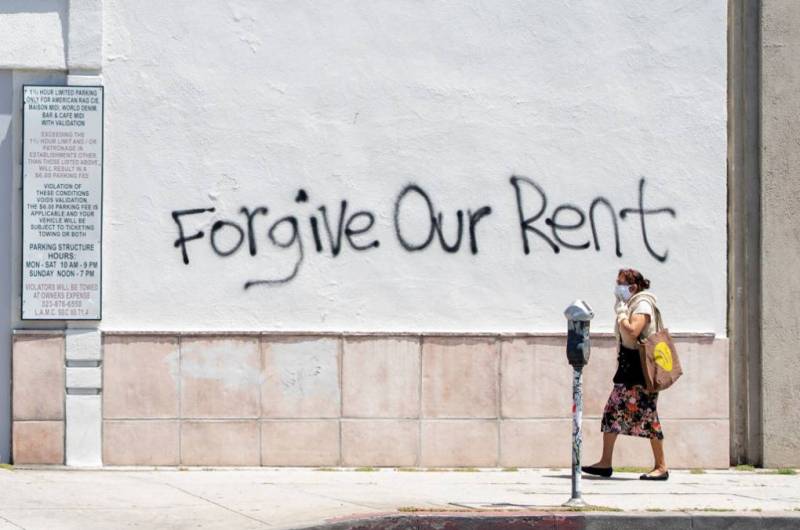
"caption": "A woman wearing a mask walks past a wall in Los Angeles on May 1, 2020, with a graffiti message demanding rent forgiveness.",
"description": null,
"title": "GettyImages-1211479742-1020x676",
"credit": "Valerie Macon/AFP via Getty Images",
"status": "inherit",
"altTag": "A woman walks down the street past a white wall with the words 'Forgive Our Rent' spraypainted on it.",
"isLoading": false,
"fetchFailed": false
},
"news_11906468": {
"type": "attachments",
"id": "news_11906468",
"meta": {
"index": "attachments_1716263798",
"site": "news",
"id": "11906468",
"found": true
},
"parent": 0,
"imgSizes": {
"twentyfourteen-full-width": {
"file": "https://ww2.kqed.org/app/uploads/sites/10/2022/02/IMG_9922-1038x576.jpg",
"width": 1038,
"mimeType": "image/jpeg",
"height": 576
},
"thumbnail": {
"file": "https://ww2.kqed.org/app/uploads/sites/10/2022/02/IMG_9922-160x120.jpg",
"width": 160,
"mimeType": "image/jpeg",
"height": 120
},
"post-thumbnail": {
"file": "https://ww2.kqed.org/app/uploads/sites/10/2022/02/IMG_9922-672x372.jpg",
"width": 672,
"mimeType": "image/jpeg",
"height": 372
},
"kqedFullSize": {
"file": "https://ww2.kqed.org/app/uploads/sites/10/2022/02/IMG_9922-scaled.jpg",
"width": 2560,
"height": 1920
},
"2048x2048": {
"file": "https://ww2.kqed.org/app/uploads/sites/10/2022/02/IMG_9922-2048x1536.jpg",
"width": 2048,
"mimeType": "image/jpeg",
"height": 1536
},
"large": {
"file": "https://ww2.kqed.org/app/uploads/sites/10/2022/02/IMG_9922-1020x765.jpg",
"width": 1020,
"mimeType": "image/jpeg",
"height": 765
},
"1536x1536": {
"file": "https://ww2.kqed.org/app/uploads/sites/10/2022/02/IMG_9922-1536x1152.jpg",
"width": 1536,
"mimeType": "image/jpeg",
"height": 1152
},
"full-width": {
"file": "https://ww2.kqed.org/app/uploads/sites/10/2022/02/IMG_9922-1920x1440.jpg",
"width": 1920,
"mimeType": "image/jpeg",
"height": 1440
},
"medium": {
"file": "https://ww2.kqed.org/app/uploads/sites/10/2022/02/IMG_9922-800x600.jpg",
"width": 800,
"mimeType": "image/jpeg",
"height": 600
}
},
"publishDate": 1645810592,
"modified": 1646090714,
"caption": "Deanna Hughes is one of roughly 30 tenants who are being forced from their homes at the Anchor Marina in Bethel Island after the county labeled the property a public nuisance, on Sunday, Feb 13, 2022.",
"description": null,
"title": "IMG_9922",
"credit": "Erin Baldassari/KQED",
"status": "inherit",
"altTag": "A woman stares at the camera while standing in a mobile home marina.",
"isLoading": false,
"fetchFailed": false
},
"news_11905573": {
"type": "attachments",
"id": "news_11905573",
"meta": {
"index": "attachments_1716263798",
"site": "news",
"id": "11905573",
"found": true
},
"parent": 11905386,
"imgSizes": {
"twentyfourteen-full-width": {
"file": "https://ww2.kqed.org/app/uploads/sites/10/2022/02/RS50274_012_Richmond_JeanStanley_07152021-qut-1038x576.jpg",
"width": 1038,
"mimeType": "image/jpeg",
"height": 576
},
"thumbnail": {
"file": "https://ww2.kqed.org/app/uploads/sites/10/2022/02/RS50274_012_Richmond_JeanStanley_07152021-qut-160x107.jpg",
"width": 160,
"mimeType": "image/jpeg",
"height": 107
},
"post-thumbnail": {
"file": "https://ww2.kqed.org/app/uploads/sites/10/2022/02/RS50274_012_Richmond_JeanStanley_07152021-qut-672x372.jpg",
"width": 672,
"mimeType": "image/jpeg",
"height": 372
},
"kqedFullSize": {
"file": "https://ww2.kqed.org/app/uploads/sites/10/2022/02/RS50274_012_Richmond_JeanStanley_07152021-qut.jpg",
"width": 1920,
"height": 1280
},
"large": {
"file": "https://ww2.kqed.org/app/uploads/sites/10/2022/02/RS50274_012_Richmond_JeanStanley_07152021-qut-1020x680.jpg",
"width": 1020,
"mimeType": "image/jpeg",
"height": 680
},
"1536x1536": {
"file": "https://ww2.kqed.org/app/uploads/sites/10/2022/02/RS50274_012_Richmond_JeanStanley_07152021-qut-1536x1024.jpg",
"width": 1536,
"mimeType": "image/jpeg",
"height": 1024
},
"medium": {
"file": "https://ww2.kqed.org/app/uploads/sites/10/2022/02/RS50274_012_Richmond_JeanStanley_07152021-qut-800x533.jpg",
"width": 800,
"mimeType": "image/jpeg",
"height": 533
}
},
"publishDate": 1645128154,
"modified": 1645226010,
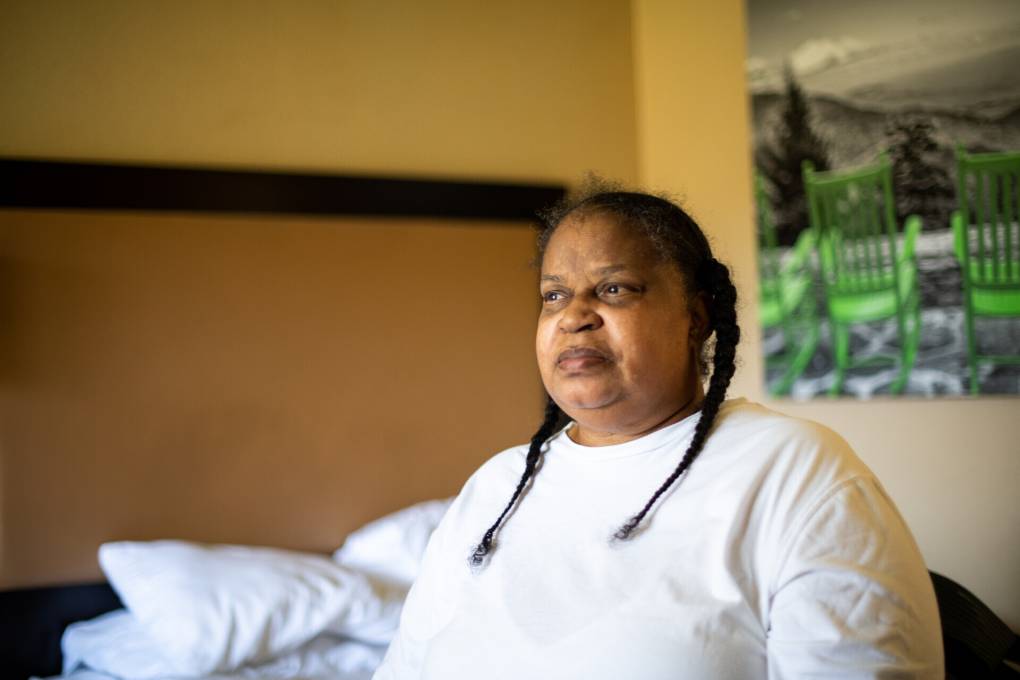
"caption": "Jean Kendrick sits in the Richmond hotel room that she and her son Stanley have shared for the past seven months, on July 15, 2021, as they prepare to move to a Project Roomkey hotel nearby.",
"description": null,
"title": "RS50274_012_Richmond_JeanStanley_07152021-qut",
"credit": "Beth LaBerge/KQED",
"status": "inherit",
"altTag": "A woman stares off to the left while sitting on a bed. She is wearing a white shirt, and her hair is in braids.",
"isLoading": false,
"fetchFailed": false
},
"news_11897360": {
"type": "attachments",
"id": "news_11897360",
"meta": {
"index": "attachments_1716263798",
"site": "news",
"id": "11897360",
"found": true
},
"parent": 11897353,
"imgSizes": {
"twentyfourteen-full-width": {
"file": "https://ww2.kqed.org/app/uploads/sites/10/2021/11/KQEDLIVE21SoldOut-258-1038x576.jpg",
"width": 1038,
"mimeType": "image/jpeg",
"height": 576
},
"thumbnail": {
"file": "https://ww2.kqed.org/app/uploads/sites/10/2021/11/KQEDLIVE21SoldOut-258-160x106.jpg",
"width": 160,
"mimeType": "image/jpeg",
"height": 106
},
"post-thumbnail": {
"file": "https://ww2.kqed.org/app/uploads/sites/10/2021/11/KQEDLIVE21SoldOut-258-672x372.jpg",
"width": 672,
"mimeType": "image/jpeg",
"height": 372
},
"kqedFullSize": {
"file": "https://ww2.kqed.org/app/uploads/sites/10/2021/11/KQEDLIVE21SoldOut-258-scaled.jpg",
"width": 2560,
"height": 1703
},
"2048x2048": {
"file": "https://ww2.kqed.org/app/uploads/sites/10/2021/11/KQEDLIVE21SoldOut-258-2048x1363.jpg",
"width": 2048,
"mimeType": "image/jpeg",
"height": 1363
},
"large": {
"file": "https://ww2.kqed.org/app/uploads/sites/10/2021/11/KQEDLIVE21SoldOut-258-1020x679.jpg",
"width": 1020,
"mimeType": "image/jpeg",
"height": 679
},
"1536x1536": {
"file": "https://ww2.kqed.org/app/uploads/sites/10/2021/11/KQEDLIVE21SoldOut-258-1536x1022.jpg",
"width": 1536,
"mimeType": "image/jpeg",
"height": 1022
},
"full-width": {
"file": "https://ww2.kqed.org/app/uploads/sites/10/2021/11/KQEDLIVE21SoldOut-258-1920x1277.jpg",
"width": 1920,
"mimeType": "image/jpeg",
"height": 1277
},
"medium": {
"file": "https://ww2.kqed.org/app/uploads/sites/10/2021/11/KQEDLIVE21SoldOut-258-800x532.jpg",
"width": 800,
"mimeType": "image/jpeg",
"height": 532
}
},
"publishDate": 1637795674,
"modified": 1637796337,
"caption": "KQED's Molly Solomon and Erin Baldassari, hosts of SOLD OUT:Rethinking Housing in America podcast, sit with Anne Tamiko Omura, Executive Director of the Eviction Defense Center, Krista Gulbransen, Executive Director of Berkeley Rental Housing Coalition, and Tim Thomas, Research Director of the Urban Displacement Project at UC Berkeley (left to right), for the podcast's Nov. 13, 2021 conversation about evictions in San Francisco, CA.",
"description": "KQED's Molly Solomon and Erin Baldassari, hosts of SOLD OUT:Rethinking Housing in America podcast, sit with Anne Tamiko Omura, Executive Director of the Eviction Defense Center, Krista Gulbransen, Executive Director of Berkeley Rental Housing Coalition, and Tim Thomas, Research Director of the Urban Displacement Project at UC Berkeley (left to right), for the podcast's Nov. 13, 2021 conversation about evictions in San Francisco, CA.",
"title": "KQEDLIVE21SoldOut-258",
"credit": "Alain McLaughlin/KQED",
"status": "inherit",
"altTag": null,
"isLoading": false,
"fetchFailed": false
},
"news_11888277": {
"type": "attachments",
"id": "news_11888277",
"meta": {
"index": "attachments_1716263798",
"site": "news",
"id": "11888277",
"found": true
},
"parent": 11888267,
"imgSizes": {
"twentyfourteen-full-width": {
"file": "https://ww2.kqed.org/app/uploads/sites/10/2021/09/012921_EvictionVigil_AW_sized_02-1038x576.jpg",
"width": 1038,
"mimeType": "image/jpeg",
"height": 576
},
"thumbnail": {
"file": "https://ww2.kqed.org/app/uploads/sites/10/2021/09/012921_EvictionVigil_AW_sized_02-160x107.jpg",
"width": 160,
"mimeType": "image/jpeg",
"height": 107
},
"post-thumbnail": {
"file": "https://ww2.kqed.org/app/uploads/sites/10/2021/09/012921_EvictionVigil_AW_sized_02-672x372.jpg",
"width": 672,
"mimeType": "image/jpeg",
"height": 372
},
"kqedFullSize": {
"file": "https://ww2.kqed.org/app/uploads/sites/10/2021/09/012921_EvictionVigil_AW_sized_02.jpg",
"width": 1520,
"height": 1013
},
"large": {
"file": "https://ww2.kqed.org/app/uploads/sites/10/2021/09/012921_EvictionVigil_AW_sized_02-1020x680.jpg",
"width": 1020,
"mimeType": "image/jpeg",
"height": 680
},
"medium": {
"file": "https://ww2.kqed.org/app/uploads/sites/10/2021/09/012921_EvictionVigil_AW_sized_02-800x533.jpg",
"width": 800,
"mimeType": "image/jpeg",
"height": 533
}
},
"publishDate": 1631559348,
"modified": 1631578709,
"caption": "Housing organizers and rent strikers participate in a vigil for tenants who they say will not be covered by Gov. Gavin Newsom’s rent relief plan at the Elihu M. Harris office building in Oakland on Jan. 29, 2021.",
"description": "Housing activists and rent strikers participate in a vigil for tenants who they say will not be covered by Gov. Gavin Newsom’s rent relief plan at the Elihu M. Harris, State of California office building in Oakland on Jan. 29, 2021",
"title": "012921_EvictionVigil_AW_sized_02",
"credit": "Anne Wernikoff/CalMatters",
"status": "inherit",
"altTag": "Protesters hold candles in front of a projection that says, \"no evictions on stolen land.\"",
"isLoading": false,
"fetchFailed": false
},
"news_11879551": {
"type": "attachments",
"id": "news_11879551",
"meta": {
"index": "attachments_1716263798",
"site": "news",
"id": "11879551",
"found": true
},
"parent": 11879548,
"imgSizes": {
"twentyfourteen-full-width": {
"file": "https://ww2.kqed.org/app/uploads/sites/10/2021/06/012921_EvictionVigil_AW_sized_09-1038x576.jpeg",
"width": 1038,
"mimeType": "image/jpeg",
"height": 576
},
"thumbnail": {
"file": "https://ww2.kqed.org/app/uploads/sites/10/2021/06/012921_EvictionVigil_AW_sized_09-160x110.jpeg",
"width": 160,
"mimeType": "image/jpeg",
"height": 110
},
"post-thumbnail": {
"file": "https://ww2.kqed.org/app/uploads/sites/10/2021/06/012921_EvictionVigil_AW_sized_09-672x372.jpeg",
"width": 672,
"mimeType": "image/jpeg",
"height": 372
},
"kqedFullSize": {
"file": "https://ww2.kqed.org/app/uploads/sites/10/2021/06/012921_EvictionVigil_AW_sized_09.jpeg",
"width": 2000,
"height": 1380
},
"large": {
"file": "https://ww2.kqed.org/app/uploads/sites/10/2021/06/012921_EvictionVigil_AW_sized_09-1020x704.jpeg",
"width": 1020,
"mimeType": "image/jpeg",
"height": 704
},
"1536x1536": {
"file": "https://ww2.kqed.org/app/uploads/sites/10/2021/06/012921_EvictionVigil_AW_sized_09-1536x1060.jpeg",
"width": 1536,
"mimeType": "image/jpeg",
"height": 1060
},
"full-width": {
"file": "https://ww2.kqed.org/app/uploads/sites/10/2021/06/012921_EvictionVigil_AW_sized_09-1920x1325.jpeg",
"width": 1920,
"mimeType": "image/jpeg",
"height": 1325
},
"medium": {
"file": "https://ww2.kqed.org/app/uploads/sites/10/2021/06/012921_EvictionVigil_AW_sized_09-800x552.jpeg",
"width": 800,
"mimeType": "image/jpeg",
"height": 552
}
},
"publishDate": 1624904768,
"modified": 1624904804,
"caption": "Oakland resident and member of ACE Alex Acuña holds up a sign decrying SB 91, a rent relief plan signed into law earlier that day by Gov. Gavin Newsom, during a vigil at the Elihu M. Harris, State of California office building in Oakland on Jan. 29, 2021. ",
"description": null,
"title": "012921_EvictionVigil_AW_sized_09",
"credit": "Anne Wernikoff/CalMatters",
"status": "inherit",
"altTag": null,
"isLoading": false,
"fetchFailed": false
},
"news_11879339": {
"type": "attachments",
"id": "news_11879339",
"meta": {
"index": "attachments_1716263798",
"site": "news",
"id": "11879339",
"found": true
},
"parent": 11879337,
"imgSizes": {
"twentyfourteen-full-width": {
"file": "https://ww2.kqed.org/app/uploads/sites/10/2021/06/Image-from-iOS-3-1038x576.jpg",
"width": 1038,
"mimeType": "image/jpeg",
"height": 576
},
"thumbnail": {
"file": "https://ww2.kqed.org/app/uploads/sites/10/2021/06/Image-from-iOS-3-160x107.jpg",
"width": 160,
"mimeType": "image/jpeg",
"height": 107
},
"post-thumbnail": {
"file": "https://ww2.kqed.org/app/uploads/sites/10/2021/06/Image-from-iOS-3-672x372.jpg",
"width": 672,
"mimeType": "image/jpeg",
"height": 372
},
"kqedFullSize": {
"file": "https://ww2.kqed.org/app/uploads/sites/10/2021/06/Image-from-iOS-3.jpg",
"width": 1529,
"height": 1019
},
"large": {
"file": "https://ww2.kqed.org/app/uploads/sites/10/2021/06/Image-from-iOS-3-1020x680.jpg",
"width": 1020,
"mimeType": "image/jpeg",
"height": 680
},
"medium": {
"file": "https://ww2.kqed.org/app/uploads/sites/10/2021/06/Image-from-iOS-3-800x533.jpg",
"width": 800,
"mimeType": "image/jpeg",
"height": 533
}
},
"publishDate": 1624644509,
"modified": 1624644581,
"caption": "Anti-eviction protesters stand in front of Santa Clara County Superior Court on Jan. 27, 2021, during a demonstration calling for stronger statewide eviction protections.",
"description": "Anti-eviction protesters stand in front of Santa Clara County Superior Court on Jan. 27, 2021, during a demonstration calling for stronger statewide eviction protections.",
"title": "Image from iOS",
"credit": "Beth LaBerge/KQED",
"status": "inherit",
"altTag": null,
"isLoading": false,
"fetchFailed": false
},
"news_11878828": {
"type": "attachments",
"id": "news_11878828",
"meta": {
"index": "attachments_1716263798",
"site": "news",
"id": "11878828",
"found": true
},
"parent": 11878817,
"imgSizes": {
"twentyfourteen-full-width": {
"file": "https://ww2.kqed.org/app/uploads/sites/10/2021/06/AP_evictionprotest_012521_01-1038x576.jpeg",
"width": 1038,
"mimeType": "image/jpeg",
"height": 576
},
"thumbnail": {
"file": "https://ww2.kqed.org/app/uploads/sites/10/2021/06/AP_evictionprotest_012521_01-160x107.jpeg",
"width": 160,
"mimeType": "image/jpeg",
"height": 107
},
"post-thumbnail": {
"file": "https://ww2.kqed.org/app/uploads/sites/10/2021/06/AP_evictionprotest_012521_01-672x372.jpeg",
"width": 672,
"mimeType": "image/jpeg",
"height": 372
},
"kqedFullSize": {
"file": "https://ww2.kqed.org/app/uploads/sites/10/2021/06/AP_evictionprotest_012521_01.jpeg",
"width": 1200,
"height": 800
},
"large": {
"file": "https://ww2.kqed.org/app/uploads/sites/10/2021/06/AP_evictionprotest_012521_01-1020x680.jpeg",
"width": 1020,
"mimeType": "image/jpeg",
"height": 680
},
"medium": {
"file": "https://ww2.kqed.org/app/uploads/sites/10/2021/06/AP_evictionprotest_012521_01-800x533.jpeg",
"width": 800,
"mimeType": "image/jpeg",
"height": 533
}
},
"publishDate": 1624316681,
"modified": 1624316729,
"caption": "Demonstrators calling for lawmakers and Gov. Gavin Newsom to pass rent forgiveness and stronger eviction protections carry a mock casket past the state Capitol in Sacramento on Jan. 25, 2021.",
"description": null,
"title": "AP_evictionprotest_012521_01",
"credit": "Rich Pedroncelli/Associated Press via CalMatters",
"status": "inherit",
"altTag": null,
"isLoading": false,
"fetchFailed": false
},
"news_11864604": {
"type": "attachments",
"id": "news_11864604",
"meta": {
"index": "attachments_1716263798",
"site": "news",
"id": "11864604",
"found": true
},
"parent": 11864513,
"imgSizes": {
"twentyfourteen-full-width": {
"file": "https://ww2.kqed.org/app/uploads/sites/10/2021/03/pexels-karolina-grabowska-4386433-1038x576.jpg",
"width": 1038,
"mimeType": "image/jpeg",
"height": 576
},
"thumbnail": {
"file": "https://ww2.kqed.org/app/uploads/sites/10/2021/03/pexels-karolina-grabowska-4386433-160x100.jpg",
"width": 160,
"mimeType": "image/jpeg",
"height": 100
},
"post-thumbnail": {
"file": "https://ww2.kqed.org/app/uploads/sites/10/2021/03/pexels-karolina-grabowska-4386433-672x372.jpg",
"width": 672,
"mimeType": "image/jpeg",
"height": 372
},
"kqedFullSize": {
"file": "https://ww2.kqed.org/app/uploads/sites/10/2021/03/pexels-karolina-grabowska-4386433.jpg",
"width": 1920,
"height": 1200
},
"large": {
"file": "https://ww2.kqed.org/app/uploads/sites/10/2021/03/pexels-karolina-grabowska-4386433-1020x638.jpg",
"width": 1020,
"mimeType": "image/jpeg",
"height": 638
},
"1536x1536": {
"file": "https://ww2.kqed.org/app/uploads/sites/10/2021/03/pexels-karolina-grabowska-4386433-1536x960.jpg",
"width": 1536,
"mimeType": "image/jpeg",
"height": 960
},
"medium": {
"file": "https://ww2.kqed.org/app/uploads/sites/10/2021/03/pexels-karolina-grabowska-4386433-800x500.jpg",
"width": 800,
"mimeType": "image/jpeg",
"height": 500
}
},
"publishDate": 1615597155,
"modified": 1615597226,
"caption": "Want to apply for rent assistance in California? The state's rent relief program is now open for applications, starting March 15.",
"description": null,
"title": "pexels-karolina-grabowska-4386433",
"credit": "Karolina Grabowska/Pexels",
"status": "inherit",
"altTag": "A person's hands touching money in a wallet",
"isLoading": false,
"fetchFailed": false
},
"news_11835052": {
"type": "attachments",
"id": "news_11835052",
"meta": {
"index": "attachments_1716263798",
"site": "news",
"id": "11835052",
"found": true
},
"parent": 11834950,
"imgSizes": {
"apple_news_ca_landscape_5_5": {
"file": "https://ww2.kqed.org/app/uploads/sites/10/2020/08/SF-For-Rent-Home-1044x783.jpg",
"width": 1044,
"mimeType": "image/jpeg",
"height": 783
},
"apple_news_ca_square_4_0": {
"file": "https://ww2.kqed.org/app/uploads/sites/10/2020/08/SF-For-Rent-Home-470x470.jpg",
"width": 470,
"mimeType": "image/jpeg",
"height": 470
},
"twentyfourteen-full-width": {
"file": "https://ww2.kqed.org/app/uploads/sites/10/2020/08/SF-For-Rent-Home-1038x576.jpg",
"width": 1038,
"mimeType": "image/jpeg",
"height": 576
},
"thumbnail": {
"file": "https://ww2.kqed.org/app/uploads/sites/10/2020/08/SF-For-Rent-Home-160x107.jpg",
"width": 160,
"mimeType": "image/jpeg",
"height": 107
},
"post-thumbnail": {
"file": "https://ww2.kqed.org/app/uploads/sites/10/2020/08/SF-For-Rent-Home-672x372.jpg",
"width": 672,
"mimeType": "image/jpeg",
"height": 372
},
"kqedFullSize": {
"file": "https://ww2.kqed.org/app/uploads/sites/10/2020/08/SF-For-Rent-Home.jpg",
"width": 1920,
"height": 1280
},
"apple_news_ca_landscape_4_7": {
"file": "https://ww2.kqed.org/app/uploads/sites/10/2020/08/SF-For-Rent-Home-632x474.jpg",
"width": 632,
"mimeType": "image/jpeg",
"height": 474
},
"large": {
"file": "https://ww2.kqed.org/app/uploads/sites/10/2020/08/SF-For-Rent-Home-1020x680.jpg",
"width": 1020,
"mimeType": "image/jpeg",
"height": 680
},
"apple_news_ca_landscape_4_0": {
"file": "https://ww2.kqed.org/app/uploads/sites/10/2020/08/SF-For-Rent-Home-536x402.jpg",
"width": 536,
"mimeType": "image/jpeg",
"height": 402
},
"apple_news_ca_portrait_12_9": {
"file": "https://ww2.kqed.org/app/uploads/sites/10/2020/08/SF-For-Rent-Home-1122x1280.jpg",
"width": 1122,
"mimeType": "image/jpeg",
"height": 1280
},
"medium": {
"file": "https://ww2.kqed.org/app/uploads/sites/10/2020/08/SF-For-Rent-Home-800x533.jpg",
"width": 800,
"mimeType": "image/jpeg",
"height": 533
},
"apple_news_ca_portrait_4_0": {
"file": "https://ww2.kqed.org/app/uploads/sites/10/2020/08/SF-For-Rent-Home-354x472.jpg",
"width": 354,
"mimeType": "image/jpeg",
"height": 472
},
"apple_news_ca_portrait_9_7": {
"file": "https://ww2.kqed.org/app/uploads/sites/10/2020/08/SF-For-Rent-Home-840x1120.jpg",
"width": 840,
"mimeType": "image/jpeg",
"height": 1120
},
"apple_news_ca_landscape_12_9": {
"file": "https://ww2.kqed.org/app/uploads/sites/10/2020/08/SF-For-Rent-Home-1832x1280.jpg",
"width": 1832,
"mimeType": "image/jpeg",
"height": 1280
},
"apple_news_ca_square_9_7": {
"file": "https://ww2.kqed.org/app/uploads/sites/10/2020/08/SF-For-Rent-Home-1104x1104.jpg",
"width": 1104,
"mimeType": "image/jpeg",
"height": 1104
},
"1536x1536": {
"file": "https://ww2.kqed.org/app/uploads/sites/10/2020/08/SF-For-Rent-Home-1536x1024.jpg",
"width": 1536,
"mimeType": "image/jpeg",
"height": 1024
},
"apple_news_ca_portrait_4_7": {
"file": "https://ww2.kqed.org/app/uploads/sites/10/2020/08/SF-For-Rent-Home-414x552.jpg",
"width": 414,
"mimeType": "image/jpeg",
"height": 552
},
"apple_news_ca_square_12_9": {
"file": "https://ww2.kqed.org/app/uploads/sites/10/2020/08/SF-For-Rent-Home-1472x1280.jpg",
"width": 1472,
"mimeType": "image/jpeg",
"height": 1280
},
"apple_news_ca_portrait_5_5": {
"file": "https://ww2.kqed.org/app/uploads/sites/10/2020/08/SF-For-Rent-Home-687x916.jpg",
"width": 687,
"mimeType": "image/jpeg",
"height": 916
},
"apple_news_ca_square_4_7": {
"file": "https://ww2.kqed.org/app/uploads/sites/10/2020/08/SF-For-Rent-Home-550x550.jpg",
"width": 550,
"mimeType": "image/jpeg",
"height": 550
},
"apple_news_ca_landscape_9_7": {
"file": "https://ww2.kqed.org/app/uploads/sites/10/2020/08/SF-For-Rent-Home-1376x1032.jpg",
"width": 1376,
"mimeType": "image/jpeg",
"height": 1032
},
"apple_news_ca_square_5_5": {
"file": "https://ww2.kqed.org/app/uploads/sites/10/2020/08/SF-For-Rent-Home-912x912.jpg",
"width": 912,
"mimeType": "image/jpeg",
"height": 912
}
},
"publishDate": 1598374855,
"modified": 1623372777,
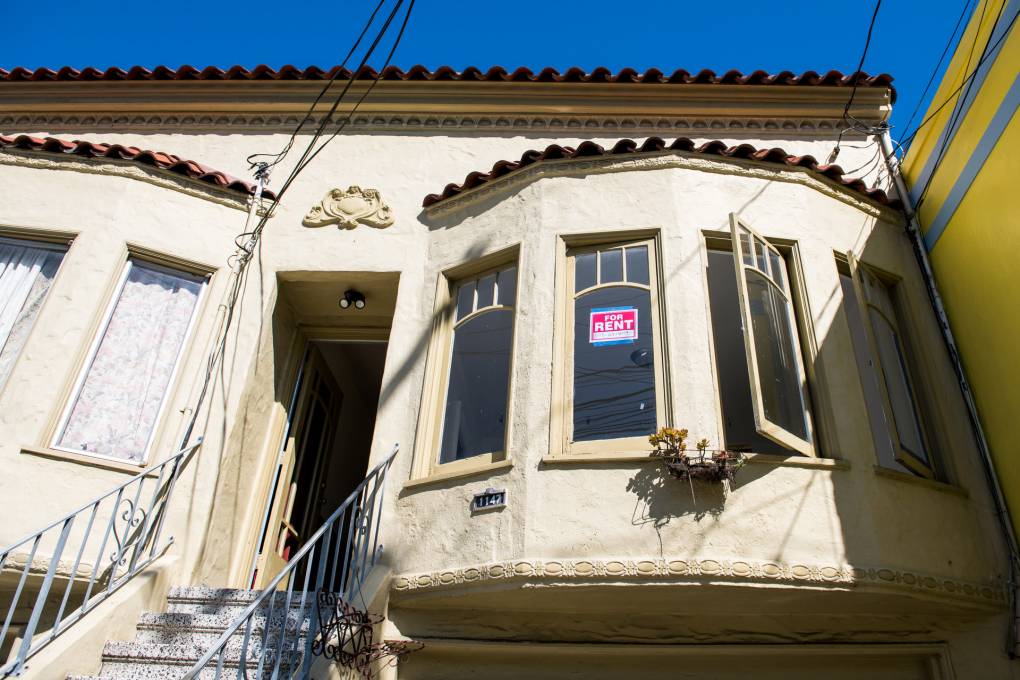
"caption": "A 'For Rent' sign on a house in the Mission District of San Francisco on March 31, 2020.",
"description": "A 'For Rent' sign on a house in the Mission District of San Francisco on Tuesday, March 31, 2020.",
"title": "SF-For-Rent-Home",
"credit": "Beth LaBerge/KQED",
"status": "inherit",
"altTag": "A 'For Rent' sign on a house in the Mission District of San Francisco on Tuesday, March 31, 2020.",
"isLoading": false,
"fetchFailed": false
}
},
"audioPlayerReducer": {
"postId": "stream_live",
"isPaused": true,
"isPlaying": false,
"pfsActive": false,
"pledgeModalIsOpen": true,
"playerDrawerIsOpen": false,
"liveAudioPlayStartedAt": 0,
"liveAudioPlayContext": ""
},
"authorsReducer": {
"byline_news_11888267": {
"type": "authors",
"id": "byline_news_11888267",
"meta": {
"override": true
},
"slug": "byline_news_11888267",
"name": "\u003ca href=\"https://calmatters.org/author/manuela-tobias/\">Manuela Tobias\u003c/a>",
"isLoading": false
},
"byline_news_11879548": {
"type": "authors",
"id": "byline_news_11879548",
"meta": {
"override": true
},
"slug": "byline_news_11879548",
"name": "Manuela Tobias",
"isLoading": false
},
"byline_news_11879337": {
"type": "authors",
"id": "byline_news_11879337",
"meta": {
"override": true
},
"slug": "byline_news_11879337",
"name": "Adam Beam \u003cbr> The Associated Press",
"isLoading": false
},
"byline_news_11878817": {
"type": "authors",
"id": "byline_news_11878817",
"meta": {
"override": true
},
"slug": "byline_news_11878817",
"name": "\u003ca href=\"https://calmatters.org/author/manuela-tobias/\">Manuela Tobias\u003c/a>",
"isLoading": false
},
"ekelly": {
"type": "authors",
"id": "3211",
"meta": {
"index": "authors_1716337520",
"id": "3211",
"found": true
},
"name": "Erika Kelly",
"firstName": "Erika",
"lastName": "Kelly",
"slug": "ekelly",
"email": "ekelly@KQED.org",
"display_author_email": true,
"staff_mastheads": [
"news"
],
"title": "Deputy Managing Editor",
"bio": "Erika Kelly is deputy managing editor of KQED's newsroom, working with teams covering housing, climate, health, labor and the arts. Previously, she was the senior editor of KQED’s housing affordability desk, leading the team that produced the award winning podcast Sold Out: Rethinking Housing in America. She is a graduate of the Medill School of Journalism and a native of the Greater Chicagoland Area.",
"avatar": "https://secure.gravatar.com/avatar/3653973f475e2af06d52444628a0023a48f83905a9d7ce3a4e45e5ecebcb4230?s=600&d=blank&r=g",
"twitter": null,
"bluesky": null,
"facebook": null,
"instagram": null,
"linkedin": null,
"sites": [
{
"site": "",
"roles": [
"editor"
]
},
{
"site": "arts",
"roles": [
"administrator"
]
},
{
"site": "news",
"roles": [
"administrator"
]
},
{
"site": "science",
"roles": [
"administrator"
]
},
{
"site": "liveblog",
"roles": [
"administrator"
]
}
],
"headData": {
"title": "Erika Kelly | KQED",
"description": "Deputy Managing Editor",
"ogImgSrc": "https://secure.gravatar.com/avatar/3653973f475e2af06d52444628a0023a48f83905a9d7ce3a4e45e5ecebcb4230?s=600&d=blank&r=g",
"twImgSrc": "https://secure.gravatar.com/avatar/3653973f475e2af06d52444628a0023a48f83905a9d7ce3a4e45e5ecebcb4230?s=600&d=blank&r=g"
},
"isLoading": false,
"link": "/author/ekelly"
},
"katewolffe": {
"type": "authors",
"id": "11523",
"meta": {
"index": "authors_1716337520",
"id": "11523",
"found": true
},
"name": "Kate Wolffe",
"firstName": "Kate",
"lastName": "Wolffe",
"slug": "katewolffe",
"email": "kwolffe@kqed.org",
"display_author_email": true,
"staff_mastheads": [
"news"
],
"title": "KQED Reporter + Weekend Host",
"bio": "Kate Wolffe reports on local Bay Area happenings for KQED, and hosts the news on weekend afternoons. She joined KQED in 2018 as an intern on the Forum team, before moving to cover topics ranging from politics to criminal justice to homelessness. A Bay Area native and UC Berkeley graduate, Kate loves to discover new corners of the region.",
"avatar": "https://secure.gravatar.com/avatar/22455f14db824a03ee252f73052fe939?s=600&d=blank&r=g",
"twitter": "katewolffe",
"facebook": null,
"instagram": null,
"linkedin": null,
"sites": [
{
"site": "arts",
"roles": [
"editor"
]
},
{
"site": "news",
"roles": [
"author",
"edit_others_posts"
]
},
{
"site": "forum",
"roles": [
"editor"
]
}
],
"headData": {
"title": "Kate Wolffe | KQED",
"description": "KQED Reporter + Weekend Host",
"ogImgSrc": "https://secure.gravatar.com/avatar/22455f14db824a03ee252f73052fe939?s=600&d=blank&r=g",
"twImgSrc": "https://secure.gravatar.com/avatar/22455f14db824a03ee252f73052fe939?s=600&d=blank&r=g"
},
"isLoading": false,
"link": "/author/katewolffe"
},
"kmoghadam": {
"type": "authors",
"id": "11637",
"meta": {
"index": "authors_1716337520",
"id": "11637",
"found": true
},
"name": "Kyana Moghadam",
"firstName": "Kyana",
"lastName": "Moghadam",
"slug": "kmoghadam",
"email": "kmoghadam@kqed.org",
"display_author_email": false,
"staff_mastheads": [
"news"
],
"title": "Senior Producer ",
"bio": "Kyana Moghadam is a senior producer at KQED. Prior to joining KQED, she was an audio producer and editor with Al Jazeera, Jetty Studios, VOX Media, Democracy Now!, and Global Press.",
"avatar": "https://secure.gravatar.com/avatar/cdbd6cb0b9e99deaa9eb618abdba56f265d374a2c614710aebeb4e58decbc5f0?s=600&d=blank&r=g",
"twitter": null,
"bluesky": null,
"facebook": null,
"instagram": null,
"linkedin": "https://www.linkedin.com/in/kyanamoghadam/",
"sites": [
{
"site": "",
"roles": [
"editor"
]
},
{
"site": "arts",
"roles": [
"editor"
]
},
{
"site": "news",
"roles": [
"administrator"
]
},
{
"site": "pop",
"roles": [
"editor"
]
},
{
"site": "about",
"roles": [
"editor"
]
},
{
"site": "forum",
"roles": [
"editor"
]
},
{
"site": "perspectives",
"roles": [
"editor"
]
},
{
"site": "podcasts",
"roles": [
"administrator"
]
}
],
"headData": {
"title": "Kyana Moghadam | KQED",
"description": "Senior Producer ",
"ogImgSrc": "https://secure.gravatar.com/avatar/cdbd6cb0b9e99deaa9eb618abdba56f265d374a2c614710aebeb4e58decbc5f0?s=600&d=blank&r=g",
"twImgSrc": "https://secure.gravatar.com/avatar/cdbd6cb0b9e99deaa9eb618abdba56f265d374a2c614710aebeb4e58decbc5f0?s=600&d=blank&r=g"
},
"isLoading": false,
"link": "/author/kmoghadam"
},
"msolomon": {
"type": "authors",
"id": "11651",
"meta": {
"index": "authors_1716337520",
"id": "11651",
"found": true
},
"name": "Molly Solomon",
"firstName": "Molly",
"lastName": "Solomon",
"slug": "msolomon",
"email": "msolomon@KQED.org",
"display_author_email": false,
"staff_mastheads": [
"news"
],
"title": "Senior Editor",
"bio": "Molly Solomon is the senior editor of KQED's California Politics and Government Desk. Previously, she was the station's editor-at-large, with a focus on editing early childhood education, politics, and criminal justice. Before that, she managed and edited statewide election coverage for The California Newsroom, a collaboration of local public radio stations, CalMatters and NPR. Molly joined KQED in 2019 to launch the station’s housing affordability desk, where she reported on homelessness, evictions and is the co-host of KQED’s housing podcast, SOLD OUT: Rethinking Housing in America. Before that, she was the Southwest Washington Bureau Chief for Oregon Public Broadcasting and a reporter at Hawaii Public Radio. Her stories have aired on NPR’s \u003cem>Morning Edition\u003c/em>, \u003cem>All Things Considered\u003c/em>, \u003cem>Here & Now\u003c/em>, \u003cem>Science Friday\u003c/em> and \u003cem>Marketplace\u003c/em>. Molly's award-winning reporting has been honored by the Best of the West, Edward R. Murrow awards, Society of Professional Journalists, National Headliner Awards, and the Asian American Journalists Association. Born and raised in Berkeley, Molly is a big fan of burritos and her scruffy terrier, Ollie.",
"avatar": "https://secure.gravatar.com/avatar/9ad9794616923d81c9a79897161545bd?s=600&d=blank&r=g",
"twitter": "solomonout",
"facebook": null,
"instagram": null,
"linkedin": null,
"sites": [
{
"site": "news",
"roles": [
"editor"
]
},
{
"site": "science",
"roles": [
"editor"
]
}
],
"headData": {
"title": "Molly Solomon | KQED",
"description": "Senior Editor",
"ogImgSrc": "https://secure.gravatar.com/avatar/9ad9794616923d81c9a79897161545bd?s=600&d=blank&r=g",
"twImgSrc": "https://secure.gravatar.com/avatar/9ad9794616923d81c9a79897161545bd?s=600&d=blank&r=g"
},
"isLoading": false,
"link": "/author/msolomon"
},
"ebaldassari": {
"type": "authors",
"id": "11652",
"meta": {
"index": "authors_1716337520",
"id": "11652",
"found": true
},
"name": "Erin Baldassari",
"firstName": "Erin",
"lastName": "Baldassari",
"slug": "ebaldassari",
"email": "ebaldassari@KQED.org",
"display_author_email": true,
"staff_mastheads": [
"news"
],
"title": "Staff Writer",
"bio": "Erin Baldassari covers housing for KQED. She's a former print journalist and most recently worked as the transportation reporter for the \u003cem>Mercury News\u003c/em> and \u003cem>East Bay Times. \u003c/em>There, she focused on how the Bay Area’s housing shortage has changed the way people move around the region. She also served on the \u003cem>East Bay Times\u003c/em>’ 2017 Pulitzer Prize-winning team for coverage of the Ghost Ship Fire in Oakland. Prior to that, Erin worked as a breaking news and general assignment reporter for a variety of outlets in the Bay Area and the greater Boston area. A Tufts University alumna, Erin grew up in the foothills of the Sierra Nevada mountains and in Sonoma County. She is a life-long KQED listener.",
"avatar": "https://secure.gravatar.com/avatar/5e95cad64a8ca08288082212e199d2b0cbeb4fd8e8ef5339395f361032bbe005?s=600&d=blank&r=g",
"twitter": "e_baldi",
"bluesky": null,
"facebook": null,
"instagram": null,
"linkedin": null,
"sites": [
{
"site": "news",
"roles": [
"edit_others_posts",
"editor"
]
},
{
"site": "science",
"roles": [
"editor"
]
},
{
"site": "liveblog",
"roles": [
"editor"
]
}
],
"headData": {
"title": "Erin Baldassari | KQED",
"description": "Staff Writer",
"ogImgSrc": "https://secure.gravatar.com/avatar/5e95cad64a8ca08288082212e199d2b0cbeb4fd8e8ef5339395f361032bbe005?s=600&d=blank&r=g",
"twImgSrc": "https://secure.gravatar.com/avatar/5e95cad64a8ca08288082212e199d2b0cbeb4fd8e8ef5339395f361032bbe005?s=600&d=blank&r=g"
},
"isLoading": false,
"link": "/author/ebaldassari"
}
},
"pagesReducer": {
"news_tag_rent": {
"type": "terms",
"id": "news_20967",
"meta": {
"index": "terms_1716263798",
"site": "news",
"id": "20967",
"score": 9.105365
},
"featImg": null,
"name": "Rent",
"description": null,
"taxonomy": "tag",
"headData": {
"twImgId": null,
"twTitle": null,
"ogTitle": null,
"ogImgId": null,
"twDescription": null,
"description": null,
"title": "Rent Archives | KQED News",
"ogDescription": null
},
"ttid": 20984,
"slug": "rent",
"isLoading": false,
"title": "Rent",
"pageMeta": {
"site": "news",
"WpPageTemplate": "page-topic-editorial",
"currentPage": 4
},
"blocks": [
{
"blockName": "kqed/post-list",
"attrs": {
"layout": "cardArticle2",
"query": "posts/news?tag=rent",
"seeMore": false,
"paginated": true,
"page": 4
}
},
{
"blockName": "kqed/ad"
}
]
}
},
"pfsSessionReducer": {},
"postsReducer": {
"stream_live": {
"type": "live",
"id": "stream_live",
"audioUrl": "https://streams.kqed.org/kqedradio",
"title": "Live Stream",
"excerpt": "Live Stream information currently unavailable.",
"link": "/radio",
"featImg": "",
"label": {
"name": "KQED Live",
"link": "/"
}
},
"stream_kqedNewscast": {
"type": "posts",
"id": "stream_kqedNewscast",
"audioUrl": "https://www.kqed.org/.stream/anon/radio/RDnews/newscast.mp3?_=1",
"title": "KQED Newscast",
"featImg": "",
"label": {
"name": "88.5 FM",
"link": "/"
}
},
"news_11889738": {
"type": "posts",
"id": "news_11889738",
"meta": {
"index": "posts_1716263798",
"site": "news",
"id": "11889738",
"score": null,
"sort": [
1647964510000
]
},
"guestAuthors": [],
"slug": "covid-rent-relief-what-renters-and-landlords-need-to-know-as-californias-eviction-moratorium-ends",
"title": "COVID Rent Relief: What Renters and Owners Need to Know Ahead of March 31 Deadline",
"publishDate": 1647964510,
"format": "standard",
"headTitle": "COVID Rent Relief: What Renters and Owners Need to Know Ahead of March 31 Deadline | KQED",
"labelTerm": {
"site": "news"
},
"content": "\u003cp>\u003ca href=\"https://www.kqed.org/news/11892641/ayuda-para-la-renta-durante-covid-19-lo-que-los-inquilinos-y-los-propietarios-deben-saber\">\u003cem>Leer en español.\u003c/em>\u003c/a>\u003c/p>\n\u003cp>\u003cstrong>Update, 1 p.m. April 1:\u003c/strong> At the very last minute, \u003ca href=\"https://www.kqed.org/news/11909880/california-lawmakers-extend-eviction-protections-for-tenants-awaiting-rent-relief\">California extended eviction protections\u003c/a> for people who applied for the state’s COVID-19 Rent Relief program by the deadline of March 31.\u003c/p>\n\u003cp>This means that if you’re a tenant who applied for the program to receive help with your back rent — either in partnership with your landlord, or by yourself — the fact that you’ve applied will technically continue to protect you against eviction through June 30. But for most tenants in California, starting April 1, landlords will still be able to start eviction proceedings for any rent not paid after March 31.\u003c/p>\n\u003cp>Applications to the state’s rent relief program are now officially closed, and we won’t be updating this post further. If you applied before the deadline and you’re still waiting on your application,\u003ca href=\"https://www.kqed.org/news/11908640/covid-rent-relief-taking-a-long-time-to-process-what-you-can-do-if-youre-waiting\"> read our guide for what you can now do before June 30\u003c/a>.\u003c/p>\n\u003cp>\u003cb>Original post, 9 a.m. March 22.\u003c/b>\u003c/p>\n\u003cp>\u003cstrong>Skip straight to:\u003c/strong>\u003c/p>\n\u003cul>\n\u003cli>\u003cstrong>\u003ca href=\"#renters\">Guide to rent relief for renters\u003c/a>\u003c/strong>\u003c/li>\n\u003cli>\u003cstrong>\u003ca href=\"#owners\">Guide to rent relief for property owners\u003c/a>\u003c/strong>\u003c/li>\n\u003c/ul>\n\u003cp>California’s eviction moratorium — the state’s protections for renters who have been unable to pay their rent — expired at the end of September.\u003c/p>\n\u003cp>This means that, as of October 1, 2021, property owners in many places in California could once again evict tenants for not paying their rent. And to avoid being evicted, renters who have been financially affected by COVID-19 must pay a portion of their back rent, and can apply for rent relief through state or local programs. But the deadline to apply — March 31, 2022 — is fast approaching.\u003cspan style=\"font-weight: 400\">[aside postID=news_11908640 hero='https://ww2.kqed.org/app/uploads/sites/10/2022/03/pexels-thuongdaihua-4203996-1020x680.png']\u003c/span>\u003c/p>\n\u003cp>“If you think you might qualify for rent relief, then apply for it — and you’re always better off doing it sooner rather than later,” Russ Heimerich, spokesperson for the Business, Consumer Services and Housing Agency, said back in September 2021.\u003c/p>\n\u003cp>Heimerich said then that the agency understood that between 800,000 and 1.5 million households in the state were financially burdened by the coronavirus pandemic, and had lost income because their hours were reduced or they got sick, were laid off or had extra care responsibilities. \u003ca href=\"https://www.kqed.org/news/11907165/only-16-of-californias-rent-relief-applicants-have-received-checks-new-study-finds\">The state, however, has been slow to distribute rent relief.\u003c/a>\u003c/p>\n\u003cp>Advocates advise people not only to apply for rent relief, but also to seek legal aid if they’re facing eviction. However, they’ve warned that you might have to be patient, as both the rent relief programs and legal aid groups are handling a lot of demand.\u003c/p>\n\u003cp>Keep reading for what renters need to know about applying for rent relief, or skip to \u003ca href=\"#owners\">rent relief advice for property owners\u003c/a>. And remember: After March 31, you won’t be able to apply for rent relief.\u003c/p>\n\u003ch3>\u003ca id=\"renters\">\u003c/a>Rent relief: What renters should know\u003c/h3>\n\u003cp>\u003cstrong>How do I know whether I qualify for rent relief?\u003c/strong>\u003c/p>\n\u003cp>You qualify for rent relief if you have been financially affected by the pandemic and you earn less than 80% of your area’s median income. \u003ca href=\"https://housing.ca.gov/covid_rr/index.html\">Check to see whether you qualify, and apply for help.\u003c/a>\u003c/p>\n\u003cfigure id=\"attachment_11889138\" class=\"wp-caption alignnone\" style=\"max-width: 2560px\">\u003cimg loading=\"lazy\" decoding=\"async\" class=\"size-full wp-image-11889138\" src=\"https://ww2.kqed.org/app/uploads/sites/10/2021/09/GettyImages-1321379102-scaled.jpg\" alt=\"\" width=\"2560\" height=\"1739\" srcset=\"https://cdn.kqed.org/wp-content/uploads/sites/10/2021/09/GettyImages-1321379102-scaled.jpg 2560w, https://cdn.kqed.org/wp-content/uploads/sites/10/2021/09/GettyImages-1321379102-800x544.jpg 800w, https://cdn.kqed.org/wp-content/uploads/sites/10/2021/09/GettyImages-1321379102-1020x693.jpg 1020w, https://cdn.kqed.org/wp-content/uploads/sites/10/2021/09/GettyImages-1321379102-160x109.jpg 160w, https://cdn.kqed.org/wp-content/uploads/sites/10/2021/09/GettyImages-1321379102-1536x1044.jpg 1536w, https://cdn.kqed.org/wp-content/uploads/sites/10/2021/09/GettyImages-1321379102-2048x1392.jpg 2048w, https://cdn.kqed.org/wp-content/uploads/sites/10/2021/09/GettyImages-1321379102-1920x1305.jpg 1920w\" sizes=\"auto, (max-width: 2560px) 100vw, 2560px\">\u003cfigcaption class=\"wp-caption-text\">A ‘For Rent’ sign posted on the exterior of an apartment building on June 2, 2021, in San Francisco. \u003ccite>(Justin Sullivan/Getty Images)\u003c/cite>\u003c/figcaption>\u003c/figure>\n\u003cp>\u003cstrong>Do I need to be a U.S. citizen to qualify for rent relief?\u003c/strong>\u003c/p>\n\u003cp>No, you do \u003cem>not\u003c/em> need to be a citizen to qualify. Your legal status will not be disclosed to any other government agency.\u003c/p>\n\u003cp>\u003cstrong>Is it possible to apply for rent relief in languages other than English?\u003c/strong>\u003c/p>\n\u003cp>Yes, there are applications available in \u003ca href=\"https://housing.ca.gov/covid_rr/index_esp.html\">Spanish\u003c/a>,\u003ca href=\"https://housing.ca.gov/covid_rr/index_ch.html\">Chinese\u003c/a>,\u003ca href=\"https://housing.ca.gov/covid_rr/index_kor.html\">Korean\u003c/a>, \u003ca href=\"https://housing.ca.gov/covid_rr/index_vt.html\">Vietnamese\u003c/a> and \u003ca href=\"https://housing.ca.gov/covid_rr/index_tag.html\">Tagalog\u003c/a>.\u003c/p>\n\u003cp>\u003cstrong>Where will my rent relief come from?\u003c/strong>\u003c/p>\n\u003cp>If you apply for rent relief, the funds will come either from the state or your own county, depending on where you live. You also can be eligible for both.\u003c/p>\n\u003cp>When you \u003ca href=\"https://housing.ca.gov/covid_rr/index.html\">apply through the state’s COVID rent relief portal\u003c/a>, you’ll be directed to the right place to apply depending on your location, whether it’s state assistance or local assistance. You also can use the following state map to see whether you’re eligible for state or local rent assistance, or both:\u003c/p>\n\u003cp>\u003c!-- iframe plugin v.4.3 wordpress.org/plugins/iframe/ -->\u003cbr>\n\u003ciframe loading=\"lazy\" src=\"https://www.arcgis.com/apps/instant/lookup/index.html?appid=f32435102af34d24a7420ffc432a33a6\" height=\"800\" width=\"100%\" scrolling=\"yes\" class=\"iframe-class\" frameborder=\"0\">\u003c/iframe>\u003c/p>\n\u003cp>\u003cstrong>Is the rent relief a loan? Do I need to pay back the money I get?\u003c/strong>\u003c/p>\n\u003cp>No, you do not need to pay the state or your county back for the relief money they give you.\u003c/p>\n\u003cp>\u003cstrong>Is there still a statewide eviction moratorium?\u003c/strong>\u003c/p>\n\u003cp>California’s statewide moratorium on evictions expired last fall, on Sept. 30, 2021.\u003c/p>\n\u003cp>But the state’s COVID Rent Relief program has afforded its own kind of eviction protections starting Oct. 1, 2021. That’s because since that date, \u003ca href=\"https://housing.ca.gov/tenant/protection_guidelines.html\">any landlord wanting to evict a tenant for failing to pay rent as a result of COVID hardship needs to first apply\u003c/a> for rental relief before continuing with an eviction lawsuit. (\u003ca href=\"#owners\">Read more about rent relief for property owners.\u003c/a>) And renters affected by COVID hardship could prevent an eviction from moving forward, if they showed they’ve applied for the rent relief program as a defense in court.\u003c/p>\n\u003cp>Because the deadline to apply for California’s rent relief program is on March 31, 2022, this means that on April 1, these eviction protections put in place by the program are no longer in effect. This is why it’s really important to apply for rent relief before the deadline at the end of the month.\u003c/p>\n\u003cp>\u003cstrong>My city or county has its own eviction moratorium. Is that expiring, too?\u003c/strong>\u003c/p>\n\u003cp>Several cities and counties across the state had their own rent-related eviction moratoriums that stayed in place after the state moratorium expired. In the Bay Area, those places are:\u003c/p>\n\u003cul>\n\u003cli>\u003ca href=\"https://www.acgov.org/cda/hcd/\">Alameda County\u003c/a>: The eviction moratorium ordinance will remain in effect until 60 days after the local health emergency is lifted. \u003ca href=\"https://www.acgov.org/cda/hcd/\">Read more about Alameda County’s eviction moratorium.\u003c/a>\u003c/li>\n\u003cli>\u003ca href=\"https://www.cityofberkeley.info/Rent_Stabilization_Board/Home/Can_t_Pay_Rent_Due_to_COVID-19_.aspx\">City of Berkeley\u003c/a>: Berkeley’s eviction moratorium will end once the local COVID-19 emergency order is lifted. \u003ca href=\"https://www.cityofberkeley.info/Rent_Stabilization_Board/Home/Can_t_Pay_Rent_Due_to_COVID-19_.aspx\">Read more about the city of Berkeley’s eviction moratorium.\u003c/a>\u003c/li>\n\u003cli>\u003ca href=\"https://www.oaklandca.gov/news/2021/state-extends-eviction-moratorium-what-this-means-for-oakland-tenants-and-property-managers\">City of Oakland\u003c/a>: Oakland’s moratorium on evictions and rent increases will last until the local emergency is terminated by the Oakland City Council. \u003ca href=\"https://www.oaklandca.gov/news/2021/state-extends-eviction-moratorium-what-this-means-for-oakland-tenants-and-property-managers\">Read more about the city of Oakland’s eviction moratorium.\u003c/a>\u003c/li>\n\u003cli>\u003ca href=\"https://www.solanocounty.com/depts/ph/coronavirus_links/faq___eviction_moratorium.asp\">Solano County\u003c/a>: Solano County’s ban on COVID-19-related evictions will extend for an additional 90 days once the county’s state of emergency has been lifted. \u003ca href=\"https://www.solanocounty.com/depts/ph/coronavirus_links/faq___eviction_moratorium.asp\">Read more about Solano County’s eviction moratorium.\u003c/a>\u003c/li>\n\u003c/ul>\n\u003cp>San Francisco’s local rules continue to ban evictions for a number of reasons, including owner move-in, condo conversion, breach of contract, capital improvements and demolition. But \u003ca href=\"https://sfrb.org/temporary-eviction-moratorium\">evictions in San Francisco \u003cem>can\u003c/em> move forward for nonpayment of rent\u003c/a>, for health or safety issues, or if the owner decides to remove the property from the rental market. San Francisco will be\u003ca href=\"https://sf.gov/information/covid-19-emergency-tenant-protections\"> introducing new eviction protections for renters starting April 1\u003c/a>.\u003c/p>\n\u003cp>\u003cstrong>I have applied for rent relief. Can I still get evicted while I’m waiting?\u003c/strong>\u003c/p>\n\u003cp>Since the official eviction moratorium expired on Sept. 30, 2021, renters affected by COVID hardship could prevent an eviction from moving forward if they presented their pending relief application as a defense in court.\u003c/p>\n\u003cp>That remains true for renters whose applications have been approved. However, on April 1, if you are one of the people whose applications are still pending or under review, you can no longer legally use that defense in court.\u003c/p>\n\u003cp>\u003cstrong>I haven’t applied for rent relief. Can I still apply?\u003c/strong>\u003c/p>\n\u003cp>Yes, but the last day to apply is March 31. So \u003ca href=\"https://housing.ca.gov/covid_rr/index.html\">get your application in as soon as you can\u003c/a>.\u003c/p>\n\u003cp>[ad fullwidth]\u003c/p>\n\u003cp>\u003cstrong>My rent relief application has been approved, but I haven’t gotten notice that it’s been paid. What should I do?\u003c/strong>\u003c/p>\n\u003cp>You’re not alone. \u003ca href=\"https://www.kqed.org/news/11907165/only-16-of-californias-rent-relief-applicants-have-received-checks-new-study-finds\">Rent relief is taking a \u003cem>long\u003c/em> time to be distributed\u003c/a>, because California is far behind in its efforts to help people with COVID-19-related hardships pay their back rent.\u003c/p>\n\u003cp>That’s backed up by a \u003ca href=\"https://nationalequityatlas.org/CARentalAssistance\">report out earlier this month from the National Equity Atlas\u003c/a>, which found that a year into the state’s rent relief program, only 16% of applicants have received any money, largely due to bureaucratic delays.\u003c/p>\n\u003cp>Advocates recommend being patient and contacting the HCD (Housing and Community Development Department) through the CA COVID-19 Rent Relief Call Center at (833) 430-2122.\u003c/p>\n\u003cp>Madeline Howard, senior attorney at the Western Center on Law and Poverty, says that if you’ve gotten a “pay or quit” notice or an eviction notice from your landlord, she recommends telling HCD you need them to expedite your application. The department operates off a prioritization list, and your application could be considered sooner if you’re in an emergency situation.\u003c/p>\n\u003cp>The state’s housing website also has a \u003ca href=\"https://housing.ca.gov/covid_rr/get_help.html#lpn\">tool to look up local organizations and aid groups in your county offering assistance for renters\u003c/a>.\u003c/p>\n\u003cp>\u003ca href=\"https://www.kqed.org/news/11908640/covid-rent-relief-taking-a-long-time-to-process-what-you-can-do-if-youre-waiting\">Read more about what you can do if you’re waiting for COVID rent relief.\u003c/a>\u003c/p>\n\u003cp>\u003cstrong>Why is it taking so long to distribute rent relief?\u003c/strong>\u003c/p>\n\u003cp>The system was slow to get up and running. In September 2021, Heimerich of the Business, Consumer Services and Housing Agency said the agency had hired more staff to go through the applications and process payments more quickly. Heimerich also said that applications are much less complicated than they once were, and should take applicants from between 30 minutes to an hour.\u003c/p>\n\u003cp>The Department of Housing and Community Development maintains that their goal is to turn applications around in 30 days, but \u003ca href=\"https://nationalequityatlas.org/CARentalAssistance\">the average wait time is much longer — four months, on average\u003c/a>, according to a recent report by the National Equity Atlas.\u003c/p>\n\u003cp>\u003ca href=\"https://www.kqed.org/news/11907165/only-16-of-californias-rent-relief-applicants-have-received-checks-new-study-finds\">Read more about the delays faced by rent relief applicants.\u003c/a>\u003c/p>\n\u003cfigure id=\"attachment_11883639\" class=\"wp-caption alignnone\" style=\"max-width: 1024px\">\u003cimg loading=\"lazy\" decoding=\"async\" class=\"wp-image-11883639 size-full\" src=\"https://ww2.kqed.org/app/uploads/sites/10/2021/08/GettyImages-1228140778.jpg\" alt='A woman holds up a big sign that says \"Cancel Rents of People Die.\"' width=\"1024\" height=\"683\" srcset=\"https://cdn.kqed.org/wp-content/uploads/sites/10/2021/08/GettyImages-1228140778.jpg 1024w, https://cdn.kqed.org/wp-content/uploads/sites/10/2021/08/GettyImages-1228140778-800x534.jpg 800w, https://cdn.kqed.org/wp-content/uploads/sites/10/2021/08/GettyImages-1228140778-1020x680.jpg 1020w, https://cdn.kqed.org/wp-content/uploads/sites/10/2021/08/GettyImages-1228140778-160x107.jpg 160w\" sizes=\"auto, (max-width: 1024px) 100vw, 1024px\">\u003cfigcaption class=\"wp-caption-text\">Los Angeles renters and housing advocates demonstrate on Aug. 21, 2020, against evictions in the region. \u003ccite>(Valerie Macon/AFP via Getty Images)\u003c/cite>\u003c/figcaption>\u003c/figure>\n\u003cp>\u003cstrong>What should I do if the property owner is harassing me to leave because I haven’t paid rent?\u003c/strong>\u003c/p>\n\u003cp>“Your landlord is not allowed to harass you. That is against the law. And you should contact legal aid and stay in your home,” says the Western Center on Law and Poverty’s Madeline Howard.\u003c/p>\n\u003cp>Howard recommends finding a local legal aid group that can help you advocate for yourself. The state’s housing website has a \u003ca href=\"https://housing.ca.gov/covid_rr/get_help.html#lpn\">tool to look up local organizations and aid groups in your county offering assistance for renters\u003c/a>.\u003c/p>\n\u003cp>\u003cstrong>What should I do if I get a notice to “pay or quit” (i.e., an eviction notice)?\u003c/strong>\u003c/p>\n\u003cp>As far as concrete steps to take, Lorraine López, senior attorney with the Western Center on Law and Poverty, says that your first, immediate action should be to \u003ca class=\"c-link\" href=\"https://housing.ca.gov/covid_rr/index.html\" target=\"_blank\" rel=\"noopener noreferrer\" data-stringify-link=\"https://housing.ca.gov/covid_rr/index.html\" data-sk=\"tooltip_parent\" data-remove-tab-index=\"true\">apply for rental assistance\u003c/a>. “Even right now, having an application that is pending provides tenants with a layer of protection and can halt any eviction proceedings,” she says.\u003c/p>\n\u003cp>Second, López recommends that you look up \u003ca class=\"c-link\" href=\"https://housing.ca.gov/covid_rr/get_help.html#lpn\" target=\"_blank\" rel=\"noopener noreferrer\" data-stringify-link=\"https://housing.ca.gov/covid_rr/get_help.html#lpn\" data-sk=\"tooltip_parent\" data-remove-tab-index=\"true\">community organizations and nonprofit legal services agencies that assist tenants\u003c/a> and access their information sheets, workshops and clinics to educate you about your rights.\u003c/p>\n\u003cp>Third, \u003cem>don’t move out\u003c/em>, says López. “We call this ‘self-eviction,'” she explains, and says while “many tenants think that a notice is enough to evict them, in California a landlord needs to get a court order to remove you from your home.” So until a court has issued an order telling you to move? Don’t leave.\u003c/p>\n\u003cp>“In some cities and counties, a landlord can face not only criminal penalties if they forcibly remove you from your home without a court order, but also monetary penalties if the tenant files a lawsuit. The moment you leave, you lose many valuable protections and you may even end up with a judgment against you,” says López.\u003c/p>\n\u003cp>\u003cstrong>What if I got denied for rent relief?\u003c/strong>\u003c/p>\n\u003cp>Heimerich of the Business, Consumer Services and Housing Agency says it’s very rare for people to get denied for rent relief, happening in less than 1% of cases.\u003c/p>\n\u003cp>However, the Western Center on Law and Poverty’s Madeline Howard says if you were denied and you believe you should qualify, you should \u003ca href=\"https://housing.ca.gov/covid_rr/get_help.html#lpn\">call your local legal aid group\u003c/a> with the denial from the state, and they can help you file an appeal.\u003c/p>\n\u003cp>\u003cstrong>Can I get help with my utilities?\u003c/strong>\u003c/p>\n\u003cp>If you’ve had a COVID-19 hardship and you earn less than 80% of your county’s area median income, \u003ca href=\"https://housing.ca.gov/covid_rr/index.html\">you can also apply to have your utilities paid for\u003c/a>.\u003c/p>\n\u003cp>\u003cstrong>What if I don’t have a traditional lease agreement? Can I still apply for rent relief?\u003c/strong>\u003c/p>\n\u003cp>Yes, you can still \u003ca href=\"https://housing.ca.gov/covid_rr/index.html\">apply for rent relief\u003c/a> even if you have only an informal or oral agreement, according to Howard. You just need to indicate on the application the monthly rent you have agreed to pay, and the total amount of back rent you owe.\u003c/p>\n\u003cp>Howard emphasized that “the state agency does accept rental assistance applications from units that are sort of nontraditional housing, whether it’s a converted garage, or some kind of housing in the back, an RV or whatever it is.”\u003c/p>\n\u003cp>\u003cstrong>I can’t pay this month’s rent. Can I get help with that?\u003c/strong>\u003c/p>\n\u003cp>Yes. If you are struggling to pay the rent due to a COVID-related hardship, \u003ca href=\"https://housing.ca.gov/covid_rr/index.html\">you can get rent relief\u003c/a> that will help you pay your future rent for up to three months. But remember: The deadline to apply is March 31.\u003c/p>\n\u003cfigure id=\"attachment_11888869\" class=\"wp-caption alignnone\" style=\"max-width: 1920px\">\u003cimg loading=\"lazy\" decoding=\"async\" class=\"size-full wp-image-11888869\" src=\"https://ww2.kqed.org/app/uploads/sites/10/2021/09/EDD-UNEMPLOYMENT.jpg\" alt=\"A woman in a green sweater sits on a couch using a laptop.\" width=\"1920\" height=\"1280\" srcset=\"https://cdn.kqed.org/wp-content/uploads/sites/10/2021/09/EDD-UNEMPLOYMENT.jpg 1920w, https://cdn.kqed.org/wp-content/uploads/sites/10/2021/09/EDD-UNEMPLOYMENT-800x533.jpg 800w, https://cdn.kqed.org/wp-content/uploads/sites/10/2021/09/EDD-UNEMPLOYMENT-1020x680.jpg 1020w, https://cdn.kqed.org/wp-content/uploads/sites/10/2021/09/EDD-UNEMPLOYMENT-160x107.jpg 160w, https://cdn.kqed.org/wp-content/uploads/sites/10/2021/09/EDD-UNEMPLOYMENT-1536x1024.jpg 1536w\" sizes=\"auto, (max-width: 1920px) 100vw, 1920px\">\u003cfigcaption class=\"wp-caption-text\">For renters and property owners applying for rent relief, time is of the essence. \u003ccite>(Liza Summer/Pexels)\u003c/cite>\u003c/figcaption>\u003c/figure>\n\u003ch3>\u003ca id=\"owners\">\u003c/a>Rent relief: What property owners should know\u003c/h3>\n\u003cp>\u003cstrong>Where can I apply for rent relief?\u003c/strong>\u003c/p>\n\u003cp>\u003ca href=\"https://housing.ca.gov/covid_rr/index.html\">You and your tenant can apply in the same place, at HousingIsKey.org.\u003c/a>\u003c/p>\n\u003cp>If your property is in \u003ca href=\"http://www.preventhomelessness.org/\">Santa Clara County\u003c/a>, \u003ca href=\"https://www.ac-housingsecure.org/?locale=en\">Alameda County\u003c/a> or \u003ca href=\"https://socoemergency.org/emergency/novel-coronavirus/finance-housing/housing-and-renter-support/\">Sonoma County\u003c/a>, you and your tenant also may be able to get assistance through a local rent relief program.\u003c/p>\n\u003cp>\u003cstrong>What do I need to do to file an eviction starting on Oct. 1, 2021?\u003c/strong>\u003c/p>\n\u003cp>“Beginning October 1, rental property owners who have not received rent from their tenants will be allowed to proceed with an eviction. However, it’s not the same way in which evictions proceeded prior to the pandemic,” says Debra Carlton, executive vice president of state government affairs and compliance for the California Apartment Association.\u003c/p>\n\u003cp>\u003ca href=\"https://housing.ca.gov/landlord/forms.html\">Property owners can issue a three-day notice to “pay or quit,”\u003c/a> but must notify the tenant that they have a right to apply for rental assistance. The law gives tenants 15 days to apply for rent relief and submit a COVID-hardship form.\u003c/p>\n\u003cp>If the tenant doesn’t apply for rent relief, the property owner must apply for it themselves. The court will not issue a summons if the owner of the property hasn’t applied for relief. However, the tenant still needs to fill out an application. If the owner has applied for relief and the tenant doesn’t fill out their application within 20 days, or if they don’t end up qualifying, then the owner can proceed with an eviction.\u003c/p>\n\u003cp>\u003cstrong>What if my tenant and I have applied for rent relief but the application hasn’t been approved yet?\u003c/strong>\u003c/p>\n\u003cp>Experts advise that you hang tight and wait for your application to be processed.\u003c/p>\n\u003cp>If the tenant can prove that they are waiting on determination for their rent relief application, or waiting for funds to be distributed, they can use that as a defense in eviction court proceedings through March 31.\u003c/p>\n\u003cp>\u003cstrong>What if my tenant hasn’t been paying but has refused to participate in applying for rent relief?\u003c/strong>\u003c/p>\n\u003cp>In this case, the rental property owner can proceed with an eviction.\u003c/p>\n\u003cfigure id=\"attachment_11809882\" class=\"wp-caption alignnone\" style=\"max-width: 3000px\">\u003cimg loading=\"lazy\" decoding=\"async\" class=\"wp-image-11809882 size-full\" src=\"https://ww2.kqed.org/app/uploads/sites/10/2020/04/RS612_foreclosure20120511.jpg\" alt=\"Two houses, side by side, one with boarded-up windows.\" width=\"3000\" height=\"1960\" srcset=\"https://cdn.kqed.org/wp-content/uploads/sites/10/2020/04/RS612_foreclosure20120511.jpg 3000w, https://cdn.kqed.org/wp-content/uploads/sites/10/2020/04/RS612_foreclosure20120511-160x105.jpg 160w, https://cdn.kqed.org/wp-content/uploads/sites/10/2020/04/RS612_foreclosure20120511-800x523.jpg 800w, https://cdn.kqed.org/wp-content/uploads/sites/10/2020/04/RS612_foreclosure20120511-1020x666.jpg 1020w, https://cdn.kqed.org/wp-content/uploads/sites/10/2020/04/RS612_foreclosure20120511-1920x1254.jpg 1920w\" sizes=\"auto, (max-width: 3000px) 100vw, 3000px\">\u003cfigcaption class=\"wp-caption-text\">Gov. Gavin Newsom’s moratorium on evictions came after advocacy organizations and some state lawmakers made repeated calls to the governor to provide protection to renters when residents were told to shelter in place. \u003ccite>(Justin Sullivan/Getty Images)\u003c/cite>\u003c/figcaption>\u003c/figure>\n\u003cp>\u003cstrong>\u003ca href=\"https://leginfo.legislature.ca.gov/faces/billNavClient.xhtml?bill_id=202120220AB832\">The recent law, AB 832\u003c/a>, said property owners would receive 100% of the back rent. Does this mean I’m guaranteed to get 100% of my back rent?\u003c/strong>\u003c/p>\n\u003cp>If your tenant qualifies, in that they have been affected by COVID-19 \u003cem>and\u003c/em> they make below 80% of the area median income, you will receive 100% of your back rent.\u003c/p>\n\u003cp>\u003cem>This story originally published on September 23, 2021, and includes reporting by KQED’s Carly Severn and the Associated Press.\u003c/em>\u003c/p>\n\u003cp>\u003ci data-stringify-type=\"italic\">A previous version of this story said that an eviction could proceed if the state did not make a determination on a landlord’s rent relief application after 20 days. This has been corrected to say that an eviction \u003c/i>\u003cem>can\u003c/em> \u003ci data-stringify-type=\"italic\">proceed if, after a landlord applies for rent relief, the tenant doesn’t also apply within 20 days.\u003c/i>\u003c/p>\n\u003cp>[ad floatright]\u003c/p>\n",
"blocks": [],
"excerpt": "What to know about applying for rent relief before the March 31 deadline, whether you're a renter or a property owner.",
"status": "publish",
"parent": 0,
"modified": 1738785412,
"stats": {
"hasAudio": false,
"hasVideo": false,
"hasChartOrMap": true,
"iframeSrcs": [
"https://www.arcgis.com/apps/instant/lookup/index.html"
],
"hasGoogleForm": false,
"hasGallery": false,
"hasHearkenModule": false,
"hasPolis": false,
"paragraphCount": 83,
"wordCount": 2889
},
"headData": {
"title": "COVID Rent Relief: What Renters and Owners Need to Know Ahead of March 31 Deadline | KQED",
"description": "What to know about applying for rent relief before the March 31 deadline, whether you're a renter or a property owner.",
"ogTitle": "",
"ogDescription": "",
"ogImgId": "",
"twTitle": "",
"twDescription": "",
"twImgId": "",
"schema": {
"@context": "https://schema.org",
"@type": "NewsArticle",
"headline": "COVID Rent Relief: What Renters and Owners Need to Know Ahead of March 31 Deadline",
"datePublished": "2022-03-22T08:55:10-07:00",
"dateModified": "2025-02-05T11:56:52-08:00",
"image": "https://cdn.kqed.org/wp-content/uploads/2020/02/KQED-OG-Image@1x.png",
"isAccessibleForFree": "True",
"publisher": {
"@type": "NewsMediaOrganization",
"@id": "https://www.kqed.org/#organization",
"name": "KQED",
"logo": "https://cdn.kqed.org/wp-content/uploads/2020/02/KQED-OG-Image@1x.png",
"url": "https://www.kqed.org",
"sameAs": [
"https://www.facebook.com/KQED",
"https://twitter.com/KQED",
"https://www.instagram.com/kqed/",
"https://www.tiktok.com/@kqedofficial",
"https://www.linkedin.com/company/kqed",
"https://www.youtube.com/channel/UCeC0IOo7i1P_61zVUWbJ4nw"
]
}
}
},
"sticky": false,
"excludeFromSiteSearch": "Include",
"path": "/news/11889738/covid-rent-relief-what-renters-and-landlords-need-to-know-as-californias-eviction-moratorium-ends",
"audioTrackLength": null,
"parsedContent": [
{
"type": "contentString",
"content": "\u003cdiv class=\"post-body\">\u003cp>\u003cp>\u003ca href=\"https://www.kqed.org/news/11892641/ayuda-para-la-renta-durante-covid-19-lo-que-los-inquilinos-y-los-propietarios-deben-saber\">\u003cem>Leer en español.\u003c/em>\u003c/a>\u003c/p>\n\u003cp>\u003cstrong>Update, 1 p.m. April 1:\u003c/strong> At the very last minute, \u003ca href=\"https://www.kqed.org/news/11909880/california-lawmakers-extend-eviction-protections-for-tenants-awaiting-rent-relief\">California extended eviction protections\u003c/a> for people who applied for the state’s COVID-19 Rent Relief program by the deadline of March 31.\u003c/p>\n\u003cp>This means that if you’re a tenant who applied for the program to receive help with your back rent — either in partnership with your landlord, or by yourself — the fact that you’ve applied will technically continue to protect you against eviction through June 30. But for most tenants in California, starting April 1, landlords will still be able to start eviction proceedings for any rent not paid after March 31.\u003c/p>\n\u003cp>Applications to the state’s rent relief program are now officially closed, and we won’t be updating this post further. If you applied before the deadline and you’re still waiting on your application,\u003ca href=\"https://www.kqed.org/news/11908640/covid-rent-relief-taking-a-long-time-to-process-what-you-can-do-if-youre-waiting\"> read our guide for what you can now do before June 30\u003c/a>.\u003c/p>\n\u003cp>\u003cb>Original post, 9 a.m. March 22.\u003c/b>\u003c/p>\n\u003cp>\u003cstrong>Skip straight to:\u003c/strong>\u003c/p>\n\u003cul>\n\u003cli>\u003cstrong>\u003ca href=\"#renters\">Guide to rent relief for renters\u003c/a>\u003c/strong>\u003c/li>\n\u003cli>\u003cstrong>\u003ca href=\"#owners\">Guide to rent relief for property owners\u003c/a>\u003c/strong>\u003c/li>\n\u003c/ul>\n\u003cp>California’s eviction moratorium — the state’s protections for renters who have been unable to pay their rent — expired at the end of September.\u003c/p>\n\u003cp>This means that, as of October 1, 2021, property owners in many places in California could once again evict tenants for not paying their rent. And to avoid being evicted, renters who have been financially affected by COVID-19 must pay a portion of their back rent, and can apply for rent relief through state or local programs. But the deadline to apply — March 31, 2022 — is fast approaching.\u003cspan style=\"font-weight: 400\">\u003c/p>\u003c/div>",
"attributes": {
"named": {},
"numeric": []
}
},
{
"type": "component",
"content": "",
"name": "aside",
"attributes": {
"named": {
"postid": "news_11908640",
"hero": "https://ww2.kqed.org/app/uploads/sites/10/2022/03/pexels-thuongdaihua-4203996-1020x680.png",
"label": ""
},
"numeric": []
}
},
{
"type": "contentString",
"content": "\u003cdiv class=\"post-body\">\u003cp>\u003c/span>\u003c/p>\n\u003cp>“If you think you might qualify for rent relief, then apply for it — and you’re always better off doing it sooner rather than later,” Russ Heimerich, spokesperson for the Business, Consumer Services and Housing Agency, said back in September 2021.\u003c/p>\n\u003cp>Heimerich said then that the agency understood that between 800,000 and 1.5 million households in the state were financially burdened by the coronavirus pandemic, and had lost income because their hours were reduced or they got sick, were laid off or had extra care responsibilities. \u003ca href=\"https://www.kqed.org/news/11907165/only-16-of-californias-rent-relief-applicants-have-received-checks-new-study-finds\">The state, however, has been slow to distribute rent relief.\u003c/a>\u003c/p>\n\u003cp>Advocates advise people not only to apply for rent relief, but also to seek legal aid if they’re facing eviction. However, they’ve warned that you might have to be patient, as both the rent relief programs and legal aid groups are handling a lot of demand.\u003c/p>\n\u003cp>Keep reading for what renters need to know about applying for rent relief, or skip to \u003ca href=\"#owners\">rent relief advice for property owners\u003c/a>. And remember: After March 31, you won’t be able to apply for rent relief.\u003c/p>\n\u003ch3>\u003ca id=\"renters\">\u003c/a>Rent relief: What renters should know\u003c/h3>\n\u003cp>\u003cstrong>How do I know whether I qualify for rent relief?\u003c/strong>\u003c/p>\n\u003cp>You qualify for rent relief if you have been financially affected by the pandemic and you earn less than 80% of your area’s median income. \u003ca href=\"https://housing.ca.gov/covid_rr/index.html\">Check to see whether you qualify, and apply for help.\u003c/a>\u003c/p>\n\u003cfigure id=\"attachment_11889138\" class=\"wp-caption alignnone\" style=\"max-width: 2560px\">\u003cimg loading=\"lazy\" decoding=\"async\" class=\"size-full wp-image-11889138\" src=\"https://ww2.kqed.org/app/uploads/sites/10/2021/09/GettyImages-1321379102-scaled.jpg\" alt=\"\" width=\"2560\" height=\"1739\" srcset=\"https://cdn.kqed.org/wp-content/uploads/sites/10/2021/09/GettyImages-1321379102-scaled.jpg 2560w, https://cdn.kqed.org/wp-content/uploads/sites/10/2021/09/GettyImages-1321379102-800x544.jpg 800w, https://cdn.kqed.org/wp-content/uploads/sites/10/2021/09/GettyImages-1321379102-1020x693.jpg 1020w, https://cdn.kqed.org/wp-content/uploads/sites/10/2021/09/GettyImages-1321379102-160x109.jpg 160w, https://cdn.kqed.org/wp-content/uploads/sites/10/2021/09/GettyImages-1321379102-1536x1044.jpg 1536w, https://cdn.kqed.org/wp-content/uploads/sites/10/2021/09/GettyImages-1321379102-2048x1392.jpg 2048w, https://cdn.kqed.org/wp-content/uploads/sites/10/2021/09/GettyImages-1321379102-1920x1305.jpg 1920w\" sizes=\"auto, (max-width: 2560px) 100vw, 2560px\">\u003cfigcaption class=\"wp-caption-text\">A ‘For Rent’ sign posted on the exterior of an apartment building on June 2, 2021, in San Francisco. \u003ccite>(Justin Sullivan/Getty Images)\u003c/cite>\u003c/figcaption>\u003c/figure>\n\u003cp>\u003cstrong>Do I need to be a U.S. citizen to qualify for rent relief?\u003c/strong>\u003c/p>\n\u003cp>No, you do \u003cem>not\u003c/em> need to be a citizen to qualify. Your legal status will not be disclosed to any other government agency.\u003c/p>\n\u003cp>\u003cstrong>Is it possible to apply for rent relief in languages other than English?\u003c/strong>\u003c/p>\n\u003cp>Yes, there are applications available in \u003ca href=\"https://housing.ca.gov/covid_rr/index_esp.html\">Spanish\u003c/a>,\u003ca href=\"https://housing.ca.gov/covid_rr/index_ch.html\">Chinese\u003c/a>,\u003ca href=\"https://housing.ca.gov/covid_rr/index_kor.html\">Korean\u003c/a>, \u003ca href=\"https://housing.ca.gov/covid_rr/index_vt.html\">Vietnamese\u003c/a> and \u003ca href=\"https://housing.ca.gov/covid_rr/index_tag.html\">Tagalog\u003c/a>.\u003c/p>\n\u003cp>\u003cstrong>Where will my rent relief come from?\u003c/strong>\u003c/p>\n\u003cp>If you apply for rent relief, the funds will come either from the state or your own county, depending on where you live. You also can be eligible for both.\u003c/p>\n\u003cp>When you \u003ca href=\"https://housing.ca.gov/covid_rr/index.html\">apply through the state’s COVID rent relief portal\u003c/a>, you’ll be directed to the right place to apply depending on your location, whether it’s state assistance or local assistance. You also can use the following state map to see whether you’re eligible for state or local rent assistance, or both:\u003c/p>\n\u003cp>\u003c!-- iframe plugin v.4.3 wordpress.org/plugins/iframe/ -->\u003cbr>\n\u003ciframe loading=\"lazy\" src=\"https://www.arcgis.com/apps/instant/lookup/index.html?appid=f32435102af34d24a7420ffc432a33a6\" height=\"800\" width=\"100%\" scrolling=\"yes\" class=\"iframe-class\" frameborder=\"0\">\u003c/iframe>\u003c/p>\n\u003cp>\u003cstrong>Is the rent relief a loan? Do I need to pay back the money I get?\u003c/strong>\u003c/p>\n\u003cp>No, you do not need to pay the state or your county back for the relief money they give you.\u003c/p>\n\u003cp>\u003cstrong>Is there still a statewide eviction moratorium?\u003c/strong>\u003c/p>\n\u003cp>California’s statewide moratorium on evictions expired last fall, on Sept. 30, 2021.\u003c/p>\n\u003cp>But the state’s COVID Rent Relief program has afforded its own kind of eviction protections starting Oct. 1, 2021. That’s because since that date, \u003ca href=\"https://housing.ca.gov/tenant/protection_guidelines.html\">any landlord wanting to evict a tenant for failing to pay rent as a result of COVID hardship needs to first apply\u003c/a> for rental relief before continuing with an eviction lawsuit. (\u003ca href=\"#owners\">Read more about rent relief for property owners.\u003c/a>) And renters affected by COVID hardship could prevent an eviction from moving forward, if they showed they’ve applied for the rent relief program as a defense in court.\u003c/p>\n\u003cp>Because the deadline to apply for California’s rent relief program is on March 31, 2022, this means that on April 1, these eviction protections put in place by the program are no longer in effect. This is why it’s really important to apply for rent relief before the deadline at the end of the month.\u003c/p>\n\u003cp>\u003cstrong>My city or county has its own eviction moratorium. Is that expiring, too?\u003c/strong>\u003c/p>\n\u003cp>Several cities and counties across the state had their own rent-related eviction moratoriums that stayed in place after the state moratorium expired. In the Bay Area, those places are:\u003c/p>\n\u003cul>\n\u003cli>\u003ca href=\"https://www.acgov.org/cda/hcd/\">Alameda County\u003c/a>: The eviction moratorium ordinance will remain in effect until 60 days after the local health emergency is lifted. \u003ca href=\"https://www.acgov.org/cda/hcd/\">Read more about Alameda County’s eviction moratorium.\u003c/a>\u003c/li>\n\u003cli>\u003ca href=\"https://www.cityofberkeley.info/Rent_Stabilization_Board/Home/Can_t_Pay_Rent_Due_to_COVID-19_.aspx\">City of Berkeley\u003c/a>: Berkeley’s eviction moratorium will end once the local COVID-19 emergency order is lifted. \u003ca href=\"https://www.cityofberkeley.info/Rent_Stabilization_Board/Home/Can_t_Pay_Rent_Due_to_COVID-19_.aspx\">Read more about the city of Berkeley’s eviction moratorium.\u003c/a>\u003c/li>\n\u003cli>\u003ca href=\"https://www.oaklandca.gov/news/2021/state-extends-eviction-moratorium-what-this-means-for-oakland-tenants-and-property-managers\">City of Oakland\u003c/a>: Oakland’s moratorium on evictions and rent increases will last until the local emergency is terminated by the Oakland City Council. \u003ca href=\"https://www.oaklandca.gov/news/2021/state-extends-eviction-moratorium-what-this-means-for-oakland-tenants-and-property-managers\">Read more about the city of Oakland’s eviction moratorium.\u003c/a>\u003c/li>\n\u003cli>\u003ca href=\"https://www.solanocounty.com/depts/ph/coronavirus_links/faq___eviction_moratorium.asp\">Solano County\u003c/a>: Solano County’s ban on COVID-19-related evictions will extend for an additional 90 days once the county’s state of emergency has been lifted. \u003ca href=\"https://www.solanocounty.com/depts/ph/coronavirus_links/faq___eviction_moratorium.asp\">Read more about Solano County’s eviction moratorium.\u003c/a>\u003c/li>\n\u003c/ul>\n\u003cp>San Francisco’s local rules continue to ban evictions for a number of reasons, including owner move-in, condo conversion, breach of contract, capital improvements and demolition. But \u003ca href=\"https://sfrb.org/temporary-eviction-moratorium\">evictions in San Francisco \u003cem>can\u003c/em> move forward for nonpayment of rent\u003c/a>, for health or safety issues, or if the owner decides to remove the property from the rental market. San Francisco will be\u003ca href=\"https://sf.gov/information/covid-19-emergency-tenant-protections\"> introducing new eviction protections for renters starting April 1\u003c/a>.\u003c/p>\n\u003cp>\u003cstrong>I have applied for rent relief. Can I still get evicted while I’m waiting?\u003c/strong>\u003c/p>\n\u003cp>Since the official eviction moratorium expired on Sept. 30, 2021, renters affected by COVID hardship could prevent an eviction from moving forward if they presented their pending relief application as a defense in court.\u003c/p>\n\u003cp>That remains true for renters whose applications have been approved. However, on April 1, if you are one of the people whose applications are still pending or under review, you can no longer legally use that defense in court.\u003c/p>\n\u003cp>\u003cstrong>I haven’t applied for rent relief. Can I still apply?\u003c/strong>\u003c/p>\n\u003cp>Yes, but the last day to apply is March 31. So \u003ca href=\"https://housing.ca.gov/covid_rr/index.html\">get your application in as soon as you can\u003c/a>.\u003c/p>\n\u003cp>\u003c/p>\u003c/div>",
"attributes": {
"named": {},
"numeric": []
}
},
{
"type": "component",
"content": "",
"name": "ad",
"attributes": {
"named": {
"label": "fullwidth"
},
"numeric": [
"fullwidth"
]
}
},
{
"type": "contentString",
"content": "\u003cdiv class=\"post-body\">\u003cp>\u003c/p>\n\u003cp>\u003cstrong>My rent relief application has been approved, but I haven’t gotten notice that it’s been paid. What should I do?\u003c/strong>\u003c/p>\n\u003cp>You’re not alone. \u003ca href=\"https://www.kqed.org/news/11907165/only-16-of-californias-rent-relief-applicants-have-received-checks-new-study-finds\">Rent relief is taking a \u003cem>long\u003c/em> time to be distributed\u003c/a>, because California is far behind in its efforts to help people with COVID-19-related hardships pay their back rent.\u003c/p>\n\u003cp>That’s backed up by a \u003ca href=\"https://nationalequityatlas.org/CARentalAssistance\">report out earlier this month from the National Equity Atlas\u003c/a>, which found that a year into the state’s rent relief program, only 16% of applicants have received any money, largely due to bureaucratic delays.\u003c/p>\n\u003cp>Advocates recommend being patient and contacting the HCD (Housing and Community Development Department) through the CA COVID-19 Rent Relief Call Center at (833) 430-2122.\u003c/p>\n\u003cp>Madeline Howard, senior attorney at the Western Center on Law and Poverty, says that if you’ve gotten a “pay or quit” notice or an eviction notice from your landlord, she recommends telling HCD you need them to expedite your application. The department operates off a prioritization list, and your application could be considered sooner if you’re in an emergency situation.\u003c/p>\n\u003cp>The state’s housing website also has a \u003ca href=\"https://housing.ca.gov/covid_rr/get_help.html#lpn\">tool to look up local organizations and aid groups in your county offering assistance for renters\u003c/a>.\u003c/p>\n\u003cp>\u003ca href=\"https://www.kqed.org/news/11908640/covid-rent-relief-taking-a-long-time-to-process-what-you-can-do-if-youre-waiting\">Read more about what you can do if you’re waiting for COVID rent relief.\u003c/a>\u003c/p>\n\u003cp>\u003cstrong>Why is it taking so long to distribute rent relief?\u003c/strong>\u003c/p>\n\u003cp>The system was slow to get up and running. In September 2021, Heimerich of the Business, Consumer Services and Housing Agency said the agency had hired more staff to go through the applications and process payments more quickly. Heimerich also said that applications are much less complicated than they once were, and should take applicants from between 30 minutes to an hour.\u003c/p>\n\u003cp>The Department of Housing and Community Development maintains that their goal is to turn applications around in 30 days, but \u003ca href=\"https://nationalequityatlas.org/CARentalAssistance\">the average wait time is much longer — four months, on average\u003c/a>, according to a recent report by the National Equity Atlas.\u003c/p>\n\u003cp>\u003ca href=\"https://www.kqed.org/news/11907165/only-16-of-californias-rent-relief-applicants-have-received-checks-new-study-finds\">Read more about the delays faced by rent relief applicants.\u003c/a>\u003c/p>\n\u003cfigure id=\"attachment_11883639\" class=\"wp-caption alignnone\" style=\"max-width: 1024px\">\u003cimg loading=\"lazy\" decoding=\"async\" class=\"wp-image-11883639 size-full\" src=\"https://ww2.kqed.org/app/uploads/sites/10/2021/08/GettyImages-1228140778.jpg\" alt='A woman holds up a big sign that says \"Cancel Rents of People Die.\"' width=\"1024\" height=\"683\" srcset=\"https://cdn.kqed.org/wp-content/uploads/sites/10/2021/08/GettyImages-1228140778.jpg 1024w, https://cdn.kqed.org/wp-content/uploads/sites/10/2021/08/GettyImages-1228140778-800x534.jpg 800w, https://cdn.kqed.org/wp-content/uploads/sites/10/2021/08/GettyImages-1228140778-1020x680.jpg 1020w, https://cdn.kqed.org/wp-content/uploads/sites/10/2021/08/GettyImages-1228140778-160x107.jpg 160w\" sizes=\"auto, (max-width: 1024px) 100vw, 1024px\">\u003cfigcaption class=\"wp-caption-text\">Los Angeles renters and housing advocates demonstrate on Aug. 21, 2020, against evictions in the region. \u003ccite>(Valerie Macon/AFP via Getty Images)\u003c/cite>\u003c/figcaption>\u003c/figure>\n\u003cp>\u003cstrong>What should I do if the property owner is harassing me to leave because I haven’t paid rent?\u003c/strong>\u003c/p>\n\u003cp>“Your landlord is not allowed to harass you. That is against the law. And you should contact legal aid and stay in your home,” says the Western Center on Law and Poverty’s Madeline Howard.\u003c/p>\n\u003cp>Howard recommends finding a local legal aid group that can help you advocate for yourself. The state’s housing website has a \u003ca href=\"https://housing.ca.gov/covid_rr/get_help.html#lpn\">tool to look up local organizations and aid groups in your county offering assistance for renters\u003c/a>.\u003c/p>\n\u003cp>\u003cstrong>What should I do if I get a notice to “pay or quit” (i.e., an eviction notice)?\u003c/strong>\u003c/p>\n\u003cp>As far as concrete steps to take, Lorraine López, senior attorney with the Western Center on Law and Poverty, says that your first, immediate action should be to \u003ca class=\"c-link\" href=\"https://housing.ca.gov/covid_rr/index.html\" target=\"_blank\" rel=\"noopener noreferrer\" data-stringify-link=\"https://housing.ca.gov/covid_rr/index.html\" data-sk=\"tooltip_parent\" data-remove-tab-index=\"true\">apply for rental assistance\u003c/a>. “Even right now, having an application that is pending provides tenants with a layer of protection and can halt any eviction proceedings,” she says.\u003c/p>\n\u003cp>Second, López recommends that you look up \u003ca class=\"c-link\" href=\"https://housing.ca.gov/covid_rr/get_help.html#lpn\" target=\"_blank\" rel=\"noopener noreferrer\" data-stringify-link=\"https://housing.ca.gov/covid_rr/get_help.html#lpn\" data-sk=\"tooltip_parent\" data-remove-tab-index=\"true\">community organizations and nonprofit legal services agencies that assist tenants\u003c/a> and access their information sheets, workshops and clinics to educate you about your rights.\u003c/p>\n\u003cp>Third, \u003cem>don’t move out\u003c/em>, says López. “We call this ‘self-eviction,'” she explains, and says while “many tenants think that a notice is enough to evict them, in California a landlord needs to get a court order to remove you from your home.” So until a court has issued an order telling you to move? Don’t leave.\u003c/p>\n\u003cp>“In some cities and counties, a landlord can face not only criminal penalties if they forcibly remove you from your home without a court order, but also monetary penalties if the tenant files a lawsuit. The moment you leave, you lose many valuable protections and you may even end up with a judgment against you,” says López.\u003c/p>\n\u003cp>\u003cstrong>What if I got denied for rent relief?\u003c/strong>\u003c/p>\n\u003cp>Heimerich of the Business, Consumer Services and Housing Agency says it’s very rare for people to get denied for rent relief, happening in less than 1% of cases.\u003c/p>\n\u003cp>However, the Western Center on Law and Poverty’s Madeline Howard says if you were denied and you believe you should qualify, you should \u003ca href=\"https://housing.ca.gov/covid_rr/get_help.html#lpn\">call your local legal aid group\u003c/a> with the denial from the state, and they can help you file an appeal.\u003c/p>\n\u003cp>\u003cstrong>Can I get help with my utilities?\u003c/strong>\u003c/p>\n\u003cp>If you’ve had a COVID-19 hardship and you earn less than 80% of your county’s area median income, \u003ca href=\"https://housing.ca.gov/covid_rr/index.html\">you can also apply to have your utilities paid for\u003c/a>.\u003c/p>\n\u003cp>\u003cstrong>What if I don’t have a traditional lease agreement? Can I still apply for rent relief?\u003c/strong>\u003c/p>\n\u003cp>Yes, you can still \u003ca href=\"https://housing.ca.gov/covid_rr/index.html\">apply for rent relief\u003c/a> even if you have only an informal or oral agreement, according to Howard. You just need to indicate on the application the monthly rent you have agreed to pay, and the total amount of back rent you owe.\u003c/p>\n\u003cp>Howard emphasized that “the state agency does accept rental assistance applications from units that are sort of nontraditional housing, whether it’s a converted garage, or some kind of housing in the back, an RV or whatever it is.”\u003c/p>\n\u003cp>\u003cstrong>I can’t pay this month’s rent. Can I get help with that?\u003c/strong>\u003c/p>\n\u003cp>Yes. If you are struggling to pay the rent due to a COVID-related hardship, \u003ca href=\"https://housing.ca.gov/covid_rr/index.html\">you can get rent relief\u003c/a> that will help you pay your future rent for up to three months. But remember: The deadline to apply is March 31.\u003c/p>\n\u003cfigure id=\"attachment_11888869\" class=\"wp-caption alignnone\" style=\"max-width: 1920px\">\u003cimg loading=\"lazy\" decoding=\"async\" class=\"size-full wp-image-11888869\" src=\"https://ww2.kqed.org/app/uploads/sites/10/2021/09/EDD-UNEMPLOYMENT.jpg\" alt=\"A woman in a green sweater sits on a couch using a laptop.\" width=\"1920\" height=\"1280\" srcset=\"https://cdn.kqed.org/wp-content/uploads/sites/10/2021/09/EDD-UNEMPLOYMENT.jpg 1920w, https://cdn.kqed.org/wp-content/uploads/sites/10/2021/09/EDD-UNEMPLOYMENT-800x533.jpg 800w, https://cdn.kqed.org/wp-content/uploads/sites/10/2021/09/EDD-UNEMPLOYMENT-1020x680.jpg 1020w, https://cdn.kqed.org/wp-content/uploads/sites/10/2021/09/EDD-UNEMPLOYMENT-160x107.jpg 160w, https://cdn.kqed.org/wp-content/uploads/sites/10/2021/09/EDD-UNEMPLOYMENT-1536x1024.jpg 1536w\" sizes=\"auto, (max-width: 1920px) 100vw, 1920px\">\u003cfigcaption class=\"wp-caption-text\">For renters and property owners applying for rent relief, time is of the essence. \u003ccite>(Liza Summer/Pexels)\u003c/cite>\u003c/figcaption>\u003c/figure>\n\u003ch3>\u003ca id=\"owners\">\u003c/a>Rent relief: What property owners should know\u003c/h3>\n\u003cp>\u003cstrong>Where can I apply for rent relief?\u003c/strong>\u003c/p>\n\u003cp>\u003ca href=\"https://housing.ca.gov/covid_rr/index.html\">You and your tenant can apply in the same place, at HousingIsKey.org.\u003c/a>\u003c/p>\n\u003cp>If your property is in \u003ca href=\"http://www.preventhomelessness.org/\">Santa Clara County\u003c/a>, \u003ca href=\"https://www.ac-housingsecure.org/?locale=en\">Alameda County\u003c/a> or \u003ca href=\"https://socoemergency.org/emergency/novel-coronavirus/finance-housing/housing-and-renter-support/\">Sonoma County\u003c/a>, you and your tenant also may be able to get assistance through a local rent relief program.\u003c/p>\n\u003cp>\u003cstrong>What do I need to do to file an eviction starting on Oct. 1, 2021?\u003c/strong>\u003c/p>\n\u003cp>“Beginning October 1, rental property owners who have not received rent from their tenants will be allowed to proceed with an eviction. However, it’s not the same way in which evictions proceeded prior to the pandemic,” says Debra Carlton, executive vice president of state government affairs and compliance for the California Apartment Association.\u003c/p>\n\u003cp>\u003ca href=\"https://housing.ca.gov/landlord/forms.html\">Property owners can issue a three-day notice to “pay or quit,”\u003c/a> but must notify the tenant that they have a right to apply for rental assistance. The law gives tenants 15 days to apply for rent relief and submit a COVID-hardship form.\u003c/p>\n\u003cp>If the tenant doesn’t apply for rent relief, the property owner must apply for it themselves. The court will not issue a summons if the owner of the property hasn’t applied for relief. However, the tenant still needs to fill out an application. If the owner has applied for relief and the tenant doesn’t fill out their application within 20 days, or if they don’t end up qualifying, then the owner can proceed with an eviction.\u003c/p>\n\u003cp>\u003cstrong>What if my tenant and I have applied for rent relief but the application hasn’t been approved yet?\u003c/strong>\u003c/p>\n\u003cp>Experts advise that you hang tight and wait for your application to be processed.\u003c/p>\n\u003cp>If the tenant can prove that they are waiting on determination for their rent relief application, or waiting for funds to be distributed, they can use that as a defense in eviction court proceedings through March 31.\u003c/p>\n\u003cp>\u003cstrong>What if my tenant hasn’t been paying but has refused to participate in applying for rent relief?\u003c/strong>\u003c/p>\n\u003cp>In this case, the rental property owner can proceed with an eviction.\u003c/p>\n\u003cfigure id=\"attachment_11809882\" class=\"wp-caption alignnone\" style=\"max-width: 3000px\">\u003cimg loading=\"lazy\" decoding=\"async\" class=\"wp-image-11809882 size-full\" src=\"https://ww2.kqed.org/app/uploads/sites/10/2020/04/RS612_foreclosure20120511.jpg\" alt=\"Two houses, side by side, one with boarded-up windows.\" width=\"3000\" height=\"1960\" srcset=\"https://cdn.kqed.org/wp-content/uploads/sites/10/2020/04/RS612_foreclosure20120511.jpg 3000w, https://cdn.kqed.org/wp-content/uploads/sites/10/2020/04/RS612_foreclosure20120511-160x105.jpg 160w, https://cdn.kqed.org/wp-content/uploads/sites/10/2020/04/RS612_foreclosure20120511-800x523.jpg 800w, https://cdn.kqed.org/wp-content/uploads/sites/10/2020/04/RS612_foreclosure20120511-1020x666.jpg 1020w, https://cdn.kqed.org/wp-content/uploads/sites/10/2020/04/RS612_foreclosure20120511-1920x1254.jpg 1920w\" sizes=\"auto, (max-width: 3000px) 100vw, 3000px\">\u003cfigcaption class=\"wp-caption-text\">Gov. Gavin Newsom’s moratorium on evictions came after advocacy organizations and some state lawmakers made repeated calls to the governor to provide protection to renters when residents were told to shelter in place. \u003ccite>(Justin Sullivan/Getty Images)\u003c/cite>\u003c/figcaption>\u003c/figure>\n\u003cp>\u003cstrong>\u003ca href=\"https://leginfo.legislature.ca.gov/faces/billNavClient.xhtml?bill_id=202120220AB832\">The recent law, AB 832\u003c/a>, said property owners would receive 100% of the back rent. Does this mean I’m guaranteed to get 100% of my back rent?\u003c/strong>\u003c/p>\n\u003cp>If your tenant qualifies, in that they have been affected by COVID-19 \u003cem>and\u003c/em> they make below 80% of the area median income, you will receive 100% of your back rent.\u003c/p>\n\u003cp>\u003cem>This story originally published on September 23, 2021, and includes reporting by KQED’s Carly Severn and the Associated Press.\u003c/em>\u003c/p>\n\u003cp>\u003ci data-stringify-type=\"italic\">A previous version of this story said that an eviction could proceed if the state did not make a determination on a landlord’s rent relief application after 20 days. This has been corrected to say that an eviction \u003c/i>\u003cem>can\u003c/em> \u003ci data-stringify-type=\"italic\">proceed if, after a landlord applies for rent relief, the tenant doesn’t also apply within 20 days.\u003c/i>\u003c/p>\n\u003cp>\u003c/p>\u003c/div>",
"attributes": {
"named": {},
"numeric": []
}
},
{
"type": "component",
"content": "",
"name": "ad",
"attributes": {
"named": {
"label": "floatright"
},
"numeric": [
"floatright"
]
}
},
{
"type": "contentString",
"content": "\u003cdiv class=\"post-body\">\u003cp>\u003c/p>\n\u003c/div>\u003c/p>",
"attributes": {
"named": {},
"numeric": []
}
}
],
"link": "/news/11889738/covid-rent-relief-what-renters-and-landlords-need-to-know-as-californias-eviction-moratorium-ends",
"authors": [
"11523"
],
"categories": [
"news_6266"
],
"tags": [
"news_3921",
"news_27989",
"news_27701",
"news_18372",
"news_1775",
"news_27208",
"news_20967"
],
"featImg": "news_11889787",
"label": "news"
},
"news_11907727": {
"type": "posts",
"id": "news_11907727",
"meta": {
"index": "posts_1716263798",
"site": "news",
"id": "11907727",
"score": null,
"sort": [
1647273249000
]
},
"guestAuthors": [],
"slug": "reknitting-the-safety-net-help-pay-the-rent",
"title": "Reknitting the Safety Net: Help Pay the Rent",
"publishDate": 1647273249,
"format": "audio",
"headTitle": "Reknitting the Safety Net: Help Pay the Rent | KQED",
"labelTerm": {},
"content": "\u003cp>\u003cspan style=\"font-weight: 400\">Falling behind on rent is the primary reason that people are evicted. So how do you keep people from falling behind in the first place? Help them pay their rent. \u003c/span>\u003c/p>\n\u003cp>\u003cspan style=\"font-weight: 400\">In this final episode of the season, we’ll look at the promise, the problems and the history of Section 8, as well as the push for guaranteed income.\u003c/span>\u003c/p>\n\u003ch5 id=\"embed-code\" class=\"inconsolata\">\n\u003c!-- iframe plugin v.4.3 wordpress.org/plugins/iframe/ -->\u003cbr>\n\u003ciframe loading=\"lazy\" frameborder=\"0\" height=\"200\" scrolling=\"no\" src=\"https://playlist.megaphone.fm?e=KQINC1525875908&light=true\" width=\"100%\" class=\"iframe-class\">\u003c/iframe>\u003cbr>\n\u003c/h5>\n\u003chr>\n\u003cp>\u003cb>THE RENT EATS FIRST [TRANSCRIPT]\u003c/b>\u003c/p>\n\u003cp>\u003cb>ERIN BALDASSARI, HOST\u003c/b>:\u003cspan style=\"font-weight: 400\"> Kemanie and his wife were like a lot of young couples just starting out. \u003c/span>\u003c/p>\n\u003cp>\u003cspan style=\"font-weight: 400\">It was the early 2000s. He had recently started his career as a carpenter. She was a teacher. They were both in their mid-20s.\u003c/span>\u003c/p>\n\u003cp>[ad fullwidth]\u003c/p>\n\u003cp>\u003cspan style=\"font-weight: 400\">But even with two incomes, they could barely make ends meet. \u003c/span>\u003c/p>\n\u003cp>\u003cb>KEMANIE\u003c/b>: \u003cspan style=\"font-weight: 400\">We were living in a, like, a small, tiny little one-bedroom apartment with roaches, like basically a little small ghetto.\u003c/span>\u003c/p>\n\u003cp>\u003cb>ERIN\u003c/b>:\u003cspan style=\"font-weight: 400\"> Then their son was born. His wife stopped working to take care of him. And their budget got even tighter. \u003c/span>\u003c/p>\n\u003cp>\u003cb>KEMANIE\u003c/b>: \u003cspan style=\"font-weight: 400\">And things was hard, but we started falling behind on rent.\u003c/span>\u003c/p>\n\u003cp>\u003cb>ERIN\u003c/b>: \u003cspan style=\"font-weight: 400\">How far behind were you on rent at that time?\u003c/span>\u003c/p>\n\u003cp>\u003cb>KEMANIE\u003c/b>:\u003cspan style=\"font-weight: 400\"> I was $4,000 behind on rent at the time.\u003c/span>\u003c/p>\n\u003cp>\u003cb>MOLLY SOLOMON, HOST\u003c/b>:\u003cspan style=\"font-weight: 400\"> They were living where they both grew up in Marin County, just across the Golden Gate Bridge from San Francisco.\u003c/span>\u003c/p>\n\u003cp>\u003cb>KEMANIE\u003c/b>: \u003cspan style=\"font-weight: 400\">At that point in time there was no way for us to survive in Marin County.\u003c/span>\u003cb> \u003c/b>\u003c/p>\n\u003cp>\u003cb>MOLLY\u003c/b>: \u003cspan style=\"font-weight: 400\">It didn’t help that it’s one of the \u003c/span>\u003ca href=\"https://www.california.com/the-most-expensive-counties-in-the-us/\">\u003cspan style=\"font-weight: 400\">wealthiest counties in the country\u003c/span>\u003c/a>\u003cspan style=\"font-weight: 400\">. Or that their landlord was planning on selling the apartment they were renting.\u003c/span>\u003c/p>\n\u003cp>They couldn’t figure out how they were going to pay the back rent and still have money for a deposit to move somewhere new.\u003c/p>\n\u003cp>\u003cb>KEMANIE\u003c/b>: \u003cspan style=\"font-weight: 400\">We would have been homeless\u003c/span>. You know, it would have been really bad.\u003c/p>\n\u003cp>\u003cb>MOLLY\u003c/b>:\u003cspan style=\"font-weight: 400\"> They thought about moving in with one of their parents or leaving Marin County altogether. Then, they got some good news. \u003c/span>\u003c/p>\n\u003cp>\u003cb>KEMANIE\u003c/b>: \u003cspan style=\"font-weight: 400\">So we got it, we were out doing something — running an errand — and on the way back, my wife got the email.\u003c/span>\u003c/p>\n\u003cp>\u003cem>(Music in)\u003c/em>\u003c/p>\n\u003cp>\u003cb>ERIN\u003c/b>:\u003cspan style=\"font-weight: 400\"> They got what some have called a “golden ticket” — a Section 8 housing voucher.\u003c/span>\u003c/p>\n\u003cp>\u003cspan style=\"font-weight: 400\">Section 8 is a federal program that helps low-income people afford rent on the private market.\u003c/span>\u003c/p>\n\u003cp>\u003cspan style=\"font-weight: 400\">Kemanie and his wife had put in their application nearly \u003c/span>\u003cspan style=\"font-weight: 400\">a decade\u003c/span>\u003cspan style=\"font-weight: 400\"> ago. And they’d been stuck on a waiting list that never seemed to budge. When they finally got the news, it was like winning the lottery. \u003c/span>\u003c/p>\n\u003cp>\u003cb>KEMANIE\u003c/b>: \u003cspan style=\"font-weight: 400\">We both looked at each other. And was, like, yes. I mean, it was like perfect timing.\u003c/span>\u003c/p>\n\u003cp>\u003cb>MOLLY\u003c/b>:\u003cspan style=\"font-weight: 400\"> It was a huge opportunity for them. With Section 8, they would only have to pay 30% of their income towards rent. \u003c/span>\u003c/p>\n\u003cp>\u003cstrong>KEMANIE\u003c/strong>: \u003cspan style=\"font-weight: 400\">It was an epiphany for us because it was like, life can go on now, like we — there’s a path forward. \u003c/span>\u003c/p>\n\u003cp>\u003cb>MOLLY\u003c/b>:\u003cspan style=\"font-weight: 400\"> They wouldn’t fall behind on bills. And they’d have a chance to catch up. They’d have some room to breathe. \u003c/span>\u003c/p>\n\u003cp>\u003cb>ERIN\u003c/b>\u003cspan style=\"font-weight: 400\">: So, they started looking for a new place to live. \u003c/span>\u003c/p>\n\u003cp>\u003cem>(Music out)\u003c/em>\u003c/p>\n\u003cp>\u003cb>KEMANIE\u003c/b>: \u003cspan style=\"font-weight: 400\">And we searched and searched and searched, and went and visited and talked to people, and knowing that we had the housing voucher, we thought it was going to be easier because it was a guarantee. \u003c/span>\u003c/p>\n\u003cp>\u003cb>ERIN\u003c/b>\u003cspan style=\"font-weight: 400\">: A guarantee because most of the rent money comes from the federal government. It’s usually deposited straight into the landlord’s bank account.\u003c/span>\u003c/p>\n\u003cp>\u003cb>KEMANIE\u003c/b>: \u003cspan style=\"font-weight: 400\">And we found out that it was more of a hindrance than anything. \u003c/span>\u003c/p>\n\u003cp>\u003cem>\u003cspan style=\"font-weight: 400\">(Sold Out theme song begins.)\u003c/span>\u003c/em>\u003c/p>\n\u003cp>\u003cb>ERIN\u003c/b>: It’s what most Section 8 tenants discover — the voucher is not only hard to get, it’s hard to use.\u003c/p>\n\u003cp>\u003cb>MOLLY\u003c/b>:\u003cspan style=\"font-weight: 400\"> These problems aren’t new. And neither is Section 8. But over the past half century, it’s become the No. 1 way we subsidize rent in this country.\u003c/span>\u003c/p>\n\u003cp>As rents climb higher, advocates say we need to fix the problems with Section 8 and expand it. To make it work for more people.\u003c/p>\n\u003cp>\u003cspan style=\"font-weight: 400\">I’m Molly Solomon.\u003c/span>\u003c/p>\n\u003cp>\u003cb>ERIN\u003c/b>:\u003cspan style=\"font-weight: 400\"> And I’m Erin Baldassari. From KQED, this is Sold Out: Rethinking Housing in America. \u003c/span>\u003c/p>\n\u003cp>Today, the final chapter in our series on evictions.\u003c/p>\n\u003cp>How to keep people from getting evicted? Help pay the rent.\u003c/p>\n\u003cp>\u003cem>\u003cspan style=\"font-weight: 400\">(Sold Out theme song ends.)\u003c/span>\u003c/em>\u003c/p>\n\u003cfigure id=\"attachment_11908148\" class=\"wp-caption aligncenter\" style=\"max-width: 800px\">\u003cimg loading=\"lazy\" decoding=\"async\" class=\"size-medium wp-image-11908148\" src=\"https://ww2.kqed.org/app/uploads/sites/10/2022/03/RS54286_009_KQED_Kemanie_03112022-qut-800x533.jpg\" alt=\"\" width=\"800\" height=\"533\" srcset=\"https://cdn.kqed.org/wp-content/uploads/sites/10/2022/03/RS54286_009_KQED_Kemanie_03112022-qut-800x533.jpg 800w, https://cdn.kqed.org/wp-content/uploads/sites/10/2022/03/RS54286_009_KQED_Kemanie_03112022-qut-1020x680.jpg 1020w, https://cdn.kqed.org/wp-content/uploads/sites/10/2022/03/RS54286_009_KQED_Kemanie_03112022-qut-160x107.jpg 160w, https://cdn.kqed.org/wp-content/uploads/sites/10/2022/03/RS54286_009_KQED_Kemanie_03112022-qut-1536x1024.jpg 1536w, https://cdn.kqed.org/wp-content/uploads/sites/10/2022/03/RS54286_009_KQED_Kemanie_03112022-qut.jpg 1920w\" sizes=\"auto, (max-width: 800px) 100vw, 800px\">\u003cfigcaption class=\"wp-caption-text\">Kemanie holds the keys to his Novato home. \u003ccite>(Beth LaBerge/KQED)\u003c/cite>\u003c/figcaption>\u003c/figure>\n\u003cdiv class=\"mceTemp\">\u003c/div>\n\u003cp>\u003cb>MOLLY\u003c/b>:\u003cspan style=\"font-weight: 400\"> Kemanie and his wife have had a housing voucher for nearly two decades now. And anytime they’ve had to move, it’s always the same thing. \u003c/span>\u003c/p>\n\u003cp>\u003cspan style=\"font-weight: 400\">They apply to dozens of places, visit a ton of apartments and get the same answers.\u003c/span>\u003c/p>\n\u003cp>\u003cb>KEMANIE\u003c/b>: \u003cspan style=\"font-weight: 400\">And every single time it was like, no, nope, no, no.\u003c/span>\u003c/p>\n\u003cp>\u003cb>MOLLY\u003c/b>:\u003cspan style=\"font-weight: 400\"> It didn’t seem to matter that they had good references from past landlords, even letters from neighbors. \u003c/span>\u003c/p>\n\u003cp>\u003cb>KEMANIE\u003c/b>: \u003cspan style=\"font-weight: 400\">As soon as Section 8 comes up, you see like a glaze go over their eyes like, OK, I got to deal with this conversation and move on to the next person.\u003c/span>\u003c/p>\n\u003cp>\u003cem>(Music in)\u003c/em>\u003c/p>\n\u003cp>\u003cb>ERIN\u003c/b>:\u003cspan style=\"font-weight: 400\"> Some landlords told them point-blank they wouldn’t accept Section 8, even though that’s illegal in California and a handful of other states. \u003c/span>\u003c/p>\n\u003cp>\u003cspan style=\"font-weight: 400\">Those laws are hard to enforce, though. And landlords find all sorts of ways of getting around them — like requiring a credit score of 700 or above.\u003c/span>\u003c/p>\n\u003cp>\u003cb>KEMANIE\u003c/b>: \u003cspan style=\"font-weight: 400\">You know, it was kind of, smile in our face, “Oh, yeah, but your credit score is low.” But the bottom line is most people are on Section 8 because they’re having issues financially and their credit is not very good.\u003c/span>\u003cb> \u003c/b>\u003c/p>\n\u003cp>\u003cb>MOLLY\u003c/b>:\u003cspan style=\"font-weight: 400\"> Or, landlords would ask them to have an income that’s at least three times the rent.\u003c/span>\u003c/p>\n\u003cp>\u003cb>KEMANIE\u003c/b>: \u003cspan style=\"font-weight: 400\">It’s like, if I make three times the monthly amount, I’m buying my own place. P\u003c/span>\u003cspan style=\"font-weight: 400\">eriod, that’s it.\u003c/span>\u003c/p>\n\u003cp>\u003cb>MOLLY\u003c/b>:\u003cspan style=\"font-weight: 400\"> Other times there was an online application, but no box to check to say they had Section 8. \u003c/span>\u003c/p>\n\u003cp>\u003cb>KEMANIE\u003c/b>:\u003cspan style=\"font-weight: 400\"> Right? And you don’t even get to talk to anybody or even see anybody or state your case. And it doesn’t say you have Section 8 on the app, so you can’t fill that out. \u003c/span>\u003c/p>\n\u003cp>\u003cb>MOLLY\u003c/b>:\u003cspan style=\"font-weight: 400\"> Usually, though, they just never heard back. There was no explanation at all.\u003c/span>\u003c/p>\n\u003cp>\u003cem>(Music out)\u003c/em>\u003c/p>\n\u003cp>\u003cb>ERIN\u003c/b>:\u003cspan style=\"font-weight: 400\"> So, Kemanie and his wife tried harder. They wrote cover letters. And organized all their references and documentation into nice, neat little folders.\u003c/span>\u003c/p>\n\u003cp>\u003cb>KEMANIE\u003c/b>: \u003cspan style=\"font-weight: 400\">We would put a little picture, a nice little cute picture of our Black family for people to accept and like and maybe, you know, feel sorry for us.\u003c/span>\u003c/p>\n\u003cp>\u003cb>ERIN\u003c/b>:\u003cspan style=\"font-weight: 400\"> It was frustrating and stressful. \u003c/span>\u003cspan style=\"font-weight: 400\">To Kemanie, it felt racist.\u003c/span>\u003c/p>\n\u003cp>\u003cb>KEMANIE\u003c/b>: \u003cspan style=\"font-weight: 400\">And it really felt like redlining. Is, that’s how I felt about it, because they’re just like, no, you know.\u003c/span>\u003c/p>\n\u003cp>\u003cb>MOLLY\u003c/b>:\u003cspan style=\"font-weight: 400\"> Racial discrimination can be hard to prove, but a recent audit found it’s a pervasive problem.\u003c/span>\u003c/p>\n\u003cp>\u003cspan style=\"font-weight: 400\">The Fair Housing Advocates of Northern California conducted paired tests of white and Black renters. \u003c/span>\u003cspan style=\"font-weight: 400\">And found that \u003c/span>\u003ca href=\"https://www.scribd.com/document/398920895/raceaudit2016-17?secret_password=A5Sg4qdij47q2erNlj3X#fullscreen&from_embed\">\u003cspan style=\"font-weight: 400\">nearly 70% of the time\u003c/span>\u003c/a>\u003cspan style=\"font-weight: 400\">, landlords in the county where Kemanie lives refused to rent to Black tenants, or used more subtle behaviors, like leaving someone on hold for hours, never calling back or steering Black applicants away from certain neighborhoods. \u003ca href=\"https://www.scribd.com/document/504967414/no-and-soi-audit-2019-20-report?secret_password=wY0jrrhNpcBCBhEVm0zi#download&from_embed\">More than half the time\u003c/a>, landlords did the same for voucher holders.\u003c/span>\u003c/p>\n\u003cp>\u003cb>ERIN\u003c/b>:\u003cspan style=\"font-weight: 400\"> To Kemanie, this was not news. \u003c/span>\u003c/p>\n\u003cp>\u003cspan style=\"font-weight: 400\">He and his wife had lived their whole lives in Marin County — a community where more than 70% of the residents are white, and where the average household makes over $115,000 a year. \u003c/span>\u003c/p>\n\u003cp>\u003cem>(Music in)\u003c/em>\u003c/p>\n\u003cp>\u003cb>KEMANIE\u003c/b>:\u003cspan style=\"font-weight: 400\"> It’s hard to explain it to other people. We’re Black in America. \u003c/span>\u003c/p>\n\u003cp>\u003cspan style=\"font-weight: 400\">Every day, especially also for me, being a Black man and being very intimidating to a lot of people. Every single day, when I meet somebody, I got to put a smile on my face to like, look, I’m not threatening.\u003c/span>\u003c/p>\n\u003cp>\u003cb>ERIN\u003c/b>:\u003cspan style=\"font-weight: 400\"> Holding a Section 8 voucher in his hands worsens the daily strain of trying to find acceptance. \u003c/span>\u003c/p>\n\u003cp>\u003cb>KEMANIE\u003c/b>:\u003cspan style=\"font-weight: 400\"> And it felt like that times 10, because this time we’re looking for everyone’s approval and it’s — we’re trying to dress us up as the best we can to get accepted by people that we know maybe aren’t racist, but just aren’t as inclined to want us to be there. \u003c/span>\u003c/p>\n\u003cp>\u003cspan style=\"font-weight: 400\">That was very, very, very hard. And that was, I think, probably the most defeating part of the whole thing for us.\u003c/span>\u003c/p>\n\u003cp>\u003cem>(Music out)\u003c/em>\u003c/p>\n\u003cp>\u003cspan style=\"font-weight: 400\">\u003cstrong>MOLLY\u003c/strong>: This discrimination is why we aren’t using Kemanie’s full name. Or his wife’s name.\u003c/span>\u003c/p>\n\u003cp>\u003cspan style=\"font-weight: 400\">The experience of looking for a place to live has been so traumatic, they’re afraid to do anything that might hurt their chances of finding a home the next time they have to start looking. \u003c/span>\u003cspan style=\"font-weight: 400\">Their struggles with Section 8 highlight two of the program’s biggest failures.\u003c/span>\u003c/p>\n\u003cp>\u003cb>ERIN\u003c/b>:\u003cspan style=\"font-weight: 400\"> Only \u003c/span>\u003ca href=\"https://www.urban.org/sites/default/files/publication/94146/trends-in-housing-problems-and-federal-housing-assistance.pdf\">\u003cspan style=\"font-weight: 400\">1 in 5\u003c/span>\u003c/a>\u003cspan style=\"font-weight: 400\"> who qualify for rental assistance actually receives it. Meaning most people are stuck on waitlists for years — \u003c/span>\u003ca href=\"https://www.cbpp.org/research/housing/long-waitlists-for-housing-vouchers-show-pressing-unmet-need-for-assistance\">\u003cspan style=\"font-weight: 400\">even decades\u003c/span>\u003c/a>\u003cspan style=\"font-weight: 400\">. \u003c/span>\u003c/p>\n\u003cp>\u003cspan style=\"font-weight: 400\">And when people do get off those waitlists, \u003c/span>\u003ca href=\"https://www.huduser.gov/portal/publications/pdf/sec8success_1.pdf\">\u003cspan style=\"font-weight: 400\">roughly a third\u003c/span>\u003c/a> \u003cspan style=\"font-weight: 400\">lose \u003c/span>\u003cspan style=\"font-weight: 400\">their vouchers because they can’t find any landlord willing to take them. \u003c/span>\u003c/p>\n\u003cp>\u003cb>MOLLY\u003c/b>:\u003cspan style=\"font-weight: 400\"> That’s partly because there’s an unfair stigma around Section 8, even if it isn’t backed up by evidence. \u003c/span>\u003c/p>\n\u003cp>\u003cspan style=\"font-weight: 400\">\u003ca href=\"https://twitter.com/eva_rosen?lang=en\">Eva Rosen\u003c/a> is an assistant professor at Georgetown University, and she \u003c/span>\u003ca href=\"https://press.princeton.edu/books/hardcover/9780691172569/the-voucher-promise\">\u003cspan style=\"font-weight: 400\">wrote a book on Section 8\u003c/span>\u003c/a>\u003ci>\u003cspan style=\"font-weight: 400\">.\u003c/span>\u003c/i>\u003cspan style=\"font-weight: 400\"> \u003c/span>\u003c/p>\n\u003cp>\u003cb>EVA ROSEN\u003c/b>:\u003cspan style=\"font-weight: 400\"> Landlords sometimes don’t want to rent to big families. They often worry that voucher-holders might be more likely to do damage to the home \u003c/span>\u003cspan style=\"font-weight: 400\">or that they might be noisier tenants. \u003c/span>\u003cspan style=\"font-weight: 400\">And again, none of this is really backed up by any kind of data, but the stigma itself is very real.\u003c/span>\u003c/p>\n\u003cp>\u003cb>ERIN\u003c/b>: \u003cspan style=\"font-weight: 400\">This unfair stigma is made worse when you add in racism — the kind that Kemanie and his family felt. \u003c/span>\u003c/p>\n\u003cp>\u003cspan style=\"font-weight: 400\">Nationally, \u003c/span>\u003ca href=\"https://www.huduser.gov/portal/datasets/assthsg.html#2009-2021_query\">\u003cspan style=\"font-weight: 400\">about two-thirds of voucher holders\u003c/span>\u003c/a>\u003cspan style=\"font-weight: 400\"> are people of color.\u003c/span>\u003cspan style=\"font-weight: 400\"> \u003c/span>\u003c/p>\n\u003cp>\u003cb>EVA\u003c/b>:\u003cspan style=\"font-weight: 400\"> In my research with landlords, they say things like, well, I couldn’t rent to a Black person in this neighborhood because all of my other tenants are white and they would not like that.\u003c/span>\u003c/p>\n\u003cp>\u003cspan style=\"font-weight: 400\">I think racism is a big part of the reticence that we see from landlords.\u003c/span>\u003c/p>\n\u003cp>\u003cb>MOLLY\u003c/b>:\u003cspan style=\"font-weight: 400\"> Despite all these barriers, Kemanie and his family \u003c/span>\u003cspan style=\"font-weight: 400\">were \u003c/span>\u003cspan style=\"font-weight: 400\">able to find a place to live. \u003c/span>\u003cspan style=\"font-weight: 400\">They’ve been at their current home for three and a half years now. \u003c/span>\u003c/p>\n\u003cp>\u003cspan style=\"font-weight: 400\">And in the world of Section 8, it’s kind of a unicorn. \u003c/span>\u003cspan style=\"font-weight: 400\">It’s a single-family home on a quiet cul-de-sac in Novato, a wealthy suburb north of San Francisco. \u003c/span>\u003c/p>\n\u003cp>\u003cb>KEMANIE\u003c/b>: \u003cspan style=\"font-weight: 400\">This is literally everything we could ask for. This is — we’re so incredibly happy here right now in the place that we have. \u003c/span>\u003c/p>\n\u003cp>\u003cb>ERIN\u003c/b>\u003cspan style=\"font-weight: 400\">: It’s got three bedrooms, a two-car garage, and a big, tree-lined backyard.\u003c/span>\u003c/p>\n\u003cp>\u003cspan style=\"font-weight: 400\">There are parks nearby and great schools for their kids. And, they feel safe here. \u003c/span>\u003c/p>\n\u003cp>\u003cb>KEMANIE\u003c/b>: \u003cspan style=\"font-weight: 400\">Safety at school, safety coming home from school, you know, safety on the weekends, playing with their friends, you know, all of that.\u003c/span>\u003c/p>\n\u003cp>\u003cb>ERIN\u003c/b>:\u003cspan style=\"font-weight: 400\"> Only \u003c/span>\u003ca href=\"https://www.cbpp.org/research/housing/where-families-with-children-use-housing-vouchers\">\u003cspan style=\"font-weight: 400\">14% of voucher holders\u003c/span>\u003c/a>\u003cspan style=\"font-weight: 400\"> live in affluent neighborhoods like this. \u003c/span>\u003c/p>\n\u003cp>\u003cspan style=\"font-weight: 400\">Kemanie and his wife know just how rare it is. \u003c/span>\u003c/p>\n\u003cp>\u003cb>KEMANIE\u003c/b>:\u003cspan style=\"font-weight: 400\"> It’s like we’re living in a dream that we know are about to wake up from. We know at some point someone’s going to shake us and be like, “Hey, wake up.”\u003c/span>\u003c/p>\n\u003cp>\u003cb>MOLLY\u003c/b>:\u003cspan style=\"font-weight: 400\"> That wake-up call could come in just a few months.\u003c/span>\u003c/p>\n\u003cp>\u003cspan style=\"font-weight: 400\">Their landlord told them they’re thinking about selling. And their current lease lasts only until September. \u003c/span>\u003cspan style=\"font-weight: 400\">After that, there are no guarantees.\u003c/span>\u003c/p>\n\u003cp>\u003cb>KEMANIE\u003c/b>: \u003cspan style=\"font-weight: 400\">It’s all up in the air. Everything’s very unsettled for us. \u003c/span>\u003c/p>\n\u003cp>\u003cem>(Music in)\u003c/em>\u003c/p>\n\u003cp>\u003cb>ERIN\u003c/b>:\u003cspan style=\"font-weight: 400\"> When that time comes, they’ll have to find another landlord willing to take them. \u003c/span>\u003cspan style=\"font-weight: 400\">They know from experience it won’t be easy. \u003c/span>\u003c/p>\n\u003cp>\u003cspan style=\"font-weight: 400\">To make the system better for tenants, we need to get more landlords on board. \u003c/span>\u003c/p>\n\u003cp>\u003cspan style=\"font-weight: 400\">We’ll tell you how, coming up.\u003c/span>\u003c/p>\n\u003cfigure id=\"attachment_11908149\" class=\"wp-caption alignright\" style=\"max-width: 800px\">\u003cimg loading=\"lazy\" decoding=\"async\" class=\"size-medium wp-image-11908149\" src=\"https://ww2.kqed.org/app/uploads/sites/10/2022/03/RS54283_006_KQED_Kemanie_03112022-qut-800x533.jpg\" alt=\"\" width=\"800\" height=\"533\" srcset=\"https://cdn.kqed.org/wp-content/uploads/sites/10/2022/03/RS54283_006_KQED_Kemanie_03112022-qut-800x533.jpg 800w, https://cdn.kqed.org/wp-content/uploads/sites/10/2022/03/RS54283_006_KQED_Kemanie_03112022-qut-1020x680.jpg 1020w, https://cdn.kqed.org/wp-content/uploads/sites/10/2022/03/RS54283_006_KQED_Kemanie_03112022-qut-160x107.jpg 160w, https://cdn.kqed.org/wp-content/uploads/sites/10/2022/03/RS54283_006_KQED_Kemanie_03112022-qut-1536x1024.jpg 1536w, https://cdn.kqed.org/wp-content/uploads/sites/10/2022/03/RS54283_006_KQED_Kemanie_03112022-qut.jpg 1920w\" sizes=\"auto, (max-width: 800px) 100vw, 800px\">\u003cfigcaption class=\"wp-caption-text\">A ‘Welcome’ sign hangs by the door to the home Kemanie shares with his family in Novato. \u003ccite>(Beth LaBerge/KQED)\u003c/cite>\u003c/figcaption>\u003c/figure>\n\u003cp>\u003cem>(Music out)\u003c/em>\u003c/p>\n\u003cp>\u003cspan style=\"font-weight: 400\">\u003cstrong>ERIN\u003c/strong>: When the Pruitt-Igoe public housing development in St. Louis, Missouri, opened in 1954, \u003c/span>\u003ca href=\"https://www.youtube.com/watch?v=1_zFIg8N9Rw\">\u003cspan style=\"font-weight: 400\">it was celebrated\u003c/span>\u003c/a>\u003cspan style=\"font-weight: 400\"> as a marvel of modern architecture: 33 towers, each 11 stories tall. \u003c/span>\u003c/p>\n\u003cp>\u003ca href=\"https://www.youtube.com/watch?v=1_zFIg8N9Rw\">\u003cb>\u003cem>COMMERCIAL FOR PRUITT-IGOE HOUSING DEVELOPMENT\u003c/em>\u003c/b>\u003c/a>:\u003cspan style=\"font-weight: 400\"> With indoor plumbing, electric lights, fresh-plastered walls and the rest of the conveniences that are expected in the 20th century. \u003c/span>\u003c/p>\n\u003cp>\u003cem>\u003cspan style=\"font-weight: 400\">(Music in)\u003c/span>\u003c/em>\u003c/p>\n\u003cp>\u003cb>ERIN\u003c/b>:\u003cspan style=\"font-weight: 400\"> But just a decade later, it was falling apart and had become a symbol of government mismanagement and neglect, drawing national attention for its horrible living conditions. \u003c/span>\u003c/p>\n\u003cp>\u003cspan style=\"font-weight: 400\">Take \u003c/span>\u003ca href=\"https://www.youtube.com/watch?v=t-cfjqh1sSY&t=23s\">\u003cspan style=\"font-weight: 400\">this newscast\u003c/span>\u003c/a>\u003cspan style=\"font-weight: 400\">, from 1968: \u003c/span>\u003c/p>\n\u003cp>\u003ca href=\"https://www.youtube.com/watch?v=t-cfjqh1sSY&t=23s\">\u003cb>\u003cem>KMOX NEWS REPORT\u003c/em>\u003c/b>\u003c/a>: \u003cspan style=\"font-weight: 400\">When the temperatures dropped below freezing this week, water lines in several of the Pruitt-Igoe apartment buildings broke and the subsequent flow of water turned into ice. At 2311 Dixon, a sewer line is broken, and now raw sewage bubbles out of the ground like a malevolent spring. \u003c/span>\u003c/p>\n\u003cp>\u003cspan style=\"font-weight: 400\">\u003cstrong>ERIN\u003c/strong>: On \u003c/span>\u003ca href=\"https://www.greyscape.com/modernism-was-framed-the-truth-about-pruitt-igoe/\">\u003cspan style=\"font-weight: 400\">March 16, 1972\u003c/span>\u003c/a>\u003cspan style=\"font-weight: 400\">, the first of its 33 towers was demolished. \u003c/span>\u003c/p>\n\u003cp>\u003cem>(Sounds: A building is being demolished; Pruitt-Igoe implodes.)\u003c/em>\u003c/p>\n\u003cp>\u003cem>\u003ca href=\"https://www.youtube.com/watch?v=738WpY2_JV8\">\u003cb>PRUITT-IGOE IMPLOSION\u003c/b>\u003c/a>\u003c/em>: \u003cspan style=\"font-weight: 400\"> Not only St. Louis, but the rest of the nation is viewing with great interest the results of this experiment.\u003c/span>\u003c/p>\n\u003cp>\u003cem>\u003cspan style=\"font-weight: 400\">(Music out)\u003c/span>\u003c/em>\u003c/p>\n\u003cp>\u003cb>MOLLY\u003c/b>:\u003cspan style=\"font-weight: 400\"> President Richard Nixon saw the growing frustration with public housing failures like Pruitt-Igoe. And so he took a turn towards the private market instead. \u003c/span>\u003c/p>\n\u003cp>\u003cspan style=\"font-weight: 400\">Two years after that demolition, Nixon introduced Section 8. \u003c/span>\u003cspan style=\"font-weight: 400\">Again, here’s Georgetown University professor Eva Rosen.\u003c/span>\u003c/p>\n\u003cp>\u003cb>EVA\u003c/b>: \u003cspan style=\"font-weight: 400\">You’re not having to build public housing, you’re not having to maintain or renovate a public housing stock. And so it is this sort of very, in theory, economically efficient tool.\u003c/span>\u003c/p>\n\u003cp>\u003cb>ERIN\u003c/b>:\u003cspan style=\"font-weight: 400\"> Under Nixon, Section 8 was just a pilot program.\u003c/span>\u003c/p>\n\u003cp>\u003cspan style=\"font-weight: 400\">But by the 1990s, the stage was set for it to grow. Public housing had gotten a real bad rap, and that’s when President Bill Clinton really ramped up Section 8.\u003c/span>\u003c/p>\n\u003cp>\u003cb>PRESIDENT BILL CLINTON\u003c/b>: \u003cspan style=\"font-weight: 400\">Today I had the honor of signing the budget for programs to help the homeless to give housing vouchers to empower the poor.\u003c/span>\u003c/p>\n\u003cp>\u003cem>(Music in)\u003c/em>\u003c/p>\n\u003cp>\u003cb>MOLLY\u003c/b>:\u003cspan style=\"font-weight: 400\"> His administration changed the name from Section 8 to \u003c/span>\u003ca href=\"https://www.hud.gov/program_offices/public_indian_housing/phr/about\">\u003cspan style=\"font-weight: 400\">Housing Choice Vouchers\u003c/span>\u003c/a>\u003cspan style=\"font-weight: 400\">. \u003c/span>\u003c/p>\n\u003cp>\u003cb>EVA\u003c/b>: \u003cspan style=\"font-weight: 400\">And actually in the title, you can very much notice this emphasis on choice.\u003c/span>\u003c/p>\n\u003cp>\u003cspan style=\"font-weight: 400\">\u003cb>MOLLY\u003c/b>: Eva says that reflects one of the goals for the program. \u003c/span>\u003c/p>\n\u003cp>The hope was that people could use their vouchers to move to more affluent neighborhoods. Neighborhoods with more resources, better schools and more jobs.\u003c/p>\n\u003cp>\u003cspan style=\"font-weight: 400\">\u003cstrong>ERIN\u003c/strong>: Public housing had become extremely segregated. \u003c/span>\u003c/p>\n\u003cp>\u003cspan style=\"font-weight: 400\">By 1989, \u003c/span>\u003ca href=\"https://www.huduser.gov/portal//Publications/pdf/HUD-5961.pdf\">\u003cspan style=\"font-weight: 400\">nearly 70% of the households \u003c/span>\u003c/a>\u003cspan style=\"font-weight: 400\">of the residents were people of color. Mostly women-led, Black and Latinx households.\u003c/span>\u003c/p>\n\u003cp>\u003cspan style=\"font-weight: 400\">And most of the housing developments were also in segregated and impoverished neighborhoods. \u003c/span>\u003c/p>\n\u003cp>\u003cb>EVA\u003c/b>: \u003cspan style=\"font-weight: 400\">And that was causing all kinds of problems. And it was leaving public housing residents with very little choice about where they ended up.\u003c/span>\u003c/p>\n\u003cp>\u003cb>ERIN\u003c/b>\u003cspan style=\"font-weight: 400\">: \u003c/span>\u003cspan style=\"font-weight: 400\">But Eva says the program hasn’t lived up to its promise of giving voucher holders a real choice of where to live. \u003c/span>\u003cspan style=\"font-weight: 400\">And a lot of that comes down to landlords: when \u003c/span>\u003cspan style=\"font-weight: 400\">they \u003c/span>\u003cspan style=\"font-weight: 400\">choose to participate, and why.\u003c/span>\u003c/p>\n\u003cp>\u003cem>(Music out)\u003c/em>\u003c/p>\n\u003cp>\u003cb>EVA\u003c/b>: \u003cspan style=\"font-weight: 400\">When we introduced these private landlords into this system, we sort of just assumed that they would play along, that they would want to participate. \u003c/span>\u003cspan style=\"font-weight: 400\">And that tends not always to be the case.\u003c/span>\u003c/p>\n\u003cp>\u003cb>MOLLY\u003c/b>: \u003cspan style=\"font-weight: 400\">For \u003c/span>\u003cspan style=\"font-weight: 400\">some \u003c/span>\u003cspan style=\"font-weight: 400\">landlords, Section 8 works really well.\u003c/span>\u003c/p>\n\u003cp>\u003cspan style=\"font-weight: 400\">Eugene Zinchik and his brother own a real estate and property management company in San Francisco. \u003c/span>\u003cspan style=\"font-weight: 400\">And he’s been renting to voucher holders for about six or seven years now.\u003c/span>\u003c/p>\n\u003cp>\u003cb>EUGENE\u003c/b> \u003cstrong>ZINCHIK\u003c/strong>: \u003cspan style=\"font-weight: 400\">There’s more stability in knowing that your rent checks are going to be coming, you know, whatever it is that happens. \u003c/span>\u003c/p>\n\u003cp>\u003cb>MOLLY\u003c/b>: \u003cspan style=\"font-weight: 400\">During the pandemic, most of Eugene’s Section 8 tenants stayed put, and their rent checks kept flowing in. But a lot of his tenants who didn’t have vouchers — they left.\u003c/span>\u003c/p>\n\u003cp>\u003cspan style=\"font-weight: 400\">Even without the coronavirus, Eugene says voucher holders just stick around longer. \u003c/span>\u003c/p>\n\u003cp>\u003cb>EUGENE\u003c/b>: \u003cspan style=\"font-weight: 400\">There’s less turnover for a landlord. If there’s less turnover, there’s no rent that they’re losing.\u003c/span>\u003c/p>\n\u003cp>\u003cb>ERIN\u003c/b>\u003cspan style=\"font-weight: 400\">: But Eugene says the\u003c/span>\u003cspan style=\"font-weight: 400\"> real \u003c/span>\u003cspan style=\"font-weight: 400\">benefit\u003c/span>\u003cspan style=\"font-weight: 400\"> to landlords \u003ca href=\"https://www.huduser.gov/portal/sites/default/files/pdf/Urban-Landlords-HCV-Program.pdf\">depends a lot on where the property is\u003c/a>.\u003c/span>\u003c/p>\n\u003cp>\u003cem>(Music in)\u003c/em>\u003c/p>\n\u003cp>\u003cspan style=\"font-weight: 400\">He points to a new building he’s managing in San Francisco’s Bayview neighborhood. Even though he hasn’t found a tenant yet, Eugene already knows it’ll be someone on Section 8. \u003c/span>\u003c/p>\n\u003cp>\u003cb>EUGENE\u003c/b>:\u003cspan style=\"font-weight: 400\"> Part of San Francisco is extremely, extremely expensive. Bayview is still semi-affordable for maybe, still, for a blue-collar family. \u003c/span>\u003c/p>\n\u003cp>\u003cb>ERIN\u003c/b>: He says r\u003cspan style=\"font-weight: 400\">ents here are about $1,000 lower than in other parts of the city. \u003c/span>\u003c/p>\n\u003cp>\u003cspan style=\"font-weight: 400\">But landlords can actually \u003c/span>\u003ca href=\"https://scholar.harvard.edu/files/mdesmond/files/desmondperkins.cc_.2016.pdf\">\u003cspan style=\"font-weight: 400\">charge a Section 8 \u003c/span>\u003cspan style=\"font-weight: 400\">more\u003c/span>\u003c/a>\u003cspan style=\"font-weight: 400\"> than they would with someone without a voucher.\u003c/span>\u003c/p>\n\u003cp>\u003cb>MOLLY\u003c/b>: \u003cspan style=\"font-weight: 400\">That’s because when the government decides how much it’s willing to pay for each voucher, it doesn’t vary the amounts by neighborhood. It sets one standard for the whole city.\u003c/span>\u003c/p>\n\u003cp>\u003cspan style=\"font-weight: 400\">So it’s a pretty good deal for landlords in places like Bayview.\u003c/span>\u003c/p>\n\u003cp>\u003cb>EUGENE\u003c/b>: \u003cspan style=\"font-weight: 400\">So in Bayview, in my experience, the amounts that Section 8 pays are pretty much competitive.\u003c/span>\u003c/p>\n\u003cp>\u003cem>(Music out)\u003c/em>\u003c/p>\n\u003cp>\u003cspan style=\"font-weight: 400\">But landlords in high-rent places could actually \u003c/span>\u003cspan style=\"font-weight: 400\">lose \u003c/span>\u003cspan style=\"font-weight: 400\">money. \u003c/span>\u003c/p>\n\u003cp>\u003cb>EUGENE\u003c/b>: \u003cspan style=\"font-weight: 400\">In at least half the neighborhoods in San Francisco, Section 8 what they pay per unit is just not compatible with the market rent.\u003c/span>\u003c/p>\n\u003cp>\u003cstrong>ERIN\u003c/strong>: Eva says those incentives have created an unintended consequence: Most Section 8 tenants are trapped in low-income neighborhoods.\u003c/p>\n\u003cp>\u003cb>EVA\u003c/b>: \u003cspan style=\"font-weight: 400\">And this is where you start to understand how the program, which was designed and very much hoped to provide tenants choice, actually creates sort of an opposite scenario where they’re being pushed away from the kind of neighborhoods that they might want to end up in and forced into neighborhoods that they don’t necessarily want to be in.\u003c/span>\u003c/p>\n\u003cp>\u003cb>ERIN\u003c/b>:\u003cspan style=\"font-weight: 400\"> Eugene says even when landlords \u003c/span>\u003cspan style=\"font-weight: 400\">want \u003c/span>\u003cspan style=\"font-weight: 400\">to rent to a voucher holder, it’s not that easy. \u003c/span>\u003cspan style=\"font-weight: 400\">You have to jump through a lot of hoops. \u003c/span>\u003cspan style=\"font-weight: 400\">What kind of hoops? Well, let’s take a look.\u003c/span>\u003c/p>\n\u003cp>\u003cem>(Music in)\u003c/em>\u003c/p>\n\u003cp>\u003cb>MOLLY\u003c/b>: \u003cspan style=\"font-weight: 400\">First, there are the forms. For both tenants and landlords. \u003c/span>\u003c/p>\n\u003cp>\u003cb>EUGENE\u003c/b>: \u003cspan style=\"font-weight: 400\">You know, forms could be scary if you’ve never seen this form before.\u003c/span>\u003c/p>\n\u003cp>\u003cb>ERIN\u003c/b>\u003cspan style=\"font-weight: 400\">: Let’s say you do fill them out correctly. \u003c/span>\u003c/p>\n\u003cp>\u003cb>EUGENE\u003c/b>:\u003cspan style=\"font-weight: 400\"> For about two weeks, you probably hear nothing.\u003c/span>\u003c/p>\n\u003cp>\u003cb>MOLLY\u003c/b>: \u003cspan style=\"font-weight: 400\">Then, hopefully, you get a call for an inspection. The housing authority needs to make sure these buildings are up to code. \u003c/span>\u003cspan style=\"font-weight: 400\">For that, you’ll need to take the day off work. \u003c/span>\u003c/p>\n\u003cp>\u003cb>EUGENE\u003c/b>: \u003cspan style=\"font-weight: 400\">A lot of times you get a four-hour window for the inspector to come in.\u003c/span>\u003c/p>\n\u003cp>\u003cb>ERIN\u003c/b>:\u003cspan style=\"font-weight: 400\"> And if you have any questions, don’t try to get anyone on the phone. \u003c/span>\u003c/p>\n\u003cp>\u003cb>EUGENE\u003c/b>: \u003cspan style=\"font-weight: 400\">Just talking to somebody, you’d be waiting on hold for an hour.\u003c/span>\u003c/p>\n\u003cp>\u003cb>MOLLY\u003c/b>: \u003cspan style=\"font-weight: 400\">Eugene says it’s like dealing with the DMV.\u003c/span>\u003c/p>\n\u003cp>\u003cem>(Music out)\u003c/em>\u003c/p>\n\u003cp>\u003cb>EUGENE\u003c/b>: \u003cspan style=\"font-weight: 400\">You know, we’ve all been there, but you know, we don’t really want to do that unless we have to.\u003c/span>\u003c/p>\n\u003cp>\u003cb>MOLLY\u003c/b>: \u003cspan style=\"font-weight: 400\">The federal Department of Housing and Urban Development held \u003c/span>\u003ca href=\"https://www.hud.gov/sites/dfiles/PIH/documents/ListeningForumsPublicSummary012320.pdf\">\u003cspan style=\"font-weight: 400\">listening sessions\u003c/span>\u003c/a>\u003cspan style=\"font-weight: 400\"> with property owners across the country back in 2018. \u003c/span>\u003c/p>\n\u003cp>\u003cspan style=\"font-weight: 400\">Most of the sessions were taken up by complaints. Eighty-two\u003c/span>\u003cspan style=\"font-weight: 400\"> percent said they had bad experiences dealing with their local housing authority. \u003c/span>\u003c/p>\n\u003cp>\u003cb>ERIN\u003c/b>: \u003cspan style=\"font-weight: 400\">One of their biggest issues: how long it takes to sign up a new tenant. \u003c/span>\u003c/p>\n\u003cp>\u003cspan style=\"font-weight: 400\">The whole process can take a month or two — time spent without collecting rent. \u003c/span>\u003c/p>\n\u003cp>\u003cb>EUGENE\u003c/b>: \u003cspan style=\"font-weight: 400\">For a landlord to just sit and wait for that tenant is not, is not reasonable, especially if it’s an individual like a mom-and-pop type of shop.\u003c/span>\u003c/p>\n\u003cp>\u003cb>MOLLY\u003c/b>: \u003cspan style=\"font-weight: 400\">So how do we improve Section 8? \u003c/span>\u003c/p>\n\u003cp>\u003cspan style=\"font-weight: 400\">For tenants to have more choice — you know, the original goal of the program — you need more landlords with properties in more neighborhoods. Here’s Eva Rosen: \u003c/span>\u003c/p>\n\u003cp>\u003cb>EVA\u003c/b>: \u003cspan style=\"font-weight: 400\">When we think about landlord participation, I think we need to think about carrots and sticks.\u003c/span>\u003c/p>\n\u003cp>\u003cb>MOLLY\u003c/b>: \u003cspan style=\"font-weight: 400\">That means tougher laws to prevent landlords from discriminating against Section 8 tenants. And better enforcement. \u003c/span>\u003c/p>\n\u003cp>\u003cb>EVA\u003c/b>: \u003cspan style=\"font-weight: 400\">That’s sort of like a stick, right? It’s a slap on the wrist. It’s a no, you’re not allowed to do this.\u003c/span>\u003c/p>\n\u003cp>\u003cb>ERIN\u003c/b>:\u003cspan style=\"font-weight: 400\"> And, then there’s the carrot: more voucher money for properties in wealthier neighborhoods. \u003c/span>\u003c/p>\n\u003cp>\u003cspan style=\"font-weight: 400\">It’s something the federal government is already trying. They’re basing the rent on the ZIP code, instead of one standard for the whole city.\u003c/span>\u003c/p>\n\u003cp>\u003cb>EVA\u003c/b>: \u003cspan style=\"font-weight: 400\">Because there’s no way a landlord is going to participate in the program if they’re getting less rent than they would get from a market tenant, right?\u003c/span>\u003c/p>\n\u003cp>\u003cb>MOLLY\u003c/b>: \u003cspan style=\"font-weight: 400\">An early test of the program \u003c/span>\u003ca href=\"https://www.huduser.gov/portal/sites/default/files/pdf/SAFMR-Interim-Report.pdf\">\u003cspan style=\"font-weight: 400\">showed it worked\u003c/span>\u003c/a>\u003cspan style=\"font-weight: 400\">. More landlords in affluent areas opened their doors to Section 8.\u003c/span>\u003c/p>\n\u003cp>\u003cspan style=\"font-weight: 400\">But in a few cities, there was a downside, too. Some landlords in low-income neighborhoods stopped renting to voucher holders. That led to a drop in the number of homes available there. \u003c/span>\u003c/p>\n\u003cp>\u003cspan style=\"font-weight: 400\">Still, the results were still promising enough that they’ve expanded it to \u003c/span>\u003ca href=\"https://www.cbpp.org/research/housing/a-guide-to-small-area-fair-market-rents-safmrs\">\u003cspan style=\"font-weight: 400\">two dozen cities\u003c/span>\u003c/a>\u003cspan style=\"font-weight: 400\"> across the country.\u003c/span>\u003c/p>\n\u003cfigure id=\"attachment_11908157\" class=\"wp-caption alignright\" style=\"max-width: 800px\">\u003cimg loading=\"lazy\" decoding=\"async\" class=\"size-medium wp-image-11908157\" src=\"https://ww2.kqed.org/app/uploads/sites/10/2022/03/IMG_9801-800x600.jpg\" alt=\"\" width=\"800\" height=\"600\" srcset=\"https://cdn.kqed.org/wp-content/uploads/sites/10/2022/03/IMG_9801-800x600.jpg 800w, https://cdn.kqed.org/wp-content/uploads/sites/10/2022/03/IMG_9801-1020x765.jpg 1020w, https://cdn.kqed.org/wp-content/uploads/sites/10/2022/03/IMG_9801-160x120.jpg 160w, https://cdn.kqed.org/wp-content/uploads/sites/10/2022/03/IMG_9801-1536x1152.jpg 1536w, https://cdn.kqed.org/wp-content/uploads/sites/10/2022/03/IMG_9801-2048x1536.jpg 2048w, https://cdn.kqed.org/wp-content/uploads/sites/10/2022/03/IMG_9801-1920x1440.jpg 1920w\" sizes=\"auto, (max-width: 800px) 100vw, 800px\">\u003cfigcaption class=\"wp-caption-text\">Eugene Zinchik poses inside a property he manages in San Francisco’s Bayview neighborhood. \u003ccite>(Erin Baldassari/KQED)\u003c/cite>\u003c/figcaption>\u003c/figure>\n\u003cp>\u003cem>(Music in)\u003c/em>\u003c/p>\n\u003cp>\u003cb>ERIN\u003c/b>:\u003cspan style=\"font-weight: 400\"> Another way to recruit more landlords? Cut the red tape. \u003c/span>\u003c/p>\n\u003cp>\u003cb>EUGENE\u003c/b>: \u003cspan style=\"font-weight: 400\">Give those individuals that have the voucher more say of what they’re able to do. \u003c/span>\u003cspan style=\"font-weight: 400\">Give the power to that individual to sign on their own behalf to take the place or not take the place.\u003c/span>\u003c/p>\n\u003cp>\u003cb>ERIN\u003c/b>: \u003cspan style=\"font-weight: 400\">After all, Section 8 was supposed to be about choice. \u003c/span>\u003cspan style=\"font-weight: 400\">So, Eugene says, let people make their own. \u003c/span>\u003c/p>\n\u003cp>\u003cspan style=\"font-weight: 400\">Coming up: A different solution that \u003c/span>\u003cspan style=\"font-weight: 400\">is \u003c/span>\u003cspan style=\"font-weight: 400\">all about choice. And cold, hard cash. \u003c/span>\u003c/p>\n\u003cp>\u003cem>(Music out)\u003c/em>\u003c/p>\n\u003cp>\u003cb>MOLLY\u003c/b>:\u003cspan style=\"font-weight: 400\"> When the coronavirus hit — and the economy shut down — one thing was clear: People needed cash. \u003c/span>\u003c/p>\n\u003cp>\u003cspan style=\"font-weight: 400\">And the federal government stepped in. \u003c/span>\u003c/p>\n\u003cp>\u003cem>\u003ca href=\"https://www.youtube.com/watch?v=NzMNV2qH2IA\">\u003cb>WCNC\u003c/b>\u003c/a>\u003c/em>: \u003cspan style=\"font-weight: 400\">Stimulus checks are rolling in for millions of Americans today. About 80 million people are expected to receive their payments today.\u003c/span>\u003c/p>\n\u003cp>\u003ca href=\"https://www.youtube.com/watch?v=NhyfKmBfRi8\">\u003cem>\u003cb>NBC\u003c/b>\u003c/em>\u003c/a>: \u003cspan style=\"font-weight: 400\">Well, these direct payments are what everyone is talking about because 90% of American households should be getting some money. \u003c/span>\u003c/p>\n\u003cp>\u003cb>ERIN\u003c/b>:\u003cspan style=\"font-weight: 400\"> Before the pandemic, the idea of giving out free money in this country was kind of a hard sell. \u003c/span>\u003c/p>\n\u003cp>\u003cspan style=\"font-weight: 400\">\u003ca href=\"https://twitter.com/nataliefoster?ref_src=twsrc%5Egoogle%7Ctwcamp%5Eserp%7Ctwgr%5Eauthor\">Natalie Foster\u003c/a> is the president and co-founder of the Economic Security Project. \u003c/span>\u003c/p>\n\u003cp>\u003cb>NATALIE FOSTER\u003c/b>: \u003cspan style=\"font-weight: 400\">Then the pandemic hit and it became clear that cash was the currency of urgency.\u003c/span>\u003c/p>\n\u003cp>\u003cb>ERIN\u003c/b>: \u003cspan style=\"font-weight: 400\">And it wasn’t just stimulus checks. \u003c/span>\u003c/p>\n\u003cp>\u003cb>NATALIE\u003c/b>: \u003cspan style=\"font-weight: 400\">Pandemic unemployment insurance was important for supporting people in the midst of job loss, expanding tax credits like the earned income tax credit and the child tax credit. \u003c/span>\u003c/p>\n\u003cp>\u003cspan style=\"font-weight: 400\">These were all things that the government did.\u003c/span>\u003c/p>\n\u003cp>\u003cb>MOLLY\u003c/b>: \u003cspan style=\"font-weight: 400\">For a lot of families, that extra money was a lifeline. \u003c/span>\u003cspan style=\"font-weight: 400\">Despite a recession and a global pandemic, poverty in this country actually \u003c/span>\u003cspan style=\"font-weight: 400\">decreased\u003c/span>\u003cspan style=\"font-weight: 400\">. \u003c/span>\u003c/p>\n\u003cp>\u003cb>NATALIE\u003c/b>: \u003cspan style=\"font-weight: 400\">We saw a decrease in poverty, and that is because the government realized that poverty is a policy choice and we could make different choices. And so the politics of the moment allowed for us to make a different choice.\u003c/span>\u003c/p>\n\u003cp>\u003cb>ERIN\u003c/b>: \u003cspan style=\"font-weight: 400\">We also made a choice to keep more people housed, with eviction moratoriums and rent relief. \u003c/span>\u003c/p>\n\u003cp>\u003cspan style=\"font-weight: 400\">For progressives and others, those pandemic-era programs were a golden opportunity t\u003c/span>\u003cspan style=\"font-weight: 400\">o tackle poverty and housing insecurity on a grand scale. \u003c/span>\u003cspan style=\"font-weight: 400\">And test an idea that’s been gaining steam over the past couple years. \u003c/span>\u003c/p>\n\u003cp>\u003cem>\u003cb>NEWS CLIPS\u003c/b>\u003c/em>: It’s an idea known as guaranteed basic income.\u003c/p>\n\u003cp>A monthly, no-strings-attached cash payment given directly to individuals.\u003c/p>\n\u003cp>\u003cb>MOLLY\u003c/b>: \u003cspan style=\"font-weight: 400\">A guaranteed income. \u003c/span>\u003c/p>\n\u003cp>\u003cem>(Music in)\u003c/em>\u003c/p>\n\u003cp>\u003cb>MOLLY\u003c/b>\u003cspan style=\"font-weight: 400\">: Basically, if you want to solve poverty, give people money. \u003c/span>\u003c/p>\n\u003cp>\u003cspan style=\"font-weight: 400\">Here’s how it would work: The money would come from the federal government, ideally in the form of a regular, monthly payment.\u003c/span>\u003c/p>\n\u003cp>\u003cspan style=\"font-weight: 400\">The amount wouldn’t make you rich, but it could help pay for your housing, your food or whatever else you need. \u003c/span>\u003c/p>\n\u003cp>\u003cb>ERIN\u003c/b>: F\u003cspan style=\"font-weight: 400\">or all the excitement around guaranteed income today, it’s not actually a new idea. \u003c/span>\u003c/p>\n\u003cp>\u003cspan style=\"font-weight: 400\">Thomas Paine argued for it way back in the 18th century. \u003c/span>\u003cspan style=\"font-weight: 400\">And over the years, its supporters have come from all over the political spectrum.\u003c/span>\u003c/p>\n\u003cp>\u003cspan style=\"font-weight: 400\">From the Black Panthers, to President Richard Nixon. \u003c/span>\u003c/p>\n\u003cp>\u003cem>\u003cb>RECORDING OF PRESIDENT RICHARD NIXON DISCUSSING GUARANTEED INCOME\u003c/b>\u003c/em>: \u003cspan style=\"font-weight: 400\">What I am proposing is that the federal government build a foundation under the income of every American family with dependent children that cannot care for itself.\u003c/span>\u003c/p>\n\u003cp>\u003cspan style=\"font-weight: 400\">From libertarian economist Milton Friedman to civil rights leader Martin Luther King Jr. \u003c/span>\u003c/p>\n\u003cp>\u003cspan style=\"font-weight: 400\">It seems to me that the civil rights movement must now begin to organize for the guaranteed annual income, begin to organize people all over our country and mobilize forces, so that we can bring to the attention of our nation, this need and this something which I believe will go a long, long way toward dealing with the Negros’ economic problem and the economic problem with many other poor people confronting our nation.\u003c/span>\u003c/p>\n\u003cp>\u003cem>(Music out)\u003c/em>\u003c/p>\n\u003cp>\u003cb>MOLLY\u003c/b>:\u003cspan style=\"font-weight: 400\"> Alaska’s been doing this \u003c/span>\u003ca href=\"https://pfd.alaska.gov/Division-Info/historical-timeline\">\u003cspan style=\"font-weight: 400\">since the 1980s\u003c/span>\u003c/a>\u003cspan style=\"font-weight: 400\">, paying out oil dividends to all its residents — on average, about $1,600 a year. \u003c/span>\u003c/p>\n\u003cp>\u003cspan style=\"font-weight: 400\">But more recently, about 90 guaranteed-income experiments have popped up across the country. Most were inspired by one city: Stockton, California.\u003c/span>\u003c/p>\n\u003cp>\u003cb>MICHAEL TUBBS\u003c/b>:\u003cspan style=\"font-weight: 400\"> Hello, my name is \u003ca href=\"https://twitter.com/MichaelDTubbs?ref_src=twsrc%5Egoogle%7Ctwcamp%5Eserp%7Ctwgr%5Eauthor\">Michael Tubbs\u003c/a>. I am the former mayor of the city of Stockton, California. I’m the founder of \u003ca href=\"https://www.mayorsforagi.org/\">Mayors for a Guaranteed Income\u003c/a> and of \u003ca href=\"https://calmatters.org/california-divide/2022/02/former-stockton-mayor-launches-nonprofit-to-end-poverty-in-california/\">End Poverty in California.\u003c/a>\u003c/span>\u003c/p>\n\u003cp>\u003cb>ERIN\u003c/b>: \u003cspan style=\"font-weight: 400\">Michael led Stockton’s guaranteed-income program back in 2019. He says a lot of the issues that came across his desk all came back to the same thing.\u003c/span>\u003c/p>\n\u003cp>\u003cb>MICHAEL\u003c/b>: \u003cspan style=\"font-weight: 400\">Issues of poverty and lack and pervasive poverty and generational poverty.\u003c/span>\u003c/p>\n\u003cp>\u003cb>ERIN\u003c/b>: \u003cspan style=\"font-weight: 400\">Stockton was the \u003c/span>\u003ca href=\"https://www.theguardian.com/business/2008/jul/28/subprimecrisis.useconomy\">\u003cspan style=\"font-weight: 400\">foreclosure capital\u003c/span>\u003c/a>\u003cspan style=\"font-weight: 400\"> of the country during the Great Recession. It \u003c/span>\u003ca href=\"https://www.reuters.com/article/us-stockton-bankruptcy/stockton-california-files-for-bankruptcy-idUSBRE85S05120120629\">\u003cspan style=\"font-weight: 400\">declared bankruptcy\u003c/span>\u003c/a>\u003cspan style=\"font-weight: 400\"> in 2012. And today, \u003c/span>\u003ca href=\"https://www.stocktondemonstration.org/about-seed\">\u003cspan style=\"font-weight: 400\">about a quarter\u003c/span>\u003c/a>\u003cspan style=\"font-weight: 400\"> of its population lives below the poverty line. \u003c/span>\u003c/p>\n\u003cp>\u003cspan style=\"font-weight: 400\">Michael wanted to bring a guaranteed income to Stockton because the old way of addressing poverty wasn’t working. \u003c/span>\u003c/p>\n\u003cp>\u003cspan style=\"font-weight: 400\">The programs we have now — like welfare or food stamps or housing vouchers — they have a lot of rules and regulations. \u003c/span>\u003c/p>\n\u003cfigure id=\"attachment_11882364\" class=\"wp-caption alignnone\" style=\"max-width: 800px\">\u003cimg loading=\"lazy\" decoding=\"async\" class=\"size-medium wp-image-11882364\" src=\"https://ww2.kqed.org/app/uploads/sites/10/2021/07/RS46086_GettyImages-1208192668-qut-800x533.jpeg\" alt=\"\" width=\"800\" height=\"533\" srcset=\"https://cdn.kqed.org/wp-content/uploads/sites/10/2021/07/RS46086_GettyImages-1208192668-qut-800x533.jpeg 800w, https://cdn.kqed.org/wp-content/uploads/sites/10/2021/07/RS46086_GettyImages-1208192668-qut-1020x680.jpeg 1020w, https://cdn.kqed.org/wp-content/uploads/sites/10/2021/07/RS46086_GettyImages-1208192668-qut-160x107.jpeg 160w, https://cdn.kqed.org/wp-content/uploads/sites/10/2021/07/RS46086_GettyImages-1208192668-qut-1536x1024.jpeg 1536w, https://cdn.kqed.org/wp-content/uploads/sites/10/2021/07/RS46086_GettyImages-1208192668-qut.jpeg 1920w\" sizes=\"auto, (max-width: 800px) 100vw, 800px\">\u003cfigcaption class=\"wp-caption-text\">Michael Tubbs, former mayor of Stockton, is seen at his office in Stockton on Feb. 7, 2020. As mayor, with the help of the Stockton Economic Empowerment Demonstration, he implemented an 18-month trial of universal basic income for 125 residents of his city. The concept has recently been gaining ground. \u003ccite>(Nick Otto/AFP via Getty Images))\u003c/cite>\u003c/figcaption>\u003c/figure>\n\u003cp>\u003cb>MICHAEL\u003c/b>: \u003cspan style=\"font-weight: 400\">When you’re on welfare, you have to spend so much time being with case managers, filling out forms, doing this, doing that, which robs you of the ability to do all the other things you need to do. \u003c/span>\u003c/p>\n\u003cp>\u003cb>MOLLY\u003c/b>:\u003cspan style=\"font-weight: 400\"> Guaranteed-income programs don’t require all that micromanagement, which frees up people’s time. \u003c/span>\u003c/p>\n\u003cp>\u003cspan style=\"font-weight: 400\">And, they have another benefit: You can spend the money however you need. \u003c/span>\u003c/p>\n\u003cp>\u003cem>(Music in)\u003c/em>\u003c/p>\n\u003cp>\u003cb>MICHAEL\u003c/b>: \u003cspan style=\"font-weight: 400\">Whether it’s on new tires, a transmission, a new washer and dryer, school clothes, a wedding, going to visit your parents you haven’t seen in a while.\u003c/span>\u003c/p>\n\u003cp>\u003cb>MOLLY\u003c/b>:\u003cspan style=\"font-weight: 400\"> When people in Stockton were given the choice of how to use the $500 they got each month, they tended to spend it on food and other essentials.\u003c/span>\u003c/p>\n\u003cp>\u003cspan style=\"font-weight: 400\">Some also used it to help pay for housing. \u003c/span>\u003c/p>\n\u003cp>\u003cb>MICHAEL\u003c/b>: \u003cspan style=\"font-weight: 400\">They were able to sort of save up for a down payment to move to safer living conditions. Or some people use it to cope with sort of small rises in rent that occur: $50 here or $100 here, $125 here. \u003c/span>\u003c/p>\n\u003cp>\u003cb>ERIN\u003c/b>: \u003cspan style=\"font-weight: 400\">Researchers in Stockton didn’t look specifically at the impact of a guaranteed income on evictions. But the small stipend could help. \u003c/span>\u003c/p>\n\u003cp>\u003ca href=\"https://www.nytimes.com/2019/12/12/upshot/eviction-prevention-solutions-government.html\">\u003cspan style=\"font-weight: 400\">Most people get evicted for $600 or less\u003c/span>\u003c/a>\u003cspan style=\"font-weight: 400\">, according to a New York Times analysis. \u003c/span>\u003c/p>\n\u003cp>\u003cspan style=\"font-weight: 400\">Just knowing you have enough money to get to the end of the month also goes a long way for your mental health.\u003c/span>\u003c/p>\n\u003cp>\u003cb>MICHAEL\u003c/b>: \u003cspan style=\"font-weight: 400\">Folks who received the guaranteed income went from elevated levels of stress to regular levels of stress. And that just was like, wow, like money really sort of affects health and mental health and well-being and how we show up in the world. \u003c/span>\u003c/p>\n\u003cp>\u003cem>(Music out)\u003c/em>\u003c/p>\n\u003cp>\u003cb>MOLLY\u003c/b>:\u003cspan style=\"font-weight: 400\"> But probably one of the biggest findings from Stockton: \u003c/span>\u003cspan style=\"font-weight: 400\">It challenged a widely held criticism of guaranteed income, that it would cause people to stop working. \u003c/span>\u003c/p>\n\u003cp>\u003cspan style=\"font-weight: 400\">The money actually had the opposite effect. \u003c/span>\u003ca href=\"https://www.stocktondemonstration.org/employment\">\u003cspan style=\"font-weight: 400\">People worked \u003c/span>\u003cspan style=\"font-weight: 400\">more.\u003c/span>\u003c/a>\u003cspan style=\"font-weight: 400\"> \u003c/span>\u003c/p>\n\u003cp>\u003cspan style=\"font-weight: 400\">About \u003c/span>\u003ca href=\"https://www.stocktondemonstration.org/employment\">\u003cspan style=\"font-weight: 400\">12% went from part-time to full-time work\u003c/span>\u003c/a>\u003cspan style=\"font-weight: 400\">. That’s more than double the control group. And participants were less likely to be unemployed. \u003c/span>\u003c/p>\n\u003cp>\u003cb>MICHAEL\u003c/b>: \u003cspan style=\"font-weight: 400\">And I wasn’t surprised, but I’m glad the data validated this belief that that $500 was not going to make anyone stop working, that people still worked.\u003c/span>\u003c/p>\n\u003cp>\u003cb>ERIN\u003c/b>: \u003cspan style=\"font-weight: 400\">Michael says that’s because it wasn’t enough to live on. But it gave people some breathing room. It allowed them to quit one of their part-time jobs and look for full-time work.\u003c/span>\u003c/p>\n\u003cp>\u003cspan style=\"font-weight: 400\">Or go back to school to change careers. \u003c/span>\u003c/p>\n\u003cp>\u003cb>MICHAEL\u003c/b>: \u003cspan style=\"font-weight: 400\">It allowed people the chance to live. And live a life, and live a life beyond just going through the motions and working and going to sleep and working, going to sleep. \u003c/span>\u003c/p>\n\u003cp>\u003cb>ERIN\u003c/b>: \u003cspan style=\"font-weight: 400\">Still, critics say you shouldn’t draw too many conclusions from one small pilot program — with only 125 participants. \u003c/span>\u003c/p>\n\u003cp>\u003cspan style=\"font-weight: 400\">Rolling out a guaranteed income nationally could have a much bigger impact on the economy. And many worry that all that extra cash would only cause prices to rise, setting off higher inflation. \u003c/span>\u003c/p>\n\u003cp>\u003cb>MOLLY\u003c/b>: \u003cspan style=\"font-weight: 400\">Guaranteed income also does nothing to solve a larger problem. \u003c/span>\u003c/p>\n\u003cp>\u003cspan style=\"font-weight: 400\">The thing we \u003ca href=\"https://www.bls.gov/news.release/cesan.nr0.htm#:~:text=%2D%2DHousing%20expenditures%20increased%203.5,dwellings%20were%20down%200.5%20percent.\">spend the most money on is housing\u003c/a>. And that just keeps going up. Taking a \u003c/span>\u003ca href=\"https://www.cnbc.com/2021/11/10/home-prices-are-now-rising-much-faster-than-incomes-studies-show.html\">\u003cspan style=\"font-weight: 400\">bigger and bigger piece\u003c/span>\u003c/a>\u003cspan style=\"font-weight: 400\"> out of our paychecks.\u003c/span>\u003c/p>\n\u003cp>\u003cb>MICHAEL\u003c/b>: \u003cspan style=\"font-weight: 400\">Guaranteed income is great, but we don’t want all that money to be spent on housing because people have other needs, right? So I think a guaranteed income is a powerful tool. But like any toolbox, you need more than one tool to really get the job done. \u003c/span>\u003c/p>\n\u003cp>\u003cem>(Music in)\u003c/em>\u003c/p>\n\u003cp>\u003cb>MOLLY\u003c/b>:\u003cspan style=\"font-weight: 400\"> Guaranteed income can’t solve poverty on its own. But Michael says it’s a good place to start if we want to solve other big problems, like evictions. \u003c/span>\u003c/p>\n\u003cp>\u003cspan style=\"font-weight: 400\">Evictions perpetuate inequality, a\u003c/span>\u003cspan style=\"font-weight: 400\">nd they push more people into poverty. \u003c/span>\u003c/p>\n\u003cp>\u003cb>ERIN\u003c/b>:\u003cspan style=\"font-weight: 400\"> When you’re evicted, you lose your neighborhood, your school, your support network. \u003c/span>\u003cspan style=\"font-weight: 400\">You can be trapped in a cycle of debt, even become homeless. \u003c/span>\u003c/p>\n\u003cp>\u003cspan style=\"font-weight: 400\">But the solutions are within our reach, and people are already pushing for them. \u003c/span>\u003c/p>\n\u003cp>\u003cb>MOLLY\u003c/b>:\u003cspan style=\"font-weight: 400\"> Activists in Fresno are fighting for a fair shot in court. \u003c/span>\u003c/p>\n\u003cp>\u003cspan style=\"font-weight: 400\">Tenants in Antioch are demanding more protection against rising rents. \u003c/span>\u003c/p>\n\u003cp>\u003cspan style=\"font-weight: 400\">And women like \u003ca href=\"https://www.kqed.org/news/11905386/why-black-women-are-more-likely-to-face-eviction\">Jean [Kendrick, from Episode 2]\u003c/a> are sharing their stories and calling attention to inequities we can’t unsee. \u003c/span>\u003c/p>\n\u003cp>\u003cb>ERIN\u003c/b>:\u003cspan style=\"font-weight: 400\"> Evictions reflect our housing system: who reaps the profit and who suffers the pain.\u003c/span>\u003c/p>\n\u003cp>\u003cspan style=\"font-weight: 400\">But we have an opportunity to make the system more fair, to invest in people’s success, not just for a few, but for all. \u003c/span>\u003c/p>\n\u003cp>\u003cspan style=\"font-weight: 400\">The question is, will we take it? \u003c/span>\u003cspan style=\"font-weight: 400\">I’m Erin Baldassari.\u003c/span>\u003c/p>\n\u003cp>\u003cb>MOLLY\u003c/b>: \u003cspan style=\"font-weight: 400\">And I’m Molly Solomon. Thank you so much for listening to Sold Out: Rethinking Housing in America. \u003c/span>\u003c/p>\n\u003cp>\u003cspan style=\"font-weight: 400\">If you like what you hear, please leave us a review on Apple Podcasts — and share it with a friend!\u003c/span>\u003c/p>\n\u003cp>\u003cb>ERIN\u003c/b>:\u003cspan style=\"font-weight: 400\"> We’ve got one more thing that we’re working on. It’s a bonus episode full of stories from you. That’ll drop in a few weeks, so stay tuned. \u003c/span>\u003c/p>\n\u003cp>\u003cspan style=\"font-weight: 400\">Sold Out is a production of KQED. This episode was written and reported by us: Molly Solomon and Erin Baldassari.\u003c/span>\u003c/p>\n\u003cp>\u003cb>MOLLY\u003c/b>:\u003cspan style=\"font-weight: 400\"> Adhiti Bandlamudi produced this episode. Kyana Moghadam is our senior producer. Brendan Willard is our sound engineer. And Rob Speight wrote our theme song.\u003c/span>\u003c/p>\n\u003cp>\u003cspan style=\"font-weight: 400\">Natalia Aldana is our senior engagement producer and Gerald Fermin is our engagement intern.\u003c/span>\u003c/p>\n\u003cp>\u003cb>ERIN\u003c/b>:\u003cspan style=\"font-weight: 400\"> Thank you to our editor, Erika Kelly. Additional editing from Jessica Placzek and Otis Taylor Jr.\u003c/span>\u003c/p>\n\u003cp>\u003cspan style=\"font-weight: 400\">We couldn’t have made this season without Ethan Toven-Lindsey, Holly Kernan, Erika Aguilar and Vinnee Tong. \u003c/span>\u003c/p>\n\u003cp>\u003cspan style=\"font-weight: 400\">Thank you for listening! \u003c/span>\u003c/p>\n\u003cp>\u003cem>(Music out)\u003c/em>\u003c/p>\n\u003cp>[ad floatright]\u003c/p>\n\u003cp>\u003cstrong>Let us know what you think of the show by \u003ca href=\"https://survey.alchemer.com/s3/6755022/f959eb5782fc\" target=\"_blank\" rel=\"noopener noreferrer\">taking a quick survey\u003c/a>\u003c/strong>.\u003c/p>\n\n",
"blocks": [],
"excerpt": "To many renters, a Section 8 housing voucher is seen as a \"golden ticket,\" a federal subsidy that ensures only 30% of their income goes to rent. But actually using it is a struggle. We talk to renters and landlords about why.",
"status": "publish",
"parent": 0,
"modified": 1739919830,
"stats": {
"hasAudio": true,
"hasVideo": false,
"hasChartOrMap": false,
"iframeSrcs": [],
"hasGoogleForm": false,
"hasGallery": false,
"hasHearkenModule": false,
"hasPolis": false,
"paragraphCount": 266,
"wordCount": 5725
},
"headData": {
"title": "Reknitting the Safety Net: Help Pay the Rent | KQED",
"description": "To many renters, a Section 8 housing voucher is seen as a "golden ticket," a federal subsidy that ensures only 30% of their income goes to rent. But actually using it is a struggle. We talk to renters and landlords about why.",
"ogTitle": "",
"ogDescription": "",
"ogImgId": "",
"twTitle": "",
"twDescription": "",
"twImgId": "",
"schema": {
"@context": "https://schema.org",
"@type": "NewsArticle",
"headline": "Reknitting the Safety Net: Help Pay the Rent",
"datePublished": "2022-03-14T08:54:09-07:00",
"dateModified": "2025-02-18T15:03:50-08:00",
"image": "https://cdn.kqed.org/wp-content/uploads/2020/02/KQED-OG-Image@1x.png",
"isAccessibleForFree": "True",
"publisher": {
"@type": "NewsMediaOrganization",
"@id": "https://www.kqed.org/#organization",
"name": "KQED",
"logo": "https://cdn.kqed.org/wp-content/uploads/2020/02/KQED-OG-Image@1x.png",
"url": "https://www.kqed.org",
"sameAs": [
"https://www.facebook.com/KQED",
"https://twitter.com/KQED",
"https://www.instagram.com/kqed/",
"https://www.tiktok.com/@kqedofficial",
"https://www.linkedin.com/company/kqed",
"https://www.youtube.com/channel/UCeC0IOo7i1P_61zVUWbJ4nw"
]
}
}
},
"source": "SOLD OUT",
"sourceUrl": "https://www.kqed.org/podcasts/soldout",
"audioUrl": "https://www.podtrac.com/pts/redirect.mp3/traffic.megaphone.fm/KQINC1525875908.mp3",
"sticky": false,
"excludeFromSiteSearch": "Include",
"path": "/news/11907727/reknitting-the-safety-net-help-pay-the-rent",
"audioTrackLength": null,
"parsedContent": [
{
"type": "contentString",
"content": "\u003cdiv class=\"post-body\">\u003cp>\u003cp>\u003cspan style=\"font-weight: 400\">Falling behind on rent is the primary reason that people are evicted. So how do you keep people from falling behind in the first place? Help them pay their rent. \u003c/span>\u003c/p>\n\u003cp>\u003cspan style=\"font-weight: 400\">In this final episode of the season, we’ll look at the promise, the problems and the history of Section 8, as well as the push for guaranteed income.\u003c/span>\u003c/p>\n\u003ch5 id=\"embed-code\" class=\"inconsolata\">\n\u003c!-- iframe plugin v.4.3 wordpress.org/plugins/iframe/ -->\u003cbr>\n\u003ciframe loading=\"lazy\" frameborder=\"0\" height=\"200\" scrolling=\"no\" src=\"https://playlist.megaphone.fm?e=KQINC1525875908&light=true\" width=\"100%\" class=\"iframe-class\">\u003c/iframe>\u003cbr>\n\u003c/h5>\n\u003chr>\n\u003cp>\u003cb>THE RENT EATS FIRST [TRANSCRIPT]\u003c/b>\u003c/p>\n\u003cp>\u003cb>ERIN BALDASSARI, HOST\u003c/b>:\u003cspan style=\"font-weight: 400\"> Kemanie and his wife were like a lot of young couples just starting out. \u003c/span>\u003c/p>\n\u003cp>\u003cspan style=\"font-weight: 400\">It was the early 2000s. He had recently started his career as a carpenter. She was a teacher. They were both in their mid-20s.\u003c/span>\u003c/p>\n\u003cp>\u003c/p>\u003c/div>",
"attributes": {
"named": {},
"numeric": []
}
},
{
"type": "component",
"content": "",
"name": "ad",
"attributes": {
"named": {
"label": "fullwidth"
},
"numeric": [
"fullwidth"
]
}
},
{
"type": "contentString",
"content": "\u003cdiv class=\"post-body\">\u003cp>\u003c/p>\n\u003cp>\u003cspan style=\"font-weight: 400\">But even with two incomes, they could barely make ends meet. \u003c/span>\u003c/p>\n\u003cp>\u003cb>KEMANIE\u003c/b>: \u003cspan style=\"font-weight: 400\">We were living in a, like, a small, tiny little one-bedroom apartment with roaches, like basically a little small ghetto.\u003c/span>\u003c/p>\n\u003cp>\u003cb>ERIN\u003c/b>:\u003cspan style=\"font-weight: 400\"> Then their son was born. His wife stopped working to take care of him. And their budget got even tighter. \u003c/span>\u003c/p>\n\u003cp>\u003cb>KEMANIE\u003c/b>: \u003cspan style=\"font-weight: 400\">And things was hard, but we started falling behind on rent.\u003c/span>\u003c/p>\n\u003cp>\u003cb>ERIN\u003c/b>: \u003cspan style=\"font-weight: 400\">How far behind were you on rent at that time?\u003c/span>\u003c/p>\n\u003cp>\u003cb>KEMANIE\u003c/b>:\u003cspan style=\"font-weight: 400\"> I was $4,000 behind on rent at the time.\u003c/span>\u003c/p>\n\u003cp>\u003cb>MOLLY SOLOMON, HOST\u003c/b>:\u003cspan style=\"font-weight: 400\"> They were living where they both grew up in Marin County, just across the Golden Gate Bridge from San Francisco.\u003c/span>\u003c/p>\n\u003cp>\u003cb>KEMANIE\u003c/b>: \u003cspan style=\"font-weight: 400\">At that point in time there was no way for us to survive in Marin County.\u003c/span>\u003cb> \u003c/b>\u003c/p>\n\u003cp>\u003cb>MOLLY\u003c/b>: \u003cspan style=\"font-weight: 400\">It didn’t help that it’s one of the \u003c/span>\u003ca href=\"https://www.california.com/the-most-expensive-counties-in-the-us/\">\u003cspan style=\"font-weight: 400\">wealthiest counties in the country\u003c/span>\u003c/a>\u003cspan style=\"font-weight: 400\">. Or that their landlord was planning on selling the apartment they were renting.\u003c/span>\u003c/p>\n\u003cp>They couldn’t figure out how they were going to pay the back rent and still have money for a deposit to move somewhere new.\u003c/p>\n\u003cp>\u003cb>KEMANIE\u003c/b>: \u003cspan style=\"font-weight: 400\">We would have been homeless\u003c/span>. You know, it would have been really bad.\u003c/p>\n\u003cp>\u003cb>MOLLY\u003c/b>:\u003cspan style=\"font-weight: 400\"> They thought about moving in with one of their parents or leaving Marin County altogether. Then, they got some good news. \u003c/span>\u003c/p>\n\u003cp>\u003cb>KEMANIE\u003c/b>: \u003cspan style=\"font-weight: 400\">So we got it, we were out doing something — running an errand — and on the way back, my wife got the email.\u003c/span>\u003c/p>\n\u003cp>\u003cem>(Music in)\u003c/em>\u003c/p>\n\u003cp>\u003cb>ERIN\u003c/b>:\u003cspan style=\"font-weight: 400\"> They got what some have called a “golden ticket” — a Section 8 housing voucher.\u003c/span>\u003c/p>\n\u003cp>\u003cspan style=\"font-weight: 400\">Section 8 is a federal program that helps low-income people afford rent on the private market.\u003c/span>\u003c/p>\n\u003cp>\u003cspan style=\"font-weight: 400\">Kemanie and his wife had put in their application nearly \u003c/span>\u003cspan style=\"font-weight: 400\">a decade\u003c/span>\u003cspan style=\"font-weight: 400\"> ago. And they’d been stuck on a waiting list that never seemed to budge. When they finally got the news, it was like winning the lottery. \u003c/span>\u003c/p>\n\u003cp>\u003cb>KEMANIE\u003c/b>: \u003cspan style=\"font-weight: 400\">We both looked at each other. And was, like, yes. I mean, it was like perfect timing.\u003c/span>\u003c/p>\n\u003cp>\u003cb>MOLLY\u003c/b>:\u003cspan style=\"font-weight: 400\"> It was a huge opportunity for them. With Section 8, they would only have to pay 30% of their income towards rent. \u003c/span>\u003c/p>\n\u003cp>\u003cstrong>KEMANIE\u003c/strong>: \u003cspan style=\"font-weight: 400\">It was an epiphany for us because it was like, life can go on now, like we — there’s a path forward. \u003c/span>\u003c/p>\n\u003cp>\u003cb>MOLLY\u003c/b>:\u003cspan style=\"font-weight: 400\"> They wouldn’t fall behind on bills. And they’d have a chance to catch up. They’d have some room to breathe. \u003c/span>\u003c/p>\n\u003cp>\u003cb>ERIN\u003c/b>\u003cspan style=\"font-weight: 400\">: So, they started looking for a new place to live. \u003c/span>\u003c/p>\n\u003cp>\u003cem>(Music out)\u003c/em>\u003c/p>\n\u003cp>\u003cb>KEMANIE\u003c/b>: \u003cspan style=\"font-weight: 400\">And we searched and searched and searched, and went and visited and talked to people, and knowing that we had the housing voucher, we thought it was going to be easier because it was a guarantee. \u003c/span>\u003c/p>\n\u003cp>\u003cb>ERIN\u003c/b>\u003cspan style=\"font-weight: 400\">: A guarantee because most of the rent money comes from the federal government. It’s usually deposited straight into the landlord’s bank account.\u003c/span>\u003c/p>\n\u003cp>\u003cb>KEMANIE\u003c/b>: \u003cspan style=\"font-weight: 400\">And we found out that it was more of a hindrance than anything. \u003c/span>\u003c/p>\n\u003cp>\u003cem>\u003cspan style=\"font-weight: 400\">(Sold Out theme song begins.)\u003c/span>\u003c/em>\u003c/p>\n\u003cp>\u003cb>ERIN\u003c/b>: It’s what most Section 8 tenants discover — the voucher is not only hard to get, it’s hard to use.\u003c/p>\n\u003cp>\u003cb>MOLLY\u003c/b>:\u003cspan style=\"font-weight: 400\"> These problems aren’t new. And neither is Section 8. But over the past half century, it’s become the No. 1 way we subsidize rent in this country.\u003c/span>\u003c/p>\n\u003cp>As rents climb higher, advocates say we need to fix the problems with Section 8 and expand it. To make it work for more people.\u003c/p>\n\u003cp>\u003cspan style=\"font-weight: 400\">I’m Molly Solomon.\u003c/span>\u003c/p>\n\u003cp>\u003cb>ERIN\u003c/b>:\u003cspan style=\"font-weight: 400\"> And I’m Erin Baldassari. From KQED, this is Sold Out: Rethinking Housing in America. \u003c/span>\u003c/p>\n\u003cp>Today, the final chapter in our series on evictions.\u003c/p>\n\u003cp>How to keep people from getting evicted? Help pay the rent.\u003c/p>\n\u003cp>\u003cem>\u003cspan style=\"font-weight: 400\">(Sold Out theme song ends.)\u003c/span>\u003c/em>\u003c/p>\n\u003cfigure id=\"attachment_11908148\" class=\"wp-caption aligncenter\" style=\"max-width: 800px\">\u003cimg loading=\"lazy\" decoding=\"async\" class=\"size-medium wp-image-11908148\" src=\"https://ww2.kqed.org/app/uploads/sites/10/2022/03/RS54286_009_KQED_Kemanie_03112022-qut-800x533.jpg\" alt=\"\" width=\"800\" height=\"533\" srcset=\"https://cdn.kqed.org/wp-content/uploads/sites/10/2022/03/RS54286_009_KQED_Kemanie_03112022-qut-800x533.jpg 800w, https://cdn.kqed.org/wp-content/uploads/sites/10/2022/03/RS54286_009_KQED_Kemanie_03112022-qut-1020x680.jpg 1020w, https://cdn.kqed.org/wp-content/uploads/sites/10/2022/03/RS54286_009_KQED_Kemanie_03112022-qut-160x107.jpg 160w, https://cdn.kqed.org/wp-content/uploads/sites/10/2022/03/RS54286_009_KQED_Kemanie_03112022-qut-1536x1024.jpg 1536w, https://cdn.kqed.org/wp-content/uploads/sites/10/2022/03/RS54286_009_KQED_Kemanie_03112022-qut.jpg 1920w\" sizes=\"auto, (max-width: 800px) 100vw, 800px\">\u003cfigcaption class=\"wp-caption-text\">Kemanie holds the keys to his Novato home. \u003ccite>(Beth LaBerge/KQED)\u003c/cite>\u003c/figcaption>\u003c/figure>\n\u003cdiv class=\"mceTemp\">\u003c/div>\n\u003cp>\u003cb>MOLLY\u003c/b>:\u003cspan style=\"font-weight: 400\"> Kemanie and his wife have had a housing voucher for nearly two decades now. And anytime they’ve had to move, it’s always the same thing. \u003c/span>\u003c/p>\n\u003cp>\u003cspan style=\"font-weight: 400\">They apply to dozens of places, visit a ton of apartments and get the same answers.\u003c/span>\u003c/p>\n\u003cp>\u003cb>KEMANIE\u003c/b>: \u003cspan style=\"font-weight: 400\">And every single time it was like, no, nope, no, no.\u003c/span>\u003c/p>\n\u003cp>\u003cb>MOLLY\u003c/b>:\u003cspan style=\"font-weight: 400\"> It didn’t seem to matter that they had good references from past landlords, even letters from neighbors. \u003c/span>\u003c/p>\n\u003cp>\u003cb>KEMANIE\u003c/b>: \u003cspan style=\"font-weight: 400\">As soon as Section 8 comes up, you see like a glaze go over their eyes like, OK, I got to deal with this conversation and move on to the next person.\u003c/span>\u003c/p>\n\u003cp>\u003cem>(Music in)\u003c/em>\u003c/p>\n\u003cp>\u003cb>ERIN\u003c/b>:\u003cspan style=\"font-weight: 400\"> Some landlords told them point-blank they wouldn’t accept Section 8, even though that’s illegal in California and a handful of other states. \u003c/span>\u003c/p>\n\u003cp>\u003cspan style=\"font-weight: 400\">Those laws are hard to enforce, though. And landlords find all sorts of ways of getting around them — like requiring a credit score of 700 or above.\u003c/span>\u003c/p>\n\u003cp>\u003cb>KEMANIE\u003c/b>: \u003cspan style=\"font-weight: 400\">You know, it was kind of, smile in our face, “Oh, yeah, but your credit score is low.” But the bottom line is most people are on Section 8 because they’re having issues financially and their credit is not very good.\u003c/span>\u003cb> \u003c/b>\u003c/p>\n\u003cp>\u003cb>MOLLY\u003c/b>:\u003cspan style=\"font-weight: 400\"> Or, landlords would ask them to have an income that’s at least three times the rent.\u003c/span>\u003c/p>\n\u003cp>\u003cb>KEMANIE\u003c/b>: \u003cspan style=\"font-weight: 400\">It’s like, if I make three times the monthly amount, I’m buying my own place. P\u003c/span>\u003cspan style=\"font-weight: 400\">eriod, that’s it.\u003c/span>\u003c/p>\n\u003cp>\u003cb>MOLLY\u003c/b>:\u003cspan style=\"font-weight: 400\"> Other times there was an online application, but no box to check to say they had Section 8. \u003c/span>\u003c/p>\n\u003cp>\u003cb>KEMANIE\u003c/b>:\u003cspan style=\"font-weight: 400\"> Right? And you don’t even get to talk to anybody or even see anybody or state your case. And it doesn’t say you have Section 8 on the app, so you can’t fill that out. \u003c/span>\u003c/p>\n\u003cp>\u003cb>MOLLY\u003c/b>:\u003cspan style=\"font-weight: 400\"> Usually, though, they just never heard back. There was no explanation at all.\u003c/span>\u003c/p>\n\u003cp>\u003cem>(Music out)\u003c/em>\u003c/p>\n\u003cp>\u003cb>ERIN\u003c/b>:\u003cspan style=\"font-weight: 400\"> So, Kemanie and his wife tried harder. They wrote cover letters. And organized all their references and documentation into nice, neat little folders.\u003c/span>\u003c/p>\n\u003cp>\u003cb>KEMANIE\u003c/b>: \u003cspan style=\"font-weight: 400\">We would put a little picture, a nice little cute picture of our Black family for people to accept and like and maybe, you know, feel sorry for us.\u003c/span>\u003c/p>\n\u003cp>\u003cb>ERIN\u003c/b>:\u003cspan style=\"font-weight: 400\"> It was frustrating and stressful. \u003c/span>\u003cspan style=\"font-weight: 400\">To Kemanie, it felt racist.\u003c/span>\u003c/p>\n\u003cp>\u003cb>KEMANIE\u003c/b>: \u003cspan style=\"font-weight: 400\">And it really felt like redlining. Is, that’s how I felt about it, because they’re just like, no, you know.\u003c/span>\u003c/p>\n\u003cp>\u003cb>MOLLY\u003c/b>:\u003cspan style=\"font-weight: 400\"> Racial discrimination can be hard to prove, but a recent audit found it’s a pervasive problem.\u003c/span>\u003c/p>\n\u003cp>\u003cspan style=\"font-weight: 400\">The Fair Housing Advocates of Northern California conducted paired tests of white and Black renters. \u003c/span>\u003cspan style=\"font-weight: 400\">And found that \u003c/span>\u003ca href=\"https://www.scribd.com/document/398920895/raceaudit2016-17?secret_password=A5Sg4qdij47q2erNlj3X#fullscreen&from_embed\">\u003cspan style=\"font-weight: 400\">nearly 70% of the time\u003c/span>\u003c/a>\u003cspan style=\"font-weight: 400\">, landlords in the county where Kemanie lives refused to rent to Black tenants, or used more subtle behaviors, like leaving someone on hold for hours, never calling back or steering Black applicants away from certain neighborhoods. \u003ca href=\"https://www.scribd.com/document/504967414/no-and-soi-audit-2019-20-report?secret_password=wY0jrrhNpcBCBhEVm0zi#download&from_embed\">More than half the time\u003c/a>, landlords did the same for voucher holders.\u003c/span>\u003c/p>\n\u003cp>\u003cb>ERIN\u003c/b>:\u003cspan style=\"font-weight: 400\"> To Kemanie, this was not news. \u003c/span>\u003c/p>\n\u003cp>\u003cspan style=\"font-weight: 400\">He and his wife had lived their whole lives in Marin County — a community where more than 70% of the residents are white, and where the average household makes over $115,000 a year. \u003c/span>\u003c/p>\n\u003cp>\u003cem>(Music in)\u003c/em>\u003c/p>\n\u003cp>\u003cb>KEMANIE\u003c/b>:\u003cspan style=\"font-weight: 400\"> It’s hard to explain it to other people. We’re Black in America. \u003c/span>\u003c/p>\n\u003cp>\u003cspan style=\"font-weight: 400\">Every day, especially also for me, being a Black man and being very intimidating to a lot of people. Every single day, when I meet somebody, I got to put a smile on my face to like, look, I’m not threatening.\u003c/span>\u003c/p>\n\u003cp>\u003cb>ERIN\u003c/b>:\u003cspan style=\"font-weight: 400\"> Holding a Section 8 voucher in his hands worsens the daily strain of trying to find acceptance. \u003c/span>\u003c/p>\n\u003cp>\u003cb>KEMANIE\u003c/b>:\u003cspan style=\"font-weight: 400\"> And it felt like that times 10, because this time we’re looking for everyone’s approval and it’s — we’re trying to dress us up as the best we can to get accepted by people that we know maybe aren’t racist, but just aren’t as inclined to want us to be there. \u003c/span>\u003c/p>\n\u003cp>\u003cspan style=\"font-weight: 400\">That was very, very, very hard. And that was, I think, probably the most defeating part of the whole thing for us.\u003c/span>\u003c/p>\n\u003cp>\u003cem>(Music out)\u003c/em>\u003c/p>\n\u003cp>\u003cspan style=\"font-weight: 400\">\u003cstrong>MOLLY\u003c/strong>: This discrimination is why we aren’t using Kemanie’s full name. Or his wife’s name.\u003c/span>\u003c/p>\n\u003cp>\u003cspan style=\"font-weight: 400\">The experience of looking for a place to live has been so traumatic, they’re afraid to do anything that might hurt their chances of finding a home the next time they have to start looking. \u003c/span>\u003cspan style=\"font-weight: 400\">Their struggles with Section 8 highlight two of the program’s biggest failures.\u003c/span>\u003c/p>\n\u003cp>\u003cb>ERIN\u003c/b>:\u003cspan style=\"font-weight: 400\"> Only \u003c/span>\u003ca href=\"https://www.urban.org/sites/default/files/publication/94146/trends-in-housing-problems-and-federal-housing-assistance.pdf\">\u003cspan style=\"font-weight: 400\">1 in 5\u003c/span>\u003c/a>\u003cspan style=\"font-weight: 400\"> who qualify for rental assistance actually receives it. Meaning most people are stuck on waitlists for years — \u003c/span>\u003ca href=\"https://www.cbpp.org/research/housing/long-waitlists-for-housing-vouchers-show-pressing-unmet-need-for-assistance\">\u003cspan style=\"font-weight: 400\">even decades\u003c/span>\u003c/a>\u003cspan style=\"font-weight: 400\">. \u003c/span>\u003c/p>\n\u003cp>\u003cspan style=\"font-weight: 400\">And when people do get off those waitlists, \u003c/span>\u003ca href=\"https://www.huduser.gov/portal/publications/pdf/sec8success_1.pdf\">\u003cspan style=\"font-weight: 400\">roughly a third\u003c/span>\u003c/a> \u003cspan style=\"font-weight: 400\">lose \u003c/span>\u003cspan style=\"font-weight: 400\">their vouchers because they can’t find any landlord willing to take them. \u003c/span>\u003c/p>\n\u003cp>\u003cb>MOLLY\u003c/b>:\u003cspan style=\"font-weight: 400\"> That’s partly because there’s an unfair stigma around Section 8, even if it isn’t backed up by evidence. \u003c/span>\u003c/p>\n\u003cp>\u003cspan style=\"font-weight: 400\">\u003ca href=\"https://twitter.com/eva_rosen?lang=en\">Eva Rosen\u003c/a> is an assistant professor at Georgetown University, and she \u003c/span>\u003ca href=\"https://press.princeton.edu/books/hardcover/9780691172569/the-voucher-promise\">\u003cspan style=\"font-weight: 400\">wrote a book on Section 8\u003c/span>\u003c/a>\u003ci>\u003cspan style=\"font-weight: 400\">.\u003c/span>\u003c/i>\u003cspan style=\"font-weight: 400\"> \u003c/span>\u003c/p>\n\u003cp>\u003cb>EVA ROSEN\u003c/b>:\u003cspan style=\"font-weight: 400\"> Landlords sometimes don’t want to rent to big families. They often worry that voucher-holders might be more likely to do damage to the home \u003c/span>\u003cspan style=\"font-weight: 400\">or that they might be noisier tenants. \u003c/span>\u003cspan style=\"font-weight: 400\">And again, none of this is really backed up by any kind of data, but the stigma itself is very real.\u003c/span>\u003c/p>\n\u003cp>\u003cb>ERIN\u003c/b>: \u003cspan style=\"font-weight: 400\">This unfair stigma is made worse when you add in racism — the kind that Kemanie and his family felt. \u003c/span>\u003c/p>\n\u003cp>\u003cspan style=\"font-weight: 400\">Nationally, \u003c/span>\u003ca href=\"https://www.huduser.gov/portal/datasets/assthsg.html#2009-2021_query\">\u003cspan style=\"font-weight: 400\">about two-thirds of voucher holders\u003c/span>\u003c/a>\u003cspan style=\"font-weight: 400\"> are people of color.\u003c/span>\u003cspan style=\"font-weight: 400\"> \u003c/span>\u003c/p>\n\u003cp>\u003cb>EVA\u003c/b>:\u003cspan style=\"font-weight: 400\"> In my research with landlords, they say things like, well, I couldn’t rent to a Black person in this neighborhood because all of my other tenants are white and they would not like that.\u003c/span>\u003c/p>\n\u003cp>\u003cspan style=\"font-weight: 400\">I think racism is a big part of the reticence that we see from landlords.\u003c/span>\u003c/p>\n\u003cp>\u003cb>MOLLY\u003c/b>:\u003cspan style=\"font-weight: 400\"> Despite all these barriers, Kemanie and his family \u003c/span>\u003cspan style=\"font-weight: 400\">were \u003c/span>\u003cspan style=\"font-weight: 400\">able to find a place to live. \u003c/span>\u003cspan style=\"font-weight: 400\">They’ve been at their current home for three and a half years now. \u003c/span>\u003c/p>\n\u003cp>\u003cspan style=\"font-weight: 400\">And in the world of Section 8, it’s kind of a unicorn. \u003c/span>\u003cspan style=\"font-weight: 400\">It’s a single-family home on a quiet cul-de-sac in Novato, a wealthy suburb north of San Francisco. \u003c/span>\u003c/p>\n\u003cp>\u003cb>KEMANIE\u003c/b>: \u003cspan style=\"font-weight: 400\">This is literally everything we could ask for. This is — we’re so incredibly happy here right now in the place that we have. \u003c/span>\u003c/p>\n\u003cp>\u003cb>ERIN\u003c/b>\u003cspan style=\"font-weight: 400\">: It’s got three bedrooms, a two-car garage, and a big, tree-lined backyard.\u003c/span>\u003c/p>\n\u003cp>\u003cspan style=\"font-weight: 400\">There are parks nearby and great schools for their kids. And, they feel safe here. \u003c/span>\u003c/p>\n\u003cp>\u003cb>KEMANIE\u003c/b>: \u003cspan style=\"font-weight: 400\">Safety at school, safety coming home from school, you know, safety on the weekends, playing with their friends, you know, all of that.\u003c/span>\u003c/p>\n\u003cp>\u003cb>ERIN\u003c/b>:\u003cspan style=\"font-weight: 400\"> Only \u003c/span>\u003ca href=\"https://www.cbpp.org/research/housing/where-families-with-children-use-housing-vouchers\">\u003cspan style=\"font-weight: 400\">14% of voucher holders\u003c/span>\u003c/a>\u003cspan style=\"font-weight: 400\"> live in affluent neighborhoods like this. \u003c/span>\u003c/p>\n\u003cp>\u003cspan style=\"font-weight: 400\">Kemanie and his wife know just how rare it is. \u003c/span>\u003c/p>\n\u003cp>\u003cb>KEMANIE\u003c/b>:\u003cspan style=\"font-weight: 400\"> It’s like we’re living in a dream that we know are about to wake up from. We know at some point someone’s going to shake us and be like, “Hey, wake up.”\u003c/span>\u003c/p>\n\u003cp>\u003cb>MOLLY\u003c/b>:\u003cspan style=\"font-weight: 400\"> That wake-up call could come in just a few months.\u003c/span>\u003c/p>\n\u003cp>\u003cspan style=\"font-weight: 400\">Their landlord told them they’re thinking about selling. And their current lease lasts only until September. \u003c/span>\u003cspan style=\"font-weight: 400\">After that, there are no guarantees.\u003c/span>\u003c/p>\n\u003cp>\u003cb>KEMANIE\u003c/b>: \u003cspan style=\"font-weight: 400\">It’s all up in the air. Everything’s very unsettled for us. \u003c/span>\u003c/p>\n\u003cp>\u003cem>(Music in)\u003c/em>\u003c/p>\n\u003cp>\u003cb>ERIN\u003c/b>:\u003cspan style=\"font-weight: 400\"> When that time comes, they’ll have to find another landlord willing to take them. \u003c/span>\u003cspan style=\"font-weight: 400\">They know from experience it won’t be easy. \u003c/span>\u003c/p>\n\u003cp>\u003cspan style=\"font-weight: 400\">To make the system better for tenants, we need to get more landlords on board. \u003c/span>\u003c/p>\n\u003cp>\u003cspan style=\"font-weight: 400\">We’ll tell you how, coming up.\u003c/span>\u003c/p>\n\u003cfigure id=\"attachment_11908149\" class=\"wp-caption alignright\" style=\"max-width: 800px\">\u003cimg loading=\"lazy\" decoding=\"async\" class=\"size-medium wp-image-11908149\" src=\"https://ww2.kqed.org/app/uploads/sites/10/2022/03/RS54283_006_KQED_Kemanie_03112022-qut-800x533.jpg\" alt=\"\" width=\"800\" height=\"533\" srcset=\"https://cdn.kqed.org/wp-content/uploads/sites/10/2022/03/RS54283_006_KQED_Kemanie_03112022-qut-800x533.jpg 800w, https://cdn.kqed.org/wp-content/uploads/sites/10/2022/03/RS54283_006_KQED_Kemanie_03112022-qut-1020x680.jpg 1020w, https://cdn.kqed.org/wp-content/uploads/sites/10/2022/03/RS54283_006_KQED_Kemanie_03112022-qut-160x107.jpg 160w, https://cdn.kqed.org/wp-content/uploads/sites/10/2022/03/RS54283_006_KQED_Kemanie_03112022-qut-1536x1024.jpg 1536w, https://cdn.kqed.org/wp-content/uploads/sites/10/2022/03/RS54283_006_KQED_Kemanie_03112022-qut.jpg 1920w\" sizes=\"auto, (max-width: 800px) 100vw, 800px\">\u003cfigcaption class=\"wp-caption-text\">A ‘Welcome’ sign hangs by the door to the home Kemanie shares with his family in Novato. \u003ccite>(Beth LaBerge/KQED)\u003c/cite>\u003c/figcaption>\u003c/figure>\n\u003cp>\u003cem>(Music out)\u003c/em>\u003c/p>\n\u003cp>\u003cspan style=\"font-weight: 400\">\u003cstrong>ERIN\u003c/strong>: When the Pruitt-Igoe public housing development in St. Louis, Missouri, opened in 1954, \u003c/span>\u003ca href=\"https://www.youtube.com/watch?v=1_zFIg8N9Rw\">\u003cspan style=\"font-weight: 400\">it was celebrated\u003c/span>\u003c/a>\u003cspan style=\"font-weight: 400\"> as a marvel of modern architecture: 33 towers, each 11 stories tall. \u003c/span>\u003c/p>\n\u003cp>\u003ca href=\"https://www.youtube.com/watch?v=1_zFIg8N9Rw\">\u003cb>\u003cem>COMMERCIAL FOR PRUITT-IGOE HOUSING DEVELOPMENT\u003c/em>\u003c/b>\u003c/a>:\u003cspan style=\"font-weight: 400\"> With indoor plumbing, electric lights, fresh-plastered walls and the rest of the conveniences that are expected in the 20th century. \u003c/span>\u003c/p>\n\u003cp>\u003cem>\u003cspan style=\"font-weight: 400\">(Music in)\u003c/span>\u003c/em>\u003c/p>\n\u003cp>\u003cb>ERIN\u003c/b>:\u003cspan style=\"font-weight: 400\"> But just a decade later, it was falling apart and had become a symbol of government mismanagement and neglect, drawing national attention for its horrible living conditions. \u003c/span>\u003c/p>\n\u003cp>\u003cspan style=\"font-weight: 400\">Take \u003c/span>\u003ca href=\"https://www.youtube.com/watch?v=t-cfjqh1sSY&t=23s\">\u003cspan style=\"font-weight: 400\">this newscast\u003c/span>\u003c/a>\u003cspan style=\"font-weight: 400\">, from 1968: \u003c/span>\u003c/p>\n\u003cp>\u003ca href=\"https://www.youtube.com/watch?v=t-cfjqh1sSY&t=23s\">\u003cb>\u003cem>KMOX NEWS REPORT\u003c/em>\u003c/b>\u003c/a>: \u003cspan style=\"font-weight: 400\">When the temperatures dropped below freezing this week, water lines in several of the Pruitt-Igoe apartment buildings broke and the subsequent flow of water turned into ice. At 2311 Dixon, a sewer line is broken, and now raw sewage bubbles out of the ground like a malevolent spring. \u003c/span>\u003c/p>\n\u003cp>\u003cspan style=\"font-weight: 400\">\u003cstrong>ERIN\u003c/strong>: On \u003c/span>\u003ca href=\"https://www.greyscape.com/modernism-was-framed-the-truth-about-pruitt-igoe/\">\u003cspan style=\"font-weight: 400\">March 16, 1972\u003c/span>\u003c/a>\u003cspan style=\"font-weight: 400\">, the first of its 33 towers was demolished. \u003c/span>\u003c/p>\n\u003cp>\u003cem>(Sounds: A building is being demolished; Pruitt-Igoe implodes.)\u003c/em>\u003c/p>\n\u003cp>\u003cem>\u003ca href=\"https://www.youtube.com/watch?v=738WpY2_JV8\">\u003cb>PRUITT-IGOE IMPLOSION\u003c/b>\u003c/a>\u003c/em>: \u003cspan style=\"font-weight: 400\"> Not only St. Louis, but the rest of the nation is viewing with great interest the results of this experiment.\u003c/span>\u003c/p>\n\u003cp>\u003cem>\u003cspan style=\"font-weight: 400\">(Music out)\u003c/span>\u003c/em>\u003c/p>\n\u003cp>\u003cb>MOLLY\u003c/b>:\u003cspan style=\"font-weight: 400\"> President Richard Nixon saw the growing frustration with public housing failures like Pruitt-Igoe. And so he took a turn towards the private market instead. \u003c/span>\u003c/p>\n\u003cp>\u003cspan style=\"font-weight: 400\">Two years after that demolition, Nixon introduced Section 8. \u003c/span>\u003cspan style=\"font-weight: 400\">Again, here’s Georgetown University professor Eva Rosen.\u003c/span>\u003c/p>\n\u003cp>\u003cb>EVA\u003c/b>: \u003cspan style=\"font-weight: 400\">You’re not having to build public housing, you’re not having to maintain or renovate a public housing stock. And so it is this sort of very, in theory, economically efficient tool.\u003c/span>\u003c/p>\n\u003cp>\u003cb>ERIN\u003c/b>:\u003cspan style=\"font-weight: 400\"> Under Nixon, Section 8 was just a pilot program.\u003c/span>\u003c/p>\n\u003cp>\u003cspan style=\"font-weight: 400\">But by the 1990s, the stage was set for it to grow. Public housing had gotten a real bad rap, and that’s when President Bill Clinton really ramped up Section 8.\u003c/span>\u003c/p>\n\u003cp>\u003cb>PRESIDENT BILL CLINTON\u003c/b>: \u003cspan style=\"font-weight: 400\">Today I had the honor of signing the budget for programs to help the homeless to give housing vouchers to empower the poor.\u003c/span>\u003c/p>\n\u003cp>\u003cem>(Music in)\u003c/em>\u003c/p>\n\u003cp>\u003cb>MOLLY\u003c/b>:\u003cspan style=\"font-weight: 400\"> His administration changed the name from Section 8 to \u003c/span>\u003ca href=\"https://www.hud.gov/program_offices/public_indian_housing/phr/about\">\u003cspan style=\"font-weight: 400\">Housing Choice Vouchers\u003c/span>\u003c/a>\u003cspan style=\"font-weight: 400\">. \u003c/span>\u003c/p>\n\u003cp>\u003cb>EVA\u003c/b>: \u003cspan style=\"font-weight: 400\">And actually in the title, you can very much notice this emphasis on choice.\u003c/span>\u003c/p>\n\u003cp>\u003cspan style=\"font-weight: 400\">\u003cb>MOLLY\u003c/b>: Eva says that reflects one of the goals for the program. \u003c/span>\u003c/p>\n\u003cp>The hope was that people could use their vouchers to move to more affluent neighborhoods. Neighborhoods with more resources, better schools and more jobs.\u003c/p>\n\u003cp>\u003cspan style=\"font-weight: 400\">\u003cstrong>ERIN\u003c/strong>: Public housing had become extremely segregated. \u003c/span>\u003c/p>\n\u003cp>\u003cspan style=\"font-weight: 400\">By 1989, \u003c/span>\u003ca href=\"https://www.huduser.gov/portal//Publications/pdf/HUD-5961.pdf\">\u003cspan style=\"font-weight: 400\">nearly 70% of the households \u003c/span>\u003c/a>\u003cspan style=\"font-weight: 400\">of the residents were people of color. Mostly women-led, Black and Latinx households.\u003c/span>\u003c/p>\n\u003cp>\u003cspan style=\"font-weight: 400\">And most of the housing developments were also in segregated and impoverished neighborhoods. \u003c/span>\u003c/p>\n\u003cp>\u003cb>EVA\u003c/b>: \u003cspan style=\"font-weight: 400\">And that was causing all kinds of problems. And it was leaving public housing residents with very little choice about where they ended up.\u003c/span>\u003c/p>\n\u003cp>\u003cb>ERIN\u003c/b>\u003cspan style=\"font-weight: 400\">: \u003c/span>\u003cspan style=\"font-weight: 400\">But Eva says the program hasn’t lived up to its promise of giving voucher holders a real choice of where to live. \u003c/span>\u003cspan style=\"font-weight: 400\">And a lot of that comes down to landlords: when \u003c/span>\u003cspan style=\"font-weight: 400\">they \u003c/span>\u003cspan style=\"font-weight: 400\">choose to participate, and why.\u003c/span>\u003c/p>\n\u003cp>\u003cem>(Music out)\u003c/em>\u003c/p>\n\u003cp>\u003cb>EVA\u003c/b>: \u003cspan style=\"font-weight: 400\">When we introduced these private landlords into this system, we sort of just assumed that they would play along, that they would want to participate. \u003c/span>\u003cspan style=\"font-weight: 400\">And that tends not always to be the case.\u003c/span>\u003c/p>\n\u003cp>\u003cb>MOLLY\u003c/b>: \u003cspan style=\"font-weight: 400\">For \u003c/span>\u003cspan style=\"font-weight: 400\">some \u003c/span>\u003cspan style=\"font-weight: 400\">landlords, Section 8 works really well.\u003c/span>\u003c/p>\n\u003cp>\u003cspan style=\"font-weight: 400\">Eugene Zinchik and his brother own a real estate and property management company in San Francisco. \u003c/span>\u003cspan style=\"font-weight: 400\">And he’s been renting to voucher holders for about six or seven years now.\u003c/span>\u003c/p>\n\u003cp>\u003cb>EUGENE\u003c/b> \u003cstrong>ZINCHIK\u003c/strong>: \u003cspan style=\"font-weight: 400\">There’s more stability in knowing that your rent checks are going to be coming, you know, whatever it is that happens. \u003c/span>\u003c/p>\n\u003cp>\u003cb>MOLLY\u003c/b>: \u003cspan style=\"font-weight: 400\">During the pandemic, most of Eugene’s Section 8 tenants stayed put, and their rent checks kept flowing in. But a lot of his tenants who didn’t have vouchers — they left.\u003c/span>\u003c/p>\n\u003cp>\u003cspan style=\"font-weight: 400\">Even without the coronavirus, Eugene says voucher holders just stick around longer. \u003c/span>\u003c/p>\n\u003cp>\u003cb>EUGENE\u003c/b>: \u003cspan style=\"font-weight: 400\">There’s less turnover for a landlord. If there’s less turnover, there’s no rent that they’re losing.\u003c/span>\u003c/p>\n\u003cp>\u003cb>ERIN\u003c/b>\u003cspan style=\"font-weight: 400\">: But Eugene says the\u003c/span>\u003cspan style=\"font-weight: 400\"> real \u003c/span>\u003cspan style=\"font-weight: 400\">benefit\u003c/span>\u003cspan style=\"font-weight: 400\"> to landlords \u003ca href=\"https://www.huduser.gov/portal/sites/default/files/pdf/Urban-Landlords-HCV-Program.pdf\">depends a lot on where the property is\u003c/a>.\u003c/span>\u003c/p>\n\u003cp>\u003cem>(Music in)\u003c/em>\u003c/p>\n\u003cp>\u003cspan style=\"font-weight: 400\">He points to a new building he’s managing in San Francisco’s Bayview neighborhood. Even though he hasn’t found a tenant yet, Eugene already knows it’ll be someone on Section 8. \u003c/span>\u003c/p>\n\u003cp>\u003cb>EUGENE\u003c/b>:\u003cspan style=\"font-weight: 400\"> Part of San Francisco is extremely, extremely expensive. Bayview is still semi-affordable for maybe, still, for a blue-collar family. \u003c/span>\u003c/p>\n\u003cp>\u003cb>ERIN\u003c/b>: He says r\u003cspan style=\"font-weight: 400\">ents here are about $1,000 lower than in other parts of the city. \u003c/span>\u003c/p>\n\u003cp>\u003cspan style=\"font-weight: 400\">But landlords can actually \u003c/span>\u003ca href=\"https://scholar.harvard.edu/files/mdesmond/files/desmondperkins.cc_.2016.pdf\">\u003cspan style=\"font-weight: 400\">charge a Section 8 \u003c/span>\u003cspan style=\"font-weight: 400\">more\u003c/span>\u003c/a>\u003cspan style=\"font-weight: 400\"> than they would with someone without a voucher.\u003c/span>\u003c/p>\n\u003cp>\u003cb>MOLLY\u003c/b>: \u003cspan style=\"font-weight: 400\">That’s because when the government decides how much it’s willing to pay for each voucher, it doesn’t vary the amounts by neighborhood. It sets one standard for the whole city.\u003c/span>\u003c/p>\n\u003cp>\u003cspan style=\"font-weight: 400\">So it’s a pretty good deal for landlords in places like Bayview.\u003c/span>\u003c/p>\n\u003cp>\u003cb>EUGENE\u003c/b>: \u003cspan style=\"font-weight: 400\">So in Bayview, in my experience, the amounts that Section 8 pays are pretty much competitive.\u003c/span>\u003c/p>\n\u003cp>\u003cem>(Music out)\u003c/em>\u003c/p>\n\u003cp>\u003cspan style=\"font-weight: 400\">But landlords in high-rent places could actually \u003c/span>\u003cspan style=\"font-weight: 400\">lose \u003c/span>\u003cspan style=\"font-weight: 400\">money. \u003c/span>\u003c/p>\n\u003cp>\u003cb>EUGENE\u003c/b>: \u003cspan style=\"font-weight: 400\">In at least half the neighborhoods in San Francisco, Section 8 what they pay per unit is just not compatible with the market rent.\u003c/span>\u003c/p>\n\u003cp>\u003cstrong>ERIN\u003c/strong>: Eva says those incentives have created an unintended consequence: Most Section 8 tenants are trapped in low-income neighborhoods.\u003c/p>\n\u003cp>\u003cb>EVA\u003c/b>: \u003cspan style=\"font-weight: 400\">And this is where you start to understand how the program, which was designed and very much hoped to provide tenants choice, actually creates sort of an opposite scenario where they’re being pushed away from the kind of neighborhoods that they might want to end up in and forced into neighborhoods that they don’t necessarily want to be in.\u003c/span>\u003c/p>\n\u003cp>\u003cb>ERIN\u003c/b>:\u003cspan style=\"font-weight: 400\"> Eugene says even when landlords \u003c/span>\u003cspan style=\"font-weight: 400\">want \u003c/span>\u003cspan style=\"font-weight: 400\">to rent to a voucher holder, it’s not that easy. \u003c/span>\u003cspan style=\"font-weight: 400\">You have to jump through a lot of hoops. \u003c/span>\u003cspan style=\"font-weight: 400\">What kind of hoops? Well, let’s take a look.\u003c/span>\u003c/p>\n\u003cp>\u003cem>(Music in)\u003c/em>\u003c/p>\n\u003cp>\u003cb>MOLLY\u003c/b>: \u003cspan style=\"font-weight: 400\">First, there are the forms. For both tenants and landlords. \u003c/span>\u003c/p>\n\u003cp>\u003cb>EUGENE\u003c/b>: \u003cspan style=\"font-weight: 400\">You know, forms could be scary if you’ve never seen this form before.\u003c/span>\u003c/p>\n\u003cp>\u003cb>ERIN\u003c/b>\u003cspan style=\"font-weight: 400\">: Let’s say you do fill them out correctly. \u003c/span>\u003c/p>\n\u003cp>\u003cb>EUGENE\u003c/b>:\u003cspan style=\"font-weight: 400\"> For about two weeks, you probably hear nothing.\u003c/span>\u003c/p>\n\u003cp>\u003cb>MOLLY\u003c/b>: \u003cspan style=\"font-weight: 400\">Then, hopefully, you get a call for an inspection. The housing authority needs to make sure these buildings are up to code. \u003c/span>\u003cspan style=\"font-weight: 400\">For that, you’ll need to take the day off work. \u003c/span>\u003c/p>\n\u003cp>\u003cb>EUGENE\u003c/b>: \u003cspan style=\"font-weight: 400\">A lot of times you get a four-hour window for the inspector to come in.\u003c/span>\u003c/p>\n\u003cp>\u003cb>ERIN\u003c/b>:\u003cspan style=\"font-weight: 400\"> And if you have any questions, don’t try to get anyone on the phone. \u003c/span>\u003c/p>\n\u003cp>\u003cb>EUGENE\u003c/b>: \u003cspan style=\"font-weight: 400\">Just talking to somebody, you’d be waiting on hold for an hour.\u003c/span>\u003c/p>\n\u003cp>\u003cb>MOLLY\u003c/b>: \u003cspan style=\"font-weight: 400\">Eugene says it’s like dealing with the DMV.\u003c/span>\u003c/p>\n\u003cp>\u003cem>(Music out)\u003c/em>\u003c/p>\n\u003cp>\u003cb>EUGENE\u003c/b>: \u003cspan style=\"font-weight: 400\">You know, we’ve all been there, but you know, we don’t really want to do that unless we have to.\u003c/span>\u003c/p>\n\u003cp>\u003cb>MOLLY\u003c/b>: \u003cspan style=\"font-weight: 400\">The federal Department of Housing and Urban Development held \u003c/span>\u003ca href=\"https://www.hud.gov/sites/dfiles/PIH/documents/ListeningForumsPublicSummary012320.pdf\">\u003cspan style=\"font-weight: 400\">listening sessions\u003c/span>\u003c/a>\u003cspan style=\"font-weight: 400\"> with property owners across the country back in 2018. \u003c/span>\u003c/p>\n\u003cp>\u003cspan style=\"font-weight: 400\">Most of the sessions were taken up by complaints. Eighty-two\u003c/span>\u003cspan style=\"font-weight: 400\"> percent said they had bad experiences dealing with their local housing authority. \u003c/span>\u003c/p>\n\u003cp>\u003cb>ERIN\u003c/b>: \u003cspan style=\"font-weight: 400\">One of their biggest issues: how long it takes to sign up a new tenant. \u003c/span>\u003c/p>\n\u003cp>\u003cspan style=\"font-weight: 400\">The whole process can take a month or two — time spent without collecting rent. \u003c/span>\u003c/p>\n\u003cp>\u003cb>EUGENE\u003c/b>: \u003cspan style=\"font-weight: 400\">For a landlord to just sit and wait for that tenant is not, is not reasonable, especially if it’s an individual like a mom-and-pop type of shop.\u003c/span>\u003c/p>\n\u003cp>\u003cb>MOLLY\u003c/b>: \u003cspan style=\"font-weight: 400\">So how do we improve Section 8? \u003c/span>\u003c/p>\n\u003cp>\u003cspan style=\"font-weight: 400\">For tenants to have more choice — you know, the original goal of the program — you need more landlords with properties in more neighborhoods. Here’s Eva Rosen: \u003c/span>\u003c/p>\n\u003cp>\u003cb>EVA\u003c/b>: \u003cspan style=\"font-weight: 400\">When we think about landlord participation, I think we need to think about carrots and sticks.\u003c/span>\u003c/p>\n\u003cp>\u003cb>MOLLY\u003c/b>: \u003cspan style=\"font-weight: 400\">That means tougher laws to prevent landlords from discriminating against Section 8 tenants. And better enforcement. \u003c/span>\u003c/p>\n\u003cp>\u003cb>EVA\u003c/b>: \u003cspan style=\"font-weight: 400\">That’s sort of like a stick, right? It’s a slap on the wrist. It’s a no, you’re not allowed to do this.\u003c/span>\u003c/p>\n\u003cp>\u003cb>ERIN\u003c/b>:\u003cspan style=\"font-weight: 400\"> And, then there’s the carrot: more voucher money for properties in wealthier neighborhoods. \u003c/span>\u003c/p>\n\u003cp>\u003cspan style=\"font-weight: 400\">It’s something the federal government is already trying. They’re basing the rent on the ZIP code, instead of one standard for the whole city.\u003c/span>\u003c/p>\n\u003cp>\u003cb>EVA\u003c/b>: \u003cspan style=\"font-weight: 400\">Because there’s no way a landlord is going to participate in the program if they’re getting less rent than they would get from a market tenant, right?\u003c/span>\u003c/p>\n\u003cp>\u003cb>MOLLY\u003c/b>: \u003cspan style=\"font-weight: 400\">An early test of the program \u003c/span>\u003ca href=\"https://www.huduser.gov/portal/sites/default/files/pdf/SAFMR-Interim-Report.pdf\">\u003cspan style=\"font-weight: 400\">showed it worked\u003c/span>\u003c/a>\u003cspan style=\"font-weight: 400\">. More landlords in affluent areas opened their doors to Section 8.\u003c/span>\u003c/p>\n\u003cp>\u003cspan style=\"font-weight: 400\">But in a few cities, there was a downside, too. Some landlords in low-income neighborhoods stopped renting to voucher holders. That led to a drop in the number of homes available there. \u003c/span>\u003c/p>\n\u003cp>\u003cspan style=\"font-weight: 400\">Still, the results were still promising enough that they’ve expanded it to \u003c/span>\u003ca href=\"https://www.cbpp.org/research/housing/a-guide-to-small-area-fair-market-rents-safmrs\">\u003cspan style=\"font-weight: 400\">two dozen cities\u003c/span>\u003c/a>\u003cspan style=\"font-weight: 400\"> across the country.\u003c/span>\u003c/p>\n\u003cfigure id=\"attachment_11908157\" class=\"wp-caption alignright\" style=\"max-width: 800px\">\u003cimg loading=\"lazy\" decoding=\"async\" class=\"size-medium wp-image-11908157\" src=\"https://ww2.kqed.org/app/uploads/sites/10/2022/03/IMG_9801-800x600.jpg\" alt=\"\" width=\"800\" height=\"600\" srcset=\"https://cdn.kqed.org/wp-content/uploads/sites/10/2022/03/IMG_9801-800x600.jpg 800w, https://cdn.kqed.org/wp-content/uploads/sites/10/2022/03/IMG_9801-1020x765.jpg 1020w, https://cdn.kqed.org/wp-content/uploads/sites/10/2022/03/IMG_9801-160x120.jpg 160w, https://cdn.kqed.org/wp-content/uploads/sites/10/2022/03/IMG_9801-1536x1152.jpg 1536w, https://cdn.kqed.org/wp-content/uploads/sites/10/2022/03/IMG_9801-2048x1536.jpg 2048w, https://cdn.kqed.org/wp-content/uploads/sites/10/2022/03/IMG_9801-1920x1440.jpg 1920w\" sizes=\"auto, (max-width: 800px) 100vw, 800px\">\u003cfigcaption class=\"wp-caption-text\">Eugene Zinchik poses inside a property he manages in San Francisco’s Bayview neighborhood. \u003ccite>(Erin Baldassari/KQED)\u003c/cite>\u003c/figcaption>\u003c/figure>\n\u003cp>\u003cem>(Music in)\u003c/em>\u003c/p>\n\u003cp>\u003cb>ERIN\u003c/b>:\u003cspan style=\"font-weight: 400\"> Another way to recruit more landlords? Cut the red tape. \u003c/span>\u003c/p>\n\u003cp>\u003cb>EUGENE\u003c/b>: \u003cspan style=\"font-weight: 400\">Give those individuals that have the voucher more say of what they’re able to do. \u003c/span>\u003cspan style=\"font-weight: 400\">Give the power to that individual to sign on their own behalf to take the place or not take the place.\u003c/span>\u003c/p>\n\u003cp>\u003cb>ERIN\u003c/b>: \u003cspan style=\"font-weight: 400\">After all, Section 8 was supposed to be about choice. \u003c/span>\u003cspan style=\"font-weight: 400\">So, Eugene says, let people make their own. \u003c/span>\u003c/p>\n\u003cp>\u003cspan style=\"font-weight: 400\">Coming up: A different solution that \u003c/span>\u003cspan style=\"font-weight: 400\">is \u003c/span>\u003cspan style=\"font-weight: 400\">all about choice. And cold, hard cash. \u003c/span>\u003c/p>\n\u003cp>\u003cem>(Music out)\u003c/em>\u003c/p>\n\u003cp>\u003cb>MOLLY\u003c/b>:\u003cspan style=\"font-weight: 400\"> When the coronavirus hit — and the economy shut down — one thing was clear: People needed cash. \u003c/span>\u003c/p>\n\u003cp>\u003cspan style=\"font-weight: 400\">And the federal government stepped in. \u003c/span>\u003c/p>\n\u003cp>\u003cem>\u003ca href=\"https://www.youtube.com/watch?v=NzMNV2qH2IA\">\u003cb>WCNC\u003c/b>\u003c/a>\u003c/em>: \u003cspan style=\"font-weight: 400\">Stimulus checks are rolling in for millions of Americans today. About 80 million people are expected to receive their payments today.\u003c/span>\u003c/p>\n\u003cp>\u003ca href=\"https://www.youtube.com/watch?v=NhyfKmBfRi8\">\u003cem>\u003cb>NBC\u003c/b>\u003c/em>\u003c/a>: \u003cspan style=\"font-weight: 400\">Well, these direct payments are what everyone is talking about because 90% of American households should be getting some money. \u003c/span>\u003c/p>\n\u003cp>\u003cb>ERIN\u003c/b>:\u003cspan style=\"font-weight: 400\"> Before the pandemic, the idea of giving out free money in this country was kind of a hard sell. \u003c/span>\u003c/p>\n\u003cp>\u003cspan style=\"font-weight: 400\">\u003ca href=\"https://twitter.com/nataliefoster?ref_src=twsrc%5Egoogle%7Ctwcamp%5Eserp%7Ctwgr%5Eauthor\">Natalie Foster\u003c/a> is the president and co-founder of the Economic Security Project. \u003c/span>\u003c/p>\n\u003cp>\u003cb>NATALIE FOSTER\u003c/b>: \u003cspan style=\"font-weight: 400\">Then the pandemic hit and it became clear that cash was the currency of urgency.\u003c/span>\u003c/p>\n\u003cp>\u003cb>ERIN\u003c/b>: \u003cspan style=\"font-weight: 400\">And it wasn’t just stimulus checks. \u003c/span>\u003c/p>\n\u003cp>\u003cb>NATALIE\u003c/b>: \u003cspan style=\"font-weight: 400\">Pandemic unemployment insurance was important for supporting people in the midst of job loss, expanding tax credits like the earned income tax credit and the child tax credit. \u003c/span>\u003c/p>\n\u003cp>\u003cspan style=\"font-weight: 400\">These were all things that the government did.\u003c/span>\u003c/p>\n\u003cp>\u003cb>MOLLY\u003c/b>: \u003cspan style=\"font-weight: 400\">For a lot of families, that extra money was a lifeline. \u003c/span>\u003cspan style=\"font-weight: 400\">Despite a recession and a global pandemic, poverty in this country actually \u003c/span>\u003cspan style=\"font-weight: 400\">decreased\u003c/span>\u003cspan style=\"font-weight: 400\">. \u003c/span>\u003c/p>\n\u003cp>\u003cb>NATALIE\u003c/b>: \u003cspan style=\"font-weight: 400\">We saw a decrease in poverty, and that is because the government realized that poverty is a policy choice and we could make different choices. And so the politics of the moment allowed for us to make a different choice.\u003c/span>\u003c/p>\n\u003cp>\u003cb>ERIN\u003c/b>: \u003cspan style=\"font-weight: 400\">We also made a choice to keep more people housed, with eviction moratoriums and rent relief. \u003c/span>\u003c/p>\n\u003cp>\u003cspan style=\"font-weight: 400\">For progressives and others, those pandemic-era programs were a golden opportunity t\u003c/span>\u003cspan style=\"font-weight: 400\">o tackle poverty and housing insecurity on a grand scale. \u003c/span>\u003cspan style=\"font-weight: 400\">And test an idea that’s been gaining steam over the past couple years. \u003c/span>\u003c/p>\n\u003cp>\u003cem>\u003cb>NEWS CLIPS\u003c/b>\u003c/em>: It’s an idea known as guaranteed basic income.\u003c/p>\n\u003cp>A monthly, no-strings-attached cash payment given directly to individuals.\u003c/p>\n\u003cp>\u003cb>MOLLY\u003c/b>: \u003cspan style=\"font-weight: 400\">A guaranteed income. \u003c/span>\u003c/p>\n\u003cp>\u003cem>(Music in)\u003c/em>\u003c/p>\n\u003cp>\u003cb>MOLLY\u003c/b>\u003cspan style=\"font-weight: 400\">: Basically, if you want to solve poverty, give people money. \u003c/span>\u003c/p>\n\u003cp>\u003cspan style=\"font-weight: 400\">Here’s how it would work: The money would come from the federal government, ideally in the form of a regular, monthly payment.\u003c/span>\u003c/p>\n\u003cp>\u003cspan style=\"font-weight: 400\">The amount wouldn’t make you rich, but it could help pay for your housing, your food or whatever else you need. \u003c/span>\u003c/p>\n\u003cp>\u003cb>ERIN\u003c/b>: F\u003cspan style=\"font-weight: 400\">or all the excitement around guaranteed income today, it’s not actually a new idea. \u003c/span>\u003c/p>\n\u003cp>\u003cspan style=\"font-weight: 400\">Thomas Paine argued for it way back in the 18th century. \u003c/span>\u003cspan style=\"font-weight: 400\">And over the years, its supporters have come from all over the political spectrum.\u003c/span>\u003c/p>\n\u003cp>\u003cspan style=\"font-weight: 400\">From the Black Panthers, to President Richard Nixon. \u003c/span>\u003c/p>\n\u003cp>\u003cem>\u003cb>RECORDING OF PRESIDENT RICHARD NIXON DISCUSSING GUARANTEED INCOME\u003c/b>\u003c/em>: \u003cspan style=\"font-weight: 400\">What I am proposing is that the federal government build a foundation under the income of every American family with dependent children that cannot care for itself.\u003c/span>\u003c/p>\n\u003cp>\u003cspan style=\"font-weight: 400\">From libertarian economist Milton Friedman to civil rights leader Martin Luther King Jr. \u003c/span>\u003c/p>\n\u003cp>\u003cspan style=\"font-weight: 400\">It seems to me that the civil rights movement must now begin to organize for the guaranteed annual income, begin to organize people all over our country and mobilize forces, so that we can bring to the attention of our nation, this need and this something which I believe will go a long, long way toward dealing with the Negros’ economic problem and the economic problem with many other poor people confronting our nation.\u003c/span>\u003c/p>\n\u003cp>\u003cem>(Music out)\u003c/em>\u003c/p>\n\u003cp>\u003cb>MOLLY\u003c/b>:\u003cspan style=\"font-weight: 400\"> Alaska’s been doing this \u003c/span>\u003ca href=\"https://pfd.alaska.gov/Division-Info/historical-timeline\">\u003cspan style=\"font-weight: 400\">since the 1980s\u003c/span>\u003c/a>\u003cspan style=\"font-weight: 400\">, paying out oil dividends to all its residents — on average, about $1,600 a year. \u003c/span>\u003c/p>\n\u003cp>\u003cspan style=\"font-weight: 400\">But more recently, about 90 guaranteed-income experiments have popped up across the country. Most were inspired by one city: Stockton, California.\u003c/span>\u003c/p>\n\u003cp>\u003cb>MICHAEL TUBBS\u003c/b>:\u003cspan style=\"font-weight: 400\"> Hello, my name is \u003ca href=\"https://twitter.com/MichaelDTubbs?ref_src=twsrc%5Egoogle%7Ctwcamp%5Eserp%7Ctwgr%5Eauthor\">Michael Tubbs\u003c/a>. I am the former mayor of the city of Stockton, California. I’m the founder of \u003ca href=\"https://www.mayorsforagi.org/\">Mayors for a Guaranteed Income\u003c/a> and of \u003ca href=\"https://calmatters.org/california-divide/2022/02/former-stockton-mayor-launches-nonprofit-to-end-poverty-in-california/\">End Poverty in California.\u003c/a>\u003c/span>\u003c/p>\n\u003cp>\u003cb>ERIN\u003c/b>: \u003cspan style=\"font-weight: 400\">Michael led Stockton’s guaranteed-income program back in 2019. He says a lot of the issues that came across his desk all came back to the same thing.\u003c/span>\u003c/p>\n\u003cp>\u003cb>MICHAEL\u003c/b>: \u003cspan style=\"font-weight: 400\">Issues of poverty and lack and pervasive poverty and generational poverty.\u003c/span>\u003c/p>\n\u003cp>\u003cb>ERIN\u003c/b>: \u003cspan style=\"font-weight: 400\">Stockton was the \u003c/span>\u003ca href=\"https://www.theguardian.com/business/2008/jul/28/subprimecrisis.useconomy\">\u003cspan style=\"font-weight: 400\">foreclosure capital\u003c/span>\u003c/a>\u003cspan style=\"font-weight: 400\"> of the country during the Great Recession. It \u003c/span>\u003ca href=\"https://www.reuters.com/article/us-stockton-bankruptcy/stockton-california-files-for-bankruptcy-idUSBRE85S05120120629\">\u003cspan style=\"font-weight: 400\">declared bankruptcy\u003c/span>\u003c/a>\u003cspan style=\"font-weight: 400\"> in 2012. And today, \u003c/span>\u003ca href=\"https://www.stocktondemonstration.org/about-seed\">\u003cspan style=\"font-weight: 400\">about a quarter\u003c/span>\u003c/a>\u003cspan style=\"font-weight: 400\"> of its population lives below the poverty line. \u003c/span>\u003c/p>\n\u003cp>\u003cspan style=\"font-weight: 400\">Michael wanted to bring a guaranteed income to Stockton because the old way of addressing poverty wasn’t working. \u003c/span>\u003c/p>\n\u003cp>\u003cspan style=\"font-weight: 400\">The programs we have now — like welfare or food stamps or housing vouchers — they have a lot of rules and regulations. \u003c/span>\u003c/p>\n\u003cfigure id=\"attachment_11882364\" class=\"wp-caption alignnone\" style=\"max-width: 800px\">\u003cimg loading=\"lazy\" decoding=\"async\" class=\"size-medium wp-image-11882364\" src=\"https://ww2.kqed.org/app/uploads/sites/10/2021/07/RS46086_GettyImages-1208192668-qut-800x533.jpeg\" alt=\"\" width=\"800\" height=\"533\" srcset=\"https://cdn.kqed.org/wp-content/uploads/sites/10/2021/07/RS46086_GettyImages-1208192668-qut-800x533.jpeg 800w, https://cdn.kqed.org/wp-content/uploads/sites/10/2021/07/RS46086_GettyImages-1208192668-qut-1020x680.jpeg 1020w, https://cdn.kqed.org/wp-content/uploads/sites/10/2021/07/RS46086_GettyImages-1208192668-qut-160x107.jpeg 160w, https://cdn.kqed.org/wp-content/uploads/sites/10/2021/07/RS46086_GettyImages-1208192668-qut-1536x1024.jpeg 1536w, https://cdn.kqed.org/wp-content/uploads/sites/10/2021/07/RS46086_GettyImages-1208192668-qut.jpeg 1920w\" sizes=\"auto, (max-width: 800px) 100vw, 800px\">\u003cfigcaption class=\"wp-caption-text\">Michael Tubbs, former mayor of Stockton, is seen at his office in Stockton on Feb. 7, 2020. As mayor, with the help of the Stockton Economic Empowerment Demonstration, he implemented an 18-month trial of universal basic income for 125 residents of his city. The concept has recently been gaining ground. \u003ccite>(Nick Otto/AFP via Getty Images))\u003c/cite>\u003c/figcaption>\u003c/figure>\n\u003cp>\u003cb>MICHAEL\u003c/b>: \u003cspan style=\"font-weight: 400\">When you’re on welfare, you have to spend so much time being with case managers, filling out forms, doing this, doing that, which robs you of the ability to do all the other things you need to do. \u003c/span>\u003c/p>\n\u003cp>\u003cb>MOLLY\u003c/b>:\u003cspan style=\"font-weight: 400\"> Guaranteed-income programs don’t require all that micromanagement, which frees up people’s time. \u003c/span>\u003c/p>\n\u003cp>\u003cspan style=\"font-weight: 400\">And, they have another benefit: You can spend the money however you need. \u003c/span>\u003c/p>\n\u003cp>\u003cem>(Music in)\u003c/em>\u003c/p>\n\u003cp>\u003cb>MICHAEL\u003c/b>: \u003cspan style=\"font-weight: 400\">Whether it’s on new tires, a transmission, a new washer and dryer, school clothes, a wedding, going to visit your parents you haven’t seen in a while.\u003c/span>\u003c/p>\n\u003cp>\u003cb>MOLLY\u003c/b>:\u003cspan style=\"font-weight: 400\"> When people in Stockton were given the choice of how to use the $500 they got each month, they tended to spend it on food and other essentials.\u003c/span>\u003c/p>\n\u003cp>\u003cspan style=\"font-weight: 400\">Some also used it to help pay for housing. \u003c/span>\u003c/p>\n\u003cp>\u003cb>MICHAEL\u003c/b>: \u003cspan style=\"font-weight: 400\">They were able to sort of save up for a down payment to move to safer living conditions. Or some people use it to cope with sort of small rises in rent that occur: $50 here or $100 here, $125 here. \u003c/span>\u003c/p>\n\u003cp>\u003cb>ERIN\u003c/b>: \u003cspan style=\"font-weight: 400\">Researchers in Stockton didn’t look specifically at the impact of a guaranteed income on evictions. But the small stipend could help. \u003c/span>\u003c/p>\n\u003cp>\u003ca href=\"https://www.nytimes.com/2019/12/12/upshot/eviction-prevention-solutions-government.html\">\u003cspan style=\"font-weight: 400\">Most people get evicted for $600 or less\u003c/span>\u003c/a>\u003cspan style=\"font-weight: 400\">, according to a New York Times analysis. \u003c/span>\u003c/p>\n\u003cp>\u003cspan style=\"font-weight: 400\">Just knowing you have enough money to get to the end of the month also goes a long way for your mental health.\u003c/span>\u003c/p>\n\u003cp>\u003cb>MICHAEL\u003c/b>: \u003cspan style=\"font-weight: 400\">Folks who received the guaranteed income went from elevated levels of stress to regular levels of stress. And that just was like, wow, like money really sort of affects health and mental health and well-being and how we show up in the world. \u003c/span>\u003c/p>\n\u003cp>\u003cem>(Music out)\u003c/em>\u003c/p>\n\u003cp>\u003cb>MOLLY\u003c/b>:\u003cspan style=\"font-weight: 400\"> But probably one of the biggest findings from Stockton: \u003c/span>\u003cspan style=\"font-weight: 400\">It challenged a widely held criticism of guaranteed income, that it would cause people to stop working. \u003c/span>\u003c/p>\n\u003cp>\u003cspan style=\"font-weight: 400\">The money actually had the opposite effect. \u003c/span>\u003ca href=\"https://www.stocktondemonstration.org/employment\">\u003cspan style=\"font-weight: 400\">People worked \u003c/span>\u003cspan style=\"font-weight: 400\">more.\u003c/span>\u003c/a>\u003cspan style=\"font-weight: 400\"> \u003c/span>\u003c/p>\n\u003cp>\u003cspan style=\"font-weight: 400\">About \u003c/span>\u003ca href=\"https://www.stocktondemonstration.org/employment\">\u003cspan style=\"font-weight: 400\">12% went from part-time to full-time work\u003c/span>\u003c/a>\u003cspan style=\"font-weight: 400\">. That’s more than double the control group. And participants were less likely to be unemployed. \u003c/span>\u003c/p>\n\u003cp>\u003cb>MICHAEL\u003c/b>: \u003cspan style=\"font-weight: 400\">And I wasn’t surprised, but I’m glad the data validated this belief that that $500 was not going to make anyone stop working, that people still worked.\u003c/span>\u003c/p>\n\u003cp>\u003cb>ERIN\u003c/b>: \u003cspan style=\"font-weight: 400\">Michael says that’s because it wasn’t enough to live on. But it gave people some breathing room. It allowed them to quit one of their part-time jobs and look for full-time work.\u003c/span>\u003c/p>\n\u003cp>\u003cspan style=\"font-weight: 400\">Or go back to school to change careers. \u003c/span>\u003c/p>\n\u003cp>\u003cb>MICHAEL\u003c/b>: \u003cspan style=\"font-weight: 400\">It allowed people the chance to live. And live a life, and live a life beyond just going through the motions and working and going to sleep and working, going to sleep. \u003c/span>\u003c/p>\n\u003cp>\u003cb>ERIN\u003c/b>: \u003cspan style=\"font-weight: 400\">Still, critics say you shouldn’t draw too many conclusions from one small pilot program — with only 125 participants. \u003c/span>\u003c/p>\n\u003cp>\u003cspan style=\"font-weight: 400\">Rolling out a guaranteed income nationally could have a much bigger impact on the economy. And many worry that all that extra cash would only cause prices to rise, setting off higher inflation. \u003c/span>\u003c/p>\n\u003cp>\u003cb>MOLLY\u003c/b>: \u003cspan style=\"font-weight: 400\">Guaranteed income also does nothing to solve a larger problem. \u003c/span>\u003c/p>\n\u003cp>\u003cspan style=\"font-weight: 400\">The thing we \u003ca href=\"https://www.bls.gov/news.release/cesan.nr0.htm#:~:text=%2D%2DHousing%20expenditures%20increased%203.5,dwellings%20were%20down%200.5%20percent.\">spend the most money on is housing\u003c/a>. And that just keeps going up. Taking a \u003c/span>\u003ca href=\"https://www.cnbc.com/2021/11/10/home-prices-are-now-rising-much-faster-than-incomes-studies-show.html\">\u003cspan style=\"font-weight: 400\">bigger and bigger piece\u003c/span>\u003c/a>\u003cspan style=\"font-weight: 400\"> out of our paychecks.\u003c/span>\u003c/p>\n\u003cp>\u003cb>MICHAEL\u003c/b>: \u003cspan style=\"font-weight: 400\">Guaranteed income is great, but we don’t want all that money to be spent on housing because people have other needs, right? So I think a guaranteed income is a powerful tool. But like any toolbox, you need more than one tool to really get the job done. \u003c/span>\u003c/p>\n\u003cp>\u003cem>(Music in)\u003c/em>\u003c/p>\n\u003cp>\u003cb>MOLLY\u003c/b>:\u003cspan style=\"font-weight: 400\"> Guaranteed income can’t solve poverty on its own. But Michael says it’s a good place to start if we want to solve other big problems, like evictions. \u003c/span>\u003c/p>\n\u003cp>\u003cspan style=\"font-weight: 400\">Evictions perpetuate inequality, a\u003c/span>\u003cspan style=\"font-weight: 400\">nd they push more people into poverty. \u003c/span>\u003c/p>\n\u003cp>\u003cb>ERIN\u003c/b>:\u003cspan style=\"font-weight: 400\"> When you’re evicted, you lose your neighborhood, your school, your support network. \u003c/span>\u003cspan style=\"font-weight: 400\">You can be trapped in a cycle of debt, even become homeless. \u003c/span>\u003c/p>\n\u003cp>\u003cspan style=\"font-weight: 400\">But the solutions are within our reach, and people are already pushing for them. \u003c/span>\u003c/p>\n\u003cp>\u003cb>MOLLY\u003c/b>:\u003cspan style=\"font-weight: 400\"> Activists in Fresno are fighting for a fair shot in court. \u003c/span>\u003c/p>\n\u003cp>\u003cspan style=\"font-weight: 400\">Tenants in Antioch are demanding more protection against rising rents. \u003c/span>\u003c/p>\n\u003cp>\u003cspan style=\"font-weight: 400\">And women like \u003ca href=\"https://www.kqed.org/news/11905386/why-black-women-are-more-likely-to-face-eviction\">Jean [Kendrick, from Episode 2]\u003c/a> are sharing their stories and calling attention to inequities we can’t unsee. \u003c/span>\u003c/p>\n\u003cp>\u003cb>ERIN\u003c/b>:\u003cspan style=\"font-weight: 400\"> Evictions reflect our housing system: who reaps the profit and who suffers the pain.\u003c/span>\u003c/p>\n\u003cp>\u003cspan style=\"font-weight: 400\">But we have an opportunity to make the system more fair, to invest in people’s success, not just for a few, but for all. \u003c/span>\u003c/p>\n\u003cp>\u003cspan style=\"font-weight: 400\">The question is, will we take it? \u003c/span>\u003cspan style=\"font-weight: 400\">I’m Erin Baldassari.\u003c/span>\u003c/p>\n\u003cp>\u003cb>MOLLY\u003c/b>: \u003cspan style=\"font-weight: 400\">And I’m Molly Solomon. Thank you so much for listening to Sold Out: Rethinking Housing in America. \u003c/span>\u003c/p>\n\u003cp>\u003cspan style=\"font-weight: 400\">If you like what you hear, please leave us a review on Apple Podcasts — and share it with a friend!\u003c/span>\u003c/p>\n\u003cp>\u003cb>ERIN\u003c/b>:\u003cspan style=\"font-weight: 400\"> We’ve got one more thing that we’re working on. It’s a bonus episode full of stories from you. That’ll drop in a few weeks, so stay tuned. \u003c/span>\u003c/p>\n\u003cp>\u003cspan style=\"font-weight: 400\">Sold Out is a production of KQED. This episode was written and reported by us: Molly Solomon and Erin Baldassari.\u003c/span>\u003c/p>\n\u003cp>\u003cb>MOLLY\u003c/b>:\u003cspan style=\"font-weight: 400\"> Adhiti Bandlamudi produced this episode. Kyana Moghadam is our senior producer. Brendan Willard is our sound engineer. And Rob Speight wrote our theme song.\u003c/span>\u003c/p>\n\u003cp>\u003cspan style=\"font-weight: 400\">Natalia Aldana is our senior engagement producer and Gerald Fermin is our engagement intern.\u003c/span>\u003c/p>\n\u003cp>\u003cb>ERIN\u003c/b>:\u003cspan style=\"font-weight: 400\"> Thank you to our editor, Erika Kelly. Additional editing from Jessica Placzek and Otis Taylor Jr.\u003c/span>\u003c/p>\n\u003cp>\u003cspan style=\"font-weight: 400\">We couldn’t have made this season without Ethan Toven-Lindsey, Holly Kernan, Erika Aguilar and Vinnee Tong. \u003c/span>\u003c/p>\n\u003cp>\u003cspan style=\"font-weight: 400\">Thank you for listening! \u003c/span>\u003c/p>\n\u003cp>\u003cem>(Music out)\u003c/em>\u003c/p>\n\u003cp>\u003c/p>\u003c/div>",
"attributes": {
"named": {},
"numeric": []
}
},
{
"type": "component",
"content": "",
"name": "ad",
"attributes": {
"named": {
"label": "floatright"
},
"numeric": [
"floatright"
]
}
},
{
"type": "contentString",
"content": "\u003cdiv class=\"post-body\">\u003cp>\u003c/p>\n\u003cp>\u003cstrong>Let us know what you think of the show by \u003ca href=\"https://survey.alchemer.com/s3/6755022/f959eb5782fc\" target=\"_blank\" rel=\"noopener noreferrer\">taking a quick survey\u003c/a>\u003c/strong>.\u003c/p>\n\n\u003c/div>\u003c/p>",
"attributes": {
"named": {},
"numeric": []
}
}
],
"link": "/news/11907727/reknitting-the-safety-net-help-pay-the-rent",
"authors": [
"11652",
"11651"
],
"programs": [
"news_33522"
],
"categories": [
"news_6266",
"news_8",
"news_33520"
],
"tags": [
"news_3921",
"news_19122",
"news_1386",
"news_18538",
"news_1775",
"news_21358",
"news_9",
"news_20903",
"news_28979",
"news_28426",
"news_1585",
"news_20967",
"news_20809",
"news_28541",
"news_784",
"news_19961",
"news_30777"
],
"featImg": "news_11908146",
"label": "source_news_11907727"
},
"news_11907165": {
"type": "posts",
"id": "news_11907165",
"meta": {
"index": "posts_1716263798",
"site": "news",
"id": "11907165",
"score": null,
"sort": [
1646488808000
]
},
"guestAuthors": [],
"slug": "only-16-of-californias-rent-relief-applicants-have-received-checks-new-study-finds",
"title": "Only 16% of California's COVID Rent Relief Applicants Have Received Their Checks, New Study Finds",
"publishDate": 1646488808,
"format": "audio",
"headTitle": "Only 16% of California’s COVID Rent Relief Applicants Have Received Their Checks, New Study Finds | KQED",
"labelTerm": {
"term": 72,
"site": "news"
},
"content": "\u003cp>California is far behind in its efforts to help people with COVID-19-related hardships pay their back rent.\u003c/p>\n\u003cp>That’s according to a \u003ca href=\"https://nationalequityatlas.org/CARentalAssistance\">report out this week from the National Equity Atlas\u003c/a>, which found that a year into the state’s rent relief program, only 16% of applicants have received any money, largely due to bureaucratic delays.\u003c/p>\n\u003cp>The analysis is based on data from the state’s \u003ca href=\"https://www.hcd.ca.gov/\">Housing and Community Development Department\u003c/a> tracking all rental assistance applications submitted through Feb. 23, 2022. It shows that hundreds of thousands of applicants are still waiting for rent relief.\u003cspan style=\"font-weight: 400\">[aside postID=news_11908640 hero='https://ww2.kqed.org/app/uploads/sites/10/2022/03/pexels-thuongdaihua-4203996-1020x680.png']\u003c/span>\u003c/p>\n\u003cp>The findings come less than a month before the state’s March 31 deadline, after which lower-income residents financially affected by the pandemic can no longer apply for the relief. That’s also the expiration date for the state’s limited protections that currently prevent those residents from being evicted if they can show they have applied for the aid.\u003c/p>\n\u003cp>The report found that over 488,000 California renter households had applied for COVID-related rent relief as of late February. More than 180,000 of them had been approved, but fewer than 76,000 had actually received payments, either directly or through a landlord.\u003c/p>\n\u003cp>The report also found it took an average of about three months for tenants to be informed of the status of their applications, and an additional month after being approved to actually receive their checks.[pullquote align=\"right\" size=\"medium\" citation=\"Madeline Howard, senior attorney, Western Center on Law and Poverty\"]‘It really is very problematic to have people still waiting for their money when they’re about to be subject to eviction if they can’t pay.’[/pullquote]\u003c/p>\n\u003cp>“It really is very problematic to have people still waiting for their money when they’re about to be subject to eviction if they can’t pay,” said Madeline Howard, a senior attorney at the Western Center on Law and Poverty, and one of the study’s authors. The state, she said, must speed up the payment process and extend eviction protections.\u003c/p>\n\u003cp>“It would be so profoundly unfair and wrong for tenants to be evicted because of these bureaucratic delays,” Howard said.\u003c/p>\n\u003cp>The state’s housing agency, however, disputes the report’s findings. Its \u003ca href=\"https://housing.ca.gov/covid_rr/dashboard.html\">public dashboard\u003c/a> shows that 41% of applicants — or 190,900 households — have already been “served.”\u003c/p>\n\u003cp>That total, though, includes applicants who have been approved but have not yet received payment, and whose claims are designated as “complete: payment pending.”\u003c/p>\n\u003cp>Geoffrey Ross, the agency’s deputy director, told KQED that the checks for those applications “are either physically in the mail or they have been received and have not been cashed.”\u003c/p>\n\u003cp>But Howard said that doesn’t square with what she was told by the agency, who confirmed to her in an email that “payment pending” referred to applicants who had been approved for payment but had not yet received funds.[aside label=\"Related Coverage\" tag=\"rent-relief\"]Howard said it’s misleading for the state to count any unpaid applicants as “served.”\u003c/p>\n\u003cp>“We felt that it was very important to distinguish between the reality of someone actually being paid versus this pending payment,” she said. “In our view, someone who hasn’t actually gotten the money, they’re not ‘served,’ they’re not protected. So that distinction feels really important.”\u003c/p>\n\u003cp>She added, in a text message, “I wish that this administration would focus on protecting tenants from needless evictions instead of covering up all the problems with the program.”\u003c/p>\n\u003cp>The study also finds that, in addition to the small fraction of applicants who have been paid, many more are still waiting for a decision on their application.\u003c/p>\n\u003cp>The state maintains its goal is to process completed applications within 30 days, and Ross said he expects an additional 30,000 checks to be sent out by the end of this month.\u003c/p>\n\u003cp>[ad fullwidth]\u003c/p>\n\u003cp>Ross also noted that the state will continue to process the remaining 230,000 or so pending applications, and that eligible applicants who apply by March 31 are guaranteed to receive aid.\u003c/p>\n\u003cp>\u003ca href=\"https://www.nolo.com/legal-encyclopedia/coronavirus-covid-19-california-eviction-bans-and-tenant-protections.html\">Local eviction protections in many counties \u003c/a>— including Alameda, Sonoma and Solano — will cover “more than half” of pending applicants, he added.\u003c/p>\n\u003cp>But some of those local protections may also be in jeopardy. Just this week, a group of \u003ca href=\"https://oaklandside.org/2022/03/03/landlords-lawsuit-eviction-moratorium-oakland-alameda-county/\">landlords in Alameda County filed a lawsuit \u003c/a>in federal court to force the city and county of Oakland to overturn their eviction bans.\u003c/p>\n\u003cp>\u003cem>\u003cstrong>Clarification:\u003c/strong> \u003c/em>\u003c/p>\n\u003cp>\u003cem>Five days after the original publication of this story, Geoffrey Ross, deputy director of the California Department of Housing and Community Development, said he “misspoke” in defining “payment pending” as checks that are either in the mail or have been received by people and not yet cashed. Instead, he said “payment pending” means that funds are obligated, but applicants have yet to receive them.\u003c/em>\u003c/p>\n\u003cp>\u003cem>The agency also now says the dataset it gave the study’s authors was not its most updated version, and that many more applicants have been paid than what is reflected in those original figures. Thousands of people who were in the “pending payment” section should have been in the “paid” section, it said. \u003c/em>\u003c/p>\n\u003cp>\u003c/p>\n",
"blocks": [],
"excerpt": "The findings come less than a month before California's state eviction protections expire, and when lower-income residents financially affected by the pandemic will no longer be able to apply for the rent relief. ",
"status": "publish",
"parent": 0,
"modified": 1738785419,
"stats": {
"hasAudio": false,
"hasVideo": false,
"hasChartOrMap": false,
"iframeSrcs": [],
"hasGoogleForm": false,
"hasGallery": false,
"hasHearkenModule": false,
"hasPolis": false,
"paragraphCount": 24,
"wordCount": 940
},
"headData": {
"title": "Only 16% of California's COVID Rent Relief Applicants Have Received Their Checks, New Study Finds | KQED",
"description": "The findings come less than a month before California's state eviction protections expire, and when lower-income residents financially affected by the pandemic will no longer be able to apply for the rent relief. ",
"ogTitle": "",
"ogDescription": "",
"ogImgId": "",
"twTitle": "",
"twDescription": "",
"twImgId": "",
"schema": {
"@context": "https://schema.org",
"@type": "NewsArticle",
"headline": "Only 16% of California's COVID Rent Relief Applicants Have Received Their Checks, New Study Finds",
"datePublished": "2022-03-05T06:00:08-08:00",
"dateModified": "2025-02-05T11:56:59-08:00",
"image": "https://cdn.kqed.org/wp-content/uploads/2020/02/KQED-OG-Image@1x.png",
"isAccessibleForFree": "True",
"publisher": {
"@type": "NewsMediaOrganization",
"@id": "https://www.kqed.org/#organization",
"name": "KQED",
"logo": "https://cdn.kqed.org/wp-content/uploads/2020/02/KQED-OG-Image@1x.png",
"url": "https://www.kqed.org",
"sameAs": [
"https://www.facebook.com/KQED",
"https://twitter.com/KQED",
"https://www.instagram.com/kqed/",
"https://www.tiktok.com/@kqedofficial",
"https://www.linkedin.com/company/kqed",
"https://www.youtube.com/channel/UCeC0IOo7i1P_61zVUWbJ4nw"
]
}
}
},
"audioUrl": "https://traffic.omny.fm/d/clips/0af137ef-751e-4b19-a055-aaef00d2d578/ffca7e9f-6831-41c5-bcaf-aaef00f5a073/e2a4f248-2a34-467f-93d2-ae4e014f7fe3/audio.mp3",
"sticky": false,
"excludeFromSiteSearch": "Include",
"path": "/news/11907165/only-16-of-californias-rent-relief-applicants-have-received-checks-new-study-finds",
"audioTrackLength": null,
"parsedContent": [
{
"type": "contentString",
"content": "\u003cdiv class=\"post-body\">\u003cp>\u003cp>California is far behind in its efforts to help people with COVID-19-related hardships pay their back rent.\u003c/p>\n\u003cp>That’s according to a \u003ca href=\"https://nationalequityatlas.org/CARentalAssistance\">report out this week from the National Equity Atlas\u003c/a>, which found that a year into the state’s rent relief program, only 16% of applicants have received any money, largely due to bureaucratic delays.\u003c/p>\n\u003cp>The analysis is based on data from the state’s \u003ca href=\"https://www.hcd.ca.gov/\">Housing and Community Development Department\u003c/a> tracking all rental assistance applications submitted through Feb. 23, 2022. It shows that hundreds of thousands of applicants are still waiting for rent relief.\u003cspan style=\"font-weight: 400\">\u003c/p>\u003c/div>",
"attributes": {
"named": {},
"numeric": []
}
},
{
"type": "component",
"content": "",
"name": "aside",
"attributes": {
"named": {
"postid": "news_11908640",
"hero": "https://ww2.kqed.org/app/uploads/sites/10/2022/03/pexels-thuongdaihua-4203996-1020x680.png",
"label": ""
},
"numeric": []
}
},
{
"type": "contentString",
"content": "\u003cdiv class=\"post-body\">\u003cp>\u003c/span>\u003c/p>\n\u003cp>The findings come less than a month before the state’s March 31 deadline, after which lower-income residents financially affected by the pandemic can no longer apply for the relief. That’s also the expiration date for the state’s limited protections that currently prevent those residents from being evicted if they can show they have applied for the aid.\u003c/p>\n\u003cp>The report found that over 488,000 California renter households had applied for COVID-related rent relief as of late February. More than 180,000 of them had been approved, but fewer than 76,000 had actually received payments, either directly or through a landlord.\u003c/p>\n\u003cp>The report also found it took an average of about three months for tenants to be informed of the status of their applications, and an additional month after being approved to actually receive their checks.\u003c/p>\u003c/div>",
"attributes": {
"named": {},
"numeric": []
}
},
{
"type": "component",
"content": "‘It really is very problematic to have people still waiting for their money when they’re about to be subject to eviction if they can’t pay.’",
"name": "pullquote",
"attributes": {
"named": {
"align": "right",
"size": "medium",
"citation": "Madeline Howard, senior attorney, Western Center on Law and Poverty",
"label": ""
},
"numeric": []
}
},
{
"type": "contentString",
"content": "\u003cdiv class=\"post-body\">\u003cp>\u003c/p>\n\u003cp>“It really is very problematic to have people still waiting for their money when they’re about to be subject to eviction if they can’t pay,” said Madeline Howard, a senior attorney at the Western Center on Law and Poverty, and one of the study’s authors. The state, she said, must speed up the payment process and extend eviction protections.\u003c/p>\n\u003cp>“It would be so profoundly unfair and wrong for tenants to be evicted because of these bureaucratic delays,” Howard said.\u003c/p>\n\u003cp>The state’s housing agency, however, disputes the report’s findings. Its \u003ca href=\"https://housing.ca.gov/covid_rr/dashboard.html\">public dashboard\u003c/a> shows that 41% of applicants — or 190,900 households — have already been “served.”\u003c/p>\n\u003cp>That total, though, includes applicants who have been approved but have not yet received payment, and whose claims are designated as “complete: payment pending.”\u003c/p>\n\u003cp>Geoffrey Ross, the agency’s deputy director, told KQED that the checks for those applications “are either physically in the mail or they have been received and have not been cashed.”\u003c/p>\n\u003cp>But Howard said that doesn’t square with what she was told by the agency, who confirmed to her in an email that “payment pending” referred to applicants who had been approved for payment but had not yet received funds.\u003c/p>\u003c/div>",
"attributes": {
"named": {},
"numeric": []
}
},
{
"type": "component",
"content": "",
"name": "aside",
"attributes": {
"named": {
"label": "Related Coverage ",
"tag": "rent-relief"
},
"numeric": []
}
},
{
"type": "contentString",
"content": "\u003cdiv class=\"post-body\">\u003cp>Howard said it’s misleading for the state to count any unpaid applicants as “served.”\u003c/p>\n\u003cp>“We felt that it was very important to distinguish between the reality of someone actually being paid versus this pending payment,” she said. “In our view, someone who hasn’t actually gotten the money, they’re not ‘served,’ they’re not protected. So that distinction feels really important.”\u003c/p>\n\u003cp>She added, in a text message, “I wish that this administration would focus on protecting tenants from needless evictions instead of covering up all the problems with the program.”\u003c/p>\n\u003cp>The study also finds that, in addition to the small fraction of applicants who have been paid, many more are still waiting for a decision on their application.\u003c/p>\n\u003cp>The state maintains its goal is to process completed applications within 30 days, and Ross said he expects an additional 30,000 checks to be sent out by the end of this month.\u003c/p>\n\u003cp>\u003c/p>\u003c/div>",
"attributes": {
"named": {},
"numeric": []
}
},
{
"type": "component",
"content": "",
"name": "ad",
"attributes": {
"named": {
"label": "fullwidth"
},
"numeric": [
"fullwidth"
]
}
},
{
"type": "contentString",
"content": "\u003cdiv class=\"post-body\">\u003cp>\u003c/p>\n\u003cp>Ross also noted that the state will continue to process the remaining 230,000 or so pending applications, and that eligible applicants who apply by March 31 are guaranteed to receive aid.\u003c/p>\n\u003cp>\u003ca href=\"https://www.nolo.com/legal-encyclopedia/coronavirus-covid-19-california-eviction-bans-and-tenant-protections.html\">Local eviction protections in many counties \u003c/a>— including Alameda, Sonoma and Solano — will cover “more than half” of pending applicants, he added.\u003c/p>\n\u003cp>But some of those local protections may also be in jeopardy. Just this week, a group of \u003ca href=\"https://oaklandside.org/2022/03/03/landlords-lawsuit-eviction-moratorium-oakland-alameda-county/\">landlords in Alameda County filed a lawsuit \u003c/a>in federal court to force the city and county of Oakland to overturn their eviction bans.\u003c/p>\n\u003cp>\u003cem>\u003cstrong>Clarification:\u003c/strong> \u003c/em>\u003c/p>\n\u003cp>\u003cem>Five days after the original publication of this story, Geoffrey Ross, deputy director of the California Department of Housing and Community Development, said he “misspoke” in defining “payment pending” as checks that are either in the mail or have been received by people and not yet cashed. Instead, he said “payment pending” means that funds are obligated, but applicants have yet to receive them.\u003c/em>\u003c/p>\n\u003cp>\u003cem>The agency also now says the dataset it gave the study’s authors was not its most updated version, and that many more applicants have been paid than what is reflected in those original figures. Thousands of people who were in the “pending payment” section should have been in the “paid” section, it said. \u003c/em>\u003c/p>\n\u003cp>\u003c/p>\n\u003c/div>\u003c/p>",
"attributes": {
"named": {},
"numeric": []
}
}
],
"link": "/news/11907165/only-16-of-californias-rent-relief-applicants-have-received-checks-new-study-finds",
"authors": [
"11523"
],
"programs": [
"news_72"
],
"categories": [
"news_6266",
"news_8",
"news_33520"
],
"tags": [
"news_27504",
"news_21883",
"news_18372",
"news_27626",
"news_1775",
"news_20967"
],
"featImg": "news_11883637",
"label": "news_72"
},
"news_11906451": {
"type": "posts",
"id": "news_11906451",
"meta": {
"index": "posts_1716263798",
"site": "news",
"id": "11906451",
"score": null,
"sort": [
1646046063000
]
},
"guestAuthors": [],
"slug": "the-landlords-game-who-has-the-power-to-evict",
"title": "The Landlord's Game: Who Has the Power to Evict?",
"publishDate": 1646046063,
"format": "audio",
"headTitle": "The Landlord’s Game: Who Has the Power to Evict? | KQED",
"labelTerm": {},
"content": "\u003cp>\u003cspan style=\"font-weight: 400\">Getting evicted can hinder a renter’s ability to find stable housing for years afterward. And the capacity to evict gives landlords a lot of power over their tenants.\u003c/span>\u003c/p>\n\u003cp>\u003cspan style=\"font-weight: 400\">In this episode of Sold Out, we explore when and why landlords decide to evict. We also look at how property ownership has shifted in recent years from largely small “mom and pop” landlords to an increasing number of investors and corporations — and what that means for tenants and our housing system.\u003c/span>\u003c/p>\n\u003ch5 id=\"embed-code\" class=\"inconsolata\">\n\u003c!-- iframe plugin v.4.3 wordpress.org/plugins/iframe/ -->\u003cbr>\n\u003ciframe loading=\"lazy\" frameborder=\"0\" height=\"200\" scrolling=\"no\" src=\"https://playlist.megaphone.fm?e=KQINC9294160459&light=true\" width=\"100%\" class=\"iframe-class\">\u003c/iframe>\u003cbr>\n\u003c/h5>\n\u003chr>\n\u003cp>\u003cb>THE LANDLORD’S GAME [TRANSCRIPT]\u003c/b>\u003c/p>\n\u003cp>\u003ci>\u003cspan style=\"font-weight: 400\">(Sounds: Birds whistling, gravel, road, someone walking)\u003c/span>\u003c/i>\u003c/p>\n\u003cp>\u003cb>ERIN BALDASSARI, HOST\u003c/b>:\u003cspan style=\"font-weight: 400\"> It’s a warm fall day in Antioch, California, and Donna Ridge has spent the morning delivering eviction notices. \u003c/span>\u003c/p>\n\u003cp>[ad fullwidth]\u003c/p>\n\u003cp>\u003cb>ERIN\u003c/b>: \u003cspan style=\"font-weight: 400\">She’s the property manager for a local landlord, Kevin Davidson, and also one of his tenants. We gather around Donna’s small kitchen table. \u003c/span>\u003c/p>\n\u003cp>\u003ci>\u003cspan style=\"font-weight: 400\">(Sounds: Papers being shuffled)\u003c/span>\u003c/i>\u003c/p>\n\u003cp>\u003cb>DONNA RIDGE\u003c/b>: \u003cspan style=\"font-weight: 400\">Oh, you got some three-day-notices.\u003c/span>\u003c/p>\n\u003cp>\u003cb>KEVIN DAVIDSON\u003c/b>: \u003cspan style=\"font-weight: 400\">Mm-hmm.\u003c/span>\u003c/p>\n\u003cp>\u003cb>ERIN\u003c/b>: \u003cspan style=\"font-weight: 400\">Kevin owns around 100 apartments spread across 15 buildings in the San Francisco Bay Area. And California’s eviction moratorium had just expired about a month earlier. \u003c/span>\u003c/p>\n\u003cp>\u003ci>\u003cspan style=\"font-weight: 400\">(Sounds: The reporter, Erin, is talking to Donna and Kevin in person)\u003c/span>\u003c/i>\u003c/p>\n\u003cp>\u003cb>ERIN\u003c/b>: \u003cspan style=\"font-weight: 400\">How many do you have?\u003c/span>\u003c/p>\n\u003cp>\u003cb>KEVIN\u003c/b>: \u003cspan style=\"font-weight: 400\">Total? I don’t know. \u003c/span>\u003cspan style=\"font-weight: 400\">I have three here.\u003c/span>\u003c/p>\n\u003cp>\u003cb>DONNA\u003c/b>: \u003cspan style=\"font-weight: 400\">Can’t count that high.\u003c/span>\u003c/p>\n\u003cp>\u003cb>KEVIN\u003c/b>: \u003cspan style=\"font-weight: 400\">You got three, right? \u003c/span>\u003c/p>\n\u003cp>\u003cb>MOLLY SOLOMON, HOST\u003c/b>: \u003cspan style=\"font-weight: 400\">Kevin says that during the pandemic, about a third of his tenants stopped paying rent at one point or another. \u003c/span>\u003c/p>\n\u003cp>\u003cb>DONNA\u003c/b>: \u003cspan style=\"font-weight: 400\">Some of these tenants are really good tenants. They didn’t deliberately get behind, but when they did, I mean, bills still have to be paid, you know? \u003c/span>\u003c/p>\n\u003cp>\u003ci>\u003cspan style=\"font-weight: 400\">(Music in)\u003c/span>\u003c/i>\u003c/p>\n\u003cp>\u003cb>MOLLY\u003c/b>: \u003cspan style=\"font-weight: 400\">Most tenants who fell behind received rent relief. But for some, it didn’t cover everything they owed.\u003c/span>\u003c/p>\n\u003cp>\u003cb>KEVIN\u003c/b>: \u003cspan style=\"font-weight: 400\">They gotta start paying. Once rent relief has paid up their part, then they gotta pay their part and if they don’t pay, then …\u003c/span>\u003c/p>\n\u003cp>\u003cb>DONNA\u003c/b>: \u003cspan style=\"font-weight: 400\">They get noticed. \u003c/span>\u003c/p>\n\u003cp>\u003cb>KEVIN\u003c/b>: \u003cspan style=\"font-weight: 400\">They get a notice.\u003c/span>\u003c/p>\n\u003cp>\u003cb>ERIN\u003c/b>: \u003cspan style=\"font-weight: 400\">Each tenant was struggling for a different reason. One guy told Donna he gave his rent money to his roommate, the leaseholder. But the leaseholder wasn’t paying rent. \u003c/span>\u003c/p>\n\u003cp>\u003cb>DONNA\u003c/b>: \u003cspan style=\"font-weight: 400\">That’s not my problem. My problem is that you need to pay your rent, and you need to pay it on time like everybody else does. You know? That’s the way it works.\u003c/span>\u003c/p>\n\u003cp>\u003cb>MOLLY\u003c/b>: \u003cspan style=\"font-weight: 400\">Another tenant stopped paying rent at the beginning of the pandemic. And while the state had given her the maximum amount of rent relief, she still owed more.\u003c/span>\u003c/p>\n\u003cp>\u003cb>KEVIN\u003c/b>: \u003cspan style=\"font-weight: 400\">Now this woman here, we’ll probably have to end up evicting her.\u003c/span>\u003c/p>\n\u003cp>\u003cb>MOLLY\u003c/b>: \u003cspan style=\"font-weight: 400\">Donna says the tenant had just started going back to work. But then her son ended up in the hospital. Understandably difficult, but by this point Donna had been trying to get her rent money for a year and a half.\u003c/span>\u003c/p>\n\u003cp>\u003cb>DONNA\u003c/b>: \u003cspan style=\"font-weight: 400\">She’s got excuse after excuse. Basically, I think she bit off more than she could chew, is what it is. Now she says she doesn’t want to move at all, and I said, “Well, then you better start paying rent.”\u003c/span>\u003c/p>\n\u003cp>\u003cb>ERIN\u003c/b>:\u003cspan style=\"font-weight: 400\"> With the eviction notices delivered, Kevin has a decision to make. He could work out a deal and maybe come up with a payment plan so his tenants could catch up on missed rent. Or he could file an eviction lawsuit.\u003c/span>\u003c/p>\n\u003cp>\u003cspan style=\"font-weight: 400\">If he does file a lawsuit, his tenant could have as little as five days to find a new place to live — no easy task with rents that just keep rising. \u003c/span>\u003c/p>\n\u003cp>\u003cb>KEVIN\u003c/b>: \u003cspan style=\"font-weight: 400\">It’s really a tight rental market right now, so these guys would be smart to pay their rent.\u003c/span>\u003c/p>\n\u003cp>\u003ci>\u003cspan style=\"font-weight: 400\">(Music out)\u003c/span>\u003c/i>\u003c/p>\n\u003cp>\u003ci>\u003cspan style=\"font-weight: 400\">(Sold Out theme song begins.)\u003c/span>\u003c/i>\u003c/p>\n\u003cp>\u003cb>MOLLY\u003c/b>: \u003cspan style=\"font-weight: 400\">All landlords have the power to evict. But they don’t all wield that power in the same way. \u003c/span>\u003c/p>\n\u003cp>\u003cspan style=\"font-weight: 400\">We’ve learned it depends a lot on who\u003c/span> \u003cspan style=\"font-weight: 400\">the landlord is — and that’s\u003c/span> \u003cspan style=\"font-weight: 400\">changing. Large corporations are scooping up more rental properties, and as they do, their relationship with tenants becomes less personal and more profit-driven. \u003c/span>\u003c/p>\n\u003cp>\u003cspan style=\"font-weight: 400\">I’m Molly Solomon.\u003c/span>\u003c/p>\n\u003cp>\u003cb>ERIN\u003c/b>:\u003cspan style=\"font-weight: 400\"> And I’m Erin Baldassari. \u003c/span>\u003c/p>\n\u003cp>\u003cspan style=\"font-weight: 400\">From KQED, you’re listening to Sold Out: Rethinking Housing in America. This season, we’re talking about evictions. \u003c/span>\u003c/p>\n\u003cp>\u003cspan style=\"font-weight: 400\">Coming up: The business of being a landlord — and when it pays to evict. \u003c/span>\u003c/p>\n\u003cp>\u003ci>\u003cspan style=\"font-weight: 400\">(Sold Out theme song ends.)\u003c/span>\u003c/i>\u003c/p>\n\u003cfigure id=\"attachment_11839127\" class=\"wp-caption alignnone\" style=\"max-width: 657px\">\u003cimg loading=\"lazy\" decoding=\"async\" class=\"size-full wp-image-11839127\" src=\"https://ww2.kqed.org/app/uploads/sites/10/2020/09/SOLD-OUT-Web-Banners__Tune-In_656x336.png\" alt=\"\" width=\"657\" height=\"337\" srcset=\"https://cdn.kqed.org/wp-content/uploads/sites/10/2020/09/SOLD-OUT-Web-Banners__Tune-In_656x336.png 657w, https://cdn.kqed.org/wp-content/uploads/sites/10/2020/09/SOLD-OUT-Web-Banners__Tune-In_656x336-160x82.png 160w\" sizes=\"auto, (max-width: 657px) 100vw, 657px\">\u003cfigcaption class=\"wp-caption-text\">KQED’s podcast Sold Out looks at the history of and solutions to California’s housing crisis. \u003ccite>(KQED)\u003c/cite>\u003c/figcaption>\u003c/figure>\n\u003cp>\u003cb>ERIN\u003c/b>: \u003cspan style=\"font-weight: 400\">To understand how landlords make decisions about evictions, it helps to know why they got into the business. When I asked Kevin, he said he sort of fell into it. He started working as a property manager to help pay his way through college.\u003c/span>\u003c/p>\n\u003cp>\u003ci>\u003cspan style=\"font-weight: 400\">(Sounds: Highways, cars driving nearby, street sounds)\u003c/span>\u003c/i>\u003c/p>\n\u003cp>\u003cb>KEVIN\u003c/b>: \u003cspan style=\"font-weight: 400\">So I kind of learned the business a little bit, and I saw the people that were the owners and they seem to be doing pretty good. So I figure that, you know, long term, this would be a good thing to do.\u003c/span>\u003c/p>\n\u003cp>\u003cb>MOLLY\u003c/b>:\u003cspan style=\"font-weight: 400\"> He bought his first rental property — a single-family home — around 40 years ago, while still holding down a day job at an oil refinery. A few years later, he bought a triplex.\u003c/span>\u003c/p>\n\u003cp>\u003cb>KEVIN\u003c/b>: \u003cspan style=\"font-weight: 400\">And I had just gone from there. What happens is property goes up, you refinance it, buy another. Two properties go up, you refinance it and buy another.\u003c/span>\u003c/p>\n\u003cp>\u003cb>MOLLY\u003c/b>: \u003cspan style=\"font-weight: 400\">Now, he doesn’t need a day job. And he’s not what you’d call a mom-and-pop landlord. He’s bigger than that — more of a mid-sized investor. \u003c/span>\u003c/p>\n\u003cp>\u003cb>KEVIN\u003c/b>: \u003cspan style=\"font-weight: 400\">For the most part, my main investment is real estate.\u003c/span>\u003c/p>\n\u003cp>\u003cb>ERIN\u003c/b>: \u003cspan style=\"font-weight: 400\">Why?\u003c/span>\u003c/p>\n\u003cp>\u003cb>KEVIN\u003c/b>: \u003cspan style=\"font-weight: 400\">And it’s done well. \u003c/span>\u003c/p>\n\u003cp>\u003cb>ERIN\u003c/b>:\u003cspan style=\"font-weight: 400\"> Yeah. \u003c/span>\u003ci>\u003cspan style=\"font-weight: 400\">(Erin laughs.)\u003c/span>\u003c/i>\u003c/p>\n\u003cp>\u003cb>KEVIN\u003c/b>: \u003cspan style=\"font-weight: 400\">Yes, it’s done well.\u003c/span>\u003c/p>\n\u003cp>\u003cb>ERIN\u003c/b>:\u003cspan style=\"font-weight: 400\"> It’s not all profit, though. He says the maintenance, mortgages, property taxes and insurance cost about 65 to 70% of what he gets in rent. The rest he keeps.\u003c/span>\u003c/p>\n\u003cp>\u003cb>KEVIN\u003c/b>: \u003cspan style=\"font-weight: 400\">So your profit margin’s somewhere around 30, 35%.\u003c/span>\u003c/p>\n\u003cp>\u003cb>MOLLY\u003c/b>:\u003cspan style=\"font-weight: 400\"> Most of Kevin’s properties are on the eastern edge of the Bay Area. They’re in low-income neighborhoods. Even if it seems counterintuitive, he says that’s where you get a bigger bang for your buck.\u003c/span>\u003c/p>\n\u003cp>\u003cspan style=\"font-weight: 400\">And studies back that up. Researchers from Princeton and MIT found that on average, landlords in low-income neighborhoods took home\u003c/span> \u003ca href=\"https://www.journals.uchicago.edu/doi/full/10.1086/701697?mobileUi=0#_i9\">\u003cspan style=\"font-weight: 400\">double the profit\u003c/span>\u003c/a>\u003cspan style=\"font-weight: 400\">, compared to landlords in wealthy neighborhoods.\u003c/span>\u003c/p>\n\u003cp>\u003cspan style=\"font-weight: 400\">That’s because they have lower mortgages and property taxes. And despite living in worse neighborhoods, tenants pay about the same in rent. \u003c/span>\u003c/p>\n\u003cp>\u003ci>\u003cspan style=\"font-weight: 400\">(Music in)\u003c/span>\u003c/i>\u003c/p>\n\u003cp>\u003cb>ERIN\u003c/b>: \u003cspan style=\"font-weight: 400\">But Kevin’s business model of specializing in low-income neighborhoods doesn’t always work out — for him or his tenants. \u003c/span>\u003c/p>\n\u003cp>\u003cspan style=\"font-weight: 400\">He co-owns an RV park and marina in Bethel Island, a small town more than an hour’s drive from San Francisco. County officials there have labeled it a \u003c/span>\u003ca href=\"https://www.mercurynews.com/2022/02/09/dozens-to-be-evicted-in-messy-battle-over-illegal-east-bay-rv-park/\">\u003cspan style=\"font-weight: 400\">public nuisance\u003c/span>\u003c/a>\u003cspan style=\"font-weight: 400\">. Officials say it was never properly permitted to begin with — even though people had been living there before Kevin and his business partner bought the place back in 2004.\u003c/span>\u003c/p>\n\u003cp>\u003cb>MOLLY\u003c/b>: \u003cspan style=\"font-weight: 400\">The county and the owners reached a stalemate over how to bring the place up to code. So in November, the owners told the 30-or-so tenants they had to leave. But most had nowhere to go. They stayed and saw bad conditions get worse.\u003c/span>\u003c/p>\n\u003cp>\u003cspan style=\"font-weight: 400\">The electricity was cut off in late January, shared bathrooms boarded up and trash service stopped. A few weeks later, a fire broke out in one of the RVs, sending a woman to the hospital with severe burns. She had been using a propane heater to stay warm.\u003c/span>\u003c/p>\n\u003cp>\u003cb>ERIN\u003c/b>: \u003cspan style=\"font-weight: 400\">The rents there are about as cheap as they get in the Bay Area, with people paying around $400 to $750 a month.\u003c/span>\u003c/p>\n\u003cp>\u003cspan style=\"font-weight: 400\">Deanna Hughes moved into a houseboat on the marina about a year ago. She says a lot of her neighbors survive on disability checks or social security. \u003c/span>\u003c/p>\n\u003cp>\u003cb>DEANNA HUGHES\u003c/b>: \u003cspan style=\"font-weight: 400\">This is what they have, you know? Might not be the best place, but it’s a home. It’s a roof over their head. And where are they going to be when they don’t have this, you know? We have enough homeless people in the state of California, I think, without them adding to it.\u003c/span>\u003c/p>\n\u003cp>\u003cb>ERIN\u003c/b>: \u003cspan style=\"font-weight: 400\">Kevin says he feels bad for the long-term tenants who have lived there for years. But he felt like the situation had just spiraled too far out of control. And, he and his partner are now in the process of selling the property. But first, they have to get everyone out.\u003c/span>\u003c/p>\n\u003cp>\u003ci>\u003cspan style=\"font-weight: 400\">(Music out)\u003c/span>\u003c/i>\u003c/p>\n\u003cp>\u003cb>MOLLY\u003c/b>: \u003cspan style=\"font-weight: 400\">Kevin typically tries to avoid\u003c/span> \u003cspan style=\"font-weight: 400\">evictions as much as possible. Because they’re expensive. Each time, he has to pay courts and legal services more than $500 in fees. It can cost even more if he has to hire a lawyer. He might go through that whole process only to end up working out a deal with the tenant at the courthouse.\u003c/span>\u003c/p>\n\u003cp>\u003cb>KEVIN\u003c/b>: \u003cspan style=\"font-weight: 400\">You know, we don’t want them to leave. When they leave, they cost more money than it does if they just pay.\u003c/span>\u003c/p>\n\u003cp>\u003cb>ERIN\u003c/b>: \u003cspan style=\"font-weight: 400\">I asked Kevin if he ever lowered someone’s rent, given the cost of evictions and turnover. \u003c/span>\u003c/p>\n\u003cp>\u003ci>\u003cspan style=\"font-weight: 400\">(Sounds: Highway, cars on the road, air whistling)\u003c/span>\u003c/i>\u003c/p>\n\u003cp>\u003cb>KEVIN\u003c/b>:\u003cspan style=\"font-weight: 400\"> Well, I don’t really do that much because word gets around. And so if you do it for one person, then you got to start doing it for other people.\u003c/span>\u003c/p>\n\u003cp>\u003cb>MOLLY\u003c/b>: \u003cspan style=\"font-weight: 400\">Usually, though, if one of his tenants is having trouble coming up with rent, it’s not Kevin they call, it’s his property manager, Donna.\u003c/span>\u003c/p>\n\u003cp>\u003cb>ERIN\u003c/b>: \u003cspan style=\"font-weight: 400\">I met up with her one day while she was making the rounds at Kevin’s properties. It was 100 degrees outside, and Donna was sweating under the afternoon sun. But she was still out there raking up debris.\u003c/span>\u003c/p>\n\u003cp>\u003cspan style=\"font-weight: 400\">Donna does all kinds of odd jobs for Kevin. On this particular day, there was a duck — a dead duck.\u003c/span>\u003c/p>\n\u003cp>\u003cb>DONNA\u003c/b>: \u003cspan style=\"font-weight: 400\">A dead duck? Oh, well, then let’s get that cleaned up then. \u003c/span>\u003cspan style=\"font-weight: 400\">Who would do that? That’s disgusting. \u003c/span>\u003c/p>\n\u003cp>\u003cb>ERIN\u003c/b>: \u003cspan style=\"font-weight: 400\">She says there’s always something. As Donna repaired a fence, tenants driving by slowed down to wave or call out a quick hello. Others walked over to chat.\u003c/span>\u003c/p>\n\u003cp>\u003ci>\u003cspan style=\"font-weight: 400\">(Sounds: A drill being operated, highway sounds, wind whistling)\u003c/span>\u003c/i>\u003c/p>\n\u003cp>\u003cb>TENANT SPEAKING TO DONNA\u003c/b>: \u003cspan style=\"font-weight: 400\">Annabele, she’s starting to stand up by herself now.\u003c/span>\u003c/p>\n\u003cp>\u003cb>DONNA\u003c/b>: \u003cspan style=\"font-weight: 400\">Oh, no, not already!\u003c/span>\u003c/p>\n\u003cp>\u003cb>TENANT\u003c/b>: \u003cspan style=\"font-weight: 400\">So, she’s going to start walking.\u003c/span>\u003c/p>\n\u003cp>\u003cb>ERIN\u003c/b>: \u003cspan style=\"font-weight: 400\">For Donna, being friendly with the tenants is easy.\u003c/span>\u003c/p>\n\u003cp>\u003cb>DONNA\u003c/b>: \u003cspan style=\"font-weight: 400\">And a lot of them say, you know, you’re so great to work with. They’re all, because you understand things, because I’m a tenant, too.\u003c/span>\u003c/p>\n\u003cp>\u003cb>MOLLY\u003c/b>: \u003cspan style=\"font-weight: 400\">In exchange for her work as property manager, Kevin pays Donna’s utility bills. He also bought the big white truck she drives around when she does maintenance on the properties. Those visits have another benefit, though — they help her keep tabs on folks who are behind on rent.\u003c/span>\u003c/p>\n\u003cp>\u003cb>DONNA\u003c/b>: \u003cspan style=\"font-weight: 400\">You have your rent? You have your rent? She better have the rent. She owes last month’s, too. But see, we were working with her. \u003c/span>\u003c/p>\n\u003cp>\u003cb>JILLIAN\u003c/b>: \u003cspan style=\"font-weight: 400\">I have it all. Just about.\u003c/span>\u003c/p>\n\u003cp>\u003cb>DONNA\u003c/b>: \u003cspan style=\"font-weight: 400\">Good girl.\u003c/span>\u003c/p>\n\u003cp>\u003cb>JILLIAN\u003c/b>: \u003cspan style=\"font-weight: 400\">I’ll be there.\u003c/span>\u003c/p>\n\u003cp>\u003cb>DONNA\u003c/b>: \u003cspan style=\"font-weight: 400\">Get it all, girl. See ya later. \u003c/span>\u003c/p>\n\u003cp>\u003cb>ERIN\u003c/b>: \u003cspan style=\"font-weight: 400\">Donna’s the buffer between Kevin and his tenants. She talks with them, tries to get a sense for why they’re behind, and she can help plead their case to Kevin. \u003c/span>\u003c/p>\n\u003cp>\u003cb>DONNA\u003c/b>: \u003cspan style=\"font-weight: 400\">Well, they’ll call me, and then I’ll call him. And he’ll either say, OK, that’s OK. Or, yeah, we’ll wait. Or he won’t. \u003c/span>\u003c/p>\n\u003cp>\u003cb>ERIN\u003c/b>: \u003cspan style=\"font-weight: 400\">I asked Kevin how he felt about serving evictions, knowing that an eviction judgment on your record makes it really hard to find another place to live.\u003c/span>\u003c/p>\n\u003cp>\u003cb>KEVIN\u003c/b>: \u003cspan style=\"font-weight: 400\">Well, I don’t like it. That’s why I talk to them. That’s why I try to set up payment plans. That’s why we give them every opportunity to pay. But if they don’t, then they can’t live there for free. So we go through with the eviction.\u003c/span>\u003c/p>\n\u003cp>\u003cb>MOLLY\u003c/b>:\u003cspan style=\"font-weight: 400\"> Kevin’s approach to evictions is pretty common. \u003c/span>\u003ca href=\"https://twitter.com/philipgarboden\">\u003cspan style=\"font-weight: 400\">Philip Garboden\u003c/span>\u003c/a>\u003cspan style=\"font-weight: 400\"> researches landlord behavior at the University of Hawaii.\u003c/span>\u003c/p>\n\u003cp>\u003cb>PHILIP GARBODEN\u003c/b>: \u003cspan style=\"font-weight: 400\">Sometimes I feel like the sort of public discussion of eviction assumes that landlords love evicting tenants, right? But almost every landlord we talked to felt that actually evicting a tenant was a business failure and a significant business cost.\u003c/span>\u003c/p>\n\u003cp>\u003cb>MOLLY\u003c/b>: \u003cspan style=\"font-weight: 400\">Most landlords who start the eviction process don’t actually follow through. \u003c/span>\u003cspan style=\"font-weight: 400\">In a review of over \u003c/span>\u003ca href=\"https://abell.org/sites/default/files/files/cd-justicediverted216.pdf\">\u003cspan style=\"font-weight: 400\">150,000 eviction notices in Baltimore\u003c/span>\u003c/a>\u003cspan style=\"font-weight: 400\">, just under 5% resulted in a court-ordered eviction where a tenant was forced out. \u003c/span>\u003c/p>\n\u003cp>\u003cspan style=\"font-weight: 400\">Phillip says even if tenants do end up staying, most landlords see real benefits from filing that first notice. Because it helps them \u003c/span>\u003ca href=\"https://evictionlab.org/serial-eviction-filings/\">\u003cspan style=\"font-weight: 400\">collect rent\u003c/span>\u003c/a>\u003cspan style=\"font-weight: 400\">.\u003c/span>\u003c/p>\n\u003cp>\u003cb>PHILIP\u003c/b>: \u003cspan style=\"font-weight: 400\">The goal of the eviction is to — what one landlord called the “first shot over the bow” — to show that tenant that if they don’t pay, there’s going to be severe consequences and those consequences are going to be backed up by the legal system. And those consequences will be lasting.\u003c/span>\u003c/p>\n\u003cp>\u003cb>ERIN\u003c/b>:\u003cspan style=\"font-weight: 400\"> And there are other benefits for landlords.\u003c/span>\u003c/p>\n\u003cp>\u003cb>PHILIP\u003c/b>: \u003cspan style=\"font-weight: 400\">Many of our landlords explained to us that by filing, they recognize that a tenant is less likely to complain about property issues, right? Is much less likely to, you know, report a landlord.\u003c/span>\u003cb> \u003c/b>\u003c/p>\n\u003cp>\u003ci>\u003cspan style=\"font-weight: 400\">(Music in)\u003c/span>\u003c/i>\u003c/p>\n\u003cp>\u003cb>ERIN\u003c/b>: \u003cspan style=\"font-weight: 400\">When you owe someone money, it changes your relationship. You’re probably going to try to avoid them as much as possible. And if that person is your landlord, there’s an added layer of anxiety because your housing’s on the line.\u003c/span>\u003c/p>\n\u003cp>\u003cb>PHILIP\u003c/b>: \u003cspan style=\"font-weight: 400\">And now all of a sudden you have a relationship where in order for that family to stay stably housed, they need to pay back their debt to a landlord. And the way that we treat people to whom we owe money is a fundamentally different social relationship, has fundamentally different power dynamics, than the way we treat people who we buy or rent things from. \u003c/span>\u003c/p>\n\u003cp>\u003cb>MOLLY\u003c/b>:\u003cspan style=\"font-weight: 400\"> Philip says eviction notices help landlords flex their power over their tenants. \u003c/span>\u003cspan style=\"font-weight: 400\">But that power imbalance is\u003c/span>\u003cspan style=\"font-weight: 400\"> established much earlier, during the tenant-screening process.\u003c/span>\u003c/p>\n\u003cp>\u003cb>PHILIP\u003c/b>: \u003cspan style=\"font-weight: 400\">Landlords have all the power to sort of give access to families or to deny access to families.\u003c/span>\u003c/p>\n\u003cp>\u003ci>\u003cspan style=\"font-weight: 400\">(Music out)\u003c/span>\u003c/i>\u003c/p>\n\u003cp>\u003cb>MOLLY\u003c/b>: \u003cspan style=\"font-weight: 400\">In Kevin’s case, that screening process starts with Donna. She’s in charge of posting his apartments on Craigslist and sorting through applications.\u003c/span>\u003c/p>\n\u003cp>\u003cb>DONNA\u003c/b>: \u003cspan style=\"font-weight: 400\">We ask that they make double the rent, and they have the means to be able to support their children, like if the emergency happened, if they fell and broke an arm or leg or whatever, that they could handle that and the rent still, you know?\u003c/span>\u003c/p>\n\u003cp>\u003cb>ERIN\u003c/b>: \u003cspan style=\"font-weight: 400\">She says there’s one red flag they always look for. \u003c/span>\u003c/p>\n\u003cp>\u003cb>DONNA\u003c/b>: \u003cspan style=\"font-weight: 400\">Mainly, no evictions.\u003c/span>\u003c/p>\n\u003cp>\u003cb>ERIN\u003c/b>: \u003cspan style=\"font-weight: 400\">They make a few exceptions but most of the time, they pass. Because whatever the reason, it could happen again, and they don’t want to take that chance. \u003c/span>\u003c/p>\n\u003cp>\u003cb>MOLLY\u003c/b>:\u003cspan style=\"font-weight: 400\"> Philip says that’s the way a lot of landlords operate. And it makes sense: They want tenants who will pay rent on time. All this to say, if you have past evictions, a low income, bad credit, or kids, it can be very hard to find a landlord willing to rent you a home.\u003c/span>\u003c/p>\n\u003cp>\u003ci>\u003cspan style=\"font-weight: 400\">(Music in)\u003c/span>\u003c/i>\u003c/p>\n\u003cp>\u003cb>PHILIP\u003c/b>: \u003cspan style=\"font-weight: 400\">That becomes much more of this relationship of, you’re applying for admission, right? And the fewer resources, the lower income, the more income volatility that a particular family experiences, the stronger that power dynamic is.\u003c/span>\u003c/p>\n\u003cp>\u003cb>ERIN\u003c/b>: \u003cspan style=\"font-weight: 400\">This power imbalance between landlords and tenants, it’s nothing new. But in some cases, it’s growing. \u003c/span>\u003c/p>\n\u003cp>\u003cspan style=\"font-weight: 400\">Coming up: What to expect when your landlord is a corporation.\u003c/span>\u003c/p>\n\u003cp>\u003ci>\u003cspan style=\"font-weight: 400\">(Music out)\u003c/span>\u003c/i>\u003c/p>\n\u003cp>\u003ci>\u003cspan style=\"font-weight: 400\">(Sounds: Game pieces being thrown onto a game board, shuffling of objects)\u003c/span>\u003c/i>\u003c/p>\n\u003cp>\u003cb>ERIKA KELLY, EDITOR\u003c/b>: \u003cspan style=\"font-weight: 400\">So everybody gets how much money? $1,500? I can’t remember what we start with.\u003c/span>\u003c/p>\n\u003cp>\u003cb>ERIN\u003c/b>: \u003cspan style=\"font-weight: 400\">I can’t remember what we start with.\u003c/span>\u003c/p>\n\u003cp>\u003cb>MOLLY: \u003c/b>\u003cspan style=\"font-weight: 400\">Oh, wow, I didn’t even know we started with that much. \u003c/span>\u003ci>\u003cspan style=\"font-weight: 400\">(Molly laughs.)\u003c/span>\u003c/i>\u003c/p>\n\u003cp>\u003cb>ERIKA\u003c/b>: \u003cspan style=\"font-weight: 400\">Yeah, you gotta be able to pay rent, you gotta be able to buy stuff.\u003c/span>\u003c/p>\n\u003cp>\u003cb>MOLLY\u003c/b>: \u003cspan style=\"font-weight: 400\">That’s our editor, Erika Kelly. We all got together the other day for a game we all played as kids. You can probably guess what it is.\u003c/span>\u003c/p>\n\u003cp>\u003cem>\u003cb>MONOPOLY COMMERCIAL CIRCA 1981\u003c/b>\u003c/em>: \u003cspan style=\"font-weight: 400\">To make it big, you’ve got to play the game. I’m Monopoly Game. \u003c/span>\u003c/p>\n\u003cp>\u003cb>ERIN\u003c/b>:\u003cspan style=\"font-weight: 400\"> For everyone who’s played Monopoly, you know the point of the game: Buy up all the properties and get as rich as possible. \u003c/span>\u003c/p>\n\u003cp>\u003cb>ERIKA\u003c/b>: \u003cspan style=\"font-weight: 400\">Yeah, you want to bankrupt everybody else. If you don’t buy stuff, there’s no way to make money.\u003c/span>\u003c/p>\n\u003cp>\u003cspan style=\"font-weight: 400\">It was pretty clear who was dominating the game.\u003c/span>\u003c/p>\n\u003cp>\u003cb>MOLLY\u003c/b>: There’s not even even any $100 bills left in here.\u003c/p>\n\u003cp>\u003cb>ERIN\u003c/b>: \u003cspan style=\"font-weight: 400\">I know, because Erika has them all. \u003c/span>\u003c/p>\n\u003cp>\u003cb>ERIKA\u003c/b>: \u003cspan style=\"font-weight: 400\">They are all over here. \u003c/span>\u003c/p>\n\u003cp>\u003ci>\u003cspan style=\"font-weight: 400\">(All three players laugh.)\u003c/span>\u003c/i>\u003c/p>\n\u003cp>\u003ci>\u003cspan style=\"font-weight: 400\">(Music in)\u003c/span>\u003c/i>\u003c/p>\n\u003cp>\u003cb>MOLLY\u003c/b>: \u003cspan style=\"font-weight: 400\">But this version of the game we all know, that’s not the way the game was intended\u003c/span> \u003cspan style=\"font-weight: 400\">to be played.\u003c/span>\u003c/p>\n\u003cp>\u003cspan style=\"font-weight: 400\">The original concept came from a woman named Lizzie Magie. Her version of the game \u003c/span>\u003ca href=\"https://www.nytimes.com/2015/02/15/business/behind-monopoly-an-inventor-who-didnt-pass-go.html\">\u003cspan style=\"font-weight: 400\">came out in 1903\u003c/span>\u003c/a>\u003cspan style=\"font-weight: 400\">, a time when a lot of people really struggled to pay rent. And she wanted the game to be a cautionary tale. Not to glorify capitalism, but steer people away\u003c/span> \u003cspan style=\"font-weight: 400\">from it. She called it: The Landlord’s Game.\u003c/span>\u003c/p>\n\u003cp>\u003ci>\u003cspan style=\"font-weight: 400\">(Music out)\u003c/span>\u003c/i>\u003c/p>\n\u003cp>\u003cb>ERIN\u003c/b>:\u003cspan style=\"font-weight: 400\"> In Magie’s version of the game, there were two ways to play: the version we know today, and one where everyone shared the profit. In real life, there are also different ways for landlords to play. Some just want a steady income. But increasingly, others are out to own the whole board. \u003c/span>\u003c/p>\n\u003cp>\u003cb>MOLLY\u003c/b>:\u003cspan style=\"font-weight: 400\"> Up until the late ‘80s, the \u003c/span>\u003ca href=\"https://www.census.gov/content/dam/Census/library/publications/1998/demo/h121-98-01.pdf\">\u003cspan style=\"font-weight: 400\">vast majority\u003c/span>\u003c/a>\u003cspan style=\"font-weight: 400\"> of landlords owned fewer than five units — you know, mom and pops. That began to change as more midsized players, like Kevin, got into the game. And corporations\u003c/span> \u003cspan style=\"font-weight: 400\">began buying more and more apartment buildings. Companies now own at least \u003c/span>\u003ca href=\"https://www.census.gov/data-tools/demo/rhfs/#/\">\u003cspan style=\"font-weight: 400\">two-thirds\u003c/span>\u003c/a>\u003cspan style=\"font-weight: 400\"> of all apartment buildings nationwide. \u003c/span>\u003c/p>\n\u003cp>\u003cb>ERIN\u003c/b>:\u003cspan style=\"font-weight: 400\"> And it’s not just apartments. According to the Census Bureau, nearly\u003c/span> \u003ca href=\"https://www.census.gov/data-tools/demo/rhfs/#/?s_type=1&s_tableName=TABLE2&s_byGroup1=3&s_filterGroup1=2\">\u003cspan style=\"font-weight: 400\">3 million single-family homes \u003c/span>\u003c/a>\u003cspan style=\"font-weight: 400\">are now owned by LLCs, LLPs or LPs — shell companies that mask the identity of the true owner. And each one of those houses has a tenant who pays rent.\u003c/span>\u003c/p>\n\u003cp>\u003cb>MOLLY\u003c/b>: \u003cspan style=\"font-weight: 400\">Neal Dennis III was one of those tenants. He’s a former security guard and a father of seven. In 2015, he and his family moved into a new home in Antioch. Two years later, Neal wasn’t getting as many hours at work, and bills began piling up. He and his wife had to make a choice.\u003c/span>\u003c/p>\n\u003cp>\u003cb>NEAL DENNIS III\u003c/b>: \u003cspan style=\"font-weight: 400\">You know PG&E was going up in the house. Water, garbage, you know, all that adds up so when you’re trying to divvy it out to everybody, somebody is going to get cut short sometimes. We need water, we need PG&E. Well, rent is going to be a little short this month.\u003c/span>\u003c/p>\n\u003cp>\u003cb>ERIN\u003c/b>: \u003cspan style=\"font-weight: 400\">For the first time, Neal was late paying rent. His landlord was Waypoint Homes. At the time, Neal had no idea the company owned more than \u003c/span>\u003ca href=\"https://www.businesswire.com/news/home/20160105006880/en/Colony-Starwood-Homes-Announces-Closing-of-7.7-Billion-Merger-of-Starwood-Waypoint-Residential-Trust-with-Colony-American-Homes-Creating-the-Premier-Single-Family-REIT\">\u003cspan style=\"font-weight: 400\">23,000 homes across four states\u003c/span>\u003c/a>\u003cspan style=\"font-weight: 400\">. When he fell behind, no one offered to get him on a payment plan. Instead …\u003c/span>\u003c/p>\n\u003cp>\u003cb>NEAL\u003c/b>: \u003cspan style=\"font-weight: 400\">I think they filed within a week.\u003c/span>\u003c/p>\n\u003cp>\u003cb>ERIN\u003c/b>: \u003cspan style=\"font-weight: 400\">After not paying?\u003c/span>\u003c/p>\n\u003cp>\u003cb>NEAL\u003c/b>:\u003cspan style=\"font-weight: 400\"> After not paying.\u003c/span>\u003c/p>\n\u003cp>\u003cb>ERIN\u003c/b>: \u003cspan style=\"font-weight: 400\">Wow, that’s so quick. \u003c/span>\u003c/p>\n\u003cp>\u003cb>NEAL\u003c/b>: \u003cspan style=\"font-weight: 400\">You know, it was quick.\u003c/span>\u003c/p>\n\u003cp>\u003cb>ERIN\u003c/b>:\u003cspan style=\"font-weight: 400\"> Did anyone call you ahead of time? \u003c/span>\u003c/p>\n\u003cp>\u003cb>NEAL\u003c/b>: \u003cspan style=\"font-weight: 400\">No, we just got a letter in the mail, you know, and a letter on the door.\u003c/span>\u003c/p>\n\u003cp>\u003cb>ERIN\u003c/b>: \u003cspan style=\"font-weight: 400\">Neal couldn’t afford a lawyer who might’ve worked out a deal. So, he and his wife agreed to pay the back rent, and then packed up to leave.\u003c/span>\u003c/p>\n\u003cp>\u003cb>MOLLY\u003c/b>:\u003cspan style=\"font-weight: 400\"> We tried to track down Waypoint for comment, but the company \u003c/span>\u003ca href=\"https://news.theregistrysf.com/gi-partners-sells-waypoint-portfolio-colony-starwood-815mm/\">\u003cspan style=\"font-weight: 400\">no longer exists\u003c/span>\u003c/a>\u003cspan style=\"font-weight: 400\">. \u003c/span>\u003c/p>\n\u003cp>\u003cspan style=\"font-weight: 400\">Just a few months after Neal and his family were evicted, it was swallowed up in a string of consolidations by \u003c/span>\u003ca href=\"https://news.theregistrysf.com/gi-partners-sells-waypoint-portfolio-colony-starwood-815mm/\">\u003cspan style=\"font-weight: 400\">larger\u003c/span>\u003c/a>\u003cspan style=\"font-weight: 400\"> and \u003c/span>\u003ca href=\"https://www.housingwire.com/articles/41839-invitation-homes-starwood-waypoint-homes-merge-to-create-largest-single-family-landlord/\">\u003cspan style=\"font-weight: 400\">larger\u003c/span>\u003c/a>\u003cspan style=\"font-weight: 400\"> players, eventually merging with Invitation Homes — the country’s largest owner of single-family rentals. Today, they own more than \u003c/span>\u003ca href=\"https://s28.q4cdn.com/264003623/files/doc_financials/2021/q4/Q4-2021-Supplemental_FINAL.pdf\">\u003cspan style=\"font-weight: 400\">81,000 across 12 states\u003c/span>\u003c/a>\u003cspan style=\"font-weight: 400\">. \u003c/span>\u003c/p>\n\u003cfigure id=\"attachment_11906470\" class=\"wp-caption alignnone\" style=\"max-width: 800px\">\u003cimg loading=\"lazy\" decoding=\"async\" class=\"wp-image-11906470 size-medium\" src=\"https://ww2.kqed.org/app/uploads/sites/10/2022/02/Invitation-Homes-Growth-800x545.jpg\" alt=\"\" width=\"800\" height=\"545\" srcset=\"https://cdn.kqed.org/wp-content/uploads/sites/10/2022/02/Invitation-Homes-Growth-800x545.jpg 800w, https://cdn.kqed.org/wp-content/uploads/sites/10/2022/02/Invitation-Homes-Growth-1020x695.jpg 1020w, https://cdn.kqed.org/wp-content/uploads/sites/10/2022/02/Invitation-Homes-Growth-160x109.jpg 160w, https://cdn.kqed.org/wp-content/uploads/sites/10/2022/02/Invitation-Homes-Growth-1536x1047.jpg 1536w, https://cdn.kqed.org/wp-content/uploads/sites/10/2022/02/Invitation-Homes-Growth-2048x1396.jpg 2048w, https://cdn.kqed.org/wp-content/uploads/sites/10/2022/02/Invitation-Homes-Growth-1920x1308.jpg 1920w\" sizes=\"auto, (max-width: 800px) 100vw, 800px\">\u003cfigcaption class=\"wp-caption-text\">This graphic shows the growth of Invitation Homes over time and its mergers with other large single-family-home landlords. \u003ccite>(Graphic courtesy of Desiree Fields/UC Berkeley. Graphic by Manon Vergerio/independent researcher and Desiree Fields/UC Berkeley)\u003c/cite>\u003c/figcaption>\u003c/figure>\n\u003cp>\u003cb>ERIN\u003c/b>:\u003cspan style=\"font-weight: 400\"> Their rapid growth is emblematic of a big shift towards corporate landlords. \u003c/span>\u003ca href=\"https://fcic-static.law.stanford.edu/cdn_media/fcic-reports/fcic_final_report_chapter22.pdf\">\u003cspan style=\"font-weight: 400\">Millions of families lost their homes\u003c/span>\u003c/a>\u003cspan style=\"font-weight: 400\"> to foreclosure during the 2008 housing bust. And many of them became renters. New corporate landlords took advantage of dirt-cheap prices, buying up homes by the thousands. \u003c/span>\u003c/p>\n\u003cp>\u003ca href=\"https://twitter.com/fieldsdesiree\">\u003cspan style=\"font-weight: 400\">Desiree Fields\u003c/span>\u003c/a>\u003cspan style=\"font-weight: 400\"> is a professor of geography and urban studies at the University of California in Berkeley. \u003c/span>\u003c/p>\n\u003cp>\u003ci>\u003cspan style=\"font-weight: 400\">(Music in) \u003c/span>\u003c/i>\u003c/p>\n\u003cp>\u003cb>DESIREE FIELDS\u003c/b>: \u003cspan style=\"font-weight: 400\">And it is this huge loss of wealth at the household level that is what enables these players to get their start. So there’s something important there, right? This, \u003c/span>\u003cspan style=\"font-weight: 400\">like, v\u003c/span>\u003cspan style=\"font-weight: 400\">ery direct transfer of wealth from Main Street to Wall Street.\u003c/span>\u003c/p>\n\u003cp>\u003cb>ERIN\u003c/b>: \u003cspan style=\"font-weight: 400\">Invitation Homes was founded in 2012 by Blackstone — one of the biggest private equity firms in the world. Invitation Homes CEO Dallas Tanner \u003c/span>\u003ca href=\"https://www.youtube.com/watch?v=K2cAVzYwnyo\">\u003cspan style=\"font-weight: 400\">recently told\u003c/span>\u003c/a>\u003cspan style=\"font-weight: 400\"> the podcast RealWealth the fact that the company owns so many homes is a good thing. \u003c/span>\u003c/p>\n\u003cp>\u003ca href=\"https://www.youtube.com/watch?v=K2cAVzYwnyo\">\u003cb>\u003cem>DALLAS TANNER ON REALWEALTH SHOW\u003c/em>\u003c/b>\u003c/a>: \u003cspan style=\"font-weight: 400\">We can drive down the costs because of our economies of scale in terms of how we, you know, fit and finish your home, offer upgraded standards within a home, whether it’s kitchens, countertops, master bathrooms, whatever. And the law of large numbers really helps us create a better product at a more affordable price.\u003c/span>\u003c/p>\n\u003cp>\u003cb>MOLLY\u003c/b>: \u003cspan style=\"font-weight: 400\">Those cost savings don’t appear to be passed on to tenants. Instead, they go to investors as profits. Invitation Homes increased rents \u003c/span>\u003ca href=\"https://s28.q4cdn.com/264003623/files/doc_news/Q4-2021-Supplemental_Press-Release-FINAL.pdf\">\u003cspan style=\"font-weight: 400\">last year\u003c/span>\u003c/a>\u003cspan style=\"font-weight: 400\"> by an average of 9%. \u003c/span>\u003c/p>\n\u003cp>\u003cspan style=\"font-weight: 400\">That translated into more than $260 million in profits paid out to shareholders.\u003c/span> \u003cspan style=\"font-weight: 400\">The company capitalized on increased demand for single-family rentals during the pandemic. And they continued to buy up more homes, even amid sky-high prices.\u003c/span>\u003c/p>\n\u003cp>\u003cb>DESIREE\u003c/b>: \u003cspan style=\"font-weight: 400\">They can kind of outcompete would-be-owner occupiers. And that, in turn, just kind of shunts people back into the rental market and increases demand for essentially the products the invitation homes is renting out.\u003c/span>\u003c/p>\n\u003cp>\u003ci>\u003cspan style=\"font-weight: 400\">(Music out) \u003c/span>\u003c/i>\u003c/p>\n\u003cp>\u003cb>ERIN\u003c/b>:\u003cspan style=\"font-weight: 400\"> Despite its financial success, the company has recently come under fire, and a big part of that has to do with evictions.\u003c/span>\u003c/p>\n\u003cp>\u003ca href=\"https://coronavirus.house.gov/sites/democrats.coronavirus.house.gov/files/2021-07-19.Clyburn%20to%20Invitation%20Homes%20re%20Pandemic%20Evictions.pdf\">\u003cspan style=\"font-weight: 400\">Congress is investigating\u003c/span>\u003c/a>\u003cspan style=\"font-weight: 400\"> Invitation Homes and \u003c/span>\u003ca href=\"https://coronavirus.house.gov/news/press-releases/clyburn-investigate-pandemic-evictions-corporate-landlords\">\u003cspan style=\"font-weight: 400\">three other big corporate landlords\u003c/span>\u003c/a>\u003cspan style=\"font-weight: 400\"> for evicting people during the pandemic. The company filed more than\u003c/span>\u003ca href=\"https://docs.google.com/spreadsheets/d/1lgntfTGWT4rbylrmtYDiEWJODbrHAofNMrKaqcHXG9E/edit#gid=2047\">\u003cspan style=\"font-weight: 400\"> 1,300 evictions\u003c/span>\u003c/a>\u003cspan style=\"font-weight: 400\"> last year alone, according to a compilation of court records by a watchdog group.\u003c/span>\u003c/p>\n\u003cp>\u003cb>MOLLY\u003c/b>:\u003cspan style=\"font-weight: 400\"> Invitation Homes wouldn’t agree to a recorded interview, but they said in a statement they’ve been trying to work with tenants during the pandemic, even signing up hundreds for rent relief. \u003c/span>\u003c/p>\n\u003cp>\u003cspan style=\"font-weight: 400\">But when it comes to its eviction practices, Invitation Homes isn’t that different from other big corporations. \u003c/span>\u003ca href=\"https://papers.ssrn.com/sol3/papers.cfm?abstract_id=2893552\">\u003cspan style=\"font-weight: 400\">Studies\u003c/span>\u003c/a>\u003cspan style=\"font-weight: 400\"> have shown corporate landlords are more likely to evict than smaller landlords, even two to three times more likely, \u003c/span>\u003ca href=\"https://academic.oup.com/sf/advance-article-abstract/doi/10.1093/sf/soab063/6301048\">\u003cspan style=\"font-weight: 400\">according to one study out of Princeton.\u003c/span>\u003c/a>\u003c/p>\n\u003cp>\u003cspan style=\"font-weight: 400\">Again, here’s University of Hawaii researcher Philip Garboden.\u003c/span>\u003c/p>\n\u003cp>\u003cb>PHILIP\u003c/b>: \u003cspan style=\"font-weight: 400\">There’s big differences in how landlords do eviction, based on who that landlord is. T\u003c/span>he large corporate entities are much more likely to file quickly and a lot.\u003c/p>\n\u003cp>\u003cb>ERIN\u003c/b>:\u003cspan style=\"font-weight: 400\"> Philip says that’s partly because those decisions are standardized. And they’re not made by property managers like Donna. Notices go out automatically. It’s a process that doesn’t usually leave tenants much leeway to work out a deal. \u003c/span>\u003c/p>\n\u003cp>\u003cb>PHILIP\u003c/b>: \u003cspan style=\"font-weight: 400\">Warnings go out on the fifth of the month to all tenants who are late. Then by the seventh or ninth of the month there’s an official filing process. \u003c/span>\u003c/p>\n\u003cp>\u003cb>ERIN\u003c/b>: \u003cspan style=\"font-weight: 400\">Corporate landlords are under extreme pressure to increase their profits. And Desiree Fields says they have other kinds of demands. \u003c/span>\u003c/p>\n\u003cp>\u003cb>DESIREE\u003c/b>:\u003cspan style=\"font-weight: 400\"> They have imperatives to pay dividends to, you know, to their investors, to shareholders. They have large amounts of debt that they need to pay down. \u003c/span>\u003c/p>\n\u003cp>\u003cb>MOLLY\u003c/b>: \u003cspan style=\"font-weight: 400\">Corporate landlords typically charge more fees for things like late rent, pets, pest control and parking. And while smaller landlords typically cover maintenance, corporate landlords are increasingly sticking tenants with those bills.\u003c/span>\u003c/p>\n\u003cp>\u003cb>DESIREE\u003c/b>: \u003cspan style=\"font-weight: 400\">So we see them increasing rents, but we also see them in general trying to squeeze the asset any way they can. So we see things like piling on lots of extra fees as a way of generating revenue.\u003c/span>\u003c/p>\n\u003cp>\u003ci>\u003cspan style=\"font-weight: 400\">(Music in)\u003c/span>\u003c/i>\u003c/p>\n\u003cp>\u003cb>ERIN\u003c/b>:\u003cspan style=\"font-weight: 400\"> After Neal Dennis III and his family were evicted, they did end up finding another place to live. It’s a small blue house with white trim, not far from where they were before. They’re coming up on five years in the house. And this time, Neal’s home is owned by a small landlord who lives in the area. He says the interactions are a lot more forgiving.\u003c/span>\u003c/p>\n\u003cp>\u003cb>NEAL\u003c/b>: \u003cspan style=\"font-weight: 400\">Look, if I’m going to be late, I’ll give him a call let him know, “Hey, I need until this time.” “No problem.” “I’ll have it in your account at this certain time.” “No problem.” Never no notice on my door. \u003c/span>\u003c/p>\n\u003cp>\u003cb>MOLLY\u003c/b>:\u003cspan style=\"font-weight: 400\"> In a lot of ways, what small landlords are looking for in tenants is pretty similar to what tenants want from their landlords: stability. Most have day jobs. They manage the properties themselves, and they don’t want a lot of extra work. So they \u003c/span>\u003ca href=\"https://www.tandfonline.com/doi/abs/10.1080/01944363.2020.1798806\">\u003cspan style=\"font-weight: 400\">tend to charge their tenants less\u003c/span>\u003c/a>\u003cspan style=\"font-weight: 400\">, because they want to hold onto them and reduce turnover.\u003c/span>\u003c/p>\n\u003cp>\u003cb>DESIREE\u003c/b>: \u003cspan style=\"font-weight: 400\">They’re looking for, you know, their rent checks to flow in as a supplement to their income. \u003c/span>\u003c/p>\n\u003cp>\u003ci>\u003cspan style=\"font-weight: 400\">(Music out)\u003c/span>\u003c/i>\u003c/p>\n\u003cp>\u003cb>ERIN\u003c/b>:\u003cspan style=\"font-weight: 400\"> But there are downsides to having a smaller landlord. Philip Garboden says a closer personal relationship with tenants can also lead to more friction.\u003c/span>\u003c/p>\n\u003cp>\u003cb>PHILIP\u003c/b>: \u003cspan style=\"font-weight: 400\">When they feel a tenant is hiding from them or when they feel for whatever reason a tenant isn’t trying their hardest to pay the rent, things can go south in a hurry sort of emotionally.\u003c/span>\u003ci>\u003cspan style=\"font-weight: 400\"> \u003c/span>\u003c/i>\u003c/p>\n\u003cp>\u003cb>ERIN\u003c/b>: \u003cspan style=\"font-weight: 400\">And that can influence their decision to evict.\u003c/span>\u003c/p>\n\u003cp>\u003cb>PHILIP\u003c/b>: \u003cspan style=\"font-weight: 400\">Small owners can be so frustrated that maybe they will go and execute an eviction, even if it’s not profitable for them. \u003c/span>\u003c/p>\n\u003cp>\u003cb>ERIN\u003c/b>: \u003cspan style=\"font-weight: 400\">There’s also \u003c/span>\u003ca href=\"https://journals.sagepub.com/doi/abs/10.1177/00031224211029618?journalCode=asra\">\u003cspan style=\"font-weight: 400\">evidence\u003c/span>\u003c/a>\u003cspan style=\"font-weight: 400\"> that small landlords tend to rely on gut feelings, which can lead to all kinds of discrimination.\u003c/span>\u003c/p>\n\u003cp>\u003cb>PHILIP\u003c/b>: \u003cspan style=\"font-weight: 400\">So there are trade-offs involved.\u003c/span>\u003c/p>\n\u003cp>\u003ci>\u003cspan style=\"font-weight: 400\">(Music)\u003c/span>\u003c/i>\u003c/p>\n\u003cp>\u003cb>MOLLY\u003c/b>: \u003cspan style=\"font-weight: 400\">But big or small, all landlords hold a lot of power. \u003c/span>\u003c/p>\n\u003cp>\u003cb>DESIREE\u003c/b>: \u003cspan style=\"font-weight: 400\">So just by virtue of, you know, having the resources to, you know, to purchase a property and own it, landlords are able to charge tenants for access to something that’s a fundamental human need, right? \u003c/span>\u003c/p>\n\u003cp>\u003cb>MOLLY\u003c/b>: \u003cspan style=\"font-weight: 400\">And she says that points to a larger, systemic problem. \u003c/span>\u003c/p>\n\u003cp>\u003cb>DESIREE\u003c/b>: \u003cspan style=\"font-weight: 400\">We treat housing as a market commodity.\u003c/span>\u003c/p>\n\u003cp>\u003cb>MOLLY\u003c/b>: \u003cspan style=\"font-weight: 400\">It’s something to be bought and sold, to make money off of.\u003c/span>\u003c/p>\n\u003cp>\u003cb>ERIN\u003c/b>:\u003cspan style=\"font-weight: 400\"> And, Desiree says you can hate certain players, especially the ones who are trying to squeeze every last penny from their tenants. But, it’s the game that’s rigged. Big corporations are just taking it to its logical end, by trying to make the most money possible. \u003c/span>\u003c/p>\n\u003cp>\u003cb>DESIREE\u003c/b>:\u003cspan style=\"font-weight: 400\"> I do think that’s incompatible with the idea of having housing that is meaningfully affordable, but also to a system where people feel like they have like some power and control over, like, their basic living conditions and, you know, the kinds of choices they’re able to make about their housing.\u003c/span>\u003c/p>\n\u003cp>\u003cb>MOLLY\u003c/b>:\u003cspan style=\"font-weight: 400\"> Owning property has been the main way for middle-class people to build wealth in this country. And, for people who’ve been able to buy into that system, it’s worked really well.\u003c/span>\u003c/p>\n\u003cp>\u003cspan style=\"font-weight: 400\">But as rents continue to rise, and \u003c/span>\u003ca href=\"https://www.pewresearch.org/fact-tank/2017/07/19/more-u-s-households-are-renting-than-at-any-point-in-50-years/\">\u003cspan style=\"font-weight: 400\">more people\u003c/span>\u003c/a> \u003ca href=\"https://www.nmhc.org/research-insight/quick-facts-figures/quick-facts-resident-demographics/renters-and-owners/\">\u003cspan style=\"font-weight: 400\">become renters\u003c/span>\u003c/a>\u003cspan style=\"font-weight: 400\">, property ownership is increasingly benefiting a smaller group.\u003c/span>\u003c/p>\n\u003cp>\u003cb>ERIN\u003c/b>: \u003cspan style=\"font-weight: 400\">Which raises the question: Is the system we’ve got the one we want? \u003c/span>\u003c/p>\n\u003cp>\u003cspan style=\"font-weight: 400\">And is it time to check some of that power and profits, to make sure we all have a place to live?\u003c/span>\u003c/p>\n\u003cp>\u003ci>\u003cspan style=\"font-weight: 400\">(Music out)\u003c/span>\u003c/i>\u003c/p>\n\u003cp>\u003ci>\u003cspan style=\"font-weight: 400\">(Sold Out theme song begins.)\u003c/span>\u003c/i>\u003c/p>\n\u003cp>\u003cb>MOLLY\u003c/b>:\u003cspan style=\"font-weight: 400\"> Coming up on Sold Out: fighting evictions in the courts. \u003c/span>\u003c/p>\n\u003cp>\u003cspan style=\"font-weight: 400\">How activists across the country are leveling the playing field between landlords and tenants.\u003c/span>\u003c/p>\n\u003cp>\u003cb>D.J. \u003c/b>\u003cb>CRINER\u003c/b>: \u003cspan style=\"font-weight: 400\">Are you going to hold landlords just as accountable as landlords think they’re holding residents? Are you going to give individuals an opportunity to have legal aid? \u003c/span>\u003c/p>\n\u003cp>\u003cb>JOHN POLLOCK\u003c/b>: \u003cspan style=\"font-weight: 400\">These are very serious proceedings on par with criminal ones in terms of the consequences.\u003c/span>\u003c/p>\n\u003cp>\u003cb>RANDY \u003c/b>\u003cb>DILLARD\u003c/b>: \u003cspan style=\"font-weight: 400\">No tenant should have to stand before a judge and not know their rights.\u003c/span>\u003c/p>\n\u003cp>\u003cb>MOLLY\u003c/b>: \u003cspan style=\"font-weight: 400\">I’m Molly Solomon.\u003c/span>\u003c/p>\n\u003cp>\u003cb>ERIN\u003c/b>:\u003cspan style=\"font-weight: 400\"> And I’m Erin Baldassari. You’ve been listening to Sold Out: Rethinking Housing in America. \u003c/span>\u003c/p>\n\u003cp>\u003cspan style=\"font-weight: 400\">If you like what you hear, please leave us a review on Apple Podcasts — it really helps us share the show.\u003c/span>\u003c/p>\n\u003cp>\u003cb>MOLLY\u003c/b>:\u003cspan style=\"font-weight: 400\"> Sold Out is a production of KQED. This episode was written and reported by us, Molly Solomon and Erin Baldassari.\u003c/span>\u003c/p>\n\u003cp>\u003cspan style=\"font-weight: 400\">Adhiti Bandlamudi produced this episode. Kyana Moghadam is our senior producer. Brendan Willard is our sound engineer. Rob Speight wrote our theme song. \u003c/span>\u003c/p>\n\u003cp>\u003cb>ERIN\u003c/b>: \u003cspan style=\"font-weight: 400\">Natalia Aldana is our senior engagement producer and Gerald Fermin is our engagement intern.\u003c/span>\u003c/p>\n\u003cp>\u003cspan style=\"font-weight: 400\">Thanks to our editor, Erika Kelly. Additional editing from Jessica Placzek and Otis Taylor Jr.\u003c/span>\u003c/p>\n\u003cp>\u003cspan style=\"font-weight: 400\">We couldn’t have made this season without Ethan Toven-Lindsey, Holly Kernan, Erika Aguilar and Vinnee Tong.\u003c/span>\u003c/p>\n\u003cp>[ad floatright]\u003c/p>\n\u003cp>\u003cb>MOLLY\u003c/b>:\u003cspan style=\"font-weight: 400\"> Thanks for listening. We’ll see you next week!\u003c/span>\u003c/p>\n\n",
"blocks": [],
"excerpt": null,
"status": "publish",
"parent": 0,
"modified": 1739919844,
"stats": {
"hasAudio": true,
"hasVideo": false,
"hasChartOrMap": false,
"iframeSrcs": [],
"hasGoogleForm": false,
"hasGallery": false,
"hasHearkenModule": false,
"hasPolis": false,
"paragraphCount": 214,
"wordCount": 5281
},
"headData": {
"title": "The Landlord's Game: Who Has the Power to Evict? | KQED",
"description": "Getting evicted can hinder a renter's ability to find stable housing for years afterward. And the capacity to evict gives landlords a lot of power over their tenants. In this episode of Sold Out, we explore when and why landlords decide to evict. We also look at how property ownership has shifted in recent years from largely small “mom and pop” landlords to an increasing number of investors and corporations — and what that means for tenants and our housing system. THE LANDLORD’S GAME (Sounds: Birds whistling, gravel, road, someone walking) ERIN BALDASSARI, HOST: It’s a warm fall day",
"ogTitle": "",
"ogDescription": "",
"ogImgId": "",
"twTitle": "",
"twDescription": "",
"twImgId": "",
"schema": {
"@context": "https://schema.org",
"@type": "NewsArticle",
"headline": "The Landlord's Game: Who Has the Power to Evict?",
"datePublished": "2022-02-28T03:01:03-08:00",
"dateModified": "2025-02-18T15:04:04-08:00",
"image": "https://cdn.kqed.org/wp-content/uploads/2020/02/KQED-OG-Image@1x.png",
"isAccessibleForFree": "True",
"publisher": {
"@type": "NewsMediaOrganization",
"@id": "https://www.kqed.org/#organization",
"name": "KQED",
"logo": "https://cdn.kqed.org/wp-content/uploads/2020/02/KQED-OG-Image@1x.png",
"url": "https://www.kqed.org",
"sameAs": [
"https://www.facebook.com/KQED",
"https://twitter.com/KQED",
"https://www.instagram.com/kqed/",
"https://www.tiktok.com/@kqedofficial",
"https://www.linkedin.com/company/kqed",
"https://www.youtube.com/channel/UCeC0IOo7i1P_61zVUWbJ4nw"
]
}
}
},
"source": "SOLD OUT",
"sourceUrl": "https://www.kqed.org/podcasts/soldout",
"audioUrl": "https://www.podtrac.com/pts/redirect.mp3/traffic.megaphone.fm/KQINC9294160459.mp3?updated=1645829114",
"sticky": false,
"excludeFromSiteSearch": "Include",
"path": "/news/11906451/the-landlords-game-who-has-the-power-to-evict",
"audioTrackLength": null,
"parsedContent": [
{
"type": "contentString",
"content": "\u003cdiv class=\"post-body\">\u003cp>\u003cp>\u003cspan style=\"font-weight: 400\">Getting evicted can hinder a renter’s ability to find stable housing for years afterward. And the capacity to evict gives landlords a lot of power over their tenants.\u003c/span>\u003c/p>\n\u003cp>\u003cspan style=\"font-weight: 400\">In this episode of Sold Out, we explore when and why landlords decide to evict. We also look at how property ownership has shifted in recent years from largely small “mom and pop” landlords to an increasing number of investors and corporations — and what that means for tenants and our housing system.\u003c/span>\u003c/p>\n\u003ch5 id=\"embed-code\" class=\"inconsolata\">\n\u003c!-- iframe plugin v.4.3 wordpress.org/plugins/iframe/ -->\u003cbr>\n\u003ciframe loading=\"lazy\" frameborder=\"0\" height=\"200\" scrolling=\"no\" src=\"https://playlist.megaphone.fm?e=KQINC9294160459&light=true\" width=\"100%\" class=\"iframe-class\">\u003c/iframe>\u003cbr>\n\u003c/h5>\n\u003chr>\n\u003cp>\u003cb>THE LANDLORD’S GAME [TRANSCRIPT]\u003c/b>\u003c/p>\n\u003cp>\u003ci>\u003cspan style=\"font-weight: 400\">(Sounds: Birds whistling, gravel, road, someone walking)\u003c/span>\u003c/i>\u003c/p>\n\u003cp>\u003cb>ERIN BALDASSARI, HOST\u003c/b>:\u003cspan style=\"font-weight: 400\"> It’s a warm fall day in Antioch, California, and Donna Ridge has spent the morning delivering eviction notices. \u003c/span>\u003c/p>\n\u003cp>\u003c/p>\u003c/div>",
"attributes": {
"named": {},
"numeric": []
}
},
{
"type": "component",
"content": "",
"name": "ad",
"attributes": {
"named": {
"label": "fullwidth"
},
"numeric": [
"fullwidth"
]
}
},
{
"type": "contentString",
"content": "\u003cdiv class=\"post-body\">\u003cp>\u003c/p>\n\u003cp>\u003cb>ERIN\u003c/b>: \u003cspan style=\"font-weight: 400\">She’s the property manager for a local landlord, Kevin Davidson, and also one of his tenants. We gather around Donna’s small kitchen table. \u003c/span>\u003c/p>\n\u003cp>\u003ci>\u003cspan style=\"font-weight: 400\">(Sounds: Papers being shuffled)\u003c/span>\u003c/i>\u003c/p>\n\u003cp>\u003cb>DONNA RIDGE\u003c/b>: \u003cspan style=\"font-weight: 400\">Oh, you got some three-day-notices.\u003c/span>\u003c/p>\n\u003cp>\u003cb>KEVIN DAVIDSON\u003c/b>: \u003cspan style=\"font-weight: 400\">Mm-hmm.\u003c/span>\u003c/p>\n\u003cp>\u003cb>ERIN\u003c/b>: \u003cspan style=\"font-weight: 400\">Kevin owns around 100 apartments spread across 15 buildings in the San Francisco Bay Area. And California’s eviction moratorium had just expired about a month earlier. \u003c/span>\u003c/p>\n\u003cp>\u003ci>\u003cspan style=\"font-weight: 400\">(Sounds: The reporter, Erin, is talking to Donna and Kevin in person)\u003c/span>\u003c/i>\u003c/p>\n\u003cp>\u003cb>ERIN\u003c/b>: \u003cspan style=\"font-weight: 400\">How many do you have?\u003c/span>\u003c/p>\n\u003cp>\u003cb>KEVIN\u003c/b>: \u003cspan style=\"font-weight: 400\">Total? I don’t know. \u003c/span>\u003cspan style=\"font-weight: 400\">I have three here.\u003c/span>\u003c/p>\n\u003cp>\u003cb>DONNA\u003c/b>: \u003cspan style=\"font-weight: 400\">Can’t count that high.\u003c/span>\u003c/p>\n\u003cp>\u003cb>KEVIN\u003c/b>: \u003cspan style=\"font-weight: 400\">You got three, right? \u003c/span>\u003c/p>\n\u003cp>\u003cb>MOLLY SOLOMON, HOST\u003c/b>: \u003cspan style=\"font-weight: 400\">Kevin says that during the pandemic, about a third of his tenants stopped paying rent at one point or another. \u003c/span>\u003c/p>\n\u003cp>\u003cb>DONNA\u003c/b>: \u003cspan style=\"font-weight: 400\">Some of these tenants are really good tenants. They didn’t deliberately get behind, but when they did, I mean, bills still have to be paid, you know? \u003c/span>\u003c/p>\n\u003cp>\u003ci>\u003cspan style=\"font-weight: 400\">(Music in)\u003c/span>\u003c/i>\u003c/p>\n\u003cp>\u003cb>MOLLY\u003c/b>: \u003cspan style=\"font-weight: 400\">Most tenants who fell behind received rent relief. But for some, it didn’t cover everything they owed.\u003c/span>\u003c/p>\n\u003cp>\u003cb>KEVIN\u003c/b>: \u003cspan style=\"font-weight: 400\">They gotta start paying. Once rent relief has paid up their part, then they gotta pay their part and if they don’t pay, then …\u003c/span>\u003c/p>\n\u003cp>\u003cb>DONNA\u003c/b>: \u003cspan style=\"font-weight: 400\">They get noticed. \u003c/span>\u003c/p>\n\u003cp>\u003cb>KEVIN\u003c/b>: \u003cspan style=\"font-weight: 400\">They get a notice.\u003c/span>\u003c/p>\n\u003cp>\u003cb>ERIN\u003c/b>: \u003cspan style=\"font-weight: 400\">Each tenant was struggling for a different reason. One guy told Donna he gave his rent money to his roommate, the leaseholder. But the leaseholder wasn’t paying rent. \u003c/span>\u003c/p>\n\u003cp>\u003cb>DONNA\u003c/b>: \u003cspan style=\"font-weight: 400\">That’s not my problem. My problem is that you need to pay your rent, and you need to pay it on time like everybody else does. You know? That’s the way it works.\u003c/span>\u003c/p>\n\u003cp>\u003cb>MOLLY\u003c/b>: \u003cspan style=\"font-weight: 400\">Another tenant stopped paying rent at the beginning of the pandemic. And while the state had given her the maximum amount of rent relief, she still owed more.\u003c/span>\u003c/p>\n\u003cp>\u003cb>KEVIN\u003c/b>: \u003cspan style=\"font-weight: 400\">Now this woman here, we’ll probably have to end up evicting her.\u003c/span>\u003c/p>\n\u003cp>\u003cb>MOLLY\u003c/b>: \u003cspan style=\"font-weight: 400\">Donna says the tenant had just started going back to work. But then her son ended up in the hospital. Understandably difficult, but by this point Donna had been trying to get her rent money for a year and a half.\u003c/span>\u003c/p>\n\u003cp>\u003cb>DONNA\u003c/b>: \u003cspan style=\"font-weight: 400\">She’s got excuse after excuse. Basically, I think she bit off more than she could chew, is what it is. Now she says she doesn’t want to move at all, and I said, “Well, then you better start paying rent.”\u003c/span>\u003c/p>\n\u003cp>\u003cb>ERIN\u003c/b>:\u003cspan style=\"font-weight: 400\"> With the eviction notices delivered, Kevin has a decision to make. He could work out a deal and maybe come up with a payment plan so his tenants could catch up on missed rent. Or he could file an eviction lawsuit.\u003c/span>\u003c/p>\n\u003cp>\u003cspan style=\"font-weight: 400\">If he does file a lawsuit, his tenant could have as little as five days to find a new place to live — no easy task with rents that just keep rising. \u003c/span>\u003c/p>\n\u003cp>\u003cb>KEVIN\u003c/b>: \u003cspan style=\"font-weight: 400\">It’s really a tight rental market right now, so these guys would be smart to pay their rent.\u003c/span>\u003c/p>\n\u003cp>\u003ci>\u003cspan style=\"font-weight: 400\">(Music out)\u003c/span>\u003c/i>\u003c/p>\n\u003cp>\u003ci>\u003cspan style=\"font-weight: 400\">(Sold Out theme song begins.)\u003c/span>\u003c/i>\u003c/p>\n\u003cp>\u003cb>MOLLY\u003c/b>: \u003cspan style=\"font-weight: 400\">All landlords have the power to evict. But they don’t all wield that power in the same way. \u003c/span>\u003c/p>\n\u003cp>\u003cspan style=\"font-weight: 400\">We’ve learned it depends a lot on who\u003c/span> \u003cspan style=\"font-weight: 400\">the landlord is — and that’s\u003c/span> \u003cspan style=\"font-weight: 400\">changing. Large corporations are scooping up more rental properties, and as they do, their relationship with tenants becomes less personal and more profit-driven. \u003c/span>\u003c/p>\n\u003cp>\u003cspan style=\"font-weight: 400\">I’m Molly Solomon.\u003c/span>\u003c/p>\n\u003cp>\u003cb>ERIN\u003c/b>:\u003cspan style=\"font-weight: 400\"> And I’m Erin Baldassari. \u003c/span>\u003c/p>\n\u003cp>\u003cspan style=\"font-weight: 400\">From KQED, you’re listening to Sold Out: Rethinking Housing in America. This season, we’re talking about evictions. \u003c/span>\u003c/p>\n\u003cp>\u003cspan style=\"font-weight: 400\">Coming up: The business of being a landlord — and when it pays to evict. \u003c/span>\u003c/p>\n\u003cp>\u003ci>\u003cspan style=\"font-weight: 400\">(Sold Out theme song ends.)\u003c/span>\u003c/i>\u003c/p>\n\u003cfigure id=\"attachment_11839127\" class=\"wp-caption alignnone\" style=\"max-width: 657px\">\u003cimg loading=\"lazy\" decoding=\"async\" class=\"size-full wp-image-11839127\" src=\"https://ww2.kqed.org/app/uploads/sites/10/2020/09/SOLD-OUT-Web-Banners__Tune-In_656x336.png\" alt=\"\" width=\"657\" height=\"337\" srcset=\"https://cdn.kqed.org/wp-content/uploads/sites/10/2020/09/SOLD-OUT-Web-Banners__Tune-In_656x336.png 657w, https://cdn.kqed.org/wp-content/uploads/sites/10/2020/09/SOLD-OUT-Web-Banners__Tune-In_656x336-160x82.png 160w\" sizes=\"auto, (max-width: 657px) 100vw, 657px\">\u003cfigcaption class=\"wp-caption-text\">KQED’s podcast Sold Out looks at the history of and solutions to California’s housing crisis. \u003ccite>(KQED)\u003c/cite>\u003c/figcaption>\u003c/figure>\n\u003cp>\u003cb>ERIN\u003c/b>: \u003cspan style=\"font-weight: 400\">To understand how landlords make decisions about evictions, it helps to know why they got into the business. When I asked Kevin, he said he sort of fell into it. He started working as a property manager to help pay his way through college.\u003c/span>\u003c/p>\n\u003cp>\u003ci>\u003cspan style=\"font-weight: 400\">(Sounds: Highways, cars driving nearby, street sounds)\u003c/span>\u003c/i>\u003c/p>\n\u003cp>\u003cb>KEVIN\u003c/b>: \u003cspan style=\"font-weight: 400\">So I kind of learned the business a little bit, and I saw the people that were the owners and they seem to be doing pretty good. So I figure that, you know, long term, this would be a good thing to do.\u003c/span>\u003c/p>\n\u003cp>\u003cb>MOLLY\u003c/b>:\u003cspan style=\"font-weight: 400\"> He bought his first rental property — a single-family home — around 40 years ago, while still holding down a day job at an oil refinery. A few years later, he bought a triplex.\u003c/span>\u003c/p>\n\u003cp>\u003cb>KEVIN\u003c/b>: \u003cspan style=\"font-weight: 400\">And I had just gone from there. What happens is property goes up, you refinance it, buy another. Two properties go up, you refinance it and buy another.\u003c/span>\u003c/p>\n\u003cp>\u003cb>MOLLY\u003c/b>: \u003cspan style=\"font-weight: 400\">Now, he doesn’t need a day job. And he’s not what you’d call a mom-and-pop landlord. He’s bigger than that — more of a mid-sized investor. \u003c/span>\u003c/p>\n\u003cp>\u003cb>KEVIN\u003c/b>: \u003cspan style=\"font-weight: 400\">For the most part, my main investment is real estate.\u003c/span>\u003c/p>\n\u003cp>\u003cb>ERIN\u003c/b>: \u003cspan style=\"font-weight: 400\">Why?\u003c/span>\u003c/p>\n\u003cp>\u003cb>KEVIN\u003c/b>: \u003cspan style=\"font-weight: 400\">And it’s done well. \u003c/span>\u003c/p>\n\u003cp>\u003cb>ERIN\u003c/b>:\u003cspan style=\"font-weight: 400\"> Yeah. \u003c/span>\u003ci>\u003cspan style=\"font-weight: 400\">(Erin laughs.)\u003c/span>\u003c/i>\u003c/p>\n\u003cp>\u003cb>KEVIN\u003c/b>: \u003cspan style=\"font-weight: 400\">Yes, it’s done well.\u003c/span>\u003c/p>\n\u003cp>\u003cb>ERIN\u003c/b>:\u003cspan style=\"font-weight: 400\"> It’s not all profit, though. He says the maintenance, mortgages, property taxes and insurance cost about 65 to 70% of what he gets in rent. The rest he keeps.\u003c/span>\u003c/p>\n\u003cp>\u003cb>KEVIN\u003c/b>: \u003cspan style=\"font-weight: 400\">So your profit margin’s somewhere around 30, 35%.\u003c/span>\u003c/p>\n\u003cp>\u003cb>MOLLY\u003c/b>:\u003cspan style=\"font-weight: 400\"> Most of Kevin’s properties are on the eastern edge of the Bay Area. They’re in low-income neighborhoods. Even if it seems counterintuitive, he says that’s where you get a bigger bang for your buck.\u003c/span>\u003c/p>\n\u003cp>\u003cspan style=\"font-weight: 400\">And studies back that up. Researchers from Princeton and MIT found that on average, landlords in low-income neighborhoods took home\u003c/span> \u003ca href=\"https://www.journals.uchicago.edu/doi/full/10.1086/701697?mobileUi=0#_i9\">\u003cspan style=\"font-weight: 400\">double the profit\u003c/span>\u003c/a>\u003cspan style=\"font-weight: 400\">, compared to landlords in wealthy neighborhoods.\u003c/span>\u003c/p>\n\u003cp>\u003cspan style=\"font-weight: 400\">That’s because they have lower mortgages and property taxes. And despite living in worse neighborhoods, tenants pay about the same in rent. \u003c/span>\u003c/p>\n\u003cp>\u003ci>\u003cspan style=\"font-weight: 400\">(Music in)\u003c/span>\u003c/i>\u003c/p>\n\u003cp>\u003cb>ERIN\u003c/b>: \u003cspan style=\"font-weight: 400\">But Kevin’s business model of specializing in low-income neighborhoods doesn’t always work out — for him or his tenants. \u003c/span>\u003c/p>\n\u003cp>\u003cspan style=\"font-weight: 400\">He co-owns an RV park and marina in Bethel Island, a small town more than an hour’s drive from San Francisco. County officials there have labeled it a \u003c/span>\u003ca href=\"https://www.mercurynews.com/2022/02/09/dozens-to-be-evicted-in-messy-battle-over-illegal-east-bay-rv-park/\">\u003cspan style=\"font-weight: 400\">public nuisance\u003c/span>\u003c/a>\u003cspan style=\"font-weight: 400\">. Officials say it was never properly permitted to begin with — even though people had been living there before Kevin and his business partner bought the place back in 2004.\u003c/span>\u003c/p>\n\u003cp>\u003cb>MOLLY\u003c/b>: \u003cspan style=\"font-weight: 400\">The county and the owners reached a stalemate over how to bring the place up to code. So in November, the owners told the 30-or-so tenants they had to leave. But most had nowhere to go. They stayed and saw bad conditions get worse.\u003c/span>\u003c/p>\n\u003cp>\u003cspan style=\"font-weight: 400\">The electricity was cut off in late January, shared bathrooms boarded up and trash service stopped. A few weeks later, a fire broke out in one of the RVs, sending a woman to the hospital with severe burns. She had been using a propane heater to stay warm.\u003c/span>\u003c/p>\n\u003cp>\u003cb>ERIN\u003c/b>: \u003cspan style=\"font-weight: 400\">The rents there are about as cheap as they get in the Bay Area, with people paying around $400 to $750 a month.\u003c/span>\u003c/p>\n\u003cp>\u003cspan style=\"font-weight: 400\">Deanna Hughes moved into a houseboat on the marina about a year ago. She says a lot of her neighbors survive on disability checks or social security. \u003c/span>\u003c/p>\n\u003cp>\u003cb>DEANNA HUGHES\u003c/b>: \u003cspan style=\"font-weight: 400\">This is what they have, you know? Might not be the best place, but it’s a home. It’s a roof over their head. And where are they going to be when they don’t have this, you know? We have enough homeless people in the state of California, I think, without them adding to it.\u003c/span>\u003c/p>\n\u003cp>\u003cb>ERIN\u003c/b>: \u003cspan style=\"font-weight: 400\">Kevin says he feels bad for the long-term tenants who have lived there for years. But he felt like the situation had just spiraled too far out of control. And, he and his partner are now in the process of selling the property. But first, they have to get everyone out.\u003c/span>\u003c/p>\n\u003cp>\u003ci>\u003cspan style=\"font-weight: 400\">(Music out)\u003c/span>\u003c/i>\u003c/p>\n\u003cp>\u003cb>MOLLY\u003c/b>: \u003cspan style=\"font-weight: 400\">Kevin typically tries to avoid\u003c/span> \u003cspan style=\"font-weight: 400\">evictions as much as possible. Because they’re expensive. Each time, he has to pay courts and legal services more than $500 in fees. It can cost even more if he has to hire a lawyer. He might go through that whole process only to end up working out a deal with the tenant at the courthouse.\u003c/span>\u003c/p>\n\u003cp>\u003cb>KEVIN\u003c/b>: \u003cspan style=\"font-weight: 400\">You know, we don’t want them to leave. When they leave, they cost more money than it does if they just pay.\u003c/span>\u003c/p>\n\u003cp>\u003cb>ERIN\u003c/b>: \u003cspan style=\"font-weight: 400\">I asked Kevin if he ever lowered someone’s rent, given the cost of evictions and turnover. \u003c/span>\u003c/p>\n\u003cp>\u003ci>\u003cspan style=\"font-weight: 400\">(Sounds: Highway, cars on the road, air whistling)\u003c/span>\u003c/i>\u003c/p>\n\u003cp>\u003cb>KEVIN\u003c/b>:\u003cspan style=\"font-weight: 400\"> Well, I don’t really do that much because word gets around. And so if you do it for one person, then you got to start doing it for other people.\u003c/span>\u003c/p>\n\u003cp>\u003cb>MOLLY\u003c/b>: \u003cspan style=\"font-weight: 400\">Usually, though, if one of his tenants is having trouble coming up with rent, it’s not Kevin they call, it’s his property manager, Donna.\u003c/span>\u003c/p>\n\u003cp>\u003cb>ERIN\u003c/b>: \u003cspan style=\"font-weight: 400\">I met up with her one day while she was making the rounds at Kevin’s properties. It was 100 degrees outside, and Donna was sweating under the afternoon sun. But she was still out there raking up debris.\u003c/span>\u003c/p>\n\u003cp>\u003cspan style=\"font-weight: 400\">Donna does all kinds of odd jobs for Kevin. On this particular day, there was a duck — a dead duck.\u003c/span>\u003c/p>\n\u003cp>\u003cb>DONNA\u003c/b>: \u003cspan style=\"font-weight: 400\">A dead duck? Oh, well, then let’s get that cleaned up then. \u003c/span>\u003cspan style=\"font-weight: 400\">Who would do that? That’s disgusting. \u003c/span>\u003c/p>\n\u003cp>\u003cb>ERIN\u003c/b>: \u003cspan style=\"font-weight: 400\">She says there’s always something. As Donna repaired a fence, tenants driving by slowed down to wave or call out a quick hello. Others walked over to chat.\u003c/span>\u003c/p>\n\u003cp>\u003ci>\u003cspan style=\"font-weight: 400\">(Sounds: A drill being operated, highway sounds, wind whistling)\u003c/span>\u003c/i>\u003c/p>\n\u003cp>\u003cb>TENANT SPEAKING TO DONNA\u003c/b>: \u003cspan style=\"font-weight: 400\">Annabele, she’s starting to stand up by herself now.\u003c/span>\u003c/p>\n\u003cp>\u003cb>DONNA\u003c/b>: \u003cspan style=\"font-weight: 400\">Oh, no, not already!\u003c/span>\u003c/p>\n\u003cp>\u003cb>TENANT\u003c/b>: \u003cspan style=\"font-weight: 400\">So, she’s going to start walking.\u003c/span>\u003c/p>\n\u003cp>\u003cb>ERIN\u003c/b>: \u003cspan style=\"font-weight: 400\">For Donna, being friendly with the tenants is easy.\u003c/span>\u003c/p>\n\u003cp>\u003cb>DONNA\u003c/b>: \u003cspan style=\"font-weight: 400\">And a lot of them say, you know, you’re so great to work with. They’re all, because you understand things, because I’m a tenant, too.\u003c/span>\u003c/p>\n\u003cp>\u003cb>MOLLY\u003c/b>: \u003cspan style=\"font-weight: 400\">In exchange for her work as property manager, Kevin pays Donna’s utility bills. He also bought the big white truck she drives around when she does maintenance on the properties. Those visits have another benefit, though — they help her keep tabs on folks who are behind on rent.\u003c/span>\u003c/p>\n\u003cp>\u003cb>DONNA\u003c/b>: \u003cspan style=\"font-weight: 400\">You have your rent? You have your rent? She better have the rent. She owes last month’s, too. But see, we were working with her. \u003c/span>\u003c/p>\n\u003cp>\u003cb>JILLIAN\u003c/b>: \u003cspan style=\"font-weight: 400\">I have it all. Just about.\u003c/span>\u003c/p>\n\u003cp>\u003cb>DONNA\u003c/b>: \u003cspan style=\"font-weight: 400\">Good girl.\u003c/span>\u003c/p>\n\u003cp>\u003cb>JILLIAN\u003c/b>: \u003cspan style=\"font-weight: 400\">I’ll be there.\u003c/span>\u003c/p>\n\u003cp>\u003cb>DONNA\u003c/b>: \u003cspan style=\"font-weight: 400\">Get it all, girl. See ya later. \u003c/span>\u003c/p>\n\u003cp>\u003cb>ERIN\u003c/b>: \u003cspan style=\"font-weight: 400\">Donna’s the buffer between Kevin and his tenants. She talks with them, tries to get a sense for why they’re behind, and she can help plead their case to Kevin. \u003c/span>\u003c/p>\n\u003cp>\u003cb>DONNA\u003c/b>: \u003cspan style=\"font-weight: 400\">Well, they’ll call me, and then I’ll call him. And he’ll either say, OK, that’s OK. Or, yeah, we’ll wait. Or he won’t. \u003c/span>\u003c/p>\n\u003cp>\u003cb>ERIN\u003c/b>: \u003cspan style=\"font-weight: 400\">I asked Kevin how he felt about serving evictions, knowing that an eviction judgment on your record makes it really hard to find another place to live.\u003c/span>\u003c/p>\n\u003cp>\u003cb>KEVIN\u003c/b>: \u003cspan style=\"font-weight: 400\">Well, I don’t like it. That’s why I talk to them. That’s why I try to set up payment plans. That’s why we give them every opportunity to pay. But if they don’t, then they can’t live there for free. So we go through with the eviction.\u003c/span>\u003c/p>\n\u003cp>\u003cb>MOLLY\u003c/b>:\u003cspan style=\"font-weight: 400\"> Kevin’s approach to evictions is pretty common. \u003c/span>\u003ca href=\"https://twitter.com/philipgarboden\">\u003cspan style=\"font-weight: 400\">Philip Garboden\u003c/span>\u003c/a>\u003cspan style=\"font-weight: 400\"> researches landlord behavior at the University of Hawaii.\u003c/span>\u003c/p>\n\u003cp>\u003cb>PHILIP GARBODEN\u003c/b>: \u003cspan style=\"font-weight: 400\">Sometimes I feel like the sort of public discussion of eviction assumes that landlords love evicting tenants, right? But almost every landlord we talked to felt that actually evicting a tenant was a business failure and a significant business cost.\u003c/span>\u003c/p>\n\u003cp>\u003cb>MOLLY\u003c/b>: \u003cspan style=\"font-weight: 400\">Most landlords who start the eviction process don’t actually follow through. \u003c/span>\u003cspan style=\"font-weight: 400\">In a review of over \u003c/span>\u003ca href=\"https://abell.org/sites/default/files/files/cd-justicediverted216.pdf\">\u003cspan style=\"font-weight: 400\">150,000 eviction notices in Baltimore\u003c/span>\u003c/a>\u003cspan style=\"font-weight: 400\">, just under 5% resulted in a court-ordered eviction where a tenant was forced out. \u003c/span>\u003c/p>\n\u003cp>\u003cspan style=\"font-weight: 400\">Phillip says even if tenants do end up staying, most landlords see real benefits from filing that first notice. Because it helps them \u003c/span>\u003ca href=\"https://evictionlab.org/serial-eviction-filings/\">\u003cspan style=\"font-weight: 400\">collect rent\u003c/span>\u003c/a>\u003cspan style=\"font-weight: 400\">.\u003c/span>\u003c/p>\n\u003cp>\u003cb>PHILIP\u003c/b>: \u003cspan style=\"font-weight: 400\">The goal of the eviction is to — what one landlord called the “first shot over the bow” — to show that tenant that if they don’t pay, there’s going to be severe consequences and those consequences are going to be backed up by the legal system. And those consequences will be lasting.\u003c/span>\u003c/p>\n\u003cp>\u003cb>ERIN\u003c/b>:\u003cspan style=\"font-weight: 400\"> And there are other benefits for landlords.\u003c/span>\u003c/p>\n\u003cp>\u003cb>PHILIP\u003c/b>: \u003cspan style=\"font-weight: 400\">Many of our landlords explained to us that by filing, they recognize that a tenant is less likely to complain about property issues, right? Is much less likely to, you know, report a landlord.\u003c/span>\u003cb> \u003c/b>\u003c/p>\n\u003cp>\u003ci>\u003cspan style=\"font-weight: 400\">(Music in)\u003c/span>\u003c/i>\u003c/p>\n\u003cp>\u003cb>ERIN\u003c/b>: \u003cspan style=\"font-weight: 400\">When you owe someone money, it changes your relationship. You’re probably going to try to avoid them as much as possible. And if that person is your landlord, there’s an added layer of anxiety because your housing’s on the line.\u003c/span>\u003c/p>\n\u003cp>\u003cb>PHILIP\u003c/b>: \u003cspan style=\"font-weight: 400\">And now all of a sudden you have a relationship where in order for that family to stay stably housed, they need to pay back their debt to a landlord. And the way that we treat people to whom we owe money is a fundamentally different social relationship, has fundamentally different power dynamics, than the way we treat people who we buy or rent things from. \u003c/span>\u003c/p>\n\u003cp>\u003cb>MOLLY\u003c/b>:\u003cspan style=\"font-weight: 400\"> Philip says eviction notices help landlords flex their power over their tenants. \u003c/span>\u003cspan style=\"font-weight: 400\">But that power imbalance is\u003c/span>\u003cspan style=\"font-weight: 400\"> established much earlier, during the tenant-screening process.\u003c/span>\u003c/p>\n\u003cp>\u003cb>PHILIP\u003c/b>: \u003cspan style=\"font-weight: 400\">Landlords have all the power to sort of give access to families or to deny access to families.\u003c/span>\u003c/p>\n\u003cp>\u003ci>\u003cspan style=\"font-weight: 400\">(Music out)\u003c/span>\u003c/i>\u003c/p>\n\u003cp>\u003cb>MOLLY\u003c/b>: \u003cspan style=\"font-weight: 400\">In Kevin’s case, that screening process starts with Donna. She’s in charge of posting his apartments on Craigslist and sorting through applications.\u003c/span>\u003c/p>\n\u003cp>\u003cb>DONNA\u003c/b>: \u003cspan style=\"font-weight: 400\">We ask that they make double the rent, and they have the means to be able to support their children, like if the emergency happened, if they fell and broke an arm or leg or whatever, that they could handle that and the rent still, you know?\u003c/span>\u003c/p>\n\u003cp>\u003cb>ERIN\u003c/b>: \u003cspan style=\"font-weight: 400\">She says there’s one red flag they always look for. \u003c/span>\u003c/p>\n\u003cp>\u003cb>DONNA\u003c/b>: \u003cspan style=\"font-weight: 400\">Mainly, no evictions.\u003c/span>\u003c/p>\n\u003cp>\u003cb>ERIN\u003c/b>: \u003cspan style=\"font-weight: 400\">They make a few exceptions but most of the time, they pass. Because whatever the reason, it could happen again, and they don’t want to take that chance. \u003c/span>\u003c/p>\n\u003cp>\u003cb>MOLLY\u003c/b>:\u003cspan style=\"font-weight: 400\"> Philip says that’s the way a lot of landlords operate. And it makes sense: They want tenants who will pay rent on time. All this to say, if you have past evictions, a low income, bad credit, or kids, it can be very hard to find a landlord willing to rent you a home.\u003c/span>\u003c/p>\n\u003cp>\u003ci>\u003cspan style=\"font-weight: 400\">(Music in)\u003c/span>\u003c/i>\u003c/p>\n\u003cp>\u003cb>PHILIP\u003c/b>: \u003cspan style=\"font-weight: 400\">That becomes much more of this relationship of, you’re applying for admission, right? And the fewer resources, the lower income, the more income volatility that a particular family experiences, the stronger that power dynamic is.\u003c/span>\u003c/p>\n\u003cp>\u003cb>ERIN\u003c/b>: \u003cspan style=\"font-weight: 400\">This power imbalance between landlords and tenants, it’s nothing new. But in some cases, it’s growing. \u003c/span>\u003c/p>\n\u003cp>\u003cspan style=\"font-weight: 400\">Coming up: What to expect when your landlord is a corporation.\u003c/span>\u003c/p>\n\u003cp>\u003ci>\u003cspan style=\"font-weight: 400\">(Music out)\u003c/span>\u003c/i>\u003c/p>\n\u003cp>\u003ci>\u003cspan style=\"font-weight: 400\">(Sounds: Game pieces being thrown onto a game board, shuffling of objects)\u003c/span>\u003c/i>\u003c/p>\n\u003cp>\u003cb>ERIKA KELLY, EDITOR\u003c/b>: \u003cspan style=\"font-weight: 400\">So everybody gets how much money? $1,500? I can’t remember what we start with.\u003c/span>\u003c/p>\n\u003cp>\u003cb>ERIN\u003c/b>: \u003cspan style=\"font-weight: 400\">I can’t remember what we start with.\u003c/span>\u003c/p>\n\u003cp>\u003cb>MOLLY: \u003c/b>\u003cspan style=\"font-weight: 400\">Oh, wow, I didn’t even know we started with that much. \u003c/span>\u003ci>\u003cspan style=\"font-weight: 400\">(Molly laughs.)\u003c/span>\u003c/i>\u003c/p>\n\u003cp>\u003cb>ERIKA\u003c/b>: \u003cspan style=\"font-weight: 400\">Yeah, you gotta be able to pay rent, you gotta be able to buy stuff.\u003c/span>\u003c/p>\n\u003cp>\u003cb>MOLLY\u003c/b>: \u003cspan style=\"font-weight: 400\">That’s our editor, Erika Kelly. We all got together the other day for a game we all played as kids. You can probably guess what it is.\u003c/span>\u003c/p>\n\u003cp>\u003cem>\u003cb>MONOPOLY COMMERCIAL CIRCA 1981\u003c/b>\u003c/em>: \u003cspan style=\"font-weight: 400\">To make it big, you’ve got to play the game. I’m Monopoly Game. \u003c/span>\u003c/p>\n\u003cp>\u003cb>ERIN\u003c/b>:\u003cspan style=\"font-weight: 400\"> For everyone who’s played Monopoly, you know the point of the game: Buy up all the properties and get as rich as possible. \u003c/span>\u003c/p>\n\u003cp>\u003cb>ERIKA\u003c/b>: \u003cspan style=\"font-weight: 400\">Yeah, you want to bankrupt everybody else. If you don’t buy stuff, there’s no way to make money.\u003c/span>\u003c/p>\n\u003cp>\u003cspan style=\"font-weight: 400\">It was pretty clear who was dominating the game.\u003c/span>\u003c/p>\n\u003cp>\u003cb>MOLLY\u003c/b>: There’s not even even any $100 bills left in here.\u003c/p>\n\u003cp>\u003cb>ERIN\u003c/b>: \u003cspan style=\"font-weight: 400\">I know, because Erika has them all. \u003c/span>\u003c/p>\n\u003cp>\u003cb>ERIKA\u003c/b>: \u003cspan style=\"font-weight: 400\">They are all over here. \u003c/span>\u003c/p>\n\u003cp>\u003ci>\u003cspan style=\"font-weight: 400\">(All three players laugh.)\u003c/span>\u003c/i>\u003c/p>\n\u003cp>\u003ci>\u003cspan style=\"font-weight: 400\">(Music in)\u003c/span>\u003c/i>\u003c/p>\n\u003cp>\u003cb>MOLLY\u003c/b>: \u003cspan style=\"font-weight: 400\">But this version of the game we all know, that’s not the way the game was intended\u003c/span> \u003cspan style=\"font-weight: 400\">to be played.\u003c/span>\u003c/p>\n\u003cp>\u003cspan style=\"font-weight: 400\">The original concept came from a woman named Lizzie Magie. Her version of the game \u003c/span>\u003ca href=\"https://www.nytimes.com/2015/02/15/business/behind-monopoly-an-inventor-who-didnt-pass-go.html\">\u003cspan style=\"font-weight: 400\">came out in 1903\u003c/span>\u003c/a>\u003cspan style=\"font-weight: 400\">, a time when a lot of people really struggled to pay rent. And she wanted the game to be a cautionary tale. Not to glorify capitalism, but steer people away\u003c/span> \u003cspan style=\"font-weight: 400\">from it. She called it: The Landlord’s Game.\u003c/span>\u003c/p>\n\u003cp>\u003ci>\u003cspan style=\"font-weight: 400\">(Music out)\u003c/span>\u003c/i>\u003c/p>\n\u003cp>\u003cb>ERIN\u003c/b>:\u003cspan style=\"font-weight: 400\"> In Magie’s version of the game, there were two ways to play: the version we know today, and one where everyone shared the profit. In real life, there are also different ways for landlords to play. Some just want a steady income. But increasingly, others are out to own the whole board. \u003c/span>\u003c/p>\n\u003cp>\u003cb>MOLLY\u003c/b>:\u003cspan style=\"font-weight: 400\"> Up until the late ‘80s, the \u003c/span>\u003ca href=\"https://www.census.gov/content/dam/Census/library/publications/1998/demo/h121-98-01.pdf\">\u003cspan style=\"font-weight: 400\">vast majority\u003c/span>\u003c/a>\u003cspan style=\"font-weight: 400\"> of landlords owned fewer than five units — you know, mom and pops. That began to change as more midsized players, like Kevin, got into the game. And corporations\u003c/span> \u003cspan style=\"font-weight: 400\">began buying more and more apartment buildings. Companies now own at least \u003c/span>\u003ca href=\"https://www.census.gov/data-tools/demo/rhfs/#/\">\u003cspan style=\"font-weight: 400\">two-thirds\u003c/span>\u003c/a>\u003cspan style=\"font-weight: 400\"> of all apartment buildings nationwide. \u003c/span>\u003c/p>\n\u003cp>\u003cb>ERIN\u003c/b>:\u003cspan style=\"font-weight: 400\"> And it’s not just apartments. According to the Census Bureau, nearly\u003c/span> \u003ca href=\"https://www.census.gov/data-tools/demo/rhfs/#/?s_type=1&s_tableName=TABLE2&s_byGroup1=3&s_filterGroup1=2\">\u003cspan style=\"font-weight: 400\">3 million single-family homes \u003c/span>\u003c/a>\u003cspan style=\"font-weight: 400\">are now owned by LLCs, LLPs or LPs — shell companies that mask the identity of the true owner. And each one of those houses has a tenant who pays rent.\u003c/span>\u003c/p>\n\u003cp>\u003cb>MOLLY\u003c/b>: \u003cspan style=\"font-weight: 400\">Neal Dennis III was one of those tenants. He’s a former security guard and a father of seven. In 2015, he and his family moved into a new home in Antioch. Two years later, Neal wasn’t getting as many hours at work, and bills began piling up. He and his wife had to make a choice.\u003c/span>\u003c/p>\n\u003cp>\u003cb>NEAL DENNIS III\u003c/b>: \u003cspan style=\"font-weight: 400\">You know PG&E was going up in the house. Water, garbage, you know, all that adds up so when you’re trying to divvy it out to everybody, somebody is going to get cut short sometimes. We need water, we need PG&E. Well, rent is going to be a little short this month.\u003c/span>\u003c/p>\n\u003cp>\u003cb>ERIN\u003c/b>: \u003cspan style=\"font-weight: 400\">For the first time, Neal was late paying rent. His landlord was Waypoint Homes. At the time, Neal had no idea the company owned more than \u003c/span>\u003ca href=\"https://www.businesswire.com/news/home/20160105006880/en/Colony-Starwood-Homes-Announces-Closing-of-7.7-Billion-Merger-of-Starwood-Waypoint-Residential-Trust-with-Colony-American-Homes-Creating-the-Premier-Single-Family-REIT\">\u003cspan style=\"font-weight: 400\">23,000 homes across four states\u003c/span>\u003c/a>\u003cspan style=\"font-weight: 400\">. When he fell behind, no one offered to get him on a payment plan. Instead …\u003c/span>\u003c/p>\n\u003cp>\u003cb>NEAL\u003c/b>: \u003cspan style=\"font-weight: 400\">I think they filed within a week.\u003c/span>\u003c/p>\n\u003cp>\u003cb>ERIN\u003c/b>: \u003cspan style=\"font-weight: 400\">After not paying?\u003c/span>\u003c/p>\n\u003cp>\u003cb>NEAL\u003c/b>:\u003cspan style=\"font-weight: 400\"> After not paying.\u003c/span>\u003c/p>\n\u003cp>\u003cb>ERIN\u003c/b>: \u003cspan style=\"font-weight: 400\">Wow, that’s so quick. \u003c/span>\u003c/p>\n\u003cp>\u003cb>NEAL\u003c/b>: \u003cspan style=\"font-weight: 400\">You know, it was quick.\u003c/span>\u003c/p>\n\u003cp>\u003cb>ERIN\u003c/b>:\u003cspan style=\"font-weight: 400\"> Did anyone call you ahead of time? \u003c/span>\u003c/p>\n\u003cp>\u003cb>NEAL\u003c/b>: \u003cspan style=\"font-weight: 400\">No, we just got a letter in the mail, you know, and a letter on the door.\u003c/span>\u003c/p>\n\u003cp>\u003cb>ERIN\u003c/b>: \u003cspan style=\"font-weight: 400\">Neal couldn’t afford a lawyer who might’ve worked out a deal. So, he and his wife agreed to pay the back rent, and then packed up to leave.\u003c/span>\u003c/p>\n\u003cp>\u003cb>MOLLY\u003c/b>:\u003cspan style=\"font-weight: 400\"> We tried to track down Waypoint for comment, but the company \u003c/span>\u003ca href=\"https://news.theregistrysf.com/gi-partners-sells-waypoint-portfolio-colony-starwood-815mm/\">\u003cspan style=\"font-weight: 400\">no longer exists\u003c/span>\u003c/a>\u003cspan style=\"font-weight: 400\">. \u003c/span>\u003c/p>\n\u003cp>\u003cspan style=\"font-weight: 400\">Just a few months after Neal and his family were evicted, it was swallowed up in a string of consolidations by \u003c/span>\u003ca href=\"https://news.theregistrysf.com/gi-partners-sells-waypoint-portfolio-colony-starwood-815mm/\">\u003cspan style=\"font-weight: 400\">larger\u003c/span>\u003c/a>\u003cspan style=\"font-weight: 400\"> and \u003c/span>\u003ca href=\"https://www.housingwire.com/articles/41839-invitation-homes-starwood-waypoint-homes-merge-to-create-largest-single-family-landlord/\">\u003cspan style=\"font-weight: 400\">larger\u003c/span>\u003c/a>\u003cspan style=\"font-weight: 400\"> players, eventually merging with Invitation Homes — the country’s largest owner of single-family rentals. Today, they own more than \u003c/span>\u003ca href=\"https://s28.q4cdn.com/264003623/files/doc_financials/2021/q4/Q4-2021-Supplemental_FINAL.pdf\">\u003cspan style=\"font-weight: 400\">81,000 across 12 states\u003c/span>\u003c/a>\u003cspan style=\"font-weight: 400\">. \u003c/span>\u003c/p>\n\u003cfigure id=\"attachment_11906470\" class=\"wp-caption alignnone\" style=\"max-width: 800px\">\u003cimg loading=\"lazy\" decoding=\"async\" class=\"wp-image-11906470 size-medium\" src=\"https://ww2.kqed.org/app/uploads/sites/10/2022/02/Invitation-Homes-Growth-800x545.jpg\" alt=\"\" width=\"800\" height=\"545\" srcset=\"https://cdn.kqed.org/wp-content/uploads/sites/10/2022/02/Invitation-Homes-Growth-800x545.jpg 800w, https://cdn.kqed.org/wp-content/uploads/sites/10/2022/02/Invitation-Homes-Growth-1020x695.jpg 1020w, https://cdn.kqed.org/wp-content/uploads/sites/10/2022/02/Invitation-Homes-Growth-160x109.jpg 160w, https://cdn.kqed.org/wp-content/uploads/sites/10/2022/02/Invitation-Homes-Growth-1536x1047.jpg 1536w, https://cdn.kqed.org/wp-content/uploads/sites/10/2022/02/Invitation-Homes-Growth-2048x1396.jpg 2048w, https://cdn.kqed.org/wp-content/uploads/sites/10/2022/02/Invitation-Homes-Growth-1920x1308.jpg 1920w\" sizes=\"auto, (max-width: 800px) 100vw, 800px\">\u003cfigcaption class=\"wp-caption-text\">This graphic shows the growth of Invitation Homes over time and its mergers with other large single-family-home landlords. \u003ccite>(Graphic courtesy of Desiree Fields/UC Berkeley. Graphic by Manon Vergerio/independent researcher and Desiree Fields/UC Berkeley)\u003c/cite>\u003c/figcaption>\u003c/figure>\n\u003cp>\u003cb>ERIN\u003c/b>:\u003cspan style=\"font-weight: 400\"> Their rapid growth is emblematic of a big shift towards corporate landlords. \u003c/span>\u003ca href=\"https://fcic-static.law.stanford.edu/cdn_media/fcic-reports/fcic_final_report_chapter22.pdf\">\u003cspan style=\"font-weight: 400\">Millions of families lost their homes\u003c/span>\u003c/a>\u003cspan style=\"font-weight: 400\"> to foreclosure during the 2008 housing bust. And many of them became renters. New corporate landlords took advantage of dirt-cheap prices, buying up homes by the thousands. \u003c/span>\u003c/p>\n\u003cp>\u003ca href=\"https://twitter.com/fieldsdesiree\">\u003cspan style=\"font-weight: 400\">Desiree Fields\u003c/span>\u003c/a>\u003cspan style=\"font-weight: 400\"> is a professor of geography and urban studies at the University of California in Berkeley. \u003c/span>\u003c/p>\n\u003cp>\u003ci>\u003cspan style=\"font-weight: 400\">(Music in) \u003c/span>\u003c/i>\u003c/p>\n\u003cp>\u003cb>DESIREE FIELDS\u003c/b>: \u003cspan style=\"font-weight: 400\">And it is this huge loss of wealth at the household level that is what enables these players to get their start. So there’s something important there, right? This, \u003c/span>\u003cspan style=\"font-weight: 400\">like, v\u003c/span>\u003cspan style=\"font-weight: 400\">ery direct transfer of wealth from Main Street to Wall Street.\u003c/span>\u003c/p>\n\u003cp>\u003cb>ERIN\u003c/b>: \u003cspan style=\"font-weight: 400\">Invitation Homes was founded in 2012 by Blackstone — one of the biggest private equity firms in the world. Invitation Homes CEO Dallas Tanner \u003c/span>\u003ca href=\"https://www.youtube.com/watch?v=K2cAVzYwnyo\">\u003cspan style=\"font-weight: 400\">recently told\u003c/span>\u003c/a>\u003cspan style=\"font-weight: 400\"> the podcast RealWealth the fact that the company owns so many homes is a good thing. \u003c/span>\u003c/p>\n\u003cp>\u003ca href=\"https://www.youtube.com/watch?v=K2cAVzYwnyo\">\u003cb>\u003cem>DALLAS TANNER ON REALWEALTH SHOW\u003c/em>\u003c/b>\u003c/a>: \u003cspan style=\"font-weight: 400\">We can drive down the costs because of our economies of scale in terms of how we, you know, fit and finish your home, offer upgraded standards within a home, whether it’s kitchens, countertops, master bathrooms, whatever. And the law of large numbers really helps us create a better product at a more affordable price.\u003c/span>\u003c/p>\n\u003cp>\u003cb>MOLLY\u003c/b>: \u003cspan style=\"font-weight: 400\">Those cost savings don’t appear to be passed on to tenants. Instead, they go to investors as profits. Invitation Homes increased rents \u003c/span>\u003ca href=\"https://s28.q4cdn.com/264003623/files/doc_news/Q4-2021-Supplemental_Press-Release-FINAL.pdf\">\u003cspan style=\"font-weight: 400\">last year\u003c/span>\u003c/a>\u003cspan style=\"font-weight: 400\"> by an average of 9%. \u003c/span>\u003c/p>\n\u003cp>\u003cspan style=\"font-weight: 400\">That translated into more than $260 million in profits paid out to shareholders.\u003c/span> \u003cspan style=\"font-weight: 400\">The company capitalized on increased demand for single-family rentals during the pandemic. And they continued to buy up more homes, even amid sky-high prices.\u003c/span>\u003c/p>\n\u003cp>\u003cb>DESIREE\u003c/b>: \u003cspan style=\"font-weight: 400\">They can kind of outcompete would-be-owner occupiers. And that, in turn, just kind of shunts people back into the rental market and increases demand for essentially the products the invitation homes is renting out.\u003c/span>\u003c/p>\n\u003cp>\u003ci>\u003cspan style=\"font-weight: 400\">(Music out) \u003c/span>\u003c/i>\u003c/p>\n\u003cp>\u003cb>ERIN\u003c/b>:\u003cspan style=\"font-weight: 400\"> Despite its financial success, the company has recently come under fire, and a big part of that has to do with evictions.\u003c/span>\u003c/p>\n\u003cp>\u003ca href=\"https://coronavirus.house.gov/sites/democrats.coronavirus.house.gov/files/2021-07-19.Clyburn%20to%20Invitation%20Homes%20re%20Pandemic%20Evictions.pdf\">\u003cspan style=\"font-weight: 400\">Congress is investigating\u003c/span>\u003c/a>\u003cspan style=\"font-weight: 400\"> Invitation Homes and \u003c/span>\u003ca href=\"https://coronavirus.house.gov/news/press-releases/clyburn-investigate-pandemic-evictions-corporate-landlords\">\u003cspan style=\"font-weight: 400\">three other big corporate landlords\u003c/span>\u003c/a>\u003cspan style=\"font-weight: 400\"> for evicting people during the pandemic. The company filed more than\u003c/span>\u003ca href=\"https://docs.google.com/spreadsheets/d/1lgntfTGWT4rbylrmtYDiEWJODbrHAofNMrKaqcHXG9E/edit#gid=2047\">\u003cspan style=\"font-weight: 400\"> 1,300 evictions\u003c/span>\u003c/a>\u003cspan style=\"font-weight: 400\"> last year alone, according to a compilation of court records by a watchdog group.\u003c/span>\u003c/p>\n\u003cp>\u003cb>MOLLY\u003c/b>:\u003cspan style=\"font-weight: 400\"> Invitation Homes wouldn’t agree to a recorded interview, but they said in a statement they’ve been trying to work with tenants during the pandemic, even signing up hundreds for rent relief. \u003c/span>\u003c/p>\n\u003cp>\u003cspan style=\"font-weight: 400\">But when it comes to its eviction practices, Invitation Homes isn’t that different from other big corporations. \u003c/span>\u003ca href=\"https://papers.ssrn.com/sol3/papers.cfm?abstract_id=2893552\">\u003cspan style=\"font-weight: 400\">Studies\u003c/span>\u003c/a>\u003cspan style=\"font-weight: 400\"> have shown corporate landlords are more likely to evict than smaller landlords, even two to three times more likely, \u003c/span>\u003ca href=\"https://academic.oup.com/sf/advance-article-abstract/doi/10.1093/sf/soab063/6301048\">\u003cspan style=\"font-weight: 400\">according to one study out of Princeton.\u003c/span>\u003c/a>\u003c/p>\n\u003cp>\u003cspan style=\"font-weight: 400\">Again, here’s University of Hawaii researcher Philip Garboden.\u003c/span>\u003c/p>\n\u003cp>\u003cb>PHILIP\u003c/b>: \u003cspan style=\"font-weight: 400\">There’s big differences in how landlords do eviction, based on who that landlord is. T\u003c/span>he large corporate entities are much more likely to file quickly and a lot.\u003c/p>\n\u003cp>\u003cb>ERIN\u003c/b>:\u003cspan style=\"font-weight: 400\"> Philip says that’s partly because those decisions are standardized. And they’re not made by property managers like Donna. Notices go out automatically. It’s a process that doesn’t usually leave tenants much leeway to work out a deal. \u003c/span>\u003c/p>\n\u003cp>\u003cb>PHILIP\u003c/b>: \u003cspan style=\"font-weight: 400\">Warnings go out on the fifth of the month to all tenants who are late. Then by the seventh or ninth of the month there’s an official filing process. \u003c/span>\u003c/p>\n\u003cp>\u003cb>ERIN\u003c/b>: \u003cspan style=\"font-weight: 400\">Corporate landlords are under extreme pressure to increase their profits. And Desiree Fields says they have other kinds of demands. \u003c/span>\u003c/p>\n\u003cp>\u003cb>DESIREE\u003c/b>:\u003cspan style=\"font-weight: 400\"> They have imperatives to pay dividends to, you know, to their investors, to shareholders. They have large amounts of debt that they need to pay down. \u003c/span>\u003c/p>\n\u003cp>\u003cb>MOLLY\u003c/b>: \u003cspan style=\"font-weight: 400\">Corporate landlords typically charge more fees for things like late rent, pets, pest control and parking. And while smaller landlords typically cover maintenance, corporate landlords are increasingly sticking tenants with those bills.\u003c/span>\u003c/p>\n\u003cp>\u003cb>DESIREE\u003c/b>: \u003cspan style=\"font-weight: 400\">So we see them increasing rents, but we also see them in general trying to squeeze the asset any way they can. So we see things like piling on lots of extra fees as a way of generating revenue.\u003c/span>\u003c/p>\n\u003cp>\u003ci>\u003cspan style=\"font-weight: 400\">(Music in)\u003c/span>\u003c/i>\u003c/p>\n\u003cp>\u003cb>ERIN\u003c/b>:\u003cspan style=\"font-weight: 400\"> After Neal Dennis III and his family were evicted, they did end up finding another place to live. It’s a small blue house with white trim, not far from where they were before. They’re coming up on five years in the house. And this time, Neal’s home is owned by a small landlord who lives in the area. He says the interactions are a lot more forgiving.\u003c/span>\u003c/p>\n\u003cp>\u003cb>NEAL\u003c/b>: \u003cspan style=\"font-weight: 400\">Look, if I’m going to be late, I’ll give him a call let him know, “Hey, I need until this time.” “No problem.” “I’ll have it in your account at this certain time.” “No problem.” Never no notice on my door. \u003c/span>\u003c/p>\n\u003cp>\u003cb>MOLLY\u003c/b>:\u003cspan style=\"font-weight: 400\"> In a lot of ways, what small landlords are looking for in tenants is pretty similar to what tenants want from their landlords: stability. Most have day jobs. They manage the properties themselves, and they don’t want a lot of extra work. So they \u003c/span>\u003ca href=\"https://www.tandfonline.com/doi/abs/10.1080/01944363.2020.1798806\">\u003cspan style=\"font-weight: 400\">tend to charge their tenants less\u003c/span>\u003c/a>\u003cspan style=\"font-weight: 400\">, because they want to hold onto them and reduce turnover.\u003c/span>\u003c/p>\n\u003cp>\u003cb>DESIREE\u003c/b>: \u003cspan style=\"font-weight: 400\">They’re looking for, you know, their rent checks to flow in as a supplement to their income. \u003c/span>\u003c/p>\n\u003cp>\u003ci>\u003cspan style=\"font-weight: 400\">(Music out)\u003c/span>\u003c/i>\u003c/p>\n\u003cp>\u003cb>ERIN\u003c/b>:\u003cspan style=\"font-weight: 400\"> But there are downsides to having a smaller landlord. Philip Garboden says a closer personal relationship with tenants can also lead to more friction.\u003c/span>\u003c/p>\n\u003cp>\u003cb>PHILIP\u003c/b>: \u003cspan style=\"font-weight: 400\">When they feel a tenant is hiding from them or when they feel for whatever reason a tenant isn’t trying their hardest to pay the rent, things can go south in a hurry sort of emotionally.\u003c/span>\u003ci>\u003cspan style=\"font-weight: 400\"> \u003c/span>\u003c/i>\u003c/p>\n\u003cp>\u003cb>ERIN\u003c/b>: \u003cspan style=\"font-weight: 400\">And that can influence their decision to evict.\u003c/span>\u003c/p>\n\u003cp>\u003cb>PHILIP\u003c/b>: \u003cspan style=\"font-weight: 400\">Small owners can be so frustrated that maybe they will go and execute an eviction, even if it’s not profitable for them. \u003c/span>\u003c/p>\n\u003cp>\u003cb>ERIN\u003c/b>: \u003cspan style=\"font-weight: 400\">There’s also \u003c/span>\u003ca href=\"https://journals.sagepub.com/doi/abs/10.1177/00031224211029618?journalCode=asra\">\u003cspan style=\"font-weight: 400\">evidence\u003c/span>\u003c/a>\u003cspan style=\"font-weight: 400\"> that small landlords tend to rely on gut feelings, which can lead to all kinds of discrimination.\u003c/span>\u003c/p>\n\u003cp>\u003cb>PHILIP\u003c/b>: \u003cspan style=\"font-weight: 400\">So there are trade-offs involved.\u003c/span>\u003c/p>\n\u003cp>\u003ci>\u003cspan style=\"font-weight: 400\">(Music)\u003c/span>\u003c/i>\u003c/p>\n\u003cp>\u003cb>MOLLY\u003c/b>: \u003cspan style=\"font-weight: 400\">But big or small, all landlords hold a lot of power. \u003c/span>\u003c/p>\n\u003cp>\u003cb>DESIREE\u003c/b>: \u003cspan style=\"font-weight: 400\">So just by virtue of, you know, having the resources to, you know, to purchase a property and own it, landlords are able to charge tenants for access to something that’s a fundamental human need, right? \u003c/span>\u003c/p>\n\u003cp>\u003cb>MOLLY\u003c/b>: \u003cspan style=\"font-weight: 400\">And she says that points to a larger, systemic problem. \u003c/span>\u003c/p>\n\u003cp>\u003cb>DESIREE\u003c/b>: \u003cspan style=\"font-weight: 400\">We treat housing as a market commodity.\u003c/span>\u003c/p>\n\u003cp>\u003cb>MOLLY\u003c/b>: \u003cspan style=\"font-weight: 400\">It’s something to be bought and sold, to make money off of.\u003c/span>\u003c/p>\n\u003cp>\u003cb>ERIN\u003c/b>:\u003cspan style=\"font-weight: 400\"> And, Desiree says you can hate certain players, especially the ones who are trying to squeeze every last penny from their tenants. But, it’s the game that’s rigged. Big corporations are just taking it to its logical end, by trying to make the most money possible. \u003c/span>\u003c/p>\n\u003cp>\u003cb>DESIREE\u003c/b>:\u003cspan style=\"font-weight: 400\"> I do think that’s incompatible with the idea of having housing that is meaningfully affordable, but also to a system where people feel like they have like some power and control over, like, their basic living conditions and, you know, the kinds of choices they’re able to make about their housing.\u003c/span>\u003c/p>\n\u003cp>\u003cb>MOLLY\u003c/b>:\u003cspan style=\"font-weight: 400\"> Owning property has been the main way for middle-class people to build wealth in this country. And, for people who’ve been able to buy into that system, it’s worked really well.\u003c/span>\u003c/p>\n\u003cp>\u003cspan style=\"font-weight: 400\">But as rents continue to rise, and \u003c/span>\u003ca href=\"https://www.pewresearch.org/fact-tank/2017/07/19/more-u-s-households-are-renting-than-at-any-point-in-50-years/\">\u003cspan style=\"font-weight: 400\">more people\u003c/span>\u003c/a> \u003ca href=\"https://www.nmhc.org/research-insight/quick-facts-figures/quick-facts-resident-demographics/renters-and-owners/\">\u003cspan style=\"font-weight: 400\">become renters\u003c/span>\u003c/a>\u003cspan style=\"font-weight: 400\">, property ownership is increasingly benefiting a smaller group.\u003c/span>\u003c/p>\n\u003cp>\u003cb>ERIN\u003c/b>: \u003cspan style=\"font-weight: 400\">Which raises the question: Is the system we’ve got the one we want? \u003c/span>\u003c/p>\n\u003cp>\u003cspan style=\"font-weight: 400\">And is it time to check some of that power and profits, to make sure we all have a place to live?\u003c/span>\u003c/p>\n\u003cp>\u003ci>\u003cspan style=\"font-weight: 400\">(Music out)\u003c/span>\u003c/i>\u003c/p>\n\u003cp>\u003ci>\u003cspan style=\"font-weight: 400\">(Sold Out theme song begins.)\u003c/span>\u003c/i>\u003c/p>\n\u003cp>\u003cb>MOLLY\u003c/b>:\u003cspan style=\"font-weight: 400\"> Coming up on Sold Out: fighting evictions in the courts. \u003c/span>\u003c/p>\n\u003cp>\u003cspan style=\"font-weight: 400\">How activists across the country are leveling the playing field between landlords and tenants.\u003c/span>\u003c/p>\n\u003cp>\u003cb>D.J. \u003c/b>\u003cb>CRINER\u003c/b>: \u003cspan style=\"font-weight: 400\">Are you going to hold landlords just as accountable as landlords think they’re holding residents? Are you going to give individuals an opportunity to have legal aid? \u003c/span>\u003c/p>\n\u003cp>\u003cb>JOHN POLLOCK\u003c/b>: \u003cspan style=\"font-weight: 400\">These are very serious proceedings on par with criminal ones in terms of the consequences.\u003c/span>\u003c/p>\n\u003cp>\u003cb>RANDY \u003c/b>\u003cb>DILLARD\u003c/b>: \u003cspan style=\"font-weight: 400\">No tenant should have to stand before a judge and not know their rights.\u003c/span>\u003c/p>\n\u003cp>\u003cb>MOLLY\u003c/b>: \u003cspan style=\"font-weight: 400\">I’m Molly Solomon.\u003c/span>\u003c/p>\n\u003cp>\u003cb>ERIN\u003c/b>:\u003cspan style=\"font-weight: 400\"> And I’m Erin Baldassari. You’ve been listening to Sold Out: Rethinking Housing in America. \u003c/span>\u003c/p>\n\u003cp>\u003cspan style=\"font-weight: 400\">If you like what you hear, please leave us a review on Apple Podcasts — it really helps us share the show.\u003c/span>\u003c/p>\n\u003cp>\u003cb>MOLLY\u003c/b>:\u003cspan style=\"font-weight: 400\"> Sold Out is a production of KQED. This episode was written and reported by us, Molly Solomon and Erin Baldassari.\u003c/span>\u003c/p>\n\u003cp>\u003cspan style=\"font-weight: 400\">Adhiti Bandlamudi produced this episode. Kyana Moghadam is our senior producer. Brendan Willard is our sound engineer. Rob Speight wrote our theme song. \u003c/span>\u003c/p>\n\u003cp>\u003cb>ERIN\u003c/b>: \u003cspan style=\"font-weight: 400\">Natalia Aldana is our senior engagement producer and Gerald Fermin is our engagement intern.\u003c/span>\u003c/p>\n\u003cp>\u003cspan style=\"font-weight: 400\">Thanks to our editor, Erika Kelly. Additional editing from Jessica Placzek and Otis Taylor Jr.\u003c/span>\u003c/p>\n\u003cp>\u003cspan style=\"font-weight: 400\">We couldn’t have made this season without Ethan Toven-Lindsey, Holly Kernan, Erika Aguilar and Vinnee Tong.\u003c/span>\u003c/p>\n\u003cp>\u003c/p>\u003c/div>",
"attributes": {
"named": {},
"numeric": []
}
},
{
"type": "component",
"content": "",
"name": "ad",
"attributes": {
"named": {
"label": "floatright"
},
"numeric": [
"floatright"
]
}
},
{
"type": "contentString",
"content": "\u003cdiv class=\"post-body\">\u003cp>\u003c/p>\n\u003cp>\u003cb>MOLLY\u003c/b>:\u003cspan style=\"font-weight: 400\"> Thanks for listening. We’ll see you next week!\u003c/span>\u003c/p>\n\n\u003c/div>\u003c/p>",
"attributes": {
"named": {},
"numeric": []
}
}
],
"link": "/news/11906451/the-landlords-game-who-has-the-power-to-evict",
"authors": [
"11652",
"11651"
],
"programs": [
"news_33522"
],
"categories": [
"news_6266",
"news_8",
"news_33520"
],
"tags": [
"news_19122",
"news_18538",
"news_30292",
"news_21883",
"news_27701",
"news_18372",
"news_1775",
"news_9",
"news_28082",
"news_27660",
"news_28426",
"news_20967",
"news_28541"
],
"featImg": "news_11906468",
"label": "source_news_11906451"
},
"news_11905386": {
"type": "posts",
"id": "news_11905386",
"meta": {
"index": "posts_1716263798",
"site": "news",
"id": "11905386",
"score": null,
"sort": [
1645441269000
]
},
"guestAuthors": [],
"slug": "why-black-women-are-more-likely-to-face-eviction",
"title": "Why Black Women Are More Likely to Face Eviction",
"publishDate": 1645441269,
"format": "audio",
"headTitle": "Why Black Women Are More Likely to Face Eviction | KQED",
"labelTerm": {},
"content": "\u003cp>\u003cspan style=\"font-weight: 400\">Evictions do not affect everyone equally. \u003c/span>\u003c/p>\n\u003cp>\u003cspan style=\"font-weight: 400\">Millions of renters in this country have struggled to make rent after losing income during the pandemic. \u003c/span>\u003cspan style=\"font-weight: 400\">And Black renters, particularly Black women, are more likely to be evicted than white renters.\u003c/span>\u003c/p>\n\u003cp>\u003cspan style=\"font-weight: 400\">Jean Kendrick and her son were evicted during the early days of the pandemic. We follow their journey to find affordable housing, while examining the factors driving the racial disparities in eviction rates — including generations of racist housing policies and predatory home lending practices. \u003c/span>\u003c/p>\n\u003ch5 id=\"embed-code\" class=\"inconsolata\">\n\u003c!-- iframe plugin v.4.3 wordpress.org/plugins/iframe/ -->\u003cbr>\n\u003ciframe loading=\"lazy\" frameborder=\"0\" height=\"200\" scrolling=\"no\" src=\"https://playlist.megaphone.fm?e=KQINC5557493952&light=true\" width=\"100%\" class=\"iframe-class\">\u003c/iframe>\u003cbr>\n\u003c/h5>\n\u003chr>\n\u003cp>\u003cb>THE COLOR OF EVICTIONS [TRANSCRIPT]\u003c/b>\u003c/p>\n\u003cp>\u003ci>\u003cspan style=\"font-weight: 400\">A quick note before we begin: This episode includes descriptions of violence and attempted suicide.\u003c/span>\u003c/i>\u003c/p>\n\u003cp>[ad fullwidth]\u003c/p>\n\u003cp>\u003cem>(Music in)\u003c/em>\u003c/p>\n\u003cp>\u003cb>MOLLY SOLOMON, HOST\u003c/b>: \u003cspan style=\"font-weight: 400\">It’s July 30, 2021 — the last Friday before Congress breaks for summer vacation. But not Congresswoman Cori Bush.\u003c/span>\u003c/p>\n\u003cp>\u003cb>U.S. REPRESENTATIVE CORI BUSH\u003c/b>: \u003ca href=\"https://www.facebook.com/watch/?v=3835032279936286\">\u003cspan style=\"font-weight: 400\">We are out here, we want to continue to be out here. I’m calling on my colleagues, Congress members, if you support this, come back out here and be with us today.\u003c/span>\u003c/a>\u003cspan style=\"font-weight: 400\"> \u003c/span>\u003c/p>\n\u003cp>\u003cb>ERIN BALDASSARI, HOST\u003c/b>: \u003cspan style=\"font-weight: 400\">The representative from St. Louis, Missouri, was standing on the steps of the U.S. Capitol, and she was calling on Congress to come back and do their jobs. \u003c/span>\u003c/p>\n\u003cp>\u003cb>CORI\u003c/b>: \u003cspan style=\"font-weight: 400\">Come back out here because we need to be brought back to this house to finish this work so that people don’t end up on the street while we go vacation. We cannot go on vacation while people are at risk.\u003c/span>\u003c/p>\n\u003cp>\u003cb>MOLLY\u003c/b>: \u003cspan style=\"font-weight: 400\">She’s talking about the millions of renters in this country, disproportionately Black and Brown families, struggling to make rent after losing income during the pandemic. They had been protected from eviction for more than a year, but those protections were about to expire if Congress didn’t act.\u003c/span>\u003c/p>\n\u003cp>\u003cem>(Music out)\u003c/em>\u003c/p>\n\u003cp>\u003cem>(Sounds from the organized sit-in on the steps of the U.S. Capitol to extend the eviction moratorium, August 2021.)\u003c/em>\u003c/p>\n\u003cp>\u003cb>ERIN\u003c/b>: \u003cspan style=\"font-weight: 400\">The congresswoman wasn’t alone — there were protesters, too, with signs and sleeping bags. And they stayed there for five days, in the cold, in the rain.\u003c/span>\u003c/p>\n\u003cp>\u003cb>CORI\u003c/b>: H\u003cspan style=\"font-weight: 400\">ere we are. We’re still out here. It is pouring, it’s pouring on us. \u003c/span>\u003c/p>\n\u003cfigure id=\"attachment_11884130\" class=\"wp-caption alignnone\" style=\"max-width: 800px\">\u003cimg loading=\"lazy\" decoding=\"async\" class=\"wp-image-11884130 size-full\" src=\"https://ww2.kqed.org/app/uploads/sites/10/2021/08/cori-bush-getty.jpg\" alt=\"\" width=\"800\" height=\"599\" srcset=\"https://cdn.kqed.org/wp-content/uploads/sites/10/2021/08/cori-bush-getty.jpg 800w, https://cdn.kqed.org/wp-content/uploads/sites/10/2021/08/cori-bush-getty-160x120.jpg 160w\" sizes=\"auto, (max-width: 800px) 100vw, 800px\">\u003cfigcaption class=\"wp-caption-text\">U.S. Rep. Cori Bush, D-Missouri (center), speaks at a rally at the U.S. Capitol on Tuesday, Aug. 3, 2021. Bush slept on the steps of the Capitol for days to protest that the CDC’s eviction moratorium was being allowed to expire. \u003ccite>(Kevin Dietsch/Getty Images)\u003c/cite>\u003c/figcaption>\u003c/figure>\n\u003cp>\u003cb>SENATOR \u003c/b>\u003cb>CHUCK SCHUMER\u003c/b>:\u003cspan style=\"font-weight: 400\"> We cannot have these people lose their homes.\u003c/span>\u003c/p>\n\u003cp>\u003cb>JOYCE \u003c/b>\u003cb>BEATTY\u003c/b>:\u003cspan style=\"font-weight: 400\"> Fifty-seven members of the Congressional Black Caucus all supported extending the moratorium.\u003c/span>\u003c/p>\n\u003cp>\u003cb>MOLLY\u003c/b>\u003cspan style=\"font-weight: 400\">: We spoke to the Congresswoman a few months after the protest. She said sleeping on the steps of the Capitol brought back memories.\u003c/span>\u003c/p>\n\u003cp>\u003cem>(Music in)\u003c/em>\u003c/p>\n\u003cp>\u003cb>CORI\u003c/b>:\u003cspan style=\"font-weight: 400\"> Once the temperature started to drop, I was triggered.\u003c/span>\u003c/p>\n\u003cp>\u003cb>MOLLY\u003c/b>: \u003cspan style=\"font-weight: 400\">Almost two decades ago, Congresswoman Cori Bush was an unhoused single mom, living out of her Ford Explorer with two young kids.\u003c/span>\u003c/p>\n\u003cp>\u003cb>CORI\u003c/b>\u003cspan style=\"font-weight: 400\">: It took me back to those moments when I was cold and sleeping in a car, wondering if my babies were warm enough. Not having enough blankets, no matter how many blankets we put on us, no matter how many items of clothing that we pulled out of the trash bags that were in the car to cover it —\u003c/span>\u003cspan style=\"font-weight: 400\"> you know, \u003c/span>\u003cspan style=\"font-weight: 400\">it was just like you just couldn’t get warm enough.\u003c/span>\u003c/p>\n\u003cp>\u003cb>ERIN\u003c/b>:\u003cspan style=\"font-weight: 400\"> Not only has Bush been homeless, she’s been evicted — three times. Before she was elected to Congress, she was a nurse and a Black Lives Matter activist.\u003c/span>\u003c/p>\n\u003cp>\u003cb>CORI\u003c/b>: \u003cspan style=\"font-weight: 400\">I kept thinking, who speaks for us? Who speaks for us? Who speaks for single parents? Who speaks for Black women? Who speaks for us?\u003c/span>\u003c/p>\n\u003cp>\u003cb>ERIN\u003c/b>: \u003cspan style=\"font-weight: 400\">For all the women who’ve been through what she’s been through. \u003c/span>\u003c/p>\n\u003cp>\u003cb>CORI\u003c/b>: \u003cspan style=\"font-weight: 400\">The number of Black women that I know, just through the course of my life, who’ve been evicted from homes is very high.\u003c/span>\u003c/p>\n\u003cp>\u003cb>MOLLY\u003c/b>:\u003cspan style=\"font-weight: 400\"> And the data backs that up. Even before the pandemic, Black women were the most vulnerable to job loss, most likely to be single heads of households and most likely to be evicted. \u003c/span>\u003c/p>\n\u003cp>\u003cspan style=\"font-weight: 400\">Research from the \u003c/span>\u003ca href=\"https://www.aclu.org/news/racial-justice/clearing-the-record-how-eviction-sealing-laws-can-advance-housing-access-for-women-of-color/\">\u003cspan style=\"font-weight: 400\">ACLU and Princeton’s Eviction Lab\u003c/span>\u003c/a>\u003cspan style=\"font-weight: 400\"> show Black women renters get evicted at twice the rate of white renters.\u003c/span>\u003c/p>\n\u003cp>\u003cspan style=\"font-weight: 400\">But that story that Cori Bush has lived, and seen all around her, it’s not a new one. \u003c/span>\u003c/p>\n\u003cp>\u003cb>CORI\u003c/b>:\u003cspan style=\"font-weight: 400\"> This has been going on since America, since the United States of America, that there has been this discrimination, harmful policies that have been put in place to make sure that there is a group that is supreme in this country. \u003c/span>\u003c/p>\n\u003cp>\u003cem>(Music out)\u003c/em>\u003c/p>\n\u003cp>\u003cb>ERIN\u003c/b>: \u003cspan style=\"font-weight: 400\">Bush’s protests caught the attention of the nation, including President Joe Biden, who extended the eviction moratorium one final time.\u003c/span>\u003c/p>\n\u003cp>\u003cem>(Sold Out theme song begins.)\u003c/em>\u003c/p>\n\u003cp>\u003cb>MOLLY\u003c/b>:\u003cspan style=\"font-weight: 400\"> Her protest got us thinking a lot about who is on the receiving end of an eviction order. And what we learned is that evictions do not affect everyone equally.\u003c/span>\u003c/p>\n\u003cp>\u003cb>MOLLY\u003c/b>: \u003cspan style=\"font-weight: 400\">I’m Molly Solomon.\u003c/span>\u003c/p>\n\u003cp>\u003cb>ERIN\u003c/b>: \u003cspan style=\"font-weight: 400\">And I’m Erin Baldassari. \u003c/span>\u003c/p>\n\u003cp>\u003cspan style=\"font-weight: 400\">You’re listening to Sold Out: Rethinking Housing in America. And this season, we’re taking a closer look at evictions: who they happen to, and what that says about inequality in this country.\u003c/span>\u003c/p>\n\u003cp>\u003cb>ERIN\u003c/b>: \u003cspan style=\"font-weight: 400\">In this episode, we’ll look at how Black women are more likely to be evicted, and why they are more likely to be renters in the first place.\u003c/span>\u003c/p>\n\u003cp>\u003cb>MOLLY\u003c/b>:\u003cspan style=\"font-weight: 400\"> For the last year and a half, I’ve been following one woman and her son after they were evicted. Her story tells us a lot about the causes of an eviction, and the consequences. \u003c/span>\u003c/p>\n\u003cp>\u003cspan style=\"font-weight: 400\">And how even when you think you’ve done everything right, you can still lose it all.\u003c/span>\u003c/p>\n\u003cp>\u003ci>\u003cspan style=\"font-weight: 400\">(Sold Out theme song ends.)\u003c/span>\u003c/i>\u003c/p>\n\u003cfigure id=\"attachment_11843281\" class=\"wp-caption alignnone\" style=\"max-width: 657px\">\u003cimg loading=\"lazy\" decoding=\"async\" class=\"size-full wp-image-11843281\" src=\"https://ww2.kqed.org/app/uploads/sites/10/2020/10/SOLD-OUT-Web-Banners__Tune-In_656x336.png\" alt=\"\" width=\"657\" height=\"337\" srcset=\"https://cdn.kqed.org/wp-content/uploads/sites/10/2020/10/SOLD-OUT-Web-Banners__Tune-In_656x336.png 657w, https://cdn.kqed.org/wp-content/uploads/sites/10/2020/10/SOLD-OUT-Web-Banners__Tune-In_656x336-160x82.png 160w\" sizes=\"auto, (max-width: 657px) 100vw, 657px\">\u003cfigcaption class=\"wp-caption-text\">Sold Out: Rethinking Housing in America is a five-part series reimagining what housing could be by examining California, the epicenter of the nation’s housing affordability crisis.\u003c/figcaption>\u003c/figure>\n\u003cp>\u003cem>\u003cspan style=\"font-weight: 400\">(Sounds: Someone knocks on a door and says, “Hi, Jean!”)\u003c/span>\u003c/em>\u003c/p>\n\u003cp>\u003cb>MOLLY\u003c/b>: \u003cspan style=\"font-weight: 400\">The first time I met Jean Kendrick in person last summer, she greeted me with a warm smile and a hug. It was exciting to finally see each other. We’d been talking on the phone for months. But with the pandemic, we’d kept our distance. Once we were finally vaccinated, I went to see her.\u003c/span>\u003c/p>\n\u003cp>\u003cb>JEAN\u003c/b>: \u003cspan style=\"font-weight: 400\">In this room right now, we’re in the bedroom. Right now we’re in the living room. \u003cem>(Laughs)\u003c/em>\u003c/span>\u003c/p>\n\u003cp>\u003cb>MOLLY\u003c/b>: \u003cspan style=\"font-weight: 400\">We met in Jean’s room at an Extended Stay hotel in Richmond, California, a city north of Oakland. The building is three stories high, plain, with a big parking lot. Jean’s room is close to the lobby on the first floor.\u003c/span>\u003c/p>\n\u003cp>\u003cb>JEAN\u003c/b>: \u003cspan style=\"font-weight: 400\">And then that’s the kitchenette. And then there’s a bathroom.\u003c/span>\u003c/p>\n\u003cp>\u003cb>MOLLY\u003c/b>: \u003cspan style=\"font-weight: 400\">Yeah, it’s all one room.\u003cbr>\n\u003c/span>\u003c/p>\n\u003cp>\u003cstrong>JEAN\u003c/strong>: All one room!\u003c/p>\n\u003cp>\u003cb>STANLEY JACKSON III\u003c/b>: \u003cspan style=\"font-weight: 400\">The master dining room is over here. \u003c/span>\u003c/p>\n\u003cp>\u003cb>MOLLY\u003c/b>:\u003cspan style=\"font-weight: 400\"> That’s her son Stanley, making a joke that the corner of the room with a side table is the master dining room.\u003c/span>\u003c/p>\n\u003cp>\u003cspan style=\"font-weight: 400\">It can be hard to understand Stanley when he speaks. That’s because when he was 19, he got in a major car accident. He was hit by a street sweeper. Now he’s 43 and lives with a traumatic brain injury. He’s partially paralyzed on the right side of his body and uses a power wheelchair to get around.\u003c/span>\u003c/p>\n\u003cp>\u003cb>STANLEY\u003c/b>\u003cspan style=\"font-weight: 400\">: I have a traumatic brain injury and I suffer seizures. So I definitely need someone to stay with me at all times.\u003c/span>\u003c/p>\n\u003cfigure id=\"attachment_11905575\" class=\"wp-caption alignnone\" style=\"max-width: 800px\">\u003cimg loading=\"lazy\" decoding=\"async\" class=\"wp-image-11905575 size-medium\" src=\"https://ww2.kqed.org/app/uploads/sites/10/2022/02/RS46474_002_KQED_Richmond_Eviction_12222020-qut-800x533.jpg\" alt=\"A mother and her son standing in front of a building. The woman is holding onto this wheelchair handles. They are both wearing masks.\" width=\"800\" height=\"533\" srcset=\"https://cdn.kqed.org/wp-content/uploads/sites/10/2022/02/RS46474_002_KQED_Richmond_Eviction_12222020-qut-800x533.jpg 800w, https://cdn.kqed.org/wp-content/uploads/sites/10/2022/02/RS46474_002_KQED_Richmond_Eviction_12222020-qut-1020x680.jpg 1020w, https://cdn.kqed.org/wp-content/uploads/sites/10/2022/02/RS46474_002_KQED_Richmond_Eviction_12222020-qut-160x107.jpg 160w, https://cdn.kqed.org/wp-content/uploads/sites/10/2022/02/RS46474_002_KQED_Richmond_Eviction_12222020-qut-1536x1024.jpg 1536w, https://cdn.kqed.org/wp-content/uploads/sites/10/2022/02/RS46474_002_KQED_Richmond_Eviction_12222020-qut.jpg 1920w\" sizes=\"auto, (max-width: 800px) 100vw, 800px\">\u003cfigcaption class=\"wp-caption-text\">Jean Kendrick and her son Stanley at an Extended Stay America in Richmond on Dec. 22, 2020. (Beth LaBerge/KQED)\u003c/figcaption>\u003c/figure>\n\u003cp>\u003cb>MOLLY\u003c/b>:\u003cspan style=\"font-weight: 400\"> That person is Jean. Taking care of Stanley comes naturally to her. She’s retired now, but for nearly 40 years she was a nurse.\u003c/span>\u003c/p>\n\u003cp>\u003cb>JEAN\u003c/b>: \u003cspan style=\"font-weight: 400\">I loved the idea that I was helping people. And when I originally, back in ‘71, when I first became a nurse, it was actually bedside hands-on care. I like the idea that you go in there and you give a back rub, you turn the patient over.\u003c/span>\u003c/p>\n\u003cp>\u003cb>MOLLY\u003c/b>: \u003cspan style=\"font-weight: 400\">Jean never expected to be 70 years old and living out of a hotel room with her adult son.\u003c/span>\u003c/p>\n\u003cp>\u003cb>JEAN\u003c/b>:\u003cspan style=\"font-weight: 400\"> This was supposed to have been like a temporary stop until we got something. \u003c/span>\u003c/p>\n\u003cp>\u003cb>MOLLY\u003c/b>:\u003cspan style=\"font-weight: 400\"> How long did you think you’d stay here?\u003c/span>\u003c/p>\n\u003cp>\u003cb>JEAN\u003c/b>:\u003cspan style=\"font-weight: 400\"> A month at the most. A month turned into seven months. \u003c/span>\u003c/p>\n\u003cp>\u003cb>MOLLY\u003c/b>:\u003cspan style=\"font-weight: 400\"> They’ve been living here since they were evicted.\u003c/span>\u003c/p>\n\u003cp>\u003cspan style=\"font-weight: 400\">Evicted from the two-bedroom duplex they shared, a short 15-minute drive from here. It was public housing, and the rent was less than $200 a month. It was something they could afford on Jean’s Social Security income and Stanley’s disability checks.\u003c/span>\u003c/p>\n\u003cp>\u003cb>ERIN\u003c/b>:\u003cspan style=\"font-weight: 400\"> A quick note before we go any further: This story of Jean and Stanley’s eviction is complicated. And what we’ve learned is that every eviction is. Theirs started in 2019 — before the pandemic. But it kept getting pushed back once COVID-19 hit. \u003c/span>\u003c/p>\n\u003cp>\u003cspan style=\"font-weight: 400\">Stanley had gotten into a dispute with his neighbor, and the police were called. According to the police report, the neighbor sprayed Stanley in the face with bug spray, and she stabbed him with a corkscrew.\u003c/span>\u003c/p>\n\u003cp>\u003cb>MOLLY\u003c/b>:\u003cspan style=\"font-weight: 400\"> What happened next sparked off more than two years of legal battles that included their eviction, plus a felony charge against Stanley. We tried to speak to the Housing Authority about what happened, but they said they couldn’t comment because of federal privacy laws. \u003c/span>\u003c/p>\n\u003cp>\u003cb>ERIN\u003c/b>:\u003cspan style=\"font-weight: 400\"> So we put in a public records request and got court tape from their eviction hearing.\u003c/span>\u003c/p>\n\u003cp>\u003cb>\u003ci>JUDGE IN EVICTION COURT\u003c/i>\u003c/b>:\u003cspan style=\"font-weight: 400\"> The court’s going to call the matter of the Housing Authority of the City of Richmond vs. Stanley Jackson and Jean Kendrick. \u003c/span>\u003c/p>\n\u003cp>\u003cb>ERIN\u003c/b>: \u003cspan style=\"font-weight: 400\">The property manager testified that Stanley had been called into a meeting to talk about the incident with the neighbor. Things got heated, and Stanley lost his temper and started swearing.\u003c/span>\u003c/p>\n\u003cp>\u003cb>\u003ci>PROPERTY MANAGER IN EVICTION COURT\u003c/i>\u003c/b>:\u003cspan style=\"font-weight: 400\"> And then he pushed the table, wheeled his wheelchair around towards me. I stood up and backed up towards my wall. And he pulled his wheelchair up to me and kicked me about three to four times.\u003c/span>\u003c/p>\n\u003cp>\u003cb>ERIN\u003c/b>: \u003cspan style=\"font-weight: 400\">This is ultimately what prompted their eviction. It was a violation of Stanley’s lease. \u003c/span>\u003c/p>\n\u003cp>\u003cspan style=\"font-weight: 400\">Jean knows Stanley has a temper, and when he feels threatened or misunderstood, he can lash out. This stems from his bipolar disorder and his traumatic brain injury. \u003c/span>\u003c/p>\n\u003cp>\u003cspan style=\"font-weight: 400\">Jean said she asked the Housing Authority to include her in any meetings with him. But that didn’t happen this time.\u003c/span>\u003c/p>\n\u003cp>\u003cb>JEAN\u003c/b>:\u003cspan style=\"font-weight: 400\"> And he’s not to actually talk to anyone unless he has someone there, because sometimes you can’t understand him. And he gets frustrated when you have to keep, “What did you say? What did you say?” He gets frustrated at me. But I’m around him, I can understand him a little bit better. \u003c/span>\u003c/p>\n\u003cp>\u003cb>MOLLY\u003c/b>:\u003cspan style=\"font-weight: 400\"> She felt like, if they had done that, and she had been with him, none of this would have happened. \u003c/span>\u003c/p>\n\u003cp>\u003cem>(Music in)\u003c/em>\u003c/p>\n\u003cp>\u003cb>JEAN\u003c/b>:\u003cspan style=\"font-weight: 400\"> For them to have evicted him knowing our situation was cruel and unjust punishment, especially during a pandemic. \u003c/span>\u003cspan style=\"font-weight: 400\">Where is your heart?\u003c/span>\u003c/p>\n\u003cfigure id=\"attachment_11905574\" class=\"wp-caption alignnone\" style=\"max-width: 800px\">\u003cimg loading=\"lazy\" decoding=\"async\" class=\"wp-image-11905574 size-medium\" src=\"https://ww2.kqed.org/app/uploads/sites/10/2022/02/RS50272_010_Richmond_JeanStanley_07152021-qut-800x533.jpg\" alt=\"A woman sits on a bed in a hotel room, surrounded by her belongings.\" width=\"800\" height=\"533\" srcset=\"https://cdn.kqed.org/wp-content/uploads/sites/10/2022/02/RS50272_010_Richmond_JeanStanley_07152021-qut-800x533.jpg 800w, https://cdn.kqed.org/wp-content/uploads/sites/10/2022/02/RS50272_010_Richmond_JeanStanley_07152021-qut-1020x680.jpg 1020w, https://cdn.kqed.org/wp-content/uploads/sites/10/2022/02/RS50272_010_Richmond_JeanStanley_07152021-qut-160x107.jpg 160w, https://cdn.kqed.org/wp-content/uploads/sites/10/2022/02/RS50272_010_Richmond_JeanStanley_07152021-qut-1536x1024.jpg 1536w, https://cdn.kqed.org/wp-content/uploads/sites/10/2022/02/RS50272_010_Richmond_JeanStanley_07152021-qut.jpg 1920w\" sizes=\"auto, (max-width: 800px) 100vw, 800px\">\u003cfigcaption class=\"wp-caption-text\">Jean Kendrick sits on the bed in her hotel room on July 15, 2021. (Beth LaBerge/KQED)\u003c/figcaption>\u003c/figure>\n\u003cp>\u003ci>\u003cspan style=\"font-weight: 400\">(Sound: Rain falling)\u003c/span>\u003c/i>\u003c/p>\n\u003cp>\u003cb>MOLLY\u003c/b>: \u003cspan style=\"font-weight: 400\">The day of the eviction was a rainy Sunday morning, a couple of weeks before Christmas 2020. Sheriff deputies were scheduled to show up to change the locks at 6 a.m. Jean and Stanley woke up early to start moving everything into a storage unit.\u003c/span>\u003c/p>\n\u003cp>\u003cb>JEAN\u003c/b>:\u003cspan style=\"font-weight: 400\"> That day was very depressing.\u003c/span>\u003c/p>\n\u003cp>\u003cb>ERIN\u003c/b>:\u003cspan style=\"font-weight: 400\"> She and Stanley had nowhere to go. When they looked around at other housing in the Bay Area, everything was too expensive. Which is how they ended up in the hotel room at the Extended Stay.\u003c/span>\u003c/p>\n\u003cp>\u003cspan style=\"font-weight: 400\">After we first reported on Jean and Stanley’s story, people heard it on the radio and found \u003c/span>\u003ca href=\"https://www.gofundme.com/f/k4jmr-fund-to-relocate?qid=4c56ddb3f6fb8a9c2e55b279a08231b7\">\u003cspan style=\"font-weight: 400\">their GoFundMe page\u003c/span>\u003c/a>\u003cspan style=\"font-weight: 400\">. Close to $14,000 came in, a lot of it from strangers. But they burned through it in a matter of months. \u003c/span>\u003c/p>\n\u003cp>\u003cb>JEAN\u003c/b>:\u003cspan style=\"font-weight: 400\"> We’re paying $805 a week here, and so that’s depleted. Everything that we had from GoFundMe, that’s depleted. Everything is gone, you know.\u003c/span>\u003c/p>\n\u003cp>\u003cb>MOLLY\u003c/b>: \u003cspan style=\"font-weight: 400\">They were paying more than $3,000 a month for their room at the Extended Stay Hotel — that’s more than most people pay for a mortgage. Jean told me she was shopping for a tent and thought about moving into her car. And she worried a lot about what would happen to both of them if they ended up on the street. \u003c/span>\u003c/p>\n\u003cp>\u003cb>JEAN\u003c/b>: \u003cspan style=\"font-weight: 400\">Because we can’t be on the street. He has a power wheelchair that has to be charged every night. I got a CPAP machine to breathe at night, so if we go out, if we live on the street, we’re dead.\u003c/span>\u003c/p>\n\u003cp>\u003cb>MOLLY\u003c/b>: \u003cspan style=\"font-weight: 400\">Jean has diabetes. Hypertension. She can’t stand for long because of her back. She had surgery on it before the eviction began, but it never really healed and she’s constantly in pain.\u003c/span>\u003c/p>\n\u003cp>\u003cb>JEAN\u003c/b>: \u003cspan style=\"font-weight: 400\">My doctor’s checking because my blood pressure is high again, and so is the stress level. Like I keep telling people, I’ve never had to go through this before, and not knowing which avenues to take, and the ins and outs, it’s hard. Not even my worst enemy, I wouldn’t wish this on.\u003c/span>\u003c/p>\n\u003cp>\u003cb>MOLLY\u003c/b>:\u003cspan style=\"font-weight: 400\"> Jean and Stanley are among the millions of people who get evicted every year in this country. There are many reasons why, but the biggest is failure to pay rent. \u003c/span>\u003c/p>\n\u003cp>\u003cspan style=\"font-weight: 400\">And for everyone who is evicted, it’s about more than losing the roof over your head. It affects all aspects of your life, including your health.\u003c/span>\u003c/p>\n\u003cp>\u003cb>EMILY\u003c/b> \u003cb>BENFER\u003c/b>\u003cspan style=\"font-weight: 400\">: Especially for someone who already has comorbidities, so who’s already suffering from other impairments or disabilities.\u003c/span>\u003c/p>\n\u003cp>\u003cb>ERIN\u003c/b>: \u003ca href=\"https://twitter.com/emilyabenfer?lang=en\">\u003cspan style=\"font-weight: 400\">Emily Benfer\u003c/span>\u003c/a>\u003cspan style=\"font-weight: 400\"> is a professor of law and public health at Wake Forest University. She’s spent a lot of time researching the intersection of housing and health. \u003c/span>\u003c/p>\n\u003cp>\u003cspan style=\"font-weight: 400\">When she says “comorbidities,” she’s referring to things like cardiac disease, high blood pressure, respiratory disease. Conditions that would put you at a higher risk of death or serious illness if you were evicted.\u003c/span>\u003c/p>\n\u003cp>\u003cb>EMILY\u003c/b>:\u003cspan style=\"font-weight: 400\"> Housing is critical. It’s how you refrigerate your medication, it’s how you plug in a nebulizer for respiratory distress. It’s how you keep yourself safe from environmental harm. It’s that sense of stability that can improve mental health outcomes.\u003c/span>\u003c/p>\n\u003cp>\u003cspan style=\"font-weight: 400\">\u003cstrong>ERIN\u003c/strong>: Studies have shown that an eviction can even take years off your life. \u003c/span>\u003cspan style=\"font-weight: 400\">That losing your housing or even just the threat of it can result in a higher mortality rate. It can also bring on depression. \u003c/span>\u003c/p>\n\u003cp>\u003cb>MOLLY\u003c/b>: \u003cspan style=\"font-weight: 400\">And that was definitely true for Jean. \u003c/span>\u003c/p>\n\u003cp>\u003cb>JEAN\u003c/b>:\u003cspan style=\"font-weight: 400\"> Even though I’m in Extended Stay and we have a place to sleep right now, it’s not like resting sleep. I keep telling my son, yes, I’m laying down. And you may hear me snoring but I’m not resting. I’m exhausted. \u003c/span>\u003c/p>\n\u003cp>\u003cb>MOLLY\u003c/b>:\u003cspan style=\"font-weight: 400\"> It’s impacting Stanley, too.\u003c/span>\u003c/p>\n\u003cp>\u003cb>STANLEY\u003c/b>:\u003cspan style=\"font-weight: 400\"> This hotel living is not for me. I’ve never lived like this before in my life. This is not the life for me.\u003c/span>\u003c/p>\n\u003cfigure id=\"attachment_11905570\" class=\"wp-caption alignnone\" style=\"max-width: 800px\">\u003cimg loading=\"lazy\" decoding=\"async\" class=\"wp-image-11905570 size-medium\" src=\"https://ww2.kqed.org/app/uploads/sites/10/2022/02/RS50276_014_Richmond_JeanStanley_07152021-qut-800x533.jpg\" alt=\"A woman holds a room card for the Extended Stay hotel chain.\" width=\"800\" height=\"533\" srcset=\"https://cdn.kqed.org/wp-content/uploads/sites/10/2022/02/RS50276_014_Richmond_JeanStanley_07152021-qut-800x533.jpg 800w, https://cdn.kqed.org/wp-content/uploads/sites/10/2022/02/RS50276_014_Richmond_JeanStanley_07152021-qut-1020x680.jpg 1020w, https://cdn.kqed.org/wp-content/uploads/sites/10/2022/02/RS50276_014_Richmond_JeanStanley_07152021-qut-160x107.jpg 160w, https://cdn.kqed.org/wp-content/uploads/sites/10/2022/02/RS50276_014_Richmond_JeanStanley_07152021-qut-1536x1024.jpg 1536w, https://cdn.kqed.org/wp-content/uploads/sites/10/2022/02/RS50276_014_Richmond_JeanStanley_07152021-qut.jpg 1920w\" sizes=\"auto, (max-width: 800px) 100vw, 800px\">\u003cfigcaption class=\"wp-caption-text\">Jean Kendrick holds the hotel key for her room on July 15, 2021. (Beth LaBerge/KQED)\u003c/figcaption>\u003c/figure>\n\u003cp>\u003cb>MOLLY\u003c/b>: \u003cspan style=\"font-weight: 400\">Stanley says he’s also ashamed that they ended up here. And that they got evicted in the first place. He has two kids and he hasn’t told them that he and Jean are living out of this hotel.\u003c/span>\u003c/p>\n\u003cp>\u003cb>STANLEY\u003c/b>: \u003cspan style=\"font-weight: 400\">I want them to be proud of me. I don’t want them to look down on me.\u003c/span>\u003c/p>\n\u003cp>\u003cb>MOLLY\u003c/b>: \u003cspan style=\"font-weight: 400\">Jean told me his moods have gotten worse. For a while, he talked about suicide. And then, he tried to swallow a bottle of medication. He had to go to the hospital. He’s doing better now but he still needs his mom’s help.\u003c/span>\u003c/p>\n\u003cp>\u003cb>JEAN\u003c/b>:\u003cspan style=\"font-weight: 400\"> I have to be the strong one for both of us and continually talk him down off of that ledge that he’s on. \u003c/span>\u003c/p>\n\u003cp>\u003cb>MOLLY\u003c/b>: \u003cspan style=\"font-weight: 400\">Coming up, we break down why evictions keep happening to families like Jean’s. \u003c/span>\u003c/p>\n\u003cp>\u003cspan style=\"font-weight: 400\">It’s about making rent, and so much more.\u003c/span>\u003c/p>\n\u003cp>\u003cspan style=\"font-weight: 400\">Stay tuned.\u003c/span>\u003c/p>\n\u003cp>\u003ci>\u003cspan style=\"font-weight: 400\">[Advertisement]\u003c/span>\u003c/i>\u003c/p>\n\u003cp>\u003cb>ERIN\u003c/b>: \u003cspan style=\"font-weight: 400\">Evictions do not affect everyone equally. When you go to eviction court, you’ll see that the majority of people being evicted are Black women and other women of color.\u003c/span>\u003c/p>\n\u003cp>\u003cspan style=\"font-weight: 400\">We spoke to people who research these inequities. People like \u003c/span>\u003ca href=\"https://twitter.com/KEBroady\">\u003cspan style=\"font-weight: 400\">Kristen Broady,\u003c/span>\u003c/a>\u003cspan style=\"font-weight: 400\"> she’s a professor of financial economics and a fellow at the Brookings Institution. She says part of this is about money.\u003c/span>\u003c/p>\n\u003cp>\u003cb>KRISTEN\u003c/b>: \u003cspan style=\"font-weight: 400\">When we think about evictions and why people get evicted, you have to look at how much of their income are they spending on rent? How much savings do they have? What is their income, what is their employment and corresponding unemployment rate?\u003c/span>\u003c/p>\n\u003cp>\u003cb>MOLLY\u003c/b>:\u003cspan style=\"font-weight: 400\"> She says low wages and high rents explain why 60% of Black women renters are cost-burdened. Meaning they pay at least a third of their income on housing — that’s more than any other group.\u003c/span>\u003c/p>\n\u003cp>\u003cspan style=\"font-weight: 400\">Broady says it’s not just how much Black women earn, it’s also about the jobs that are available.\u003c/span>\u003c/p>\n\u003cp>\u003cb>KRISTEN\u003c/b>: \u003cspan style=\"font-weight: 400\">We know that Black people, and particularly women, have higher unemployment rates compared to the white population, have lower incomes, are concentrated in jobs that are customer facing and at higher risk of automation, like cashiers or secretaries and service workers.\u003c/span>\u003c/p>\n\u003cp>\u003cb>ERIN\u003c/b>:\u003cspan style=\"font-weight: 400\"> Another reason why women are more likely than men to face eviction: having kids at home. \u003c/span>\u003c/p>\n\u003cp>\u003ca href=\"https://twitter.com/sandrapark\">\u003cspan style=\"font-weight: 400\">Sandra Park\u003c/span>\u003c/a>\u003cspan style=\"font-weight: 400\"> is a senior attorney with the ACLU. She says landlords often associate children with all kinds of problems. \u003c/span>\u003c/p>\n\u003cp>\u003cb>SANDRA\u003c/b>: \u003cspan style=\"font-weight: 400\">Whether it’s property damage or noise, as well as being concerned that the presence of children may attract more attention from the state. Whether that means Child Protective Services, law enforcement, health inspectors, or related to lead poisoning.\u003c/span>\u003c/p>\n\u003cp>\u003cb>MOLLY\u003c/b>:\u003cspan style=\"font-weight: 400\"> And there’s one more reason that we see more Black women being evicted. And it starts with calling 911 for help. \u003c/span>\u003c/p>\n\u003cp>\u003cspan style=\"font-weight: 400\">Some cities have laws against the police showing up at a home too many times — regardless of the cause. They’re called \u003ca href=\"https://www.aclu.org/other/i-am-not-nuisance-local-ordinances-punish-victims-crime\">nuisance ordinances\u003c/a> or crime-free policies.\u003c/span>\u003c/p>\n\u003cp>\u003cb>ERIN\u003c/b>:\u003cspan style=\"font-weight: 400\"> They were designed to make it easier for landlords to evict tenants who were engaged in drug dealing or fights or were getting the cops called on them a lot. But the problem is, the largest number of calls come from people reporting domestic violence. And even if you are calling for help, you can still get thrown out.\u003c/span>\u003c/p>\n\u003cp>\u003cb>MOLLY\u003c/b>:\u003cspan style=\"font-weight: 400\"> And Sandra Park has seen the tragic consequences of how this can play out. She had a client in Norristown, Pennsylvania, Lakisha Briggs, who was being assaulted by an abusive ex-boyfriend.\u003c/span>\u003c/p>\n\u003cp>\u003cb>SANDRA\u003c/b>: \u003cspan style=\"font-weight: 400\">And the police arrived. They arrested him. But then the officer also told her that she was on three strikes and she could face eviction.\u003c/span>\u003c/p>\n\u003cp>\u003cb>MOLLY\u003c/b>: \u003cspan style=\"font-weight: 400\">When Lakisha learned this, she stopped calling the police. She didn’t want to get kicked out of her home. And then things got so bad. Her partner attacked her and stabbed her in the neck. Even then, she refused to call the police. It was a neighbor who called 911 and Lakisha was airlifted to the hospital.\u003c/span>\u003c/p>\n\u003cp>\u003cb>PARK\u003c/b>:\u003cspan style=\"font-weight: 400\"> Her life was luckily saved. But when she returned to her house, her landlord gave her an eviction notice.\u003c/span>\u003c/p>\n\u003cp>\u003cb>ERIN\u003c/b>:\u003cspan style=\"font-weight: 400\"> Park sued the city of Norristown and got them to strike down the crime-free housing policy. And she’s been leading the ACLU’s national effort against these ordinances. \u003c/span>\u003c/p>\n\u003cp>\u003cspan style=\"font-weight: 400\">She says they don’t really stop crime. And research shows they’re more often enforced in Black neighborhoods than white ones, so they add to the disproportionate rate of eviction, especially for Black women.\u003c/span>\u003c/p>\n\u003cp>\u003cb>MOLLY\u003c/b>: \u003cspan style=\"font-weight: 400\">But Kristen Broady says this is not just about economics or overpolicing. The real reason we see more Black women evicted?\u003c/span>\u003c/p>\n\u003cp>\u003cb>KRISTEN\u003c/b>: Well, \u003cspan style=\"font-weight: 400\">I think that’s easy. And the answer is racism.\u003c/span>\u003c/p>\n\u003cp>\u003cspan style=\"font-weight: 400\">Black women have been the caretakers, as I said, from the time of enslavement. Black women have been used and abused from enslavement through Reconstruction and through the civil rights movement. \u003c/span>\u003c/p>\n\u003cp>\u003cspan style=\"font-weight: 400\">And even today, we are the caretakers for this society. But providing that care doesn’t mean that there is reciprocity. That doesn’t mean that we’re cared for when we need something. And that’s always been the problem in this country.\u003c/span>\u003c/p>\n\u003cp>\u003cb>MOLLY\u003c/b>: \u003cspan style=\"font-weight: 400\">And when you think about it, Jean is the embodiment of this. A nurse for 40 years who in her retirement is taking care of her adult son. They’re now living with the consequences of a system that’s stacked against her.\u003c/span>\u003c/p>\n\u003cp>\u003cb>ERIN\u003c/b>:\u003cspan style=\"font-weight: 400\"> In his book “\u003c/span>\u003ca href=\"https://www.evictedbook.com/\">\u003cspan style=\"font-weight: 400\">Evicted\u003c/span>\u003c/a>\u003cspan style=\"font-weight: 400\">,” sociologist \u003c/span>\u003ca href=\"https://twitter.com/just_shelter?lang=en\">\u003cspan style=\"font-weight: 400\">Matthew Desmond\u003c/span>\u003c/a>\u003cspan style=\"font-weight: 400\"> wrote that eviction is not just the result of poverty, it’s also a cause. An eviction can lead to a job loss. It’s linked to homelessness. \u003c/span>\u003c/p>\n\u003cp>\u003cb>MOLLY\u003c/b>: \u003cspan style=\"font-weight: 400\">Families lose neighborhoods, their schools, their community. People who are evicted tend to move into worse neighborhoods with higher crime.\u003c/span>\u003c/p>\n\u003cp>\u003cb>ERIN\u003c/b>: \u003cspan style=\"font-weight: 400\">And an eviction can follow you for years. It’s sometimes referred to as the scarlet E — a stubborn mark on a tenant’s rental history that shows up when a landlord screens them.\u003c/span>\u003c/p>\n\u003cp>\u003cb>MOLLY\u003c/b>: \u003cspan style=\"font-weight: 400\">For Jean and Stanley, it’s been really hard to find new housing. Housing is so expensive in the Bay Area, and there’s not a lot they can afford.\u003c/span>\u003c/p>\n\u003cp>\u003cspan style=\"font-weight: 400\">Back in their hotel room, Jean pulls up an app on her phone.\u003c/span>\u003c/p>\n\u003cp>\u003cb>JEAN\u003c/b>: \u003cspan style=\"font-weight: 400\">See, it has all of these different listings throughout the United States.\u003c/span>\u003c/p>\n\u003cp>\u003cspan style=\"font-weight: 400\">\u003cstrong>MOLLY\u003c/strong>: Oh! So you’re looking everywhere? This is Minnesota.\u003c/span>\u003c/p>\n\u003cp>\u003cspan style=\"font-weight: 400\">\u003cstrong>JEAN\u003c/strong>: Yeah. \u003c/span>\u003c/p>\n\u003cp>\u003cb>MOLLY\u003c/b>: \u003cspan style=\"font-weight: 400\">The app allows her to apply for Section 8 or low-income housing anywhere in the country.\u003c/span>\u003c/p>\n\u003cp>\u003cb>JEAN\u003c/b>:\u003cspan style=\"font-weight: 400\"> I’ve applied to a lot of them. And there’s some that have a year’s waiting list, sometimes five year’s waiting lists. And then I just put in …\u003c/span>\u003c/p>\n\u003cp>\u003cb>MOLLY\u003c/b>: \u003cspan style=\"font-weight: 400\">Five years?\u003c/span>\u003c/p>\n\u003cp>\u003cb>JEAN\u003c/b>:\u003cspan style=\"font-weight: 400\"> Yeah, five years. People are going to just sit there and go like this, twiddling their thumbs, waiting for someone to call them.\u003c/span>\u003c/p>\n\u003cp>\u003cb>MOLLY\u003c/b>:\u003cspan style=\"font-weight: 400\"> She thinks she’s applied to 24 places — so many that she had to buy a printer to keep track of all of them. But most places never got back to her at all. She thinks it’s because of their eviction.\u003c/span>\u003c/p>\n\u003cp>\u003cb>ERIN\u003c/b>: \u003cspan style=\"font-weight: 400\">There’s usually a box you check on an application. Jean figures it’s better to mark it than leave it blank and have the eviction show up on her background check. She told me about this one place in the Bay Area — she called and they told her there was an opening. \u003c/span>\u003c/p>\n\u003cp>\u003cb>JEAN\u003c/b>: \u003cspan style=\"font-weight: 400\">And then when I sent them the application, it said eviction. They said, “Oh, we don’t have anything. There’s a year waiting list.”\u003c/span>\u003c/p>\n\u003cp>\u003cb>MOLLY\u003c/b>: \u003cspan style=\"font-weight: 400\">Jean didn’t always have to scramble like this for a place to live. Before living in this hotel room, before living in public housing, Jean owned her own home. \u003c/span>\u003c/p>\n\u003cp>\u003cspan style=\"font-weight: 400\">Coming up: what caused her to lose it all. \u003c/span>\u003c/p>\n\u003cp>\u003ci>\u003cspan style=\"font-weight: 400\">[Advertisement]\u003c/span>\u003c/i>\u003c/p>\n\u003cfigure id=\"attachment_11905569\" class=\"wp-caption alignnone\" style=\"max-width: 800px\">\u003cimg loading=\"lazy\" decoding=\"async\" class=\"wp-image-11905569 size-medium\" src=\"https://ww2.kqed.org/app/uploads/sites/10/2022/02/RS50269_007_Richmond_JeanStanley_07152021-qut-800x533.jpg\" alt=\"A woman is looking over her groceries while standing in her hotel room kitchen.\" width=\"800\" height=\"533\" srcset=\"https://cdn.kqed.org/wp-content/uploads/sites/10/2022/02/RS50269_007_Richmond_JeanStanley_07152021-qut-800x533.jpg 800w, https://cdn.kqed.org/wp-content/uploads/sites/10/2022/02/RS50269_007_Richmond_JeanStanley_07152021-qut-1020x680.jpg 1020w, https://cdn.kqed.org/wp-content/uploads/sites/10/2022/02/RS50269_007_Richmond_JeanStanley_07152021-qut-160x107.jpg 160w, https://cdn.kqed.org/wp-content/uploads/sites/10/2022/02/RS50269_007_Richmond_JeanStanley_07152021-qut-1536x1024.jpg 1536w, https://cdn.kqed.org/wp-content/uploads/sites/10/2022/02/RS50269_007_Richmond_JeanStanley_07152021-qut.jpg 1920w\" sizes=\"auto, (max-width: 800px) 100vw, 800px\">\u003cfigcaption class=\"wp-caption-text\">Jean Kendrick cleans the kitchen at her Extended Stay hotel room in Richmond on July 15, 2021. (Beth LaBerge/KQED)\u003c/figcaption>\u003c/figure>\n\u003cp>\u003cb>MOLLY\u003c/b>:\u003cspan style=\"font-weight: 400\"> Jean Kendrick used to own a home way up in the Oakland Hills. It was a three-bedroom ranch with a big yard that looked out toward San Francisco. \u003c/span>\u003c/p>\n\u003cp>\u003cb>JEAN\u003c/b>: \u003cspan style=\"font-weight: 400\">They said it was the size of, a little less than the size of a football field. When I first moved up there, my legs would get so tired just walking to the house.\u003c/span>\u003c/p>\n\u003cp>\u003cb>MOLLY\u003c/b>: \u003cspan style=\"font-weight: 400\">It was a nice neighborhood, with lots of families. Jean liked how quiet and peaceful it was up there.\u003c/span>\u003c/p>\n\u003cp>\u003cb>JEAN\u003c/b>: \u003cspan style=\"font-weight: 400\">It had a nice view so that when the sun went down, you can see the orange and I had this tree. You know, you see the picture with the black tree and then the orange background? That’s the way it looked, and I wish I would have took a picture.\u003c/span>\u003c/p>\n\u003cp>\u003cb>MOLLY\u003c/b>: \u003cspan style=\"font-weight: 400\">It was Jean’s sister-in-law who bought it in the ’80s. \u003c/span>\u003c/p>\n\u003cp>\u003cb>JEAN\u003c/b>:\u003cspan style=\"font-weight: 400\"> Yeah, she bought the house for $150,000.\u003c/span>\u003c/p>\n\u003cp>\u003cb>MOLLY\u003c/b>: \u003cspan style=\"font-weight: 400\">Now that same house is worth over $1.6 million. \u003c/span>\u003cspan style=\"font-weight: 400\">Jean and her husband inherited the house from his sister. And they put a lot of love into the house, adding a walk-in tub and a dishwasher. \u003c/span>\u003c/p>\n\u003cp>\u003cb>JEAN\u003c/b>: Because\u003cspan style=\"font-weight: 400\"> I was putting things in there so that I would be comfortable when I retire.\u003c/span>\u003c/p>\n\u003cp>\u003cb>MOLLY\u003c/b>: \u003cspan style=\"font-weight: 400\">Jean and her husband lived there over a decade, until he passed away. The troubles started when the house needed a new roof. It was going to cost $14,000. \u003c/span>\u003cspan style=\"font-weight: 400\">So in 2007, Jean took out a loan on the house to pay for it.\u003c/span>\u003c/p>\n\u003cp>\u003cb>JEAN\u003c/b>:\u003cspan style=\"font-weight: 400\"> I had one of those mortgages that was flexible instead of fixed.\u003c/span>\u003c/p>\n\u003cp>\u003cb>MOLLY\u003c/b>: \u003cspan style=\"font-weight: 400\">She says the mortgage company talked her into it. They told her you can keep this rate for six months, then we’ll get you into a fixed rate. It seemed fine at the time — she could manage the payments, about $1,000 a month. \u003c/span>\u003cspan style=\"font-weight: 400\">But then the payments went way up.\u003c/span>\u003c/p>\n\u003cp>\u003cb>JEAN\u003c/b>: \u003cspan style=\"font-weight: 400\">And when it went up to $3,333 a month, I couldn’t afford it anymore.\u003c/span>\u003c/p>\n\u003cp>\u003cb>MOLLY\u003c/b>: \u003cspan style=\"font-weight: 400\">In 2010, like so many homeowners, Jean lost her dream house to foreclosure. She filed for bankruptcy, sold the house in a quick sale, and moved into a rental.\u003c/span>\u003c/p>\n\u003cp>\u003cb>JEAN\u003c/b>: \u003cspan style=\"font-weight: 400\">At the time, it’s like a shock to your system and you’re perceived as it’s only happening to me, and I’m a loser, I failed.\u003c/span>\u003c/p>\n\u003cp>\u003cb>ERIN\u003c/b>:\u003cspan style=\"font-weight: 400\"> But it wasn’t just happening to Jean. \u003c/span>\u003c/p>\n\u003cp>\u003cb>JACOB FABER\u003c/b>:\u003cspan style=\"font-weight: 400\"> This story is a real and devastating illustration of a broader pattern.\u003c/span>\u003c/p>\n\u003cp>\u003cb>ERIN\u003c/b>: \u003ca href=\"https://wagner.nyu.edu/community/faculty/jacob-william-faber\">\u003cspan style=\"font-weight: 400\">Jacob Faber\u003c/span>\u003c/a>\u003cspan style=\"font-weight: 400\"> is a sociologist at New York University who studies housing and racial inequality. He says the story of what happened to Jean during the Great Recession was happening to a lot of American families. And it hit Black families like Jean’s especially hard.\u003c/span>\u003c/p>\n\u003cp>\u003cb>JACOB\u003c/b>:\u003cspan style=\"font-weight: 400\"> People of color, primarily Blacks and Latinos, were targeted for these predatory mortgage loans.\u003c/span>\u003c/p>\n\u003cp>\u003cb>MOLLY\u003c/b>:\u003cspan style=\"font-weight: 400\"> In the wake of the financial crisis, waves of foreclosures sank Black homeownership rates, which hit record lows. Faber analyzed millions of loan applications and found that Black households were more than twice as likely to get a riskier subprime loan than white applicants, even if they had higher incomes.\u003c/span>\u003c/p>\n\u003cp>\u003cb>JACOB\u003c/b>: \u003cspan style=\"font-weight: 400\">And so that’s why, for example, we see that Blacks and Latinos in 2006 who are making $250,000 a year were more likely to get subprime loans than white borrowers making $35,000 a year.\u003c/span>\u003c/p>\n\u003cp>\u003cb>ERIN\u003c/b>:\u003cspan style=\"font-weight: 400\"> It wasn’t just who was being targeted, but where. This subprime lending crisis hit the exact same neighborhoods that have long faced discrimination. \u003c/span>\u003cspan style=\"font-weight: 400\">And still do today.\u003c/span>\u003c/p>\n\u003cp>\u003cb>JACOB\u003c/b>:\u003cspan style=\"font-weight: 400\"> I would argue that one of the biggest reasons, if not the biggest reason, is this weight of history.\u003c/span>\u003c/p>\n\u003cp>\u003cb>MOLLY\u003c/b>: \u003cspan style=\"font-weight: 400\">History that goes back to the 1930s — back to when our country first invested in who they thought deserved to own a home, and who didn’t. \u003c/span>\u003c/p>\n\u003cp>\u003ci>\u003cspan style=\"font-weight: 400\">(Sounds: Trumpets, audio recordings reminiscent of Great Depression-era films. \u003c/span>\u003c/i>\u003ci>\u003cspan style=\"font-weight: 400\">Male narrator: “The story of homes, and how people live, is a story of the foundation on which a nation is built.”)\u003c/span>\u003c/i>\u003c/p>\n\u003cp>\u003cb>ERIN\u003c/b>: \u003cspan style=\"font-weight: 400\">The federal government wanted banks to make it easier for people to afford their homes because they saw homeownership as a way to lift people out of the Great Depression. To make that happen, they created the 30-year fixed-rate mortgage. At the time, it was a revolutionary idea.\u003c/span>\u003c/p>\n\u003cp>\u003ci>\u003cspan style=\"font-weight: 400\">(Sounds: Trumpets, audio recordings reminiscent of Great Depression-era films. Male narrator: “And now through the use of the National Housing Act, insured mortgage is brought within the reach of all citizens on a monthly payment plan no greater than rent.”)\u003c/span>\u003c/i>\u003c/p>\n\u003cp>\u003cb>CHLOE THURSTON\u003c/b>:\u003cspan style=\"font-weight: 400\"> A house is a very expensive consumer good, right? \u003c/span>\u003c/p>\n\u003cp>\u003cb>ERIN\u003c/b>: \u003cspan style=\"font-weight: 400\">\u003ca href=\"https://mobile.twitter.com/chloethurstondc\">Chloe Thurston\u003c/a> is an assistant professor of political science at Northwestern University.\u003c/span>\u003c/p>\n\u003cp>\u003cb>CHLOE\u003c/b>: \u003cspan style=\"font-weight: 400\">Most of us cannot afford to buy a house outright in cash. You know, if someone asked you to pay for a house, you probably don’t have the money to just buy it. And so as a result, most of us have to get financing from somewhere.\u003c/span>\u003c/p>\n\u003cp>\u003cb>ERIN\u003c/b>: \u003cspan style=\"font-weight: 400\">But, to make the banks happy, the government also had to promise to pay them for any borrowers who defaulted.\u003c/span>\u003c/p>\n\u003cp>\u003cb>CHLOE\u003c/b>:\u003cspan style=\"font-weight: 400\"> It ensures private lenders to loan to citizens, but on certain conditions.\u003c/span>\u003c/p>\n\u003cp>\u003cb>MOLLY\u003c/b>: \u003cspan style=\"font-weight: 400\">Conditions explicitly based on race. It was the practice we know as redlining, where the government backed loans for homes in some neighborhoods — the ones where white families lived. And labeled the places where Black families lived as too risky.\u003c/span>\u003c/p>\n\u003cp>\u003cspan style=\"font-weight: 400\">By 1950, 98% of those loans had gone to white families. And many of them had left for the suburbs. \u003c/span>\u003c/p>\n\u003cp>\u003cspan style=\"font-weight: 400\">In cities, Black families and immigrants were confined to old and deteriorating housing. Landlords jacked up the rent, bleeding Black families dry.\u003c/span>\u003c/p>\n\u003cp>\u003cb>ERIN\u003c/b>:\u003cspan style=\"font-weight: 400\"> You can hear stories of housing struggles in songs and poems from this time, including this reading of Langston Hughes’s famous poem “\u003c/span>\u003ca href=\"http://nationalhumanitiescenter.org/pds/maai3/protest/text11/hugheslandlord.pdf\">\u003cspan style=\"font-weight: 400\">Ballad of the Landlord\u003c/span>\u003c/a>\u003cspan style=\"font-weight: 400\">.”\u003c/span>\u003c/p>\n\u003cp>\u003ci>\u003cspan style=\"font-weight: 400\">(Music in)\u003c/span>\u003c/i>\u003c/p>\n\u003cp>\u003ci>\u003cspan style=\"font-weight: 400\">(Sound: Person reads “Ballad of the Landlord”:\u003c/span>\u003c/i>\u003c/p>\n\u003cp>\u003ci>\u003cspan style=\"font-weight: 400\">“Landlord, landlord,\u003cbr>\n\u003c/span>\u003c/i>\u003ci>\u003cspan style=\"font-weight: 400\">My roof has sprung a leak.\u003cbr>\n\u003c/span>\u003c/i>\u003ci>\u003cspan style=\"font-weight: 400\">Don’t you ‘member I told you about it\u003cbr>\nWay last week?\u003c/span>\u003c/i>\u003c/p>\n\u003cp>\u003ci>\u003cspan style=\"font-weight: 400\">“Landlord, landlord,\u003cbr>\nThese steps is broken down.\u003cbr>\n\u003c/span>\u003c/i>\u003ci>\u003cspan style=\"font-weight: 400\">When you come up yourself\u003cbr>\nIt’s a wonder you don’t fall down. \u003c/span>\u003c/i>\u003c/p>\n\u003cp>\u003ci>\u003cspan style=\"font-weight: 400\">“Ten Bucks you say I owe you?\u003cbr>\nTen Bucks you say is due?\u003cbr>\n\u003c/span>\u003c/i>\u003ci>\u003cspan style=\"font-weight: 400\">Well, that’s Ten Bucks more’n I’ll pay you\u003cbr>\nTil you fix this house up new. \u003c/span>\u003c/i>\u003c/p>\n\u003cp>\u003ci>\u003cspan style=\"font-weight: 400\">“What? You gonna get eviction orders?\u003cbr>\n\u003c/span>\u003c/i>\u003ci>\u003cspan style=\"font-weight: 400\">You gonna cut off my heat?\u003cbr>\nYou gonna take my furniture and\u003cbr>\nThrow it in the street?”\u003cbr>\n\u003c/span>\u003c/i>\u003c/p>\n\u003cp>\u003cem>(Music out)\u003c/em>\u003c/p>\n\u003cp>\u003cb>ERIN\u003c/b>: \u003ca href=\"https://slate.com/human-interest/2013/03/rent-parties-langston-hughes-collection-of-rent-party-cards-photo.html\">\u003cspan style=\"font-weight: 400\">Hughes also wrote about rent parties\u003c/span>\u003c/a>\u003cspan style=\"font-weight: 400\">, where Black households in places like Harlem invited musicians to play, to help pay for high rents. Housing was so overcrowded that sometimes two, three, four families lived under one roof. \u003c/span>\u003c/p>\n\u003cp>\u003cb>CHLOE\u003c/b>:\u003cspan style=\"font-weight: 400\"> So we know that housing could be very overcrowded, that people weren’t necessarily paying less just because they were living in, you know, what we would consider to be substandard housing. They were actually, in many cases, paying more.\u003c/span>\u003c/p>\n\u003cp>\u003cb>ERIN\u003c/b>: \u003cspan style=\"font-weight: 400\">Paying more for housing that was in some cases uninhabitable.\u003c/span>\u003c/p>\n\u003cp>\u003cb>CHLOE\u003c/b>:\u003cspan style=\"font-weight: 400\"> Reports of issues like rats and not just cracking paint, but crumbling ceilings. Houses without things we would take for granted, like floors or without sort of working plumbing, things like that.\u003c/span>\u003c/p>\n\u003cp>\u003cb>MOLLY\u003c/b>:\u003cspan style=\"font-weight: 400\"> Shut out from conventional home loans, Black families who did become homeowners were often steered to real estate schemes with steep interest rates, where houses could be quickly repossessed with just one missed payment.\u003c/span>\u003c/p>\n\u003cp>\u003cb>ERIN\u003c/b>: \u003cspan style=\"font-weight: 400\">Even though Congress passed the \u003c/span>\u003ca href=\"https://www.hud.gov/program_offices/fair_housing_equal_opp/aboutfheo/history#:~:text=The%201968%20Act%20expanded%20on,Housing%20Act%20(of%201968).\">\u003cspan style=\"font-weight: 400\">Fair Housing Act back in 1968\u003c/span>\u003c/a>\u003cspan style=\"font-weight: 400\">, realtors and lenders continue to discriminate. \u003c/span>\u003cspan style=\"font-weight: 400\">Today, Black homes are undervalued.\u003c/span>\u003ca href=\"https://projects.newsday.com/long-island/real-estate-agents-investigation/\">\u003cspan style=\"font-weight: 400\"> Realtors continue to steer people to segregated neighborhoods.\u003c/span>\u003c/a>\u003cspan style=\"font-weight: 400\"> And Black communities are still reeling from the foreclosure crisis.\u003c/span>\u003c/p>\n\u003cp>\u003cspan style=\"font-weight: 400\">Being shut out from homeownership — what is probably the single biggest investment a person will make — has huge and lasting consequences.\u003c/span>\u003c/p>\n\u003cp>\u003cb>CHLOE\u003c/b>:\u003cspan style=\"font-weight: 400\"> If we think about the effects of these laws, it is to lock out from what ended up being this really great opportunity for asset and wealth building, also for living in neighborhoods where public goods are sort of well provided. It locks many people out from those opportunities. \u003c/span>\u003cspan style=\"font-weight: 400\">And many of those who are locked out from those opportunities are Black women.\u003c/span>\u003c/p>\n\u003cp>\u003ci>\u003cspan style=\"font-weight: 400\">(Music in)\u003c/span>\u003c/i>\u003c/p>\n\u003cp>\u003cb>MOLLY\u003c/b>: \u003cspan style=\"font-weight: 400\">Jean still thinks about her old Oakland house with the big yard. As painful as it was to lose the house, it made her feel better that it went to a young family with kids.\u003c/span>\u003c/p>\n\u003cp>\u003cb>JEAN\u003c/b>: \u003cspan style=\"font-weight: 400\">I’d always see the vision of kids playing in the backyard. And I said it needs to have a family in it. \u003c/span>\u003c/p>\n\u003cp>\u003cb>MOLLY\u003c/b>: \u003cspan style=\"font-weight: 400\">Sometimes she would drive up there to pick up old mail. The family was always nice and welcomed her. But after a while, it stopped feeling like her home.\u003c/span>\u003c/p>\n\u003cp>\u003cb>JEAN\u003c/b>: \u003cspan style=\"font-weight: 400\">And when I started seeing them make changes, I couldn’t go up there anymore because it was, I said here I worked 13 years to get it this way and you’re moving it around. So, you know, I stopped.\u003c/span>\u003c/p>\n\u003cfigure id=\"attachment_11905571\" class=\"wp-caption alignnone\" style=\"max-width: 800px\">\u003cimg loading=\"lazy\" decoding=\"async\" class=\"wp-image-11905571 size-medium\" src=\"https://ww2.kqed.org/app/uploads/sites/10/2022/02/RS46476_004_KQED_Richmond_Eviction_12222020-qut-800x533.jpg\" alt=\"A woman pushes her son on his wheelchair in a hotel parking lot.\" width=\"800\" height=\"533\" srcset=\"https://cdn.kqed.org/wp-content/uploads/sites/10/2022/02/RS46476_004_KQED_Richmond_Eviction_12222020-qut-800x533.jpg 800w, https://cdn.kqed.org/wp-content/uploads/sites/10/2022/02/RS46476_004_KQED_Richmond_Eviction_12222020-qut-1020x680.jpg 1020w, https://cdn.kqed.org/wp-content/uploads/sites/10/2022/02/RS46476_004_KQED_Richmond_Eviction_12222020-qut-160x107.jpg 160w, https://cdn.kqed.org/wp-content/uploads/sites/10/2022/02/RS46476_004_KQED_Richmond_Eviction_12222020-qut-1536x1024.jpg 1536w, https://cdn.kqed.org/wp-content/uploads/sites/10/2022/02/RS46476_004_KQED_Richmond_Eviction_12222020-qut.jpg 1920w\" sizes=\"auto, (max-width: 800px) 100vw, 800px\">\u003cfigcaption class=\"wp-caption-text\">Jean Kendrick and her son Stanley at an Extended Stay America in Richmond on Dec. 22, 2020. (Beth LaBerge/KQED)\u003c/figcaption>\u003c/figure>\n\u003cp>\u003cb>MOLLY\u003c/b>: \u003cspan style=\"font-weight: 400\">If Jean still had her home in the Oakland hills today, things might look different for her and Stanley. They’d have a roof over their heads. They’d have something to help them pay for a medical emergency. Jean could make plans.\u003c/span>\u003c/p>\n\u003cp>\u003cspan style=\"font-weight: 400\">And most of all, Jean wouldn’t have to worry about Stanley, and whether he had a safe and affordable place to live.\u003c/span>\u003c/p>\n\u003cp>\u003cb>ERIN\u003c/b>: \u003cspan style=\"font-weight: 400\">They did get a break last summer. They moved into a nearby hotel as part of a program that provides free housing for people who are homeless. Jean and Stanley have a caseworker.\u003c/span>\u003c/p>\n\u003cp>\u003cspan style=\"font-weight: 400\">But the place they’re staying at is temporary. And it’s still not their home.\u003c/span>\u003c/p>\n\u003cp>\u003cb>MOLLY\u003c/b>:\u003cspan style=\"font-weight: 400\"> Home is something that comes up a lot when I talk to Jean. It’s something that feels out of reach. But, she’s hoping that wherever they land next, it’ll be their forever home.\u003c/span>\u003c/p>\n\u003cp>\u003cb>JEAN\u003c/b>: \u003cspan style=\"font-weight: 400\">Home means knowing that the rent isn’t outrageous and that we have a roof over our head, something that’s safe. That would be a blessing. I’ve lived in all kinds of places, and like my mansion up on the hill, I’m not looking for that. I’m just looking for something that’s comfortable.\u003c/span>\u003c/p>\n\u003cp>\u003ci>\u003cspan style=\"font-weight: 400\">(Music out)\u003c/span>\u003c/i>\u003c/p>\n\u003cp>\u003cem>(Sold Out theme song begins.)\u003c/em>\u003c/p>\n\u003cp>\u003cspan style=\"font-weight: 400\">\u003cstrong>ERIN\u003c/strong>: Next time on Sold Out: Evictions don’t just happen to people. \u003c/span>\u003cspan style=\"font-weight: 400\">There’s someone on the other end: Landlords. \u003c/span>\u003c/p>\n\u003cp>\u003cb>DONNA RIDGE\u003c/b>: That’s not my problem. My problem is that you need to pay your rent, and you need to pay it on time like everybody else does. That’s the way it works.\u003c/p>\n\u003cp>\u003cb>KEVIN DAVIDSON\u003c/b>: That’s why we give them every opportunity to pay. But if they don’t, then they can’t live there for free.\u003c/p>\n\u003cp>\u003cb>DESIREE FIELDS\u003c/b>: So just by virtue of, you know, having the resources to, you know, to purchase a property and own it, landlords are able to charge tenants for access to something that’s a fundamental human need, right? Like we all need someplace to live.\u003c/p>\n\u003cp>\u003cb>PHILIP GARBODEN\u003c/b>: There’s big differences in how landlords do eviction based on who that landlord is.\u003c/p>\n\u003cp>\u003cb>ERIN\u003c/b>: \u003cspan style=\"font-weight: 400\">We’ll look at who owns rental property, how it’s changing, and why that matters for tenants. \u003c/span>\u003c/p>\n\u003cp>\u003cspan style=\"font-weight: 400\">Sold Out is a production of KQED. \u003c/span>\u003c/p>\n\u003cp>\u003cspan style=\"font-weight: 400\">This episode was written and reported by us, Molly Solomon and Erin Baldassari.\u003c/span>\u003c/p>\n\u003cp>\u003cspan style=\"font-weight: 400\">Adhiti Bandlamudi produced this episode. Kyana Moghadam is our senior producer. Brendan Willard is our sound engineer. Rob Speight wrote our theme song. Natalia Aldana is our senior engagement producer, and Gerald Fermin is our engagement intern.\u003c/span>\u003c/p>\n\u003cp>\u003cb>MOLLY\u003c/b>: \u003cspan style=\"font-weight: 400\">Thanks to our editor, Erika Kelly. Additional editing from Jessica Placzek and Otis Taylor Jr.\u003c/span>\u003c/p>\n\u003cp>\u003cspan style=\"font-weight: 400\">If you liked this episode, we think you’ll like another podcast from KQED, \u003c/span>\u003ca href=\"https://www.kqed.org/news/series/american-suburb-podcast/\">\u003cspan style=\"font-weight: 400\">American Suburb\u003c/span>\u003c/a>\u003cspan style=\"font-weight: 400\">. A big thank-you to Sandhya Dirks, whose previous reporting on Antioch really helped guide us.\u003c/span>\u003c/p>\n\u003cp>\u003cb>ERIN\u003c/b>: \u003cspan style=\"font-weight: 400\">We couldn’t have made this season without Ethan Toven-Lindsey, Holly Kernan, Erika Aguilar and Vinnee Tong.\u003c/span>\u003c/p>\n\u003cp>[ad floatright]\u003c/p>\n\u003cp>\u003cspan style=\"font-weight: 400\">Thanks for listening! \u003c/span>\u003cspan style=\"font-weight: 400\">We’ll see you next week.\u003c/span>\u003c/p>\n\n",
"blocks": [],
"excerpt": "While millions of Americans of all races have struggled to make rent during the pandemic, Black renters — particularly Black women — are more likely to face eviction. We examine why.",
"status": "publish",
"parent": 0,
"modified": 1739919848,
"stats": {
"hasAudio": true,
"hasVideo": false,
"hasChartOrMap": false,
"iframeSrcs": [],
"hasGoogleForm": false,
"hasGallery": false,
"hasHearkenModule": false,
"hasPolis": false,
"paragraphCount": 222,
"wordCount": 6266
},
"headData": {
"title": "Why Black Women Are More Likely to Face Eviction | KQED",
"description": "While millions of Americans of all races have struggled to make rent during the pandemic, Black renters — particularly Black women — are more likely to face eviction. We examine why.",
"ogTitle": "",
"ogDescription": "",
"ogImgId": "",
"twTitle": "",
"twDescription": "",
"twImgId": "",
"schema": {
"@context": "https://schema.org",
"@type": "NewsArticle",
"headline": "Why Black Women Are More Likely to Face Eviction",
"datePublished": "2022-02-21T03:01:09-08:00",
"dateModified": "2025-02-18T15:04:08-08:00",
"image": "https://cdn.kqed.org/wp-content/uploads/2020/02/KQED-OG-Image@1x.png",
"isAccessibleForFree": "True",
"publisher": {
"@type": "NewsMediaOrganization",
"@id": "https://www.kqed.org/#organization",
"name": "KQED",
"logo": "https://cdn.kqed.org/wp-content/uploads/2020/02/KQED-OG-Image@1x.png",
"url": "https://www.kqed.org",
"sameAs": [
"https://www.facebook.com/KQED",
"https://twitter.com/KQED",
"https://www.instagram.com/kqed/",
"https://www.tiktok.com/@kqedofficial",
"https://www.linkedin.com/company/kqed",
"https://www.youtube.com/channel/UCeC0IOo7i1P_61zVUWbJ4nw"
]
}
}
},
"source": "SOLD OUT",
"sourceUrl": "https://www.kqed.org/podcasts/soldout",
"audioUrl": "https://www.podtrac.com/pts/redirect.mp3/traffic.megaphone.fm/KQINC5557493952.mp3?updated=1645457500",
"sticky": false,
"excludeFromSiteSearch": "Include",
"path": "/news/11905386/why-black-women-are-more-likely-to-face-eviction",
"audioTrackLength": null,
"parsedContent": [
{
"type": "contentString",
"content": "\u003cdiv class=\"post-body\">\u003cp>\u003cp>\u003cspan style=\"font-weight: 400\">Evictions do not affect everyone equally. \u003c/span>\u003c/p>\n\u003cp>\u003cspan style=\"font-weight: 400\">Millions of renters in this country have struggled to make rent after losing income during the pandemic. \u003c/span>\u003cspan style=\"font-weight: 400\">And Black renters, particularly Black women, are more likely to be evicted than white renters.\u003c/span>\u003c/p>\n\u003cp>\u003cspan style=\"font-weight: 400\">Jean Kendrick and her son were evicted during the early days of the pandemic. We follow their journey to find affordable housing, while examining the factors driving the racial disparities in eviction rates — including generations of racist housing policies and predatory home lending practices. \u003c/span>\u003c/p>\n\u003ch5 id=\"embed-code\" class=\"inconsolata\">\n\u003c!-- iframe plugin v.4.3 wordpress.org/plugins/iframe/ -->\u003cbr>\n\u003ciframe loading=\"lazy\" frameborder=\"0\" height=\"200\" scrolling=\"no\" src=\"https://playlist.megaphone.fm?e=KQINC5557493952&light=true\" width=\"100%\" class=\"iframe-class\">\u003c/iframe>\u003cbr>\n\u003c/h5>\n\u003chr>\n\u003cp>\u003cb>THE COLOR OF EVICTIONS [TRANSCRIPT]\u003c/b>\u003c/p>\n\u003cp>\u003ci>\u003cspan style=\"font-weight: 400\">A quick note before we begin: This episode includes descriptions of violence and attempted suicide.\u003c/span>\u003c/i>\u003c/p>\n\u003cp>\u003c/p>\u003c/div>",
"attributes": {
"named": {},
"numeric": []
}
},
{
"type": "component",
"content": "",
"name": "ad",
"attributes": {
"named": {
"label": "fullwidth"
},
"numeric": [
"fullwidth"
]
}
},
{
"type": "contentString",
"content": "\u003cdiv class=\"post-body\">\u003cp>\u003c/p>\n\u003cp>\u003cem>(Music in)\u003c/em>\u003c/p>\n\u003cp>\u003cb>MOLLY SOLOMON, HOST\u003c/b>: \u003cspan style=\"font-weight: 400\">It’s July 30, 2021 — the last Friday before Congress breaks for summer vacation. But not Congresswoman Cori Bush.\u003c/span>\u003c/p>\n\u003cp>\u003cb>U.S. REPRESENTATIVE CORI BUSH\u003c/b>: \u003ca href=\"https://www.facebook.com/watch/?v=3835032279936286\">\u003cspan style=\"font-weight: 400\">We are out here, we want to continue to be out here. I’m calling on my colleagues, Congress members, if you support this, come back out here and be with us today.\u003c/span>\u003c/a>\u003cspan style=\"font-weight: 400\"> \u003c/span>\u003c/p>\n\u003cp>\u003cb>ERIN BALDASSARI, HOST\u003c/b>: \u003cspan style=\"font-weight: 400\">The representative from St. Louis, Missouri, was standing on the steps of the U.S. Capitol, and she was calling on Congress to come back and do their jobs. \u003c/span>\u003c/p>\n\u003cp>\u003cb>CORI\u003c/b>: \u003cspan style=\"font-weight: 400\">Come back out here because we need to be brought back to this house to finish this work so that people don’t end up on the street while we go vacation. We cannot go on vacation while people are at risk.\u003c/span>\u003c/p>\n\u003cp>\u003cb>MOLLY\u003c/b>: \u003cspan style=\"font-weight: 400\">She’s talking about the millions of renters in this country, disproportionately Black and Brown families, struggling to make rent after losing income during the pandemic. They had been protected from eviction for more than a year, but those protections were about to expire if Congress didn’t act.\u003c/span>\u003c/p>\n\u003cp>\u003cem>(Music out)\u003c/em>\u003c/p>\n\u003cp>\u003cem>(Sounds from the organized sit-in on the steps of the U.S. Capitol to extend the eviction moratorium, August 2021.)\u003c/em>\u003c/p>\n\u003cp>\u003cb>ERIN\u003c/b>: \u003cspan style=\"font-weight: 400\">The congresswoman wasn’t alone — there were protesters, too, with signs and sleeping bags. And they stayed there for five days, in the cold, in the rain.\u003c/span>\u003c/p>\n\u003cp>\u003cb>CORI\u003c/b>: H\u003cspan style=\"font-weight: 400\">ere we are. We’re still out here. It is pouring, it’s pouring on us. \u003c/span>\u003c/p>\n\u003cfigure id=\"attachment_11884130\" class=\"wp-caption alignnone\" style=\"max-width: 800px\">\u003cimg loading=\"lazy\" decoding=\"async\" class=\"wp-image-11884130 size-full\" src=\"https://ww2.kqed.org/app/uploads/sites/10/2021/08/cori-bush-getty.jpg\" alt=\"\" width=\"800\" height=\"599\" srcset=\"https://cdn.kqed.org/wp-content/uploads/sites/10/2021/08/cori-bush-getty.jpg 800w, https://cdn.kqed.org/wp-content/uploads/sites/10/2021/08/cori-bush-getty-160x120.jpg 160w\" sizes=\"auto, (max-width: 800px) 100vw, 800px\">\u003cfigcaption class=\"wp-caption-text\">U.S. Rep. Cori Bush, D-Missouri (center), speaks at a rally at the U.S. Capitol on Tuesday, Aug. 3, 2021. Bush slept on the steps of the Capitol for days to protest that the CDC’s eviction moratorium was being allowed to expire. \u003ccite>(Kevin Dietsch/Getty Images)\u003c/cite>\u003c/figcaption>\u003c/figure>\n\u003cp>\u003cb>SENATOR \u003c/b>\u003cb>CHUCK SCHUMER\u003c/b>:\u003cspan style=\"font-weight: 400\"> We cannot have these people lose their homes.\u003c/span>\u003c/p>\n\u003cp>\u003cb>JOYCE \u003c/b>\u003cb>BEATTY\u003c/b>:\u003cspan style=\"font-weight: 400\"> Fifty-seven members of the Congressional Black Caucus all supported extending the moratorium.\u003c/span>\u003c/p>\n\u003cp>\u003cb>MOLLY\u003c/b>\u003cspan style=\"font-weight: 400\">: We spoke to the Congresswoman a few months after the protest. She said sleeping on the steps of the Capitol brought back memories.\u003c/span>\u003c/p>\n\u003cp>\u003cem>(Music in)\u003c/em>\u003c/p>\n\u003cp>\u003cb>CORI\u003c/b>:\u003cspan style=\"font-weight: 400\"> Once the temperature started to drop, I was triggered.\u003c/span>\u003c/p>\n\u003cp>\u003cb>MOLLY\u003c/b>: \u003cspan style=\"font-weight: 400\">Almost two decades ago, Congresswoman Cori Bush was an unhoused single mom, living out of her Ford Explorer with two young kids.\u003c/span>\u003c/p>\n\u003cp>\u003cb>CORI\u003c/b>\u003cspan style=\"font-weight: 400\">: It took me back to those moments when I was cold and sleeping in a car, wondering if my babies were warm enough. Not having enough blankets, no matter how many blankets we put on us, no matter how many items of clothing that we pulled out of the trash bags that were in the car to cover it —\u003c/span>\u003cspan style=\"font-weight: 400\"> you know, \u003c/span>\u003cspan style=\"font-weight: 400\">it was just like you just couldn’t get warm enough.\u003c/span>\u003c/p>\n\u003cp>\u003cb>ERIN\u003c/b>:\u003cspan style=\"font-weight: 400\"> Not only has Bush been homeless, she’s been evicted — three times. Before she was elected to Congress, she was a nurse and a Black Lives Matter activist.\u003c/span>\u003c/p>\n\u003cp>\u003cb>CORI\u003c/b>: \u003cspan style=\"font-weight: 400\">I kept thinking, who speaks for us? Who speaks for us? Who speaks for single parents? Who speaks for Black women? Who speaks for us?\u003c/span>\u003c/p>\n\u003cp>\u003cb>ERIN\u003c/b>: \u003cspan style=\"font-weight: 400\">For all the women who’ve been through what she’s been through. \u003c/span>\u003c/p>\n\u003cp>\u003cb>CORI\u003c/b>: \u003cspan style=\"font-weight: 400\">The number of Black women that I know, just through the course of my life, who’ve been evicted from homes is very high.\u003c/span>\u003c/p>\n\u003cp>\u003cb>MOLLY\u003c/b>:\u003cspan style=\"font-weight: 400\"> And the data backs that up. Even before the pandemic, Black women were the most vulnerable to job loss, most likely to be single heads of households and most likely to be evicted. \u003c/span>\u003c/p>\n\u003cp>\u003cspan style=\"font-weight: 400\">Research from the \u003c/span>\u003ca href=\"https://www.aclu.org/news/racial-justice/clearing-the-record-how-eviction-sealing-laws-can-advance-housing-access-for-women-of-color/\">\u003cspan style=\"font-weight: 400\">ACLU and Princeton’s Eviction Lab\u003c/span>\u003c/a>\u003cspan style=\"font-weight: 400\"> show Black women renters get evicted at twice the rate of white renters.\u003c/span>\u003c/p>\n\u003cp>\u003cspan style=\"font-weight: 400\">But that story that Cori Bush has lived, and seen all around her, it’s not a new one. \u003c/span>\u003c/p>\n\u003cp>\u003cb>CORI\u003c/b>:\u003cspan style=\"font-weight: 400\"> This has been going on since America, since the United States of America, that there has been this discrimination, harmful policies that have been put in place to make sure that there is a group that is supreme in this country. \u003c/span>\u003c/p>\n\u003cp>\u003cem>(Music out)\u003c/em>\u003c/p>\n\u003cp>\u003cb>ERIN\u003c/b>: \u003cspan style=\"font-weight: 400\">Bush’s protests caught the attention of the nation, including President Joe Biden, who extended the eviction moratorium one final time.\u003c/span>\u003c/p>\n\u003cp>\u003cem>(Sold Out theme song begins.)\u003c/em>\u003c/p>\n\u003cp>\u003cb>MOLLY\u003c/b>:\u003cspan style=\"font-weight: 400\"> Her protest got us thinking a lot about who is on the receiving end of an eviction order. And what we learned is that evictions do not affect everyone equally.\u003c/span>\u003c/p>\n\u003cp>\u003cb>MOLLY\u003c/b>: \u003cspan style=\"font-weight: 400\">I’m Molly Solomon.\u003c/span>\u003c/p>\n\u003cp>\u003cb>ERIN\u003c/b>: \u003cspan style=\"font-weight: 400\">And I’m Erin Baldassari. \u003c/span>\u003c/p>\n\u003cp>\u003cspan style=\"font-weight: 400\">You’re listening to Sold Out: Rethinking Housing in America. And this season, we’re taking a closer look at evictions: who they happen to, and what that says about inequality in this country.\u003c/span>\u003c/p>\n\u003cp>\u003cb>ERIN\u003c/b>: \u003cspan style=\"font-weight: 400\">In this episode, we’ll look at how Black women are more likely to be evicted, and why they are more likely to be renters in the first place.\u003c/span>\u003c/p>\n\u003cp>\u003cb>MOLLY\u003c/b>:\u003cspan style=\"font-weight: 400\"> For the last year and a half, I’ve been following one woman and her son after they were evicted. Her story tells us a lot about the causes of an eviction, and the consequences. \u003c/span>\u003c/p>\n\u003cp>\u003cspan style=\"font-weight: 400\">And how even when you think you’ve done everything right, you can still lose it all.\u003c/span>\u003c/p>\n\u003cp>\u003ci>\u003cspan style=\"font-weight: 400\">(Sold Out theme song ends.)\u003c/span>\u003c/i>\u003c/p>\n\u003cfigure id=\"attachment_11843281\" class=\"wp-caption alignnone\" style=\"max-width: 657px\">\u003cimg loading=\"lazy\" decoding=\"async\" class=\"size-full wp-image-11843281\" src=\"https://ww2.kqed.org/app/uploads/sites/10/2020/10/SOLD-OUT-Web-Banners__Tune-In_656x336.png\" alt=\"\" width=\"657\" height=\"337\" srcset=\"https://cdn.kqed.org/wp-content/uploads/sites/10/2020/10/SOLD-OUT-Web-Banners__Tune-In_656x336.png 657w, https://cdn.kqed.org/wp-content/uploads/sites/10/2020/10/SOLD-OUT-Web-Banners__Tune-In_656x336-160x82.png 160w\" sizes=\"auto, (max-width: 657px) 100vw, 657px\">\u003cfigcaption class=\"wp-caption-text\">Sold Out: Rethinking Housing in America is a five-part series reimagining what housing could be by examining California, the epicenter of the nation’s housing affordability crisis.\u003c/figcaption>\u003c/figure>\n\u003cp>\u003cem>\u003cspan style=\"font-weight: 400\">(Sounds: Someone knocks on a door and says, “Hi, Jean!”)\u003c/span>\u003c/em>\u003c/p>\n\u003cp>\u003cb>MOLLY\u003c/b>: \u003cspan style=\"font-weight: 400\">The first time I met Jean Kendrick in person last summer, she greeted me with a warm smile and a hug. It was exciting to finally see each other. We’d been talking on the phone for months. But with the pandemic, we’d kept our distance. Once we were finally vaccinated, I went to see her.\u003c/span>\u003c/p>\n\u003cp>\u003cb>JEAN\u003c/b>: \u003cspan style=\"font-weight: 400\">In this room right now, we’re in the bedroom. Right now we’re in the living room. \u003cem>(Laughs)\u003c/em>\u003c/span>\u003c/p>\n\u003cp>\u003cb>MOLLY\u003c/b>: \u003cspan style=\"font-weight: 400\">We met in Jean’s room at an Extended Stay hotel in Richmond, California, a city north of Oakland. The building is three stories high, plain, with a big parking lot. Jean’s room is close to the lobby on the first floor.\u003c/span>\u003c/p>\n\u003cp>\u003cb>JEAN\u003c/b>: \u003cspan style=\"font-weight: 400\">And then that’s the kitchenette. And then there’s a bathroom.\u003c/span>\u003c/p>\n\u003cp>\u003cb>MOLLY\u003c/b>: \u003cspan style=\"font-weight: 400\">Yeah, it’s all one room.\u003cbr>\n\u003c/span>\u003c/p>\n\u003cp>\u003cstrong>JEAN\u003c/strong>: All one room!\u003c/p>\n\u003cp>\u003cb>STANLEY JACKSON III\u003c/b>: \u003cspan style=\"font-weight: 400\">The master dining room is over here. \u003c/span>\u003c/p>\n\u003cp>\u003cb>MOLLY\u003c/b>:\u003cspan style=\"font-weight: 400\"> That’s her son Stanley, making a joke that the corner of the room with a side table is the master dining room.\u003c/span>\u003c/p>\n\u003cp>\u003cspan style=\"font-weight: 400\">It can be hard to understand Stanley when he speaks. That’s because when he was 19, he got in a major car accident. He was hit by a street sweeper. Now he’s 43 and lives with a traumatic brain injury. He’s partially paralyzed on the right side of his body and uses a power wheelchair to get around.\u003c/span>\u003c/p>\n\u003cp>\u003cb>STANLEY\u003c/b>\u003cspan style=\"font-weight: 400\">: I have a traumatic brain injury and I suffer seizures. So I definitely need someone to stay with me at all times.\u003c/span>\u003c/p>\n\u003cfigure id=\"attachment_11905575\" class=\"wp-caption alignnone\" style=\"max-width: 800px\">\u003cimg loading=\"lazy\" decoding=\"async\" class=\"wp-image-11905575 size-medium\" src=\"https://ww2.kqed.org/app/uploads/sites/10/2022/02/RS46474_002_KQED_Richmond_Eviction_12222020-qut-800x533.jpg\" alt=\"A mother and her son standing in front of a building. The woman is holding onto this wheelchair handles. They are both wearing masks.\" width=\"800\" height=\"533\" srcset=\"https://cdn.kqed.org/wp-content/uploads/sites/10/2022/02/RS46474_002_KQED_Richmond_Eviction_12222020-qut-800x533.jpg 800w, https://cdn.kqed.org/wp-content/uploads/sites/10/2022/02/RS46474_002_KQED_Richmond_Eviction_12222020-qut-1020x680.jpg 1020w, https://cdn.kqed.org/wp-content/uploads/sites/10/2022/02/RS46474_002_KQED_Richmond_Eviction_12222020-qut-160x107.jpg 160w, https://cdn.kqed.org/wp-content/uploads/sites/10/2022/02/RS46474_002_KQED_Richmond_Eviction_12222020-qut-1536x1024.jpg 1536w, https://cdn.kqed.org/wp-content/uploads/sites/10/2022/02/RS46474_002_KQED_Richmond_Eviction_12222020-qut.jpg 1920w\" sizes=\"auto, (max-width: 800px) 100vw, 800px\">\u003cfigcaption class=\"wp-caption-text\">Jean Kendrick and her son Stanley at an Extended Stay America in Richmond on Dec. 22, 2020. (Beth LaBerge/KQED)\u003c/figcaption>\u003c/figure>\n\u003cp>\u003cb>MOLLY\u003c/b>:\u003cspan style=\"font-weight: 400\"> That person is Jean. Taking care of Stanley comes naturally to her. She’s retired now, but for nearly 40 years she was a nurse.\u003c/span>\u003c/p>\n\u003cp>\u003cb>JEAN\u003c/b>: \u003cspan style=\"font-weight: 400\">I loved the idea that I was helping people. And when I originally, back in ‘71, when I first became a nurse, it was actually bedside hands-on care. I like the idea that you go in there and you give a back rub, you turn the patient over.\u003c/span>\u003c/p>\n\u003cp>\u003cb>MOLLY\u003c/b>: \u003cspan style=\"font-weight: 400\">Jean never expected to be 70 years old and living out of a hotel room with her adult son.\u003c/span>\u003c/p>\n\u003cp>\u003cb>JEAN\u003c/b>:\u003cspan style=\"font-weight: 400\"> This was supposed to have been like a temporary stop until we got something. \u003c/span>\u003c/p>\n\u003cp>\u003cb>MOLLY\u003c/b>:\u003cspan style=\"font-weight: 400\"> How long did you think you’d stay here?\u003c/span>\u003c/p>\n\u003cp>\u003cb>JEAN\u003c/b>:\u003cspan style=\"font-weight: 400\"> A month at the most. A month turned into seven months. \u003c/span>\u003c/p>\n\u003cp>\u003cb>MOLLY\u003c/b>:\u003cspan style=\"font-weight: 400\"> They’ve been living here since they were evicted.\u003c/span>\u003c/p>\n\u003cp>\u003cspan style=\"font-weight: 400\">Evicted from the two-bedroom duplex they shared, a short 15-minute drive from here. It was public housing, and the rent was less than $200 a month. It was something they could afford on Jean’s Social Security income and Stanley’s disability checks.\u003c/span>\u003c/p>\n\u003cp>\u003cb>ERIN\u003c/b>:\u003cspan style=\"font-weight: 400\"> A quick note before we go any further: This story of Jean and Stanley’s eviction is complicated. And what we’ve learned is that every eviction is. Theirs started in 2019 — before the pandemic. But it kept getting pushed back once COVID-19 hit. \u003c/span>\u003c/p>\n\u003cp>\u003cspan style=\"font-weight: 400\">Stanley had gotten into a dispute with his neighbor, and the police were called. According to the police report, the neighbor sprayed Stanley in the face with bug spray, and she stabbed him with a corkscrew.\u003c/span>\u003c/p>\n\u003cp>\u003cb>MOLLY\u003c/b>:\u003cspan style=\"font-weight: 400\"> What happened next sparked off more than two years of legal battles that included their eviction, plus a felony charge against Stanley. We tried to speak to the Housing Authority about what happened, but they said they couldn’t comment because of federal privacy laws. \u003c/span>\u003c/p>\n\u003cp>\u003cb>ERIN\u003c/b>:\u003cspan style=\"font-weight: 400\"> So we put in a public records request and got court tape from their eviction hearing.\u003c/span>\u003c/p>\n\u003cp>\u003cb>\u003ci>JUDGE IN EVICTION COURT\u003c/i>\u003c/b>:\u003cspan style=\"font-weight: 400\"> The court’s going to call the matter of the Housing Authority of the City of Richmond vs. Stanley Jackson and Jean Kendrick. \u003c/span>\u003c/p>\n\u003cp>\u003cb>ERIN\u003c/b>: \u003cspan style=\"font-weight: 400\">The property manager testified that Stanley had been called into a meeting to talk about the incident with the neighbor. Things got heated, and Stanley lost his temper and started swearing.\u003c/span>\u003c/p>\n\u003cp>\u003cb>\u003ci>PROPERTY MANAGER IN EVICTION COURT\u003c/i>\u003c/b>:\u003cspan style=\"font-weight: 400\"> And then he pushed the table, wheeled his wheelchair around towards me. I stood up and backed up towards my wall. And he pulled his wheelchair up to me and kicked me about three to four times.\u003c/span>\u003c/p>\n\u003cp>\u003cb>ERIN\u003c/b>: \u003cspan style=\"font-weight: 400\">This is ultimately what prompted their eviction. It was a violation of Stanley’s lease. \u003c/span>\u003c/p>\n\u003cp>\u003cspan style=\"font-weight: 400\">Jean knows Stanley has a temper, and when he feels threatened or misunderstood, he can lash out. This stems from his bipolar disorder and his traumatic brain injury. \u003c/span>\u003c/p>\n\u003cp>\u003cspan style=\"font-weight: 400\">Jean said she asked the Housing Authority to include her in any meetings with him. But that didn’t happen this time.\u003c/span>\u003c/p>\n\u003cp>\u003cb>JEAN\u003c/b>:\u003cspan style=\"font-weight: 400\"> And he’s not to actually talk to anyone unless he has someone there, because sometimes you can’t understand him. And he gets frustrated when you have to keep, “What did you say? What did you say?” He gets frustrated at me. But I’m around him, I can understand him a little bit better. \u003c/span>\u003c/p>\n\u003cp>\u003cb>MOLLY\u003c/b>:\u003cspan style=\"font-weight: 400\"> She felt like, if they had done that, and she had been with him, none of this would have happened. \u003c/span>\u003c/p>\n\u003cp>\u003cem>(Music in)\u003c/em>\u003c/p>\n\u003cp>\u003cb>JEAN\u003c/b>:\u003cspan style=\"font-weight: 400\"> For them to have evicted him knowing our situation was cruel and unjust punishment, especially during a pandemic. \u003c/span>\u003cspan style=\"font-weight: 400\">Where is your heart?\u003c/span>\u003c/p>\n\u003cfigure id=\"attachment_11905574\" class=\"wp-caption alignnone\" style=\"max-width: 800px\">\u003cimg loading=\"lazy\" decoding=\"async\" class=\"wp-image-11905574 size-medium\" src=\"https://ww2.kqed.org/app/uploads/sites/10/2022/02/RS50272_010_Richmond_JeanStanley_07152021-qut-800x533.jpg\" alt=\"A woman sits on a bed in a hotel room, surrounded by her belongings.\" width=\"800\" height=\"533\" srcset=\"https://cdn.kqed.org/wp-content/uploads/sites/10/2022/02/RS50272_010_Richmond_JeanStanley_07152021-qut-800x533.jpg 800w, https://cdn.kqed.org/wp-content/uploads/sites/10/2022/02/RS50272_010_Richmond_JeanStanley_07152021-qut-1020x680.jpg 1020w, https://cdn.kqed.org/wp-content/uploads/sites/10/2022/02/RS50272_010_Richmond_JeanStanley_07152021-qut-160x107.jpg 160w, https://cdn.kqed.org/wp-content/uploads/sites/10/2022/02/RS50272_010_Richmond_JeanStanley_07152021-qut-1536x1024.jpg 1536w, https://cdn.kqed.org/wp-content/uploads/sites/10/2022/02/RS50272_010_Richmond_JeanStanley_07152021-qut.jpg 1920w\" sizes=\"auto, (max-width: 800px) 100vw, 800px\">\u003cfigcaption class=\"wp-caption-text\">Jean Kendrick sits on the bed in her hotel room on July 15, 2021. (Beth LaBerge/KQED)\u003c/figcaption>\u003c/figure>\n\u003cp>\u003ci>\u003cspan style=\"font-weight: 400\">(Sound: Rain falling)\u003c/span>\u003c/i>\u003c/p>\n\u003cp>\u003cb>MOLLY\u003c/b>: \u003cspan style=\"font-weight: 400\">The day of the eviction was a rainy Sunday morning, a couple of weeks before Christmas 2020. Sheriff deputies were scheduled to show up to change the locks at 6 a.m. Jean and Stanley woke up early to start moving everything into a storage unit.\u003c/span>\u003c/p>\n\u003cp>\u003cb>JEAN\u003c/b>:\u003cspan style=\"font-weight: 400\"> That day was very depressing.\u003c/span>\u003c/p>\n\u003cp>\u003cb>ERIN\u003c/b>:\u003cspan style=\"font-weight: 400\"> She and Stanley had nowhere to go. When they looked around at other housing in the Bay Area, everything was too expensive. Which is how they ended up in the hotel room at the Extended Stay.\u003c/span>\u003c/p>\n\u003cp>\u003cspan style=\"font-weight: 400\">After we first reported on Jean and Stanley’s story, people heard it on the radio and found \u003c/span>\u003ca href=\"https://www.gofundme.com/f/k4jmr-fund-to-relocate?qid=4c56ddb3f6fb8a9c2e55b279a08231b7\">\u003cspan style=\"font-weight: 400\">their GoFundMe page\u003c/span>\u003c/a>\u003cspan style=\"font-weight: 400\">. Close to $14,000 came in, a lot of it from strangers. But they burned through it in a matter of months. \u003c/span>\u003c/p>\n\u003cp>\u003cb>JEAN\u003c/b>:\u003cspan style=\"font-weight: 400\"> We’re paying $805 a week here, and so that’s depleted. Everything that we had from GoFundMe, that’s depleted. Everything is gone, you know.\u003c/span>\u003c/p>\n\u003cp>\u003cb>MOLLY\u003c/b>: \u003cspan style=\"font-weight: 400\">They were paying more than $3,000 a month for their room at the Extended Stay Hotel — that’s more than most people pay for a mortgage. Jean told me she was shopping for a tent and thought about moving into her car. And she worried a lot about what would happen to both of them if they ended up on the street. \u003c/span>\u003c/p>\n\u003cp>\u003cb>JEAN\u003c/b>: \u003cspan style=\"font-weight: 400\">Because we can’t be on the street. He has a power wheelchair that has to be charged every night. I got a CPAP machine to breathe at night, so if we go out, if we live on the street, we’re dead.\u003c/span>\u003c/p>\n\u003cp>\u003cb>MOLLY\u003c/b>: \u003cspan style=\"font-weight: 400\">Jean has diabetes. Hypertension. She can’t stand for long because of her back. She had surgery on it before the eviction began, but it never really healed and she’s constantly in pain.\u003c/span>\u003c/p>\n\u003cp>\u003cb>JEAN\u003c/b>: \u003cspan style=\"font-weight: 400\">My doctor’s checking because my blood pressure is high again, and so is the stress level. Like I keep telling people, I’ve never had to go through this before, and not knowing which avenues to take, and the ins and outs, it’s hard. Not even my worst enemy, I wouldn’t wish this on.\u003c/span>\u003c/p>\n\u003cp>\u003cb>MOLLY\u003c/b>:\u003cspan style=\"font-weight: 400\"> Jean and Stanley are among the millions of people who get evicted every year in this country. There are many reasons why, but the biggest is failure to pay rent. \u003c/span>\u003c/p>\n\u003cp>\u003cspan style=\"font-weight: 400\">And for everyone who is evicted, it’s about more than losing the roof over your head. It affects all aspects of your life, including your health.\u003c/span>\u003c/p>\n\u003cp>\u003cb>EMILY\u003c/b> \u003cb>BENFER\u003c/b>\u003cspan style=\"font-weight: 400\">: Especially for someone who already has comorbidities, so who’s already suffering from other impairments or disabilities.\u003c/span>\u003c/p>\n\u003cp>\u003cb>ERIN\u003c/b>: \u003ca href=\"https://twitter.com/emilyabenfer?lang=en\">\u003cspan style=\"font-weight: 400\">Emily Benfer\u003c/span>\u003c/a>\u003cspan style=\"font-weight: 400\"> is a professor of law and public health at Wake Forest University. She’s spent a lot of time researching the intersection of housing and health. \u003c/span>\u003c/p>\n\u003cp>\u003cspan style=\"font-weight: 400\">When she says “comorbidities,” she’s referring to things like cardiac disease, high blood pressure, respiratory disease. Conditions that would put you at a higher risk of death or serious illness if you were evicted.\u003c/span>\u003c/p>\n\u003cp>\u003cb>EMILY\u003c/b>:\u003cspan style=\"font-weight: 400\"> Housing is critical. It’s how you refrigerate your medication, it’s how you plug in a nebulizer for respiratory distress. It’s how you keep yourself safe from environmental harm. It’s that sense of stability that can improve mental health outcomes.\u003c/span>\u003c/p>\n\u003cp>\u003cspan style=\"font-weight: 400\">\u003cstrong>ERIN\u003c/strong>: Studies have shown that an eviction can even take years off your life. \u003c/span>\u003cspan style=\"font-weight: 400\">That losing your housing or even just the threat of it can result in a higher mortality rate. It can also bring on depression. \u003c/span>\u003c/p>\n\u003cp>\u003cb>MOLLY\u003c/b>: \u003cspan style=\"font-weight: 400\">And that was definitely true for Jean. \u003c/span>\u003c/p>\n\u003cp>\u003cb>JEAN\u003c/b>:\u003cspan style=\"font-weight: 400\"> Even though I’m in Extended Stay and we have a place to sleep right now, it’s not like resting sleep. I keep telling my son, yes, I’m laying down. And you may hear me snoring but I’m not resting. I’m exhausted. \u003c/span>\u003c/p>\n\u003cp>\u003cb>MOLLY\u003c/b>:\u003cspan style=\"font-weight: 400\"> It’s impacting Stanley, too.\u003c/span>\u003c/p>\n\u003cp>\u003cb>STANLEY\u003c/b>:\u003cspan style=\"font-weight: 400\"> This hotel living is not for me. I’ve never lived like this before in my life. This is not the life for me.\u003c/span>\u003c/p>\n\u003cfigure id=\"attachment_11905570\" class=\"wp-caption alignnone\" style=\"max-width: 800px\">\u003cimg loading=\"lazy\" decoding=\"async\" class=\"wp-image-11905570 size-medium\" src=\"https://ww2.kqed.org/app/uploads/sites/10/2022/02/RS50276_014_Richmond_JeanStanley_07152021-qut-800x533.jpg\" alt=\"A woman holds a room card for the Extended Stay hotel chain.\" width=\"800\" height=\"533\" srcset=\"https://cdn.kqed.org/wp-content/uploads/sites/10/2022/02/RS50276_014_Richmond_JeanStanley_07152021-qut-800x533.jpg 800w, https://cdn.kqed.org/wp-content/uploads/sites/10/2022/02/RS50276_014_Richmond_JeanStanley_07152021-qut-1020x680.jpg 1020w, https://cdn.kqed.org/wp-content/uploads/sites/10/2022/02/RS50276_014_Richmond_JeanStanley_07152021-qut-160x107.jpg 160w, https://cdn.kqed.org/wp-content/uploads/sites/10/2022/02/RS50276_014_Richmond_JeanStanley_07152021-qut-1536x1024.jpg 1536w, https://cdn.kqed.org/wp-content/uploads/sites/10/2022/02/RS50276_014_Richmond_JeanStanley_07152021-qut.jpg 1920w\" sizes=\"auto, (max-width: 800px) 100vw, 800px\">\u003cfigcaption class=\"wp-caption-text\">Jean Kendrick holds the hotel key for her room on July 15, 2021. (Beth LaBerge/KQED)\u003c/figcaption>\u003c/figure>\n\u003cp>\u003cb>MOLLY\u003c/b>: \u003cspan style=\"font-weight: 400\">Stanley says he’s also ashamed that they ended up here. And that they got evicted in the first place. He has two kids and he hasn’t told them that he and Jean are living out of this hotel.\u003c/span>\u003c/p>\n\u003cp>\u003cb>STANLEY\u003c/b>: \u003cspan style=\"font-weight: 400\">I want them to be proud of me. I don’t want them to look down on me.\u003c/span>\u003c/p>\n\u003cp>\u003cb>MOLLY\u003c/b>: \u003cspan style=\"font-weight: 400\">Jean told me his moods have gotten worse. For a while, he talked about suicide. And then, he tried to swallow a bottle of medication. He had to go to the hospital. He’s doing better now but he still needs his mom’s help.\u003c/span>\u003c/p>\n\u003cp>\u003cb>JEAN\u003c/b>:\u003cspan style=\"font-weight: 400\"> I have to be the strong one for both of us and continually talk him down off of that ledge that he’s on. \u003c/span>\u003c/p>\n\u003cp>\u003cb>MOLLY\u003c/b>: \u003cspan style=\"font-weight: 400\">Coming up, we break down why evictions keep happening to families like Jean’s. \u003c/span>\u003c/p>\n\u003cp>\u003cspan style=\"font-weight: 400\">It’s about making rent, and so much more.\u003c/span>\u003c/p>\n\u003cp>\u003cspan style=\"font-weight: 400\">Stay tuned.\u003c/span>\u003c/p>\n\u003cp>\u003ci>\u003cspan style=\"font-weight: 400\">[Advertisement]\u003c/span>\u003c/i>\u003c/p>\n\u003cp>\u003cb>ERIN\u003c/b>: \u003cspan style=\"font-weight: 400\">Evictions do not affect everyone equally. When you go to eviction court, you’ll see that the majority of people being evicted are Black women and other women of color.\u003c/span>\u003c/p>\n\u003cp>\u003cspan style=\"font-weight: 400\">We spoke to people who research these inequities. People like \u003c/span>\u003ca href=\"https://twitter.com/KEBroady\">\u003cspan style=\"font-weight: 400\">Kristen Broady,\u003c/span>\u003c/a>\u003cspan style=\"font-weight: 400\"> she’s a professor of financial economics and a fellow at the Brookings Institution. She says part of this is about money.\u003c/span>\u003c/p>\n\u003cp>\u003cb>KRISTEN\u003c/b>: \u003cspan style=\"font-weight: 400\">When we think about evictions and why people get evicted, you have to look at how much of their income are they spending on rent? How much savings do they have? What is their income, what is their employment and corresponding unemployment rate?\u003c/span>\u003c/p>\n\u003cp>\u003cb>MOLLY\u003c/b>:\u003cspan style=\"font-weight: 400\"> She says low wages and high rents explain why 60% of Black women renters are cost-burdened. Meaning they pay at least a third of their income on housing — that’s more than any other group.\u003c/span>\u003c/p>\n\u003cp>\u003cspan style=\"font-weight: 400\">Broady says it’s not just how much Black women earn, it’s also about the jobs that are available.\u003c/span>\u003c/p>\n\u003cp>\u003cb>KRISTEN\u003c/b>: \u003cspan style=\"font-weight: 400\">We know that Black people, and particularly women, have higher unemployment rates compared to the white population, have lower incomes, are concentrated in jobs that are customer facing and at higher risk of automation, like cashiers or secretaries and service workers.\u003c/span>\u003c/p>\n\u003cp>\u003cb>ERIN\u003c/b>:\u003cspan style=\"font-weight: 400\"> Another reason why women are more likely than men to face eviction: having kids at home. \u003c/span>\u003c/p>\n\u003cp>\u003ca href=\"https://twitter.com/sandrapark\">\u003cspan style=\"font-weight: 400\">Sandra Park\u003c/span>\u003c/a>\u003cspan style=\"font-weight: 400\"> is a senior attorney with the ACLU. She says landlords often associate children with all kinds of problems. \u003c/span>\u003c/p>\n\u003cp>\u003cb>SANDRA\u003c/b>: \u003cspan style=\"font-weight: 400\">Whether it’s property damage or noise, as well as being concerned that the presence of children may attract more attention from the state. Whether that means Child Protective Services, law enforcement, health inspectors, or related to lead poisoning.\u003c/span>\u003c/p>\n\u003cp>\u003cb>MOLLY\u003c/b>:\u003cspan style=\"font-weight: 400\"> And there’s one more reason that we see more Black women being evicted. And it starts with calling 911 for help. \u003c/span>\u003c/p>\n\u003cp>\u003cspan style=\"font-weight: 400\">Some cities have laws against the police showing up at a home too many times — regardless of the cause. They’re called \u003ca href=\"https://www.aclu.org/other/i-am-not-nuisance-local-ordinances-punish-victims-crime\">nuisance ordinances\u003c/a> or crime-free policies.\u003c/span>\u003c/p>\n\u003cp>\u003cb>ERIN\u003c/b>:\u003cspan style=\"font-weight: 400\"> They were designed to make it easier for landlords to evict tenants who were engaged in drug dealing or fights or were getting the cops called on them a lot. But the problem is, the largest number of calls come from people reporting domestic violence. And even if you are calling for help, you can still get thrown out.\u003c/span>\u003c/p>\n\u003cp>\u003cb>MOLLY\u003c/b>:\u003cspan style=\"font-weight: 400\"> And Sandra Park has seen the tragic consequences of how this can play out. She had a client in Norristown, Pennsylvania, Lakisha Briggs, who was being assaulted by an abusive ex-boyfriend.\u003c/span>\u003c/p>\n\u003cp>\u003cb>SANDRA\u003c/b>: \u003cspan style=\"font-weight: 400\">And the police arrived. They arrested him. But then the officer also told her that she was on three strikes and she could face eviction.\u003c/span>\u003c/p>\n\u003cp>\u003cb>MOLLY\u003c/b>: \u003cspan style=\"font-weight: 400\">When Lakisha learned this, she stopped calling the police. She didn’t want to get kicked out of her home. And then things got so bad. Her partner attacked her and stabbed her in the neck. Even then, she refused to call the police. It was a neighbor who called 911 and Lakisha was airlifted to the hospital.\u003c/span>\u003c/p>\n\u003cp>\u003cb>PARK\u003c/b>:\u003cspan style=\"font-weight: 400\"> Her life was luckily saved. But when she returned to her house, her landlord gave her an eviction notice.\u003c/span>\u003c/p>\n\u003cp>\u003cb>ERIN\u003c/b>:\u003cspan style=\"font-weight: 400\"> Park sued the city of Norristown and got them to strike down the crime-free housing policy. And she’s been leading the ACLU’s national effort against these ordinances. \u003c/span>\u003c/p>\n\u003cp>\u003cspan style=\"font-weight: 400\">She says they don’t really stop crime. And research shows they’re more often enforced in Black neighborhoods than white ones, so they add to the disproportionate rate of eviction, especially for Black women.\u003c/span>\u003c/p>\n\u003cp>\u003cb>MOLLY\u003c/b>: \u003cspan style=\"font-weight: 400\">But Kristen Broady says this is not just about economics or overpolicing. The real reason we see more Black women evicted?\u003c/span>\u003c/p>\n\u003cp>\u003cb>KRISTEN\u003c/b>: Well, \u003cspan style=\"font-weight: 400\">I think that’s easy. And the answer is racism.\u003c/span>\u003c/p>\n\u003cp>\u003cspan style=\"font-weight: 400\">Black women have been the caretakers, as I said, from the time of enslavement. Black women have been used and abused from enslavement through Reconstruction and through the civil rights movement. \u003c/span>\u003c/p>\n\u003cp>\u003cspan style=\"font-weight: 400\">And even today, we are the caretakers for this society. But providing that care doesn’t mean that there is reciprocity. That doesn’t mean that we’re cared for when we need something. And that’s always been the problem in this country.\u003c/span>\u003c/p>\n\u003cp>\u003cb>MOLLY\u003c/b>: \u003cspan style=\"font-weight: 400\">And when you think about it, Jean is the embodiment of this. A nurse for 40 years who in her retirement is taking care of her adult son. They’re now living with the consequences of a system that’s stacked against her.\u003c/span>\u003c/p>\n\u003cp>\u003cb>ERIN\u003c/b>:\u003cspan style=\"font-weight: 400\"> In his book “\u003c/span>\u003ca href=\"https://www.evictedbook.com/\">\u003cspan style=\"font-weight: 400\">Evicted\u003c/span>\u003c/a>\u003cspan style=\"font-weight: 400\">,” sociologist \u003c/span>\u003ca href=\"https://twitter.com/just_shelter?lang=en\">\u003cspan style=\"font-weight: 400\">Matthew Desmond\u003c/span>\u003c/a>\u003cspan style=\"font-weight: 400\"> wrote that eviction is not just the result of poverty, it’s also a cause. An eviction can lead to a job loss. It’s linked to homelessness. \u003c/span>\u003c/p>\n\u003cp>\u003cb>MOLLY\u003c/b>: \u003cspan style=\"font-weight: 400\">Families lose neighborhoods, their schools, their community. People who are evicted tend to move into worse neighborhoods with higher crime.\u003c/span>\u003c/p>\n\u003cp>\u003cb>ERIN\u003c/b>: \u003cspan style=\"font-weight: 400\">And an eviction can follow you for years. It’s sometimes referred to as the scarlet E — a stubborn mark on a tenant’s rental history that shows up when a landlord screens them.\u003c/span>\u003c/p>\n\u003cp>\u003cb>MOLLY\u003c/b>: \u003cspan style=\"font-weight: 400\">For Jean and Stanley, it’s been really hard to find new housing. Housing is so expensive in the Bay Area, and there’s not a lot they can afford.\u003c/span>\u003c/p>\n\u003cp>\u003cspan style=\"font-weight: 400\">Back in their hotel room, Jean pulls up an app on her phone.\u003c/span>\u003c/p>\n\u003cp>\u003cb>JEAN\u003c/b>: \u003cspan style=\"font-weight: 400\">See, it has all of these different listings throughout the United States.\u003c/span>\u003c/p>\n\u003cp>\u003cspan style=\"font-weight: 400\">\u003cstrong>MOLLY\u003c/strong>: Oh! So you’re looking everywhere? This is Minnesota.\u003c/span>\u003c/p>\n\u003cp>\u003cspan style=\"font-weight: 400\">\u003cstrong>JEAN\u003c/strong>: Yeah. \u003c/span>\u003c/p>\n\u003cp>\u003cb>MOLLY\u003c/b>: \u003cspan style=\"font-weight: 400\">The app allows her to apply for Section 8 or low-income housing anywhere in the country.\u003c/span>\u003c/p>\n\u003cp>\u003cb>JEAN\u003c/b>:\u003cspan style=\"font-weight: 400\"> I’ve applied to a lot of them. And there’s some that have a year’s waiting list, sometimes five year’s waiting lists. And then I just put in …\u003c/span>\u003c/p>\n\u003cp>\u003cb>MOLLY\u003c/b>: \u003cspan style=\"font-weight: 400\">Five years?\u003c/span>\u003c/p>\n\u003cp>\u003cb>JEAN\u003c/b>:\u003cspan style=\"font-weight: 400\"> Yeah, five years. People are going to just sit there and go like this, twiddling their thumbs, waiting for someone to call them.\u003c/span>\u003c/p>\n\u003cp>\u003cb>MOLLY\u003c/b>:\u003cspan style=\"font-weight: 400\"> She thinks she’s applied to 24 places — so many that she had to buy a printer to keep track of all of them. But most places never got back to her at all. She thinks it’s because of their eviction.\u003c/span>\u003c/p>\n\u003cp>\u003cb>ERIN\u003c/b>: \u003cspan style=\"font-weight: 400\">There’s usually a box you check on an application. Jean figures it’s better to mark it than leave it blank and have the eviction show up on her background check. She told me about this one place in the Bay Area — she called and they told her there was an opening. \u003c/span>\u003c/p>\n\u003cp>\u003cb>JEAN\u003c/b>: \u003cspan style=\"font-weight: 400\">And then when I sent them the application, it said eviction. They said, “Oh, we don’t have anything. There’s a year waiting list.”\u003c/span>\u003c/p>\n\u003cp>\u003cb>MOLLY\u003c/b>: \u003cspan style=\"font-weight: 400\">Jean didn’t always have to scramble like this for a place to live. Before living in this hotel room, before living in public housing, Jean owned her own home. \u003c/span>\u003c/p>\n\u003cp>\u003cspan style=\"font-weight: 400\">Coming up: what caused her to lose it all. \u003c/span>\u003c/p>\n\u003cp>\u003ci>\u003cspan style=\"font-weight: 400\">[Advertisement]\u003c/span>\u003c/i>\u003c/p>\n\u003cfigure id=\"attachment_11905569\" class=\"wp-caption alignnone\" style=\"max-width: 800px\">\u003cimg loading=\"lazy\" decoding=\"async\" class=\"wp-image-11905569 size-medium\" src=\"https://ww2.kqed.org/app/uploads/sites/10/2022/02/RS50269_007_Richmond_JeanStanley_07152021-qut-800x533.jpg\" alt=\"A woman is looking over her groceries while standing in her hotel room kitchen.\" width=\"800\" height=\"533\" srcset=\"https://cdn.kqed.org/wp-content/uploads/sites/10/2022/02/RS50269_007_Richmond_JeanStanley_07152021-qut-800x533.jpg 800w, https://cdn.kqed.org/wp-content/uploads/sites/10/2022/02/RS50269_007_Richmond_JeanStanley_07152021-qut-1020x680.jpg 1020w, https://cdn.kqed.org/wp-content/uploads/sites/10/2022/02/RS50269_007_Richmond_JeanStanley_07152021-qut-160x107.jpg 160w, https://cdn.kqed.org/wp-content/uploads/sites/10/2022/02/RS50269_007_Richmond_JeanStanley_07152021-qut-1536x1024.jpg 1536w, https://cdn.kqed.org/wp-content/uploads/sites/10/2022/02/RS50269_007_Richmond_JeanStanley_07152021-qut.jpg 1920w\" sizes=\"auto, (max-width: 800px) 100vw, 800px\">\u003cfigcaption class=\"wp-caption-text\">Jean Kendrick cleans the kitchen at her Extended Stay hotel room in Richmond on July 15, 2021. (Beth LaBerge/KQED)\u003c/figcaption>\u003c/figure>\n\u003cp>\u003cb>MOLLY\u003c/b>:\u003cspan style=\"font-weight: 400\"> Jean Kendrick used to own a home way up in the Oakland Hills. It was a three-bedroom ranch with a big yard that looked out toward San Francisco. \u003c/span>\u003c/p>\n\u003cp>\u003cb>JEAN\u003c/b>: \u003cspan style=\"font-weight: 400\">They said it was the size of, a little less than the size of a football field. When I first moved up there, my legs would get so tired just walking to the house.\u003c/span>\u003c/p>\n\u003cp>\u003cb>MOLLY\u003c/b>: \u003cspan style=\"font-weight: 400\">It was a nice neighborhood, with lots of families. Jean liked how quiet and peaceful it was up there.\u003c/span>\u003c/p>\n\u003cp>\u003cb>JEAN\u003c/b>: \u003cspan style=\"font-weight: 400\">It had a nice view so that when the sun went down, you can see the orange and I had this tree. You know, you see the picture with the black tree and then the orange background? That’s the way it looked, and I wish I would have took a picture.\u003c/span>\u003c/p>\n\u003cp>\u003cb>MOLLY\u003c/b>: \u003cspan style=\"font-weight: 400\">It was Jean’s sister-in-law who bought it in the ’80s. \u003c/span>\u003c/p>\n\u003cp>\u003cb>JEAN\u003c/b>:\u003cspan style=\"font-weight: 400\"> Yeah, she bought the house for $150,000.\u003c/span>\u003c/p>\n\u003cp>\u003cb>MOLLY\u003c/b>: \u003cspan style=\"font-weight: 400\">Now that same house is worth over $1.6 million. \u003c/span>\u003cspan style=\"font-weight: 400\">Jean and her husband inherited the house from his sister. And they put a lot of love into the house, adding a walk-in tub and a dishwasher. \u003c/span>\u003c/p>\n\u003cp>\u003cb>JEAN\u003c/b>: Because\u003cspan style=\"font-weight: 400\"> I was putting things in there so that I would be comfortable when I retire.\u003c/span>\u003c/p>\n\u003cp>\u003cb>MOLLY\u003c/b>: \u003cspan style=\"font-weight: 400\">Jean and her husband lived there over a decade, until he passed away. The troubles started when the house needed a new roof. It was going to cost $14,000. \u003c/span>\u003cspan style=\"font-weight: 400\">So in 2007, Jean took out a loan on the house to pay for it.\u003c/span>\u003c/p>\n\u003cp>\u003cb>JEAN\u003c/b>:\u003cspan style=\"font-weight: 400\"> I had one of those mortgages that was flexible instead of fixed.\u003c/span>\u003c/p>\n\u003cp>\u003cb>MOLLY\u003c/b>: \u003cspan style=\"font-weight: 400\">She says the mortgage company talked her into it. They told her you can keep this rate for six months, then we’ll get you into a fixed rate. It seemed fine at the time — she could manage the payments, about $1,000 a month. \u003c/span>\u003cspan style=\"font-weight: 400\">But then the payments went way up.\u003c/span>\u003c/p>\n\u003cp>\u003cb>JEAN\u003c/b>: \u003cspan style=\"font-weight: 400\">And when it went up to $3,333 a month, I couldn’t afford it anymore.\u003c/span>\u003c/p>\n\u003cp>\u003cb>MOLLY\u003c/b>: \u003cspan style=\"font-weight: 400\">In 2010, like so many homeowners, Jean lost her dream house to foreclosure. She filed for bankruptcy, sold the house in a quick sale, and moved into a rental.\u003c/span>\u003c/p>\n\u003cp>\u003cb>JEAN\u003c/b>: \u003cspan style=\"font-weight: 400\">At the time, it’s like a shock to your system and you’re perceived as it’s only happening to me, and I’m a loser, I failed.\u003c/span>\u003c/p>\n\u003cp>\u003cb>ERIN\u003c/b>:\u003cspan style=\"font-weight: 400\"> But it wasn’t just happening to Jean. \u003c/span>\u003c/p>\n\u003cp>\u003cb>JACOB FABER\u003c/b>:\u003cspan style=\"font-weight: 400\"> This story is a real and devastating illustration of a broader pattern.\u003c/span>\u003c/p>\n\u003cp>\u003cb>ERIN\u003c/b>: \u003ca href=\"https://wagner.nyu.edu/community/faculty/jacob-william-faber\">\u003cspan style=\"font-weight: 400\">Jacob Faber\u003c/span>\u003c/a>\u003cspan style=\"font-weight: 400\"> is a sociologist at New York University who studies housing and racial inequality. He says the story of what happened to Jean during the Great Recession was happening to a lot of American families. And it hit Black families like Jean’s especially hard.\u003c/span>\u003c/p>\n\u003cp>\u003cb>JACOB\u003c/b>:\u003cspan style=\"font-weight: 400\"> People of color, primarily Blacks and Latinos, were targeted for these predatory mortgage loans.\u003c/span>\u003c/p>\n\u003cp>\u003cb>MOLLY\u003c/b>:\u003cspan style=\"font-weight: 400\"> In the wake of the financial crisis, waves of foreclosures sank Black homeownership rates, which hit record lows. Faber analyzed millions of loan applications and found that Black households were more than twice as likely to get a riskier subprime loan than white applicants, even if they had higher incomes.\u003c/span>\u003c/p>\n\u003cp>\u003cb>JACOB\u003c/b>: \u003cspan style=\"font-weight: 400\">And so that’s why, for example, we see that Blacks and Latinos in 2006 who are making $250,000 a year were more likely to get subprime loans than white borrowers making $35,000 a year.\u003c/span>\u003c/p>\n\u003cp>\u003cb>ERIN\u003c/b>:\u003cspan style=\"font-weight: 400\"> It wasn’t just who was being targeted, but where. This subprime lending crisis hit the exact same neighborhoods that have long faced discrimination. \u003c/span>\u003cspan style=\"font-weight: 400\">And still do today.\u003c/span>\u003c/p>\n\u003cp>\u003cb>JACOB\u003c/b>:\u003cspan style=\"font-weight: 400\"> I would argue that one of the biggest reasons, if not the biggest reason, is this weight of history.\u003c/span>\u003c/p>\n\u003cp>\u003cb>MOLLY\u003c/b>: \u003cspan style=\"font-weight: 400\">History that goes back to the 1930s — back to when our country first invested in who they thought deserved to own a home, and who didn’t. \u003c/span>\u003c/p>\n\u003cp>\u003ci>\u003cspan style=\"font-weight: 400\">(Sounds: Trumpets, audio recordings reminiscent of Great Depression-era films. \u003c/span>\u003c/i>\u003ci>\u003cspan style=\"font-weight: 400\">Male narrator: “The story of homes, and how people live, is a story of the foundation on which a nation is built.”)\u003c/span>\u003c/i>\u003c/p>\n\u003cp>\u003cb>ERIN\u003c/b>: \u003cspan style=\"font-weight: 400\">The federal government wanted banks to make it easier for people to afford their homes because they saw homeownership as a way to lift people out of the Great Depression. To make that happen, they created the 30-year fixed-rate mortgage. At the time, it was a revolutionary idea.\u003c/span>\u003c/p>\n\u003cp>\u003ci>\u003cspan style=\"font-weight: 400\">(Sounds: Trumpets, audio recordings reminiscent of Great Depression-era films. Male narrator: “And now through the use of the National Housing Act, insured mortgage is brought within the reach of all citizens on a monthly payment plan no greater than rent.”)\u003c/span>\u003c/i>\u003c/p>\n\u003cp>\u003cb>CHLOE THURSTON\u003c/b>:\u003cspan style=\"font-weight: 400\"> A house is a very expensive consumer good, right? \u003c/span>\u003c/p>\n\u003cp>\u003cb>ERIN\u003c/b>: \u003cspan style=\"font-weight: 400\">\u003ca href=\"https://mobile.twitter.com/chloethurstondc\">Chloe Thurston\u003c/a> is an assistant professor of political science at Northwestern University.\u003c/span>\u003c/p>\n\u003cp>\u003cb>CHLOE\u003c/b>: \u003cspan style=\"font-weight: 400\">Most of us cannot afford to buy a house outright in cash. You know, if someone asked you to pay for a house, you probably don’t have the money to just buy it. And so as a result, most of us have to get financing from somewhere.\u003c/span>\u003c/p>\n\u003cp>\u003cb>ERIN\u003c/b>: \u003cspan style=\"font-weight: 400\">But, to make the banks happy, the government also had to promise to pay them for any borrowers who defaulted.\u003c/span>\u003c/p>\n\u003cp>\u003cb>CHLOE\u003c/b>:\u003cspan style=\"font-weight: 400\"> It ensures private lenders to loan to citizens, but on certain conditions.\u003c/span>\u003c/p>\n\u003cp>\u003cb>MOLLY\u003c/b>: \u003cspan style=\"font-weight: 400\">Conditions explicitly based on race. It was the practice we know as redlining, where the government backed loans for homes in some neighborhoods — the ones where white families lived. And labeled the places where Black families lived as too risky.\u003c/span>\u003c/p>\n\u003cp>\u003cspan style=\"font-weight: 400\">By 1950, 98% of those loans had gone to white families. And many of them had left for the suburbs. \u003c/span>\u003c/p>\n\u003cp>\u003cspan style=\"font-weight: 400\">In cities, Black families and immigrants were confined to old and deteriorating housing. Landlords jacked up the rent, bleeding Black families dry.\u003c/span>\u003c/p>\n\u003cp>\u003cb>ERIN\u003c/b>:\u003cspan style=\"font-weight: 400\"> You can hear stories of housing struggles in songs and poems from this time, including this reading of Langston Hughes’s famous poem “\u003c/span>\u003ca href=\"http://nationalhumanitiescenter.org/pds/maai3/protest/text11/hugheslandlord.pdf\">\u003cspan style=\"font-weight: 400\">Ballad of the Landlord\u003c/span>\u003c/a>\u003cspan style=\"font-weight: 400\">.”\u003c/span>\u003c/p>\n\u003cp>\u003ci>\u003cspan style=\"font-weight: 400\">(Music in)\u003c/span>\u003c/i>\u003c/p>\n\u003cp>\u003ci>\u003cspan style=\"font-weight: 400\">(Sound: Person reads “Ballad of the Landlord”:\u003c/span>\u003c/i>\u003c/p>\n\u003cp>\u003ci>\u003cspan style=\"font-weight: 400\">“Landlord, landlord,\u003cbr>\n\u003c/span>\u003c/i>\u003ci>\u003cspan style=\"font-weight: 400\">My roof has sprung a leak.\u003cbr>\n\u003c/span>\u003c/i>\u003ci>\u003cspan style=\"font-weight: 400\">Don’t you ‘member I told you about it\u003cbr>\nWay last week?\u003c/span>\u003c/i>\u003c/p>\n\u003cp>\u003ci>\u003cspan style=\"font-weight: 400\">“Landlord, landlord,\u003cbr>\nThese steps is broken down.\u003cbr>\n\u003c/span>\u003c/i>\u003ci>\u003cspan style=\"font-weight: 400\">When you come up yourself\u003cbr>\nIt’s a wonder you don’t fall down. \u003c/span>\u003c/i>\u003c/p>\n\u003cp>\u003ci>\u003cspan style=\"font-weight: 400\">“Ten Bucks you say I owe you?\u003cbr>\nTen Bucks you say is due?\u003cbr>\n\u003c/span>\u003c/i>\u003ci>\u003cspan style=\"font-weight: 400\">Well, that’s Ten Bucks more’n I’ll pay you\u003cbr>\nTil you fix this house up new. \u003c/span>\u003c/i>\u003c/p>\n\u003cp>\u003ci>\u003cspan style=\"font-weight: 400\">“What? You gonna get eviction orders?\u003cbr>\n\u003c/span>\u003c/i>\u003ci>\u003cspan style=\"font-weight: 400\">You gonna cut off my heat?\u003cbr>\nYou gonna take my furniture and\u003cbr>\nThrow it in the street?”\u003cbr>\n\u003c/span>\u003c/i>\u003c/p>\n\u003cp>\u003cem>(Music out)\u003c/em>\u003c/p>\n\u003cp>\u003cb>ERIN\u003c/b>: \u003ca href=\"https://slate.com/human-interest/2013/03/rent-parties-langston-hughes-collection-of-rent-party-cards-photo.html\">\u003cspan style=\"font-weight: 400\">Hughes also wrote about rent parties\u003c/span>\u003c/a>\u003cspan style=\"font-weight: 400\">, where Black households in places like Harlem invited musicians to play, to help pay for high rents. Housing was so overcrowded that sometimes two, three, four families lived under one roof. \u003c/span>\u003c/p>\n\u003cp>\u003cb>CHLOE\u003c/b>:\u003cspan style=\"font-weight: 400\"> So we know that housing could be very overcrowded, that people weren’t necessarily paying less just because they were living in, you know, what we would consider to be substandard housing. They were actually, in many cases, paying more.\u003c/span>\u003c/p>\n\u003cp>\u003cb>ERIN\u003c/b>: \u003cspan style=\"font-weight: 400\">Paying more for housing that was in some cases uninhabitable.\u003c/span>\u003c/p>\n\u003cp>\u003cb>CHLOE\u003c/b>:\u003cspan style=\"font-weight: 400\"> Reports of issues like rats and not just cracking paint, but crumbling ceilings. Houses without things we would take for granted, like floors or without sort of working plumbing, things like that.\u003c/span>\u003c/p>\n\u003cp>\u003cb>MOLLY\u003c/b>:\u003cspan style=\"font-weight: 400\"> Shut out from conventional home loans, Black families who did become homeowners were often steered to real estate schemes with steep interest rates, where houses could be quickly repossessed with just one missed payment.\u003c/span>\u003c/p>\n\u003cp>\u003cb>ERIN\u003c/b>: \u003cspan style=\"font-weight: 400\">Even though Congress passed the \u003c/span>\u003ca href=\"https://www.hud.gov/program_offices/fair_housing_equal_opp/aboutfheo/history#:~:text=The%201968%20Act%20expanded%20on,Housing%20Act%20(of%201968).\">\u003cspan style=\"font-weight: 400\">Fair Housing Act back in 1968\u003c/span>\u003c/a>\u003cspan style=\"font-weight: 400\">, realtors and lenders continue to discriminate. \u003c/span>\u003cspan style=\"font-weight: 400\">Today, Black homes are undervalued.\u003c/span>\u003ca href=\"https://projects.newsday.com/long-island/real-estate-agents-investigation/\">\u003cspan style=\"font-weight: 400\"> Realtors continue to steer people to segregated neighborhoods.\u003c/span>\u003c/a>\u003cspan style=\"font-weight: 400\"> And Black communities are still reeling from the foreclosure crisis.\u003c/span>\u003c/p>\n\u003cp>\u003cspan style=\"font-weight: 400\">Being shut out from homeownership — what is probably the single biggest investment a person will make — has huge and lasting consequences.\u003c/span>\u003c/p>\n\u003cp>\u003cb>CHLOE\u003c/b>:\u003cspan style=\"font-weight: 400\"> If we think about the effects of these laws, it is to lock out from what ended up being this really great opportunity for asset and wealth building, also for living in neighborhoods where public goods are sort of well provided. It locks many people out from those opportunities. \u003c/span>\u003cspan style=\"font-weight: 400\">And many of those who are locked out from those opportunities are Black women.\u003c/span>\u003c/p>\n\u003cp>\u003ci>\u003cspan style=\"font-weight: 400\">(Music in)\u003c/span>\u003c/i>\u003c/p>\n\u003cp>\u003cb>MOLLY\u003c/b>: \u003cspan style=\"font-weight: 400\">Jean still thinks about her old Oakland house with the big yard. As painful as it was to lose the house, it made her feel better that it went to a young family with kids.\u003c/span>\u003c/p>\n\u003cp>\u003cb>JEAN\u003c/b>: \u003cspan style=\"font-weight: 400\">I’d always see the vision of kids playing in the backyard. And I said it needs to have a family in it. \u003c/span>\u003c/p>\n\u003cp>\u003cb>MOLLY\u003c/b>: \u003cspan style=\"font-weight: 400\">Sometimes she would drive up there to pick up old mail. The family was always nice and welcomed her. But after a while, it stopped feeling like her home.\u003c/span>\u003c/p>\n\u003cp>\u003cb>JEAN\u003c/b>: \u003cspan style=\"font-weight: 400\">And when I started seeing them make changes, I couldn’t go up there anymore because it was, I said here I worked 13 years to get it this way and you’re moving it around. So, you know, I stopped.\u003c/span>\u003c/p>\n\u003cfigure id=\"attachment_11905571\" class=\"wp-caption alignnone\" style=\"max-width: 800px\">\u003cimg loading=\"lazy\" decoding=\"async\" class=\"wp-image-11905571 size-medium\" src=\"https://ww2.kqed.org/app/uploads/sites/10/2022/02/RS46476_004_KQED_Richmond_Eviction_12222020-qut-800x533.jpg\" alt=\"A woman pushes her son on his wheelchair in a hotel parking lot.\" width=\"800\" height=\"533\" srcset=\"https://cdn.kqed.org/wp-content/uploads/sites/10/2022/02/RS46476_004_KQED_Richmond_Eviction_12222020-qut-800x533.jpg 800w, https://cdn.kqed.org/wp-content/uploads/sites/10/2022/02/RS46476_004_KQED_Richmond_Eviction_12222020-qut-1020x680.jpg 1020w, https://cdn.kqed.org/wp-content/uploads/sites/10/2022/02/RS46476_004_KQED_Richmond_Eviction_12222020-qut-160x107.jpg 160w, https://cdn.kqed.org/wp-content/uploads/sites/10/2022/02/RS46476_004_KQED_Richmond_Eviction_12222020-qut-1536x1024.jpg 1536w, https://cdn.kqed.org/wp-content/uploads/sites/10/2022/02/RS46476_004_KQED_Richmond_Eviction_12222020-qut.jpg 1920w\" sizes=\"auto, (max-width: 800px) 100vw, 800px\">\u003cfigcaption class=\"wp-caption-text\">Jean Kendrick and her son Stanley at an Extended Stay America in Richmond on Dec. 22, 2020. (Beth LaBerge/KQED)\u003c/figcaption>\u003c/figure>\n\u003cp>\u003cb>MOLLY\u003c/b>: \u003cspan style=\"font-weight: 400\">If Jean still had her home in the Oakland hills today, things might look different for her and Stanley. They’d have a roof over their heads. They’d have something to help them pay for a medical emergency. Jean could make plans.\u003c/span>\u003c/p>\n\u003cp>\u003cspan style=\"font-weight: 400\">And most of all, Jean wouldn’t have to worry about Stanley, and whether he had a safe and affordable place to live.\u003c/span>\u003c/p>\n\u003cp>\u003cb>ERIN\u003c/b>: \u003cspan style=\"font-weight: 400\">They did get a break last summer. They moved into a nearby hotel as part of a program that provides free housing for people who are homeless. Jean and Stanley have a caseworker.\u003c/span>\u003c/p>\n\u003cp>\u003cspan style=\"font-weight: 400\">But the place they’re staying at is temporary. And it’s still not their home.\u003c/span>\u003c/p>\n\u003cp>\u003cb>MOLLY\u003c/b>:\u003cspan style=\"font-weight: 400\"> Home is something that comes up a lot when I talk to Jean. It’s something that feels out of reach. But, she’s hoping that wherever they land next, it’ll be their forever home.\u003c/span>\u003c/p>\n\u003cp>\u003cb>JEAN\u003c/b>: \u003cspan style=\"font-weight: 400\">Home means knowing that the rent isn’t outrageous and that we have a roof over our head, something that’s safe. That would be a blessing. I’ve lived in all kinds of places, and like my mansion up on the hill, I’m not looking for that. I’m just looking for something that’s comfortable.\u003c/span>\u003c/p>\n\u003cp>\u003ci>\u003cspan style=\"font-weight: 400\">(Music out)\u003c/span>\u003c/i>\u003c/p>\n\u003cp>\u003cem>(Sold Out theme song begins.)\u003c/em>\u003c/p>\n\u003cp>\u003cspan style=\"font-weight: 400\">\u003cstrong>ERIN\u003c/strong>: Next time on Sold Out: Evictions don’t just happen to people. \u003c/span>\u003cspan style=\"font-weight: 400\">There’s someone on the other end: Landlords. \u003c/span>\u003c/p>\n\u003cp>\u003cb>DONNA RIDGE\u003c/b>: That’s not my problem. My problem is that you need to pay your rent, and you need to pay it on time like everybody else does. That’s the way it works.\u003c/p>\n\u003cp>\u003cb>KEVIN DAVIDSON\u003c/b>: That’s why we give them every opportunity to pay. But if they don’t, then they can’t live there for free.\u003c/p>\n\u003cp>\u003cb>DESIREE FIELDS\u003c/b>: So just by virtue of, you know, having the resources to, you know, to purchase a property and own it, landlords are able to charge tenants for access to something that’s a fundamental human need, right? Like we all need someplace to live.\u003c/p>\n\u003cp>\u003cb>PHILIP GARBODEN\u003c/b>: There’s big differences in how landlords do eviction based on who that landlord is.\u003c/p>\n\u003cp>\u003cb>ERIN\u003c/b>: \u003cspan style=\"font-weight: 400\">We’ll look at who owns rental property, how it’s changing, and why that matters for tenants. \u003c/span>\u003c/p>\n\u003cp>\u003cspan style=\"font-weight: 400\">Sold Out is a production of KQED. \u003c/span>\u003c/p>\n\u003cp>\u003cspan style=\"font-weight: 400\">This episode was written and reported by us, Molly Solomon and Erin Baldassari.\u003c/span>\u003c/p>\n\u003cp>\u003cspan style=\"font-weight: 400\">Adhiti Bandlamudi produced this episode. Kyana Moghadam is our senior producer. Brendan Willard is our sound engineer. Rob Speight wrote our theme song. Natalia Aldana is our senior engagement producer, and Gerald Fermin is our engagement intern.\u003c/span>\u003c/p>\n\u003cp>\u003cb>MOLLY\u003c/b>: \u003cspan style=\"font-weight: 400\">Thanks to our editor, Erika Kelly. Additional editing from Jessica Placzek and Otis Taylor Jr.\u003c/span>\u003c/p>\n\u003cp>\u003cspan style=\"font-weight: 400\">If you liked this episode, we think you’ll like another podcast from KQED, \u003c/span>\u003ca href=\"https://www.kqed.org/news/series/american-suburb-podcast/\">\u003cspan style=\"font-weight: 400\">American Suburb\u003c/span>\u003c/a>\u003cspan style=\"font-weight: 400\">. A big thank-you to Sandhya Dirks, whose previous reporting on Antioch really helped guide us.\u003c/span>\u003c/p>\n\u003cp>\u003cb>ERIN\u003c/b>: \u003cspan style=\"font-weight: 400\">We couldn’t have made this season without Ethan Toven-Lindsey, Holly Kernan, Erika Aguilar and Vinnee Tong.\u003c/span>\u003c/p>\n\u003cp>\u003c/p>\u003c/div>",
"attributes": {
"named": {},
"numeric": []
}
},
{
"type": "component",
"content": "",
"name": "ad",
"attributes": {
"named": {
"label": "floatright"
},
"numeric": [
"floatright"
]
}
},
{
"type": "contentString",
"content": "\u003cdiv class=\"post-body\">\u003cp>\u003c/p>\n\u003cp>\u003cspan style=\"font-weight: 400\">Thanks for listening! \u003c/span>\u003cspan style=\"font-weight: 400\">We’ll see you next week.\u003c/span>\u003c/p>\n\n\u003c/div>\u003c/p>",
"attributes": {
"named": {},
"numeric": []
}
}
],
"link": "/news/11905386/why-black-women-are-more-likely-to-face-eviction",
"authors": [
"11651",
"11652"
],
"programs": [
"news_33522"
],
"categories": [
"news_6266",
"news_8",
"news_33520"
],
"tags": [
"news_24805",
"news_1386",
"news_30678",
"news_18538",
"news_27504",
"news_30292",
"news_21883",
"news_27701",
"news_1775",
"news_9",
"news_28082",
"news_27660",
"news_17968",
"news_20967",
"news_579",
"news_28541"
],
"featImg": "news_11905573",
"label": "source_news_11905386"
},
"news_11897353": {
"type": "posts",
"id": "news_11897353",
"meta": {
"index": "posts_1716263798",
"site": "news",
"id": "11897353",
"score": null,
"sort": [
1638172899000
]
},
"guestAuthors": [],
"slug": "sold-out-live-evictions-moratoriums-and-rent-relief",
"title": "SOLD OUT LIVE: Evictions, Moratoriums and Rent Relief",
"publishDate": 1638172899,
"format": "standard",
"headTitle": "SOLD OUT LIVE: Evictions, Moratoriums and Rent Relief | KQED",
"labelTerm": {
"term": 33522,
"site": "news"
},
"content": "\u003cp>\u003cspan style=\"font-weight: 400\">The coronavirus pandemic brought millions of people to the edge of losing their housing. When the economy ground to a halt, it became very clear that many people who lost their jobs wouldn’t be able to pay rent, and would face eviction. \u003c/span>\u003cspan style=\"font-weight: 400\"> \u003c/span>\u003c/p>\n\u003cp>\u003cspan style=\"font-weight: 400\">The pandemic also sparked a national conversation about the connection between housing and health. Without a safe place to live, and the ability to shelter-in-place, many people would become more vulnerable to getting sick. \u003c/span>\u003c/p>\n\u003cp>\u003cspan style=\"font-weight: 400\">The response was unprecedented: the federal government announced an eviction moratorium. Many states like California and local governments here in the Bay Area went even further and passed stronger eviction protections. Still some people were left out, and as those protections expire and the effects of the pandemic linger on, many more could face eviction again. \u003c/span>\u003c/p>\n\u003cp>\u003c!-- iframe plugin v.4.3 wordpress.org/plugins/iframe/ -->\u003cbr>\n\u003ciframe loading=\"lazy\" frameborder=\"0\" height=\"200\" scrolling=\"no\" src=\"https://playlist.megaphone.fm?e=KQINC1913861928&light=true\" width=\"100%\" class=\"iframe-class\">\u003c/iframe>\u003c/p>\n\u003cp>\u003cspan style=\"font-weight: 400\">For a second season of SOLD OUT: Rethinking Housing in America, we’re investigating the system of evictions. Evictions are in no way new; they impact 3 million people a year. And as pandemic-related protections have expired, a growing number of tenants, advocates, and political leaders are questioning the system of evictions and searching for ways to overhaul it and keep people housed. \u003c/span>\u003c/p>\n\u003cp>[ad fullwidth]\u003c/p>\n\u003cp>\u003cspan style=\"font-weight: 400\">In advance of the new season (coming in February 2022) we held a a live event at KQED’s San Francisco headquarters with \u003c/span>\u003ca href=\"https://timathomas.github.io/\" target=\"_blank\" rel=\"noopener noreferrer\">\u003cspan style=\"font-weight: 400\">Tim Thomas\u003c/span>\u003c/a>\u003cspan style=\"font-weight: 400\">, Research Director of the \u003c/span>\u003ca href=\"https://www.urbandisplacement.org/\" target=\"_blank\" rel=\"noopener noreferrer\">\u003cspan style=\"font-weight: 400\">Urban Displacement Project\u003c/span>\u003c/a>\u003cspan style=\"font-weight: 400\"> at UC Berkeley, Anne Tamiko Omura, Executive Director of the \u003c/span>\u003ca href=\"https://www.evictiondefensecenteroakland.org/\" target=\"_blank\" rel=\"noopener noreferrer\">\u003cspan style=\"font-weight: 400\">Eviction Defense Center\u003c/span>\u003c/a>\u003cspan style=\"font-weight: 400\">, and \u003c/span>\u003ca href=\"http://www.thebrhc.org/leadership.html\" target=\"_blank\" rel=\"noopener noreferrer\">\u003cspan style=\"font-weight: 400\">Krista Gulbransen\u003c/span>\u003c/a>\u003cspan style=\"font-weight: 400\">, Executive Director of \u003c/span>\u003ca href=\"http://www.thebrhc.org/home.html\" target=\"_blank\" rel=\"noopener noreferrer\">\u003cspan style=\"font-weight: 400\">Berkeley Rental Housing Coalition\u003c/span>\u003c/a>\u003cspan style=\"font-weight: 400\">.\u003c/span>\u003c/p>\n\u003cp>\u003cspan style=\"font-weight: 400\">We discussed racial disparities in evictions and housing, the recent eviction moratoriums, the struggles to get rent relief to those who need it most, and the intersection of property rights and the human right to housing. \u003c/span>\u003cspan style=\"font-weight: 400\">\u003cbr>\n\u003c!-- iframe plugin v.4.3 wordpress.org/plugins/iframe/ -->\u003cbr>\n\u003ciframe loading=\"lazy\" width=\"560\" height=\"315\" src=\"https://www.youtube.com/embed/NIwODvf3NkQ\" title=\"YouTube video player\" frameborder=\"0\" allow=\"accelerometer; autoplay; clipboard-write; encrypted-media; gyroscope; picture-in-picture\" scrolling=\"yes\" class=\"iframe-class\">\u003c/iframe>\u003cbr>\n\u003c/span>\u003c/p>\n\u003cp>\u003cspan style=\"font-weight: 400\">Have a listen to the conversation (or watch the video of the event on KQED’s \u003ca href=\"https://youtu.be/NIwODvf3NkQ\" target=\"_blank\" rel=\"noopener noreferrer\">Youtube\u003c/a> above), and follow SOLD OUT wherever you listen to podcasts. The first episode of the new season comes out on February 14, 2022. \u003c/span>\u003c/p>\n\u003cp>\u003c/p>\n\u003cp>\u003cstrong>\u003cem>Got a story about housing you want to share with the SOLD OUT team? Email us or send us a voice memo to housing@kqed.org. Or leave us a voicemail at 415-553-3308. \u003c/em>\u003c/strong>\u003c/p>\n\n",
"blocks": [],
"excerpt": null,
"status": "publish",
"parent": 0,
"modified": 1739919854,
"stats": {
"hasAudio": true,
"hasVideo": true,
"hasChartOrMap": false,
"iframeSrcs": [],
"hasGoogleForm": false,
"hasGallery": false,
"hasHearkenModule": false,
"hasPolis": false,
"paragraphCount": 11,
"wordCount": 378
},
"headData": {
"title": "SOLD OUT LIVE: Evictions, Moratoriums and Rent Relief | KQED",
"description": "The coronavirus pandemic brought millions of people to the edge of losing their housing. When the economy ground to a halt, it became very clear that many people who lost their jobs wouldn’t be able to pay rent, and would face eviction. The pandemic also sparked a national conversation about the connection between housing and health. Without a safe place to live, and the ability to shelter-in-place, many people would become more vulnerable to getting sick. The response was unprecedented: the federal government announced an eviction moratorium. Many states like California and local governments here in the Bay Area went",
"ogTitle": "",
"ogDescription": "",
"ogImgId": "",
"twTitle": "",
"twDescription": "",
"twImgId": "",
"schema": {
"@context": "https://schema.org",
"@type": "NewsArticle",
"headline": "SOLD OUT LIVE: Evictions, Moratoriums and Rent Relief",
"datePublished": "2021-11-29T00:01:39-08:00",
"dateModified": "2025-02-18T15:04:14-08:00",
"image": "https://cdn.kqed.org/wp-content/uploads/2020/02/KQED-OG-Image@1x.png",
"isAccessibleForFree": "True",
"publisher": {
"@type": "NewsMediaOrganization",
"@id": "https://www.kqed.org/#organization",
"name": "KQED",
"logo": "https://cdn.kqed.org/wp-content/uploads/2020/02/KQED-OG-Image@1x.png",
"url": "https://www.kqed.org",
"sameAs": [
"https://www.facebook.com/KQED",
"https://twitter.com/KQED",
"https://www.instagram.com/kqed/",
"https://www.tiktok.com/@kqedofficial",
"https://www.linkedin.com/company/kqed",
"https://www.youtube.com/channel/UCeC0IOo7i1P_61zVUWbJ4nw"
]
}
}
},
"audioUrl": "https://www.podtrac.com/pts/redirect.mp3/traffic.megaphone.fm/KQINC1913861928.mp3?updated=1637793975",
"sticky": false,
"excludeFromSiteSearch": "Include",
"path": "/news/11897353/sold-out-live-evictions-moratoriums-and-rent-relief",
"audioTrackLength": null,
"parsedContent": [
{
"type": "contentString",
"content": "\u003cdiv class=\"post-body\">\u003cp>\u003cp>\u003cspan style=\"font-weight: 400\">The coronavirus pandemic brought millions of people to the edge of losing their housing. When the economy ground to a halt, it became very clear that many people who lost their jobs wouldn’t be able to pay rent, and would face eviction. \u003c/span>\u003cspan style=\"font-weight: 400\"> \u003c/span>\u003c/p>\n\u003cp>\u003cspan style=\"font-weight: 400\">The pandemic also sparked a national conversation about the connection between housing and health. Without a safe place to live, and the ability to shelter-in-place, many people would become more vulnerable to getting sick. \u003c/span>\u003c/p>\n\u003cp>\u003cspan style=\"font-weight: 400\">The response was unprecedented: the federal government announced an eviction moratorium. Many states like California and local governments here in the Bay Area went even further and passed stronger eviction protections. Still some people were left out, and as those protections expire and the effects of the pandemic linger on, many more could face eviction again. \u003c/span>\u003c/p>\n\u003cp>\u003c!-- iframe plugin v.4.3 wordpress.org/plugins/iframe/ -->\u003cbr>\n\u003ciframe loading=\"lazy\" frameborder=\"0\" height=\"200\" scrolling=\"no\" src=\"https://playlist.megaphone.fm?e=KQINC1913861928&light=true\" width=\"100%\" class=\"iframe-class\">\u003c/iframe>\u003c/p>\n\u003cp>\u003cspan style=\"font-weight: 400\">For a second season of SOLD OUT: Rethinking Housing in America, we’re investigating the system of evictions. Evictions are in no way new; they impact 3 million people a year. And as pandemic-related protections have expired, a growing number of tenants, advocates, and political leaders are questioning the system of evictions and searching for ways to overhaul it and keep people housed. \u003c/span>\u003c/p>\n\u003cp>\u003c/p>\u003c/div>",
"attributes": {
"named": {},
"numeric": []
}
},
{
"type": "component",
"content": "",
"name": "ad",
"attributes": {
"named": {
"label": "fullwidth"
},
"numeric": [
"fullwidth"
]
}
},
{
"type": "contentString",
"content": "\u003cdiv class=\"post-body\">\u003cp>\u003c/p>\n\u003cp>\u003cspan style=\"font-weight: 400\">In advance of the new season (coming in February 2022) we held a a live event at KQED’s San Francisco headquarters with \u003c/span>\u003ca href=\"https://timathomas.github.io/\" target=\"_blank\" rel=\"noopener noreferrer\">\u003cspan style=\"font-weight: 400\">Tim Thomas\u003c/span>\u003c/a>\u003cspan style=\"font-weight: 400\">, Research Director of the \u003c/span>\u003ca href=\"https://www.urbandisplacement.org/\" target=\"_blank\" rel=\"noopener noreferrer\">\u003cspan style=\"font-weight: 400\">Urban Displacement Project\u003c/span>\u003c/a>\u003cspan style=\"font-weight: 400\"> at UC Berkeley, Anne Tamiko Omura, Executive Director of the \u003c/span>\u003ca href=\"https://www.evictiondefensecenteroakland.org/\" target=\"_blank\" rel=\"noopener noreferrer\">\u003cspan style=\"font-weight: 400\">Eviction Defense Center\u003c/span>\u003c/a>\u003cspan style=\"font-weight: 400\">, and \u003c/span>\u003ca href=\"http://www.thebrhc.org/leadership.html\" target=\"_blank\" rel=\"noopener noreferrer\">\u003cspan style=\"font-weight: 400\">Krista Gulbransen\u003c/span>\u003c/a>\u003cspan style=\"font-weight: 400\">, Executive Director of \u003c/span>\u003ca href=\"http://www.thebrhc.org/home.html\" target=\"_blank\" rel=\"noopener noreferrer\">\u003cspan style=\"font-weight: 400\">Berkeley Rental Housing Coalition\u003c/span>\u003c/a>\u003cspan style=\"font-weight: 400\">.\u003c/span>\u003c/p>\n\u003cp>\u003cspan style=\"font-weight: 400\">We discussed racial disparities in evictions and housing, the recent eviction moratoriums, the struggles to get rent relief to those who need it most, and the intersection of property rights and the human right to housing. \u003c/span>\u003cspan style=\"font-weight: 400\">\u003cbr>\n\u003c!-- iframe plugin v.4.3 wordpress.org/plugins/iframe/ -->\u003cbr>\n\u003ciframe loading=\"lazy\" width=\"560\" height=\"315\" src=\"https://www.youtube.com/embed/NIwODvf3NkQ\" title=\"YouTube video player\" frameborder=\"0\" allow=\"accelerometer; autoplay; clipboard-write; encrypted-media; gyroscope; picture-in-picture\" scrolling=\"yes\" class=\"iframe-class\">\u003c/iframe>\u003cbr>\n\u003c/span>\u003c/p>\n\u003cp>\u003cspan style=\"font-weight: 400\">Have a listen to the conversation (or watch the video of the event on KQED’s \u003ca href=\"https://youtu.be/NIwODvf3NkQ\" target=\"_blank\" rel=\"noopener noreferrer\">Youtube\u003c/a> above), and follow SOLD OUT wherever you listen to podcasts. The first episode of the new season comes out on February 14, 2022. \u003c/span>\u003c/p>\n\u003cp>\u003c/p>\n\u003cp>\u003cstrong>\u003cem>Got a story about housing you want to share with the SOLD OUT team? Email us or send us a voice memo to housing@kqed.org. Or leave us a voicemail at 415-553-3308. \u003c/em>\u003c/strong>\u003c/p>\n\n\u003c/div>\u003c/p>",
"attributes": {
"named": {},
"numeric": []
}
}
],
"link": "/news/11897353/sold-out-live-evictions-moratoriums-and-rent-relief",
"authors": [
"11651",
"11652",
"3211",
"11637"
],
"programs": [
"news_33522"
],
"categories": [
"news_6266",
"news_8",
"news_33520",
"news_30302"
],
"tags": [
"news_3921",
"news_27350",
"news_27701",
"news_18372",
"news_1775",
"news_21358",
"news_28957",
"news_27660",
"news_20967",
"news_28541",
"news_27707"
],
"featImg": "news_11897360",
"label": "news_33522"
},
"news_11888267": {
"type": "posts",
"id": "news_11888267",
"meta": {
"index": "posts_1716263798",
"site": "news",
"id": "11888267",
"score": null,
"sort": [
1631520050000
]
},
"guestAuthors": [],
"slug": "out-of-time-california-legislators-fail-to-extend-eviction-protections",
"title": "Out of Time: California Legislators Fail to Extend Eviction Protections",
"publishDate": 1631520050,
"format": "standard",
"headTitle": "Out of Time: California Legislators Fail to Extend Eviction Protections | KQED",
"labelTerm": {},
"content": "\u003cp>\u003ca href=\"https://calmatters.org/calmatters-en-espanol/2021/09/se-acabo-el-plazo-los-legisladores-de-california-no-extenderan-la-prohibicion-de-desalojos/\">\u003cem>Leer en español.\u003c/em>\u003c/a>\u003c/p>\n\u003cp>California’s eviction protections will almost certainly not be extended once they expire after Sept. 30, the state Assembly Housing chairperson said last Thursday.\u003c/p>\n\u003cp>The legislative session ended last Friday, the last day lawmakers could push off that deadline. But the political appetite just isn’t there to act, according to David Chiu, a San Francisco Democrat who spearheaded the previous efforts to stall the displacement of tenants amid the pandemic.\u003c/p>\n\u003cp>[pullquote align=\"right\" size=\"medium\" citation=\"Brian Augusta, California Rural Legal Assistance Foundation\"]‘The Legislature has kind of set a trap for itself because it won’t be in session when that expires … what we see is what we get.’[/pullquote]“I believed our eviction protections for tenants should be extended beyond September 30. The delta variant and the\u003ca href=\"https://calmatters.org/newsletters/whatmatters/2021/09/california-unemployment-benefits/\"> end of many unemployment benefits\u003c/a> make that even more urgent,” Chiu told CalMatters. “Unfortunately, some of my colleagues feel differently, and there’s not enough consensus for that.”\u003c/p>\n\u003cp>The current round of eviction protections were extended on June 25, just days before they were set to expire. At that point, Assembly Speaker Anthony Rendon said he hoped the economy would be in full swing so that another moratorium would not be necessary. Rendon’s office declined to comment on the absence of another extension.\u003cbr>\n[ad fullwidth]\u003cbr>\n“The Legislature has kind of set a trap for itself because it won’t be in session when that expires,” said Brian Augusta, legislative advocate for the California Rural Legal Assistance Foundation, who has been lobbying for stronger protections throughout the pandemic. “So that means what we see is what we get.”\u003c/p>\n\u003cp>Augusta said the governor could still call a special legislative session to extend protections before the end of the month, or issue an executive order as he did at the beginning of the pandemic to pause court proceedings relating to evictions. But he said that’s unlikely.\u003c/p>\n\u003cp>The governor’s office also declined to comment.\u003c/p>\n\u003cp>The \u003ca href=\"https://cal-rha.org/\">California Rental Housing Association\u003c/a>, which represents more than 20,000 landlords and has sued the state over the last round of protections, was pleased by the decision, but not surprised.\u003c/p>\n\u003cp>“Our lobbyists did not come to us and say, ‘Hey, you know, we’re going to have to compromise somewhere or anything like that,’” said Sid Lakireddy, a board member for CRHA. “So, I think the legislators are starting to get it as well. This can’t go on at infinity.”\u003c/p>\n\u003cp>[aside postID=\"news_11864513\" hero=\"https://ww2.kqed.org/app/uploads/sites/10/2021/03/pexels-karolina-grabowska-4386433-1536x960.jpg\"]The eviction protections in place state that tenants will have a defense in court should their landlord evict them over non-payment of rent through Sept. 30. They still have to \u003ca href=\"https://housing.ca.gov/tenant/forms.html\">submit a declaration saying they are unable to make full rent\u003c/a>, and pay at least 25% of their monthly rent since Sept. 1, 2020, in installments or in bulk, by Sept. 30.\u003c/p>\n\u003cp>The protections are tied to $5.2 billion in federal aid for rent relief. People making less than 80% of their area median income who were financially affected by COVID-19 can still \u003ca href=\"https://housing.ca.gov/\">apply for the full amount of missed rent and stave off eviction\u003c/a>. They can also now apply for three months of forward rent.\u003c/p>\n\u003cp>But distribution of those dollars remains a problem. While the state has received applications for about $1.9 billion in rental aid, it has \u003ca href=\"https://housing.ca.gov/covid_rr/dashboard.html\">distributed only about $491 million\u003c/a>. Still, that’s about a 500% increase since the current moratorium passed at the end of June, according to Russ Heimerich, spokesperson for the state’s Business, Consumer Services and Housing Agency.\u003c/p>\n\u003cp>According to a recent analysis of California’s rental debt by PolicyLink, an Oakland-based research group, \u003ca href=\"https://nationalequityatlas.org/rent-debt\">about 753,000 families are behind on rent\u003c/a>, and owe a cumulative $2.8 billion.\u003c/p>\n\u003cp>“I think everybody’s hope was that more families would have received the funds by now, and that the people who didn’t apply or were denied were a minority, as opposed to an overwhelming majority,” said Francisco Dueñas, executive director of \u003ca href=\"https://www.housingnowca.org/\">Housing Now!\u003c/a>, a tenant advocacy group.\u003c/p>\n\u003cp>[aside label ='More on Housing' tag='housing']Existing law has some stopgaps that, in theory, should prevent \u003ca href=\"https://calmatters.org/california-divide/2021/06/california-eviction-moratorium-ends-june-30-tsunami/\">the tsunami of evictions tenant advocates and researchers have predicted\u003c/a>. Heimerich said tenants will be shielded from an eviction procedure by the courts for 15 more days to apply for their missed rent — a provision that extends through March 2022.\u003c/p>\n\u003cp>To take advantage of those protections, tenants will have to show evidence they applied for the rental assistance program in court, Heimerich said. He said the state agency is working closely with the Judicial Council to inform judges of the procedure.\u003c/p>\n\u003cp>While the stopgap might seem promising on paper, tenant advocates are leery of its application.\u003c/p>\n\u003cp>“The problem with relying on the courts is it requires people to go to court,” Dueñas said. “And a lot of people don’t respond to a court notice. They just move.”\u003cbr>\n[ad fullwidth]\u003c/p>\n\u003cp>\u003c/p>\n",
"blocks": [],
"excerpt": "After the end of this year's legislative session last week, lawmakers have no more time to extend the COVID-19 eviction moratorium in California.",
"status": "publish",
"parent": 0,
"modified": 1738785429,
"stats": {
"hasAudio": false,
"hasVideo": false,
"hasChartOrMap": false,
"iframeSrcs": [],
"hasGoogleForm": false,
"hasGallery": false,
"hasHearkenModule": false,
"hasPolis": false,
"paragraphCount": 19,
"wordCount": 881
},
"headData": {
"title": "Out of Time: California Legislators Fail to Extend Eviction Protections | KQED",
"description": "After the end of this year's legislative session last week, lawmakers have no more time to extend the COVID-19 eviction moratorium in California.",
"ogTitle": "",
"ogDescription": "",
"ogImgId": "",
"twTitle": "",
"twDescription": "",
"twImgId": "",
"schema": {
"@context": "https://schema.org",
"@type": "NewsArticle",
"headline": "Out of Time: California Legislators Fail to Extend Eviction Protections",
"datePublished": "2021-09-13T01:00:50-07:00",
"dateModified": "2025-02-05T11:57:09-08:00",
"image": "https://cdn.kqed.org/wp-content/uploads/2020/02/KQED-OG-Image@1x.png",
"isAccessibleForFree": "True",
"publisher": {
"@type": "NewsMediaOrganization",
"@id": "https://www.kqed.org/#organization",
"name": "KQED",
"logo": "https://cdn.kqed.org/wp-content/uploads/2020/02/KQED-OG-Image@1x.png",
"url": "https://www.kqed.org",
"sameAs": [
"https://www.facebook.com/KQED",
"https://twitter.com/KQED",
"https://www.instagram.com/kqed/",
"https://www.tiktok.com/@kqedofficial",
"https://www.linkedin.com/company/kqed",
"https://www.youtube.com/channel/UCeC0IOo7i1P_61zVUWbJ4nw"
]
}
}
},
"source": "CalMatters",
"sourceUrl": "https://calmatters.org/",
"sticky": false,
"nprByline": "\u003ca href=\"https://calmatters.org/author/manuela-tobias/\">Manuela Tobias\u003c/a>",
"path": "/news/11888267/out-of-time-california-legislators-fail-to-extend-eviction-protections",
"audioTrackLength": null,
"parsedContent": [
{
"type": "contentString",
"content": "\u003cdiv class=\"post-body\">\u003cp>\u003cp>\u003ca href=\"https://calmatters.org/calmatters-en-espanol/2021/09/se-acabo-el-plazo-los-legisladores-de-california-no-extenderan-la-prohibicion-de-desalojos/\">\u003cem>Leer en español.\u003c/em>\u003c/a>\u003c/p>\n\u003cp>California’s eviction protections will almost certainly not be extended once they expire after Sept. 30, the state Assembly Housing chairperson said last Thursday.\u003c/p>\n\u003cp>The legislative session ended last Friday, the last day lawmakers could push off that deadline. But the political appetite just isn’t there to act, according to David Chiu, a San Francisco Democrat who spearheaded the previous efforts to stall the displacement of tenants amid the pandemic.\u003c/p>\n\u003cp>\u003c/p>\u003c/div>",
"attributes": {
"named": {},
"numeric": []
}
},
{
"type": "component",
"content": "‘The Legislature has kind of set a trap for itself because it won’t be in session when that expires … what we see is what we get.’",
"name": "pullquote",
"attributes": {
"named": {
"align": "right",
"size": "medium",
"citation": "Brian Augusta, California Rural Legal Assistance Foundation",
"label": ""
},
"numeric": []
}
},
{
"type": "contentString",
"content": "\u003cdiv class=\"post-body\">\u003cp>“I believed our eviction protections for tenants should be extended beyond September 30. The delta variant and the\u003ca href=\"https://calmatters.org/newsletters/whatmatters/2021/09/california-unemployment-benefits/\"> end of many unemployment benefits\u003c/a> make that even more urgent,” Chiu told CalMatters. “Unfortunately, some of my colleagues feel differently, and there’s not enough consensus for that.”\u003c/p>\n\u003cp>The current round of eviction protections were extended on June 25, just days before they were set to expire. At that point, Assembly Speaker Anthony Rendon said he hoped the economy would be in full swing so that another moratorium would not be necessary. Rendon’s office declined to comment on the absence of another extension.\u003cbr>\n\u003c/p>\u003c/div>",
"attributes": {
"named": {},
"numeric": []
}
},
{
"type": "component",
"content": "",
"name": "ad",
"attributes": {
"named": {
"label": "fullwidth"
},
"numeric": [
"fullwidth"
]
}
},
{
"type": "contentString",
"content": "\u003cdiv class=\"post-body\">\u003cp>\u003cbr>\n“The Legislature has kind of set a trap for itself because it won’t be in session when that expires,” said Brian Augusta, legislative advocate for the California Rural Legal Assistance Foundation, who has been lobbying for stronger protections throughout the pandemic. “So that means what we see is what we get.”\u003c/p>\n\u003cp>Augusta said the governor could still call a special legislative session to extend protections before the end of the month, or issue an executive order as he did at the beginning of the pandemic to pause court proceedings relating to evictions. But he said that’s unlikely.\u003c/p>\n\u003cp>The governor’s office also declined to comment.\u003c/p>\n\u003cp>The \u003ca href=\"https://cal-rha.org/\">California Rental Housing Association\u003c/a>, which represents more than 20,000 landlords and has sued the state over the last round of protections, was pleased by the decision, but not surprised.\u003c/p>\n\u003cp>“Our lobbyists did not come to us and say, ‘Hey, you know, we’re going to have to compromise somewhere or anything like that,’” said Sid Lakireddy, a board member for CRHA. “So, I think the legislators are starting to get it as well. This can’t go on at infinity.”\u003c/p>\n\u003cp>\u003c/p>\u003c/div>",
"attributes": {
"named": {},
"numeric": []
}
},
{
"type": "component",
"content": "",
"name": "aside",
"attributes": {
"named": {
"postid": "news_11864513",
"hero": "https://ww2.kqed.org/app/uploads/sites/10/2021/03/pexels-karolina-grabowska-4386433-1536x960.jpg",
"label": ""
},
"numeric": []
}
},
{
"type": "contentString",
"content": "\u003cdiv class=\"post-body\">\u003cp>The eviction protections in place state that tenants will have a defense in court should their landlord evict them over non-payment of rent through Sept. 30. They still have to \u003ca href=\"https://housing.ca.gov/tenant/forms.html\">submit a declaration saying they are unable to make full rent\u003c/a>, and pay at least 25% of their monthly rent since Sept. 1, 2020, in installments or in bulk, by Sept. 30.\u003c/p>\n\u003cp>The protections are tied to $5.2 billion in federal aid for rent relief. People making less than 80% of their area median income who were financially affected by COVID-19 can still \u003ca href=\"https://housing.ca.gov/\">apply for the full amount of missed rent and stave off eviction\u003c/a>. They can also now apply for three months of forward rent.\u003c/p>\n\u003cp>But distribution of those dollars remains a problem. While the state has received applications for about $1.9 billion in rental aid, it has \u003ca href=\"https://housing.ca.gov/covid_rr/dashboard.html\">distributed only about $491 million\u003c/a>. Still, that’s about a 500% increase since the current moratorium passed at the end of June, according to Russ Heimerich, spokesperson for the state’s Business, Consumer Services and Housing Agency.\u003c/p>\n\u003cp>According to a recent analysis of California’s rental debt by PolicyLink, an Oakland-based research group, \u003ca href=\"https://nationalequityatlas.org/rent-debt\">about 753,000 families are behind on rent\u003c/a>, and owe a cumulative $2.8 billion.\u003c/p>\n\u003cp>“I think everybody’s hope was that more families would have received the funds by now, and that the people who didn’t apply or were denied were a minority, as opposed to an overwhelming majority,” said Francisco Dueñas, executive director of \u003ca href=\"https://www.housingnowca.org/\">Housing Now!\u003c/a>, a tenant advocacy group.\u003c/p>\n\u003cp>\u003c/p>\u003c/div>",
"attributes": {
"named": {},
"numeric": []
}
},
{
"type": "component",
"content": "",
"name": "aside",
"attributes": {
"named": {
"label": "More on Housing ",
"tag": "housing"
},
"numeric": []
}
},
{
"type": "contentString",
"content": "\u003cdiv class=\"post-body\">\u003cp>Existing law has some stopgaps that, in theory, should prevent \u003ca href=\"https://calmatters.org/california-divide/2021/06/california-eviction-moratorium-ends-june-30-tsunami/\">the tsunami of evictions tenant advocates and researchers have predicted\u003c/a>. Heimerich said tenants will be shielded from an eviction procedure by the courts for 15 more days to apply for their missed rent — a provision that extends through March 2022.\u003c/p>\n\u003cp>To take advantage of those protections, tenants will have to show evidence they applied for the rental assistance program in court, Heimerich said. He said the state agency is working closely with the Judicial Council to inform judges of the procedure.\u003c/p>\n\u003cp>While the stopgap might seem promising on paper, tenant advocates are leery of its application.\u003c/p>\n\u003cp>“The problem with relying on the courts is it requires people to go to court,” Dueñas said. “And a lot of people don’t respond to a court notice. They just move.”\u003cbr>\n\u003c/p>\u003c/div>",
"attributes": {
"named": {},
"numeric": []
}
},
{
"type": "component",
"content": "",
"name": "ad",
"attributes": {
"named": {
"label": "fullwidth"
},
"numeric": [
"fullwidth"
]
}
},
{
"type": "contentString",
"content": "\u003cdiv class=\"post-body\">\u003cp>\u003c/p>\n\u003cp>\u003c/p>\n\u003c/div>\u003c/p>",
"attributes": {
"named": {},
"numeric": []
}
}
],
"link": "/news/11888267/out-of-time-california-legislators-fail-to-extend-eviction-protections",
"authors": [
"byline_news_11888267"
],
"categories": [
"news_6266",
"news_8",
"news_13"
],
"tags": [
"news_167",
"news_21883",
"news_27701",
"news_1775",
"news_21358",
"news_20967"
],
"affiliates": [
"news_18481"
],
"featImg": "news_11888277",
"label": "source_news_11888267"
},
"news_11879548": {
"type": "posts",
"id": "news_11879548",
"meta": {
"index": "posts_1716263798",
"site": "news",
"id": "11879548",
"score": null,
"sort": [
1624907430000
]
},
"guestAuthors": [],
"slug": "californias-eviction-moratorium-extension-what-tenants-and-landlords-should-know",
"title": "California’s Eviction Moratorium Extension: What Tenants and Landlords Should Know",
"publishDate": 1624907430,
"format": "standard",
"headTitle": "California’s Eviction Moratorium Extension: What Tenants and Landlords Should Know | KQED",
"labelTerm": {},
"content": "\u003cp>\u003cem>Updated June 29.\u003c/em> \u003cem>\u003ca href=\"https://www.kqed.org/news/11879638/que-significa-la-extension-de-la-moratoria-contra-desalojos-en-california\" target=\"_blank\" rel=\"noopener noreferrer\">Lea este artículo en español\u003c/a>.\u003c/em>\u003c/p>\n\u003cp>California renters, who are still struggling to pay the rent even as the pandemic wanes, will be shielded from eviction through Sept. 30 under a last-minute deal announced June 25 by Gov. Gavin Newsom and legislative leaders.\u003c/p>\n\u003cp>The agreement, which more fully opens up $5.2 billion to pay full back rent and rent going forward, was approved Monday by the Assembly and state Senate. Newsom, who faces a recall election later this year, \u003ca href=\"https://www.gov.ca.gov/2021/06/28/governor-newsom-signs-nation-leading-rent-relief-program-for-low-income-tenants-eviction-moratorium-extension-additional-legislation/\">signed the bill Monday night\u003c/a>, just before the existing protections expire after Wednesday, June 30.\u003c/p>\n\u003cp>In statements, Newsom and legislative leaders who negotiated the new protections said they would keep families from falling through the safety net as California reopens from COVID-19 and the economy recovers.\u003c/p>\n\u003cp>“This proposal avoids a massive eviction cliff, allowing us to keep tenants in their homes and get landlords the financial support they need,” said Assembly Housing and Community Development Committee Chair David Chiu, a San Francisco Democrat who put together the initial moratorium.\u003c/p>\n\u003cp>Some tenant groups, however, wanted a longer extension of the eviction ban, saying that three months isn’t long enough to get rent relief distributed.\u003c/p>\n\u003cp>“This timeline does not match the reality the state faces and tenants will be left out to dry,” Francisco Dueñas, executive director of Housing Now!, said in a statement.\u003c/p>\n\u003cp>[aside tag=\"rent, eviction\" label=\"More Related Stories\"]Assembly Speaker Anthony Rendon, a Lakewood Democrat, told CalMatters that lawmakers couldn’t guarantee they would get rental relief to everyone by Sept. 30, “but we do want to do everything we possibly can.”\u003c/p>\n\u003cp>He said the Legislature would reassess the program as the end date draws closer. “We’re trying to implement new processes and protections, and we’re hoping that those will be effective,” he said. “And we’re also obviously hoping that the economy is in full swing and hopefully an eviction moratorium will not be necessary moving forward.”\u003c/p>\n\u003cp>While advocacy groups representing tenants and landlords said they were shut out of the negotiations — \u003ca href=\"https://calmatters.org/california-divide/2021/04/capitol-mum-on-eviction-moratorium-extension-as-renters-seek-more-time/\" target=\"_blank\" rel=\"noopener noreferrer\">similar to the last two rounds of negotiations\u003c/a> — both sides managed to get some key provisions they wanted. Here are some key components of Assembly Bill 832:\u003c/p>\n\u003ch3>What would this mean for tenants?\u003c/h3>\n\u003cp>Tenants would have a defense in court should their landlord evict them over non-payment of rent through Sept. 30. They still have to \u003ca href=\"https://housing.ca.gov/covid_rr/covid19_financial_distress_form.pdf\" target=\"_blank\" rel=\"noopener noreferrer\">submit a declaration saying they are unable to make full rent\u003c/a>, and pay at least 25% of their monthly rent between Sept. 1, 2020 and June 2021, or in bulk, by Sept. 30, to avoid eviction.\u003c/p>\n\u003cp>“If you are served with a 15-day notice and do not provide the declaration form to your landlord before the 15-day notice expires, \u003ca href=\"https://leginfo.legislature.ca.gov/faces/billNavClient.xhtml?bill_id=202120220AB832\" target=\"_blank\" rel=\"noopener noreferrer\">you could be evicted\u003c/a>,” the bill says.\u003c/p>\n\u003cfigure id=\"attachment_11879553\" class=\"wp-caption alignnone\" style=\"max-width: 800px\">\u003cimg loading=\"lazy\" decoding=\"async\" class=\"size-medium wp-image-11879553\" src=\"https://ww2.kqed.org/app/uploads/sites/10/2021/06/120520_HousingProtest_AW_sized_03-800x533.jpeg\" alt=\"\" width=\"800\" height=\"533\" srcset=\"https://cdn.kqed.org/wp-content/uploads/sites/10/2021/06/120520_HousingProtest_AW_sized_03-800x533.jpeg 800w, https://cdn.kqed.org/wp-content/uploads/sites/10/2021/06/120520_HousingProtest_AW_sized_03-1020x680.jpeg 1020w, https://cdn.kqed.org/wp-content/uploads/sites/10/2021/06/120520_HousingProtest_AW_sized_03-160x107.jpeg 160w, https://cdn.kqed.org/wp-content/uploads/sites/10/2021/06/120520_HousingProtest_AW_sized_03-1536x1024.jpeg 1536w, https://cdn.kqed.org/wp-content/uploads/sites/10/2021/06/120520_HousingProtest_AW_sized_03.jpeg 1568w\" sizes=\"auto, (max-width: 800px) 100vw, 800px\">\u003cfigcaption class=\"wp-caption-text\">Oakland resident Andrew Rosenburg holds up a banner while protesting rent evictions during the pandemic on Dec. 5, 2020 in Oakland. \u003ccite>(Anne Wernikoff/CalMatters)\u003c/cite>\u003c/figcaption>\u003c/figure>\n\u003cp>Additional documentation, such as a bank statement proving a decrease in income, could be required in cases where a landlord has proof the tenant makes over a certain income.\u003c/p>\n\u003cp>Tenants will still need to abide by their lease in order to avoid eviction for reasons other than non-payment of rent.\u003c/p>\n\u003cp>Evictions over non-payment of rent could resume on Oct. 1, but people who make less than 80% of the area median income and were financially affected by COVID would have another six months to apply for rental assistance funds.\u003c/p>\n\u003cp>If the rent relief application goes through, the eviction process will be blocked, and landlords will be able to receive compensation for missed back rent. If the tenant is ineligible, however, the proceeding will continue.\u003c/p>\n\u003cp>Lupe Arreola, executive director of Tenants Together, said while the additional legal protections sound good in theory, they may not work in real life. “We’re saying that’s wishful thinking. We’re saying that’s not going to happen.”\u003cbr>\n[ad fullwidth]\u003c/p>\n\u003cp>So what about the money? The bill says tenants, as well as their landlords, will be able to \u003ca href=\"https://housing.ca.gov/covid_rr/program_overview.html#renter\" target=\"_blank\" rel=\"noopener noreferrer\">apply for 100% of back rent and up to three months of forward rent\u003c/a>. Previously, without landlord approval, a tenant was eligible for only 25% of missed rental payments.\u003c/p>\n\u003cp>That was a key ask from tenant advocates, and a source of worry for landlords, who said the provision would be abused. Tenants who receive rental assistance will acknowledge under penalty of perjury they will use the money to pay missed rent.\u003c/p>\n\u003cp>If the landlord still tries to evict the tenant over non-payment of rent, the court will be able to check whether the tenant received state dollars. If they paid the full amount to the landlord, the eviction will be blocked.\u003c/p>\n\u003cp>The bill also shields evictions over non-payment of rent from appearing on a tenant’s record, which hampers the ability to rent in the future.\u003c/p>\n\u003ch3>Who is eligible for relief?\u003c/h3>\n\u003cp>The tenant’s household income must be at or below 80% of the area median income during 2020 or 2021. Those income brackets \u003ca href=\"https://www.hcd.ca.gov/grants-funding/income-limits/state-and-federal-income-limits/docs/income-limits-2020.pdf\" target=\"_blank\" rel=\"noopener noreferrer\">vary by region\u003c/a>. Tenants with an income below 50% will be prioritized. Assistance is available to tenants regardless of their immigration status.\u003c/p>\n\u003cp>Local jurisdictions distributing rental relief might have different rules, however; during the last round of funds in Los Angeles, for example, \u003ca href=\"https://hcidla.lacity.org/\" target=\"_blank\" rel=\"noopener noreferrer\">a two-person household couldn’t make more than $45,050\u003c/a>.\u003c/p>\n\u003cp>The bill expands eligibility to tenants who may have moved out of their home during the pandemic, \u003ca href=\"https://calmatters.org/housing/2021/04/california-rent-relief-tenants/\" target=\"_blank\" rel=\"noopener noreferrer\">who were not covered previously\u003c/a>. They can now apply for back rent owed to a previous landlord.\u003c/p>\n\u003ch3>What does this deal mean for landlords?\u003c/h3>\n\u003cp>Landlords will be unable to evict tenants over non-payment of rent through Sept. 30. To file an eviction lawsuit after that, the landlord must provide evidence to the court they applied for rental assistance. The case can only proceed if the tenant does not complete their application or qualify for aid.\u003c/p>\n\u003cp>Landlord groups, which hoped the protections would not be further extended, are frustrated by this provision.\u003c/p>\n\u003cp>“While there is some recognition of this distress in the deal by providing 100% in rent assistance and requirements for the tenants to use the funds to pay rent, we are very concerned as to when this moratorium will actually end,” Christine LaMarca, president of the California Rental Housing Association, which represents more than 20,000 landlords, said in a statement.\u003c/p>\n\u003cp>Landlords will still be able to evict tenants for a substantial remodel only if that is necessary to comply with health and safety standards, and if the owner of the property is selling it to a buyer who intends to occupy the property. They cannot, for example, sell to someone who intends to rent out the place.\u003c/p>\n\u003cp>Those restrictions might be \u003ca href=\"https://www.latimes.com/california/story/2021-06-22/la-county-extends-covid19-eviction-moratorium-through-september\" target=\"_blank\" rel=\"noopener noreferrer\">tighter in certain localities\u003c/a>, like Los Angeles, which passed a local moratorium earlier this week. But under the bill, other cities would not be able to enact stricter rules through March 2022, a provision \u003ca href=\"https://caanet.org/lawmakers-introduce-short-term-extension-of-covid-19-eviction-moratorium/\" target=\"_blank\" rel=\"noopener noreferrer\">supported by the California Apartment Association\u003c/a>.\u003c/p>\n\u003cp>Landlords would be able to apply for 100% of back and forward rent. The previous law said a landlord could apply for 80% of missed rent payments and would have to forgive the remaining 20%; the new bill means that even those who applied for only partial refund will be receiving the missing funds.\u003c/p>\n\u003cp>If both a landlord and a tenant applied for funds, the money will go directly to the landlord. It will only go to the tenant if the landlord declines to participate in the program.\u003c/p>\n\u003cp>But the California Apartment Association said the state’s moratorium extension, and the final federal extension through July announced Thursday, would not be necessary if the rent relief money was getting out to landlords and tenants.\u003c/p>\n\u003cp>“It is frustrating that the state of California and numerous local governments have not quickly disbursed funds to those in need, especially to mom-and-pop rental housing providers who have not seen any rent payments yet must still pay the mortgage, insurance, taxes, maintenance and other expenses,” association President Tom Bannon said in a statement.\u003c/p>\n\u003ch3>What about the money?\u003c/h3>\n\u003cp>The protections are tied to dollars; and lots of them. The state approved an additional $2.6 billion of rental assistance, plus an existing $2.6 billion, all from federal relief funding. That’s $5.2 billion available to cover the missed back rent and up to three months of forward rent.\u003c/p>\n\u003cp>An analysis by PolicyLink, an Oakland-based research group, suggests that about \u003ca href=\"https://nationalequityatlas.org/rent-debt\" target=\"_blank\" rel=\"noopener noreferrer\">758,000 households in California are behind on rent\u003c/a> and owe a total of $3.5 billion. [pullquote size=\"medium\" align=\"right\" citation=\"Brian Augusta, California Rural Legal Assistance Foundation\"]‘The linchpin in all of this is the billions of dollars we have from the federal government. We have got to urgently fix whatever has slowed the flow of that money to a trickle.’[/pullquote]\u003c/p>\n\u003cp>That money has gone out at a snail’s pace. While billions have been available since January, the state has distributed from its pot only \u003ca href=\"https://www.sacbee.com/news/politics-government/capitol-alert/article252289103.html\" target=\"_blank\" rel=\"noopener noreferrer\">$61.6 million in relief\u003c/a> to a little more than 5,000 households so far.\u003c/p>\n\u003cp>“The linchpin in all of this is the billions of dollars we have from the federal government,” Brian Augusta, legislative advocate for the California Rural Legal Assistance Foundation, told CalMatters. “We have got to urgently fix whatever has slowed the flow of that money to a trickle.”\u003c/p>\n\u003cp>Several cities, including Los Angeles and San Francisco, have reported demand for rental assistance far outweighed availability. The bill says that unspent funds will be redirected to those places with the highest need.\u003c/p>\n\u003cp>The bill also grants larger cities and counties the ability to administer their own rental funds, instead of having to rely on the state to administer a portion of those. That was a major request from local governments.\u003c/p>\n\u003cp>[ad floatright]\u003c/p>\n",
"blocks": [],
"excerpt": "Gov. Gavin Newsom has signed an agreement with legislators to extend California's eviction ban through Sept. 30, to provide full back rent for tenants and landlords. The deal includes fixes to speed rent relief payments.",
"status": "publish",
"parent": 0,
"modified": 1738785435,
"stats": {
"hasAudio": false,
"hasVideo": false,
"hasChartOrMap": false,
"iframeSrcs": [],
"hasGoogleForm": false,
"hasGallery": false,
"hasHearkenModule": false,
"hasPolis": false,
"paragraphCount": 40,
"wordCount": 1688
},
"headData": {
"title": "California’s Eviction Moratorium Extension: What Tenants and Landlords Should Know | KQED",
"description": "Gov. Gavin Newsom has signed an agreement with legislators to extend California's eviction ban through Sept. 30, to provide full back rent for tenants and landlords. The deal includes fixes to speed rent relief payments.",
"ogTitle": "",
"ogDescription": "",
"ogImgId": "",
"twTitle": "",
"twDescription": "",
"twImgId": "",
"schema": {
"@context": "https://schema.org",
"@type": "NewsArticle",
"headline": "California’s Eviction Moratorium Extension: What Tenants and Landlords Should Know",
"datePublished": "2021-06-28T12:10:30-07:00",
"dateModified": "2025-02-05T11:57:15-08:00",
"image": "https://cdn.kqed.org/wp-content/uploads/2020/02/KQED-OG-Image@1x.png",
"isAccessibleForFree": "True",
"publisher": {
"@type": "NewsMediaOrganization",
"@id": "https://www.kqed.org/#organization",
"name": "KQED",
"logo": "https://cdn.kqed.org/wp-content/uploads/2020/02/KQED-OG-Image@1x.png",
"url": "https://www.kqed.org",
"sameAs": [
"https://www.facebook.com/KQED",
"https://twitter.com/KQED",
"https://www.instagram.com/kqed/",
"https://www.tiktok.com/@kqedofficial",
"https://www.linkedin.com/company/kqed",
"https://www.youtube.com/channel/UCeC0IOo7i1P_61zVUWbJ4nw"
]
}
}
},
"source": "CalMatters",
"sourceUrl": "https://calmatters.org/",
"sticky": false,
"nprByline": "Manuela Tobias",
"path": "/news/11879548/californias-eviction-moratorium-extension-what-tenants-and-landlords-should-know",
"audioTrackLength": null,
"parsedContent": [
{
"type": "contentString",
"content": "\u003cdiv class=\"post-body\">\u003cp>\u003cp>\u003cem>Updated June 29.\u003c/em> \u003cem>\u003ca href=\"https://www.kqed.org/news/11879638/que-significa-la-extension-de-la-moratoria-contra-desalojos-en-california\" target=\"_blank\" rel=\"noopener noreferrer\">Lea este artículo en español\u003c/a>.\u003c/em>\u003c/p>\n\u003cp>California renters, who are still struggling to pay the rent even as the pandemic wanes, will be shielded from eviction through Sept. 30 under a last-minute deal announced June 25 by Gov. Gavin Newsom and legislative leaders.\u003c/p>\n\u003cp>The agreement, which more fully opens up $5.2 billion to pay full back rent and rent going forward, was approved Monday by the Assembly and state Senate. Newsom, who faces a recall election later this year, \u003ca href=\"https://www.gov.ca.gov/2021/06/28/governor-newsom-signs-nation-leading-rent-relief-program-for-low-income-tenants-eviction-moratorium-extension-additional-legislation/\">signed the bill Monday night\u003c/a>, just before the existing protections expire after Wednesday, June 30.\u003c/p>\n\u003cp>In statements, Newsom and legislative leaders who negotiated the new protections said they would keep families from falling through the safety net as California reopens from COVID-19 and the economy recovers.\u003c/p>\n\u003cp>“This proposal avoids a massive eviction cliff, allowing us to keep tenants in their homes and get landlords the financial support they need,” said Assembly Housing and Community Development Committee Chair David Chiu, a San Francisco Democrat who put together the initial moratorium.\u003c/p>\n\u003cp>Some tenant groups, however, wanted a longer extension of the eviction ban, saying that three months isn’t long enough to get rent relief distributed.\u003c/p>\n\u003cp>“This timeline does not match the reality the state faces and tenants will be left out to dry,” Francisco Dueñas, executive director of Housing Now!, said in a statement.\u003c/p>\n\u003cp>\u003c/p>\u003c/div>",
"attributes": {
"named": {},
"numeric": []
}
},
{
"type": "component",
"content": "",
"name": "aside",
"attributes": {
"named": {
"tag": "rent, eviction",
"label": "More Related Stories "
},
"numeric": []
}
},
{
"type": "contentString",
"content": "\u003cdiv class=\"post-body\">\u003cp>Assembly Speaker Anthony Rendon, a Lakewood Democrat, told CalMatters that lawmakers couldn’t guarantee they would get rental relief to everyone by Sept. 30, “but we do want to do everything we possibly can.”\u003c/p>\n\u003cp>He said the Legislature would reassess the program as the end date draws closer. “We’re trying to implement new processes and protections, and we’re hoping that those will be effective,” he said. “And we’re also obviously hoping that the economy is in full swing and hopefully an eviction moratorium will not be necessary moving forward.”\u003c/p>\n\u003cp>While advocacy groups representing tenants and landlords said they were shut out of the negotiations — \u003ca href=\"https://calmatters.org/california-divide/2021/04/capitol-mum-on-eviction-moratorium-extension-as-renters-seek-more-time/\" target=\"_blank\" rel=\"noopener noreferrer\">similar to the last two rounds of negotiations\u003c/a> — both sides managed to get some key provisions they wanted. Here are some key components of Assembly Bill 832:\u003c/p>\n\u003ch3>What would this mean for tenants?\u003c/h3>\n\u003cp>Tenants would have a defense in court should their landlord evict them over non-payment of rent through Sept. 30. They still have to \u003ca href=\"https://housing.ca.gov/covid_rr/covid19_financial_distress_form.pdf\" target=\"_blank\" rel=\"noopener noreferrer\">submit a declaration saying they are unable to make full rent\u003c/a>, and pay at least 25% of their monthly rent between Sept. 1, 2020 and June 2021, or in bulk, by Sept. 30, to avoid eviction.\u003c/p>\n\u003cp>“If you are served with a 15-day notice and do not provide the declaration form to your landlord before the 15-day notice expires, \u003ca href=\"https://leginfo.legislature.ca.gov/faces/billNavClient.xhtml?bill_id=202120220AB832\" target=\"_blank\" rel=\"noopener noreferrer\">you could be evicted\u003c/a>,” the bill says.\u003c/p>\n\u003cfigure id=\"attachment_11879553\" class=\"wp-caption alignnone\" style=\"max-width: 800px\">\u003cimg loading=\"lazy\" decoding=\"async\" class=\"size-medium wp-image-11879553\" src=\"https://ww2.kqed.org/app/uploads/sites/10/2021/06/120520_HousingProtest_AW_sized_03-800x533.jpeg\" alt=\"\" width=\"800\" height=\"533\" srcset=\"https://cdn.kqed.org/wp-content/uploads/sites/10/2021/06/120520_HousingProtest_AW_sized_03-800x533.jpeg 800w, https://cdn.kqed.org/wp-content/uploads/sites/10/2021/06/120520_HousingProtest_AW_sized_03-1020x680.jpeg 1020w, https://cdn.kqed.org/wp-content/uploads/sites/10/2021/06/120520_HousingProtest_AW_sized_03-160x107.jpeg 160w, https://cdn.kqed.org/wp-content/uploads/sites/10/2021/06/120520_HousingProtest_AW_sized_03-1536x1024.jpeg 1536w, https://cdn.kqed.org/wp-content/uploads/sites/10/2021/06/120520_HousingProtest_AW_sized_03.jpeg 1568w\" sizes=\"auto, (max-width: 800px) 100vw, 800px\">\u003cfigcaption class=\"wp-caption-text\">Oakland resident Andrew Rosenburg holds up a banner while protesting rent evictions during the pandemic on Dec. 5, 2020 in Oakland. \u003ccite>(Anne Wernikoff/CalMatters)\u003c/cite>\u003c/figcaption>\u003c/figure>\n\u003cp>Additional documentation, such as a bank statement proving a decrease in income, could be required in cases where a landlord has proof the tenant makes over a certain income.\u003c/p>\n\u003cp>Tenants will still need to abide by their lease in order to avoid eviction for reasons other than non-payment of rent.\u003c/p>\n\u003cp>Evictions over non-payment of rent could resume on Oct. 1, but people who make less than 80% of the area median income and were financially affected by COVID would have another six months to apply for rental assistance funds.\u003c/p>\n\u003cp>If the rent relief application goes through, the eviction process will be blocked, and landlords will be able to receive compensation for missed back rent. If the tenant is ineligible, however, the proceeding will continue.\u003c/p>\n\u003cp>Lupe Arreola, executive director of Tenants Together, said while the additional legal protections sound good in theory, they may not work in real life. “We’re saying that’s wishful thinking. We’re saying that’s not going to happen.”\u003cbr>\n\u003c/p>\u003c/div>",
"attributes": {
"named": {},
"numeric": []
}
},
{
"type": "component",
"content": "",
"name": "ad",
"attributes": {
"named": {
"label": "fullwidth"
},
"numeric": [
"fullwidth"
]
}
},
{
"type": "contentString",
"content": "\u003cdiv class=\"post-body\">\u003cp>\u003c/p>\n\u003cp>So what about the money? The bill says tenants, as well as their landlords, will be able to \u003ca href=\"https://housing.ca.gov/covid_rr/program_overview.html#renter\" target=\"_blank\" rel=\"noopener noreferrer\">apply for 100% of back rent and up to three months of forward rent\u003c/a>. Previously, without landlord approval, a tenant was eligible for only 25% of missed rental payments.\u003c/p>\n\u003cp>That was a key ask from tenant advocates, and a source of worry for landlords, who said the provision would be abused. Tenants who receive rental assistance will acknowledge under penalty of perjury they will use the money to pay missed rent.\u003c/p>\n\u003cp>If the landlord still tries to evict the tenant over non-payment of rent, the court will be able to check whether the tenant received state dollars. If they paid the full amount to the landlord, the eviction will be blocked.\u003c/p>\n\u003cp>The bill also shields evictions over non-payment of rent from appearing on a tenant’s record, which hampers the ability to rent in the future.\u003c/p>\n\u003ch3>Who is eligible for relief?\u003c/h3>\n\u003cp>The tenant’s household income must be at or below 80% of the area median income during 2020 or 2021. Those income brackets \u003ca href=\"https://www.hcd.ca.gov/grants-funding/income-limits/state-and-federal-income-limits/docs/income-limits-2020.pdf\" target=\"_blank\" rel=\"noopener noreferrer\">vary by region\u003c/a>. Tenants with an income below 50% will be prioritized. Assistance is available to tenants regardless of their immigration status.\u003c/p>\n\u003cp>Local jurisdictions distributing rental relief might have different rules, however; during the last round of funds in Los Angeles, for example, \u003ca href=\"https://hcidla.lacity.org/\" target=\"_blank\" rel=\"noopener noreferrer\">a two-person household couldn’t make more than $45,050\u003c/a>.\u003c/p>\n\u003cp>The bill expands eligibility to tenants who may have moved out of their home during the pandemic, \u003ca href=\"https://calmatters.org/housing/2021/04/california-rent-relief-tenants/\" target=\"_blank\" rel=\"noopener noreferrer\">who were not covered previously\u003c/a>. They can now apply for back rent owed to a previous landlord.\u003c/p>\n\u003ch3>What does this deal mean for landlords?\u003c/h3>\n\u003cp>Landlords will be unable to evict tenants over non-payment of rent through Sept. 30. To file an eviction lawsuit after that, the landlord must provide evidence to the court they applied for rental assistance. The case can only proceed if the tenant does not complete their application or qualify for aid.\u003c/p>\n\u003cp>Landlord groups, which hoped the protections would not be further extended, are frustrated by this provision.\u003c/p>\n\u003cp>“While there is some recognition of this distress in the deal by providing 100% in rent assistance and requirements for the tenants to use the funds to pay rent, we are very concerned as to when this moratorium will actually end,” Christine LaMarca, president of the California Rental Housing Association, which represents more than 20,000 landlords, said in a statement.\u003c/p>\n\u003cp>Landlords will still be able to evict tenants for a substantial remodel only if that is necessary to comply with health and safety standards, and if the owner of the property is selling it to a buyer who intends to occupy the property. They cannot, for example, sell to someone who intends to rent out the place.\u003c/p>\n\u003cp>Those restrictions might be \u003ca href=\"https://www.latimes.com/california/story/2021-06-22/la-county-extends-covid19-eviction-moratorium-through-september\" target=\"_blank\" rel=\"noopener noreferrer\">tighter in certain localities\u003c/a>, like Los Angeles, which passed a local moratorium earlier this week. But under the bill, other cities would not be able to enact stricter rules through March 2022, a provision \u003ca href=\"https://caanet.org/lawmakers-introduce-short-term-extension-of-covid-19-eviction-moratorium/\" target=\"_blank\" rel=\"noopener noreferrer\">supported by the California Apartment Association\u003c/a>.\u003c/p>\n\u003cp>Landlords would be able to apply for 100% of back and forward rent. The previous law said a landlord could apply for 80% of missed rent payments and would have to forgive the remaining 20%; the new bill means that even those who applied for only partial refund will be receiving the missing funds.\u003c/p>\n\u003cp>If both a landlord and a tenant applied for funds, the money will go directly to the landlord. It will only go to the tenant if the landlord declines to participate in the program.\u003c/p>\n\u003cp>But the California Apartment Association said the state’s moratorium extension, and the final federal extension through July announced Thursday, would not be necessary if the rent relief money was getting out to landlords and tenants.\u003c/p>\n\u003cp>“It is frustrating that the state of California and numerous local governments have not quickly disbursed funds to those in need, especially to mom-and-pop rental housing providers who have not seen any rent payments yet must still pay the mortgage, insurance, taxes, maintenance and other expenses,” association President Tom Bannon said in a statement.\u003c/p>\n\u003ch3>What about the money?\u003c/h3>\n\u003cp>The protections are tied to dollars; and lots of them. The state approved an additional $2.6 billion of rental assistance, plus an existing $2.6 billion, all from federal relief funding. That’s $5.2 billion available to cover the missed back rent and up to three months of forward rent.\u003c/p>\n\u003cp>An analysis by PolicyLink, an Oakland-based research group, suggests that about \u003ca href=\"https://nationalequityatlas.org/rent-debt\" target=\"_blank\" rel=\"noopener noreferrer\">758,000 households in California are behind on rent\u003c/a> and owe a total of $3.5 billion. \u003c/p>\u003c/div>",
"attributes": {
"named": {},
"numeric": []
}
},
{
"type": "component",
"content": "‘The linchpin in all of this is the billions of dollars we have from the federal government. We have got to urgently fix whatever has slowed the flow of that money to a trickle.’",
"name": "pullquote",
"attributes": {
"named": {
"size": "medium",
"align": "right",
"citation": "Brian Augusta, California Rural Legal Assistance Foundation",
"label": ""
},
"numeric": []
}
},
{
"type": "contentString",
"content": "\u003cdiv class=\"post-body\">\u003cp>\u003c/p>\n\u003cp>That money has gone out at a snail’s pace. While billions have been available since January, the state has distributed from its pot only \u003ca href=\"https://www.sacbee.com/news/politics-government/capitol-alert/article252289103.html\" target=\"_blank\" rel=\"noopener noreferrer\">$61.6 million in relief\u003c/a> to a little more than 5,000 households so far.\u003c/p>\n\u003cp>“The linchpin in all of this is the billions of dollars we have from the federal government,” Brian Augusta, legislative advocate for the California Rural Legal Assistance Foundation, told CalMatters. “We have got to urgently fix whatever has slowed the flow of that money to a trickle.”\u003c/p>\n\u003cp>Several cities, including Los Angeles and San Francisco, have reported demand for rental assistance far outweighed availability. The bill says that unspent funds will be redirected to those places with the highest need.\u003c/p>\n\u003cp>The bill also grants larger cities and counties the ability to administer their own rental funds, instead of having to rely on the state to administer a portion of those. That was a major request from local governments.\u003c/p>\n\u003cp>\u003c/p>\u003c/div>",
"attributes": {
"named": {},
"numeric": []
}
},
{
"type": "component",
"content": "",
"name": "ad",
"attributes": {
"named": {
"label": "floatright"
},
"numeric": [
"floatright"
]
}
},
{
"type": "contentString",
"content": "\u003cdiv class=\"post-body\">\u003cp>\u003c/p>\n\u003c/div>\u003c/p>",
"attributes": {
"named": {},
"numeric": []
}
}
],
"link": "/news/11879548/californias-eviction-moratorium-extension-what-tenants-and-landlords-should-know",
"authors": [
"byline_news_11879548"
],
"categories": [
"news_1758",
"news_6266",
"news_6188",
"news_8"
],
"tags": [
"news_18538",
"news_21883",
"news_27701",
"news_27626",
"news_16",
"news_1775",
"news_28082",
"news_17968",
"news_20967"
],
"featImg": "news_11879551",
"label": "source_news_11879548"
},
"news_11879337": {
"type": "posts",
"id": "news_11879337",
"meta": {
"index": "posts_1716263798",
"site": "news",
"id": "11879337",
"score": null,
"sort": [
1624647313000
]
},
"guestAuthors": [],
"slug": "california-to-extend-eviction-moratorium-with-rent-relief-and-back-rent-for-tenants",
"title": "California to Extend Eviction Moratorium, With Rent Relief and Back Rent for Tenants",
"publishDate": 1624647313,
"format": "audio",
"headTitle": "California to Extend Eviction Moratorium, With Rent Relief and Back Rent for Tenants | KQED",
"labelTerm": {
"site": "news"
},
"content": "\u003cp>\u003cem>Updated 12 p.m. Saturday\u003c/em>\u003c/p>\n\u003cp>California will ban evictions for unpaid rent through the end of September and pay off 100% of all past due rent for eligible tenants under a deal announced Friday by Gov. Gavin Newsom and legislative leaders.\u003c/p>\n\u003cp>California banned evictions after Newsom imposed the nation’s first statewide shutdown in March 2020 and ordered most businesses to close and people to stay home to slow the spread of the coronavirus.\u003c/p>\n\u003cp>[pullquote size=\"medium\" align=\"right\" citation=\"Assemblymember David Chiu, D-San Francisco\"]‘We want to make sure we’re avoiding those evictions. And we also want to make sure that Californians are not saddled with this rental debt moving into the future.’[/pullquote]The \u003ca href=\"https://www.kqed.org/news/11878817/california-weighs-extending-eviction-protections-past-june\" target=\"_blank\" rel=\"noopener noreferrer\">eviction moratorium will be the third one in the state\u003c/a> so far. Current protections are scheduled to expire on Wednesday.\u003c/p>\n\u003cp>\u003ca href=\"https://leginfo.legislature.ca.gov/faces/billNavClient.xhtml?bill_id=202120220AB832\" target=\"_blank\" rel=\"noopener noreferrer\">The new agreement\u003c/a> will extend the eviction moratorium through the end of September and pledges to pay off all unpaid rent from April 2020 through Sept. 30 of this year for people who earn 80% or less of their area’s median income and have been affected by the pandemic.\u003c/p>\n\u003cp>No one knows exactly how many people will qualify and how much it will cost. But the state has $5.2 billion to spend on back rents, enough to provide $10,400 each to a half-million tenants, all of it coming from the federal government.\u003c/p>\n\u003cp>“I think that everyone is breathing a sigh of relief,” said Madeline Howard, senior attorney for the Western Center on Law and Poverty.\u003c/p>\n\u003cp>Newsom’s administration believes the pot of money is more than enough to pay off rental debts for everyone eligible. Another $2 billion in state money will cover people’s unpaid utility bills.\u003c/p>\n\u003cp>The proposal, which will be voted on in the Legislature next week, also gives tenants more time to apply for assistance after a landlord tries to evict them while also masking their credit and rental history so those debts won’t show up and prevent them from getting future housing.\u003c/p>\n\u003cp>People who are not eligible for the money can still qualify for the eviction ban if they pay at least 25% of what they owe by Sept 30. Since those tenants still will be behind on rent, landlords can take them to court to recover what’s left. But landlords can’t evict them for it.\u003c/p>\n\u003cp>“We want to make sure we’re avoiding those evictions. And we also want to make sure that Californians are not saddled with this rental debt moving into the future,” said Assemblymember David Chiu, D-San Francisco, who also chairs the Assembly’s housing committee.\u003c/p>\n\u003cp>[aside postID=news_11864513 hero='https://ww2.kqed.org/app/uploads/sites/10/2021/03/pexels-karolina-grabowska-4386433-1020x638.jpg']“Our housing situation in California was a crisis before COVID, and the pandemic has only made it worse — this extension is key to making sure that more people don’t lose the safety net helping them keep their home,” said Senate President Pro Tem Toni Atkins, D-San Diego. “While our state may be emerging from the pandemic, in many ways, the lingering financial impact still weighs heavily on California families.”\u003c/p>\n\u003cp>To qualify, people may only earn 80% or less of their area’s median income and must have been affected by the pandemic — a nondescript requirement everyone can meet.\u003c/p>\n\u003cp>Newsom, who will face a recall election later this year fueled by criticism of his handling of the pandemic, said in a news release he is thankful for the legislative proposal, “which I am eager to sign into law as soon as I receive it.”\u003c/p>\n\u003cp>The deal needs two-thirds support from the Legislature to pass. A vote is expected on Monday.\u003c/p>\n\u003cp>[ad fullwidth]\u003c/p>\n\u003cp>California has some of the most expensive rent in the country and has a housing shortage. About 25% of California’s renters pay at least half of their income on housing costs, a figure that includes rent and utilities, according to the California Department of Finance.\u003c/p>\n\u003cp>The announcement comes as \u003ca href=\"https://www.kqed.org/news/11877600/thousands-of-renters-and-landlords-await-state-aid-as-eviction-moratorium-set-to-expire\" target=\"_blank\" rel=\"noopener noreferrer\">the state has struggled to spend $5.2 billion in federal rent relief\u003c/a>. So far, the state has handed out less than 10% of the money applied for.\u003c/p>\n\u003cp>[aside tag=\"eviction-moratorium\" label=\"Related coverage\"]The extension gives state officials more time to disburse that money. A report from the California Department of Housing and Community Development showed the state had received $490 million in requests but had paid just $32 million covering 2,500 households as of May 31. That figure does not include some of the state’s larger cities, which run their own rental assistance programs.\u003c/p>\n\u003cp>California Apartment Association CEO Tom Bannon said California would not have to extend the eviction moratorium if it were able to spend the money faster.\u003c/p>\n\u003cp>“It’s unacceptable that state and local governments have distributed less than 15% of the billions of dollars earmarked for California rental assistance,” said Bannon, whose organization represents landlords. “California has got to distribute these dollars faster so that the eviction moratorium being introduced is the last.”\u003c/p>\n\u003cp>\u003cem>KQED’s Molly Solomon contributed to this report.\u003c/em>\u003c/p>\n\u003cp>___\u003c/p>\n\u003cp>\u003cem>This story has been updated to say that people who make less than 80% of the area median income do not have to pay any portion of what they owe to be eligible for the money.\u003c/em>\u003c/p>\n\u003cp>\u003c/p>\n",
"blocks": [],
"excerpt": "Renters who make less than 80% of the area median income do not have to pay any portion of back rent they owe to be eligible for the money.",
"status": "publish",
"parent": 0,
"modified": 1738785442,
"stats": {
"hasAudio": false,
"hasVideo": false,
"hasChartOrMap": false,
"iframeSrcs": [],
"hasGoogleForm": false,
"hasGallery": false,
"hasHearkenModule": false,
"hasPolis": false,
"paragraphCount": 25,
"wordCount": 925
},
"headData": {
"title": "California to Extend Eviction Moratorium, With Rent Relief and Back Rent for Tenants | KQED",
"description": "Renters who make less than 80% of the area median income do not have to pay any portion of back rent they owe to be eligible for the money.",
"ogTitle": "",
"ogDescription": "",
"ogImgId": "",
"twTitle": "",
"twDescription": "",
"twImgId": "",
"schema": {
"@context": "https://schema.org",
"@type": "NewsArticle",
"headline": "California to Extend Eviction Moratorium, With Rent Relief and Back Rent for Tenants",
"datePublished": "2021-06-25T11:55:13-07:00",
"dateModified": "2025-02-05T11:57:22-08:00",
"image": "https://cdn.kqed.org/wp-content/uploads/2020/02/KQED-OG-Image@1x.png",
"isAccessibleForFree": "True",
"publisher": {
"@type": "NewsMediaOrganization",
"@id": "https://www.kqed.org/#organization",
"name": "KQED",
"logo": "https://cdn.kqed.org/wp-content/uploads/2020/02/KQED-OG-Image@1x.png",
"url": "https://www.kqed.org",
"sameAs": [
"https://www.facebook.com/KQED",
"https://twitter.com/KQED",
"https://www.instagram.com/kqed/",
"https://www.tiktok.com/@kqedofficial",
"https://www.linkedin.com/company/kqed",
"https://www.youtube.com/channel/UCeC0IOo7i1P_61zVUWbJ4nw"
]
}
}
},
"audioUrl": "https://www.kqed.org/.stream/anon/radio/RDnews/2021/06/SolomonSilerCARentRelief2Way.mp3",
"sticky": false,
"nprByline": "Adam Beam \u003cbr> The Associated Press",
"path": "/news/11879337/california-to-extend-eviction-moratorium-with-rent-relief-and-back-rent-for-tenants",
"audioDuration": 232000,
"audioTrackLength": null,
"parsedContent": [
{
"type": "contentString",
"content": "\u003cdiv class=\"post-body\">\u003cp>\u003cp>\u003cem>Updated 12 p.m. Saturday\u003c/em>\u003c/p>\n\u003cp>California will ban evictions for unpaid rent through the end of September and pay off 100% of all past due rent for eligible tenants under a deal announced Friday by Gov. Gavin Newsom and legislative leaders.\u003c/p>\n\u003cp>California banned evictions after Newsom imposed the nation’s first statewide shutdown in March 2020 and ordered most businesses to close and people to stay home to slow the spread of the coronavirus.\u003c/p>\n\u003cp>\u003c/p>\u003c/div>",
"attributes": {
"named": {},
"numeric": []
}
},
{
"type": "component",
"content": "‘We want to make sure we’re avoiding those evictions. And we also want to make sure that Californians are not saddled with this rental debt moving into the future.’",
"name": "pullquote",
"attributes": {
"named": {
"size": "medium",
"align": "right",
"citation": "Assemblymember David Chiu, D-San Francisco",
"label": ""
},
"numeric": []
}
},
{
"type": "contentString",
"content": "\u003cdiv class=\"post-body\">\u003cp>The \u003ca href=\"https://www.kqed.org/news/11878817/california-weighs-extending-eviction-protections-past-june\" target=\"_blank\" rel=\"noopener noreferrer\">eviction moratorium will be the third one in the state\u003c/a> so far. Current protections are scheduled to expire on Wednesday.\u003c/p>\n\u003cp>\u003ca href=\"https://leginfo.legislature.ca.gov/faces/billNavClient.xhtml?bill_id=202120220AB832\" target=\"_blank\" rel=\"noopener noreferrer\">The new agreement\u003c/a> will extend the eviction moratorium through the end of September and pledges to pay off all unpaid rent from April 2020 through Sept. 30 of this year for people who earn 80% or less of their area’s median income and have been affected by the pandemic.\u003c/p>\n\u003cp>No one knows exactly how many people will qualify and how much it will cost. But the state has $5.2 billion to spend on back rents, enough to provide $10,400 each to a half-million tenants, all of it coming from the federal government.\u003c/p>\n\u003cp>“I think that everyone is breathing a sigh of relief,” said Madeline Howard, senior attorney for the Western Center on Law and Poverty.\u003c/p>\n\u003cp>Newsom’s administration believes the pot of money is more than enough to pay off rental debts for everyone eligible. Another $2 billion in state money will cover people’s unpaid utility bills.\u003c/p>\n\u003cp>The proposal, which will be voted on in the Legislature next week, also gives tenants more time to apply for assistance after a landlord tries to evict them while also masking their credit and rental history so those debts won’t show up and prevent them from getting future housing.\u003c/p>\n\u003cp>People who are not eligible for the money can still qualify for the eviction ban if they pay at least 25% of what they owe by Sept 30. Since those tenants still will be behind on rent, landlords can take them to court to recover what’s left. But landlords can’t evict them for it.\u003c/p>\n\u003cp>“We want to make sure we’re avoiding those evictions. And we also want to make sure that Californians are not saddled with this rental debt moving into the future,” said Assemblymember David Chiu, D-San Francisco, who also chairs the Assembly’s housing committee.\u003c/p>\n\u003cp>\u003c/p>\u003c/div>",
"attributes": {
"named": {},
"numeric": []
}
},
{
"type": "component",
"content": "",
"name": "aside",
"attributes": {
"named": {
"postid": "news_11864513",
"hero": "https://ww2.kqed.org/app/uploads/sites/10/2021/03/pexels-karolina-grabowska-4386433-1020x638.jpg",
"label": ""
},
"numeric": []
}
},
{
"type": "contentString",
"content": "\u003cdiv class=\"post-body\">\u003cp>“Our housing situation in California was a crisis before COVID, and the pandemic has only made it worse — this extension is key to making sure that more people don’t lose the safety net helping them keep their home,” said Senate President Pro Tem Toni Atkins, D-San Diego. “While our state may be emerging from the pandemic, in many ways, the lingering financial impact still weighs heavily on California families.”\u003c/p>\n\u003cp>To qualify, people may only earn 80% or less of their area’s median income and must have been affected by the pandemic — a nondescript requirement everyone can meet.\u003c/p>\n\u003cp>Newsom, who will face a recall election later this year fueled by criticism of his handling of the pandemic, said in a news release he is thankful for the legislative proposal, “which I am eager to sign into law as soon as I receive it.”\u003c/p>\n\u003cp>The deal needs two-thirds support from the Legislature to pass. A vote is expected on Monday.\u003c/p>\n\u003cp>\u003c/p>\u003c/div>",
"attributes": {
"named": {},
"numeric": []
}
},
{
"type": "component",
"content": "",
"name": "ad",
"attributes": {
"named": {
"label": "fullwidth"
},
"numeric": [
"fullwidth"
]
}
},
{
"type": "contentString",
"content": "\u003cdiv class=\"post-body\">\u003cp>\u003c/p>\n\u003cp>California has some of the most expensive rent in the country and has a housing shortage. About 25% of California’s renters pay at least half of their income on housing costs, a figure that includes rent and utilities, according to the California Department of Finance.\u003c/p>\n\u003cp>The announcement comes as \u003ca href=\"https://www.kqed.org/news/11877600/thousands-of-renters-and-landlords-await-state-aid-as-eviction-moratorium-set-to-expire\" target=\"_blank\" rel=\"noopener noreferrer\">the state has struggled to spend $5.2 billion in federal rent relief\u003c/a>. So far, the state has handed out less than 10% of the money applied for.\u003c/p>\n\u003cp>\u003c/p>\u003c/div>",
"attributes": {
"named": {},
"numeric": []
}
},
{
"type": "component",
"content": "",
"name": "aside",
"attributes": {
"named": {
"tag": "eviction-moratorium",
"label": "Related coverage "
},
"numeric": []
}
},
{
"type": "contentString",
"content": "\u003cdiv class=\"post-body\">\u003cp>The extension gives state officials more time to disburse that money. A report from the California Department of Housing and Community Development showed the state had received $490 million in requests but had paid just $32 million covering 2,500 households as of May 31. That figure does not include some of the state’s larger cities, which run their own rental assistance programs.\u003c/p>\n\u003cp>California Apartment Association CEO Tom Bannon said California would not have to extend the eviction moratorium if it were able to spend the money faster.\u003c/p>\n\u003cp>“It’s unacceptable that state and local governments have distributed less than 15% of the billions of dollars earmarked for California rental assistance,” said Bannon, whose organization represents landlords. “California has got to distribute these dollars faster so that the eviction moratorium being introduced is the last.”\u003c/p>\n\u003cp>\u003cem>KQED’s Molly Solomon contributed to this report.\u003c/em>\u003c/p>\n\u003cp>___\u003c/p>\n\u003cp>\u003cem>This story has been updated to say that people who make less than 80% of the area median income do not have to pay any portion of what they owe to be eligible for the money.\u003c/em>\u003c/p>\n\u003cp>\u003c/p>\n\u003c/div>\u003c/p>",
"attributes": {
"named": {},
"numeric": []
}
}
],
"link": "/news/11879337/california-to-extend-eviction-moratorium-with-rent-relief-and-back-rent-for-tenants",
"authors": [
"byline_news_11879337"
],
"categories": [
"news_6266",
"news_8"
],
"tags": [
"news_27504",
"news_27701",
"news_27626",
"news_1775",
"news_20967"
],
"featImg": "news_11879339",
"label": "news"
},
"news_11878817": {
"type": "posts",
"id": "news_11878817",
"meta": {
"index": "posts_1716263798",
"site": "news",
"id": "11878817",
"score": null,
"sort": [
1624320683000
]
},
"guestAuthors": [],
"slug": "california-weighs-extending-eviction-protections-past-june",
"title": "California Weighs Extending Eviction Protections Past June",
"publishDate": 1624320683,
"format": "standard",
"headTitle": "California Weighs Extending Eviction Protections Past June | KQED",
"labelTerm": {},
"content": "\u003cp>\u003cem>Updated 4 p.m. Tuesday.\u003c/em> \u003cem>Lea este artículo en \u003ca href=\"https://calmatters.org/calmatters-en-espanol/2021/06/extension-moratoria-de-desalojo-de-california/\" target=\"_blank\" rel=\"noreferrer noopener\">Español\u003c/a>.\u003c/em>\u003c/p>\n\u003cp>For the third time during the pandemic, California legislators have pushed off a huge, looming question to the last minute: Will the state shield tenants from eviction?\u003c/p>\n\u003cp>The answer, most likely, is yes, but for how long and under what terms is still up in the air.\u003c/p>\n\u003cp>As of Tuesday morning, several stakeholders told CalMatters they hadn’t yet reached an agreement.\u003c/p>\n\u003cp>Without a planned floor session Friday, the vote would now most likely occur on Monday — two days before eviction protections are set to expire, after June 30. That would mean putting a plan to paper by Friday at the latest, as bills need to be in print for 72 hours before they can be voted on.\u003c/p>\n\u003cp>Rental assistance is the key here: The state has been doling out $2.6 billion it’s sitting on at a snail’s pace, while figuring out what to do with an additional $2.6 billion from the federal government. \u003c/p>\n\u003cp>Since Gov. Gavin Newsom and the Legislature passed the last round of eviction protections in late January, the state has distributed only about $50 million of its $1.4 billion pot, and received applications for only about half of that money. While centralized data is unavailable for the cities’ and counties’ $1.2 billion share, there are \u003ca href=\"https://www.pressdemocrat.com/article/news/sonoma-county-distributed-less-than-10-of-32-million-in-rental-aid-as-sta/\">similar reports\u003c/a> of a slow rollout.\u003c/p>\n\u003cp>[pullquote size=\"medium\" align=\"right\" citation=\"Brian Augusta, California Rural Legal Assistance Foundation\"]‘In my mind, it would be a travesty to end these eviction protections before we get every dollar out the door.’[/pullquote]Key legislators are concerned about ending eviction protections before the bulk of those dollars have entered the pockets of the Californians who need it most, so they’re mostly hammering out new rules on eligibility and applications to make sure more rent relief gets out quicker.\u003c/p>\n\u003cp>“It doesn’t make sense to allow evictions, when there are still billions of dollars available that could prevent those very evictions,” said Assemblymember David Chiu, a Democrat from San Francisco who leads the Assembly Housing Committee and helped craft the original eviction moratorium last year.\u003c/p>\n\u003cp>But the deal-making to extend the eviction moratorium has been slow and secretive. Tenant and landlord groups told CalMatters they have been shut out of negotiations, which are taking place between Assembly and Senate leaders and the governor’s office — similar to the last two rounds of negotiations.\u003c/p>\n\u003cp>“Policymakers have been pulled in many directions, but I’m hopeful that the right conversations are happening, and we’re going to make progress before June 30,” Chiu said.\u003c/p>\n\u003cp>Here are some key decision points that will determine the fate of thousands and thousands of California renters: \u003c/p>\n\u003ch3 id=\"h-how-long-will-new-protections-last\">\u003cstrong>How Long Would New Protections Last?\u003c/strong>\u003c/h3>\n\u003cp>That question is at the heart of the debate. Tenant advocates want to extend protections for as long as possible, while landlord groups want the opposite.\u003c/p>\n\u003cp>Brian Augusta, legislative advocate for the California Rural Legal Assistance Foundation, said the tenant side has asked the state to tie the end date to distribution of all available rental relief funds — which at the current pace would take several months, at least.\u003c/p>\n\u003cp>“In my mind, it would be a travesty to end these eviction protections before we get every dollar out the door,” Augusta said.\u003c/p>\n\u003cp>[aside label=\"more eviction-related coverage\" tag=\"evictions\"]Landlord advocates are concerned about the same issue, but want protections to end by September.\u003c/p>\n\u003cp>“We’d rather not have an extension at all, but we need to get the money out,” said Debra Carlton, executive vice president of the \u003ca href=\"https://caanet.org/\">California Apartment Association\u003c/a>. “That’s our number one focus. If that means a short, short-term extension, so be it. But the focus has to be on getting the money out.”\u003c/p>\n\u003cp>Another point of contention: The association wants the law to protect from eviction only those who have applied and are eligible for funds, while tenant advocates want blanket protections that also cover those who have struggled to learn about and apply for the program.\u003c/p>\n\u003cp>Augusta, on the tenants’ side, is fearful that sunsetting the protections while the Legislature is out of session — \u003ca href=\"https://www.assembly.ca.gov/sites/assembly.ca.gov/files/2021_legislative_calendar_revision_121820.pdf\">between Sept. 10 and Jan. 3\u003c/a> — would mean no one will be around to reassess and fix the rent relief program.\u003c/p>\n\u003cp>Tenant advocates are also pushing to link protections to an improved economy with lower unemployment.\u003c/p>\n\u003cp>“The concept is: Do people have their jobs back? Because if people don’t have their jobs back, they’re not going to be able to pay rent,” said Shanti Singh, communications and legislative director for Tenants Together, a statewide advocacy coalition. “It’s not rocket science.”\u003c/p>\n\u003cp>While the state has now reopened and life for many in California is returning to normal, many employees in lower-wage sectors are still out of work. Last month, CalMatters reported California still has \u003ca href=\"https://calmatters.org/commentary/2021/05/newsom-economy-unemployment-rate-recall-california/\">the nation’s second-highest unemployment rate\u003c/a> and has regained only 48% of jobs lost during the pandemic.\u003c/p>\n\u003cp>“While the economy is coming back, there are still millions of struggling families, and we need to make sure that they’re not going to be evicted while there’s still money available to help them,” Chiu said.\u003c/p>\n\u003ch3 id=\"h-how-much-will-rent-relief-cover\">\u003cstrong>How Much Rent Relief Would Be Covered?\u003c/strong>\u003c/h3>\n\u003cp>The most recent round of rent relief allowed landlords to collect aid totaling \u003ca href=\"https://leginfo.legislature.ca.gov/faces/billTextClient.xhtml?bill_id=202120220SB91\">80% of unpaid rent\u003c/a> through March 2021, as long as they forgave the rest. If a landlord turned down that deal, the tenant could receive 25% of the rent owed and have the rest of the debt relegated to small claims court.\u003c/p>\n\u003cp>Tenants have argued that the formula gave them the short end of the stick, should landlords choose to turn down the money. The 25% payment guaranteed only that a renter wouldn’t be evicted, but could still be saddled with debt.\u003c/p>\n\u003cp>\u003ca href=\"https://ww2.kqed.org/app/uploads/sites/10/2021/06/050621_rentstrike_AW_sized_01.jpeg\">\u003cimg loading=\"lazy\" decoding=\"async\" class=\"aligncenter size-full wp-image-11878830\" src=\"https://ww2.kqed.org/app/uploads/sites/10/2021/06/050621_rentstrike_AW_sized_01.jpeg\" alt=\"\" width=\"1568\" height=\"1066\" srcset=\"https://cdn.kqed.org/wp-content/uploads/sites/10/2021/06/050621_rentstrike_AW_sized_01.jpeg 1568w, https://cdn.kqed.org/wp-content/uploads/sites/10/2021/06/050621_rentstrike_AW_sized_01-800x544.jpeg 800w, https://cdn.kqed.org/wp-content/uploads/sites/10/2021/06/050621_rentstrike_AW_sized_01-1020x693.jpeg 1020w, https://cdn.kqed.org/wp-content/uploads/sites/10/2021/06/050621_rentstrike_AW_sized_01-160x109.jpeg 160w, https://cdn.kqed.org/wp-content/uploads/sites/10/2021/06/050621_rentstrike_AW_sized_01-1536x1044.jpeg 1536w\" sizes=\"auto, (max-width: 1568px) 100vw, 1568px\">\u003c/a>\u003c/p>\n\u003cp>In his May budget proposal, which legislators are now hashing out, Newsom called for state dollars to cover the full amount of missed rent — a proposal both tenant and landlord groups have welcomed.\u003c/p>\n\u003cp>Newsom also suggested that money could go directly to tenants — as opposed to waiting until landlords accept the aid. That’s something the landlord groups are less than thrilled about.\u003c/p>\n\u003cp>“We think there will be huge abuse,” said Carlton.\u003c/p>\n\u003cp>But Chiu said the money could only be used to pay rental debt: “The two implications from that are: The landlord would not have to forgive any of that debt, and the tenant would receive coverage for everything that they owe.”\u003c/p>\n\u003cp>Under the current protections, tenants who have moved out to save on rent are ineligible for relief, as it was designed only to keep current tenants housed. Advocates are hopeful that will change in the new bill.\u003c/p>\n\u003cp>Another gaping gray area is whether renters who \u003ca href=\"https://calmatters.org/housing/2021/04/california-rent-relief-tenants/\">took out loans from friends\u003c/a>, banks or payday lenders, and therefore don’t have a direct debt to their landlords, can still qualify for the money.\u003c/p>\n\u003ch3>\u003cstrong>Why Has it Taken So Long to Distribute Rental Assistance?\u003c/strong>\u003c/h3>\n\u003cp>The existing moratorium laid out several ways the money would reach residents: The state would distribute it; cities or counties could do it themselves using the state’s rules; or the jurisdiction could distribute its share of federal dollars with its own rules, and let the state distribute the rest.\u003c/p>\n\u003cp>\u003c!-- iframe plugin v.4.3 wordpress.org/plugins/iframe/ -->\u003cbr>\n\u003ciframe loading=\"lazy\" src=\"https://e.infogram.com/ccd2371c-cae3-49da-9f88-24bea2cec38d?src=embed\" title=\"Rent relief rollout\" width=\"800\" height=\"1556\" scrolling=\"no\" frameborder=\"0\" style=\"border:none;\" allowfullscreen=\"allowfullscreen\" class=\"iframe-class\">\u003c/iframe>\u003c/p>\n\u003cp>An analysis by PolicyLink, an Oakland-based research group, suggests that \u003ca href=\"https://nationalequityatlas.org/rent-debt\">about 758,000 households in California\u003c/a> are behind on rent and owe a total of $3.5 billion. A newly released survey by the Terner Center at UC Berkeley — of 8,605 families renting from one of the state’s biggest nonprofit affordable housing developers — found that the number of \u003ca href=\"https://ternercenter.berkeley.edu/research-and-policy/paying-the-rent-in-a-pandemic/?mc_cid=0560c9622e&mc_eid=cef0c46a71\">tenants who couldn’t pay rent more than doubled during the pandemic\u003c/a>, with Black and single-parent households hit hardest.\u003c/p>\n\u003cp>So why the disconnect between the need and the response? A recent survey \u003ca href=\"https://33ca17a8-78c9-4350-a719-06b2fad1b8ac.usrfiles.com/ugd/33ca17_aca4d7c49f4841c18ef9c97abe79d300.pdf\">of 177 tenant advocates \u003c/a>found several culprits: trouble applying in languages other than English and Spanish, a lack of digital proficiency and difficulty gathering documentation to prove eligibility for the relief.\u003c/p>\n\u003cp>The state \u003ca href=\"https://calmatters.org/california-divide/2021/05/california-simplify-rent-relief-application/\">pledged this month to address those issues\u003c/a>, with eased documentation requirements and expanded language availability for the relief application.\u003c/p>\n\u003cp>Russ Heimerich, spokesman for the state’s Business, Consumer Services and Housing Agency, said the daily average of people applying for rent relief skyrocketed by 70% the week of June 11, when his agency simplified the application.\u003c/p>\n\u003cp>“So it’s working,” he said.\u003c/p>\n\u003cp>But Singh identified another reason for the slow rollout: “A lot of the burden of the outreach basically is on structurally underfunded and understaffed community organizations, and so a lot of people just don’t know” that rent relief is available.\u003c/p>\n\u003cp>In cities that handled their own rent relief funds, including San Francisco, programs got underway \u003ca href=\"https://sf.gov/news/san-francisco-distribute-90-million-rent-relief\">less than a month ago\u003c/a>, most because many were working out who would be eligible for the limited funds.\u003c/p>\n\u003cp>[ad fullwidth]Riverside County also came up with its own rules, but earlier in the process, and decided tenants and landlords would get 100% of the rent owed — a move some lawmakers are hoping to replicate at the statewide level.\u003c/p>\n\u003cp>The county has sent more than $21 million to about 2,600 households, according to Mike Walsh, deputy director of the Riverside County Housing Authority, where applications exceed available dollars. He has a different ask for the Legislature: “Can you just please make this simple?”\u003c/p>\n\u003cp>Walsh said that he’s heard that landlords’ attorneys were not thrilled with the state’s 80% deal, so it took effort to get the word out that his county’s program was different. But as soon as the county runs out of funds, the state is supposed to step in with its own program. Walsh hopes for some streamlining to avoid the confusion of separate rent relief efforts with changing rules.\u003c/p>\n\u003ch3 id=\"h-why-are-evictions-still-happening\">\u003cstrong>Why Are Evictions Still Happening?\u003c/strong>\u003c/h3>\n\u003cp>Tenant advocates say the current eviction protections aren’t really a moratorium because evictions \u003ca href=\"https://calmatters.org/housing/2020/08/californians-evicted-coronavirus-pandemic/\">have been ongoing\u003c/a>. Singh, from Tenants Together, said her organization has been flooded with more calls this year than at any other time in the organization’s 13-year history. It brought on two more staff members just to handle them.\u003c/p>\n\u003cp>The group’s staffers, volunteers and lawyers say they have seen an uptick in informal evictions brought on by landlord harassment and legal cases over nuisances and renovations. That’s because the law only prevented landlords from kicking out tenants over missed rent.\u003c/p>\n\u003cp>“There should be additional protections to protect tenants from eviction, period, because we know that there’s lots and lots of other ways that people can be forced out,” Singh said.\u003c/p>\n\u003cp>For weeks, her organization has heard of pre-emptive threats of eviction: “Come July 1, you’re gone,” she said tenants have reported their landlords telling them.\u003c/p>\n\u003cp>She hopes the Legislature will change that.\u003c/p>\n\u003cp>\u003cem>This post includes additional reporting from the Associated Press.\u003c/em>\u003c/p>\n\u003cp>[ad floatright]\u003c/p>\n",
"blocks": [],
"excerpt": "Lawmakers could finish haggling over details this week to extend the state’s eviction freeze past June 30. The big issues at play include how long the extension will last and how much rent relief it will offer.\r\n\r\n",
"status": "publish",
"parent": 0,
"modified": 1738785448,
"stats": {
"hasAudio": false,
"hasVideo": false,
"hasChartOrMap": true,
"iframeSrcs": [
"https://e.infogram.com/ccd2371c-cae3-49da-9f88-24bea2cec38d"
],
"hasGoogleForm": false,
"hasGallery": false,
"hasHearkenModule": false,
"hasPolis": false,
"paragraphCount": 51,
"wordCount": 1905
},
"headData": {
"title": "California Weighs Extending Eviction Protections Past June | KQED",
"description": "Lawmakers could finish haggling over details this week to extend the state’s eviction freeze past June 30. The big issues at play include how long the extension will last and how much rent relief it will offer.\r\n\r\n",
"ogTitle": "",
"ogDescription": "",
"ogImgId": "",
"twTitle": "",
"twDescription": "",
"twImgId": "",
"schema": {
"@context": "https://schema.org",
"@type": "NewsArticle",
"headline": "California Weighs Extending Eviction Protections Past June",
"datePublished": "2021-06-21T17:11:23-07:00",
"dateModified": "2025-02-05T11:57:28-08:00",
"image": "https://cdn.kqed.org/wp-content/uploads/2020/02/KQED-OG-Image@1x.png",
"isAccessibleForFree": "True",
"publisher": {
"@type": "NewsMediaOrganization",
"@id": "https://www.kqed.org/#organization",
"name": "KQED",
"logo": "https://cdn.kqed.org/wp-content/uploads/2020/02/KQED-OG-Image@1x.png",
"url": "https://www.kqed.org",
"sameAs": [
"https://www.facebook.com/KQED",
"https://twitter.com/KQED",
"https://www.instagram.com/kqed/",
"https://www.tiktok.com/@kqedofficial",
"https://www.linkedin.com/company/kqed",
"https://www.youtube.com/channel/UCeC0IOo7i1P_61zVUWbJ4nw"
]
}
}
},
"source": "CalMatters",
"sourceUrl": "https://calmatters.org/",
"sticky": false,
"nprByline": "\u003ca href=\"https://calmatters.org/author/manuela-tobias/\">Manuela Tobias\u003c/a>",
"path": "/news/11878817/california-weighs-extending-eviction-protections-past-june",
"audioTrackLength": null,
"parsedContent": [
{
"type": "contentString",
"content": "\u003cdiv class=\"post-body\">\u003cp>\u003cp>\u003cem>Updated 4 p.m. Tuesday.\u003c/em> \u003cem>Lea este artículo en \u003ca href=\"https://calmatters.org/calmatters-en-espanol/2021/06/extension-moratoria-de-desalojo-de-california/\" target=\"_blank\" rel=\"noreferrer noopener\">Español\u003c/a>.\u003c/em>\u003c/p>\n\u003cp>For the third time during the pandemic, California legislators have pushed off a huge, looming question to the last minute: Will the state shield tenants from eviction?\u003c/p>\n\u003cp>The answer, most likely, is yes, but for how long and under what terms is still up in the air.\u003c/p>\n\u003cp>As of Tuesday morning, several stakeholders told CalMatters they hadn’t yet reached an agreement.\u003c/p>\n\u003cp>Without a planned floor session Friday, the vote would now most likely occur on Monday — two days before eviction protections are set to expire, after June 30. That would mean putting a plan to paper by Friday at the latest, as bills need to be in print for 72 hours before they can be voted on.\u003c/p>\n\u003cp>Rental assistance is the key here: The state has been doling out $2.6 billion it’s sitting on at a snail’s pace, while figuring out what to do with an additional $2.6 billion from the federal government. \u003c/p>\n\u003cp>Since Gov. Gavin Newsom and the Legislature passed the last round of eviction protections in late January, the state has distributed only about $50 million of its $1.4 billion pot, and received applications for only about half of that money. While centralized data is unavailable for the cities’ and counties’ $1.2 billion share, there are \u003ca href=\"https://www.pressdemocrat.com/article/news/sonoma-county-distributed-less-than-10-of-32-million-in-rental-aid-as-sta/\">similar reports\u003c/a> of a slow rollout.\u003c/p>\n\u003cp>\u003c/p>\u003c/div>",
"attributes": {
"named": {},
"numeric": []
}
},
{
"type": "component",
"content": "‘In my mind, it would be a travesty to end these eviction protections before we get every dollar out the door.’",
"name": "pullquote",
"attributes": {
"named": {
"size": "medium",
"align": "right",
"citation": "Brian Augusta, California Rural Legal Assistance Foundation",
"label": ""
},
"numeric": []
}
},
{
"type": "contentString",
"content": "\u003cdiv class=\"post-body\">\u003cp>Key legislators are concerned about ending eviction protections before the bulk of those dollars have entered the pockets of the Californians who need it most, so they’re mostly hammering out new rules on eligibility and applications to make sure more rent relief gets out quicker.\u003c/p>\n\u003cp>“It doesn’t make sense to allow evictions, when there are still billions of dollars available that could prevent those very evictions,” said Assemblymember David Chiu, a Democrat from San Francisco who leads the Assembly Housing Committee and helped craft the original eviction moratorium last year.\u003c/p>\n\u003cp>But the deal-making to extend the eviction moratorium has been slow and secretive. Tenant and landlord groups told CalMatters they have been shut out of negotiations, which are taking place between Assembly and Senate leaders and the governor’s office — similar to the last two rounds of negotiations.\u003c/p>\n\u003cp>“Policymakers have been pulled in many directions, but I’m hopeful that the right conversations are happening, and we’re going to make progress before June 30,” Chiu said.\u003c/p>\n\u003cp>Here are some key decision points that will determine the fate of thousands and thousands of California renters: \u003c/p>\n\u003ch3 id=\"h-how-long-will-new-protections-last\">\u003cstrong>How Long Would New Protections Last?\u003c/strong>\u003c/h3>\n\u003cp>That question is at the heart of the debate. Tenant advocates want to extend protections for as long as possible, while landlord groups want the opposite.\u003c/p>\n\u003cp>Brian Augusta, legislative advocate for the California Rural Legal Assistance Foundation, said the tenant side has asked the state to tie the end date to distribution of all available rental relief funds — which at the current pace would take several months, at least.\u003c/p>\n\u003cp>“In my mind, it would be a travesty to end these eviction protections before we get every dollar out the door,” Augusta said.\u003c/p>\n\u003cp>\u003c/p>\u003c/div>",
"attributes": {
"named": {},
"numeric": []
}
},
{
"type": "component",
"content": "",
"name": "aside",
"attributes": {
"named": {
"label": "more eviction-related coverage ",
"tag": "evictions"
},
"numeric": []
}
},
{
"type": "contentString",
"content": "\u003cdiv class=\"post-body\">\u003cp>Landlord advocates are concerned about the same issue, but want protections to end by September.\u003c/p>\n\u003cp>“We’d rather not have an extension at all, but we need to get the money out,” said Debra Carlton, executive vice president of the \u003ca href=\"https://caanet.org/\">California Apartment Association\u003c/a>. “That’s our number one focus. If that means a short, short-term extension, so be it. But the focus has to be on getting the money out.”\u003c/p>\n\u003cp>Another point of contention: The association wants the law to protect from eviction only those who have applied and are eligible for funds, while tenant advocates want blanket protections that also cover those who have struggled to learn about and apply for the program.\u003c/p>\n\u003cp>Augusta, on the tenants’ side, is fearful that sunsetting the protections while the Legislature is out of session — \u003ca href=\"https://www.assembly.ca.gov/sites/assembly.ca.gov/files/2021_legislative_calendar_revision_121820.pdf\">between Sept. 10 and Jan. 3\u003c/a> — would mean no one will be around to reassess and fix the rent relief program.\u003c/p>\n\u003cp>Tenant advocates are also pushing to link protections to an improved economy with lower unemployment.\u003c/p>\n\u003cp>“The concept is: Do people have their jobs back? Because if people don’t have their jobs back, they’re not going to be able to pay rent,” said Shanti Singh, communications and legislative director for Tenants Together, a statewide advocacy coalition. “It’s not rocket science.”\u003c/p>\n\u003cp>While the state has now reopened and life for many in California is returning to normal, many employees in lower-wage sectors are still out of work. Last month, CalMatters reported California still has \u003ca href=\"https://calmatters.org/commentary/2021/05/newsom-economy-unemployment-rate-recall-california/\">the nation’s second-highest unemployment rate\u003c/a> and has regained only 48% of jobs lost during the pandemic.\u003c/p>\n\u003cp>“While the economy is coming back, there are still millions of struggling families, and we need to make sure that they’re not going to be evicted while there’s still money available to help them,” Chiu said.\u003c/p>\n\u003ch3 id=\"h-how-much-will-rent-relief-cover\">\u003cstrong>How Much Rent Relief Would Be Covered?\u003c/strong>\u003c/h3>\n\u003cp>The most recent round of rent relief allowed landlords to collect aid totaling \u003ca href=\"https://leginfo.legislature.ca.gov/faces/billTextClient.xhtml?bill_id=202120220SB91\">80% of unpaid rent\u003c/a> through March 2021, as long as they forgave the rest. If a landlord turned down that deal, the tenant could receive 25% of the rent owed and have the rest of the debt relegated to small claims court.\u003c/p>\n\u003cp>Tenants have argued that the formula gave them the short end of the stick, should landlords choose to turn down the money. The 25% payment guaranteed only that a renter wouldn’t be evicted, but could still be saddled with debt.\u003c/p>\n\u003cp>\u003ca href=\"https://ww2.kqed.org/app/uploads/sites/10/2021/06/050621_rentstrike_AW_sized_01.jpeg\">\u003cimg loading=\"lazy\" decoding=\"async\" class=\"aligncenter size-full wp-image-11878830\" src=\"https://ww2.kqed.org/app/uploads/sites/10/2021/06/050621_rentstrike_AW_sized_01.jpeg\" alt=\"\" width=\"1568\" height=\"1066\" srcset=\"https://cdn.kqed.org/wp-content/uploads/sites/10/2021/06/050621_rentstrike_AW_sized_01.jpeg 1568w, https://cdn.kqed.org/wp-content/uploads/sites/10/2021/06/050621_rentstrike_AW_sized_01-800x544.jpeg 800w, https://cdn.kqed.org/wp-content/uploads/sites/10/2021/06/050621_rentstrike_AW_sized_01-1020x693.jpeg 1020w, https://cdn.kqed.org/wp-content/uploads/sites/10/2021/06/050621_rentstrike_AW_sized_01-160x109.jpeg 160w, https://cdn.kqed.org/wp-content/uploads/sites/10/2021/06/050621_rentstrike_AW_sized_01-1536x1044.jpeg 1536w\" sizes=\"auto, (max-width: 1568px) 100vw, 1568px\">\u003c/a>\u003c/p>\n\u003cp>In his May budget proposal, which legislators are now hashing out, Newsom called for state dollars to cover the full amount of missed rent — a proposal both tenant and landlord groups have welcomed.\u003c/p>\n\u003cp>Newsom also suggested that money could go directly to tenants — as opposed to waiting until landlords accept the aid. That’s something the landlord groups are less than thrilled about.\u003c/p>\n\u003cp>“We think there will be huge abuse,” said Carlton.\u003c/p>\n\u003cp>But Chiu said the money could only be used to pay rental debt: “The two implications from that are: The landlord would not have to forgive any of that debt, and the tenant would receive coverage for everything that they owe.”\u003c/p>\n\u003cp>Under the current protections, tenants who have moved out to save on rent are ineligible for relief, as it was designed only to keep current tenants housed. Advocates are hopeful that will change in the new bill.\u003c/p>\n\u003cp>Another gaping gray area is whether renters who \u003ca href=\"https://calmatters.org/housing/2021/04/california-rent-relief-tenants/\">took out loans from friends\u003c/a>, banks or payday lenders, and therefore don’t have a direct debt to their landlords, can still qualify for the money.\u003c/p>\n\u003ch3>\u003cstrong>Why Has it Taken So Long to Distribute Rental Assistance?\u003c/strong>\u003c/h3>\n\u003cp>The existing moratorium laid out several ways the money would reach residents: The state would distribute it; cities or counties could do it themselves using the state’s rules; or the jurisdiction could distribute its share of federal dollars with its own rules, and let the state distribute the rest.\u003c/p>\n\u003cp>\u003c!-- iframe plugin v.4.3 wordpress.org/plugins/iframe/ -->\u003cbr>\n\u003ciframe loading=\"lazy\" src=\"https://e.infogram.com/ccd2371c-cae3-49da-9f88-24bea2cec38d?src=embed\" title=\"Rent relief rollout\" width=\"800\" height=\"1556\" scrolling=\"no\" frameborder=\"0\" style=\"border:none;\" allowfullscreen=\"allowfullscreen\" class=\"iframe-class\">\u003c/iframe>\u003c/p>\n\u003cp>An analysis by PolicyLink, an Oakland-based research group, suggests that \u003ca href=\"https://nationalequityatlas.org/rent-debt\">about 758,000 households in California\u003c/a> are behind on rent and owe a total of $3.5 billion. A newly released survey by the Terner Center at UC Berkeley — of 8,605 families renting from one of the state’s biggest nonprofit affordable housing developers — found that the number of \u003ca href=\"https://ternercenter.berkeley.edu/research-and-policy/paying-the-rent-in-a-pandemic/?mc_cid=0560c9622e&mc_eid=cef0c46a71\">tenants who couldn’t pay rent more than doubled during the pandemic\u003c/a>, with Black and single-parent households hit hardest.\u003c/p>\n\u003cp>So why the disconnect between the need and the response? A recent survey \u003ca href=\"https://33ca17a8-78c9-4350-a719-06b2fad1b8ac.usrfiles.com/ugd/33ca17_aca4d7c49f4841c18ef9c97abe79d300.pdf\">of 177 tenant advocates \u003c/a>found several culprits: trouble applying in languages other than English and Spanish, a lack of digital proficiency and difficulty gathering documentation to prove eligibility for the relief.\u003c/p>\n\u003cp>The state \u003ca href=\"https://calmatters.org/california-divide/2021/05/california-simplify-rent-relief-application/\">pledged this month to address those issues\u003c/a>, with eased documentation requirements and expanded language availability for the relief application.\u003c/p>\n\u003cp>Russ Heimerich, spokesman for the state’s Business, Consumer Services and Housing Agency, said the daily average of people applying for rent relief skyrocketed by 70% the week of June 11, when his agency simplified the application.\u003c/p>\n\u003cp>“So it’s working,” he said.\u003c/p>\n\u003cp>But Singh identified another reason for the slow rollout: “A lot of the burden of the outreach basically is on structurally underfunded and understaffed community organizations, and so a lot of people just don’t know” that rent relief is available.\u003c/p>\n\u003cp>In cities that handled their own rent relief funds, including San Francisco, programs got underway \u003ca href=\"https://sf.gov/news/san-francisco-distribute-90-million-rent-relief\">less than a month ago\u003c/a>, most because many were working out who would be eligible for the limited funds.\u003c/p>\n\u003cp>\u003c/p>\u003c/div>",
"attributes": {
"named": {},
"numeric": []
}
},
{
"type": "component",
"content": "",
"name": "ad",
"attributes": {
"named": {
"label": "fullwidth"
},
"numeric": [
"fullwidth"
]
}
},
{
"type": "contentString",
"content": "\u003cdiv class=\"post-body\">\u003cp>Riverside County also came up with its own rules, but earlier in the process, and decided tenants and landlords would get 100% of the rent owed — a move some lawmakers are hoping to replicate at the statewide level.\u003c/p>\n\u003cp>The county has sent more than $21 million to about 2,600 households, according to Mike Walsh, deputy director of the Riverside County Housing Authority, where applications exceed available dollars. He has a different ask for the Legislature: “Can you just please make this simple?”\u003c/p>\n\u003cp>Walsh said that he’s heard that landlords’ attorneys were not thrilled with the state’s 80% deal, so it took effort to get the word out that his county’s program was different. But as soon as the county runs out of funds, the state is supposed to step in with its own program. Walsh hopes for some streamlining to avoid the confusion of separate rent relief efforts with changing rules.\u003c/p>\n\u003ch3 id=\"h-why-are-evictions-still-happening\">\u003cstrong>Why Are Evictions Still Happening?\u003c/strong>\u003c/h3>\n\u003cp>Tenant advocates say the current eviction protections aren’t really a moratorium because evictions \u003ca href=\"https://calmatters.org/housing/2020/08/californians-evicted-coronavirus-pandemic/\">have been ongoing\u003c/a>. Singh, from Tenants Together, said her organization has been flooded with more calls this year than at any other time in the organization’s 13-year history. It brought on two more staff members just to handle them.\u003c/p>\n\u003cp>The group’s staffers, volunteers and lawyers say they have seen an uptick in informal evictions brought on by landlord harassment and legal cases over nuisances and renovations. That’s because the law only prevented landlords from kicking out tenants over missed rent.\u003c/p>\n\u003cp>“There should be additional protections to protect tenants from eviction, period, because we know that there’s lots and lots of other ways that people can be forced out,” Singh said.\u003c/p>\n\u003cp>For weeks, her organization has heard of pre-emptive threats of eviction: “Come July 1, you’re gone,” she said tenants have reported their landlords telling them.\u003c/p>\n\u003cp>She hopes the Legislature will change that.\u003c/p>\n\u003cp>\u003cem>This post includes additional reporting from the Associated Press.\u003c/em>\u003c/p>\n\u003cp>\u003c/p>\u003c/div>",
"attributes": {
"named": {},
"numeric": []
}
},
{
"type": "component",
"content": "",
"name": "ad",
"attributes": {
"named": {
"label": "floatright"
},
"numeric": [
"floatright"
]
}
},
{
"type": "contentString",
"content": "\u003cdiv class=\"post-body\">\u003cp>\u003c/p>\n\u003c/div>\u003c/p>",
"attributes": {
"named": {},
"numeric": []
}
}
],
"link": "/news/11878817/california-weighs-extending-eviction-protections-past-june",
"authors": [
"byline_news_11878817"
],
"categories": [
"news_6266",
"news_8"
],
"tags": [
"news_27701",
"news_18372",
"news_1775",
"news_20967"
],
"featImg": "news_11878828",
"label": "source_news_11878817"
},
"news_11864513": {
"type": "posts",
"id": "news_11864513",
"meta": {
"index": "posts_1716263798",
"site": "news",
"id": "11864513",
"score": null,
"sort": [
1623441717000
]
},
"guestAuthors": [],
"slug": "rent-relief-in-california-how-to-apply-and-what-you-could-get",
"title": "Rent Relief in California: How to Apply, and What You Could Get",
"publishDate": 1623441717,
"format": "image",
"headTitle": "Rent Relief in California: How to Apply, and What You Could Get | KQED",
"labelTerm": {
"site": "news"
},
"content": "\u003cp>\u003cem>Updated June 28, 4 p.m.\u003c/em>\u003c/p>\n\u003cp>\u003cstrong>Skip straight to:\u003c/strong>\u003c/p>\n\u003cul>\n\u003cli>\u003cstrong>\u003ca href=\"#qualify\">Do I qualify for California rent relief?\u003c/a>\u003c/strong>\u003c/li>\n\u003cli>\u003ca href=\"#undocumented\">Are undocumented tenants eligible?\u003c/a>\u003c/li>\n\u003cli>\u003cstrong>\u003ca href=\"#howto\">How do I apply for rent relief?\u003c/a>\u003c/strong>\u003c/li>\n\u003cli>\u003ca href=\"#landlords\">Are landlords required to apply for rent relief?\u003c/a>\u003c/li>\n\u003cli>\u003cstrong>\u003ca href=\"#amount\">How much money could I potentially get?\u003c/a>\u003c/strong>\u003c/li>\n\u003c/ul>\n\u003cp>The pandemic has been crushing for low-income tenants in California — and has caused financial strain on property owners who haven’t been able to collect rent and have their own bills to pay. Local and state eviction protections have helped many people stay housed but, eventually, the rent will be due.\u003c/p>\n\u003cp>California’s rent relief program, called \u003ca href=\"https://housing.ca.gov/covid_rr/index.html\">Housing Is Key\u003c/a>, was established by state lawmakers in January when they passed Senate Bill 91, \u003ca href=\"https://www.kqed.org/news/11850145/with-looming-threat-of-evictions-california-bill-would-extend-renter-protections-through-2021\">which also extended the statewide eviction moratorium\u003c/a> through June 30. As of June 28, 2021 Gov. Newsom and state legislative leaders have agreed upon a deal shielding tenants from evictions \u003ca href=\"https://www.kqed.org/news/11879548/californias-eviction-moratorium-extension-what-tenants-and-landlords-should-know\" target=\"_blank\" rel=\"noopener noreferrer\">through Sept 30\u003c/a>.\u003c/p>\n\u003cp>Both tenants and landlords with low-income tenants who have fallen behind on rent because of the pandemic can apply for relief. The new bill, AB 832, allows tenants and landlords to receive 100% of the back rent. That’s an increase from the previous program, where landlords could only receive 80% of what they were owed, and had to agree to forgive the remaining 20%. Landlords or tenants who have already applied or received funding, will automatically have their payments go up to 100%.\u003c/p>\n\u003cp>Tenants can now also apply directly for relief if their landlord does not respond or chooses not to participate, if they swear under penalty of perjury that the money will go toward paying off rent debt. Before if a landlord refused to participate, tenants could only get 25% of their debt forgiven.\u003c/p>\n\u003cp>The program to distribute $5.2 billion in federal funds opened for applications on March 15 – but that money has gone out extremely slowly. While billions have been available since January, the state has distributed only \u003ca href=\"https://www.sacbee.com/news/politics-government/capitol-alert/article252289103.html\" target=\"_blank\" rel=\"noopener noreferrer\">$61.6 million\u003c/a> in relief to a little more than 5,000 households so far. That’s just about 10% of the total aid that people have applied for.\u003c/p>\n\u003cp>The delays in payment are due to problems with the Department of Housing and Community Development’s anti-fraud system and to ensure there were no duplicate payments, said Jessica Hayes, a program specialist with HCD. She said they first prioritized sending assistance to people with the lowest incomes, but have started expanding the program to more people.\u003c/p>\n\u003cp>“We’ve been able to increase the number of households that we’re processing through the application each week,” she said, “and we expect that to continue to ramp up.”\u003c/p>\n\u003cp>Applicants have also complained of a clunky and cumbersome system and \u003ca href=\"https://www.kqed.org/news/11869250/a-discriminatory-barrier-californias-rent-relief-website-lacks-translations-advocates-say\">the lack of translation for non-English speakers\u003c/a> as factors inhibiting people from applying. In response, HCD Director Gustavo Velasquez said the state has now streamlined the application, making it more user friendly, and has added more languages, including simplified Chinese, Korean, Vietnamese and Tagalog.\u003c/p>\n\u003cp>Here’s what you need to know about applying for rent relief in California, with answers to these frequently asked questions:\u003c/p>\n\u003ch3>\u003ca id=\"qualify\">\u003c/a>‘Do I qualify for rent relief?’\u003c/h3>\n\u003cp>The program is targeted at low-income renters and their landlords.\u003c/p>\n\u003cp>To be eligible for the aid, tenants must make less than 80% of the local median income. Median income varies widely from county to county, and also depends on how many people live in your household. Don’t know what your local area median income (or AMI) is? \u003ca href=\"https://www.hcd.ca.gov/grants-funding/income-limits/state-and-federal-income-limits/docs/income-limits-2020.pdf\">Here’s a handy cheat sheet from the state\u003c/a>.\u003c/p>\n\u003cp>The tenants must also have at least one person in the household who has lost a job or income during the pandemic and can show they are at risk of homelessness. A past-due rent or utility bill can be used to show a risk of homelessness.\u003c/p>\n\u003cp>The state wants to get relief as quickly as it can to the most vulnerable renters first, and is sending the first round of checks to households that are making 50% or below the area’s median income, or someone who has been unemployed for 90 days or more. People in higher-income tiers, but no more than 80% AMI, will receive aid next.\u003c/p>\n\u003cp>Some cities like Oakland, who opted to run their own programs, are going even further and prioritizing households making less — 30 % AMI or below.\u003c/p>\n\u003ch3>\u003ca id=\"undocumented\">\u003c/a>‘Are undocumented tenants eligible?’\u003c/h3>\n\u003cp>Yes. The federal government never made citizenship status a requirement to access rent relief.\u003c/p>\n\u003cp>That means that the assistance is available to all renters who meet the eligible income levels, regardless of whether they are a legal resident or not.\u003c/p>\n\u003cfigure id=\"attachment_11850681\" class=\"wp-caption alignnone\" style=\"max-width: 1920px\">\u003cimg loading=\"lazy\" decoding=\"async\" class=\"size-full wp-image-11850681\" src=\"https://ww2.kqed.org/app/uploads/sites/10/2020/12/RS46311_031_KQED_SanFrancisco_COVIDShutdown_12062020-qut.jpg\" alt=\"\" width=\"1920\" height=\"1280\" srcset=\"https://cdn.kqed.org/wp-content/uploads/sites/10/2020/12/RS46311_031_KQED_SanFrancisco_COVIDShutdown_12062020-qut.jpg 1920w, https://cdn.kqed.org/wp-content/uploads/sites/10/2020/12/RS46311_031_KQED_SanFrancisco_COVIDShutdown_12062020-qut-800x533.jpg 800w, https://cdn.kqed.org/wp-content/uploads/sites/10/2020/12/RS46311_031_KQED_SanFrancisco_COVIDShutdown_12062020-qut-1020x680.jpg 1020w, https://cdn.kqed.org/wp-content/uploads/sites/10/2020/12/RS46311_031_KQED_SanFrancisco_COVIDShutdown_12062020-qut-160x107.jpg 160w, https://cdn.kqed.org/wp-content/uploads/sites/10/2020/12/RS46311_031_KQED_SanFrancisco_COVIDShutdown_12062020-qut-1536x1024.jpg 1536w\" sizes=\"auto, (max-width: 1920px) 100vw, 1920px\">\u003cfigcaption class=\"wp-caption-text\">A ‘Now Renting’ sign on an apartment building on Market Street in San Francisco on Dec. 6, 2020. \u003ccite>(Beth LaBerge/KQED)\u003c/cite>\u003c/figcaption>\u003c/figure>\n\u003ch3>\u003ca id=\"howto\">\u003c/a>‘How do I apply?’\u003c/h3>\n\u003cp>Most landlords and tenants who qualify can apply through the state’s website, \u003ca href=\"https://housing.ca.gov/covid_rr/index.html\">Housing Is Key\u003c/a>.\u003c/p>\n\u003cp>Tenants still have to submit a declaration saying they are unable to make full rent, and pay at least 25% of their monthly rent between Sept. 1, 2020 and June 2021, or in bulk, by Sept. 30, to avoid eviction.\u003c/p>\n\u003cp>Tenants and landlords each have a role to play. There are parts of the application to be filled out by both parties. If both a landlord and a tenant applied for funds, the money will go directly to the landlord. It will only go to the tenant if the landlord declines to participate in the program.\u003cbr>\nThe bill expands eligibility to tenants who may have moved out of their home during the pandemic, who were not covered previously. They can now apply for back rent owed to a previous landlord.\u003c/p>\n\u003cp>If a tenant applies first, the landlord will be notified and invited to participate. If a landlord applies first, the state will get in touch with the tenant to gather additional information, like their income.\u003c/p>\n\u003cp>The California Apartment Association is urging property owners to get in touch with eligible tenants early to let them know you plan on applying for aid.\u003c/p>\n\u003cp>“You and the tenant need to work together,” said Debra Carlton, executive vice president of state government affairs and compliance with the California Apartment Association, the state’s largest landlord group.\u003c/p>\n\u003cp>San Francisco renter Jonas Di Gregorio says the rent relief can’t come soon enough. He lost his job as a restaurant server at the beginning of the pandemic and owes more than $10,000 to his landlord in back rent. He’s been able to continue paying 25% of his monthly rent on his studio to avoid eviction.[aside tag='housing' label='Latest Housing News']\u003c/p>\n\u003cp>“I think this rental assistance is very important,” Di Gregorio said in March. “I hope my landlord will apply.”\u003c/p>\n\u003cp>You can also find answers on eligibility or get help applying through the state’s new hotline, (833) 430-2122.\u003c/p>\n\u003cp>If you need direct one-on-one assistance to fill out the application, the state can arrange an in-person appointment with an outreach worker. The list of local groups who will be providing assistance will be available through the hotline or \u003ca href=\"https://housing.ca.gov/covid_rr/partner_resources.html\">the state’s website\u003c/a>.\u003c/p>\n\u003ch2>‘Is the process the same for everyone in California?’\u003c/h2>\n\u003cp>Not exactly. Like so many things that have to do with addressing the pandemic, it depends on where you live.\u003c/p>\n\u003cp>Some larger local governments got a slice of the federal stimulus money directly and are creating their own programs, and if you live in those places, your process may be a little different.\u003c/p>\n\u003cp>Some of the Bay Area’s largest cities and counties are among those with their own programs, including \u003ca href=\"https://www.sanjoseca.gov/your-government/departments-offices/housing/covid-19-resources/rental-assistance\">San Jose\u003c/a>, \u003ca href=\"https://sf.gov/renthelp\">San Francisco\u003c/a> and \u003ca href=\"https://www.oaklandca.gov/resources/housing-resources-erap-emergency-rental-assistance\">Oakland\u003c/a>.\u003c/p>\n\u003cp>Landlords and tenants in jurisdictions with a pending local program can start their application through the state portal.\u003c/p>\n\u003cp>For more information on local rent assistance programs, check out this nifty map from the \u003ca href=\"https://nlihc.org/rental-assistance\">National Low Income Housing Coalition\u003c/a>.\u003c/p>\n\u003ch2>‘What documents or information will I need?’\u003c/h2>\n\u003cp>Landlords will need some documentation proving they are the property owner. That could include a deed, a mortgage note, property tax statements or a current lease agreement. If it is an informal living situation and there is no signed lease, bank statements that show rent is being collected are also accepted. Property managers can also apply on behalf of a landlord.\u003c/p>\n\u003cp>Eligible tenants have to have some financial impact from COVID-19. \u003ca href=\"https://housing.ca.gov/pdf/covid19/tenant_checklist.pdf\">There is an opportunity to provide documentation\u003c/a>, like a recent pay stub or a termination letter, but it is not required — and a written attestation that they have been impacted is sufficient.\u003c/p>\n\u003cp>Renters must also demonstrate housing instability or risk of homelessness. This could be owed back rent or an overdue utility bill.\u003c/p>\n\u003ch3>\u003ca id=\"landlords\">\u003c/a>‘If I am a landlord, am I required to apply for rent relief?’\u003c/h3>\n\u003cp>No, but if landlords want to start eviction proceedings after September 30, due to unpaid rent, they will need to show that they or their tenants have attempted to apply for rent relief. If they don’t receive word on their application from either the state or their tenant, or if their tenant doesn’t qualify or meet the income requirements, the landlord can proceed with the eviction.\u003c/p>\n\u003cp>[ad fullwidth]\u003c/p>\n\u003ch3>‘What if my landlord doesn’t want to participate?’\u003c/h3>\n\u003cp>With SB 91, some nonprofits that advocate for low-income tenants voiced concerns that landlords may pick and choose which of their tenants get to receive relief, since the program depended heavily on the willingness of landlords to voluntarily opt-in.\u003c/p>\n\u003cp>Now, with AB 832, tenants will be able to apply on their own for \u003ca href=\"https://housing.ca.gov/covid_rr/program_overview.html#renter\" target=\"_blank\" rel=\"noopener noreferrer\">100% of back rent and up to three months of forward rent\u003c/a>. Previously, without landlord approval, a tenant was eligible for only 25% of missed rental payments.\u003c/p>\n\u003ch3>\u003ca id=\"amount\">\u003c/a>‘How much money could I get?’\u003c/h3>\n\u003cp>There isn’t any cap on how much rent aid an individual can qualify for under the state’s program. And the state says it will keep accepting applications and sending out checks until the pool of money runs out.\u003c/p>\n\u003cp>Rules vary for programs run by local jurisdictions, including the city of Oakland which has a cap of $15,000 of assistance per tenant.\u003c/p>\n\u003cp>In some cases, like if a landlord refuses to accept the funds, the tenant could use the money to cover future rent payments, but only after past due rent has been paid.\u003c/p>\n\u003cp>\u003cem>This story includes reporting from KQED’s Erin Baldassari and CalMatters’ Manuela Tobias.\u003c/em>\u003c/p>\n\u003cp>\u003cem>A version of this story was first published on March 15. \u003c/em>\u003c/p>\n\u003cp>[ad floatright]\u003c/p>\n",
"blocks": [],
"excerpt": "Both tenants and landlords with low-income tenants who have fallen behind on rent because of the pandemic can apply for relief. The new bill allows tenants and landlords to receive 100% of the back rent.",
"status": "publish",
"parent": 0,
"modified": 1738783873,
"stats": {
"hasAudio": false,
"hasVideo": false,
"hasChartOrMap": false,
"iframeSrcs": [],
"hasGoogleForm": false,
"hasGallery": false,
"hasHearkenModule": false,
"hasPolis": false,
"paragraphCount": 46,
"wordCount": 1799
},
"headData": {
"title": "Rent Relief in California: How to Apply, and What You Could Get | KQED",
"description": "Both tenants and landlords with low-income tenants who have fallen behind on rent because of the pandemic can apply for relief. The new bill allows tenants and landlords to receive 100% of the back rent.",
"ogTitle": "",
"ogDescription": "",
"ogImgId": "",
"twTitle": "",
"twDescription": "",
"twImgId": "",
"schema": {
"@context": "https://schema.org",
"@type": "NewsArticle",
"headline": "Rent Relief in California: How to Apply, and What You Could Get",
"datePublished": "2021-06-11T13:01:57-07:00",
"dateModified": "2025-02-05T11:31:13-08:00",
"image": "https://cdn.kqed.org/wp-content/uploads/2020/02/KQED-OG-Image@1x.png",
"isAccessibleForFree": "True",
"publisher": {
"@type": "NewsMediaOrganization",
"@id": "https://www.kqed.org/#organization",
"name": "KQED",
"logo": "https://cdn.kqed.org/wp-content/uploads/2020/02/KQED-OG-Image@1x.png",
"url": "https://www.kqed.org",
"sameAs": [
"https://www.facebook.com/KQED",
"https://twitter.com/KQED",
"https://www.instagram.com/kqed/",
"https://www.tiktok.com/@kqedofficial",
"https://www.linkedin.com/company/kqed",
"https://www.youtube.com/channel/UCeC0IOo7i1P_61zVUWbJ4nw"
]
}
}
},
"sticky": false,
"path": "/news/11864513/rent-relief-in-california-how-to-apply-and-what-you-could-get",
"audioTrackLength": null,
"parsedContent": [
{
"type": "contentString",
"content": "\u003cdiv class=\"post-body\">\u003cp>\u003cp>\u003cem>Updated June 28, 4 p.m.\u003c/em>\u003c/p>\n\u003cp>\u003cstrong>Skip straight to:\u003c/strong>\u003c/p>\n\u003cul>\n\u003cli>\u003cstrong>\u003ca href=\"#qualify\">Do I qualify for California rent relief?\u003c/a>\u003c/strong>\u003c/li>\n\u003cli>\u003ca href=\"#undocumented\">Are undocumented tenants eligible?\u003c/a>\u003c/li>\n\u003cli>\u003cstrong>\u003ca href=\"#howto\">How do I apply for rent relief?\u003c/a>\u003c/strong>\u003c/li>\n\u003cli>\u003ca href=\"#landlords\">Are landlords required to apply for rent relief?\u003c/a>\u003c/li>\n\u003cli>\u003cstrong>\u003ca href=\"#amount\">How much money could I potentially get?\u003c/a>\u003c/strong>\u003c/li>\n\u003c/ul>\n\u003cp>The pandemic has been crushing for low-income tenants in California — and has caused financial strain on property owners who haven’t been able to collect rent and have their own bills to pay. Local and state eviction protections have helped many people stay housed but, eventually, the rent will be due.\u003c/p>\n\u003cp>California’s rent relief program, called \u003ca href=\"https://housing.ca.gov/covid_rr/index.html\">Housing Is Key\u003c/a>, was established by state lawmakers in January when they passed Senate Bill 91, \u003ca href=\"https://www.kqed.org/news/11850145/with-looming-threat-of-evictions-california-bill-would-extend-renter-protections-through-2021\">which also extended the statewide eviction moratorium\u003c/a> through June 30. As of June 28, 2021 Gov. Newsom and state legislative leaders have agreed upon a deal shielding tenants from evictions \u003ca href=\"https://www.kqed.org/news/11879548/californias-eviction-moratorium-extension-what-tenants-and-landlords-should-know\" target=\"_blank\" rel=\"noopener noreferrer\">through Sept 30\u003c/a>.\u003c/p>\n\u003cp>Both tenants and landlords with low-income tenants who have fallen behind on rent because of the pandemic can apply for relief. The new bill, AB 832, allows tenants and landlords to receive 100% of the back rent. That’s an increase from the previous program, where landlords could only receive 80% of what they were owed, and had to agree to forgive the remaining 20%. Landlords or tenants who have already applied or received funding, will automatically have their payments go up to 100%.\u003c/p>\n\u003cp>Tenants can now also apply directly for relief if their landlord does not respond or chooses not to participate, if they swear under penalty of perjury that the money will go toward paying off rent debt. Before if a landlord refused to participate, tenants could only get 25% of their debt forgiven.\u003c/p>\n\u003cp>The program to distribute $5.2 billion in federal funds opened for applications on March 15 – but that money has gone out extremely slowly. While billions have been available since January, the state has distributed only \u003ca href=\"https://www.sacbee.com/news/politics-government/capitol-alert/article252289103.html\" target=\"_blank\" rel=\"noopener noreferrer\">$61.6 million\u003c/a> in relief to a little more than 5,000 households so far. That’s just about 10% of the total aid that people have applied for.\u003c/p>\n\u003cp>The delays in payment are due to problems with the Department of Housing and Community Development’s anti-fraud system and to ensure there were no duplicate payments, said Jessica Hayes, a program specialist with HCD. She said they first prioritized sending assistance to people with the lowest incomes, but have started expanding the program to more people.\u003c/p>\n\u003cp>“We’ve been able to increase the number of households that we’re processing through the application each week,” she said, “and we expect that to continue to ramp up.”\u003c/p>\n\u003cp>Applicants have also complained of a clunky and cumbersome system and \u003ca href=\"https://www.kqed.org/news/11869250/a-discriminatory-barrier-californias-rent-relief-website-lacks-translations-advocates-say\">the lack of translation for non-English speakers\u003c/a> as factors inhibiting people from applying. In response, HCD Director Gustavo Velasquez said the state has now streamlined the application, making it more user friendly, and has added more languages, including simplified Chinese, Korean, Vietnamese and Tagalog.\u003c/p>\n\u003cp>Here’s what you need to know about applying for rent relief in California, with answers to these frequently asked questions:\u003c/p>\n\u003ch3>\u003ca id=\"qualify\">\u003c/a>‘Do I qualify for rent relief?’\u003c/h3>\n\u003cp>The program is targeted at low-income renters and their landlords.\u003c/p>\n\u003cp>To be eligible for the aid, tenants must make less than 80% of the local median income. Median income varies widely from county to county, and also depends on how many people live in your household. Don’t know what your local area median income (or AMI) is? \u003ca href=\"https://www.hcd.ca.gov/grants-funding/income-limits/state-and-federal-income-limits/docs/income-limits-2020.pdf\">Here’s a handy cheat sheet from the state\u003c/a>.\u003c/p>\n\u003cp>The tenants must also have at least one person in the household who has lost a job or income during the pandemic and can show they are at risk of homelessness. A past-due rent or utility bill can be used to show a risk of homelessness.\u003c/p>\n\u003cp>The state wants to get relief as quickly as it can to the most vulnerable renters first, and is sending the first round of checks to households that are making 50% or below the area’s median income, or someone who has been unemployed for 90 days or more. People in higher-income tiers, but no more than 80% AMI, will receive aid next.\u003c/p>\n\u003cp>Some cities like Oakland, who opted to run their own programs, are going even further and prioritizing households making less — 30 % AMI or below.\u003c/p>\n\u003ch3>\u003ca id=\"undocumented\">\u003c/a>‘Are undocumented tenants eligible?’\u003c/h3>\n\u003cp>Yes. The federal government never made citizenship status a requirement to access rent relief.\u003c/p>\n\u003cp>That means that the assistance is available to all renters who meet the eligible income levels, regardless of whether they are a legal resident or not.\u003c/p>\n\u003cfigure id=\"attachment_11850681\" class=\"wp-caption alignnone\" style=\"max-width: 1920px\">\u003cimg loading=\"lazy\" decoding=\"async\" class=\"size-full wp-image-11850681\" src=\"https://ww2.kqed.org/app/uploads/sites/10/2020/12/RS46311_031_KQED_SanFrancisco_COVIDShutdown_12062020-qut.jpg\" alt=\"\" width=\"1920\" height=\"1280\" srcset=\"https://cdn.kqed.org/wp-content/uploads/sites/10/2020/12/RS46311_031_KQED_SanFrancisco_COVIDShutdown_12062020-qut.jpg 1920w, https://cdn.kqed.org/wp-content/uploads/sites/10/2020/12/RS46311_031_KQED_SanFrancisco_COVIDShutdown_12062020-qut-800x533.jpg 800w, https://cdn.kqed.org/wp-content/uploads/sites/10/2020/12/RS46311_031_KQED_SanFrancisco_COVIDShutdown_12062020-qut-1020x680.jpg 1020w, https://cdn.kqed.org/wp-content/uploads/sites/10/2020/12/RS46311_031_KQED_SanFrancisco_COVIDShutdown_12062020-qut-160x107.jpg 160w, https://cdn.kqed.org/wp-content/uploads/sites/10/2020/12/RS46311_031_KQED_SanFrancisco_COVIDShutdown_12062020-qut-1536x1024.jpg 1536w\" sizes=\"auto, (max-width: 1920px) 100vw, 1920px\">\u003cfigcaption class=\"wp-caption-text\">A ‘Now Renting’ sign on an apartment building on Market Street in San Francisco on Dec. 6, 2020. \u003ccite>(Beth LaBerge/KQED)\u003c/cite>\u003c/figcaption>\u003c/figure>\n\u003ch3>\u003ca id=\"howto\">\u003c/a>‘How do I apply?’\u003c/h3>\n\u003cp>Most landlords and tenants who qualify can apply through the state’s website, \u003ca href=\"https://housing.ca.gov/covid_rr/index.html\">Housing Is Key\u003c/a>.\u003c/p>\n\u003cp>Tenants still have to submit a declaration saying they are unable to make full rent, and pay at least 25% of their monthly rent between Sept. 1, 2020 and June 2021, or in bulk, by Sept. 30, to avoid eviction.\u003c/p>\n\u003cp>Tenants and landlords each have a role to play. There are parts of the application to be filled out by both parties. If both a landlord and a tenant applied for funds, the money will go directly to the landlord. It will only go to the tenant if the landlord declines to participate in the program.\u003cbr>\nThe bill expands eligibility to tenants who may have moved out of their home during the pandemic, who were not covered previously. They can now apply for back rent owed to a previous landlord.\u003c/p>\n\u003cp>If a tenant applies first, the landlord will be notified and invited to participate. If a landlord applies first, the state will get in touch with the tenant to gather additional information, like their income.\u003c/p>\n\u003cp>The California Apartment Association is urging property owners to get in touch with eligible tenants early to let them know you plan on applying for aid.\u003c/p>\n\u003cp>“You and the tenant need to work together,” said Debra Carlton, executive vice president of state government affairs and compliance with the California Apartment Association, the state’s largest landlord group.\u003c/p>\n\u003cp>San Francisco renter Jonas Di Gregorio says the rent relief can’t come soon enough. He lost his job as a restaurant server at the beginning of the pandemic and owes more than $10,000 to his landlord in back rent. He’s been able to continue paying 25% of his monthly rent on his studio to avoid eviction.\u003c/p>\u003c/div>",
"attributes": {
"named": {},
"numeric": []
}
},
{
"type": "component",
"content": "",
"name": "aside",
"attributes": {
"named": {
"tag": "housing",
"label": "Latest Housing News "
},
"numeric": []
}
},
{
"type": "contentString",
"content": "\u003cdiv class=\"post-body\">\u003cp>\u003c/p>\n\u003cp>“I think this rental assistance is very important,” Di Gregorio said in March. “I hope my landlord will apply.”\u003c/p>\n\u003cp>You can also find answers on eligibility or get help applying through the state’s new hotline, (833) 430-2122.\u003c/p>\n\u003cp>If you need direct one-on-one assistance to fill out the application, the state can arrange an in-person appointment with an outreach worker. The list of local groups who will be providing assistance will be available through the hotline or \u003ca href=\"https://housing.ca.gov/covid_rr/partner_resources.html\">the state’s website\u003c/a>.\u003c/p>\n\u003ch2>‘Is the process the same for everyone in California?’\u003c/h2>\n\u003cp>Not exactly. Like so many things that have to do with addressing the pandemic, it depends on where you live.\u003c/p>\n\u003cp>Some larger local governments got a slice of the federal stimulus money directly and are creating their own programs, and if you live in those places, your process may be a little different.\u003c/p>\n\u003cp>Some of the Bay Area’s largest cities and counties are among those with their own programs, including \u003ca href=\"https://www.sanjoseca.gov/your-government/departments-offices/housing/covid-19-resources/rental-assistance\">San Jose\u003c/a>, \u003ca href=\"https://sf.gov/renthelp\">San Francisco\u003c/a> and \u003ca href=\"https://www.oaklandca.gov/resources/housing-resources-erap-emergency-rental-assistance\">Oakland\u003c/a>.\u003c/p>\n\u003cp>Landlords and tenants in jurisdictions with a pending local program can start their application through the state portal.\u003c/p>\n\u003cp>For more information on local rent assistance programs, check out this nifty map from the \u003ca href=\"https://nlihc.org/rental-assistance\">National Low Income Housing Coalition\u003c/a>.\u003c/p>\n\u003ch2>‘What documents or information will I need?’\u003c/h2>\n\u003cp>Landlords will need some documentation proving they are the property owner. That could include a deed, a mortgage note, property tax statements or a current lease agreement. If it is an informal living situation and there is no signed lease, bank statements that show rent is being collected are also accepted. Property managers can also apply on behalf of a landlord.\u003c/p>\n\u003cp>Eligible tenants have to have some financial impact from COVID-19. \u003ca href=\"https://housing.ca.gov/pdf/covid19/tenant_checklist.pdf\">There is an opportunity to provide documentation\u003c/a>, like a recent pay stub or a termination letter, but it is not required — and a written attestation that they have been impacted is sufficient.\u003c/p>\n\u003cp>Renters must also demonstrate housing instability or risk of homelessness. This could be owed back rent or an overdue utility bill.\u003c/p>\n\u003ch3>\u003ca id=\"landlords\">\u003c/a>‘If I am a landlord, am I required to apply for rent relief?’\u003c/h3>\n\u003cp>No, but if landlords want to start eviction proceedings after September 30, due to unpaid rent, they will need to show that they or their tenants have attempted to apply for rent relief. If they don’t receive word on their application from either the state or their tenant, or if their tenant doesn’t qualify or meet the income requirements, the landlord can proceed with the eviction.\u003c/p>\n\u003cp>\u003c/p>\u003c/div>",
"attributes": {
"named": {},
"numeric": []
}
},
{
"type": "component",
"content": "",
"name": "ad",
"attributes": {
"named": {
"label": "fullwidth"
},
"numeric": [
"fullwidth"
]
}
},
{
"type": "contentString",
"content": "\u003cdiv class=\"post-body\">\u003cp>\u003c/p>\n\u003ch3>‘What if my landlord doesn’t want to participate?’\u003c/h3>\n\u003cp>With SB 91, some nonprofits that advocate for low-income tenants voiced concerns that landlords may pick and choose which of their tenants get to receive relief, since the program depended heavily on the willingness of landlords to voluntarily opt-in.\u003c/p>\n\u003cp>Now, with AB 832, tenants will be able to apply on their own for \u003ca href=\"https://housing.ca.gov/covid_rr/program_overview.html#renter\" target=\"_blank\" rel=\"noopener noreferrer\">100% of back rent and up to three months of forward rent\u003c/a>. Previously, without landlord approval, a tenant was eligible for only 25% of missed rental payments.\u003c/p>\n\u003ch3>\u003ca id=\"amount\">\u003c/a>‘How much money could I get?’\u003c/h3>\n\u003cp>There isn’t any cap on how much rent aid an individual can qualify for under the state’s program. And the state says it will keep accepting applications and sending out checks until the pool of money runs out.\u003c/p>\n\u003cp>Rules vary for programs run by local jurisdictions, including the city of Oakland which has a cap of $15,000 of assistance per tenant.\u003c/p>\n\u003cp>In some cases, like if a landlord refuses to accept the funds, the tenant could use the money to cover future rent payments, but only after past due rent has been paid.\u003c/p>\n\u003cp>\u003cem>This story includes reporting from KQED’s Erin Baldassari and CalMatters’ Manuela Tobias.\u003c/em>\u003c/p>\n\u003cp>\u003cem>A version of this story was first published on March 15. \u003c/em>\u003c/p>\n\u003cp>\u003c/p>\u003c/div>",
"attributes": {
"named": {},
"numeric": []
}
},
{
"type": "component",
"content": "",
"name": "ad",
"attributes": {
"named": {
"label": "floatright"
},
"numeric": [
"floatright"
]
}
},
{
"type": "contentString",
"content": "\u003cdiv class=\"post-body\">\u003cp>\u003c/p>\n\u003c/div>\u003c/p>",
"attributes": {
"named": {},
"numeric": []
}
}
],
"link": "/news/11864513/rent-relief-in-california-how-to-apply-and-what-you-could-get",
"authors": [
"11651"
],
"categories": [
"news_6266",
"news_8"
],
"tags": [
"news_29216",
"news_3921",
"news_18538",
"news_27350",
"news_1775",
"news_21358",
"news_28957",
"news_20967",
"news_27707"
],
"featImg": "news_11864604",
"label": "news"
},
"news_11877600": {
"type": "posts",
"id": "news_11877600",
"meta": {
"index": "posts_1716263798",
"site": "news",
"id": "11877600",
"score": null,
"sort": [
1623371826000
]
},
"guestAuthors": [],
"slug": "thousands-of-renters-and-landlords-await-state-aid-as-eviction-moratorium-set-to-expire",
"title": "Thousands of Renters and Landlords Await State Aid as Eviction Moratorium Set to Expire",
"publishDate": 1623371826,
"format": "image",
"headTitle": "Thousands of Renters and Landlords Await State Aid as Eviction Moratorium Set to Expire | KQED",
"labelTerm": {
"site": "news"
},
"content": "\u003cp>Only a fraction of California’s rent relief money has gotten into the hands of people who need it, prompting the state to make improvements to its slow-moving system.\u003c/p>\n\u003cp>A little more than 2% of people who have started or sent in applications to California’s rent relief program have received aid. And far fewer people have applied to the program than expected, state officials said Thursday.\u003c/p>\n\u003cp>[aside postID=news_11864513 hero='https://ww2.kqed.org/app/uploads/sites/10/2021/03/pexels-karolina-grabowska-4386433-1020x638.jpg']The program, called \u003ca href=\"https://housing.ca.gov/covid_rr/\" target=\"_blank\" rel=\"noopener noreferrer\">Housing Is Key\u003c/a>, rolled out in March to provide financial relief to tenants who have fallen behind on rent due to pandemic-related job losses.\u003c/p>\n\u003cp>As of Monday, the program had assisted 4,074 households out of about 190,000 with nearly $36,737,000 in aid distributed, according to the state’s Department of Housing and Community Development (HCD). More than half of the 190,000 applicants started their applications but then abandoned them without completing them, HCD officials said.\u003c/p>\n\u003cp>The state has received applications for $543 million in rent relief, which is a little more than a third of the $1.4 billion that’s available, officials from HCD said. Those figures don’t include $1.2 billion in rent relief that cities and counties are distributing through their own programs.\u003c/p>\n\u003cp>Jackie Lowery lives in Antioch with her extended family. Her husband, son and daughter-in-law all lost their jobs on the same day last March, right after the pandemic hit. Now they owe about $11,000 in back rent.\u003c/p>\n\u003cp>“It’s just really scary right now,” Lowery said. “My grandbabies — they’re 6 years old — they need a roof over their head. The whole family does. Everyone does.”\u003c/p>\n\u003cp>[pullquote size=\"medium\" align=\"right\" citation=\"Jason Elliott, Gov. Gavin Newsom's senior counselor on housing\"]‘Our most important priority is making sure the significant amount of federal rental assistance we have gets into the pockets of people who are entitled to it, and who need it.’[/pullquote]Lowery said her husband submitted his application in March but still hasn’t received word about whether or not it’s been approved.\u003c/p>\n\u003cp>“We have heard absolutely nothing back yet,” she said.\u003c/p>\n\u003cp>Jessica Hayes, a program specialist at HCD, said the delays are due to problems with the department’s anti-fraud system and to ensure there were no duplicate payments. They first prioritized the people with the lowest incomes but have started expanding the program to more people, she said.\u003c/p>\n\u003cp>And, Hayes said, they’re adding more staff.\u003c/p>\n\u003cp>“We’ve been able to increase the number of households that we’re processing through the application each week,” she said, “and we expect that to continue to ramp up.”\u003c/p>\n\u003cp>[aside postID=news_11869250 hero='https://ww2.kqed.org/app/uploads/sites/10/2021/04/RS48524_005_KQED_HousingisKey_04142021-qut-1020x680.jpg']But Hayes also said that far fewer people have applied to the system than anticipated. Applicants have complained of a clunky and cumbersome system and the \u003ca href=\"https://www.kqed.org/news/11869250/a-discriminatory-barrier-californias-rent-relief-website-lacks-translations-advocates-say\" target=\"_blank\" rel=\"noopener noreferrer\">lack of translation for non-English speakers\u003c/a> as inhibiting people from applying. In response to those concerns, HCD Director Gustavo Velasquez said the state streamlined the application, making it more user friendly, and has added more languages, as well.\u003c/p>\n\u003cp>When the program launched, the application was only available in English and Spanish. It’s now available in simplified Chinese, Korean, Vietnamese and Tagalog.\u003c/p>\n\u003cp>“We have a redesigned application,” Velasquez said. “We have changed the flow of information required so that it is easier to understand and follow.”\u003c/p>\n\u003cp>Lowery said that before the redesign it took her two days just to complete her husband’s rent relief application, which she helped him type out. That’s because she had to search for a number of documents — including proof of income, their lease and proof that he had a COVID-related hardship — and that all took time.\u003c/p>\n\u003cp>[ad fullwidth]\u003c/p>\n\u003cp>“If you don’t have your things together and you don’t have all your information, it could literally take almost a week,” just to complete the application, she said.\u003c/p>\n\u003cp>Now, the state is requiring fewer documents while meeting legal requirements to protect against fraud, Velasquez said. People will have to declare, under penalty of perjury, that they meet the requirements. Now though, people should be able to fill out the application in under an hour, he said.\u003c/p>\n\u003cp>HCD has also made the website more mobile friendly so that people can complete the work on their phones, without having to use a laptop, he said. And, they’ve created a paper application for people who are not tech savvy. The application will eventually be available for download on the website. In the meantime, people who want a paper application can call the state’s rent relief line at 1-833-430-2122.\u003c/p>\n\u003cp>[aside label='Latest Housing News' tag='housing']In addition to the $2.6 billion approved in December during the second round of federal stimulus, the American Rescue Plan passed in March allocated another $2.6 billion to California for past and future rent relief.\u003c/p>\n\u003cp>The governor has also proposed another \u003ca href=\"https://www.gov.ca.gov/2021/05/14/california-roars-back-governor-newsom-presents-100-billion-california-comeback-plan/\" target=\"_blank\" rel=\"noopener noreferrer\">$2 billion to pay for past-due utility bills\u003c/a>, said Jason Elliott, Gov. Gavin Newsom’s senior counselor on housing.\u003c/p>\n\u003cp>“Our most important priority is making sure the significant amount of federal rental assistance we have gets into the pockets of people who are entitled to it, and who need it,” he said. “We need to increase the amount of money we’re making available to individual renters and landlords.”\u003c/p>\n\u003cp>The state’s eviction moratorium \u003ca href=\"https://www.kqed.org/news/11871848/housing-advocates-push-sacramento-to-extend-eviction-moratorium\" target=\"_blank\" rel=\"noopener noreferrer\">expires on June 30\u003c/a>, but advocates for low-income renters are urging legislators to extend it.\u003c/p>\n\u003cp>\u003c/p>\n",
"blocks": [],
"excerpt": "The state has streamlined its rent relief application process as hundreds of thousands of people wait on aid and millions in relief goes unspent. ",
"status": "publish",
"parent": 0,
"modified": 1738785454,
"stats": {
"hasAudio": false,
"hasVideo": false,
"hasChartOrMap": false,
"iframeSrcs": [],
"hasGoogleForm": false,
"hasGallery": false,
"hasHearkenModule": false,
"hasPolis": false,
"paragraphCount": 25,
"wordCount": 994
},
"headData": {
"title": "Thousands of Renters and Landlords Await State Aid as Eviction Moratorium Set to Expire | KQED",
"description": "The state has streamlined its rent relief application process as hundreds of thousands of people wait on aid and millions in relief goes unspent. ",
"ogTitle": "",
"ogDescription": "",
"ogImgId": "",
"twTitle": "",
"twDescription": "",
"twImgId": "",
"schema": {
"@context": "https://schema.org",
"@type": "NewsArticle",
"headline": "Thousands of Renters and Landlords Await State Aid as Eviction Moratorium Set to Expire",
"datePublished": "2021-06-10T17:37:06-07:00",
"dateModified": "2025-02-05T11:57:34-08:00",
"image": "https://cdn.kqed.org/wp-content/uploads/2020/02/KQED-OG-Image@1x.png",
"isAccessibleForFree": "True",
"publisher": {
"@type": "NewsMediaOrganization",
"@id": "https://www.kqed.org/#organization",
"name": "KQED",
"logo": "https://cdn.kqed.org/wp-content/uploads/2020/02/KQED-OG-Image@1x.png",
"url": "https://www.kqed.org",
"sameAs": [
"https://www.facebook.com/KQED",
"https://twitter.com/KQED",
"https://www.instagram.com/kqed/",
"https://www.tiktok.com/@kqedofficial",
"https://www.linkedin.com/company/kqed",
"https://www.youtube.com/channel/UCeC0IOo7i1P_61zVUWbJ4nw"
]
}
}
},
"sticky": false,
"excludeFromSiteSearch": "Include",
"articleAge": "0",
"path": "/news/11877600/thousands-of-renters-and-landlords-await-state-aid-as-eviction-moratorium-set-to-expire",
"audioTrackLength": null,
"parsedContent": [
{
"type": "contentString",
"content": "\u003cdiv class=\"post-body\">\u003cp>\u003cp>Only a fraction of California’s rent relief money has gotten into the hands of people who need it, prompting the state to make improvements to its slow-moving system.\u003c/p>\n\u003cp>A little more than 2% of people who have started or sent in applications to California’s rent relief program have received aid. And far fewer people have applied to the program than expected, state officials said Thursday.\u003c/p>\n\u003cp>\u003c/p>\u003c/div>",
"attributes": {
"named": {},
"numeric": []
}
},
{
"type": "component",
"content": "",
"name": "aside",
"attributes": {
"named": {
"postid": "news_11864513",
"hero": "https://ww2.kqed.org/app/uploads/sites/10/2021/03/pexels-karolina-grabowska-4386433-1020x638.jpg",
"label": ""
},
"numeric": []
}
},
{
"type": "contentString",
"content": "\u003cdiv class=\"post-body\">\u003cp>The program, called \u003ca href=\"https://housing.ca.gov/covid_rr/\" target=\"_blank\" rel=\"noopener noreferrer\">Housing Is Key\u003c/a>, rolled out in March to provide financial relief to tenants who have fallen behind on rent due to pandemic-related job losses.\u003c/p>\n\u003cp>As of Monday, the program had assisted 4,074 households out of about 190,000 with nearly $36,737,000 in aid distributed, according to the state’s Department of Housing and Community Development (HCD). More than half of the 190,000 applicants started their applications but then abandoned them without completing them, HCD officials said.\u003c/p>\n\u003cp>The state has received applications for $543 million in rent relief, which is a little more than a third of the $1.4 billion that’s available, officials from HCD said. Those figures don’t include $1.2 billion in rent relief that cities and counties are distributing through their own programs.\u003c/p>\n\u003cp>Jackie Lowery lives in Antioch with her extended family. Her husband, son and daughter-in-law all lost their jobs on the same day last March, right after the pandemic hit. Now they owe about $11,000 in back rent.\u003c/p>\n\u003cp>“It’s just really scary right now,” Lowery said. “My grandbabies — they’re 6 years old — they need a roof over their head. The whole family does. Everyone does.”\u003c/p>\n\u003cp>\u003c/p>\u003c/div>",
"attributes": {
"named": {},
"numeric": []
}
},
{
"type": "component",
"content": "‘Our most important priority is making sure the significant amount of federal rental assistance we have gets into the pockets of people who are entitled to it, and who need it.’",
"name": "pullquote",
"attributes": {
"named": {
"size": "medium",
"align": "right",
"citation": "Jason Elliott, Gov. Gavin Newsom's senior counselor on housing",
"label": ""
},
"numeric": []
}
},
{
"type": "contentString",
"content": "\u003cdiv class=\"post-body\">\u003cp>Lowery said her husband submitted his application in March but still hasn’t received word about whether or not it’s been approved.\u003c/p>\n\u003cp>“We have heard absolutely nothing back yet,” she said.\u003c/p>\n\u003cp>Jessica Hayes, a program specialist at HCD, said the delays are due to problems with the department’s anti-fraud system and to ensure there were no duplicate payments. They first prioritized the people with the lowest incomes but have started expanding the program to more people, she said.\u003c/p>\n\u003cp>And, Hayes said, they’re adding more staff.\u003c/p>\n\u003cp>“We’ve been able to increase the number of households that we’re processing through the application each week,” she said, “and we expect that to continue to ramp up.”\u003c/p>\n\u003cp>\u003c/p>\u003c/div>",
"attributes": {
"named": {},
"numeric": []
}
},
{
"type": "component",
"content": "",
"name": "aside",
"attributes": {
"named": {
"postid": "news_11869250",
"hero": "https://ww2.kqed.org/app/uploads/sites/10/2021/04/RS48524_005_KQED_HousingisKey_04142021-qut-1020x680.jpg",
"label": ""
},
"numeric": []
}
},
{
"type": "contentString",
"content": "\u003cdiv class=\"post-body\">\u003cp>But Hayes also said that far fewer people have applied to the system than anticipated. Applicants have complained of a clunky and cumbersome system and the \u003ca href=\"https://www.kqed.org/news/11869250/a-discriminatory-barrier-californias-rent-relief-website-lacks-translations-advocates-say\" target=\"_blank\" rel=\"noopener noreferrer\">lack of translation for non-English speakers\u003c/a> as inhibiting people from applying. In response to those concerns, HCD Director Gustavo Velasquez said the state streamlined the application, making it more user friendly, and has added more languages, as well.\u003c/p>\n\u003cp>When the program launched, the application was only available in English and Spanish. It’s now available in simplified Chinese, Korean, Vietnamese and Tagalog.\u003c/p>\n\u003cp>“We have a redesigned application,” Velasquez said. “We have changed the flow of information required so that it is easier to understand and follow.”\u003c/p>\n\u003cp>Lowery said that before the redesign it took her two days just to complete her husband’s rent relief application, which she helped him type out. That’s because she had to search for a number of documents — including proof of income, their lease and proof that he had a COVID-related hardship — and that all took time.\u003c/p>\n\u003cp>\u003c/p>\u003c/div>",
"attributes": {
"named": {},
"numeric": []
}
},
{
"type": "component",
"content": "",
"name": "ad",
"attributes": {
"named": {
"label": "fullwidth"
},
"numeric": [
"fullwidth"
]
}
},
{
"type": "contentString",
"content": "\u003cdiv class=\"post-body\">\u003cp>\u003c/p>\n\u003cp>“If you don’t have your things together and you don’t have all your information, it could literally take almost a week,” just to complete the application, she said.\u003c/p>\n\u003cp>Now, the state is requiring fewer documents while meeting legal requirements to protect against fraud, Velasquez said. People will have to declare, under penalty of perjury, that they meet the requirements. Now though, people should be able to fill out the application in under an hour, he said.\u003c/p>\n\u003cp>HCD has also made the website more mobile friendly so that people can complete the work on their phones, without having to use a laptop, he said. And, they’ve created a paper application for people who are not tech savvy. The application will eventually be available for download on the website. In the meantime, people who want a paper application can call the state’s rent relief line at 1-833-430-2122.\u003c/p>\n\u003cp>\u003c/p>\u003c/div>",
"attributes": {
"named": {},
"numeric": []
}
},
{
"type": "component",
"content": "",
"name": "aside",
"attributes": {
"named": {
"label": "Latest Housing News ",
"tag": "housing"
},
"numeric": []
}
},
{
"type": "contentString",
"content": "\u003cdiv class=\"post-body\">\u003cp>In addition to the $2.6 billion approved in December during the second round of federal stimulus, the American Rescue Plan passed in March allocated another $2.6 billion to California for past and future rent relief.\u003c/p>\n\u003cp>The governor has also proposed another \u003ca href=\"https://www.gov.ca.gov/2021/05/14/california-roars-back-governor-newsom-presents-100-billion-california-comeback-plan/\" target=\"_blank\" rel=\"noopener noreferrer\">$2 billion to pay for past-due utility bills\u003c/a>, said Jason Elliott, Gov. Gavin Newsom’s senior counselor on housing.\u003c/p>\n\u003cp>“Our most important priority is making sure the significant amount of federal rental assistance we have gets into the pockets of people who are entitled to it, and who need it,” he said. “We need to increase the amount of money we’re making available to individual renters and landlords.”\u003c/p>\n\u003cp>The state’s eviction moratorium \u003ca href=\"https://www.kqed.org/news/11871848/housing-advocates-push-sacramento-to-extend-eviction-moratorium\" target=\"_blank\" rel=\"noopener noreferrer\">expires on June 30\u003c/a>, but advocates for low-income renters are urging legislators to extend it.\u003c/p>\n\u003cp>\u003c/p>\n\u003c/div>\u003c/p>",
"attributes": {
"named": {},
"numeric": []
}
}
],
"link": "/news/11877600/thousands-of-renters-and-landlords-await-state-aid-as-eviction-moratorium-set-to-expire",
"authors": [
"11652"
],
"categories": [
"news_6266",
"news_8"
],
"tags": [
"news_3921",
"news_21883",
"news_27701",
"news_16",
"news_1775",
"news_20967"
],
"featImg": "news_11835052",
"label": "news"
}
},
"podcastsReducer": {
"isFetching": false,
"fetchFailed": false,
"hasFetched": false,
"podcasts": {}
},
"radioProgramsReducer": {
"isFetching": false,
"fetchFailed": false,
"hasFetched": false,
"radioPrograms": {}
},
"radioSearchSegmentsReducer": {},
"programsReducer": {
"all-things-considered": {
"id": "all-things-considered",
"title": "All Things Considered",
"info": "Every weekday, \u003cem>All Things Considered\u003c/em> hosts Robert Siegel, Audie Cornish, Ari Shapiro, and Kelly McEvers present the program's trademark mix of news, interviews, commentaries, reviews, and offbeat features. Michel Martin hosts on the weekends.",
"airtime": "MON-FRI 1pm-2pm, 4:30pm-6:30pm\u003cbr />SAT-SUN 5pm-6pm",
"imageSrc": "https://cdn.kqed.org/wp-content/uploads/2024/04/All-Things-Considered-Podcast-Tile-360x360-1.jpg",
"officialWebsiteLink": "https://www.npr.org/programs/all-things-considered/",
"meta": {
"site": "news",
"source": "npr"
},
"link": "/radio/program/all-things-considered"
},
"american-suburb-podcast": {
"id": "american-suburb-podcast",
"title": "American Suburb: The Podcast",
"tagline": "The flip side of gentrification, told through one town",
"info": "Gentrification is changing cities across America, forcing people from neighborhoods they have long called home. Call them the displaced. Now those priced out of the Bay Area are looking for a better life in an unlikely place. American Suburb follows this migration to one California town along the Delta, 45 miles from San Francisco. But is this once sleepy suburb ready for them?",
"imageSrc": "https://cdn.kqed.org/wp-content/uploads/2024/04/American-Suburb-Podcast-Tile-703x703-1.jpg",
"officialWebsiteLink": "/news/series/american-suburb-podcast",
"meta": {
"site": "news",
"source": "kqed",
"order": 19
},
"link": "/news/series/american-suburb-podcast/",
"subscribe": {
"npr": "https://rpb3r.app.goo.gl/RBrW",
"apple": "https://itunes.apple.com/WebObjects/MZStore.woa/wa/viewPodcast?mt=2&id=1287748328",
"tuneIn": "https://tunein.com/radio/American-Suburb-p1086805/",
"rss": "https://ww2.kqed.org/news/series/american-suburb-podcast/feed/podcast",
"google": "https://podcasts.google.com/feed/aHR0cHM6Ly9mZWVkcy5tZWdhcGhvbmUuZm0vS1FJTkMzMDExODgxNjA5"
}
},
"baycurious": {
"id": "baycurious",
"title": "Bay Curious",
"tagline": "Exploring the Bay Area, one question at a time",
"info": "KQED’s new podcast, Bay Curious, gets to the bottom of the mysteries — both profound and peculiar — that give the Bay Area its unique identity. And we’ll do it with your help! You ask the questions. You decide what Bay Curious investigates. And you join us on the journey to find the answers.",
"imageSrc": "https://cdn.kqed.org/wp-content/uploads/2024/04/Bay-Curious-Podcast-Tile-703x703-1.jpg",
"imageAlt": "KQED Bay Curious",
"officialWebsiteLink": "/news/series/baycurious",
"meta": {
"site": "news",
"source": "kqed",
"order": 3
},
"link": "/podcasts/baycurious",
"subscribe": {
"apple": "https://podcasts.apple.com/us/podcast/bay-curious/id1172473406",
"npr": "https://www.npr.org/podcasts/500557090/bay-curious",
"rss": "https://ww2.kqed.org/news/category/bay-curious-podcast/feed/podcast",
"amazon": "https://music.amazon.com/podcasts/9a90d476-aa04-455d-9a4c-0871ed6216d4/bay-curious",
"stitcher": "https://www.stitcher.com/podcast/kqed/bay-curious",
"spotify": "https://open.spotify.com/show/6O76IdmhixfijmhTZLIJ8k"
}
},
"bbc-world-service": {
"id": "bbc-world-service",
"title": "BBC World Service",
"info": "The day's top stories from BBC News compiled twice daily in the week, once at weekends.",
"airtime": "MON-FRI 9pm-10pm, TUE-FRI 1am-2am",
"imageSrc": "https://cdn.kqed.org/wp-content/uploads/2024/04/BBC-World-Service-Podcast-Tile-360x360-1.jpg",
"officialWebsiteLink": "https://www.bbc.co.uk/sounds/play/live:bbc_world_service",
"meta": {
"site": "news",
"source": "BBC World Service"
},
"link": "/radio/program/bbc-world-service",
"subscribe": {
"apple": "https://itunes.apple.com/us/podcast/global-news-podcast/id135067274?mt=2",
"tuneIn": "https://tunein.com/radio/BBC-World-Service-p455581/",
"rss": "https://podcasts.files.bbci.co.uk/p02nq0gn.rss"
}
},
"californiareport": {
"id": "californiareport",
"title": "The California Report",
"tagline": "California, day by day",
"info": "KQED’s statewide radio news program providing daily coverage of issues, trends and public policy decisions.",
"imageSrc": "https://cdn.kqed.org/wp-content/uploads/2024/04/The-California-Report-Podcast-Tile-703x703-1.jpg",
"imageAlt": "KQED The California Report",
"officialWebsiteLink": "/californiareport",
"meta": {
"site": "news",
"source": "kqed",
"order": 8
},
"link": "/californiareport",
"subscribe": {
"apple": "https://podcasts.apple.com/us/podcast/kqeds-the-california-report/id79681292",
"amazon": "https://music.amazon.com/podcasts/26099305-72af-4542-9dde-ac1807fe36d5/kqed-s-the-california-report",
"npr": "https://www.npr.org/podcasts/432285393/the-california-report",
"stitcher": "https://www.stitcher.com/podcast/kqedfm-kqeds-the-california-report-podcast-8838",
"rss": "https://ww2.kqed.org/news/tag/tcram/feed/podcast"
}
},
"californiareportmagazine": {
"id": "californiareportmagazine",
"title": "The California Report Magazine",
"tagline": "Your state, your stories",
"info": "Every week, The California Report Magazine takes you on a road trip for the ears: to visit the places and meet the people who make California unique. The in-depth storytelling podcast from the California Report.",
"airtime": "FRI 4:30pm-5pm, 6:30pm-7pm, 11pm-11:30pm",
"imageSrc": "https://cdn.kqed.org/wp-content/uploads/2024/04/The-California-Report-Magazine-Podcast-Tile-703x703-1.jpg",
"imageAlt": "KQED The California Report Magazine",
"officialWebsiteLink": "/californiareportmagazine",
"meta": {
"site": "news",
"source": "kqed",
"order": 10
},
"link": "/californiareportmagazine",
"subscribe": {
"apple": "https://podcasts.apple.com/us/podcast/the-california-report-magazine/id1314750545",
"google": "https://podcasts.google.com/feed/aHR0cHM6Ly9mZWVkcy5tZWdhcGhvbmUuZm0vS1FJTkM3NjkwNjk1OTAz",
"npr": "https://www.npr.org/podcasts/564733126/the-california-report-magazine",
"stitcher": "https://www.stitcher.com/podcast/kqed/the-california-report-magazine",
"rss": "https://ww2.kqed.org/news/tag/tcrmag/feed/podcast"
}
},
"city-arts": {
"id": "city-arts",
"title": "City Arts & Lectures",
"info": "A one-hour radio program to hear celebrated writers, artists and thinkers address contemporary ideas and values, often discussing the creative process. Please note: tapes or transcripts are not available",
"imageSrc": "https://ww2.kqed.org/radio/wp-content/uploads/sites/50/2018/05/cityartsandlecture-300x300.jpg",
"officialWebsiteLink": "https://www.cityarts.net/",
"airtime": "SUN 1pm-2pm, TUE 10pm, WED 1am",
"meta": {
"site": "news",
"source": "City Arts & Lectures"
},
"link": "https://www.cityarts.net",
"subscribe": {
"tuneIn": "https://tunein.com/radio/City-Arts-and-Lectures-p692/",
"rss": "https://www.cityarts.net/feed/"
}
},
"closealltabs": {
"id": "closealltabs",
"title": "Close All Tabs",
"tagline": "Your irreverent guide to the trends redefining our world",
"info": "Close All Tabs breaks down how digital culture shapes our world through thoughtful insights and irreverent humor.",
"imageSrc": "https://cdn.kqed.org/wp-content/uploads/2025/02/CAT_2_Tile-scaled.jpg",
"imageAlt": "KQED Close All Tabs",
"officialWebsiteLink": "/podcasts/closealltabs",
"meta": {
"site": "news",
"source": "kqed",
"order": 1
},
"link": "/podcasts/closealltabs",
"subscribe": {
"apple": "https://podcasts.apple.com/us/podcast/close-all-tabs/id214663465",
"rss": "https://feeds.megaphone.fm/KQINC6993880386",
"amazon": "https://music.amazon.com/podcasts/92d9d4ac-67a3-4eed-b10a-fb45d45b1ef2/close-all-tabs",
"spotify": "https://open.spotify.com/show/6LAJFHnGK1pYXYzv6SIol6?si=deb0cae19813417c"
}
},
"code-switch-life-kit": {
"id": "code-switch-life-kit",
"title": "Code Switch / Life Kit",
"info": "\u003cem>Code Switch\u003c/em>, which listeners will hear in the first part of the hour, has fearless and much-needed conversations about race. Hosted by journalists of color, the show tackles the subject of race head-on, exploring how it impacts every part of society — from politics and pop culture to history, sports and more.\u003cbr />\u003cbr />\u003cem>Life Kit\u003c/em>, which will be in the second part of the hour, guides you through spaces and feelings no one prepares you for — from finances to mental health, from workplace microaggressions to imposter syndrome, from relationships to parenting. The show features experts with real world experience and shares their knowledge. Because everyone needs a little help being human.\u003cbr />\u003cbr />\u003ca href=\"https://www.npr.org/podcasts/510312/codeswitch\">\u003cem>Code Switch\u003c/em> offical site and podcast\u003c/a>\u003cbr />\u003ca href=\"https://www.npr.org/lifekit\">\u003cem>Life Kit\u003c/em> offical site and podcast\u003c/a>\u003cbr />",
"airtime": "SUN 9pm-10pm",
"imageSrc": "https://cdn.kqed.org/wp-content/uploads/2024/04/Code-Switch-Life-Kit-Podcast-Tile-360x360-1.jpg",
"meta": {
"site": "radio",
"source": "npr"
},
"link": "/radio/program/code-switch-life-kit",
"subscribe": {
"apple": "https://podcasts.apple.com/podcast/1112190608?mt=2&at=11l79Y&ct=nprdirectory",
"google": "https://podcasts.google.com/feed/aHR0cHM6Ly93d3cubnByLm9yZy9yc3MvcG9kY2FzdC5waHA_aWQ9NTEwMzEy",
"spotify": "https://open.spotify.com/show/3bExJ9JQpkwNhoHvaIIuyV",
"rss": "https://feeds.npr.org/510312/podcast.xml"
}
},
"commonwealth-club": {
"id": "commonwealth-club",
"title": "Commonwealth Club of California Podcast",
"info": "The Commonwealth Club of California is the nation's oldest and largest public affairs forum. As a non-partisan forum, The Club brings to the public airwaves diverse viewpoints on important topics. The Club's weekly radio broadcast - the oldest in the U.S., dating back to 1924 - is carried across the nation on public radio stations and is now podcasting. Our website archive features audio of our recent programs, as well as selected speeches from our long and distinguished history. This podcast feed is usually updated twice a week and is always un-edited.",
"airtime": "THU 10pm, FRI 1am",
"imageSrc": "https://cdn.kqed.org/wp-content/uploads/2024/04/Commonwealth-Club-Podcast-Tile-360x360-1.jpg",
"officialWebsiteLink": "https://www.commonwealthclub.org/podcasts",
"meta": {
"site": "news",
"source": "Commonwealth Club of California"
},
"link": "/radio/program/commonwealth-club",
"subscribe": {
"apple": "https://itunes.apple.com/us/podcast/commonwealth-club-of-california-podcast/id976334034?mt=2",
"google": "https://podcasts.google.com/feed/aHR0cDovL3d3dy5jb21tb253ZWFsdGhjbHViLm9yZy9hdWRpby9wb2RjYXN0L3dlZWtseS54bWw",
"tuneIn": "https://tunein.com/radio/Commonwealth-Club-of-California-p1060/"
}
},
"forum": {
"id": "forum",
"title": "Forum",
"tagline": "The conversation starts here",
"info": "KQED’s live call-in program discussing local, state, national and international issues, as well as in-depth interviews.",
"airtime": "MON-FRI 9am-11am, 10pm-11pm",
"imageSrc": "https://cdn.kqed.org/wp-content/uploads/2024/04/Forum-Podcast-Tile-703x703-1.jpg",
"imageAlt": "KQED Forum with Mina Kim and Alexis Madrigal",
"officialWebsiteLink": "/forum",
"meta": {
"site": "news",
"source": "kqed",
"order": 9
},
"link": "/forum",
"subscribe": {
"apple": "https://podcasts.apple.com/us/podcast/kqeds-forum/id73329719",
"google": "https://podcasts.google.com/feed/aHR0cHM6Ly9mZWVkcy5tZWdhcGhvbmUuZm0vS1FJTkM5NTU3MzgxNjMz",
"npr": "https://www.npr.org/podcasts/432307980/forum",
"stitcher": "https://www.stitcher.com/podcast/kqedfm-kqeds-forum-podcast",
"rss": "https://feeds.megaphone.fm/KQINC9557381633"
}
},
"freakonomics-radio": {
"id": "freakonomics-radio",
"title": "Freakonomics Radio",
"info": "Freakonomics Radio is a one-hour award-winning podcast and public-radio project hosted by Stephen Dubner, with co-author Steve Levitt as a regular guest. It is produced in partnership with WNYC.",
"imageSrc": "https://ww2.kqed.org/news/wp-content/uploads/sites/10/2018/05/freakonomicsRadio.png",
"officialWebsiteLink": "http://freakonomics.com/",
"airtime": "SUN 1am-2am, SAT 3pm-4pm",
"meta": {
"site": "radio",
"source": "WNYC"
},
"link": "/radio/program/freakonomics-radio",
"subscribe": {
"npr": "https://rpb3r.app.goo.gl/4s8b",
"apple": "https://itunes.apple.com/us/podcast/freakonomics-radio/id354668519",
"tuneIn": "https://tunein.com/podcasts/WNYC-Podcasts/Freakonomics-Radio-p272293/",
"rss": "https://feeds.feedburner.com/freakonomicsradio"
}
},
"fresh-air": {
"id": "fresh-air",
"title": "Fresh Air",
"info": "Hosted by Terry Gross, \u003cem>Fresh Air from WHYY\u003c/em> is the Peabody Award-winning weekday magazine of contemporary arts and issues. One of public radio's most popular programs, Fresh Air features intimate conversations with today's biggest luminaries.",
"airtime": "MON-FRI 7pm-8pm",
"imageSrc": "https://cdn.kqed.org/wp-content/uploads/2024/04/Fresh-Air-Podcast-Tile-360x360-1.jpg",
"officialWebsiteLink": "https://www.npr.org/programs/fresh-air/",
"meta": {
"site": "radio",
"source": "npr"
},
"link": "/radio/program/fresh-air",
"subscribe": {
"npr": "https://rpb3r.app.goo.gl/4s8b",
"apple": "https://itunes.apple.com/WebObjects/MZStore.woa/wa/viewPodcast?s=143441&mt=2&id=214089682&at=11l79Y&ct=nprdirectory",
"tuneIn": "https://tunein.com/radio/Fresh-Air-p17/",
"rss": "https://feeds.npr.org/381444908/podcast.xml"
}
},
"here-and-now": {
"id": "here-and-now",
"title": "Here & Now",
"info": "A live production of NPR and WBUR Boston, in collaboration with stations across the country, Here & Now reflects the fluid world of news as it's happening in the middle of the day, with timely, in-depth news, interviews and conversation. Hosted by Robin Young, Jeremy Hobson and Tonya Mosley.",
"airtime": "MON-THU 11am-12pm",
"imageSrc": "https://cdn.kqed.org/wp-content/uploads/2024/04/Here-And-Now-Podcast-Tile-360x360-1.jpg",
"officialWebsiteLink": "http://www.wbur.org/hereandnow",
"meta": {
"site": "news",
"source": "npr"
},
"link": "/radio/program/here-and-now",
"subsdcribe": {
"apple": "https://itunes.apple.com/WebObjects/MZStore.woa/wa/viewPodcast?mt=2&id=426698661",
"tuneIn": "https://tunein.com/radio/Here--Now-p211/",
"rss": "https://feeds.npr.org/510051/podcast.xml"
}
},
"hidden-brain": {
"id": "hidden-brain",
"title": "Hidden Brain",
"info": "Shankar Vedantam uses science and storytelling to reveal the unconscious patterns that drive human behavior, shape our choices and direct our relationships.",
"imageSrc": "https://ww2.kqed.org/radio/wp-content/uploads/sites/50/2018/05/hiddenbrain.jpg",
"officialWebsiteLink": "https://www.npr.org/series/423302056/hidden-brain",
"airtime": "SUN 7pm-8pm",
"meta": {
"site": "news",
"source": "NPR"
},
"link": "/radio/program/hidden-brain",
"subscribe": {
"apple": "https://itunes.apple.com/us/podcast/hidden-brain/id1028908750?mt=2",
"tuneIn": "https://tunein.com/podcasts/Science-Podcasts/Hidden-Brain-p787503/",
"rss": "https://feeds.npr.org/510308/podcast.xml"
}
},
"how-i-built-this": {
"id": "how-i-built-this",
"title": "How I Built This with Guy Raz",
"info": "Guy Raz dives into the stories behind some of the world's best known companies. How I Built This weaves a narrative journey about innovators, entrepreneurs and idealists—and the movements they built.",
"imageSrc": "https://ww2.kqed.org/news/wp-content/uploads/sites/10/2018/05/howIBuiltThis.png",
"officialWebsiteLink": "https://www.npr.org/podcasts/510313/how-i-built-this",
"airtime": "SUN 7:30pm-8pm",
"meta": {
"site": "news",
"source": "npr"
},
"link": "/radio/program/how-i-built-this",
"subscribe": {
"npr": "https://rpb3r.app.goo.gl/3zxy",
"apple": "https://itunes.apple.com/us/podcast/how-i-built-this-with-guy-raz/id1150510297?mt=2",
"tuneIn": "https://tunein.com/podcasts/Arts--Culture-Podcasts/How-I-Built-This-p910896/",
"rss": "https://feeds.npr.org/510313/podcast.xml"
}
},
"hyphenacion": {
"id": "hyphenacion",
"title": "Hyphenación",
"tagline": "Where conversation and cultura meet",
"info": "What kind of no sabo word is Hyphenación? For us, it’s about living within a hyphenation. Like being a third-gen Mexican-American from the Texas border now living that Bay Area Chicano life. Like Xorje! Each week we bring together a couple of hyphenated Latinos to talk all about personal life choices: family, careers, relationships, belonging … everything is on the table. ",
"imageSrc": "https://cdn.kqed.org/wp-content/uploads/2025/03/Hyphenacion_FinalAssets_PodcastTile.png",
"imageAlt": "KQED Hyphenación",
"officialWebsiteLink": "/podcasts/hyphenacion",
"meta": {
"site": "news",
"source": "kqed",
"order": 15
},
"link": "/podcasts/hyphenacion",
"subscribe": {
"apple": "https://podcasts.apple.com/us/podcast/hyphenaci%C3%B3n/id1191591838",
"spotify": "https://open.spotify.com/show/2p3Fifq96nw9BPcmFdIq0o?si=39209f7b25774f38",
"youtube": "https://www.youtube.com/c/kqedarts",
"amazon": "https://music.amazon.com/podcasts/6c3dd23c-93fb-4aab-97ba-1725fa6315f1/hyphenaci%C3%B3n",
"rss": "https://feeds.megaphone.fm/KQINC2275451163"
}
},
"jerrybrown": {
"id": "jerrybrown",
"title": "The Political Mind of Jerry Brown",
"tagline": "Lessons from a lifetime in politics",
"info": "The Political Mind of Jerry Brown brings listeners the wisdom of the former Governor, Mayor, and presidential candidate. Scott Shafer interviewed Brown for more than 40 hours, covering the former governor's life and half-century in the political game – and Brown has some lessons he'd like to share. ",
"imageSrc": "https://cdn.kqed.org/wp-content/uploads/2024/04/The-Political-Mind-of-Jerry-Brown-Podcast-Tile-703x703-1.jpg",
"imageAlt": "KQED The Political Mind of Jerry Brown",
"officialWebsiteLink": "/podcasts/jerrybrown",
"meta": {
"site": "news",
"source": "kqed",
"order": 18
},
"link": "/podcasts/jerrybrown",
"subscribe": {
"npr": "https://www.npr.org/podcasts/790253322/the-political-mind-of-jerry-brown",
"apple": "https://itunes.apple.com/us/podcast/id1492194549",
"rss": "https://ww2.kqed.org/news/series/jerrybrown/feed/podcast/",
"tuneIn": "http://tun.in/pjGcK",
"stitcher": "https://www.stitcher.com/podcast/kqed/the-political-mind-of-jerry-brown",
"spotify": "https://open.spotify.com/show/54C1dmuyFyKMFttY6X2j6r?si=K8SgRCoISNK6ZbjpXrX5-w",
"amazon": "https://music.amazon.com/podcasts/44420f75-3b0e-4301-ab3b-16da6b09e543/the-political-mind-of-jerry-brown"
}
},
"latino-usa": {
"id": "latino-usa",
"title": "Latino USA",
"airtime": "MON 1am-2am, SUN 6pm-7pm",
"info": "Latino USA, the radio journal of news and culture, is the only national, English-language radio program produced from a Latino perspective.",
"imageSrc": "https://ww2.kqed.org/radio/wp-content/uploads/sites/50/2018/04/latinoUsa.jpg",
"officialWebsiteLink": "http://latinousa.org/",
"meta": {
"site": "news",
"source": "npr"
},
"link": "/radio/program/latino-usa",
"subscribe": {
"npr": "https://rpb3r.app.goo.gl/xtTd",
"apple": "https://itunes.apple.com/WebObjects/MZStore.woa/wa/viewPodcast?s=143441&mt=2&id=79681317&at=11l79Y&ct=nprdirectory",
"tuneIn": "https://tunein.com/radio/Latino-USA-p621/",
"rss": "https://feeds.npr.org/510016/podcast.xml"
}
},
"marketplace": {
"id": "marketplace",
"title": "Marketplace",
"info": "Our flagship program, helmed by Kai Ryssdal, examines what the day in money delivered, through stories, conversations, newsworthy numbers and more. Updated Monday through Friday at about 3:30 p.m. PT.",
"airtime": "MON-FRI 4pm-4:30pm, MON-WED 6:30pm-7pm",
"imageSrc": "https://cdn.kqed.org/wp-content/uploads/2024/04/Marketplace-Podcast-Tile-360x360-1.jpg",
"officialWebsiteLink": "https://www.marketplace.org/",
"meta": {
"site": "news",
"source": "American Public Media"
},
"link": "/radio/program/marketplace",
"subscribe": {
"apple": "https://itunes.apple.com/WebObjects/MZStore.woa/wa/viewPodcast?s=143441&mt=2&id=201853034&at=11l79Y&ct=nprdirectory",
"tuneIn": "https://tunein.com/radio/APM-Marketplace-p88/",
"rss": "https://feeds.publicradio.org/public_feeds/marketplace-pm/rss/rss"
}
},
"masters-of-scale": {
"id": "masters-of-scale",
"title": "Masters of Scale",
"info": "Masters of Scale is an original podcast in which LinkedIn co-founder and Greylock Partner Reid Hoffman sets out to describe and prove theories that explain how great entrepreneurs take their companies from zero to a gazillion in ingenious fashion.",
"airtime": "Every other Wednesday June 12 through October 16 at 8pm (repeats Thursdays at 2am)",
"imageSrc": "https://cdn.kqed.org/wp-content/uploads/2024/04/Masters-of-Scale-Podcast-Tile-360x360-1.jpg",
"officialWebsiteLink": "https://mastersofscale.com/",
"meta": {
"site": "radio",
"source": "WaitWhat"
},
"link": "/radio/program/masters-of-scale",
"subscribe": {
"apple": "http://mastersofscale.app.link/",
"rss": "https://rss.art19.com/masters-of-scale"
}
},
"mindshift": {
"id": "mindshift",
"title": "MindShift",
"tagline": "A podcast about the future of learning and how we raise our kids",
"info": "The MindShift podcast explores the innovations in education that are shaping how kids learn. Hosts Ki Sung and Katrina Schwartz introduce listeners to educators, researchers, parents and students who are developing effective ways to improve how kids learn. We cover topics like how fed-up administrators are developing surprising tactics to deal with classroom disruptions; how listening to podcasts are helping kids develop reading skills; the consequences of overparenting; and why interdisciplinary learning can engage students on all ends of the traditional achievement spectrum. This podcast is part of the MindShift education site, a division of KQED News. KQED is an NPR/PBS member station based in San Francisco. You can also visit the MindShift website for episodes and supplemental blog posts or tweet us \u003ca href=\"https://twitter.com/MindShiftKQED\">@MindShiftKQED\u003c/a> or visit us at \u003ca href=\"/mindshift\">MindShift.KQED.org\u003c/a>",
"imageSrc": "https://cdn.kqed.org/wp-content/uploads/2024/04/Mindshift-Podcast-Tile-703x703-1.jpg",
"imageAlt": "KQED MindShift: How We Will Learn",
"officialWebsiteLink": "/mindshift/",
"meta": {
"site": "news",
"source": "kqed",
"order": 12
},
"link": "/podcasts/mindshift",
"subscribe": {
"apple": "https://podcasts.apple.com/us/podcast/mindshift-podcast/id1078765985",
"google": "https://podcasts.google.com/feed/aHR0cHM6Ly9mZWVkcy5tZWdhcGhvbmUuZm0vS1FJTkM1NzY0NjAwNDI5",
"npr": "https://www.npr.org/podcasts/464615685/mind-shift-podcast",
"stitcher": "https://www.stitcher.com/podcast/kqed/stories-teachers-share",
"spotify": "https://open.spotify.com/show/0MxSpNYZKNprFLCl7eEtyx"
}
},
"morning-edition": {
"id": "morning-edition",
"title": "Morning Edition",
"info": "\u003cem>Morning Edition\u003c/em> takes listeners around the country and the world with multi-faceted stories and commentaries every weekday. Hosts Steve Inskeep, David Greene and Rachel Martin bring you the latest breaking news and features to prepare you for the day.",
"airtime": "MON-FRI 3am-9am",
"imageSrc": "https://cdn.kqed.org/wp-content/uploads/2024/04/Morning-Edition-Podcast-Tile-360x360-1.jpg",
"officialWebsiteLink": "https://www.npr.org/programs/morning-edition/",
"meta": {
"site": "news",
"source": "npr"
},
"link": "/radio/program/morning-edition"
},
"onourwatch": {
"id": "onourwatch",
"title": "On Our Watch",
"tagline": "Deeply-reported investigative journalism",
"info": "For decades, the process for how police police themselves has been inconsistent – if not opaque. In some states, like California, these proceedings were completely hidden. After a new police transparency law unsealed scores of internal affairs files, our reporters set out to examine these cases and the shadow world of police discipline. On Our Watch brings listeners into the rooms where officers are questioned and witnesses are interrogated to find out who this system is really protecting. Is it the officers, or the public they've sworn to serve?",
"imageSrc": "https://cdn.kqed.org/wp-content/uploads/2024/04/On-Our-Watch-Podcast-Tile-703x703-1.jpg",
"imageAlt": "On Our Watch from NPR and KQED",
"officialWebsiteLink": "/podcasts/onourwatch",
"meta": {
"site": "news",
"source": "kqed",
"order": 11
},
"link": "/podcasts/onourwatch",
"subscribe": {
"apple": "https://podcasts.apple.com/podcast/id1567098962",
"google": "https://podcasts.google.com/feed/aHR0cHM6Ly9mZWVkcy5ucHIub3JnLzUxMDM2MC9wb2RjYXN0LnhtbD9zYz1nb29nbGVwb2RjYXN0cw",
"npr": "https://rpb3r.app.goo.gl/onourwatch",
"spotify": "https://open.spotify.com/show/0OLWoyizopu6tY1XiuX70x",
"tuneIn": "https://tunein.com/radio/On-Our-Watch-p1436229/",
"stitcher": "https://www.stitcher.com/show/on-our-watch",
"rss": "https://feeds.npr.org/510360/podcast.xml"
}
},
"on-the-media": {
"id": "on-the-media",
"title": "On The Media",
"info": "Our weekly podcast explores how the media 'sausage' is made, casts an incisive eye on fluctuations in the marketplace of ideas, and examines threats to the freedom of information and expression in America and abroad. For one hour a week, the show tries to lift the veil from the process of \"making media,\" especially news media, because it's through that lens that we see the world and the world sees us",
"airtime": "SUN 2pm-3pm, MON 12am-1am",
"imageSrc": "https://ww2.kqed.org/radio/wp-content/uploads/sites/50/2018/04/onTheMedia.png",
"officialWebsiteLink": "https://www.wnycstudios.org/shows/otm",
"meta": {
"site": "news",
"source": "wnyc"
},
"link": "/radio/program/on-the-media",
"subscribe": {
"apple": "https://itunes.apple.com/us/podcast/on-the-media/id73330715?mt=2",
"tuneIn": "https://tunein.com/radio/On-the-Media-p69/",
"rss": "http://feeds.wnyc.org/onthemedia"
}
},
"pbs-newshour": {
"id": "pbs-newshour",
"title": "PBS NewsHour",
"info": "Analysis, background reports and updates from the PBS NewsHour putting today's news in context.",
"airtime": "MON-FRI 3pm-4pm",
"imageSrc": "https://cdn.kqed.org/wp-content/uploads/2024/04/PBS-News-Hour-Podcast-Tile-360x360-1.jpg",
"officialWebsiteLink": "https://www.pbs.org/newshour/",
"meta": {
"site": "news",
"source": "pbs"
},
"link": "/radio/program/pbs-newshour",
"subscribe": {
"apple": "https://itunes.apple.com/us/podcast/pbs-newshour-full-show/id394432287?mt=2",
"tuneIn": "https://tunein.com/radio/PBS-NewsHour---Full-Show-p425698/",
"rss": "https://www.pbs.org/newshour/feeds/rss/podcasts/show"
}
},
"perspectives": {
"id": "perspectives",
"title": "Perspectives",
"tagline": "KQED's series of daily listener commentaries since 1991",
"info": "KQED's series of daily listener commentaries since 1991.",
"imageSrc": "https://cdn.kqed.org/wp-content/uploads/2025/01/Perspectives_Tile_Final.jpg",
"imageAlt": "KQED Perspectives",
"officialWebsiteLink": "/perspectives/",
"meta": {
"site": "radio",
"source": "kqed",
"order": 14
},
"link": "/perspectives",
"subscribe": {
"apple": "https://podcasts.apple.com/us/podcast/id73801135",
"npr": "https://www.npr.org/podcasts/432309616/perspectives",
"rss": "https://ww2.kqed.org/perspectives/category/perspectives/feed/",
"google": "https://podcasts.google.com/feed/aHR0cHM6Ly93dzIua3FlZC5vcmcvcGVyc3BlY3RpdmVzL2NhdGVnb3J5L3BlcnNwZWN0aXZlcy9mZWVkLw"
}
},
"planet-money": {
"id": "planet-money",
"title": "Planet Money",
"info": "The economy explained. Imagine you could call up a friend and say, Meet me at the bar and tell me what's going on with the economy. Now imagine that's actually a fun evening.",
"airtime": "SUN 3pm-4pm",
"imageSrc": "https://ww2.kqed.org/radio/wp-content/uploads/sites/50/2018/04/planetmoney.jpg",
"officialWebsiteLink": "https://www.npr.org/sections/money/",
"meta": {
"site": "news",
"source": "npr"
},
"link": "/radio/program/planet-money",
"subscribe": {
"npr": "https://rpb3r.app.goo.gl/M4f5",
"apple": "https://itunes.apple.com/us/podcast/planet-money/id290783428?mt=2",
"tuneIn": "https://tunein.com/podcasts/Business--Economics-Podcasts/Planet-Money-p164680/",
"rss": "https://feeds.npr.org/510289/podcast.xml"
}
},
"politicalbreakdown": {
"id": "politicalbreakdown",
"title": "Political Breakdown",
"tagline": "Politics from a personal perspective",
"info": "Political Breakdown is a new series that explores the political intersection of California and the nation. Each week hosts Scott Shafer and Marisa Lagos are joined with a new special guest to unpack politics -- with personality — and offer an insider’s glimpse at how politics happens.",
"airtime": "THU 6:30pm-7pm",
"imageSrc": "https://cdn.kqed.org/wp-content/uploads/2024/04/Political-Breakdown-2024-Podcast-Tile-703x703-1.jpg",
"imageAlt": "KQED Political Breakdown",
"officialWebsiteLink": "/podcasts/politicalbreakdown",
"meta": {
"site": "radio",
"source": "kqed",
"order": 5
},
"link": "/podcasts/politicalbreakdown",
"subscribe": {
"apple": "https://podcasts.apple.com/us/podcast/political-breakdown/id1327641087",
"amazon": "https://music.amazon.com/podcasts/e0c2d153-ad36-4c8d-901d-f1da6a724824/political-breakdown",
"npr": "https://www.npr.org/podcasts/572155894/political-breakdown",
"stitcher": "https://www.stitcher.com/podcast/kqed/political-breakdown",
"spotify": "https://open.spotify.com/show/07RVyIjIdk2WDuVehvBMoN",
"rss": "https://ww2.kqed.org/news/tag/political-breakdown/feed/podcast"
}
},
"possible": {
"id": "possible",
"title": "Possible",
"info": "Possible is hosted by entrepreneur Reid Hoffman and writer Aria Finger. Together in Possible, Hoffman and Finger lead enlightening discussions about building a brighter collective future. The show features interviews with visionary guests like Trevor Noah, Sam Altman and Janette Sadik-Khan. Possible paints an optimistic portrait of the world we can create through science, policy, business, art and our shared humanity. It asks: What if everything goes right for once? How can we get there? Each episode also includes a short fiction story generated by advanced AI GPT-4, serving as a thought-provoking springboard to speculate how humanity could leverage technology for good.",
"airtime": "SUN 2pm",
"imageSrc": "https://cdn.kqed.org/wp-content/uploads/2024/04/Possible-Podcast-Tile-360x360-1.jpg",
"officialWebsiteLink": "https://www.possible.fm/",
"meta": {
"site": "news",
"source": "Possible"
},
"link": "/radio/program/possible",
"subscribe": {
"apple": "https://podcasts.apple.com/us/podcast/possible/id1677184070",
"spotify": "https://open.spotify.com/show/730YpdUSNlMyPQwNnyjp4k"
}
},
"pri-the-world": {
"id": "pri-the-world",
"title": "PRI's The World: Latest Edition",
"info": "Each weekday, host Marco Werman and his team of producers bring you the world's most interesting stories in an hour of radio that reminds us just how small our planet really is.",
"airtime": "MON-FRI 2pm-3pm",
"imageSrc": "https://cdn.kqed.org/wp-content/uploads/2024/04/The-World-Podcast-Tile-360x360-1.jpg",
"officialWebsiteLink": "https://www.pri.org/programs/the-world",
"meta": {
"site": "news",
"source": "PRI"
},
"link": "/radio/program/pri-the-world",
"subscribe": {
"apple": "https://itunes.apple.com/us/podcast/pris-the-world-latest-edition/id278196007?mt=2",
"tuneIn": "https://tunein.com/podcasts/News--Politics-Podcasts/PRIs-The-World-p24/",
"rss": "http://feeds.feedburner.com/pri/theworld"
}
},
"radiolab": {
"id": "radiolab",
"title": "Radiolab",
"info": "A two-time Peabody Award-winner, Radiolab is an investigation told through sounds and stories, and centered around one big idea. In the Radiolab world, information sounds like music and science and culture collide. Hosted by Jad Abumrad and Robert Krulwich, the show is designed for listeners who demand skepticism, but appreciate wonder. WNYC Studios is the producer of other leading podcasts including Freakonomics Radio, Death, Sex & Money, On the Media and many more.",
"airtime": "SUN 12am-1am, SAT 2pm-3pm",
"imageSrc": "https://ww2.kqed.org/radio/wp-content/uploads/sites/50/2018/04/radiolab1400.png",
"officialWebsiteLink": "https://www.wnycstudios.org/shows/radiolab/",
"meta": {
"site": "science",
"source": "WNYC"
},
"link": "/radio/program/radiolab",
"subscribe": {
"apple": "https://itunes.apple.com/us/podcast/radiolab/id152249110?mt=2",
"tuneIn": "https://tunein.com/radio/RadioLab-p68032/",
"rss": "https://feeds.wnyc.org/radiolab"
}
},
"reveal": {
"id": "reveal",
"title": "Reveal",
"info": "Created by The Center for Investigative Reporting and PRX, Reveal is public radios first one-hour weekly radio show and podcast dedicated to investigative reporting. Credible, fact based and without a partisan agenda, Reveal combines the power and artistry of driveway moment storytelling with data-rich reporting on critically important issues. The result is stories that inform and inspire, arming our listeners with information to right injustices, hold the powerful accountable and improve lives.Reveal is hosted by Al Letson and showcases the award-winning work of CIR and newsrooms large and small across the nation. In a radio and podcast market crowded with choices, Reveal focuses on important and often surprising stories that illuminate the world for our listeners.",
"airtime": "SAT 4pm-5pm",
"imageSrc": "https://ww2.kqed.org/radio/wp-content/uploads/sites/50/2018/04/reveal300px.png",
"officialWebsiteLink": "https://www.revealnews.org/episodes/",
"meta": {
"site": "news",
"source": "npr"
},
"link": "/radio/program/reveal",
"subscribe": {
"apple": "https://itunes.apple.com/us/podcast/reveal/id886009669",
"tuneIn": "https://tunein.com/radio/Reveal-p679597/",
"rss": "http://feeds.revealradio.org/revealpodcast"
}
},
"rightnowish": {
"id": "rightnowish",
"title": "Rightnowish",
"tagline": "Art is where you find it",
"info": "Rightnowish digs into life in the Bay Area right now… ish. Journalist Pendarvis Harshaw takes us to galleries painted on the sides of liquor stores in West Oakland. We'll dance in warehouses in the Bayview, make smoothies with kids in South Berkeley, and listen to classical music in a 1984 Cutlass Supreme in Richmond. Every week, Pen talks to movers and shakers about how the Bay Area shapes what they create, and how they shape the place we call home.",
"imageSrc": "https://cdn.kqed.org/wp-content/uploads/2024/04/Rightnowish-Podcast-Tile-500x500-1.jpg",
"imageAlt": "KQED Rightnowish with Pendarvis Harshaw",
"officialWebsiteLink": "/podcasts/rightnowish",
"meta": {
"site": "arts",
"source": "kqed",
"order": 16
},
"link": "/podcasts/rightnowish",
"subscribe": {
"npr": "https://www.npr.org/podcasts/721590300/rightnowish",
"rss": "https://ww2.kqed.org/arts/programs/rightnowish/feed/podcast",
"apple": "https://podcasts.apple.com/us/podcast/rightnowish/id1482187648",
"stitcher": "https://www.stitcher.com/podcast/kqed/rightnowish",
"google": "https://podcasts.google.com/feed/aHR0cHM6Ly9mZWVkcy5tZWdhcGhvbmUuZm0vS1FJTkMxMjU5MTY3NDc4",
"spotify": "https://open.spotify.com/show/7kEJuafTzTVan7B78ttz1I"
}
},
"science-friday": {
"id": "science-friday",
"title": "Science Friday",
"info": "Science Friday is a weekly science talk show, broadcast live over public radio stations nationwide. Each week, the show focuses on science topics that are in the news and tries to bring an educated, balanced discussion to bear on the scientific issues at hand. Panels of expert guests join host Ira Flatow, a veteran science journalist, to discuss science and to take questions from listeners during the call-in portion of the program.",
"airtime": "FRI 11am-1pm",
"imageSrc": "https://cdn.kqed.org/wp-content/uploads/2024/04/Science-Friday-Podcast-Tile-360x360-1.jpg",
"officialWebsiteLink": "https://www.wnycstudios.org/shows/science-friday",
"meta": {
"site": "news",
"source": "npr"
},
"link": "/radio/program/science-friday",
"subscribe": {
"apple": "https://itunes.apple.com/WebObjects/MZStore.woa/wa/viewPodcast?s=143441&mt=2&id=73329284&at=11l79Y&ct=nprdirectory",
"tuneIn": "https://tunein.com/radio/Science-Friday-p394/",
"rss": "http://feeds.wnyc.org/science-friday"
}
},
"snap-judgment": {
"id": "snap-judgment",
"title": "Snap Judgment",
"tagline": "Real stories with killer beats",
"info": "The Snap Judgment radio show and podcast mixes real stories with killer beats to produce cinematic, dramatic radio. Snap's musical brand of storytelling dares listeners to see the world through the eyes of another. This is storytelling... with a BEAT!! Snap first aired on public radio stations nationwide in July 2010. Today, Snap Judgment airs on over 450 public radio stations and is brought to the airwaves by KQED & PRX.",
"airtime": "SAT 1pm-2pm, 9pm-10pm",
"imageSrc": "https://cdn.kqed.org/wp-content/uploads/2024/05/Snap-Judgment-Podcast-Tile-703x703-1.jpg",
"imageAlt": "KQED Snap Judgment",
"officialWebsiteLink": "https://snapjudgment.org",
"meta": {
"site": "arts",
"source": "kqed",
"order": 4
},
"link": "https://snapjudgment.org",
"subscribe": {
"apple": "https://podcasts.apple.com/us/podcast/snap-judgment/id283657561",
"npr": "https://www.npr.org/podcasts/449018144/snap-judgment",
"stitcher": "https://www.pandora.com/podcast/snap-judgment/PC:241?source=stitcher-sunset",
"spotify": "https://open.spotify.com/show/3Cct7ZWmxHNAtLgBTqjC5v",
"rss": "https://snap.feed.snapjudgment.org/"
}
},
"soldout": {
"id": "soldout",
"title": "SOLD OUT: Rethinking Housing in America",
"tagline": "A new future for housing",
"info": "Sold Out: Rethinking Housing in America",
"imageSrc": "https://cdn.kqed.org/wp-content/uploads/2024/04/Sold-Out-Podcast-Tile-703x703-1.jpg",
"imageAlt": "KQED Sold Out: Rethinking Housing in America",
"officialWebsiteLink": "/podcasts/soldout",
"meta": {
"site": "news",
"source": "kqed",
"order": 13
},
"link": "/podcasts/soldout",
"subscribe": {
"npr": "https://www.npr.org/podcasts/911586047/s-o-l-d-o-u-t-a-new-future-for-housing",
"apple": "https://podcasts.apple.com/us/podcast/introducing-sold-out-rethinking-housing-in-america/id1531354937",
"rss": "https://feeds.megaphone.fm/soldout",
"spotify": "https://open.spotify.com/show/38dTBSk2ISFoPiyYNoKn1X",
"stitcher": "https://www.stitcher.com/podcast/kqed/sold-out-rethinking-housing-in-america",
"tunein": "https://tunein.com/radio/SOLD-OUT-Rethinking-Housing-in-America-p1365871/"
}
},
"spooked": {
"id": "spooked",
"title": "Spooked",
"tagline": "True-life supernatural stories",
"info": "",
"imageSrc": "https://cdn.kqed.org/wp-content/uploads/2024/10/Spooked-Podcast-Tile-703x703-1.jpg",
"imageAlt": "KQED Spooked",
"officialWebsiteLink": "https://spookedpodcast.org/",
"meta": {
"site": "news",
"source": "kqed",
"order": 7
},
"link": "https://spookedpodcast.org/",
"subscribe": {
"apple": "https://podcasts.apple.com/us/podcast/spooked/id1279361017",
"npr": "https://www.npr.org/podcasts/549547848/snap-judgment-presents-spooked",
"spotify": "https://open.spotify.com/show/76571Rfl3m7PLJQZKQIGCT",
"rss": "https://feeds.simplecast.com/TBotaapn"
}
},
"tech-nation": {
"id": "tech-nation",
"title": "Tech Nation Radio Podcast",
"info": "Tech Nation is a weekly public radio program, hosted by Dr. Moira Gunn. Founded in 1993, it has grown from a simple interview show to a multi-faceted production, featuring conversations with noted technology and science leaders, and a weekly science and technology-related commentary.",
"airtime": "FRI 10pm",
"imageSrc": "https://cdn.kqed.org/wp-content/uploads/2024/04/Tech-Nation-Radio-Podcast-Tile-360x360-1.jpg",
"officialWebsiteLink": "http://technation.podomatic.com/",
"meta": {
"site": "science",
"source": "Tech Nation Media"
},
"link": "/radio/program/tech-nation",
"subscribe": {
"rss": "https://technation.podomatic.com/rss2.xml"
}
},
"ted-radio-hour": {
"id": "ted-radio-hour",
"title": "TED Radio Hour",
"info": "The TED Radio Hour is a journey through fascinating ideas, astonishing inventions, fresh approaches to old problems, and new ways to think and create.",
"airtime": "SUN 3pm-4pm, SAT 10pm-11pm",
"imageSrc": "https://ww2.kqed.org/radio/wp-content/uploads/sites/50/2018/04/tedRadioHour.jpg",
"officialWebsiteLink": "https://www.npr.org/programs/ted-radio-hour/?showDate=2018-06-22",
"meta": {
"site": "news",
"source": "npr"
},
"link": "/radio/program/ted-radio-hour",
"subscribe": {
"npr": "https://rpb3r.app.goo.gl/8vsS",
"apple": "https://itunes.apple.com/WebObjects/MZStore.woa/wa/viewPodcast?s=143441&mt=2&id=523121474&at=11l79Y&ct=nprdirectory",
"tuneIn": "https://tunein.com/radio/TED-Radio-Hour-p418021/",
"rss": "https://feeds.npr.org/510298/podcast.xml"
}
},
"thebay": {
"id": "thebay",
"title": "The Bay",
"tagline": "Local news to keep you rooted",
"info": "Host Devin Katayama walks you through the biggest story of the day with reporters and newsmakers.",
"imageSrc": "https://cdn.kqed.org/wp-content/uploads/2024/04/The-Bay-Podcast-Tile-703x703-1.jpg",
"imageAlt": "KQED The Bay",
"officialWebsiteLink": "/podcasts/thebay",
"meta": {
"site": "radio",
"source": "kqed",
"order": 2
},
"link": "/podcasts/thebay",
"subscribe": {
"apple": "https://podcasts.apple.com/us/podcast/the-bay/id1350043452",
"amazon": "https://music.amazon.com/podcasts/d800ea4c-7a2c-42f2-b861-edaf78a5db0b/the-bay",
"npr": "https://www.npr.org/podcasts/586725995/the-bay",
"stitcher": "https://www.stitcher.com/podcast/kqed/the-bay",
"spotify": "https://open.spotify.com/show/4BIKBKIujizLHlIlBNaAqQ",
"rss": "https://feeds.megaphone.fm/KQINC8259786327"
}
},
"thelatest": {
"id": "thelatest",
"title": "The Latest",
"tagline": "Trusted local news in real time",
"info": "",
"imageSrc": "https://cdn.kqed.org/wp-content/uploads/2025/05/The-Latest-2025-Podcast-Tile-703x703-1.jpg",
"imageAlt": "KQED The Latest",
"officialWebsiteLink": "/thelatest",
"meta": {
"site": "news",
"source": "kqed",
"order": 6
},
"link": "/thelatest",
"subscribe": {
"apple": "https://podcasts.apple.com/us/podcast/the-latest-from-kqed/id1197721799",
"npr": "https://www.npr.org/podcasts/1257949365/the-latest-from-k-q-e-d",
"spotify": "https://open.spotify.com/show/5KIIXMgM9GTi5AepwOYvIZ?si=bd3053fec7244dba",
"rss": "https://feeds.megaphone.fm/KQINC9137121918"
}
},
"theleap": {
"id": "theleap",
"title": "The Leap",
"tagline": "What if you closed your eyes, and jumped?",
"info": "Stories about people making dramatic, risky changes, told by award-winning public radio reporter Judy Campbell.",
"imageSrc": "https://cdn.kqed.org/wp-content/uploads/2024/04/The-Leap-Podcast-Tile-703x703-1.jpg",
"imageAlt": "KQED The Leap",
"officialWebsiteLink": "/podcasts/theleap",
"meta": {
"site": "news",
"source": "kqed",
"order": 17
},
"link": "/podcasts/theleap",
"subscribe": {
"apple": "https://podcasts.apple.com/us/podcast/the-leap/id1046668171",
"npr": "https://www.npr.org/podcasts/447248267/the-leap",
"stitcher": "https://www.stitcher.com/podcast/kqed/the-leap",
"spotify": "https://open.spotify.com/show/3sSlVHHzU0ytLwuGs1SD1U",
"rss": "https://ww2.kqed.org/news/programs/the-leap/feed/podcast"
}
},
"the-moth-radio-hour": {
"id": "the-moth-radio-hour",
"title": "The Moth Radio Hour",
"info": "Since its launch in 1997, The Moth has presented thousands of true stories, told live and without notes, to standing-room-only crowds worldwide. Moth storytellers stand alone, under a spotlight, with only a microphone and a roomful of strangers. The storyteller and the audience embark on a high-wire act of shared experience which is both terrifying and exhilarating. Since 2008, The Moth podcast has featured many of our favorite stories told live on Moth stages around the country. For information on all of our programs and live events, visit themoth.org.",
"airtime": "SAT 8pm-9pm and SUN 11am-12pm",
"imageSrc": "https://ww2.kqed.org/radio/wp-content/uploads/sites/50/2018/04/theMoth.jpg",
"officialWebsiteLink": "https://themoth.org/",
"meta": {
"site": "arts",
"source": "prx"
},
"link": "/radio/program/the-moth-radio-hour",
"subscribe": {
"apple": "https://itunes.apple.com/us/podcast/the-moth-podcast/id275699983?mt=2",
"tuneIn": "https://tunein.com/radio/The-Moth-p273888/",
"rss": "http://feeds.themoth.org/themothpodcast"
}
},
"the-new-yorker-radio-hour": {
"id": "the-new-yorker-radio-hour",
"title": "The New Yorker Radio Hour",
"info": "The New Yorker Radio Hour is a weekly program presented by the magazine's editor, David Remnick, and produced by WNYC Studios and The New Yorker. Each episode features a diverse mix of interviews, profiles, storytelling, and an occasional burst of humor inspired by the magazine, and shaped by its writers, artists, and editors. This isn't a radio version of a magazine, but something all its own, reflecting the rich possibilities of audio storytelling and conversation. Theme music for the show was composed and performed by Merrill Garbus of tUnE-YArDs.",
"airtime": "SAT 10am-11am",
"imageSrc": "https://cdn.kqed.org/wp-content/uploads/2024/04/The-New-Yorker-Podcast-Tile-360x360-1.jpg",
"officialWebsiteLink": "https://www.wnycstudios.org/shows/tnyradiohour",
"meta": {
"site": "arts",
"source": "WNYC"
},
"link": "/radio/program/the-new-yorker-radio-hour",
"subscribe": {
"apple": "https://itunes.apple.com/us/podcast/id1050430296",
"tuneIn": "https://tunein.com/podcasts/WNYC-Podcasts/New-Yorker-Radio-Hour-p803804/",
"rss": "https://feeds.feedburner.com/newyorkerradiohour"
}
},
"the-sam-sanders-show": {
"id": "the-sam-sanders-show",
"title": "The Sam Sanders Show",
"info": "One of public radio's most dynamic voices, Sam Sanders helped launch The NPR Politics Podcast and hosted NPR's hit show It's Been A Minute. Now, the award-winning host returns with something brand new, The Sam Sanders Show. Every week, Sam Sanders and friends dig into the culture that shapes our lives: what's driving the biggest trends, how artists really think, and even the memes you can't stop scrolling past. Sam is beloved for his way of unpacking the world and bringing you up close to fresh currents and engaging conversations. The Sam Sanders Show is smart, funny and always a good time.",
"airtime": "FRI 12-1pm AND SAT 11am-12pm",
"imageSrc": "https://cdn.kqed.org/wp-content/uploads/2025/11/The-Sam-Sanders-Show-Podcast-Tile-400x400-1.jpg",
"officialWebsiteLink": "https://www.kcrw.com/shows/the-sam-sanders-show/latest",
"meta": {
"site": "arts",
"source": "KCRW"
},
"link": "https://www.kcrw.com/shows/the-sam-sanders-show/latest",
"subscribe": {
"rss": "https://feed.cdnstream1.com/zjb/feed/download/ac/28/59/ac28594c-e1d0-4231-8728-61865cdc80e8.xml"
}
},
"the-splendid-table": {
"id": "the-splendid-table",
"title": "The Splendid Table",
"info": "\u003cem>The Splendid Table\u003c/em> hosts our nation's conversations about cooking, sustainability and food culture.",
"imageSrc": "https://cdn.kqed.org/wp-content/uploads/2024/04/The-Splendid-Table-Podcast-Tile-360x360-1.jpg",
"officialWebsiteLink": "https://www.splendidtable.org/",
"airtime": "SUN 10-11 pm",
"meta": {
"site": "radio",
"source": "npr"
},
"link": "/radio/program/the-splendid-table"
},
"this-american-life": {
"id": "this-american-life",
"title": "This American Life",
"info": "This American Life is a weekly public radio show, heard by 2.2 million people on more than 500 stations. Another 2.5 million people download the weekly podcast. It is hosted by Ira Glass, produced in collaboration with Chicago Public Media, delivered to stations by PRX The Public Radio Exchange, and has won all of the major broadcasting awards.",
"airtime": "SAT 12pm-1pm, 7pm-8pm",
"imageSrc": "https://ww2.kqed.org/radio/wp-content/uploads/sites/50/2018/04/thisAmericanLife.png",
"officialWebsiteLink": "https://www.thisamericanlife.org/",
"meta": {
"site": "news",
"source": "wbez"
},
"link": "/radio/program/this-american-life",
"subscribe": {
"apple": "https://itunes.apple.com/WebObjects/MZStore.woa/wa/viewPodcast?s=143441&mt=2&id=201671138&at=11l79Y&ct=nprdirectory",
"rss": "https://www.thisamericanlife.org/podcast/rss.xml"
}
},
"tinydeskradio": {
"id": "tinydeskradio",
"title": "Tiny Desk Radio",
"info": "We're bringing the best of Tiny Desk to the airwaves, only on public radio.",
"airtime": "SUN 8pm and SAT 9pm",
"imageSrc": "https://cdn.kqed.org/wp-content/uploads/2025/04/300x300-For-Member-Station-Logo-Tiny-Desk-Radio-@2x.png",
"officialWebsiteLink": "https://www.npr.org/series/g-s1-52030/tiny-desk-radio",
"meta": {
"site": "news",
"source": "npr"
},
"link": "/radio/program/tinydeskradio",
"subscribe": {
"rss": "https://feeds.npr.org/g-s1-52030/rss.xml"
}
},
"wait-wait-dont-tell-me": {
"id": "wait-wait-dont-tell-me",
"title": "Wait Wait... Don't Tell Me!",
"info": "Peter Sagal and Bill Kurtis host the weekly NPR News quiz show alongside some of the best and brightest news and entertainment personalities.",
"airtime": "SUN 10am-11am, SAT 11am-12pm, SAT 6pm-7pm",
"imageSrc": "https://cdn.kqed.org/wp-content/uploads/2024/04/Wait-Wait-Podcast-Tile-300x300-1.jpg",
"officialWebsiteLink": "https://www.npr.org/programs/wait-wait-dont-tell-me/",
"meta": {
"site": "news",
"source": "npr"
},
"link": "/radio/program/wait-wait-dont-tell-me",
"subscribe": {
"npr": "https://rpb3r.app.goo.gl/Xogv",
"apple": "https://itunes.apple.com/WebObjects/MZStore.woa/wa/viewPodcast?s=143441&mt=2&id=121493804&at=11l79Y&ct=nprdirectory",
"tuneIn": "https://tunein.com/radio/Wait-Wait-Dont-Tell-Me-p46/",
"rss": "https://feeds.npr.org/344098539/podcast.xml"
}
},
"weekend-edition-saturday": {
"id": "weekend-edition-saturday",
"title": "Weekend Edition Saturday",
"info": "Weekend Edition Saturday wraps up the week's news and offers a mix of analysis and features on a wide range of topics, including arts, sports, entertainment, and human interest stories. The two-hour program is hosted by NPR's Peabody Award-winning Scott Simon.",
"airtime": "SAT 5am-10am",
"imageSrc": "https://cdn.kqed.org/wp-content/uploads/2024/04/Weekend-Edition-Podcast-Tile-360x360-1.jpg",
"officialWebsiteLink": "https://www.npr.org/programs/weekend-edition-saturday/",
"meta": {
"site": "news",
"source": "npr"
},
"link": "/radio/program/weekend-edition-saturday"
},
"weekend-edition-sunday": {
"id": "weekend-edition-sunday",
"title": "Weekend Edition Sunday",
"info": "Weekend Edition Sunday features interviews with newsmakers, artists, scientists, politicians, musicians, writers, theologians and historians. The program has covered news events from Nelson Mandela's 1990 release from a South African prison to the capture of Saddam Hussein.",
"airtime": "SUN 5am-10am",
"imageSrc": "https://cdn.kqed.org/wp-content/uploads/2024/04/Weekend-Edition-Podcast-Tile-360x360-1.jpg",
"officialWebsiteLink": "https://www.npr.org/programs/weekend-edition-sunday/",
"meta": {
"site": "news",
"source": "npr"
},
"link": "/radio/program/weekend-edition-sunday"
}
},
"racesReducer": {},
"racesGenElectionReducer": {},
"racesGenElection2026Reducer": {},
"racesGenElection2026PresidentialReducer": {},
"radioSchedulesReducer": {},
"listsReducer": {
"posts/news?tag=rent": {
"isFetching": false,
"latestQuery": {
"from": 36,
"size": 12
},
"vitalsOnly": false,
"totalRequested": 12,
"isLoading": false,
"isLoadingMore": true,
"total": {
"value": 88,
"relation": "eq"
},
"items": [
"news_11889738",
"news_11907727",
"news_11907165",
"news_11906451",
"news_11905386",
"news_11897353",
"news_11888267",
"news_11879548",
"news_11879337",
"news_11878817",
"news_11864513",
"news_11877600"
],
"complete": true
}
},
"recallGuideReducer": {
"intros": {},
"policy": {},
"candidates": {}
},
"savedArticleReducer": {
"articles": [],
"status": {}
},
"newslettersReducer": {
"isFetching": false,
"fetchFailed": false,
"hasFetched": false,
"newsletters": {},
"isSubscribing": false,
"isUnsubscribing": false,
"subscribedNewsletters": {}
},
"termsReducer": {
"about": {
"name": "About",
"type": "terms",
"id": "about",
"slug": "about",
"link": "/about",
"taxonomy": "site"
},
"arts": {
"name": "Arts & Culture",
"grouping": [
"arts",
"pop",
"trulyca"
],
"description": "KQED Arts provides daily in-depth coverage of the Bay Area's music, art, film, performing arts, literature and arts news, as well as cultural commentary and criticism.",
"type": "terms",
"id": "arts",
"slug": "arts",
"link": "/arts",
"taxonomy": "site"
},
"artschool": {
"name": "Art School",
"parent": "arts",
"type": "terms",
"id": "artschool",
"slug": "artschool",
"link": "/artschool",
"taxonomy": "site"
},
"bayareabites": {
"name": "KQED food",
"grouping": [
"food",
"bayareabites",
"checkplease"
],
"parent": "food",
"type": "terms",
"id": "bayareabites",
"slug": "bayareabites",
"link": "/food",
"taxonomy": "site"
},
"bayareahiphop": {
"name": "Bay Area Hiphop",
"type": "terms",
"id": "bayareahiphop",
"slug": "bayareahiphop",
"link": "/bayareahiphop",
"taxonomy": "site"
},
"campaign21": {
"name": "Campaign 21",
"type": "terms",
"id": "campaign21",
"slug": "campaign21",
"link": "/campaign21",
"taxonomy": "site"
},
"careers": {
"name": "Careers",
"type": "terms",
"id": "careers",
"slug": "careers",
"link": "/careers",
"taxonomy": "site"
},
"checkplease": {
"name": "KQED food",
"grouping": [
"food",
"bayareabites",
"checkplease"
],
"parent": "food",
"type": "terms",
"id": "checkplease",
"slug": "checkplease",
"link": "/food",
"taxonomy": "site"
},
"education": {
"name": "Education",
"grouping": [
"education"
],
"type": "terms",
"id": "education",
"slug": "education",
"link": "/education",
"taxonomy": "site"
},
"elections": {
"name": "Elections",
"type": "terms",
"id": "elections",
"slug": "elections",
"link": "/elections",
"taxonomy": "site"
},
"events": {
"name": "Events",
"type": "terms",
"id": "events",
"slug": "events",
"link": "/events",
"taxonomy": "site"
},
"event": {
"name": "Event",
"alias": "events",
"type": "terms",
"id": "event",
"slug": "event",
"link": "/event",
"taxonomy": "site"
},
"filmschoolshorts": {
"name": "Film School Shorts",
"type": "terms",
"id": "filmschoolshorts",
"slug": "filmschoolshorts",
"link": "/filmschoolshorts",
"taxonomy": "site"
},
"food": {
"name": "KQED food",
"grouping": [
"food",
"bayareabites",
"checkplease"
],
"type": "terms",
"id": "food",
"slug": "food",
"link": "/food",
"taxonomy": "site"
},
"forum": {
"name": "Forum",
"relatedContentQuery": "posts/forum?",
"parent": "news",
"type": "terms",
"id": "forum",
"slug": "forum",
"link": "/forum",
"taxonomy": "site"
},
"futureofyou": {
"name": "Future of You",
"grouping": [
"science",
"futureofyou"
],
"parent": "science",
"type": "terms",
"id": "futureofyou",
"slug": "futureofyou",
"link": "/futureofyou",
"taxonomy": "site"
},
"jpepinheart": {
"name": "KQED food",
"relatedContentQuery": "posts/food,bayareabites,checkplease",
"parent": "food",
"type": "terms",
"id": "jpepinheart",
"slug": "jpepinheart",
"link": "/food",
"taxonomy": "site"
},
"liveblog": {
"name": "Live Blog",
"type": "terms",
"id": "liveblog",
"slug": "liveblog",
"link": "/liveblog",
"taxonomy": "site"
},
"livetv": {
"name": "Live TV",
"parent": "tv",
"type": "terms",
"id": "livetv",
"slug": "livetv",
"link": "/livetv",
"taxonomy": "site"
},
"lowdown": {
"name": "The Lowdown",
"relatedContentQuery": "posts/lowdown?",
"parent": "news",
"type": "terms",
"id": "lowdown",
"slug": "lowdown",
"link": "/lowdown",
"taxonomy": "site"
},
"mindshift": {
"name": "Mindshift",
"parent": "news",
"description": "MindShift explores the future of education by highlighting the innovative – and sometimes counterintuitive – ways educators and parents are helping all children succeed.",
"type": "terms",
"id": "mindshift",
"slug": "mindshift",
"link": "/mindshift",
"taxonomy": "site"
},
"news": {
"name": "News",
"grouping": [
"news",
"forum"
],
"type": "terms",
"id": "news",
"slug": "news",
"link": "/news",
"taxonomy": "site"
},
"newsletters": {
"name": "newsletters",
"type": "terms",
"id": "newsletters",
"slug": "newsletters",
"link": "/newsletters",
"taxonomy": "site"
},
"perspectives": {
"name": "Perspectives",
"parent": "radio",
"type": "terms",
"id": "perspectives",
"slug": "perspectives",
"link": "/perspectives",
"taxonomy": "site"
},
"podcasts": {
"name": "Podcasts",
"type": "terms",
"id": "podcasts",
"slug": "podcasts",
"link": "/podcasts",
"taxonomy": "site"
},
"pop": {
"name": "Pop",
"parent": "arts",
"type": "terms",
"id": "pop",
"slug": "pop",
"link": "/pop",
"taxonomy": "site"
},
"pressroom": {
"name": "Pressroom",
"type": "terms",
"id": "pressroom",
"slug": "pressroom",
"link": "/pressroom",
"taxonomy": "site"
},
"quest": {
"name": "Quest",
"parent": "science",
"type": "terms",
"id": "quest",
"slug": "quest",
"link": "/quest",
"taxonomy": "site"
},
"radio": {
"name": "Radio",
"grouping": [
"forum",
"perspectives"
],
"description": "Listen to KQED Public Radio – home of Forum and The California Report – on 88.5 FM in San Francisco, 89.3 FM in Sacramento, 88.3 FM in Santa Rosa and 88.1 FM in Martinez.",
"type": "terms",
"id": "radio",
"slug": "radio",
"link": "/radio",
"taxonomy": "site"
},
"root": {
"name": "KQED",
"image": "https://ww2.kqed.org/app/uploads/2020/02/KQED-OG-Image@1x.png",
"imageWidth": 1200,
"imageHeight": 630,
"headData": {
"title": "KQED | News, Radio, Podcasts, TV | Public Media for Northern California",
"description": "KQED provides public radio, television, and independent reporting on issues that matter to the Bay Area. We’re the NPR and PBS member station for Northern California."
},
"type": "terms",
"id": "root",
"slug": "root",
"link": "/root",
"taxonomy": "site"
},
"science": {
"name": "Science",
"grouping": [
"science",
"futureofyou"
],
"description": "KQED Science brings you award-winning science and environment coverage from the Bay Area and beyond.",
"type": "terms",
"id": "science",
"slug": "science",
"link": "/science",
"taxonomy": "site"
},
"stateofhealth": {
"name": "State of Health",
"parent": "science",
"type": "terms",
"id": "stateofhealth",
"slug": "stateofhealth",
"link": "/stateofhealth",
"taxonomy": "site"
},
"support": {
"name": "Support",
"type": "terms",
"id": "support",
"slug": "support",
"link": "/support",
"taxonomy": "site"
},
"thedolist": {
"name": "The Do List",
"parent": "arts",
"type": "terms",
"id": "thedolist",
"slug": "thedolist",
"link": "/thedolist",
"taxonomy": "site"
},
"trulyca": {
"name": "Truly CA",
"grouping": [
"arts",
"pop",
"trulyca"
],
"parent": "arts",
"type": "terms",
"id": "trulyca",
"slug": "trulyca",
"link": "/trulyca",
"taxonomy": "site"
},
"tv": {
"name": "TV",
"type": "terms",
"id": "tv",
"slug": "tv",
"link": "/tv",
"taxonomy": "site"
},
"voterguide": {
"name": "Voter Guide",
"parent": "elections",
"alias": "elections",
"type": "terms",
"id": "voterguide",
"slug": "voterguide",
"link": "/voterguide",
"taxonomy": "site"
},
"guiaelectoral": {
"name": "Guia Electoral",
"parent": "elections",
"alias": "elections",
"type": "terms",
"id": "guiaelectoral",
"slug": "guiaelectoral",
"link": "/guiaelectoral",
"taxonomy": "site"
},
"news_tag_rent": {
"isLoading": true
},
"news_20967": {
"type": "terms",
"id": "news_20967",
"meta": {
"index": "terms_1716263798",
"site": "news",
"id": "20967",
"found": true
},
"relationships": {},
"featImg": null,
"name": "Rent",
"description": null,
"taxonomy": "tag",
"headData": {
"twImgId": null,
"twTitle": null,
"ogTitle": null,
"ogImgId": null,
"twDescription": null,
"description": null,
"title": "Rent Archives | KQED News",
"ogDescription": null
},
"ttid": 20984,
"slug": "rent",
"isLoading": false,
"link": "/news/tag/rent"
},
"source_news_11907727": {
"type": "terms",
"id": "source_news_11907727",
"meta": {
"override": true
},
"name": "SOLD OUT",
"link": "https://www.kqed.org/podcasts/soldout",
"isLoading": false
},
"source_news_11906451": {
"type": "terms",
"id": "source_news_11906451",
"meta": {
"override": true
},
"name": "SOLD OUT",
"link": "https://www.kqed.org/podcasts/soldout",
"isLoading": false
},
"source_news_11905386": {
"type": "terms",
"id": "source_news_11905386",
"meta": {
"override": true
},
"name": "SOLD OUT",
"link": "https://www.kqed.org/podcasts/soldout",
"isLoading": false
},
"source_news_11888267": {
"type": "terms",
"id": "source_news_11888267",
"meta": {
"override": true
},
"name": "CalMatters",
"link": "https://calmatters.org/",
"isLoading": false
},
"source_news_11879548": {
"type": "terms",
"id": "source_news_11879548",
"meta": {
"override": true
},
"name": "CalMatters",
"link": "https://calmatters.org/",
"isLoading": false
},
"source_news_11878817": {
"type": "terms",
"id": "source_news_11878817",
"meta": {
"override": true
},
"name": "CalMatters",
"link": "https://calmatters.org/",
"isLoading": false
},
"news_6266": {
"type": "terms",
"id": "news_6266",
"meta": {
"index": "terms_1716263798",
"site": "news",
"id": "6266",
"found": true
},
"relationships": {},
"featImg": null,
"name": "Housing",
"description": null,
"taxonomy": "category",
"headData": {
"twImgId": null,
"twTitle": null,
"ogTitle": null,
"ogImgId": null,
"twDescription": null,
"description": null,
"title": "Housing Archives | KQED News",
"ogDescription": null
},
"ttid": 6290,
"slug": "housing",
"isLoading": false,
"link": "/news/category/housing"
},
"news_3921": {
"type": "terms",
"id": "news_3921",
"meta": {
"index": "terms_1716263798",
"site": "news",
"id": "3921",
"found": true
},
"relationships": {},
"featImg": null,
"name": "affordable housing",
"description": null,
"taxonomy": "tag",
"headData": {
"twImgId": null,
"twTitle": null,
"ogTitle": null,
"ogImgId": null,
"twDescription": null,
"description": null,
"title": "affordable housing Archives | KQED News",
"ogDescription": null
},
"ttid": 3940,
"slug": "affordable-housing",
"isLoading": false,
"link": "/news/tag/affordable-housing"
},
"news_27989": {
"type": "terms",
"id": "news_27989",
"meta": {
"index": "terms_1716263798",
"site": "news",
"id": "27989",
"found": true
},
"relationships": {},
"featImg": null,
"name": "covid",
"description": null,
"taxonomy": "tag",
"headData": {
"twImgId": null,
"twTitle": null,
"ogTitle": null,
"ogImgId": null,
"twDescription": null,
"description": null,
"title": "covid Archives | KQED News",
"ogDescription": null
},
"ttid": 28006,
"slug": "covid",
"isLoading": false,
"link": "/news/tag/covid"
},
"news_27701": {
"type": "terms",
"id": "news_27701",
"meta": {
"index": "terms_1716263798",
"site": "news",
"id": "27701",
"found": true
},
"relationships": {},
"featImg": null,
"name": "eviction moratorium",
"description": null,
"taxonomy": "tag",
"headData": {
"twImgId": null,
"twTitle": null,
"ogTitle": null,
"ogImgId": null,
"twDescription": null,
"description": null,
"title": "eviction moratorium Archives | KQED News",
"ogDescription": null
},
"ttid": 27718,
"slug": "eviction-moratorium",
"isLoading": false,
"link": "/news/tag/eviction-moratorium"
},
"news_18372": {
"type": "terms",
"id": "news_18372",
"meta": {
"index": "terms_1716263798",
"site": "news",
"id": "18372",
"found": true
},
"relationships": {},
"featImg": null,
"name": "evictions",
"description": null,
"taxonomy": "tag",
"headData": {
"twImgId": null,
"twTitle": null,
"ogTitle": null,
"ogImgId": null,
"twDescription": null,
"description": null,
"title": "evictions Archives | KQED News",
"ogDescription": null
},
"ttid": 18406,
"slug": "evictions",
"isLoading": false,
"link": "/news/tag/evictions"
},
"news_1775": {
"type": "terms",
"id": "news_1775",
"meta": {
"index": "terms_1716263798",
"site": "news",
"id": "1775",
"found": true
},
"relationships": {},
"featImg": null,
"name": "housing",
"description": null,
"taxonomy": "tag",
"headData": {
"twImgId": null,
"twTitle": null,
"ogTitle": null,
"ogImgId": null,
"twDescription": null,
"description": null,
"title": "housing Archives | KQED News",
"ogDescription": null
},
"ttid": 1790,
"slug": "housing",
"isLoading": false,
"link": "/news/tag/housing"
},
"news_27208": {
"type": "terms",
"id": "news_27208",
"meta": {
"index": "terms_1716263798",
"site": "news",
"id": "27208",
"found": true
},
"relationships": {},
"featImg": null,
"name": "housing affordability",
"description": null,
"taxonomy": "tag",
"headData": {
"twImgId": null,
"twTitle": null,
"ogTitle": null,
"ogImgId": null,
"twDescription": null,
"description": null,
"title": "housing affordability Archives | KQED News",
"ogDescription": null
},
"ttid": 27225,
"slug": "housing-affordability",
"isLoading": false,
"link": "/news/tag/housing-affordability"
},
"news_33522": {
"type": "terms",
"id": "news_33522",
"meta": {
"index": "terms_1716263798",
"site": "news",
"id": "33522",
"found": true
},
"relationships": {},
"featImg": null,
"name": "SOLD OUT",
"description": null,
"taxonomy": "program",
"headData": {
"twImgId": null,
"twTitle": null,
"ogTitle": null,
"ogImgId": null,
"twDescription": null,
"description": null,
"title": "SOLD OUT Archives | KQED News",
"ogDescription": null
},
"ttid": 33539,
"slug": "sold-out",
"isLoading": false,
"link": "/news/program/sold-out"
},
"news_8": {
"type": "terms",
"id": "news_8",
"meta": {
"index": "terms_1716263798",
"site": "news",
"id": "8",
"found": true
},
"relationships": {},
"featImg": null,
"name": "News",
"description": null,
"taxonomy": "category",
"headData": {
"twImgId": null,
"twTitle": null,
"ogTitle": null,
"ogImgId": null,
"twDescription": null,
"description": null,
"title": "News Archives | KQED News",
"ogDescription": null
},
"ttid": 8,
"slug": "news",
"isLoading": false,
"link": "/news/category/news"
},
"news_33520": {
"type": "terms",
"id": "news_33520",
"meta": {
"index": "terms_1716263798",
"site": "news",
"id": "33520",
"found": true
},
"relationships": {},
"featImg": null,
"name": "Podcast",
"description": null,
"taxonomy": "category",
"headData": {
"twImgId": null,
"twTitle": null,
"ogTitle": null,
"ogImgId": null,
"twDescription": null,
"description": null,
"title": "Podcast Archives | KQED News",
"ogDescription": null
},
"ttid": 33537,
"slug": "podcast",
"isLoading": false,
"link": "/news/category/podcast"
},
"news_19122": {
"type": "terms",
"id": "news_19122",
"meta": {
"index": "terms_1716263798",
"site": "news",
"id": "19122",
"found": true
},
"relationships": {},
"featImg": null,
"name": "Antioch",
"description": null,
"taxonomy": "tag",
"headData": {
"twImgId": null,
"twTitle": null,
"ogTitle": null,
"ogImgId": null,
"twDescription": null,
"description": null,
"title": "Antioch Archives | KQED News",
"ogDescription": null
},
"ttid": 19139,
"slug": "antioch",
"isLoading": false,
"link": "/news/tag/antioch"
},
"news_1386": {
"type": "terms",
"id": "news_1386",
"meta": {
"index": "terms_1716263798",
"site": "news",
"id": "1386",
"found": true
},
"relationships": {},
"featImg": null,
"name": "Bay Area",
"description": null,
"taxonomy": "tag",
"headData": {
"twImgId": null,
"twTitle": null,
"ogTitle": null,
"ogImgId": null,
"twDescription": null,
"description": null,
"title": "Bay Area Archives | KQED News",
"ogDescription": null
},
"ttid": 1398,
"slug": "bay-area",
"isLoading": false,
"link": "/news/tag/bay-area"
},
"news_18538": {
"type": "terms",
"id": "news_18538",
"meta": {
"index": "terms_1716263798",
"site": "news",
"id": "18538",
"found": true
},
"relationships": {},
"featImg": null,
"name": "California",
"description": null,
"taxonomy": "tag",
"headData": {
"twImgId": null,
"twTitle": null,
"ogTitle": null,
"ogImgId": null,
"twDescription": null,
"description": null,
"title": "California Archives | KQED News",
"ogDescription": null
},
"ttid": 31,
"slug": "california",
"isLoading": false,
"link": "/news/tag/california"
},
"news_21358": {
"type": "terms",
"id": "news_21358",
"meta": {
"index": "terms_1716263798",
"site": "news",
"id": "21358",
"found": true
},
"relationships": {},
"featImg": null,
"name": "housing crisis",
"description": null,
"taxonomy": "tag",
"headData": {
"twImgId": null,
"twTitle": null,
"ogTitle": null,
"ogImgId": null,
"twDescription": null,
"description": null,
"title": "housing crisis Archives | KQED News",
"ogDescription": null
},
"ttid": 21375,
"slug": "housing-crisis",
"isLoading": false,
"link": "/news/tag/housing-crisis"
},
"news_9": {
"type": "terms",
"id": "news_9",
"meta": {
"index": "terms_1716263798",
"site": "news",
"id": "9",
"found": true
},
"relationships": {},
"featImg": null,
"name": "KQED",
"description": null,
"taxonomy": "tag",
"headData": {
"twImgId": null,
"twTitle": null,
"ogTitle": null,
"ogImgId": null,
"twDescription": null,
"description": null,
"title": "KQED Archives | KQED News",
"ogDescription": null
},
"ttid": 150,
"slug": "kqed",
"isLoading": false,
"link": "/news/tag/kqed"
},
"news_20903": {
"type": "terms",
"id": "news_20903",
"meta": {
"index": "terms_1716263798",
"site": "news",
"id": "20903",
"found": true
},
"relationships": {},
"featImg": null,
"name": "Michael Tubbs",
"description": null,
"taxonomy": "tag",
"headData": {
"twImgId": null,
"twTitle": null,
"ogTitle": null,
"ogImgId": null,
"twDescription": null,
"description": null,
"title": "Michael Tubbs Archives | KQED News",
"ogDescription": null
},
"ttid": 20920,
"slug": "michael-tubbs",
"isLoading": false,
"link": "/news/tag/michael-tubbs"
},
"news_28979": {
"type": "terms",
"id": "news_28979",
"meta": {
"index": "terms_1716263798",
"site": "news",
"id": "28979",
"found": true
},
"relationships": {},
"name": "novato",
"slug": "novato",
"taxonomy": "tag",
"description": null,
"featImg": null,
"headData": {
"title": "novato | KQED News",
"description": null,
"ogTitle": null,
"ogDescription": null,
"ogImgId": null,
"twTitle": null,
"twDescription": null,
"twImgId": null,
"metaRobotsNoIndex": "noindex"
},
"ttid": 28996,
"isLoading": false,
"link": "/news/tag/novato"
},
"news_28426": {
"type": "terms",
"id": "news_28426",
"meta": {
"index": "terms_1716263798",
"site": "news",
"id": "28426",
"found": true
},
"relationships": {},
"featImg": null,
"name": "podcast",
"description": null,
"taxonomy": "tag",
"headData": {
"twImgId": null,
"twTitle": null,
"ogTitle": null,
"ogImgId": null,
"twDescription": null,
"description": null,
"title": "podcast Archives | KQED News",
"ogDescription": null
},
"ttid": 28443,
"slug": "podcast",
"isLoading": false,
"link": "/news/tag/podcast"
},
"news_1585": {
"type": "terms",
"id": "news_1585",
"meta": {
"index": "terms_1716263798",
"site": "news",
"id": "1585",
"found": true
},
"relationships": {},
"featImg": null,
"name": "poverty",
"description": null,
"taxonomy": "tag",
"headData": {
"twImgId": null,
"twTitle": null,
"ogTitle": null,
"ogImgId": null,
"twDescription": null,
"description": null,
"title": "poverty Archives | KQED News",
"ogDescription": null
},
"ttid": 1597,
"slug": "poverty",
"isLoading": false,
"link": "/news/tag/poverty"
},
"news_20809": {
"type": "terms",
"id": "news_20809",
"meta": {
"index": "terms_1716263798",
"site": "news",
"id": "20809",
"found": true
},
"relationships": {},
"featImg": null,
"name": "Section 8",
"description": null,
"taxonomy": "tag",
"headData": {
"twImgId": null,
"twTitle": null,
"ogTitle": null,
"ogImgId": null,
"twDescription": null,
"description": null,
"title": "Section 8 Archives | KQED News",
"ogDescription": null
},
"ttid": 20826,
"slug": "section-8",
"isLoading": false,
"link": "/news/tag/section-8"
},
"news_28541": {
"type": "terms",
"id": "news_28541",
"meta": {
"index": "terms_1716263798",
"site": "news",
"id": "28541",
"found": true
},
"relationships": {},
"featImg": null,
"name": "sold out",
"description": null,
"taxonomy": "tag",
"headData": {
"twImgId": null,
"twTitle": null,
"ogTitle": null,
"ogImgId": null,
"twDescription": null,
"description": null,
"title": "sold out Archives | KQED News",
"ogDescription": null
},
"ttid": 28558,
"slug": "sold-out",
"isLoading": false,
"link": "/news/tag/sold-out"
},
"news_784": {
"type": "terms",
"id": "news_784",
"meta": {
"index": "terms_1716263798",
"site": "news",
"id": "784",
"found": true
},
"relationships": {},
"featImg": null,
"name": "Stockton",
"description": null,
"taxonomy": "tag",
"headData": {
"twImgId": null,
"twTitle": null,
"ogTitle": null,
"ogImgId": null,
"twDescription": null,
"description": null,
"title": "Stockton Archives | KQED News",
"ogDescription": null
},
"ttid": 794,
"slug": "stockton",
"isLoading": false,
"link": "/news/tag/stockton"
},
"news_19961": {
"type": "terms",
"id": "news_19961",
"meta": {
"index": "terms_1716263798",
"site": "news",
"id": "19961",
"found": true
},
"relationships": {},
"featImg": null,
"name": "universal basic income",
"description": null,
"taxonomy": "tag",
"headData": {
"twImgId": null,
"twTitle": null,
"ogTitle": null,
"ogImgId": null,
"twDescription": null,
"description": null,
"title": "universal basic income Archives | KQED News",
"ogDescription": null
},
"ttid": 19978,
"slug": "universal-basic-income",
"isLoading": false,
"link": "/news/tag/universal-basic-income"
},
"news_30777": {
"type": "terms",
"id": "news_30777",
"meta": {
"index": "terms_1716263798",
"site": "news",
"id": "30777",
"found": true
},
"relationships": {},
"featImg": null,
"name": "vouchers",
"description": null,
"taxonomy": "tag",
"headData": {
"twImgId": null,
"twTitle": null,
"ogTitle": null,
"ogImgId": null,
"twDescription": null,
"description": null,
"title": "vouchers Archives | KQED News",
"ogDescription": null
},
"ttid": 30794,
"slug": "vouchers",
"isLoading": false,
"link": "/news/tag/vouchers"
},
"news_72": {
"type": "terms",
"id": "news_72",
"meta": {
"index": "terms_1716263798",
"site": "news",
"id": "72",
"found": true
},
"relationships": {},
"featImg": "https://ww2.kqed.org/app/uploads/sites/10/2014/10/TCR-2-Logo-Web-Banners-03.png",
"name": "The California Report",
"description": null,
"taxonomy": "program",
"headData": {
"twImgId": null,
"twTitle": null,
"ogTitle": null,
"ogImgId": null,
"twDescription": null,
"description": null,
"title": "The California Report Archives | KQED News",
"ogDescription": null
},
"ttid": 6969,
"slug": "the-california-report",
"isLoading": false,
"link": "/news/program/the-california-report"
},
"news_27504": {
"type": "terms",
"id": "news_27504",
"meta": {
"index": "terms_1716263798",
"site": "news",
"id": "27504",
"found": true
},
"relationships": {},
"featImg": null,
"name": "covid-19",
"description": null,
"taxonomy": "tag",
"headData": {
"twImgId": null,
"twTitle": null,
"ogTitle": null,
"ogImgId": null,
"twDescription": null,
"description": null,
"title": "covid-19 Archives | KQED News",
"ogDescription": null
},
"ttid": 27521,
"slug": "covid-19",
"isLoading": false,
"link": "/news/tag/covid-19"
},
"news_21883": {
"type": "terms",
"id": "news_21883",
"meta": {
"index": "terms_1716263798",
"site": "news",
"id": "21883",
"found": true
},
"relationships": {},
"featImg": null,
"name": "eviction",
"description": null,
"taxonomy": "tag",
"headData": {
"twImgId": null,
"twTitle": null,
"ogTitle": null,
"ogImgId": null,
"twDescription": null,
"description": null,
"title": "eviction Archives | KQED News",
"ogDescription": null
},
"ttid": 21900,
"slug": "eviction",
"isLoading": false,
"link": "/news/tag/eviction"
},
"news_27626": {
"type": "terms",
"id": "news_27626",
"meta": {
"index": "terms_1716263798",
"site": "news",
"id": "27626",
"found": true
},
"relationships": {},
"featImg": null,
"name": "featured-news",
"description": null,
"taxonomy": "tag",
"headData": {
"twImgId": null,
"twTitle": null,
"ogTitle": null,
"ogImgId": null,
"twDescription": null,
"description": null,
"title": "featured-news Archives | KQED News",
"ogDescription": null
},
"ttid": 27643,
"slug": "featured-news",
"isLoading": false,
"link": "/news/tag/featured-news"
},
"news_30292": {
"type": "terms",
"id": "news_30292",
"meta": {
"index": "terms_1716263798",
"site": "news",
"id": "30292",
"found": true
},
"relationships": {},
"name": "covid19",
"slug": "covid19",
"taxonomy": "tag",
"description": null,
"featImg": null,
"headData": {
"title": "covid19 | KQED News",
"description": null,
"ogTitle": null,
"ogDescription": null,
"ogImgId": null,
"twTitle": null,
"twDescription": null,
"twImgId": null,
"metaRobotsNoIndex": "noindex"
},
"ttid": 30309,
"isLoading": false,
"link": "/news/tag/covid19"
},
"news_28082": {
"type": "terms",
"id": "news_28082",
"meta": {
"index": "terms_1716263798",
"site": "news",
"id": "28082",
"found": true
},
"relationships": {},
"featImg": null,
"name": "landlord",
"description": null,
"taxonomy": "tag",
"headData": {
"twImgId": null,
"twTitle": null,
"ogTitle": null,
"ogImgId": null,
"twDescription": null,
"description": null,
"title": "landlord Archives | KQED News",
"ogDescription": null
},
"ttid": 28099,
"slug": "landlord",
"isLoading": false,
"link": "/news/tag/landlord"
},
"news_27660": {
"type": "terms",
"id": "news_27660",
"meta": {
"index": "terms_1716263798",
"site": "news",
"id": "27660",
"found": true
},
"relationships": {},
"featImg": null,
"name": "pandemic",
"description": null,
"taxonomy": "tag",
"headData": {
"twImgId": null,
"twTitle": null,
"ogTitle": null,
"ogImgId": null,
"twDescription": null,
"description": null,
"title": "pandemic Archives | KQED News",
"ogDescription": null
},
"ttid": 27677,
"slug": "pandemic",
"isLoading": false,
"link": "/news/tag/pandemic"
},
"news_24805": {
"type": "terms",
"id": "news_24805",
"meta": {
"index": "terms_1716263798",
"site": "news",
"id": "24805",
"found": true
},
"relationships": {},
"featImg": null,
"name": "affordable housing crisis",
"description": null,
"taxonomy": "tag",
"headData": {
"twImgId": null,
"twTitle": null,
"ogTitle": null,
"ogImgId": null,
"twDescription": null,
"description": null,
"title": "affordable housing crisis Archives | KQED News",
"ogDescription": null
},
"ttid": 24822,
"slug": "affordable-housing-crisis",
"isLoading": false,
"link": "/news/tag/affordable-housing-crisis"
},
"news_30678": {
"type": "terms",
"id": "news_30678",
"meta": {
"index": "terms_1716263798",
"site": "news",
"id": "30678",
"found": true
},
"relationships": {},
"featImg": null,
"name": "Black women",
"description": null,
"taxonomy": "tag",
"headData": {
"twImgId": null,
"twTitle": null,
"ogTitle": null,
"ogImgId": null,
"twDescription": null,
"description": null,
"title": "Black women Archives | KQED News",
"ogDescription": null
},
"ttid": 30695,
"slug": "black-women",
"isLoading": false,
"link": "/news/tag/black-women"
},
"news_17968": {
"type": "terms",
"id": "news_17968",
"meta": {
"index": "terms_1716263798",
"site": "news",
"id": "17968",
"found": true
},
"relationships": {},
"name": "Politics",
"slug": "politics",
"taxonomy": "tag",
"description": null,
"featImg": null,
"headData": {
"title": "Politics | KQED News",
"description": null,
"ogTitle": null,
"ogDescription": null,
"ogImgId": null,
"twTitle": null,
"twDescription": null,
"twImgId": null
},
"ttid": 18002,
"isLoading": false,
"link": "/news/tag/politics"
},
"news_579": {
"type": "terms",
"id": "news_579",
"meta": {
"index": "terms_1716263798",
"site": "news",
"id": "579",
"found": true
},
"relationships": {},
"featImg": null,
"name": "Richmond",
"description": null,
"taxonomy": "tag",
"headData": {
"twImgId": null,
"twTitle": null,
"ogTitle": null,
"ogImgId": null,
"twDescription": null,
"description": null,
"title": "Richmond Archives | KQED News",
"ogDescription": null
},
"ttid": 2717,
"slug": "richmond",
"isLoading": false,
"link": "/news/tag/richmond"
},
"news_30302": {
"type": "terms",
"id": "news_30302",
"meta": {
"index": "terms_1716263798",
"site": "news",
"id": "30302",
"found": true
},
"relationships": {},
"featImg": null,
"name": "Sold Out",
"description": null,
"taxonomy": "category",
"headData": {
"twImgId": null,
"twTitle": null,
"ogTitle": null,
"ogImgId": null,
"twDescription": null,
"description": null,
"title": "Sold Out Archives | KQED News",
"ogDescription": null
},
"ttid": 30319,
"slug": "sold-out",
"isLoading": false,
"link": "/news/category/sold-out"
},
"news_27350": {
"type": "terms",
"id": "news_27350",
"meta": {
"index": "terms_1716263798",
"site": "news",
"id": "27350",
"found": true
},
"relationships": {},
"featImg": null,
"name": "coronavirus",
"description": null,
"taxonomy": "tag",
"headData": {
"twImgId": null,
"twTitle": null,
"ogTitle": null,
"ogImgId": null,
"twDescription": null,
"description": null,
"title": "coronavirus Archives | KQED News",
"ogDescription": null
},
"ttid": 27367,
"slug": "coronavirus",
"isLoading": false,
"link": "/news/tag/coronavirus"
},
"news_28957": {
"type": "terms",
"id": "news_28957",
"meta": {
"index": "terms_1716263798",
"site": "news",
"id": "28957",
"found": true
},
"relationships": {},
"featImg": null,
"name": "landlords",
"description": null,
"taxonomy": "tag",
"headData": {
"twImgId": null,
"twTitle": null,
"ogTitle": null,
"ogImgId": null,
"twDescription": null,
"description": null,
"title": "landlords Archives | KQED News",
"ogDescription": null
},
"ttid": 28974,
"slug": "landlords",
"isLoading": false,
"link": "/news/tag/landlords"
},
"news_27707": {
"type": "terms",
"id": "news_27707",
"meta": {
"index": "terms_1716263798",
"site": "news",
"id": "27707",
"found": true
},
"relationships": {},
"featImg": null,
"name": "tenants",
"description": null,
"taxonomy": "tag",
"headData": {
"twImgId": null,
"twTitle": null,
"ogTitle": null,
"ogImgId": null,
"twDescription": null,
"description": null,
"title": "tenants Archives | KQED News",
"ogDescription": null
},
"ttid": 27724,
"slug": "tenants",
"isLoading": false,
"link": "/news/tag/tenants"
},
"news_13": {
"type": "terms",
"id": "news_13",
"meta": {
"index": "terms_1716263798",
"site": "news",
"id": "13",
"found": true
},
"relationships": {},
"name": "Politics",
"slug": "politics",
"taxonomy": "category",
"description": null,
"featImg": null,
"headData": {
"title": "Politics | KQED News",
"description": null,
"ogTitle": null,
"ogDescription": null,
"ogImgId": null,
"twTitle": null,
"twDescription": null,
"twImgId": null
},
"ttid": 13,
"isLoading": false,
"link": "/news/category/politics"
},
"news_167": {
"type": "terms",
"id": "news_167",
"meta": {
"index": "terms_1716263798",
"site": "news",
"id": "167",
"found": true
},
"relationships": {},
"featImg": null,
"name": "David Chiu",
"description": null,
"taxonomy": "tag",
"headData": {
"twImgId": null,
"twTitle": null,
"ogTitle": null,
"ogImgId": null,
"twDescription": null,
"description": null,
"title": "David Chiu Archives | KQED News",
"ogDescription": null
},
"ttid": 174,
"slug": "david-chiu",
"isLoading": false,
"link": "/news/tag/david-chiu"
},
"news_18481": {
"type": "terms",
"id": "news_18481",
"meta": {
"index": "terms_1716263798",
"site": "news",
"id": "18481",
"found": true
},
"relationships": {},
"featImg": null,
"name": "CALmatters",
"description": null,
"taxonomy": "affiliate",
"headData": {
"twImgId": null,
"twTitle": null,
"ogTitle": null,
"ogImgId": null,
"twDescription": null,
"description": null,
"title": "CALmatters Archives | KQED Arts",
"ogDescription": null
},
"ttid": 18515,
"slug": "calmatters",
"isLoading": false,
"link": "/news/affiliate/calmatters"
},
"news_1758": {
"type": "terms",
"id": "news_1758",
"meta": {
"index": "terms_1716263798",
"site": "news",
"id": "1758",
"found": true
},
"relationships": {},
"featImg": null,
"name": "Economy",
"description": null,
"taxonomy": "category",
"headData": {
"twImgId": null,
"twTitle": null,
"ogTitle": null,
"ogImgId": null,
"twDescription": null,
"description": "Full coverage of the economy",
"title": "Economy Archives | KQED News",
"ogDescription": null
},
"ttid": 2648,
"slug": "economy",
"isLoading": false,
"link": "/news/category/economy"
},
"news_6188": {
"type": "terms",
"id": "news_6188",
"meta": {
"index": "terms_1716263798",
"site": "news",
"id": "6188",
"found": true
},
"relationships": {},
"featImg": null,
"name": "Law and Justice",
"description": null,
"taxonomy": "category",
"headData": {
"twImgId": null,
"twTitle": null,
"ogTitle": null,
"ogImgId": null,
"twDescription": null,
"description": null,
"title": "Law and Justice Archives | KQED News",
"ogDescription": null
},
"ttid": 6212,
"slug": "law-and-justice",
"isLoading": false,
"link": "/news/category/law-and-justice"
},
"news_16": {
"type": "terms",
"id": "news_16",
"meta": {
"index": "terms_1716263798",
"site": "news",
"id": "16",
"found": true
},
"relationships": {},
"featImg": null,
"name": "Gavin Newsom",
"description": null,
"taxonomy": "tag",
"headData": {
"twImgId": null,
"twTitle": null,
"ogTitle": null,
"ogImgId": null,
"twDescription": null,
"description": null,
"title": "Gavin Newsom Archives | KQED News",
"ogDescription": null
},
"ttid": 16,
"slug": "gavin-newsom",
"isLoading": false,
"link": "/news/tag/gavin-newsom"
},
"news_29216": {
"type": "terms",
"id": "news_29216",
"meta": {
"index": "terms_1716263798",
"site": "news",
"id": "29216",
"found": true
},
"relationships": {},
"name": "A Year of COVID",
"slug": "a-year-of-covid",
"taxonomy": "tag",
"description": null,
"featImg": null,
"headData": {
"title": "A Year of COVID | KQED News",
"description": null,
"ogTitle": null,
"ogDescription": null,
"ogImgId": null,
"twTitle": null,
"twDescription": null,
"twImgId": null,
"metaRobotsNoIndex": "noindex"
},
"ttid": 29233,
"isLoading": false,
"link": "/news/tag/a-year-of-covid"
}
},
"userPermissionsReducer": {
"wpLoggedIn": false
},
"eventsReducer": {},
"fssReducer": {},
"tvDailyScheduleReducer": {},
"tvWeeklyScheduleReducer": {},
"tvPrimetimeScheduleReducer": {},
"tvMonthlyScheduleReducer": {},
"userAccountReducer": {
"user": {
"email": null,
"emailStatus": "EMAIL_UNVALIDATED",
"loggedStatus": "LOGGED_OUT",
"loggingChecked": false,
"articles": [],
"firstName": null,
"lastName": null,
"phoneNumber": null,
"fetchingMembership": false,
"membershipError": false,
"memberships": [
{
"id": null,
"startDate": null,
"firstName": null,
"lastName": null,
"familyNumber": null,
"memberNumber": null,
"memberSince": null,
"expirationDate": null,
"pfsEligible": false,
"isSustaining": false,
"membershipLevel": "Prospect",
"membershipStatus": "Non Member",
"lastGiftDate": null,
"renewalDate": null,
"lastDonationAmount": null
}
]
},
"authModal": {
"isOpen": false,
"view": "LANDING_VIEW"
},
"error": null
},
"youthMediaReducer": {},
"checkPleaseReducer": {
"filterData": {
"region": {
"key": "Restaurant Region",
"filters": [
"Any Region"
]
},
"cuisine": {
"key": "Restaurant Cuisine",
"filters": [
"Any Cuisine"
]
}
},
"restaurantDataById": {},
"restaurantIdsSorted": [],
"error": null
},
"userAgentReducer": {
"userAgent": "Mozilla/5.0 AppleWebKit/537.36 (KHTML, like Gecko; compatible; ClaudeBot/1.0; +claudebot@anthropic.com)",
"isBot": true
},
"requestOutcomesReducer": {
"notFound": []
}
}