window.__IS_SSR__=true
window.__INITIAL_STATE__={
"attachmentsReducer": {
"audio_0": {
"type": "attachments",
"id": "audio_0",
"imgSizes": {
"kqedFullSize": {
"file": "https://ww2.kqed.org/news/wp-content/themes/KQED-unified/img/audio_bgs/background0.jpg"
}
}
},
"audio_1": {
"type": "attachments",
"id": "audio_1",
"imgSizes": {
"kqedFullSize": {
"file": "https://ww2.kqed.org/news/wp-content/themes/KQED-unified/img/audio_bgs/background1.jpg"
}
}
},
"audio_2": {
"type": "attachments",
"id": "audio_2",
"imgSizes": {
"kqedFullSize": {
"file": "https://ww2.kqed.org/news/wp-content/themes/KQED-unified/img/audio_bgs/background2.jpg"
}
}
},
"audio_3": {
"type": "attachments",
"id": "audio_3",
"imgSizes": {
"kqedFullSize": {
"file": "https://ww2.kqed.org/news/wp-content/themes/KQED-unified/img/audio_bgs/background3.jpg"
}
}
},
"audio_4": {
"type": "attachments",
"id": "audio_4",
"imgSizes": {
"kqedFullSize": {
"file": "https://ww2.kqed.org/news/wp-content/themes/KQED-unified/img/audio_bgs/background4.jpg"
}
}
},
"placeholder": {
"type": "attachments",
"id": "placeholder",
"imgSizes": {
"thumbnail": {
"file": "https://cdn.kqed.org/wp-content/uploads/2024/12/KQED-Default-Image-816638274-2000x1333-1-160x107.jpg",
"width": 160,
"height": 107,
"mimeType": "image/jpeg"
},
"medium": {
"file": "https://cdn.kqed.org/wp-content/uploads/2024/12/KQED-Default-Image-816638274-2000x1333-1-800x533.jpg",
"width": 800,
"height": 533,
"mimeType": "image/jpeg"
},
"medium_large": {
"file": "https://cdn.kqed.org/wp-content/uploads/2024/12/KQED-Default-Image-816638274-2000x1333-1-768x512.jpg",
"width": 768,
"height": 512,
"mimeType": "image/jpeg"
},
"large": {
"file": "https://cdn.kqed.org/wp-content/uploads/2024/12/KQED-Default-Image-816638274-2000x1333-1-1020x680.jpg",
"width": 1020,
"height": 680,
"mimeType": "image/jpeg"
},
"1536x1536": {
"file": "https://cdn.kqed.org/wp-content/uploads/2024/12/KQED-Default-Image-816638274-2000x1333-1-1536x1024.jpg",
"width": 1536,
"height": 1024,
"mimeType": "image/jpeg"
},
"fd-lrg": {
"file": "https://cdn.kqed.org/wp-content/uploads/2024/12/KQED-Default-Image-816638274-2000x1333-1-1536x1024.jpg",
"width": 1536,
"height": 1024,
"mimeType": "image/jpeg"
},
"fd-med": {
"file": "https://cdn.kqed.org/wp-content/uploads/2024/12/KQED-Default-Image-816638274-2000x1333-1-1020x680.jpg",
"width": 1020,
"height": 680,
"mimeType": "image/jpeg"
},
"fd-sm": {
"file": "https://cdn.kqed.org/wp-content/uploads/2024/12/KQED-Default-Image-816638274-2000x1333-1-800x533.jpg",
"width": 800,
"height": 533,
"mimeType": "image/jpeg"
},
"post-thumbnail": {
"file": "https://cdn.kqed.org/wp-content/uploads/2024/12/KQED-Default-Image-816638274-2000x1333-1-672x372.jpg",
"width": 672,
"height": 372,
"mimeType": "image/jpeg"
},
"twentyfourteen-full-width": {
"file": "https://cdn.kqed.org/wp-content/uploads/2024/12/KQED-Default-Image-816638274-2000x1333-1-1038x576.jpg",
"width": 1038,
"height": 576,
"mimeType": "image/jpeg"
},
"xxsmall": {
"file": "https://cdn.kqed.org/wp-content/uploads/2024/12/KQED-Default-Image-816638274-2000x1333-1-160x107.jpg",
"width": 160,
"height": 107,
"mimeType": "image/jpeg"
},
"xsmall": {
"file": "https://cdn.kqed.org/wp-content/uploads/2024/12/KQED-Default-Image-816638274-2000x1333-1-672x372.jpg",
"width": 672,
"height": 372,
"mimeType": "image/jpeg"
},
"small": {
"file": "https://cdn.kqed.org/wp-content/uploads/2024/12/KQED-Default-Image-816638274-2000x1333-1-672x372.jpg",
"width": 672,
"height": 372,
"mimeType": "image/jpeg"
},
"xlarge": {
"file": "https://cdn.kqed.org/wp-content/uploads/2024/12/KQED-Default-Image-816638274-2000x1333-1-1020x680.jpg",
"width": 1020,
"height": 680,
"mimeType": "image/jpeg"
},
"full-width": {
"file": "https://cdn.kqed.org/wp-content/uploads/2024/12/KQED-Default-Image-816638274-2000x1333-1-1920x1280.jpg",
"width": 1920,
"height": 1280,
"mimeType": "image/jpeg"
},
"guest-author-32": {
"file": "https://cdn.kqed.org/wp-content/uploads/2025/01/KQED-Default-Image-816638274-1333x1333-1-160x160.jpg",
"width": 32,
"height": 32,
"mimeType": "image/jpeg"
},
"guest-author-50": {
"file": "https://cdn.kqed.org/wp-content/uploads/2025/01/KQED-Default-Image-816638274-1333x1333-1-160x160.jpg",
"width": 50,
"height": 50,
"mimeType": "image/jpeg"
},
"guest-author-64": {
"file": "https://cdn.kqed.org/wp-content/uploads/2025/01/KQED-Default-Image-816638274-1333x1333-1-160x160.jpg",
"width": 64,
"height": 64,
"mimeType": "image/jpeg"
},
"guest-author-96": {
"file": "https://cdn.kqed.org/wp-content/uploads/2025/01/KQED-Default-Image-816638274-1333x1333-1-160x160.jpg",
"width": 96,
"height": 96,
"mimeType": "image/jpeg"
},
"guest-author-128": {
"file": "https://cdn.kqed.org/wp-content/uploads/2025/01/KQED-Default-Image-816638274-1333x1333-1-160x160.jpg",
"width": 128,
"height": 128,
"mimeType": "image/jpeg"
},
"detail": {
"file": "https://cdn.kqed.org/wp-content/uploads/2025/01/KQED-Default-Image-816638274-1333x1333-1-160x160.jpg",
"width": 160,
"height": 160,
"mimeType": "image/jpeg"
},
"kqedFullSize": {
"file": "https://cdn.kqed.org/wp-content/uploads/2024/12/KQED-Default-Image-816638274-2000x1333-1.jpg",
"width": 2000,
"height": 1333
}
}
},
"news_11799431": {
"type": "attachments",
"id": "news_11799431",
"meta": {
"index": "attachments_1716263798",
"site": "news",
"id": "11799431",
"found": true
},
"parent": 11798851,
"imgSizes": {
"apple_news_ca_landscape_5_5": {
"file": "https://ww2.kqed.org/app/uploads/sites/10/2020/01/RS41023_001_KQED_TaxiDriversSFO_01302020_9894-qut-1044x783.jpg",
"width": 1044,
"mimeType": "image/jpeg",
"height": 783
},
"apple_news_ca_square_4_0": {
"file": "https://ww2.kqed.org/app/uploads/sites/10/2020/01/RS41023_001_KQED_TaxiDriversSFO_01302020_9894-qut-470x470.jpg",
"width": 470,
"mimeType": "image/jpeg",
"height": 470
},
"twentyfourteen-full-width": {
"file": "https://ww2.kqed.org/app/uploads/sites/10/2020/01/RS41023_001_KQED_TaxiDriversSFO_01302020_9894-qut-1038x576.jpg",
"width": 1038,
"mimeType": "image/jpeg",
"height": 576
},
"thumbnail": {
"file": "https://ww2.kqed.org/app/uploads/sites/10/2020/01/RS41023_001_KQED_TaxiDriversSFO_01302020_9894-qut-160x107.jpg",
"width": 160,
"mimeType": "image/jpeg",
"height": 107
},
"post-thumbnail": {
"file": "https://ww2.kqed.org/app/uploads/sites/10/2020/01/RS41023_001_KQED_TaxiDriversSFO_01302020_9894-qut-672x372.jpg",
"width": 672,
"mimeType": "image/jpeg",
"height": 372
},
"kqedFullSize": {
"file": "https://ww2.kqed.org/app/uploads/sites/10/2020/01/RS41023_001_KQED_TaxiDriversSFO_01302020_9894-qut.jpg",
"width": 1920,
"height": 1280
},
"apple_news_ca_landscape_4_7": {
"file": "https://ww2.kqed.org/app/uploads/sites/10/2020/01/RS41023_001_KQED_TaxiDriversSFO_01302020_9894-qut-632x474.jpg",
"width": 632,
"mimeType": "image/jpeg",
"height": 474
},
"large": {
"file": "https://ww2.kqed.org/app/uploads/sites/10/2020/01/RS41023_001_KQED_TaxiDriversSFO_01302020_9894-qut-1020x680.jpg",
"width": 1020,
"mimeType": "image/jpeg",
"height": 680
},
"apple_news_ca_landscape_4_0": {
"file": "https://ww2.kqed.org/app/uploads/sites/10/2020/01/RS41023_001_KQED_TaxiDriversSFO_01302020_9894-qut-536x402.jpg",
"width": 536,
"mimeType": "image/jpeg",
"height": 402
},
"apple_news_ca_portrait_12_9": {
"file": "https://ww2.kqed.org/app/uploads/sites/10/2020/01/RS41023_001_KQED_TaxiDriversSFO_01302020_9894-qut-1122x1280.jpg",
"width": 1122,
"mimeType": "image/jpeg",
"height": 1280
},
"medium": {
"file": "https://ww2.kqed.org/app/uploads/sites/10/2020/01/RS41023_001_KQED_TaxiDriversSFO_01302020_9894-qut-800x533.jpg",
"width": 800,
"mimeType": "image/jpeg",
"height": 533
},
"apple_news_ca_portrait_4_0": {
"file": "https://ww2.kqed.org/app/uploads/sites/10/2020/01/RS41023_001_KQED_TaxiDriversSFO_01302020_9894-qut-354x472.jpg",
"width": 354,
"mimeType": "image/jpeg",
"height": 472
},
"apple_news_ca_portrait_9_7": {
"file": "https://ww2.kqed.org/app/uploads/sites/10/2020/01/RS41023_001_KQED_TaxiDriversSFO_01302020_9894-qut-840x1120.jpg",
"width": 840,
"mimeType": "image/jpeg",
"height": 1120
},
"apple_news_ca_landscape_12_9": {
"file": "https://ww2.kqed.org/app/uploads/sites/10/2020/01/RS41023_001_KQED_TaxiDriversSFO_01302020_9894-qut-1832x1280.jpg",
"width": 1832,
"mimeType": "image/jpeg",
"height": 1280
},
"apple_news_ca_square_9_7": {
"file": "https://ww2.kqed.org/app/uploads/sites/10/2020/01/RS41023_001_KQED_TaxiDriversSFO_01302020_9894-qut-1104x1104.jpg",
"width": 1104,
"mimeType": "image/jpeg",
"height": 1104
},
"apple_news_ca_portrait_4_7": {
"file": "https://ww2.kqed.org/app/uploads/sites/10/2020/01/RS41023_001_KQED_TaxiDriversSFO_01302020_9894-qut-414x552.jpg",
"width": 414,
"mimeType": "image/jpeg",
"height": 552
},
"apple_news_ca_square_12_9": {
"file": "https://ww2.kqed.org/app/uploads/sites/10/2020/01/RS41023_001_KQED_TaxiDriversSFO_01302020_9894-qut-1472x1280.jpg",
"width": 1472,
"mimeType": "image/jpeg",
"height": 1280
},
"apple_news_ca_portrait_5_5": {
"file": "https://ww2.kqed.org/app/uploads/sites/10/2020/01/RS41023_001_KQED_TaxiDriversSFO_01302020_9894-qut-687x916.jpg",
"width": 687,
"mimeType": "image/jpeg",
"height": 916
},
"full-width": {
"file": "https://ww2.kqed.org/app/uploads/sites/10/2020/01/RS41023_001_KQED_TaxiDriversSFO_01302020_9894-qut-1920x1280.jpg",
"width": 1920,
"mimeType": "image/jpeg",
"height": 1280
},
"apple_news_ca_square_4_7": {
"file": "https://ww2.kqed.org/app/uploads/sites/10/2020/01/RS41023_001_KQED_TaxiDriversSFO_01302020_9894-qut-550x550.jpg",
"width": 550,
"mimeType": "image/jpeg",
"height": 550
},
"apple_news_ca_landscape_9_7": {
"file": "https://ww2.kqed.org/app/uploads/sites/10/2020/01/RS41023_001_KQED_TaxiDriversSFO_01302020_9894-qut-1376x1032.jpg",
"width": 1376,
"mimeType": "image/jpeg",
"height": 1032
},
"apple_news_ca_square_5_5": {
"file": "https://ww2.kqed.org/app/uploads/sites/10/2020/01/RS41023_001_KQED_TaxiDriversSFO_01302020_9894-qut-912x912.jpg",
"width": 912,
"mimeType": "image/jpeg",
"height": 912
}
},
"publishDate": 1580511021,
"modified": 1580512601,
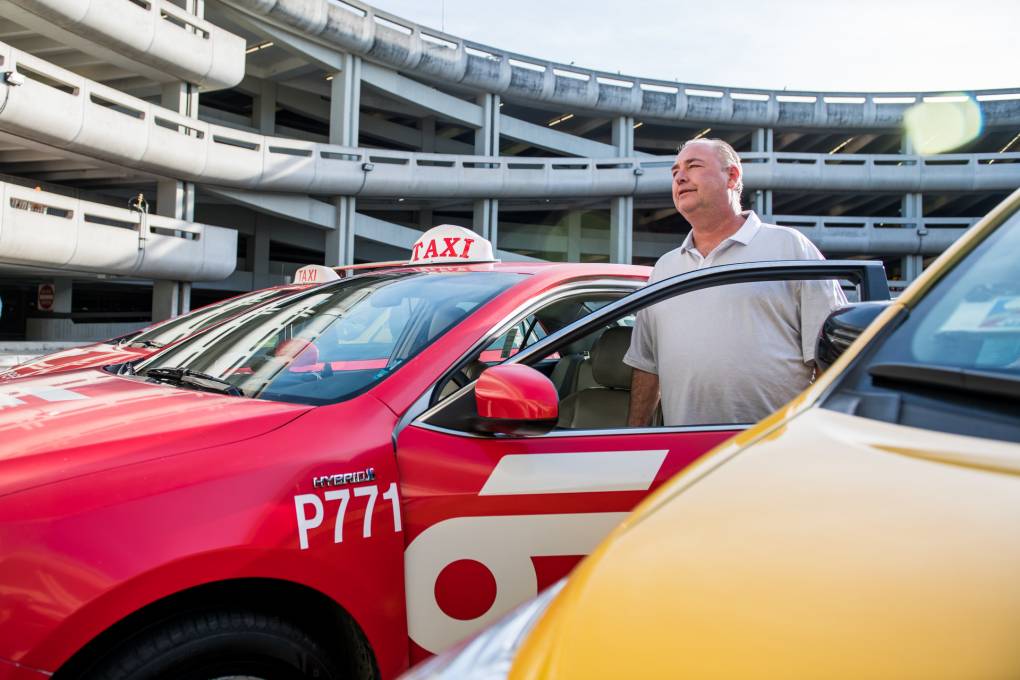
"caption": "Taxi driver Matt Sutter waits at San Francisco International Airport to pick up a fare on Jan. 30, 2020.",
"description": "Taxi driver Matt Sutter waits at San Francisco International Airport to pick up a fare on Jan. 30, 2020.",
"title": "Taxi_Drivers_SFO_wait",
"credit": "Beth LaBerge/KQED",
"status": "inherit",
"isLoading": false,
"fetchFailed": false
},
"news_11794054": {
"type": "attachments",
"id": "news_11794054",
"meta": {
"index": "attachments_1716263798",
"site": "news",
"id": "11794054",
"found": true
},
"parent": 11794049,
"imgSizes": {
"apple_news_ca_landscape_5_5": {
"file": "https://ww2.kqed.org/app/uploads/sites/10/2020/01/RS16556_IMG_0695-qut-1044x783.jpg",
"width": 1044,
"mimeType": "image/jpeg",
"height": 783
},
"apple_news_ca_square_4_0": {
"file": "https://ww2.kqed.org/app/uploads/sites/10/2020/01/RS16556_IMG_0695-qut-470x470.jpg",
"width": 470,
"mimeType": "image/jpeg",
"height": 470
},
"twentyfourteen-full-width": {
"file": "https://ww2.kqed.org/app/uploads/sites/10/2020/01/RS16556_IMG_0695-qut-1038x576.jpg",
"width": 1038,
"mimeType": "image/jpeg",
"height": 576
},
"thumbnail": {
"file": "https://ww2.kqed.org/app/uploads/sites/10/2020/01/RS16556_IMG_0695-qut-160x91.jpg",
"width": 160,
"mimeType": "image/jpeg",
"height": 91
},
"post-thumbnail": {
"file": "https://ww2.kqed.org/app/uploads/sites/10/2020/01/RS16556_IMG_0695-qut-672x372.jpg",
"width": 672,
"mimeType": "image/jpeg",
"height": 372
},
"kqedFullSize": {
"file": "https://ww2.kqed.org/app/uploads/sites/10/2020/01/RS16556_IMG_0695-qut.jpg",
"width": 1920,
"height": 1086
},
"apple_news_ca_landscape_4_7": {
"file": "https://ww2.kqed.org/app/uploads/sites/10/2020/01/RS16556_IMG_0695-qut-632x474.jpg",
"width": 632,
"mimeType": "image/jpeg",
"height": 474
},
"large": {
"file": "https://ww2.kqed.org/app/uploads/sites/10/2020/01/RS16556_IMG_0695-qut-1020x577.jpg",
"width": 1020,
"mimeType": "image/jpeg",
"height": 577
},
"complete_open_graph": {
"file": "https://ww2.kqed.org/app/uploads/sites/10/2020/01/RS16556_IMG_0695-qut-1200x679.jpg",
"width": 1200,
"mimeType": "image/jpeg",
"height": 679
},
"apple_news_ca_landscape_4_0": {
"file": "https://ww2.kqed.org/app/uploads/sites/10/2020/01/RS16556_IMG_0695-qut-536x402.jpg",
"width": 536,
"mimeType": "image/jpeg",
"height": 402
},
"apple_news_ca_portrait_12_9": {
"file": "https://ww2.kqed.org/app/uploads/sites/10/2020/01/RS16556_IMG_0695-qut-1122x1086.jpg",
"width": 1122,
"mimeType": "image/jpeg",
"height": 1086
},
"medium": {
"file": "https://ww2.kqed.org/app/uploads/sites/10/2020/01/RS16556_IMG_0695-qut-800x453.jpg",
"width": 800,
"mimeType": "image/jpeg",
"height": 453
},
"apple_news_ca_portrait_4_0": {
"file": "https://ww2.kqed.org/app/uploads/sites/10/2020/01/RS16556_IMG_0695-qut-354x472.jpg",
"width": 354,
"mimeType": "image/jpeg",
"height": 472
},
"apple_news_ca_portrait_9_7": {
"file": "https://ww2.kqed.org/app/uploads/sites/10/2020/01/RS16556_IMG_0695-qut-840x1086.jpg",
"width": 840,
"mimeType": "image/jpeg",
"height": 1086
},
"apple_news_ca_landscape_12_9": {
"file": "https://ww2.kqed.org/app/uploads/sites/10/2020/01/RS16556_IMG_0695-qut-1832x1086.jpg",
"width": 1832,
"mimeType": "image/jpeg",
"height": 1086
},
"apple_news_ca_square_9_7": {
"file": "https://ww2.kqed.org/app/uploads/sites/10/2020/01/RS16556_IMG_0695-qut-1104x1086.jpg",
"width": 1104,
"mimeType": "image/jpeg",
"height": 1086
},
"apple_news_ca_portrait_4_7": {
"file": "https://ww2.kqed.org/app/uploads/sites/10/2020/01/RS16556_IMG_0695-qut-414x552.jpg",
"width": 414,
"mimeType": "image/jpeg",
"height": 552
},
"apple_news_ca_square_12_9": {
"file": "https://ww2.kqed.org/app/uploads/sites/10/2020/01/RS16556_IMG_0695-qut-1472x1086.jpg",
"width": 1472,
"mimeType": "image/jpeg",
"height": 1086
},
"apple_news_ca_portrait_5_5": {
"file": "https://ww2.kqed.org/app/uploads/sites/10/2020/01/RS16556_IMG_0695-qut-687x916.jpg",
"width": 687,
"mimeType": "image/jpeg",
"height": 916
},
"full-width": {
"file": "https://ww2.kqed.org/app/uploads/sites/10/2020/01/RS16556_IMG_0695-qut-1920x1086.jpg",
"width": 1920,
"mimeType": "image/jpeg",
"height": 1086
},
"apple_news_ca_square_4_7": {
"file": "https://ww2.kqed.org/app/uploads/sites/10/2020/01/RS16556_IMG_0695-qut-550x550.jpg",
"width": 550,
"mimeType": "image/jpeg",
"height": 550
},
"apple_news_ca_landscape_9_7": {
"file": "https://ww2.kqed.org/app/uploads/sites/10/2020/01/RS16556_IMG_0695-qut-1376x1032.jpg",
"width": 1376,
"mimeType": "image/jpeg",
"height": 1032
},
"apple_news_ca_square_5_5": {
"file": "https://ww2.kqed.org/app/uploads/sites/10/2020/01/RS16556_IMG_0695-qut-912x912.jpg",
"width": 912,
"mimeType": "image/jpeg",
"height": 912
}
},
"publishDate": 1578244077,
"modified": 1578244193,
"caption": "AB 5 makes it harder to classify workers as contractors.",
"description": null,
"title": "RS16556_IMG_0695-qut",
"credit": "Ericka Cruz Guevarra/KQED",
"status": "inherit",
"isLoading": false,
"fetchFailed": false
},
"news_11789662": {
"type": "attachments",
"id": "news_11789662",
"meta": {
"index": "attachments_1716263798",
"site": "news",
"id": "11789662",
"found": true
},
"parent": 11789655,
"imgSizes": {
"apple_news_ca_landscape_5_5": {
"file": "https://ww2.kqed.org/app/uploads/sites/10/2019/12/12042019_Lyft-qut-1044x783.jpg",
"width": 1044,
"mimeType": "image/jpeg",
"height": 783
},
"apple_news_ca_square_4_0": {
"file": "https://ww2.kqed.org/app/uploads/sites/10/2019/12/12042019_Lyft-qut-470x470.jpg",
"width": 470,
"mimeType": "image/jpeg",
"height": 470
},
"twentyfourteen-full-width": {
"file": "https://ww2.kqed.org/app/uploads/sites/10/2019/12/12042019_Lyft-qut-1038x576.jpg",
"width": 1038,
"mimeType": "image/jpeg",
"height": 576
},
"thumbnail": {
"file": "https://ww2.kqed.org/app/uploads/sites/10/2019/12/12042019_Lyft-qut-160x107.jpg",
"width": 160,
"mimeType": "image/jpeg",
"height": 107
},
"post-thumbnail": {
"file": "https://ww2.kqed.org/app/uploads/sites/10/2019/12/12042019_Lyft-qut-672x372.jpg",
"width": 672,
"mimeType": "image/jpeg",
"height": 372
},
"kqedFullSize": {
"file": "https://ww2.kqed.org/app/uploads/sites/10/2019/12/12042019_Lyft-qut.jpg",
"width": 1920,
"height": 1280
},
"apple_news_ca_landscape_4_7": {
"file": "https://ww2.kqed.org/app/uploads/sites/10/2019/12/12042019_Lyft-qut-632x474.jpg",
"width": 632,
"mimeType": "image/jpeg",
"height": 474
},
"large": {
"file": "https://ww2.kqed.org/app/uploads/sites/10/2019/12/12042019_Lyft-qut-1020x680.jpg",
"width": 1020,
"mimeType": "image/jpeg",
"height": 680
},
"complete_open_graph": {
"file": "https://ww2.kqed.org/app/uploads/sites/10/2019/12/12042019_Lyft-qut-1200x800.jpg",
"width": 1200,
"mimeType": "image/jpeg",
"height": 800
},
"apple_news_ca_landscape_4_0": {
"file": "https://ww2.kqed.org/app/uploads/sites/10/2019/12/12042019_Lyft-qut-536x402.jpg",
"width": 536,
"mimeType": "image/jpeg",
"height": 402
},
"apple_news_ca_portrait_12_9": {
"file": "https://ww2.kqed.org/app/uploads/sites/10/2019/12/12042019_Lyft-qut-1122x1280.jpg",
"width": 1122,
"mimeType": "image/jpeg",
"height": 1280
},
"medium": {
"file": "https://ww2.kqed.org/app/uploads/sites/10/2019/12/12042019_Lyft-qut-800x533.jpg",
"width": 800,
"mimeType": "image/jpeg",
"height": 533
},
"apple_news_ca_portrait_4_0": {
"file": "https://ww2.kqed.org/app/uploads/sites/10/2019/12/12042019_Lyft-qut-354x472.jpg",
"width": 354,
"mimeType": "image/jpeg",
"height": 472
},
"apple_news_ca_portrait_9_7": {
"file": "https://ww2.kqed.org/app/uploads/sites/10/2019/12/12042019_Lyft-qut-840x1120.jpg",
"width": 840,
"mimeType": "image/jpeg",
"height": 1120
},
"apple_news_ca_landscape_12_9": {
"file": "https://ww2.kqed.org/app/uploads/sites/10/2019/12/12042019_Lyft-qut-1832x1280.jpg",
"width": 1832,
"mimeType": "image/jpeg",
"height": 1280
},
"apple_news_ca_square_9_7": {
"file": "https://ww2.kqed.org/app/uploads/sites/10/2019/12/12042019_Lyft-qut-1104x1104.jpg",
"width": 1104,
"mimeType": "image/jpeg",
"height": 1104
},
"apple_news_ca_portrait_4_7": {
"file": "https://ww2.kqed.org/app/uploads/sites/10/2019/12/12042019_Lyft-qut-414x552.jpg",
"width": 414,
"mimeType": "image/jpeg",
"height": 552
},
"apple_news_ca_square_12_9": {
"file": "https://ww2.kqed.org/app/uploads/sites/10/2019/12/12042019_Lyft-qut-1472x1280.jpg",
"width": 1472,
"mimeType": "image/jpeg",
"height": 1280
},
"apple_news_ca_portrait_5_5": {
"file": "https://ww2.kqed.org/app/uploads/sites/10/2019/12/12042019_Lyft-qut-687x916.jpg",
"width": 687,
"mimeType": "image/jpeg",
"height": 916
},
"full-width": {
"file": "https://ww2.kqed.org/app/uploads/sites/10/2019/12/12042019_Lyft-qut-1920x1280.jpg",
"width": 1920,
"mimeType": "image/jpeg",
"height": 1280
},
"apple_news_ca_square_4_7": {
"file": "https://ww2.kqed.org/app/uploads/sites/10/2019/12/12042019_Lyft-qut-550x550.jpg",
"width": 550,
"mimeType": "image/jpeg",
"height": 550
},
"apple_news_ca_landscape_9_7": {
"file": "https://ww2.kqed.org/app/uploads/sites/10/2019/12/12042019_Lyft-qut-1376x1032.jpg",
"width": 1376,
"mimeType": "image/jpeg",
"height": 1032
},
"apple_news_ca_square_5_5": {
"file": "https://ww2.kqed.org/app/uploads/sites/10/2019/12/12042019_Lyft-qut-912x912.jpg",
"width": 912,
"mimeType": "image/jpeg",
"height": 912
}
},
"publishDate": 1575506277,
"modified": 1575506383,
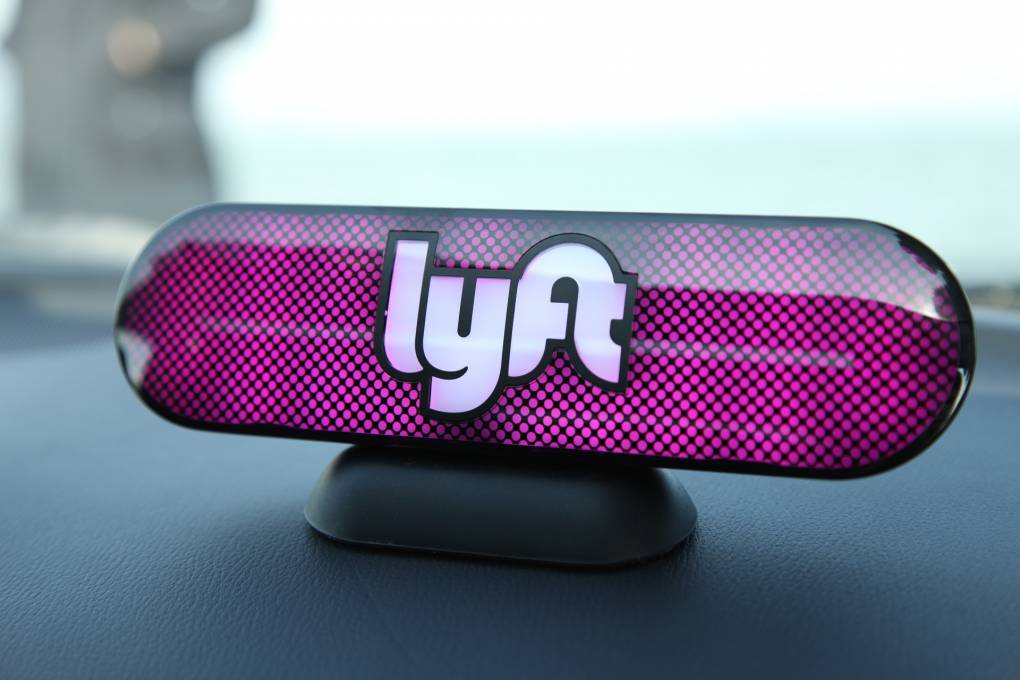
"caption": "An amp sits on the dashboard of a Lyft driver's car on Jan. 31, 2017, in San Francisco. ",
"description": "An amp sits on the dashboard of a Lyft driver's car on Jan. 31, 2017, in San Francisco. ",
"title": "Lyft Amp",
"credit": "Kelly Sullivan/Getty Images for Lyft",
"status": "inherit",
"isLoading": false,
"fetchFailed": false
},
"news_11783835": {
"type": "attachments",
"id": "news_11783835",
"meta": {
"index": "attachments_1716263798",
"site": "news",
"id": "11783835",
"found": true
},
"parent": 11783825,
"imgSizes": {
"apple_news_ca_landscape_5_5": {
"file": "https://ww2.kqed.org/app/uploads/sites/10/2019/10/uber-lyft-1920-1044x783.jpg",
"width": 1044,
"mimeType": "image/jpeg",
"height": 783
},
"apple_news_ca_square_4_0": {
"file": "https://ww2.kqed.org/app/uploads/sites/10/2019/10/uber-lyft-1920-470x470.jpg",
"width": 470,
"mimeType": "image/jpeg",
"height": 470
},
"twentyfourteen-full-width": {
"file": "https://ww2.kqed.org/app/uploads/sites/10/2019/10/uber-lyft-1920-1038x576.jpg",
"width": 1038,
"mimeType": "image/jpeg",
"height": 576
},
"thumbnail": {
"file": "https://ww2.kqed.org/app/uploads/sites/10/2019/10/uber-lyft-1920-160x98.jpg",
"width": 160,
"mimeType": "image/jpeg",
"height": 98
},
"post-thumbnail": {
"file": "https://ww2.kqed.org/app/uploads/sites/10/2019/10/uber-lyft-1920-672x372.jpg",
"width": 672,
"mimeType": "image/jpeg",
"height": 372
},
"kqedFullSize": {
"file": "https://ww2.kqed.org/app/uploads/sites/10/2019/10/uber-lyft-1920.jpg",
"width": 1920,
"height": 1178
},
"apple_news_ca_landscape_4_7": {
"file": "https://ww2.kqed.org/app/uploads/sites/10/2019/10/uber-lyft-1920-632x474.jpg",
"width": 632,
"mimeType": "image/jpeg",
"height": 474
},
"large": {
"file": "https://ww2.kqed.org/app/uploads/sites/10/2019/10/uber-lyft-1920-1020x626.jpg",
"width": 1020,
"mimeType": "image/jpeg",
"height": 626
},
"complete_open_graph": {
"file": "https://ww2.kqed.org/app/uploads/sites/10/2019/10/uber-lyft-1920-1200x736.jpg",
"width": 1200,
"mimeType": "image/jpeg",
"height": 736
},
"apple_news_ca_landscape_4_0": {
"file": "https://ww2.kqed.org/app/uploads/sites/10/2019/10/uber-lyft-1920-536x402.jpg",
"width": 536,
"mimeType": "image/jpeg",
"height": 402
},
"apple_news_ca_portrait_12_9": {
"file": "https://ww2.kqed.org/app/uploads/sites/10/2019/10/uber-lyft-1920-1122x1178.jpg",
"width": 1122,
"mimeType": "image/jpeg",
"height": 1178
},
"medium": {
"file": "https://ww2.kqed.org/app/uploads/sites/10/2019/10/uber-lyft-1920-800x491.jpg",
"width": 800,
"mimeType": "image/jpeg",
"height": 491
},
"apple_news_ca_portrait_4_0": {
"file": "https://ww2.kqed.org/app/uploads/sites/10/2019/10/uber-lyft-1920-354x472.jpg",
"width": 354,
"mimeType": "image/jpeg",
"height": 472
},
"apple_news_ca_portrait_9_7": {
"file": "https://ww2.kqed.org/app/uploads/sites/10/2019/10/uber-lyft-1920-840x1120.jpg",
"width": 840,
"mimeType": "image/jpeg",
"height": 1120
},
"apple_news_ca_landscape_12_9": {
"file": "https://ww2.kqed.org/app/uploads/sites/10/2019/10/uber-lyft-1920-1832x1178.jpg",
"width": 1832,
"mimeType": "image/jpeg",
"height": 1178
},
"apple_news_ca_square_9_7": {
"file": "https://ww2.kqed.org/app/uploads/sites/10/2019/10/uber-lyft-1920-1104x1104.jpg",
"width": 1104,
"mimeType": "image/jpeg",
"height": 1104
},
"apple_news_ca_portrait_4_7": {
"file": "https://ww2.kqed.org/app/uploads/sites/10/2019/10/uber-lyft-1920-414x552.jpg",
"width": 414,
"mimeType": "image/jpeg",
"height": 552
},
"apple_news_ca_square_12_9": {
"file": "https://ww2.kqed.org/app/uploads/sites/10/2019/10/uber-lyft-1920-1472x1178.jpg",
"width": 1472,
"mimeType": "image/jpeg",
"height": 1178
},
"apple_news_ca_portrait_5_5": {
"file": "https://ww2.kqed.org/app/uploads/sites/10/2019/10/uber-lyft-1920-687x916.jpg",
"width": 687,
"mimeType": "image/jpeg",
"height": 916
},
"full-width": {
"file": "https://ww2.kqed.org/app/uploads/sites/10/2019/10/uber-lyft-1920-1920x1178.jpg",
"width": 1920,
"mimeType": "image/jpeg",
"height": 1178
},
"apple_news_ca_square_4_7": {
"file": "https://ww2.kqed.org/app/uploads/sites/10/2019/10/uber-lyft-1920-550x550.jpg",
"width": 550,
"mimeType": "image/jpeg",
"height": 550
},
"apple_news_ca_landscape_9_7": {
"file": "https://ww2.kqed.org/app/uploads/sites/10/2019/10/uber-lyft-1920-1376x1032.jpg",
"width": 1376,
"mimeType": "image/jpeg",
"height": 1032
},
"apple_news_ca_square_5_5": {
"file": "https://ww2.kqed.org/app/uploads/sites/10/2019/10/uber-lyft-1920-912x912.jpg",
"width": 912,
"mimeType": "image/jpeg",
"height": 912
}
},
"publishDate": 1572457502,
"modified": 1572457569,
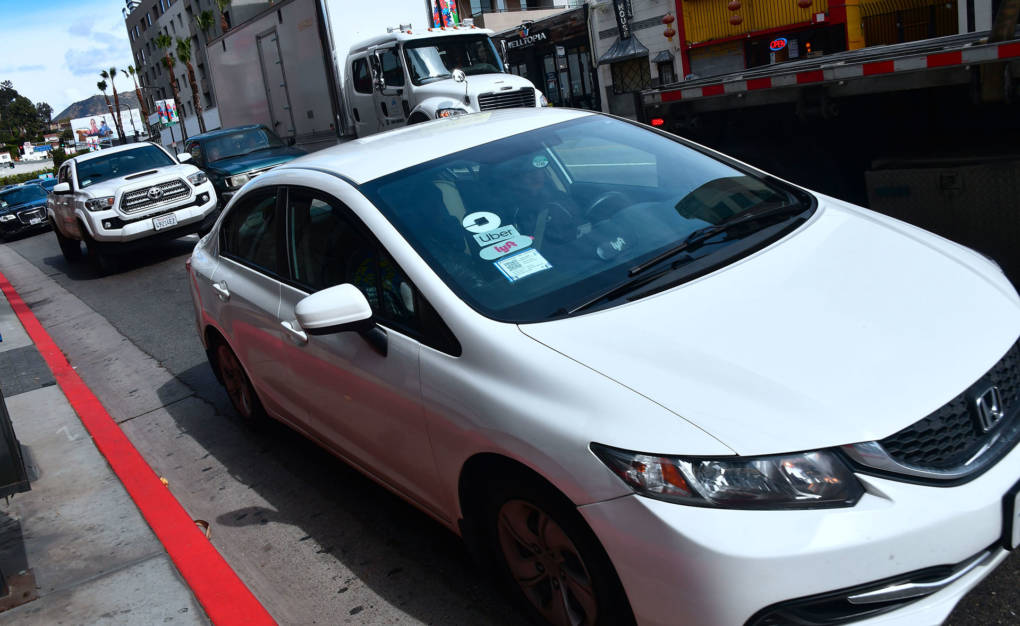
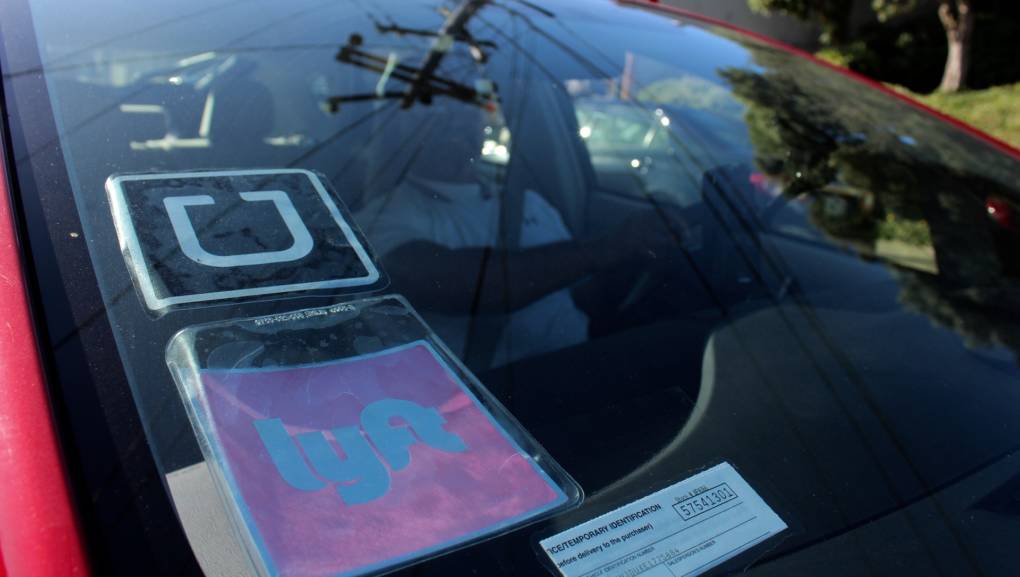
"caption": "A driver with the Lyft decal on his vehicle cruises Hollywood on Feb. 21, 2019.",
"description": "A driver with the Lyft decal on his vehicle cruises Hollywood on Feb. 21, 2019.",
"title": "uber-lyft-1920",
"credit": "Frederic J. Brown/AFP/Getty Images",
"status": "inherit",
"isLoading": false,
"fetchFailed": false
},
"news_11783384": {
"type": "attachments",
"id": "news_11783384",
"meta": {
"index": "attachments_1716263798",
"site": "news",
"id": "11783384",
"found": true
},
"parent": 11783369,
"imgSizes": {
"apple_news_ca_landscape_5_5": {
"file": "https://ww2.kqed.org/app/uploads/sites/10/2019/10/RS39869_GettyImages-1182969866-qut-1044x783.jpg",
"width": 1044,
"mimeType": "image/jpeg",
"height": 783
},
"apple_news_ca_square_4_0": {
"file": "https://ww2.kqed.org/app/uploads/sites/10/2019/10/RS39869_GettyImages-1182969866-qut-470x470.jpg",
"width": 470,
"mimeType": "image/jpeg",
"height": 470
},
"twentyfourteen-full-width": {
"file": "https://ww2.kqed.org/app/uploads/sites/10/2019/10/RS39869_GettyImages-1182969866-qut-1038x576.jpg",
"width": 1038,
"mimeType": "image/jpeg",
"height": 576
},
"thumbnail": {
"file": "https://ww2.kqed.org/app/uploads/sites/10/2019/10/RS39869_GettyImages-1182969866-qut-160x107.jpg",
"width": 160,
"mimeType": "image/jpeg",
"height": 107
},
"post-thumbnail": {
"file": "https://ww2.kqed.org/app/uploads/sites/10/2019/10/RS39869_GettyImages-1182969866-qut-672x372.jpg",
"width": 672,
"mimeType": "image/jpeg",
"height": 372
},
"kqedFullSize": {
"file": "https://ww2.kqed.org/app/uploads/sites/10/2019/10/RS39869_GettyImages-1182969866-qut.jpg",
"width": 1920,
"height": 1280
},
"apple_news_ca_landscape_4_7": {
"file": "https://ww2.kqed.org/app/uploads/sites/10/2019/10/RS39869_GettyImages-1182969866-qut-632x474.jpg",
"width": 632,
"mimeType": "image/jpeg",
"height": 474
},
"large": {
"file": "https://ww2.kqed.org/app/uploads/sites/10/2019/10/RS39869_GettyImages-1182969866-qut-1020x680.jpg",
"width": 1020,
"mimeType": "image/jpeg",
"height": 680
},
"complete_open_graph": {
"file": "https://ww2.kqed.org/app/uploads/sites/10/2019/10/RS39869_GettyImages-1182969866-qut-1200x800.jpg",
"width": 1200,
"mimeType": "image/jpeg",
"height": 800
},
"apple_news_ca_landscape_4_0": {
"file": "https://ww2.kqed.org/app/uploads/sites/10/2019/10/RS39869_GettyImages-1182969866-qut-536x402.jpg",
"width": 536,
"mimeType": "image/jpeg",
"height": 402
},
"apple_news_ca_portrait_12_9": {
"file": "https://ww2.kqed.org/app/uploads/sites/10/2019/10/RS39869_GettyImages-1182969866-qut-1122x1280.jpg",
"width": 1122,
"mimeType": "image/jpeg",
"height": 1280
},
"medium": {
"file": "https://ww2.kqed.org/app/uploads/sites/10/2019/10/RS39869_GettyImages-1182969866-qut-800x533.jpg",
"width": 800,
"mimeType": "image/jpeg",
"height": 533
},
"apple_news_ca_portrait_4_0": {
"file": "https://ww2.kqed.org/app/uploads/sites/10/2019/10/RS39869_GettyImages-1182969866-qut-354x472.jpg",
"width": 354,
"mimeType": "image/jpeg",
"height": 472
},
"apple_news_ca_portrait_9_7": {
"file": "https://ww2.kqed.org/app/uploads/sites/10/2019/10/RS39869_GettyImages-1182969866-qut-840x1120.jpg",
"width": 840,
"mimeType": "image/jpeg",
"height": 1120
},
"apple_news_ca_landscape_12_9": {
"file": "https://ww2.kqed.org/app/uploads/sites/10/2019/10/RS39869_GettyImages-1182969866-qut-1832x1280.jpg",
"width": 1832,
"mimeType": "image/jpeg",
"height": 1280
},
"apple_news_ca_square_9_7": {
"file": "https://ww2.kqed.org/app/uploads/sites/10/2019/10/RS39869_GettyImages-1182969866-qut-1104x1104.jpg",
"width": 1104,
"mimeType": "image/jpeg",
"height": 1104
},
"apple_news_ca_portrait_4_7": {
"file": "https://ww2.kqed.org/app/uploads/sites/10/2019/10/RS39869_GettyImages-1182969866-qut-414x552.jpg",
"width": 414,
"mimeType": "image/jpeg",
"height": 552
},
"apple_news_ca_square_12_9": {
"file": "https://ww2.kqed.org/app/uploads/sites/10/2019/10/RS39869_GettyImages-1182969866-qut-1472x1280.jpg",
"width": 1472,
"mimeType": "image/jpeg",
"height": 1280
},
"apple_news_ca_portrait_5_5": {
"file": "https://ww2.kqed.org/app/uploads/sites/10/2019/10/RS39869_GettyImages-1182969866-qut-687x916.jpg",
"width": 687,
"mimeType": "image/jpeg",
"height": 916
},
"full-width": {
"file": "https://ww2.kqed.org/app/uploads/sites/10/2019/10/RS39869_GettyImages-1182969866-qut-1920x1280.jpg",
"width": 1920,
"mimeType": "image/jpeg",
"height": 1280
},
"apple_news_ca_square_4_7": {
"file": "https://ww2.kqed.org/app/uploads/sites/10/2019/10/RS39869_GettyImages-1182969866-qut-550x550.jpg",
"width": 550,
"mimeType": "image/jpeg",
"height": 550
},
"apple_news_ca_landscape_9_7": {
"file": "https://ww2.kqed.org/app/uploads/sites/10/2019/10/RS39869_GettyImages-1182969866-qut-1376x1032.jpg",
"width": 1376,
"mimeType": "image/jpeg",
"height": 1032
},
"apple_news_ca_square_5_5": {
"file": "https://ww2.kqed.org/app/uploads/sites/10/2019/10/RS39869_GettyImages-1182969866-qut-912x912.jpg",
"width": 912,
"mimeType": "image/jpeg",
"height": 912
}
},
"publishDate": 1572296875,
"modified": 1607610302,
"caption": null,
"description": "WASHINGTON, DC - OCTOBER 23: With an image of himself on a screen in the background, Facebook co-founder and CEO Mark Zuckerberg testifies before the House Financial Services Committee in the Rayburn House Office Building on Capitol Hill October 23, 2019 in Washington, DC. Zuckerberg testified about Facebook's proposed cryptocurrency Libra, how his company will handle false and misleading information by political leaders during the 2020 campaign and how it handles its users’ data and privacy. ",
"title": "Facebook CEO Mark Zuckerberg Testifies Before The House Financial Services Committee",
"credit": "Chip Somodevilla/Getty Images",
"status": "inherit",
"altTag": "WASHINGTON, DC - OCTOBER 23: With an image of himself on a screen in the background, Facebook co-founder and CEO Mark Zuckerberg testifies before the House Financial Services Committee in the Rayburn House Office Building on Capitol Hill October 23, 2019 in Washington, DC. Zuckerberg testified about Facebook's proposed cryptocurrency Libra, how his company will handle false and misleading information by political leaders during the 2020 campaign and how it handles its users’ data and privacy.",
"isLoading": false,
"fetchFailed": false
},
"news_11777085": {
"type": "attachments",
"id": "news_11777085",
"meta": {
"index": "attachments_1716263798",
"site": "news",
"id": "11777085",
"found": true
},
"parent": 11777002,
"imgSizes": {
"apple_news_ca_landscape_5_5": {
"file": "https://ww2.kqed.org/app/uploads/sites/10/2019/09/09272019_driver-union_gig-economy-qut-1044x783.jpg",
"width": 1044,
"mimeType": "image/jpeg",
"height": 783
},
"apple_news_ca_square_4_0": {
"file": "https://ww2.kqed.org/app/uploads/sites/10/2019/09/09272019_driver-union_gig-economy-qut-470x470.jpg",
"width": 470,
"mimeType": "image/jpeg",
"height": 470
},
"twentyfourteen-full-width": {
"file": "https://ww2.kqed.org/app/uploads/sites/10/2019/09/09272019_driver-union_gig-economy-qut-1038x576.jpg",
"width": 1038,
"mimeType": "image/jpeg",
"height": 576
},
"thumbnail": {
"file": "https://ww2.kqed.org/app/uploads/sites/10/2019/09/09272019_driver-union_gig-economy-qut-160x107.jpg",
"width": 160,
"mimeType": "image/jpeg",
"height": 107
},
"post-thumbnail": {
"file": "https://ww2.kqed.org/app/uploads/sites/10/2019/09/09272019_driver-union_gig-economy-qut-672x372.jpg",
"width": 672,
"mimeType": "image/jpeg",
"height": 372
},
"kqedFullSize": {
"file": "https://ww2.kqed.org/app/uploads/sites/10/2019/09/09272019_driver-union_gig-economy-qut.jpg",
"width": 1920,
"height": 1280
},
"apple_news_ca_landscape_4_7": {
"file": "https://ww2.kqed.org/app/uploads/sites/10/2019/09/09272019_driver-union_gig-economy-qut-632x474.jpg",
"width": 632,
"mimeType": "image/jpeg",
"height": 474
},
"large": {
"file": "https://ww2.kqed.org/app/uploads/sites/10/2019/09/09272019_driver-union_gig-economy-qut-1020x680.jpg",
"width": 1020,
"mimeType": "image/jpeg",
"height": 680
},
"complete_open_graph": {
"file": "https://ww2.kqed.org/app/uploads/sites/10/2019/09/09272019_driver-union_gig-economy-qut-1200x800.jpg",
"width": 1200,
"mimeType": "image/jpeg",
"height": 800
},
"apple_news_ca_landscape_4_0": {
"file": "https://ww2.kqed.org/app/uploads/sites/10/2019/09/09272019_driver-union_gig-economy-qut-536x402.jpg",
"width": 536,
"mimeType": "image/jpeg",
"height": 402
},
"apple_news_ca_portrait_12_9": {
"file": "https://ww2.kqed.org/app/uploads/sites/10/2019/09/09272019_driver-union_gig-economy-qut-1122x1280.jpg",
"width": 1122,
"mimeType": "image/jpeg",
"height": 1280
},
"medium": {
"file": "https://ww2.kqed.org/app/uploads/sites/10/2019/09/09272019_driver-union_gig-economy-qut-800x533.jpg",
"width": 800,
"mimeType": "image/jpeg",
"height": 533
},
"apple_news_ca_portrait_4_0": {
"file": "https://ww2.kqed.org/app/uploads/sites/10/2019/09/09272019_driver-union_gig-economy-qut-354x472.jpg",
"width": 354,
"mimeType": "image/jpeg",
"height": 472
},
"apple_news_ca_portrait_9_7": {
"file": "https://ww2.kqed.org/app/uploads/sites/10/2019/09/09272019_driver-union_gig-economy-qut-840x1120.jpg",
"width": 840,
"mimeType": "image/jpeg",
"height": 1120
},
"apple_news_ca_landscape_12_9": {
"file": "https://ww2.kqed.org/app/uploads/sites/10/2019/09/09272019_driver-union_gig-economy-qut-1832x1280.jpg",
"width": 1832,
"mimeType": "image/jpeg",
"height": 1280
},
"apple_news_ca_square_9_7": {
"file": "https://ww2.kqed.org/app/uploads/sites/10/2019/09/09272019_driver-union_gig-economy-qut-1104x1104.jpg",
"width": 1104,
"mimeType": "image/jpeg",
"height": 1104
},
"apple_news_ca_portrait_4_7": {
"file": "https://ww2.kqed.org/app/uploads/sites/10/2019/09/09272019_driver-union_gig-economy-qut-414x552.jpg",
"width": 414,
"mimeType": "image/jpeg",
"height": 552
},
"apple_news_ca_square_12_9": {
"file": "https://ww2.kqed.org/app/uploads/sites/10/2019/09/09272019_driver-union_gig-economy-qut-1472x1280.jpg",
"width": 1472,
"mimeType": "image/jpeg",
"height": 1280
},
"apple_news_ca_portrait_5_5": {
"file": "https://ww2.kqed.org/app/uploads/sites/10/2019/09/09272019_driver-union_gig-economy-qut-687x916.jpg",
"width": 687,
"mimeType": "image/jpeg",
"height": 916
},
"full-width": {
"file": "https://ww2.kqed.org/app/uploads/sites/10/2019/09/09272019_driver-union_gig-economy-qut-1920x1280.jpg",
"width": 1920,
"mimeType": "image/jpeg",
"height": 1280
},
"apple_news_ca_square_4_7": {
"file": "https://ww2.kqed.org/app/uploads/sites/10/2019/09/09272019_driver-union_gig-economy-qut-550x550.jpg",
"width": 550,
"mimeType": "image/jpeg",
"height": 550
},
"apple_news_ca_landscape_9_7": {
"file": "https://ww2.kqed.org/app/uploads/sites/10/2019/09/09272019_driver-union_gig-economy-qut-1376x1032.jpg",
"width": 1376,
"mimeType": "image/jpeg",
"height": 1032
},
"apple_news_ca_square_5_5": {
"file": "https://ww2.kqed.org/app/uploads/sites/10/2019/09/09272019_driver-union_gig-economy-qut-912x912.jpg",
"width": 912,
"mimeType": "image/jpeg",
"height": 912
}
},
"publishDate": 1569622171,
"modified": 1569622584,
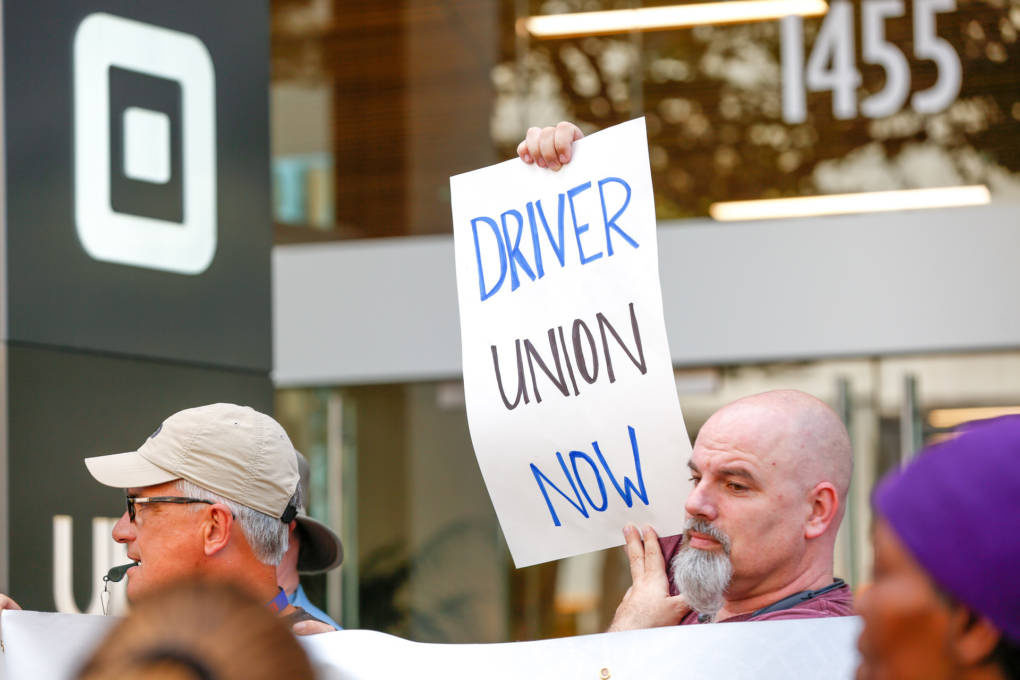
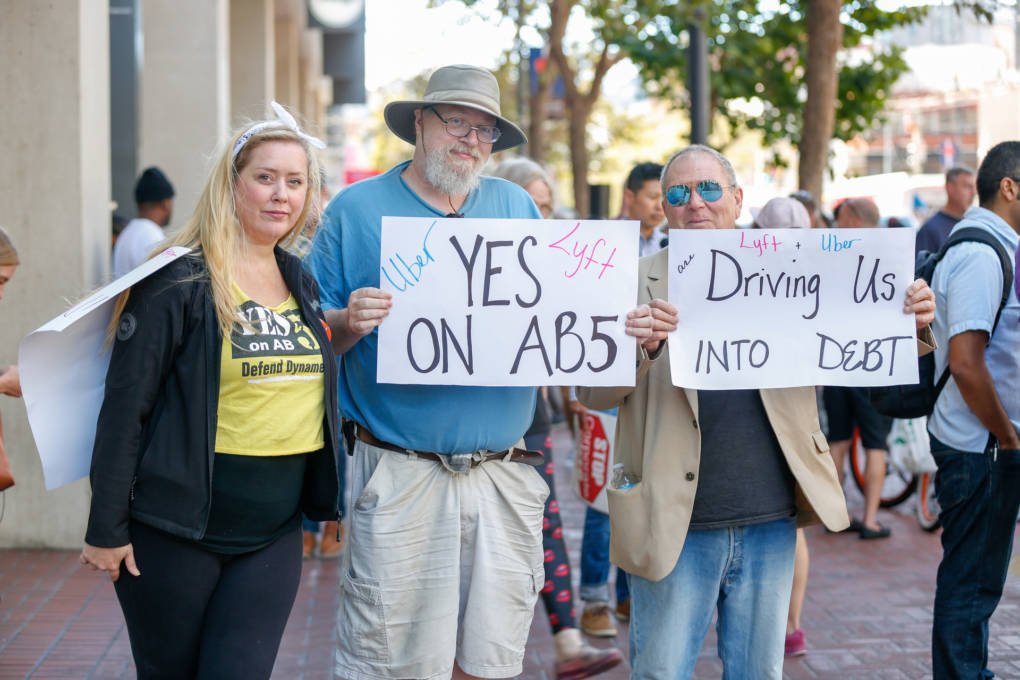
"caption": "Gary Branson joins other ride-hail drivers outside Uber's San Francisco headquarters in support of Assembly Bill 5 on Aug. 27, 2019. The bill, signed into law by Gov. Gavin Newsom in mid-September, makes it easier for hundreds of thousands of contract workers and freelancers in the state to become full-time employees.",
"description": "Gary Branson joins other ride-hail drivers outside Uber's San Francisco headquarters in support of Assembly Bill 5 on Aug. 27, 2019. The bill, signed into law by Gov. Gavin Newsom in mid-September, makes it easier for hundreds of thousands of contract workers and freelancers in the state to become full-time employees.",
"title": "09272019_driver union_gig economy-qut",
"credit": "Sruti Mamidanna/KQED",
"status": "inherit",
"isLoading": false,
"fetchFailed": false
},
"news_11775410": {
"type": "attachments",
"id": "news_11775410",
"meta": {
"index": "attachments_1716263798",
"site": "news",
"id": "11775410",
"found": true
},
"parent": 11775400,
"imgSizes": {
"apple_news_ca_landscape_5_5": {
"file": "https://ww2.kqed.org/app/uploads/sites/10/2019/09/RS38767__M6A2538-qut-1044x783.jpg",
"width": 1044,
"mimeType": "image/jpeg",
"height": 783
},
"apple_news_ca_square_4_0": {
"file": "https://ww2.kqed.org/app/uploads/sites/10/2019/09/RS38767__M6A2538-qut-470x470.jpg",
"width": 470,
"mimeType": "image/jpeg",
"height": 470
},
"twentyfourteen-full-width": {
"file": "https://ww2.kqed.org/app/uploads/sites/10/2019/09/RS38767__M6A2538-qut-1038x576.jpg",
"width": 1038,
"mimeType": "image/jpeg",
"height": 576
},
"thumbnail": {
"file": "https://ww2.kqed.org/app/uploads/sites/10/2019/09/RS38767__M6A2538-qut-160x107.jpg",
"width": 160,
"mimeType": "image/jpeg",
"height": 107
},
"post-thumbnail": {
"file": "https://ww2.kqed.org/app/uploads/sites/10/2019/09/RS38767__M6A2538-qut-672x372.jpg",
"width": 672,
"mimeType": "image/jpeg",
"height": 372
},
"kqedFullSize": {
"file": "https://ww2.kqed.org/app/uploads/sites/10/2019/09/RS38767__M6A2538-qut.jpg",
"width": 1920,
"height": 1280
},
"apple_news_ca_landscape_4_7": {
"file": "https://ww2.kqed.org/app/uploads/sites/10/2019/09/RS38767__M6A2538-qut-632x474.jpg",
"width": 632,
"mimeType": "image/jpeg",
"height": 474
},
"large": {
"file": "https://ww2.kqed.org/app/uploads/sites/10/2019/09/RS38767__M6A2538-qut-1020x680.jpg",
"width": 1020,
"mimeType": "image/jpeg",
"height": 680
},
"complete_open_graph": {
"file": "https://ww2.kqed.org/app/uploads/sites/10/2019/09/RS38767__M6A2538-qut-1200x800.jpg",
"width": 1200,
"mimeType": "image/jpeg",
"height": 800
},
"apple_news_ca_landscape_4_0": {
"file": "https://ww2.kqed.org/app/uploads/sites/10/2019/09/RS38767__M6A2538-qut-536x402.jpg",
"width": 536,
"mimeType": "image/jpeg",
"height": 402
},
"apple_news_ca_portrait_12_9": {
"file": "https://ww2.kqed.org/app/uploads/sites/10/2019/09/RS38767__M6A2538-qut-1122x1280.jpg",
"width": 1122,
"mimeType": "image/jpeg",
"height": 1280
},
"medium": {
"file": "https://ww2.kqed.org/app/uploads/sites/10/2019/09/RS38767__M6A2538-qut-800x533.jpg",
"width": 800,
"mimeType": "image/jpeg",
"height": 533
},
"apple_news_ca_portrait_4_0": {
"file": "https://ww2.kqed.org/app/uploads/sites/10/2019/09/RS38767__M6A2538-qut-354x472.jpg",
"width": 354,
"mimeType": "image/jpeg",
"height": 472
},
"apple_news_ca_portrait_9_7": {
"file": "https://ww2.kqed.org/app/uploads/sites/10/2019/09/RS38767__M6A2538-qut-840x1120.jpg",
"width": 840,
"mimeType": "image/jpeg",
"height": 1120
},
"apple_news_ca_landscape_12_9": {
"file": "https://ww2.kqed.org/app/uploads/sites/10/2019/09/RS38767__M6A2538-qut-1832x1280.jpg",
"width": 1832,
"mimeType": "image/jpeg",
"height": 1280
},
"apple_news_ca_square_9_7": {
"file": "https://ww2.kqed.org/app/uploads/sites/10/2019/09/RS38767__M6A2538-qut-1104x1104.jpg",
"width": 1104,
"mimeType": "image/jpeg",
"height": 1104
},
"apple_news_ca_portrait_4_7": {
"file": "https://ww2.kqed.org/app/uploads/sites/10/2019/09/RS38767__M6A2538-qut-414x552.jpg",
"width": 414,
"mimeType": "image/jpeg",
"height": 552
},
"apple_news_ca_square_12_9": {
"file": "https://ww2.kqed.org/app/uploads/sites/10/2019/09/RS38767__M6A2538-qut-1472x1280.jpg",
"width": 1472,
"mimeType": "image/jpeg",
"height": 1280
},
"apple_news_ca_portrait_5_5": {
"file": "https://ww2.kqed.org/app/uploads/sites/10/2019/09/RS38767__M6A2538-qut-687x916.jpg",
"width": 687,
"mimeType": "image/jpeg",
"height": 916
},
"full-width": {
"file": "https://ww2.kqed.org/app/uploads/sites/10/2019/09/RS38767__M6A2538-qut-1920x1280.jpg",
"width": 1920,
"mimeType": "image/jpeg",
"height": 1280
},
"apple_news_ca_square_4_7": {
"file": "https://ww2.kqed.org/app/uploads/sites/10/2019/09/RS38767__M6A2538-qut-550x550.jpg",
"width": 550,
"mimeType": "image/jpeg",
"height": 550
},
"apple_news_ca_landscape_9_7": {
"file": "https://ww2.kqed.org/app/uploads/sites/10/2019/09/RS38767__M6A2538-qut-1376x1032.jpg",
"width": 1376,
"mimeType": "image/jpeg",
"height": 1032
},
"apple_news_ca_square_5_5": {
"file": "https://ww2.kqed.org/app/uploads/sites/10/2019/09/RS38767__M6A2538-qut-912x912.jpg",
"width": 912,
"mimeType": "image/jpeg",
"height": 912
}
},
"publishDate": 1568930662,
"modified": 1569026909,
"caption": "For ride-service drivers Erica Mighetto (L), alongside Wayne Anderson (M), and Joe Maienschein (R), an AB 5 ally is also about bringing together the working community. Erica says, \"We're so isolated in our cars and part of the reason I'm here today is that it's nice to see that there are people who are experiencing some of the hardships I'm experiencing.\"",
"description": "For rideshare drivers Erica Mighetto (L) alongside Wayne Anderson (M), and Joe Maienschein (R) today's rally is also about bringing together the working community. Erica says, \"We're so isolated in our cars and part of the reason I'm here today is that it's nice to see that there are people who are experiencing some of the hardships I'm experiencing.\"",
"title": "RS38767__M6A2538-qut",
"credit": "Sruti Mamidanna/KQED",
"status": "inherit",
"isLoading": false,
"fetchFailed": false
},
"news_11775004": {
"type": "attachments",
"id": "news_11775004",
"meta": {
"index": "attachments_1716263798",
"site": "news",
"id": "11775004",
"found": true
},
"parent": 11774971,
"imgSizes": {
"apple_news_ca_landscape_5_5": {
"file": "https://ww2.kqed.org/app/uploads/sites/10/2019/09/09182019_uber-lyft-qut-1044x783.jpg",
"width": 1044,
"mimeType": "image/jpeg",
"height": 783
},
"apple_news_ca_square_4_0": {
"file": "https://ww2.kqed.org/app/uploads/sites/10/2019/09/09182019_uber-lyft-qut-470x470.jpg",
"width": 470,
"mimeType": "image/jpeg",
"height": 470
},
"twentyfourteen-full-width": {
"file": "https://ww2.kqed.org/app/uploads/sites/10/2019/09/09182019_uber-lyft-qut-1038x576.jpg",
"width": 1038,
"mimeType": "image/jpeg",
"height": 576
},
"thumbnail": {
"file": "https://ww2.kqed.org/app/uploads/sites/10/2019/09/09182019_uber-lyft-qut-160x100.jpg",
"width": 160,
"mimeType": "image/jpeg",
"height": 100
},
"post-thumbnail": {
"file": "https://ww2.kqed.org/app/uploads/sites/10/2019/09/09182019_uber-lyft-qut-672x372.jpg",
"width": 672,
"mimeType": "image/jpeg",
"height": 372
},
"kqedFullSize": {
"file": "https://ww2.kqed.org/app/uploads/sites/10/2019/09/09182019_uber-lyft-qut.jpg",
"width": 1920,
"height": 1205
},
"apple_news_ca_landscape_4_7": {
"file": "https://ww2.kqed.org/app/uploads/sites/10/2019/09/09182019_uber-lyft-qut-632x474.jpg",
"width": 632,
"mimeType": "image/jpeg",
"height": 474
},
"large": {
"file": "https://ww2.kqed.org/app/uploads/sites/10/2019/09/09182019_uber-lyft-qut-1020x640.jpg",
"width": 1020,
"mimeType": "image/jpeg",
"height": 640
},
"complete_open_graph": {
"file": "https://ww2.kqed.org/app/uploads/sites/10/2019/09/09182019_uber-lyft-qut-1200x753.jpg",
"width": 1200,
"mimeType": "image/jpeg",
"height": 753
},
"apple_news_ca_landscape_4_0": {
"file": "https://ww2.kqed.org/app/uploads/sites/10/2019/09/09182019_uber-lyft-qut-536x402.jpg",
"width": 536,
"mimeType": "image/jpeg",
"height": 402
},
"apple_news_ca_portrait_12_9": {
"file": "https://ww2.kqed.org/app/uploads/sites/10/2019/09/09182019_uber-lyft-qut-1122x1205.jpg",
"width": 1122,
"mimeType": "image/jpeg",
"height": 1205
},
"medium": {
"file": "https://ww2.kqed.org/app/uploads/sites/10/2019/09/09182019_uber-lyft-qut-800x502.jpg",
"width": 800,
"mimeType": "image/jpeg",
"height": 502
},
"apple_news_ca_portrait_4_0": {
"file": "https://ww2.kqed.org/app/uploads/sites/10/2019/09/09182019_uber-lyft-qut-354x472.jpg",
"width": 354,
"mimeType": "image/jpeg",
"height": 472
},
"apple_news_ca_portrait_9_7": {
"file": "https://ww2.kqed.org/app/uploads/sites/10/2019/09/09182019_uber-lyft-qut-840x1120.jpg",
"width": 840,
"mimeType": "image/jpeg",
"height": 1120
},
"apple_news_ca_landscape_12_9": {
"file": "https://ww2.kqed.org/app/uploads/sites/10/2019/09/09182019_uber-lyft-qut-1832x1205.jpg",
"width": 1832,
"mimeType": "image/jpeg",
"height": 1205
},
"apple_news_ca_square_9_7": {
"file": "https://ww2.kqed.org/app/uploads/sites/10/2019/09/09182019_uber-lyft-qut-1104x1104.jpg",
"width": 1104,
"mimeType": "image/jpeg",
"height": 1104
},
"apple_news_ca_portrait_4_7": {
"file": "https://ww2.kqed.org/app/uploads/sites/10/2019/09/09182019_uber-lyft-qut-414x552.jpg",
"width": 414,
"mimeType": "image/jpeg",
"height": 552
},
"apple_news_ca_square_12_9": {
"file": "https://ww2.kqed.org/app/uploads/sites/10/2019/09/09182019_uber-lyft-qut-1472x1205.jpg",
"width": 1472,
"mimeType": "image/jpeg",
"height": 1205
},
"apple_news_ca_portrait_5_5": {
"file": "https://ww2.kqed.org/app/uploads/sites/10/2019/09/09182019_uber-lyft-qut-687x916.jpg",
"width": 687,
"mimeType": "image/jpeg",
"height": 916
},
"full-width": {
"file": "https://ww2.kqed.org/app/uploads/sites/10/2019/09/09182019_uber-lyft-qut-1920x1205.jpg",
"width": 1920,
"mimeType": "image/jpeg",
"height": 1205
},
"apple_news_ca_square_4_7": {
"file": "https://ww2.kqed.org/app/uploads/sites/10/2019/09/09182019_uber-lyft-qut-550x550.jpg",
"width": 550,
"mimeType": "image/jpeg",
"height": 550
},
"apple_news_ca_landscape_9_7": {
"file": "https://ww2.kqed.org/app/uploads/sites/10/2019/09/09182019_uber-lyft-qut-1376x1032.jpg",
"width": 1376,
"mimeType": "image/jpeg",
"height": 1032
},
"apple_news_ca_square_5_5": {
"file": "https://ww2.kqed.org/app/uploads/sites/10/2019/09/09182019_uber-lyft-qut-912x912.jpg",
"width": 912,
"mimeType": "image/jpeg",
"height": 912
}
},
"publishDate": 1568835211,
"modified": 1568842616,
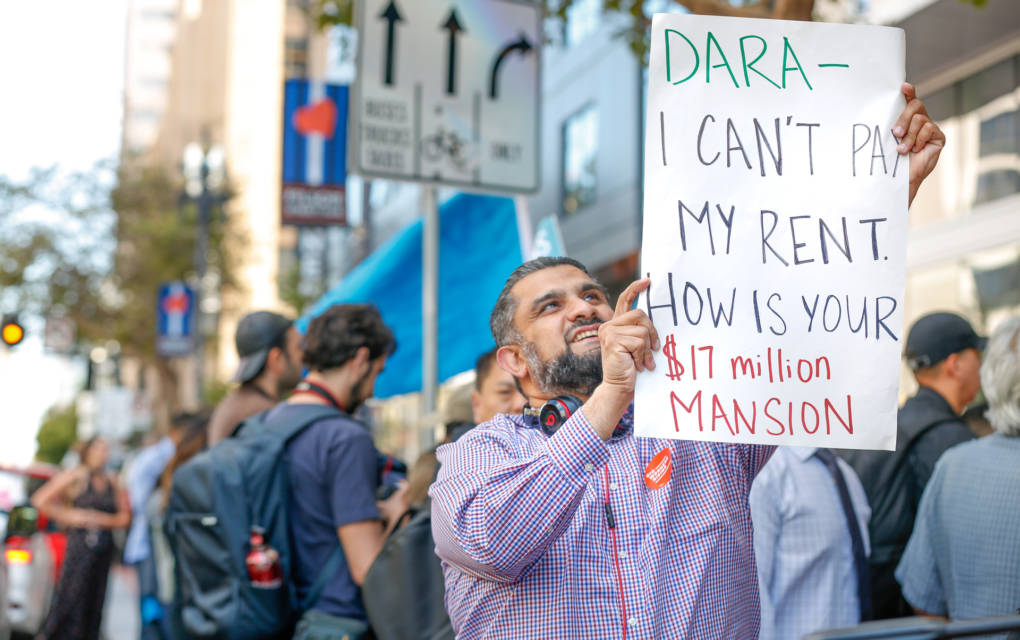
"caption": "Taking care of his mother and family, Uber and Lyft driver Malik Ali calls on Uber CEO Dara Khosrowshahi to help drivers earn a living wage.",
"description": "Taking care of his mother and family, Uber and Lyft driver, Malik Ali calls on Uber CEO, Dara Khosrowshahi, to help drivers keep a living wage.",
"title": "09182019_uber lyft-qut",
"credit": "Sruti Mamidanna/KQED",
"status": "inherit",
"isLoading": false,
"fetchFailed": false
},
"news_11774039": {
"type": "attachments",
"id": "news_11774039",
"meta": {
"index": "attachments_1716263798",
"site": "news",
"id": "11774039",
"found": true
},
"parent": 11774025,
"imgSizes": {
"apple_news_ca_portrait_9_7": {
"file": "https://ww2.kqed.org/app/uploads/sites/10/2019/09/091119_AW_AB5_sized_06-840x571.jpg",
"width": 840,
"mimeType": "image/jpeg",
"height": 571
},
"apple_news_ca_square_4_0": {
"file": "https://ww2.kqed.org/app/uploads/sites/10/2019/09/091119_AW_AB5_sized_06-470x470.jpg",
"width": 470,
"mimeType": "image/jpeg",
"height": 470
},
"thumbnail": {
"file": "https://ww2.kqed.org/app/uploads/sites/10/2019/09/091119_AW_AB5_sized_06-160x106.jpg",
"width": 160,
"mimeType": "image/jpeg",
"height": 106
},
"post-thumbnail": {
"file": "https://ww2.kqed.org/app/uploads/sites/10/2019/09/091119_AW_AB5_sized_06-672x372.jpg",
"width": 672,
"mimeType": "image/jpeg",
"height": 372
},
"kqedFullSize": {
"file": "https://ww2.kqed.org/app/uploads/sites/10/2019/09/091119_AW_AB5_sized_06.jpg",
"width": 858,
"height": 571
},
"apple_news_ca_landscape_4_7": {
"file": "https://ww2.kqed.org/app/uploads/sites/10/2019/09/091119_AW_AB5_sized_06-632x474.jpg",
"width": 632,
"mimeType": "image/jpeg",
"height": 474
},
"apple_news_ca_portrait_4_7": {
"file": "https://ww2.kqed.org/app/uploads/sites/10/2019/09/091119_AW_AB5_sized_06-414x552.jpg",
"width": 414,
"mimeType": "image/jpeg",
"height": 552
},
"apple_news_ca_portrait_5_5": {
"file": "https://ww2.kqed.org/app/uploads/sites/10/2019/09/091119_AW_AB5_sized_06-687x571.jpg",
"width": 687,
"mimeType": "image/jpeg",
"height": 571
},
"apple_news_ca_square_4_7": {
"file": "https://ww2.kqed.org/app/uploads/sites/10/2019/09/091119_AW_AB5_sized_06-550x550.jpg",
"width": 550,
"mimeType": "image/jpeg",
"height": 550
},
"apple_news_ca_landscape_4_0": {
"file": "https://ww2.kqed.org/app/uploads/sites/10/2019/09/091119_AW_AB5_sized_06-536x402.jpg",
"width": 536,
"mimeType": "image/jpeg",
"height": 402
},
"medium": {
"file": "https://ww2.kqed.org/app/uploads/sites/10/2019/09/091119_AW_AB5_sized_06-800x532.jpg",
"width": 800,
"mimeType": "image/jpeg",
"height": 532
},
"apple_news_ca_portrait_4_0": {
"file": "https://ww2.kqed.org/app/uploads/sites/10/2019/09/091119_AW_AB5_sized_06-354x472.jpg",
"width": 354,
"mimeType": "image/jpeg",
"height": 472
}
},
"publishDate": 1568335178,
"modified": 1568335266,
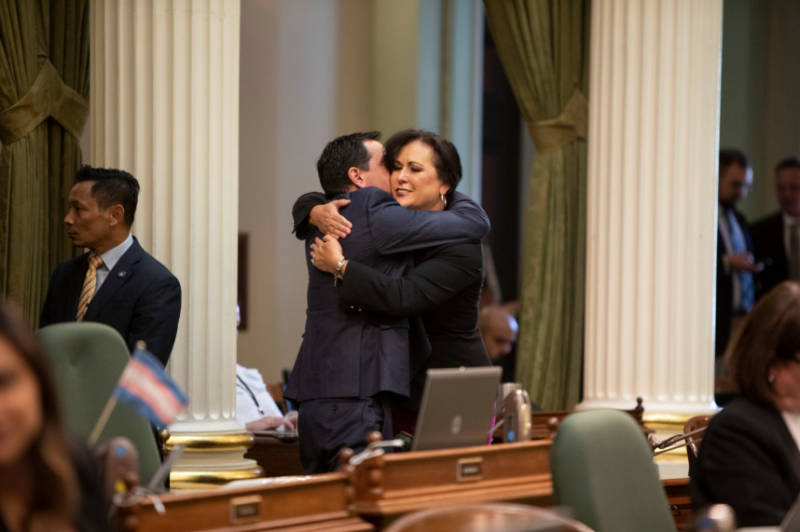
"caption": "Assemblywoman Lorena Gonzalez hugs Speaker Anthony Rendon on Sept. 11, 2019, after the concurrence vote of her bill AB 5, which would re-classify contract workers.",
"description": null,
"title": "091119_AW_AB5_sized_06",
"credit": "Anne Wernikoff/CalMatters",
"status": "inherit",
"isLoading": false,
"fetchFailed": false
},
"news_11773656": {
"type": "attachments",
"id": "news_11773656",
"meta": {
"index": "attachments_1716263798",
"site": "news",
"id": "11773656",
"found": true
},
"parent": 11773542,
"imgSizes": {
"apple_news_ca_landscape_5_5": {
"file": "https://ww2.kqed.org/app/uploads/sites/10/2019/09/RS38813__M6A2518-qut-1044x783.jpg",
"width": 1044,
"mimeType": "image/jpeg",
"height": 783
},
"apple_news_ca_square_4_0": {
"file": "https://ww2.kqed.org/app/uploads/sites/10/2019/09/RS38813__M6A2518-qut-470x470.jpg",
"width": 470,
"mimeType": "image/jpeg",
"height": 470
},
"twentyfourteen-full-width": {
"file": "https://ww2.kqed.org/app/uploads/sites/10/2019/09/RS38813__M6A2518-qut-1038x576.jpg",
"width": 1038,
"mimeType": "image/jpeg",
"height": 576
},
"thumbnail": {
"file": "https://ww2.kqed.org/app/uploads/sites/10/2019/09/RS38813__M6A2518-qut-160x107.jpg",
"width": 160,
"mimeType": "image/jpeg",
"height": 107
},
"post-thumbnail": {
"file": "https://ww2.kqed.org/app/uploads/sites/10/2019/09/RS38813__M6A2518-qut-672x372.jpg",
"width": 672,
"mimeType": "image/jpeg",
"height": 372
},
"kqedFullSize": {
"file": "https://ww2.kqed.org/app/uploads/sites/10/2019/09/RS38813__M6A2518-qut.jpg",
"width": 1920,
"height": 1280
},
"apple_news_ca_landscape_4_7": {
"file": "https://ww2.kqed.org/app/uploads/sites/10/2019/09/RS38813__M6A2518-qut-632x474.jpg",
"width": 632,
"mimeType": "image/jpeg",
"height": 474
},
"large": {
"file": "https://ww2.kqed.org/app/uploads/sites/10/2019/09/RS38813__M6A2518-qut-1020x680.jpg",
"width": 1020,
"mimeType": "image/jpeg",
"height": 680
},
"complete_open_graph": {
"file": "https://ww2.kqed.org/app/uploads/sites/10/2019/09/RS38813__M6A2518-qut-1200x800.jpg",
"width": 1200,
"mimeType": "image/jpeg",
"height": 800
},
"apple_news_ca_landscape_4_0": {
"file": "https://ww2.kqed.org/app/uploads/sites/10/2019/09/RS38813__M6A2518-qut-536x402.jpg",
"width": 536,
"mimeType": "image/jpeg",
"height": 402
},
"apple_news_ca_portrait_12_9": {
"file": "https://ww2.kqed.org/app/uploads/sites/10/2019/09/RS38813__M6A2518-qut-1122x1280.jpg",
"width": 1122,
"mimeType": "image/jpeg",
"height": 1280
},
"medium": {
"file": "https://ww2.kqed.org/app/uploads/sites/10/2019/09/RS38813__M6A2518-qut-800x533.jpg",
"width": 800,
"mimeType": "image/jpeg",
"height": 533
},
"apple_news_ca_portrait_4_0": {
"file": "https://ww2.kqed.org/app/uploads/sites/10/2019/09/RS38813__M6A2518-qut-354x472.jpg",
"width": 354,
"mimeType": "image/jpeg",
"height": 472
},
"apple_news_ca_portrait_9_7": {
"file": "https://ww2.kqed.org/app/uploads/sites/10/2019/09/RS38813__M6A2518-qut-840x1120.jpg",
"width": 840,
"mimeType": "image/jpeg",
"height": 1120
},
"apple_news_ca_landscape_12_9": {
"file": "https://ww2.kqed.org/app/uploads/sites/10/2019/09/RS38813__M6A2518-qut-1832x1280.jpg",
"width": 1832,
"mimeType": "image/jpeg",
"height": 1280
},
"apple_news_ca_square_9_7": {
"file": "https://ww2.kqed.org/app/uploads/sites/10/2019/09/RS38813__M6A2518-qut-1104x1104.jpg",
"width": 1104,
"mimeType": "image/jpeg",
"height": 1104
},
"apple_news_ca_portrait_4_7": {
"file": "https://ww2.kqed.org/app/uploads/sites/10/2019/09/RS38813__M6A2518-qut-414x552.jpg",
"width": 414,
"mimeType": "image/jpeg",
"height": 552
},
"apple_news_ca_square_12_9": {
"file": "https://ww2.kqed.org/app/uploads/sites/10/2019/09/RS38813__M6A2518-qut-1472x1280.jpg",
"width": 1472,
"mimeType": "image/jpeg",
"height": 1280
},
"apple_news_ca_portrait_5_5": {
"file": "https://ww2.kqed.org/app/uploads/sites/10/2019/09/RS38813__M6A2518-qut-687x916.jpg",
"width": 687,
"mimeType": "image/jpeg",
"height": 916
},
"full-width": {
"file": "https://ww2.kqed.org/app/uploads/sites/10/2019/09/RS38813__M6A2518-qut-1920x1280.jpg",
"width": 1920,
"mimeType": "image/jpeg",
"height": 1280
},
"apple_news_ca_square_4_7": {
"file": "https://ww2.kqed.org/app/uploads/sites/10/2019/09/RS38813__M6A2518-qut-550x550.jpg",
"width": 550,
"mimeType": "image/jpeg",
"height": 550
},
"apple_news_ca_landscape_9_7": {
"file": "https://ww2.kqed.org/app/uploads/sites/10/2019/09/RS38813__M6A2518-qut-1376x1032.jpg",
"width": 1376,
"mimeType": "image/jpeg",
"height": 1032
},
"apple_news_ca_square_5_5": {
"file": "https://ww2.kqed.org/app/uploads/sites/10/2019/09/RS38813__M6A2518-qut-912x912.jpg",
"width": 912,
"mimeType": "image/jpeg",
"height": 912
}
},
"publishDate": 1568226445,
"modified": 1568237526,
"caption": "Uber and Lyft drivers rally outside Uber's San Francisco headquarters on Aug. 27, 2019, in support of Assembly Bill 5, which would reclassify many of them as employees rather than independent contractors.",
"description": null,
"title": "RS38813__M6A2518-qut",
"credit": "Sruti Mamidanna/KQED",
"status": "inherit",
"isLoading": false,
"fetchFailed": false
},
"news_11773488": {
"type": "attachments",
"id": "news_11773488",
"meta": {
"index": "attachments_1716263798",
"site": "news",
"id": "11773488",
"found": true
},
"parent": 11773435,
"imgSizes": {
"apple_news_ca_landscape_5_5": {
"file": "https://ww2.kqed.org/app/uploads/sites/10/2019/09/RS16556_IMG_0695-qut-1044x783.jpg",
"width": 1044,
"mimeType": "image/jpeg",
"height": 783
},
"apple_news_ca_square_4_0": {
"file": "https://ww2.kqed.org/app/uploads/sites/10/2019/09/RS16556_IMG_0695-qut-470x470.jpg",
"width": 470,
"mimeType": "image/jpeg",
"height": 470
},
"twentyfourteen-full-width": {
"file": "https://ww2.kqed.org/app/uploads/sites/10/2019/09/RS16556_IMG_0695-qut-1038x576.jpg",
"width": 1038,
"mimeType": "image/jpeg",
"height": 576
},
"thumbnail": {
"file": "https://ww2.kqed.org/app/uploads/sites/10/2019/09/RS16556_IMG_0695-qut-160x91.jpg",
"width": 160,
"mimeType": "image/jpeg",
"height": 91
},
"post-thumbnail": {
"file": "https://ww2.kqed.org/app/uploads/sites/10/2019/09/RS16556_IMG_0695-qut-672x372.jpg",
"width": 672,
"mimeType": "image/jpeg",
"height": 372
},
"kqedFullSize": {
"file": "https://ww2.kqed.org/app/uploads/sites/10/2019/09/RS16556_IMG_0695-qut.jpg",
"width": 1920,
"height": 1086
},
"apple_news_ca_landscape_4_7": {
"file": "https://ww2.kqed.org/app/uploads/sites/10/2019/09/RS16556_IMG_0695-qut-632x474.jpg",
"width": 632,
"mimeType": "image/jpeg",
"height": 474
},
"large": {
"file": "https://ww2.kqed.org/app/uploads/sites/10/2019/09/RS16556_IMG_0695-qut-1020x577.jpg",
"width": 1020,
"mimeType": "image/jpeg",
"height": 577
},
"complete_open_graph": {
"file": "https://ww2.kqed.org/app/uploads/sites/10/2019/09/RS16556_IMG_0695-qut-1200x679.jpg",
"width": 1200,
"mimeType": "image/jpeg",
"height": 679
},
"apple_news_ca_landscape_4_0": {
"file": "https://ww2.kqed.org/app/uploads/sites/10/2019/09/RS16556_IMG_0695-qut-536x402.jpg",
"width": 536,
"mimeType": "image/jpeg",
"height": 402
},
"apple_news_ca_portrait_12_9": {
"file": "https://ww2.kqed.org/app/uploads/sites/10/2019/09/RS16556_IMG_0695-qut-1122x1086.jpg",
"width": 1122,
"mimeType": "image/jpeg",
"height": 1086
},
"medium": {
"file": "https://ww2.kqed.org/app/uploads/sites/10/2019/09/RS16556_IMG_0695-qut-800x453.jpg",
"width": 800,
"mimeType": "image/jpeg",
"height": 453
},
"apple_news_ca_portrait_4_0": {
"file": "https://ww2.kqed.org/app/uploads/sites/10/2019/09/RS16556_IMG_0695-qut-354x472.jpg",
"width": 354,
"mimeType": "image/jpeg",
"height": 472
},
"apple_news_ca_portrait_9_7": {
"file": "https://ww2.kqed.org/app/uploads/sites/10/2019/09/RS16556_IMG_0695-qut-840x1086.jpg",
"width": 840,
"mimeType": "image/jpeg",
"height": 1086
},
"apple_news_ca_landscape_12_9": {
"file": "https://ww2.kqed.org/app/uploads/sites/10/2019/09/RS16556_IMG_0695-qut-1832x1086.jpg",
"width": 1832,
"mimeType": "image/jpeg",
"height": 1086
},
"apple_news_ca_square_9_7": {
"file": "https://ww2.kqed.org/app/uploads/sites/10/2019/09/RS16556_IMG_0695-qut-1104x1086.jpg",
"width": 1104,
"mimeType": "image/jpeg",
"height": 1086
},
"apple_news_ca_portrait_4_7": {
"file": "https://ww2.kqed.org/app/uploads/sites/10/2019/09/RS16556_IMG_0695-qut-414x552.jpg",
"width": 414,
"mimeType": "image/jpeg",
"height": 552
},
"apple_news_ca_square_12_9": {
"file": "https://ww2.kqed.org/app/uploads/sites/10/2019/09/RS16556_IMG_0695-qut-1472x1086.jpg",
"width": 1472,
"mimeType": "image/jpeg",
"height": 1086
},
"apple_news_ca_portrait_5_5": {
"file": "https://ww2.kqed.org/app/uploads/sites/10/2019/09/RS16556_IMG_0695-qut-687x916.jpg",
"width": 687,
"mimeType": "image/jpeg",
"height": 916
},
"full-width": {
"file": "https://ww2.kqed.org/app/uploads/sites/10/2019/09/RS16556_IMG_0695-qut-1920x1086.jpg",
"width": 1920,
"mimeType": "image/jpeg",
"height": 1086
},
"apple_news_ca_square_4_7": {
"file": "https://ww2.kqed.org/app/uploads/sites/10/2019/09/RS16556_IMG_0695-qut-550x550.jpg",
"width": 550,
"mimeType": "image/jpeg",
"height": 550
},
"apple_news_ca_landscape_9_7": {
"file": "https://ww2.kqed.org/app/uploads/sites/10/2019/09/RS16556_IMG_0695-qut-1376x1032.jpg",
"width": 1376,
"mimeType": "image/jpeg",
"height": 1032
},
"apple_news_ca_square_5_5": {
"file": "https://ww2.kqed.org/app/uploads/sites/10/2019/09/RS16556_IMG_0695-qut-912x912.jpg",
"width": 912,
"mimeType": "image/jpeg",
"height": 912
}
},
"publishDate": 1568154385,
"modified": 1568154473,
"caption": "Lyft announced new safety features Tuesday, nearly a week after 14 women who were sexually assaulted by drivers sued the company.",
"description": null,
"title": "RS16556_IMG_0695-qut",
"credit": "Ericka Cruz Guevarra/KQED",
"status": "inherit",
"isLoading": false,
"fetchFailed": false
},
"news_11772795": {
"type": "attachments",
"id": "news_11772795",
"meta": {
"index": "attachments_1716263798",
"site": "news",
"id": "11772795",
"found": true
},
"parent": 11772787,
"imgSizes": {
"apple_news_ca_landscape_5_5": {
"file": "https://ww2.kqed.org/app/uploads/sites/10/2019/09/RIDESHARE-DRIVERS-photo-1-1044x783.jpg",
"width": 1044,
"mimeType": "image/jpeg",
"height": 783
},
"apple_news_ca_square_4_0": {
"file": "https://ww2.kqed.org/app/uploads/sites/10/2019/09/RIDESHARE-DRIVERS-photo-1-470x470.jpg",
"width": 470,
"mimeType": "image/jpeg",
"height": 470
},
"twentyfourteen-full-width": {
"file": "https://ww2.kqed.org/app/uploads/sites/10/2019/09/RIDESHARE-DRIVERS-photo-1-1038x576.jpg",
"width": 1038,
"mimeType": "image/jpeg",
"height": 576
},
"thumbnail": {
"file": "https://ww2.kqed.org/app/uploads/sites/10/2019/09/RIDESHARE-DRIVERS-photo-1-160x107.jpg",
"width": 160,
"mimeType": "image/jpeg",
"height": 107
},
"post-thumbnail": {
"file": "https://ww2.kqed.org/app/uploads/sites/10/2019/09/RIDESHARE-DRIVERS-photo-1-672x372.jpg",
"width": 672,
"mimeType": "image/jpeg",
"height": 372
},
"kqedFullSize": {
"file": "https://ww2.kqed.org/app/uploads/sites/10/2019/09/RIDESHARE-DRIVERS-photo-1-e1567814789902.jpg",
"width": 1920,
"height": 1280
},
"apple_news_ca_landscape_4_7": {
"file": "https://ww2.kqed.org/app/uploads/sites/10/2019/09/RIDESHARE-DRIVERS-photo-1-632x474.jpg",
"width": 632,
"mimeType": "image/jpeg",
"height": 474
},
"large": {
"file": "https://ww2.kqed.org/app/uploads/sites/10/2019/09/RIDESHARE-DRIVERS-photo-1-1020x680.jpg",
"width": 1020,
"mimeType": "image/jpeg",
"height": 680
},
"complete_open_graph": {
"file": "https://ww2.kqed.org/app/uploads/sites/10/2019/09/RIDESHARE-DRIVERS-photo-1-1200x800.jpg",
"width": 1200,
"mimeType": "image/jpeg",
"height": 800
},
"apple_news_ca_landscape_4_0": {
"file": "https://ww2.kqed.org/app/uploads/sites/10/2019/09/RIDESHARE-DRIVERS-photo-1-536x402.jpg",
"width": 536,
"mimeType": "image/jpeg",
"height": 402
},
"apple_news_ca_portrait_12_9": {
"file": "https://ww2.kqed.org/app/uploads/sites/10/2019/09/RIDESHARE-DRIVERS-photo-1-1122x1333.jpg",
"width": 1122,
"mimeType": "image/jpeg",
"height": 1333
},
"medium": {
"file": "https://ww2.kqed.org/app/uploads/sites/10/2019/09/RIDESHARE-DRIVERS-photo-1-800x533.jpg",
"width": 800,
"mimeType": "image/jpeg",
"height": 533
},
"apple_news_ca_portrait_4_0": {
"file": "https://ww2.kqed.org/app/uploads/sites/10/2019/09/RIDESHARE-DRIVERS-photo-1-354x472.jpg",
"width": 354,
"mimeType": "image/jpeg",
"height": 472
},
"apple_news_ca_portrait_9_7": {
"file": "https://ww2.kqed.org/app/uploads/sites/10/2019/09/RIDESHARE-DRIVERS-photo-1-840x1120.jpg",
"width": 840,
"mimeType": "image/jpeg",
"height": 1120
},
"apple_news_ca_landscape_12_9": {
"file": "https://ww2.kqed.org/app/uploads/sites/10/2019/09/RIDESHARE-DRIVERS-photo-1-1832x1333.jpg",
"width": 1832,
"mimeType": "image/jpeg",
"height": 1333
},
"apple_news_ca_square_9_7": {
"file": "https://ww2.kqed.org/app/uploads/sites/10/2019/09/RIDESHARE-DRIVERS-photo-1-1104x1104.jpg",
"width": 1104,
"mimeType": "image/jpeg",
"height": 1104
},
"apple_news_ca_portrait_4_7": {
"file": "https://ww2.kqed.org/app/uploads/sites/10/2019/09/RIDESHARE-DRIVERS-photo-1-414x552.jpg",
"width": 414,
"mimeType": "image/jpeg",
"height": 552
},
"apple_news_ca_square_12_9": {
"file": "https://ww2.kqed.org/app/uploads/sites/10/2019/09/RIDESHARE-DRIVERS-photo-1-1472x1333.jpg",
"width": 1472,
"mimeType": "image/jpeg",
"height": 1333
},
"apple_news_ca_portrait_5_5": {
"file": "https://ww2.kqed.org/app/uploads/sites/10/2019/09/RIDESHARE-DRIVERS-photo-1-687x916.jpg",
"width": 687,
"mimeType": "image/jpeg",
"height": 916
},
"full-width": {
"file": "https://ww2.kqed.org/app/uploads/sites/10/2019/09/RIDESHARE-DRIVERS-photo-1-1920x1280.jpg",
"width": 1920,
"mimeType": "image/jpeg",
"height": 1280
},
"apple_news_ca_square_4_7": {
"file": "https://ww2.kqed.org/app/uploads/sites/10/2019/09/RIDESHARE-DRIVERS-photo-1-550x550.jpg",
"width": 550,
"mimeType": "image/jpeg",
"height": 550
},
"apple_news_ca_landscape_9_7": {
"file": "https://ww2.kqed.org/app/uploads/sites/10/2019/09/RIDESHARE-DRIVERS-photo-1-1376x1032.jpg",
"width": 1376,
"mimeType": "image/jpeg",
"height": 1032
},
"apple_news_ca_square_5_5": {
"file": "https://ww2.kqed.org/app/uploads/sites/10/2019/09/RIDESHARE-DRIVERS-photo-1-912x912.jpg",
"width": 912,
"mimeType": "image/jpeg",
"height": 912
}
},
"publishDate": 1567802746,
"modified": 1567814803,
"caption": "A caravan of Uber and Left drivers passes by the capitol Sacramento while honking and waving flags before a rally in support of AB 5, a bill that would change employment classification for on-demand workers such as Lyft and Uber drivers, on August 28, 2019. Drivers caravanned for three days from Los Angeles through the Central Valley and the Bay Area to Sacramento to show their support for the bill.",
"description": "A caravan of Uber and Left drivers passes by the capitol Sacramento while honking and waving flags before a rally in support of AB 5, a bill that would change employment classification for on-demand workers such as Lyft and Uber drivers, on August 28, 2019. Drivers caravanned for three days from Los Angeles through the Central Valley and the Bay Area to Sacramento to show their support for the bill.",
"title": "RIDESHARE DRIVERS photo 1",
"credit": "Anne Wernikoff/CalMatters",
"status": "inherit",
"isLoading": false,
"fetchFailed": false
}
},
"audioPlayerReducer": {
"postId": "stream_live",
"isPaused": true,
"isPlaying": false,
"pfsActive": false,
"pledgeModalIsOpen": true,
"playerDrawerIsOpen": false,
"liveAudioPlayStartedAt": 0,
"liveAudioPlayContext": ""
},
"authorsReducer": {
"byline_news_11794049": {
"type": "authors",
"id": "byline_news_11794049",
"meta": {
"override": true
},
"slug": "byline_news_11794049",
"name": "Scott Rodd",
"isLoading": false
},
"byline_news_11783825": {
"type": "authors",
"id": "byline_news_11783825",
"meta": {
"override": true
},
"slug": "byline_news_11783825",
"name": "\u003cstrong>Ben Adler\u003cbr />Capital Public Radio\u003c/strong>",
"isLoading": false
},
"byline_news_11774971": {
"type": "authors",
"id": "byline_news_11774971",
"meta": {
"override": true
},
"slug": "byline_news_11774971",
"name": "\u003cstrong>Kathleen Ronayne, The Associated Press\u003c/strong>",
"isLoading": false
},
"byline_news_11774025": {
"type": "authors",
"id": "byline_news_11774025",
"meta": {
"override": true
},
"slug": "byline_news_11774025",
"name": "Judy Lin\u003cbr>CalMatters",
"isLoading": false
},
"byline_news_11772787": {
"type": "authors",
"id": "byline_news_11772787",
"meta": {
"override": true
},
"slug": "byline_news_11772787",
"name": "\u003ca href=\"https://calmatters.org/author/judy-lin/\">Judy Lin\u003c/a>\u003cbr>CalMatters",
"isLoading": false
},
"rachael-myrow": {
"type": "authors",
"id": "251",
"meta": {
"index": "authors_1716337520",
"id": "251",
"found": true
},
"name": "Rachael Myrow",
"firstName": "Rachael",
"lastName": "Myrow",
"slug": "rachael-myrow",
"email": "rmyrow@kqed.org",
"display_author_email": true,
"staff_mastheads": [
"news"
],
"title": "Senior Editor of KQED's Silicon Valley News Desk",
"bio": "• I write and edit stories about how Silicon Valley power and policies shape everyday life in California. I’m also passionate about making Bay Area history and culture more accessible to a broad public. • I’ve been a journalist for most of my life, starting in high school with The Franklin Press in Los Angeles, where I grew up. While earning my first degree in English at UC Berkeley, I got my start in public radio at KALX-FM. After completing a second degree in journalism at Cal, I landed my first professional job at Marketplace, then moved on to KPCC (now LAist), and then KQED, where I hosted The California Report for more than seven years. • My reporting has appeared on NPR, The World, WBUR’s \u003ci>Here & Now\u003c/i>, and the BBC. I also guest host for KQED’s \u003ci>Forum\u003c/i>, as well as the Commonwealth Club in San Francisco. • I speak periodically on media, democracy and technology issues, and do voiceover work for documentaries and educational video projects. • Outside of the studio, you'll find me hiking Bay Area trails and whipping up Insta-ready meals in my kitchen. • I do not accept gifts, money, or favors from anyone connected to my reporting, I don't pay people for information, and I do not support or donate to political causes. • I strive to treat the people I report on with fairness, honesty, and respect. I also recognize there are often multiple sides to a story and work to verify information through multiple sources and documentation. If I get something wrong, I correct it.",
"avatar": "https://secure.gravatar.com/avatar/3ed8a3c5f26025e4a805ba634cda8cd764906b97438a6d9ce216b044e340da4e?s=600&d=blank&r=g",
"twitter": "rachaelmyrow",
"bluesky": null,
"facebook": null,
"instagram": null,
"linkedin": "https://www.linkedin.com/in/rachaelmyrow/",
"sites": [
{
"site": "arts",
"roles": [
"administrator"
]
},
{
"site": "news",
"roles": [
"edit_others_posts",
"editor"
]
},
{
"site": "futureofyou",
"roles": [
"editor"
]
},
{
"site": "bayareabites",
"roles": [
"editor"
]
},
{
"site": "stateofhealth",
"roles": [
"editor"
]
},
{
"site": "science",
"roles": [
"editor"
]
},
{
"site": "food",
"roles": [
"editor"
]
},
{
"site": "forum",
"roles": [
"editor"
]
},
{
"site": "liveblog",
"roles": [
"author"
]
}
],
"headData": {
"title": "Rachael Myrow | KQED",
"description": "Senior Editor of KQED's Silicon Valley News Desk",
"ogImgSrc": "https://secure.gravatar.com/avatar/3ed8a3c5f26025e4a805ba634cda8cd764906b97438a6d9ce216b044e340da4e?s=600&d=blank&r=g",
"twImgSrc": "https://secure.gravatar.com/avatar/3ed8a3c5f26025e4a805ba634cda8cd764906b97438a6d9ce216b044e340da4e?s=600&d=blank&r=g"
},
"isLoading": false,
"link": "/author/rachael-myrow"
},
"samharnett": {
"type": "authors",
"id": "253",
"meta": {
"index": "authors_1716337520",
"id": "253",
"found": true
},
"name": "Sam Harnett",
"firstName": "Sam",
"lastName": "Harnett",
"slug": "samharnett",
"email": "samharnett@gmail.com",
"display_author_email": false,
"staff_mastheads": [],
"title": "KQED Contributor",
"bio": "Sam Harnett covered tech and work at KQED. He is the co-creator of \u003cem>\u003ca href=\"http://www.theworldaccordingtosound.org\">The World According to Sound\u003c/a>,\u003c/em> a 90-second podcast that features different sounds and the stories behind them.\r\n\r\nBefore coming to KQED, Sam worked as an independent reporter who contributed regularly to \u003cem>The California Report, Marketplace,\u003c/em> \u003cem>The World \u003c/em>and NPR.",
"avatar": "https://secure.gravatar.com/avatar/2538b972ac02f2b9546c7a6c59a0f3d0?s=600&d=blank&r=g",
"twitter": "Samwharnett",
"facebook": null,
"instagram": null,
"linkedin": null,
"sites": [
{
"site": "news",
"roles": [
"edit_others_posts",
"subscriber"
]
},
{
"site": "stateofhealth",
"roles": [
"author"
]
},
{
"site": "science",
"roles": [
"editor"
]
},
{
"site": "quest",
"roles": [
"subscriber"
]
}
],
"headData": {
"title": "Sam Harnett | KQED",
"description": "KQED Contributor",
"ogImgSrc": "https://secure.gravatar.com/avatar/2538b972ac02f2b9546c7a6c59a0f3d0?s=600&d=blank&r=g",
"twImgSrc": "https://secure.gravatar.com/avatar/2538b972ac02f2b9546c7a6c59a0f3d0?s=600&d=blank&r=g"
},
"isLoading": false,
"link": "/author/samharnett"
},
"tarasiler": {
"type": "authors",
"id": "257",
"meta": {
"index": "authors_1716337520",
"id": "257",
"found": true
},
"name": "Tara Siler",
"firstName": "Tara",
"lastName": "Siler",
"slug": "tarasiler",
"email": "tsiler@kqed.org",
"display_author_email": false,
"staff_mastheads": [
"news"
],
"title": "KQED Contributor",
"bio": "Tara reports and anchors for KQED news. She covers a range of issues from community-police relations to local politics. Tara started out in community radio in the Bay Area, where she was raised. She eventually moved to Washington DC where she covered Congress for eight years for Pacifica and Monitor Radio. Her stories have also been heard on NPR's All Things Considered, Morning Edition and The World.\r\n\r\nTara lives with her husband in Oakland-- where they raised their two sons. She enjoys spending time with her family, gardening and hiking in the Oakland hills... and keeping up with the news.",
"avatar": "https://secure.gravatar.com/avatar/99802f9746fb80b65fd8ec6c57954450?s=600&d=blank&r=g",
"twitter": null,
"facebook": null,
"instagram": null,
"linkedin": null,
"sites": [
{
"site": "news",
"roles": [
"contributor",
"edit_others_posts"
]
},
{
"site": "stateofhealth",
"roles": [
"author"
]
}
],
"headData": {
"title": "Tara Siler | KQED",
"description": "KQED Contributor",
"ogImgSrc": "https://secure.gravatar.com/avatar/99802f9746fb80b65fd8ec6c57954450?s=600&d=blank&r=g",
"twImgSrc": "https://secure.gravatar.com/avatar/99802f9746fb80b65fd8ec6c57954450?s=600&d=blank&r=g"
},
"isLoading": false,
"link": "/author/tarasiler"
},
"matthewgreen": {
"type": "authors",
"id": "1263",
"meta": {
"index": "authors_1716337520",
"id": "1263",
"found": true
},
"name": "Matthew Green",
"firstName": "Matthew",
"lastName": "Green",
"slug": "matthewgreen",
"email": "mgreen@kqed.org",
"display_author_email": false,
"staff_mastheads": [],
"title": "KQED Editor/Reporter",
"bio": "Matthew Green is a digital media producer for KQED News. He previously produced \u003ca href=\"http://www.kqed.org/lowdown\">The Lowdown\u003c/a>, KQED’s multimedia news education blog. Matthew's written for numerous Bay Area publications, including the Oakland Tribune and San Francisco Chronicle. He also taught journalism classes at Fremont High School in East Oakland.\r\n\r\nEmail: mgreen@kqed.org; Twitter: @MGreenKQED",
"avatar": "https://secure.gravatar.com/avatar/3bf498d1267ca02c8494f33d8cfc575e?s=600&d=blank&r=g",
"twitter": "MGreenKQED",
"facebook": null,
"instagram": null,
"linkedin": null,
"sites": [
{
"site": "news",
"roles": []
},
{
"site": "lowdown",
"roles": []
},
{
"site": "science",
"roles": []
},
{
"site": "education",
"roles": []
},
{
"site": "quest",
"roles": []
},
{
"site": "liveblog",
"roles": []
}
],
"headData": {
"title": "Matthew Green | KQED",
"description": "KQED Editor/Reporter",
"ogImgSrc": "https://secure.gravatar.com/avatar/3bf498d1267ca02c8494f33d8cfc575e?s=600&d=blank&r=g",
"twImgSrc": "https://secure.gravatar.com/avatar/3bf498d1267ca02c8494f33d8cfc575e?s=600&d=blank&r=g"
},
"isLoading": false,
"link": "/author/matthewgreen"
},
"korr": {
"type": "authors",
"id": "11200",
"meta": {
"index": "authors_1716337520",
"id": "11200",
"found": true
},
"name": "Katie Orr",
"firstName": "Katie",
"lastName": "Orr",
"slug": "korr",
"email": "korr@kqed.org",
"display_author_email": false,
"staff_mastheads": [],
"title": "KQED Contributor",
"bio": "Katie Orr was a Sacramento-based reporter for KQED's Politics and Government Desk, covering the state Capitol and a variety of issues including women in politics, voting and elections and legislation. Prior to joining KQED in 2016, Katie was state government reporter for Capital Public Radio in Sacramento. She's also worked for KPBS in San Diego, where she covered City Hall.\r\n\r\nKatie received her masters degree in political science from San Diego State University and holds a Bachelors degree in broadcast journalism from Arizona State University.\r\n\r\nIn 2015 Katie won a national Clarion Award for a series of stories she did on women in California politics. She's been honored by the Society for Professional Journalists and, in 2013, was named by \u003cem>The Washington Post\u003c/em> as one of the country's top state Capitol reporters. She's also reported for the award-winning documentary series \u003cem>The View from Here \u003c/em>and was part of the team that won national PRNDI and Gabriel Awards in 2015. She lives in Sacramento with her husband. Twitter: @1KatieOrr",
"avatar": "https://secure.gravatar.com/avatar/41a40b25845adc78f50808670860449e?s=600&d=blank&r=g",
"twitter": "1katieorr",
"facebook": null,
"instagram": null,
"linkedin": null,
"sites": [
{
"site": "news",
"roles": [
"subscriber"
]
},
{
"site": "stateofhealth",
"roles": [
"author"
]
},
{
"site": "forum",
"roles": [
"author"
]
}
],
"headData": {
"title": "Katie Orr | KQED",
"description": "KQED Contributor",
"ogImgSrc": "https://secure.gravatar.com/avatar/41a40b25845adc78f50808670860449e?s=600&d=blank&r=g",
"twImgSrc": "https://secure.gravatar.com/avatar/41a40b25845adc78f50808670860449e?s=600&d=blank&r=g"
},
"isLoading": false,
"link": "/author/korr"
},
"shutson": {
"type": "authors",
"id": "11216",
"meta": {
"index": "authors_1716337520",
"id": "11216",
"found": true
},
"name": "Sonja Hutson",
"firstName": "Sonja",
"lastName": "Hutson",
"slug": "shutson",
"email": "shutson@kqed.org",
"display_author_email": false,
"staff_mastheads": [],
"title": "KQED Contributor",
"bio": "Sonja Hutson is a former reporter for KQED's Silicon Valley desk and weekend newscasts. She primarily covers tech and housing. Sonja is a Bay Area native and now lives in San Francisco. When she's not working, you can find her camping, skiing, scuba diving, and struggling with the New York Times Crossword. Email: \u003ca href=\"mailto:shutson@kqed.org\">shutson@kqed.org. \u003c/a>Twitter: \u003ca href=\"https://twitter.com/SonjaHutson\">@SonjaHutson\u003c/a>",
"avatar": "https://secure.gravatar.com/avatar/7537c5e36818614e599b6c0f41d72b7a?s=600&d=blank&r=g",
"twitter": "SonjaHutson",
"facebook": null,
"instagram": null,
"linkedin": null,
"sites": [
{
"site": "arts",
"roles": [
"author"
]
},
{
"site": "news",
"roles": [
"subscriber"
]
}
],
"headData": {
"title": "Sonja Hutson | KQED",
"description": "KQED Contributor",
"ogImgSrc": "https://secure.gravatar.com/avatar/7537c5e36818614e599b6c0f41d72b7a?s=600&d=blank&r=g",
"twImgSrc": "https://secure.gravatar.com/avatar/7537c5e36818614e599b6c0f41d72b7a?s=600&d=blank&r=g"
},
"isLoading": false,
"link": "/author/shutson"
},
"mleitsinger": {
"type": "authors",
"id": "11310",
"meta": {
"index": "authors_1716337520",
"id": "11310",
"found": true
},
"name": "Miranda Leitsinger",
"firstName": "Miranda",
"lastName": "Leitsinger",
"slug": "mleitsinger",
"email": "mleitsinger@KQED.org",
"display_author_email": false,
"staff_mastheads": [
"news"
],
"title": "KQED Contributor",
"bio": "Miranda Leitsinger has worked in journalism as a reporter and editor since 2000, including seven years at The Associated Press in locales such as Cambodia and Puerto Rico, four years at NBC News Digital in New York and 2.5 years at CNN.com International in Hong Kong. Major stories she has covered included sexual abuse in the yoga community, the rise of women in local politics post-2016 election, the struggle over LGBTQ inclusion in the Boy Scouts, aftermath of the 2004 and 2011 tsunamis, the Aurora movie theater attack, the Newtown school shooting, Superstorm Sandy and the Boston Marathon bombing.",
"avatar": "https://secure.gravatar.com/avatar/cdd00de7be92aab3b7fd3d915e02033d?s=600&d=blank&r=g",
"twitter": "mimileitsinger",
"facebook": null,
"instagram": null,
"linkedin": null,
"sites": [
{
"site": "arts",
"roles": [
"author"
]
},
{
"site": "news",
"roles": [
"subscriber"
]
},
{
"site": "futureofyou",
"roles": [
"editor"
]
},
{
"site": "stateofhealth",
"roles": [
"editor"
]
}
],
"headData": {
"title": "Miranda Leitsinger | KQED",
"description": "KQED Contributor",
"ogImgSrc": "https://secure.gravatar.com/avatar/cdd00de7be92aab3b7fd3d915e02033d?s=600&d=blank&r=g",
"twImgSrc": "https://secure.gravatar.com/avatar/cdd00de7be92aab3b7fd3d915e02033d?s=600&d=blank&r=g"
},
"isLoading": false,
"link": "/author/mleitsinger"
}
},
"pagesReducer": {
"news_tag_lyft": {
"type": "terms",
"id": "news_4524",
"meta": {
"index": "terms_1716263798",
"site": "news",
"id": "4524",
"score": 9.555889
},
"featImg": null,
"name": "Lyft",
"description": null,
"taxonomy": "tag",
"headData": {
"twImgId": null,
"twTitle": null,
"ogTitle": null,
"ogImgId": null,
"twDescription": null,
"description": null,
"title": "Lyft Archives | KQED News",
"ogDescription": null
},
"ttid": 4543,
"slug": "lyft",
"isLoading": false,
"title": "Lyft",
"pageMeta": {
"site": "news",
"WpPageTemplate": "page-topic-editorial",
"currentPage": 5
},
"blocks": [
{
"blockName": "kqed/post-list",
"attrs": {
"layout": "cardArticle2",
"query": "posts/news?tag=lyft",
"seeMore": false,
"paginated": true,
"page": 5
}
},
{
"blockName": "kqed/ad"
}
]
}
},
"pfsSessionReducer": {},
"postsReducer": {
"stream_live": {
"type": "live",
"id": "stream_live",
"audioUrl": "https://streams.kqed.org/kqedradio",
"title": "Live Stream",
"excerpt": "Live Stream information currently unavailable.",
"link": "/radio",
"featImg": "",
"label": {
"name": "KQED Live",
"link": "/"
}
},
"stream_kqedNewscast": {
"type": "posts",
"id": "stream_kqedNewscast",
"audioUrl": "https://www.kqed.org/.stream/anon/radio/RDnews/newscast.mp3?_=1",
"title": "KQED Newscast",
"featImg": "",
"label": {
"name": "88.5 FM",
"link": "/"
}
},
"news_11798851": {
"type": "posts",
"id": "news_11798851",
"meta": {
"index": "posts_1716263798",
"site": "news",
"id": "11798851",
"score": null,
"sort": [
1580745936000
]
},
"guestAuthors": [],
"slug": "s-f-taxi-drivers-say-the-medallion-crisis-is-killing-them-literally",
"title": "SF Taxi Drivers Say the Medallion Crisis Is Killing Them, Literally",
"publishDate": 1580745936,
"format": "audio",
"headTitle": "SF Taxi Drivers Say the Medallion Crisis Is Killing Them, Literally | KQED",
"labelTerm": {
"site": "news"
},
"content": "\u003cp>There are often hundreds of drivers gathered in the taxi lot at San Francisco International Airport, in the back of the lower level of the garage.\u003c/p>\n\u003cp>When I arrived around 10 a.m. on a recent day, one driver was vacuuming his cab. Nearby, a pair of drivers were playing cards on the hood of a taxi. Others huddled around a bench, smoking cigarettes and chatting.\u003c/p>\n\u003cp>For most of these drivers, there’s a lot of waiting these days.\u003c/p>\n\u003cfigure id=\"attachment_11799433\" class=\"wp-caption alignnone\" style=\"max-width: 800px\">\u003cimg loading=\"lazy\" decoding=\"async\" class=\"size-medium wp-image-11799433\" src=\"https://ww2.kqed.org/app/uploads/sites/10/2020/01/RS41028_006_KQED_TaxiDriversSFO_01302020_9923-qut-800x533.jpg\" alt=\"Taxis wait to pick up passengers at San Francisco International Airport on Jan. 30, 2020. With about 500 taxi drivers coming to SFO daily, each driver may get only as few as three rides a day.\" width=\"800\" height=\"533\" srcset=\"https://cdn.kqed.org/wp-content/uploads/sites/10/2020/01/RS41028_006_KQED_TaxiDriversSFO_01302020_9923-qut-800x533.jpg 800w, https://cdn.kqed.org/wp-content/uploads/sites/10/2020/01/RS41028_006_KQED_TaxiDriversSFO_01302020_9923-qut-160x107.jpg 160w, https://cdn.kqed.org/wp-content/uploads/sites/10/2020/01/RS41028_006_KQED_TaxiDriversSFO_01302020_9923-qut-1020x680.jpg 1020w, https://cdn.kqed.org/wp-content/uploads/sites/10/2020/01/RS41028_006_KQED_TaxiDriversSFO_01302020_9923-qut.jpg 1920w\" sizes=\"(max-width: 800px) 100vw, 800px\">\u003cfigcaption class=\"wp-caption-text\">Taxis wait to pick up passengers at San Francisco International Airport on Jan. 30, 2020. With about 500 taxi drivers coming to SFO daily, each driver may get only as few as three rides a day. \u003ccite>(Beth LaBerge/KQED)\u003c/cite>\u003c/figcaption>\u003c/figure>\n\u003cp>Namdev Sharma has been here for three hours, and he’s still waiting for the first fare of the day.\u003c/p>\n\u003cp>“I have no time for my children,” Sharma said. “It’s not a life to sit here and wait and wait, and then to get ready for the next day to do the same thing.”\u003c/p>\n\u003cp>[ad fullwidth]\u003c/p>\n\u003cp>Sharma is one of more than 700 drivers in San Francisco who took out large loans to buy medallions, the licenses to operate a cab. But now that Lyft and Uber have decimated the taxi industry, drivers aren’t making nearly enough to cover their loan payments.\u003c/p>\n\u003cp>Sharma has paid $80,000 toward his medallion, nearly a third of the total cost. If he were to default now on the loan, he would lose all of the money he paid in, which would be a devastating blow for him and his family. It’s his entire life savings.\u003c/p>\n\u003cfigure id=\"attachment_11799435\" class=\"wp-caption alignnone\" style=\"max-width: 800px\">\u003cimg loading=\"lazy\" decoding=\"async\" class=\"size-medium wp-image-11799435\" src=\"https://ww2.kqed.org/app/uploads/sites/10/2020/01/RS41039_018_KQED_TaxiDriversSFO_01302020_0005-qut-800x533.jpg\" alt=\"Taxi drivers Ali Asghar (L) and Namdev Sharma (R) talk while they wait for a fare at San Francisco International Airport on Jan. 30, 2020.\" width=\"800\" height=\"533\" srcset=\"https://cdn.kqed.org/wp-content/uploads/sites/10/2020/01/RS41039_018_KQED_TaxiDriversSFO_01302020_0005-qut-800x533.jpg 800w, https://cdn.kqed.org/wp-content/uploads/sites/10/2020/01/RS41039_018_KQED_TaxiDriversSFO_01302020_0005-qut-160x107.jpg 160w, https://cdn.kqed.org/wp-content/uploads/sites/10/2020/01/RS41039_018_KQED_TaxiDriversSFO_01302020_0005-qut-1020x680.jpg 1020w, https://cdn.kqed.org/wp-content/uploads/sites/10/2020/01/RS41039_018_KQED_TaxiDriversSFO_01302020_0005-qut.jpg 1920w\" sizes=\"(max-width: 800px) 100vw, 800px\">\u003cfigcaption class=\"wp-caption-text\">Taxi drivers Ali Asghar (L) and Namdev Sharma (R) talk while they wait for a fare at San Francisco International Airport on Jan. 30, 2020. \u003ccite>(Beth LaBerge/KQED)\u003c/cite>\u003c/figcaption>\u003c/figure>\n\u003cp>A decade ago, San Francisco made tens of millions of dollars selling taxi medallions to drivers for $250,000 a piece. But now the medallion market is frozen — no one has bought one in almost four years.\u003c/p>\n\u003cp>Because there are no buyers for medallions, those who have one are stuck with it, and they are shackled to the loan payments. So even though there are often so few fares that drivers struggle to make even minimum wage, their only option is to keep driving and driving.\u003c/p>\n\u003cfigure id=\"attachment_11799432\" class=\"wp-caption alignnone\" style=\"max-width: 800px\">\u003cimg loading=\"lazy\" decoding=\"async\" class=\"size-medium wp-image-11799432\" src=\"https://ww2.kqed.org/app/uploads/sites/10/2020/01/RS41027_005_KQED_TaxiDriversSFO_01302020_9919-qut-800x533.jpg\" alt=\"A taxi meter at the San Francisco International Airport on Jan. 30, 2020.\" width=\"800\" height=\"533\" srcset=\"https://cdn.kqed.org/wp-content/uploads/sites/10/2020/01/RS41027_005_KQED_TaxiDriversSFO_01302020_9919-qut-800x533.jpg 800w, https://cdn.kqed.org/wp-content/uploads/sites/10/2020/01/RS41027_005_KQED_TaxiDriversSFO_01302020_9919-qut-160x107.jpg 160w, https://cdn.kqed.org/wp-content/uploads/sites/10/2020/01/RS41027_005_KQED_TaxiDriversSFO_01302020_9919-qut-1020x680.jpg 1020w, https://cdn.kqed.org/wp-content/uploads/sites/10/2020/01/RS41027_005_KQED_TaxiDriversSFO_01302020_9919-qut.jpg 1920w\" sizes=\"(max-width: 800px) 100vw, 800px\">\u003cfigcaption class=\"wp-caption-text\">A taxi meter at the San Francisco International Airport on Jan. 30, 2020. \u003ccite>(Berth LaBerge/KQED)\u003c/cite>\u003c/figcaption>\u003c/figure>\n\u003cp>Nearly everyone at the SFO taxi lot had a story of loss and suffering. Some, like Sharma, lost their homes and are renting now.\u003c/p>\n\u003cp>When Sameh Alshriedeh lost his home, he didn’t have enough money for rent and said he was forced to take his family to a homeless shelter.\u003c/p>\n\u003cp>For the past three years, Ali Alikhani said he’s been using his Social Security money to pay off the medallion loan every month.\u003c/p>\n\u003cp>The pain can also be physical. Abdelellah Alhimsi said he ground his teeth so hard that he broke the night guard he wore to protect them. He couldn’t afford the $500 to replace it, and after breaking the guard, broke five of his teeth, he said.\u003c/p>\n\u003cp>Another driver, Ali Asghar, said he’s been suffering anxiety attacks at night.\u003c/p>\n\u003cp>“Sometimes I get up early, like nighttime when I’m sleeping, and I am freaked out and all sweaty,” Asghar said. “Then I put my kids in front of me. I say we’re living in America, my kids are suffering. How will be their future?”\u003c/p>\n\u003cp>Several drivers have died from illnesses commonly related to stress. \u003ca href=\"https://www.kqed.org/news/11694401/san-francisco-made-millions-selling-taxi-medallions-now-drivers-are-paying-the-price\">KQED reported on the story of Edward Agababian\u003c/a> who died in his cab at age 59 from a torn aorta. Three weeks ago, Muhamed Tokmic-Muha passed away at his home — he was only 51 years old. Fellow drivers are now \u003ca href=\"https://www.gofundme.com/f/final-expenses-for-muhamed-tokmic-muha?utm_source=twitter&utm_medium=social&utm_campaign=p_cp+share-sheet\">trying to help the family raise money for the funeral\u003c/a>.\u003c/p>\n\u003cp>A few months ago, Alikhani said he found another driver dead in a cab. He had apparently been waiting for a fare and had had a heart attack. Alikhani said he can still see his colleague’s face, laying dead in the taxi.\u003c/p>\n\u003cfigure id=\"attachment_11799434\" class=\"wp-caption alignnone\" style=\"max-width: 800px\">\u003cimg loading=\"lazy\" decoding=\"async\" class=\"size-medium wp-image-11799434\" src=\"https://ww2.kqed.org/app/uploads/sites/10/2020/01/RS41035_014_KQED_TaxiDriversSFO_01302020_9958-qut-800x533.jpg\" alt=\"Taxi driver Ejaz Ahmed shows his medallion.\" width=\"800\" height=\"533\" srcset=\"https://cdn.kqed.org/wp-content/uploads/sites/10/2020/01/RS41035_014_KQED_TaxiDriversSFO_01302020_9958-qut-800x533.jpg 800w, https://cdn.kqed.org/wp-content/uploads/sites/10/2020/01/RS41035_014_KQED_TaxiDriversSFO_01302020_9958-qut-160x107.jpg 160w, https://cdn.kqed.org/wp-content/uploads/sites/10/2020/01/RS41035_014_KQED_TaxiDriversSFO_01302020_9958-qut-1020x680.jpg 1020w, https://cdn.kqed.org/wp-content/uploads/sites/10/2020/01/RS41035_014_KQED_TaxiDriversSFO_01302020_9958-qut.jpg 1920w\" sizes=\"(max-width: 800px) 100vw, 800px\">\u003cfigcaption class=\"wp-caption-text\">Taxi driver Ejaz Ahmed shows his medallion. \u003ccite>(Beth LaBerge/KQED)\u003c/cite>\u003c/figcaption>\u003c/figure>\n\u003cp>San Francisco has made tweaks to the medallion program, but it is not offering to buy them back. New York City, on the other hand, is working on a debt relief program for their drivers.\u003c/p>\n\u003cp>Alikhani said he hopes San Francisco will do something similar.\u003c/p>\n\u003cp>“The only thing I am asking is that the city of San Francisco pay me off and buy me out, that’s it,” Alikhani said.\u003c/p>\n\u003cp>The groundwork for the medallion crisis was laid in 2010, when a budget deficit followed on the heels of a financial recession. Then-Mayor Gavin Newsom directed the city to start selling taxi medallions. Before then, medallions were awarded on a seniority system, and drivers would wait years to get one.\u003c/p>\n\u003cfigure id=\"attachment_11799437\" class=\"wp-caption alignnone\" style=\"max-width: 800px\">\u003cimg loading=\"lazy\" decoding=\"async\" class=\"size-medium wp-image-11799437\" src=\"https://ww2.kqed.org/app/uploads/sites/10/2020/01/RS41037_016_KQED_TaxiDriversSFO_01302020_9974-qut-800x533.jpg\" alt=\"Ejaz Ahmed waits in the short term parking garage at San Francisco International Airport on Jan. 30, 2020. Taxi drivers can often wait up to an hour or more waiting to pick up a fare.\" width=\"800\" height=\"533\" srcset=\"https://cdn.kqed.org/wp-content/uploads/sites/10/2020/01/RS41037_016_KQED_TaxiDriversSFO_01302020_9974-qut-800x533.jpg 800w, https://cdn.kqed.org/wp-content/uploads/sites/10/2020/01/RS41037_016_KQED_TaxiDriversSFO_01302020_9974-qut-160x107.jpg 160w, https://cdn.kqed.org/wp-content/uploads/sites/10/2020/01/RS41037_016_KQED_TaxiDriversSFO_01302020_9974-qut-1020x680.jpg 1020w, https://cdn.kqed.org/wp-content/uploads/sites/10/2020/01/RS41037_016_KQED_TaxiDriversSFO_01302020_9974-qut.jpg 1920w\" sizes=\"(max-width: 800px) 100vw, 800px\">\u003cfigcaption class=\"wp-caption-text\">Ejaz Ahmed waits in the short-term parking garage at San Francisco International Airport on Jan. 30, 2020. Taxi drivers can often wait up to an hour or more waiting to pick up a fare. \u003ccite>(Beth LaBerge/KQED)\u003c/cite>\u003c/figcaption>\u003c/figure>\n\u003cp>San Francisco turned to a local credit union to finance the medallion sales. The city encouraged the San Francisco Federal Credit Union to issue subprime loans to drivers, many of whom had bad or no credit.\u003c/p>\n\u003cp>Jon Cohen, a lawyer for the credit union, said it only agreed at the time because the city promised to maintain a viable market for medallions.\u003c/p>\n\u003cp>[aside label=\"related coverage\" tag=\"taxis\"]“By basically allowing the medallion market to die on the vine along with most of the cab market as well, they breached that obligation,” Cohen said. “It’s our position that there were lots of things the city could have and may have done too late or chosen not to do at all that led to the demise of the taxi market as a whole.”\u003c/p>\n\u003cp>Cohen says the city could have decided to regulate Lyft and Uber locally instead of abdicating responsibility to the state. For example, he said, San Francisco could have made the ride-hailing platforms to play by the same rules as existing cabs and acquire medallions to operate their businesses.\u003c/p>\n\u003cp>When Ed Lee was mayor, he embraced Lyft and Uber, and even held an official “Lyft Day” at City Hall to celebrate the company.\u003c/p>\n\u003cp>Mayor London Breed’s office did not respond to a request for comment.\u003c/p>\n\u003cp>The credit union is now suing the city for failing to maintain a market for medallions, as it believes the medallion laws and lending agreement with the city guarantee. But even if the credit union wins, it’s not clear that the drivers will get back the money they’ve poured into their medallions. That would mean $200,000 lost for driver Ejaz Ahmed — his entire life savings.\u003c/p>\n\u003cfigure id=\"attachment_11799436\" class=\"wp-caption alignnone\" style=\"max-width: 800px\">\u003cimg loading=\"lazy\" decoding=\"async\" class=\"size-medium wp-image-11799436\" src=\"https://ww2.kqed.org/app/uploads/sites/10/2020/01/RS41046_031_KQED_TaxiDriversSFO_01302020_0089-qut-800x533.jpg\" alt=\"Taxi drivers play cards while they wait to pick up passengers at San Francisco International Airport on Jan. 30, 2020.\" width=\"800\" height=\"533\" srcset=\"https://cdn.kqed.org/wp-content/uploads/sites/10/2020/01/RS41046_031_KQED_TaxiDriversSFO_01302020_0089-qut-800x533.jpg 800w, https://cdn.kqed.org/wp-content/uploads/sites/10/2020/01/RS41046_031_KQED_TaxiDriversSFO_01302020_0089-qut-160x107.jpg 160w, https://cdn.kqed.org/wp-content/uploads/sites/10/2020/01/RS41046_031_KQED_TaxiDriversSFO_01302020_0089-qut-1020x680.jpg 1020w, https://cdn.kqed.org/wp-content/uploads/sites/10/2020/01/RS41046_031_KQED_TaxiDriversSFO_01302020_0089-qut.jpg 1920w\" sizes=\"(max-width: 800px) 100vw, 800px\">\u003cfigcaption class=\"wp-caption-text\">Taxi drivers play cards while they wait to pick up passengers at San Francisco International Airport on Jan. 30, 2020. \u003ccite>(Beth LaBerge/KQED)\u003c/cite>\u003c/figcaption>\u003c/figure>\n\u003cp>Ahmed hopes that people in San Francisco will put pressure on the supervisors and mayor to refund the medallion money, citing the city’s progressive politics and culture that enticed him to move here.\u003c/p>\n\u003cp>[ad floatright]\u003c/p>\n\u003cp>“I do not have any hope on the board of supervisors,” Ahmed said. “I do have a belief in the people of San Francisco, that they will step in and they will force [the city] to refund the taxi drivers’ money back.”\u003c/p>\n\n",
"blocks": [],
"excerpt": "As they struggle to pay off hefty loans on their medallions amid dwindling fares, many San Francisco cab drivers say they're succumbing to stress-related illnesses.",
"status": "publish",
"parent": 0,
"modified": 1721115196,
"stats": {
"hasAudio": false,
"hasVideo": false,
"hasChartOrMap": false,
"iframeSrcs": [],
"hasGoogleForm": false,
"hasGallery": false,
"hasHearkenModule": false,
"hasPolis": false,
"paragraphCount": 32,
"wordCount": 1289
},
"headData": {
"title": "SF Taxi Drivers Say the Medallion Crisis Is Killing Them, Literally | KQED",
"description": "As they struggle to pay off hefty loans on their medallions amid dwindling fares, many San Francisco cab drivers say they're succumbing to stress-related illnesses.",
"ogTitle": "",
"ogDescription": "",
"ogImgId": "",
"twTitle": "",
"twDescription": "",
"twImgId": "",
"schema": {
"@context": "https://schema.org",
"@type": "NewsArticle",
"headline": "SF Taxi Drivers Say the Medallion Crisis Is Killing Them, Literally",
"datePublished": "2020-02-03T08:05:36-08:00",
"dateModified": "2024-07-16T00:33:16-07:00",
"image": "https://cdn.kqed.org/wp-content/uploads/2020/02/KQED-OG-Image@1x.png",
"isAccessibleForFree": "True",
"publisher": {
"@type": "NewsMediaOrganization",
"@id": "https://www.kqed.org/#organization",
"name": "KQED",
"logo": "https://cdn.kqed.org/wp-content/uploads/2020/02/KQED-OG-Image@1x.png",
"url": "https://www.kqed.org",
"sameAs": [
"https://www.facebook.com/KQED",
"https://twitter.com/KQED",
"https://www.instagram.com/kqed/",
"https://www.tiktok.com/@kqedofficial",
"https://www.linkedin.com/company/kqed",
"https://www.youtube.com/channel/UCeC0IOo7i1P_61zVUWbJ4nw"
]
}
}
},
"audioUrl": "https://traffic.omny.fm/d/clips/0af137ef-751e-4b19-a055-aaef00d2d578/ffca7e9f-6831-41c5-bcaf-aaef00f5a073/8d31565d-2558-44e4-954a-ab5201312d68/audio.mp3",
"sticky": false,
"audioTrackLength": 249,
"path": "/news/11798851/s-f-taxi-drivers-say-the-medallion-crisis-is-killing-them-literally",
"parsedContent": [
{
"type": "contentString",
"content": "\u003cdiv class=\"post-body\">\u003cp>\u003cp>There are often hundreds of drivers gathered in the taxi lot at San Francisco International Airport, in the back of the lower level of the garage.\u003c/p>\n\u003cp>When I arrived around 10 a.m. on a recent day, one driver was vacuuming his cab. Nearby, a pair of drivers were playing cards on the hood of a taxi. Others huddled around a bench, smoking cigarettes and chatting.\u003c/p>\n\u003cp>For most of these drivers, there’s a lot of waiting these days.\u003c/p>\n\u003cfigure id=\"attachment_11799433\" class=\"wp-caption alignnone\" style=\"max-width: 800px\">\u003cimg loading=\"lazy\" decoding=\"async\" class=\"size-medium wp-image-11799433\" src=\"https://ww2.kqed.org/app/uploads/sites/10/2020/01/RS41028_006_KQED_TaxiDriversSFO_01302020_9923-qut-800x533.jpg\" alt=\"Taxis wait to pick up passengers at San Francisco International Airport on Jan. 30, 2020. With about 500 taxi drivers coming to SFO daily, each driver may get only as few as three rides a day.\" width=\"800\" height=\"533\" srcset=\"https://cdn.kqed.org/wp-content/uploads/sites/10/2020/01/RS41028_006_KQED_TaxiDriversSFO_01302020_9923-qut-800x533.jpg 800w, https://cdn.kqed.org/wp-content/uploads/sites/10/2020/01/RS41028_006_KQED_TaxiDriversSFO_01302020_9923-qut-160x107.jpg 160w, https://cdn.kqed.org/wp-content/uploads/sites/10/2020/01/RS41028_006_KQED_TaxiDriversSFO_01302020_9923-qut-1020x680.jpg 1020w, https://cdn.kqed.org/wp-content/uploads/sites/10/2020/01/RS41028_006_KQED_TaxiDriversSFO_01302020_9923-qut.jpg 1920w\" sizes=\"(max-width: 800px) 100vw, 800px\">\u003cfigcaption class=\"wp-caption-text\">Taxis wait to pick up passengers at San Francisco International Airport on Jan. 30, 2020. With about 500 taxi drivers coming to SFO daily, each driver may get only as few as three rides a day. \u003ccite>(Beth LaBerge/KQED)\u003c/cite>\u003c/figcaption>\u003c/figure>\n\u003cp>Namdev Sharma has been here for three hours, and he’s still waiting for the first fare of the day.\u003c/p>\n\u003cp>“I have no time for my children,” Sharma said. “It’s not a life to sit here and wait and wait, and then to get ready for the next day to do the same thing.”\u003c/p>\n\u003cp>\u003c/p>\u003c/div>",
"attributes": {
"named": {},
"numeric": []
}
},
{
"type": "component",
"content": "",
"name": "ad",
"attributes": {
"named": {
"label": "fullwidth"
},
"numeric": [
"fullwidth"
]
}
},
{
"type": "contentString",
"content": "\u003cdiv class=\"post-body\">\u003cp>\u003c/p>\n\u003cp>Sharma is one of more than 700 drivers in San Francisco who took out large loans to buy medallions, the licenses to operate a cab. But now that Lyft and Uber have decimated the taxi industry, drivers aren’t making nearly enough to cover their loan payments.\u003c/p>\n\u003cp>Sharma has paid $80,000 toward his medallion, nearly a third of the total cost. If he were to default now on the loan, he would lose all of the money he paid in, which would be a devastating blow for him and his family. It’s his entire life savings.\u003c/p>\n\u003cfigure id=\"attachment_11799435\" class=\"wp-caption alignnone\" style=\"max-width: 800px\">\u003cimg loading=\"lazy\" decoding=\"async\" class=\"size-medium wp-image-11799435\" src=\"https://ww2.kqed.org/app/uploads/sites/10/2020/01/RS41039_018_KQED_TaxiDriversSFO_01302020_0005-qut-800x533.jpg\" alt=\"Taxi drivers Ali Asghar (L) and Namdev Sharma (R) talk while they wait for a fare at San Francisco International Airport on Jan. 30, 2020.\" width=\"800\" height=\"533\" srcset=\"https://cdn.kqed.org/wp-content/uploads/sites/10/2020/01/RS41039_018_KQED_TaxiDriversSFO_01302020_0005-qut-800x533.jpg 800w, https://cdn.kqed.org/wp-content/uploads/sites/10/2020/01/RS41039_018_KQED_TaxiDriversSFO_01302020_0005-qut-160x107.jpg 160w, https://cdn.kqed.org/wp-content/uploads/sites/10/2020/01/RS41039_018_KQED_TaxiDriversSFO_01302020_0005-qut-1020x680.jpg 1020w, https://cdn.kqed.org/wp-content/uploads/sites/10/2020/01/RS41039_018_KQED_TaxiDriversSFO_01302020_0005-qut.jpg 1920w\" sizes=\"(max-width: 800px) 100vw, 800px\">\u003cfigcaption class=\"wp-caption-text\">Taxi drivers Ali Asghar (L) and Namdev Sharma (R) talk while they wait for a fare at San Francisco International Airport on Jan. 30, 2020. \u003ccite>(Beth LaBerge/KQED)\u003c/cite>\u003c/figcaption>\u003c/figure>\n\u003cp>A decade ago, San Francisco made tens of millions of dollars selling taxi medallions to drivers for $250,000 a piece. But now the medallion market is frozen — no one has bought one in almost four years.\u003c/p>\n\u003cp>Because there are no buyers for medallions, those who have one are stuck with it, and they are shackled to the loan payments. So even though there are often so few fares that drivers struggle to make even minimum wage, their only option is to keep driving and driving.\u003c/p>\n\u003cfigure id=\"attachment_11799432\" class=\"wp-caption alignnone\" style=\"max-width: 800px\">\u003cimg loading=\"lazy\" decoding=\"async\" class=\"size-medium wp-image-11799432\" src=\"https://ww2.kqed.org/app/uploads/sites/10/2020/01/RS41027_005_KQED_TaxiDriversSFO_01302020_9919-qut-800x533.jpg\" alt=\"A taxi meter at the San Francisco International Airport on Jan. 30, 2020.\" width=\"800\" height=\"533\" srcset=\"https://cdn.kqed.org/wp-content/uploads/sites/10/2020/01/RS41027_005_KQED_TaxiDriversSFO_01302020_9919-qut-800x533.jpg 800w, https://cdn.kqed.org/wp-content/uploads/sites/10/2020/01/RS41027_005_KQED_TaxiDriversSFO_01302020_9919-qut-160x107.jpg 160w, https://cdn.kqed.org/wp-content/uploads/sites/10/2020/01/RS41027_005_KQED_TaxiDriversSFO_01302020_9919-qut-1020x680.jpg 1020w, https://cdn.kqed.org/wp-content/uploads/sites/10/2020/01/RS41027_005_KQED_TaxiDriversSFO_01302020_9919-qut.jpg 1920w\" sizes=\"(max-width: 800px) 100vw, 800px\">\u003cfigcaption class=\"wp-caption-text\">A taxi meter at the San Francisco International Airport on Jan. 30, 2020. \u003ccite>(Berth LaBerge/KQED)\u003c/cite>\u003c/figcaption>\u003c/figure>\n\u003cp>Nearly everyone at the SFO taxi lot had a story of loss and suffering. Some, like Sharma, lost their homes and are renting now.\u003c/p>\n\u003cp>When Sameh Alshriedeh lost his home, he didn’t have enough money for rent and said he was forced to take his family to a homeless shelter.\u003c/p>\n\u003cp>For the past three years, Ali Alikhani said he’s been using his Social Security money to pay off the medallion loan every month.\u003c/p>\n\u003cp>The pain can also be physical. Abdelellah Alhimsi said he ground his teeth so hard that he broke the night guard he wore to protect them. He couldn’t afford the $500 to replace it, and after breaking the guard, broke five of his teeth, he said.\u003c/p>\n\u003cp>Another driver, Ali Asghar, said he’s been suffering anxiety attacks at night.\u003c/p>\n\u003cp>“Sometimes I get up early, like nighttime when I’m sleeping, and I am freaked out and all sweaty,” Asghar said. “Then I put my kids in front of me. I say we’re living in America, my kids are suffering. How will be their future?”\u003c/p>\n\u003cp>Several drivers have died from illnesses commonly related to stress. \u003ca href=\"https://www.kqed.org/news/11694401/san-francisco-made-millions-selling-taxi-medallions-now-drivers-are-paying-the-price\">KQED reported on the story of Edward Agababian\u003c/a> who died in his cab at age 59 from a torn aorta. Three weeks ago, Muhamed Tokmic-Muha passed away at his home — he was only 51 years old. Fellow drivers are now \u003ca href=\"https://www.gofundme.com/f/final-expenses-for-muhamed-tokmic-muha?utm_source=twitter&utm_medium=social&utm_campaign=p_cp+share-sheet\">trying to help the family raise money for the funeral\u003c/a>.\u003c/p>\n\u003cp>A few months ago, Alikhani said he found another driver dead in a cab. He had apparently been waiting for a fare and had had a heart attack. Alikhani said he can still see his colleague’s face, laying dead in the taxi.\u003c/p>\n\u003cfigure id=\"attachment_11799434\" class=\"wp-caption alignnone\" style=\"max-width: 800px\">\u003cimg loading=\"lazy\" decoding=\"async\" class=\"size-medium wp-image-11799434\" src=\"https://ww2.kqed.org/app/uploads/sites/10/2020/01/RS41035_014_KQED_TaxiDriversSFO_01302020_9958-qut-800x533.jpg\" alt=\"Taxi driver Ejaz Ahmed shows his medallion.\" width=\"800\" height=\"533\" srcset=\"https://cdn.kqed.org/wp-content/uploads/sites/10/2020/01/RS41035_014_KQED_TaxiDriversSFO_01302020_9958-qut-800x533.jpg 800w, https://cdn.kqed.org/wp-content/uploads/sites/10/2020/01/RS41035_014_KQED_TaxiDriversSFO_01302020_9958-qut-160x107.jpg 160w, https://cdn.kqed.org/wp-content/uploads/sites/10/2020/01/RS41035_014_KQED_TaxiDriversSFO_01302020_9958-qut-1020x680.jpg 1020w, https://cdn.kqed.org/wp-content/uploads/sites/10/2020/01/RS41035_014_KQED_TaxiDriversSFO_01302020_9958-qut.jpg 1920w\" sizes=\"(max-width: 800px) 100vw, 800px\">\u003cfigcaption class=\"wp-caption-text\">Taxi driver Ejaz Ahmed shows his medallion. \u003ccite>(Beth LaBerge/KQED)\u003c/cite>\u003c/figcaption>\u003c/figure>\n\u003cp>San Francisco has made tweaks to the medallion program, but it is not offering to buy them back. New York City, on the other hand, is working on a debt relief program for their drivers.\u003c/p>\n\u003cp>Alikhani said he hopes San Francisco will do something similar.\u003c/p>\n\u003cp>“The only thing I am asking is that the city of San Francisco pay me off and buy me out, that’s it,” Alikhani said.\u003c/p>\n\u003cp>The groundwork for the medallion crisis was laid in 2010, when a budget deficit followed on the heels of a financial recession. Then-Mayor Gavin Newsom directed the city to start selling taxi medallions. Before then, medallions were awarded on a seniority system, and drivers would wait years to get one.\u003c/p>\n\u003cfigure id=\"attachment_11799437\" class=\"wp-caption alignnone\" style=\"max-width: 800px\">\u003cimg loading=\"lazy\" decoding=\"async\" class=\"size-medium wp-image-11799437\" src=\"https://ww2.kqed.org/app/uploads/sites/10/2020/01/RS41037_016_KQED_TaxiDriversSFO_01302020_9974-qut-800x533.jpg\" alt=\"Ejaz Ahmed waits in the short term parking garage at San Francisco International Airport on Jan. 30, 2020. Taxi drivers can often wait up to an hour or more waiting to pick up a fare.\" width=\"800\" height=\"533\" srcset=\"https://cdn.kqed.org/wp-content/uploads/sites/10/2020/01/RS41037_016_KQED_TaxiDriversSFO_01302020_9974-qut-800x533.jpg 800w, https://cdn.kqed.org/wp-content/uploads/sites/10/2020/01/RS41037_016_KQED_TaxiDriversSFO_01302020_9974-qut-160x107.jpg 160w, https://cdn.kqed.org/wp-content/uploads/sites/10/2020/01/RS41037_016_KQED_TaxiDriversSFO_01302020_9974-qut-1020x680.jpg 1020w, https://cdn.kqed.org/wp-content/uploads/sites/10/2020/01/RS41037_016_KQED_TaxiDriversSFO_01302020_9974-qut.jpg 1920w\" sizes=\"(max-width: 800px) 100vw, 800px\">\u003cfigcaption class=\"wp-caption-text\">Ejaz Ahmed waits in the short-term parking garage at San Francisco International Airport on Jan. 30, 2020. Taxi drivers can often wait up to an hour or more waiting to pick up a fare. \u003ccite>(Beth LaBerge/KQED)\u003c/cite>\u003c/figcaption>\u003c/figure>\n\u003cp>San Francisco turned to a local credit union to finance the medallion sales. The city encouraged the San Francisco Federal Credit Union to issue subprime loans to drivers, many of whom had bad or no credit.\u003c/p>\n\u003cp>Jon Cohen, a lawyer for the credit union, said it only agreed at the time because the city promised to maintain a viable market for medallions.\u003c/p>\n\u003cp>\u003c/p>\u003c/div>",
"attributes": {
"named": {},
"numeric": []
}
},
{
"type": "component",
"content": "",
"name": "aside",
"attributes": {
"named": {
"label": "related coverage ",
"tag": "taxis"
},
"numeric": []
}
},
{
"type": "contentString",
"content": "\u003cdiv class=\"post-body\">\u003cp>“By basically allowing the medallion market to die on the vine along with most of the cab market as well, they breached that obligation,” Cohen said. “It’s our position that there were lots of things the city could have and may have done too late or chosen not to do at all that led to the demise of the taxi market as a whole.”\u003c/p>\n\u003cp>Cohen says the city could have decided to regulate Lyft and Uber locally instead of abdicating responsibility to the state. For example, he said, San Francisco could have made the ride-hailing platforms to play by the same rules as existing cabs and acquire medallions to operate their businesses.\u003c/p>\n\u003cp>When Ed Lee was mayor, he embraced Lyft and Uber, and even held an official “Lyft Day” at City Hall to celebrate the company.\u003c/p>\n\u003cp>Mayor London Breed’s office did not respond to a request for comment.\u003c/p>\n\u003cp>The credit union is now suing the city for failing to maintain a market for medallions, as it believes the medallion laws and lending agreement with the city guarantee. But even if the credit union wins, it’s not clear that the drivers will get back the money they’ve poured into their medallions. That would mean $200,000 lost for driver Ejaz Ahmed — his entire life savings.\u003c/p>\n\u003cfigure id=\"attachment_11799436\" class=\"wp-caption alignnone\" style=\"max-width: 800px\">\u003cimg loading=\"lazy\" decoding=\"async\" class=\"size-medium wp-image-11799436\" src=\"https://ww2.kqed.org/app/uploads/sites/10/2020/01/RS41046_031_KQED_TaxiDriversSFO_01302020_0089-qut-800x533.jpg\" alt=\"Taxi drivers play cards while they wait to pick up passengers at San Francisco International Airport on Jan. 30, 2020.\" width=\"800\" height=\"533\" srcset=\"https://cdn.kqed.org/wp-content/uploads/sites/10/2020/01/RS41046_031_KQED_TaxiDriversSFO_01302020_0089-qut-800x533.jpg 800w, https://cdn.kqed.org/wp-content/uploads/sites/10/2020/01/RS41046_031_KQED_TaxiDriversSFO_01302020_0089-qut-160x107.jpg 160w, https://cdn.kqed.org/wp-content/uploads/sites/10/2020/01/RS41046_031_KQED_TaxiDriversSFO_01302020_0089-qut-1020x680.jpg 1020w, https://cdn.kqed.org/wp-content/uploads/sites/10/2020/01/RS41046_031_KQED_TaxiDriversSFO_01302020_0089-qut.jpg 1920w\" sizes=\"(max-width: 800px) 100vw, 800px\">\u003cfigcaption class=\"wp-caption-text\">Taxi drivers play cards while they wait to pick up passengers at San Francisco International Airport on Jan. 30, 2020. \u003ccite>(Beth LaBerge/KQED)\u003c/cite>\u003c/figcaption>\u003c/figure>\n\u003cp>Ahmed hopes that people in San Francisco will put pressure on the supervisors and mayor to refund the medallion money, citing the city’s progressive politics and culture that enticed him to move here.\u003c/p>\n\u003cp>\u003c/p>\u003c/div>",
"attributes": {
"named": {},
"numeric": []
}
},
{
"type": "component",
"content": "",
"name": "ad",
"attributes": {
"named": {
"label": "floatright"
},
"numeric": [
"floatright"
]
}
},
{
"type": "contentString",
"content": "\u003cdiv class=\"post-body\">\u003cp>\u003c/p>\n\u003cp>“I do not have any hope on the board of supervisors,” Ahmed said. “I do have a belief in the people of San Francisco, that they will step in and they will force [the city] to refund the taxi drivers’ money back.”\u003c/p>\n\n\u003c/div>\u003c/p>",
"attributes": {
"named": {},
"numeric": []
}
}
],
"link": "/news/11798851/s-f-taxi-drivers-say-the-medallion-crisis-is-killing-them-literally",
"authors": [
"253"
],
"categories": [
"news_8",
"news_13",
"news_1397"
],
"tags": [
"news_4524",
"news_4940",
"news_451",
"news_22620",
"news_2024",
"news_20517",
"news_4523"
],
"featImg": "news_11799431",
"label": "news"
},
"news_11794049": {
"type": "posts",
"id": "news_11794049",
"meta": {
"index": "posts_1716263798",
"site": "news",
"id": "11794049",
"score": null,
"sort": [
1578246002000
]
},
"parent": 0,
"labelTerm": {},
"blocks": [],
"publishDate": 1578246002,
"format": "standard",
"disqusTitle": "As New California Law Tries to Make Contract Workers Employees, Industries Push Back",
"title": "As New California Law Tries to Make Contract Workers Employees, Industries Push Back",
"headTitle": "KQED News",
"content": "\u003cp>A law that went into effect in California on Wednesday is supposed to make it harder for companies to hire workers as contractors — but gig companies like Uber, Lyft and the food delivery platform Postmates are refusing to reclassify their fleet of drivers as employees.\u003c/p>\n\u003cp>Supporters of Assembly Bill 5 say companies have been exploiting contract workers for years because they aren't considered employees who get benefits like health coverage and workers' compensation.\u003c/p>\n\u003cp>The law touches many industries, from trucking to tech to certain medical professions. AB5 does include carveouts for professions such as dentists and attorneys.\u003c/p>\n\u003cp>Democratic Assemblywoman Lorena Gonzalez says misclassification is a problem throughout the economy, but she zeroed in on gig companies during last year's legislative session.\u003c/p>\n\u003cp>\u003cspan style=\"font-weight: 400\"> [pullquote size=\"large\" align=\"right\" citation=\"Lorena Gonzalez, Democratic Assemblywoman\"]\"The same week that workers had to go on strike because their per mileage fee was being cut, an investor was celebrating his $30,000 investment that became $120 million in one day.\"[/pullquote]\u003c/span>\u003c/p>\n\u003cp>\"The same week that workers had to go on strike because their per mileage fee was being cut, an investor was celebrating his $30,000 investment that became $120 million in one day,\" she said \u003ca href=\"https://a80.asmdc.org/video/lorena-gonzalezs-closing-remarks-ab-5s-first-assembly-hearing\">during a debate\u003c/a> on the Assembly floor in April, shortly after Lyft went public. \"Something is wrong with the way that we have allowed these companies to operate.\"\u003c/p>\n\u003cp>The legislation codifies a \u003ca href=\"https://www.natlawreview.com/article/podcast-worker-classification-after-dynamex-not-simple-abc\">ruling\u003c/a> from the California Supreme Court that established a new test for classifying workers. Gonzalez says she hopes city attorneys and the state attorney general will hold gig companies responsible if they do not comply with the law.\u003c/p>\n\u003cp>\"This is an ongoing battle,\" she says as the law takes place.\u003c/p>\n\u003cp>Uber and Lyft declined an interview for this story, but they and other gig companies have developed a multipronged strategy to avoid complying with the new law.\u003c/p>\n\u003cp>First, companies are negotiating with lawmakers and labor unions to create an alternate class of worker \u003cstrong>— \u003c/strong>basically a contractor with added benefits.\u003c/p>\n\u003cp>Also, earlier this week, Uber and Postmates \u003ca href=\"https://www.latimes.com/business/technology/story/2019-12-30/uber-postmates-call-ab5-unconstitutional-new-lawsuit\">filed a lawsuit\u003c/a> in federal court challenging AB5.\u003c/p>\n\u003cp>Then, there is the nuclear option: Gig companies have sunk more than $100 million into a \u003ca href=\"https://www.wsj.com/articles/uber-lyft-unveil-ballot-initiative-to-counter-california-gig-economy-law-11572386291\">ballot measure\u003c/a> to exempt them from the requirement that they are hoping to put before voters in November.\u003c/p>\n\u003cp>Drivers on all sides of the debate have weighed in. A group called \u003ca href=\"https://gigworkersrising.org/get-informed/news\">Gig Workers Rising\u003c/a> has mobilized drivers to demand better wages and the opportunity to collectively bargain. The group lobbied lawmakers to pass AB5.\u003c/p>\n\u003cp>But others say they fear losing the flexibility that comes with setting their own hours as a contractor.\u003c/p>\n\u003cp>\"With this job, I have the freedom to work when I have time,\" says Alfonso Martinez, who drives for Uber in the Sacramento area. He says it allows him to balance the demands of being a father to school-aged children who have special needs.\u003c/p>\n\u003cp>Industries such as trucking, journalism and those involved in the gig economy are pushing back by filing suit in federal court.\u003c/p>\n\u003cp>But some companies are scrambling to figure out how to comply.\u003c/p>\n\u003cp>In December, the sports website SB Nation \u003ca href=\"https://www.sbnation.com/2019/12/16/21024100/thank-you-california\">announced\u003c/a> it would terminate contracts with hundreds of freelancers in light of California's new labor law.\u003c/p>\n\u003cp>\u003cspan style=\"font-weight: 400\">[aside postID=news_11791748,news_11783825 \u003ci>label=\u003c/i>\"Mre Related Coverage\"]\u003c/span>\u003c/p>\n\u003cp>Bradley Geiser and Will Griffith are a couple of those freelance writers. They've contributed interviews, commentary and reporting to the Sacramento Kings blog, \u003ca href=\"https://www.sactownroyalty.com/\">Sactown Royalty\u003c/a>, for the last five years.\u003c/p>\n\u003cp>Geiser says writing for the blog isn't just about making some money on the side, it has also allowed him to raise his profile as a sports writer.\u003c/p>\n\u003cp>\"I don't think I would be where I am, trying to be a writer today, without the opportunity they gave me,\" he says.\u003c/p>\n\u003cp>Vox Media, which owns SB Nation, did not respond to a request for comment. The company said it plans to replace the freelancers with a staff of full-time employees, but just how many remains unknown.\u003c/p>\n\u003cp>The new law does provide a specific carveout for freelancers: They can contribute up to 35 submissions per year to a single outlet and still be considered contractors.\u003c/p>\n\u003cp>But a \u003ca href=\"https://www.latimes.com/business/story/2019-12-17/freelance-journalist-ab5-lawsuit\">lawsuit\u003c/a> filed in federal court by journalism and photography associations argues the law violates the First Amendment.\u003c/p>\n\u003cp>While the two Sacramento-area writers aren't involved in the lawsuit, Griffith says he supports it.\u003c/p>\n\u003cp>\"If you can't hold [Uber and Lyft's] feet to the flames, and [the law is] affecting people that it really wasn't supposed to affect, then something needs to be changed — and quick,\" he says.\u003c/p>\n\u003cp>\u003cspan style=\"font-weight: 400\">[ad fullwidth]\u003c/span>\u003c/p>\n\u003cdiv class=\"fullattribution\">Copyright 2020 Capital Public Radio. To see more, visit \u003ca href=\"http://www.capradio.org\">Capital Public Radio\u003c/a>.\u003cimg src=\"https://www.google-analytics.com/__utm.gif?utmac=UA-5828686-4&utmdt=As+California+Tries+To+Make+Contract+Workers+Employees%2C+Industries+Push+Back&utme=8(APIKey)9(MDAxOTAwOTE4MDEyMTkxMDAzNjczZDljZA004)\">\u003c/div>\n\u003cp>\u003c/p>\n",
"disqusIdentifier": "11794049 https://ww2.kqed.org/news/?p=11794049",
"disqusUrl": "https://ww2.kqed.org/news/2020/01/05/as-new-california-law-tries-to-make-contract-workers-employees-industries-push-back/",
"stats": {
"hasVideo": false,
"hasChartOrMap": false,
"hasAudio": false,
"hasPolis": false,
"wordCount": 784,
"hasGoogleForm": false,
"hasGallery": false,
"hasHearkenModule": false,
"iframeSrcs": [],
"paragraphCount": 28
},
"modified": 1578246002,
"excerpt": "The new law, which went into effect Wednesday, affects Uber and Lyft drivers as well as journalism freelancers and others. Companies are trying to figure out how to comply or how work around the law. ",
"headData": {
"twImgId": "",
"twTitle": "",
"ogTitle": "",
"ogImgId": "",
"twDescription": "",
"description": "The new law, which went into effect Wednesday, affects Uber and Lyft drivers as well as journalism freelancers and others. Companies are trying to figure out how to comply or how work around the law. ",
"title": "As New California Law Tries to Make Contract Workers Employees, Industries Push Back | KQED",
"ogDescription": "",
"schema": {
"@context": "https://schema.org",
"@type": "NewsArticle",
"headline": "As New California Law Tries to Make Contract Workers Employees, Industries Push Back",
"datePublished": "2020-01-05T09:40:02-08:00",
"dateModified": "2020-01-05T09:40:02-08:00",
"image": "https://cdn.kqed.org/wp-content/uploads/2020/02/KQED-OG-Image@1x.png",
"isAccessibleForFree": "True",
"publisher": {
"@type": "NewsMediaOrganization",
"@id": "https://www.kqed.org/#organization",
"name": "KQED",
"logo": "https://cdn.kqed.org/wp-content/uploads/2020/02/KQED-OG-Image@1x.png",
"url": "https://www.kqed.org",
"sameAs": [
"https://www.facebook.com/KQED",
"https://twitter.com/KQED",
"https://www.instagram.com/kqed/",
"https://www.tiktok.com/@kqedofficial",
"https://www.linkedin.com/company/kqed",
"https://www.youtube.com/channel/UCeC0IOo7i1P_61zVUWbJ4nw"
]
}
}
},
"guestAuthors": [],
"slug": "as-new-california-law-tries-to-make-contract-workers-employees-industries-push-back",
"status": "publish",
"nprApiLink": "http://api.npr.org/query?id=793142903&apiKey=MDAxOTAwOTE4MDEyMTkxMDAzNjczZDljZA004",
"nprStoryDate": "Sat, 04 Jan 2020 06:01:20 -0500",
"nprLastModifiedDate": "Sat, 04 Jan 2020 10:59:03 -0500",
"nprHtmlLink": "https://www.npr.org/2020/01/04/793142903/as-california-tries-to-make-contract-workers-employees-industries-push-back?ft=nprml&f=793142903",
"nprAudio": "https://ondemand.npr.org/anon.npr-mp3/npr/atc/2020/01/20200101_atc_california_gig_worker_law.mp3?orgId=285&topicId=1003&d=254&story=793142903&ft=nprml&f=793142903",
"nprImageAgency": "AP",
"source": "NPR",
"nprAudioM3u": "http://api.npr.org/m3u/1793156392-d6cc06.m3u?orgId=285&topicId=1003&d=254&story=793142903&ft=nprml&f=793142903",
"nprStoryId": "793142903",
"sourceUrl": "https://www.npr.org/",
"nprByline": "Scott Rodd",
"audioTrackLength": 254,
"nprImageCredit": "Chandice Choi",
"nprRetrievedStory": "1",
"nprPubDate": "Sat, 04 Jan 2020 10:59:00 -0500",
"path": "/news/11794049/as-new-california-law-tries-to-make-contract-workers-employees-industries-push-back",
"audioUrl": "https://ondemand.npr.org/anon.npr-mp3/npr/atc/2020/01/20200101_atc_california_gig_worker_law.mp3?orgId=285&topicId=1003&d=254&story=793142903&ft=nprml&f=793142903",
"parsedContent": [
{
"type": "contentString",
"content": "\u003cdiv class=\"post-body\">\u003cp>\u003cp>A law that went into effect in California on Wednesday is supposed to make it harder for companies to hire workers as contractors — but gig companies like Uber, Lyft and the food delivery platform Postmates are refusing to reclassify their fleet of drivers as employees.\u003c/p>\n\u003cp>Supporters of Assembly Bill 5 say companies have been exploiting contract workers for years because they aren't considered employees who get benefits like health coverage and workers' compensation.\u003c/p>\n\u003cp>The law touches many industries, from trucking to tech to certain medical professions. AB5 does include carveouts for professions such as dentists and attorneys.\u003c/p>\n\u003cp>Democratic Assemblywoman Lorena Gonzalez says misclassification is a problem throughout the economy, but she zeroed in on gig companies during last year's legislative session.\u003c/p>\n\u003cp>\u003cspan style=\"font-weight: 400\"> \u003c/p>\u003c/div>",
"attributes": {
"named": {},
"numeric": []
}
},
{
"type": "component",
"content": "\"The same week that workers had to go on strike because their per mileage fee was being cut, an investor was celebrating his $30,000 investment that became $120 million in one day.\"",
"name": "pullquote",
"attributes": {
"named": {
"size": "large",
"align": "right",
"citation": "Lorena Gonzalez, Democratic Assemblywoman",
"label": ""
},
"numeric": []
}
},
{
"type": "contentString",
"content": "\u003cdiv class=\"post-body\">\u003cp>\u003c/span>\u003c/p>\n\u003cp>\"The same week that workers had to go on strike because their per mileage fee was being cut, an investor was celebrating his $30,000 investment that became $120 million in one day,\" she said \u003ca href=\"https://a80.asmdc.org/video/lorena-gonzalezs-closing-remarks-ab-5s-first-assembly-hearing\">during a debate\u003c/a> on the Assembly floor in April, shortly after Lyft went public. \"Something is wrong with the way that we have allowed these companies to operate.\"\u003c/p>\n\u003cp>The legislation codifies a \u003ca href=\"https://www.natlawreview.com/article/podcast-worker-classification-after-dynamex-not-simple-abc\">ruling\u003c/a> from the California Supreme Court that established a new test for classifying workers. Gonzalez says she hopes city attorneys and the state attorney general will hold gig companies responsible if they do not comply with the law.\u003c/p>\n\u003cp>\"This is an ongoing battle,\" she says as the law takes place.\u003c/p>\n\u003cp>Uber and Lyft declined an interview for this story, but they and other gig companies have developed a multipronged strategy to avoid complying with the new law.\u003c/p>\n\u003cp>First, companies are negotiating with lawmakers and labor unions to create an alternate class of worker \u003cstrong>— \u003c/strong>basically a contractor with added benefits.\u003c/p>\n\u003cp>Also, earlier this week, Uber and Postmates \u003ca href=\"https://www.latimes.com/business/technology/story/2019-12-30/uber-postmates-call-ab5-unconstitutional-new-lawsuit\">filed a lawsuit\u003c/a> in federal court challenging AB5.\u003c/p>\n\u003cp>Then, there is the nuclear option: Gig companies have sunk more than $100 million into a \u003ca href=\"https://www.wsj.com/articles/uber-lyft-unveil-ballot-initiative-to-counter-california-gig-economy-law-11572386291\">ballot measure\u003c/a> to exempt them from the requirement that they are hoping to put before voters in November.\u003c/p>\n\u003cp>Drivers on all sides of the debate have weighed in. A group called \u003ca href=\"https://gigworkersrising.org/get-informed/news\">Gig Workers Rising\u003c/a> has mobilized drivers to demand better wages and the opportunity to collectively bargain. The group lobbied lawmakers to pass AB5.\u003c/p>\n\u003cp>But others say they fear losing the flexibility that comes with setting their own hours as a contractor.\u003c/p>\n\u003cp>\"With this job, I have the freedom to work when I have time,\" says Alfonso Martinez, who drives for Uber in the Sacramento area. He says it allows him to balance the demands of being a father to school-aged children who have special needs.\u003c/p>\n\u003cp>Industries such as trucking, journalism and those involved in the gig economy are pushing back by filing suit in federal court.\u003c/p>\n\u003cp>But some companies are scrambling to figure out how to comply.\u003c/p>\n\u003cp>In December, the sports website SB Nation \u003ca href=\"https://www.sbnation.com/2019/12/16/21024100/thank-you-california\">announced\u003c/a> it would terminate contracts with hundreds of freelancers in light of California's new labor law.\u003c/p>\n\u003cp>\u003cspan style=\"font-weight: 400\">\u003c/p>\u003c/div>",
"attributes": {
"named": {},
"numeric": []
}
},
{
"type": "component",
"content": "",
"name": "aside",
"attributes": {
"named": {
"postid": "news_11791748,news_11783825",
"label": "\u003ci>label=\u003c/i>\"Mre Related Coverage\""
},
"numeric": [
"\u003ci>label=\u003c/i>\"Mre",
"Related",
"Coverage\""
]
}
},
{
"type": "contentString",
"content": "\u003cdiv class=\"post-body\">\u003cp>\u003c/span>\u003c/p>\n\u003cp>Bradley Geiser and Will Griffith are a couple of those freelance writers. They've contributed interviews, commentary and reporting to the Sacramento Kings blog, \u003ca href=\"https://www.sactownroyalty.com/\">Sactown Royalty\u003c/a>, for the last five years.\u003c/p>\n\u003cp>Geiser says writing for the blog isn't just about making some money on the side, it has also allowed him to raise his profile as a sports writer.\u003c/p>\n\u003cp>\"I don't think I would be where I am, trying to be a writer today, without the opportunity they gave me,\" he says.\u003c/p>\n\u003cp>Vox Media, which owns SB Nation, did not respond to a request for comment. The company said it plans to replace the freelancers with a staff of full-time employees, but just how many remains unknown.\u003c/p>\n\u003cp>The new law does provide a specific carveout for freelancers: They can contribute up to 35 submissions per year to a single outlet and still be considered contractors.\u003c/p>\n\u003cp>But a \u003ca href=\"https://www.latimes.com/business/story/2019-12-17/freelance-journalist-ab5-lawsuit\">lawsuit\u003c/a> filed in federal court by journalism and photography associations argues the law violates the First Amendment.\u003c/p>\n\u003cp>While the two Sacramento-area writers aren't involved in the lawsuit, Griffith says he supports it.\u003c/p>\n\u003cp>\"If you can't hold [Uber and Lyft's] feet to the flames, and [the law is] affecting people that it really wasn't supposed to affect, then something needs to be changed — and quick,\" he says.\u003c/p>\n\u003cp>\u003cspan style=\"font-weight: 400\">\u003c/p>\u003c/div>",
"attributes": {
"named": {},
"numeric": []
}
},
{
"type": "component",
"content": "",
"name": "ad",
"attributes": {
"named": {
"label": "fullwidth"
},
"numeric": [
"fullwidth"
]
}
},
{
"type": "contentString",
"content": "\u003cdiv class=\"post-body\">\u003cp>\u003c/span>\u003c/p>\n\u003cdiv class=\"fullattribution\">Copyright 2020 Capital Public Radio. To see more, visit \u003ca href=\"http://www.capradio.org\">Capital Public Radio\u003c/a>.\u003cimg src=\"https://www.google-analytics.com/__utm.gif?utmac=UA-5828686-4&utmdt=As+California+Tries+To+Make+Contract+Workers+Employees%2C+Industries+Push+Back&utme=8(APIKey)9(MDAxOTAwOTE4MDEyMTkxMDAzNjczZDljZA004)\">\u003c/div>\n\u003cp>\u003c/p>\n\u003c/div>\u003c/p>",
"attributes": {
"named": {},
"numeric": []
}
}
],
"link": "/news/11794049/as-new-california-law-tries-to-make-contract-workers-employees-industries-push-back",
"authors": [
"byline_news_11794049"
],
"categories": [
"news_1758",
"news_8"
],
"tags": [
"news_26117",
"news_17994",
"news_4524",
"news_4523"
],
"featImg": "news_11794054",
"label": "source_news_11794049"
},
"news_11789655": {
"type": "posts",
"id": "news_11789655",
"meta": {
"index": "posts_1716263798",
"site": "news",
"id": "11789655",
"score": null,
"sort": [
1575510935000
]
},
"parent": 0,
"labelTerm": {},
"blocks": [],
"publishDate": 1575510935,
"format": "standard",
"title": "More Women Allege Sexual Assault by Lyft Drivers, Say Company Didn’t Protect Them",
"headTitle": "More Women Allege Sexual Assault by Lyft Drivers, Say Company Didn’t Protect Them | KQED",
"content": "\u003cp>Twenty women are suing San Francisco-based Lyft, alleging they were sexually abused by their drivers and accusing the ride-hail company of ignoring their complaints, attorneys for the victims said Wednesday.\u003c/p>\n\u003cp>The alleged assaults, which include rape and groping, happened across the country in states including California, New York, Tennessee and Ohio. Some of the women reported the attacks to police; ultimately, some of their attackers were charged and at least three of them pleaded guilty while one was found guilty. Many of the women reported the assaults to Lyft, with some saying saying they didn’t get updates from the company about their complaints.\u003c/p>\n\u003cp>Eight of the women were assaulted after Lyft was \u003ca href=\"https://www.kqed.org/news/11772148/14-women-allegedly-assaulted-by-lyft-drivers-sue-the-company\">sued by another group of 14 women\u003c/a> in San Francisco in early September. \u003c/p>\n\u003cp>[ad fullwidth]\u003c/p>\n\u003cp>In the latest lawsuit filed Wednesday in San Francisco Superior Court, attorneys accuse Lyft of inadequate safety precautions and screening of its drivers, and failure of its app to meet minimum consumer safety expectations.\u003c/p>\n\u003cp>“During the last three months, Lyft had ample opportunity to make changes to ensure the safety of female passengers,” said attorney Mike Bomberger, of the Estey & Bomberger law firm, which filed both lawsuits. “But instead of protecting women, the company chose to invest in a costly public relations campaign with no regard to safety.”\u003c/p>\n\u003cp>[aside postID=news_11772148,news_11773435]One week after attorneys filed the lawsuit in September, the company \u003ca href=\"https://www.kqed.org/news/11773435/lyft-announces-new-safety-features-following-sexual-assault-lawsuit\">released new safety features\u003c/a> on its app. The changes include asking riders and drivers if they’re OK, if their ride has unexplained delays, an in-app “Call 911” button and mandatory driver training.\u003c/p>\n\u003cp>On Wednesday, a Lyft spokesperson said the company had launched more than 15 new safety features, including criminal background monitoring of its drivers and mandatory feedback for rides rated less than four stars “to ensure we are constantly tracking any level of problematic behavior by drivers.”\u003c/p>\n\u003cp>[pullquote size='small' align='right' citation='Mike Bomberger, attorney for the victims']‘Eight of the women that are part of this lawsuit had their incident occur after these [Lyft safety] features were in play.’[/pullquote]“Our work on safety is never done, and we will continue to invest in new features, protocols, and policies to ensure Lyft is the safest form of transportation for our riders and drivers,” the spokesperson said in a statement.\u003c/p>\n\u003cp>But Bomberger rejected those efforts, calling them “gimmicks” that “don’t work.”\u003c/p>\n\u003cp>“We know because eight of the women that are part of this lawsuit had their incident occur after these [Lyft safety] features were in play,” he said at a press conference.\u003c/p>\n\u003cp>Thirteen of the women in the latest lawsuit chose to remain anonymous, and are identified as Jane Roe.\u003c/p>\n\u003cp>One of the victims, Jane Roe 2, said Lyft’s new safety features would not have helped her the night she was raped while on a ride in Massachusetts.\u003c/p>\n\u003cp>“My cell reception was low,” she said. “So anything they have that’s phone-based would not have worked in my case.”\u003c/p>\n\u003cp>The victims are seeking damages to cover past and future medical expenses, according to the lawsuit.\u003c/p>\n\u003cp>According to the earlier lawsuit, attorneys uncovered 100 cases of reported sexual assault by Lyft drivers in California over a one-year period between 2015 and 2016.\u003c/p>\n\u003cp>\u003c/p>\n",
"stats": {
"hasVideo": false,
"hasChartOrMap": false,
"hasAudio": false,
"hasPolis": false,
"wordCount": 570,
"hasGoogleForm": false,
"hasGallery": false,
"hasHearkenModule": false,
"iframeSrcs": [],
"paragraphCount": 17
},
"modified": 1690403607,
"excerpt": "Twenty women are suing San Francisco-based Lyft, alleging they were sexually abused by drivers and accusing the company of ignoring their complaints. A separate group of 14 women sued Lyft over similar issues in September.",
"headData": {
"twImgId": "",
"twTitle": "",
"ogTitle": "",
"ogImgId": "",
"twDescription": "",
"description": "Twenty women are suing San Francisco-based Lyft, alleging they were sexually abused by drivers and accusing the company of ignoring their complaints. A separate group of 14 women sued Lyft over similar issues in September.",
"title": "More Women Allege Sexual Assault by Lyft Drivers, Say Company Didn’t Protect Them | KQED",
"ogDescription": "",
"schema": {
"@context": "https://schema.org",
"@type": "NewsArticle",
"headline": "More Women Allege Sexual Assault by Lyft Drivers, Say Company Didn’t Protect Them",
"datePublished": "2019-12-04T17:55:35-08:00",
"dateModified": "2023-07-26T13:33:27-07:00",
"image": "https://cdn.kqed.org/wp-content/uploads/2020/02/KQED-OG-Image@1x.png",
"isAccessibleForFree": "True",
"publisher": {
"@type": "NewsMediaOrganization",
"@id": "https://www.kqed.org/#organization",
"name": "KQED",
"logo": "https://cdn.kqed.org/wp-content/uploads/2020/02/KQED-OG-Image@1x.png",
"url": "https://www.kqed.org",
"sameAs": [
"https://www.facebook.com/KQED",
"https://twitter.com/KQED",
"https://www.instagram.com/kqed/",
"https://www.tiktok.com/@kqedofficial",
"https://www.linkedin.com/company/kqed",
"https://www.youtube.com/channel/UCeC0IOo7i1P_61zVUWbJ4nw"
]
}
}
},
"guestAuthors": [],
"slug": "more-women-allege-sexual-assault-by-lyft-drivers-say-company-didnt-protect-them",
"status": "publish",
"sourceUrl": "http://www.kqed.org/news/",
"source": "News",
"path": "/news/11789655/more-women-allege-sexual-assault-by-lyft-drivers-say-company-didnt-protect-them",
"audioTrackLength": null,
"parsedContent": [
{
"type": "contentString",
"content": "\u003cdiv class=\"post-body\">\u003cp>\u003cp>Twenty women are suing San Francisco-based Lyft, alleging they were sexually abused by their drivers and accusing the ride-hail company of ignoring their complaints, attorneys for the victims said Wednesday.\u003c/p>\n\u003cp>The alleged assaults, which include rape and groping, happened across the country in states including California, New York, Tennessee and Ohio. Some of the women reported the attacks to police; ultimately, some of their attackers were charged and at least three of them pleaded guilty while one was found guilty. Many of the women reported the assaults to Lyft, with some saying saying they didn’t get updates from the company about their complaints.\u003c/p>\n\u003cp>Eight of the women were assaulted after Lyft was \u003ca href=\"https://www.kqed.org/news/11772148/14-women-allegedly-assaulted-by-lyft-drivers-sue-the-company\">sued by another group of 14 women\u003c/a> in San Francisco in early September. \u003c/p>\n\u003cp>\u003c/p>\u003c/div>",
"attributes": {
"named": {},
"numeric": []
}
},
{
"type": "component",
"content": "",
"name": "ad",
"attributes": {
"named": {
"label": "fullwidth"
},
"numeric": [
"fullwidth"
]
}
},
{
"type": "contentString",
"content": "\u003cdiv class=\"post-body\">\u003cp>\u003c/p>\n\u003cp>In the latest lawsuit filed Wednesday in San Francisco Superior Court, attorneys accuse Lyft of inadequate safety precautions and screening of its drivers, and failure of its app to meet minimum consumer safety expectations.\u003c/p>\n\u003cp>“During the last three months, Lyft had ample opportunity to make changes to ensure the safety of female passengers,” said attorney Mike Bomberger, of the Estey & Bomberger law firm, which filed both lawsuits. “But instead of protecting women, the company chose to invest in a costly public relations campaign with no regard to safety.”\u003c/p>\n\u003cp>\u003c/p>\u003c/div>",
"attributes": {
"named": {},
"numeric": []
}
},
{
"type": "component",
"content": "",
"name": "aside",
"attributes": {
"named": {
"postid": "news_11772148,news_11773435",
"label": ""
},
"numeric": []
}
},
{
"type": "contentString",
"content": "\u003cdiv class=\"post-body\">\u003cp>One week after attorneys filed the lawsuit in September, the company \u003ca href=\"https://www.kqed.org/news/11773435/lyft-announces-new-safety-features-following-sexual-assault-lawsuit\">released new safety features\u003c/a> on its app. The changes include asking riders and drivers if they’re OK, if their ride has unexplained delays, an in-app “Call 911” button and mandatory driver training.\u003c/p>\n\u003cp>On Wednesday, a Lyft spokesperson said the company had launched more than 15 new safety features, including criminal background monitoring of its drivers and mandatory feedback for rides rated less than four stars “to ensure we are constantly tracking any level of problematic behavior by drivers.”\u003c/p>\n\u003cp>\u003c/p>\u003c/div>",
"attributes": {
"named": {},
"numeric": []
}
},
{
"type": "component",
"content": "‘Eight of the women that are part of this lawsuit had their incident occur after these [Lyft safety] features were in play.’",
"name": "pullquote",
"attributes": {
"named": {
"size": "small",
"align": "right",
"citation": "Mike Bomberger, attorney for the victims",
"label": ""
},
"numeric": []
}
},
{
"type": "contentString",
"content": "\u003cdiv class=\"post-body\">\u003cp>“Our work on safety is never done, and we will continue to invest in new features, protocols, and policies to ensure Lyft is the safest form of transportation for our riders and drivers,” the spokesperson said in a statement.\u003c/p>\n\u003cp>But Bomberger rejected those efforts, calling them “gimmicks” that “don’t work.”\u003c/p>\n\u003cp>“We know because eight of the women that are part of this lawsuit had their incident occur after these [Lyft safety] features were in play,” he said at a press conference.\u003c/p>\n\u003cp>Thirteen of the women in the latest lawsuit chose to remain anonymous, and are identified as Jane Roe.\u003c/p>\n\u003cp>One of the victims, Jane Roe 2, said Lyft’s new safety features would not have helped her the night she was raped while on a ride in Massachusetts.\u003c/p>\n\u003cp>“My cell reception was low,” she said. “So anything they have that’s phone-based would not have worked in my case.”\u003c/p>\n\u003cp>The victims are seeking damages to cover past and future medical expenses, according to the lawsuit.\u003c/p>\n\u003cp>According to the earlier lawsuit, attorneys uncovered 100 cases of reported sexual assault by Lyft drivers in California over a one-year period between 2015 and 2016.\u003c/p>\n\u003cp>\u003c/p>\n\u003c/div>\u003c/p>",
"attributes": {
"named": {},
"numeric": []
}
}
],
"link": "/news/11789655/more-women-allege-sexual-assault-by-lyft-drivers-say-company-didnt-protect-them",
"authors": [
"11310",
"257"
],
"programs": [
"news_72"
],
"categories": [
"news_6188",
"news_8",
"news_248",
"news_1397"
],
"tags": [
"news_5568",
"news_4524",
"news_23667",
"news_1527"
],
"featImg": "news_11789662",
"label": "source_news_11789655"
},
"news_11783825": {
"type": "posts",
"id": "news_11783825",
"meta": {
"index": "posts_1716263798",
"site": "news",
"id": "11783825",
"score": null,
"sort": [
1572461666000
]
},
"parent": 0,
"labelTerm": {
"site": "news",
"term": 72
},
"blocks": [],
"publishDate": 1572461666,
"format": "standard",
"disqusTitle": "Gig Companies Go It Alone as They Launch ‘Dynamex’ Measure for California’s November Ballot",
"title": "Gig Companies Go It Alone as They Launch ‘Dynamex’ Measure for California’s November Ballot",
"headTitle": "The California Dream | The California Report | KQED News",
"content": "\u003cp>Ever since the California Supreme Court’s “Dynamex” ruling last year set a new test for when a worker is considered an employee, gig companies have tried to exempt their drivers and keep them classified as independent contractors.\u003c/p>\n\u003cp>Now, after \u003ca href=\"http://www.capradio.org/articles/2019/09/10/california-senate-moves-dynamex-worker-classification-bill-forward-without-deal-for-gig-companies/\" rel=\"noopener\" target=\"_blank\">failing to win that exemption in the Legislature\u003c/a>, they’re turning to voters.\u003c/p>\n\u003cp>Uber, DoorDash and other “gig economy” companies took the first formal step toward what they’ve pledged will be at least a $90 million campaign fight Tuesday by submitting a potential November 2020 ballot measure to the state Attorney General’s Office.\u003c/p>\n\u003cp>“We’re trying to pair independent contractor status, and the flexibility that’s inherent with it, with what we believe — and the drivers behind us believe — is a fair package of economics,” campaign spokesman Brandon Castillo said at a news conference that included Sacramento area gig economy workers.\u003c/p>\n\u003cp>A coalition of labor unions opposed to the measure accused the gig companies of trying to “buy democracy away from drivers” and “cling” to an “exploitative business model.”\u003c/p>\n\u003cp>The initiative promises new benefits, such as a wage floor and health care subsidies, but doesn’t include Social Security benefits or the right to unionize.\u003c/p>\n\u003cp>That would appear to leave wiggle room for a potential compromise with organized labor in the coming months — something the gig companies say they’re open to. Under state law, initiative proponents have until late June to withdraw their ballot measure if an agreement is reached in the Legislature.\u003c/p>\n\u003cfigure id=\"attachment_11783846\" class=\"wp-caption aligncenter\" style=\"max-width: 800px\">\u003cimg src=\"https://ww2.kqed.org/news/wp-content/uploads/sites/10/2019/10/gig-economoy-november-ballot-800x600.jpg\" alt=\"Akamine Kiarie, who drives for Lyft in the Sacramento region while attending college, speaks in favor of a potential November 2020 California ballot measure backed by gig companies at a news conference on Oct. 29, 2019.\" width=\"800\" height=\"600\" class=\"size-medium wp-image-11783846\" srcset=\"https://ww2.kqed.org/app/uploads/sites/10/2019/10/gig-economoy-november-ballot-800x600.jpg 800w, https://ww2.kqed.org/app/uploads/sites/10/2019/10/gig-economoy-november-ballot-160x120.jpg 160w, https://ww2.kqed.org/app/uploads/sites/10/2019/10/gig-economoy-november-ballot-1020x765.jpg 1020w, https://ww2.kqed.org/app/uploads/sites/10/2019/10/gig-economoy-november-ballot-1200x900.jpg 1200w, https://ww2.kqed.org/app/uploads/sites/10/2019/10/gig-economoy-november-ballot-1920x1440.jpg 1920w, https://ww2.kqed.org/app/uploads/sites/10/2019/10/gig-economoy-november-ballot-1832x1374.jpg 1832w, https://ww2.kqed.org/app/uploads/sites/10/2019/10/gig-economoy-november-ballot-1376x1032.jpg 1376w, https://ww2.kqed.org/app/uploads/sites/10/2019/10/gig-economoy-november-ballot-1044x783.jpg 1044w, https://ww2.kqed.org/app/uploads/sites/10/2019/10/gig-economoy-november-ballot-632x474.jpg 632w, https://ww2.kqed.org/app/uploads/sites/10/2019/10/gig-economoy-november-ballot-536x402.jpg 536w, https://ww2.kqed.org/app/uploads/sites/10/2019/10/gig-economoy-november-ballot.jpg 2048w\" sizes=\"(max-width: 800px) 100vw, 800px\">\u003cfigcaption class=\"wp-caption-text\">Akamine Kiarie, who drives for Lyft in the Sacramento region while attending college, speaks in favor of\u003cbr>a potential November 2020 California ballot measure backed by gig companies at a news conference on Oct. 29, 2019. \u003ccite>(Ben Adler/Capital Public Radio)\u003c/cite>\u003c/figcaption>\u003c/figure>\n\u003cp>The narrowly tailored — and retroactive — ballot proposal would only apply to app-based ride hail and delivery drivers. In addition to Uber, Lyft and DoorDash, Instacart is on board and Postmates likely will be, too.\u003c/p>\n\u003cp>But drivers for those companies are split, and each side is putting forth its own examples.\u003c/p>\n\u003cp>Lynn Reagan says she needs the flexibility as an independent contractor to care for her four grandchildren, because their mother is on bed rest.\u003c/p>\n\u003cp>“If this was taken away, it would devastate me because there’s no job out here that I can get — especially at my age — that’s gonna allow me to come and go as I need to do,” she said at Tuesday’s news conference in favor of the ballot measure.\u003c/p>\n\u003cp>But another Sacramento-area driver, Jeff Perry, says he checked the math — and the ballot measure would cut his pay. He argues the only path to fairness is to make workers like him full employees.\u003c/p>\n\u003cp>[aside tag='dynamex' label='Related Coverage']\u003c/p>\n\u003cp>“Drivers are saying, ‘This is poverty, we’re struggling,’ right? And then they come and they cut the pay, and then they put a nice name on it, really pretty name, fancy, right? Commit the $90 million, but they don’t tell the real story behind it,” he said. “And the real story behind it is, this is a pay cut.”\u003c/p>\n\u003cp>The ballot measure responds to the law signed last month codifying the California Supreme Court ruling. The law, Assembly Bill 5 by Assemblywoman Lorena Gonzalez, D-San Diego, \u003ca href=\"https://calmatters.org/economy/2019/09/whos-in-whos-out-of-ab-5/\" rel=\"noopener\" target=\"_blank\">exempts some industries\u003c/a>, including doctors and hairstylists. But it left out drivers for gig companies and workers in more established industries such as trucking and janitorial work.\u003c/p>\n\u003cp>That spurred criticism during the legislative debate that the bill ought not to pick winners and losers.\u003c/p>\n\u003cp>But because the ballot proposal would only apply to app-based ride-hailing and delivery drivers, the gig companies are doing the same thing, leaving other industries on their own once again. \u003c/p>\n\u003cp>“The narrow scope of this initiative does not address the 70,000-plus independent owner-operator truckers, nor the hundreds of thousands of other independent contractors, who were not exempted from the ABC test in AB 5,” California Trucking Association CEO Shawn Yadon said in a statement, which referred to the three-pronged legal standard that determines whether a worker is an employee or not.\u003c/p>\n\u003cp>Indeed, a major question after the gig companies vowed to take their effort to voters was whether they would form a broader coalition or go it alone.\u003c/p>\n\u003cp>The disadvantage for the gig companies of going their own way is they will need to foot the entire campaign bill themselves. But the advantages are many: They could write the ballot measure however they want, they can control the message during the campaign and they’ll only have to defend their own baggage.\u003c/p>\n\u003cp>Besides, they have no shortage of money. In addition to Uber, Lyft and Doordash, which each pledged $30 million to the campaign last month, Instacart is now on board — and Postmates is expected to join soon as well.\u003cbr>\n\u003cem>\u003cbr>\nThe California Dream series is a statewide media collaboration of CALmatters, KPBS, KPCC, KQED and Capital Public Radio, with support from the Corporation for Public Broadcasting, the James Irvine Foundation and the College Futures Foundation.\u003c/em>\u003c/p>\n\u003cp>[ad fullwidth]\u003c/p>\n\u003cp>\u003c/p>\n",
"disqusIdentifier": "11783825 https://ww2.kqed.org/news/?p=11783825",
"disqusUrl": "https://ww2.kqed.org/news/2019/10/30/gig-companies-go-it-alone-as-they-launch-dynamex-measure-for-californias-november-ballot/",
"stats": {
"hasVideo": false,
"hasChartOrMap": false,
"hasAudio": false,
"hasPolis": false,
"wordCount": 884,
"hasGoogleForm": false,
"hasGallery": false,
"hasHearkenModule": false,
"iframeSrcs": [],
"paragraphCount": 23
},
"modified": 1572461666,
"excerpt": "'Gig economy' companies including Uber, Lyft and DoorDash are proposing a November 2020 California ballot measure that gives their drivers new benefits but keeps them classified as independent contractors.",
"headData": {
"twImgId": "",
"twTitle": "",
"ogTitle": "",
"ogImgId": "",
"twDescription": "",
"description": "'Gig economy' companies including Uber, Lyft and DoorDash are proposing a November 2020 California ballot measure that gives their drivers new benefits but keeps them classified as independent contractors.",
"title": "Gig Companies Go It Alone as They Launch ‘Dynamex’ Measure for California’s November Ballot | KQED",
"ogDescription": "",
"schema": {
"@context": "https://schema.org",
"@type": "NewsArticle",
"headline": "Gig Companies Go It Alone as They Launch ‘Dynamex’ Measure for California’s November Ballot",
"datePublished": "2019-10-30T11:54:26-07:00",
"dateModified": "2019-10-30T11:54:26-07:00",
"image": "https://cdn.kqed.org/wp-content/uploads/2020/02/KQED-OG-Image@1x.png",
"isAccessibleForFree": "True",
"publisher": {
"@type": "NewsMediaOrganization",
"@id": "https://www.kqed.org/#organization",
"name": "KQED",
"logo": "https://cdn.kqed.org/wp-content/uploads/2020/02/KQED-OG-Image@1x.png",
"url": "https://www.kqed.org",
"sameAs": [
"https://www.facebook.com/KQED",
"https://twitter.com/KQED",
"https://www.instagram.com/kqed/",
"https://www.tiktok.com/@kqedofficial",
"https://www.linkedin.com/company/kqed",
"https://www.youtube.com/channel/UCeC0IOo7i1P_61zVUWbJ4nw"
]
}
}
},
"guestAuthors": [],
"slug": "gig-companies-go-it-alone-as-they-launch-dynamex-measure-for-californias-november-ballot",
"status": "publish",
"nprByline": "\u003cstrong>Ben Adler\u003cbr />Capital Public Radio\u003c/strong>",
"path": "/news/11783825/gig-companies-go-it-alone-as-they-launch-dynamex-measure-for-californias-november-ballot",
"audioTrackLength": null,
"parsedContent": [
{
"type": "contentString",
"content": "\u003cdiv class=\"post-body\">\u003cp>\u003cp>Ever since the California Supreme Court’s “Dynamex” ruling last year set a new test for when a worker is considered an employee, gig companies have tried to exempt their drivers and keep them classified as independent contractors.\u003c/p>\n\u003cp>Now, after \u003ca href=\"http://www.capradio.org/articles/2019/09/10/california-senate-moves-dynamex-worker-classification-bill-forward-without-deal-for-gig-companies/\" rel=\"noopener\" target=\"_blank\">failing to win that exemption in the Legislature\u003c/a>, they’re turning to voters.\u003c/p>\n\u003cp>Uber, DoorDash and other “gig economy” companies took the first formal step toward what they’ve pledged will be at least a $90 million campaign fight Tuesday by submitting a potential November 2020 ballot measure to the state Attorney General’s Office.\u003c/p>\n\u003cp>“We’re trying to pair independent contractor status, and the flexibility that’s inherent with it, with what we believe — and the drivers behind us believe — is a fair package of economics,” campaign spokesman Brandon Castillo said at a news conference that included Sacramento area gig economy workers.\u003c/p>\n\u003cp>A coalition of labor unions opposed to the measure accused the gig companies of trying to “buy democracy away from drivers” and “cling” to an “exploitative business model.”\u003c/p>\n\u003cp>The initiative promises new benefits, such as a wage floor and health care subsidies, but doesn’t include Social Security benefits or the right to unionize.\u003c/p>\n\u003cp>That would appear to leave wiggle room for a potential compromise with organized labor in the coming months — something the gig companies say they’re open to. Under state law, initiative proponents have until late June to withdraw their ballot measure if an agreement is reached in the Legislature.\u003c/p>\n\u003cfigure id=\"attachment_11783846\" class=\"wp-caption aligncenter\" style=\"max-width: 800px\">\u003cimg src=\"https://ww2.kqed.org/news/wp-content/uploads/sites/10/2019/10/gig-economoy-november-ballot-800x600.jpg\" alt=\"Akamine Kiarie, who drives for Lyft in the Sacramento region while attending college, speaks in favor of a potential November 2020 California ballot measure backed by gig companies at a news conference on Oct. 29, 2019.\" width=\"800\" height=\"600\" class=\"size-medium wp-image-11783846\" srcset=\"https://ww2.kqed.org/app/uploads/sites/10/2019/10/gig-economoy-november-ballot-800x600.jpg 800w, https://ww2.kqed.org/app/uploads/sites/10/2019/10/gig-economoy-november-ballot-160x120.jpg 160w, https://ww2.kqed.org/app/uploads/sites/10/2019/10/gig-economoy-november-ballot-1020x765.jpg 1020w, https://ww2.kqed.org/app/uploads/sites/10/2019/10/gig-economoy-november-ballot-1200x900.jpg 1200w, https://ww2.kqed.org/app/uploads/sites/10/2019/10/gig-economoy-november-ballot-1920x1440.jpg 1920w, https://ww2.kqed.org/app/uploads/sites/10/2019/10/gig-economoy-november-ballot-1832x1374.jpg 1832w, https://ww2.kqed.org/app/uploads/sites/10/2019/10/gig-economoy-november-ballot-1376x1032.jpg 1376w, https://ww2.kqed.org/app/uploads/sites/10/2019/10/gig-economoy-november-ballot-1044x783.jpg 1044w, https://ww2.kqed.org/app/uploads/sites/10/2019/10/gig-economoy-november-ballot-632x474.jpg 632w, https://ww2.kqed.org/app/uploads/sites/10/2019/10/gig-economoy-november-ballot-536x402.jpg 536w, https://ww2.kqed.org/app/uploads/sites/10/2019/10/gig-economoy-november-ballot.jpg 2048w\" sizes=\"(max-width: 800px) 100vw, 800px\">\u003cfigcaption class=\"wp-caption-text\">Akamine Kiarie, who drives for Lyft in the Sacramento region while attending college, speaks in favor of\u003cbr>a potential November 2020 California ballot measure backed by gig companies at a news conference on Oct. 29, 2019. \u003ccite>(Ben Adler/Capital Public Radio)\u003c/cite>\u003c/figcaption>\u003c/figure>\n\u003cp>The narrowly tailored — and retroactive — ballot proposal would only apply to app-based ride hail and delivery drivers. In addition to Uber, Lyft and DoorDash, Instacart is on board and Postmates likely will be, too.\u003c/p>\n\u003cp>But drivers for those companies are split, and each side is putting forth its own examples.\u003c/p>\n\u003cp>Lynn Reagan says she needs the flexibility as an independent contractor to care for her four grandchildren, because their mother is on bed rest.\u003c/p>\n\u003cp>“If this was taken away, it would devastate me because there’s no job out here that I can get — especially at my age — that’s gonna allow me to come and go as I need to do,” she said at Tuesday’s news conference in favor of the ballot measure.\u003c/p>\n\u003cp>But another Sacramento-area driver, Jeff Perry, says he checked the math — and the ballot measure would cut his pay. He argues the only path to fairness is to make workers like him full employees.\u003c/p>\n\u003cp>\u003c/p>\u003c/div>",
"attributes": {
"named": {},
"numeric": []
}
},
{
"type": "component",
"content": "",
"name": "aside",
"attributes": {
"named": {
"tag": "dynamex",
"label": "Related Coverage "
},
"numeric": []
}
},
{
"type": "contentString",
"content": "\u003cdiv class=\"post-body\">\u003cp>\u003c/p>\n\u003cp>“Drivers are saying, ‘This is poverty, we’re struggling,’ right? And then they come and they cut the pay, and then they put a nice name on it, really pretty name, fancy, right? Commit the $90 million, but they don’t tell the real story behind it,” he said. “And the real story behind it is, this is a pay cut.”\u003c/p>\n\u003cp>The ballot measure responds to the law signed last month codifying the California Supreme Court ruling. The law, Assembly Bill 5 by Assemblywoman Lorena Gonzalez, D-San Diego, \u003ca href=\"https://calmatters.org/economy/2019/09/whos-in-whos-out-of-ab-5/\" rel=\"noopener\" target=\"_blank\">exempts some industries\u003c/a>, including doctors and hairstylists. But it left out drivers for gig companies and workers in more established industries such as trucking and janitorial work.\u003c/p>\n\u003cp>That spurred criticism during the legislative debate that the bill ought not to pick winners and losers.\u003c/p>\n\u003cp>But because the ballot proposal would only apply to app-based ride-hailing and delivery drivers, the gig companies are doing the same thing, leaving other industries on their own once again. \u003c/p>\n\u003cp>“The narrow scope of this initiative does not address the 70,000-plus independent owner-operator truckers, nor the hundreds of thousands of other independent contractors, who were not exempted from the ABC test in AB 5,” California Trucking Association CEO Shawn Yadon said in a statement, which referred to the three-pronged legal standard that determines whether a worker is an employee or not.\u003c/p>\n\u003cp>Indeed, a major question after the gig companies vowed to take their effort to voters was whether they would form a broader coalition or go it alone.\u003c/p>\n\u003cp>The disadvantage for the gig companies of going their own way is they will need to foot the entire campaign bill themselves. But the advantages are many: They could write the ballot measure however they want, they can control the message during the campaign and they’ll only have to defend their own baggage.\u003c/p>\n\u003cp>Besides, they have no shortage of money. In addition to Uber, Lyft and Doordash, which each pledged $30 million to the campaign last month, Instacart is now on board — and Postmates is expected to join soon as well.\u003cbr>\n\u003cem>\u003cbr>\nThe California Dream series is a statewide media collaboration of CALmatters, KPBS, KPCC, KQED and Capital Public Radio, with support from the Corporation for Public Broadcasting, the James Irvine Foundation and the College Futures Foundation.\u003c/em>\u003c/p>\n\u003cp>\u003c/p>\u003c/div>",
"attributes": {
"named": {},
"numeric": []
}
},
{
"type": "component",
"content": "",
"name": "ad",
"attributes": {
"named": {
"label": "fullwidth"
},
"numeric": [
"fullwidth"
]
}
},
{
"type": "contentString",
"content": "\u003cdiv class=\"post-body\">\u003cp>\u003c/p>\n\u003cp>\u003c/p>\n\u003c/div>\u003c/p>",
"attributes": {
"named": {},
"numeric": []
}
}
],
"link": "/news/11783825/gig-companies-go-it-alone-as-they-launch-dynamex-measure-for-californias-november-ballot",
"authors": [
"byline_news_11783825"
],
"programs": [
"news_72"
],
"series": [
"news_21879"
],
"categories": [
"news_1758",
"news_8",
"news_13"
],
"tags": [
"news_26117",
"news_26641",
"news_21840",
"news_26532",
"news_24822",
"news_17994",
"news_4524",
"news_26543",
"news_4523"
],
"affiliates": [
"news_22688"
],
"featImg": "news_11783835",
"label": "news_72"
},
"news_11783369": {
"type": "posts",
"id": "news_11783369",
"meta": {
"index": "posts_1716263798",
"site": "news",
"id": "11783369",
"score": null,
"sort": [
1572392770000
]
},
"guestAuthors": [],
"slug": "poll-californians-have-increasingly-negative-views-about-facebook-but-still-use-it-plenty",
"title": "Poll: Californians Have Increasingly Negative Views About Facebook ... But Still Use It Plenty",
"publishDate": 1572392770,
"format": "standard",
"headTitle": "Poll: Californians Have Increasingly Negative Views About Facebook … But Still Use It Plenty | KQED",
"labelTerm": {
"site": "news"
},
"content": "\u003cp>A new \u003ca href=\"https://www.changeresearch.com/\" target=\"_blank\" rel=\"noopener noreferrer\">Change Research\u003c/a> poll commissioned by KQED found that nearly half of Californians surveyed earlier this month viewed Facebook more negatively than other tech giants like Google, Amazon, Uber and Lyft.\u003c/p>\n\u003cp>The \u003ca href=\"https://docs.google.com/spreadsheets/d/1ztKwQ5amx-7pZcUPj_MeUwwRzapv0SvMXOrm-gDrlFo/edit#gid=0\" target=\"_blank\" rel=\"noopener noreferrer\">online survey\u003c/a>, conducted Oct. 15-18, asked 2,605 Californian primary voters — about two-thirds Democratic and one-third Republican — a range of political and social questions, including how “favorable” they felt about each of the five companies. Nearly half of respondents said they felt either “somewhat unfavorable” or”very unfavorable” about Facebook, a higher percentage than in the previous survey done in September. Just under a quarter of respondents said they viewed the company favorably. The remaining respondents held a neutral position.\u003c/p>\n\u003cp>By contrast, 31% of respondents viewed Amazon and Google unfavorably.\u003c/p>\n\u003cp style=\"text-align: left\">\u003ca href=\"https://ww2.kqed.org/news/wp-content/uploads/sites/10/2019/10/jBUr9-how-californians-feel-about-five-of-the-big-tech-firms-2.jpg\">\u003cimg loading=\"lazy\" decoding=\"async\" class=\"alignnone wp-image-11783750 size-full\" src=\"https://ww2.kqed.org/news/wp-content/uploads/sites/10/2019/10/jBUr9-how-californians-feel-about-five-of-the-big-tech-firms-2.jpg\" alt=\"\" width=\"1762\" height=\"600\" srcset=\"https://cdn.kqed.org/wp-content/uploads/sites/10/2019/10/jBUr9-how-californians-feel-about-five-of-the-big-tech-firms-2.jpg 1762w, https://cdn.kqed.org/wp-content/uploads/sites/10/2019/10/jBUr9-how-californians-feel-about-five-of-the-big-tech-firms-2-160x54.jpg 160w, https://cdn.kqed.org/wp-content/uploads/sites/10/2019/10/jBUr9-how-californians-feel-about-five-of-the-big-tech-firms-2-800x272.jpg 800w, https://cdn.kqed.org/wp-content/uploads/sites/10/2019/10/jBUr9-how-californians-feel-about-five-of-the-big-tech-firms-2-1020x347.jpg 1020w, https://cdn.kqed.org/wp-content/uploads/sites/10/2019/10/jBUr9-how-californians-feel-about-five-of-the-big-tech-firms-2-1200x409.jpg 1200w\" sizes=\"(max-width: 1762px) 100vw, 1762px\">\u003c/a>\u003c/p>\n\u003cp>Since the 2016 election, the Menlo Park-based social media behemoth has been confronted by a host of issues dragging down its public profile, including the \u003ca href=\"https://www.kqed.org/forum/2010101864431/what-the-cambridge-analytica-scandal-means-for-facebook-users\" target=\"_blank\" rel=\"noopener noreferrer\">Cambridge Analytica\u003c/a> scandal that erupted last year and helped further erode the social media company’s trust among users.\u003c/p>\n\u003cp>In 2016, Facebook sold the British political consulting firm access to the personal data of 87 million of its users on behalf of the Trump for President campaign. That information was subsequently used to place targeted, and often questionably truthful, \u003ca href=\"https://www.kqed.org/forum/2010101873996/under-fire-for-misleading-political-ads-facebook-promises-some-changes\" target=\"_blank\" rel=\"noopener noreferrer\">political ads\u003c/a>.[aside label=\"related coverage\" tag=\"facebook\"]\u003c/p>\n\u003cp>The controversial transaction incited public outrage and spurred more than 250 of Facebook’s own employees to sign a\u003ca href=\"https://www.nytimes.com/2019/10/28/technology/facebook-mark-zuckerberg-political-ads.html\" target=\"_blank\" rel=\"noopener noreferrer\"> letter\u003c/a> opposing the company’s hands-off approach to political activity on the site.\u003c/p>\n\u003cp>Separately, attorneys general from eight states and the District of Columbia last month launched a \u003ca href=\"https://www.kqed.org/news/11772737/is-facebook-too-big-state-attorneys-general-want-to-know\" target=\"_blank\" rel=\"noopener noreferrer\">formal investigation\u003c/a> into the company over anti-competitive practices.\u003c/p>\n\u003cp>The October survey was conducted before Facebook’s recent moves to improve its image, including \u003ca href=\"https://newsroom.fb.com/news/2019/10/facebook-commits-1-billion-to-address-housing-affordability/\" target=\"_blank\" rel=\"noopener noreferrer\">pledging $1 billion\u003c/a> to address California’s housing crisis and unveiling its latest effort to support factual news consumption through the addition of a “\u003ca href=\"https://www.niemanlab.org/2019/10/facebook-launches-its-test-news-tab-in-the-u-s-but-you-may-not-see-it-yet/\" target=\"_blank\" rel=\"noopener noreferrer\">news tab\u003c/a>“.\u003c/p>\n\u003cp>But the poll also took place before Facebook CEO Mark Zuckerberg appeared before a \u003ca href=\"https://www.npr.org/2019/10/23/772075523/mark-zuckerberg-offers-a-choice-the-facebook-way-or-the-china-way\" target=\"_blank\" rel=\"noopener noreferrer\">congressional committee\u003c/a> to defend his flailing plans to roll out a new digital currency, called Libra, next year. Lawmakers, especially Democrats, took turns berating, criticizing and skewering Zuckerberg.\u003c/p>\n\u003cp>[youtube https://www.youtube.com/watch?v=xT9BRUoXhh8]\u003c/p>\n\u003cp>“What the poll clearly shows is that Californians’ opinion about Facebook is heading in the wrong direction,” said Pat Reilly of Change Research, who oversaw the survey.\u003c/p>\n\u003cp>Nevertheless, use of the platform in California does not appear to be flagging as a result of this negative attention. When respondents were asked how often they use Facebook, 45% said “many times throughout the day,” while another 37% said “a few times per day.”\u003c/p>\n\u003cp>The same October survey found that a majority of respondents felt relatively neutral about Uber and Lyft, despite the ride-hailing companies’ highly publicized and controversial battle with California lawmakers over \u003ca href=\"https://www.kqed.org/news/11774025/which-jobs-will-be-impacted-by-ab-5-californias-landmark-employment-measure\" target=\"_blank\" rel=\"noopener noreferrer\">gig contract labor\u003c/a>.\u003cbr>\n[ad fullwidth]\u003c/p>\n\u003cp>\u003c/p>\n",
"blocks": [],
"excerpt": "Respondents felt more negatively about the social media giant than they did about a handful of other big, controversy-prone tech firms like Google and Amazon. ",
"status": "publish",
"parent": 0,
"modified": 1729028772,
"stats": {
"hasAudio": false,
"hasVideo": true,
"hasChartOrMap": false,
"iframeSrcs": [],
"hasGoogleForm": false,
"hasGallery": false,
"hasHearkenModule": false,
"hasPolis": false,
"paragraphCount": 14,
"wordCount": 502
},
"headData": {
"title": "Poll: Californians Have Increasingly Negative Views About Facebook ... But Still Use It Plenty | KQED",
"description": "Respondents felt more negatively about the social media giant than they did about a handful of other big, controversy-prone tech firms like Google and Amazon. ",
"ogTitle": "",
"ogDescription": "",
"ogImgId": "",
"twTitle": "",
"twDescription": "",
"twImgId": "",
"schema": {
"@context": "https://schema.org",
"@type": "NewsArticle",
"headline": "Poll: Californians Have Increasingly Negative Views About Facebook ... But Still Use It Plenty",
"datePublished": "2019-10-29T16:46:10-07:00",
"dateModified": "2024-10-15T14:46:12-07:00",
"image": "https://cdn.kqed.org/wp-content/uploads/2020/02/KQED-OG-Image@1x.png",
"isAccessibleForFree": "True",
"publisher": {
"@type": "NewsMediaOrganization",
"@id": "https://www.kqed.org/#organization",
"name": "KQED",
"logo": "https://cdn.kqed.org/wp-content/uploads/2020/02/KQED-OG-Image@1x.png",
"url": "https://www.kqed.org",
"sameAs": [
"https://www.facebook.com/KQED",
"https://twitter.com/KQED",
"https://www.instagram.com/kqed/",
"https://www.tiktok.com/@kqedofficial",
"https://www.linkedin.com/company/kqed",
"https://www.youtube.com/channel/UCeC0IOo7i1P_61zVUWbJ4nw"
]
}
}
},
"sticky": false,
"path": "/news/11783369/poll-californians-have-increasingly-negative-views-about-facebook-but-still-use-it-plenty",
"audioTrackLength": null,
"parsedContent": [
{
"type": "contentString",
"content": "\u003cdiv class=\"post-body\">\u003cp>\u003cp>A new \u003ca href=\"https://www.changeresearch.com/\" target=\"_blank\" rel=\"noopener noreferrer\">Change Research\u003c/a> poll commissioned by KQED found that nearly half of Californians surveyed earlier this month viewed Facebook more negatively than other tech giants like Google, Amazon, Uber and Lyft.\u003c/p>\n\u003cp>The \u003ca href=\"https://docs.google.com/spreadsheets/d/1ztKwQ5amx-7pZcUPj_MeUwwRzapv0SvMXOrm-gDrlFo/edit#gid=0\" target=\"_blank\" rel=\"noopener noreferrer\">online survey\u003c/a>, conducted Oct. 15-18, asked 2,605 Californian primary voters — about two-thirds Democratic and one-third Republican — a range of political and social questions, including how “favorable” they felt about each of the five companies. Nearly half of respondents said they felt either “somewhat unfavorable” or”very unfavorable” about Facebook, a higher percentage than in the previous survey done in September. Just under a quarter of respondents said they viewed the company favorably. The remaining respondents held a neutral position.\u003c/p>\n\u003cp>By contrast, 31% of respondents viewed Amazon and Google unfavorably.\u003c/p>\n\u003cp style=\"text-align: left\">\u003ca href=\"https://ww2.kqed.org/news/wp-content/uploads/sites/10/2019/10/jBUr9-how-californians-feel-about-five-of-the-big-tech-firms-2.jpg\">\u003cimg loading=\"lazy\" decoding=\"async\" class=\"alignnone wp-image-11783750 size-full\" src=\"https://ww2.kqed.org/news/wp-content/uploads/sites/10/2019/10/jBUr9-how-californians-feel-about-five-of-the-big-tech-firms-2.jpg\" alt=\"\" width=\"1762\" height=\"600\" srcset=\"https://cdn.kqed.org/wp-content/uploads/sites/10/2019/10/jBUr9-how-californians-feel-about-five-of-the-big-tech-firms-2.jpg 1762w, https://cdn.kqed.org/wp-content/uploads/sites/10/2019/10/jBUr9-how-californians-feel-about-five-of-the-big-tech-firms-2-160x54.jpg 160w, https://cdn.kqed.org/wp-content/uploads/sites/10/2019/10/jBUr9-how-californians-feel-about-five-of-the-big-tech-firms-2-800x272.jpg 800w, https://cdn.kqed.org/wp-content/uploads/sites/10/2019/10/jBUr9-how-californians-feel-about-five-of-the-big-tech-firms-2-1020x347.jpg 1020w, https://cdn.kqed.org/wp-content/uploads/sites/10/2019/10/jBUr9-how-californians-feel-about-five-of-the-big-tech-firms-2-1200x409.jpg 1200w\" sizes=\"(max-width: 1762px) 100vw, 1762px\">\u003c/a>\u003c/p>\n\u003cp>Since the 2016 election, the Menlo Park-based social media behemoth has been confronted by a host of issues dragging down its public profile, including the \u003ca href=\"https://www.kqed.org/forum/2010101864431/what-the-cambridge-analytica-scandal-means-for-facebook-users\" target=\"_blank\" rel=\"noopener noreferrer\">Cambridge Analytica\u003c/a> scandal that erupted last year and helped further erode the social media company’s trust among users.\u003c/p>\n\u003cp>In 2016, Facebook sold the British political consulting firm access to the personal data of 87 million of its users on behalf of the Trump for President campaign. That information was subsequently used to place targeted, and often questionably truthful, \u003ca href=\"https://www.kqed.org/forum/2010101873996/under-fire-for-misleading-political-ads-facebook-promises-some-changes\" target=\"_blank\" rel=\"noopener noreferrer\">political ads\u003c/a>.\u003c/p>\u003c/div>",
"attributes": {
"named": {},
"numeric": []
}
},
{
"type": "component",
"content": "",
"name": "aside",
"attributes": {
"named": {
"label": "related coverage ",
"tag": "facebook"
},
"numeric": []
}
},
{
"type": "contentString",
"content": "\u003cdiv class=\"post-body\">\u003cp>\u003c/p>\n\u003cp>The controversial transaction incited public outrage and spurred more than 250 of Facebook’s own employees to sign a\u003ca href=\"https://www.nytimes.com/2019/10/28/technology/facebook-mark-zuckerberg-political-ads.html\" target=\"_blank\" rel=\"noopener noreferrer\"> letter\u003c/a> opposing the company’s hands-off approach to political activity on the site.\u003c/p>\n\u003cp>Separately, attorneys general from eight states and the District of Columbia last month launched a \u003ca href=\"https://www.kqed.org/news/11772737/is-facebook-too-big-state-attorneys-general-want-to-know\" target=\"_blank\" rel=\"noopener noreferrer\">formal investigation\u003c/a> into the company over anti-competitive practices.\u003c/p>\n\u003cp>The October survey was conducted before Facebook’s recent moves to improve its image, including \u003ca href=\"https://newsroom.fb.com/news/2019/10/facebook-commits-1-billion-to-address-housing-affordability/\" target=\"_blank\" rel=\"noopener noreferrer\">pledging $1 billion\u003c/a> to address California’s housing crisis and unveiling its latest effort to support factual news consumption through the addition of a “\u003ca href=\"https://www.niemanlab.org/2019/10/facebook-launches-its-test-news-tab-in-the-u-s-but-you-may-not-see-it-yet/\" target=\"_blank\" rel=\"noopener noreferrer\">news tab\u003c/a>“.\u003c/p>\n\u003cp>But the poll also took place before Facebook CEO Mark Zuckerberg appeared before a \u003ca href=\"https://www.npr.org/2019/10/23/772075523/mark-zuckerberg-offers-a-choice-the-facebook-way-or-the-china-way\" target=\"_blank\" rel=\"noopener noreferrer\">congressional committee\u003c/a> to defend his flailing plans to roll out a new digital currency, called Libra, next year. Lawmakers, especially Democrats, took turns berating, criticizing and skewering Zuckerberg.\u003c/p>\n\u003cp>\u003c/p>\u003cp>\u003cspan class='utils-parseShortcode-shortcodes-__youtubeShortcode__embedYoutube'>\n \u003cspan class='utils-parseShortcode-shortcodes-__youtubeShortcode__embedYoutubeInside'>\n \u003ciframe\n loading='lazy'\n class='utils-parseShortcode-shortcodes-__youtubeShortcode__youtubePlayer'\n type='text/html'\n src='//www.youtube.com/embed/xT9BRUoXhh8'\n title='//www.youtube.com/embed/xT9BRUoXhh8'\n allowfullscreen='true'\n style='border:0;'>\u003c/iframe>\n \u003c/span>\n \u003c/span>\u003c/p>\u003cp>\u003c/p>\n\u003cp>“What the poll clearly shows is that Californians’ opinion about Facebook is heading in the wrong direction,” said Pat Reilly of Change Research, who oversaw the survey.\u003c/p>\n\u003cp>Nevertheless, use of the platform in California does not appear to be flagging as a result of this negative attention. When respondents were asked how often they use Facebook, 45% said “many times throughout the day,” while another 37% said “a few times per day.”\u003c/p>\n\u003cp>The same October survey found that a majority of respondents felt relatively neutral about Uber and Lyft, despite the ride-hailing companies’ highly publicized and controversial battle with California lawmakers over \u003ca href=\"https://www.kqed.org/news/11774025/which-jobs-will-be-impacted-by-ab-5-californias-landmark-employment-measure\" target=\"_blank\" rel=\"noopener noreferrer\">gig contract labor\u003c/a>.\u003cbr>\n\u003c/p>\u003c/div>",
"attributes": {
"named": {},
"numeric": []
}
},
{
"type": "component",
"content": "",
"name": "ad",
"attributes": {
"named": {
"label": "fullwidth"
},
"numeric": [
"fullwidth"
]
}
},
{
"type": "contentString",
"content": "\u003cdiv class=\"post-body\">\u003cp>\u003c/p>\n\u003cp>\u003c/p>\n\u003c/div>\u003c/p>",
"attributes": {
"named": {},
"numeric": []
}
}
],
"link": "/news/11783369/poll-californians-have-increasingly-negative-views-about-facebook-but-still-use-it-plenty",
"authors": [
"251"
],
"categories": [
"news_1758",
"news_8",
"news_13",
"news_248"
],
"tags": [
"news_1611",
"news_22790",
"news_249",
"news_93",
"news_4524",
"news_746",
"news_17968",
"news_1631"
],
"featImg": "news_11783384",
"label": "news"
},
"news_11777002": {
"type": "posts",
"id": "news_11777002",
"meta": {
"index": "posts_1716263798",
"site": "news",
"id": "11777002",
"score": null,
"sort": [
1569620216000
]
},
"guestAuthors": [],
"slug": "with-new-gig-worker-law-unions-court-california-ride-hail-drivers",
"title": "With New Gig Worker Law, Unions Court California Ride-Hail Drivers",
"publishDate": 1569620216,
"format": "standard",
"headTitle": "With New Gig Worker Law, Unions Court California Ride-Hail Drivers | KQED",
"labelTerm": {
"term": 72,
"site": "news"
},
"content": "\u003cp>Organized labor has played a part in the fight to \u003ca href=\"https://www.kqed.org/news/11773942/the-gig-is-up-california-lawmakers-pass-protections-for-gig-workers\">pass \u003c/a>AB 5, the new California law that could make it easier for hundreds of thousands of contract workers and freelancers in the state to become full-time employees.\u003c/p>\n\u003cp>And some of those unions see the law as an opportunity to recruit lots of new workers, especially in the ride-hailing industry.\u003c/p>\n\u003cp>[pullquote size='medium' align='right' citation='Nicole Moore, a Lyft driver and organizer with Rideshare Drivers United']‘We’ve been fighting for ensuring that we have an organization, our own union, that is for drivers by drivers.’[/pullquote] At a \u003ca href=\"https://www.kqed.org/news/11755553/uber-and-lyft-drivers-denounce-companies-campaign-to-keep-them-contractors\" target=\"_blank\" rel=\"noopener\">June 18\u003c/a> rally for AB 5 in front of Uber’s San Francisco headquarters, the Teamsters union showed up to support drivers with a semitruck driving down Market Street and blaring its horn.\u003c/p>\n\u003cp>The rally was led by Gig Workers Rising, a coalition of drivers based in Northern California that works with Teamsters but says it doesn’t take any money from them.\u003c/p>\n\u003cp>“We joined these drivers in their actions and lobbying efforts because we support their efforts to win the hard-earned employment rights that our members enjoy, including the right to organize, a minimum wage, worker’s compensation and a grievance procedure,” Teamsters Joint Council 7 political director Doug Bloch said Tuesday in a statement.\u003c/p>\n\u003cp>[ad fullwidth]\u003c/p>\n\u003cp>[aside tag='gig-economy' label='More Coverage']When asked, Bloch would not say whether the Teamsters union is interested in unionizing Uber and Lyft drivers.\u003c/p>\n\u003cp>But the Transport Workers Union, which represents public transit and airplane workers, tells KQED it is trying to convince drivers to unionize with them by helping out Rideshare Drivers United, a driver-led coalition based in Los Angeles. The Transport Workers Union has given more than $100,000 to Rideshare Drivers United.\u003c/p>\n\u003cp>“We have a ton of respect for what Rideshare Drivers United has done,” said Transport Workers Union International President John Samuelsen. “They’ve been organizing for two years. They’ve got a very sophisticated operation. And we certainly would like to see them in a more formal affiliation with the Transport Workers Union.”\u003c/p>\n\u003cp>Samuelsen said local chapters of the Transport Workers Union have a high level of autonomy, as well as the muscle and resources of a national organization.\u003c/p>\n\u003cp>[pullquote size='medium' align='right' citation='Arturo Aguilar, president of Amalgamated Transit Union Local 1277 in LA']‘We’re not going to be cutting each other’s throats or anything for the members.’[/pullquote]The Amalgamated Transit Union, which represents public transit workers and helped drivers organize in support of AB 5, is also hoping drivers will unionize with them.\u003c/p>\n\u003cp>But if they choose to go to the Teamsters or SEIU (Service Employees International Union), “we’re not going to be cutting each other’s throats or anything for the members,” said Arturo Aguilar, president of the Amalgamated Transit Union Local 1277 in Los Angeles.\u003c/p>\n\u003cp>But many drivers are still undecided about whether they want to organize with a national union or start their own — if and when they become employees.\u003c/p>\n\u003cp>Nicole Moore, a Lyft driver and organizer with Rideshare Drivers United in Los Angeles, said her organization is already a union, even though it doesn’t have collective bargaining power.\u003c/p>\n\u003cp>\u003c/p>\n\u003cp>“We’ve been fighting for ensuring that we have an organization, our own union, that is for drivers by drivers,” Moore said. “And that’s what we’ve been building with Rideshare Drivers United. I think the most important thing is that, whether we’re a local or a union, that we’re run by ride-share drivers and that we’re democratic.”\u003c/p>\n\n",
"blocks": [],
"excerpt": "Some unions see a new law protecting gig workers as an opportunity to recruit many new workers, especially in the ride-hailing industry.",
"status": "publish",
"parent": 0,
"modified": 1721123383,
"stats": {
"hasAudio": false,
"hasVideo": false,
"hasChartOrMap": false,
"iframeSrcs": [],
"hasGoogleForm": false,
"hasGallery": false,
"hasHearkenModule": false,
"hasPolis": false,
"paragraphCount": 16,
"wordCount": 635
},
"headData": {
"title": "With New Gig Worker Law, Unions Court California Ride-Hail Drivers | KQED",
"description": "Some unions see a new law protecting gig workers as an opportunity to recruit many new workers, especially in the ride-hailing industry.",
"ogTitle": "",
"ogDescription": "",
"ogImgId": "",
"twTitle": "",
"twDescription": "",
"twImgId": "",
"schema": {
"@context": "https://schema.org",
"@type": "NewsArticle",
"headline": "With New Gig Worker Law, Unions Court California Ride-Hail Drivers",
"datePublished": "2019-09-27T14:36:56-07:00",
"dateModified": "2024-07-16T02:49:43-07:00",
"image": "https://cdn.kqed.org/wp-content/uploads/2020/02/KQED-OG-Image@1x.png",
"isAccessibleForFree": "True",
"publisher": {
"@type": "NewsMediaOrganization",
"@id": "https://www.kqed.org/#organization",
"name": "KQED",
"logo": "https://cdn.kqed.org/wp-content/uploads/2020/02/KQED-OG-Image@1x.png",
"url": "https://www.kqed.org",
"sameAs": [
"https://www.facebook.com/KQED",
"https://twitter.com/KQED",
"https://www.instagram.com/kqed/",
"https://www.tiktok.com/@kqedofficial",
"https://www.linkedin.com/company/kqed",
"https://www.youtube.com/channel/UCeC0IOo7i1P_61zVUWbJ4nw"
]
}
}
},
"sticky": false,
"path": "/news/11777002/with-new-gig-worker-law-unions-court-california-ride-hail-drivers",
"audioTrackLength": null,
"parsedContent": [
{
"type": "contentString",
"content": "\u003cdiv class=\"post-body\">\u003cp>\u003cp>Organized labor has played a part in the fight to \u003ca href=\"https://www.kqed.org/news/11773942/the-gig-is-up-california-lawmakers-pass-protections-for-gig-workers\">pass \u003c/a>AB 5, the new California law that could make it easier for hundreds of thousands of contract workers and freelancers in the state to become full-time employees.\u003c/p>\n\u003cp>And some of those unions see the law as an opportunity to recruit lots of new workers, especially in the ride-hailing industry.\u003c/p>\n\u003cp>\u003c/p>\u003c/div>",
"attributes": {
"named": {},
"numeric": []
}
},
{
"type": "component",
"content": "‘We’ve been fighting for ensuring that we have an organization, our own union, that is for drivers by drivers.’",
"name": "pullquote",
"attributes": {
"named": {
"size": "medium",
"align": "right",
"citation": "Nicole Moore, a Lyft driver and organizer with Rideshare Drivers United",
"label": ""
},
"numeric": []
}
},
{
"type": "contentString",
"content": "\u003cdiv class=\"post-body\">\u003cp> At a \u003ca href=\"https://www.kqed.org/news/11755553/uber-and-lyft-drivers-denounce-companies-campaign-to-keep-them-contractors\" target=\"_blank\" rel=\"noopener\">June 18\u003c/a> rally for AB 5 in front of Uber’s San Francisco headquarters, the Teamsters union showed up to support drivers with a semitruck driving down Market Street and blaring its horn.\u003c/p>\n\u003cp>The rally was led by Gig Workers Rising, a coalition of drivers based in Northern California that works with Teamsters but says it doesn’t take any money from them.\u003c/p>\n\u003cp>“We joined these drivers in their actions and lobbying efforts because we support their efforts to win the hard-earned employment rights that our members enjoy, including the right to organize, a minimum wage, worker’s compensation and a grievance procedure,” Teamsters Joint Council 7 political director Doug Bloch said Tuesday in a statement.\u003c/p>\n\u003cp>\u003c/p>\u003c/div>",
"attributes": {
"named": {},
"numeric": []
}
},
{
"type": "component",
"content": "",
"name": "ad",
"attributes": {
"named": {
"label": "fullwidth"
},
"numeric": [
"fullwidth"
]
}
},
{
"type": "contentString",
"content": "\u003cdiv class=\"post-body\">\u003cp>\u003c/p>\n\u003cp>\u003c/p>\u003c/div>",
"attributes": {
"named": {},
"numeric": []
}
},
{
"type": "component",
"content": "",
"name": "aside",
"attributes": {
"named": {
"tag": "gig-economy",
"label": "More Coverage "
},
"numeric": []
}
},
{
"type": "contentString",
"content": "\u003cdiv class=\"post-body\">\u003cp>When asked, Bloch would not say whether the Teamsters union is interested in unionizing Uber and Lyft drivers.\u003c/p>\n\u003cp>But the Transport Workers Union, which represents public transit and airplane workers, tells KQED it is trying to convince drivers to unionize with them by helping out Rideshare Drivers United, a driver-led coalition based in Los Angeles. The Transport Workers Union has given more than $100,000 to Rideshare Drivers United.\u003c/p>\n\u003cp>“We have a ton of respect for what Rideshare Drivers United has done,” said Transport Workers Union International President John Samuelsen. “They’ve been organizing for two years. They’ve got a very sophisticated operation. And we certainly would like to see them in a more formal affiliation with the Transport Workers Union.”\u003c/p>\n\u003cp>Samuelsen said local chapters of the Transport Workers Union have a high level of autonomy, as well as the muscle and resources of a national organization.\u003c/p>\n\u003cp>\u003c/p>\u003c/div>",
"attributes": {
"named": {},
"numeric": []
}
},
{
"type": "component",
"content": "‘We’re not going to be cutting each other’s throats or anything for the members.’",
"name": "pullquote",
"attributes": {
"named": {
"size": "medium",
"align": "right",
"citation": "Arturo Aguilar, president of Amalgamated Transit Union Local 1277 in LA",
"label": ""
},
"numeric": []
}
},
{
"type": "contentString",
"content": "\u003cdiv class=\"post-body\">\u003cp>The Amalgamated Transit Union, which represents public transit workers and helped drivers organize in support of AB 5, is also hoping drivers will unionize with them.\u003c/p>\n\u003cp>But if they choose to go to the Teamsters or SEIU (Service Employees International Union), “we’re not going to be cutting each other’s throats or anything for the members,” said Arturo Aguilar, president of the Amalgamated Transit Union Local 1277 in Los Angeles.\u003c/p>\n\u003cp>But many drivers are still undecided about whether they want to organize with a national union or start their own — if and when they become employees.\u003c/p>\n\u003cp>Nicole Moore, a Lyft driver and organizer with Rideshare Drivers United in Los Angeles, said her organization is already a union, even though it doesn’t have collective bargaining power.\u003c/p>\n\u003cp>\u003c/p>\n\u003cp>“We’ve been fighting for ensuring that we have an organization, our own union, that is for drivers by drivers,” Moore said. “And that’s what we’ve been building with Rideshare Drivers United. I think the most important thing is that, whether we’re a local or a union, that we’re run by ride-share drivers and that we’re democratic.”\u003c/p>\n\n\u003c/div>\u003c/p>",
"attributes": {
"named": {},
"numeric": []
}
}
],
"link": "/news/11777002/with-new-gig-worker-law-unions-court-california-ride-hail-drivers",
"authors": [
"11216"
],
"programs": [
"news_72"
],
"categories": [
"news_8",
"news_13",
"news_248"
],
"tags": [
"news_26117",
"news_26512",
"news_17994",
"news_4524",
"news_4523",
"news_794",
"news_4569"
],
"featImg": "news_11777085",
"label": "news_72"
},
"news_11775400": {
"type": "posts",
"id": "news_11775400",
"meta": {
"index": "posts_1716263798",
"site": "news",
"id": "11775400",
"score": null,
"sort": [
1569243620000
]
},
"guestAuthors": [],
"slug": "kqed-poll-most-californians-want-stricter-data-privacy-rules-but-remain-undecided-on-gig-worker-protections",
"title": "Most Californians Want Stricter Data Privacy, Still Undecided on Gig Worker Protections",
"publishDate": 1569243620,
"format": "audio",
"headTitle": "Most Californians Want Stricter Data Privacy, Still Undecided on Gig Worker Protections | KQED",
"labelTerm": {
"term": 72,
"site": "news"
},
"content": "\u003cp>Most California voters support stricter data privacy rules but are split on how best to deal with employment classification for gig workers, according to the results of a new poll commissioned by KQED.\u003c/p>\n\u003cp>When asked about tech companies potentially selling information collected about them, over half of those surveyed said they wanted to know more about how that information is being used and have greater control over what happens to it. The vast majority of respondents also said they expected their personal information to remain private.\u003c/p>\n\u003cp>\u003ca href=\"https://ww2.kqed.org/news/wp-content/uploads/sites/10/2019/09/PNG-California-Privacy1.png\">\u003cimg loading=\"lazy\" decoding=\"async\" class=\"alignnone wp-image-11775727 size-full\" src=\"https://ww2.kqed.org/news/wp-content/uploads/sites/10/2019/09/PNG-California-Privacy1.png\" alt=\"\" width=\"1283\" height=\"839\" srcset=\"https://cdn.kqed.org/wp-content/uploads/sites/10/2019/09/PNG-California-Privacy1.png 1283w, https://cdn.kqed.org/wp-content/uploads/sites/10/2019/09/PNG-California-Privacy1-160x105.png 160w, https://cdn.kqed.org/wp-content/uploads/sites/10/2019/09/PNG-California-Privacy1-800x523.png 800w, https://cdn.kqed.org/wp-content/uploads/sites/10/2019/09/PNG-California-Privacy1-1020x667.png 1020w, https://cdn.kqed.org/wp-content/uploads/sites/10/2019/09/PNG-California-Privacy1-1200x785.png 1200w\" sizes=\"auto, (max-width: 1283px) 100vw, 1283px\">\u003c/a>\u003c/p>\n\u003cp>But on the issue of whether gig workers, such as drivers for Lyft and Uber, should be treated as employees or independent contractors, respondents were less decisive, with nearly half saying they wanted to know where workers stand before weighing in.\u003c/p>\n\u003cp>The online survey of 5,335 likely California voters was conducted from Sept. 12-15 by Bay Area-based polling firm \u003ca href=\"https://www.changeresearch.com/\" target=\"_blank\" rel=\"noopener noreferrer\">Change Research\u003c/a>, in partnership with KQED’s Political Breakdown team. The poll, which has a margin of error of plus or minus 1.7%, also included questions about Democratic presidential primary candidates.\u003c/p>\n\u003cp>[ad fullwidth]\u003c/p>\n\u003cp>\u003ca href=\"https://ww2.kqed.org/news/wp-content/uploads/sites/10/2019/09/PNG-California-Gig.png\">\u003cimg loading=\"lazy\" decoding=\"async\" class=\"alignnone size-full wp-image-11775730\" src=\"https://ww2.kqed.org/news/wp-content/uploads/sites/10/2019/09/PNG-California-Gig.png\" alt=\"\" width=\"1307\" height=\"979\" srcset=\"https://cdn.kqed.org/wp-content/uploads/sites/10/2019/09/PNG-California-Gig.png 1307w, https://cdn.kqed.org/wp-content/uploads/sites/10/2019/09/PNG-California-Gig-160x120.png 160w, https://cdn.kqed.org/wp-content/uploads/sites/10/2019/09/PNG-California-Gig-800x599.png 800w, https://cdn.kqed.org/wp-content/uploads/sites/10/2019/09/PNG-California-Gig-1020x764.png 1020w, https://cdn.kqed.org/wp-content/uploads/sites/10/2019/09/PNG-California-Gig-1200x899.png 1200w, https://cdn.kqed.org/wp-content/uploads/sites/10/2019/09/PNG-California-Gig-1044x783.png 1044w, https://cdn.kqed.org/wp-content/uploads/sites/10/2019/09/PNG-California-Gig-632x474.png 632w, https://cdn.kqed.org/wp-content/uploads/sites/10/2019/09/PNG-California-Gig-536x402.png 536w\" sizes=\"auto, (max-width: 1307px) 100vw, 1307px\">\u003c/a>\u003c/p>\n\u003cp>[aside label=\"Related stories\" tag=\"dynamex\"]The poll comes as California prepares to implement two landmark piece of legislation, both set to go into effect in 2020, and both of which have been vehemently opposed by the tech industry.\u003c/p>\n\u003cp>The \u003ca href=\"https://leginfo.legislature.ca.gov/faces/billTextClient.xhtml?bill_id=201720180AB375\" target=\"_blank\" rel=\"noopener noreferrer\">California Consumer Privacy Act\u003c/a>, the state’s sweeping new data privacy law approved in 2018, gives internet users much greater control over the personal information that companies collect about them.\u003c/p>\n\u003cp>\u003ca href=\"https://leginfo.legislature.ca.gov/faces/billNavClient.xhtml?bill_id=201920200AB5\" target=\"_blank\" rel=\"noopener noreferrer\">AB 5\u003c/a>, meanwhile, which was approved by lawmakers earlier this month and signed into law by Gov. Gavin Newsom, will force many companies — including those in the gig economy — to treat their workers as employees rather than independent contractors, allowing them to receive workplace protections like minimum wage, overtime and workers’ compensation.\u003c/p>\n\u003cp>The poll found that 23% of respondents would oppose any proposal that gig companies put on the 2020 ballot — as Uber, Lyft and DoorDash are preparing to do — that would allow them to retain their workers as independent contractors.\u003c/p>\n\u003cp>The survey also sought to gauge Californians’ opinions about four major Bay Area-based tech companies: Google, Lyft, Uber and Facebook.\u003c/p>\n\u003cp>Google fared the best, with a net positive rating of +8, while Facebook was, by far, the least favorable of the four, with a net negative rating of -16. Lyft, meanwhile, had a significantly higher rating than its main competitor Uber.\u003c/p>\n\u003cp>\u003ca href=\"https://ww2.kqed.org/news/wp-content/uploads/sites/10/2019/09/PNG-California-Favorability.png\">\u003cimg loading=\"lazy\" decoding=\"async\" class=\"alignnone size-full wp-image-11775729\" src=\"https://ww2.kqed.org/news/wp-content/uploads/sites/10/2019/09/PNG-California-Favorability.png\" alt=\"\" width=\"1127\" height=\"386\" srcset=\"https://cdn.kqed.org/wp-content/uploads/sites/10/2019/09/PNG-California-Favorability.png 1127w, https://cdn.kqed.org/wp-content/uploads/sites/10/2019/09/PNG-California-Favorability-160x55.png 160w, https://cdn.kqed.org/wp-content/uploads/sites/10/2019/09/PNG-California-Favorability-800x274.png 800w, https://cdn.kqed.org/wp-content/uploads/sites/10/2019/09/PNG-California-Favorability-1020x349.png 1020w\" sizes=\"auto, (max-width: 1127px) 100vw, 1127px\">\u003c/a>\u003c/p>\n\u003cp>“It’s clear that Californians want to hit the reset button on their relationship with Big Tech,” said Pat Reilly, co-founder of Change Research. “Californians want public engagement about what’s fair for workers and gig companies — the question is whether it’s through executive action or the ballot. Either way, it’s the beginning of the story and not the end.”\u003c/p>\n\u003cp>\u003c/p>\n\u003cp>Change Research will conduct additional polls monthly through the March 2020 primary, and KQED will publish the results of each one. Read more about the polling process \u003ca href=\"https://www.kqed.org/news/11775213/faq-kqeds-new-poll-on-democratic-presidential-candidates-in-california\">here\u003c/a>.\u003c/p>\n\n",
"blocks": [],
"excerpt": "A new KQED poll of California voters finds them welcoming the state's new law governing consumer privacy, and wary of an attempt to regulate the gig economy via the ballot box in 2020.",
"status": "publish",
"parent": 0,
"modified": 1740180629,
"stats": {
"hasAudio": false,
"hasVideo": false,
"hasChartOrMap": false,
"iframeSrcs": [],
"hasGoogleForm": false,
"hasGallery": false,
"hasHearkenModule": false,
"hasPolis": false,
"paragraphCount": 17,
"wordCount": 518
},
"headData": {
"title": "Most Californians Want Stricter Data Privacy, Still Undecided on Gig Worker Protections | KQED",
"description": "A new KQED poll of California voters finds them welcoming the state's new law governing consumer privacy, and wary of an attempt to regulate the gig economy via the ballot box in 2020.",
"ogTitle": "",
"ogDescription": "",
"ogImgId": "",
"twTitle": "",
"twDescription": "",
"twImgId": "",
"schema": {
"@context": "https://schema.org",
"@type": "NewsArticle",
"headline": "Most Californians Want Stricter Data Privacy, Still Undecided on Gig Worker Protections",
"datePublished": "2019-09-23T06:00:20-07:00",
"dateModified": "2025-02-21T15:30:29-08:00",
"image": "https://cdn.kqed.org/wp-content/uploads/2020/02/KQED-OG-Image@1x.png",
"isAccessibleForFree": "True",
"publisher": {
"@type": "NewsMediaOrganization",
"@id": "https://www.kqed.org/#organization",
"name": "KQED",
"logo": "https://cdn.kqed.org/wp-content/uploads/2020/02/KQED-OG-Image@1x.png",
"url": "https://www.kqed.org",
"sameAs": [
"https://www.facebook.com/KQED",
"https://twitter.com/KQED",
"https://www.instagram.com/kqed/",
"https://www.tiktok.com/@kqedofficial",
"https://www.linkedin.com/company/kqed",
"https://www.youtube.com/channel/UCeC0IOo7i1P_61zVUWbJ4nw"
]
}
}
},
"audioUrl": "https://ww2.kqed.org/news/wp-content/uploads/sites/10/2019/09/Myrow-Polls.mp3",
"sticky": false,
"audioTrackLength": 63,
"path": "/news/11775400/kqed-poll-most-californians-want-stricter-data-privacy-rules-but-remain-undecided-on-gig-worker-protections",
"parsedContent": [
{
"type": "contentString",
"content": "\u003cdiv class=\"post-body\">\u003cp>\u003cp>Most California voters support stricter data privacy rules but are split on how best to deal with employment classification for gig workers, according to the results of a new poll commissioned by KQED.\u003c/p>\n\u003cp>When asked about tech companies potentially selling information collected about them, over half of those surveyed said they wanted to know more about how that information is being used and have greater control over what happens to it. The vast majority of respondents also said they expected their personal information to remain private.\u003c/p>\n\u003cp>\u003ca href=\"https://ww2.kqed.org/news/wp-content/uploads/sites/10/2019/09/PNG-California-Privacy1.png\">\u003cimg loading=\"lazy\" decoding=\"async\" class=\"alignnone wp-image-11775727 size-full\" src=\"https://ww2.kqed.org/news/wp-content/uploads/sites/10/2019/09/PNG-California-Privacy1.png\" alt=\"\" width=\"1283\" height=\"839\" srcset=\"https://cdn.kqed.org/wp-content/uploads/sites/10/2019/09/PNG-California-Privacy1.png 1283w, https://cdn.kqed.org/wp-content/uploads/sites/10/2019/09/PNG-California-Privacy1-160x105.png 160w, https://cdn.kqed.org/wp-content/uploads/sites/10/2019/09/PNG-California-Privacy1-800x523.png 800w, https://cdn.kqed.org/wp-content/uploads/sites/10/2019/09/PNG-California-Privacy1-1020x667.png 1020w, https://cdn.kqed.org/wp-content/uploads/sites/10/2019/09/PNG-California-Privacy1-1200x785.png 1200w\" sizes=\"auto, (max-width: 1283px) 100vw, 1283px\">\u003c/a>\u003c/p>\n\u003cp>But on the issue of whether gig workers, such as drivers for Lyft and Uber, should be treated as employees or independent contractors, respondents were less decisive, with nearly half saying they wanted to know where workers stand before weighing in.\u003c/p>\n\u003cp>The online survey of 5,335 likely California voters was conducted from Sept. 12-15 by Bay Area-based polling firm \u003ca href=\"https://www.changeresearch.com/\" target=\"_blank\" rel=\"noopener noreferrer\">Change Research\u003c/a>, in partnership with KQED’s Political Breakdown team. The poll, which has a margin of error of plus or minus 1.7%, also included questions about Democratic presidential primary candidates.\u003c/p>\n\u003cp>\u003c/p>\u003c/div>",
"attributes": {
"named": {},
"numeric": []
}
},
{
"type": "component",
"content": "",
"name": "ad",
"attributes": {
"named": {
"label": "fullwidth"
},
"numeric": [
"fullwidth"
]
}
},
{
"type": "contentString",
"content": "\u003cdiv class=\"post-body\">\u003cp>\u003c/p>\n\u003cp>\u003ca href=\"https://ww2.kqed.org/news/wp-content/uploads/sites/10/2019/09/PNG-California-Gig.png\">\u003cimg loading=\"lazy\" decoding=\"async\" class=\"alignnone size-full wp-image-11775730\" src=\"https://ww2.kqed.org/news/wp-content/uploads/sites/10/2019/09/PNG-California-Gig.png\" alt=\"\" width=\"1307\" height=\"979\" srcset=\"https://cdn.kqed.org/wp-content/uploads/sites/10/2019/09/PNG-California-Gig.png 1307w, https://cdn.kqed.org/wp-content/uploads/sites/10/2019/09/PNG-California-Gig-160x120.png 160w, https://cdn.kqed.org/wp-content/uploads/sites/10/2019/09/PNG-California-Gig-800x599.png 800w, https://cdn.kqed.org/wp-content/uploads/sites/10/2019/09/PNG-California-Gig-1020x764.png 1020w, https://cdn.kqed.org/wp-content/uploads/sites/10/2019/09/PNG-California-Gig-1200x899.png 1200w, https://cdn.kqed.org/wp-content/uploads/sites/10/2019/09/PNG-California-Gig-1044x783.png 1044w, https://cdn.kqed.org/wp-content/uploads/sites/10/2019/09/PNG-California-Gig-632x474.png 632w, https://cdn.kqed.org/wp-content/uploads/sites/10/2019/09/PNG-California-Gig-536x402.png 536w\" sizes=\"auto, (max-width: 1307px) 100vw, 1307px\">\u003c/a>\u003c/p>\n\u003cp>\u003c/p>\u003c/div>",
"attributes": {
"named": {},
"numeric": []
}
},
{
"type": "component",
"content": "",
"name": "aside",
"attributes": {
"named": {
"label": "Related stories ",
"tag": "dynamex"
},
"numeric": []
}
},
{
"type": "contentString",
"content": "\u003cdiv class=\"post-body\">\u003cp>The poll comes as California prepares to implement two landmark piece of legislation, both set to go into effect in 2020, and both of which have been vehemently opposed by the tech industry.\u003c/p>\n\u003cp>The \u003ca href=\"https://leginfo.legislature.ca.gov/faces/billTextClient.xhtml?bill_id=201720180AB375\" target=\"_blank\" rel=\"noopener noreferrer\">California Consumer Privacy Act\u003c/a>, the state’s sweeping new data privacy law approved in 2018, gives internet users much greater control over the personal information that companies collect about them.\u003c/p>\n\u003cp>\u003ca href=\"https://leginfo.legislature.ca.gov/faces/billNavClient.xhtml?bill_id=201920200AB5\" target=\"_blank\" rel=\"noopener noreferrer\">AB 5\u003c/a>, meanwhile, which was approved by lawmakers earlier this month and signed into law by Gov. Gavin Newsom, will force many companies — including those in the gig economy — to treat their workers as employees rather than independent contractors, allowing them to receive workplace protections like minimum wage, overtime and workers’ compensation.\u003c/p>\n\u003cp>The poll found that 23% of respondents would oppose any proposal that gig companies put on the 2020 ballot — as Uber, Lyft and DoorDash are preparing to do — that would allow them to retain their workers as independent contractors.\u003c/p>\n\u003cp>The survey also sought to gauge Californians’ opinions about four major Bay Area-based tech companies: Google, Lyft, Uber and Facebook.\u003c/p>\n\u003cp>Google fared the best, with a net positive rating of +8, while Facebook was, by far, the least favorable of the four, with a net negative rating of -16. Lyft, meanwhile, had a significantly higher rating than its main competitor Uber.\u003c/p>\n\u003cp>\u003ca href=\"https://ww2.kqed.org/news/wp-content/uploads/sites/10/2019/09/PNG-California-Favorability.png\">\u003cimg loading=\"lazy\" decoding=\"async\" class=\"alignnone size-full wp-image-11775729\" src=\"https://ww2.kqed.org/news/wp-content/uploads/sites/10/2019/09/PNG-California-Favorability.png\" alt=\"\" width=\"1127\" height=\"386\" srcset=\"https://cdn.kqed.org/wp-content/uploads/sites/10/2019/09/PNG-California-Favorability.png 1127w, https://cdn.kqed.org/wp-content/uploads/sites/10/2019/09/PNG-California-Favorability-160x55.png 160w, https://cdn.kqed.org/wp-content/uploads/sites/10/2019/09/PNG-California-Favorability-800x274.png 800w, https://cdn.kqed.org/wp-content/uploads/sites/10/2019/09/PNG-California-Favorability-1020x349.png 1020w\" sizes=\"auto, (max-width: 1127px) 100vw, 1127px\">\u003c/a>\u003c/p>\n\u003cp>“It’s clear that Californians want to hit the reset button on their relationship with Big Tech,” said Pat Reilly, co-founder of Change Research. “Californians want public engagement about what’s fair for workers and gig companies — the question is whether it’s through executive action or the ballot. Either way, it’s the beginning of the story and not the end.”\u003c/p>\n\u003cp>\u003c/p>\n\u003cp>Change Research will conduct additional polls monthly through the March 2020 primary, and KQED will publish the results of each one. Read more about the polling process \u003ca href=\"https://www.kqed.org/news/11775213/faq-kqeds-new-poll-on-democratic-presidential-candidates-in-california\">here\u003c/a>.\u003c/p>\n\n\u003c/div>\u003c/p>",
"attributes": {
"named": {},
"numeric": []
}
}
],
"link": "/news/11775400/kqed-poll-most-californians-want-stricter-data-privacy-rules-but-remain-undecided-on-gig-worker-protections",
"authors": [
"251",
"1263"
],
"programs": [
"news_72"
],
"categories": [
"news_1758",
"news_8",
"news_33520",
"news_13",
"news_248"
],
"tags": [
"news_26512",
"news_22845",
"news_22844",
"news_24822",
"news_28756",
"news_27370",
"news_19542",
"news_4524",
"news_24473",
"news_1859",
"news_2011",
"news_1631",
"news_17041",
"news_4523"
],
"featImg": "news_11775410",
"label": "news_72"
},
"news_11774971": {
"type": "posts",
"id": "news_11774971",
"meta": {
"index": "posts_1716263798",
"site": "news",
"id": "11774971",
"score": null,
"sort": [
1568836234000
]
},
"guestAuthors": [],
"slug": "newsom-signs-controversial-bill-targeting-gig-companies-like-uber-lyft",
"title": "Newsom Signs Controversial Bill Targeting Gig Companies Like Uber, Lyft",
"publishDate": 1568836234,
"format": "audio",
"headTitle": "Newsom Signs Controversial Bill Targeting Gig Companies Like Uber, Lyft | KQED",
"labelTerm": {},
"content": "\u003cp>California Gov. Gavin Newsom on Wednesday signed sweeping labor legislation that aims to give wage and benefit protections to ride-hail drivers at companies like Uber and Lyft, as well as to workers across other industries.\u003c/p>\n\u003cp>[pullquote size='small' align='right' citation='Uber spokesman Davis White']‘We believe California is missing a real opportunity to lead the nation by improving the quality, security and dignity of independent work.’[/pullquote]The closely watched proposal could have national implications as lawmakers, businesses and unions confront the changing nature of work and the rise of the gig economy. The so-called Dynamex bill, AB 5, essentially codifies a 2018 California Supreme Court decision that found workers who perform a core service of a company must be classified as employees — not contractors.\u003c/p>\n\u003cp>The legislation affects up to 1 million workers, making them entitled to minimum wage and benefits like workers’ compensation, said San Diego Democratic Assemblywoman Lorena Gonzalez, who authored the bill.\u003c/p>\n\u003cp>https://twitter.com/CAgovernor/status/1174387981819367424\u003c/p>\n\u003cp>But its effect on ride-hailing and meal delivery companies has seized the spotlight. Gonzalez said the companies have put themselves in a tough spot.\u003c/p>\n\u003cp>“They have created so many millionaires and billionaires in this state and that’s great. That’s innovative,” she said. “But when you do it on the backs of the working poor, there’s something wrong there.”\u003c/p>\n\u003cp>[pullquote size='small' align='right' citation='Assemblywoman Lorena Gonzalez on Uber general counsel saying drivers are not a core part of its business']‘I think he’s full of shit and I think most people kind of saw that.’[/pullquote]\u003c/p>\n\u003cp>Uber, Lyft and DoorDash are pushing Newsom to come up with a third option for gig companies and \u003ca href=\"https://www.kqed.org/news/11771081/uber-lyft-funding-possible-2020-ballot-initiative-to-regulate-gig-workers\" target=\"_blank\" rel=\"noopener\">have threatened to spend $90 million\u003c/a> on a 2020 ballot measure if they are not successful.\u003c/p>\n\u003cp>Uber general counsel Tony West has suggested the company will not automatically start treating its drivers as employees come Jan. 1, when the law goes into effect, saying they aren’t a core part of its business model.\u003c/p>\n\u003cp>“I think he’s full of shit and I think most people kind of saw that,” Gonzalez said of West’s suggestion. “I mean that was incredulous, I think, for most of us.”\u003c/p>\n\u003cp>[aside tag='gig-economy' label='More Coverage']\u003c/p>\n\u003cp>Uber and Lyft have offered to give employees a base hourly wage, access to benefits and a right to bargain across the industry.\u003c/p>\n\u003cp>“We’ve engaged in good faith with the Legislature, the Newsom administration and labor leaders for nearly a year on this issue, and we believe California is missing a real opportunity to lead the nation by improving the quality, security and dignity of independent work,” Uber spokesman Davis White said in a statement.\u003c/p>\n\u003cp>Newsom, for his part, said Wednesday that he wants to keep negotiating with labor and business leaders to ensure that gig workers can collectively bargain since there’s been a dispute over whether giving them employee status in California would allow them to form a union. The National Labor Relations Board still considers gig workers to be independent contractors.\u003c/p>\n\u003cp>“I will convene leaders from the Legislature, the labor movement and the business community to support innovation and a more inclusive economy by stepping in where the federal government has fallen short,” Newsom wrote in his signing statement.\u003c/p>\n\u003cp>\u003cem>KQED News’ Katie Orr contributed to this report.\u003c/em>\u003cbr>\n[ad fullwidth]\u003c/p>\n\u003cp>\u003c/p>\n",
"blocks": [],
"excerpt": "The new law could have national implications as lawmakers, businesses and unions confront the changing nature of work and the rise of the gig economy.",
"status": "publish",
"parent": 0,
"modified": 1740180491,
"stats": {
"hasAudio": false,
"hasVideo": false,
"hasChartOrMap": false,
"iframeSrcs": [],
"hasGoogleForm": false,
"hasGallery": false,
"hasHearkenModule": false,
"hasPolis": false,
"paragraphCount": 16,
"wordCount": 592
},
"headData": {
"title": "Newsom Signs Controversial Bill Targeting Gig Companies Like Uber, Lyft | KQED",
"description": "The new law could have national implications as lawmakers, businesses and unions confront the changing nature of work and the rise of the gig economy.",
"ogTitle": "",
"ogDescription": "",
"ogImgId": "",
"twTitle": "",
"twDescription": "",
"twImgId": "",
"schema": {
"@context": "https://schema.org",
"@type": "NewsArticle",
"headline": "Newsom Signs Controversial Bill Targeting Gig Companies Like Uber, Lyft",
"datePublished": "2019-09-18T12:50:34-07:00",
"dateModified": "2025-02-21T15:28:11-08:00",
"image": "https://cdn.kqed.org/wp-content/uploads/2020/02/KQED-OG-Image@1x.png",
"isAccessibleForFree": "True",
"publisher": {
"@type": "NewsMediaOrganization",
"@id": "https://www.kqed.org/#organization",
"name": "KQED",
"logo": "https://cdn.kqed.org/wp-content/uploads/2020/02/KQED-OG-Image@1x.png",
"url": "https://www.kqed.org",
"sameAs": [
"https://www.facebook.com/KQED",
"https://twitter.com/KQED",
"https://www.instagram.com/kqed/",
"https://www.tiktok.com/@kqedofficial",
"https://www.linkedin.com/company/kqed",
"https://www.youtube.com/channel/UCeC0IOo7i1P_61zVUWbJ4nw"
]
}
}
},
"source": "News",
"sourceUrl": "https://www.kqed.org/news/",
"audioUrl": "https://www.kqed.org/.stream/anon/radio/tcr/2019/09/307888AB5SigningOrr.mp3",
"sticky": false,
"nprByline": "\u003cstrong>Kathleen Ronayne, The Associated Press\u003c/strong>",
"audioTrackLength": 92,
"path": "/news/11774971/newsom-signs-controversial-bill-targeting-gig-companies-like-uber-lyft",
"parsedContent": [
{
"type": "contentString",
"content": "\u003cdiv class=\"post-body\">\u003cp>\u003cp>California Gov. Gavin Newsom on Wednesday signed sweeping labor legislation that aims to give wage and benefit protections to ride-hail drivers at companies like Uber and Lyft, as well as to workers across other industries.\u003c/p>\n\u003cp>\u003c/p>\u003c/div>",
"attributes": {
"named": {},
"numeric": []
}
},
{
"type": "component",
"content": "‘We believe California is missing a real opportunity to lead the nation by improving the quality, security and dignity of independent work.’",
"name": "pullquote",
"attributes": {
"named": {
"size": "small",
"align": "right",
"citation": "Uber spokesman Davis White",
"label": ""
},
"numeric": []
}
},
{
"type": "contentString",
"content": "\u003cdiv class=\"post-body\">\u003cp>The closely watched proposal could have national implications as lawmakers, businesses and unions confront the changing nature of work and the rise of the gig economy. The so-called Dynamex bill, AB 5, essentially codifies a 2018 California Supreme Court decision that found workers who perform a core service of a company must be classified as employees — not contractors.\u003c/p>\n\u003cp>The legislation affects up to 1 million workers, making them entitled to minimum wage and benefits like workers’ compensation, said San Diego Democratic Assemblywoman Lorena Gonzalez, who authored the bill.\u003c/p>\u003c/p>\u003c/div>",
"attributes": {
"named": {},
"numeric": []
}
},
{
"type": "component",
"content": "",
"name": "singleTwitterStatus",
"attributes": {
"named": {
"id": "1174387981819367424"
},
"numeric": []
}
},
{
"type": "contentString",
"content": "\u003cdiv class=\"post-body\">\u003cp>\n\u003cp>But its effect on ride-hailing and meal delivery companies has seized the spotlight. Gonzalez said the companies have put themselves in a tough spot.\u003c/p>\n\u003cp>“They have created so many millionaires and billionaires in this state and that’s great. That’s innovative,” she said. “But when you do it on the backs of the working poor, there’s something wrong there.”\u003c/p>\n\u003cp>\u003c/p>\u003c/div>",
"attributes": {
"named": {},
"numeric": []
}
},
{
"type": "component",
"content": "‘I think he’s full of shit and I think most people kind of saw that.’",
"name": "pullquote",
"attributes": {
"named": {
"size": "small",
"align": "right",
"citation": "Assemblywoman Lorena Gonzalez on Uber general counsel saying drivers are not a core part of its business",
"label": ""
},
"numeric": []
}
},
{
"type": "contentString",
"content": "\u003cdiv class=\"post-body\">\u003cp>\u003c/p>\n\u003cp>Uber, Lyft and DoorDash are pushing Newsom to come up with a third option for gig companies and \u003ca href=\"https://www.kqed.org/news/11771081/uber-lyft-funding-possible-2020-ballot-initiative-to-regulate-gig-workers\" target=\"_blank\" rel=\"noopener\">have threatened to spend $90 million\u003c/a> on a 2020 ballot measure if they are not successful.\u003c/p>\n\u003cp>Uber general counsel Tony West has suggested the company will not automatically start treating its drivers as employees come Jan. 1, when the law goes into effect, saying they aren’t a core part of its business model.\u003c/p>\n\u003cp>“I think he’s full of shit and I think most people kind of saw that,” Gonzalez said of West’s suggestion. “I mean that was incredulous, I think, for most of us.”\u003c/p>\n\u003cp>\u003c/p>\u003c/div>",
"attributes": {
"named": {},
"numeric": []
}
},
{
"type": "component",
"content": "",
"name": "aside",
"attributes": {
"named": {
"tag": "gig-economy",
"label": "More Coverage "
},
"numeric": []
}
},
{
"type": "contentString",
"content": "\u003cdiv class=\"post-body\">\u003cp>\u003c/p>\n\u003cp>Uber and Lyft have offered to give employees a base hourly wage, access to benefits and a right to bargain across the industry.\u003c/p>\n\u003cp>“We’ve engaged in good faith with the Legislature, the Newsom administration and labor leaders for nearly a year on this issue, and we believe California is missing a real opportunity to lead the nation by improving the quality, security and dignity of independent work,” Uber spokesman Davis White said in a statement.\u003c/p>\n\u003cp>Newsom, for his part, said Wednesday that he wants to keep negotiating with labor and business leaders to ensure that gig workers can collectively bargain since there’s been a dispute over whether giving them employee status in California would allow them to form a union. The National Labor Relations Board still considers gig workers to be independent contractors.\u003c/p>\n\u003cp>“I will convene leaders from the Legislature, the labor movement and the business community to support innovation and a more inclusive economy by stepping in where the federal government has fallen short,” Newsom wrote in his signing statement.\u003c/p>\n\u003cp>\u003cem>KQED News’ Katie Orr contributed to this report.\u003c/em>\u003cbr>\n\u003c/p>\u003c/div>",
"attributes": {
"named": {},
"numeric": []
}
},
{
"type": "component",
"content": "",
"name": "ad",
"attributes": {
"named": {
"label": "fullwidth"
},
"numeric": [
"fullwidth"
]
}
},
{
"type": "contentString",
"content": "\u003cdiv class=\"post-body\">\u003cp>\u003c/p>\n\u003cp>\u003c/p>\n\u003c/div>\u003c/p>",
"attributes": {
"named": {},
"numeric": []
}
}
],
"link": "/news/11774971/newsom-signs-controversial-bill-targeting-gig-companies-like-uber-lyft",
"authors": [
"byline_news_11774971"
],
"programs": [
"news_72"
],
"categories": [
"news_8",
"news_33520",
"news_13",
"news_248"
],
"tags": [
"news_26117",
"news_26532",
"news_19542",
"news_16",
"news_17994",
"news_1852",
"news_26062",
"news_4524",
"news_23667",
"news_1631",
"news_17041",
"news_4523"
],
"featImg": "news_11775004",
"label": "source_news_11774971"
},
"news_11774025": {
"type": "posts",
"id": "news_11774025",
"meta": {
"index": "posts_1716263798",
"site": "news",
"id": "11774025",
"score": null,
"sort": [
1568335473000
]
},
"parent": 0,
"labelTerm": {},
"blocks": [],
"publishDate": 1568335473,
"format": "standard",
"disqusTitle": "The AB 5 Effect: Which Jobs Will Change Under California's Landmark Employment Legislation?",
"title": "The AB 5 Effect: Which Jobs Will Change Under California's Landmark Employment Legislation?",
"headTitle": "The California Report | KQED News",
"content": "\u003cp>Doctors, real estate agents and hairdressers can keep their independent contractor status. But not truckers, commercial janitors, nail salon workers, physical therapists and — perhaps most significantly — gig economy workers, all of whom will gain the rights and benefits of employees in California under sweeping workplace legislation passed Wednesday.\u003c/p>\n\u003cp>Gov. Gavin Newsom has committed to signing AB 5, which cleared the Assembly 56-15, a challenge both to the longstanding trend toward outsourcing labor and to the business model of companies such as Uber, Lyft and DoorDash, who have threatened a \u003ca href=\"https://calmatters.org/economy/2019/08/with-no-carveout-in-hand-uber-lyft-doordash-pledge-90-million-to-california-ballot-fight/\" target=\"_blank\" rel=\"noopener\">$90 million\u003c/a> fight at the ballot box.\u003c/p>\n\u003cp>Once signed, the measure will likely upend longstanding employment practices about how workers should be treated, particularly in today’s gig economy.\u003c/p>\n\u003cp>\u003c!-- iframe plugin v.4.3 wordpress.org/plugins/iframe/ -->\u003cbr>\n\u003ciframe src=\"https://e.infogram.com/6736f21f-4008-4baa-9cfd-b5ca2d6667d2?src=embed\" title=\"AB 5: Who's impacted\" width=\"550\" height=\"1291\" scrolling=\"no\" frameborder=\"0\" style=\"border:none;\" allowfullscreen=\"allowfullscreen\" class=\"iframe-class\">\u003c/iframe>\u003c/p>\n\u003cp>“With one clear test across our state labor laws, we will raise the standards for millions of workers and ensure they gain access to critical rights and benefits,” said Sen. Maria Elena Durazo, D-Los Angeles, who presented the bill in the Senate on Tuesday night. “We can make California the global leader in protections for gig workers, janitors, construction workers and so many working people who can’t even pay their rent.”\u003c/p>\n\u003cp>[ad fullwidth]\u003c/p>\n\u003cp>From the beginning, the bill’s author, Assemblywoman Lorena Gonzalez, a Democrat from San Diego and former labor organizer, made clear her goal was to improve wages, workplace standards and expand the right to collective bargaining at a time of growing income inequality.\u003c/p>\n\u003cp>The legislation, she insists, is needed to establish a state standard following a\u003ca href=\"https://calmatters.org/economy/2018/08/companies-beg-for-relief-from-pro-labor-gig-worker-ruling/\"> landmark 2018 state Supreme Court decision. \u003c/a>The ruling created a strict test for classifying independent contractors, with the highest hurdle being that the work performed must be outside the core of the company’s business.\u003c/p>\n\u003cp>In shifting to employee status, companies would have to offer basic worker protections such as guaranteed minimum wage, overtime pay, contributions to Social Security and Medicare, unemployment and disability insurance as well as workers’ compensation, sick leave and family leave. Workers could also get reimbursed for mileage and maintenance of their vehicles, which doesn’t happen now.\u003c/p>\n\u003cp>If approved, the bill will take effect in January and would give the state attorney general and large cities the right to sue companies that don’t comply.\u003c/p>\n\u003cp>[aside label=\"related coverage\" tag=\"ab-5\"]\u003c/p>\n\u003cp>AB 5 homes in on many of the industries targeted by labor: gig workers; big-rig, Amazon and other truck drivers; and low-wage services ranging from janitors to home health aides. Unlicensed nail technicians, language interpreters, \u003ca href=\"https://variety.com/2019/music/news/ab5-could-crush-independent-music-in-california-guest-column-1203322730/\" target=\"_blank\" rel=\"noopener\">musicians\u003c/a>, \u003ca href=\"https://www.kqed.org/news/11737567/strippers-clash-over-employment-status-in-dueling-l-a-protests\" target=\"_blank\" rel=\"noopener\">strippers\u003c/a> and even \u003ca href=\"https://calmatters.org/newsletter/school-bond-breaking-up-with-pge-trade-war-stephon-clark-and-rabbis/\" target=\"_blank\" rel=\"noopener\">rabbis\u003c/a> could be impacted.\u003c/p>\n\u003cp>However, multiple professions received \"carve-outs.\" Under the final version of the bill, doctors, dentists, lawyers, architects, engineers, accountants, insurance agents, real estate agents, hair stylists and barbers received exemptions, as did travel agents, graphics designers and grant writers. So too are licensed cosmetologists and barbers that set their own rates and schedules.\u003c/p>\n\u003cp>Commercial fisherman are also exempt until 2023. Tow truck drivers affiliated with the American Automobile Association got a carve-out as well. And freelance writers and photographers can continue to work as contractors provided they don’t submit more than 35 submissions to an outlet in a year.\u003c/p>\n\u003cp>California’s pushback against the gig economy intensifies pressure on Silicon Valley flagships like Lyft and Uber, companies that were already \u003ca href=\"https://www.cnbc.com/2019/09/03/uber-and-lyft-stock-close-at-record-lows-as-investor-skepticism-grows.html\" target=\"_blank\" rel=\"noopener\">trading below their IPO share prices\u003c/a> amid investor concerns about the difficulty they’ve had turning a profit. Uber cut 400 people from its marketing team in July, reported a quarterly loss of $5.2 billion in August and sent layoff notices to another 400-plus workers this week.\u003c/p>\n\u003cp>On Wednesday, Uber’s chief legal officer, Tony West, said in a press call that the company plans to fight the tougher employment test once AB 5 takes effect next year. “We still may pass the test,” he said. “We believe we can pass the harder test.”\u003c/p>\n\u003cp>But concerns around basic worker protections also have become pressing in California, where one worker in three earns less than $15 an hour and the poverty rate hovers above 18% when cost of living is taken into account.\u003c/p>\n\u003cp>Aside from the philosophical questions around AB 5, the state estimates it loses about $7 billion a year in payroll taxes due to worker misclassification, revenue that could be supporting schools, roads and other public services. Supporters of the bill argue that by avoiding unemployment insurance taxes and workers’ compensation premiums, businesses shift the burden to the state — and its taxpayers — when workers get laid off, get sick or get injured on the job.\u003c/p>\n\u003cp>Opponents warned that the bill would invite trial lawyers to file frivolous lawsuits against thousands of California businesses and called the bill a blatant power grab by big labor.\u003c/p>\n\u003cp>“This bill is the union caucus’ main event of the year,” said Sen. Jeff Stone, R-Temecula, who held up an exemption request form, \u003ca href=\"https://calmatters.org/newsletter/legislators-return-the-future-of-work-recycling-crisis-ucs-shrouded-side-door-and-segregated-schools/\" target=\"_blank\" rel=\"noopener\">obtained by CalMatters\u003c/a>, that labor groups had been presenting to industry advocates seeking a carve-out.\u003c/p>\n\u003cp>Industries as varied as trucking and health care also \u003ca href=\"https://calmatters.org/economy/2019/06/california-dynamex-gig-worker-classification-independent-contractors-uber-lyft-strippers-truckers-freelancers/\" target=\"_blank\" rel=\"noopener\">pushed back\u003c/a>, arguing that the legislation would rewrite the rules for independent workers whose status has worked for them for decades.\u003c/p>\n\u003cp>“AB 5 does not take into account the more than 70,000 California truckers who have built their business around the independent owner-operator model, invested hundreds of thousands of dollars in their trucks and have made the decision to run their own businesses,” Shawn Yadon, CEO of the California Trucking Association, said before the bill passed.\u003c/p>\n\u003cp>Hospitals, too, are worried the bill will not only cause confusion but may have the unintended consequence of delaying patient services. Gail Blanchard-Saiger, vice president of labor and employment at the California Hospital Association, said although doctors, psychologists and podiatrists are exempt from AB 5 and hospitals employ more than 90% of their workforce, many medical professionals such as physical therapists and certified registered nurse anesthetists are contracted at small and rural hospitals where volume is low.\u003c/p>\n\u003cp>“The impact on the hospital for these health professionals is probably a delay in services and in particular rural communities maybe a reduction in services,” said Blanchard-Saiger.\u003c/p>\n\u003cp>\u003c!-- iframe plugin v.4.3 wordpress.org/plugins/iframe/ -->\u003cbr>\n\u003ciframe src=\"https://e.infogram.com/0bd989ed-c681-49aa-bb02-7e2149aa76b5?src=embed\" title=\"AB 5: Who's exempt\" width=\"550\" height=\"1610\" scrolling=\"no\" frameborder=\"0\" style=\"border:none;\" allowfullscreen=\"allowfullscreen\" class=\"iframe-class\">\u003c/iframe>\u003c/p>\n\u003cp>Among the other health professionals not exempt under AB 5: occupational therapist, speech therapist, optometrist, nurse practitioner, physician assistant, radiation therapist, licensed professional clinical counselor, marriage and family therapist, licensed clinical social workers, respiratory therapists, audiology.\u003c/p>\n\u003cp>In the final weeks of the legislative session, gig companies unsuccessfully campaigned heavily for a new, first-in-the-nation framework that would allow their workers to remain independent while offering a wage floor and some kind of bargaining tool. And on Tuesday, Newsom told The Wall Street Journal that he is still talking to Lyft and Uber “and regardless of what happens with AB 5, I am committed, at least, to continuing those negotiations.”\u003c/p>\n\u003cp>The San Francisco Chronicle \u003ca href=\"https://www.sfchronicle.com/business/article/Uber-circulates-new-gig-work-bill-as-alternative-14426247.php?utm_campaign=CMS%20Sharing%20Tools%20(Premium)&utm_source=t.co&utm_medium=referral\" target=\"_blank\" rel=\"noopener\">reported\u003c/a> potential legislation calling for a new category of workers — to be known as “network drivers” — to cover rideshare and delivery service drivers, guaranteeing at least 1.27 times minimum wage, reimbursement of 30 cents a mile and contributing 4% to a Drivers Benefits Fund to purchase workers compensation insurance and other benefits.\u003c/p>\n\u003cp>Uber and Lyft say the codification of the Dynamex decision — that established a three-part test for certifying contractors — will force them to \u003ca href=\"https://calmatters.org/economy/2019/09/what-happens-to-uber-and-lyft-drivers-once-ab-5-passes/\" target=\"_blank\" rel=\"noopener\">fundamentally change\u003c/a> their hiring practices. It likely means the rideshare industry will take on fewer drivers and assign shifts, giving drivers less flexibility.\u003c/p>\n\u003cp>Labor representatives called it a scare tactic and said nothing prevents companies from maintaining flexibility for workers.\u003c/p>\n\u003cp>During debate before the Senate vote, Republicans sought to include hostile amendments aimed at expanding exemptions for newspapers, physical therapists, the timber industry and more. Each was tabled by Democrats who control both houses of the Legislature.\u003c/p>\n\u003cp>Gonzalez, however, did agree to exempt the newspaper industry from converting carriers for one year.\u003c/p>\n\u003cp>“While I personally disagree with this delay, I’m willing to allow the newspaper industry the additional year to comply if it means those delivery drivers and nearly a million other misclassified workers are provided the minimum wage, benefits and workplace rights of Assembly Bill 5,” she said.\u003c/p>\n\u003cp>A few industries did get the exemption they sought, such as builders and contractors. Peter Tateishi, CEO of the Associated General Contractors of California, said his organization ended up backing the bill after being allowed to contract with other contractors under a business-to-business carve-out.\u003c/p>\n\u003cp>[ad floatright]\u003c/p>\n\u003cp>\u003ci>CalMatters.org is a nonprofit, nonpartisan media venture explaining California policies and politics.\u003c/i>\u003c/p>\n\n",
"disqusIdentifier": "11774025 https://ww2.kqed.org/news/?p=11774025",
"disqusUrl": "https://ww2.kqed.org/news/2019/09/12/which-jobs-will-be-impacted-by-ab-5-californias-landmark-employment-measure/",
"stats": {
"hasVideo": false,
"hasChartOrMap": false,
"hasAudio": false,
"hasPolis": false,
"wordCount": 1468,
"hasGoogleForm": false,
"hasGallery": false,
"hasHearkenModule": false,
"iframeSrcs": [],
"paragraphCount": 36
},
"modified": 1568351750,
"excerpt": "California’s pushback against the gig economy intensifies pressure on Silicon Valley flagships like Lyft and Uber.",
"headData": {
"twImgId": "",
"twTitle": "",
"ogTitle": "",
"ogImgId": "",
"twDescription": "",
"description": "California’s pushback against the gig economy intensifies pressure on Silicon Valley flagships like Lyft and Uber.",
"title": "The AB 5 Effect: Which Jobs Will Change Under California's Landmark Employment Legislation? | KQED",
"ogDescription": "",
"schema": {
"@context": "https://schema.org",
"@type": "NewsArticle",
"headline": "The AB 5 Effect: Which Jobs Will Change Under California's Landmark Employment Legislation?",
"datePublished": "2019-09-12T17:44:33-07:00",
"dateModified": "2019-09-12T22:15:50-07:00",
"image": "https://cdn.kqed.org/wp-content/uploads/2020/02/KQED-OG-Image@1x.png",
"isAccessibleForFree": "True",
"publisher": {
"@type": "NewsMediaOrganization",
"@id": "https://www.kqed.org/#organization",
"name": "KQED",
"logo": "https://cdn.kqed.org/wp-content/uploads/2020/02/KQED-OG-Image@1x.png",
"url": "https://www.kqed.org",
"sameAs": [
"https://www.facebook.com/KQED",
"https://twitter.com/KQED",
"https://www.instagram.com/kqed/",
"https://www.tiktok.com/@kqedofficial",
"https://www.linkedin.com/company/kqed",
"https://www.youtube.com/channel/UCeC0IOo7i1P_61zVUWbJ4nw"
]
}
}
},
"guestAuthors": [],
"slug": "which-jobs-will-be-impacted-by-ab-5-californias-landmark-employment-measure",
"status": "publish",
"sourceUrl": "https://calmatters.org",
"nprByline": "Judy Lin\u003cbr>CalMatters",
"source": "CalMatters",
"path": "/news/11774025/which-jobs-will-be-impacted-by-ab-5-californias-landmark-employment-measure",
"audioTrackLength": null,
"parsedContent": [
{
"type": "contentString",
"content": "\u003cdiv class=\"post-body\">\u003cp>\u003cp>Doctors, real estate agents and hairdressers can keep their independent contractor status. But not truckers, commercial janitors, nail salon workers, physical therapists and — perhaps most significantly — gig economy workers, all of whom will gain the rights and benefits of employees in California under sweeping workplace legislation passed Wednesday.\u003c/p>\n\u003cp>Gov. Gavin Newsom has committed to signing AB 5, which cleared the Assembly 56-15, a challenge both to the longstanding trend toward outsourcing labor and to the business model of companies such as Uber, Lyft and DoorDash, who have threatened a \u003ca href=\"https://calmatters.org/economy/2019/08/with-no-carveout-in-hand-uber-lyft-doordash-pledge-90-million-to-california-ballot-fight/\" target=\"_blank\" rel=\"noopener\">$90 million\u003c/a> fight at the ballot box.\u003c/p>\n\u003cp>Once signed, the measure will likely upend longstanding employment practices about how workers should be treated, particularly in today’s gig economy.\u003c/p>\n\u003cp>\u003c!-- iframe plugin v.4.3 wordpress.org/plugins/iframe/ -->\u003cbr>\n\u003ciframe src=\"https://e.infogram.com/6736f21f-4008-4baa-9cfd-b5ca2d6667d2?src=embed\" title=\"AB 5: Who's impacted\" width=\"550\" height=\"1291\" scrolling=\"no\" frameborder=\"0\" style=\"border:none;\" allowfullscreen=\"allowfullscreen\" class=\"iframe-class\">\u003c/iframe>\u003c/p>\n\u003cp>“With one clear test across our state labor laws, we will raise the standards for millions of workers and ensure they gain access to critical rights and benefits,” said Sen. Maria Elena Durazo, D-Los Angeles, who presented the bill in the Senate on Tuesday night. “We can make California the global leader in protections for gig workers, janitors, construction workers and so many working people who can’t even pay their rent.”\u003c/p>\n\u003cp>\u003c/p>\u003c/div>",
"attributes": {
"named": {},
"numeric": []
}
},
{
"type": "component",
"content": "",
"name": "ad",
"attributes": {
"named": {
"label": "fullwidth"
},
"numeric": [
"fullwidth"
]
}
},
{
"type": "contentString",
"content": "\u003cdiv class=\"post-body\">\u003cp>\u003c/p>\n\u003cp>From the beginning, the bill’s author, Assemblywoman Lorena Gonzalez, a Democrat from San Diego and former labor organizer, made clear her goal was to improve wages, workplace standards and expand the right to collective bargaining at a time of growing income inequality.\u003c/p>\n\u003cp>The legislation, she insists, is needed to establish a state standard following a\u003ca href=\"https://calmatters.org/economy/2018/08/companies-beg-for-relief-from-pro-labor-gig-worker-ruling/\"> landmark 2018 state Supreme Court decision. \u003c/a>The ruling created a strict test for classifying independent contractors, with the highest hurdle being that the work performed must be outside the core of the company’s business.\u003c/p>\n\u003cp>In shifting to employee status, companies would have to offer basic worker protections such as guaranteed minimum wage, overtime pay, contributions to Social Security and Medicare, unemployment and disability insurance as well as workers’ compensation, sick leave and family leave. Workers could also get reimbursed for mileage and maintenance of their vehicles, which doesn’t happen now.\u003c/p>\n\u003cp>If approved, the bill will take effect in January and would give the state attorney general and large cities the right to sue companies that don’t comply.\u003c/p>\n\u003cp>\u003c/p>\u003c/div>",
"attributes": {
"named": {},
"numeric": []
}
},
{
"type": "component",
"content": "",
"name": "aside",
"attributes": {
"named": {
"label": "related coverage ",
"tag": "ab-5"
},
"numeric": []
}
},
{
"type": "contentString",
"content": "\u003cdiv class=\"post-body\">\u003cp>\u003c/p>\n\u003cp>AB 5 homes in on many of the industries targeted by labor: gig workers; big-rig, Amazon and other truck drivers; and low-wage services ranging from janitors to home health aides. Unlicensed nail technicians, language interpreters, \u003ca href=\"https://variety.com/2019/music/news/ab5-could-crush-independent-music-in-california-guest-column-1203322730/\" target=\"_blank\" rel=\"noopener\">musicians\u003c/a>, \u003ca href=\"https://www.kqed.org/news/11737567/strippers-clash-over-employment-status-in-dueling-l-a-protests\" target=\"_blank\" rel=\"noopener\">strippers\u003c/a> and even \u003ca href=\"https://calmatters.org/newsletter/school-bond-breaking-up-with-pge-trade-war-stephon-clark-and-rabbis/\" target=\"_blank\" rel=\"noopener\">rabbis\u003c/a> could be impacted.\u003c/p>\n\u003cp>However, multiple professions received \"carve-outs.\" Under the final version of the bill, doctors, dentists, lawyers, architects, engineers, accountants, insurance agents, real estate agents, hair stylists and barbers received exemptions, as did travel agents, graphics designers and grant writers. So too are licensed cosmetologists and barbers that set their own rates and schedules.\u003c/p>\n\u003cp>Commercial fisherman are also exempt until 2023. Tow truck drivers affiliated with the American Automobile Association got a carve-out as well. And freelance writers and photographers can continue to work as contractors provided they don’t submit more than 35 submissions to an outlet in a year.\u003c/p>\n\u003cp>California’s pushback against the gig economy intensifies pressure on Silicon Valley flagships like Lyft and Uber, companies that were already \u003ca href=\"https://www.cnbc.com/2019/09/03/uber-and-lyft-stock-close-at-record-lows-as-investor-skepticism-grows.html\" target=\"_blank\" rel=\"noopener\">trading below their IPO share prices\u003c/a> amid investor concerns about the difficulty they’ve had turning a profit. Uber cut 400 people from its marketing team in July, reported a quarterly loss of $5.2 billion in August and sent layoff notices to another 400-plus workers this week.\u003c/p>\n\u003cp>On Wednesday, Uber’s chief legal officer, Tony West, said in a press call that the company plans to fight the tougher employment test once AB 5 takes effect next year. “We still may pass the test,” he said. “We believe we can pass the harder test.”\u003c/p>\n\u003cp>But concerns around basic worker protections also have become pressing in California, where one worker in three earns less than $15 an hour and the poverty rate hovers above 18% when cost of living is taken into account.\u003c/p>\n\u003cp>Aside from the philosophical questions around AB 5, the state estimates it loses about $7 billion a year in payroll taxes due to worker misclassification, revenue that could be supporting schools, roads and other public services. Supporters of the bill argue that by avoiding unemployment insurance taxes and workers’ compensation premiums, businesses shift the burden to the state — and its taxpayers — when workers get laid off, get sick or get injured on the job.\u003c/p>\n\u003cp>Opponents warned that the bill would invite trial lawyers to file frivolous lawsuits against thousands of California businesses and called the bill a blatant power grab by big labor.\u003c/p>\n\u003cp>“This bill is the union caucus’ main event of the year,” said Sen. Jeff Stone, R-Temecula, who held up an exemption request form, \u003ca href=\"https://calmatters.org/newsletter/legislators-return-the-future-of-work-recycling-crisis-ucs-shrouded-side-door-and-segregated-schools/\" target=\"_blank\" rel=\"noopener\">obtained by CalMatters\u003c/a>, that labor groups had been presenting to industry advocates seeking a carve-out.\u003c/p>\n\u003cp>Industries as varied as trucking and health care also \u003ca href=\"https://calmatters.org/economy/2019/06/california-dynamex-gig-worker-classification-independent-contractors-uber-lyft-strippers-truckers-freelancers/\" target=\"_blank\" rel=\"noopener\">pushed back\u003c/a>, arguing that the legislation would rewrite the rules for independent workers whose status has worked for them for decades.\u003c/p>\n\u003cp>“AB 5 does not take into account the more than 70,000 California truckers who have built their business around the independent owner-operator model, invested hundreds of thousands of dollars in their trucks and have made the decision to run their own businesses,” Shawn Yadon, CEO of the California Trucking Association, said before the bill passed.\u003c/p>\n\u003cp>Hospitals, too, are worried the bill will not only cause confusion but may have the unintended consequence of delaying patient services. Gail Blanchard-Saiger, vice president of labor and employment at the California Hospital Association, said although doctors, psychologists and podiatrists are exempt from AB 5 and hospitals employ more than 90% of their workforce, many medical professionals such as physical therapists and certified registered nurse anesthetists are contracted at small and rural hospitals where volume is low.\u003c/p>\n\u003cp>“The impact on the hospital for these health professionals is probably a delay in services and in particular rural communities maybe a reduction in services,” said Blanchard-Saiger.\u003c/p>\n\u003cp>\u003c!-- iframe plugin v.4.3 wordpress.org/plugins/iframe/ -->\u003cbr>\n\u003ciframe src=\"https://e.infogram.com/0bd989ed-c681-49aa-bb02-7e2149aa76b5?src=embed\" title=\"AB 5: Who's exempt\" width=\"550\" height=\"1610\" scrolling=\"no\" frameborder=\"0\" style=\"border:none;\" allowfullscreen=\"allowfullscreen\" class=\"iframe-class\">\u003c/iframe>\u003c/p>\n\u003cp>Among the other health professionals not exempt under AB 5: occupational therapist, speech therapist, optometrist, nurse practitioner, physician assistant, radiation therapist, licensed professional clinical counselor, marriage and family therapist, licensed clinical social workers, respiratory therapists, audiology.\u003c/p>\n\u003cp>In the final weeks of the legislative session, gig companies unsuccessfully campaigned heavily for a new, first-in-the-nation framework that would allow their workers to remain independent while offering a wage floor and some kind of bargaining tool. And on Tuesday, Newsom told The Wall Street Journal that he is still talking to Lyft and Uber “and regardless of what happens with AB 5, I am committed, at least, to continuing those negotiations.”\u003c/p>\n\u003cp>The San Francisco Chronicle \u003ca href=\"https://www.sfchronicle.com/business/article/Uber-circulates-new-gig-work-bill-as-alternative-14426247.php?utm_campaign=CMS%20Sharing%20Tools%20(Premium)&utm_source=t.co&utm_medium=referral\" target=\"_blank\" rel=\"noopener\">reported\u003c/a> potential legislation calling for a new category of workers — to be known as “network drivers” — to cover rideshare and delivery service drivers, guaranteeing at least 1.27 times minimum wage, reimbursement of 30 cents a mile and contributing 4% to a Drivers Benefits Fund to purchase workers compensation insurance and other benefits.\u003c/p>\n\u003cp>Uber and Lyft say the codification of the Dynamex decision — that established a three-part test for certifying contractors — will force them to \u003ca href=\"https://calmatters.org/economy/2019/09/what-happens-to-uber-and-lyft-drivers-once-ab-5-passes/\" target=\"_blank\" rel=\"noopener\">fundamentally change\u003c/a> their hiring practices. It likely means the rideshare industry will take on fewer drivers and assign shifts, giving drivers less flexibility.\u003c/p>\n\u003cp>Labor representatives called it a scare tactic and said nothing prevents companies from maintaining flexibility for workers.\u003c/p>\n\u003cp>During debate before the Senate vote, Republicans sought to include hostile amendments aimed at expanding exemptions for newspapers, physical therapists, the timber industry and more. Each was tabled by Democrats who control both houses of the Legislature.\u003c/p>\n\u003cp>Gonzalez, however, did agree to exempt the newspaper industry from converting carriers for one year.\u003c/p>\n\u003cp>“While I personally disagree with this delay, I’m willing to allow the newspaper industry the additional year to comply if it means those delivery drivers and nearly a million other misclassified workers are provided the minimum wage, benefits and workplace rights of Assembly Bill 5,” she said.\u003c/p>\n\u003cp>A few industries did get the exemption they sought, such as builders and contractors. Peter Tateishi, CEO of the Associated General Contractors of California, said his organization ended up backing the bill after being allowed to contract with other contractors under a business-to-business carve-out.\u003c/p>\n\u003cp>\u003c/p>\u003c/div>",
"attributes": {
"named": {},
"numeric": []
}
},
{
"type": "component",
"content": "",
"name": "ad",
"attributes": {
"named": {
"label": "floatright"
},
"numeric": [
"floatright"
]
}
},
{
"type": "contentString",
"content": "\u003cdiv class=\"post-body\">\u003cp>\u003c/p>\n\u003cp>\u003ci>CalMatters.org is a nonprofit, nonpartisan media venture explaining California policies and politics.\u003c/i>\u003c/p>\n\n\u003c/div>\u003c/p>",
"attributes": {
"named": {},
"numeric": []
}
}
],
"link": "/news/11774025/which-jobs-will-be-impacted-by-ab-5-californias-landmark-employment-measure",
"authors": [
"byline_news_11774025"
],
"programs": [
"news_72"
],
"categories": [
"news_1758",
"news_8",
"news_13",
"news_248"
],
"tags": [
"news_26117",
"news_26532",
"news_24822",
"news_26585",
"news_4524",
"news_4523"
],
"featImg": "news_11774039",
"label": "source_news_11774025"
},
"news_11773542": {
"type": "posts",
"id": "news_11773542",
"meta": {
"index": "posts_1716263798",
"site": "news",
"id": "11773542",
"score": null,
"sort": [
1568181455000
]
},
"parent": 0,
"labelTerm": {
"site": "news",
"term": 72
},
"blocks": [],
"publishDate": 1568181455,
"format": "standard",
"disqusTitle": "Legislature Passes Landmark Bill to Regulate Gig Economy and Boost Worker Protections",
"title": "Legislature Passes Landmark Bill to Regulate Gig Economy and Boost Worker Protections",
"headTitle": "The California Report | KQED News",
"content": "\u003cp>\u003cem>This post has been updated.\u003c/em>\u003c/p>\n\u003cp>A landmark bill, which would offer new wage and benefit protections to workers in California's gig economy and a host of other industries, is headed to the governor's desk.\u003c/p>\n\u003cp>\u003ca href=\"http://leginfo.legislature.ca.gov/faces/billNavClient.xhtml?bill_id=201920200AB5\">Assembly Bill 5 \u003c/a>sailed through the state Assembly on Wednesday by a vote of 56-15, just over 12 hours after its late-night approval in the Senate, a major victory for labor advocates and a stinging defeat for the tech companies that staunchly opposed it.\u003c/p>\n\u003cp>Democratic Gov. Gavin Newsom, who was initially on the fence, endorsed the bill earlier this month and has committed to signing it.\u003c/p>\n\u003cp>AB 5 could impact upward of a million workers in a \u003ca href=\"https://calmatters.org/economy/2019/09/whos-in-whos-out-of-ab-5/\" target=\"_blank\" rel=\"noopener\">wide swath of industries\u003c/a> beyond just the gig economy, from general contractors to truck drivers to \u003ca href=\"https://www.kqed.org/news/11737567/strippers-clash-over-employment-status-in-dueling-l-a-protests\" target=\"_blank\" rel=\"noopener\">strippers\u003c/a>.\u003c/p>\n\u003cp>Under a \u003ca href=\"https://scocal.stanford.edu/opinion/dynamex-operations-west-inc-v-superior-court-34584\" target=\"_blank\" rel=\"noopener\">2018 state Supreme Court decision\u003c/a>, workers who perform core functions of a business must be classified as employees and not contractors. The decision established a simple three-part criteria, known as \u003ca href=\"https://www.kqed.org/news/11769741/is-the-gig-up-what-dynamex-means-for-the-future-of-contracting-in-california\" target=\"_blank\" rel=\"noopener\">the ABC test\u003c/a>, to determine a worker's employment status.\u003c/p>\n\u003cp>AB 5, which would go into effect Jan. 1, codifies that decision. Labor advocates say that even though the Dynamex decision is already law, many companies have been flouting it. The measure would ensure that workers would not have to file suit on a case-by-case basis to seek enforcement.\u003c/p>\n\u003cp>\"There’s a whole bunch of things that they’re currently being cheated out of, frankly,\" said Steve Smith with the California Labor Federation. \"With respect to Uber and Lyft, it’s the exploitation they subject their workers to on a daily basis. Many of these workers are not receiving minimum wage. They are misclassified as contractors when they actually should be considered employees, meaning there’s a whole host of benefits they’re not getting that they should get like everyone else.\"\u003c/p>\n\u003cp>In steering more workers to employee status, the bill would force companies to offer basic worker protections that contractors don't currently receive, such as guaranteed minimum wage, overtime pay, contributions to Social Security and Medicare, and unemployment and disability insurance. Those workers would also be eligible for workers’ compensation and sick and family leave and would be protected from discrimination at work, none of which are currently afforded to contractors.\u003c/p>\n\u003cp>\"It’s a really important bill. States all over the country are watching to see what happens,\" said Veena Dubal, a UC Hastings employment law professor, who spent several years representing San Francisco taxi drivers. \"It’s pretty clear that most workers in the gig economy need labor and employment law protections under California law. ... It's vital that we have legal analysis that is clear both to businesses and workers so there's less ambiguity.\"\u003c/p>\n\u003cp>State Sen. María Elena Durazo, D-Los Angeles, said that for too long companies like Uber and Lyft have skirted labor laws and taken advantage of workers.\u003c/p>\n\u003cp>[aside postID=\"news_11769741,news_11772787,news_11772467\" label=\"Regulating the Gig Economy\"]\u003c/p>\n\u003cp>“These so-called gig companies present themselves as the innovative future of tomorrow,\" she said. \"A future where companies don’t pay Social Security or Medicare, workers' compensation or unemployment insurance.”\u003c/p>\n\u003cp>Business advocates and other opponents of the measure warn that it will dramatically increase labor costs in California and push companies to move elsewhere, with dire consequences for the state’s economy. Many critics, including some workers whose employment status would change, also say it would take away the desired flexibility that being classified as an independent contractor offers.\u003c/p>\n\u003cp>\"We have a completely different economy,\" said Jennifer Barrera, executive vice president of the California Chamber of Commerce. \"We have a huge group of individuals who really value their flexibility and control over their own schedule, and I don’t think it has to be one or the other.\"\u003c/p>\n\u003cp>It's a sentiment echoed by state Sen. Shannon Grove, R-Bakersfield, who said many people prefer the freedom that contract work gives them. She also criticized the measure for penalizing some industries but leaving others out.\u003c/p>\n\u003cp>\"This Legislature should not be in the business of picking favorites, which is exactly what this legislation does,\" she said on Tuesday night, following the rejection of 12 sets of Republican-sponsored amendments that would have added carve-outs for additional professions.\u003c/p>\n\u003cp>Newspaper delivery drivers, many of whom are currently classified as independent contractors, would also be impacted by the legislation, although as part of a last-minute Senate compromise Tuesday evening, implementation for them will be delayed for a year.\u003c/p>\n\u003cp>Tech companies in particular have been left out of the exemptions, despite heavy lobbying efforts late in the session to gain a carve-out. Uber, Lyft and DoorDash have subsequently begun to fund a potential initiative for the 2020 ballot that would create a third classification for their workers.\u003c/p>\n\u003cp>In a news conference on Wednesday, Tony West, Uber's chief legal officer, said the company doesn't consider drivers, who are independent contractors, to be a core part of its business model, and would continue pushing for a better compromise. The company serves \"as a technology platform for several different types of digital marketplaces,\" he said, adding that it is \"no stranger to legal battles.\"\u003c/p>\n\u003cp>\"Today, drivers have control over when, where and how they work. They can choose to work for any of our competitors at the same time, and many do,\" West said. \"This would all change dramatically if they were employees. We will continue to defend the innovation that makes that kind of choice, flexibility, and independence a reality for over 200,000 drivers in California.\"\u003c/p>\n\u003cp>The state estimates it loses at least \u003ca href=\"https://doc-0o-2c-apps-viewer.googleusercontent.com/viewer/secure/pdf/5kl0815j43d7pmccu5rm1nkdu5n97vtk/k78ohtjvmpriqu94toehk5vasugk1or8/1561398375000/gmail/12954669112312320069/ACFrOgCqTnPx2m9ygcyL_K7HjnqRWqbcoV4Y7z8aWyyKuEzX_tSdhj74hCCpDeNj8FN7h9FivoRreI\" target=\"_blank\" rel=\"noopener\">$7 billion\u003c/a> a year in payroll tax revenue due to worker misclassification — money that could be supporting schools, roads and other public services. And by avoiding unemployment insurance taxes and workers’ compensation premiums, businesses shift the burden to the state when workers get laid off, sick or injured on the job.\u003c/p>\n\u003cp>\"These billion-dollar companies can complain, but we have to ask ourselves as taxpayers: Should we subsidize their business by subsidizing their workers?\" said Democratic Assemblywoman Lorena Gonzalez, a former labor organizer from San Diego who introduced the bill.\u003c/p>\n\u003cp>Gonzalez dismisses the idea, often touted by opponents, that Uber and Lyft will flee California if forced to reclassify their workers as employees. More likely, she predicts, these companies will make the changes required by law because there’s a massive market for transporting individuals and goods in California, the fifth-largest economy in the world.\u003c/p>\n\u003cp>And if they can’t swing it, she added, then someone else will.\u003c/p>\n\u003cp>\u003cem>Additional reporting contributed by CalMatters' Judy Lin and KQED's Matthew Green. \u003c/em>\u003c/p>\n\u003cp>[ad fullwidth]\u003c/p>\n\u003cp>[ad floatright]\u003c/p>\n",
"disqusIdentifier": "11773542 https://ww2.kqed.org/news/?p=11773542",
"disqusUrl": "https://ww2.kqed.org/news/2019/09/10/state-senate-passes-ab-5-bill-that-limits-who-can-be-classified-as-contractors/",
"stats": {
"hasVideo": false,
"hasChartOrMap": false,
"hasAudio": false,
"hasPolis": false,
"wordCount": 1137,
"hasGoogleForm": false,
"hasGallery": false,
"hasHearkenModule": false,
"iframeSrcs": [],
"paragraphCount": 28
},
"modified": 1568669628,
"excerpt": "If signed into law, the sweeping employment bill could upend California's gig economy.",
"headData": {
"twImgId": "",
"twTitle": "",
"ogTitle": "",
"ogImgId": "",
"twDescription": "",
"description": "If signed into law, the sweeping employment bill could upend California's gig economy.",
"title": "Legislature Passes Landmark Bill to Regulate Gig Economy and Boost Worker Protections | KQED",
"ogDescription": "",
"schema": {
"@context": "https://schema.org",
"@type": "NewsArticle",
"headline": "Legislature Passes Landmark Bill to Regulate Gig Economy and Boost Worker Protections",
"datePublished": "2019-09-10T22:57:35-07:00",
"dateModified": "2019-09-16T14:33:48-07:00",
"image": "https://cdn.kqed.org/wp-content/uploads/2020/02/KQED-OG-Image@1x.png",
"isAccessibleForFree": "True",
"publisher": {
"@type": "NewsMediaOrganization",
"@id": "https://www.kqed.org/#organization",
"name": "KQED",
"logo": "https://cdn.kqed.org/wp-content/uploads/2020/02/KQED-OG-Image@1x.png",
"url": "https://www.kqed.org",
"sameAs": [
"https://www.facebook.com/KQED",
"https://twitter.com/KQED",
"https://www.instagram.com/kqed/",
"https://www.tiktok.com/@kqedofficial",
"https://www.linkedin.com/company/kqed",
"https://www.youtube.com/channel/UCeC0IOo7i1P_61zVUWbJ4nw"
]
}
}
},
"guestAuthors": [],
"slug": "state-senate-passes-ab-5-bill-that-limits-who-can-be-classified-as-contractors",
"status": "publish",
"audioUrl": "https://www.kqed.org/.stream/anon/radio/tcr/2019/09/302639OrrGigEconomy.mp3",
"audioTrackLength": 99,
"path": "/news/11773542/state-senate-passes-ab-5-bill-that-limits-who-can-be-classified-as-contractors",
"audioDuration": 99000,
"parsedContent": [
{
"type": "contentString",
"content": "\u003cdiv class=\"post-body\">\u003cp>\u003cp>\u003cem>This post has been updated.\u003c/em>\u003c/p>\n\u003cp>A landmark bill, which would offer new wage and benefit protections to workers in California's gig economy and a host of other industries, is headed to the governor's desk.\u003c/p>\n\u003cp>\u003ca href=\"http://leginfo.legislature.ca.gov/faces/billNavClient.xhtml?bill_id=201920200AB5\">Assembly Bill 5 \u003c/a>sailed through the state Assembly on Wednesday by a vote of 56-15, just over 12 hours after its late-night approval in the Senate, a major victory for labor advocates and a stinging defeat for the tech companies that staunchly opposed it.\u003c/p>\n\u003cp>Democratic Gov. Gavin Newsom, who was initially on the fence, endorsed the bill earlier this month and has committed to signing it.\u003c/p>\n\u003cp>AB 5 could impact upward of a million workers in a \u003ca href=\"https://calmatters.org/economy/2019/09/whos-in-whos-out-of-ab-5/\" target=\"_blank\" rel=\"noopener\">wide swath of industries\u003c/a> beyond just the gig economy, from general contractors to truck drivers to \u003ca href=\"https://www.kqed.org/news/11737567/strippers-clash-over-employment-status-in-dueling-l-a-protests\" target=\"_blank\" rel=\"noopener\">strippers\u003c/a>.\u003c/p>\n\u003cp>Under a \u003ca href=\"https://scocal.stanford.edu/opinion/dynamex-operations-west-inc-v-superior-court-34584\" target=\"_blank\" rel=\"noopener\">2018 state Supreme Court decision\u003c/a>, workers who perform core functions of a business must be classified as employees and not contractors. The decision established a simple three-part criteria, known as \u003ca href=\"https://www.kqed.org/news/11769741/is-the-gig-up-what-dynamex-means-for-the-future-of-contracting-in-california\" target=\"_blank\" rel=\"noopener\">the ABC test\u003c/a>, to determine a worker's employment status.\u003c/p>\n\u003cp>AB 5, which would go into effect Jan. 1, codifies that decision. Labor advocates say that even though the Dynamex decision is already law, many companies have been flouting it. The measure would ensure that workers would not have to file suit on a case-by-case basis to seek enforcement.\u003c/p>\n\u003cp>\"There’s a whole bunch of things that they’re currently being cheated out of, frankly,\" said Steve Smith with the California Labor Federation. \"With respect to Uber and Lyft, it’s the exploitation they subject their workers to on a daily basis. Many of these workers are not receiving minimum wage. They are misclassified as contractors when they actually should be considered employees, meaning there’s a whole host of benefits they’re not getting that they should get like everyone else.\"\u003c/p>\n\u003cp>In steering more workers to employee status, the bill would force companies to offer basic worker protections that contractors don't currently receive, such as guaranteed minimum wage, overtime pay, contributions to Social Security and Medicare, and unemployment and disability insurance. Those workers would also be eligible for workers’ compensation and sick and family leave and would be protected from discrimination at work, none of which are currently afforded to contractors.\u003c/p>\n\u003cp>\"It’s a really important bill. States all over the country are watching to see what happens,\" said Veena Dubal, a UC Hastings employment law professor, who spent several years representing San Francisco taxi drivers. \"It’s pretty clear that most workers in the gig economy need labor and employment law protections under California law. ... It's vital that we have legal analysis that is clear both to businesses and workers so there's less ambiguity.\"\u003c/p>\n\u003cp>State Sen. María Elena Durazo, D-Los Angeles, said that for too long companies like Uber and Lyft have skirted labor laws and taken advantage of workers.\u003c/p>\n\u003cp>\u003c/p>\u003c/div>",
"attributes": {
"named": {},
"numeric": []
}
},
{
"type": "component",
"content": "",
"name": "aside",
"attributes": {
"named": {
"postid": "news_11769741,news_11772787,news_11772467",
"label": "Regulating the Gig Economy "
},
"numeric": []
}
},
{
"type": "contentString",
"content": "\u003cdiv class=\"post-body\">\u003cp>\u003c/p>\n\u003cp>“These so-called gig companies present themselves as the innovative future of tomorrow,\" she said. \"A future where companies don’t pay Social Security or Medicare, workers' compensation or unemployment insurance.”\u003c/p>\n\u003cp>Business advocates and other opponents of the measure warn that it will dramatically increase labor costs in California and push companies to move elsewhere, with dire consequences for the state’s economy. Many critics, including some workers whose employment status would change, also say it would take away the desired flexibility that being classified as an independent contractor offers.\u003c/p>\n\u003cp>\"We have a completely different economy,\" said Jennifer Barrera, executive vice president of the California Chamber of Commerce. \"We have a huge group of individuals who really value their flexibility and control over their own schedule, and I don’t think it has to be one or the other.\"\u003c/p>\n\u003cp>It's a sentiment echoed by state Sen. Shannon Grove, R-Bakersfield, who said many people prefer the freedom that contract work gives them. She also criticized the measure for penalizing some industries but leaving others out.\u003c/p>\n\u003cp>\"This Legislature should not be in the business of picking favorites, which is exactly what this legislation does,\" she said on Tuesday night, following the rejection of 12 sets of Republican-sponsored amendments that would have added carve-outs for additional professions.\u003c/p>\n\u003cp>Newspaper delivery drivers, many of whom are currently classified as independent contractors, would also be impacted by the legislation, although as part of a last-minute Senate compromise Tuesday evening, implementation for them will be delayed for a year.\u003c/p>\n\u003cp>Tech companies in particular have been left out of the exemptions, despite heavy lobbying efforts late in the session to gain a carve-out. Uber, Lyft and DoorDash have subsequently begun to fund a potential initiative for the 2020 ballot that would create a third classification for their workers.\u003c/p>\n\u003cp>In a news conference on Wednesday, Tony West, Uber's chief legal officer, said the company doesn't consider drivers, who are independent contractors, to be a core part of its business model, and would continue pushing for a better compromise. The company serves \"as a technology platform for several different types of digital marketplaces,\" he said, adding that it is \"no stranger to legal battles.\"\u003c/p>\n\u003cp>\"Today, drivers have control over when, where and how they work. They can choose to work for any of our competitors at the same time, and many do,\" West said. \"This would all change dramatically if they were employees. We will continue to defend the innovation that makes that kind of choice, flexibility, and independence a reality for over 200,000 drivers in California.\"\u003c/p>\n\u003cp>The state estimates it loses at least \u003ca href=\"https://doc-0o-2c-apps-viewer.googleusercontent.com/viewer/secure/pdf/5kl0815j43d7pmccu5rm1nkdu5n97vtk/k78ohtjvmpriqu94toehk5vasugk1or8/1561398375000/gmail/12954669112312320069/ACFrOgCqTnPx2m9ygcyL_K7HjnqRWqbcoV4Y7z8aWyyKuEzX_tSdhj74hCCpDeNj8FN7h9FivoRreI\" target=\"_blank\" rel=\"noopener\">$7 billion\u003c/a> a year in payroll tax revenue due to worker misclassification — money that could be supporting schools, roads and other public services. And by avoiding unemployment insurance taxes and workers’ compensation premiums, businesses shift the burden to the state when workers get laid off, sick or injured on the job.\u003c/p>\n\u003cp>\"These billion-dollar companies can complain, but we have to ask ourselves as taxpayers: Should we subsidize their business by subsidizing their workers?\" said Democratic Assemblywoman Lorena Gonzalez, a former labor organizer from San Diego who introduced the bill.\u003c/p>\n\u003cp>Gonzalez dismisses the idea, often touted by opponents, that Uber and Lyft will flee California if forced to reclassify their workers as employees. More likely, she predicts, these companies will make the changes required by law because there’s a massive market for transporting individuals and goods in California, the fifth-largest economy in the world.\u003c/p>\n\u003cp>And if they can’t swing it, she added, then someone else will.\u003c/p>\n\u003cp>\u003cem>Additional reporting contributed by CalMatters' Judy Lin and KQED's Matthew Green. \u003c/em>\u003c/p>\n\u003cp>\u003c/p>\u003c/div>",
"attributes": {
"named": {},
"numeric": []
}
},
{
"type": "component",
"content": "",
"name": "ad",
"attributes": {
"named": {
"label": "fullwidth"
},
"numeric": [
"fullwidth"
]
}
},
{
"type": "contentString",
"content": "\u003cdiv class=\"post-body\">\u003cp>\u003c/p>\n\u003cp>\u003c/p>\u003c/div>",
"attributes": {
"named": {},
"numeric": []
}
},
{
"type": "component",
"content": "",
"name": "ad",
"attributes": {
"named": {
"label": "floatright"
},
"numeric": [
"floatright"
]
}
},
{
"type": "contentString",
"content": "\u003cdiv class=\"post-body\">\u003cp>\u003c/p>\n\u003c/div>\u003c/p>",
"attributes": {
"named": {},
"numeric": []
}
}
],
"link": "/news/11773542/state-senate-passes-ab-5-bill-that-limits-who-can-be-classified-as-contractors",
"authors": [
"11200"
],
"programs": [
"news_72"
],
"categories": [
"news_1758",
"news_8",
"news_13",
"news_248"
],
"tags": [
"news_26117",
"news_24822",
"news_19542",
"news_17994",
"news_1852",
"news_26062",
"news_4524",
"news_4523"
],
"featImg": "news_11773656",
"label": "news_72"
},
"news_11773435": {
"type": "posts",
"id": "news_11773435",
"meta": {
"index": "posts_1716263798",
"site": "news",
"id": "11773435",
"score": null,
"sort": [
1568159302000
]
},
"guestAuthors": [],
"slug": "lyft-announces-new-safety-features-following-sexual-assault-lawsuit",
"title": "Lyft Announces New Safety Features Following Sexual Assault Lawsuit",
"publishDate": 1568159302,
"format": "standard",
"headTitle": "Lyft Announces New Safety Features Following Sexual Assault Lawsuit | KQED",
"labelTerm": {
"site": "news"
},
"content": "\u003cp>Lyft has announced that the company will release new safety features on its app Tuesday, less than a week after it was \u003ca href=\"https://www.kqed.org/news/11772148/14-women-allegedly-assaulted-by-lyft-drivers-sue-the-company\">sued\u003c/a> by 14 women allegedly assaulted by drivers.\u003c/p>\n\u003cp>The changes include asking riders and drivers if they’re OK if their ride has unexplained delays, an in-app “Call 911” button and mandatory driver training.\u003c/p>\n\u003cp>A check-in feature will roll out later this year, according \u003ca href=\"https://blog.lyft.com/posts/reinforcing-lyfts-commitment-to-safety\">to Lyft\u003c/a>. If a ride has unexplained delays, a window will pop up on the app asking if the passenger or driver is all right. The passenger or driver will have the option to report an issue to Lyft or request emergency assistance from law enforcement. Lyft would not contact law enforcement on their behalf if the driver or rider don’t confirm they’re OK.\u003c/p>\n\u003cp>When calling 911 from the app, which Lyft said is available today, it will display the car’s current location and vehicle information to pass along to dispatchers.\u003c/p>\n\u003cfigure id=\"attachment_11773503\" class=\"wp-caption alignright\" style=\"max-width: 250px\">\u003ca href=\"https://ww2.kqed.org/news/wp-content/uploads/sites/10/2019/09/rider911_small.gif\">\u003cimg loading=\"lazy\" decoding=\"async\" class=\"size-full wp-image-11773503\" src=\"https://ww2.kqed.org/news/wp-content/uploads/sites/10/2019/09/rider911_small.gif\" alt=\"An image of how riders can now call 911 through the Lyft app.\" width=\"250\" height=\"510\">\u003c/a>\u003cfigcaption class=\"wp-caption-text\">Riders can now call 911 through the Lyft app. \u003ccite>(Courtesy Lyft)\u003c/cite>\u003c/figcaption>\u003c/figure>\n\u003cp>Lyft also announced all drivers will be required to participate in sexual assault prevention training through the app, according to a spokeswoman.\u003c/p>\n\u003cp>“The onus is on all of us to learn from any incident, whether it occurs on our platform or not, and then work to help prevent them,” Lyft president and co-founder John Zimmer said in a statement. “Today, we’re taking further action toward our goal of making Lyft the safest form of transportation for everyone.”\u003c/p>\n\u003cp>Attorneys who\u003ca href=\"https://www.kqed.org/news/11772148/14-women-allegedly-assaulted-by-lyft-drivers-sue-the-company\"> filed a lawsuit\u003c/a> last week on behalf of 14 women allegedly sexually assaulted by Lyft drivers say these changes are inadequate and a “cheap public relations stunt.”\u003c/p>\n\u003cp>Their lawsuit alleges Lyft is acting negligently by not doing enough to prevent assaults by its drivers and not cooperating with law enforcement. They argue Lyft does this because it has a financial incentive to recruit as many drivers as possible.\u003c/p>\n\u003cp>Attorney Michael Bomberger argues Lyft should be doing more, like video recording each ride.\u003c/p>\n\u003cp>“Nearly 100 percent of the responsibility for the safety measures is for the victim themself preventing their own assault,” Bomberger said. “How’s a woman gonna, once an assault starts, grab their phone and start to do these things, especially if they’re intoxicated and/or they’ve been sleeping? It’s just not gonna work.”\u003c/p>\n\u003cp>[ad fullwidth]\u003c/p>\n\u003cp>\u003c/p>\n",
"blocks": [],
"excerpt": "The changes include asking riders and drivers if they're OK if their ride has unexplained delays, an in-app \"Call 911\" button and mandatory anti-sexual assault training for all drivers.",
"status": "publish",
"parent": 0,
"modified": 1721148901,
"stats": {
"hasAudio": false,
"hasVideo": false,
"hasChartOrMap": false,
"iframeSrcs": [],
"hasGoogleForm": false,
"hasGallery": false,
"hasHearkenModule": false,
"hasPolis": false,
"paragraphCount": 12,
"wordCount": 415
},
"headData": {
"title": "Lyft Announces New Safety Features Following Sexual Assault Lawsuit | KQED",
"description": "The changes include asking riders and drivers if they're OK if their ride has unexplained delays, an in-app "Call 911" button and mandatory anti-sexual assault training for all drivers.",
"ogTitle": "",
"ogDescription": "",
"ogImgId": "",
"twTitle": "",
"twDescription": "",
"twImgId": "",
"schema": {
"@context": "https://schema.org",
"@type": "NewsArticle",
"headline": "Lyft Announces New Safety Features Following Sexual Assault Lawsuit",
"datePublished": "2019-09-10T16:48:22-07:00",
"dateModified": "2024-07-16T09:55:01-07:00",
"image": "https://cdn.kqed.org/wp-content/uploads/2020/02/KQED-OG-Image@1x.png",
"isAccessibleForFree": "True",
"publisher": {
"@type": "NewsMediaOrganization",
"@id": "https://www.kqed.org/#organization",
"name": "KQED",
"logo": "https://cdn.kqed.org/wp-content/uploads/2020/02/KQED-OG-Image@1x.png",
"url": "https://www.kqed.org",
"sameAs": [
"https://www.facebook.com/KQED",
"https://twitter.com/KQED",
"https://www.instagram.com/kqed/",
"https://www.tiktok.com/@kqedofficial",
"https://www.linkedin.com/company/kqed",
"https://www.youtube.com/channel/UCeC0IOo7i1P_61zVUWbJ4nw"
]
}
}
},
"sticky": false,
"path": "/news/11773435/lyft-announces-new-safety-features-following-sexual-assault-lawsuit",
"audioTrackLength": null,
"parsedContent": [
{
"type": "contentString",
"content": "\u003cdiv class=\"post-body\">\u003cp>\u003cp>Lyft has announced that the company will release new safety features on its app Tuesday, less than a week after it was \u003ca href=\"https://www.kqed.org/news/11772148/14-women-allegedly-assaulted-by-lyft-drivers-sue-the-company\">sued\u003c/a> by 14 women allegedly assaulted by drivers.\u003c/p>\n\u003cp>The changes include asking riders and drivers if they’re OK if their ride has unexplained delays, an in-app “Call 911” button and mandatory driver training.\u003c/p>\n\u003cp>A check-in feature will roll out later this year, according \u003ca href=\"https://blog.lyft.com/posts/reinforcing-lyfts-commitment-to-safety\">to Lyft\u003c/a>. If a ride has unexplained delays, a window will pop up on the app asking if the passenger or driver is all right. The passenger or driver will have the option to report an issue to Lyft or request emergency assistance from law enforcement. Lyft would not contact law enforcement on their behalf if the driver or rider don’t confirm they’re OK.\u003c/p>\n\u003cp>When calling 911 from the app, which Lyft said is available today, it will display the car’s current location and vehicle information to pass along to dispatchers.\u003c/p>\n\u003cfigure id=\"attachment_11773503\" class=\"wp-caption alignright\" style=\"max-width: 250px\">\u003ca href=\"https://ww2.kqed.org/news/wp-content/uploads/sites/10/2019/09/rider911_small.gif\">\u003cimg loading=\"lazy\" decoding=\"async\" class=\"size-full wp-image-11773503\" src=\"https://ww2.kqed.org/news/wp-content/uploads/sites/10/2019/09/rider911_small.gif\" alt=\"An image of how riders can now call 911 through the Lyft app.\" width=\"250\" height=\"510\">\u003c/a>\u003cfigcaption class=\"wp-caption-text\">Riders can now call 911 through the Lyft app. \u003ccite>(Courtesy Lyft)\u003c/cite>\u003c/figcaption>\u003c/figure>\n\u003cp>Lyft also announced all drivers will be required to participate in sexual assault prevention training through the app, according to a spokeswoman.\u003c/p>\n\u003cp>“The onus is on all of us to learn from any incident, whether it occurs on our platform or not, and then work to help prevent them,” Lyft president and co-founder John Zimmer said in a statement. “Today, we’re taking further action toward our goal of making Lyft the safest form of transportation for everyone.”\u003c/p>\n\u003cp>Attorneys who\u003ca href=\"https://www.kqed.org/news/11772148/14-women-allegedly-assaulted-by-lyft-drivers-sue-the-company\"> filed a lawsuit\u003c/a> last week on behalf of 14 women allegedly sexually assaulted by Lyft drivers say these changes are inadequate and a “cheap public relations stunt.”\u003c/p>\n\u003cp>Their lawsuit alleges Lyft is acting negligently by not doing enough to prevent assaults by its drivers and not cooperating with law enforcement. They argue Lyft does this because it has a financial incentive to recruit as many drivers as possible.\u003c/p>\n\u003cp>Attorney Michael Bomberger argues Lyft should be doing more, like video recording each ride.\u003c/p>\n\u003cp>“Nearly 100 percent of the responsibility for the safety measures is for the victim themself preventing their own assault,” Bomberger said. “How’s a woman gonna, once an assault starts, grab their phone and start to do these things, especially if they’re intoxicated and/or they’ve been sleeping? It’s just not gonna work.”\u003c/p>\n\u003cp>\u003c/p>\u003c/div>",
"attributes": {
"named": {},
"numeric": []
}
},
{
"type": "component",
"content": "",
"name": "ad",
"attributes": {
"named": {
"label": "fullwidth"
},
"numeric": [
"fullwidth"
]
}
},
{
"type": "contentString",
"content": "\u003cdiv class=\"post-body\">\u003cp>\u003c/p>\n\u003cp>\u003c/p>\n\u003c/div>\u003c/p>",
"attributes": {
"named": {},
"numeric": []
}
}
],
"link": "/news/11773435/lyft-announces-new-safety-features-following-sexual-assault-lawsuit",
"authors": [
"11216"
],
"categories": [
"news_6188",
"news_8",
"news_248",
"news_1397"
],
"tags": [
"news_5568",
"news_4524",
"news_23667",
"news_1527"
],
"featImg": "news_11773488",
"label": "news"
},
"news_11772787": {
"type": "posts",
"id": "news_11772787",
"meta": {
"index": "posts_1716263798",
"site": "news",
"id": "11772787",
"score": null,
"sort": [
1567814371000
]
},
"guestAuthors": [],
"slug": "what-happens-to-uber-and-lyft-drivers-if-ab-5-passes",
"title": "What Happens to Uber and Lyft Drivers If AB 5 Becomes Law?",
"publishDate": 1567814371,
"format": "standard",
"headTitle": "What Happens to Uber and Lyft Drivers If AB 5 Becomes Law? | KQED",
"labelTerm": {},
"content": "\u003cp>Over Labor Day, Gov. Gavin Newsom declared his \u003ca href=\"https://www.sacbee.com/opinion/article234624897.html\" target=\"_blank\" rel=\"noopener\">support\u003c/a> for a bill that would reclassify an estimated \u003ca href=\"https://calmatters.org/economy/2019/06/california-dynamex-gig-worker-classification-independent-contractors-uber-lyft-strippers-truckers-freelancers/\" target=\"_blank\" rel=\"noopener\">2 million\u003c/a> California workers as employees instead of independent contractors.\u003c/p>\n\u003cp>Powerful unions view \u003ca href=\"https://leginfo.legislature.ca.gov/faces/billNavClient.xhtml?bill_id=201920200AB5\" target=\"_blank\" rel=\"noopener\">AB 5\u003c/a> as the year’s signature labor achievement, and the bill is expected to pass the state Senate next week – its last stop before heading to the governor’s desk.\u003c/p>\n\u003cp>But while \u003ca href=\"https://calmatters.org/blogs/california-election-2020/2019/08/elizabeth-warren-dynamex-califronia-gig-economy-presidential-primary/\">Democratic presidential candidates\u003c/a> have seized on labor standards of gig workers as a campaign issue, many questions remain about the bill’s implications, particularly for Uber and Lyft drivers in California, who number in the hundreds of thousands. Will they become employees when AB 5 becomes law? Will their pay go up? Will they lose flexibility?\u003c/p>\n\u003cp>Much of this remains in flux. Uber and Lyft say today’s on-demand economy calls for a new, first-in-the-nation framework, and they want California to forge it. Last week, major gig employers seeded \u003ca href=\"https://calmatters.org/economy/2019/08/with-no-carveout-in-hand-uber-lyft-doordash-pledge-90-million-to-california-ballot-fight/\">$90 million\u003c/a> for a new ballot measure unless lawmakers find a way to protect their business model. At the same time, the companies acknowledged their drivers deserve better pay, more benefits and \u003ca href=\"https://medium.com/uber-under-the-hood/moving-work-forward-in-california-7de60b6827b4\">greater representation\u003c/a>.\u003c/p>\n\u003cp>Democrats and labor leaders are working their way through this issue, which means even if AB 5 passes, negotiations will continue. On Wednesday, \u003ca href=\"https://www.politicopro.com/\">Politico\u003c/a> reported California Labor Federation Chief Officer Art Pulaski has been sharing a road map for how unions might cut through legal uncertainty in order to unionize gig workers. Newsom also says he’d like to craft something new, which would burnish his reputation as a friend to both tech and labor.\u003c/p>\n\u003cp>[pullquote size='medium' align='right' citation=\"Harry Campbell\"]‘It doesn’t take a rocket scientist to realize that if drivers were guaranteed a minimum wage, you wouldn’t be able to just flip the app on anytime from 10 a.m. to 3 p.m. because there would be way too many drivers and not enough rides.’[/pullquote]\u003c/p>\n\u003cp>But with days left in the current legislative session, political rhetoric continues to build. Here is what we know (and don’t know) so far about where things stand:\u003c/p>\n\u003cp>\u003cstrong>What happens to Uber and Lyft drivers if they are categorized as employees?\u003c/strong>\u003c/p>\n\u003cp>Depends on whom you ask. The companies say it would fundamentally change the ride-service industry’s hiring practices, forcing them to move to “on demand employment,” which has never been done.\u003c/p>\n\u003cp>It would likely mean the companies would take on fewer drivers and assign shifts much as a restaurant or retailer might schedule workers. The companies say that drivers would lose a primary attraction of the gig – flexibility.\u003c/p>\n\u003cp>“We would likely have to exert more control over drivers, telling them where to work, how to work and who they can work for,” Uber \u003ca href=\"https://medium.com/uber-under-the-hood/moving-work-forward-in-california-7de60b6827b4\">wrote recently\u003c/a>. “Uber would likely hire far fewer drivers than we currently support, and we’d likely have to require a minimum number of hours per week. Scheduling and rigid shifts would become the norm, and Uber would likely prevent drivers from working for other ride-share companies.”\u003c/p>\n\u003cp>The company says it would block drivers from signing on when the number of drivers outstrips demand, for example in a quiet neighborhood during off-peak hours. Uber and Lyft warn that riders could see higher costs and longer wait times. Riders in transit deserts, they warn, could lose service entirely.\u003c/p>\n\u003cp>Steve Smith, a spokesman for the \u003ca href=\"https://calaborfed.org/\">California Labor Federation\u003c/a>, called these scenarios a “corporate scare tactic” and said nothing prevents companies from maintaining flexibility.\u003c/p>\n\u003cfigure id=\"attachment_11772796\" class=\"wp-caption alignnone\" style=\"max-width: 1382px\">\u003ca href=\"https://ww2.kqed.org/news/wp-content/uploads/sites/10/2019/09/RIDESHARE-DRIVERS-photo-2.jpg\">\u003cimg loading=\"lazy\" decoding=\"async\" class=\"size-full wp-image-11772796\" src=\"https://ww2.kqed.org/news/wp-content/uploads/sites/10/2019/09/RIDESHARE-DRIVERS-photo-2.jpg\" alt=\"\" width=\"1382\" height=\"922\" srcset=\"https://cdn.kqed.org/wp-content/uploads/sites/10/2019/09/RIDESHARE-DRIVERS-photo-2.jpg 1382w, https://cdn.kqed.org/wp-content/uploads/sites/10/2019/09/RIDESHARE-DRIVERS-photo-2-160x107.jpg 160w, https://cdn.kqed.org/wp-content/uploads/sites/10/2019/09/RIDESHARE-DRIVERS-photo-2-800x534.jpg 800w, https://cdn.kqed.org/wp-content/uploads/sites/10/2019/09/RIDESHARE-DRIVERS-photo-2-1020x680.jpg 1020w, https://cdn.kqed.org/wp-content/uploads/sites/10/2019/09/RIDESHARE-DRIVERS-photo-2-1200x801.jpg 1200w\" sizes=\"(max-width: 1382px) 100vw, 1382px\">\u003c/a>\u003cfigcaption class=\"wp-caption-text\">A man holds up a sign that says, ‘I don’t need a job, I just need customers,’ during a rally on on July 9, 2019, in opposition to AB 5. The bill that would change the way independent contractors are classified by their employers. \u003ccite>(Anne Wernikoff/CalMatters)\u003c/cite>\u003c/figcaption>\u003c/figure>\n\u003cp>In shifting to employee status, companies would have to offer basic worker protections such as guaranteed minimum wage, overtime pay, contributions to Social Security and Medicare, unemployment and disability insurance as well as workers’ compensation, sick leave and family leave. Workers could also get reimbursed for mileage and maintenance of their vehicles, which doesn’t currently happen.\u003c/p>\n\u003cp>Most likely there would be tradeoffs, wrote Harry Campbell, a Long Beach-based driver who authors \u003ca href=\"https://therideshareguy.com/ab5-end-of-rideshare/\">The Rideshare Guy\u003c/a> blog and podcast. Drivers, he predicts, will lose some flexibility and be prevented from driving more than 40 hours a week to avoid overtime, or even 30 hours a week to avoid healthcare benefits. There would be less incentive for Uber and Lyft to offer surge or dynamic pricing, which is now used as a financial incentive to encourage drivers to go where demand is high.\u003c/p>\n\u003cp>On the flip side, drivers would get at least the minimum wage plus mileage reimbursement. Another perk would be getting paid whether or not there’s a passenger in the vehicle, which doesn’t happen now.\u003c/p>\n\u003cp>“It doesn’t take a rocket scientist to realize that if drivers were guaranteed a minimum wage, you wouldn’t be able to just flip the app on anytime from 10 a.m. to 3 p.m.,” wrote Campbell, “because there would be way too many drivers and not enough rides.”\u003c/p>\n\u003cp>\u003cstrong>Remind me, what is the Dynamex decision?\u003c/strong>\u003c/p>\n\u003cp>Gig companies have been in a legal gray zone since the California Supreme Court issued the so-called \u003ca href=\"https://www.courts.ca.gov/opinions/archive/S222732.PDF\">Dynamex decision\u003c/a> last year making it harder to classify workers as independent contractors. The ruling established a three-part test, or ABC test, for certifying contractors, with the highest hurdle that the work performed must be outside the company’s core business.\u003c/p>\n\u003cp>AB 5 by Assemblywoman Lorena Gonzalez, a former labor organizer and a Democrat from San Diego, would codify the court’s decision into state law. From labor’s perspective, this forces gig companies to start paying their fair share of payroll taxes and contribute to disability and unemployment insurance funds for workers. If they don’t, AB 5 would allow state agencies, such as the Labor Commissioner, Franchise Tax Board and Employment Development Department, to enforce misclassification.\u003c/p>\n\u003cp>[aside label=\"related stories\" tag=\"dynamex\"]\u003c/p>\n\u003cp>Workers would also still be able to file their own lawsuits.\u003c/p>\n\u003cp>\u003cstrong>How soon might the shift happen?\u003c/strong>\u003c/p>\n\u003cp>Although AB 5 would take effect Jan. 1, 2020, don’t expect any immediate changes. Since the inception of Uber and Lyft, ride-hailing companies have spent millions in litigation and on settlements to try to keep drivers from being classified as employees. This fight is no different.\u003c/p>\n\u003cp>“If AB 5 passes, it’ll simply be a qualification of existing law,” \u003ca href=\"https://www.theverge.com/2019/9/2/20841070/uber-lyft-ab5-california-bill-drivers-labor\">said\u003c/a> Uber CEO Dara Khosrowshahi when asked during an earnings call about California’s effort to reclassify drivers. “It doesn’t immediately transform drivers into employees.”\u003c/p>\n\u003cp>In other words, expect the legal challenges and political haranguing to continue.\u003c/p>\n\u003cp>\u003cstrong>Is there a third way?\u003c/strong>\u003c/p>\n\u003cp>This is something to watch for. In the final week of session, Uber and Lyft are lobbying hard to get some kind of carve-out, and they are pitching a new construct as a win-win-win for the drivers, the gig employers and the state.\u003c/p>\n\u003cp>Letting gig workers remain independent contractors would end the costly legal battles Uber and Lyft have been waging for years over classification and let them work around AB 5. Allowing drivers the right to collective bargaining would, overnight, let unions add more than 200,000 members. And by crafting a third way, California would get to be a trailblazer in fighting for workers in the new economy.\u003c/p>\n\u003cp>\u003cstrong>How would gig workers unionize if they remain freelancers?\u003c/strong>\u003c/p>\n\u003cp>Good question. Right now there’s a discrepancy between the state’s Dynamex decision, which presumably would shift drivers from freelancers to employees, and the federal government’s treatment of gig workers as contractors, which makes them ineligible for the right to form a union.\u003c/p>\n\u003cp>In a confusing twist, Newsom says California could take advantage of this inconsistency.\u003c/p>\n\u003cp>“Only when the National Labor Relations Act does not cover workers may states act to provide the right to organize a union, allowing workers to bargain for better pay, benefits and working conditions,” he wrote.\u003c/p>\n\u003cp>Details are scarce but this follows the same logic Pulaski outlined, which calls for gig economy workers to be placed in a new category where they can remain freelancers but access collective bargaining powers.\u003c/p>\n\u003cp>[ad fullwidth]\u003c/p>\n\u003cp>\u003cstrong>Would everyone go for this?\u003c/strong>\u003c/p>\n\u003cp>Unclear. Labor unions have been split over whether gig companies should even get a carve-out. On one side, the Service Employees International Union and Teamsters have been willing \u003ca href=\"https://www.latimes.com/business/technology/la-fi-tn-dynamex-contractors-ab5-20190623-story.html\">to negotiate\u003c/a> an alternative in addition to AB 5, an acknowledgement that unions have to evolve with the changing economy.\u003c/p>\n\u003cp>But the \u003ca href=\"https://cabuildingtrades.org/\">State Building and Construction Trades Council of California\u003c/a> is refusing any concessions. Its leader, Robbie Hunter, was \u003ca href=\"https://calmatters.org/newsletter/fair-pay-pge-lobby-fight-dim-disclosure-death-on-the-streets-and-delta-tunnel/\">removed\u003c/a> from Newsom’s Future of Work Commission over the disagreement.\u003c/p>\n\u003cp>It’s easy to see why: The building trades is an umbrella organization that represents electricians, roofers, painters and a host of other skilled construction workers who currently enjoy prevailing wage, training and job protections. If those companies were allowed a carve-out, it could threaten to turn those careers into gigs.\u003c/p>\n\u003cp>\u003cstrong>What about everyone else impacted by AB 5?\u003c/strong>\u003c/p>\n\u003cp>With so much talk about Uber and Lyft, it’s worth remembering that AB 5 impacts more than gig workers. The bill would \u003ca href=\"https://calmatters.org/economy/2019/06/california-dynamex-gig-worker-classification-independent-contractors-uber-lyft-strippers-truckers-freelancers/\">sweep up\u003c/a> some workers across industries, from truck drivers and nail technicians to musicians and strippers.\u003c/p>\n\u003cp>Gonzalez has agreed to leave many workers out. Notably, she has granted exemptions to doctors, insurance agents, real estate agents, hair stylists, dentists, architects, engineers, accountants and barbers who hold booth rental permits.\u003c/p>\n\u003cp>She also has been making case-by-case concessions for travel agents, graphic designers, grant writers and marketing professionals. Newspaper publishers also have sought an industry exemption since many use freelance writers, photographers, editors and newspaper carriers. The latest version of AB 5 includes an exemption for freelancers as long as they contribute no more than 35 submissions a year.\u003c/p>\n\u003cp>\u003cem>\u003ca href=\"http://calmatters.org/\">CalMatters.org\u003c/a> is a nonprofit, nonpartisan media venture explaining California policies and politics.\u003c/em>\u003c/p>\n\u003cp>[ad floatright]\u003c/p>\n",
"blocks": [],
"excerpt": "California is poised to pass a sweeping labor bill that would turn drivers into employees. But gig companies are concerned about the implications and are demanding that lawmakers forge a new path.\r\n",
"status": "publish",
"parent": 0,
"modified": 1721122560,
"stats": {
"hasAudio": false,
"hasVideo": false,
"hasChartOrMap": false,
"iframeSrcs": [],
"hasGoogleForm": false,
"hasGallery": false,
"hasHearkenModule": false,
"hasPolis": false,
"paragraphCount": 45,
"wordCount": 1758
},
"headData": {
"title": "What Happens to Uber and Lyft Drivers If AB 5 Becomes Law? | KQED",
"description": "California is poised to pass a sweeping labor bill that would turn drivers into employees. But gig companies are concerned about the implications and are demanding that lawmakers forge a new path.\r\n",
"ogTitle": "",
"ogDescription": "",
"ogImgId": "",
"twTitle": "",
"twDescription": "",
"twImgId": "",
"schema": {
"@context": "https://schema.org",
"@type": "NewsArticle",
"headline": "What Happens to Uber and Lyft Drivers If AB 5 Becomes Law?",
"datePublished": "2019-09-06T16:59:31-07:00",
"dateModified": "2024-07-16T02:36:00-07:00",
"image": "https://cdn.kqed.org/wp-content/uploads/2020/02/KQED-OG-Image@1x.png",
"isAccessibleForFree": "True",
"publisher": {
"@type": "NewsMediaOrganization",
"@id": "https://www.kqed.org/#organization",
"name": "KQED",
"logo": "https://cdn.kqed.org/wp-content/uploads/2020/02/KQED-OG-Image@1x.png",
"url": "https://www.kqed.org",
"sameAs": [
"https://www.facebook.com/KQED",
"https://twitter.com/KQED",
"https://www.instagram.com/kqed/",
"https://www.tiktok.com/@kqedofficial",
"https://www.linkedin.com/company/kqed",
"https://www.youtube.com/channel/UCeC0IOo7i1P_61zVUWbJ4nw"
]
}
}
},
"source": "CalMatters",
"sourceUrl": "https://calmatters.org/",
"sticky": false,
"nprByline": "\u003ca href=\"https://calmatters.org/author/judy-lin/\">Judy Lin\u003c/a>\u003cbr>CalMatters",
"path": "/news/11772787/what-happens-to-uber-and-lyft-drivers-if-ab-5-passes",
"audioTrackLength": null,
"parsedContent": [
{
"type": "contentString",
"content": "\u003cdiv class=\"post-body\">\u003cp>\u003cp>Over Labor Day, Gov. Gavin Newsom declared his \u003ca href=\"https://www.sacbee.com/opinion/article234624897.html\" target=\"_blank\" rel=\"noopener\">support\u003c/a> for a bill that would reclassify an estimated \u003ca href=\"https://calmatters.org/economy/2019/06/california-dynamex-gig-worker-classification-independent-contractors-uber-lyft-strippers-truckers-freelancers/\" target=\"_blank\" rel=\"noopener\">2 million\u003c/a> California workers as employees instead of independent contractors.\u003c/p>\n\u003cp>Powerful unions view \u003ca href=\"https://leginfo.legislature.ca.gov/faces/billNavClient.xhtml?bill_id=201920200AB5\" target=\"_blank\" rel=\"noopener\">AB 5\u003c/a> as the year’s signature labor achievement, and the bill is expected to pass the state Senate next week – its last stop before heading to the governor’s desk.\u003c/p>\n\u003cp>But while \u003ca href=\"https://calmatters.org/blogs/california-election-2020/2019/08/elizabeth-warren-dynamex-califronia-gig-economy-presidential-primary/\">Democratic presidential candidates\u003c/a> have seized on labor standards of gig workers as a campaign issue, many questions remain about the bill’s implications, particularly for Uber and Lyft drivers in California, who number in the hundreds of thousands. Will they become employees when AB 5 becomes law? Will their pay go up? Will they lose flexibility?\u003c/p>\n\u003cp>Much of this remains in flux. Uber and Lyft say today’s on-demand economy calls for a new, first-in-the-nation framework, and they want California to forge it. Last week, major gig employers seeded \u003ca href=\"https://calmatters.org/economy/2019/08/with-no-carveout-in-hand-uber-lyft-doordash-pledge-90-million-to-california-ballot-fight/\">$90 million\u003c/a> for a new ballot measure unless lawmakers find a way to protect their business model. At the same time, the companies acknowledged their drivers deserve better pay, more benefits and \u003ca href=\"https://medium.com/uber-under-the-hood/moving-work-forward-in-california-7de60b6827b4\">greater representation\u003c/a>.\u003c/p>\n\u003cp>Democrats and labor leaders are working their way through this issue, which means even if AB 5 passes, negotiations will continue. On Wednesday, \u003ca href=\"https://www.politicopro.com/\">Politico\u003c/a> reported California Labor Federation Chief Officer Art Pulaski has been sharing a road map for how unions might cut through legal uncertainty in order to unionize gig workers. Newsom also says he’d like to craft something new, which would burnish his reputation as a friend to both tech and labor.\u003c/p>\n\u003cp>\u003c/p>\u003c/div>",
"attributes": {
"named": {},
"numeric": []
}
},
{
"type": "component",
"content": "‘It doesn’t take a rocket scientist to realize that if drivers were guaranteed a minimum wage, you wouldn’t be able to just flip the app on anytime from 10 a.m. to 3 p.m. because there would be way too many drivers and not enough rides.’",
"name": "pullquote",
"attributes": {
"named": {
"size": "medium",
"align": "right",
"citation": "Harry Campbell",
"label": ""
},
"numeric": []
}
},
{
"type": "contentString",
"content": "\u003cdiv class=\"post-body\">\u003cp>\u003c/p>\n\u003cp>But with days left in the current legislative session, political rhetoric continues to build. Here is what we know (and don’t know) so far about where things stand:\u003c/p>\n\u003cp>\u003cstrong>What happens to Uber and Lyft drivers if they are categorized as employees?\u003c/strong>\u003c/p>\n\u003cp>Depends on whom you ask. The companies say it would fundamentally change the ride-service industry’s hiring practices, forcing them to move to “on demand employment,” which has never been done.\u003c/p>\n\u003cp>It would likely mean the companies would take on fewer drivers and assign shifts much as a restaurant or retailer might schedule workers. The companies say that drivers would lose a primary attraction of the gig – flexibility.\u003c/p>\n\u003cp>“We would likely have to exert more control over drivers, telling them where to work, how to work and who they can work for,” Uber \u003ca href=\"https://medium.com/uber-under-the-hood/moving-work-forward-in-california-7de60b6827b4\">wrote recently\u003c/a>. “Uber would likely hire far fewer drivers than we currently support, and we’d likely have to require a minimum number of hours per week. Scheduling and rigid shifts would become the norm, and Uber would likely prevent drivers from working for other ride-share companies.”\u003c/p>\n\u003cp>The company says it would block drivers from signing on when the number of drivers outstrips demand, for example in a quiet neighborhood during off-peak hours. Uber and Lyft warn that riders could see higher costs and longer wait times. Riders in transit deserts, they warn, could lose service entirely.\u003c/p>\n\u003cp>Steve Smith, a spokesman for the \u003ca href=\"https://calaborfed.org/\">California Labor Federation\u003c/a>, called these scenarios a “corporate scare tactic” and said nothing prevents companies from maintaining flexibility.\u003c/p>\n\u003cfigure id=\"attachment_11772796\" class=\"wp-caption alignnone\" style=\"max-width: 1382px\">\u003ca href=\"https://ww2.kqed.org/news/wp-content/uploads/sites/10/2019/09/RIDESHARE-DRIVERS-photo-2.jpg\">\u003cimg loading=\"lazy\" decoding=\"async\" class=\"size-full wp-image-11772796\" src=\"https://ww2.kqed.org/news/wp-content/uploads/sites/10/2019/09/RIDESHARE-DRIVERS-photo-2.jpg\" alt=\"\" width=\"1382\" height=\"922\" srcset=\"https://cdn.kqed.org/wp-content/uploads/sites/10/2019/09/RIDESHARE-DRIVERS-photo-2.jpg 1382w, https://cdn.kqed.org/wp-content/uploads/sites/10/2019/09/RIDESHARE-DRIVERS-photo-2-160x107.jpg 160w, https://cdn.kqed.org/wp-content/uploads/sites/10/2019/09/RIDESHARE-DRIVERS-photo-2-800x534.jpg 800w, https://cdn.kqed.org/wp-content/uploads/sites/10/2019/09/RIDESHARE-DRIVERS-photo-2-1020x680.jpg 1020w, https://cdn.kqed.org/wp-content/uploads/sites/10/2019/09/RIDESHARE-DRIVERS-photo-2-1200x801.jpg 1200w\" sizes=\"(max-width: 1382px) 100vw, 1382px\">\u003c/a>\u003cfigcaption class=\"wp-caption-text\">A man holds up a sign that says, ‘I don’t need a job, I just need customers,’ during a rally on on July 9, 2019, in opposition to AB 5. The bill that would change the way independent contractors are classified by their employers. \u003ccite>(Anne Wernikoff/CalMatters)\u003c/cite>\u003c/figcaption>\u003c/figure>\n\u003cp>In shifting to employee status, companies would have to offer basic worker protections such as guaranteed minimum wage, overtime pay, contributions to Social Security and Medicare, unemployment and disability insurance as well as workers’ compensation, sick leave and family leave. Workers could also get reimbursed for mileage and maintenance of their vehicles, which doesn’t currently happen.\u003c/p>\n\u003cp>Most likely there would be tradeoffs, wrote Harry Campbell, a Long Beach-based driver who authors \u003ca href=\"https://therideshareguy.com/ab5-end-of-rideshare/\">The Rideshare Guy\u003c/a> blog and podcast. Drivers, he predicts, will lose some flexibility and be prevented from driving more than 40 hours a week to avoid overtime, or even 30 hours a week to avoid healthcare benefits. There would be less incentive for Uber and Lyft to offer surge or dynamic pricing, which is now used as a financial incentive to encourage drivers to go where demand is high.\u003c/p>\n\u003cp>On the flip side, drivers would get at least the minimum wage plus mileage reimbursement. Another perk would be getting paid whether or not there’s a passenger in the vehicle, which doesn’t happen now.\u003c/p>\n\u003cp>“It doesn’t take a rocket scientist to realize that if drivers were guaranteed a minimum wage, you wouldn’t be able to just flip the app on anytime from 10 a.m. to 3 p.m.,” wrote Campbell, “because there would be way too many drivers and not enough rides.”\u003c/p>\n\u003cp>\u003cstrong>Remind me, what is the Dynamex decision?\u003c/strong>\u003c/p>\n\u003cp>Gig companies have been in a legal gray zone since the California Supreme Court issued the so-called \u003ca href=\"https://www.courts.ca.gov/opinions/archive/S222732.PDF\">Dynamex decision\u003c/a> last year making it harder to classify workers as independent contractors. The ruling established a three-part test, or ABC test, for certifying contractors, with the highest hurdle that the work performed must be outside the company’s core business.\u003c/p>\n\u003cp>AB 5 by Assemblywoman Lorena Gonzalez, a former labor organizer and a Democrat from San Diego, would codify the court’s decision into state law. From labor’s perspective, this forces gig companies to start paying their fair share of payroll taxes and contribute to disability and unemployment insurance funds for workers. If they don’t, AB 5 would allow state agencies, such as the Labor Commissioner, Franchise Tax Board and Employment Development Department, to enforce misclassification.\u003c/p>\n\u003cp>\u003c/p>\u003c/div>",
"attributes": {
"named": {},
"numeric": []
}
},
{
"type": "component",
"content": "",
"name": "aside",
"attributes": {
"named": {
"label": "related stories ",
"tag": "dynamex"
},
"numeric": []
}
},
{
"type": "contentString",
"content": "\u003cdiv class=\"post-body\">\u003cp>\u003c/p>\n\u003cp>Workers would also still be able to file their own lawsuits.\u003c/p>\n\u003cp>\u003cstrong>How soon might the shift happen?\u003c/strong>\u003c/p>\n\u003cp>Although AB 5 would take effect Jan. 1, 2020, don’t expect any immediate changes. Since the inception of Uber and Lyft, ride-hailing companies have spent millions in litigation and on settlements to try to keep drivers from being classified as employees. This fight is no different.\u003c/p>\n\u003cp>“If AB 5 passes, it’ll simply be a qualification of existing law,” \u003ca href=\"https://www.theverge.com/2019/9/2/20841070/uber-lyft-ab5-california-bill-drivers-labor\">said\u003c/a> Uber CEO Dara Khosrowshahi when asked during an earnings call about California’s effort to reclassify drivers. “It doesn’t immediately transform drivers into employees.”\u003c/p>\n\u003cp>In other words, expect the legal challenges and political haranguing to continue.\u003c/p>\n\u003cp>\u003cstrong>Is there a third way?\u003c/strong>\u003c/p>\n\u003cp>This is something to watch for. In the final week of session, Uber and Lyft are lobbying hard to get some kind of carve-out, and they are pitching a new construct as a win-win-win for the drivers, the gig employers and the state.\u003c/p>\n\u003cp>Letting gig workers remain independent contractors would end the costly legal battles Uber and Lyft have been waging for years over classification and let them work around AB 5. Allowing drivers the right to collective bargaining would, overnight, let unions add more than 200,000 members. And by crafting a third way, California would get to be a trailblazer in fighting for workers in the new economy.\u003c/p>\n\u003cp>\u003cstrong>How would gig workers unionize if they remain freelancers?\u003c/strong>\u003c/p>\n\u003cp>Good question. Right now there’s a discrepancy between the state’s Dynamex decision, which presumably would shift drivers from freelancers to employees, and the federal government’s treatment of gig workers as contractors, which makes them ineligible for the right to form a union.\u003c/p>\n\u003cp>In a confusing twist, Newsom says California could take advantage of this inconsistency.\u003c/p>\n\u003cp>“Only when the National Labor Relations Act does not cover workers may states act to provide the right to organize a union, allowing workers to bargain for better pay, benefits and working conditions,” he wrote.\u003c/p>\n\u003cp>Details are scarce but this follows the same logic Pulaski outlined, which calls for gig economy workers to be placed in a new category where they can remain freelancers but access collective bargaining powers.\u003c/p>\n\u003cp>\u003c/p>\u003c/div>",
"attributes": {
"named": {},
"numeric": []
}
},
{
"type": "component",
"content": "",
"name": "ad",
"attributes": {
"named": {
"label": "fullwidth"
},
"numeric": [
"fullwidth"
]
}
},
{
"type": "contentString",
"content": "\u003cdiv class=\"post-body\">\u003cp>\u003c/p>\n\u003cp>\u003cstrong>Would everyone go for this?\u003c/strong>\u003c/p>\n\u003cp>Unclear. Labor unions have been split over whether gig companies should even get a carve-out. On one side, the Service Employees International Union and Teamsters have been willing \u003ca href=\"https://www.latimes.com/business/technology/la-fi-tn-dynamex-contractors-ab5-20190623-story.html\">to negotiate\u003c/a> an alternative in addition to AB 5, an acknowledgement that unions have to evolve with the changing economy.\u003c/p>\n\u003cp>But the \u003ca href=\"https://cabuildingtrades.org/\">State Building and Construction Trades Council of California\u003c/a> is refusing any concessions. Its leader, Robbie Hunter, was \u003ca href=\"https://calmatters.org/newsletter/fair-pay-pge-lobby-fight-dim-disclosure-death-on-the-streets-and-delta-tunnel/\">removed\u003c/a> from Newsom’s Future of Work Commission over the disagreement.\u003c/p>\n\u003cp>It’s easy to see why: The building trades is an umbrella organization that represents electricians, roofers, painters and a host of other skilled construction workers who currently enjoy prevailing wage, training and job protections. If those companies were allowed a carve-out, it could threaten to turn those careers into gigs.\u003c/p>\n\u003cp>\u003cstrong>What about everyone else impacted by AB 5?\u003c/strong>\u003c/p>\n\u003cp>With so much talk about Uber and Lyft, it’s worth remembering that AB 5 impacts more than gig workers. The bill would \u003ca href=\"https://calmatters.org/economy/2019/06/california-dynamex-gig-worker-classification-independent-contractors-uber-lyft-strippers-truckers-freelancers/\">sweep up\u003c/a> some workers across industries, from truck drivers and nail technicians to musicians and strippers.\u003c/p>\n\u003cp>Gonzalez has agreed to leave many workers out. Notably, she has granted exemptions to doctors, insurance agents, real estate agents, hair stylists, dentists, architects, engineers, accountants and barbers who hold booth rental permits.\u003c/p>\n\u003cp>She also has been making case-by-case concessions for travel agents, graphic designers, grant writers and marketing professionals. Newspaper publishers also have sought an industry exemption since many use freelance writers, photographers, editors and newspaper carriers. The latest version of AB 5 includes an exemption for freelancers as long as they contribute no more than 35 submissions a year.\u003c/p>\n\u003cp>\u003cem>\u003ca href=\"http://calmatters.org/\">CalMatters.org\u003c/a> is a nonprofit, nonpartisan media venture explaining California policies and politics.\u003c/em>\u003c/p>\n\u003cp>\u003c/p>\u003c/div>",
"attributes": {
"named": {},
"numeric": []
}
},
{
"type": "component",
"content": "",
"name": "ad",
"attributes": {
"named": {
"label": "floatright"
},
"numeric": [
"floatright"
]
}
},
{
"type": "contentString",
"content": "\u003cdiv class=\"post-body\">\u003cp>\u003c/p>\n\u003c/div>\u003c/p>",
"attributes": {
"named": {},
"numeric": []
}
}
],
"link": "/news/11772787/what-happens-to-uber-and-lyft-drivers-if-ab-5-passes",
"authors": [
"byline_news_11772787"
],
"programs": [
"news_72"
],
"categories": [
"news_8",
"news_13",
"news_248",
"news_1397"
],
"tags": [
"news_26117",
"news_24822",
"news_17994",
"news_24862",
"news_19904",
"news_26062",
"news_4524",
"news_4523"
],
"featImg": "news_11772795",
"label": "source_news_11772787"
}
},
"podcastsReducer": {
"isFetching": false,
"fetchFailed": false,
"hasFetched": false,
"podcasts": {}
},
"radioProgramsReducer": {
"isFetching": false,
"fetchFailed": false,
"hasFetched": false,
"radioPrograms": {}
},
"radioSearchSegmentsReducer": {},
"programsReducer": {
"all-things-considered": {
"id": "all-things-considered",
"title": "All Things Considered",
"info": "Every weekday, \u003cem>All Things Considered\u003c/em> hosts Robert Siegel, Audie Cornish, Ari Shapiro, and Kelly McEvers present the program's trademark mix of news, interviews, commentaries, reviews, and offbeat features. Michel Martin hosts on the weekends.",
"airtime": "MON-FRI 1pm-2pm, 4:30pm-6:30pm\u003cbr />SAT-SUN 5pm-6pm",
"imageSrc": "https://cdn.kqed.org/wp-content/uploads/2024/04/All-Things-Considered-Podcast-Tile-360x360-1.jpg",
"officialWebsiteLink": "https://www.npr.org/programs/all-things-considered/",
"meta": {
"site": "news",
"source": "npr"
},
"link": "/radio/program/all-things-considered"
},
"american-suburb-podcast": {
"id": "american-suburb-podcast",
"title": "American Suburb: The Podcast",
"tagline": "The flip side of gentrification, told through one town",
"info": "Gentrification is changing cities across America, forcing people from neighborhoods they have long called home. Call them the displaced. Now those priced out of the Bay Area are looking for a better life in an unlikely place. American Suburb follows this migration to one California town along the Delta, 45 miles from San Francisco. But is this once sleepy suburb ready for them?",
"imageSrc": "https://cdn.kqed.org/wp-content/uploads/2024/04/American-Suburb-Podcast-Tile-703x703-1.jpg",
"officialWebsiteLink": "/news/series/american-suburb-podcast",
"meta": {
"site": "news",
"source": "kqed",
"order": 19
},
"link": "/news/series/american-suburb-podcast/",
"subscribe": {
"npr": "https://rpb3r.app.goo.gl/RBrW",
"apple": "https://itunes.apple.com/WebObjects/MZStore.woa/wa/viewPodcast?mt=2&id=1287748328",
"tuneIn": "https://tunein.com/radio/American-Suburb-p1086805/",
"rss": "https://ww2.kqed.org/news/series/american-suburb-podcast/feed/podcast",
"google": "https://podcasts.google.com/feed/aHR0cHM6Ly9mZWVkcy5tZWdhcGhvbmUuZm0vS1FJTkMzMDExODgxNjA5"
}
},
"baycurious": {
"id": "baycurious",
"title": "Bay Curious",
"tagline": "Exploring the Bay Area, one question at a time",
"info": "KQED’s new podcast, Bay Curious, gets to the bottom of the mysteries — both profound and peculiar — that give the Bay Area its unique identity. And we’ll do it with your help! You ask the questions. You decide what Bay Curious investigates. And you join us on the journey to find the answers.",
"imageSrc": "https://cdn.kqed.org/wp-content/uploads/2024/04/Bay-Curious-Podcast-Tile-703x703-1.jpg",
"imageAlt": "KQED Bay Curious",
"officialWebsiteLink": "/news/series/baycurious",
"meta": {
"site": "news",
"source": "kqed",
"order": 3
},
"link": "/podcasts/baycurious",
"subscribe": {
"apple": "https://podcasts.apple.com/us/podcast/bay-curious/id1172473406",
"npr": "https://www.npr.org/podcasts/500557090/bay-curious",
"rss": "https://ww2.kqed.org/news/category/bay-curious-podcast/feed/podcast",
"amazon": "https://music.amazon.com/podcasts/9a90d476-aa04-455d-9a4c-0871ed6216d4/bay-curious",
"stitcher": "https://www.stitcher.com/podcast/kqed/bay-curious",
"spotify": "https://open.spotify.com/show/6O76IdmhixfijmhTZLIJ8k"
}
},
"bbc-world-service": {
"id": "bbc-world-service",
"title": "BBC World Service",
"info": "The day's top stories from BBC News compiled twice daily in the week, once at weekends.",
"airtime": "MON-FRI 9pm-10pm, TUE-FRI 1am-2am",
"imageSrc": "https://cdn.kqed.org/wp-content/uploads/2024/04/BBC-World-Service-Podcast-Tile-360x360-1.jpg",
"officialWebsiteLink": "https://www.bbc.co.uk/sounds/play/live:bbc_world_service",
"meta": {
"site": "news",
"source": "BBC World Service"
},
"link": "/radio/program/bbc-world-service",
"subscribe": {
"apple": "https://itunes.apple.com/us/podcast/global-news-podcast/id135067274?mt=2",
"tuneIn": "https://tunein.com/radio/BBC-World-Service-p455581/",
"rss": "https://podcasts.files.bbci.co.uk/p02nq0gn.rss"
}
},
"californiareport": {
"id": "californiareport",
"title": "The California Report",
"tagline": "California, day by day",
"info": "KQED’s statewide radio news program providing daily coverage of issues, trends and public policy decisions.",
"imageSrc": "https://cdn.kqed.org/wp-content/uploads/2024/04/The-California-Report-Podcast-Tile-703x703-1.jpg",
"imageAlt": "KQED The California Report",
"officialWebsiteLink": "/californiareport",
"meta": {
"site": "news",
"source": "kqed",
"order": 8
},
"link": "/californiareport",
"subscribe": {
"apple": "https://podcasts.apple.com/us/podcast/kqeds-the-california-report/id79681292",
"amazon": "https://music.amazon.com/podcasts/26099305-72af-4542-9dde-ac1807fe36d5/kqed-s-the-california-report",
"npr": "https://www.npr.org/podcasts/432285393/the-california-report",
"stitcher": "https://www.stitcher.com/podcast/kqedfm-kqeds-the-california-report-podcast-8838",
"rss": "https://ww2.kqed.org/news/tag/tcram/feed/podcast"
}
},
"californiareportmagazine": {
"id": "californiareportmagazine",
"title": "The California Report Magazine",
"tagline": "Your state, your stories",
"info": "Every week, The California Report Magazine takes you on a road trip for the ears: to visit the places and meet the people who make California unique. The in-depth storytelling podcast from the California Report.",
"airtime": "FRI 4:30pm-5pm, 6:30pm-7pm, 11pm-11:30pm",
"imageSrc": "https://cdn.kqed.org/wp-content/uploads/2024/04/The-California-Report-Magazine-Podcast-Tile-703x703-1.jpg",
"imageAlt": "KQED The California Report Magazine",
"officialWebsiteLink": "/californiareportmagazine",
"meta": {
"site": "news",
"source": "kqed",
"order": 10
},
"link": "/californiareportmagazine",
"subscribe": {
"apple": "https://podcasts.apple.com/us/podcast/the-california-report-magazine/id1314750545",
"google": "https://podcasts.google.com/feed/aHR0cHM6Ly9mZWVkcy5tZWdhcGhvbmUuZm0vS1FJTkM3NjkwNjk1OTAz",
"npr": "https://www.npr.org/podcasts/564733126/the-california-report-magazine",
"stitcher": "https://www.stitcher.com/podcast/kqed/the-california-report-magazine",
"rss": "https://ww2.kqed.org/news/tag/tcrmag/feed/podcast"
}
},
"city-arts": {
"id": "city-arts",
"title": "City Arts & Lectures",
"info": "A one-hour radio program to hear celebrated writers, artists and thinkers address contemporary ideas and values, often discussing the creative process. Please note: tapes or transcripts are not available",
"imageSrc": "https://ww2.kqed.org/radio/wp-content/uploads/sites/50/2018/05/cityartsandlecture-300x300.jpg",
"officialWebsiteLink": "https://www.cityarts.net/",
"airtime": "SUN 1pm-2pm, TUE 10pm, WED 1am",
"meta": {
"site": "news",
"source": "City Arts & Lectures"
},
"link": "https://www.cityarts.net",
"subscribe": {
"tuneIn": "https://tunein.com/radio/City-Arts-and-Lectures-p692/",
"rss": "https://www.cityarts.net/feed/"
}
},
"closealltabs": {
"id": "closealltabs",
"title": "Close All Tabs",
"tagline": "Your irreverent guide to the trends redefining our world",
"info": "Close All Tabs breaks down how digital culture shapes our world through thoughtful insights and irreverent humor.",
"imageSrc": "https://cdn.kqed.org/wp-content/uploads/2025/02/CAT_2_Tile-scaled.jpg",
"imageAlt": "KQED Close All Tabs",
"officialWebsiteLink": "/podcasts/closealltabs",
"meta": {
"site": "news",
"source": "kqed",
"order": 1
},
"link": "/podcasts/closealltabs",
"subscribe": {
"apple": "https://podcasts.apple.com/us/podcast/close-all-tabs/id214663465",
"rss": "https://feeds.megaphone.fm/KQINC6993880386",
"amazon": "https://music.amazon.com/podcasts/92d9d4ac-67a3-4eed-b10a-fb45d45b1ef2/close-all-tabs",
"spotify": "https://open.spotify.com/show/6LAJFHnGK1pYXYzv6SIol6?si=deb0cae19813417c"
}
},
"code-switch-life-kit": {
"id": "code-switch-life-kit",
"title": "Code Switch / Life Kit",
"info": "\u003cem>Code Switch\u003c/em>, which listeners will hear in the first part of the hour, has fearless and much-needed conversations about race. Hosted by journalists of color, the show tackles the subject of race head-on, exploring how it impacts every part of society — from politics and pop culture to history, sports and more.\u003cbr />\u003cbr />\u003cem>Life Kit\u003c/em>, which will be in the second part of the hour, guides you through spaces and feelings no one prepares you for — from finances to mental health, from workplace microaggressions to imposter syndrome, from relationships to parenting. The show features experts with real world experience and shares their knowledge. Because everyone needs a little help being human.\u003cbr />\u003cbr />\u003ca href=\"https://www.npr.org/podcasts/510312/codeswitch\">\u003cem>Code Switch\u003c/em> offical site and podcast\u003c/a>\u003cbr />\u003ca href=\"https://www.npr.org/lifekit\">\u003cem>Life Kit\u003c/em> offical site and podcast\u003c/a>\u003cbr />",
"airtime": "SUN 9pm-10pm",
"imageSrc": "https://cdn.kqed.org/wp-content/uploads/2024/04/Code-Switch-Life-Kit-Podcast-Tile-360x360-1.jpg",
"meta": {
"site": "radio",
"source": "npr"
},
"link": "/radio/program/code-switch-life-kit",
"subscribe": {
"apple": "https://podcasts.apple.com/podcast/1112190608?mt=2&at=11l79Y&ct=nprdirectory",
"google": "https://podcasts.google.com/feed/aHR0cHM6Ly93d3cubnByLm9yZy9yc3MvcG9kY2FzdC5waHA_aWQ9NTEwMzEy",
"spotify": "https://open.spotify.com/show/3bExJ9JQpkwNhoHvaIIuyV",
"rss": "https://feeds.npr.org/510312/podcast.xml"
}
},
"commonwealth-club": {
"id": "commonwealth-club",
"title": "Commonwealth Club of California Podcast",
"info": "The Commonwealth Club of California is the nation's oldest and largest public affairs forum. As a non-partisan forum, The Club brings to the public airwaves diverse viewpoints on important topics. The Club's weekly radio broadcast - the oldest in the U.S., dating back to 1924 - is carried across the nation on public radio stations and is now podcasting. Our website archive features audio of our recent programs, as well as selected speeches from our long and distinguished history. This podcast feed is usually updated twice a week and is always un-edited.",
"airtime": "THU 10pm, FRI 1am",
"imageSrc": "https://cdn.kqed.org/wp-content/uploads/2024/04/Commonwealth-Club-Podcast-Tile-360x360-1.jpg",
"officialWebsiteLink": "https://www.commonwealthclub.org/podcasts",
"meta": {
"site": "news",
"source": "Commonwealth Club of California"
},
"link": "/radio/program/commonwealth-club",
"subscribe": {
"apple": "https://itunes.apple.com/us/podcast/commonwealth-club-of-california-podcast/id976334034?mt=2",
"google": "https://podcasts.google.com/feed/aHR0cDovL3d3dy5jb21tb253ZWFsdGhjbHViLm9yZy9hdWRpby9wb2RjYXN0L3dlZWtseS54bWw",
"tuneIn": "https://tunein.com/radio/Commonwealth-Club-of-California-p1060/"
}
},
"forum": {
"id": "forum",
"title": "Forum",
"tagline": "The conversation starts here",
"info": "KQED’s live call-in program discussing local, state, national and international issues, as well as in-depth interviews.",
"airtime": "MON-FRI 9am-11am, 10pm-11pm",
"imageSrc": "https://cdn.kqed.org/wp-content/uploads/2024/04/Forum-Podcast-Tile-703x703-1.jpg",
"imageAlt": "KQED Forum with Mina Kim and Alexis Madrigal",
"officialWebsiteLink": "/forum",
"meta": {
"site": "news",
"source": "kqed",
"order": 9
},
"link": "/forum",
"subscribe": {
"apple": "https://podcasts.apple.com/us/podcast/kqeds-forum/id73329719",
"google": "https://podcasts.google.com/feed/aHR0cHM6Ly9mZWVkcy5tZWdhcGhvbmUuZm0vS1FJTkM5NTU3MzgxNjMz",
"npr": "https://www.npr.org/podcasts/432307980/forum",
"stitcher": "https://www.stitcher.com/podcast/kqedfm-kqeds-forum-podcast",
"rss": "https://feeds.megaphone.fm/KQINC9557381633"
}
},
"freakonomics-radio": {
"id": "freakonomics-radio",
"title": "Freakonomics Radio",
"info": "Freakonomics Radio is a one-hour award-winning podcast and public-radio project hosted by Stephen Dubner, with co-author Steve Levitt as a regular guest. It is produced in partnership with WNYC.",
"imageSrc": "https://ww2.kqed.org/news/wp-content/uploads/sites/10/2018/05/freakonomicsRadio.png",
"officialWebsiteLink": "http://freakonomics.com/",
"airtime": "SUN 1am-2am, SAT 3pm-4pm",
"meta": {
"site": "radio",
"source": "WNYC"
},
"link": "/radio/program/freakonomics-radio",
"subscribe": {
"npr": "https://rpb3r.app.goo.gl/4s8b",
"apple": "https://itunes.apple.com/us/podcast/freakonomics-radio/id354668519",
"tuneIn": "https://tunein.com/podcasts/WNYC-Podcasts/Freakonomics-Radio-p272293/",
"rss": "https://feeds.feedburner.com/freakonomicsradio"
}
},
"fresh-air": {
"id": "fresh-air",
"title": "Fresh Air",
"info": "Hosted by Terry Gross, \u003cem>Fresh Air from WHYY\u003c/em> is the Peabody Award-winning weekday magazine of contemporary arts and issues. One of public radio's most popular programs, Fresh Air features intimate conversations with today's biggest luminaries.",
"airtime": "MON-FRI 7pm-8pm",
"imageSrc": "https://cdn.kqed.org/wp-content/uploads/2024/04/Fresh-Air-Podcast-Tile-360x360-1.jpg",
"officialWebsiteLink": "https://www.npr.org/programs/fresh-air/",
"meta": {
"site": "radio",
"source": "npr"
},
"link": "/radio/program/fresh-air",
"subscribe": {
"npr": "https://rpb3r.app.goo.gl/4s8b",
"apple": "https://itunes.apple.com/WebObjects/MZStore.woa/wa/viewPodcast?s=143441&mt=2&id=214089682&at=11l79Y&ct=nprdirectory",
"tuneIn": "https://tunein.com/radio/Fresh-Air-p17/",
"rss": "https://feeds.npr.org/381444908/podcast.xml"
}
},
"here-and-now": {
"id": "here-and-now",
"title": "Here & Now",
"info": "A live production of NPR and WBUR Boston, in collaboration with stations across the country, Here & Now reflects the fluid world of news as it's happening in the middle of the day, with timely, in-depth news, interviews and conversation. Hosted by Robin Young, Jeremy Hobson and Tonya Mosley.",
"airtime": "MON-THU 11am-12pm",
"imageSrc": "https://cdn.kqed.org/wp-content/uploads/2024/04/Here-And-Now-Podcast-Tile-360x360-1.jpg",
"officialWebsiteLink": "http://www.wbur.org/hereandnow",
"meta": {
"site": "news",
"source": "npr"
},
"link": "/radio/program/here-and-now",
"subsdcribe": {
"apple": "https://itunes.apple.com/WebObjects/MZStore.woa/wa/viewPodcast?mt=2&id=426698661",
"tuneIn": "https://tunein.com/radio/Here--Now-p211/",
"rss": "https://feeds.npr.org/510051/podcast.xml"
}
},
"hidden-brain": {
"id": "hidden-brain",
"title": "Hidden Brain",
"info": "Shankar Vedantam uses science and storytelling to reveal the unconscious patterns that drive human behavior, shape our choices and direct our relationships.",
"imageSrc": "https://ww2.kqed.org/radio/wp-content/uploads/sites/50/2018/05/hiddenbrain.jpg",
"officialWebsiteLink": "https://www.npr.org/series/423302056/hidden-brain",
"airtime": "SUN 7pm-8pm",
"meta": {
"site": "news",
"source": "NPR"
},
"link": "/radio/program/hidden-brain",
"subscribe": {
"apple": "https://itunes.apple.com/us/podcast/hidden-brain/id1028908750?mt=2",
"tuneIn": "https://tunein.com/podcasts/Science-Podcasts/Hidden-Brain-p787503/",
"rss": "https://feeds.npr.org/510308/podcast.xml"
}
},
"how-i-built-this": {
"id": "how-i-built-this",
"title": "How I Built This with Guy Raz",
"info": "Guy Raz dives into the stories behind some of the world's best known companies. How I Built This weaves a narrative journey about innovators, entrepreneurs and idealists—and the movements they built.",
"imageSrc": "https://ww2.kqed.org/news/wp-content/uploads/sites/10/2018/05/howIBuiltThis.png",
"officialWebsiteLink": "https://www.npr.org/podcasts/510313/how-i-built-this",
"airtime": "SUN 7:30pm-8pm",
"meta": {
"site": "news",
"source": "npr"
},
"link": "/radio/program/how-i-built-this",
"subscribe": {
"npr": "https://rpb3r.app.goo.gl/3zxy",
"apple": "https://itunes.apple.com/us/podcast/how-i-built-this-with-guy-raz/id1150510297?mt=2",
"tuneIn": "https://tunein.com/podcasts/Arts--Culture-Podcasts/How-I-Built-This-p910896/",
"rss": "https://feeds.npr.org/510313/podcast.xml"
}
},
"hyphenacion": {
"id": "hyphenacion",
"title": "Hyphenación",
"tagline": "Where conversation and cultura meet",
"info": "What kind of no sabo word is Hyphenación? For us, it’s about living within a hyphenation. Like being a third-gen Mexican-American from the Texas border now living that Bay Area Chicano life. Like Xorje! Each week we bring together a couple of hyphenated Latinos to talk all about personal life choices: family, careers, relationships, belonging … everything is on the table. ",
"imageSrc": "https://cdn.kqed.org/wp-content/uploads/2025/03/Hyphenacion_FinalAssets_PodcastTile.png",
"imageAlt": "KQED Hyphenación",
"officialWebsiteLink": "/podcasts/hyphenacion",
"meta": {
"site": "news",
"source": "kqed",
"order": 15
},
"link": "/podcasts/hyphenacion",
"subscribe": {
"apple": "https://podcasts.apple.com/us/podcast/hyphenaci%C3%B3n/id1191591838",
"spotify": "https://open.spotify.com/show/2p3Fifq96nw9BPcmFdIq0o?si=39209f7b25774f38",
"youtube": "https://www.youtube.com/c/kqedarts",
"amazon": "https://music.amazon.com/podcasts/6c3dd23c-93fb-4aab-97ba-1725fa6315f1/hyphenaci%C3%B3n",
"rss": "https://feeds.megaphone.fm/KQINC2275451163"
}
},
"jerrybrown": {
"id": "jerrybrown",
"title": "The Political Mind of Jerry Brown",
"tagline": "Lessons from a lifetime in politics",
"info": "The Political Mind of Jerry Brown brings listeners the wisdom of the former Governor, Mayor, and presidential candidate. Scott Shafer interviewed Brown for more than 40 hours, covering the former governor's life and half-century in the political game – and Brown has some lessons he'd like to share. ",
"imageSrc": "https://cdn.kqed.org/wp-content/uploads/2024/04/The-Political-Mind-of-Jerry-Brown-Podcast-Tile-703x703-1.jpg",
"imageAlt": "KQED The Political Mind of Jerry Brown",
"officialWebsiteLink": "/podcasts/jerrybrown",
"meta": {
"site": "news",
"source": "kqed",
"order": 18
},
"link": "/podcasts/jerrybrown",
"subscribe": {
"npr": "https://www.npr.org/podcasts/790253322/the-political-mind-of-jerry-brown",
"apple": "https://itunes.apple.com/us/podcast/id1492194549",
"rss": "https://ww2.kqed.org/news/series/jerrybrown/feed/podcast/",
"tuneIn": "http://tun.in/pjGcK",
"stitcher": "https://www.stitcher.com/podcast/kqed/the-political-mind-of-jerry-brown",
"spotify": "https://open.spotify.com/show/54C1dmuyFyKMFttY6X2j6r?si=K8SgRCoISNK6ZbjpXrX5-w",
"amazon": "https://music.amazon.com/podcasts/44420f75-3b0e-4301-ab3b-16da6b09e543/the-political-mind-of-jerry-brown"
}
},
"latino-usa": {
"id": "latino-usa",
"title": "Latino USA",
"airtime": "MON 1am-2am, SUN 6pm-7pm",
"info": "Latino USA, the radio journal of news and culture, is the only national, English-language radio program produced from a Latino perspective.",
"imageSrc": "https://ww2.kqed.org/radio/wp-content/uploads/sites/50/2018/04/latinoUsa.jpg",
"officialWebsiteLink": "http://latinousa.org/",
"meta": {
"site": "news",
"source": "npr"
},
"link": "/radio/program/latino-usa",
"subscribe": {
"npr": "https://rpb3r.app.goo.gl/xtTd",
"apple": "https://itunes.apple.com/WebObjects/MZStore.woa/wa/viewPodcast?s=143441&mt=2&id=79681317&at=11l79Y&ct=nprdirectory",
"tuneIn": "https://tunein.com/radio/Latino-USA-p621/",
"rss": "https://feeds.npr.org/510016/podcast.xml"
}
},
"marketplace": {
"id": "marketplace",
"title": "Marketplace",
"info": "Our flagship program, helmed by Kai Ryssdal, examines what the day in money delivered, through stories, conversations, newsworthy numbers and more. Updated Monday through Friday at about 3:30 p.m. PT.",
"airtime": "MON-FRI 4pm-4:30pm, MON-WED 6:30pm-7pm",
"imageSrc": "https://cdn.kqed.org/wp-content/uploads/2024/04/Marketplace-Podcast-Tile-360x360-1.jpg",
"officialWebsiteLink": "https://www.marketplace.org/",
"meta": {
"site": "news",
"source": "American Public Media"
},
"link": "/radio/program/marketplace",
"subscribe": {
"apple": "https://itunes.apple.com/WebObjects/MZStore.woa/wa/viewPodcast?s=143441&mt=2&id=201853034&at=11l79Y&ct=nprdirectory",
"tuneIn": "https://tunein.com/radio/APM-Marketplace-p88/",
"rss": "https://feeds.publicradio.org/public_feeds/marketplace-pm/rss/rss"
}
},
"masters-of-scale": {
"id": "masters-of-scale",
"title": "Masters of Scale",
"info": "Masters of Scale is an original podcast in which LinkedIn co-founder and Greylock Partner Reid Hoffman sets out to describe and prove theories that explain how great entrepreneurs take their companies from zero to a gazillion in ingenious fashion.",
"airtime": "Every other Wednesday June 12 through October 16 at 8pm (repeats Thursdays at 2am)",
"imageSrc": "https://cdn.kqed.org/wp-content/uploads/2024/04/Masters-of-Scale-Podcast-Tile-360x360-1.jpg",
"officialWebsiteLink": "https://mastersofscale.com/",
"meta": {
"site": "radio",
"source": "WaitWhat"
},
"link": "/radio/program/masters-of-scale",
"subscribe": {
"apple": "http://mastersofscale.app.link/",
"rss": "https://rss.art19.com/masters-of-scale"
}
},
"mindshift": {
"id": "mindshift",
"title": "MindShift",
"tagline": "A podcast about the future of learning and how we raise our kids",
"info": "The MindShift podcast explores the innovations in education that are shaping how kids learn. Hosts Ki Sung and Katrina Schwartz introduce listeners to educators, researchers, parents and students who are developing effective ways to improve how kids learn. We cover topics like how fed-up administrators are developing surprising tactics to deal with classroom disruptions; how listening to podcasts are helping kids develop reading skills; the consequences of overparenting; and why interdisciplinary learning can engage students on all ends of the traditional achievement spectrum. This podcast is part of the MindShift education site, a division of KQED News. KQED is an NPR/PBS member station based in San Francisco. You can also visit the MindShift website for episodes and supplemental blog posts or tweet us \u003ca href=\"https://twitter.com/MindShiftKQED\">@MindShiftKQED\u003c/a> or visit us at \u003ca href=\"/mindshift\">MindShift.KQED.org\u003c/a>",
"imageSrc": "https://cdn.kqed.org/wp-content/uploads/2024/04/Mindshift-Podcast-Tile-703x703-1.jpg",
"imageAlt": "KQED MindShift: How We Will Learn",
"officialWebsiteLink": "/mindshift/",
"meta": {
"site": "news",
"source": "kqed",
"order": 12
},
"link": "/podcasts/mindshift",
"subscribe": {
"apple": "https://podcasts.apple.com/us/podcast/mindshift-podcast/id1078765985",
"google": "https://podcasts.google.com/feed/aHR0cHM6Ly9mZWVkcy5tZWdhcGhvbmUuZm0vS1FJTkM1NzY0NjAwNDI5",
"npr": "https://www.npr.org/podcasts/464615685/mind-shift-podcast",
"stitcher": "https://www.stitcher.com/podcast/kqed/stories-teachers-share",
"spotify": "https://open.spotify.com/show/0MxSpNYZKNprFLCl7eEtyx"
}
},
"morning-edition": {
"id": "morning-edition",
"title": "Morning Edition",
"info": "\u003cem>Morning Edition\u003c/em> takes listeners around the country and the world with multi-faceted stories and commentaries every weekday. Hosts Steve Inskeep, David Greene and Rachel Martin bring you the latest breaking news and features to prepare you for the day.",
"airtime": "MON-FRI 3am-9am",
"imageSrc": "https://cdn.kqed.org/wp-content/uploads/2024/04/Morning-Edition-Podcast-Tile-360x360-1.jpg",
"officialWebsiteLink": "https://www.npr.org/programs/morning-edition/",
"meta": {
"site": "news",
"source": "npr"
},
"link": "/radio/program/morning-edition"
},
"onourwatch": {
"id": "onourwatch",
"title": "On Our Watch",
"tagline": "Deeply-reported investigative journalism",
"info": "For decades, the process for how police police themselves has been inconsistent – if not opaque. In some states, like California, these proceedings were completely hidden. After a new police transparency law unsealed scores of internal affairs files, our reporters set out to examine these cases and the shadow world of police discipline. On Our Watch brings listeners into the rooms where officers are questioned and witnesses are interrogated to find out who this system is really protecting. Is it the officers, or the public they've sworn to serve?",
"imageSrc": "https://cdn.kqed.org/wp-content/uploads/2024/04/On-Our-Watch-Podcast-Tile-703x703-1.jpg",
"imageAlt": "On Our Watch from NPR and KQED",
"officialWebsiteLink": "/podcasts/onourwatch",
"meta": {
"site": "news",
"source": "kqed",
"order": 11
},
"link": "/podcasts/onourwatch",
"subscribe": {
"apple": "https://podcasts.apple.com/podcast/id1567098962",
"google": "https://podcasts.google.com/feed/aHR0cHM6Ly9mZWVkcy5ucHIub3JnLzUxMDM2MC9wb2RjYXN0LnhtbD9zYz1nb29nbGVwb2RjYXN0cw",
"npr": "https://rpb3r.app.goo.gl/onourwatch",
"spotify": "https://open.spotify.com/show/0OLWoyizopu6tY1XiuX70x",
"tuneIn": "https://tunein.com/radio/On-Our-Watch-p1436229/",
"stitcher": "https://www.stitcher.com/show/on-our-watch",
"rss": "https://feeds.npr.org/510360/podcast.xml"
}
},
"on-the-media": {
"id": "on-the-media",
"title": "On The Media",
"info": "Our weekly podcast explores how the media 'sausage' is made, casts an incisive eye on fluctuations in the marketplace of ideas, and examines threats to the freedom of information and expression in America and abroad. For one hour a week, the show tries to lift the veil from the process of \"making media,\" especially news media, because it's through that lens that we see the world and the world sees us",
"airtime": "SUN 2pm-3pm, MON 12am-1am",
"imageSrc": "https://ww2.kqed.org/radio/wp-content/uploads/sites/50/2018/04/onTheMedia.png",
"officialWebsiteLink": "https://www.wnycstudios.org/shows/otm",
"meta": {
"site": "news",
"source": "wnyc"
},
"link": "/radio/program/on-the-media",
"subscribe": {
"apple": "https://itunes.apple.com/us/podcast/on-the-media/id73330715?mt=2",
"tuneIn": "https://tunein.com/radio/On-the-Media-p69/",
"rss": "http://feeds.wnyc.org/onthemedia"
}
},
"pbs-newshour": {
"id": "pbs-newshour",
"title": "PBS NewsHour",
"info": "Analysis, background reports and updates from the PBS NewsHour putting today's news in context.",
"airtime": "MON-FRI 3pm-4pm",
"imageSrc": "https://cdn.kqed.org/wp-content/uploads/2024/04/PBS-News-Hour-Podcast-Tile-360x360-1.jpg",
"officialWebsiteLink": "https://www.pbs.org/newshour/",
"meta": {
"site": "news",
"source": "pbs"
},
"link": "/radio/program/pbs-newshour",
"subscribe": {
"apple": "https://itunes.apple.com/us/podcast/pbs-newshour-full-show/id394432287?mt=2",
"tuneIn": "https://tunein.com/radio/PBS-NewsHour---Full-Show-p425698/",
"rss": "https://www.pbs.org/newshour/feeds/rss/podcasts/show"
}
},
"perspectives": {
"id": "perspectives",
"title": "Perspectives",
"tagline": "KQED's series of daily listener commentaries since 1991",
"info": "KQED's series of daily listener commentaries since 1991.",
"imageSrc": "https://cdn.kqed.org/wp-content/uploads/2025/01/Perspectives_Tile_Final.jpg",
"imageAlt": "KQED Perspectives",
"officialWebsiteLink": "/perspectives/",
"meta": {
"site": "radio",
"source": "kqed",
"order": 14
},
"link": "/perspectives",
"subscribe": {
"apple": "https://podcasts.apple.com/us/podcast/id73801135",
"npr": "https://www.npr.org/podcasts/432309616/perspectives",
"rss": "https://ww2.kqed.org/perspectives/category/perspectives/feed/",
"google": "https://podcasts.google.com/feed/aHR0cHM6Ly93dzIua3FlZC5vcmcvcGVyc3BlY3RpdmVzL2NhdGVnb3J5L3BlcnNwZWN0aXZlcy9mZWVkLw"
}
},
"planet-money": {
"id": "planet-money",
"title": "Planet Money",
"info": "The economy explained. Imagine you could call up a friend and say, Meet me at the bar and tell me what's going on with the economy. Now imagine that's actually a fun evening.",
"airtime": "SUN 3pm-4pm",
"imageSrc": "https://ww2.kqed.org/radio/wp-content/uploads/sites/50/2018/04/planetmoney.jpg",
"officialWebsiteLink": "https://www.npr.org/sections/money/",
"meta": {
"site": "news",
"source": "npr"
},
"link": "/radio/program/planet-money",
"subscribe": {
"npr": "https://rpb3r.app.goo.gl/M4f5",
"apple": "https://itunes.apple.com/us/podcast/planet-money/id290783428?mt=2",
"tuneIn": "https://tunein.com/podcasts/Business--Economics-Podcasts/Planet-Money-p164680/",
"rss": "https://feeds.npr.org/510289/podcast.xml"
}
},
"politicalbreakdown": {
"id": "politicalbreakdown",
"title": "Political Breakdown",
"tagline": "Politics from a personal perspective",
"info": "Political Breakdown is a new series that explores the political intersection of California and the nation. Each week hosts Scott Shafer and Marisa Lagos are joined with a new special guest to unpack politics -- with personality — and offer an insider’s glimpse at how politics happens.",
"airtime": "THU 6:30pm-7pm",
"imageSrc": "https://cdn.kqed.org/wp-content/uploads/2024/04/Political-Breakdown-2024-Podcast-Tile-703x703-1.jpg",
"imageAlt": "KQED Political Breakdown",
"officialWebsiteLink": "/podcasts/politicalbreakdown",
"meta": {
"site": "radio",
"source": "kqed",
"order": 5
},
"link": "/podcasts/politicalbreakdown",
"subscribe": {
"apple": "https://podcasts.apple.com/us/podcast/political-breakdown/id1327641087",
"amazon": "https://music.amazon.com/podcasts/e0c2d153-ad36-4c8d-901d-f1da6a724824/political-breakdown",
"npr": "https://www.npr.org/podcasts/572155894/political-breakdown",
"stitcher": "https://www.stitcher.com/podcast/kqed/political-breakdown",
"spotify": "https://open.spotify.com/show/07RVyIjIdk2WDuVehvBMoN",
"rss": "https://ww2.kqed.org/news/tag/political-breakdown/feed/podcast"
}
},
"possible": {
"id": "possible",
"title": "Possible",
"info": "Possible is hosted by entrepreneur Reid Hoffman and writer Aria Finger. Together in Possible, Hoffman and Finger lead enlightening discussions about building a brighter collective future. The show features interviews with visionary guests like Trevor Noah, Sam Altman and Janette Sadik-Khan. Possible paints an optimistic portrait of the world we can create through science, policy, business, art and our shared humanity. It asks: What if everything goes right for once? How can we get there? Each episode also includes a short fiction story generated by advanced AI GPT-4, serving as a thought-provoking springboard to speculate how humanity could leverage technology for good.",
"airtime": "SUN 2pm",
"imageSrc": "https://cdn.kqed.org/wp-content/uploads/2024/04/Possible-Podcast-Tile-360x360-1.jpg",
"officialWebsiteLink": "https://www.possible.fm/",
"meta": {
"site": "news",
"source": "Possible"
},
"link": "/radio/program/possible",
"subscribe": {
"apple": "https://podcasts.apple.com/us/podcast/possible/id1677184070",
"spotify": "https://open.spotify.com/show/730YpdUSNlMyPQwNnyjp4k"
}
},
"pri-the-world": {
"id": "pri-the-world",
"title": "PRI's The World: Latest Edition",
"info": "Each weekday, host Marco Werman and his team of producers bring you the world's most interesting stories in an hour of radio that reminds us just how small our planet really is.",
"airtime": "MON-FRI 2pm-3pm",
"imageSrc": "https://cdn.kqed.org/wp-content/uploads/2024/04/The-World-Podcast-Tile-360x360-1.jpg",
"officialWebsiteLink": "https://www.pri.org/programs/the-world",
"meta": {
"site": "news",
"source": "PRI"
},
"link": "/radio/program/pri-the-world",
"subscribe": {
"apple": "https://itunes.apple.com/us/podcast/pris-the-world-latest-edition/id278196007?mt=2",
"tuneIn": "https://tunein.com/podcasts/News--Politics-Podcasts/PRIs-The-World-p24/",
"rss": "http://feeds.feedburner.com/pri/theworld"
}
},
"radiolab": {
"id": "radiolab",
"title": "Radiolab",
"info": "A two-time Peabody Award-winner, Radiolab is an investigation told through sounds and stories, and centered around one big idea. In the Radiolab world, information sounds like music and science and culture collide. Hosted by Jad Abumrad and Robert Krulwich, the show is designed for listeners who demand skepticism, but appreciate wonder. WNYC Studios is the producer of other leading podcasts including Freakonomics Radio, Death, Sex & Money, On the Media and many more.",
"airtime": "SUN 12am-1am, SAT 2pm-3pm",
"imageSrc": "https://ww2.kqed.org/radio/wp-content/uploads/sites/50/2018/04/radiolab1400.png",
"officialWebsiteLink": "https://www.wnycstudios.org/shows/radiolab/",
"meta": {
"site": "science",
"source": "WNYC"
},
"link": "/radio/program/radiolab",
"subscribe": {
"apple": "https://itunes.apple.com/us/podcast/radiolab/id152249110?mt=2",
"tuneIn": "https://tunein.com/radio/RadioLab-p68032/",
"rss": "https://feeds.wnyc.org/radiolab"
}
},
"reveal": {
"id": "reveal",
"title": "Reveal",
"info": "Created by The Center for Investigative Reporting and PRX, Reveal is public radios first one-hour weekly radio show and podcast dedicated to investigative reporting. Credible, fact based and without a partisan agenda, Reveal combines the power and artistry of driveway moment storytelling with data-rich reporting on critically important issues. The result is stories that inform and inspire, arming our listeners with information to right injustices, hold the powerful accountable and improve lives.Reveal is hosted by Al Letson and showcases the award-winning work of CIR and newsrooms large and small across the nation. In a radio and podcast market crowded with choices, Reveal focuses on important and often surprising stories that illuminate the world for our listeners.",
"airtime": "SAT 4pm-5pm",
"imageSrc": "https://ww2.kqed.org/radio/wp-content/uploads/sites/50/2018/04/reveal300px.png",
"officialWebsiteLink": "https://www.revealnews.org/episodes/",
"meta": {
"site": "news",
"source": "npr"
},
"link": "/radio/program/reveal",
"subscribe": {
"apple": "https://itunes.apple.com/us/podcast/reveal/id886009669",
"tuneIn": "https://tunein.com/radio/Reveal-p679597/",
"rss": "http://feeds.revealradio.org/revealpodcast"
}
},
"rightnowish": {
"id": "rightnowish",
"title": "Rightnowish",
"tagline": "Art is where you find it",
"info": "Rightnowish digs into life in the Bay Area right now… ish. Journalist Pendarvis Harshaw takes us to galleries painted on the sides of liquor stores in West Oakland. We'll dance in warehouses in the Bayview, make smoothies with kids in South Berkeley, and listen to classical music in a 1984 Cutlass Supreme in Richmond. Every week, Pen talks to movers and shakers about how the Bay Area shapes what they create, and how they shape the place we call home.",
"imageSrc": "https://cdn.kqed.org/wp-content/uploads/2024/04/Rightnowish-Podcast-Tile-500x500-1.jpg",
"imageAlt": "KQED Rightnowish with Pendarvis Harshaw",
"officialWebsiteLink": "/podcasts/rightnowish",
"meta": {
"site": "arts",
"source": "kqed",
"order": 16
},
"link": "/podcasts/rightnowish",
"subscribe": {
"npr": "https://www.npr.org/podcasts/721590300/rightnowish",
"rss": "https://ww2.kqed.org/arts/programs/rightnowish/feed/podcast",
"apple": "https://podcasts.apple.com/us/podcast/rightnowish/id1482187648",
"stitcher": "https://www.stitcher.com/podcast/kqed/rightnowish",
"google": "https://podcasts.google.com/feed/aHR0cHM6Ly9mZWVkcy5tZWdhcGhvbmUuZm0vS1FJTkMxMjU5MTY3NDc4",
"spotify": "https://open.spotify.com/show/7kEJuafTzTVan7B78ttz1I"
}
},
"science-friday": {
"id": "science-friday",
"title": "Science Friday",
"info": "Science Friday is a weekly science talk show, broadcast live over public radio stations nationwide. Each week, the show focuses on science topics that are in the news and tries to bring an educated, balanced discussion to bear on the scientific issues at hand. Panels of expert guests join host Ira Flatow, a veteran science journalist, to discuss science and to take questions from listeners during the call-in portion of the program.",
"airtime": "FRI 11am-1pm",
"imageSrc": "https://cdn.kqed.org/wp-content/uploads/2024/04/Science-Friday-Podcast-Tile-360x360-1.jpg",
"officialWebsiteLink": "https://www.wnycstudios.org/shows/science-friday",
"meta": {
"site": "news",
"source": "npr"
},
"link": "/radio/program/science-friday",
"subscribe": {
"apple": "https://itunes.apple.com/WebObjects/MZStore.woa/wa/viewPodcast?s=143441&mt=2&id=73329284&at=11l79Y&ct=nprdirectory",
"tuneIn": "https://tunein.com/radio/Science-Friday-p394/",
"rss": "http://feeds.wnyc.org/science-friday"
}
},
"snap-judgment": {
"id": "snap-judgment",
"title": "Snap Judgment",
"tagline": "Real stories with killer beats",
"info": "The Snap Judgment radio show and podcast mixes real stories with killer beats to produce cinematic, dramatic radio. Snap's musical brand of storytelling dares listeners to see the world through the eyes of another. This is storytelling... with a BEAT!! Snap first aired on public radio stations nationwide in July 2010. Today, Snap Judgment airs on over 450 public radio stations and is brought to the airwaves by KQED & PRX.",
"airtime": "SAT 1pm-2pm, 9pm-10pm",
"imageSrc": "https://cdn.kqed.org/wp-content/uploads/2024/05/Snap-Judgment-Podcast-Tile-703x703-1.jpg",
"imageAlt": "KQED Snap Judgment",
"officialWebsiteLink": "https://snapjudgment.org",
"meta": {
"site": "arts",
"source": "kqed",
"order": 4
},
"link": "https://snapjudgment.org",
"subscribe": {
"apple": "https://podcasts.apple.com/us/podcast/snap-judgment/id283657561",
"npr": "https://www.npr.org/podcasts/449018144/snap-judgment",
"stitcher": "https://www.pandora.com/podcast/snap-judgment/PC:241?source=stitcher-sunset",
"spotify": "https://open.spotify.com/show/3Cct7ZWmxHNAtLgBTqjC5v",
"rss": "https://snap.feed.snapjudgment.org/"
}
},
"soldout": {
"id": "soldout",
"title": "SOLD OUT: Rethinking Housing in America",
"tagline": "A new future for housing",
"info": "Sold Out: Rethinking Housing in America",
"imageSrc": "https://cdn.kqed.org/wp-content/uploads/2024/04/Sold-Out-Podcast-Tile-703x703-1.jpg",
"imageAlt": "KQED Sold Out: Rethinking Housing in America",
"officialWebsiteLink": "/podcasts/soldout",
"meta": {
"site": "news",
"source": "kqed",
"order": 13
},
"link": "/podcasts/soldout",
"subscribe": {
"npr": "https://www.npr.org/podcasts/911586047/s-o-l-d-o-u-t-a-new-future-for-housing",
"apple": "https://podcasts.apple.com/us/podcast/introducing-sold-out-rethinking-housing-in-america/id1531354937",
"rss": "https://feeds.megaphone.fm/soldout",
"spotify": "https://open.spotify.com/show/38dTBSk2ISFoPiyYNoKn1X",
"stitcher": "https://www.stitcher.com/podcast/kqed/sold-out-rethinking-housing-in-america",
"tunein": "https://tunein.com/radio/SOLD-OUT-Rethinking-Housing-in-America-p1365871/"
}
},
"spooked": {
"id": "spooked",
"title": "Spooked",
"tagline": "True-life supernatural stories",
"info": "",
"imageSrc": "https://cdn.kqed.org/wp-content/uploads/2024/10/Spooked-Podcast-Tile-703x703-1.jpg",
"imageAlt": "KQED Spooked",
"officialWebsiteLink": "https://spookedpodcast.org/",
"meta": {
"site": "news",
"source": "kqed",
"order": 7
},
"link": "https://spookedpodcast.org/",
"subscribe": {
"apple": "https://podcasts.apple.com/us/podcast/spooked/id1279361017",
"npr": "https://www.npr.org/podcasts/549547848/snap-judgment-presents-spooked",
"spotify": "https://open.spotify.com/show/76571Rfl3m7PLJQZKQIGCT",
"rss": "https://feeds.simplecast.com/TBotaapn"
}
},
"tech-nation": {
"id": "tech-nation",
"title": "Tech Nation Radio Podcast",
"info": "Tech Nation is a weekly public radio program, hosted by Dr. Moira Gunn. Founded in 1993, it has grown from a simple interview show to a multi-faceted production, featuring conversations with noted technology and science leaders, and a weekly science and technology-related commentary.",
"airtime": "FRI 10pm",
"imageSrc": "https://cdn.kqed.org/wp-content/uploads/2024/04/Tech-Nation-Radio-Podcast-Tile-360x360-1.jpg",
"officialWebsiteLink": "http://technation.podomatic.com/",
"meta": {
"site": "science",
"source": "Tech Nation Media"
},
"link": "/radio/program/tech-nation",
"subscribe": {
"rss": "https://technation.podomatic.com/rss2.xml"
}
},
"ted-radio-hour": {
"id": "ted-radio-hour",
"title": "TED Radio Hour",
"info": "The TED Radio Hour is a journey through fascinating ideas, astonishing inventions, fresh approaches to old problems, and new ways to think and create.",
"airtime": "SUN 3pm-4pm, SAT 10pm-11pm",
"imageSrc": "https://ww2.kqed.org/radio/wp-content/uploads/sites/50/2018/04/tedRadioHour.jpg",
"officialWebsiteLink": "https://www.npr.org/programs/ted-radio-hour/?showDate=2018-06-22",
"meta": {
"site": "news",
"source": "npr"
},
"link": "/radio/program/ted-radio-hour",
"subscribe": {
"npr": "https://rpb3r.app.goo.gl/8vsS",
"apple": "https://itunes.apple.com/WebObjects/MZStore.woa/wa/viewPodcast?s=143441&mt=2&id=523121474&at=11l79Y&ct=nprdirectory",
"tuneIn": "https://tunein.com/radio/TED-Radio-Hour-p418021/",
"rss": "https://feeds.npr.org/510298/podcast.xml"
}
},
"thebay": {
"id": "thebay",
"title": "The Bay",
"tagline": "Local news to keep you rooted",
"info": "Host Devin Katayama walks you through the biggest story of the day with reporters and newsmakers.",
"imageSrc": "https://cdn.kqed.org/wp-content/uploads/2024/04/The-Bay-Podcast-Tile-703x703-1.jpg",
"imageAlt": "KQED The Bay",
"officialWebsiteLink": "/podcasts/thebay",
"meta": {
"site": "radio",
"source": "kqed",
"order": 2
},
"link": "/podcasts/thebay",
"subscribe": {
"apple": "https://podcasts.apple.com/us/podcast/the-bay/id1350043452",
"amazon": "https://music.amazon.com/podcasts/d800ea4c-7a2c-42f2-b861-edaf78a5db0b/the-bay",
"npr": "https://www.npr.org/podcasts/586725995/the-bay",
"stitcher": "https://www.stitcher.com/podcast/kqed/the-bay",
"spotify": "https://open.spotify.com/show/4BIKBKIujizLHlIlBNaAqQ",
"rss": "https://feeds.megaphone.fm/KQINC8259786327"
}
},
"thelatest": {
"id": "thelatest",
"title": "The Latest",
"tagline": "Trusted local news in real time",
"info": "",
"imageSrc": "https://cdn.kqed.org/wp-content/uploads/2025/05/The-Latest-2025-Podcast-Tile-703x703-1.jpg",
"imageAlt": "KQED The Latest",
"officialWebsiteLink": "/thelatest",
"meta": {
"site": "news",
"source": "kqed",
"order": 6
},
"link": "/thelatest",
"subscribe": {
"apple": "https://podcasts.apple.com/us/podcast/the-latest-from-kqed/id1197721799",
"npr": "https://www.npr.org/podcasts/1257949365/the-latest-from-k-q-e-d",
"spotify": "https://open.spotify.com/show/5KIIXMgM9GTi5AepwOYvIZ?si=bd3053fec7244dba",
"rss": "https://feeds.megaphone.fm/KQINC9137121918"
}
},
"theleap": {
"id": "theleap",
"title": "The Leap",
"tagline": "What if you closed your eyes, and jumped?",
"info": "Stories about people making dramatic, risky changes, told by award-winning public radio reporter Judy Campbell.",
"imageSrc": "https://cdn.kqed.org/wp-content/uploads/2024/04/The-Leap-Podcast-Tile-703x703-1.jpg",
"imageAlt": "KQED The Leap",
"officialWebsiteLink": "/podcasts/theleap",
"meta": {
"site": "news",
"source": "kqed",
"order": 17
},
"link": "/podcasts/theleap",
"subscribe": {
"apple": "https://podcasts.apple.com/us/podcast/the-leap/id1046668171",
"npr": "https://www.npr.org/podcasts/447248267/the-leap",
"stitcher": "https://www.stitcher.com/podcast/kqed/the-leap",
"spotify": "https://open.spotify.com/show/3sSlVHHzU0ytLwuGs1SD1U",
"rss": "https://ww2.kqed.org/news/programs/the-leap/feed/podcast"
}
},
"the-moth-radio-hour": {
"id": "the-moth-radio-hour",
"title": "The Moth Radio Hour",
"info": "Since its launch in 1997, The Moth has presented thousands of true stories, told live and without notes, to standing-room-only crowds worldwide. Moth storytellers stand alone, under a spotlight, with only a microphone and a roomful of strangers. The storyteller and the audience embark on a high-wire act of shared experience which is both terrifying and exhilarating. Since 2008, The Moth podcast has featured many of our favorite stories told live on Moth stages around the country. For information on all of our programs and live events, visit themoth.org.",
"airtime": "SAT 8pm-9pm and SUN 11am-12pm",
"imageSrc": "https://ww2.kqed.org/radio/wp-content/uploads/sites/50/2018/04/theMoth.jpg",
"officialWebsiteLink": "https://themoth.org/",
"meta": {
"site": "arts",
"source": "prx"
},
"link": "/radio/program/the-moth-radio-hour",
"subscribe": {
"apple": "https://itunes.apple.com/us/podcast/the-moth-podcast/id275699983?mt=2",
"tuneIn": "https://tunein.com/radio/The-Moth-p273888/",
"rss": "http://feeds.themoth.org/themothpodcast"
}
},
"the-new-yorker-radio-hour": {
"id": "the-new-yorker-radio-hour",
"title": "The New Yorker Radio Hour",
"info": "The New Yorker Radio Hour is a weekly program presented by the magazine's editor, David Remnick, and produced by WNYC Studios and The New Yorker. Each episode features a diverse mix of interviews, profiles, storytelling, and an occasional burst of humor inspired by the magazine, and shaped by its writers, artists, and editors. This isn't a radio version of a magazine, but something all its own, reflecting the rich possibilities of audio storytelling and conversation. Theme music for the show was composed and performed by Merrill Garbus of tUnE-YArDs.",
"airtime": "SAT 10am-11am",
"imageSrc": "https://cdn.kqed.org/wp-content/uploads/2024/04/The-New-Yorker-Podcast-Tile-360x360-1.jpg",
"officialWebsiteLink": "https://www.wnycstudios.org/shows/tnyradiohour",
"meta": {
"site": "arts",
"source": "WNYC"
},
"link": "/radio/program/the-new-yorker-radio-hour",
"subscribe": {
"apple": "https://itunes.apple.com/us/podcast/id1050430296",
"tuneIn": "https://tunein.com/podcasts/WNYC-Podcasts/New-Yorker-Radio-Hour-p803804/",
"rss": "https://feeds.feedburner.com/newyorkerradiohour"
}
},
"the-sam-sanders-show": {
"id": "the-sam-sanders-show",
"title": "The Sam Sanders Show",
"info": "One of public radio's most dynamic voices, Sam Sanders helped launch The NPR Politics Podcast and hosted NPR's hit show It's Been A Minute. Now, the award-winning host returns with something brand new, The Sam Sanders Show. Every week, Sam Sanders and friends dig into the culture that shapes our lives: what's driving the biggest trends, how artists really think, and even the memes you can't stop scrolling past. Sam is beloved for his way of unpacking the world and bringing you up close to fresh currents and engaging conversations. The Sam Sanders Show is smart, funny and always a good time.",
"airtime": "FRI 12-1pm AND SAT 11am-12pm",
"imageSrc": "https://cdn.kqed.org/wp-content/uploads/2025/11/The-Sam-Sanders-Show-Podcast-Tile-400x400-1.jpg",
"officialWebsiteLink": "https://www.kcrw.com/shows/the-sam-sanders-show/latest",
"meta": {
"site": "arts",
"source": "KCRW"
},
"link": "https://www.kcrw.com/shows/the-sam-sanders-show/latest",
"subscribe": {
"rss": "https://feed.cdnstream1.com/zjb/feed/download/ac/28/59/ac28594c-e1d0-4231-8728-61865cdc80e8.xml"
}
},
"the-splendid-table": {
"id": "the-splendid-table",
"title": "The Splendid Table",
"info": "\u003cem>The Splendid Table\u003c/em> hosts our nation's conversations about cooking, sustainability and food culture.",
"imageSrc": "https://cdn.kqed.org/wp-content/uploads/2024/04/The-Splendid-Table-Podcast-Tile-360x360-1.jpg",
"officialWebsiteLink": "https://www.splendidtable.org/",
"airtime": "SUN 10-11 pm",
"meta": {
"site": "radio",
"source": "npr"
},
"link": "/radio/program/the-splendid-table"
},
"this-american-life": {
"id": "this-american-life",
"title": "This American Life",
"info": "This American Life is a weekly public radio show, heard by 2.2 million people on more than 500 stations. Another 2.5 million people download the weekly podcast. It is hosted by Ira Glass, produced in collaboration with Chicago Public Media, delivered to stations by PRX The Public Radio Exchange, and has won all of the major broadcasting awards.",
"airtime": "SAT 12pm-1pm, 7pm-8pm",
"imageSrc": "https://ww2.kqed.org/radio/wp-content/uploads/sites/50/2018/04/thisAmericanLife.png",
"officialWebsiteLink": "https://www.thisamericanlife.org/",
"meta": {
"site": "news",
"source": "wbez"
},
"link": "/radio/program/this-american-life",
"subscribe": {
"apple": "https://itunes.apple.com/WebObjects/MZStore.woa/wa/viewPodcast?s=143441&mt=2&id=201671138&at=11l79Y&ct=nprdirectory",
"rss": "https://www.thisamericanlife.org/podcast/rss.xml"
}
},
"tinydeskradio": {
"id": "tinydeskradio",
"title": "Tiny Desk Radio",
"info": "We're bringing the best of Tiny Desk to the airwaves, only on public radio.",
"airtime": "SUN 8pm and SAT 9pm",
"imageSrc": "https://cdn.kqed.org/wp-content/uploads/2025/04/300x300-For-Member-Station-Logo-Tiny-Desk-Radio-@2x.png",
"officialWebsiteLink": "https://www.npr.org/series/g-s1-52030/tiny-desk-radio",
"meta": {
"site": "news",
"source": "npr"
},
"link": "/radio/program/tinydeskradio",
"subscribe": {
"rss": "https://feeds.npr.org/g-s1-52030/rss.xml"
}
},
"wait-wait-dont-tell-me": {
"id": "wait-wait-dont-tell-me",
"title": "Wait Wait... Don't Tell Me!",
"info": "Peter Sagal and Bill Kurtis host the weekly NPR News quiz show alongside some of the best and brightest news and entertainment personalities.",
"airtime": "SUN 10am-11am, SAT 11am-12pm, SAT 6pm-7pm",
"imageSrc": "https://cdn.kqed.org/wp-content/uploads/2024/04/Wait-Wait-Podcast-Tile-300x300-1.jpg",
"officialWebsiteLink": "https://www.npr.org/programs/wait-wait-dont-tell-me/",
"meta": {
"site": "news",
"source": "npr"
},
"link": "/radio/program/wait-wait-dont-tell-me",
"subscribe": {
"npr": "https://rpb3r.app.goo.gl/Xogv",
"apple": "https://itunes.apple.com/WebObjects/MZStore.woa/wa/viewPodcast?s=143441&mt=2&id=121493804&at=11l79Y&ct=nprdirectory",
"tuneIn": "https://tunein.com/radio/Wait-Wait-Dont-Tell-Me-p46/",
"rss": "https://feeds.npr.org/344098539/podcast.xml"
}
},
"weekend-edition-saturday": {
"id": "weekend-edition-saturday",
"title": "Weekend Edition Saturday",
"info": "Weekend Edition Saturday wraps up the week's news and offers a mix of analysis and features on a wide range of topics, including arts, sports, entertainment, and human interest stories. The two-hour program is hosted by NPR's Peabody Award-winning Scott Simon.",
"airtime": "SAT 5am-10am",
"imageSrc": "https://cdn.kqed.org/wp-content/uploads/2024/04/Weekend-Edition-Podcast-Tile-360x360-1.jpg",
"officialWebsiteLink": "https://www.npr.org/programs/weekend-edition-saturday/",
"meta": {
"site": "news",
"source": "npr"
},
"link": "/radio/program/weekend-edition-saturday"
},
"weekend-edition-sunday": {
"id": "weekend-edition-sunday",
"title": "Weekend Edition Sunday",
"info": "Weekend Edition Sunday features interviews with newsmakers, artists, scientists, politicians, musicians, writers, theologians and historians. The program has covered news events from Nelson Mandela's 1990 release from a South African prison to the capture of Saddam Hussein.",
"airtime": "SUN 5am-10am",
"imageSrc": "https://cdn.kqed.org/wp-content/uploads/2024/04/Weekend-Edition-Podcast-Tile-360x360-1.jpg",
"officialWebsiteLink": "https://www.npr.org/programs/weekend-edition-sunday/",
"meta": {
"site": "news",
"source": "npr"
},
"link": "/radio/program/weekend-edition-sunday"
}
},
"racesReducer": {},
"racesGenElectionReducer": {},
"racesGenElection2026Reducer": {},
"radioSchedulesReducer": {},
"listsReducer": {
"posts/news?tag=lyft": {
"isFetching": false,
"latestQuery": {
"from": 48,
"size": 12
},
"vitalsOnly": false,
"totalRequested": 12,
"isLoading": false,
"isLoadingMore": true,
"total": {
"value": 163,
"relation": "eq"
},
"items": [
"news_11798851",
"news_11794049",
"news_11789655",
"news_11783825",
"news_11783369",
"news_11777002",
"news_11775400",
"news_11774971",
"news_11774025",
"news_11773542",
"news_11773435",
"news_11772787"
],
"complete": true
}
},
"recallGuideReducer": {
"intros": {},
"policy": {},
"candidates": {}
},
"savedArticleReducer": {
"articles": [],
"status": {}
},
"newslettersReducer": {
"isFetching": false,
"fetchFailed": false,
"hasFetched": false,
"newsletters": {},
"isSubscribing": false,
"isUnsubscribing": false,
"subscribedNewsletters": {}
},
"termsReducer": {
"about": {
"name": "About",
"type": "terms",
"id": "about",
"slug": "about",
"link": "/about",
"taxonomy": "site"
},
"arts": {
"name": "Arts & Culture",
"grouping": [
"arts",
"pop",
"trulyca"
],
"description": "KQED Arts provides daily in-depth coverage of the Bay Area's music, art, film, performing arts, literature and arts news, as well as cultural commentary and criticism.",
"type": "terms",
"id": "arts",
"slug": "arts",
"link": "/arts",
"taxonomy": "site"
},
"artschool": {
"name": "Art School",
"parent": "arts",
"type": "terms",
"id": "artschool",
"slug": "artschool",
"link": "/artschool",
"taxonomy": "site"
},
"bayareabites": {
"name": "KQED food",
"grouping": [
"food",
"bayareabites",
"checkplease"
],
"parent": "food",
"type": "terms",
"id": "bayareabites",
"slug": "bayareabites",
"link": "/food",
"taxonomy": "site"
},
"bayareahiphop": {
"name": "Bay Area Hiphop",
"type": "terms",
"id": "bayareahiphop",
"slug": "bayareahiphop",
"link": "/bayareahiphop",
"taxonomy": "site"
},
"campaign21": {
"name": "Campaign 21",
"type": "terms",
"id": "campaign21",
"slug": "campaign21",
"link": "/campaign21",
"taxonomy": "site"
},
"careers": {
"name": "Careers",
"type": "terms",
"id": "careers",
"slug": "careers",
"link": "/careers",
"taxonomy": "site"
},
"checkplease": {
"name": "KQED food",
"grouping": [
"food",
"bayareabites",
"checkplease"
],
"parent": "food",
"type": "terms",
"id": "checkplease",
"slug": "checkplease",
"link": "/food",
"taxonomy": "site"
},
"education": {
"name": "Education",
"grouping": [
"education"
],
"type": "terms",
"id": "education",
"slug": "education",
"link": "/education",
"taxonomy": "site"
},
"elections": {
"name": "Elections",
"type": "terms",
"id": "elections",
"slug": "elections",
"link": "/elections",
"taxonomy": "site"
},
"events": {
"name": "Events",
"type": "terms",
"id": "events",
"slug": "events",
"link": "/events",
"taxonomy": "site"
},
"event": {
"name": "Event",
"alias": "events",
"type": "terms",
"id": "event",
"slug": "event",
"link": "/event",
"taxonomy": "site"
},
"filmschoolshorts": {
"name": "Film School Shorts",
"type": "terms",
"id": "filmschoolshorts",
"slug": "filmschoolshorts",
"link": "/filmschoolshorts",
"taxonomy": "site"
},
"food": {
"name": "KQED food",
"grouping": [
"food",
"bayareabites",
"checkplease"
],
"type": "terms",
"id": "food",
"slug": "food",
"link": "/food",
"taxonomy": "site"
},
"forum": {
"name": "Forum",
"relatedContentQuery": "posts/forum?",
"parent": "news",
"type": "terms",
"id": "forum",
"slug": "forum",
"link": "/forum",
"taxonomy": "site"
},
"futureofyou": {
"name": "Future of You",
"grouping": [
"science",
"futureofyou"
],
"parent": "science",
"type": "terms",
"id": "futureofyou",
"slug": "futureofyou",
"link": "/futureofyou",
"taxonomy": "site"
},
"jpepinheart": {
"name": "KQED food",
"relatedContentQuery": "posts/food,bayareabites,checkplease",
"parent": "food",
"type": "terms",
"id": "jpepinheart",
"slug": "jpepinheart",
"link": "/food",
"taxonomy": "site"
},
"liveblog": {
"name": "Live Blog",
"type": "terms",
"id": "liveblog",
"slug": "liveblog",
"link": "/liveblog",
"taxonomy": "site"
},
"livetv": {
"name": "Live TV",
"parent": "tv",
"type": "terms",
"id": "livetv",
"slug": "livetv",
"link": "/livetv",
"taxonomy": "site"
},
"lowdown": {
"name": "The Lowdown",
"relatedContentQuery": "posts/lowdown?",
"parent": "news",
"type": "terms",
"id": "lowdown",
"slug": "lowdown",
"link": "/lowdown",
"taxonomy": "site"
},
"mindshift": {
"name": "Mindshift",
"parent": "news",
"description": "MindShift explores the future of education by highlighting the innovative – and sometimes counterintuitive – ways educators and parents are helping all children succeed.",
"type": "terms",
"id": "mindshift",
"slug": "mindshift",
"link": "/mindshift",
"taxonomy": "site"
},
"news": {
"name": "News",
"grouping": [
"news",
"forum"
],
"type": "terms",
"id": "news",
"slug": "news",
"link": "/news",
"taxonomy": "site"
},
"newsletters": {
"name": "newsletters",
"type": "terms",
"id": "newsletters",
"slug": "newsletters",
"link": "/newsletters",
"taxonomy": "site"
},
"perspectives": {
"name": "Perspectives",
"parent": "radio",
"type": "terms",
"id": "perspectives",
"slug": "perspectives",
"link": "/perspectives",
"taxonomy": "site"
},
"podcasts": {
"name": "Podcasts",
"type": "terms",
"id": "podcasts",
"slug": "podcasts",
"link": "/podcasts",
"taxonomy": "site"
},
"pop": {
"name": "Pop",
"parent": "arts",
"type": "terms",
"id": "pop",
"slug": "pop",
"link": "/pop",
"taxonomy": "site"
},
"pressroom": {
"name": "Pressroom",
"type": "terms",
"id": "pressroom",
"slug": "pressroom",
"link": "/pressroom",
"taxonomy": "site"
},
"quest": {
"name": "Quest",
"parent": "science",
"type": "terms",
"id": "quest",
"slug": "quest",
"link": "/quest",
"taxonomy": "site"
},
"radio": {
"name": "Radio",
"grouping": [
"forum",
"perspectives"
],
"description": "Listen to KQED Public Radio – home of Forum and The California Report – on 88.5 FM in San Francisco, 89.3 FM in Sacramento, 88.3 FM in Santa Rosa and 88.1 FM in Martinez.",
"type": "terms",
"id": "radio",
"slug": "radio",
"link": "/radio",
"taxonomy": "site"
},
"root": {
"name": "KQED",
"image": "https://ww2.kqed.org/app/uploads/2020/02/KQED-OG-Image@1x.png",
"imageWidth": 1200,
"imageHeight": 630,
"headData": {
"title": "KQED | News, Radio, Podcasts, TV | Public Media for Northern California",
"description": "KQED provides public radio, television, and independent reporting on issues that matter to the Bay Area. We’re the NPR and PBS member station for Northern California."
},
"type": "terms",
"id": "root",
"slug": "root",
"link": "/root",
"taxonomy": "site"
},
"science": {
"name": "Science",
"grouping": [
"science",
"futureofyou"
],
"description": "KQED Science brings you award-winning science and environment coverage from the Bay Area and beyond.",
"type": "terms",
"id": "science",
"slug": "science",
"link": "/science",
"taxonomy": "site"
},
"stateofhealth": {
"name": "State of Health",
"parent": "science",
"type": "terms",
"id": "stateofhealth",
"slug": "stateofhealth",
"link": "/stateofhealth",
"taxonomy": "site"
},
"support": {
"name": "Support",
"type": "terms",
"id": "support",
"slug": "support",
"link": "/support",
"taxonomy": "site"
},
"thedolist": {
"name": "The Do List",
"parent": "arts",
"type": "terms",
"id": "thedolist",
"slug": "thedolist",
"link": "/thedolist",
"taxonomy": "site"
},
"trulyca": {
"name": "Truly CA",
"grouping": [
"arts",
"pop",
"trulyca"
],
"parent": "arts",
"type": "terms",
"id": "trulyca",
"slug": "trulyca",
"link": "/trulyca",
"taxonomy": "site"
},
"tv": {
"name": "TV",
"type": "terms",
"id": "tv",
"slug": "tv",
"link": "/tv",
"taxonomy": "site"
},
"voterguide": {
"name": "Voter Guide",
"parent": "elections",
"alias": "elections",
"type": "terms",
"id": "voterguide",
"slug": "voterguide",
"link": "/voterguide",
"taxonomy": "site"
},
"guiaelectoral": {
"name": "Guia Electoral",
"parent": "elections",
"alias": "elections",
"type": "terms",
"id": "guiaelectoral",
"slug": "guiaelectoral",
"link": "/guiaelectoral",
"taxonomy": "site"
},
"news_tag_lyft": {
"isLoading": true
},
"news_4524": {
"type": "terms",
"id": "news_4524",
"meta": {
"index": "terms_1716263798",
"site": "news",
"id": "4524",
"found": true
},
"relationships": {},
"featImg": null,
"name": "Lyft",
"description": null,
"taxonomy": "tag",
"headData": {
"twImgId": null,
"twTitle": null,
"ogTitle": null,
"ogImgId": null,
"twDescription": null,
"description": null,
"title": "Lyft Archives | KQED News",
"ogDescription": null
},
"ttid": 4543,
"slug": "lyft",
"isLoading": false,
"link": "/news/tag/lyft"
},
"source_news_11794049": {
"type": "terms",
"id": "source_news_11794049",
"meta": {
"override": true
},
"name": "NPR",
"link": "https://www.npr.org/",
"isLoading": false
},
"source_news_11789655": {
"type": "terms",
"id": "source_news_11789655",
"meta": {
"override": true
},
"name": "News",
"link": "http://www.kqed.org/news/",
"isLoading": false
},
"source_news_11774971": {
"type": "terms",
"id": "source_news_11774971",
"meta": {
"override": true
},
"name": "News",
"link": "https://www.kqed.org/news/",
"isLoading": false
},
"source_news_11774025": {
"type": "terms",
"id": "source_news_11774025",
"meta": {
"override": true
},
"name": "CalMatters",
"link": "https://calmatters.org",
"isLoading": false
},
"source_news_11772787": {
"type": "terms",
"id": "source_news_11772787",
"meta": {
"override": true
},
"name": "CalMatters",
"link": "https://calmatters.org/",
"isLoading": false
},
"news_8": {
"type": "terms",
"id": "news_8",
"meta": {
"index": "terms_1716263798",
"site": "news",
"id": "8",
"found": true
},
"relationships": {},
"featImg": null,
"name": "News",
"description": null,
"taxonomy": "category",
"headData": {
"twImgId": null,
"twTitle": null,
"ogTitle": null,
"ogImgId": null,
"twDescription": null,
"description": null,
"title": "News Archives | KQED News",
"ogDescription": null
},
"ttid": 8,
"slug": "news",
"isLoading": false,
"link": "/news/category/news"
},
"news_13": {
"type": "terms",
"id": "news_13",
"meta": {
"index": "terms_1716263798",
"site": "news",
"id": "13",
"found": true
},
"relationships": {},
"name": "Politics",
"slug": "politics",
"taxonomy": "category",
"description": null,
"featImg": null,
"headData": {
"title": "Politics | KQED News",
"description": null,
"ogTitle": null,
"ogDescription": null,
"ogImgId": null,
"twTitle": null,
"twDescription": null,
"twImgId": null
},
"ttid": 13,
"isLoading": false,
"link": "/news/category/politics"
},
"news_1397": {
"type": "terms",
"id": "news_1397",
"meta": {
"index": "terms_1716263798",
"site": "news",
"id": "1397",
"found": true
},
"relationships": {},
"featImg": null,
"name": "Transportation",
"description": null,
"taxonomy": "category",
"headData": {
"twImgId": null,
"twTitle": null,
"ogTitle": null,
"ogImgId": null,
"twDescription": null,
"description": null,
"title": "Transportation Archives | KQED News",
"ogDescription": null
},
"ttid": 1409,
"slug": "transportation",
"isLoading": false,
"link": "/news/category/transportation"
},
"news_4940": {
"type": "terms",
"id": "news_4940",
"meta": {
"index": "terms_1716263798",
"site": "news",
"id": "4940",
"found": true
},
"relationships": {},
"featImg": null,
"name": "San Francisco taxis",
"description": null,
"taxonomy": "tag",
"headData": {
"twImgId": null,
"twTitle": null,
"ogTitle": null,
"ogImgId": null,
"twDescription": null,
"description": null,
"title": "San Francisco taxis Archives | KQED News",
"ogDescription": null
},
"ttid": 4959,
"slug": "san-francisco-taxis",
"isLoading": false,
"link": "/news/tag/san-francisco-taxis"
},
"news_451": {
"type": "terms",
"id": "news_451",
"meta": {
"index": "terms_1716263798",
"site": "news",
"id": "451",
"found": true
},
"relationships": {},
"featImg": null,
"name": "SFO",
"description": null,
"taxonomy": "tag",
"headData": {
"twImgId": null,
"twTitle": null,
"ogTitle": null,
"ogImgId": null,
"twDescription": null,
"description": null,
"title": "SFO Archives | KQED News",
"ogDescription": null
},
"ttid": 460,
"slug": "sfo",
"isLoading": false,
"link": "/news/tag/sfo"
},
"news_22620": {
"type": "terms",
"id": "news_22620",
"meta": {
"index": "terms_1716263798",
"site": "news",
"id": "22620",
"found": true
},
"relationships": {},
"featImg": null,
"name": "Taxi",
"description": null,
"taxonomy": "tag",
"headData": {
"twImgId": null,
"twTitle": null,
"ogTitle": null,
"ogImgId": null,
"twDescription": null,
"description": null,
"title": "Taxi Archives | KQED News",
"ogDescription": null
},
"ttid": 22637,
"slug": "taxi",
"isLoading": false,
"link": "/news/tag/taxi"
},
"news_2024": {
"type": "terms",
"id": "news_2024",
"meta": {
"index": "terms_1716263798",
"site": "news",
"id": "2024",
"found": true
},
"relationships": {},
"featImg": null,
"name": "taxis",
"description": null,
"taxonomy": "tag",
"headData": {
"twImgId": null,
"twTitle": null,
"ogTitle": null,
"ogImgId": null,
"twDescription": null,
"description": null,
"title": "taxis Archives | KQED News",
"ogDescription": null
},
"ttid": 2039,
"slug": "taxis",
"isLoading": false,
"link": "/news/tag/taxis"
},
"news_20517": {
"type": "terms",
"id": "news_20517",
"meta": {
"index": "terms_1716263798",
"site": "news",
"id": "20517",
"found": true
},
"relationships": {},
"featImg": null,
"name": "transportation",
"description": null,
"taxonomy": "tag",
"headData": {
"twImgId": null,
"twTitle": null,
"ogTitle": null,
"ogImgId": null,
"twDescription": null,
"description": null,
"title": "transportation Archives | KQED News",
"ogDescription": null
},
"ttid": 20534,
"slug": "transportation",
"isLoading": false,
"link": "/news/tag/transportation"
},
"news_4523": {
"type": "terms",
"id": "news_4523",
"meta": {
"index": "terms_1716263798",
"site": "news",
"id": "4523",
"found": true
},
"relationships": {},
"featImg": null,
"name": "Uber",
"description": null,
"taxonomy": "tag",
"headData": {
"twImgId": null,
"twTitle": null,
"ogTitle": null,
"ogImgId": null,
"twDescription": null,
"description": null,
"title": "Uber Archives | KQED News",
"ogDescription": null
},
"ttid": 4542,
"slug": "uber",
"isLoading": false,
"link": "/news/tag/uber"
},
"news_1758": {
"type": "terms",
"id": "news_1758",
"meta": {
"index": "terms_1716263798",
"site": "news",
"id": "1758",
"found": true
},
"relationships": {},
"featImg": null,
"name": "Economy",
"description": null,
"taxonomy": "category",
"headData": {
"twImgId": null,
"twTitle": null,
"ogTitle": null,
"ogImgId": null,
"twDescription": null,
"description": "Full coverage of the economy",
"title": "Economy Archives | KQED News",
"ogDescription": null
},
"ttid": 2648,
"slug": "economy",
"isLoading": false,
"link": "/news/category/economy"
},
"news_26117": {
"type": "terms",
"id": "news_26117",
"meta": {
"index": "terms_1716263798",
"site": "news",
"id": "26117",
"found": true
},
"relationships": {},
"name": "AB 5",
"slug": "ab-5",
"taxonomy": "tag",
"description": null,
"featImg": null,
"headData": {
"title": "AB 5 | KQED News",
"description": null,
"ogTitle": null,
"ogDescription": null,
"ogImgId": null,
"twTitle": null,
"twDescription": null,
"twImgId": null,
"metaRobotsNoIndex": "noindex"
},
"ttid": 26134,
"isLoading": false,
"link": "/news/tag/ab-5"
},
"news_17994": {
"type": "terms",
"id": "news_17994",
"meta": {
"index": "terms_1716263798",
"site": "news",
"id": "17994",
"found": true
},
"relationships": {},
"featImg": null,
"name": "gig economy",
"description": null,
"taxonomy": "tag",
"headData": {
"twImgId": null,
"twTitle": null,
"ogTitle": null,
"ogImgId": null,
"twDescription": null,
"description": null,
"title": "gig economy Archives | KQED News",
"ogDescription": null
},
"ttid": 18028,
"slug": "gig-economy",
"isLoading": false,
"link": "/news/tag/gig-economy"
},
"news_72": {
"type": "terms",
"id": "news_72",
"meta": {
"index": "terms_1716263798",
"site": "news",
"id": "72",
"found": true
},
"relationships": {},
"featImg": "https://ww2.kqed.org/app/uploads/sites/10/2014/10/TCR-2-Logo-Web-Banners-03.png",
"name": "The California Report",
"description": null,
"taxonomy": "program",
"headData": {
"twImgId": null,
"twTitle": null,
"ogTitle": null,
"ogImgId": null,
"twDescription": null,
"description": null,
"title": "The California Report Archives | KQED News",
"ogDescription": null
},
"ttid": 6969,
"slug": "the-california-report",
"isLoading": false,
"link": "/news/program/the-california-report"
},
"news_6188": {
"type": "terms",
"id": "news_6188",
"meta": {
"index": "terms_1716263798",
"site": "news",
"id": "6188",
"found": true
},
"relationships": {},
"featImg": null,
"name": "Law and Justice",
"description": null,
"taxonomy": "category",
"headData": {
"twImgId": null,
"twTitle": null,
"ogTitle": null,
"ogImgId": null,
"twDescription": null,
"description": null,
"title": "Law and Justice Archives | KQED News",
"ogDescription": null
},
"ttid": 6212,
"slug": "law-and-justice",
"isLoading": false,
"link": "/news/category/law-and-justice"
},
"news_248": {
"type": "terms",
"id": "news_248",
"meta": {
"index": "terms_1716263798",
"site": "news",
"id": "248",
"found": true
},
"relationships": {},
"featImg": null,
"name": "Technology",
"description": null,
"taxonomy": "category",
"headData": {
"twImgId": null,
"twTitle": null,
"ogTitle": null,
"ogImgId": null,
"twDescription": null,
"description": null,
"title": "Technology Archives | KQED News",
"ogDescription": null
},
"ttid": 256,
"slug": "technology",
"isLoading": false,
"link": "/news/category/technology"
},
"news_5568": {
"type": "terms",
"id": "news_5568",
"meta": {
"index": "terms_1716263798",
"site": "news",
"id": "5568",
"found": true
},
"relationships": {},
"featImg": null,
"name": "isanyoneup",
"description": null,
"taxonomy": "tag",
"headData": {
"twImgId": null,
"twTitle": null,
"ogTitle": null,
"ogImgId": null,
"twDescription": null,
"description": null,
"title": "isanyoneup Archives | KQED News",
"ogDescription": null
},
"ttid": 5592,
"slug": "isanyoneup",
"isLoading": false,
"link": "/news/tag/isanyoneup"
},
"news_23667": {
"type": "terms",
"id": "news_23667",
"meta": {
"index": "terms_1716263798",
"site": "news",
"id": "23667",
"found": true
},
"relationships": {},
"featImg": null,
"name": "ride-hailing",
"description": null,
"taxonomy": "tag",
"headData": {
"twImgId": null,
"twTitle": null,
"ogTitle": null,
"ogImgId": null,
"twDescription": null,
"description": null,
"title": "ride-hailing Archives | KQED News",
"ogDescription": null
},
"ttid": 23684,
"slug": "ride-hailing",
"isLoading": false,
"link": "/news/tag/ride-hailing"
},
"news_1527": {
"type": "terms",
"id": "news_1527",
"meta": {
"index": "terms_1716263798",
"site": "news",
"id": "1527",
"found": true
},
"relationships": {},
"featImg": null,
"name": "sexual assault",
"description": null,
"taxonomy": "tag",
"headData": {
"twImgId": null,
"twTitle": null,
"ogTitle": null,
"ogImgId": null,
"twDescription": null,
"description": null,
"title": "sexual assault Archives | KQED News",
"ogDescription": null
},
"ttid": 1539,
"slug": "sexual-assault",
"isLoading": false,
"link": "/news/tag/sexual-assault"
},
"news_21879": {
"type": "terms",
"id": "news_21879",
"meta": {
"index": "terms_1716263798",
"site": "news",
"id": "21879",
"found": true
},
"relationships": {},
"featImg": "https://ww2.kqed.org/app/uploads/sites/10/2017/10/interstate-1920x1080-tight-crop.jpg",
"name": "The California Dream",
"description": "\u003ch1>The California Dream\u003c/h1>\r\nYou became a Californian because someone in your family believed in a dream. A strong public education. The promise of a job. The weather. (Ahhh, the weather.) In its long history, the California Dream has meant different things to different people. Today, the state’s identity is in marked contrast to the rest of the country. The dream may still be alive, but it’s challenged at every corner.\r\n\r\nWhat does it mean today?\r\n\r\nKQED and mission-driven media organizations around the state will explore the California Dream starting this year. Reporters and producers will tell the personal stories and discuss the ideas that make up the history, future and current state of the California Dream.\r\n\r\nIs the dream still attainable for most people who live here? \u003ca href=\"https://www.kqed.org/news/11671006/what-was-your-familys-california-dream\">\u003cstrong>Tell us your California Dream story\u003c/strong>\u003c/a>.\r\n\r\n\u003ca href=\"https://www.kqed.org/news/11671006/what-was-your-familys-california-dream\">\u003cimg class=\"aligncenter size-medium wp-image-11660152\" src=\"https://ww2.kqed.org/news/wp-content/uploads/sites/10/2018/04/CADreamBanner-1-800x219.jpg\" alt=\"\" width=\"800\" height=\"219\" />\u003c/a>",
"taxonomy": "series",
"headData": {
"twImgId": null,
"twTitle": null,
"ogTitle": null,
"ogImgId": null,
"twDescription": null,
"description": "The California Dream You became a Californian because someone in your family believed in a dream. A strong public education. The promise of a job. The weather. (Ahhh, the weather.) In its long history, the California Dream has meant different things to different people. Today, the state’s identity is in marked contrast to the rest of the country. The dream may still be alive, but it’s challenged at every corner. What does it mean today? KQED and mission-driven media organizations around the state will explore the California Dream starting this year. Reporters and producers will tell the personal stories and discuss the ideas that make up the history, future and current state of the California Dream. Is the dream still attainable for most people who live here? Tell us your California Dream story.",
"title": "The California Dream Archives | KQED News",
"ogDescription": null
},
"ttid": 21896,
"slug": "californiadream",
"isLoading": false,
"link": "/news/series/californiadream"
},
"news_26641": {
"type": "terms",
"id": "news_26641",
"meta": {
"index": "terms_1716263798",
"site": "news",
"id": "26641",
"found": true
},
"relationships": {},
"featImg": null,
"name": "Assembly Bill 5",
"description": null,
"taxonomy": "tag",
"headData": {
"twImgId": null,
"twTitle": null,
"ogTitle": null,
"ogImgId": null,
"twDescription": null,
"description": null,
"title": "Assembly Bill 5 Archives | KQED News",
"ogDescription": null
},
"ttid": 26658,
"slug": "assembly-bill-5",
"isLoading": false,
"link": "/news/tag/assembly-bill-5"
},
"news_21840": {
"type": "terms",
"id": "news_21840",
"meta": {
"index": "terms_1716263798",
"site": "news",
"id": "21840",
"found": true
},
"relationships": {},
"featImg": null,
"name": "California Dream",
"description": null,
"taxonomy": "tag",
"headData": {
"twImgId": null,
"twTitle": null,
"ogTitle": null,
"ogImgId": null,
"twDescription": null,
"description": null,
"title": "California Dream Archives | KQED News",
"ogDescription": null
},
"ttid": 21857,
"slug": "california-dream",
"isLoading": false,
"link": "/news/tag/california-dream"
},
"news_26532": {
"type": "terms",
"id": "news_26532",
"meta": {
"index": "terms_1716263798",
"site": "news",
"id": "26532",
"found": true
},
"relationships": {},
"featImg": null,
"name": "doordash",
"description": null,
"taxonomy": "tag",
"headData": {
"twImgId": null,
"twTitle": null,
"ogTitle": null,
"ogImgId": null,
"twDescription": null,
"description": null,
"title": "doordash Archives | KQED News",
"ogDescription": null
},
"ttid": 26549,
"slug": "doordash",
"isLoading": false,
"link": "/news/tag/doordash"
},
"news_24822": {
"type": "terms",
"id": "news_24822",
"meta": {
"index": "terms_1716263798",
"site": "news",
"id": "24822",
"found": true
},
"relationships": {},
"featImg": null,
"name": "Dynamex",
"description": null,
"taxonomy": "tag",
"headData": {
"twImgId": null,
"twTitle": null,
"ogTitle": null,
"ogImgId": null,
"twDescription": null,
"description": null,
"title": "Dynamex Archives | KQED News",
"ogDescription": null
},
"ttid": 24839,
"slug": "dynamex",
"isLoading": false,
"link": "/news/tag/dynamex"
},
"news_26543": {
"type": "terms",
"id": "news_26543",
"meta": {
"index": "terms_1716263798",
"site": "news",
"id": "26543",
"found": true
},
"relationships": {},
"featImg": null,
"name": "the California dream",
"description": null,
"taxonomy": "tag",
"headData": {
"twImgId": null,
"twTitle": null,
"ogTitle": null,
"ogImgId": null,
"twDescription": null,
"description": null,
"title": "the California dream Archives | KQED News",
"ogDescription": null
},
"ttid": 26560,
"slug": "the-california-dream",
"isLoading": false,
"link": "/news/tag/the-california-dream"
},
"news_22688": {
"type": "terms",
"id": "news_22688",
"meta": {
"index": "terms_1716263798",
"site": "news",
"id": "22688",
"found": true
},
"relationships": {},
"featImg": null,
"name": "Capital Public Radio",
"description": null,
"taxonomy": "affiliate",
"headData": {
"twImgId": null,
"twTitle": null,
"ogTitle": null,
"ogImgId": null,
"twDescription": null,
"description": null,
"title": "Capital Public Radio Archives | KQED Arts",
"ogDescription": null
},
"ttid": 22705,
"slug": "capital-public-radio",
"isLoading": false,
"link": "/news/affiliate/capital-public-radio"
},
"news_1611": {
"type": "terms",
"id": "news_1611",
"meta": {
"index": "terms_1716263798",
"site": "news",
"id": "1611",
"found": true
},
"relationships": {},
"featImg": null,
"name": "Amazon",
"description": null,
"taxonomy": "tag",
"headData": {
"twImgId": null,
"twTitle": null,
"ogTitle": null,
"ogImgId": null,
"twDescription": null,
"description": null,
"title": "Amazon Archives | KQED News",
"ogDescription": null
},
"ttid": 1623,
"slug": "amazon",
"isLoading": false,
"link": "/news/tag/amazon"
},
"news_22790": {
"type": "terms",
"id": "news_22790",
"meta": {
"index": "terms_1716263798",
"site": "news",
"id": "22790",
"found": true
},
"relationships": {},
"featImg": null,
"name": "cambridge analytica",
"description": null,
"taxonomy": "tag",
"headData": {
"twImgId": null,
"twTitle": null,
"ogTitle": null,
"ogImgId": null,
"twDescription": null,
"description": null,
"title": "cambridge analytica Archives | KQED News",
"ogDescription": null
},
"ttid": 22807,
"slug": "cambridge-analytica",
"isLoading": false,
"link": "/news/tag/cambridge-analytica"
},
"news_249": {
"type": "terms",
"id": "news_249",
"meta": {
"index": "terms_1716263798",
"site": "news",
"id": "249",
"found": true
},
"relationships": {},
"featImg": null,
"name": "Facebook",
"description": null,
"taxonomy": "tag",
"headData": {
"twImgId": null,
"twTitle": null,
"ogTitle": null,
"ogImgId": null,
"twDescription": null,
"description": null,
"title": "Facebook Archives | KQED News",
"ogDescription": null
},
"ttid": 257,
"slug": "facebook",
"isLoading": false,
"link": "/news/tag/facebook"
},
"news_93": {
"type": "terms",
"id": "news_93",
"meta": {
"index": "terms_1716263798",
"site": "news",
"id": "93",
"found": true
},
"relationships": {},
"featImg": null,
"name": "Google",
"description": null,
"taxonomy": "tag",
"headData": {
"twImgId": null,
"twTitle": null,
"ogTitle": null,
"ogImgId": null,
"twDescription": null,
"description": null,
"title": "Google Archives | KQED News",
"ogDescription": null
},
"ttid": 96,
"slug": "google",
"isLoading": false,
"link": "/news/tag/google"
},
"news_746": {
"type": "terms",
"id": "news_746",
"meta": {
"index": "terms_1716263798",
"site": "news",
"id": "746",
"found": true
},
"relationships": {},
"featImg": null,
"name": "Mark Zuckberberg",
"description": null,
"taxonomy": "tag",
"headData": {
"twImgId": null,
"twTitle": null,
"ogTitle": null,
"ogImgId": null,
"twDescription": null,
"description": null,
"title": "Mark Zuckberberg Archives | KQED News",
"ogDescription": null
},
"ttid": 755,
"slug": "mark-zuckberberg",
"isLoading": false,
"link": "/news/tag/mark-zuckberberg"
},
"news_17968": {
"type": "terms",
"id": "news_17968",
"meta": {
"index": "terms_1716263798",
"site": "news",
"id": "17968",
"found": true
},
"relationships": {},
"name": "Politics",
"slug": "politics",
"taxonomy": "tag",
"description": null,
"featImg": null,
"headData": {
"title": "Politics | KQED News",
"description": null,
"ogTitle": null,
"ogDescription": null,
"ogImgId": null,
"twTitle": null,
"twDescription": null,
"twImgId": null
},
"ttid": 18002,
"isLoading": false,
"link": "/news/tag/politics"
},
"news_1631": {
"type": "terms",
"id": "news_1631",
"meta": {
"index": "terms_1716263798",
"site": "news",
"id": "1631",
"found": true
},
"relationships": {},
"name": "Technology",
"slug": "technology",
"taxonomy": "tag",
"description": null,
"featImg": null,
"headData": {
"title": "Technology | KQED News",
"description": null,
"ogTitle": null,
"ogDescription": null,
"ogImgId": null,
"twTitle": null,
"twDescription": null,
"twImgId": null
},
"ttid": 1643,
"isLoading": false,
"link": "/news/tag/technology"
},
"news_26512": {
"type": "terms",
"id": "news_26512",
"meta": {
"index": "terms_1716263798",
"site": "news",
"id": "26512",
"found": true
},
"relationships": {},
"name": "AB5",
"slug": "ab5",
"taxonomy": "tag",
"description": null,
"featImg": null,
"headData": {
"title": "AB5 | KQED News",
"description": null,
"ogTitle": null,
"ogDescription": null,
"ogImgId": null,
"twTitle": null,
"twDescription": null,
"twImgId": null,
"metaRobotsNoIndex": "noindex"
},
"ttid": 26529,
"isLoading": false,
"link": "/news/tag/ab5"
},
"news_794": {
"type": "terms",
"id": "news_794",
"meta": {
"index": "terms_1716263798",
"site": "news",
"id": "794",
"found": true
},
"relationships": {},
"name": "Unions",
"slug": "unions",
"taxonomy": "tag",
"description": null,
"featImg": null,
"headData": {
"title": "Unions | KQED News",
"description": null,
"ogTitle": null,
"ogDescription": null,
"ogImgId": null,
"twTitle": null,
"twDescription": null,
"twImgId": null
},
"ttid": 804,
"isLoading": false,
"link": "/news/tag/unions"
},
"news_4569": {
"type": "terms",
"id": "news_4569",
"meta": {
"index": "terms_1716263798",
"site": "news",
"id": "4569",
"found": true
},
"relationships": {},
"featImg": null,
"name": "Workers",
"description": null,
"taxonomy": "tag",
"headData": {
"twImgId": null,
"twTitle": null,
"ogTitle": null,
"ogImgId": null,
"twDescription": null,
"description": null,
"title": "Workers Archives | KQED News",
"ogDescription": null
},
"ttid": 4588,
"slug": "workers",
"isLoading": false,
"link": "/news/tag/workers"
},
"news_33520": {
"type": "terms",
"id": "news_33520",
"meta": {
"index": "terms_1716263798",
"site": "news",
"id": "33520",
"found": true
},
"relationships": {},
"featImg": null,
"name": "Podcast",
"description": null,
"taxonomy": "category",
"headData": {
"twImgId": null,
"twTitle": null,
"ogTitle": null,
"ogImgId": null,
"twDescription": null,
"description": null,
"title": "Podcast Archives | KQED News",
"ogDescription": null
},
"ttid": 33537,
"slug": "podcast",
"isLoading": false,
"link": "/news/category/podcast"
},
"news_22845": {
"type": "terms",
"id": "news_22845",
"meta": {
"index": "terms_1716263798",
"site": "news",
"id": "22845",
"found": true
},
"relationships": {},
"featImg": null,
"name": "California Consumer Privacy Act",
"description": null,
"taxonomy": "tag",
"headData": {
"twImgId": null,
"twTitle": null,
"ogTitle": null,
"ogImgId": null,
"twDescription": null,
"description": null,
"title": "California Consumer Privacy Act Archives | KQED News",
"ogDescription": null
},
"ttid": 22862,
"slug": "california-consumer-privacy-act",
"isLoading": false,
"link": "/news/tag/california-consumer-privacy-act"
},
"news_22844": {
"type": "terms",
"id": "news_22844",
"meta": {
"index": "terms_1716263798",
"site": "news",
"id": "22844",
"found": true
},
"relationships": {},
"featImg": null,
"name": "Data Privacy",
"description": null,
"taxonomy": "tag",
"headData": {
"twImgId": null,
"twTitle": null,
"ogTitle": null,
"ogImgId": null,
"twDescription": null,
"description": null,
"title": "Data Privacy Archives | KQED News",
"ogDescription": null
},
"ttid": 22861,
"slug": "data-privacy",
"isLoading": false,
"link": "/news/tag/data-privacy"
},
"news_28756": {
"type": "terms",
"id": "news_28756",
"meta": {
"index": "terms_1716263798",
"site": "news",
"id": "28756",
"found": true
},
"relationships": {},
"name": "Election 2020",
"slug": "election-2020",
"taxonomy": "tag",
"description": null,
"featImg": null,
"headData": {
"title": "Election 2020 | KQED News",
"description": null,
"ogTitle": null,
"ogDescription": null,
"ogImgId": null,
"twTitle": null,
"twDescription": null,
"twImgId": null
},
"ttid": 28773,
"isLoading": false,
"link": "/news/tag/election-2020"
},
"news_27370": {
"type": "terms",
"id": "news_27370",
"meta": {
"index": "terms_1716263798",
"site": "news",
"id": "27370",
"found": true
},
"relationships": {},
"name": "Election2020",
"slug": "election2020",
"taxonomy": "tag",
"description": null,
"featImg": null,
"headData": {
"title": "Election2020 | KQED News",
"description": null,
"ogTitle": null,
"ogDescription": null,
"ogImgId": null,
"twTitle": null,
"twDescription": null,
"twImgId": null
},
"ttid": 27387,
"isLoading": false,
"link": "/news/tag/election2020"
},
"news_19542": {
"type": "terms",
"id": "news_19542",
"meta": {
"index": "terms_1716263798",
"site": "news",
"id": "19542",
"found": true
},
"relationships": {},
"featImg": null,
"name": "featured",
"description": null,
"taxonomy": "tag",
"headData": {
"twImgId": null,
"twTitle": null,
"ogTitle": null,
"ogImgId": null,
"twDescription": null,
"description": null,
"title": "featured Archives | KQED News",
"ogDescription": null
},
"ttid": 19559,
"slug": "featured",
"isLoading": false,
"link": "/news/tag/featured"
},
"news_24473": {
"type": "terms",
"id": "news_24473",
"meta": {
"index": "terms_1716263798",
"site": "news",
"id": "24473",
"found": true
},
"relationships": {},
"featImg": null,
"name": "polls",
"description": null,
"taxonomy": "tag",
"headData": {
"twImgId": null,
"twTitle": null,
"ogTitle": null,
"ogImgId": null,
"twDescription": null,
"description": null,
"title": "polls Archives | KQED News",
"ogDescription": null
},
"ttid": 24490,
"slug": "polls",
"isLoading": false,
"link": "/news/tag/polls"
},
"news_1859": {
"type": "terms",
"id": "news_1859",
"meta": {
"index": "terms_1716263798",
"site": "news",
"id": "1859",
"found": true
},
"relationships": {},
"featImg": null,
"name": "privacy",
"description": null,
"taxonomy": "tag",
"headData": {
"twImgId": null,
"twTitle": null,
"ogTitle": null,
"ogImgId": null,
"twDescription": null,
"description": null,
"title": "privacy Archives | KQED News",
"ogDescription": null
},
"ttid": 1874,
"slug": "privacy",
"isLoading": false,
"link": "/news/tag/privacy"
},
"news_2011": {
"type": "terms",
"id": "news_2011",
"meta": {
"index": "terms_1716263798",
"site": "news",
"id": "2011",
"found": true
},
"relationships": {},
"featImg": null,
"name": "Rachael Myrow",
"description": null,
"taxonomy": "tag",
"headData": {
"twImgId": null,
"twTitle": null,
"ogTitle": null,
"ogImgId": null,
"twDescription": null,
"description": null,
"title": "Rachael Myrow Archives | KQED News",
"ogDescription": null
},
"ttid": 2026,
"slug": "rachael-myrow-2",
"isLoading": false,
"link": "/news/tag/rachael-myrow-2"
},
"news_17041": {
"type": "terms",
"id": "news_17041",
"meta": {
"index": "terms_1716263798",
"site": "news",
"id": "17041",
"found": true
},
"relationships": {},
"featImg": null,
"name": "the-california-report-featured",
"description": null,
"taxonomy": "tag",
"headData": {
"twImgId": null,
"twTitle": null,
"ogTitle": null,
"ogImgId": null,
"twDescription": null,
"description": null,
"title": "the-california-report-featured Archives | KQED News",
"ogDescription": null
},
"ttid": 17067,
"slug": "the-california-report-featured",
"isLoading": false,
"link": "/news/tag/the-california-report-featured"
},
"news_16": {
"type": "terms",
"id": "news_16",
"meta": {
"index": "terms_1716263798",
"site": "news",
"id": "16",
"found": true
},
"relationships": {},
"featImg": null,
"name": "Gavin Newsom",
"description": null,
"taxonomy": "tag",
"headData": {
"twImgId": null,
"twTitle": null,
"ogTitle": null,
"ogImgId": null,
"twDescription": null,
"description": null,
"title": "Gavin Newsom Archives | KQED News",
"ogDescription": null
},
"ttid": 16,
"slug": "gavin-newsom",
"isLoading": false,
"link": "/news/tag/gavin-newsom"
},
"news_1852": {
"type": "terms",
"id": "news_1852",
"meta": {
"index": "terms_1716263798",
"site": "news",
"id": "1852",
"found": true
},
"relationships": {},
"featImg": null,
"name": "legislature",
"description": null,
"taxonomy": "tag",
"headData": {
"twImgId": null,
"twTitle": null,
"ogTitle": null,
"ogImgId": null,
"twDescription": null,
"description": null,
"title": "legislature Archives | KQED News",
"ogDescription": null
},
"ttid": 1867,
"slug": "legislature",
"isLoading": false,
"link": "/news/tag/legislature"
},
"news_26062": {
"type": "terms",
"id": "news_26062",
"meta": {
"index": "terms_1716263798",
"site": "news",
"id": "26062",
"found": true
},
"relationships": {},
"featImg": null,
"name": "lorena gonzalez",
"description": null,
"taxonomy": "tag",
"headData": {
"twImgId": null,
"twTitle": null,
"ogTitle": null,
"ogImgId": null,
"twDescription": null,
"description": null,
"title": "lorena gonzalez Archives | KQED News",
"ogDescription": null
},
"ttid": 26079,
"slug": "lorena-gonzalez",
"isLoading": false,
"link": "/news/tag/lorena-gonzalez"
},
"news_26585": {
"type": "terms",
"id": "news_26585",
"meta": {
"index": "terms_1716263798",
"site": "news",
"id": "26585",
"found": true
},
"relationships": {},
"featImg": null,
"name": "gig workers",
"description": null,
"taxonomy": "tag",
"headData": {
"twImgId": null,
"twTitle": null,
"ogTitle": null,
"ogImgId": null,
"twDescription": null,
"description": null,
"title": "gig workers Archives | KQED News",
"ogDescription": null
},
"ttid": 26602,
"slug": "gig-workers",
"isLoading": false,
"link": "/news/tag/gig-workers"
},
"news_24862": {
"type": "terms",
"id": "news_24862",
"meta": {
"index": "terms_1716263798",
"site": "news",
"id": "24862",
"found": true
},
"relationships": {},
"featImg": null,
"name": "independent contractors",
"description": null,
"taxonomy": "tag",
"headData": {
"twImgId": null,
"twTitle": null,
"ogTitle": null,
"ogImgId": null,
"twDescription": null,
"description": null,
"title": "independent contractors Archives | KQED News",
"ogDescription": null
},
"ttid": 24879,
"slug": "independent-contractors",
"isLoading": false,
"link": "/news/tag/independent-contractors"
},
"news_19904": {
"type": "terms",
"id": "news_19904",
"meta": {
"index": "terms_1716263798",
"site": "news",
"id": "19904",
"found": true
},
"relationships": {},
"name": "Labor",
"slug": "labor",
"taxonomy": "tag",
"description": null,
"featImg": null,
"headData": {
"title": "Labor | KQED News",
"description": null,
"ogTitle": null,
"ogDescription": null,
"ogImgId": null,
"twTitle": null,
"twDescription": null,
"twImgId": null
},
"ttid": 19921,
"isLoading": false,
"link": "/news/tag/labor"
}
},
"userPermissionsReducer": {
"wpLoggedIn": false
},
"eventsReducer": {},
"fssReducer": {},
"tvDailyScheduleReducer": {},
"tvWeeklyScheduleReducer": {},
"tvPrimetimeScheduleReducer": {},
"tvMonthlyScheduleReducer": {},
"userAccountReducer": {
"user": {
"email": null,
"emailStatus": "EMAIL_UNVALIDATED",
"loggedStatus": "LOGGED_OUT",
"loggingChecked": false,
"articles": [],
"firstName": null,
"lastName": null,
"phoneNumber": null,
"fetchingMembership": false,
"membershipError": false,
"memberships": [
{
"id": null,
"startDate": null,
"firstName": null,
"lastName": null,
"familyNumber": null,
"memberNumber": null,
"memberSince": null,
"expirationDate": null,
"pfsEligible": false,
"isSustaining": false,
"membershipLevel": "Prospect",
"membershipStatus": "Non Member",
"lastGiftDate": null,
"renewalDate": null,
"lastDonationAmount": null
}
]
},
"authModal": {
"isOpen": false,
"view": "LANDING_VIEW"
},
"error": null
},
"youthMediaReducer": {},
"checkPleaseReducer": {
"filterData": {
"region": {
"key": "Restaurant Region",
"filters": [
"Any Region"
]
},
"cuisine": {
"key": "Restaurant Cuisine",
"filters": [
"Any Cuisine"
]
}
},
"restaurantDataById": {},
"restaurantIdsSorted": [],
"error": null
},
"userAgentReducer": {
"userAgent": "Mozilla/5.0 AppleWebKit/537.36 (KHTML, like Gecko; compatible; ClaudeBot/1.0; +claudebot@anthropic.com)",
"isBot": true
},
"requestOutcomesReducer": {
"notFound": []
}
}