window.__IS_SSR__=true
window.__INITIAL_STATE__={
"attachmentsReducer": {
"audio_0": {
"type": "attachments",
"id": "audio_0",
"imgSizes": {
"kqedFullSize": {
"file": "https://ww2.kqed.org/news/wp-content/themes/KQED-unified/img/audio_bgs/background0.jpg"
}
}
},
"audio_1": {
"type": "attachments",
"id": "audio_1",
"imgSizes": {
"kqedFullSize": {
"file": "https://ww2.kqed.org/news/wp-content/themes/KQED-unified/img/audio_bgs/background1.jpg"
}
}
},
"audio_2": {
"type": "attachments",
"id": "audio_2",
"imgSizes": {
"kqedFullSize": {
"file": "https://ww2.kqed.org/news/wp-content/themes/KQED-unified/img/audio_bgs/background2.jpg"
}
}
},
"audio_3": {
"type": "attachments",
"id": "audio_3",
"imgSizes": {
"kqedFullSize": {
"file": "https://ww2.kqed.org/news/wp-content/themes/KQED-unified/img/audio_bgs/background3.jpg"
}
}
},
"audio_4": {
"type": "attachments",
"id": "audio_4",
"imgSizes": {
"kqedFullSize": {
"file": "https://ww2.kqed.org/news/wp-content/themes/KQED-unified/img/audio_bgs/background4.jpg"
}
}
},
"placeholder": {
"type": "attachments",
"id": "placeholder",
"imgSizes": {
"thumbnail": {
"file": "https://cdn.kqed.org/wp-content/uploads/2024/12/KQED-Default-Image-816638274-2000x1333-1-160x107.jpg",
"width": 160,
"height": 107,
"mimeType": "image/jpeg"
},
"medium": {
"file": "https://cdn.kqed.org/wp-content/uploads/2024/12/KQED-Default-Image-816638274-2000x1333-1-800x533.jpg",
"width": 800,
"height": 533,
"mimeType": "image/jpeg"
},
"medium_large": {
"file": "https://cdn.kqed.org/wp-content/uploads/2024/12/KQED-Default-Image-816638274-2000x1333-1-768x512.jpg",
"width": 768,
"height": 512,
"mimeType": "image/jpeg"
},
"large": {
"file": "https://cdn.kqed.org/wp-content/uploads/2024/12/KQED-Default-Image-816638274-2000x1333-1-1020x680.jpg",
"width": 1020,
"height": 680,
"mimeType": "image/jpeg"
},
"1536x1536": {
"file": "https://cdn.kqed.org/wp-content/uploads/2024/12/KQED-Default-Image-816638274-2000x1333-1-1536x1024.jpg",
"width": 1536,
"height": 1024,
"mimeType": "image/jpeg"
},
"fd-lrg": {
"file": "https://cdn.kqed.org/wp-content/uploads/2024/12/KQED-Default-Image-816638274-2000x1333-1-1536x1024.jpg",
"width": 1536,
"height": 1024,
"mimeType": "image/jpeg"
},
"fd-med": {
"file": "https://cdn.kqed.org/wp-content/uploads/2024/12/KQED-Default-Image-816638274-2000x1333-1-1020x680.jpg",
"width": 1020,
"height": 680,
"mimeType": "image/jpeg"
},
"fd-sm": {
"file": "https://cdn.kqed.org/wp-content/uploads/2024/12/KQED-Default-Image-816638274-2000x1333-1-800x533.jpg",
"width": 800,
"height": 533,
"mimeType": "image/jpeg"
},
"post-thumbnail": {
"file": "https://cdn.kqed.org/wp-content/uploads/2024/12/KQED-Default-Image-816638274-2000x1333-1-672x372.jpg",
"width": 672,
"height": 372,
"mimeType": "image/jpeg"
},
"twentyfourteen-full-width": {
"file": "https://cdn.kqed.org/wp-content/uploads/2024/12/KQED-Default-Image-816638274-2000x1333-1-1038x576.jpg",
"width": 1038,
"height": 576,
"mimeType": "image/jpeg"
},
"xxsmall": {
"file": "https://cdn.kqed.org/wp-content/uploads/2024/12/KQED-Default-Image-816638274-2000x1333-1-160x107.jpg",
"width": 160,
"height": 107,
"mimeType": "image/jpeg"
},
"xsmall": {
"file": "https://cdn.kqed.org/wp-content/uploads/2024/12/KQED-Default-Image-816638274-2000x1333-1-672x372.jpg",
"width": 672,
"height": 372,
"mimeType": "image/jpeg"
},
"small": {
"file": "https://cdn.kqed.org/wp-content/uploads/2024/12/KQED-Default-Image-816638274-2000x1333-1-672x372.jpg",
"width": 672,
"height": 372,
"mimeType": "image/jpeg"
},
"xlarge": {
"file": "https://cdn.kqed.org/wp-content/uploads/2024/12/KQED-Default-Image-816638274-2000x1333-1-1020x680.jpg",
"width": 1020,
"height": 680,
"mimeType": "image/jpeg"
},
"full-width": {
"file": "https://cdn.kqed.org/wp-content/uploads/2024/12/KQED-Default-Image-816638274-2000x1333-1-1920x1280.jpg",
"width": 1920,
"height": 1280,
"mimeType": "image/jpeg"
},
"guest-author-32": {
"file": "https://cdn.kqed.org/wp-content/uploads/2025/01/KQED-Default-Image-816638274-1333x1333-1-160x160.jpg",
"width": 32,
"height": 32,
"mimeType": "image/jpeg"
},
"guest-author-50": {
"file": "https://cdn.kqed.org/wp-content/uploads/2025/01/KQED-Default-Image-816638274-1333x1333-1-160x160.jpg",
"width": 50,
"height": 50,
"mimeType": "image/jpeg"
},
"guest-author-64": {
"file": "https://cdn.kqed.org/wp-content/uploads/2025/01/KQED-Default-Image-816638274-1333x1333-1-160x160.jpg",
"width": 64,
"height": 64,
"mimeType": "image/jpeg"
},
"guest-author-96": {
"file": "https://cdn.kqed.org/wp-content/uploads/2025/01/KQED-Default-Image-816638274-1333x1333-1-160x160.jpg",
"width": 96,
"height": 96,
"mimeType": "image/jpeg"
},
"guest-author-128": {
"file": "https://cdn.kqed.org/wp-content/uploads/2025/01/KQED-Default-Image-816638274-1333x1333-1-160x160.jpg",
"width": 128,
"height": 128,
"mimeType": "image/jpeg"
},
"detail": {
"file": "https://cdn.kqed.org/wp-content/uploads/2025/01/KQED-Default-Image-816638274-1333x1333-1-160x160.jpg",
"width": 160,
"height": 160,
"mimeType": "image/jpeg"
},
"kqedFullSize": {
"file": "https://cdn.kqed.org/wp-content/uploads/2024/12/KQED-Default-Image-816638274-2000x1333-1.jpg",
"width": 2000,
"height": 1333
}
}
},
"news_11848275": {
"type": "attachments",
"id": "news_11848275",
"meta": {
"index": "attachments_1716263798",
"site": "news",
"id": "11848275",
"found": true
},
"parent": 11848066,
"imgSizes": {
"apple_news_ca_landscape_5_5": {
"file": "https://ww2.kqed.org/app/uploads/sites/10/2020/11/GettyImages-460793982-1044x783.jpg",
"width": 1044,
"mimeType": "image/jpeg",
"height": 783
},
"apple_news_ca_square_4_0": {
"file": "https://ww2.kqed.org/app/uploads/sites/10/2020/11/GettyImages-460793982-470x470.jpg",
"width": 470,
"mimeType": "image/jpeg",
"height": 470
},
"twentyfourteen-full-width": {
"file": "https://ww2.kqed.org/app/uploads/sites/10/2020/11/GettyImages-460793982-1038x576.jpg",
"width": 1038,
"mimeType": "image/jpeg",
"height": 576
},
"thumbnail": {
"file": "https://ww2.kqed.org/app/uploads/sites/10/2020/11/GettyImages-460793982-160x120.jpg",
"width": 160,
"mimeType": "image/jpeg",
"height": 120
},
"post-thumbnail": {
"file": "https://ww2.kqed.org/app/uploads/sites/10/2020/11/GettyImages-460793982-672x372.jpg",
"width": 672,
"mimeType": "image/jpeg",
"height": 372
},
"kqedFullSize": {
"file": "https://ww2.kqed.org/app/uploads/sites/10/2020/11/GettyImages-460793982-scaled-e1605902137163.jpg",
"width": 1920,
"height": 1440
},
"2048x2048": {
"file": "https://ww2.kqed.org/app/uploads/sites/10/2020/11/GettyImages-460793982-2048x1536.jpg",
"width": 2048,
"mimeType": "image/jpeg",
"height": 1536
},
"apple_news_ca_landscape_4_7": {
"file": "https://ww2.kqed.org/app/uploads/sites/10/2020/11/GettyImages-460793982-632x474.jpg",
"width": 632,
"mimeType": "image/jpeg",
"height": 474
},
"large": {
"file": "https://ww2.kqed.org/app/uploads/sites/10/2020/11/GettyImages-460793982-1020x765.jpg",
"width": 1020,
"mimeType": "image/jpeg",
"height": 765
},
"apple_news_ca_landscape_4_0": {
"file": "https://ww2.kqed.org/app/uploads/sites/10/2020/11/GettyImages-460793982-536x402.jpg",
"width": 536,
"mimeType": "image/jpeg",
"height": 402
},
"apple_news_ca_portrait_12_9": {
"file": "https://ww2.kqed.org/app/uploads/sites/10/2020/11/GettyImages-460793982-1122x1496.jpg",
"width": 1122,
"mimeType": "image/jpeg",
"height": 1496
},
"medium": {
"file": "https://ww2.kqed.org/app/uploads/sites/10/2020/11/GettyImages-460793982-800x600.jpg",
"width": 800,
"mimeType": "image/jpeg",
"height": 600
},
"apple_news_ca_portrait_4_0": {
"file": "https://ww2.kqed.org/app/uploads/sites/10/2020/11/GettyImages-460793982-354x472.jpg",
"width": 354,
"mimeType": "image/jpeg",
"height": 472
},
"apple_news_ca_portrait_9_7": {
"file": "https://ww2.kqed.org/app/uploads/sites/10/2020/11/GettyImages-460793982-840x1120.jpg",
"width": 840,
"mimeType": "image/jpeg",
"height": 1120
},
"apple_news_ca_landscape_12_9": {
"file": "https://ww2.kqed.org/app/uploads/sites/10/2020/11/GettyImages-460793982-1832x1374.jpg",
"width": 1832,
"mimeType": "image/jpeg",
"height": 1374
},
"apple_news_ca_square_9_7": {
"file": "https://ww2.kqed.org/app/uploads/sites/10/2020/11/GettyImages-460793982-1104x1104.jpg",
"width": 1104,
"mimeType": "image/jpeg",
"height": 1104
},
"1536x1536": {
"file": "https://ww2.kqed.org/app/uploads/sites/10/2020/11/GettyImages-460793982-1536x1152.jpg",
"width": 1536,
"mimeType": "image/jpeg",
"height": 1152
},
"apple_news_ca_portrait_4_7": {
"file": "https://ww2.kqed.org/app/uploads/sites/10/2020/11/GettyImages-460793982-414x552.jpg",
"width": 414,
"mimeType": "image/jpeg",
"height": 552
},
"apple_news_ca_square_12_9": {
"file": "https://ww2.kqed.org/app/uploads/sites/10/2020/11/GettyImages-460793982-1472x1472.jpg",
"width": 1472,
"mimeType": "image/jpeg",
"height": 1472
},
"apple_news_ca_portrait_5_5": {
"file": "https://ww2.kqed.org/app/uploads/sites/10/2020/11/GettyImages-460793982-687x916.jpg",
"width": 687,
"mimeType": "image/jpeg",
"height": 916
},
"full-width": {
"file": "https://ww2.kqed.org/app/uploads/sites/10/2020/11/GettyImages-460793982-1920x1440.jpg",
"width": 1920,
"mimeType": "image/jpeg",
"height": 1440
},
"apple_news_ca_square_4_7": {
"file": "https://ww2.kqed.org/app/uploads/sites/10/2020/11/GettyImages-460793982-550x550.jpg",
"width": 550,
"mimeType": "image/jpeg",
"height": 550
},
"apple_news_ca_landscape_9_7": {
"file": "https://ww2.kqed.org/app/uploads/sites/10/2020/11/GettyImages-460793982-1376x1032.jpg",
"width": 1376,
"mimeType": "image/jpeg",
"height": 1032
},
"apple_news_ca_square_5_5": {
"file": "https://ww2.kqed.org/app/uploads/sites/10/2020/11/GettyImages-460793982-912x912.jpg",
"width": 912,
"mimeType": "image/jpeg",
"height": 912
}
},
"publishDate": 1605902092,
"modified": 1605918933,
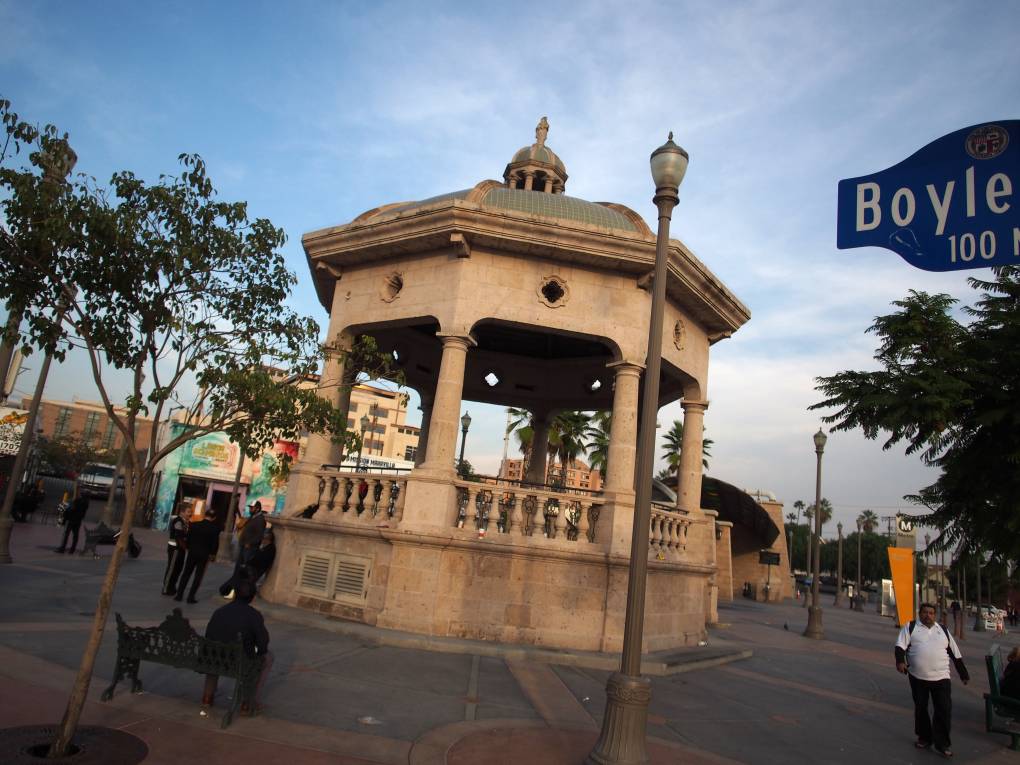
"caption": "Musicians stand in Mariachi Plaza in Boyle Heights. One song in a new collection celebrating the neighborhood's music takes its cue from the plaza, where mariachi from across LA have gathered since the 1930s.",
"description": "Musicians stand in Mariachi Plaza in Boyle Heights. One song in a new collection celebrating the neighborhood's music takes its cue from the plaza, where mariachi musicians from across LA have gathered since the 1930s.",
"title": "US-MEXICO-MUSIC-TRADITION-REAL ESTATE",
"credit": "ROBYN BECK/AFP via Getty Images",
"status": "inherit",
"isLoading": false,
"fetchFailed": false
},
"news_11833481": {
"type": "attachments",
"id": "news_11833481",
"meta": {
"index": "attachments_1716263798",
"site": "news",
"id": "11833481",
"found": true
},
"parent": 11833248,
"imgSizes": {
"apple_news_ca_landscape_5_5": {
"file": "https://ww2.kqed.org/app/uploads/sites/10/2020/08/WALTER-THOMPSON-HERNANDEZ-733x783.jpg",
"width": 733,
"mimeType": "image/jpeg",
"height": 783
},
"apple_news_ca_square_4_0": {
"file": "https://ww2.kqed.org/app/uploads/sites/10/2020/08/WALTER-THOMPSON-HERNANDEZ-e1597445137785-470x470.jpg",
"width": 470,
"mimeType": "image/jpeg",
"height": 470
},
"twentyfourteen-full-width": {
"file": "https://ww2.kqed.org/app/uploads/sites/10/2020/08/WALTER-THOMPSON-HERNANDEZ-e1597445137785-732x576.jpg",
"width": 732,
"mimeType": "image/jpeg",
"height": 576
},
"thumbnail": {
"file": "https://ww2.kqed.org/app/uploads/sites/10/2020/08/WALTER-THOMPSON-HERNANDEZ-e1597445137785-160x151.jpg",
"width": 160,
"mimeType": "image/jpeg",
"height": 151
},
"post-thumbnail": {
"file": "https://ww2.kqed.org/app/uploads/sites/10/2020/08/WALTER-THOMPSON-HERNANDEZ-e1597445137785-672x372.jpg",
"width": 672,
"mimeType": "image/jpeg",
"height": 372
},
"kqedFullSize": {
"file": "https://ww2.kqed.org/app/uploads/sites/10/2020/08/WALTER-THOMPSON-HERNANDEZ-e1597445137785.jpg",
"width": 732,
"height": 692
},
"apple_news_ca_landscape_4_7": {
"file": "https://ww2.kqed.org/app/uploads/sites/10/2020/08/WALTER-THOMPSON-HERNANDEZ-e1597445137785-632x474.jpg",
"width": 632,
"mimeType": "image/jpeg",
"height": 474
},
"apple_news_ca_landscape_4_0": {
"file": "https://ww2.kqed.org/app/uploads/sites/10/2020/08/WALTER-THOMPSON-HERNANDEZ-e1597445137785-536x402.jpg",
"width": 536,
"mimeType": "image/jpeg",
"height": 402
},
"apple_news_ca_portrait_4_0": {
"file": "https://ww2.kqed.org/app/uploads/sites/10/2020/08/WALTER-THOMPSON-HERNANDEZ-e1597445137785-354x472.jpg",
"width": 354,
"mimeType": "image/jpeg",
"height": 472
},
"apple_news_ca_portrait_4_7": {
"file": "https://ww2.kqed.org/app/uploads/sites/10/2020/08/WALTER-THOMPSON-HERNANDEZ-e1597445137785-414x552.jpg",
"width": 414,
"mimeType": "image/jpeg",
"height": 552
},
"apple_news_ca_portrait_5_5": {
"file": "https://ww2.kqed.org/app/uploads/sites/10/2020/08/WALTER-THOMPSON-HERNANDEZ-e1597445137785-687x692.jpg",
"width": 687,
"mimeType": "image/jpeg",
"height": 692
},
"apple_news_ca_square_4_7": {
"file": "https://ww2.kqed.org/app/uploads/sites/10/2020/08/WALTER-THOMPSON-HERNANDEZ-e1597445137785-550x550.jpg",
"width": 550,
"mimeType": "image/jpeg",
"height": 550
},
"apple_news_ca_square_5_5": {
"file": "https://ww2.kqed.org/app/uploads/sites/10/2020/08/WALTER-THOMPSON-HERNANDEZ-733x912.jpg",
"width": 733,
"mimeType": "image/jpeg",
"height": 912
}
},
"publishDate": 1597445089,
"modified": 1597445242,
"caption": "Walter Thompson-Hernández, host of \"California Love.\" Artwork by Théo Lambert",
"description": null,
"title": "WALTER THOMPSON-HERNANDEZ",
"credit": null,
"status": "inherit",
"isLoading": false,
"fetchFailed": false
},
"news_11818924": {
"type": "attachments",
"id": "news_11818924",
"meta": {
"index": "attachments_1716263798",
"site": "news",
"id": "11818924",
"found": true
},
"parent": 11818855,
"imgSizes": {
"apple_news_ca_landscape_5_5": {
"file": "https://ww2.kqed.org/app/uploads/sites/10/2020/05/RS43226_IMG_0846-qut-1044x783.jpg",
"width": 1044,
"mimeType": "image/jpeg",
"height": 783
},
"apple_news_ca_square_4_0": {
"file": "https://ww2.kqed.org/app/uploads/sites/10/2020/05/RS43226_IMG_0846-qut-470x470.jpg",
"width": 470,
"mimeType": "image/jpeg",
"height": 470
},
"twentyfourteen-full-width": {
"file": "https://ww2.kqed.org/app/uploads/sites/10/2020/05/RS43226_IMG_0846-qut-1038x576.jpg",
"width": 1038,
"mimeType": "image/jpeg",
"height": 576
},
"thumbnail": {
"file": "https://ww2.kqed.org/app/uploads/sites/10/2020/05/RS43226_IMG_0846-qut-160x120.jpg",
"width": 160,
"mimeType": "image/jpeg",
"height": 120
},
"post-thumbnail": {
"file": "https://ww2.kqed.org/app/uploads/sites/10/2020/05/RS43226_IMG_0846-qut-672x372.jpg",
"width": 672,
"mimeType": "image/jpeg",
"height": 372
},
"kqedFullSize": {
"file": "https://ww2.kqed.org/app/uploads/sites/10/2020/05/RS43226_IMG_0846-qut.jpg",
"width": 1920,
"height": 1440
},
"apple_news_ca_landscape_4_7": {
"file": "https://ww2.kqed.org/app/uploads/sites/10/2020/05/RS43226_IMG_0846-qut-632x474.jpg",
"width": 632,
"mimeType": "image/jpeg",
"height": 474
},
"large": {
"file": "https://ww2.kqed.org/app/uploads/sites/10/2020/05/RS43226_IMG_0846-qut-1020x765.jpg",
"width": 1020,
"mimeType": "image/jpeg",
"height": 765
},
"apple_news_ca_landscape_4_0": {
"file": "https://ww2.kqed.org/app/uploads/sites/10/2020/05/RS43226_IMG_0846-qut-536x402.jpg",
"width": 536,
"mimeType": "image/jpeg",
"height": 402
},
"apple_news_ca_portrait_12_9": {
"file": "https://ww2.kqed.org/app/uploads/sites/10/2020/05/RS43226_IMG_0846-qut-1122x1440.jpg",
"width": 1122,
"mimeType": "image/jpeg",
"height": 1440
},
"medium": {
"file": "https://ww2.kqed.org/app/uploads/sites/10/2020/05/RS43226_IMG_0846-qut-800x600.jpg",
"width": 800,
"mimeType": "image/jpeg",
"height": 600
},
"apple_news_ca_portrait_4_0": {
"file": "https://ww2.kqed.org/app/uploads/sites/10/2020/05/RS43226_IMG_0846-qut-354x472.jpg",
"width": 354,
"mimeType": "image/jpeg",
"height": 472
},
"apple_news_ca_portrait_9_7": {
"file": "https://ww2.kqed.org/app/uploads/sites/10/2020/05/RS43226_IMG_0846-qut-840x1120.jpg",
"width": 840,
"mimeType": "image/jpeg",
"height": 1120
},
"apple_news_ca_landscape_12_9": {
"file": "https://ww2.kqed.org/app/uploads/sites/10/2020/05/RS43226_IMG_0846-qut-1832x1374.jpg",
"width": 1832,
"mimeType": "image/jpeg",
"height": 1374
},
"apple_news_ca_square_9_7": {
"file": "https://ww2.kqed.org/app/uploads/sites/10/2020/05/RS43226_IMG_0846-qut-1104x1104.jpg",
"width": 1104,
"mimeType": "image/jpeg",
"height": 1104
},
"apple_news_ca_portrait_4_7": {
"file": "https://ww2.kqed.org/app/uploads/sites/10/2020/05/RS43226_IMG_0846-qut-414x552.jpg",
"width": 414,
"mimeType": "image/jpeg",
"height": 552
},
"apple_news_ca_square_12_9": {
"file": "https://ww2.kqed.org/app/uploads/sites/10/2020/05/RS43226_IMG_0846-qut-1472x1440.jpg",
"width": 1472,
"mimeType": "image/jpeg",
"height": 1440
},
"apple_news_ca_portrait_5_5": {
"file": "https://ww2.kqed.org/app/uploads/sites/10/2020/05/RS43226_IMG_0846-qut-687x916.jpg",
"width": 687,
"mimeType": "image/jpeg",
"height": 916
},
"full-width": {
"file": "https://ww2.kqed.org/app/uploads/sites/10/2020/05/RS43226_IMG_0846-qut-1920x1440.jpg",
"width": 1920,
"mimeType": "image/jpeg",
"height": 1440
},
"apple_news_ca_square_4_7": {
"file": "https://ww2.kqed.org/app/uploads/sites/10/2020/05/RS43226_IMG_0846-qut-550x550.jpg",
"width": 550,
"mimeType": "image/jpeg",
"height": 550
},
"apple_news_ca_landscape_9_7": {
"file": "https://ww2.kqed.org/app/uploads/sites/10/2020/05/RS43226_IMG_0846-qut-1376x1032.jpg",
"width": 1376,
"mimeType": "image/jpeg",
"height": 1032
},
"apple_news_ca_square_5_5": {
"file": "https://ww2.kqed.org/app/uploads/sites/10/2020/05/RS43226_IMG_0846-qut-912x912.jpg",
"width": 912,
"mimeType": "image/jpeg",
"height": 912
}
},
"publishDate": 1589742274,
"modified": 1589742406,
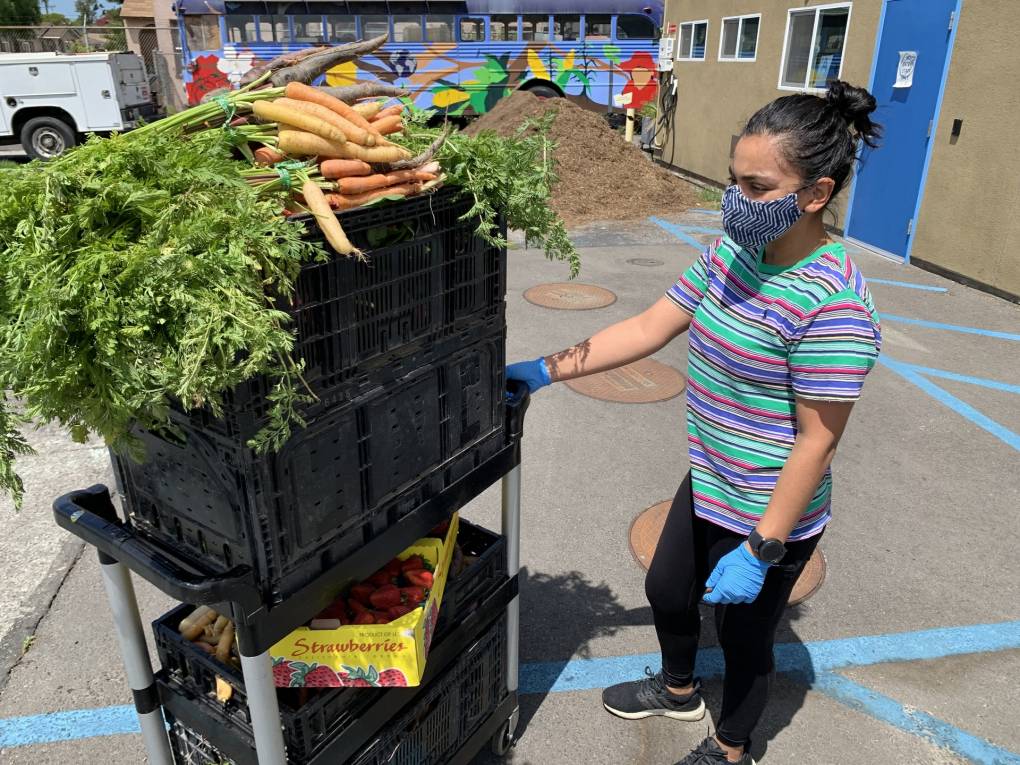
"caption": "Maira Quintanilla, the manager of CSU’s Village Market Place is receiving a delivery from Finca Bonita Farm on Wednesday May 13, 2020. ",
"description": null,
"title": "RS43226_IMG_0846-qut",
"credit": "Deepa Fernandes/KQED",
"status": "inherit",
"isLoading": false,
"fetchFailed": false
},
"news_11799819": {
"type": "attachments",
"id": "news_11799819",
"meta": {
"index": "attachments_1716263798",
"site": "news",
"id": "11799819",
"found": true
},
"parent": 11799803,
"imgSizes": {
"apple_news_ca_square_4_0": {
"file": "https://ww2.kqed.org/app/uploads/sites/10/2020/02/GreyHound-470x470.jpg",
"width": 470,
"mimeType": "image/jpeg",
"height": 470
},
"twentyfourteen-full-width": {
"file": "https://ww2.kqed.org/app/uploads/sites/10/2020/02/GreyHound-1000x576.jpg",
"width": 1000,
"mimeType": "image/jpeg",
"height": 576
},
"thumbnail": {
"file": "https://ww2.kqed.org/app/uploads/sites/10/2020/02/GreyHound-160x104.jpg",
"width": 160,
"mimeType": "image/jpeg",
"height": 104
},
"post-thumbnail": {
"file": "https://ww2.kqed.org/app/uploads/sites/10/2020/02/GreyHound-672x372.jpg",
"width": 672,
"mimeType": "image/jpeg",
"height": 372
},
"kqedFullSize": {
"file": "https://ww2.kqed.org/app/uploads/sites/10/2020/02/GreyHound.jpg",
"width": 1000,
"height": 651
},
"apple_news_ca_landscape_4_7": {
"file": "https://ww2.kqed.org/app/uploads/sites/10/2020/02/GreyHound-632x474.jpg",
"width": 632,
"mimeType": "image/jpeg",
"height": 474
},
"apple_news_ca_landscape_4_0": {
"file": "https://ww2.kqed.org/app/uploads/sites/10/2020/02/GreyHound-536x402.jpg",
"width": 536,
"mimeType": "image/jpeg",
"height": 402
},
"medium": {
"file": "https://ww2.kqed.org/app/uploads/sites/10/2020/02/GreyHound-800x521.jpg",
"width": 800,
"mimeType": "image/jpeg",
"height": 521
},
"apple_news_ca_portrait_4_0": {
"file": "https://ww2.kqed.org/app/uploads/sites/10/2020/02/GreyHound-354x472.jpg",
"width": 354,
"mimeType": "image/jpeg",
"height": 472
},
"apple_news_ca_portrait_9_7": {
"file": "https://ww2.kqed.org/app/uploads/sites/10/2020/02/GreyHound-840x651.jpg",
"width": 840,
"mimeType": "image/jpeg",
"height": 651
},
"apple_news_ca_portrait_4_7": {
"file": "https://ww2.kqed.org/app/uploads/sites/10/2020/02/GreyHound-414x552.jpg",
"width": 414,
"mimeType": "image/jpeg",
"height": 552
},
"apple_news_ca_portrait_5_5": {
"file": "https://ww2.kqed.org/app/uploads/sites/10/2020/02/GreyHound-687x651.jpg",
"width": 687,
"mimeType": "image/jpeg",
"height": 651
},
"apple_news_ca_square_4_7": {
"file": "https://ww2.kqed.org/app/uploads/sites/10/2020/02/GreyHound-550x550.jpg",
"width": 550,
"mimeType": "image/jpeg",
"height": 550
},
"apple_news_ca_square_5_5": {
"file": "https://ww2.kqed.org/app/uploads/sites/10/2020/02/GreyHound-912x651.jpg",
"width": 912,
"mimeType": "image/jpeg",
"height": 651
}
},
"publishDate": 1580763727,
"modified": 1580763793,
"caption": "A greyhound bus photographed in 2016 (file photo).",
"description": "A greyhound bus photographed in 2016 (file photo).",
"title": "GreyHound",
"credit": "Vincent Parsons/Flickr",
"status": "inherit",
"isLoading": false,
"fetchFailed": false
},
"news_11797847": {
"type": "attachments",
"id": "news_11797847",
"meta": {
"index": "attachments_1716263798",
"site": "news",
"id": "11797847",
"found": true
},
"parent": 0,
"imgSizes": {
"apple_news_ca_landscape_5_5": {
"file": "https://ww2.kqed.org/app/uploads/sites/10/2020/01/DreamingGoldenState_Eventbrite-1044x783.jpg",
"width": 1044,
"mimeType": "image/jpeg",
"height": 783
},
"apple_news_ca_square_4_0": {
"file": "https://ww2.kqed.org/app/uploads/sites/10/2020/01/DreamingGoldenState_Eventbrite-470x470.jpg",
"width": 470,
"mimeType": "image/jpeg",
"height": 470
},
"twentyfourteen-full-width": {
"file": "https://ww2.kqed.org/app/uploads/sites/10/2020/01/DreamingGoldenState_Eventbrite-1038x576.jpg",
"width": 1038,
"mimeType": "image/jpeg",
"height": 576
},
"thumbnail": {
"file": "https://ww2.kqed.org/app/uploads/sites/10/2020/01/DreamingGoldenState_Eventbrite-160x84.jpg",
"width": 160,
"mimeType": "image/jpeg",
"height": 84
},
"post-thumbnail": {
"file": "https://ww2.kqed.org/app/uploads/sites/10/2020/01/DreamingGoldenState_Eventbrite-672x372.jpg",
"width": 672,
"mimeType": "image/jpeg",
"height": 372
},
"kqedFullSize": {
"file": "https://ww2.kqed.org/app/uploads/sites/10/2020/01/DreamingGoldenState_Eventbrite.jpg",
"width": 1920,
"height": 1013
},
"apple_news_ca_landscape_4_7": {
"file": "https://ww2.kqed.org/app/uploads/sites/10/2020/01/DreamingGoldenState_Eventbrite-632x474.jpg",
"width": 632,
"mimeType": "image/jpeg",
"height": 474
},
"large": {
"file": "https://ww2.kqed.org/app/uploads/sites/10/2020/01/DreamingGoldenState_Eventbrite-1020x538.jpg",
"width": 1020,
"mimeType": "image/jpeg",
"height": 538
},
"apple_news_ca_landscape_4_0": {
"file": "https://ww2.kqed.org/app/uploads/sites/10/2020/01/DreamingGoldenState_Eventbrite-536x402.jpg",
"width": 536,
"mimeType": "image/jpeg",
"height": 402
},
"apple_news_ca_portrait_12_9": {
"file": "https://ww2.kqed.org/app/uploads/sites/10/2020/01/DreamingGoldenState_Eventbrite-1122x1013.jpg",
"width": 1122,
"mimeType": "image/jpeg",
"height": 1013
},
"medium": {
"file": "https://ww2.kqed.org/app/uploads/sites/10/2020/01/DreamingGoldenState_Eventbrite-800x422.jpg",
"width": 800,
"mimeType": "image/jpeg",
"height": 422
},
"apple_news_ca_portrait_4_0": {
"file": "https://ww2.kqed.org/app/uploads/sites/10/2020/01/DreamingGoldenState_Eventbrite-354x472.jpg",
"width": 354,
"mimeType": "image/jpeg",
"height": 472
},
"apple_news_ca_portrait_9_7": {
"file": "https://ww2.kqed.org/app/uploads/sites/10/2020/01/DreamingGoldenState_Eventbrite-840x1013.jpg",
"width": 840,
"mimeType": "image/jpeg",
"height": 1013
},
"apple_news_ca_landscape_12_9": {
"file": "https://ww2.kqed.org/app/uploads/sites/10/2020/01/DreamingGoldenState_Eventbrite-1832x1013.jpg",
"width": 1832,
"mimeType": "image/jpeg",
"height": 1013
},
"apple_news_ca_square_9_7": {
"file": "https://ww2.kqed.org/app/uploads/sites/10/2020/01/DreamingGoldenState_Eventbrite-1104x1013.jpg",
"width": 1104,
"mimeType": "image/jpeg",
"height": 1013
},
"apple_news_ca_portrait_4_7": {
"file": "https://ww2.kqed.org/app/uploads/sites/10/2020/01/DreamingGoldenState_Eventbrite-414x552.jpg",
"width": 414,
"mimeType": "image/jpeg",
"height": 552
},
"apple_news_ca_square_12_9": {
"file": "https://ww2.kqed.org/app/uploads/sites/10/2020/01/DreamingGoldenState_Eventbrite-1472x1013.jpg",
"width": 1472,
"mimeType": "image/jpeg",
"height": 1013
},
"apple_news_ca_portrait_5_5": {
"file": "https://ww2.kqed.org/app/uploads/sites/10/2020/01/DreamingGoldenState_Eventbrite-687x916.jpg",
"width": 687,
"mimeType": "image/jpeg",
"height": 916
},
"full-width": {
"file": "https://ww2.kqed.org/app/uploads/sites/10/2020/01/DreamingGoldenState_Eventbrite-1920x1013.jpg",
"width": 1920,
"mimeType": "image/jpeg",
"height": 1013
},
"apple_news_ca_square_4_7": {
"file": "https://ww2.kqed.org/app/uploads/sites/10/2020/01/DreamingGoldenState_Eventbrite-550x550.jpg",
"width": 550,
"mimeType": "image/jpeg",
"height": 550
},
"apple_news_ca_landscape_9_7": {
"file": "https://ww2.kqed.org/app/uploads/sites/10/2020/01/DreamingGoldenState_Eventbrite-1376x1013.jpg",
"width": 1376,
"mimeType": "image/jpeg",
"height": 1013
},
"apple_news_ca_square_5_5": {
"file": "https://ww2.kqed.org/app/uploads/sites/10/2020/01/DreamingGoldenState_Eventbrite-912x912.jpg",
"width": 912,
"mimeType": "image/jpeg",
"height": 912
}
},
"publishDate": 1579908712,
"modified": 1579908742,
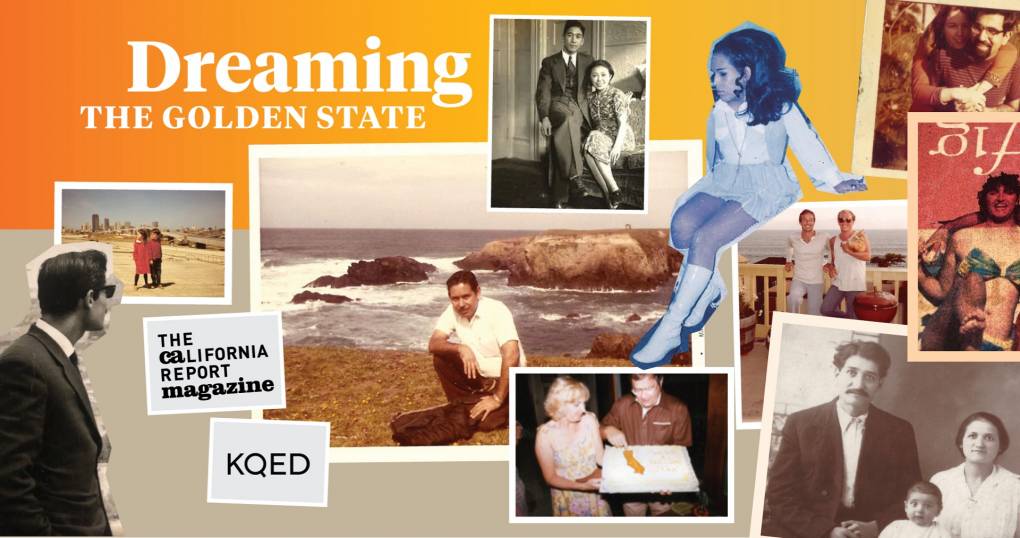
"caption": "In November 2019, The California Report Magazine held a live event at the Brava Theater in San Francisco. ",
"description": null,
"title": "DreamingGoldenState_Eventbrite",
"credit": null,
"status": "inherit",
"isLoading": false,
"fetchFailed": false
},
"news_11796240": {
"type": "attachments",
"id": "news_11796240",
"meta": {
"index": "attachments_1716263798",
"site": "news",
"id": "11796240",
"found": true
},
"parent": 11796231,
"imgSizes": {
"apple_news_ca_landscape_5_5": {
"file": "https://ww2.kqed.org/app/uploads/sites/10/2020/01/RS40736_IMG_8237-qut-1044x783.jpg",
"width": 1044,
"mimeType": "image/jpeg",
"height": 783
},
"apple_news_ca_square_4_0": {
"file": "https://ww2.kqed.org/app/uploads/sites/10/2020/01/RS40736_IMG_8237-qut-470x470.jpg",
"width": 470,
"mimeType": "image/jpeg",
"height": 470
},
"twentyfourteen-full-width": {
"file": "https://ww2.kqed.org/app/uploads/sites/10/2020/01/RS40736_IMG_8237-qut-1038x576.jpg",
"width": 1038,
"mimeType": "image/jpeg",
"height": 576
},
"thumbnail": {
"file": "https://ww2.kqed.org/app/uploads/sites/10/2020/01/RS40736_IMG_8237-qut-160x136.jpg",
"width": 160,
"mimeType": "image/jpeg",
"height": 136
},
"post-thumbnail": {
"file": "https://ww2.kqed.org/app/uploads/sites/10/2020/01/RS40736_IMG_8237-qut-672x372.jpg",
"width": 672,
"mimeType": "image/jpeg",
"height": 372
},
"kqedFullSize": {
"file": "https://ww2.kqed.org/app/uploads/sites/10/2020/01/RS40736_IMG_8237-qut.jpg",
"width": 1920,
"height": 1630
},
"apple_news_ca_landscape_4_7": {
"file": "https://ww2.kqed.org/app/uploads/sites/10/2020/01/RS40736_IMG_8237-qut-632x474.jpg",
"width": 632,
"mimeType": "image/jpeg",
"height": 474
},
"large": {
"file": "https://ww2.kqed.org/app/uploads/sites/10/2020/01/RS40736_IMG_8237-qut-1020x866.jpg",
"width": 1020,
"mimeType": "image/jpeg",
"height": 866
},
"complete_open_graph": {
"file": "https://ww2.kqed.org/app/uploads/sites/10/2020/01/RS40736_IMG_8237-qut-1200x1019.jpg",
"width": 1200,
"mimeType": "image/jpeg",
"height": 1019
},
"apple_news_ca_landscape_4_0": {
"file": "https://ww2.kqed.org/app/uploads/sites/10/2020/01/RS40736_IMG_8237-qut-536x402.jpg",
"width": 536,
"mimeType": "image/jpeg",
"height": 402
},
"apple_news_ca_portrait_12_9": {
"file": "https://ww2.kqed.org/app/uploads/sites/10/2020/01/RS40736_IMG_8237-qut-1122x1496.jpg",
"width": 1122,
"mimeType": "image/jpeg",
"height": 1496
},
"medium": {
"file": "https://ww2.kqed.org/app/uploads/sites/10/2020/01/RS40736_IMG_8237-qut-800x679.jpg",
"width": 800,
"mimeType": "image/jpeg",
"height": 679
},
"apple_news_ca_portrait_4_0": {
"file": "https://ww2.kqed.org/app/uploads/sites/10/2020/01/RS40736_IMG_8237-qut-354x472.jpg",
"width": 354,
"mimeType": "image/jpeg",
"height": 472
},
"apple_news_ca_portrait_9_7": {
"file": "https://ww2.kqed.org/app/uploads/sites/10/2020/01/RS40736_IMG_8237-qut-840x1120.jpg",
"width": 840,
"mimeType": "image/jpeg",
"height": 1120
},
"apple_news_ca_landscape_12_9": {
"file": "https://ww2.kqed.org/app/uploads/sites/10/2020/01/RS40736_IMG_8237-qut-1832x1374.jpg",
"width": 1832,
"mimeType": "image/jpeg",
"height": 1374
},
"apple_news_ca_square_9_7": {
"file": "https://ww2.kqed.org/app/uploads/sites/10/2020/01/RS40736_IMG_8237-qut-1104x1104.jpg",
"width": 1104,
"mimeType": "image/jpeg",
"height": 1104
},
"apple_news_ca_portrait_4_7": {
"file": "https://ww2.kqed.org/app/uploads/sites/10/2020/01/RS40736_IMG_8237-qut-414x552.jpg",
"width": 414,
"mimeType": "image/jpeg",
"height": 552
},
"apple_news_ca_square_12_9": {
"file": "https://ww2.kqed.org/app/uploads/sites/10/2020/01/RS40736_IMG_8237-qut-1472x1472.jpg",
"width": 1472,
"mimeType": "image/jpeg",
"height": 1472
},
"apple_news_ca_portrait_5_5": {
"file": "https://ww2.kqed.org/app/uploads/sites/10/2020/01/RS40736_IMG_8237-qut-687x916.jpg",
"width": 687,
"mimeType": "image/jpeg",
"height": 916
},
"full-width": {
"file": "https://ww2.kqed.org/app/uploads/sites/10/2020/01/RS40736_IMG_8237-qut-1920x1630.jpg",
"width": 1920,
"mimeType": "image/jpeg",
"height": 1630
},
"apple_news_ca_square_4_7": {
"file": "https://ww2.kqed.org/app/uploads/sites/10/2020/01/RS40736_IMG_8237-qut-550x550.jpg",
"width": 550,
"mimeType": "image/jpeg",
"height": 550
},
"apple_news_ca_landscape_9_7": {
"file": "https://ww2.kqed.org/app/uploads/sites/10/2020/01/RS40736_IMG_8237-qut-1376x1032.jpg",
"width": 1376,
"mimeType": "image/jpeg",
"height": 1032
},
"apple_news_ca_square_5_5": {
"file": "https://ww2.kqed.org/app/uploads/sites/10/2020/01/RS40736_IMG_8237-qut-912x912.jpg",
"width": 912,
"mimeType": "image/jpeg",
"height": 912
}
},
"publishDate": 1579129236,
"modified": 1579296879,
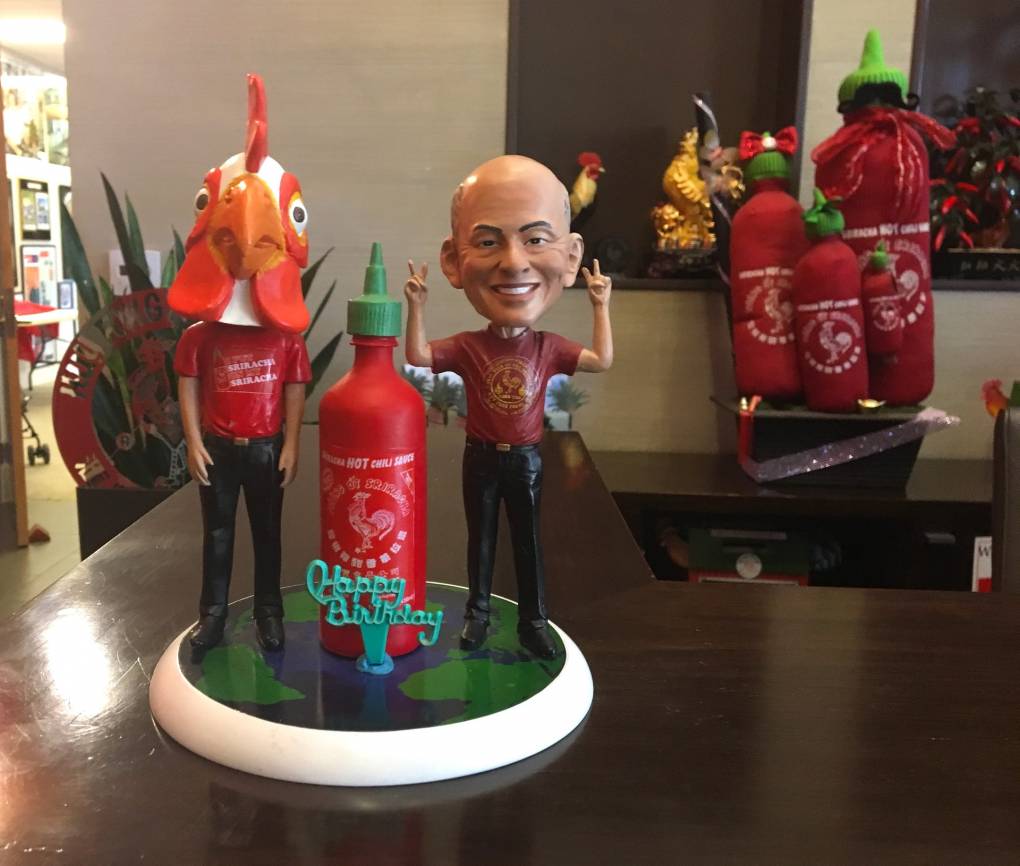
"caption": "The Huy Fong factory waiting room includes unique items, like a David Tran bobblehead. ",
"description": null,
"title": "RS40736_IMG_8237-qut",
"credit": "Avishay Artsy/KQED News",
"status": "inherit",
"isLoading": false,
"fetchFailed": false
},
"news_11796785": {
"type": "attachments",
"id": "news_11796785",
"meta": {
"index": "attachments_1716263798",
"site": "news",
"id": "11796785",
"found": true
},
"parent": 11796351,
"imgSizes": {
"apple_news_ca_landscape_5_5": {
"file": "https://ww2.kqed.org/app/uploads/sites/10/2020/01/Image-from-iOS-24-1044x783.jpg",
"width": 1044,
"mimeType": "image/jpeg",
"height": 783
},
"apple_news_ca_square_4_0": {
"file": "https://ww2.kqed.org/app/uploads/sites/10/2020/01/Image-from-iOS-24-470x470.jpg",
"width": 470,
"mimeType": "image/jpeg",
"height": 470
},
"twentyfourteen-full-width": {
"file": "https://ww2.kqed.org/app/uploads/sites/10/2020/01/Image-from-iOS-24-1038x576.jpg",
"width": 1038,
"mimeType": "image/jpeg",
"height": 576
},
"thumbnail": {
"file": "https://ww2.kqed.org/app/uploads/sites/10/2020/01/Image-from-iOS-24-160x120.jpg",
"width": 160,
"mimeType": "image/jpeg",
"height": 120
},
"post-thumbnail": {
"file": "https://ww2.kqed.org/app/uploads/sites/10/2020/01/Image-from-iOS-24-672x372.jpg",
"width": 672,
"mimeType": "image/jpeg",
"height": 372
},
"kqedFullSize": {
"file": "https://ww2.kqed.org/app/uploads/sites/10/2020/01/Image-from-iOS-24-e1579310156371.jpg",
"width": 1920,
"height": 1440
},
"apple_news_ca_landscape_4_7": {
"file": "https://ww2.kqed.org/app/uploads/sites/10/2020/01/Image-from-iOS-24-632x474.jpg",
"width": 632,
"mimeType": "image/jpeg",
"height": 474
},
"large": {
"file": "https://ww2.kqed.org/app/uploads/sites/10/2020/01/Image-from-iOS-24-1020x765.jpg",
"width": 1020,
"mimeType": "image/jpeg",
"height": 765
},
"apple_news_ca_landscape_4_0": {
"file": "https://ww2.kqed.org/app/uploads/sites/10/2020/01/Image-from-iOS-24-536x402.jpg",
"width": 536,
"mimeType": "image/jpeg",
"height": 402
},
"apple_news_ca_portrait_12_9": {
"file": "https://ww2.kqed.org/app/uploads/sites/10/2020/01/Image-from-iOS-24-1122x1496.jpg",
"width": 1122,
"mimeType": "image/jpeg",
"height": 1496
},
"medium": {
"file": "https://ww2.kqed.org/app/uploads/sites/10/2020/01/Image-from-iOS-24-800x600.jpg",
"width": 800,
"mimeType": "image/jpeg",
"height": 600
},
"apple_news_ca_portrait_4_0": {
"file": "https://ww2.kqed.org/app/uploads/sites/10/2020/01/Image-from-iOS-24-354x472.jpg",
"width": 354,
"mimeType": "image/jpeg",
"height": 472
},
"apple_news_ca_portrait_9_7": {
"file": "https://ww2.kqed.org/app/uploads/sites/10/2020/01/Image-from-iOS-24-840x1120.jpg",
"width": 840,
"mimeType": "image/jpeg",
"height": 1120
},
"apple_news_ca_landscape_12_9": {
"file": "https://ww2.kqed.org/app/uploads/sites/10/2020/01/Image-from-iOS-24-1832x1374.jpg",
"width": 1832,
"mimeType": "image/jpeg",
"height": 1374
},
"apple_news_ca_square_9_7": {
"file": "https://ww2.kqed.org/app/uploads/sites/10/2020/01/Image-from-iOS-24-1104x1104.jpg",
"width": 1104,
"mimeType": "image/jpeg",
"height": 1104
},
"apple_news_ca_portrait_4_7": {
"file": "https://ww2.kqed.org/app/uploads/sites/10/2020/01/Image-from-iOS-24-414x552.jpg",
"width": 414,
"mimeType": "image/jpeg",
"height": 552
},
"apple_news_ca_square_12_9": {
"file": "https://ww2.kqed.org/app/uploads/sites/10/2020/01/Image-from-iOS-24-1472x1472.jpg",
"width": 1472,
"mimeType": "image/jpeg",
"height": 1472
},
"apple_news_ca_portrait_5_5": {
"file": "https://ww2.kqed.org/app/uploads/sites/10/2020/01/Image-from-iOS-24-687x916.jpg",
"width": 687,
"mimeType": "image/jpeg",
"height": 916
},
"full-width": {
"file": "https://ww2.kqed.org/app/uploads/sites/10/2020/01/Image-from-iOS-24-1920x1440.jpg",
"width": 1920,
"mimeType": "image/jpeg",
"height": 1440
},
"apple_news_ca_square_4_7": {
"file": "https://ww2.kqed.org/app/uploads/sites/10/2020/01/Image-from-iOS-24-550x550.jpg",
"width": 550,
"mimeType": "image/jpeg",
"height": 550
},
"apple_news_ca_landscape_9_7": {
"file": "https://ww2.kqed.org/app/uploads/sites/10/2020/01/Image-from-iOS-24-1376x1032.jpg",
"width": 1376,
"mimeType": "image/jpeg",
"height": 1032
},
"apple_news_ca_square_5_5": {
"file": "https://ww2.kqed.org/app/uploads/sites/10/2020/01/Image-from-iOS-24-912x912.jpg",
"width": 912,
"mimeType": "image/jpeg",
"height": 912
}
},
"publishDate": 1579302507,
"modified": 1579310179,
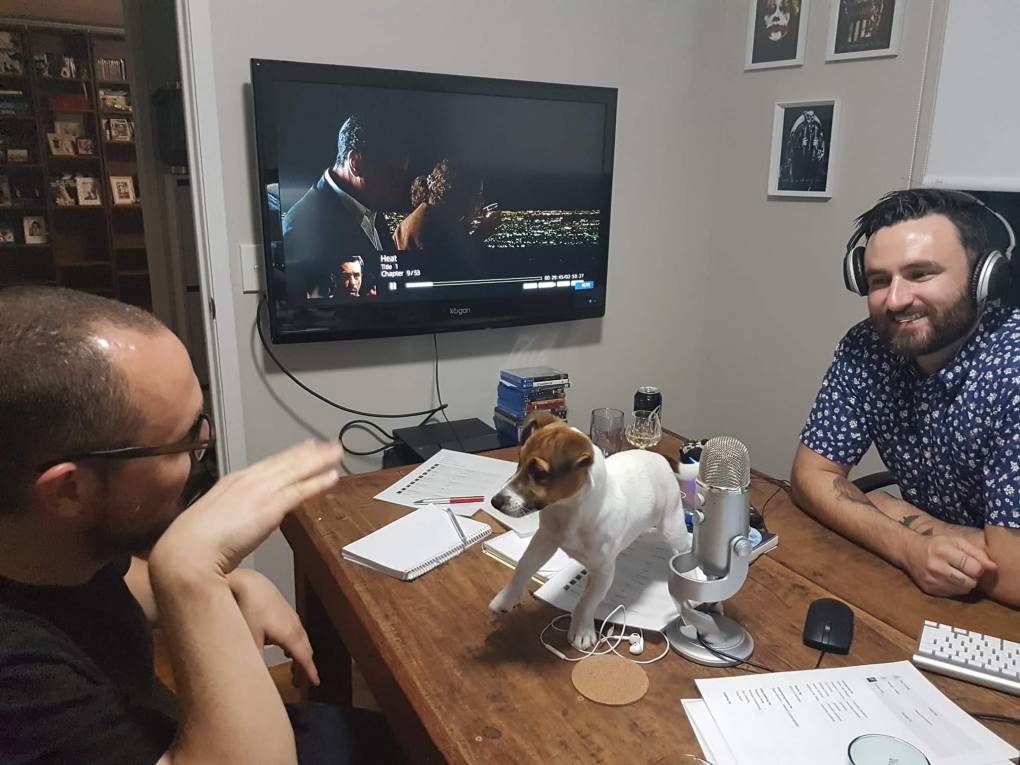
"caption": "Blake Howard and critic Luke Buckmaster tape an episode of 'One Heat Minute', watched by Buckmaster's dog Bessie)",
"description": "Blake Howard and critic Luke Buckmaster tape an episode of 'One Heat Minute', watched by Buckmaster's dog Bessie)",
"title": "Image from iOS (24)",
"credit": "Courtesy Luke Buckmaster",
"status": "inherit",
"isLoading": false,
"fetchFailed": false
},
"news_11793634": {
"type": "attachments",
"id": "news_11793634",
"meta": {
"index": "attachments_1716263798",
"site": "news",
"id": "11793634",
"found": true
},
"parent": 11793633,
"imgSizes": {
"apple_news_ca_landscape_5_5": {
"file": "https://ww2.kqed.org/app/uploads/sites/10/2019/12/homeless-vigil-31e4c22b0b72a7ac43b48df98642a49aa674ff16-1044x783.jpg",
"width": 1044,
"mimeType": "image/jpeg",
"height": 783
},
"apple_news_ca_square_4_0": {
"file": "https://ww2.kqed.org/app/uploads/sites/10/2019/12/homeless-vigil-31e4c22b0b72a7ac43b48df98642a49aa674ff16-470x470.jpg",
"width": 470,
"mimeType": "image/jpeg",
"height": 470
},
"twentyfourteen-full-width": {
"file": "https://ww2.kqed.org/app/uploads/sites/10/2019/12/homeless-vigil-31e4c22b0b72a7ac43b48df98642a49aa674ff16-1038x576.jpg",
"width": 1038,
"mimeType": "image/jpeg",
"height": 576
},
"thumbnail": {
"file": "https://ww2.kqed.org/app/uploads/sites/10/2019/12/homeless-vigil-31e4c22b0b72a7ac43b48df98642a49aa674ff16-160x120.jpg",
"width": 160,
"mimeType": "image/jpeg",
"height": 120
},
"post-thumbnail": {
"file": "https://ww2.kqed.org/app/uploads/sites/10/2019/12/homeless-vigil-31e4c22b0b72a7ac43b48df98642a49aa674ff16-672x372.jpg",
"width": 672,
"mimeType": "image/jpeg",
"height": 372
},
"kqedFullSize": {
"file": "https://ww2.kqed.org/app/uploads/sites/10/2019/12/homeless-vigil-31e4c22b0b72a7ac43b48df98642a49aa674ff16.jpg",
"width": 4029,
"height": 3022
},
"apple_news_ca_landscape_4_7": {
"file": "https://ww2.kqed.org/app/uploads/sites/10/2019/12/homeless-vigil-31e4c22b0b72a7ac43b48df98642a49aa674ff16-632x474.jpg",
"width": 632,
"mimeType": "image/jpeg",
"height": 474
},
"large": {
"file": "https://ww2.kqed.org/app/uploads/sites/10/2019/12/homeless-vigil-31e4c22b0b72a7ac43b48df98642a49aa674ff16-1020x765.jpg",
"width": 1020,
"mimeType": "image/jpeg",
"height": 765
},
"complete_open_graph": {
"file": "https://ww2.kqed.org/app/uploads/sites/10/2019/12/homeless-vigil-31e4c22b0b72a7ac43b48df98642a49aa674ff16-1200x900.jpg",
"width": 1200,
"mimeType": "image/jpeg",
"height": 900
},
"apple_news_ca_landscape_4_0": {
"file": "https://ww2.kqed.org/app/uploads/sites/10/2019/12/homeless-vigil-31e4c22b0b72a7ac43b48df98642a49aa674ff16-536x402.jpg",
"width": 536,
"mimeType": "image/jpeg",
"height": 402
},
"apple_news_ca_portrait_12_9": {
"file": "https://ww2.kqed.org/app/uploads/sites/10/2019/12/homeless-vigil-31e4c22b0b72a7ac43b48df98642a49aa674ff16-1122x1496.jpg",
"width": 1122,
"mimeType": "image/jpeg",
"height": 1496
},
"medium": {
"file": "https://ww2.kqed.org/app/uploads/sites/10/2019/12/homeless-vigil-31e4c22b0b72a7ac43b48df98642a49aa674ff16-800x600.jpg",
"width": 800,
"mimeType": "image/jpeg",
"height": 600
},
"apple_news_ca_portrait_4_0": {
"file": "https://ww2.kqed.org/app/uploads/sites/10/2019/12/homeless-vigil-31e4c22b0b72a7ac43b48df98642a49aa674ff16-354x472.jpg",
"width": 354,
"mimeType": "image/jpeg",
"height": 472
},
"apple_news_ca_portrait_9_7": {
"file": "https://ww2.kqed.org/app/uploads/sites/10/2019/12/homeless-vigil-31e4c22b0b72a7ac43b48df98642a49aa674ff16-840x1120.jpg",
"width": 840,
"mimeType": "image/jpeg",
"height": 1120
},
"apple_news_ca_landscape_12_9": {
"file": "https://ww2.kqed.org/app/uploads/sites/10/2019/12/homeless-vigil-31e4c22b0b72a7ac43b48df98642a49aa674ff16-1832x1374.jpg",
"width": 1832,
"mimeType": "image/jpeg",
"height": 1374
},
"apple_news_ca_square_9_7": {
"file": "https://ww2.kqed.org/app/uploads/sites/10/2019/12/homeless-vigil-31e4c22b0b72a7ac43b48df98642a49aa674ff16-1104x1104.jpg",
"width": 1104,
"mimeType": "image/jpeg",
"height": 1104
},
"apple_news_ca_portrait_4_7": {
"file": "https://ww2.kqed.org/app/uploads/sites/10/2019/12/homeless-vigil-31e4c22b0b72a7ac43b48df98642a49aa674ff16-414x552.jpg",
"width": 414,
"mimeType": "image/jpeg",
"height": 552
},
"apple_news_ca_square_12_9": {
"file": "https://ww2.kqed.org/app/uploads/sites/10/2019/12/homeless-vigil-31e4c22b0b72a7ac43b48df98642a49aa674ff16-1472x1472.jpg",
"width": 1472,
"mimeType": "image/jpeg",
"height": 1472
},
"apple_news_ca_portrait_5_5": {
"file": "https://ww2.kqed.org/app/uploads/sites/10/2019/12/homeless-vigil-31e4c22b0b72a7ac43b48df98642a49aa674ff16-687x916.jpg",
"width": 687,
"mimeType": "image/jpeg",
"height": 916
},
"full-width": {
"file": "https://ww2.kqed.org/app/uploads/sites/10/2019/12/homeless-vigil-31e4c22b0b72a7ac43b48df98642a49aa674ff16-1920x1440.jpg",
"width": 1920,
"mimeType": "image/jpeg",
"height": 1440
},
"apple_news_ca_square_4_7": {
"file": "https://ww2.kqed.org/app/uploads/sites/10/2019/12/homeless-vigil-31e4c22b0b72a7ac43b48df98642a49aa674ff16-550x550.jpg",
"width": 550,
"mimeType": "image/jpeg",
"height": 550
},
"apple_news_ca_landscape_9_7": {
"file": "https://ww2.kqed.org/app/uploads/sites/10/2019/12/homeless-vigil-31e4c22b0b72a7ac43b48df98642a49aa674ff16-1376x1032.jpg",
"width": 1376,
"mimeType": "image/jpeg",
"height": 1032
},
"apple_news_ca_square_5_5": {
"file": "https://ww2.kqed.org/app/uploads/sites/10/2019/12/homeless-vigil-31e4c22b0b72a7ac43b48df98642a49aa674ff16-912x912.jpg",
"width": 912,
"mimeType": "image/jpeg",
"height": 912
}
},
"publishDate": 1577992251,
"modified": 1577993139,
"caption": "During a vigil in December for people who died while homeless in Los Angeles in 2019, organizers floated candlelit lanterns on Echo Park Lake.",
"description": "During a vigil in December for people who died while homeless in Los Angeles in 2019, organizers floated candlelit lanterns on Echo Park Lake.",
"title": "During a vigil in December for people who died while homeless in Los Angeles in 2019, organizers floated candlelit lanterns on Echo Park Lake.",
"credit": "Anna Scott/KCRW",
"status": "inherit",
"isLoading": false,
"fetchFailed": false
},
"news_11791967": {
"type": "attachments",
"id": "news_11791967",
"meta": {
"index": "attachments_1716263798",
"site": "news",
"id": "11791967",
"found": true
},
"parent": 11791689,
"imgSizes": {
"apple_news_ca_landscape_5_5": {
"file": "https://ww2.kqed.org/app/uploads/sites/10/2019/12/RS40498_IMG_4244-qut-1044x783.jpg",
"width": 1044,
"mimeType": "image/jpeg",
"height": 783
},
"apple_news_ca_square_4_0": {
"file": "https://ww2.kqed.org/app/uploads/sites/10/2019/12/RS40498_IMG_4244-qut-470x470.jpg",
"width": 470,
"mimeType": "image/jpeg",
"height": 470
},
"twentyfourteen-full-width": {
"file": "https://ww2.kqed.org/app/uploads/sites/10/2019/12/RS40498_IMG_4244-qut-1038x576.jpg",
"width": 1038,
"mimeType": "image/jpeg",
"height": 576
},
"thumbnail": {
"file": "https://ww2.kqed.org/app/uploads/sites/10/2019/12/RS40498_IMG_4244-qut-160x120.jpg",
"width": 160,
"mimeType": "image/jpeg",
"height": 120
},
"post-thumbnail": {
"file": "https://ww2.kqed.org/app/uploads/sites/10/2019/12/RS40498_IMG_4244-qut-672x372.jpg",
"width": 672,
"mimeType": "image/jpeg",
"height": 372
},
"kqedFullSize": {
"file": "https://ww2.kqed.org/app/uploads/sites/10/2019/12/RS40498_IMG_4244-qut.jpg",
"width": 1920,
"height": 1440
},
"apple_news_ca_landscape_4_7": {
"file": "https://ww2.kqed.org/app/uploads/sites/10/2019/12/RS40498_IMG_4244-qut-632x474.jpg",
"width": 632,
"mimeType": "image/jpeg",
"height": 474
},
"large": {
"file": "https://ww2.kqed.org/app/uploads/sites/10/2019/12/RS40498_IMG_4244-qut-1020x765.jpg",
"width": 1020,
"mimeType": "image/jpeg",
"height": 765
},
"complete_open_graph": {
"file": "https://ww2.kqed.org/app/uploads/sites/10/2019/12/RS40498_IMG_4244-qut-1200x900.jpg",
"width": 1200,
"mimeType": "image/jpeg",
"height": 900
},
"apple_news_ca_landscape_4_0": {
"file": "https://ww2.kqed.org/app/uploads/sites/10/2019/12/RS40498_IMG_4244-qut-536x402.jpg",
"width": 536,
"mimeType": "image/jpeg",
"height": 402
},
"apple_news_ca_portrait_12_9": {
"file": "https://ww2.kqed.org/app/uploads/sites/10/2019/12/RS40498_IMG_4244-qut-1122x1440.jpg",
"width": 1122,
"mimeType": "image/jpeg",
"height": 1440
},
"medium": {
"file": "https://ww2.kqed.org/app/uploads/sites/10/2019/12/RS40498_IMG_4244-qut-800x600.jpg",
"width": 800,
"mimeType": "image/jpeg",
"height": 600
},
"apple_news_ca_portrait_4_0": {
"file": "https://ww2.kqed.org/app/uploads/sites/10/2019/12/RS40498_IMG_4244-qut-354x472.jpg",
"width": 354,
"mimeType": "image/jpeg",
"height": 472
},
"apple_news_ca_portrait_9_7": {
"file": "https://ww2.kqed.org/app/uploads/sites/10/2019/12/RS40498_IMG_4244-qut-840x1120.jpg",
"width": 840,
"mimeType": "image/jpeg",
"height": 1120
},
"apple_news_ca_landscape_12_9": {
"file": "https://ww2.kqed.org/app/uploads/sites/10/2019/12/RS40498_IMG_4244-qut-1832x1374.jpg",
"width": 1832,
"mimeType": "image/jpeg",
"height": 1374
},
"apple_news_ca_square_9_7": {
"file": "https://ww2.kqed.org/app/uploads/sites/10/2019/12/RS40498_IMG_4244-qut-1104x1104.jpg",
"width": 1104,
"mimeType": "image/jpeg",
"height": 1104
},
"apple_news_ca_portrait_4_7": {
"file": "https://ww2.kqed.org/app/uploads/sites/10/2019/12/RS40498_IMG_4244-qut-414x552.jpg",
"width": 414,
"mimeType": "image/jpeg",
"height": 552
},
"apple_news_ca_square_12_9": {
"file": "https://ww2.kqed.org/app/uploads/sites/10/2019/12/RS40498_IMG_4244-qut-1472x1440.jpg",
"width": 1472,
"mimeType": "image/jpeg",
"height": 1440
},
"apple_news_ca_portrait_5_5": {
"file": "https://ww2.kqed.org/app/uploads/sites/10/2019/12/RS40498_IMG_4244-qut-687x916.jpg",
"width": 687,
"mimeType": "image/jpeg",
"height": 916
},
"full-width": {
"file": "https://ww2.kqed.org/app/uploads/sites/10/2019/12/RS40498_IMG_4244-qut-1920x1440.jpg",
"width": 1920,
"mimeType": "image/jpeg",
"height": 1440
},
"apple_news_ca_square_4_7": {
"file": "https://ww2.kqed.org/app/uploads/sites/10/2019/12/RS40498_IMG_4244-qut-550x550.jpg",
"width": 550,
"mimeType": "image/jpeg",
"height": 550
},
"apple_news_ca_landscape_9_7": {
"file": "https://ww2.kqed.org/app/uploads/sites/10/2019/12/RS40498_IMG_4244-qut-1376x1032.jpg",
"width": 1376,
"mimeType": "image/jpeg",
"height": 1032
},
"apple_news_ca_square_5_5": {
"file": "https://ww2.kqed.org/app/uploads/sites/10/2019/12/RS40498_IMG_4244-qut-912x912.jpg",
"width": 912,
"mimeType": "image/jpeg",
"height": 912
}
},
"publishDate": 1576698157,
"modified": 1576699415,
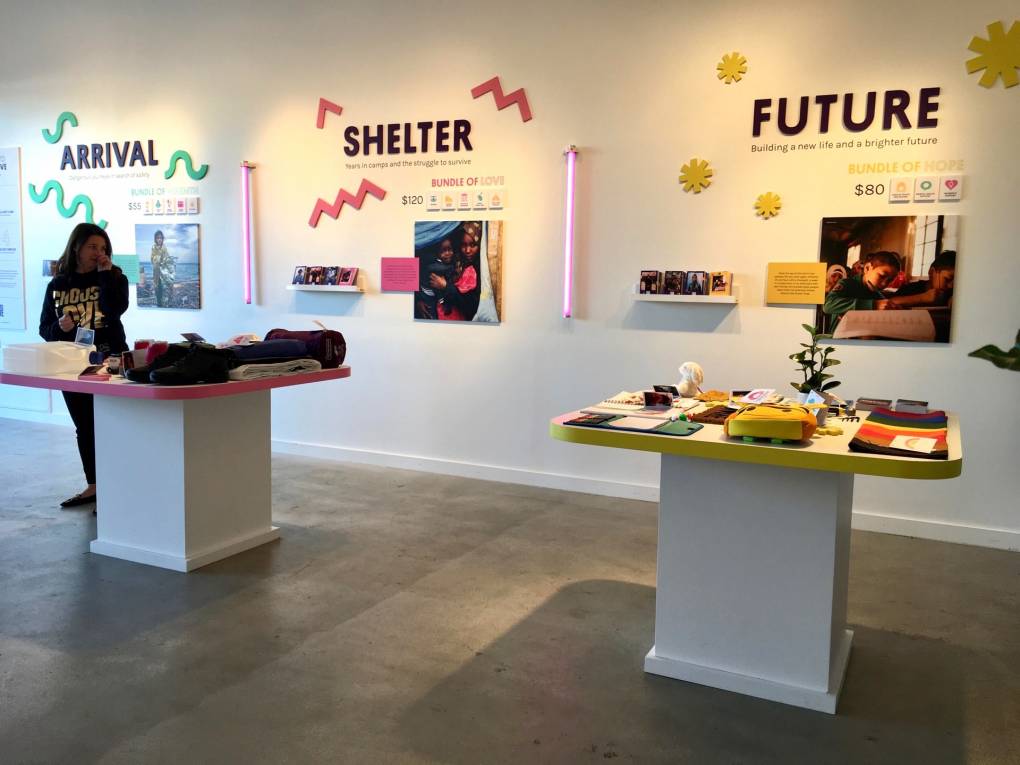
"caption": "The Choose Love pop-up offers different spaces to select gifts for refugees.",
"description": null,
"title": "RS40498_IMG_4244-qut",
"credit": "Molly Peterson/KQED",
"status": "inherit",
"isLoading": false,
"fetchFailed": false
},
"news_11790811": {
"type": "attachments",
"id": "news_11790811",
"meta": {
"index": "attachments_1716263798",
"site": "news",
"id": "11790811",
"found": true
},
"parent": 11790795,
"imgSizes": {
"apple_news_ca_landscape_5_5": {
"file": "https://ww2.kqed.org/app/uploads/sites/10/2019/12/RS40422_Dosshaus_Paper-Thin-Hotel_Pop-Goes-qut-1044x783.jpg",
"width": 1044,
"mimeType": "image/jpeg",
"height": 783
},
"apple_news_ca_square_4_0": {
"file": "https://ww2.kqed.org/app/uploads/sites/10/2019/12/RS40422_Dosshaus_Paper-Thin-Hotel_Pop-Goes-qut-470x470.jpg",
"width": 470,
"mimeType": "image/jpeg",
"height": 470
},
"twentyfourteen-full-width": {
"file": "https://ww2.kqed.org/app/uploads/sites/10/2019/12/RS40422_Dosshaus_Paper-Thin-Hotel_Pop-Goes-qut-1038x576.jpg",
"width": 1038,
"mimeType": "image/jpeg",
"height": 576
},
"thumbnail": {
"file": "https://ww2.kqed.org/app/uploads/sites/10/2019/12/RS40422_Dosshaus_Paper-Thin-Hotel_Pop-Goes-qut-160x107.jpg",
"width": 160,
"mimeType": "image/jpeg",
"height": 107
},
"post-thumbnail": {
"file": "https://ww2.kqed.org/app/uploads/sites/10/2019/12/RS40422_Dosshaus_Paper-Thin-Hotel_Pop-Goes-qut-672x372.jpg",
"width": 672,
"mimeType": "image/jpeg",
"height": 372
},
"kqedFullSize": {
"file": "https://ww2.kqed.org/app/uploads/sites/10/2019/12/RS40422_Dosshaus_Paper-Thin-Hotel_Pop-Goes-qut.jpg",
"width": 1500,
"height": 1000
},
"apple_news_ca_landscape_4_7": {
"file": "https://ww2.kqed.org/app/uploads/sites/10/2019/12/RS40422_Dosshaus_Paper-Thin-Hotel_Pop-Goes-qut-632x474.jpg",
"width": 632,
"mimeType": "image/jpeg",
"height": 474
},
"large": {
"file": "https://ww2.kqed.org/app/uploads/sites/10/2019/12/RS40422_Dosshaus_Paper-Thin-Hotel_Pop-Goes-qut-1020x680.jpg",
"width": 1020,
"mimeType": "image/jpeg",
"height": 680
},
"complete_open_graph": {
"file": "https://ww2.kqed.org/app/uploads/sites/10/2019/12/RS40422_Dosshaus_Paper-Thin-Hotel_Pop-Goes-qut-1200x800.jpg",
"width": 1200,
"mimeType": "image/jpeg",
"height": 800
},
"apple_news_ca_landscape_4_0": {
"file": "https://ww2.kqed.org/app/uploads/sites/10/2019/12/RS40422_Dosshaus_Paper-Thin-Hotel_Pop-Goes-qut-536x402.jpg",
"width": 536,
"mimeType": "image/jpeg",
"height": 402
},
"apple_news_ca_portrait_12_9": {
"file": "https://ww2.kqed.org/app/uploads/sites/10/2019/12/RS40422_Dosshaus_Paper-Thin-Hotel_Pop-Goes-qut-1122x1000.jpg",
"width": 1122,
"mimeType": "image/jpeg",
"height": 1000
},
"medium": {
"file": "https://ww2.kqed.org/app/uploads/sites/10/2019/12/RS40422_Dosshaus_Paper-Thin-Hotel_Pop-Goes-qut-800x533.jpg",
"width": 800,
"mimeType": "image/jpeg",
"height": 533
},
"apple_news_ca_portrait_4_0": {
"file": "https://ww2.kqed.org/app/uploads/sites/10/2019/12/RS40422_Dosshaus_Paper-Thin-Hotel_Pop-Goes-qut-354x472.jpg",
"width": 354,
"mimeType": "image/jpeg",
"height": 472
},
"apple_news_ca_portrait_9_7": {
"file": "https://ww2.kqed.org/app/uploads/sites/10/2019/12/RS40422_Dosshaus_Paper-Thin-Hotel_Pop-Goes-qut-840x1000.jpg",
"width": 840,
"mimeType": "image/jpeg",
"height": 1000
},
"apple_news_ca_square_9_7": {
"file": "https://ww2.kqed.org/app/uploads/sites/10/2019/12/RS40422_Dosshaus_Paper-Thin-Hotel_Pop-Goes-qut-1104x1000.jpg",
"width": 1104,
"mimeType": "image/jpeg",
"height": 1000
},
"apple_news_ca_portrait_4_7": {
"file": "https://ww2.kqed.org/app/uploads/sites/10/2019/12/RS40422_Dosshaus_Paper-Thin-Hotel_Pop-Goes-qut-414x552.jpg",
"width": 414,
"mimeType": "image/jpeg",
"height": 552
},
"apple_news_ca_square_12_9": {
"file": "https://ww2.kqed.org/app/uploads/sites/10/2019/12/RS40422_Dosshaus_Paper-Thin-Hotel_Pop-Goes-qut-1472x1000.jpg",
"width": 1472,
"mimeType": "image/jpeg",
"height": 1000
},
"apple_news_ca_portrait_5_5": {
"file": "https://ww2.kqed.org/app/uploads/sites/10/2019/12/RS40422_Dosshaus_Paper-Thin-Hotel_Pop-Goes-qut-687x916.jpg",
"width": 687,
"mimeType": "image/jpeg",
"height": 916
},
"apple_news_ca_square_4_7": {
"file": "https://ww2.kqed.org/app/uploads/sites/10/2019/12/RS40422_Dosshaus_Paper-Thin-Hotel_Pop-Goes-qut-550x550.jpg",
"width": 550,
"mimeType": "image/jpeg",
"height": 550
},
"apple_news_ca_landscape_9_7": {
"file": "https://ww2.kqed.org/app/uploads/sites/10/2019/12/RS40422_Dosshaus_Paper-Thin-Hotel_Pop-Goes-qut-1376x1000.jpg",
"width": 1376,
"mimeType": "image/jpeg",
"height": 1000
},
"apple_news_ca_square_5_5": {
"file": "https://ww2.kqed.org/app/uploads/sites/10/2019/12/RS40422_Dosshaus_Paper-Thin-Hotel_Pop-Goes-qut-912x912.jpg",
"width": 912,
"mimeType": "image/jpeg",
"height": 912
}
},
"publishDate": 1576108978,
"modified": 1576109117,
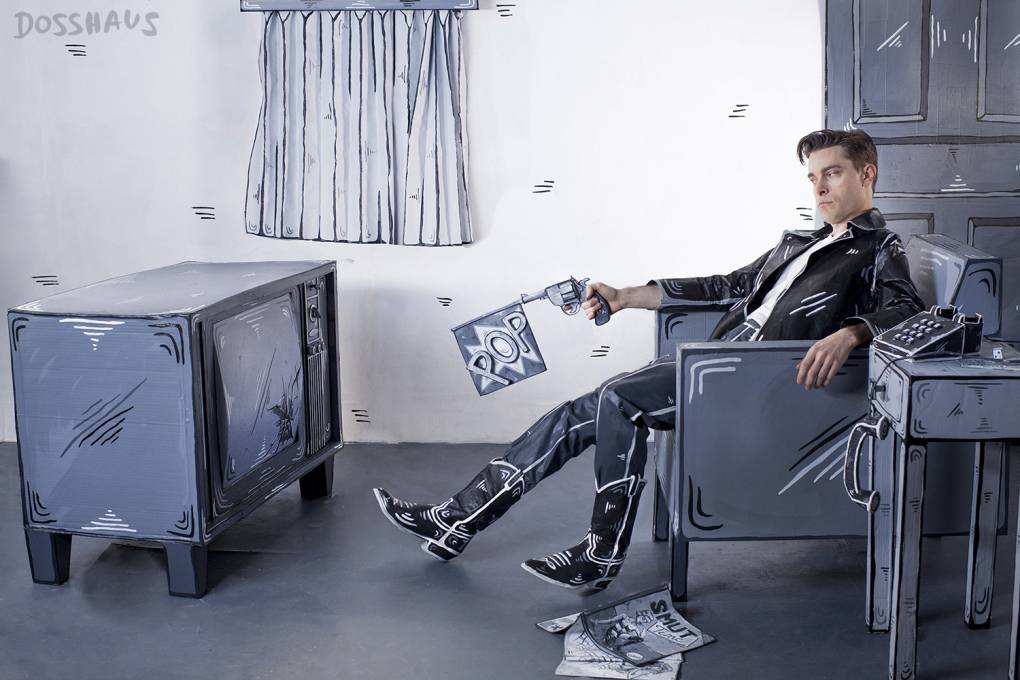
"caption": "Artist David Connelly at his Paper Thin Hotel exhibition, where every single item is made from cardboard, tape, and glue.",
"description": null,
"title": "RS40422_Dosshaus_Paper Thin Hotel_Pop Goes-qut",
"credit": "Courtesy of Dosshaus",
"status": "inherit",
"isLoading": false,
"fetchFailed": false
},
"news_11790007": {
"type": "attachments",
"id": "news_11790007",
"meta": {
"index": "attachments_1716263798",
"site": "news",
"id": "11790007",
"found": true
},
"parent": 11790005,
"imgSizes": {
"apple_news_ca_landscape_5_5": {
"file": "https://ww2.kqed.org/app/uploads/sites/10/2019/12/federal_courthouse_slave_mart_1920-1044x783.jpg",
"width": 1044,
"mimeType": "image/jpeg",
"height": 783
},
"apple_news_ca_square_4_0": {
"file": "https://ww2.kqed.org/app/uploads/sites/10/2019/12/federal_courthouse_slave_mart_1920-470x470.jpg",
"width": 470,
"mimeType": "image/jpeg",
"height": 470
},
"twentyfourteen-full-width": {
"file": "https://ww2.kqed.org/app/uploads/sites/10/2019/12/federal_courthouse_slave_mart_1920-1038x576.jpg",
"width": 1038,
"mimeType": "image/jpeg",
"height": 576
},
"thumbnail": {
"file": "https://ww2.kqed.org/app/uploads/sites/10/2019/12/federal_courthouse_slave_mart_1920-160x107.jpg",
"width": 160,
"mimeType": "image/jpeg",
"height": 107
},
"post-thumbnail": {
"file": "https://ww2.kqed.org/app/uploads/sites/10/2019/12/federal_courthouse_slave_mart_1920-672x372.jpg",
"width": 672,
"mimeType": "image/jpeg",
"height": 372
},
"kqedFullSize": {
"file": "https://ww2.kqed.org/app/uploads/sites/10/2019/12/federal_courthouse_slave_mart_1920.jpg",
"width": 1920,
"height": 1280
},
"apple_news_ca_landscape_4_7": {
"file": "https://ww2.kqed.org/app/uploads/sites/10/2019/12/federal_courthouse_slave_mart_1920-632x474.jpg",
"width": 632,
"mimeType": "image/jpeg",
"height": 474
},
"large": {
"file": "https://ww2.kqed.org/app/uploads/sites/10/2019/12/federal_courthouse_slave_mart_1920-1020x680.jpg",
"width": 1020,
"mimeType": "image/jpeg",
"height": 680
},
"complete_open_graph": {
"file": "https://ww2.kqed.org/app/uploads/sites/10/2019/12/federal_courthouse_slave_mart_1920-1200x800.jpg",
"width": 1200,
"mimeType": "image/jpeg",
"height": 800
},
"apple_news_ca_landscape_4_0": {
"file": "https://ww2.kqed.org/app/uploads/sites/10/2019/12/federal_courthouse_slave_mart_1920-536x402.jpg",
"width": 536,
"mimeType": "image/jpeg",
"height": 402
},
"apple_news_ca_portrait_12_9": {
"file": "https://ww2.kqed.org/app/uploads/sites/10/2019/12/federal_courthouse_slave_mart_1920-1122x1280.jpg",
"width": 1122,
"mimeType": "image/jpeg",
"height": 1280
},
"medium": {
"file": "https://ww2.kqed.org/app/uploads/sites/10/2019/12/federal_courthouse_slave_mart_1920-800x533.jpg",
"width": 800,
"mimeType": "image/jpeg",
"height": 533
},
"apple_news_ca_portrait_4_0": {
"file": "https://ww2.kqed.org/app/uploads/sites/10/2019/12/federal_courthouse_slave_mart_1920-354x472.jpg",
"width": 354,
"mimeType": "image/jpeg",
"height": 472
},
"apple_news_ca_portrait_9_7": {
"file": "https://ww2.kqed.org/app/uploads/sites/10/2019/12/federal_courthouse_slave_mart_1920-840x1120.jpg",
"width": 840,
"mimeType": "image/jpeg",
"height": 1120
},
"apple_news_ca_landscape_12_9": {
"file": "https://ww2.kqed.org/app/uploads/sites/10/2019/12/federal_courthouse_slave_mart_1920-1832x1280.jpg",
"width": 1832,
"mimeType": "image/jpeg",
"height": 1280
},
"apple_news_ca_square_9_7": {
"file": "https://ww2.kqed.org/app/uploads/sites/10/2019/12/federal_courthouse_slave_mart_1920-1104x1104.jpg",
"width": 1104,
"mimeType": "image/jpeg",
"height": 1104
},
"apple_news_ca_portrait_4_7": {
"file": "https://ww2.kqed.org/app/uploads/sites/10/2019/12/federal_courthouse_slave_mart_1920-414x552.jpg",
"width": 414,
"mimeType": "image/jpeg",
"height": 552
},
"apple_news_ca_square_12_9": {
"file": "https://ww2.kqed.org/app/uploads/sites/10/2019/12/federal_courthouse_slave_mart_1920-1472x1280.jpg",
"width": 1472,
"mimeType": "image/jpeg",
"height": 1280
},
"apple_news_ca_portrait_5_5": {
"file": "https://ww2.kqed.org/app/uploads/sites/10/2019/12/federal_courthouse_slave_mart_1920-687x916.jpg",
"width": 687,
"mimeType": "image/jpeg",
"height": 916
},
"full-width": {
"file": "https://ww2.kqed.org/app/uploads/sites/10/2019/12/federal_courthouse_slave_mart_1920-1920x1280.jpg",
"width": 1920,
"mimeType": "image/jpeg",
"height": 1280
},
"apple_news_ca_square_4_7": {
"file": "https://ww2.kqed.org/app/uploads/sites/10/2019/12/federal_courthouse_slave_mart_1920-550x550.jpg",
"width": 550,
"mimeType": "image/jpeg",
"height": 550
},
"apple_news_ca_landscape_9_7": {
"file": "https://ww2.kqed.org/app/uploads/sites/10/2019/12/federal_courthouse_slave_mart_1920-1376x1032.jpg",
"width": 1376,
"mimeType": "image/jpeg",
"height": 1032
},
"apple_news_ca_square_5_5": {
"file": "https://ww2.kqed.org/app/uploads/sites/10/2019/12/federal_courthouse_slave_mart_1920-912x912.jpg",
"width": 912,
"mimeType": "image/jpeg",
"height": 912
}
},
"publishDate": 1575659662,
"modified": 1575673570,
"caption": "The site of the Indian slave auction today: the U.S. Courthouse.",
"description": "The site of the Indian slave auction today: the Federal Courthouse.",
"title": "federal_courthouse_slave_mart_1920",
"credit": "Robert Petersen/KCET",
"status": "inherit",
"isLoading": false,
"fetchFailed": false
},
"news_11764382": {
"type": "attachments",
"id": "news_11764382",
"meta": {
"index": "attachments_1716263798",
"site": "news",
"id": "11764382",
"found": true
},
"parent": 11764275,
"imgSizes": {
"apple_news_ca_landscape_5_5": {
"file": "https://ww2.kqed.org/app/uploads/sites/10/2019/07/RS38251_FGF12332-qut-1044x783.jpg",
"width": 1044,
"mimeType": "image/jpeg",
"height": 783
},
"apple_news_ca_square_4_0": {
"file": "https://ww2.kqed.org/app/uploads/sites/10/2019/07/RS38251_FGF12332-qut-470x470.jpg",
"width": 470,
"mimeType": "image/jpeg",
"height": 470
},
"twentyfourteen-full-width": {
"file": "https://ww2.kqed.org/app/uploads/sites/10/2019/07/RS38251_FGF12332-qut-1038x576.jpg",
"width": 1038,
"mimeType": "image/jpeg",
"height": 576
},
"thumbnail": {
"file": "https://ww2.kqed.org/app/uploads/sites/10/2019/07/RS38251_FGF12332-qut-160x107.jpg",
"width": 160,
"mimeType": "image/jpeg",
"height": 107
},
"post-thumbnail": {
"file": "https://ww2.kqed.org/app/uploads/sites/10/2019/07/RS38251_FGF12332-qut-672x372.jpg",
"width": 672,
"mimeType": "image/jpeg",
"height": 372
},
"kqedFullSize": {
"file": "https://ww2.kqed.org/app/uploads/sites/10/2019/07/RS38251_FGF12332-qut.jpg",
"width": 1920,
"height": 1280
},
"apple_news_ca_landscape_4_7": {
"file": "https://ww2.kqed.org/app/uploads/sites/10/2019/07/RS38251_FGF12332-qut-632x474.jpg",
"width": 632,
"mimeType": "image/jpeg",
"height": 474
},
"large": {
"file": "https://ww2.kqed.org/app/uploads/sites/10/2019/07/RS38251_FGF12332-qut-1020x680.jpg",
"width": 1020,
"mimeType": "image/jpeg",
"height": 680
},
"complete_open_graph": {
"file": "https://ww2.kqed.org/app/uploads/sites/10/2019/07/RS38251_FGF12332-qut-1200x800.jpg",
"width": 1200,
"mimeType": "image/jpeg",
"height": 800
},
"apple_news_ca_landscape_4_0": {
"file": "https://ww2.kqed.org/app/uploads/sites/10/2019/07/RS38251_FGF12332-qut-536x402.jpg",
"width": 536,
"mimeType": "image/jpeg",
"height": 402
},
"apple_news_ca_portrait_12_9": {
"file": "https://ww2.kqed.org/app/uploads/sites/10/2019/07/RS38251_FGF12332-qut-1122x1280.jpg",
"width": 1122,
"mimeType": "image/jpeg",
"height": 1280
},
"medium": {
"file": "https://ww2.kqed.org/app/uploads/sites/10/2019/07/RS38251_FGF12332-qut-800x533.jpg",
"width": 800,
"mimeType": "image/jpeg",
"height": 533
},
"apple_news_ca_portrait_4_0": {
"file": "https://ww2.kqed.org/app/uploads/sites/10/2019/07/RS38251_FGF12332-qut-354x472.jpg",
"width": 354,
"mimeType": "image/jpeg",
"height": 472
},
"apple_news_ca_portrait_9_7": {
"file": "https://ww2.kqed.org/app/uploads/sites/10/2019/07/RS38251_FGF12332-qut-840x1120.jpg",
"width": 840,
"mimeType": "image/jpeg",
"height": 1120
},
"apple_news_ca_landscape_12_9": {
"file": "https://ww2.kqed.org/app/uploads/sites/10/2019/07/RS38251_FGF12332-qut-1832x1280.jpg",
"width": 1832,
"mimeType": "image/jpeg",
"height": 1280
},
"apple_news_ca_square_9_7": {
"file": "https://ww2.kqed.org/app/uploads/sites/10/2019/07/RS38251_FGF12332-qut-1104x1104.jpg",
"width": 1104,
"mimeType": "image/jpeg",
"height": 1104
},
"apple_news_ca_portrait_4_7": {
"file": "https://ww2.kqed.org/app/uploads/sites/10/2019/07/RS38251_FGF12332-qut-414x552.jpg",
"width": 414,
"mimeType": "image/jpeg",
"height": 552
},
"apple_news_ca_square_12_9": {
"file": "https://ww2.kqed.org/app/uploads/sites/10/2019/07/RS38251_FGF12332-qut-1472x1280.jpg",
"width": 1472,
"mimeType": "image/jpeg",
"height": 1280
},
"apple_news_ca_portrait_5_5": {
"file": "https://ww2.kqed.org/app/uploads/sites/10/2019/07/RS38251_FGF12332-qut-687x916.jpg",
"width": 687,
"mimeType": "image/jpeg",
"height": 916
},
"full-width": {
"file": "https://ww2.kqed.org/app/uploads/sites/10/2019/07/RS38251_FGF12332-qut-1920x1280.jpg",
"width": 1920,
"mimeType": "image/jpeg",
"height": 1280
},
"apple_news_ca_square_4_7": {
"file": "https://ww2.kqed.org/app/uploads/sites/10/2019/07/RS38251_FGF12332-qut-550x550.jpg",
"width": 550,
"mimeType": "image/jpeg",
"height": 550
},
"apple_news_ca_landscape_9_7": {
"file": "https://ww2.kqed.org/app/uploads/sites/10/2019/07/RS38251_FGF12332-qut-1376x1032.jpg",
"width": 1376,
"mimeType": "image/jpeg",
"height": 1032
},
"apple_news_ca_square_5_5": {
"file": "https://ww2.kqed.org/app/uploads/sites/10/2019/07/RS38251_FGF12332-qut-912x912.jpg",
"width": 912,
"mimeType": "image/jpeg",
"height": 912
}
},
"publishDate": 1564524934,
"modified": 1564534209,
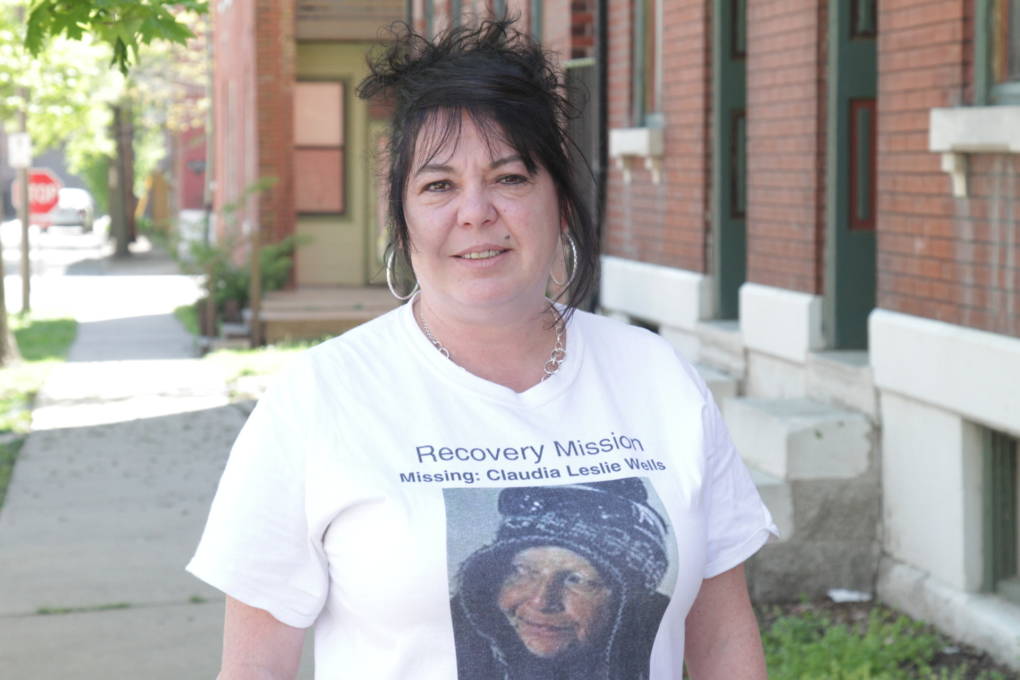
"caption": "Robin Burton's search for her mother, presumed homeless in California, has morphed into a mission to serve as a guide for other families looking for their loved ones. She started a Facebook group called Missing & Homeless, followed by more than 60,000 people.",
"description": "Robin Burton's search for her mother, presumed homeless in California, has morphed into a mission to serve as a guide for other families looking for their loved ones. She started a Facebook group called \"Missing & Homeless\" followed by more than 60,000 people.",
"title": "RS38251_FGF12332-qut",
"credit": "Courtesy of Fritz Faerber",
"status": "inherit",
"isLoading": false,
"fetchFailed": false
}
},
"audioPlayerReducer": {
"postId": "stream_live",
"isPaused": true,
"isPlaying": false,
"pfsActive": false,
"pledgeModalIsOpen": true,
"playerDrawerIsOpen": false,
"liveAudioPlayStartedAt": 0,
"liveAudioPlayContext": ""
},
"authorsReducer": {
"byline_news_11818855": {
"type": "authors",
"id": "byline_news_11818855",
"meta": {
"override": true
},
"slug": "byline_news_11818855",
"name": "Deepa Fernandes",
"isLoading": false
},
"byline_news_11799803": {
"type": "authors",
"id": "byline_news_11799803",
"meta": {
"override": true
},
"slug": "byline_news_11799803",
"name": "Stefanie Dazio\u003cbr>Associated Press",
"isLoading": false
},
"byline_news_11796231": {
"type": "authors",
"id": "byline_news_11796231",
"meta": {
"override": true
},
"slug": "byline_news_11796231",
"name": "Avishay Artsy",
"isLoading": false
},
"byline_news_11793633": {
"type": "authors",
"id": "byline_news_11793633",
"meta": {
"override": true
},
"slug": "byline_news_11793633",
"name": "\u003cstrong>Anna Scott, KCRW\u003c/strong>",
"isLoading": false
},
"byline_news_11790005": {
"type": "authors",
"id": "byline_news_11790005",
"meta": {
"override": true
},
"slug": "byline_news_11790005",
"name": "\u003cstrong>\u003ca href=\"https://www.kcet.org/author/robert-petersen\">Robert Petersen\u003c/a>\u003cbr />\u003ca href=\"https://www.kcet.org/\">KCET\u003c/a>\u003c/strong>",
"isLoading": false
},
"kqed": {
"type": "authors",
"id": "236",
"meta": {
"index": "authors_1716337520",
"id": "236",
"found": true
},
"name": "KQED News Staff",
"firstName": "KQED News Staff",
"lastName": null,
"slug": "kqed",
"email": "faq@kqed.org",
"display_author_email": false,
"staff_mastheads": [],
"title": null,
"bio": null,
"avatar": "https://secure.gravatar.com/avatar/ef0e801a68c4c54afa9180db14084167?s=600&d=blank&r=g",
"twitter": null,
"facebook": null,
"instagram": null,
"linkedin": null,
"sites": [
{
"site": "arts",
"roles": [
"contributor"
]
},
{
"site": "news",
"roles": [
"editor"
]
},
{
"site": "futureofyou",
"roles": [
"author"
]
}
],
"headData": {
"title": "KQED News Staff | KQED",
"description": null,
"ogImgSrc": "https://secure.gravatar.com/avatar/ef0e801a68c4c54afa9180db14084167?s=600&d=blank&r=g",
"twImgSrc": "https://secure.gravatar.com/avatar/ef0e801a68c4c54afa9180db14084167?s=600&d=blank&r=g"
},
"isLoading": false,
"link": "/author/kqed"
},
"rachael-myrow": {
"type": "authors",
"id": "251",
"meta": {
"index": "authors_1716337520",
"id": "251",
"found": true
},
"name": "Rachael Myrow",
"firstName": "Rachael",
"lastName": "Myrow",
"slug": "rachael-myrow",
"email": "rmyrow@kqed.org",
"display_author_email": true,
"staff_mastheads": [
"news"
],
"title": "Senior Editor of KQED's Silicon Valley News Desk",
"bio": "• I write and edit stories about how Silicon Valley power and policies shape everyday life in California. I’m also passionate about making Bay Area history and culture more accessible to a broad public. • I’ve been a journalist for most of my life, starting in high school with The Franklin Press in Los Angeles, where I grew up. While earning my first degree in English at UC Berkeley, I got my start in public radio at KALX-FM. After completing a second degree in journalism at Cal, I landed my first professional job at Marketplace, then moved on to KPCC (now LAist), and then KQED, where I hosted The California Report for more than seven years. • My reporting has appeared on NPR, The World, WBUR’s \u003ci>Here & Now\u003c/i>, and the BBC. I also guest host for KQED’s \u003ci>Forum\u003c/i>, as well as the Commonwealth Club in San Francisco. • I speak periodically on media, democracy and technology issues, and do voiceover work for documentaries and educational video projects. • Outside of the studio, you'll find me hiking Bay Area trails and whipping up Insta-ready meals in my kitchen. • I do not accept gifts, money, or favors from anyone connected to my reporting, I don't pay people for information, and I do not support or donate to political causes. • I strive to treat the people I report on with fairness, honesty, and respect. I also recognize there are often multiple sides to a story and work to verify information through multiple sources and documentation. If I get something wrong, I correct it.",
"avatar": "https://secure.gravatar.com/avatar/3ed8a3c5f26025e4a805ba634cda8cd764906b97438a6d9ce216b044e340da4e?s=600&d=blank&r=g",
"twitter": "rachaelmyrow",
"bluesky": null,
"facebook": null,
"instagram": null,
"linkedin": "https://www.linkedin.com/in/rachaelmyrow/",
"sites": [
{
"site": "arts",
"roles": [
"administrator"
]
},
{
"site": "news",
"roles": [
"edit_others_posts",
"editor"
]
},
{
"site": "futureofyou",
"roles": [
"editor"
]
},
{
"site": "bayareabites",
"roles": [
"editor"
]
},
{
"site": "stateofhealth",
"roles": [
"editor"
]
},
{
"site": "science",
"roles": [
"editor"
]
},
{
"site": "food",
"roles": [
"editor"
]
},
{
"site": "forum",
"roles": [
"editor"
]
},
{
"site": "liveblog",
"roles": [
"author"
]
}
],
"headData": {
"title": "Rachael Myrow | KQED",
"description": "Senior Editor of KQED's Silicon Valley News Desk",
"ogImgSrc": "https://secure.gravatar.com/avatar/3ed8a3c5f26025e4a805ba634cda8cd764906b97438a6d9ce216b044e340da4e?s=600&d=blank&r=g",
"twImgSrc": "https://secure.gravatar.com/avatar/3ed8a3c5f26025e4a805ba634cda8cd764906b97438a6d9ce216b044e340da4e?s=600&d=blank&r=g"
},
"isLoading": false,
"link": "/author/rachael-myrow"
},
"carlysevern": {
"type": "authors",
"id": "3243",
"meta": {
"index": "authors_1716337520",
"id": "3243",
"found": true
},
"name": "Carly Severn",
"firstName": "Carly",
"lastName": "Severn",
"slug": "carlysevern",
"email": "csevern@kqed.org",
"display_author_email": false,
"staff_mastheads": [
"news"
],
"title": "Senior Editor, Audience News ",
"bio": "Carly is KQED's Senior Editor of Audience News on the Digital News team, and has reported for the California Report Magazine, Bay Curious and KQED Arts. She's formerly the host of \u003ca href=\"http://ww2.kqed.org/pop/category/the-cooler/\" rel=\"noopener noreferrer\">The Cooler\u003c/a> podcast.",
"avatar": "https://secure.gravatar.com/avatar/54037bf5c128fe678f0ef26cec97a93f2e7f220a22d7285703328f12c42c1b1d?s=600&d=blank&r=g",
"twitter": "teacupinthebay",
"bluesky": null,
"facebook": null,
"instagram": null,
"linkedin": null,
"sites": [
{
"site": "",
"roles": [
"editor"
]
},
{
"site": "arts",
"roles": [
"editor"
]
},
{
"site": "news",
"roles": [
"administrator"
]
},
{
"site": "pop",
"roles": [
"editor"
]
},
{
"site": "futureofyou",
"roles": [
"editor"
]
},
{
"site": "about",
"roles": [
"administrator"
]
},
{
"site": "mindshift",
"roles": [
"editor"
]
},
{
"site": "bayareabites",
"roles": [
"editor"
]
},
{
"site": "stateofhealth",
"roles": [
"editor"
]
},
{
"site": "science",
"roles": [
"editor"
]
},
{
"site": "food",
"roles": [
"contributor"
]
},
{
"site": "forum",
"roles": [
"editor"
]
},
{
"site": "perspectives",
"roles": [
"administrator"
]
},
{
"site": "liveblog",
"roles": [
"editor"
]
}
],
"headData": {
"title": "Carly Severn | KQED",
"description": "Senior Editor, Audience News ",
"ogImgSrc": "https://secure.gravatar.com/avatar/54037bf5c128fe678f0ef26cec97a93f2e7f220a22d7285703328f12c42c1b1d?s=600&d=blank&r=g",
"twImgSrc": "https://secure.gravatar.com/avatar/54037bf5c128fe678f0ef26cec97a93f2e7f220a22d7285703328f12c42c1b1d?s=600&d=blank&r=g"
},
"isLoading": false,
"link": "/author/carlysevern"
},
"mpeterson": {
"type": "authors",
"id": "11223",
"meta": {
"index": "authors_1716337520",
"id": "11223",
"found": true
},
"name": "Molly Peterson",
"firstName": "Molly",
"lastName": "Peterson",
"slug": "mpeterson",
"email": "mpeterson@kqed.org",
"display_author_email": false,
"staff_mastheads": [],
"title": null,
"bio": "Molly Peterson reports for KQED science and news on climate change, catastrophe and risk. Previously she was environment correspondent at Southern California Public Radio. Her work has also appeared at The New York Times, The Guardian, on NPR, at High Country News, on Code Switch, and other national outlets. She has been honored with awards from Public Radio News Directors Incorporated, Investigative Reporters and Editors, the Society for Professional Journalists, the Los Angeles Press Club, and RTNDA Edward R. Murrow awards, among others.",
"avatar": "https://secure.gravatar.com/avatar/7908e2807131f776cc8165c649530b05?s=600&d=blank&r=g",
"twitter": "Mollydacious",
"facebook": null,
"instagram": "https://www.instagram.com/radiomolly/",
"linkedin": null,
"sites": [
{
"site": "news",
"roles": [
"subscriber"
]
},
{
"site": "futureofyou",
"roles": [
"editor"
]
},
{
"site": "science",
"roles": [
"editor"
]
}
],
"headData": {
"title": "Molly Peterson | KQED",
"description": null,
"ogImgSrc": "https://secure.gravatar.com/avatar/7908e2807131f776cc8165c649530b05?s=600&d=blank&r=g",
"twImgSrc": "https://secure.gravatar.com/avatar/7908e2807131f776cc8165c649530b05?s=600&d=blank&r=g"
},
"isLoading": false,
"link": "/author/mpeterson"
},
"aehsanipour": {
"type": "authors",
"id": "11580",
"meta": {
"index": "authors_1716337520",
"id": "11580",
"found": true
},
"name": "Asal Ehsanipour",
"firstName": "Asal",
"lastName": "Ehsanipour",
"slug": "aehsanipour",
"email": "aehsanipour@kqed.org",
"display_author_email": false,
"staff_mastheads": [],
"title": "Reporter and Producer",
"bio": "Asal Ehsanipour is a producer and reporter for Rightnowish, Bay Curious and The California Report Magazine. She is also a producer for \u003ca href=\"https://www.thedoubleshift.com/\">The Double Shift\u003c/a>, a podcast about a new generation of working mothers. In 2018, Asal was named an Emerging Journalist Fellow by the Journalism and Women’s Symposium. Her work has appeared on KQED, KALW, PRI’s The World, and in several food and travel publications.",
"avatar": "https://secure.gravatar.com/avatar/c0e210438f5dca1b76921ff9f0eada52?s=600&d=blank&r=g",
"twitter": null,
"facebook": null,
"instagram": null,
"linkedin": null,
"sites": [
{
"site": "arts",
"roles": []
},
{
"site": "news",
"roles": [
"author",
"edit_others_posts"
]
}
],
"headData": {
"title": "Asal Ehsanipour | KQED",
"description": "Reporter and Producer",
"ogImgSrc": "https://secure.gravatar.com/avatar/c0e210438f5dca1b76921ff9f0eada52?s=600&d=blank&r=g",
"twImgSrc": "https://secure.gravatar.com/avatar/c0e210438f5dca1b76921ff9f0eada52?s=600&d=blank&r=g"
},
"isLoading": false,
"link": "/author/aehsanipour"
},
"amarkowitz": {
"type": "authors",
"id": "11660",
"meta": {
"index": "authors_1716337520",
"id": "11660",
"found": true
},
"name": "Ariella Markowitz",
"firstName": "Ariella",
"lastName": "Markowitz",
"slug": "amarkowitz",
"email": "amarkowitz@kqed.org",
"display_author_email": false,
"staff_mastheads": [],
"title": "KQED Contributor",
"bio": "Ariella is a former intern for the California Report Magazine. Before that, she helped mobilize freelance journalists with Association of Independents in Radio (AIR) and made radio features for KALW. Ariella loves investigative reporting, personal stories that interrogate power, and spicy vegan cooking.",
"avatar": "https://secure.gravatar.com/avatar/7076c77064fecef602a2c779f2b9e1d33cb6f9b5fa13542bd1a6e2846a7c85a9?s=600&d=blank&r=g",
"twitter": "ariellaudio",
"bluesky": null,
"facebook": null,
"instagram": null,
"linkedin": null,
"sites": [
{
"site": "news",
"roles": [
"author"
]
},
{
"site": "forum",
"roles": [
"editor"
]
},
{
"site": "perspectives",
"roles": [
"administrator"
]
}
],
"headData": {
"title": "Ariella Markowitz | KQED",
"description": "KQED Contributor",
"ogImgSrc": "https://secure.gravatar.com/avatar/7076c77064fecef602a2c779f2b9e1d33cb6f9b5fa13542bd1a6e2846a7c85a9?s=600&d=blank&r=g",
"twImgSrc": "https://secure.gravatar.com/avatar/7076c77064fecef602a2c779f2b9e1d33cb6f9b5fa13542bd1a6e2846a7c85a9?s=600&d=blank&r=g"
},
"isLoading": false,
"link": "/author/amarkowitz"
}
},
"pagesReducer": {
"news_tag_los-angeles": {
"type": "terms",
"id": "news_4",
"meta": {
"index": "terms_1716263798",
"site": "news",
"id": "4",
"score": 8.557587
},
"featImg": null,
"name": "los angeles",
"description": null,
"taxonomy": "tag",
"headData": {
"twImgId": null,
"twTitle": null,
"ogTitle": null,
"ogImgId": null,
"twDescription": null,
"description": null,
"title": "los angeles Archives | KQED News",
"ogDescription": null
},
"ttid": 4,
"slug": "los-angeles",
"isLoading": false,
"title": "los angeles",
"pageMeta": {
"site": "news",
"WpPageTemplate": "page-topic-editorial",
"currentPage": 14
},
"blocks": [
{
"blockName": "kqed/post-list",
"attrs": {
"layout": "cardArticle2",
"query": "posts/news?tag=los-angeles",
"seeMore": false,
"paginated": true,
"page": 14
}
},
{
"blockName": "kqed/ad"
}
]
}
},
"pfsSessionReducer": {},
"postsReducer": {
"stream_live": {
"type": "live",
"id": "stream_live",
"audioUrl": "https://streams.kqed.org/kqedradio",
"title": "Live Stream",
"excerpt": "Live Stream information currently unavailable.",
"link": "/radio",
"featImg": "",
"label": {
"name": "KQED Live",
"link": "/"
}
},
"stream_kqedNewscast": {
"type": "posts",
"id": "stream_kqedNewscast",
"audioUrl": "https://www.kqed.org/.stream/anon/radio/RDnews/newscast.mp3?_=1",
"title": "KQED Newscast",
"featImg": "",
"label": {
"name": "88.5 FM",
"link": "/"
}
},
"news_11848066": {
"type": "posts",
"id": "news_11848066",
"meta": {
"index": "posts_1716263798",
"site": "news",
"id": "11848066",
"score": null,
"sort": [
1605920676000
]
},
"guestAuthors": [],
"slug": "connection-history-and-resilience-capturing-the-heart-of-las-boyle-heights-in-song",
"title": "'Connection, History and Resilience': Capturing the Heart of LA's Boyle Heights in Song",
"publishDate": 1605920676,
"format": "audio",
"headTitle": "‘Connection, History and Resilience’: Capturing the Heart of LA’s Boyle Heights in Song | KQED",
"labelTerm": {
"term": 26731,
"site": "news"
},
"content": "\u003cp>How do sounds capture a neighborhood? What does it mean when local residents archive their own local soundscape?\u003c/p>\n\u003cp>Those are the driving questions behind a new project in the East Los Angeles neighborhood of Boyle Heights. The \u003ca href=\"https://actaonline.org/program/sounds-of-california/\">Alliance for California Traditional Arts\u003c/a> has commissioned 10 original songs from local artists, focused on themes of anti-displacement and belonging, along with stories about the immigrant experience.\u003c/p>\n\u003cp>Grammy Award-winning musician and ACTA program manager \u003ca href=\"https://www.youtube.com/watch?v=uu5laJPLn7g\">Quetzal Flores\u003c/a> has been helping to curate the project.\u003c/p>\n\u003cp>\u003ca href=\"https://podcasts.apple.com/us/podcast/the-california-report-magazine/id1314750545?mt=2\">The California Report Magazine\u003c/a> host Sasha Khokha sat down with Flores to talk about the project, and how it focuses on immigrant narratives and culture. This interview has been edited for length and clarity.\u003c/p>\n\u003cp>https://www.youtube.com/watch?v=Q4Xj0hcpRD0\u003c/p>\n\u003ch3>On Boyle Heights, a Community of Immigrants\u003c/h3>\n\u003cp>[pullquote size=\"medium\" align=\"right\" citation=\"Quetzal Flores\"]‘When you put the narrative in the hands of artists, they tell beautiful, powerful stories of deep connection, deep history, and resilience.’[/pullquote]\u003c/p>\n\u003cp>Boyle Heights has been a community of immigrants since its inception.\u003c/p>\n\u003cp>There were communities that could not live anywhere besides Boyle Heights, Compton or other parts of the city that were designated [for immigrants and BIPOC people] through redlining policies. We look at how the economic powers within the city of Los Angeles are positioning themselves to to gentrify Boyle Heights, to displace people, to prey on economic opportunity in the place that has been their sanctuary.\u003c/p>\n\u003cp>There’s a history of defiance, resistance to power and to the oppressive tactics of capitalism, patriarchy and white supremacy.\u003c/p>\n\u003cfigure id=\"attachment_11848070\" class=\"wp-caption alignnone\" style=\"max-width: 800px\">\u003cimg loading=\"lazy\" decoding=\"async\" class=\"size-medium wp-image-11848070\" src=\"https://ww2.kqed.org/app/uploads/sites/10/2020/11/RS46064_19.-Screen-Shot-2020-11-17-at-12.51.44-PM-qut-800x417.jpg\" alt=\"\" width=\"800\" height=\"417\" srcset=\"https://cdn.kqed.org/wp-content/uploads/sites/10/2020/11/RS46064_19.-Screen-Shot-2020-11-17-at-12.51.44-PM-qut-800x417.jpg 800w, https://cdn.kqed.org/wp-content/uploads/sites/10/2020/11/RS46064_19.-Screen-Shot-2020-11-17-at-12.51.44-PM-qut-1020x532.jpg 1020w, https://cdn.kqed.org/wp-content/uploads/sites/10/2020/11/RS46064_19.-Screen-Shot-2020-11-17-at-12.51.44-PM-qut-160x83.jpg 160w, https://cdn.kqed.org/wp-content/uploads/sites/10/2020/11/RS46064_19.-Screen-Shot-2020-11-17-at-12.51.44-PM-qut-1536x801.jpg 1536w, https://cdn.kqed.org/wp-content/uploads/sites/10/2020/11/RS46064_19.-Screen-Shot-2020-11-17-at-12.51.44-PM-qut.jpg 1920w\" sizes=\"(max-width: 800px) 100vw, 800px\">\u003cfigcaption class=\"wp-caption-text\">A group of anti-eviction protesters in downtown LA. \u003ccite>(Courtesy of Eva Garcia/ACTA)\u003c/cite>\u003c/figcaption>\u003c/figure>\n\u003ch3>On Cross-Cultural Neighborhood Connections\u003c/h3>\n\u003cp>There’s a great story that I was told by a friend: an Eastern European woman would walk by my friend’s house every day [when she was little].\u003c/p>\n\u003cp>One day she stopped and said, ‘Hey, little girl. Come here. What’s that smell? I pass by your house every day and that smell reels me in.’\u003c/p>\n\u003cp>The little girl says, ‘My mom is making tortillas.’ So she brought her a tortilla with some butter on it. And the woman said, ‘This is incredible. Can we exchange? I make sour cream. I will bring you a batch of sour cream every week and you give me tortillas and we’ll exchange.’\u003c/p>\n\u003cp>These two women became best friends and were connected for the rest of their lives.\u003c/p>\n\u003cp>https://www.youtube.com/watch?v=dY4X616IbT4&\u003c/p>\n\u003ch3>On Reclaiming Boyle Heights’ Narrative\u003c/h3>\n\u003cp>Eddika Organista’s song “Their Landing” chronicles her family’s migration story from Tijuana to Boyle Heights — the story of many people living in Boyle Heights. Eddika told the personal story of her parents arriving from Tijuana, being homeless in the city and finding home in Boyle Heights.\u003c/p>\n\u003cp>When artist Nobuko Miyamoto was a young girl, she and her family were incarcerated by the United States government. Coming out of camp they landed in Boyle Heights. Miyamoto sings about seeing her mother restitch their lives back together, and healing from the trauma of being forcibly removed and incarcerated.\u003c/p>\n\u003cp>https://www.youtube.com/watch?v=yqvIyATWcp8\u003c/p>\n\u003cp>[pullquote size=\"medium\" align=\"right\" citation=\"Nobuko Miyamoto\"]‘Boyle Heights was a refuge for many Japanese Americans returning from World War II concentration camps. We found color, a taste for food and music and life that been stolen from us.’[/pullquote]\u003c/p>\n\u003cp>Miyamoto became a trained dancer who landed in Broadway and landed a part also in “West Side Story.” During that period she was very active in the movement for Asian American rights, so she’s been a deeply rooted activist and performer for many years.\u003c/p>\n\u003cp>Miyamoto is also a community elder, and she holds a very important perspective. The cross-generational dialogue within these compositions is key.\u003c/p>\n\u003ch3>On Blending Genres and Languages\u003c/h3>\n\u003cp>Angelica Mata’s song, “Mariachi Plaza” is a song in the collection that is bilingual, both in English and Spanish, and it also blends different genres of music.\u003c/p>\n\u003cp>Angelica is the child of two prominent mariachis in Los Angeles. In “Mariachi Plaza” she blends a lush ballad-like introduction into a mariachi piece with fervor and intensity and pride that mariachi elicits.\u003c/p>\n\u003cp>Angelica’s main tradition is mariachi music, but she’s a lover of all genres of music. She loves Brazilian music. She loves jazz. And lyrically, she loves her neighborhood.\u003c/p>\n\u003cp>https://www.youtube.com/watch?v=sF8CHTptaBo\u003c/p>\n\u003cp>Oftentimes, what happens in the process of gentrifying a community, there’s an erasure of culture and the people.\u003c/p>\n\u003cp>To center the culture and the people is a way of reaffirming our existence — it’s the mirror that people can look at and say to themselves, ‘I matter. I have value. My value is not determined by how much money I make, but the deep connections I have to people in this neighborhood and the sounds that remind me I belong here.’\u003c/p>\n\u003cp>\u003cem>The Sounds of California project will launch a website in the Spring, where listeners can access sounds from many vibrant communities across the state.\u003c/em>\u003c/p>\n\u003cp>[ad fullwidth]\u003c/p>\n\u003cp>\u003c/p>\n",
"blocks": [],
"excerpt": "A new collection of songs by neighborhood artists celebrates the immigrant roots of LA's Boyle Heights.",
"status": "publish",
"parent": 0,
"modified": 1721151735,
"stats": {
"hasAudio": false,
"hasVideo": true,
"hasChartOrMap": false,
"iframeSrcs": [],
"hasGoogleForm": false,
"hasGallery": false,
"hasHearkenModule": false,
"hasPolis": false,
"paragraphCount": 25,
"wordCount": 877
},
"headData": {
"title": "'Connection, History and Resilience': Capturing the Heart of LA's Boyle Heights in Song | KQED",
"description": "A new collection of songs by neighborhood artists celebrates the immigrant roots of LA's Boyle Heights.",
"ogTitle": "",
"ogDescription": "",
"ogImgId": "",
"twTitle": "",
"twDescription": "",
"twImgId": "",
"schema": {
"@context": "https://schema.org",
"@type": "NewsArticle",
"headline": "'Connection, History and Resilience': Capturing the Heart of LA's Boyle Heights in Song",
"datePublished": "2020-11-20T17:04:36-08:00",
"dateModified": "2024-07-16T10:42:15-07:00",
"image": "https://cdn.kqed.org/wp-content/uploads/2020/02/KQED-OG-Image@1x.png",
"isAccessibleForFree": "True",
"publisher": {
"@type": "NewsMediaOrganization",
"@id": "https://www.kqed.org/#organization",
"name": "KQED",
"logo": "https://cdn.kqed.org/wp-content/uploads/2020/02/KQED-OG-Image@1x.png",
"url": "https://www.kqed.org",
"sameAs": [
"https://www.facebook.com/KQED",
"https://twitter.com/KQED",
"https://www.instagram.com/kqed/",
"https://www.tiktok.com/@kqedofficial",
"https://www.linkedin.com/company/kqed",
"https://www.youtube.com/channel/UCeC0IOo7i1P_61zVUWbJ4nw"
]
}
}
},
"audioUrl": "https://traffic.omny.fm/d/clips/0af137ef-751e-4b19-a055-aaef00d2d578/ffca7e9f-6831-41c5-bcaf-aaef00f5a073/dccf02a6-1712-4b64-b3e4-ac7a00104c1b/audio.mp3",
"sticky": false,
"path": "/news/11848066/connection-history-and-resilience-capturing-the-heart-of-las-boyle-heights-in-song",
"audioTrackLength": null,
"parsedContent": [
{
"type": "contentString",
"content": "\u003cdiv class=\"post-body\">\u003cp>\u003cp>How do sounds capture a neighborhood? What does it mean when local residents archive their own local soundscape?\u003c/p>\n\u003cp>Those are the driving questions behind a new project in the East Los Angeles neighborhood of Boyle Heights. The \u003ca href=\"https://actaonline.org/program/sounds-of-california/\">Alliance for California Traditional Arts\u003c/a> has commissioned 10 original songs from local artists, focused on themes of anti-displacement and belonging, along with stories about the immigrant experience.\u003c/p>\n\u003cp>Grammy Award-winning musician and ACTA program manager \u003ca href=\"https://www.youtube.com/watch?v=uu5laJPLn7g\">Quetzal Flores\u003c/a> has been helping to curate the project.\u003c/p>\n\u003cp>\u003ca href=\"https://podcasts.apple.com/us/podcast/the-california-report-magazine/id1314750545?mt=2\">The California Report Magazine\u003c/a> host Sasha Khokha sat down with Flores to talk about the project, and how it focuses on immigrant narratives and culture. This interview has been edited for length and clarity.\u003c/p>\u003c/p>\u003cp>\u003cspan class='utils-parseShortcode-shortcodes-__youtubeShortcode__embedYoutube'>\n \u003cspan class='utils-parseShortcode-shortcodes-__youtubeShortcode__embedYoutubeInside'>\n \u003ciframe\n loading='lazy'\n class='utils-parseShortcode-shortcodes-__youtubeShortcode__youtubePlayer'\n type='text/html'\n src='//www.youtube.com/embed/Q4Xj0hcpRD0'\n title='//www.youtube.com/embed/Q4Xj0hcpRD0'\n allowfullscreen='true'\n style='border:0;'>\u003c/iframe>\n \u003c/span>\n \u003c/span>\u003c/p>\u003cp>\u003ch3>On Boyle Heights, a Community of Immigrants\u003c/h3>\n\u003cp>\u003c/p>\u003c/div>",
"attributes": {
"named": {},
"numeric": []
}
},
{
"type": "component",
"content": "‘When you put the narrative in the hands of artists, they tell beautiful, powerful stories of deep connection, deep history, and resilience.’",
"name": "pullquote",
"attributes": {
"named": {
"size": "medium",
"align": "right",
"citation": "Quetzal Flores",
"label": ""
},
"numeric": []
}
},
{
"type": "contentString",
"content": "\u003cdiv class=\"post-body\">\u003cp>\u003c/p>\n\u003cp>Boyle Heights has been a community of immigrants since its inception.\u003c/p>\n\u003cp>There were communities that could not live anywhere besides Boyle Heights, Compton or other parts of the city that were designated [for immigrants and BIPOC people] through redlining policies. We look at how the economic powers within the city of Los Angeles are positioning themselves to to gentrify Boyle Heights, to displace people, to prey on economic opportunity in the place that has been their sanctuary.\u003c/p>\n\u003cp>There’s a history of defiance, resistance to power and to the oppressive tactics of capitalism, patriarchy and white supremacy.\u003c/p>\n\u003cfigure id=\"attachment_11848070\" class=\"wp-caption alignnone\" style=\"max-width: 800px\">\u003cimg loading=\"lazy\" decoding=\"async\" class=\"size-medium wp-image-11848070\" src=\"https://ww2.kqed.org/app/uploads/sites/10/2020/11/RS46064_19.-Screen-Shot-2020-11-17-at-12.51.44-PM-qut-800x417.jpg\" alt=\"\" width=\"800\" height=\"417\" srcset=\"https://cdn.kqed.org/wp-content/uploads/sites/10/2020/11/RS46064_19.-Screen-Shot-2020-11-17-at-12.51.44-PM-qut-800x417.jpg 800w, https://cdn.kqed.org/wp-content/uploads/sites/10/2020/11/RS46064_19.-Screen-Shot-2020-11-17-at-12.51.44-PM-qut-1020x532.jpg 1020w, https://cdn.kqed.org/wp-content/uploads/sites/10/2020/11/RS46064_19.-Screen-Shot-2020-11-17-at-12.51.44-PM-qut-160x83.jpg 160w, https://cdn.kqed.org/wp-content/uploads/sites/10/2020/11/RS46064_19.-Screen-Shot-2020-11-17-at-12.51.44-PM-qut-1536x801.jpg 1536w, https://cdn.kqed.org/wp-content/uploads/sites/10/2020/11/RS46064_19.-Screen-Shot-2020-11-17-at-12.51.44-PM-qut.jpg 1920w\" sizes=\"(max-width: 800px) 100vw, 800px\">\u003cfigcaption class=\"wp-caption-text\">A group of anti-eviction protesters in downtown LA. \u003ccite>(Courtesy of Eva Garcia/ACTA)\u003c/cite>\u003c/figcaption>\u003c/figure>\n\u003ch3>On Cross-Cultural Neighborhood Connections\u003c/h3>\n\u003cp>There’s a great story that I was told by a friend: an Eastern European woman would walk by my friend’s house every day [when she was little].\u003c/p>\n\u003cp>One day she stopped and said, ‘Hey, little girl. Come here. What’s that smell? I pass by your house every day and that smell reels me in.’\u003c/p>\n\u003cp>The little girl says, ‘My mom is making tortillas.’ So she brought her a tortilla with some butter on it. And the woman said, ‘This is incredible. Can we exchange? I make sour cream. I will bring you a batch of sour cream every week and you give me tortillas and we’ll exchange.’\u003c/p>\n\u003cp>These two women became best friends and were connected for the rest of their lives.\u003c/p>\u003c/p>\u003cp>\u003cspan class='utils-parseShortcode-shortcodes-__youtubeShortcode__embedYoutube'>\n \u003cspan class='utils-parseShortcode-shortcodes-__youtubeShortcode__embedYoutubeInside'>\n \u003ciframe\n loading='lazy'\n class='utils-parseShortcode-shortcodes-__youtubeShortcode__youtubePlayer'\n type='text/html'\n src='//www.youtube.com/embed/dY4X616IbT4'\n title='//www.youtube.com/embed/dY4X616IbT4'\n allowfullscreen='true'\n style='border:0;'>\u003c/iframe>\n \u003c/span>\n \u003c/span>\u003c/p>\u003cp>\u003ch3>On Reclaiming Boyle Heights’ Narrative\u003c/h3>\n\u003cp>Eddika Organista’s song “Their Landing” chronicles her family’s migration story from Tijuana to Boyle Heights — the story of many people living in Boyle Heights. Eddika told the personal story of her parents arriving from Tijuana, being homeless in the city and finding home in Boyle Heights.\u003c/p>\n\u003cp>When artist Nobuko Miyamoto was a young girl, she and her family were incarcerated by the United States government. Coming out of camp they landed in Boyle Heights. Miyamoto sings about seeing her mother restitch their lives back together, and healing from the trauma of being forcibly removed and incarcerated.\u003c/p>\u003c/p>\u003cp>\u003cspan class='utils-parseShortcode-shortcodes-__youtubeShortcode__embedYoutube'>\n \u003cspan class='utils-parseShortcode-shortcodes-__youtubeShortcode__embedYoutubeInside'>\n \u003ciframe\n loading='lazy'\n class='utils-parseShortcode-shortcodes-__youtubeShortcode__youtubePlayer'\n type='text/html'\n src='//www.youtube.com/embed/yqvIyATWcp8'\n title='//www.youtube.com/embed/yqvIyATWcp8'\n allowfullscreen='true'\n style='border:0;'>\u003c/iframe>\n \u003c/span>\n \u003c/span>\u003c/p>\u003cp>\u003cp>\u003c/p>\u003c/div>",
"attributes": {
"named": {},
"numeric": []
}
},
{
"type": "component",
"content": "‘Boyle Heights was a refuge for many Japanese Americans returning from World War II concentration camps. We found color, a taste for food and music and life that been stolen from us.’",
"name": "pullquote",
"attributes": {
"named": {
"size": "medium",
"align": "right",
"citation": "Nobuko Miyamoto",
"label": ""
},
"numeric": []
}
},
{
"type": "contentString",
"content": "\u003cdiv class=\"post-body\">\u003cp>\u003c/p>\n\u003cp>Miyamoto became a trained dancer who landed in Broadway and landed a part also in “West Side Story.” During that period she was very active in the movement for Asian American rights, so she’s been a deeply rooted activist and performer for many years.\u003c/p>\n\u003cp>Miyamoto is also a community elder, and she holds a very important perspective. The cross-generational dialogue within these compositions is key.\u003c/p>\n\u003ch3>On Blending Genres and Languages\u003c/h3>\n\u003cp>Angelica Mata’s song, “Mariachi Plaza” is a song in the collection that is bilingual, both in English and Spanish, and it also blends different genres of music.\u003c/p>\n\u003cp>Angelica is the child of two prominent mariachis in Los Angeles. In “Mariachi Plaza” she blends a lush ballad-like introduction into a mariachi piece with fervor and intensity and pride that mariachi elicits.\u003c/p>\n\u003cp>Angelica’s main tradition is mariachi music, but she’s a lover of all genres of music. She loves Brazilian music. She loves jazz. And lyrically, she loves her neighborhood.\u003c/p>\u003c/p>\u003cp>\u003cspan class='utils-parseShortcode-shortcodes-__youtubeShortcode__embedYoutube'>\n \u003cspan class='utils-parseShortcode-shortcodes-__youtubeShortcode__embedYoutubeInside'>\n \u003ciframe\n loading='lazy'\n class='utils-parseShortcode-shortcodes-__youtubeShortcode__youtubePlayer'\n type='text/html'\n src='//www.youtube.com/embed/sF8CHTptaBo'\n title='//www.youtube.com/embed/sF8CHTptaBo'\n allowfullscreen='true'\n style='border:0;'>\u003c/iframe>\n \u003c/span>\n \u003c/span>\u003c/p>\u003cp>\u003cp>Oftentimes, what happens in the process of gentrifying a community, there’s an erasure of culture and the people.\u003c/p>\n\u003cp>To center the culture and the people is a way of reaffirming our existence — it’s the mirror that people can look at and say to themselves, ‘I matter. I have value. My value is not determined by how much money I make, but the deep connections I have to people in this neighborhood and the sounds that remind me I belong here.’\u003c/p>\n\u003cp>\u003cem>The Sounds of California project will launch a website in the Spring, where listeners can access sounds from many vibrant communities across the state.\u003c/em>\u003c/p>\n\u003cp>\u003c/p>\u003c/div>",
"attributes": {
"named": {},
"numeric": []
}
},
{
"type": "component",
"content": "",
"name": "ad",
"attributes": {
"named": {
"label": "fullwidth"
},
"numeric": [
"fullwidth"
]
}
},
{
"type": "contentString",
"content": "\u003cdiv class=\"post-body\">\u003cp>\u003c/p>\n\u003cp>\u003c/p>\n\u003c/div>\u003c/p>",
"attributes": {
"named": {},
"numeric": []
}
}
],
"link": "/news/11848066/connection-history-and-resilience-capturing-the-heart-of-las-boyle-heights-in-song",
"authors": [
"11580"
],
"programs": [
"news_26731"
],
"categories": [
"news_8"
],
"tags": [
"news_19133",
"news_17708",
"news_2267",
"news_25409",
"news_4",
"news_21258",
"news_1425"
],
"featImg": "news_11848275",
"label": "news_26731"
},
"news_11833248": {
"type": "posts",
"id": "news_11833248",
"meta": {
"index": "posts_1716263798",
"site": "news",
"id": "11833248",
"score": null,
"sort": [
1597449197000
]
},
"guestAuthors": [],
"slug": "california-love-new-podcast-explores-growing-up-both-black-and-brown-in-la",
"title": "'California Love': New Podcast Explores Growing Up Both Black and Brown in LA",
"publishDate": 1597449197,
"format": "audio",
"headTitle": "‘California Love’: New Podcast Explores Growing Up Both Black and Brown in LA | KQED",
"labelTerm": {
"term": 26731,
"site": "news"
},
"content": "\u003cp>“\u003ca href=\"https://laist.com/podcasts/california-love.php\">California Love\u003c/a>,” a new podcast released last month by \u003ca href=\"https://www.laiststudios.com/\">LAist Studios\u003c/a>, is an audio memoir from writer Walter Thompson-Hernández about growing up in Los Angeles — and coming back. He left L.A. and became a New York Times writer, traveling the world, writing about race, identity and belonging. Thompson-Hernández joined \u003ca href=\"https://podcasts.apple.com/us/podcast/the-california-report-magazine/id1314750545?mt=2\">The California Report Magazine\u003c/a> host Sasha Khokha from his home in Los Angeles to talk about this “love letter” to L.A.\u003c/p>\n\u003cp>\u003cem>This conversation has been edited for brevity and clarity.\u003c/em>\u003c/p>\n\u003cp>https://www.youtube.com/watch?v=kca8Bjj7MQo\u003c/p>\n\u003ch2>\u003cstrong>On L.A. as a Lens to Explore Belonging\u003c/strong>\u003c/h2>\n\u003cp>I’ve always asked questions about what it means to belong. As a child of a Black father and a Mexican mother, I’ve been in this space where I have questions about identity. I have questions about race, questions about the environments I grew up in. As a \u003ca href=\"http://www.wthdz.com/\">New York Times writer\u003c/a>, I was really interested in asking people who belong to different subcultures similar questions, asking people what it means to both belong and not belong. But eventually, I had this yearning to come back home and learn more about myself at home, about my family, my mom and also about the city of L.A.\u003c/p>\n\u003ch2>\u003cstrong>On Blurring the Lines Between Journalism and Memoir\u003c/strong>\u003c/h2>\n\u003cp>This is my first time working in the podcast space. So for me as a journalist, the lens has sort of always been on someone else or a community around the world. It was such a new experience for me to really center my own experience as both a narrator and as a subject. I really had to confront a lot of things in my own life. I had to ask myself questions about what it meant to grow up in L.A. in a certain time. It’s both a piece of art, but it’s also an experience that really combines a lot of elements of sound and sound design and journalism. It also feels like an audio memoir at the same time.\u003c/p>\n\u003cp>[ad fullwidth]\u003c/p>\n\u003cp>On the one hand, as a journalist, it was this investigation into a certain time period in my life that was really formative for me as a teenager. I was reconnecting with old friends and even an old nemesis. On the other hand it was a really tough experience because it really forced me to to confront a certain time period in my life that was relatively traumatic. It was really important for me to reckon with the past and make sense of a time that was really formative in my own life.\u003c/p>\n\u003cfigure id=\"attachment_11833415\" class=\"wp-caption alignnone\" style=\"max-width: 800px\">\u003cimg loading=\"lazy\" decoding=\"async\" class=\"wp-image-11833415 size-medium\" src=\"https://ww2.kqed.org/app/uploads/sites/10/2020/08/RS44338_Main-Tile-qut-800x800.jpg\" alt=\"\" width=\"800\" height=\"800\" srcset=\"https://cdn.kqed.org/wp-content/uploads/sites/10/2020/08/RS44338_Main-Tile-qut-800x800.jpg 800w, https://cdn.kqed.org/wp-content/uploads/sites/10/2020/08/RS44338_Main-Tile-qut-1020x1020.jpg 1020w, https://cdn.kqed.org/wp-content/uploads/sites/10/2020/08/RS44338_Main-Tile-qut-160x160.jpg 160w, https://cdn.kqed.org/wp-content/uploads/sites/10/2020/08/RS44338_Main-Tile-qut-1536x1536.jpg 1536w, https://cdn.kqed.org/wp-content/uploads/sites/10/2020/08/RS44338_Main-Tile-qut-1472x1472.jpg 1472w, https://cdn.kqed.org/wp-content/uploads/sites/10/2020/08/RS44338_Main-Tile-qut-1104x1104.jpg 1104w, https://cdn.kqed.org/wp-content/uploads/sites/10/2020/08/RS44338_Main-Tile-qut-912x912.jpg 912w, https://cdn.kqed.org/wp-content/uploads/sites/10/2020/08/RS44338_Main-Tile-qut-550x550.jpg 550w, https://cdn.kqed.org/wp-content/uploads/sites/10/2020/08/RS44338_Main-Tile-qut-470x470.jpg 470w, https://cdn.kqed.org/wp-content/uploads/sites/10/2020/08/RS44338_Main-Tile-qut.jpg 1920w\" sizes=\"(max-width: 800px) 100vw, 800px\">\u003cfigcaption class=\"wp-caption-text\">Artwork for “California Love” by Théo Lambert\u003c/figcaption>\u003c/figure>\n\u003ch2>\u003cstrong>On Why Thompson-Hernández’s Story is Also the Story of L.A.\u003c/strong>\u003c/h2>\n\u003cp>My story, in terms of how I identify as both a Black and brown person in L.A. who grew up in the ’90s, I hadn’t really seen the stories that we’ve presented in this show. I’ve never seen a story about graffiti told from the experience of someone who was both a graffiti artist and also someone who can document it. Or about the party line that all us teenagers used to call growing up. Or about the Compton Cowboys in this way.\u003c/p>\n\u003cp>I think oftentimes people who come to L.A. to tell stories are transplants, and tell stories about the city that to me feel really voyeuristic. People are just parachuting into a city that I love and respect so much and extracting information and knowledge from communities of color. I think for me, as a person of color, it’s very important to create something that really resonated with the people who I love the most — my friends and my family.\u003c/p>\n\u003cp>I think it’s really cool that when you hear my show, you really don’t hear a sort of traditional podcasting voice. I sound like someone who everyone knows. I sound like someone’s cousin, someone’s neighbor. That was a goal. I think we succeeded because of that.\u003c/p>\n\u003ch2>\u003cstrong>On Making an Episode About the ‘P Line,’ an Anonymous Phone Chat Room Frequented by Youth in the ’90s\u003c/strong>\u003c/h2>\n\u003cp>The P Line was one of the early forms of communication [for us], predating social media and Instagram and Facebook and Twitter. The P Line was a place where we could go to escape. People who could become someone else and lead this double life.\u003c/p>\n\u003cp>It was essentially a safe space. Growing up in L.A. at that time, there was a lot of gang violence in the streets, a lot of turmoil and tension. For a lot of us, it was either being in the streets or being at home on the P Line. And a lot of us chose the P Line.\u003c/p>\n\u003cfigure id=\"attachment_11833458\" class=\"wp-caption alignnone\" style=\"max-width: 800px\">\u003ca href=\"https://ww2.kqed.org/app/uploads/sites/10/2020/08/Pline.jpg\">\u003cimg loading=\"lazy\" decoding=\"async\" class=\"wp-image-11833458 size-medium\" src=\"https://ww2.kqed.org/app/uploads/sites/10/2020/08/Pline-800x800.jpg\" alt=\"\" width=\"800\" height=\"800\" srcset=\"https://cdn.kqed.org/wp-content/uploads/sites/10/2020/08/Pline-800x800.jpg 800w, https://cdn.kqed.org/wp-content/uploads/sites/10/2020/08/Pline-1020x1020.jpg 1020w, https://cdn.kqed.org/wp-content/uploads/sites/10/2020/08/Pline-160x160.jpg 160w, https://cdn.kqed.org/wp-content/uploads/sites/10/2020/08/Pline-1536x1536.jpg 1536w, https://cdn.kqed.org/wp-content/uploads/sites/10/2020/08/Pline-1472x1472.jpg 1472w, https://cdn.kqed.org/wp-content/uploads/sites/10/2020/08/Pline-1104x1104.jpg 1104w, https://cdn.kqed.org/wp-content/uploads/sites/10/2020/08/Pline-912x912.jpg 912w, https://cdn.kqed.org/wp-content/uploads/sites/10/2020/08/Pline-550x550.jpg 550w, https://cdn.kqed.org/wp-content/uploads/sites/10/2020/08/Pline-470x470.jpg 470w, https://cdn.kqed.org/wp-content/uploads/sites/10/2020/08/Pline.jpg 1920w\" sizes=\"(max-width: 800px) 100vw, 800px\">\u003c/a>\u003cfigcaption class=\"wp-caption-text\">Artwork for ‘California Love’ by Théo Lambert.\u003c/figcaption>\u003c/figure>\n\u003ch2>\u003cstrong>On Making an Episode About his Mom, Eleuteria Hernandez, Who Migrated From Mexico to the U.S. as a Teenager\u003c/strong>\u003c/h2>\n\u003cp>Oftentimes, we only know our parents as our parents. We forget that before us, they had these rich lives. I really wanted her to talk about her migration experience and what that meant for her. These were questions she and I have never really discussed. There’s oftentimes fear for folks who migrate here, like a culture of silence. Speaking about the process of migration or leaving home can really lift up old traumas. I’m really grateful that she was able to to open up to me in a way that was really honest.\u003c/p>\n\u003cfigure id=\"attachment_11833421\" class=\"wp-caption alignnone\" style=\"max-width: 800px\">\u003cimg loading=\"lazy\" decoding=\"async\" class=\"wp-image-11833421 size-medium\" src=\"https://ww2.kqed.org/app/uploads/sites/10/2020/08/RS44394_Ellie-qut-800x800.jpg\" alt=\"\" width=\"800\" height=\"800\" srcset=\"https://cdn.kqed.org/wp-content/uploads/sites/10/2020/08/RS44394_Ellie-qut-800x800.jpg 800w, https://cdn.kqed.org/wp-content/uploads/sites/10/2020/08/RS44394_Ellie-qut-1020x1020.jpg 1020w, https://cdn.kqed.org/wp-content/uploads/sites/10/2020/08/RS44394_Ellie-qut-160x160.jpg 160w, https://cdn.kqed.org/wp-content/uploads/sites/10/2020/08/RS44394_Ellie-qut-1536x1536.jpg 1536w, https://cdn.kqed.org/wp-content/uploads/sites/10/2020/08/RS44394_Ellie-qut-1472x1472.jpg 1472w, https://cdn.kqed.org/wp-content/uploads/sites/10/2020/08/RS44394_Ellie-qut-1104x1104.jpg 1104w, https://cdn.kqed.org/wp-content/uploads/sites/10/2020/08/RS44394_Ellie-qut-912x912.jpg 912w, https://cdn.kqed.org/wp-content/uploads/sites/10/2020/08/RS44394_Ellie-qut-550x550.jpg 550w, https://cdn.kqed.org/wp-content/uploads/sites/10/2020/08/RS44394_Ellie-qut-470x470.jpg 470w, https://cdn.kqed.org/wp-content/uploads/sites/10/2020/08/RS44394_Ellie-qut.jpg 1920w\" sizes=\"(max-width: 800px) 100vw, 800px\">\u003cfigcaption class=\"wp-caption-text\">Walter’s mom, Eleuteria Hernandez, is featured in one of the podcast episodes. Artwork by Théo Lambert \u003ccite>(Artwork by Théo Lambert.)\u003c/cite>\u003c/figcaption>\u003c/figure>\n\u003cp>My mom’s relationship to me was really interesting because she had me when she was about 21. She was a junior at UCLA. I really felt like both of us sort of grew up at the same time. She was a mom. She was a sister. She was a friend. She was a mentor. She was a father. She was so many different things to me.\u003c/p>\n\u003cp>It was really important to remember how I started writing, what inspired me. The books that I read were essentially her books. For a young boy to see that and to experience her grad school life at such a young age, it normalized that experience for me. It really let me know that women of color and people of color can be in grad school and can get Ph.D.s.\u003c/p>\n\u003ch2>\u003cstrong>On the “Compton Cowboys” Episode, and Exploring the History of L.A.’s Black Cowboys\u003c/strong>\u003c/h2>\n\u003cp>The \u003ca href=\"https://www.comptoncowboys.com/\">Compton Cowboys\u003c/a> are a group of 10 childhood friends who ride horses in a horse ranch in Compton called the Richland Farms. They have a really special story. I grew up about five minutes away from Compton. But I didn’t grow up with the images of Black men and women on horses until I saw them riding around in Compton.\u003c/p>\n\u003cfigure id=\"attachment_11833376\" class=\"wp-caption alignnone\" style=\"max-width: 800px\">\u003cimg loading=\"lazy\" decoding=\"async\" class=\"wp-image-11833376 size-medium\" src=\"https://ww2.kqed.org/app/uploads/sites/10/2020/08/untitled-223-800x533.jpg\" alt=\"\" width=\"800\" height=\"533\" srcset=\"https://cdn.kqed.org/wp-content/uploads/sites/10/2020/08/untitled-223-800x533.jpg 800w, https://cdn.kqed.org/wp-content/uploads/sites/10/2020/08/untitled-223-1020x680.jpg 1020w, https://cdn.kqed.org/wp-content/uploads/sites/10/2020/08/untitled-223-160x107.jpg 160w, https://cdn.kqed.org/wp-content/uploads/sites/10/2020/08/untitled-223-1536x1024.jpg 1536w, https://cdn.kqed.org/wp-content/uploads/sites/10/2020/08/untitled-223-2048x1365.jpg 2048w, https://cdn.kqed.org/wp-content/uploads/sites/10/2020/08/untitled-223-1920x1280.jpg 1920w\" sizes=\"(max-width: 800px) 100vw, 800px\">\u003cfigcaption class=\"wp-caption-text\">Anthony, one of the riders from the Richland Farms, showing his horse to young students in Compton. \u003ccite>(Courtesy of Walter Thompson-Hernández)\u003c/cite>\u003c/figcaption>\u003c/figure>\n\u003cp>I think on the surface, we see Black men and women on horses and we imagine that they ride horses for love and for practice and very competitive reasons. Those are all true. There’s also something deeper. Black men and women in Compton often have to ride horses to stay alive, to not get policed, to not experience discrimination by Compton’s police department. Part of that is really creative and beautiful. But also it’s kind of tragic. Trying to understand that in the context of this larger Black Lives Matter movement is really important for me. It lets me know that over time and space, Black folks have had to find creative ways to survive. And in Compton, Black folks often have to ride horses to do that.\u003c/p>\n\u003ch2>\u003cstrong>On How He Hopes “California Love” Will Resonate for People Outside L.A.\u003c/strong>\u003c/h2>\n\u003cp>I’m really hoping that a show like “California Love” can unpack a lot of the stereotypes and tropes about a city like L.A. — palm trees and Hollywood and the beaches. All those sorts of areas exist. But there [are] so many layers. And my version of L.A. is mostly people of color. And it’s folks who have immigrated to this country. It’s Black folks who have been in L.A. for four to three generations now, who have also been displaced. This show for me was really a love letter to both my friends and family who have chose to stay in L.A. despite gentrification, despite the increase in housing costs. It was also for a lot of my friends or family who have been forced out of L.A., forced out of their homes and communities. There is a lot of nostalgia in this show and there’s also a lot of grief and sadness — and joy. I’m hoping that people can experience all of that in a way that’s both hyper-specific to L.A., but also universal.\u003c/p>\n\u003ch2>\u003cstrong> On What He Loves Most About L.A.\u003c/strong>\u003c/h2>\n\u003cp>To me, L.A. is this crash site for so many different worlds and experiences and languages and cultures. If you grew up in L.A., you’ve essentially grown up in it in a really global city. So to me, living and understanding L.A. is really a way of understanding the world.\u003c/p>\n\u003cp>There’s a lot of hope for folks in my generation. A lot of us have lived outside of L.A., [or] traveled a bit. A lot of us are bent on coming back home and preserving the community experience that we all had growing up. I’m hoping this show can inspire us to keep on doing that.\u003c/p>\n\u003cp>[ad floatright]\u003c/p>\n\u003cp>\u003cem>To hear more about “California Love” tune in for an Instagram live on Thursday, Aug. 20 at 3:30 p.m. with Walter Thompson-Hernández and Tonya Mosely, host of the KQED podcast “Truth Be Told.” Check out the event page \u003ca href=\"https://www.kqed.org/events/116679659001\">here\u003c/a>.\u003c/em>\u003c/p>\n\n",
"blocks": [],
"excerpt": "Walter Thompson-Hernandez talks about his new podcast and audio memoir, California Love. ",
"status": "publish",
"parent": 0,
"modified": 1721156051,
"stats": {
"hasAudio": false,
"hasVideo": true,
"hasChartOrMap": false,
"iframeSrcs": [],
"hasGoogleForm": false,
"hasGallery": false,
"hasHearkenModule": false,
"hasPolis": false,
"paragraphCount": 21,
"wordCount": 1758
},
"headData": {
"title": "'California Love': New Podcast Explores Growing Up Both Black and Brown in LA | KQED",
"description": "Walter Thompson-Hernandez talks about his new podcast and audio memoir, California Love.",
"ogTitle": "",
"ogDescription": "",
"ogImgId": "",
"twTitle": "",
"twDescription": "",
"twImgId": "",
"socialDescription": "Walter Thompson-Hernandez talks about his new podcast and audio memoir, California Love.",
"schema": {
"@context": "https://schema.org",
"@type": "NewsArticle",
"headline": "'California Love': New Podcast Explores Growing Up Both Black and Brown in LA",
"datePublished": "2020-08-14T16:53:17-07:00",
"dateModified": "2024-07-16T11:54:11-07:00",
"image": "https://cdn.kqed.org/wp-content/uploads/2020/02/KQED-OG-Image@1x.png",
"isAccessibleForFree": "True",
"publisher": {
"@type": "NewsMediaOrganization",
"@id": "https://www.kqed.org/#organization",
"name": "KQED",
"logo": "https://cdn.kqed.org/wp-content/uploads/2020/02/KQED-OG-Image@1x.png",
"url": "https://www.kqed.org",
"sameAs": [
"https://www.facebook.com/KQED",
"https://twitter.com/KQED",
"https://www.instagram.com/kqed/",
"https://www.tiktok.com/@kqedofficial",
"https://www.linkedin.com/company/kqed",
"https://www.youtube.com/channel/UCeC0IOo7i1P_61zVUWbJ4nw"
]
}
}
},
"audioUrl": "https://traffic.omny.fm/d/clips/0af137ef-751e-4b19-a055-aaef00d2d578/ffca7e9f-6831-41c5-bcaf-aaef00f5a073/419d27e9-4054-4af4-adf9-ac1701857d2c/audio.mp3",
"sticky": false,
"path": "/news/11833248/california-love-new-podcast-explores-growing-up-both-black-and-brown-in-la",
"audioTrackLength": null,
"parsedContent": [
{
"type": "contentString",
"content": "\u003cdiv class=\"post-body\">\u003cp>\u003cp>“\u003ca href=\"https://laist.com/podcasts/california-love.php\">California Love\u003c/a>,” a new podcast released last month by \u003ca href=\"https://www.laiststudios.com/\">LAist Studios\u003c/a>, is an audio memoir from writer Walter Thompson-Hernández about growing up in Los Angeles — and coming back. He left L.A. and became a New York Times writer, traveling the world, writing about race, identity and belonging. Thompson-Hernández joined \u003ca href=\"https://podcasts.apple.com/us/podcast/the-california-report-magazine/id1314750545?mt=2\">The California Report Magazine\u003c/a> host Sasha Khokha from his home in Los Angeles to talk about this “love letter” to L.A.\u003c/p>\n\u003cp>\u003cem>This conversation has been edited for brevity and clarity.\u003c/em>\u003c/p>\u003c/p>\u003cp>\u003cspan class='utils-parseShortcode-shortcodes-__youtubeShortcode__embedYoutube'>\n \u003cspan class='utils-parseShortcode-shortcodes-__youtubeShortcode__embedYoutubeInside'>\n \u003ciframe\n loading='lazy'\n class='utils-parseShortcode-shortcodes-__youtubeShortcode__youtubePlayer'\n type='text/html'\n src='//www.youtube.com/embed/kca8Bjj7MQo'\n title='//www.youtube.com/embed/kca8Bjj7MQo'\n allowfullscreen='true'\n style='border:0;'>\u003c/iframe>\n \u003c/span>\n \u003c/span>\u003c/p>\u003cp>\u003ch2>\u003cstrong>On L.A. as a Lens to Explore Belonging\u003c/strong>\u003c/h2>\n\u003cp>I’ve always asked questions about what it means to belong. As a child of a Black father and a Mexican mother, I’ve been in this space where I have questions about identity. I have questions about race, questions about the environments I grew up in. As a \u003ca href=\"http://www.wthdz.com/\">New York Times writer\u003c/a>, I was really interested in asking people who belong to different subcultures similar questions, asking people what it means to both belong and not belong. But eventually, I had this yearning to come back home and learn more about myself at home, about my family, my mom and also about the city of L.A.\u003c/p>\n\u003ch2>\u003cstrong>On Blurring the Lines Between Journalism and Memoir\u003c/strong>\u003c/h2>\n\u003cp>This is my first time working in the podcast space. So for me as a journalist, the lens has sort of always been on someone else or a community around the world. It was such a new experience for me to really center my own experience as both a narrator and as a subject. I really had to confront a lot of things in my own life. I had to ask myself questions about what it meant to grow up in L.A. in a certain time. It’s both a piece of art, but it’s also an experience that really combines a lot of elements of sound and sound design and journalism. It also feels like an audio memoir at the same time.\u003c/p>\n\u003cp>\u003c/p>\u003c/div>",
"attributes": {
"named": {},
"numeric": []
}
},
{
"type": "component",
"content": "",
"name": "ad",
"attributes": {
"named": {
"label": "fullwidth"
},
"numeric": [
"fullwidth"
]
}
},
{
"type": "contentString",
"content": "\u003cdiv class=\"post-body\">\u003cp>\u003c/p>\n\u003cp>On the one hand, as a journalist, it was this investigation into a certain time period in my life that was really formative for me as a teenager. I was reconnecting with old friends and even an old nemesis. On the other hand it was a really tough experience because it really forced me to to confront a certain time period in my life that was relatively traumatic. It was really important for me to reckon with the past and make sense of a time that was really formative in my own life.\u003c/p>\n\u003cfigure id=\"attachment_11833415\" class=\"wp-caption alignnone\" style=\"max-width: 800px\">\u003cimg loading=\"lazy\" decoding=\"async\" class=\"wp-image-11833415 size-medium\" src=\"https://ww2.kqed.org/app/uploads/sites/10/2020/08/RS44338_Main-Tile-qut-800x800.jpg\" alt=\"\" width=\"800\" height=\"800\" srcset=\"https://cdn.kqed.org/wp-content/uploads/sites/10/2020/08/RS44338_Main-Tile-qut-800x800.jpg 800w, https://cdn.kqed.org/wp-content/uploads/sites/10/2020/08/RS44338_Main-Tile-qut-1020x1020.jpg 1020w, https://cdn.kqed.org/wp-content/uploads/sites/10/2020/08/RS44338_Main-Tile-qut-160x160.jpg 160w, https://cdn.kqed.org/wp-content/uploads/sites/10/2020/08/RS44338_Main-Tile-qut-1536x1536.jpg 1536w, https://cdn.kqed.org/wp-content/uploads/sites/10/2020/08/RS44338_Main-Tile-qut-1472x1472.jpg 1472w, https://cdn.kqed.org/wp-content/uploads/sites/10/2020/08/RS44338_Main-Tile-qut-1104x1104.jpg 1104w, https://cdn.kqed.org/wp-content/uploads/sites/10/2020/08/RS44338_Main-Tile-qut-912x912.jpg 912w, https://cdn.kqed.org/wp-content/uploads/sites/10/2020/08/RS44338_Main-Tile-qut-550x550.jpg 550w, https://cdn.kqed.org/wp-content/uploads/sites/10/2020/08/RS44338_Main-Tile-qut-470x470.jpg 470w, https://cdn.kqed.org/wp-content/uploads/sites/10/2020/08/RS44338_Main-Tile-qut.jpg 1920w\" sizes=\"(max-width: 800px) 100vw, 800px\">\u003cfigcaption class=\"wp-caption-text\">Artwork for “California Love” by Théo Lambert\u003c/figcaption>\u003c/figure>\n\u003ch2>\u003cstrong>On Why Thompson-Hernández’s Story is Also the Story of L.A.\u003c/strong>\u003c/h2>\n\u003cp>My story, in terms of how I identify as both a Black and brown person in L.A. who grew up in the ’90s, I hadn’t really seen the stories that we’ve presented in this show. I’ve never seen a story about graffiti told from the experience of someone who was both a graffiti artist and also someone who can document it. Or about the party line that all us teenagers used to call growing up. Or about the Compton Cowboys in this way.\u003c/p>\n\u003cp>I think oftentimes people who come to L.A. to tell stories are transplants, and tell stories about the city that to me feel really voyeuristic. People are just parachuting into a city that I love and respect so much and extracting information and knowledge from communities of color. I think for me, as a person of color, it’s very important to create something that really resonated with the people who I love the most — my friends and my family.\u003c/p>\n\u003cp>I think it’s really cool that when you hear my show, you really don’t hear a sort of traditional podcasting voice. I sound like someone who everyone knows. I sound like someone’s cousin, someone’s neighbor. That was a goal. I think we succeeded because of that.\u003c/p>\n\u003ch2>\u003cstrong>On Making an Episode About the ‘P Line,’ an Anonymous Phone Chat Room Frequented by Youth in the ’90s\u003c/strong>\u003c/h2>\n\u003cp>The P Line was one of the early forms of communication [for us], predating social media and Instagram and Facebook and Twitter. The P Line was a place where we could go to escape. People who could become someone else and lead this double life.\u003c/p>\n\u003cp>It was essentially a safe space. Growing up in L.A. at that time, there was a lot of gang violence in the streets, a lot of turmoil and tension. For a lot of us, it was either being in the streets or being at home on the P Line. And a lot of us chose the P Line.\u003c/p>\n\u003cfigure id=\"attachment_11833458\" class=\"wp-caption alignnone\" style=\"max-width: 800px\">\u003ca href=\"https://ww2.kqed.org/app/uploads/sites/10/2020/08/Pline.jpg\">\u003cimg loading=\"lazy\" decoding=\"async\" class=\"wp-image-11833458 size-medium\" src=\"https://ww2.kqed.org/app/uploads/sites/10/2020/08/Pline-800x800.jpg\" alt=\"\" width=\"800\" height=\"800\" srcset=\"https://cdn.kqed.org/wp-content/uploads/sites/10/2020/08/Pline-800x800.jpg 800w, https://cdn.kqed.org/wp-content/uploads/sites/10/2020/08/Pline-1020x1020.jpg 1020w, https://cdn.kqed.org/wp-content/uploads/sites/10/2020/08/Pline-160x160.jpg 160w, https://cdn.kqed.org/wp-content/uploads/sites/10/2020/08/Pline-1536x1536.jpg 1536w, https://cdn.kqed.org/wp-content/uploads/sites/10/2020/08/Pline-1472x1472.jpg 1472w, https://cdn.kqed.org/wp-content/uploads/sites/10/2020/08/Pline-1104x1104.jpg 1104w, https://cdn.kqed.org/wp-content/uploads/sites/10/2020/08/Pline-912x912.jpg 912w, https://cdn.kqed.org/wp-content/uploads/sites/10/2020/08/Pline-550x550.jpg 550w, https://cdn.kqed.org/wp-content/uploads/sites/10/2020/08/Pline-470x470.jpg 470w, https://cdn.kqed.org/wp-content/uploads/sites/10/2020/08/Pline.jpg 1920w\" sizes=\"(max-width: 800px) 100vw, 800px\">\u003c/a>\u003cfigcaption class=\"wp-caption-text\">Artwork for ‘California Love’ by Théo Lambert.\u003c/figcaption>\u003c/figure>\n\u003ch2>\u003cstrong>On Making an Episode About his Mom, Eleuteria Hernandez, Who Migrated From Mexico to the U.S. as a Teenager\u003c/strong>\u003c/h2>\n\u003cp>Oftentimes, we only know our parents as our parents. We forget that before us, they had these rich lives. I really wanted her to talk about her migration experience and what that meant for her. These were questions she and I have never really discussed. There’s oftentimes fear for folks who migrate here, like a culture of silence. Speaking about the process of migration or leaving home can really lift up old traumas. I’m really grateful that she was able to to open up to me in a way that was really honest.\u003c/p>\n\u003cfigure id=\"attachment_11833421\" class=\"wp-caption alignnone\" style=\"max-width: 800px\">\u003cimg loading=\"lazy\" decoding=\"async\" class=\"wp-image-11833421 size-medium\" src=\"https://ww2.kqed.org/app/uploads/sites/10/2020/08/RS44394_Ellie-qut-800x800.jpg\" alt=\"\" width=\"800\" height=\"800\" srcset=\"https://cdn.kqed.org/wp-content/uploads/sites/10/2020/08/RS44394_Ellie-qut-800x800.jpg 800w, https://cdn.kqed.org/wp-content/uploads/sites/10/2020/08/RS44394_Ellie-qut-1020x1020.jpg 1020w, https://cdn.kqed.org/wp-content/uploads/sites/10/2020/08/RS44394_Ellie-qut-160x160.jpg 160w, https://cdn.kqed.org/wp-content/uploads/sites/10/2020/08/RS44394_Ellie-qut-1536x1536.jpg 1536w, https://cdn.kqed.org/wp-content/uploads/sites/10/2020/08/RS44394_Ellie-qut-1472x1472.jpg 1472w, https://cdn.kqed.org/wp-content/uploads/sites/10/2020/08/RS44394_Ellie-qut-1104x1104.jpg 1104w, https://cdn.kqed.org/wp-content/uploads/sites/10/2020/08/RS44394_Ellie-qut-912x912.jpg 912w, https://cdn.kqed.org/wp-content/uploads/sites/10/2020/08/RS44394_Ellie-qut-550x550.jpg 550w, https://cdn.kqed.org/wp-content/uploads/sites/10/2020/08/RS44394_Ellie-qut-470x470.jpg 470w, https://cdn.kqed.org/wp-content/uploads/sites/10/2020/08/RS44394_Ellie-qut.jpg 1920w\" sizes=\"(max-width: 800px) 100vw, 800px\">\u003cfigcaption class=\"wp-caption-text\">Walter’s mom, Eleuteria Hernandez, is featured in one of the podcast episodes. Artwork by Théo Lambert \u003ccite>(Artwork by Théo Lambert.)\u003c/cite>\u003c/figcaption>\u003c/figure>\n\u003cp>My mom’s relationship to me was really interesting because she had me when she was about 21. She was a junior at UCLA. I really felt like both of us sort of grew up at the same time. She was a mom. She was a sister. She was a friend. She was a mentor. She was a father. She was so many different things to me.\u003c/p>\n\u003cp>It was really important to remember how I started writing, what inspired me. The books that I read were essentially her books. For a young boy to see that and to experience her grad school life at such a young age, it normalized that experience for me. It really let me know that women of color and people of color can be in grad school and can get Ph.D.s.\u003c/p>\n\u003ch2>\u003cstrong>On the “Compton Cowboys” Episode, and Exploring the History of L.A.’s Black Cowboys\u003c/strong>\u003c/h2>\n\u003cp>The \u003ca href=\"https://www.comptoncowboys.com/\">Compton Cowboys\u003c/a> are a group of 10 childhood friends who ride horses in a horse ranch in Compton called the Richland Farms. They have a really special story. I grew up about five minutes away from Compton. But I didn’t grow up with the images of Black men and women on horses until I saw them riding around in Compton.\u003c/p>\n\u003cfigure id=\"attachment_11833376\" class=\"wp-caption alignnone\" style=\"max-width: 800px\">\u003cimg loading=\"lazy\" decoding=\"async\" class=\"wp-image-11833376 size-medium\" src=\"https://ww2.kqed.org/app/uploads/sites/10/2020/08/untitled-223-800x533.jpg\" alt=\"\" width=\"800\" height=\"533\" srcset=\"https://cdn.kqed.org/wp-content/uploads/sites/10/2020/08/untitled-223-800x533.jpg 800w, https://cdn.kqed.org/wp-content/uploads/sites/10/2020/08/untitled-223-1020x680.jpg 1020w, https://cdn.kqed.org/wp-content/uploads/sites/10/2020/08/untitled-223-160x107.jpg 160w, https://cdn.kqed.org/wp-content/uploads/sites/10/2020/08/untitled-223-1536x1024.jpg 1536w, https://cdn.kqed.org/wp-content/uploads/sites/10/2020/08/untitled-223-2048x1365.jpg 2048w, https://cdn.kqed.org/wp-content/uploads/sites/10/2020/08/untitled-223-1920x1280.jpg 1920w\" sizes=\"(max-width: 800px) 100vw, 800px\">\u003cfigcaption class=\"wp-caption-text\">Anthony, one of the riders from the Richland Farms, showing his horse to young students in Compton. \u003ccite>(Courtesy of Walter Thompson-Hernández)\u003c/cite>\u003c/figcaption>\u003c/figure>\n\u003cp>I think on the surface, we see Black men and women on horses and we imagine that they ride horses for love and for practice and very competitive reasons. Those are all true. There’s also something deeper. Black men and women in Compton often have to ride horses to stay alive, to not get policed, to not experience discrimination by Compton’s police department. Part of that is really creative and beautiful. But also it’s kind of tragic. Trying to understand that in the context of this larger Black Lives Matter movement is really important for me. It lets me know that over time and space, Black folks have had to find creative ways to survive. And in Compton, Black folks often have to ride horses to do that.\u003c/p>\n\u003ch2>\u003cstrong>On How He Hopes “California Love” Will Resonate for People Outside L.A.\u003c/strong>\u003c/h2>\n\u003cp>I’m really hoping that a show like “California Love” can unpack a lot of the stereotypes and tropes about a city like L.A. — palm trees and Hollywood and the beaches. All those sorts of areas exist. But there [are] so many layers. And my version of L.A. is mostly people of color. And it’s folks who have immigrated to this country. It’s Black folks who have been in L.A. for four to three generations now, who have also been displaced. This show for me was really a love letter to both my friends and family who have chose to stay in L.A. despite gentrification, despite the increase in housing costs. It was also for a lot of my friends or family who have been forced out of L.A., forced out of their homes and communities. There is a lot of nostalgia in this show and there’s also a lot of grief and sadness — and joy. I’m hoping that people can experience all of that in a way that’s both hyper-specific to L.A., but also universal.\u003c/p>\n\u003ch2>\u003cstrong> On What He Loves Most About L.A.\u003c/strong>\u003c/h2>\n\u003cp>To me, L.A. is this crash site for so many different worlds and experiences and languages and cultures. If you grew up in L.A., you’ve essentially grown up in it in a really global city. So to me, living and understanding L.A. is really a way of understanding the world.\u003c/p>\n\u003cp>There’s a lot of hope for folks in my generation. A lot of us have lived outside of L.A., [or] traveled a bit. A lot of us are bent on coming back home and preserving the community experience that we all had growing up. I’m hoping this show can inspire us to keep on doing that.\u003c/p>\n\u003cp>\u003c/p>\u003c/div>",
"attributes": {
"named": {},
"numeric": []
}
},
{
"type": "component",
"content": "",
"name": "ad",
"attributes": {
"named": {
"label": "floatright"
},
"numeric": [
"floatright"
]
}
},
{
"type": "contentString",
"content": "\u003cdiv class=\"post-body\">\u003cp>\u003c/p>\n\u003cp>\u003cem>To hear more about “California Love” tune in for an Instagram live on Thursday, Aug. 20 at 3:30 p.m. with Walter Thompson-Hernández and Tonya Mosely, host of the KQED podcast “Truth Be Told.” Check out the event page \u003ca href=\"https://www.kqed.org/events/116679659001\">here\u003c/a>.\u003c/em>\u003c/p>\n\n\u003c/div>\u003c/p>",
"attributes": {
"named": {},
"numeric": []
}
}
],
"link": "/news/11833248/california-love-new-podcast-explores-growing-up-both-black-and-brown-in-la",
"authors": [
"11660"
],
"programs": [
"news_72",
"news_26731"
],
"categories": [
"news_8"
],
"tags": [
"news_20202",
"news_4",
"news_20219"
],
"featImg": "news_11833481",
"label": "news_26731"
},
"news_11818855": {
"type": "posts",
"id": "news_11818855",
"meta": {
"index": "posts_1716263798",
"site": "news",
"id": "11818855",
"score": null,
"sort": [
1589744692000
]
},
"guestAuthors": [],
"slug": "some-parents-skip-meals-to-feed-their-children-but-who-will-feed-the-adults-one-organization-has-an-answer",
"title": "Some Parents Skip Meals to Feed Their Children, but Who Will Feed the Adults? One Organization Has an Answer",
"publishDate": 1589744692,
"format": "audio",
"headTitle": "Some Parents Skip Meals to Feed Their Children, but Who Will Feed the Adults? One Organization Has an Answer | KQED",
"labelTerm": {
"site": "news"
},
"content": "\u003cp>Prior to the stay-at-home order, Diosmery Durán said she and her family were doing fine, supported by her husband’s handyman business. But when the pandemic hit, he lost nearly all his work overnight, and the family income disappeared. After paying the rent, utilities, cable and phone bills, there was little left.\u003c/p>\n\u003cp>The only thing Durán could skimp on was food.\u003c/p>\n\u003cp>She and her husband began getting up early to wait in the ever-increasing lines at local food pantries and schools for groceries. [pullquote]‘If I don’t eat sometimes it doesn’t matter because when you have kids you always think about them.”[/pullquote]\u003c/p>\n\u003cp>“I just went, sometimes at six in the morning,” Durán said. Standing in lines for food has become a daily full-time job for \u003ca href=\"https://www.latimes.com/california/story/2020-05-09/as-demand-for-food-skyrockets-due-to-coronavirus-food-banks-play-catch-up\" target=\"_blank\" rel=\"noopener noreferrer\">many families\u003c/a> in South Los Angeles.\u003c/p>\n\u003cp>“If I don’t eat sometimes, it doesn’t matter because when you have kids you always think about them,” Durán said.\u003c/p>\n\u003cp>[ad fullwidth]\u003c/p>\n\u003cp>Across California, 43% of all Latinx parents said they were forgoing some part of the family meal, according to new data from the \u003ca href=\"https://west.edtrust.org/california-parent-poll-covid-19-and-early-childhood/\" target=\"_blank\" rel=\"noopener noreferrer\">Education Trust-West\u003c/a>. Diosmery Durán is one of them.\u003c/p>\n\u003cp>She’s not alone: The \u003ca href=\"https://west.edtrust.org/california-parent-poll-covid-19-and-early-childhood/\" target=\"_blank\" rel=\"noopener noreferrer\">Education Trust-West\u003c/a>‘s statewide survey reached 600 families with children under 5 years old, painting a dire picture.\u003c/p>\n\u003cfigure id=\"attachment_11818925\" class=\"wp-caption alignnone\" style=\"max-width: 640px\">\u003cimg loading=\"lazy\" decoding=\"async\" class=\"size-full wp-image-11818925\" src=\"https://ww2.kqed.org/app/uploads/sites/10/2020/05/RS43229_IMG_0898-qut.jpg\" alt=\"\" width=\"640\" height=\"480\" srcset=\"https://cdn.kqed.org/wp-content/uploads/sites/10/2020/05/RS43229_IMG_0898-qut.jpg 640w, https://cdn.kqed.org/wp-content/uploads/sites/10/2020/05/RS43229_IMG_0898-qut-160x120.jpg 160w, https://cdn.kqed.org/wp-content/uploads/sites/10/2020/05/RS43229_IMG_0898-qut-632x474.jpg 632w, https://cdn.kqed.org/wp-content/uploads/sites/10/2020/05/RS43229_IMG_0898-qut-536x402.jpg 536w\" sizes=\"(max-width: 640px) 100vw, 640px\">\u003cfigcaption class=\"wp-caption-text\">Families wait in line for food at Soledad Enrichment Action Resource Center in South Central Los Angeles. Food is given out on a first-come, first-serve basis twice a week between 9 a.m. and noon. In recent weeks, the line starts at 6 a.m., according to Diosmery Durán, mother of two who waits in the line. \u003ccite>(Courtesy of Diosmery Duran)\u003c/cite>\u003c/figcaption>\u003c/figure>\n\u003cp>The pandemic has laid bare contradictions in the country’s food system. As farmers report \u003ca href=\"https://www.politico.com/news/2020/04/26/food-banks-coronavirus-agriculture-usda-207215\" target=\"_blank\" rel=\"noopener noreferrer\">rotting crops\u003c/a> and \u003ca href=\"https://www.nytimes.com/2020/04/11/business/coronavirus-destroying-food.html\" target=\"_blank\" rel=\"noopener noreferrer\">dumping milk\u003c/a>, hunger is growing. A \u003ca href=\"https://www.brookings.edu/blog/up-front/2020/05/06/the-covid-19-crisis-has-already-left-too-many-children-hungry-in-america/\" target=\"_blank\" rel=\"noopener noreferrer\">Brookings Institution analysis\u003c/a> found nationwide nearly one in five families with children under 12 are experiencing food insecurity. California parents are also struggling to feed their families, and food banks are seeing demand dramatically increase.\u003c/p>\n\u003cp>“Parents are struggling with basic needs,” said Elisha Smith Arrillaga, executive director of the Education Trust-West.\u003c/p>\n\u003cp>Each day, Durán or her husband wait in the various lines where food is distributed. She communicates constantly with other mothers to find out which location is giving out milk, diapers or other goods. And she often shares whatever the family gets.\u003c/p>\n\u003cp>“We all just try to help each other,” Durán said.\u003c/p>\n\u003cp>Durán realized she needed help applying for government food assistance through CalFresh. While waiting in a food pantry line she heard that a local organization, Community Services Unlimited (CSU), was providing assistance with applications, so she called. CSU has seen a nine-fold increase in calls for CalFresh application assistance since the COVID-19 pandemic struck.\u003c/p>\n\u003cp>While food pantries, nonprofit groups, churches and schools have become hubs for hungry families to receive food, Community Services Unlimited believes there is a better way to solve hunger issues. Heather Fenney, co-executive director of the organization said they are working to create more empowered food communities.\u003c/p>\n\u003cp>“At a time like this, the need for our communities to have greater self-sufficiency around food is really critical,” Fenney said.\u003c/p>\n\u003cp>The organization was originally founded as part of the Southern California Chapter of the Black Panther Party in 1977. They work to upend the injustices of a food system steeped in charity with poor quality and unhealthy foods. The organization works to incorporate the local community in food production and distribution. They imagine a world where locally grown organic produce is affordable and plentiful enough to feed the community.\u003c/p>\n\u003cfigure id=\"attachment_11818926\" class=\"wp-caption alignnone\" style=\"max-width: 800px\">\u003cimg loading=\"lazy\" decoding=\"async\" class=\"size-medium wp-image-11818926\" src=\"https://ww2.kqed.org/app/uploads/sites/10/2020/05/RS43228_IMG_0853-qut-800x600.jpg\" alt=\"\" width=\"800\" height=\"600\" srcset=\"https://cdn.kqed.org/wp-content/uploads/sites/10/2020/05/RS43228_IMG_0853-qut-800x600.jpg 800w, https://cdn.kqed.org/wp-content/uploads/sites/10/2020/05/RS43228_IMG_0853-qut-160x120.jpg 160w, https://cdn.kqed.org/wp-content/uploads/sites/10/2020/05/RS43228_IMG_0853-qut-1020x765.jpg 1020w, https://cdn.kqed.org/wp-content/uploads/sites/10/2020/05/RS43228_IMG_0853-qut.jpg 1920w, https://cdn.kqed.org/wp-content/uploads/sites/10/2020/05/RS43228_IMG_0853-qut-1832x1374.jpg 1832w, https://cdn.kqed.org/wp-content/uploads/sites/10/2020/05/RS43228_IMG_0853-qut-1376x1032.jpg 1376w, https://cdn.kqed.org/wp-content/uploads/sites/10/2020/05/RS43228_IMG_0853-qut-1044x783.jpg 1044w, https://cdn.kqed.org/wp-content/uploads/sites/10/2020/05/RS43228_IMG_0853-qut-632x474.jpg 632w, https://cdn.kqed.org/wp-content/uploads/sites/10/2020/05/RS43228_IMG_0853-qut-536x402.jpg 536w\" sizes=\"(max-width: 800px) 100vw, 800px\">\u003cfigcaption class=\"wp-caption-text\">Community Services Unlimited (CSU) has a Village Market Place store and cafe that also serves as a community space. The walls are adorned with memorabilia from the Black Panther Party, which founded Community Services Unlimited in 1977. \u003ccite>(Deepa Fernandes/KQED )\u003c/cite>\u003c/figcaption>\u003c/figure>\n\u003cp>The local food system begins with a miniature urban farm on a corner block, close to the skyscrapers of downtown L.A. — on the edge of a community home to many low-income families of color.\u003c/p>\n\u003cp>Fenney is on her knees pulling out weeds that have sprung up after the April rains. “We’ve got carrots growing,” she said pointing to a vibrant patch of green springy leaves. “We planted these just before the stay-at-home orders went in place and we’re starting to harvest them now.”\u003c/p>\n\u003cp>In this green oasis in the middle of the city, a plethora of fruits and veggies are sprouting. “Right now what we’re focusing on is growing food that we can get out into the community,” Fenney said.\u003c/p>\n\u003cp>“We’re growing collard greens, Swiss chard, lettuce, mustard greens, beets, carrots, a couple of different kinds of kale, lettuce mixes,” she said. There are tomatoes, cucumbers, leaks, eggplants, onions and fennel. The farm also portends a tropical island, ringed with banana trees and fruits such as loquats.\u003c/p>\n\u003cfigure id=\"attachment_11818927\" class=\"wp-caption alignnone\" style=\"max-width: 800px\">\u003cimg loading=\"lazy\" decoding=\"async\" class=\"size-medium wp-image-11818927\" src=\"https://ww2.kqed.org/app/uploads/sites/10/2020/05/RS43224_IMG_0825-qut-800x600.jpg\" alt=\"\" width=\"800\" height=\"600\" srcset=\"https://cdn.kqed.org/wp-content/uploads/sites/10/2020/05/RS43224_IMG_0825-qut-800x600.jpg 800w, https://cdn.kqed.org/wp-content/uploads/sites/10/2020/05/RS43224_IMG_0825-qut-160x120.jpg 160w, https://cdn.kqed.org/wp-content/uploads/sites/10/2020/05/RS43224_IMG_0825-qut-1020x765.jpg 1020w, https://cdn.kqed.org/wp-content/uploads/sites/10/2020/05/RS43224_IMG_0825-qut.jpg 1920w, https://cdn.kqed.org/wp-content/uploads/sites/10/2020/05/RS43224_IMG_0825-qut-1832x1374.jpg 1832w, https://cdn.kqed.org/wp-content/uploads/sites/10/2020/05/RS43224_IMG_0825-qut-1376x1032.jpg 1376w, https://cdn.kqed.org/wp-content/uploads/sites/10/2020/05/RS43224_IMG_0825-qut-1044x783.jpg 1044w, https://cdn.kqed.org/wp-content/uploads/sites/10/2020/05/RS43224_IMG_0825-qut-632x474.jpg 632w, https://cdn.kqed.org/wp-content/uploads/sites/10/2020/05/RS43224_IMG_0825-qut-536x402.jpg 536w\" sizes=\"(max-width: 800px) 100vw, 800px\">\u003cfigcaption class=\"wp-caption-text\">A small urban farm, packed with two dozen rotating crops, sits in the middle of Los Angeles, on the border of the University of Southern California campus, on a main thoroughfare — Martin Luther King Jr. Boulevard. \u003ccite>(Deepa Fernandes/KQED )\u003c/cite>\u003c/figcaption>\u003c/figure>\n\u003cp>The range of produce is hard to find in South L.A., even when there’s not a pandemic. The area has been \u003ca href=\"https://www.scpr.org/blogs/education/2013/11/13/15156/serving-healthy-meals-to-preschoolers-in-a-food-de/\" target=\"_blank\" rel=\"noopener noreferrer\">labeled a food desert\u003c/a>, and community activism efforts over the years have brought small victories, like the opening of a Trader Joe’s, which sells organic produce, near the University of Southern California campus.\u003c/p>\n\u003cp>During the winter, Community Services Unlimited’s mini-farm buzzed with preschoolers, parents and teens, all contributing and learning how to grow food. But since the pandemic, the organization has moved quickly to help families grow food at home.\u003c/p>\n\u003cp>“What we focus on is showing very simple, affordable methods for growing food in whatever kind of space,” Fenney said, “a patio, a stairwell, a little plot of dirt, anything you have.”\u003c/p>\n\u003cp>[pullquote size=\"medium\" align=\"right\" citation=\"Neelam Sharma, co-executive director of Community Services Unlimited\"]‘Service programs build no resiliency, they build no sustainability in communities … They build no skills. They build no jobs. They don’t create anything permanent that serves that community.’[/pullquote]\u003c/p>\n\u003cp>Neelam Sharma, co-executive director of Community Services Unlimited, said the Black Panther Party’s ideas still guide what they do today. Unlike food pantries and churches, Sharma said it is not a social service organization.\u003c/p>\n\u003cp>“Service programs build no resiliency, they build no sustainability in communities,” Sharma said. “They build no skills. They build no jobs. They don’t create anything permanent that serves that community.”\u003c/p>\n\u003cp>When the Black Panthers served free breakfast to children, there was a larger justice-seeking goal, Sharma said. “The survival programs were a way of organizing people, they were a way of really engaging with people and pointing out all the failures in a system that had so much money, but where that money was really failing [to reach] ordinary people in the country.”\u003c/p>\n\u003cp>Lining up for food handouts day after day and going from a church to a school just to get enough food can be exhausting and humiliating, Sharma said. “There’s a deeply problematic power structure in that relationship.”\u003c/p>\n\u003cp>However, hunger is spreading quickly in the South L.A. community and across the state. “Compared with the same period last year, we’ve seen a nine-times increase in the numbers of people coming to us for assistance with purchasing food,” Sharma said. [aside postID=news_11814956,news_11707330]\u003c/p>\n\u003cp>Yet here, for a donated bag of food, there’s no lining up — the organization delivers directly to homes in need.\u003c/p>\n\u003cp>The organization also has an organic market and cafe called the Village Market Place, where they sell their own produce. It’s like a mini-Whole Foods, only the walls are adorned with Black Panther and Brown Beret posters. The store and cafe had to close when the stay-at-home orders were issued, but they now take orders over the phone and make same-day deliveries with groceries and produce.\u003c/p>\n\u003cp>To help meet the growing demand, they purchase organic produce from small farms across Southern California.\u003c/p>\n\u003cp>The Village Market Place gives families on CalFresh half off the sticker price as part of the philosophy of allowing low-cost options for all families who want organic produce. Those who can afford it help subsidize those who can’t.\u003c/p>\n\u003cp>It’s another small way of bringing dignity to the hungry and equity to the food system.\u003c/p>\n\u003ch3>Statewide Resources for Food Assistance\u003c/h3>\n\u003cp>\u003ca href=\"https://onwardca.org/dynamic-matching-system/results/\" target=\"_blank\" rel=\"noopener noreferrer\">OnwardCA.org\u003c/a> has a directory for finding local assistance.\u003c/p>\n\u003cp>For more information on Community Services Unlimited, see \u003ca href=\"http://csuinc.org/\" target=\"_blank\" rel=\"noopener noreferrer\">CSUinc.org\u003c/a>, and for assistance with CalFresh (aka food stamps) applications, call 213-746-1216 or email calfresh@csuinc.org.\u003c/p>\n\u003cp>\u003ca href=\"https://www.cdss.ca.gov/food-nutrition/calfresh\" target=\"_blank\" rel=\"noopener noreferrer\">CalFresh\u003c/a> is for people with low-income who meet federal income eligibility rules.\u003c/p>\n\u003ch3>Bay Area Resources\u003c/h3>\n\u003cp>KQED’s guide to \u003ca href=\"https://www.kqed.org/bayareabites/136452/where-to-get-free-school-lunch-in-the-bay-area\" target=\"_blank\" rel=\"noopener noreferrer\">Where to Get Free School Lunch in the Bay Area\u003c/a>.\u003c/p>\n\u003cp>Additional resources for paying bills can be found \u003ca href=\"https://www.kqed.org/news/11812172/how-to-navigate-bills-right-now-from-student-loans-to-phone-plans#4\" target=\"_blank\" rel=\"noopener noreferrer\">here\u003c/a>.\u003c/p>\n\u003cp>[ad floatright]\u003c/p>\n\u003cp>\u003cem>Deepa Fernandes is a reporting fellow at Pacific Oaks College, which is funded in part by First 5 LA.\u003c/em>\u003c/p>\n\n",
"blocks": [],
"excerpt": "Parents across California are skipping meals — this food justice organization founded by the Black Panthers wants to change that.\r\n",
"status": "publish",
"parent": 0,
"modified": 1721124977,
"stats": {
"hasAudio": false,
"hasVideo": false,
"hasChartOrMap": false,
"iframeSrcs": [],
"hasGoogleForm": false,
"hasGallery": false,
"hasHearkenModule": false,
"hasPolis": false,
"paragraphCount": 41,
"wordCount": 1599
},
"headData": {
"title": "Some Parents Skip Meals to Feed Their Children, but Who Will Feed the Adults? One Organization Has an Answer | KQED",
"description": "Parents across California are skipping meals — this food justice organization founded by the Black Panthers wants to change that.\r\n",
"ogTitle": "",
"ogDescription": "",
"ogImgId": "",
"twTitle": "",
"twDescription": "",
"twImgId": "",
"schema": {
"@context": "https://schema.org",
"@type": "NewsArticle",
"headline": "Some Parents Skip Meals to Feed Their Children, but Who Will Feed the Adults? One Organization Has an Answer",
"datePublished": "2020-05-17T12:44:52-07:00",
"dateModified": "2024-07-16T03:16:17-07:00",
"image": "https://cdn.kqed.org/wp-content/uploads/2020/02/KQED-OG-Image@1x.png",
"isAccessibleForFree": "True",
"publisher": {
"@type": "NewsMediaOrganization",
"@id": "https://www.kqed.org/#organization",
"name": "KQED",
"logo": "https://cdn.kqed.org/wp-content/uploads/2020/02/KQED-OG-Image@1x.png",
"url": "https://www.kqed.org",
"sameAs": [
"https://www.facebook.com/KQED",
"https://twitter.com/KQED",
"https://www.instagram.com/kqed/",
"https://www.tiktok.com/@kqedofficial",
"https://www.linkedin.com/company/kqed",
"https://www.youtube.com/channel/UCeC0IOo7i1P_61zVUWbJ4nw"
]
}
}
},
"audioUrl": "https://traffic.omny.fm/d/clips/0af137ef-751e-4b19-a055-aaef00d2d578/ffca7e9f-6831-41c5-bcaf-aaef00f5a073/471686ed-1db5-4d3a-bd55-abbc0116a272/audio.mp3",
"sticky": false,
"nprByline": "Deepa Fernandes",
"path": "/news/11818855/some-parents-skip-meals-to-feed-their-children-but-who-will-feed-the-adults-one-organization-has-an-answer",
"audioTrackLength": null,
"parsedContent": [
{
"type": "contentString",
"content": "\u003cdiv class=\"post-body\">\u003cp>\u003cp>Prior to the stay-at-home order, Diosmery Durán said she and her family were doing fine, supported by her husband’s handyman business. But when the pandemic hit, he lost nearly all his work overnight, and the family income disappeared. After paying the rent, utilities, cable and phone bills, there was little left.\u003c/p>\n\u003cp>The only thing Durán could skimp on was food.\u003c/p>\n\u003cp>She and her husband began getting up early to wait in the ever-increasing lines at local food pantries and schools for groceries. \u003c/p>\u003c/div>",
"attributes": {
"named": {},
"numeric": []
}
},
{
"type": "component",
"content": "‘If I don’t eat sometimes it doesn’t matter because when you have kids you always think about them.”",
"name": "pullquote",
"attributes": {
"named": {
"label": ""
},
"numeric": []
}
},
{
"type": "contentString",
"content": "\u003cdiv class=\"post-body\">\u003cp>\u003c/p>\n\u003cp>“I just went, sometimes at six in the morning,” Durán said. Standing in lines for food has become a daily full-time job for \u003ca href=\"https://www.latimes.com/california/story/2020-05-09/as-demand-for-food-skyrockets-due-to-coronavirus-food-banks-play-catch-up\" target=\"_blank\" rel=\"noopener noreferrer\">many families\u003c/a> in South Los Angeles.\u003c/p>\n\u003cp>“If I don’t eat sometimes, it doesn’t matter because when you have kids you always think about them,” Durán said.\u003c/p>\n\u003cp>\u003c/p>\u003c/div>",
"attributes": {
"named": {},
"numeric": []
}
},
{
"type": "component",
"content": "",
"name": "ad",
"attributes": {
"named": {
"label": "fullwidth"
},
"numeric": [
"fullwidth"
]
}
},
{
"type": "contentString",
"content": "\u003cdiv class=\"post-body\">\u003cp>\u003c/p>\n\u003cp>Across California, 43% of all Latinx parents said they were forgoing some part of the family meal, according to new data from the \u003ca href=\"https://west.edtrust.org/california-parent-poll-covid-19-and-early-childhood/\" target=\"_blank\" rel=\"noopener noreferrer\">Education Trust-West\u003c/a>. Diosmery Durán is one of them.\u003c/p>\n\u003cp>She’s not alone: The \u003ca href=\"https://west.edtrust.org/california-parent-poll-covid-19-and-early-childhood/\" target=\"_blank\" rel=\"noopener noreferrer\">Education Trust-West\u003c/a>‘s statewide survey reached 600 families with children under 5 years old, painting a dire picture.\u003c/p>\n\u003cfigure id=\"attachment_11818925\" class=\"wp-caption alignnone\" style=\"max-width: 640px\">\u003cimg loading=\"lazy\" decoding=\"async\" class=\"size-full wp-image-11818925\" src=\"https://ww2.kqed.org/app/uploads/sites/10/2020/05/RS43229_IMG_0898-qut.jpg\" alt=\"\" width=\"640\" height=\"480\" srcset=\"https://cdn.kqed.org/wp-content/uploads/sites/10/2020/05/RS43229_IMG_0898-qut.jpg 640w, https://cdn.kqed.org/wp-content/uploads/sites/10/2020/05/RS43229_IMG_0898-qut-160x120.jpg 160w, https://cdn.kqed.org/wp-content/uploads/sites/10/2020/05/RS43229_IMG_0898-qut-632x474.jpg 632w, https://cdn.kqed.org/wp-content/uploads/sites/10/2020/05/RS43229_IMG_0898-qut-536x402.jpg 536w\" sizes=\"(max-width: 640px) 100vw, 640px\">\u003cfigcaption class=\"wp-caption-text\">Families wait in line for food at Soledad Enrichment Action Resource Center in South Central Los Angeles. Food is given out on a first-come, first-serve basis twice a week between 9 a.m. and noon. In recent weeks, the line starts at 6 a.m., according to Diosmery Durán, mother of two who waits in the line. \u003ccite>(Courtesy of Diosmery Duran)\u003c/cite>\u003c/figcaption>\u003c/figure>\n\u003cp>The pandemic has laid bare contradictions in the country’s food system. As farmers report \u003ca href=\"https://www.politico.com/news/2020/04/26/food-banks-coronavirus-agriculture-usda-207215\" target=\"_blank\" rel=\"noopener noreferrer\">rotting crops\u003c/a> and \u003ca href=\"https://www.nytimes.com/2020/04/11/business/coronavirus-destroying-food.html\" target=\"_blank\" rel=\"noopener noreferrer\">dumping milk\u003c/a>, hunger is growing. A \u003ca href=\"https://www.brookings.edu/blog/up-front/2020/05/06/the-covid-19-crisis-has-already-left-too-many-children-hungry-in-america/\" target=\"_blank\" rel=\"noopener noreferrer\">Brookings Institution analysis\u003c/a> found nationwide nearly one in five families with children under 12 are experiencing food insecurity. California parents are also struggling to feed their families, and food banks are seeing demand dramatically increase.\u003c/p>\n\u003cp>“Parents are struggling with basic needs,” said Elisha Smith Arrillaga, executive director of the Education Trust-West.\u003c/p>\n\u003cp>Each day, Durán or her husband wait in the various lines where food is distributed. She communicates constantly with other mothers to find out which location is giving out milk, diapers or other goods. And she often shares whatever the family gets.\u003c/p>\n\u003cp>“We all just try to help each other,” Durán said.\u003c/p>\n\u003cp>Durán realized she needed help applying for government food assistance through CalFresh. While waiting in a food pantry line she heard that a local organization, Community Services Unlimited (CSU), was providing assistance with applications, so she called. CSU has seen a nine-fold increase in calls for CalFresh application assistance since the COVID-19 pandemic struck.\u003c/p>\n\u003cp>While food pantries, nonprofit groups, churches and schools have become hubs for hungry families to receive food, Community Services Unlimited believes there is a better way to solve hunger issues. Heather Fenney, co-executive director of the organization said they are working to create more empowered food communities.\u003c/p>\n\u003cp>“At a time like this, the need for our communities to have greater self-sufficiency around food is really critical,” Fenney said.\u003c/p>\n\u003cp>The organization was originally founded as part of the Southern California Chapter of the Black Panther Party in 1977. They work to upend the injustices of a food system steeped in charity with poor quality and unhealthy foods. The organization works to incorporate the local community in food production and distribution. They imagine a world where locally grown organic produce is affordable and plentiful enough to feed the community.\u003c/p>\n\u003cfigure id=\"attachment_11818926\" class=\"wp-caption alignnone\" style=\"max-width: 800px\">\u003cimg loading=\"lazy\" decoding=\"async\" class=\"size-medium wp-image-11818926\" src=\"https://ww2.kqed.org/app/uploads/sites/10/2020/05/RS43228_IMG_0853-qut-800x600.jpg\" alt=\"\" width=\"800\" height=\"600\" srcset=\"https://cdn.kqed.org/wp-content/uploads/sites/10/2020/05/RS43228_IMG_0853-qut-800x600.jpg 800w, https://cdn.kqed.org/wp-content/uploads/sites/10/2020/05/RS43228_IMG_0853-qut-160x120.jpg 160w, https://cdn.kqed.org/wp-content/uploads/sites/10/2020/05/RS43228_IMG_0853-qut-1020x765.jpg 1020w, https://cdn.kqed.org/wp-content/uploads/sites/10/2020/05/RS43228_IMG_0853-qut.jpg 1920w, https://cdn.kqed.org/wp-content/uploads/sites/10/2020/05/RS43228_IMG_0853-qut-1832x1374.jpg 1832w, https://cdn.kqed.org/wp-content/uploads/sites/10/2020/05/RS43228_IMG_0853-qut-1376x1032.jpg 1376w, https://cdn.kqed.org/wp-content/uploads/sites/10/2020/05/RS43228_IMG_0853-qut-1044x783.jpg 1044w, https://cdn.kqed.org/wp-content/uploads/sites/10/2020/05/RS43228_IMG_0853-qut-632x474.jpg 632w, https://cdn.kqed.org/wp-content/uploads/sites/10/2020/05/RS43228_IMG_0853-qut-536x402.jpg 536w\" sizes=\"(max-width: 800px) 100vw, 800px\">\u003cfigcaption class=\"wp-caption-text\">Community Services Unlimited (CSU) has a Village Market Place store and cafe that also serves as a community space. The walls are adorned with memorabilia from the Black Panther Party, which founded Community Services Unlimited in 1977. \u003ccite>(Deepa Fernandes/KQED )\u003c/cite>\u003c/figcaption>\u003c/figure>\n\u003cp>The local food system begins with a miniature urban farm on a corner block, close to the skyscrapers of downtown L.A. — on the edge of a community home to many low-income families of color.\u003c/p>\n\u003cp>Fenney is on her knees pulling out weeds that have sprung up after the April rains. “We’ve got carrots growing,” she said pointing to a vibrant patch of green springy leaves. “We planted these just before the stay-at-home orders went in place and we’re starting to harvest them now.”\u003c/p>\n\u003cp>In this green oasis in the middle of the city, a plethora of fruits and veggies are sprouting. “Right now what we’re focusing on is growing food that we can get out into the community,” Fenney said.\u003c/p>\n\u003cp>“We’re growing collard greens, Swiss chard, lettuce, mustard greens, beets, carrots, a couple of different kinds of kale, lettuce mixes,” she said. There are tomatoes, cucumbers, leaks, eggplants, onions and fennel. The farm also portends a tropical island, ringed with banana trees and fruits such as loquats.\u003c/p>\n\u003cfigure id=\"attachment_11818927\" class=\"wp-caption alignnone\" style=\"max-width: 800px\">\u003cimg loading=\"lazy\" decoding=\"async\" class=\"size-medium wp-image-11818927\" src=\"https://ww2.kqed.org/app/uploads/sites/10/2020/05/RS43224_IMG_0825-qut-800x600.jpg\" alt=\"\" width=\"800\" height=\"600\" srcset=\"https://cdn.kqed.org/wp-content/uploads/sites/10/2020/05/RS43224_IMG_0825-qut-800x600.jpg 800w, https://cdn.kqed.org/wp-content/uploads/sites/10/2020/05/RS43224_IMG_0825-qut-160x120.jpg 160w, https://cdn.kqed.org/wp-content/uploads/sites/10/2020/05/RS43224_IMG_0825-qut-1020x765.jpg 1020w, https://cdn.kqed.org/wp-content/uploads/sites/10/2020/05/RS43224_IMG_0825-qut.jpg 1920w, https://cdn.kqed.org/wp-content/uploads/sites/10/2020/05/RS43224_IMG_0825-qut-1832x1374.jpg 1832w, https://cdn.kqed.org/wp-content/uploads/sites/10/2020/05/RS43224_IMG_0825-qut-1376x1032.jpg 1376w, https://cdn.kqed.org/wp-content/uploads/sites/10/2020/05/RS43224_IMG_0825-qut-1044x783.jpg 1044w, https://cdn.kqed.org/wp-content/uploads/sites/10/2020/05/RS43224_IMG_0825-qut-632x474.jpg 632w, https://cdn.kqed.org/wp-content/uploads/sites/10/2020/05/RS43224_IMG_0825-qut-536x402.jpg 536w\" sizes=\"(max-width: 800px) 100vw, 800px\">\u003cfigcaption class=\"wp-caption-text\">A small urban farm, packed with two dozen rotating crops, sits in the middle of Los Angeles, on the border of the University of Southern California campus, on a main thoroughfare — Martin Luther King Jr. Boulevard. \u003ccite>(Deepa Fernandes/KQED )\u003c/cite>\u003c/figcaption>\u003c/figure>\n\u003cp>The range of produce is hard to find in South L.A., even when there’s not a pandemic. The area has been \u003ca href=\"https://www.scpr.org/blogs/education/2013/11/13/15156/serving-healthy-meals-to-preschoolers-in-a-food-de/\" target=\"_blank\" rel=\"noopener noreferrer\">labeled a food desert\u003c/a>, and community activism efforts over the years have brought small victories, like the opening of a Trader Joe’s, which sells organic produce, near the University of Southern California campus.\u003c/p>\n\u003cp>During the winter, Community Services Unlimited’s mini-farm buzzed with preschoolers, parents and teens, all contributing and learning how to grow food. But since the pandemic, the organization has moved quickly to help families grow food at home.\u003c/p>\n\u003cp>“What we focus on is showing very simple, affordable methods for growing food in whatever kind of space,” Fenney said, “a patio, a stairwell, a little plot of dirt, anything you have.”\u003c/p>\n\u003cp>\u003c/p>\u003c/div>",
"attributes": {
"named": {},
"numeric": []
}
},
{
"type": "component",
"content": "‘Service programs build no resiliency, they build no sustainability in communities … They build no skills. They build no jobs. They don’t create anything permanent that serves that community.’",
"name": "pullquote",
"attributes": {
"named": {
"size": "medium",
"align": "right",
"citation": "Neelam Sharma, co-executive director of Community Services Unlimited",
"label": ""
},
"numeric": []
}
},
{
"type": "contentString",
"content": "\u003cdiv class=\"post-body\">\u003cp>\u003c/p>\n\u003cp>Neelam Sharma, co-executive director of Community Services Unlimited, said the Black Panther Party’s ideas still guide what they do today. Unlike food pantries and churches, Sharma said it is not a social service organization.\u003c/p>\n\u003cp>“Service programs build no resiliency, they build no sustainability in communities,” Sharma said. “They build no skills. They build no jobs. They don’t create anything permanent that serves that community.”\u003c/p>\n\u003cp>When the Black Panthers served free breakfast to children, there was a larger justice-seeking goal, Sharma said. “The survival programs were a way of organizing people, they were a way of really engaging with people and pointing out all the failures in a system that had so much money, but where that money was really failing [to reach] ordinary people in the country.”\u003c/p>\n\u003cp>Lining up for food handouts day after day and going from a church to a school just to get enough food can be exhausting and humiliating, Sharma said. “There’s a deeply problematic power structure in that relationship.”\u003c/p>\n\u003cp>However, hunger is spreading quickly in the South L.A. community and across the state. “Compared with the same period last year, we’ve seen a nine-times increase in the numbers of people coming to us for assistance with purchasing food,” Sharma said. \u003c/p>\u003c/div>",
"attributes": {
"named": {},
"numeric": []
}
},
{
"type": "component",
"content": "",
"name": "aside",
"attributes": {
"named": {
"postid": "news_11814956,news_11707330",
"label": ""
},
"numeric": []
}
},
{
"type": "contentString",
"content": "\u003cdiv class=\"post-body\">\u003cp>\u003c/p>\n\u003cp>Yet here, for a donated bag of food, there’s no lining up — the organization delivers directly to homes in need.\u003c/p>\n\u003cp>The organization also has an organic market and cafe called the Village Market Place, where they sell their own produce. It’s like a mini-Whole Foods, only the walls are adorned with Black Panther and Brown Beret posters. The store and cafe had to close when the stay-at-home orders were issued, but they now take orders over the phone and make same-day deliveries with groceries and produce.\u003c/p>\n\u003cp>To help meet the growing demand, they purchase organic produce from small farms across Southern California.\u003c/p>\n\u003cp>The Village Market Place gives families on CalFresh half off the sticker price as part of the philosophy of allowing low-cost options for all families who want organic produce. Those who can afford it help subsidize those who can’t.\u003c/p>\n\u003cp>It’s another small way of bringing dignity to the hungry and equity to the food system.\u003c/p>\n\u003ch3>Statewide Resources for Food Assistance\u003c/h3>\n\u003cp>\u003ca href=\"https://onwardca.org/dynamic-matching-system/results/\" target=\"_blank\" rel=\"noopener noreferrer\">OnwardCA.org\u003c/a> has a directory for finding local assistance.\u003c/p>\n\u003cp>For more information on Community Services Unlimited, see \u003ca href=\"http://csuinc.org/\" target=\"_blank\" rel=\"noopener noreferrer\">CSUinc.org\u003c/a>, and for assistance with CalFresh (aka food stamps) applications, call 213-746-1216 or email calfresh@csuinc.org.\u003c/p>\n\u003cp>\u003ca href=\"https://www.cdss.ca.gov/food-nutrition/calfresh\" target=\"_blank\" rel=\"noopener noreferrer\">CalFresh\u003c/a> is for people with low-income who meet federal income eligibility rules.\u003c/p>\n\u003ch3>Bay Area Resources\u003c/h3>\n\u003cp>KQED’s guide to \u003ca href=\"https://www.kqed.org/bayareabites/136452/where-to-get-free-school-lunch-in-the-bay-area\" target=\"_blank\" rel=\"noopener noreferrer\">Where to Get Free School Lunch in the Bay Area\u003c/a>.\u003c/p>\n\u003cp>Additional resources for paying bills can be found \u003ca href=\"https://www.kqed.org/news/11812172/how-to-navigate-bills-right-now-from-student-loans-to-phone-plans#4\" target=\"_blank\" rel=\"noopener noreferrer\">here\u003c/a>.\u003c/p>\n\u003cp>\u003c/p>\u003c/div>",
"attributes": {
"named": {},
"numeric": []
}
},
{
"type": "component",
"content": "",
"name": "ad",
"attributes": {
"named": {
"label": "floatright"
},
"numeric": [
"floatright"
]
}
},
{
"type": "contentString",
"content": "\u003cdiv class=\"post-body\">\u003cp>\u003c/p>\n\u003cp>\u003cem>Deepa Fernandes is a reporting fellow at Pacific Oaks College, which is funded in part by First 5 LA.\u003c/em>\u003c/p>\n\n\u003c/div>\u003c/p>",
"attributes": {
"named": {},
"numeric": []
}
}
],
"link": "/news/11818855/some-parents-skip-meals-to-feed-their-children-but-who-will-feed-the-adults-one-organization-has-an-answer",
"authors": [
"byline_news_11818855"
],
"categories": [
"news_8"
],
"tags": [
"news_22591",
"news_20023",
"news_333",
"news_27970",
"news_4"
],
"featImg": "news_11818924",
"label": "news"
},
"news_11799803": {
"type": "posts",
"id": "news_11799803",
"meta": {
"index": "posts_1716263798",
"site": "news",
"id": "11799803",
"score": null,
"sort": [
1580764072000
]
},
"parent": 0,
"labelTerm": {
"site": "news"
},
"blocks": [],
"publishDate": 1580764072,
"format": "standard",
"disqusTitle": "1 Dead, 5 Wounded in Shooting on Greyhound Bus in Southern California",
"title": "1 Dead, 5 Wounded in Shooting on Greyhound Bus in Southern California",
"headTitle": "KQED News",
"content": "\u003cp>\u003cem>This post has been updated\u003c/em>\u003c/p>\n\u003cp>A man cursing and muttering incoherently opened fire aboard a packed Greyhound bus in Southern California early Monday, killing one person and wounding five others in a seemingly random attack before passengers disarmed him, authorities and a witness said.\u003c/p>\n\u003cp>The driver of the Los Angeles-to-San Francisco bus pulled off onto the shoulder, where some of those aboard led the killer off the vehicle, and he was quickly taken into custody, California Highway Patrol Sgt. Brian Pennings said. The driver continued on to the next exit as passengers performed first aid on the wounded, he said.\u003c/p>\n\u003cp>The motive for the shooting was not immediately known, and there was no indication the gunman knew any of the victims, Pennings said. He said several ammunition magazines were discovered along with the gun.\u003c/p>\n\u003cp>https://twitter.com/NewsHour/status/1224436898745077763?s=20\u003c/p>\n\u003cp>The bus was traveling on Interstate 5 near the small mountain community of Lebec, about 70 miles northwest of Los Angeles, when the passenger started shooting with a semi-automatic handgun shortly before 1:30 a.m. Forty-three people were aboard, including 6- and 8-year-old children, who were not hurt.\u003c/p>\n\u003cp>The dead passenger was identified as a 51-year-old woman from Colombia. Two victims were hospitalized with serious injuries, Pennings said. The remaining passengers were later driven to Northern California on another bus.\u003c/p>\n\u003cp>Passenger Mark Grabban, 29, told The Associated Press that the gunman had been sitting with his leg sticking out into the aisle, muttering to himself incoherently.[aside tag=\"mass-shooting\" label=\"related coverage\"]\u003c/p>\n\u003cp>“He was just saying weird stuff like 'you don’t know me like that,' ‘wait til we get to the station,' 'get away from the dude in the striped shirt,’ ” Grabban said in a series of Instagram messages.\u003c/p>\n\u003cp>Suddenly, the man started cursing and shooting, Grabban said. Grabban hid beneath the seat in front of him. He said the gunman seemed to fire eight or nine shots that “seemed to go on forever.” He added: “I was waiting for one to hit me.\"\u003c/p>\n\u003cp>“I thought I was shot because I felt a rush of heat on the back of my head as I went down,” he said. “But I guess I just smashed my head on the seat as I went down to the floor.”\u003c/p>\n\u003cp>Then, silence fell. The injured passengers began moaning, and others started panicking. It was dark outside and they couldn't see what the gunman was doing after he got off the bus. Grabban said the driver of the stopped vehicle asked over the loudspeaker if anyone had been hurt and did not immediately pull away. “Everyone was screaming at him to drive off,” Grabban said.\u003c/p>\n\u003cp>Pennings said the driver's actions \"were very appropriate and one could say heroic.” The officer gave no immediate details on how the passengers disarmed the killer or made him get off the bus.\u003c/p>\n\u003cp>Passengers told Grabban someone wrestled the gun away from the shooter, but he didn't witness it, he said.\u003c/p>\n\u003cp>No immediate charges were brought against the the suspect, whose name was not released.\u003c/p>\n\u003cp>Grabban, who was sitting near the back of the bus with his girlfriend, picked up the gun's empty magazine clip and handed it to the driver. A casing ended up on Grabban's lap, and he noticed a bullet hole in the floor next to him.\u003c/p>\n\u003cp>“I saw the blood on the floor of the aisle,” Grabban told \u003ca href=\"https://www.nbcnews.com/news/us-news/six-wounded-california-greyhound-bus-shooting-suspect-custody-n1128581\" target=\"_blank\" rel=\"noopener noreferrer\">NBC News\u003c/a>. \"I looked to the woman on the left, and she wasn’t responding, wasn’t moving or anything. She was lifeless.\"\u003c/p>\n\u003cp>Authorities were looking into whether a video camera aboard the vehicle captured the attack, which happened when the bus was at the top of Tejon Pass. It rises to an elevation of more than 4,100 feet in Lebec.\u003c/p>\n\u003cp>Greyhound prohibits passengers from bringing guns, explosives or dangerous chemicals on board its buses or in their luggage, according to its website. The company declined to answer additional questions about security on its buses.\u003c/p>\n\u003cp>[ad fullwidth]\u003c/p>\n\u003cp>\u003c/p>\n",
"disqusIdentifier": "11799803 https://ww2.kqed.org/news/?p=11799803",
"disqusUrl": "https://ww2.kqed.org/news/2020/02/03/1-dead-5-wounded-in-shooting-on-greyhound-bus-in-southern-california/",
"stats": {
"hasVideo": false,
"hasChartOrMap": false,
"hasAudio": false,
"hasPolis": false,
"wordCount": 697,
"hasGoogleForm": false,
"hasGallery": false,
"hasHearkenModule": false,
"iframeSrcs": [],
"paragraphCount": 20
},
"modified": 1580773481,
"excerpt": "The California Highway Patrol says a gunman opened fire aboard a packed Greyhound bus, killing one passenger and wounding five others before the driver pulled over onto the shoulder and the killer got off.",
"headData": {
"twImgId": "",
"twTitle": "",
"ogTitle": "",
"ogImgId": "",
"twDescription": "",
"description": "The California Highway Patrol says a gunman opened fire aboard a packed Greyhound bus, killing one passenger and wounding five others before the driver pulled over onto the shoulder and the killer got off.",
"title": "1 Dead, 5 Wounded in Shooting on Greyhound Bus in Southern California | KQED",
"ogDescription": "",
"schema": {
"@context": "https://schema.org",
"@type": "NewsArticle",
"headline": "1 Dead, 5 Wounded in Shooting on Greyhound Bus in Southern California",
"datePublished": "2020-02-03T13:07:52-08:00",
"dateModified": "2020-02-03T15:44:41-08:00",
"image": "https://cdn.kqed.org/wp-content/uploads/2020/02/KQED-OG-Image@1x.png",
"isAccessibleForFree": "True",
"publisher": {
"@type": "NewsMediaOrganization",
"@id": "https://www.kqed.org/#organization",
"name": "KQED",
"logo": "https://cdn.kqed.org/wp-content/uploads/2020/02/KQED-OG-Image@1x.png",
"url": "https://www.kqed.org",
"sameAs": [
"https://www.facebook.com/KQED",
"https://twitter.com/KQED",
"https://www.instagram.com/kqed/",
"https://www.tiktok.com/@kqedofficial",
"https://www.linkedin.com/company/kqed",
"https://www.youtube.com/channel/UCeC0IOo7i1P_61zVUWbJ4nw"
]
}
}
},
"guestAuthors": [],
"slug": "1-dead-5-wounded-in-shooting-on-greyhound-bus-in-southern-california",
"status": "publish",
"nprByline": "Stefanie Dazio\u003cbr>Associated Press",
"path": "/news/11799803/1-dead-5-wounded-in-shooting-on-greyhound-bus-in-southern-california",
"audioTrackLength": null,
"parsedContent": [
{
"type": "contentString",
"content": "\u003cdiv class=\"post-body\">\u003cp>\u003cp>\u003cem>This post has been updated\u003c/em>\u003c/p>\n\u003cp>A man cursing and muttering incoherently opened fire aboard a packed Greyhound bus in Southern California early Monday, killing one person and wounding five others in a seemingly random attack before passengers disarmed him, authorities and a witness said.\u003c/p>\n\u003cp>The driver of the Los Angeles-to-San Francisco bus pulled off onto the shoulder, where some of those aboard led the killer off the vehicle, and he was quickly taken into custody, California Highway Patrol Sgt. Brian Pennings said. The driver continued on to the next exit as passengers performed first aid on the wounded, he said.\u003c/p>\n\u003cp>The motive for the shooting was not immediately known, and there was no indication the gunman knew any of the victims, Pennings said. He said several ammunition magazines were discovered along with the gun.\u003c/p>\u003c/p>\u003c/div>",
"attributes": {
"named": {},
"numeric": []
}
},
{
"type": "component",
"content": "",
"name": "singleTwitterStatus",
"attributes": {
"named": {
"id": "1224436898745077763"
},
"numeric": []
}
},
{
"type": "contentString",
"content": "\u003cdiv class=\"post-body\">\u003cp>\n\u003cp>The bus was traveling on Interstate 5 near the small mountain community of Lebec, about 70 miles northwest of Los Angeles, when the passenger started shooting with a semi-automatic handgun shortly before 1:30 a.m. Forty-three people were aboard, including 6- and 8-year-old children, who were not hurt.\u003c/p>\n\u003cp>The dead passenger was identified as a 51-year-old woman from Colombia. Two victims were hospitalized with serious injuries, Pennings said. The remaining passengers were later driven to Northern California on another bus.\u003c/p>\n\u003cp>Passenger Mark Grabban, 29, told The Associated Press that the gunman had been sitting with his leg sticking out into the aisle, muttering to himself incoherently.\u003c/p>\u003c/div>",
"attributes": {
"named": {},
"numeric": []
}
},
{
"type": "component",
"content": "",
"name": "aside",
"attributes": {
"named": {
"tag": "mass-shooting",
"label": "related coverage "
},
"numeric": []
}
},
{
"type": "contentString",
"content": "\u003cdiv class=\"post-body\">\u003cp>\u003c/p>\n\u003cp>“He was just saying weird stuff like 'you don’t know me like that,' ‘wait til we get to the station,' 'get away from the dude in the striped shirt,’ ” Grabban said in a series of Instagram messages.\u003c/p>\n\u003cp>Suddenly, the man started cursing and shooting, Grabban said. Grabban hid beneath the seat in front of him. He said the gunman seemed to fire eight or nine shots that “seemed to go on forever.” He added: “I was waiting for one to hit me.\"\u003c/p>\n\u003cp>“I thought I was shot because I felt a rush of heat on the back of my head as I went down,” he said. “But I guess I just smashed my head on the seat as I went down to the floor.”\u003c/p>\n\u003cp>Then, silence fell. The injured passengers began moaning, and others started panicking. It was dark outside and they couldn't see what the gunman was doing after he got off the bus. Grabban said the driver of the stopped vehicle asked over the loudspeaker if anyone had been hurt and did not immediately pull away. “Everyone was screaming at him to drive off,” Grabban said.\u003c/p>\n\u003cp>Pennings said the driver's actions \"were very appropriate and one could say heroic.” The officer gave no immediate details on how the passengers disarmed the killer or made him get off the bus.\u003c/p>\n\u003cp>Passengers told Grabban someone wrestled the gun away from the shooter, but he didn't witness it, he said.\u003c/p>\n\u003cp>No immediate charges were brought against the the suspect, whose name was not released.\u003c/p>\n\u003cp>Grabban, who was sitting near the back of the bus with his girlfriend, picked up the gun's empty magazine clip and handed it to the driver. A casing ended up on Grabban's lap, and he noticed a bullet hole in the floor next to him.\u003c/p>\n\u003cp>“I saw the blood on the floor of the aisle,” Grabban told \u003ca href=\"https://www.nbcnews.com/news/us-news/six-wounded-california-greyhound-bus-shooting-suspect-custody-n1128581\" target=\"_blank\" rel=\"noopener noreferrer\">NBC News\u003c/a>. \"I looked to the woman on the left, and she wasn’t responding, wasn’t moving or anything. She was lifeless.\"\u003c/p>\n\u003cp>Authorities were looking into whether a video camera aboard the vehicle captured the attack, which happened when the bus was at the top of Tejon Pass. It rises to an elevation of more than 4,100 feet in Lebec.\u003c/p>\n\u003cp>Greyhound prohibits passengers from bringing guns, explosives or dangerous chemicals on board its buses or in their luggage, according to its website. The company declined to answer additional questions about security on its buses.\u003c/p>\n\u003cp>\u003c/p>\u003c/div>",
"attributes": {
"named": {},
"numeric": []
}
},
{
"type": "component",
"content": "",
"name": "ad",
"attributes": {
"named": {
"label": "fullwidth"
},
"numeric": [
"fullwidth"
]
}
},
{
"type": "contentString",
"content": "\u003cdiv class=\"post-body\">\u003cp>\u003c/p>\n\u003cp>\u003c/p>\n\u003c/div>\u003c/p>",
"attributes": {
"named": {},
"numeric": []
}
}
],
"link": "/news/11799803/1-dead-5-wounded-in-shooting-on-greyhound-bus-in-southern-california",
"authors": [
"byline_news_11799803"
],
"categories": [
"news_6188",
"news_8"
],
"tags": [
"news_21546",
"news_1103",
"news_4",
"news_21721"
],
"featImg": "news_11799819",
"label": "news"
},
"news_11796176": {
"type": "posts",
"id": "news_11796176",
"meta": {
"index": "posts_1716263798",
"site": "news",
"id": "11796176",
"score": null,
"sort": [
1579912250000
]
},
"guestAuthors": [],
"slug": "dreaming-the-golden-state-with-the-california-report-magazine-part-one",
"title": "'Dreaming the Golden State' With the California Report Magazine (Part One)",
"publishDate": 1579912250,
"format": "audio",
"headTitle": "‘Dreaming the Golden State’ With the California Report Magazine (Part One) | KQED",
"labelTerm": {},
"content": "\u003cp>California has long lured dreamers. People looking to reinvent themselves. To find a better future for their children. To have a home with a palm tree in the front yard.\u003c/p>\n\u003cp>But we know that dream is also increasingly out of reach for many people. And some are beginning to question whether the California dream is worth it, or whether it’s even still alive.\u003c/p>\n\u003cp>To that end, KQED’s The California Report Magazine in November hosted “Dreaming the Golden State,” a night of live storytelling about California dreams found … and lost. The event, at San Francisco’s Brava Theater, featured some of KQED’s own radio reporters, transferring their stories from the airwaves to the stage, along with five listeners who shared their own California dreams.\u003c/p>\n\u003cp>Here is part one of highlights from the event.\u003c/p>\n\u003ch2>How My Parents Found a Place to Love in LA\u003c/h2>\n\u003cfigure id=\"attachment_11796333\" class=\"wp-caption alignnone\" style=\"max-width: 800px\">\u003cimg loading=\"lazy\" decoding=\"async\" class=\"wp-image-11796333 size-medium\" src=\"https://ww2.kqed.org/app/uploads/sites/10/2020/01/RS40743_01wxxNGA-qut-800x533.jpg\" alt=\"\" width=\"800\" height=\"533\" srcset=\"https://cdn.kqed.org/wp-content/uploads/sites/10/2020/01/RS40743_01wxxNGA-qut-800x533.jpg 800w, https://cdn.kqed.org/wp-content/uploads/sites/10/2020/01/RS40743_01wxxNGA-qut-160x107.jpg 160w, https://cdn.kqed.org/wp-content/uploads/sites/10/2020/01/RS40743_01wxxNGA-qut-1020x679.jpg 1020w, https://cdn.kqed.org/wp-content/uploads/sites/10/2020/01/RS40743_01wxxNGA-qut-1200x799.jpg 1200w, https://cdn.kqed.org/wp-content/uploads/sites/10/2020/01/RS40743_01wxxNGA-qut.jpg 1920w\" sizes=\"(max-width: 800px) 100vw, 800px\">\u003cfigcaption class=\"wp-caption-text\">The California Report Magazine’s host Sasha Khokha kicked off the evening with her own family’s California dream story. \u003ccite>(Courtesy of Alain McLaughlin)\u003c/cite>\u003c/figcaption>\u003c/figure>\n\u003cp>To kickoff the evening, TCR Magazine host Sasha Khokha shared her family’s California dream by reciting a \u003ca href=\"https://www.kqed.org/news/11670400/letter-to-my-california-dreamer-how-my-parents-found-a-place-to-love-in-l-a\" target=\"_blank\" rel=\"noopener noreferrer\">letter\u003c/a> she wrote to her parents. A rebellious Irish Catholic girl and a skinny Indian engineer, the two met and fell in love at a time when interracial marriage was still illegal in some parts of the country.\u003c/p>\n\u003ch2>Letter to My California Dreamer: Searching for New Beginnings on ‘Gold Mountain’\u003c/h2>\n\u003cfigure id=\"attachment_11796178\" class=\"wp-caption alignnone\" style=\"max-width: 800px\">\u003cimg loading=\"lazy\" decoding=\"async\" class=\"wp-image-11796178 size-medium\" src=\"https://ww2.kqed.org/app/uploads/sites/10/2020/01/RS40732_4qx2YgfY-qut-800x533.jpg\" alt=\"\" width=\"800\" height=\"533\" srcset=\"https://cdn.kqed.org/wp-content/uploads/sites/10/2020/01/RS40732_4qx2YgfY-qut-800x533.jpg 800w, https://cdn.kqed.org/wp-content/uploads/sites/10/2020/01/RS40732_4qx2YgfY-qut-160x107.jpg 160w, https://cdn.kqed.org/wp-content/uploads/sites/10/2020/01/RS40732_4qx2YgfY-qut-1020x679.jpg 1020w, https://cdn.kqed.org/wp-content/uploads/sites/10/2020/01/RS40732_4qx2YgfY-qut-1200x799.jpg 1200w, https://cdn.kqed.org/wp-content/uploads/sites/10/2020/01/RS40732_4qx2YgfY-qut.jpg 1920w\" sizes=\"(max-width: 800px) 100vw, 800px\">\u003cfigcaption class=\"wp-caption-text\">Tiffany Eng, of Oakland, performed her ‘Letter to my California Dreamer’ to her great great great grandparents. \u003ccite>(Courtesy of Alain McLaughlin)\u003c/cite>\u003c/figcaption>\u003c/figure>\n\u003cp>In our ‘\u003ca href=\"https://www.kqed.org/news/tag/letters-to-my-california-dreamer\" target=\"_blank\" rel=\"noopener noreferrer\">Letter to My California Dreamer\u003c/a>‘ series, we asked listeners to send us compositions written to the first people in their families who arrived in California. One of the first submissions we received was from Tiffany Eng of Oakland. On stage, she recited the \u003ca href=\"https://www.kqed.org/news/11684010/letter-to-my-california-dreamer-searching-for-new-beginnings-on-gold-mountain\" target=\"_blank\" rel=\"noopener noreferrer\">letter\u003c/a> she wrote to her great-great-great-grandparents, who settled in Oakland’s Chinatown in 1906. Six generations later, Eng said, her family’s roots in Oakland have grown deep.\u003c/p>\n\u003cp>[ad fullwidth]\u003c/p>\n\u003ch2>‘Pet Sounds’ at 50: What Ever Happened to Those Goats?\u003c/h2>\n\u003cfigure id=\"attachment_11796216\" class=\"wp-caption alignnone\" style=\"max-width: 800px\">\u003cimg loading=\"lazy\" decoding=\"async\" class=\"wp-image-11796216 size-medium\" src=\"https://ww2.kqed.org/app/uploads/sites/10/2020/01/RS40733_ELdxeAbo-qut-800x533.jpg\" alt=\"\" width=\"800\" height=\"533\" srcset=\"https://cdn.kqed.org/wp-content/uploads/sites/10/2020/01/RS40733_ELdxeAbo-qut-800x533.jpg 800w, https://cdn.kqed.org/wp-content/uploads/sites/10/2020/01/RS40733_ELdxeAbo-qut-160x107.jpg 160w, https://cdn.kqed.org/wp-content/uploads/sites/10/2020/01/RS40733_ELdxeAbo-qut-1020x679.jpg 1020w, https://cdn.kqed.org/wp-content/uploads/sites/10/2020/01/RS40733_ELdxeAbo-qut-1200x799.jpg 1200w, https://cdn.kqed.org/wp-content/uploads/sites/10/2020/01/RS40733_ELdxeAbo-qut.jpg 1920w\" sizes=\"(max-width: 800px) 100vw, 800px\">\u003cfigcaption class=\"wp-caption-text\">Los Angeles-based reporter Peter Gilstrap had a musical take on the California dream with a story about The Beach Boys’ album, ‘Pet Sounds.’ \u003ccite>(Courtesy of Alain McLaughlin)\u003c/cite>\u003c/figcaption>\u003c/figure>\n\u003cp>In the early 1960s, The Beach Boys, to many people, perfectly represented California. On every album cover, they sold the idealized version of life on the beach in sunny Southern California. But that changed in 1966, when The Beach Boys released \u003ca href=\"https://open.spotify.com/album/6GphKx2QAPRoVGWE9D7ou8\" target=\"_blank\" rel=\"noopener noreferrer\">Pet Sounds\u003c/a>, with an album cover that featured the very unbeachy image of the band feeding goats. The album was a collection of 13 groundbreaking songs that redefined pop music. In the decades since, critics and fans have scrutinized and analyzed every single aspect of the album, including the mysterious cover. One of our favorite reporters from Los Angeles, Peter Gilstrap, helped unearth the story behind the album.\u003c/p>\n\u003ch2>Letter to My California Dreamer: A Mother’s Brave Journey to Citizenship\u003c/h2>\n\u003cfigure id=\"attachment_11796368\" class=\"wp-caption alignnone\" style=\"max-width: 800px\">\u003cimg loading=\"lazy\" decoding=\"async\" class=\"wp-image-11796368 size-medium\" src=\"https://ww2.kqed.org/app/uploads/sites/10/2020/01/RS40745_g3CEjqpI-qut-800x533.jpg\" alt=\"\" width=\"800\" height=\"533\" srcset=\"https://cdn.kqed.org/wp-content/uploads/sites/10/2020/01/RS40745_g3CEjqpI-qut-800x533.jpg 800w, https://cdn.kqed.org/wp-content/uploads/sites/10/2020/01/RS40745_g3CEjqpI-qut-160x107.jpg 160w, https://cdn.kqed.org/wp-content/uploads/sites/10/2020/01/RS40745_g3CEjqpI-qut-1020x679.jpg 1020w, https://cdn.kqed.org/wp-content/uploads/sites/10/2020/01/RS40745_g3CEjqpI-qut-1200x799.jpg 1200w, https://cdn.kqed.org/wp-content/uploads/sites/10/2020/01/RS40745_g3CEjqpI-qut.jpg 1920w\" sizes=\"(max-width: 800px) 100vw, 800px\">\u003cfigcaption class=\"wp-caption-text\">Listener Javier Cervantes shares his ‘Letter to My California Dreamer’ about his mother, who crossed the Mexico-United States border illegally in search of a better life. \u003ccite>(Courtesy of Alain McLaughlin)\u003c/cite>\u003c/figcaption>\u003c/figure>\n\u003cp>Defying expectations to marry a farmer and have children, Maria Mojarro Cervantes fled Zacatecas in Central Mexico to find a better life in San Francisco. Listener Javier Cervantes of San Jose wrote a \u003ca href=\"https://www.kqed.org/news/11676288/letter-to-my-california-dreamer-a-mothers-brave-journey-to-citizenship\" target=\"_blank\" rel=\"noopener noreferrer\">letter\u003c/a> to Maria, his mother, about her brave journey to becoming a U.S. citizen.\u003c/p>\n\u003ch2>On Teaching for Nearly Five Decades at a West Oakland High School\u003c/h2>\n\u003cfigure id=\"attachment_11796223\" class=\"wp-caption alignnone\" style=\"max-width: 800px\">\u003cimg loading=\"lazy\" decoding=\"async\" class=\"wp-image-11796223 size-medium\" src=\"https://ww2.kqed.org/app/uploads/sites/10/2020/01/RS40734_gJdl3-aQ-qut-800x533.jpg\" alt=\"\" width=\"800\" height=\"533\" srcset=\"https://cdn.kqed.org/wp-content/uploads/sites/10/2020/01/RS40734_gJdl3-aQ-qut-800x533.jpg 800w, https://cdn.kqed.org/wp-content/uploads/sites/10/2020/01/RS40734_gJdl3-aQ-qut-160x107.jpg 160w, https://cdn.kqed.org/wp-content/uploads/sites/10/2020/01/RS40734_gJdl3-aQ-qut-1020x679.jpg 1020w, https://cdn.kqed.org/wp-content/uploads/sites/10/2020/01/RS40734_gJdl3-aQ-qut-1200x799.jpg 1200w, https://cdn.kqed.org/wp-content/uploads/sites/10/2020/01/RS40734_gJdl3-aQ-qut.jpg 1920w\" sizes=\"(max-width: 800px) 100vw, 800px\">\u003cfigcaption class=\"wp-caption-text\">From left: KQED education reporter Vanessa Rancaño, Dr. LuPaulette Taylor and Sasha Khokha discuss what keeps Taylor motivated after 50 years on the job. \u003ccite>(Courtesy of Alain McLaughlin)\u003c/cite>\u003c/figcaption>\u003c/figure>\n\u003cp>For many, a big part of the California dream has been the promise of a good public K-12 education — and two world-class public university systems. At a time when so many teachers are leaving the profession, KQED education reporter Vanessa Rancaño introduced us to Dr. LuPaulette Taylor, who recently began her 50th year on her feet teaching at McClymonds High School in West Oakland, a school that has long struggled with teacher retention.\u003c/p>\n\u003cp>\u003c/p>\n",
"blocks": [],
"excerpt": "Excerpts from a live stage version of The California Report Magazine's night of storytelling, 'Dreaming the Golden State,' which explored California dreams found, and lost. ",
"status": "publish",
"parent": 0,
"modified": 1721151292,
"stats": {
"hasAudio": false,
"hasVideo": false,
"hasChartOrMap": false,
"iframeSrcs": [],
"hasGoogleForm": false,
"hasGallery": false,
"hasHearkenModule": false,
"hasPolis": false,
"paragraphCount": 11,
"wordCount": 721
},
"headData": {
"title": "'Dreaming the Golden State' With the California Report Magazine (Part One) | KQED",
"description": "Excerpts from a live stage version of The California Report Magazine's night of storytelling, 'Dreaming the Golden State,' which explored California dreams found, and lost. ",
"ogTitle": "",
"ogDescription": "",
"ogImgId": "",
"twTitle": "",
"twDescription": "",
"twImgId": "",
"schema": {
"@context": "https://schema.org",
"@type": "NewsArticle",
"headline": "'Dreaming the Golden State' With the California Report Magazine (Part One)",
"datePublished": "2020-01-24T16:30:50-08:00",
"dateModified": "2024-07-16T10:34:52-07:00",
"image": "https://cdn.kqed.org/wp-content/uploads/2020/02/KQED-OG-Image@1x.png",
"isAccessibleForFree": "True",
"publisher": {
"@type": "NewsMediaOrganization",
"@id": "https://www.kqed.org/#organization",
"name": "KQED",
"logo": "https://cdn.kqed.org/wp-content/uploads/2020/02/KQED-OG-Image@1x.png",
"url": "https://www.kqed.org",
"sameAs": [
"https://www.facebook.com/KQED",
"https://twitter.com/KQED",
"https://www.instagram.com/kqed/",
"https://www.tiktok.com/@kqedofficial",
"https://www.linkedin.com/company/kqed",
"https://www.youtube.com/channel/UCeC0IOo7i1P_61zVUWbJ4nw"
]
}
}
},
"source": "The California Report Magazine",
"sourceUrl": "https://www.kqed.org/news/program/the-california-report-magazine",
"sticky": false,
"audioTrackLength": 1699,
"path": "/news/11796176/dreaming-the-golden-state-with-the-california-report-magazine-part-one",
"audioUrl": "https://www.kqed.org/.stream/anon/radio/tcrmag/2020/01/TCRPM20200124.mp3",
"audioDuration": 1699000,
"parsedContent": [
{
"type": "contentString",
"content": "\u003cdiv class=\"post-body\">\u003cp>\u003cp>California has long lured dreamers. People looking to reinvent themselves. To find a better future for their children. To have a home with a palm tree in the front yard.\u003c/p>\n\u003cp>But we know that dream is also increasingly out of reach for many people. And some are beginning to question whether the California dream is worth it, or whether it’s even still alive.\u003c/p>\n\u003cp>To that end, KQED’s The California Report Magazine in November hosted “Dreaming the Golden State,” a night of live storytelling about California dreams found … and lost. The event, at San Francisco’s Brava Theater, featured some of KQED’s own radio reporters, transferring their stories from the airwaves to the stage, along with five listeners who shared their own California dreams.\u003c/p>\n\u003cp>Here is part one of highlights from the event.\u003c/p>\n\u003ch2>How My Parents Found a Place to Love in LA\u003c/h2>\n\u003cfigure id=\"attachment_11796333\" class=\"wp-caption alignnone\" style=\"max-width: 800px\">\u003cimg loading=\"lazy\" decoding=\"async\" class=\"wp-image-11796333 size-medium\" src=\"https://ww2.kqed.org/app/uploads/sites/10/2020/01/RS40743_01wxxNGA-qut-800x533.jpg\" alt=\"\" width=\"800\" height=\"533\" srcset=\"https://cdn.kqed.org/wp-content/uploads/sites/10/2020/01/RS40743_01wxxNGA-qut-800x533.jpg 800w, https://cdn.kqed.org/wp-content/uploads/sites/10/2020/01/RS40743_01wxxNGA-qut-160x107.jpg 160w, https://cdn.kqed.org/wp-content/uploads/sites/10/2020/01/RS40743_01wxxNGA-qut-1020x679.jpg 1020w, https://cdn.kqed.org/wp-content/uploads/sites/10/2020/01/RS40743_01wxxNGA-qut-1200x799.jpg 1200w, https://cdn.kqed.org/wp-content/uploads/sites/10/2020/01/RS40743_01wxxNGA-qut.jpg 1920w\" sizes=\"(max-width: 800px) 100vw, 800px\">\u003cfigcaption class=\"wp-caption-text\">The California Report Magazine’s host Sasha Khokha kicked off the evening with her own family’s California dream story. \u003ccite>(Courtesy of Alain McLaughlin)\u003c/cite>\u003c/figcaption>\u003c/figure>\n\u003cp>To kickoff the evening, TCR Magazine host Sasha Khokha shared her family’s California dream by reciting a \u003ca href=\"https://www.kqed.org/news/11670400/letter-to-my-california-dreamer-how-my-parents-found-a-place-to-love-in-l-a\" target=\"_blank\" rel=\"noopener noreferrer\">letter\u003c/a> she wrote to her parents. A rebellious Irish Catholic girl and a skinny Indian engineer, the two met and fell in love at a time when interracial marriage was still illegal in some parts of the country.\u003c/p>\n\u003ch2>Letter to My California Dreamer: Searching for New Beginnings on ‘Gold Mountain’\u003c/h2>\n\u003cfigure id=\"attachment_11796178\" class=\"wp-caption alignnone\" style=\"max-width: 800px\">\u003cimg loading=\"lazy\" decoding=\"async\" class=\"wp-image-11796178 size-medium\" src=\"https://ww2.kqed.org/app/uploads/sites/10/2020/01/RS40732_4qx2YgfY-qut-800x533.jpg\" alt=\"\" width=\"800\" height=\"533\" srcset=\"https://cdn.kqed.org/wp-content/uploads/sites/10/2020/01/RS40732_4qx2YgfY-qut-800x533.jpg 800w, https://cdn.kqed.org/wp-content/uploads/sites/10/2020/01/RS40732_4qx2YgfY-qut-160x107.jpg 160w, https://cdn.kqed.org/wp-content/uploads/sites/10/2020/01/RS40732_4qx2YgfY-qut-1020x679.jpg 1020w, https://cdn.kqed.org/wp-content/uploads/sites/10/2020/01/RS40732_4qx2YgfY-qut-1200x799.jpg 1200w, https://cdn.kqed.org/wp-content/uploads/sites/10/2020/01/RS40732_4qx2YgfY-qut.jpg 1920w\" sizes=\"(max-width: 800px) 100vw, 800px\">\u003cfigcaption class=\"wp-caption-text\">Tiffany Eng, of Oakland, performed her ‘Letter to my California Dreamer’ to her great great great grandparents. \u003ccite>(Courtesy of Alain McLaughlin)\u003c/cite>\u003c/figcaption>\u003c/figure>\n\u003cp>In our ‘\u003ca href=\"https://www.kqed.org/news/tag/letters-to-my-california-dreamer\" target=\"_blank\" rel=\"noopener noreferrer\">Letter to My California Dreamer\u003c/a>‘ series, we asked listeners to send us compositions written to the first people in their families who arrived in California. One of the first submissions we received was from Tiffany Eng of Oakland. On stage, she recited the \u003ca href=\"https://www.kqed.org/news/11684010/letter-to-my-california-dreamer-searching-for-new-beginnings-on-gold-mountain\" target=\"_blank\" rel=\"noopener noreferrer\">letter\u003c/a> she wrote to her great-great-great-grandparents, who settled in Oakland’s Chinatown in 1906. Six generations later, Eng said, her family’s roots in Oakland have grown deep.\u003c/p>\n\u003cp>\u003c/p>\u003c/div>",
"attributes": {
"named": {},
"numeric": []
}
},
{
"type": "component",
"content": "",
"name": "ad",
"attributes": {
"named": {
"label": "fullwidth"
},
"numeric": [
"fullwidth"
]
}
},
{
"type": "contentString",
"content": "\u003cdiv class=\"post-body\">\u003cp>\u003c/p>\n\u003ch2>‘Pet Sounds’ at 50: What Ever Happened to Those Goats?\u003c/h2>\n\u003cfigure id=\"attachment_11796216\" class=\"wp-caption alignnone\" style=\"max-width: 800px\">\u003cimg loading=\"lazy\" decoding=\"async\" class=\"wp-image-11796216 size-medium\" src=\"https://ww2.kqed.org/app/uploads/sites/10/2020/01/RS40733_ELdxeAbo-qut-800x533.jpg\" alt=\"\" width=\"800\" height=\"533\" srcset=\"https://cdn.kqed.org/wp-content/uploads/sites/10/2020/01/RS40733_ELdxeAbo-qut-800x533.jpg 800w, https://cdn.kqed.org/wp-content/uploads/sites/10/2020/01/RS40733_ELdxeAbo-qut-160x107.jpg 160w, https://cdn.kqed.org/wp-content/uploads/sites/10/2020/01/RS40733_ELdxeAbo-qut-1020x679.jpg 1020w, https://cdn.kqed.org/wp-content/uploads/sites/10/2020/01/RS40733_ELdxeAbo-qut-1200x799.jpg 1200w, https://cdn.kqed.org/wp-content/uploads/sites/10/2020/01/RS40733_ELdxeAbo-qut.jpg 1920w\" sizes=\"(max-width: 800px) 100vw, 800px\">\u003cfigcaption class=\"wp-caption-text\">Los Angeles-based reporter Peter Gilstrap had a musical take on the California dream with a story about The Beach Boys’ album, ‘Pet Sounds.’ \u003ccite>(Courtesy of Alain McLaughlin)\u003c/cite>\u003c/figcaption>\u003c/figure>\n\u003cp>In the early 1960s, The Beach Boys, to many people, perfectly represented California. On every album cover, they sold the idealized version of life on the beach in sunny Southern California. But that changed in 1966, when The Beach Boys released \u003ca href=\"https://open.spotify.com/album/6GphKx2QAPRoVGWE9D7ou8\" target=\"_blank\" rel=\"noopener noreferrer\">Pet Sounds\u003c/a>, with an album cover that featured the very unbeachy image of the band feeding goats. The album was a collection of 13 groundbreaking songs that redefined pop music. In the decades since, critics and fans have scrutinized and analyzed every single aspect of the album, including the mysterious cover. One of our favorite reporters from Los Angeles, Peter Gilstrap, helped unearth the story behind the album.\u003c/p>\n\u003ch2>Letter to My California Dreamer: A Mother’s Brave Journey to Citizenship\u003c/h2>\n\u003cfigure id=\"attachment_11796368\" class=\"wp-caption alignnone\" style=\"max-width: 800px\">\u003cimg loading=\"lazy\" decoding=\"async\" class=\"wp-image-11796368 size-medium\" src=\"https://ww2.kqed.org/app/uploads/sites/10/2020/01/RS40745_g3CEjqpI-qut-800x533.jpg\" alt=\"\" width=\"800\" height=\"533\" srcset=\"https://cdn.kqed.org/wp-content/uploads/sites/10/2020/01/RS40745_g3CEjqpI-qut-800x533.jpg 800w, https://cdn.kqed.org/wp-content/uploads/sites/10/2020/01/RS40745_g3CEjqpI-qut-160x107.jpg 160w, https://cdn.kqed.org/wp-content/uploads/sites/10/2020/01/RS40745_g3CEjqpI-qut-1020x679.jpg 1020w, https://cdn.kqed.org/wp-content/uploads/sites/10/2020/01/RS40745_g3CEjqpI-qut-1200x799.jpg 1200w, https://cdn.kqed.org/wp-content/uploads/sites/10/2020/01/RS40745_g3CEjqpI-qut.jpg 1920w\" sizes=\"(max-width: 800px) 100vw, 800px\">\u003cfigcaption class=\"wp-caption-text\">Listener Javier Cervantes shares his ‘Letter to My California Dreamer’ about his mother, who crossed the Mexico-United States border illegally in search of a better life. \u003ccite>(Courtesy of Alain McLaughlin)\u003c/cite>\u003c/figcaption>\u003c/figure>\n\u003cp>Defying expectations to marry a farmer and have children, Maria Mojarro Cervantes fled Zacatecas in Central Mexico to find a better life in San Francisco. Listener Javier Cervantes of San Jose wrote a \u003ca href=\"https://www.kqed.org/news/11676288/letter-to-my-california-dreamer-a-mothers-brave-journey-to-citizenship\" target=\"_blank\" rel=\"noopener noreferrer\">letter\u003c/a> to Maria, his mother, about her brave journey to becoming a U.S. citizen.\u003c/p>\n\u003ch2>On Teaching for Nearly Five Decades at a West Oakland High School\u003c/h2>\n\u003cfigure id=\"attachment_11796223\" class=\"wp-caption alignnone\" style=\"max-width: 800px\">\u003cimg loading=\"lazy\" decoding=\"async\" class=\"wp-image-11796223 size-medium\" src=\"https://ww2.kqed.org/app/uploads/sites/10/2020/01/RS40734_gJdl3-aQ-qut-800x533.jpg\" alt=\"\" width=\"800\" height=\"533\" srcset=\"https://cdn.kqed.org/wp-content/uploads/sites/10/2020/01/RS40734_gJdl3-aQ-qut-800x533.jpg 800w, https://cdn.kqed.org/wp-content/uploads/sites/10/2020/01/RS40734_gJdl3-aQ-qut-160x107.jpg 160w, https://cdn.kqed.org/wp-content/uploads/sites/10/2020/01/RS40734_gJdl3-aQ-qut-1020x679.jpg 1020w, https://cdn.kqed.org/wp-content/uploads/sites/10/2020/01/RS40734_gJdl3-aQ-qut-1200x799.jpg 1200w, https://cdn.kqed.org/wp-content/uploads/sites/10/2020/01/RS40734_gJdl3-aQ-qut.jpg 1920w\" sizes=\"(max-width: 800px) 100vw, 800px\">\u003cfigcaption class=\"wp-caption-text\">From left: KQED education reporter Vanessa Rancaño, Dr. LuPaulette Taylor and Sasha Khokha discuss what keeps Taylor motivated after 50 years on the job. \u003ccite>(Courtesy of Alain McLaughlin)\u003c/cite>\u003c/figcaption>\u003c/figure>\n\u003cp>For many, a big part of the California dream has been the promise of a good public K-12 education — and two world-class public university systems. At a time when so many teachers are leaving the profession, KQED education reporter Vanessa Rancaño introduced us to Dr. LuPaulette Taylor, who recently began her 50th year on her feet teaching at McClymonds High School in West Oakland, a school that has long struggled with teacher retention.\u003c/p>\n\u003cp>\u003c/p>\n\u003c/div>\u003c/p>",
"attributes": {
"named": {},
"numeric": []
}
}
],
"link": "/news/11796176/dreaming-the-golden-state-with-the-california-report-magazine-part-one",
"authors": [
"236"
],
"programs": [
"news_72",
"news_26731"
],
"series": [
"news_24148"
],
"categories": [
"news_223",
"news_8"
],
"tags": [
"news_21840",
"news_20013",
"news_24389",
"news_23499",
"news_4",
"news_21268",
"news_22018"
],
"featImg": "news_11797847",
"label": "source_news_11796176"
},
"news_11796231": {
"type": "posts",
"id": "news_11796231",
"meta": {
"index": "posts_1716263798",
"site": "news",
"id": "11796231",
"score": null,
"sort": [
1579370745000
]
},
"parent": 0,
"labelTerm": {},
"blocks": [],
"publishDate": 1579370745,
"format": "audio",
"title": "Golden State Plate: Sriracha’s Journey From Southeast Asia to Southern California",
"headTitle": "Golden State Plate: Sriracha’s Journey From Southeast Asia to Southern California | KQED",
"content": "\u003cp>\u003cem>\u003ca href=\"http://itunes.apple.com/us/podcast/the-california-report-magazine/id1314750545?mt=2\" rel=\"noopener noreferrer\" target=\"_blank\">Listen to this and more in-depth storytelling by subscribing to The California Report Magazine podcast.\u003c/a>\u003c/em>\u003c/p>\n\u003cp>Sriracha is everywhere. It’s used to spice up anything from chips and chocolate bars to burgers. Just about every fast food chain has a Sriracha-infused menu option.\u003c/p>\n\u003cp>So how did this sauce go from niche condiment to a beloved mainstream staple?\u003c/p>\n\u003cp>The story begins with a Vietnamese refugee who found a home — and just the right peppers — in Southern California.\u003c/p>\n\u003cp>David Tran is the founder and CEO of Huy Fong Foods, the multi-million dollar company that makes Sriracha. The clear bottle filled with fiery red paste has itself become iconic, with a bright green top and a white rooster on the label. The rooster is there because Tran was born in 1945, and his Zodiac sign is the rooster. It’s also why Sriracha is sometimes referred to as “cock sauce” — and yes, they sell t-shirts with that name on it.\u003c/p>\n\u003cp>Tran got his start in Vietnam, when his brother gave him a chili field. He started making and selling a hot sauce called Pepper Sa-te in 1975. It’s based on a Thai chili sauce named for the coastal town of Si Racha. Tran sold the sauce in glass baby food jars.\u003c/p>\n\u003cfigure id=\"attachment_11796236\" class=\"wp-caption aligncenter\" style=\"max-width: 800px\">\u003cimg loading=\"lazy\" decoding=\"async\" class=\"size-medium wp-image-11796236\" src=\"https://ww2.kqed.org/app/uploads/sites/10/2020/01/RS40735_IMG_8233-qut-800x600.jpg\" alt=\"\" width=\"800\" height=\"600\" srcset=\"https://cdn.kqed.org/wp-content/uploads/sites/10/2020/01/RS40735_IMG_8233-qut-800x600.jpg 800w, https://cdn.kqed.org/wp-content/uploads/sites/10/2020/01/RS40735_IMG_8233-qut-160x120.jpg 160w, https://cdn.kqed.org/wp-content/uploads/sites/10/2020/01/RS40735_IMG_8233-qut-1020x765.jpg 1020w, https://cdn.kqed.org/wp-content/uploads/sites/10/2020/01/RS40735_IMG_8233-qut-1200x900.jpg 1200w, https://cdn.kqed.org/wp-content/uploads/sites/10/2020/01/RS40735_IMG_8233-qut.jpg 1920w, https://cdn.kqed.org/wp-content/uploads/sites/10/2020/01/RS40735_IMG_8233-qut-1832x1374.jpg 1832w, https://cdn.kqed.org/wp-content/uploads/sites/10/2020/01/RS40735_IMG_8233-qut-1376x1032.jpg 1376w, https://cdn.kqed.org/wp-content/uploads/sites/10/2020/01/RS40735_IMG_8233-qut-1044x783.jpg 1044w, https://cdn.kqed.org/wp-content/uploads/sites/10/2020/01/RS40735_IMG_8233-qut-632x474.jpg 632w, https://cdn.kqed.org/wp-content/uploads/sites/10/2020/01/RS40735_IMG_8233-qut-536x402.jpg 536w\" sizes=\"(max-width: 800px) 100vw, 800px\">\u003cfigcaption class=\"wp-caption-text\">The entrance to Huy Fong Foods in Irwindale, about 20 miles northeast of downtown Los Angeles. The factory has allowed guided tours since the company was accused of sickening nearby residents with its spicy odors. \u003ccite>(Avishay Artsy/KQED News)\u003c/cite>\u003c/figcaption>\u003c/figure>\n\u003cp>“They used to sell them actually on bikes. And actually my husband was one of the guys, the boys that helped him sell it to the markets over there. Because in Vietnam everybody makes their own hot sauce,” explained Donna Lam. She’s David Tran’s sister-in-law and the company’s executive operations officer. Many of the company’s officials are related to Tran.\u003c/p>\n\u003cp>[pullquote size=\"medium\" align=\"right\" citation=\"Tien Nguyen, food writer\"]‘He sourced these really fresh peppers. He processed them and they were on your table. That has become the definition of California cuisine. And I really think that he has helped develop this idea of what it means to cook and eat locally and seasonally.’[/pullquote]\u003c/p>\n\u003cp>Tran is ethnically Chinese and was a major in the South Vietnamese army, which made him a target of the Communist regime in Vietnam following the Vietnam War. He fled the country on a Taiwanese freighter called the Huey Fong, which means “gathering prosperity” and inspired the name of his company.\u003c/p>\n\u003cp>Tran sailed to the U.S., arriving first in Boston, but the cold winters and lack of fresh peppers drove him west. He moved to Los Angeles in 1979 and established his business in Chinatown, delivering the product himself in a blue Chevy van.\u003c/p>\n\u003cp>“California is the farmer state. They have a lot of produce. So I start a business in California. Seems like the right choice,” Tran explained matter-of-factly.\u003c/p>\n\u003cp>To make Sriracha, Tran uses red jalapeños. They’re no different from green jalapeños, except they’re left on the vine to mature, so they become spicier and sweeter. That’s how Tran made chili sauce back in Vietnam.\u003c/p>\n\u003cp>“In Asia, in China, chili must be red, not green. From beginning we using red, we’re not using green pepper,” Tran explained.\u003c/p>\n\u003cfigure id=\"attachment_11796307\" class=\"wp-caption alignnone\" style=\"max-width: 800px\">\u003cimg loading=\"lazy\" decoding=\"async\" class=\"wp-image-11796307 size-medium\" src=\"https://ww2.kqed.org/app/uploads/sites/10/2020/01/RS40738_IMG_8241-qut-800x600.jpg\" alt=\"\" width=\"800\" height=\"600\" srcset=\"https://cdn.kqed.org/wp-content/uploads/sites/10/2020/01/RS40738_IMG_8241-qut-800x600.jpg 800w, https://cdn.kqed.org/wp-content/uploads/sites/10/2020/01/RS40738_IMG_8241-qut-160x120.jpg 160w, https://cdn.kqed.org/wp-content/uploads/sites/10/2020/01/RS40738_IMG_8241-qut-1020x765.jpg 1020w, https://cdn.kqed.org/wp-content/uploads/sites/10/2020/01/RS40738_IMG_8241-qut-1200x900.jpg 1200w, https://cdn.kqed.org/wp-content/uploads/sites/10/2020/01/RS40738_IMG_8241-qut.jpg 1920w, https://cdn.kqed.org/wp-content/uploads/sites/10/2020/01/RS40738_IMG_8241-qut-1832x1374.jpg 1832w, https://cdn.kqed.org/wp-content/uploads/sites/10/2020/01/RS40738_IMG_8241-qut-1376x1032.jpg 1376w, https://cdn.kqed.org/wp-content/uploads/sites/10/2020/01/RS40738_IMG_8241-qut-1044x783.jpg 1044w, https://cdn.kqed.org/wp-content/uploads/sites/10/2020/01/RS40738_IMG_8241-qut-632x474.jpg 632w, https://cdn.kqed.org/wp-content/uploads/sites/10/2020/01/RS40738_IMG_8241-qut-536x402.jpg 536w\" sizes=\"(max-width: 800px) 100vw, 800px\">\u003cfigcaption class=\"wp-caption-text\">The waiting room at Huy Fong Foods includes giant inflatable Sriracha bottles and cardboard cutouts of company founder David Tran. \u003ccite>(Avishay Artsy/KQED News)\u003c/cite>\u003c/figcaption>\u003c/figure>\n\u003cp>Because he insisted on using freshly-picked peppers, food writer Tien Nguyen says Tran is quintessentially Californian.\u003c/p>\n\u003cp>“All of this California Food Revolution stuff that was happening in the 1970s, where chefs were sourcing locally and seasonally, or trying to source locally and seasonally, he was doing it,” Nguyen said.\u003c/p>\n\u003cp>“He sourced these really fresh peppers. He processed them and they were on your table. That has become the definition of California cuisine. And I really think that he has helped develop this idea of what it means to cook and eat locally and seasonally,” she added.\u003c/p>\n\u003cfigure id=\"attachment_11796315\" class=\"wp-caption alignright\" style=\"max-width: 800px\">\u003cimg loading=\"lazy\" decoding=\"async\" class=\"wp-image-11796315 size-medium\" src=\"https://ww2.kqed.org/app/uploads/sites/10/2020/01/RS40739_IMG_8346-qut-800x600.jpg\" alt=\"\" width=\"800\" height=\"600\" srcset=\"https://cdn.kqed.org/wp-content/uploads/sites/10/2020/01/RS40739_IMG_8346-qut-800x600.jpg 800w, https://cdn.kqed.org/wp-content/uploads/sites/10/2020/01/RS40739_IMG_8346-qut-160x120.jpg 160w, https://cdn.kqed.org/wp-content/uploads/sites/10/2020/01/RS40739_IMG_8346-qut-1020x765.jpg 1020w, https://cdn.kqed.org/wp-content/uploads/sites/10/2020/01/RS40739_IMG_8346-qut-1200x900.jpg 1200w, https://cdn.kqed.org/wp-content/uploads/sites/10/2020/01/RS40739_IMG_8346-qut.jpg 1920w, https://cdn.kqed.org/wp-content/uploads/sites/10/2020/01/RS40739_IMG_8346-qut-1832x1374.jpg 1832w, https://cdn.kqed.org/wp-content/uploads/sites/10/2020/01/RS40739_IMG_8346-qut-1376x1032.jpg 1376w, https://cdn.kqed.org/wp-content/uploads/sites/10/2020/01/RS40739_IMG_8346-qut-1044x783.jpg 1044w, https://cdn.kqed.org/wp-content/uploads/sites/10/2020/01/RS40739_IMG_8346-qut-632x474.jpg 632w, https://cdn.kqed.org/wp-content/uploads/sites/10/2020/01/RS40739_IMG_8346-qut-536x402.jpg 536w\" sizes=\"(max-width: 800px) 100vw, 800px\">\u003cfigcaption class=\"wp-caption-text\">A variety of t-shirts are for sale at the Huy Fong gift shop. \u003ccite>(Avishay Artsy/KQED News)\u003c/cite>\u003c/figcaption>\u003c/figure>\n\u003cp>So why has the sauce become such a hit? Maybe the sweetness and spiciness played well with the American palate. Maybe it was the exotic look of the rooster logo. Or maybe, according to Huy Fong COO Donna Lam, because it’s cheap.\u003c/p>\n\u003cp>“David’s philosophy is to make a rich man’s sauce at a poor man’s price and everybody can get it,” she said.\u003c/p>\n\u003cp>Lam has another theory though. It’s the feel-good origin story of Sriracha. Tran came to America with nothing and launched a business that makes an estimated $80 million a year — and he happily poses for photos with tour groups.\u003c/p>\n\u003cp>“It’s not just like a guy in a glass office somewhere that’s unapproachable, he’s a very approachable guy,” she said.\u003c/p>\n\u003cp>Nguyen has a different theory: as Vietnamese and Thai food became more popular, chefs and foodies sought out Sriracha as well, and eventually, supermarkets started stocking it.\u003c/p>\n\u003cp>For 28 years, Huy Fong got peppers exclusively from Underwood Ranches in Ventura County. But the partnership fell apart in 2016 over allegations of an overpayment and breach of contract. Dueling lawsuits ended this summer when a jury in Ventura County awarded the grower $23.3 million. Huy Fong plans to fight the decision.\u003c/p>\n\u003cp>After the lawsuit with Underwood Ranches, Huy Fong has had to look elsewhere for fresh jalapeños. It now gets its peppers from farms in California, New Mexico and Mexico. The phrase “made in California” was taken off the label.\u003c/p>\n\u003cp>[aside tag=\"golden-state-plate\" label=\"related coverage\"]\u003c/p>\n\u003cp>But that wasn’t Huy Fong’s first legal battle. Its factory is in Irwindale, about 20 miles northeast of downtown Los Angeles. In 2013, the city filed suit because some neighbors complained about headaches and itchy eyes caused by odors from the plant.\u003c/p>\n\u003cp>“The local resident, they complain that we make the hot sauce and the spicy, toxic gas make them sick,” Tran said.\u003c/p>\n\u003cp>The company countersued, and Tran considered moving the company to Texas. Eventually the suit was dropped, the company installed new filters to reduce the smell and the feared “srirachapocalypse” was averted.\u003c/p>\n\u003cp>Around that time, Tran’s sauce became a full-blown pop culture phenomenon, with Sriracha flavored everything popping up. Suddenly, there were Sriracha cookbooks, a documentary, \u003ca href=\"https://www.youtube.com/watch?v=abf7TueHs1k\" target=\"_blank\" rel=\"noopener noreferrer\">hip hop shoutouts\u003c/a> and a Sriracha-themed food festival in Los Angeles. Merriam-Webster even added “Sriracha” to its dictionary in 2017.\u003c/p>\n\u003cp>After the lawsuits over the odors were dropped, Tran — like a modern-day Willy Wonka — opened his factory for public tours.\u003c/p>\n\u003cp>“And now we keep open because a lot of people interesting to see how we make it. After they take a tour, they trust my product,” Tran said.\u003c/p>\n\u003cfigure id=\"attachment_11796323\" class=\"wp-caption alignnone\" style=\"max-width: 800px\">\u003cimg loading=\"lazy\" decoding=\"async\" class=\"size-medium wp-image-11796323\" src=\"https://ww2.kqed.org/app/uploads/sites/10/2020/01/RS40741_IMG_8284-qut-800x600.jpg\" alt=\"\" width=\"800\" height=\"600\" srcset=\"https://cdn.kqed.org/wp-content/uploads/sites/10/2020/01/RS40741_IMG_8284-qut-800x600.jpg 800w, https://cdn.kqed.org/wp-content/uploads/sites/10/2020/01/RS40741_IMG_8284-qut-160x120.jpg 160w, https://cdn.kqed.org/wp-content/uploads/sites/10/2020/01/RS40741_IMG_8284-qut-1020x765.jpg 1020w, https://cdn.kqed.org/wp-content/uploads/sites/10/2020/01/RS40741_IMG_8284-qut-1200x900.jpg 1200w, https://cdn.kqed.org/wp-content/uploads/sites/10/2020/01/RS40741_IMG_8284-qut.jpg 1920w, https://cdn.kqed.org/wp-content/uploads/sites/10/2020/01/RS40741_IMG_8284-qut-1832x1374.jpg 1832w, https://cdn.kqed.org/wp-content/uploads/sites/10/2020/01/RS40741_IMG_8284-qut-1376x1032.jpg 1376w, https://cdn.kqed.org/wp-content/uploads/sites/10/2020/01/RS40741_IMG_8284-qut-1044x783.jpg 1044w, https://cdn.kqed.org/wp-content/uploads/sites/10/2020/01/RS40741_IMG_8284-qut-632x474.jpg 632w, https://cdn.kqed.org/wp-content/uploads/sites/10/2020/01/RS40741_IMG_8284-qut-536x402.jpg 536w\" sizes=\"(max-width: 800px) 100vw, 800px\">\u003cfigcaption class=\"wp-caption-text\">A Huy Fong employee inspects bottles on the assembly line. \u003ccite>(Avishay Artsy/KQED News)\u003c/cite>\u003c/figcaption>\u003c/figure>\n\u003cp>A recent tour began in a waiting room with walls covered in pictures of Sriracha fans from around the world. There are cardboard cutouts of Tran and the Sriracha bottle. There’s even a picture of astronauts in a space shuttle posing with a bottle.\u003c/p>\n\u003cp>Huy Fong employee Andrea Castillo led the tour group by trolley to the manufacturing facility. The group climbed up a flight of stairs to look down on a conveyor belt. Bright blue fifty-five gallon barrels slid past while workers in white uniforms looked on. The barrels were filled with a mixture of ground chilis, garlic, salt and vinegar.\u003c/p>\n\u003cp>On the tour of the factory I noticed a few of the employees wearing Huy Fong t-shirts. On the back of the shirts it read “No Tear Gas Made Here,” a tongue-in-cheek reference to the 2013 lawsuit.\u003c/p>\n\u003cp>Castillo showed the group how the clear plastic bottles were molded, then filled with the bright red paste, labeled, boxed and placed on pallets to be shipped around the world.\u003c/p>\n\u003cfigure id=\"attachment_11796325\" class=\"wp-caption alignnone\" style=\"max-width: 800px\">\u003cimg loading=\"lazy\" decoding=\"async\" class=\"size-medium wp-image-11796325\" src=\"https://ww2.kqed.org/app/uploads/sites/10/2020/01/RS40742_IMG_8320-qut-800x600.jpg\" alt=\"\" width=\"800\" height=\"600\" srcset=\"https://cdn.kqed.org/wp-content/uploads/sites/10/2020/01/RS40742_IMG_8320-qut-800x600.jpg 800w, https://cdn.kqed.org/wp-content/uploads/sites/10/2020/01/RS40742_IMG_8320-qut-160x120.jpg 160w, https://cdn.kqed.org/wp-content/uploads/sites/10/2020/01/RS40742_IMG_8320-qut-1020x765.jpg 1020w, https://cdn.kqed.org/wp-content/uploads/sites/10/2020/01/RS40742_IMG_8320-qut-1200x900.jpg 1200w, https://cdn.kqed.org/wp-content/uploads/sites/10/2020/01/RS40742_IMG_8320-qut.jpg 1920w, https://cdn.kqed.org/wp-content/uploads/sites/10/2020/01/RS40742_IMG_8320-qut-1832x1374.jpg 1832w, https://cdn.kqed.org/wp-content/uploads/sites/10/2020/01/RS40742_IMG_8320-qut-1376x1032.jpg 1376w, https://cdn.kqed.org/wp-content/uploads/sites/10/2020/01/RS40742_IMG_8320-qut-1044x783.jpg 1044w, https://cdn.kqed.org/wp-content/uploads/sites/10/2020/01/RS40742_IMG_8320-qut-632x474.jpg 632w, https://cdn.kqed.org/wp-content/uploads/sites/10/2020/01/RS40742_IMG_8320-qut-536x402.jpg 536w\" sizes=\"(max-width: 800px) 100vw, 800px\">\u003cfigcaption class=\"wp-caption-text\">Huy Fong workers inspect the barrels of Sriracha before the paste is bottled, packaged and shipped to distributors. \u003ccite>(Avishay Artsy/KQED News)\u003c/cite>\u003c/figcaption>\u003c/figure>\n\u003cp>So does Tran have a vision for the future? He says he has no plans to sell the company or take on investors, and the company doesn’t spend a dime on advertising. Because Tran named his sauce for the Thai city, he can’t trademark the name, which means there are plenty of copycats. There are no new products in the works, aside from Sriracha and two less-popular sauces, Chili Garlic and Sambal Oelek.\u003c/p>\n\u003cp>All he wants to do, he says, is make what his customers want, and that’s Sriracha.\u003c/p>\n\u003cp>[ad fullwidth]\u003c/p>\n\u003cp>[ad floatright]\u003c/p>\n",
"stats": {
"hasVideo": false,
"hasChartOrMap": false,
"hasAudio": false,
"hasPolis": false,
"wordCount": 1529,
"hasGoogleForm": false,
"hasGallery": false,
"hasHearkenModule": false,
"iframeSrcs": [],
"paragraphCount": 38
},
"modified": 1711753823,
"excerpt": "Sriracha is used to spice up everything from chips and chocolate bars to burgers. But the story of Sriracha’s rise to mainstream condiment began with a Vietnamese refugee who found a home and just the right peppers, in Southern California. ",
"headData": {
"twImgId": "",
"twTitle": "",
"ogTitle": "",
"ogImgId": "",
"twDescription": "",
"description": "Sriracha is used to spice up everything from chips and chocolate bars to burgers. But the story of Sriracha’s rise to mainstream condiment began with a Vietnamese refugee who found a home and just the right peppers, in Southern California. ",
"title": "Golden State Plate: Sriracha’s Journey From Southeast Asia to Southern California | KQED",
"ogDescription": "",
"schema": {
"@context": "https://schema.org",
"@type": "NewsArticle",
"headline": "Golden State Plate: Sriracha’s Journey From Southeast Asia to Southern California",
"datePublished": "2020-01-18T10:05:45-08:00",
"dateModified": "2024-03-29T16:10:23-07:00",
"image": "https://cdn.kqed.org/wp-content/uploads/2020/02/KQED-OG-Image@1x.png",
"isAccessibleForFree": "True",
"publisher": {
"@type": "NewsMediaOrganization",
"@id": "https://www.kqed.org/#organization",
"name": "KQED",
"logo": "https://cdn.kqed.org/wp-content/uploads/2020/02/KQED-OG-Image@1x.png",
"url": "https://www.kqed.org",
"sameAs": [
"https://www.facebook.com/KQED",
"https://twitter.com/KQED",
"https://www.instagram.com/kqed/",
"https://www.tiktok.com/@kqedofficial",
"https://www.linkedin.com/company/kqed",
"https://www.youtube.com/channel/UCeC0IOo7i1P_61zVUWbJ4nw"
]
}
}
},
"guestAuthors": [],
"slug": "golden-state-plate-srirachas-journey-from-southeast-asia-to-southern-california",
"status": "publish",
"sourceUrl": "https://www.kqed.org/food",
"templateType": "standard",
"audioUrl": "https://www.kqed.org/.stream/anon/radio/tcrmag/2020/01/ArtsySriracha.mp3",
"nprByline": "Avishay Artsy",
"excludeFromSiteSearch": "Include",
"featuredImageType": "standard",
"sticky": false,
"audioTrackLength": 346,
"source": "Food",
"showOnAuthorArchivePages": "No",
"articleAge": "0",
"path": "/news/11796231/golden-state-plate-srirachas-journey-from-southeast-asia-to-southern-california",
"audioDuration": 345000,
"parsedContent": [
{
"type": "contentString",
"content": "\u003cdiv class=\"post-body\">\u003cp>\u003cp>\u003cem>\u003ca href=\"http://itunes.apple.com/us/podcast/the-california-report-magazine/id1314750545?mt=2\" rel=\"noopener noreferrer\" target=\"_blank\">Listen to this and more in-depth storytelling by subscribing to The California Report Magazine podcast.\u003c/a>\u003c/em>\u003c/p>\n\u003cp>Sriracha is everywhere. It’s used to spice up anything from chips and chocolate bars to burgers. Just about every fast food chain has a Sriracha-infused menu option.\u003c/p>\n\u003cp>So how did this sauce go from niche condiment to a beloved mainstream staple?\u003c/p>\n\u003cp>The story begins with a Vietnamese refugee who found a home — and just the right peppers — in Southern California.\u003c/p>\n\u003cp>David Tran is the founder and CEO of Huy Fong Foods, the multi-million dollar company that makes Sriracha. The clear bottle filled with fiery red paste has itself become iconic, with a bright green top and a white rooster on the label. The rooster is there because Tran was born in 1945, and his Zodiac sign is the rooster. It’s also why Sriracha is sometimes referred to as “cock sauce” — and yes, they sell t-shirts with that name on it.\u003c/p>\n\u003cp>Tran got his start in Vietnam, when his brother gave him a chili field. He started making and selling a hot sauce called Pepper Sa-te in 1975. It’s based on a Thai chili sauce named for the coastal town of Si Racha. Tran sold the sauce in glass baby food jars.\u003c/p>\n\u003cfigure id=\"attachment_11796236\" class=\"wp-caption aligncenter\" style=\"max-width: 800px\">\u003cimg loading=\"lazy\" decoding=\"async\" class=\"size-medium wp-image-11796236\" src=\"https://ww2.kqed.org/app/uploads/sites/10/2020/01/RS40735_IMG_8233-qut-800x600.jpg\" alt=\"\" width=\"800\" height=\"600\" srcset=\"https://cdn.kqed.org/wp-content/uploads/sites/10/2020/01/RS40735_IMG_8233-qut-800x600.jpg 800w, https://cdn.kqed.org/wp-content/uploads/sites/10/2020/01/RS40735_IMG_8233-qut-160x120.jpg 160w, https://cdn.kqed.org/wp-content/uploads/sites/10/2020/01/RS40735_IMG_8233-qut-1020x765.jpg 1020w, https://cdn.kqed.org/wp-content/uploads/sites/10/2020/01/RS40735_IMG_8233-qut-1200x900.jpg 1200w, https://cdn.kqed.org/wp-content/uploads/sites/10/2020/01/RS40735_IMG_8233-qut.jpg 1920w, https://cdn.kqed.org/wp-content/uploads/sites/10/2020/01/RS40735_IMG_8233-qut-1832x1374.jpg 1832w, https://cdn.kqed.org/wp-content/uploads/sites/10/2020/01/RS40735_IMG_8233-qut-1376x1032.jpg 1376w, https://cdn.kqed.org/wp-content/uploads/sites/10/2020/01/RS40735_IMG_8233-qut-1044x783.jpg 1044w, https://cdn.kqed.org/wp-content/uploads/sites/10/2020/01/RS40735_IMG_8233-qut-632x474.jpg 632w, https://cdn.kqed.org/wp-content/uploads/sites/10/2020/01/RS40735_IMG_8233-qut-536x402.jpg 536w\" sizes=\"(max-width: 800px) 100vw, 800px\">\u003cfigcaption class=\"wp-caption-text\">The entrance to Huy Fong Foods in Irwindale, about 20 miles northeast of downtown Los Angeles. The factory has allowed guided tours since the company was accused of sickening nearby residents with its spicy odors. \u003ccite>(Avishay Artsy/KQED News)\u003c/cite>\u003c/figcaption>\u003c/figure>\n\u003cp>“They used to sell them actually on bikes. And actually my husband was one of the guys, the boys that helped him sell it to the markets over there. Because in Vietnam everybody makes their own hot sauce,” explained Donna Lam. She’s David Tran’s sister-in-law and the company’s executive operations officer. Many of the company’s officials are related to Tran.\u003c/p>\n\u003cp>\u003c/p>\u003c/div>",
"attributes": {
"named": {},
"numeric": []
}
},
{
"type": "component",
"content": "‘He sourced these really fresh peppers. He processed them and they were on your table. That has become the definition of California cuisine. And I really think that he has helped develop this idea of what it means to cook and eat locally and seasonally.’",
"name": "pullquote",
"attributes": {
"named": {
"size": "medium",
"align": "right",
"citation": "Tien Nguyen, food writer",
"label": ""
},
"numeric": []
}
},
{
"type": "contentString",
"content": "\u003cdiv class=\"post-body\">\u003cp>\u003c/p>\n\u003cp>Tran is ethnically Chinese and was a major in the South Vietnamese army, which made him a target of the Communist regime in Vietnam following the Vietnam War. He fled the country on a Taiwanese freighter called the Huey Fong, which means “gathering prosperity” and inspired the name of his company.\u003c/p>\n\u003cp>Tran sailed to the U.S., arriving first in Boston, but the cold winters and lack of fresh peppers drove him west. He moved to Los Angeles in 1979 and established his business in Chinatown, delivering the product himself in a blue Chevy van.\u003c/p>\n\u003cp>“California is the farmer state. They have a lot of produce. So I start a business in California. Seems like the right choice,” Tran explained matter-of-factly.\u003c/p>\n\u003cp>To make Sriracha, Tran uses red jalapeños. They’re no different from green jalapeños, except they’re left on the vine to mature, so they become spicier and sweeter. That’s how Tran made chili sauce back in Vietnam.\u003c/p>\n\u003cp>“In Asia, in China, chili must be red, not green. From beginning we using red, we’re not using green pepper,” Tran explained.\u003c/p>\n\u003cfigure id=\"attachment_11796307\" class=\"wp-caption alignnone\" style=\"max-width: 800px\">\u003cimg loading=\"lazy\" decoding=\"async\" class=\"wp-image-11796307 size-medium\" src=\"https://ww2.kqed.org/app/uploads/sites/10/2020/01/RS40738_IMG_8241-qut-800x600.jpg\" alt=\"\" width=\"800\" height=\"600\" srcset=\"https://cdn.kqed.org/wp-content/uploads/sites/10/2020/01/RS40738_IMG_8241-qut-800x600.jpg 800w, https://cdn.kqed.org/wp-content/uploads/sites/10/2020/01/RS40738_IMG_8241-qut-160x120.jpg 160w, https://cdn.kqed.org/wp-content/uploads/sites/10/2020/01/RS40738_IMG_8241-qut-1020x765.jpg 1020w, https://cdn.kqed.org/wp-content/uploads/sites/10/2020/01/RS40738_IMG_8241-qut-1200x900.jpg 1200w, https://cdn.kqed.org/wp-content/uploads/sites/10/2020/01/RS40738_IMG_8241-qut.jpg 1920w, https://cdn.kqed.org/wp-content/uploads/sites/10/2020/01/RS40738_IMG_8241-qut-1832x1374.jpg 1832w, https://cdn.kqed.org/wp-content/uploads/sites/10/2020/01/RS40738_IMG_8241-qut-1376x1032.jpg 1376w, https://cdn.kqed.org/wp-content/uploads/sites/10/2020/01/RS40738_IMG_8241-qut-1044x783.jpg 1044w, https://cdn.kqed.org/wp-content/uploads/sites/10/2020/01/RS40738_IMG_8241-qut-632x474.jpg 632w, https://cdn.kqed.org/wp-content/uploads/sites/10/2020/01/RS40738_IMG_8241-qut-536x402.jpg 536w\" sizes=\"(max-width: 800px) 100vw, 800px\">\u003cfigcaption class=\"wp-caption-text\">The waiting room at Huy Fong Foods includes giant inflatable Sriracha bottles and cardboard cutouts of company founder David Tran. \u003ccite>(Avishay Artsy/KQED News)\u003c/cite>\u003c/figcaption>\u003c/figure>\n\u003cp>Because he insisted on using freshly-picked peppers, food writer Tien Nguyen says Tran is quintessentially Californian.\u003c/p>\n\u003cp>“All of this California Food Revolution stuff that was happening in the 1970s, where chefs were sourcing locally and seasonally, or trying to source locally and seasonally, he was doing it,” Nguyen said.\u003c/p>\n\u003cp>“He sourced these really fresh peppers. He processed them and they were on your table. That has become the definition of California cuisine. And I really think that he has helped develop this idea of what it means to cook and eat locally and seasonally,” she added.\u003c/p>\n\u003cfigure id=\"attachment_11796315\" class=\"wp-caption alignright\" style=\"max-width: 800px\">\u003cimg loading=\"lazy\" decoding=\"async\" class=\"wp-image-11796315 size-medium\" src=\"https://ww2.kqed.org/app/uploads/sites/10/2020/01/RS40739_IMG_8346-qut-800x600.jpg\" alt=\"\" width=\"800\" height=\"600\" srcset=\"https://cdn.kqed.org/wp-content/uploads/sites/10/2020/01/RS40739_IMG_8346-qut-800x600.jpg 800w, https://cdn.kqed.org/wp-content/uploads/sites/10/2020/01/RS40739_IMG_8346-qut-160x120.jpg 160w, https://cdn.kqed.org/wp-content/uploads/sites/10/2020/01/RS40739_IMG_8346-qut-1020x765.jpg 1020w, https://cdn.kqed.org/wp-content/uploads/sites/10/2020/01/RS40739_IMG_8346-qut-1200x900.jpg 1200w, https://cdn.kqed.org/wp-content/uploads/sites/10/2020/01/RS40739_IMG_8346-qut.jpg 1920w, https://cdn.kqed.org/wp-content/uploads/sites/10/2020/01/RS40739_IMG_8346-qut-1832x1374.jpg 1832w, https://cdn.kqed.org/wp-content/uploads/sites/10/2020/01/RS40739_IMG_8346-qut-1376x1032.jpg 1376w, https://cdn.kqed.org/wp-content/uploads/sites/10/2020/01/RS40739_IMG_8346-qut-1044x783.jpg 1044w, https://cdn.kqed.org/wp-content/uploads/sites/10/2020/01/RS40739_IMG_8346-qut-632x474.jpg 632w, https://cdn.kqed.org/wp-content/uploads/sites/10/2020/01/RS40739_IMG_8346-qut-536x402.jpg 536w\" sizes=\"(max-width: 800px) 100vw, 800px\">\u003cfigcaption class=\"wp-caption-text\">A variety of t-shirts are for sale at the Huy Fong gift shop. \u003ccite>(Avishay Artsy/KQED News)\u003c/cite>\u003c/figcaption>\u003c/figure>\n\u003cp>So why has the sauce become such a hit? Maybe the sweetness and spiciness played well with the American palate. Maybe it was the exotic look of the rooster logo. Or maybe, according to Huy Fong COO Donna Lam, because it’s cheap.\u003c/p>\n\u003cp>“David’s philosophy is to make a rich man’s sauce at a poor man’s price and everybody can get it,” she said.\u003c/p>\n\u003cp>Lam has another theory though. It’s the feel-good origin story of Sriracha. Tran came to America with nothing and launched a business that makes an estimated $80 million a year — and he happily poses for photos with tour groups.\u003c/p>\n\u003cp>“It’s not just like a guy in a glass office somewhere that’s unapproachable, he’s a very approachable guy,” she said.\u003c/p>\n\u003cp>Nguyen has a different theory: as Vietnamese and Thai food became more popular, chefs and foodies sought out Sriracha as well, and eventually, supermarkets started stocking it.\u003c/p>\n\u003cp>For 28 years, Huy Fong got peppers exclusively from Underwood Ranches in Ventura County. But the partnership fell apart in 2016 over allegations of an overpayment and breach of contract. Dueling lawsuits ended this summer when a jury in Ventura County awarded the grower $23.3 million. Huy Fong plans to fight the decision.\u003c/p>\n\u003cp>After the lawsuit with Underwood Ranches, Huy Fong has had to look elsewhere for fresh jalapeños. It now gets its peppers from farms in California, New Mexico and Mexico. The phrase “made in California” was taken off the label.\u003c/p>\n\u003cp>\u003c/p>\u003c/div>",
"attributes": {
"named": {},
"numeric": []
}
},
{
"type": "component",
"content": "",
"name": "aside",
"attributes": {
"named": {
"tag": "golden-state-plate",
"label": "related coverage "
},
"numeric": []
}
},
{
"type": "contentString",
"content": "\u003cdiv class=\"post-body\">\u003cp>\u003c/p>\n\u003cp>But that wasn’t Huy Fong’s first legal battle. Its factory is in Irwindale, about 20 miles northeast of downtown Los Angeles. In 2013, the city filed suit because some neighbors complained about headaches and itchy eyes caused by odors from the plant.\u003c/p>\n\u003cp>“The local resident, they complain that we make the hot sauce and the spicy, toxic gas make them sick,” Tran said.\u003c/p>\n\u003cp>The company countersued, and Tran considered moving the company to Texas. Eventually the suit was dropped, the company installed new filters to reduce the smell and the feared “srirachapocalypse” was averted.\u003c/p>\n\u003cp>Around that time, Tran’s sauce became a full-blown pop culture phenomenon, with Sriracha flavored everything popping up. Suddenly, there were Sriracha cookbooks, a documentary, \u003ca href=\"https://www.youtube.com/watch?v=abf7TueHs1k\" target=\"_blank\" rel=\"noopener noreferrer\">hip hop shoutouts\u003c/a> and a Sriracha-themed food festival in Los Angeles. Merriam-Webster even added “Sriracha” to its dictionary in 2017.\u003c/p>\n\u003cp>After the lawsuits over the odors were dropped, Tran — like a modern-day Willy Wonka — opened his factory for public tours.\u003c/p>\n\u003cp>“And now we keep open because a lot of people interesting to see how we make it. After they take a tour, they trust my product,” Tran said.\u003c/p>\n\u003cfigure id=\"attachment_11796323\" class=\"wp-caption alignnone\" style=\"max-width: 800px\">\u003cimg loading=\"lazy\" decoding=\"async\" class=\"size-medium wp-image-11796323\" src=\"https://ww2.kqed.org/app/uploads/sites/10/2020/01/RS40741_IMG_8284-qut-800x600.jpg\" alt=\"\" width=\"800\" height=\"600\" srcset=\"https://cdn.kqed.org/wp-content/uploads/sites/10/2020/01/RS40741_IMG_8284-qut-800x600.jpg 800w, https://cdn.kqed.org/wp-content/uploads/sites/10/2020/01/RS40741_IMG_8284-qut-160x120.jpg 160w, https://cdn.kqed.org/wp-content/uploads/sites/10/2020/01/RS40741_IMG_8284-qut-1020x765.jpg 1020w, https://cdn.kqed.org/wp-content/uploads/sites/10/2020/01/RS40741_IMG_8284-qut-1200x900.jpg 1200w, https://cdn.kqed.org/wp-content/uploads/sites/10/2020/01/RS40741_IMG_8284-qut.jpg 1920w, https://cdn.kqed.org/wp-content/uploads/sites/10/2020/01/RS40741_IMG_8284-qut-1832x1374.jpg 1832w, https://cdn.kqed.org/wp-content/uploads/sites/10/2020/01/RS40741_IMG_8284-qut-1376x1032.jpg 1376w, https://cdn.kqed.org/wp-content/uploads/sites/10/2020/01/RS40741_IMG_8284-qut-1044x783.jpg 1044w, https://cdn.kqed.org/wp-content/uploads/sites/10/2020/01/RS40741_IMG_8284-qut-632x474.jpg 632w, https://cdn.kqed.org/wp-content/uploads/sites/10/2020/01/RS40741_IMG_8284-qut-536x402.jpg 536w\" sizes=\"(max-width: 800px) 100vw, 800px\">\u003cfigcaption class=\"wp-caption-text\">A Huy Fong employee inspects bottles on the assembly line. \u003ccite>(Avishay Artsy/KQED News)\u003c/cite>\u003c/figcaption>\u003c/figure>\n\u003cp>A recent tour began in a waiting room with walls covered in pictures of Sriracha fans from around the world. There are cardboard cutouts of Tran and the Sriracha bottle. There’s even a picture of astronauts in a space shuttle posing with a bottle.\u003c/p>\n\u003cp>Huy Fong employee Andrea Castillo led the tour group by trolley to the manufacturing facility. The group climbed up a flight of stairs to look down on a conveyor belt. Bright blue fifty-five gallon barrels slid past while workers in white uniforms looked on. The barrels were filled with a mixture of ground chilis, garlic, salt and vinegar.\u003c/p>\n\u003cp>On the tour of the factory I noticed a few of the employees wearing Huy Fong t-shirts. On the back of the shirts it read “No Tear Gas Made Here,” a tongue-in-cheek reference to the 2013 lawsuit.\u003c/p>\n\u003cp>Castillo showed the group how the clear plastic bottles were molded, then filled with the bright red paste, labeled, boxed and placed on pallets to be shipped around the world.\u003c/p>\n\u003cfigure id=\"attachment_11796325\" class=\"wp-caption alignnone\" style=\"max-width: 800px\">\u003cimg loading=\"lazy\" decoding=\"async\" class=\"size-medium wp-image-11796325\" src=\"https://ww2.kqed.org/app/uploads/sites/10/2020/01/RS40742_IMG_8320-qut-800x600.jpg\" alt=\"\" width=\"800\" height=\"600\" srcset=\"https://cdn.kqed.org/wp-content/uploads/sites/10/2020/01/RS40742_IMG_8320-qut-800x600.jpg 800w, https://cdn.kqed.org/wp-content/uploads/sites/10/2020/01/RS40742_IMG_8320-qut-160x120.jpg 160w, https://cdn.kqed.org/wp-content/uploads/sites/10/2020/01/RS40742_IMG_8320-qut-1020x765.jpg 1020w, https://cdn.kqed.org/wp-content/uploads/sites/10/2020/01/RS40742_IMG_8320-qut-1200x900.jpg 1200w, https://cdn.kqed.org/wp-content/uploads/sites/10/2020/01/RS40742_IMG_8320-qut.jpg 1920w, https://cdn.kqed.org/wp-content/uploads/sites/10/2020/01/RS40742_IMG_8320-qut-1832x1374.jpg 1832w, https://cdn.kqed.org/wp-content/uploads/sites/10/2020/01/RS40742_IMG_8320-qut-1376x1032.jpg 1376w, https://cdn.kqed.org/wp-content/uploads/sites/10/2020/01/RS40742_IMG_8320-qut-1044x783.jpg 1044w, https://cdn.kqed.org/wp-content/uploads/sites/10/2020/01/RS40742_IMG_8320-qut-632x474.jpg 632w, https://cdn.kqed.org/wp-content/uploads/sites/10/2020/01/RS40742_IMG_8320-qut-536x402.jpg 536w\" sizes=\"(max-width: 800px) 100vw, 800px\">\u003cfigcaption class=\"wp-caption-text\">Huy Fong workers inspect the barrels of Sriracha before the paste is bottled, packaged and shipped to distributors. \u003ccite>(Avishay Artsy/KQED News)\u003c/cite>\u003c/figcaption>\u003c/figure>\n\u003cp>So does Tran have a vision for the future? He says he has no plans to sell the company or take on investors, and the company doesn’t spend a dime on advertising. Because Tran named his sauce for the Thai city, he can’t trademark the name, which means there are plenty of copycats. There are no new products in the works, aside from Sriracha and two less-popular sauces, Chili Garlic and Sambal Oelek.\u003c/p>\n\u003cp>All he wants to do, he says, is make what his customers want, and that’s Sriracha.\u003c/p>\n\u003cp>\u003c/p>\u003c/div>",
"attributes": {
"named": {},
"numeric": []
}
},
{
"type": "component",
"content": "",
"name": "ad",
"attributes": {
"named": {
"label": "fullwidth"
},
"numeric": [
"fullwidth"
]
}
},
{
"type": "contentString",
"content": "\u003cdiv class=\"post-body\">\u003cp>\u003c/p>\n\u003cp>\u003c/p>\u003c/div>",
"attributes": {
"named": {},
"numeric": []
}
},
{
"type": "component",
"content": "",
"name": "ad",
"attributes": {
"named": {
"label": "floatright"
},
"numeric": [
"floatright"
]
}
},
{
"type": "contentString",
"content": "\u003cdiv class=\"post-body\">\u003cp>\u003c/p>\n\u003c/div>\u003c/p>",
"attributes": {
"named": {},
"numeric": []
}
}
],
"link": "/news/11796231/golden-state-plate-srirachas-journey-from-southeast-asia-to-southern-california",
"authors": [
"byline_news_11796231"
],
"programs": [
"news_72",
"news_26731"
],
"series": [
"news_24115"
],
"categories": [
"news_24114",
"news_8"
],
"tags": [
"news_393",
"news_24116",
"news_4",
"news_235"
],
"featImg": "news_11796240",
"label": "source_news_11796231"
},
"news_11796351": {
"type": "posts",
"id": "news_11796351",
"meta": {
"index": "posts_1716263798",
"site": "news",
"id": "11796351",
"score": null,
"sort": [
1579359925000
]
},
"parent": 0,
"labelTerm": {
"site": "news",
"term": 72
},
"blocks": [],
"publishDate": 1579359925,
"format": "audio",
"disqusTitle": "'Heat' – The Ultimate L.A. Movie, the Ultimate Obsession",
"title": "'Heat' – The Ultimate L.A. Movie, the Ultimate Obsession",
"headTitle": "The California Report | KQED News",
"content": "\u003cp>\u003cem>\u003ca href=\"http://itunes.apple.com/us/podcast/the-california-report-magazine/id1314750545?mt=2\" rel=\"noopener noreferrer\" target=\"_blank\">Listen to this and more in-depth storytelling by subscribing to The California Report Magazine podcast.\u003c/a>\u003c/em>\u003c/p>\n\u003cp>Back in 2018, I heard about a guy in Australia called Blake Howard — for the reason that he loved the same movie as me. A \u003cem>lot\u003c/em>.\u003c/p>\n\u003cp>The movie was Michael Mann’s 1995 crime thriller \u003ca href=\"https://www.imdb.com/title/tt0113277/\">\"Heat\"\u003c/a>. Yet unlike me, Howard loved it so much that he was obsessively making a podcast series analyzing the film one minute at a time, episode by episode — all 170 minutes of it. The podcast was called \u003ca href=\"https://oneheatminute.com/podcast\">\"One Heat Minute\u003c/a>\".\u003c/p>\n\u003cfigure id=\"attachment_11796549\" class=\"wp-caption aligncenter\" style=\"max-width: 1500px\">\u003cimg class=\"size-full wp-image-11796549\" src=\"https://ww2.kqed.org/app/uploads/sites/10/2020/01/image-asset2.jpg\" alt=\"\" width=\"1500\" height=\"999\" srcset=\"https://ww2.kqed.org/app/uploads/sites/10/2020/01/image-asset2.jpg 1500w, https://ww2.kqed.org/app/uploads/sites/10/2020/01/image-asset2-160x107.jpg 160w, https://ww2.kqed.org/app/uploads/sites/10/2020/01/image-asset2-800x533.jpg 800w, https://ww2.kqed.org/app/uploads/sites/10/2020/01/image-asset2-1020x679.jpg 1020w\" sizes=\"(max-width: 1500px) 100vw, 1500px\">\u003cfigcaption class=\"wp-caption-text\">Blake Howard at the 2019 Sydney Film Festival \u003ccite>(Blake Howard)\u003c/cite>\u003c/figcaption>\u003c/figure>\n\u003cp>\u003ca href=\"https://www.theringer.com/2017/1/11/16043060/star-wars-minute-movies-by-minute-podcast-microculture-trend-7c45069cdb60\">Minute-by-minute movie podcasts\u003c/a> are nothing new, but I was so intrigued by Howard’s professional dedication to \"Heat,\" of all movies, that I \u003ca href=\"https://www.kqed.org/arts/13839885/a-movie-minutely-examined-how-an-obsession-made-an-unusual-podcast\">interviewed him in Sept., 2018\u003c/a>. We talked about both becoming obsessed with \"Heat\" as impressionable teens, podcasting’s ability to create community around extremely niche interests, and his wild fantasy that his cinematic idol, \"Heat\" director Mann, would one day be on \"One Heat Minute.\" We laughed about the sheer implausibility of that last idea, and I wrote up \u003ca href=\"https://www.kqed.org/arts/13839885/a-movie-minutely-examined-how-an-obsession-made-an-unusual-podcast\">our conversation\u003c/a> as a story about sincerity and obsession.\u003c/p>\n\u003cp>Now, at the end of his quest two years after he first started, \"One Heat Minute\" has spawned a \u003ca href=\"https://twitter.com/search?q=%23OneHeatMinute&src=typed_query\">hyper-enthusiastic online fan base\u003c/a>, been named in \"Vulture’s\" \u003ca href=\"https://www.vulture.com/article/best-podcasts.html\">100 Great Podcasts\u003c/a>, been \u003ca href=\"https://twitter.com/realgdt/status/1143695297891176448?s=21\">hailed by movie luminaries like Guillermo del Toro\u003c/a>, and welcomed its final guest... Michael Mann.\u003c/p>\n\u003cp>So now, \u003cem>this\u003c/em> is a story about sincerity, obsession and what happens when the usual gulf between famous creators and fandom gets unexpectedly obliterated.\u003c/p>\n\u003cp>[ad fullwidth]\u003c/p>\n\u003ch3>'Clinically Obsessed'\u003c/h3>\n\u003cp>Even if you haven’t seen \"Heat,\" trust me: you probably still \u003cem>know\u003c/em> \"Heat.\" De Niro as a meticulous L.A. bank robber planning the heist of a lifetime, Al Pacino as a volatile cop consumed by taking him down — with a supporting cast stuffed with '90s A-listers from Val Kilmer and Tom Sizemore to Ashley Judd and Natalie Portman.\u003c/p>\n\u003cp>https://www.youtube.com/watch?v=2GfZl4kuVNI\u003c/p>\n\u003cp>\"Heat\" is also loud, bombastic and drips with machismo, and even a lifelong superfan like me can giggle at the riper portions of its dialogue (“For me, the action \u003cem>is\u003c/em> the juice!”) — or roll my eyes a little at how much less drawn the female roles (wives, girlfriends) seem in comparison to their male counterparts. Pacino's performance is infamously brash, and makes a lot more sense when you find out his character was \u003ca href=\"https://news.avclub.com/al-pacino-finally-admits-his-heat-character-was-high-on-1798251639\">meant to be high on cocaine\u003c/a>.\u003c/p>\n\u003cp>Yet as a portrait of a dark, dangerous L.A., and two men obsessed with their professions to the exclusion of all else in life, \"Heat\" radiates an unusual kind of ennui not often found in action movies. Its major themes are loss and loneliness, and moments such as Pacino’s confession to his soon-to-be-ex-wife — “All I have is what I’m going after” — take Mann’s movie to far more melancholic places than most thrillers. Added to its two iconic leads, this at least partly explains why \"Heat\" has developed something of a cult following in the quarter century since it was released.\u003c/p>\n\u003cp>Part of that following since he first saw it? Blake Howard. He describes himself as becoming “clinically obsessed with movies” in his youth, thanks in part to an older brother who worked in a video warehouse and would bring back the VHS spoils for Howard’s consumption. Among those videotapes was \"Heat.\"\u003c/p>\n\u003cfigure id=\"attachment_11796548\" class=\"wp-caption aligncenter\" style=\"max-width: 1920px\">\u003cimg class=\"size-full wp-image-11796548\" src=\"https://ww2.kqed.org/app/uploads/sites/10/2020/01/baby-blake.jpg\" alt=\"\" width=\"1920\" height=\"1212\" srcset=\"https://ww2.kqed.org/app/uploads/sites/10/2020/01/baby-blake.jpg 1920w, https://ww2.kqed.org/app/uploads/sites/10/2020/01/baby-blake-160x101.jpg 160w, https://ww2.kqed.org/app/uploads/sites/10/2020/01/baby-blake-800x505.jpg 800w, https://ww2.kqed.org/app/uploads/sites/10/2020/01/baby-blake-1020x644.jpg 1020w\" sizes=\"(max-width: 1920px) 100vw, 1920px\">\u003cfigcaption class=\"wp-caption-text\">A young Blake Howard with sister Skye and brother Karn - the provider of his VHS collection. \u003ccite>(Blake Howard)\u003c/cite>\u003c/figcaption>\u003c/figure>\n\u003cp>Even though it’s regarded as one of the quintessential Los Angeles movies, the version of the city a young Howard saw in this movie — the lonely industrial landscapes, the car culture, the endless roads — was one he hadn’t seen before. It was one that in many ways reminded him of his native Sydney. “This sprawling place... [that] felt so \u003cem>dilapidated\u003c/em>,” he says, “like it was empty.” And as Howard grew older he found \"Heat\" assuming a place in his life as a kind of cinematic life companion, welded to him by “existential and philosophical underpinnings that kind of enriched every viewing.”\u003c/p>\n\u003cp>Of all the movies in the world, a melancholy '90s crime thriller about obsession and alienation, set thousands of miles away, wouldn’t let him go. “I never could satiate the itch to continue talking about it,” he says — even as he became a part time movie critic himself.\u003c/p>\n\u003cfigure id=\"attachment_11796572\" class=\"wp-caption aligncenter\" style=\"max-width: 1920px\">\u003cimg class=\"size-full wp-image-11796572\" src=\"https://ww2.kqed.org/app/uploads/sites/10/2020/01/thumb-1920-341563.jpg\" alt=\"\" width=\"1920\" height=\"1080\" srcset=\"https://ww2.kqed.org/app/uploads/sites/10/2020/01/thumb-1920-341563.jpg 1920w, https://ww2.kqed.org/app/uploads/sites/10/2020/01/thumb-1920-341563-160x90.jpg 160w, https://ww2.kqed.org/app/uploads/sites/10/2020/01/thumb-1920-341563-800x450.jpg 800w, https://ww2.kqed.org/app/uploads/sites/10/2020/01/thumb-1920-341563-1020x574.jpg 1020w\" sizes=\"(max-width: 1920px) 100vw, 1920px\">\u003cfigcaption class=\"wp-caption-text\">Robert De Niro and Al Pacino in \"Heat\" \u003ccite>(Warner Brothers)\u003c/cite>\u003c/figcaption>\u003c/figure>\n\u003cp>That’s why in 2017, Howard was affectionately goaded by fellow critic Stu Coote into realizing his dream to “just f****** talk about \"Heat\" every day” — and starting the \"One Heat Minute\" podcast. It was, Howard says, “the ultimate way to tackle and wrestle with this movie.”\u003c/p>\n\u003ch3>'This Is \u003cem>One Heat Minute\u003c/em>'\u003c/h3>\n\u003cp>Initially skeptical that anyone outside of his personal circle of movie critic buddies would be into it, Howard drew from them for his first guests. The first 14 episodes were recorded in a single day, with all the same people, and the production values were low.\u003c/p>\n\u003cp>But remember: \u003cem>a lot of people really like\u003c/em> \"Heat.\" By the time I first spoke with him in 2018, Howard’s monomaniacal, homespun podcast had begun to draw listening numbers in the thousands — and his guest list had moved into the heavy-hitters. Critics like \u003ca href=\"https://oneheatminute.com/podcast/2017/10/23/one-heat-minute-episode-89manohladargis\">Manohla Dargis\u003c/a> of the New York Times, \u003ca href=\"https://oneheatminute.com/podcast/one-heat-minute-episode-147\">Matt Zoller Sietz\u003c/a> of RoberEbert.com: all showing up, over Skype, to hear Howard intone \"This is 'One Heat Minute'\" and talk enthusiastically about nothing but \"Heat\" for well over an hour each.\u003c/p>\n\u003cfigure id=\"attachment_11796786\" class=\"wp-caption aligncenter\" style=\"max-width: 1900px\">\u003cimg class=\"size-full wp-image-11796786\" src=\"https://ww2.kqed.org/app/uploads/sites/10/2020/01/56be238ae2b49b2eaf4ce880ef7164d6-2.png\" alt=\"\" width=\"1900\" height=\"1163\" srcset=\"https://ww2.kqed.org/app/uploads/sites/10/2020/01/56be238ae2b49b2eaf4ce880ef7164d6-2.png 1900w, https://ww2.kqed.org/app/uploads/sites/10/2020/01/56be238ae2b49b2eaf4ce880ef7164d6-2-160x98.png 160w, https://ww2.kqed.org/app/uploads/sites/10/2020/01/56be238ae2b49b2eaf4ce880ef7164d6-2-800x490.png 800w, https://ww2.kqed.org/app/uploads/sites/10/2020/01/56be238ae2b49b2eaf4ce880ef7164d6-2-1020x624.png 1020w\" sizes=\"(max-width: 1900px) 100vw, 1900px\">\u003cfigcaption class=\"wp-caption-text\">Robert De Niro in \"Heat\" \u003ccite>(Warner Brothers)\u003c/cite>\u003c/figcaption>\u003c/figure>\n\u003cp>As the \"Heat\" minutes progressed, and his podcast episodes climbed over 100, Howard started scoring guests who’d actually been involved in \u003cem>making\u003c/em> the movie. Like legendary cinematographer \u003ca href=\"https://oneheatminute.com/podcast/2017/10/23/one-heat-minute-episode-100\">Dante Spinotti\u003c/a>, who’d created those shots that Howard had grown up imprinting on his brain, and editor \u003ca href=\"https://oneheatminute.com/podcast/2017/10/23/one-heat-minute-bonuspasqualebuba\">Pasquale “Pat” Buba\u003c/a>, who appeared on \"One Heat Minute\" before his death in September 2018. \u003c/p>\n\u003cp>“I was thrilled every single week to talk to every new person or sometimes repeat guests,” says Howard, “because they were just so great.”\u003c/p>\n\u003cp>After our first chat for KQED, I even joined Howard’s band of fanatics on \"One Heat Minute\" myself. That’s me on \u003ca href=\"https://oneheatminute.com/podcast/one-heat-minute-episode-148\">Episode 148\u003c/a> discussing the intricate progressions of Robert De Niro’s facial expressions. Coming off the Skype call with Howard, feeling almost drunk on the pleasures of discussing the minute details of a movie with which I’d been intimate since my teens, I was overwhelmed by how good such shared monomania could feel. I finally understood why he’d been able to secure so many guests.\u003c/p>\n\u003ch3>'All I Have is What I'm Going After'\u003c/h3>\n\u003cp>There was still that unfathomable dream in the back of Howard’s mind: scoring Michael Mann himself.\u003c/p>\n\u003cfigure id=\"attachment_11796575\" class=\"wp-caption aligncenter\" style=\"max-width: 1900px\">\u003cimg class=\"size-full wp-image-11796575\" src=\"https://ww2.kqed.org/app/uploads/sites/10/2020/01/GettyImages-513017606.jpg\" alt=\"\" width=\"1900\" height=\"1410\" srcset=\"https://ww2.kqed.org/app/uploads/sites/10/2020/01/GettyImages-513017606.jpg 1900w, https://ww2.kqed.org/app/uploads/sites/10/2020/01/GettyImages-513017606-160x119.jpg 160w, https://ww2.kqed.org/app/uploads/sites/10/2020/01/GettyImages-513017606-800x594.jpg 800w, https://ww2.kqed.org/app/uploads/sites/10/2020/01/GettyImages-513017606-1020x757.jpg 1020w\" sizes=\"(max-width: 1900px) 100vw, 1900px\">\u003cfigcaption class=\"wp-caption-text\">Director Michael Mann at the 2016 Academy Awards \u003ccite>( Jason Merritt / Getty)\u003c/cite>\u003c/figcaption>\u003c/figure>\n\u003cp>The idea that the award-winning director who made the movie that defined Howard’s entire life would even answer the phone — let alone sit down for an hour of taped conversation — still seemed crazy. Except for the fact that one of his \"One Heat Minute\" guests, \"Vulture\" critic Bilge Ebiri was on good terms with Mann — and was determined to lobby him on Howard’s behalf.\u003c/p>\n\u003cp>“I said ‘Even if he just knows about it, it would be great,’” says Howard. “But [Ebiri] is like ‘No: he's not only got to know about it, I'm going to tell him he has to do the show.”\u003c/p>\n\u003cp>Which is how, after much back-and-forth with the relevant representatives, on Episode 167, Michael Mann finally became Howard’s last \"One Heat Minute\" guest.\u003c/p>\n\u003ch3>'Very Flattered That You're Doing This'\u003c/h3>\n\u003cp>Were you nervous, I ask Howard? Knowing you had an hour with the man who’d made the movie that’s become the primary text of your life?\u003c/p>\n\u003cp>“In the \u003cem>before\u003c/em> moment, I was nervous,” he says. “I was mildly freaking out. But when we started talking I don't think I've ever been more confident in any interview that I've ever undertaken.”\u003c/p>\n\u003cp>“I was,” he reminds me, “the most prepared person to ever have a conversation about 'Heat' to Michael Mann.”\u003c/p>\n\u003cfigure id=\"attachment_11796573\" class=\"wp-caption aligncenter\" style=\"max-width: 1900px\">\u003cimg class=\"size-full wp-image-11796573\" src=\"https://ww2.kqed.org/app/uploads/sites/10/2020/01/MV5BMTc1NDg5MTMzOV5BMl5BanBnXkFtZTcwNjEzNzIwNA@@._V1_.jpg\" alt=\"\" width=\"1900\" height=\"1277\" srcset=\"https://ww2.kqed.org/app/uploads/sites/10/2020/01/MV5BMTc1NDg5MTMzOV5BMl5BanBnXkFtZTcwNjEzNzIwNA@@._V1_.jpg 1900w, https://ww2.kqed.org/app/uploads/sites/10/2020/01/MV5BMTc1NDg5MTMzOV5BMl5BanBnXkFtZTcwNjEzNzIwNA@@._V1_-160x108.jpg 160w, https://ww2.kqed.org/app/uploads/sites/10/2020/01/MV5BMTc1NDg5MTMzOV5BMl5BanBnXkFtZTcwNjEzNzIwNA@@._V1_-800x538.jpg 800w, https://ww2.kqed.org/app/uploads/sites/10/2020/01/MV5BMTc1NDg5MTMzOV5BMl5BanBnXkFtZTcwNjEzNzIwNA@@._V1_-1020x686.jpg 1020w\" sizes=\"(max-width: 1900px) 100vw, 1900px\">\u003cfigcaption class=\"wp-caption-text\">Robert De Niro and Val Kilmer in \"Heat\" \u003ccite>(Warner Brothers)\u003c/cite>\u003c/figcaption>\u003c/figure>\n\u003cp>And if you yourself \u003ca href=\"https://oneheatminute.com/podcast/one-heat-minute-finale\">listen to the episode\u003c/a>, what will you hear? A famously obsessive filmmaker discussing his own movie \u003cem>about\u003c/em> obsessive men, with the guy who’s so obsessed with it that he’s based over 150 podcast episodes on it.\u003c/p>\n\u003cp>“I’m very flattered that you’re doing this,” are Mann’s first words in his episode, and you can hear the grin in his voice. When Howard asks about the director’s decision to appear on the podcast, the director explains that the whole endeavor \"sounded completely insane in a totally wonderful way.\"\u003c/p>\n\u003cp>On the subject of his work and his intentions, Mann is a serious, sincere interviewee who employs terms like “contrapuntal” when describing his cinematic output. “His recall for a movie that was made in 1995 and the character motivations and things that he'd had in mind for how that would look was just unbelievable,” notes Howard.\u003c/p>\n\u003cp>https://twitter.com/michaelmann/status/1147591432917487616?s=21\u003c/p>\n\u003cp>Yet in conversation, Mann’s sheer enthusiasm for movies, often overlooked amid his professional reputation as an extreme perfectionist, is also given free rein. Reminiscing about filming that powerful final \"Heat\" minute, where Pacino and De Niro’s characters face off in LAX and only one survives, Mann is uncharacteristically effusive: “It felt like ‘man, I don’t want to be anywhere else on Planet Earth at this moment in time but this set, making this movie.’”\u003c/p>\n\u003cp>In terms of dedication and enthusiasm, the award-winning longtime Hollywood director suddenly sounded a lot... like Howard himself.\u003c/p>\n\u003ch3>'Our Little Campfire'\u003c/h3>\n\u003cp>“I compliment your obsessions,” Mann told Howard in a message recorded for a \"One Heat Minute\" live show at the 2019 Sydney Film Festival.\u003c/p>\n\u003cp>“And from one of the most fastidious and obsessive filmmakers that has ever walked the face of the Earth to compliment your obsessions? That's pretty special,” says Howard. But after all that, where does obsession \u003cem>go\u003c/em>?\u003c/p>\n\u003cfigure id=\"attachment_11796552\" class=\"wp-caption aligncenter\" style=\"max-width: 1500px\">\u003cimg class=\"size-full wp-image-11796552\" src=\"https://ww2.kqed.org/app/uploads/sites/10/2020/01/val-tee.png\" alt=\"\" width=\"1500\" height=\"1080\" srcset=\"https://ww2.kqed.org/app/uploads/sites/10/2020/01/val-tee.png 1500w, https://ww2.kqed.org/app/uploads/sites/10/2020/01/val-tee-160x115.png 160w, https://ww2.kqed.org/app/uploads/sites/10/2020/01/val-tee-800x576.png 800w, https://ww2.kqed.org/app/uploads/sites/10/2020/01/val-tee-1020x734.png 1020w\" sizes=\"(max-width: 1500px) 100vw, 1500px\">\u003cfigcaption class=\"wp-caption-text\">Blake Howard, appropriately dressed in Val Kilmer \"Heat\" t-shirt \u003ccite>(Blake Howard)\u003c/cite>\u003c/figcaption>\u003c/figure>\n\u003cp>With the conclusion of \"One Heat Minute,\" Howard is making even more podcasts about movies, including \"All the President’s Men\" (\"All the Presidents Minutes\") and Mann’s own \"Last of the Mohicans\" (\"The Last Twelve Minutes of the Mohicans\").\u003c/p>\n\u003cp>Yet \"One Heat Minute\" remains the fan project that a lot of people in Hollywood now know about. “For my name to be now synonymous with this movie is probably one of my greatest ever accomplishments” says Howard.\u003c/p>\n\u003cp>https://twitter.com/realgdt/status/1143695297891176448?s=21\u003c/p>\n\u003cp>“Podcasts themselves are little campfires that you can sort of huddle around,” Howard says. “Hopefully our little campfire has brought a lot of people... joy following along.\"\u003c/p>\n\u003cp>[ad floatright]\u003c/p>\n",
"disqusIdentifier": "11796351 https://ww2.kqed.org/news/?p=11796351",
"disqusUrl": "https://ww2.kqed.org/news/2020/01/18/heat-the-ultimate-l-a-movie-the-ultimate-obsession/",
"stats": {
"hasVideo": true,
"hasChartOrMap": false,
"hasAudio": false,
"hasPolis": false,
"wordCount": 1959,
"hasGoogleForm": false,
"hasGallery": false,
"hasHearkenModule": false,
"iframeSrcs": [],
"paragraphCount": 37
},
"modified": 1579311147,
"excerpt": "One man's fascination with a 1995 crime thriller led to almost 200 podcast episodes, and a most unexpected cinema encounter.",
"headData": {
"twImgId": "",
"twTitle": "",
"ogTitle": "",
"ogImgId": "",
"twDescription": "",
"description": "One man's fascination with a 1995 crime thriller led to almost 200 podcast episodes, and a most unexpected cinema encounter.",
"title": "'Heat' – The Ultimate L.A. Movie, the Ultimate Obsession | KQED",
"ogDescription": "",
"schema": {
"@context": "https://schema.org",
"@type": "NewsArticle",
"headline": "'Heat' – The Ultimate L.A. Movie, the Ultimate Obsession",
"datePublished": "2020-01-18T07:05:25-08:00",
"dateModified": "2020-01-17T17:32:27-08:00",
"image": "https://cdn.kqed.org/wp-content/uploads/2020/02/KQED-OG-Image@1x.png",
"isAccessibleForFree": "True",
"publisher": {
"@type": "NewsMediaOrganization",
"@id": "https://www.kqed.org/#organization",
"name": "KQED",
"logo": "https://cdn.kqed.org/wp-content/uploads/2020/02/KQED-OG-Image@1x.png",
"url": "https://www.kqed.org",
"sameAs": [
"https://www.facebook.com/KQED",
"https://twitter.com/KQED",
"https://www.instagram.com/kqed/",
"https://www.tiktok.com/@kqedofficial",
"https://www.linkedin.com/company/kqed",
"https://www.youtube.com/channel/UCeC0IOo7i1P_61zVUWbJ4nw"
]
}
}
},
"guestAuthors": [],
"slug": "heat-the-ultimate-l-a-movie-the-ultimate-obsession",
"status": "publish",
"audioUrl": "https://www.kqed.org/.stream/anon/radio/tcrmag/2020/01/SevernOneHeatMinute.mp3",
"audioTrackLength": 483,
"path": "/news/11796351/heat-the-ultimate-l-a-movie-the-ultimate-obsession",
"audioDuration": 483000,
"parsedContent": [
{
"type": "contentString",
"content": "\u003cdiv class=\"post-body\">\u003cp>\u003cp>\u003cem>\u003ca href=\"http://itunes.apple.com/us/podcast/the-california-report-magazine/id1314750545?mt=2\" rel=\"noopener noreferrer\" target=\"_blank\">Listen to this and more in-depth storytelling by subscribing to The California Report Magazine podcast.\u003c/a>\u003c/em>\u003c/p>\n\u003cp>Back in 2018, I heard about a guy in Australia called Blake Howard — for the reason that he loved the same movie as me. A \u003cem>lot\u003c/em>.\u003c/p>\n\u003cp>The movie was Michael Mann’s 1995 crime thriller \u003ca href=\"https://www.imdb.com/title/tt0113277/\">\"Heat\"\u003c/a>. Yet unlike me, Howard loved it so much that he was obsessively making a podcast series analyzing the film one minute at a time, episode by episode — all 170 minutes of it. The podcast was called \u003ca href=\"https://oneheatminute.com/podcast\">\"One Heat Minute\u003c/a>\".\u003c/p>\n\u003cfigure id=\"attachment_11796549\" class=\"wp-caption aligncenter\" style=\"max-width: 1500px\">\u003cimg class=\"size-full wp-image-11796549\" src=\"https://ww2.kqed.org/app/uploads/sites/10/2020/01/image-asset2.jpg\" alt=\"\" width=\"1500\" height=\"999\" srcset=\"https://ww2.kqed.org/app/uploads/sites/10/2020/01/image-asset2.jpg 1500w, https://ww2.kqed.org/app/uploads/sites/10/2020/01/image-asset2-160x107.jpg 160w, https://ww2.kqed.org/app/uploads/sites/10/2020/01/image-asset2-800x533.jpg 800w, https://ww2.kqed.org/app/uploads/sites/10/2020/01/image-asset2-1020x679.jpg 1020w\" sizes=\"(max-width: 1500px) 100vw, 1500px\">\u003cfigcaption class=\"wp-caption-text\">Blake Howard at the 2019 Sydney Film Festival \u003ccite>(Blake Howard)\u003c/cite>\u003c/figcaption>\u003c/figure>\n\u003cp>\u003ca href=\"https://www.theringer.com/2017/1/11/16043060/star-wars-minute-movies-by-minute-podcast-microculture-trend-7c45069cdb60\">Minute-by-minute movie podcasts\u003c/a> are nothing new, but I was so intrigued by Howard’s professional dedication to \"Heat,\" of all movies, that I \u003ca href=\"https://www.kqed.org/arts/13839885/a-movie-minutely-examined-how-an-obsession-made-an-unusual-podcast\">interviewed him in Sept., 2018\u003c/a>. We talked about both becoming obsessed with \"Heat\" as impressionable teens, podcasting’s ability to create community around extremely niche interests, and his wild fantasy that his cinematic idol, \"Heat\" director Mann, would one day be on \"One Heat Minute.\" We laughed about the sheer implausibility of that last idea, and I wrote up \u003ca href=\"https://www.kqed.org/arts/13839885/a-movie-minutely-examined-how-an-obsession-made-an-unusual-podcast\">our conversation\u003c/a> as a story about sincerity and obsession.\u003c/p>\n\u003cp>Now, at the end of his quest two years after he first started, \"One Heat Minute\" has spawned a \u003ca href=\"https://twitter.com/search?q=%23OneHeatMinute&src=typed_query\">hyper-enthusiastic online fan base\u003c/a>, been named in \"Vulture’s\" \u003ca href=\"https://www.vulture.com/article/best-podcasts.html\">100 Great Podcasts\u003c/a>, been \u003ca href=\"https://twitter.com/realgdt/status/1143695297891176448?s=21\">hailed by movie luminaries like Guillermo del Toro\u003c/a>, and welcomed its final guest... Michael Mann.\u003c/p>\n\u003cp>So now, \u003cem>this\u003c/em> is a story about sincerity, obsession and what happens when the usual gulf between famous creators and fandom gets unexpectedly obliterated.\u003c/p>\n\u003cp>\u003c/p>\u003c/div>",
"attributes": {
"named": {},
"numeric": []
}
},
{
"type": "component",
"content": "",
"name": "ad",
"attributes": {
"named": {
"label": "fullwidth"
},
"numeric": [
"fullwidth"
]
}
},
{
"type": "contentString",
"content": "\u003cdiv class=\"post-body\">\u003cp>\u003c/p>\n\u003ch3>'Clinically Obsessed'\u003c/h3>\n\u003cp>Even if you haven’t seen \"Heat,\" trust me: you probably still \u003cem>know\u003c/em> \"Heat.\" De Niro as a meticulous L.A. bank robber planning the heist of a lifetime, Al Pacino as a volatile cop consumed by taking him down — with a supporting cast stuffed with '90s A-listers from Val Kilmer and Tom Sizemore to Ashley Judd and Natalie Portman.\u003c/p>\u003c/p>\u003cp>\u003cspan class='utils-parseShortcode-shortcodes-__youtubeShortcode__embedYoutube'>\n \u003cspan class='utils-parseShortcode-shortcodes-__youtubeShortcode__embedYoutubeInside'>\n \u003ciframe\n loading='lazy'\n class='utils-parseShortcode-shortcodes-__youtubeShortcode__youtubePlayer'\n type='text/html'\n src='//www.youtube.com/embed/2GfZl4kuVNI'\n title='//www.youtube.com/embed/2GfZl4kuVNI'\n allowfullscreen='true'\n style='border:0;'>\u003c/iframe>\n \u003c/span>\n \u003c/span>\u003c/p>\u003cp>\u003cp>\"Heat\" is also loud, bombastic and drips with machismo, and even a lifelong superfan like me can giggle at the riper portions of its dialogue (“For me, the action \u003cem>is\u003c/em> the juice!”) — or roll my eyes a little at how much less drawn the female roles (wives, girlfriends) seem in comparison to their male counterparts. Pacino's performance is infamously brash, and makes a lot more sense when you find out his character was \u003ca href=\"https://news.avclub.com/al-pacino-finally-admits-his-heat-character-was-high-on-1798251639\">meant to be high on cocaine\u003c/a>.\u003c/p>\n\u003cp>Yet as a portrait of a dark, dangerous L.A., and two men obsessed with their professions to the exclusion of all else in life, \"Heat\" radiates an unusual kind of ennui not often found in action movies. Its major themes are loss and loneliness, and moments such as Pacino’s confession to his soon-to-be-ex-wife — “All I have is what I’m going after” — take Mann’s movie to far more melancholic places than most thrillers. Added to its two iconic leads, this at least partly explains why \"Heat\" has developed something of a cult following in the quarter century since it was released.\u003c/p>\n\u003cp>Part of that following since he first saw it? Blake Howard. He describes himself as becoming “clinically obsessed with movies” in his youth, thanks in part to an older brother who worked in a video warehouse and would bring back the VHS spoils for Howard’s consumption. Among those videotapes was \"Heat.\"\u003c/p>\n\u003cfigure id=\"attachment_11796548\" class=\"wp-caption aligncenter\" style=\"max-width: 1920px\">\u003cimg class=\"size-full wp-image-11796548\" src=\"https://ww2.kqed.org/app/uploads/sites/10/2020/01/baby-blake.jpg\" alt=\"\" width=\"1920\" height=\"1212\" srcset=\"https://ww2.kqed.org/app/uploads/sites/10/2020/01/baby-blake.jpg 1920w, https://ww2.kqed.org/app/uploads/sites/10/2020/01/baby-blake-160x101.jpg 160w, https://ww2.kqed.org/app/uploads/sites/10/2020/01/baby-blake-800x505.jpg 800w, https://ww2.kqed.org/app/uploads/sites/10/2020/01/baby-blake-1020x644.jpg 1020w\" sizes=\"(max-width: 1920px) 100vw, 1920px\">\u003cfigcaption class=\"wp-caption-text\">A young Blake Howard with sister Skye and brother Karn - the provider of his VHS collection. \u003ccite>(Blake Howard)\u003c/cite>\u003c/figcaption>\u003c/figure>\n\u003cp>Even though it’s regarded as one of the quintessential Los Angeles movies, the version of the city a young Howard saw in this movie — the lonely industrial landscapes, the car culture, the endless roads — was one he hadn’t seen before. It was one that in many ways reminded him of his native Sydney. “This sprawling place... [that] felt so \u003cem>dilapidated\u003c/em>,” he says, “like it was empty.” And as Howard grew older he found \"Heat\" assuming a place in his life as a kind of cinematic life companion, welded to him by “existential and philosophical underpinnings that kind of enriched every viewing.”\u003c/p>\n\u003cp>Of all the movies in the world, a melancholy '90s crime thriller about obsession and alienation, set thousands of miles away, wouldn’t let him go. “I never could satiate the itch to continue talking about it,” he says — even as he became a part time movie critic himself.\u003c/p>\n\u003cfigure id=\"attachment_11796572\" class=\"wp-caption aligncenter\" style=\"max-width: 1920px\">\u003cimg class=\"size-full wp-image-11796572\" src=\"https://ww2.kqed.org/app/uploads/sites/10/2020/01/thumb-1920-341563.jpg\" alt=\"\" width=\"1920\" height=\"1080\" srcset=\"https://ww2.kqed.org/app/uploads/sites/10/2020/01/thumb-1920-341563.jpg 1920w, https://ww2.kqed.org/app/uploads/sites/10/2020/01/thumb-1920-341563-160x90.jpg 160w, https://ww2.kqed.org/app/uploads/sites/10/2020/01/thumb-1920-341563-800x450.jpg 800w, https://ww2.kqed.org/app/uploads/sites/10/2020/01/thumb-1920-341563-1020x574.jpg 1020w\" sizes=\"(max-width: 1920px) 100vw, 1920px\">\u003cfigcaption class=\"wp-caption-text\">Robert De Niro and Al Pacino in \"Heat\" \u003ccite>(Warner Brothers)\u003c/cite>\u003c/figcaption>\u003c/figure>\n\u003cp>That’s why in 2017, Howard was affectionately goaded by fellow critic Stu Coote into realizing his dream to “just f****** talk about \"Heat\" every day” — and starting the \"One Heat Minute\" podcast. It was, Howard says, “the ultimate way to tackle and wrestle with this movie.”\u003c/p>\n\u003ch3>'This Is \u003cem>One Heat Minute\u003c/em>'\u003c/h3>\n\u003cp>Initially skeptical that anyone outside of his personal circle of movie critic buddies would be into it, Howard drew from them for his first guests. The first 14 episodes were recorded in a single day, with all the same people, and the production values were low.\u003c/p>\n\u003cp>But remember: \u003cem>a lot of people really like\u003c/em> \"Heat.\" By the time I first spoke with him in 2018, Howard’s monomaniacal, homespun podcast had begun to draw listening numbers in the thousands — and his guest list had moved into the heavy-hitters. Critics like \u003ca href=\"https://oneheatminute.com/podcast/2017/10/23/one-heat-minute-episode-89manohladargis\">Manohla Dargis\u003c/a> of the New York Times, \u003ca href=\"https://oneheatminute.com/podcast/one-heat-minute-episode-147\">Matt Zoller Sietz\u003c/a> of RoberEbert.com: all showing up, over Skype, to hear Howard intone \"This is 'One Heat Minute'\" and talk enthusiastically about nothing but \"Heat\" for well over an hour each.\u003c/p>\n\u003cfigure id=\"attachment_11796786\" class=\"wp-caption aligncenter\" style=\"max-width: 1900px\">\u003cimg class=\"size-full wp-image-11796786\" src=\"https://ww2.kqed.org/app/uploads/sites/10/2020/01/56be238ae2b49b2eaf4ce880ef7164d6-2.png\" alt=\"\" width=\"1900\" height=\"1163\" srcset=\"https://ww2.kqed.org/app/uploads/sites/10/2020/01/56be238ae2b49b2eaf4ce880ef7164d6-2.png 1900w, https://ww2.kqed.org/app/uploads/sites/10/2020/01/56be238ae2b49b2eaf4ce880ef7164d6-2-160x98.png 160w, https://ww2.kqed.org/app/uploads/sites/10/2020/01/56be238ae2b49b2eaf4ce880ef7164d6-2-800x490.png 800w, https://ww2.kqed.org/app/uploads/sites/10/2020/01/56be238ae2b49b2eaf4ce880ef7164d6-2-1020x624.png 1020w\" sizes=\"(max-width: 1900px) 100vw, 1900px\">\u003cfigcaption class=\"wp-caption-text\">Robert De Niro in \"Heat\" \u003ccite>(Warner Brothers)\u003c/cite>\u003c/figcaption>\u003c/figure>\n\u003cp>As the \"Heat\" minutes progressed, and his podcast episodes climbed over 100, Howard started scoring guests who’d actually been involved in \u003cem>making\u003c/em> the movie. Like legendary cinematographer \u003ca href=\"https://oneheatminute.com/podcast/2017/10/23/one-heat-minute-episode-100\">Dante Spinotti\u003c/a>, who’d created those shots that Howard had grown up imprinting on his brain, and editor \u003ca href=\"https://oneheatminute.com/podcast/2017/10/23/one-heat-minute-bonuspasqualebuba\">Pasquale “Pat” Buba\u003c/a>, who appeared on \"One Heat Minute\" before his death in September 2018. \u003c/p>\n\u003cp>“I was thrilled every single week to talk to every new person or sometimes repeat guests,” says Howard, “because they were just so great.”\u003c/p>\n\u003cp>After our first chat for KQED, I even joined Howard’s band of fanatics on \"One Heat Minute\" myself. That’s me on \u003ca href=\"https://oneheatminute.com/podcast/one-heat-minute-episode-148\">Episode 148\u003c/a> discussing the intricate progressions of Robert De Niro’s facial expressions. Coming off the Skype call with Howard, feeling almost drunk on the pleasures of discussing the minute details of a movie with which I’d been intimate since my teens, I was overwhelmed by how good such shared monomania could feel. I finally understood why he’d been able to secure so many guests.\u003c/p>\n\u003ch3>'All I Have is What I'm Going After'\u003c/h3>\n\u003cp>There was still that unfathomable dream in the back of Howard’s mind: scoring Michael Mann himself.\u003c/p>\n\u003cfigure id=\"attachment_11796575\" class=\"wp-caption aligncenter\" style=\"max-width: 1900px\">\u003cimg class=\"size-full wp-image-11796575\" src=\"https://ww2.kqed.org/app/uploads/sites/10/2020/01/GettyImages-513017606.jpg\" alt=\"\" width=\"1900\" height=\"1410\" srcset=\"https://ww2.kqed.org/app/uploads/sites/10/2020/01/GettyImages-513017606.jpg 1900w, https://ww2.kqed.org/app/uploads/sites/10/2020/01/GettyImages-513017606-160x119.jpg 160w, https://ww2.kqed.org/app/uploads/sites/10/2020/01/GettyImages-513017606-800x594.jpg 800w, https://ww2.kqed.org/app/uploads/sites/10/2020/01/GettyImages-513017606-1020x757.jpg 1020w\" sizes=\"(max-width: 1900px) 100vw, 1900px\">\u003cfigcaption class=\"wp-caption-text\">Director Michael Mann at the 2016 Academy Awards \u003ccite>( Jason Merritt / Getty)\u003c/cite>\u003c/figcaption>\u003c/figure>\n\u003cp>The idea that the award-winning director who made the movie that defined Howard’s entire life would even answer the phone — let alone sit down for an hour of taped conversation — still seemed crazy. Except for the fact that one of his \"One Heat Minute\" guests, \"Vulture\" critic Bilge Ebiri was on good terms with Mann — and was determined to lobby him on Howard’s behalf.\u003c/p>\n\u003cp>“I said ‘Even if he just knows about it, it would be great,’” says Howard. “But [Ebiri] is like ‘No: he's not only got to know about it, I'm going to tell him he has to do the show.”\u003c/p>\n\u003cp>Which is how, after much back-and-forth with the relevant representatives, on Episode 167, Michael Mann finally became Howard’s last \"One Heat Minute\" guest.\u003c/p>\n\u003ch3>'Very Flattered That You're Doing This'\u003c/h3>\n\u003cp>Were you nervous, I ask Howard? Knowing you had an hour with the man who’d made the movie that’s become the primary text of your life?\u003c/p>\n\u003cp>“In the \u003cem>before\u003c/em> moment, I was nervous,” he says. “I was mildly freaking out. But when we started talking I don't think I've ever been more confident in any interview that I've ever undertaken.”\u003c/p>\n\u003cp>“I was,” he reminds me, “the most prepared person to ever have a conversation about 'Heat' to Michael Mann.”\u003c/p>\n\u003cfigure id=\"attachment_11796573\" class=\"wp-caption aligncenter\" style=\"max-width: 1900px\">\u003cimg class=\"size-full wp-image-11796573\" src=\"https://ww2.kqed.org/app/uploads/sites/10/2020/01/MV5BMTc1NDg5MTMzOV5BMl5BanBnXkFtZTcwNjEzNzIwNA@@._V1_.jpg\" alt=\"\" width=\"1900\" height=\"1277\" srcset=\"https://ww2.kqed.org/app/uploads/sites/10/2020/01/MV5BMTc1NDg5MTMzOV5BMl5BanBnXkFtZTcwNjEzNzIwNA@@._V1_.jpg 1900w, https://ww2.kqed.org/app/uploads/sites/10/2020/01/MV5BMTc1NDg5MTMzOV5BMl5BanBnXkFtZTcwNjEzNzIwNA@@._V1_-160x108.jpg 160w, https://ww2.kqed.org/app/uploads/sites/10/2020/01/MV5BMTc1NDg5MTMzOV5BMl5BanBnXkFtZTcwNjEzNzIwNA@@._V1_-800x538.jpg 800w, https://ww2.kqed.org/app/uploads/sites/10/2020/01/MV5BMTc1NDg5MTMzOV5BMl5BanBnXkFtZTcwNjEzNzIwNA@@._V1_-1020x686.jpg 1020w\" sizes=\"(max-width: 1900px) 100vw, 1900px\">\u003cfigcaption class=\"wp-caption-text\">Robert De Niro and Val Kilmer in \"Heat\" \u003ccite>(Warner Brothers)\u003c/cite>\u003c/figcaption>\u003c/figure>\n\u003cp>And if you yourself \u003ca href=\"https://oneheatminute.com/podcast/one-heat-minute-finale\">listen to the episode\u003c/a>, what will you hear? A famously obsessive filmmaker discussing his own movie \u003cem>about\u003c/em> obsessive men, with the guy who’s so obsessed with it that he’s based over 150 podcast episodes on it.\u003c/p>\n\u003cp>“I’m very flattered that you’re doing this,” are Mann’s first words in his episode, and you can hear the grin in his voice. When Howard asks about the director’s decision to appear on the podcast, the director explains that the whole endeavor \"sounded completely insane in a totally wonderful way.\"\u003c/p>\n\u003cp>On the subject of his work and his intentions, Mann is a serious, sincere interviewee who employs terms like “contrapuntal” when describing his cinematic output. “His recall for a movie that was made in 1995 and the character motivations and things that he'd had in mind for how that would look was just unbelievable,” notes Howard.\u003c/p>\u003c/p>\u003c/div>",
"attributes": {
"named": {},
"numeric": []
}
},
{
"type": "component",
"content": "",
"name": "singleTwitterStatus",
"attributes": {
"named": {
"id": "1147591432917487616"
},
"numeric": []
}
},
{
"type": "contentString",
"content": "\u003cdiv class=\"post-body\">\u003cp>\n\u003cp>Yet in conversation, Mann’s sheer enthusiasm for movies, often overlooked amid his professional reputation as an extreme perfectionist, is also given free rein. Reminiscing about filming that powerful final \"Heat\" minute, where Pacino and De Niro’s characters face off in LAX and only one survives, Mann is uncharacteristically effusive: “It felt like ‘man, I don’t want to be anywhere else on Planet Earth at this moment in time but this set, making this movie.’”\u003c/p>\n\u003cp>In terms of dedication and enthusiasm, the award-winning longtime Hollywood director suddenly sounded a lot... like Howard himself.\u003c/p>\n\u003ch3>'Our Little Campfire'\u003c/h3>\n\u003cp>“I compliment your obsessions,” Mann told Howard in a message recorded for a \"One Heat Minute\" live show at the 2019 Sydney Film Festival.\u003c/p>\n\u003cp>“And from one of the most fastidious and obsessive filmmakers that has ever walked the face of the Earth to compliment your obsessions? That's pretty special,” says Howard. But after all that, where does obsession \u003cem>go\u003c/em>?\u003c/p>\n\u003cfigure id=\"attachment_11796552\" class=\"wp-caption aligncenter\" style=\"max-width: 1500px\">\u003cimg class=\"size-full wp-image-11796552\" src=\"https://ww2.kqed.org/app/uploads/sites/10/2020/01/val-tee.png\" alt=\"\" width=\"1500\" height=\"1080\" srcset=\"https://ww2.kqed.org/app/uploads/sites/10/2020/01/val-tee.png 1500w, https://ww2.kqed.org/app/uploads/sites/10/2020/01/val-tee-160x115.png 160w, https://ww2.kqed.org/app/uploads/sites/10/2020/01/val-tee-800x576.png 800w, https://ww2.kqed.org/app/uploads/sites/10/2020/01/val-tee-1020x734.png 1020w\" sizes=\"(max-width: 1500px) 100vw, 1500px\">\u003cfigcaption class=\"wp-caption-text\">Blake Howard, appropriately dressed in Val Kilmer \"Heat\" t-shirt \u003ccite>(Blake Howard)\u003c/cite>\u003c/figcaption>\u003c/figure>\n\u003cp>With the conclusion of \"One Heat Minute,\" Howard is making even more podcasts about movies, including \"All the President’s Men\" (\"All the Presidents Minutes\") and Mann’s own \"Last of the Mohicans\" (\"The Last Twelve Minutes of the Mohicans\").\u003c/p>\n\u003cp>Yet \"One Heat Minute\" remains the fan project that a lot of people in Hollywood now know about. “For my name to be now synonymous with this movie is probably one of my greatest ever accomplishments” says Howard.\u003c/p>\u003c/p>\u003c/div>",
"attributes": {
"named": {},
"numeric": []
}
},
{
"type": "component",
"content": "",
"name": "singleTwitterStatus",
"attributes": {
"named": {
"id": "1143695297891176448"
},
"numeric": []
}
},
{
"type": "contentString",
"content": "\u003cdiv class=\"post-body\">\u003cp>\n\u003cp>“Podcasts themselves are little campfires that you can sort of huddle around,” Howard says. “Hopefully our little campfire has brought a lot of people... joy following along.\"\u003c/p>\n\u003cp>\u003c/p>\u003c/div>",
"attributes": {
"named": {},
"numeric": []
}
},
{
"type": "component",
"content": "",
"name": "ad",
"attributes": {
"named": {
"label": "floatright"
},
"numeric": [
"floatright"
]
}
},
{
"type": "contentString",
"content": "\u003cdiv class=\"post-body\">\u003cp>\u003c/p>\n\u003c/div>\u003c/p>",
"attributes": {
"named": {},
"numeric": []
}
}
],
"link": "/news/11796351/heat-the-ultimate-l-a-movie-the-ultimate-obsession",
"authors": [
"3243"
],
"programs": [
"news_72"
],
"categories": [
"news_223",
"news_8"
],
"tags": [
"news_17719",
"news_4",
"news_701",
"news_17041"
],
"featImg": "news_11796785",
"label": "news_72"
},
"news_11793633": {
"type": "posts",
"id": "news_11793633",
"meta": {
"index": "posts_1716263798",
"site": "news",
"id": "11793633",
"score": null,
"sort": [
1577998515000
]
},
"guestAuthors": [],
"slug": "in-los-angeles-number-of-homeless-homicide-victims-on-the-rise",
"title": "In Los Angeles, Number of Homeless Homicide Victims on the Rise",
"publishDate": 1577998515,
"format": "standard",
"headTitle": "In Los Angeles, Number of Homeless Homicide Victims on the Rise | KQED",
"labelTerm": {},
"content": "\u003cp>The number of homeless homicide victims in Los Angeles is on the rise. While 1% of the city’s population lives on the streets or in shelters, homeless people accounted for about 17% of its homicide victims during 2019.\u003c/p>\n\u003cp>Forty-two unhoused people have been the victims of homicide in 2019, according to the Los Angeles Police Department. That’s up from 39 in 2018 and 22 in 2016 — even as the overall number of homicides in the city has decreased in recent years.\u003c/p>\n\u003cp>People who live outdoors “are the most vulnerable people in our city to be victimized by crime,” said LAPD Commander and Homeless Coordinator Donald Graham. In about two-thirds of the homicides involving homeless victims in 2019, the suspects were also homeless.\u003c/p>\n\u003cp>So many strangers sharing sidewalks can lead to conflicts, Graham said.\u003c/p>\n\u003cp>“Everyone involved here is suffering from at least a minor form of PTSD,” he said. “When there is a fight over territory or property, all of that becomes so magnified. That’s what our detectives are seeing out there.”\u003c/p>\n\u003cp>The increase in homeless homicide victims has been tracked to an overall rise in homelessness.\u003c/p>\n\u003cp>[pullquote size='small' align='right' citation='Edna Contreras, whose brother Fred was killed on the streets of LA']“It said, ‘A homeless man was found on the sidewalk.’ He had a name.”[/pullquote]In 2019, the city of Los Angeles experienced a 16% jump in the number of people living on the streets, in cars or in shelters over the previous year, according to the latest count by the Los Angeles Homeless Services Authority, a city-county agency.\u003c/p>\n\u003cp>Overall, about 36,000 people are experiencing homelessness inside city limits.\u003c/p>\n\u003cp>“The ultimate solution to the homeless population’s safety is to house them,” said Graham.\u003c/p>\n\u003ch2>‘\u003cstrong>He Had a Name’\u003c/strong>\u003c/h2>\n\u003cp>One of those 42 homeless homicide victims was Fred Contreras Jr., or Freddy, as family and friends called him. He was 49, a Dodgers fan, a father and a grandfather.\u003c/p>\n\u003cp>Contreras’ body was found outside a post office in LA’s Echo Park neighborhood, near downtown, in March. His sister Edna Contreras remembered hearing about his death on local news.\u003c/p>\n\u003cp>[pullquote]While 1% of the city’s population lives on the streets or in shelters, homeless people accounted for about 17% of its homicide victims during 2019.[/pullquote]“It said, ‘A homeless man was found on the sidewalk,'” she recalled, shaking her head. “He had a name.”\u003c/p>\n\u003cp>Freddy Contreras died from blunt head trauma, according to the LA County medical examiner-coroner’s office, and the case was ruled a homicide.\u003c/p>\n\u003cp>To be sure, such violent attacks are only one of many physical risks that go along with living outdoors.\u003c/p>\n\u003ch2>\u003cstrong>Honoring the Dead\u003c/strong>\u003c/h2>\n\u003cp>To be sure, such violent attacks are only one of many physical risks that go along with living outdoors. A gathering inspired by the death of a young man named Ralph was held at LA’s Echo Park Lake, said Darius Derakshan, co-founder of SELAH Neighborhood Homeless Coalition, a group of mostly volunteers.\u003c/p>\n\u003cp>\u003cem>“\u003c/em>He had a medical condition, which, of course, living on the streets makes it very tough to treat,” Derakshan said. “We want to bring awareness to his life and make sure everybody knows that everyone’s life in this community is important.”\u003c/p>\n\u003cp>[aside tag='homelessness' label='Related Coverage']\u003c/p>\n\u003cp>Two of the event’s organizers held a banner displaying the names of 18 people who lived on the streets near Echo Park Lake and died in 2019. The banner also had pictures of some of the dead, including Contreras.\u003c/p>\n\u003cp>After a series of speeches, participants placed candlelit lanterns on the lake — one for each person listed on the banner. The little square lanterns clustered at the edge of the water instead of floating away. They represented a fraction of the city’s homeless homicide victims and an even smaller fraction of everyone who died unsheltered in and around LA in 2019.\u003c/p>\n\u003cp>Watching the proceedings nearby, Contreras’ sister Edna said she and her brother grew up in this neighborhood. She recalled their father once forcing them to release a pet turtle into this same lake.\u003c/p>\n\u003cp>“My brother didn’t want to let the turtle go,” she said. “I miss him so much every day. Every day.”\u003c/p>\n\u003cdiv class=\"fullattribution\">Copyright 2020 KCRW. To see more, visit \u003ca href=\"https://www.kcrw.com/\">KCRW\u003c/a>.\u003cimg decoding=\"async\" src=\"https://www.google-analytics.com/__utm.gif?utmac=UA-5828686-4&utmdt=In+Los+Angeles%2C+Number+Of+Homeless+Homicide+Victims+Rising&utme=8(APIKey)9(MDAxOTAwOTE4MDEyMTkxMDAzNjczZDljZA004)\">\u003c/div>\n\u003cdiv>\u003c/div>\n\u003cdiv>\u003cspan style=\"font-weight: 400\">[ad fullwidth]\u003c/span>\u003c/div>\n\u003cp>\u003c/p>\n",
"blocks": [],
"excerpt": "Homelessness in Los Angeles is becoming more dangerous. While 1% of LA's population lives on the streets or in shelters, homeless people made up about 17% of its homicide victims during 2019.",
"status": "publish",
"parent": 0,
"modified": 1740517336,
"stats": {
"hasAudio": false,
"hasVideo": false,
"hasChartOrMap": false,
"iframeSrcs": [],
"hasGoogleForm": false,
"hasGallery": false,
"hasHearkenModule": false,
"hasPolis": false,
"paragraphCount": 22,
"wordCount": 763
},
"headData": {
"title": "In Los Angeles, Number of Homeless Homicide Victims on the Rise | KQED",
"description": "Homelessness in Los Angeles is becoming more dangerous. While 1% of LA's population lives on the streets or in shelters, homeless people made up about 17% of its homicide victims during 2019.",
"ogTitle": "",
"ogDescription": "",
"ogImgId": "",
"twTitle": "",
"twDescription": "",
"twImgId": "",
"schema": {
"@context": "https://schema.org",
"@type": "NewsArticle",
"headline": "In Los Angeles, Number of Homeless Homicide Victims on the Rise",
"datePublished": "2020-01-02T12:55:15-08:00",
"dateModified": "2025-02-25T13:02:16-08:00",
"image": "https://cdn.kqed.org/wp-content/uploads/2020/02/KQED-OG-Image@1x.png",
"isAccessibleForFree": "True",
"publisher": {
"@type": "NewsMediaOrganization",
"@id": "https://www.kqed.org/#organization",
"name": "KQED",
"logo": "https://cdn.kqed.org/wp-content/uploads/2020/02/KQED-OG-Image@1x.png",
"url": "https://www.kqed.org",
"sameAs": [
"https://www.facebook.com/KQED",
"https://twitter.com/KQED",
"https://www.instagram.com/kqed/",
"https://www.tiktok.com/@kqedofficial",
"https://www.linkedin.com/company/kqed",
"https://www.youtube.com/channel/UCeC0IOo7i1P_61zVUWbJ4nw"
]
}
}
},
"source": "NPR",
"sourceUrl": "https://www.npr.org/",
"sticky": false,
"nprImageCredit": "Anna Scott",
"nprByline": "\u003cstrong>Anna Scott, KCRW\u003c/strong>",
"nprImageAgency": "KCRW",
"nprStoryId": "791566804",
"nprApiLink": "http://api.npr.org/query?id=791566804&apiKey=MDAxOTAwOTE4MDEyMTkxMDAzNjczZDljZA004",
"nprHtmlLink": "https://www.npr.org/2019/12/31/791566804/in-los-angeles-number-of-homeless-homicide-victims-rising?ft=nprml&f=791566804",
"nprRetrievedStory": "1",
"nprPubDate": "Tue, 31 Dec 2019 05:16:00 -0500",
"nprStoryDate": "Tue, 31 Dec 2019 05:16:00 -0500",
"nprLastModifiedDate": "Tue, 31 Dec 2019 05:16:13 -0500",
"path": "/news/11793633/in-los-angeles-number-of-homeless-homicide-victims-on-the-rise",
"audioTrackLength": null,
"parsedContent": [
{
"type": "contentString",
"content": "\u003cdiv class=\"post-body\">\u003cp>\u003cp>The number of homeless homicide victims in Los Angeles is on the rise. While 1% of the city’s population lives on the streets or in shelters, homeless people accounted for about 17% of its homicide victims during 2019.\u003c/p>\n\u003cp>Forty-two unhoused people have been the victims of homicide in 2019, according to the Los Angeles Police Department. That’s up from 39 in 2018 and 22 in 2016 — even as the overall number of homicides in the city has decreased in recent years.\u003c/p>\n\u003cp>People who live outdoors “are the most vulnerable people in our city to be victimized by crime,” said LAPD Commander and Homeless Coordinator Donald Graham. In about two-thirds of the homicides involving homeless victims in 2019, the suspects were also homeless.\u003c/p>\n\u003cp>So many strangers sharing sidewalks can lead to conflicts, Graham said.\u003c/p>\n\u003cp>“Everyone involved here is suffering from at least a minor form of PTSD,” he said. “When there is a fight over territory or property, all of that becomes so magnified. That’s what our detectives are seeing out there.”\u003c/p>\n\u003cp>The increase in homeless homicide victims has been tracked to an overall rise in homelessness.\u003c/p>\n\u003cp>\u003c/p>\u003c/div>",
"attributes": {
"named": {},
"numeric": []
}
},
{
"type": "component",
"content": "“It said, ‘A homeless man was found on the sidewalk.’ He had a name.”",
"name": "pullquote",
"attributes": {
"named": {
"size": "small",
"align": "right",
"citation": "Edna Contreras, whose brother Fred was killed on the streets of LA",
"label": ""
},
"numeric": []
}
},
{
"type": "contentString",
"content": "\u003cdiv class=\"post-body\">\u003cp>In 2019, the city of Los Angeles experienced a 16% jump in the number of people living on the streets, in cars or in shelters over the previous year, according to the latest count by the Los Angeles Homeless Services Authority, a city-county agency.\u003c/p>\n\u003cp>Overall, about 36,000 people are experiencing homelessness inside city limits.\u003c/p>\n\u003cp>“The ultimate solution to the homeless population’s safety is to house them,” said Graham.\u003c/p>\n\u003ch2>‘\u003cstrong>He Had a Name’\u003c/strong>\u003c/h2>\n\u003cp>One of those 42 homeless homicide victims was Fred Contreras Jr., or Freddy, as family and friends called him. He was 49, a Dodgers fan, a father and a grandfather.\u003c/p>\n\u003cp>Contreras’ body was found outside a post office in LA’s Echo Park neighborhood, near downtown, in March. His sister Edna Contreras remembered hearing about his death on local news.\u003c/p>\n\u003cp>\u003c/p>\u003c/div>",
"attributes": {
"named": {},
"numeric": []
}
},
{
"type": "component",
"content": "While 1% of the city’s population lives on the streets or in shelters, homeless people accounted for about 17% of its homicide victims during 2019.",
"name": "pullquote",
"attributes": {
"named": {
"label": ""
},
"numeric": []
}
},
{
"type": "contentString",
"content": "\u003cdiv class=\"post-body\">\u003cp>“It said, ‘A homeless man was found on the sidewalk,'” she recalled, shaking her head. “He had a name.”\u003c/p>\n\u003cp>Freddy Contreras died from blunt head trauma, according to the LA County medical examiner-coroner’s office, and the case was ruled a homicide.\u003c/p>\n\u003cp>To be sure, such violent attacks are only one of many physical risks that go along with living outdoors.\u003c/p>\n\u003ch2>\u003cstrong>Honoring the Dead\u003c/strong>\u003c/h2>\n\u003cp>To be sure, such violent attacks are only one of many physical risks that go along with living outdoors. A gathering inspired by the death of a young man named Ralph was held at LA’s Echo Park Lake, said Darius Derakshan, co-founder of SELAH Neighborhood Homeless Coalition, a group of mostly volunteers.\u003c/p>\n\u003cp>\u003cem>“\u003c/em>He had a medical condition, which, of course, living on the streets makes it very tough to treat,” Derakshan said. “We want to bring awareness to his life and make sure everybody knows that everyone’s life in this community is important.”\u003c/p>\n\u003cp>\u003c/p>\u003c/div>",
"attributes": {
"named": {},
"numeric": []
}
},
{
"type": "component",
"content": "",
"name": "aside",
"attributes": {
"named": {
"tag": "homelessness",
"label": "Related Coverage "
},
"numeric": []
}
},
{
"type": "contentString",
"content": "\u003cdiv class=\"post-body\">\u003cp>\u003c/p>\n\u003cp>Two of the event’s organizers held a banner displaying the names of 18 people who lived on the streets near Echo Park Lake and died in 2019. The banner also had pictures of some of the dead, including Contreras.\u003c/p>\n\u003cp>After a series of speeches, participants placed candlelit lanterns on the lake — one for each person listed on the banner. The little square lanterns clustered at the edge of the water instead of floating away. They represented a fraction of the city’s homeless homicide victims and an even smaller fraction of everyone who died unsheltered in and around LA in 2019.\u003c/p>\n\u003cp>Watching the proceedings nearby, Contreras’ sister Edna said she and her brother grew up in this neighborhood. She recalled their father once forcing them to release a pet turtle into this same lake.\u003c/p>\n\u003cp>“My brother didn’t want to let the turtle go,” she said. “I miss him so much every day. Every day.”\u003c/p>\n\u003cdiv class=\"fullattribution\">Copyright 2020 KCRW. To see more, visit \u003ca href=\"https://www.kcrw.com/\">KCRW\u003c/a>.\u003cimg decoding=\"async\" src=\"https://www.google-analytics.com/__utm.gif?utmac=UA-5828686-4&utmdt=In+Los+Angeles%2C+Number+Of+Homeless+Homicide+Victims+Rising&utme=8(APIKey)9(MDAxOTAwOTE4MDEyMTkxMDAzNjczZDljZA004)\">\u003c/div>\n\u003cdiv>\u003c/div>\n\u003cdiv>\u003cspan style=\"font-weight: 400\">\u003c/p>\u003c/div>",
"attributes": {
"named": {},
"numeric": []
}
},
{
"type": "component",
"content": "",
"name": "ad",
"attributes": {
"named": {
"label": "fullwidth"
},
"numeric": [
"fullwidth"
]
}
},
{
"type": "contentString",
"content": "\u003cdiv class=\"post-body\">\u003cp>\u003c/span>\u003c/div>\n\u003cp>\u003c/p>\n\u003c/div>\u003c/p>",
"attributes": {
"named": {},
"numeric": []
}
}
],
"link": "/news/11793633/in-los-angeles-number-of-homeless-homicide-victims-on-the-rise",
"authors": [
"byline_news_11793633"
],
"programs": [
"news_72"
],
"categories": [
"news_6266",
"news_8",
"news_33520"
],
"tags": [
"news_4020",
"news_4"
],
"featImg": "news_11793634",
"label": "source_news_11793633"
},
"news_11791689": {
"type": "posts",
"id": "news_11791689",
"meta": {
"index": "posts_1716263798",
"site": "news",
"id": "11791689",
"score": null,
"sort": [
1576852914000
]
},
"parent": 0,
"labelTerm": {
"site": "news",
"term": 72
},
"blocks": [],
"publishDate": 1576852914,
"format": "standard",
"disqusTitle": "L.A. Pop-Up Turns Holiday Shopping Into Donations for Refugees",
"title": "L.A. Pop-Up Turns Holiday Shopping Into Donations for Refugees",
"headTitle": "The California Report | KQED News",
"content": "\u003cp>Just around the corner from Melrose Place in Los Angeles, a British charity \u003ca href=\"https://us.choose.love/pages/visit-stores\">has opened a pop-up shop\u003c/a> to offer a philanthropic twist on holiday shopping in the heart of a ritzy shopping district.\u003c/p>\n\u003cp>Inside the Choose Love store, shoppers can \u003ca href=\"https://us.choose.love/\">buy goods\u003c/a> — like diapers, tents and winter coats — on behalf of refugees elsewhere.\u003c/p>\n\u003cp>In essence, the items spread across three tables inside the pop-up are samples of what the nonprofit behind the store, \u003ca href=\"https://helprefugees.org/choose-love/\" target=\"_blank\" rel=\"noopener noreferrer\">Help Refugees\u003c/a>, then delivers to aid groups in Europe, the Middle East and along the U.S.-Mexico border. For shoppers, donations go farther here because of low overhead and distribution arrangements with aid groups. Prices in the shop start at $5. To buy absolutely everything in the store as a donation — 27 items valuable to refugees — it'd cost $865.\u003c/p>\n\u003cp>Help Refugees first opened a small holiday shop in London two years ago and in New York last year. This is its first year in California. The group says they’ve had 45,000 customers across the stores and distributed 1.6 million goods as a result of the holiday sales.\u003c/p>\n\u003cp>“Our motto is, 'Shop your heart out, and feel the love,'” says co-founder Josie Naughton. “People are being so generous. I feel like there’s a lot of love in Los Angeles.”\u003c/p>\n\u003cp>[ad fullwidth]\u003c/p>\n\u003cp>On a damp Sunday afternoon in L.A., a red-haired girl in rain boots and glasses runs into the glass-fronted store. Five-year-old Maxine Smith points out a plush animal to her mother, Learka Bosnak.\u003c/p>\n\u003cp>“A bunny!” she exclaims.\u003c/p>\n\u003cfigure id=\"attachment_11791968\" class=\"wp-caption alignright\" style=\"max-width: 640px\">\u003ca href=\"https://ww2.kqed.org/news/2019/12/20/l-a-pop-up-turns-holiday-shopping-into-donations-for-refugees/rs40493_img_2872-qut/\" rel=\"attachment wp-att-11791968\">\u003cimg class=\"size-large wp-image-11791968\" src=\"https://ww2.kqed.org/app/uploads/sites/10/2019/12/RS40493_IMG_2872-qut-1020x1360.jpg\" alt=\"\" width=\"640\" height=\"853\" srcset=\"https://ww2.kqed.org/app/uploads/sites/10/2019/12/RS40493_IMG_2872-qut-1020x1360.jpg 1020w, https://ww2.kqed.org/app/uploads/sites/10/2019/12/RS40493_IMG_2872-qut-160x213.jpg 160w, https://ww2.kqed.org/app/uploads/sites/10/2019/12/RS40493_IMG_2872-qut-800x1067.jpg 800w, https://ww2.kqed.org/app/uploads/sites/10/2019/12/RS40493_IMG_2872-qut-900x1200.jpg 900w, https://ww2.kqed.org/app/uploads/sites/10/2019/12/RS40493_IMG_2872-qut-1122x1496.jpg 1122w, https://ww2.kqed.org/app/uploads/sites/10/2019/12/RS40493_IMG_2872-qut-840x1120.jpg 840w, https://ww2.kqed.org/app/uploads/sites/10/2019/12/RS40493_IMG_2872-qut-687x916.jpg 687w, https://ww2.kqed.org/app/uploads/sites/10/2019/12/RS40493_IMG_2872-qut-414x552.jpg 414w, https://ww2.kqed.org/app/uploads/sites/10/2019/12/RS40493_IMG_2872-qut-354x472.jpg 354w, https://ww2.kqed.org/app/uploads/sites/10/2019/12/RS40493_IMG_2872-qut.jpg 1440w\" sizes=\"(max-width: 640px) 100vw, 640px\">\u003c/a>\u003cfigcaption class=\"wp-caption-text\">Five-year-old Maxine Smith came into the Choose Love wanting a present for herself and eventually chose one for a refugee. \u003ccite>(Molly Peterson/KQED)\u003c/cite>\u003c/figcaption>\u003c/figure>\n\u003cp>But it's not a toy and Maxine won't get to take the stuffed animal home. In this store, \"buying\" that bunny means paying for legal services to help reunite refugee families. Those services are symbolized by the bunny.\u003c/p>\n\u003cp>Bosnak asks Maxine if she knows what a refugee is. “A person that runs away because there’s a giant war there,” she says, with a slight guess in her voice.\u003c/p>\n\u003cp>Then Maxine sees a phone. “That’s cool,” she says. “I want to do that.”\u003c/p>\n\u003cp>Shop volunteer Alice Sloman tells Bosnak and her daughter that the phone is a good choice to give to refugees, but one donors infrequently opt for. Sloman says people tend to think of a cell phone as a luxury, when it’s actually a lifeline. A few years ago, an Afghan boy who almost died after crossing from the French port of Calais into England in a poorly ventilated truck \u003ca href=\"https://www.bbc.com/news/uk-35998273\">texted\u003c/a> Help Refugees with the words “no oxygen;” the cell phone saved his life.\u003c/p>\n\u003cp>“Lots of people do die from suffocation because they’re so desperate to get to the U.K. or any other safe county,” says Sloman. “Without having that mobile phone it’s likely that story could have had a really tragic ending.”\u003c/p>\n\u003cp>Refugees are increasingly being pushed from home by climate-driven disasters, \u003ca href=\"https://belonging.berkeley.edu/climaterefugees/executivesummary\">according to a report\u003c/a> from UC Berkeley’s Othering & Belonging Institute. Under those circumstances, they mostly lack legal protections. \u003ca href=\"https://www.npr.org/2019/06/09/730915564/crackdown-on-border-angels\">Other tensions,\u003c/a> like those between law enforcement and groups that deliver water to migrants along the U.S. Mexican border, have also risen in the last year.\u003c/p>\n\u003cp>“We're starting to recognize through things like climate change that it does not discriminate based on which side of the border you're on,” says James Turner, a co-founder of the creative collective, Glimpse, which helped conceive the holiday stores. “Whether it's refugees, whether it's homeless people in this country or whether it's people suffering economic inequality, everyone deserves a certain amount of dignity.”\u003c/p>\n\u003cp>This pop-up, he says, is an opportunity to turn our consumerist impulses into something that benefits others.\u003c/p>\n\u003cp>\"We need to get off this course that says we need to keep shopping for stuff every year, regardless of whether or not we have enough,\" he says.\u003c/p>\n\u003cp>A December opening party at the L.A. store drew celebrities, including actor Chris O’Dowd (whose wife, Dawn O’Porter, co-founded Help Refugees) and late-night host James Corden.\u003c/p>\n\u003cp>Comedian and TV host Matt Iseman says the shop reminds him of the Bill Murray movie 'Scrooged.' “[Murray] said, 'If you do some good, its going to feel so good you’re going to want that feeling everyday,'” he says. “We all should live by Bill Murray’s wise words.”\u003c/p>\n\u003cp>Help Refugees doesn’t promise an easy fix for the decades-long crisis. Instead the group is hoping to make humanitarian aid something more people can do more often and easier, by pricing goods from $5 and making it a part of holiday gift giving.\u003c/p>\n\u003cp>“I can tell this is an organization that is serious,” says shopper Shawnta Valdes, who bought the “bundle of warmth” package: firewood, blankets, hot food and warm clothes like gloves and a hat. She says a picture of a young girl wrapped in a foil blanket moved her to do it.\u003c/p>\n\u003cp>\u003c/p>\n\u003cp>“$55 felt do-able and felt equal to what I might spend on myself for pleasure,” says Valdes. “I like to think I would at least treat someone else as nice as I might treat myself.”\u003c/p>\n\n",
"disqusIdentifier": "11791689 https://ww2.kqed.org/news/?p=11791689",
"disqusUrl": "https://ww2.kqed.org/news/2019/12/20/l-a-pop-up-turns-holiday-shopping-into-donations-for-refugees/",
"stats": {
"hasVideo": false,
"hasChartOrMap": false,
"hasAudio": false,
"hasPolis": false,
"wordCount": 941,
"hasGoogleForm": false,
"hasGallery": false,
"hasHearkenModule": false,
"iframeSrcs": [],
"paragraphCount": 23
},
"modified": 1576866313,
"excerpt": "The shop offers a philanthropic twist on holiday shopping in a neighborhood best known for ritzy fashion and trendy cosmetics.",
"headData": {
"twImgId": "",
"twTitle": "",
"ogTitle": "",
"ogImgId": "",
"twDescription": "",
"description": "The shop offers a philanthropic twist on holiday shopping in a neighborhood best known for ritzy fashion and trendy cosmetics.",
"title": "L.A. Pop-Up Turns Holiday Shopping Into Donations for Refugees | KQED",
"ogDescription": "",
"schema": {
"@context": "https://schema.org",
"@type": "NewsArticle",
"headline": "L.A. Pop-Up Turns Holiday Shopping Into Donations for Refugees",
"datePublished": "2019-12-20T06:41:54-08:00",
"dateModified": "2019-12-20T10:25:13-08:00",
"image": "https://cdn.kqed.org/wp-content/uploads/2020/02/KQED-OG-Image@1x.png",
"isAccessibleForFree": "True",
"publisher": {
"@type": "NewsMediaOrganization",
"@id": "https://www.kqed.org/#organization",
"name": "KQED",
"logo": "https://cdn.kqed.org/wp-content/uploads/2020/02/KQED-OG-Image@1x.png",
"url": "https://www.kqed.org",
"sameAs": [
"https://www.facebook.com/KQED",
"https://twitter.com/KQED",
"https://www.instagram.com/kqed/",
"https://www.tiktok.com/@kqedofficial",
"https://www.linkedin.com/company/kqed",
"https://www.youtube.com/channel/UCeC0IOo7i1P_61zVUWbJ4nw"
]
}
}
},
"guestAuthors": [],
"slug": "l-a-pop-up-turns-holiday-shopping-into-donations-for-refugees",
"status": "publish",
"audioTrackLength": 139,
"path": "/news/11791689/l-a-pop-up-turns-holiday-shopping-into-donations-for-refugees",
"audioUrl": "https://www.kqed.org/.stream/anon/radio/tcr/2019/12/PetersonBritishcharity.mp3",
"audioDuration": 139000,
"parsedContent": [
{
"type": "contentString",
"content": "\u003cdiv class=\"post-body\">\u003cp>\u003cp>Just around the corner from Melrose Place in Los Angeles, a British charity \u003ca href=\"https://us.choose.love/pages/visit-stores\">has opened a pop-up shop\u003c/a> to offer a philanthropic twist on holiday shopping in the heart of a ritzy shopping district.\u003c/p>\n\u003cp>Inside the Choose Love store, shoppers can \u003ca href=\"https://us.choose.love/\">buy goods\u003c/a> — like diapers, tents and winter coats — on behalf of refugees elsewhere.\u003c/p>\n\u003cp>In essence, the items spread across three tables inside the pop-up are samples of what the nonprofit behind the store, \u003ca href=\"https://helprefugees.org/choose-love/\" target=\"_blank\" rel=\"noopener noreferrer\">Help Refugees\u003c/a>, then delivers to aid groups in Europe, the Middle East and along the U.S.-Mexico border. For shoppers, donations go farther here because of low overhead and distribution arrangements with aid groups. Prices in the shop start at $5. To buy absolutely everything in the store as a donation — 27 items valuable to refugees — it'd cost $865.\u003c/p>\n\u003cp>Help Refugees first opened a small holiday shop in London two years ago and in New York last year. This is its first year in California. The group says they’ve had 45,000 customers across the stores and distributed 1.6 million goods as a result of the holiday sales.\u003c/p>\n\u003cp>“Our motto is, 'Shop your heart out, and feel the love,'” says co-founder Josie Naughton. “People are being so generous. I feel like there’s a lot of love in Los Angeles.”\u003c/p>\n\u003cp>\u003c/p>\u003c/div>",
"attributes": {
"named": {},
"numeric": []
}
},
{
"type": "component",
"content": "",
"name": "ad",
"attributes": {
"named": {
"label": "fullwidth"
},
"numeric": [
"fullwidth"
]
}
},
{
"type": "contentString",
"content": "\u003cdiv class=\"post-body\">\u003cp>\u003c/p>\n\u003cp>On a damp Sunday afternoon in L.A., a red-haired girl in rain boots and glasses runs into the glass-fronted store. Five-year-old Maxine Smith points out a plush animal to her mother, Learka Bosnak.\u003c/p>\n\u003cp>“A bunny!” she exclaims.\u003c/p>\n\u003cfigure id=\"attachment_11791968\" class=\"wp-caption alignright\" style=\"max-width: 640px\">\u003ca href=\"https://ww2.kqed.org/news/2019/12/20/l-a-pop-up-turns-holiday-shopping-into-donations-for-refugees/rs40493_img_2872-qut/\" rel=\"attachment wp-att-11791968\">\u003cimg class=\"size-large wp-image-11791968\" src=\"https://ww2.kqed.org/app/uploads/sites/10/2019/12/RS40493_IMG_2872-qut-1020x1360.jpg\" alt=\"\" width=\"640\" height=\"853\" srcset=\"https://ww2.kqed.org/app/uploads/sites/10/2019/12/RS40493_IMG_2872-qut-1020x1360.jpg 1020w, https://ww2.kqed.org/app/uploads/sites/10/2019/12/RS40493_IMG_2872-qut-160x213.jpg 160w, https://ww2.kqed.org/app/uploads/sites/10/2019/12/RS40493_IMG_2872-qut-800x1067.jpg 800w, https://ww2.kqed.org/app/uploads/sites/10/2019/12/RS40493_IMG_2872-qut-900x1200.jpg 900w, https://ww2.kqed.org/app/uploads/sites/10/2019/12/RS40493_IMG_2872-qut-1122x1496.jpg 1122w, https://ww2.kqed.org/app/uploads/sites/10/2019/12/RS40493_IMG_2872-qut-840x1120.jpg 840w, https://ww2.kqed.org/app/uploads/sites/10/2019/12/RS40493_IMG_2872-qut-687x916.jpg 687w, https://ww2.kqed.org/app/uploads/sites/10/2019/12/RS40493_IMG_2872-qut-414x552.jpg 414w, https://ww2.kqed.org/app/uploads/sites/10/2019/12/RS40493_IMG_2872-qut-354x472.jpg 354w, https://ww2.kqed.org/app/uploads/sites/10/2019/12/RS40493_IMG_2872-qut.jpg 1440w\" sizes=\"(max-width: 640px) 100vw, 640px\">\u003c/a>\u003cfigcaption class=\"wp-caption-text\">Five-year-old Maxine Smith came into the Choose Love wanting a present for herself and eventually chose one for a refugee. \u003ccite>(Molly Peterson/KQED)\u003c/cite>\u003c/figcaption>\u003c/figure>\n\u003cp>But it's not a toy and Maxine won't get to take the stuffed animal home. In this store, \"buying\" that bunny means paying for legal services to help reunite refugee families. Those services are symbolized by the bunny.\u003c/p>\n\u003cp>Bosnak asks Maxine if she knows what a refugee is. “A person that runs away because there’s a giant war there,” she says, with a slight guess in her voice.\u003c/p>\n\u003cp>Then Maxine sees a phone. “That’s cool,” she says. “I want to do that.”\u003c/p>\n\u003cp>Shop volunteer Alice Sloman tells Bosnak and her daughter that the phone is a good choice to give to refugees, but one donors infrequently opt for. Sloman says people tend to think of a cell phone as a luxury, when it’s actually a lifeline. A few years ago, an Afghan boy who almost died after crossing from the French port of Calais into England in a poorly ventilated truck \u003ca href=\"https://www.bbc.com/news/uk-35998273\">texted\u003c/a> Help Refugees with the words “no oxygen;” the cell phone saved his life.\u003c/p>\n\u003cp>“Lots of people do die from suffocation because they’re so desperate to get to the U.K. or any other safe county,” says Sloman. “Without having that mobile phone it’s likely that story could have had a really tragic ending.”\u003c/p>\n\u003cp>Refugees are increasingly being pushed from home by climate-driven disasters, \u003ca href=\"https://belonging.berkeley.edu/climaterefugees/executivesummary\">according to a report\u003c/a> from UC Berkeley’s Othering & Belonging Institute. Under those circumstances, they mostly lack legal protections. \u003ca href=\"https://www.npr.org/2019/06/09/730915564/crackdown-on-border-angels\">Other tensions,\u003c/a> like those between law enforcement and groups that deliver water to migrants along the U.S. Mexican border, have also risen in the last year.\u003c/p>\n\u003cp>“We're starting to recognize through things like climate change that it does not discriminate based on which side of the border you're on,” says James Turner, a co-founder of the creative collective, Glimpse, which helped conceive the holiday stores. “Whether it's refugees, whether it's homeless people in this country or whether it's people suffering economic inequality, everyone deserves a certain amount of dignity.”\u003c/p>\n\u003cp>This pop-up, he says, is an opportunity to turn our consumerist impulses into something that benefits others.\u003c/p>\n\u003cp>\"We need to get off this course that says we need to keep shopping for stuff every year, regardless of whether or not we have enough,\" he says.\u003c/p>\n\u003cp>A December opening party at the L.A. store drew celebrities, including actor Chris O’Dowd (whose wife, Dawn O’Porter, co-founded Help Refugees) and late-night host James Corden.\u003c/p>\n\u003cp>Comedian and TV host Matt Iseman says the shop reminds him of the Bill Murray movie 'Scrooged.' “[Murray] said, 'If you do some good, its going to feel so good you’re going to want that feeling everyday,'” he says. “We all should live by Bill Murray’s wise words.”\u003c/p>\n\u003cp>Help Refugees doesn’t promise an easy fix for the decades-long crisis. Instead the group is hoping to make humanitarian aid something more people can do more often and easier, by pricing goods from $5 and making it a part of holiday gift giving.\u003c/p>\n\u003cp>“I can tell this is an organization that is serious,” says shopper Shawnta Valdes, who bought the “bundle of warmth” package: firewood, blankets, hot food and warm clothes like gloves and a hat. She says a picture of a young girl wrapped in a foil blanket moved her to do it.\u003c/p>\n\u003cp>\u003c/p>\n\u003cp>“$55 felt do-able and felt equal to what I might spend on myself for pleasure,” says Valdes. “I like to think I would at least treat someone else as nice as I might treat myself.”\u003c/p>\n\n\u003c/div>\u003c/p>",
"attributes": {
"named": {},
"numeric": []
}
}
],
"link": "/news/11791689/l-a-pop-up-turns-holiday-shopping-into-donations-for-refugees",
"authors": [
"11223"
],
"programs": [
"news_72"
],
"categories": [
"news_1169",
"news_8"
],
"tags": [
"news_21777",
"news_4",
"news_19006",
"news_26775"
],
"featImg": "news_11791967",
"label": "news_72"
},
"news_11790795": {
"type": "posts",
"id": "news_11790795",
"meta": {
"index": "posts_1716263798",
"site": "news",
"id": "11790795",
"score": null,
"sort": [
1576339224000
]
},
"parent": 0,
"labelTerm": {
"site": "news",
"term": 26731
},
"blocks": [],
"publishDate": 1576339224,
"format": "audio",
"disqusTitle": "Welcome to a Fantasy World of... Cardboard?",
"title": "Welcome to a Fantasy World of... Cardboard?",
"headTitle": "The California Report Magazine | KQED News",
"content": "\u003cp>\u003cem>\u003ca href=\"http://itunes.apple.com/us/podcast/the-california-report-magazine/id1314750545?mt=2\" target=\"_blank\" rel=\"noopener noreferrer\">Listen to this and more in-depth storytelling by subscribing to The California Report Magazine podcast.\u003c/a>\u003c/em>\u003c/p>\n\u003cp>Imagine a room with retro relics like a vintage video camera, a manual typewriter and an old bottle of Moonshine. Now imagine that the room—and everything in it—is entirely made of cardboard.\u003c/p>\n\u003cp>This is a Los Angeles-based installation called “\u003ca href=\"http://www.dosshaus.com/installation\">The Artist’s Room\u003c/a>,” where sound is layered over a cartoonish fantasy world created from old cardboard boxes. It includes the plinking of an upright piano and the strumming of an acoustic guitar. There’s even an old-fashioned pay phone in a cardboard phone booth and an antique radio that gets tuned to different languages using cardboard pliers.\u003c/p>\n\u003cp>https://vimeo.com/202325636\u003c/p>\n\u003cp>This is the work of an art collective called \u003ca href=\"http://www.dosshaus.com/\">Dosshaus\u003c/a>, founded by L.A.-based artist David Connelly.\u003c/p>\n\u003cp>[ad fullwidth]\u003c/p>\n\u003cp>\"Everybody knows what it’s like to be a kid and have that big cardboard box,\" says Connelly. \"Either a refrigerator box or a TV box, and it can become anything. It’s a castle. It’s a rocket ship. It’s a race car. It’s a fort.\"\u003c/p>\n\u003cp>At his studio in Ventura, Connelly uses cardboard to create cartoon-like worlds, breathing new life into an object people typically throw away.\u003c/p>\n\u003cp>People donate recycled cardboard boxes to the artists. Connelly then strips off the labels and tape, whips out his box cutter and hacksaw, and transforms the cardboard into everyday items, which he paints using shades of black and white.\u003c/p>\n\u003cfigure id=\"attachment_11791003\" class=\"wp-caption alignnone\" style=\"max-width: 800px\">\u003cimg class=\"wp-image-11791003 size-medium\" src=\"https://ww2.kqed.org/app/uploads/sites/10/2019/12/RS40436_odP65Gsg-qut-800x533.jpg\" alt=\"\" width=\"800\" height=\"533\" srcset=\"https://ww2.kqed.org/app/uploads/sites/10/2019/12/RS40436_odP65Gsg-qut-800x533.jpg 800w, https://ww2.kqed.org/app/uploads/sites/10/2019/12/RS40436_odP65Gsg-qut-160x107.jpg 160w, https://ww2.kqed.org/app/uploads/sites/10/2019/12/RS40436_odP65Gsg-qut-1020x680.jpg 1020w, https://ww2.kqed.org/app/uploads/sites/10/2019/12/RS40436_odP65Gsg-qut-1200x800.jpg 1200w, https://ww2.kqed.org/app/uploads/sites/10/2019/12/RS40436_odP65Gsg-qut.jpg 1500w\" sizes=\"(max-width: 800px) 100vw, 800px\">\u003cfigcaption class=\"wp-caption-text\">Connelly creates everyday items out of recycled cardboard, like typewriters, grand pianos, matchsticks and decks of cards. \u003ccite>(Courtesy of Dosshaus)\u003c/cite>\u003c/figcaption>\u003c/figure>\n\u003cp>\"I just like working with cardboard. I like the way it works. I like the way it fights you. It doesn’t necessarily want to be anything but a box,\" explains Connelly. \"But if you can work with it and you can work within its limitations, it will allow you to let it become something completely different.\"\u003c/p>\n\u003cp>Collaborating with artist Zoey Taylor, Connelly made lots of objects like this for a life-size installation called \"\u003ca href=\"http://www.dosshaus.com/paper-thin-hotel\">The Paper Thin Hotel\u003c/a>\" in L.A. last year. Every detail was made using cardboard, paper, tape and glue—from ashtrays to light fixtures to the clothes the artists wore while moving around inside the installation. The end result feels like walking into a two-dimensional, black and white world.\u003c/p>\n\u003cp>\"I like the idea of subverting people’s sense of reality,\" says Connelly. \"Every single piece I make is all about shifting your perspective, even if it’s just for a moment.\"\u003c/p>\n\u003cp>https://vimeo.com/266785405\u003c/p>\n\u003cp>Conelley's latest work can be seen at a new show at L.A.'s \u003ca href=\"http://coreyhelfordgallery.com\">Corey Helford Gallery\u003c/a>. His pieces explores the theme of explosions, with creative explorations bursting out from the wall.\u003c/p>\n\u003cfigure id=\"attachment_11791113\" class=\"wp-caption alignnone\" style=\"max-width: 800px\">\u003cimg class=\"size-medium wp-image-11791113\" src=\"https://ww2.kqed.org/app/uploads/sites/10/2019/12/RS40454_Dosshaus_Pop-qut-800x1200.jpg\" alt=\"\" width=\"800\" height=\"1200\" srcset=\"https://ww2.kqed.org/app/uploads/sites/10/2019/12/RS40454_Dosshaus_Pop-qut-800x1200.jpg 800w, https://ww2.kqed.org/app/uploads/sites/10/2019/12/RS40454_Dosshaus_Pop-qut-160x240.jpg 160w, https://ww2.kqed.org/app/uploads/sites/10/2019/12/RS40454_Dosshaus_Pop-qut.jpg 1000w\" sizes=\"(max-width: 800px) 100vw, 800px\">\u003cfigcaption class=\"wp-caption-text\">New work from Dosshaus explores the theme of explosions. \"People think of explosions are inherently destructive,\" says David Connelly. \"But they can also be a creative force.\" \u003ccite>(Courtesy of Dosshaus)\u003c/cite>\u003c/figcaption>\u003c/figure>\n\u003cp>\u003c/p>\n\u003cp>Dosshaus also has pieces in a show called \"Dress Rehearsal\" at the \u003ca href=\"https://oma-online.org/dress/\">Oceanside Museum of Art\u003c/a> through Jan. 19, 2020. It includes examples of wearable paper clothing, as well as sculptures arranged as an installation to create the feeling that the viewer is backstage at a theater performance.\u003c/p>\n\u003cfigure id=\"attachment_11791114\" class=\"wp-caption alignnone\" style=\"max-width: 800px\">\u003cimg class=\"size-medium wp-image-11791114\" src=\"https://ww2.kqed.org/app/uploads/sites/10/2019/12/RS40455_Dosshaus_Paper-Thin-Homage_Bowie-Yamamoto-qut-800x1080.jpg\" alt=\"\" width=\"800\" height=\"1080\" srcset=\"https://ww2.kqed.org/app/uploads/sites/10/2019/12/RS40455_Dosshaus_Paper-Thin-Homage_Bowie-Yamamoto-qut-800x1080.jpg 800w, https://ww2.kqed.org/app/uploads/sites/10/2019/12/RS40455_Dosshaus_Paper-Thin-Homage_Bowie-Yamamoto-qut-160x216.jpg 160w, https://ww2.kqed.org/app/uploads/sites/10/2019/12/RS40455_Dosshaus_Paper-Thin-Homage_Bowie-Yamamoto-qut-1020x1377.jpg 1020w, https://ww2.kqed.org/app/uploads/sites/10/2019/12/RS40455_Dosshaus_Paper-Thin-Homage_Bowie-Yamamoto-qut-889x1200.jpg 889w, https://ww2.kqed.org/app/uploads/sites/10/2019/12/RS40455_Dosshaus_Paper-Thin-Homage_Bowie-Yamamoto-qut.jpg 1111w\" sizes=\"(max-width: 800px) 100vw, 800px\">\u003cfigcaption class=\"wp-caption-text\">A piece of wearable paper art from the \"Paper Thin Hotel\" series is an homage to David Bowie. \u003ccite>(Courtesy of Dosshaus)\u003c/cite>\u003c/figcaption>\u003c/figure>\n\n",
"disqusIdentifier": "11790795 https://ww2.kqed.org/news/?p=11790795",
"disqusUrl": "https://ww2.kqed.org/news/2019/12/14/welcome-to-a-fantasy-world-of-cardboard/",
"stats": {
"hasVideo": false,
"hasChartOrMap": false,
"hasAudio": false,
"hasPolis": false,
"wordCount": 583,
"hasGoogleForm": false,
"hasGallery": false,
"hasHearkenModule": false,
"iframeSrcs": [],
"paragraphCount": 14
},
"modified": 1576285984,
"excerpt": "David Connelly makes entire art pieces entirely of cardboard to challenge people's perceptions of reality.",
"headData": {
"twImgId": "",
"twTitle": "",
"ogTitle": "",
"ogImgId": "",
"twDescription": "",
"description": "David Connelly makes entire art pieces entirely of cardboard to challenge people's perceptions of reality.",
"title": "Welcome to a Fantasy World of... Cardboard? | KQED",
"ogDescription": "",
"schema": {
"@context": "https://schema.org",
"@type": "NewsArticle",
"headline": "Welcome to a Fantasy World of... Cardboard?",
"datePublished": "2019-12-14T08:00:24-08:00",
"dateModified": "2019-12-13T17:13:04-08:00",
"image": "https://cdn.kqed.org/wp-content/uploads/2020/02/KQED-OG-Image@1x.png",
"isAccessibleForFree": "True",
"publisher": {
"@type": "NewsMediaOrganization",
"@id": "https://www.kqed.org/#organization",
"name": "KQED",
"logo": "https://cdn.kqed.org/wp-content/uploads/2020/02/KQED-OG-Image@1x.png",
"url": "https://www.kqed.org",
"sameAs": [
"https://www.facebook.com/KQED",
"https://twitter.com/KQED",
"https://www.instagram.com/kqed/",
"https://www.tiktok.com/@kqedofficial",
"https://www.linkedin.com/company/kqed",
"https://www.youtube.com/channel/UCeC0IOo7i1P_61zVUWbJ4nw"
]
}
}
},
"guestAuthors": [],
"slug": "welcome-to-a-fantasy-world-of-cardboard",
"status": "publish",
"audioUrl": "https://www.kqed.org/.stream/anon/radio/tcrmag/2019/12/Cardboard.mp3",
"audioTrackLength": 186,
"path": "/news/11790795/welcome-to-a-fantasy-world-of-cardboard",
"audioDuration": 167000,
"parsedContent": [
{
"type": "contentString",
"content": "\u003cdiv class=\"post-body\">\u003cp>\u003cp>\u003cem>\u003ca href=\"http://itunes.apple.com/us/podcast/the-california-report-magazine/id1314750545?mt=2\" target=\"_blank\" rel=\"noopener noreferrer\">Listen to this and more in-depth storytelling by subscribing to The California Report Magazine podcast.\u003c/a>\u003c/em>\u003c/p>\n\u003cp>Imagine a room with retro relics like a vintage video camera, a manual typewriter and an old bottle of Moonshine. Now imagine that the room—and everything in it—is entirely made of cardboard.\u003c/p>\n\u003cp>This is a Los Angeles-based installation called “\u003ca href=\"http://www.dosshaus.com/installation\">The Artist’s Room\u003c/a>,” where sound is layered over a cartoonish fantasy world created from old cardboard boxes. It includes the plinking of an upright piano and the strumming of an acoustic guitar. There’s even an old-fashioned pay phone in a cardboard phone booth and an antique radio that gets tuned to different languages using cardboard pliers.\u003c/p>\u003c/p>\u003c/div>",
"attributes": {
"named": {},
"numeric": []
}
},
{
"type": "component",
"content": "",
"name": "vimeoLink",
"attributes": {
"named": {
"vimeoId": "202325636"
},
"numeric": []
}
},
{
"type": "contentString",
"content": "\u003cdiv class=\"post-body\">\u003cp>\u003cp>This is the work of an art collective called \u003ca href=\"http://www.dosshaus.com/\">Dosshaus\u003c/a>, founded by L.A.-based artist David Connelly.\u003c/p>\n\u003cp>\u003c/p>\u003c/div>",
"attributes": {
"named": {},
"numeric": []
}
},
{
"type": "component",
"content": "",
"name": "ad",
"attributes": {
"named": {
"label": "fullwidth"
},
"numeric": [
"fullwidth"
]
}
},
{
"type": "contentString",
"content": "\u003cdiv class=\"post-body\">\u003cp>\u003c/p>\n\u003cp>\"Everybody knows what it’s like to be a kid and have that big cardboard box,\" says Connelly. \"Either a refrigerator box or a TV box, and it can become anything. It’s a castle. It’s a rocket ship. It’s a race car. It’s a fort.\"\u003c/p>\n\u003cp>At his studio in Ventura, Connelly uses cardboard to create cartoon-like worlds, breathing new life into an object people typically throw away.\u003c/p>\n\u003cp>People donate recycled cardboard boxes to the artists. Connelly then strips off the labels and tape, whips out his box cutter and hacksaw, and transforms the cardboard into everyday items, which he paints using shades of black and white.\u003c/p>\n\u003cfigure id=\"attachment_11791003\" class=\"wp-caption alignnone\" style=\"max-width: 800px\">\u003cimg class=\"wp-image-11791003 size-medium\" src=\"https://ww2.kqed.org/app/uploads/sites/10/2019/12/RS40436_odP65Gsg-qut-800x533.jpg\" alt=\"\" width=\"800\" height=\"533\" srcset=\"https://ww2.kqed.org/app/uploads/sites/10/2019/12/RS40436_odP65Gsg-qut-800x533.jpg 800w, https://ww2.kqed.org/app/uploads/sites/10/2019/12/RS40436_odP65Gsg-qut-160x107.jpg 160w, https://ww2.kqed.org/app/uploads/sites/10/2019/12/RS40436_odP65Gsg-qut-1020x680.jpg 1020w, https://ww2.kqed.org/app/uploads/sites/10/2019/12/RS40436_odP65Gsg-qut-1200x800.jpg 1200w, https://ww2.kqed.org/app/uploads/sites/10/2019/12/RS40436_odP65Gsg-qut.jpg 1500w\" sizes=\"(max-width: 800px) 100vw, 800px\">\u003cfigcaption class=\"wp-caption-text\">Connelly creates everyday items out of recycled cardboard, like typewriters, grand pianos, matchsticks and decks of cards. \u003ccite>(Courtesy of Dosshaus)\u003c/cite>\u003c/figcaption>\u003c/figure>\n\u003cp>\"I just like working with cardboard. I like the way it works. I like the way it fights you. It doesn’t necessarily want to be anything but a box,\" explains Connelly. \"But if you can work with it and you can work within its limitations, it will allow you to let it become something completely different.\"\u003c/p>\n\u003cp>Collaborating with artist Zoey Taylor, Connelly made lots of objects like this for a life-size installation called \"\u003ca href=\"http://www.dosshaus.com/paper-thin-hotel\">The Paper Thin Hotel\u003c/a>\" in L.A. last year. Every detail was made using cardboard, paper, tape and glue—from ashtrays to light fixtures to the clothes the artists wore while moving around inside the installation. The end result feels like walking into a two-dimensional, black and white world.\u003c/p>\n\u003cp>\"I like the idea of subverting people’s sense of reality,\" says Connelly. \"Every single piece I make is all about shifting your perspective, even if it’s just for a moment.\"\u003c/p>\u003c/p>\u003c/div>",
"attributes": {
"named": {},
"numeric": []
}
},
{
"type": "component",
"content": "",
"name": "vimeoLink",
"attributes": {
"named": {
"vimeoId": "266785405"
},
"numeric": []
}
},
{
"type": "contentString",
"content": "\u003cdiv class=\"post-body\">\u003cp>\u003cp>Conelley's latest work can be seen at a new show at L.A.'s \u003ca href=\"http://coreyhelfordgallery.com\">Corey Helford Gallery\u003c/a>. His pieces explores the theme of explosions, with creative explorations bursting out from the wall.\u003c/p>\n\u003cfigure id=\"attachment_11791113\" class=\"wp-caption alignnone\" style=\"max-width: 800px\">\u003cimg class=\"size-medium wp-image-11791113\" src=\"https://ww2.kqed.org/app/uploads/sites/10/2019/12/RS40454_Dosshaus_Pop-qut-800x1200.jpg\" alt=\"\" width=\"800\" height=\"1200\" srcset=\"https://ww2.kqed.org/app/uploads/sites/10/2019/12/RS40454_Dosshaus_Pop-qut-800x1200.jpg 800w, https://ww2.kqed.org/app/uploads/sites/10/2019/12/RS40454_Dosshaus_Pop-qut-160x240.jpg 160w, https://ww2.kqed.org/app/uploads/sites/10/2019/12/RS40454_Dosshaus_Pop-qut.jpg 1000w\" sizes=\"(max-width: 800px) 100vw, 800px\">\u003cfigcaption class=\"wp-caption-text\">New work from Dosshaus explores the theme of explosions. \"People think of explosions are inherently destructive,\" says David Connelly. \"But they can also be a creative force.\" \u003ccite>(Courtesy of Dosshaus)\u003c/cite>\u003c/figcaption>\u003c/figure>\n\u003cp>\u003c/p>\n\u003cp>Dosshaus also has pieces in a show called \"Dress Rehearsal\" at the \u003ca href=\"https://oma-online.org/dress/\">Oceanside Museum of Art\u003c/a> through Jan. 19, 2020. It includes examples of wearable paper clothing, as well as sculptures arranged as an installation to create the feeling that the viewer is backstage at a theater performance.\u003c/p>\n\u003cfigure id=\"attachment_11791114\" class=\"wp-caption alignnone\" style=\"max-width: 800px\">\u003cimg class=\"size-medium wp-image-11791114\" src=\"https://ww2.kqed.org/app/uploads/sites/10/2019/12/RS40455_Dosshaus_Paper-Thin-Homage_Bowie-Yamamoto-qut-800x1080.jpg\" alt=\"\" width=\"800\" height=\"1080\" srcset=\"https://ww2.kqed.org/app/uploads/sites/10/2019/12/RS40455_Dosshaus_Paper-Thin-Homage_Bowie-Yamamoto-qut-800x1080.jpg 800w, https://ww2.kqed.org/app/uploads/sites/10/2019/12/RS40455_Dosshaus_Paper-Thin-Homage_Bowie-Yamamoto-qut-160x216.jpg 160w, https://ww2.kqed.org/app/uploads/sites/10/2019/12/RS40455_Dosshaus_Paper-Thin-Homage_Bowie-Yamamoto-qut-1020x1377.jpg 1020w, https://ww2.kqed.org/app/uploads/sites/10/2019/12/RS40455_Dosshaus_Paper-Thin-Homage_Bowie-Yamamoto-qut-889x1200.jpg 889w, https://ww2.kqed.org/app/uploads/sites/10/2019/12/RS40455_Dosshaus_Paper-Thin-Homage_Bowie-Yamamoto-qut.jpg 1111w\" sizes=\"(max-width: 800px) 100vw, 800px\">\u003cfigcaption class=\"wp-caption-text\">A piece of wearable paper art from the \"Paper Thin Hotel\" series is an homage to David Bowie. \u003ccite>(Courtesy of Dosshaus)\u003c/cite>\u003c/figcaption>\u003c/figure>\n\n\u003c/div>\u003c/p>",
"attributes": {
"named": {},
"numeric": []
}
}
],
"link": "/news/11790795/welcome-to-a-fantasy-world-of-cardboard",
"authors": [
"11580"
],
"programs": [
"news_72",
"news_26731"
],
"categories": [
"news_223",
"news_8"
],
"tags": [
"news_20257",
"news_4",
"news_22130"
],
"featImg": "news_11790811",
"label": "news_26731"
},
"news_11790005": {
"type": "posts",
"id": "news_11790005",
"meta": {
"index": "posts_1716263798",
"site": "news",
"id": "11790005",
"score": null,
"sort": [
1575678913000
]
},
"parent": 0,
"labelTerm": {},
"blocks": [],
"publishDate": 1575678913,
"format": "image",
"disqusTitle": "Los Angeles' 1850s Slave Market Is Now the Site of a Federal Courthouse",
"title": "Los Angeles' 1850s Slave Market Is Now the Site of a Federal Courthouse",
"headTitle": "The California Report | KQED News",
"content": "\u003cp>\u003cem>The following article is republished with permission from \"\u003ca href=\"https://www.kcet.org/shows/lost-la\" target=\"_blank\" rel=\"noopener noreferrer\">Lost LA\u003c/a>.\" This history documentary series explores our region’s hidden past through documents, photos and other rare artifacts from California libraries and archives. \"Lost LA\" is produced by the Public Media Group of Southern California and USC Libraries.\u003c/em>\u003c/p>\n\u003cp>\u003cem>\u003ca href=\"http://itunes.apple.com/us/podcast/the-california-report-magazine/id1314750545?mt=2\" target=\"_blank\" rel=\"noopener noreferrer\">Listen to this and more in-depth storytelling by subscribing to The California Report Magazine podcast.\u003c/a>\u003c/em>\u003c/p>\n\u003cp>Auctioning off human beings is a practice many would think was confined to the pre-Civil War American South. Here in California, slavery was purportedly banned during the 1849 Constitutional Convention. But even though it was situated in a supposedly “free” state, Los Angeles held its own human auctions during the mid-19th century. And the product for sale was Native Americans.\u003c/p>\n\u003cp>When Europeans arrived in 1769, more than 300,000 American Indians called California home. By 1860, that number dropped to about 30,000, meaning approximately nine out of every 10 Native Californians had been \u003ca href=\"https://www.kcet.org/shows/lost-la/genocide-slavery-and-las-role-in-the-decimation-of-native-californians\">wiped out\u003c/a>. After the Gold Rush started and California became part of the United States in 1848, thousands of Americans began flooding the state. Consequently, Native Californians were facing the prospect of elimination.\u003c/p>\n\u003cp>[pullquote]Even though it was situated in a supposedly 'free' state, Los Angeles held its own human auctions during the mid-19th century.[/pullquote]\u003c/p>\n\u003cp>Even before Los Angeles became an American town, Native Americans in Spanish and Mexican Los Angeles were treated as a subclass of people, prevented from full participation in public life and left at risk of violence and subjugation. In fact, Mexican Angelenos, descendents themselves of American Indians and Africans as well as Spaniards, attempted to elevate their own social status, while obfuscating their own mixed ancestry, by distinguishing themselves from and marginalizing local Native Americans.\u003c/p>\n\u003cp>During the 1850s, Angelenos generally grouped Native Californians into one of two categories. You had what were referred to, in dehumanizing terms, as the “wild Indians” who lived outside town or in the mountains. The approach to dealing with this group can best be described by the old, and repugnant, saying: “There is no good Indian but a dead Indian.” If captured, death was a routine punishment.\u003c/p>\n\u003cfigure id=\"attachment_11790008\" class=\"wp-caption aligncenter\" style=\"max-width: 800px\">\u003cimg class=\"size-medium wp-image-11790008\" src=\"https://ww2.kqed.org/app/uploads/sites/10/2019/12/los_angeles_1853-800x529.jpg\" alt=\"\" width=\"800\" height=\"529\" srcset=\"https://ww2.kqed.org/app/uploads/sites/10/2019/12/los_angeles_1853-800x529.jpg 800w, https://ww2.kqed.org/app/uploads/sites/10/2019/12/los_angeles_1853-160x106.jpg 160w, https://ww2.kqed.org/app/uploads/sites/10/2019/12/los_angeles_1853-1020x674.jpg 1020w, https://ww2.kqed.org/app/uploads/sites/10/2019/12/los_angeles_1853-1200x793.jpg 1200w, https://ww2.kqed.org/app/uploads/sites/10/2019/12/los_angeles_1853.jpg 1777w\" sizes=\"(max-width: 800px) 100vw, 800px\">\u003cfigcaption class=\"wp-caption-text\">Los Angeles in 1853. \u003ccite>(Lithographic drawing by Charles Koppel for the Pacific Railroad Survey.)\u003c/cite>\u003c/figcaption>\u003c/figure>\n\u003cp>But Angelenos had a different approach with respect to the other group of American Indians. These were the Christianized Native Americans who had been associated with the California Missions. They were sometimes referred to as the “tame Indians” or the “Mission Indians.” These “Mission Indians” were often utilized as a source of cheap labor.\u003c/p>\n\u003cp>During the 1850s, Angelenos contrived an economic scheme that essentially subjected Native Americans to a type of indentured servitude. They used alcohol to incentivize the scheme to the Native Americans. This system supplied cheap labor and revenue for the town, and in the process decimated the native population of Los Angeles.\u003c/p>\n\u003cp>[ad fullwidth]\u003c/p>\n\u003cp>The system worked as follows: Local ranchers and vineyard owners started paying some or all of the wages owed to their American Indian laborers in alcohol. The Native Americans then got drunk off the alcohol and American lawmen arrested them for drunkenness. The next morning, after sobering up, the American Indians were auctioned off to local ranchers and vineyard owners who would post their bail in exchange for one week of forced servitude. At the end of the week, if they performed their work satisfactorily, one-third of the sale price was given to the laborer. Of course, this payment was usually in the form of more alcohol. So the vicious cycle of alcohol-induced arrest and resulting servitude often repeated itself.\u003c/p>\n\u003cp>Horace Bell, a colorful but sometimes unreliable chronicler of the early days of Los Angeles, described it like this:\u003c/p>\n\u003cblockquote>\u003cp>The cultivators of vineyards commenced paying their Indian peons with aguardiente, a veritable fire-water and no mistake. The consequence was that on being paid off on Saturday evening, they would meet in great gatherings called peons, and pass the night in gambling, drunkenness and debauchery. On Sunday the streets would be crowded from morn till night with Indians, males and females of all ages ... About sundown the pompous marshall ... would drive and drag the herd to a big corral in the rear of Downey Block, where they would sleep away their intoxication, and in the morning they would be exposed for sale, as slaves for the week. Los Angeles had its slave mart, as well as New Orleans and Constantinople – only the slave at Los Angeles was sold fifty-two times a year as long as he lived, which did not generally exceed one, two, or three years, under the new dispensation.\u003c/p>\u003c/blockquote>\n\u003cp>And this process was not undertaken in the shadows – out of the reach of law enforcement – because auctioning off Native people was totally legal in 1850s California.\u003c/p>\n\u003cp>The ironically named California Act for the Government and Protection of Indians of 1850 allowed any white person to post bail for a convicted American Indian and then require the Native person to work for the white man until the fine was discharged. Historian Robert Heizer called this legislative act “a thinly disguised substitute for slavery.”\u003c/p>\n\u003cp>Imitating the state Legislature, the Los Angeles City Council passed its own ordinance in 1850, which allowed prisoners to be “auctioned off to the highest bidder for private service.”\u003c/p>\n\u003cfigure id=\"attachment_11790009\" class=\"wp-caption aligncenter\" style=\"max-width: 639px\">\u003cimg class=\"size-full wp-image-11790009\" src=\"https://ww2.kqed.org/app/uploads/sites/10/2019/12/00081890.jpg\" alt=\"\" width=\"639\" height=\"800\" srcset=\"https://ww2.kqed.org/app/uploads/sites/10/2019/12/00081890.jpg 639w, https://ww2.kqed.org/app/uploads/sites/10/2019/12/00081890-160x200.jpg 160w\" sizes=\"(max-width: 639px) 100vw, 639px\">\u003cfigcaption class=\"wp-caption-text\">Two American Indian women at San Fernando Rey de España Mission in 1890. \u003ccite>(Photo courtesy of the Photo Collection – Los Angeles Public Library)\u003c/cite>\u003c/figcaption>\u003c/figure>\n\u003cp>The auction took place nearly every week for almost 20 years. That the practice became routine is demonstrated by an 1852 letter written by the administrator of Rancho Los Alamitos. He called upon his employer to “deputize someone to attend the auction that usually takes place at the prison on Mondays, and buy me five or six Indians.”\u003c/p>\n\u003cp>This routine practice continued until there was no one left to sell.\u003c/p>\n\u003cp>In his book, \"The Herald’s History of Los Angeles City,\" Charles Willard described it as follows:\u003c/p>\n\u003cblockquote>\u003cp>About two thousand natives who had either been brought up at the missions or had sometime been under their influence, so that they were not wholly wild, were living in and around Los Angeles. During the week they worked on the ranches and vineyards and on Saturday, having secured their pay, much of it in brandy, they repaired to the city to indulge in a frantic carouse ... When they were all drunk, which happened usually within twelve hours after their discharge from the ranches, they were gathered into a corral back of the present location of the Downey block. On Monday morning they were sold off, like so many slaves, the employer agreeing to pay the fine in return for the next period of service. The Indian received only a dollar or two for his week's work, part of that in brandy. This condition of affairs lasted until the Indians were all dead, and they went out rapidly under such a hideous system.\u003c/p>\u003c/blockquote>\n\u003cp>The present-day location of the human auction is Main Street between Temple and Aliso streets in downtown, where the United States Courthouse now stands. It is ironic that such a great injustice occurred at a place where Angelenos now go to seek justice. In fact, over the past few decades, Native American groups have staged several different protests at the federal courthouse in an effort to seek justice, on the very site where, a century earlier, their forefathers were auctioned off like cattle.\u003c/p>\n\u003cp>This auction offers insight into the Native American experience in the newly American town of Los Angeles. Native Californians during the 1850s had very few rights. They could not gain citizenship or vote. They could not testify against a white person in court or own a gun to protect themselves. If they were accused of a crime, the case would be heard in front of an all-white jury, if a mob or vigilance committee did not take justice into its own hands first. Already weakened by years of Spanish and Mexican rule, American Indian life in Los Angeles disintegrated even further under American rule. And this alcohol-induced system of forced labor was one of the final straws that pushed Los Angeles’ Native people to the brink of extinction.\u003c/p>\n\u003cfigure id=\"attachment_11790010\" class=\"wp-caption aligncenter\" style=\"max-width: 800px\">\u003cimg class=\"size-medium wp-image-11790010\" src=\"https://ww2.kqed.org/app/uploads/sites/10/2019/12/00092484-800x552.jpg\" alt=\"\" width=\"800\" height=\"552\" srcset=\"https://ww2.kqed.org/app/uploads/sites/10/2019/12/00092484.jpg 800w, https://ww2.kqed.org/app/uploads/sites/10/2019/12/00092484-160x110.jpg 160w\" sizes=\"(max-width: 800px) 100vw, 800px\">\u003cfigcaption class=\"wp-caption-text\">A group of Native Americans protesters, who said they were conducting a religious ceremony, being physically removed from the grass lawn in front of the Federal Courthouse in 1979. \u003ccite>(Photo courtesy of the Herald-Examiner Collection – Los Angels Public Library.)\u003c/cite>\u003c/figcaption>\u003c/figure>\n\u003cp>\u003cstrong>\u003cbr>\nSources:\u003c/strong>\u003c/p>\n\u003cp>\u003cem>Horace Bell. Reminiscences of a Ranger (Norman: University of Oklahoma Press, 1999), 34-36.\u003c/em>\u003cbr>\n\u003cem>\u003cbr>\nJ.M. Guinn. The Passing of the Old Pueblo, Southern California Quarterly, Vol. 5, No. 2 (1901).\u003c/em>\u003c/p>\n\u003cp>\u003cem>Robert Heizer. The Destruction of the California Indians (Lincoln: University of Nebraska Press, 1974).\u003c/em>\u003c/p>\n\u003cp>\u003cem>Carey McWilliams. Southern California: An Island on the Land (Salt Lake City: Peregrine Smith Books, 1946).\u003c/em>\u003c/p>\n\u003cp>\u003cem>George Harwood Phillips, Indians in Los Angeles, 1781-1875: Economic Integration, Social Disintegration , Pacific Historical Review, Vol. 49, No. 3 (1980).\u003c/em>\u003cbr>\n\u003cem>\u003cbr>\nDavid Samuel Torres-Rouff, Before L.A.: Race, Space, and Municipal Power in Los Angeles, 1781-1894 (New Haven: Yale University Press, 2013), 23-54.\u003c/em>\u003cbr>\n\u003cem>\u003cbr>\nCharles Dwight Willard. The Herald’s History of Los Angeles City (Los Angeles: Kingsley-Barnes & Neuner Co., 1901), 282-283.\u003c/em>\u003c/p>\n\u003cp>[ad floatright]\u003c/p>\n",
"disqusIdentifier": "11790005 https://ww2.kqed.org/news/?p=11790005",
"disqusUrl": "https://ww2.kqed.org/news/2019/12/06/los-angeles-1850s-slave-market-is-now-the-site-of-a-federal-courthouse/",
"stats": {
"hasVideo": false,
"hasChartOrMap": false,
"hasAudio": false,
"hasPolis": false,
"wordCount": 1573,
"hasGoogleForm": false,
"hasGallery": false,
"hasHearkenModule": false,
"iframeSrcs": [],
"paragraphCount": 28
},
"modified": 1575677929,
"excerpt": "Even though it was situated in a supposedly 'free' state, Los Angeles held its own human auctions during the mid-19th century. And the product for sale was Native Americans.",
"headData": {
"twImgId": "",
"twTitle": "",
"ogTitle": "",
"ogImgId": "",
"twDescription": "",
"description": "Even though it was situated in a supposedly 'free' state, Los Angeles held its own human auctions during the mid-19th century. And the product for sale was Native Americans.",
"title": "Los Angeles' 1850s Slave Market Is Now the Site of a Federal Courthouse | KQED",
"ogDescription": "",
"schema": {
"@context": "https://schema.org",
"@type": "NewsArticle",
"headline": "Los Angeles' 1850s Slave Market Is Now the Site of a Federal Courthouse",
"datePublished": "2019-12-06T16:35:13-08:00",
"dateModified": "2019-12-06T16:18:49-08:00",
"image": "https://cdn.kqed.org/wp-content/uploads/2020/02/KQED-OG-Image@1x.png",
"isAccessibleForFree": "True",
"publisher": {
"@type": "NewsMediaOrganization",
"@id": "https://www.kqed.org/#organization",
"name": "KQED",
"logo": "https://cdn.kqed.org/wp-content/uploads/2020/02/KQED-OG-Image@1x.png",
"url": "https://www.kqed.org",
"sameAs": [
"https://www.facebook.com/KQED",
"https://twitter.com/KQED",
"https://www.instagram.com/kqed/",
"https://www.tiktok.com/@kqedofficial",
"https://www.linkedin.com/company/kqed",
"https://www.youtube.com/channel/UCeC0IOo7i1P_61zVUWbJ4nw"
]
}
}
},
"guestAuthors": [],
"slug": "los-angeles-1850s-slave-market-is-now-the-site-of-a-federal-courthouse",
"status": "publish",
"sourceUrl": "https://www.kcet.org/",
"audioUrl": "https://www.kqed.org/.stream/anon/radio/tcrmag/2019/12/LASlavery.mp3",
"nprByline": "\u003cstrong>\u003ca href=\"https://www.kcet.org/author/robert-petersen\">Robert Petersen\u003c/a>\u003cbr />\u003ca href=\"https://www.kcet.org/\">KCET\u003c/a>\u003c/strong>",
"audioTrackLength": 337,
"source": "KCET",
"path": "/news/11790005/los-angeles-1850s-slave-market-is-now-the-site-of-a-federal-courthouse",
"audioDuration": 336000,
"parsedContent": [
{
"type": "contentString",
"content": "\u003cdiv class=\"post-body\">\u003cp>\u003cp>\u003cem>The following article is republished with permission from \"\u003ca href=\"https://www.kcet.org/shows/lost-la\" target=\"_blank\" rel=\"noopener noreferrer\">Lost LA\u003c/a>.\" This history documentary series explores our region’s hidden past through documents, photos and other rare artifacts from California libraries and archives. \"Lost LA\" is produced by the Public Media Group of Southern California and USC Libraries.\u003c/em>\u003c/p>\n\u003cp>\u003cem>\u003ca href=\"http://itunes.apple.com/us/podcast/the-california-report-magazine/id1314750545?mt=2\" target=\"_blank\" rel=\"noopener noreferrer\">Listen to this and more in-depth storytelling by subscribing to The California Report Magazine podcast.\u003c/a>\u003c/em>\u003c/p>\n\u003cp>Auctioning off human beings is a practice many would think was confined to the pre-Civil War American South. Here in California, slavery was purportedly banned during the 1849 Constitutional Convention. But even though it was situated in a supposedly “free” state, Los Angeles held its own human auctions during the mid-19th century. And the product for sale was Native Americans.\u003c/p>\n\u003cp>When Europeans arrived in 1769, more than 300,000 American Indians called California home. By 1860, that number dropped to about 30,000, meaning approximately nine out of every 10 Native Californians had been \u003ca href=\"https://www.kcet.org/shows/lost-la/genocide-slavery-and-las-role-in-the-decimation-of-native-californians\">wiped out\u003c/a>. After the Gold Rush started and California became part of the United States in 1848, thousands of Americans began flooding the state. Consequently, Native Californians were facing the prospect of elimination.\u003c/p>\n\u003cp>\u003c/p>\u003c/div>",
"attributes": {
"named": {},
"numeric": []
}
},
{
"type": "component",
"content": "Even though it was situated in a supposedly 'free' state, Los Angeles held its own human auctions during the mid-19th century.",
"name": "pullquote",
"attributes": {
"named": {
"label": ""
},
"numeric": []
}
},
{
"type": "contentString",
"content": "\u003cdiv class=\"post-body\">\u003cp>\u003c/p>\n\u003cp>Even before Los Angeles became an American town, Native Americans in Spanish and Mexican Los Angeles were treated as a subclass of people, prevented from full participation in public life and left at risk of violence and subjugation. In fact, Mexican Angelenos, descendents themselves of American Indians and Africans as well as Spaniards, attempted to elevate their own social status, while obfuscating their own mixed ancestry, by distinguishing themselves from and marginalizing local Native Americans.\u003c/p>\n\u003cp>During the 1850s, Angelenos generally grouped Native Californians into one of two categories. You had what were referred to, in dehumanizing terms, as the “wild Indians” who lived outside town or in the mountains. The approach to dealing with this group can best be described by the old, and repugnant, saying: “There is no good Indian but a dead Indian.” If captured, death was a routine punishment.\u003c/p>\n\u003cfigure id=\"attachment_11790008\" class=\"wp-caption aligncenter\" style=\"max-width: 800px\">\u003cimg class=\"size-medium wp-image-11790008\" src=\"https://ww2.kqed.org/app/uploads/sites/10/2019/12/los_angeles_1853-800x529.jpg\" alt=\"\" width=\"800\" height=\"529\" srcset=\"https://ww2.kqed.org/app/uploads/sites/10/2019/12/los_angeles_1853-800x529.jpg 800w, https://ww2.kqed.org/app/uploads/sites/10/2019/12/los_angeles_1853-160x106.jpg 160w, https://ww2.kqed.org/app/uploads/sites/10/2019/12/los_angeles_1853-1020x674.jpg 1020w, https://ww2.kqed.org/app/uploads/sites/10/2019/12/los_angeles_1853-1200x793.jpg 1200w, https://ww2.kqed.org/app/uploads/sites/10/2019/12/los_angeles_1853.jpg 1777w\" sizes=\"(max-width: 800px) 100vw, 800px\">\u003cfigcaption class=\"wp-caption-text\">Los Angeles in 1853. \u003ccite>(Lithographic drawing by Charles Koppel for the Pacific Railroad Survey.)\u003c/cite>\u003c/figcaption>\u003c/figure>\n\u003cp>But Angelenos had a different approach with respect to the other group of American Indians. These were the Christianized Native Americans who had been associated with the California Missions. They were sometimes referred to as the “tame Indians” or the “Mission Indians.” These “Mission Indians” were often utilized as a source of cheap labor.\u003c/p>\n\u003cp>During the 1850s, Angelenos contrived an economic scheme that essentially subjected Native Americans to a type of indentured servitude. They used alcohol to incentivize the scheme to the Native Americans. This system supplied cheap labor and revenue for the town, and in the process decimated the native population of Los Angeles.\u003c/p>\n\u003cp>\u003c/p>\u003c/div>",
"attributes": {
"named": {},
"numeric": []
}
},
{
"type": "component",
"content": "",
"name": "ad",
"attributes": {
"named": {
"label": "fullwidth"
},
"numeric": [
"fullwidth"
]
}
},
{
"type": "contentString",
"content": "\u003cdiv class=\"post-body\">\u003cp>\u003c/p>\n\u003cp>The system worked as follows: Local ranchers and vineyard owners started paying some or all of the wages owed to their American Indian laborers in alcohol. The Native Americans then got drunk off the alcohol and American lawmen arrested them for drunkenness. The next morning, after sobering up, the American Indians were auctioned off to local ranchers and vineyard owners who would post their bail in exchange for one week of forced servitude. At the end of the week, if they performed their work satisfactorily, one-third of the sale price was given to the laborer. Of course, this payment was usually in the form of more alcohol. So the vicious cycle of alcohol-induced arrest and resulting servitude often repeated itself.\u003c/p>\n\u003cp>Horace Bell, a colorful but sometimes unreliable chronicler of the early days of Los Angeles, described it like this:\u003c/p>\n\u003cblockquote>\u003cp>The cultivators of vineyards commenced paying their Indian peons with aguardiente, a veritable fire-water and no mistake. The consequence was that on being paid off on Saturday evening, they would meet in great gatherings called peons, and pass the night in gambling, drunkenness and debauchery. On Sunday the streets would be crowded from morn till night with Indians, males and females of all ages ... About sundown the pompous marshall ... would drive and drag the herd to a big corral in the rear of Downey Block, where they would sleep away their intoxication, and in the morning they would be exposed for sale, as slaves for the week. Los Angeles had its slave mart, as well as New Orleans and Constantinople – only the slave at Los Angeles was sold fifty-two times a year as long as he lived, which did not generally exceed one, two, or three years, under the new dispensation.\u003c/p>\u003c/blockquote>\n\u003cp>And this process was not undertaken in the shadows – out of the reach of law enforcement – because auctioning off Native people was totally legal in 1850s California.\u003c/p>\n\u003cp>The ironically named California Act for the Government and Protection of Indians of 1850 allowed any white person to post bail for a convicted American Indian and then require the Native person to work for the white man until the fine was discharged. Historian Robert Heizer called this legislative act “a thinly disguised substitute for slavery.”\u003c/p>\n\u003cp>Imitating the state Legislature, the Los Angeles City Council passed its own ordinance in 1850, which allowed prisoners to be “auctioned off to the highest bidder for private service.”\u003c/p>\n\u003cfigure id=\"attachment_11790009\" class=\"wp-caption aligncenter\" style=\"max-width: 639px\">\u003cimg class=\"size-full wp-image-11790009\" src=\"https://ww2.kqed.org/app/uploads/sites/10/2019/12/00081890.jpg\" alt=\"\" width=\"639\" height=\"800\" srcset=\"https://ww2.kqed.org/app/uploads/sites/10/2019/12/00081890.jpg 639w, https://ww2.kqed.org/app/uploads/sites/10/2019/12/00081890-160x200.jpg 160w\" sizes=\"(max-width: 639px) 100vw, 639px\">\u003cfigcaption class=\"wp-caption-text\">Two American Indian women at San Fernando Rey de España Mission in 1890. \u003ccite>(Photo courtesy of the Photo Collection – Los Angeles Public Library)\u003c/cite>\u003c/figcaption>\u003c/figure>\n\u003cp>The auction took place nearly every week for almost 20 years. That the practice became routine is demonstrated by an 1852 letter written by the administrator of Rancho Los Alamitos. He called upon his employer to “deputize someone to attend the auction that usually takes place at the prison on Mondays, and buy me five or six Indians.”\u003c/p>\n\u003cp>This routine practice continued until there was no one left to sell.\u003c/p>\n\u003cp>In his book, \"The Herald’s History of Los Angeles City,\" Charles Willard described it as follows:\u003c/p>\n\u003cblockquote>\u003cp>About two thousand natives who had either been brought up at the missions or had sometime been under their influence, so that they were not wholly wild, were living in and around Los Angeles. During the week they worked on the ranches and vineyards and on Saturday, having secured their pay, much of it in brandy, they repaired to the city to indulge in a frantic carouse ... When they were all drunk, which happened usually within twelve hours after their discharge from the ranches, they were gathered into a corral back of the present location of the Downey block. On Monday morning they were sold off, like so many slaves, the employer agreeing to pay the fine in return for the next period of service. The Indian received only a dollar or two for his week's work, part of that in brandy. This condition of affairs lasted until the Indians were all dead, and they went out rapidly under such a hideous system.\u003c/p>\u003c/blockquote>\n\u003cp>The present-day location of the human auction is Main Street between Temple and Aliso streets in downtown, where the United States Courthouse now stands. It is ironic that such a great injustice occurred at a place where Angelenos now go to seek justice. In fact, over the past few decades, Native American groups have staged several different protests at the federal courthouse in an effort to seek justice, on the very site where, a century earlier, their forefathers were auctioned off like cattle.\u003c/p>\n\u003cp>This auction offers insight into the Native American experience in the newly American town of Los Angeles. Native Californians during the 1850s had very few rights. They could not gain citizenship or vote. They could not testify against a white person in court or own a gun to protect themselves. If they were accused of a crime, the case would be heard in front of an all-white jury, if a mob or vigilance committee did not take justice into its own hands first. Already weakened by years of Spanish and Mexican rule, American Indian life in Los Angeles disintegrated even further under American rule. And this alcohol-induced system of forced labor was one of the final straws that pushed Los Angeles’ Native people to the brink of extinction.\u003c/p>\n\u003cfigure id=\"attachment_11790010\" class=\"wp-caption aligncenter\" style=\"max-width: 800px\">\u003cimg class=\"size-medium wp-image-11790010\" src=\"https://ww2.kqed.org/app/uploads/sites/10/2019/12/00092484-800x552.jpg\" alt=\"\" width=\"800\" height=\"552\" srcset=\"https://ww2.kqed.org/app/uploads/sites/10/2019/12/00092484.jpg 800w, https://ww2.kqed.org/app/uploads/sites/10/2019/12/00092484-160x110.jpg 160w\" sizes=\"(max-width: 800px) 100vw, 800px\">\u003cfigcaption class=\"wp-caption-text\">A group of Native Americans protesters, who said they were conducting a religious ceremony, being physically removed from the grass lawn in front of the Federal Courthouse in 1979. \u003ccite>(Photo courtesy of the Herald-Examiner Collection – Los Angels Public Library.)\u003c/cite>\u003c/figcaption>\u003c/figure>\n\u003cp>\u003cstrong>\u003cbr>\nSources:\u003c/strong>\u003c/p>\n\u003cp>\u003cem>Horace Bell. Reminiscences of a Ranger (Norman: University of Oklahoma Press, 1999), 34-36.\u003c/em>\u003cbr>\n\u003cem>\u003cbr>\nJ.M. Guinn. The Passing of the Old Pueblo, Southern California Quarterly, Vol. 5, No. 2 (1901).\u003c/em>\u003c/p>\n\u003cp>\u003cem>Robert Heizer. The Destruction of the California Indians (Lincoln: University of Nebraska Press, 1974).\u003c/em>\u003c/p>\n\u003cp>\u003cem>Carey McWilliams. Southern California: An Island on the Land (Salt Lake City: Peregrine Smith Books, 1946).\u003c/em>\u003c/p>\n\u003cp>\u003cem>George Harwood Phillips, Indians in Los Angeles, 1781-1875: Economic Integration, Social Disintegration , Pacific Historical Review, Vol. 49, No. 3 (1980).\u003c/em>\u003cbr>\n\u003cem>\u003cbr>\nDavid Samuel Torres-Rouff, Before L.A.: Race, Space, and Municipal Power in Los Angeles, 1781-1894 (New Haven: Yale University Press, 2013), 23-54.\u003c/em>\u003cbr>\n\u003cem>\u003cbr>\nCharles Dwight Willard. The Herald’s History of Los Angeles City (Los Angeles: Kingsley-Barnes & Neuner Co., 1901), 282-283.\u003c/em>\u003c/p>\n\u003cp>\u003c/p>\u003c/div>",
"attributes": {
"named": {},
"numeric": []
}
},
{
"type": "component",
"content": "",
"name": "ad",
"attributes": {
"named": {
"label": "floatright"
},
"numeric": [
"floatright"
]
}
},
{
"type": "contentString",
"content": "\u003cdiv class=\"post-body\">\u003cp>\u003c/p>\n\u003c/div>\u003c/p>",
"attributes": {
"named": {},
"numeric": []
}
}
],
"link": "/news/11790005/los-angeles-1850s-slave-market-is-now-the-site-of-a-federal-courthouse",
"authors": [
"byline_news_11790005"
],
"programs": [
"news_72"
],
"categories": [
"news_8"
],
"tags": [
"news_20397",
"news_160",
"news_4",
"news_1262",
"news_22493"
],
"featImg": "news_11790007",
"label": "source_news_11790005"
},
"news_11764275": {
"type": "posts",
"id": "news_11764275",
"meta": {
"index": "posts_1716263798",
"site": "news",
"id": "11764275",
"score": null,
"sort": [
1575066623000
]
},
"guestAuthors": [],
"slug": "how-one-womans-search-for-her-homeless-mother-became-a-mission-to-help-others",
"title": "How One Woman's Search for Her Homeless Mother Became a Mission to Help Others",
"publishDate": 1575066623,
"format": "audio",
"headTitle": "How One Woman’s Search for Her Homeless Mother Became a Mission to Help Others | KQED",
"labelTerm": {},
"content": "\u003cp>\u003cem>This story was originally published on July 31, 2019.\u003c/em>\u003c/p>\n\u003cp>[dropcap]G[/dropcap]rowing up, Robin Burton didn’t really know much about her mother, Cloudia Leslie Wells. “I was never told that my mom was mentally ill. My grandparents raised me, her mom and dad, and my mom would come home for a couple months and she’d be gone for a couple of years, and this was normal to me growing up,” she said.\u003c/p>\n\u003cp>[pullquote size='medium' align='right' citation='Robin Burton, founder of the Facebook group Missing & Homeless']‘The only thing that I want to say to my mom whenever I find her is, “I love you.” That means more to me than anything else in the world, is just for her to hear those three words: “I love you.”‘[/pullquote]\u003c/p>\n\u003cp>Burton was an adult by the time she learned her mom had been diagnosed with paranoid schizophrenia. That finally answered questions unanswered when her mom was breezing in and out of her life. Like many kids who don’t understand what they’re looking at when they’re looking at severe mental illness, little Robin came up with a story.\u003c/p>\n\u003cp>“I thought that she was living the life of the rich and famous, and didn’t have time for me. That was so far from the truth,” she said.\u003c/p>\n\u003cp>That was a sadness she learned to live with early in life. But when Burton was in her 20s, she lost her mom in a new and different way. First, her grandparents died. Then, when her mom swung through town, sometime around Christmas in 1994, and learned about their deaths, she left and didn’t come back. Ever.\u003c/p>\n\u003cp>“I was 23 whenever she went missing, and I’m 48 years old now,” Burton said.\u003c/p>\n\u003cp>Schizophrenia can be a debilitating disease. There’s no known cure, though medications can help. “We don’t know what it is. We don’t know what causes it. I don’t even know what the meaning of a cure would be,” said \u003ca href=\"https://medicine.yale.edu/psychiatry/people/robert_rosenheck.profile\" target=\"_blank\" rel=\"noopener noreferrer\">Robert Rosenheck\u003c/a>, professor of psychiatry and of health policy at the Yale School of Medicine.\u003c/p>\n\u003cfigure id=\"attachment_11764368\" class=\"wp-caption aligncenter\" style=\"max-width: 720px\">\u003cimg loading=\"lazy\" decoding=\"async\" class=\"size-full wp-image-11764368\" src=\"https://ww2.kqed.org/news/wp-content/uploads/sites/10/2019/07/FB_IMG_1558461841538.jpg\" alt=\"A rare family photo of young Robin Burton with her mother, Cloudia Leslie Wells.\" width=\"720\" height=\"540\" srcset=\"https://cdn.kqed.org/wp-content/uploads/sites/10/2019/07/FB_IMG_1558461841538.jpg 720w, https://cdn.kqed.org/wp-content/uploads/sites/10/2019/07/FB_IMG_1558461841538-160x120.jpg 160w, https://cdn.kqed.org/wp-content/uploads/sites/10/2019/07/FB_IMG_1558461841538-632x474.jpg 632w, https://cdn.kqed.org/wp-content/uploads/sites/10/2019/07/FB_IMG_1558461841538-536x402.jpg 536w\" sizes=\"auto, (max-width: 720px) 100vw, 720px\">\u003cfigcaption class=\"wp-caption-text\">A rare family photo of young Robin Burton with her mother, Cloudia Leslie Wells. \u003ccite>(Courtesy of Robin Burton)\u003c/cite>\u003c/figcaption>\u003c/figure>\n\u003cp>Scientists do know schizophrenia affects people of every race, culture and economic class. Common symptoms include delusions, social withdrawal and an inability to cope with strong emotions. “Schizophrenia interferes with all areas of mental life. It makes it hard to think clearly. It makes people fearful, angry sometimes, and sometimes numb,” Rosenheck added.\u003c/p>\n\u003cp>That’s why you see so many homeless people with schizophrenia. It’s hard for other people to connect with them and stay connected.\u003c/p>\n\u003cp>As the years wore on, Burton hired a private investigator to find Cloudia, though a lot of people told her to let it go. A lot of people tell her that now. But Burton won’t give up on the hope that Cloudia is still alive, and that there might be some benefit to seeing her again.\u003c/p>\n\u003cp>“I’m not here to judge my mom, and I’m not here to ask her any questions on why she didn’t come home, or where she’s been, because she has her own reasons. The only thing that I want to say to my mom whenever I find her is, ‘I love you.’ That means more to me than anything else in the world, is just for her to hear those three words: ‘I love you.’ ”\u003c/p>\n\u003cp>The question is, how to find her?\u003c/p>\n\u003ch2>The First Trip to California\u003c/h2>\n\u003cp>Burton lives in Collinsville, Illinois. “I work at Geico. I’m an insurance agent. I also bartend on the weekends,” at a popular local watering hole called Ardie and Tiny’s.\u003c/p>\n\u003cp>[pullquote size='medium' align='right' citation='Robin Burton, founder of the Facebook group Missing & Homeless']‘You know, the question that I get asked a lot, and most families do that are looking for their missing loved ones that are living homeless, is maybe they don’t want to be found.’[/pullquote]One evening, almost five years ago, Burton was working at that bar, “and it was a slow night, and I had a phone call from my private investigator, and he had told me that he doesn’t know how he missed it. But my mom’s Social Security number was used at a homeless shelter in 2013.”\u003c/p>\n\u003cp>It was a homeless shelter in Santa Monica, California, roughly 2,000 miles from Collinsville.\u003c/p>\n\u003cp>Burton explained, “I didn’t think a whole lot of it because I’ve been on wild goose chases before. I told a customer, just for small talk, about the phone call conversation. Unbeknownst to me, that customer went home and started Googling the Web. Two days later, he called me on the phone and he said, ‘Robin, I need your email address. There’s something I want you to look at.’ ”\u003c/p>\n\u003cp>It was a 2014 article from the Los Angeles Times, talking about the annual point-in-time count of the local homeless population. There was one photograph up top, of a homeless woman on the street. “I knew immediately that it was her. Because your eyes don’t change.”\u003c/p>\n\u003cp>Burton called up the L.A. Times, and the reporter put Burton in touch with the photographer, who said the photo was taken one year before the article was written.\u003c/p>\n\u003cp>“January 2013 in Santa Monica, California, the exact same place and area my mom’s Social Security number was used. In the same year. And that was all the confirmation I needed, ’cause I already knew it was her,” Burton said.\u003c/p>\n\u003cp>That tip was 2 years old, but she decided to chase it down anyway. She set up a Go Fund Me page to get help paying for a rental car to get to California, and for a motel room to stay in when she got there.\u003c/p>\n\u003cp>A local \u003ca href=\"https://fox2now.com/2015/02/17/collinsville-woman-heads-to-la-to-find-her-mother-after-spotting-her-in-la-times-picture/\" target=\"_blank\" rel=\"noopener noreferrer\">Fox News\u003c/a> outlet broadcast a set-up story the night before Burton left for L.A. By then, Burton had talked with a police officer at the LAPD, who told her Cloudia had been sighted on L.A.’s skid row. Burton told Fox, “I’m not scared of skid row. That’s not my biggest fear. My biggest fear is my mom not wanting to come back with me. Alls I know is I have to find her. I gotta let her know I love her.”\u003c/p>\n\u003ch2>Lessons Learned on Skid Row\u003c/h2>\n\u003cfigure id=\"attachment_11764385\" class=\"wp-caption aligncenter\" style=\"max-width: 1920px\">\u003cimg loading=\"lazy\" decoding=\"async\" class=\"wp-image-11764385 size-full\" src=\"https://ww2.kqed.org/news/wp-content/uploads/sites/10/2019/07/RS27189_GettyImages-691243686-qut.jpg\" alt=\"\" width=\"1920\" height=\"1280\" srcset=\"https://cdn.kqed.org/wp-content/uploads/sites/10/2019/07/RS27189_GettyImages-691243686-qut.jpg 1920w, https://cdn.kqed.org/wp-content/uploads/sites/10/2019/07/RS27189_GettyImages-691243686-qut-160x107.jpg 160w, https://cdn.kqed.org/wp-content/uploads/sites/10/2019/07/RS27189_GettyImages-691243686-qut-800x533.jpg 800w, https://cdn.kqed.org/wp-content/uploads/sites/10/2019/07/RS27189_GettyImages-691243686-qut-1020x680.jpg 1020w, https://cdn.kqed.org/wp-content/uploads/sites/10/2019/07/RS27189_GettyImages-691243686-qut-1200x800.jpg 1200w\" sizes=\"auto, (max-width: 1920px) 100vw, 1920px\">\u003cfigcaption class=\"wp-caption-text\">A woman passes a wheelchair-bound homeless man on Spring Street on May 1, 2017, in Los Angeles. The 2017 Greater Los Angeles Homeless Count indicated a dramatic jump of 20 percent in the city of Los Angeles, while Los Angeles County has spiked 23 percent. \u003ccite>(David McNew/Getty Images)\u003c/cite>\u003c/figcaption>\u003c/figure>\n\u003cp>There has been a skid row in Los Angeles since the late 19th century. There have been attempts to clear out the poverty and crime from this square mile in the heart of downtown since the 1950s.\u003c/p>\n\u003cp>But it’s never looked as bad as it does in modern times: a tent city of roughly 4,000 people has sprung up on these sun-baked concrete sidewalks, crawling with rats and bedbugs, reeking with the smell of human urine and feces.\u003c/p>\n\u003cp>Robin arrived in 2015 carrying a box of candy bars wrapped with her mom’s picture, but she made a critical mistake. She brought along another TV camera crew.\u003c/p>\n\u003cp>People on the streets were not happy to see that, or her. “The very first day out there was very scary and emotional for me. I broke down crying. I had to leave. I had to leave and I had to go back to my motel and take a deep breath and re-evaluate.”\u003c/p>\n\u003cp>Back in the motel room, Burton decided she needed to try again, in a different way. “Without the cameras, everything was so different. and it was actually the homeless that was helping me look for my mom. It was them that was telling me, ‘You know I wish I had somebody looking for me.’ ”\u003c/p>\n\u003cp>You could imagine Cloudia visiting a place like the \u003ca href=\"https://www.downtownwomenscenter.org\" target=\"_blank\" rel=\"noopener noreferrer\">Downtown Women’s Center\u003c/a>. Homeless and near-homeless women from all over Southern California come here looking for help for a range of problems.\u003c/p>\n\u003cp>“We serve about 4,000 women a year and it’s very fairly infrequent that we see them reunify. It’s really probably only about five a year,” said chief program officer Erika Hartman, who betrays in her voice a certain exhaustion at the very idea of what sounds like a much desired fairy-tale ending.\u003c/p>\n\u003cp>[pullquote size='medium' align='right' citation='Robin Burton, founder of the Facebook group Missing & Homeless']‘I was very, very angry at God. How could you send me a picture after 20 years? How could I go out there and not find her? And it wasn’t until I came home and I realized I’m not alone. There are other families just like me.’[/pullquote]“Usually, at the point that they have come to skid row, they have really run out of other connections that they can turn to. Sometimes, it’s because they’ve really exhausted their relationships with people who are trying support them. Or who have set boundaries due to substance use. Lots of women report experiencing shame about homelessness,” Hartman said.\u003c/p>\n\u003cp>Even with help, three weeks passed with no sign of Cloudia. Some people told Burton they believed Cloudia must be dead. Whatever the case, Burton needed to go back home and get back to work.\u003c/p>\n\u003cp>That spring, Burton started a Facebook group called \u003ca href=\"https://www.facebook.com/MissingHomelessOrg/\" target=\"_blank\" rel=\"noopener noreferrer\">Missing & Homeless\u003c/a>. The concept is simple: post a person’s story, with enough details and photos, in the hopes somebody in the group will recognize that missing person and help put them in touch with the family looking for them.\u003c/p>\n\u003cp>“They’re not a piece of garbage, you know. They’re somebody’s mother. They’re somebody son. They’re somebody’s sister.”\u003c/p>\n\u003cfigure id=\"attachment_11764316\" class=\"wp-caption aligncenter\" style=\"max-width: 742px\">\u003cimg loading=\"lazy\" decoding=\"async\" class=\"size-full wp-image-11764316\" src=\"https://ww2.kqed.org/news/wp-content/uploads/sites/10/2019/07/1485734303999.jpeg\" alt=\"One of numerous posters Robin Burton has drawn up over the years in the search for her mother, believed to be homeless somewhere in California.\" width=\"742\" height=\"960\" srcset=\"https://cdn.kqed.org/wp-content/uploads/sites/10/2019/07/1485734303999.jpeg 742w, https://cdn.kqed.org/wp-content/uploads/sites/10/2019/07/1485734303999-160x207.jpeg 160w\" sizes=\"auto, (max-width: 742px) 100vw, 742px\">\u003cfigcaption class=\"wp-caption-text\">One of numerous posters Robin Burton has drawn up over the years in the search for her mother, believed to be homeless somewhere in California. \u003ccite>(Courtesy of Robin Burton)\u003c/cite>\u003c/figcaption>\u003c/figure>\n\u003ch2>An Education in Finding People\u003c/h2>\n\u003cp>Robin said she functions like a reporter when a family contacts her for help. She presses them for more information. Where, exactly, did the person go missing? Are there any distinguishing characteristics, like eye color or tattoos? Do they suffer from mental illness or addiction?\u003c/p>\n\u003cp>The details make it easier to find somebody, but they also emotionally engage the Facebook group members. As opposed to say, some generic post about a Jane Doe.\u003c/p>\n\u003cp>“I had no idea when I started ‘Missing & Homeless’ what it was going to become, and how many followers and supporters that we were gonna have. Then we started finding people. Four years later, we have probably found 70 or 80 people,” Burton said.\u003c/p>\n\u003cp>It turns out a lot of the group’s 63,000 members are homeless themselves, typically logging into Facebook at public libraries — in part because they don’t have any barriers precluding them from getting involved.\u003c/p>\n\u003cp>[aside tag='homelessness' label='More on Homelessness']\u003c/p>\n\u003cp>Burton has had a number of frustrating conversations with health care providers and social service workers who won’t say boo about someone who friends and family are searching for.\u003c/p>\n\u003cp>“You can walk into a homeless shelter or a soup kitchen and they will not tell you if they’re there. My mom could be in the same building as me and I would never even know it. It’s heartbreaking, whenever you have a family member that is missing and living homeless, the lack of help that you get because of it,” Burton said.\u003c/p>\n\u003cp>There’s a very big reason why most social workers and health care providers would not tell Robin if her mom was in a particular building. It’s against federal law, specifically, the \u003ca href=\"https://www.hhs.gov/hipaa/for-professionals/privacy/laws-regulations/index.html\" target=\"_blank\" rel=\"noopener noreferrer\">Health Insurance Portability and Accountability Act of 1996\u003c/a>. HIPAA, as most people call it, has a provision that protects the privacy of individuals’ medical records, including the fact of a person’s presence in a facility.\u003c/p>\n\u003cp>Hartman of the Downtown Women’s Center explained staff are happy to take a message and pass it on. But it’s the homeless person’s choice whether to connect. Always. In part, because they can’t presume the best about people who say they’re searching for a loved one.\u003c/p>\n\u003cp>“We have women who have been trafficked or abused or exploited by family members,” Hartman said. “Many of them don’t list an emergency contact. We have women who pass and we don’t know how to find a next of kin.”\u003c/p>\n\u003cp>In other words, many of these women have good reasons they don’t want to be found. Burton gets that. She’s also seen enough to know some people are just too far gone into the abyss of mental illness, or addiction, or both.\u003c/p>\n\u003cp>“I had a lady that was looking for her son that was schizophrenic, and he was found after, after five or six years, and she didn’t recognize him at first. You know, because the streets weather you. You change drastically. He didn’t recognize her either, and he said, ‘You’re not my mom.’ He’s missing again,” Burton said.\u003c/p>\n\u003cp>So far, we’ve been presuming that the right homeless person has been correctly identified. Sometimes, people eager to help say they’ve seen someone they actually haven’t.\u003c/p>\n\u003cp>It happened to Burton, just weeks after she returned home from skid row that first time. A volunteer from the Downtown Women’s Center called Burton to say Cloudia was there.\u003c/p>\n\u003cp>Burton bought a plane ticket. She was sitting on that plane ahead of takeoff, when she got another call saying the volunteer was mistaken. The timing was such that Burton flew to L.A. and back: an expensive, useless and emotionally painful trip.\u003c/p>\n\u003cp>Now, that wouldn’t stop Burton from recommending families make every effort to file missing person reports, and take all the other recommended steps. Because the wins, when they happen, are so satisfying.\u003c/p>\n\u003cfigure id=\"attachment_11764346\" class=\"wp-caption aligncenter\" style=\"max-width: 1920px\">\u003cimg loading=\"lazy\" decoding=\"async\" class=\"size-full wp-image-11764346\" src=\"https://ww2.kqed.org/news/wp-content/uploads/sites/10/2019/07/RS38248_Corey-qut.jpg\" alt=\"A former workmate of Corey Abernathy's asked his parents for permission to post this on the Facebook group "Missing & Homeless." That's how a housemate of Abernathy's in San Francisco spotted it, and told him, and he called his parents after a radio silence of two years.\" width=\"1920\" height=\"1246\" srcset=\"https://cdn.kqed.org/wp-content/uploads/sites/10/2019/07/RS38248_Corey-qut.jpg 1920w, https://cdn.kqed.org/wp-content/uploads/sites/10/2019/07/RS38248_Corey-qut-160x104.jpg 160w, https://cdn.kqed.org/wp-content/uploads/sites/10/2019/07/RS38248_Corey-qut-800x519.jpg 800w, https://cdn.kqed.org/wp-content/uploads/sites/10/2019/07/RS38248_Corey-qut-1020x662.jpg 1020w, https://cdn.kqed.org/wp-content/uploads/sites/10/2019/07/RS38248_Corey-qut-1200x779.jpg 1200w\" sizes=\"auto, (max-width: 1920px) 100vw, 1920px\">\u003cfigcaption class=\"wp-caption-text\">A former workmate of Corey Abernathy asked his parents for permission to post this on the Facebook group “Missing & Homeless.” That’s how a housemate of Abernathy’s in San Francisco spotted it, and told him, and he called his parents after a radio silence of two years. \u003ccite>(Courtesy of Corey Abernathy)\u003c/cite>\u003c/figcaption>\u003c/figure>\n\u003ch2>A Win in San Francisco\u003c/h2>\n\u003cp>Corey Abernathy, and his parents, Cathy and Robert Abernathy, agreed to meet me on a bright, breezy day at one of his favorite haunts in San Francisco: Crissy Field. When he was homeless, Corey used to camp in the Presidio, not far from where tourists whiz by on their rented bicycles and children eat ice cream while wearing fleece jackets.\u003c/p>\n\u003cp>“I just thought too much about life. I felt a lot of pressure,” Corey said. He’s 5-foot-9. About 160 pounds. Hair and beard close-cropped. His blue eyes twinkle in the sun. He looks like he’s gotten a lot of sun in recent years, but nothing that seems out of the ordinary for an athletic white man in his early 30s.\u003c/p>\n\u003cp>Corey was 28 when he decided to throw on a backpack one day and leave his parents’ home in Willits in Mendocino County. With no warning, or explanation — though there were signs when the family looks back on it — that he wasn’t happy. That he was drifting.\u003c/p>\n\u003cp>“I just remember that there was like a weird amount of anxiety on me,” Abernathy said. “I always tried to make sense of everything. I put too much pressure on myself that wasn’t really there. Yeah, the way I dealt with it was just drinking a lot.”\u003c/p>\n\u003cp>He’d struggled with anxiety since childhood. He didn’t seem to have a strong idea for a career the way his older brother had. He dropped out of Sacramento State almost as soon as he got there. He lost a job in retail, then switched to a local casino. But there, he was surrounded by alcohol, and the consequences were predictable.\u003c/p>\n\u003cp>Corey started reading about people who dropped out of society for a different kind of life. “So it wasn’t like one single moment. It was something I was thinking about for probably like a year,” he explained.\u003c/p>\n\u003cp>Then Corey got a DUI, something he was really ashamed about. He thought to himself, if he had no money, he wouldn’t be able to buy alcohol. And if he had nothing to worry about, he wouldn’t want to buy alcohol.\u003c/p>\n\u003cp>He explained, “My car got towed and I just said, ‘I’m done.’ At the time, it was a good feeling. I don’t have to deal with problems I can’t figure out anymore.”\u003c/p>\n\u003cp>But remember, he was living with his parents at the time. And when he walked out that front door, he left no note. No explanation. His mom, Cathy, is a registered nurse. His dad, Robert, is a retired custom cabinetmaker.\u003c/p>\n\u003cp>His father recalled the day, “Got home and the house was empty. To me, it looked like he’d just walked out the door to go out for a walk. Everything was still in his room. Nothing disturbed. He just disappeared.”\u003c/p>\n\u003cp>They called the police and filed a missing person’s report. Only to discover the police in Mendocino County have a loose attitude about adults who disappear, given the local marijuana growing industry’s reliance on seasonal workers. In this business, pruning is called “trimming,” and many of the trimmers come and go.\u003c/p>\n\u003cp>“In Mendocino County, Sonoma County if a adult is missing, they’re out trimming,” Cathy said. “It was October and it was trimming season. They took the report, but they weren’t doing anything with it.”\u003c/p>\n\u003cp>So Robert and Cathy had to start looking on their own. Corey’s friends helped. A former workmate tacking up a poster in Ukiah met a homeless person who directed them to Fort Bragg, where Robert and Cathy found Corey in a park, about six weeks after he disappeared. But Corey wouldn’t come back.\u003c/p>\n\u003cp>“I wasn’t ready to see them,” he said.\u003c/p>\n\u003cp>[pullquote size='medium' align='right' citation='Corey Abernathy, building a new life for himself in San Francisco after more than three years homeless']‘I gave everything up, you know. It was like, I don’t know if I’m ever going to have a room again. I don’t know if I’m ever going to have a relationship again. I distinctively classified myself aside from society.’[/pullquote]\u003c/p>\n\u003cp>Robert described his thinking in that moment, “As much as I wanted to grab him and throw him in the car, I knew he’d be gone again. So that was the hardest decision I’ve ever had to make was to let him go.”\u003c/p>\n\u003cp>So they did, and Corey kept hitchhiking, to Point Arena, Gualala and finally San Francisco — where he proceeded to bounce from sleeping rough in the Presidio to side streets and shelters, sporadically sending his parents Facebook messages from public libraries. Until he stopped doing that. The last one was in February 2016.\u003c/p>\n\u003cp>“I felt regret and guilt. I knew I was going to have to figure out a way to speak to them, and yeah, apologize,” Corey said.\u003c/p>\n\u003cp>Every now and then, his parents would get a lead and take off to follow it, only to find it mistaken. Often, from somebody overcome with wishful thinking. A lot of guys on the street look like Corey. “OK, he’s here. He’s in Yuba City. He’s in Sacramento. Manteca. Denver. I mean, you name it, he was there,” Robert said.\u003c/p>\n\u003cp>Weeks turned into months, and then years. Corey’s last messages came from San Francisco. So Robert and Cathy drove south repeatedly to scour the city’s Tenderloin on foot. “He could be on the next block over headed in the opposite direction, and we’d never know it. You know, there were days when we walked 25 miles,” Robert said.\u003c/p>\n\u003cp>The night before Corey left his parents’ home in Willits, Cathy started having this recurring dream — nightmare, really.\u003c/p>\n\u003cp>In it, she keeps getting woken up by her nephew, Bobby, who committed suicide in 2010. It’s like he was a contact from the underworld, trying to tell her something about her son.\u003c/p>\n\u003cp>“He’d wake me up that, ‘We gotta get going.’ I was on the hard ground. I was cold. I wasn’t safe. I had to get moving. You know, we had to get moving,” she recalled.\u003c/p>\n\u003cp>Then, at some point, the nightmares abruptly stopped. Cathy had two theories about what happened to Corey. “Maybe, you know, he’s getting his life together. Or he wasn’t on this earth anymore. You know, it was one of the two.”\u003c/p>\n\u003cp>As it happened, this was right around the time Corey was ready for rehab. He got involved with \u003ca href=\"https://www.aa.org\" target=\"_blank\" rel=\"noopener noreferrer\">Alcoholics Anonymous\u003c/a>. He got into a sober living facility.\u003c/p>\n\u003cp>But he didn’t reconnect with his parents. And two years passed. That’s when, early this year, one of Corey’s old workmates posted on “Missing & Homeless.” And someone Corey lives with recognized him. And told Corey. And Corey called home.\u003c/p>\n\u003cp>[pullquote size='medium' align='right' citation='Robert Abernathy, whose son went missing for more than three years']‘You see the homeless. You hear about people missing family. And that’s supposed to happen to other people. It’s not supposed to happen to you. With Corey missing, I am much, much, much more aware of how it’s happening everywhere. Man, this is an epidemic.’[/pullquote]\u003c/p>\n\u003cp>“I don’t even remember the drive down here. You know, we sat down, and he talked about why — some of the things that made him leave. And him realizing that the DUI, everybody gets one and it’s nothing to run from, but this is something he’s been thinking about, and it’s something he needed to finish. And it’s like, he’s part of our family, and as I told him, he’s going to be my son forever, no matter what. I still love him,” Robert said.\u003c/p>\n\u003cp>These days, Robert and Cathy come down from Willits periodically to visit Corey in San Francisco.\u003c/p>\n\u003cp>Corey doesn’t have a strong answer as to why he didn’t call his parents before a prompt from the acquaintance who spotted him on “Missing & Homeless.” What Corey can say is that he was ready when he got the nudge.\u003c/p>\n\u003ch2>The Kind of Story Robin Burton Lives For\u003c/h2>\n\u003cp>“A lot of homeless are afraid to contact their family because they don’t know if they’re going to be turned away,” Burton said. “Some, you know, it’s just they’ve been gone for so long they don’t even know what to say to families anymore. Those are our miracle stories. There was a reason he was supposed to be found, and there was closure.”\u003c/p>\n\u003cp>The search for Cloudia morphed into something else for Burton. She’s found a mission, a purpose in life, as a guide for others in need. The story about Burton’s search for her mom has become an invitation for people to trust her. “The same people have probably heard it a thousand times. Well, now they’re coming to me for help and we’re finding their families.”\u003c/p>\n\u003cp>That’s not to say there haven’t been personal wins for Burton, too. She never knew who her father was. But this summer, she found him. She was told as a kid that her mom got pregnant at 17, and had her at 18. But her grandparents didn’t know who her father was.\u003c/p>\n\u003cp>Recently, Burton took a DNA test and it led to Kansas and her 71- year-old dad. He doesn’t profess to remember Cloudia, but has met with Burton once already — and she’s going to Kansas soon to spend some vacation time with him.\u003c/p>\n\u003cp>Burton’s got a new lead for Cloudia, by the way, from someone in San Francisco who thought they saw her back in June. She would be 66 years old now. White woman, round face that’s probably slouched somewhat with age, presumed shoulder-length gray hair. Might still answer to the name of Cloudia. Or Leslie. Or Diane. Or some other name we don’t know about. Yet.\u003c/p>\n\u003cp>[ad fullwidth]\u003c/p>\n\u003cp>[ad floatright]\u003c/p>\n",
"blocks": [],
"excerpt": "With the Missing & Homeless Facebook group, homeless people around the world help reunite families with their loved ones.",
"status": "publish",
"parent": 0,
"modified": 1740612077,
"stats": {
"hasAudio": false,
"hasVideo": false,
"hasChartOrMap": false,
"iframeSrcs": [],
"hasGoogleForm": false,
"hasGallery": false,
"hasHearkenModule": false,
"hasPolis": false,
"paragraphCount": 86,
"wordCount": 4392
},
"headData": {
"title": "How One Woman's Search for Her Homeless Mother Became a Mission to Help Others | KQED",
"description": "With the Missing & Homeless Facebook group, homeless people around the world help reunite families with their loved ones.",
"ogTitle": "",
"ogDescription": "",
"ogImgId": "",
"twTitle": "",
"twDescription": "",
"twImgId": "",
"schema": {
"@context": "https://schema.org",
"@type": "NewsArticle",
"headline": "How One Woman's Search for Her Homeless Mother Became a Mission to Help Others",
"datePublished": "2019-11-29T14:30:23-08:00",
"dateModified": "2025-02-26T15:21:17-08:00",
"image": "https://cdn.kqed.org/wp-content/uploads/2020/02/KQED-OG-Image@1x.png",
"isAccessibleForFree": "True",
"publisher": {
"@type": "NewsMediaOrganization",
"@id": "https://www.kqed.org/#organization",
"name": "KQED",
"logo": "https://cdn.kqed.org/wp-content/uploads/2020/02/KQED-OG-Image@1x.png",
"url": "https://www.kqed.org",
"sameAs": [
"https://www.facebook.com/KQED",
"https://twitter.com/KQED",
"https://www.instagram.com/kqed/",
"https://www.tiktok.com/@kqedofficial",
"https://www.linkedin.com/company/kqed",
"https://www.youtube.com/channel/UCeC0IOo7i1P_61zVUWbJ4nw"
]
}
}
},
"source": "News",
"sourceUrl": "https://www.kqed.org/news/",
"audioUrl": "https://www.kqed.org/.stream/anon/radio/tcrmag/2019/08/TCRMAG20190802.mp3",
"sticky": false,
"audioTrackLength": 436,
"path": "/news/11764275/how-one-womans-search-for-her-homeless-mother-became-a-mission-to-help-others",
"parsedContent": [
{
"type": "contentString",
"content": "\u003cdiv class=\"post-body\">\u003cp>\u003cp>\u003cem>This story was originally published on July 31, 2019.\u003c/em>\u003c/p>\n\u003cp>\u003c/p>\u003cp>\u003cspan class=\"utils-parseShortcode-shortcodes-__dropcapShortcode__dropcap\">G\u003c/span>\u003c/p>\u003cp>rowing up, Robin Burton didn’t really know much about her mother, Cloudia Leslie Wells. “I was never told that my mom was mentally ill. My grandparents raised me, her mom and dad, and my mom would come home for a couple months and she’d be gone for a couple of years, and this was normal to me growing up,” she said.\u003c/p>\n\u003cp>\u003c/p>\u003c/div>",
"attributes": {
"named": {},
"numeric": []
}
},
{
"type": "component",
"content": "‘The only thing that I want to say to my mom whenever I find her is, “I love you.” That means more to me than anything else in the world, is just for her to hear those three words: “I love you.”‘",
"name": "pullquote",
"attributes": {
"named": {
"size": "medium",
"align": "right",
"citation": "Robin Burton, founder of the Facebook group Missing & Homeless",
"label": ""
},
"numeric": []
}
},
{
"type": "contentString",
"content": "\u003cdiv class=\"post-body\">\u003cp>\u003c/p>\n\u003cp>Burton was an adult by the time she learned her mom had been diagnosed with paranoid schizophrenia. That finally answered questions unanswered when her mom was breezing in and out of her life. Like many kids who don’t understand what they’re looking at when they’re looking at severe mental illness, little Robin came up with a story.\u003c/p>\n\u003cp>“I thought that she was living the life of the rich and famous, and didn’t have time for me. That was so far from the truth,” she said.\u003c/p>\n\u003cp>That was a sadness she learned to live with early in life. But when Burton was in her 20s, she lost her mom in a new and different way. First, her grandparents died. Then, when her mom swung through town, sometime around Christmas in 1994, and learned about their deaths, she left and didn’t come back. Ever.\u003c/p>\n\u003cp>“I was 23 whenever she went missing, and I’m 48 years old now,” Burton said.\u003c/p>\n\u003cp>Schizophrenia can be a debilitating disease. There’s no known cure, though medications can help. “We don’t know what it is. We don’t know what causes it. I don’t even know what the meaning of a cure would be,” said \u003ca href=\"https://medicine.yale.edu/psychiatry/people/robert_rosenheck.profile\" target=\"_blank\" rel=\"noopener noreferrer\">Robert Rosenheck\u003c/a>, professor of psychiatry and of health policy at the Yale School of Medicine.\u003c/p>\n\u003cfigure id=\"attachment_11764368\" class=\"wp-caption aligncenter\" style=\"max-width: 720px\">\u003cimg loading=\"lazy\" decoding=\"async\" class=\"size-full wp-image-11764368\" src=\"https://ww2.kqed.org/news/wp-content/uploads/sites/10/2019/07/FB_IMG_1558461841538.jpg\" alt=\"A rare family photo of young Robin Burton with her mother, Cloudia Leslie Wells.\" width=\"720\" height=\"540\" srcset=\"https://cdn.kqed.org/wp-content/uploads/sites/10/2019/07/FB_IMG_1558461841538.jpg 720w, https://cdn.kqed.org/wp-content/uploads/sites/10/2019/07/FB_IMG_1558461841538-160x120.jpg 160w, https://cdn.kqed.org/wp-content/uploads/sites/10/2019/07/FB_IMG_1558461841538-632x474.jpg 632w, https://cdn.kqed.org/wp-content/uploads/sites/10/2019/07/FB_IMG_1558461841538-536x402.jpg 536w\" sizes=\"auto, (max-width: 720px) 100vw, 720px\">\u003cfigcaption class=\"wp-caption-text\">A rare family photo of young Robin Burton with her mother, Cloudia Leslie Wells. \u003ccite>(Courtesy of Robin Burton)\u003c/cite>\u003c/figcaption>\u003c/figure>\n\u003cp>Scientists do know schizophrenia affects people of every race, culture and economic class. Common symptoms include delusions, social withdrawal and an inability to cope with strong emotions. “Schizophrenia interferes with all areas of mental life. It makes it hard to think clearly. It makes people fearful, angry sometimes, and sometimes numb,” Rosenheck added.\u003c/p>\n\u003cp>That’s why you see so many homeless people with schizophrenia. It’s hard for other people to connect with them and stay connected.\u003c/p>\n\u003cp>As the years wore on, Burton hired a private investigator to find Cloudia, though a lot of people told her to let it go. A lot of people tell her that now. But Burton won’t give up on the hope that Cloudia is still alive, and that there might be some benefit to seeing her again.\u003c/p>\n\u003cp>“I’m not here to judge my mom, and I’m not here to ask her any questions on why she didn’t come home, or where she’s been, because she has her own reasons. The only thing that I want to say to my mom whenever I find her is, ‘I love you.’ That means more to me than anything else in the world, is just for her to hear those three words: ‘I love you.’ ”\u003c/p>\n\u003cp>The question is, how to find her?\u003c/p>\n\u003ch2>The First Trip to California\u003c/h2>\n\u003cp>Burton lives in Collinsville, Illinois. “I work at Geico. I’m an insurance agent. I also bartend on the weekends,” at a popular local watering hole called Ardie and Tiny’s.\u003c/p>\n\u003cp>\u003c/p>\u003c/div>",
"attributes": {
"named": {},
"numeric": []
}
},
{
"type": "component",
"content": "‘You know, the question that I get asked a lot, and most families do that are looking for their missing loved ones that are living homeless, is maybe they don’t want to be found.’",
"name": "pullquote",
"attributes": {
"named": {
"size": "medium",
"align": "right",
"citation": "Robin Burton, founder of the Facebook group Missing & Homeless",
"label": ""
},
"numeric": []
}
},
{
"type": "contentString",
"content": "\u003cdiv class=\"post-body\">\u003cp>One evening, almost five years ago, Burton was working at that bar, “and it was a slow night, and I had a phone call from my private investigator, and he had told me that he doesn’t know how he missed it. But my mom’s Social Security number was used at a homeless shelter in 2013.”\u003c/p>\n\u003cp>It was a homeless shelter in Santa Monica, California, roughly 2,000 miles from Collinsville.\u003c/p>\n\u003cp>Burton explained, “I didn’t think a whole lot of it because I’ve been on wild goose chases before. I told a customer, just for small talk, about the phone call conversation. Unbeknownst to me, that customer went home and started Googling the Web. Two days later, he called me on the phone and he said, ‘Robin, I need your email address. There’s something I want you to look at.’ ”\u003c/p>\n\u003cp>It was a 2014 article from the Los Angeles Times, talking about the annual point-in-time count of the local homeless population. There was one photograph up top, of a homeless woman on the street. “I knew immediately that it was her. Because your eyes don’t change.”\u003c/p>\n\u003cp>Burton called up the L.A. Times, and the reporter put Burton in touch with the photographer, who said the photo was taken one year before the article was written.\u003c/p>\n\u003cp>“January 2013 in Santa Monica, California, the exact same place and area my mom’s Social Security number was used. In the same year. And that was all the confirmation I needed, ’cause I already knew it was her,” Burton said.\u003c/p>\n\u003cp>That tip was 2 years old, but she decided to chase it down anyway. She set up a Go Fund Me page to get help paying for a rental car to get to California, and for a motel room to stay in when she got there.\u003c/p>\n\u003cp>A local \u003ca href=\"https://fox2now.com/2015/02/17/collinsville-woman-heads-to-la-to-find-her-mother-after-spotting-her-in-la-times-picture/\" target=\"_blank\" rel=\"noopener noreferrer\">Fox News\u003c/a> outlet broadcast a set-up story the night before Burton left for L.A. By then, Burton had talked with a police officer at the LAPD, who told her Cloudia had been sighted on L.A.’s skid row. Burton told Fox, “I’m not scared of skid row. That’s not my biggest fear. My biggest fear is my mom not wanting to come back with me. Alls I know is I have to find her. I gotta let her know I love her.”\u003c/p>\n\u003ch2>Lessons Learned on Skid Row\u003c/h2>\n\u003cfigure id=\"attachment_11764385\" class=\"wp-caption aligncenter\" style=\"max-width: 1920px\">\u003cimg loading=\"lazy\" decoding=\"async\" class=\"wp-image-11764385 size-full\" src=\"https://ww2.kqed.org/news/wp-content/uploads/sites/10/2019/07/RS27189_GettyImages-691243686-qut.jpg\" alt=\"\" width=\"1920\" height=\"1280\" srcset=\"https://cdn.kqed.org/wp-content/uploads/sites/10/2019/07/RS27189_GettyImages-691243686-qut.jpg 1920w, https://cdn.kqed.org/wp-content/uploads/sites/10/2019/07/RS27189_GettyImages-691243686-qut-160x107.jpg 160w, https://cdn.kqed.org/wp-content/uploads/sites/10/2019/07/RS27189_GettyImages-691243686-qut-800x533.jpg 800w, https://cdn.kqed.org/wp-content/uploads/sites/10/2019/07/RS27189_GettyImages-691243686-qut-1020x680.jpg 1020w, https://cdn.kqed.org/wp-content/uploads/sites/10/2019/07/RS27189_GettyImages-691243686-qut-1200x800.jpg 1200w\" sizes=\"auto, (max-width: 1920px) 100vw, 1920px\">\u003cfigcaption class=\"wp-caption-text\">A woman passes a wheelchair-bound homeless man on Spring Street on May 1, 2017, in Los Angeles. The 2017 Greater Los Angeles Homeless Count indicated a dramatic jump of 20 percent in the city of Los Angeles, while Los Angeles County has spiked 23 percent. \u003ccite>(David McNew/Getty Images)\u003c/cite>\u003c/figcaption>\u003c/figure>\n\u003cp>There has been a skid row in Los Angeles since the late 19th century. There have been attempts to clear out the poverty and crime from this square mile in the heart of downtown since the 1950s.\u003c/p>\n\u003cp>But it’s never looked as bad as it does in modern times: a tent city of roughly 4,000 people has sprung up on these sun-baked concrete sidewalks, crawling with rats and bedbugs, reeking with the smell of human urine and feces.\u003c/p>\n\u003cp>Robin arrived in 2015 carrying a box of candy bars wrapped with her mom’s picture, but she made a critical mistake. She brought along another TV camera crew.\u003c/p>\n\u003cp>People on the streets were not happy to see that, or her. “The very first day out there was very scary and emotional for me. I broke down crying. I had to leave. I had to leave and I had to go back to my motel and take a deep breath and re-evaluate.”\u003c/p>\n\u003cp>Back in the motel room, Burton decided she needed to try again, in a different way. “Without the cameras, everything was so different. and it was actually the homeless that was helping me look for my mom. It was them that was telling me, ‘You know I wish I had somebody looking for me.’ ”\u003c/p>\n\u003cp>You could imagine Cloudia visiting a place like the \u003ca href=\"https://www.downtownwomenscenter.org\" target=\"_blank\" rel=\"noopener noreferrer\">Downtown Women’s Center\u003c/a>. Homeless and near-homeless women from all over Southern California come here looking for help for a range of problems.\u003c/p>\n\u003cp>“We serve about 4,000 women a year and it’s very fairly infrequent that we see them reunify. It’s really probably only about five a year,” said chief program officer Erika Hartman, who betrays in her voice a certain exhaustion at the very idea of what sounds like a much desired fairy-tale ending.\u003c/p>\n\u003cp>\u003c/p>\u003c/div>",
"attributes": {
"named": {},
"numeric": []
}
},
{
"type": "component",
"content": "‘I was very, very angry at God. How could you send me a picture after 20 years? How could I go out there and not find her? And it wasn’t until I came home and I realized I’m not alone. There are other families just like me.’",
"name": "pullquote",
"attributes": {
"named": {
"size": "medium",
"align": "right",
"citation": "Robin Burton, founder of the Facebook group Missing & Homeless",
"label": ""
},
"numeric": []
}
},
{
"type": "contentString",
"content": "\u003cdiv class=\"post-body\">\u003cp>“Usually, at the point that they have come to skid row, they have really run out of other connections that they can turn to. Sometimes, it’s because they’ve really exhausted their relationships with people who are trying support them. Or who have set boundaries due to substance use. Lots of women report experiencing shame about homelessness,” Hartman said.\u003c/p>\n\u003cp>Even with help, three weeks passed with no sign of Cloudia. Some people told Burton they believed Cloudia must be dead. Whatever the case, Burton needed to go back home and get back to work.\u003c/p>\n\u003cp>That spring, Burton started a Facebook group called \u003ca href=\"https://www.facebook.com/MissingHomelessOrg/\" target=\"_blank\" rel=\"noopener noreferrer\">Missing & Homeless\u003c/a>. The concept is simple: post a person’s story, with enough details and photos, in the hopes somebody in the group will recognize that missing person and help put them in touch with the family looking for them.\u003c/p>\n\u003cp>“They’re not a piece of garbage, you know. They’re somebody’s mother. They’re somebody son. They’re somebody’s sister.”\u003c/p>\n\u003cfigure id=\"attachment_11764316\" class=\"wp-caption aligncenter\" style=\"max-width: 742px\">\u003cimg loading=\"lazy\" decoding=\"async\" class=\"size-full wp-image-11764316\" src=\"https://ww2.kqed.org/news/wp-content/uploads/sites/10/2019/07/1485734303999.jpeg\" alt=\"One of numerous posters Robin Burton has drawn up over the years in the search for her mother, believed to be homeless somewhere in California.\" width=\"742\" height=\"960\" srcset=\"https://cdn.kqed.org/wp-content/uploads/sites/10/2019/07/1485734303999.jpeg 742w, https://cdn.kqed.org/wp-content/uploads/sites/10/2019/07/1485734303999-160x207.jpeg 160w\" sizes=\"auto, (max-width: 742px) 100vw, 742px\">\u003cfigcaption class=\"wp-caption-text\">One of numerous posters Robin Burton has drawn up over the years in the search for her mother, believed to be homeless somewhere in California. \u003ccite>(Courtesy of Robin Burton)\u003c/cite>\u003c/figcaption>\u003c/figure>\n\u003ch2>An Education in Finding People\u003c/h2>\n\u003cp>Robin said she functions like a reporter when a family contacts her for help. She presses them for more information. Where, exactly, did the person go missing? Are there any distinguishing characteristics, like eye color or tattoos? Do they suffer from mental illness or addiction?\u003c/p>\n\u003cp>The details make it easier to find somebody, but they also emotionally engage the Facebook group members. As opposed to say, some generic post about a Jane Doe.\u003c/p>\n\u003cp>“I had no idea when I started ‘Missing & Homeless’ what it was going to become, and how many followers and supporters that we were gonna have. Then we started finding people. Four years later, we have probably found 70 or 80 people,” Burton said.\u003c/p>\n\u003cp>It turns out a lot of the group’s 63,000 members are homeless themselves, typically logging into Facebook at public libraries — in part because they don’t have any barriers precluding them from getting involved.\u003c/p>\n\u003cp>\u003c/p>\u003c/div>",
"attributes": {
"named": {},
"numeric": []
}
},
{
"type": "component",
"content": "",
"name": "aside",
"attributes": {
"named": {
"tag": "homelessness",
"label": "More on Homelessness "
},
"numeric": []
}
},
{
"type": "contentString",
"content": "\u003cdiv class=\"post-body\">\u003cp>\u003c/p>\n\u003cp>Burton has had a number of frustrating conversations with health care providers and social service workers who won’t say boo about someone who friends and family are searching for.\u003c/p>\n\u003cp>“You can walk into a homeless shelter or a soup kitchen and they will not tell you if they’re there. My mom could be in the same building as me and I would never even know it. It’s heartbreaking, whenever you have a family member that is missing and living homeless, the lack of help that you get because of it,” Burton said.\u003c/p>\n\u003cp>There’s a very big reason why most social workers and health care providers would not tell Robin if her mom was in a particular building. It’s against federal law, specifically, the \u003ca href=\"https://www.hhs.gov/hipaa/for-professionals/privacy/laws-regulations/index.html\" target=\"_blank\" rel=\"noopener noreferrer\">Health Insurance Portability and Accountability Act of 1996\u003c/a>. HIPAA, as most people call it, has a provision that protects the privacy of individuals’ medical records, including the fact of a person’s presence in a facility.\u003c/p>\n\u003cp>Hartman of the Downtown Women’s Center explained staff are happy to take a message and pass it on. But it’s the homeless person’s choice whether to connect. Always. In part, because they can’t presume the best about people who say they’re searching for a loved one.\u003c/p>\n\u003cp>“We have women who have been trafficked or abused or exploited by family members,” Hartman said. “Many of them don’t list an emergency contact. We have women who pass and we don’t know how to find a next of kin.”\u003c/p>\n\u003cp>In other words, many of these women have good reasons they don’t want to be found. Burton gets that. She’s also seen enough to know some people are just too far gone into the abyss of mental illness, or addiction, or both.\u003c/p>\n\u003cp>“I had a lady that was looking for her son that was schizophrenic, and he was found after, after five or six years, and she didn’t recognize him at first. You know, because the streets weather you. You change drastically. He didn’t recognize her either, and he said, ‘You’re not my mom.’ He’s missing again,” Burton said.\u003c/p>\n\u003cp>So far, we’ve been presuming that the right homeless person has been correctly identified. Sometimes, people eager to help say they’ve seen someone they actually haven’t.\u003c/p>\n\u003cp>It happened to Burton, just weeks after she returned home from skid row that first time. A volunteer from the Downtown Women’s Center called Burton to say Cloudia was there.\u003c/p>\n\u003cp>Burton bought a plane ticket. She was sitting on that plane ahead of takeoff, when she got another call saying the volunteer was mistaken. The timing was such that Burton flew to L.A. and back: an expensive, useless and emotionally painful trip.\u003c/p>\n\u003cp>Now, that wouldn’t stop Burton from recommending families make every effort to file missing person reports, and take all the other recommended steps. Because the wins, when they happen, are so satisfying.\u003c/p>\n\u003cfigure id=\"attachment_11764346\" class=\"wp-caption aligncenter\" style=\"max-width: 1920px\">\u003cimg loading=\"lazy\" decoding=\"async\" class=\"size-full wp-image-11764346\" src=\"https://ww2.kqed.org/news/wp-content/uploads/sites/10/2019/07/RS38248_Corey-qut.jpg\" alt=\"A former workmate of Corey Abernathy's asked his parents for permission to post this on the Facebook group "Missing & Homeless." That's how a housemate of Abernathy's in San Francisco spotted it, and told him, and he called his parents after a radio silence of two years.\" width=\"1920\" height=\"1246\" srcset=\"https://cdn.kqed.org/wp-content/uploads/sites/10/2019/07/RS38248_Corey-qut.jpg 1920w, https://cdn.kqed.org/wp-content/uploads/sites/10/2019/07/RS38248_Corey-qut-160x104.jpg 160w, https://cdn.kqed.org/wp-content/uploads/sites/10/2019/07/RS38248_Corey-qut-800x519.jpg 800w, https://cdn.kqed.org/wp-content/uploads/sites/10/2019/07/RS38248_Corey-qut-1020x662.jpg 1020w, https://cdn.kqed.org/wp-content/uploads/sites/10/2019/07/RS38248_Corey-qut-1200x779.jpg 1200w\" sizes=\"auto, (max-width: 1920px) 100vw, 1920px\">\u003cfigcaption class=\"wp-caption-text\">A former workmate of Corey Abernathy asked his parents for permission to post this on the Facebook group “Missing & Homeless.” That’s how a housemate of Abernathy’s in San Francisco spotted it, and told him, and he called his parents after a radio silence of two years. \u003ccite>(Courtesy of Corey Abernathy)\u003c/cite>\u003c/figcaption>\u003c/figure>\n\u003ch2>A Win in San Francisco\u003c/h2>\n\u003cp>Corey Abernathy, and his parents, Cathy and Robert Abernathy, agreed to meet me on a bright, breezy day at one of his favorite haunts in San Francisco: Crissy Field. When he was homeless, Corey used to camp in the Presidio, not far from where tourists whiz by on their rented bicycles and children eat ice cream while wearing fleece jackets.\u003c/p>\n\u003cp>“I just thought too much about life. I felt a lot of pressure,” Corey said. He’s 5-foot-9. About 160 pounds. Hair and beard close-cropped. His blue eyes twinkle in the sun. He looks like he’s gotten a lot of sun in recent years, but nothing that seems out of the ordinary for an athletic white man in his early 30s.\u003c/p>\n\u003cp>Corey was 28 when he decided to throw on a backpack one day and leave his parents’ home in Willits in Mendocino County. With no warning, or explanation — though there were signs when the family looks back on it — that he wasn’t happy. That he was drifting.\u003c/p>\n\u003cp>“I just remember that there was like a weird amount of anxiety on me,” Abernathy said. “I always tried to make sense of everything. I put too much pressure on myself that wasn’t really there. Yeah, the way I dealt with it was just drinking a lot.”\u003c/p>\n\u003cp>He’d struggled with anxiety since childhood. He didn’t seem to have a strong idea for a career the way his older brother had. He dropped out of Sacramento State almost as soon as he got there. He lost a job in retail, then switched to a local casino. But there, he was surrounded by alcohol, and the consequences were predictable.\u003c/p>\n\u003cp>Corey started reading about people who dropped out of society for a different kind of life. “So it wasn’t like one single moment. It was something I was thinking about for probably like a year,” he explained.\u003c/p>\n\u003cp>Then Corey got a DUI, something he was really ashamed about. He thought to himself, if he had no money, he wouldn’t be able to buy alcohol. And if he had nothing to worry about, he wouldn’t want to buy alcohol.\u003c/p>\n\u003cp>He explained, “My car got towed and I just said, ‘I’m done.’ At the time, it was a good feeling. I don’t have to deal with problems I can’t figure out anymore.”\u003c/p>\n\u003cp>But remember, he was living with his parents at the time. And when he walked out that front door, he left no note. No explanation. His mom, Cathy, is a registered nurse. His dad, Robert, is a retired custom cabinetmaker.\u003c/p>\n\u003cp>His father recalled the day, “Got home and the house was empty. To me, it looked like he’d just walked out the door to go out for a walk. Everything was still in his room. Nothing disturbed. He just disappeared.”\u003c/p>\n\u003cp>They called the police and filed a missing person’s report. Only to discover the police in Mendocino County have a loose attitude about adults who disappear, given the local marijuana growing industry’s reliance on seasonal workers. In this business, pruning is called “trimming,” and many of the trimmers come and go.\u003c/p>\n\u003cp>“In Mendocino County, Sonoma County if a adult is missing, they’re out trimming,” Cathy said. “It was October and it was trimming season. They took the report, but they weren’t doing anything with it.”\u003c/p>\n\u003cp>So Robert and Cathy had to start looking on their own. Corey’s friends helped. A former workmate tacking up a poster in Ukiah met a homeless person who directed them to Fort Bragg, where Robert and Cathy found Corey in a park, about six weeks after he disappeared. But Corey wouldn’t come back.\u003c/p>\n\u003cp>“I wasn’t ready to see them,” he said.\u003c/p>\n\u003cp>\u003c/p>\u003c/div>",
"attributes": {
"named": {},
"numeric": []
}
},
{
"type": "component",
"content": "‘I gave everything up, you know. It was like, I don’t know if I’m ever going to have a room again. I don’t know if I’m ever going to have a relationship again. I distinctively classified myself aside from society.’",
"name": "pullquote",
"attributes": {
"named": {
"size": "medium",
"align": "right",
"citation": "Corey Abernathy, building a new life for himself in San Francisco after more than three years homeless",
"label": ""
},
"numeric": []
}
},
{
"type": "contentString",
"content": "\u003cdiv class=\"post-body\">\u003cp>\u003c/p>\n\u003cp>Robert described his thinking in that moment, “As much as I wanted to grab him and throw him in the car, I knew he’d be gone again. So that was the hardest decision I’ve ever had to make was to let him go.”\u003c/p>\n\u003cp>So they did, and Corey kept hitchhiking, to Point Arena, Gualala and finally San Francisco — where he proceeded to bounce from sleeping rough in the Presidio to side streets and shelters, sporadically sending his parents Facebook messages from public libraries. Until he stopped doing that. The last one was in February 2016.\u003c/p>\n\u003cp>“I felt regret and guilt. I knew I was going to have to figure out a way to speak to them, and yeah, apologize,” Corey said.\u003c/p>\n\u003cp>Every now and then, his parents would get a lead and take off to follow it, only to find it mistaken. Often, from somebody overcome with wishful thinking. A lot of guys on the street look like Corey. “OK, he’s here. He’s in Yuba City. He’s in Sacramento. Manteca. Denver. I mean, you name it, he was there,” Robert said.\u003c/p>\n\u003cp>Weeks turned into months, and then years. Corey’s last messages came from San Francisco. So Robert and Cathy drove south repeatedly to scour the city’s Tenderloin on foot. “He could be on the next block over headed in the opposite direction, and we’d never know it. You know, there were days when we walked 25 miles,” Robert said.\u003c/p>\n\u003cp>The night before Corey left his parents’ home in Willits, Cathy started having this recurring dream — nightmare, really.\u003c/p>\n\u003cp>In it, she keeps getting woken up by her nephew, Bobby, who committed suicide in 2010. It’s like he was a contact from the underworld, trying to tell her something about her son.\u003c/p>\n\u003cp>“He’d wake me up that, ‘We gotta get going.’ I was on the hard ground. I was cold. I wasn’t safe. I had to get moving. You know, we had to get moving,” she recalled.\u003c/p>\n\u003cp>Then, at some point, the nightmares abruptly stopped. Cathy had two theories about what happened to Corey. “Maybe, you know, he’s getting his life together. Or he wasn’t on this earth anymore. You know, it was one of the two.”\u003c/p>\n\u003cp>As it happened, this was right around the time Corey was ready for rehab. He got involved with \u003ca href=\"https://www.aa.org\" target=\"_blank\" rel=\"noopener noreferrer\">Alcoholics Anonymous\u003c/a>. He got into a sober living facility.\u003c/p>\n\u003cp>But he didn’t reconnect with his parents. And two years passed. That’s when, early this year, one of Corey’s old workmates posted on “Missing & Homeless.” And someone Corey lives with recognized him. And told Corey. And Corey called home.\u003c/p>\n\u003cp>\u003c/p>\u003c/div>",
"attributes": {
"named": {},
"numeric": []
}
},
{
"type": "component",
"content": "‘You see the homeless. You hear about people missing family. And that’s supposed to happen to other people. It’s not supposed to happen to you. With Corey missing, I am much, much, much more aware of how it’s happening everywhere. Man, this is an epidemic.’",
"name": "pullquote",
"attributes": {
"named": {
"size": "medium",
"align": "right",
"citation": "Robert Abernathy, whose son went missing for more than three years",
"label": ""
},
"numeric": []
}
},
{
"type": "contentString",
"content": "\u003cdiv class=\"post-body\">\u003cp>\u003c/p>\n\u003cp>“I don’t even remember the drive down here. You know, we sat down, and he talked about why — some of the things that made him leave. And him realizing that the DUI, everybody gets one and it’s nothing to run from, but this is something he’s been thinking about, and it’s something he needed to finish. And it’s like, he’s part of our family, and as I told him, he’s going to be my son forever, no matter what. I still love him,” Robert said.\u003c/p>\n\u003cp>These days, Robert and Cathy come down from Willits periodically to visit Corey in San Francisco.\u003c/p>\n\u003cp>Corey doesn’t have a strong answer as to why he didn’t call his parents before a prompt from the acquaintance who spotted him on “Missing & Homeless.” What Corey can say is that he was ready when he got the nudge.\u003c/p>\n\u003ch2>The Kind of Story Robin Burton Lives For\u003c/h2>\n\u003cp>“A lot of homeless are afraid to contact their family because they don’t know if they’re going to be turned away,” Burton said. “Some, you know, it’s just they’ve been gone for so long they don’t even know what to say to families anymore. Those are our miracle stories. There was a reason he was supposed to be found, and there was closure.”\u003c/p>\n\u003cp>The search for Cloudia morphed into something else for Burton. She’s found a mission, a purpose in life, as a guide for others in need. The story about Burton’s search for her mom has become an invitation for people to trust her. “The same people have probably heard it a thousand times. Well, now they’re coming to me for help and we’re finding their families.”\u003c/p>\n\u003cp>That’s not to say there haven’t been personal wins for Burton, too. She never knew who her father was. But this summer, she found him. She was told as a kid that her mom got pregnant at 17, and had her at 18. But her grandparents didn’t know who her father was.\u003c/p>\n\u003cp>Recently, Burton took a DNA test and it led to Kansas and her 71- year-old dad. He doesn’t profess to remember Cloudia, but has met with Burton once already — and she’s going to Kansas soon to spend some vacation time with him.\u003c/p>\n\u003cp>Burton’s got a new lead for Cloudia, by the way, from someone in San Francisco who thought they saw her back in June. She would be 66 years old now. White woman, round face that’s probably slouched somewhat with age, presumed shoulder-length gray hair. Might still answer to the name of Cloudia. Or Leslie. Or Diane. Or some other name we don’t know about. Yet.\u003c/p>\n\u003cp>\u003c/p>\u003c/div>",
"attributes": {
"named": {},
"numeric": []
}
},
{
"type": "component",
"content": "",
"name": "ad",
"attributes": {
"named": {
"label": "fullwidth"
},
"numeric": [
"fullwidth"
]
}
},
{
"type": "contentString",
"content": "\u003cdiv class=\"post-body\">\u003cp>\u003c/p>\n\u003cp>\u003c/p>\u003c/div>",
"attributes": {
"named": {},
"numeric": []
}
},
{
"type": "component",
"content": "",
"name": "ad",
"attributes": {
"named": {
"label": "floatright"
},
"numeric": [
"floatright"
]
}
},
{
"type": "contentString",
"content": "\u003cdiv class=\"post-body\">\u003cp>\u003c/p>\n\u003c/div>\u003c/p>",
"attributes": {
"named": {},
"numeric": []
}
}
],
"link": "/news/11764275/how-one-womans-search-for-her-homeless-mother-became-a-mission-to-help-others",
"authors": [
"251"
],
"programs": [
"news_72"
],
"categories": [
"news_1758",
"news_457",
"news_6266",
"news_8",
"news_33520",
"news_248"
],
"tags": [
"news_249",
"news_18543",
"news_4020",
"news_4",
"news_2011",
"news_38",
"news_17954",
"news_3181"
],
"featImg": "news_11764382",
"label": "source_news_11764275"
}
},
"podcastsReducer": {
"isFetching": false,
"fetchFailed": false,
"hasFetched": false,
"podcasts": {}
},
"radioProgramsReducer": {
"isFetching": false,
"fetchFailed": false,
"hasFetched": false,
"radioPrograms": {}
},
"radioSearchSegmentsReducer": {},
"programsReducer": {
"all-things-considered": {
"id": "all-things-considered",
"title": "All Things Considered",
"info": "Every weekday, \u003cem>All Things Considered\u003c/em> hosts Robert Siegel, Audie Cornish, Ari Shapiro, and Kelly McEvers present the program's trademark mix of news, interviews, commentaries, reviews, and offbeat features. Michel Martin hosts on the weekends.",
"airtime": "MON-FRI 1pm-2pm, 4:30pm-6:30pm\u003cbr />SAT-SUN 5pm-6pm",
"imageSrc": "https://cdn.kqed.org/wp-content/uploads/2024/04/All-Things-Considered-Podcast-Tile-360x360-1.jpg",
"officialWebsiteLink": "https://www.npr.org/programs/all-things-considered/",
"meta": {
"site": "news",
"source": "npr"
},
"link": "/radio/program/all-things-considered"
},
"american-suburb-podcast": {
"id": "american-suburb-podcast",
"title": "American Suburb: The Podcast",
"tagline": "The flip side of gentrification, told through one town",
"info": "Gentrification is changing cities across America, forcing people from neighborhoods they have long called home. Call them the displaced. Now those priced out of the Bay Area are looking for a better life in an unlikely place. American Suburb follows this migration to one California town along the Delta, 45 miles from San Francisco. But is this once sleepy suburb ready for them?",
"imageSrc": "https://cdn.kqed.org/wp-content/uploads/2024/04/American-Suburb-Podcast-Tile-703x703-1.jpg",
"officialWebsiteLink": "/news/series/american-suburb-podcast",
"meta": {
"site": "news",
"source": "kqed",
"order": 19
},
"link": "/news/series/american-suburb-podcast/",
"subscribe": {
"npr": "https://rpb3r.app.goo.gl/RBrW",
"apple": "https://itunes.apple.com/WebObjects/MZStore.woa/wa/viewPodcast?mt=2&id=1287748328",
"tuneIn": "https://tunein.com/radio/American-Suburb-p1086805/",
"rss": "https://ww2.kqed.org/news/series/american-suburb-podcast/feed/podcast",
"google": "https://podcasts.google.com/feed/aHR0cHM6Ly9mZWVkcy5tZWdhcGhvbmUuZm0vS1FJTkMzMDExODgxNjA5"
}
},
"baycurious": {
"id": "baycurious",
"title": "Bay Curious",
"tagline": "Exploring the Bay Area, one question at a time",
"info": "KQED’s new podcast, Bay Curious, gets to the bottom of the mysteries — both profound and peculiar — that give the Bay Area its unique identity. And we’ll do it with your help! You ask the questions. You decide what Bay Curious investigates. And you join us on the journey to find the answers.",
"imageSrc": "https://cdn.kqed.org/wp-content/uploads/2024/04/Bay-Curious-Podcast-Tile-703x703-1.jpg",
"imageAlt": "KQED Bay Curious",
"officialWebsiteLink": "/news/series/baycurious",
"meta": {
"site": "news",
"source": "kqed",
"order": 3
},
"link": "/podcasts/baycurious",
"subscribe": {
"apple": "https://podcasts.apple.com/us/podcast/bay-curious/id1172473406",
"npr": "https://www.npr.org/podcasts/500557090/bay-curious",
"rss": "https://ww2.kqed.org/news/category/bay-curious-podcast/feed/podcast",
"amazon": "https://music.amazon.com/podcasts/9a90d476-aa04-455d-9a4c-0871ed6216d4/bay-curious",
"stitcher": "https://www.stitcher.com/podcast/kqed/bay-curious",
"spotify": "https://open.spotify.com/show/6O76IdmhixfijmhTZLIJ8k"
}
},
"bbc-world-service": {
"id": "bbc-world-service",
"title": "BBC World Service",
"info": "The day's top stories from BBC News compiled twice daily in the week, once at weekends.",
"airtime": "MON-FRI 9pm-10pm, TUE-FRI 1am-2am",
"imageSrc": "https://cdn.kqed.org/wp-content/uploads/2024/04/BBC-World-Service-Podcast-Tile-360x360-1.jpg",
"officialWebsiteLink": "https://www.bbc.co.uk/sounds/play/live:bbc_world_service",
"meta": {
"site": "news",
"source": "BBC World Service"
},
"link": "/radio/program/bbc-world-service",
"subscribe": {
"apple": "https://itunes.apple.com/us/podcast/global-news-podcast/id135067274?mt=2",
"tuneIn": "https://tunein.com/radio/BBC-World-Service-p455581/",
"rss": "https://podcasts.files.bbci.co.uk/p02nq0gn.rss"
}
},
"californiareport": {
"id": "californiareport",
"title": "The California Report",
"tagline": "California, day by day",
"info": "KQED’s statewide radio news program providing daily coverage of issues, trends and public policy decisions.",
"imageSrc": "https://cdn.kqed.org/wp-content/uploads/2024/04/The-California-Report-Podcast-Tile-703x703-1.jpg",
"imageAlt": "KQED The California Report",
"officialWebsiteLink": "/californiareport",
"meta": {
"site": "news",
"source": "kqed",
"order": 8
},
"link": "/californiareport",
"subscribe": {
"apple": "https://podcasts.apple.com/us/podcast/kqeds-the-california-report/id79681292",
"amazon": "https://music.amazon.com/podcasts/26099305-72af-4542-9dde-ac1807fe36d5/kqed-s-the-california-report",
"npr": "https://www.npr.org/podcasts/432285393/the-california-report",
"stitcher": "https://www.stitcher.com/podcast/kqedfm-kqeds-the-california-report-podcast-8838",
"rss": "https://ww2.kqed.org/news/tag/tcram/feed/podcast"
}
},
"californiareportmagazine": {
"id": "californiareportmagazine",
"title": "The California Report Magazine",
"tagline": "Your state, your stories",
"info": "Every week, The California Report Magazine takes you on a road trip for the ears: to visit the places and meet the people who make California unique. The in-depth storytelling podcast from the California Report.",
"airtime": "FRI 4:30pm-5pm, 6:30pm-7pm, 11pm-11:30pm",
"imageSrc": "https://cdn.kqed.org/wp-content/uploads/2024/04/The-California-Report-Magazine-Podcast-Tile-703x703-1.jpg",
"imageAlt": "KQED The California Report Magazine",
"officialWebsiteLink": "/californiareportmagazine",
"meta": {
"site": "news",
"source": "kqed",
"order": 10
},
"link": "/californiareportmagazine",
"subscribe": {
"apple": "https://podcasts.apple.com/us/podcast/the-california-report-magazine/id1314750545",
"google": "https://podcasts.google.com/feed/aHR0cHM6Ly9mZWVkcy5tZWdhcGhvbmUuZm0vS1FJTkM3NjkwNjk1OTAz",
"npr": "https://www.npr.org/podcasts/564733126/the-california-report-magazine",
"stitcher": "https://www.stitcher.com/podcast/kqed/the-california-report-magazine",
"rss": "https://ww2.kqed.org/news/tag/tcrmag/feed/podcast"
}
},
"city-arts": {
"id": "city-arts",
"title": "City Arts & Lectures",
"info": "A one-hour radio program to hear celebrated writers, artists and thinkers address contemporary ideas and values, often discussing the creative process. Please note: tapes or transcripts are not available",
"imageSrc": "https://ww2.kqed.org/radio/wp-content/uploads/sites/50/2018/05/cityartsandlecture-300x300.jpg",
"officialWebsiteLink": "https://www.cityarts.net/",
"airtime": "SUN 1pm-2pm, TUE 10pm, WED 1am",
"meta": {
"site": "news",
"source": "City Arts & Lectures"
},
"link": "https://www.cityarts.net",
"subscribe": {
"tuneIn": "https://tunein.com/radio/City-Arts-and-Lectures-p692/",
"rss": "https://www.cityarts.net/feed/"
}
},
"closealltabs": {
"id": "closealltabs",
"title": "Close All Tabs",
"tagline": "Your irreverent guide to the trends redefining our world",
"info": "Close All Tabs breaks down how digital culture shapes our world through thoughtful insights and irreverent humor.",
"imageSrc": "https://cdn.kqed.org/wp-content/uploads/2025/02/CAT_2_Tile-scaled.jpg",
"imageAlt": "KQED Close All Tabs",
"officialWebsiteLink": "/podcasts/closealltabs",
"meta": {
"site": "news",
"source": "kqed",
"order": 1
},
"link": "/podcasts/closealltabs",
"subscribe": {
"apple": "https://podcasts.apple.com/us/podcast/close-all-tabs/id214663465",
"rss": "https://feeds.megaphone.fm/KQINC6993880386",
"amazon": "https://music.amazon.com/podcasts/92d9d4ac-67a3-4eed-b10a-fb45d45b1ef2/close-all-tabs",
"spotify": "https://open.spotify.com/show/6LAJFHnGK1pYXYzv6SIol6?si=deb0cae19813417c"
}
},
"code-switch-life-kit": {
"id": "code-switch-life-kit",
"title": "Code Switch / Life Kit",
"info": "\u003cem>Code Switch\u003c/em>, which listeners will hear in the first part of the hour, has fearless and much-needed conversations about race. Hosted by journalists of color, the show tackles the subject of race head-on, exploring how it impacts every part of society — from politics and pop culture to history, sports and more.\u003cbr />\u003cbr />\u003cem>Life Kit\u003c/em>, which will be in the second part of the hour, guides you through spaces and feelings no one prepares you for — from finances to mental health, from workplace microaggressions to imposter syndrome, from relationships to parenting. The show features experts with real world experience and shares their knowledge. Because everyone needs a little help being human.\u003cbr />\u003cbr />\u003ca href=\"https://www.npr.org/podcasts/510312/codeswitch\">\u003cem>Code Switch\u003c/em> offical site and podcast\u003c/a>\u003cbr />\u003ca href=\"https://www.npr.org/lifekit\">\u003cem>Life Kit\u003c/em> offical site and podcast\u003c/a>\u003cbr />",
"airtime": "SUN 9pm-10pm",
"imageSrc": "https://cdn.kqed.org/wp-content/uploads/2024/04/Code-Switch-Life-Kit-Podcast-Tile-360x360-1.jpg",
"meta": {
"site": "radio",
"source": "npr"
},
"link": "/radio/program/code-switch-life-kit",
"subscribe": {
"apple": "https://podcasts.apple.com/podcast/1112190608?mt=2&at=11l79Y&ct=nprdirectory",
"google": "https://podcasts.google.com/feed/aHR0cHM6Ly93d3cubnByLm9yZy9yc3MvcG9kY2FzdC5waHA_aWQ9NTEwMzEy",
"spotify": "https://open.spotify.com/show/3bExJ9JQpkwNhoHvaIIuyV",
"rss": "https://feeds.npr.org/510312/podcast.xml"
}
},
"commonwealth-club": {
"id": "commonwealth-club",
"title": "Commonwealth Club of California Podcast",
"info": "The Commonwealth Club of California is the nation's oldest and largest public affairs forum. As a non-partisan forum, The Club brings to the public airwaves diverse viewpoints on important topics. The Club's weekly radio broadcast - the oldest in the U.S., dating back to 1924 - is carried across the nation on public radio stations and is now podcasting. Our website archive features audio of our recent programs, as well as selected speeches from our long and distinguished history. This podcast feed is usually updated twice a week and is always un-edited.",
"airtime": "THU 10pm, FRI 1am",
"imageSrc": "https://cdn.kqed.org/wp-content/uploads/2024/04/Commonwealth-Club-Podcast-Tile-360x360-1.jpg",
"officialWebsiteLink": "https://www.commonwealthclub.org/podcasts",
"meta": {
"site": "news",
"source": "Commonwealth Club of California"
},
"link": "/radio/program/commonwealth-club",
"subscribe": {
"apple": "https://itunes.apple.com/us/podcast/commonwealth-club-of-california-podcast/id976334034?mt=2",
"google": "https://podcasts.google.com/feed/aHR0cDovL3d3dy5jb21tb253ZWFsdGhjbHViLm9yZy9hdWRpby9wb2RjYXN0L3dlZWtseS54bWw",
"tuneIn": "https://tunein.com/radio/Commonwealth-Club-of-California-p1060/"
}
},
"forum": {
"id": "forum",
"title": "Forum",
"tagline": "The conversation starts here",
"info": "KQED’s live call-in program discussing local, state, national and international issues, as well as in-depth interviews.",
"airtime": "MON-FRI 9am-11am, 10pm-11pm",
"imageSrc": "https://cdn.kqed.org/wp-content/uploads/2024/04/Forum-Podcast-Tile-703x703-1.jpg",
"imageAlt": "KQED Forum with Mina Kim and Alexis Madrigal",
"officialWebsiteLink": "/forum",
"meta": {
"site": "news",
"source": "kqed",
"order": 9
},
"link": "/forum",
"subscribe": {
"apple": "https://podcasts.apple.com/us/podcast/kqeds-forum/id73329719",
"google": "https://podcasts.google.com/feed/aHR0cHM6Ly9mZWVkcy5tZWdhcGhvbmUuZm0vS1FJTkM5NTU3MzgxNjMz",
"npr": "https://www.npr.org/podcasts/432307980/forum",
"stitcher": "https://www.stitcher.com/podcast/kqedfm-kqeds-forum-podcast",
"rss": "https://feeds.megaphone.fm/KQINC9557381633"
}
},
"freakonomics-radio": {
"id": "freakonomics-radio",
"title": "Freakonomics Radio",
"info": "Freakonomics Radio is a one-hour award-winning podcast and public-radio project hosted by Stephen Dubner, with co-author Steve Levitt as a regular guest. It is produced in partnership with WNYC.",
"imageSrc": "https://ww2.kqed.org/news/wp-content/uploads/sites/10/2018/05/freakonomicsRadio.png",
"officialWebsiteLink": "http://freakonomics.com/",
"airtime": "SUN 1am-2am, SAT 3pm-4pm",
"meta": {
"site": "radio",
"source": "WNYC"
},
"link": "/radio/program/freakonomics-radio",
"subscribe": {
"npr": "https://rpb3r.app.goo.gl/4s8b",
"apple": "https://itunes.apple.com/us/podcast/freakonomics-radio/id354668519",
"tuneIn": "https://tunein.com/podcasts/WNYC-Podcasts/Freakonomics-Radio-p272293/",
"rss": "https://feeds.feedburner.com/freakonomicsradio"
}
},
"fresh-air": {
"id": "fresh-air",
"title": "Fresh Air",
"info": "Hosted by Terry Gross, \u003cem>Fresh Air from WHYY\u003c/em> is the Peabody Award-winning weekday magazine of contemporary arts and issues. One of public radio's most popular programs, Fresh Air features intimate conversations with today's biggest luminaries.",
"airtime": "MON-FRI 7pm-8pm",
"imageSrc": "https://cdn.kqed.org/wp-content/uploads/2024/04/Fresh-Air-Podcast-Tile-360x360-1.jpg",
"officialWebsiteLink": "https://www.npr.org/programs/fresh-air/",
"meta": {
"site": "radio",
"source": "npr"
},
"link": "/radio/program/fresh-air",
"subscribe": {
"npr": "https://rpb3r.app.goo.gl/4s8b",
"apple": "https://itunes.apple.com/WebObjects/MZStore.woa/wa/viewPodcast?s=143441&mt=2&id=214089682&at=11l79Y&ct=nprdirectory",
"tuneIn": "https://tunein.com/radio/Fresh-Air-p17/",
"rss": "https://feeds.npr.org/381444908/podcast.xml"
}
},
"here-and-now": {
"id": "here-and-now",
"title": "Here & Now",
"info": "A live production of NPR and WBUR Boston, in collaboration with stations across the country, Here & Now reflects the fluid world of news as it's happening in the middle of the day, with timely, in-depth news, interviews and conversation. Hosted by Robin Young, Jeremy Hobson and Tonya Mosley.",
"airtime": "MON-THU 11am-12pm",
"imageSrc": "https://cdn.kqed.org/wp-content/uploads/2024/04/Here-And-Now-Podcast-Tile-360x360-1.jpg",
"officialWebsiteLink": "http://www.wbur.org/hereandnow",
"meta": {
"site": "news",
"source": "npr"
},
"link": "/radio/program/here-and-now",
"subsdcribe": {
"apple": "https://itunes.apple.com/WebObjects/MZStore.woa/wa/viewPodcast?mt=2&id=426698661",
"tuneIn": "https://tunein.com/radio/Here--Now-p211/",
"rss": "https://feeds.npr.org/510051/podcast.xml"
}
},
"hidden-brain": {
"id": "hidden-brain",
"title": "Hidden Brain",
"info": "Shankar Vedantam uses science and storytelling to reveal the unconscious patterns that drive human behavior, shape our choices and direct our relationships.",
"imageSrc": "https://ww2.kqed.org/radio/wp-content/uploads/sites/50/2018/05/hiddenbrain.jpg",
"officialWebsiteLink": "https://www.npr.org/series/423302056/hidden-brain",
"airtime": "SUN 7pm-8pm",
"meta": {
"site": "news",
"source": "NPR"
},
"link": "/radio/program/hidden-brain",
"subscribe": {
"apple": "https://itunes.apple.com/us/podcast/hidden-brain/id1028908750?mt=2",
"tuneIn": "https://tunein.com/podcasts/Science-Podcasts/Hidden-Brain-p787503/",
"rss": "https://feeds.npr.org/510308/podcast.xml"
}
},
"how-i-built-this": {
"id": "how-i-built-this",
"title": "How I Built This with Guy Raz",
"info": "Guy Raz dives into the stories behind some of the world's best known companies. How I Built This weaves a narrative journey about innovators, entrepreneurs and idealists—and the movements they built.",
"imageSrc": "https://ww2.kqed.org/news/wp-content/uploads/sites/10/2018/05/howIBuiltThis.png",
"officialWebsiteLink": "https://www.npr.org/podcasts/510313/how-i-built-this",
"airtime": "SUN 7:30pm-8pm",
"meta": {
"site": "news",
"source": "npr"
},
"link": "/radio/program/how-i-built-this",
"subscribe": {
"npr": "https://rpb3r.app.goo.gl/3zxy",
"apple": "https://itunes.apple.com/us/podcast/how-i-built-this-with-guy-raz/id1150510297?mt=2",
"tuneIn": "https://tunein.com/podcasts/Arts--Culture-Podcasts/How-I-Built-This-p910896/",
"rss": "https://feeds.npr.org/510313/podcast.xml"
}
},
"hyphenacion": {
"id": "hyphenacion",
"title": "Hyphenación",
"tagline": "Where conversation and cultura meet",
"info": "What kind of no sabo word is Hyphenación? For us, it’s about living within a hyphenation. Like being a third-gen Mexican-American from the Texas border now living that Bay Area Chicano life. Like Xorje! Each week we bring together a couple of hyphenated Latinos to talk all about personal life choices: family, careers, relationships, belonging … everything is on the table. ",
"imageSrc": "https://cdn.kqed.org/wp-content/uploads/2025/03/Hyphenacion_FinalAssets_PodcastTile.png",
"imageAlt": "KQED Hyphenación",
"officialWebsiteLink": "/podcasts/hyphenacion",
"meta": {
"site": "news",
"source": "kqed",
"order": 15
},
"link": "/podcasts/hyphenacion",
"subscribe": {
"apple": "https://podcasts.apple.com/us/podcast/hyphenaci%C3%B3n/id1191591838",
"spotify": "https://open.spotify.com/show/2p3Fifq96nw9BPcmFdIq0o?si=39209f7b25774f38",
"youtube": "https://www.youtube.com/c/kqedarts",
"amazon": "https://music.amazon.com/podcasts/6c3dd23c-93fb-4aab-97ba-1725fa6315f1/hyphenaci%C3%B3n",
"rss": "https://feeds.megaphone.fm/KQINC2275451163"
}
},
"jerrybrown": {
"id": "jerrybrown",
"title": "The Political Mind of Jerry Brown",
"tagline": "Lessons from a lifetime in politics",
"info": "The Political Mind of Jerry Brown brings listeners the wisdom of the former Governor, Mayor, and presidential candidate. Scott Shafer interviewed Brown for more than 40 hours, covering the former governor's life and half-century in the political game – and Brown has some lessons he'd like to share. ",
"imageSrc": "https://cdn.kqed.org/wp-content/uploads/2024/04/The-Political-Mind-of-Jerry-Brown-Podcast-Tile-703x703-1.jpg",
"imageAlt": "KQED The Political Mind of Jerry Brown",
"officialWebsiteLink": "/podcasts/jerrybrown",
"meta": {
"site": "news",
"source": "kqed",
"order": 18
},
"link": "/podcasts/jerrybrown",
"subscribe": {
"npr": "https://www.npr.org/podcasts/790253322/the-political-mind-of-jerry-brown",
"apple": "https://itunes.apple.com/us/podcast/id1492194549",
"rss": "https://ww2.kqed.org/news/series/jerrybrown/feed/podcast/",
"tuneIn": "http://tun.in/pjGcK",
"stitcher": "https://www.stitcher.com/podcast/kqed/the-political-mind-of-jerry-brown",
"spotify": "https://open.spotify.com/show/54C1dmuyFyKMFttY6X2j6r?si=K8SgRCoISNK6ZbjpXrX5-w",
"amazon": "https://music.amazon.com/podcasts/44420f75-3b0e-4301-ab3b-16da6b09e543/the-political-mind-of-jerry-brown"
}
},
"latino-usa": {
"id": "latino-usa",
"title": "Latino USA",
"airtime": "MON 1am-2am, SUN 6pm-7pm",
"info": "Latino USA, the radio journal of news and culture, is the only national, English-language radio program produced from a Latino perspective.",
"imageSrc": "https://ww2.kqed.org/radio/wp-content/uploads/sites/50/2018/04/latinoUsa.jpg",
"officialWebsiteLink": "http://latinousa.org/",
"meta": {
"site": "news",
"source": "npr"
},
"link": "/radio/program/latino-usa",
"subscribe": {
"npr": "https://rpb3r.app.goo.gl/xtTd",
"apple": "https://itunes.apple.com/WebObjects/MZStore.woa/wa/viewPodcast?s=143441&mt=2&id=79681317&at=11l79Y&ct=nprdirectory",
"tuneIn": "https://tunein.com/radio/Latino-USA-p621/",
"rss": "https://feeds.npr.org/510016/podcast.xml"
}
},
"marketplace": {
"id": "marketplace",
"title": "Marketplace",
"info": "Our flagship program, helmed by Kai Ryssdal, examines what the day in money delivered, through stories, conversations, newsworthy numbers and more. Updated Monday through Friday at about 3:30 p.m. PT.",
"airtime": "MON-FRI 4pm-4:30pm, MON-WED 6:30pm-7pm",
"imageSrc": "https://cdn.kqed.org/wp-content/uploads/2024/04/Marketplace-Podcast-Tile-360x360-1.jpg",
"officialWebsiteLink": "https://www.marketplace.org/",
"meta": {
"site": "news",
"source": "American Public Media"
},
"link": "/radio/program/marketplace",
"subscribe": {
"apple": "https://itunes.apple.com/WebObjects/MZStore.woa/wa/viewPodcast?s=143441&mt=2&id=201853034&at=11l79Y&ct=nprdirectory",
"tuneIn": "https://tunein.com/radio/APM-Marketplace-p88/",
"rss": "https://feeds.publicradio.org/public_feeds/marketplace-pm/rss/rss"
}
},
"masters-of-scale": {
"id": "masters-of-scale",
"title": "Masters of Scale",
"info": "Masters of Scale is an original podcast in which LinkedIn co-founder and Greylock Partner Reid Hoffman sets out to describe and prove theories that explain how great entrepreneurs take their companies from zero to a gazillion in ingenious fashion.",
"airtime": "Every other Wednesday June 12 through October 16 at 8pm (repeats Thursdays at 2am)",
"imageSrc": "https://cdn.kqed.org/wp-content/uploads/2024/04/Masters-of-Scale-Podcast-Tile-360x360-1.jpg",
"officialWebsiteLink": "https://mastersofscale.com/",
"meta": {
"site": "radio",
"source": "WaitWhat"
},
"link": "/radio/program/masters-of-scale",
"subscribe": {
"apple": "http://mastersofscale.app.link/",
"rss": "https://rss.art19.com/masters-of-scale"
}
},
"mindshift": {
"id": "mindshift",
"title": "MindShift",
"tagline": "A podcast about the future of learning and how we raise our kids",
"info": "The MindShift podcast explores the innovations in education that are shaping how kids learn. Hosts Ki Sung and Katrina Schwartz introduce listeners to educators, researchers, parents and students who are developing effective ways to improve how kids learn. We cover topics like how fed-up administrators are developing surprising tactics to deal with classroom disruptions; how listening to podcasts are helping kids develop reading skills; the consequences of overparenting; and why interdisciplinary learning can engage students on all ends of the traditional achievement spectrum. This podcast is part of the MindShift education site, a division of KQED News. KQED is an NPR/PBS member station based in San Francisco. You can also visit the MindShift website for episodes and supplemental blog posts or tweet us \u003ca href=\"https://twitter.com/MindShiftKQED\">@MindShiftKQED\u003c/a> or visit us at \u003ca href=\"/mindshift\">MindShift.KQED.org\u003c/a>",
"imageSrc": "https://cdn.kqed.org/wp-content/uploads/2024/04/Mindshift-Podcast-Tile-703x703-1.jpg",
"imageAlt": "KQED MindShift: How We Will Learn",
"officialWebsiteLink": "/mindshift/",
"meta": {
"site": "news",
"source": "kqed",
"order": 12
},
"link": "/podcasts/mindshift",
"subscribe": {
"apple": "https://podcasts.apple.com/us/podcast/mindshift-podcast/id1078765985",
"google": "https://podcasts.google.com/feed/aHR0cHM6Ly9mZWVkcy5tZWdhcGhvbmUuZm0vS1FJTkM1NzY0NjAwNDI5",
"npr": "https://www.npr.org/podcasts/464615685/mind-shift-podcast",
"stitcher": "https://www.stitcher.com/podcast/kqed/stories-teachers-share",
"spotify": "https://open.spotify.com/show/0MxSpNYZKNprFLCl7eEtyx"
}
},
"morning-edition": {
"id": "morning-edition",
"title": "Morning Edition",
"info": "\u003cem>Morning Edition\u003c/em> takes listeners around the country and the world with multi-faceted stories and commentaries every weekday. Hosts Steve Inskeep, David Greene and Rachel Martin bring you the latest breaking news and features to prepare you for the day.",
"airtime": "MON-FRI 3am-9am",
"imageSrc": "https://cdn.kqed.org/wp-content/uploads/2024/04/Morning-Edition-Podcast-Tile-360x360-1.jpg",
"officialWebsiteLink": "https://www.npr.org/programs/morning-edition/",
"meta": {
"site": "news",
"source": "npr"
},
"link": "/radio/program/morning-edition"
},
"onourwatch": {
"id": "onourwatch",
"title": "On Our Watch",
"tagline": "Deeply-reported investigative journalism",
"info": "For decades, the process for how police police themselves has been inconsistent – if not opaque. In some states, like California, these proceedings were completely hidden. After a new police transparency law unsealed scores of internal affairs files, our reporters set out to examine these cases and the shadow world of police discipline. On Our Watch brings listeners into the rooms where officers are questioned and witnesses are interrogated to find out who this system is really protecting. Is it the officers, or the public they've sworn to serve?",
"imageSrc": "https://cdn.kqed.org/wp-content/uploads/2024/04/On-Our-Watch-Podcast-Tile-703x703-1.jpg",
"imageAlt": "On Our Watch from NPR and KQED",
"officialWebsiteLink": "/podcasts/onourwatch",
"meta": {
"site": "news",
"source": "kqed",
"order": 11
},
"link": "/podcasts/onourwatch",
"subscribe": {
"apple": "https://podcasts.apple.com/podcast/id1567098962",
"google": "https://podcasts.google.com/feed/aHR0cHM6Ly9mZWVkcy5ucHIub3JnLzUxMDM2MC9wb2RjYXN0LnhtbD9zYz1nb29nbGVwb2RjYXN0cw",
"npr": "https://rpb3r.app.goo.gl/onourwatch",
"spotify": "https://open.spotify.com/show/0OLWoyizopu6tY1XiuX70x",
"tuneIn": "https://tunein.com/radio/On-Our-Watch-p1436229/",
"stitcher": "https://www.stitcher.com/show/on-our-watch",
"rss": "https://feeds.npr.org/510360/podcast.xml"
}
},
"on-the-media": {
"id": "on-the-media",
"title": "On The Media",
"info": "Our weekly podcast explores how the media 'sausage' is made, casts an incisive eye on fluctuations in the marketplace of ideas, and examines threats to the freedom of information and expression in America and abroad. For one hour a week, the show tries to lift the veil from the process of \"making media,\" especially news media, because it's through that lens that we see the world and the world sees us",
"airtime": "SUN 2pm-3pm, MON 12am-1am",
"imageSrc": "https://ww2.kqed.org/radio/wp-content/uploads/sites/50/2018/04/onTheMedia.png",
"officialWebsiteLink": "https://www.wnycstudios.org/shows/otm",
"meta": {
"site": "news",
"source": "wnyc"
},
"link": "/radio/program/on-the-media",
"subscribe": {
"apple": "https://itunes.apple.com/us/podcast/on-the-media/id73330715?mt=2",
"tuneIn": "https://tunein.com/radio/On-the-Media-p69/",
"rss": "http://feeds.wnyc.org/onthemedia"
}
},
"pbs-newshour": {
"id": "pbs-newshour",
"title": "PBS NewsHour",
"info": "Analysis, background reports and updates from the PBS NewsHour putting today's news in context.",
"airtime": "MON-FRI 3pm-4pm",
"imageSrc": "https://cdn.kqed.org/wp-content/uploads/2024/04/PBS-News-Hour-Podcast-Tile-360x360-1.jpg",
"officialWebsiteLink": "https://www.pbs.org/newshour/",
"meta": {
"site": "news",
"source": "pbs"
},
"link": "/radio/program/pbs-newshour",
"subscribe": {
"apple": "https://itunes.apple.com/us/podcast/pbs-newshour-full-show/id394432287?mt=2",
"tuneIn": "https://tunein.com/radio/PBS-NewsHour---Full-Show-p425698/",
"rss": "https://www.pbs.org/newshour/feeds/rss/podcasts/show"
}
},
"perspectives": {
"id": "perspectives",
"title": "Perspectives",
"tagline": "KQED's series of daily listener commentaries since 1991",
"info": "KQED's series of daily listener commentaries since 1991.",
"imageSrc": "https://cdn.kqed.org/wp-content/uploads/2025/01/Perspectives_Tile_Final.jpg",
"imageAlt": "KQED Perspectives",
"officialWebsiteLink": "/perspectives/",
"meta": {
"site": "radio",
"source": "kqed",
"order": 14
},
"link": "/perspectives",
"subscribe": {
"apple": "https://podcasts.apple.com/us/podcast/id73801135",
"npr": "https://www.npr.org/podcasts/432309616/perspectives",
"rss": "https://ww2.kqed.org/perspectives/category/perspectives/feed/",
"google": "https://podcasts.google.com/feed/aHR0cHM6Ly93dzIua3FlZC5vcmcvcGVyc3BlY3RpdmVzL2NhdGVnb3J5L3BlcnNwZWN0aXZlcy9mZWVkLw"
}
},
"planet-money": {
"id": "planet-money",
"title": "Planet Money",
"info": "The economy explained. Imagine you could call up a friend and say, Meet me at the bar and tell me what's going on with the economy. Now imagine that's actually a fun evening.",
"airtime": "SUN 3pm-4pm",
"imageSrc": "https://ww2.kqed.org/radio/wp-content/uploads/sites/50/2018/04/planetmoney.jpg",
"officialWebsiteLink": "https://www.npr.org/sections/money/",
"meta": {
"site": "news",
"source": "npr"
},
"link": "/radio/program/planet-money",
"subscribe": {
"npr": "https://rpb3r.app.goo.gl/M4f5",
"apple": "https://itunes.apple.com/us/podcast/planet-money/id290783428?mt=2",
"tuneIn": "https://tunein.com/podcasts/Business--Economics-Podcasts/Planet-Money-p164680/",
"rss": "https://feeds.npr.org/510289/podcast.xml"
}
},
"politicalbreakdown": {
"id": "politicalbreakdown",
"title": "Political Breakdown",
"tagline": "Politics from a personal perspective",
"info": "Political Breakdown is a new series that explores the political intersection of California and the nation. Each week hosts Scott Shafer and Marisa Lagos are joined with a new special guest to unpack politics -- with personality — and offer an insider’s glimpse at how politics happens.",
"airtime": "THU 6:30pm-7pm",
"imageSrc": "https://cdn.kqed.org/wp-content/uploads/2024/04/Political-Breakdown-2024-Podcast-Tile-703x703-1.jpg",
"imageAlt": "KQED Political Breakdown",
"officialWebsiteLink": "/podcasts/politicalbreakdown",
"meta": {
"site": "radio",
"source": "kqed",
"order": 5
},
"link": "/podcasts/politicalbreakdown",
"subscribe": {
"apple": "https://podcasts.apple.com/us/podcast/political-breakdown/id1327641087",
"amazon": "https://music.amazon.com/podcasts/e0c2d153-ad36-4c8d-901d-f1da6a724824/political-breakdown",
"npr": "https://www.npr.org/podcasts/572155894/political-breakdown",
"stitcher": "https://www.stitcher.com/podcast/kqed/political-breakdown",
"spotify": "https://open.spotify.com/show/07RVyIjIdk2WDuVehvBMoN",
"rss": "https://ww2.kqed.org/news/tag/political-breakdown/feed/podcast"
}
},
"possible": {
"id": "possible",
"title": "Possible",
"info": "Possible is hosted by entrepreneur Reid Hoffman and writer Aria Finger. Together in Possible, Hoffman and Finger lead enlightening discussions about building a brighter collective future. The show features interviews with visionary guests like Trevor Noah, Sam Altman and Janette Sadik-Khan. Possible paints an optimistic portrait of the world we can create through science, policy, business, art and our shared humanity. It asks: What if everything goes right for once? How can we get there? Each episode also includes a short fiction story generated by advanced AI GPT-4, serving as a thought-provoking springboard to speculate how humanity could leverage technology for good.",
"airtime": "SUN 2pm",
"imageSrc": "https://cdn.kqed.org/wp-content/uploads/2024/04/Possible-Podcast-Tile-360x360-1.jpg",
"officialWebsiteLink": "https://www.possible.fm/",
"meta": {
"site": "news",
"source": "Possible"
},
"link": "/radio/program/possible",
"subscribe": {
"apple": "https://podcasts.apple.com/us/podcast/possible/id1677184070",
"spotify": "https://open.spotify.com/show/730YpdUSNlMyPQwNnyjp4k"
}
},
"pri-the-world": {
"id": "pri-the-world",
"title": "PRI's The World: Latest Edition",
"info": "Each weekday, host Marco Werman and his team of producers bring you the world's most interesting stories in an hour of radio that reminds us just how small our planet really is.",
"airtime": "MON-FRI 2pm-3pm",
"imageSrc": "https://cdn.kqed.org/wp-content/uploads/2024/04/The-World-Podcast-Tile-360x360-1.jpg",
"officialWebsiteLink": "https://www.pri.org/programs/the-world",
"meta": {
"site": "news",
"source": "PRI"
},
"link": "/radio/program/pri-the-world",
"subscribe": {
"apple": "https://itunes.apple.com/us/podcast/pris-the-world-latest-edition/id278196007?mt=2",
"tuneIn": "https://tunein.com/podcasts/News--Politics-Podcasts/PRIs-The-World-p24/",
"rss": "http://feeds.feedburner.com/pri/theworld"
}
},
"radiolab": {
"id": "radiolab",
"title": "Radiolab",
"info": "A two-time Peabody Award-winner, Radiolab is an investigation told through sounds and stories, and centered around one big idea. In the Radiolab world, information sounds like music and science and culture collide. Hosted by Jad Abumrad and Robert Krulwich, the show is designed for listeners who demand skepticism, but appreciate wonder. WNYC Studios is the producer of other leading podcasts including Freakonomics Radio, Death, Sex & Money, On the Media and many more.",
"airtime": "SUN 12am-1am, SAT 2pm-3pm",
"imageSrc": "https://ww2.kqed.org/radio/wp-content/uploads/sites/50/2018/04/radiolab1400.png",
"officialWebsiteLink": "https://www.wnycstudios.org/shows/radiolab/",
"meta": {
"site": "science",
"source": "WNYC"
},
"link": "/radio/program/radiolab",
"subscribe": {
"apple": "https://itunes.apple.com/us/podcast/radiolab/id152249110?mt=2",
"tuneIn": "https://tunein.com/radio/RadioLab-p68032/",
"rss": "https://feeds.wnyc.org/radiolab"
}
},
"reveal": {
"id": "reveal",
"title": "Reveal",
"info": "Created by The Center for Investigative Reporting and PRX, Reveal is public radios first one-hour weekly radio show and podcast dedicated to investigative reporting. Credible, fact based and without a partisan agenda, Reveal combines the power and artistry of driveway moment storytelling with data-rich reporting on critically important issues. The result is stories that inform and inspire, arming our listeners with information to right injustices, hold the powerful accountable and improve lives.Reveal is hosted by Al Letson and showcases the award-winning work of CIR and newsrooms large and small across the nation. In a radio and podcast market crowded with choices, Reveal focuses on important and often surprising stories that illuminate the world for our listeners.",
"airtime": "SAT 4pm-5pm",
"imageSrc": "https://ww2.kqed.org/radio/wp-content/uploads/sites/50/2018/04/reveal300px.png",
"officialWebsiteLink": "https://www.revealnews.org/episodes/",
"meta": {
"site": "news",
"source": "npr"
},
"link": "/radio/program/reveal",
"subscribe": {
"apple": "https://itunes.apple.com/us/podcast/reveal/id886009669",
"tuneIn": "https://tunein.com/radio/Reveal-p679597/",
"rss": "http://feeds.revealradio.org/revealpodcast"
}
},
"rightnowish": {
"id": "rightnowish",
"title": "Rightnowish",
"tagline": "Art is where you find it",
"info": "Rightnowish digs into life in the Bay Area right now… ish. Journalist Pendarvis Harshaw takes us to galleries painted on the sides of liquor stores in West Oakland. We'll dance in warehouses in the Bayview, make smoothies with kids in South Berkeley, and listen to classical music in a 1984 Cutlass Supreme in Richmond. Every week, Pen talks to movers and shakers about how the Bay Area shapes what they create, and how they shape the place we call home.",
"imageSrc": "https://cdn.kqed.org/wp-content/uploads/2024/04/Rightnowish-Podcast-Tile-500x500-1.jpg",
"imageAlt": "KQED Rightnowish with Pendarvis Harshaw",
"officialWebsiteLink": "/podcasts/rightnowish",
"meta": {
"site": "arts",
"source": "kqed",
"order": 16
},
"link": "/podcasts/rightnowish",
"subscribe": {
"npr": "https://www.npr.org/podcasts/721590300/rightnowish",
"rss": "https://ww2.kqed.org/arts/programs/rightnowish/feed/podcast",
"apple": "https://podcasts.apple.com/us/podcast/rightnowish/id1482187648",
"stitcher": "https://www.stitcher.com/podcast/kqed/rightnowish",
"google": "https://podcasts.google.com/feed/aHR0cHM6Ly9mZWVkcy5tZWdhcGhvbmUuZm0vS1FJTkMxMjU5MTY3NDc4",
"spotify": "https://open.spotify.com/show/7kEJuafTzTVan7B78ttz1I"
}
},
"science-friday": {
"id": "science-friday",
"title": "Science Friday",
"info": "Science Friday is a weekly science talk show, broadcast live over public radio stations nationwide. Each week, the show focuses on science topics that are in the news and tries to bring an educated, balanced discussion to bear on the scientific issues at hand. Panels of expert guests join host Ira Flatow, a veteran science journalist, to discuss science and to take questions from listeners during the call-in portion of the program.",
"airtime": "FRI 11am-1pm",
"imageSrc": "https://cdn.kqed.org/wp-content/uploads/2024/04/Science-Friday-Podcast-Tile-360x360-1.jpg",
"officialWebsiteLink": "https://www.wnycstudios.org/shows/science-friday",
"meta": {
"site": "news",
"source": "npr"
},
"link": "/radio/program/science-friday",
"subscribe": {
"apple": "https://itunes.apple.com/WebObjects/MZStore.woa/wa/viewPodcast?s=143441&mt=2&id=73329284&at=11l79Y&ct=nprdirectory",
"tuneIn": "https://tunein.com/radio/Science-Friday-p394/",
"rss": "http://feeds.wnyc.org/science-friday"
}
},
"snap-judgment": {
"id": "snap-judgment",
"title": "Snap Judgment",
"tagline": "Real stories with killer beats",
"info": "The Snap Judgment radio show and podcast mixes real stories with killer beats to produce cinematic, dramatic radio. Snap's musical brand of storytelling dares listeners to see the world through the eyes of another. This is storytelling... with a BEAT!! Snap first aired on public radio stations nationwide in July 2010. Today, Snap Judgment airs on over 450 public radio stations and is brought to the airwaves by KQED & PRX.",
"airtime": "SAT 1pm-2pm, 9pm-10pm",
"imageSrc": "https://cdn.kqed.org/wp-content/uploads/2024/05/Snap-Judgment-Podcast-Tile-703x703-1.jpg",
"imageAlt": "KQED Snap Judgment",
"officialWebsiteLink": "https://snapjudgment.org",
"meta": {
"site": "arts",
"source": "kqed",
"order": 4
},
"link": "https://snapjudgment.org",
"subscribe": {
"apple": "https://podcasts.apple.com/us/podcast/snap-judgment/id283657561",
"npr": "https://www.npr.org/podcasts/449018144/snap-judgment",
"stitcher": "https://www.pandora.com/podcast/snap-judgment/PC:241?source=stitcher-sunset",
"spotify": "https://open.spotify.com/show/3Cct7ZWmxHNAtLgBTqjC5v",
"rss": "https://snap.feed.snapjudgment.org/"
}
},
"soldout": {
"id": "soldout",
"title": "SOLD OUT: Rethinking Housing in America",
"tagline": "A new future for housing",
"info": "Sold Out: Rethinking Housing in America",
"imageSrc": "https://cdn.kqed.org/wp-content/uploads/2024/04/Sold-Out-Podcast-Tile-703x703-1.jpg",
"imageAlt": "KQED Sold Out: Rethinking Housing in America",
"officialWebsiteLink": "/podcasts/soldout",
"meta": {
"site": "news",
"source": "kqed",
"order": 13
},
"link": "/podcasts/soldout",
"subscribe": {
"npr": "https://www.npr.org/podcasts/911586047/s-o-l-d-o-u-t-a-new-future-for-housing",
"apple": "https://podcasts.apple.com/us/podcast/introducing-sold-out-rethinking-housing-in-america/id1531354937",
"rss": "https://feeds.megaphone.fm/soldout",
"spotify": "https://open.spotify.com/show/38dTBSk2ISFoPiyYNoKn1X",
"stitcher": "https://www.stitcher.com/podcast/kqed/sold-out-rethinking-housing-in-america",
"tunein": "https://tunein.com/radio/SOLD-OUT-Rethinking-Housing-in-America-p1365871/"
}
},
"spooked": {
"id": "spooked",
"title": "Spooked",
"tagline": "True-life supernatural stories",
"info": "",
"imageSrc": "https://cdn.kqed.org/wp-content/uploads/2024/10/Spooked-Podcast-Tile-703x703-1.jpg",
"imageAlt": "KQED Spooked",
"officialWebsiteLink": "https://spookedpodcast.org/",
"meta": {
"site": "news",
"source": "kqed",
"order": 7
},
"link": "https://spookedpodcast.org/",
"subscribe": {
"apple": "https://podcasts.apple.com/us/podcast/spooked/id1279361017",
"npr": "https://www.npr.org/podcasts/549547848/snap-judgment-presents-spooked",
"spotify": "https://open.spotify.com/show/76571Rfl3m7PLJQZKQIGCT",
"rss": "https://feeds.simplecast.com/TBotaapn"
}
},
"tech-nation": {
"id": "tech-nation",
"title": "Tech Nation Radio Podcast",
"info": "Tech Nation is a weekly public radio program, hosted by Dr. Moira Gunn. Founded in 1993, it has grown from a simple interview show to a multi-faceted production, featuring conversations with noted technology and science leaders, and a weekly science and technology-related commentary.",
"airtime": "FRI 10pm",
"imageSrc": "https://cdn.kqed.org/wp-content/uploads/2024/04/Tech-Nation-Radio-Podcast-Tile-360x360-1.jpg",
"officialWebsiteLink": "http://technation.podomatic.com/",
"meta": {
"site": "science",
"source": "Tech Nation Media"
},
"link": "/radio/program/tech-nation",
"subscribe": {
"rss": "https://technation.podomatic.com/rss2.xml"
}
},
"ted-radio-hour": {
"id": "ted-radio-hour",
"title": "TED Radio Hour",
"info": "The TED Radio Hour is a journey through fascinating ideas, astonishing inventions, fresh approaches to old problems, and new ways to think and create.",
"airtime": "SUN 3pm-4pm, SAT 10pm-11pm",
"imageSrc": "https://ww2.kqed.org/radio/wp-content/uploads/sites/50/2018/04/tedRadioHour.jpg",
"officialWebsiteLink": "https://www.npr.org/programs/ted-radio-hour/?showDate=2018-06-22",
"meta": {
"site": "news",
"source": "npr"
},
"link": "/radio/program/ted-radio-hour",
"subscribe": {
"npr": "https://rpb3r.app.goo.gl/8vsS",
"apple": "https://itunes.apple.com/WebObjects/MZStore.woa/wa/viewPodcast?s=143441&mt=2&id=523121474&at=11l79Y&ct=nprdirectory",
"tuneIn": "https://tunein.com/radio/TED-Radio-Hour-p418021/",
"rss": "https://feeds.npr.org/510298/podcast.xml"
}
},
"thebay": {
"id": "thebay",
"title": "The Bay",
"tagline": "Local news to keep you rooted",
"info": "Host Devin Katayama walks you through the biggest story of the day with reporters and newsmakers.",
"imageSrc": "https://cdn.kqed.org/wp-content/uploads/2024/04/The-Bay-Podcast-Tile-703x703-1.jpg",
"imageAlt": "KQED The Bay",
"officialWebsiteLink": "/podcasts/thebay",
"meta": {
"site": "radio",
"source": "kqed",
"order": 2
},
"link": "/podcasts/thebay",
"subscribe": {
"apple": "https://podcasts.apple.com/us/podcast/the-bay/id1350043452",
"amazon": "https://music.amazon.com/podcasts/d800ea4c-7a2c-42f2-b861-edaf78a5db0b/the-bay",
"npr": "https://www.npr.org/podcasts/586725995/the-bay",
"stitcher": "https://www.stitcher.com/podcast/kqed/the-bay",
"spotify": "https://open.spotify.com/show/4BIKBKIujizLHlIlBNaAqQ",
"rss": "https://feeds.megaphone.fm/KQINC8259786327"
}
},
"thelatest": {
"id": "thelatest",
"title": "The Latest",
"tagline": "Trusted local news in real time",
"info": "",
"imageSrc": "https://cdn.kqed.org/wp-content/uploads/2025/05/The-Latest-2025-Podcast-Tile-703x703-1.jpg",
"imageAlt": "KQED The Latest",
"officialWebsiteLink": "/thelatest",
"meta": {
"site": "news",
"source": "kqed",
"order": 6
},
"link": "/thelatest",
"subscribe": {
"apple": "https://podcasts.apple.com/us/podcast/the-latest-from-kqed/id1197721799",
"npr": "https://www.npr.org/podcasts/1257949365/the-latest-from-k-q-e-d",
"spotify": "https://open.spotify.com/show/5KIIXMgM9GTi5AepwOYvIZ?si=bd3053fec7244dba",
"rss": "https://feeds.megaphone.fm/KQINC9137121918"
}
},
"theleap": {
"id": "theleap",
"title": "The Leap",
"tagline": "What if you closed your eyes, and jumped?",
"info": "Stories about people making dramatic, risky changes, told by award-winning public radio reporter Judy Campbell.",
"imageSrc": "https://cdn.kqed.org/wp-content/uploads/2024/04/The-Leap-Podcast-Tile-703x703-1.jpg",
"imageAlt": "KQED The Leap",
"officialWebsiteLink": "/podcasts/theleap",
"meta": {
"site": "news",
"source": "kqed",
"order": 17
},
"link": "/podcasts/theleap",
"subscribe": {
"apple": "https://podcasts.apple.com/us/podcast/the-leap/id1046668171",
"npr": "https://www.npr.org/podcasts/447248267/the-leap",
"stitcher": "https://www.stitcher.com/podcast/kqed/the-leap",
"spotify": "https://open.spotify.com/show/3sSlVHHzU0ytLwuGs1SD1U",
"rss": "https://ww2.kqed.org/news/programs/the-leap/feed/podcast"
}
},
"the-moth-radio-hour": {
"id": "the-moth-radio-hour",
"title": "The Moth Radio Hour",
"info": "Since its launch in 1997, The Moth has presented thousands of true stories, told live and without notes, to standing-room-only crowds worldwide. Moth storytellers stand alone, under a spotlight, with only a microphone and a roomful of strangers. The storyteller and the audience embark on a high-wire act of shared experience which is both terrifying and exhilarating. Since 2008, The Moth podcast has featured many of our favorite stories told live on Moth stages around the country. For information on all of our programs and live events, visit themoth.org.",
"airtime": "SAT 8pm-9pm and SUN 11am-12pm",
"imageSrc": "https://ww2.kqed.org/radio/wp-content/uploads/sites/50/2018/04/theMoth.jpg",
"officialWebsiteLink": "https://themoth.org/",
"meta": {
"site": "arts",
"source": "prx"
},
"link": "/radio/program/the-moth-radio-hour",
"subscribe": {
"apple": "https://itunes.apple.com/us/podcast/the-moth-podcast/id275699983?mt=2",
"tuneIn": "https://tunein.com/radio/The-Moth-p273888/",
"rss": "http://feeds.themoth.org/themothpodcast"
}
},
"the-new-yorker-radio-hour": {
"id": "the-new-yorker-radio-hour",
"title": "The New Yorker Radio Hour",
"info": "The New Yorker Radio Hour is a weekly program presented by the magazine's editor, David Remnick, and produced by WNYC Studios and The New Yorker. Each episode features a diverse mix of interviews, profiles, storytelling, and an occasional burst of humor inspired by the magazine, and shaped by its writers, artists, and editors. This isn't a radio version of a magazine, but something all its own, reflecting the rich possibilities of audio storytelling and conversation. Theme music for the show was composed and performed by Merrill Garbus of tUnE-YArDs.",
"airtime": "SAT 10am-11am",
"imageSrc": "https://cdn.kqed.org/wp-content/uploads/2024/04/The-New-Yorker-Podcast-Tile-360x360-1.jpg",
"officialWebsiteLink": "https://www.wnycstudios.org/shows/tnyradiohour",
"meta": {
"site": "arts",
"source": "WNYC"
},
"link": "/radio/program/the-new-yorker-radio-hour",
"subscribe": {
"apple": "https://itunes.apple.com/us/podcast/id1050430296",
"tuneIn": "https://tunein.com/podcasts/WNYC-Podcasts/New-Yorker-Radio-Hour-p803804/",
"rss": "https://feeds.feedburner.com/newyorkerradiohour"
}
},
"the-sam-sanders-show": {
"id": "the-sam-sanders-show",
"title": "The Sam Sanders Show",
"info": "One of public radio's most dynamic voices, Sam Sanders helped launch The NPR Politics Podcast and hosted NPR's hit show It's Been A Minute. Now, the award-winning host returns with something brand new, The Sam Sanders Show. Every week, Sam Sanders and friends dig into the culture that shapes our lives: what's driving the biggest trends, how artists really think, and even the memes you can't stop scrolling past. Sam is beloved for his way of unpacking the world and bringing you up close to fresh currents and engaging conversations. The Sam Sanders Show is smart, funny and always a good time.",
"airtime": "FRI 12-1pm AND SAT 11am-12pm",
"imageSrc": "https://cdn.kqed.org/wp-content/uploads/2025/11/The-Sam-Sanders-Show-Podcast-Tile-400x400-1.jpg",
"officialWebsiteLink": "https://www.kcrw.com/shows/the-sam-sanders-show/latest",
"meta": {
"site": "arts",
"source": "KCRW"
},
"link": "https://www.kcrw.com/shows/the-sam-sanders-show/latest",
"subscribe": {
"rss": "https://feed.cdnstream1.com/zjb/feed/download/ac/28/59/ac28594c-e1d0-4231-8728-61865cdc80e8.xml"
}
},
"the-splendid-table": {
"id": "the-splendid-table",
"title": "The Splendid Table",
"info": "\u003cem>The Splendid Table\u003c/em> hosts our nation's conversations about cooking, sustainability and food culture.",
"imageSrc": "https://cdn.kqed.org/wp-content/uploads/2024/04/The-Splendid-Table-Podcast-Tile-360x360-1.jpg",
"officialWebsiteLink": "https://www.splendidtable.org/",
"airtime": "SUN 10-11 pm",
"meta": {
"site": "radio",
"source": "npr"
},
"link": "/radio/program/the-splendid-table"
},
"this-american-life": {
"id": "this-american-life",
"title": "This American Life",
"info": "This American Life is a weekly public radio show, heard by 2.2 million people on more than 500 stations. Another 2.5 million people download the weekly podcast. It is hosted by Ira Glass, produced in collaboration with Chicago Public Media, delivered to stations by PRX The Public Radio Exchange, and has won all of the major broadcasting awards.",
"airtime": "SAT 12pm-1pm, 7pm-8pm",
"imageSrc": "https://ww2.kqed.org/radio/wp-content/uploads/sites/50/2018/04/thisAmericanLife.png",
"officialWebsiteLink": "https://www.thisamericanlife.org/",
"meta": {
"site": "news",
"source": "wbez"
},
"link": "/radio/program/this-american-life",
"subscribe": {
"apple": "https://itunes.apple.com/WebObjects/MZStore.woa/wa/viewPodcast?s=143441&mt=2&id=201671138&at=11l79Y&ct=nprdirectory",
"rss": "https://www.thisamericanlife.org/podcast/rss.xml"
}
},
"tinydeskradio": {
"id": "tinydeskradio",
"title": "Tiny Desk Radio",
"info": "We're bringing the best of Tiny Desk to the airwaves, only on public radio.",
"airtime": "SUN 8pm and SAT 9pm",
"imageSrc": "https://cdn.kqed.org/wp-content/uploads/2025/04/300x300-For-Member-Station-Logo-Tiny-Desk-Radio-@2x.png",
"officialWebsiteLink": "https://www.npr.org/series/g-s1-52030/tiny-desk-radio",
"meta": {
"site": "news",
"source": "npr"
},
"link": "/radio/program/tinydeskradio",
"subscribe": {
"rss": "https://feeds.npr.org/g-s1-52030/rss.xml"
}
},
"wait-wait-dont-tell-me": {
"id": "wait-wait-dont-tell-me",
"title": "Wait Wait... Don't Tell Me!",
"info": "Peter Sagal and Bill Kurtis host the weekly NPR News quiz show alongside some of the best and brightest news and entertainment personalities.",
"airtime": "SUN 10am-11am, SAT 11am-12pm, SAT 6pm-7pm",
"imageSrc": "https://cdn.kqed.org/wp-content/uploads/2024/04/Wait-Wait-Podcast-Tile-300x300-1.jpg",
"officialWebsiteLink": "https://www.npr.org/programs/wait-wait-dont-tell-me/",
"meta": {
"site": "news",
"source": "npr"
},
"link": "/radio/program/wait-wait-dont-tell-me",
"subscribe": {
"npr": "https://rpb3r.app.goo.gl/Xogv",
"apple": "https://itunes.apple.com/WebObjects/MZStore.woa/wa/viewPodcast?s=143441&mt=2&id=121493804&at=11l79Y&ct=nprdirectory",
"tuneIn": "https://tunein.com/radio/Wait-Wait-Dont-Tell-Me-p46/",
"rss": "https://feeds.npr.org/344098539/podcast.xml"
}
},
"weekend-edition-saturday": {
"id": "weekend-edition-saturday",
"title": "Weekend Edition Saturday",
"info": "Weekend Edition Saturday wraps up the week's news and offers a mix of analysis and features on a wide range of topics, including arts, sports, entertainment, and human interest stories. The two-hour program is hosted by NPR's Peabody Award-winning Scott Simon.",
"airtime": "SAT 5am-10am",
"imageSrc": "https://cdn.kqed.org/wp-content/uploads/2024/04/Weekend-Edition-Podcast-Tile-360x360-1.jpg",
"officialWebsiteLink": "https://www.npr.org/programs/weekend-edition-saturday/",
"meta": {
"site": "news",
"source": "npr"
},
"link": "/radio/program/weekend-edition-saturday"
},
"weekend-edition-sunday": {
"id": "weekend-edition-sunday",
"title": "Weekend Edition Sunday",
"info": "Weekend Edition Sunday features interviews with newsmakers, artists, scientists, politicians, musicians, writers, theologians and historians. The program has covered news events from Nelson Mandela's 1990 release from a South African prison to the capture of Saddam Hussein.",
"airtime": "SUN 5am-10am",
"imageSrc": "https://cdn.kqed.org/wp-content/uploads/2024/04/Weekend-Edition-Podcast-Tile-360x360-1.jpg",
"officialWebsiteLink": "https://www.npr.org/programs/weekend-edition-sunday/",
"meta": {
"site": "news",
"source": "npr"
},
"link": "/radio/program/weekend-edition-sunday"
}
},
"racesReducer": {},
"racesGenElectionReducer": {},
"racesGenElection2026Reducer": {},
"radioSchedulesReducer": {},
"listsReducer": {
"posts/news?tag=los-angeles": {
"isFetching": false,
"latestQuery": {
"from": 156,
"size": 12
},
"vitalsOnly": false,
"totalRequested": 12,
"isLoading": false,
"isLoadingMore": true,
"total": {
"value": 431,
"relation": "eq"
},
"items": [
"news_11848066",
"news_11833248",
"news_11818855",
"news_11799803",
"news_11796176",
"news_11796231",
"news_11796351",
"news_11793633",
"news_11791689",
"news_11790795",
"news_11790005",
"news_11764275"
],
"complete": true
}
},
"recallGuideReducer": {
"intros": {},
"policy": {},
"candidates": {}
},
"savedArticleReducer": {
"articles": [],
"status": {}
},
"newslettersReducer": {
"isFetching": false,
"fetchFailed": false,
"hasFetched": false,
"newsletters": {},
"isSubscribing": false,
"isUnsubscribing": false,
"subscribedNewsletters": {}
},
"termsReducer": {
"about": {
"name": "About",
"type": "terms",
"id": "about",
"slug": "about",
"link": "/about",
"taxonomy": "site"
},
"arts": {
"name": "Arts & Culture",
"grouping": [
"arts",
"pop",
"trulyca"
],
"description": "KQED Arts provides daily in-depth coverage of the Bay Area's music, art, film, performing arts, literature and arts news, as well as cultural commentary and criticism.",
"type": "terms",
"id": "arts",
"slug": "arts",
"link": "/arts",
"taxonomy": "site"
},
"artschool": {
"name": "Art School",
"parent": "arts",
"type": "terms",
"id": "artschool",
"slug": "artschool",
"link": "/artschool",
"taxonomy": "site"
},
"bayareabites": {
"name": "KQED food",
"grouping": [
"food",
"bayareabites",
"checkplease"
],
"parent": "food",
"type": "terms",
"id": "bayareabites",
"slug": "bayareabites",
"link": "/food",
"taxonomy": "site"
},
"bayareahiphop": {
"name": "Bay Area Hiphop",
"type": "terms",
"id": "bayareahiphop",
"slug": "bayareahiphop",
"link": "/bayareahiphop",
"taxonomy": "site"
},
"campaign21": {
"name": "Campaign 21",
"type": "terms",
"id": "campaign21",
"slug": "campaign21",
"link": "/campaign21",
"taxonomy": "site"
},
"careers": {
"name": "Careers",
"type": "terms",
"id": "careers",
"slug": "careers",
"link": "/careers",
"taxonomy": "site"
},
"checkplease": {
"name": "KQED food",
"grouping": [
"food",
"bayareabites",
"checkplease"
],
"parent": "food",
"type": "terms",
"id": "checkplease",
"slug": "checkplease",
"link": "/food",
"taxonomy": "site"
},
"education": {
"name": "Education",
"grouping": [
"education"
],
"type": "terms",
"id": "education",
"slug": "education",
"link": "/education",
"taxonomy": "site"
},
"elections": {
"name": "Elections",
"type": "terms",
"id": "elections",
"slug": "elections",
"link": "/elections",
"taxonomy": "site"
},
"events": {
"name": "Events",
"type": "terms",
"id": "events",
"slug": "events",
"link": "/events",
"taxonomy": "site"
},
"event": {
"name": "Event",
"alias": "events",
"type": "terms",
"id": "event",
"slug": "event",
"link": "/event",
"taxonomy": "site"
},
"filmschoolshorts": {
"name": "Film School Shorts",
"type": "terms",
"id": "filmschoolshorts",
"slug": "filmschoolshorts",
"link": "/filmschoolshorts",
"taxonomy": "site"
},
"food": {
"name": "KQED food",
"grouping": [
"food",
"bayareabites",
"checkplease"
],
"type": "terms",
"id": "food",
"slug": "food",
"link": "/food",
"taxonomy": "site"
},
"forum": {
"name": "Forum",
"relatedContentQuery": "posts/forum?",
"parent": "news",
"type": "terms",
"id": "forum",
"slug": "forum",
"link": "/forum",
"taxonomy": "site"
},
"futureofyou": {
"name": "Future of You",
"grouping": [
"science",
"futureofyou"
],
"parent": "science",
"type": "terms",
"id": "futureofyou",
"slug": "futureofyou",
"link": "/futureofyou",
"taxonomy": "site"
},
"jpepinheart": {
"name": "KQED food",
"relatedContentQuery": "posts/food,bayareabites,checkplease",
"parent": "food",
"type": "terms",
"id": "jpepinheart",
"slug": "jpepinheart",
"link": "/food",
"taxonomy": "site"
},
"liveblog": {
"name": "Live Blog",
"type": "terms",
"id": "liveblog",
"slug": "liveblog",
"link": "/liveblog",
"taxonomy": "site"
},
"livetv": {
"name": "Live TV",
"parent": "tv",
"type": "terms",
"id": "livetv",
"slug": "livetv",
"link": "/livetv",
"taxonomy": "site"
},
"lowdown": {
"name": "The Lowdown",
"relatedContentQuery": "posts/lowdown?",
"parent": "news",
"type": "terms",
"id": "lowdown",
"slug": "lowdown",
"link": "/lowdown",
"taxonomy": "site"
},
"mindshift": {
"name": "Mindshift",
"parent": "news",
"description": "MindShift explores the future of education by highlighting the innovative – and sometimes counterintuitive – ways educators and parents are helping all children succeed.",
"type": "terms",
"id": "mindshift",
"slug": "mindshift",
"link": "/mindshift",
"taxonomy": "site"
},
"news": {
"name": "News",
"grouping": [
"news",
"forum"
],
"type": "terms",
"id": "news",
"slug": "news",
"link": "/news",
"taxonomy": "site"
},
"newsletters": {
"name": "newsletters",
"type": "terms",
"id": "newsletters",
"slug": "newsletters",
"link": "/newsletters",
"taxonomy": "site"
},
"perspectives": {
"name": "Perspectives",
"parent": "radio",
"type": "terms",
"id": "perspectives",
"slug": "perspectives",
"link": "/perspectives",
"taxonomy": "site"
},
"podcasts": {
"name": "Podcasts",
"type": "terms",
"id": "podcasts",
"slug": "podcasts",
"link": "/podcasts",
"taxonomy": "site"
},
"pop": {
"name": "Pop",
"parent": "arts",
"type": "terms",
"id": "pop",
"slug": "pop",
"link": "/pop",
"taxonomy": "site"
},
"pressroom": {
"name": "Pressroom",
"type": "terms",
"id": "pressroom",
"slug": "pressroom",
"link": "/pressroom",
"taxonomy": "site"
},
"quest": {
"name": "Quest",
"parent": "science",
"type": "terms",
"id": "quest",
"slug": "quest",
"link": "/quest",
"taxonomy": "site"
},
"radio": {
"name": "Radio",
"grouping": [
"forum",
"perspectives"
],
"description": "Listen to KQED Public Radio – home of Forum and The California Report – on 88.5 FM in San Francisco, 89.3 FM in Sacramento, 88.3 FM in Santa Rosa and 88.1 FM in Martinez.",
"type": "terms",
"id": "radio",
"slug": "radio",
"link": "/radio",
"taxonomy": "site"
},
"root": {
"name": "KQED",
"image": "https://ww2.kqed.org/app/uploads/2020/02/KQED-OG-Image@1x.png",
"imageWidth": 1200,
"imageHeight": 630,
"headData": {
"title": "KQED | News, Radio, Podcasts, TV | Public Media for Northern California",
"description": "KQED provides public radio, television, and independent reporting on issues that matter to the Bay Area. We’re the NPR and PBS member station for Northern California."
},
"type": "terms",
"id": "root",
"slug": "root",
"link": "/root",
"taxonomy": "site"
},
"science": {
"name": "Science",
"grouping": [
"science",
"futureofyou"
],
"description": "KQED Science brings you award-winning science and environment coverage from the Bay Area and beyond.",
"type": "terms",
"id": "science",
"slug": "science",
"link": "/science",
"taxonomy": "site"
},
"stateofhealth": {
"name": "State of Health",
"parent": "science",
"type": "terms",
"id": "stateofhealth",
"slug": "stateofhealth",
"link": "/stateofhealth",
"taxonomy": "site"
},
"support": {
"name": "Support",
"type": "terms",
"id": "support",
"slug": "support",
"link": "/support",
"taxonomy": "site"
},
"thedolist": {
"name": "The Do List",
"parent": "arts",
"type": "terms",
"id": "thedolist",
"slug": "thedolist",
"link": "/thedolist",
"taxonomy": "site"
},
"trulyca": {
"name": "Truly CA",
"grouping": [
"arts",
"pop",
"trulyca"
],
"parent": "arts",
"type": "terms",
"id": "trulyca",
"slug": "trulyca",
"link": "/trulyca",
"taxonomy": "site"
},
"tv": {
"name": "TV",
"type": "terms",
"id": "tv",
"slug": "tv",
"link": "/tv",
"taxonomy": "site"
},
"voterguide": {
"name": "Voter Guide",
"parent": "elections",
"alias": "elections",
"type": "terms",
"id": "voterguide",
"slug": "voterguide",
"link": "/voterguide",
"taxonomy": "site"
},
"guiaelectoral": {
"name": "Guia Electoral",
"parent": "elections",
"alias": "elections",
"type": "terms",
"id": "guiaelectoral",
"slug": "guiaelectoral",
"link": "/guiaelectoral",
"taxonomy": "site"
},
"news_tag_los-angeles": {
"isLoading": true
},
"news_4": {
"type": "terms",
"id": "news_4",
"meta": {
"index": "terms_1716263798",
"site": "news",
"id": "4",
"found": true
},
"relationships": {},
"featImg": null,
"name": "los angeles",
"description": null,
"taxonomy": "tag",
"headData": {
"twImgId": null,
"twTitle": null,
"ogTitle": null,
"ogImgId": null,
"twDescription": null,
"description": null,
"title": "los angeles Archives | KQED News",
"ogDescription": null
},
"ttid": 4,
"slug": "los-angeles",
"isLoading": false,
"link": "/news/tag/los-angeles"
},
"source_news_11796176": {
"type": "terms",
"id": "source_news_11796176",
"meta": {
"override": true
},
"name": "The California Report Magazine",
"link": "https://www.kqed.org/news/program/the-california-report-magazine",
"isLoading": false
},
"source_news_11796231": {
"type": "terms",
"id": "source_news_11796231",
"meta": {
"override": true
},
"name": "Food",
"link": "https://www.kqed.org/food",
"isLoading": false
},
"source_news_11793633": {
"type": "terms",
"id": "source_news_11793633",
"meta": {
"override": true
},
"name": "NPR",
"link": "https://www.npr.org/",
"isLoading": false
},
"source_news_11790005": {
"type": "terms",
"id": "source_news_11790005",
"meta": {
"override": true
},
"name": "KCET",
"link": "https://www.kcet.org/",
"isLoading": false
},
"source_news_11764275": {
"type": "terms",
"id": "source_news_11764275",
"meta": {
"override": true
},
"name": "News",
"link": "https://www.kqed.org/news/",
"isLoading": false
},
"news_26731": {
"type": "terms",
"id": "news_26731",
"meta": {
"index": "terms_1716263798",
"site": "news",
"id": "26731",
"found": true
},
"relationships": {},
"featImg": null,
"name": "The California Report Magazine",
"description": null,
"taxonomy": "program",
"headData": {
"twImgId": null,
"twTitle": null,
"ogTitle": null,
"ogImgId": null,
"twDescription": null,
"description": null,
"title": "The California Report Magazine Archives | KQED News",
"ogDescription": null
},
"ttid": 26748,
"slug": "the-california-report-magazine",
"isLoading": false,
"link": "/news/program/the-california-report-magazine"
},
"news_8": {
"type": "terms",
"id": "news_8",
"meta": {
"index": "terms_1716263798",
"site": "news",
"id": "8",
"found": true
},
"relationships": {},
"featImg": null,
"name": "News",
"description": null,
"taxonomy": "category",
"headData": {
"twImgId": null,
"twTitle": null,
"ogTitle": null,
"ogImgId": null,
"twDescription": null,
"description": null,
"title": "News Archives | KQED News",
"ogDescription": null
},
"ttid": 8,
"slug": "news",
"isLoading": false,
"link": "/news/category/news"
},
"news_19133": {
"type": "terms",
"id": "news_19133",
"meta": {
"index": "terms_1716263798",
"site": "news",
"id": "19133",
"found": true
},
"relationships": {},
"featImg": null,
"name": "Arts",
"description": null,
"taxonomy": "tag",
"headData": {
"twImgId": null,
"twTitle": null,
"ogTitle": null,
"ogImgId": null,
"twDescription": null,
"description": null,
"title": "Arts Archives | KQED News",
"ogDescription": null
},
"ttid": 19150,
"slug": "arts",
"isLoading": false,
"link": "/news/tag/arts"
},
"news_17708": {
"type": "terms",
"id": "news_17708",
"meta": {
"index": "terms_1716263798",
"site": "news",
"id": "17708",
"found": true
},
"relationships": {},
"featImg": null,
"name": "immigrants",
"description": null,
"taxonomy": "tag",
"headData": {
"twImgId": null,
"twTitle": null,
"ogTitle": null,
"ogImgId": null,
"twDescription": null,
"description": null,
"title": "immigrants Archives | KQED News",
"ogDescription": null
},
"ttid": 17742,
"slug": "immigrants",
"isLoading": false,
"link": "/news/tag/immigrants"
},
"news_2267": {
"type": "terms",
"id": "news_2267",
"meta": {
"index": "terms_1716263798",
"site": "news",
"id": "2267",
"found": true
},
"relationships": {},
"featImg": null,
"name": "Japanese internment",
"description": null,
"taxonomy": "tag",
"headData": {
"twImgId": null,
"twTitle": null,
"ogTitle": null,
"ogImgId": null,
"twDescription": null,
"description": null,
"title": "Japanese internment Archives | KQED News",
"ogDescription": null
},
"ttid": 2282,
"slug": "japanese-internment",
"isLoading": false,
"link": "/news/tag/japanese-internment"
},
"news_25409": {
"type": "terms",
"id": "news_25409",
"meta": {
"index": "terms_1716263798",
"site": "news",
"id": "25409",
"found": true
},
"relationships": {},
"featImg": null,
"name": "Latinx",
"description": null,
"taxonomy": "tag",
"headData": {
"twImgId": null,
"twTitle": null,
"ogTitle": null,
"ogImgId": null,
"twDescription": null,
"description": null,
"title": "Latinx Archives | KQED News",
"ogDescription": null
},
"ttid": 25426,
"slug": "latinx",
"isLoading": false,
"link": "/news/tag/latinx"
},
"news_21258": {
"type": "terms",
"id": "news_21258",
"meta": {
"index": "terms_1716263798",
"site": "news",
"id": "21258",
"found": true
},
"relationships": {},
"featImg": null,
"name": "Mariachi",
"description": null,
"taxonomy": "tag",
"headData": {
"twImgId": null,
"twTitle": null,
"ogTitle": null,
"ogImgId": null,
"twDescription": null,
"description": null,
"title": "Mariachi Archives | KQED News",
"ogDescription": null
},
"ttid": 21275,
"slug": "mariachi",
"isLoading": false,
"link": "/news/tag/mariachi"
},
"news_1425": {
"type": "terms",
"id": "news_1425",
"meta": {
"index": "terms_1716263798",
"site": "news",
"id": "1425",
"found": true
},
"relationships": {},
"featImg": null,
"name": "music",
"description": null,
"taxonomy": "tag",
"headData": {
"twImgId": null,
"twTitle": null,
"ogTitle": null,
"ogImgId": null,
"twDescription": null,
"description": null,
"title": "music Archives | KQED News",
"ogDescription": null
},
"ttid": 1437,
"slug": "music",
"isLoading": false,
"link": "/news/tag/music"
},
"news_72": {
"type": "terms",
"id": "news_72",
"meta": {
"index": "terms_1716263798",
"site": "news",
"id": "72",
"found": true
},
"relationships": {},
"featImg": "https://ww2.kqed.org/app/uploads/sites/10/2014/10/TCR-2-Logo-Web-Banners-03.png",
"name": "The California Report",
"description": null,
"taxonomy": "program",
"headData": {
"twImgId": null,
"twTitle": null,
"ogTitle": null,
"ogImgId": null,
"twDescription": null,
"description": null,
"title": "The California Report Archives | KQED News",
"ogDescription": null
},
"ttid": 6969,
"slug": "the-california-report",
"isLoading": false,
"link": "/news/program/the-california-report"
},
"news_20202": {
"type": "terms",
"id": "news_20202",
"meta": {
"index": "terms_1716263798",
"site": "news",
"id": "20202",
"found": true
},
"relationships": {},
"featImg": null,
"name": "immigration",
"description": null,
"taxonomy": "tag",
"headData": {
"twImgId": null,
"twTitle": null,
"ogTitle": null,
"ogImgId": null,
"twDescription": null,
"description": null,
"title": "immigration Archives | KQED News",
"ogDescription": null
},
"ttid": 20219,
"slug": "immigration",
"isLoading": false,
"link": "/news/tag/immigration"
},
"news_20219": {
"type": "terms",
"id": "news_20219",
"meta": {
"index": "terms_1716263798",
"site": "news",
"id": "20219",
"found": true
},
"relationships": {},
"featImg": null,
"name": "race",
"description": null,
"taxonomy": "tag",
"headData": {
"twImgId": null,
"twTitle": null,
"ogTitle": null,
"ogImgId": null,
"twDescription": null,
"description": null,
"title": "race Archives | KQED News",
"ogDescription": null
},
"ttid": 20236,
"slug": "race",
"isLoading": false,
"link": "/news/tag/race"
},
"news_22591": {
"type": "terms",
"id": "news_22591",
"meta": {
"index": "terms_1716263798",
"site": "news",
"id": "22591",
"found": true
},
"relationships": {},
"featImg": null,
"name": "Black Panther",
"description": null,
"taxonomy": "tag",
"headData": {
"twImgId": null,
"twTitle": null,
"ogTitle": null,
"ogImgId": null,
"twDescription": null,
"description": null,
"title": "Black Panther Archives | KQED News",
"ogDescription": null
},
"ttid": 22608,
"slug": "black-panther",
"isLoading": false,
"link": "/news/tag/black-panther"
},
"news_20023": {
"type": "terms",
"id": "news_20023",
"meta": {
"index": "terms_1716263798",
"site": "news",
"id": "20023",
"found": true
},
"relationships": {},
"featImg": null,
"name": "environment",
"description": null,
"taxonomy": "tag",
"headData": {
"twImgId": null,
"twTitle": null,
"ogTitle": null,
"ogImgId": null,
"twDescription": null,
"description": null,
"title": "environment Archives | KQED News",
"ogDescription": null
},
"ttid": 20040,
"slug": "environment",
"isLoading": false,
"link": "/news/tag/environment"
},
"news_333": {
"type": "terms",
"id": "news_333",
"meta": {
"index": "terms_1716263798",
"site": "news",
"id": "333",
"found": true
},
"relationships": {},
"featImg": null,
"name": "Food",
"description": null,
"taxonomy": "tag",
"headData": {
"twImgId": null,
"twTitle": null,
"ogTitle": null,
"ogImgId": null,
"twDescription": null,
"description": null,
"title": "Food Archives | KQED News",
"ogDescription": null
},
"ttid": 341,
"slug": "food",
"isLoading": false,
"link": "/news/tag/food"
},
"news_27970": {
"type": "terms",
"id": "news_27970",
"meta": {
"index": "terms_1716263798",
"site": "news",
"id": "27970",
"found": true
},
"relationships": {},
"name": "food justice",
"slug": "food-justice",
"taxonomy": "tag",
"description": null,
"featImg": null,
"headData": {
"title": "food justice | KQED News",
"description": null,
"ogTitle": null,
"ogDescription": null,
"ogImgId": null,
"twTitle": null,
"twDescription": null,
"twImgId": null,
"metaRobotsNoIndex": "noindex"
},
"ttid": 27987,
"isLoading": false,
"link": "/news/tag/food-justice"
},
"news_6188": {
"type": "terms",
"id": "news_6188",
"meta": {
"index": "terms_1716263798",
"site": "news",
"id": "6188",
"found": true
},
"relationships": {},
"featImg": null,
"name": "Law and Justice",
"description": null,
"taxonomy": "category",
"headData": {
"twImgId": null,
"twTitle": null,
"ogTitle": null,
"ogImgId": null,
"twDescription": null,
"description": null,
"title": "Law and Justice Archives | KQED News",
"ogDescription": null
},
"ttid": 6212,
"slug": "law-and-justice",
"isLoading": false,
"link": "/news/category/law-and-justice"
},
"news_21546": {
"type": "terms",
"id": "news_21546",
"meta": {
"index": "terms_1716263798",
"site": "news",
"id": "21546",
"found": true
},
"relationships": {},
"featImg": null,
"name": "California Highway Patrol",
"description": null,
"taxonomy": "tag",
"headData": {
"twImgId": null,
"twTitle": null,
"ogTitle": null,
"ogImgId": null,
"twDescription": null,
"description": null,
"title": "California Highway Patrol Archives | KQED News",
"ogDescription": null
},
"ttid": 21563,
"slug": "california-highway-patrol",
"isLoading": false,
"link": "/news/tag/california-highway-patrol"
},
"news_1103": {
"type": "terms",
"id": "news_1103",
"meta": {
"index": "terms_1716263798",
"site": "news",
"id": "1103",
"found": true
},
"relationships": {},
"featImg": null,
"name": "guns",
"description": null,
"taxonomy": "tag",
"headData": {
"twImgId": null,
"twTitle": null,
"ogTitle": null,
"ogImgId": null,
"twDescription": null,
"description": null,
"title": "guns Archives | KQED News",
"ogDescription": null
},
"ttid": 1114,
"slug": "guns",
"isLoading": false,
"link": "/news/tag/guns"
},
"news_21721": {
"type": "terms",
"id": "news_21721",
"meta": {
"index": "terms_1716263798",
"site": "news",
"id": "21721",
"found": true
},
"relationships": {},
"featImg": null,
"name": "mass shooting",
"description": null,
"taxonomy": "tag",
"headData": {
"twImgId": null,
"twTitle": null,
"ogTitle": null,
"ogImgId": null,
"twDescription": null,
"description": null,
"title": "mass shooting Archives | KQED News",
"ogDescription": null
},
"ttid": 21738,
"slug": "mass-shooting",
"isLoading": false,
"link": "/news/tag/mass-shooting"
},
"news_24148": {
"type": "terms",
"id": "news_24148",
"meta": {
"index": "terms_1716263798",
"site": "news",
"id": "24148",
"found": true
},
"relationships": {},
"featImg": null,
"name": "Letter to My CA Dreamer",
"description": null,
"taxonomy": "series",
"headData": {
"twImgId": null,
"twTitle": null,
"ogTitle": null,
"ogImgId": null,
"twDescription": null,
"description": null,
"title": "Letter to My CA Dreamer Archives | KQED News",
"ogDescription": null
},
"ttid": 24165,
"slug": "letter-to-my-ca-dreamer",
"isLoading": false,
"link": "/news/series/letter-to-my-ca-dreamer"
},
"news_223": {
"type": "terms",
"id": "news_223",
"meta": {
"index": "terms_1716263798",
"site": "news",
"id": "223",
"found": true
},
"relationships": {},
"featImg": null,
"name": "Arts and Culture",
"description": null,
"taxonomy": "category",
"headData": {
"twImgId": null,
"twTitle": null,
"ogTitle": null,
"ogImgId": null,
"twDescription": null,
"description": null,
"title": "Arts and Culture Archives | KQED News",
"ogDescription": null
},
"ttid": 231,
"slug": "arts-and-culture",
"isLoading": false,
"link": "/news/category/arts-and-culture"
},
"news_21840": {
"type": "terms",
"id": "news_21840",
"meta": {
"index": "terms_1716263798",
"site": "news",
"id": "21840",
"found": true
},
"relationships": {},
"featImg": null,
"name": "California Dream",
"description": null,
"taxonomy": "tag",
"headData": {
"twImgId": null,
"twTitle": null,
"ogTitle": null,
"ogImgId": null,
"twDescription": null,
"description": null,
"title": "California Dream Archives | KQED News",
"ogDescription": null
},
"ttid": 21857,
"slug": "california-dream",
"isLoading": false,
"link": "/news/tag/california-dream"
},
"news_20013": {
"type": "terms",
"id": "news_20013",
"meta": {
"index": "terms_1716263798",
"site": "news",
"id": "20013",
"found": true
},
"relationships": {},
"featImg": null,
"name": "education",
"description": null,
"taxonomy": "tag",
"headData": {
"twImgId": null,
"twTitle": null,
"ogTitle": null,
"ogImgId": null,
"twDescription": null,
"description": null,
"title": "education Archives | KQED News",
"ogDescription": null
},
"ttid": 20030,
"slug": "education",
"isLoading": false,
"link": "/news/tag/education"
},
"news_24389": {
"type": "terms",
"id": "news_24389",
"meta": {
"index": "terms_1716263798",
"site": "news",
"id": "24389",
"found": true
},
"relationships": {},
"featImg": null,
"name": "Letter to My CA Dreamer",
"description": null,
"taxonomy": "tag",
"headData": {
"twImgId": null,
"twTitle": null,
"ogTitle": null,
"ogImgId": null,
"twDescription": null,
"description": null,
"title": "Letter to My CA Dreamer Archives | KQED News",
"ogDescription": null
},
"ttid": 24406,
"slug": "letter-to-my-ca-dreamer",
"isLoading": false,
"link": "/news/tag/letter-to-my-ca-dreamer"
},
"news_23499": {
"type": "terms",
"id": "news_23499",
"meta": {
"index": "terms_1716263798",
"site": "news",
"id": "23499",
"found": true
},
"relationships": {},
"featImg": null,
"name": "Letter to My California Dreamer",
"description": null,
"taxonomy": "tag",
"headData": {
"twImgId": null,
"twTitle": null,
"ogTitle": null,
"ogImgId": null,
"twDescription": null,
"description": null,
"title": "Letter to My California Dreamer Archives | KQED News",
"ogDescription": null
},
"ttid": 23516,
"slug": "letter-to-my-california-dreamer",
"isLoading": false,
"link": "/news/tag/letter-to-my-california-dreamer"
},
"news_21268": {
"type": "terms",
"id": "news_21268",
"meta": {
"index": "terms_1716263798",
"site": "news",
"id": "21268",
"found": true
},
"relationships": {},
"featImg": null,
"name": "tcrarchive",
"description": null,
"taxonomy": "tag",
"headData": {
"twImgId": null,
"twTitle": null,
"ogTitle": null,
"ogImgId": null,
"twDescription": null,
"description": null,
"title": "tcrarchive Archives | KQED News",
"ogDescription": null
},
"ttid": 21285,
"slug": "tcrarchive",
"isLoading": false,
"link": "/news/tag/tcrarchive"
},
"news_22018": {
"type": "terms",
"id": "news_22018",
"meta": {
"index": "terms_1716263798",
"site": "news",
"id": "22018",
"found": true
},
"relationships": {},
"featImg": null,
"name": "TCRMag",
"description": null,
"taxonomy": "tag",
"headData": {
"twImgId": null,
"twTitle": null,
"ogTitle": null,
"ogImgId": null,
"twDescription": null,
"description": null,
"title": "TCRMag Archives | KQED News",
"ogDescription": null
},
"ttid": 22035,
"slug": "tcrmag",
"isLoading": false,
"link": "/news/tag/tcrmag"
},
"news_24115": {
"type": "terms",
"id": "news_24115",
"meta": {
"index": "terms_1716263798",
"site": "news",
"id": "24115",
"found": true
},
"relationships": {},
"featImg": null,
"name": "Golden State Plate",
"description": null,
"taxonomy": "series",
"headData": {
"twImgId": null,
"twTitle": null,
"ogTitle": null,
"ogImgId": null,
"twDescription": null,
"description": null,
"title": "Golden State Plate Archives | KQED News",
"ogDescription": null
},
"ttid": 24132,
"slug": "golden-state-plate",
"isLoading": false,
"link": "/news/series/golden-state-plate"
},
"news_24114": {
"type": "terms",
"id": "news_24114",
"meta": {
"index": "terms_1716263798",
"site": "news",
"id": "24114",
"found": true
},
"relationships": {},
"featImg": null,
"name": "Food",
"description": null,
"taxonomy": "category",
"headData": {
"twImgId": null,
"twTitle": null,
"ogTitle": null,
"ogImgId": null,
"twDescription": null,
"description": null,
"title": "Food Archives | KQED News",
"ogDescription": null
},
"ttid": 24131,
"slug": "food",
"isLoading": false,
"link": "/news/category/food"
},
"news_393": {
"type": "terms",
"id": "news_393",
"meta": {
"index": "terms_1716263798",
"site": "news",
"id": "393",
"found": true
},
"relationships": {},
"featImg": null,
"name": "Chinatown",
"description": null,
"taxonomy": "tag",
"headData": {
"twImgId": null,
"twTitle": null,
"ogTitle": null,
"ogImgId": null,
"twDescription": null,
"description": null,
"title": "Chinatown Archives | KQED News",
"ogDescription": null
},
"ttid": 401,
"slug": "chinatown",
"isLoading": false,
"link": "/news/tag/chinatown"
},
"news_24116": {
"type": "terms",
"id": "news_24116",
"meta": {
"index": "terms_1716263798",
"site": "news",
"id": "24116",
"found": true
},
"relationships": {},
"featImg": null,
"name": "Golden State Plate",
"description": null,
"taxonomy": "tag",
"headData": {
"twImgId": null,
"twTitle": null,
"ogTitle": null,
"ogImgId": null,
"twDescription": null,
"description": null,
"title": "Golden State Plate Archives | KQED News",
"ogDescription": null
},
"ttid": 24133,
"slug": "golden-state-plate",
"isLoading": false,
"link": "/news/tag/golden-state-plate"
},
"news_235": {
"type": "terms",
"id": "news_235",
"meta": {
"index": "terms_1716263798",
"site": "news",
"id": "235",
"found": true
},
"relationships": {},
"featImg": null,
"name": "Vietnam",
"description": null,
"taxonomy": "tag",
"headData": {
"twImgId": null,
"twTitle": null,
"ogTitle": null,
"ogImgId": null,
"twDescription": null,
"description": null,
"title": "Vietnam Archives | KQED News",
"ogDescription": null
},
"ttid": 243,
"slug": "vietnam",
"isLoading": false,
"link": "/news/tag/vietnam"
},
"news_17719": {
"type": "terms",
"id": "news_17719",
"meta": {
"index": "terms_1716263798",
"site": "news",
"id": "17719",
"found": true
},
"relationships": {},
"featImg": null,
"name": "film",
"description": null,
"taxonomy": "tag",
"headData": {
"twImgId": null,
"twTitle": null,
"ogTitle": null,
"ogImgId": null,
"twDescription": null,
"description": null,
"title": "film Archives | KQED News",
"ogDescription": null
},
"ttid": 17753,
"slug": "film",
"isLoading": false,
"link": "/news/tag/film"
},
"news_701": {
"type": "terms",
"id": "news_701",
"meta": {
"index": "terms_1716263798",
"site": "news",
"id": "701",
"found": true
},
"relationships": {},
"featImg": null,
"name": "movies",
"description": null,
"taxonomy": "tag",
"headData": {
"twImgId": null,
"twTitle": null,
"ogTitle": null,
"ogImgId": null,
"twDescription": null,
"description": null,
"title": "movies Archives | KQED News",
"ogDescription": null
},
"ttid": 710,
"slug": "movies",
"isLoading": false,
"link": "/news/tag/movies"
},
"news_17041": {
"type": "terms",
"id": "news_17041",
"meta": {
"index": "terms_1716263798",
"site": "news",
"id": "17041",
"found": true
},
"relationships": {},
"featImg": null,
"name": "the-california-report-featured",
"description": null,
"taxonomy": "tag",
"headData": {
"twImgId": null,
"twTitle": null,
"ogTitle": null,
"ogImgId": null,
"twDescription": null,
"description": null,
"title": "the-california-report-featured Archives | KQED News",
"ogDescription": null
},
"ttid": 17067,
"slug": "the-california-report-featured",
"isLoading": false,
"link": "/news/tag/the-california-report-featured"
},
"news_6266": {
"type": "terms",
"id": "news_6266",
"meta": {
"index": "terms_1716263798",
"site": "news",
"id": "6266",
"found": true
},
"relationships": {},
"featImg": null,
"name": "Housing",
"description": null,
"taxonomy": "category",
"headData": {
"twImgId": null,
"twTitle": null,
"ogTitle": null,
"ogImgId": null,
"twDescription": null,
"description": null,
"title": "Housing Archives | KQED News",
"ogDescription": null
},
"ttid": 6290,
"slug": "housing",
"isLoading": false,
"link": "/news/category/housing"
},
"news_33520": {
"type": "terms",
"id": "news_33520",
"meta": {
"index": "terms_1716263798",
"site": "news",
"id": "33520",
"found": true
},
"relationships": {},
"featImg": null,
"name": "Podcast",
"description": null,
"taxonomy": "category",
"headData": {
"twImgId": null,
"twTitle": null,
"ogTitle": null,
"ogImgId": null,
"twDescription": null,
"description": null,
"title": "Podcast Archives | KQED News",
"ogDescription": null
},
"ttid": 33537,
"slug": "podcast",
"isLoading": false,
"link": "/news/category/podcast"
},
"news_4020": {
"type": "terms",
"id": "news_4020",
"meta": {
"index": "terms_1716263798",
"site": "news",
"id": "4020",
"found": true
},
"relationships": {},
"name": "Homelessness",
"slug": "homelessness",
"taxonomy": "tag",
"description": null,
"featImg": null,
"headData": {
"title": "Homelessness | KQED News",
"description": null,
"ogTitle": null,
"ogDescription": null,
"ogImgId": null,
"twTitle": null,
"twDescription": null,
"twImgId": null,
"metaRobotsNoIndex": "index"
},
"ttid": 4039,
"isLoading": false,
"link": "/news/tag/homelessness"
},
"news_1169": {
"type": "terms",
"id": "news_1169",
"meta": {
"index": "terms_1716263798",
"site": "news",
"id": "1169",
"found": true
},
"relationships": {},
"featImg": null,
"name": "Immigration",
"description": null,
"taxonomy": "category",
"headData": {
"twImgId": null,
"twTitle": null,
"ogTitle": null,
"ogImgId": null,
"twDescription": null,
"description": null,
"title": "Immigration Archives | KQED News",
"ogDescription": null
},
"ttid": 1180,
"slug": "immigration",
"isLoading": false,
"link": "/news/category/immigration"
},
"news_21777": {
"type": "terms",
"id": "news_21777",
"meta": {
"index": "terms_1716263798",
"site": "news",
"id": "21777",
"found": true
},
"relationships": {},
"featImg": null,
"name": "donations",
"description": null,
"taxonomy": "tag",
"headData": {
"twImgId": null,
"twTitle": null,
"ogTitle": null,
"ogImgId": null,
"twDescription": null,
"description": null,
"title": "donations Archives | KQED News",
"ogDescription": null
},
"ttid": 21794,
"slug": "donations",
"isLoading": false,
"link": "/news/tag/donations"
},
"news_19006": {
"type": "terms",
"id": "news_19006",
"meta": {
"index": "terms_1716263798",
"site": "news",
"id": "19006",
"found": true
},
"relationships": {},
"featImg": null,
"name": "refugees",
"description": null,
"taxonomy": "tag",
"headData": {
"twImgId": null,
"twTitle": null,
"ogTitle": null,
"ogImgId": null,
"twDescription": null,
"description": null,
"title": "refugees Archives | KQED News",
"ogDescription": null
},
"ttid": 19023,
"slug": "refugees",
"isLoading": false,
"link": "/news/tag/refugees"
},
"news_26775": {
"type": "terms",
"id": "news_26775",
"meta": {
"index": "terms_1716263798",
"site": "news",
"id": "26775",
"found": true
},
"relationships": {},
"featImg": null,
"name": "SEG_TS",
"description": null,
"taxonomy": "tag",
"headData": {
"twImgId": null,
"twTitle": null,
"ogTitle": null,
"ogImgId": null,
"twDescription": null,
"description": null,
"title": "SEG_TS Archives | KQED News",
"ogDescription": null
},
"ttid": 26792,
"slug": "seg_ts",
"isLoading": false,
"link": "/news/tag/seg_ts"
},
"news_20257": {
"type": "terms",
"id": "news_20257",
"meta": {
"index": "terms_1716263798",
"site": "news",
"id": "20257",
"found": true
},
"relationships": {},
"featImg": null,
"name": "art",
"description": null,
"taxonomy": "tag",
"headData": {
"twImgId": null,
"twTitle": null,
"ogTitle": null,
"ogImgId": null,
"twDescription": null,
"description": null,
"title": "art Archives | KQED News",
"ogDescription": null
},
"ttid": 20274,
"slug": "art",
"isLoading": false,
"link": "/news/tag/art"
},
"news_22130": {
"type": "terms",
"id": "news_22130",
"meta": {
"index": "terms_1716263798",
"site": "news",
"id": "22130",
"found": true
},
"relationships": {},
"featImg": null,
"name": "Ventura",
"description": null,
"taxonomy": "tag",
"headData": {
"twImgId": null,
"twTitle": null,
"ogTitle": null,
"ogImgId": null,
"twDescription": null,
"description": null,
"title": "Ventura Archives | KQED News",
"ogDescription": null
},
"ttid": 22147,
"slug": "ventura",
"isLoading": false,
"link": "/news/tag/ventura"
},
"news_20397": {
"type": "terms",
"id": "news_20397",
"meta": {
"index": "terms_1716263798",
"site": "news",
"id": "20397",
"found": true
},
"relationships": {},
"featImg": null,
"name": "California history",
"description": null,
"taxonomy": "tag",
"headData": {
"twImgId": null,
"twTitle": null,
"ogTitle": null,
"ogImgId": null,
"twDescription": null,
"description": null,
"title": "California history Archives | KQED News",
"ogDescription": null
},
"ttid": 20414,
"slug": "california-history",
"isLoading": false,
"link": "/news/tag/california-history"
},
"news_160": {
"type": "terms",
"id": "news_160",
"meta": {
"index": "terms_1716263798",
"site": "news",
"id": "160",
"found": true
},
"relationships": {},
"featImg": null,
"name": "history",
"description": null,
"taxonomy": "tag",
"headData": {
"twImgId": null,
"twTitle": null,
"ogTitle": null,
"ogImgId": null,
"twDescription": null,
"description": null,
"title": "history Archives | KQED News",
"ogDescription": null
},
"ttid": 167,
"slug": "history",
"isLoading": false,
"link": "/news/tag/history"
},
"news_1262": {
"type": "terms",
"id": "news_1262",
"meta": {
"index": "terms_1716263798",
"site": "news",
"id": "1262",
"found": true
},
"relationships": {},
"featImg": null,
"name": "native americans",
"description": null,
"taxonomy": "tag",
"headData": {
"twImgId": null,
"twTitle": null,
"ogTitle": null,
"ogImgId": null,
"twDescription": null,
"description": null,
"title": "native americans Archives | KQED News",
"ogDescription": null
},
"ttid": 1274,
"slug": "native-americans",
"isLoading": false,
"link": "/news/tag/native-americans"
},
"news_22493": {
"type": "terms",
"id": "news_22493",
"meta": {
"index": "terms_1716263798",
"site": "news",
"id": "22493",
"found": true
},
"relationships": {},
"featImg": null,
"name": "Slavery",
"description": null,
"taxonomy": "tag",
"headData": {
"twImgId": null,
"twTitle": null,
"ogTitle": null,
"ogImgId": null,
"twDescription": null,
"description": null,
"title": "Slavery Archives | KQED News",
"ogDescription": null
},
"ttid": 22510,
"slug": "slavery",
"isLoading": false,
"link": "/news/tag/slavery"
},
"news_1758": {
"type": "terms",
"id": "news_1758",
"meta": {
"index": "terms_1716263798",
"site": "news",
"id": "1758",
"found": true
},
"relationships": {},
"featImg": null,
"name": "Economy",
"description": null,
"taxonomy": "category",
"headData": {
"twImgId": null,
"twTitle": null,
"ogTitle": null,
"ogImgId": null,
"twDescription": null,
"description": "Full coverage of the economy",
"title": "Economy Archives | KQED News",
"ogDescription": null
},
"ttid": 2648,
"slug": "economy",
"isLoading": false,
"link": "/news/category/economy"
},
"news_457": {
"type": "terms",
"id": "news_457",
"meta": {
"index": "terms_1716263798",
"site": "news",
"id": "457",
"found": true
},
"relationships": {},
"featImg": null,
"name": "Health",
"description": null,
"taxonomy": "category",
"headData": {
"twImgId": null,
"twTitle": null,
"ogTitle": null,
"ogImgId": null,
"twDescription": null,
"description": null,
"title": "Health Archives | KQED News",
"ogDescription": null
},
"ttid": 16998,
"slug": "health",
"isLoading": false,
"link": "/news/category/health"
},
"news_248": {
"type": "terms",
"id": "news_248",
"meta": {
"index": "terms_1716263798",
"site": "news",
"id": "248",
"found": true
},
"relationships": {},
"featImg": null,
"name": "Technology",
"description": null,
"taxonomy": "category",
"headData": {
"twImgId": null,
"twTitle": null,
"ogTitle": null,
"ogImgId": null,
"twDescription": null,
"description": null,
"title": "Technology Archives | KQED News",
"ogDescription": null
},
"ttid": 256,
"slug": "technology",
"isLoading": false,
"link": "/news/category/technology"
},
"news_249": {
"type": "terms",
"id": "news_249",
"meta": {
"index": "terms_1716263798",
"site": "news",
"id": "249",
"found": true
},
"relationships": {},
"featImg": null,
"name": "Facebook",
"description": null,
"taxonomy": "tag",
"headData": {
"twImgId": null,
"twTitle": null,
"ogTitle": null,
"ogImgId": null,
"twDescription": null,
"description": null,
"title": "Facebook Archives | KQED News",
"ogDescription": null
},
"ttid": 257,
"slug": "facebook",
"isLoading": false,
"link": "/news/tag/facebook"
},
"news_18543": {
"type": "terms",
"id": "news_18543",
"meta": {
"index": "terms_1716263798",
"site": "news",
"id": "18543",
"found": true
},
"relationships": {},
"featImg": null,
"name": "Health",
"description": null,
"taxonomy": "tag",
"headData": {
"twImgId": null,
"twTitle": null,
"ogTitle": null,
"ogImgId": null,
"twDescription": null,
"description": null,
"title": "Health Archives | KQED News",
"ogDescription": null
},
"ttid": 466,
"slug": "health",
"isLoading": false,
"link": "/news/tag/health"
},
"news_2011": {
"type": "terms",
"id": "news_2011",
"meta": {
"index": "terms_1716263798",
"site": "news",
"id": "2011",
"found": true
},
"relationships": {},
"featImg": null,
"name": "Rachael Myrow",
"description": null,
"taxonomy": "tag",
"headData": {
"twImgId": null,
"twTitle": null,
"ogTitle": null,
"ogImgId": null,
"twDescription": null,
"description": null,
"title": "Rachael Myrow Archives | KQED News",
"ogDescription": null
},
"ttid": 2026,
"slug": "rachael-myrow-2",
"isLoading": false,
"link": "/news/tag/rachael-myrow-2"
},
"news_38": {
"type": "terms",
"id": "news_38",
"meta": {
"index": "terms_1716263798",
"site": "news",
"id": "38",
"found": true
},
"relationships": {},
"featImg": null,
"name": "San Francisco",
"description": null,
"taxonomy": "tag",
"headData": {
"twImgId": null,
"twTitle": null,
"ogTitle": null,
"ogImgId": null,
"twDescription": null,
"description": null,
"title": "San Francisco Archives | KQED News",
"ogDescription": null
},
"ttid": 58,
"slug": "san-francisco",
"isLoading": false,
"link": "/news/tag/san-francisco"
},
"news_17954": {
"type": "terms",
"id": "news_17954",
"meta": {
"index": "terms_1716263798",
"site": "news",
"id": "17954",
"found": true
},
"relationships": {},
"featImg": null,
"name": "Skid Row",
"description": null,
"taxonomy": "tag",
"headData": {
"twImgId": null,
"twTitle": null,
"ogTitle": null,
"ogImgId": null,
"twDescription": null,
"description": null,
"title": "Skid Row Archives | KQED News",
"ogDescription": null
},
"ttid": 17988,
"slug": "skid-row",
"isLoading": false,
"link": "/news/tag/skid-row"
},
"news_3181": {
"type": "terms",
"id": "news_3181",
"meta": {
"index": "terms_1716263798",
"site": "news",
"id": "3181",
"found": true
},
"relationships": {},
"featImg": null,
"name": "Tenderloin",
"description": null,
"taxonomy": "tag",
"headData": {
"twImgId": null,
"twTitle": null,
"ogTitle": null,
"ogImgId": null,
"twDescription": null,
"description": null,
"title": "Tenderloin Archives | KQED News",
"ogDescription": null
},
"ttid": 3199,
"slug": "tenderloin",
"isLoading": false,
"link": "/news/tag/tenderloin"
}
},
"userPermissionsReducer": {
"wpLoggedIn": false
},
"eventsReducer": {},
"fssReducer": {},
"tvDailyScheduleReducer": {},
"tvWeeklyScheduleReducer": {},
"tvPrimetimeScheduleReducer": {},
"tvMonthlyScheduleReducer": {},
"userAccountReducer": {
"user": {
"email": null,
"emailStatus": "EMAIL_UNVALIDATED",
"loggedStatus": "LOGGED_OUT",
"loggingChecked": false,
"articles": [],
"firstName": null,
"lastName": null,
"phoneNumber": null,
"fetchingMembership": false,
"membershipError": false,
"memberships": [
{
"id": null,
"startDate": null,
"firstName": null,
"lastName": null,
"familyNumber": null,
"memberNumber": null,
"memberSince": null,
"expirationDate": null,
"pfsEligible": false,
"isSustaining": false,
"membershipLevel": "Prospect",
"membershipStatus": "Non Member",
"lastGiftDate": null,
"renewalDate": null,
"lastDonationAmount": null
}
]
},
"authModal": {
"isOpen": false,
"view": "LANDING_VIEW"
},
"error": null
},
"youthMediaReducer": {},
"checkPleaseReducer": {
"filterData": {
"region": {
"key": "Restaurant Region",
"filters": [
"Any Region"
]
},
"cuisine": {
"key": "Restaurant Cuisine",
"filters": [
"Any Cuisine"
]
}
},
"restaurantDataById": {},
"restaurantIdsSorted": [],
"error": null
},
"userAgentReducer": {
"userAgent": "Mozilla/5.0 AppleWebKit/537.36 (KHTML, like Gecko; compatible; ClaudeBot/1.0; +claudebot@anthropic.com)",
"isBot": true
},
"requestOutcomesReducer": {
"notFound": []
}
}