window.__IS_SSR__=true
window.__INITIAL_STATE__={
"attachmentsReducer": {
"audio_0": {
"type": "attachments",
"id": "audio_0",
"imgSizes": {
"kqedFullSize": {
"file": "https://ww2.kqed.org/news/wp-content/themes/KQED-unified/img/audio_bgs/background0.jpg"
}
}
},
"audio_1": {
"type": "attachments",
"id": "audio_1",
"imgSizes": {
"kqedFullSize": {
"file": "https://ww2.kqed.org/news/wp-content/themes/KQED-unified/img/audio_bgs/background1.jpg"
}
}
},
"audio_2": {
"type": "attachments",
"id": "audio_2",
"imgSizes": {
"kqedFullSize": {
"file": "https://ww2.kqed.org/news/wp-content/themes/KQED-unified/img/audio_bgs/background2.jpg"
}
}
},
"audio_3": {
"type": "attachments",
"id": "audio_3",
"imgSizes": {
"kqedFullSize": {
"file": "https://ww2.kqed.org/news/wp-content/themes/KQED-unified/img/audio_bgs/background3.jpg"
}
}
},
"audio_4": {
"type": "attachments",
"id": "audio_4",
"imgSizes": {
"kqedFullSize": {
"file": "https://ww2.kqed.org/news/wp-content/themes/KQED-unified/img/audio_bgs/background4.jpg"
}
}
},
"placeholder": {
"type": "attachments",
"id": "placeholder",
"imgSizes": {
"thumbnail": {
"file": "https://cdn.kqed.org/wp-content/uploads/2024/12/KQED-Default-Image-816638274-2000x1333-1-160x107.jpg",
"width": 160,
"height": 107,
"mimeType": "image/jpeg"
},
"medium": {
"file": "https://cdn.kqed.org/wp-content/uploads/2024/12/KQED-Default-Image-816638274-2000x1333-1-800x533.jpg",
"width": 800,
"height": 533,
"mimeType": "image/jpeg"
},
"medium_large": {
"file": "https://cdn.kqed.org/wp-content/uploads/2024/12/KQED-Default-Image-816638274-2000x1333-1-768x512.jpg",
"width": 768,
"height": 512,
"mimeType": "image/jpeg"
},
"large": {
"file": "https://cdn.kqed.org/wp-content/uploads/2024/12/KQED-Default-Image-816638274-2000x1333-1-1020x680.jpg",
"width": 1020,
"height": 680,
"mimeType": "image/jpeg"
},
"1536x1536": {
"file": "https://cdn.kqed.org/wp-content/uploads/2024/12/KQED-Default-Image-816638274-2000x1333-1-1536x1024.jpg",
"width": 1536,
"height": 1024,
"mimeType": "image/jpeg"
},
"fd-lrg": {
"file": "https://cdn.kqed.org/wp-content/uploads/2024/12/KQED-Default-Image-816638274-2000x1333-1-1536x1024.jpg",
"width": 1536,
"height": 1024,
"mimeType": "image/jpeg"
},
"fd-med": {
"file": "https://cdn.kqed.org/wp-content/uploads/2024/12/KQED-Default-Image-816638274-2000x1333-1-1020x680.jpg",
"width": 1020,
"height": 680,
"mimeType": "image/jpeg"
},
"fd-sm": {
"file": "https://cdn.kqed.org/wp-content/uploads/2024/12/KQED-Default-Image-816638274-2000x1333-1-800x533.jpg",
"width": 800,
"height": 533,
"mimeType": "image/jpeg"
},
"post-thumbnail": {
"file": "https://cdn.kqed.org/wp-content/uploads/2024/12/KQED-Default-Image-816638274-2000x1333-1-672x372.jpg",
"width": 672,
"height": 372,
"mimeType": "image/jpeg"
},
"twentyfourteen-full-width": {
"file": "https://cdn.kqed.org/wp-content/uploads/2024/12/KQED-Default-Image-816638274-2000x1333-1-1038x576.jpg",
"width": 1038,
"height": 576,
"mimeType": "image/jpeg"
},
"xxsmall": {
"file": "https://cdn.kqed.org/wp-content/uploads/2024/12/KQED-Default-Image-816638274-2000x1333-1-160x107.jpg",
"width": 160,
"height": 107,
"mimeType": "image/jpeg"
},
"xsmall": {
"file": "https://cdn.kqed.org/wp-content/uploads/2024/12/KQED-Default-Image-816638274-2000x1333-1-672x372.jpg",
"width": 672,
"height": 372,
"mimeType": "image/jpeg"
},
"small": {
"file": "https://cdn.kqed.org/wp-content/uploads/2024/12/KQED-Default-Image-816638274-2000x1333-1-672x372.jpg",
"width": 672,
"height": 372,
"mimeType": "image/jpeg"
},
"xlarge": {
"file": "https://cdn.kqed.org/wp-content/uploads/2024/12/KQED-Default-Image-816638274-2000x1333-1-1020x680.jpg",
"width": 1020,
"height": 680,
"mimeType": "image/jpeg"
},
"full-width": {
"file": "https://cdn.kqed.org/wp-content/uploads/2024/12/KQED-Default-Image-816638274-2000x1333-1-1920x1280.jpg",
"width": 1920,
"height": 1280,
"mimeType": "image/jpeg"
},
"guest-author-32": {
"file": "https://cdn.kqed.org/wp-content/uploads/2025/01/KQED-Default-Image-816638274-1333x1333-1-160x160.jpg",
"width": 32,
"height": 32,
"mimeType": "image/jpeg"
},
"guest-author-50": {
"file": "https://cdn.kqed.org/wp-content/uploads/2025/01/KQED-Default-Image-816638274-1333x1333-1-160x160.jpg",
"width": 50,
"height": 50,
"mimeType": "image/jpeg"
},
"guest-author-64": {
"file": "https://cdn.kqed.org/wp-content/uploads/2025/01/KQED-Default-Image-816638274-1333x1333-1-160x160.jpg",
"width": 64,
"height": 64,
"mimeType": "image/jpeg"
},
"guest-author-96": {
"file": "https://cdn.kqed.org/wp-content/uploads/2025/01/KQED-Default-Image-816638274-1333x1333-1-160x160.jpg",
"width": 96,
"height": 96,
"mimeType": "image/jpeg"
},
"guest-author-128": {
"file": "https://cdn.kqed.org/wp-content/uploads/2025/01/KQED-Default-Image-816638274-1333x1333-1-160x160.jpg",
"width": 128,
"height": 128,
"mimeType": "image/jpeg"
},
"detail": {
"file": "https://cdn.kqed.org/wp-content/uploads/2025/01/KQED-Default-Image-816638274-1333x1333-1-160x160.jpg",
"width": 160,
"height": 160,
"mimeType": "image/jpeg"
},
"kqedFullSize": {
"file": "https://cdn.kqed.org/wp-content/uploads/2024/12/KQED-Default-Image-816638274-2000x1333-1.jpg",
"width": 2000,
"height": 1333
}
}
},
"news_11881356": {
"type": "attachments",
"id": "news_11881356",
"meta": {
"index": "attachments_1716263798",
"site": "news",
"id": "11881356",
"found": true
},
"parent": 11881334,
"imgSizes": {
"twentyfourteen-full-width": {
"file": "https://ww2.kqed.org/app/uploads/sites/10/2021/07/GettyImages-1233724654-1038x576.jpg",
"width": 1038,
"mimeType": "image/jpeg",
"height": 576
},
"thumbnail": {
"file": "https://ww2.kqed.org/app/uploads/sites/10/2021/07/GettyImages-1233724654-160x96.jpg",
"width": 160,
"mimeType": "image/jpeg",
"height": 96
},
"post-thumbnail": {
"file": "https://ww2.kqed.org/app/uploads/sites/10/2021/07/GettyImages-1233724654-672x372.jpg",
"width": 672,
"mimeType": "image/jpeg",
"height": 372
},
"kqedFullSize": {
"file": "https://ww2.kqed.org/app/uploads/sites/10/2021/07/GettyImages-1233724654.jpg",
"width": 1920,
"height": 1150
},
"large": {
"file": "https://ww2.kqed.org/app/uploads/sites/10/2021/07/GettyImages-1233724654-1020x611.jpg",
"width": 1020,
"mimeType": "image/jpeg",
"height": 611
},
"1536x1536": {
"file": "https://ww2.kqed.org/app/uploads/sites/10/2021/07/GettyImages-1233724654-1536x920.jpg",
"width": 1536,
"mimeType": "image/jpeg",
"height": 920
},
"medium": {
"file": "https://ww2.kqed.org/app/uploads/sites/10/2021/07/GettyImages-1233724654-800x479.jpg",
"width": 800,
"mimeType": "image/jpeg",
"height": 479
}
},
"publishDate": 1626392637,
"modified": 1626392894,
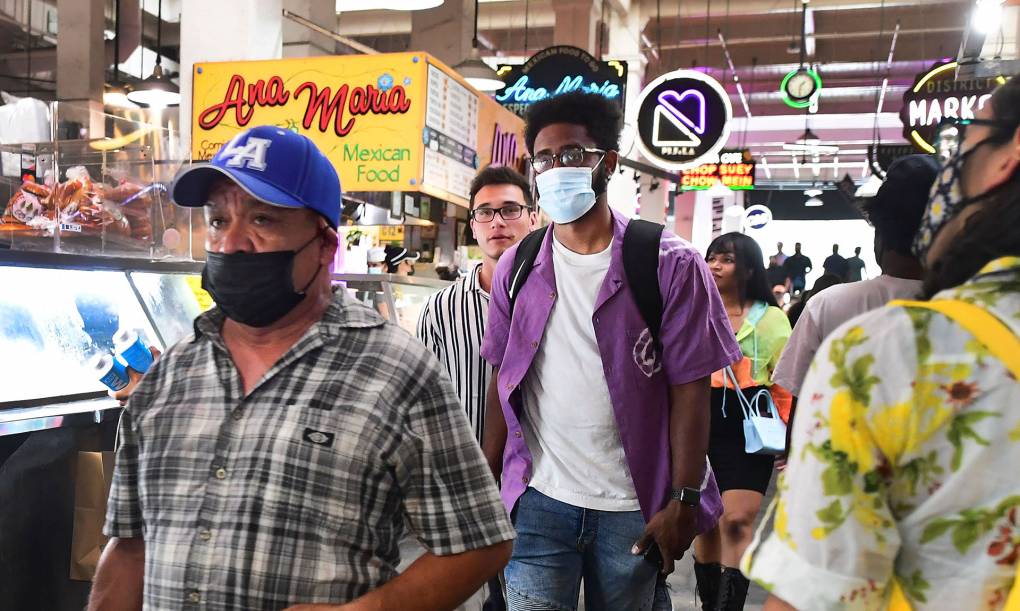
"caption": "Masked and unmasked people make their way through Grand Central Market in Los Angeles, California on June 29, 2021. County officials announced Thursday, July 15, 2021, it will restore an indoor mask mandate for all individuals regardless of vaccination status as COVID-19 cases spike in recent weeks.",
"description": "Masked and unmasked people make their way through Grand Central Market in Los Angeles, California on June 29, 2021. County officials announced Thursday, July 15, 2021, it will restore an indoor mask mandate for all individuals regardless of vaccination status as COVID-19 cases spike in recent weeks.",
"title": "US-HEALTH-VIRUS",
"credit": "Frederic J. Brown/AFP via Getty Images",
"status": "inherit",
"altTag": null,
"isLoading": false,
"fetchFailed": false
},
"news_11879979": {
"type": "attachments",
"id": "news_11879979",
"meta": {
"index": "attachments_1716263798",
"site": "news",
"id": "11879979",
"found": true
},
"parent": 11879958,
"imgSizes": {
"twentyfourteen-full-width": {
"file": "https://ww2.kqed.org/app/uploads/sites/10/2021/06/IMG_20210603_082449-1038x576.jpg",
"width": 1038,
"mimeType": "image/jpeg",
"height": 576
},
"thumbnail": {
"file": "https://ww2.kqed.org/app/uploads/sites/10/2021/06/IMG_20210603_082449-160x120.jpg",
"width": 160,
"mimeType": "image/jpeg",
"height": 120
},
"post-thumbnail": {
"file": "https://ww2.kqed.org/app/uploads/sites/10/2021/06/IMG_20210603_082449-672x372.jpg",
"width": 672,
"mimeType": "image/jpeg",
"height": 372
},
"kqedFullSize": {
"file": "https://ww2.kqed.org/app/uploads/sites/10/2021/06/IMG_20210603_082449.jpg",
"width": 1536,
"height": 1152
},
"large": {
"file": "https://ww2.kqed.org/app/uploads/sites/10/2021/06/IMG_20210603_082449-1020x765.jpg",
"width": 1020,
"mimeType": "image/jpeg",
"height": 765
},
"medium": {
"file": "https://ww2.kqed.org/app/uploads/sites/10/2021/06/IMG_20210603_082449-800x600.jpg",
"width": 800,
"mimeType": "image/jpeg",
"height": 600
}
},
"publishDate": 1625085638,
"modified": 1625092042,
"caption": "Due to COVID-19, public events in California were canceled through the spring and summer of 2020 and many mariachi had to start performing at gatherings that defied the state's shelter-in-place restrictions in order to survive. But accepting these type of jobs put them at greater risk of contracting COVID-19.",
"description": "Due to COVID-19, public events in California were cancelled through the spring and summer of 2020 and many mariachi had to start performing at gatherings that defied the state's shelter-in-place restrictions in order to survive. But accepting these type of jobs put them at greater risk of contracting COVID-19.",
"title": "IMG_20210603_082449",
"credit": "Courtesy of Mariachi Nuevo Guadalajara",
"status": "inherit",
"altTag": "A group of mariachis stand against a wall with their instruments in their hands.",
"isLoading": false,
"fetchFailed": false
},
"news_11874583": {
"type": "attachments",
"id": "news_11874583",
"meta": {
"index": "attachments_1716263798",
"site": "news",
"id": "11874583",
"found": true
},
"parent": 11874549,
"imgSizes": {
"twentyfourteen-full-width": {
"file": "https://ww2.kqed.org/app/uploads/sites/10/2021/05/MusiKaravan-1-large-1038x576.jpeg",
"width": 1038,
"mimeType": "image/jpeg",
"height": 576
},
"thumbnail": {
"file": "https://ww2.kqed.org/app/uploads/sites/10/2021/05/MusiKaravan-1-large-160x120.jpeg",
"width": 160,
"mimeType": "image/jpeg",
"height": 120
},
"post-thumbnail": {
"file": "https://ww2.kqed.org/app/uploads/sites/10/2021/05/MusiKaravan-1-large-672x372.jpeg",
"width": 672,
"mimeType": "image/jpeg",
"height": 372
},
"kqedFullSize": {
"file": "https://ww2.kqed.org/app/uploads/sites/10/2021/05/MusiKaravan-1-large-scaled.jpeg",
"width": 2560,
"height": 1920
},
"2048x2048": {
"file": "https://ww2.kqed.org/app/uploads/sites/10/2021/05/MusiKaravan-1-large-2048x1536.jpeg",
"width": 2048,
"mimeType": "image/jpeg",
"height": 1536
},
"large": {
"file": "https://ww2.kqed.org/app/uploads/sites/10/2021/05/MusiKaravan-1-large-1020x765.jpeg",
"width": 1020,
"mimeType": "image/jpeg",
"height": 765
},
"1536x1536": {
"file": "https://ww2.kqed.org/app/uploads/sites/10/2021/05/MusiKaravan-1-large-1536x1152.jpeg",
"width": 1536,
"mimeType": "image/jpeg",
"height": 1152
},
"full-width": {
"file": "https://ww2.kqed.org/app/uploads/sites/10/2021/05/MusiKaravan-1-large-1920x1440.jpeg",
"width": 1920,
"mimeType": "image/jpeg",
"height": 1440
},
"medium": {
"file": "https://ww2.kqed.org/app/uploads/sites/10/2021/05/MusiKaravan-1-large-800x600.jpeg",
"width": 800,
"mimeType": "image/jpeg",
"height": 600
}
},
"publishDate": 1621550989,
"modified": 1621620608,
"caption": "MusiKaravan violinists Etienne Gara and YuEun Kim in Paso Robles with their bright red 1971 VW bus named Boris.",
"description": "MusiKaravan violinists Etienne Gara and YuEun Kim in Paso Robles with their bright red 1971 VW bus named Boris.",
"title": "MusiKaravan 1 large",
"credit": "Courtesy Lathan J.",
"status": "inherit",
"altTag": null,
"isLoading": false,
"fetchFailed": false
},
"news_11872636": {
"type": "attachments",
"id": "news_11872636",
"meta": {
"index": "attachments_1716263798",
"site": "news",
"id": "11872636",
"found": true
},
"parent": 11872571,
"imgSizes": {
"twentyfourteen-full-width": {
"file": "https://ww2.kqed.org/app/uploads/sites/10/2021/05/courtesy_tiktok_01-1020x673-1-1010x576.jpeg",
"width": 1010,
"mimeType": "image/jpeg",
"height": 576
},
"thumbnail": {
"file": "https://ww2.kqed.org/app/uploads/sites/10/2021/05/courtesy_tiktok_01-1020x673-1-160x107.jpeg",
"width": 160,
"mimeType": "image/jpeg",
"height": 107
},
"post-thumbnail": {
"file": "https://ww2.kqed.org/app/uploads/sites/10/2021/05/courtesy_tiktok_01-1020x673-1-672x372.jpeg",
"width": 672,
"mimeType": "image/jpeg",
"height": 372
},
"kqedFullSize": {
"file": "https://ww2.kqed.org/app/uploads/sites/10/2021/05/courtesy_tiktok_01-1020x673-1.jpeg",
"width": 1010,
"height": 673
},
"medium": {
"file": "https://ww2.kqed.org/app/uploads/sites/10/2021/05/courtesy_tiktok_01-1020x673-1-800x533.jpeg",
"width": 800,
"mimeType": "image/jpeg",
"height": 533
}
},
"publishDate": 1620339965,
"modified": 1620340474,
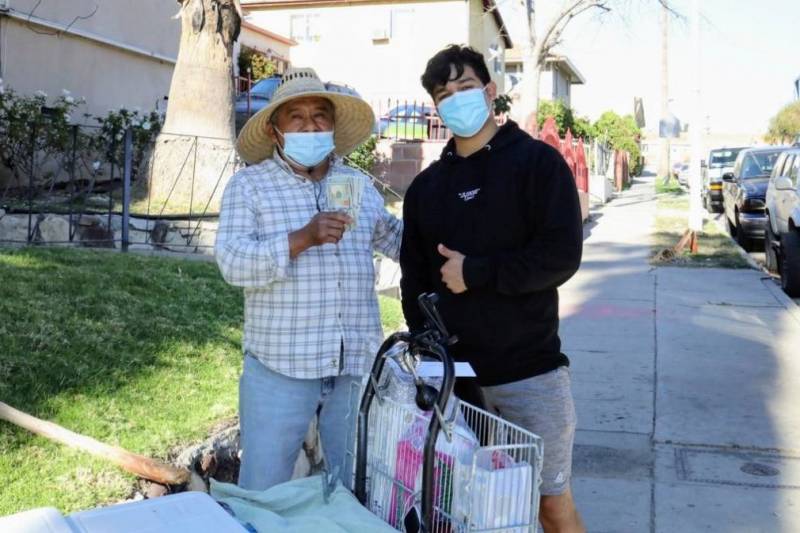
"caption": "Jesús Morales, influencer de TikTok, ha proporcionado más de $90 mil a vendedores ambulantes en el sur de California desde que comienzó la pandemia.",
"description": "Una imagen de Jesús Morales, influencer de TikTok, y un vendedor ambulante. El vendedor lleva puesto un sombrero para protegerse del sol y en sus manos unos billetes que Morales le dio.",
"title": "courtesy_tiktok_01-1020x673",
"credit": "Cortesía de Jesús Morales",
"status": "inherit",
"altTag": "Una imagen de Jesús Morales, influencer de TikTok, y un vendedor ambulante. El vendedor lleva puesto un sombrero para protegerse del sol y en sus manos unos billetes que Morales le dio.",
"isLoading": false,
"fetchFailed": false
},
"news_11872545": {
"type": "attachments",
"id": "news_11872545",
"meta": {
"index": "attachments_1716263798",
"site": "news",
"id": "11872545",
"found": true
},
"parent": 11872529,
"imgSizes": {
"twentyfourteen-full-width": {
"file": "https://ww2.kqed.org/app/uploads/sites/10/2021/05/courtesy_tiktok_02-1038x576.jpg",
"width": 1038,
"mimeType": "image/jpeg",
"height": 576
},
"thumbnail": {
"file": "https://ww2.kqed.org/app/uploads/sites/10/2021/05/courtesy_tiktok_02-160x90.jpg",
"width": 160,
"mimeType": "image/jpeg",
"height": 90
},
"post-thumbnail": {
"file": "https://ww2.kqed.org/app/uploads/sites/10/2021/05/courtesy_tiktok_02-672x372.jpg",
"width": 672,
"mimeType": "image/jpeg",
"height": 372
},
"kqedFullSize": {
"file": "https://ww2.kqed.org/app/uploads/sites/10/2021/05/courtesy_tiktok_02.jpg",
"width": 1920,
"height": 1080
},
"large": {
"file": "https://ww2.kqed.org/app/uploads/sites/10/2021/05/courtesy_tiktok_02-1020x574.jpg",
"width": 1020,
"mimeType": "image/jpeg",
"height": 574
},
"1536x1536": {
"file": "https://ww2.kqed.org/app/uploads/sites/10/2021/05/courtesy_tiktok_02-1536x864.jpg",
"width": 1536,
"mimeType": "image/jpeg",
"height": 864
},
"medium": {
"file": "https://ww2.kqed.org/app/uploads/sites/10/2021/05/courtesy_tiktok_02-800x450.jpg",
"width": 800,
"mimeType": "image/jpeg",
"height": 450
}
},
"publishDate": 1620326435,
"modified": 1620326464,
"caption": "TikTok influencer Jesus Morales has provided more than $90,000 to street vendors since the beginning of the pandemic.",
"description": null,
"title": "courtesy_tiktok_02",
"credit": "Photo courtesy of Jesus Morales",
"status": "inherit",
"altTag": null,
"isLoading": false,
"fetchFailed": false
},
"news_11870068": {
"type": "attachments",
"id": "news_11870068",
"meta": {
"index": "attachments_1716263798",
"site": "news",
"id": "11870068",
"found": true
},
"parent": 11869976,
"imgSizes": {
"twentyfourteen-full-width": {
"file": "https://ww2.kqed.org/app/uploads/sites/10/2021/04/converted-IMG_2729-1038x576.jpg",
"width": 1038,
"mimeType": "image/jpeg",
"height": 576
},
"thumbnail": {
"file": "https://ww2.kqed.org/app/uploads/sites/10/2021/04/converted-IMG_2729-160x120.jpg",
"width": 160,
"mimeType": "image/jpeg",
"height": 120
},
"post-thumbnail": {
"file": "https://ww2.kqed.org/app/uploads/sites/10/2021/04/converted-IMG_2729-672x372.jpg",
"width": 672,
"mimeType": "image/jpeg",
"height": 372
},
"kqedFullSize": {
"file": "https://ww2.kqed.org/app/uploads/sites/10/2021/04/converted-IMG_2729-scaled-e1618864685746.jpg",
"width": 1920,
"height": 1440
},
"2048x2048": {
"file": "https://ww2.kqed.org/app/uploads/sites/10/2021/04/converted-IMG_2729-2048x1536.jpg",
"width": 2048,
"mimeType": "image/jpeg",
"height": 1536
},
"large": {
"file": "https://ww2.kqed.org/app/uploads/sites/10/2021/04/converted-IMG_2729-1020x765.jpg",
"width": 1020,
"mimeType": "image/jpeg",
"height": 765
},
"1536x1536": {
"file": "https://ww2.kqed.org/app/uploads/sites/10/2021/04/converted-IMG_2729-1536x1152.jpg",
"width": 1536,
"mimeType": "image/jpeg",
"height": 1152
},
"full-width": {
"file": "https://ww2.kqed.org/app/uploads/sites/10/2021/04/converted-IMG_2729-1920x1440.jpg",
"width": 1920,
"mimeType": "image/jpeg",
"height": 1440
},
"medium": {
"file": "https://ww2.kqed.org/app/uploads/sites/10/2021/04/converted-IMG_2729-800x600.jpg",
"width": 800,
"mimeType": "image/jpeg",
"height": 600
}
},
"publishDate": 1618864060,
"modified": 1618865669,
"caption": "Beverly Sanchez, a teacher at Kingsley Elementary School in the East Hollywood neighborhood of Los Angeles, sits in a wicker chair in an outdoor kindergarten classroom. Handmade wooden planters form its boundary.",
"description": null,
"title": "converted-IMG_2729",
"credit": "Deepa Fernandes/KQED",
"status": "inherit",
"altTag": null,
"isLoading": false,
"fetchFailed": false
},
"news_11869875": {
"type": "attachments",
"id": "news_11869875",
"meta": {
"index": "attachments_1716263798",
"site": "news",
"id": "11869875",
"found": true
},
"parent": 11869618,
"imgSizes": {
"twentyfourteen-full-width": {
"file": "https://ww2.kqed.org/app/uploads/sites/10/2021/04/EricAndHankWarner-1038x576.jpg",
"width": 1038,
"mimeType": "image/jpeg",
"height": 576
},
"thumbnail": {
"file": "https://ww2.kqed.org/app/uploads/sites/10/2021/04/EricAndHankWarner-160x118.jpg",
"width": 160,
"mimeType": "image/jpeg",
"height": 118
},
"post-thumbnail": {
"file": "https://ww2.kqed.org/app/uploads/sites/10/2021/04/EricAndHankWarner-672x372.jpg",
"width": 672,
"mimeType": "image/jpeg",
"height": 372
},
"kqedFullSize": {
"file": "https://ww2.kqed.org/app/uploads/sites/10/2021/04/EricAndHankWarner.jpg",
"width": 1146,
"height": 842
},
"large": {
"file": "https://ww2.kqed.org/app/uploads/sites/10/2021/04/EricAndHankWarner-1020x749.jpg",
"width": 1020,
"mimeType": "image/jpeg",
"height": 749
},
"medium": {
"file": "https://ww2.kqed.org/app/uploads/sites/10/2021/04/EricAndHankWarner-800x588.jpg",
"width": 800,
"mimeType": "image/jpeg",
"height": 588
}
},
"publishDate": 1618599758,
"modified": 1618599791,
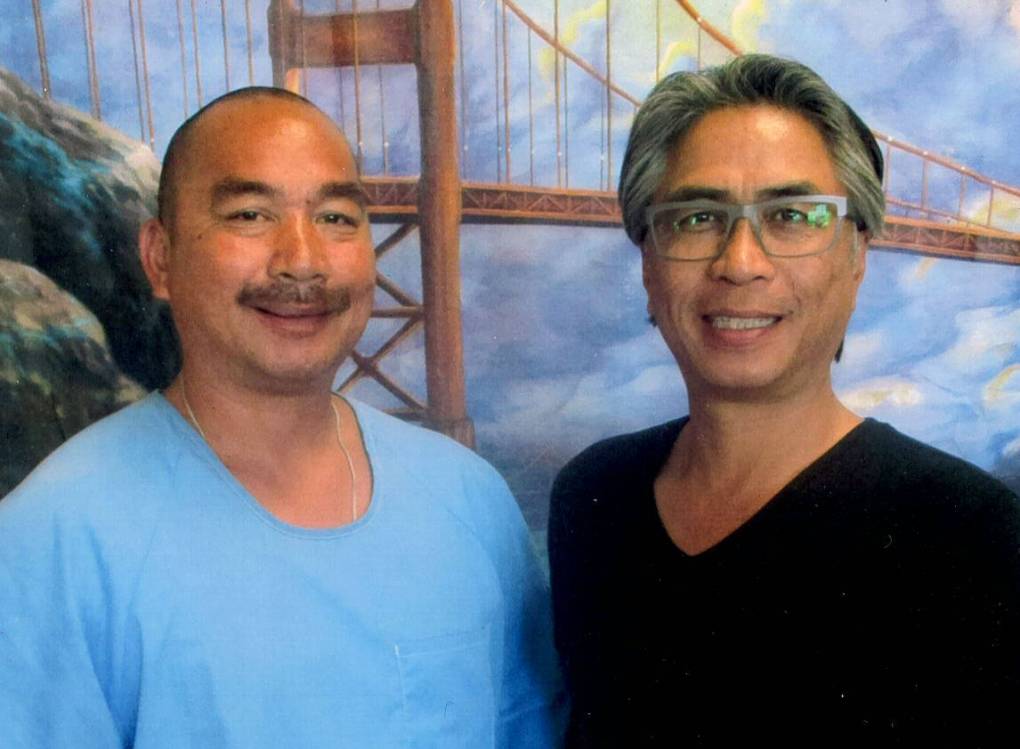
"caption": "Hank Warner, right, visiting his brother Eric at San Quentin State Prison in 2016.",
"description": null,
"title": "EricAndHankWarner",
"credit": "Courtesy Hank Warner",
"status": "inherit",
"altTag": null,
"isLoading": false,
"fetchFailed": false
},
"news_11867331": {
"type": "attachments",
"id": "news_11867331",
"meta": {
"index": "attachments_1716263798",
"site": "news",
"id": "11867331",
"found": true
},
"parent": 11867318,
"imgSizes": {
"twentyfourteen-full-width": {
"file": "https://ww2.kqed.org/app/uploads/sites/10/2021/03/E9355248-C5F7-4BE0-AE8C-B316B53F1E66-1-1038x576.jpg",
"width": 1038,
"mimeType": "image/jpeg",
"height": 576
},
"thumbnail": {
"file": "https://ww2.kqed.org/app/uploads/sites/10/2021/03/E9355248-C5F7-4BE0-AE8C-B316B53F1E66-1-160x120.jpg",
"width": 160,
"mimeType": "image/jpeg",
"height": 120
},
"post-thumbnail": {
"file": "https://ww2.kqed.org/app/uploads/sites/10/2021/03/E9355248-C5F7-4BE0-AE8C-B316B53F1E66-1-672x372.jpg",
"width": 672,
"mimeType": "image/jpeg",
"height": 372
},
"kqedFullSize": {
"file": "https://ww2.kqed.org/app/uploads/sites/10/2021/03/E9355248-C5F7-4BE0-AE8C-B316B53F1E66-1.jpg",
"width": 1920,
"height": 1440
},
"large": {
"file": "https://ww2.kqed.org/app/uploads/sites/10/2021/03/E9355248-C5F7-4BE0-AE8C-B316B53F1E66-1-1020x765.jpg",
"width": 1020,
"mimeType": "image/jpeg",
"height": 765
},
"1536x1536": {
"file": "https://ww2.kqed.org/app/uploads/sites/10/2021/03/E9355248-C5F7-4BE0-AE8C-B316B53F1E66-1-1536x1152.jpg",
"width": 1536,
"mimeType": "image/jpeg",
"height": 1152
},
"medium": {
"file": "https://ww2.kqed.org/app/uploads/sites/10/2021/03/E9355248-C5F7-4BE0-AE8C-B316B53F1E66-1-800x600.jpg",
"width": 800,
"mimeType": "image/jpeg",
"height": 600
}
},
"publishDate": 1617219255,
"modified": 1617219295,
"caption": "An LAUSD first grader begins construction of her ecosystem model that will allow a paper salamander to safely cross the road. She used a cut-in-half toilet roll to make a tunnel for the salamander to cross safely from the river habitat to the forest habitat, both constructed out of plasticine.",
"description": "An LAUSD first grader begins construction of her ecosystem model that will allow a paper salamander to safely cross the road. She used a cut-in-half toilet roll to make a tunnel for the salamander to cross safely from the river habitat to the forest habitat, both constructed out of plasticine.",
"title": "E9355248-C5F7-4BE0-AE8C-B316B53F1E66 (1)",
"credit": "Deepa Fernandes/The California Report",
"status": "inherit",
"altTag": null,
"isLoading": false,
"fetchFailed": false
},
"news_11859268": {
"type": "attachments",
"id": "news_11859268",
"meta": {
"index": "attachments_1716263798",
"site": "news",
"id": "11859268",
"found": true
},
"parent": 11858857,
"imgSizes": {
"apple_news_ca_square_4_0": {
"file": "https://ww2.kqed.org/app/uploads/sites/10/2021/02/EEA83CEA-CC03-4629-9BE5-CA5032807CB4-1-470x470.jpeg",
"width": 470,
"mimeType": "image/jpeg",
"height": 470
},
"thumbnail": {
"file": "https://ww2.kqed.org/app/uploads/sites/10/2021/02/EEA83CEA-CC03-4629-9BE5-CA5032807CB4-1-160x135.jpeg",
"width": 160,
"mimeType": "image/jpeg",
"height": 135
},
"post-thumbnail": {
"file": "https://ww2.kqed.org/app/uploads/sites/10/2021/02/EEA83CEA-CC03-4629-9BE5-CA5032807CB4-1-596x372.jpeg",
"width": 596,
"mimeType": "image/jpeg",
"height": 372
},
"kqedFullSize": {
"file": "https://ww2.kqed.org/app/uploads/sites/10/2021/02/EEA83CEA-CC03-4629-9BE5-CA5032807CB4-1.jpeg",
"width": 596,
"height": 503
},
"apple_news_ca_landscape_4_7": {
"file": "https://ww2.kqed.org/app/uploads/sites/10/2021/02/EEA83CEA-CC03-4629-9BE5-CA5032807CB4-1-596x474.jpeg",
"width": 596,
"mimeType": "image/jpeg",
"height": 474
},
"apple_news_ca_portrait_4_7": {
"file": "https://ww2.kqed.org/app/uploads/sites/10/2021/02/EEA83CEA-CC03-4629-9BE5-CA5032807CB4-1-414x503.jpeg",
"width": 414,
"mimeType": "image/jpeg",
"height": 503
},
"apple_news_ca_square_4_7": {
"file": "https://ww2.kqed.org/app/uploads/sites/10/2021/02/EEA83CEA-CC03-4629-9BE5-CA5032807CB4-1-550x503.jpeg",
"width": 550,
"mimeType": "image/jpeg",
"height": 503
},
"apple_news_ca_landscape_4_0": {
"file": "https://ww2.kqed.org/app/uploads/sites/10/2021/02/EEA83CEA-CC03-4629-9BE5-CA5032807CB4-1-536x402.jpeg",
"width": 536,
"mimeType": "image/jpeg",
"height": 402
},
"apple_news_ca_portrait_4_0": {
"file": "https://ww2.kqed.org/app/uploads/sites/10/2021/02/EEA83CEA-CC03-4629-9BE5-CA5032807CB4-1-354x472.jpeg",
"width": 354,
"mimeType": "image/jpeg",
"height": 472
}
},
"publishDate": 1612829667,
"modified": 1612829706,
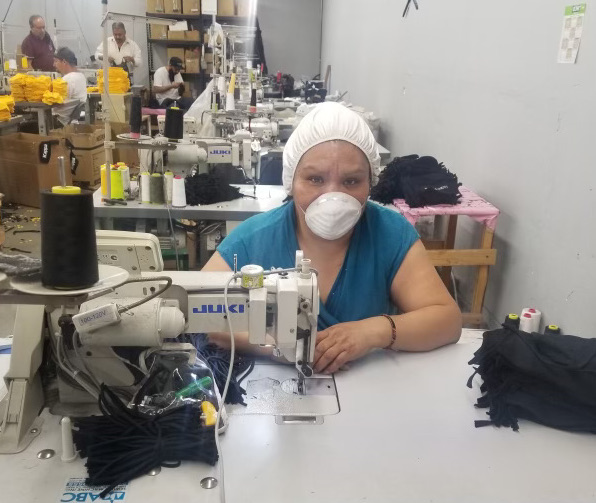
"caption": "Olegaria Ruiz at her job in a Los Angeles garment factory in June 2020.",
"description": null,
"title": "EEA83CEA-CC03-4629-9BE5-CA5032807CB4",
"credit": "Courtesy of Estela Perez, Garment Worker Center",
"status": "inherit",
"altTag": null,
"isLoading": false,
"fetchFailed": false
},
"news_11856163": {
"type": "attachments",
"id": "news_11856163",
"meta": {
"index": "attachments_1716263798",
"site": "news",
"id": "11856163",
"found": true
},
"parent": 11856157,
"imgSizes": {
"apple_news_ca_landscape_5_5": {
"file": "https://ww2.kqed.org/app/uploads/sites/10/2021/01/Amanda-Gorman-1044x783.jpg",
"width": 1044,
"mimeType": "image/jpeg",
"height": 783
},
"apple_news_ca_square_4_0": {
"file": "https://ww2.kqed.org/app/uploads/sites/10/2021/01/Amanda-Gorman-470x470.jpg",
"width": 470,
"mimeType": "image/jpeg",
"height": 470
},
"twentyfourteen-full-width": {
"file": "https://ww2.kqed.org/app/uploads/sites/10/2021/01/Amanda-Gorman-1038x576.jpg",
"width": 1038,
"mimeType": "image/jpeg",
"height": 576
},
"thumbnail": {
"file": "https://ww2.kqed.org/app/uploads/sites/10/2021/01/Amanda-Gorman-160x119.jpg",
"width": 160,
"mimeType": "image/jpeg",
"height": 119
},
"post-thumbnail": {
"file": "https://ww2.kqed.org/app/uploads/sites/10/2021/01/Amanda-Gorman-672x372.jpg",
"width": 672,
"mimeType": "image/jpeg",
"height": 372
},
"kqedFullSize": {
"file": "https://ww2.kqed.org/app/uploads/sites/10/2021/01/Amanda-Gorman.jpg",
"width": 1920,
"height": 1425
},
"apple_news_ca_landscape_4_7": {
"file": "https://ww2.kqed.org/app/uploads/sites/10/2021/01/Amanda-Gorman-632x474.jpg",
"width": 632,
"mimeType": "image/jpeg",
"height": 474
},
"large": {
"file": "https://ww2.kqed.org/app/uploads/sites/10/2021/01/Amanda-Gorman-1020x757.jpg",
"width": 1020,
"mimeType": "image/jpeg",
"height": 757
},
"apple_news_ca_landscape_4_0": {
"file": "https://ww2.kqed.org/app/uploads/sites/10/2021/01/Amanda-Gorman-536x402.jpg",
"width": 536,
"mimeType": "image/jpeg",
"height": 402
},
"apple_news_ca_portrait_12_9": {
"file": "https://ww2.kqed.org/app/uploads/sites/10/2021/01/Amanda-Gorman-1122x1425.jpg",
"width": 1122,
"mimeType": "image/jpeg",
"height": 1425
},
"medium": {
"file": "https://ww2.kqed.org/app/uploads/sites/10/2021/01/Amanda-Gorman-800x594.jpg",
"width": 800,
"mimeType": "image/jpeg",
"height": 594
},
"apple_news_ca_portrait_4_0": {
"file": "https://ww2.kqed.org/app/uploads/sites/10/2021/01/Amanda-Gorman-354x472.jpg",
"width": 354,
"mimeType": "image/jpeg",
"height": 472
},
"apple_news_ca_portrait_9_7": {
"file": "https://ww2.kqed.org/app/uploads/sites/10/2021/01/Amanda-Gorman-840x1120.jpg",
"width": 840,
"mimeType": "image/jpeg",
"height": 1120
},
"apple_news_ca_landscape_12_9": {
"file": "https://ww2.kqed.org/app/uploads/sites/10/2021/01/Amanda-Gorman-1832x1374.jpg",
"width": 1832,
"mimeType": "image/jpeg",
"height": 1374
},
"apple_news_ca_square_9_7": {
"file": "https://ww2.kqed.org/app/uploads/sites/10/2021/01/Amanda-Gorman-1104x1104.jpg",
"width": 1104,
"mimeType": "image/jpeg",
"height": 1104
},
"1536x1536": {
"file": "https://ww2.kqed.org/app/uploads/sites/10/2021/01/Amanda-Gorman-1536x1140.jpg",
"width": 1536,
"mimeType": "image/jpeg",
"height": 1140
},
"apple_news_ca_portrait_4_7": {
"file": "https://ww2.kqed.org/app/uploads/sites/10/2021/01/Amanda-Gorman-414x552.jpg",
"width": 414,
"mimeType": "image/jpeg",
"height": 552
},
"apple_news_ca_square_12_9": {
"file": "https://ww2.kqed.org/app/uploads/sites/10/2021/01/Amanda-Gorman-1472x1425.jpg",
"width": 1472,
"mimeType": "image/jpeg",
"height": 1425
},
"apple_news_ca_portrait_5_5": {
"file": "https://ww2.kqed.org/app/uploads/sites/10/2021/01/Amanda-Gorman-687x916.jpg",
"width": 687,
"mimeType": "image/jpeg",
"height": 916
},
"apple_news_ca_square_4_7": {
"file": "https://ww2.kqed.org/app/uploads/sites/10/2021/01/Amanda-Gorman-550x550.jpg",
"width": 550,
"mimeType": "image/jpeg",
"height": 550
},
"apple_news_ca_landscape_9_7": {
"file": "https://ww2.kqed.org/app/uploads/sites/10/2021/01/Amanda-Gorman-1376x1032.jpg",
"width": 1376,
"mimeType": "image/jpeg",
"height": 1032
},
"apple_news_ca_square_5_5": {
"file": "https://ww2.kqed.org/app/uploads/sites/10/2021/01/Amanda-Gorman-912x912.jpg",
"width": 912,
"mimeType": "image/jpeg",
"height": 912
}
},
"publishDate": 1611164760,
"modified": 1611171268,
"caption": "Amanda Gorman reads her poem 'The Hill We Climb' during the inauguration of President Joe Biden and Vice President Kamala Harris on Jan. 20, 2021, at the U.S. Capitol in Washington, D.C.",
"description": "Amanda Gorman reads her poem 'The Hill We Climb' during the inauguration of President Joe Biden and Vice President Kamala Harris on Jan. 20, 2021, at the US Capitol in Washington, DC.",
"title": "Amanda-Gorman",
"credit": "Brendan Smialowski/AFP via Getty Images",
"status": "inherit",
"altTag": null,
"isLoading": false,
"fetchFailed": false
},
"news_11854598": {
"type": "attachments",
"id": "news_11854598",
"meta": {
"index": "attachments_1716263798",
"site": "news",
"id": "11854598",
"found": true
},
"parent": 11854484,
"imgSizes": {
"apple_news_ca_landscape_5_5": {
"file": "https://ww2.kqed.org/app/uploads/sites/10/2021/01/MARQUEE_812-1044x720.jpg",
"width": 1044,
"mimeType": "image/jpeg",
"height": 720
},
"apple_news_ca_square_4_0": {
"file": "https://ww2.kqed.org/app/uploads/sites/10/2021/01/MARQUEE_812-470x470.jpg",
"width": 470,
"mimeType": "image/jpeg",
"height": 470
},
"twentyfourteen-full-width": {
"file": "https://ww2.kqed.org/app/uploads/sites/10/2021/01/MARQUEE_812-1038x576.jpg",
"width": 1038,
"mimeType": "image/jpeg",
"height": 576
},
"thumbnail": {
"file": "https://ww2.kqed.org/app/uploads/sites/10/2021/01/MARQUEE_812-160x90.jpg",
"width": 160,
"mimeType": "image/jpeg",
"height": 90
},
"post-thumbnail": {
"file": "https://ww2.kqed.org/app/uploads/sites/10/2021/01/MARQUEE_812-672x372.jpg",
"width": 672,
"mimeType": "image/jpeg",
"height": 372
},
"kqedFullSize": {
"file": "https://ww2.kqed.org/app/uploads/sites/10/2021/01/MARQUEE_812.jpg",
"width": 1280,
"height": 720
},
"apple_news_ca_landscape_4_7": {
"file": "https://ww2.kqed.org/app/uploads/sites/10/2021/01/MARQUEE_812-632x474.jpg",
"width": 632,
"mimeType": "image/jpeg",
"height": 474
},
"large": {
"file": "https://ww2.kqed.org/app/uploads/sites/10/2021/01/MARQUEE_812-1020x574.jpg",
"width": 1020,
"mimeType": "image/jpeg",
"height": 574
},
"apple_news_ca_landscape_4_0": {
"file": "https://ww2.kqed.org/app/uploads/sites/10/2021/01/MARQUEE_812-536x402.jpg",
"width": 536,
"mimeType": "image/jpeg",
"height": 402
},
"apple_news_ca_portrait_12_9": {
"file": "https://ww2.kqed.org/app/uploads/sites/10/2021/01/MARQUEE_812-1122x720.jpg",
"width": 1122,
"mimeType": "image/jpeg",
"height": 720
},
"medium": {
"file": "https://ww2.kqed.org/app/uploads/sites/10/2021/01/MARQUEE_812-800x450.jpg",
"width": 800,
"mimeType": "image/jpeg",
"height": 450
},
"apple_news_ca_portrait_4_0": {
"file": "https://ww2.kqed.org/app/uploads/sites/10/2021/01/MARQUEE_812-354x472.jpg",
"width": 354,
"mimeType": "image/jpeg",
"height": 472
},
"apple_news_ca_portrait_9_7": {
"file": "https://ww2.kqed.org/app/uploads/sites/10/2021/01/MARQUEE_812-840x720.jpg",
"width": 840,
"mimeType": "image/jpeg",
"height": 720
},
"apple_news_ca_square_9_7": {
"file": "https://ww2.kqed.org/app/uploads/sites/10/2021/01/MARQUEE_812-1104x720.jpg",
"width": 1104,
"mimeType": "image/jpeg",
"height": 720
},
"apple_news_ca_portrait_4_7": {
"file": "https://ww2.kqed.org/app/uploads/sites/10/2021/01/MARQUEE_812-414x552.jpg",
"width": 414,
"mimeType": "image/jpeg",
"height": 552
},
"apple_news_ca_portrait_5_5": {
"file": "https://ww2.kqed.org/app/uploads/sites/10/2021/01/MARQUEE_812-687x720.jpg",
"width": 687,
"mimeType": "image/jpeg",
"height": 720
},
"apple_news_ca_square_4_7": {
"file": "https://ww2.kqed.org/app/uploads/sites/10/2021/01/MARQUEE_812-550x550.jpg",
"width": 550,
"mimeType": "image/jpeg",
"height": 550
},
"apple_news_ca_square_5_5": {
"file": "https://ww2.kqed.org/app/uploads/sites/10/2021/01/MARQUEE_812-912x720.jpg",
"width": 912,
"mimeType": "image/jpeg",
"height": 720
}
},
"publishDate": 1610156749,
"modified": 1610156749,
"caption": null,
"description": null,
"title": "MARQUEE_812",
"credit": null,
"status": "inherit",
"altTag": null,
"isLoading": false,
"fetchFailed": false
},
"news_11848940": {
"type": "attachments",
"id": "news_11848940",
"meta": {
"index": "attachments_1716263798",
"site": "news",
"id": "11848940",
"found": true
},
"parent": 11848938,
"imgSizes": {
"apple_news_ca_square_4_0": {
"file": "https://ww2.kqed.org/app/uploads/sites/10/2020/11/1920_Gov_Newsom-470x453.jpg",
"width": 470,
"mimeType": "image/jpeg",
"height": 453
},
"thumbnail": {
"file": "https://ww2.kqed.org/app/uploads/sites/10/2020/11/1920_Gov_Newsom-160x90.jpg",
"width": 160,
"mimeType": "image/jpeg",
"height": 90
},
"post-thumbnail": {
"file": "https://ww2.kqed.org/app/uploads/sites/10/2020/11/1920_Gov_Newsom-672x372.jpg",
"width": 672,
"mimeType": "image/jpeg",
"height": 372
},
"kqedFullSize": {
"file": "https://ww2.kqed.org/app/uploads/sites/10/2020/11/1920_Gov_Newsom.jpg",
"width": 806,
"height": 453
},
"apple_news_ca_landscape_4_7": {
"file": "https://ww2.kqed.org/app/uploads/sites/10/2020/11/1920_Gov_Newsom-632x453.jpg",
"width": 632,
"mimeType": "image/jpeg",
"height": 453
},
"apple_news_ca_portrait_4_7": {
"file": "https://ww2.kqed.org/app/uploads/sites/10/2020/11/1920_Gov_Newsom-414x453.jpg",
"width": 414,
"mimeType": "image/jpeg",
"height": 453
},
"apple_news_ca_portrait_5_5": {
"file": "https://ww2.kqed.org/app/uploads/sites/10/2020/11/1920_Gov_Newsom-687x453.jpg",
"width": 687,
"mimeType": "image/jpeg",
"height": 453
},
"apple_news_ca_square_4_7": {
"file": "https://ww2.kqed.org/app/uploads/sites/10/2020/11/1920_Gov_Newsom-550x453.jpg",
"width": 550,
"mimeType": "image/jpeg",
"height": 453
},
"apple_news_ca_landscape_4_0": {
"file": "https://ww2.kqed.org/app/uploads/sites/10/2020/11/1920_Gov_Newsom-536x402.jpg",
"width": 536,
"mimeType": "image/jpeg",
"height": 402
},
"medium": {
"file": "https://ww2.kqed.org/app/uploads/sites/10/2020/11/1920_Gov_Newsom-800x450.jpg",
"width": 800,
"mimeType": "image/jpeg",
"height": 450
},
"apple_news_ca_portrait_4_0": {
"file": "https://ww2.kqed.org/app/uploads/sites/10/2020/11/1920_Gov_Newsom-354x453.jpg",
"width": 354,
"mimeType": "image/jpeg",
"height": 453
}
},
"publishDate": 1606502390,
"modified": 1606502453,
"caption": "'Reclaim & Rebuild Our Community' screenshot from a video and letter to the Gov. Gavin Newsom. ",
"description": null,
"title": "1920_Gov_Newsom",
"credit": "Courtesy of Reclaim & Rebuild Campaign",
"status": "inherit",
"isLoading": false,
"fetchFailed": false
}
},
"audioPlayerReducer": {
"postId": "stream_live",
"isPaused": true,
"isPlaying": false,
"pfsActive": false,
"pledgeModalIsOpen": true,
"playerDrawerIsOpen": false,
"liveAudioPlayStartedAt": 0,
"liveAudioPlayContext": ""
},
"authorsReducer": {
"byline_news_11879958": {
"type": "authors",
"id": "byline_news_11879958",
"meta": {
"override": true
},
"slug": "byline_news_11879958",
"name": "\u003ca href=\"https://calmatters.org/author/jacqueline-garcia/\">Jacqueline Garcia\u003c/a>",
"isLoading": false
},
"byline_news_11874549": {
"type": "authors",
"id": "byline_news_11874549",
"meta": {
"override": true
},
"slug": "byline_news_11874549",
"name": "Polina Cherezova",
"isLoading": false
},
"byline_news_11872571": {
"type": "authors",
"id": "byline_news_11872571",
"meta": {
"override": true
},
"slug": "byline_news_11872571",
"name": "\u003ca href=\"https://calmatters.org/author/jacqueline-garcia/\">Jacqueline García\u003c/a>",
"isLoading": false
},
"byline_news_11872529": {
"type": "authors",
"id": "byline_news_11872529",
"meta": {
"override": true
},
"slug": "byline_news_11872529",
"name": "Jacqueline Garcia",
"isLoading": false
},
"byline_news_11869976": {
"type": "authors",
"id": "byline_news_11869976",
"meta": {
"override": true
},
"slug": "byline_news_11869976",
"name": "Deepa Fernandes",
"isLoading": false
},
"byline_news_11869618": {
"type": "authors",
"id": "byline_news_11869618",
"meta": {
"override": true
},
"slug": "byline_news_11869618",
"name": "Hank Warner",
"isLoading": false
},
"byline_news_11867318": {
"type": "authors",
"id": "byline_news_11867318",
"meta": {
"override": true
},
"slug": "byline_news_11867318",
"name": "\u003ca href=\"https://twitter.com/deepafern?lang=en\">Deepa Fernandes\u003c/a>",
"isLoading": false
},
"byline_news_11856157": {
"type": "authors",
"id": "byline_news_11856157",
"meta": {
"override": true
},
"slug": "byline_news_11856157",
"name": "Camila Domonoske",
"isLoading": false
},
"byline_news_11848938": {
"type": "authors",
"id": "byline_news_11848938",
"meta": {
"override": true
},
"slug": "byline_news_11848938",
"name": "Damian Dovarganes and Olga R. Rodriguez \u003cbr> Associated Press",
"isLoading": false
},
"kqed": {
"type": "authors",
"id": "236",
"meta": {
"index": "authors_1716337520",
"id": "236",
"found": true
},
"name": "KQED News Staff",
"firstName": "KQED News Staff",
"lastName": null,
"slug": "kqed",
"email": "faq@kqed.org",
"display_author_email": false,
"staff_mastheads": [],
"title": null,
"bio": null,
"avatar": "https://secure.gravatar.com/avatar/ef0e801a68c4c54afa9180db14084167?s=600&d=blank&r=g",
"twitter": null,
"facebook": null,
"instagram": null,
"linkedin": null,
"sites": [
{
"site": "arts",
"roles": [
"contributor"
]
},
{
"site": "news",
"roles": [
"editor"
]
},
{
"site": "futureofyou",
"roles": [
"author"
]
}
],
"headData": {
"title": "KQED News Staff | KQED",
"description": null,
"ogImgSrc": "https://secure.gravatar.com/avatar/ef0e801a68c4c54afa9180db14084167?s=600&d=blank&r=g",
"twImgSrc": "https://secure.gravatar.com/avatar/ef0e801a68c4c54afa9180db14084167?s=600&d=blank&r=g"
},
"isLoading": false,
"link": "/author/kqed"
},
"kqednewsstaffandwires": {
"type": "authors",
"id": "237",
"meta": {
"index": "authors_1716337520",
"id": "237",
"found": true
},
"name": "KQED News Staff and Wires",
"firstName": "KQED News Staff and Wires",
"lastName": null,
"slug": "kqednewsstaffandwires",
"email": "onlinenewsstaff@kqed.org",
"display_author_email": false,
"staff_mastheads": [],
"title": null,
"bio": null,
"avatar": "https://secure.gravatar.com/avatar/72295af8ebbfbd19a4948f5271285664?s=600&d=blank&r=g",
"twitter": null,
"facebook": null,
"instagram": null,
"linkedin": null,
"sites": [
{
"site": "arts",
"roles": [
"contributor"
]
},
{
"site": "news",
"roles": [
"contributor"
]
},
{
"site": "lowdown",
"roles": [
"author"
]
},
{
"site": "stateofhealth",
"roles": [
"contributor"
]
},
{
"site": "food",
"roles": [
"author"
]
}
],
"headData": {
"title": "KQED News Staff and Wires | KQED",
"description": null,
"ogImgSrc": "https://secure.gravatar.com/avatar/72295af8ebbfbd19a4948f5271285664?s=600&d=blank&r=g",
"twImgSrc": "https://secure.gravatar.com/avatar/72295af8ebbfbd19a4948f5271285664?s=600&d=blank&r=g"
},
"isLoading": false,
"link": "/author/kqednewsstaffandwires"
},
"harzate": {
"type": "authors",
"id": "11727",
"meta": {
"index": "authors_1716337520",
"id": "11727",
"found": true
},
"name": "Héctor Alejandro Arzate",
"firstName": "Héctor Alejandro",
"lastName": "Arzate",
"slug": "harzate",
"email": "harzate@kqed.org",
"display_author_email": false,
"staff_mastheads": [],
"title": "KQED Contributor",
"bio": null,
"avatar": "https://secure.gravatar.com/avatar/23c72c3afa19f2c6801c5db997a908d8?s=600&d=blank&r=g",
"twitter": null,
"facebook": null,
"instagram": null,
"linkedin": null,
"sites": [
{
"site": "news",
"roles": [
"author"
]
}
],
"headData": {
"title": "Héctor Alejandro Arzate | KQED",
"description": "KQED Contributor",
"ogImgSrc": "https://secure.gravatar.com/avatar/23c72c3afa19f2c6801c5db997a908d8?s=600&d=blank&r=g",
"twImgSrc": "https://secure.gravatar.com/avatar/23c72c3afa19f2c6801c5db997a908d8?s=600&d=blank&r=g"
},
"isLoading": false,
"link": "/author/harzate"
}
},
"pagesReducer": {
"news_tag_los-angeles": {
"type": "terms",
"id": "news_4",
"meta": {
"index": "terms_1716263798",
"site": "news",
"id": "4",
"score": 8.557567
},
"featImg": null,
"name": "los angeles",
"description": null,
"taxonomy": "tag",
"headData": {
"twImgId": null,
"twTitle": null,
"ogTitle": null,
"ogImgId": null,
"twDescription": null,
"description": null,
"title": "los angeles Archives | KQED News",
"ogDescription": null
},
"ttid": 4,
"slug": "los-angeles",
"isLoading": false,
"title": "los angeles",
"pageMeta": {
"site": "news",
"WpPageTemplate": "page-topic-editorial",
"currentPage": 13
},
"blocks": [
{
"blockName": "kqed/post-list",
"attrs": {
"layout": "cardArticle2",
"query": "posts/news?tag=los-angeles",
"seeMore": false,
"paginated": true,
"page": 13
}
},
{
"blockName": "kqed/ad"
}
]
}
},
"pfsSessionReducer": {},
"postsReducer": {
"stream_live": {
"type": "live",
"id": "stream_live",
"audioUrl": "https://streams.kqed.org/kqedradio",
"title": "Live Stream",
"excerpt": "Live Stream information currently unavailable.",
"link": "/radio",
"featImg": "",
"label": {
"name": "KQED Live",
"link": "/"
}
},
"stream_kqedNewscast": {
"type": "posts",
"id": "stream_kqedNewscast",
"audioUrl": "https://www.kqed.org/.stream/anon/radio/RDnews/newscast.mp3?_=1",
"title": "KQED Newscast",
"featImg": "",
"label": {
"name": "88.5 FM",
"link": "/"
}
},
"news_11881334": {
"type": "posts",
"id": "news_11881334",
"meta": {
"index": "posts_1716263798",
"site": "news",
"id": "11881334",
"score": null,
"sort": [
1626395519000
]
},
"parent": 0,
"labelTerm": {
"site": "news"
},
"blocks": [],
"publishDate": 1626395519,
"format": "standard",
"disqusTitle": "LA County Brings Back Mask Mandate Indoors — Even If You're Vaccinated",
"title": "LA County Brings Back Mask Mandate Indoors — Even If You're Vaccinated",
"headTitle": "KQED News",
"content": "\u003cp>A rapid and sustained increase in COVID-19 cases in the nation's largest county requires restoring an indoor mask mandate even when people are vaccinated, Los Angeles County's public health officer said Thursday.\u003c/p>\n\u003cp>Dr. Muntu Davis said at a virtual press conference that a public health order requiring masks indoors will go into effect Saturday.\u003c/p>\n\u003cp>\"This is an all-hands-on-deck moment,\" he said.\u003c/p>\n\u003cp>Davis didn't fully detail what he said would be some exceptions but said for example, people could still go out to eat and take off their masks only while eating and drinking.\u003c/p>\n\u003cp>The county has been recording more than 1,000 new cases each day for a week, and there is now \"substantial community transmission,\" Davis said.\u003c/p>\n\u003cp>[ad fullwidth]\u003c/p>\n\u003ch3>San Francisco Encouraging Vaccinations\u003c/h3>\n\u003cp>San Francisco city officials released a \u003ca href=\"https://sfmayor.org/article/city-officials-encourage-residents-get-vaccinated-combat-covid-19-variants\" target=\"_blank\" rel=\"noopener noreferrer\">statement\u003c/a> Thursday, shortly after LA County's indoor masking announcement, encouraging residents to get vaccinated as the delta variant of COVID-19 is spreading in the region.\u003c/p>\n\u003cp>All Bay Area counties have seen at least a doubling of new COVID-19 cases over the last three weeks, according to the statement.\u003c/p>\n\u003cp>“In particular, the Black community has the lowest vaccination rate compared to the citywide rate, which means more people who are already struggling with significant disparities in this City might get sick,\" Mayor London Breed said in the statement.\u003c/p>\n\u003cp>As of July 13, 83% of people ages 12 and older in San Francisco have received at least one dose and 76% are fully vaccinated.\u003c/p>\n\u003cp>Average daily new cases of COVID-19 have increased four-fold from mid-June to early July. The city recorded 9.9 new cases per day on June 19 which jumped to 42 new cases per day on July 7. The city estimates that number will increase to at least 73 new cases per day this week.\u003c/p>\n\u003cp>“As we have seen since the beginning of the pandemic, COVID-19 infections are not distributed evenly throughout all neighborhoods and communities in San Francisco,” said Dr. Grant Colfax, Director of Health for the City and County of San Francisco, in the statement.\u003c/p>\n\u003cp>“Bayview-Hunters Point is still one of the hardest hit areas with COVID-19 infections, particularly in the African American community. With the new delta variant that is more transmissible, it is critical that our community gets vaccinated as soon as possible,” said Shamann Walton, President of the Board of Supervisors, in the statement.\u003c/p>\n\u003ch3>A Shelter Has Been Hit With a Cluster of Cases\u003c/h3>\n\u003cp>Meanwhile, in Northern California, at least 59 residents at a homeless shelter have tested positive for the virus, half of whom were vaccinated, health officials said.\u003c/p>\n\u003cp>Of those infected at the shelter in Santa Rosa, 28 were fully vaccinated, Dr. Sundari Mase, Sonoma County's health officer, said Wednesday. Officials were reviewing an additional 26 possible positive cases.\u003c/p>\n\u003cp>[aside postID=news_11880762 hero='https://ww2.kqed.org/app/uploads/sites/10/2021/07/santa-rosa-samuel-jones-hall-1020x638.png']Of the 59 people with confirmed infections at Samuel L. Jones Hall, nine were hospitalized, including six who were fully vaccinated and had \"multiple, significant\" underlying health conditions, including diabetes and pulmonary disease, health officials said. Four have since been discharged, and five remain hospitalized.\u003c/p>\n\u003cp>Officials said that fewer than half of the 153 residents had received at least partial vaccination and they do not know whether the outbreak started with a vaccinated or unvaccinated resident.\u003c/p>\n\u003cp>\"We know congregate settings are at much higher risk,\" Mase said. \"We also know there is a very high proportion of unvaccinated individuals that were in this setting.\"\u003c/p>\n\u003cp>Most of the 69 vaccinated residents had received the single-shot Johnson & Johnson dose but Mase said it was hard to determine whether that was a factor in the outbreak.\u003c/p>\n\u003ch3>Vaccines Protect Against Severe COVID Consequences\u003c/h3>\n\u003cp>Vaccines decrease the severity of the illness, reduce hospitalizations and decrease the risk of death. Clinical trials showed that a single dose of the J&J vaccine was 72% effective against moderate to severe COVID-19 in the United States, compared to 95% for the Pfizer and Moderna vaccines. A Food and Drug Administration analysis cautioned that it's not clear how well the vaccines work against each variant.\u003c/p>\n\u003cp>The outbreak is only the second time the coronavirus has been detected at the Sam Jones shelter. There was a smaller cluster of cases in January during the peak of the pandemic, said Jennielynn Holmes, head of homelessness services at Catholic Charities in Santa Rosa, which manages the shelter.\u003c/p>\n\u003cp>The shelter first became aware of the most recent outbreak on July 2, when it reported 20 positive cases.\u003c/p>\n\u003cp>\"Something is different. This is different than what we've seen the entire pandemic,\" Holmes said.\u003c/p>\n\u003cp>[aside tag=\"delta-variant\" label=\"more on the delta variant\"]Holmes and city officials had said last week the outbreak was caused by the delta variant, which is far more contagious than the original strain of the virus. County officials said they had not confirmed that and need more time to review the infections.\u003c/p>\n\u003cp>Clarissa Millarker, a Sam Jones resident since March, said that prior to the outbreak, shelter staff had been lax in enforcing health protocols, particularly masking.\u003c/p>\n\u003cp>\"I feel like it's entirely likely that I'm going to turn up infected,\" Millarker, who is vaccinated, told \u003ca href=\"https://www.pressdemocrat.com/article/news/officials-report-wider-covid-19-outbreak-at-sonoma-countys-largest-homeles/\" target=\"_blank\" rel=\"noopener noreferrer\">The Press Democrat\u003c/a> of Santa Rosa.\u003c/p>\n\u003cp>Millarker said staff have since ramped up sanitation, been more vigilant about masks and started testing every few days. Still, there is confusion and anger over how the situation was handled by shelter operators, she said.\u003c/p>\n\u003cp>\"People are upset, and they're right to be,\" she said.\u003c/p>\n\u003cp>\u003cem>This story includes reporting from The Associated Press and KQED's Julie Chang.\u003c/em>\u003c/p>\n\u003cp>\u003c/p>\n",
"disqusIdentifier": "11881334 https://ww2.kqed.org/news/?p=11881334",
"disqusUrl": "https://ww2.kqed.org/news/2021/07/15/la-county-brings-back-mask-mandate-indoors-even-if-youre-vaccinated/",
"stats": {
"hasVideo": false,
"hasChartOrMap": false,
"hasAudio": false,
"hasPolis": false,
"wordCount": 960,
"hasGoogleForm": false,
"hasGallery": false,
"hasHearkenModule": false,
"iframeSrcs": [],
"paragraphCount": 30
},
"modified": 1626399244,
"excerpt": "A rapid and sustained increase in COVID-19 cases requires a return to mandatory mask-wearing indoors, the county's public health officer says. He didn't detail what he said would be some exceptions.",
"headData": {
"twImgId": "",
"twTitle": "",
"ogTitle": "",
"ogImgId": "",
"twDescription": "",
"description": "A rapid and sustained increase in COVID-19 cases requires a return to mandatory mask-wearing indoors, the county's public health officer says. He didn't detail what he said would be some exceptions.",
"title": "LA County Brings Back Mask Mandate Indoors — Even If You're Vaccinated | KQED",
"ogDescription": "",
"schema": {
"@context": "https://schema.org",
"@type": "NewsArticle",
"headline": "LA County Brings Back Mask Mandate Indoors — Even If You're Vaccinated",
"datePublished": "2021-07-15T17:31:59-07:00",
"dateModified": "2021-07-15T18:34:04-07:00",
"image": "https://cdn.kqed.org/wp-content/uploads/2020/02/KQED-OG-Image@1x.png",
"isAccessibleForFree": "True",
"publisher": {
"@type": "NewsMediaOrganization",
"@id": "https://www.kqed.org/#organization",
"name": "KQED",
"logo": "https://cdn.kqed.org/wp-content/uploads/2020/02/KQED-OG-Image@1x.png",
"url": "https://www.kqed.org",
"sameAs": [
"https://www.facebook.com/KQED",
"https://twitter.com/KQED",
"https://www.instagram.com/kqed/",
"https://www.tiktok.com/@kqedofficial",
"https://www.linkedin.com/company/kqed",
"https://www.youtube.com/channel/UCeC0IOo7i1P_61zVUWbJ4nw"
]
}
}
},
"guestAuthors": [],
"slug": "la-county-brings-back-mask-mandate-indoors-even-if-youre-vaccinated",
"status": "publish",
"path": "/news/11881334/la-county-brings-back-mask-mandate-indoors-even-if-youre-vaccinated",
"audioTrackLength": null,
"parsedContent": [
{
"type": "contentString",
"content": "\u003cdiv class=\"post-body\">\u003cp>\u003cp>A rapid and sustained increase in COVID-19 cases in the nation's largest county requires restoring an indoor mask mandate even when people are vaccinated, Los Angeles County's public health officer said Thursday.\u003c/p>\n\u003cp>Dr. Muntu Davis said at a virtual press conference that a public health order requiring masks indoors will go into effect Saturday.\u003c/p>\n\u003cp>\"This is an all-hands-on-deck moment,\" he said.\u003c/p>\n\u003cp>Davis didn't fully detail what he said would be some exceptions but said for example, people could still go out to eat and take off their masks only while eating and drinking.\u003c/p>\n\u003cp>The county has been recording more than 1,000 new cases each day for a week, and there is now \"substantial community transmission,\" Davis said.\u003c/p>\n\u003cp>\u003c/p>\u003c/div>",
"attributes": {
"named": {},
"numeric": []
}
},
{
"type": "component",
"content": "",
"name": "ad",
"attributes": {
"named": {
"label": "fullwidth"
},
"numeric": [
"fullwidth"
]
}
},
{
"type": "contentString",
"content": "\u003cdiv class=\"post-body\">\u003cp>\u003c/p>\n\u003ch3>San Francisco Encouraging Vaccinations\u003c/h3>\n\u003cp>San Francisco city officials released a \u003ca href=\"https://sfmayor.org/article/city-officials-encourage-residents-get-vaccinated-combat-covid-19-variants\" target=\"_blank\" rel=\"noopener noreferrer\">statement\u003c/a> Thursday, shortly after LA County's indoor masking announcement, encouraging residents to get vaccinated as the delta variant of COVID-19 is spreading in the region.\u003c/p>\n\u003cp>All Bay Area counties have seen at least a doubling of new COVID-19 cases over the last three weeks, according to the statement.\u003c/p>\n\u003cp>“In particular, the Black community has the lowest vaccination rate compared to the citywide rate, which means more people who are already struggling with significant disparities in this City might get sick,\" Mayor London Breed said in the statement.\u003c/p>\n\u003cp>As of July 13, 83% of people ages 12 and older in San Francisco have received at least one dose and 76% are fully vaccinated.\u003c/p>\n\u003cp>Average daily new cases of COVID-19 have increased four-fold from mid-June to early July. The city recorded 9.9 new cases per day on June 19 which jumped to 42 new cases per day on July 7. The city estimates that number will increase to at least 73 new cases per day this week.\u003c/p>\n\u003cp>“As we have seen since the beginning of the pandemic, COVID-19 infections are not distributed evenly throughout all neighborhoods and communities in San Francisco,” said Dr. Grant Colfax, Director of Health for the City and County of San Francisco, in the statement.\u003c/p>\n\u003cp>“Bayview-Hunters Point is still one of the hardest hit areas with COVID-19 infections, particularly in the African American community. With the new delta variant that is more transmissible, it is critical that our community gets vaccinated as soon as possible,” said Shamann Walton, President of the Board of Supervisors, in the statement.\u003c/p>\n\u003ch3>A Shelter Has Been Hit With a Cluster of Cases\u003c/h3>\n\u003cp>Meanwhile, in Northern California, at least 59 residents at a homeless shelter have tested positive for the virus, half of whom were vaccinated, health officials said.\u003c/p>\n\u003cp>Of those infected at the shelter in Santa Rosa, 28 were fully vaccinated, Dr. Sundari Mase, Sonoma County's health officer, said Wednesday. Officials were reviewing an additional 26 possible positive cases.\u003c/p>\n\u003cp>\u003c/p>\u003c/div>",
"attributes": {
"named": {},
"numeric": []
}
},
{
"type": "component",
"content": "",
"name": "aside",
"attributes": {
"named": {
"postid": "news_11880762",
"hero": "https://ww2.kqed.org/app/uploads/sites/10/2021/07/santa-rosa-samuel-jones-hall-1020x638.png",
"label": ""
},
"numeric": []
}
},
{
"type": "contentString",
"content": "\u003cdiv class=\"post-body\">\u003cp>Of the 59 people with confirmed infections at Samuel L. Jones Hall, nine were hospitalized, including six who were fully vaccinated and had \"multiple, significant\" underlying health conditions, including diabetes and pulmonary disease, health officials said. Four have since been discharged, and five remain hospitalized.\u003c/p>\n\u003cp>Officials said that fewer than half of the 153 residents had received at least partial vaccination and they do not know whether the outbreak started with a vaccinated or unvaccinated resident.\u003c/p>\n\u003cp>\"We know congregate settings are at much higher risk,\" Mase said. \"We also know there is a very high proportion of unvaccinated individuals that were in this setting.\"\u003c/p>\n\u003cp>Most of the 69 vaccinated residents had received the single-shot Johnson & Johnson dose but Mase said it was hard to determine whether that was a factor in the outbreak.\u003c/p>\n\u003ch3>Vaccines Protect Against Severe COVID Consequences\u003c/h3>\n\u003cp>Vaccines decrease the severity of the illness, reduce hospitalizations and decrease the risk of death. Clinical trials showed that a single dose of the J&J vaccine was 72% effective against moderate to severe COVID-19 in the United States, compared to 95% for the Pfizer and Moderna vaccines. A Food and Drug Administration analysis cautioned that it's not clear how well the vaccines work against each variant.\u003c/p>\n\u003cp>The outbreak is only the second time the coronavirus has been detected at the Sam Jones shelter. There was a smaller cluster of cases in January during the peak of the pandemic, said Jennielynn Holmes, head of homelessness services at Catholic Charities in Santa Rosa, which manages the shelter.\u003c/p>\n\u003cp>The shelter first became aware of the most recent outbreak on July 2, when it reported 20 positive cases.\u003c/p>\n\u003cp>\"Something is different. This is different than what we've seen the entire pandemic,\" Holmes said.\u003c/p>\n\u003cp>\u003c/p>\u003c/div>",
"attributes": {
"named": {},
"numeric": []
}
},
{
"type": "component",
"content": "",
"name": "aside",
"attributes": {
"named": {
"tag": "delta-variant",
"label": "more on the delta variant "
},
"numeric": []
}
},
{
"type": "contentString",
"content": "\u003cdiv class=\"post-body\">\u003cp>Holmes and city officials had said last week the outbreak was caused by the delta variant, which is far more contagious than the original strain of the virus. County officials said they had not confirmed that and need more time to review the infections.\u003c/p>\n\u003cp>Clarissa Millarker, a Sam Jones resident since March, said that prior to the outbreak, shelter staff had been lax in enforcing health protocols, particularly masking.\u003c/p>\n\u003cp>\"I feel like it's entirely likely that I'm going to turn up infected,\" Millarker, who is vaccinated, told \u003ca href=\"https://www.pressdemocrat.com/article/news/officials-report-wider-covid-19-outbreak-at-sonoma-countys-largest-homeles/\" target=\"_blank\" rel=\"noopener noreferrer\">The Press Democrat\u003c/a> of Santa Rosa.\u003c/p>\n\u003cp>Millarker said staff have since ramped up sanitation, been more vigilant about masks and started testing every few days. Still, there is confusion and anger over how the situation was handled by shelter operators, she said.\u003c/p>\n\u003cp>\"People are upset, and they're right to be,\" she said.\u003c/p>\n\u003cp>\u003cem>This story includes reporting from The Associated Press and KQED's Julie Chang.\u003c/em>\u003c/p>\n\u003cp>\u003c/p>\n\u003c/div>\u003c/p>",
"attributes": {
"named": {},
"numeric": []
}
}
],
"link": "/news/11881334/la-county-brings-back-mask-mandate-indoors-even-if-youre-vaccinated",
"authors": [
"237"
],
"categories": [
"news_457",
"news_8",
"news_13"
],
"tags": [
"news_28801",
"news_27504",
"news_29644",
"news_27626",
"news_4",
"news_21238",
"news_29535",
"news_27651",
"news_474",
"news_4981"
],
"featImg": "news_11881356",
"label": "news"
},
"news_11879958": {
"type": "posts",
"id": "news_11879958",
"meta": {
"index": "posts_1716263798",
"site": "news",
"id": "11879958",
"score": null,
"sort": [
1625086846000
]
},
"guestAuthors": [],
"slug": "how-covid-19-swept-californias-mariachis",
"title": "How COVID-19 Swept California’s Mariachis",
"publishDate": 1625086846,
"format": "standard",
"headTitle": "How COVID-19 Swept California’s Mariachis | KQED",
"labelTerm": {},
"content": "\u003cp>\u003ca href=\"https://calmatters.org/calmatters-en-espanol/2021/06/california-mariachis-covid-2/\">\u003cem>Leer en español\u003c/em>\u003c/a>\u003c/p>\n\u003cp>Hundreds of mariachis come to Boyle Heights in Los Angeles from across the United States and Mexico in search of work. They gather at Mariachi Plaza, a small park with a bandstand and kiosk that holds a special place in their hearts because it was donated by the Mexican state of Jalisco, the birthplace of this music. They wait for people to call or stop by to hire them.\u003c/p>\n\u003cp>But the pandemic hit mariachi bands brutally. Most work dried up as events were canceled through the spring and summer of 2020.\u003c/p>\n\u003cp>Some musicians performed at gatherings that defied California’s shelter-in-place rules and social distancing protocols. Without any other source of income, musicians felt they had no choice but to accept jobs even at the risk of coronavirus exposure.\u003c/p>\n\u003cp>More than 50 mariachi musicians have died of COVID-19 over the past year, said Israel Moreno, president of the Organization of Independent Mariachis of California (OMICAL) in Boyle Heights.\u003c/p>\n\u003cp>[aside postID=\"news_11850782\" hero=\"https://ww2.kqed.org/app/uploads/sites/10/2020/12/RS46378_009_KQED_Oakland_OurLadyofGuadalupeDay_12122020-qut-800x533.jpg\"]About 80% of the group’s roughly 270 members have gotten infected, he said. OMICAL members have rallied to collect donations of food and money, and the group has helped grieving families.\u003c/p>\n\u003cp>“We would give a box of food to the mariachis every week,” Moreno said. “For those who passed away we would look for their families to let them know or helped with donations to repatriate the body to their country.”\u003c/p>\n\u003cp>Business has picked up for mariachis since the worst days of the pandemic. But it will take a long time for the community to fully recover from the physical, emotional and financial damage.\u003cbr>\n[ad fullwidth]\u003c/p>\n\u003ch3>“I Thought We Were Going to Be OK”\u003c/h3>\n\u003cp>Alex Cisneros has worked as a mariachi for over 25 years. He is proud to say he has supported his family with this job.\u003c/p>\n\u003cp>Cisneros, the leader of Mariachi Nuevo Guadalajara, said the band was hired to perform at a house event in celebration of Father’s Day last June. There was a crowd of a few dozen people. At the time, the state prohibited gatherings but police didn’t enforce the rule at residences.\u003c/p>\n\u003cp>[pullquote align=\"right\" size=\"medium\" citation=\"Alex Cisneros, leader of Mariachi Nuevo Guadalajara\"]‘There were so many people when I arrived that doctors told me I was still breathing and that they couldn’t take me in.’[/pullquote]Three days before the event, the six musicians who planned to attend got tested for the coronavirus to make sure they were not infected. All of them tested negative.\u003c/p>\n\u003cp>“I thought we were going to be OK,” said Cisneros, who plays the violin and sings.\u003c/p>\n\u003cp>When they arrived at the party, they tried to keep some distance from the crowd. But as they continued to play, guests pushed in closer.\u003c/p>\n\u003cp>“We kept moving back but there was a point where we couldn’t move anymore,” Cisneros said.\u003c/p>\n\u003cp>Singing and playing brass instruments such as trumpets, a mariachi staple, are considered especially risky for coronavirus transmission because they \u003ca href=\"https://www.health.state.mn.us/diseases/coronavirus/musicguide.pdf\">release respiratory particles\u003c/a> through the air.\u003c/p>\n\u003cp>As he was driving home, Cisneros felt a dry cough and his throat hurt. Initially he ignored the symptoms, thinking his throat was sore from singing.\u003c/p>\n\u003cp>He went to bed, but by the next day he had fever, diarrhea and extreme pain in his bones. He was shivering and vomited. He called his bandmates and cautioned them.\u003c/p>\n\u003cp>As days passed, his health deteriorated. His headaches worsened and he started having harsh pain in his lungs. When he could no longer handle the pain, he went to a hospital near his home in Boyle Heights.\u003c/p>\n\u003cp>[aside label ='Related Coverage' tag='coronavirus']“But there were so many people when I arrived that doctors told me I was still breathing and that they couldn’t take me in,” he said. “While I was at the hospital I had a strong headache and pain on my left arm. I thought at that moment I was going to die.”\u003c/p>\n\u003cp>He tested positive for the coronavirus, but, unable to get proper medical care at the hospital, Cisneros went home. His whole family became infected. They were sick for about two months, but their symptoms were lighter than his.\u003c/p>\n\u003cp>Cisneros said that when the pandemic started, a friend who was part of another group but had no job started working with his band. A few months later, the man died of COVID. Cisneros said the news was devastating for him, but he’s thankful that Mariachi Nuevo Guadalajara did not suffer major losses.\u003c/p>\n\u003ch3>Back to Work — Performing at Funerals\u003c/h3>\n\u003cp>The hiring of mariachis began increasing last fall. But instead of happy celebrations, most jobs were to play at funerals. For a while at the beginning of this year, some bands played at one funeral, or more, almost every day.\u003c/p>\n\u003cp>[pullquote align=\"right\" size=\"medium\" citation=\"Francisco Hernandez, violinist\"]‘I really try to hold my own tears when I see them because their tears are real when they cry for their loved ones.’[/pullquote]“Recently we played in a funeral at Rose Hills cemetery and we counted in a perimeter of about 100 meters eight funerals,” Israel Moreno said.\u003c/p>\n\u003cp>Francisco Hernandez, violinist of Mariachi Los Potrillos and vice president of OMICAL, said the worst part of playing at funerals is seeing a child mourn a parent or a grandparent.\u003c/p>\n\u003cp>“I really try to hold my own tears when I see them because their tears are real when they cry for their loved ones,” said Hernandez.\u003c/p>\n\u003cp>Hernandez said there has been so much demand to play at funerals that mariachis wish there were more hours during the day.\u003c/p>\n\u003cp>California dropped \u003ca href=\"https://calmatters.org/politics/2021/06/california-reopening-june/\">mask mandates on June 15\u003c/a>. Cisneros said his band is booked mainly on weekends, and he is grateful that he has been able to go back to work.\u003c/p>\n\u003cp>But nearly a year after he contracted COVID-19, he still suffers from its effects. Although medical experts \u003ca href=\"https://health.clevelandclinic.org/when-should-you-get-vaccinated-if-youve-had-covid-19/\">encourage\u003c/a> people who’ve had COVID to get vaccinated, even if they have persistent symptoms, Cisneros has put it off because he fears he’ll have a bad reaction.\u003c/p>\n\u003cp>“I still have throat pain, my lungs hurt and I think even my kidneys got damaged … I have a lot of headaches, too,” he said. “I forget things a lot, my body aches and my bones hurt a lot when it’s cold.”\u003c/p>\n\u003chr>\n\u003cp>\u003cem>This article is part of \u003ca href=\"https://calmatters.org/projects/the-california-divide/\">The California Divide\u003c/a>, a collaboration among newsrooms examining income inequity and economic survival in California. It was published by the USC Center for Health Journalism in collaboration with La Opinión.\u003c/em>\u003cbr>\n[ad fullwidth]\u003c/p>\n\u003cp>[ad floatright]\u003c/p>\n",
"blocks": [],
"excerpt": "For most of the pandemic, mariachi bands in California have not been able to perform at live events. In order to survive, many have had to turn to private gatherings that put them at greater risk of coronavirus.",
"status": "publish",
"parent": 0,
"modified": 1721127760,
"stats": {
"hasAudio": false,
"hasVideo": false,
"hasChartOrMap": false,
"iframeSrcs": [],
"hasGoogleForm": false,
"hasGallery": false,
"hasHearkenModule": false,
"hasPolis": false,
"paragraphCount": 31,
"wordCount": 1154
},
"headData": {
"title": "How COVID-19 Swept California’s Mariachis | KQED",
"description": "For most of the pandemic, mariachi bands in California have not been able to perform at live events. In order to survive, many have had to turn to private gatherings that put them at greater risk of coronavirus.",
"ogTitle": "",
"ogDescription": "",
"ogImgId": "",
"twTitle": "",
"twDescription": "",
"twImgId": "",
"schema": {
"@context": "https://schema.org",
"@type": "NewsArticle",
"headline": "How COVID-19 Swept California’s Mariachis",
"datePublished": "2021-06-30T14:00:46-07:00",
"dateModified": "2024-07-16T04:02:40-07:00",
"image": "https://cdn.kqed.org/wp-content/uploads/2020/02/KQED-OG-Image@1x.png",
"isAccessibleForFree": "True",
"publisher": {
"@type": "NewsMediaOrganization",
"@id": "https://www.kqed.org/#organization",
"name": "KQED",
"logo": "https://cdn.kqed.org/wp-content/uploads/2020/02/KQED-OG-Image@1x.png",
"url": "https://www.kqed.org",
"sameAs": [
"https://www.facebook.com/KQED",
"https://twitter.com/KQED",
"https://www.instagram.com/kqed/",
"https://www.tiktok.com/@kqedofficial",
"https://www.linkedin.com/company/kqed",
"https://www.youtube.com/channel/UCeC0IOo7i1P_61zVUWbJ4nw"
]
}
}
},
"source": "CalMatters",
"sticky": false,
"nprByline": "\u003ca href=\"https://calmatters.org/author/jacqueline-garcia/\">Jacqueline Garcia\u003c/a>",
"path": "/news/11879958/how-covid-19-swept-californias-mariachis",
"audioTrackLength": null,
"parsedContent": [
{
"type": "contentString",
"content": "\u003cdiv class=\"post-body\">\u003cp>\u003cp>\u003ca href=\"https://calmatters.org/calmatters-en-espanol/2021/06/california-mariachis-covid-2/\">\u003cem>Leer en español\u003c/em>\u003c/a>\u003c/p>\n\u003cp>Hundreds of mariachis come to Boyle Heights in Los Angeles from across the United States and Mexico in search of work. They gather at Mariachi Plaza, a small park with a bandstand and kiosk that holds a special place in their hearts because it was donated by the Mexican state of Jalisco, the birthplace of this music. They wait for people to call or stop by to hire them.\u003c/p>\n\u003cp>But the pandemic hit mariachi bands brutally. Most work dried up as events were canceled through the spring and summer of 2020.\u003c/p>\n\u003cp>Some musicians performed at gatherings that defied California’s shelter-in-place rules and social distancing protocols. Without any other source of income, musicians felt they had no choice but to accept jobs even at the risk of coronavirus exposure.\u003c/p>\n\u003cp>More than 50 mariachi musicians have died of COVID-19 over the past year, said Israel Moreno, president of the Organization of Independent Mariachis of California (OMICAL) in Boyle Heights.\u003c/p>\n\u003cp>\u003c/p>\u003c/div>",
"attributes": {
"named": {},
"numeric": []
}
},
{
"type": "component",
"content": "",
"name": "aside",
"attributes": {
"named": {
"postid": "news_11850782",
"hero": "https://ww2.kqed.org/app/uploads/sites/10/2020/12/RS46378_009_KQED_Oakland_OurLadyofGuadalupeDay_12122020-qut-800x533.jpg",
"label": ""
},
"numeric": []
}
},
{
"type": "contentString",
"content": "\u003cdiv class=\"post-body\">\u003cp>About 80% of the group’s roughly 270 members have gotten infected, he said. OMICAL members have rallied to collect donations of food and money, and the group has helped grieving families.\u003c/p>\n\u003cp>“We would give a box of food to the mariachis every week,” Moreno said. “For those who passed away we would look for their families to let them know or helped with donations to repatriate the body to their country.”\u003c/p>\n\u003cp>Business has picked up for mariachis since the worst days of the pandemic. But it will take a long time for the community to fully recover from the physical, emotional and financial damage.\u003cbr>\n\u003c/p>\u003c/div>",
"attributes": {
"named": {},
"numeric": []
}
},
{
"type": "component",
"content": "",
"name": "ad",
"attributes": {
"named": {
"label": "fullwidth"
},
"numeric": [
"fullwidth"
]
}
},
{
"type": "contentString",
"content": "\u003cdiv class=\"post-body\">\u003cp>\u003c/p>\n\u003ch3>“I Thought We Were Going to Be OK”\u003c/h3>\n\u003cp>Alex Cisneros has worked as a mariachi for over 25 years. He is proud to say he has supported his family with this job.\u003c/p>\n\u003cp>Cisneros, the leader of Mariachi Nuevo Guadalajara, said the band was hired to perform at a house event in celebration of Father’s Day last June. There was a crowd of a few dozen people. At the time, the state prohibited gatherings but police didn’t enforce the rule at residences.\u003c/p>\n\u003cp>\u003c/p>\u003c/div>",
"attributes": {
"named": {},
"numeric": []
}
},
{
"type": "component",
"content": "‘There were so many people when I arrived that doctors told me I was still breathing and that they couldn’t take me in.’",
"name": "pullquote",
"attributes": {
"named": {
"align": "right",
"size": "medium",
"citation": "Alex Cisneros, leader of Mariachi Nuevo Guadalajara",
"label": ""
},
"numeric": []
}
},
{
"type": "contentString",
"content": "\u003cdiv class=\"post-body\">\u003cp>Three days before the event, the six musicians who planned to attend got tested for the coronavirus to make sure they were not infected. All of them tested negative.\u003c/p>\n\u003cp>“I thought we were going to be OK,” said Cisneros, who plays the violin and sings.\u003c/p>\n\u003cp>When they arrived at the party, they tried to keep some distance from the crowd. But as they continued to play, guests pushed in closer.\u003c/p>\n\u003cp>“We kept moving back but there was a point where we couldn’t move anymore,” Cisneros said.\u003c/p>\n\u003cp>Singing and playing brass instruments such as trumpets, a mariachi staple, are considered especially risky for coronavirus transmission because they \u003ca href=\"https://www.health.state.mn.us/diseases/coronavirus/musicguide.pdf\">release respiratory particles\u003c/a> through the air.\u003c/p>\n\u003cp>As he was driving home, Cisneros felt a dry cough and his throat hurt. Initially he ignored the symptoms, thinking his throat was sore from singing.\u003c/p>\n\u003cp>He went to bed, but by the next day he had fever, diarrhea and extreme pain in his bones. He was shivering and vomited. He called his bandmates and cautioned them.\u003c/p>\n\u003cp>As days passed, his health deteriorated. His headaches worsened and he started having harsh pain in his lungs. When he could no longer handle the pain, he went to a hospital near his home in Boyle Heights.\u003c/p>\n\u003cp>\u003c/p>\u003c/div>",
"attributes": {
"named": {},
"numeric": []
}
},
{
"type": "component",
"content": "",
"name": "aside",
"attributes": {
"named": {
"label": "Related Coverage ",
"tag": "coronavirus"
},
"numeric": []
}
},
{
"type": "contentString",
"content": "\u003cdiv class=\"post-body\">\u003cp>“But there were so many people when I arrived that doctors told me I was still breathing and that they couldn’t take me in,” he said. “While I was at the hospital I had a strong headache and pain on my left arm. I thought at that moment I was going to die.”\u003c/p>\n\u003cp>He tested positive for the coronavirus, but, unable to get proper medical care at the hospital, Cisneros went home. His whole family became infected. They were sick for about two months, but their symptoms were lighter than his.\u003c/p>\n\u003cp>Cisneros said that when the pandemic started, a friend who was part of another group but had no job started working with his band. A few months later, the man died of COVID. Cisneros said the news was devastating for him, but he’s thankful that Mariachi Nuevo Guadalajara did not suffer major losses.\u003c/p>\n\u003ch3>Back to Work — Performing at Funerals\u003c/h3>\n\u003cp>The hiring of mariachis began increasing last fall. But instead of happy celebrations, most jobs were to play at funerals. For a while at the beginning of this year, some bands played at one funeral, or more, almost every day.\u003c/p>\n\u003cp>\u003c/p>\u003c/div>",
"attributes": {
"named": {},
"numeric": []
}
},
{
"type": "component",
"content": "‘I really try to hold my own tears when I see them because their tears are real when they cry for their loved ones.’",
"name": "pullquote",
"attributes": {
"named": {
"align": "right",
"size": "medium",
"citation": "Francisco Hernandez, violinist",
"label": ""
},
"numeric": []
}
},
{
"type": "contentString",
"content": "\u003cdiv class=\"post-body\">\u003cp>“Recently we played in a funeral at Rose Hills cemetery and we counted in a perimeter of about 100 meters eight funerals,” Israel Moreno said.\u003c/p>\n\u003cp>Francisco Hernandez, violinist of Mariachi Los Potrillos and vice president of OMICAL, said the worst part of playing at funerals is seeing a child mourn a parent or a grandparent.\u003c/p>\n\u003cp>“I really try to hold my own tears when I see them because their tears are real when they cry for their loved ones,” said Hernandez.\u003c/p>\n\u003cp>Hernandez said there has been so much demand to play at funerals that mariachis wish there were more hours during the day.\u003c/p>\n\u003cp>California dropped \u003ca href=\"https://calmatters.org/politics/2021/06/california-reopening-june/\">mask mandates on June 15\u003c/a>. Cisneros said his band is booked mainly on weekends, and he is grateful that he has been able to go back to work.\u003c/p>\n\u003cp>But nearly a year after he contracted COVID-19, he still suffers from its effects. Although medical experts \u003ca href=\"https://health.clevelandclinic.org/when-should-you-get-vaccinated-if-youve-had-covid-19/\">encourage\u003c/a> people who’ve had COVID to get vaccinated, even if they have persistent symptoms, Cisneros has put it off because he fears he’ll have a bad reaction.\u003c/p>\n\u003cp>“I still have throat pain, my lungs hurt and I think even my kidneys got damaged … I have a lot of headaches, too,” he said. “I forget things a lot, my body aches and my bones hurt a lot when it’s cold.”\u003c/p>\n\u003chr>\n\u003cp>\u003cem>This article is part of \u003ca href=\"https://calmatters.org/projects/the-california-divide/\">The California Divide\u003c/a>, a collaboration among newsrooms examining income inequity and economic survival in California. It was published by the USC Center for Health Journalism in collaboration with La Opinión.\u003c/em>\u003cbr>\n\u003c/p>\u003c/div>",
"attributes": {
"named": {},
"numeric": []
}
},
{
"type": "component",
"content": "",
"name": "ad",
"attributes": {
"named": {
"label": "fullwidth"
},
"numeric": [
"fullwidth"
]
}
},
{
"type": "contentString",
"content": "\u003cdiv class=\"post-body\">\u003cp>\u003c/p>\n\u003cp>\u003c/p>\u003c/div>",
"attributes": {
"named": {},
"numeric": []
}
},
{
"type": "component",
"content": "",
"name": "ad",
"attributes": {
"named": {
"label": "floatright"
},
"numeric": [
"floatright"
]
}
},
{
"type": "contentString",
"content": "\u003cdiv class=\"post-body\">\u003cp>\u003c/p>\n\u003c/div>\u003c/p>",
"attributes": {
"named": {},
"numeric": []
}
}
],
"link": "/news/11879958/how-covid-19-swept-californias-mariachis",
"authors": [
"byline_news_11879958"
],
"categories": [
"news_8"
],
"tags": [
"news_18538",
"news_22772",
"news_27350",
"news_27980",
"news_27504",
"news_4",
"news_21258",
"news_1425"
],
"featImg": "news_11879979",
"label": "source_news_11879958"
},
"news_11874549": {
"type": "posts",
"id": "news_11874549",
"meta": {
"index": "posts_1716263798",
"site": "news",
"id": "11874549",
"score": null,
"sort": [
1621638844000
]
},
"parent": 0,
"labelTerm": {
"site": "news",
"term": 26731
},
"blocks": [],
"publishDate": 1621638844,
"format": "image",
"disqusTitle": "MusiKaravan: Bringing Tunes and Human Bonding to California’s Countryside",
"title": "MusiKaravan: Bringing Tunes and Human Bonding to California’s Countryside",
"headTitle": "The California Report Magazine | KQED News",
"content": "\u003cp>A little red 1971 Volkswagen bus pulls up to the driveway of a farm in the countryside of California. Two violinists pop out. They’re exhausted from being on the road for hours, they need a shower, as well as a place to park overnight, but their eyes are sparkling with excitement.\u003c/p>\n\u003cp>[pullquote size=\"medium\" align=\"right\" citation=\"Etienne Gara, MusiKaravan violinist\"]'It’s about breaking that wall that we have, bond together, and create stories.'[/pullquote]Concert violinists Etienne Gara and YuEun Kim hit the road during the height of the pandemic, driving through our divided states, bringing music to farmers, winemakers and anyone they would meet along the way, including turkeys and even ostriches.\u003c/p>\n\u003cp>\u003ca href=\"http://deliriummusicum.com/projects-without-borders/musikaravan/\" target=\"_blank\" rel=\"noopener noreferrer\">MusiKaravan\u003c/a> emerged as a side project of \u003ca href=\"https://deliriummusicum.com/\" target=\"_blank\" rel=\"noopener noreferrer\">Delirium Musicum\u003c/a>, a Los Angeles-based string chamber orchestra. Gara is a French Hungarian violinist, artistic director and founder of Delirium Musicum. He recorded his \"French Recital\" CD on a 1714 Leonora Jackson Stradivarius, appeared on Leonard Cohen’s last album and was recently named artist in residence at \u003ca href=\"https://www.thesoraya.org/\" target=\"_blank\" rel=\"noopener noreferrer\">The Soraya\u003c/a>, a 1,700 seat state-of-the-art venue in Los Angeles. Kim is a Korean violinist, part of Delirium Musicum and an international competition winner with over 6 million views on YouTube.\u003c/p>\n\u003cp>Their mission is simple: to bring joy and human bonding through music. And in a time when our states are more divided than ever, they believe music can bring us a little closer.\u003c/p>\n\u003cp>“Music is going to save the world,” Gara said. “We all have the same dreams, we all have the same worries, we all have the same everything in life, no matter what political, social, religious background you have. And it’s about breaking that wall that we have, bond together and create stories.”\u003c/p>\n\u003cp>https://www.youtube.com/watch?v=Q-XGS6_4clo\u003c/p>\n\u003cp>Becoming traveling musicians on the road was far from what the two violinists had envisioned back in March 2020. Delirium Musicum was in full swing. They were getting ready for tours, preparing for a recording session with a major record label and they were just about to play a concert at the Wallis Annenberg Center for the Performing Arts in Beverly Hills.\u003c/p>\n\u003cp>“We were really looking forward to it,” Gara said.\u003c/p>\n\u003cp>https://www.youtube.com/watch?v=2bmFgGOfOEs\u003c/p>\n\u003cp>Then the pandemic hit, and everything stopped. Concert halls suddenly went silent. Like other performers and musicians this past year, Gara and Kim found themselves without any opportunities for live performances. But they couldn’t just stop making music.\u003c/p>\n\u003cp>“You cannot stop life,” Gara said. “It’s like, I still need to create, otherwise I cannot live.”\u003c/p>\n\u003cp>From this isolation, and necessity to create, an idea was born: What if they could continue performing, but outdoors and socially distanced?\u003c/p>\n\u003cp>As part of Delirium Musicum, they created a courtyard concert series in April, where they would play in the center of their apartment building in East Hollywood every Sunday. The music brought people out of their homes. From the elderly to parents with children, all kinds of listeners stepped out onto their balconies to experience live music.\u003c/p>\n\u003cp>“We realized it was so important for the people,” Gara said. “It was like a medical cure for them emotionally and physically.”\u003c/p>\n\u003cp>https://www.youtube.com/watch?v=fDpebnb4Bpg\u003c/p>\n\u003cp>Gara and Kim said they felt a sense of purpose in bringing music as a way to connect to people who were now spending their days isolated in their apartments. They started to think about how they could bring music to people all over America, not just Los Angeles.\u003c/p>\n\u003cp>That’s when Gara came up with the crazy idea to hit the road. Ever since he was a child, he said he always dreamed of traveling, and not being tied to a single place. Though Kim was hesitant at first, it didn’t take long before she was on board, too.\u003c/p>\n\u003cp>“I never imagined that I’m going to be living in a bus,” Kim said. “When he talked about this idea, of course, I thought, ‘It’s crazy!’ ”\u003c/p>\n\u003cp>Without a schedule full of concerts and tours, Kim agreed that they should take the opportunity to experience something different.\u003c/p>\n\u003cp>In June 2020, Gara and Kim started hunting for a vehicle. They scrolled through hundreds of buses and vans on Craigslist, stumbling upon some rustier than others, until they found the one: a little 1971 VW bus — a vehicle with personality, the third character to their story.\u003c/p>\n\u003cfigure id=\"attachment_11874563\" class=\"wp-caption alignnone\" style=\"max-width: 800px\">\u003cimg class=\"size-medium wp-image-11874563\" src=\"https://ww2.kqed.org/app/uploads/sites/10/2021/05/MusiKaravan-2-800x600.jpg\" alt=\"\" width=\"800\" height=\"600\" srcset=\"https://ww2.kqed.org/app/uploads/sites/10/2021/05/MusiKaravan-2-800x600.jpg 800w, https://ww2.kqed.org/app/uploads/sites/10/2021/05/MusiKaravan-2-1020x765.jpg 1020w, https://ww2.kqed.org/app/uploads/sites/10/2021/05/MusiKaravan-2-160x120.jpg 160w, https://ww2.kqed.org/app/uploads/sites/10/2021/05/MusiKaravan-2-1536x1152.jpg 1536w, https://ww2.kqed.org/app/uploads/sites/10/2021/05/MusiKaravan-2.jpg 1920w\" sizes=\"(max-width: 800px) 100vw, 800px\">\u003cfigcaption class=\"wp-caption-text\">MusiKaravan violinists Etienne Gara and YuEun Kim after they bought their 1971 VW bus in Los Angeles. \u003ccite>(Courtesy of MusiKaravan)\u003c/cite>\u003c/figcaption>\u003c/figure>\n\u003cp>They spent about a month and a half working on the bus to bring it into shape. The metal plates of the chassis were rusted, there were bumps and scratches and the paint was faded, but after some mechanical repairs, a new set of curtains and a coat of bright red paint, the bus was ready.\u003c/p>\n\u003cp>“It’s extremely cute,” Gara said. “It triggers imagination, it triggers stories because most people have a story about a VW bus about 50 years ago, and nobody can throw you out when they see this cute candy on wheels.”\u003c/p>\n\u003cp>They named him Boris. And finally, in August, they hit the road.\u003c/p>\n\u003cfigure id=\"attachment_11874565\" class=\"wp-caption alignnone\" style=\"max-width: 800px\">\u003cimg class=\"size-medium wp-image-11874565\" src=\"https://ww2.kqed.org/app/uploads/sites/10/2021/05/MusiKaravan-3-800x1067.jpeg\" alt=\"\" width=\"800\" height=\"1067\" srcset=\"https://ww2.kqed.org/app/uploads/sites/10/2021/05/MusiKaravan-3-800x1067.jpeg 800w, https://ww2.kqed.org/app/uploads/sites/10/2021/05/MusiKaravan-3-1020x1360.jpeg 1020w, https://ww2.kqed.org/app/uploads/sites/10/2021/05/MusiKaravan-3-160x213.jpeg 160w, https://ww2.kqed.org/app/uploads/sites/10/2021/05/MusiKaravan-3-1152x1536.jpeg 1152w, https://ww2.kqed.org/app/uploads/sites/10/2021/05/MusiKaravan-3.jpeg 1440w\" sizes=\"(max-width: 800px) 100vw, 800px\">\u003cfigcaption class=\"wp-caption-text\">MusiKaravan violinists Etienne Gara and YuEun Kim in Paso Robles. \u003ccite>(Lathan J.)\u003c/cite>\u003c/figcaption>\u003c/figure>\n\u003cp>It was the start of their own great American road trip — two violinists from foreign countries, traveling across the states from one place to the next, trying to bring people together.\u003c/p>\n\u003cp>“I like being on the road, I feel good,” Gara said. “I never thought about it as me being French or not from here. I always felt that I’m coming to people — they don’t know my background, I don’t know their background, but I see them just as people.”\u003c/p>\n\u003cp>Meeting people along the way gave them a sense of place in America, as they carried on this American tradition that is rooted in history. Their journey is reminiscent of the 1960s, the hippie era, when young people hit Route 66 searching for independence and their sense of identity.\u003c/p>\n\u003cp>“Where do I belong? Am I French? Am I Hungarian? American? European?” Gara pondered. “Where do I really come from? Where do I go? It became normal to be a foreigner, to be on the road.”\u003c/p>\n\u003cp>For Kim, being on the road helped her cope with grief. Her father passed away last year just as they had left Los Angeles and to start touring.\u003c/p>\n\u003cp>“Because of what happened to my father, the beginning was really hard,” Kim said.\u003c/p>\n\u003cp>After receiving the call about Kim’s father, Kim and Gara immediately returned to Los Angeles. Kim boarded a flight to South Korea to visit her family and attend her father’s funeral, which ended up delaying their MusiKaravan plans for a month.\u003c/p>\n\u003cp>[ad fullwidth]\u003c/p>\n\u003cp>When she returned, still mourning, she said, “But it was more helpful for me to travel and meet new people and [to experience] this crazy time on the road.”\u003c/p>\n\u003cp>There’s a kind of freedom in not knowing where the road would take them next. As Gara and Kim drove through cinematic landscapes, across deserts and forests, they experienced tall redwood trees in Northern California, the glistening of the sun rising in the mornings and snow-capped mountain tops. The scenery helped them see life from a different perspective.\u003c/p>\n\u003cp>“This is so beautiful and stunning, and at the same time, I’m so small,” Kim said. “Compared to this Earth, I’m nothing. I really like that feeling.”\u003c/p>\n\u003cp>Living in a tiny and cramped bus is not easy. Gara and Kim said they can only afford to keep only the essentials inside of their bus, like their violins, filming equipment, a small sink, a water tank, propane and a small ice box where they store their food. Their driveway hosts also generously gifted them meat from their farms, as well as fresh organic fruits and vegetables, and bottles of wine, they said. They even butchered an old rooster one time, which they turned into coq au vin.\u003c/p>\n\u003cp>“It’s like a Michelin star restaurant just in the bus!” Gara exclaimed.\u003c/p>\n\u003cfigure id=\"attachment_11874566\" class=\"wp-caption alignnone\" style=\"max-width: 800px\">\u003cimg class=\"size-medium wp-image-11874566\" src=\"https://ww2.kqed.org/app/uploads/sites/10/2021/05/MusiKaravan-4-800x450.jpg\" alt=\"\" width=\"800\" height=\"450\" srcset=\"https://ww2.kqed.org/app/uploads/sites/10/2021/05/MusiKaravan-4-800x450.jpg 800w, https://ww2.kqed.org/app/uploads/sites/10/2021/05/MusiKaravan-4-1020x574.jpg 1020w, https://ww2.kqed.org/app/uploads/sites/10/2021/05/MusiKaravan-4-160x90.jpg 160w, https://ww2.kqed.org/app/uploads/sites/10/2021/05/MusiKaravan-4-1536x864.jpg 1536w, https://ww2.kqed.org/app/uploads/sites/10/2021/05/MusiKaravan-4.jpg 1920w\" sizes=\"(max-width: 800px) 100vw, 800px\">\u003cfigcaption class=\"wp-caption-text\">MusiKaravan violinists Etienne Gara and YuEun Kim in Oceanside, California. \u003ccite>(Courtesy of MusiKaravan)\u003c/cite>\u003c/figcaption>\u003c/figure>\n\u003cp>The bus has taken Gara and Kim to farms, groves, vineyards and even an Orthodox Christian monastery. Along the road, they’ve met all kinds of people. From Trump supporters to liberals to war veterans and hippies who traveled in VW buses years ago, people from all political, religious and social backgrounds have welcomed Gara and Kim into their homes.\u003c/p>\n\u003cp>“They open their door no matter what,” Kim said. “They hear our story, what we’re doing at this time, and they immediately feel that, ‘Oh, I need to do something good, too.’”\u003c/p>\n\u003cp>[aside postID=news_11873038 hero='https://ww2.kqed.org/app/uploads/sites/10/2021/05/RS48979_IMG_1077-qut-1020x588.jpg']In Napa, Gara and Kim said they experienced a special moment of bonding between neighboring households. Their driveway hosts were pro-Trump, and they invited neighbors from a block away who were old hippies to listen to their garden concert.\u003c/p>\n\u003cp>“They were both surprised to find themselves in the same place, but it was courteous, it was nice,” Gara said. “They all enjoyed each other, and I think they saw that, you know, we’re human beings before everything.”\u003c/p>\n\u003cp>Another memorable moment was during the first month of their trip in Southern California. From Oceanside they drove north, through Ventura County heading toward the farms outside of Ojai, 80 miles north of Los Angeles. They parked Boris between vast groves of citrus, walnut and olive trees, near the farm of the Ojai Olive Oil Company.\u003c/p>\n\u003cp>They met with Alice Asquith, owner of the company. After 14 years working for the Los Angeles Philharmonic and LA Opera, Asquith moved to Ojai where she eventually got involved with the family business.\u003c/p>\n\u003cp>When Gara and Kim arrived at the grove, Asquith gave them a tour, shared her knowledge of olive trees and offered them a variety of olive oils to try. In exchange, they gave her live music. Behind the foothills, in a little canyon by a pond, Gara and Kim set up their music stands. They performed a concert for a little audience of five. Their program included their arrangement of Chopin’s \"Nocturne Op.9 No.2\" for two violins.\u003c/p>\n\u003cfigure id=\"attachment_11874567\" class=\"wp-caption alignnone\" style=\"max-width: 800px\">\u003cimg class=\"size-medium wp-image-11874567\" src=\"https://ww2.kqed.org/app/uploads/sites/10/2021/05/MusiKaravan-5-800x450.jpg\" alt=\"\" width=\"800\" height=\"450\" srcset=\"https://ww2.kqed.org/app/uploads/sites/10/2021/05/MusiKaravan-5-800x450.jpg 800w, https://ww2.kqed.org/app/uploads/sites/10/2021/05/MusiKaravan-5-1020x574.jpg 1020w, https://ww2.kqed.org/app/uploads/sites/10/2021/05/MusiKaravan-5-160x90.jpg 160w, https://ww2.kqed.org/app/uploads/sites/10/2021/05/MusiKaravan-5-1536x864.jpg 1536w, https://ww2.kqed.org/app/uploads/sites/10/2021/05/MusiKaravan-5.jpg 1920w\" sizes=\"(max-width: 800px) 100vw, 800px\">\u003cfigcaption class=\"wp-caption-text\">MusiKaravan violinists Etienne Gara and YuEun Kim performing in a canyon for Alice Asquith and friends at the Ojai Olive Oil Company. \u003ccite>(Courtesy of MusiKaravan)\u003c/cite>\u003c/figcaption>\u003c/figure>\n\u003cp>“It’s like somebody took them from some magical place and plonked them down there, there they were,” Asquith said. “And they could have been anywhere, you know? It was about the music, that’s all it was, it was about music.”\u003c/p>\n\u003cp>And down at the grove, the workers could hear the music, too.\u003c/p>\n\u003cp>“Everybody stopped and listened,” Asquith said. “And they all said the same thing — it was like time stopped.”\u003c/p>\n\u003cp>Whether Gara and Kim’s audience is a full concert hall or just several people, they say their goal is the same: to have a direct, intimate connection with the audience.\u003c/p>\n\u003cp>“If we play with our heart, then they will love it, whatever we play,” Kim said.\u003c/p>\n\u003cp>“So, it gives [us] faith in humanity,” Gara said. “People are compassionate, people are respectful, people have dreams and when you put all this together it’s pretty amazing to be alive.”\u003c/p>\n\u003cp>[pullquote size=\"medium\" align=\"right\" citation=\"YuEun Kim, MusiKaravan violinist\"]'If we play with our heart, then they will love it, whatever we play.'[/pullquote]Although MusiKaravan began as a response to a deadly pandemic, Gara and Kim said they’re just getting started. Without the barriers of the pandemic, Gara believes MusiKaravan can go further, with more buses, bringing other musicians from Delirium Musicum, and possibly inviting dozens of listeners into their driveway host’s backyard concerts instead of three people.\u003c/p>\n\u003cp>“It feels like it’s in the continuity of what was meant to do,” Gara said. “I think it will be part of the Delirium experience”\u003c/p>\n\u003cp>The little red bus has taken Gara and Kim from Southern California all the way to the Canadian border this past year. But there’s one thing that remains constant — the music and the power it has in bringing people together.\u003c/p>\n\u003cp>Gara and Kim will post updates on their journey to Instagram \u003ca href=\"https://www.instagram.com/musikaravan/\" target=\"_blank\" rel=\"noopener noreferrer\">@MusiKaravan\u003c/a> and their \u003ca href=\"https://www.youtube.com/channel/UCbD3bfbQdhaO6UbZeOmJxGA\" target=\"_blank\" rel=\"noopener noreferrer\">YouTube channel\u003c/a> throughout the summer.\u003c/p>\n\u003cp>\u003cem>This story is part of a collaboration between The California Report and students of the \u003ca href=\"https://annenberg.usc.edu/\">Annenberg School at USC.\u003c/a>\u003c/em>\u003c/p>\n\u003cp>[ad floatright]\u003c/p>\n",
"disqusIdentifier": "11874549 https://ww2.kqed.org/news/?p=11874549",
"disqusUrl": "https://ww2.kqed.org/news/2021/05/21/musikaravan-bringing-tunes-and-human-bonding-to-californias-countryside/",
"stats": {
"hasVideo": true,
"hasChartOrMap": false,
"hasAudio": false,
"hasPolis": false,
"wordCount": 2201,
"hasGoogleForm": false,
"hasGallery": false,
"hasHearkenModule": false,
"iframeSrcs": [],
"paragraphCount": 52
},
"modified": 1621896879,
"excerpt": "Concert violinists Etienne Gara and YuEun Kim hit the road with their bright red 1971 Volkswagen bus during the height of the pandemic. Their mission? Bringing joy and human bonding through music to farmers, winemakers and anyone else along the way.",
"headData": {
"twImgId": "",
"twTitle": "",
"ogTitle": "",
"ogImgId": "",
"twDescription": "",
"description": "Concert violinists Etienne Gara and YuEun Kim hit the road with their bright red 1971 Volkswagen bus during the height of the pandemic. Their mission? Bringing joy and human bonding through music to farmers, winemakers and anyone else along the way.",
"title": "MusiKaravan: Bringing Tunes and Human Bonding to California’s Countryside | KQED",
"ogDescription": "",
"schema": {
"@context": "https://schema.org",
"@type": "NewsArticle",
"headline": "MusiKaravan: Bringing Tunes and Human Bonding to California’s Countryside",
"datePublished": "2021-05-21T16:14:04-07:00",
"dateModified": "2021-05-24T15:54:39-07:00",
"image": "https://cdn.kqed.org/wp-content/uploads/2020/02/KQED-OG-Image@1x.png",
"isAccessibleForFree": "True",
"publisher": {
"@type": "NewsMediaOrganization",
"@id": "https://www.kqed.org/#organization",
"name": "KQED",
"logo": "https://cdn.kqed.org/wp-content/uploads/2020/02/KQED-OG-Image@1x.png",
"url": "https://www.kqed.org",
"sameAs": [
"https://www.facebook.com/KQED",
"https://twitter.com/KQED",
"https://www.instagram.com/kqed/",
"https://www.tiktok.com/@kqedofficial",
"https://www.linkedin.com/company/kqed",
"https://www.youtube.com/channel/UCeC0IOo7i1P_61zVUWbJ4nw"
]
}
}
},
"guestAuthors": [],
"slug": "musikaravan-bringing-tunes-and-human-bonding-to-californias-countryside",
"status": "publish",
"audioUrl": "https://traffic.omny.fm/d/clips/0af137ef-751e-4b19-a055-aaef00d2d578/ffca7e9f-6831-4[…]f-aaef00f5a073/384d8dbd-25ba-4a15-a450-ad2f017ca4c0/audio.mp3",
"nprByline": "Polina Cherezova",
"path": "/news/11874549/musikaravan-bringing-tunes-and-human-bonding-to-californias-countryside",
"audioTrackLength": null,
"parsedContent": [
{
"type": "contentString",
"content": "\u003cdiv class=\"post-body\">\u003cp>\u003cp>A little red 1971 Volkswagen bus pulls up to the driveway of a farm in the countryside of California. Two violinists pop out. They’re exhausted from being on the road for hours, they need a shower, as well as a place to park overnight, but their eyes are sparkling with excitement.\u003c/p>\n\u003cp>\u003c/p>\u003c/div>",
"attributes": {
"named": {},
"numeric": []
}
},
{
"type": "component",
"content": "'It’s about breaking that wall that we have, bond together, and create stories.'",
"name": "pullquote",
"attributes": {
"named": {
"size": "medium",
"align": "right",
"citation": "Etienne Gara, MusiKaravan violinist",
"label": ""
},
"numeric": []
}
},
{
"type": "contentString",
"content": "\u003cdiv class=\"post-body\">\u003cp>Concert violinists Etienne Gara and YuEun Kim hit the road during the height of the pandemic, driving through our divided states, bringing music to farmers, winemakers and anyone they would meet along the way, including turkeys and even ostriches.\u003c/p>\n\u003cp>\u003ca href=\"http://deliriummusicum.com/projects-without-borders/musikaravan/\" target=\"_blank\" rel=\"noopener noreferrer\">MusiKaravan\u003c/a> emerged as a side project of \u003ca href=\"https://deliriummusicum.com/\" target=\"_blank\" rel=\"noopener noreferrer\">Delirium Musicum\u003c/a>, a Los Angeles-based string chamber orchestra. Gara is a French Hungarian violinist, artistic director and founder of Delirium Musicum. He recorded his \"French Recital\" CD on a 1714 Leonora Jackson Stradivarius, appeared on Leonard Cohen’s last album and was recently named artist in residence at \u003ca href=\"https://www.thesoraya.org/\" target=\"_blank\" rel=\"noopener noreferrer\">The Soraya\u003c/a>, a 1,700 seat state-of-the-art venue in Los Angeles. Kim is a Korean violinist, part of Delirium Musicum and an international competition winner with over 6 million views on YouTube.\u003c/p>\n\u003cp>Their mission is simple: to bring joy and human bonding through music. And in a time when our states are more divided than ever, they believe music can bring us a little closer.\u003c/p>\n\u003cp>“Music is going to save the world,” Gara said. “We all have the same dreams, we all have the same worries, we all have the same everything in life, no matter what political, social, religious background you have. And it’s about breaking that wall that we have, bond together and create stories.”\u003c/p>\u003c/p>\u003cp>\u003cspan class='utils-parseShortcode-shortcodes-__youtubeShortcode__embedYoutube'>\n \u003cspan class='utils-parseShortcode-shortcodes-__youtubeShortcode__embedYoutubeInside'>\n \u003ciframe\n loading='lazy'\n class='utils-parseShortcode-shortcodes-__youtubeShortcode__youtubePlayer'\n type='text/html'\n src='//www.youtube.com/embed/Q-XGS6_4clo'\n title='//www.youtube.com/embed/Q-XGS6_4clo'\n allowfullscreen='true'\n style='border:0;'>\u003c/iframe>\n \u003c/span>\n \u003c/span>\u003c/p>\u003cp>\u003cp>Becoming traveling musicians on the road was far from what the two violinists had envisioned back in March 2020. Delirium Musicum was in full swing. They were getting ready for tours, preparing for a recording session with a major record label and they were just about to play a concert at the Wallis Annenberg Center for the Performing Arts in Beverly Hills.\u003c/p>\n\u003cp>“We were really looking forward to it,” Gara said.\u003c/p>\u003c/p>\u003cp>\u003cspan class='utils-parseShortcode-shortcodes-__youtubeShortcode__embedYoutube'>\n \u003cspan class='utils-parseShortcode-shortcodes-__youtubeShortcode__embedYoutubeInside'>\n \u003ciframe\n loading='lazy'\n class='utils-parseShortcode-shortcodes-__youtubeShortcode__youtubePlayer'\n type='text/html'\n src='//www.youtube.com/embed/2bmFgGOfOEs'\n title='//www.youtube.com/embed/2bmFgGOfOEs'\n allowfullscreen='true'\n style='border:0;'>\u003c/iframe>\n \u003c/span>\n \u003c/span>\u003c/p>\u003cp>\u003cp>Then the pandemic hit, and everything stopped. Concert halls suddenly went silent. Like other performers and musicians this past year, Gara and Kim found themselves without any opportunities for live performances. But they couldn’t just stop making music.\u003c/p>\n\u003cp>“You cannot stop life,” Gara said. “It’s like, I still need to create, otherwise I cannot live.”\u003c/p>\n\u003cp>From this isolation, and necessity to create, an idea was born: What if they could continue performing, but outdoors and socially distanced?\u003c/p>\n\u003cp>As part of Delirium Musicum, they created a courtyard concert series in April, where they would play in the center of their apartment building in East Hollywood every Sunday. The music brought people out of their homes. From the elderly to parents with children, all kinds of listeners stepped out onto their balconies to experience live music.\u003c/p>\n\u003cp>“We realized it was so important for the people,” Gara said. “It was like a medical cure for them emotionally and physically.”\u003c/p>\u003c/p>\u003cp>\u003cspan class='utils-parseShortcode-shortcodes-__youtubeShortcode__embedYoutube'>\n \u003cspan class='utils-parseShortcode-shortcodes-__youtubeShortcode__embedYoutubeInside'>\n \u003ciframe\n loading='lazy'\n class='utils-parseShortcode-shortcodes-__youtubeShortcode__youtubePlayer'\n type='text/html'\n src='//www.youtube.com/embed/fDpebnb4Bpg'\n title='//www.youtube.com/embed/fDpebnb4Bpg'\n allowfullscreen='true'\n style='border:0;'>\u003c/iframe>\n \u003c/span>\n \u003c/span>\u003c/p>\u003cp>\u003cp>Gara and Kim said they felt a sense of purpose in bringing music as a way to connect to people who were now spending their days isolated in their apartments. They started to think about how they could bring music to people all over America, not just Los Angeles.\u003c/p>\n\u003cp>That’s when Gara came up with the crazy idea to hit the road. Ever since he was a child, he said he always dreamed of traveling, and not being tied to a single place. Though Kim was hesitant at first, it didn’t take long before she was on board, too.\u003c/p>\n\u003cp>“I never imagined that I’m going to be living in a bus,” Kim said. “When he talked about this idea, of course, I thought, ‘It’s crazy!’ ”\u003c/p>\n\u003cp>Without a schedule full of concerts and tours, Kim agreed that they should take the opportunity to experience something different.\u003c/p>\n\u003cp>In June 2020, Gara and Kim started hunting for a vehicle. They scrolled through hundreds of buses and vans on Craigslist, stumbling upon some rustier than others, until they found the one: a little 1971 VW bus — a vehicle with personality, the third character to their story.\u003c/p>\n\u003cfigure id=\"attachment_11874563\" class=\"wp-caption alignnone\" style=\"max-width: 800px\">\u003cimg class=\"size-medium wp-image-11874563\" src=\"https://ww2.kqed.org/app/uploads/sites/10/2021/05/MusiKaravan-2-800x600.jpg\" alt=\"\" width=\"800\" height=\"600\" srcset=\"https://ww2.kqed.org/app/uploads/sites/10/2021/05/MusiKaravan-2-800x600.jpg 800w, https://ww2.kqed.org/app/uploads/sites/10/2021/05/MusiKaravan-2-1020x765.jpg 1020w, https://ww2.kqed.org/app/uploads/sites/10/2021/05/MusiKaravan-2-160x120.jpg 160w, https://ww2.kqed.org/app/uploads/sites/10/2021/05/MusiKaravan-2-1536x1152.jpg 1536w, https://ww2.kqed.org/app/uploads/sites/10/2021/05/MusiKaravan-2.jpg 1920w\" sizes=\"(max-width: 800px) 100vw, 800px\">\u003cfigcaption class=\"wp-caption-text\">MusiKaravan violinists Etienne Gara and YuEun Kim after they bought their 1971 VW bus in Los Angeles. \u003ccite>(Courtesy of MusiKaravan)\u003c/cite>\u003c/figcaption>\u003c/figure>\n\u003cp>They spent about a month and a half working on the bus to bring it into shape. The metal plates of the chassis were rusted, there were bumps and scratches and the paint was faded, but after some mechanical repairs, a new set of curtains and a coat of bright red paint, the bus was ready.\u003c/p>\n\u003cp>“It’s extremely cute,” Gara said. “It triggers imagination, it triggers stories because most people have a story about a VW bus about 50 years ago, and nobody can throw you out when they see this cute candy on wheels.”\u003c/p>\n\u003cp>They named him Boris. And finally, in August, they hit the road.\u003c/p>\n\u003cfigure id=\"attachment_11874565\" class=\"wp-caption alignnone\" style=\"max-width: 800px\">\u003cimg class=\"size-medium wp-image-11874565\" src=\"https://ww2.kqed.org/app/uploads/sites/10/2021/05/MusiKaravan-3-800x1067.jpeg\" alt=\"\" width=\"800\" height=\"1067\" srcset=\"https://ww2.kqed.org/app/uploads/sites/10/2021/05/MusiKaravan-3-800x1067.jpeg 800w, https://ww2.kqed.org/app/uploads/sites/10/2021/05/MusiKaravan-3-1020x1360.jpeg 1020w, https://ww2.kqed.org/app/uploads/sites/10/2021/05/MusiKaravan-3-160x213.jpeg 160w, https://ww2.kqed.org/app/uploads/sites/10/2021/05/MusiKaravan-3-1152x1536.jpeg 1152w, https://ww2.kqed.org/app/uploads/sites/10/2021/05/MusiKaravan-3.jpeg 1440w\" sizes=\"(max-width: 800px) 100vw, 800px\">\u003cfigcaption class=\"wp-caption-text\">MusiKaravan violinists Etienne Gara and YuEun Kim in Paso Robles. \u003ccite>(Lathan J.)\u003c/cite>\u003c/figcaption>\u003c/figure>\n\u003cp>It was the start of their own great American road trip — two violinists from foreign countries, traveling across the states from one place to the next, trying to bring people together.\u003c/p>\n\u003cp>“I like being on the road, I feel good,” Gara said. “I never thought about it as me being French or not from here. I always felt that I’m coming to people — they don’t know my background, I don’t know their background, but I see them just as people.”\u003c/p>\n\u003cp>Meeting people along the way gave them a sense of place in America, as they carried on this American tradition that is rooted in history. Their journey is reminiscent of the 1960s, the hippie era, when young people hit Route 66 searching for independence and their sense of identity.\u003c/p>\n\u003cp>“Where do I belong? Am I French? Am I Hungarian? American? European?” Gara pondered. “Where do I really come from? Where do I go? It became normal to be a foreigner, to be on the road.”\u003c/p>\n\u003cp>For Kim, being on the road helped her cope with grief. Her father passed away last year just as they had left Los Angeles and to start touring.\u003c/p>\n\u003cp>“Because of what happened to my father, the beginning was really hard,” Kim said.\u003c/p>\n\u003cp>After receiving the call about Kim’s father, Kim and Gara immediately returned to Los Angeles. Kim boarded a flight to South Korea to visit her family and attend her father’s funeral, which ended up delaying their MusiKaravan plans for a month.\u003c/p>\n\u003cp>\u003c/p>\u003c/div>",
"attributes": {
"named": {},
"numeric": []
}
},
{
"type": "component",
"content": "",
"name": "ad",
"attributes": {
"named": {
"label": "fullwidth"
},
"numeric": [
"fullwidth"
]
}
},
{
"type": "contentString",
"content": "\u003cdiv class=\"post-body\">\u003cp>\u003c/p>\n\u003cp>When she returned, still mourning, she said, “But it was more helpful for me to travel and meet new people and [to experience] this crazy time on the road.”\u003c/p>\n\u003cp>There’s a kind of freedom in not knowing where the road would take them next. As Gara and Kim drove through cinematic landscapes, across deserts and forests, they experienced tall redwood trees in Northern California, the glistening of the sun rising in the mornings and snow-capped mountain tops. The scenery helped them see life from a different perspective.\u003c/p>\n\u003cp>“This is so beautiful and stunning, and at the same time, I’m so small,” Kim said. “Compared to this Earth, I’m nothing. I really like that feeling.”\u003c/p>\n\u003cp>Living in a tiny and cramped bus is not easy. Gara and Kim said they can only afford to keep only the essentials inside of their bus, like their violins, filming equipment, a small sink, a water tank, propane and a small ice box where they store their food. Their driveway hosts also generously gifted them meat from their farms, as well as fresh organic fruits and vegetables, and bottles of wine, they said. They even butchered an old rooster one time, which they turned into coq au vin.\u003c/p>\n\u003cp>“It’s like a Michelin star restaurant just in the bus!” Gara exclaimed.\u003c/p>\n\u003cfigure id=\"attachment_11874566\" class=\"wp-caption alignnone\" style=\"max-width: 800px\">\u003cimg class=\"size-medium wp-image-11874566\" src=\"https://ww2.kqed.org/app/uploads/sites/10/2021/05/MusiKaravan-4-800x450.jpg\" alt=\"\" width=\"800\" height=\"450\" srcset=\"https://ww2.kqed.org/app/uploads/sites/10/2021/05/MusiKaravan-4-800x450.jpg 800w, https://ww2.kqed.org/app/uploads/sites/10/2021/05/MusiKaravan-4-1020x574.jpg 1020w, https://ww2.kqed.org/app/uploads/sites/10/2021/05/MusiKaravan-4-160x90.jpg 160w, https://ww2.kqed.org/app/uploads/sites/10/2021/05/MusiKaravan-4-1536x864.jpg 1536w, https://ww2.kqed.org/app/uploads/sites/10/2021/05/MusiKaravan-4.jpg 1920w\" sizes=\"(max-width: 800px) 100vw, 800px\">\u003cfigcaption class=\"wp-caption-text\">MusiKaravan violinists Etienne Gara and YuEun Kim in Oceanside, California. \u003ccite>(Courtesy of MusiKaravan)\u003c/cite>\u003c/figcaption>\u003c/figure>\n\u003cp>The bus has taken Gara and Kim to farms, groves, vineyards and even an Orthodox Christian monastery. Along the road, they’ve met all kinds of people. From Trump supporters to liberals to war veterans and hippies who traveled in VW buses years ago, people from all political, religious and social backgrounds have welcomed Gara and Kim into their homes.\u003c/p>\n\u003cp>“They open their door no matter what,” Kim said. “They hear our story, what we’re doing at this time, and they immediately feel that, ‘Oh, I need to do something good, too.’”\u003c/p>\n\u003cp>\u003c/p>\u003c/div>",
"attributes": {
"named": {},
"numeric": []
}
},
{
"type": "component",
"content": "",
"name": "aside",
"attributes": {
"named": {
"postid": "news_11873038",
"hero": "https://ww2.kqed.org/app/uploads/sites/10/2021/05/RS48979_IMG_1077-qut-1020x588.jpg",
"label": ""
},
"numeric": []
}
},
{
"type": "contentString",
"content": "\u003cdiv class=\"post-body\">\u003cp>In Napa, Gara and Kim said they experienced a special moment of bonding between neighboring households. Their driveway hosts were pro-Trump, and they invited neighbors from a block away who were old hippies to listen to their garden concert.\u003c/p>\n\u003cp>“They were both surprised to find themselves in the same place, but it was courteous, it was nice,” Gara said. “They all enjoyed each other, and I think they saw that, you know, we’re human beings before everything.”\u003c/p>\n\u003cp>Another memorable moment was during the first month of their trip in Southern California. From Oceanside they drove north, through Ventura County heading toward the farms outside of Ojai, 80 miles north of Los Angeles. They parked Boris between vast groves of citrus, walnut and olive trees, near the farm of the Ojai Olive Oil Company.\u003c/p>\n\u003cp>They met with Alice Asquith, owner of the company. After 14 years working for the Los Angeles Philharmonic and LA Opera, Asquith moved to Ojai where she eventually got involved with the family business.\u003c/p>\n\u003cp>When Gara and Kim arrived at the grove, Asquith gave them a tour, shared her knowledge of olive trees and offered them a variety of olive oils to try. In exchange, they gave her live music. Behind the foothills, in a little canyon by a pond, Gara and Kim set up their music stands. They performed a concert for a little audience of five. Their program included their arrangement of Chopin’s \"Nocturne Op.9 No.2\" for two violins.\u003c/p>\n\u003cfigure id=\"attachment_11874567\" class=\"wp-caption alignnone\" style=\"max-width: 800px\">\u003cimg class=\"size-medium wp-image-11874567\" src=\"https://ww2.kqed.org/app/uploads/sites/10/2021/05/MusiKaravan-5-800x450.jpg\" alt=\"\" width=\"800\" height=\"450\" srcset=\"https://ww2.kqed.org/app/uploads/sites/10/2021/05/MusiKaravan-5-800x450.jpg 800w, https://ww2.kqed.org/app/uploads/sites/10/2021/05/MusiKaravan-5-1020x574.jpg 1020w, https://ww2.kqed.org/app/uploads/sites/10/2021/05/MusiKaravan-5-160x90.jpg 160w, https://ww2.kqed.org/app/uploads/sites/10/2021/05/MusiKaravan-5-1536x864.jpg 1536w, https://ww2.kqed.org/app/uploads/sites/10/2021/05/MusiKaravan-5.jpg 1920w\" sizes=\"(max-width: 800px) 100vw, 800px\">\u003cfigcaption class=\"wp-caption-text\">MusiKaravan violinists Etienne Gara and YuEun Kim performing in a canyon for Alice Asquith and friends at the Ojai Olive Oil Company. \u003ccite>(Courtesy of MusiKaravan)\u003c/cite>\u003c/figcaption>\u003c/figure>\n\u003cp>“It’s like somebody took them from some magical place and plonked them down there, there they were,” Asquith said. “And they could have been anywhere, you know? It was about the music, that’s all it was, it was about music.”\u003c/p>\n\u003cp>And down at the grove, the workers could hear the music, too.\u003c/p>\n\u003cp>“Everybody stopped and listened,” Asquith said. “And they all said the same thing — it was like time stopped.”\u003c/p>\n\u003cp>Whether Gara and Kim’s audience is a full concert hall or just several people, they say their goal is the same: to have a direct, intimate connection with the audience.\u003c/p>\n\u003cp>“If we play with our heart, then they will love it, whatever we play,” Kim said.\u003c/p>\n\u003cp>“So, it gives [us] faith in humanity,” Gara said. “People are compassionate, people are respectful, people have dreams and when you put all this together it’s pretty amazing to be alive.”\u003c/p>\n\u003cp>\u003c/p>\u003c/div>",
"attributes": {
"named": {},
"numeric": []
}
},
{
"type": "component",
"content": "'If we play with our heart, then they will love it, whatever we play.'",
"name": "pullquote",
"attributes": {
"named": {
"size": "medium",
"align": "right",
"citation": "YuEun Kim, MusiKaravan violinist",
"label": ""
},
"numeric": []
}
},
{
"type": "contentString",
"content": "\u003cdiv class=\"post-body\">\u003cp>Although MusiKaravan began as a response to a deadly pandemic, Gara and Kim said they’re just getting started. Without the barriers of the pandemic, Gara believes MusiKaravan can go further, with more buses, bringing other musicians from Delirium Musicum, and possibly inviting dozens of listeners into their driveway host’s backyard concerts instead of three people.\u003c/p>\n\u003cp>“It feels like it’s in the continuity of what was meant to do,” Gara said. “I think it will be part of the Delirium experience”\u003c/p>\n\u003cp>The little red bus has taken Gara and Kim from Southern California all the way to the Canadian border this past year. But there’s one thing that remains constant — the music and the power it has in bringing people together.\u003c/p>\n\u003cp>Gara and Kim will post updates on their journey to Instagram \u003ca href=\"https://www.instagram.com/musikaravan/\" target=\"_blank\" rel=\"noopener noreferrer\">@MusiKaravan\u003c/a> and their \u003ca href=\"https://www.youtube.com/channel/UCbD3bfbQdhaO6UbZeOmJxGA\" target=\"_blank\" rel=\"noopener noreferrer\">YouTube channel\u003c/a> throughout the summer.\u003c/p>\n\u003cp>\u003cem>This story is part of a collaboration between The California Report and students of the \u003ca href=\"https://annenberg.usc.edu/\">Annenberg School at USC.\u003c/a>\u003c/em>\u003c/p>\n\u003cp>\u003c/p>\u003c/div>",
"attributes": {
"named": {},
"numeric": []
}
},
{
"type": "component",
"content": "",
"name": "ad",
"attributes": {
"named": {
"label": "floatright"
},
"numeric": [
"floatright"
]
}
},
{
"type": "contentString",
"content": "\u003cdiv class=\"post-body\">\u003cp>\u003c/p>\n\u003c/div>\u003c/p>",
"attributes": {
"named": {},
"numeric": []
}
}
],
"link": "/news/11874549/musikaravan-bringing-tunes-and-human-bonding-to-californias-countryside",
"authors": [
"byline_news_11874549"
],
"programs": [
"news_26731"
],
"categories": [
"news_223",
"news_8"
],
"tags": [
"news_19133",
"news_18538",
"news_4",
"news_1425"
],
"featImg": "news_11874583",
"label": "news_26731"
},
"news_11872571": {
"type": "posts",
"id": "news_11872571",
"meta": {
"index": "posts_1716263798",
"site": "news",
"id": "11872571",
"score": null,
"sort": [
1620342287000
]
},
"guestAuthors": [],
"slug": "conoce-al-angel-de-tiktok-de-los-vendedores-ambulantes",
"title": "Conoce al ángel de TikTok de los vendedores ambulantes",
"publishDate": 1620342287,
"format": "standard",
"headTitle": "Conoce al ángel de TikTok de los vendedores ambulantes | KQED",
"labelTerm": {},
"content": "\u003cp>\u003cem>\u003ca href=\"https://www.kqed.org/news/11872529/meet-the-tiktok-angel-of-street-vendors\">Read in English\u003c/a>\u003c/em>\u003c/p>\n\u003cp>Cuando TikTok comenzó a ganar popularidad, Jesús Morales, como muchos otros jóvenes, decidió crear contenido original para publicar en esa plataforma.[pullquote size=\"right\" align=\"right\" citation=\"Jesús Morales, @Juixxe en Tiktok \"]‘Nunca en mi vida me hubiera imaginado que estaría haciendo TikTok para sobrevivir…la interacción con los vendedores no tarda mucho y puedo editar el vídeo en unos 20 o 30 minutos.’[/pullquote]\u003c/p>\n\u003cp>Lo que no esperaba es que en muy poco tiempo se convertiría en \u003cem>influencer\u003c/em> y ángel de la guarda para muchos vendedores ambulantes en California.\u003c/p>\n\u003cp>El joven de 24 años dijo que después de ser despedido de su trabajo a principios de la pandemia en el 2020, decidió usar su tiempo libre para crear vídeos divertidos. El número de sus seguidores aumentó, pero los resultados realmente no lo hicieron feliz. Sintió que faltaba algo.\u003c/p>\n\u003cp>Luego comenzó a ver otros vídeos de TikTok con un propósito: personas que dejaban grandes cantidades de propinas en restaurantes y otro vídeo que mostraba a una joven dando dinero a los vendedores ambulantes. Los influencers indicaron que el dinero provenía principalmente de donaciones de sus seguidores.\u003c/p>\n\u003cp>“Hice un vídeo pidiendo donaciones para ayudar a las personas sin hogar”, dijo Morales, cuyo nombre en las redes sociales es \u003ca href=\"https://www.tiktok.com/@juixxe\">@Juixxe\u003c/a>, un juego de palabras de su apodo ‘Juice’.\u003c/p>\n\u003cfigure id=\"attachment_11872641\" class=\"wp-caption alignnone\" style=\"max-width: 861px\">\u003cimg loading=\"lazy\" decoding=\"async\" class=\"size-full wp-image-11872641\" src=\"https://ww2.kqed.org/app/uploads/sites/10/2021/05/courtesy_tiktok_02-1020x574-1.jpg\" alt=\"Una imagen de Jesús Morales, parado ante la cámara, portando un abrigo de color negro.\" width=\"861\" height=\"574\" srcset=\"https://cdn.kqed.org/wp-content/uploads/sites/10/2021/05/courtesy_tiktok_02-1020x574-1.jpg 861w, https://cdn.kqed.org/wp-content/uploads/sites/10/2021/05/courtesy_tiktok_02-1020x574-1-800x533.jpg 800w, https://cdn.kqed.org/wp-content/uploads/sites/10/2021/05/courtesy_tiktok_02-1020x574-1-160x107.jpg 160w\" sizes=\"(max-width: 861px) 100vw, 861px\">\u003cfigcaption class=\"wp-caption-text\">Jesús Morales, quien se hace llamar Juixxe en TikTok, recauda donaciones de seguidores que comparte con vendedores ambulantes en Los Ángeles. \u003ccite>(Cortesía de Jesus Morales)\u003c/cite>\u003c/figcaption>\u003c/figure>\n\u003cp>Y funcionó. Recibió algunas donaciones, que utilizó para comprar comida y agua para las personas sin hogar.[aside label ='Historias Relacionadas' tag='kqed-en-espanol']\u003c/p>\n\u003cp>Su objetivo, sin embargo, era la comunidad de inmigrantes latinos.\u003c/p>\n\u003cp>Morales, hijo de inmigrantes mexicanos, nació y se crió en Illinois y se mudó a San Diego hace unos años. Vivió en Los Ángeles durante un año y notó una gran cantidad de vendedores ambulantes.\u003c/p>\n\u003cp>La mayoría de ellos son mayores de edad e indocumentados, recordó Morales. Esto realmente lo impacto a un nivel personal al recordar las luchas diarias de sus padres.\u003c/p>\n\u003cp>“Mi papá tenía varios trabajos y mi mamá era mesera y me decía que a veces la gente le daba unos centavos como propina”, dijo Morales.\u003c/p>\n\u003cp>Para honrar el arduo trabajo de los inmigrantes, comenzó a producir vídeos con un propósito: el dinero recaudado de sus seguidores se lo daría a vendedores ambulantes que encontraría en las calles al azar.\u003c/p>\n\u003cblockquote class=\"tiktok-embed\" style=\"max-width: 605px;min-width: 325px\" cite=\"https://www.tiktok.com/@juixxe/video/6895084234248162566\" data-video-id=\"6895084234248162566\">\n\u003csection>\u003ca title=\"@juixxe\" href=\"https://www.tiktok.com/@juixxe\" target=\"_blank\" rel=\"noopener noreferrer\">@juixxe\u003c/a>Always supporting our street vendors! 🙏🏽 \u003ca title=\"juixxe\" href=\"https://www.tiktok.com/tag/juixxe\" target=\"_blank\" rel=\"noopener noreferrer\">#Juixxe\u003c/a> \u003ca title=\"streetvendor\" href=\"https://www.tiktok.com/tag/streetvendor\" target=\"_blank\" rel=\"noopener noreferrer\">#StreetVendor\u003c/a> \u003ca title=\"giveback\" href=\"https://www.tiktok.com/tag/giveback\" target=\"_blank\" rel=\"noopener noreferrer\">#Giveback\u003c/a>\u003ca title=\"♬ original sound - Jesús\" href=\"https://www.tiktok.com/music/original-sound-6895084249473469190\" target=\"_blank\" rel=\"noopener noreferrer\">♬ original sound – Jesús\u003c/a>\u003c/section>\n\u003c/blockquote>\n\u003cp>[tiktok]\u003cbr>\n\u003cem>Un vídeo de la cuenta deTikTok de Jesús Morales, o ‘@juixxe’, que demuestra una interacción entre Morales y un vendedor ambulante. La descripción del vídeo dice, “¡Siempre apoyando a nuestros vendedores ambulantes!”.\u003c/em>\u003c/p>\n\u003ch3>Bendiciones de desconocidos\u003c/h3>\n\u003cp>Morales ha distribuido más de $90 mil en donaciones a vendedores ambulantes en todo California, pero principalmente en Los Ángeles. Dijo que sus seguidores han donado desde unos pocos dólares hasta mil dólares en una sola transacción.\u003c/p>\n\u003cp>Juixxe distribuye el dinero una o dos veces por semana, dependiendo de la cantidad que logre recaudar.\u003c/p>\n\u003cp>Tiene una forma peculiar de entregar el dinero. Pide comprar toda su mercancía o comida que venden y cuando los vendedores aceptan, Morales les ofrece dinero. Por lo general, les entrega mil dólares en un sobre y les dice que se queden con la mercancía.\u003c/p>\n\u003cp>Es muy común ver en los vídeos a vendedores ambulantes impactados con la noticia, eventualmente agradeciéndole el gesto y enviando bendiciones a sus seguidores.\u003c/p>\n\u003cp>Algunos incluso se arrodillan asombrados.\u003c/p>\n\u003cp>Morales dijo que este tipo de vídeos lo han llenado de una alegría inexplicable.\u003c/p>\n\u003cp>“No conozco (a los vendedores) ni sé por lo que están pasando”, dijo Morales, “no diría que vengo en un momento perfecto, pero es una visita con un propósito”.\u003c/p>\n\u003cblockquote class=\"tiktok-embed\" style=\"max-width: 605px;min-width: 325px\" cite=\"https://www.tiktok.com/@juixxe/video/6921152988044070150\" data-video-id=\"6921152988044070150\">\n\u003csection>\u003ca title=\"@juixxe\" href=\"https://www.tiktok.com/@juixxe\" target=\"_blank\" rel=\"noopener noreferrer\">@juixxe\u003c/a>They were only expecting $8 🥺 \u003ca title=\"juixxe\" href=\"https://www.tiktok.com/tag/juixxe\" target=\"_blank\" rel=\"noopener noreferrer\">#juixxe\u003c/a>\u003ca title=\"♬ оригинальный звук - nlaims\" href=\"https://www.tiktok.com/music/%D0%BE%D1%80%D0%B8%D0%B3%D0%B8%D0%BD%D0%B0%D0%BB%D1%8C%D0%BD%D1%8B%D0%B9-%D0%B7%D0%B2%D1%83%D0%BA-6865193361293216517\" target=\"_blank\" rel=\"noopener noreferrer\">♬ оригинальный звук – nlaims\u003c/a>\u003c/section>\n\u003c/blockquote>\n\u003cp>[tiktok]\u003cbr>\n\u003cem>Otro vídeo de la cuenta de TikTok de Jesús Morales, o ‘@juixxe’, que demuestra una interacción entre Morales y una pareja que vende churros en la calle. La descripción del vídeo dice, “Sólo esperaban recibir $8”.\u003c/em>\u003cbr>\n[ad fullwidth]\u003c/p>\n\u003ch3>Un trabajo de tiempo completo\u003c/h3>\n\u003cp>Unos meses después de crear su primer vídeo de TikTok, Juixxe convirtió su labor en las redes sociales en su trabajo de tiempo completo. Ahora tiene más de un millón de seguidores y sus vídeos tienen miles de visitas. A causa de tantas reproducciones de sus vídeos, Morales recibe un salario, así como de patrocinadores.\u003c/p>\n\u003cp>“Nunca en mi vida me hubiera imaginado que estaría haciendo TikTok para sobrevivir”, dijo Morales. “La interacción con los vendedores no tarda mucho y puedo editar el vídeo en unos 20 o 30 minutos”.\u003c/p>\n\u003cp>[aside tag=\"tiktok\" label=\"Cobertura relacionada en inglés\"]Morales dijo que después de entregar la donación a los vendedores, espera unos días o semanas para publicar el vídeo en las redes sociales. También se asegura de tapar los rostros de los vendedores ambulantes que aparecen en los vídeos. Todo esto se hace por su seguridad.\u003c/p>\n\u003cp>“Odiaría que cualquier vendedor ambulante fuera atacado y robado”, dijo Juixxe, quien viaja una o dos veces por semana desde San Diego a Los Ángeles para entregar los fondos a los más necesitados.\u003c/p>\n\u003cp>Morales siempre ha querido hacer este tipo de vídeos pero tuvo que superar su miedo al fracaso.\u003c/p>\n\u003cp>“Sabes que tienes que fracasar para tener éxito”, dijo, “y he fracasado muchas veces en mi vida. Esto es lo único que puedo decir que no he fallado “.\u003c/p>\n\u003chr>\n\u003cp>\u003cem>Este artículo forma parte de \u003ca href=\"https://calmatters.org/projects/california-divide/\">California Divide\u003c/a>, una colaboración entre redacciones que examina la desigualdad de ingresos y la supervivencia económica en California.\u003c/em>\u003c/p>\n\u003cp>\u003cem>\u003ca href=\"https://calmatters.org/\">CalMatters.org\u003c/a> es una organización de medios de comunicación sin fines de lucro, no partidista, que explica las políticas públicas y los temas políticos de California.\u003c/em>\u003cbr>\n[ad fullwidth]\u003c/p>\n\u003cp>[ad floatright]\u003c/p>\n",
"blocks": [],
"excerpt": "Un joven latino ayuda a decenas de vendedores ambulantes en el sur de California, usando a TikTok para recaudar donaciones para regalar a quienes venden en la calle.",
"status": "publish",
"parent": 0,
"modified": 1721156203,
"stats": {
"hasAudio": false,
"hasVideo": false,
"hasChartOrMap": false,
"iframeSrcs": [],
"hasGoogleForm": false,
"hasGallery": false,
"hasHearkenModule": false,
"hasPolis": false,
"paragraphCount": 30,
"wordCount": 1194
},
"headData": {
"title": "Conoce al ángel de TikTok de los vendedores ambulantes | KQED",
"description": "Un joven latino ayuda a decenas de vendedores ambulantes en el sur de California, usando a TikTok para recaudar donaciones para regalar a quienes venden en la calle.",
"ogTitle": "",
"ogDescription": "",
"ogImgId": "",
"twTitle": "",
"twDescription": "",
"twImgId": "",
"schema": {
"@context": "https://schema.org",
"@type": "NewsArticle",
"headline": "Conoce al ángel de TikTok de los vendedores ambulantes",
"datePublished": "2021-05-06T16:04:47-07:00",
"dateModified": "2024-07-16T11:56:43-07:00",
"image": "https://cdn.kqed.org/wp-content/uploads/2020/02/KQED-OG-Image@1x.png",
"isAccessibleForFree": "True",
"publisher": {
"@type": "NewsMediaOrganization",
"@id": "https://www.kqed.org/#organization",
"name": "KQED",
"logo": "https://cdn.kqed.org/wp-content/uploads/2020/02/KQED-OG-Image@1x.png",
"url": "https://www.kqed.org",
"sameAs": [
"https://www.facebook.com/KQED",
"https://twitter.com/KQED",
"https://www.instagram.com/kqed/",
"https://www.tiktok.com/@kqedofficial",
"https://www.linkedin.com/company/kqed",
"https://www.youtube.com/channel/UCeC0IOo7i1P_61zVUWbJ4nw"
]
}
}
},
"source": "KQED en Español",
"sourceUrl": "https://www.kqed.org/kqedenespanol",
"sticky": false,
"nprByline": "\u003ca href=\"https://calmatters.org/author/jacqueline-garcia/\">Jacqueline García\u003c/a>",
"path": "/news/11872571/conoce-al-angel-de-tiktok-de-los-vendedores-ambulantes",
"audioTrackLength": null,
"parsedContent": [
{
"type": "contentString",
"content": "\u003cdiv class=\"post-body\">\u003cp>\u003cp>\u003cem>\u003ca href=\"https://www.kqed.org/news/11872529/meet-the-tiktok-angel-of-street-vendors\">Read in English\u003c/a>\u003c/em>\u003c/p>\n\u003cp>Cuando TikTok comenzó a ganar popularidad, Jesús Morales, como muchos otros jóvenes, decidió crear contenido original para publicar en esa plataforma.\u003c/p>\u003c/div>",
"attributes": {
"named": {},
"numeric": []
}
},
{
"type": "component",
"content": "‘Nunca en mi vida me hubiera imaginado que estaría haciendo TikTok para sobrevivir…la interacción con los vendedores no tarda mucho y puedo editar el vídeo en unos 20 o 30 minutos.’",
"name": "pullquote",
"attributes": {
"named": {
"size": "right",
"align": "right",
"citation": "Jesús Morales, @Juixxe en Tiktok ",
"label": ""
},
"numeric": []
}
},
{
"type": "contentString",
"content": "\u003cdiv class=\"post-body\">\u003cp>\u003c/p>\n\u003cp>Lo que no esperaba es que en muy poco tiempo se convertiría en \u003cem>influencer\u003c/em> y ángel de la guarda para muchos vendedores ambulantes en California.\u003c/p>\n\u003cp>El joven de 24 años dijo que después de ser despedido de su trabajo a principios de la pandemia en el 2020, decidió usar su tiempo libre para crear vídeos divertidos. El número de sus seguidores aumentó, pero los resultados realmente no lo hicieron feliz. Sintió que faltaba algo.\u003c/p>\n\u003cp>Luego comenzó a ver otros vídeos de TikTok con un propósito: personas que dejaban grandes cantidades de propinas en restaurantes y otro vídeo que mostraba a una joven dando dinero a los vendedores ambulantes. Los influencers indicaron que el dinero provenía principalmente de donaciones de sus seguidores.\u003c/p>\n\u003cp>“Hice un vídeo pidiendo donaciones para ayudar a las personas sin hogar”, dijo Morales, cuyo nombre en las redes sociales es \u003ca href=\"https://www.tiktok.com/@juixxe\">@Juixxe\u003c/a>, un juego de palabras de su apodo ‘Juice’.\u003c/p>\n\u003cfigure id=\"attachment_11872641\" class=\"wp-caption alignnone\" style=\"max-width: 861px\">\u003cimg loading=\"lazy\" decoding=\"async\" class=\"size-full wp-image-11872641\" src=\"https://ww2.kqed.org/app/uploads/sites/10/2021/05/courtesy_tiktok_02-1020x574-1.jpg\" alt=\"Una imagen de Jesús Morales, parado ante la cámara, portando un abrigo de color negro.\" width=\"861\" height=\"574\" srcset=\"https://cdn.kqed.org/wp-content/uploads/sites/10/2021/05/courtesy_tiktok_02-1020x574-1.jpg 861w, https://cdn.kqed.org/wp-content/uploads/sites/10/2021/05/courtesy_tiktok_02-1020x574-1-800x533.jpg 800w, https://cdn.kqed.org/wp-content/uploads/sites/10/2021/05/courtesy_tiktok_02-1020x574-1-160x107.jpg 160w\" sizes=\"(max-width: 861px) 100vw, 861px\">\u003cfigcaption class=\"wp-caption-text\">Jesús Morales, quien se hace llamar Juixxe en TikTok, recauda donaciones de seguidores que comparte con vendedores ambulantes en Los Ángeles. \u003ccite>(Cortesía de Jesus Morales)\u003c/cite>\u003c/figcaption>\u003c/figure>\n\u003cp>Y funcionó. Recibió algunas donaciones, que utilizó para comprar comida y agua para las personas sin hogar.\u003c/p>\u003c/div>",
"attributes": {
"named": {},
"numeric": []
}
},
{
"type": "component",
"content": "",
"name": "aside",
"attributes": {
"named": {
"label": "Historias Relacionadas ",
"tag": "kqed-en-espanol"
},
"numeric": []
}
},
{
"type": "contentString",
"content": "\u003cdiv class=\"post-body\">\u003cp>\u003c/p>\n\u003cp>Su objetivo, sin embargo, era la comunidad de inmigrantes latinos.\u003c/p>\n\u003cp>Morales, hijo de inmigrantes mexicanos, nació y se crió en Illinois y se mudó a San Diego hace unos años. Vivió en Los Ángeles durante un año y notó una gran cantidad de vendedores ambulantes.\u003c/p>\n\u003cp>La mayoría de ellos son mayores de edad e indocumentados, recordó Morales. Esto realmente lo impacto a un nivel personal al recordar las luchas diarias de sus padres.\u003c/p>\n\u003cp>“Mi papá tenía varios trabajos y mi mamá era mesera y me decía que a veces la gente le daba unos centavos como propina”, dijo Morales.\u003c/p>\n\u003cp>Para honrar el arduo trabajo de los inmigrantes, comenzó a producir vídeos con un propósito: el dinero recaudado de sus seguidores se lo daría a vendedores ambulantes que encontraría en las calles al azar.\u003c/p>\n\u003cblockquote class=\"tiktok-embed\" style=\"max-width: 605px;min-width: 325px\" cite=\"https://www.tiktok.com/@juixxe/video/6895084234248162566\" data-video-id=\"6895084234248162566\">\n\u003csection>\u003ca title=\"@juixxe\" href=\"https://www.tiktok.com/@juixxe\" target=\"_blank\" rel=\"noopener noreferrer\">@juixxe\u003c/a>Always supporting our street vendors! 🙏🏽 \u003ca title=\"juixxe\" href=\"https://www.tiktok.com/tag/juixxe\" target=\"_blank\" rel=\"noopener noreferrer\">#Juixxe\u003c/a> \u003ca title=\"streetvendor\" href=\"https://www.tiktok.com/tag/streetvendor\" target=\"_blank\" rel=\"noopener noreferrer\">#StreetVendor\u003c/a> \u003ca title=\"giveback\" href=\"https://www.tiktok.com/tag/giveback\" target=\"_blank\" rel=\"noopener noreferrer\">#Giveback\u003c/a>\u003ca title=\"♬ original sound - Jesús\" href=\"https://www.tiktok.com/music/original-sound-6895084249473469190\" target=\"_blank\" rel=\"noopener noreferrer\">♬ original sound – Jesús\u003c/a>\u003c/section>\n\u003c/blockquote>\n\u003cp>\u003c/p>\u003c/div>",
"attributes": {
"named": {},
"numeric": []
}
},
{
"type": "component",
"content": "",
"name": "tiktok",
"attributes": {
"named": {
"label": ""
},
"numeric": []
}
},
{
"type": "contentString",
"content": "\u003cdiv class=\"post-body\">\u003cp>\u003cbr>\n\u003cem>Un vídeo de la cuenta deTikTok de Jesús Morales, o ‘@juixxe’, que demuestra una interacción entre Morales y un vendedor ambulante. La descripción del vídeo dice, “¡Siempre apoyando a nuestros vendedores ambulantes!”.\u003c/em>\u003c/p>\n\u003ch3>Bendiciones de desconocidos\u003c/h3>\n\u003cp>Morales ha distribuido más de $90 mil en donaciones a vendedores ambulantes en todo California, pero principalmente en Los Ángeles. Dijo que sus seguidores han donado desde unos pocos dólares hasta mil dólares en una sola transacción.\u003c/p>\n\u003cp>Juixxe distribuye el dinero una o dos veces por semana, dependiendo de la cantidad que logre recaudar.\u003c/p>\n\u003cp>Tiene una forma peculiar de entregar el dinero. Pide comprar toda su mercancía o comida que venden y cuando los vendedores aceptan, Morales les ofrece dinero. Por lo general, les entrega mil dólares en un sobre y les dice que se queden con la mercancía.\u003c/p>\n\u003cp>Es muy común ver en los vídeos a vendedores ambulantes impactados con la noticia, eventualmente agradeciéndole el gesto y enviando bendiciones a sus seguidores.\u003c/p>\n\u003cp>Algunos incluso se arrodillan asombrados.\u003c/p>\n\u003cp>Morales dijo que este tipo de vídeos lo han llenado de una alegría inexplicable.\u003c/p>\n\u003cp>“No conozco (a los vendedores) ni sé por lo que están pasando”, dijo Morales, “no diría que vengo en un momento perfecto, pero es una visita con un propósito”.\u003c/p>\n\u003cblockquote class=\"tiktok-embed\" style=\"max-width: 605px;min-width: 325px\" cite=\"https://www.tiktok.com/@juixxe/video/6921152988044070150\" data-video-id=\"6921152988044070150\">\n\u003csection>\u003ca title=\"@juixxe\" href=\"https://www.tiktok.com/@juixxe\" target=\"_blank\" rel=\"noopener noreferrer\">@juixxe\u003c/a>They were only expecting $8 🥺 \u003ca title=\"juixxe\" href=\"https://www.tiktok.com/tag/juixxe\" target=\"_blank\" rel=\"noopener noreferrer\">#juixxe\u003c/a>\u003ca title=\"♬ оригинальный звук - nlaims\" href=\"https://www.tiktok.com/music/%D0%BE%D1%80%D0%B8%D0%B3%D0%B8%D0%BD%D0%B0%D0%BB%D1%8C%D0%BD%D1%8B%D0%B9-%D0%B7%D0%B2%D1%83%D0%BA-6865193361293216517\" target=\"_blank\" rel=\"noopener noreferrer\">♬ оригинальный звук – nlaims\u003c/a>\u003c/section>\n\u003c/blockquote>\n\u003cp>\u003c/p>\u003c/div>",
"attributes": {
"named": {},
"numeric": []
}
},
{
"type": "component",
"content": "",
"name": "tiktok",
"attributes": {
"named": {
"label": ""
},
"numeric": []
}
},
{
"type": "contentString",
"content": "\u003cdiv class=\"post-body\">\u003cp>\u003cbr>\n\u003cem>Otro vídeo de la cuenta de TikTok de Jesús Morales, o ‘@juixxe’, que demuestra una interacción entre Morales y una pareja que vende churros en la calle. La descripción del vídeo dice, “Sólo esperaban recibir $8”.\u003c/em>\u003cbr>\n\u003c/p>\u003c/div>",
"attributes": {
"named": {},
"numeric": []
}
},
{
"type": "component",
"content": "",
"name": "ad",
"attributes": {
"named": {
"label": "fullwidth"
},
"numeric": [
"fullwidth"
]
}
},
{
"type": "contentString",
"content": "\u003cdiv class=\"post-body\">\u003cp>\u003c/p>\n\u003ch3>Un trabajo de tiempo completo\u003c/h3>\n\u003cp>Unos meses después de crear su primer vídeo de TikTok, Juixxe convirtió su labor en las redes sociales en su trabajo de tiempo completo. Ahora tiene más de un millón de seguidores y sus vídeos tienen miles de visitas. A causa de tantas reproducciones de sus vídeos, Morales recibe un salario, así como de patrocinadores.\u003c/p>\n\u003cp>“Nunca en mi vida me hubiera imaginado que estaría haciendo TikTok para sobrevivir”, dijo Morales. “La interacción con los vendedores no tarda mucho y puedo editar el vídeo en unos 20 o 30 minutos”.\u003c/p>\n\u003cp>\u003c/p>\u003c/div>",
"attributes": {
"named": {},
"numeric": []
}
},
{
"type": "component",
"content": "",
"name": "aside",
"attributes": {
"named": {
"tag": "tiktok",
"label": "Cobertura relacionada en inglés "
},
"numeric": []
}
},
{
"type": "contentString",
"content": "\u003cdiv class=\"post-body\">\u003cp>Morales dijo que después de entregar la donación a los vendedores, espera unos días o semanas para publicar el vídeo en las redes sociales. También se asegura de tapar los rostros de los vendedores ambulantes que aparecen en los vídeos. Todo esto se hace por su seguridad.\u003c/p>\n\u003cp>“Odiaría que cualquier vendedor ambulante fuera atacado y robado”, dijo Juixxe, quien viaja una o dos veces por semana desde San Diego a Los Ángeles para entregar los fondos a los más necesitados.\u003c/p>\n\u003cp>Morales siempre ha querido hacer este tipo de vídeos pero tuvo que superar su miedo al fracaso.\u003c/p>\n\u003cp>“Sabes que tienes que fracasar para tener éxito”, dijo, “y he fracasado muchas veces en mi vida. Esto es lo único que puedo decir que no he fallado “.\u003c/p>\n\u003chr>\n\u003cp>\u003cem>Este artículo forma parte de \u003ca href=\"https://calmatters.org/projects/california-divide/\">California Divide\u003c/a>, una colaboración entre redacciones que examina la desigualdad de ingresos y la supervivencia económica en California.\u003c/em>\u003c/p>\n\u003cp>\u003cem>\u003ca href=\"https://calmatters.org/\">CalMatters.org\u003c/a> es una organización de medios de comunicación sin fines de lucro, no partidista, que explica las políticas públicas y los temas políticos de California.\u003c/em>\u003cbr>\n\u003c/p>\u003c/div>",
"attributes": {
"named": {},
"numeric": []
}
},
{
"type": "component",
"content": "",
"name": "ad",
"attributes": {
"named": {
"label": "fullwidth"
},
"numeric": [
"fullwidth"
]
}
},
{
"type": "contentString",
"content": "\u003cdiv class=\"post-body\">\u003cp>\u003c/p>\n\u003cp>\u003c/p>\u003c/div>",
"attributes": {
"named": {},
"numeric": []
}
},
{
"type": "component",
"content": "",
"name": "ad",
"attributes": {
"named": {
"label": "floatright"
},
"numeric": [
"floatright"
]
}
},
{
"type": "contentString",
"content": "\u003cdiv class=\"post-body\">\u003cp>\u003c/p>\n\u003c/div>\u003c/p>",
"attributes": {
"named": {},
"numeric": []
}
}
],
"link": "/news/11872571/conoce-al-angel-de-tiktok-de-los-vendedores-ambulantes",
"authors": [
"byline_news_11872571"
],
"categories": [
"news_28523"
],
"tags": [
"news_18538",
"news_27735",
"news_28586",
"news_20202",
"news_28535",
"news_27775",
"news_28444",
"news_19904",
"news_4",
"news_28508",
"news_29435"
],
"featImg": "news_11872636",
"label": "source_news_11872571"
},
"news_11872529": {
"type": "posts",
"id": "news_11872529",
"meta": {
"index": "posts_1716263798",
"site": "news",
"id": "11872529",
"score": null,
"sort": [
1620328371000
]
},
"guestAuthors": [],
"slug": "meet-the-tiktok-angel-of-street-vendors",
"title": "Meet the TikTok Angel of Street Vendors",
"publishDate": 1620328371,
"format": "standard",
"headTitle": "Meet the TikTok Angel of Street Vendors | KQED",
"labelTerm": {},
"content": "\u003cp>\u003ca href=\"https://www.kqed.org/news/11872571/conoce-al-angel-de-tiktok-de-los-vendedores-ambulantes\">\u003cem>Leer en español\u003c/em>\u003c/a>\u003c/p>\n\u003cp>When TikTok started gaining popularity, Jesus Morales, like many other young people, decided to create original content to post on the social media platform. [pullquote size=\"right\" align=\"right\" citation=\"Jesus Morales, @Juixxe on Tiktok \"]‘Never in my life would I have imagined that I would be doing TikTok for a living. The interaction with the sellers takes a little time and I can do the editing of the video in about 20 or 30 minutes.’[/pullquote]\u003c/p>\n\u003cp>What he did not expect is that in a very short time he would become an influencer and a guardian angel for many street vendors in California.\u003c/p>\n\u003cp>The 24-year-old said that after being fired from his job at the beginning of the pandemic in 2020, he decided to use his free time to create funny videos. His followers increased, but the results didn’t really make him happy.\u003c/p>\n\u003cp>He felt something was missing.\u003c/p>\n\u003cfigure id=\"attachment_11872537\" class=\"wp-caption alignnone\" style=\"max-width: 800px\">\u003cimg loading=\"lazy\" decoding=\"async\" class=\"size-medium wp-image-11872537\" src=\"https://ww2.kqed.org/app/uploads/sites/10/2021/05/courtesy_tiktok_01-800x528.jpeg\" alt=\"\" width=\"800\" height=\"528\" srcset=\"https://cdn.kqed.org/wp-content/uploads/sites/10/2021/05/courtesy_tiktok_01-800x528.jpeg 800w, https://cdn.kqed.org/wp-content/uploads/sites/10/2021/05/courtesy_tiktok_01-1020x673.jpeg 1020w, https://cdn.kqed.org/wp-content/uploads/sites/10/2021/05/courtesy_tiktok_01-160x106.jpeg 160w, https://cdn.kqed.org/wp-content/uploads/sites/10/2021/05/courtesy_tiktok_01.jpeg 1024w\" sizes=\"(max-width: 800px) 100vw, 800px\">\u003cfigcaption class=\"wp-caption-text\">Jesus Moralez, who goes by Juixxe on TikTok, raises donations from followers that he shares with street vendors in Los Angeles. \u003ccite>(Photo courtesy of Jesus Morales)\u003c/cite>\u003c/figcaption>\u003c/figure>\n\u003cp>Then he started watching other TikTok videos with a purpose: people leaving large amounts of tips in restaurants and another showing a young woman giving money to street vendors. The influencers indicated that the money was mainly from donations from their followers.\u003c/p>\n\u003cp>[ad fullwidth]\u003c/p>\n\u003cp>“I made a video asking for donations to help the homeless,” said Morales, whose name on social media is @Juixxe, a play on his nickname Juice.\u003c/p>\n\u003cp>And it worked. He received some donations, which he used to buy food and water for the homeless. [aside tag=\"tiktok\" label=\"More Related Stories\"]\u003c/p>\n\u003cp>His target, however, was the Latino immigrant community.\u003c/p>\n\u003cp>Morales, who is the son of Mexican immigrants, was born and raised in Illinois and moved to San Diego a few years ago. He lived in Los Angeles for a year and noticed a high number of street vendors.\u003c/p>\n\u003cp>Most of them are older and undocumented, he recalled. This really hit close to home as he remembered the daily struggles of his parents.\u003c/p>\n\u003cp>“My dad worked multiple jobs and my mom was a server and she would tell me that sometimes people would tip her pennies,” Morales said.\u003c/p>\n\u003cp>To honor the hard work of immigrants he began working on videos with a purpose: the money raised from his followers would be used to search for random street vendors to give it to them.\u003c/p>\n\u003cblockquote class=\"tiktok-embed\" style=\"max-width: 605px;min-width: 325px\" cite=\"https://www.tiktok.com/@juixxe/video/6895084234248162566\" data-video-id=\"6895084234248162566\">\n\u003csection>\u003ca title=\"@juixxe\" href=\"https://www.tiktok.com/@juixxe\" target=\"_blank\" rel=\"noopener noreferrer\">@juixxe\u003c/a>Always supporting our street vendors! 🙏🏽 \u003ca title=\"juixxe\" href=\"https://www.tiktok.com/tag/juixxe\" target=\"_blank\" rel=\"noopener noreferrer\">#Juixxe\u003c/a> \u003ca title=\"streetvendor\" href=\"https://www.tiktok.com/tag/streetvendor\" target=\"_blank\" rel=\"noopener noreferrer\">#StreetVendor\u003c/a> \u003ca title=\"giveback\" href=\"https://www.tiktok.com/tag/giveback\" target=\"_blank\" rel=\"noopener noreferrer\">#Giveback\u003c/a>\n\u003cp>\u003ca title=\"♬ original sound - Jesús\" href=\"https://www.tiktok.com/music/original-sound-6895084249473469190\" target=\"_blank\" rel=\"noopener noreferrer\">♬ original sound – Jesús\u003c/a>\u003c/p>\n\u003c/section>\n\u003c/blockquote>\n\u003cp>[tiktok]\u003c/p>\n\u003ch3>Blessings from strangers\u003c/h3>\n\u003cp>Morales has distributed more than $90,000 in donations to street vendors throughout California but primarily in Los Angeles. He said his followers have donated anywhere from a few dollars to $1,000 in a single transaction.\u003c/p>\n\u003cp>Juixxe distributes the money once or twice a week, depending on the amount he collects.\u003c/p>\n\u003cp>He has a peculiar way of delivering the money. He asks to buy all their merchandise and when the sellers accept, Morales offers them money. He usually hands them $1,000 in an envelope and tells them to keep the merchandise.\u003c/p>\n\u003cp>It is very common to see on the videos street vendors shocked with the news, eventually thanking him for the gesture and sending blessings to his followers.\u003c/p>\n\u003cp>Some even kneel in amazement.\u003c/p>\n\u003cp>Morales said that these types of videos have filled him with inexplicable joy.\u003c/p>\n\u003cp>“I do not know (the sellers) nor do I know what they are going through,” Morales said, “I would not say that I come at a perfect time, but it is a visit with a purpose.”\u003c/p>\n\u003cblockquote class=\"tiktok-embed\" style=\"max-width: 605px;min-width: 325px\" cite=\"https://www.tiktok.com/@juixxe/video/6921152988044070150\" data-video-id=\"6921152988044070150\">\n\u003csection>\u003ca title=\"@juixxe\" href=\"https://www.tiktok.com/@juixxe\" target=\"_blank\" rel=\"noopener noreferrer\">@juixxe\u003c/a>They were only expecting $8 🥺 \u003ca title=\"juixxe\" href=\"https://www.tiktok.com/tag/juixxe\" target=\"_blank\" rel=\"noopener noreferrer\">#juixxe\u003c/a>\n\u003cp>\u003ca title=\"♬ оригинальный звук - nlaims\" href=\"https://www.tiktok.com/music/%D0%BE%D1%80%D0%B8%D0%B3%D0%B8%D0%BD%D0%B0%D0%BB%D1%8C%D0%BD%D1%8B%D0%B9-%D0%B7%D0%B2%D1%83%D0%BA-6865193361293216517\" target=\"_blank\" rel=\"noopener noreferrer\">♬ оригинальный звук – nlaims\u003c/a>\u003c/p>\n\u003c/section>\n\u003c/blockquote>\n\u003cp>[tiktok]\u003c/p>\n\u003ch3>A full-time job\u003c/h3>\n\u003cp>A few months into the TikTok video creating, Juixxe made it his full-time job. Now he has more than a million followers and his videos have thousands of views. It is from these views that he receives his salary as well as from sponsors.\u003c/p>\n\u003cp>“Never in my life would I have imagined that I would be doing TikTok for a living,” Morales said. “The interaction with the sellers takes a little time and I can do the editing of the video in about 20 or 30 minutes.”\u003c/p>\n\u003cp>Morales said after handing over the donation to the sellers, he waits a few days or weeks to post the video on social media. He also makes sure to cover the faces of the street vendors who appear in the videos. All of this is done for their safety.\u003c/p>\n\u003cp>“I would hate any street vendor to be targeted and be robbed,” said Juixxe, who travels once or twice a week from San Diego to Los Angeles to deliver to those most in need.\u003c/p>\n\u003cp>Morales has always wanted to make these kinds of videos but had to overcome his fear of failure.\u003c/p>\n\u003cp>“You know you have to fail to be successful,” he said, “and I have failed many times in my life. This is the only thing I can say that I have not failed.”\u003c/p>\n\u003cp> \u003c/p>\n\u003cp>\u003c/p>\n\u003cp>\u003cem>This article is part of the \u003ca href=\"https://calmatters.org/projects/california-divide/\" target=\"_blank\" rel=\"noopener noreferrer\">California Divide\u003c/a>, a collaboration among newsrooms examining income inequality and economic survival in California.\u003c/em>\u003c/p>\n\n",
"blocks": [],
"excerpt": "With a million followers donating thousands of dollars, one Tiktok creator is making videos to raise money for Los Angeles street vendors.",
"status": "publish",
"parent": 0,
"modified": 1721129417,
"stats": {
"hasAudio": false,
"hasVideo": false,
"hasChartOrMap": false,
"iframeSrcs": [],
"hasGoogleForm": false,
"hasGallery": false,
"hasHearkenModule": false,
"hasPolis": false,
"paragraphCount": 33,
"wordCount": 899
},
"headData": {
"title": "Meet the TikTok Angel of Street Vendors | KQED",
"description": "With a million followers donating thousands of dollars, one Tiktok creator is making videos to raise money for Los Angeles street vendors.",
"ogTitle": "",
"ogDescription": "",
"ogImgId": "",
"twTitle": "",
"twDescription": "",
"twImgId": "",
"schema": {
"@context": "https://schema.org",
"@type": "NewsArticle",
"headline": "Meet the TikTok Angel of Street Vendors",
"datePublished": "2021-05-06T12:12:51-07:00",
"dateModified": "2024-07-16T04:30:17-07:00",
"image": "https://cdn.kqed.org/wp-content/uploads/2020/02/KQED-OG-Image@1x.png",
"isAccessibleForFree": "True",
"publisher": {
"@type": "NewsMediaOrganization",
"@id": "https://www.kqed.org/#organization",
"name": "KQED",
"logo": "https://cdn.kqed.org/wp-content/uploads/2020/02/KQED-OG-Image@1x.png",
"url": "https://www.kqed.org",
"sameAs": [
"https://www.facebook.com/KQED",
"https://twitter.com/KQED",
"https://www.instagram.com/kqed/",
"https://www.tiktok.com/@kqedofficial",
"https://www.linkedin.com/company/kqed",
"https://www.youtube.com/channel/UCeC0IOo7i1P_61zVUWbJ4nw"
]
}
}
},
"source": "CalMatters",
"sourceUrl": "https://calmatters.org/",
"sticky": false,
"nprByline": "Jacqueline Garcia",
"path": "/news/11872529/meet-the-tiktok-angel-of-street-vendors",
"audioTrackLength": null,
"parsedContent": [
{
"type": "contentString",
"content": "\u003cdiv class=\"post-body\">\u003cp>\u003cp>\u003ca href=\"https://www.kqed.org/news/11872571/conoce-al-angel-de-tiktok-de-los-vendedores-ambulantes\">\u003cem>Leer en español\u003c/em>\u003c/a>\u003c/p>\n\u003cp>When TikTok started gaining popularity, Jesus Morales, like many other young people, decided to create original content to post on the social media platform. \u003c/p>\u003c/div>",
"attributes": {
"named": {},
"numeric": []
}
},
{
"type": "component",
"content": "‘Never in my life would I have imagined that I would be doing TikTok for a living. The interaction with the sellers takes a little time and I can do the editing of the video in about 20 or 30 minutes.’",
"name": "pullquote",
"attributes": {
"named": {
"size": "right",
"align": "right",
"citation": "Jesus Morales, @Juixxe on Tiktok ",
"label": ""
},
"numeric": []
}
},
{
"type": "contentString",
"content": "\u003cdiv class=\"post-body\">\u003cp>\u003c/p>\n\u003cp>What he did not expect is that in a very short time he would become an influencer and a guardian angel for many street vendors in California.\u003c/p>\n\u003cp>The 24-year-old said that after being fired from his job at the beginning of the pandemic in 2020, he decided to use his free time to create funny videos. His followers increased, but the results didn’t really make him happy.\u003c/p>\n\u003cp>He felt something was missing.\u003c/p>\n\u003cfigure id=\"attachment_11872537\" class=\"wp-caption alignnone\" style=\"max-width: 800px\">\u003cimg loading=\"lazy\" decoding=\"async\" class=\"size-medium wp-image-11872537\" src=\"https://ww2.kqed.org/app/uploads/sites/10/2021/05/courtesy_tiktok_01-800x528.jpeg\" alt=\"\" width=\"800\" height=\"528\" srcset=\"https://cdn.kqed.org/wp-content/uploads/sites/10/2021/05/courtesy_tiktok_01-800x528.jpeg 800w, https://cdn.kqed.org/wp-content/uploads/sites/10/2021/05/courtesy_tiktok_01-1020x673.jpeg 1020w, https://cdn.kqed.org/wp-content/uploads/sites/10/2021/05/courtesy_tiktok_01-160x106.jpeg 160w, https://cdn.kqed.org/wp-content/uploads/sites/10/2021/05/courtesy_tiktok_01.jpeg 1024w\" sizes=\"(max-width: 800px) 100vw, 800px\">\u003cfigcaption class=\"wp-caption-text\">Jesus Moralez, who goes by Juixxe on TikTok, raises donations from followers that he shares with street vendors in Los Angeles. \u003ccite>(Photo courtesy of Jesus Morales)\u003c/cite>\u003c/figcaption>\u003c/figure>\n\u003cp>Then he started watching other TikTok videos with a purpose: people leaving large amounts of tips in restaurants and another showing a young woman giving money to street vendors. The influencers indicated that the money was mainly from donations from their followers.\u003c/p>\n\u003cp>\u003c/p>\u003c/div>",
"attributes": {
"named": {},
"numeric": []
}
},
{
"type": "component",
"content": "",
"name": "ad",
"attributes": {
"named": {
"label": "fullwidth"
},
"numeric": [
"fullwidth"
]
}
},
{
"type": "contentString",
"content": "\u003cdiv class=\"post-body\">\u003cp>\u003c/p>\n\u003cp>“I made a video asking for donations to help the homeless,” said Morales, whose name on social media is @Juixxe, a play on his nickname Juice.\u003c/p>\n\u003cp>And it worked. He received some donations, which he used to buy food and water for the homeless. \u003c/p>\u003c/div>",
"attributes": {
"named": {},
"numeric": []
}
},
{
"type": "component",
"content": "",
"name": "aside",
"attributes": {
"named": {
"tag": "tiktok",
"label": "More Related Stories "
},
"numeric": []
}
},
{
"type": "contentString",
"content": "\u003cdiv class=\"post-body\">\u003cp>\u003c/p>\n\u003cp>His target, however, was the Latino immigrant community.\u003c/p>\n\u003cp>Morales, who is the son of Mexican immigrants, was born and raised in Illinois and moved to San Diego a few years ago. He lived in Los Angeles for a year and noticed a high number of street vendors.\u003c/p>\n\u003cp>Most of them are older and undocumented, he recalled. This really hit close to home as he remembered the daily struggles of his parents.\u003c/p>\n\u003cp>“My dad worked multiple jobs and my mom was a server and she would tell me that sometimes people would tip her pennies,” Morales said.\u003c/p>\n\u003cp>To honor the hard work of immigrants he began working on videos with a purpose: the money raised from his followers would be used to search for random street vendors to give it to them.\u003c/p>\n\u003cblockquote class=\"tiktok-embed\" style=\"max-width: 605px;min-width: 325px\" cite=\"https://www.tiktok.com/@juixxe/video/6895084234248162566\" data-video-id=\"6895084234248162566\">\n\u003csection>\u003ca title=\"@juixxe\" href=\"https://www.tiktok.com/@juixxe\" target=\"_blank\" rel=\"noopener noreferrer\">@juixxe\u003c/a>Always supporting our street vendors! 🙏🏽 \u003ca title=\"juixxe\" href=\"https://www.tiktok.com/tag/juixxe\" target=\"_blank\" rel=\"noopener noreferrer\">#Juixxe\u003c/a> \u003ca title=\"streetvendor\" href=\"https://www.tiktok.com/tag/streetvendor\" target=\"_blank\" rel=\"noopener noreferrer\">#StreetVendor\u003c/a> \u003ca title=\"giveback\" href=\"https://www.tiktok.com/tag/giveback\" target=\"_blank\" rel=\"noopener noreferrer\">#Giveback\u003c/a>\n\u003cp>\u003ca title=\"♬ original sound - Jesús\" href=\"https://www.tiktok.com/music/original-sound-6895084249473469190\" target=\"_blank\" rel=\"noopener noreferrer\">♬ original sound – Jesús\u003c/a>\u003c/p>\n\u003c/section>\n\u003c/blockquote>\n\u003cp>\u003c/p>\u003c/div>",
"attributes": {
"named": {},
"numeric": []
}
},
{
"type": "component",
"content": "",
"name": "tiktok",
"attributes": {
"named": {
"label": ""
},
"numeric": []
}
},
{
"type": "contentString",
"content": "\u003cdiv class=\"post-body\">\u003cp>\u003c/p>\n\u003ch3>Blessings from strangers\u003c/h3>\n\u003cp>Morales has distributed more than $90,000 in donations to street vendors throughout California but primarily in Los Angeles. He said his followers have donated anywhere from a few dollars to $1,000 in a single transaction.\u003c/p>\n\u003cp>Juixxe distributes the money once or twice a week, depending on the amount he collects.\u003c/p>\n\u003cp>He has a peculiar way of delivering the money. He asks to buy all their merchandise and when the sellers accept, Morales offers them money. He usually hands them $1,000 in an envelope and tells them to keep the merchandise.\u003c/p>\n\u003cp>It is very common to see on the videos street vendors shocked with the news, eventually thanking him for the gesture and sending blessings to his followers.\u003c/p>\n\u003cp>Some even kneel in amazement.\u003c/p>\n\u003cp>Morales said that these types of videos have filled him with inexplicable joy.\u003c/p>\n\u003cp>“I do not know (the sellers) nor do I know what they are going through,” Morales said, “I would not say that I come at a perfect time, but it is a visit with a purpose.”\u003c/p>\n\u003cblockquote class=\"tiktok-embed\" style=\"max-width: 605px;min-width: 325px\" cite=\"https://www.tiktok.com/@juixxe/video/6921152988044070150\" data-video-id=\"6921152988044070150\">\n\u003csection>\u003ca title=\"@juixxe\" href=\"https://www.tiktok.com/@juixxe\" target=\"_blank\" rel=\"noopener noreferrer\">@juixxe\u003c/a>They were only expecting $8 🥺 \u003ca title=\"juixxe\" href=\"https://www.tiktok.com/tag/juixxe\" target=\"_blank\" rel=\"noopener noreferrer\">#juixxe\u003c/a>\n\u003cp>\u003ca title=\"♬ оригинальный звук - nlaims\" href=\"https://www.tiktok.com/music/%D0%BE%D1%80%D0%B8%D0%B3%D0%B8%D0%BD%D0%B0%D0%BB%D1%8C%D0%BD%D1%8B%D0%B9-%D0%B7%D0%B2%D1%83%D0%BA-6865193361293216517\" target=\"_blank\" rel=\"noopener noreferrer\">♬ оригинальный звук – nlaims\u003c/a>\u003c/p>\n\u003c/section>\n\u003c/blockquote>\n\u003cp>\u003c/p>\u003c/div>",
"attributes": {
"named": {},
"numeric": []
}
},
{
"type": "component",
"content": "",
"name": "tiktok",
"attributes": {
"named": {
"label": ""
},
"numeric": []
}
},
{
"type": "contentString",
"content": "\u003cdiv class=\"post-body\">\u003cp>\u003c/p>\n\u003ch3>A full-time job\u003c/h3>\n\u003cp>A few months into the TikTok video creating, Juixxe made it his full-time job. Now he has more than a million followers and his videos have thousands of views. It is from these views that he receives his salary as well as from sponsors.\u003c/p>\n\u003cp>“Never in my life would I have imagined that I would be doing TikTok for a living,” Morales said. “The interaction with the sellers takes a little time and I can do the editing of the video in about 20 or 30 minutes.”\u003c/p>\n\u003cp>Morales said after handing over the donation to the sellers, he waits a few days or weeks to post the video on social media. He also makes sure to cover the faces of the street vendors who appear in the videos. All of this is done for their safety.\u003c/p>\n\u003cp>“I would hate any street vendor to be targeted and be robbed,” said Juixxe, who travels once or twice a week from San Diego to Los Angeles to deliver to those most in need.\u003c/p>\n\u003cp>Morales has always wanted to make these kinds of videos but had to overcome his fear of failure.\u003c/p>\n\u003cp>“You know you have to fail to be successful,” he said, “and I have failed many times in my life. This is the only thing I can say that I have not failed.”\u003c/p>\n\u003cp> \u003c/p>\n\u003cp>\u003c/p>\n\u003cp>\u003cem>This article is part of the \u003ca href=\"https://calmatters.org/projects/california-divide/\" target=\"_blank\" rel=\"noopener noreferrer\">California Divide\u003c/a>, a collaboration among newsrooms examining income inequality and economic survival in California.\u003c/em>\u003c/p>\n\n\u003c/div>\u003c/p>",
"attributes": {
"named": {},
"numeric": []
}
}
],
"link": "/news/11872529/meet-the-tiktok-angel-of-street-vendors",
"authors": [
"byline_news_11872529"
],
"categories": [
"news_223",
"news_8"
],
"tags": [
"news_18538",
"news_19904",
"news_4",
"news_29435"
],
"featImg": "news_11872545",
"label": "source_news_11872529"
},
"news_11869976": {
"type": "posts",
"id": "news_11869976",
"meta": {
"index": "posts_1716263798",
"site": "news",
"id": "11869976",
"score": null,
"sort": [
1618865844000
]
},
"parent": 0,
"labelTerm": {
"site": "news",
"term": 26731
},
"blocks": [],
"publishDate": 1618865844,
"format": "standard",
"disqusTitle": "Without Walls: How Some LA and OC Schools Are Embracing Outdoor Learning",
"title": "Without Walls: How Some LA and OC Schools Are Embracing Outdoor Learning",
"headTitle": "The California Report Magazine | KQED News",
"content": "\u003cp>The East Hollywood neighborhood surrounding Kingsley Elementary School in Los Angeles was hit hard by COVID-19. So when Karina Salazar, the school’s principal, began planning for her campus to reopen for in-person learning this month, she knew families would be nervous about sending their children back.\u003c/p>\n\u003cp>She thought if she could offer students the chance to be outdoors for part of the day, it might alleviate some concern for both parents and teachers.\u003c/p>\n\u003cp>[pullquote align=\"right\" size=\"medium\" citation=\"Nick Melvoin, LAUSD board member\"]'I think we've been dead set in our ways on what a classroom should look like, going back to when many of us were kids.'[/pullquote]\u003c/p>\n\u003cp>Salazar is not new to outdoor education. Prior to the pandemic, the school created a native plant and organic vegetable garden, complete with a chicken coop. Students did science units there, and relished the opportunity to care for the school's roosters, Roy and Al, Salazar said.\u003c/p>\n\u003cp>Yet Salazar wanted to go further, and with support from experts in outdoor learning, Kingsley Elementary — which reopens for in-person learning on Monday — is piloting a program that will do just that. With four brand new nature classrooms set up atop the asphalt playground space, teachers will be able to sign up to bring their students outside.\u003c/p>\n\u003cp>Kingsley’s new outdoor setup comes as the Los Angeles Unified School District pushes to expand outdoor learning options. The school board \u003ca href=\"https://achieve.lausd.net/site/default.aspx?PageType=3&DomainID=4&ModuleInstanceID=4466&ViewID=6446EE88-D30C-497E-9316-3F8874B3E108&RenderLoc=0&FlexDataID=105264&PageID=1\">just approved a resolution \u003c/a>that calls for more funding and resources to grow existing outdoor education programs like the two nature-based camps it operates.\u003c/p>\n\u003cfigure id=\"attachment_11870070\" class=\"wp-caption aligncenter\" style=\"max-width: 1920px\">\u003ca href=\"https://ww2.kqed.org/app/uploads/sites/10/2021/04/converted-IMG_2739-scaled-e1618864768577.jpg\">\u003cimg class=\"size-full wp-image-11870070\" src=\"https://ww2.kqed.org/app/uploads/sites/10/2021/04/converted-IMG_2739-scaled-e1618864768577.jpg\" alt=\"\" width=\"1920\" height=\"1440\">\u003c/a>\u003cfigcaption class=\"wp-caption-text\">A shaded outdoor classroom set up at Kingsley Elementary. \u003ccite>(Deepa Fernandes/KQED)\u003c/cite>\u003c/figcaption>\u003c/figure>\n\u003cp>Yet, few other schools in the district are so far following Kingsley's lead. Nick Melvoin, an LAUSD board member, hopes that will change with the new resolution.\u003c/p>\n\u003cp>“I really think it's a failure of imagination,” Melvoin said. “I think we've been dead set in our ways on what a classroom should look like, going back to when many of us were kids ... and it's a classroom with desks and with walls.”\u003c/p>\n\u003cp>In LAUSD schools, only about 40% of elementary school students are opting to return to in-person classes, according to a district spokesperson.\u003c/p>\n\u003cp>“I think that had we done a better job of setting up these outdoor classrooms, we actually could have opened schools earlier than we are now,” Melvoin said. “Even schools where we haven't been able to do the work of putting in gardens or grass, even if we're converting a blacktop by putting in a tent and adaptive seating, we could fit more students in, and that would mitigate the need for an AM and a PM session.”\u003c/p>\n\u003ch3>No Walls\u003c/h3>\n\u003cp>Kingsley's outdoor classrooms have no walls. Instead, the boundaries are marked by planted shrubs. Traditional plastic bucket seats have been replaced with wicker armchairs and tree stumps.\u003c/p>\n\u003cp>Students will rotate between their regular inside classrooms and the outdoor spaces when the school reopens for in-person learning.\u003c/p>\n\u003cp>“By establishing the conditions where teachers can be outside with their students and have an outdoor classroom that provides that sense of openness, it adds that additional layer of security,” Salazar said.\u003c/p>\n\u003cp>The classrooms that Salazar and her staff built, with support from Green Schoolyards America, are little nature hubs. Two classrooms have natural toned desks and stools with a wicker armchair for the teacher, a setup more redolent of college than your typical elementary school. Another classroom uses a bed of mulch to form the floor.\u003c/p>\n\u003cfigure id=\"attachment_11870071\" class=\"wp-caption aligncenter\" style=\"max-width: 1920px\">\u003ca href=\"https://ww2.kqed.org/app/uploads/sites/10/2021/04/converted-IMG_2749-scaled-e1618864874179.jpg\">\u003cimg class=\"size-full wp-image-11870071\" src=\"https://ww2.kqed.org/app/uploads/sites/10/2021/04/converted-IMG_2749-scaled-e1618864874179.jpg\" alt=\"\" width=\"1920\" height=\"1440\">\u003c/a>\u003cfigcaption class=\"wp-caption-text\">Kingsley Elementary School Principal Karina Salazar sits at a handmade wooden desk created and donated by a local carpenter. There will be 12 of these desks in this outdoor classroom, which has a mulch floor and sage shrubs in planters to demarcate its boundaries. \u003ccite>(Deepa Fernandes/KQED)\u003c/cite>\u003c/figcaption>\u003c/figure>\n\u003cp>All the outside classrooms have large wooden or aluminum planters with fragrant shrubs to demarcate the room’s boundaries. There are also bright colored woolen rugs atop the mulch or asphalt.\u003c/p>\n\u003cp>Donations flowed in to help build out Kingsley's classrooms. A local arboretum gave dozens of tree stumps that will be used as seats for small group work or reading circles under the shade. For the mulch-floor classroom, a local carpenter, Arnold Bautista, made by hand 12 vintage-style wooden desks with built-in seats. LAUSD delivered two big event tents to shade one classroom and the outdoor teacher lounge.\u003c/p>\n\u003cp>[ad fullwidth]\u003c/p>\n\u003cp>Claire Latané, a Cal Poly Pomona landscape design professor, was part of the school’s outdoor classroom design team. Outdoor classrooms have so many benefits, she believes, in addition to offering heightened safety against COVID-19.\u003c/p>\n\u003cp>She points to a recent master’s\u003ca href=\"http://broncoscholar.library.cpp.edu/handle/10211.3/213384\"> thesis on the topic\u003c/a>, which found that when teachers being observed took their classes outside for just two 30-minute sessions a week for 12 weeks, many students who had been struggling bounced back.\u003c/p>\n\u003ch3>Teacher Prep\u003c/h3>\n\u003cp>Salazar knew her staff would need support to transition to teaching outdoors. “Our school team spent a whole weekend in professional development sessions by grade span so we could really customize the content,” Salazar said. An upcoming training will address behavior and classroom management in outdoor environments.\u003c/p>\n\u003cp>Buy-in from teachers was also crucial, Salazar said. After surveying her teachers early on, she found strong support for the idea of spending some part of the day teaching outside.\u003c/p>\n\u003cp>“It's not being forced on them, it's really an element of choice and teacher empowerment,” she said.\u003c/p>\n\u003cfigure id=\"attachment_11870069\" class=\"wp-caption aligncenter\" style=\"max-width: 1920px\">\u003ca href=\"https://ww2.kqed.org/app/uploads/sites/10/2021/04/converted-IMG_2738-1-scaled-e1618864941421.jpg\">\u003cimg class=\"size-full wp-image-11870069\" src=\"https://ww2.kqed.org/app/uploads/sites/10/2021/04/converted-IMG_2738-1-scaled-e1618864941421.jpg\" alt=\"\" width=\"1920\" height=\"1440\">\u003c/a>\u003cfigcaption class=\"wp-caption-text\">Kingsley Elementary School's vegetable garden. \u003ccite>(Deepa Fernandes/KQED)\u003c/cite>\u003c/figcaption>\u003c/figure>\n\u003cp>Now, as teachers return to campus and see the new classrooms set up in the playground, the excitement is palpable, Salazar said.\u003c/p>\n\u003cp>“I’m so excited about this,” said second grade teacher Anna Maschek as she walked through the classrooms for the first time.\u003c/p>\n\u003cp>[aside label=\"related coverage\" tag=\"school-reopening\"]Her colleague, Dennis Staine, said his students will love attending class outside.\u003c/p>\n\u003cp>“Especially with COVID and everything, allowing the kids to be outside, allowing them to see, to smell, to touch, to hear all these things that they haven't really been able to do,” he said.\u003c/p>\n\u003ch3>Outside Learning in the OC\u003c/h3>\n\u003cp>Another elementary school, in Orange County, is using its outdoor space to get as many students as possible back on campus for the full school day, four days a week. At \u003ca href=\"https://www.journeyschool.net/about/\">the Journey School\u003c/a>, a charter school in Aliso Viejo, kindergarten through second grade classes have already been back in person since November.\u003c/p>\n\u003cp>The school had full-time outdoor kindergarten classrooms long before the pandemic hit. In the Waldorf-inspired play-based program, outdoor learning spaces are strategically set up to facilitate different kinds of learning: the children garden, they build with random pieces of wood, they cook and they paint.\u003c/p>\n\u003cp>A peek into Adam Kilcollins' first grade classroom reveals a unique setup, one that school Executive Director Gavin Keller says has helped keep everyone healthy, even through the winter COVID-19 spikes.\u003c/p>\n\u003cfigure id=\"attachment_11870067\" class=\"wp-caption aligncenter\" style=\"max-width: 1920px\">\u003ca href=\"https://ww2.kqed.org/app/uploads/sites/10/2021/04/converted-IMG_2572-scaled-e1618865021242.jpg\">\u003cimg class=\"size-full wp-image-11870067\" src=\"https://ww2.kqed.org/app/uploads/sites/10/2021/04/converted-IMG_2572-scaled-e1618865021242.jpg\" alt=\"\" width=\"1920\" height=\"1440\">\u003c/a>\u003cfigcaption class=\"wp-caption-text\">Raz Allen, a teaching aide, helps students sitting at outside tables at the Journey School in Aliso Viejo. \u003ccite>(Deepa Fernandes/KQED)\u003c/cite>\u003c/figcaption>\u003c/figure>\n\u003cp>Kilcollins’ class is divided into three groups. One cohort is sitting 6 feet apart on long picnic tables under tent canopies just outside the door to their indoor classroom. Another cohort is inside the classroom with Kilcollins. A third group, whose families have opted to keep them home, are participating remotely.\u003c/p>\n\u003cp>Every two days, the inside and outside groups switch places.\u003c/p>\n\u003cp>During a recent math class, Kilcollins kept an eye on his “outside friends” through his classroom windows, frequently swiveling his head to see his inside students, all while monitoring his laptop and document camera at a standing desk to keep track of kids at home.\u003c/p>\n\u003cp>Keller, the Journey School director, says his teachers are juggling a lot, but have really seemed to embrace this method. And parents, he adds, love that their kids can be back almost full time.\u003c/p>\n\u003cp>The school also provides a teaching aide to help children sitting outside. And while they have their laptops open to hear Kilcollins’ Zoom lesson, they are using pencil and paper to do the actual work, reducing the amount of screen time.\u003c/p>\n\u003cp>“There are some challenges in having an outdoor classroom,” Keller said, noting that weather is a big one. “We had a storm three weeks ago that came through that was fairly significant and we were unable to offer that instruction outdoors. And in that scenario, we pivoted to remote learning for those students that were scheduled to be outside.”\u003c/p>\n\u003cfigure id=\"attachment_11870079\" class=\"wp-caption aligncenter\" style=\"max-width: 1920px\">\u003ca href=\"https://ww2.kqed.org/app/uploads/sites/10/2021/04/converted-IMG_2611-scaled-e1618865383966.jpg\">\u003cimg class=\"wp-image-11870079 size-full\" src=\"https://ww2.kqed.org/app/uploads/sites/10/2021/04/converted-IMG_2611-scaled-e1618865383966.jpg\" alt=\"\" width=\"1920\" height=\"1440\">\u003c/a>\u003cfigcaption class=\"wp-caption-text\">Plexiglass separators are used at the Journey School to provide more protection for the students sitting outside at picnic tables who are following along with a lesson taught over Zoom by their teacher, who is inside the adjacent classroom. \u003ccite>(Deepa Fernandes/KQED)\u003c/cite>\u003c/figcaption>\u003c/figure>\n\u003cp>When the weather pushes 100 degrees, as it can in May and June, Keller says the outside cohort will stay home.\u003c/p>\n\u003cp>Even if the Centers for Disease Control and Prevention eventually removes the social distancing requirements and all children can fit back in the classroom, Keller says the outdoor setup will remain.\u003c/p>\n\u003cp>“I think that it's really handy for teachers to have an outdoor learning classroom immediately adjacent to their classroom building for students that might need a break, for small group work, for just getting outside and doing some work in the fresh air,” Keller said.\u003c/p>\n\u003cp>\u003cem>Deepa Fernandes is a reporting fellow at Pacific Oaks College, which is funded in part by First 5 LA. \u003c/em>\u003c/p>\n\u003cp>[ad floatright]\u003c/p>\n",
"disqusIdentifier": "11869976 https://ww2.kqed.org/news/?p=11869976",
"disqusUrl": "https://ww2.kqed.org/news/2021/04/19/without-walls-how-some-la-and-oc-schools-are-embracing-outdoor-learning/",
"stats": {
"hasVideo": false,
"hasChartOrMap": false,
"hasAudio": false,
"hasPolis": false,
"wordCount": 1626,
"hasGoogleForm": false,
"hasGallery": false,
"hasHearkenModule": false,
"iframeSrcs": [],
"paragraphCount": 40
},
"modified": 1618874037,
"excerpt": "As schools across the state begin to slowly reopen for in-person learning, a small but growing number are developing outdoor classrooms as both safety precaution and a way to expand educational opportunities.",
"headData": {
"twImgId": "",
"twTitle": "",
"ogTitle": "",
"ogImgId": "",
"twDescription": "",
"description": "As schools across the state begin to slowly reopen for in-person learning, a small but growing number are developing outdoor classrooms as both safety precaution and a way to expand educational opportunities.",
"title": "Without Walls: How Some LA and OC Schools Are Embracing Outdoor Learning | KQED",
"ogDescription": "",
"schema": {
"@context": "https://schema.org",
"@type": "NewsArticle",
"headline": "Without Walls: How Some LA and OC Schools Are Embracing Outdoor Learning",
"datePublished": "2021-04-19T13:57:24-07:00",
"dateModified": "2021-04-19T16:13:57-07:00",
"image": "https://cdn.kqed.org/wp-content/uploads/2020/02/KQED-OG-Image@1x.png",
"isAccessibleForFree": "True",
"publisher": {
"@type": "NewsMediaOrganization",
"@id": "https://www.kqed.org/#organization",
"name": "KQED",
"logo": "https://cdn.kqed.org/wp-content/uploads/2020/02/KQED-OG-Image@1x.png",
"url": "https://www.kqed.org",
"sameAs": [
"https://www.facebook.com/KQED",
"https://twitter.com/KQED",
"https://www.instagram.com/kqed/",
"https://www.tiktok.com/@kqedofficial",
"https://www.linkedin.com/company/kqed",
"https://www.youtube.com/channel/UCeC0IOo7i1P_61zVUWbJ4nw"
]
}
}
},
"guestAuthors": [],
"slug": "without-walls-how-some-la-and-oc-schools-are-embracing-outdoor-learning",
"status": "publish",
"audioUrl": "https://traffic.omny.fm/d/clips/0af137ef-751e-4b19-a055-aaef00d2d578/ffca7e9f-6831-41c5-bcaf-aaef00f5a073/933dee86-1de6-446a-8f01-ad0f017d4277/audio.mp3",
"nprByline": "Deepa Fernandes",
"path": "/news/11869976/without-walls-how-some-la-and-oc-schools-are-embracing-outdoor-learning",
"audioTrackLength": null,
"parsedContent": [
{
"type": "contentString",
"content": "\u003cdiv class=\"post-body\">\u003cp>\u003cp>The East Hollywood neighborhood surrounding Kingsley Elementary School in Los Angeles was hit hard by COVID-19. So when Karina Salazar, the school’s principal, began planning for her campus to reopen for in-person learning this month, she knew families would be nervous about sending their children back.\u003c/p>\n\u003cp>She thought if she could offer students the chance to be outdoors for part of the day, it might alleviate some concern for both parents and teachers.\u003c/p>\n\u003cp>\u003c/p>\u003c/div>",
"attributes": {
"named": {},
"numeric": []
}
},
{
"type": "component",
"content": "'I think we've been dead set in our ways on what a classroom should look like, going back to when many of us were kids.'",
"name": "pullquote",
"attributes": {
"named": {
"align": "right",
"size": "medium",
"citation": "Nick Melvoin, LAUSD board member",
"label": ""
},
"numeric": []
}
},
{
"type": "contentString",
"content": "\u003cdiv class=\"post-body\">\u003cp>\u003c/p>\n\u003cp>Salazar is not new to outdoor education. Prior to the pandemic, the school created a native plant and organic vegetable garden, complete with a chicken coop. Students did science units there, and relished the opportunity to care for the school's roosters, Roy and Al, Salazar said.\u003c/p>\n\u003cp>Yet Salazar wanted to go further, and with support from experts in outdoor learning, Kingsley Elementary — which reopens for in-person learning on Monday — is piloting a program that will do just that. With four brand new nature classrooms set up atop the asphalt playground space, teachers will be able to sign up to bring their students outside.\u003c/p>\n\u003cp>Kingsley’s new outdoor setup comes as the Los Angeles Unified School District pushes to expand outdoor learning options. The school board \u003ca href=\"https://achieve.lausd.net/site/default.aspx?PageType=3&DomainID=4&ModuleInstanceID=4466&ViewID=6446EE88-D30C-497E-9316-3F8874B3E108&RenderLoc=0&FlexDataID=105264&PageID=1\">just approved a resolution \u003c/a>that calls for more funding and resources to grow existing outdoor education programs like the two nature-based camps it operates.\u003c/p>\n\u003cfigure id=\"attachment_11870070\" class=\"wp-caption aligncenter\" style=\"max-width: 1920px\">\u003ca href=\"https://ww2.kqed.org/app/uploads/sites/10/2021/04/converted-IMG_2739-scaled-e1618864768577.jpg\">\u003cimg class=\"size-full wp-image-11870070\" src=\"https://ww2.kqed.org/app/uploads/sites/10/2021/04/converted-IMG_2739-scaled-e1618864768577.jpg\" alt=\"\" width=\"1920\" height=\"1440\">\u003c/a>\u003cfigcaption class=\"wp-caption-text\">A shaded outdoor classroom set up at Kingsley Elementary. \u003ccite>(Deepa Fernandes/KQED)\u003c/cite>\u003c/figcaption>\u003c/figure>\n\u003cp>Yet, few other schools in the district are so far following Kingsley's lead. Nick Melvoin, an LAUSD board member, hopes that will change with the new resolution.\u003c/p>\n\u003cp>“I really think it's a failure of imagination,” Melvoin said. “I think we've been dead set in our ways on what a classroom should look like, going back to when many of us were kids ... and it's a classroom with desks and with walls.”\u003c/p>\n\u003cp>In LAUSD schools, only about 40% of elementary school students are opting to return to in-person classes, according to a district spokesperson.\u003c/p>\n\u003cp>“I think that had we done a better job of setting up these outdoor classrooms, we actually could have opened schools earlier than we are now,” Melvoin said. “Even schools where we haven't been able to do the work of putting in gardens or grass, even if we're converting a blacktop by putting in a tent and adaptive seating, we could fit more students in, and that would mitigate the need for an AM and a PM session.”\u003c/p>\n\u003ch3>No Walls\u003c/h3>\n\u003cp>Kingsley's outdoor classrooms have no walls. Instead, the boundaries are marked by planted shrubs. Traditional plastic bucket seats have been replaced with wicker armchairs and tree stumps.\u003c/p>\n\u003cp>Students will rotate between their regular inside classrooms and the outdoor spaces when the school reopens for in-person learning.\u003c/p>\n\u003cp>“By establishing the conditions where teachers can be outside with their students and have an outdoor classroom that provides that sense of openness, it adds that additional layer of security,” Salazar said.\u003c/p>\n\u003cp>The classrooms that Salazar and her staff built, with support from Green Schoolyards America, are little nature hubs. Two classrooms have natural toned desks and stools with a wicker armchair for the teacher, a setup more redolent of college than your typical elementary school. Another classroom uses a bed of mulch to form the floor.\u003c/p>\n\u003cfigure id=\"attachment_11870071\" class=\"wp-caption aligncenter\" style=\"max-width: 1920px\">\u003ca href=\"https://ww2.kqed.org/app/uploads/sites/10/2021/04/converted-IMG_2749-scaled-e1618864874179.jpg\">\u003cimg class=\"size-full wp-image-11870071\" src=\"https://ww2.kqed.org/app/uploads/sites/10/2021/04/converted-IMG_2749-scaled-e1618864874179.jpg\" alt=\"\" width=\"1920\" height=\"1440\">\u003c/a>\u003cfigcaption class=\"wp-caption-text\">Kingsley Elementary School Principal Karina Salazar sits at a handmade wooden desk created and donated by a local carpenter. There will be 12 of these desks in this outdoor classroom, which has a mulch floor and sage shrubs in planters to demarcate its boundaries. \u003ccite>(Deepa Fernandes/KQED)\u003c/cite>\u003c/figcaption>\u003c/figure>\n\u003cp>All the outside classrooms have large wooden or aluminum planters with fragrant shrubs to demarcate the room’s boundaries. There are also bright colored woolen rugs atop the mulch or asphalt.\u003c/p>\n\u003cp>Donations flowed in to help build out Kingsley's classrooms. A local arboretum gave dozens of tree stumps that will be used as seats for small group work or reading circles under the shade. For the mulch-floor classroom, a local carpenter, Arnold Bautista, made by hand 12 vintage-style wooden desks with built-in seats. LAUSD delivered two big event tents to shade one classroom and the outdoor teacher lounge.\u003c/p>\n\u003cp>\u003c/p>\u003c/div>",
"attributes": {
"named": {},
"numeric": []
}
},
{
"type": "component",
"content": "",
"name": "ad",
"attributes": {
"named": {
"label": "fullwidth"
},
"numeric": [
"fullwidth"
]
}
},
{
"type": "contentString",
"content": "\u003cdiv class=\"post-body\">\u003cp>\u003c/p>\n\u003cp>Claire Latané, a Cal Poly Pomona landscape design professor, was part of the school’s outdoor classroom design team. Outdoor classrooms have so many benefits, she believes, in addition to offering heightened safety against COVID-19.\u003c/p>\n\u003cp>She points to a recent master’s\u003ca href=\"http://broncoscholar.library.cpp.edu/handle/10211.3/213384\"> thesis on the topic\u003c/a>, which found that when teachers being observed took their classes outside for just two 30-minute sessions a week for 12 weeks, many students who had been struggling bounced back.\u003c/p>\n\u003ch3>Teacher Prep\u003c/h3>\n\u003cp>Salazar knew her staff would need support to transition to teaching outdoors. “Our school team spent a whole weekend in professional development sessions by grade span so we could really customize the content,” Salazar said. An upcoming training will address behavior and classroom management in outdoor environments.\u003c/p>\n\u003cp>Buy-in from teachers was also crucial, Salazar said. After surveying her teachers early on, she found strong support for the idea of spending some part of the day teaching outside.\u003c/p>\n\u003cp>“It's not being forced on them, it's really an element of choice and teacher empowerment,” she said.\u003c/p>\n\u003cfigure id=\"attachment_11870069\" class=\"wp-caption aligncenter\" style=\"max-width: 1920px\">\u003ca href=\"https://ww2.kqed.org/app/uploads/sites/10/2021/04/converted-IMG_2738-1-scaled-e1618864941421.jpg\">\u003cimg class=\"size-full wp-image-11870069\" src=\"https://ww2.kqed.org/app/uploads/sites/10/2021/04/converted-IMG_2738-1-scaled-e1618864941421.jpg\" alt=\"\" width=\"1920\" height=\"1440\">\u003c/a>\u003cfigcaption class=\"wp-caption-text\">Kingsley Elementary School's vegetable garden. \u003ccite>(Deepa Fernandes/KQED)\u003c/cite>\u003c/figcaption>\u003c/figure>\n\u003cp>Now, as teachers return to campus and see the new classrooms set up in the playground, the excitement is palpable, Salazar said.\u003c/p>\n\u003cp>“I’m so excited about this,” said second grade teacher Anna Maschek as she walked through the classrooms for the first time.\u003c/p>\n\u003cp>\u003c/p>\u003c/div>",
"attributes": {
"named": {},
"numeric": []
}
},
{
"type": "component",
"content": "",
"name": "aside",
"attributes": {
"named": {
"label": "related coverage ",
"tag": "school-reopening"
},
"numeric": []
}
},
{
"type": "contentString",
"content": "\u003cdiv class=\"post-body\">\u003cp>Her colleague, Dennis Staine, said his students will love attending class outside.\u003c/p>\n\u003cp>“Especially with COVID and everything, allowing the kids to be outside, allowing them to see, to smell, to touch, to hear all these things that they haven't really been able to do,” he said.\u003c/p>\n\u003ch3>Outside Learning in the OC\u003c/h3>\n\u003cp>Another elementary school, in Orange County, is using its outdoor space to get as many students as possible back on campus for the full school day, four days a week. At \u003ca href=\"https://www.journeyschool.net/about/\">the Journey School\u003c/a>, a charter school in Aliso Viejo, kindergarten through second grade classes have already been back in person since November.\u003c/p>\n\u003cp>The school had full-time outdoor kindergarten classrooms long before the pandemic hit. In the Waldorf-inspired play-based program, outdoor learning spaces are strategically set up to facilitate different kinds of learning: the children garden, they build with random pieces of wood, they cook and they paint.\u003c/p>\n\u003cp>A peek into Adam Kilcollins' first grade classroom reveals a unique setup, one that school Executive Director Gavin Keller says has helped keep everyone healthy, even through the winter COVID-19 spikes.\u003c/p>\n\u003cfigure id=\"attachment_11870067\" class=\"wp-caption aligncenter\" style=\"max-width: 1920px\">\u003ca href=\"https://ww2.kqed.org/app/uploads/sites/10/2021/04/converted-IMG_2572-scaled-e1618865021242.jpg\">\u003cimg class=\"size-full wp-image-11870067\" src=\"https://ww2.kqed.org/app/uploads/sites/10/2021/04/converted-IMG_2572-scaled-e1618865021242.jpg\" alt=\"\" width=\"1920\" height=\"1440\">\u003c/a>\u003cfigcaption class=\"wp-caption-text\">Raz Allen, a teaching aide, helps students sitting at outside tables at the Journey School in Aliso Viejo. \u003ccite>(Deepa Fernandes/KQED)\u003c/cite>\u003c/figcaption>\u003c/figure>\n\u003cp>Kilcollins’ class is divided into three groups. One cohort is sitting 6 feet apart on long picnic tables under tent canopies just outside the door to their indoor classroom. Another cohort is inside the classroom with Kilcollins. A third group, whose families have opted to keep them home, are participating remotely.\u003c/p>\n\u003cp>Every two days, the inside and outside groups switch places.\u003c/p>\n\u003cp>During a recent math class, Kilcollins kept an eye on his “outside friends” through his classroom windows, frequently swiveling his head to see his inside students, all while monitoring his laptop and document camera at a standing desk to keep track of kids at home.\u003c/p>\n\u003cp>Keller, the Journey School director, says his teachers are juggling a lot, but have really seemed to embrace this method. And parents, he adds, love that their kids can be back almost full time.\u003c/p>\n\u003cp>The school also provides a teaching aide to help children sitting outside. And while they have their laptops open to hear Kilcollins’ Zoom lesson, they are using pencil and paper to do the actual work, reducing the amount of screen time.\u003c/p>\n\u003cp>“There are some challenges in having an outdoor classroom,” Keller said, noting that weather is a big one. “We had a storm three weeks ago that came through that was fairly significant and we were unable to offer that instruction outdoors. And in that scenario, we pivoted to remote learning for those students that were scheduled to be outside.”\u003c/p>\n\u003cfigure id=\"attachment_11870079\" class=\"wp-caption aligncenter\" style=\"max-width: 1920px\">\u003ca href=\"https://ww2.kqed.org/app/uploads/sites/10/2021/04/converted-IMG_2611-scaled-e1618865383966.jpg\">\u003cimg class=\"wp-image-11870079 size-full\" src=\"https://ww2.kqed.org/app/uploads/sites/10/2021/04/converted-IMG_2611-scaled-e1618865383966.jpg\" alt=\"\" width=\"1920\" height=\"1440\">\u003c/a>\u003cfigcaption class=\"wp-caption-text\">Plexiglass separators are used at the Journey School to provide more protection for the students sitting outside at picnic tables who are following along with a lesson taught over Zoom by their teacher, who is inside the adjacent classroom. \u003ccite>(Deepa Fernandes/KQED)\u003c/cite>\u003c/figcaption>\u003c/figure>\n\u003cp>When the weather pushes 100 degrees, as it can in May and June, Keller says the outside cohort will stay home.\u003c/p>\n\u003cp>Even if the Centers for Disease Control and Prevention eventually removes the social distancing requirements and all children can fit back in the classroom, Keller says the outdoor setup will remain.\u003c/p>\n\u003cp>“I think that it's really handy for teachers to have an outdoor learning classroom immediately adjacent to their classroom building for students that might need a break, for small group work, for just getting outside and doing some work in the fresh air,” Keller said.\u003c/p>\n\u003cp>\u003cem>Deepa Fernandes is a reporting fellow at Pacific Oaks College, which is funded in part by First 5 LA. \u003c/em>\u003c/p>\n\u003cp>\u003c/p>\u003c/div>",
"attributes": {
"named": {},
"numeric": []
}
},
{
"type": "component",
"content": "",
"name": "ad",
"attributes": {
"named": {
"label": "floatright"
},
"numeric": [
"floatright"
]
}
},
{
"type": "contentString",
"content": "\u003cdiv class=\"post-body\">\u003cp>\u003c/p>\n\u003c/div>\u003c/p>",
"attributes": {
"named": {},
"numeric": []
}
}
],
"link": "/news/11869976/without-walls-how-some-la-and-oc-schools-are-embracing-outdoor-learning",
"authors": [
"byline_news_11869976"
],
"programs": [
"news_26731"
],
"categories": [
"news_18540",
"news_8"
],
"tags": [
"news_20013",
"news_18969",
"news_4",
"news_18371",
"news_29366",
"news_28267"
],
"featImg": "news_11870068",
"label": "news_26731"
},
"news_11869618": {
"type": "posts",
"id": "news_11869618",
"meta": {
"index": "posts_1716263798",
"site": "news",
"id": "11869618",
"score": null,
"sort": [
1618611324000
]
},
"guestAuthors": [],
"slug": "he-left-his-legacy-losing-a-brother-to-covid-in-san-quentin",
"title": "'He Left His Legacy': Losing a Brother to COVID in San Quentin",
"publishDate": 1618611324,
"format": "audio",
"headTitle": "‘He Left His Legacy’: Losing a Brother to COVID in San Quentin | KQED",
"labelTerm": {
"term": 26731,
"site": "news"
},
"content": "\u003cp>\u003cem>More than 60,000 Californians have died from COVID-19. This week, \u003ca href=\"https://podcasts.apple.com/us/podcast/the-california-report-magazine/id1314750545?mt=2\">The California Report Magazine\u003c/a> is launching a series to remember some of them. Our first tribute is to Eric Warner, who died of COVID-19 in San Quentin State Prison at age 57. He was born and raised in San Francisco, the son of Filipino immigrants. He was a barber, a boxer and a beloved brother. Eric’s older brother Hank brings us this tribute.\u003c/em>\u003c/p>\n\u003cp>[dropcap]H[/dropcap]aving an only brother incarcerated for life leaves a hole in your heart. You long for sibling companionship. And guard your secret for fear of shame.\u003c/p>\n\u003cp>Growing up, we collected pollywogs after big rains. We adventured new horizons on bikes, imitated major leaguers in the schoolyard. Life was simple. We happily sang along to Don McLean’s “American Pie,” oblivious to the foreshadowing of things to come.\u003c/p>\n\u003cp>By our teenage years, Eric and I drifted in opposite directions. As adults, I only saw him at times of crisis, like when he lost his leg in a tragic car accident, or when I visited him at county jails and hard-to-reach penitentiaries.\u003c/p>\n\u003cfigure id=\"attachment_11869891\" class=\"wp-caption aligncenter\" style=\"max-width: 800px\">\u003cimg loading=\"lazy\" decoding=\"async\" class=\"size-full wp-image-11869891\" src=\"https://ww2.kqed.org/app/uploads/sites/10/2021/04/YoungBrothersAtHome.jpg\" alt=\"\" width=\"800\" height=\"594\" srcset=\"https://cdn.kqed.org/wp-content/uploads/sites/10/2021/04/YoungBrothersAtHome.jpg 800w, https://cdn.kqed.org/wp-content/uploads/sites/10/2021/04/YoungBrothersAtHome-160x119.jpg 160w\" sizes=\"auto, (max-width: 800px) 100vw, 800px\">\u003cfigcaption class=\"wp-caption-text\">Eric and Hank Warner were born just two years apart. Their mom loved to dress them as twins. \u003ccite>(Courtesy Hank Warner)\u003c/cite>\u003c/figcaption>\u003c/figure>\n\u003cp>As he began serving his life sentence, we reconnected through hand-written letters.\u003c/p>\n\u003cp>I committed to helping Eric survive. He needed a life of meaning and purpose. For more than 20 years, we talked about spiritual guidance and emotional fulfillment. Like workout partners, we had a regimen for building his mental and emotional strength.\u003c/p>\n\u003cp>Complete transformation came after he graduated from rehabilitation programs. San Quentin’s intense workshops gave Eric the tools to conquer his demons. He learned how to live a life of redemption.\u003c/p>\n\u003cfigure id=\"attachment_11869808\" class=\"wp-caption alignright\" style=\"max-width: 393px\">\u003cimg loading=\"lazy\" decoding=\"async\" class=\"size-full wp-image-11869808\" src=\"https://ww2.kqed.org/app/uploads/sites/10/2021/04/20-Ages-31-33-Eric-Hank-Brooklyn-Bridge-NYC.jpeg\" alt=\"\" width=\"393\" height=\"555\" srcset=\"https://cdn.kqed.org/wp-content/uploads/sites/10/2021/04/20-Ages-31-33-Eric-Hank-Brooklyn-Bridge-NYC.jpeg 393w, https://cdn.kqed.org/wp-content/uploads/sites/10/2021/04/20-Ages-31-33-Eric-Hank-Brooklyn-Bridge-NYC-160x226.jpeg 160w\" sizes=\"auto, (max-width: 393px) 100vw, 393px\">\u003cfigcaption class=\"wp-caption-text\">Eric and Hank at the Brooklyn Bridge in New York City. \u003ccite>(Courtesy of Hank Warner.)\u003c/cite>\u003c/figcaption>\u003c/figure>\n\u003cp>“E” – as he was known in the pen – studied law in the prison library. He handled his own appeal and successfully reduced his life sentence. But California’s three strikes law, the root problem to over-sentencing and deadly overpopulation in prisons, prevented him from ever seeing freedom.\u003c/p>\n\u003cp>His resolve would not be broken. E used his valuable new skills to help hundreds of incarcerated men fight for their legal rights. He became known as the “Prison Lawyer.”\u003c/p>\n\u003cp>“Now, think about advocacy from prison,” said \u003ca href=\"https://www.kqed.org/news/11829407/were-talking-about-human-beings-released-from-san-quentin-adnan-khan-advocates-for-people-still-inside\">Adnan Khan\u003c/a> in a \u003ca href=\"https://www.facebook.com/akhan1437/videos/305013667279266/?d=n\">tribute video to Eric on Facebook.\u003c/a> Khan was formerly incarcerated himself and now runs a national organization called \u003ca href=\"https://restorecal.org/\">Re:Store Justice.\u003c/a>\u003c/p>\n\u003cp>“From a level-four prison. Doesn’t have a law degree. A dude serving a life sentence, but passionate about helping people,” Khan said. “He helped others. Never charged no one, and said, ‘Just don’t forget me when you get out.’ That’s who Eric was, and is.”\u003c/p>\n\u003cp>In addition to me, Eric had Amanda, his fiancee.\u003c/p>\n\u003cp>They met when a close friend introduced his sister-in-law to Eric over the phone. Love letters and phone calls quickly ensued. They inspired one another to live with dignity. Amanda had late-stage cancer.\u003c/p>\n\u003cfigure id=\"attachment_11869812\" class=\"wp-caption alignnone\" style=\"max-width: 800px\">\u003cimg loading=\"lazy\" decoding=\"async\" class=\"size-medium wp-image-11869812\" src=\"https://ww2.kqed.org/app/uploads/sites/10/2021/04/33-Amandas-Visit-2019-800x558.jpeg\" alt=\"\" width=\"800\" height=\"558\" srcset=\"https://cdn.kqed.org/wp-content/uploads/sites/10/2021/04/33-Amandas-Visit-2019-800x558.jpeg 800w, https://cdn.kqed.org/wp-content/uploads/sites/10/2021/04/33-Amandas-Visit-2019-1020x711.jpeg 1020w, https://cdn.kqed.org/wp-content/uploads/sites/10/2021/04/33-Amandas-Visit-2019-160x112.jpeg 160w, https://cdn.kqed.org/wp-content/uploads/sites/10/2021/04/33-Amandas-Visit-2019-1536x1071.jpeg 1536w, https://cdn.kqed.org/wp-content/uploads/sites/10/2021/04/33-Amandas-Visit-2019.jpeg 1650w\" sizes=\"auto, (max-width: 800px) 100vw, 800px\">\u003cfigcaption class=\"wp-caption-text\">Hank Warner and Eric’s fiancee, Amanda, visiting him in San Quentin in 2019. She died soon after this visit. \u003ccite>(Courtesy of Hank Warner.)\u003c/cite>\u003c/figcaption>\u003c/figure>\n\u003cp>It was the only time they met in person. It was magical. I had never seen my brother this happy. That was back in 2019.\u003c/p>\n\u003cp>Eric talked about their love story, and read a letter to Amanda, in this documentary called “Resilience” — made by Khan and other incarcerated men learning to be filmmakers inside San Quentin:\u003c/p>\n\u003cp>https://www.youtube.com/watch?v=ttDcatgnKKQ\u003c/p>\n\u003cp>Last summer, when I saw on the news that there was a \u003ca href=\"https://www.kqed.org/news/11826469/shocking-heartbreaking-san-quentin-coronavirus-outbreak-alarms-health-officials\">COVID outbreak in San Quentin\u003c/a>, my heart sank. I didn’t hear from Eric for weeks. We normally talked on the phone every Sunday. But there were no phone calls, no letters, no news.\u003c/p>\n\u003cp>On July 18, 2020, I received a call from a nurse. Eric was hospitalized. He made it out of prison, only to end up in a hospital close to where we grew up. He had been in the ICU for over a week.\u003c/p>\n\u003cp>Facetime was the only way we could visit. Eric’s face, dominated by an air mask, filled my iPad screen. The whooshing sound of the breathing machine drowned out his voice. He gasped for life with every breath. Our visits lasted only a few minutes. I was his cheerleader and soother.\u003c/p>\n\u003cp>It was just the two of us for seven days, and then he passed.\u003c/p>\n\u003cfigure id=\"attachment_11869806\" class=\"wp-caption aligncenter\" style=\"max-width: 800px\">\u003cimg loading=\"lazy\" decoding=\"async\" class=\"size-medium wp-image-11869806\" src=\"https://ww2.kqed.org/app/uploads/sites/10/2021/04/12-BMX-was-Erics-favorite-sport-800x921.jpg\" alt=\"\" width=\"800\" height=\"921\" srcset=\"https://cdn.kqed.org/wp-content/uploads/sites/10/2021/04/12-BMX-was-Erics-favorite-sport-800x921.jpg 800w, https://cdn.kqed.org/wp-content/uploads/sites/10/2021/04/12-BMX-was-Erics-favorite-sport-1020x1174.jpg 1020w, https://cdn.kqed.org/wp-content/uploads/sites/10/2021/04/12-BMX-was-Erics-favorite-sport-160x184.jpg 160w, https://cdn.kqed.org/wp-content/uploads/sites/10/2021/04/12-BMX-was-Erics-favorite-sport.jpg 1126w\" sizes=\"auto, (max-width: 800px) 100vw, 800px\">\u003cfigcaption class=\"wp-caption-text\">BMX was Eric’s favorite sport. \u003ccite>(Courtesy of Hank Warner.)\u003c/cite>\u003c/figcaption>\u003c/figure>\n\u003cp>Soon after Eric died, I received an overwhelming number of texts and phone messages. Formerly incarcerated men and prison staffers reached out to express their condolences.\u003c/p>\n\u003cp>All had to let me know how much Eric meant to them.\u003c/p>\n\u003cp>https://twitter.com/akhan1437/status/1341868668733456385?s=20\u003c/p>\n\u003cp>I couldn’t understand what motivated these people to reach out to me. I didn’t think anyone cared.\u003c/p>\n\u003cp>A few weeks later, these same men organized a memorial to honor my brother. More than a dozen friends from San Quentin showed up. Many more couldn’t be there.\u003c/p>\n\u003cp>“Eric will always be remembered by friends and family as a kind and warm hearted person. And he was loved by so many,” said Chanton Bun, his friend and former cellmate.\u003c/p>\n\u003cp>[aside postID=arts_13889012 hero='https://ww2.kqed.org/app/uploads/sites/2/2020/11/eric-warner-1920-x-1080-1020x574.jpg']One by one, each person told me what Eric meant to them; how he helped them survive in prison and prepared them to get out.\u003c/p>\n\u003cp>Then it hit me – my brother helped so many men reach freedom – in every sense. It was like they owed their lives to him. This blew my mind!\u003c/p>\n\u003cp>Now that some time has passed, I am relieved to say that the hole in my heart is mending. I no longer feel ashamed. I admire my brother for shedding past demons and creating a meaningful life by serving others. Eric’s life may have been taken by COVID, but his spirit will live on. He left his legacy.\u003c/p>\n\u003cp>I am proud of my brother Eric William Warner.\u003c/p>\n\u003cp>\u003cem>Hank Warner lives in the Los Angeles area. He shared this tribute to his brother, Eric. \u003c/em>\u003c/p>\n\u003cp>\u003cem>If you’d like to honor a loved one from a vulnerable community who died from COVID, we’d like to give you space to remember them in your own voice. \u003ca href=\"https://www.kqed.org/news/11865034/memorializing-those-lost-to-covid\">Tell us their story\u003c/a>.\u003c/em>\u003c/p>\n\u003cp>[ad fullwidth]\u003c/p>\n\u003cp>[ad floatright]\u003c/p>\n",
"blocks": [],
"excerpt": "Eric Warner died of COVID in San Quentin State Prison at age 57. He was born and raised in San Francisco, the son of Filipino immigrants. His older brother Hank brings us this tribute.",
"status": "publish",
"parent": 0,
"modified": 1738778238,
"stats": {
"hasAudio": false,
"hasVideo": true,
"hasChartOrMap": false,
"iframeSrcs": [],
"hasGoogleForm": false,
"hasGallery": false,
"hasHearkenModule": false,
"hasPolis": false,
"paragraphCount": 32,
"wordCount": 1133
},
"headData": {
"title": "'He Left His Legacy': Losing a Brother to COVID in San Quentin | KQED",
"description": "Eric Warner died of COVID in San Quentin State Prison at age 57. He was born and raised in San Francisco, the son of Filipino immigrants. His older brother Hank brings us this tribute.",
"ogTitle": "",
"ogDescription": "",
"ogImgId": "",
"twTitle": "",
"twDescription": "",
"twImgId": "",
"schema": {
"@context": "https://schema.org",
"@type": "NewsArticle",
"headline": "'He Left His Legacy': Losing a Brother to COVID in San Quentin",
"datePublished": "2021-04-16T15:15:24-07:00",
"dateModified": "2025-02-05T09:57:18-08:00",
"image": "https://cdn.kqed.org/wp-content/uploads/2020/02/KQED-OG-Image@1x.png",
"isAccessibleForFree": "True",
"publisher": {
"@type": "NewsMediaOrganization",
"@id": "https://www.kqed.org/#organization",
"name": "KQED",
"logo": "https://cdn.kqed.org/wp-content/uploads/2020/02/KQED-OG-Image@1x.png",
"url": "https://www.kqed.org",
"sameAs": [
"https://www.facebook.com/KQED",
"https://twitter.com/KQED",
"https://www.instagram.com/kqed/",
"https://www.tiktok.com/@kqedofficial",
"https://www.linkedin.com/company/kqed",
"https://www.youtube.com/channel/UCeC0IOo7i1P_61zVUWbJ4nw"
]
}
}
},
"audioUrl": "https://traffic.omny.fm/d/clips/0af137ef-751e-4b19-a055-aaef00d2d578/ffca7e9f-6831-41c5-bcaf-aaef00f5a073/128ff8d5-5f5d-4edd-bfb7-ad0c0140ff1b/audio.mp3",
"sticky": false,
"nprByline": "Hank Warner",
"excludeFromSiteSearch": "Include",
"showOnAuthorArchivePages": "No",
"path": "/news/11869618/he-left-his-legacy-losing-a-brother-to-covid-in-san-quentin",
"audioTrackLength": null,
"parsedContent": [
{
"type": "contentString",
"content": "\u003cdiv class=\"post-body\">\u003cp>\u003cp>\u003cem>More than 60,000 Californians have died from COVID-19. This week, \u003ca href=\"https://podcasts.apple.com/us/podcast/the-california-report-magazine/id1314750545?mt=2\">The California Report Magazine\u003c/a> is launching a series to remember some of them. Our first tribute is to Eric Warner, who died of COVID-19 in San Quentin State Prison at age 57. He was born and raised in San Francisco, the son of Filipino immigrants. He was a barber, a boxer and a beloved brother. Eric’s older brother Hank brings us this tribute.\u003c/em>\u003c/p>\n\u003cp>\u003c/p>\u003cp>\u003cspan class=\"utils-parseShortcode-shortcodes-__dropcapShortcode__dropcap\">H\u003c/span>\u003c/p>\u003cp>aving an only brother incarcerated for life leaves a hole in your heart. You long for sibling companionship. And guard your secret for fear of shame.\u003c/p>\n\u003cp>Growing up, we collected pollywogs after big rains. We adventured new horizons on bikes, imitated major leaguers in the schoolyard. Life was simple. We happily sang along to Don McLean’s “American Pie,” oblivious to the foreshadowing of things to come.\u003c/p>\n\u003cp>By our teenage years, Eric and I drifted in opposite directions. As adults, I only saw him at times of crisis, like when he lost his leg in a tragic car accident, or when I visited him at county jails and hard-to-reach penitentiaries.\u003c/p>\n\u003cfigure id=\"attachment_11869891\" class=\"wp-caption aligncenter\" style=\"max-width: 800px\">\u003cimg loading=\"lazy\" decoding=\"async\" class=\"size-full wp-image-11869891\" src=\"https://ww2.kqed.org/app/uploads/sites/10/2021/04/YoungBrothersAtHome.jpg\" alt=\"\" width=\"800\" height=\"594\" srcset=\"https://cdn.kqed.org/wp-content/uploads/sites/10/2021/04/YoungBrothersAtHome.jpg 800w, https://cdn.kqed.org/wp-content/uploads/sites/10/2021/04/YoungBrothersAtHome-160x119.jpg 160w\" sizes=\"auto, (max-width: 800px) 100vw, 800px\">\u003cfigcaption class=\"wp-caption-text\">Eric and Hank Warner were born just two years apart. Their mom loved to dress them as twins. \u003ccite>(Courtesy Hank Warner)\u003c/cite>\u003c/figcaption>\u003c/figure>\n\u003cp>As he began serving his life sentence, we reconnected through hand-written letters.\u003c/p>\n\u003cp>I committed to helping Eric survive. He needed a life of meaning and purpose. For more than 20 years, we talked about spiritual guidance and emotional fulfillment. Like workout partners, we had a regimen for building his mental and emotional strength.\u003c/p>\n\u003cp>Complete transformation came after he graduated from rehabilitation programs. San Quentin’s intense workshops gave Eric the tools to conquer his demons. He learned how to live a life of redemption.\u003c/p>\n\u003cfigure id=\"attachment_11869808\" class=\"wp-caption alignright\" style=\"max-width: 393px\">\u003cimg loading=\"lazy\" decoding=\"async\" class=\"size-full wp-image-11869808\" src=\"https://ww2.kqed.org/app/uploads/sites/10/2021/04/20-Ages-31-33-Eric-Hank-Brooklyn-Bridge-NYC.jpeg\" alt=\"\" width=\"393\" height=\"555\" srcset=\"https://cdn.kqed.org/wp-content/uploads/sites/10/2021/04/20-Ages-31-33-Eric-Hank-Brooklyn-Bridge-NYC.jpeg 393w, https://cdn.kqed.org/wp-content/uploads/sites/10/2021/04/20-Ages-31-33-Eric-Hank-Brooklyn-Bridge-NYC-160x226.jpeg 160w\" sizes=\"auto, (max-width: 393px) 100vw, 393px\">\u003cfigcaption class=\"wp-caption-text\">Eric and Hank at the Brooklyn Bridge in New York City. \u003ccite>(Courtesy of Hank Warner.)\u003c/cite>\u003c/figcaption>\u003c/figure>\n\u003cp>“E” – as he was known in the pen – studied law in the prison library. He handled his own appeal and successfully reduced his life sentence. But California’s three strikes law, the root problem to over-sentencing and deadly overpopulation in prisons, prevented him from ever seeing freedom.\u003c/p>\n\u003cp>His resolve would not be broken. E used his valuable new skills to help hundreds of incarcerated men fight for their legal rights. He became known as the “Prison Lawyer.”\u003c/p>\n\u003cp>“Now, think about advocacy from prison,” said \u003ca href=\"https://www.kqed.org/news/11829407/were-talking-about-human-beings-released-from-san-quentin-adnan-khan-advocates-for-people-still-inside\">Adnan Khan\u003c/a> in a \u003ca href=\"https://www.facebook.com/akhan1437/videos/305013667279266/?d=n\">tribute video to Eric on Facebook.\u003c/a> Khan was formerly incarcerated himself and now runs a national organization called \u003ca href=\"https://restorecal.org/\">Re:Store Justice.\u003c/a>\u003c/p>\n\u003cp>“From a level-four prison. Doesn’t have a law degree. A dude serving a life sentence, but passionate about helping people,” Khan said. “He helped others. Never charged no one, and said, ‘Just don’t forget me when you get out.’ That’s who Eric was, and is.”\u003c/p>\n\u003cp>In addition to me, Eric had Amanda, his fiancee.\u003c/p>\n\u003cp>They met when a close friend introduced his sister-in-law to Eric over the phone. Love letters and phone calls quickly ensued. They inspired one another to live with dignity. Amanda had late-stage cancer.\u003c/p>\n\u003cfigure id=\"attachment_11869812\" class=\"wp-caption alignnone\" style=\"max-width: 800px\">\u003cimg loading=\"lazy\" decoding=\"async\" class=\"size-medium wp-image-11869812\" src=\"https://ww2.kqed.org/app/uploads/sites/10/2021/04/33-Amandas-Visit-2019-800x558.jpeg\" alt=\"\" width=\"800\" height=\"558\" srcset=\"https://cdn.kqed.org/wp-content/uploads/sites/10/2021/04/33-Amandas-Visit-2019-800x558.jpeg 800w, https://cdn.kqed.org/wp-content/uploads/sites/10/2021/04/33-Amandas-Visit-2019-1020x711.jpeg 1020w, https://cdn.kqed.org/wp-content/uploads/sites/10/2021/04/33-Amandas-Visit-2019-160x112.jpeg 160w, https://cdn.kqed.org/wp-content/uploads/sites/10/2021/04/33-Amandas-Visit-2019-1536x1071.jpeg 1536w, https://cdn.kqed.org/wp-content/uploads/sites/10/2021/04/33-Amandas-Visit-2019.jpeg 1650w\" sizes=\"auto, (max-width: 800px) 100vw, 800px\">\u003cfigcaption class=\"wp-caption-text\">Hank Warner and Eric’s fiancee, Amanda, visiting him in San Quentin in 2019. She died soon after this visit. \u003ccite>(Courtesy of Hank Warner.)\u003c/cite>\u003c/figcaption>\u003c/figure>\n\u003cp>It was the only time they met in person. It was magical. I had never seen my brother this happy. That was back in 2019.\u003c/p>\n\u003cp>Eric talked about their love story, and read a letter to Amanda, in this documentary called “Resilience” — made by Khan and other incarcerated men learning to be filmmakers inside San Quentin:\u003c/p>\u003c/p>\u003cp>\u003cspan class='utils-parseShortcode-shortcodes-__youtubeShortcode__embedYoutube'>\n \u003cspan class='utils-parseShortcode-shortcodes-__youtubeShortcode__embedYoutubeInside'>\n \u003ciframe\n loading='lazy'\n class='utils-parseShortcode-shortcodes-__youtubeShortcode__youtubePlayer'\n type='text/html'\n src='//www.youtube.com/embed/ttDcatgnKKQ'\n title='//www.youtube.com/embed/ttDcatgnKKQ'\n allowfullscreen='true'\n style='border:0;'>\u003c/iframe>\n \u003c/span>\n \u003c/span>\u003c/p>\u003cp>\u003cp>Last summer, when I saw on the news that there was a \u003ca href=\"https://www.kqed.org/news/11826469/shocking-heartbreaking-san-quentin-coronavirus-outbreak-alarms-health-officials\">COVID outbreak in San Quentin\u003c/a>, my heart sank. I didn’t hear from Eric for weeks. We normally talked on the phone every Sunday. But there were no phone calls, no letters, no news.\u003c/p>\n\u003cp>On July 18, 2020, I received a call from a nurse. Eric was hospitalized. He made it out of prison, only to end up in a hospital close to where we grew up. He had been in the ICU for over a week.\u003c/p>\n\u003cp>Facetime was the only way we could visit. Eric’s face, dominated by an air mask, filled my iPad screen. The whooshing sound of the breathing machine drowned out his voice. He gasped for life with every breath. Our visits lasted only a few minutes. I was his cheerleader and soother.\u003c/p>\n\u003cp>It was just the two of us for seven days, and then he passed.\u003c/p>\n\u003cfigure id=\"attachment_11869806\" class=\"wp-caption aligncenter\" style=\"max-width: 800px\">\u003cimg loading=\"lazy\" decoding=\"async\" class=\"size-medium wp-image-11869806\" src=\"https://ww2.kqed.org/app/uploads/sites/10/2021/04/12-BMX-was-Erics-favorite-sport-800x921.jpg\" alt=\"\" width=\"800\" height=\"921\" srcset=\"https://cdn.kqed.org/wp-content/uploads/sites/10/2021/04/12-BMX-was-Erics-favorite-sport-800x921.jpg 800w, https://cdn.kqed.org/wp-content/uploads/sites/10/2021/04/12-BMX-was-Erics-favorite-sport-1020x1174.jpg 1020w, https://cdn.kqed.org/wp-content/uploads/sites/10/2021/04/12-BMX-was-Erics-favorite-sport-160x184.jpg 160w, https://cdn.kqed.org/wp-content/uploads/sites/10/2021/04/12-BMX-was-Erics-favorite-sport.jpg 1126w\" sizes=\"auto, (max-width: 800px) 100vw, 800px\">\u003cfigcaption class=\"wp-caption-text\">BMX was Eric’s favorite sport. \u003ccite>(Courtesy of Hank Warner.)\u003c/cite>\u003c/figcaption>\u003c/figure>\n\u003cp>Soon after Eric died, I received an overwhelming number of texts and phone messages. Formerly incarcerated men and prison staffers reached out to express their condolences.\u003c/p>\n\u003cp>All had to let me know how much Eric meant to them.\u003c/p>\u003c/p>\u003c/div>",
"attributes": {
"named": {},
"numeric": []
}
},
{
"type": "component",
"content": "",
"name": "singleTwitterStatus",
"attributes": {
"named": {
"id": "1341868668733456385"
},
"numeric": []
}
},
{
"type": "contentString",
"content": "\u003cdiv class=\"post-body\">\u003cp>\n\u003cp>I couldn’t understand what motivated these people to reach out to me. I didn’t think anyone cared.\u003c/p>\n\u003cp>A few weeks later, these same men organized a memorial to honor my brother. More than a dozen friends from San Quentin showed up. Many more couldn’t be there.\u003c/p>\n\u003cp>“Eric will always be remembered by friends and family as a kind and warm hearted person. And he was loved by so many,” said Chanton Bun, his friend and former cellmate.\u003c/p>\n\u003cp>\u003c/p>\u003c/div>",
"attributes": {
"named": {},
"numeric": []
}
},
{
"type": "component",
"content": "",
"name": "aside",
"attributes": {
"named": {
"postid": "arts_13889012",
"hero": "https://ww2.kqed.org/app/uploads/sites/2/2020/11/eric-warner-1920-x-1080-1020x574.jpg",
"label": ""
},
"numeric": []
}
},
{
"type": "contentString",
"content": "\u003cdiv class=\"post-body\">\u003cp>One by one, each person told me what Eric meant to them; how he helped them survive in prison and prepared them to get out.\u003c/p>\n\u003cp>Then it hit me – my brother helped so many men reach freedom – in every sense. It was like they owed their lives to him. This blew my mind!\u003c/p>\n\u003cp>Now that some time has passed, I am relieved to say that the hole in my heart is mending. I no longer feel ashamed. I admire my brother for shedding past demons and creating a meaningful life by serving others. Eric’s life may have been taken by COVID, but his spirit will live on. He left his legacy.\u003c/p>\n\u003cp>I am proud of my brother Eric William Warner.\u003c/p>\n\u003cp>\u003cem>Hank Warner lives in the Los Angeles area. He shared this tribute to his brother, Eric. \u003c/em>\u003c/p>\n\u003cp>\u003cem>If you’d like to honor a loved one from a vulnerable community who died from COVID, we’d like to give you space to remember them in your own voice. \u003ca href=\"https://www.kqed.org/news/11865034/memorializing-those-lost-to-covid\">Tell us their story\u003c/a>.\u003c/em>\u003c/p>\n\u003cp>\u003c/p>\u003c/div>",
"attributes": {
"named": {},
"numeric": []
}
},
{
"type": "component",
"content": "",
"name": "ad",
"attributes": {
"named": {
"label": "fullwidth"
},
"numeric": [
"fullwidth"
]
}
},
{
"type": "contentString",
"content": "\u003cdiv class=\"post-body\">\u003cp>\u003c/p>\n\u003cp>\u003c/p>\u003c/div>",
"attributes": {
"named": {},
"numeric": []
}
},
{
"type": "component",
"content": "",
"name": "ad",
"attributes": {
"named": {
"label": "floatright"
},
"numeric": [
"floatright"
]
}
},
{
"type": "contentString",
"content": "\u003cdiv class=\"post-body\">\u003cp>\u003c/p>\n\u003c/div>\u003c/p>",
"attributes": {
"named": {},
"numeric": []
}
}
],
"link": "/news/11869618/he-left-his-legacy-losing-a-brother-to-covid-in-san-quentin",
"authors": [
"byline_news_11869618"
],
"programs": [
"news_26731"
],
"categories": [
"news_457",
"news_6188",
"news_8"
],
"tags": [
"news_29216",
"news_18538",
"news_27504",
"news_28005",
"news_5056",
"news_6327",
"news_4",
"news_22012",
"news_1773",
"news_1471",
"news_38",
"news_23",
"news_1331"
],
"featImg": "news_11869875",
"label": "news_26731"
},
"news_11867318": {
"type": "posts",
"id": "news_11867318",
"meta": {
"index": "posts_1716263798",
"site": "news",
"id": "11867318",
"score": null,
"sort": [
1617225742000
]
},
"guestAuthors": [],
"slug": "to-ditch-the-screen-los-angeles-schoolchildren-escape-to-the-great-outdoors-for-in-person-science",
"title": "To Ditch the Screen, Los Angeles Schoolchildren Escape to the Great Outdoors for In-Person Science",
"publishDate": 1617225742,
"format": "standard",
"headTitle": "To Ditch the Screen, Los Angeles Schoolchildren Escape to the Great Outdoors for In-Person Science | KQED",
"labelTerm": {},
"content": "\u003cp>It’s an experience most children have not had in a year.\u003c/p>\n\u003cp>Eleven sets of eager eyes are fixed on the teacher who holds court in the center of the circle, storybook in hand and props at the ready. Each child has a ziplock bag packed with supplies: duct tape, plasticine, pipe cleaners, scissors, string and more. The children are about to build a river and forest ecosystem model. And there’s a tricky catch — they can’t let their paper salamander perish. Their excitement is palpable.\u003c/p>\n\u003cp>These Los Angeles Unified School District first to fifth graders are spaced 6 feet apart on the grass of an L.A. city park. Some kids sit, some crouch and one little boy spins about in place. The children have left behind their computers in the Parks and Rec building, where they’ve spent the morning doing virtual instruction with their classroom teachers. Now they are participating in a program run by the district’s Office of Outdoor and Environmental Education. The little students seem thrilled to be discussing salamanders.\u003c/p>\n\u003cp>“We’re covering ecosystems,” said Ashley Storey, one of the program’s outdoor educators. The students “have to come up with a way for a salamander to cross between its two habitats, a river-dwelling and a forest-dwelling, without getting hit by a car.”\u003c/p>\n\u003cp>Hands-on learning like this has been all but impossible during the pandemic, and despite herculean efforts by teachers to adapt their curriculums for Zoom, virtual education hasn’t worked for many children. “We know that learning loss is real during this pandemic,” said Gerry Salazar, who runs outdoor education for the district.\u003c/p>\n\u003cfigure id=\"attachment_11867332\" class=\"wp-caption alignnone\" style=\"max-width: 2560px\">\u003cimg loading=\"lazy\" decoding=\"async\" class=\"size-full wp-image-11867332\" src=\"https://ww2.kqed.org/app/uploads/sites/10/2021/03/9C44EB6B-2D40-4BE9-83EF-5C9E333EE1D7-1-scaled.jpg\" alt=\"\" width=\"2560\" height=\"1920\" srcset=\"https://cdn.kqed.org/wp-content/uploads/sites/10/2021/03/9C44EB6B-2D40-4BE9-83EF-5C9E333EE1D7-1-scaled.jpg 2560w, https://cdn.kqed.org/wp-content/uploads/sites/10/2021/03/9C44EB6B-2D40-4BE9-83EF-5C9E333EE1D7-1-800x600.jpg 800w, https://cdn.kqed.org/wp-content/uploads/sites/10/2021/03/9C44EB6B-2D40-4BE9-83EF-5C9E333EE1D7-1-1020x765.jpg 1020w, https://cdn.kqed.org/wp-content/uploads/sites/10/2021/03/9C44EB6B-2D40-4BE9-83EF-5C9E333EE1D7-1-160x120.jpg 160w, https://cdn.kqed.org/wp-content/uploads/sites/10/2021/03/9C44EB6B-2D40-4BE9-83EF-5C9E333EE1D7-1-1536x1152.jpg 1536w, https://cdn.kqed.org/wp-content/uploads/sites/10/2021/03/9C44EB6B-2D40-4BE9-83EF-5C9E333EE1D7-1-2048x1536.jpg 2048w, https://cdn.kqed.org/wp-content/uploads/sites/10/2021/03/9C44EB6B-2D40-4BE9-83EF-5C9E333EE1D7-1-1920x1440.jpg 1920w\" sizes=\"(max-width: 2560px) 100vw, 2560px\">\u003cfigcaption class=\"wp-caption-text\">Outdoor educators with LAUSD’s Eco Van program encourage the children, spaced 6 feet apart in the Jim Gilliam Park of Los Angeles to think creatively about how the salamander will cross the road safely. \u003ccite>(Deepa Fernandes/The California Report)\u003c/cite>\u003c/figcaption>\u003c/figure>\n\u003cp>A national study found the educational slide has been widespread as children log in to school from home. Zoom school just isn’t providing what all kids need, and children of color are falling further behind their white peers. It is hoped that the return to in-person schooling will help children catch up, yet even in hybrid learning, most students will still be zooming with their teachers for some portion of the day. The problem is acute for the youngest students because hands-on learning has been almost impossible in the virtual environment.\u003c/p>\n\u003cp>[ad fullwidth]\u003c/p>\n\u003cp>Enter a unique idea, the brainchild of Gerry Salazar, born after the pandemic forced Camp Skyhook — LAUSD’s outdoor learning center located in the Los Angeles mountains — to close.\u003c/p>\n\u003cp>Salazar and his team wanted a program where science learning fun could travel to the kids. The idea was to bring the mountains and forests to where the students were, and not via a computer screen. \u003ca href=\"https://skyhookfoundation.org/2021/02/a-covid-19-story-in-three-acts-the-origin-of-the-lausd-skyhook-eco-vans/\">The Skyhook Eco Van program\u003c/a> is where Los Angeles kids from across the district do exactly that.\u003c/p>\n\u003cp>Salazar managed to acquire four sleek black vans — a donation from the Skyhook Foundation — and his team of outdoor educators equipped each one with plastic tubs full of science learning materials.\u003c/p>\n\u003cp>Getting kids outside to learn is at the heart of everything Salazar does. “We know that the outdoors are therapeutic for all of these kids,” Salazar said. During the stay-home periods, he didn’t want students to lose access to nature altogether.\u003c/p>\n\u003cp>[pullquote size=\"medium\" align=\"right\" citation=\"Gerry Salazar, LAUSD\"]‘I’ve always felt that the outdoors is a bit of a human equalizer … [Nature] provides opportunities for children to be able to lower their anxiety, to lower their stress levels.’[/pullquote]\u003c/p>\n\u003cp>It’s a program that relied on donations to be realized. Salazar would like to see it grow but knows the funding realities might not allow this long term. “We are mindful that ongoing costs may not have the future funding, post CARES Act, necessary to operate.”\u003c/p>\n\u003cp>While the one-time cost of the vans was covered by philanthropists, including Kareem Abdul-Jabbar, the district has to cover the staffing and gas costs. “The current fleet of four may be sufficient when considering the entirety of outdoor and environmental education programs offered,” Salazar said.\u003c/p>\n\u003cp>This salamander lesson at Baldwin Hills’ Jim Gilliam Park is the second time the Eco Van has come to work with this group of children, all made possible due to LAUSD’s partnership with the city’s Department of Recreation and Parks where students come daily to utilize the Wi-Fi and child care.\u003c/p>\n\u003cp>The children look eagerly at one outdoor educator, who they call Ms. Willow, as she peppers them with questions. “What is a salamander? Has anybody ever seen a salamander?” There are some guesses, some giggles and then a first grader responds correctly. “It is definitely a lizard.”\u003c/p>\n\u003cp>This little boy is wiggling about, raking his fingers back and forth through the grass around him.\u003c/p>\n\u003cp>He is eager to open his ziplock and get to work. “I’m going to build a house that protects the salamander from the wind,” he said.\u003c/p>\n\u003cp>Storey said they tweaked the usual lessons they would give the kids to reflect that in the mountains, they’d really encounter animals. “Salamanders are small,” she said. “They are important to the ecosystem.” For the park lesson, children get a paper salamander. Step one? Color it in. It’s a task the children gleefully attack.\u003c/p>\n\u003cp>[aside postID=\"news_11851837\" label=\"More on education during the pandemic\"]\u003c/p>\n\u003cp>Being outdoors to learn is more than just nice, said Salazar. “I’ve always felt that the outdoors is a bit of a human equalizer.” Nature “provides opportunities for children to be able to lower their anxiety, to lower their stress levels,” Salazar said. \u003c/p>\n\u003cp>He predicts other long-term benefits as well. “They may look to these open spaces like these neighborhood parks to seek out their own wellness and it [may] empower them to be responsible for their own general health.”\u003c/p>\n\u003cp>The learning benefits are tangible, said Ashley Storey. “First graders are jumping ahead as they are grasping onto concepts that probably wouldn’t even come to them until later grades [like] third, fourth grade.”\u003c/p>\n\u003cp>This stands in contrast to data analyzed late last year by McKinsey & Company that found by the end of the fall, students had only learned 67% of the math compared to same-age peers the previous fall. That equated to about three months of learning loss, according to researchers. For schools with predominantly children of color, that math level fell to 59% of what was learned in the same period the year before. There was a learning loss in reading ability of up to two months.\u003c/p>\n\u003cp>Learning about ecosystems is clearly more engaging when taught as an engineering project. The tactile nature of all these lessons makes learning, especially for very young children, a much more meaningful experience.\u003c/p>\n\u003cp>Other lessons contained in large plastic tubs in the back of the Eco Van include a “skull lab.” Storey said, “Students get a replica skull of different animals and they have to try to figure out which animal the skull belonged to” by measuring it, looking at the kind of teeth it has, and asking questions to narrow down an answer.\u003c/p>\n\u003cfigure id=\"attachment_11867335\" class=\"wp-caption alignnone\" style=\"max-width: 1920px\">\u003cimg loading=\"lazy\" decoding=\"async\" class=\"size-full wp-image-11867335\" src=\"https://ww2.kqed.org/app/uploads/sites/10/2021/03/95004A9C-3D7C-4BC5-8EE9-265E06441850_1_201_a.jpg\" alt=\"\" width=\"1920\" height=\"1440\" srcset=\"https://cdn.kqed.org/wp-content/uploads/sites/10/2021/03/95004A9C-3D7C-4BC5-8EE9-265E06441850_1_201_a.jpg 1920w, https://cdn.kqed.org/wp-content/uploads/sites/10/2021/03/95004A9C-3D7C-4BC5-8EE9-265E06441850_1_201_a-800x600.jpg 800w, https://cdn.kqed.org/wp-content/uploads/sites/10/2021/03/95004A9C-3D7C-4BC5-8EE9-265E06441850_1_201_a-1020x765.jpg 1020w, https://cdn.kqed.org/wp-content/uploads/sites/10/2021/03/95004A9C-3D7C-4BC5-8EE9-265E06441850_1_201_a-160x120.jpg 160w, https://cdn.kqed.org/wp-content/uploads/sites/10/2021/03/95004A9C-3D7C-4BC5-8EE9-265E06441850_1_201_a-1536x1152.jpg 1536w\" sizes=\"(max-width: 1920px) 100vw, 1920px\">\u003cfigcaption class=\"wp-caption-text\">LAUSD outdoor educator Ashley Storey holds a replica skull of a small squirrel. She stands inside the back of the Eco Van, which takes STEM education to children in parks across Los Angeles. \u003ccite>(Deepa Fernandes/The California Report)\u003c/cite>\u003c/figcaption>\u003c/figure>\n\u003cp>In all the activities the outdoor educators do with students, Salazar said many STEM standards are checked off, and the same activity can be made more sophisticated for higher grades, or simplified for kindergarteners.\u003c/p>\n\u003cp>The goal, Salazar said, is to provide an “introduction to learning about their environment and how they influence that environment and how they are influenced by it as well.”\u003c/p>\n\u003cp>That’s a goal that used to be met when students came up to Camp Skyhook and spent days learning outside. But during this year-plus of distance learning, that hasn’t been possible, so the Eco Vans have filled in some of that gap. And they will continue to operate for the rest of this school year, pulling up to parks and school campuses where children are learning.\u003c/p>\n\u003cp>[aside postID=\"news_11866954\" label=\"Bay Area education resumes in-person learning\"]\u003c/p>\n\u003cp>Beyond this school year, however, like much of the education world, Salazar doesn’t know what the future holds.\u003c/p>\n\u003cp>For now, at least, this handful of children is learning in the great outdoors. When their Zoom school day finished and the Eco Van arrived, the kids started with the building blocks of their lessons: cardboard, duct tape, plasticine, pipe cleaners and toilet rolls. But in this bucolic outdoor classroom in the park, students have mixed those materials into a diorama of a forest, with duct tape as the busy road the salamander has to cross. The perfect salamander crossing.\u003c/p>\n\u003cp>These children-built ecosystem models allowed paper salamanders to cross the road, safely, under a real beaming sun, surrounded by the little smiling student engineers. Mission accomplished for Storey and her team.\u003c/p>\n\u003cp>[ad floatright]\u003c/p>\n\u003cp>\u003cem>Deepa Fernandes is a reporting fellow at Pacific Oaks College, which is funded in part by First 5 LA.\u003c/em>\u003c/p>\n\n",
"blocks": [],
"excerpt": "Los Angeles Unified School District elementary schoolers are learning outside in a unique nature-oriented program sponsored by former professional basketball player Kareem Abdul Jabar.",
"status": "publish",
"parent": 0,
"modified": 1721128963,
"stats": {
"hasAudio": false,
"hasVideo": false,
"hasChartOrMap": false,
"iframeSrcs": [],
"hasGoogleForm": false,
"hasGallery": false,
"hasHearkenModule": false,
"hasPolis": false,
"paragraphCount": 35,
"wordCount": 1611
},
"headData": {
"title": "To Ditch the Screen, Los Angeles Schoolchildren Escape to the Great Outdoors for In-Person Science | KQED",
"description": "Los Angeles Unified School District elementary schoolers are learning outside in a unique nature-oriented program sponsored by former professional basketball player Kareem Abdul Jabar.",
"ogTitle": "",
"ogDescription": "",
"ogImgId": "",
"twTitle": "",
"twDescription": "",
"twImgId": "",
"schema": {
"@context": "https://schema.org",
"@type": "NewsArticle",
"headline": "To Ditch the Screen, Los Angeles Schoolchildren Escape to the Great Outdoors for In-Person Science",
"datePublished": "2021-03-31T14:22:22-07:00",
"dateModified": "2024-07-16T04:22:43-07:00",
"image": "https://cdn.kqed.org/wp-content/uploads/2020/02/KQED-OG-Image@1x.png",
"isAccessibleForFree": "True",
"publisher": {
"@type": "NewsMediaOrganization",
"@id": "https://www.kqed.org/#organization",
"name": "KQED",
"logo": "https://cdn.kqed.org/wp-content/uploads/2020/02/KQED-OG-Image@1x.png",
"url": "https://www.kqed.org",
"sameAs": [
"https://www.facebook.com/KQED",
"https://twitter.com/KQED",
"https://www.instagram.com/kqed/",
"https://www.tiktok.com/@kqedofficial",
"https://www.linkedin.com/company/kqed",
"https://www.youtube.com/channel/UCeC0IOo7i1P_61zVUWbJ4nw"
]
}
}
},
"source": "The California Report",
"audioUrl": "https://ww2.kqed.org/app/uploads/sites/10/2021/03/Students-Struggling-With-Distance-Learning-in-Los-Angeles-Get-Help-From-Mobile-L-1.mp3",
"sticky": false,
"nprByline": "\u003ca href=\"https://twitter.com/deepafern?lang=en\">Deepa Fernandes\u003c/a>",
"path": "/news/11867318/to-ditch-the-screen-los-angeles-schoolchildren-escape-to-the-great-outdoors-for-in-person-science",
"audioTrackLength": null,
"parsedContent": [
{
"type": "contentString",
"content": "\u003cdiv class=\"post-body\">\u003cp>\u003cp>It’s an experience most children have not had in a year.\u003c/p>\n\u003cp>Eleven sets of eager eyes are fixed on the teacher who holds court in the center of the circle, storybook in hand and props at the ready. Each child has a ziplock bag packed with supplies: duct tape, plasticine, pipe cleaners, scissors, string and more. The children are about to build a river and forest ecosystem model. And there’s a tricky catch — they can’t let their paper salamander perish. Their excitement is palpable.\u003c/p>\n\u003cp>These Los Angeles Unified School District first to fifth graders are spaced 6 feet apart on the grass of an L.A. city park. Some kids sit, some crouch and one little boy spins about in place. The children have left behind their computers in the Parks and Rec building, where they’ve spent the morning doing virtual instruction with their classroom teachers. Now they are participating in a program run by the district’s Office of Outdoor and Environmental Education. The little students seem thrilled to be discussing salamanders.\u003c/p>\n\u003cp>“We’re covering ecosystems,” said Ashley Storey, one of the program’s outdoor educators. The students “have to come up with a way for a salamander to cross between its two habitats, a river-dwelling and a forest-dwelling, without getting hit by a car.”\u003c/p>\n\u003cp>Hands-on learning like this has been all but impossible during the pandemic, and despite herculean efforts by teachers to adapt their curriculums for Zoom, virtual education hasn’t worked for many children. “We know that learning loss is real during this pandemic,” said Gerry Salazar, who runs outdoor education for the district.\u003c/p>\n\u003cfigure id=\"attachment_11867332\" class=\"wp-caption alignnone\" style=\"max-width: 2560px\">\u003cimg loading=\"lazy\" decoding=\"async\" class=\"size-full wp-image-11867332\" src=\"https://ww2.kqed.org/app/uploads/sites/10/2021/03/9C44EB6B-2D40-4BE9-83EF-5C9E333EE1D7-1-scaled.jpg\" alt=\"\" width=\"2560\" height=\"1920\" srcset=\"https://cdn.kqed.org/wp-content/uploads/sites/10/2021/03/9C44EB6B-2D40-4BE9-83EF-5C9E333EE1D7-1-scaled.jpg 2560w, https://cdn.kqed.org/wp-content/uploads/sites/10/2021/03/9C44EB6B-2D40-4BE9-83EF-5C9E333EE1D7-1-800x600.jpg 800w, https://cdn.kqed.org/wp-content/uploads/sites/10/2021/03/9C44EB6B-2D40-4BE9-83EF-5C9E333EE1D7-1-1020x765.jpg 1020w, https://cdn.kqed.org/wp-content/uploads/sites/10/2021/03/9C44EB6B-2D40-4BE9-83EF-5C9E333EE1D7-1-160x120.jpg 160w, https://cdn.kqed.org/wp-content/uploads/sites/10/2021/03/9C44EB6B-2D40-4BE9-83EF-5C9E333EE1D7-1-1536x1152.jpg 1536w, https://cdn.kqed.org/wp-content/uploads/sites/10/2021/03/9C44EB6B-2D40-4BE9-83EF-5C9E333EE1D7-1-2048x1536.jpg 2048w, https://cdn.kqed.org/wp-content/uploads/sites/10/2021/03/9C44EB6B-2D40-4BE9-83EF-5C9E333EE1D7-1-1920x1440.jpg 1920w\" sizes=\"(max-width: 2560px) 100vw, 2560px\">\u003cfigcaption class=\"wp-caption-text\">Outdoor educators with LAUSD’s Eco Van program encourage the children, spaced 6 feet apart in the Jim Gilliam Park of Los Angeles to think creatively about how the salamander will cross the road safely. \u003ccite>(Deepa Fernandes/The California Report)\u003c/cite>\u003c/figcaption>\u003c/figure>\n\u003cp>A national study found the educational slide has been widespread as children log in to school from home. Zoom school just isn’t providing what all kids need, and children of color are falling further behind their white peers. It is hoped that the return to in-person schooling will help children catch up, yet even in hybrid learning, most students will still be zooming with their teachers for some portion of the day. The problem is acute for the youngest students because hands-on learning has been almost impossible in the virtual environment.\u003c/p>\n\u003cp>\u003c/p>\u003c/div>",
"attributes": {
"named": {},
"numeric": []
}
},
{
"type": "component",
"content": "",
"name": "ad",
"attributes": {
"named": {
"label": "fullwidth"
},
"numeric": [
"fullwidth"
]
}
},
{
"type": "contentString",
"content": "\u003cdiv class=\"post-body\">\u003cp>\u003c/p>\n\u003cp>Enter a unique idea, the brainchild of Gerry Salazar, born after the pandemic forced Camp Skyhook — LAUSD’s outdoor learning center located in the Los Angeles mountains — to close.\u003c/p>\n\u003cp>Salazar and his team wanted a program where science learning fun could travel to the kids. The idea was to bring the mountains and forests to where the students were, and not via a computer screen. \u003ca href=\"https://skyhookfoundation.org/2021/02/a-covid-19-story-in-three-acts-the-origin-of-the-lausd-skyhook-eco-vans/\">The Skyhook Eco Van program\u003c/a> is where Los Angeles kids from across the district do exactly that.\u003c/p>\n\u003cp>Salazar managed to acquire four sleek black vans — a donation from the Skyhook Foundation — and his team of outdoor educators equipped each one with plastic tubs full of science learning materials.\u003c/p>\n\u003cp>Getting kids outside to learn is at the heart of everything Salazar does. “We know that the outdoors are therapeutic for all of these kids,” Salazar said. During the stay-home periods, he didn’t want students to lose access to nature altogether.\u003c/p>\n\u003cp>\u003c/p>\u003c/div>",
"attributes": {
"named": {},
"numeric": []
}
},
{
"type": "component",
"content": "‘I’ve always felt that the outdoors is a bit of a human equalizer … [Nature] provides opportunities for children to be able to lower their anxiety, to lower their stress levels.’",
"name": "pullquote",
"attributes": {
"named": {
"size": "medium",
"align": "right",
"citation": "Gerry Salazar, LAUSD",
"label": ""
},
"numeric": []
}
},
{
"type": "contentString",
"content": "\u003cdiv class=\"post-body\">\u003cp>\u003c/p>\n\u003cp>It’s a program that relied on donations to be realized. Salazar would like to see it grow but knows the funding realities might not allow this long term. “We are mindful that ongoing costs may not have the future funding, post CARES Act, necessary to operate.”\u003c/p>\n\u003cp>While the one-time cost of the vans was covered by philanthropists, including Kareem Abdul-Jabbar, the district has to cover the staffing and gas costs. “The current fleet of four may be sufficient when considering the entirety of outdoor and environmental education programs offered,” Salazar said.\u003c/p>\n\u003cp>This salamander lesson at Baldwin Hills’ Jim Gilliam Park is the second time the Eco Van has come to work with this group of children, all made possible due to LAUSD’s partnership with the city’s Department of Recreation and Parks where students come daily to utilize the Wi-Fi and child care.\u003c/p>\n\u003cp>The children look eagerly at one outdoor educator, who they call Ms. Willow, as she peppers them with questions. “What is a salamander? Has anybody ever seen a salamander?” There are some guesses, some giggles and then a first grader responds correctly. “It is definitely a lizard.”\u003c/p>\n\u003cp>This little boy is wiggling about, raking his fingers back and forth through the grass around him.\u003c/p>\n\u003cp>He is eager to open his ziplock and get to work. “I’m going to build a house that protects the salamander from the wind,” he said.\u003c/p>\n\u003cp>Storey said they tweaked the usual lessons they would give the kids to reflect that in the mountains, they’d really encounter animals. “Salamanders are small,” she said. “They are important to the ecosystem.” For the park lesson, children get a paper salamander. Step one? Color it in. It’s a task the children gleefully attack.\u003c/p>\n\u003cp>\u003c/p>\u003c/div>",
"attributes": {
"named": {},
"numeric": []
}
},
{
"type": "component",
"content": "",
"name": "aside",
"attributes": {
"named": {
"postid": "news_11851837",
"label": "More on education during the pandemic "
},
"numeric": []
}
},
{
"type": "contentString",
"content": "\u003cdiv class=\"post-body\">\u003cp>\u003c/p>\n\u003cp>Being outdoors to learn is more than just nice, said Salazar. “I’ve always felt that the outdoors is a bit of a human equalizer.” Nature “provides opportunities for children to be able to lower their anxiety, to lower their stress levels,” Salazar said. \u003c/p>\n\u003cp>He predicts other long-term benefits as well. “They may look to these open spaces like these neighborhood parks to seek out their own wellness and it [may] empower them to be responsible for their own general health.”\u003c/p>\n\u003cp>The learning benefits are tangible, said Ashley Storey. “First graders are jumping ahead as they are grasping onto concepts that probably wouldn’t even come to them until later grades [like] third, fourth grade.”\u003c/p>\n\u003cp>This stands in contrast to data analyzed late last year by McKinsey & Company that found by the end of the fall, students had only learned 67% of the math compared to same-age peers the previous fall. That equated to about three months of learning loss, according to researchers. For schools with predominantly children of color, that math level fell to 59% of what was learned in the same period the year before. There was a learning loss in reading ability of up to two months.\u003c/p>\n\u003cp>Learning about ecosystems is clearly more engaging when taught as an engineering project. The tactile nature of all these lessons makes learning, especially for very young children, a much more meaningful experience.\u003c/p>\n\u003cp>Other lessons contained in large plastic tubs in the back of the Eco Van include a “skull lab.” Storey said, “Students get a replica skull of different animals and they have to try to figure out which animal the skull belonged to” by measuring it, looking at the kind of teeth it has, and asking questions to narrow down an answer.\u003c/p>\n\u003cfigure id=\"attachment_11867335\" class=\"wp-caption alignnone\" style=\"max-width: 1920px\">\u003cimg loading=\"lazy\" decoding=\"async\" class=\"size-full wp-image-11867335\" src=\"https://ww2.kqed.org/app/uploads/sites/10/2021/03/95004A9C-3D7C-4BC5-8EE9-265E06441850_1_201_a.jpg\" alt=\"\" width=\"1920\" height=\"1440\" srcset=\"https://cdn.kqed.org/wp-content/uploads/sites/10/2021/03/95004A9C-3D7C-4BC5-8EE9-265E06441850_1_201_a.jpg 1920w, https://cdn.kqed.org/wp-content/uploads/sites/10/2021/03/95004A9C-3D7C-4BC5-8EE9-265E06441850_1_201_a-800x600.jpg 800w, https://cdn.kqed.org/wp-content/uploads/sites/10/2021/03/95004A9C-3D7C-4BC5-8EE9-265E06441850_1_201_a-1020x765.jpg 1020w, https://cdn.kqed.org/wp-content/uploads/sites/10/2021/03/95004A9C-3D7C-4BC5-8EE9-265E06441850_1_201_a-160x120.jpg 160w, https://cdn.kqed.org/wp-content/uploads/sites/10/2021/03/95004A9C-3D7C-4BC5-8EE9-265E06441850_1_201_a-1536x1152.jpg 1536w\" sizes=\"(max-width: 1920px) 100vw, 1920px\">\u003cfigcaption class=\"wp-caption-text\">LAUSD outdoor educator Ashley Storey holds a replica skull of a small squirrel. She stands inside the back of the Eco Van, which takes STEM education to children in parks across Los Angeles. \u003ccite>(Deepa Fernandes/The California Report)\u003c/cite>\u003c/figcaption>\u003c/figure>\n\u003cp>In all the activities the outdoor educators do with students, Salazar said many STEM standards are checked off, and the same activity can be made more sophisticated for higher grades, or simplified for kindergarteners.\u003c/p>\n\u003cp>The goal, Salazar said, is to provide an “introduction to learning about their environment and how they influence that environment and how they are influenced by it as well.”\u003c/p>\n\u003cp>That’s a goal that used to be met when students came up to Camp Skyhook and spent days learning outside. But during this year-plus of distance learning, that hasn’t been possible, so the Eco Vans have filled in some of that gap. And they will continue to operate for the rest of this school year, pulling up to parks and school campuses where children are learning.\u003c/p>\n\u003cp>\u003c/p>\u003c/div>",
"attributes": {
"named": {},
"numeric": []
}
},
{
"type": "component",
"content": "",
"name": "aside",
"attributes": {
"named": {
"postid": "news_11866954",
"label": "Bay Area education resumes in-person learning "
},
"numeric": []
}
},
{
"type": "contentString",
"content": "\u003cdiv class=\"post-body\">\u003cp>\u003c/p>\n\u003cp>Beyond this school year, however, like much of the education world, Salazar doesn’t know what the future holds.\u003c/p>\n\u003cp>For now, at least, this handful of children is learning in the great outdoors. When their Zoom school day finished and the Eco Van arrived, the kids started with the building blocks of their lessons: cardboard, duct tape, plasticine, pipe cleaners and toilet rolls. But in this bucolic outdoor classroom in the park, students have mixed those materials into a diorama of a forest, with duct tape as the busy road the salamander has to cross. The perfect salamander crossing.\u003c/p>\n\u003cp>These children-built ecosystem models allowed paper salamanders to cross the road, safely, under a real beaming sun, surrounded by the little smiling student engineers. Mission accomplished for Storey and her team.\u003c/p>\n\u003cp>\u003c/p>\u003c/div>",
"attributes": {
"named": {},
"numeric": []
}
},
{
"type": "component",
"content": "",
"name": "ad",
"attributes": {
"named": {
"label": "floatright"
},
"numeric": [
"floatright"
]
}
},
{
"type": "contentString",
"content": "\u003cdiv class=\"post-body\">\u003cp>\u003c/p>\n\u003cp>\u003cem>Deepa Fernandes is a reporting fellow at Pacific Oaks College, which is funded in part by First 5 LA.\u003c/em>\u003c/p>\n\n\u003c/div>\u003c/p>",
"attributes": {
"named": {},
"numeric": []
}
}
],
"link": "/news/11867318/to-ditch-the-screen-los-angeles-schoolchildren-escape-to-the-great-outdoors-for-in-person-science",
"authors": [
"byline_news_11867318"
],
"categories": [
"news_18540",
"news_8"
],
"tags": [
"news_27504",
"news_20013",
"news_18969",
"news_4",
"news_27660"
],
"featImg": "news_11867331",
"label": "source_news_11867318"
},
"news_11858857": {
"type": "posts",
"id": "news_11858857",
"meta": {
"index": "posts_1716263798",
"site": "news",
"id": "11858857",
"score": null,
"sort": [
1612829972000
]
},
"guestAuthors": [],
"slug": "without-vaccines-las-garment-workers-are-hanging-by-a-thread",
"title": "Without COVID-19 Vaccine, LA's Garment Workers Are Hanging by a Thread",
"publishDate": 1612829972,
"format": "standard",
"headTitle": "Without COVID-19 Vaccine, LA’s Garment Workers Are Hanging by a Thread | KQED",
"labelTerm": {
"term": 26731,
"site": "news"
},
"content": "\u003cp>Olegaria Ruiz is among scores of undocumented front-line workers who feel left out of California’s new age-based COVID-19 vaccination plan.\u003c/p>\n\u003cp>[pullquote size=\"medium\" align=\"right\" citation=\"Alex Sanchez, Garment Worker Center\" ]‘It might be funny to say, but maybe I needed to walk in somebody else’s shoes in order to understand what they’re going through.’[/pullquote]“More than anything, we need the government to help us get the vaccine, too,” said Ruiz, 46, who’s worked in the garment industry in Los Angeles for 27 years.\u003c/p>\n\u003cp>Ruiz says she doesn’t know of any co-workers, including those over 65, who have gotten the vaccine yet. A lot of them, she says, lack internet access and don’t know how to navigate the state’s complicated sign-up system.\u003c/p>\n\u003cp>Throughout the pandemic, Ruiz has worked 12-hour shifts, seven days a week to sew masks, hospital gowns and surgical hair nets for doctors and nurses, she says.\u003c/p>\n\u003cp>But she says she’s not always paid for all the hours she works and sometimes earns less than minimum wage.\u003c/p>\n\u003cfigure id=\"attachment_11858873\" class=\"wp-caption aligncenter\" style=\"max-width: 600px\">\u003ca href=\"https://ww2.kqed.org/app/uploads/sites/10/2021/02/94B2E043-0339-4F3B-8C38-A5A3EACDEB12.jpeg\">\u003cimg loading=\"lazy\" decoding=\"async\" class=\"wp-image-11858873 size-full\" src=\"https://ww2.kqed.org/app/uploads/sites/10/2021/02/94B2E043-0339-4F3B-8C38-A5A3EACDEB12.jpeg\" alt=\"\" width=\"600\" height=\"600\" srcset=\"https://cdn.kqed.org/wp-content/uploads/sites/10/2021/02/94B2E043-0339-4F3B-8C38-A5A3EACDEB12.jpeg 600w, https://cdn.kqed.org/wp-content/uploads/sites/10/2021/02/94B2E043-0339-4F3B-8C38-A5A3EACDEB12-160x160.jpeg 160w, https://cdn.kqed.org/wp-content/uploads/sites/10/2021/02/94B2E043-0339-4F3B-8C38-A5A3EACDEB12-550x550.jpeg 550w, https://cdn.kqed.org/wp-content/uploads/sites/10/2021/02/94B2E043-0339-4F3B-8C38-A5A3EACDEB12-470x470.jpeg 470w\" sizes=\"auto, (max-width: 600px) 100vw, 600px\">\u003c/a>\u003cfigcaption class=\"wp-caption-text\">Ruiz sews face masks at her station in a garment factory. \u003ccite>(Courtesy of Estela Perez, a member of the Garment Workers Center.)\u003c/cite>\u003c/figcaption>\u003c/figure>\n\u003cp>At the same time, it’s difficult to socially distance in sweatshop factories, where upward of 50 seamstresses can often be sewing in one room. To make matters worse, Ruiz says many of her co-workers workers aren’t being provided face masks by their employers.\u003c/p>\n\u003cp>[ad fullwidth]\u003c/p>\n\u003cp>[aside label=\"related coverage\" tag=\"essential-workers\"]“There’s no social distancing, and people don’t use masks,” Ruiz said. “[Some of my co-workers] sometimes can’t afford to buy masks because we aren’t being paid what we’re supposed to — a minimum salary.”\u003c/p>\n\u003cp>Ruiz worries about getting sick, but feels like she has no choice but to show up to work. As an undocumented worker, she doesn’t qualify for unemployment benefits or government stimulus payments. For now, she has to focus on keeping a roof over her family’s head.\u003c/p>\n\u003cp>“We’re afraid to work, but we have to do it,” said Ruiz. “How are we going to pay rent? How are we going to pay bills? We can’t force our children to live on the street.”\u003c/p>\n\u003cp>It’s hard to know how bad COVID-19 outbreaks have been in sweatshop factories because many of them operate in the shadows, and workers like Ruiz frequently move between jobs.\u003c/p>\n\u003cp>“I don’t believe the ICU numbers tell the whole story as far as how many people are going to live and die because of reopening [California’s economy],” said Alex Sanchez, a field organizer with the \u003ca href=\"https://garmentworkercenter.org/\">Garment Worker Center\u003c/a>, which advocates for the estimated 45,000 garment workers in Los Angeles. “I think it’s way too soon. And I don’t believe we are going to be able to flatten the curve if we still have people out there at high risk not having access to a vaccine.”\u003c/p>\n\u003cp>Sanchez, 44, contracted COVID-19 in late December, likely from his son, who works at an Amazon warehouse where there have been several outbreaks. He had no preexisting conditions, but was hospitalized in the ICU for nearly two weeks. He’s now home, recovering with the help of an oxygen machine.\u003c/p>\n\u003cblockquote class=\"twitter-tweet\">\n\u003cp dir=\"ltr\" lang=\"en\">I’ve been sick battling Covid and pneumonia since 12/27. I was hospitalized for two weeks. Even if anything reopens, please protect yourself. I am 44 years old with no pre-existing conditions and almost died. Please be safe. I’m now home on oxygen \u003ca href=\"https://t.co/BZ3lLryZNq\">pic.twitter.com/BZ3lLryZNq\u003c/a>\u003c/p>\n\u003cp>— Alex Sanchez (@LALiving213) \u003ca href=\"https://twitter.com/LALiving213/status/1353598378874085376?ref_src=twsrc%5Etfw\">January 25, 2021\u003c/a>\u003c/p>\u003c/blockquote>\n\u003cp>From his living room, he’s been trying to help older garment workers who meet the age requirements to secure vaccine appointments online.\u003c/p>\n\u003cp>In between doing hourly exercises to expand his lung capacity, Sanchez has also been advocating for all garment workers — and other low-wage essential workers who have to perform their jobs inside — to get the vaccine as soon as possible.\u003c/p>\n\u003cfigure id=\"attachment_11858875\" class=\"wp-caption aligncenter\" style=\"max-width: 640px\">\u003ca href=\"https://ww2.kqed.org/app/uploads/sites/10/2021/02/IMG_20210117_222540_6901.jpg\">\u003cimg loading=\"lazy\" decoding=\"async\" class=\"wp-image-11858875 size-large\" src=\"https://ww2.kqed.org/app/uploads/sites/10/2021/02/IMG_20210117_222540_6901-1020x1020.jpg\" alt=\"\" width=\"640\" height=\"640\" srcset=\"https://cdn.kqed.org/wp-content/uploads/sites/10/2021/02/IMG_20210117_222540_6901-1020x1020.jpg 1020w, https://cdn.kqed.org/wp-content/uploads/sites/10/2021/02/IMG_20210117_222540_6901-800x800.jpg 800w, https://cdn.kqed.org/wp-content/uploads/sites/10/2021/02/IMG_20210117_222540_6901-160x160.jpg 160w, https://cdn.kqed.org/wp-content/uploads/sites/10/2021/02/IMG_20210117_222540_6901-1472x1472.jpg 1472w, https://cdn.kqed.org/wp-content/uploads/sites/10/2021/02/IMG_20210117_222540_6901-1104x1104.jpg 1104w, https://cdn.kqed.org/wp-content/uploads/sites/10/2021/02/IMG_20210117_222540_6901-912x912.jpg 912w, https://cdn.kqed.org/wp-content/uploads/sites/10/2021/02/IMG_20210117_222540_6901-550x550.jpg 550w, https://cdn.kqed.org/wp-content/uploads/sites/10/2021/02/IMG_20210117_222540_6901-470x470.jpg 470w, https://cdn.kqed.org/wp-content/uploads/sites/10/2021/02/IMG_20210117_222540_6901.jpg 1498w\" sizes=\"auto, (max-width: 640px) 100vw, 640px\">\u003c/a>\u003cfigcaption class=\"wp-caption-text\">Alex Sanchez, field organizer for the Garment Worker Center, who is recovering from COVID-19, holds his two children while breathing oxygen. \u003ccite>(Courtesy of Alex Sanchez.)\u003c/cite>\u003c/figcaption>\u003c/figure>\n\u003cp>“Those are the people that should be focused on first,” Sanchez said. “But it just seems like they don’t have a voice or big lobbying power, that they’re being excluded from the vaccine delivery, even though they are producing masks and gowns for the health care community.”\u003c/p>\n\u003cp>\u003c/p>\n\u003cp>“I had the privilege of having health care to go to the doctor, but most folks don’t,” Sanchez added. “It might be funny to say, but maybe I needed to walk in somebody else’s shoes in order to understand what they’re going through. So maybe I had to live it in order for me to be able to preach it. So I’m glad I’m here. I’m just trying to do whatever I can to keep everybody safe.”\u003c/p>\n\n",
"blocks": [],
"excerpt": "Many garment workers have been working in sweatshops to produce masks and other kinds of PPE, often without being protected themselves. ",
"status": "publish",
"parent": 0,
"modified": 1740613653,
"stats": {
"hasAudio": false,
"hasVideo": false,
"hasChartOrMap": false,
"iframeSrcs": [],
"hasGoogleForm": false,
"hasGallery": false,
"hasHearkenModule": false,
"hasPolis": false,
"paragraphCount": 19,
"wordCount": 899
},
"headData": {
"title": "Without COVID-19 Vaccine, LA's Garment Workers Are Hanging by a Thread | KQED",
"description": "Many garment workers have been working in sweatshops to produce masks and other kinds of PPE, often without being protected themselves. ",
"ogTitle": "",
"ogDescription": "",
"ogImgId": "",
"twTitle": "",
"twDescription": "",
"twImgId": "",
"schema": {
"@context": "https://schema.org",
"@type": "NewsArticle",
"headline": "Without COVID-19 Vaccine, LA's Garment Workers Are Hanging by a Thread",
"datePublished": "2021-02-08T16:19:32-08:00",
"dateModified": "2025-02-26T15:47:33-08:00",
"image": "https://cdn.kqed.org/wp-content/uploads/2020/02/KQED-OG-Image@1x.png",
"isAccessibleForFree": "True",
"publisher": {
"@type": "NewsMediaOrganization",
"@id": "https://www.kqed.org/#organization",
"name": "KQED",
"logo": "https://cdn.kqed.org/wp-content/uploads/2020/02/KQED-OG-Image@1x.png",
"url": "https://www.kqed.org",
"sameAs": [
"https://www.facebook.com/KQED",
"https://twitter.com/KQED",
"https://www.instagram.com/kqed/",
"https://www.tiktok.com/@kqedofficial",
"https://www.linkedin.com/company/kqed",
"https://www.youtube.com/channel/UCeC0IOo7i1P_61zVUWbJ4nw"
]
}
}
},
"audioUrl": "https://traffic.omny.fm/d/clips/0af137ef-751e-4b19-a055-aaef00d2d578/ffca7e9f-6831-41c5-bcaf-aaef00f5a073/c198923f-9316-4273-856d-acc901516533/audio.mp3",
"sticky": false,
"path": "/news/11858857/without-vaccines-las-garment-workers-are-hanging-by-a-thread",
"audioTrackLength": null,
"parsedContent": [
{
"type": "contentString",
"content": "\u003cdiv class=\"post-body\">\u003cp>\u003cp>Olegaria Ruiz is among scores of undocumented front-line workers who feel left out of California’s new age-based COVID-19 vaccination plan.\u003c/p>\n\u003cp>\u003c/p>\u003c/div>",
"attributes": {
"named": {},
"numeric": []
}
},
{
"type": "component",
"content": "‘It might be funny to say, but maybe I needed to walk in somebody else’s shoes in order to understand what they’re going through.’",
"name": "pullquote",
"attributes": {
"named": {
"size": "medium",
"align": "right",
"citation": "Alex Sanchez, Garment Worker Center",
"label": ""
},
"numeric": []
}
},
{
"type": "contentString",
"content": "\u003cdiv class=\"post-body\">\u003cp>“More than anything, we need the government to help us get the vaccine, too,” said Ruiz, 46, who’s worked in the garment industry in Los Angeles for 27 years.\u003c/p>\n\u003cp>Ruiz says she doesn’t know of any co-workers, including those over 65, who have gotten the vaccine yet. A lot of them, she says, lack internet access and don’t know how to navigate the state’s complicated sign-up system.\u003c/p>\n\u003cp>Throughout the pandemic, Ruiz has worked 12-hour shifts, seven days a week to sew masks, hospital gowns and surgical hair nets for doctors and nurses, she says.\u003c/p>\n\u003cp>But she says she’s not always paid for all the hours she works and sometimes earns less than minimum wage.\u003c/p>\n\u003cfigure id=\"attachment_11858873\" class=\"wp-caption aligncenter\" style=\"max-width: 600px\">\u003ca href=\"https://ww2.kqed.org/app/uploads/sites/10/2021/02/94B2E043-0339-4F3B-8C38-A5A3EACDEB12.jpeg\">\u003cimg loading=\"lazy\" decoding=\"async\" class=\"wp-image-11858873 size-full\" src=\"https://ww2.kqed.org/app/uploads/sites/10/2021/02/94B2E043-0339-4F3B-8C38-A5A3EACDEB12.jpeg\" alt=\"\" width=\"600\" height=\"600\" srcset=\"https://cdn.kqed.org/wp-content/uploads/sites/10/2021/02/94B2E043-0339-4F3B-8C38-A5A3EACDEB12.jpeg 600w, https://cdn.kqed.org/wp-content/uploads/sites/10/2021/02/94B2E043-0339-4F3B-8C38-A5A3EACDEB12-160x160.jpeg 160w, https://cdn.kqed.org/wp-content/uploads/sites/10/2021/02/94B2E043-0339-4F3B-8C38-A5A3EACDEB12-550x550.jpeg 550w, https://cdn.kqed.org/wp-content/uploads/sites/10/2021/02/94B2E043-0339-4F3B-8C38-A5A3EACDEB12-470x470.jpeg 470w\" sizes=\"auto, (max-width: 600px) 100vw, 600px\">\u003c/a>\u003cfigcaption class=\"wp-caption-text\">Ruiz sews face masks at her station in a garment factory. \u003ccite>(Courtesy of Estela Perez, a member of the Garment Workers Center.)\u003c/cite>\u003c/figcaption>\u003c/figure>\n\u003cp>At the same time, it’s difficult to socially distance in sweatshop factories, where upward of 50 seamstresses can often be sewing in one room. To make matters worse, Ruiz says many of her co-workers workers aren’t being provided face masks by their employers.\u003c/p>\n\u003cp>\u003c/p>\u003c/div>",
"attributes": {
"named": {},
"numeric": []
}
},
{
"type": "component",
"content": "",
"name": "ad",
"attributes": {
"named": {
"label": "fullwidth"
},
"numeric": [
"fullwidth"
]
}
},
{
"type": "contentString",
"content": "\u003cdiv class=\"post-body\">\u003cp>\u003c/p>\n\u003cp>\u003c/p>\u003c/div>",
"attributes": {
"named": {},
"numeric": []
}
},
{
"type": "component",
"content": "",
"name": "aside",
"attributes": {
"named": {
"label": "related coverage ",
"tag": "essential-workers"
},
"numeric": []
}
},
{
"type": "contentString",
"content": "\u003cdiv class=\"post-body\">\u003cp>“There’s no social distancing, and people don’t use masks,” Ruiz said. “[Some of my co-workers] sometimes can’t afford to buy masks because we aren’t being paid what we’re supposed to — a minimum salary.”\u003c/p>\n\u003cp>Ruiz worries about getting sick, but feels like she has no choice but to show up to work. As an undocumented worker, she doesn’t qualify for unemployment benefits or government stimulus payments. For now, she has to focus on keeping a roof over her family’s head.\u003c/p>\n\u003cp>“We’re afraid to work, but we have to do it,” said Ruiz. “How are we going to pay rent? How are we going to pay bills? We can’t force our children to live on the street.”\u003c/p>\n\u003cp>It’s hard to know how bad COVID-19 outbreaks have been in sweatshop factories because many of them operate in the shadows, and workers like Ruiz frequently move between jobs.\u003c/p>\n\u003cp>“I don’t believe the ICU numbers tell the whole story as far as how many people are going to live and die because of reopening [California’s economy],” said Alex Sanchez, a field organizer with the \u003ca href=\"https://garmentworkercenter.org/\">Garment Worker Center\u003c/a>, which advocates for the estimated 45,000 garment workers in Los Angeles. “I think it’s way too soon. And I don’t believe we are going to be able to flatten the curve if we still have people out there at high risk not having access to a vaccine.”\u003c/p>\n\u003cp>Sanchez, 44, contracted COVID-19 in late December, likely from his son, who works at an Amazon warehouse where there have been several outbreaks. He had no preexisting conditions, but was hospitalized in the ICU for nearly two weeks. He’s now home, recovering with the help of an oxygen machine.\u003c/p>\n\u003cblockquote class=\"twitter-tweet\">\n\u003cp dir=\"ltr\" lang=\"en\">I’ve been sick battling Covid and pneumonia since 12/27. I was hospitalized for two weeks. Even if anything reopens, please protect yourself. I am 44 years old with no pre-existing conditions and almost died. Please be safe. I’m now home on oxygen \u003ca href=\"https://t.co/BZ3lLryZNq\">pic.twitter.com/BZ3lLryZNq\u003c/a>\u003c/p>\n\u003cp>— Alex Sanchez (@LALiving213) \u003ca href=\"https://twitter.com/LALiving213/status/1353598378874085376?ref_src=twsrc%5Etfw\">January 25, 2021\u003c/a>\u003c/p>\u003c/blockquote>\n\u003cp>From his living room, he’s been trying to help older garment workers who meet the age requirements to secure vaccine appointments online.\u003c/p>\n\u003cp>In between doing hourly exercises to expand his lung capacity, Sanchez has also been advocating for all garment workers — and other low-wage essential workers who have to perform their jobs inside — to get the vaccine as soon as possible.\u003c/p>\n\u003cfigure id=\"attachment_11858875\" class=\"wp-caption aligncenter\" style=\"max-width: 640px\">\u003ca href=\"https://ww2.kqed.org/app/uploads/sites/10/2021/02/IMG_20210117_222540_6901.jpg\">\u003cimg loading=\"lazy\" decoding=\"async\" class=\"wp-image-11858875 size-large\" src=\"https://ww2.kqed.org/app/uploads/sites/10/2021/02/IMG_20210117_222540_6901-1020x1020.jpg\" alt=\"\" width=\"640\" height=\"640\" srcset=\"https://cdn.kqed.org/wp-content/uploads/sites/10/2021/02/IMG_20210117_222540_6901-1020x1020.jpg 1020w, https://cdn.kqed.org/wp-content/uploads/sites/10/2021/02/IMG_20210117_222540_6901-800x800.jpg 800w, https://cdn.kqed.org/wp-content/uploads/sites/10/2021/02/IMG_20210117_222540_6901-160x160.jpg 160w, https://cdn.kqed.org/wp-content/uploads/sites/10/2021/02/IMG_20210117_222540_6901-1472x1472.jpg 1472w, https://cdn.kqed.org/wp-content/uploads/sites/10/2021/02/IMG_20210117_222540_6901-1104x1104.jpg 1104w, https://cdn.kqed.org/wp-content/uploads/sites/10/2021/02/IMG_20210117_222540_6901-912x912.jpg 912w, https://cdn.kqed.org/wp-content/uploads/sites/10/2021/02/IMG_20210117_222540_6901-550x550.jpg 550w, https://cdn.kqed.org/wp-content/uploads/sites/10/2021/02/IMG_20210117_222540_6901-470x470.jpg 470w, https://cdn.kqed.org/wp-content/uploads/sites/10/2021/02/IMG_20210117_222540_6901.jpg 1498w\" sizes=\"auto, (max-width: 640px) 100vw, 640px\">\u003c/a>\u003cfigcaption class=\"wp-caption-text\">Alex Sanchez, field organizer for the Garment Worker Center, who is recovering from COVID-19, holds his two children while breathing oxygen. \u003ccite>(Courtesy of Alex Sanchez.)\u003c/cite>\u003c/figcaption>\u003c/figure>\n\u003cp>“Those are the people that should be focused on first,” Sanchez said. “But it just seems like they don’t have a voice or big lobbying power, that they’re being excluded from the vaccine delivery, even though they are producing masks and gowns for the health care community.”\u003c/p>\n\u003cp>\u003c/p>\n\u003cp>“I had the privilege of having health care to go to the doctor, but most folks don’t,” Sanchez added. “It might be funny to say, but maybe I needed to walk in somebody else’s shoes in order to understand what they’re going through. So maybe I had to live it in order for me to be able to preach it. So I’m glad I’m here. I’m just trying to do whatever I can to keep everybody safe.”\u003c/p>\n\n\u003c/div>\u003c/p>",
"attributes": {
"named": {},
"numeric": []
}
}
],
"link": "/news/11858857/without-vaccines-las-garment-workers-are-hanging-by-a-thread",
"authors": [
"11727"
],
"programs": [
"news_72",
"news_26731"
],
"categories": [
"news_1758",
"news_457",
"news_1169",
"news_8",
"news_33520"
],
"tags": [
"news_27989",
"news_27698",
"news_18543",
"news_17708",
"news_4",
"news_27684",
"news_244",
"news_981"
],
"featImg": "news_11859268",
"label": "news_26731"
},
"news_11856157": {
"type": "posts",
"id": "news_11856157",
"meta": {
"index": "posts_1716263798",
"site": "news",
"id": "11856157",
"score": null,
"sort": [
1611166877000
]
},
"guestAuthors": [],
"slug": "the-new-dawn-blooms-la-poet-amanda-gorman-recites-the-hill-we-climb",
"title": "'The New Dawn Blooms': LA Poet Amanda Gorman Recites 'The Hill We Climb'",
"publishDate": 1611166877,
"format": "standard",
"headTitle": "‘The New Dawn Blooms’: LA Poet Amanda Gorman Recites ‘The Hill We Climb’ | KQED",
"labelTerm": {},
"content": "\u003cp>When Amanda Gorman, a 22-year-old poet from Los Angeles, took to the stage on Wednesday, it was immediately clear why the new president had chosen her as his inaugural poet.\u003c/p>\n\u003cp>Gorman echoed, in dynamic and propulsive verse, the same themes that Biden has returned to again and again, and which he wove throughout his inaugural address: unity, healing, grief and hope, the painful history of American experience and the redemptive power of American ideals.\u003c/p>\n\u003cp>Where Biden said, “We must end this uncivil war,” Gorman declared, “We lay down our arms so we can reach out our arms to one another.”\u003c/p>\n\u003cp>And where Biden called for an American story of “love and healing” and “greatness and goodness,” Gorman saw strength in pain: “Even as we grieved, we grew,” she said.\u003c/p>\n\u003cp>https://www.youtube.com/watch?v=LZ055ilIiN4\u003c/p>\n\u003cp>Gorman, the nation’s first National Youth Poet Laureate and by far the youngest poet who has read at a presidential inauguration, opened by acknowledging the reasons why hope can be challenging. \u003c/p>\n\u003cp>“Where can we find light in this never-ending shade?” she asked.\u003c/p>\n\u003cp>But she continued: “And yet, the dawn is ours before we knew it. Somehow we do it. Somehow we weathered and witnessed a nation that isn’t broken but simply unfinished.”\u003c/p>\n\u003cp>She acknowledged the power of her own presence on the stage, in “a country and a time where a skinny Black girl descended from slaves and raised by a single mother can dream of becoming president, only to find herself reciting for one.”\u003c/p>\n\u003cfigure id=\"attachment_11856186\" class=\"wp-caption aligncenter\" style=\"max-width: 1920px\">\u003cimg loading=\"lazy\" decoding=\"async\" src=\"https://ww2.kqed.org/app/uploads/sites/10/2021/01/Amanda-Gorman-2.jpg\" alt=\"\" width=\"1920\" height=\"1280\" class=\"size-full wp-image-11856186\" srcset=\"https://cdn.kqed.org/wp-content/uploads/sites/10/2021/01/Amanda-Gorman-2.jpg 1920w, https://cdn.kqed.org/wp-content/uploads/sites/10/2021/01/Amanda-Gorman-2-800x533.jpg 800w, https://cdn.kqed.org/wp-content/uploads/sites/10/2021/01/Amanda-Gorman-2-1020x680.jpg 1020w, https://cdn.kqed.org/wp-content/uploads/sites/10/2021/01/Amanda-Gorman-2-160x107.jpg 160w, https://cdn.kqed.org/wp-content/uploads/sites/10/2021/01/Amanda-Gorman-2-1536x1024.jpg 1536w\" sizes=\"(max-width: 1920px) 100vw, 1920px\">\u003cfigcaption class=\"wp-caption-text\">Amanda Gorman reads her poem ‘The Hill We Climb’ during the inauguration of President Joe Biden and Vice President Kamala Harris on Jan. 20, 2021, at the U.S. Capitol in Washington, D.C. \u003ccite>(Alex Wong/Getty Images)\u003c/cite>\u003c/figcaption>\u003c/figure>\n\u003cp>Like Obama inaugural poet Richard Blanco, who invoked the grand sweep of American geography in a call for unity in “One Today,” Gorman dedicated a portion to “every corner called our country,” from the South to the Midwest. She ended with an invitation to “step out of the shade.”\u003c/p>\n\u003cp>“The new dawn blooms as we free it,” she said. “For there is always light, if only we are brave enough to see it – if only we are brave enough to be it.”\u003c/p>\n\u003cp>[ad fullwidth]\u003c/p>\n\u003cp>Gorman was following in the footsteps of poets like Blanco, Robert Frost and Maya Angelou as she composed the poem “The Hill We Climb” for the inauguration.\u003c/p>\n\u003cp>But she also took her cues from orators like Frederick Douglass, Abraham Lincoln and Martin Luther King Jr. — people who knew a thing or two about calling for hope and unity in times of despair and division.\u003c/p>\n\u003cp>Gorman told NPR she dug into the works of those speakers (and Winston Churchill, too) to study up on ways “rhetoric has been used for good.” Over the past few weeks she composed a poem that acknowledges the previous president’s incitement of violence, but turns toward hope.\u003c/p>\n\u003cp>“The Hill We Climb” reads, in part: \u003c/p>\n\u003cblockquote>\n\u003cp>We’ve seen a force that would shatter our nation rather than share it,\u003c/p>\n\u003cp>Would destroy our country if it meant delaying democracy.\u003c/p>\n\u003cp>And this effort very nearly succeeded.\u003c/p>\n\u003cp>But while democracy can be periodically delayed,\u003c/p>\n\u003cp>It can never be permanently defeated.\u003c/p>\n\u003cp>In this truth, in this faith, we trust. \u003c/p>\n\u003cp>For while we have our eyes on the future, \u003c/p>\n\u003cp>history has its eyes on us. \u003c/p>\n\u003c/blockquote>\n\u003cp>Gorman, like Biden, had a speech impediment as a child. (Biden had a stutter; Gorman had difficulty pronouncing certain sounds.) She told NPR’s Steve Inskeep that her speech impediment was one reason she was drawn to poetry at a young age. \u003c/p>\n\u003cp>“Having an arena in which I could express my thoughts freely was just so liberating that I fell head over heels, you know, when I was barely a toddler,” she said. \u003c/p>\n\u003cp>For Gorman, her struggle to speak provided a connection not only to the incoming president, but to previous inaugural poets, too.\u003c/p>\n\u003cp>“Maya Angelou was mute growing up as a child and she grew up to deliver the inaugural poem for President Bill Clinton,” she said. “So I think there is a real history of orators who have had to struggle with a type of imposed voicelessness, you know, having that stage in the inauguration.” \u003c/p>\n\u003cp>There have only been a handful of inaugural poets; Barack Obama, Bill Clinton and John F. Kennedy were the only presidents in the past who chose to have poems read at their inaugurations. You can read all the previous poems \u003ca href=\"https://lithub.com/read-every-presidential-inauguration-poem-ever-performed-there-are-fewer-than-you-think/\">here\u003c/a>. \u003c/p>\n\u003cp>\u003cem>Watch Amanda Gorman host a recent PBS Kids Talk episode on race and racism:\u003c/em>\u003c/p>\n\u003cp>https://www.youtube.com/watch?v=_fbQBKwdWPg\u003c/p>\n\u003cdiv class=\"fullattribution\">Copyright 2021 NPR. To see more, visit \u003ca href=\"https://www.npr.org/\">NPR.org\u003c/a>.\u003cimg decoding=\"async\" src=\"https://www.google-analytics.com/__utm.gif?utmac=UA-5828686-4&utmdt=Poet+Amanda+Gorman+Reads+%27The+Hill+We+Climb%27+&utme=8(APIKey)9(MDAxOTAwOTE4MDEyMTkxMDAzNjczZDljZA004)\">\u003c/div>\n\u003cp>\u003c/p>\n",
"blocks": [],
"excerpt": "Gorman, 22, the nation's first National Youth Poet Laureate, composed a poem for the Biden-Harris inauguration that acknowledges the recent insurrection attempt, but turns toward hope.",
"status": "publish",
"parent": 0,
"modified": 1721156800,
"stats": {
"hasAudio": false,
"hasVideo": true,
"hasChartOrMap": false,
"iframeSrcs": [],
"hasGoogleForm": false,
"hasGallery": false,
"hasHearkenModule": false,
"hasPolis": false,
"paragraphCount": 30,
"wordCount": 827
},
"headData": {
"title": "'The New Dawn Blooms': LA Poet Amanda Gorman Recites 'The Hill We Climb' | KQED",
"description": "Gorman, 22, the nation's first National Youth Poet Laureate, composed a poem for the Biden-Harris inauguration that acknowledges the recent insurrection attempt, but turns toward hope.",
"ogTitle": "",
"ogDescription": "",
"ogImgId": "",
"twTitle": "",
"twDescription": "",
"twImgId": "",
"schema": {
"@context": "https://schema.org",
"@type": "NewsArticle",
"headline": "'The New Dawn Blooms': LA Poet Amanda Gorman Recites 'The Hill We Climb'",
"datePublished": "2021-01-20T10:21:17-08:00",
"dateModified": "2024-07-16T12:06:40-07:00",
"image": "https://cdn.kqed.org/wp-content/uploads/2020/02/KQED-OG-Image@1x.png",
"isAccessibleForFree": "True",
"publisher": {
"@type": "NewsMediaOrganization",
"@id": "https://www.kqed.org/#organization",
"name": "KQED",
"logo": "https://cdn.kqed.org/wp-content/uploads/2020/02/KQED-OG-Image@1x.png",
"url": "https://www.kqed.org",
"sameAs": [
"https://www.facebook.com/KQED",
"https://twitter.com/KQED",
"https://www.instagram.com/kqed/",
"https://www.tiktok.com/@kqedofficial",
"https://www.linkedin.com/company/kqed",
"https://www.youtube.com/channel/UCeC0IOo7i1P_61zVUWbJ4nw"
]
}
}
},
"source": "NPR",
"sourceUrl": "https://www.npr.org/",
"sticky": false,
"nprImageCredit": "Win McNamee",
"nprByline": "Camila Domonoske",
"nprImageAgency": "Getty Images",
"nprStoryId": "958743170",
"nprApiLink": "http://api.npr.org/query?id=958743170&apiKey=MDAxOTAwOTE4MDEyMTkxMDAzNjczZDljZA004",
"nprHtmlLink": "https://www.npr.org/sections/inauguration-day-live-updates/2021/01/20/958743170/poet-amanda-gorman-reads-the-hill-we-climb?ft=nprml&f=958743170",
"nprRetrievedStory": "1",
"nprPubDate": "Wed, 20 Jan 2021 12:19:00 -0500",
"nprStoryDate": "Wed, 20 Jan 2021 12:19:58 -0500",
"nprLastModifiedDate": "Wed, 20 Jan 2021 12:19:58 -0500",
"path": "/news/11856157/the-new-dawn-blooms-la-poet-amanda-gorman-recites-the-hill-we-climb",
"audioTrackLength": null,
"parsedContent": [
{
"type": "contentString",
"content": "\u003cdiv class=\"post-body\">\u003cp>\u003cp>When Amanda Gorman, a 22-year-old poet from Los Angeles, took to the stage on Wednesday, it was immediately clear why the new president had chosen her as his inaugural poet.\u003c/p>\n\u003cp>Gorman echoed, in dynamic and propulsive verse, the same themes that Biden has returned to again and again, and which he wove throughout his inaugural address: unity, healing, grief and hope, the painful history of American experience and the redemptive power of American ideals.\u003c/p>\n\u003cp>Where Biden said, “We must end this uncivil war,” Gorman declared, “We lay down our arms so we can reach out our arms to one another.”\u003c/p>\n\u003cp>And where Biden called for an American story of “love and healing” and “greatness and goodness,” Gorman saw strength in pain: “Even as we grieved, we grew,” she said.\u003c/p>\u003c/p>\u003cp>\u003cspan class='utils-parseShortcode-shortcodes-__youtubeShortcode__embedYoutube'>\n \u003cspan class='utils-parseShortcode-shortcodes-__youtubeShortcode__embedYoutubeInside'>\n \u003ciframe\n loading='lazy'\n class='utils-parseShortcode-shortcodes-__youtubeShortcode__youtubePlayer'\n type='text/html'\n src='//www.youtube.com/embed/LZ055ilIiN4'\n title='//www.youtube.com/embed/LZ055ilIiN4'\n allowfullscreen='true'\n style='border:0;'>\u003c/iframe>\n \u003c/span>\n \u003c/span>\u003c/p>\u003cp>\u003cp>Gorman, the nation’s first National Youth Poet Laureate and by far the youngest poet who has read at a presidential inauguration, opened by acknowledging the reasons why hope can be challenging. \u003c/p>\n\u003cp>“Where can we find light in this never-ending shade?” she asked.\u003c/p>\n\u003cp>But she continued: “And yet, the dawn is ours before we knew it. Somehow we do it. Somehow we weathered and witnessed a nation that isn’t broken but simply unfinished.”\u003c/p>\n\u003cp>She acknowledged the power of her own presence on the stage, in “a country and a time where a skinny Black girl descended from slaves and raised by a single mother can dream of becoming president, only to find herself reciting for one.”\u003c/p>\n\u003cfigure id=\"attachment_11856186\" class=\"wp-caption aligncenter\" style=\"max-width: 1920px\">\u003cimg loading=\"lazy\" decoding=\"async\" src=\"https://ww2.kqed.org/app/uploads/sites/10/2021/01/Amanda-Gorman-2.jpg\" alt=\"\" width=\"1920\" height=\"1280\" class=\"size-full wp-image-11856186\" srcset=\"https://cdn.kqed.org/wp-content/uploads/sites/10/2021/01/Amanda-Gorman-2.jpg 1920w, https://cdn.kqed.org/wp-content/uploads/sites/10/2021/01/Amanda-Gorman-2-800x533.jpg 800w, https://cdn.kqed.org/wp-content/uploads/sites/10/2021/01/Amanda-Gorman-2-1020x680.jpg 1020w, https://cdn.kqed.org/wp-content/uploads/sites/10/2021/01/Amanda-Gorman-2-160x107.jpg 160w, https://cdn.kqed.org/wp-content/uploads/sites/10/2021/01/Amanda-Gorman-2-1536x1024.jpg 1536w\" sizes=\"(max-width: 1920px) 100vw, 1920px\">\u003cfigcaption class=\"wp-caption-text\">Amanda Gorman reads her poem ‘The Hill We Climb’ during the inauguration of President Joe Biden and Vice President Kamala Harris on Jan. 20, 2021, at the U.S. Capitol in Washington, D.C. \u003ccite>(Alex Wong/Getty Images)\u003c/cite>\u003c/figcaption>\u003c/figure>\n\u003cp>Like Obama inaugural poet Richard Blanco, who invoked the grand sweep of American geography in a call for unity in “One Today,” Gorman dedicated a portion to “every corner called our country,” from the South to the Midwest. She ended with an invitation to “step out of the shade.”\u003c/p>\n\u003cp>“The new dawn blooms as we free it,” she said. “For there is always light, if only we are brave enough to see it – if only we are brave enough to be it.”\u003c/p>\n\u003cp>\u003c/p>\u003c/div>",
"attributes": {
"named": {},
"numeric": []
}
},
{
"type": "component",
"content": "",
"name": "ad",
"attributes": {
"named": {
"label": "fullwidth"
},
"numeric": [
"fullwidth"
]
}
},
{
"type": "contentString",
"content": "\u003cdiv class=\"post-body\">\u003cp>\u003c/p>\n\u003cp>Gorman was following in the footsteps of poets like Blanco, Robert Frost and Maya Angelou as she composed the poem “The Hill We Climb” for the inauguration.\u003c/p>\n\u003cp>But she also took her cues from orators like Frederick Douglass, Abraham Lincoln and Martin Luther King Jr. — people who knew a thing or two about calling for hope and unity in times of despair and division.\u003c/p>\n\u003cp>Gorman told NPR she dug into the works of those speakers (and Winston Churchill, too) to study up on ways “rhetoric has been used for good.” Over the past few weeks she composed a poem that acknowledges the previous president’s incitement of violence, but turns toward hope.\u003c/p>\n\u003cp>“The Hill We Climb” reads, in part: \u003c/p>\n\u003cblockquote>\n\u003cp>We’ve seen a force that would shatter our nation rather than share it,\u003c/p>\n\u003cp>Would destroy our country if it meant delaying democracy.\u003c/p>\n\u003cp>And this effort very nearly succeeded.\u003c/p>\n\u003cp>But while democracy can be periodically delayed,\u003c/p>\n\u003cp>It can never be permanently defeated.\u003c/p>\n\u003cp>In this truth, in this faith, we trust. \u003c/p>\n\u003cp>For while we have our eyes on the future, \u003c/p>\n\u003cp>history has its eyes on us. \u003c/p>\n\u003c/blockquote>\n\u003cp>Gorman, like Biden, had a speech impediment as a child. (Biden had a stutter; Gorman had difficulty pronouncing certain sounds.) She told NPR’s Steve Inskeep that her speech impediment was one reason she was drawn to poetry at a young age. \u003c/p>\n\u003cp>“Having an arena in which I could express my thoughts freely was just so liberating that I fell head over heels, you know, when I was barely a toddler,” she said. \u003c/p>\n\u003cp>For Gorman, her struggle to speak provided a connection not only to the incoming president, but to previous inaugural poets, too.\u003c/p>\n\u003cp>“Maya Angelou was mute growing up as a child and she grew up to deliver the inaugural poem for President Bill Clinton,” she said. “So I think there is a real history of orators who have had to struggle with a type of imposed voicelessness, you know, having that stage in the inauguration.” \u003c/p>\n\u003cp>There have only been a handful of inaugural poets; Barack Obama, Bill Clinton and John F. Kennedy were the only presidents in the past who chose to have poems read at their inaugurations. You can read all the previous poems \u003ca href=\"https://lithub.com/read-every-presidential-inauguration-poem-ever-performed-there-are-fewer-than-you-think/\">here\u003c/a>. \u003c/p>\n\u003cp>\u003cem>Watch Amanda Gorman host a recent PBS Kids Talk episode on race and racism:\u003c/em>\u003c/p>\u003c/p>\u003cp>\u003cspan class='utils-parseShortcode-shortcodes-__youtubeShortcode__embedYoutube'>\n \u003cspan class='utils-parseShortcode-shortcodes-__youtubeShortcode__embedYoutubeInside'>\n \u003ciframe\n loading='lazy'\n class='utils-parseShortcode-shortcodes-__youtubeShortcode__youtubePlayer'\n type='text/html'\n src='//www.youtube.com/embed/_fbQBKwdWPg'\n title='//www.youtube.com/embed/_fbQBKwdWPg'\n allowfullscreen='true'\n style='border:0;'>\u003c/iframe>\n \u003c/span>\n \u003c/span>\u003c/p>\u003cp>\u003cdiv class=\"fullattribution\">Copyright 2021 NPR. To see more, visit \u003ca href=\"https://www.npr.org/\">NPR.org\u003c/a>.\u003cimg decoding=\"async\" src=\"https://www.google-analytics.com/__utm.gif?utmac=UA-5828686-4&utmdt=Poet+Amanda+Gorman+Reads+%27The+Hill+We+Climb%27+&utme=8(APIKey)9(MDAxOTAwOTE4MDEyMTkxMDAzNjczZDljZA004)\">\u003c/div>\n\u003cp>\u003c/p>\n\u003c/div>\u003c/p>",
"attributes": {
"named": {},
"numeric": []
}
}
],
"link": "/news/11856157/the-new-dawn-blooms-la-poet-amanda-gorman-recites-the-hill-we-climb",
"authors": [
"byline_news_11856157"
],
"categories": [
"news_223",
"news_8"
],
"tags": [
"news_18538",
"news_27626",
"news_29050",
"news_717",
"news_61",
"news_4",
"news_1222"
],
"featImg": "news_11856163",
"label": "source_news_11856157"
},
"news_11854484": {
"type": "posts",
"id": "news_11854484",
"meta": {
"index": "posts_1716263798",
"site": "news",
"id": "11854484",
"score": null,
"sort": [
1610157121000
]
},
"guestAuthors": [],
"slug": "la-da-george-gascon-covid-19-vaccine-distribution-week-in-politics",
"title": "LA DA George Gascón, COVID-19 Vaccine Distribution, Week in Politics",
"publishDate": 1610157121,
"format": "video",
"headTitle": "LA DA George Gascón, COVID-19 Vaccine Distribution, Week in Politics | KQED",
"labelTerm": {
"term": 7052,
"site": "news"
},
"content": "\u003cp>\u003cb>Los Angeles District Attorney George Gascón\u003cbr>\n\u003c/b>\u003cspan style=\"font-weight: 400\">Did skin color make a difference in the police response to the insurrection in Washington, D.C.? G\u003c/span>\u003cspan style=\"font-weight: 400\">eorge Gascón, the newly elected district attorney of Los Angeles County, says absolutely yes. \u003c/span>\u003cspan style=\"font-weight: 400\">He shares with us his strategy for a more equitable criminal justice system.\u003c/span>\u003c/p>\n\u003cp>\u003cb>California COVID-19 Vaccine Update\u003cbr>\n\u003c/b>\u003cspan style=\"font-weight: 400\">Hundreds of thousands of the new COVID-19 vaccine have been stuck in warehouses or in transit, and Gov. Gavin Newsom has acknowledged that the state needs to do better. We get the latest on vaccine distribution from Stanford University infectious disease expert Dr. Yvonne Maldonado. \u003c/span>\u003c/p>\n\u003cp>\u003cb>Week in Politics: US Capitol Riots and Recall Efforts\u003cbr>\n\u003c/b>\u003cspan style=\"font-weight: 400\">From the armed insurgency at the U.S. Capitol to efforts to recall Gov. Gavin Newsom — we round up the week’s big political stories with KQED’s Scott Shafer and Marisa Lagos.\u003c/span>\u003c/p>\n\u003cp>\u003cb>Something Musical: ‘Georgia on My Mind’\u003cbr>\n\u003c/b>\u003cspan style=\"font-weight: 400\">East Los Angeles-based band Las Cafeteras dedicated a song to promote voter turnout in Georgia’s closely watched U.S. Senate race. It’s their version of Ray Charles’ classic rendition, “Georgia on My Mind,” sung in Spanish and English. Las Cafeteras are known for remixing iconic songs to tell modern-day stories about immigrants and BIPOC communities.\u003c/span>\u003c/p>\n\u003cp>[ad fullwidth]\u003c/p>\u003cp>\u003c/p>\n",
"blocks": [],
"excerpt": null,
"status": "publish",
"parent": 0,
"modified": 1726006788,
"stats": {
"hasAudio": false,
"hasVideo": false,
"hasChartOrMap": false,
"iframeSrcs": [],
"hasGoogleForm": false,
"hasGallery": false,
"hasHearkenModule": false,
"hasPolis": false,
"paragraphCount": 6,
"wordCount": 225
},
"headData": {
"title": "LA DA George Gascón, COVID-19 Vaccine Distribution, Week in Politics | KQED",
"description": "Los Angeles District Attorney George Gascón Did skin color make a difference in the police response to the insurrection in Washington, D.C.? George Gascón, the newly elected district attorney of Los Angeles County, says absolutely yes. He shares with us his strategy for a more equitable criminal justice system. California COVID-19 Vaccine Update Hundreds of thousands of the new COVID-19 vaccine have been stuck in warehouses or in transit, and Gov. Gavin Newsom has acknowledged that the state needs to do better. We get the latest on vaccine distribution from Stanford University infectious disease expert Dr. Yvonne Maldonado. Week in",
"ogTitle": "",
"ogDescription": "",
"ogImgId": "",
"twTitle": "",
"twDescription": "",
"twImgId": "",
"schema": {
"@context": "https://schema.org",
"@type": "NewsArticle",
"headline": "LA DA George Gascón, COVID-19 Vaccine Distribution, Week in Politics",
"datePublished": "2021-01-08T17:52:01-08:00",
"dateModified": "2024-09-10T15:19:48-07:00",
"image": "https://cdn.kqed.org/wp-content/uploads/2020/02/KQED-OG-Image@1x.png",
"isAccessibleForFree": "True",
"publisher": {
"@type": "NewsMediaOrganization",
"@id": "https://www.kqed.org/#organization",
"name": "KQED",
"logo": "https://cdn.kqed.org/wp-content/uploads/2020/02/KQED-OG-Image@1x.png",
"url": "https://www.kqed.org",
"sameAs": [
"https://www.facebook.com/KQED",
"https://twitter.com/KQED",
"https://www.instagram.com/kqed/",
"https://www.tiktok.com/@kqedofficial",
"https://www.linkedin.com/company/kqed",
"https://www.youtube.com/channel/UCeC0IOo7i1P_61zVUWbJ4nw"
]
}
}
},
"videoEmbed": "https://youtu.be/zh3cLEu3Keg ",
"sticky": false,
"path": "/news/11854484/la-da-george-gascon-covid-19-vaccine-distribution-week-in-politics",
"audioTrackLength": null,
"parsedContent": [
{
"type": "contentString",
"content": "\u003cdiv class=\"post-body\">\u003cp>\u003cp>\u003cb>Los Angeles District Attorney George Gascón\u003cbr>\n\u003c/b>\u003cspan style=\"font-weight: 400\">Did skin color make a difference in the police response to the insurrection in Washington, D.C.? G\u003c/span>\u003cspan style=\"font-weight: 400\">eorge Gascón, the newly elected district attorney of Los Angeles County, says absolutely yes. \u003c/span>\u003cspan style=\"font-weight: 400\">He shares with us his strategy for a more equitable criminal justice system.\u003c/span>\u003c/p>\n\u003cp>\u003cb>California COVID-19 Vaccine Update\u003cbr>\n\u003c/b>\u003cspan style=\"font-weight: 400\">Hundreds of thousands of the new COVID-19 vaccine have been stuck in warehouses or in transit, and Gov. Gavin Newsom has acknowledged that the state needs to do better. We get the latest on vaccine distribution from Stanford University infectious disease expert Dr. Yvonne Maldonado. \u003c/span>\u003c/p>\n\u003cp>\u003cb>Week in Politics: US Capitol Riots and Recall Efforts\u003cbr>\n\u003c/b>\u003cspan style=\"font-weight: 400\">From the armed insurgency at the U.S. Capitol to efforts to recall Gov. Gavin Newsom — we round up the week’s big political stories with KQED’s Scott Shafer and Marisa Lagos.\u003c/span>\u003c/p>\n\u003cp>\u003cb>Something Musical: ‘Georgia on My Mind’\u003cbr>\n\u003c/b>\u003cspan style=\"font-weight: 400\">East Los Angeles-based band Las Cafeteras dedicated a song to promote voter turnout in Georgia’s closely watched U.S. Senate race. It’s their version of Ray Charles’ classic rendition, “Georgia on My Mind,” sung in Spanish and English. Las Cafeteras are known for remixing iconic songs to tell modern-day stories about immigrants and BIPOC communities.\u003c/span>\u003c/p>\n\u003cp>\u003c/p>\u003c/div>",
"attributes": {
"named": {},
"numeric": []
}
},
{
"type": "component",
"content": "",
"name": "ad",
"attributes": {
"named": {
"label": "fullwidth"
},
"numeric": [
"fullwidth"
]
}
},
{
"type": "contentString",
"content": "\u003cdiv class=\"post-body\">\u003cp>\u003c/p>\u003cp>\u003c/p>\n\u003c/div>\u003c/p>",
"attributes": {
"named": {},
"numeric": []
}
}
],
"link": "/news/11854484/la-da-george-gascon-covid-19-vaccine-distribution-week-in-politics",
"authors": [
"236"
],
"programs": [
"news_7052"
],
"categories": [
"news_223",
"news_457",
"news_6188",
"news_28250",
"news_8",
"news_13",
"news_356"
],
"tags": [
"news_18538",
"news_28801",
"news_1323",
"news_16",
"news_546",
"news_18543",
"news_20297",
"news_19177",
"news_4",
"news_20562",
"news_163",
"news_1928",
"news_28983"
],
"featImg": "news_11854598",
"label": "news_7052"
},
"news_11848938": {
"type": "posts",
"id": "news_11848938",
"meta": {
"index": "posts_1716263798",
"site": "news",
"id": "11848938",
"score": null,
"sort": [
1606508405000
]
},
"parent": 0,
"labelTerm": {
"site": "news"
},
"blocks": [],
"publishDate": 1606508405,
"format": "standard",
"disqusTitle": "People Reclaiming Homes in LA Forcibly Removed by CHP on Thanksgiving Morning",
"title": "People Reclaiming Homes in LA Forcibly Removed by CHP on Thanksgiving Morning",
"headTitle": "KQED News",
"content": "\u003cp>A group of homeless people who had taken over several empty, state-owned houses in Los Angeles was forcefully removed by California Highway Patrol officers hours later amid protests by dozens of community activists.\u003c/p>\n\u003cp>Members of Reclaim and Rebuild Our Community \u003ca href=\"https://www.youtube.com/watch?v=2Hy3HJTtrHo&feature=emb_title\" target=\"_blank\" rel=\"noopener noreferrer\">said in a video message\u003c/a> to Gov. Gavin Newsom posted on YouTube on Wednesday that they had taken over several homes purchased by Caltrans for the now defunct 710 Freeway corridor expansion.\u003c/p>\n\u003cp>Roberto Flores, an organizer with the group, said that 20 families who are about to be evicted or are homeless and have been living in cars and encampments and are looking for somewhere to shelter in place during the pandemic took over the homes.[aside tag=\"moms-4-housing\" label=\"related coverage\"]\u003c/p>\n\u003cp>On Thursday, only Ganil Hernandez and her family remained in one of the houses.\u003c/p>\n\u003cp>“We’re taking back this home because we need to shelter in place and because housing is a human right,” Hernandez said.\u003c/p>\n\u003cp>Hernandez said she and her family have been unable to pay the $2,000 rent on their apartment after her partner lost his job. She said their landlord told them they will be evicted in December.\u003c/p>\n\u003cp>“We can not afford rent here in Los Angeles. We tried moving out of state but we couldn’t get a place there either. I’m doing what I can for my family,” Hernandez said.\u003c/p>\n\u003cp>A large group of CHP officers in at least 50 vehicles arrived at the El Sereno neighborhood Wednesday night and began forcibly removing people from about two dozen homes, said Ruby Gordillo, who lives in the neighborhood and is a housing activist with Reclaiming Our Homes.\u003c/p>\n\u003cp>https://twitter.com/ReporterClaudia/status/1332243211788554242\u003c/p>\n\u003cp>Gordillo was among a group of mothers who took over a vacant home in the neighborhood in March, inspired by Moms 4 Housing in Oakland that highlighted the state’s severe housing shortage last year.\u003c/p>\n\u003cp>The group of mothers in Oakland took over a vacant house in November 2019. They were evicted in January but a week later it was announced the women planned to move back to the house after speculators agreed to sell the property to a nonprofit organization. [ad fullwidth]\u003c/p>\n\u003cp>A group of activists that came to support the families confronted the officers and at least three people were detained by officers in full tactical gear as demonstrators urged officers to stop, the television station KNBC-TV reported.\u003c/p>\n\u003cp>https://twitter.com/josie_huang/status/1332225086871326720\u003c/p>\n\u003cp>The CHP did not immediately respond Thursday to a request for comment from The Associated Press.\u003c/p>\n\u003cp>Caltrans officials said in a statement the Los Angeles homes the group broke into Wednesday are unsafe and uninhabitable for occupants.\u003c/p>\n\u003cp>“As such, Caltrans requested the CHP remove trespassers so that the properties can be re-secured and boarded up,” they said.\u003c/p>\n\u003cp>The agency said it has been working with local governments to lease several of its available properties for use as temporary emergency shelters. It recently signed a lease with the Housing Authority of the City of Los Angeles so that 22 vacant Caltrans-owned homes in El Sereno can be used for the city’s transitional housing program.\u003c/p>\n\u003cp>Gordillo said those homes are now legally housing families who are a part of Reclaiming Our Homes.\u003c/p>\n\u003cp>\u003cem>Olga R. Rodriguez reported from San Francisco.\u003c/em>\u003c/p>\n\u003cp>\u003c/p>\n",
"disqusIdentifier": "11848938 https://ww2.kqed.org/news/?p=11848938",
"disqusUrl": "https://ww2.kqed.org/news/2020/11/27/people-reclaiming-homes-in-la-forcibly-removed-by-chp-on-thanksgiving-morning/",
"stats": {
"hasVideo": false,
"hasChartOrMap": false,
"hasAudio": false,
"hasPolis": false,
"wordCount": 562,
"hasGoogleForm": false,
"hasGallery": false,
"hasHearkenModule": false,
"iframeSrcs": [],
"paragraphCount": 18
},
"modified": 1606777390,
"excerpt": "The effort to reclaim homes has been inspired, in part, by 'Moms 4 Housing,' a group of mothers in Oakland who took over a vacant house in November 2019. ",
"headData": {
"twImgId": "",
"twTitle": "",
"ogTitle": "",
"ogImgId": "",
"twDescription": "",
"description": "The effort to reclaim homes has been inspired, in part, by 'Moms 4 Housing,' a group of mothers in Oakland who took over a vacant house in November 2019. ",
"title": "People Reclaiming Homes in LA Forcibly Removed by CHP on Thanksgiving Morning | KQED",
"ogDescription": "",
"schema": {
"@context": "https://schema.org",
"@type": "NewsArticle",
"headline": "People Reclaiming Homes in LA Forcibly Removed by CHP on Thanksgiving Morning",
"datePublished": "2020-11-27T12:20:05-08:00",
"dateModified": "2020-11-30T15:03:10-08:00",
"image": "https://cdn.kqed.org/wp-content/uploads/2020/02/KQED-OG-Image@1x.png",
"isAccessibleForFree": "True",
"publisher": {
"@type": "NewsMediaOrganization",
"@id": "https://www.kqed.org/#organization",
"name": "KQED",
"logo": "https://cdn.kqed.org/wp-content/uploads/2020/02/KQED-OG-Image@1x.png",
"url": "https://www.kqed.org",
"sameAs": [
"https://www.facebook.com/KQED",
"https://twitter.com/KQED",
"https://www.instagram.com/kqed/",
"https://www.tiktok.com/@kqedofficial",
"https://www.linkedin.com/company/kqed",
"https://www.youtube.com/channel/UCeC0IOo7i1P_61zVUWbJ4nw"
]
}
}
},
"guestAuthors": [],
"slug": "people-reclaiming-homes-in-la-forcibly-removed-by-chp-on-thanksgiving-morning",
"status": "publish",
"nprByline": "Damian Dovarganes and Olga R. Rodriguez \u003cbr> Associated Press",
"path": "/news/11848938/people-reclaiming-homes-in-la-forcibly-removed-by-chp-on-thanksgiving-morning",
"audioTrackLength": null,
"parsedContent": [
{
"type": "contentString",
"content": "\u003cdiv class=\"post-body\">\u003cp>\u003cp>A group of homeless people who had taken over several empty, state-owned houses in Los Angeles was forcefully removed by California Highway Patrol officers hours later amid protests by dozens of community activists.\u003c/p>\n\u003cp>Members of Reclaim and Rebuild Our Community \u003ca href=\"https://www.youtube.com/watch?v=2Hy3HJTtrHo&feature=emb_title\" target=\"_blank\" rel=\"noopener noreferrer\">said in a video message\u003c/a> to Gov. Gavin Newsom posted on YouTube on Wednesday that they had taken over several homes purchased by Caltrans for the now defunct 710 Freeway corridor expansion.\u003c/p>\n\u003cp>Roberto Flores, an organizer with the group, said that 20 families who are about to be evicted or are homeless and have been living in cars and encampments and are looking for somewhere to shelter in place during the pandemic took over the homes.\u003c/p>\u003c/div>",
"attributes": {
"named": {},
"numeric": []
}
},
{
"type": "component",
"content": "",
"name": "aside",
"attributes": {
"named": {
"tag": "moms-4-housing",
"label": "related coverage "
},
"numeric": []
}
},
{
"type": "contentString",
"content": "\u003cdiv class=\"post-body\">\u003cp>\u003c/p>\n\u003cp>On Thursday, only Ganil Hernandez and her family remained in one of the houses.\u003c/p>\n\u003cp>“We’re taking back this home because we need to shelter in place and because housing is a human right,” Hernandez said.\u003c/p>\n\u003cp>Hernandez said she and her family have been unable to pay the $2,000 rent on their apartment after her partner lost his job. She said their landlord told them they will be evicted in December.\u003c/p>\n\u003cp>“We can not afford rent here in Los Angeles. We tried moving out of state but we couldn’t get a place there either. I’m doing what I can for my family,” Hernandez said.\u003c/p>\n\u003cp>A large group of CHP officers in at least 50 vehicles arrived at the El Sereno neighborhood Wednesday night and began forcibly removing people from about two dozen homes, said Ruby Gordillo, who lives in the neighborhood and is a housing activist with Reclaiming Our Homes.\u003c/p>\u003c/p>\u003c/div>",
"attributes": {
"named": {},
"numeric": []
}
},
{
"type": "component",
"content": "",
"name": "singleTwitterStatus",
"attributes": {
"named": {
"id": "1332243211788554242"
},
"numeric": []
}
},
{
"type": "contentString",
"content": "\u003cdiv class=\"post-body\">\u003cp>\n\u003cp>Gordillo was among a group of mothers who took over a vacant home in the neighborhood in March, inspired by Moms 4 Housing in Oakland that highlighted the state’s severe housing shortage last year.\u003c/p>\n\u003cp>The group of mothers in Oakland took over a vacant house in November 2019. They were evicted in January but a week later it was announced the women planned to move back to the house after speculators agreed to sell the property to a nonprofit organization. \u003c/p>\u003c/div>",
"attributes": {
"named": {},
"numeric": []
}
},
{
"type": "component",
"content": "",
"name": "ad",
"attributes": {
"named": {
"label": "fullwidth"
},
"numeric": [
"fullwidth"
]
}
},
{
"type": "contentString",
"content": "\u003cdiv class=\"post-body\">\u003cp>\u003c/p>\n\u003cp>A group of activists that came to support the families confronted the officers and at least three people were detained by officers in full tactical gear as demonstrators urged officers to stop, the television station KNBC-TV reported.\u003c/p>\u003c/p>\u003c/div>",
"attributes": {
"named": {},
"numeric": []
}
},
{
"type": "component",
"content": "",
"name": "singleTwitterStatus",
"attributes": {
"named": {
"id": "1332225086871326720"
},
"numeric": []
}
},
{
"type": "contentString",
"content": "\u003cdiv class=\"post-body\">\u003cp>\n\u003cp>The CHP did not immediately respond Thursday to a request for comment from The Associated Press.\u003c/p>\n\u003cp>Caltrans officials said in a statement the Los Angeles homes the group broke into Wednesday are unsafe and uninhabitable for occupants.\u003c/p>\n\u003cp>“As such, Caltrans requested the CHP remove trespassers so that the properties can be re-secured and boarded up,” they said.\u003c/p>\n\u003cp>The agency said it has been working with local governments to lease several of its available properties for use as temporary emergency shelters. It recently signed a lease with the Housing Authority of the City of Los Angeles so that 22 vacant Caltrans-owned homes in El Sereno can be used for the city’s transitional housing program.\u003c/p>\n\u003cp>Gordillo said those homes are now legally housing families who are a part of Reclaiming Our Homes.\u003c/p>\n\u003cp>\u003cem>Olga R. Rodriguez reported from San Francisco.\u003c/em>\u003c/p>\n\u003cp>\u003c/p>\n\u003c/div>\u003c/p>",
"attributes": {
"named": {},
"numeric": []
}
}
],
"link": "/news/11848938/people-reclaiming-homes-in-la-forcibly-removed-by-chp-on-thanksgiving-morning",
"authors": [
"byline_news_11848938"
],
"categories": [
"news_6266",
"news_8"
],
"tags": [
"news_3921",
"news_18545",
"news_1775",
"news_4",
"news_27233"
],
"featImg": "news_11848940",
"label": "news"
}
},
"podcastsReducer": {
"isFetching": false,
"fetchFailed": false,
"hasFetched": false,
"podcasts": {}
},
"radioProgramsReducer": {
"isFetching": false,
"fetchFailed": false,
"hasFetched": false,
"radioPrograms": {}
},
"radioSearchSegmentsReducer": {},
"programsReducer": {
"all-things-considered": {
"id": "all-things-considered",
"title": "All Things Considered",
"info": "Every weekday, \u003cem>All Things Considered\u003c/em> hosts Robert Siegel, Audie Cornish, Ari Shapiro, and Kelly McEvers present the program's trademark mix of news, interviews, commentaries, reviews, and offbeat features. Michel Martin hosts on the weekends.",
"airtime": "MON-FRI 1pm-2pm, 4:30pm-6:30pm\u003cbr />SAT-SUN 5pm-6pm",
"imageSrc": "https://cdn.kqed.org/wp-content/uploads/2024/04/All-Things-Considered-Podcast-Tile-360x360-1.jpg",
"officialWebsiteLink": "https://www.npr.org/programs/all-things-considered/",
"meta": {
"site": "news",
"source": "npr"
},
"link": "/radio/program/all-things-considered"
},
"american-suburb-podcast": {
"id": "american-suburb-podcast",
"title": "American Suburb: The Podcast",
"tagline": "The flip side of gentrification, told through one town",
"info": "Gentrification is changing cities across America, forcing people from neighborhoods they have long called home. Call them the displaced. Now those priced out of the Bay Area are looking for a better life in an unlikely place. American Suburb follows this migration to one California town along the Delta, 45 miles from San Francisco. But is this once sleepy suburb ready for them?",
"imageSrc": "https://cdn.kqed.org/wp-content/uploads/2024/04/American-Suburb-Podcast-Tile-703x703-1.jpg",
"officialWebsiteLink": "/news/series/american-suburb-podcast",
"meta": {
"site": "news",
"source": "kqed",
"order": 19
},
"link": "/news/series/american-suburb-podcast/",
"subscribe": {
"npr": "https://rpb3r.app.goo.gl/RBrW",
"apple": "https://itunes.apple.com/WebObjects/MZStore.woa/wa/viewPodcast?mt=2&id=1287748328",
"tuneIn": "https://tunein.com/radio/American-Suburb-p1086805/",
"rss": "https://ww2.kqed.org/news/series/american-suburb-podcast/feed/podcast",
"google": "https://podcasts.google.com/feed/aHR0cHM6Ly9mZWVkcy5tZWdhcGhvbmUuZm0vS1FJTkMzMDExODgxNjA5"
}
},
"baycurious": {
"id": "baycurious",
"title": "Bay Curious",
"tagline": "Exploring the Bay Area, one question at a time",
"info": "KQED’s new podcast, Bay Curious, gets to the bottom of the mysteries — both profound and peculiar — that give the Bay Area its unique identity. And we’ll do it with your help! You ask the questions. You decide what Bay Curious investigates. And you join us on the journey to find the answers.",
"imageSrc": "https://cdn.kqed.org/wp-content/uploads/2024/04/Bay-Curious-Podcast-Tile-703x703-1.jpg",
"imageAlt": "KQED Bay Curious",
"officialWebsiteLink": "/news/series/baycurious",
"meta": {
"site": "news",
"source": "kqed",
"order": 3
},
"link": "/podcasts/baycurious",
"subscribe": {
"apple": "https://podcasts.apple.com/us/podcast/bay-curious/id1172473406",
"npr": "https://www.npr.org/podcasts/500557090/bay-curious",
"rss": "https://ww2.kqed.org/news/category/bay-curious-podcast/feed/podcast",
"amazon": "https://music.amazon.com/podcasts/9a90d476-aa04-455d-9a4c-0871ed6216d4/bay-curious",
"stitcher": "https://www.stitcher.com/podcast/kqed/bay-curious",
"spotify": "https://open.spotify.com/show/6O76IdmhixfijmhTZLIJ8k"
}
},
"bbc-world-service": {
"id": "bbc-world-service",
"title": "BBC World Service",
"info": "The day's top stories from BBC News compiled twice daily in the week, once at weekends.",
"airtime": "MON-FRI 9pm-10pm, TUE-FRI 1am-2am",
"imageSrc": "https://cdn.kqed.org/wp-content/uploads/2024/04/BBC-World-Service-Podcast-Tile-360x360-1.jpg",
"officialWebsiteLink": "https://www.bbc.co.uk/sounds/play/live:bbc_world_service",
"meta": {
"site": "news",
"source": "BBC World Service"
},
"link": "/radio/program/bbc-world-service",
"subscribe": {
"apple": "https://itunes.apple.com/us/podcast/global-news-podcast/id135067274?mt=2",
"tuneIn": "https://tunein.com/radio/BBC-World-Service-p455581/",
"rss": "https://podcasts.files.bbci.co.uk/p02nq0gn.rss"
}
},
"californiareport": {
"id": "californiareport",
"title": "The California Report",
"tagline": "California, day by day",
"info": "KQED’s statewide radio news program providing daily coverage of issues, trends and public policy decisions.",
"imageSrc": "https://cdn.kqed.org/wp-content/uploads/2024/04/The-California-Report-Podcast-Tile-703x703-1.jpg",
"imageAlt": "KQED The California Report",
"officialWebsiteLink": "/californiareport",
"meta": {
"site": "news",
"source": "kqed",
"order": 8
},
"link": "/californiareport",
"subscribe": {
"apple": "https://podcasts.apple.com/us/podcast/kqeds-the-california-report/id79681292",
"amazon": "https://music.amazon.com/podcasts/26099305-72af-4542-9dde-ac1807fe36d5/kqed-s-the-california-report",
"npr": "https://www.npr.org/podcasts/432285393/the-california-report",
"stitcher": "https://www.stitcher.com/podcast/kqedfm-kqeds-the-california-report-podcast-8838",
"rss": "https://ww2.kqed.org/news/tag/tcram/feed/podcast"
}
},
"californiareportmagazine": {
"id": "californiareportmagazine",
"title": "The California Report Magazine",
"tagline": "Your state, your stories",
"info": "Every week, The California Report Magazine takes you on a road trip for the ears: to visit the places and meet the people who make California unique. The in-depth storytelling podcast from the California Report.",
"airtime": "FRI 4:30pm-5pm, 6:30pm-7pm, 11pm-11:30pm",
"imageSrc": "https://cdn.kqed.org/wp-content/uploads/2024/04/The-California-Report-Magazine-Podcast-Tile-703x703-1.jpg",
"imageAlt": "KQED The California Report Magazine",
"officialWebsiteLink": "/californiareportmagazine",
"meta": {
"site": "news",
"source": "kqed",
"order": 10
},
"link": "/californiareportmagazine",
"subscribe": {
"apple": "https://podcasts.apple.com/us/podcast/the-california-report-magazine/id1314750545",
"google": "https://podcasts.google.com/feed/aHR0cHM6Ly9mZWVkcy5tZWdhcGhvbmUuZm0vS1FJTkM3NjkwNjk1OTAz",
"npr": "https://www.npr.org/podcasts/564733126/the-california-report-magazine",
"stitcher": "https://www.stitcher.com/podcast/kqed/the-california-report-magazine",
"rss": "https://ww2.kqed.org/news/tag/tcrmag/feed/podcast"
}
},
"city-arts": {
"id": "city-arts",
"title": "City Arts & Lectures",
"info": "A one-hour radio program to hear celebrated writers, artists and thinkers address contemporary ideas and values, often discussing the creative process. Please note: tapes or transcripts are not available",
"imageSrc": "https://ww2.kqed.org/radio/wp-content/uploads/sites/50/2018/05/cityartsandlecture-300x300.jpg",
"officialWebsiteLink": "https://www.cityarts.net/",
"airtime": "SUN 1pm-2pm, TUE 10pm, WED 1am",
"meta": {
"site": "news",
"source": "City Arts & Lectures"
},
"link": "https://www.cityarts.net",
"subscribe": {
"tuneIn": "https://tunein.com/radio/City-Arts-and-Lectures-p692/",
"rss": "https://www.cityarts.net/feed/"
}
},
"closealltabs": {
"id": "closealltabs",
"title": "Close All Tabs",
"tagline": "Your irreverent guide to the trends redefining our world",
"info": "Close All Tabs breaks down how digital culture shapes our world through thoughtful insights and irreverent humor.",
"imageSrc": "https://cdn.kqed.org/wp-content/uploads/2025/02/CAT_2_Tile-scaled.jpg",
"imageAlt": "KQED Close All Tabs",
"officialWebsiteLink": "/podcasts/closealltabs",
"meta": {
"site": "news",
"source": "kqed",
"order": 1
},
"link": "/podcasts/closealltabs",
"subscribe": {
"apple": "https://podcasts.apple.com/us/podcast/close-all-tabs/id214663465",
"rss": "https://feeds.megaphone.fm/KQINC6993880386",
"amazon": "https://music.amazon.com/podcasts/92d9d4ac-67a3-4eed-b10a-fb45d45b1ef2/close-all-tabs",
"spotify": "https://open.spotify.com/show/6LAJFHnGK1pYXYzv6SIol6?si=deb0cae19813417c"
}
},
"code-switch-life-kit": {
"id": "code-switch-life-kit",
"title": "Code Switch / Life Kit",
"info": "\u003cem>Code Switch\u003c/em>, which listeners will hear in the first part of the hour, has fearless and much-needed conversations about race. Hosted by journalists of color, the show tackles the subject of race head-on, exploring how it impacts every part of society — from politics and pop culture to history, sports and more.\u003cbr />\u003cbr />\u003cem>Life Kit\u003c/em>, which will be in the second part of the hour, guides you through spaces and feelings no one prepares you for — from finances to mental health, from workplace microaggressions to imposter syndrome, from relationships to parenting. The show features experts with real world experience and shares their knowledge. Because everyone needs a little help being human.\u003cbr />\u003cbr />\u003ca href=\"https://www.npr.org/podcasts/510312/codeswitch\">\u003cem>Code Switch\u003c/em> offical site and podcast\u003c/a>\u003cbr />\u003ca href=\"https://www.npr.org/lifekit\">\u003cem>Life Kit\u003c/em> offical site and podcast\u003c/a>\u003cbr />",
"airtime": "SUN 9pm-10pm",
"imageSrc": "https://cdn.kqed.org/wp-content/uploads/2024/04/Code-Switch-Life-Kit-Podcast-Tile-360x360-1.jpg",
"meta": {
"site": "radio",
"source": "npr"
},
"link": "/radio/program/code-switch-life-kit",
"subscribe": {
"apple": "https://podcasts.apple.com/podcast/1112190608?mt=2&at=11l79Y&ct=nprdirectory",
"google": "https://podcasts.google.com/feed/aHR0cHM6Ly93d3cubnByLm9yZy9yc3MvcG9kY2FzdC5waHA_aWQ9NTEwMzEy",
"spotify": "https://open.spotify.com/show/3bExJ9JQpkwNhoHvaIIuyV",
"rss": "https://feeds.npr.org/510312/podcast.xml"
}
},
"commonwealth-club": {
"id": "commonwealth-club",
"title": "Commonwealth Club of California Podcast",
"info": "The Commonwealth Club of California is the nation's oldest and largest public affairs forum. As a non-partisan forum, The Club brings to the public airwaves diverse viewpoints on important topics. The Club's weekly radio broadcast - the oldest in the U.S., dating back to 1924 - is carried across the nation on public radio stations and is now podcasting. Our website archive features audio of our recent programs, as well as selected speeches from our long and distinguished history. This podcast feed is usually updated twice a week and is always un-edited.",
"airtime": "THU 10pm, FRI 1am",
"imageSrc": "https://cdn.kqed.org/wp-content/uploads/2024/04/Commonwealth-Club-Podcast-Tile-360x360-1.jpg",
"officialWebsiteLink": "https://www.commonwealthclub.org/podcasts",
"meta": {
"site": "news",
"source": "Commonwealth Club of California"
},
"link": "/radio/program/commonwealth-club",
"subscribe": {
"apple": "https://itunes.apple.com/us/podcast/commonwealth-club-of-california-podcast/id976334034?mt=2",
"google": "https://podcasts.google.com/feed/aHR0cDovL3d3dy5jb21tb253ZWFsdGhjbHViLm9yZy9hdWRpby9wb2RjYXN0L3dlZWtseS54bWw",
"tuneIn": "https://tunein.com/radio/Commonwealth-Club-of-California-p1060/"
}
},
"forum": {
"id": "forum",
"title": "Forum",
"tagline": "The conversation starts here",
"info": "KQED’s live call-in program discussing local, state, national and international issues, as well as in-depth interviews.",
"airtime": "MON-FRI 9am-11am, 10pm-11pm",
"imageSrc": "https://cdn.kqed.org/wp-content/uploads/2024/04/Forum-Podcast-Tile-703x703-1.jpg",
"imageAlt": "KQED Forum with Mina Kim and Alexis Madrigal",
"officialWebsiteLink": "/forum",
"meta": {
"site": "news",
"source": "kqed",
"order": 9
},
"link": "/forum",
"subscribe": {
"apple": "https://podcasts.apple.com/us/podcast/kqeds-forum/id73329719",
"google": "https://podcasts.google.com/feed/aHR0cHM6Ly9mZWVkcy5tZWdhcGhvbmUuZm0vS1FJTkM5NTU3MzgxNjMz",
"npr": "https://www.npr.org/podcasts/432307980/forum",
"stitcher": "https://www.stitcher.com/podcast/kqedfm-kqeds-forum-podcast",
"rss": "https://feeds.megaphone.fm/KQINC9557381633"
}
},
"freakonomics-radio": {
"id": "freakonomics-radio",
"title": "Freakonomics Radio",
"info": "Freakonomics Radio is a one-hour award-winning podcast and public-radio project hosted by Stephen Dubner, with co-author Steve Levitt as a regular guest. It is produced in partnership with WNYC.",
"imageSrc": "https://ww2.kqed.org/news/wp-content/uploads/sites/10/2018/05/freakonomicsRadio.png",
"officialWebsiteLink": "http://freakonomics.com/",
"airtime": "SUN 1am-2am, SAT 3pm-4pm",
"meta": {
"site": "radio",
"source": "WNYC"
},
"link": "/radio/program/freakonomics-radio",
"subscribe": {
"npr": "https://rpb3r.app.goo.gl/4s8b",
"apple": "https://itunes.apple.com/us/podcast/freakonomics-radio/id354668519",
"tuneIn": "https://tunein.com/podcasts/WNYC-Podcasts/Freakonomics-Radio-p272293/",
"rss": "https://feeds.feedburner.com/freakonomicsradio"
}
},
"fresh-air": {
"id": "fresh-air",
"title": "Fresh Air",
"info": "Hosted by Terry Gross, \u003cem>Fresh Air from WHYY\u003c/em> is the Peabody Award-winning weekday magazine of contemporary arts and issues. One of public radio's most popular programs, Fresh Air features intimate conversations with today's biggest luminaries.",
"airtime": "MON-FRI 7pm-8pm",
"imageSrc": "https://cdn.kqed.org/wp-content/uploads/2024/04/Fresh-Air-Podcast-Tile-360x360-1.jpg",
"officialWebsiteLink": "https://www.npr.org/programs/fresh-air/",
"meta": {
"site": "radio",
"source": "npr"
},
"link": "/radio/program/fresh-air",
"subscribe": {
"npr": "https://rpb3r.app.goo.gl/4s8b",
"apple": "https://itunes.apple.com/WebObjects/MZStore.woa/wa/viewPodcast?s=143441&mt=2&id=214089682&at=11l79Y&ct=nprdirectory",
"tuneIn": "https://tunein.com/radio/Fresh-Air-p17/",
"rss": "https://feeds.npr.org/381444908/podcast.xml"
}
},
"here-and-now": {
"id": "here-and-now",
"title": "Here & Now",
"info": "A live production of NPR and WBUR Boston, in collaboration with stations across the country, Here & Now reflects the fluid world of news as it's happening in the middle of the day, with timely, in-depth news, interviews and conversation. Hosted by Robin Young, Jeremy Hobson and Tonya Mosley.",
"airtime": "MON-THU 11am-12pm",
"imageSrc": "https://cdn.kqed.org/wp-content/uploads/2024/04/Here-And-Now-Podcast-Tile-360x360-1.jpg",
"officialWebsiteLink": "http://www.wbur.org/hereandnow",
"meta": {
"site": "news",
"source": "npr"
},
"link": "/radio/program/here-and-now",
"subsdcribe": {
"apple": "https://itunes.apple.com/WebObjects/MZStore.woa/wa/viewPodcast?mt=2&id=426698661",
"tuneIn": "https://tunein.com/radio/Here--Now-p211/",
"rss": "https://feeds.npr.org/510051/podcast.xml"
}
},
"hidden-brain": {
"id": "hidden-brain",
"title": "Hidden Brain",
"info": "Shankar Vedantam uses science and storytelling to reveal the unconscious patterns that drive human behavior, shape our choices and direct our relationships.",
"imageSrc": "https://ww2.kqed.org/radio/wp-content/uploads/sites/50/2018/05/hiddenbrain.jpg",
"officialWebsiteLink": "https://www.npr.org/series/423302056/hidden-brain",
"airtime": "SUN 7pm-8pm",
"meta": {
"site": "news",
"source": "NPR"
},
"link": "/radio/program/hidden-brain",
"subscribe": {
"apple": "https://itunes.apple.com/us/podcast/hidden-brain/id1028908750?mt=2",
"tuneIn": "https://tunein.com/podcasts/Science-Podcasts/Hidden-Brain-p787503/",
"rss": "https://feeds.npr.org/510308/podcast.xml"
}
},
"how-i-built-this": {
"id": "how-i-built-this",
"title": "How I Built This with Guy Raz",
"info": "Guy Raz dives into the stories behind some of the world's best known companies. How I Built This weaves a narrative journey about innovators, entrepreneurs and idealists—and the movements they built.",
"imageSrc": "https://ww2.kqed.org/news/wp-content/uploads/sites/10/2018/05/howIBuiltThis.png",
"officialWebsiteLink": "https://www.npr.org/podcasts/510313/how-i-built-this",
"airtime": "SUN 7:30pm-8pm",
"meta": {
"site": "news",
"source": "npr"
},
"link": "/radio/program/how-i-built-this",
"subscribe": {
"npr": "https://rpb3r.app.goo.gl/3zxy",
"apple": "https://itunes.apple.com/us/podcast/how-i-built-this-with-guy-raz/id1150510297?mt=2",
"tuneIn": "https://tunein.com/podcasts/Arts--Culture-Podcasts/How-I-Built-This-p910896/",
"rss": "https://feeds.npr.org/510313/podcast.xml"
}
},
"hyphenacion": {
"id": "hyphenacion",
"title": "Hyphenación",
"tagline": "Where conversation and cultura meet",
"info": "What kind of no sabo word is Hyphenación? For us, it’s about living within a hyphenation. Like being a third-gen Mexican-American from the Texas border now living that Bay Area Chicano life. Like Xorje! Each week we bring together a couple of hyphenated Latinos to talk all about personal life choices: family, careers, relationships, belonging … everything is on the table. ",
"imageSrc": "https://cdn.kqed.org/wp-content/uploads/2025/03/Hyphenacion_FinalAssets_PodcastTile.png",
"imageAlt": "KQED Hyphenación",
"officialWebsiteLink": "/podcasts/hyphenacion",
"meta": {
"site": "news",
"source": "kqed",
"order": 15
},
"link": "/podcasts/hyphenacion",
"subscribe": {
"apple": "https://podcasts.apple.com/us/podcast/hyphenaci%C3%B3n/id1191591838",
"spotify": "https://open.spotify.com/show/2p3Fifq96nw9BPcmFdIq0o?si=39209f7b25774f38",
"youtube": "https://www.youtube.com/c/kqedarts",
"amazon": "https://music.amazon.com/podcasts/6c3dd23c-93fb-4aab-97ba-1725fa6315f1/hyphenaci%C3%B3n",
"rss": "https://feeds.megaphone.fm/KQINC2275451163"
}
},
"jerrybrown": {
"id": "jerrybrown",
"title": "The Political Mind of Jerry Brown",
"tagline": "Lessons from a lifetime in politics",
"info": "The Political Mind of Jerry Brown brings listeners the wisdom of the former Governor, Mayor, and presidential candidate. Scott Shafer interviewed Brown for more than 40 hours, covering the former governor's life and half-century in the political game – and Brown has some lessons he'd like to share. ",
"imageSrc": "https://cdn.kqed.org/wp-content/uploads/2024/04/The-Political-Mind-of-Jerry-Brown-Podcast-Tile-703x703-1.jpg",
"imageAlt": "KQED The Political Mind of Jerry Brown",
"officialWebsiteLink": "/podcasts/jerrybrown",
"meta": {
"site": "news",
"source": "kqed",
"order": 18
},
"link": "/podcasts/jerrybrown",
"subscribe": {
"npr": "https://www.npr.org/podcasts/790253322/the-political-mind-of-jerry-brown",
"apple": "https://itunes.apple.com/us/podcast/id1492194549",
"rss": "https://ww2.kqed.org/news/series/jerrybrown/feed/podcast/",
"tuneIn": "http://tun.in/pjGcK",
"stitcher": "https://www.stitcher.com/podcast/kqed/the-political-mind-of-jerry-brown",
"spotify": "https://open.spotify.com/show/54C1dmuyFyKMFttY6X2j6r?si=K8SgRCoISNK6ZbjpXrX5-w",
"amazon": "https://music.amazon.com/podcasts/44420f75-3b0e-4301-ab3b-16da6b09e543/the-political-mind-of-jerry-brown"
}
},
"latino-usa": {
"id": "latino-usa",
"title": "Latino USA",
"airtime": "MON 1am-2am, SUN 6pm-7pm",
"info": "Latino USA, the radio journal of news and culture, is the only national, English-language radio program produced from a Latino perspective.",
"imageSrc": "https://ww2.kqed.org/radio/wp-content/uploads/sites/50/2018/04/latinoUsa.jpg",
"officialWebsiteLink": "http://latinousa.org/",
"meta": {
"site": "news",
"source": "npr"
},
"link": "/radio/program/latino-usa",
"subscribe": {
"npr": "https://rpb3r.app.goo.gl/xtTd",
"apple": "https://itunes.apple.com/WebObjects/MZStore.woa/wa/viewPodcast?s=143441&mt=2&id=79681317&at=11l79Y&ct=nprdirectory",
"tuneIn": "https://tunein.com/radio/Latino-USA-p621/",
"rss": "https://feeds.npr.org/510016/podcast.xml"
}
},
"marketplace": {
"id": "marketplace",
"title": "Marketplace",
"info": "Our flagship program, helmed by Kai Ryssdal, examines what the day in money delivered, through stories, conversations, newsworthy numbers and more. Updated Monday through Friday at about 3:30 p.m. PT.",
"airtime": "MON-FRI 4pm-4:30pm, MON-WED 6:30pm-7pm",
"imageSrc": "https://cdn.kqed.org/wp-content/uploads/2024/04/Marketplace-Podcast-Tile-360x360-1.jpg",
"officialWebsiteLink": "https://www.marketplace.org/",
"meta": {
"site": "news",
"source": "American Public Media"
},
"link": "/radio/program/marketplace",
"subscribe": {
"apple": "https://itunes.apple.com/WebObjects/MZStore.woa/wa/viewPodcast?s=143441&mt=2&id=201853034&at=11l79Y&ct=nprdirectory",
"tuneIn": "https://tunein.com/radio/APM-Marketplace-p88/",
"rss": "https://feeds.publicradio.org/public_feeds/marketplace-pm/rss/rss"
}
},
"masters-of-scale": {
"id": "masters-of-scale",
"title": "Masters of Scale",
"info": "Masters of Scale is an original podcast in which LinkedIn co-founder and Greylock Partner Reid Hoffman sets out to describe and prove theories that explain how great entrepreneurs take their companies from zero to a gazillion in ingenious fashion.",
"airtime": "Every other Wednesday June 12 through October 16 at 8pm (repeats Thursdays at 2am)",
"imageSrc": "https://cdn.kqed.org/wp-content/uploads/2024/04/Masters-of-Scale-Podcast-Tile-360x360-1.jpg",
"officialWebsiteLink": "https://mastersofscale.com/",
"meta": {
"site": "radio",
"source": "WaitWhat"
},
"link": "/radio/program/masters-of-scale",
"subscribe": {
"apple": "http://mastersofscale.app.link/",
"rss": "https://rss.art19.com/masters-of-scale"
}
},
"mindshift": {
"id": "mindshift",
"title": "MindShift",
"tagline": "A podcast about the future of learning and how we raise our kids",
"info": "The MindShift podcast explores the innovations in education that are shaping how kids learn. Hosts Ki Sung and Katrina Schwartz introduce listeners to educators, researchers, parents and students who are developing effective ways to improve how kids learn. We cover topics like how fed-up administrators are developing surprising tactics to deal with classroom disruptions; how listening to podcasts are helping kids develop reading skills; the consequences of overparenting; and why interdisciplinary learning can engage students on all ends of the traditional achievement spectrum. This podcast is part of the MindShift education site, a division of KQED News. KQED is an NPR/PBS member station based in San Francisco. You can also visit the MindShift website for episodes and supplemental blog posts or tweet us \u003ca href=\"https://twitter.com/MindShiftKQED\">@MindShiftKQED\u003c/a> or visit us at \u003ca href=\"/mindshift\">MindShift.KQED.org\u003c/a>",
"imageSrc": "https://cdn.kqed.org/wp-content/uploads/2024/04/Mindshift-Podcast-Tile-703x703-1.jpg",
"imageAlt": "KQED MindShift: How We Will Learn",
"officialWebsiteLink": "/mindshift/",
"meta": {
"site": "news",
"source": "kqed",
"order": 12
},
"link": "/podcasts/mindshift",
"subscribe": {
"apple": "https://podcasts.apple.com/us/podcast/mindshift-podcast/id1078765985",
"google": "https://podcasts.google.com/feed/aHR0cHM6Ly9mZWVkcy5tZWdhcGhvbmUuZm0vS1FJTkM1NzY0NjAwNDI5",
"npr": "https://www.npr.org/podcasts/464615685/mind-shift-podcast",
"stitcher": "https://www.stitcher.com/podcast/kqed/stories-teachers-share",
"spotify": "https://open.spotify.com/show/0MxSpNYZKNprFLCl7eEtyx"
}
},
"morning-edition": {
"id": "morning-edition",
"title": "Morning Edition",
"info": "\u003cem>Morning Edition\u003c/em> takes listeners around the country and the world with multi-faceted stories and commentaries every weekday. Hosts Steve Inskeep, David Greene and Rachel Martin bring you the latest breaking news and features to prepare you for the day.",
"airtime": "MON-FRI 3am-9am",
"imageSrc": "https://cdn.kqed.org/wp-content/uploads/2024/04/Morning-Edition-Podcast-Tile-360x360-1.jpg",
"officialWebsiteLink": "https://www.npr.org/programs/morning-edition/",
"meta": {
"site": "news",
"source": "npr"
},
"link": "/radio/program/morning-edition"
},
"onourwatch": {
"id": "onourwatch",
"title": "On Our Watch",
"tagline": "Deeply-reported investigative journalism",
"info": "For decades, the process for how police police themselves has been inconsistent – if not opaque. In some states, like California, these proceedings were completely hidden. After a new police transparency law unsealed scores of internal affairs files, our reporters set out to examine these cases and the shadow world of police discipline. On Our Watch brings listeners into the rooms where officers are questioned and witnesses are interrogated to find out who this system is really protecting. Is it the officers, or the public they've sworn to serve?",
"imageSrc": "https://cdn.kqed.org/wp-content/uploads/2024/04/On-Our-Watch-Podcast-Tile-703x703-1.jpg",
"imageAlt": "On Our Watch from NPR and KQED",
"officialWebsiteLink": "/podcasts/onourwatch",
"meta": {
"site": "news",
"source": "kqed",
"order": 11
},
"link": "/podcasts/onourwatch",
"subscribe": {
"apple": "https://podcasts.apple.com/podcast/id1567098962",
"google": "https://podcasts.google.com/feed/aHR0cHM6Ly9mZWVkcy5ucHIub3JnLzUxMDM2MC9wb2RjYXN0LnhtbD9zYz1nb29nbGVwb2RjYXN0cw",
"npr": "https://rpb3r.app.goo.gl/onourwatch",
"spotify": "https://open.spotify.com/show/0OLWoyizopu6tY1XiuX70x",
"tuneIn": "https://tunein.com/radio/On-Our-Watch-p1436229/",
"stitcher": "https://www.stitcher.com/show/on-our-watch",
"rss": "https://feeds.npr.org/510360/podcast.xml"
}
},
"on-the-media": {
"id": "on-the-media",
"title": "On The Media",
"info": "Our weekly podcast explores how the media 'sausage' is made, casts an incisive eye on fluctuations in the marketplace of ideas, and examines threats to the freedom of information and expression in America and abroad. For one hour a week, the show tries to lift the veil from the process of \"making media,\" especially news media, because it's through that lens that we see the world and the world sees us",
"airtime": "SUN 2pm-3pm, MON 12am-1am",
"imageSrc": "https://ww2.kqed.org/radio/wp-content/uploads/sites/50/2018/04/onTheMedia.png",
"officialWebsiteLink": "https://www.wnycstudios.org/shows/otm",
"meta": {
"site": "news",
"source": "wnyc"
},
"link": "/radio/program/on-the-media",
"subscribe": {
"apple": "https://itunes.apple.com/us/podcast/on-the-media/id73330715?mt=2",
"tuneIn": "https://tunein.com/radio/On-the-Media-p69/",
"rss": "http://feeds.wnyc.org/onthemedia"
}
},
"pbs-newshour": {
"id": "pbs-newshour",
"title": "PBS NewsHour",
"info": "Analysis, background reports and updates from the PBS NewsHour putting today's news in context.",
"airtime": "MON-FRI 3pm-4pm",
"imageSrc": "https://cdn.kqed.org/wp-content/uploads/2024/04/PBS-News-Hour-Podcast-Tile-360x360-1.jpg",
"officialWebsiteLink": "https://www.pbs.org/newshour/",
"meta": {
"site": "news",
"source": "pbs"
},
"link": "/radio/program/pbs-newshour",
"subscribe": {
"apple": "https://itunes.apple.com/us/podcast/pbs-newshour-full-show/id394432287?mt=2",
"tuneIn": "https://tunein.com/radio/PBS-NewsHour---Full-Show-p425698/",
"rss": "https://www.pbs.org/newshour/feeds/rss/podcasts/show"
}
},
"perspectives": {
"id": "perspectives",
"title": "Perspectives",
"tagline": "KQED's series of daily listener commentaries since 1991",
"info": "KQED's series of daily listener commentaries since 1991.",
"imageSrc": "https://cdn.kqed.org/wp-content/uploads/2025/01/Perspectives_Tile_Final.jpg",
"imageAlt": "KQED Perspectives",
"officialWebsiteLink": "/perspectives/",
"meta": {
"site": "radio",
"source": "kqed",
"order": 14
},
"link": "/perspectives",
"subscribe": {
"apple": "https://podcasts.apple.com/us/podcast/id73801135",
"npr": "https://www.npr.org/podcasts/432309616/perspectives",
"rss": "https://ww2.kqed.org/perspectives/category/perspectives/feed/",
"google": "https://podcasts.google.com/feed/aHR0cHM6Ly93dzIua3FlZC5vcmcvcGVyc3BlY3RpdmVzL2NhdGVnb3J5L3BlcnNwZWN0aXZlcy9mZWVkLw"
}
},
"planet-money": {
"id": "planet-money",
"title": "Planet Money",
"info": "The economy explained. Imagine you could call up a friend and say, Meet me at the bar and tell me what's going on with the economy. Now imagine that's actually a fun evening.",
"airtime": "SUN 3pm-4pm",
"imageSrc": "https://ww2.kqed.org/radio/wp-content/uploads/sites/50/2018/04/planetmoney.jpg",
"officialWebsiteLink": "https://www.npr.org/sections/money/",
"meta": {
"site": "news",
"source": "npr"
},
"link": "/radio/program/planet-money",
"subscribe": {
"npr": "https://rpb3r.app.goo.gl/M4f5",
"apple": "https://itunes.apple.com/us/podcast/planet-money/id290783428?mt=2",
"tuneIn": "https://tunein.com/podcasts/Business--Economics-Podcasts/Planet-Money-p164680/",
"rss": "https://feeds.npr.org/510289/podcast.xml"
}
},
"politicalbreakdown": {
"id": "politicalbreakdown",
"title": "Political Breakdown",
"tagline": "Politics from a personal perspective",
"info": "Political Breakdown is a new series that explores the political intersection of California and the nation. Each week hosts Scott Shafer and Marisa Lagos are joined with a new special guest to unpack politics -- with personality — and offer an insider’s glimpse at how politics happens.",
"airtime": "THU 6:30pm-7pm",
"imageSrc": "https://cdn.kqed.org/wp-content/uploads/2024/04/Political-Breakdown-2024-Podcast-Tile-703x703-1.jpg",
"imageAlt": "KQED Political Breakdown",
"officialWebsiteLink": "/podcasts/politicalbreakdown",
"meta": {
"site": "radio",
"source": "kqed",
"order": 5
},
"link": "/podcasts/politicalbreakdown",
"subscribe": {
"apple": "https://podcasts.apple.com/us/podcast/political-breakdown/id1327641087",
"amazon": "https://music.amazon.com/podcasts/e0c2d153-ad36-4c8d-901d-f1da6a724824/political-breakdown",
"npr": "https://www.npr.org/podcasts/572155894/political-breakdown",
"stitcher": "https://www.stitcher.com/podcast/kqed/political-breakdown",
"spotify": "https://open.spotify.com/show/07RVyIjIdk2WDuVehvBMoN",
"rss": "https://ww2.kqed.org/news/tag/political-breakdown/feed/podcast"
}
},
"possible": {
"id": "possible",
"title": "Possible",
"info": "Possible is hosted by entrepreneur Reid Hoffman and writer Aria Finger. Together in Possible, Hoffman and Finger lead enlightening discussions about building a brighter collective future. The show features interviews with visionary guests like Trevor Noah, Sam Altman and Janette Sadik-Khan. Possible paints an optimistic portrait of the world we can create through science, policy, business, art and our shared humanity. It asks: What if everything goes right for once? How can we get there? Each episode also includes a short fiction story generated by advanced AI GPT-4, serving as a thought-provoking springboard to speculate how humanity could leverage technology for good.",
"airtime": "SUN 2pm",
"imageSrc": "https://cdn.kqed.org/wp-content/uploads/2024/04/Possible-Podcast-Tile-360x360-1.jpg",
"officialWebsiteLink": "https://www.possible.fm/",
"meta": {
"site": "news",
"source": "Possible"
},
"link": "/radio/program/possible",
"subscribe": {
"apple": "https://podcasts.apple.com/us/podcast/possible/id1677184070",
"spotify": "https://open.spotify.com/show/730YpdUSNlMyPQwNnyjp4k"
}
},
"pri-the-world": {
"id": "pri-the-world",
"title": "PRI's The World: Latest Edition",
"info": "Each weekday, host Marco Werman and his team of producers bring you the world's most interesting stories in an hour of radio that reminds us just how small our planet really is.",
"airtime": "MON-FRI 2pm-3pm",
"imageSrc": "https://cdn.kqed.org/wp-content/uploads/2024/04/The-World-Podcast-Tile-360x360-1.jpg",
"officialWebsiteLink": "https://www.pri.org/programs/the-world",
"meta": {
"site": "news",
"source": "PRI"
},
"link": "/radio/program/pri-the-world",
"subscribe": {
"apple": "https://itunes.apple.com/us/podcast/pris-the-world-latest-edition/id278196007?mt=2",
"tuneIn": "https://tunein.com/podcasts/News--Politics-Podcasts/PRIs-The-World-p24/",
"rss": "http://feeds.feedburner.com/pri/theworld"
}
},
"radiolab": {
"id": "radiolab",
"title": "Radiolab",
"info": "A two-time Peabody Award-winner, Radiolab is an investigation told through sounds and stories, and centered around one big idea. In the Radiolab world, information sounds like music and science and culture collide. Hosted by Jad Abumrad and Robert Krulwich, the show is designed for listeners who demand skepticism, but appreciate wonder. WNYC Studios is the producer of other leading podcasts including Freakonomics Radio, Death, Sex & Money, On the Media and many more.",
"airtime": "SUN 12am-1am, SAT 2pm-3pm",
"imageSrc": "https://ww2.kqed.org/radio/wp-content/uploads/sites/50/2018/04/radiolab1400.png",
"officialWebsiteLink": "https://www.wnycstudios.org/shows/radiolab/",
"meta": {
"site": "science",
"source": "WNYC"
},
"link": "/radio/program/radiolab",
"subscribe": {
"apple": "https://itunes.apple.com/us/podcast/radiolab/id152249110?mt=2",
"tuneIn": "https://tunein.com/radio/RadioLab-p68032/",
"rss": "https://feeds.wnyc.org/radiolab"
}
},
"reveal": {
"id": "reveal",
"title": "Reveal",
"info": "Created by The Center for Investigative Reporting and PRX, Reveal is public radios first one-hour weekly radio show and podcast dedicated to investigative reporting. Credible, fact based and without a partisan agenda, Reveal combines the power and artistry of driveway moment storytelling with data-rich reporting on critically important issues. The result is stories that inform and inspire, arming our listeners with information to right injustices, hold the powerful accountable and improve lives.Reveal is hosted by Al Letson and showcases the award-winning work of CIR and newsrooms large and small across the nation. In a radio and podcast market crowded with choices, Reveal focuses on important and often surprising stories that illuminate the world for our listeners.",
"airtime": "SAT 4pm-5pm",
"imageSrc": "https://ww2.kqed.org/radio/wp-content/uploads/sites/50/2018/04/reveal300px.png",
"officialWebsiteLink": "https://www.revealnews.org/episodes/",
"meta": {
"site": "news",
"source": "npr"
},
"link": "/radio/program/reveal",
"subscribe": {
"apple": "https://itunes.apple.com/us/podcast/reveal/id886009669",
"tuneIn": "https://tunein.com/radio/Reveal-p679597/",
"rss": "http://feeds.revealradio.org/revealpodcast"
}
},
"rightnowish": {
"id": "rightnowish",
"title": "Rightnowish",
"tagline": "Art is where you find it",
"info": "Rightnowish digs into life in the Bay Area right now… ish. Journalist Pendarvis Harshaw takes us to galleries painted on the sides of liquor stores in West Oakland. We'll dance in warehouses in the Bayview, make smoothies with kids in South Berkeley, and listen to classical music in a 1984 Cutlass Supreme in Richmond. Every week, Pen talks to movers and shakers about how the Bay Area shapes what they create, and how they shape the place we call home.",
"imageSrc": "https://cdn.kqed.org/wp-content/uploads/2024/04/Rightnowish-Podcast-Tile-500x500-1.jpg",
"imageAlt": "KQED Rightnowish with Pendarvis Harshaw",
"officialWebsiteLink": "/podcasts/rightnowish",
"meta": {
"site": "arts",
"source": "kqed",
"order": 16
},
"link": "/podcasts/rightnowish",
"subscribe": {
"npr": "https://www.npr.org/podcasts/721590300/rightnowish",
"rss": "https://ww2.kqed.org/arts/programs/rightnowish/feed/podcast",
"apple": "https://podcasts.apple.com/us/podcast/rightnowish/id1482187648",
"stitcher": "https://www.stitcher.com/podcast/kqed/rightnowish",
"google": "https://podcasts.google.com/feed/aHR0cHM6Ly9mZWVkcy5tZWdhcGhvbmUuZm0vS1FJTkMxMjU5MTY3NDc4",
"spotify": "https://open.spotify.com/show/7kEJuafTzTVan7B78ttz1I"
}
},
"science-friday": {
"id": "science-friday",
"title": "Science Friday",
"info": "Science Friday is a weekly science talk show, broadcast live over public radio stations nationwide. Each week, the show focuses on science topics that are in the news and tries to bring an educated, balanced discussion to bear on the scientific issues at hand. Panels of expert guests join host Ira Flatow, a veteran science journalist, to discuss science and to take questions from listeners during the call-in portion of the program.",
"airtime": "FRI 11am-1pm",
"imageSrc": "https://cdn.kqed.org/wp-content/uploads/2024/04/Science-Friday-Podcast-Tile-360x360-1.jpg",
"officialWebsiteLink": "https://www.wnycstudios.org/shows/science-friday",
"meta": {
"site": "news",
"source": "npr"
},
"link": "/radio/program/science-friday",
"subscribe": {
"apple": "https://itunes.apple.com/WebObjects/MZStore.woa/wa/viewPodcast?s=143441&mt=2&id=73329284&at=11l79Y&ct=nprdirectory",
"tuneIn": "https://tunein.com/radio/Science-Friday-p394/",
"rss": "http://feeds.wnyc.org/science-friday"
}
},
"snap-judgment": {
"id": "snap-judgment",
"title": "Snap Judgment",
"tagline": "Real stories with killer beats",
"info": "The Snap Judgment radio show and podcast mixes real stories with killer beats to produce cinematic, dramatic radio. Snap's musical brand of storytelling dares listeners to see the world through the eyes of another. This is storytelling... with a BEAT!! Snap first aired on public radio stations nationwide in July 2010. Today, Snap Judgment airs on over 450 public radio stations and is brought to the airwaves by KQED & PRX.",
"airtime": "SAT 1pm-2pm, 9pm-10pm",
"imageSrc": "https://cdn.kqed.org/wp-content/uploads/2024/05/Snap-Judgment-Podcast-Tile-703x703-1.jpg",
"imageAlt": "KQED Snap Judgment",
"officialWebsiteLink": "https://snapjudgment.org",
"meta": {
"site": "arts",
"source": "kqed",
"order": 4
},
"link": "https://snapjudgment.org",
"subscribe": {
"apple": "https://podcasts.apple.com/us/podcast/snap-judgment/id283657561",
"npr": "https://www.npr.org/podcasts/449018144/snap-judgment",
"stitcher": "https://www.pandora.com/podcast/snap-judgment/PC:241?source=stitcher-sunset",
"spotify": "https://open.spotify.com/show/3Cct7ZWmxHNAtLgBTqjC5v",
"rss": "https://snap.feed.snapjudgment.org/"
}
},
"soldout": {
"id": "soldout",
"title": "SOLD OUT: Rethinking Housing in America",
"tagline": "A new future for housing",
"info": "Sold Out: Rethinking Housing in America",
"imageSrc": "https://cdn.kqed.org/wp-content/uploads/2024/04/Sold-Out-Podcast-Tile-703x703-1.jpg",
"imageAlt": "KQED Sold Out: Rethinking Housing in America",
"officialWebsiteLink": "/podcasts/soldout",
"meta": {
"site": "news",
"source": "kqed",
"order": 13
},
"link": "/podcasts/soldout",
"subscribe": {
"npr": "https://www.npr.org/podcasts/911586047/s-o-l-d-o-u-t-a-new-future-for-housing",
"apple": "https://podcasts.apple.com/us/podcast/introducing-sold-out-rethinking-housing-in-america/id1531354937",
"rss": "https://feeds.megaphone.fm/soldout",
"spotify": "https://open.spotify.com/show/38dTBSk2ISFoPiyYNoKn1X",
"stitcher": "https://www.stitcher.com/podcast/kqed/sold-out-rethinking-housing-in-america",
"tunein": "https://tunein.com/radio/SOLD-OUT-Rethinking-Housing-in-America-p1365871/"
}
},
"spooked": {
"id": "spooked",
"title": "Spooked",
"tagline": "True-life supernatural stories",
"info": "",
"imageSrc": "https://cdn.kqed.org/wp-content/uploads/2024/10/Spooked-Podcast-Tile-703x703-1.jpg",
"imageAlt": "KQED Spooked",
"officialWebsiteLink": "https://spookedpodcast.org/",
"meta": {
"site": "news",
"source": "kqed",
"order": 7
},
"link": "https://spookedpodcast.org/",
"subscribe": {
"apple": "https://podcasts.apple.com/us/podcast/spooked/id1279361017",
"npr": "https://www.npr.org/podcasts/549547848/snap-judgment-presents-spooked",
"spotify": "https://open.spotify.com/show/76571Rfl3m7PLJQZKQIGCT",
"rss": "https://feeds.simplecast.com/TBotaapn"
}
},
"tech-nation": {
"id": "tech-nation",
"title": "Tech Nation Radio Podcast",
"info": "Tech Nation is a weekly public radio program, hosted by Dr. Moira Gunn. Founded in 1993, it has grown from a simple interview show to a multi-faceted production, featuring conversations with noted technology and science leaders, and a weekly science and technology-related commentary.",
"airtime": "FRI 10pm",
"imageSrc": "https://cdn.kqed.org/wp-content/uploads/2024/04/Tech-Nation-Radio-Podcast-Tile-360x360-1.jpg",
"officialWebsiteLink": "http://technation.podomatic.com/",
"meta": {
"site": "science",
"source": "Tech Nation Media"
},
"link": "/radio/program/tech-nation",
"subscribe": {
"rss": "https://technation.podomatic.com/rss2.xml"
}
},
"ted-radio-hour": {
"id": "ted-radio-hour",
"title": "TED Radio Hour",
"info": "The TED Radio Hour is a journey through fascinating ideas, astonishing inventions, fresh approaches to old problems, and new ways to think and create.",
"airtime": "SUN 3pm-4pm, SAT 10pm-11pm",
"imageSrc": "https://ww2.kqed.org/radio/wp-content/uploads/sites/50/2018/04/tedRadioHour.jpg",
"officialWebsiteLink": "https://www.npr.org/programs/ted-radio-hour/?showDate=2018-06-22",
"meta": {
"site": "news",
"source": "npr"
},
"link": "/radio/program/ted-radio-hour",
"subscribe": {
"npr": "https://rpb3r.app.goo.gl/8vsS",
"apple": "https://itunes.apple.com/WebObjects/MZStore.woa/wa/viewPodcast?s=143441&mt=2&id=523121474&at=11l79Y&ct=nprdirectory",
"tuneIn": "https://tunein.com/radio/TED-Radio-Hour-p418021/",
"rss": "https://feeds.npr.org/510298/podcast.xml"
}
},
"thebay": {
"id": "thebay",
"title": "The Bay",
"tagline": "Local news to keep you rooted",
"info": "Host Devin Katayama walks you through the biggest story of the day with reporters and newsmakers.",
"imageSrc": "https://cdn.kqed.org/wp-content/uploads/2024/04/The-Bay-Podcast-Tile-703x703-1.jpg",
"imageAlt": "KQED The Bay",
"officialWebsiteLink": "/podcasts/thebay",
"meta": {
"site": "radio",
"source": "kqed",
"order": 2
},
"link": "/podcasts/thebay",
"subscribe": {
"apple": "https://podcasts.apple.com/us/podcast/the-bay/id1350043452",
"amazon": "https://music.amazon.com/podcasts/d800ea4c-7a2c-42f2-b861-edaf78a5db0b/the-bay",
"npr": "https://www.npr.org/podcasts/586725995/the-bay",
"stitcher": "https://www.stitcher.com/podcast/kqed/the-bay",
"spotify": "https://open.spotify.com/show/4BIKBKIujizLHlIlBNaAqQ",
"rss": "https://feeds.megaphone.fm/KQINC8259786327"
}
},
"thelatest": {
"id": "thelatest",
"title": "The Latest",
"tagline": "Trusted local news in real time",
"info": "",
"imageSrc": "https://cdn.kqed.org/wp-content/uploads/2025/05/The-Latest-2025-Podcast-Tile-703x703-1.jpg",
"imageAlt": "KQED The Latest",
"officialWebsiteLink": "/thelatest",
"meta": {
"site": "news",
"source": "kqed",
"order": 6
},
"link": "/thelatest",
"subscribe": {
"apple": "https://podcasts.apple.com/us/podcast/the-latest-from-kqed/id1197721799",
"npr": "https://www.npr.org/podcasts/1257949365/the-latest-from-k-q-e-d",
"spotify": "https://open.spotify.com/show/5KIIXMgM9GTi5AepwOYvIZ?si=bd3053fec7244dba",
"rss": "https://feeds.megaphone.fm/KQINC9137121918"
}
},
"theleap": {
"id": "theleap",
"title": "The Leap",
"tagline": "What if you closed your eyes, and jumped?",
"info": "Stories about people making dramatic, risky changes, told by award-winning public radio reporter Judy Campbell.",
"imageSrc": "https://cdn.kqed.org/wp-content/uploads/2024/04/The-Leap-Podcast-Tile-703x703-1.jpg",
"imageAlt": "KQED The Leap",
"officialWebsiteLink": "/podcasts/theleap",
"meta": {
"site": "news",
"source": "kqed",
"order": 17
},
"link": "/podcasts/theleap",
"subscribe": {
"apple": "https://podcasts.apple.com/us/podcast/the-leap/id1046668171",
"npr": "https://www.npr.org/podcasts/447248267/the-leap",
"stitcher": "https://www.stitcher.com/podcast/kqed/the-leap",
"spotify": "https://open.spotify.com/show/3sSlVHHzU0ytLwuGs1SD1U",
"rss": "https://ww2.kqed.org/news/programs/the-leap/feed/podcast"
}
},
"the-moth-radio-hour": {
"id": "the-moth-radio-hour",
"title": "The Moth Radio Hour",
"info": "Since its launch in 1997, The Moth has presented thousands of true stories, told live and without notes, to standing-room-only crowds worldwide. Moth storytellers stand alone, under a spotlight, with only a microphone and a roomful of strangers. The storyteller and the audience embark on a high-wire act of shared experience which is both terrifying and exhilarating. Since 2008, The Moth podcast has featured many of our favorite stories told live on Moth stages around the country. For information on all of our programs and live events, visit themoth.org.",
"airtime": "SAT 8pm-9pm and SUN 11am-12pm",
"imageSrc": "https://ww2.kqed.org/radio/wp-content/uploads/sites/50/2018/04/theMoth.jpg",
"officialWebsiteLink": "https://themoth.org/",
"meta": {
"site": "arts",
"source": "prx"
},
"link": "/radio/program/the-moth-radio-hour",
"subscribe": {
"apple": "https://itunes.apple.com/us/podcast/the-moth-podcast/id275699983?mt=2",
"tuneIn": "https://tunein.com/radio/The-Moth-p273888/",
"rss": "http://feeds.themoth.org/themothpodcast"
}
},
"the-new-yorker-radio-hour": {
"id": "the-new-yorker-radio-hour",
"title": "The New Yorker Radio Hour",
"info": "The New Yorker Radio Hour is a weekly program presented by the magazine's editor, David Remnick, and produced by WNYC Studios and The New Yorker. Each episode features a diverse mix of interviews, profiles, storytelling, and an occasional burst of humor inspired by the magazine, and shaped by its writers, artists, and editors. This isn't a radio version of a magazine, but something all its own, reflecting the rich possibilities of audio storytelling and conversation. Theme music for the show was composed and performed by Merrill Garbus of tUnE-YArDs.",
"airtime": "SAT 10am-11am",
"imageSrc": "https://cdn.kqed.org/wp-content/uploads/2024/04/The-New-Yorker-Podcast-Tile-360x360-1.jpg",
"officialWebsiteLink": "https://www.wnycstudios.org/shows/tnyradiohour",
"meta": {
"site": "arts",
"source": "WNYC"
},
"link": "/radio/program/the-new-yorker-radio-hour",
"subscribe": {
"apple": "https://itunes.apple.com/us/podcast/id1050430296",
"tuneIn": "https://tunein.com/podcasts/WNYC-Podcasts/New-Yorker-Radio-Hour-p803804/",
"rss": "https://feeds.feedburner.com/newyorkerradiohour"
}
},
"the-sam-sanders-show": {
"id": "the-sam-sanders-show",
"title": "The Sam Sanders Show",
"info": "One of public radio's most dynamic voices, Sam Sanders helped launch The NPR Politics Podcast and hosted NPR's hit show It's Been A Minute. Now, the award-winning host returns with something brand new, The Sam Sanders Show. Every week, Sam Sanders and friends dig into the culture that shapes our lives: what's driving the biggest trends, how artists really think, and even the memes you can't stop scrolling past. Sam is beloved for his way of unpacking the world and bringing you up close to fresh currents and engaging conversations. The Sam Sanders Show is smart, funny and always a good time.",
"airtime": "FRI 12-1pm AND SAT 11am-12pm",
"imageSrc": "https://cdn.kqed.org/wp-content/uploads/2025/11/The-Sam-Sanders-Show-Podcast-Tile-400x400-1.jpg",
"officialWebsiteLink": "https://www.kcrw.com/shows/the-sam-sanders-show/latest",
"meta": {
"site": "arts",
"source": "KCRW"
},
"link": "https://www.kcrw.com/shows/the-sam-sanders-show/latest",
"subscribe": {
"rss": "https://feed.cdnstream1.com/zjb/feed/download/ac/28/59/ac28594c-e1d0-4231-8728-61865cdc80e8.xml"
}
},
"the-splendid-table": {
"id": "the-splendid-table",
"title": "The Splendid Table",
"info": "\u003cem>The Splendid Table\u003c/em> hosts our nation's conversations about cooking, sustainability and food culture.",
"imageSrc": "https://cdn.kqed.org/wp-content/uploads/2024/04/The-Splendid-Table-Podcast-Tile-360x360-1.jpg",
"officialWebsiteLink": "https://www.splendidtable.org/",
"airtime": "SUN 10-11 pm",
"meta": {
"site": "radio",
"source": "npr"
},
"link": "/radio/program/the-splendid-table"
},
"this-american-life": {
"id": "this-american-life",
"title": "This American Life",
"info": "This American Life is a weekly public radio show, heard by 2.2 million people on more than 500 stations. Another 2.5 million people download the weekly podcast. It is hosted by Ira Glass, produced in collaboration with Chicago Public Media, delivered to stations by PRX The Public Radio Exchange, and has won all of the major broadcasting awards.",
"airtime": "SAT 12pm-1pm, 7pm-8pm",
"imageSrc": "https://ww2.kqed.org/radio/wp-content/uploads/sites/50/2018/04/thisAmericanLife.png",
"officialWebsiteLink": "https://www.thisamericanlife.org/",
"meta": {
"site": "news",
"source": "wbez"
},
"link": "/radio/program/this-american-life",
"subscribe": {
"apple": "https://itunes.apple.com/WebObjects/MZStore.woa/wa/viewPodcast?s=143441&mt=2&id=201671138&at=11l79Y&ct=nprdirectory",
"rss": "https://www.thisamericanlife.org/podcast/rss.xml"
}
},
"tinydeskradio": {
"id": "tinydeskradio",
"title": "Tiny Desk Radio",
"info": "We're bringing the best of Tiny Desk to the airwaves, only on public radio.",
"airtime": "SUN 8pm and SAT 9pm",
"imageSrc": "https://cdn.kqed.org/wp-content/uploads/2025/04/300x300-For-Member-Station-Logo-Tiny-Desk-Radio-@2x.png",
"officialWebsiteLink": "https://www.npr.org/series/g-s1-52030/tiny-desk-radio",
"meta": {
"site": "news",
"source": "npr"
},
"link": "/radio/program/tinydeskradio",
"subscribe": {
"rss": "https://feeds.npr.org/g-s1-52030/rss.xml"
}
},
"wait-wait-dont-tell-me": {
"id": "wait-wait-dont-tell-me",
"title": "Wait Wait... Don't Tell Me!",
"info": "Peter Sagal and Bill Kurtis host the weekly NPR News quiz show alongside some of the best and brightest news and entertainment personalities.",
"airtime": "SUN 10am-11am, SAT 11am-12pm, SAT 6pm-7pm",
"imageSrc": "https://cdn.kqed.org/wp-content/uploads/2024/04/Wait-Wait-Podcast-Tile-300x300-1.jpg",
"officialWebsiteLink": "https://www.npr.org/programs/wait-wait-dont-tell-me/",
"meta": {
"site": "news",
"source": "npr"
},
"link": "/radio/program/wait-wait-dont-tell-me",
"subscribe": {
"npr": "https://rpb3r.app.goo.gl/Xogv",
"apple": "https://itunes.apple.com/WebObjects/MZStore.woa/wa/viewPodcast?s=143441&mt=2&id=121493804&at=11l79Y&ct=nprdirectory",
"tuneIn": "https://tunein.com/radio/Wait-Wait-Dont-Tell-Me-p46/",
"rss": "https://feeds.npr.org/344098539/podcast.xml"
}
},
"weekend-edition-saturday": {
"id": "weekend-edition-saturday",
"title": "Weekend Edition Saturday",
"info": "Weekend Edition Saturday wraps up the week's news and offers a mix of analysis and features on a wide range of topics, including arts, sports, entertainment, and human interest stories. The two-hour program is hosted by NPR's Peabody Award-winning Scott Simon.",
"airtime": "SAT 5am-10am",
"imageSrc": "https://cdn.kqed.org/wp-content/uploads/2024/04/Weekend-Edition-Podcast-Tile-360x360-1.jpg",
"officialWebsiteLink": "https://www.npr.org/programs/weekend-edition-saturday/",
"meta": {
"site": "news",
"source": "npr"
},
"link": "/radio/program/weekend-edition-saturday"
},
"weekend-edition-sunday": {
"id": "weekend-edition-sunday",
"title": "Weekend Edition Sunday",
"info": "Weekend Edition Sunday features interviews with newsmakers, artists, scientists, politicians, musicians, writers, theologians and historians. The program has covered news events from Nelson Mandela's 1990 release from a South African prison to the capture of Saddam Hussein.",
"airtime": "SUN 5am-10am",
"imageSrc": "https://cdn.kqed.org/wp-content/uploads/2024/04/Weekend-Edition-Podcast-Tile-360x360-1.jpg",
"officialWebsiteLink": "https://www.npr.org/programs/weekend-edition-sunday/",
"meta": {
"site": "news",
"source": "npr"
},
"link": "/radio/program/weekend-edition-sunday"
}
},
"racesReducer": {},
"racesGenElectionReducer": {},
"racesGenElection2026Reducer": {},
"radioSchedulesReducer": {},
"listsReducer": {
"posts/news?tag=los-angeles": {
"isFetching": false,
"latestQuery": {
"from": 144,
"size": 12
},
"vitalsOnly": false,
"totalRequested": 12,
"isLoading": false,
"isLoadingMore": true,
"total": {
"value": 431,
"relation": "eq"
},
"items": [
"news_11881334",
"news_11879958",
"news_11874549",
"news_11872571",
"news_11872529",
"news_11869976",
"news_11869618",
"news_11867318",
"news_11858857",
"news_11856157",
"news_11854484",
"news_11848938"
],
"complete": true
}
},
"recallGuideReducer": {
"intros": {},
"policy": {},
"candidates": {}
},
"savedArticleReducer": {
"articles": [],
"status": {}
},
"newslettersReducer": {
"isFetching": false,
"fetchFailed": false,
"hasFetched": false,
"newsletters": {},
"isSubscribing": false,
"isUnsubscribing": false,
"subscribedNewsletters": {}
},
"termsReducer": {
"about": {
"name": "About",
"type": "terms",
"id": "about",
"slug": "about",
"link": "/about",
"taxonomy": "site"
},
"arts": {
"name": "Arts & Culture",
"grouping": [
"arts",
"pop",
"trulyca"
],
"description": "KQED Arts provides daily in-depth coverage of the Bay Area's music, art, film, performing arts, literature and arts news, as well as cultural commentary and criticism.",
"type": "terms",
"id": "arts",
"slug": "arts",
"link": "/arts",
"taxonomy": "site"
},
"artschool": {
"name": "Art School",
"parent": "arts",
"type": "terms",
"id": "artschool",
"slug": "artschool",
"link": "/artschool",
"taxonomy": "site"
},
"bayareabites": {
"name": "KQED food",
"grouping": [
"food",
"bayareabites",
"checkplease"
],
"parent": "food",
"type": "terms",
"id": "bayareabites",
"slug": "bayareabites",
"link": "/food",
"taxonomy": "site"
},
"bayareahiphop": {
"name": "Bay Area Hiphop",
"type": "terms",
"id": "bayareahiphop",
"slug": "bayareahiphop",
"link": "/bayareahiphop",
"taxonomy": "site"
},
"campaign21": {
"name": "Campaign 21",
"type": "terms",
"id": "campaign21",
"slug": "campaign21",
"link": "/campaign21",
"taxonomy": "site"
},
"careers": {
"name": "Careers",
"type": "terms",
"id": "careers",
"slug": "careers",
"link": "/careers",
"taxonomy": "site"
},
"checkplease": {
"name": "KQED food",
"grouping": [
"food",
"bayareabites",
"checkplease"
],
"parent": "food",
"type": "terms",
"id": "checkplease",
"slug": "checkplease",
"link": "/food",
"taxonomy": "site"
},
"education": {
"name": "Education",
"grouping": [
"education"
],
"type": "terms",
"id": "education",
"slug": "education",
"link": "/education",
"taxonomy": "site"
},
"elections": {
"name": "Elections",
"type": "terms",
"id": "elections",
"slug": "elections",
"link": "/elections",
"taxonomy": "site"
},
"events": {
"name": "Events",
"type": "terms",
"id": "events",
"slug": "events",
"link": "/events",
"taxonomy": "site"
},
"event": {
"name": "Event",
"alias": "events",
"type": "terms",
"id": "event",
"slug": "event",
"link": "/event",
"taxonomy": "site"
},
"filmschoolshorts": {
"name": "Film School Shorts",
"type": "terms",
"id": "filmschoolshorts",
"slug": "filmschoolshorts",
"link": "/filmschoolshorts",
"taxonomy": "site"
},
"food": {
"name": "KQED food",
"grouping": [
"food",
"bayareabites",
"checkplease"
],
"type": "terms",
"id": "food",
"slug": "food",
"link": "/food",
"taxonomy": "site"
},
"forum": {
"name": "Forum",
"relatedContentQuery": "posts/forum?",
"parent": "news",
"type": "terms",
"id": "forum",
"slug": "forum",
"link": "/forum",
"taxonomy": "site"
},
"futureofyou": {
"name": "Future of You",
"grouping": [
"science",
"futureofyou"
],
"parent": "science",
"type": "terms",
"id": "futureofyou",
"slug": "futureofyou",
"link": "/futureofyou",
"taxonomy": "site"
},
"jpepinheart": {
"name": "KQED food",
"relatedContentQuery": "posts/food,bayareabites,checkplease",
"parent": "food",
"type": "terms",
"id": "jpepinheart",
"slug": "jpepinheart",
"link": "/food",
"taxonomy": "site"
},
"liveblog": {
"name": "Live Blog",
"type": "terms",
"id": "liveblog",
"slug": "liveblog",
"link": "/liveblog",
"taxonomy": "site"
},
"livetv": {
"name": "Live TV",
"parent": "tv",
"type": "terms",
"id": "livetv",
"slug": "livetv",
"link": "/livetv",
"taxonomy": "site"
},
"lowdown": {
"name": "The Lowdown",
"relatedContentQuery": "posts/lowdown?",
"parent": "news",
"type": "terms",
"id": "lowdown",
"slug": "lowdown",
"link": "/lowdown",
"taxonomy": "site"
},
"mindshift": {
"name": "Mindshift",
"parent": "news",
"description": "MindShift explores the future of education by highlighting the innovative – and sometimes counterintuitive – ways educators and parents are helping all children succeed.",
"type": "terms",
"id": "mindshift",
"slug": "mindshift",
"link": "/mindshift",
"taxonomy": "site"
},
"news": {
"name": "News",
"grouping": [
"news",
"forum"
],
"type": "terms",
"id": "news",
"slug": "news",
"link": "/news",
"taxonomy": "site"
},
"newsletters": {
"name": "newsletters",
"type": "terms",
"id": "newsletters",
"slug": "newsletters",
"link": "/newsletters",
"taxonomy": "site"
},
"perspectives": {
"name": "Perspectives",
"parent": "radio",
"type": "terms",
"id": "perspectives",
"slug": "perspectives",
"link": "/perspectives",
"taxonomy": "site"
},
"podcasts": {
"name": "Podcasts",
"type": "terms",
"id": "podcasts",
"slug": "podcasts",
"link": "/podcasts",
"taxonomy": "site"
},
"pop": {
"name": "Pop",
"parent": "arts",
"type": "terms",
"id": "pop",
"slug": "pop",
"link": "/pop",
"taxonomy": "site"
},
"pressroom": {
"name": "Pressroom",
"type": "terms",
"id": "pressroom",
"slug": "pressroom",
"link": "/pressroom",
"taxonomy": "site"
},
"quest": {
"name": "Quest",
"parent": "science",
"type": "terms",
"id": "quest",
"slug": "quest",
"link": "/quest",
"taxonomy": "site"
},
"radio": {
"name": "Radio",
"grouping": [
"forum",
"perspectives"
],
"description": "Listen to KQED Public Radio – home of Forum and The California Report – on 88.5 FM in San Francisco, 89.3 FM in Sacramento, 88.3 FM in Santa Rosa and 88.1 FM in Martinez.",
"type": "terms",
"id": "radio",
"slug": "radio",
"link": "/radio",
"taxonomy": "site"
},
"root": {
"name": "KQED",
"image": "https://ww2.kqed.org/app/uploads/2020/02/KQED-OG-Image@1x.png",
"imageWidth": 1200,
"imageHeight": 630,
"headData": {
"title": "KQED | News, Radio, Podcasts, TV | Public Media for Northern California",
"description": "KQED provides public radio, television, and independent reporting on issues that matter to the Bay Area. We’re the NPR and PBS member station for Northern California."
},
"type": "terms",
"id": "root",
"slug": "root",
"link": "/root",
"taxonomy": "site"
},
"science": {
"name": "Science",
"grouping": [
"science",
"futureofyou"
],
"description": "KQED Science brings you award-winning science and environment coverage from the Bay Area and beyond.",
"type": "terms",
"id": "science",
"slug": "science",
"link": "/science",
"taxonomy": "site"
},
"stateofhealth": {
"name": "State of Health",
"parent": "science",
"type": "terms",
"id": "stateofhealth",
"slug": "stateofhealth",
"link": "/stateofhealth",
"taxonomy": "site"
},
"support": {
"name": "Support",
"type": "terms",
"id": "support",
"slug": "support",
"link": "/support",
"taxonomy": "site"
},
"thedolist": {
"name": "The Do List",
"parent": "arts",
"type": "terms",
"id": "thedolist",
"slug": "thedolist",
"link": "/thedolist",
"taxonomy": "site"
},
"trulyca": {
"name": "Truly CA",
"grouping": [
"arts",
"pop",
"trulyca"
],
"parent": "arts",
"type": "terms",
"id": "trulyca",
"slug": "trulyca",
"link": "/trulyca",
"taxonomy": "site"
},
"tv": {
"name": "TV",
"type": "terms",
"id": "tv",
"slug": "tv",
"link": "/tv",
"taxonomy": "site"
},
"voterguide": {
"name": "Voter Guide",
"parent": "elections",
"alias": "elections",
"type": "terms",
"id": "voterguide",
"slug": "voterguide",
"link": "/voterguide",
"taxonomy": "site"
},
"guiaelectoral": {
"name": "Guia Electoral",
"parent": "elections",
"alias": "elections",
"type": "terms",
"id": "guiaelectoral",
"slug": "guiaelectoral",
"link": "/guiaelectoral",
"taxonomy": "site"
},
"news_tag_los-angeles": {
"isLoading": true
},
"news_4": {
"type": "terms",
"id": "news_4",
"meta": {
"index": "terms_1716263798",
"site": "news",
"id": "4",
"found": true
},
"relationships": {},
"featImg": null,
"name": "los angeles",
"description": null,
"taxonomy": "tag",
"headData": {
"twImgId": null,
"twTitle": null,
"ogTitle": null,
"ogImgId": null,
"twDescription": null,
"description": null,
"title": "los angeles Archives | KQED News",
"ogDescription": null
},
"ttid": 4,
"slug": "los-angeles",
"isLoading": false,
"link": "/news/tag/los-angeles"
},
"source_news_11879958": {
"type": "terms",
"id": "source_news_11879958",
"meta": {
"override": true
},
"name": "CalMatters",
"isLoading": false
},
"source_news_11872571": {
"type": "terms",
"id": "source_news_11872571",
"meta": {
"override": true
},
"name": "KQED en Español",
"link": "https://www.kqed.org/kqedenespanol",
"isLoading": false
},
"source_news_11872529": {
"type": "terms",
"id": "source_news_11872529",
"meta": {
"override": true
},
"name": "CalMatters",
"link": "https://calmatters.org/",
"isLoading": false
},
"source_news_11867318": {
"type": "terms",
"id": "source_news_11867318",
"meta": {
"override": true
},
"name": "The California Report",
"isLoading": false
},
"source_news_11856157": {
"type": "terms",
"id": "source_news_11856157",
"meta": {
"override": true
},
"name": "NPR",
"link": "https://www.npr.org/",
"isLoading": false
},
"news_457": {
"type": "terms",
"id": "news_457",
"meta": {
"index": "terms_1716263798",
"site": "news",
"id": "457",
"found": true
},
"relationships": {},
"featImg": null,
"name": "Health",
"description": null,
"taxonomy": "category",
"headData": {
"twImgId": null,
"twTitle": null,
"ogTitle": null,
"ogImgId": null,
"twDescription": null,
"description": null,
"title": "Health Archives | KQED News",
"ogDescription": null
},
"ttid": 16998,
"slug": "health",
"isLoading": false,
"link": "/news/category/health"
},
"news_8": {
"type": "terms",
"id": "news_8",
"meta": {
"index": "terms_1716263798",
"site": "news",
"id": "8",
"found": true
},
"relationships": {},
"featImg": null,
"name": "News",
"description": null,
"taxonomy": "category",
"headData": {
"twImgId": null,
"twTitle": null,
"ogTitle": null,
"ogImgId": null,
"twDescription": null,
"description": null,
"title": "News Archives | KQED News",
"ogDescription": null
},
"ttid": 8,
"slug": "news",
"isLoading": false,
"link": "/news/category/news"
},
"news_13": {
"type": "terms",
"id": "news_13",
"meta": {
"index": "terms_1716263798",
"site": "news",
"id": "13",
"found": true
},
"relationships": {},
"name": "Politics",
"slug": "politics",
"taxonomy": "category",
"description": null,
"featImg": null,
"headData": {
"title": "Politics | KQED News",
"description": null,
"ogTitle": null,
"ogDescription": null,
"ogImgId": null,
"twTitle": null,
"twDescription": null,
"twImgId": null
},
"ttid": 13,
"isLoading": false,
"link": "/news/category/politics"
},
"news_28801": {
"type": "terms",
"id": "news_28801",
"meta": {
"index": "terms_1716263798",
"site": "news",
"id": "28801",
"found": true
},
"relationships": {},
"name": "COVID vaccines",
"slug": "covid-vaccines",
"taxonomy": "tag",
"description": null,
"featImg": null,
"headData": {
"title": "COVID vaccines | KQED News",
"description": null,
"ogTitle": null,
"ogDescription": null,
"ogImgId": null,
"twTitle": null,
"twDescription": null,
"twImgId": null
},
"ttid": 28818,
"isLoading": false,
"link": "/news/tag/covid-vaccines"
},
"news_27504": {
"type": "terms",
"id": "news_27504",
"meta": {
"index": "terms_1716263798",
"site": "news",
"id": "27504",
"found": true
},
"relationships": {},
"featImg": null,
"name": "covid-19",
"description": null,
"taxonomy": "tag",
"headData": {
"twImgId": null,
"twTitle": null,
"ogTitle": null,
"ogImgId": null,
"twDescription": null,
"description": null,
"title": "covid-19 Archives | KQED News",
"ogDescription": null
},
"ttid": 27521,
"slug": "covid-19",
"isLoading": false,
"link": "/news/tag/covid-19"
},
"news_29644": {
"type": "terms",
"id": "news_29644",
"meta": {
"index": "terms_1716263798",
"site": "news",
"id": "29644",
"found": true
},
"relationships": {},
"featImg": null,
"name": "delta variant",
"description": null,
"taxonomy": "tag",
"headData": {
"twImgId": null,
"twTitle": null,
"ogTitle": null,
"ogImgId": null,
"twDescription": null,
"description": null,
"title": "delta variant Archives | KQED News",
"ogDescription": null
},
"ttid": 29661,
"slug": "delta-variant",
"isLoading": false,
"link": "/news/tag/delta-variant"
},
"news_27626": {
"type": "terms",
"id": "news_27626",
"meta": {
"index": "terms_1716263798",
"site": "news",
"id": "27626",
"found": true
},
"relationships": {},
"featImg": null,
"name": "featured-news",
"description": null,
"taxonomy": "tag",
"headData": {
"twImgId": null,
"twTitle": null,
"ogTitle": null,
"ogImgId": null,
"twDescription": null,
"description": null,
"title": "featured-news Archives | KQED News",
"ogDescription": null
},
"ttid": 27643,
"slug": "featured-news",
"isLoading": false,
"link": "/news/tag/featured-news"
},
"news_21238": {
"type": "terms",
"id": "news_21238",
"meta": {
"index": "terms_1716263798",
"site": "news",
"id": "21238",
"found": true
},
"relationships": {},
"featImg": null,
"name": "Los Angeles County",
"description": null,
"taxonomy": "tag",
"headData": {
"twImgId": null,
"twTitle": null,
"ogTitle": null,
"ogImgId": null,
"twDescription": null,
"description": null,
"title": "Los Angeles County Archives | KQED News",
"ogDescription": null
},
"ttid": 21255,
"slug": "los-angeles-county",
"isLoading": false,
"link": "/news/tag/los-angeles-county"
},
"news_29535": {
"type": "terms",
"id": "news_29535",
"meta": {
"index": "terms_1716263798",
"site": "news",
"id": "29535",
"found": true
},
"relationships": {},
"featImg": null,
"name": "mask mandate",
"description": null,
"taxonomy": "tag",
"headData": {
"twImgId": null,
"twTitle": null,
"ogTitle": null,
"ogImgId": null,
"twDescription": null,
"description": null,
"title": "mask mandate Archives | KQED News",
"ogDescription": null
},
"ttid": 29552,
"slug": "mask-mandate",
"isLoading": false,
"link": "/news/tag/mask-mandate"
},
"news_27651": {
"type": "terms",
"id": "news_27651",
"meta": {
"index": "terms_1716263798",
"site": "news",
"id": "27651",
"found": true
},
"relationships": {},
"featImg": null,
"name": "masks",
"description": null,
"taxonomy": "tag",
"headData": {
"twImgId": null,
"twTitle": null,
"ogTitle": null,
"ogImgId": null,
"twDescription": null,
"description": null,
"title": "masks Archives | KQED News",
"ogDescription": null
},
"ttid": 27668,
"slug": "masks",
"isLoading": false,
"link": "/news/tag/masks"
},
"news_474": {
"type": "terms",
"id": "news_474",
"meta": {
"index": "terms_1716263798",
"site": "news",
"id": "474",
"found": true
},
"relationships": {},
"featImg": null,
"name": "Santa Rosa",
"description": null,
"taxonomy": "tag",
"headData": {
"twImgId": null,
"twTitle": null,
"ogTitle": null,
"ogImgId": null,
"twDescription": null,
"description": null,
"title": "Santa Rosa Archives | KQED News",
"ogDescription": null
},
"ttid": 483,
"slug": "santa-rosa",
"isLoading": false,
"link": "/news/tag/santa-rosa"
},
"news_4981": {
"type": "terms",
"id": "news_4981",
"meta": {
"index": "terms_1716263798",
"site": "news",
"id": "4981",
"found": true
},
"relationships": {},
"featImg": null,
"name": "Sonoma County",
"description": null,
"taxonomy": "tag",
"headData": {
"twImgId": null,
"twTitle": null,
"ogTitle": null,
"ogImgId": null,
"twDescription": null,
"description": null,
"title": "Sonoma County Archives | KQED News",
"ogDescription": null
},
"ttid": 5000,
"slug": "sonoma-county",
"isLoading": false,
"link": "/news/tag/sonoma-county"
},
"news_18538": {
"type": "terms",
"id": "news_18538",
"meta": {
"index": "terms_1716263798",
"site": "news",
"id": "18538",
"found": true
},
"relationships": {},
"featImg": null,
"name": "California",
"description": null,
"taxonomy": "tag",
"headData": {
"twImgId": null,
"twTitle": null,
"ogTitle": null,
"ogImgId": null,
"twDescription": null,
"description": null,
"title": "California Archives | KQED News",
"ogDescription": null
},
"ttid": 31,
"slug": "california",
"isLoading": false,
"link": "/news/tag/california"
},
"news_22772": {
"type": "terms",
"id": "news_22772",
"meta": {
"index": "terms_1716263798",
"site": "news",
"id": "22772",
"found": true
},
"relationships": {},
"featImg": null,
"name": "CALmatters",
"description": null,
"taxonomy": "tag",
"headData": {
"twImgId": null,
"twTitle": null,
"ogTitle": null,
"ogImgId": null,
"twDescription": null,
"description": null,
"title": "CALmatters Archives | KQED News",
"ogDescription": null
},
"ttid": 22789,
"slug": "calmatters",
"isLoading": false,
"link": "/news/tag/calmatters"
},
"news_27350": {
"type": "terms",
"id": "news_27350",
"meta": {
"index": "terms_1716263798",
"site": "news",
"id": "27350",
"found": true
},
"relationships": {},
"featImg": null,
"name": "coronavirus",
"description": null,
"taxonomy": "tag",
"headData": {
"twImgId": null,
"twTitle": null,
"ogTitle": null,
"ogImgId": null,
"twDescription": null,
"description": null,
"title": "coronavirus Archives | KQED News",
"ogDescription": null
},
"ttid": 27367,
"slug": "coronavirus",
"isLoading": false,
"link": "/news/tag/coronavirus"
},
"news_27980": {
"type": "terms",
"id": "news_27980",
"meta": {
"index": "terms_1716263798",
"site": "news",
"id": "27980",
"found": true
},
"relationships": {},
"featImg": null,
"name": "Coronavirus deaths",
"description": null,
"taxonomy": "tag",
"headData": {
"twImgId": null,
"twTitle": null,
"ogTitle": null,
"ogImgId": null,
"twDescription": null,
"description": null,
"title": "Coronavirus deaths Archives | KQED News",
"ogDescription": null
},
"ttid": 27997,
"slug": "coronavirus-deaths",
"isLoading": false,
"link": "/news/tag/coronavirus-deaths"
},
"news_21258": {
"type": "terms",
"id": "news_21258",
"meta": {
"index": "terms_1716263798",
"site": "news",
"id": "21258",
"found": true
},
"relationships": {},
"featImg": null,
"name": "Mariachi",
"description": null,
"taxonomy": "tag",
"headData": {
"twImgId": null,
"twTitle": null,
"ogTitle": null,
"ogImgId": null,
"twDescription": null,
"description": null,
"title": "Mariachi Archives | KQED News",
"ogDescription": null
},
"ttid": 21275,
"slug": "mariachi",
"isLoading": false,
"link": "/news/tag/mariachi"
},
"news_1425": {
"type": "terms",
"id": "news_1425",
"meta": {
"index": "terms_1716263798",
"site": "news",
"id": "1425",
"found": true
},
"relationships": {},
"featImg": null,
"name": "music",
"description": null,
"taxonomy": "tag",
"headData": {
"twImgId": null,
"twTitle": null,
"ogTitle": null,
"ogImgId": null,
"twDescription": null,
"description": null,
"title": "music Archives | KQED News",
"ogDescription": null
},
"ttid": 1437,
"slug": "music",
"isLoading": false,
"link": "/news/tag/music"
},
"news_26731": {
"type": "terms",
"id": "news_26731",
"meta": {
"index": "terms_1716263798",
"site": "news",
"id": "26731",
"found": true
},
"relationships": {},
"featImg": null,
"name": "The California Report Magazine",
"description": null,
"taxonomy": "program",
"headData": {
"twImgId": null,
"twTitle": null,
"ogTitle": null,
"ogImgId": null,
"twDescription": null,
"description": null,
"title": "The California Report Magazine Archives | KQED News",
"ogDescription": null
},
"ttid": 26748,
"slug": "the-california-report-magazine",
"isLoading": false,
"link": "/news/program/the-california-report-magazine"
},
"news_223": {
"type": "terms",
"id": "news_223",
"meta": {
"index": "terms_1716263798",
"site": "news",
"id": "223",
"found": true
},
"relationships": {},
"featImg": null,
"name": "Arts and Culture",
"description": null,
"taxonomy": "category",
"headData": {
"twImgId": null,
"twTitle": null,
"ogTitle": null,
"ogImgId": null,
"twDescription": null,
"description": null,
"title": "Arts and Culture Archives | KQED News",
"ogDescription": null
},
"ttid": 231,
"slug": "arts-and-culture",
"isLoading": false,
"link": "/news/category/arts-and-culture"
},
"news_19133": {
"type": "terms",
"id": "news_19133",
"meta": {
"index": "terms_1716263798",
"site": "news",
"id": "19133",
"found": true
},
"relationships": {},
"featImg": null,
"name": "Arts",
"description": null,
"taxonomy": "tag",
"headData": {
"twImgId": null,
"twTitle": null,
"ogTitle": null,
"ogImgId": null,
"twDescription": null,
"description": null,
"title": "Arts Archives | KQED News",
"ogDescription": null
},
"ttid": 19150,
"slug": "arts",
"isLoading": false,
"link": "/news/tag/arts"
},
"news_28523": {
"type": "terms",
"id": "news_28523",
"meta": {
"index": "terms_1716263798",
"site": "news",
"id": "28523",
"found": true
},
"relationships": {},
"featImg": null,
"name": "KQED en Español",
"description": null,
"taxonomy": "category",
"headData": {
"twImgId": null,
"twTitle": null,
"ogTitle": null,
"ogImgId": null,
"twDescription": null,
"description": null,
"title": "KQED en Español Archives | KQED News",
"ogDescription": null
},
"ttid": 28540,
"slug": "kqed-en-espanol",
"isLoading": false,
"link": "/news/category/kqed-en-espanol"
},
"news_27735": {
"type": "terms",
"id": "news_27735",
"meta": {
"index": "terms_1716263798",
"site": "news",
"id": "27735",
"found": true
},
"relationships": {},
"featImg": null,
"name": "elcoronavirus",
"description": null,
"taxonomy": "tag",
"headData": {
"twImgId": null,
"twTitle": null,
"ogTitle": null,
"ogImgId": null,
"twDescription": null,
"description": null,
"title": "elcoronavirus Archives | KQED News",
"ogDescription": null
},
"ttid": 27752,
"slug": "elcoronavirus",
"isLoading": false,
"link": "/news/tag/elcoronavirus"
},
"news_28586": {
"type": "terms",
"id": "news_28586",
"meta": {
"index": "terms_1716263798",
"site": "news",
"id": "28586",
"found": true
},
"relationships": {},
"featImg": null,
"name": "en español",
"description": null,
"taxonomy": "tag",
"headData": {
"twImgId": null,
"twTitle": null,
"ogTitle": null,
"ogImgId": null,
"twDescription": null,
"description": null,
"title": "en español Archives | KQED News",
"ogDescription": null
},
"ttid": 28603,
"slug": "en-espanol",
"isLoading": false,
"link": "/news/tag/en-espanol"
},
"news_20202": {
"type": "terms",
"id": "news_20202",
"meta": {
"index": "terms_1716263798",
"site": "news",
"id": "20202",
"found": true
},
"relationships": {},
"featImg": null,
"name": "immigration",
"description": null,
"taxonomy": "tag",
"headData": {
"twImgId": null,
"twTitle": null,
"ogTitle": null,
"ogImgId": null,
"twDescription": null,
"description": null,
"title": "immigration Archives | KQED News",
"ogDescription": null
},
"ttid": 20219,
"slug": "immigration",
"isLoading": false,
"link": "/news/tag/immigration"
},
"news_28535": {
"type": "terms",
"id": "news_28535",
"meta": {
"index": "terms_1716263798",
"site": "news",
"id": "28535",
"found": true
},
"relationships": {},
"featImg": null,
"name": "inmigración",
"description": null,
"taxonomy": "tag",
"headData": {
"twImgId": null,
"twTitle": null,
"ogTitle": null,
"ogImgId": null,
"twDescription": null,
"description": null,
"title": "inmigración Archives | KQED News",
"ogDescription": null
},
"ttid": 28552,
"slug": "inmigracion",
"isLoading": false,
"link": "/news/tag/inmigracion"
},
"news_27775": {
"type": "terms",
"id": "news_27775",
"meta": {
"index": "terms_1716263798",
"site": "news",
"id": "27775",
"found": true
},
"relationships": {},
"featImg": null,
"name": "kqed en español",
"description": null,
"taxonomy": "tag",
"headData": {
"twImgId": null,
"twTitle": null,
"ogTitle": null,
"ogImgId": null,
"twDescription": null,
"description": null,
"title": "kqed en español Archives | KQED News",
"ogDescription": null
},
"ttid": 27792,
"slug": "kqed-en-espanol",
"isLoading": false,
"link": "/news/tag/kqed-en-espanol"
},
"news_28444": {
"type": "terms",
"id": "news_28444",
"meta": {
"index": "terms_1716263798",
"site": "news",
"id": "28444",
"found": true
},
"relationships": {},
"featImg": null,
"name": "kqedenespanol",
"description": null,
"taxonomy": "tag",
"headData": {
"twImgId": null,
"twTitle": null,
"ogTitle": null,
"ogImgId": null,
"twDescription": null,
"description": null,
"title": "kqedenespanol Archives | KQED News",
"ogDescription": null
},
"ttid": 28461,
"slug": "kqedenespanol",
"isLoading": false,
"link": "/news/tag/kqedenespanol"
},
"news_19904": {
"type": "terms",
"id": "news_19904",
"meta": {
"index": "terms_1716263798",
"site": "news",
"id": "19904",
"found": true
},
"relationships": {},
"name": "Labor",
"slug": "labor",
"taxonomy": "tag",
"description": null,
"featImg": null,
"headData": {
"title": "Labor | KQED News",
"description": null,
"ogTitle": null,
"ogDescription": null,
"ogImgId": null,
"twTitle": null,
"twDescription": null,
"twImgId": null
},
"ttid": 19921,
"isLoading": false,
"link": "/news/tag/labor"
},
"news_28508": {
"type": "terms",
"id": "news_28508",
"meta": {
"index": "terms_1716263798",
"site": "news",
"id": "28508",
"found": true
},
"relationships": {},
"featImg": null,
"name": "mutual aid",
"description": null,
"taxonomy": "tag",
"headData": {
"twImgId": null,
"twTitle": null,
"ogTitle": null,
"ogImgId": null,
"twDescription": null,
"description": null,
"title": "mutual aid Archives | KQED News",
"ogDescription": null
},
"ttid": 28525,
"slug": "mutual-aid",
"isLoading": false,
"link": "/news/tag/mutual-aid"
},
"news_29435": {
"type": "terms",
"id": "news_29435",
"meta": {
"index": "terms_1716263798",
"site": "news",
"id": "29435",
"found": true
},
"relationships": {},
"featImg": null,
"name": "tiktok",
"description": null,
"taxonomy": "tag",
"headData": {
"twImgId": null,
"twTitle": null,
"ogTitle": null,
"ogImgId": null,
"twDescription": null,
"description": null,
"title": "tiktok Archives | KQED News",
"ogDescription": null
},
"ttid": 29452,
"slug": "tiktok",
"isLoading": false,
"link": "/news/tag/tiktok"
},
"news_18540": {
"type": "terms",
"id": "news_18540",
"meta": {
"index": "terms_1716263798",
"site": "news",
"id": "18540",
"found": true
},
"relationships": {},
"featImg": null,
"name": "Education",
"description": null,
"taxonomy": "category",
"headData": {
"twImgId": null,
"twTitle": null,
"ogTitle": null,
"ogImgId": null,
"twDescription": null,
"description": null,
"title": "Education Archives | KQED News",
"ogDescription": null
},
"ttid": 2595,
"slug": "education",
"isLoading": false,
"link": "/news/category/education"
},
"news_20013": {
"type": "terms",
"id": "news_20013",
"meta": {
"index": "terms_1716263798",
"site": "news",
"id": "20013",
"found": true
},
"relationships": {},
"featImg": null,
"name": "education",
"description": null,
"taxonomy": "tag",
"headData": {
"twImgId": null,
"twTitle": null,
"ogTitle": null,
"ogImgId": null,
"twDescription": null,
"description": null,
"title": "education Archives | KQED News",
"ogDescription": null
},
"ttid": 20030,
"slug": "education",
"isLoading": false,
"link": "/news/tag/education"
},
"news_18969": {
"type": "terms",
"id": "news_18969",
"meta": {
"index": "terms_1716263798",
"site": "news",
"id": "18969",
"found": true
},
"relationships": {},
"featImg": null,
"name": "lausd",
"description": null,
"taxonomy": "tag",
"headData": {
"twImgId": null,
"twTitle": null,
"ogTitle": null,
"ogImgId": null,
"twDescription": null,
"description": null,
"title": "lausd Archives | KQED News",
"ogDescription": null
},
"ttid": 18986,
"slug": "lausd",
"isLoading": false,
"link": "/news/tag/lausd"
},
"news_18371": {
"type": "terms",
"id": "news_18371",
"meta": {
"index": "terms_1716263798",
"site": "news",
"id": "18371",
"found": true
},
"relationships": {},
"featImg": null,
"name": "orange county",
"description": null,
"taxonomy": "tag",
"headData": {
"twImgId": null,
"twTitle": null,
"ogTitle": null,
"ogImgId": null,
"twDescription": null,
"description": null,
"title": "orange county Archives | KQED News",
"ogDescription": null
},
"ttid": 18405,
"slug": "orange-county",
"isLoading": false,
"link": "/news/tag/orange-county"
},
"news_28267": {
"type": "terms",
"id": "news_28267",
"meta": {
"index": "terms_1716263798",
"site": "news",
"id": "28267",
"found": true
},
"relationships": {},
"featImg": null,
"name": "school reopening",
"description": null,
"taxonomy": "tag",
"headData": {
"twImgId": null,
"twTitle": null,
"ogTitle": null,
"ogImgId": null,
"twDescription": null,
"description": null,
"title": "school reopening Archives | KQED News",
"ogDescription": null
},
"ttid": 28284,
"slug": "school-reopening",
"isLoading": false,
"link": "/news/tag/school-reopening"
},
"news_6188": {
"type": "terms",
"id": "news_6188",
"meta": {
"index": "terms_1716263798",
"site": "news",
"id": "6188",
"found": true
},
"relationships": {},
"featImg": null,
"name": "Law and Justice",
"description": null,
"taxonomy": "category",
"headData": {
"twImgId": null,
"twTitle": null,
"ogTitle": null,
"ogImgId": null,
"twDescription": null,
"description": null,
"title": "Law and Justice Archives | KQED News",
"ogDescription": null
},
"ttid": 6212,
"slug": "law-and-justice",
"isLoading": false,
"link": "/news/category/law-and-justice"
},
"news_29216": {
"type": "terms",
"id": "news_29216",
"meta": {
"index": "terms_1716263798",
"site": "news",
"id": "29216",
"found": true
},
"relationships": {},
"name": "A Year of COVID",
"slug": "a-year-of-covid",
"taxonomy": "tag",
"description": null,
"featImg": null,
"headData": {
"title": "A Year of COVID | KQED News",
"description": null,
"ogTitle": null,
"ogDescription": null,
"ogImgId": null,
"twTitle": null,
"twDescription": null,
"twImgId": null,
"metaRobotsNoIndex": "noindex"
},
"ttid": 29233,
"isLoading": false,
"link": "/news/tag/a-year-of-covid"
},
"news_28005": {
"type": "terms",
"id": "news_28005",
"meta": {
"index": "terms_1716263798",
"site": "news",
"id": "28005",
"found": true
},
"relationships": {},
"featImg": null,
"name": "covid-19 deaths",
"description": null,
"taxonomy": "tag",
"headData": {
"twImgId": null,
"twTitle": null,
"ogTitle": null,
"ogImgId": null,
"twDescription": null,
"description": null,
"title": "covid-19 deaths Archives | KQED News",
"ogDescription": null
},
"ttid": 28022,
"slug": "covid-19-deaths",
"isLoading": false,
"link": "/news/tag/covid-19-deaths"
},
"news_5056": {
"type": "terms",
"id": "news_5056",
"meta": {
"index": "terms_1716263798",
"site": "news",
"id": "5056",
"found": true
},
"relationships": {},
"featImg": null,
"name": "Filipino Americans",
"description": null,
"taxonomy": "tag",
"headData": {
"twImgId": null,
"twTitle": null,
"ogTitle": null,
"ogImgId": null,
"twDescription": null,
"description": null,
"title": "Filipino Americans Archives | KQED News",
"ogDescription": null
},
"ttid": 5077,
"slug": "filipino-americans",
"isLoading": false,
"link": "/news/tag/filipino-americans"
},
"news_6327": {
"type": "terms",
"id": "news_6327",
"meta": {
"index": "terms_1716263798",
"site": "news",
"id": "6327",
"found": true
},
"relationships": {},
"featImg": null,
"name": "Lifers",
"description": null,
"taxonomy": "tag",
"headData": {
"twImgId": null,
"twTitle": null,
"ogTitle": null,
"ogImgId": null,
"twDescription": null,
"description": null,
"title": "Lifers Archives | KQED News",
"ogDescription": null
},
"ttid": 6351,
"slug": "lifers",
"isLoading": false,
"link": "/news/tag/lifers"
},
"news_22012": {
"type": "terms",
"id": "news_22012",
"meta": {
"index": "terms_1716263798",
"site": "news",
"id": "22012",
"found": true
},
"relationships": {},
"featImg": null,
"name": "obituaries",
"description": null,
"taxonomy": "tag",
"headData": {
"twImgId": null,
"twTitle": null,
"ogTitle": null,
"ogImgId": null,
"twDescription": null,
"description": null,
"title": "obituaries Archives | KQED News",
"ogDescription": null
},
"ttid": 22029,
"slug": "obituaries",
"isLoading": false,
"link": "/news/tag/obituaries"
},
"news_1773": {
"type": "terms",
"id": "news_1773",
"meta": {
"index": "terms_1716263798",
"site": "news",
"id": "1773",
"found": true
},
"relationships": {},
"featImg": null,
"name": "obituary",
"description": null,
"taxonomy": "tag",
"headData": {
"twImgId": null,
"twTitle": null,
"ogTitle": null,
"ogImgId": null,
"twDescription": null,
"description": null,
"title": "obituary Archives | KQED News",
"ogDescription": null
},
"ttid": 1788,
"slug": "obituary",
"isLoading": false,
"link": "/news/tag/obituary"
},
"news_1471": {
"type": "terms",
"id": "news_1471",
"meta": {
"index": "terms_1716263798",
"site": "news",
"id": "1471",
"found": true
},
"relationships": {},
"featImg": null,
"name": "prisons",
"description": null,
"taxonomy": "tag",
"headData": {
"twImgId": null,
"twTitle": null,
"ogTitle": null,
"ogImgId": null,
"twDescription": null,
"description": null,
"title": "prisons Archives | KQED News",
"ogDescription": null
},
"ttid": 1483,
"slug": "prisons",
"isLoading": false,
"link": "/news/tag/prisons"
},
"news_38": {
"type": "terms",
"id": "news_38",
"meta": {
"index": "terms_1716263798",
"site": "news",
"id": "38",
"found": true
},
"relationships": {},
"featImg": null,
"name": "San Francisco",
"description": null,
"taxonomy": "tag",
"headData": {
"twImgId": null,
"twTitle": null,
"ogTitle": null,
"ogImgId": null,
"twDescription": null,
"description": null,
"title": "San Francisco Archives | KQED News",
"ogDescription": null
},
"ttid": 58,
"slug": "san-francisco",
"isLoading": false,
"link": "/news/tag/san-francisco"
},
"news_23": {
"type": "terms",
"id": "news_23",
"meta": {
"index": "terms_1716263798",
"site": "news",
"id": "23",
"found": true
},
"relationships": {},
"featImg": null,
"name": "San Quentin State Prison",
"description": null,
"taxonomy": "tag",
"headData": {
"twImgId": null,
"twTitle": null,
"ogTitle": null,
"ogImgId": null,
"twDescription": null,
"description": null,
"title": "San Quentin State Prison Archives | KQED News",
"ogDescription": null
},
"ttid": 23,
"slug": "san-quentin-state-prison",
"isLoading": false,
"link": "/news/tag/san-quentin-state-prison"
},
"news_1331": {
"type": "terms",
"id": "news_1331",
"meta": {
"index": "terms_1716263798",
"site": "news",
"id": "1331",
"found": true
},
"relationships": {},
"featImg": null,
"name": "Three Strikes Law",
"description": null,
"taxonomy": "tag",
"headData": {
"twImgId": null,
"twTitle": null,
"ogTitle": null,
"ogImgId": null,
"twDescription": null,
"description": null,
"title": "Three Strikes Law Archives | KQED News",
"ogDescription": null
},
"ttid": 1343,
"slug": "three-strikes-law",
"isLoading": false,
"link": "/news/tag/three-strikes-law"
},
"news_27660": {
"type": "terms",
"id": "news_27660",
"meta": {
"index": "terms_1716263798",
"site": "news",
"id": "27660",
"found": true
},
"relationships": {},
"featImg": null,
"name": "pandemic",
"description": null,
"taxonomy": "tag",
"headData": {
"twImgId": null,
"twTitle": null,
"ogTitle": null,
"ogImgId": null,
"twDescription": null,
"description": null,
"title": "pandemic Archives | KQED News",
"ogDescription": null
},
"ttid": 27677,
"slug": "pandemic",
"isLoading": false,
"link": "/news/tag/pandemic"
},
"news_72": {
"type": "terms",
"id": "news_72",
"meta": {
"index": "terms_1716263798",
"site": "news",
"id": "72",
"found": true
},
"relationships": {},
"featImg": "https://ww2.kqed.org/app/uploads/sites/10/2014/10/TCR-2-Logo-Web-Banners-03.png",
"name": "The California Report",
"description": null,
"taxonomy": "program",
"headData": {
"twImgId": null,
"twTitle": null,
"ogTitle": null,
"ogImgId": null,
"twDescription": null,
"description": null,
"title": "The California Report Archives | KQED News",
"ogDescription": null
},
"ttid": 6969,
"slug": "the-california-report",
"isLoading": false,
"link": "/news/program/the-california-report"
},
"news_1758": {
"type": "terms",
"id": "news_1758",
"meta": {
"index": "terms_1716263798",
"site": "news",
"id": "1758",
"found": true
},
"relationships": {},
"featImg": null,
"name": "Economy",
"description": null,
"taxonomy": "category",
"headData": {
"twImgId": null,
"twTitle": null,
"ogTitle": null,
"ogImgId": null,
"twDescription": null,
"description": "Full coverage of the economy",
"title": "Economy Archives | KQED News",
"ogDescription": null
},
"ttid": 2648,
"slug": "economy",
"isLoading": false,
"link": "/news/category/economy"
},
"news_1169": {
"type": "terms",
"id": "news_1169",
"meta": {
"index": "terms_1716263798",
"site": "news",
"id": "1169",
"found": true
},
"relationships": {},
"featImg": null,
"name": "Immigration",
"description": null,
"taxonomy": "category",
"headData": {
"twImgId": null,
"twTitle": null,
"ogTitle": null,
"ogImgId": null,
"twDescription": null,
"description": null,
"title": "Immigration Archives | KQED News",
"ogDescription": null
},
"ttid": 1180,
"slug": "immigration",
"isLoading": false,
"link": "/news/category/immigration"
},
"news_33520": {
"type": "terms",
"id": "news_33520",
"meta": {
"index": "terms_1716263798",
"site": "news",
"id": "33520",
"found": true
},
"relationships": {},
"featImg": null,
"name": "Podcast",
"description": null,
"taxonomy": "category",
"headData": {
"twImgId": null,
"twTitle": null,
"ogTitle": null,
"ogImgId": null,
"twDescription": null,
"description": null,
"title": "Podcast Archives | KQED News",
"ogDescription": null
},
"ttid": 33537,
"slug": "podcast",
"isLoading": false,
"link": "/news/category/podcast"
},
"news_27989": {
"type": "terms",
"id": "news_27989",
"meta": {
"index": "terms_1716263798",
"site": "news",
"id": "27989",
"found": true
},
"relationships": {},
"featImg": null,
"name": "covid",
"description": null,
"taxonomy": "tag",
"headData": {
"twImgId": null,
"twTitle": null,
"ogTitle": null,
"ogImgId": null,
"twDescription": null,
"description": null,
"title": "covid Archives | KQED News",
"ogDescription": null
},
"ttid": 28006,
"slug": "covid",
"isLoading": false,
"link": "/news/tag/covid"
},
"news_27698": {
"type": "terms",
"id": "news_27698",
"meta": {
"index": "terms_1716263798",
"site": "news",
"id": "27698",
"found": true
},
"relationships": {},
"featImg": null,
"name": "essential workers",
"description": null,
"taxonomy": "tag",
"headData": {
"twImgId": null,
"twTitle": null,
"ogTitle": null,
"ogImgId": null,
"twDescription": null,
"description": null,
"title": "essential workers Archives | KQED News",
"ogDescription": null
},
"ttid": 27715,
"slug": "essential-workers",
"isLoading": false,
"link": "/news/tag/essential-workers"
},
"news_18543": {
"type": "terms",
"id": "news_18543",
"meta": {
"index": "terms_1716263798",
"site": "news",
"id": "18543",
"found": true
},
"relationships": {},
"featImg": null,
"name": "Health",
"description": null,
"taxonomy": "tag",
"headData": {
"twImgId": null,
"twTitle": null,
"ogTitle": null,
"ogImgId": null,
"twDescription": null,
"description": null,
"title": "Health Archives | KQED News",
"ogDescription": null
},
"ttid": 466,
"slug": "health",
"isLoading": false,
"link": "/news/tag/health"
},
"news_17708": {
"type": "terms",
"id": "news_17708",
"meta": {
"index": "terms_1716263798",
"site": "news",
"id": "17708",
"found": true
},
"relationships": {},
"featImg": null,
"name": "immigrants",
"description": null,
"taxonomy": "tag",
"headData": {
"twImgId": null,
"twTitle": null,
"ogTitle": null,
"ogImgId": null,
"twDescription": null,
"description": null,
"title": "immigrants Archives | KQED News",
"ogDescription": null
},
"ttid": 17742,
"slug": "immigrants",
"isLoading": false,
"link": "/news/tag/immigrants"
},
"news_27684": {
"type": "terms",
"id": "news_27684",
"meta": {
"index": "terms_1716263798",
"site": "news",
"id": "27684",
"found": true
},
"relationships": {},
"featImg": null,
"name": "ppe",
"description": null,
"taxonomy": "tag",
"headData": {
"twImgId": null,
"twTitle": null,
"ogTitle": null,
"ogImgId": null,
"twDescription": null,
"description": null,
"title": "ppe Archives | KQED News",
"ogDescription": null
},
"ttid": 27701,
"slug": "ppe",
"isLoading": false,
"link": "/news/tag/ppe"
},
"news_244": {
"type": "terms",
"id": "news_244",
"meta": {
"index": "terms_1716263798",
"site": "news",
"id": "244",
"found": true
},
"relationships": {},
"featImg": null,
"name": "undocumented immigrants",
"description": null,
"taxonomy": "tag",
"headData": {
"twImgId": null,
"twTitle": null,
"ogTitle": null,
"ogImgId": null,
"twDescription": null,
"description": null,
"title": "undocumented immigrants Archives | KQED News",
"ogDescription": null
},
"ttid": 252,
"slug": "undocumented-immigrants",
"isLoading": false,
"link": "/news/tag/undocumented-immigrants"
},
"news_981": {
"type": "terms",
"id": "news_981",
"meta": {
"index": "terms_1716263798",
"site": "news",
"id": "981",
"found": true
},
"relationships": {},
"name": "Vaccines",
"slug": "vaccines",
"taxonomy": "tag",
"description": null,
"featImg": null,
"headData": {
"title": "Vaccines | KQED News",
"description": null,
"ogTitle": null,
"ogDescription": null,
"ogImgId": null,
"twTitle": null,
"twDescription": null,
"twImgId": null
},
"ttid": 991,
"isLoading": false,
"link": "/news/tag/vaccines"
},
"news_29050": {
"type": "terms",
"id": "news_29050",
"meta": {
"index": "terms_1716263798",
"site": "news",
"id": "29050",
"found": true
},
"relationships": {},
"featImg": null,
"name": "inauguration 2021",
"description": null,
"taxonomy": "tag",
"headData": {
"twImgId": null,
"twTitle": null,
"ogTitle": null,
"ogImgId": null,
"twDescription": null,
"description": null,
"title": "inauguration 2021 Archives | KQED News",
"ogDescription": null
},
"ttid": 29067,
"slug": "inauguration-2021",
"isLoading": false,
"link": "/news/tag/inauguration-2021"
},
"news_717": {
"type": "terms",
"id": "news_717",
"meta": {
"index": "terms_1716263798",
"site": "news",
"id": "717",
"found": true
},
"relationships": {},
"featImg": null,
"name": "Joe Biden",
"description": null,
"taxonomy": "tag",
"headData": {
"twImgId": null,
"twTitle": null,
"ogTitle": null,
"ogImgId": null,
"twDescription": null,
"description": null,
"title": "Joe Biden Archives | KQED News",
"ogDescription": null
},
"ttid": 726,
"slug": "joe-biden",
"isLoading": false,
"link": "/news/tag/joe-biden"
},
"news_61": {
"type": "terms",
"id": "news_61",
"meta": {
"index": "terms_1716263798",
"site": "news",
"id": "61",
"found": true
},
"relationships": {},
"name": "Kamala Harris",
"slug": "kamala-harris",
"taxonomy": "tag",
"description": "Browse all our stories on Vice President Kamala Harris, including archive coverage of her accomplishments — and controversies — during her time in Bay Area and California politics before 2020.\r\n\r\nThe Oakland-born, Berkeley-raised Harris was San Francisco district attorney from 2004–10, California attorney general from 2011–17 and United States senator for California from 2017–21. In 2020, she became the first woman, the first Black woman and the first South Asian woman to be elected to vice president.",
"featImg": null,
"headData": {
"title": "Kamala Harris Archives | KQED News",
"description": "Browse all our stories on Vice President Kamala Harris, including archive coverage of her accomplishments — and controversies — during her time in Bay Area and California politics before 2020. The Oakland-born, Berkeley-raised Harris was San Francisco district attorney from 2004–10, California attorney general from 2011–17 and United States senator for California from 2017–21. In 2020, she became the first woman, the first Black woman and the first South Asian woman to be elected to vice president.",
"ogTitle": null,
"ogDescription": null,
"ogImgId": null,
"twTitle": null,
"twDescription": null,
"twImgId": null
},
"ttid": 62,
"isLoading": false,
"link": "/news/tag/kamala-harris"
},
"news_1222": {
"type": "terms",
"id": "news_1222",
"meta": {
"index": "terms_1716263798",
"site": "news",
"id": "1222",
"found": true
},
"relationships": {},
"featImg": null,
"name": "poetry",
"description": null,
"taxonomy": "tag",
"headData": {
"twImgId": null,
"twTitle": null,
"ogTitle": null,
"ogImgId": null,
"twDescription": null,
"description": null,
"title": "poetry Archives | KQED News",
"ogDescription": null
},
"ttid": 1234,
"slug": "poetry",
"isLoading": false,
"link": "/news/tag/poetry"
},
"news_7052": {
"type": "terms",
"id": "news_7052",
"meta": {
"index": "terms_1716263798",
"site": "news",
"id": "7052",
"found": true
},
"relationships": {
"ogImgId": {
"data": {
"type": "attachments",
"id": "news_117396"
}
}
},
"featImg": "https://ww2.kqed.org/app/uploads/sites/10/2014/10/KQED-Newsroom-Logo-Web-Banners-051.png",
"name": "KQED Newsroom",
"description": null,
"taxonomy": "program",
"headData": {
"twImgId": null,
"twTitle": null,
"ogTitle": "KQED Newsroom",
"ogImgId": "news_117396",
"twDescription": null,
"description": "KQED Newsroom airs every Friday on KQED-9",
"title": "KQED Newsroom | KQED Arts",
"ogDescription": "KQED Newsroom is our weekly show highlighting the issues that matter most to the people of Northern California."
},
"ttid": 7078,
"slug": "kqed-newsroom",
"isLoading": false,
"link": "/news/program/kqed-newsroom"
},
"news_28250": {
"type": "terms",
"id": "news_28250",
"meta": {
"index": "terms_1716263798",
"site": "news",
"id": "28250",
"found": true
},
"relationships": {},
"featImg": null,
"name": "Local",
"description": null,
"taxonomy": "category",
"headData": {
"twImgId": null,
"twTitle": null,
"ogTitle": null,
"ogImgId": null,
"twDescription": null,
"description": null,
"title": "Local Archives | KQED News",
"ogDescription": null
},
"ttid": 28267,
"slug": "local",
"isLoading": false,
"link": "/news/category/local"
},
"news_356": {
"type": "terms",
"id": "news_356",
"meta": {
"index": "terms_1716263798",
"site": "news",
"id": "356",
"found": true
},
"relationships": {},
"featImg": null,
"name": "Science",
"description": null,
"taxonomy": "category",
"headData": {
"twImgId": null,
"twTitle": null,
"ogTitle": null,
"ogImgId": null,
"twDescription": null,
"description": null,
"title": "Science Archives | KQED News",
"ogDescription": null
},
"ttid": 364,
"slug": "science",
"isLoading": false,
"link": "/news/category/science"
},
"news_1323": {
"type": "terms",
"id": "news_1323",
"meta": {
"index": "terms_1716263798",
"site": "news",
"id": "1323",
"found": true
},
"relationships": {},
"featImg": null,
"name": "Donald Trump",
"description": null,
"taxonomy": "tag",
"headData": {
"twImgId": null,
"twTitle": null,
"ogTitle": null,
"ogImgId": null,
"twDescription": null,
"description": null,
"title": "Donald Trump Archives | KQED News",
"ogDescription": null
},
"ttid": 1335,
"slug": "donald-trump",
"isLoading": false,
"link": "/news/tag/donald-trump"
},
"news_16": {
"type": "terms",
"id": "news_16",
"meta": {
"index": "terms_1716263798",
"site": "news",
"id": "16",
"found": true
},
"relationships": {},
"featImg": null,
"name": "Gavin Newsom",
"description": null,
"taxonomy": "tag",
"headData": {
"twImgId": null,
"twTitle": null,
"ogTitle": null,
"ogImgId": null,
"twDescription": null,
"description": null,
"title": "Gavin Newsom Archives | KQED News",
"ogDescription": null
},
"ttid": 16,
"slug": "gavin-newsom",
"isLoading": false,
"link": "/news/tag/gavin-newsom"
},
"news_546": {
"type": "terms",
"id": "news_546",
"meta": {
"index": "terms_1716263798",
"site": "news",
"id": "546",
"found": true
},
"relationships": {},
"featImg": null,
"name": "George Gascon",
"description": null,
"taxonomy": "tag",
"headData": {
"twImgId": null,
"twTitle": null,
"ogTitle": null,
"ogImgId": null,
"twDescription": null,
"description": null,
"title": "George Gascon Archives | KQED News",
"ogDescription": null
},
"ttid": 555,
"slug": "george-gascon",
"isLoading": false,
"link": "/news/tag/george-gascon"
},
"news_20297": {
"type": "terms",
"id": "news_20297",
"meta": {
"index": "terms_1716263798",
"site": "news",
"id": "20297",
"found": true
},
"relationships": {},
"featImg": "https://ww2.kqed.org/app/uploads/sites/10/2014/10/KQED-Newsroom-Logo-Web-Banners-051.png",
"name": "KQED Newsroom Full Episodes",
"description": null,
"taxonomy": "tag",
"headData": {
"twImgId": null,
"twTitle": null,
"ogTitle": null,
"ogImgId": null,
"twDescription": null,
"description": null,
"title": "KQED Newsroom Full Episodes Archives | KQED News",
"ogDescription": null
},
"ttid": 20314,
"slug": "kqed-newsroom-episode",
"isLoading": false,
"link": "/news/tag/kqed-newsroom-episode"
},
"news_19177": {
"type": "terms",
"id": "news_19177",
"meta": {
"index": "terms_1716263798",
"site": "news",
"id": "19177",
"found": true
},
"relationships": {},
"featImg": null,
"name": "kqed-newsroom-featured",
"description": null,
"taxonomy": "tag",
"headData": {
"twImgId": null,
"twTitle": null,
"ogTitle": null,
"ogImgId": null,
"twDescription": null,
"description": null,
"title": "kqed-newsroom-featured Archives | KQED News",
"ogDescription": null
},
"ttid": 19194,
"slug": "kqed-newsroom-featured",
"isLoading": false,
"link": "/news/tag/kqed-newsroom-featured"
},
"news_20562": {
"type": "terms",
"id": "news_20562",
"meta": {
"index": "terms_1716263798",
"site": "news",
"id": "20562",
"found": true
},
"relationships": {},
"featImg": null,
"name": "Marisa Lagos",
"description": null,
"taxonomy": "tag",
"headData": {
"twImgId": null,
"twTitle": null,
"ogTitle": null,
"ogImgId": null,
"twDescription": null,
"description": null,
"title": "Marisa Lagos Archives | KQED News",
"ogDescription": null
},
"ttid": 20579,
"slug": "marisa-lagos",
"isLoading": false,
"link": "/news/tag/marisa-lagos"
},
"news_163": {
"type": "terms",
"id": "news_163",
"meta": {
"index": "terms_1716263798",
"site": "news",
"id": "163",
"found": true
},
"relationships": {},
"featImg": null,
"name": "Scott Shafer",
"description": null,
"taxonomy": "tag",
"headData": {
"twImgId": null,
"twTitle": null,
"ogTitle": null,
"ogImgId": null,
"twDescription": null,
"description": null,
"title": "Scott Shafer Archives | KQED News",
"ogDescription": null
},
"ttid": 170,
"slug": "scott-shafer",
"isLoading": false,
"link": "/news/tag/scott-shafer"
},
"news_1928": {
"type": "terms",
"id": "news_1928",
"meta": {
"index": "terms_1716263798",
"site": "news",
"id": "1928",
"found": true
},
"relationships": {},
"featImg": null,
"name": "Stanford University",
"description": null,
"taxonomy": "tag",
"headData": {
"twImgId": null,
"twTitle": null,
"ogTitle": null,
"ogImgId": null,
"twDescription": null,
"description": null,
"title": "Stanford University Archives | KQED News",
"ogDescription": null
},
"ttid": 1943,
"slug": "stanford-university",
"isLoading": false,
"link": "/news/tag/stanford-university"
},
"news_28983": {
"type": "terms",
"id": "news_28983",
"meta": {
"index": "terms_1716263798",
"site": "news",
"id": "28983",
"found": true
},
"relationships": {},
"featImg": null,
"name": "U.S. Capitol",
"description": null,
"taxonomy": "tag",
"headData": {
"twImgId": null,
"twTitle": null,
"ogTitle": null,
"ogImgId": null,
"twDescription": null,
"description": null,
"title": "U.S. Capitol Archives | KQED News",
"ogDescription": null
},
"ttid": 29000,
"slug": "u-s-capitol",
"isLoading": false,
"link": "/news/tag/u-s-capitol"
},
"news_6266": {
"type": "terms",
"id": "news_6266",
"meta": {
"index": "terms_1716263798",
"site": "news",
"id": "6266",
"found": true
},
"relationships": {},
"featImg": null,
"name": "Housing",
"description": null,
"taxonomy": "category",
"headData": {
"twImgId": null,
"twTitle": null,
"ogTitle": null,
"ogImgId": null,
"twDescription": null,
"description": null,
"title": "Housing Archives | KQED News",
"ogDescription": null
},
"ttid": 6290,
"slug": "housing",
"isLoading": false,
"link": "/news/category/housing"
},
"news_3921": {
"type": "terms",
"id": "news_3921",
"meta": {
"index": "terms_1716263798",
"site": "news",
"id": "3921",
"found": true
},
"relationships": {},
"featImg": null,
"name": "affordable housing",
"description": null,
"taxonomy": "tag",
"headData": {
"twImgId": null,
"twTitle": null,
"ogTitle": null,
"ogImgId": null,
"twDescription": null,
"description": null,
"title": "affordable housing Archives | KQED News",
"ogDescription": null
},
"ttid": 3940,
"slug": "affordable-housing",
"isLoading": false,
"link": "/news/tag/affordable-housing"
},
"news_18545": {
"type": "terms",
"id": "news_18545",
"meta": {
"index": "terms_1716263798",
"site": "news",
"id": "18545",
"found": true
},
"relationships": {},
"featImg": null,
"name": "Economy",
"description": null,
"taxonomy": "tag",
"headData": {
"twImgId": null,
"twTitle": null,
"ogTitle": null,
"ogImgId": null,
"twDescription": null,
"description": null,
"title": "Economy Archives | KQED News",
"ogDescription": null
},
"ttid": 1771,
"slug": "economy",
"isLoading": false,
"link": "/news/tag/economy"
},
"news_1775": {
"type": "terms",
"id": "news_1775",
"meta": {
"index": "terms_1716263798",
"site": "news",
"id": "1775",
"found": true
},
"relationships": {},
"featImg": null,
"name": "housing",
"description": null,
"taxonomy": "tag",
"headData": {
"twImgId": null,
"twTitle": null,
"ogTitle": null,
"ogImgId": null,
"twDescription": null,
"description": null,
"title": "housing Archives | KQED News",
"ogDescription": null
},
"ttid": 1790,
"slug": "housing",
"isLoading": false,
"link": "/news/tag/housing"
},
"news_27233": {
"type": "terms",
"id": "news_27233",
"meta": {
"index": "terms_1716263798",
"site": "news",
"id": "27233",
"found": true
},
"relationships": {},
"featImg": null,
"name": "moms 4 housing",
"description": null,
"taxonomy": "tag",
"headData": {
"twImgId": null,
"twTitle": null,
"ogTitle": null,
"ogImgId": null,
"twDescription": null,
"description": null,
"title": "moms 4 housing Archives | KQED News",
"ogDescription": null
},
"ttid": 27250,
"slug": "moms-4-housing",
"isLoading": false,
"link": "/news/tag/moms-4-housing"
}
},
"userPermissionsReducer": {
"wpLoggedIn": false
},
"eventsReducer": {},
"fssReducer": {},
"tvDailyScheduleReducer": {},
"tvWeeklyScheduleReducer": {},
"tvPrimetimeScheduleReducer": {},
"tvMonthlyScheduleReducer": {},
"userAccountReducer": {
"user": {
"email": null,
"emailStatus": "EMAIL_UNVALIDATED",
"loggedStatus": "LOGGED_OUT",
"loggingChecked": false,
"articles": [],
"firstName": null,
"lastName": null,
"phoneNumber": null,
"fetchingMembership": false,
"membershipError": false,
"memberships": [
{
"id": null,
"startDate": null,
"firstName": null,
"lastName": null,
"familyNumber": null,
"memberNumber": null,
"memberSince": null,
"expirationDate": null,
"pfsEligible": false,
"isSustaining": false,
"membershipLevel": "Prospect",
"membershipStatus": "Non Member",
"lastGiftDate": null,
"renewalDate": null,
"lastDonationAmount": null
}
]
},
"authModal": {
"isOpen": false,
"view": "LANDING_VIEW"
},
"error": null
},
"youthMediaReducer": {},
"checkPleaseReducer": {
"filterData": {
"region": {
"key": "Restaurant Region",
"filters": [
"Any Region"
]
},
"cuisine": {
"key": "Restaurant Cuisine",
"filters": [
"Any Cuisine"
]
}
},
"restaurantDataById": {},
"restaurantIdsSorted": [],
"error": null
},
"userAgentReducer": {
"userAgent": "Mozilla/5.0 AppleWebKit/537.36 (KHTML, like Gecko; compatible; ClaudeBot/1.0; +claudebot@anthropic.com)",
"isBot": true
},
"requestOutcomesReducer": {
"notFound": []
}
}