window.__IS_SSR__=true
window.__INITIAL_STATE__={
"attachmentsReducer": {
"audio_0": {
"type": "attachments",
"id": "audio_0",
"imgSizes": {
"kqedFullSize": {
"file": "https://ww2.kqed.org/news/wp-content/themes/KQED-unified/img/audio_bgs/background0.jpg"
}
}
},
"audio_1": {
"type": "attachments",
"id": "audio_1",
"imgSizes": {
"kqedFullSize": {
"file": "https://ww2.kqed.org/news/wp-content/themes/KQED-unified/img/audio_bgs/background1.jpg"
}
}
},
"audio_2": {
"type": "attachments",
"id": "audio_2",
"imgSizes": {
"kqedFullSize": {
"file": "https://ww2.kqed.org/news/wp-content/themes/KQED-unified/img/audio_bgs/background2.jpg"
}
}
},
"audio_3": {
"type": "attachments",
"id": "audio_3",
"imgSizes": {
"kqedFullSize": {
"file": "https://ww2.kqed.org/news/wp-content/themes/KQED-unified/img/audio_bgs/background3.jpg"
}
}
},
"audio_4": {
"type": "attachments",
"id": "audio_4",
"imgSizes": {
"kqedFullSize": {
"file": "https://ww2.kqed.org/news/wp-content/themes/KQED-unified/img/audio_bgs/background4.jpg"
}
}
},
"placeholder": {
"type": "attachments",
"id": "placeholder",
"imgSizes": {
"thumbnail": {
"file": "https://cdn.kqed.org/wp-content/uploads/2024/12/KQED-Default-Image-816638274-2000x1333-1-160x107.jpg",
"width": 160,
"height": 107,
"mimeType": "image/jpeg"
},
"medium": {
"file": "https://cdn.kqed.org/wp-content/uploads/2024/12/KQED-Default-Image-816638274-2000x1333-1-800x533.jpg",
"width": 800,
"height": 533,
"mimeType": "image/jpeg"
},
"medium_large": {
"file": "https://cdn.kqed.org/wp-content/uploads/2024/12/KQED-Default-Image-816638274-2000x1333-1-768x512.jpg",
"width": 768,
"height": 512,
"mimeType": "image/jpeg"
},
"large": {
"file": "https://cdn.kqed.org/wp-content/uploads/2024/12/KQED-Default-Image-816638274-2000x1333-1-1020x680.jpg",
"width": 1020,
"height": 680,
"mimeType": "image/jpeg"
},
"1536x1536": {
"file": "https://cdn.kqed.org/wp-content/uploads/2024/12/KQED-Default-Image-816638274-2000x1333-1-1536x1024.jpg",
"width": 1536,
"height": 1024,
"mimeType": "image/jpeg"
},
"fd-lrg": {
"file": "https://cdn.kqed.org/wp-content/uploads/2024/12/KQED-Default-Image-816638274-2000x1333-1-1536x1024.jpg",
"width": 1536,
"height": 1024,
"mimeType": "image/jpeg"
},
"fd-med": {
"file": "https://cdn.kqed.org/wp-content/uploads/2024/12/KQED-Default-Image-816638274-2000x1333-1-1020x680.jpg",
"width": 1020,
"height": 680,
"mimeType": "image/jpeg"
},
"fd-sm": {
"file": "https://cdn.kqed.org/wp-content/uploads/2024/12/KQED-Default-Image-816638274-2000x1333-1-800x533.jpg",
"width": 800,
"height": 533,
"mimeType": "image/jpeg"
},
"post-thumbnail": {
"file": "https://cdn.kqed.org/wp-content/uploads/2024/12/KQED-Default-Image-816638274-2000x1333-1-672x372.jpg",
"width": 672,
"height": 372,
"mimeType": "image/jpeg"
},
"twentyfourteen-full-width": {
"file": "https://cdn.kqed.org/wp-content/uploads/2024/12/KQED-Default-Image-816638274-2000x1333-1-1038x576.jpg",
"width": 1038,
"height": 576,
"mimeType": "image/jpeg"
},
"xxsmall": {
"file": "https://cdn.kqed.org/wp-content/uploads/2024/12/KQED-Default-Image-816638274-2000x1333-1-160x107.jpg",
"width": 160,
"height": 107,
"mimeType": "image/jpeg"
},
"xsmall": {
"file": "https://cdn.kqed.org/wp-content/uploads/2024/12/KQED-Default-Image-816638274-2000x1333-1-672x372.jpg",
"width": 672,
"height": 372,
"mimeType": "image/jpeg"
},
"small": {
"file": "https://cdn.kqed.org/wp-content/uploads/2024/12/KQED-Default-Image-816638274-2000x1333-1-672x372.jpg",
"width": 672,
"height": 372,
"mimeType": "image/jpeg"
},
"xlarge": {
"file": "https://cdn.kqed.org/wp-content/uploads/2024/12/KQED-Default-Image-816638274-2000x1333-1-1020x680.jpg",
"width": 1020,
"height": 680,
"mimeType": "image/jpeg"
},
"full-width": {
"file": "https://cdn.kqed.org/wp-content/uploads/2024/12/KQED-Default-Image-816638274-2000x1333-1-1920x1280.jpg",
"width": 1920,
"height": 1280,
"mimeType": "image/jpeg"
},
"guest-author-32": {
"file": "https://cdn.kqed.org/wp-content/uploads/2025/01/KQED-Default-Image-816638274-1333x1333-1-160x160.jpg",
"width": 32,
"height": 32,
"mimeType": "image/jpeg"
},
"guest-author-50": {
"file": "https://cdn.kqed.org/wp-content/uploads/2025/01/KQED-Default-Image-816638274-1333x1333-1-160x160.jpg",
"width": 50,
"height": 50,
"mimeType": "image/jpeg"
},
"guest-author-64": {
"file": "https://cdn.kqed.org/wp-content/uploads/2025/01/KQED-Default-Image-816638274-1333x1333-1-160x160.jpg",
"width": 64,
"height": 64,
"mimeType": "image/jpeg"
},
"guest-author-96": {
"file": "https://cdn.kqed.org/wp-content/uploads/2025/01/KQED-Default-Image-816638274-1333x1333-1-160x160.jpg",
"width": 96,
"height": 96,
"mimeType": "image/jpeg"
},
"guest-author-128": {
"file": "https://cdn.kqed.org/wp-content/uploads/2025/01/KQED-Default-Image-816638274-1333x1333-1-160x160.jpg",
"width": 128,
"height": 128,
"mimeType": "image/jpeg"
},
"detail": {
"file": "https://cdn.kqed.org/wp-content/uploads/2025/01/KQED-Default-Image-816638274-1333x1333-1-160x160.jpg",
"width": 160,
"height": 160,
"mimeType": "image/jpeg"
},
"kqedFullSize": {
"file": "https://cdn.kqed.org/wp-content/uploads/2024/12/KQED-Default-Image-816638274-2000x1333-1.jpg",
"width": 2000,
"height": 1333
}
}
},
"news_11746738": {
"type": "attachments",
"id": "news_11746738",
"meta": {
"index": "attachments_1716263798",
"site": "news",
"id": "11746738",
"found": true
},
"parent": 11746598,
"imgSizes": {
"apple_news_ca_landscape_5_5": {
"file": "https://ww2.kqed.org/app/uploads/sites/10/2019/05/HARVESTSEAS_1-6_AddlPubStills_170823_harvest_7756-1044x783.jpg",
"width": 1044,
"mimeType": "image/jpeg",
"height": 783
},
"apple_news_ca_square_4_0": {
"file": "https://ww2.kqed.org/app/uploads/sites/10/2019/05/HARVESTSEAS_1-6_AddlPubStills_170823_harvest_7756-470x470.jpg",
"width": 470,
"mimeType": "image/jpeg",
"height": 470
},
"twentyfourteen-full-width": {
"file": "https://ww2.kqed.org/app/uploads/sites/10/2019/05/HARVESTSEAS_1-6_AddlPubStills_170823_harvest_7756-1038x576.jpg",
"width": 1038,
"mimeType": "image/jpeg",
"height": 576
},
"thumbnail": {
"file": "https://ww2.kqed.org/app/uploads/sites/10/2019/05/HARVESTSEAS_1-6_AddlPubStills_170823_harvest_7756-160x107.jpg",
"width": 160,
"mimeType": "image/jpeg",
"height": 107
},
"post-thumbnail": {
"file": "https://ww2.kqed.org/app/uploads/sites/10/2019/05/HARVESTSEAS_1-6_AddlPubStills_170823_harvest_7756-672x372.jpg",
"width": 672,
"mimeType": "image/jpeg",
"height": 372
},
"kqedFullSize": {
"file": "https://ww2.kqed.org/app/uploads/sites/10/2019/05/HARVESTSEAS_1-6_AddlPubStills_170823_harvest_7756-e1557772503353.jpg",
"width": 1500,
"height": 1000
},
"apple_news_ca_landscape_4_7": {
"file": "https://ww2.kqed.org/app/uploads/sites/10/2019/05/HARVESTSEAS_1-6_AddlPubStills_170823_harvest_7756-632x474.jpg",
"width": 632,
"mimeType": "image/jpeg",
"height": 474
},
"large": {
"file": "https://ww2.kqed.org/app/uploads/sites/10/2019/05/HARVESTSEAS_1-6_AddlPubStills_170823_harvest_7756-1020x680.jpg",
"width": 1020,
"mimeType": "image/jpeg",
"height": 680
},
"complete_open_graph": {
"file": "https://ww2.kqed.org/app/uploads/sites/10/2019/05/HARVESTSEAS_1-6_AddlPubStills_170823_harvest_7756-1200x800.jpg",
"width": 1200,
"mimeType": "image/jpeg",
"height": 800
},
"apple_news_ca_landscape_4_0": {
"file": "https://ww2.kqed.org/app/uploads/sites/10/2019/05/HARVESTSEAS_1-6_AddlPubStills_170823_harvest_7756-536x402.jpg",
"width": 536,
"mimeType": "image/jpeg",
"height": 402
},
"apple_news_ca_portrait_12_9": {
"file": "https://ww2.kqed.org/app/uploads/sites/10/2019/05/HARVESTSEAS_1-6_AddlPubStills_170823_harvest_7756-1122x1000.jpg",
"width": 1122,
"mimeType": "image/jpeg",
"height": 1000
},
"medium": {
"file": "https://ww2.kqed.org/app/uploads/sites/10/2019/05/HARVESTSEAS_1-6_AddlPubStills_170823_harvest_7756-800x533.jpg",
"width": 800,
"mimeType": "image/jpeg",
"height": 533
},
"apple_news_ca_portrait_4_0": {
"file": "https://ww2.kqed.org/app/uploads/sites/10/2019/05/HARVESTSEAS_1-6_AddlPubStills_170823_harvest_7756-354x472.jpg",
"width": 354,
"mimeType": "image/jpeg",
"height": 472
},
"apple_news_ca_portrait_9_7": {
"file": "https://ww2.kqed.org/app/uploads/sites/10/2019/05/HARVESTSEAS_1-6_AddlPubStills_170823_harvest_7756-840x1000.jpg",
"width": 840,
"mimeType": "image/jpeg",
"height": 1000
},
"apple_news_ca_square_9_7": {
"file": "https://ww2.kqed.org/app/uploads/sites/10/2019/05/HARVESTSEAS_1-6_AddlPubStills_170823_harvest_7756-1104x1000.jpg",
"width": 1104,
"mimeType": "image/jpeg",
"height": 1000
},
"apple_news_ca_portrait_4_7": {
"file": "https://ww2.kqed.org/app/uploads/sites/10/2019/05/HARVESTSEAS_1-6_AddlPubStills_170823_harvest_7756-414x552.jpg",
"width": 414,
"mimeType": "image/jpeg",
"height": 552
},
"apple_news_ca_square_12_9": {
"file": "https://ww2.kqed.org/app/uploads/sites/10/2019/05/HARVESTSEAS_1-6_AddlPubStills_170823_harvest_7756-1472x1000.jpg",
"width": 1472,
"mimeType": "image/jpeg",
"height": 1000
},
"apple_news_ca_portrait_5_5": {
"file": "https://ww2.kqed.org/app/uploads/sites/10/2019/05/HARVESTSEAS_1-6_AddlPubStills_170823_harvest_7756-687x916.jpg",
"width": 687,
"mimeType": "image/jpeg",
"height": 916
},
"apple_news_ca_square_4_7": {
"file": "https://ww2.kqed.org/app/uploads/sites/10/2019/05/HARVESTSEAS_1-6_AddlPubStills_170823_harvest_7756-550x550.jpg",
"width": 550,
"mimeType": "image/jpeg",
"height": 550
},
"apple_news_ca_landscape_9_7": {
"file": "https://ww2.kqed.org/app/uploads/sites/10/2019/05/HARVESTSEAS_1-6_AddlPubStills_170823_harvest_7756-1376x1000.jpg",
"width": 1376,
"mimeType": "image/jpeg",
"height": 1000
},
"apple_news_ca_square_5_5": {
"file": "https://ww2.kqed.org/app/uploads/sites/10/2019/05/HARVESTSEAS_1-6_AddlPubStills_170823_harvest_7756-912x912.jpg",
"width": 912,
"mimeType": "image/jpeg",
"height": 912
}
},
"publishDate": 1557772465,
"modified": 1557772577,
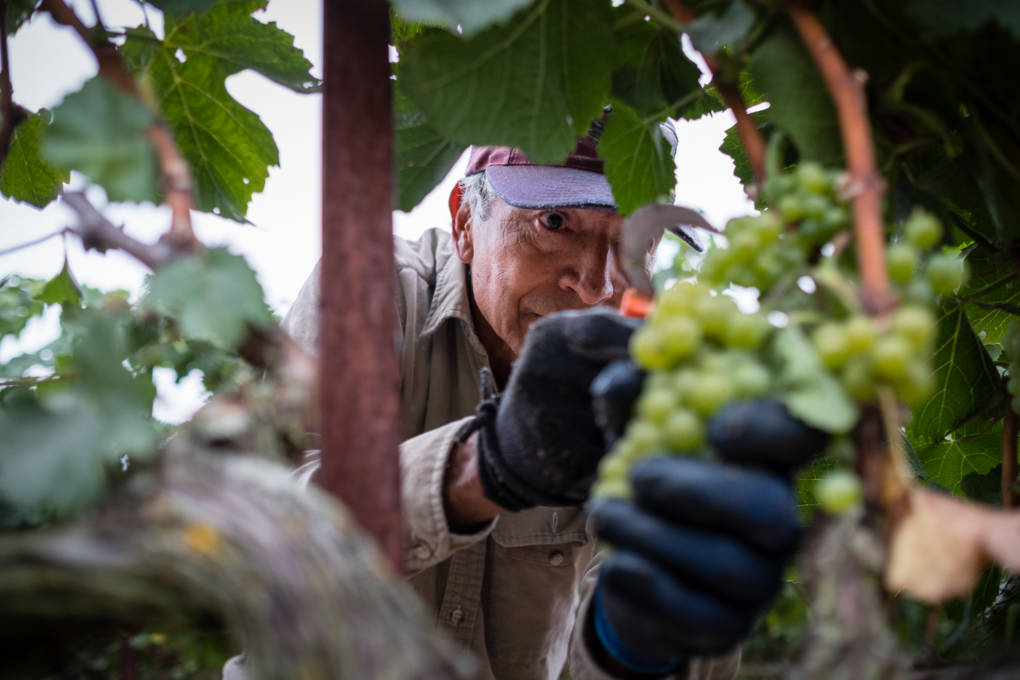
"caption": "'Harvest Season' probes the lives of the multigenerational Latinos, temporary laborers, and permanent residents intimately connected to the production of premium wines in the Napa and Sonoma regions of Northern California.",
"description": "Harvest Season probes the lives of the multigenerational Latinos, temporary laborers, and permanent residents intimately connected to the production of premium wines in the Napa and Sonoma regions of Northern California.",
"title": "HARVESTSEAS_1-6_AddlPubStills_170823_harvest_7756",
"credit": "Roberto Guerra/Courtesy of Quiet Pictures",
"status": "inherit",
"isLoading": false,
"fetchFailed": false
},
"news_11703751": {
"type": "attachments",
"id": "news_11703751",
"meta": {
"index": "attachments_1716263798",
"site": "news",
"id": "11703751",
"found": true
},
"parent": 11703744,
"imgSizes": {
"twentyfourteen-full-width": {
"file": "https://ww2.kqed.org/app/uploads/sites/10/2018/11/trump1-1038x576.jpeg",
"width": 1038,
"mimeType": "image/jpeg",
"height": 576
},
"thumbnail": {
"file": "https://ww2.kqed.org/app/uploads/sites/10/2018/11/trump1-160x107.jpeg",
"width": 160,
"mimeType": "image/jpeg",
"height": 107
},
"post-thumbnail": {
"file": "https://ww2.kqed.org/app/uploads/sites/10/2018/11/trump1-672x372.jpeg",
"width": 672,
"mimeType": "image/jpeg",
"height": 372
},
"kqedFullSize": {
"file": "https://ww2.kqed.org/app/uploads/sites/10/2018/11/trump1.jpeg",
"width": 1260,
"height": 840
},
"large": {
"file": "https://ww2.kqed.org/app/uploads/sites/10/2018/11/trump1-1020x680.jpeg",
"width": 1020,
"mimeType": "image/jpeg",
"height": 680
},
"complete_open_graph": {
"file": "https://ww2.kqed.org/app/uploads/sites/10/2018/11/trump1-1200x800.jpeg",
"width": 1200,
"mimeType": "image/jpeg",
"height": 800
},
"guest-author-50": {
"file": "https://ww2.kqed.org/app/uploads/sites/10/2018/11/trump1-50x50.jpeg",
"width": 50,
"mimeType": "image/jpeg",
"height": 50
},
"guest-author-96": {
"file": "https://ww2.kqed.org/app/uploads/sites/10/2018/11/trump1-96x96.jpeg",
"width": 96,
"mimeType": "image/jpeg",
"height": 96
},
"medium": {
"file": "https://ww2.kqed.org/app/uploads/sites/10/2018/11/trump1-800x533.jpeg",
"width": 800,
"mimeType": "image/jpeg",
"height": 533
},
"guest-author-64": {
"file": "https://ww2.kqed.org/app/uploads/sites/10/2018/11/trump1-64x64.jpeg",
"width": 64,
"mimeType": "image/jpeg",
"height": 64
},
"guest-author-32": {
"file": "https://ww2.kqed.org/app/uploads/sites/10/2018/11/trump1-32x32.jpeg",
"width": 32,
"mimeType": "image/jpeg",
"height": 32
},
"detail": {
"file": "https://ww2.kqed.org/app/uploads/sites/10/2018/11/trump1-150x150.jpeg",
"width": 150,
"mimeType": "image/jpeg",
"height": 150
},
"guest-author-128": {
"file": "https://ww2.kqed.org/app/uploads/sites/10/2018/11/trump1-128x128.jpeg",
"width": 128,
"mimeType": "image/jpeg",
"height": 128
}
},
"publishDate": 1541448326,
"modified": 1541456603,
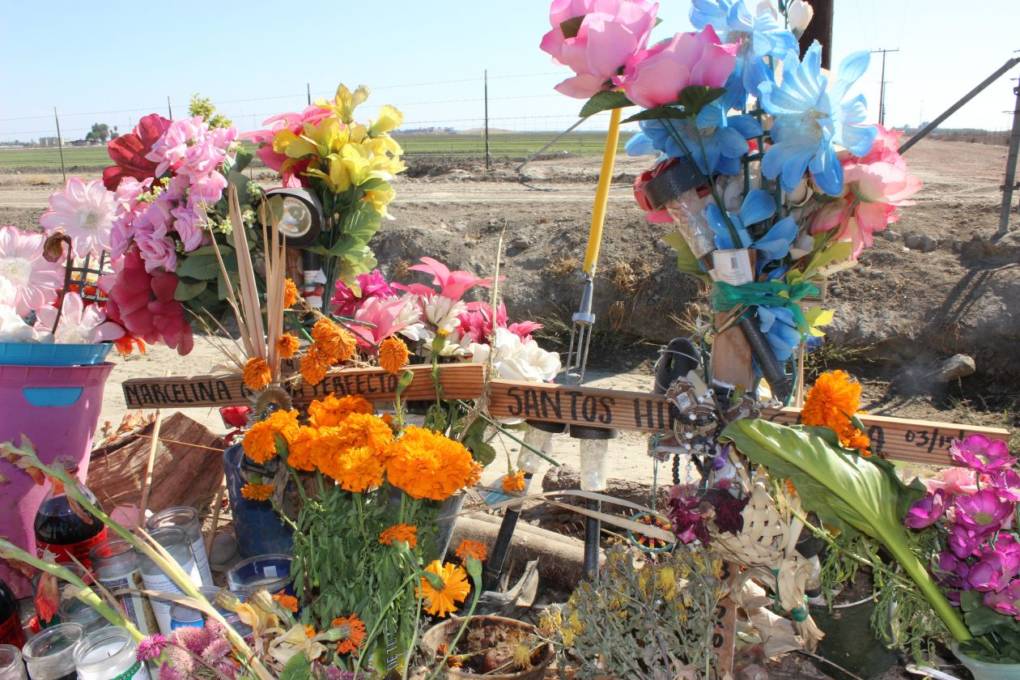
"caption": "A shrine sits next to a Delano road where Marcelina and Santos Garcia died in a car crash while fleeing U.S. Immigration and Customs Enforcement agents.",
"description": "A shrine sits next to a Delano road where Marcelina and Santos Garcia died in a car crash while fleeing U.S. Immigration and Customs Enforcement agents.",
"title": "trump1",
"credit": "Susan Ferriss / Center for Public Integrity",
"status": "inherit",
"isLoading": false,
"fetchFailed": false
},
"news_11697675": {
"type": "attachments",
"id": "news_11697675",
"meta": {
"index": "attachments_1716263798",
"site": "news",
"id": "11697675",
"found": true
},
"parent": 11697624,
"imgSizes": {
"small": {
"file": "https://ww2.kqed.org/app/uploads/sites/10/2018/10/MenaCanvassing-520x331.jpg",
"width": 520,
"mimeType": "image/jpeg",
"height": 331
},
"twentyfourteen-full-width": {
"file": "https://ww2.kqed.org/app/uploads/sites/10/2018/10/MenaCanvassing-1038x576.jpg",
"width": 1038,
"mimeType": "image/jpeg",
"height": 576
},
"thumbnail": {
"file": "https://ww2.kqed.org/app/uploads/sites/10/2018/10/MenaCanvassing-160x102.jpg",
"width": 160,
"mimeType": "image/jpeg",
"height": 102
},
"fd-sm": {
"file": "https://ww2.kqed.org/app/uploads/sites/10/2018/10/MenaCanvassing-960x612.jpg",
"width": 960,
"mimeType": "image/jpeg",
"height": 612
},
"post-thumbnail": {
"file": "https://ww2.kqed.org/app/uploads/sites/10/2018/10/MenaCanvassing-672x372.jpg",
"width": 672,
"mimeType": "image/jpeg",
"height": 372
},
"xsmall": {
"file": "https://ww2.kqed.org/app/uploads/sites/10/2018/10/MenaCanvassing-375x239.jpg",
"width": 375,
"mimeType": "image/jpeg",
"height": 239
},
"kqedFullSize": {
"file": "https://ww2.kqed.org/app/uploads/sites/10/2018/10/MenaCanvassing.jpg",
"width": 1920,
"height": 1223
},
"large": {
"file": "https://ww2.kqed.org/app/uploads/sites/10/2018/10/MenaCanvassing-1020x650.jpg",
"width": 1020,
"mimeType": "image/jpeg",
"height": 650
},
"xlarge": {
"file": "https://ww2.kqed.org/app/uploads/sites/10/2018/10/MenaCanvassing-1180x752.jpg",
"width": 1180,
"mimeType": "image/jpeg",
"height": 752
},
"complete_open_graph": {
"file": "https://ww2.kqed.org/app/uploads/sites/10/2018/10/MenaCanvassing-1200x764.jpg",
"width": 1200,
"mimeType": "image/jpeg",
"height": 764
},
"guest-author-50": {
"file": "https://ww2.kqed.org/app/uploads/sites/10/2018/10/MenaCanvassing-50x50.jpg",
"width": 50,
"mimeType": "image/jpeg",
"height": 50
},
"guest-author-96": {
"file": "https://ww2.kqed.org/app/uploads/sites/10/2018/10/MenaCanvassing-96x96.jpg",
"width": 96,
"mimeType": "image/jpeg",
"height": 96
},
"medium": {
"file": "https://ww2.kqed.org/app/uploads/sites/10/2018/10/MenaCanvassing-800x510.jpg",
"width": 800,
"mimeType": "image/jpeg",
"height": 510
},
"guest-author-64": {
"file": "https://ww2.kqed.org/app/uploads/sites/10/2018/10/MenaCanvassing-64x64.jpg",
"width": 64,
"mimeType": "image/jpeg",
"height": 64
},
"guest-author-32": {
"file": "https://ww2.kqed.org/app/uploads/sites/10/2018/10/MenaCanvassing-32x32.jpg",
"width": 32,
"mimeType": "image/jpeg",
"height": 32
},
"fd-lrg": {
"file": "https://ww2.kqed.org/app/uploads/sites/10/2018/10/MenaCanvassing-1920x1223.jpg",
"width": 1920,
"mimeType": "image/jpeg",
"height": 1223
},
"fd-med": {
"file": "https://ww2.kqed.org/app/uploads/sites/10/2018/10/MenaCanvassing-1180x752.jpg",
"width": 1180,
"mimeType": "image/jpeg",
"height": 752
},
"full-width": {
"file": "https://ww2.kqed.org/app/uploads/sites/10/2018/10/MenaCanvassing-1920x1223.jpg",
"width": 1920,
"mimeType": "image/jpeg",
"height": 1223
},
"detail": {
"file": "https://ww2.kqed.org/app/uploads/sites/10/2018/10/MenaCanvassing-150x150.jpg",
"width": 150,
"mimeType": "image/jpeg",
"height": 150
},
"guest-author-128": {
"file": "https://ww2.kqed.org/app/uploads/sites/10/2018/10/MenaCanvassing-128x128.jpg",
"width": 128,
"mimeType": "image/jpeg",
"height": 128
},
"xxsmall": {
"file": "https://ww2.kqed.org/app/uploads/sites/10/2018/10/MenaCanvassing-240x153.jpg",
"width": 240,
"mimeType": "image/jpeg",
"height": 153
}
},
"publishDate": 1539111508,
"modified": 1539123543,
"caption": "Valeria Mena (L) and another volunteer canvas in downtown Fresno, trying to get young people to register to vote.",
"description": "Valeria Mena (L) and another volunteer canvas in downtown Fresno, trying to get young people to register to vote.",
"title": "MenaCanvassing",
"credit": "Alexandra Hall/KQED",
"status": "inherit",
"isLoading": false,
"fetchFailed": false
},
"news_11629651": {
"type": "attachments",
"id": "news_11629651",
"meta": {
"index": "attachments_1716263798",
"site": "news",
"id": "11629651",
"found": true
},
"parent": 11628908,
"imgSizes": {
"small": {
"file": "https://ww2.kqed.org/app/uploads/sites/10/2017/11/DeLeon-520x342.jpg",
"width": 520,
"mimeType": "image/jpeg",
"height": 342
},
"twentyfourteen-full-width": {
"file": "https://ww2.kqed.org/app/uploads/sites/10/2017/11/DeLeon-1038x576.jpg",
"width": 1038,
"mimeType": "image/jpeg",
"height": 576
},
"thumbnail": {
"file": "https://ww2.kqed.org/app/uploads/sites/10/2017/11/DeLeon-160x105.jpg",
"width": 160,
"mimeType": "image/jpeg",
"height": 105
},
"fd-sm": {
"file": "https://ww2.kqed.org/app/uploads/sites/10/2017/11/DeLeon-960x631.jpg",
"width": 960,
"mimeType": "image/jpeg",
"height": 631
},
"post-thumbnail": {
"file": "https://ww2.kqed.org/app/uploads/sites/10/2017/11/DeLeon-672x372.jpg",
"width": 672,
"mimeType": "image/jpeg",
"height": 372
},
"xsmall": {
"file": "https://ww2.kqed.org/app/uploads/sites/10/2017/11/DeLeon-375x246.jpg",
"width": 375,
"mimeType": "image/jpeg",
"height": 246
},
"kqedFullSize": {
"file": "https://ww2.kqed.org/app/uploads/sites/10/2017/11/DeLeon.jpg",
"width": 1920,
"height": 1262
},
"large": {
"file": "https://ww2.kqed.org/app/uploads/sites/10/2017/11/DeLeon-1020x670.jpg",
"width": 1020,
"mimeType": "image/jpeg",
"height": 670
},
"xlarge": {
"file": "https://ww2.kqed.org/app/uploads/sites/10/2017/11/DeLeon-1180x776.jpg",
"width": 1180,
"mimeType": "image/jpeg",
"height": 776
},
"guest-author-50": {
"file": "https://ww2.kqed.org/app/uploads/sites/10/2017/11/DeLeon-50x50.jpg",
"width": 50,
"mimeType": "image/jpeg",
"height": 50
},
"guest-author-96": {
"file": "https://ww2.kqed.org/app/uploads/sites/10/2017/11/DeLeon-96x96.jpg",
"width": 96,
"mimeType": "image/jpeg",
"height": 96
},
"medium": {
"file": "https://ww2.kqed.org/app/uploads/sites/10/2017/11/DeLeon-800x526.jpg",
"width": 800,
"mimeType": "image/jpeg",
"height": 526
},
"guest-author-64": {
"file": "https://ww2.kqed.org/app/uploads/sites/10/2017/11/DeLeon-64x64.jpg",
"width": 64,
"mimeType": "image/jpeg",
"height": 64
},
"guest-author-32": {
"file": "https://ww2.kqed.org/app/uploads/sites/10/2017/11/DeLeon-32x32.jpg",
"width": 32,
"mimeType": "image/jpeg",
"height": 32
},
"fd-lrg": {
"file": "https://ww2.kqed.org/app/uploads/sites/10/2017/11/DeLeon-1920x1262.jpg",
"width": 1920,
"mimeType": "image/jpeg",
"height": 1262
},
"fd-med": {
"file": "https://ww2.kqed.org/app/uploads/sites/10/2017/11/DeLeon-1180x776.jpg",
"width": 1180,
"mimeType": "image/jpeg",
"height": 776
},
"full-width": {
"file": "https://ww2.kqed.org/app/uploads/sites/10/2017/11/DeLeon-1920x1262.jpg",
"width": 1920,
"mimeType": "image/jpeg",
"height": 1262
},
"detail": {
"file": "https://ww2.kqed.org/app/uploads/sites/10/2017/11/DeLeon-150x150.jpg",
"width": 150,
"mimeType": "image/jpeg",
"height": 150
},
"guest-author-128": {
"file": "https://ww2.kqed.org/app/uploads/sites/10/2017/11/DeLeon-128x128.jpg",
"width": 128,
"mimeType": "image/jpeg",
"height": 128
},
"xxsmall": {
"file": "https://ww2.kqed.org/app/uploads/sites/10/2017/11/DeLeon-240x158.jpg",
"width": 240,
"mimeType": "image/jpeg",
"height": 158
}
},
"publishDate": 1510266252,
"modified": 1510266464,
"caption": "California State Sen. Kevin De León addresses the first day of the Democratic National Convention on July 25, 2016.",
"description": "California State Sen. Kevin De León addresses the first day of the Democratic National Convention on July 25, 2016.",
"title": "DeLeon",
"credit": "Jessica Kourkounis/Getty Images",
"status": "inherit",
"isLoading": false,
"fetchFailed": false
},
"news_11622936": {
"type": "attachments",
"id": "news_11622936",
"meta": {
"index": "attachments_1716263798",
"site": "news",
"id": "11622936",
"found": true
},
"parent": 11622800,
"imgSizes": {
"small": {
"file": "https://ww2.kqed.org/app/uploads/sites/10/2017/10/RS27494_IMG_0994-qut-520x347.jpg",
"width": 520,
"mimeType": "image/jpeg",
"height": 347
},
"twentyfourteen-full-width": {
"file": "https://ww2.kqed.org/app/uploads/sites/10/2017/10/RS27494_IMG_0994-qut-1038x576.jpg",
"width": 1038,
"mimeType": "image/jpeg",
"height": 576
},
"thumbnail": {
"file": "https://ww2.kqed.org/app/uploads/sites/10/2017/10/RS27494_IMG_0994-qut-160x107.jpg",
"width": 160,
"mimeType": "image/jpeg",
"height": 107
},
"fd-sm": {
"file": "https://ww2.kqed.org/app/uploads/sites/10/2017/10/RS27494_IMG_0994-qut-960x640.jpg",
"width": 960,
"mimeType": "image/jpeg",
"height": 640
},
"post-thumbnail": {
"file": "https://ww2.kqed.org/app/uploads/sites/10/2017/10/RS27494_IMG_0994-qut-672x372.jpg",
"width": 672,
"mimeType": "image/jpeg",
"height": 372
},
"xsmall": {
"file": "https://ww2.kqed.org/app/uploads/sites/10/2017/10/RS27494_IMG_0994-qut-375x250.jpg",
"width": 375,
"mimeType": "image/jpeg",
"height": 250
},
"kqedFullSize": {
"file": "https://ww2.kqed.org/app/uploads/sites/10/2017/10/RS27494_IMG_0994-qut.jpg",
"width": 1920,
"height": 1280
},
"large": {
"file": "https://ww2.kqed.org/app/uploads/sites/10/2017/10/RS27494_IMG_0994-qut-1020x680.jpg",
"width": 1020,
"mimeType": "image/jpeg",
"height": 680
},
"xlarge": {
"file": "https://ww2.kqed.org/app/uploads/sites/10/2017/10/RS27494_IMG_0994-qut-1180x787.jpg",
"width": 1180,
"mimeType": "image/jpeg",
"height": 787
},
"guest-author-50": {
"file": "https://ww2.kqed.org/app/uploads/sites/10/2017/10/RS27494_IMG_0994-qut-50x50.jpg",
"width": 50,
"mimeType": "image/jpeg",
"height": 50
},
"guest-author-96": {
"file": "https://ww2.kqed.org/app/uploads/sites/10/2017/10/RS27494_IMG_0994-qut-96x96.jpg",
"width": 96,
"mimeType": "image/jpeg",
"height": 96
},
"medium": {
"file": "https://ww2.kqed.org/app/uploads/sites/10/2017/10/RS27494_IMG_0994-qut-800x533.jpg",
"width": 800,
"mimeType": "image/jpeg",
"height": 533
},
"guest-author-64": {
"file": "https://ww2.kqed.org/app/uploads/sites/10/2017/10/RS27494_IMG_0994-qut-64x64.jpg",
"width": 64,
"mimeType": "image/jpeg",
"height": 64
},
"guest-author-32": {
"file": "https://ww2.kqed.org/app/uploads/sites/10/2017/10/RS27494_IMG_0994-qut-32x32.jpg",
"width": 32,
"mimeType": "image/jpeg",
"height": 32
},
"fd-lrg": {
"file": "https://ww2.kqed.org/app/uploads/sites/10/2017/10/RS27494_IMG_0994-qut-1920x1280.jpg",
"width": 1920,
"mimeType": "image/jpeg",
"height": 1280
},
"fd-med": {
"file": "https://ww2.kqed.org/app/uploads/sites/10/2017/10/RS27494_IMG_0994-qut-1180x787.jpg",
"width": 1180,
"mimeType": "image/jpeg",
"height": 787
},
"full-width": {
"file": "https://ww2.kqed.org/app/uploads/sites/10/2017/10/RS27494_IMG_0994-qut-1920x1280.jpg",
"width": 1920,
"mimeType": "image/jpeg",
"height": 1280
},
"detail": {
"file": "https://ww2.kqed.org/app/uploads/sites/10/2017/10/RS27494_IMG_0994-qut-150x150.jpg",
"width": 150,
"mimeType": "image/jpeg",
"height": 150
},
"guest-author-128": {
"file": "https://ww2.kqed.org/app/uploads/sites/10/2017/10/RS27494_IMG_0994-qut-128x128.jpg",
"width": 128,
"mimeType": "image/jpeg",
"height": 128
},
"xxsmall": {
"file": "https://ww2.kqed.org/app/uploads/sites/10/2017/10/RS27494_IMG_0994-qut-240x160.jpg",
"width": 240,
"mimeType": "image/jpeg",
"height": 160
}
},
"publishDate": 1507840761,
"modified": 1507841546,
"caption": "Jose Diaz, 50, with grandson Jose Manuel, 11, by his truck and trailer at the Marin Center Exhibit Hall, which has become a shelter for many displaced Latino families. Diaz was working in renovations of a house that he believes burned down.",
"description": null,
"title": "RS27494_IMG_0994-qut",
"credit": "Farida Jhabvala Romero/KQED",
"status": "inherit",
"isLoading": false,
"fetchFailed": false
},
"news_11617980": {
"type": "attachments",
"id": "news_11617980",
"meta": {
"index": "attachments_1716263798",
"site": "news",
"id": "11617980",
"found": true
},
"parent": 11617176,
"imgSizes": {
"small": {
"file": "https://ww2.kqed.org/app/uploads/sites/10/2017/09/Bulca2-520x336.jpg",
"width": 520,
"mimeType": "image/jpeg",
"height": 336
},
"twentyfourteen-full-width": {
"file": "https://ww2.kqed.org/app/uploads/sites/10/2017/09/Bulca2-1038x576.jpg",
"width": 1038,
"mimeType": "image/jpeg",
"height": 576
},
"thumbnail": {
"file": "https://ww2.kqed.org/app/uploads/sites/10/2017/09/Bulca2-160x104.jpg",
"width": 160,
"mimeType": "image/jpeg",
"height": 104
},
"fd-sm": {
"file": "https://ww2.kqed.org/app/uploads/sites/10/2017/09/Bulca2-960x621.jpg",
"width": 960,
"mimeType": "image/jpeg",
"height": 621
},
"post-thumbnail": {
"file": "https://ww2.kqed.org/app/uploads/sites/10/2017/09/Bulca2-672x372.jpg",
"width": 672,
"mimeType": "image/jpeg",
"height": 372
},
"xsmall": {
"file": "https://ww2.kqed.org/app/uploads/sites/10/2017/09/Bulca2-375x243.jpg",
"width": 375,
"mimeType": "image/jpeg",
"height": 243
},
"kqedFullSize": {
"file": "https://ww2.kqed.org/app/uploads/sites/10/2017/09/Bulca2.jpg",
"width": 1920,
"height": 1242
},
"large": {
"file": "https://ww2.kqed.org/app/uploads/sites/10/2017/09/Bulca2-1020x660.jpg",
"width": 1020,
"mimeType": "image/jpeg",
"height": 660
},
"xlarge": {
"file": "https://ww2.kqed.org/app/uploads/sites/10/2017/09/Bulca2-1180x763.jpg",
"width": 1180,
"mimeType": "image/jpeg",
"height": 763
},
"guest-author-50": {
"file": "https://ww2.kqed.org/app/uploads/sites/10/2017/09/Bulca2-50x50.jpg",
"width": 50,
"mimeType": "image/jpeg",
"height": 50
},
"guest-author-96": {
"file": "https://ww2.kqed.org/app/uploads/sites/10/2017/09/Bulca2-96x96.jpg",
"width": 96,
"mimeType": "image/jpeg",
"height": 96
},
"medium": {
"file": "https://ww2.kqed.org/app/uploads/sites/10/2017/09/Bulca2-800x518.jpg",
"width": 800,
"mimeType": "image/jpeg",
"height": 518
},
"guest-author-64": {
"file": "https://ww2.kqed.org/app/uploads/sites/10/2017/09/Bulca2-64x64.jpg",
"width": 64,
"mimeType": "image/jpeg",
"height": 64
},
"guest-author-32": {
"file": "https://ww2.kqed.org/app/uploads/sites/10/2017/09/Bulca2-32x32.jpg",
"width": 32,
"mimeType": "image/jpeg",
"height": 32
},
"fd-lrg": {
"file": "https://ww2.kqed.org/app/uploads/sites/10/2017/09/Bulca2-1920x1242.jpg",
"width": 1920,
"mimeType": "image/jpeg",
"height": 1242
},
"fd-med": {
"file": "https://ww2.kqed.org/app/uploads/sites/10/2017/09/Bulca2-1180x763.jpg",
"width": 1180,
"mimeType": "image/jpeg",
"height": 763
},
"full-width": {
"file": "https://ww2.kqed.org/app/uploads/sites/10/2017/09/Bulca2-1920x1242.jpg",
"width": 1920,
"mimeType": "image/jpeg",
"height": 1242
},
"detail": {
"file": "https://ww2.kqed.org/app/uploads/sites/10/2017/09/Bulca2-150x150.jpg",
"width": 150,
"mimeType": "image/jpeg",
"height": 150
},
"guest-author-128": {
"file": "https://ww2.kqed.org/app/uploads/sites/10/2017/09/Bulca2-128x128.jpg",
"width": 128,
"mimeType": "image/jpeg",
"height": 128
},
"xxsmall": {
"file": "https://ww2.kqed.org/app/uploads/sites/10/2017/09/Bulca2-240x155.jpg",
"width": 240,
"mimeType": "image/jpeg",
"height": 155
}
},
"publishDate": 1505936522,
"modified": 1505936548,
"caption": "'Bulca' by Hector Hernandez, part of the 'Mundos Alternos: Art and Science Fiction in the Americas' exhibition at UC Riverside’s Barbara and Art Culver Center of the Arts.",
"description": "'Bulca' by Hector Hernandez, part of the 'Mundos Alternos: Art and Science Fiction in the Americas' exhibition at UC Riverside’s Barbara and Art Culver Center of the Arts.",
"title": "Bulca2",
"credit": "UCR ARTSblock/ Courtesy of the artist",
"status": "inherit",
"isLoading": false,
"fetchFailed": false
},
"news_11568045": {
"type": "attachments",
"id": "news_11568045",
"meta": {
"index": "attachments_1716263798",
"site": "news",
"id": "11568045",
"found": true
},
"parent": 11512311,
"imgSizes": {
"small": {
"file": "https://ww2.kqed.org/app/uploads/sites/10/2017/07/NoLongerNameless1-520x270.jpg",
"width": 520,
"mimeType": "image/jpeg",
"height": 270
},
"twentyfourteen-full-width": {
"file": "https://ww2.kqed.org/app/uploads/sites/10/2017/07/NoLongerNameless1-1038x576.jpg",
"width": 1038,
"mimeType": "image/jpeg",
"height": 576
},
"thumbnail": {
"file": "https://ww2.kqed.org/app/uploads/sites/10/2017/07/NoLongerNameless1-160x83.jpg",
"width": 160,
"mimeType": "image/jpeg",
"height": 83
},
"fd-sm": {
"file": "https://ww2.kqed.org/app/uploads/sites/10/2017/07/NoLongerNameless1-960x499.jpg",
"width": 960,
"mimeType": "image/jpeg",
"height": 499
},
"post-thumbnail": {
"file": "https://ww2.kqed.org/app/uploads/sites/10/2017/07/NoLongerNameless1-672x372.jpg",
"width": 672,
"mimeType": "image/jpeg",
"height": 372
},
"xsmall": {
"file": "https://ww2.kqed.org/app/uploads/sites/10/2017/07/NoLongerNameless1-375x195.jpg",
"width": 375,
"mimeType": "image/jpeg",
"height": 195
},
"kqedFullSize": {
"file": "https://ww2.kqed.org/app/uploads/sites/10/2017/07/NoLongerNameless1.jpg",
"width": 1920,
"height": 997
},
"large": {
"file": "https://ww2.kqed.org/app/uploads/sites/10/2017/07/NoLongerNameless1-1020x530.jpg",
"width": 1020,
"mimeType": "image/jpeg",
"height": 530
},
"xlarge": {
"file": "https://ww2.kqed.org/app/uploads/sites/10/2017/07/NoLongerNameless1-1180x613.jpg",
"width": 1180,
"mimeType": "image/jpeg",
"height": 613
},
"guest-author-50": {
"file": "https://ww2.kqed.org/app/uploads/sites/10/2017/07/NoLongerNameless1-50x50.jpg",
"width": 50,
"mimeType": "image/jpeg",
"height": 50
},
"guest-author-96": {
"file": "https://ww2.kqed.org/app/uploads/sites/10/2017/07/NoLongerNameless1-96x96.jpg",
"width": 96,
"mimeType": "image/jpeg",
"height": 96
},
"medium": {
"file": "https://ww2.kqed.org/app/uploads/sites/10/2017/07/NoLongerNameless1-800x415.jpg",
"width": 800,
"mimeType": "image/jpeg",
"height": 415
},
"guest-author-64": {
"file": "https://ww2.kqed.org/app/uploads/sites/10/2017/07/NoLongerNameless1-64x64.jpg",
"width": 64,
"mimeType": "image/jpeg",
"height": 64
},
"guest-author-32": {
"file": "https://ww2.kqed.org/app/uploads/sites/10/2017/07/NoLongerNameless1-32x32.jpg",
"width": 32,
"mimeType": "image/jpeg",
"height": 32
},
"fd-lrg": {
"file": "https://ww2.kqed.org/app/uploads/sites/10/2017/07/NoLongerNameless1-1920x997.jpg",
"width": 1920,
"mimeType": "image/jpeg",
"height": 997
},
"fd-med": {
"file": "https://ww2.kqed.org/app/uploads/sites/10/2017/07/NoLongerNameless1-1180x613.jpg",
"width": 1180,
"mimeType": "image/jpeg",
"height": 613
},
"full-width": {
"file": "https://ww2.kqed.org/app/uploads/sites/10/2017/07/NoLongerNameless1-1920x997.jpg",
"width": 1920,
"mimeType": "image/jpeg",
"height": 997
},
"detail": {
"file": "https://ww2.kqed.org/app/uploads/sites/10/2017/07/NoLongerNameless1-150x150.jpg",
"width": 150,
"mimeType": "image/jpeg",
"height": 150
},
"guest-author-128": {
"file": "https://ww2.kqed.org/app/uploads/sites/10/2017/07/NoLongerNameless1-128x128.jpg",
"width": 128,
"mimeType": "image/jpeg",
"height": 128
},
"xxsmall": {
"file": "https://ww2.kqed.org/app/uploads/sites/10/2017/07/NoLongerNameless1-240x125.jpg",
"width": 240,
"mimeType": "image/jpeg",
"height": 125
}
},
"publishDate": 1500070484,
"modified": 1500076813,
"caption": "A video for Lance Canales and the Flood's version of Woody Guthrie’s ballad 'Deportee' features author Tim Z. Hernandez whispering the names of those who died in the 1948 plane crash, and of people holding signs painted with those names.",
"description": "A video for Lance Canales and the Flood's version of Woodie Guthrie’s ballad 'Deportee' features author Tim Z. Hernandez whispering the names of those who died in the 1948 plane crash, and of people holding signs painted with those names.",
"title": "NoLongerNameless1",
"credit": "YouTube",
"status": "inherit",
"isLoading": false,
"fetchFailed": false
},
"news_11431960": {
"type": "attachments",
"id": "news_11431960",
"meta": {
"index": "attachments_1716263798",
"site": "news",
"id": "11431960",
"found": true
},
"parent": 11406733,
"imgSizes": {
"small": {
"file": "https://ww2.kqed.org/app/uploads/sites/10/2017/04/FloresFam-520x321.jpg",
"width": 520,
"mimeType": "image/jpeg",
"height": 321
},
"twentyfourteen-full-width": {
"file": "https://ww2.kqed.org/app/uploads/sites/10/2017/04/FloresFam-1038x576.jpg",
"width": 1038,
"mimeType": "image/jpeg",
"height": 576
},
"thumbnail": {
"file": "https://ww2.kqed.org/app/uploads/sites/10/2017/04/FloresFam-160x99.jpg",
"width": 160,
"mimeType": "image/jpeg",
"height": 99
},
"fd-sm": {
"file": "https://ww2.kqed.org/app/uploads/sites/10/2017/04/FloresFam-960x593.jpg",
"width": 960,
"mimeType": "image/jpeg",
"height": 593
},
"post-thumbnail": {
"file": "https://ww2.kqed.org/app/uploads/sites/10/2017/04/FloresFam-672x372.jpg",
"width": 672,
"mimeType": "image/jpeg",
"height": 372
},
"xsmall": {
"file": "https://ww2.kqed.org/app/uploads/sites/10/2017/04/FloresFam-375x231.jpg",
"width": 375,
"mimeType": "image/jpeg",
"height": 231
},
"kqedFullSize": {
"file": "https://ww2.kqed.org/app/uploads/sites/10/2017/04/FloresFam.jpg",
"width": 1920,
"height": 1185
},
"large": {
"file": "https://ww2.kqed.org/app/uploads/sites/10/2017/04/FloresFam-1020x630.jpg",
"width": 1020,
"mimeType": "image/jpeg",
"height": 630
},
"xlarge": {
"file": "https://ww2.kqed.org/app/uploads/sites/10/2017/04/FloresFam-1180x728.jpg",
"width": 1180,
"mimeType": "image/jpeg",
"height": 728
},
"guest-author-50": {
"file": "https://ww2.kqed.org/app/uploads/sites/10/2017/04/FloresFam-50x50.jpg",
"width": 50,
"mimeType": "image/jpeg",
"height": 50
},
"guest-author-96": {
"file": "https://ww2.kqed.org/app/uploads/sites/10/2017/04/FloresFam-96x96.jpg",
"width": 96,
"mimeType": "image/jpeg",
"height": 96
},
"medium": {
"file": "https://ww2.kqed.org/app/uploads/sites/10/2017/04/FloresFam-800x494.jpg",
"width": 800,
"mimeType": "image/jpeg",
"height": 494
},
"guest-author-64": {
"file": "https://ww2.kqed.org/app/uploads/sites/10/2017/04/FloresFam-64x64.jpg",
"width": 64,
"mimeType": "image/jpeg",
"height": 64
},
"guest-author-32": {
"file": "https://ww2.kqed.org/app/uploads/sites/10/2017/04/FloresFam-32x32.jpg",
"width": 32,
"mimeType": "image/jpeg",
"height": 32
},
"fd-lrg": {
"file": "https://ww2.kqed.org/app/uploads/sites/10/2017/04/FloresFam-1920x1185.jpg",
"width": 1920,
"mimeType": "image/jpeg",
"height": 1185
},
"fd-med": {
"file": "https://ww2.kqed.org/app/uploads/sites/10/2017/04/FloresFam-1180x728.jpg",
"width": 1180,
"mimeType": "image/jpeg",
"height": 728
},
"full-width": {
"file": "https://ww2.kqed.org/app/uploads/sites/10/2017/04/FloresFam-1920x1185.jpg",
"width": 1920,
"mimeType": "image/jpeg",
"height": 1185
},
"detail": {
"file": "https://ww2.kqed.org/app/uploads/sites/10/2017/04/FloresFam-150x150.jpg",
"width": 150,
"mimeType": "image/jpeg",
"height": 150
},
"guest-author-128": {
"file": "https://ww2.kqed.org/app/uploads/sites/10/2017/04/FloresFam-128x128.jpg",
"width": 128,
"mimeType": "image/jpeg",
"height": 128
},
"xxsmall": {
"file": "https://ww2.kqed.org/app/uploads/sites/10/2017/04/FloresFam-240x148.jpg",
"width": 240,
"mimeType": "image/jpeg",
"height": 148
}
},
"publishDate": 1493426463,
"modified": 1493426488,
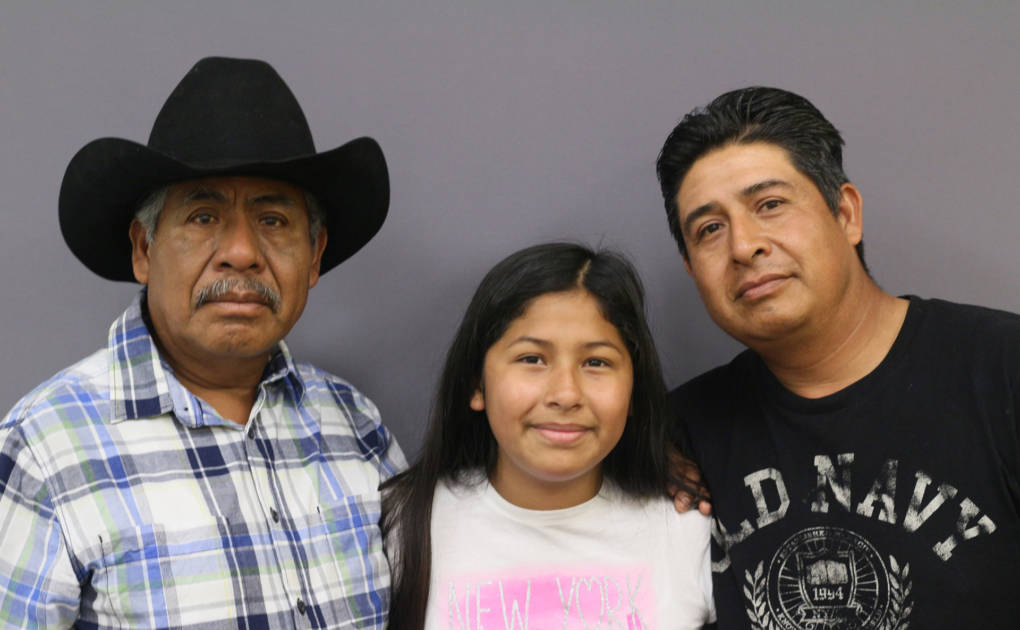
"caption": "59-year-old Julián Flores, his 12-year-old granddaughter Angelina and his 36-year-old son Luis talked about Julian's life growing up in Mexico and moving his family to the United States. ",
"description": "59-year-old Julián Flores, his 12-year-old granddaughter Angelina and his 36-year-old son Luis talked about Julian's life growing up in Mexico and moving his family to the United States. ",
"title": "FloresFam",
"credit": "Photo courtesy of StoryCorps",
"status": "inherit",
"isLoading": false,
"fetchFailed": false
},
"news_11362637": {
"type": "attachments",
"id": "news_11362637",
"meta": {
"index": "attachments_1716263798",
"site": "news",
"id": "11362637",
"found": true
},
"parent": 11362636,
"imgSizes": {
"small": {
"file": "https://ww2.kqed.org/app/uploads/sites/10/2017/03/gettyimages-144083681_custom-a0fc95b9080744b396baaea2e5a635a437574d56-520x343.jpg",
"width": 520,
"mimeType": "image/jpeg",
"height": 343
},
"twentyfourteen-full-width": {
"file": "https://ww2.kqed.org/app/uploads/sites/10/2017/03/gettyimages-144083681_custom-a0fc95b9080744b396baaea2e5a635a437574d56-1038x576.jpg",
"width": 1038,
"mimeType": "image/jpeg",
"height": 576
},
"thumbnail": {
"file": "https://ww2.kqed.org/app/uploads/sites/10/2017/03/gettyimages-144083681_custom-a0fc95b9080744b396baaea2e5a635a437574d56-160x105.jpg",
"width": 160,
"mimeType": "image/jpeg",
"height": 105
},
"fd-sm": {
"file": "https://ww2.kqed.org/app/uploads/sites/10/2017/03/gettyimages-144083681_custom-a0fc95b9080744b396baaea2e5a635a437574d56-960x633.jpg",
"width": 960,
"mimeType": "image/jpeg",
"height": 633
},
"post-thumbnail": {
"file": "https://ww2.kqed.org/app/uploads/sites/10/2017/03/gettyimages-144083681_custom-a0fc95b9080744b396baaea2e5a635a437574d56-672x372.jpg",
"width": 672,
"mimeType": "image/jpeg",
"height": 372
},
"xsmall": {
"file": "https://ww2.kqed.org/app/uploads/sites/10/2017/03/gettyimages-144083681_custom-a0fc95b9080744b396baaea2e5a635a437574d56-375x247.jpg",
"width": 375,
"mimeType": "image/jpeg",
"height": 247
},
"kqedFullSize": {
"file": "https://ww2.kqed.org/app/uploads/sites/10/2017/03/gettyimages-144083681_custom-a0fc95b9080744b396baaea2e5a635a437574d56-e1489706807851.jpg",
"width": 1920,
"height": 1265
},
"large": {
"file": "https://ww2.kqed.org/app/uploads/sites/10/2017/03/gettyimages-144083681_custom-a0fc95b9080744b396baaea2e5a635a437574d56-1020x672.jpg",
"width": 1020,
"mimeType": "image/jpeg",
"height": 672
},
"xlarge": {
"file": "https://ww2.kqed.org/app/uploads/sites/10/2017/03/gettyimages-144083681_custom-a0fc95b9080744b396baaea2e5a635a437574d56-1180x777.jpg",
"width": 1180,
"mimeType": "image/jpeg",
"height": 777
},
"guest-author-50": {
"file": "https://ww2.kqed.org/app/uploads/sites/10/2017/03/gettyimages-144083681_custom-a0fc95b9080744b396baaea2e5a635a437574d56-50x50.jpg",
"width": 50,
"mimeType": "image/jpeg",
"height": 50
},
"guest-author-96": {
"file": "https://ww2.kqed.org/app/uploads/sites/10/2017/03/gettyimages-144083681_custom-a0fc95b9080744b396baaea2e5a635a437574d56-96x96.jpg",
"width": 96,
"mimeType": "image/jpeg",
"height": 96
},
"medium": {
"file": "https://ww2.kqed.org/app/uploads/sites/10/2017/03/gettyimages-144083681_custom-a0fc95b9080744b396baaea2e5a635a437574d56-800x527.jpg",
"width": 800,
"mimeType": "image/jpeg",
"height": 527
},
"guest-author-64": {
"file": "https://ww2.kqed.org/app/uploads/sites/10/2017/03/gettyimages-144083681_custom-a0fc95b9080744b396baaea2e5a635a437574d56-64x64.jpg",
"width": 64,
"mimeType": "image/jpeg",
"height": 64
},
"guest-author-32": {
"file": "https://ww2.kqed.org/app/uploads/sites/10/2017/03/gettyimages-144083681_custom-a0fc95b9080744b396baaea2e5a635a437574d56-32x32.jpg",
"width": 32,
"mimeType": "image/jpeg",
"height": 32
},
"fd-lrg": {
"file": "https://ww2.kqed.org/app/uploads/sites/10/2017/03/gettyimages-144083681_custom-a0fc95b9080744b396baaea2e5a635a437574d56-1920x1265.jpg",
"width": 1920,
"mimeType": "image/jpeg",
"height": 1265
},
"fd-med": {
"file": "https://ww2.kqed.org/app/uploads/sites/10/2017/03/gettyimages-144083681_custom-a0fc95b9080744b396baaea2e5a635a437574d56-1180x777.jpg",
"width": 1180,
"mimeType": "image/jpeg",
"height": 777
},
"full-width": {
"file": "https://ww2.kqed.org/app/uploads/sites/10/2017/03/gettyimages-144083681_custom-a0fc95b9080744b396baaea2e5a635a437574d56-1920x1265.jpg",
"width": 1920,
"mimeType": "image/jpeg",
"height": 1265
},
"detail": {
"file": "https://ww2.kqed.org/app/uploads/sites/10/2017/03/gettyimages-144083681_custom-a0fc95b9080744b396baaea2e5a635a437574d56-150x150.jpg",
"width": 150,
"mimeType": "image/jpeg",
"height": 150
},
"guest-author-128": {
"file": "https://ww2.kqed.org/app/uploads/sites/10/2017/03/gettyimages-144083681_custom-a0fc95b9080744b396baaea2e5a635a437574d56-128x128.jpg",
"width": 128,
"mimeType": "image/jpeg",
"height": 128
},
"xxsmall": {
"file": "https://ww2.kqed.org/app/uploads/sites/10/2017/03/gettyimages-144083681_custom-a0fc95b9080744b396baaea2e5a635a437574d56-240x158.jpg",
"width": 240,
"mimeType": "image/jpeg",
"height": 158
}
},
"publishDate": 1489706611,
"modified": 1489706853,
"caption": "Masjid Omar ibn Al-Khattab Mosque in Los Angeles.",
"description": "Masjid Omar ibn Al-Khattab Mosque in Los Angeles.",
"title": "Masjid Omar ibn Al-Khattab Mosque in Los Angeles, Calif.",
"credit": "Visions of America/UIG via Getty Images",
"status": "inherit",
"isLoading": false,
"fetchFailed": false
},
"news_11296577": {
"type": "attachments",
"id": "news_11296577",
"meta": {
"index": "attachments_1716263798",
"site": "news",
"id": "11296577",
"found": true
},
"parent": 11296576,
"imgSizes": {
"small": {
"file": "https://ww2.kqed.org/app/uploads/sites/10/2017/02/gettyimages-57231038-fe0837c66095c87d62f3fb30316f8eabe7a275fd-520x389.jpg",
"width": 520,
"mimeType": "image/jpeg",
"height": 389
},
"twentyfourteen-full-width": {
"file": "https://ww2.kqed.org/app/uploads/sites/10/2017/02/gettyimages-57231038-fe0837c66095c87d62f3fb30316f8eabe7a275fd-1038x576.jpg",
"width": 1038,
"mimeType": "image/jpeg",
"height": 576
},
"thumbnail": {
"file": "https://ww2.kqed.org/app/uploads/sites/10/2017/02/gettyimages-57231038-fe0837c66095c87d62f3fb30316f8eabe7a275fd-160x120.jpg",
"width": 160,
"mimeType": "image/jpeg",
"height": 120
},
"fd-sm": {
"file": "https://ww2.kqed.org/app/uploads/sites/10/2017/02/gettyimages-57231038-fe0837c66095c87d62f3fb30316f8eabe7a275fd-960x719.jpg",
"width": 960,
"mimeType": "image/jpeg",
"height": 719
},
"post-thumbnail": {
"file": "https://ww2.kqed.org/app/uploads/sites/10/2017/02/gettyimages-57231038-fe0837c66095c87d62f3fb30316f8eabe7a275fd-672x372.jpg",
"width": 672,
"mimeType": "image/jpeg",
"height": 372
},
"xsmall": {
"file": "https://ww2.kqed.org/app/uploads/sites/10/2017/02/gettyimages-57231038-fe0837c66095c87d62f3fb30316f8eabe7a275fd-375x281.jpg",
"width": 375,
"mimeType": "image/jpeg",
"height": 281
},
"kqedFullSize": {
"file": "https://ww2.kqed.org/app/uploads/sites/10/2017/02/gettyimages-57231038-fe0837c66095c87d62f3fb30316f8eabe7a275fd.jpg",
"width": 2664,
"height": 1995
},
"large": {
"file": "https://ww2.kqed.org/app/uploads/sites/10/2017/02/gettyimages-57231038-fe0837c66095c87d62f3fb30316f8eabe7a275fd-1020x764.jpg",
"width": 1020,
"mimeType": "image/jpeg",
"height": 764
},
"xlarge": {
"file": "https://ww2.kqed.org/app/uploads/sites/10/2017/02/gettyimages-57231038-fe0837c66095c87d62f3fb30316f8eabe7a275fd-1180x884.jpg",
"width": 1180,
"mimeType": "image/jpeg",
"height": 884
},
"guest-author-50": {
"file": "https://ww2.kqed.org/app/uploads/sites/10/2017/02/gettyimages-57231038-fe0837c66095c87d62f3fb30316f8eabe7a275fd-50x50.jpg",
"width": 50,
"mimeType": "image/jpeg",
"height": 50
},
"guest-author-96": {
"file": "https://ww2.kqed.org/app/uploads/sites/10/2017/02/gettyimages-57231038-fe0837c66095c87d62f3fb30316f8eabe7a275fd-96x96.jpg",
"width": 96,
"mimeType": "image/jpeg",
"height": 96
},
"medium": {
"file": "https://ww2.kqed.org/app/uploads/sites/10/2017/02/gettyimages-57231038-fe0837c66095c87d62f3fb30316f8eabe7a275fd-800x599.jpg",
"width": 800,
"mimeType": "image/jpeg",
"height": 599
},
"guest-author-64": {
"file": "https://ww2.kqed.org/app/uploads/sites/10/2017/02/gettyimages-57231038-fe0837c66095c87d62f3fb30316f8eabe7a275fd-64x64.jpg",
"width": 64,
"mimeType": "image/jpeg",
"height": 64
},
"guest-author-32": {
"file": "https://ww2.kqed.org/app/uploads/sites/10/2017/02/gettyimages-57231038-fe0837c66095c87d62f3fb30316f8eabe7a275fd-32x32.jpg",
"width": 32,
"mimeType": "image/jpeg",
"height": 32
},
"jmtc-small-thumb": {
"file": "https://ww2.kqed.org/app/uploads/sites/10/2017/02/gettyimages-57231038-fe0837c66095c87d62f3fb30316f8eabe7a275fd-280x150.jpg",
"width": 280,
"mimeType": "image/jpeg",
"height": 150
},
"fd-lrg": {
"file": "https://ww2.kqed.org/app/uploads/sites/10/2017/02/gettyimages-57231038-fe0837c66095c87d62f3fb30316f8eabe7a275fd-1920x1438.jpg",
"width": 1920,
"mimeType": "image/jpeg",
"height": 1438
},
"fd-med": {
"file": "https://ww2.kqed.org/app/uploads/sites/10/2017/02/gettyimages-57231038-fe0837c66095c87d62f3fb30316f8eabe7a275fd-1180x884.jpg",
"width": 1180,
"mimeType": "image/jpeg",
"height": 884
},
"full-width": {
"file": "https://ww2.kqed.org/app/uploads/sites/10/2017/02/gettyimages-57231038-fe0837c66095c87d62f3fb30316f8eabe7a275fd-1920x1438.jpg",
"width": 1920,
"mimeType": "image/jpeg",
"height": 1438
},
"detail": {
"file": "https://ww2.kqed.org/app/uploads/sites/10/2017/02/gettyimages-57231038-fe0837c66095c87d62f3fb30316f8eabe7a275fd-150x150.jpg",
"width": 150,
"mimeType": "image/jpeg",
"height": 150
},
"guest-author-128": {
"file": "https://ww2.kqed.org/app/uploads/sites/10/2017/02/gettyimages-57231038-fe0837c66095c87d62f3fb30316f8eabe7a275fd-128x128.jpg",
"width": 128,
"mimeType": "image/jpeg",
"height": 128
},
"xxsmall": {
"file": "https://ww2.kqed.org/app/uploads/sites/10/2017/02/gettyimages-57231038-fe0837c66095c87d62f3fb30316f8eabe7a275fd-240x180.jpg",
"width": 240,
"mimeType": "image/jpeg",
"height": 180
}
},
"publishDate": 1485980676,
"modified": 1485980981,
"caption": "California has the largest Latino population in the United States. According to a new study, that population seems to be prospering.",
"description": "California has the largest Latino population in the United States. According to a new study, that population seems to be prospering.",
"title": "California has the largest Latino population in the United States. According to a new study, that population seems to be prospering.",
"credit": "David McNew/Getty Images",
"status": "inherit",
"isLoading": false,
"fetchFailed": false
},
"news_11177129": {
"type": "attachments",
"id": "news_11177129",
"meta": {
"index": "attachments_1716263798",
"site": "news",
"id": "11177129",
"found": true
},
"parent": 11176782,
"imgSizes": {
"small": {
"file": "https://ww2.kqed.org/app/uploads/sites/10/2016/11/JeffDenham-520x353.jpg",
"width": 520,
"mimeType": "image/jpeg",
"height": 353
},
"twentyfourteen-full-width": {
"file": "https://ww2.kqed.org/app/uploads/sites/10/2016/11/JeffDenham-1038x576.jpg",
"width": 1038,
"mimeType": "image/jpeg",
"height": 576
},
"thumbnail": {
"file": "https://ww2.kqed.org/app/uploads/sites/10/2016/11/JeffDenham-160x109.jpg",
"width": 160,
"mimeType": "image/jpeg",
"height": 109
},
"fd-sm": {
"file": "https://ww2.kqed.org/app/uploads/sites/10/2016/11/JeffDenham-960x652.jpg",
"width": 960,
"mimeType": "image/jpeg",
"height": 652
},
"post-thumbnail": {
"file": "https://ww2.kqed.org/app/uploads/sites/10/2016/11/JeffDenham-672x372.jpg",
"width": 672,
"mimeType": "image/jpeg",
"height": 372
},
"xsmall": {
"file": "https://ww2.kqed.org/app/uploads/sites/10/2016/11/JeffDenham-375x255.jpg",
"width": 375,
"mimeType": "image/jpeg",
"height": 255
},
"kqedFullSize": {
"file": "https://ww2.kqed.org/app/uploads/sites/10/2016/11/JeffDenham.jpg",
"width": 1920,
"height": 1304
},
"large": {
"file": "https://ww2.kqed.org/app/uploads/sites/10/2016/11/JeffDenham-1020x693.jpg",
"width": 1020,
"mimeType": "image/jpeg",
"height": 693
},
"xlarge": {
"file": "https://ww2.kqed.org/app/uploads/sites/10/2016/11/JeffDenham-1180x801.jpg",
"width": 1180,
"mimeType": "image/jpeg",
"height": 801
},
"guest-author-50": {
"file": "https://ww2.kqed.org/app/uploads/sites/10/2016/11/JeffDenham-50x50.jpg",
"width": 50,
"mimeType": "image/jpeg",
"height": 50
},
"guest-author-96": {
"file": "https://ww2.kqed.org/app/uploads/sites/10/2016/11/JeffDenham-96x96.jpg",
"width": 96,
"mimeType": "image/jpeg",
"height": 96
},
"medium": {
"file": "https://ww2.kqed.org/app/uploads/sites/10/2016/11/JeffDenham-800x543.jpg",
"width": 800,
"mimeType": "image/jpeg",
"height": 543
},
"guest-author-64": {
"file": "https://ww2.kqed.org/app/uploads/sites/10/2016/11/JeffDenham-64x64.jpg",
"width": 64,
"mimeType": "image/jpeg",
"height": 64
},
"guest-author-32": {
"file": "https://ww2.kqed.org/app/uploads/sites/10/2016/11/JeffDenham-32x32.jpg",
"width": 32,
"mimeType": "image/jpeg",
"height": 32
},
"jmtc-small-thumb": {
"file": "https://ww2.kqed.org/app/uploads/sites/10/2016/11/JeffDenham-280x150.jpg",
"width": 280,
"mimeType": "image/jpeg",
"height": 150
},
"fd-lrg": {
"file": "https://ww2.kqed.org/app/uploads/sites/10/2016/11/JeffDenham-1920x1304.jpg",
"width": 1920,
"mimeType": "image/jpeg",
"height": 1304
},
"fd-med": {
"file": "https://ww2.kqed.org/app/uploads/sites/10/2016/11/JeffDenham-1180x801.jpg",
"width": 1180,
"mimeType": "image/jpeg",
"height": 801
},
"full-width": {
"file": "https://ww2.kqed.org/app/uploads/sites/10/2016/11/JeffDenham-1920x1304.jpg",
"width": 1920,
"mimeType": "image/jpeg",
"height": 1304
},
"detail": {
"file": "https://ww2.kqed.org/app/uploads/sites/10/2016/11/JeffDenham-150x150.jpg",
"width": 150,
"mimeType": "image/jpeg",
"height": 150
},
"guest-author-128": {
"file": "https://ww2.kqed.org/app/uploads/sites/10/2016/11/JeffDenham-128x128.jpg",
"width": 128,
"mimeType": "image/jpeg",
"height": 128
},
"xxsmall": {
"file": "https://ww2.kqed.org/app/uploads/sites/10/2016/11/JeffDenham-240x163.jpg",
"width": 240,
"mimeType": "image/jpeg",
"height": 163
}
},
"publishDate": 1479330588,
"modified": 1479330809,
"caption": "Rep. Jeff Denham speaks during a 2014 news conference with military 'DREAMers', undocumented youth who aspire to serve in the armed forces but are prohibited from doing so due to their immigration status.",
"description": "speaks during a 2014 news conference with military 'DREAMers', undocumented youth who aspire to serve in the armed forces but are prohibited from doing so due to their immigration status.",
"title": "jeffdenham",
"credit": "Chip Somodevilla/Getty Images",
"status": "inherit",
"isLoading": false,
"fetchFailed": false
},
"news_11120167": {
"type": "attachments",
"id": "news_11120167",
"meta": {
"index": "attachments_1716263798",
"site": "news",
"id": "11120167",
"found": true
},
"parent": 11116275,
"imgSizes": {
"twentyfourteen-full-width": {
"file": "https://ww2.kqed.org/app/uploads/sites/10/2016/10/WaitingforBus-1038x576.jpg",
"width": 1038,
"mimeType": "image/jpeg",
"height": 576
},
"thumbnail": {
"file": "https://ww2.kqed.org/app/uploads/sites/10/2016/10/WaitingforBus-400x236.jpg",
"width": 400,
"mimeType": "image/jpeg",
"height": 236
},
"fd-sm": {
"file": "https://ww2.kqed.org/app/uploads/sites/10/2016/10/WaitingforBus-960x568.jpg",
"width": 960,
"mimeType": "image/jpeg",
"height": 568
},
"post-thumbnail": {
"file": "https://ww2.kqed.org/app/uploads/sites/10/2016/10/WaitingforBus-672x372.jpg",
"width": 672,
"mimeType": "image/jpeg",
"height": 372
},
"kqedFullSize": {
"file": "https://ww2.kqed.org/app/uploads/sites/10/2016/10/WaitingforBus.jpg",
"width": 1920,
"height": 1135
},
"large": {
"file": "https://ww2.kqed.org/app/uploads/sites/10/2016/10/WaitingforBus-1920x1135.jpg",
"width": 1920,
"mimeType": "image/jpeg",
"height": 1135
},
"guest-author-50": {
"file": "https://ww2.kqed.org/app/uploads/sites/10/2016/10/WaitingforBus-50x50.jpg",
"width": 50,
"mimeType": "image/jpeg",
"height": 50
},
"guest-author-96": {
"file": "https://ww2.kqed.org/app/uploads/sites/10/2016/10/WaitingforBus-96x96.jpg",
"width": 96,
"mimeType": "image/jpeg",
"height": 96
},
"medium": {
"file": "https://ww2.kqed.org/app/uploads/sites/10/2016/10/WaitingforBus-800x473.jpg",
"width": 800,
"mimeType": "image/jpeg",
"height": 473
},
"guest-author-64": {
"file": "https://ww2.kqed.org/app/uploads/sites/10/2016/10/WaitingforBus-64x64.jpg",
"width": 64,
"mimeType": "image/jpeg",
"height": 64
},
"guest-author-32": {
"file": "https://ww2.kqed.org/app/uploads/sites/10/2016/10/WaitingforBus-32x32.jpg",
"width": 32,
"mimeType": "image/jpeg",
"height": 32
},
"jmtc-small-thumb": {
"file": "https://ww2.kqed.org/app/uploads/sites/10/2016/10/WaitingforBus-280x150.jpg",
"width": 280,
"mimeType": "image/jpeg",
"height": 150
},
"fd-lrg": {
"file": "https://ww2.kqed.org/app/uploads/sites/10/2016/10/WaitingforBus-1920x1135.jpg",
"width": 1920,
"mimeType": "image/jpeg",
"height": 1135
},
"fd-med": {
"file": "https://ww2.kqed.org/app/uploads/sites/10/2016/10/WaitingforBus-1180x698.jpg",
"width": 1180,
"mimeType": "image/jpeg",
"height": 698
},
"detail": {
"file": "https://ww2.kqed.org/app/uploads/sites/10/2016/10/WaitingforBus-150x150.jpg",
"width": 150,
"mimeType": "image/jpeg",
"height": 150
},
"guest-author-128": {
"file": "https://ww2.kqed.org/app/uploads/sites/10/2016/10/WaitingforBus-128x128.jpg",
"width": 128,
"mimeType": "image/jpeg",
"height": 128
}
},
"publishDate": 1475874319,
"modified": 1475874369,
"caption": "Thirteen-year-old twins Ruby Barraza and Esmeralda Valdez Barraza catch the 95 bus to Coachella to see some friends.",
"description": "Thirteen-year-old twins Ruby Barraza and Esmeralda Valdez Barraza catch the 95 bus to Coachella to see some friends.",
"title": "WaitingforBus",
"credit": "Bryan Mendez/Coachella Unincorporated",
"status": "inherit",
"isLoading": false,
"fetchFailed": false
}
},
"audioPlayerReducer": {
"postId": "stream_live",
"isPaused": true,
"isPlaying": false,
"pfsActive": false,
"pledgeModalIsOpen": true,
"playerDrawerIsOpen": false,
"liveAudioPlayStartedAt": 0,
"liveAudioPlayContext": ""
},
"authorsReducer": {
"byline_news_11746598": {
"type": "authors",
"id": "byline_news_11746598",
"meta": {
"override": true
},
"slug": "byline_news_11746598",
"name": "Russell Contreras\u003cbr>Associated Press",
"isLoading": false
},
"byline_news_11703744": {
"type": "authors",
"id": "byline_news_11703744",
"meta": {
"override": true
},
"slug": "byline_news_11703744",
"name": "Susan Ferriss",
"isLoading": false
},
"byline_news_11628908": {
"type": "authors",
"id": "byline_news_11628908",
"meta": {
"override": true
},
"slug": "byline_news_11628908",
"name": "\u003cstrong>\u003ca href=\"https://theconversation.com/profiles/jody-agius-vallejo-249830\">Jody Agius Vallejo\u003c/a>\u003c/strong>\u003cbr>University of Southern California for \u003cstrong>\u003ca href=\"https://theconversation.com/us\">The Conversation\u003c/a>\u003c/strong>",
"isLoading": false
},
"byline_news_11362636": {
"type": "authors",
"id": "byline_news_11362636",
"meta": {
"override": true
},
"slug": "byline_news_11362636",
"name": "Jesse Hardman",
"isLoading": false
},
"byline_news_11296576": {
"type": "authors",
"id": "byline_news_11296576",
"meta": {
"override": true
},
"slug": "byline_news_11296576",
"name": "Karen Grigsby Bates",
"isLoading": false
},
"sasha-khokha": {
"type": "authors",
"id": "254",
"meta": {
"index": "authors_1716337520",
"id": "254",
"found": true
},
"name": "Sasha Khokha",
"firstName": "Sasha",
"lastName": "Khokha",
"slug": "sasha-khokha",
"email": "skhokha@kqed.org",
"display_author_email": true,
"staff_mastheads": [
"news"
],
"title": "Host, The California Report Magazine",
"bio": "Sasha Khokha is the host of \u003cem>The California Report's \u003c/em> weekly magazine program, which takes listeners on sound-rich excursions to meet the people that make the Golden State unique -- through audio documentaries and long-form stories. As \u003cem>The California Report's\u003c/em> Central Valley Bureau Chief based in Fresno for nearly a dozen years, Sasha brought the lives and concerns of rural Californians to listeners around the state. Her reporting helped expose the hidden price immigrant women janitors and farmworkers may pay to keep their jobs: sexual assault at work. It inspired two new California laws to protect them from sexual harassment. She was a key member of the reporting team for the Frontline film \u003cem>Rape on the Night Shift, \u003c/em>which was nominated for two national Emmys. Sasha has also won a national Edward R. Murrow and a national PRNDI award for investigative reporting, as well as multiple prizes from the Society for Professional Journalists. Sasha is a proud alum of the UC Berkeley Graduate School of Journalism and Brown University and a member of the South Asian Journalists Association.",
"avatar": "https://secure.gravatar.com/avatar/e4b5e1541aaeea2aa356aa1fb2a68950?s=600&d=blank&r=g",
"twitter": "KQEDSashaKhokha",
"facebook": null,
"instagram": null,
"linkedin": null,
"sites": [
{
"site": "news",
"roles": [
"editor"
]
},
{
"site": "stateofhealth",
"roles": [
"author"
]
},
{
"site": "science",
"roles": [
"author"
]
},
{
"site": "quest",
"roles": [
"subscriber"
]
}
],
"headData": {
"title": "Sasha Khokha | KQED",
"description": "Host, The California Report Magazine",
"ogImgSrc": "https://secure.gravatar.com/avatar/e4b5e1541aaeea2aa356aa1fb2a68950?s=600&d=blank&r=g",
"twImgSrc": "https://secure.gravatar.com/avatar/e4b5e1541aaeea2aa356aa1fb2a68950?s=600&d=blank&r=g"
},
"isLoading": false,
"link": "/author/sasha-khokha"
},
"scuevas": {
"type": "authors",
"id": "2600",
"meta": {
"index": "authors_1716337520",
"id": "2600",
"found": true
},
"name": "Steven Cuevas",
"firstName": "Steven",
"lastName": "Cuevas",
"slug": "scuevas",
"email": "scuevas@kqed.org",
"display_author_email": false,
"staff_mastheads": [],
"title": "KQED Contributor",
"bio": "Steven is a former Los Angeles bureau chief for The California Report.\r\n\r\nHe reports on an array of issues across the Southland, from immigration and regional politics to religion, the performing arts and pop culture.\r\n\r\nPrior to joining KQED in 2012, Steven covered Inland southern California for KPCC in Pasadena. He also helped establish the first newsroom at \u003ca href=\"http://kut.org/\">KUT\u003c/a> in Austin, Texas where he was a general assignment reporter.\r\n\r\nSteven has received numerous awards for his reporting including an RTNDA Edward R. Murrow Award for investigative reporting in addition to awards from the LA Press Club, the Associated Press and the Society for Professional Journalists.\r\n\r\nSteven grew up in and around San Francisco and now lives in Pasadena just a short jog from the foot of the San Gabriel Mountains.",
"avatar": "https://secure.gravatar.com/avatar/2d253580794f8e026100fae05cfabbbd4889b4fe15146146cacb82a01974c538?s=600&d=blank&r=g",
"twitter": null,
"bluesky": null,
"facebook": null,
"instagram": null,
"linkedin": null,
"sites": [
{
"site": "news",
"roles": [
"subscriber"
]
}
],
"headData": {
"title": "Steven Cuevas | KQED",
"description": "KQED Contributor",
"ogImgSrc": "https://secure.gravatar.com/avatar/2d253580794f8e026100fae05cfabbbd4889b4fe15146146cacb82a01974c538?s=600&d=blank&r=g",
"twImgSrc": "https://secure.gravatar.com/avatar/2d253580794f8e026100fae05cfabbbd4889b4fe15146146cacb82a01974c538?s=600&d=blank&r=g"
},
"isLoading": false,
"link": "/author/scuevas"
},
"fjhabvala": {
"type": "authors",
"id": "8659",
"meta": {
"index": "authors_1716337520",
"id": "8659",
"found": true
},
"name": "Farida Jhabvala Romero",
"firstName": "Farida",
"lastName": "Jhabvala Romero",
"slug": "fjhabvala",
"email": "fjhabvala@kqed.org",
"display_author_email": true,
"staff_mastheads": [
"news"
],
"title": "KQED Contributor",
"bio": "Farida Jhabvala Romero is a Labor Correspondent for KQED. She previously covered immigration. Farida was \u003ca href=\"https://www.ccnma.org/2022-most-influential-latina-journalists\">named\u003c/a> one of the 10 Most Influential Latina Journalists in California in 2022 by the California Chicano News Media Association. Her work has won awards from the Society of Professional Journalists (Northern California), as well as a national and regional Edward M. Murrow Award for the collaborative reporting projects “Dangerous Air” and “Graying California.” Before joining KQED, Farida worked as a producer at Radio Bilingüe, a national public radio network. Farida earned her master’s degree in journalism from Stanford University.",
"avatar": "https://secure.gravatar.com/avatar/f9f022d4e2609741874222a1e9d41f48fea74011aa7c615eef91d9a50c944ebe?s=600&d=blank&r=g",
"twitter": "FaridaJhabvala",
"bluesky": null,
"facebook": null,
"instagram": null,
"linkedin": "https://www.linkedin.com/in/faridajhabvala/",
"sites": [
{
"site": "news",
"roles": [
"editor"
]
},
{
"site": "stateofhealth",
"roles": [
"author"
]
},
{
"site": "liveblog",
"roles": [
"author"
]
}
],
"headData": {
"title": "Farida Jhabvala Romero | KQED",
"description": "KQED Contributor",
"ogImgSrc": "https://secure.gravatar.com/avatar/f9f022d4e2609741874222a1e9d41f48fea74011aa7c615eef91d9a50c944ebe?s=600&d=blank&r=g",
"twImgSrc": "https://secure.gravatar.com/avatar/f9f022d4e2609741874222a1e9d41f48fea74011aa7c615eef91d9a50c944ebe?s=600&d=blank&r=g"
},
"isLoading": false,
"link": "/author/fjhabvala"
},
"rlevi": {
"type": "authors",
"id": "11260",
"meta": {
"index": "authors_1716337520",
"id": "11260",
"found": true
},
"name": "Ryan Levi",
"firstName": "Ryan",
"lastName": "Levi",
"slug": "rlevi",
"email": "rlevi@KQED.org",
"display_author_email": false,
"staff_mastheads": [],
"title": "KQED Contributor",
"bio": "Ryan Levi was a reporter and podcast producer at KQED News from 2016-2019. He worked on \u003ca href=\"https://www.kqed.org/news/series/baycurious\">Bay Curious\u003c/a>, \u003ca href=\"https://www.kqed.org/news/tag/the-bay/\">The Bay, \u003c/a>and \u003ca href=\"https://podcasts.apple.com/us/podcast/the-california-report-magazine/id1314750545\">The California Report Magazine\u003c/a>, as well as hosting and producing the weekly \u003ca href=\"https://www.kqed.org/news/program/qedup/\">Q'ed Up podcast. \u003c/a>He also helped inaugurate KQED's weekend news coverage in 2017 as one of two original digital producers. Ryan holds degrees in multimedia journalism and Spanish from the University of Missouri.",
"avatar": "https://secure.gravatar.com/avatar/4cb2ddd028ac8807d1adf09609c5555d?s=600&d=blank&r=g",
"twitter": "ryan_levi",
"facebook": null,
"instagram": null,
"linkedin": null,
"sites": [
{
"site": "arts",
"roles": [
"editor"
]
},
{
"site": "news",
"roles": [
"subscriber"
]
},
{
"site": "stateofhealth",
"roles": [
"editor"
]
},
{
"site": "science",
"roles": [
"editor"
]
},
{
"site": "forum",
"roles": [
"administrator"
]
},
{
"site": "perspectives",
"roles": [
"administrator"
]
}
],
"headData": {
"title": "Ryan Levi | KQED",
"description": "KQED Contributor",
"ogImgSrc": "https://secure.gravatar.com/avatar/4cb2ddd028ac8807d1adf09609c5555d?s=600&d=blank&r=g",
"twImgSrc": "https://secure.gravatar.com/avatar/4cb2ddd028ac8807d1adf09609c5555d?s=600&d=blank&r=g"
},
"isLoading": false,
"link": "/author/rlevi"
},
"jsepulvado": {
"type": "authors",
"id": "11298",
"meta": {
"index": "authors_1716337520",
"id": "11298",
"found": true
},
"name": "John Sepulvado",
"firstName": "John",
"lastName": "Sepulvado",
"slug": "jsepulvado",
"email": "jsepulvado@KQED.org",
"display_author_email": false,
"staff_mastheads": [],
"title": null,
"bio": "John Sepulvado is a former morning host of \u003cem>The California Report\u003c/em>. Prior to joining KQED in September 2016, John was the local host of NPR’s \u003cem>Weekend Edition\u003c/em> at Oregon Public Broadcasting (OPB). He has also served as a producer for America Public Media’s \u003cem>Marketplace Weekend\u003c/em> and worked as a national correspondent for CNN and as news director at WUSF in Tampa, Florida. John has earned prestigious RTDNA Murrow and PRNDI awards for investigative reporting, and helped CNN take home a Peabody Award for coverage of the 2010 Gulf oil spill. John attended Florida A&M in Tallahassee and is also a member of Phi Theta Kappa. He left KQED in 2019.",
"avatar": "https://secure.gravatar.com/avatar/b976d3c4cf11750a793b670e5acb7a1c?s=600&d=blank&r=g",
"twitter": null,
"facebook": null,
"instagram": null,
"linkedin": null,
"sites": [
{
"site": "news",
"roles": [
"author",
"edit_others_posts"
]
}
],
"headData": {
"title": "John Sepulvado | KQED",
"description": null,
"ogImgSrc": "https://secure.gravatar.com/avatar/b976d3c4cf11750a793b670e5acb7a1c?s=600&d=blank&r=g",
"twImgSrc": "https://secure.gravatar.com/avatar/b976d3c4cf11750a793b670e5acb7a1c?s=600&d=blank&r=g"
},
"isLoading": false,
"link": "/author/jsepulvado"
},
"ahall": {
"type": "authors",
"id": "11490",
"meta": {
"index": "authors_1716337520",
"id": "11490",
"found": true
},
"name": "Alex Hall",
"firstName": "Alex",
"lastName": "Hall",
"slug": "ahall",
"email": "ahall@kqed.org",
"display_author_email": false,
"staff_mastheads": [
"news"
],
"title": "KQED Enterprise & Accountability Reporter",
"bio": "Alex Hall is KQED's Enterprise and Accountability Reporter. She previously covered the Central Valley for five years from KQED's bureau in Fresno. Before joining KQED, Alex was an investigative reporting fellow at Wisconsin Public Radio and the Wisconsin Center for Investigative Journalism. She has also worked as a bilingual producer for NPR's investigative unit and freelance video producer for Reuters TV on the Latin America desk. She got her start in journalism in South America, where she worked as a radio producer and Spanish-English translator for CNN Chile. Her documentary and investigation into the series of deadly COVID-19 outbreaks at Foster Farms won a national Edward R. Murrow award and was named an Investigative Reporters & Editors award finalist. Alex's reporting for Reveal on the Wisconsin dairy industry's reliance on undocumented immigrant labor was made into a film, Los Lecheros, which won a regional Edward R. Murrow award for best news documentary.",
"avatar": "https://secure.gravatar.com/avatar/defcbeb88b0bf591ff9af41f22644051?s=600&d=blank&r=g",
"twitter": "@chalexhall",
"facebook": null,
"instagram": null,
"linkedin": null,
"sites": [
{
"site": "news",
"roles": [
"editor"
]
},
{
"site": "liveblog",
"roles": [
"author"
]
}
],
"headData": {
"title": "Alex Hall | KQED",
"description": "KQED Enterprise & Accountability Reporter",
"ogImgSrc": "https://secure.gravatar.com/avatar/defcbeb88b0bf591ff9af41f22644051?s=600&d=blank&r=g",
"twImgSrc": "https://secure.gravatar.com/avatar/defcbeb88b0bf591ff9af41f22644051?s=600&d=blank&r=g"
},
"isLoading": false,
"link": "/author/ahall"
}
},
"pagesReducer": {
"news_tag_latinos": {
"type": "terms",
"id": "news_18142",
"meta": {
"index": "terms_1716263798",
"site": "news",
"id": "18142",
"score": 9.304556
},
"featImg": null,
"name": "Latinos",
"description": null,
"taxonomy": "tag",
"headData": {
"twImgId": null,
"twTitle": null,
"ogTitle": null,
"ogImgId": null,
"twDescription": null,
"description": null,
"title": "Latinos Archives | KQED News",
"ogDescription": null
},
"ttid": 18176,
"slug": "latinos",
"isLoading": false,
"title": "Latinos",
"pageMeta": {
"site": "news",
"WpPageTemplate": "page-topic-editorial",
"currentPage": 5
},
"blocks": [
{
"blockName": "kqed/post-list",
"attrs": {
"layout": "cardArticle2",
"query": "posts/news?tag=latinos",
"seeMore": false,
"paginated": true,
"page": 5
}
},
{
"blockName": "kqed/ad"
}
]
}
},
"pfsSessionReducer": {},
"postsReducer": {
"stream_live": {
"type": "live",
"id": "stream_live",
"audioUrl": "https://streams.kqed.org/kqedradio",
"title": "Live Stream",
"excerpt": "Live Stream information currently unavailable.",
"link": "/radio",
"featImg": "",
"label": {
"name": "KQED Live",
"link": "/"
}
},
"stream_kqedNewscast": {
"type": "posts",
"id": "stream_kqedNewscast",
"audioUrl": "https://www.kqed.org/.stream/anon/radio/RDnews/newscast.mp3?_=1",
"title": "KQED Newscast",
"featImg": "",
"label": {
"name": "88.5 FM",
"link": "/"
}
},
"news_11746598": {
"type": "posts",
"id": "news_11746598",
"meta": {
"index": "posts_1716263798",
"site": "news",
"id": "11746598",
"score": null,
"sort": [
1557702673000
]
},
"parent": 0,
"labelTerm": {},
"blocks": [],
"publishDate": 1557702673,
"format": "standard",
"disqusTitle": "PBS Film Spotlights Mexican Americans' Role in Napa Valley's Winemaking",
"title": "PBS Film Spotlights Mexican Americans' Role in Napa Valley's Winemaking",
"headTitle": "KQED News",
"content": "\u003cp>For generations, Mexican-born Gustavo Brambila's family has worked in the wine industry of California's Napa Valley in some form.\u003c/p>\n\u003cp>He went to college on a baseball scholarship but the passion of flowery aromas and crisp peach flavor remained in his soul and he eventually got a degree in fermentation sciences.\u003c/p>\n\u003cp>His dream: His own vineyard.\u003c/p>\n\u003cp>Brambila's story and others are the focus of \"\u003ca href=\"http://www.pbs.org/independentlens/films/harvest-season/\" target=\"_blank\" rel=\"noopener\">Harvest Season\u003c/a>,\" a new PBS documentary examining the contributions of Mexican Americans in the wine industry of California's Napa Valley.\u003c/p>\n\u003cp>The film, scheduled to begin airing Monday on most PBS stations as part of the Independent Lens series, shows how the Mexican Americans have shaped the industry as farmworkers and later vineyard owners in one of the richest wine regions in the world.\u003c/p>\n\u003cp>Through the eyes of winemaker Gustavo Brambila, Mexican migrant worker Rene Reyes and wine entrepreneur Vanessa Robledo, the documentary shows how the California wine industry's most silent figures battle weather, climate change and wildfires. They speak of their families' deep roots with vineyards and how it shapes their dreams for the future.\u003c/p>\n\u003cp>Director Bernardo Ruiz said he wanted his project to show that people of Mexican descent have been a part of U.S. history since its founding and winemaker is just one industry where this is evident.\u003c/p>\n\u003cp>\"From the outside, winemaking is very glamorous and it's very romanticized,\" Ruiz said. \"What really drives it is really hard work.\"\u003c/p>\n\u003cp>https://www.instagram.com/p/BxXcd1YgVm5/?utm_source=ig_web_copy_link\u003c/p>\n\u003cp>In California, those workers tend to be immigrants and Mexican Americans, he said.\u003c/p>\n\u003cp>To be sure, Mexican Americans has played vital roles in the creation and development of vineyards in California, New Mexico and Arizona.\u003c/p>\n\u003cp>But Lilia Soto, an American Studies professor at the University of Wyoming, who grew up in Napa, California, said Mexican Americans especially have been instrumental in the played formation of the Napa Valley as a tourist site by providing the labor and its family connections that go back generations.\u003c/p>\n\u003cp>Those connections help tell the story of the U.S., Ruiz said.\u003c/p>\n\u003cp>https://www.instagram.com/p/BxX5pMCFQVw/?utm_source=ig_web_copy_link\u003c/p>\n\u003cp>More where this is evident is with Vanessa Robledo. She's the granddaughter of a Mexican migrant worker who came to the U.S. through the Bracero Program — a World War II-era program that sought to give temporary guest contracts to work in the fields. Her grandfather and father ended up in the vineyards.\u003c/p>\n\u003cp>\"My dad would always tell us, 'This is how our family will survive and it's our future,'\" Robledo said.\u003c/p>\n\u003cp>In the documentary, Robledo talks about being pushed out of the family vineyard business because she was female, then finding her own path in the industry.\u003c/p>\n\u003cp>https://www.instagram.com/p/BxVoGOlgpf2/?utm_source=ig_web_copy_link\u003c/p>\n\u003cp>She guides workers harvesting grapes in the cool of night and walking through the vineyard during the day with a stunning background of rolling hills and distant mountains.\u003c/p>\n\u003cp>Soto, who went to high school with Robledo, said such stories captured the essence of Mexican Napa as opposed to the tourism mecca Napa. \"The film highlights a Napa that is often invisible to most visitors,\" Soto said. \"These invisible people have always been here.\"\u003c/p>\n\u003cp>Harvest Season premieres on Independent Lens May 13, tune in or stream, at 10/9c (\u003ca href=\"http://www.pbs.org/independentlens/tv-schedule/?utm_source=toolkit&utm_medium=il2000%2Bsocial%2Boutreach&utm_campaign=local%2Blistings#schedule-local\" target=\"_blank\" rel=\"noopener\">check local listings\u003c/a>) on PBS.\u003c/p>\n\u003cp>[ad fullwidth]\u003c/p>\n\u003cp>\u003c/p>\n",
"disqusIdentifier": "11746598 https://ww2.kqed.org/news/?p=11746598",
"disqusUrl": "https://ww2.kqed.org/news/2019/05/12/pbs-film-spotlights-mexican-americans-role-in-napa-valleys-winemaking/",
"stats": {
"hasVideo": false,
"hasChartOrMap": false,
"hasAudio": false,
"hasPolis": false,
"wordCount": 559,
"hasGoogleForm": false,
"hasGallery": false,
"hasHearkenModule": false,
"iframeSrcs": [],
"paragraphCount": 20
},
"modified": 1557778793,
"excerpt": "\"Harvest Season,\" a new PBS documentary, examines the contributions of Mexican Americans in the wine industry of California's Napa Valley.",
"headData": {
"twImgId": "",
"twTitle": "",
"ogTitle": "",
"ogImgId": "",
"twDescription": "",
"description": ""Harvest Season," a new PBS documentary, examines the contributions of Mexican Americans in the wine industry of California's Napa Valley.",
"title": "PBS Film Spotlights Mexican Americans' Role in Napa Valley's Winemaking | KQED",
"ogDescription": "",
"schema": {
"@context": "https://schema.org",
"@type": "NewsArticle",
"headline": "PBS Film Spotlights Mexican Americans' Role in Napa Valley's Winemaking",
"datePublished": "2019-05-12T16:11:13-07:00",
"dateModified": "2019-05-13T13:19:53-07:00",
"image": "https://cdn.kqed.org/wp-content/uploads/2020/02/KQED-OG-Image@1x.png",
"isAccessibleForFree": "True",
"publisher": {
"@type": "NewsMediaOrganization",
"@id": "https://www.kqed.org/#organization",
"name": "KQED",
"logo": "https://cdn.kqed.org/wp-content/uploads/2020/02/KQED-OG-Image@1x.png",
"url": "https://www.kqed.org",
"sameAs": [
"https://www.facebook.com/KQED",
"https://twitter.com/KQED",
"https://www.instagram.com/kqed/",
"https://www.tiktok.com/@kqedofficial",
"https://www.linkedin.com/company/kqed",
"https://www.youtube.com/channel/UCeC0IOo7i1P_61zVUWbJ4nw"
]
}
}
},
"guestAuthors": [],
"slug": "pbs-film-spotlights-mexican-americans-role-in-napa-valleys-winemaking",
"status": "publish",
"nprByline": "Russell Contreras\u003cbr>Associated Press",
"source": "Associated Press",
"path": "/news/11746598/pbs-film-spotlights-mexican-americans-role-in-napa-valleys-winemaking",
"audioTrackLength": null,
"parsedContent": [
{
"type": "contentString",
"content": "\u003cdiv class=\"post-body\">\u003cp>\u003cp>For generations, Mexican-born Gustavo Brambila's family has worked in the wine industry of California's Napa Valley in some form.\u003c/p>\n\u003cp>He went to college on a baseball scholarship but the passion of flowery aromas and crisp peach flavor remained in his soul and he eventually got a degree in fermentation sciences.\u003c/p>\n\u003cp>His dream: His own vineyard.\u003c/p>\n\u003cp>Brambila's story and others are the focus of \"\u003ca href=\"http://www.pbs.org/independentlens/films/harvest-season/\" target=\"_blank\" rel=\"noopener\">Harvest Season\u003c/a>,\" a new PBS documentary examining the contributions of Mexican Americans in the wine industry of California's Napa Valley.\u003c/p>\n\u003cp>The film, scheduled to begin airing Monday on most PBS stations as part of the Independent Lens series, shows how the Mexican Americans have shaped the industry as farmworkers and later vineyard owners in one of the richest wine regions in the world.\u003c/p>\n\u003cp>Through the eyes of winemaker Gustavo Brambila, Mexican migrant worker Rene Reyes and wine entrepreneur Vanessa Robledo, the documentary shows how the California wine industry's most silent figures battle weather, climate change and wildfires. They speak of their families' deep roots with vineyards and how it shapes their dreams for the future.\u003c/p>\n\u003cp>Director Bernardo Ruiz said he wanted his project to show that people of Mexican descent have been a part of U.S. history since its founding and winemaker is just one industry where this is evident.\u003c/p>\n\u003cp>\"From the outside, winemaking is very glamorous and it's very romanticized,\" Ruiz said. \"What really drives it is really hard work.\"\u003c/p>\u003c/p>\u003c/div>",
"attributes": {
"named": {},
"numeric": []
}
},
{
"type": "component",
"content": "",
"name": "instagramLink",
"attributes": {
"named": {
"instagramUrl": "https://www.instagram.com/p/BxXcd1YgVm5/?utm_source=ig_web_copy_link"
},
"numeric": []
}
},
{
"type": "contentString",
"content": "\u003cdiv class=\"post-body\">\u003cp>\u003cp>In California, those workers tend to be immigrants and Mexican Americans, he said.\u003c/p>\n\u003cp>To be sure, Mexican Americans has played vital roles in the creation and development of vineyards in California, New Mexico and Arizona.\u003c/p>\n\u003cp>But Lilia Soto, an American Studies professor at the University of Wyoming, who grew up in Napa, California, said Mexican Americans especially have been instrumental in the played formation of the Napa Valley as a tourist site by providing the labor and its family connections that go back generations.\u003c/p>\n\u003cp>Those connections help tell the story of the U.S., Ruiz said.\u003c/p>\u003c/p>\u003c/div>",
"attributes": {
"named": {},
"numeric": []
}
},
{
"type": "component",
"content": "",
"name": "instagramLink",
"attributes": {
"named": {
"instagramUrl": "https://www.instagram.com/p/BxX5pMCFQVw/?utm_source=ig_web_copy_link"
},
"numeric": []
}
},
{
"type": "contentString",
"content": "\u003cdiv class=\"post-body\">\u003cp>\u003cp>More where this is evident is with Vanessa Robledo. She's the granddaughter of a Mexican migrant worker who came to the U.S. through the Bracero Program — a World War II-era program that sought to give temporary guest contracts to work in the fields. Her grandfather and father ended up in the vineyards.\u003c/p>\n\u003cp>\"My dad would always tell us, 'This is how our family will survive and it's our future,'\" Robledo said.\u003c/p>\n\u003cp>In the documentary, Robledo talks about being pushed out of the family vineyard business because she was female, then finding her own path in the industry.\u003c/p>\u003c/p>\u003c/div>",
"attributes": {
"named": {},
"numeric": []
}
},
{
"type": "component",
"content": "",
"name": "instagramLink",
"attributes": {
"named": {
"instagramUrl": "https://www.instagram.com/p/BxVoGOlgpf2/?utm_source=ig_web_copy_link"
},
"numeric": []
}
},
{
"type": "contentString",
"content": "\u003cdiv class=\"post-body\">\u003cp>\u003cp>She guides workers harvesting grapes in the cool of night and walking through the vineyard during the day with a stunning background of rolling hills and distant mountains.\u003c/p>\n\u003cp>Soto, who went to high school with Robledo, said such stories captured the essence of Mexican Napa as opposed to the tourism mecca Napa. \"The film highlights a Napa that is often invisible to most visitors,\" Soto said. \"These invisible people have always been here.\"\u003c/p>\n\u003cp>Harvest Season premieres on Independent Lens May 13, tune in or stream, at 10/9c (\u003ca href=\"http://www.pbs.org/independentlens/tv-schedule/?utm_source=toolkit&utm_medium=il2000%2Bsocial%2Boutreach&utm_campaign=local%2Blistings#schedule-local\" target=\"_blank\" rel=\"noopener\">check local listings\u003c/a>) on PBS.\u003c/p>\n\u003cp>\u003c/p>\u003c/div>",
"attributes": {
"named": {},
"numeric": []
}
},
{
"type": "component",
"content": "",
"name": "ad",
"attributes": {
"named": {
"label": "fullwidth"
},
"numeric": [
"fullwidth"
]
}
},
{
"type": "contentString",
"content": "\u003cdiv class=\"post-body\">\u003cp>\u003c/p>\n\u003cp>\u003c/p>\n\u003c/div>\u003c/p>",
"attributes": {
"named": {},
"numeric": []
}
}
],
"link": "/news/11746598/pbs-film-spotlights-mexican-americans-role-in-napa-valleys-winemaking",
"authors": [
"byline_news_11746598"
],
"categories": [
"news_24114",
"news_8"
],
"tags": [
"news_17731",
"news_17719",
"news_18142",
"news_23121",
"news_6850",
"news_1400",
"news_6926"
],
"featImg": "news_11746738",
"label": "source_news_11746598"
},
"news_11703744": {
"type": "posts",
"id": "news_11703744",
"meta": {
"index": "posts_1716263798",
"site": "news",
"id": "11703744",
"score": null,
"sort": [
1541460144000
]
},
"guestAuthors": [],
"slug": "tragic-immigrant-deaths-fuel-drive-to-flip-california-gop-congressional-district",
"title": "Tragic Immigrant Deaths Fuel Drive to 'Flip' California GOP Congressional District",
"publishDate": 1541460144,
"format": "image",
"headTitle": "Tragic Immigrant Deaths Fuel Drive to ‘Flip’ California GOP Congressional District | KQED",
"labelTerm": {},
"content": "\u003cp>[dropcap]A[/dropcap] small shrine with fresh marigolds and votive candles marks the spot where immigrants Marcelina and Santos Garcia \u003ca href=\"https://www.kqed.org/news/11659380/after-immigrant-couple-dies-fleeing-ice-farmworkers-describe-new-community-fears\">were killed on March 13.\u003c/a> The couple, of Mixtec Indian origin, had emigrated to California’s Central Valley from a rural region in Mexico where family values are strong.\u003c/p>\n\u003cp>Like so many other immigrants, they built a life in Delano, a city of 53,000 that’s about 140 miles north of Los Angeles. There, they worked in the world’s most productive farm industry, in its vast sea of grape vines, fruit trees and multi-seasonal crops.\u003c/p>\n\u003cp>But early that March morning, as the Garcias drove through town, U.S. Immigration and Customs Enforcement agents closed in on their SUV.\u003c/p>\n\u003cp>Attempting to evade agents, the undocumented couple sped down a country road. The vehicle went out of control and crashed into a pole and rolled over, killing the Garcias, who never knew that ICE was looking for Santos’ brother, not for them.\u003c/p>\n\u003cfigure id=\"attachment_11703752\" class=\"wp-caption aligncenter\" style=\"max-width: 800px\">\u003cimg loading=\"lazy\" decoding=\"async\" class=\"size-medium wp-image-11703752\" src=\"https://ww2.kqed.org/news/wp-content/uploads/sites/10/2018/11/trump2-800x476.jpg\" alt=\"Mourning family bid goodbye to the immigrant couple who died fleeing ICE agents.\" width=\"800\" height=\"476\" srcset=\"https://cdn.kqed.org/wp-content/uploads/sites/10/2018/11/trump2-800x476.jpg 800w, https://cdn.kqed.org/wp-content/uploads/sites/10/2018/11/trump2-160x95.jpg 160w, https://cdn.kqed.org/wp-content/uploads/sites/10/2018/11/trump2.jpg 940w\" sizes=\"(max-width: 800px) 100vw, 800px\">\u003cfigcaption class=\"wp-caption-text\">Mourning family bid goodbye to the immigrant couple who died fleeing ICE agents. \u003ccite>(The Bakersfield Californian)\u003c/cite>\u003c/figcaption>\u003c/figure>\n\u003cp>The Garcias’ deaths left their six children, who are not all U.S. citizens, orphaned. And in Delano — where in 1965 the United Farm Workers first carved their place in history — anger and fear about what happened has added urgency and upped the stakes for the midterm election occurring tomorrow.\u003c/p>\n\u003cp>[ad fullwidth]\u003c/p>\n\u003cp>“This has been huge wake-up call for the Latino community,” said Yazmin Hernandez, 22, a graduate of Fresno State University who helps legal permanent-resident immigrants in Delano apply for citizenship. “As a child of farmworkers,” she said, “I really want to vote.”\u003c/p>\n\u003cp>But do others agree? Hernandez and a lot of young Latinos like her — many motivated, some less so — could be pivotal to what happens in this grape-growing region with a disappointing history of voter turnout. That history explains why get-out-the-vote campaigns hoping to energize thousands of voters have been sweeping through California’s Central Valley in recent weeks, as labor groups and immigrant rights activists aim to send a message to President Donald J. Trump.\u003c/p>\n\u003cp>In the eye of the storm: the district’s congressman, U.S. Rep. David Valadao, a Republican who has defied the odds by being elected three times in a district where Democrats hold a registration advantage and Hillary Clinton was victorious just two years ago.\u003c/p>\n\u003ch3>Youth Get Involved\u003c/h3>\n\u003cp>There’s no escaping Delano’s dramatic past. Not far from the roadside shrine commemorating the Garcias, the United Farm Workers’ original adobe headquarters, “Forty Acres,” is now a national historic landmark — something few would have imagined in the late 1960s here in Kern County. A bronze plaque and other markers explain Delano’s place in a chapter of American history that still rankles some conservatives and divides people here even today.\u003c/p>\n\u003cp>It took a five-year strike and a national boycott campaign for the UFW to obtain its first union contract in 1970 benefiting Mexican-American and Mexican and Filipino immigrant grape laborers. As door-to-door voter turnout campaigns tick up to Election Day, Forty Acres is a reminder that change can take root slowly.\u003c/p>\n\u003cfigure id=\"attachment_11703753\" class=\"wp-caption alignnone\" style=\"max-width: 800px\">\u003cimg loading=\"lazy\" decoding=\"async\" class=\"size-medium wp-image-11703753\" src=\"https://ww2.kqed.org/news/wp-content/uploads/sites/10/2018/11/trump3-800x300.jpg\" alt=\"\" width=\"800\" height=\"300\" srcset=\"https://cdn.kqed.org/wp-content/uploads/sites/10/2018/11/trump3-800x300.jpg 800w, https://cdn.kqed.org/wp-content/uploads/sites/10/2018/11/trump3-160x60.jpg 160w, https://cdn.kqed.org/wp-content/uploads/sites/10/2018/11/trump3-1020x382.jpg 1020w, https://cdn.kqed.org/wp-content/uploads/sites/10/2018/11/trump3-1200x450.jpg 1200w, https://cdn.kqed.org/wp-content/uploads/sites/10/2018/11/trump3-1180x442.jpg 1180w, https://cdn.kqed.org/wp-content/uploads/sites/10/2018/11/trump3-960x360.jpg 960w, https://cdn.kqed.org/wp-content/uploads/sites/10/2018/11/trump3-240x90.jpg 240w, https://cdn.kqed.org/wp-content/uploads/sites/10/2018/11/trump3-375x140.jpg 375w, https://cdn.kqed.org/wp-content/uploads/sites/10/2018/11/trump3-520x195.jpg 520w, https://cdn.kqed.org/wp-content/uploads/sites/10/2018/11/trump3.jpg 1260w\" sizes=\"(max-width: 800px) 100vw, 800px\">\u003cfigcaption class=\"wp-caption-text\">Delano is home to Forty Acres, now a national historic landmark. It’s where Cesar Chavez and farmworkers established a headquarters in the late 1960s to fight for farm labor and civil rights. Chavez fasted in a room at Forty Acres, pictured at left, to demand rights for agricultural workers. (Susan Ferriss / Center for Public Integrity).\u003c/figcaption>\u003c/figure>\n\u003cp>For frustrated Democrats, this is a crucial beachhead. Out of the 53 seats allotted to California in the House of Representatives, only 14 districts are held by Republicans in a state that’s been gradually turning deep blue for years now. Delano, 77 percent Latino, sits in one of the GOP pockets: the sprawling 21st Congressional District. The Almanac of American Politics says Valadao has won here against Democratic candidates “who have consistently under-performed initial expectations.”\u003c/p>\n\u003cp>Stretching more than 150 miles northwest to southeast, the Valley district includes parts of Fresno, Kings, Tulare and Kern counties and a piece of the city of Bakersfield. The district is also home to a smattering of small cities, Naval Air Station Lemoore, a major fighter base, and mile after mile of crops and dairy farms.\u003c/p>\n\u003cp>Interest in midterm elections is usually tepid compared to presidential races. But it’s the age of Trump, and California is a state where Latinos, mostly Mexican-American, are now the single largest demographic.\u003c/p>\n\u003caside class=\"pullquote alignright\">“As a child of farmworkers, I really want to vote.” \u003ccite>Yazmin Hernandez, 22 \u003c/cite>\u003c/aside>\n\u003cp>Against this backdrop, Democrats hope that more door-to-door contact with “low-propensity” voters and “ticket splitters” will channel that anti-Trump sentiment into victories in at least a few GOP-held districts. If that happens, GOP California could shrink more and contribute to “flipping” the Republican-held U.S. House of Representatives to Democrats. But Valadao has not been alone in bucking the tide; neighboring conservative districts are held by House Majority Leader Kevin McCarthy and\u003ca href=\"https://www.kqed.org/news/11702053/the-nations-most-expensive-congressional-race-is-in-the-central-valley\"> rising conservative star Devin Nunes.\u003c/a>\u003c/p>\n\u003cp>Democrats would dearly love to do better here. But even enthusiasts don’t expect turnout miracles.\u003c/p>\n\u003cp>Statewide, Latinos are only 21 percent of those most likely to vote in elections generally, even though 34 percent of those eligible to vote in California are Latino, according to the Public Policy Institute of California.\u003c/p>\n\u003cp>But young people, especially, who are scared for their peers’ or their own undocumented parents, say there’s no choice but to hit the streets and persuade those eligible to cast ballots.\u003c/p>\n\u003cp>“We share a history as the children of immigrant parents. We don’t know if the next ICE pursuit will be for one our families,” said Bryan Osorio, 22, who grew up in Delano. He explained the personal stakes for so many here during a meeting at Delano’s sole Starbucks. The coffee shop wasn’t far from where workers, swaddled in scarfs to fend off dust, were gleaning the last of this area’s gargantuan crop of table grapes to ship back East.\u003c/p>\n\u003cfigure id=\"attachment_11703756\" class=\"wp-caption aligncenter\" style=\"max-width: 800px\">\u003cimg loading=\"lazy\" decoding=\"async\" class=\"size-medium wp-image-11703756\" src=\"https://ww2.kqed.org/news/wp-content/uploads/sites/10/2018/11/trump4-800x534.jpeg\" alt=\"\" width=\"800\" height=\"534\" srcset=\"https://cdn.kqed.org/wp-content/uploads/sites/10/2018/11/trump4-800x534.jpeg 800w, https://cdn.kqed.org/wp-content/uploads/sites/10/2018/11/trump4-160x107.jpeg 160w, https://cdn.kqed.org/wp-content/uploads/sites/10/2018/11/trump4-240x160.jpeg 240w, https://cdn.kqed.org/wp-content/uploads/sites/10/2018/11/trump4-375x250.jpeg 375w, https://cdn.kqed.org/wp-content/uploads/sites/10/2018/11/trump4-520x347.jpeg 520w, https://cdn.kqed.org/wp-content/uploads/sites/10/2018/11/trump4.jpeg 940w\" sizes=\"(max-width: 800px) 100vw, 800px\">\u003cfigcaption class=\"wp-caption-text\">Bryan Osorio, 22, of Delano, talks to an 80-year-old Delano voter. Osorio is a University of California, Berkeley, graduate running for Delano City Council to address drinking water problems and defend immigrant families. (Susan Ferriss / Center for Public Integrity).\u003c/figcaption>\u003c/figure>\n\u003cp>After the Garcias died, Delano police examined video and found that ICE agents had pursued the couple with lights flashing, contrary to what ICE agents told officers investigating circumstances of the chase. Police recommended Kern County prosecutors charge ICE agents for providing false information, but prosecutors disagreed that evidence supported that charge. Osorio and fellow students who were home on spring break marched with Delano high school students denouncing Trump’s aggressive deployment of ICE.\u003c/p>\n\u003cp>Osorio’s immigrant parents aren’t citizens and can’t vote, he said. But he can.\u003c/p>\n\u003cp>Going back years, Republican politicians and agribusiness companies in California have acknowledged that they depend on immigrant workers, many of whom likely don’t have authentic work documents. As producers of more than half the fruits, vegetables and nuts in the country — and as the biggest dairy producers — California agribusiness interests lobbied Washington for years to legalize the labor force.\u003c/p>\n\u003cp>That didn’t happen, and then Trump was elected.\u003c/p>\n\u003cp>Because he’d like a leadership role in vigorously challenging Trump policies, Osorio is now running for Delano City Council. He’s also vowing to address Delano’s poor water quality and stop water rate hikes burdening low-income families here. Armed with research to help him home in on infrequent voters, the recent University of California at Berkeley graduate has been knocking on doors on the West side of Delano, the Latino barrio back when Latinos were a minority and some white-owned establishments barred Mexicans from entry.\u003c/p>\n\u003caside class=\"alignright\">\n\u003ch3>\u003ca href=\"https://www.kqed.org/news/11702053/the-nations-most-expensive-congressional-race-is-in-the-central-valley\">The Nation’s Most Expensive Congressional Race Is in the Central Valley\u003c/a>\u003c/h3>\n\u003cfigure>\u003ca href=\"https://www.kqed.org/news/11702053/the-nations-most-expensive-congressional-race-is-in-the-central-valley\">\u003cimg decoding=\"async\" src=\"https://ww2.kqed.org/news/wp-content/uploads/sites/10/2018/10/GettyImages-1000649560-1180x787.jpg\" alt=\"\">\u003c/a>\u003c/figure>\n\u003c/aside>\n\u003cp>Other college students are backing Osorio, and they split up homes chosen as targets. When he’s not campaigning, Osorio’s working as a fellow at the American Civil Liberties Institute.\u003c/p>\n\u003cp>“I’ve gotten a lot of vulgar comments from older men,” Osorio said of reactions to his campaign. “They said, ‘When I was your age I was chasing girls and partying. But my respect to you.’”\u003c/p>\n\u003cp>During his canvassing rounds, Osorio secured a verbal pledge of support from an 80-year-old citizen relaxing in his rose garden. A younger man in dusty work clothes shook Osorio’s hand and assured him in a mix of Spanish and English that he’d already voted “all Democrats” and for Osorio.\u003c/p>\n\u003cp>“Maybe he did,” Osorio said, as his team discussed follow up visits. Not all voters appreciated the students’ visits. As one of Osorio’s friends approached a house, he was met with: “I don’t vote. Go away.”\u003c/p>\n\u003ch3>Split Ticket Voters\u003c/h3>\n\u003cp>It’s easy to see why it’s frustrating to Delano immigrant activists and Democrats that the 21st congressional district remains Republican.\u003c/p>\n\u003cp>The sunbaked valley has some of the worst air pollution in the country and high rates of health problems like diabetes and asthma. Obamacare was a boon to many low-income residents here.\u003c/p>\n\u003cp>The district chose Democrat Hillary Clinton over Trump by more than 15 points in 2016, making it one of seven GOP-held Congressional districts where the Democrat prevailed. But even though Democrats in the 21st had an estimated 16-point registration advantage over Republicans, voters returned Valadao to Congress.\u003c/p>\n\u003caside class=\"pullquote alignleft\">“We share a history as the children of immigrant parents. We don’t know if the next ICE pursuit will be for one our families.” \u003ccite>Bryan Osorio, 22 who grew up in Delano\u003c/cite>\u003c/aside>\n\u003cp>Like the more nationally recognizable Nunes, Valadao, 41, comes from dairy-farming roots. A bank seized Valadao’s family farm in June due to $8 million in unpaid loans, a crisis Valadao said exemplifies the travails of farmers he serves.\u003c/p>\n\u003cp>A mild-mannered man, he recently posed in Arizona with President Trump, along with Nunes and McCarthy of Bakersfield, who hopes to vault from GOP majority leader to Speaker of the House if the GOP retains control.\u003c/p>\n\u003cp>The photo op on Oct. 19 was all about irrigation water — a massive issue here. It showcased Trump signing a memo accelerating biological reviews of water systems that Central Valley farmers — and workers — hope will divert more water from California rivers bearing endangered species. Trump’s move was met here with strong approval, and there was Valadao by his side.\u003c/p>\n\u003cp>In addition to its tight bond with agribusiness, the valley is also one of California’s most culturally conservative regions. Evangelical churches are prominent, along with conservative talk radio in English and Spanish. Some local Latino activists suggest that Valadao has benefited at the polls because some voters think he is of Mexican heritage. In reality, Valadao is of Portuguese descent, as is Nunes.\u003c/p>\n\u003cp>So, what gives Democrats hope for this election?\u003c/p>\n\u003cp>The president’s lacerating rhetoric about Mexican immigrants has upset a lot of people, so even if they regard Valadao as moderate, Trump has further tarnished the Republican brand in California. About 62 percent of the 21st district’s residents who are eligible to register to vote are Latino.\u003c/p>\n\u003cp>“These immigrants risk their lives to work here,” said Mexican-American Erica Cruz, 48, a self-employed hairdresser whose husband used to be undocumented. “Latinos are getting picked on. This town thrives on Latinos…Trump is putting us in a terrible position and we’re scared.”\u003c/p>\n\u003cp>It’s irksome to Cruz because it’s plain to her that the region’s agribusiness industry — America’s farm powerhouse — has benefited from people who shoulder all the risks that come with undocumented immigration. Workers have assumed the burden of paying smugglers thousands of dollars to get them over the border, so they can take back-breaking jobs they obtain by showing fake documents that employers have no obligation to authenticate.\u003c/p>\n\u003cp>Today, it’s common for there to be no bright line between documented and undocumented in towns like Delano because there are many “mixed status” families, with some members citizens, others legal residents and still others who are undocumented, “sin papales,” without papers.\u003c/p>\n\u003cfigure id=\"attachment_11703757\" class=\"wp-caption alignnone\" style=\"max-width: 800px\">\u003cimg loading=\"lazy\" decoding=\"async\" class=\"size-medium wp-image-11703757\" src=\"https://ww2.kqed.org/news/wp-content/uploads/sites/10/2018/11/trump5-800x534.jpeg\" alt=\"\" width=\"800\" height=\"534\" srcset=\"https://cdn.kqed.org/wp-content/uploads/sites/10/2018/11/trump5-800x534.jpeg 800w, https://cdn.kqed.org/wp-content/uploads/sites/10/2018/11/trump5-160x107.jpeg 160w, https://cdn.kqed.org/wp-content/uploads/sites/10/2018/11/trump5.jpeg 940w\" sizes=\"(max-width: 800px) 100vw, 800px\">\u003cfigcaption class=\"wp-caption-text\">Immigrant workers are the backbone of agribusiness in California’s 21st Congressional District and other GOP-held districts in the Central Valley. (Susan Ferriss / Center for Public Integrity).\u003c/figcaption>\u003c/figure>\n\u003cp>Valadao, whose campaign did not respond to interview requests, has succeeded in part because he’s sensitive to the composition of his district, and he’s tried to walk a difficult line on immigration.\u003c/p>\n\u003cp>On his Spanish-language website, he calls himself as an “hijo de inmigrantes,” a son of immigrants.\u003c/p>\n\u003cp>Valadao’s website also says he supports a path to legal status for undocumented people: “This will allow millions of immigrants to come out of the shadows…and raise their families without the constant fear of deportation.” But none of Valadao’s positions have gone anywhere under GOP leadership.\u003c/p>\n\u003cp>When pressed on immigration, Valadao has pointed out that he signed a petition this year designed to force GOP House leaders to allow lawmakers to vote on a series of complex immigration proposals, among them a path to legal status for Dreamers, undocumented people brought to the United States as children.\u003c/p>\n\u003cp>The petition failed to lead to any reforms passing.\u003c/p>\n\u003cp>In Delano, voters seemed either unaware of the byzantine petition process or dismissed it as window dressing to aid GOP legislators looking for Latino votes.\u003c/p>\n\u003cp>TJ Cox, Valadao’s Democratic rival, told Valadao during a recent debate: “The fact is your party has control of every branch of government … and you can’t pass … an immigration bill.”\u003c/p>\n\u003cp>Cox, 55, is a Fresno engineer and businessman who’s developed dams — he can talk water — and who’s also founded two nut-processing businesses and a series of health centers in lower-income areas. He’s part Chinese and Filipino, which he’s highlighted in this multicultural region.\u003c/p>\n\u003caside class=\"alignright\">\n\u003ch3>\u003ca href=\"https://www.kqed.org/news/11703637/immigrant-candidates-versus-trump-anti-immigrant-rhetoric\">Immigrant Candidates Versus Trump’s Anti-Immigrant Rhetoric\u003c/a>\u003c/h3>\n\u003cfigure>\u003ca href=\"https://www.kqed.org/news/11703637/immigrant-candidates-versus-trump-anti-immigrant-rhetoric\">\u003cimg decoding=\"async\" src=\"https://ww2.kqed.org/news/wp-content/uploads/sites/10/2018/11/valencia_crowd-qut-1180x885.jpg\" alt=\"\">\u003c/a>\u003c/figure>\n\u003c/aside>\n\u003cp>But Valadao has attacked Cox for living a few miles outside the 21st district — which is allowed — and for what Cox says was an “honest mistake” in claiming his Fresno home and an East Coast home as his primary address while his wife was studying in Maryland.\u003c/p>\n\u003cp>The influential Cook Political Report predicts a win for Valadao. It’s moved the 21st district race to “likely Republican,” rather than the more equivocal “lean” or “toss up” designations given to some of California’s other contested districts.\u003c/p>\n\u003cp>Cox’s campaign, though, sees hope in fresh numbers pollsters might not be capturing.\u003c/p>\n\u003cp>Since Trump took office in January 2017, campaign workers point out, more than 30,000 additional people have registered to vote in the 21st district, more than 20,000 of them Latinos.\u003c/p>\n\u003cp>“Latinos know there’s some guy there in the administration that has no respect for them,” Cox told the Center for Public Integrity after his wife, Kathleen Murphy, a pediatric intensive care physician, passed her cell phone over for a chat. On a recent weekend, she was in a Delano park with supporters who fanned out through town as part of a Democratic “blue wave” door-to-door strategy to try to coax voters to come out.\u003c/p>\n\u003cp>Joining Murphy was Cruz, the Delano hairdresser, who said that rather than just casting a ballot this year, she felt compelled to hold home meetings and to canvass along with other bilingual volunteers. She’s hoping Republican hostility to the Affordable Care Act — and Valadao’s votes to oppose and then repeal it — will also animate voters to choose Cox.\u003c/p>\n\u003cp>But, she conceded, many people aren’t aware of Valadao’s votes and she’s left explaining them.\u003c/p>\n\u003cp>“We must fight back,” she said.\u003c/p>\n\u003cp>Veronica Lopez, 36, a medical technician, is just the type of voter Cruz wants to reach.\u003c/p>\n\u003cp>In an interview at Starbucks, where she was scrolling through her phone, Lopez said that she had voted for Hillary Clinton. She has health insurance through her job. What’s weighing on her mind these days is college affordability, which has stymied her son’s plans for a four-year college.\u003c/p>\n\u003cp>She does care about immigration to the extent that she doesn’t want to see families “torn apart.”\u003c/p>\n\u003cp>“I don’t like people deported for no good reason,” she said. Farms have been losing workers because of ICE enforcement and they need workers, she added.\u003c/p>\n\u003cp>And as for Trump, she said with a shake of her head, “I’ve never seen a president who talks so badly about people.” Will she vote? She thinks so but wasn’t certain. She didn’t seem that excited about the kinds of races on the ballot this time around.\u003c/p>\n\u003cp>Political scientist Mark Martinez at California State University at Bakersfield, also in Kern County, said he thinks if TJ Cox were running in a presidential election year, his odds of defeating Valadao would be far greater.\u003c/p>\n\u003caside class=\"pullquote alignleft\">“Latinos know there’s some guy there in the administration that has no respect for them.” — TJ Cox, David Valadao’s Democratic rival\u003c/aside>\n\u003cp>A longtime observer of elections here, Martinez said it’s “Poli Sci 101” why more Central Valley voters don’t come out more at midterms: Just as in other parts of the country, he said, the least advantaged people are the least likely \u003ca href=\"https://www.kqed.org/news/11697624/why-is-it-so-hard-to-engage-latino-voters-theyre-young-and-historically-neglected\">to believe their vote matters\u003c/a>.\u003c/p>\n\u003cp>“We have some of the poorest congressional districts,” he said. Valadao, he added, doesn’t make “any stupid mistakes” in regard to the hot-button issue of immigration.\u003c/p>\n\u003ch3>Sowing Voter Seeds\u003c/h3>\n\u003cp>Another Delano resident, Valerie Gorospe, 40, is a community organizer at Delano’s Center on Race, Poverty and the Environment. She collaborated with a bipartisan voter-registration education campaign this past year called Central Valley Freedom Summer.\u003c/p>\n\u003cp>The campaign sent college students from the University of California’s Santa Cruz and Merced campuses back to their Valley hometowns to talk to kids about voting, and register 18-year-olds along with kids 16 and older, who can pre-register in California.\u003c/p>\n\u003cp>Gorospe grew up in an Earlimart, right across from a giant vineyard in the 21st Congressional District.\u003c/p>\n\u003cp>Gorospe said she can’t understand how agribusiness can continue to vote for politicians who support Trump, who’s portrayed undocumented people as criminals and has pushed for blanket deportation.\u003c/p>\n\u003cp>“It’s like cutting your arms off,” Gorospe said of Trump-supporting politicians whose districts have so eagerly used immigrant laborers.\u003c/p>\n\u003cfigure id=\"attachment_11703758\" class=\"wp-caption alignnone\" style=\"max-width: 800px\">\u003cimg loading=\"lazy\" decoding=\"async\" class=\"size-medium wp-image-11703758\" src=\"https://ww2.kqed.org/news/wp-content/uploads/sites/10/2018/11/trump6-800x534.jpeg\" alt=\"\" width=\"800\" height=\"534\" srcset=\"https://cdn.kqed.org/wp-content/uploads/sites/10/2018/11/trump6-800x534.jpeg 800w, https://cdn.kqed.org/wp-content/uploads/sites/10/2018/11/trump6-160x107.jpeg 160w, https://cdn.kqed.org/wp-content/uploads/sites/10/2018/11/trump6.jpeg 940w\" sizes=\"(max-width: 800px) 100vw, 800px\">\u003cfigcaption class=\"wp-caption-text\">Valerie Gorospe, 40, a Delano community organizer, said more young voters are connecting federal policy under Trump with their families’ lives. (Susan Ferriss / Center for Public Integrity).\u003c/figcaption>\u003c/figure>\n\u003cp>The Kern County Farm Bureau didn’t respond to a request to talk about Trump, ICE enforcement and the election. The group’s Facebook page has multiple posts about labor shortage concerns and educational sessions on how to respond to audits of employment records ICE carries out to identify potential undocumented employees.\u003c/p>\n\u003cp>Local chambers of commerce and the U.S. Chamber of Commerce have endorsed Valadao, because of his connections to “ag, energy and water,” as a press release said.\u003c/p>\n\u003cp>Golespe said she thinks Trump and GOP positions on immigration are going to bring more younger voters to the polls next week.\u003c/p>\n\u003cp>“I’ve never seen curiosity about voting in this age group like I’ve seen this year,” she said. “They’ve really connected federal policies with what’s happening here.”\u003c/p>\n\u003cp>Others are trying to share that optimism. Veronica Terriquez, who is a UC Santa Cruz associate professor of sociology, organized the Freedom Summer project. Research, she said, shows that kids are often “socialized” to vote and learn about candidates and issues within their family. The project is trying to address the absence of that socialization in Central Valley homes because so many kids’ parents aren’t citizens and either can’t vote or vote infrequently.\u003c/p>\n\u003cp>Schools, too, Terriquez said, don’t devote a lot of time encouraging voting. She said some Central Valley school administrators, worried about controversy, were initially hesitant to allow returning college students to talk with younger kids and conduct registration.\u003c/p>\n\u003cp>“One of the high school students asked if there were concerns if she, a citizen, registered, and her parents were undocumented,” Terriquez added.\u003c/p>\n\u003caside class=\"alignright\">\n\u003ch3>\u003ca href=\"https://www.kqed.org/news/11697624/why-is-it-so-hard-to-engage-latino-voters-theyre-young-and-historically-neglected\">Why Is It So Hard to Engage Latino Voters? They’re Young – and Historically Neglected\u003c/a>\u003c/h3>\n\u003cfigure>\u003ca href=\"https://www.kqed.org/news/11697624/why-is-it-so-hard-to-engage-latino-voters-theyre-young-and-historically-neglected\">\u003cimg decoding=\"async\" src=\"https://ww2.kqed.org/news/wp-content/uploads/sites/10/2018/10/MenaCanvassing-1180x752.jpg\" alt=\"\">\u003c/a>\u003c/figure>\n\u003c/aside>\n\u003cp>During the 2014 midterms, turnout among all Californians eligible to vote was a record low of about 31 percent. But for eligible 18- to 24-year-olds, turnout was even worse at about 8 percent. Turnout for the young demographic in the Central Valley was even lower at less than 7 percent, according to research by the California Civic Engagement Project at the University of Southern California’s Sacramento office.\u003c/p>\n\u003cp>Mindy Romero, director of the California Civic Engagement Project, said that beyond registration, cultivating turnout “takes deep, multiple contacts,” along with strategies that include “peer to peer” outreach and time spent in communities off the election cycle.\u003c/p>\n\u003cp>That’s what one nonpartisan group, Faith in the Valley, has been trying to do in five counties, including Kern, where Delano is.\u003c/p>\n\u003cp>“We’re shooting to speak to between 12,000 and 15,000 voters,” said Carmen Medrano, a regional organizer for the Valley group. “We’re not from a political party, we say. We’re here about issues, like affordable housing, fair rents, making sure immigrant families are protected.”\u003c/p>\n\u003cp>The United Farm Workers are also active in the district, though they’re focused more on a state Assembly race. On their rounds, canvassers explain the union’s slate choices, which include Valadao’s opponent, TJ Cox. UFW member Nancy Oropeza, who’s working on the effort, said that canvassers have also left potted flowers with voters to remind them — when you water the flower, think about voting.\u003c/p>\n\u003caside class=\"pullquote alignright\">“I don’t like people deported for no good reason.” — Veronica Lopez, 36, a medical technician\u003c/aside>\n\u003cp>The UFW assignment was to reach a universe in multiple towns of 16,000, face-to-face, who are Latino and infrequent voters.\u003c/p>\n\u003cp>“The first thing we’ve been hearing from people we contact is: Trump, Trump. He attacks us,” Oropeza said. “Once they say, yes, they want to vote, you go back to ensure they’ve received their ballot.”\u003c/p>\n\u003cp>Over at Delano’s Our Lady of Guadalupe Church, another influential institution in town — which has collaborated with the UFW to aid the orphaned Garcia children — Father Miguel Campos said the church doesn’t favor candidates in elections. But the church does believe that elections matter.\u003c/p>\n\u003cp>“We tell people,” he said, “that it’s a civic and Christian duty to vote.” Tomorrow he’ll find out whether they’re listening.\u003c/p>\n\u003cp>[ad floatright]\u003c/p>\n\u003cp>\u003cem>This story was published in partnership with HuffPost.\u003c/em>\u003c/p>\n\n",
"blocks": [],
"excerpt": "In shadow of Cesar Chavez, turnout drive seeks to engage Latinos upset over Trump’s policies.",
"status": "publish",
"parent": 0,
"modified": 1728427709,
"stats": {
"hasAudio": false,
"hasVideo": false,
"hasChartOrMap": false,
"iframeSrcs": [],
"hasGoogleForm": false,
"hasGallery": false,
"hasHearkenModule": false,
"hasPolis": false,
"paragraphCount": 87,
"wordCount": 4048
},
"headData": {
"title": "Tragic Immigrant Deaths Fuel Drive to 'Flip' California GOP Congressional District | KQED",
"description": "In shadow of Cesar Chavez, turnout drive seeks to engage Latinos upset over Trump’s policies.",
"ogTitle": "",
"ogDescription": "",
"ogImgId": "",
"twTitle": "",
"twDescription": "",
"twImgId": "",
"schema": {
"@context": "https://schema.org",
"@type": "NewsArticle",
"headline": "Tragic Immigrant Deaths Fuel Drive to 'Flip' California GOP Congressional District",
"datePublished": "2018-11-05T15:22:24-08:00",
"dateModified": "2024-10-08T15:48:29-07:00",
"image": "https://cdn.kqed.org/wp-content/uploads/2020/02/KQED-OG-Image@1x.png",
"isAccessibleForFree": "True",
"publisher": {
"@type": "NewsMediaOrganization",
"@id": "https://www.kqed.org/#organization",
"name": "KQED",
"logo": "https://cdn.kqed.org/wp-content/uploads/2020/02/KQED-OG-Image@1x.png",
"url": "https://www.kqed.org",
"sameAs": [
"https://www.facebook.com/KQED",
"https://twitter.com/KQED",
"https://www.instagram.com/kqed/",
"https://www.tiktok.com/@kqedofficial",
"https://www.linkedin.com/company/kqed",
"https://www.youtube.com/channel/UCeC0IOo7i1P_61zVUWbJ4nw"
]
}
}
},
"source": "The Center for Public Integrity",
"sourceUrl": "www.publicintegrity.org",
"sticky": false,
"nprByline": "Susan Ferriss",
"path": "/news/11703744/tragic-immigrant-deaths-fuel-drive-to-flip-california-gop-congressional-district",
"audioTrackLength": null,
"parsedContent": [
{
"type": "contentString",
"content": "\u003cdiv class=\"post-body\">\u003cp>\u003cp>\u003c/p>\u003cp>\u003cspan class=\"utils-parseShortcode-shortcodes-__dropcapShortcode__dropcap\">A\u003c/span>\u003c/p>\u003cp> small shrine with fresh marigolds and votive candles marks the spot where immigrants Marcelina and Santos Garcia \u003ca href=\"https://www.kqed.org/news/11659380/after-immigrant-couple-dies-fleeing-ice-farmworkers-describe-new-community-fears\">were killed on March 13.\u003c/a> The couple, of Mixtec Indian origin, had emigrated to California’s Central Valley from a rural region in Mexico where family values are strong.\u003c/p>\n\u003cp>Like so many other immigrants, they built a life in Delano, a city of 53,000 that’s about 140 miles north of Los Angeles. There, they worked in the world’s most productive farm industry, in its vast sea of grape vines, fruit trees and multi-seasonal crops.\u003c/p>\n\u003cp>But early that March morning, as the Garcias drove through town, U.S. Immigration and Customs Enforcement agents closed in on their SUV.\u003c/p>\n\u003cp>Attempting to evade agents, the undocumented couple sped down a country road. The vehicle went out of control and crashed into a pole and rolled over, killing the Garcias, who never knew that ICE was looking for Santos’ brother, not for them.\u003c/p>\n\u003cfigure id=\"attachment_11703752\" class=\"wp-caption aligncenter\" style=\"max-width: 800px\">\u003cimg loading=\"lazy\" decoding=\"async\" class=\"size-medium wp-image-11703752\" src=\"https://ww2.kqed.org/news/wp-content/uploads/sites/10/2018/11/trump2-800x476.jpg\" alt=\"Mourning family bid goodbye to the immigrant couple who died fleeing ICE agents.\" width=\"800\" height=\"476\" srcset=\"https://cdn.kqed.org/wp-content/uploads/sites/10/2018/11/trump2-800x476.jpg 800w, https://cdn.kqed.org/wp-content/uploads/sites/10/2018/11/trump2-160x95.jpg 160w, https://cdn.kqed.org/wp-content/uploads/sites/10/2018/11/trump2.jpg 940w\" sizes=\"(max-width: 800px) 100vw, 800px\">\u003cfigcaption class=\"wp-caption-text\">Mourning family bid goodbye to the immigrant couple who died fleeing ICE agents. \u003ccite>(The Bakersfield Californian)\u003c/cite>\u003c/figcaption>\u003c/figure>\n\u003cp>The Garcias’ deaths left their six children, who are not all U.S. citizens, orphaned. And in Delano — where in 1965 the United Farm Workers first carved their place in history — anger and fear about what happened has added urgency and upped the stakes for the midterm election occurring tomorrow.\u003c/p>\n\u003cp>\u003c/p>\u003c/div>",
"attributes": {
"named": {},
"numeric": []
}
},
{
"type": "component",
"content": "",
"name": "ad",
"attributes": {
"named": {
"label": "fullwidth"
},
"numeric": [
"fullwidth"
]
}
},
{
"type": "contentString",
"content": "\u003cdiv class=\"post-body\">\u003cp>\u003c/p>\n\u003cp>“This has been huge wake-up call for the Latino community,” said Yazmin Hernandez, 22, a graduate of Fresno State University who helps legal permanent-resident immigrants in Delano apply for citizenship. “As a child of farmworkers,” she said, “I really want to vote.”\u003c/p>\n\u003cp>But do others agree? Hernandez and a lot of young Latinos like her — many motivated, some less so — could be pivotal to what happens in this grape-growing region with a disappointing history of voter turnout. That history explains why get-out-the-vote campaigns hoping to energize thousands of voters have been sweeping through California’s Central Valley in recent weeks, as labor groups and immigrant rights activists aim to send a message to President Donald J. Trump.\u003c/p>\n\u003cp>In the eye of the storm: the district’s congressman, U.S. Rep. David Valadao, a Republican who has defied the odds by being elected three times in a district where Democrats hold a registration advantage and Hillary Clinton was victorious just two years ago.\u003c/p>\n\u003ch3>Youth Get Involved\u003c/h3>\n\u003cp>There’s no escaping Delano’s dramatic past. Not far from the roadside shrine commemorating the Garcias, the United Farm Workers’ original adobe headquarters, “Forty Acres,” is now a national historic landmark — something few would have imagined in the late 1960s here in Kern County. A bronze plaque and other markers explain Delano’s place in a chapter of American history that still rankles some conservatives and divides people here even today.\u003c/p>\n\u003cp>It took a five-year strike and a national boycott campaign for the UFW to obtain its first union contract in 1970 benefiting Mexican-American and Mexican and Filipino immigrant grape laborers. As door-to-door voter turnout campaigns tick up to Election Day, Forty Acres is a reminder that change can take root slowly.\u003c/p>\n\u003cfigure id=\"attachment_11703753\" class=\"wp-caption alignnone\" style=\"max-width: 800px\">\u003cimg loading=\"lazy\" decoding=\"async\" class=\"size-medium wp-image-11703753\" src=\"https://ww2.kqed.org/news/wp-content/uploads/sites/10/2018/11/trump3-800x300.jpg\" alt=\"\" width=\"800\" height=\"300\" srcset=\"https://cdn.kqed.org/wp-content/uploads/sites/10/2018/11/trump3-800x300.jpg 800w, https://cdn.kqed.org/wp-content/uploads/sites/10/2018/11/trump3-160x60.jpg 160w, https://cdn.kqed.org/wp-content/uploads/sites/10/2018/11/trump3-1020x382.jpg 1020w, https://cdn.kqed.org/wp-content/uploads/sites/10/2018/11/trump3-1200x450.jpg 1200w, https://cdn.kqed.org/wp-content/uploads/sites/10/2018/11/trump3-1180x442.jpg 1180w, https://cdn.kqed.org/wp-content/uploads/sites/10/2018/11/trump3-960x360.jpg 960w, https://cdn.kqed.org/wp-content/uploads/sites/10/2018/11/trump3-240x90.jpg 240w, https://cdn.kqed.org/wp-content/uploads/sites/10/2018/11/trump3-375x140.jpg 375w, https://cdn.kqed.org/wp-content/uploads/sites/10/2018/11/trump3-520x195.jpg 520w, https://cdn.kqed.org/wp-content/uploads/sites/10/2018/11/trump3.jpg 1260w\" sizes=\"(max-width: 800px) 100vw, 800px\">\u003cfigcaption class=\"wp-caption-text\">Delano is home to Forty Acres, now a national historic landmark. It’s where Cesar Chavez and farmworkers established a headquarters in the late 1960s to fight for farm labor and civil rights. Chavez fasted in a room at Forty Acres, pictured at left, to demand rights for agricultural workers. (Susan Ferriss / Center for Public Integrity).\u003c/figcaption>\u003c/figure>\n\u003cp>For frustrated Democrats, this is a crucial beachhead. Out of the 53 seats allotted to California in the House of Representatives, only 14 districts are held by Republicans in a state that’s been gradually turning deep blue for years now. Delano, 77 percent Latino, sits in one of the GOP pockets: the sprawling 21st Congressional District. The Almanac of American Politics says Valadao has won here against Democratic candidates “who have consistently under-performed initial expectations.”\u003c/p>\n\u003cp>Stretching more than 150 miles northwest to southeast, the Valley district includes parts of Fresno, Kings, Tulare and Kern counties and a piece of the city of Bakersfield. The district is also home to a smattering of small cities, Naval Air Station Lemoore, a major fighter base, and mile after mile of crops and dairy farms.\u003c/p>\n\u003cp>Interest in midterm elections is usually tepid compared to presidential races. But it’s the age of Trump, and California is a state where Latinos, mostly Mexican-American, are now the single largest demographic.\u003c/p>\n\u003caside class=\"pullquote alignright\">“As a child of farmworkers, I really want to vote.” \u003ccite>Yazmin Hernandez, 22 \u003c/cite>\u003c/aside>\n\u003cp>Against this backdrop, Democrats hope that more door-to-door contact with “low-propensity” voters and “ticket splitters” will channel that anti-Trump sentiment into victories in at least a few GOP-held districts. If that happens, GOP California could shrink more and contribute to “flipping” the Republican-held U.S. House of Representatives to Democrats. But Valadao has not been alone in bucking the tide; neighboring conservative districts are held by House Majority Leader Kevin McCarthy and\u003ca href=\"https://www.kqed.org/news/11702053/the-nations-most-expensive-congressional-race-is-in-the-central-valley\"> rising conservative star Devin Nunes.\u003c/a>\u003c/p>\n\u003cp>Democrats would dearly love to do better here. But even enthusiasts don’t expect turnout miracles.\u003c/p>\n\u003cp>Statewide, Latinos are only 21 percent of those most likely to vote in elections generally, even though 34 percent of those eligible to vote in California are Latino, according to the Public Policy Institute of California.\u003c/p>\n\u003cp>But young people, especially, who are scared for their peers’ or their own undocumented parents, say there’s no choice but to hit the streets and persuade those eligible to cast ballots.\u003c/p>\n\u003cp>“We share a history as the children of immigrant parents. We don’t know if the next ICE pursuit will be for one our families,” said Bryan Osorio, 22, who grew up in Delano. He explained the personal stakes for so many here during a meeting at Delano’s sole Starbucks. The coffee shop wasn’t far from where workers, swaddled in scarfs to fend off dust, were gleaning the last of this area’s gargantuan crop of table grapes to ship back East.\u003c/p>\n\u003cfigure id=\"attachment_11703756\" class=\"wp-caption aligncenter\" style=\"max-width: 800px\">\u003cimg loading=\"lazy\" decoding=\"async\" class=\"size-medium wp-image-11703756\" src=\"https://ww2.kqed.org/news/wp-content/uploads/sites/10/2018/11/trump4-800x534.jpeg\" alt=\"\" width=\"800\" height=\"534\" srcset=\"https://cdn.kqed.org/wp-content/uploads/sites/10/2018/11/trump4-800x534.jpeg 800w, https://cdn.kqed.org/wp-content/uploads/sites/10/2018/11/trump4-160x107.jpeg 160w, https://cdn.kqed.org/wp-content/uploads/sites/10/2018/11/trump4-240x160.jpeg 240w, https://cdn.kqed.org/wp-content/uploads/sites/10/2018/11/trump4-375x250.jpeg 375w, https://cdn.kqed.org/wp-content/uploads/sites/10/2018/11/trump4-520x347.jpeg 520w, https://cdn.kqed.org/wp-content/uploads/sites/10/2018/11/trump4.jpeg 940w\" sizes=\"(max-width: 800px) 100vw, 800px\">\u003cfigcaption class=\"wp-caption-text\">Bryan Osorio, 22, of Delano, talks to an 80-year-old Delano voter. Osorio is a University of California, Berkeley, graduate running for Delano City Council to address drinking water problems and defend immigrant families. (Susan Ferriss / Center for Public Integrity).\u003c/figcaption>\u003c/figure>\n\u003cp>After the Garcias died, Delano police examined video and found that ICE agents had pursued the couple with lights flashing, contrary to what ICE agents told officers investigating circumstances of the chase. Police recommended Kern County prosecutors charge ICE agents for providing false information, but prosecutors disagreed that evidence supported that charge. Osorio and fellow students who were home on spring break marched with Delano high school students denouncing Trump’s aggressive deployment of ICE.\u003c/p>\n\u003cp>Osorio’s immigrant parents aren’t citizens and can’t vote, he said. But he can.\u003c/p>\n\u003cp>Going back years, Republican politicians and agribusiness companies in California have acknowledged that they depend on immigrant workers, many of whom likely don’t have authentic work documents. As producers of more than half the fruits, vegetables and nuts in the country — and as the biggest dairy producers — California agribusiness interests lobbied Washington for years to legalize the labor force.\u003c/p>\n\u003cp>That didn’t happen, and then Trump was elected.\u003c/p>\n\u003cp>Because he’d like a leadership role in vigorously challenging Trump policies, Osorio is now running for Delano City Council. He’s also vowing to address Delano’s poor water quality and stop water rate hikes burdening low-income families here. Armed with research to help him home in on infrequent voters, the recent University of California at Berkeley graduate has been knocking on doors on the West side of Delano, the Latino barrio back when Latinos were a minority and some white-owned establishments barred Mexicans from entry.\u003c/p>\n\u003caside class=\"alignright\">\n\u003ch3>\u003ca href=\"https://www.kqed.org/news/11702053/the-nations-most-expensive-congressional-race-is-in-the-central-valley\">The Nation’s Most Expensive Congressional Race Is in the Central Valley\u003c/a>\u003c/h3>\n\u003cfigure>\u003ca href=\"https://www.kqed.org/news/11702053/the-nations-most-expensive-congressional-race-is-in-the-central-valley\">\u003cimg decoding=\"async\" src=\"https://ww2.kqed.org/news/wp-content/uploads/sites/10/2018/10/GettyImages-1000649560-1180x787.jpg\" alt=\"\">\u003c/a>\u003c/figure>\n\u003c/aside>\n\u003cp>Other college students are backing Osorio, and they split up homes chosen as targets. When he’s not campaigning, Osorio’s working as a fellow at the American Civil Liberties Institute.\u003c/p>\n\u003cp>“I’ve gotten a lot of vulgar comments from older men,” Osorio said of reactions to his campaign. “They said, ‘When I was your age I was chasing girls and partying. But my respect to you.’”\u003c/p>\n\u003cp>During his canvassing rounds, Osorio secured a verbal pledge of support from an 80-year-old citizen relaxing in his rose garden. A younger man in dusty work clothes shook Osorio’s hand and assured him in a mix of Spanish and English that he’d already voted “all Democrats” and for Osorio.\u003c/p>\n\u003cp>“Maybe he did,” Osorio said, as his team discussed follow up visits. Not all voters appreciated the students’ visits. As one of Osorio’s friends approached a house, he was met with: “I don’t vote. Go away.”\u003c/p>\n\u003ch3>Split Ticket Voters\u003c/h3>\n\u003cp>It’s easy to see why it’s frustrating to Delano immigrant activists and Democrats that the 21st congressional district remains Republican.\u003c/p>\n\u003cp>The sunbaked valley has some of the worst air pollution in the country and high rates of health problems like diabetes and asthma. Obamacare was a boon to many low-income residents here.\u003c/p>\n\u003cp>The district chose Democrat Hillary Clinton over Trump by more than 15 points in 2016, making it one of seven GOP-held Congressional districts where the Democrat prevailed. But even though Democrats in the 21st had an estimated 16-point registration advantage over Republicans, voters returned Valadao to Congress.\u003c/p>\n\u003caside class=\"pullquote alignleft\">“We share a history as the children of immigrant parents. We don’t know if the next ICE pursuit will be for one our families.” \u003ccite>Bryan Osorio, 22 who grew up in Delano\u003c/cite>\u003c/aside>\n\u003cp>Like the more nationally recognizable Nunes, Valadao, 41, comes from dairy-farming roots. A bank seized Valadao’s family farm in June due to $8 million in unpaid loans, a crisis Valadao said exemplifies the travails of farmers he serves.\u003c/p>\n\u003cp>A mild-mannered man, he recently posed in Arizona with President Trump, along with Nunes and McCarthy of Bakersfield, who hopes to vault from GOP majority leader to Speaker of the House if the GOP retains control.\u003c/p>\n\u003cp>The photo op on Oct. 19 was all about irrigation water — a massive issue here. It showcased Trump signing a memo accelerating biological reviews of water systems that Central Valley farmers — and workers — hope will divert more water from California rivers bearing endangered species. Trump’s move was met here with strong approval, and there was Valadao by his side.\u003c/p>\n\u003cp>In addition to its tight bond with agribusiness, the valley is also one of California’s most culturally conservative regions. Evangelical churches are prominent, along with conservative talk radio in English and Spanish. Some local Latino activists suggest that Valadao has benefited at the polls because some voters think he is of Mexican heritage. In reality, Valadao is of Portuguese descent, as is Nunes.\u003c/p>\n\u003cp>So, what gives Democrats hope for this election?\u003c/p>\n\u003cp>The president’s lacerating rhetoric about Mexican immigrants has upset a lot of people, so even if they regard Valadao as moderate, Trump has further tarnished the Republican brand in California. About 62 percent of the 21st district’s residents who are eligible to register to vote are Latino.\u003c/p>\n\u003cp>“These immigrants risk their lives to work here,” said Mexican-American Erica Cruz, 48, a self-employed hairdresser whose husband used to be undocumented. “Latinos are getting picked on. This town thrives on Latinos…Trump is putting us in a terrible position and we’re scared.”\u003c/p>\n\u003cp>It’s irksome to Cruz because it’s plain to her that the region’s agribusiness industry — America’s farm powerhouse — has benefited from people who shoulder all the risks that come with undocumented immigration. Workers have assumed the burden of paying smugglers thousands of dollars to get them over the border, so they can take back-breaking jobs they obtain by showing fake documents that employers have no obligation to authenticate.\u003c/p>\n\u003cp>Today, it’s common for there to be no bright line between documented and undocumented in towns like Delano because there are many “mixed status” families, with some members citizens, others legal residents and still others who are undocumented, “sin papales,” without papers.\u003c/p>\n\u003cfigure id=\"attachment_11703757\" class=\"wp-caption alignnone\" style=\"max-width: 800px\">\u003cimg loading=\"lazy\" decoding=\"async\" class=\"size-medium wp-image-11703757\" src=\"https://ww2.kqed.org/news/wp-content/uploads/sites/10/2018/11/trump5-800x534.jpeg\" alt=\"\" width=\"800\" height=\"534\" srcset=\"https://cdn.kqed.org/wp-content/uploads/sites/10/2018/11/trump5-800x534.jpeg 800w, https://cdn.kqed.org/wp-content/uploads/sites/10/2018/11/trump5-160x107.jpeg 160w, https://cdn.kqed.org/wp-content/uploads/sites/10/2018/11/trump5.jpeg 940w\" sizes=\"(max-width: 800px) 100vw, 800px\">\u003cfigcaption class=\"wp-caption-text\">Immigrant workers are the backbone of agribusiness in California’s 21st Congressional District and other GOP-held districts in the Central Valley. (Susan Ferriss / Center for Public Integrity).\u003c/figcaption>\u003c/figure>\n\u003cp>Valadao, whose campaign did not respond to interview requests, has succeeded in part because he’s sensitive to the composition of his district, and he’s tried to walk a difficult line on immigration.\u003c/p>\n\u003cp>On his Spanish-language website, he calls himself as an “hijo de inmigrantes,” a son of immigrants.\u003c/p>\n\u003cp>Valadao’s website also says he supports a path to legal status for undocumented people: “This will allow millions of immigrants to come out of the shadows…and raise their families without the constant fear of deportation.” But none of Valadao’s positions have gone anywhere under GOP leadership.\u003c/p>\n\u003cp>When pressed on immigration, Valadao has pointed out that he signed a petition this year designed to force GOP House leaders to allow lawmakers to vote on a series of complex immigration proposals, among them a path to legal status for Dreamers, undocumented people brought to the United States as children.\u003c/p>\n\u003cp>The petition failed to lead to any reforms passing.\u003c/p>\n\u003cp>In Delano, voters seemed either unaware of the byzantine petition process or dismissed it as window dressing to aid GOP legislators looking for Latino votes.\u003c/p>\n\u003cp>TJ Cox, Valadao’s Democratic rival, told Valadao during a recent debate: “The fact is your party has control of every branch of government … and you can’t pass … an immigration bill.”\u003c/p>\n\u003cp>Cox, 55, is a Fresno engineer and businessman who’s developed dams — he can talk water — and who’s also founded two nut-processing businesses and a series of health centers in lower-income areas. He’s part Chinese and Filipino, which he’s highlighted in this multicultural region.\u003c/p>\n\u003caside class=\"alignright\">\n\u003ch3>\u003ca href=\"https://www.kqed.org/news/11703637/immigrant-candidates-versus-trump-anti-immigrant-rhetoric\">Immigrant Candidates Versus Trump’s Anti-Immigrant Rhetoric\u003c/a>\u003c/h3>\n\u003cfigure>\u003ca href=\"https://www.kqed.org/news/11703637/immigrant-candidates-versus-trump-anti-immigrant-rhetoric\">\u003cimg decoding=\"async\" src=\"https://ww2.kqed.org/news/wp-content/uploads/sites/10/2018/11/valencia_crowd-qut-1180x885.jpg\" alt=\"\">\u003c/a>\u003c/figure>\n\u003c/aside>\n\u003cp>But Valadao has attacked Cox for living a few miles outside the 21st district — which is allowed — and for what Cox says was an “honest mistake” in claiming his Fresno home and an East Coast home as his primary address while his wife was studying in Maryland.\u003c/p>\n\u003cp>The influential Cook Political Report predicts a win for Valadao. It’s moved the 21st district race to “likely Republican,” rather than the more equivocal “lean” or “toss up” designations given to some of California’s other contested districts.\u003c/p>\n\u003cp>Cox’s campaign, though, sees hope in fresh numbers pollsters might not be capturing.\u003c/p>\n\u003cp>Since Trump took office in January 2017, campaign workers point out, more than 30,000 additional people have registered to vote in the 21st district, more than 20,000 of them Latinos.\u003c/p>\n\u003cp>“Latinos know there’s some guy there in the administration that has no respect for them,” Cox told the Center for Public Integrity after his wife, Kathleen Murphy, a pediatric intensive care physician, passed her cell phone over for a chat. On a recent weekend, she was in a Delano park with supporters who fanned out through town as part of a Democratic “blue wave” door-to-door strategy to try to coax voters to come out.\u003c/p>\n\u003cp>Joining Murphy was Cruz, the Delano hairdresser, who said that rather than just casting a ballot this year, she felt compelled to hold home meetings and to canvass along with other bilingual volunteers. She’s hoping Republican hostility to the Affordable Care Act — and Valadao’s votes to oppose and then repeal it — will also animate voters to choose Cox.\u003c/p>\n\u003cp>But, she conceded, many people aren’t aware of Valadao’s votes and she’s left explaining them.\u003c/p>\n\u003cp>“We must fight back,” she said.\u003c/p>\n\u003cp>Veronica Lopez, 36, a medical technician, is just the type of voter Cruz wants to reach.\u003c/p>\n\u003cp>In an interview at Starbucks, where she was scrolling through her phone, Lopez said that she had voted for Hillary Clinton. She has health insurance through her job. What’s weighing on her mind these days is college affordability, which has stymied her son’s plans for a four-year college.\u003c/p>\n\u003cp>She does care about immigration to the extent that she doesn’t want to see families “torn apart.”\u003c/p>\n\u003cp>“I don’t like people deported for no good reason,” she said. Farms have been losing workers because of ICE enforcement and they need workers, she added.\u003c/p>\n\u003cp>And as for Trump, she said with a shake of her head, “I’ve never seen a president who talks so badly about people.” Will she vote? She thinks so but wasn’t certain. She didn’t seem that excited about the kinds of races on the ballot this time around.\u003c/p>\n\u003cp>Political scientist Mark Martinez at California State University at Bakersfield, also in Kern County, said he thinks if TJ Cox were running in a presidential election year, his odds of defeating Valadao would be far greater.\u003c/p>\n\u003caside class=\"pullquote alignleft\">“Latinos know there’s some guy there in the administration that has no respect for them.” — TJ Cox, David Valadao’s Democratic rival\u003c/aside>\n\u003cp>A longtime observer of elections here, Martinez said it’s “Poli Sci 101” why more Central Valley voters don’t come out more at midterms: Just as in other parts of the country, he said, the least advantaged people are the least likely \u003ca href=\"https://www.kqed.org/news/11697624/why-is-it-so-hard-to-engage-latino-voters-theyre-young-and-historically-neglected\">to believe their vote matters\u003c/a>.\u003c/p>\n\u003cp>“We have some of the poorest congressional districts,” he said. Valadao, he added, doesn’t make “any stupid mistakes” in regard to the hot-button issue of immigration.\u003c/p>\n\u003ch3>Sowing Voter Seeds\u003c/h3>\n\u003cp>Another Delano resident, Valerie Gorospe, 40, is a community organizer at Delano’s Center on Race, Poverty and the Environment. She collaborated with a bipartisan voter-registration education campaign this past year called Central Valley Freedom Summer.\u003c/p>\n\u003cp>The campaign sent college students from the University of California’s Santa Cruz and Merced campuses back to their Valley hometowns to talk to kids about voting, and register 18-year-olds along with kids 16 and older, who can pre-register in California.\u003c/p>\n\u003cp>Gorospe grew up in an Earlimart, right across from a giant vineyard in the 21st Congressional District.\u003c/p>\n\u003cp>Gorospe said she can’t understand how agribusiness can continue to vote for politicians who support Trump, who’s portrayed undocumented people as criminals and has pushed for blanket deportation.\u003c/p>\n\u003cp>“It’s like cutting your arms off,” Gorospe said of Trump-supporting politicians whose districts have so eagerly used immigrant laborers.\u003c/p>\n\u003cfigure id=\"attachment_11703758\" class=\"wp-caption alignnone\" style=\"max-width: 800px\">\u003cimg loading=\"lazy\" decoding=\"async\" class=\"size-medium wp-image-11703758\" src=\"https://ww2.kqed.org/news/wp-content/uploads/sites/10/2018/11/trump6-800x534.jpeg\" alt=\"\" width=\"800\" height=\"534\" srcset=\"https://cdn.kqed.org/wp-content/uploads/sites/10/2018/11/trump6-800x534.jpeg 800w, https://cdn.kqed.org/wp-content/uploads/sites/10/2018/11/trump6-160x107.jpeg 160w, https://cdn.kqed.org/wp-content/uploads/sites/10/2018/11/trump6.jpeg 940w\" sizes=\"(max-width: 800px) 100vw, 800px\">\u003cfigcaption class=\"wp-caption-text\">Valerie Gorospe, 40, a Delano community organizer, said more young voters are connecting federal policy under Trump with their families’ lives. (Susan Ferriss / Center for Public Integrity).\u003c/figcaption>\u003c/figure>\n\u003cp>The Kern County Farm Bureau didn’t respond to a request to talk about Trump, ICE enforcement and the election. The group’s Facebook page has multiple posts about labor shortage concerns and educational sessions on how to respond to audits of employment records ICE carries out to identify potential undocumented employees.\u003c/p>\n\u003cp>Local chambers of commerce and the U.S. Chamber of Commerce have endorsed Valadao, because of his connections to “ag, energy and water,” as a press release said.\u003c/p>\n\u003cp>Golespe said she thinks Trump and GOP positions on immigration are going to bring more younger voters to the polls next week.\u003c/p>\n\u003cp>“I’ve never seen curiosity about voting in this age group like I’ve seen this year,” she said. “They’ve really connected federal policies with what’s happening here.”\u003c/p>\n\u003cp>Others are trying to share that optimism. Veronica Terriquez, who is a UC Santa Cruz associate professor of sociology, organized the Freedom Summer project. Research, she said, shows that kids are often “socialized” to vote and learn about candidates and issues within their family. The project is trying to address the absence of that socialization in Central Valley homes because so many kids’ parents aren’t citizens and either can’t vote or vote infrequently.\u003c/p>\n\u003cp>Schools, too, Terriquez said, don’t devote a lot of time encouraging voting. She said some Central Valley school administrators, worried about controversy, were initially hesitant to allow returning college students to talk with younger kids and conduct registration.\u003c/p>\n\u003cp>“One of the high school students asked if there were concerns if she, a citizen, registered, and her parents were undocumented,” Terriquez added.\u003c/p>\n\u003caside class=\"alignright\">\n\u003ch3>\u003ca href=\"https://www.kqed.org/news/11697624/why-is-it-so-hard-to-engage-latino-voters-theyre-young-and-historically-neglected\">Why Is It So Hard to Engage Latino Voters? They’re Young – and Historically Neglected\u003c/a>\u003c/h3>\n\u003cfigure>\u003ca href=\"https://www.kqed.org/news/11697624/why-is-it-so-hard-to-engage-latino-voters-theyre-young-and-historically-neglected\">\u003cimg decoding=\"async\" src=\"https://ww2.kqed.org/news/wp-content/uploads/sites/10/2018/10/MenaCanvassing-1180x752.jpg\" alt=\"\">\u003c/a>\u003c/figure>\n\u003c/aside>\n\u003cp>During the 2014 midterms, turnout among all Californians eligible to vote was a record low of about 31 percent. But for eligible 18- to 24-year-olds, turnout was even worse at about 8 percent. Turnout for the young demographic in the Central Valley was even lower at less than 7 percent, according to research by the California Civic Engagement Project at the University of Southern California’s Sacramento office.\u003c/p>\n\u003cp>Mindy Romero, director of the California Civic Engagement Project, said that beyond registration, cultivating turnout “takes deep, multiple contacts,” along with strategies that include “peer to peer” outreach and time spent in communities off the election cycle.\u003c/p>\n\u003cp>That’s what one nonpartisan group, Faith in the Valley, has been trying to do in five counties, including Kern, where Delano is.\u003c/p>\n\u003cp>“We’re shooting to speak to between 12,000 and 15,000 voters,” said Carmen Medrano, a regional organizer for the Valley group. “We’re not from a political party, we say. We’re here about issues, like affordable housing, fair rents, making sure immigrant families are protected.”\u003c/p>\n\u003cp>The United Farm Workers are also active in the district, though they’re focused more on a state Assembly race. On their rounds, canvassers explain the union’s slate choices, which include Valadao’s opponent, TJ Cox. UFW member Nancy Oropeza, who’s working on the effort, said that canvassers have also left potted flowers with voters to remind them — when you water the flower, think about voting.\u003c/p>\n\u003caside class=\"pullquote alignright\">“I don’t like people deported for no good reason.” — Veronica Lopez, 36, a medical technician\u003c/aside>\n\u003cp>The UFW assignment was to reach a universe in multiple towns of 16,000, face-to-face, who are Latino and infrequent voters.\u003c/p>\n\u003cp>“The first thing we’ve been hearing from people we contact is: Trump, Trump. He attacks us,” Oropeza said. “Once they say, yes, they want to vote, you go back to ensure they’ve received their ballot.”\u003c/p>\n\u003cp>Over at Delano’s Our Lady of Guadalupe Church, another influential institution in town — which has collaborated with the UFW to aid the orphaned Garcia children — Father Miguel Campos said the church doesn’t favor candidates in elections. But the church does believe that elections matter.\u003c/p>\n\u003cp>“We tell people,” he said, “that it’s a civic and Christian duty to vote.” Tomorrow he’ll find out whether they’re listening.\u003c/p>\n\u003cp>\u003c/p>\u003c/div>",
"attributes": {
"named": {},
"numeric": []
}
},
{
"type": "component",
"content": "",
"name": "ad",
"attributes": {
"named": {
"label": "floatright"
},
"numeric": [
"floatright"
]
}
},
{
"type": "contentString",
"content": "\u003cdiv class=\"post-body\">\u003cp>\u003c/p>\n\u003cp>\u003cem>This story was published in partnership with HuffPost.\u003c/em>\u003c/p>\n\n\u003c/div>\u003c/p>",
"attributes": {
"named": {},
"numeric": []
}
}
],
"link": "/news/11703744/tragic-immigrant-deaths-fuel-drive-to-flip-california-gop-congressional-district",
"authors": [
"byline_news_11703744"
],
"programs": [
"news_72"
],
"categories": [
"news_1169",
"news_6188",
"news_8",
"news_33520",
"news_13"
],
"tags": [
"news_20717",
"news_5968",
"news_20597",
"news_1323",
"news_20191",
"news_18269",
"news_23228",
"news_20320",
"news_18142",
"news_20529"
],
"affiliates": [
"news_18975"
],
"featImg": "news_11703751",
"label": "source_news_11703744"
},
"news_11697624": {
"type": "posts",
"id": "news_11697624",
"meta": {
"index": "posts_1716263798",
"site": "news",
"id": "11697624",
"score": null,
"sort": [
1539123588000
]
},
"parent": 0,
"labelTerm": {
"site": "news",
"term": 72
},
"blocks": [],
"publishDate": 1539123588,
"format": "audio",
"disqusTitle": "Why Is It So Hard to Engage Latino Voters? They're Young - and Historically Neglected",
"title": "Why Is It So Hard to Engage Latino Voters? They're Young - and Historically Neglected",
"headTitle": "The California Report | KQED News",
"content": "\u003cp>All summer, 19-year-old Valeria Mena has been working to register young people to vote in her hometown of Fresno. She just finished her first year as an undergraduate student at UC Santa Cruz. For her, leaving the Central Valley to go to college was like a political awakening.\u003c/p>\n\u003cp>Before that, no one had ever talked to her about politics.\u003c/p>\n\u003cp>\"Personally, my parents are undocumented, and because of that they’re unable to vote. We didn’t really have those kinds of conversations,\" Mena says.\u003c/p>\n\u003cp>At an art installation and get-out-the-vote event organized by the civic engagement group \u003ca href=\"https://powercalifornia.org/team/\">Power California\u003c/a> and global art project \u003ca href=\"http://www.insideoutproject.net/vote/\">InsideOut/Vote\u003c/a> in downtown Fresno, the 19-year-old with curly dark hair and round, bookish glasses explains to two students from nearby UC Merced how to carefully fill out voter registration forms.\u003c/p>\n\u003cp>She warns them that if they make any mistakes, the elections office won’t accept the form. One of the students, Miguel, writes in the wrong address, and suddenly changes his mind. He says he’d prefer to fill out the form online.\u003c/p>\n\u003cp>[ad fullwidth]\u003c/p>\n\u003cp>\"The one that got away,\" Mena jokes, slightly disappointed. \"Which sucks, but hopefully he ends up doing it,” she says.\u003c/p>\n\u003cp>If Mena wants to get Latino voters engaged, she has her work cut out for her.\u003c/p>\n\u003cp>According to the \u003ca href=\"http://www.ppic.org/publication/race-and-voting-in-california/\" target=\"_blank\" rel=\"noopener\">Public Policy Institute of California\u003c/a>, Latinos make up 34 percent of the adult population in California, but only 21 percent are considered likely to vote.\u003c/p>\n\u003caside class=\"pullquote alignright\">'Latinos in this region have low rates of voting, not because they don't care about politics, but because they have been systematically excluded and never welcomed with open arms into the political system.'\u003ccite>Matt A. Barreto, UCLA\u003c/cite>\u003c/aside>\n\u003cp>\"If you gave me a magic wand and said, 'Make one change in the Latino voting population in order to get them to [have] higher turnout,' I would just make them all 10 years older,” says Paul Mitchell, vice president of the bipartisan voter data company \u003ca href=\"https://www.politicaldata.com/\" target=\"_blank\" rel=\"noopener\">Political Data, Inc\u003c/a>.\u003c/p>\n\u003cp>That’s because the Latino population is relatively young, and that makes them less likely to vote. Likely voters tend to be U.S.-born, older and affluent. Home ownership also often correlates with civic participation.\u003c/p>\n\u003cp>Young people — including Latinos — are also mobile, often moving for school or work. And they’re less financially stable.\u003c/p>\n\u003cp>Age is not the only factor at play when it comes to low participation. UCLA political science and Chicana/o studies professor \u003ca href=\"https://www.polisci.ucla.edu/people/matthew-a-barreto\">Matt A. Barreto\u003c/a> says it's the product of 50 years of neglect.\u003c/p>\n\u003cp>\"The Latino and farmworker community has been neglected, ignored, harassed and scapegoated in [the] Central Valley,\" Barreto says.\u003c/p>\n\u003cp>“No one single voter mobilization program will be able to counter decades of neglect and hostility. Latinos in this region have low rates of voting, not because they don't care about politics, but because they have been systematically excluded and never welcomed with open arms into the political system,\" Barreto says.\u003c/p>\n\u003cp>That hasn’t stopped political campaigns and parties from targeting Latinos in the Central Valley.\u003c/p>\n\u003cfigure id=\"attachment_11697674\" class=\"wp-caption aligncenter\" style=\"max-width: 800px\">\u003cimg class=\"size-medium wp-image-11697674\" src=\"https://ww2.kqed.org/news/wp-content/uploads/sites/10/2018/10/MenaAtTable-800x550.jpg\" alt=\"Valeria Mena (L) works the voter registration table at an art installation and Get Out the Vote event in downtown Fresno. Mena has been volunteering all summer to boost youth voter engagement in the Central Valley.\" width=\"800\" height=\"550\" srcset=\"https://ww2.kqed.org/app/uploads/sites/10/2018/10/MenaAtTable-800x550.jpg 800w, https://ww2.kqed.org/app/uploads/sites/10/2018/10/MenaAtTable-160x110.jpg 160w, https://ww2.kqed.org/app/uploads/sites/10/2018/10/MenaAtTable-1020x701.jpg 1020w, https://ww2.kqed.org/app/uploads/sites/10/2018/10/MenaAtTable-1200x824.jpg 1200w, https://ww2.kqed.org/app/uploads/sites/10/2018/10/MenaAtTable.jpg 1920w, https://ww2.kqed.org/app/uploads/sites/10/2018/10/MenaAtTable-1180x811.jpg 1180w, https://ww2.kqed.org/app/uploads/sites/10/2018/10/MenaAtTable-960x660.jpg 960w, https://ww2.kqed.org/app/uploads/sites/10/2018/10/MenaAtTable-240x165.jpg 240w, https://ww2.kqed.org/app/uploads/sites/10/2018/10/MenaAtTable-375x258.jpg 375w, https://ww2.kqed.org/app/uploads/sites/10/2018/10/MenaAtTable-520x357.jpg 520w\" sizes=\"(max-width: 800px) 100vw, 800px\">\u003cfigcaption class=\"wp-caption-text\">Valeria Mena (L) works the voter registration table at an art installation and a Get Out the Vote event in downtown Fresno. Mena has been volunteering all summer to boost youth voter engagement in the Central Valley. \u003ccite>(Alexandra Hall/KQED)\u003c/cite>\u003c/figcaption>\u003c/figure>\n\u003cp>This year, the Democratic Congressional Campaign Committee spent millions on \u003ca href=\"https://dccc.org/english-espanol-dccc-exposes-jeff-denhams-record-supporting-trumps-anti-immigrant-agenda-new-spanish-language-ad/\" target=\"_blank\" rel=\"noopener\">Spanish-language television ads\u003c/a> to boost Latino turnout in key California districts such as \u003ca href=\"https://www.youtube.com/watch?v=Q57Qk0IHJ00\" target=\"_blank\" rel=\"noopener\">District 10\u003c/a> (which includes Modesto), where Democrat Josh Harder is running to unseat Republican Congressman Jeff Denham.\u003c/p>\n\u003cp>“There's very much a correlation between race and income in California, and as a result there's also a correlation between race and voting behavior,” says Republican political consultant Mike Madrid, who is working to \u003ca href=\"http://www.civicalatino.org/\" target=\"_blank\" rel=\"noopener\">boost Latino turnout\u003c/a> in the Midterms.\u003c/p>\n\u003cp>Madrid says to motivate Latinos to vote, you have to be more than just anti-Trump.\u003c/p>\n\u003caside class=\"pullquote alignright\">'I feel like they just need motivation to want to learn about their community, and want to change it.'\u003ccite>Valeria Mena\u003c/cite>\u003c/aside>\n\u003cp>“It's not enough to be against something. You have to be for something in order to get people to show up and be involved in government,” says Madrid.\u003c/p>\n\u003cp>It’s against these odds that Valeria Mena is working to get young people like herself involved.\u003c/p>\n\u003cp>She says she wishes someone would have talked to her about politics and voting when she was in high school.\u003c/p>\n\u003cp>“A good amount of people that I know that are Latinos... people don’t talk about these problems with them. So they just kind of look up to their parents or work in the farm fields like they do, or [work as a] \u003cem>empacadoras\u003c/em>, which is packing the fruits.”\u003c/p>\n\u003cp>Now Mena is working to break that cycle, helping students register and talking to them about the importance of voting.\u003c/p>\n\u003cp>\u003c/p>\n\u003cp>“I feel like they just need motivation to want to learn about their community and want to change it so they could vote for policies that will really affect them.”\u003c/p>\n\n",
"disqusIdentifier": "11697624 https://ww2.kqed.org/news/?p=11697624",
"disqusUrl": "https://ww2.kqed.org/news/2018/10/09/why-is-it-so-hard-to-engage-latino-voters-theyre-young-and-historically-neglected/",
"stats": {
"hasVideo": false,
"hasChartOrMap": false,
"hasAudio": false,
"hasPolis": false,
"wordCount": 863,
"hasGoogleForm": false,
"hasGallery": false,
"hasHearkenModule": false,
"iframeSrcs": [],
"paragraphCount": 26
},
"modified": 1539127096,
"excerpt": "Valeria Mena, 19, has worked to register young people to vote all summer in Fresno and she has her work cut out for her. California’s Latino population is young, and that makes them less likely to vote. But there’s much more at play.",
"headData": {
"twImgId": "",
"twTitle": "",
"ogTitle": "",
"ogImgId": "",
"twDescription": "",
"description": "Valeria Mena, 19, has worked to register young people to vote all summer in Fresno and she has her work cut out for her. California’s Latino population is young, and that makes them less likely to vote. But there’s much more at play.",
"title": "Why Is It So Hard to Engage Latino Voters? They're Young - and Historically Neglected | KQED",
"ogDescription": "",
"schema": {
"@context": "https://schema.org",
"@type": "NewsArticle",
"headline": "Why Is It So Hard to Engage Latino Voters? They're Young - and Historically Neglected",
"datePublished": "2018-10-09T15:19:48-07:00",
"dateModified": "2018-10-09T16:18:16-07:00",
"image": "https://cdn.kqed.org/wp-content/uploads/2020/02/KQED-OG-Image@1x.png",
"isAccessibleForFree": "True",
"publisher": {
"@type": "NewsMediaOrganization",
"@id": "https://www.kqed.org/#organization",
"name": "KQED",
"logo": "https://cdn.kqed.org/wp-content/uploads/2020/02/KQED-OG-Image@1x.png",
"url": "https://www.kqed.org",
"sameAs": [
"https://www.facebook.com/KQED",
"https://twitter.com/KQED",
"https://www.instagram.com/kqed/",
"https://www.tiktok.com/@kqedofficial",
"https://www.linkedin.com/company/kqed",
"https://www.youtube.com/channel/UCeC0IOo7i1P_61zVUWbJ4nw"
]
}
}
},
"guestAuthors": [],
"slug": "why-is-it-so-hard-to-engage-latino-voters-theyre-young-and-historically-neglected",
"status": "publish",
"audioUrl": "https://www.kqed.org/.stream/anon/radio/tcr/2018/10/TCRAM20181009HallLatinoVoters.mp3",
"audioTrackLength": 162,
"path": "/news/11697624/why-is-it-so-hard-to-engage-latino-voters-theyre-young-and-historically-neglected",
"audioDuration": 178000,
"parsedContent": [
{
"type": "contentString",
"content": "\u003cdiv class=\"post-body\">\u003cp>\u003cp>All summer, 19-year-old Valeria Mena has been working to register young people to vote in her hometown of Fresno. She just finished her first year as an undergraduate student at UC Santa Cruz. For her, leaving the Central Valley to go to college was like a political awakening.\u003c/p>\n\u003cp>Before that, no one had ever talked to her about politics.\u003c/p>\n\u003cp>\"Personally, my parents are undocumented, and because of that they’re unable to vote. We didn’t really have those kinds of conversations,\" Mena says.\u003c/p>\n\u003cp>At an art installation and get-out-the-vote event organized by the civic engagement group \u003ca href=\"https://powercalifornia.org/team/\">Power California\u003c/a> and global art project \u003ca href=\"http://www.insideoutproject.net/vote/\">InsideOut/Vote\u003c/a> in downtown Fresno, the 19-year-old with curly dark hair and round, bookish glasses explains to two students from nearby UC Merced how to carefully fill out voter registration forms.\u003c/p>\n\u003cp>She warns them that if they make any mistakes, the elections office won’t accept the form. One of the students, Miguel, writes in the wrong address, and suddenly changes his mind. He says he’d prefer to fill out the form online.\u003c/p>\n\u003cp>\u003c/p>\u003c/div>",
"attributes": {
"named": {},
"numeric": []
}
},
{
"type": "component",
"content": "",
"name": "ad",
"attributes": {
"named": {
"label": "fullwidth"
},
"numeric": [
"fullwidth"
]
}
},
{
"type": "contentString",
"content": "\u003cdiv class=\"post-body\">\u003cp>\u003c/p>\n\u003cp>\"The one that got away,\" Mena jokes, slightly disappointed. \"Which sucks, but hopefully he ends up doing it,” she says.\u003c/p>\n\u003cp>If Mena wants to get Latino voters engaged, she has her work cut out for her.\u003c/p>\n\u003cp>According to the \u003ca href=\"http://www.ppic.org/publication/race-and-voting-in-california/\" target=\"_blank\" rel=\"noopener\">Public Policy Institute of California\u003c/a>, Latinos make up 34 percent of the adult population in California, but only 21 percent are considered likely to vote.\u003c/p>\n\u003caside class=\"pullquote alignright\">'Latinos in this region have low rates of voting, not because they don't care about politics, but because they have been systematically excluded and never welcomed with open arms into the political system.'\u003ccite>Matt A. Barreto, UCLA\u003c/cite>\u003c/aside>\n\u003cp>\"If you gave me a magic wand and said, 'Make one change in the Latino voting population in order to get them to [have] higher turnout,' I would just make them all 10 years older,” says Paul Mitchell, vice president of the bipartisan voter data company \u003ca href=\"https://www.politicaldata.com/\" target=\"_blank\" rel=\"noopener\">Political Data, Inc\u003c/a>.\u003c/p>\n\u003cp>That’s because the Latino population is relatively young, and that makes them less likely to vote. Likely voters tend to be U.S.-born, older and affluent. Home ownership also often correlates with civic participation.\u003c/p>\n\u003cp>Young people — including Latinos — are also mobile, often moving for school or work. And they’re less financially stable.\u003c/p>\n\u003cp>Age is not the only factor at play when it comes to low participation. UCLA political science and Chicana/o studies professor \u003ca href=\"https://www.polisci.ucla.edu/people/matthew-a-barreto\">Matt A. Barreto\u003c/a> says it's the product of 50 years of neglect.\u003c/p>\n\u003cp>\"The Latino and farmworker community has been neglected, ignored, harassed and scapegoated in [the] Central Valley,\" Barreto says.\u003c/p>\n\u003cp>“No one single voter mobilization program will be able to counter decades of neglect and hostility. Latinos in this region have low rates of voting, not because they don't care about politics, but because they have been systematically excluded and never welcomed with open arms into the political system,\" Barreto says.\u003c/p>\n\u003cp>That hasn’t stopped political campaigns and parties from targeting Latinos in the Central Valley.\u003c/p>\n\u003cfigure id=\"attachment_11697674\" class=\"wp-caption aligncenter\" style=\"max-width: 800px\">\u003cimg class=\"size-medium wp-image-11697674\" src=\"https://ww2.kqed.org/news/wp-content/uploads/sites/10/2018/10/MenaAtTable-800x550.jpg\" alt=\"Valeria Mena (L) works the voter registration table at an art installation and Get Out the Vote event in downtown Fresno. Mena has been volunteering all summer to boost youth voter engagement in the Central Valley.\" width=\"800\" height=\"550\" srcset=\"https://ww2.kqed.org/app/uploads/sites/10/2018/10/MenaAtTable-800x550.jpg 800w, https://ww2.kqed.org/app/uploads/sites/10/2018/10/MenaAtTable-160x110.jpg 160w, https://ww2.kqed.org/app/uploads/sites/10/2018/10/MenaAtTable-1020x701.jpg 1020w, https://ww2.kqed.org/app/uploads/sites/10/2018/10/MenaAtTable-1200x824.jpg 1200w, https://ww2.kqed.org/app/uploads/sites/10/2018/10/MenaAtTable.jpg 1920w, https://ww2.kqed.org/app/uploads/sites/10/2018/10/MenaAtTable-1180x811.jpg 1180w, https://ww2.kqed.org/app/uploads/sites/10/2018/10/MenaAtTable-960x660.jpg 960w, https://ww2.kqed.org/app/uploads/sites/10/2018/10/MenaAtTable-240x165.jpg 240w, https://ww2.kqed.org/app/uploads/sites/10/2018/10/MenaAtTable-375x258.jpg 375w, https://ww2.kqed.org/app/uploads/sites/10/2018/10/MenaAtTable-520x357.jpg 520w\" sizes=\"(max-width: 800px) 100vw, 800px\">\u003cfigcaption class=\"wp-caption-text\">Valeria Mena (L) works the voter registration table at an art installation and a Get Out the Vote event in downtown Fresno. Mena has been volunteering all summer to boost youth voter engagement in the Central Valley. \u003ccite>(Alexandra Hall/KQED)\u003c/cite>\u003c/figcaption>\u003c/figure>\n\u003cp>This year, the Democratic Congressional Campaign Committee spent millions on \u003ca href=\"https://dccc.org/english-espanol-dccc-exposes-jeff-denhams-record-supporting-trumps-anti-immigrant-agenda-new-spanish-language-ad/\" target=\"_blank\" rel=\"noopener\">Spanish-language television ads\u003c/a> to boost Latino turnout in key California districts such as \u003ca href=\"https://www.youtube.com/watch?v=Q57Qk0IHJ00\" target=\"_blank\" rel=\"noopener\">District 10\u003c/a> (which includes Modesto), where Democrat Josh Harder is running to unseat Republican Congressman Jeff Denham.\u003c/p>\n\u003cp>“There's very much a correlation between race and income in California, and as a result there's also a correlation between race and voting behavior,” says Republican political consultant Mike Madrid, who is working to \u003ca href=\"http://www.civicalatino.org/\" target=\"_blank\" rel=\"noopener\">boost Latino turnout\u003c/a> in the Midterms.\u003c/p>\n\u003cp>Madrid says to motivate Latinos to vote, you have to be more than just anti-Trump.\u003c/p>\n\u003caside class=\"pullquote alignright\">'I feel like they just need motivation to want to learn about their community, and want to change it.'\u003ccite>Valeria Mena\u003c/cite>\u003c/aside>\n\u003cp>“It's not enough to be against something. You have to be for something in order to get people to show up and be involved in government,” says Madrid.\u003c/p>\n\u003cp>It’s against these odds that Valeria Mena is working to get young people like herself involved.\u003c/p>\n\u003cp>She says she wishes someone would have talked to her about politics and voting when she was in high school.\u003c/p>\n\u003cp>“A good amount of people that I know that are Latinos... people don’t talk about these problems with them. So they just kind of look up to their parents or work in the farm fields like they do, or [work as a] \u003cem>empacadoras\u003c/em>, which is packing the fruits.”\u003c/p>\n\u003cp>Now Mena is working to break that cycle, helping students register and talking to them about the importance of voting.\u003c/p>\n\u003cp>\u003c/p>\n\u003cp>“I feel like they just need motivation to want to learn about their community and want to change it so they could vote for policies that will really affect them.”\u003c/p>\n\n\u003c/div>\u003c/p>",
"attributes": {
"named": {},
"numeric": []
}
}
],
"link": "/news/11697624/why-is-it-so-hard-to-engage-latino-voters-theyre-young-and-historically-neglected",
"authors": [
"11490"
],
"programs": [
"news_72"
],
"categories": [
"news_1169",
"news_8",
"news_13"
],
"tags": [
"news_311",
"news_20191",
"news_37",
"news_18142",
"news_140",
"news_2027"
],
"featImg": "news_11697675",
"label": "news_72"
},
"news_11628908": {
"type": "posts",
"id": "news_11628908",
"meta": {
"index": "posts_1716263798",
"site": "news",
"id": "11628908",
"score": null,
"sort": [
1510268398000
]
},
"parent": 0,
"labelTerm": {
"site": "news",
"term": 72
},
"blocks": [],
"publishDate": 1510268398,
"format": "image",
"disqusTitle": "How Latino Elites Are Paying the California Dream Forward",
"title": "How Latino Elites Are Paying the California Dream Forward",
"headTitle": "The California Dream | The California Report | KQED News",
"content": "\u003cp>\u003cem>\u003ca href=\"https://theconversation.com/profiles/jody-agius-vallejo-249830\">Jody Agius Vallejo\u003c/a> is associate professor of sociology and American studies and associate director of the Center for the Study of Immigrant Integration at the \u003ca href=\"http://theconversation.com/institutions/university-of-southern-california-dornsife-college-of-letters-arts-and-sciences-2669\">University of Southern California – Dornsife College of Letters, Arts and Sciences\u003c/a>.\u003c/em>\u003c/p>\n\u003cp>American Latino economic elites have incomes and wealth in the top 5 percent of earners. Some own multi-million-dollar companies or work as corporate executives. Latino politicians -- like Kevin De León, who is serving as California Senate president while running for U.S. Senate, and California’s Attorney General Xavier Becerra -- are especially visible in the state.\u003c/p>\n\u003cp>What role do these successful men and women play in the wider Latino community?\u003c/p>\n\u003cp>It’s an important question because \u003ca href=\"http://newdiversities.mmg.mpg.de/wp-content/uploads/2014/11/2014_16-01_02_Lee.pdf\">scholars view\u003c/a> elites of color as critical to the creation of educational, financial and social resources that help ethnic communities thrive.\u003c/p>\n\u003ch2>Sharing Resources\u003c/h2>\n\u003cp>California is at the vanguard of racial and ethnic demographic change in the United States.\u003c/p>\n\u003cp>[ad fullwidth]\u003c/p>\n\u003cp>In 1980, \u003ca href=\"http://nationalequityatlas.org/indicators/Race%7Eethnicity/Racial_and_ethnic_composition:32756/California/false/\">two-thirds of California’s population was white\u003c/a> and 19 percent was Latino. By 2015, Latinos had edged just past whites to become the state’s largest ethnic group at 39 percent of the population. By 2050, Latinos are projected to make up 51 percent of California’s population. Whites are projected to decrease to 24 percent.\u003c/p>\n\u003cp>Births are fueling this population growth, not immigration. In fact, \u003ca href=\"http://www.pewhispanic.org/states/state/ca/\">two-thirds of Latinos in California\u003c/a> -- and the U.S. more generally -- are born on American soil. The Golden State’s future is linked to the social and economic integration of Latino Californians.\u003c/p>\n\u003cp>In contrast to the \u003ca href=\"http://time.com/4473972/donald-trump-mexico-meeting-insult/\">criminal\u003c/a> and \u003ca href=\"https://www.washingtonpost.com/news/fact-checker/wp/2016/08/31/trumps-repeated-claim-that-more-hispanics-are-in-poverty-under-obama/?utm_term=.81e5d0eb2b86\">poverty narratives\u003c/a> so often told by President Donald Trump, \u003ca href=\"http://www.sup.org/books/title/?id=21566\">I study\u003c/a> the Latino middle class. Currently, I’m looking into the rise of a small but powerful class of Latino economic and political elites.\u003c/p>\n\u003cp>\u003ca href=\"https://global.oup.com/academic/product/handbook-of-family-diversity-9780195120394?cc=us&lang=en&\">Latino communities are often viewed\u003c/a> as lacking ethnic elites who can infuse communities with educational and financial resources. \u003ca href=\"http://press.uchicago.edu/ucp/books/book/chicago/T/bo13375722.html\">Scholars also question\u003c/a> whether those who enter the middle and upper class abandon lower-income neighborhoods and the people who live there, taking with them networks and financial resources that can support mobility.\u003c/p>\n\u003cp>[contextly_sidebar id=\"j5tNdlnFvFxA3zuSH9jbmoZTpTSYycFp\"]\u003c/p>\n\u003cp>Who is correct? Interviews I’ve conducted in California’s Latino community as research for a book suggests that a small well-heeled group is actively involved in growing a Latino middle class. They are using their social, economic and political resources to help others attain college degrees, start small businesses and build wealth.\u003c/p>\n\u003cp>Their desire to work for change is rooted in optimism for the future based on their own success, as many are the children of immigrants. They also say they were politicized by key moments when politicians targeted Latinos with nativist anti-immigrant rhetoric and punitive legislation. These positive and negative experiences have instilled in them a sense of responsibility for the community.\u003c/p>\n\u003cp>Some trace their ethnic solidarity to California’s anti-immigrant era in the 1990s.\u003c/p>\n\u003cp>Pete Wilson, then governor of California, ran his reelection campaign on a \u003ca href=\"http://www.latinamericanstudies.org/latinos/rise-nativism.pdf\">nativist platform\u003c/a>. Some people I interviewed who were in college during this period participated in actions against laws like \u003ca href=\"https://ballotpedia.org/California_Proposition_187,_Illegal_Aliens_Ineligible_for_Public_Benefits_(1994)\">Proposition 187\u003c/a>, an anti-immigrant initiative that sought to deny benefits to unauthorized immigrants. Others have been pushed into action by more recent threats to the Latino population, such as \u003ca href=\"http://www.everydaysociologyblog.com/2010/05/arizona-immigration-law-and-racial-profiling.html\">SB 1070\u003c/a>, Arizona’s harsh 2010 immigration law that institutionalized racial profiling. Their desire to combat negative stereotypes and infuse their communities with resources has only grown more urgent in the Trump era, a time when many feel once again under attack.\u003c/p>\n\u003ch2>What matters to Latino economic and political elites?\u003c/h2>\n\u003cp>Latino economic elites are overseeing and funding Latino institutions centered on two key social issues. One issue is Latino youths’ access to higher education and college degree completion. The second is economic empowerment through the financial sector.\u003c/p>\n\u003cp>\"We are on the verge of a major demographic shift, a power shift,\" one person I interviewed told me. “It’s already happening in politics. The idea is to create our own opportunities and open up access to these areas. To grow the Latino middle class, we have to give back by providing access.\"\u003c/p>\n\u003cp>They approach these concerns in different ways.\u003c/p>\n\u003cp>Despite \u003ca href=\"http://www.pewresearch.org/fact-tank/2017/09/29/hispanic-dropout-rate-hits-new-low-college-enrollment-at-new-high/\">record levels of college enrollments nationwide\u003c/a>, Latino educational attainment remains relatively low. Latino elites are organizing around this issue through what I call “ethno-racial philanthropy.” This is the practice of creating, or giving to, Latino nonprofit organizations that focus on alleviating social and economic inequalities. They give to Latino-led organizations that facilitate college prep programs in low-income communities with the goal of increasing the number of Latinos going to college. They spearhead charter schools in Latino communities. They collectively give millions to local and national Latino scholarship funds. They attempt to establish pipelines into careers in which Latinos are severely underrepresented, such as media and STEM.\u003c/p>\n\u003cp>[contextly_sidebar id=\"qIEisjL50Wuqpv3qPYjWa5al4Vz95H2l\"]\u003c/p>\n\u003cp>Others, like Gil and Jacki Cisneros, start their own educational \u003ca href=\"http://cisnerosfoundation.org/\">philanthropic organizations\u003c/a>. The Cisneroses won the Mega Millions jackpot in 2010 and are \u003ca href=\"https://www.insidephilanthropy.com/home/2015/6/24/lucky-and-focused-a-lottery-winner-uses-his-millions-to-boos.html\">focusing their giving on Latino educational access and attainment\u003c/a>. The Cisneros’ have endowed a scholarship at USC Annenberg and established the Cisneros Hispanic Leadership Institute at George Washington University.\u003c/p>\n\u003cp>Gil Cisneros told me, “To me, education is the biggest issue. It really is a game changer. It has the potential to change the trajectory of your life... As the Latino population grows, we need to talk about how we will elevate this community.”\u003c/p>\n\u003cp>Gil Cisneros is now one of several candidates of color running for Congress in the primaries in \u003ca href=\"https://ballotpedia.org/California%27s_39th_Congressional_District_election,_2018\">California’s 39th Congressional District\u003c/a>, a battleground in Orange County and my hometown district.\u003c/p>\n\u003cp>Similarly, Latino elites are concerned about \u003ca href=\"http://www.pewsocialtrends.org/2016/06/27/1-demographic-trends-and-economic-well-being/\">the persistent Latino wealth gap\u003c/a>. White households hold 10 times the wealth of Latino households. Some Latino elites have started Latino banks or are engaging in other efforts to connect Latinos to sources of financial capital from which they’ve traditionally been excluded. They believe that these efforts will help Latinos build assets and wealth.\u003c/p>\n\u003cp>While these actions may be profit-driven, those involved also see a broader mission of \"creating economic stability in the community\" by helping unbanked low-income Latinos open bank accounts and build credit scores.\u003c/p>\n\u003cp>Other efforts concentrate on providing access to loans to Latino entrepreneurs, who are growing at a rate \u003ca href=\"https://www.gsb.stanford.edu/faculty-research/publications/state-latino-entrepreneurship-2016\">faster than any other group\u003c/a> and \u003ca href=\"http://soba.ucr.edu/centers/carousel/Minority_Business_Owner_Report_Hispanic_4_13_2016.pdf\">who own a quarter of all businesses in California\u003c/a>.\u003c/p>\n\u003cp>\"The bank is a critical component of a successful community,\" one wealthy business owner told me. \"Banks can play a vital role for communities and groups. It is not just about the bottom line for us, but more about how do we build a sound and total community.\"\u003c/p>\n\u003cp>[contextly_sidebar id=\"5Ep43TXEGoxBjJMp8PRbrLPXhSpAplOl\"]\u003c/p>\n\u003cp>Latino political leaders in California are also working to help Latinos attain the California dream.\u003c/p>\n\u003cp>Most, like Kevin de León and \u003ca href=\"http://www.latimes.com/local/la-me-ricardo-lara-20130728-dto-htmlstory.html\">Sen. Ricardo Lara\u003c/a>, are the upwardly mobile children of immigrants.\u003c/p>\n\u003cp>These elected officials -- along with others like Sen. Tony Mendoza, Assembly Speaker Anthony Rendon, Assemblywoman Lorena Gonzalez-Fletcher and L.A. City Council member Gil Cedillo -- are proposing and passing progressive immigrant integration legislation at all levels of \u003ca href=\"http://policymatters.ucr.edu/vol6-3-immigration/\">California state government\u003c/a>.\u003c/p>\n\u003cp>Who should bear the responsibility of relieving inequalities in an era where the federal and \u003ca href=\"https://ww2.kqed.org/news/2017/11/01/after-tax-cuts-derailed-the-california-dream-can-the-state-get-back-on-track/\">state government\u003c/a> has continuously moved away from funding basic services to the poor and middle class? And in a period where the current president constantly makes villains of Latinos?\u003c/p>\n\u003cp>Latino elites’ efforts to infuse their communities with resources are important, but they alone cannot solve widespread social and economic inequalities.\u003c/p>\n\u003cp>These economic elites have not amassed enough wealth to generate resources on a scale that can adequately address growing income and wealth inequality in California. Creating and supporting pathways to the California dream is the responsibility of us all.\u003cimg src=\"https://counter.theconversation.com/content/80871/count.gif?distributor=republish-lightbox-advanced\" alt=\"The Conversation\" width=\"1\" height=\"1\">\u003c/p>\n\u003cp>\u003cem>This article originally appeared in \u003ca href=\"http://theconversation.com\" target=\"_blank\" rel=\"noopener\">The Conversation\u003c/a>, a publication that features academics writing about their research and ideas for the public. KQED and The Conversation are partners in the \u003ca href=\"https://ww2.kqed.org/news/series/californiadream/\" target=\"_blank\" rel=\"noopener\">California Dream\u003c/a> project, a collaboration looking at the Golden State's promise, whether we are achieving it, and the future of California.\u003c/em>\u003c/p>\n\u003cp>\u003cem>\u003ca href=\"https://www.kqed.org/news/series/californiadream/\" target=\"_blank\" rel=\"noopener\">The California Dream series\u003c/a> is a statewide media collaboration of CALmatters, KPBS, KPCC, KQED and Capital Public Radio with support from the Corporation for Public Broadcasting, the James Irvine Foundation and the College Futures Foundation.\u003c/em>\u003c/p>\n\u003cp>\u003cimg class=\"aligncenter size-medium wp-image-11660142\" src=\"https://ww2.kqed.org/news/wp-content/uploads/sites/10/2018/04/CADreamBanner-800x219.jpg\" alt=\"\" width=\"800\" height=\"219\" srcset=\"https://ww2.kqed.org/app/uploads/sites/10/2018/04/CADreamBanner-800x219.jpg 800w, https://ww2.kqed.org/app/uploads/sites/10/2018/04/CADreamBanner-160x44.jpg 160w, https://ww2.kqed.org/app/uploads/sites/10/2018/04/CADreamBanner-1020x280.jpg 1020w, https://ww2.kqed.org/app/uploads/sites/10/2018/04/CADreamBanner-1180x324.jpg 1180w, https://ww2.kqed.org/app/uploads/sites/10/2018/04/CADreamBanner-960x263.jpg 960w, https://ww2.kqed.org/app/uploads/sites/10/2018/04/CADreamBanner-240x66.jpg 240w, https://ww2.kqed.org/app/uploads/sites/10/2018/04/CADreamBanner-375x103.jpg 375w, https://ww2.kqed.org/app/uploads/sites/10/2018/04/CADreamBanner-520x143.jpg 520w, https://ww2.kqed.org/app/uploads/sites/10/2018/04/CADreamBanner.jpg 1867w\" sizes=\"(max-width: 800px) 100vw, 800px\">\u003c/p>\n\u003cp>[ad floatright]\u003c/p>\n\u003cp>http://bit.ly/kqedcadream\u003c/p>\n\n",
"disqusIdentifier": "11628908 https://ww2.kqed.org/news/?p=11628908",
"disqusUrl": "https://ww2.kqed.org/news/2017/11/09/how-latino-elites-are-paying-the-california-dream-forward/",
"stats": {
"hasVideo": false,
"hasChartOrMap": false,
"hasAudio": false,
"hasPolis": false,
"wordCount": 1402,
"hasGoogleForm": false,
"hasGallery": false,
"hasHearkenModule": false,
"iframeSrcs": [],
"paragraphCount": 38
},
"modified": 1523647526,
"excerpt": "USC sociology professor Jody Agius Vallejo says elites of color are critical to the creation of educational, financial and social resources that help ethnic communities thrive.",
"headData": {
"twImgId": "",
"twTitle": "",
"ogTitle": "",
"ogImgId": "",
"twDescription": "",
"description": "USC sociology professor Jody Agius Vallejo says elites of color are critical to the creation of educational, financial and social resources that help ethnic communities thrive.",
"title": "How Latino Elites Are Paying the California Dream Forward | KQED",
"ogDescription": "",
"schema": {
"@context": "https://schema.org",
"@type": "NewsArticle",
"headline": "How Latino Elites Are Paying the California Dream Forward",
"datePublished": "2017-11-09T14:59:58-08:00",
"dateModified": "2018-04-13T12:25:26-07:00",
"image": "https://cdn.kqed.org/wp-content/uploads/2020/02/KQED-OG-Image@1x.png",
"isAccessibleForFree": "True",
"publisher": {
"@type": "NewsMediaOrganization",
"@id": "https://www.kqed.org/#organization",
"name": "KQED",
"logo": "https://cdn.kqed.org/wp-content/uploads/2020/02/KQED-OG-Image@1x.png",
"url": "https://www.kqed.org",
"sameAs": [
"https://www.facebook.com/KQED",
"https://twitter.com/KQED",
"https://www.instagram.com/kqed/",
"https://www.tiktok.com/@kqedofficial",
"https://www.linkedin.com/company/kqed",
"https://www.youtube.com/channel/UCeC0IOo7i1P_61zVUWbJ4nw"
]
}
}
},
"guestAuthors": [],
"slug": "how-latino-elites-are-paying-the-california-dream-forward",
"status": "publish",
"nprByline": "\u003cstrong>\u003ca href=\"https://theconversation.com/profiles/jody-agius-vallejo-249830\">Jody Agius Vallejo\u003c/a>\u003c/strong>\u003cbr>University of Southern California for \u003cstrong>\u003ca href=\"https://theconversation.com/us\">The Conversation\u003c/a>\u003c/strong>",
"path": "/news/11628908/how-latino-elites-are-paying-the-california-dream-forward",
"audioTrackLength": null,
"parsedContent": [
{
"type": "contentString",
"content": "\u003cdiv class=\"post-body\">\u003cp>\u003cp>\u003cem>\u003ca href=\"https://theconversation.com/profiles/jody-agius-vallejo-249830\">Jody Agius Vallejo\u003c/a> is associate professor of sociology and American studies and associate director of the Center for the Study of Immigrant Integration at the \u003ca href=\"http://theconversation.com/institutions/university-of-southern-california-dornsife-college-of-letters-arts-and-sciences-2669\">University of Southern California – Dornsife College of Letters, Arts and Sciences\u003c/a>.\u003c/em>\u003c/p>\n\u003cp>American Latino economic elites have incomes and wealth in the top 5 percent of earners. Some own multi-million-dollar companies or work as corporate executives. Latino politicians -- like Kevin De León, who is serving as California Senate president while running for U.S. Senate, and California’s Attorney General Xavier Becerra -- are especially visible in the state.\u003c/p>\n\u003cp>What role do these successful men and women play in the wider Latino community?\u003c/p>\n\u003cp>It’s an important question because \u003ca href=\"http://newdiversities.mmg.mpg.de/wp-content/uploads/2014/11/2014_16-01_02_Lee.pdf\">scholars view\u003c/a> elites of color as critical to the creation of educational, financial and social resources that help ethnic communities thrive.\u003c/p>\n\u003ch2>Sharing Resources\u003c/h2>\n\u003cp>California is at the vanguard of racial and ethnic demographic change in the United States.\u003c/p>\n\u003cp>\u003c/p>\u003c/div>",
"attributes": {
"named": {},
"numeric": []
}
},
{
"type": "component",
"content": "",
"name": "ad",
"attributes": {
"named": {
"label": "fullwidth"
},
"numeric": [
"fullwidth"
]
}
},
{
"type": "contentString",
"content": "\u003cdiv class=\"post-body\">\u003cp>\u003c/p>\n\u003cp>In 1980, \u003ca href=\"http://nationalequityatlas.org/indicators/Race%7Eethnicity/Racial_and_ethnic_composition:32756/California/false/\">two-thirds of California’s population was white\u003c/a> and 19 percent was Latino. By 2015, Latinos had edged just past whites to become the state’s largest ethnic group at 39 percent of the population. By 2050, Latinos are projected to make up 51 percent of California’s population. Whites are projected to decrease to 24 percent.\u003c/p>\n\u003cp>Births are fueling this population growth, not immigration. In fact, \u003ca href=\"http://www.pewhispanic.org/states/state/ca/\">two-thirds of Latinos in California\u003c/a> -- and the U.S. more generally -- are born on American soil. The Golden State’s future is linked to the social and economic integration of Latino Californians.\u003c/p>\n\u003cp>In contrast to the \u003ca href=\"http://time.com/4473972/donald-trump-mexico-meeting-insult/\">criminal\u003c/a> and \u003ca href=\"https://www.washingtonpost.com/news/fact-checker/wp/2016/08/31/trumps-repeated-claim-that-more-hispanics-are-in-poverty-under-obama/?utm_term=.81e5d0eb2b86\">poverty narratives\u003c/a> so often told by President Donald Trump, \u003ca href=\"http://www.sup.org/books/title/?id=21566\">I study\u003c/a> the Latino middle class. Currently, I’m looking into the rise of a small but powerful class of Latino economic and political elites.\u003c/p>\n\u003cp>\u003ca href=\"https://global.oup.com/academic/product/handbook-of-family-diversity-9780195120394?cc=us&lang=en&\">Latino communities are often viewed\u003c/a> as lacking ethnic elites who can infuse communities with educational and financial resources. \u003ca href=\"http://press.uchicago.edu/ucp/books/book/chicago/T/bo13375722.html\">Scholars also question\u003c/a> whether those who enter the middle and upper class abandon lower-income neighborhoods and the people who live there, taking with them networks and financial resources that can support mobility.\u003c/p>\n\u003cp>\u003c/p>\u003cp>\u003c/p>\u003cp>\u003c/p>\n\u003cp>Who is correct? Interviews I’ve conducted in California’s Latino community as research for a book suggests that a small well-heeled group is actively involved in growing a Latino middle class. They are using their social, economic and political resources to help others attain college degrees, start small businesses and build wealth.\u003c/p>\n\u003cp>Their desire to work for change is rooted in optimism for the future based on their own success, as many are the children of immigrants. They also say they were politicized by key moments when politicians targeted Latinos with nativist anti-immigrant rhetoric and punitive legislation. These positive and negative experiences have instilled in them a sense of responsibility for the community.\u003c/p>\n\u003cp>Some trace their ethnic solidarity to California’s anti-immigrant era in the 1990s.\u003c/p>\n\u003cp>Pete Wilson, then governor of California, ran his reelection campaign on a \u003ca href=\"http://www.latinamericanstudies.org/latinos/rise-nativism.pdf\">nativist platform\u003c/a>. Some people I interviewed who were in college during this period participated in actions against laws like \u003ca href=\"https://ballotpedia.org/California_Proposition_187,_Illegal_Aliens_Ineligible_for_Public_Benefits_(1994)\">Proposition 187\u003c/a>, an anti-immigrant initiative that sought to deny benefits to unauthorized immigrants. Others have been pushed into action by more recent threats to the Latino population, such as \u003ca href=\"http://www.everydaysociologyblog.com/2010/05/arizona-immigration-law-and-racial-profiling.html\">SB 1070\u003c/a>, Arizona’s harsh 2010 immigration law that institutionalized racial profiling. Their desire to combat negative stereotypes and infuse their communities with resources has only grown more urgent in the Trump era, a time when many feel once again under attack.\u003c/p>\n\u003ch2>What matters to Latino economic and political elites?\u003c/h2>\n\u003cp>Latino economic elites are overseeing and funding Latino institutions centered on two key social issues. One issue is Latino youths’ access to higher education and college degree completion. The second is economic empowerment through the financial sector.\u003c/p>\n\u003cp>\"We are on the verge of a major demographic shift, a power shift,\" one person I interviewed told me. “It’s already happening in politics. The idea is to create our own opportunities and open up access to these areas. To grow the Latino middle class, we have to give back by providing access.\"\u003c/p>\n\u003cp>They approach these concerns in different ways.\u003c/p>\n\u003cp>Despite \u003ca href=\"http://www.pewresearch.org/fact-tank/2017/09/29/hispanic-dropout-rate-hits-new-low-college-enrollment-at-new-high/\">record levels of college enrollments nationwide\u003c/a>, Latino educational attainment remains relatively low. Latino elites are organizing around this issue through what I call “ethno-racial philanthropy.” This is the practice of creating, or giving to, Latino nonprofit organizations that focus on alleviating social and economic inequalities. They give to Latino-led organizations that facilitate college prep programs in low-income communities with the goal of increasing the number of Latinos going to college. They spearhead charter schools in Latino communities. They collectively give millions to local and national Latino scholarship funds. They attempt to establish pipelines into careers in which Latinos are severely underrepresented, such as media and STEM.\u003c/p>\n\u003cp>\u003c/p>\u003cp>\u003c/p>\u003cp>\u003c/p>\n\u003cp>Others, like Gil and Jacki Cisneros, start their own educational \u003ca href=\"http://cisnerosfoundation.org/\">philanthropic organizations\u003c/a>. The Cisneroses won the Mega Millions jackpot in 2010 and are \u003ca href=\"https://www.insidephilanthropy.com/home/2015/6/24/lucky-and-focused-a-lottery-winner-uses-his-millions-to-boos.html\">focusing their giving on Latino educational access and attainment\u003c/a>. The Cisneros’ have endowed a scholarship at USC Annenberg and established the Cisneros Hispanic Leadership Institute at George Washington University.\u003c/p>\n\u003cp>Gil Cisneros told me, “To me, education is the biggest issue. It really is a game changer. It has the potential to change the trajectory of your life... As the Latino population grows, we need to talk about how we will elevate this community.”\u003c/p>\n\u003cp>Gil Cisneros is now one of several candidates of color running for Congress in the primaries in \u003ca href=\"https://ballotpedia.org/California%27s_39th_Congressional_District_election,_2018\">California’s 39th Congressional District\u003c/a>, a battleground in Orange County and my hometown district.\u003c/p>\n\u003cp>Similarly, Latino elites are concerned about \u003ca href=\"http://www.pewsocialtrends.org/2016/06/27/1-demographic-trends-and-economic-well-being/\">the persistent Latino wealth gap\u003c/a>. White households hold 10 times the wealth of Latino households. Some Latino elites have started Latino banks or are engaging in other efforts to connect Latinos to sources of financial capital from which they’ve traditionally been excluded. They believe that these efforts will help Latinos build assets and wealth.\u003c/p>\n\u003cp>While these actions may be profit-driven, those involved also see a broader mission of \"creating economic stability in the community\" by helping unbanked low-income Latinos open bank accounts and build credit scores.\u003c/p>\n\u003cp>Other efforts concentrate on providing access to loans to Latino entrepreneurs, who are growing at a rate \u003ca href=\"https://www.gsb.stanford.edu/faculty-research/publications/state-latino-entrepreneurship-2016\">faster than any other group\u003c/a> and \u003ca href=\"http://soba.ucr.edu/centers/carousel/Minority_Business_Owner_Report_Hispanic_4_13_2016.pdf\">who own a quarter of all businesses in California\u003c/a>.\u003c/p>\n\u003cp>\"The bank is a critical component of a successful community,\" one wealthy business owner told me. \"Banks can play a vital role for communities and groups. It is not just about the bottom line for us, but more about how do we build a sound and total community.\"\u003c/p>\n\u003cp>\u003c/p>\u003cp>\u003c/p>\u003cp>\u003c/p>\n\u003cp>Latino political leaders in California are also working to help Latinos attain the California dream.\u003c/p>\n\u003cp>Most, like Kevin de León and \u003ca href=\"http://www.latimes.com/local/la-me-ricardo-lara-20130728-dto-htmlstory.html\">Sen. Ricardo Lara\u003c/a>, are the upwardly mobile children of immigrants.\u003c/p>\n\u003cp>These elected officials -- along with others like Sen. Tony Mendoza, Assembly Speaker Anthony Rendon, Assemblywoman Lorena Gonzalez-Fletcher and L.A. City Council member Gil Cedillo -- are proposing and passing progressive immigrant integration legislation at all levels of \u003ca href=\"http://policymatters.ucr.edu/vol6-3-immigration/\">California state government\u003c/a>.\u003c/p>\n\u003cp>Who should bear the responsibility of relieving inequalities in an era where the federal and \u003ca href=\"https://ww2.kqed.org/news/2017/11/01/after-tax-cuts-derailed-the-california-dream-can-the-state-get-back-on-track/\">state government\u003c/a> has continuously moved away from funding basic services to the poor and middle class? And in a period where the current president constantly makes villains of Latinos?\u003c/p>\n\u003cp>Latino elites’ efforts to infuse their communities with resources are important, but they alone cannot solve widespread social and economic inequalities.\u003c/p>\n\u003cp>These economic elites have not amassed enough wealth to generate resources on a scale that can adequately address growing income and wealth inequality in California. Creating and supporting pathways to the California dream is the responsibility of us all.\u003cimg src=\"https://counter.theconversation.com/content/80871/count.gif?distributor=republish-lightbox-advanced\" alt=\"The Conversation\" width=\"1\" height=\"1\">\u003c/p>\n\u003cp>\u003cem>This article originally appeared in \u003ca href=\"http://theconversation.com\" target=\"_blank\" rel=\"noopener\">The Conversation\u003c/a>, a publication that features academics writing about their research and ideas for the public. KQED and The Conversation are partners in the \u003ca href=\"https://ww2.kqed.org/news/series/californiadream/\" target=\"_blank\" rel=\"noopener\">California Dream\u003c/a> project, a collaboration looking at the Golden State's promise, whether we are achieving it, and the future of California.\u003c/em>\u003c/p>\n\u003cp>\u003cem>\u003ca href=\"https://www.kqed.org/news/series/californiadream/\" target=\"_blank\" rel=\"noopener\">The California Dream series\u003c/a> is a statewide media collaboration of CALmatters, KPBS, KPCC, KQED and Capital Public Radio with support from the Corporation for Public Broadcasting, the James Irvine Foundation and the College Futures Foundation.\u003c/em>\u003c/p>\n\u003cp>\u003cimg class=\"aligncenter size-medium wp-image-11660142\" src=\"https://ww2.kqed.org/news/wp-content/uploads/sites/10/2018/04/CADreamBanner-800x219.jpg\" alt=\"\" width=\"800\" height=\"219\" srcset=\"https://ww2.kqed.org/app/uploads/sites/10/2018/04/CADreamBanner-800x219.jpg 800w, https://ww2.kqed.org/app/uploads/sites/10/2018/04/CADreamBanner-160x44.jpg 160w, https://ww2.kqed.org/app/uploads/sites/10/2018/04/CADreamBanner-1020x280.jpg 1020w, https://ww2.kqed.org/app/uploads/sites/10/2018/04/CADreamBanner-1180x324.jpg 1180w, https://ww2.kqed.org/app/uploads/sites/10/2018/04/CADreamBanner-960x263.jpg 960w, https://ww2.kqed.org/app/uploads/sites/10/2018/04/CADreamBanner-240x66.jpg 240w, https://ww2.kqed.org/app/uploads/sites/10/2018/04/CADreamBanner-375x103.jpg 375w, https://ww2.kqed.org/app/uploads/sites/10/2018/04/CADreamBanner-520x143.jpg 520w, https://ww2.kqed.org/app/uploads/sites/10/2018/04/CADreamBanner.jpg 1867w\" sizes=\"(max-width: 800px) 100vw, 800px\">\u003c/p>\n\u003cp>\u003c/p>\u003c/div>",
"attributes": {
"named": {},
"numeric": []
}
},
{
"type": "component",
"content": "",
"name": "ad",
"attributes": {
"named": {
"label": "floatright"
},
"numeric": [
"floatright"
]
}
},
{
"type": "contentString",
"content": "\u003cdiv class=\"post-body\">\u003cp>\u003c/p>\n\u003cp>http://bit.ly/kqedcadream\u003c/p>\n\n\u003c/div>\u003c/p>",
"attributes": {
"named": {},
"numeric": []
}
}
],
"link": "/news/11628908/how-latino-elites-are-paying-the-california-dream-forward",
"authors": [
"byline_news_11628908"
],
"programs": [
"news_6944",
"news_72"
],
"series": [
"news_21879"
],
"categories": [
"news_1169",
"news_8",
"news_13"
],
"tags": [
"news_18391",
"news_18142",
"news_17286",
"news_20378"
],
"featImg": "news_11629651",
"label": "news_72"
},
"news_11622800": {
"type": "posts",
"id": "news_11622800",
"meta": {
"index": "posts_1716263798",
"site": "news",
"id": "11622800",
"score": null,
"sort": [
1507851391000
]
},
"guestAuthors": [],
"slug": "sonoma-countys-latino-workforce-faces-job-losses-from-fires",
"title": "Sonoma County's Latino Workforce Faces Job Losses From Fires",
"publishDate": 1507851391,
"format": "audio",
"headTitle": "Sonoma County’s Latino Workforce Faces Job Losses From Fires | KQED",
"labelTerm": {
"term": 72,
"site": "news"
},
"content": "\u003cp>Marielena Flores and her family had just minutes to escape the inferno coming toward their home in northwest Santa Rosa Sunday night. By morning, Flores knew the Tubbs Fire had leveled entire neighborhoods on the city’s east side, jumped a six-lane highway and incinerated her home of six years. She had seen the remains.\u003c/p>\n\u003cp>“It was just ashes and dust. Only the chimney was left standing,” said Flores, 50, in Spanish. “My son’s car was outside and it melted, and my neighbors’ houses also burned.”\u003c/p>\n\u003cp>Like other evacuees, Flores said she was relieved her family, including her 71-year-old mother, is safe.\u003c/p>\n\u003cp>The fires have \u003ca href=\"https://ww2.kqed.org/news/2017/10/11/at-least-21-dead-3500-structures-destroyed-in-northern-california-fires/\" rel=\"noopener\" target=\"_blank\">killed at least 29 people\u003c/a> as of Thursday afternoon and have destroyed thousands of structures as the blazes tear through Northern California.\u003c/p>\n\u003cp>[contextly_sidebar id=”qTFLdAWIvCiwWZ8raJEOYK1BL0nkfJi2″]\u003c/p>\n\u003cp>The Tubbs Fire, which has destroyed wineries and hotels in Santa Rosa and nearby, is only 10 percent contained. Evacuees who work in agriculture and tourism in wine country worry if they’ll have a job to return to.\u003c/p>\n\u003cp>[ad fullwidth]\u003c/p>\n\u003cp>Marisol Paniagua, 37, was planning to work picking grapes this week at a winery located in the area that the Tubbs Fire devastated. Instead, she has been living at an evacuation center in Marin County for days, using donations of food, clothes and toiletries.\u003c/p>\n\u003cp>The mother of three has no savings, and she doesn’t know if her home will survive.\u003c/p>\n\u003cp>“It’s very difficult right now because we just have a little bit of gas left in our car. That’s how we are still able to drive around,” said Paniagua, who has lived in the Santa Rosa area for more than 20 years. “But the fact is, we have nothing.”\u003c/p>\n\u003cp>In California, Latinos make up 71 percent of the workforce at vineyards and other agricultural businesses, and more than 40 percent of the workforce in the tourism and hospitality industry, according to the state’s Employment Development Department.\u003c/p>\n\u003cfigure id=\"attachment_11622937\" class=\"wp-caption aligncenter\" style=\"max-width: 1920px\">\u003cimg loading=\"lazy\" decoding=\"async\" class=\"size-full wp-image-11622937\" src=\"https://ww2.kqed.org/news/wp-content/uploads/sites/10/2017/10/RS27493_IMG_0352-qut.jpg\" alt=\"\" width=\"1920\" height=\"1440\" srcset=\"https://cdn.kqed.org/wp-content/uploads/sites/10/2017/10/RS27493_IMG_0352-qut.jpg 1920w, https://cdn.kqed.org/wp-content/uploads/sites/10/2017/10/RS27493_IMG_0352-qut-160x120.jpg 160w, https://cdn.kqed.org/wp-content/uploads/sites/10/2017/10/RS27493_IMG_0352-qut-800x600.jpg 800w, https://cdn.kqed.org/wp-content/uploads/sites/10/2017/10/RS27493_IMG_0352-qut-1020x765.jpg 1020w, https://cdn.kqed.org/wp-content/uploads/sites/10/2017/10/RS27493_IMG_0352-qut-1180x885.jpg 1180w, https://cdn.kqed.org/wp-content/uploads/sites/10/2017/10/RS27493_IMG_0352-qut-960x720.jpg 960w, https://cdn.kqed.org/wp-content/uploads/sites/10/2017/10/RS27493_IMG_0352-qut-240x180.jpg 240w, https://cdn.kqed.org/wp-content/uploads/sites/10/2017/10/RS27493_IMG_0352-qut-375x281.jpg 375w, https://cdn.kqed.org/wp-content/uploads/sites/10/2017/10/RS27493_IMG_0352-qut-520x390.jpg 520w\" sizes=\"(max-width: 1920px) 100vw, 1920px\">\u003cfigcaption class=\"wp-caption-text\">Marielena Flores, 50, with her mother Maria del Carmen Velazquez, 71, and brother Alfredo Velazquez, 41, outside an evacuation center in Santa Rosa on Oct. 9, 2017. The family lost their home to the fires. \u003ccite>(Farida Jhabvala Romero/KQED)\u003c/cite>\u003c/figcaption>\u003c/figure>\n\u003cp>The fires have impacted both lower-income and wealthy residents — razing million-dollar homes and trailer parks alike. But for families living paycheck to paycheck who are left unemployed and homeless, it will be extremely difficult to recover, said Jose Diaz, a handyman and longtime resident.\u003c/p>\n\u003cp>Like many evacuees at shelters in the region, Diaz left his home in a rush, with his grandchildren and German Shepherd dog. He left behind thousands of dollars’ worth of electrical, plumbing and carpentry tools that he worries could have burned. He doesn’t have insurance, he said.\u003c/p>\n\u003cp>“I’m barely earning enough to get by,” said Diaz, who is also concerned the fire destruction will worsen the area’s skyrocketing housing costs. “Many families were left with nothing.”\u003c/p>\n\u003cp>[contextly_sidebar id=”Nt6ByVYs4Yq9sXUUBSI9Bv2UbkeHLfb2″]\u003c/p>\n\u003cp>Justin Hayman, manager of the Fountaingrove Inn, echoed that concern for low-income workers. Before the fires, it was hard to hire employees at the hotel because of housing costs, he said. But for now, Hayman is focused on finding the hotel’s 100 employees to give them their last paycheck.\u003c/p>\n\u003cp>“We had a total complete loss. The employees are obviously all unemployed at this time, and several of them have lost their homes as well,” said Hayman, whose own home is also threatened by the fire. “We are devastated, saddened beyond words.”\u003c/p>\n\u003cp>Hayman said the hotel owners are planning to rebuild, but the process could take years.\u003c/p>\n\u003cp>“The community is going to come together, and we’re going to figure this thing out, but it’s going to be a long road,” said Hayman, who worries tourists will stay away from the region. “Especially in a time when guests may be a little bit fearful to come to this area, it could spell a disastrous situation for the economy here.”\u003c/p>\n\u003cfigure id=\"attachment_11623121\" class=\"wp-caption aligncenter\" style=\"max-width: 800px\">\u003cimg loading=\"lazy\" decoding=\"async\" src=\"https://ww2.kqed.org/news/wp-content/uploads/sites/10/2017/10/Fountaingrove-800x533.jpg\" alt=\"The charred remains of the Fountaingrove Inn in Santa Rosa.\" width=\"800\" height=\"533\" class=\"size-medium wp-image-11623121\" srcset=\"https://cdn.kqed.org/wp-content/uploads/sites/10/2017/10/Fountaingrove-800x533.jpg 800w, https://cdn.kqed.org/wp-content/uploads/sites/10/2017/10/Fountaingrove-160x107.jpg 160w, https://cdn.kqed.org/wp-content/uploads/sites/10/2017/10/Fountaingrove-1020x680.jpg 1020w, https://cdn.kqed.org/wp-content/uploads/sites/10/2017/10/Fountaingrove.jpg 1920w, https://cdn.kqed.org/wp-content/uploads/sites/10/2017/10/Fountaingrove-1180x787.jpg 1180w, https://cdn.kqed.org/wp-content/uploads/sites/10/2017/10/Fountaingrove-960x640.jpg 960w, https://cdn.kqed.org/wp-content/uploads/sites/10/2017/10/Fountaingrove-240x160.jpg 240w, https://cdn.kqed.org/wp-content/uploads/sites/10/2017/10/Fountaingrove-375x250.jpg 375w, https://cdn.kqed.org/wp-content/uploads/sites/10/2017/10/Fountaingrove-520x347.jpg 520w\" sizes=\"(max-width: 800px) 100vw, 800px\">\u003cfigcaption class=\"wp-caption-text\">The charred remains of the Fountaingrove Inn in Santa Rosa. \u003ccite>(Sheraz Sadiq/KQED)\u003c/cite>\u003c/figcaption>\u003c/figure>\n\u003cp>A 2015 \u003ca href=\"http://www.cbrehotels.com/EN/Research/Pages/Hotel-Performance-Following-Natural-Disasters.aspx\" target=\"_blank\" rel=\"noopener\">report\u003c/a> on hotel performance after natural disasters found that short-term demand for local hotels that are operational may increase as displaced people look for temporary housing. But in the long term, demand goes down due to losses in tourism.\u003c/p>\n\u003cp>For the wine country, tourism, agriculture and retail are intertwined. These industries make up about a third of Sonoma County’s $25 billion economy, which until last week had seen record gains. Hotel occupancy in the county had reached a high of 77 percent, said Ben Stone, who directs the county’s economic development board.\u003c/p>\n\u003cp>Stone is anticipating a significant hit to the local economy due to the fires, including the temporary loss of some migrant workers. But about 90 percent of the grapes were picked before the fires, and most hotels and wineries are still standing, he said.\u003c/p>\n\u003cp>“We’ll see a downturn. But people will be finding ways to get back in business,” said Stone, whose home also burned in the Coffey Lane neighborhood. “These fires will eventually end, and our tourism bureau will do an excellent job of putting out the word that it’s a great time to come to wine country.”\u003c/p>\n\u003cp>Marielena Flores, one of the hundreds of Santa Rosa residents who lost their homes to the fire, said that of all the belongings she lost, it’s her kids’ photos she misses the most.\u003c/p>\n\u003cp>\u003c/p>\n\u003cp>“It’s very sad that all those memories stayed there and just burned,” she said, voice breaking. “It’s as if their life’s stories also burned.”\u003c/p>\n\n",
"blocks": [],
"excerpt": "The blazes in Northern California have burned thousands of structures so far, including wineries and hotels. Lower-income workers in those industries worry they won't have a job or home to return to.",
"status": "publish",
"parent": 0,
"modified": 1722638712,
"stats": {
"hasAudio": false,
"hasVideo": false,
"hasChartOrMap": false,
"iframeSrcs": [],
"hasGoogleForm": false,
"hasGallery": false,
"hasHearkenModule": false,
"hasPolis": false,
"paragraphCount": 26,
"wordCount": 997
},
"headData": {
"title": "Sonoma County's Latino Workforce Faces Job Losses From Fires | KQED",
"description": "The blazes in Northern California have burned thousands of structures so far, including wineries and hotels. Lower-income workers in those industries worry they won't have a job or home to return to.",
"ogTitle": "",
"ogDescription": "",
"ogImgId": "",
"twTitle": "",
"twDescription": "",
"twImgId": "",
"schema": {
"@context": "https://schema.org",
"@type": "NewsArticle",
"headline": "Sonoma County's Latino Workforce Faces Job Losses From Fires",
"datePublished": "2017-10-12T16:36:31-07:00",
"dateModified": "2024-08-02T15:45:12-07:00",
"image": "https://cdn.kqed.org/wp-content/uploads/2020/02/KQED-OG-Image@1x.png",
"isAccessibleForFree": "True",
"publisher": {
"@type": "NewsMediaOrganization",
"@id": "https://www.kqed.org/#organization",
"name": "KQED",
"logo": "https://cdn.kqed.org/wp-content/uploads/2020/02/KQED-OG-Image@1x.png",
"url": "https://www.kqed.org",
"sameAs": [
"https://www.facebook.com/KQED",
"https://twitter.com/KQED",
"https://www.instagram.com/kqed/",
"https://www.tiktok.com/@kqedofficial",
"https://www.linkedin.com/company/kqed",
"https://www.youtube.com/channel/UCeC0IOo7i1P_61zVUWbJ4nw"
]
}
}
},
"audioUrl": "https://www.kqed.org/.stream/anon/radio/RDnews/2017/10/RomeroLatinoFireVictims.mp3",
"sticky": false,
"path": "/news/11622800/sonoma-countys-latino-workforce-faces-job-losses-from-fires",
"audioTrackLength": null,
"parsedContent": [
{
"type": "contentString",
"content": "\u003cdiv class=\"post-body\">\u003cp>\u003cp>Marielena Flores and her family had just minutes to escape the inferno coming toward their home in northwest Santa Rosa Sunday night. By morning, Flores knew the Tubbs Fire had leveled entire neighborhoods on the city’s east side, jumped a six-lane highway and incinerated her home of six years. She had seen the remains.\u003c/p>\n\u003cp>“It was just ashes and dust. Only the chimney was left standing,” said Flores, 50, in Spanish. “My son’s car was outside and it melted, and my neighbors’ houses also burned.”\u003c/p>\n\u003cp>Like other evacuees, Flores said she was relieved her family, including her 71-year-old mother, is safe.\u003c/p>\n\u003cp>The fires have \u003ca href=\"https://ww2.kqed.org/news/2017/10/11/at-least-21-dead-3500-structures-destroyed-in-northern-california-fires/\" rel=\"noopener\" target=\"_blank\">killed at least 29 people\u003c/a> as of Thursday afternoon and have destroyed thousands of structures as the blazes tear through Northern California.\u003c/p>\n\u003cp>\u003c/p>\u003cp>\u003c/p>\u003cp>\u003c/p>\n\u003cp>The Tubbs Fire, which has destroyed wineries and hotels in Santa Rosa and nearby, is only 10 percent contained. Evacuees who work in agriculture and tourism in wine country worry if they’ll have a job to return to.\u003c/p>\n\u003cp>\u003c/p>\u003c/div>",
"attributes": {
"named": {},
"numeric": []
}
},
{
"type": "component",
"content": "",
"name": "ad",
"attributes": {
"named": {
"label": "fullwidth"
},
"numeric": [
"fullwidth"
]
}
},
{
"type": "contentString",
"content": "\u003cdiv class=\"post-body\">\u003cp>\u003c/p>\n\u003cp>Marisol Paniagua, 37, was planning to work picking grapes this week at a winery located in the area that the Tubbs Fire devastated. Instead, she has been living at an evacuation center in Marin County for days, using donations of food, clothes and toiletries.\u003c/p>\n\u003cp>The mother of three has no savings, and she doesn’t know if her home will survive.\u003c/p>\n\u003cp>“It’s very difficult right now because we just have a little bit of gas left in our car. That’s how we are still able to drive around,” said Paniagua, who has lived in the Santa Rosa area for more than 20 years. “But the fact is, we have nothing.”\u003c/p>\n\u003cp>In California, Latinos make up 71 percent of the workforce at vineyards and other agricultural businesses, and more than 40 percent of the workforce in the tourism and hospitality industry, according to the state’s Employment Development Department.\u003c/p>\n\u003cfigure id=\"attachment_11622937\" class=\"wp-caption aligncenter\" style=\"max-width: 1920px\">\u003cimg loading=\"lazy\" decoding=\"async\" class=\"size-full wp-image-11622937\" src=\"https://ww2.kqed.org/news/wp-content/uploads/sites/10/2017/10/RS27493_IMG_0352-qut.jpg\" alt=\"\" width=\"1920\" height=\"1440\" srcset=\"https://cdn.kqed.org/wp-content/uploads/sites/10/2017/10/RS27493_IMG_0352-qut.jpg 1920w, https://cdn.kqed.org/wp-content/uploads/sites/10/2017/10/RS27493_IMG_0352-qut-160x120.jpg 160w, https://cdn.kqed.org/wp-content/uploads/sites/10/2017/10/RS27493_IMG_0352-qut-800x600.jpg 800w, https://cdn.kqed.org/wp-content/uploads/sites/10/2017/10/RS27493_IMG_0352-qut-1020x765.jpg 1020w, https://cdn.kqed.org/wp-content/uploads/sites/10/2017/10/RS27493_IMG_0352-qut-1180x885.jpg 1180w, https://cdn.kqed.org/wp-content/uploads/sites/10/2017/10/RS27493_IMG_0352-qut-960x720.jpg 960w, https://cdn.kqed.org/wp-content/uploads/sites/10/2017/10/RS27493_IMG_0352-qut-240x180.jpg 240w, https://cdn.kqed.org/wp-content/uploads/sites/10/2017/10/RS27493_IMG_0352-qut-375x281.jpg 375w, https://cdn.kqed.org/wp-content/uploads/sites/10/2017/10/RS27493_IMG_0352-qut-520x390.jpg 520w\" sizes=\"(max-width: 1920px) 100vw, 1920px\">\u003cfigcaption class=\"wp-caption-text\">Marielena Flores, 50, with her mother Maria del Carmen Velazquez, 71, and brother Alfredo Velazquez, 41, outside an evacuation center in Santa Rosa on Oct. 9, 2017. The family lost their home to the fires. \u003ccite>(Farida Jhabvala Romero/KQED)\u003c/cite>\u003c/figcaption>\u003c/figure>\n\u003cp>The fires have impacted both lower-income and wealthy residents — razing million-dollar homes and trailer parks alike. But for families living paycheck to paycheck who are left unemployed and homeless, it will be extremely difficult to recover, said Jose Diaz, a handyman and longtime resident.\u003c/p>\n\u003cp>Like many evacuees at shelters in the region, Diaz left his home in a rush, with his grandchildren and German Shepherd dog. He left behind thousands of dollars’ worth of electrical, plumbing and carpentry tools that he worries could have burned. He doesn’t have insurance, he said.\u003c/p>\n\u003cp>“I’m barely earning enough to get by,” said Diaz, who is also concerned the fire destruction will worsen the area’s skyrocketing housing costs. “Many families were left with nothing.”\u003c/p>\n\u003cp>\u003c/p>\u003cp>\u003c/p>\u003cp>\u003c/p>\n\u003cp>Justin Hayman, manager of the Fountaingrove Inn, echoed that concern for low-income workers. Before the fires, it was hard to hire employees at the hotel because of housing costs, he said. But for now, Hayman is focused on finding the hotel’s 100 employees to give them their last paycheck.\u003c/p>\n\u003cp>“We had a total complete loss. The employees are obviously all unemployed at this time, and several of them have lost their homes as well,” said Hayman, whose own home is also threatened by the fire. “We are devastated, saddened beyond words.”\u003c/p>\n\u003cp>Hayman said the hotel owners are planning to rebuild, but the process could take years.\u003c/p>\n\u003cp>“The community is going to come together, and we’re going to figure this thing out, but it’s going to be a long road,” said Hayman, who worries tourists will stay away from the region. “Especially in a time when guests may be a little bit fearful to come to this area, it could spell a disastrous situation for the economy here.”\u003c/p>\n\u003cfigure id=\"attachment_11623121\" class=\"wp-caption aligncenter\" style=\"max-width: 800px\">\u003cimg loading=\"lazy\" decoding=\"async\" src=\"https://ww2.kqed.org/news/wp-content/uploads/sites/10/2017/10/Fountaingrove-800x533.jpg\" alt=\"The charred remains of the Fountaingrove Inn in Santa Rosa.\" width=\"800\" height=\"533\" class=\"size-medium wp-image-11623121\" srcset=\"https://cdn.kqed.org/wp-content/uploads/sites/10/2017/10/Fountaingrove-800x533.jpg 800w, https://cdn.kqed.org/wp-content/uploads/sites/10/2017/10/Fountaingrove-160x107.jpg 160w, https://cdn.kqed.org/wp-content/uploads/sites/10/2017/10/Fountaingrove-1020x680.jpg 1020w, https://cdn.kqed.org/wp-content/uploads/sites/10/2017/10/Fountaingrove.jpg 1920w, https://cdn.kqed.org/wp-content/uploads/sites/10/2017/10/Fountaingrove-1180x787.jpg 1180w, https://cdn.kqed.org/wp-content/uploads/sites/10/2017/10/Fountaingrove-960x640.jpg 960w, https://cdn.kqed.org/wp-content/uploads/sites/10/2017/10/Fountaingrove-240x160.jpg 240w, https://cdn.kqed.org/wp-content/uploads/sites/10/2017/10/Fountaingrove-375x250.jpg 375w, https://cdn.kqed.org/wp-content/uploads/sites/10/2017/10/Fountaingrove-520x347.jpg 520w\" sizes=\"(max-width: 800px) 100vw, 800px\">\u003cfigcaption class=\"wp-caption-text\">The charred remains of the Fountaingrove Inn in Santa Rosa. \u003ccite>(Sheraz Sadiq/KQED)\u003c/cite>\u003c/figcaption>\u003c/figure>\n\u003cp>A 2015 \u003ca href=\"http://www.cbrehotels.com/EN/Research/Pages/Hotel-Performance-Following-Natural-Disasters.aspx\" target=\"_blank\" rel=\"noopener\">report\u003c/a> on hotel performance after natural disasters found that short-term demand for local hotels that are operational may increase as displaced people look for temporary housing. But in the long term, demand goes down due to losses in tourism.\u003c/p>\n\u003cp>For the wine country, tourism, agriculture and retail are intertwined. These industries make up about a third of Sonoma County’s $25 billion economy, which until last week had seen record gains. Hotel occupancy in the county had reached a high of 77 percent, said Ben Stone, who directs the county’s economic development board.\u003c/p>\n\u003cp>Stone is anticipating a significant hit to the local economy due to the fires, including the temporary loss of some migrant workers. But about 90 percent of the grapes were picked before the fires, and most hotels and wineries are still standing, he said.\u003c/p>\n\u003cp>“We’ll see a downturn. But people will be finding ways to get back in business,” said Stone, whose home also burned in the Coffey Lane neighborhood. “These fires will eventually end, and our tourism bureau will do an excellent job of putting out the word that it’s a great time to come to wine country.”\u003c/p>\n\u003cp>Marielena Flores, one of the hundreds of Santa Rosa residents who lost their homes to the fire, said that of all the belongings she lost, it’s her kids’ photos she misses the most.\u003c/p>\n\u003cp>\u003c/p>\n\u003cp>“It’s very sad that all those memories stayed there and just burned,” she said, voice breaking. “It’s as if their life’s stories also burned.”\u003c/p>\n\n\u003c/div>\u003c/p>",
"attributes": {
"named": {},
"numeric": []
}
}
],
"link": "/news/11622800/sonoma-countys-latino-workforce-faces-job-losses-from-fires",
"authors": [
"8659"
],
"programs": [
"news_6944",
"news_72"
],
"categories": [
"news_1758",
"news_8"
],
"tags": [
"news_212",
"news_333",
"news_18142",
"news_474",
"news_4981",
"news_4463"
],
"featImg": "news_11622936",
"label": "news_72"
},
"news_11617176": {
"type": "posts",
"id": "news_11617176",
"meta": {
"index": "posts_1716263798",
"site": "news",
"id": "11617176",
"score": null,
"sort": [
1505941209000
]
},
"parent": 0,
"labelTerm": {
"site": "news",
"term": 72
},
"blocks": [],
"publishDate": 1505941209,
"format": "audio",
"disqusTitle": "Latino Artists Cross Sci-Fi Borders in New Riverside Exhibition",
"title": "Latino Artists Cross Sci-Fi Borders in New Riverside Exhibition",
"headTitle": "The California Report | KQED News",
"content": "\u003cp>It can be a little jarring to see a vehicle parked in the middle of a museum showroom, in this case \u003ca href=\"https://artsblock.ucr.edu/Page/about\" target=\"_blank\" rel=\"noopener noreferrer\">UC Riverside’s Barbara and Art Culver Center of the Arts\u003c/a>, the flagship of UCR’s ARTSblock.\u003c/p>\n\u003cp>But there it is: a metallic green-and-white mean machine that looks like it was spawned from some unholy alliance of the ''Alien'' and ''Fast and Furious'' movie franchises.\u003c/p>\n\u003cp>\"It doesn't look like a conventional pickup truck. It looks more like an abstract sculpture. It's all fragmented,\" explains Mexican-born artist \u003ca href=\"http://www.rubenortiztorres.com/\" target=\"_blank\" rel=\"noopener noreferrer\">Ruben Ortiz-Torres\u003c/a>.\u003c/p>\n\u003cfigure id=\"attachment_11617250\" class=\"wp-caption aligncenter\" style=\"max-width: 800px\">\u003cimg class=\"size-medium wp-image-11617250\" src=\"https://ww2.kqed.org/news/wp-content/uploads/sites/10/2017/09/Alien-Space-Car-far-800x600.jpg\" alt=\"\" width=\"800\" height=\"600\" srcset=\"https://ww2.kqed.org/app/uploads/sites/10/2017/09/Alien-Space-Car-far-800x600.jpg 800w, https://ww2.kqed.org/app/uploads/sites/10/2017/09/Alien-Space-Car-far-160x120.jpg 160w, https://ww2.kqed.org/app/uploads/sites/10/2017/09/Alien-Space-Car-far-1020x765.jpg 1020w, https://ww2.kqed.org/app/uploads/sites/10/2017/09/Alien-Space-Car-far.jpg 1920w, https://ww2.kqed.org/app/uploads/sites/10/2017/09/Alien-Space-Car-far-1180x885.jpg 1180w, https://ww2.kqed.org/app/uploads/sites/10/2017/09/Alien-Space-Car-far-960x720.jpg 960w, https://ww2.kqed.org/app/uploads/sites/10/2017/09/Alien-Space-Car-far-240x180.jpg 240w, https://ww2.kqed.org/app/uploads/sites/10/2017/09/Alien-Space-Car-far-375x281.jpg 375w, https://ww2.kqed.org/app/uploads/sites/10/2017/09/Alien-Space-Car-far-520x390.jpg 520w\" sizes=\"(max-width: 800px) 100vw, 800px\">\u003cfigcaption class=\"wp-caption-text\">Ruben Ortiz-Torres' lowrider-inspired alien space border patrol vehicle. \u003ccite>(Steven Cuevas / KQED)\u003c/cite>\u003c/figcaption>\u003c/figure>\n\u003cp>The vehicle -- dubbed \"alien space toy\" -- is actually a lowrider Nissan pickup that mimics the kind of patrol vehicle you might see kicking up dust along the U.S.-Mexico border, or tearing up and down craters of the moon.\u003c/p>\n\u003cp>\"The bed of the truck, it rises and it spins,\" explains Ortiz-Torres. \"Also the doors expand and then they spin, too. The hood of the truck also expands, goes up.\"\u003c/p>\n\u003cp>[ad fullwidth]\u003c/p>\n\u003cp>The body is cut up into sections and tricked out with lowrider hydraulics. When activated it can break apart like a giant Transformer toy, each section spinning madly as if it could get airborne any second.\u003c/p>\n\u003cp>“The front of the trunk also separates from the back of the truck and runs independently,\" says Ortiz-Torres, kind of like a rolling space capsule disengaging from its mothership.\u003c/p>\n\u003cp>https://www.youtube.com/watch?v=nLSi7LMkOPk\u003c/p>\n\u003cp>Its menacing but playful exploits can be watched in an \u003ca href=\"https://www.youtube.com/watch?v=nLSi7LMkOPk\" target=\"_blank\" rel=\"noopener noreferrer\">experimental sci-fi film\u003c/a> Ortiz-Torres created to accompany the installation.\u003c/p>\n\u003cp>The \"alien\" vehicle is painted in the distinctive colors of U.S. Customs and Border Protection. But just what kind of \"aliens\" is the driverless vehicle meant to apprehend?\u003c/p>\n\u003cp>\"When I look at this thing, it looks a little bit like a space rover to me. This robot that would be this alien device that crosses across borders,\" says Ortiz-Torres.\u003c/p>\n\u003cfigure id=\"attachment_11617251\" class=\"wp-caption alignright\" style=\"max-width: 800px\">\u003cimg class=\"size-medium wp-image-11617251\" src=\"https://ww2.kqed.org/news/wp-content/uploads/sites/10/2017/09/IMG_7291-800x600.jpg\" alt=\"\" width=\"800\" height=\"600\" srcset=\"https://ww2.kqed.org/app/uploads/sites/10/2017/09/IMG_7291-800x600.jpg 800w, https://ww2.kqed.org/app/uploads/sites/10/2017/09/IMG_7291-160x120.jpg 160w, https://ww2.kqed.org/app/uploads/sites/10/2017/09/IMG_7291-1020x765.jpg 1020w, https://ww2.kqed.org/app/uploads/sites/10/2017/09/IMG_7291.jpg 1920w, https://ww2.kqed.org/app/uploads/sites/10/2017/09/IMG_7291-1180x885.jpg 1180w, https://ww2.kqed.org/app/uploads/sites/10/2017/09/IMG_7291-960x720.jpg 960w, https://ww2.kqed.org/app/uploads/sites/10/2017/09/IMG_7291-240x180.jpg 240w, https://ww2.kqed.org/app/uploads/sites/10/2017/09/IMG_7291-375x281.jpg 375w, https://ww2.kqed.org/app/uploads/sites/10/2017/09/IMG_7291-520x390.jpg 520w\" sizes=\"(max-width: 800px) 100vw, 800px\">\u003cfigcaption class=\"wp-caption-text\">Artist Ruben Ortiz-Torres inside Beatriz Cortez' 'Memory Insertion Capsule.' \u003ccite>(Steven Cuevas / KQED)\u003c/cite>\u003c/figcaption>\u003c/figure>\n\u003cp>“Obviously, I was not the first person that started playing with this double idea of 'alien.' It's in popular culture, it appears at movies,” he says. “We customized this thing in \u003ca href=\"https://openspace.sfmoma.org/2017/02/el-bordo-conversations-with-tijuanas-border-artists-in-the-trump-era/\" target=\"_blank\" rel=\"noopener noreferrer\">San Ysidro\u003c/a>, which is right next to the border, so we were looking at border patrols all the time.\"\u003c/p>\n\u003cp>His creation, done in collaboration with famed Southern California lowrider designer and customizer Salvador Munoz, is emblematic of the kind of mind-bending works brought together in \"\u003ca href=\"http://artsblock.ucr.edu/Exhibition/mundos-alternos\" target=\"_blank\" rel=\"noopener noreferrer\">Mundos Alternos: Art and Science Fiction in the Americas\u003c/a>.\"\u003c/p>\n\u003cp>It’s a sprawling new exhibition at the Culver Center and its companion space, the California Museum of Photography.\u003c/p>\n\u003cfigure id=\"attachment_11617258\" class=\"wp-caption aligncenter\" style=\"max-width: 800px\">\u003cimg class=\"size-medium wp-image-11617258\" src=\"https://ww2.kqed.org/news/wp-content/uploads/sites/10/2017/09/AMOR-ALIEN-NMMA-Oct-5-800x591.jpg\" alt=\"\" width=\"800\" height=\"591\" srcset=\"https://ww2.kqed.org/app/uploads/sites/10/2017/09/AMOR-ALIEN-NMMA-Oct-5-800x591.jpg 800w, https://ww2.kqed.org/app/uploads/sites/10/2017/09/AMOR-ALIEN-NMMA-Oct-5-160x118.jpg 160w, https://ww2.kqed.org/app/uploads/sites/10/2017/09/AMOR-ALIEN-NMMA-Oct-5-1020x754.jpg 1020w, https://ww2.kqed.org/app/uploads/sites/10/2017/09/AMOR-ALIEN-NMMA-Oct-5.jpg 1920w, https://ww2.kqed.org/app/uploads/sites/10/2017/09/AMOR-ALIEN-NMMA-Oct-5-1180x872.jpg 1180w, https://ww2.kqed.org/app/uploads/sites/10/2017/09/AMOR-ALIEN-NMMA-Oct-5-960x710.jpg 960w, https://ww2.kqed.org/app/uploads/sites/10/2017/09/AMOR-ALIEN-NMMA-Oct-5-240x177.jpg 240w, https://ww2.kqed.org/app/uploads/sites/10/2017/09/AMOR-ALIEN-NMMA-Oct-5-375x277.jpg 375w, https://ww2.kqed.org/app/uploads/sites/10/2017/09/AMOR-ALIEN-NMMA-Oct-5-520x384.jpg 520w\" sizes=\"(max-width: 800px) 100vw, 800px\">\u003cfigcaption class=\"wp-caption-text\">Laura Molina's 'Amor Alien.'\u003c/figcaption>\u003c/figure>\n\u003cp>Mundos Alternos is part of the Getty Foundation’s ongoing \u003ca href=\"http://www.pacificstandardtime.org/\" target=\"_blank\" rel=\"noopener noreferrer\">Pacific Standard Time: LA/LA \u003c/a>series spotlighting Latin American and Latino art “in dialogue” with Southern California at more than 70 cultural institutions across the region.\u003c/p>\n\u003cp>Mundos Alternos pulls together over 30 visual artists from the United States, Portugal, Brazil and across the Spanish-speaking world to take on immigration, colonialism, trade and other cross-border issues through the lens of science fiction.\u003c/p>\n\u003cp>Some, like Mexican artist \u003ca href=\"http://taniacandiani.com/\" target=\"_blank\" rel=\"noopener noreferrer\">Tania Candiani\u003c/a>, borrow old technologies to imagine utopian or dystopian futures.\u003c/p>\n\u003cfigure id=\"attachment_11617262\" class=\"wp-caption aligncenter\" style=\"max-width: 800px\">\u003cimg class=\"size-medium wp-image-11617262\" src=\"https://ww2.kqed.org/news/wp-content/uploads/sites/10/2017/09/IMG_7264-800x600.jpg\" alt=\"\" width=\"800\" height=\"600\" srcset=\"https://ww2.kqed.org/app/uploads/sites/10/2017/09/IMG_7264-800x600.jpg 800w, https://ww2.kqed.org/app/uploads/sites/10/2017/09/IMG_7264-160x120.jpg 160w, https://ww2.kqed.org/app/uploads/sites/10/2017/09/IMG_7264-1020x765.jpg 1020w, https://ww2.kqed.org/app/uploads/sites/10/2017/09/IMG_7264.jpg 1920w, https://ww2.kqed.org/app/uploads/sites/10/2017/09/IMG_7264-1180x885.jpg 1180w, https://ww2.kqed.org/app/uploads/sites/10/2017/09/IMG_7264-960x720.jpg 960w, https://ww2.kqed.org/app/uploads/sites/10/2017/09/IMG_7264-240x180.jpg 240w, https://ww2.kqed.org/app/uploads/sites/10/2017/09/IMG_7264-375x281.jpg 375w, https://ww2.kqed.org/app/uploads/sites/10/2017/09/IMG_7264-520x390.jpg 520w\" sizes=\"(max-width: 800px) 100vw, 800px\">\u003cfigcaption class=\"wp-caption-text\">Tania Candiani's 'Engraving Sound.' \u003ccite>(Steven Cuevas / KQED)\u003c/cite>\u003c/figcaption>\u003c/figure>\n\u003cp>The electronic sheets of metallic buzzes, chirps and crackles surging from the speakers of her \"Engraving Sound\" installation sound a bit like the echolocation signals of a bat colony layered over some faraway intergalactic ham radio operator who is stuck between frequencies.\u003c/p>\n\u003cp>But the futuristic sonic blizzard is actually coming from old-school technology: engraved copper plates wired to an analog synthesizer and played through long, curved rows of speakers.\u003c/p>\n\u003cp>“Speakers that are wraparound almost like bat ears,“ says curator Tyler Stallings.\u003c/p>\n\u003cp>“And there's a stylus like a record player. It's reading the engravings and then there’s the synthesizer where you can manipulate the sound and make your own (sound) information,” Stallings explains.\u003c/p>\n\u003cp>“She is interested taking antique technologies and translating it into a new language,” Stallings adds.\u003c/p>\n\u003cp>A new language only understood across the border of a place where earthlings have yet to venture, perhaps?\u003c/p>\n\u003cfigure id=\"attachment_11617266\" class=\"wp-caption aligncenter\" style=\"max-width: 800px\">\u003cimg class=\"size-medium wp-image-11617266\" src=\"https://ww2.kqed.org/news/wp-content/uploads/sites/10/2017/09/Sleep-D-sketch-800x600.jpg\" alt=\"\" width=\"800\" height=\"600\" srcset=\"https://ww2.kqed.org/app/uploads/sites/10/2017/09/Sleep-D-sketch-800x600.jpg 800w, https://ww2.kqed.org/app/uploads/sites/10/2017/09/Sleep-D-sketch-160x120.jpg 160w, https://ww2.kqed.org/app/uploads/sites/10/2017/09/Sleep-D-sketch-1020x765.jpg 1020w, https://ww2.kqed.org/app/uploads/sites/10/2017/09/Sleep-D-sketch.jpg 1920w, https://ww2.kqed.org/app/uploads/sites/10/2017/09/Sleep-D-sketch-1180x885.jpg 1180w, https://ww2.kqed.org/app/uploads/sites/10/2017/09/Sleep-D-sketch-960x720.jpg 960w, https://ww2.kqed.org/app/uploads/sites/10/2017/09/Sleep-D-sketch-240x180.jpg 240w, https://ww2.kqed.org/app/uploads/sites/10/2017/09/Sleep-D-sketch-375x281.jpg 375w, https://ww2.kqed.org/app/uploads/sites/10/2017/09/Sleep-D-sketch-520x390.jpg 520w\" sizes=\"(max-width: 800px) 100vw, 800px\">\u003cfigcaption class=\"wp-caption-text\">Production art from the 2008 film ‘Sleep Dealer.’ \u003ccite>(Steven Cuevas / KQED)\u003c/cite>\u003c/figcaption>\u003c/figure>\n\u003cp>Another installation imagines what might happen if unauthorized border crossings from Mexico to the U.S. plummeted. Not because of improved economies or stepped-up security -- but because migrant workers could instead remotely control \u003cem>robot\u003c/em> versions of themselves on the U.S side from digital sweatshops in their own hometowns.\u003c/p>\n\u003cp>It’s the premise of Mexican director Alex Rivera's acclaimed 2008 film \u003ca href=\"http://www.sleepdealer.com/\" target=\"_blank\" rel=\"noopener noreferrer\">\"Sleep Dealer,\"\u003c/a> which gets a special section of its own in the Mundos Alternos exhibit. UC Riverside ARTSblock will host a \u003ca href=\"https://artsblock.ucr.edu/Film\" target=\"_blank\" rel=\"noopener noreferrer\">free screening\u003c/a> of Sleep Dealer on Sept. 29.\u003c/p>\n\u003cfigure id=\"attachment_11617267\" class=\"wp-caption alignright\" style=\"max-width: 800px\">\u003cimg class=\"size-medium wp-image-11617267\" src=\"https://ww2.kqed.org/news/wp-content/uploads/sites/10/2017/09/SLEEP-D-poster-800x593.jpg\" alt=\"\" width=\"800\" height=\"593\" srcset=\"https://ww2.kqed.org/app/uploads/sites/10/2017/09/SLEEP-D-poster-800x593.jpg 800w, https://ww2.kqed.org/app/uploads/sites/10/2017/09/SLEEP-D-poster-160x119.jpg 160w, https://ww2.kqed.org/app/uploads/sites/10/2017/09/SLEEP-D-poster-1020x757.jpg 1020w, https://ww2.kqed.org/app/uploads/sites/10/2017/09/SLEEP-D-poster.jpg 1920w, https://ww2.kqed.org/app/uploads/sites/10/2017/09/SLEEP-D-poster-1180x875.jpg 1180w, https://ww2.kqed.org/app/uploads/sites/10/2017/09/SLEEP-D-poster-960x712.jpg 960w, https://ww2.kqed.org/app/uploads/sites/10/2017/09/SLEEP-D-poster-240x178.jpg 240w, https://ww2.kqed.org/app/uploads/sites/10/2017/09/SLEEP-D-poster-375x278.jpg 375w, https://ww2.kqed.org/app/uploads/sites/10/2017/09/SLEEP-D-poster-520x386.jpg 520w\" sizes=\"(max-width: 800px) 100vw, 800px\">\u003cfigcaption class=\"wp-caption-text\">Poster ad for the 2008 film ‘Sleep Dealer.’ \u003ccite>(Steven Cuevas / KQED)\u003c/cite>\u003c/figcaption>\u003c/figure>\n\u003cp>“It deals with ideas of labor, immigration and memory, because there’s another character that sells her memories to people in order to make money for herself,” says Stallings.\u003c/p>\n\u003cp>\"Sleep Dealer\" offers a pretty bleak view of U.S. immigration policies and where they may be headed. But most of the works in Mundos Alternos express a reach-for-the-stars kind of optimism.\u003c/p>\n\u003ch2>A Zapatista Spaceship, 'Where Many Worlds Can Fit'\u003c/h2>\n\u003cp>In a secluded sub-gallery just off the museum’s main floor, visitors enter a colorful wood-paneled corridor made from pieces of a shipping container and adorned with folk art paintings from Southern Mexico.\u003c/p>\n\u003cfigure id=\"attachment_11617271\" class=\"wp-caption aligncenter\" style=\"max-width: 800px\">\u003cimg class=\"size-medium wp-image-11617271\" src=\"https://ww2.kqed.org/news/wp-content/uploads/sites/10/2017/09/IMG_7316-800x600.jpg\" alt=\"\" width=\"800\" height=\"600\" srcset=\"https://ww2.kqed.org/app/uploads/sites/10/2017/09/IMG_7316-800x600.jpg 800w, https://ww2.kqed.org/app/uploads/sites/10/2017/09/IMG_7316-160x120.jpg 160w, https://ww2.kqed.org/app/uploads/sites/10/2017/09/IMG_7316-1020x765.jpg 1020w, https://ww2.kqed.org/app/uploads/sites/10/2017/09/IMG_7316-1920x1440.jpg 1920w, https://ww2.kqed.org/app/uploads/sites/10/2017/09/IMG_7316-1180x885.jpg 1180w, https://ww2.kqed.org/app/uploads/sites/10/2017/09/IMG_7316-960x720.jpg 960w, https://ww2.kqed.org/app/uploads/sites/10/2017/09/IMG_7316-240x180.jpg 240w, https://ww2.kqed.org/app/uploads/sites/10/2017/09/IMG_7316-375x281.jpg 375w, https://ww2.kqed.org/app/uploads/sites/10/2017/09/IMG_7316-520x390.jpg 520w\" sizes=\"(max-width: 800px) 100vw, 800px\">\u003cfigcaption class=\"wp-caption-text\">Detail from a mural inside Rigo 23’s Autonomous InterGalactic Space Program. \u003ccite>(Steven CUevas KQED)\u003c/cite>\u003c/figcaption>\u003c/figure>\n\u003cp>It gives way to an inner sanctum, where a corn-husk-shaped wooden rocket ship the size of an old station wagon is suspended from the ceiling. A couple of handmade black-masked Zapatista rebel dolls are at the controls.\u003c/p>\n\u003cp>“And then on the interior of the spaceship you see a tree of life, crop fields, so it’s the idea of taking the homeland with you,” says Stallings. “Then you see other comforts of home with a basketball court, you see a school.”\u003c/p>\n\u003cfigure id=\"attachment_11617274\" class=\"wp-caption aligncenter\" style=\"max-width: 800px\">\u003cimg class=\"size-medium wp-image-11617274\" src=\"https://ww2.kqed.org/news/wp-content/uploads/sites/10/2017/09/spaceship-front-800x600.jpg\" alt=\"\" width=\"800\" height=\"600\" srcset=\"https://ww2.kqed.org/app/uploads/sites/10/2017/09/spaceship-front-800x600.jpg 800w, https://ww2.kqed.org/app/uploads/sites/10/2017/09/spaceship-front-160x120.jpg 160w, https://ww2.kqed.org/app/uploads/sites/10/2017/09/spaceship-front-1020x765.jpg 1020w, https://ww2.kqed.org/app/uploads/sites/10/2017/09/spaceship-front.jpg 1920w, https://ww2.kqed.org/app/uploads/sites/10/2017/09/spaceship-front-1180x885.jpg 1180w, https://ww2.kqed.org/app/uploads/sites/10/2017/09/spaceship-front-960x720.jpg 960w, https://ww2.kqed.org/app/uploads/sites/10/2017/09/spaceship-front-240x180.jpg 240w, https://ww2.kqed.org/app/uploads/sites/10/2017/09/spaceship-front-375x281.jpg 375w, https://ww2.kqed.org/app/uploads/sites/10/2017/09/spaceship-front-520x390.jpg 520w\" sizes=\"(max-width: 800px) 100vw, 800px\">\u003cfigcaption class=\"wp-caption-text\">The Zapatista ‘corn husk’ rocket ship inside Rigo 23’s Autonomous InterGalactic Space Program. \u003ccite>(Steven Cuevas / KQED)\u003c/cite>\u003c/figcaption>\u003c/figure>\n\u003cp>The spaceship was constructed by L.A.-based Portuguese artist Rigo 23, in collaboration with artists affiliated with Southern Mexico’s \u003ca href=\"https://www.nytimes.com/2017/08/26/world/americas/mexico-zapatista-subcommander-marcos.html.\" target=\"_blank\" rel=\"noopener noreferrer\">Zapatista Army of National Liberation. \u003c/a>\u003c/p>\n\u003cp>The Zapatistas formed as a paramilitary group. It now operates as an autonomous self-governing collective focused on advancing the cause and political clout of indigenous people across Mexico. But Rigo 23 says the group’s militant rhetoric has always been leavened with a sense of the cosmic.\u003c/p>\n\u003cp>“One of the first meetings they ever had, they called it the 'Intergalactic Meeting.' So they invited people from all over Mexico, all over Latin America, all over Earth, the Milky Way and beyond,” says the artist.\u003c/p>\n\u003cfigure id=\"attachment_11617279\" class=\"wp-caption aligncenter\" style=\"max-width: 800px\">\u003cimg class=\"size-medium wp-image-11617279\" src=\"https://ww2.kqed.org/news/wp-content/uploads/sites/10/2017/09/IMG_7322-1-800x581.jpg\" alt=\"\" width=\"800\" height=\"581\" srcset=\"https://ww2.kqed.org/app/uploads/sites/10/2017/09/IMG_7322-1-800x581.jpg 800w, https://ww2.kqed.org/app/uploads/sites/10/2017/09/IMG_7322-1-160x116.jpg 160w, https://ww2.kqed.org/app/uploads/sites/10/2017/09/IMG_7322-1-1020x741.jpg 1020w, https://ww2.kqed.org/app/uploads/sites/10/2017/09/IMG_7322-1-1920x1396.jpg 1920w, https://ww2.kqed.org/app/uploads/sites/10/2017/09/IMG_7322-1-1180x858.jpg 1180w, https://ww2.kqed.org/app/uploads/sites/10/2017/09/IMG_7322-1-960x698.jpg 960w, https://ww2.kqed.org/app/uploads/sites/10/2017/09/IMG_7322-1-240x174.jpg 240w, https://ww2.kqed.org/app/uploads/sites/10/2017/09/IMG_7322-1-375x273.jpg 375w, https://ww2.kqed.org/app/uploads/sites/10/2017/09/IMG_7322-1-520x378.jpg 520w\" sizes=\"(max-width: 800px) 100vw, 800px\">\u003cfigcaption class=\"wp-caption-text\">Example of one of many ‘folk art’ paintings created by Zapatista movement-affiliated artists, now part of Rigo 23’s Autonomous InterGalactic Space Program. \u003ccite>(Steven Cuevas / KQED)\u003c/cite>\u003c/figcaption>\u003c/figure>\n\u003cp>After multiple visits to Chiapas state, Rigo 23 eventually won an invitation to pitch the Zapatistas a \"far-out\" idea to help spread its message here on Earth, and perhaps beyond.\u003c/p>\n\u003cp>“And we were received by a group of Maya peasant organizers with their faces covered and I said, 'You know, eventually you'll probably get invited to attend a meeting in another galaxy,'” he recalls. Then he popped the question: “So how will you get there?”\u003c/p>\n\u003cp>\"And then I could see their eyes started smiling (behind their black ski masks),\" he laughs.\u003c/p>\n\u003cp>\"If you're interested I will offer my services to build such a ship.\"\u003c/p>\n\u003cfigure id=\"attachment_11617281\" class=\"wp-caption aligncenter\" style=\"max-width: 800px\">\u003cimg class=\"size-medium wp-image-11617281\" src=\"https://ww2.kqed.org/news/wp-content/uploads/sites/10/2017/09/Rigo-23_AISP-800x482.jpg\" alt=\"\" width=\"800\" height=\"482\" srcset=\"https://ww2.kqed.org/app/uploads/sites/10/2017/09/Rigo-23_AISP-800x482.jpg 800w, https://ww2.kqed.org/app/uploads/sites/10/2017/09/Rigo-23_AISP-160x96.jpg 160w, https://ww2.kqed.org/app/uploads/sites/10/2017/09/Rigo-23_AISP-1020x614.jpg 1020w, https://ww2.kqed.org/app/uploads/sites/10/2017/09/Rigo-23_AISP-1180x710.jpg 1180w, https://ww2.kqed.org/app/uploads/sites/10/2017/09/Rigo-23_AISP-960x578.jpg 960w, https://ww2.kqed.org/app/uploads/sites/10/2017/09/Rigo-23_AISP-240x144.jpg 240w, https://ww2.kqed.org/app/uploads/sites/10/2017/09/Rigo-23_AISP-375x226.jpg 375w, https://ww2.kqed.org/app/uploads/sites/10/2017/09/Rigo-23_AISP-520x313.jpg 520w, https://ww2.kqed.org/app/uploads/sites/10/2017/09/Rigo-23_AISP.jpg 1764w\" sizes=\"(max-width: 800px) 100vw, 800px\">\u003cfigcaption class=\"wp-caption-text\">The Zapatista ‘corn husk’ rocket ship from Rigo 23’s Autonomous InterGalactic Space Program. \u003ccite>(Rigo 23 / Redcat)\u003c/cite>\u003c/figcaption>\u003c/figure>\n\u003cp>And so began a months-long collaboration with Zapatista painters, weavers and carpenters on what became known as the \u003ca href=\"https://www.redcat.org/exhibition/rigo-23-autonomous-intergalactic-space-program\" target=\"_blank\" rel=\"noopener noreferrer\">Autonomous InterGalactic Space Program\u003c/a>.\u003c/p>\n\u003cp>\"And it's fueled by Zapatista imagination and Maya capacity to endure,\" says Rigo 23.\u003c/p>\n\u003cp>\"And when you're so curious and so welcoming that you have invited beings from another galaxy, I mean, imagine \u003cem>that\u003c/em> from the people whose leader is saying, ‘Let's make \u003cem>us\u003c/em> great again let's build a wall on our borders,' \" he says.\u003c/p>\n\u003cp>“These people, who are seen as being so isolated in the mountains growing corn and coffee, their world view wants to embrace the cosmos!”\u003c/p>\n\u003cfigure id=\"attachment_11617284\" class=\"wp-caption aligncenter\" style=\"max-width: 800px\">\u003cimg class=\"size-medium wp-image-11617284\" src=\"https://ww2.kqed.org/news/wp-content/uploads/sites/10/2017/09/IMG_7323-800x516.jpg\" alt=\"\" width=\"800\" height=\"516\" srcset=\"https://ww2.kqed.org/app/uploads/sites/10/2017/09/IMG_7323-800x516.jpg 800w, https://ww2.kqed.org/app/uploads/sites/10/2017/09/IMG_7323-160x103.jpg 160w, https://ww2.kqed.org/app/uploads/sites/10/2017/09/IMG_7323-1020x658.jpg 1020w, https://ww2.kqed.org/app/uploads/sites/10/2017/09/IMG_7323-1920x1240.jpg 1920w, https://ww2.kqed.org/app/uploads/sites/10/2017/09/IMG_7323-1180x762.jpg 1180w, https://ww2.kqed.org/app/uploads/sites/10/2017/09/IMG_7323-960x620.jpg 960w, https://ww2.kqed.org/app/uploads/sites/10/2017/09/IMG_7323-240x155.jpg 240w, https://ww2.kqed.org/app/uploads/sites/10/2017/09/IMG_7323-375x242.jpg 375w, https://ww2.kqed.org/app/uploads/sites/10/2017/09/IMG_7323-520x336.jpg 520w\" sizes=\"(max-width: 800px) 100vw, 800px\">\u003cfigcaption class=\"wp-caption-text\">One of several Zapatista ‘folk art’ paintings on display in Rigo 23’s Autonomous InterGalactic Space Program. \u003ccite>(Steven Cuevas / KQED)\u003c/cite>\u003c/figcaption>\u003c/figure>\n\u003cp>There’s a motto that’s lit the path of the Zapatista movement for years. And in a sense it’s now become the guiding principle of the Mundos Alternos exhibit: \"\u003cem>We want a world where many worlds can fit.\"\u003c/em>\u003c/p>\n\u003cp>[ad floatright]\u003c/p>\n\u003cp>\u003cem>\u003cem>“Mundos Alternos: Art and Science Fiction in the Americas” is on view at UC Riverside’s Barbara and Art Culver Center of the Arts in downtown Riverside. It will be there through early February. \u003c/em>\u003c/em>\u003c/p>\n\n",
"disqusIdentifier": "11617176 https://ww2.kqed.org/news/?p=11617176",
"disqusUrl": "https://ww2.kqed.org/news/2017/09/20/latino-artists-cross-intergalactic-borders-in-new-riverside-exhibition/",
"stats": {
"hasVideo": true,
"hasChartOrMap": false,
"hasAudio": false,
"hasPolis": false,
"wordCount": 1568,
"hasGoogleForm": false,
"hasGallery": false,
"hasHearkenModule": false,
"iframeSrcs": [],
"paragraphCount": 44
},
"modified": 1505950044,
"excerpt": "In 'Mundos Alternos,' over 30 visual artists take on immigration, colonialism and other cross-border issues — all through the lens of science fiction.",
"headData": {
"twImgId": "",
"twTitle": "",
"ogTitle": "",
"ogImgId": "",
"twDescription": "",
"description": "In 'Mundos Alternos,' over 30 visual artists take on immigration, colonialism and other cross-border issues — all through the lens of science fiction.",
"title": "Latino Artists Cross Sci-Fi Borders in New Riverside Exhibition | KQED",
"ogDescription": "",
"schema": {
"@context": "https://schema.org",
"@type": "NewsArticle",
"headline": "Latino Artists Cross Sci-Fi Borders in New Riverside Exhibition",
"datePublished": "2017-09-20T14:00:09-07:00",
"dateModified": "2017-09-20T16:27:24-07:00",
"image": "https://cdn.kqed.org/wp-content/uploads/2020/02/KQED-OG-Image@1x.png",
"isAccessibleForFree": "True",
"publisher": {
"@type": "NewsMediaOrganization",
"@id": "https://www.kqed.org/#organization",
"name": "KQED",
"logo": "https://cdn.kqed.org/wp-content/uploads/2020/02/KQED-OG-Image@1x.png",
"url": "https://www.kqed.org",
"sameAs": [
"https://www.facebook.com/KQED",
"https://twitter.com/KQED",
"https://www.instagram.com/kqed/",
"https://www.tiktok.com/@kqedofficial",
"https://www.linkedin.com/company/kqed",
"https://www.youtube.com/channel/UCeC0IOo7i1P_61zVUWbJ4nw"
]
}
}
},
"guestAuthors": [],
"slug": "latino-artists-cross-intergalactic-borders-in-new-riverside-exhibition",
"status": "publish",
"audioUrl": "https://www.kqed.org/.stream/anon/radio/tcrmag/2017/09/TCRPM20170915seg4LatinoSciFi.mp3",
"path": "/news/11617176/latino-artists-cross-intergalactic-borders-in-new-riverside-exhibition",
"audioDuration": null,
"audioTrackLength": null,
"parsedContent": [
{
"type": "contentString",
"content": "\u003cdiv class=\"post-body\">\u003cp>\u003cp>It can be a little jarring to see a vehicle parked in the middle of a museum showroom, in this case \u003ca href=\"https://artsblock.ucr.edu/Page/about\" target=\"_blank\" rel=\"noopener noreferrer\">UC Riverside’s Barbara and Art Culver Center of the Arts\u003c/a>, the flagship of UCR’s ARTSblock.\u003c/p>\n\u003cp>But there it is: a metallic green-and-white mean machine that looks like it was spawned from some unholy alliance of the ''Alien'' and ''Fast and Furious'' movie franchises.\u003c/p>\n\u003cp>\"It doesn't look like a conventional pickup truck. It looks more like an abstract sculpture. It's all fragmented,\" explains Mexican-born artist \u003ca href=\"http://www.rubenortiztorres.com/\" target=\"_blank\" rel=\"noopener noreferrer\">Ruben Ortiz-Torres\u003c/a>.\u003c/p>\n\u003cfigure id=\"attachment_11617250\" class=\"wp-caption aligncenter\" style=\"max-width: 800px\">\u003cimg class=\"size-medium wp-image-11617250\" src=\"https://ww2.kqed.org/news/wp-content/uploads/sites/10/2017/09/Alien-Space-Car-far-800x600.jpg\" alt=\"\" width=\"800\" height=\"600\" srcset=\"https://ww2.kqed.org/app/uploads/sites/10/2017/09/Alien-Space-Car-far-800x600.jpg 800w, https://ww2.kqed.org/app/uploads/sites/10/2017/09/Alien-Space-Car-far-160x120.jpg 160w, https://ww2.kqed.org/app/uploads/sites/10/2017/09/Alien-Space-Car-far-1020x765.jpg 1020w, https://ww2.kqed.org/app/uploads/sites/10/2017/09/Alien-Space-Car-far.jpg 1920w, https://ww2.kqed.org/app/uploads/sites/10/2017/09/Alien-Space-Car-far-1180x885.jpg 1180w, https://ww2.kqed.org/app/uploads/sites/10/2017/09/Alien-Space-Car-far-960x720.jpg 960w, https://ww2.kqed.org/app/uploads/sites/10/2017/09/Alien-Space-Car-far-240x180.jpg 240w, https://ww2.kqed.org/app/uploads/sites/10/2017/09/Alien-Space-Car-far-375x281.jpg 375w, https://ww2.kqed.org/app/uploads/sites/10/2017/09/Alien-Space-Car-far-520x390.jpg 520w\" sizes=\"(max-width: 800px) 100vw, 800px\">\u003cfigcaption class=\"wp-caption-text\">Ruben Ortiz-Torres' lowrider-inspired alien space border patrol vehicle. \u003ccite>(Steven Cuevas / KQED)\u003c/cite>\u003c/figcaption>\u003c/figure>\n\u003cp>The vehicle -- dubbed \"alien space toy\" -- is actually a lowrider Nissan pickup that mimics the kind of patrol vehicle you might see kicking up dust along the U.S.-Mexico border, or tearing up and down craters of the moon.\u003c/p>\n\u003cp>\"The bed of the truck, it rises and it spins,\" explains Ortiz-Torres. \"Also the doors expand and then they spin, too. The hood of the truck also expands, goes up.\"\u003c/p>\n\u003cp>\u003c/p>\u003c/div>",
"attributes": {
"named": {},
"numeric": []
}
},
{
"type": "component",
"content": "",
"name": "ad",
"attributes": {
"named": {
"label": "fullwidth"
},
"numeric": [
"fullwidth"
]
}
},
{
"type": "contentString",
"content": "\u003cdiv class=\"post-body\">\u003cp>\u003c/p>\n\u003cp>The body is cut up into sections and tricked out with lowrider hydraulics. When activated it can break apart like a giant Transformer toy, each section spinning madly as if it could get airborne any second.\u003c/p>\n\u003cp>“The front of the trunk also separates from the back of the truck and runs independently,\" says Ortiz-Torres, kind of like a rolling space capsule disengaging from its mothership.\u003c/p>\u003c/p>\u003cp>\u003cspan class='utils-parseShortcode-shortcodes-__youtubeShortcode__embedYoutube'>\n \u003cspan class='utils-parseShortcode-shortcodes-__youtubeShortcode__embedYoutubeInside'>\n \u003ciframe\n loading='lazy'\n class='utils-parseShortcode-shortcodes-__youtubeShortcode__youtubePlayer'\n type='text/html'\n src='//www.youtube.com/embed/nLSi7LMkOPk'\n title='//www.youtube.com/embed/nLSi7LMkOPk'\n allowfullscreen='true'\n style='border:0;'>\u003c/iframe>\n \u003c/span>\n \u003c/span>\u003c/p>\u003cp>\u003cp>Its menacing but playful exploits can be watched in an \u003ca href=\"https://www.youtube.com/watch?v=nLSi7LMkOPk\" target=\"_blank\" rel=\"noopener noreferrer\">experimental sci-fi film\u003c/a> Ortiz-Torres created to accompany the installation.\u003c/p>\n\u003cp>The \"alien\" vehicle is painted in the distinctive colors of U.S. Customs and Border Protection. But just what kind of \"aliens\" is the driverless vehicle meant to apprehend?\u003c/p>\n\u003cp>\"When I look at this thing, it looks a little bit like a space rover to me. This robot that would be this alien device that crosses across borders,\" says Ortiz-Torres.\u003c/p>\n\u003cfigure id=\"attachment_11617251\" class=\"wp-caption alignright\" style=\"max-width: 800px\">\u003cimg class=\"size-medium wp-image-11617251\" src=\"https://ww2.kqed.org/news/wp-content/uploads/sites/10/2017/09/IMG_7291-800x600.jpg\" alt=\"\" width=\"800\" height=\"600\" srcset=\"https://ww2.kqed.org/app/uploads/sites/10/2017/09/IMG_7291-800x600.jpg 800w, https://ww2.kqed.org/app/uploads/sites/10/2017/09/IMG_7291-160x120.jpg 160w, https://ww2.kqed.org/app/uploads/sites/10/2017/09/IMG_7291-1020x765.jpg 1020w, https://ww2.kqed.org/app/uploads/sites/10/2017/09/IMG_7291.jpg 1920w, https://ww2.kqed.org/app/uploads/sites/10/2017/09/IMG_7291-1180x885.jpg 1180w, https://ww2.kqed.org/app/uploads/sites/10/2017/09/IMG_7291-960x720.jpg 960w, https://ww2.kqed.org/app/uploads/sites/10/2017/09/IMG_7291-240x180.jpg 240w, https://ww2.kqed.org/app/uploads/sites/10/2017/09/IMG_7291-375x281.jpg 375w, https://ww2.kqed.org/app/uploads/sites/10/2017/09/IMG_7291-520x390.jpg 520w\" sizes=\"(max-width: 800px) 100vw, 800px\">\u003cfigcaption class=\"wp-caption-text\">Artist Ruben Ortiz-Torres inside Beatriz Cortez' 'Memory Insertion Capsule.' \u003ccite>(Steven Cuevas / KQED)\u003c/cite>\u003c/figcaption>\u003c/figure>\n\u003cp>“Obviously, I was not the first person that started playing with this double idea of 'alien.' It's in popular culture, it appears at movies,” he says. “We customized this thing in \u003ca href=\"https://openspace.sfmoma.org/2017/02/el-bordo-conversations-with-tijuanas-border-artists-in-the-trump-era/\" target=\"_blank\" rel=\"noopener noreferrer\">San Ysidro\u003c/a>, which is right next to the border, so we were looking at border patrols all the time.\"\u003c/p>\n\u003cp>His creation, done in collaboration with famed Southern California lowrider designer and customizer Salvador Munoz, is emblematic of the kind of mind-bending works brought together in \"\u003ca href=\"http://artsblock.ucr.edu/Exhibition/mundos-alternos\" target=\"_blank\" rel=\"noopener noreferrer\">Mundos Alternos: Art and Science Fiction in the Americas\u003c/a>.\"\u003c/p>\n\u003cp>It’s a sprawling new exhibition at the Culver Center and its companion space, the California Museum of Photography.\u003c/p>\n\u003cfigure id=\"attachment_11617258\" class=\"wp-caption aligncenter\" style=\"max-width: 800px\">\u003cimg class=\"size-medium wp-image-11617258\" src=\"https://ww2.kqed.org/news/wp-content/uploads/sites/10/2017/09/AMOR-ALIEN-NMMA-Oct-5-800x591.jpg\" alt=\"\" width=\"800\" height=\"591\" srcset=\"https://ww2.kqed.org/app/uploads/sites/10/2017/09/AMOR-ALIEN-NMMA-Oct-5-800x591.jpg 800w, https://ww2.kqed.org/app/uploads/sites/10/2017/09/AMOR-ALIEN-NMMA-Oct-5-160x118.jpg 160w, https://ww2.kqed.org/app/uploads/sites/10/2017/09/AMOR-ALIEN-NMMA-Oct-5-1020x754.jpg 1020w, https://ww2.kqed.org/app/uploads/sites/10/2017/09/AMOR-ALIEN-NMMA-Oct-5.jpg 1920w, https://ww2.kqed.org/app/uploads/sites/10/2017/09/AMOR-ALIEN-NMMA-Oct-5-1180x872.jpg 1180w, https://ww2.kqed.org/app/uploads/sites/10/2017/09/AMOR-ALIEN-NMMA-Oct-5-960x710.jpg 960w, https://ww2.kqed.org/app/uploads/sites/10/2017/09/AMOR-ALIEN-NMMA-Oct-5-240x177.jpg 240w, https://ww2.kqed.org/app/uploads/sites/10/2017/09/AMOR-ALIEN-NMMA-Oct-5-375x277.jpg 375w, https://ww2.kqed.org/app/uploads/sites/10/2017/09/AMOR-ALIEN-NMMA-Oct-5-520x384.jpg 520w\" sizes=\"(max-width: 800px) 100vw, 800px\">\u003cfigcaption class=\"wp-caption-text\">Laura Molina's 'Amor Alien.'\u003c/figcaption>\u003c/figure>\n\u003cp>Mundos Alternos is part of the Getty Foundation’s ongoing \u003ca href=\"http://www.pacificstandardtime.org/\" target=\"_blank\" rel=\"noopener noreferrer\">Pacific Standard Time: LA/LA \u003c/a>series spotlighting Latin American and Latino art “in dialogue” with Southern California at more than 70 cultural institutions across the region.\u003c/p>\n\u003cp>Mundos Alternos pulls together over 30 visual artists from the United States, Portugal, Brazil and across the Spanish-speaking world to take on immigration, colonialism, trade and other cross-border issues through the lens of science fiction.\u003c/p>\n\u003cp>Some, like Mexican artist \u003ca href=\"http://taniacandiani.com/\" target=\"_blank\" rel=\"noopener noreferrer\">Tania Candiani\u003c/a>, borrow old technologies to imagine utopian or dystopian futures.\u003c/p>\n\u003cfigure id=\"attachment_11617262\" class=\"wp-caption aligncenter\" style=\"max-width: 800px\">\u003cimg class=\"size-medium wp-image-11617262\" src=\"https://ww2.kqed.org/news/wp-content/uploads/sites/10/2017/09/IMG_7264-800x600.jpg\" alt=\"\" width=\"800\" height=\"600\" srcset=\"https://ww2.kqed.org/app/uploads/sites/10/2017/09/IMG_7264-800x600.jpg 800w, https://ww2.kqed.org/app/uploads/sites/10/2017/09/IMG_7264-160x120.jpg 160w, https://ww2.kqed.org/app/uploads/sites/10/2017/09/IMG_7264-1020x765.jpg 1020w, https://ww2.kqed.org/app/uploads/sites/10/2017/09/IMG_7264.jpg 1920w, https://ww2.kqed.org/app/uploads/sites/10/2017/09/IMG_7264-1180x885.jpg 1180w, https://ww2.kqed.org/app/uploads/sites/10/2017/09/IMG_7264-960x720.jpg 960w, https://ww2.kqed.org/app/uploads/sites/10/2017/09/IMG_7264-240x180.jpg 240w, https://ww2.kqed.org/app/uploads/sites/10/2017/09/IMG_7264-375x281.jpg 375w, https://ww2.kqed.org/app/uploads/sites/10/2017/09/IMG_7264-520x390.jpg 520w\" sizes=\"(max-width: 800px) 100vw, 800px\">\u003cfigcaption class=\"wp-caption-text\">Tania Candiani's 'Engraving Sound.' \u003ccite>(Steven Cuevas / KQED)\u003c/cite>\u003c/figcaption>\u003c/figure>\n\u003cp>The electronic sheets of metallic buzzes, chirps and crackles surging from the speakers of her \"Engraving Sound\" installation sound a bit like the echolocation signals of a bat colony layered over some faraway intergalactic ham radio operator who is stuck between frequencies.\u003c/p>\n\u003cp>But the futuristic sonic blizzard is actually coming from old-school technology: engraved copper plates wired to an analog synthesizer and played through long, curved rows of speakers.\u003c/p>\n\u003cp>“Speakers that are wraparound almost like bat ears,“ says curator Tyler Stallings.\u003c/p>\n\u003cp>“And there's a stylus like a record player. It's reading the engravings and then there’s the synthesizer where you can manipulate the sound and make your own (sound) information,” Stallings explains.\u003c/p>\n\u003cp>“She is interested taking antique technologies and translating it into a new language,” Stallings adds.\u003c/p>\n\u003cp>A new language only understood across the border of a place where earthlings have yet to venture, perhaps?\u003c/p>\n\u003cfigure id=\"attachment_11617266\" class=\"wp-caption aligncenter\" style=\"max-width: 800px\">\u003cimg class=\"size-medium wp-image-11617266\" src=\"https://ww2.kqed.org/news/wp-content/uploads/sites/10/2017/09/Sleep-D-sketch-800x600.jpg\" alt=\"\" width=\"800\" height=\"600\" srcset=\"https://ww2.kqed.org/app/uploads/sites/10/2017/09/Sleep-D-sketch-800x600.jpg 800w, https://ww2.kqed.org/app/uploads/sites/10/2017/09/Sleep-D-sketch-160x120.jpg 160w, https://ww2.kqed.org/app/uploads/sites/10/2017/09/Sleep-D-sketch-1020x765.jpg 1020w, https://ww2.kqed.org/app/uploads/sites/10/2017/09/Sleep-D-sketch.jpg 1920w, https://ww2.kqed.org/app/uploads/sites/10/2017/09/Sleep-D-sketch-1180x885.jpg 1180w, https://ww2.kqed.org/app/uploads/sites/10/2017/09/Sleep-D-sketch-960x720.jpg 960w, https://ww2.kqed.org/app/uploads/sites/10/2017/09/Sleep-D-sketch-240x180.jpg 240w, https://ww2.kqed.org/app/uploads/sites/10/2017/09/Sleep-D-sketch-375x281.jpg 375w, https://ww2.kqed.org/app/uploads/sites/10/2017/09/Sleep-D-sketch-520x390.jpg 520w\" sizes=\"(max-width: 800px) 100vw, 800px\">\u003cfigcaption class=\"wp-caption-text\">Production art from the 2008 film ‘Sleep Dealer.’ \u003ccite>(Steven Cuevas / KQED)\u003c/cite>\u003c/figcaption>\u003c/figure>\n\u003cp>Another installation imagines what might happen if unauthorized border crossings from Mexico to the U.S. plummeted. Not because of improved economies or stepped-up security -- but because migrant workers could instead remotely control \u003cem>robot\u003c/em> versions of themselves on the U.S side from digital sweatshops in their own hometowns.\u003c/p>\n\u003cp>It’s the premise of Mexican director Alex Rivera's acclaimed 2008 film \u003ca href=\"http://www.sleepdealer.com/\" target=\"_blank\" rel=\"noopener noreferrer\">\"Sleep Dealer,\"\u003c/a> which gets a special section of its own in the Mundos Alternos exhibit. UC Riverside ARTSblock will host a \u003ca href=\"https://artsblock.ucr.edu/Film\" target=\"_blank\" rel=\"noopener noreferrer\">free screening\u003c/a> of Sleep Dealer on Sept. 29.\u003c/p>\n\u003cfigure id=\"attachment_11617267\" class=\"wp-caption alignright\" style=\"max-width: 800px\">\u003cimg class=\"size-medium wp-image-11617267\" src=\"https://ww2.kqed.org/news/wp-content/uploads/sites/10/2017/09/SLEEP-D-poster-800x593.jpg\" alt=\"\" width=\"800\" height=\"593\" srcset=\"https://ww2.kqed.org/app/uploads/sites/10/2017/09/SLEEP-D-poster-800x593.jpg 800w, https://ww2.kqed.org/app/uploads/sites/10/2017/09/SLEEP-D-poster-160x119.jpg 160w, https://ww2.kqed.org/app/uploads/sites/10/2017/09/SLEEP-D-poster-1020x757.jpg 1020w, https://ww2.kqed.org/app/uploads/sites/10/2017/09/SLEEP-D-poster.jpg 1920w, https://ww2.kqed.org/app/uploads/sites/10/2017/09/SLEEP-D-poster-1180x875.jpg 1180w, https://ww2.kqed.org/app/uploads/sites/10/2017/09/SLEEP-D-poster-960x712.jpg 960w, https://ww2.kqed.org/app/uploads/sites/10/2017/09/SLEEP-D-poster-240x178.jpg 240w, https://ww2.kqed.org/app/uploads/sites/10/2017/09/SLEEP-D-poster-375x278.jpg 375w, https://ww2.kqed.org/app/uploads/sites/10/2017/09/SLEEP-D-poster-520x386.jpg 520w\" sizes=\"(max-width: 800px) 100vw, 800px\">\u003cfigcaption class=\"wp-caption-text\">Poster ad for the 2008 film ‘Sleep Dealer.’ \u003ccite>(Steven Cuevas / KQED)\u003c/cite>\u003c/figcaption>\u003c/figure>\n\u003cp>“It deals with ideas of labor, immigration and memory, because there’s another character that sells her memories to people in order to make money for herself,” says Stallings.\u003c/p>\n\u003cp>\"Sleep Dealer\" offers a pretty bleak view of U.S. immigration policies and where they may be headed. But most of the works in Mundos Alternos express a reach-for-the-stars kind of optimism.\u003c/p>\n\u003ch2>A Zapatista Spaceship, 'Where Many Worlds Can Fit'\u003c/h2>\n\u003cp>In a secluded sub-gallery just off the museum’s main floor, visitors enter a colorful wood-paneled corridor made from pieces of a shipping container and adorned with folk art paintings from Southern Mexico.\u003c/p>\n\u003cfigure id=\"attachment_11617271\" class=\"wp-caption aligncenter\" style=\"max-width: 800px\">\u003cimg class=\"size-medium wp-image-11617271\" src=\"https://ww2.kqed.org/news/wp-content/uploads/sites/10/2017/09/IMG_7316-800x600.jpg\" alt=\"\" width=\"800\" height=\"600\" srcset=\"https://ww2.kqed.org/app/uploads/sites/10/2017/09/IMG_7316-800x600.jpg 800w, https://ww2.kqed.org/app/uploads/sites/10/2017/09/IMG_7316-160x120.jpg 160w, https://ww2.kqed.org/app/uploads/sites/10/2017/09/IMG_7316-1020x765.jpg 1020w, https://ww2.kqed.org/app/uploads/sites/10/2017/09/IMG_7316-1920x1440.jpg 1920w, https://ww2.kqed.org/app/uploads/sites/10/2017/09/IMG_7316-1180x885.jpg 1180w, https://ww2.kqed.org/app/uploads/sites/10/2017/09/IMG_7316-960x720.jpg 960w, https://ww2.kqed.org/app/uploads/sites/10/2017/09/IMG_7316-240x180.jpg 240w, https://ww2.kqed.org/app/uploads/sites/10/2017/09/IMG_7316-375x281.jpg 375w, https://ww2.kqed.org/app/uploads/sites/10/2017/09/IMG_7316-520x390.jpg 520w\" sizes=\"(max-width: 800px) 100vw, 800px\">\u003cfigcaption class=\"wp-caption-text\">Detail from a mural inside Rigo 23’s Autonomous InterGalactic Space Program. \u003ccite>(Steven CUevas KQED)\u003c/cite>\u003c/figcaption>\u003c/figure>\n\u003cp>It gives way to an inner sanctum, where a corn-husk-shaped wooden rocket ship the size of an old station wagon is suspended from the ceiling. A couple of handmade black-masked Zapatista rebel dolls are at the controls.\u003c/p>\n\u003cp>“And then on the interior of the spaceship you see a tree of life, crop fields, so it’s the idea of taking the homeland with you,” says Stallings. “Then you see other comforts of home with a basketball court, you see a school.”\u003c/p>\n\u003cfigure id=\"attachment_11617274\" class=\"wp-caption aligncenter\" style=\"max-width: 800px\">\u003cimg class=\"size-medium wp-image-11617274\" src=\"https://ww2.kqed.org/news/wp-content/uploads/sites/10/2017/09/spaceship-front-800x600.jpg\" alt=\"\" width=\"800\" height=\"600\" srcset=\"https://ww2.kqed.org/app/uploads/sites/10/2017/09/spaceship-front-800x600.jpg 800w, https://ww2.kqed.org/app/uploads/sites/10/2017/09/spaceship-front-160x120.jpg 160w, https://ww2.kqed.org/app/uploads/sites/10/2017/09/spaceship-front-1020x765.jpg 1020w, https://ww2.kqed.org/app/uploads/sites/10/2017/09/spaceship-front.jpg 1920w, https://ww2.kqed.org/app/uploads/sites/10/2017/09/spaceship-front-1180x885.jpg 1180w, https://ww2.kqed.org/app/uploads/sites/10/2017/09/spaceship-front-960x720.jpg 960w, https://ww2.kqed.org/app/uploads/sites/10/2017/09/spaceship-front-240x180.jpg 240w, https://ww2.kqed.org/app/uploads/sites/10/2017/09/spaceship-front-375x281.jpg 375w, https://ww2.kqed.org/app/uploads/sites/10/2017/09/spaceship-front-520x390.jpg 520w\" sizes=\"(max-width: 800px) 100vw, 800px\">\u003cfigcaption class=\"wp-caption-text\">The Zapatista ‘corn husk’ rocket ship inside Rigo 23’s Autonomous InterGalactic Space Program. \u003ccite>(Steven Cuevas / KQED)\u003c/cite>\u003c/figcaption>\u003c/figure>\n\u003cp>The spaceship was constructed by L.A.-based Portuguese artist Rigo 23, in collaboration with artists affiliated with Southern Mexico’s \u003ca href=\"https://www.nytimes.com/2017/08/26/world/americas/mexico-zapatista-subcommander-marcos.html.\" target=\"_blank\" rel=\"noopener noreferrer\">Zapatista Army of National Liberation. \u003c/a>\u003c/p>\n\u003cp>The Zapatistas formed as a paramilitary group. It now operates as an autonomous self-governing collective focused on advancing the cause and political clout of indigenous people across Mexico. But Rigo 23 says the group’s militant rhetoric has always been leavened with a sense of the cosmic.\u003c/p>\n\u003cp>“One of the first meetings they ever had, they called it the 'Intergalactic Meeting.' So they invited people from all over Mexico, all over Latin America, all over Earth, the Milky Way and beyond,” says the artist.\u003c/p>\n\u003cfigure id=\"attachment_11617279\" class=\"wp-caption aligncenter\" style=\"max-width: 800px\">\u003cimg class=\"size-medium wp-image-11617279\" src=\"https://ww2.kqed.org/news/wp-content/uploads/sites/10/2017/09/IMG_7322-1-800x581.jpg\" alt=\"\" width=\"800\" height=\"581\" srcset=\"https://ww2.kqed.org/app/uploads/sites/10/2017/09/IMG_7322-1-800x581.jpg 800w, https://ww2.kqed.org/app/uploads/sites/10/2017/09/IMG_7322-1-160x116.jpg 160w, https://ww2.kqed.org/app/uploads/sites/10/2017/09/IMG_7322-1-1020x741.jpg 1020w, https://ww2.kqed.org/app/uploads/sites/10/2017/09/IMG_7322-1-1920x1396.jpg 1920w, https://ww2.kqed.org/app/uploads/sites/10/2017/09/IMG_7322-1-1180x858.jpg 1180w, https://ww2.kqed.org/app/uploads/sites/10/2017/09/IMG_7322-1-960x698.jpg 960w, https://ww2.kqed.org/app/uploads/sites/10/2017/09/IMG_7322-1-240x174.jpg 240w, https://ww2.kqed.org/app/uploads/sites/10/2017/09/IMG_7322-1-375x273.jpg 375w, https://ww2.kqed.org/app/uploads/sites/10/2017/09/IMG_7322-1-520x378.jpg 520w\" sizes=\"(max-width: 800px) 100vw, 800px\">\u003cfigcaption class=\"wp-caption-text\">Example of one of many ‘folk art’ paintings created by Zapatista movement-affiliated artists, now part of Rigo 23’s Autonomous InterGalactic Space Program. \u003ccite>(Steven Cuevas / KQED)\u003c/cite>\u003c/figcaption>\u003c/figure>\n\u003cp>After multiple visits to Chiapas state, Rigo 23 eventually won an invitation to pitch the Zapatistas a \"far-out\" idea to help spread its message here on Earth, and perhaps beyond.\u003c/p>\n\u003cp>“And we were received by a group of Maya peasant organizers with their faces covered and I said, 'You know, eventually you'll probably get invited to attend a meeting in another galaxy,'” he recalls. Then he popped the question: “So how will you get there?”\u003c/p>\n\u003cp>\"And then I could see their eyes started smiling (behind their black ski masks),\" he laughs.\u003c/p>\n\u003cp>\"If you're interested I will offer my services to build such a ship.\"\u003c/p>\n\u003cfigure id=\"attachment_11617281\" class=\"wp-caption aligncenter\" style=\"max-width: 800px\">\u003cimg class=\"size-medium wp-image-11617281\" src=\"https://ww2.kqed.org/news/wp-content/uploads/sites/10/2017/09/Rigo-23_AISP-800x482.jpg\" alt=\"\" width=\"800\" height=\"482\" srcset=\"https://ww2.kqed.org/app/uploads/sites/10/2017/09/Rigo-23_AISP-800x482.jpg 800w, https://ww2.kqed.org/app/uploads/sites/10/2017/09/Rigo-23_AISP-160x96.jpg 160w, https://ww2.kqed.org/app/uploads/sites/10/2017/09/Rigo-23_AISP-1020x614.jpg 1020w, https://ww2.kqed.org/app/uploads/sites/10/2017/09/Rigo-23_AISP-1180x710.jpg 1180w, https://ww2.kqed.org/app/uploads/sites/10/2017/09/Rigo-23_AISP-960x578.jpg 960w, https://ww2.kqed.org/app/uploads/sites/10/2017/09/Rigo-23_AISP-240x144.jpg 240w, https://ww2.kqed.org/app/uploads/sites/10/2017/09/Rigo-23_AISP-375x226.jpg 375w, https://ww2.kqed.org/app/uploads/sites/10/2017/09/Rigo-23_AISP-520x313.jpg 520w, https://ww2.kqed.org/app/uploads/sites/10/2017/09/Rigo-23_AISP.jpg 1764w\" sizes=\"(max-width: 800px) 100vw, 800px\">\u003cfigcaption class=\"wp-caption-text\">The Zapatista ‘corn husk’ rocket ship from Rigo 23’s Autonomous InterGalactic Space Program. \u003ccite>(Rigo 23 / Redcat)\u003c/cite>\u003c/figcaption>\u003c/figure>\n\u003cp>And so began a months-long collaboration with Zapatista painters, weavers and carpenters on what became known as the \u003ca href=\"https://www.redcat.org/exhibition/rigo-23-autonomous-intergalactic-space-program\" target=\"_blank\" rel=\"noopener noreferrer\">Autonomous InterGalactic Space Program\u003c/a>.\u003c/p>\n\u003cp>\"And it's fueled by Zapatista imagination and Maya capacity to endure,\" says Rigo 23.\u003c/p>\n\u003cp>\"And when you're so curious and so welcoming that you have invited beings from another galaxy, I mean, imagine \u003cem>that\u003c/em> from the people whose leader is saying, ‘Let's make \u003cem>us\u003c/em> great again let's build a wall on our borders,' \" he says.\u003c/p>\n\u003cp>“These people, who are seen as being so isolated in the mountains growing corn and coffee, their world view wants to embrace the cosmos!”\u003c/p>\n\u003cfigure id=\"attachment_11617284\" class=\"wp-caption aligncenter\" style=\"max-width: 800px\">\u003cimg class=\"size-medium wp-image-11617284\" src=\"https://ww2.kqed.org/news/wp-content/uploads/sites/10/2017/09/IMG_7323-800x516.jpg\" alt=\"\" width=\"800\" height=\"516\" srcset=\"https://ww2.kqed.org/app/uploads/sites/10/2017/09/IMG_7323-800x516.jpg 800w, https://ww2.kqed.org/app/uploads/sites/10/2017/09/IMG_7323-160x103.jpg 160w, https://ww2.kqed.org/app/uploads/sites/10/2017/09/IMG_7323-1020x658.jpg 1020w, https://ww2.kqed.org/app/uploads/sites/10/2017/09/IMG_7323-1920x1240.jpg 1920w, https://ww2.kqed.org/app/uploads/sites/10/2017/09/IMG_7323-1180x762.jpg 1180w, https://ww2.kqed.org/app/uploads/sites/10/2017/09/IMG_7323-960x620.jpg 960w, https://ww2.kqed.org/app/uploads/sites/10/2017/09/IMG_7323-240x155.jpg 240w, https://ww2.kqed.org/app/uploads/sites/10/2017/09/IMG_7323-375x242.jpg 375w, https://ww2.kqed.org/app/uploads/sites/10/2017/09/IMG_7323-520x336.jpg 520w\" sizes=\"(max-width: 800px) 100vw, 800px\">\u003cfigcaption class=\"wp-caption-text\">One of several Zapatista ‘folk art’ paintings on display in Rigo 23’s Autonomous InterGalactic Space Program. \u003ccite>(Steven Cuevas / KQED)\u003c/cite>\u003c/figcaption>\u003c/figure>\n\u003cp>There’s a motto that’s lit the path of the Zapatista movement for years. And in a sense it’s now become the guiding principle of the Mundos Alternos exhibit: \"\u003cem>We want a world where many worlds can fit.\"\u003c/em>\u003c/p>\n\u003cp>\u003c/p>\u003c/div>",
"attributes": {
"named": {},
"numeric": []
}
},
{
"type": "component",
"content": "",
"name": "ad",
"attributes": {
"named": {
"label": "floatright"
},
"numeric": [
"floatright"
]
}
},
{
"type": "contentString",
"content": "\u003cdiv class=\"post-body\">\u003cp>\u003c/p>\n\u003cp>\u003cem>\u003cem>“Mundos Alternos: Art and Science Fiction in the Americas” is on view at UC Riverside’s Barbara and Art Culver Center of the Arts in downtown Riverside. It will be there through early February. \u003c/em>\u003c/em>\u003c/p>\n\n\u003c/div>\u003c/p>",
"attributes": {
"named": {},
"numeric": []
}
}
],
"link": "/news/11617176/latino-artists-cross-intergalactic-borders-in-new-riverside-exhibition",
"authors": [
"2600"
],
"programs": [
"news_72"
],
"categories": [
"news_223"
],
"tags": [
"news_18142",
"news_17286",
"news_21628"
],
"featImg": "news_11617980",
"label": "news_72"
},
"news_11512311": {
"type": "posts",
"id": "news_11512311",
"meta": {
"index": "posts_1716263798",
"site": "news",
"id": "11512311",
"score": null,
"sort": [
1500073267000
]
},
"parent": 0,
"labelTerm": {
"site": "news",
"term": 72
},
"blocks": [],
"publishDate": 1500073267,
"format": "audio",
"disqusTitle": "Immortalized by Woody Guthrie, ‘Deportees’ Who Died in Plane Crash Are Nameless No Longer",
"title": "Immortalized by Woody Guthrie, ‘Deportees’ Who Died in Plane Crash Are Nameless No Longer",
"headTitle": "The California Report | KQED News",
"content": "\u003cp>So many artists -- from Bruce Springsteen to Bob Dylan -- have recorded Woody Guthrie's famous ballad \"Deportee,\" about one of the worst airplane disasters in California history. But a big piece of the story was missing. Until now.\u003c/p>\n\u003cp>One cold winter morning in January 1948, 32 passengers were killed when a plane crashed in Los Gatos Canyon, near the Central Valley town of Coalinga.\u003c/p>\n\u003cp>The dead included 28 Mexican workers in the process of being deported by the U.S. government. Guthrie was outraged that newspaper accounts of the crash omitted the names of the Mexican passengers, simply calling them “deportees.\" So he penned a song, giving symbolic names to the dead:\u003c/p>\n\u003cp>\u003ci>\u003cspan style=\"font-weight: 400\">Goodbye to my Juan, g\u003c/span>\u003c/i>\u003ci>\u003cspan style=\"font-weight: 400\">oodbye, Rosalita\u003cbr>\n\u003c/span>\u003c/i>\u003ci>\u003cspan style=\"font-weight: 400\">Adios mis Amigos, Jesus y Maria;\u003cbr>\n\u003c/span>\u003c/i>\u003ci>\u003cspan style=\"font-weight: 400\">You won’t have your names when you ride the big airplane,\u003cbr>\n\u003c/span>\u003c/i>\u003ci>\u003cspan style=\"font-weight: 400\">All they will call you will be \"deportees\"\u003c/span>\u003c/i>\u003c/p>\n\u003cp>For seven decades, the real names of those deportees were unknown, their bodies buried in a mass grave in Fresno. Until \u003ca href=\"https://timzhernandez.com/\">Tim Z. Hernandez\u003c/a> -- a previous winner of the American Book Award for poetry -- spent years investigating in both Mexico and the U.S., interviewing families and unearthing records.\u003c/p>\n\u003cp>[ad fullwidth]\u003c/p>\n\u003cp>The band Lance Canales and the Flood play a version of Woody Guthrie's \"Deportee,\" with author Tim Z. Hernandez whispering the names of those who died in the 1948 plane crash.\u003c/p>\n\u003cp>https://www.youtube.com/watch?v=CeCstLTB0EI\u003c/p>\n\u003cp>Hernandez's new book, “\u003ca href=\"http://www.uapress.arizona.edu/Books/bid2680.htm\">All They Will Call You\u003c/a>,” explores his journey uncovering their stories. From the book's forward:\u003c/p>\n\u003cblockquote>\u003cp>To stumble upon a plane crash is to stumble upon the fragmented and broken shards of stories, and to have faith that from these clues, our own glaring humanity offers enough light to fill in the unknown. The facts of what occurred on that day are not, nor have they ever been, the purpose of this book. The telling is not interested in the calculable details, but rather, the testimonies themselves, from the people whose lives were touched in incalculable ways. How a tragedy and a song had a profound, lasting effect on the people who lived it.\u003c/p>\u003c/blockquote>\n\u003cfigure id=\"attachment_11567947\" class=\"wp-caption aligncenter\" style=\"max-width: 800px\">\u003cimg class=\"size-medium wp-image-11567947\" src=\"https://ww2.kqed.org/news/wp-content/uploads/sites/10/2017/07/HernandezDC3-800x589.jpg\" alt=\"Author Tim Z. Hernandez inside a Douglas DC-3 airplane, similar to the one that crashed in 1948.\" width=\"800\" height=\"589\" srcset=\"https://ww2.kqed.org/app/uploads/sites/10/2017/07/HernandezDC3.jpg 800w, https://ww2.kqed.org/app/uploads/sites/10/2017/07/HernandezDC3-160x118.jpg 160w, https://ww2.kqed.org/app/uploads/sites/10/2017/07/HernandezDC3-240x177.jpg 240w, https://ww2.kqed.org/app/uploads/sites/10/2017/07/HernandezDC3-375x276.jpg 375w, https://ww2.kqed.org/app/uploads/sites/10/2017/07/HernandezDC3-520x383.jpg 520w\" sizes=\"(max-width: 800px) 100vw, 800px\">\u003cfigcaption class=\"wp-caption-text\">Author Tim Z. Hernandez inside a Douglas DC-3 airplane, similar to the one that crashed in 1948. \u003ccite>(Courtesy Tim Z. Hernandez)\u003c/cite>\u003c/figcaption>\u003c/figure>\n\u003cp>\"I’m the son of migrant farmworkers,\" explains Hernandez. \"It was raw curiosity that sprung me forth to look for these names. I wanted to know who they were.\"\u003c/p>\n\u003cp>But he had few leads to go on. Only a single shred of newspaper from an Associated Press report after the crash, which didn’t include any names of the Mexican passengers. He found an erroneous list of names Guthrie fans had tried to compile on the internet. He then went to Fresno's Holy Cross Cemetery, where the remains of the Mexican passengers were buried in an unmarked grave. The cemetery had a list, but instead of individual names, it logged the term “Mexican National” 28 times.\u003c/p>\n\u003cp>Hernandez pushed on, digging up records and putting an ad in a bilingual newspaper looking for family members. After years of traveling across the U.S. and Mexico, he managed to locate the families of seven passengers.\u003c/p>\n\u003cfigure id=\"attachment_11512422\" class=\"wp-caption aligncenter\" style=\"max-width: 640px\">\u003cimg class=\"wp-image-11512422 size-full\" src=\"https://ww2.kqed.org/news/wp-content/uploads/sites/10/2017/06/RS25685_image002-qut.jpg\" alt=\"Guillermo and Jaime Ramirez, brothers who are related to two of the passengers who died in the 1948 plane crash.\" width=\"640\" height=\"480\" srcset=\"https://ww2.kqed.org/app/uploads/sites/10/2017/06/RS25685_image002-qut.jpg 640w, https://ww2.kqed.org/app/uploads/sites/10/2017/06/RS25685_image002-qut-160x120.jpg 160w, https://ww2.kqed.org/app/uploads/sites/10/2017/06/RS25685_image002-qut-240x180.jpg 240w, https://ww2.kqed.org/app/uploads/sites/10/2017/06/RS25685_image002-qut-375x281.jpg 375w, https://ww2.kqed.org/app/uploads/sites/10/2017/06/RS25685_image002-qut-520x390.jpg 520w\" sizes=\"(max-width: 640px) 100vw, 640px\">\u003cfigcaption class=\"wp-caption-text\">Guillermo and Jaime Ramirez, brothers who are related to two of the passengers who died in the 1948 plane crash. \u003ccite>(Photo courtesy of Tim Z. Hernandez)\u003c/cite>\u003c/figcaption>\u003c/figure>\n\u003cp>The book reconstructs profiles of those passengers, fleshing out their love affairs, families and histories -- expanding the narrative of their lives beyond their identities as laborers or farmworkers.\u003c/p>\n\u003cp>Like Ramon Paredes Gonzales, who crossed back and forth to work in the U.S. for years, and whose daughter, Caratina Paredes Murillo, was just 10 years old when he died in the crash. Decades later, an elderly Murillo still remembers the lyrics of the song her father sang every time he returned to their village.\u003c/p>\n\u003cp>\"For so grim a subject, one of the jobs was to find the light in each of their stories,\" says Hernandez. \"I always asked the families to tell me one of their fondest memories of their relatives.\"\u003c/p>\n\u003cp>The book doesn’t just include the intimate stories of the Mexican farmworkers, but also the stories of witnesses to the crash, the pilot, stewardess and the immigration agent accompanying the deportees.\u003c/p>\n\u003cfigure id=\"attachment_11567953\" class=\"wp-caption aligncenter\" style=\"max-width: 800px\">\u003cimg class=\"size-medium wp-image-11567953\" src=\"https://ww2.kqed.org/news/wp-content/uploads/sites/10/2017/07/HernandezStone-800x493.jpg\" alt=\"Tim Z. Hernandez with the updated headstone that lists the full names of those who died in the plane crash. \" width=\"800\" height=\"493\" srcset=\"https://ww2.kqed.org/app/uploads/sites/10/2017/07/HernandezStone-800x493.jpg 800w, https://ww2.kqed.org/app/uploads/sites/10/2017/07/HernandezStone-160x99.jpg 160w, https://ww2.kqed.org/app/uploads/sites/10/2017/07/HernandezStone-1020x629.jpg 1020w, https://ww2.kqed.org/app/uploads/sites/10/2017/07/HernandezStone.jpg 1920w, https://ww2.kqed.org/app/uploads/sites/10/2017/07/HernandezStone-1180x728.jpg 1180w, https://ww2.kqed.org/app/uploads/sites/10/2017/07/HernandezStone-960x592.jpg 960w, https://ww2.kqed.org/app/uploads/sites/10/2017/07/HernandezStone-240x148.jpg 240w, https://ww2.kqed.org/app/uploads/sites/10/2017/07/HernandezStone-375x231.jpg 375w, https://ww2.kqed.org/app/uploads/sites/10/2017/07/HernandezStone-520x321.jpg 520w\" sizes=\"(max-width: 800px) 100vw, 800px\">\u003cfigcaption class=\"wp-caption-text\">Tim Z. Hernandez with the updated headstone that lists the full names of those who died in the plane crash. \u003ccite>(Juan Esparza Loera)\u003c/cite>\u003c/figcaption>\u003c/figure>\n\u003cp>\"Omissions are wrong,\" says Hernandez. \"Erasure is wrong, no matter what your background is, or nationality you are. Let's talk about the Mexican nationals, and the pilot and the stewardess, the family who owned the ranch whose children saw people falling out of the sky. And later on, how the song affected the people who made the melody, who sang it. This one incident had such a ripple effect across borders, and across lives.\"\u003c/p>\n\u003cp>Hernandez \u003ca href=\"http://audio.californiareport.org/archive/R201303291630/c\">helped get a headstone \u003c/a>with some of the names he discovered placed on the mass grave for the deportees. People all over the San Joaquin Valley helped raise money to make these names visible.\u003c/p>\n\u003cp>Hernandez also re-recorded a new version of the song with musician Lance Canales. He whispers the actual names as Canales sings the lyrics.\u003c/p>\n\u003cp>“It’s important to honor all of us. To honor that we have had a history and a legacy, and that we once were here on earth, loving,” says Hernandez.\u003c/p>\n\u003cfigure id=\"attachment_11512426\" class=\"wp-caption aligncenter\" style=\"max-width: 800px\">\u003cimg class=\"size-medium wp-image-11512426\" src=\"https://ww2.kqed.org/news/wp-content/uploads/sites/10/2017/06/RS25684_image001-qut-800x600.jpg\" alt=\"\" width=\"800\" height=\"600\" srcset=\"https://ww2.kqed.org/app/uploads/sites/10/2017/06/RS25684_image001-qut.jpg 800w, https://ww2.kqed.org/app/uploads/sites/10/2017/06/RS25684_image001-qut-160x120.jpg 160w, https://ww2.kqed.org/app/uploads/sites/10/2017/06/RS25684_image001-qut-240x180.jpg 240w, https://ww2.kqed.org/app/uploads/sites/10/2017/06/RS25684_image001-qut-375x281.jpg 375w, https://ww2.kqed.org/app/uploads/sites/10/2017/06/RS25684_image001-qut-520x390.jpg 520w\" sizes=\"(max-width: 800px) 100vw, 800px\">\u003cfigcaption class=\"wp-caption-text\">Author Tim Z. Hernandez with the families of two of the passengers in Charco de Pantoja, Guanajuato, Mexico. \u003ccite>(Courtesy Tim Z. Hernandez)\u003c/cite>\u003c/figcaption>\u003c/figure>\n\u003cp>\"We have much more in common side by side than we do differences, and certainly, this airplane that crashed, becomes almost a kind of analogy,\" he adds. \"We’re all in this ship together, hurling toward a common fate.\"\u003c/p>\n\u003cp>The story, he says, is deeply relevant to today’s political climate.\u003c/p>\n\u003cp>[ad floatright]\u003c/p>\n\u003cp>“Back then, they referred to the Mexican passengers simply as 'deportees.' That kind of rhetoric perpetuates this idea of a single narrative, one way of looking at these folks who come to this country and work to feed us,\" he says. \"Today we hear other words being used, 'illegal,' or 'alien.' All those kind of abstractions are used to erase the face, or the stories, of the people we’re talking about.\"\u003c/p>\n\n",
"disqusIdentifier": "11512311 https://ww2.kqed.org/news/?p=11512311",
"disqusUrl": "https://ww2.kqed.org/news/2017/07/14/immortalized-by-woody-guthrie-deportees-who-died-in-plane-crash-are-nameless-no-longer/",
"stats": {
"hasVideo": true,
"hasChartOrMap": false,
"hasAudio": false,
"hasPolis": false,
"wordCount": 1064,
"hasGoogleForm": false,
"hasGallery": false,
"hasHearkenModule": false,
"iframeSrcs": [],
"paragraphCount": 24
},
"modified": 1500664441,
"excerpt": "Tim Z. Hernandez spent years unearthing the names and stories of 28 people who died in one of California's worst plane crashes, until now identified only as ‘deportees.’",
"headData": {
"twImgId": "",
"twTitle": "",
"ogTitle": "",
"ogImgId": "",
"twDescription": "",
"description": "Tim Z. Hernandez spent years unearthing the names and stories of 28 people who died in one of California's worst plane crashes, until now identified only as ‘deportees.’",
"title": "Immortalized by Woody Guthrie, ‘Deportees’ Who Died in Plane Crash Are Nameless No Longer | KQED",
"ogDescription": "",
"schema": {
"@context": "https://schema.org",
"@type": "NewsArticle",
"headline": "Immortalized by Woody Guthrie, ‘Deportees’ Who Died in Plane Crash Are Nameless No Longer",
"datePublished": "2017-07-14T16:01:07-07:00",
"dateModified": "2017-07-21T12:14:01-07:00",
"image": "https://cdn.kqed.org/wp-content/uploads/2020/02/KQED-OG-Image@1x.png",
"isAccessibleForFree": "True",
"publisher": {
"@type": "NewsMediaOrganization",
"@id": "https://www.kqed.org/#organization",
"name": "KQED",
"logo": "https://cdn.kqed.org/wp-content/uploads/2020/02/KQED-OG-Image@1x.png",
"url": "https://www.kqed.org",
"sameAs": [
"https://www.facebook.com/KQED",
"https://twitter.com/KQED",
"https://www.instagram.com/kqed/",
"https://www.tiktok.com/@kqedofficial",
"https://www.linkedin.com/company/kqed",
"https://www.youtube.com/channel/UCeC0IOo7i1P_61zVUWbJ4nw"
]
}
}
},
"guestAuthors": [],
"slug": "immortalized-by-woody-guthrie-deportees-who-died-in-plane-crash-are-nameless-no-longer",
"status": "publish",
"audioUrl": "http://www.kqed.org/.stream/anon/radio/tcrmag/2017/07/Deportees.mp3",
"guestFields": "0",
"path": "/news/11512311/immortalized-by-woody-guthrie-deportees-who-died-in-plane-crash-are-nameless-no-longer",
"audioTrackLength": null,
"parsedContent": [
{
"type": "contentString",
"content": "\u003cdiv class=\"post-body\">\u003cp>\u003cp>So many artists -- from Bruce Springsteen to Bob Dylan -- have recorded Woody Guthrie's famous ballad \"Deportee,\" about one of the worst airplane disasters in California history. But a big piece of the story was missing. Until now.\u003c/p>\n\u003cp>One cold winter morning in January 1948, 32 passengers were killed when a plane crashed in Los Gatos Canyon, near the Central Valley town of Coalinga.\u003c/p>\n\u003cp>The dead included 28 Mexican workers in the process of being deported by the U.S. government. Guthrie was outraged that newspaper accounts of the crash omitted the names of the Mexican passengers, simply calling them “deportees.\" So he penned a song, giving symbolic names to the dead:\u003c/p>\n\u003cp>\u003ci>\u003cspan style=\"font-weight: 400\">Goodbye to my Juan, g\u003c/span>\u003c/i>\u003ci>\u003cspan style=\"font-weight: 400\">oodbye, Rosalita\u003cbr>\n\u003c/span>\u003c/i>\u003ci>\u003cspan style=\"font-weight: 400\">Adios mis Amigos, Jesus y Maria;\u003cbr>\n\u003c/span>\u003c/i>\u003ci>\u003cspan style=\"font-weight: 400\">You won’t have your names when you ride the big airplane,\u003cbr>\n\u003c/span>\u003c/i>\u003ci>\u003cspan style=\"font-weight: 400\">All they will call you will be \"deportees\"\u003c/span>\u003c/i>\u003c/p>\n\u003cp>For seven decades, the real names of those deportees were unknown, their bodies buried in a mass grave in Fresno. Until \u003ca href=\"https://timzhernandez.com/\">Tim Z. Hernandez\u003c/a> -- a previous winner of the American Book Award for poetry -- spent years investigating in both Mexico and the U.S., interviewing families and unearthing records.\u003c/p>\n\u003cp>\u003c/p>\u003c/div>",
"attributes": {
"named": {},
"numeric": []
}
},
{
"type": "component",
"content": "",
"name": "ad",
"attributes": {
"named": {
"label": "fullwidth"
},
"numeric": [
"fullwidth"
]
}
},
{
"type": "contentString",
"content": "\u003cdiv class=\"post-body\">\u003cp>\u003c/p>\n\u003cp>The band Lance Canales and the Flood play a version of Woody Guthrie's \"Deportee,\" with author Tim Z. Hernandez whispering the names of those who died in the 1948 plane crash.\u003c/p>\u003c/p>\u003cp>\u003cspan class='utils-parseShortcode-shortcodes-__youtubeShortcode__embedYoutube'>\n \u003cspan class='utils-parseShortcode-shortcodes-__youtubeShortcode__embedYoutubeInside'>\n \u003ciframe\n loading='lazy'\n class='utils-parseShortcode-shortcodes-__youtubeShortcode__youtubePlayer'\n type='text/html'\n src='//www.youtube.com/embed/CeCstLTB0EI'\n title='//www.youtube.com/embed/CeCstLTB0EI'\n allowfullscreen='true'\n style='border:0;'>\u003c/iframe>\n \u003c/span>\n \u003c/span>\u003c/p>\u003cp>\u003cp>Hernandez's new book, “\u003ca href=\"http://www.uapress.arizona.edu/Books/bid2680.htm\">All They Will Call You\u003c/a>,” explores his journey uncovering their stories. From the book's forward:\u003c/p>\n\u003cblockquote>\u003cp>To stumble upon a plane crash is to stumble upon the fragmented and broken shards of stories, and to have faith that from these clues, our own glaring humanity offers enough light to fill in the unknown. The facts of what occurred on that day are not, nor have they ever been, the purpose of this book. The telling is not interested in the calculable details, but rather, the testimonies themselves, from the people whose lives were touched in incalculable ways. How a tragedy and a song had a profound, lasting effect on the people who lived it.\u003c/p>\u003c/blockquote>\n\u003cfigure id=\"attachment_11567947\" class=\"wp-caption aligncenter\" style=\"max-width: 800px\">\u003cimg class=\"size-medium wp-image-11567947\" src=\"https://ww2.kqed.org/news/wp-content/uploads/sites/10/2017/07/HernandezDC3-800x589.jpg\" alt=\"Author Tim Z. Hernandez inside a Douglas DC-3 airplane, similar to the one that crashed in 1948.\" width=\"800\" height=\"589\" srcset=\"https://ww2.kqed.org/app/uploads/sites/10/2017/07/HernandezDC3.jpg 800w, https://ww2.kqed.org/app/uploads/sites/10/2017/07/HernandezDC3-160x118.jpg 160w, https://ww2.kqed.org/app/uploads/sites/10/2017/07/HernandezDC3-240x177.jpg 240w, https://ww2.kqed.org/app/uploads/sites/10/2017/07/HernandezDC3-375x276.jpg 375w, https://ww2.kqed.org/app/uploads/sites/10/2017/07/HernandezDC3-520x383.jpg 520w\" sizes=\"(max-width: 800px) 100vw, 800px\">\u003cfigcaption class=\"wp-caption-text\">Author Tim Z. Hernandez inside a Douglas DC-3 airplane, similar to the one that crashed in 1948. \u003ccite>(Courtesy Tim Z. Hernandez)\u003c/cite>\u003c/figcaption>\u003c/figure>\n\u003cp>\"I’m the son of migrant farmworkers,\" explains Hernandez. \"It was raw curiosity that sprung me forth to look for these names. I wanted to know who they were.\"\u003c/p>\n\u003cp>But he had few leads to go on. Only a single shred of newspaper from an Associated Press report after the crash, which didn’t include any names of the Mexican passengers. He found an erroneous list of names Guthrie fans had tried to compile on the internet. He then went to Fresno's Holy Cross Cemetery, where the remains of the Mexican passengers were buried in an unmarked grave. The cemetery had a list, but instead of individual names, it logged the term “Mexican National” 28 times.\u003c/p>\n\u003cp>Hernandez pushed on, digging up records and putting an ad in a bilingual newspaper looking for family members. After years of traveling across the U.S. and Mexico, he managed to locate the families of seven passengers.\u003c/p>\n\u003cfigure id=\"attachment_11512422\" class=\"wp-caption aligncenter\" style=\"max-width: 640px\">\u003cimg class=\"wp-image-11512422 size-full\" src=\"https://ww2.kqed.org/news/wp-content/uploads/sites/10/2017/06/RS25685_image002-qut.jpg\" alt=\"Guillermo and Jaime Ramirez, brothers who are related to two of the passengers who died in the 1948 plane crash.\" width=\"640\" height=\"480\" srcset=\"https://ww2.kqed.org/app/uploads/sites/10/2017/06/RS25685_image002-qut.jpg 640w, https://ww2.kqed.org/app/uploads/sites/10/2017/06/RS25685_image002-qut-160x120.jpg 160w, https://ww2.kqed.org/app/uploads/sites/10/2017/06/RS25685_image002-qut-240x180.jpg 240w, https://ww2.kqed.org/app/uploads/sites/10/2017/06/RS25685_image002-qut-375x281.jpg 375w, https://ww2.kqed.org/app/uploads/sites/10/2017/06/RS25685_image002-qut-520x390.jpg 520w\" sizes=\"(max-width: 640px) 100vw, 640px\">\u003cfigcaption class=\"wp-caption-text\">Guillermo and Jaime Ramirez, brothers who are related to two of the passengers who died in the 1948 plane crash. \u003ccite>(Photo courtesy of Tim Z. Hernandez)\u003c/cite>\u003c/figcaption>\u003c/figure>\n\u003cp>The book reconstructs profiles of those passengers, fleshing out their love affairs, families and histories -- expanding the narrative of their lives beyond their identities as laborers or farmworkers.\u003c/p>\n\u003cp>Like Ramon Paredes Gonzales, who crossed back and forth to work in the U.S. for years, and whose daughter, Caratina Paredes Murillo, was just 10 years old when he died in the crash. Decades later, an elderly Murillo still remembers the lyrics of the song her father sang every time he returned to their village.\u003c/p>\n\u003cp>\"For so grim a subject, one of the jobs was to find the light in each of their stories,\" says Hernandez. \"I always asked the families to tell me one of their fondest memories of their relatives.\"\u003c/p>\n\u003cp>The book doesn’t just include the intimate stories of the Mexican farmworkers, but also the stories of witnesses to the crash, the pilot, stewardess and the immigration agent accompanying the deportees.\u003c/p>\n\u003cfigure id=\"attachment_11567953\" class=\"wp-caption aligncenter\" style=\"max-width: 800px\">\u003cimg class=\"size-medium wp-image-11567953\" src=\"https://ww2.kqed.org/news/wp-content/uploads/sites/10/2017/07/HernandezStone-800x493.jpg\" alt=\"Tim Z. Hernandez with the updated headstone that lists the full names of those who died in the plane crash. \" width=\"800\" height=\"493\" srcset=\"https://ww2.kqed.org/app/uploads/sites/10/2017/07/HernandezStone-800x493.jpg 800w, https://ww2.kqed.org/app/uploads/sites/10/2017/07/HernandezStone-160x99.jpg 160w, https://ww2.kqed.org/app/uploads/sites/10/2017/07/HernandezStone-1020x629.jpg 1020w, https://ww2.kqed.org/app/uploads/sites/10/2017/07/HernandezStone.jpg 1920w, https://ww2.kqed.org/app/uploads/sites/10/2017/07/HernandezStone-1180x728.jpg 1180w, https://ww2.kqed.org/app/uploads/sites/10/2017/07/HernandezStone-960x592.jpg 960w, https://ww2.kqed.org/app/uploads/sites/10/2017/07/HernandezStone-240x148.jpg 240w, https://ww2.kqed.org/app/uploads/sites/10/2017/07/HernandezStone-375x231.jpg 375w, https://ww2.kqed.org/app/uploads/sites/10/2017/07/HernandezStone-520x321.jpg 520w\" sizes=\"(max-width: 800px) 100vw, 800px\">\u003cfigcaption class=\"wp-caption-text\">Tim Z. Hernandez with the updated headstone that lists the full names of those who died in the plane crash. \u003ccite>(Juan Esparza Loera)\u003c/cite>\u003c/figcaption>\u003c/figure>\n\u003cp>\"Omissions are wrong,\" says Hernandez. \"Erasure is wrong, no matter what your background is, or nationality you are. Let's talk about the Mexican nationals, and the pilot and the stewardess, the family who owned the ranch whose children saw people falling out of the sky. And later on, how the song affected the people who made the melody, who sang it. This one incident had such a ripple effect across borders, and across lives.\"\u003c/p>\n\u003cp>Hernandez \u003ca href=\"http://audio.californiareport.org/archive/R201303291630/c\">helped get a headstone \u003c/a>with some of the names he discovered placed on the mass grave for the deportees. People all over the San Joaquin Valley helped raise money to make these names visible.\u003c/p>\n\u003cp>Hernandez also re-recorded a new version of the song with musician Lance Canales. He whispers the actual names as Canales sings the lyrics.\u003c/p>\n\u003cp>“It’s important to honor all of us. To honor that we have had a history and a legacy, and that we once were here on earth, loving,” says Hernandez.\u003c/p>\n\u003cfigure id=\"attachment_11512426\" class=\"wp-caption aligncenter\" style=\"max-width: 800px\">\u003cimg class=\"size-medium wp-image-11512426\" src=\"https://ww2.kqed.org/news/wp-content/uploads/sites/10/2017/06/RS25684_image001-qut-800x600.jpg\" alt=\"\" width=\"800\" height=\"600\" srcset=\"https://ww2.kqed.org/app/uploads/sites/10/2017/06/RS25684_image001-qut.jpg 800w, https://ww2.kqed.org/app/uploads/sites/10/2017/06/RS25684_image001-qut-160x120.jpg 160w, https://ww2.kqed.org/app/uploads/sites/10/2017/06/RS25684_image001-qut-240x180.jpg 240w, https://ww2.kqed.org/app/uploads/sites/10/2017/06/RS25684_image001-qut-375x281.jpg 375w, https://ww2.kqed.org/app/uploads/sites/10/2017/06/RS25684_image001-qut-520x390.jpg 520w\" sizes=\"(max-width: 800px) 100vw, 800px\">\u003cfigcaption class=\"wp-caption-text\">Author Tim Z. Hernandez with the families of two of the passengers in Charco de Pantoja, Guanajuato, Mexico. \u003ccite>(Courtesy Tim Z. Hernandez)\u003c/cite>\u003c/figcaption>\u003c/figure>\n\u003cp>\"We have much more in common side by side than we do differences, and certainly, this airplane that crashed, becomes almost a kind of analogy,\" he adds. \"We’re all in this ship together, hurling toward a common fate.\"\u003c/p>\n\u003cp>The story, he says, is deeply relevant to today’s political climate.\u003c/p>\n\u003cp>\u003c/p>\u003c/div>",
"attributes": {
"named": {},
"numeric": []
}
},
{
"type": "component",
"content": "",
"name": "ad",
"attributes": {
"named": {
"label": "floatright"
},
"numeric": [
"floatright"
]
}
},
{
"type": "contentString",
"content": "\u003cdiv class=\"post-body\">\u003cp>\u003c/p>\n\u003cp>“Back then, they referred to the Mexican passengers simply as 'deportees.' That kind of rhetoric perpetuates this idea of a single narrative, one way of looking at these folks who come to this country and work to feed us,\" he says. \"Today we hear other words being used, 'illegal,' or 'alien.' All those kind of abstractions are used to erase the face, or the stories, of the people we’re talking about.\"\u003c/p>\n\n\u003c/div>\u003c/p>",
"attributes": {
"named": {},
"numeric": []
}
}
],
"link": "/news/11512311/immortalized-by-woody-guthrie-deportees-who-died-in-plane-crash-are-nameless-no-longer",
"authors": [
"254"
],
"programs": [
"news_72"
],
"categories": [
"news_223",
"news_1169",
"news_8"
],
"tags": [
"news_20397",
"news_311",
"news_18269",
"news_160",
"news_18142",
"news_1425",
"news_17286",
"news_17041"
],
"featImg": "news_11568045",
"label": "news_72"
},
"news_11406733": {
"type": "posts",
"id": "news_11406733",
"meta": {
"index": "posts_1716263798",
"site": "news",
"id": "11406733",
"score": null,
"sort": [
1493492416000
]
},
"guestAuthors": [],
"slug": "grandfather-shares-his-mexican-roots-with-mijita",
"title": "A Grandfather Shares His Mexican Roots With 'Mijita'",
"publishDate": 1493492416,
"format": "audio",
"headTitle": "A Grandfather Shares His Mexican Roots With ‘Mijita’ | KQED",
"labelTerm": {
"term": 72,
"site": "news"
},
"content": "\u003cp>\u003cem>The\u003ca href=\"https://library.fresnostate.edu/about\"> Henry Madden Library\u003c/a> at California State University, Fresno has partnered with \u003ca href=\"http://www.storycorps.org/\" target=\"_blank\" rel=\"noopener\">StoryCorps\u003c/a> to \u003ca href=\"http://www.fresnostatenews.com/2016/02/11/madden-library-partners-with-storycorps-to-record-stories-of-area-latino-families/\" target=\"_blank\" rel=\"noopener\">record and preserve\u003c/a> the stories of Latino families in the San Joaquin Valley. \u003c/em>\u003c/p>\n\u003cp>\u003cem>We’re airing excerpts of some of those conversations on \u003c/em>The California Report Magazine. \u003cem>Our final conversation includes three languages (English, Spanish and \u003ca href=\"http://www.omniglot.com/writing/mixtec.htm\" target=\"_blank\" rel=\"noopener\">Mixteco\u003c/a>) and three generations of the Flores family: 12-year-old Angelina, her 36-year-old father Luis and her 58-year-old grandfather Julián, who tells his family about his life growing up as an immigrant from Mexico.\u003c/em>\u003c/p>\n\u003cp>Julián Flores started working when he was seven years old in Mexico.\u003c/p>\n\u003cp>“I didn’t have a choice,” Julián tells his son Luis and his granddaughter Angelina of going to work at such a young age. “I didn’t have a chance to go to school. That’s why I can’t read.”\u003c/p>\n\u003cp>He also only spoke the indigenous language Mixteco. Not being able to communicate in Spanish made his job delivering lunches to laborers sometimes difficult.\u003c/p>\n\u003cp>[ad fullwidth]\u003c/p>\n\u003cp>“I suffered a lot because sometimes the bosses would send me to get something, and I didn’t know how to ask for it,” Julián says.\u003c/p>\n\u003cfigure id=\"attachment_11406898\" class=\"wp-caption alignright\" style=\"max-width: 800px\">\u003cimg loading=\"lazy\" decoding=\"async\" class=\"wp-image-11406898 size-medium\" src=\"https://ww2.kqed.org/news/wp-content/uploads/sites/10/2017/04/Angelina-and-Julian-800x1200.jpg\" alt=\""I want to thank him because without him being from Mexico, we wouldn't have all this culture. And I think it's really special that we have all this," says Angelina Flores to her grandfather Julián Flores, who brought the family from Mexico to California.\" width=\"800\" height=\"1200\" srcset=\"https://cdn.kqed.org/wp-content/uploads/sites/10/2017/04/Angelina-and-Julian-800x1200.jpg 800w, https://cdn.kqed.org/wp-content/uploads/sites/10/2017/04/Angelina-and-Julian-160x240.jpg 160w, https://cdn.kqed.org/wp-content/uploads/sites/10/2017/04/Angelina-and-Julian-1020x1530.jpg 1020w, https://cdn.kqed.org/wp-content/uploads/sites/10/2017/04/Angelina-and-Julian-1920x2880.jpg 1920w, https://cdn.kqed.org/wp-content/uploads/sites/10/2017/04/Angelina-and-Julian-1180x1770.jpg 1180w, https://cdn.kqed.org/wp-content/uploads/sites/10/2017/04/Angelina-and-Julian-960x1440.jpg 960w, https://cdn.kqed.org/wp-content/uploads/sites/10/2017/04/Angelina-and-Julian-240x360.jpg 240w, https://cdn.kqed.org/wp-content/uploads/sites/10/2017/04/Angelina-and-Julian-375x563.jpg 375w, https://cdn.kqed.org/wp-content/uploads/sites/10/2017/04/Angelina-and-Julian-520x780.jpg 520w\" sizes=\"(max-width: 800px) 100vw, 800px\">\u003cfigcaption class=\"wp-caption-text\">“I want to thank him because without him being from Mexico, we wouldn’t have all this culture. And I think it’s really special that we have all this,” says Angelina Flores to her grandfather Julián Flores, who speaks the indigenous language Mixteco, and brought the family from Mexico to California. \u003ccite>(Photo courtesy of StoryCorps)\u003c/cite>\u003c/figcaption>\u003c/figure>\n\u003cp>Julián first came to California when he was 16 for seasonal farm labor, picking strawberries in Carlsbad. Years later, he moved his family to California permanently.\u003c/p>\n\u003cp>Angelina asks her dad if he thinks their life would be different if not for their Mexican heritage.\u003c/p>\n\u003cp>“I think it would have been a bit different because you wouldn’t have this culture,” he says. “You wouldn’t have this history that your grandfather is telling us about, how he grew up and how he suffered to bring us here to the United States.”\u003c/p>\n\u003cp>Angelina ends the interview by thanking her grandfather for being from Mexico and making that culture a part of her life.\u003c/p>\n\u003cp>\u003c/p>\n\u003cp>“I think it’s really special that we have all this,” she says.\u003c/p>\n\n",
"blocks": [],
"excerpt": "Julián Flores tells his son Luis and granddaughter Angelina more about their family's story over three generations, and in three languages: English, Spanish and Mixteco.",
"status": "publish",
"parent": 0,
"modified": 1721152421,
"stats": {
"hasAudio": false,
"hasVideo": false,
"hasChartOrMap": false,
"iframeSrcs": [],
"hasGoogleForm": false,
"hasGallery": false,
"hasHearkenModule": false,
"hasPolis": false,
"paragraphCount": 13,
"wordCount": 420
},
"headData": {
"title": "A Grandfather Shares His Mexican Roots With 'Mijita' | KQED",
"description": "Julián Flores tells his son Luis and granddaughter Angelina more about their family's story over three generations, and in three languages: English, Spanish and Mixteco.",
"ogTitle": "",
"ogDescription": "",
"ogImgId": "",
"twTitle": "",
"twDescription": "",
"twImgId": "",
"schema": {
"@context": "https://schema.org",
"@type": "NewsArticle",
"headline": "A Grandfather Shares His Mexican Roots With 'Mijita'",
"datePublished": "2017-04-29T12:00:16-07:00",
"dateModified": "2024-07-16T10:53:41-07:00",
"image": "https://cdn.kqed.org/wp-content/uploads/2020/02/KQED-OG-Image@1x.png",
"isAccessibleForFree": "True",
"publisher": {
"@type": "NewsMediaOrganization",
"@id": "https://www.kqed.org/#organization",
"name": "KQED",
"logo": "https://cdn.kqed.org/wp-content/uploads/2020/02/KQED-OG-Image@1x.png",
"url": "https://www.kqed.org",
"sameAs": [
"https://www.facebook.com/KQED",
"https://twitter.com/KQED",
"https://www.instagram.com/kqed/",
"https://www.tiktok.com/@kqedofficial",
"https://www.linkedin.com/company/kqed",
"https://www.youtube.com/channel/UCeC0IOo7i1P_61zVUWbJ4nw"
]
}
}
},
"audioUrl": "http://www.kqed.org/.stream/anon/radio/tcrmag/2017/04/2017-04-28d-tcrmag.mp3",
"guestFields": "0",
"sticky": false,
"path": "/news/11406733/grandfather-shares-his-mexican-roots-with-mijita",
"audioTrackLength": null,
"parsedContent": [
{
"type": "contentString",
"content": "\u003cdiv class=\"post-body\">\u003cp>\u003cp>\u003cem>The\u003ca href=\"https://library.fresnostate.edu/about\"> Henry Madden Library\u003c/a> at California State University, Fresno has partnered with \u003ca href=\"http://www.storycorps.org/\" target=\"_blank\" rel=\"noopener\">StoryCorps\u003c/a> to \u003ca href=\"http://www.fresnostatenews.com/2016/02/11/madden-library-partners-with-storycorps-to-record-stories-of-area-latino-families/\" target=\"_blank\" rel=\"noopener\">record and preserve\u003c/a> the stories of Latino families in the San Joaquin Valley. \u003c/em>\u003c/p>\n\u003cp>\u003cem>We’re airing excerpts of some of those conversations on \u003c/em>The California Report Magazine. \u003cem>Our final conversation includes three languages (English, Spanish and \u003ca href=\"http://www.omniglot.com/writing/mixtec.htm\" target=\"_blank\" rel=\"noopener\">Mixteco\u003c/a>) and three generations of the Flores family: 12-year-old Angelina, her 36-year-old father Luis and her 58-year-old grandfather Julián, who tells his family about his life growing up as an immigrant from Mexico.\u003c/em>\u003c/p>\n\u003cp>Julián Flores started working when he was seven years old in Mexico.\u003c/p>\n\u003cp>“I didn’t have a choice,” Julián tells his son Luis and his granddaughter Angelina of going to work at such a young age. “I didn’t have a chance to go to school. That’s why I can’t read.”\u003c/p>\n\u003cp>He also only spoke the indigenous language Mixteco. Not being able to communicate in Spanish made his job delivering lunches to laborers sometimes difficult.\u003c/p>\n\u003cp>\u003c/p>\u003c/div>",
"attributes": {
"named": {},
"numeric": []
}
},
{
"type": "component",
"content": "",
"name": "ad",
"attributes": {
"named": {
"label": "fullwidth"
},
"numeric": [
"fullwidth"
]
}
},
{
"type": "contentString",
"content": "\u003cdiv class=\"post-body\">\u003cp>\u003c/p>\n\u003cp>“I suffered a lot because sometimes the bosses would send me to get something, and I didn’t know how to ask for it,” Julián says.\u003c/p>\n\u003cfigure id=\"attachment_11406898\" class=\"wp-caption alignright\" style=\"max-width: 800px\">\u003cimg loading=\"lazy\" decoding=\"async\" class=\"wp-image-11406898 size-medium\" src=\"https://ww2.kqed.org/news/wp-content/uploads/sites/10/2017/04/Angelina-and-Julian-800x1200.jpg\" alt=\""I want to thank him because without him being from Mexico, we wouldn't have all this culture. And I think it's really special that we have all this," says Angelina Flores to her grandfather Julián Flores, who brought the family from Mexico to California.\" width=\"800\" height=\"1200\" srcset=\"https://cdn.kqed.org/wp-content/uploads/sites/10/2017/04/Angelina-and-Julian-800x1200.jpg 800w, https://cdn.kqed.org/wp-content/uploads/sites/10/2017/04/Angelina-and-Julian-160x240.jpg 160w, https://cdn.kqed.org/wp-content/uploads/sites/10/2017/04/Angelina-and-Julian-1020x1530.jpg 1020w, https://cdn.kqed.org/wp-content/uploads/sites/10/2017/04/Angelina-and-Julian-1920x2880.jpg 1920w, https://cdn.kqed.org/wp-content/uploads/sites/10/2017/04/Angelina-and-Julian-1180x1770.jpg 1180w, https://cdn.kqed.org/wp-content/uploads/sites/10/2017/04/Angelina-and-Julian-960x1440.jpg 960w, https://cdn.kqed.org/wp-content/uploads/sites/10/2017/04/Angelina-and-Julian-240x360.jpg 240w, https://cdn.kqed.org/wp-content/uploads/sites/10/2017/04/Angelina-and-Julian-375x563.jpg 375w, https://cdn.kqed.org/wp-content/uploads/sites/10/2017/04/Angelina-and-Julian-520x780.jpg 520w\" sizes=\"(max-width: 800px) 100vw, 800px\">\u003cfigcaption class=\"wp-caption-text\">“I want to thank him because without him being from Mexico, we wouldn’t have all this culture. And I think it’s really special that we have all this,” says Angelina Flores to her grandfather Julián Flores, who speaks the indigenous language Mixteco, and brought the family from Mexico to California. \u003ccite>(Photo courtesy of StoryCorps)\u003c/cite>\u003c/figcaption>\u003c/figure>\n\u003cp>Julián first came to California when he was 16 for seasonal farm labor, picking strawberries in Carlsbad. Years later, he moved his family to California permanently.\u003c/p>\n\u003cp>Angelina asks her dad if he thinks their life would be different if not for their Mexican heritage.\u003c/p>\n\u003cp>“I think it would have been a bit different because you wouldn’t have this culture,” he says. “You wouldn’t have this history that your grandfather is telling us about, how he grew up and how he suffered to bring us here to the United States.”\u003c/p>\n\u003cp>Angelina ends the interview by thanking her grandfather for being from Mexico and making that culture a part of her life.\u003c/p>\n\u003cp>\u003c/p>\n\u003cp>“I think it’s really special that we have all this,” she says.\u003c/p>\n\n\u003c/div>\u003c/p>",
"attributes": {
"named": {},
"numeric": []
}
}
],
"link": "/news/11406733/grandfather-shares-his-mexican-roots-with-mijita",
"authors": [
"11260"
],
"programs": [
"news_72"
],
"categories": [
"news_1169",
"news_8"
],
"tags": [
"news_18143",
"news_18269",
"news_18142",
"news_17286"
],
"featImg": "news_11431960",
"label": "news_72"
},
"news_11362636": {
"type": "posts",
"id": "news_11362636",
"meta": {
"index": "posts_1716263798",
"site": "news",
"id": "11362636",
"score": null,
"sort": [
1489755656000
]
},
"parent": 0,
"labelTerm": {},
"blocks": [],
"publishDate": 1489755656,
"format": "standard",
"disqusTitle": "With Both Communities Concerned, Latino Muslims Learn About Their Rights",
"title": "With Both Communities Concerned, Latino Muslims Learn About Their Rights",
"headTitle": "The California Report | KQED News",
"content": "\u003cp>There are some places where the two communities involved in President Trump's executive order on refugees and immigrants, as well as the one securing the U.S.-Mexico border, overlap.\u003c/p>\n\u003cp>One of these areas is Southern California. Immigrants in Los Angeles are relying on mosques, community groups and their own families to navigate the complicated new immigration climate.\u003c/p>\n\u003cp>On a Sunday morning, around 40 worshipers gather at the Masjid Omar ibn Al-Khattab mosque in downtown Los Angeles. Between Koranic lessons and an Arabic class, this group gets advice on how to respond if immigration officers knock on their door.\u003c/p>\n\u003cp>Though this may not be surprising with the current political climate, what is surprising is the language of the lecture: Spanish.\u003c/p>\n\u003cp>\u003c!-- iframe plugin v.4.3 wordpress.org/plugins/iframe/ -->\u003cbr>\n\u003ciframe src=\"https://www.npr.org/player/embed/520388438/520440837\" width=\"100%\" height=\"290\" frameborder=\"0\" scrolling=\"no\" title=\"NPR embedded audio player\" class=\"iframe-class\">\u003c/iframe>\u003c/p>\n\u003cp>[ad fullwidth]\u003c/p>\n\u003cp>The group goes by the name La Asociación Latino Musulmana de América and supports a growing number of Hispanic converts to Islam in Southern California. This gathering reflects the merging of cultures in a part of the country where neighbors are often from different parts of the world.\u003c/p>\n\u003cp>Like many Latinas, Guadalupe Fernandez grew up Catholic. Then around a decade ago, she moved from Mexico to the U.S. and met a guy in English class.\u003c/p>\n\u003cp>\"In the beginning, we were just friends because I was afraid of the fact that he was Muslim,\" she says, as translated from Spanish.\u003c/p>\n\u003cp>But the pair began to date and Fernandez became more interested in her partner Hamada Abdallah's religion. Eventually, she converted.\u003c/p>\n\u003cp>Imam César Dominguez says that narrative is more and more common, especially in Southern California.\u003c/p>\n\u003cp>\"In every mosque around here, there are Hispanics,\" he says in Spanish.\u003c/p>\n\u003cp>While many Latino and Muslim immigrants are looking over their shoulder right now, Dominguez says his community is exploring how to assert itself.\u003c/p>\n\u003cp>[contextly_sidebar id=\"EntUBQfbGlG82XGzOZXt4dDkzvDT6wue\"]\u003c/p>\n\u003cp>\"I think it's a really great moment to forge alliances and to work together,\" he says in Spanish.\u003c/p>\n\u003cp>In fact, President Trump's immigration policies have inspired a Latino-Muslim collaboration in Southern California. Community organizer Shakheel Sayed recently brought together six local groups that specialize in everything from Muslim rights to Latino labor issues. Sayed says the two communities are being singled out unfairly.\u003c/p>\n\u003cp>\"People being demonized and dehumanized, which leaves near-permanent scars on their mental state,\" he says.\u003c/p>\n\u003cp>That's already happened to Fernandez. She's Latina, Muslim and here on an expired visa.\u003c/p>\n\u003cp>\"The day Mr. Trump won, I couldn't sleep,\" she says in Spanish.\u003c/p>\n\u003cp>Fernandez and Abdallah, her husband, are both in their 30s and run a salvage yard on the outskirts of Los Angeles.\u003c/p>\n\u003cp>Fernandez has a visa pending with the federal government. If she gets it, Abdallah's status changes as well.\u003c/p>\n\u003cp>They're trying to make their case to whoever will listen, including customers.\u003c/p>\n\u003cp>\"What do you feel now when you hear about news about the Muslim people?\" Abdallah asks.\u003c/p>\n\u003cp>[contextly_sidebar id=\"dDiRKfTwrJXmYorcmUBVKSM8NyR741CH\"]\u003c/p>\n\u003cp>After fixing customer John Harold's truck, Abdallah switches from business to politics. He wants to know what his client thinks about Trump's immigration policies.\u003c/p>\n\u003cp>\"It's not a ban — it's um — what he's trying to stop is a lot of people coming from Mexico,\" Harold says.\u003c/p>\n\u003cp>The conversation ends on a friendly note, but Abdallah is clearly frustrated with the results.\u003c/p>\n\u003cp>\"The one help him? Muslim people,\" Abdallah says. \"And the mechanic, the one help him to put the engine? Latino people. The two people, the one he doesn't like to keep here? The two people who help him.\"\u003c/p>\n\u003cp>Abdallah says next time his customer might need a part for his truck, he and his wife might not be around. They're trying to sell the business in case one or both of them gets deported.\u003c/p>\n\u003cp>\u003c/p>\n\u003cp>\u003cem>Jesse Hardman is a freelance reporter. You can follow him\u003c/em> \u003ca href=\"https://twitter.com/JesseAHardman\">@JesseAHardman\u003c/a>.\u003c/p>\n\u003cdiv class=\"fullattribution\">Copyright 2017 NPR. To see more, visit http://www.npr.org/.\u003cimg src=\"https://www.google-analytics.com/__utm.gif?utmac=UA-5828686-4&utmdt=With+Both+Communities+Concerned%2C+Latino+Muslims+Learn+About+Their+Rights&utme=8(APIKey)9(MDAxOTAwOTE4MDEyMTkxMDAzNjczZDljZA004)\">\u003c/div>\n\n",
"disqusIdentifier": "11362636 https://ww2.kqed.org/news/?p=11362636",
"disqusUrl": "https://ww2.kqed.org/news/2017/03/17/with-both-communities-concerned-latino-muslims-learn-about-their-rights/",
"stats": {
"hasVideo": false,
"hasChartOrMap": false,
"hasAudio": false,
"hasPolis": false,
"wordCount": 652,
"hasGoogleForm": false,
"hasGallery": false,
"hasHearkenModule": false,
"iframeSrcs": [],
"paragraphCount": 31
},
"modified": 1489710109,
"excerpt": "President Trump's executive orders on immigration and border security have Latinos and Muslims concerned. In Los Angeles, Latino Muslims are educating themselves about their rights and going public.",
"headData": {
"twImgId": "",
"twTitle": "",
"ogTitle": "",
"ogImgId": "",
"twDescription": "",
"description": "President Trump's executive orders on immigration and border security have Latinos and Muslims concerned. In Los Angeles, Latino Muslims are educating themselves about their rights and going public.",
"title": "With Both Communities Concerned, Latino Muslims Learn About Their Rights | KQED",
"ogDescription": "",
"schema": {
"@context": "https://schema.org",
"@type": "NewsArticle",
"headline": "With Both Communities Concerned, Latino Muslims Learn About Their Rights",
"datePublished": "2017-03-17T06:00:56-07:00",
"dateModified": "2017-03-16T17:21:49-07:00",
"image": "https://cdn.kqed.org/wp-content/uploads/2020/02/KQED-OG-Image@1x.png",
"isAccessibleForFree": "True",
"publisher": {
"@type": "NewsMediaOrganization",
"@id": "https://www.kqed.org/#organization",
"name": "KQED",
"logo": "https://cdn.kqed.org/wp-content/uploads/2020/02/KQED-OG-Image@1x.png",
"url": "https://www.kqed.org",
"sameAs": [
"https://www.facebook.com/KQED",
"https://twitter.com/KQED",
"https://www.instagram.com/kqed/",
"https://www.tiktok.com/@kqedofficial",
"https://www.linkedin.com/company/kqed",
"https://www.youtube.com/channel/UCeC0IOo7i1P_61zVUWbJ4nw"
]
}
}
},
"guestAuthors": [],
"slug": "with-both-communities-concerned-latino-muslims-learn-about-their-rights",
"status": "publish",
"nprApiLink": "http://api.npr.org/query?id=520388438&apiKey=MDAxOTAwOTE4MDEyMTkxMDAzNjczZDljZA004",
"nprStoryDate": "Thu, 16 Mar 2017 16:28:00 -0400",
"nprLastModifiedDate": "Thu, 16 Mar 2017 17:59:00 -0400",
"nprHtmlLink": "http://www.npr.org/2017/03/16/520388438/with-both-communities-concerned-latino-muslims-learn-about-their-rights?ft=nprml&f=520388438",
"nprAudio": "https://ondemand.npr.org/anon.npr-mp3/npr/atc/2017/03/20170316_atc_with_both_communities_concerned_latino_muslims_educate_themselves_about_their_rights.mp3?orgId=1&topicId=1003&d=228&p=2&story=520388438&t=progseg&e=520366511&seg=18&ft=nprml&f=520388438",
"nprImageAgency": "UIG via Getty Images",
"source": "NPR",
"nprAudioM3u": "http://api.npr.org/m3u/1520440837-f851cb.m3u?orgId=1&topicId=1003&d=228&p=2&story=520388438&t=progseg&e=520366511&seg=18&ft=nprml&f=520388438",
"nprStoryId": "520388438",
"sourceUrl": "http://www.npr.org/",
"nprByline": "Jesse Hardman",
"nprImageCredit": "Visions of America",
"nprRetrievedStory": "1",
"nprPubDate": "Thu, 16 Mar 2017 18:24:00 -0400",
"path": "/news/11362636/with-both-communities-concerned-latino-muslims-learn-about-their-rights",
"audioUrl": "https://ondemand.npr.org/anon.npr-mp3/npr/atc/2017/03/20170316_atc_with_both_communities_concerned_latino_muslims_educate_themselves_about_their_rights.mp3?orgId=1&topicId=1003&d=228&p=2&story=520388438&t=progseg&e=520366511&seg=18&ft=nprml&f=520388438",
"audioTrackLength": null,
"parsedContent": [
{
"type": "contentString",
"content": "\u003cdiv class=\"post-body\">\u003cp>\u003cp>There are some places where the two communities involved in President Trump's executive order on refugees and immigrants, as well as the one securing the U.S.-Mexico border, overlap.\u003c/p>\n\u003cp>One of these areas is Southern California. Immigrants in Los Angeles are relying on mosques, community groups and their own families to navigate the complicated new immigration climate.\u003c/p>\n\u003cp>On a Sunday morning, around 40 worshipers gather at the Masjid Omar ibn Al-Khattab mosque in downtown Los Angeles. Between Koranic lessons and an Arabic class, this group gets advice on how to respond if immigration officers knock on their door.\u003c/p>\n\u003cp>Though this may not be surprising with the current political climate, what is surprising is the language of the lecture: Spanish.\u003c/p>\n\u003cp>\u003c!-- iframe plugin v.4.3 wordpress.org/plugins/iframe/ -->\u003cbr>\n\u003ciframe src=\"https://www.npr.org/player/embed/520388438/520440837\" width=\"100%\" height=\"290\" frameborder=\"0\" scrolling=\"no\" title=\"NPR embedded audio player\" class=\"iframe-class\">\u003c/iframe>\u003c/p>\n\u003cp>\u003c/p>\u003c/div>",
"attributes": {
"named": {},
"numeric": []
}
},
{
"type": "component",
"content": "",
"name": "ad",
"attributes": {
"named": {
"label": "fullwidth"
},
"numeric": [
"fullwidth"
]
}
},
{
"type": "contentString",
"content": "\u003cdiv class=\"post-body\">\u003cp>\u003c/p>\n\u003cp>The group goes by the name La Asociación Latino Musulmana de América and supports a growing number of Hispanic converts to Islam in Southern California. This gathering reflects the merging of cultures in a part of the country where neighbors are often from different parts of the world.\u003c/p>\n\u003cp>Like many Latinas, Guadalupe Fernandez grew up Catholic. Then around a decade ago, she moved from Mexico to the U.S. and met a guy in English class.\u003c/p>\n\u003cp>\"In the beginning, we were just friends because I was afraid of the fact that he was Muslim,\" she says, as translated from Spanish.\u003c/p>\n\u003cp>But the pair began to date and Fernandez became more interested in her partner Hamada Abdallah's religion. Eventually, she converted.\u003c/p>\n\u003cp>Imam César Dominguez says that narrative is more and more common, especially in Southern California.\u003c/p>\n\u003cp>\"In every mosque around here, there are Hispanics,\" he says in Spanish.\u003c/p>\n\u003cp>While many Latino and Muslim immigrants are looking over their shoulder right now, Dominguez says his community is exploring how to assert itself.\u003c/p>\n\u003cp>\u003c/p>\u003cp>\u003c/p>\u003cp>\u003c/p>\n\u003cp>\"I think it's a really great moment to forge alliances and to work together,\" he says in Spanish.\u003c/p>\n\u003cp>In fact, President Trump's immigration policies have inspired a Latino-Muslim collaboration in Southern California. Community organizer Shakheel Sayed recently brought together six local groups that specialize in everything from Muslim rights to Latino labor issues. Sayed says the two communities are being singled out unfairly.\u003c/p>\n\u003cp>\"People being demonized and dehumanized, which leaves near-permanent scars on their mental state,\" he says.\u003c/p>\n\u003cp>That's already happened to Fernandez. She's Latina, Muslim and here on an expired visa.\u003c/p>\n\u003cp>\"The day Mr. Trump won, I couldn't sleep,\" she says in Spanish.\u003c/p>\n\u003cp>Fernandez and Abdallah, her husband, are both in their 30s and run a salvage yard on the outskirts of Los Angeles.\u003c/p>\n\u003cp>Fernandez has a visa pending with the federal government. If she gets it, Abdallah's status changes as well.\u003c/p>\n\u003cp>They're trying to make their case to whoever will listen, including customers.\u003c/p>\n\u003cp>\"What do you feel now when you hear about news about the Muslim people?\" Abdallah asks.\u003c/p>\n\u003cp>\u003c/p>\u003cp>\u003c/p>\u003cp>\u003c/p>\n\u003cp>After fixing customer John Harold's truck, Abdallah switches from business to politics. He wants to know what his client thinks about Trump's immigration policies.\u003c/p>\n\u003cp>\"It's not a ban — it's um — what he's trying to stop is a lot of people coming from Mexico,\" Harold says.\u003c/p>\n\u003cp>The conversation ends on a friendly note, but Abdallah is clearly frustrated with the results.\u003c/p>\n\u003cp>\"The one help him? Muslim people,\" Abdallah says. \"And the mechanic, the one help him to put the engine? Latino people. The two people, the one he doesn't like to keep here? The two people who help him.\"\u003c/p>\n\u003cp>Abdallah says next time his customer might need a part for his truck, he and his wife might not be around. They're trying to sell the business in case one or both of them gets deported.\u003c/p>\n\u003cp>\u003c/p>\n\u003cp>\u003cem>Jesse Hardman is a freelance reporter. You can follow him\u003c/em> \u003ca href=\"https://twitter.com/JesseAHardman\">@JesseAHardman\u003c/a>.\u003c/p>\n\u003cdiv class=\"fullattribution\">Copyright 2017 NPR. To see more, visit http://www.npr.org/.\u003cimg src=\"https://www.google-analytics.com/__utm.gif?utmac=UA-5828686-4&utmdt=With+Both+Communities+Concerned%2C+Latino+Muslims+Learn+About+Their+Rights&utme=8(APIKey)9(MDAxOTAwOTE4MDEyMTkxMDAzNjczZDljZA004)\">\u003c/div>\n\n\u003c/div>\u003c/p>",
"attributes": {
"named": {},
"numeric": []
}
}
],
"link": "/news/11362636/with-both-communities-concerned-latino-muslims-learn-about-their-rights",
"authors": [
"byline_news_11362636"
],
"programs": [
"news_72"
],
"categories": [
"news_1169",
"news_6188",
"news_8",
"news_13"
],
"tags": [
"news_18142",
"news_4",
"news_4272",
"news_856",
"news_17286"
],
"affiliates": [
"news_253"
],
"featImg": "news_11362637",
"label": "source_news_11362636"
},
"news_11296576": {
"type": "posts",
"id": "news_11296576",
"meta": {
"index": "posts_1716263798",
"site": "news",
"id": "11296576",
"score": null,
"sort": [
1485986257000
]
},
"parent": 0,
"labelTerm": {},
"blocks": [],
"publishDate": 1485986257,
"format": "standard",
"disqusTitle": "Despite Turmoil, Latinos in California Are Prospering",
"title": "Despite Turmoil, Latinos in California Are Prospering",
"headTitle": "The California Report | KQED News",
"content": "\u003cp>It's been a tense week for immigrants and people of color throughout the country, but there was some good news in California: a \u003ca href=\"http://publications.nclr.org/handle/123456789/1678\">new study\u003c/a> by the advocacy group National Council of La Raza points out that the state's Latinos, as a group, are doing much better in many areas.\u003c/p>\n\u003cp>\"Latinos in the Golden State: An Analysis of Economic and Demographic Trends\" reveals an increase in the median household income for the state's Latinos, and a decrease in their poverty rate. Median incomes for California Latinos rose more than $5,000 annually, and the poverty level dropped 2.4 percentage points (a larger dip than for the state's non-Hispanic white households). And more Latino children now have health insurance: between 2013 and 2014, California \"had the largest decrease in the number of uninsured Latino children,\" according to the study.\u003c/p>\n\u003cp>The state's drop in those numbers accounted for a 44 percent drop in uninsured Latino children nationwide, although the report points out \"the Latino child uninsurance rate (4 percent) is still double that of non-Hispanic white children (2 percent).\" Further, children who have access to health care are an indicator that covered children \"are more likely to surpass the economic status of their parents than those who lack coverage.\"\u003c/p>\n\u003cp>Latino-owned enterprises are also on the rise: \"The number of businesses owned by Latinos in California increased by 43.9 percent between 2005 and 2011.\" They generated $98.9 million in gross receipts in 2012, a 23 percent increase from $80 million in 2007. Since 1990, Latino purchasing power rose by 367 percent to $320 billion.\u003c/p>\n\u003cp>[contextly_sidebar id=\"91jWfu7eVw1Yz9jSBEjnlbKou9iRo6LQ\"]\u003c/p>\n\u003cp>Part of the increased prosperity may be attributable to more Latinos earning college degrees, a figure that increased by 25 percent from 2011 to 2015, nearly three times the increase for non-Hispanic white Californians (8.8 percent). There was a similar bump for associate's degrees earned in the same period.\u003c/p>\n\u003cp>[ad fullwidth]\u003c/p>\n\u003cp>News for pre-collegiate Latinos is more sobering. While almost half of all students in California classrooms are Latino, less than half of Latino fourth-graders were reading at grade level in 2015. (In comparison, over three-quarters of white fourth-graders had grade-level proficiency.) The math gap is even greater, with 17 percent of Latino fourth-graders on or above math proficiency in 2015.\u003c/p>\n\u003cp>Latinas also fall behind in key indicators. They have the highest poverty rates in the state, with just about 22 percent of those 18 and over living in poverty, according to La Raza's report. The rate of Latina poverty is twice as high as non-Latina white women. Many are single mothers facing the high costs of rental housing and child care -- two things which sometimes add up to 74 percent of their monthly income.\u003c/p>\n\u003cp>In general, California has some of the highest housing costs in the country, which might be a contributing factor to Latino homeownership stalling since 2012, as the report points out. (And according to the Center for Responsible Lending, the subprime mortgages offered to many minority families meant from 2005-2008 the collapse of the state's superheated housing market in 2008 left many homeowners underwater — especially Latinos and African-Americans. )\u003c/p>\n\u003cp>Because the state is 39 percent Latino, a group that skews younger than the general population, they represent a large and growing portion of the state's economy and tax base. Arguably, the economic health and prosperity of California -- and other states with similarly large Latino populations -- will be intrinsically tied to its Latino contingent for the foreseeable future.\u003c/p>\n\u003cp>\u003c/p>\n\u003cp>Copyright 2017 NPR. To see more, visit \u003ca href=\"http://www.npr.org/\" target=\"_blank\">NPR.org\u003c/a>.\u003c/p>\n\n",
"disqusIdentifier": "11296576 https://ww2.kqed.org/news/?p=11296576",
"disqusUrl": "https://ww2.kqed.org/news/2017/02/01/despite-turmoil-latinos-in-california-are-prospering/",
"stats": {
"hasVideo": false,
"hasChartOrMap": false,
"hasAudio": false,
"hasPolis": false,
"wordCount": 610,
"hasGoogleForm": false,
"hasGallery": false,
"hasHearkenModule": false,
"iframeSrcs": [],
"paragraphCount": 13
},
"modified": 1485987363,
"excerpt": "California has the country's largest Latino population. And they are tied to the state's economic prosperity. A new study analyzes how they're doing.",
"headData": {
"twImgId": "",
"twTitle": "",
"ogTitle": "",
"ogImgId": "",
"twDescription": "",
"description": "California has the country's largest Latino population. And they are tied to the state's economic prosperity. A new study analyzes how they're doing.",
"title": "Despite Turmoil, Latinos in California Are Prospering | KQED",
"ogDescription": "",
"schema": {
"@context": "https://schema.org",
"@type": "NewsArticle",
"headline": "Despite Turmoil, Latinos in California Are Prospering",
"datePublished": "2017-02-01T13:57:37-08:00",
"dateModified": "2017-02-01T14:16:03-08:00",
"image": "https://cdn.kqed.org/wp-content/uploads/2020/02/KQED-OG-Image@1x.png",
"isAccessibleForFree": "True",
"publisher": {
"@type": "NewsMediaOrganization",
"@id": "https://www.kqed.org/#organization",
"name": "KQED",
"logo": "https://cdn.kqed.org/wp-content/uploads/2020/02/KQED-OG-Image@1x.png",
"url": "https://www.kqed.org",
"sameAs": [
"https://www.facebook.com/KQED",
"https://twitter.com/KQED",
"https://www.instagram.com/kqed/",
"https://www.tiktok.com/@kqedofficial",
"https://www.linkedin.com/company/kqed",
"https://www.youtube.com/channel/UCeC0IOo7i1P_61zVUWbJ4nw"
]
}
}
},
"guestAuthors": [],
"slug": "despite-turmoil-latinos-in-california-are-prospering",
"status": "publish",
"sourceUrl": "http://www.npr.org/",
"nprApiLink": "http://api.npr.org/query?id=512522209&apiKey=MDAxOTAwOTE4MDEyMTkxMDAzNjczZDljZA004",
"nprByline": "Karen Grigsby Bates",
"nprStoryDate": "Wed, 01 Feb 2017 10:36:00 -0500",
"nprLastModifiedDate": "Wed, 01 Feb 2017 10:57:16 -0500",
"nprHtmlLink": "http://www.npr.org/sections/codeswitch/2017/02/01/512522209/despite-turmoil-latinos-in-california-are-prospering?ft=nprml&f=512522209",
"nprImageAgency": "Getty Images",
"nprImageCredit": "David McNew",
"source": "NPR",
"nprStoryId": "512522209",
"nprRetrievedStory": "1",
"nprPubDate": "Wed, 01 Feb 2017 10:57:00 -0500",
"path": "/news/11296576/despite-turmoil-latinos-in-california-are-prospering",
"audioTrackLength": null,
"parsedContent": [
{
"type": "contentString",
"content": "\u003cdiv class=\"post-body\">\u003cp>\u003cp>It's been a tense week for immigrants and people of color throughout the country, but there was some good news in California: a \u003ca href=\"http://publications.nclr.org/handle/123456789/1678\">new study\u003c/a> by the advocacy group National Council of La Raza points out that the state's Latinos, as a group, are doing much better in many areas.\u003c/p>\n\u003cp>\"Latinos in the Golden State: An Analysis of Economic and Demographic Trends\" reveals an increase in the median household income for the state's Latinos, and a decrease in their poverty rate. Median incomes for California Latinos rose more than $5,000 annually, and the poverty level dropped 2.4 percentage points (a larger dip than for the state's non-Hispanic white households). And more Latino children now have health insurance: between 2013 and 2014, California \"had the largest decrease in the number of uninsured Latino children,\" according to the study.\u003c/p>\n\u003cp>The state's drop in those numbers accounted for a 44 percent drop in uninsured Latino children nationwide, although the report points out \"the Latino child uninsurance rate (4 percent) is still double that of non-Hispanic white children (2 percent).\" Further, children who have access to health care are an indicator that covered children \"are more likely to surpass the economic status of their parents than those who lack coverage.\"\u003c/p>\n\u003cp>Latino-owned enterprises are also on the rise: \"The number of businesses owned by Latinos in California increased by 43.9 percent between 2005 and 2011.\" They generated $98.9 million in gross receipts in 2012, a 23 percent increase from $80 million in 2007. Since 1990, Latino purchasing power rose by 367 percent to $320 billion.\u003c/p>\n\u003cp>\u003c/p>\u003cp>\u003c/p>\u003cp>\u003c/p>\n\u003cp>Part of the increased prosperity may be attributable to more Latinos earning college degrees, a figure that increased by 25 percent from 2011 to 2015, nearly three times the increase for non-Hispanic white Californians (8.8 percent). There was a similar bump for associate's degrees earned in the same period.\u003c/p>\n\u003cp>\u003c/p>\u003c/div>",
"attributes": {
"named": {},
"numeric": []
}
},
{
"type": "component",
"content": "",
"name": "ad",
"attributes": {
"named": {
"label": "fullwidth"
},
"numeric": [
"fullwidth"
]
}
},
{
"type": "contentString",
"content": "\u003cdiv class=\"post-body\">\u003cp>\u003c/p>\n\u003cp>News for pre-collegiate Latinos is more sobering. While almost half of all students in California classrooms are Latino, less than half of Latino fourth-graders were reading at grade level in 2015. (In comparison, over three-quarters of white fourth-graders had grade-level proficiency.) The math gap is even greater, with 17 percent of Latino fourth-graders on or above math proficiency in 2015.\u003c/p>\n\u003cp>Latinas also fall behind in key indicators. They have the highest poverty rates in the state, with just about 22 percent of those 18 and over living in poverty, according to La Raza's report. The rate of Latina poverty is twice as high as non-Latina white women. Many are single mothers facing the high costs of rental housing and child care -- two things which sometimes add up to 74 percent of their monthly income.\u003c/p>\n\u003cp>In general, California has some of the highest housing costs in the country, which might be a contributing factor to Latino homeownership stalling since 2012, as the report points out. (And according to the Center for Responsible Lending, the subprime mortgages offered to many minority families meant from 2005-2008 the collapse of the state's superheated housing market in 2008 left many homeowners underwater — especially Latinos and African-Americans. )\u003c/p>\n\u003cp>Because the state is 39 percent Latino, a group that skews younger than the general population, they represent a large and growing portion of the state's economy and tax base. Arguably, the economic health and prosperity of California -- and other states with similarly large Latino populations -- will be intrinsically tied to its Latino contingent for the foreseeable future.\u003c/p>\n\u003cp>\u003c/p>\n\u003cp>Copyright 2017 NPR. To see more, visit \u003ca href=\"http://www.npr.org/\" target=\"_blank\">NPR.org\u003c/a>.\u003c/p>\n\n\u003c/div>\u003c/p>",
"attributes": {
"named": {},
"numeric": []
}
}
],
"link": "/news/11296576/despite-turmoil-latinos-in-california-are-prospering",
"authors": [
"byline_news_11296576"
],
"programs": [
"news_6944",
"news_72"
],
"categories": [
"news_1758",
"news_1169",
"news_8",
"news_13"
],
"tags": [
"news_18142",
"news_17286"
],
"affiliates": [
"news_253"
],
"featImg": "news_11296577",
"label": "source_news_11296576"
},
"news_11176782": {
"type": "posts",
"id": "news_11176782",
"meta": {
"index": "posts_1716263798",
"site": "news",
"id": "11176782",
"score": null,
"sort": [
1479337260000
]
},
"guestAuthors": [],
"slug": "gop-lawmaker-sees-military-as-path-to-citizenship-but-what-about-trump",
"title": "GOP Lawmaker Sees Military as Path to Citizenship, But What About Trump?",
"publishDate": 1479337260,
"format": "standard",
"headTitle": "GOP Lawmaker Sees Military as Path to Citizenship, But What About Trump? | KQED",
"labelTerm": {
"term": 72,
"site": "news"
},
"content": "\u003cp>In 2013, GOP Rep. Jeff Denham bucked his party and joined with Democrats to support a pathway to citizenship for some undocumented immigrants.\u003c/p>\n\u003cp>“I’m the first Republican,” the Modesto congressman said at the time. “I expect more to come on board.”\u003c/p>\n\u003cp>Three years later — with Donald Trump as the incoming president — Denham is still pushing a path toward citizenship for some undocumented immigrants. He says he will renew his calls for Congress to pass the ENLIST Act, which he authored. The proposal would allow some undocumented residents a pathway to citizenship if they serve in the U.S. armed forces.\u003c/p>\n\u003cp>[soundcloud url=”https://api.soundcloud.com/tracks/293372382″ params=”color=ff5500&auto_play=false&hide_related=false&show_comments=true&show_user=true&show_reposts=false” width=”100%” height=”166″ iframe=”true” /]\u003c/p>\n\u003cp>“We’ve always had immigrants serving side by side in every war and every conflict,” Denham tells \u003cem>The California Report\u003c/em>. “I see no better way to have the best and brightest [undocumented residents] be able to qualify [for citizenship].”\u003c/p>\n\u003cp>[ad fullwidth]\u003c/p>\n\u003cp>Yet, many people who voted for the incoming president do not see undocumented people of Latino and Hispanic origin as “the best and the brightest.”\u003c/p>\n\u003cp>That includes Donald Trump himself.\u003c/p>\n\u003cp>“The Mexican government is forcing their most unwanted people in the United States,” the president-elect said in 2015. “They’re bringing drugs. They’re bringing crime. They’re rapists. And some, I assume, are good people.”\u003c/p>\n\u003cp>Meanwhile, Trump had also said that federal Judge Gonzalo Curiel — who is overseeing the \u003ca href=\"https://ww2.kqed.org/news/2016/11/16/trump-faces-multiple-lawsuits-as-he-prepares-to-take-office/\" target=\"_blank\" rel=\"noopener\">lawsuit against Trump University\u003c/a> — is biased because “he’s a Mexican.”\u003c/p>\n\u003cp>So if undocumented Latinos are “the most unwanted” and unable to make good judgments — as the president-elect says — can there be popular support to have them serve in the U.S. armed forces?\u003c/p>\n\u003cp>Denham says that’s the wrong question.\u003c/p>\n\u003cp>“As the media continues to perpetuate a story, that does create some controversy that continues to cause challenges for Congress to be able to have a bipartisan solution,” Denham says. “We need to fix our broken immigration system and have a real debate, a real discussion, without the media coming in and inciting a bias or to push the debate in the wrong direction.”\u003c/p>\n\u003cp>Denham acknowledges Trump hasn’t spoken about his proposed border wall or mass deportation “to great detail,” but the three-term congressman says Trump has indicated he likes the idea of the ENLIST Act.\u003c/p>\n\u003cp>[contextly_sidebar id=”0D4i5hwTXV9um36yRXIdWWSw0Rlhz713″]\u003c/p>\n\u003cp>“I’m hoping that the media will engage in that discussion rather than create bias,” Denham says. “Many who cross the border illegally do cause challenges.”\u003c/p>\n\u003cp>President-elect Trump agrees, and has vowed to rid the country of “bad hombres.”\u003c/p>\n\u003cp>So, how does one tell the difference between the “unwanted” — as Trump calls many undocumented — and what Denham describes as the “best and the brightest?”\u003c/p>\n\u003cp>“We need to bring people out of the shadows,” Denham says. “That means law enforcement needs to arrest those that are preying on our communities.”\u003c/p>\n\u003cp>Violent crime in the United States is down almost 17 percent from 10 years ago, although higher than the previous year by 3.9 percent, according to the FBI. Meanwhile, there are an estimated 1.9 million undocumented residents who have overstayed visas or committed other low-level crimes throughout the country.\u003c/p>\n\u003cp>\u003c/p>\n\u003cp>“There are many different challenges facing our immigration system,” Denham says. “We have a broken visa system as well.”\u003c/p>\n\n",
"blocks": [],
"excerpt": "Rep. Jeff Denham sees 'no better way to have the best and brightest undocumented residents be able to qualify for citizenship.' So how to tell the difference between the 'unwanted' -- as Donald Trump calls many undocumented -- and the 'best and the brightest?'",
"status": "publish",
"parent": 0,
"modified": 1728428064,
"stats": {
"hasAudio": false,
"hasVideo": false,
"hasChartOrMap": false,
"iframeSrcs": [],
"hasGoogleForm": false,
"hasGallery": false,
"hasHearkenModule": false,
"hasPolis": false,
"paragraphCount": 22,
"wordCount": 640
},
"headData": {
"title": "GOP Lawmaker Sees Military as Path to Citizenship, But What About Trump? | KQED",
"description": "Rep. Jeff Denham sees 'no better way to have the best and brightest undocumented residents be able to qualify for citizenship.' So how to tell the difference between the 'unwanted' -- as Donald Trump calls many undocumented -- and the 'best and the brightest?'",
"ogTitle": "",
"ogDescription": "",
"ogImgId": "",
"twTitle": "",
"twDescription": "",
"twImgId": "",
"schema": {
"@context": "https://schema.org",
"@type": "NewsArticle",
"headline": "GOP Lawmaker Sees Military as Path to Citizenship, But What About Trump?",
"datePublished": "2016-11-16T15:01:00-08:00",
"dateModified": "2024-10-08T15:54:24-07:00",
"image": "https://cdn.kqed.org/wp-content/uploads/2020/02/KQED-OG-Image@1x.png",
"isAccessibleForFree": "True",
"publisher": {
"@type": "NewsMediaOrganization",
"@id": "https://www.kqed.org/#organization",
"name": "KQED",
"logo": "https://cdn.kqed.org/wp-content/uploads/2020/02/KQED-OG-Image@1x.png",
"url": "https://www.kqed.org",
"sameAs": [
"https://www.facebook.com/KQED",
"https://twitter.com/KQED",
"https://www.instagram.com/kqed/",
"https://www.tiktok.com/@kqedofficial",
"https://www.linkedin.com/company/kqed",
"https://www.youtube.com/channel/UCeC0IOo7i1P_61zVUWbJ4nw"
]
}
}
},
"sticky": false,
"path": "/news/11176782/gop-lawmaker-sees-military-as-path-to-citizenship-but-what-about-trump",
"audioTrackLength": null,
"parsedContent": [
{
"type": "contentString",
"content": "\u003cdiv class=\"post-body\">\u003cp>\u003cp>In 2013, GOP Rep. Jeff Denham bucked his party and joined with Democrats to support a pathway to citizenship for some undocumented immigrants.\u003c/p>\n\u003cp>“I’m the first Republican,” the Modesto congressman said at the time. “I expect more to come on board.”\u003c/p>\n\u003cp>Three years later — with Donald Trump as the incoming president — Denham is still pushing a path toward citizenship for some undocumented immigrants. He says he will renew his calls for Congress to pass the ENLIST Act, which he authored. The proposal would allow some undocumented residents a pathway to citizenship if they serve in the U.S. armed forces.\u003c/p>\n\u003cp>\u003c/p>\u003cp>\u003cdiv class='utils-parseShortcode-shortcodes-__shortcodes__shortcodeWrapper'>\n \u003ciframe width='”100%”' height='”166″'\n scrolling='no' frameborder='no'\n src='https://w.soundcloud.com/player/?url=”https://api.soundcloud.com/tracks/293372382″&visual=true&”color=ff5500&auto_play=false&hide_related=false&show_comments=true&show_user=true&show_reposts=false”'\n title='”https://api.soundcloud.com/tracks/293372382″'>\n \u003c/iframe>\n \u003c/div>\u003c/p>\u003cp>\u003c/p>\n\u003cp>“We’ve always had immigrants serving side by side in every war and every conflict,” Denham tells \u003cem>The California Report\u003c/em>. “I see no better way to have the best and brightest [undocumented residents] be able to qualify [for citizenship].”\u003c/p>\n\u003cp>\u003c/p>\u003c/div>",
"attributes": {
"named": {},
"numeric": []
}
},
{
"type": "component",
"content": "",
"name": "ad",
"attributes": {
"named": {
"label": "fullwidth"
},
"numeric": [
"fullwidth"
]
}
},
{
"type": "contentString",
"content": "\u003cdiv class=\"post-body\">\u003cp>\u003c/p>\n\u003cp>Yet, many people who voted for the incoming president do not see undocumented people of Latino and Hispanic origin as “the best and the brightest.”\u003c/p>\n\u003cp>That includes Donald Trump himself.\u003c/p>\n\u003cp>“The Mexican government is forcing their most unwanted people in the United States,” the president-elect said in 2015. “They’re bringing drugs. They’re bringing crime. They’re rapists. And some, I assume, are good people.”\u003c/p>\n\u003cp>Meanwhile, Trump had also said that federal Judge Gonzalo Curiel — who is overseeing the \u003ca href=\"https://ww2.kqed.org/news/2016/11/16/trump-faces-multiple-lawsuits-as-he-prepares-to-take-office/\" target=\"_blank\" rel=\"noopener\">lawsuit against Trump University\u003c/a> — is biased because “he’s a Mexican.”\u003c/p>\n\u003cp>So if undocumented Latinos are “the most unwanted” and unable to make good judgments — as the president-elect says — can there be popular support to have them serve in the U.S. armed forces?\u003c/p>\n\u003cp>Denham says that’s the wrong question.\u003c/p>\n\u003cp>“As the media continues to perpetuate a story, that does create some controversy that continues to cause challenges for Congress to be able to have a bipartisan solution,” Denham says. “We need to fix our broken immigration system and have a real debate, a real discussion, without the media coming in and inciting a bias or to push the debate in the wrong direction.”\u003c/p>\n\u003cp>Denham acknowledges Trump hasn’t spoken about his proposed border wall or mass deportation “to great detail,” but the three-term congressman says Trump has indicated he likes the idea of the ENLIST Act.\u003c/p>\n\u003cp>\u003c/p>\u003cp>\u003c/p>\u003cp>\u003c/p>\n\u003cp>“I’m hoping that the media will engage in that discussion rather than create bias,” Denham says. “Many who cross the border illegally do cause challenges.”\u003c/p>\n\u003cp>President-elect Trump agrees, and has vowed to rid the country of “bad hombres.”\u003c/p>\n\u003cp>So, how does one tell the difference between the “unwanted” — as Trump calls many undocumented — and what Denham describes as the “best and the brightest?”\u003c/p>\n\u003cp>“We need to bring people out of the shadows,” Denham says. “That means law enforcement needs to arrest those that are preying on our communities.”\u003c/p>\n\u003cp>Violent crime in the United States is down almost 17 percent from 10 years ago, although higher than the previous year by 3.9 percent, according to the FBI. Meanwhile, there are an estimated 1.9 million undocumented residents who have overstayed visas or committed other low-level crimes throughout the country.\u003c/p>\n\u003cp>\u003c/p>\n\u003cp>“There are many different challenges facing our immigration system,” Denham says. “We have a broken visa system as well.”\u003c/p>\n\n\u003c/div>\u003c/p>",
"attributes": {
"named": {},
"numeric": []
}
}
],
"link": "/news/11176782/gop-lawmaker-sees-military-as-path-to-citizenship-but-what-about-trump",
"authors": [
"11298"
],
"programs": [
"news_6944",
"news_72"
],
"series": [
"news_19101"
],
"categories": [
"news_1169",
"news_8",
"news_33520",
"news_13"
],
"tags": [
"news_20149",
"news_1323",
"news_4874",
"news_18142",
"news_80",
"news_17286",
"news_244"
],
"featImg": "news_11177129",
"label": "news_72"
},
"news_11116275": {
"type": "posts",
"id": "news_11116275",
"meta": {
"index": "posts_1716263798",
"site": "news",
"id": "11116275",
"score": null,
"sort": [
1475874839000
]
},
"parent": 0,
"labelTerm": {
"site": "news",
"term": 72
},
"blocks": [],
"publishDate": 1475874839,
"format": "audio",
"disqusTitle": "Young, Latino, and Hanging Onto the California Dream",
"title": "Young, Latino, and Hanging Onto the California Dream",
"headTitle": "The California Report | KQED News",
"content": "\u003cp>Latinos make up the majority of California's young people. So their future helps shape the future of the state. That’s why we dedicated a special edition of our broadcast last week to exploring challenges Latino youth face when it comes to education, jobs and financial security.\u003c/p>\n\u003cp>It’s part of a collaboration with NPR called \u003ca href=\"https://ww2.kqed.org/news/tag/a-nation-engaged/\" target=\"_blank\">A Nation Engaged\u003c/a>, about unlocking economic opportunities for more Americans.\u003c/p>\n\u003cp>We met UC students mired in debt, a teen who has to take a long bus ride to get on the internet and a young single mom who’s struggling to get her GED.\u003c/p>\n\u003ch2>\u003ca href=\"https://ww2.kqed.org/news/2016/10/02/when-a-jobs-not-enough-to-get-you-off-food-stamps/\" target=\"_blank\">When a Job’s Not Enough to Get You Off Food Stamps\u003c/a>\u003c/h2>\n\u003cfigure id=\"attachment_11120016\" class=\"wp-caption aligncenter\" style=\"max-width: 800px\">\u003cimg class=\"wp-image-11120016 size-medium\" src=\"http://ww2.kqed.org/news/wp-content/uploads/sites/10/2016/10/Lupe-800x523.jpg\" alt='“I need to get this diploma,” says Guadalupe Beltran. “I need to get this out of the way, it’s like a big ol’ stone that’s right there. I need to move it.\"' width=\"800\" height=\"523\" srcset=\"https://ww2.kqed.org/app/uploads/sites/10/2016/10/Lupe-800x523.jpg 800w, https://ww2.kqed.org/app/uploads/sites/10/2016/10/Lupe-400x261.jpg 400w, https://ww2.kqed.org/app/uploads/sites/10/2016/10/Lupe.jpg 1920w, https://ww2.kqed.org/app/uploads/sites/10/2016/10/Lupe-1180x771.jpg 1180w, https://ww2.kqed.org/app/uploads/sites/10/2016/10/Lupe-960x628.jpg 960w\" sizes=\"(max-width: 800px) 100vw, 800px\">\u003cfigcaption class=\"wp-caption-text\">Young mom Guadalupe Beltran got a job and got off welfare, but five years later she's still not making enough to get by without food stamps. \u003ccite>(Vanessa Rancano/KQED)\u003c/cite>\u003c/figcaption>\u003c/figure>\n\u003cp>\u003cstrong>Guadalupe Beltran\u003c/strong> is a young mom who's working full time, but who still relies on food stamps. She’s part of a program in Fresno that’s trying to get her into a higher-paying job. But first, she needs to get her GED.\u003c/p>\n\u003cp>\"I need to get this diploma,\" says Beltran. “I need to get this out of the way, it’s like a big ole’ stone that’s right there. I need to move it.\"\u003c/p>\n\u003ch2>\u003ca href=\"https://ww2.kqed.org/news/2016/10/03/the-evolution-of-californias-college-promise-as-told-through-4-students/\" target=\"_blank\">The Evolution of California’s ‘College Promise,’ as Told Through 4 Students\u003c/a>\u003c/h2>\n\u003cfigure id=\"attachment_11120073\" class=\"wp-caption aligncenter\" style=\"max-width: 800px\">\u003cimg class=\"wp-image-11120073 size-medium\" src=\"http://ww2.kqed.org/news/wp-content/uploads/sites/10/2016/10/Guillermo-800x525-1-800x525.jpg\" alt=\"A recent graduate of UC Santa Cruz, Guillermo Rogel qualified for the Blue and Gold Opportunity Plan — but he’s still $45,000 in debt. \" width=\"800\" height=\"525\" srcset=\"https://ww2.kqed.org/app/uploads/sites/10/2016/10/Guillermo-800x525-1.jpg 800w, https://ww2.kqed.org/app/uploads/sites/10/2016/10/Guillermo-800x525-1-400x263.jpg 400w\" sizes=\"(max-width: 800px) 100vw, 800px\">\u003cfigcaption class=\"wp-caption-text\">A recent graduate of UC Santa Cruz, Guillermo Rogel, qualified for the Blue and Gold Opportunity Plan — but he’s still $45,000 in debt. \u003ccite>(John O’Brein/KUOW)\u003c/cite>\u003c/figcaption>\u003c/figure>\n\u003cp>\u003cstrong>Guillermo Rogel\u003c/strong> is a 22-year-old from Riverside who reached his dream of graduating from a UC campus. But now he’s saddled with $45,000 in debt. Experts say if current trends in tuition increases persist, the University of California will become the most expensive public higher education system in the country. We hear from four UC alums and students -- from the 1950s to the present -- about the evolving promise of a free college education.\u003c/p>\n\u003cp>[ad fullwidth]\u003c/p>\n\u003cp>“It definitely is a scary thought to think about. There’s $45,000 in debt that I have to get over before I can really take on the rest of life,” says Rogel.\u003c/p>\n\u003ch2>\u003ca href=\"https://ww2.kqed.org/news/2016/10/01/how-far-would-you-ride-a-bus-to-get-your-homework-done/\" target=\"_blank\">How Far Would You Ride a Bus to Get Your Homework Done?\u003c/a>\u003c/h2>\n\u003cfigure id=\"attachment_11120082\" class=\"wp-caption aligncenter\" style=\"max-width: 800px\">\u003cimg class=\"size-medium wp-image-11120082\" src=\"http://ww2.kqed.org/news/wp-content/uploads/sites/10/2016/10/Rosy-1920x1324-800x552.jpg\" alt=\"Rosy Mendez (L) rides a slow-moving bus through the Eastern Coachella valley to get to the library to get her homework done.\" width=\"800\" height=\"552\" srcset=\"https://ww2.kqed.org/app/uploads/sites/10/2016/10/Rosy-1920x1324-800x552.jpg 800w, https://ww2.kqed.org/app/uploads/sites/10/2016/10/Rosy-1920x1324-400x276.jpg 400w, https://ww2.kqed.org/app/uploads/sites/10/2016/10/Rosy-1920x1324.jpg 1920w, https://ww2.kqed.org/app/uploads/sites/10/2016/10/Rosy-1920x1324-1180x814.jpg 1180w, https://ww2.kqed.org/app/uploads/sites/10/2016/10/Rosy-1920x1324-960x662.jpg 960w\" sizes=\"(max-width: 800px) 100vw, 800px\">\u003cfigcaption class=\"wp-caption-text\">Rosy Mendez (L) rides a slow-moving bus through the Eastern Coachella Valley to get to the library to get her homework done. \u003ccite>(Bryan Mendez/Coachella Unincorporated)\u003c/cite>\u003c/figcaption>\u003c/figure>\n\u003cp>\u003cstrong>Rosy Mendez\u003c/strong> has to take a windy, slow-moving bus through the desert to the public library each day to be able to do her homework. The daughter of farmworkers, she has no internet service at home. We teamed up with youth reporters from \u003ca href=\"http://coachellaunincorporated.org/\">Coachella Unincorporated\u003c/a> to explore how transportation challenges can affect opportunities for Latino youth in the Coachella Valley desert.\u003c/p>\n\u003cp>\"Transportation does have a lot to do with the opportunity you’re afforded,” says youth reporter Karla Martinez, who interviewed Rosy Mendez on the bus. “It kind of limits you. Like, can I get to the next stop, can I get to the next goal in my life?\"\u003c/p>\n\u003cp>Listen to the full show:\u003c/p>\n\u003cp>\u003c/p>\n\u003cp>[soundcloud url=\"https://api.soundcloud.com/tracks/286623632\" params=\"auto_play=false&hide_related=false&show_comments=true&show_user=true&show_reposts=false&visual=true\" width=\"100%\" height=\"450\" iframe=\"true\" /]\u003c/p>\n\n",
"disqusIdentifier": "11116275 http://ww2.kqed.org/news/?p=11116275",
"disqusUrl": "https://ww2.kqed.org/news/2016/10/07/young-latino-and-hanging-onto-the-california-dream/",
"stats": {
"hasVideo": false,
"hasChartOrMap": false,
"hasAudio": false,
"hasPolis": false,
"wordCount": 583,
"hasGoogleForm": false,
"hasGallery": false,
"hasHearkenModule": false,
"iframeSrcs": [],
"paragraphCount": 13
},
"modified": 1475889435,
"excerpt": "In a special broadcast we talk to UC students mired in debt, a teen who has to take a long bus ride to get on the internet and a young single mom who’s struggling to get her GED.",
"headData": {
"twImgId": "",
"twTitle": "",
"ogTitle": "",
"ogImgId": "",
"twDescription": "",
"description": "In a special broadcast we talk to UC students mired in debt, a teen who has to take a long bus ride to get on the internet and a young single mom who’s struggling to get her GED.",
"title": "Young, Latino, and Hanging Onto the California Dream | KQED",
"ogDescription": "",
"schema": {
"@context": "https://schema.org",
"@type": "NewsArticle",
"headline": "Young, Latino, and Hanging Onto the California Dream",
"datePublished": "2016-10-07T14:13:59-07:00",
"dateModified": "2016-10-07T18:17:15-07:00",
"image": "https://cdn.kqed.org/wp-content/uploads/2020/02/KQED-OG-Image@1x.png",
"isAccessibleForFree": "True",
"publisher": {
"@type": "NewsMediaOrganization",
"@id": "https://www.kqed.org/#organization",
"name": "KQED",
"logo": "https://cdn.kqed.org/wp-content/uploads/2020/02/KQED-OG-Image@1x.png",
"url": "https://www.kqed.org",
"sameAs": [
"https://www.facebook.com/KQED",
"https://twitter.com/KQED",
"https://www.instagram.com/kqed/",
"https://www.tiktok.com/@kqedofficial",
"https://www.linkedin.com/company/kqed",
"https://www.youtube.com/channel/UCeC0IOo7i1P_61zVUWbJ4nw"
]
}
}
},
"guestAuthors": [],
"slug": "young-latino-and-hanging-onto-the-california-dream",
"status": "publish",
"audioUrl": "http://www.kqed.org/.stream/anon/radio/tcrmag/2016/09/2016-09-30-tcrmag.mp3",
"guestFields": "0",
"nprStoryId": "497093373",
"path": "/news/11116275/young-latino-and-hanging-onto-the-california-dream",
"audioTrackLength": null,
"parsedContent": [
{
"type": "contentString",
"content": "\u003cdiv class=\"post-body\">\u003cp>\u003cp>Latinos make up the majority of California's young people. So their future helps shape the future of the state. That’s why we dedicated a special edition of our broadcast last week to exploring challenges Latino youth face when it comes to education, jobs and financial security.\u003c/p>\n\u003cp>It’s part of a collaboration with NPR called \u003ca href=\"https://ww2.kqed.org/news/tag/a-nation-engaged/\" target=\"_blank\">A Nation Engaged\u003c/a>, about unlocking economic opportunities for more Americans.\u003c/p>\n\u003cp>We met UC students mired in debt, a teen who has to take a long bus ride to get on the internet and a young single mom who’s struggling to get her GED.\u003c/p>\n\u003ch2>\u003ca href=\"https://ww2.kqed.org/news/2016/10/02/when-a-jobs-not-enough-to-get-you-off-food-stamps/\" target=\"_blank\">When a Job’s Not Enough to Get You Off Food Stamps\u003c/a>\u003c/h2>\n\u003cfigure id=\"attachment_11120016\" class=\"wp-caption aligncenter\" style=\"max-width: 800px\">\u003cimg class=\"wp-image-11120016 size-medium\" src=\"http://ww2.kqed.org/news/wp-content/uploads/sites/10/2016/10/Lupe-800x523.jpg\" alt='“I need to get this diploma,” says Guadalupe Beltran. “I need to get this out of the way, it’s like a big ol’ stone that’s right there. I need to move it.\"' width=\"800\" height=\"523\" srcset=\"https://ww2.kqed.org/app/uploads/sites/10/2016/10/Lupe-800x523.jpg 800w, https://ww2.kqed.org/app/uploads/sites/10/2016/10/Lupe-400x261.jpg 400w, https://ww2.kqed.org/app/uploads/sites/10/2016/10/Lupe.jpg 1920w, https://ww2.kqed.org/app/uploads/sites/10/2016/10/Lupe-1180x771.jpg 1180w, https://ww2.kqed.org/app/uploads/sites/10/2016/10/Lupe-960x628.jpg 960w\" sizes=\"(max-width: 800px) 100vw, 800px\">\u003cfigcaption class=\"wp-caption-text\">Young mom Guadalupe Beltran got a job and got off welfare, but five years later she's still not making enough to get by without food stamps. \u003ccite>(Vanessa Rancano/KQED)\u003c/cite>\u003c/figcaption>\u003c/figure>\n\u003cp>\u003cstrong>Guadalupe Beltran\u003c/strong> is a young mom who's working full time, but who still relies on food stamps. She’s part of a program in Fresno that’s trying to get her into a higher-paying job. But first, she needs to get her GED.\u003c/p>\n\u003cp>\"I need to get this diploma,\" says Beltran. “I need to get this out of the way, it’s like a big ole’ stone that’s right there. I need to move it.\"\u003c/p>\n\u003ch2>\u003ca href=\"https://ww2.kqed.org/news/2016/10/03/the-evolution-of-californias-college-promise-as-told-through-4-students/\" target=\"_blank\">The Evolution of California’s ‘College Promise,’ as Told Through 4 Students\u003c/a>\u003c/h2>\n\u003cfigure id=\"attachment_11120073\" class=\"wp-caption aligncenter\" style=\"max-width: 800px\">\u003cimg class=\"wp-image-11120073 size-medium\" src=\"http://ww2.kqed.org/news/wp-content/uploads/sites/10/2016/10/Guillermo-800x525-1-800x525.jpg\" alt=\"A recent graduate of UC Santa Cruz, Guillermo Rogel qualified for the Blue and Gold Opportunity Plan — but he’s still $45,000 in debt. \" width=\"800\" height=\"525\" srcset=\"https://ww2.kqed.org/app/uploads/sites/10/2016/10/Guillermo-800x525-1.jpg 800w, https://ww2.kqed.org/app/uploads/sites/10/2016/10/Guillermo-800x525-1-400x263.jpg 400w\" sizes=\"(max-width: 800px) 100vw, 800px\">\u003cfigcaption class=\"wp-caption-text\">A recent graduate of UC Santa Cruz, Guillermo Rogel, qualified for the Blue and Gold Opportunity Plan — but he’s still $45,000 in debt. \u003ccite>(John O’Brein/KUOW)\u003c/cite>\u003c/figcaption>\u003c/figure>\n\u003cp>\u003cstrong>Guillermo Rogel\u003c/strong> is a 22-year-old from Riverside who reached his dream of graduating from a UC campus. But now he’s saddled with $45,000 in debt. Experts say if current trends in tuition increases persist, the University of California will become the most expensive public higher education system in the country. We hear from four UC alums and students -- from the 1950s to the present -- about the evolving promise of a free college education.\u003c/p>\n\u003cp>\u003c/p>\u003c/div>",
"attributes": {
"named": {},
"numeric": []
}
},
{
"type": "component",
"content": "",
"name": "ad",
"attributes": {
"named": {
"label": "fullwidth"
},
"numeric": [
"fullwidth"
]
}
},
{
"type": "contentString",
"content": "\u003cdiv class=\"post-body\">\u003cp>\u003c/p>\n\u003cp>“It definitely is a scary thought to think about. There’s $45,000 in debt that I have to get over before I can really take on the rest of life,” says Rogel.\u003c/p>\n\u003ch2>\u003ca href=\"https://ww2.kqed.org/news/2016/10/01/how-far-would-you-ride-a-bus-to-get-your-homework-done/\" target=\"_blank\">How Far Would You Ride a Bus to Get Your Homework Done?\u003c/a>\u003c/h2>\n\u003cfigure id=\"attachment_11120082\" class=\"wp-caption aligncenter\" style=\"max-width: 800px\">\u003cimg class=\"size-medium wp-image-11120082\" src=\"http://ww2.kqed.org/news/wp-content/uploads/sites/10/2016/10/Rosy-1920x1324-800x552.jpg\" alt=\"Rosy Mendez (L) rides a slow-moving bus through the Eastern Coachella valley to get to the library to get her homework done.\" width=\"800\" height=\"552\" srcset=\"https://ww2.kqed.org/app/uploads/sites/10/2016/10/Rosy-1920x1324-800x552.jpg 800w, https://ww2.kqed.org/app/uploads/sites/10/2016/10/Rosy-1920x1324-400x276.jpg 400w, https://ww2.kqed.org/app/uploads/sites/10/2016/10/Rosy-1920x1324.jpg 1920w, https://ww2.kqed.org/app/uploads/sites/10/2016/10/Rosy-1920x1324-1180x814.jpg 1180w, https://ww2.kqed.org/app/uploads/sites/10/2016/10/Rosy-1920x1324-960x662.jpg 960w\" sizes=\"(max-width: 800px) 100vw, 800px\">\u003cfigcaption class=\"wp-caption-text\">Rosy Mendez (L) rides a slow-moving bus through the Eastern Coachella Valley to get to the library to get her homework done. \u003ccite>(Bryan Mendez/Coachella Unincorporated)\u003c/cite>\u003c/figcaption>\u003c/figure>\n\u003cp>\u003cstrong>Rosy Mendez\u003c/strong> has to take a windy, slow-moving bus through the desert to the public library each day to be able to do her homework. The daughter of farmworkers, she has no internet service at home. We teamed up with youth reporters from \u003ca href=\"http://coachellaunincorporated.org/\">Coachella Unincorporated\u003c/a> to explore how transportation challenges can affect opportunities for Latino youth in the Coachella Valley desert.\u003c/p>\n\u003cp>\"Transportation does have a lot to do with the opportunity you’re afforded,” says youth reporter Karla Martinez, who interviewed Rosy Mendez on the bus. “It kind of limits you. Like, can I get to the next stop, can I get to the next goal in my life?\"\u003c/p>\n\u003cp>Listen to the full show:\u003c/p>\n\u003cp>\u003c/p>\n\u003cp>\u003c/p>\u003cp>\u003cdiv class='utils-parseShortcode-shortcodes-__shortcodes__shortcodeWrapper'>\n \u003ciframe width='100%' height='450'\n scrolling='no' frameborder='no'\n src='https://w.soundcloud.com/player/?url=https://api.soundcloud.com/tracks/286623632&visual=true&auto_play=false&hide_related=false&show_comments=true&show_user=true&show_reposts=false&visual=true'\n title='https://api.soundcloud.com/tracks/286623632'>\n \u003c/iframe>\n \u003c/div>\u003c/p>\u003cp>\u003c/p>\n\n\u003c/div>\u003c/p>",
"attributes": {
"named": {},
"numeric": []
}
}
],
"link": "/news/11116275/young-latino-and-hanging-onto-the-california-dream",
"authors": [
"254"
],
"programs": [
"news_72"
],
"categories": [
"news_1758",
"news_18540",
"news_1169",
"news_8",
"news_1397"
],
"tags": [
"news_19958",
"news_18142",
"news_17286"
],
"affiliates": [
"news_20012"
],
"featImg": "news_11120167",
"label": "news_72"
}
},
"podcastsReducer": {
"isFetching": false,
"fetchFailed": false,
"hasFetched": false,
"podcasts": {}
},
"radioProgramsReducer": {
"isFetching": false,
"fetchFailed": false,
"hasFetched": false,
"radioPrograms": {}
},
"radioSearchSegmentsReducer": {},
"programsReducer": {
"all-things-considered": {
"id": "all-things-considered",
"title": "All Things Considered",
"info": "Every weekday, \u003cem>All Things Considered\u003c/em> hosts Robert Siegel, Audie Cornish, Ari Shapiro, and Kelly McEvers present the program's trademark mix of news, interviews, commentaries, reviews, and offbeat features. Michel Martin hosts on the weekends.",
"airtime": "MON-FRI 1pm-2pm, 4:30pm-6:30pm\u003cbr />SAT-SUN 5pm-6pm",
"imageSrc": "https://cdn.kqed.org/wp-content/uploads/2024/04/All-Things-Considered-Podcast-Tile-360x360-1.jpg",
"officialWebsiteLink": "https://www.npr.org/programs/all-things-considered/",
"meta": {
"site": "news",
"source": "npr"
},
"link": "/radio/program/all-things-considered"
},
"american-suburb-podcast": {
"id": "american-suburb-podcast",
"title": "American Suburb: The Podcast",
"tagline": "The flip side of gentrification, told through one town",
"info": "Gentrification is changing cities across America, forcing people from neighborhoods they have long called home. Call them the displaced. Now those priced out of the Bay Area are looking for a better life in an unlikely place. American Suburb follows this migration to one California town along the Delta, 45 miles from San Francisco. But is this once sleepy suburb ready for them?",
"imageSrc": "https://cdn.kqed.org/wp-content/uploads/2024/04/American-Suburb-Podcast-Tile-703x703-1.jpg",
"officialWebsiteLink": "/news/series/american-suburb-podcast",
"meta": {
"site": "news",
"source": "kqed",
"order": 19
},
"link": "/news/series/american-suburb-podcast/",
"subscribe": {
"npr": "https://rpb3r.app.goo.gl/RBrW",
"apple": "https://itunes.apple.com/WebObjects/MZStore.woa/wa/viewPodcast?mt=2&id=1287748328",
"tuneIn": "https://tunein.com/radio/American-Suburb-p1086805/",
"rss": "https://ww2.kqed.org/news/series/american-suburb-podcast/feed/podcast",
"google": "https://podcasts.google.com/feed/aHR0cHM6Ly9mZWVkcy5tZWdhcGhvbmUuZm0vS1FJTkMzMDExODgxNjA5"
}
},
"baycurious": {
"id": "baycurious",
"title": "Bay Curious",
"tagline": "Exploring the Bay Area, one question at a time",
"info": "KQED’s new podcast, Bay Curious, gets to the bottom of the mysteries — both profound and peculiar — that give the Bay Area its unique identity. And we’ll do it with your help! You ask the questions. You decide what Bay Curious investigates. And you join us on the journey to find the answers.",
"imageSrc": "https://cdn.kqed.org/wp-content/uploads/2024/04/Bay-Curious-Podcast-Tile-703x703-1.jpg",
"imageAlt": "KQED Bay Curious",
"officialWebsiteLink": "/news/series/baycurious",
"meta": {
"site": "news",
"source": "kqed",
"order": 3
},
"link": "/podcasts/baycurious",
"subscribe": {
"apple": "https://podcasts.apple.com/us/podcast/bay-curious/id1172473406",
"npr": "https://www.npr.org/podcasts/500557090/bay-curious",
"rss": "https://ww2.kqed.org/news/category/bay-curious-podcast/feed/podcast",
"amazon": "https://music.amazon.com/podcasts/9a90d476-aa04-455d-9a4c-0871ed6216d4/bay-curious",
"stitcher": "https://www.stitcher.com/podcast/kqed/bay-curious",
"spotify": "https://open.spotify.com/show/6O76IdmhixfijmhTZLIJ8k"
}
},
"bbc-world-service": {
"id": "bbc-world-service",
"title": "BBC World Service",
"info": "The day's top stories from BBC News compiled twice daily in the week, once at weekends.",
"airtime": "MON-FRI 9pm-10pm, TUE-FRI 1am-2am",
"imageSrc": "https://cdn.kqed.org/wp-content/uploads/2024/04/BBC-World-Service-Podcast-Tile-360x360-1.jpg",
"officialWebsiteLink": "https://www.bbc.co.uk/sounds/play/live:bbc_world_service",
"meta": {
"site": "news",
"source": "BBC World Service"
},
"link": "/radio/program/bbc-world-service",
"subscribe": {
"apple": "https://itunes.apple.com/us/podcast/global-news-podcast/id135067274?mt=2",
"tuneIn": "https://tunein.com/radio/BBC-World-Service-p455581/",
"rss": "https://podcasts.files.bbci.co.uk/p02nq0gn.rss"
}
},
"californiareport": {
"id": "californiareport",
"title": "The California Report",
"tagline": "California, day by day",
"info": "KQED’s statewide radio news program providing daily coverage of issues, trends and public policy decisions.",
"imageSrc": "https://cdn.kqed.org/wp-content/uploads/2024/04/The-California-Report-Podcast-Tile-703x703-1.jpg",
"imageAlt": "KQED The California Report",
"officialWebsiteLink": "/californiareport",
"meta": {
"site": "news",
"source": "kqed",
"order": 8
},
"link": "/californiareport",
"subscribe": {
"apple": "https://podcasts.apple.com/us/podcast/kqeds-the-california-report/id79681292",
"amazon": "https://music.amazon.com/podcasts/26099305-72af-4542-9dde-ac1807fe36d5/kqed-s-the-california-report",
"npr": "https://www.npr.org/podcasts/432285393/the-california-report",
"stitcher": "https://www.stitcher.com/podcast/kqedfm-kqeds-the-california-report-podcast-8838",
"rss": "https://ww2.kqed.org/news/tag/tcram/feed/podcast"
}
},
"californiareportmagazine": {
"id": "californiareportmagazine",
"title": "The California Report Magazine",
"tagline": "Your state, your stories",
"info": "Every week, The California Report Magazine takes you on a road trip for the ears: to visit the places and meet the people who make California unique. The in-depth storytelling podcast from the California Report.",
"airtime": "FRI 4:30pm-5pm, 6:30pm-7pm, 11pm-11:30pm",
"imageSrc": "https://cdn.kqed.org/wp-content/uploads/2024/04/The-California-Report-Magazine-Podcast-Tile-703x703-1.jpg",
"imageAlt": "KQED The California Report Magazine",
"officialWebsiteLink": "/californiareportmagazine",
"meta": {
"site": "news",
"source": "kqed",
"order": 10
},
"link": "/californiareportmagazine",
"subscribe": {
"apple": "https://podcasts.apple.com/us/podcast/the-california-report-magazine/id1314750545",
"google": "https://podcasts.google.com/feed/aHR0cHM6Ly9mZWVkcy5tZWdhcGhvbmUuZm0vS1FJTkM3NjkwNjk1OTAz",
"npr": "https://www.npr.org/podcasts/564733126/the-california-report-magazine",
"stitcher": "https://www.stitcher.com/podcast/kqed/the-california-report-magazine",
"rss": "https://ww2.kqed.org/news/tag/tcrmag/feed/podcast"
}
},
"city-arts": {
"id": "city-arts",
"title": "City Arts & Lectures",
"info": "A one-hour radio program to hear celebrated writers, artists and thinkers address contemporary ideas and values, often discussing the creative process. Please note: tapes or transcripts are not available",
"imageSrc": "https://ww2.kqed.org/radio/wp-content/uploads/sites/50/2018/05/cityartsandlecture-300x300.jpg",
"officialWebsiteLink": "https://www.cityarts.net/",
"airtime": "SUN 1pm-2pm, TUE 10pm, WED 1am",
"meta": {
"site": "news",
"source": "City Arts & Lectures"
},
"link": "https://www.cityarts.net",
"subscribe": {
"tuneIn": "https://tunein.com/radio/City-Arts-and-Lectures-p692/",
"rss": "https://www.cityarts.net/feed/"
}
},
"closealltabs": {
"id": "closealltabs",
"title": "Close All Tabs",
"tagline": "Your irreverent guide to the trends redefining our world",
"info": "Close All Tabs breaks down how digital culture shapes our world through thoughtful insights and irreverent humor.",
"imageSrc": "https://cdn.kqed.org/wp-content/uploads/2025/02/CAT_2_Tile-scaled.jpg",
"imageAlt": "KQED Close All Tabs",
"officialWebsiteLink": "/podcasts/closealltabs",
"meta": {
"site": "news",
"source": "kqed",
"order": 1
},
"link": "/podcasts/closealltabs",
"subscribe": {
"apple": "https://podcasts.apple.com/us/podcast/close-all-tabs/id214663465",
"rss": "https://feeds.megaphone.fm/KQINC6993880386",
"amazon": "https://music.amazon.com/podcasts/92d9d4ac-67a3-4eed-b10a-fb45d45b1ef2/close-all-tabs",
"spotify": "https://open.spotify.com/show/6LAJFHnGK1pYXYzv6SIol6?si=deb0cae19813417c"
}
},
"code-switch-life-kit": {
"id": "code-switch-life-kit",
"title": "Code Switch / Life Kit",
"info": "\u003cem>Code Switch\u003c/em>, which listeners will hear in the first part of the hour, has fearless and much-needed conversations about race. Hosted by journalists of color, the show tackles the subject of race head-on, exploring how it impacts every part of society — from politics and pop culture to history, sports and more.\u003cbr />\u003cbr />\u003cem>Life Kit\u003c/em>, which will be in the second part of the hour, guides you through spaces and feelings no one prepares you for — from finances to mental health, from workplace microaggressions to imposter syndrome, from relationships to parenting. The show features experts with real world experience and shares their knowledge. Because everyone needs a little help being human.\u003cbr />\u003cbr />\u003ca href=\"https://www.npr.org/podcasts/510312/codeswitch\">\u003cem>Code Switch\u003c/em> offical site and podcast\u003c/a>\u003cbr />\u003ca href=\"https://www.npr.org/lifekit\">\u003cem>Life Kit\u003c/em> offical site and podcast\u003c/a>\u003cbr />",
"airtime": "SUN 9pm-10pm",
"imageSrc": "https://cdn.kqed.org/wp-content/uploads/2024/04/Code-Switch-Life-Kit-Podcast-Tile-360x360-1.jpg",
"meta": {
"site": "radio",
"source": "npr"
},
"link": "/radio/program/code-switch-life-kit",
"subscribe": {
"apple": "https://podcasts.apple.com/podcast/1112190608?mt=2&at=11l79Y&ct=nprdirectory",
"google": "https://podcasts.google.com/feed/aHR0cHM6Ly93d3cubnByLm9yZy9yc3MvcG9kY2FzdC5waHA_aWQ9NTEwMzEy",
"spotify": "https://open.spotify.com/show/3bExJ9JQpkwNhoHvaIIuyV",
"rss": "https://feeds.npr.org/510312/podcast.xml"
}
},
"commonwealth-club": {
"id": "commonwealth-club",
"title": "Commonwealth Club of California Podcast",
"info": "The Commonwealth Club of California is the nation's oldest and largest public affairs forum. As a non-partisan forum, The Club brings to the public airwaves diverse viewpoints on important topics. The Club's weekly radio broadcast - the oldest in the U.S., dating back to 1924 - is carried across the nation on public radio stations and is now podcasting. Our website archive features audio of our recent programs, as well as selected speeches from our long and distinguished history. This podcast feed is usually updated twice a week and is always un-edited.",
"airtime": "THU 10pm, FRI 1am",
"imageSrc": "https://cdn.kqed.org/wp-content/uploads/2024/04/Commonwealth-Club-Podcast-Tile-360x360-1.jpg",
"officialWebsiteLink": "https://www.commonwealthclub.org/podcasts",
"meta": {
"site": "news",
"source": "Commonwealth Club of California"
},
"link": "/radio/program/commonwealth-club",
"subscribe": {
"apple": "https://itunes.apple.com/us/podcast/commonwealth-club-of-california-podcast/id976334034?mt=2",
"google": "https://podcasts.google.com/feed/aHR0cDovL3d3dy5jb21tb253ZWFsdGhjbHViLm9yZy9hdWRpby9wb2RjYXN0L3dlZWtseS54bWw",
"tuneIn": "https://tunein.com/radio/Commonwealth-Club-of-California-p1060/"
}
},
"forum": {
"id": "forum",
"title": "Forum",
"tagline": "The conversation starts here",
"info": "KQED’s live call-in program discussing local, state, national and international issues, as well as in-depth interviews.",
"airtime": "MON-FRI 9am-11am, 10pm-11pm",
"imageSrc": "https://cdn.kqed.org/wp-content/uploads/2024/04/Forum-Podcast-Tile-703x703-1.jpg",
"imageAlt": "KQED Forum with Mina Kim and Alexis Madrigal",
"officialWebsiteLink": "/forum",
"meta": {
"site": "news",
"source": "kqed",
"order": 9
},
"link": "/forum",
"subscribe": {
"apple": "https://podcasts.apple.com/us/podcast/kqeds-forum/id73329719",
"google": "https://podcasts.google.com/feed/aHR0cHM6Ly9mZWVkcy5tZWdhcGhvbmUuZm0vS1FJTkM5NTU3MzgxNjMz",
"npr": "https://www.npr.org/podcasts/432307980/forum",
"stitcher": "https://www.stitcher.com/podcast/kqedfm-kqeds-forum-podcast",
"rss": "https://feeds.megaphone.fm/KQINC9557381633"
}
},
"freakonomics-radio": {
"id": "freakonomics-radio",
"title": "Freakonomics Radio",
"info": "Freakonomics Radio is a one-hour award-winning podcast and public-radio project hosted by Stephen Dubner, with co-author Steve Levitt as a regular guest. It is produced in partnership with WNYC.",
"imageSrc": "https://ww2.kqed.org/news/wp-content/uploads/sites/10/2018/05/freakonomicsRadio.png",
"officialWebsiteLink": "http://freakonomics.com/",
"airtime": "SUN 1am-2am, SAT 3pm-4pm",
"meta": {
"site": "radio",
"source": "WNYC"
},
"link": "/radio/program/freakonomics-radio",
"subscribe": {
"npr": "https://rpb3r.app.goo.gl/4s8b",
"apple": "https://itunes.apple.com/us/podcast/freakonomics-radio/id354668519",
"tuneIn": "https://tunein.com/podcasts/WNYC-Podcasts/Freakonomics-Radio-p272293/",
"rss": "https://feeds.feedburner.com/freakonomicsradio"
}
},
"fresh-air": {
"id": "fresh-air",
"title": "Fresh Air",
"info": "Hosted by Terry Gross, \u003cem>Fresh Air from WHYY\u003c/em> is the Peabody Award-winning weekday magazine of contemporary arts and issues. One of public radio's most popular programs, Fresh Air features intimate conversations with today's biggest luminaries.",
"airtime": "MON-FRI 7pm-8pm",
"imageSrc": "https://cdn.kqed.org/wp-content/uploads/2024/04/Fresh-Air-Podcast-Tile-360x360-1.jpg",
"officialWebsiteLink": "https://www.npr.org/programs/fresh-air/",
"meta": {
"site": "radio",
"source": "npr"
},
"link": "/radio/program/fresh-air",
"subscribe": {
"npr": "https://rpb3r.app.goo.gl/4s8b",
"apple": "https://itunes.apple.com/WebObjects/MZStore.woa/wa/viewPodcast?s=143441&mt=2&id=214089682&at=11l79Y&ct=nprdirectory",
"tuneIn": "https://tunein.com/radio/Fresh-Air-p17/",
"rss": "https://feeds.npr.org/381444908/podcast.xml"
}
},
"here-and-now": {
"id": "here-and-now",
"title": "Here & Now",
"info": "A live production of NPR and WBUR Boston, in collaboration with stations across the country, Here & Now reflects the fluid world of news as it's happening in the middle of the day, with timely, in-depth news, interviews and conversation. Hosted by Robin Young, Jeremy Hobson and Tonya Mosley.",
"airtime": "MON-THU 11am-12pm",
"imageSrc": "https://cdn.kqed.org/wp-content/uploads/2024/04/Here-And-Now-Podcast-Tile-360x360-1.jpg",
"officialWebsiteLink": "http://www.wbur.org/hereandnow",
"meta": {
"site": "news",
"source": "npr"
},
"link": "/radio/program/here-and-now",
"subsdcribe": {
"apple": "https://itunes.apple.com/WebObjects/MZStore.woa/wa/viewPodcast?mt=2&id=426698661",
"tuneIn": "https://tunein.com/radio/Here--Now-p211/",
"rss": "https://feeds.npr.org/510051/podcast.xml"
}
},
"hidden-brain": {
"id": "hidden-brain",
"title": "Hidden Brain",
"info": "Shankar Vedantam uses science and storytelling to reveal the unconscious patterns that drive human behavior, shape our choices and direct our relationships.",
"imageSrc": "https://ww2.kqed.org/radio/wp-content/uploads/sites/50/2018/05/hiddenbrain.jpg",
"officialWebsiteLink": "https://www.npr.org/series/423302056/hidden-brain",
"airtime": "SUN 7pm-8pm",
"meta": {
"site": "news",
"source": "NPR"
},
"link": "/radio/program/hidden-brain",
"subscribe": {
"apple": "https://itunes.apple.com/us/podcast/hidden-brain/id1028908750?mt=2",
"tuneIn": "https://tunein.com/podcasts/Science-Podcasts/Hidden-Brain-p787503/",
"rss": "https://feeds.npr.org/510308/podcast.xml"
}
},
"how-i-built-this": {
"id": "how-i-built-this",
"title": "How I Built This with Guy Raz",
"info": "Guy Raz dives into the stories behind some of the world's best known companies. How I Built This weaves a narrative journey about innovators, entrepreneurs and idealists—and the movements they built.",
"imageSrc": "https://ww2.kqed.org/news/wp-content/uploads/sites/10/2018/05/howIBuiltThis.png",
"officialWebsiteLink": "https://www.npr.org/podcasts/510313/how-i-built-this",
"airtime": "SUN 7:30pm-8pm",
"meta": {
"site": "news",
"source": "npr"
},
"link": "/radio/program/how-i-built-this",
"subscribe": {
"npr": "https://rpb3r.app.goo.gl/3zxy",
"apple": "https://itunes.apple.com/us/podcast/how-i-built-this-with-guy-raz/id1150510297?mt=2",
"tuneIn": "https://tunein.com/podcasts/Arts--Culture-Podcasts/How-I-Built-This-p910896/",
"rss": "https://feeds.npr.org/510313/podcast.xml"
}
},
"hyphenacion": {
"id": "hyphenacion",
"title": "Hyphenación",
"tagline": "Where conversation and cultura meet",
"info": "What kind of no sabo word is Hyphenación? For us, it’s about living within a hyphenation. Like being a third-gen Mexican-American from the Texas border now living that Bay Area Chicano life. Like Xorje! Each week we bring together a couple of hyphenated Latinos to talk all about personal life choices: family, careers, relationships, belonging … everything is on the table. ",
"imageSrc": "https://cdn.kqed.org/wp-content/uploads/2025/03/Hyphenacion_FinalAssets_PodcastTile.png",
"imageAlt": "KQED Hyphenación",
"officialWebsiteLink": "/podcasts/hyphenacion",
"meta": {
"site": "news",
"source": "kqed",
"order": 15
},
"link": "/podcasts/hyphenacion",
"subscribe": {
"apple": "https://podcasts.apple.com/us/podcast/hyphenaci%C3%B3n/id1191591838",
"spotify": "https://open.spotify.com/show/2p3Fifq96nw9BPcmFdIq0o?si=39209f7b25774f38",
"youtube": "https://www.youtube.com/c/kqedarts",
"amazon": "https://music.amazon.com/podcasts/6c3dd23c-93fb-4aab-97ba-1725fa6315f1/hyphenaci%C3%B3n",
"rss": "https://feeds.megaphone.fm/KQINC2275451163"
}
},
"jerrybrown": {
"id": "jerrybrown",
"title": "The Political Mind of Jerry Brown",
"tagline": "Lessons from a lifetime in politics",
"info": "The Political Mind of Jerry Brown brings listeners the wisdom of the former Governor, Mayor, and presidential candidate. Scott Shafer interviewed Brown for more than 40 hours, covering the former governor's life and half-century in the political game – and Brown has some lessons he'd like to share. ",
"imageSrc": "https://cdn.kqed.org/wp-content/uploads/2024/04/The-Political-Mind-of-Jerry-Brown-Podcast-Tile-703x703-1.jpg",
"imageAlt": "KQED The Political Mind of Jerry Brown",
"officialWebsiteLink": "/podcasts/jerrybrown",
"meta": {
"site": "news",
"source": "kqed",
"order": 18
},
"link": "/podcasts/jerrybrown",
"subscribe": {
"npr": "https://www.npr.org/podcasts/790253322/the-political-mind-of-jerry-brown",
"apple": "https://itunes.apple.com/us/podcast/id1492194549",
"rss": "https://ww2.kqed.org/news/series/jerrybrown/feed/podcast/",
"tuneIn": "http://tun.in/pjGcK",
"stitcher": "https://www.stitcher.com/podcast/kqed/the-political-mind-of-jerry-brown",
"spotify": "https://open.spotify.com/show/54C1dmuyFyKMFttY6X2j6r?si=K8SgRCoISNK6ZbjpXrX5-w",
"amazon": "https://music.amazon.com/podcasts/44420f75-3b0e-4301-ab3b-16da6b09e543/the-political-mind-of-jerry-brown"
}
},
"latino-usa": {
"id": "latino-usa",
"title": "Latino USA",
"airtime": "MON 1am-2am, SUN 6pm-7pm",
"info": "Latino USA, the radio journal of news and culture, is the only national, English-language radio program produced from a Latino perspective.",
"imageSrc": "https://ww2.kqed.org/radio/wp-content/uploads/sites/50/2018/04/latinoUsa.jpg",
"officialWebsiteLink": "http://latinousa.org/",
"meta": {
"site": "news",
"source": "npr"
},
"link": "/radio/program/latino-usa",
"subscribe": {
"npr": "https://rpb3r.app.goo.gl/xtTd",
"apple": "https://itunes.apple.com/WebObjects/MZStore.woa/wa/viewPodcast?s=143441&mt=2&id=79681317&at=11l79Y&ct=nprdirectory",
"tuneIn": "https://tunein.com/radio/Latino-USA-p621/",
"rss": "https://feeds.npr.org/510016/podcast.xml"
}
},
"marketplace": {
"id": "marketplace",
"title": "Marketplace",
"info": "Our flagship program, helmed by Kai Ryssdal, examines what the day in money delivered, through stories, conversations, newsworthy numbers and more. Updated Monday through Friday at about 3:30 p.m. PT.",
"airtime": "MON-FRI 4pm-4:30pm, MON-WED 6:30pm-7pm",
"imageSrc": "https://cdn.kqed.org/wp-content/uploads/2024/04/Marketplace-Podcast-Tile-360x360-1.jpg",
"officialWebsiteLink": "https://www.marketplace.org/",
"meta": {
"site": "news",
"source": "American Public Media"
},
"link": "/radio/program/marketplace",
"subscribe": {
"apple": "https://itunes.apple.com/WebObjects/MZStore.woa/wa/viewPodcast?s=143441&mt=2&id=201853034&at=11l79Y&ct=nprdirectory",
"tuneIn": "https://tunein.com/radio/APM-Marketplace-p88/",
"rss": "https://feeds.publicradio.org/public_feeds/marketplace-pm/rss/rss"
}
},
"masters-of-scale": {
"id": "masters-of-scale",
"title": "Masters of Scale",
"info": "Masters of Scale is an original podcast in which LinkedIn co-founder and Greylock Partner Reid Hoffman sets out to describe and prove theories that explain how great entrepreneurs take their companies from zero to a gazillion in ingenious fashion.",
"airtime": "Every other Wednesday June 12 through October 16 at 8pm (repeats Thursdays at 2am)",
"imageSrc": "https://cdn.kqed.org/wp-content/uploads/2024/04/Masters-of-Scale-Podcast-Tile-360x360-1.jpg",
"officialWebsiteLink": "https://mastersofscale.com/",
"meta": {
"site": "radio",
"source": "WaitWhat"
},
"link": "/radio/program/masters-of-scale",
"subscribe": {
"apple": "http://mastersofscale.app.link/",
"rss": "https://rss.art19.com/masters-of-scale"
}
},
"mindshift": {
"id": "mindshift",
"title": "MindShift",
"tagline": "A podcast about the future of learning and how we raise our kids",
"info": "The MindShift podcast explores the innovations in education that are shaping how kids learn. Hosts Ki Sung and Katrina Schwartz introduce listeners to educators, researchers, parents and students who are developing effective ways to improve how kids learn. We cover topics like how fed-up administrators are developing surprising tactics to deal with classroom disruptions; how listening to podcasts are helping kids develop reading skills; the consequences of overparenting; and why interdisciplinary learning can engage students on all ends of the traditional achievement spectrum. This podcast is part of the MindShift education site, a division of KQED News. KQED is an NPR/PBS member station based in San Francisco. You can also visit the MindShift website for episodes and supplemental blog posts or tweet us \u003ca href=\"https://twitter.com/MindShiftKQED\">@MindShiftKQED\u003c/a> or visit us at \u003ca href=\"/mindshift\">MindShift.KQED.org\u003c/a>",
"imageSrc": "https://cdn.kqed.org/wp-content/uploads/2024/04/Mindshift-Podcast-Tile-703x703-1.jpg",
"imageAlt": "KQED MindShift: How We Will Learn",
"officialWebsiteLink": "/mindshift/",
"meta": {
"site": "news",
"source": "kqed",
"order": 12
},
"link": "/podcasts/mindshift",
"subscribe": {
"apple": "https://podcasts.apple.com/us/podcast/mindshift-podcast/id1078765985",
"google": "https://podcasts.google.com/feed/aHR0cHM6Ly9mZWVkcy5tZWdhcGhvbmUuZm0vS1FJTkM1NzY0NjAwNDI5",
"npr": "https://www.npr.org/podcasts/464615685/mind-shift-podcast",
"stitcher": "https://www.stitcher.com/podcast/kqed/stories-teachers-share",
"spotify": "https://open.spotify.com/show/0MxSpNYZKNprFLCl7eEtyx"
}
},
"morning-edition": {
"id": "morning-edition",
"title": "Morning Edition",
"info": "\u003cem>Morning Edition\u003c/em> takes listeners around the country and the world with multi-faceted stories and commentaries every weekday. Hosts Steve Inskeep, David Greene and Rachel Martin bring you the latest breaking news and features to prepare you for the day.",
"airtime": "MON-FRI 3am-9am",
"imageSrc": "https://cdn.kqed.org/wp-content/uploads/2024/04/Morning-Edition-Podcast-Tile-360x360-1.jpg",
"officialWebsiteLink": "https://www.npr.org/programs/morning-edition/",
"meta": {
"site": "news",
"source": "npr"
},
"link": "/radio/program/morning-edition"
},
"onourwatch": {
"id": "onourwatch",
"title": "On Our Watch",
"tagline": "Deeply-reported investigative journalism",
"info": "For decades, the process for how police police themselves has been inconsistent – if not opaque. In some states, like California, these proceedings were completely hidden. After a new police transparency law unsealed scores of internal affairs files, our reporters set out to examine these cases and the shadow world of police discipline. On Our Watch brings listeners into the rooms where officers are questioned and witnesses are interrogated to find out who this system is really protecting. Is it the officers, or the public they've sworn to serve?",
"imageSrc": "https://cdn.kqed.org/wp-content/uploads/2024/04/On-Our-Watch-Podcast-Tile-703x703-1.jpg",
"imageAlt": "On Our Watch from NPR and KQED",
"officialWebsiteLink": "/podcasts/onourwatch",
"meta": {
"site": "news",
"source": "kqed",
"order": 11
},
"link": "/podcasts/onourwatch",
"subscribe": {
"apple": "https://podcasts.apple.com/podcast/id1567098962",
"google": "https://podcasts.google.com/feed/aHR0cHM6Ly9mZWVkcy5ucHIub3JnLzUxMDM2MC9wb2RjYXN0LnhtbD9zYz1nb29nbGVwb2RjYXN0cw",
"npr": "https://rpb3r.app.goo.gl/onourwatch",
"spotify": "https://open.spotify.com/show/0OLWoyizopu6tY1XiuX70x",
"tuneIn": "https://tunein.com/radio/On-Our-Watch-p1436229/",
"stitcher": "https://www.stitcher.com/show/on-our-watch",
"rss": "https://feeds.npr.org/510360/podcast.xml"
}
},
"on-the-media": {
"id": "on-the-media",
"title": "On The Media",
"info": "Our weekly podcast explores how the media 'sausage' is made, casts an incisive eye on fluctuations in the marketplace of ideas, and examines threats to the freedom of information and expression in America and abroad. For one hour a week, the show tries to lift the veil from the process of \"making media,\" especially news media, because it's through that lens that we see the world and the world sees us",
"airtime": "SUN 2pm-3pm, MON 12am-1am",
"imageSrc": "https://ww2.kqed.org/radio/wp-content/uploads/sites/50/2018/04/onTheMedia.png",
"officialWebsiteLink": "https://www.wnycstudios.org/shows/otm",
"meta": {
"site": "news",
"source": "wnyc"
},
"link": "/radio/program/on-the-media",
"subscribe": {
"apple": "https://itunes.apple.com/us/podcast/on-the-media/id73330715?mt=2",
"tuneIn": "https://tunein.com/radio/On-the-Media-p69/",
"rss": "http://feeds.wnyc.org/onthemedia"
}
},
"pbs-newshour": {
"id": "pbs-newshour",
"title": "PBS NewsHour",
"info": "Analysis, background reports and updates from the PBS NewsHour putting today's news in context.",
"airtime": "MON-FRI 3pm-4pm",
"imageSrc": "https://cdn.kqed.org/wp-content/uploads/2024/04/PBS-News-Hour-Podcast-Tile-360x360-1.jpg",
"officialWebsiteLink": "https://www.pbs.org/newshour/",
"meta": {
"site": "news",
"source": "pbs"
},
"link": "/radio/program/pbs-newshour",
"subscribe": {
"apple": "https://itunes.apple.com/us/podcast/pbs-newshour-full-show/id394432287?mt=2",
"tuneIn": "https://tunein.com/radio/PBS-NewsHour---Full-Show-p425698/",
"rss": "https://www.pbs.org/newshour/feeds/rss/podcasts/show"
}
},
"perspectives": {
"id": "perspectives",
"title": "Perspectives",
"tagline": "KQED's series of daily listener commentaries since 1991",
"info": "KQED's series of daily listener commentaries since 1991.",
"imageSrc": "https://cdn.kqed.org/wp-content/uploads/2025/01/Perspectives_Tile_Final.jpg",
"imageAlt": "KQED Perspectives",
"officialWebsiteLink": "/perspectives/",
"meta": {
"site": "radio",
"source": "kqed",
"order": 14
},
"link": "/perspectives",
"subscribe": {
"apple": "https://podcasts.apple.com/us/podcast/id73801135",
"npr": "https://www.npr.org/podcasts/432309616/perspectives",
"rss": "https://ww2.kqed.org/perspectives/category/perspectives/feed/",
"google": "https://podcasts.google.com/feed/aHR0cHM6Ly93dzIua3FlZC5vcmcvcGVyc3BlY3RpdmVzL2NhdGVnb3J5L3BlcnNwZWN0aXZlcy9mZWVkLw"
}
},
"planet-money": {
"id": "planet-money",
"title": "Planet Money",
"info": "The economy explained. Imagine you could call up a friend and say, Meet me at the bar and tell me what's going on with the economy. Now imagine that's actually a fun evening.",
"airtime": "SUN 3pm-4pm",
"imageSrc": "https://ww2.kqed.org/radio/wp-content/uploads/sites/50/2018/04/planetmoney.jpg",
"officialWebsiteLink": "https://www.npr.org/sections/money/",
"meta": {
"site": "news",
"source": "npr"
},
"link": "/radio/program/planet-money",
"subscribe": {
"npr": "https://rpb3r.app.goo.gl/M4f5",
"apple": "https://itunes.apple.com/us/podcast/planet-money/id290783428?mt=2",
"tuneIn": "https://tunein.com/podcasts/Business--Economics-Podcasts/Planet-Money-p164680/",
"rss": "https://feeds.npr.org/510289/podcast.xml"
}
},
"politicalbreakdown": {
"id": "politicalbreakdown",
"title": "Political Breakdown",
"tagline": "Politics from a personal perspective",
"info": "Political Breakdown is a new series that explores the political intersection of California and the nation. Each week hosts Scott Shafer and Marisa Lagos are joined with a new special guest to unpack politics -- with personality — and offer an insider’s glimpse at how politics happens.",
"airtime": "THU 6:30pm-7pm",
"imageSrc": "https://cdn.kqed.org/wp-content/uploads/2024/04/Political-Breakdown-2024-Podcast-Tile-703x703-1.jpg",
"imageAlt": "KQED Political Breakdown",
"officialWebsiteLink": "/podcasts/politicalbreakdown",
"meta": {
"site": "radio",
"source": "kqed",
"order": 5
},
"link": "/podcasts/politicalbreakdown",
"subscribe": {
"apple": "https://podcasts.apple.com/us/podcast/political-breakdown/id1327641087",
"amazon": "https://music.amazon.com/podcasts/e0c2d153-ad36-4c8d-901d-f1da6a724824/political-breakdown",
"npr": "https://www.npr.org/podcasts/572155894/political-breakdown",
"stitcher": "https://www.stitcher.com/podcast/kqed/political-breakdown",
"spotify": "https://open.spotify.com/show/07RVyIjIdk2WDuVehvBMoN",
"rss": "https://ww2.kqed.org/news/tag/political-breakdown/feed/podcast"
}
},
"possible": {
"id": "possible",
"title": "Possible",
"info": "Possible is hosted by entrepreneur Reid Hoffman and writer Aria Finger. Together in Possible, Hoffman and Finger lead enlightening discussions about building a brighter collective future. The show features interviews with visionary guests like Trevor Noah, Sam Altman and Janette Sadik-Khan. Possible paints an optimistic portrait of the world we can create through science, policy, business, art and our shared humanity. It asks: What if everything goes right for once? How can we get there? Each episode also includes a short fiction story generated by advanced AI GPT-4, serving as a thought-provoking springboard to speculate how humanity could leverage technology for good.",
"airtime": "SUN 2pm",
"imageSrc": "https://cdn.kqed.org/wp-content/uploads/2024/04/Possible-Podcast-Tile-360x360-1.jpg",
"officialWebsiteLink": "https://www.possible.fm/",
"meta": {
"site": "news",
"source": "Possible"
},
"link": "/radio/program/possible",
"subscribe": {
"apple": "https://podcasts.apple.com/us/podcast/possible/id1677184070",
"spotify": "https://open.spotify.com/show/730YpdUSNlMyPQwNnyjp4k"
}
},
"pri-the-world": {
"id": "pri-the-world",
"title": "PRI's The World: Latest Edition",
"info": "Each weekday, host Marco Werman and his team of producers bring you the world's most interesting stories in an hour of radio that reminds us just how small our planet really is.",
"airtime": "MON-FRI 2pm-3pm",
"imageSrc": "https://cdn.kqed.org/wp-content/uploads/2024/04/The-World-Podcast-Tile-360x360-1.jpg",
"officialWebsiteLink": "https://www.pri.org/programs/the-world",
"meta": {
"site": "news",
"source": "PRI"
},
"link": "/radio/program/pri-the-world",
"subscribe": {
"apple": "https://itunes.apple.com/us/podcast/pris-the-world-latest-edition/id278196007?mt=2",
"tuneIn": "https://tunein.com/podcasts/News--Politics-Podcasts/PRIs-The-World-p24/",
"rss": "http://feeds.feedburner.com/pri/theworld"
}
},
"radiolab": {
"id": "radiolab",
"title": "Radiolab",
"info": "A two-time Peabody Award-winner, Radiolab is an investigation told through sounds and stories, and centered around one big idea. In the Radiolab world, information sounds like music and science and culture collide. Hosted by Jad Abumrad and Robert Krulwich, the show is designed for listeners who demand skepticism, but appreciate wonder. WNYC Studios is the producer of other leading podcasts including Freakonomics Radio, Death, Sex & Money, On the Media and many more.",
"airtime": "SUN 12am-1am, SAT 2pm-3pm",
"imageSrc": "https://ww2.kqed.org/radio/wp-content/uploads/sites/50/2018/04/radiolab1400.png",
"officialWebsiteLink": "https://www.wnycstudios.org/shows/radiolab/",
"meta": {
"site": "science",
"source": "WNYC"
},
"link": "/radio/program/radiolab",
"subscribe": {
"apple": "https://itunes.apple.com/us/podcast/radiolab/id152249110?mt=2",
"tuneIn": "https://tunein.com/radio/RadioLab-p68032/",
"rss": "https://feeds.wnyc.org/radiolab"
}
},
"reveal": {
"id": "reveal",
"title": "Reveal",
"info": "Created by The Center for Investigative Reporting and PRX, Reveal is public radios first one-hour weekly radio show and podcast dedicated to investigative reporting. Credible, fact based and without a partisan agenda, Reveal combines the power and artistry of driveway moment storytelling with data-rich reporting on critically important issues. The result is stories that inform and inspire, arming our listeners with information to right injustices, hold the powerful accountable and improve lives.Reveal is hosted by Al Letson and showcases the award-winning work of CIR and newsrooms large and small across the nation. In a radio and podcast market crowded with choices, Reveal focuses on important and often surprising stories that illuminate the world for our listeners.",
"airtime": "SAT 4pm-5pm",
"imageSrc": "https://ww2.kqed.org/radio/wp-content/uploads/sites/50/2018/04/reveal300px.png",
"officialWebsiteLink": "https://www.revealnews.org/episodes/",
"meta": {
"site": "news",
"source": "npr"
},
"link": "/radio/program/reveal",
"subscribe": {
"apple": "https://itunes.apple.com/us/podcast/reveal/id886009669",
"tuneIn": "https://tunein.com/radio/Reveal-p679597/",
"rss": "http://feeds.revealradio.org/revealpodcast"
}
},
"rightnowish": {
"id": "rightnowish",
"title": "Rightnowish",
"tagline": "Art is where you find it",
"info": "Rightnowish digs into life in the Bay Area right now… ish. Journalist Pendarvis Harshaw takes us to galleries painted on the sides of liquor stores in West Oakland. We'll dance in warehouses in the Bayview, make smoothies with kids in South Berkeley, and listen to classical music in a 1984 Cutlass Supreme in Richmond. Every week, Pen talks to movers and shakers about how the Bay Area shapes what they create, and how they shape the place we call home.",
"imageSrc": "https://cdn.kqed.org/wp-content/uploads/2024/04/Rightnowish-Podcast-Tile-500x500-1.jpg",
"imageAlt": "KQED Rightnowish with Pendarvis Harshaw",
"officialWebsiteLink": "/podcasts/rightnowish",
"meta": {
"site": "arts",
"source": "kqed",
"order": 16
},
"link": "/podcasts/rightnowish",
"subscribe": {
"npr": "https://www.npr.org/podcasts/721590300/rightnowish",
"rss": "https://ww2.kqed.org/arts/programs/rightnowish/feed/podcast",
"apple": "https://podcasts.apple.com/us/podcast/rightnowish/id1482187648",
"stitcher": "https://www.stitcher.com/podcast/kqed/rightnowish",
"google": "https://podcasts.google.com/feed/aHR0cHM6Ly9mZWVkcy5tZWdhcGhvbmUuZm0vS1FJTkMxMjU5MTY3NDc4",
"spotify": "https://open.spotify.com/show/7kEJuafTzTVan7B78ttz1I"
}
},
"science-friday": {
"id": "science-friday",
"title": "Science Friday",
"info": "Science Friday is a weekly science talk show, broadcast live over public radio stations nationwide. Each week, the show focuses on science topics that are in the news and tries to bring an educated, balanced discussion to bear on the scientific issues at hand. Panels of expert guests join host Ira Flatow, a veteran science journalist, to discuss science and to take questions from listeners during the call-in portion of the program.",
"airtime": "FRI 11am-1pm",
"imageSrc": "https://cdn.kqed.org/wp-content/uploads/2024/04/Science-Friday-Podcast-Tile-360x360-1.jpg",
"officialWebsiteLink": "https://www.wnycstudios.org/shows/science-friday",
"meta": {
"site": "news",
"source": "npr"
},
"link": "/radio/program/science-friday",
"subscribe": {
"apple": "https://itunes.apple.com/WebObjects/MZStore.woa/wa/viewPodcast?s=143441&mt=2&id=73329284&at=11l79Y&ct=nprdirectory",
"tuneIn": "https://tunein.com/radio/Science-Friday-p394/",
"rss": "http://feeds.wnyc.org/science-friday"
}
},
"snap-judgment": {
"id": "snap-judgment",
"title": "Snap Judgment",
"tagline": "Real stories with killer beats",
"info": "The Snap Judgment radio show and podcast mixes real stories with killer beats to produce cinematic, dramatic radio. Snap's musical brand of storytelling dares listeners to see the world through the eyes of another. This is storytelling... with a BEAT!! Snap first aired on public radio stations nationwide in July 2010. Today, Snap Judgment airs on over 450 public radio stations and is brought to the airwaves by KQED & PRX.",
"airtime": "SAT 1pm-2pm, 9pm-10pm",
"imageSrc": "https://cdn.kqed.org/wp-content/uploads/2024/05/Snap-Judgment-Podcast-Tile-703x703-1.jpg",
"imageAlt": "KQED Snap Judgment",
"officialWebsiteLink": "https://snapjudgment.org",
"meta": {
"site": "arts",
"source": "kqed",
"order": 4
},
"link": "https://snapjudgment.org",
"subscribe": {
"apple": "https://podcasts.apple.com/us/podcast/snap-judgment/id283657561",
"npr": "https://www.npr.org/podcasts/449018144/snap-judgment",
"stitcher": "https://www.pandora.com/podcast/snap-judgment/PC:241?source=stitcher-sunset",
"spotify": "https://open.spotify.com/show/3Cct7ZWmxHNAtLgBTqjC5v",
"rss": "https://snap.feed.snapjudgment.org/"
}
},
"soldout": {
"id": "soldout",
"title": "SOLD OUT: Rethinking Housing in America",
"tagline": "A new future for housing",
"info": "Sold Out: Rethinking Housing in America",
"imageSrc": "https://cdn.kqed.org/wp-content/uploads/2024/04/Sold-Out-Podcast-Tile-703x703-1.jpg",
"imageAlt": "KQED Sold Out: Rethinking Housing in America",
"officialWebsiteLink": "/podcasts/soldout",
"meta": {
"site": "news",
"source": "kqed",
"order": 13
},
"link": "/podcasts/soldout",
"subscribe": {
"npr": "https://www.npr.org/podcasts/911586047/s-o-l-d-o-u-t-a-new-future-for-housing",
"apple": "https://podcasts.apple.com/us/podcast/introducing-sold-out-rethinking-housing-in-america/id1531354937",
"rss": "https://feeds.megaphone.fm/soldout",
"spotify": "https://open.spotify.com/show/38dTBSk2ISFoPiyYNoKn1X",
"stitcher": "https://www.stitcher.com/podcast/kqed/sold-out-rethinking-housing-in-america",
"tunein": "https://tunein.com/radio/SOLD-OUT-Rethinking-Housing-in-America-p1365871/"
}
},
"spooked": {
"id": "spooked",
"title": "Spooked",
"tagline": "True-life supernatural stories",
"info": "",
"imageSrc": "https://cdn.kqed.org/wp-content/uploads/2024/10/Spooked-Podcast-Tile-703x703-1.jpg",
"imageAlt": "KQED Spooked",
"officialWebsiteLink": "https://spookedpodcast.org/",
"meta": {
"site": "news",
"source": "kqed",
"order": 7
},
"link": "https://spookedpodcast.org/",
"subscribe": {
"apple": "https://podcasts.apple.com/us/podcast/spooked/id1279361017",
"npr": "https://www.npr.org/podcasts/549547848/snap-judgment-presents-spooked",
"spotify": "https://open.spotify.com/show/76571Rfl3m7PLJQZKQIGCT",
"rss": "https://feeds.simplecast.com/TBotaapn"
}
},
"tech-nation": {
"id": "tech-nation",
"title": "Tech Nation Radio Podcast",
"info": "Tech Nation is a weekly public radio program, hosted by Dr. Moira Gunn. Founded in 1993, it has grown from a simple interview show to a multi-faceted production, featuring conversations with noted technology and science leaders, and a weekly science and technology-related commentary.",
"airtime": "FRI 10pm",
"imageSrc": "https://cdn.kqed.org/wp-content/uploads/2024/04/Tech-Nation-Radio-Podcast-Tile-360x360-1.jpg",
"officialWebsiteLink": "http://technation.podomatic.com/",
"meta": {
"site": "science",
"source": "Tech Nation Media"
},
"link": "/radio/program/tech-nation",
"subscribe": {
"rss": "https://technation.podomatic.com/rss2.xml"
}
},
"ted-radio-hour": {
"id": "ted-radio-hour",
"title": "TED Radio Hour",
"info": "The TED Radio Hour is a journey through fascinating ideas, astonishing inventions, fresh approaches to old problems, and new ways to think and create.",
"airtime": "SUN 3pm-4pm, SAT 10pm-11pm",
"imageSrc": "https://ww2.kqed.org/radio/wp-content/uploads/sites/50/2018/04/tedRadioHour.jpg",
"officialWebsiteLink": "https://www.npr.org/programs/ted-radio-hour/?showDate=2018-06-22",
"meta": {
"site": "news",
"source": "npr"
},
"link": "/radio/program/ted-radio-hour",
"subscribe": {
"npr": "https://rpb3r.app.goo.gl/8vsS",
"apple": "https://itunes.apple.com/WebObjects/MZStore.woa/wa/viewPodcast?s=143441&mt=2&id=523121474&at=11l79Y&ct=nprdirectory",
"tuneIn": "https://tunein.com/radio/TED-Radio-Hour-p418021/",
"rss": "https://feeds.npr.org/510298/podcast.xml"
}
},
"thebay": {
"id": "thebay",
"title": "The Bay",
"tagline": "Local news to keep you rooted",
"info": "Host Devin Katayama walks you through the biggest story of the day with reporters and newsmakers.",
"imageSrc": "https://cdn.kqed.org/wp-content/uploads/2024/04/The-Bay-Podcast-Tile-703x703-1.jpg",
"imageAlt": "KQED The Bay",
"officialWebsiteLink": "/podcasts/thebay",
"meta": {
"site": "radio",
"source": "kqed",
"order": 2
},
"link": "/podcasts/thebay",
"subscribe": {
"apple": "https://podcasts.apple.com/us/podcast/the-bay/id1350043452",
"amazon": "https://music.amazon.com/podcasts/d800ea4c-7a2c-42f2-b861-edaf78a5db0b/the-bay",
"npr": "https://www.npr.org/podcasts/586725995/the-bay",
"stitcher": "https://www.stitcher.com/podcast/kqed/the-bay",
"spotify": "https://open.spotify.com/show/4BIKBKIujizLHlIlBNaAqQ",
"rss": "https://feeds.megaphone.fm/KQINC8259786327"
}
},
"thelatest": {
"id": "thelatest",
"title": "The Latest",
"tagline": "Trusted local news in real time",
"info": "",
"imageSrc": "https://cdn.kqed.org/wp-content/uploads/2025/05/The-Latest-2025-Podcast-Tile-703x703-1.jpg",
"imageAlt": "KQED The Latest",
"officialWebsiteLink": "/thelatest",
"meta": {
"site": "news",
"source": "kqed",
"order": 6
},
"link": "/thelatest",
"subscribe": {
"apple": "https://podcasts.apple.com/us/podcast/the-latest-from-kqed/id1197721799",
"npr": "https://www.npr.org/podcasts/1257949365/the-latest-from-k-q-e-d",
"spotify": "https://open.spotify.com/show/5KIIXMgM9GTi5AepwOYvIZ?si=bd3053fec7244dba",
"rss": "https://feeds.megaphone.fm/KQINC9137121918"
}
},
"theleap": {
"id": "theleap",
"title": "The Leap",
"tagline": "What if you closed your eyes, and jumped?",
"info": "Stories about people making dramatic, risky changes, told by award-winning public radio reporter Judy Campbell.",
"imageSrc": "https://cdn.kqed.org/wp-content/uploads/2024/04/The-Leap-Podcast-Tile-703x703-1.jpg",
"imageAlt": "KQED The Leap",
"officialWebsiteLink": "/podcasts/theleap",
"meta": {
"site": "news",
"source": "kqed",
"order": 17
},
"link": "/podcasts/theleap",
"subscribe": {
"apple": "https://podcasts.apple.com/us/podcast/the-leap/id1046668171",
"npr": "https://www.npr.org/podcasts/447248267/the-leap",
"stitcher": "https://www.stitcher.com/podcast/kqed/the-leap",
"spotify": "https://open.spotify.com/show/3sSlVHHzU0ytLwuGs1SD1U",
"rss": "https://ww2.kqed.org/news/programs/the-leap/feed/podcast"
}
},
"the-moth-radio-hour": {
"id": "the-moth-radio-hour",
"title": "The Moth Radio Hour",
"info": "Since its launch in 1997, The Moth has presented thousands of true stories, told live and without notes, to standing-room-only crowds worldwide. Moth storytellers stand alone, under a spotlight, with only a microphone and a roomful of strangers. The storyteller and the audience embark on a high-wire act of shared experience which is both terrifying and exhilarating. Since 2008, The Moth podcast has featured many of our favorite stories told live on Moth stages around the country. For information on all of our programs and live events, visit themoth.org.",
"airtime": "SAT 8pm-9pm and SUN 11am-12pm",
"imageSrc": "https://ww2.kqed.org/radio/wp-content/uploads/sites/50/2018/04/theMoth.jpg",
"officialWebsiteLink": "https://themoth.org/",
"meta": {
"site": "arts",
"source": "prx"
},
"link": "/radio/program/the-moth-radio-hour",
"subscribe": {
"apple": "https://itunes.apple.com/us/podcast/the-moth-podcast/id275699983?mt=2",
"tuneIn": "https://tunein.com/radio/The-Moth-p273888/",
"rss": "http://feeds.themoth.org/themothpodcast"
}
},
"the-new-yorker-radio-hour": {
"id": "the-new-yorker-radio-hour",
"title": "The New Yorker Radio Hour",
"info": "The New Yorker Radio Hour is a weekly program presented by the magazine's editor, David Remnick, and produced by WNYC Studios and The New Yorker. Each episode features a diverse mix of interviews, profiles, storytelling, and an occasional burst of humor inspired by the magazine, and shaped by its writers, artists, and editors. This isn't a radio version of a magazine, but something all its own, reflecting the rich possibilities of audio storytelling and conversation. Theme music for the show was composed and performed by Merrill Garbus of tUnE-YArDs.",
"airtime": "SAT 10am-11am",
"imageSrc": "https://cdn.kqed.org/wp-content/uploads/2024/04/The-New-Yorker-Podcast-Tile-360x360-1.jpg",
"officialWebsiteLink": "https://www.wnycstudios.org/shows/tnyradiohour",
"meta": {
"site": "arts",
"source": "WNYC"
},
"link": "/radio/program/the-new-yorker-radio-hour",
"subscribe": {
"apple": "https://itunes.apple.com/us/podcast/id1050430296",
"tuneIn": "https://tunein.com/podcasts/WNYC-Podcasts/New-Yorker-Radio-Hour-p803804/",
"rss": "https://feeds.feedburner.com/newyorkerradiohour"
}
},
"the-sam-sanders-show": {
"id": "the-sam-sanders-show",
"title": "The Sam Sanders Show",
"info": "One of public radio's most dynamic voices, Sam Sanders helped launch The NPR Politics Podcast and hosted NPR's hit show It's Been A Minute. Now, the award-winning host returns with something brand new, The Sam Sanders Show. Every week, Sam Sanders and friends dig into the culture that shapes our lives: what's driving the biggest trends, how artists really think, and even the memes you can't stop scrolling past. Sam is beloved for his way of unpacking the world and bringing you up close to fresh currents and engaging conversations. The Sam Sanders Show is smart, funny and always a good time.",
"airtime": "FRI 12-1pm AND SAT 11am-12pm",
"imageSrc": "https://cdn.kqed.org/wp-content/uploads/2025/11/The-Sam-Sanders-Show-Podcast-Tile-400x400-1.jpg",
"officialWebsiteLink": "https://www.kcrw.com/shows/the-sam-sanders-show/latest",
"meta": {
"site": "arts",
"source": "KCRW"
},
"link": "https://www.kcrw.com/shows/the-sam-sanders-show/latest",
"subscribe": {
"rss": "https://feed.cdnstream1.com/zjb/feed/download/ac/28/59/ac28594c-e1d0-4231-8728-61865cdc80e8.xml"
}
},
"the-splendid-table": {
"id": "the-splendid-table",
"title": "The Splendid Table",
"info": "\u003cem>The Splendid Table\u003c/em> hosts our nation's conversations about cooking, sustainability and food culture.",
"imageSrc": "https://cdn.kqed.org/wp-content/uploads/2024/04/The-Splendid-Table-Podcast-Tile-360x360-1.jpg",
"officialWebsiteLink": "https://www.splendidtable.org/",
"airtime": "SUN 10-11 pm",
"meta": {
"site": "radio",
"source": "npr"
},
"link": "/radio/program/the-splendid-table"
},
"this-american-life": {
"id": "this-american-life",
"title": "This American Life",
"info": "This American Life is a weekly public radio show, heard by 2.2 million people on more than 500 stations. Another 2.5 million people download the weekly podcast. It is hosted by Ira Glass, produced in collaboration with Chicago Public Media, delivered to stations by PRX The Public Radio Exchange, and has won all of the major broadcasting awards.",
"airtime": "SAT 12pm-1pm, 7pm-8pm",
"imageSrc": "https://ww2.kqed.org/radio/wp-content/uploads/sites/50/2018/04/thisAmericanLife.png",
"officialWebsiteLink": "https://www.thisamericanlife.org/",
"meta": {
"site": "news",
"source": "wbez"
},
"link": "/radio/program/this-american-life",
"subscribe": {
"apple": "https://itunes.apple.com/WebObjects/MZStore.woa/wa/viewPodcast?s=143441&mt=2&id=201671138&at=11l79Y&ct=nprdirectory",
"rss": "https://www.thisamericanlife.org/podcast/rss.xml"
}
},
"tinydeskradio": {
"id": "tinydeskradio",
"title": "Tiny Desk Radio",
"info": "We're bringing the best of Tiny Desk to the airwaves, only on public radio.",
"airtime": "SUN 8pm and SAT 9pm",
"imageSrc": "https://cdn.kqed.org/wp-content/uploads/2025/04/300x300-For-Member-Station-Logo-Tiny-Desk-Radio-@2x.png",
"officialWebsiteLink": "https://www.npr.org/series/g-s1-52030/tiny-desk-radio",
"meta": {
"site": "news",
"source": "npr"
},
"link": "/radio/program/tinydeskradio",
"subscribe": {
"rss": "https://feeds.npr.org/g-s1-52030/rss.xml"
}
},
"wait-wait-dont-tell-me": {
"id": "wait-wait-dont-tell-me",
"title": "Wait Wait... Don't Tell Me!",
"info": "Peter Sagal and Bill Kurtis host the weekly NPR News quiz show alongside some of the best and brightest news and entertainment personalities.",
"airtime": "SUN 10am-11am, SAT 11am-12pm, SAT 6pm-7pm",
"imageSrc": "https://cdn.kqed.org/wp-content/uploads/2024/04/Wait-Wait-Podcast-Tile-300x300-1.jpg",
"officialWebsiteLink": "https://www.npr.org/programs/wait-wait-dont-tell-me/",
"meta": {
"site": "news",
"source": "npr"
},
"link": "/radio/program/wait-wait-dont-tell-me",
"subscribe": {
"npr": "https://rpb3r.app.goo.gl/Xogv",
"apple": "https://itunes.apple.com/WebObjects/MZStore.woa/wa/viewPodcast?s=143441&mt=2&id=121493804&at=11l79Y&ct=nprdirectory",
"tuneIn": "https://tunein.com/radio/Wait-Wait-Dont-Tell-Me-p46/",
"rss": "https://feeds.npr.org/344098539/podcast.xml"
}
},
"weekend-edition-saturday": {
"id": "weekend-edition-saturday",
"title": "Weekend Edition Saturday",
"info": "Weekend Edition Saturday wraps up the week's news and offers a mix of analysis and features on a wide range of topics, including arts, sports, entertainment, and human interest stories. The two-hour program is hosted by NPR's Peabody Award-winning Scott Simon.",
"airtime": "SAT 5am-10am",
"imageSrc": "https://cdn.kqed.org/wp-content/uploads/2024/04/Weekend-Edition-Podcast-Tile-360x360-1.jpg",
"officialWebsiteLink": "https://www.npr.org/programs/weekend-edition-saturday/",
"meta": {
"site": "news",
"source": "npr"
},
"link": "/radio/program/weekend-edition-saturday"
},
"weekend-edition-sunday": {
"id": "weekend-edition-sunday",
"title": "Weekend Edition Sunday",
"info": "Weekend Edition Sunday features interviews with newsmakers, artists, scientists, politicians, musicians, writers, theologians and historians. The program has covered news events from Nelson Mandela's 1990 release from a South African prison to the capture of Saddam Hussein.",
"airtime": "SUN 5am-10am",
"imageSrc": "https://cdn.kqed.org/wp-content/uploads/2024/04/Weekend-Edition-Podcast-Tile-360x360-1.jpg",
"officialWebsiteLink": "https://www.npr.org/programs/weekend-edition-sunday/",
"meta": {
"site": "news",
"source": "npr"
},
"link": "/radio/program/weekend-edition-sunday"
}
},
"racesReducer": {},
"racesGenElectionReducer": {},
"racesGenElection2026Reducer": {},
"radioSchedulesReducer": {},
"listsReducer": {
"posts/news?tag=latinos": {
"isFetching": false,
"latestQuery": {
"from": 48,
"size": 12
},
"vitalsOnly": false,
"totalRequested": 12,
"isLoading": false,
"isLoadingMore": true,
"total": {
"value": 71,
"relation": "eq"
},
"items": [
"news_11746598",
"news_11703744",
"news_11697624",
"news_11628908",
"news_11622800",
"news_11617176",
"news_11512311",
"news_11406733",
"news_11362636",
"news_11296576",
"news_11176782",
"news_11116275"
],
"complete": true
}
},
"recallGuideReducer": {
"intros": {},
"policy": {},
"candidates": {}
},
"savedArticleReducer": {
"articles": [],
"status": {}
},
"newslettersReducer": {
"isFetching": false,
"fetchFailed": false,
"hasFetched": false,
"newsletters": {},
"isSubscribing": false,
"isUnsubscribing": false,
"subscribedNewsletters": {}
},
"termsReducer": {
"about": {
"name": "About",
"type": "terms",
"id": "about",
"slug": "about",
"link": "/about",
"taxonomy": "site"
},
"arts": {
"name": "Arts & Culture",
"grouping": [
"arts",
"pop",
"trulyca"
],
"description": "KQED Arts provides daily in-depth coverage of the Bay Area's music, art, film, performing arts, literature and arts news, as well as cultural commentary and criticism.",
"type": "terms",
"id": "arts",
"slug": "arts",
"link": "/arts",
"taxonomy": "site"
},
"artschool": {
"name": "Art School",
"parent": "arts",
"type": "terms",
"id": "artschool",
"slug": "artschool",
"link": "/artschool",
"taxonomy": "site"
},
"bayareabites": {
"name": "KQED food",
"grouping": [
"food",
"bayareabites",
"checkplease"
],
"parent": "food",
"type": "terms",
"id": "bayareabites",
"slug": "bayareabites",
"link": "/food",
"taxonomy": "site"
},
"bayareahiphop": {
"name": "Bay Area Hiphop",
"type": "terms",
"id": "bayareahiphop",
"slug": "bayareahiphop",
"link": "/bayareahiphop",
"taxonomy": "site"
},
"campaign21": {
"name": "Campaign 21",
"type": "terms",
"id": "campaign21",
"slug": "campaign21",
"link": "/campaign21",
"taxonomy": "site"
},
"careers": {
"name": "Careers",
"type": "terms",
"id": "careers",
"slug": "careers",
"link": "/careers",
"taxonomy": "site"
},
"checkplease": {
"name": "KQED food",
"grouping": [
"food",
"bayareabites",
"checkplease"
],
"parent": "food",
"type": "terms",
"id": "checkplease",
"slug": "checkplease",
"link": "/food",
"taxonomy": "site"
},
"education": {
"name": "Education",
"grouping": [
"education"
],
"type": "terms",
"id": "education",
"slug": "education",
"link": "/education",
"taxonomy": "site"
},
"elections": {
"name": "Elections",
"type": "terms",
"id": "elections",
"slug": "elections",
"link": "/elections",
"taxonomy": "site"
},
"events": {
"name": "Events",
"type": "terms",
"id": "events",
"slug": "events",
"link": "/events",
"taxonomy": "site"
},
"event": {
"name": "Event",
"alias": "events",
"type": "terms",
"id": "event",
"slug": "event",
"link": "/event",
"taxonomy": "site"
},
"filmschoolshorts": {
"name": "Film School Shorts",
"type": "terms",
"id": "filmschoolshorts",
"slug": "filmschoolshorts",
"link": "/filmschoolshorts",
"taxonomy": "site"
},
"food": {
"name": "KQED food",
"grouping": [
"food",
"bayareabites",
"checkplease"
],
"type": "terms",
"id": "food",
"slug": "food",
"link": "/food",
"taxonomy": "site"
},
"forum": {
"name": "Forum",
"relatedContentQuery": "posts/forum?",
"parent": "news",
"type": "terms",
"id": "forum",
"slug": "forum",
"link": "/forum",
"taxonomy": "site"
},
"futureofyou": {
"name": "Future of You",
"grouping": [
"science",
"futureofyou"
],
"parent": "science",
"type": "terms",
"id": "futureofyou",
"slug": "futureofyou",
"link": "/futureofyou",
"taxonomy": "site"
},
"jpepinheart": {
"name": "KQED food",
"relatedContentQuery": "posts/food,bayareabites,checkplease",
"parent": "food",
"type": "terms",
"id": "jpepinheart",
"slug": "jpepinheart",
"link": "/food",
"taxonomy": "site"
},
"liveblog": {
"name": "Live Blog",
"type": "terms",
"id": "liveblog",
"slug": "liveblog",
"link": "/liveblog",
"taxonomy": "site"
},
"livetv": {
"name": "Live TV",
"parent": "tv",
"type": "terms",
"id": "livetv",
"slug": "livetv",
"link": "/livetv",
"taxonomy": "site"
},
"lowdown": {
"name": "The Lowdown",
"relatedContentQuery": "posts/lowdown?",
"parent": "news",
"type": "terms",
"id": "lowdown",
"slug": "lowdown",
"link": "/lowdown",
"taxonomy": "site"
},
"mindshift": {
"name": "Mindshift",
"parent": "news",
"description": "MindShift explores the future of education by highlighting the innovative – and sometimes counterintuitive – ways educators and parents are helping all children succeed.",
"type": "terms",
"id": "mindshift",
"slug": "mindshift",
"link": "/mindshift",
"taxonomy": "site"
},
"news": {
"name": "News",
"grouping": [
"news",
"forum"
],
"type": "terms",
"id": "news",
"slug": "news",
"link": "/news",
"taxonomy": "site"
},
"newsletters": {
"name": "newsletters",
"type": "terms",
"id": "newsletters",
"slug": "newsletters",
"link": "/newsletters",
"taxonomy": "site"
},
"perspectives": {
"name": "Perspectives",
"parent": "radio",
"type": "terms",
"id": "perspectives",
"slug": "perspectives",
"link": "/perspectives",
"taxonomy": "site"
},
"podcasts": {
"name": "Podcasts",
"type": "terms",
"id": "podcasts",
"slug": "podcasts",
"link": "/podcasts",
"taxonomy": "site"
},
"pop": {
"name": "Pop",
"parent": "arts",
"type": "terms",
"id": "pop",
"slug": "pop",
"link": "/pop",
"taxonomy": "site"
},
"pressroom": {
"name": "Pressroom",
"type": "terms",
"id": "pressroom",
"slug": "pressroom",
"link": "/pressroom",
"taxonomy": "site"
},
"quest": {
"name": "Quest",
"parent": "science",
"type": "terms",
"id": "quest",
"slug": "quest",
"link": "/quest",
"taxonomy": "site"
},
"radio": {
"name": "Radio",
"grouping": [
"forum",
"perspectives"
],
"description": "Listen to KQED Public Radio – home of Forum and The California Report – on 88.5 FM in San Francisco, 89.3 FM in Sacramento, 88.3 FM in Santa Rosa and 88.1 FM in Martinez.",
"type": "terms",
"id": "radio",
"slug": "radio",
"link": "/radio",
"taxonomy": "site"
},
"root": {
"name": "KQED",
"image": "https://ww2.kqed.org/app/uploads/2020/02/KQED-OG-Image@1x.png",
"imageWidth": 1200,
"imageHeight": 630,
"headData": {
"title": "KQED | News, Radio, Podcasts, TV | Public Media for Northern California",
"description": "KQED provides public radio, television, and independent reporting on issues that matter to the Bay Area. We’re the NPR and PBS member station for Northern California."
},
"type": "terms",
"id": "root",
"slug": "root",
"link": "/root",
"taxonomy": "site"
},
"science": {
"name": "Science",
"grouping": [
"science",
"futureofyou"
],
"description": "KQED Science brings you award-winning science and environment coverage from the Bay Area and beyond.",
"type": "terms",
"id": "science",
"slug": "science",
"link": "/science",
"taxonomy": "site"
},
"stateofhealth": {
"name": "State of Health",
"parent": "science",
"type": "terms",
"id": "stateofhealth",
"slug": "stateofhealth",
"link": "/stateofhealth",
"taxonomy": "site"
},
"support": {
"name": "Support",
"type": "terms",
"id": "support",
"slug": "support",
"link": "/support",
"taxonomy": "site"
},
"thedolist": {
"name": "The Do List",
"parent": "arts",
"type": "terms",
"id": "thedolist",
"slug": "thedolist",
"link": "/thedolist",
"taxonomy": "site"
},
"trulyca": {
"name": "Truly CA",
"grouping": [
"arts",
"pop",
"trulyca"
],
"parent": "arts",
"type": "terms",
"id": "trulyca",
"slug": "trulyca",
"link": "/trulyca",
"taxonomy": "site"
},
"tv": {
"name": "TV",
"type": "terms",
"id": "tv",
"slug": "tv",
"link": "/tv",
"taxonomy": "site"
},
"voterguide": {
"name": "Voter Guide",
"parent": "elections",
"alias": "elections",
"type": "terms",
"id": "voterguide",
"slug": "voterguide",
"link": "/voterguide",
"taxonomy": "site"
},
"guiaelectoral": {
"name": "Guia Electoral",
"parent": "elections",
"alias": "elections",
"type": "terms",
"id": "guiaelectoral",
"slug": "guiaelectoral",
"link": "/guiaelectoral",
"taxonomy": "site"
},
"news_tag_latinos": {
"isLoading": true
},
"news_18142": {
"type": "terms",
"id": "news_18142",
"meta": {
"index": "terms_1716263798",
"site": "news",
"id": "18142",
"found": true
},
"relationships": {},
"featImg": null,
"name": "Latinos",
"description": null,
"taxonomy": "tag",
"headData": {
"twImgId": null,
"twTitle": null,
"ogTitle": null,
"ogImgId": null,
"twDescription": null,
"description": null,
"title": "Latinos Archives | KQED News",
"ogDescription": null
},
"ttid": 18176,
"slug": "latinos",
"isLoading": false,
"link": "/news/tag/latinos"
},
"source_news_11746598": {
"type": "terms",
"id": "source_news_11746598",
"meta": {
"override": true
},
"name": "Associated Press",
"isLoading": false
},
"source_news_11703744": {
"type": "terms",
"id": "source_news_11703744",
"meta": {
"override": true
},
"name": "The Center for Public Integrity",
"link": "www.publicintegrity.org",
"isLoading": false
},
"source_news_11362636": {
"type": "terms",
"id": "source_news_11362636",
"meta": {
"override": true
},
"name": "NPR",
"link": "http://www.npr.org/",
"isLoading": false
},
"source_news_11296576": {
"type": "terms",
"id": "source_news_11296576",
"meta": {
"override": true
},
"name": "NPR",
"link": "http://www.npr.org/",
"isLoading": false
},
"news_24114": {
"type": "terms",
"id": "news_24114",
"meta": {
"index": "terms_1716263798",
"site": "news",
"id": "24114",
"found": true
},
"relationships": {},
"featImg": null,
"name": "Food",
"description": null,
"taxonomy": "category",
"headData": {
"twImgId": null,
"twTitle": null,
"ogTitle": null,
"ogImgId": null,
"twDescription": null,
"description": null,
"title": "Food Archives | KQED News",
"ogDescription": null
},
"ttid": 24131,
"slug": "food",
"isLoading": false,
"link": "/news/category/food"
},
"news_8": {
"type": "terms",
"id": "news_8",
"meta": {
"index": "terms_1716263798",
"site": "news",
"id": "8",
"found": true
},
"relationships": {},
"featImg": null,
"name": "News",
"description": null,
"taxonomy": "category",
"headData": {
"twImgId": null,
"twTitle": null,
"ogTitle": null,
"ogImgId": null,
"twDescription": null,
"description": null,
"title": "News Archives | KQED News",
"ogDescription": null
},
"ttid": 8,
"slug": "news",
"isLoading": false,
"link": "/news/category/news"
},
"news_17731": {
"type": "terms",
"id": "news_17731",
"meta": {
"index": "terms_1716263798",
"site": "news",
"id": "17731",
"found": true
},
"relationships": {},
"featImg": null,
"name": "documentary",
"description": null,
"taxonomy": "tag",
"headData": {
"twImgId": null,
"twTitle": null,
"ogTitle": null,
"ogImgId": null,
"twDescription": null,
"description": null,
"title": "documentary Archives | KQED News",
"ogDescription": null
},
"ttid": 17765,
"slug": "documentary",
"isLoading": false,
"link": "/news/tag/documentary"
},
"news_17719": {
"type": "terms",
"id": "news_17719",
"meta": {
"index": "terms_1716263798",
"site": "news",
"id": "17719",
"found": true
},
"relationships": {},
"featImg": null,
"name": "film",
"description": null,
"taxonomy": "tag",
"headData": {
"twImgId": null,
"twTitle": null,
"ogTitle": null,
"ogImgId": null,
"twDescription": null,
"description": null,
"title": "film Archives | KQED News",
"ogDescription": null
},
"ttid": 17753,
"slug": "film",
"isLoading": false,
"link": "/news/tag/film"
},
"news_23121": {
"type": "terms",
"id": "news_23121",
"meta": {
"index": "terms_1716263798",
"site": "news",
"id": "23121",
"found": true
},
"relationships": {},
"featImg": null,
"name": "Mexican Americans",
"description": null,
"taxonomy": "tag",
"headData": {
"twImgId": null,
"twTitle": null,
"ogTitle": null,
"ogImgId": null,
"twDescription": null,
"description": null,
"title": "Mexican Americans Archives | KQED News",
"ogDescription": null
},
"ttid": 23138,
"slug": "mexican-americans",
"isLoading": false,
"link": "/news/tag/mexican-americans"
},
"news_6850": {
"type": "terms",
"id": "news_6850",
"meta": {
"index": "terms_1716263798",
"site": "news",
"id": "6850",
"found": true
},
"relationships": {},
"featImg": null,
"name": "Napa Valley",
"description": null,
"taxonomy": "tag",
"headData": {
"twImgId": null,
"twTitle": null,
"ogTitle": null,
"ogImgId": null,
"twDescription": null,
"description": null,
"title": "Napa Valley Archives | KQED News",
"ogDescription": null
},
"ttid": 6874,
"slug": "napa-valley",
"isLoading": false,
"link": "/news/tag/napa-valley"
},
"news_1400": {
"type": "terms",
"id": "news_1400",
"meta": {
"index": "terms_1716263798",
"site": "news",
"id": "1400",
"found": true
},
"relationships": {},
"featImg": null,
"name": "pbs",
"description": null,
"taxonomy": "tag",
"headData": {
"twImgId": null,
"twTitle": null,
"ogTitle": null,
"ogImgId": null,
"twDescription": null,
"description": null,
"title": "pbs Archives | KQED News",
"ogDescription": null
},
"ttid": 1412,
"slug": "pbs",
"isLoading": false,
"link": "/news/tag/pbs"
},
"news_6926": {
"type": "terms",
"id": "news_6926",
"meta": {
"index": "terms_1716263798",
"site": "news",
"id": "6926",
"found": true
},
"relationships": {},
"featImg": null,
"name": "wine industry",
"description": null,
"taxonomy": "tag",
"headData": {
"twImgId": null,
"twTitle": null,
"ogTitle": null,
"ogImgId": null,
"twDescription": null,
"description": null,
"title": "wine industry Archives | KQED News",
"ogDescription": null
},
"ttid": 6950,
"slug": "wine-industry",
"isLoading": false,
"link": "/news/tag/wine-industry"
},
"news_72": {
"type": "terms",
"id": "news_72",
"meta": {
"index": "terms_1716263798",
"site": "news",
"id": "72",
"found": true
},
"relationships": {},
"featImg": "https://ww2.kqed.org/app/uploads/sites/10/2014/10/TCR-2-Logo-Web-Banners-03.png",
"name": "The California Report",
"description": null,
"taxonomy": "program",
"headData": {
"twImgId": null,
"twTitle": null,
"ogTitle": null,
"ogImgId": null,
"twDescription": null,
"description": null,
"title": "The California Report Archives | KQED News",
"ogDescription": null
},
"ttid": 6969,
"slug": "the-california-report",
"isLoading": false,
"link": "/news/program/the-california-report"
},
"news_1169": {
"type": "terms",
"id": "news_1169",
"meta": {
"index": "terms_1716263798",
"site": "news",
"id": "1169",
"found": true
},
"relationships": {},
"featImg": null,
"name": "Immigration",
"description": null,
"taxonomy": "category",
"headData": {
"twImgId": null,
"twTitle": null,
"ogTitle": null,
"ogImgId": null,
"twDescription": null,
"description": null,
"title": "Immigration Archives | KQED News",
"ogDescription": null
},
"ttid": 1180,
"slug": "immigration",
"isLoading": false,
"link": "/news/category/immigration"
},
"news_6188": {
"type": "terms",
"id": "news_6188",
"meta": {
"index": "terms_1716263798",
"site": "news",
"id": "6188",
"found": true
},
"relationships": {},
"featImg": null,
"name": "Law and Justice",
"description": null,
"taxonomy": "category",
"headData": {
"twImgId": null,
"twTitle": null,
"ogTitle": null,
"ogImgId": null,
"twDescription": null,
"description": null,
"title": "Law and Justice Archives | KQED News",
"ogDescription": null
},
"ttid": 6212,
"slug": "law-and-justice",
"isLoading": false,
"link": "/news/category/law-and-justice"
},
"news_33520": {
"type": "terms",
"id": "news_33520",
"meta": {
"index": "terms_1716263798",
"site": "news",
"id": "33520",
"found": true
},
"relationships": {},
"featImg": null,
"name": "Podcast",
"description": null,
"taxonomy": "category",
"headData": {
"twImgId": null,
"twTitle": null,
"ogTitle": null,
"ogImgId": null,
"twDescription": null,
"description": null,
"title": "Podcast Archives | KQED News",
"ogDescription": null
},
"ttid": 33537,
"slug": "podcast",
"isLoading": false,
"link": "/news/category/podcast"
},
"news_13": {
"type": "terms",
"id": "news_13",
"meta": {
"index": "terms_1716263798",
"site": "news",
"id": "13",
"found": true
},
"relationships": {},
"name": "Politics",
"slug": "politics",
"taxonomy": "category",
"description": null,
"featImg": null,
"headData": {
"title": "Politics | KQED News",
"description": null,
"ogTitle": null,
"ogDescription": null,
"ogImgId": null,
"twTitle": null,
"twDescription": null,
"twImgId": null
},
"ttid": 13,
"isLoading": false,
"link": "/news/category/politics"
},
"news_20717": {
"type": "terms",
"id": "news_20717",
"meta": {
"index": "terms_1716263798",
"site": "news",
"id": "20717",
"found": true
},
"relationships": {},
"featImg": null,
"name": "David Valadao",
"description": null,
"taxonomy": "tag",
"headData": {
"twImgId": null,
"twTitle": null,
"ogTitle": null,
"ogImgId": null,
"twDescription": null,
"description": null,
"title": "David Valadao Archives | KQED News",
"ogDescription": null
},
"ttid": 20734,
"slug": "david-valadao",
"isLoading": false,
"link": "/news/tag/david-valadao"
},
"news_5968": {
"type": "terms",
"id": "news_5968",
"meta": {
"index": "terms_1716263798",
"site": "news",
"id": "5968",
"found": true
},
"relationships": {},
"featImg": null,
"name": "Delano",
"description": null,
"taxonomy": "tag",
"headData": {
"twImgId": null,
"twTitle": null,
"ogTitle": null,
"ogImgId": null,
"twDescription": null,
"description": null,
"title": "Delano Archives | KQED News",
"ogDescription": null
},
"ttid": 5992,
"slug": "delano",
"isLoading": false,
"link": "/news/tag/delano"
},
"news_20597": {
"type": "terms",
"id": "news_20597",
"meta": {
"index": "terms_1716263798",
"site": "news",
"id": "20597",
"found": true
},
"relationships": {},
"featImg": null,
"name": "Devin Nunes",
"description": null,
"taxonomy": "tag",
"headData": {
"twImgId": null,
"twTitle": null,
"ogTitle": null,
"ogImgId": null,
"twDescription": null,
"description": null,
"title": "Devin Nunes Archives | KQED News",
"ogDescription": null
},
"ttid": 20614,
"slug": "devin-nunes",
"isLoading": false,
"link": "/news/tag/devin-nunes"
},
"news_1323": {
"type": "terms",
"id": "news_1323",
"meta": {
"index": "terms_1716263798",
"site": "news",
"id": "1323",
"found": true
},
"relationships": {},
"featImg": null,
"name": "Donald Trump",
"description": null,
"taxonomy": "tag",
"headData": {
"twImgId": null,
"twTitle": null,
"ogTitle": null,
"ogImgId": null,
"twDescription": null,
"description": null,
"title": "Donald Trump Archives | KQED News",
"ogDescription": null
},
"ttid": 1335,
"slug": "donald-trump",
"isLoading": false,
"link": "/news/tag/donald-trump"
},
"news_20191": {
"type": "terms",
"id": "news_20191",
"meta": {
"index": "terms_1716263798",
"site": "news",
"id": "20191",
"found": true
},
"relationships": {},
"featImg": null,
"name": "election 2018",
"description": null,
"taxonomy": "tag",
"headData": {
"twImgId": null,
"twTitle": null,
"ogTitle": null,
"ogImgId": null,
"twDescription": null,
"description": null,
"title": "election 2018 Archives | KQED News",
"ogDescription": null
},
"ttid": 20208,
"slug": "election-2018",
"isLoading": false,
"link": "/news/tag/election-2018"
},
"news_18269": {
"type": "terms",
"id": "news_18269",
"meta": {
"index": "terms_1716263798",
"site": "news",
"id": "18269",
"found": true
},
"relationships": {},
"featImg": null,
"name": "farmworkers",
"description": null,
"taxonomy": "tag",
"headData": {
"twImgId": null,
"twTitle": null,
"ogTitle": null,
"ogImgId": null,
"twDescription": null,
"description": null,
"title": "farmworkers Archives | KQED News",
"ogDescription": null
},
"ttid": 18303,
"slug": "farmworkers",
"isLoading": false,
"link": "/news/tag/farmworkers"
},
"news_23228": {
"type": "terms",
"id": "news_23228",
"meta": {
"index": "terms_1716263798",
"site": "news",
"id": "23228",
"found": true
},
"relationships": {},
"featImg": null,
"name": "House 2018",
"description": null,
"taxonomy": "tag",
"headData": {
"twImgId": null,
"twTitle": null,
"ogTitle": null,
"ogImgId": null,
"twDescription": null,
"description": null,
"title": "House 2018 Archives | KQED News",
"ogDescription": null
},
"ttid": 23245,
"slug": "house-2018",
"isLoading": false,
"link": "/news/tag/house-2018"
},
"news_20320": {
"type": "terms",
"id": "news_20320",
"meta": {
"index": "terms_1716263798",
"site": "news",
"id": "20320",
"found": true
},
"relationships": {},
"featImg": null,
"name": "kern county",
"description": null,
"taxonomy": "tag",
"headData": {
"twImgId": null,
"twTitle": null,
"ogTitle": null,
"ogImgId": null,
"twDescription": null,
"description": null,
"title": "kern county Archives | KQED News",
"ogDescription": null
},
"ttid": 20337,
"slug": "kern-county",
"isLoading": false,
"link": "/news/tag/kern-county"
},
"news_20529": {
"type": "terms",
"id": "news_20529",
"meta": {
"index": "terms_1716263798",
"site": "news",
"id": "20529",
"found": true
},
"relationships": {},
"featImg": null,
"name": "U.S. Immigration and Customs Enforcement",
"description": null,
"taxonomy": "tag",
"headData": {
"twImgId": null,
"twTitle": null,
"ogTitle": null,
"ogImgId": null,
"twDescription": null,
"description": null,
"title": "U.S. Immigration and Customs Enforcement Archives | KQED News",
"ogDescription": null
},
"ttid": 20546,
"slug": "u-s-immigration-and-customs-enforcement",
"isLoading": false,
"link": "/news/tag/u-s-immigration-and-customs-enforcement"
},
"news_18975": {
"type": "terms",
"id": "news_18975",
"meta": {
"index": "terms_1716263798",
"site": "news",
"id": "18975",
"found": true
},
"relationships": {},
"featImg": null,
"name": "Center for Public Integrity",
"description": null,
"taxonomy": "affiliate",
"headData": {
"twImgId": null,
"twTitle": null,
"ogTitle": null,
"ogImgId": null,
"twDescription": null,
"description": null,
"title": "Center for Public Integrity Archives | KQED Arts",
"ogDescription": null
},
"ttid": 18992,
"slug": "center-for-public-integrity",
"isLoading": false,
"link": "/news/affiliate/center-for-public-integrity"
},
"news_311": {
"type": "terms",
"id": "news_311",
"meta": {
"index": "terms_1716263798",
"site": "news",
"id": "311",
"found": true
},
"relationships": {},
"featImg": null,
"name": "Central Valley",
"description": null,
"taxonomy": "tag",
"headData": {
"twImgId": null,
"twTitle": null,
"ogTitle": null,
"ogImgId": null,
"twDescription": null,
"description": null,
"title": "Central Valley Archives | KQED News",
"ogDescription": null
},
"ttid": 319,
"slug": "central-valley",
"isLoading": false,
"link": "/news/tag/central-valley"
},
"news_37": {
"type": "terms",
"id": "news_37",
"meta": {
"index": "terms_1716263798",
"site": "news",
"id": "37",
"found": true
},
"relationships": {},
"featImg": null,
"name": "Fresno",
"description": null,
"taxonomy": "tag",
"headData": {
"twImgId": null,
"twTitle": null,
"ogTitle": null,
"ogImgId": null,
"twDescription": null,
"description": null,
"title": "Fresno Archives | KQED News",
"ogDescription": null
},
"ttid": 37,
"slug": "fresno",
"isLoading": false,
"link": "/news/tag/fresno"
},
"news_140": {
"type": "terms",
"id": "news_140",
"meta": {
"index": "terms_1716263798",
"site": "news",
"id": "140",
"found": true
},
"relationships": {},
"featImg": null,
"name": "PG&E",
"description": null,
"taxonomy": "tag",
"headData": {
"twImgId": null,
"twTitle": null,
"ogTitle": null,
"ogImgId": null,
"twDescription": null,
"description": null,
"title": "PG&E Archives | KQED News",
"ogDescription": null
},
"ttid": 144,
"slug": "pge",
"isLoading": false,
"link": "/news/tag/pge"
},
"news_2027": {
"type": "terms",
"id": "news_2027",
"meta": {
"index": "terms_1716263798",
"site": "news",
"id": "2027",
"found": true
},
"relationships": {},
"featImg": null,
"name": "voting",
"description": null,
"taxonomy": "tag",
"headData": {
"twImgId": null,
"twTitle": null,
"ogTitle": null,
"ogImgId": null,
"twDescription": null,
"description": null,
"title": "voting Archives | KQED News",
"ogDescription": null
},
"ttid": 2042,
"slug": "voting",
"isLoading": false,
"link": "/news/tag/voting"
},
"news_6944": {
"type": "terms",
"id": "news_6944",
"meta": {
"index": "terms_1716263798",
"site": "news",
"id": "6944",
"found": true
},
"relationships": {},
"featImg": "https://ww2.kqed.org/app/uploads/sites/10/2014/10/News-Fix-Logo-Web-Banners-04.png",
"name": "News Fix",
"description": null,
"taxonomy": "program",
"headData": {
"twImgId": null,
"twTitle": null,
"ogTitle": null,
"ogImgId": null,
"twDescription": null,
"description": "The News Fix is a daily news podcast from KQED that breaks down the latest headlines and provides in-depth analysis of the stories that matter to the Bay Area.",
"title": "News Fix - Daily Dose of Bay Area News | KQED",
"ogDescription": null
},
"ttid": 6968,
"slug": "news-fix",
"isLoading": false,
"link": "/news/program/news-fix"
},
"news_21879": {
"type": "terms",
"id": "news_21879",
"meta": {
"index": "terms_1716263798",
"site": "news",
"id": "21879",
"found": true
},
"relationships": {},
"featImg": "https://ww2.kqed.org/app/uploads/sites/10/2017/10/interstate-1920x1080-tight-crop.jpg",
"name": "The California Dream",
"description": "\u003ch1>The California Dream\u003c/h1>\r\nYou became a Californian because someone in your family believed in a dream. A strong public education. The promise of a job. The weather. (Ahhh, the weather.) In its long history, the California Dream has meant different things to different people. Today, the state’s identity is in marked contrast to the rest of the country. The dream may still be alive, but it’s challenged at every corner.\r\n\r\nWhat does it mean today?\r\n\r\nKQED and mission-driven media organizations around the state will explore the California Dream starting this year. Reporters and producers will tell the personal stories and discuss the ideas that make up the history, future and current state of the California Dream.\r\n\r\nIs the dream still attainable for most people who live here? \u003ca href=\"https://www.kqed.org/news/11671006/what-was-your-familys-california-dream\">\u003cstrong>Tell us your California Dream story\u003c/strong>\u003c/a>.\r\n\r\n\u003ca href=\"https://www.kqed.org/news/11671006/what-was-your-familys-california-dream\">\u003cimg class=\"aligncenter size-medium wp-image-11660152\" src=\"https://ww2.kqed.org/news/wp-content/uploads/sites/10/2018/04/CADreamBanner-1-800x219.jpg\" alt=\"\" width=\"800\" height=\"219\" />\u003c/a>",
"taxonomy": "series",
"headData": {
"twImgId": null,
"twTitle": null,
"ogTitle": null,
"ogImgId": null,
"twDescription": null,
"description": "The California Dream You became a Californian because someone in your family believed in a dream. A strong public education. The promise of a job. The weather. (Ahhh, the weather.) In its long history, the California Dream has meant different things to different people. Today, the state’s identity is in marked contrast to the rest of the country. The dream may still be alive, but it’s challenged at every corner. What does it mean today? KQED and mission-driven media organizations around the state will explore the California Dream starting this year. Reporters and producers will tell the personal stories and discuss the ideas that make up the history, future and current state of the California Dream. Is the dream still attainable for most people who live here? Tell us your California Dream story.",
"title": "The California Dream Archives | KQED News",
"ogDescription": null
},
"ttid": 21896,
"slug": "californiadream",
"isLoading": false,
"link": "/news/series/californiadream"
},
"news_18391": {
"type": "terms",
"id": "news_18391",
"meta": {
"index": "terms_1716263798",
"site": "news",
"id": "18391",
"found": true
},
"relationships": {},
"featImg": null,
"name": "Kevin de Leon",
"description": null,
"taxonomy": "tag",
"headData": {
"twImgId": null,
"twTitle": null,
"ogTitle": null,
"ogImgId": null,
"twDescription": null,
"description": null,
"title": "Kevin de Leon Archives | KQED News",
"ogDescription": null
},
"ttid": 18425,
"slug": "kevin-de-leon",
"isLoading": false,
"link": "/news/tag/kevin-de-leon"
},
"news_17286": {
"type": "terms",
"id": "news_17286",
"meta": {
"index": "terms_1716263798",
"site": "news",
"id": "17286",
"found": true
},
"relationships": {},
"featImg": null,
"name": "tcr",
"description": null,
"taxonomy": "tag",
"headData": {
"twImgId": null,
"twTitle": null,
"ogTitle": null,
"ogImgId": null,
"twDescription": null,
"description": null,
"title": "tcr Archives | KQED News",
"ogDescription": null
},
"ttid": 17318,
"slug": "tcr",
"isLoading": false,
"link": "/news/tag/tcr"
},
"news_20378": {
"type": "terms",
"id": "news_20378",
"meta": {
"index": "terms_1716263798",
"site": "news",
"id": "20378",
"found": true
},
"relationships": {},
"featImg": null,
"name": "Xavier Becerra",
"description": null,
"taxonomy": "tag",
"headData": {
"twImgId": null,
"twTitle": null,
"ogTitle": null,
"ogImgId": null,
"twDescription": null,
"description": null,
"title": "Xavier Becerra Archives | KQED News",
"ogDescription": null
},
"ttid": 20395,
"slug": "xavier-becerra",
"isLoading": false,
"link": "/news/tag/xavier-becerra"
},
"news_1758": {
"type": "terms",
"id": "news_1758",
"meta": {
"index": "terms_1716263798",
"site": "news",
"id": "1758",
"found": true
},
"relationships": {},
"featImg": null,
"name": "Economy",
"description": null,
"taxonomy": "category",
"headData": {
"twImgId": null,
"twTitle": null,
"ogTitle": null,
"ogImgId": null,
"twDescription": null,
"description": "Full coverage of the economy",
"title": "Economy Archives | KQED News",
"ogDescription": null
},
"ttid": 2648,
"slug": "economy",
"isLoading": false,
"link": "/news/category/economy"
},
"news_212": {
"type": "terms",
"id": "news_212",
"meta": {
"index": "terms_1716263798",
"site": "news",
"id": "212",
"found": true
},
"relationships": {},
"featImg": null,
"name": "Fire",
"description": null,
"taxonomy": "tag",
"headData": {
"twImgId": null,
"twTitle": null,
"ogTitle": null,
"ogImgId": null,
"twDescription": null,
"description": null,
"title": "Fire Archives | KQED News",
"ogDescription": null
},
"ttid": 220,
"slug": "fire",
"isLoading": false,
"link": "/news/tag/fire"
},
"news_333": {
"type": "terms",
"id": "news_333",
"meta": {
"index": "terms_1716263798",
"site": "news",
"id": "333",
"found": true
},
"relationships": {},
"featImg": null,
"name": "Food",
"description": null,
"taxonomy": "tag",
"headData": {
"twImgId": null,
"twTitle": null,
"ogTitle": null,
"ogImgId": null,
"twDescription": null,
"description": null,
"title": "Food Archives | KQED News",
"ogDescription": null
},
"ttid": 341,
"slug": "food",
"isLoading": false,
"link": "/news/tag/food"
},
"news_474": {
"type": "terms",
"id": "news_474",
"meta": {
"index": "terms_1716263798",
"site": "news",
"id": "474",
"found": true
},
"relationships": {},
"featImg": null,
"name": "Santa Rosa",
"description": null,
"taxonomy": "tag",
"headData": {
"twImgId": null,
"twTitle": null,
"ogTitle": null,
"ogImgId": null,
"twDescription": null,
"description": null,
"title": "Santa Rosa Archives | KQED News",
"ogDescription": null
},
"ttid": 483,
"slug": "santa-rosa",
"isLoading": false,
"link": "/news/tag/santa-rosa"
},
"news_4981": {
"type": "terms",
"id": "news_4981",
"meta": {
"index": "terms_1716263798",
"site": "news",
"id": "4981",
"found": true
},
"relationships": {},
"featImg": null,
"name": "Sonoma County",
"description": null,
"taxonomy": "tag",
"headData": {
"twImgId": null,
"twTitle": null,
"ogTitle": null,
"ogImgId": null,
"twDescription": null,
"description": null,
"title": "Sonoma County Archives | KQED News",
"ogDescription": null
},
"ttid": 5000,
"slug": "sonoma-county",
"isLoading": false,
"link": "/news/tag/sonoma-county"
},
"news_4463": {
"type": "terms",
"id": "news_4463",
"meta": {
"index": "terms_1716263798",
"site": "news",
"id": "4463",
"found": true
},
"relationships": {},
"featImg": null,
"name": "wildfires",
"description": null,
"taxonomy": "tag",
"headData": {
"twImgId": null,
"twTitle": null,
"ogTitle": null,
"ogImgId": null,
"twDescription": null,
"description": null,
"title": "wildfires Archives | KQED News",
"ogDescription": null
},
"ttid": 4482,
"slug": "wildfires",
"isLoading": false,
"link": "/news/tag/wildfires"
},
"news_223": {
"type": "terms",
"id": "news_223",
"meta": {
"index": "terms_1716263798",
"site": "news",
"id": "223",
"found": true
},
"relationships": {},
"featImg": null,
"name": "Arts and Culture",
"description": null,
"taxonomy": "category",
"headData": {
"twImgId": null,
"twTitle": null,
"ogTitle": null,
"ogImgId": null,
"twDescription": null,
"description": null,
"title": "Arts and Culture Archives | KQED News",
"ogDescription": null
},
"ttid": 231,
"slug": "arts-and-culture",
"isLoading": false,
"link": "/news/category/arts-and-culture"
},
"news_21628": {
"type": "terms",
"id": "news_21628",
"meta": {
"index": "terms_1716263798",
"site": "news",
"id": "21628",
"found": true
},
"relationships": {},
"featImg": null,
"name": "US Mexico border",
"description": null,
"taxonomy": "tag",
"headData": {
"twImgId": null,
"twTitle": null,
"ogTitle": null,
"ogImgId": null,
"twDescription": null,
"description": null,
"title": "US Mexico border Archives | KQED News",
"ogDescription": null
},
"ttid": 21645,
"slug": "us-mexico-border",
"isLoading": false,
"link": "/news/tag/us-mexico-border"
},
"news_20397": {
"type": "terms",
"id": "news_20397",
"meta": {
"index": "terms_1716263798",
"site": "news",
"id": "20397",
"found": true
},
"relationships": {},
"featImg": null,
"name": "California history",
"description": null,
"taxonomy": "tag",
"headData": {
"twImgId": null,
"twTitle": null,
"ogTitle": null,
"ogImgId": null,
"twDescription": null,
"description": null,
"title": "California history Archives | KQED News",
"ogDescription": null
},
"ttid": 20414,
"slug": "california-history",
"isLoading": false,
"link": "/news/tag/california-history"
},
"news_160": {
"type": "terms",
"id": "news_160",
"meta": {
"index": "terms_1716263798",
"site": "news",
"id": "160",
"found": true
},
"relationships": {},
"featImg": null,
"name": "history",
"description": null,
"taxonomy": "tag",
"headData": {
"twImgId": null,
"twTitle": null,
"ogTitle": null,
"ogImgId": null,
"twDescription": null,
"description": null,
"title": "history Archives | KQED News",
"ogDescription": null
},
"ttid": 167,
"slug": "history",
"isLoading": false,
"link": "/news/tag/history"
},
"news_1425": {
"type": "terms",
"id": "news_1425",
"meta": {
"index": "terms_1716263798",
"site": "news",
"id": "1425",
"found": true
},
"relationships": {},
"featImg": null,
"name": "music",
"description": null,
"taxonomy": "tag",
"headData": {
"twImgId": null,
"twTitle": null,
"ogTitle": null,
"ogImgId": null,
"twDescription": null,
"description": null,
"title": "music Archives | KQED News",
"ogDescription": null
},
"ttid": 1437,
"slug": "music",
"isLoading": false,
"link": "/news/tag/music"
},
"news_17041": {
"type": "terms",
"id": "news_17041",
"meta": {
"index": "terms_1716263798",
"site": "news",
"id": "17041",
"found": true
},
"relationships": {},
"featImg": null,
"name": "the-california-report-featured",
"description": null,
"taxonomy": "tag",
"headData": {
"twImgId": null,
"twTitle": null,
"ogTitle": null,
"ogImgId": null,
"twDescription": null,
"description": null,
"title": "the-california-report-featured Archives | KQED News",
"ogDescription": null
},
"ttid": 17067,
"slug": "the-california-report-featured",
"isLoading": false,
"link": "/news/tag/the-california-report-featured"
},
"news_18143": {
"type": "terms",
"id": "news_18143",
"meta": {
"index": "terms_1716263798",
"site": "news",
"id": "18143",
"found": true
},
"relationships": {},
"featImg": null,
"name": "family",
"description": null,
"taxonomy": "tag",
"headData": {
"twImgId": null,
"twTitle": null,
"ogTitle": null,
"ogImgId": null,
"twDescription": null,
"description": null,
"title": "family Archives | KQED News",
"ogDescription": null
},
"ttid": 18177,
"slug": "family",
"isLoading": false,
"link": "/news/tag/family"
},
"news_4": {
"type": "terms",
"id": "news_4",
"meta": {
"index": "terms_1716263798",
"site": "news",
"id": "4",
"found": true
},
"relationships": {},
"featImg": null,
"name": "los angeles",
"description": null,
"taxonomy": "tag",
"headData": {
"twImgId": null,
"twTitle": null,
"ogTitle": null,
"ogImgId": null,
"twDescription": null,
"description": null,
"title": "los angeles Archives | KQED News",
"ogDescription": null
},
"ttid": 4,
"slug": "los-angeles",
"isLoading": false,
"link": "/news/tag/los-angeles"
},
"news_4272": {
"type": "terms",
"id": "news_4272",
"meta": {
"index": "terms_1716263798",
"site": "news",
"id": "4272",
"found": true
},
"relationships": {},
"featImg": null,
"name": "Muslims",
"description": null,
"taxonomy": "tag",
"headData": {
"twImgId": null,
"twTitle": null,
"ogTitle": null,
"ogImgId": null,
"twDescription": null,
"description": null,
"title": "Muslims Archives | KQED News",
"ogDescription": null
},
"ttid": 4291,
"slug": "muslims",
"isLoading": false,
"link": "/news/tag/muslims"
},
"news_856": {
"type": "terms",
"id": "news_856",
"meta": {
"index": "terms_1716263798",
"site": "news",
"id": "856",
"found": true
},
"relationships": {},
"featImg": null,
"name": "Religion",
"description": null,
"taxonomy": "tag",
"headData": {
"twImgId": null,
"twTitle": null,
"ogTitle": null,
"ogImgId": null,
"twDescription": null,
"description": null,
"title": "Religion Archives | KQED News",
"ogDescription": null
},
"ttid": 866,
"slug": "religion",
"isLoading": false,
"link": "/news/tag/religion"
},
"news_253": {
"type": "terms",
"id": "news_253",
"meta": {
"index": "terms_1716263798",
"site": "news",
"id": "253",
"found": true
},
"relationships": {},
"featImg": null,
"name": "NPR",
"description": null,
"taxonomy": "affiliate",
"headData": {
"twImgId": null,
"twTitle": null,
"ogTitle": null,
"ogImgId": null,
"twDescription": null,
"description": "KQED is the NPR station for the Bay Area, providing award-winning news, programming, and community engagement.",
"title": "NPR Archives - Get the Latest News and Reports from California | KQED",
"ogDescription": null
},
"ttid": 7083,
"slug": "npr",
"isLoading": false,
"link": "/news/affiliate/npr"
},
"news_19101": {
"type": "terms",
"id": "news_19101",
"meta": {
"index": "terms_1716263798",
"site": "news",
"id": "19101",
"found": true
},
"relationships": {},
"featImg": "https://ww2.kqed.org/app/uploads/sites/10/2016/04/election2016_hor.png",
"name": "Election 2016",
"description": null,
"taxonomy": "series",
"headData": {
"twImgId": null,
"twTitle": null,
"ogTitle": null,
"ogImgId": null,
"twDescription": null,
"description": null,
"title": "Election 2016 Archives | KQED News",
"ogDescription": null
},
"ttid": 19118,
"slug": "election-2016",
"isLoading": false,
"link": "/news/series/election-2016"
},
"news_20149": {
"type": "terms",
"id": "news_20149",
"meta": {
"index": "terms_1716263798",
"site": "news",
"id": "20149",
"found": true
},
"relationships": {},
"featImg": null,
"name": "Congress",
"description": null,
"taxonomy": "tag",
"headData": {
"twImgId": null,
"twTitle": null,
"ogTitle": null,
"ogImgId": null,
"twDescription": null,
"description": null,
"title": "Congress Archives | KQED News",
"ogDescription": null
},
"ttid": 20166,
"slug": "congress",
"isLoading": false,
"link": "/news/tag/congress"
},
"news_4874": {
"type": "terms",
"id": "news_4874",
"meta": {
"index": "terms_1716263798",
"site": "news",
"id": "4874",
"found": true
},
"relationships": {},
"featImg": null,
"name": "Jeff Denham",
"description": null,
"taxonomy": "tag",
"headData": {
"twImgId": null,
"twTitle": null,
"ogTitle": null,
"ogImgId": null,
"twDescription": null,
"description": null,
"title": "Jeff Denham Archives | KQED News",
"ogDescription": null
},
"ttid": 4893,
"slug": "jeff-denham",
"isLoading": false,
"link": "/news/tag/jeff-denham"
},
"news_80": {
"type": "terms",
"id": "news_80",
"meta": {
"index": "terms_1716263798",
"site": "news",
"id": "80",
"found": true
},
"relationships": {},
"featImg": null,
"name": "Military",
"description": null,
"taxonomy": "tag",
"headData": {
"twImgId": null,
"twTitle": null,
"ogTitle": null,
"ogImgId": null,
"twDescription": null,
"description": null,
"title": "Military Archives | KQED News",
"ogDescription": null
},
"ttid": 81,
"slug": "military",
"isLoading": false,
"link": "/news/tag/military"
},
"news_244": {
"type": "terms",
"id": "news_244",
"meta": {
"index": "terms_1716263798",
"site": "news",
"id": "244",
"found": true
},
"relationships": {},
"featImg": null,
"name": "undocumented immigrants",
"description": null,
"taxonomy": "tag",
"headData": {
"twImgId": null,
"twTitle": null,
"ogTitle": null,
"ogImgId": null,
"twDescription": null,
"description": null,
"title": "undocumented immigrants Archives | KQED News",
"ogDescription": null
},
"ttid": 252,
"slug": "undocumented-immigrants",
"isLoading": false,
"link": "/news/tag/undocumented-immigrants"
},
"news_18540": {
"type": "terms",
"id": "news_18540",
"meta": {
"index": "terms_1716263798",
"site": "news",
"id": "18540",
"found": true
},
"relationships": {},
"featImg": null,
"name": "Education",
"description": null,
"taxonomy": "category",
"headData": {
"twImgId": null,
"twTitle": null,
"ogTitle": null,
"ogImgId": null,
"twDescription": null,
"description": null,
"title": "Education Archives | KQED News",
"ogDescription": null
},
"ttid": 2595,
"slug": "education",
"isLoading": false,
"link": "/news/category/education"
},
"news_1397": {
"type": "terms",
"id": "news_1397",
"meta": {
"index": "terms_1716263798",
"site": "news",
"id": "1397",
"found": true
},
"relationships": {},
"featImg": null,
"name": "Transportation",
"description": null,
"taxonomy": "category",
"headData": {
"twImgId": null,
"twTitle": null,
"ogTitle": null,
"ogImgId": null,
"twDescription": null,
"description": null,
"title": "Transportation Archives | KQED News",
"ogDescription": null
},
"ttid": 1409,
"slug": "transportation",
"isLoading": false,
"link": "/news/category/transportation"
},
"news_19958": {
"type": "terms",
"id": "news_19958",
"meta": {
"index": "terms_1716263798",
"site": "news",
"id": "19958",
"found": true
},
"relationships": {},
"name": "A Nation Engaged",
"slug": "a-nation-engaged",
"taxonomy": "tag",
"description": null,
"featImg": null,
"headData": {
"title": "A Nation Engaged | KQED News",
"description": null,
"ogTitle": null,
"ogDescription": null,
"ogImgId": null,
"twTitle": null,
"twDescription": null,
"twImgId": null,
"metaRobotsNoIndex": "noindex"
},
"ttid": 19975,
"isLoading": false,
"link": "/news/tag/a-nation-engaged"
},
"news_20012": {
"type": "terms",
"id": "news_20012",
"meta": {
"index": "terms_1716263798",
"site": "news",
"id": "20012",
"found": true
},
"relationships": {},
"featImg": null,
"name": "Youth Wire",
"description": null,
"taxonomy": "affiliate",
"headData": {
"twImgId": null,
"twTitle": null,
"ogTitle": null,
"ogImgId": null,
"twDescription": null,
"description": null,
"title": "Youth Wire Archives | KQED Arts",
"ogDescription": null
},
"ttid": 20029,
"slug": "youth-wire",
"isLoading": false,
"link": "/news/affiliate/youth-wire"
}
},
"userPermissionsReducer": {
"wpLoggedIn": false
},
"eventsReducer": {},
"fssReducer": {},
"tvDailyScheduleReducer": {},
"tvWeeklyScheduleReducer": {},
"tvPrimetimeScheduleReducer": {},
"tvMonthlyScheduleReducer": {},
"userAccountReducer": {
"user": {
"email": null,
"emailStatus": "EMAIL_UNVALIDATED",
"loggedStatus": "LOGGED_OUT",
"loggingChecked": false,
"articles": [],
"firstName": null,
"lastName": null,
"phoneNumber": null,
"fetchingMembership": false,
"membershipError": false,
"memberships": [
{
"id": null,
"startDate": null,
"firstName": null,
"lastName": null,
"familyNumber": null,
"memberNumber": null,
"memberSince": null,
"expirationDate": null,
"pfsEligible": false,
"isSustaining": false,
"membershipLevel": "Prospect",
"membershipStatus": "Non Member",
"lastGiftDate": null,
"renewalDate": null,
"lastDonationAmount": null
}
]
},
"authModal": {
"isOpen": false,
"view": "LANDING_VIEW"
},
"error": null
},
"youthMediaReducer": {},
"checkPleaseReducer": {
"filterData": {
"region": {
"key": "Restaurant Region",
"filters": [
"Any Region"
]
},
"cuisine": {
"key": "Restaurant Cuisine",
"filters": [
"Any Cuisine"
]
}
},
"restaurantDataById": {},
"restaurantIdsSorted": [],
"error": null
},
"userAgentReducer": {
"userAgent": "Mozilla/5.0 AppleWebKit/537.36 (KHTML, like Gecko; compatible; ClaudeBot/1.0; +claudebot@anthropic.com)",
"isBot": true
},
"requestOutcomesReducer": {
"notFound": []
}
}