window.__IS_SSR__=true
window.__INITIAL_STATE__={
"attachmentsReducer": {
"audio_0": {
"type": "attachments",
"id": "audio_0",
"imgSizes": {
"kqedFullSize": {
"file": "https://ww2.kqed.org/news/wp-content/themes/KQED-unified/img/audio_bgs/background0.jpg"
}
}
},
"audio_1": {
"type": "attachments",
"id": "audio_1",
"imgSizes": {
"kqedFullSize": {
"file": "https://ww2.kqed.org/news/wp-content/themes/KQED-unified/img/audio_bgs/background1.jpg"
}
}
},
"audio_2": {
"type": "attachments",
"id": "audio_2",
"imgSizes": {
"kqedFullSize": {
"file": "https://ww2.kqed.org/news/wp-content/themes/KQED-unified/img/audio_bgs/background2.jpg"
}
}
},
"audio_3": {
"type": "attachments",
"id": "audio_3",
"imgSizes": {
"kqedFullSize": {
"file": "https://ww2.kqed.org/news/wp-content/themes/KQED-unified/img/audio_bgs/background3.jpg"
}
}
},
"audio_4": {
"type": "attachments",
"id": "audio_4",
"imgSizes": {
"kqedFullSize": {
"file": "https://ww2.kqed.org/news/wp-content/themes/KQED-unified/img/audio_bgs/background4.jpg"
}
}
},
"placeholder": {
"type": "attachments",
"id": "placeholder",
"imgSizes": {
"thumbnail": {
"file": "https://cdn.kqed.org/wp-content/uploads/2024/12/KQED-Default-Image-816638274-2000x1333-1-160x107.jpg",
"width": 160,
"height": 107,
"mimeType": "image/jpeg"
},
"medium": {
"file": "https://cdn.kqed.org/wp-content/uploads/2024/12/KQED-Default-Image-816638274-2000x1333-1-800x533.jpg",
"width": 800,
"height": 533,
"mimeType": "image/jpeg"
},
"medium_large": {
"file": "https://cdn.kqed.org/wp-content/uploads/2024/12/KQED-Default-Image-816638274-2000x1333-1-768x512.jpg",
"width": 768,
"height": 512,
"mimeType": "image/jpeg"
},
"large": {
"file": "https://cdn.kqed.org/wp-content/uploads/2024/12/KQED-Default-Image-816638274-2000x1333-1-1020x680.jpg",
"width": 1020,
"height": 680,
"mimeType": "image/jpeg"
},
"1536x1536": {
"file": "https://cdn.kqed.org/wp-content/uploads/2024/12/KQED-Default-Image-816638274-2000x1333-1-1536x1024.jpg",
"width": 1536,
"height": 1024,
"mimeType": "image/jpeg"
},
"fd-lrg": {
"file": "https://cdn.kqed.org/wp-content/uploads/2024/12/KQED-Default-Image-816638274-2000x1333-1-1536x1024.jpg",
"width": 1536,
"height": 1024,
"mimeType": "image/jpeg"
},
"fd-med": {
"file": "https://cdn.kqed.org/wp-content/uploads/2024/12/KQED-Default-Image-816638274-2000x1333-1-1020x680.jpg",
"width": 1020,
"height": 680,
"mimeType": "image/jpeg"
},
"fd-sm": {
"file": "https://cdn.kqed.org/wp-content/uploads/2024/12/KQED-Default-Image-816638274-2000x1333-1-800x533.jpg",
"width": 800,
"height": 533,
"mimeType": "image/jpeg"
},
"post-thumbnail": {
"file": "https://cdn.kqed.org/wp-content/uploads/2024/12/KQED-Default-Image-816638274-2000x1333-1-672x372.jpg",
"width": 672,
"height": 372,
"mimeType": "image/jpeg"
},
"twentyfourteen-full-width": {
"file": "https://cdn.kqed.org/wp-content/uploads/2024/12/KQED-Default-Image-816638274-2000x1333-1-1038x576.jpg",
"width": 1038,
"height": 576,
"mimeType": "image/jpeg"
},
"xxsmall": {
"file": "https://cdn.kqed.org/wp-content/uploads/2024/12/KQED-Default-Image-816638274-2000x1333-1-160x107.jpg",
"width": 160,
"height": 107,
"mimeType": "image/jpeg"
},
"xsmall": {
"file": "https://cdn.kqed.org/wp-content/uploads/2024/12/KQED-Default-Image-816638274-2000x1333-1-672x372.jpg",
"width": 672,
"height": 372,
"mimeType": "image/jpeg"
},
"small": {
"file": "https://cdn.kqed.org/wp-content/uploads/2024/12/KQED-Default-Image-816638274-2000x1333-1-672x372.jpg",
"width": 672,
"height": 372,
"mimeType": "image/jpeg"
},
"xlarge": {
"file": "https://cdn.kqed.org/wp-content/uploads/2024/12/KQED-Default-Image-816638274-2000x1333-1-1020x680.jpg",
"width": 1020,
"height": 680,
"mimeType": "image/jpeg"
},
"full-width": {
"file": "https://cdn.kqed.org/wp-content/uploads/2024/12/KQED-Default-Image-816638274-2000x1333-1-1920x1280.jpg",
"width": 1920,
"height": 1280,
"mimeType": "image/jpeg"
},
"guest-author-32": {
"file": "https://cdn.kqed.org/wp-content/uploads/2025/01/KQED-Default-Image-816638274-1333x1333-1-160x160.jpg",
"width": 32,
"height": 32,
"mimeType": "image/jpeg"
},
"guest-author-50": {
"file": "https://cdn.kqed.org/wp-content/uploads/2025/01/KQED-Default-Image-816638274-1333x1333-1-160x160.jpg",
"width": 50,
"height": 50,
"mimeType": "image/jpeg"
},
"guest-author-64": {
"file": "https://cdn.kqed.org/wp-content/uploads/2025/01/KQED-Default-Image-816638274-1333x1333-1-160x160.jpg",
"width": 64,
"height": 64,
"mimeType": "image/jpeg"
},
"guest-author-96": {
"file": "https://cdn.kqed.org/wp-content/uploads/2025/01/KQED-Default-Image-816638274-1333x1333-1-160x160.jpg",
"width": 96,
"height": 96,
"mimeType": "image/jpeg"
},
"guest-author-128": {
"file": "https://cdn.kqed.org/wp-content/uploads/2025/01/KQED-Default-Image-816638274-1333x1333-1-160x160.jpg",
"width": 128,
"height": 128,
"mimeType": "image/jpeg"
},
"detail": {
"file": "https://cdn.kqed.org/wp-content/uploads/2025/01/KQED-Default-Image-816638274-1333x1333-1-160x160.jpg",
"width": 160,
"height": 160,
"mimeType": "image/jpeg"
},
"kqedFullSize": {
"file": "https://cdn.kqed.org/wp-content/uploads/2024/12/KQED-Default-Image-816638274-2000x1333-1.jpg",
"width": 2000,
"height": 1333
}
}
},
"news_11938286": {
"type": "attachments",
"id": "news_11938286",
"meta": {
"index": "attachments_1716263798",
"site": "news",
"id": "11938286",
"found": true
},
"parent": 11938251,
"imgSizes": {
"twentyfourteen-full-width": {
"file": "https://ww2.kqed.org/app/uploads/sites/10/2023/01/RS62026_GettyImages-1455813510-qut-1038x576.jpg",
"width": 1038,
"mimeType": "image/jpeg",
"height": 576
},
"thumbnail": {
"file": "https://ww2.kqed.org/app/uploads/sites/10/2023/01/RS62026_GettyImages-1455813510-qut-160x107.jpg",
"width": 160,
"mimeType": "image/jpeg",
"height": 107
},
"post-thumbnail": {
"file": "https://ww2.kqed.org/app/uploads/sites/10/2023/01/RS62026_GettyImages-1455813510-qut-672x372.jpg",
"width": 672,
"mimeType": "image/jpeg",
"height": 372
},
"kqedFullSize": {
"file": "https://ww2.kqed.org/app/uploads/sites/10/2023/01/RS62026_GettyImages-1455813510-qut.jpg",
"width": 1920,
"height": 1280
},
"large": {
"file": "https://ww2.kqed.org/app/uploads/sites/10/2023/01/RS62026_GettyImages-1455813510-qut-1020x680.jpg",
"width": 1020,
"mimeType": "image/jpeg",
"height": 680
},
"1536x1536": {
"file": "https://ww2.kqed.org/app/uploads/sites/10/2023/01/RS62026_GettyImages-1455813510-qut-1536x1024.jpg",
"width": 1536,
"mimeType": "image/jpeg",
"height": 1024
},
"medium": {
"file": "https://ww2.kqed.org/app/uploads/sites/10/2023/01/RS62026_GettyImages-1455813510-qut-800x533.jpg",
"width": 800,
"mimeType": "image/jpeg",
"height": 533
}
},
"publishDate": 1673984678,
"modified": 1673992229,
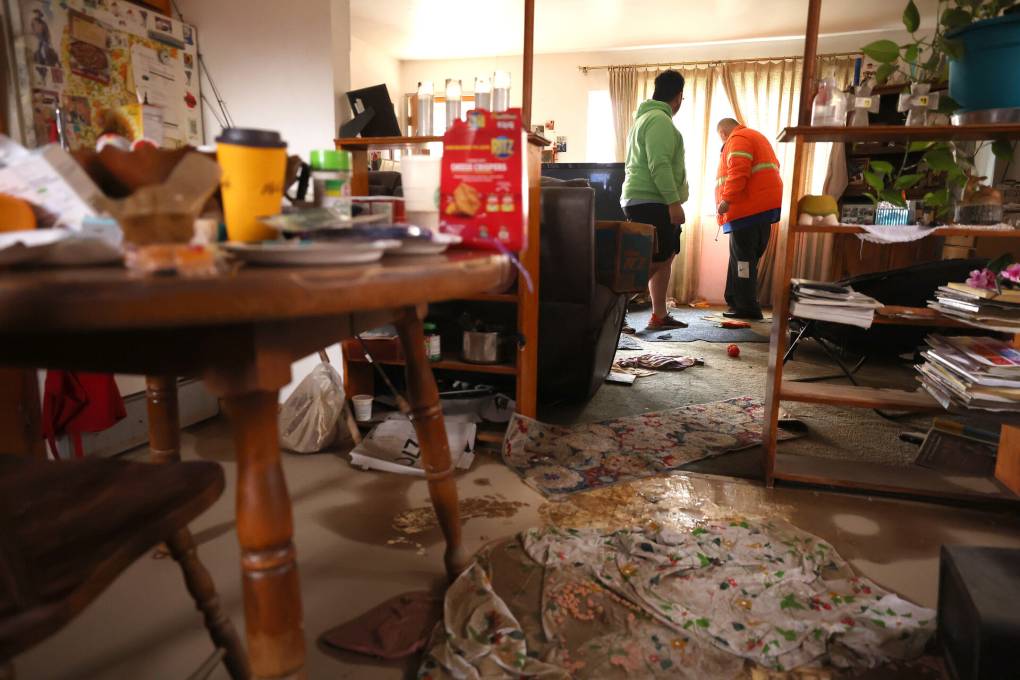
"caption": "Donnie Young (right) and Alex Munoz (left) inspect their flooded home on Jan. 11, 2023, in Planada. The Central Valley town was devastated by widespread flooding after a severe atmospheric river event moved through the area earlier in the week.",
"description": null,
"title": "Multiple Storms Batter California With Flooding Rains",
"credit": "Justin Sullivan/Getty Images",
"status": "inherit",
"altTag": "A photograph showing the interior of a home, probably a living room, that has been damaged by flooding. Two people are in the back of the photo, examining the damage.",
"isLoading": false,
"fetchFailed": false
},
"news_12014908": {
"type": "attachments",
"id": "news_12014908",
"meta": {
"index": "attachments_1716263798",
"site": "news",
"id": "12014908",
"found": true
},
"title": "A close-up of a hand demonstrating the correct placement of",
"publishDate": 1731969924,
"status": "inherit",
"parent": 12014890,
"modified": 1731974234,
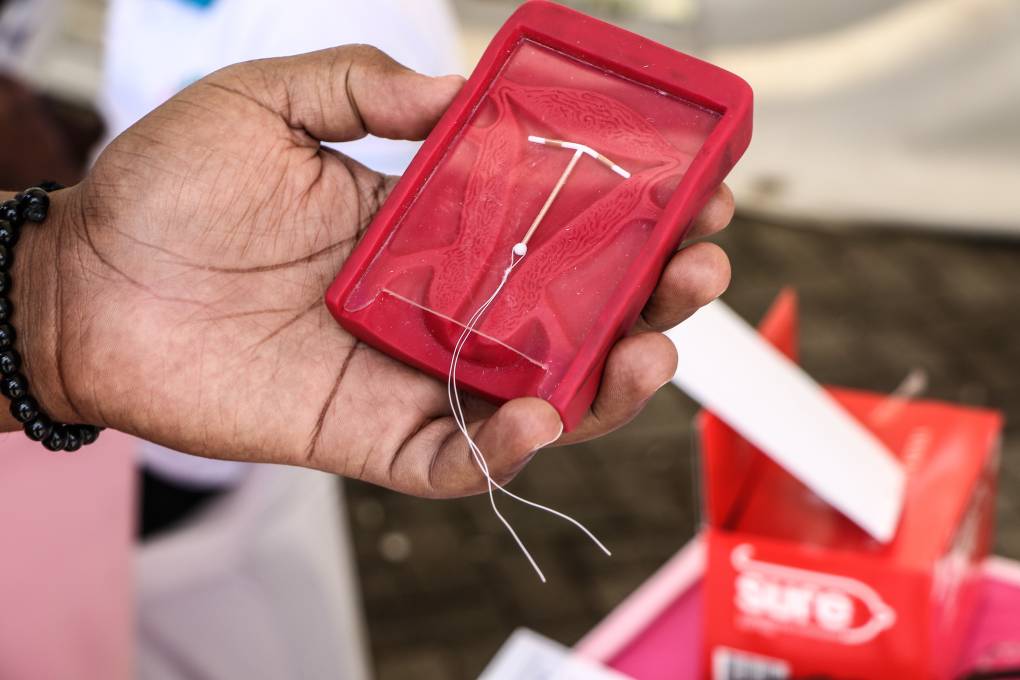
"caption": "A close-up of a hand demonstrating the correct placement of an Intrauterine Contraceptive Device (IUD) in the Uterus during the national celebrations of World Contraception Day. ",
"credit": "Photo by James Wakibia/SOPA Images/LightRocket via Getty Images",
"altTag": null,
"description": null,
"imgSizes": {
"medium": {
"file": "https://cdn.kqed.org/wp-content/uploads/sites/10/2024/11/GettyImages-1690864785-800x533.jpg",
"width": 800,
"height": 533,
"mimeType": "image/jpeg"
},
"large": {
"file": "https://cdn.kqed.org/wp-content/uploads/sites/10/2024/11/GettyImages-1690864785-1020x680.jpg",
"width": 1020,
"height": 680,
"mimeType": "image/jpeg"
},
"thumbnail": {
"file": "https://cdn.kqed.org/wp-content/uploads/sites/10/2024/11/GettyImages-1690864785-160x107.jpg",
"width": 160,
"height": 107,
"mimeType": "image/jpeg"
},
"1536x1536": {
"file": "https://cdn.kqed.org/wp-content/uploads/sites/10/2024/11/GettyImages-1690864785-1536x1024.jpg",
"width": 1536,
"height": 1024,
"mimeType": "image/jpeg"
},
"2048x2048": {
"file": "https://cdn.kqed.org/wp-content/uploads/sites/10/2024/11/GettyImages-1690864785-2048x1365.jpg",
"width": 2048,
"height": 1365,
"mimeType": "image/jpeg"
},
"post-thumbnail": {
"file": "https://cdn.kqed.org/wp-content/uploads/sites/10/2024/11/GettyImages-1690864785-672x372.jpg",
"width": 672,
"height": 372,
"mimeType": "image/jpeg"
},
"twentyfourteen-full-width": {
"file": "https://cdn.kqed.org/wp-content/uploads/sites/10/2024/11/GettyImages-1690864785-1038x576.jpg",
"width": 1038,
"height": 576,
"mimeType": "image/jpeg"
},
"full-width": {
"file": "https://cdn.kqed.org/wp-content/uploads/sites/10/2024/11/GettyImages-1690864785-1920x1280.jpg",
"width": 1920,
"height": 1280,
"mimeType": "image/jpeg"
},
"kqedFullSize": {
"file": "https://cdn.kqed.org/wp-content/uploads/sites/10/2024/11/GettyImages-1690864785-scaled.jpg",
"width": 2560,
"height": 1706
}
},
"isLoading": false,
"fetchFailed": false
},
"news_11837026": {
"type": "attachments",
"id": "news_11837026",
"meta": {
"index": "attachments_1716263798",
"site": "news",
"id": "11837026",
"found": true
},
"parent": 11837014,
"imgSizes": {
"apple_news_ca_square_4_0": {
"file": "https://ww2.kqed.org/app/uploads/sites/10/2020/09/RS43113_GettyImages-1188966941-qut-1020x680-1-470x470.jpg",
"width": 470,
"mimeType": "image/jpeg",
"height": 470
},
"twentyfourteen-full-width": {
"file": "https://ww2.kqed.org/app/uploads/sites/10/2020/09/RS43113_GettyImages-1188966941-qut-1020x680-1-1020x576.jpg",
"width": 1020,
"mimeType": "image/jpeg",
"height": 576
},
"thumbnail": {
"file": "https://ww2.kqed.org/app/uploads/sites/10/2020/09/RS43113_GettyImages-1188966941-qut-1020x680-1-160x107.jpg",
"width": 160,
"mimeType": "image/jpeg",
"height": 107
},
"post-thumbnail": {
"file": "https://ww2.kqed.org/app/uploads/sites/10/2020/09/RS43113_GettyImages-1188966941-qut-1020x680-1-672x372.jpg",
"width": 672,
"mimeType": "image/jpeg",
"height": 372
},
"kqedFullSize": {
"file": "https://ww2.kqed.org/app/uploads/sites/10/2020/09/RS43113_GettyImages-1188966941-qut-1020x680-1.jpg",
"width": 1020,
"height": 680
},
"apple_news_ca_landscape_4_7": {
"file": "https://ww2.kqed.org/app/uploads/sites/10/2020/09/RS43113_GettyImages-1188966941-qut-1020x680-1-632x474.jpg",
"width": 632,
"mimeType": "image/jpeg",
"height": 474
},
"apple_news_ca_landscape_4_0": {
"file": "https://ww2.kqed.org/app/uploads/sites/10/2020/09/RS43113_GettyImages-1188966941-qut-1020x680-1-536x402.jpg",
"width": 536,
"mimeType": "image/jpeg",
"height": 402
},
"medium": {
"file": "https://ww2.kqed.org/app/uploads/sites/10/2020/09/RS43113_GettyImages-1188966941-qut-1020x680-1-800x533.jpg",
"width": 800,
"mimeType": "image/jpeg",
"height": 533
},
"apple_news_ca_portrait_4_0": {
"file": "https://ww2.kqed.org/app/uploads/sites/10/2020/09/RS43113_GettyImages-1188966941-qut-1020x680-1-354x472.jpg",
"width": 354,
"mimeType": "image/jpeg",
"height": 472
},
"apple_news_ca_portrait_9_7": {
"file": "https://ww2.kqed.org/app/uploads/sites/10/2020/09/RS43113_GettyImages-1188966941-qut-1020x680-1-840x680.jpg",
"width": 840,
"mimeType": "image/jpeg",
"height": 680
},
"apple_news_ca_portrait_4_7": {
"file": "https://ww2.kqed.org/app/uploads/sites/10/2020/09/RS43113_GettyImages-1188966941-qut-1020x680-1-414x552.jpg",
"width": 414,
"mimeType": "image/jpeg",
"height": 552
},
"apple_news_ca_portrait_5_5": {
"file": "https://ww2.kqed.org/app/uploads/sites/10/2020/09/RS43113_GettyImages-1188966941-qut-1020x680-1-687x680.jpg",
"width": 687,
"mimeType": "image/jpeg",
"height": 680
},
"apple_news_ca_square_4_7": {
"file": "https://ww2.kqed.org/app/uploads/sites/10/2020/09/RS43113_GettyImages-1188966941-qut-1020x680-1-550x550.jpg",
"width": 550,
"mimeType": "image/jpeg",
"height": 550
},
"apple_news_ca_square_5_5": {
"file": "https://ww2.kqed.org/app/uploads/sites/10/2020/09/RS43113_GettyImages-1188966941-qut-1020x680-1-912x680.jpg",
"width": 912,
"mimeType": "image/jpeg",
"height": 680
}
},
"publishDate": 1599589602,
"modified": 1599754916,
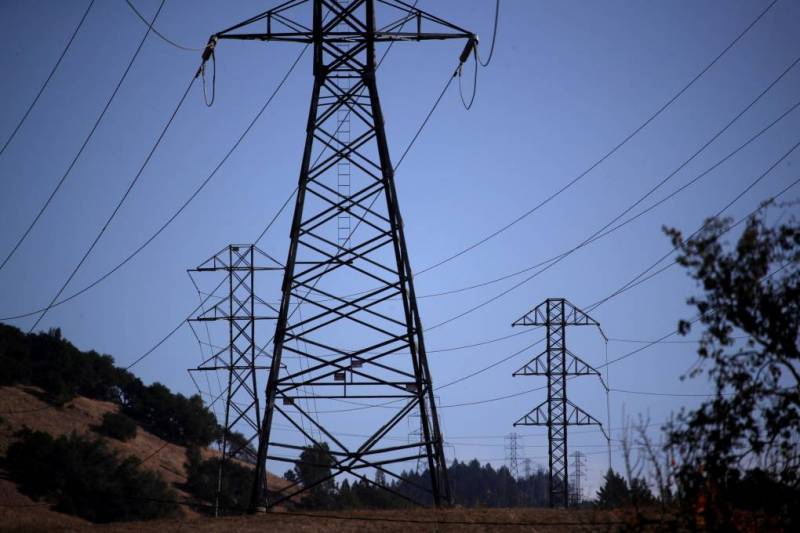
"caption": "PG&E está cortando el servicio de energía en los hogares de miles de clientes. Esto es lo que puede hacer para estar preparado.\n\n",
"description": "PG&E está cortando el servicio de energía en los hogares de miles de clientes. Esto es lo que puede hacer para estar preparado.\n\n",
"title": "RS43113_GettyImages-1188966941-qut-1020x680",
"credit": "Justin Sullivan/Getty Images",
"status": "inherit",
"isLoading": false,
"fetchFailed": false
},
"news_12002440": {
"type": "attachments",
"id": "news_12002440",
"meta": {
"index": "attachments_1716263798",
"site": "news",
"id": "12002440",
"found": true
},
"title": "BadBoyBearCamp",
"publishDate": 1724972660,
"status": "inherit",
"parent": 0,
"modified": 1724972932,
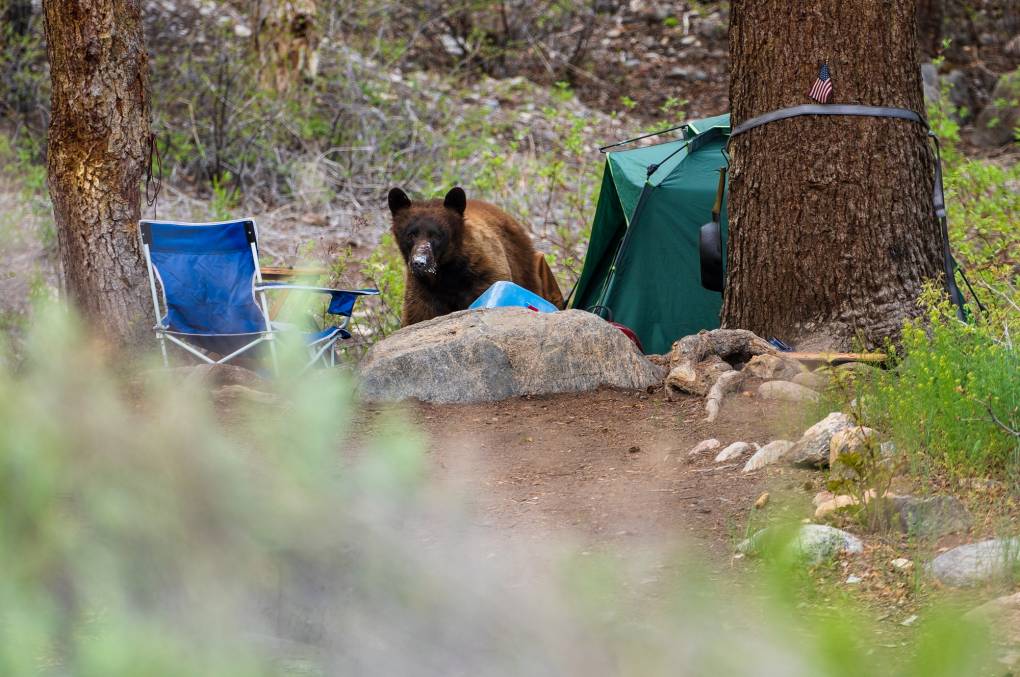
"caption": "A black bear enters a campsite in search of food. Making sure your food along with any scented items are kept in a bear box is a key way to reduce unwanted bear encounters while camping.",
"credit": "Getty Images",
"altTag": null,
"description": null,
"imgSizes": {
"medium": {
"file": "https://cdn.kqed.org/wp-content/uploads/sites/10/2024/08/BadBoyBearCamp-800x531.jpg",
"width": 800,
"height": 531,
"mimeType": "image/jpeg"
},
"large": {
"file": "https://cdn.kqed.org/wp-content/uploads/sites/10/2024/08/BadBoyBearCamp-1020x677.jpg",
"width": 1020,
"height": 677,
"mimeType": "image/jpeg"
},
"thumbnail": {
"file": "https://cdn.kqed.org/wp-content/uploads/sites/10/2024/08/BadBoyBearCamp-160x106.jpg",
"width": 160,
"height": 106,
"mimeType": "image/jpeg"
},
"1536x1536": {
"file": "https://cdn.kqed.org/wp-content/uploads/sites/10/2024/08/BadBoyBearCamp-1536x1019.jpg",
"width": 1536,
"height": 1019,
"mimeType": "image/jpeg"
},
"post-thumbnail": {
"file": "https://cdn.kqed.org/wp-content/uploads/sites/10/2024/08/BadBoyBearCamp-672x372.jpg",
"width": 672,
"height": 372,
"mimeType": "image/jpeg"
},
"twentyfourteen-full-width": {
"file": "https://cdn.kqed.org/wp-content/uploads/sites/10/2024/08/BadBoyBearCamp-1038x576.jpg",
"width": 1038,
"height": 576,
"mimeType": "image/jpeg"
},
"full-width": {
"file": "https://cdn.kqed.org/wp-content/uploads/sites/10/2024/08/BadBoyBearCamp-1920x1274.jpg",
"width": 1920,
"height": 1274,
"mimeType": "image/jpeg"
},
"kqedFullSize": {
"file": "https://cdn.kqed.org/wp-content/uploads/sites/10/2024/08/BadBoyBearCamp.jpg",
"width": 2000,
"height": 1327
}
},
"isLoading": false,
"fetchFailed": false
},
"news_12004767": {
"type": "attachments",
"id": "news_12004767",
"meta": {
"index": "attachments_1716263798",
"site": "news",
"id": "12004767",
"found": true
},
"title": "Asian voter voting in polling place",
"publishDate": 1726267383,
"status": "inherit",
"parent": 12004754,
"modified": 1726267404,
"caption": null,
"credit": "Hill Street Studios/Getty Images",
"altTag": null,
"description": null,
"imgSizes": {
"medium": {
"file": "https://cdn.kqed.org/wp-content/uploads/sites/10/2024/09/GettyImages-138711407-800x533.jpg",
"width": 800,
"height": 533,
"mimeType": "image/jpeg"
},
"large": {
"file": "https://cdn.kqed.org/wp-content/uploads/sites/10/2024/09/GettyImages-138711407-1020x680.jpg",
"width": 1020,
"height": 680,
"mimeType": "image/jpeg"
},
"thumbnail": {
"file": "https://cdn.kqed.org/wp-content/uploads/sites/10/2024/09/GettyImages-138711407-160x107.jpg",
"width": 160,
"height": 107,
"mimeType": "image/jpeg"
},
"1536x1536": {
"file": "https://cdn.kqed.org/wp-content/uploads/sites/10/2024/09/GettyImages-138711407-1536x1024.jpg",
"width": 1536,
"height": 1024,
"mimeType": "image/jpeg"
},
"2048x2048": {
"file": "https://cdn.kqed.org/wp-content/uploads/sites/10/2024/09/GettyImages-138711407-2048x1365.jpg",
"width": 2048,
"height": 1365,
"mimeType": "image/jpeg"
},
"post-thumbnail": {
"file": "https://cdn.kqed.org/wp-content/uploads/sites/10/2024/09/GettyImages-138711407-672x372.jpg",
"width": 672,
"height": 372,
"mimeType": "image/jpeg"
},
"twentyfourteen-full-width": {
"file": "https://cdn.kqed.org/wp-content/uploads/sites/10/2024/09/GettyImages-138711407-1038x576.jpg",
"width": 1038,
"height": 576,
"mimeType": "image/jpeg"
},
"full-width": {
"file": "https://cdn.kqed.org/wp-content/uploads/sites/10/2024/09/GettyImages-138711407-1920x1280.jpg",
"width": 1920,
"height": 1280,
"mimeType": "image/jpeg"
},
"kqedFullSize": {
"file": "https://cdn.kqed.org/wp-content/uploads/sites/10/2024/09/GettyImages-138711407.jpg",
"width": 2121,
"height": 1414
}
},
"isLoading": false,
"fetchFailed": false
},
"news_11828192": {
"type": "attachments",
"id": "news_11828192",
"meta": {
"index": "attachments_1716263798",
"site": "news",
"id": "11828192",
"found": true
},
"parent": 11827832,
"imgSizes": {
"apple_news_ca_landscape_5_5": {
"file": "https://ww2.kqed.org/app/uploads/sites/10/2020/07/Arash-1044x783.jpg",
"width": 1044,
"mimeType": "image/jpeg",
"height": 783
},
"apple_news_ca_square_4_0": {
"file": "https://ww2.kqed.org/app/uploads/sites/10/2020/07/Arash-470x470.jpg",
"width": 470,
"mimeType": "image/jpeg",
"height": 470
},
"twentyfourteen-full-width": {
"file": "https://ww2.kqed.org/app/uploads/sites/10/2020/07/Arash-1038x576.jpg",
"width": 1038,
"mimeType": "image/jpeg",
"height": 576
},
"thumbnail": {
"file": "https://ww2.kqed.org/app/uploads/sites/10/2020/07/Arash-160x101.jpg",
"width": 160,
"mimeType": "image/jpeg",
"height": 101
},
"post-thumbnail": {
"file": "https://ww2.kqed.org/app/uploads/sites/10/2020/07/Arash-672x372.jpg",
"width": 672,
"mimeType": "image/jpeg",
"height": 372
},
"kqedFullSize": {
"file": "https://ww2.kqed.org/app/uploads/sites/10/2020/07/Arash.jpg",
"width": 1900,
"height": 1196
},
"apple_news_ca_landscape_4_7": {
"file": "https://ww2.kqed.org/app/uploads/sites/10/2020/07/Arash-632x474.jpg",
"width": 632,
"mimeType": "image/jpeg",
"height": 474
},
"large": {
"file": "https://ww2.kqed.org/app/uploads/sites/10/2020/07/Arash-1020x642.jpg",
"width": 1020,
"mimeType": "image/jpeg",
"height": 642
},
"apple_news_ca_landscape_4_0": {
"file": "https://ww2.kqed.org/app/uploads/sites/10/2020/07/Arash-536x402.jpg",
"width": 536,
"mimeType": "image/jpeg",
"height": 402
},
"apple_news_ca_portrait_12_9": {
"file": "https://ww2.kqed.org/app/uploads/sites/10/2020/07/Arash-1122x1196.jpg",
"width": 1122,
"mimeType": "image/jpeg",
"height": 1196
},
"medium": {
"file": "https://ww2.kqed.org/app/uploads/sites/10/2020/07/Arash-800x504.jpg",
"width": 800,
"mimeType": "image/jpeg",
"height": 504
},
"apple_news_ca_portrait_4_0": {
"file": "https://ww2.kqed.org/app/uploads/sites/10/2020/07/Arash-354x472.jpg",
"width": 354,
"mimeType": "image/jpeg",
"height": 472
},
"apple_news_ca_portrait_9_7": {
"file": "https://ww2.kqed.org/app/uploads/sites/10/2020/07/Arash-840x1120.jpg",
"width": 840,
"mimeType": "image/jpeg",
"height": 1120
},
"apple_news_ca_landscape_12_9": {
"file": "https://ww2.kqed.org/app/uploads/sites/10/2020/07/Arash-1832x1196.jpg",
"width": 1832,
"mimeType": "image/jpeg",
"height": 1196
},
"apple_news_ca_square_9_7": {
"file": "https://ww2.kqed.org/app/uploads/sites/10/2020/07/Arash-1104x1104.jpg",
"width": 1104,
"mimeType": "image/jpeg",
"height": 1104
},
"1536x1536": {
"file": "https://ww2.kqed.org/app/uploads/sites/10/2020/07/Arash-1536x967.jpg",
"width": 1536,
"mimeType": "image/jpeg",
"height": 967
},
"apple_news_ca_portrait_4_7": {
"file": "https://ww2.kqed.org/app/uploads/sites/10/2020/07/Arash-414x552.jpg",
"width": 414,
"mimeType": "image/jpeg",
"height": 552
},
"apple_news_ca_square_12_9": {
"file": "https://ww2.kqed.org/app/uploads/sites/10/2020/07/Arash-1472x1196.jpg",
"width": 1472,
"mimeType": "image/jpeg",
"height": 1196
},
"apple_news_ca_portrait_5_5": {
"file": "https://ww2.kqed.org/app/uploads/sites/10/2020/07/Arash-687x916.jpg",
"width": 687,
"mimeType": "image/jpeg",
"height": 916
},
"apple_news_ca_square_4_7": {
"file": "https://ww2.kqed.org/app/uploads/sites/10/2020/07/Arash-550x550.jpg",
"width": 550,
"mimeType": "image/jpeg",
"height": 550
},
"apple_news_ca_landscape_9_7": {
"file": "https://ww2.kqed.org/app/uploads/sites/10/2020/07/Arash-1376x1032.jpg",
"width": 1376,
"mimeType": "image/jpeg",
"height": 1032
},
"apple_news_ca_square_5_5": {
"file": "https://ww2.kqed.org/app/uploads/sites/10/2020/07/Arash-912x912.jpg",
"width": 912,
"mimeType": "image/jpeg",
"height": 912
}
},
"publishDate": 1594332384,
"modified": 1594332542,
"caption": "Experiencing a hate crime, or witnessing one, can be a traumatic experience. Arash Malekzadeh, whose own experience is featured in this story, captured how it felt in this artwork.",
"description": null,
"title": "Arash",
"credit": "Arash Malekzadeh",
"status": "inherit",
"isLoading": false,
"fetchFailed": false
},
"news_11963879": {
"type": "attachments",
"id": "news_11963879",
"meta": {
"index": "attachments_1716263798",
"site": "news",
"id": "11963879",
"found": true
},
"parent": 11963875,
"imgSizes": {
"twentyfourteen-full-width": {
"file": "https://ww2.kqed.org/app/uploads/sites/10/2023/10/GettyImages-1677356252-qut-1038x576.jpg",
"width": 1038,
"mimeType": "image/jpeg",
"height": 576
},
"thumbnail": {
"file": "https://ww2.kqed.org/app/uploads/sites/10/2023/10/GettyImages-1677356252-qut-160x107.jpg",
"width": 160,
"mimeType": "image/jpeg",
"height": 107
},
"post-thumbnail": {
"file": "https://ww2.kqed.org/app/uploads/sites/10/2023/10/GettyImages-1677356252-qut-672x372.jpg",
"width": 672,
"mimeType": "image/jpeg",
"height": 372
},
"kqedFullSize": {
"file": "https://ww2.kqed.org/app/uploads/sites/10/2023/10/GettyImages-1677356252-qut.jpg",
"width": 1920,
"height": 1280
},
"large": {
"file": "https://ww2.kqed.org/app/uploads/sites/10/2023/10/GettyImages-1677356252-qut-1020x680.jpg",
"width": 1020,
"mimeType": "image/jpeg",
"height": 680
},
"1536x1536": {
"file": "https://ww2.kqed.org/app/uploads/sites/10/2023/10/GettyImages-1677356252-qut-1536x1024.jpg",
"width": 1536,
"mimeType": "image/jpeg",
"height": 1024
},
"medium": {
"file": "https://ww2.kqed.org/app/uploads/sites/10/2023/10/GettyImages-1677356252-qut-800x533.jpg",
"width": 800,
"mimeType": "image/jpeg",
"height": 533
}
},
"publishDate": 1696880867,
"modified": 1696962241,
"caption": "Peso Pluma performs onstage during the 2023 MTV Video Music Awards at Prudential Center on Sept. 12, 2023 in Newark, New Jersey. ",
"description": null,
"title": "2023 MTV Video Music Awards - Show",
"credit": "Mike Coppola/Getty Images for MTV",
"status": "inherit",
"altTag": "A younger man with blunt brown bangs and mullet wears large dark sunglasses and a broad-shouldered black shirt, singing into a mic onstage",
"isLoading": false,
"fetchFailed": false
},
"news_11959817": {
"type": "attachments",
"id": "news_11959817",
"meta": {
"index": "attachments_1716263798",
"site": "news",
"id": "11959817",
"found": true
},
"title": "Car break-ins in San Francisco",
"publishDate": 1693520828,
"status": "inherit",
"parent": 11959799,
"modified": 1770323243,
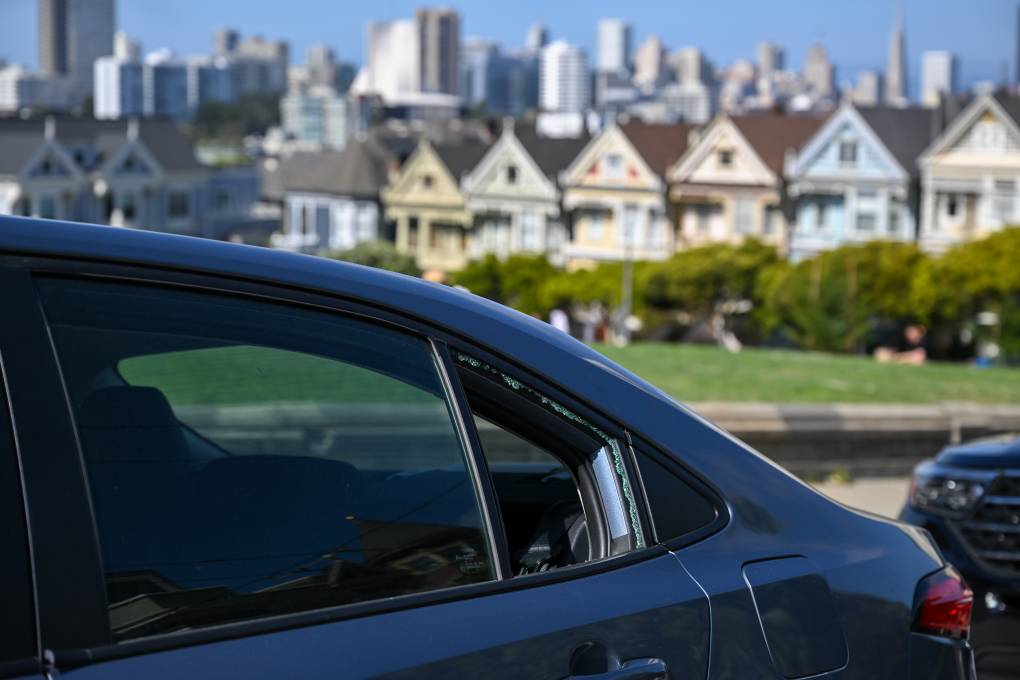
"caption": "A car with a broken window at San Francisco's Alamo Square on June 16, 2023. According to law enforcement, sightseeing areas like Alamo Square, along with Lombard Street and Fisherman's Wharf, see a lot of car break-ins — informally known by many residents as \"bipping.\"",
"credit": "Tayfun Coskun/Anadolu Agency via Getty Images",
"altTag": "A car is parked next to a large park with a view of the San Francisco skyline. The rear window on the left side of the car has been shattered.",
"description": null,
"imgSizes": {
"medium": {
"file": "https://cdn.kqed.org/wp-content/uploads/sites/10/2023/08/GettyImages-1258762861-1-1-800x533.jpg",
"width": 800,
"height": 533,
"mimeType": "image/jpeg"
},
"large": {
"file": "https://cdn.kqed.org/wp-content/uploads/sites/10/2023/08/GettyImages-1258762861-1-1-1020x680.jpg",
"width": 1020,
"height": 680,
"mimeType": "image/jpeg"
},
"thumbnail": {
"file": "https://cdn.kqed.org/wp-content/uploads/sites/10/2023/08/GettyImages-1258762861-1-1-160x107.jpg",
"width": 160,
"height": 107,
"mimeType": "image/jpeg"
},
"1536x1536": {
"file": "https://cdn.kqed.org/wp-content/uploads/sites/10/2023/08/GettyImages-1258762861-1-1-1536x1024.jpg",
"width": 1536,
"height": 1024,
"mimeType": "image/jpeg"
},
"2048x2048": {
"file": "https://cdn.kqed.org/wp-content/uploads/sites/10/2023/08/GettyImages-1258762861-1-1-2048x1365.jpg",
"width": 2048,
"height": 1365,
"mimeType": "image/jpeg"
},
"post-thumbnail": {
"file": "https://cdn.kqed.org/wp-content/uploads/sites/10/2023/08/GettyImages-1258762861-1-1-672x372.jpg",
"width": 672,
"height": 372,
"mimeType": "image/jpeg"
},
"twentyfourteen-full-width": {
"file": "https://cdn.kqed.org/wp-content/uploads/sites/10/2023/08/GettyImages-1258762861-1-1-1038x576.jpg",
"width": 1038,
"height": 576,
"mimeType": "image/jpeg"
},
"full-width": {
"file": "https://cdn.kqed.org/wp-content/uploads/sites/10/2023/08/GettyImages-1258762861-1-1-1920x1280.jpg",
"width": 1920,
"height": 1280,
"mimeType": "image/jpeg"
},
"kqedFullSize": {
"file": "https://cdn.kqed.org/wp-content/uploads/sites/10/2023/08/GettyImages-1258762861-1-1-scaled-e1770323218973.jpg",
"width": 2000,
"height": 1334
}
},
"isLoading": false,
"fetchFailed": false
},
"news_11958472": {
"type": "attachments",
"id": "news_11958472",
"meta": {
"index": "attachments_1716263798",
"site": "news",
"id": "11958472",
"found": true
},
"parent": 0,
"imgSizes": {
"twentyfourteen-full-width": {
"file": "https://ww2.kqed.org/app/uploads/sites/10/2023/08/081723-CAR-BREAK-IN-BIPPED-AV-KQED-1038x576.jpg",
"width": 1038,
"mimeType": "image/jpeg",
"height": 576
},
"thumbnail": {
"file": "https://ww2.kqed.org/app/uploads/sites/10/2023/08/081723-CAR-BREAK-IN-BIPPED-AV-KQED-160x107.jpg",
"width": 160,
"mimeType": "image/jpeg",
"height": 107
},
"post-thumbnail": {
"file": "https://ww2.kqed.org/app/uploads/sites/10/2023/08/081723-CAR-BREAK-IN-BIPPED-AV-KQED-672x372.jpg",
"width": 672,
"mimeType": "image/jpeg",
"height": 372
},
"kqedFullSize": {
"file": "https://ww2.kqed.org/app/uploads/sites/10/2023/08/081723-CAR-BREAK-IN-BIPPED-AV-KQED.jpg",
"width": 1920,
"height": 1280
},
"large": {
"file": "https://ww2.kqed.org/app/uploads/sites/10/2023/08/081723-CAR-BREAK-IN-BIPPED-AV-KQED-1020x680.jpg",
"width": 1020,
"mimeType": "image/jpeg",
"height": 680
},
"1536x1536": {
"file": "https://ww2.kqed.org/app/uploads/sites/10/2023/08/081723-CAR-BREAK-IN-BIPPED-AV-KQED-1536x1024.jpg",
"width": 1536,
"mimeType": "image/jpeg",
"height": 1024
},
"medium": {
"file": "https://ww2.kqed.org/app/uploads/sites/10/2023/08/081723-CAR-BREAK-IN-BIPPED-AV-KQED-800x533.jpg",
"width": 800,
"mimeType": "image/jpeg",
"height": 533
}
},
"publishDate": 1692290014,
"modified": 1693506121,
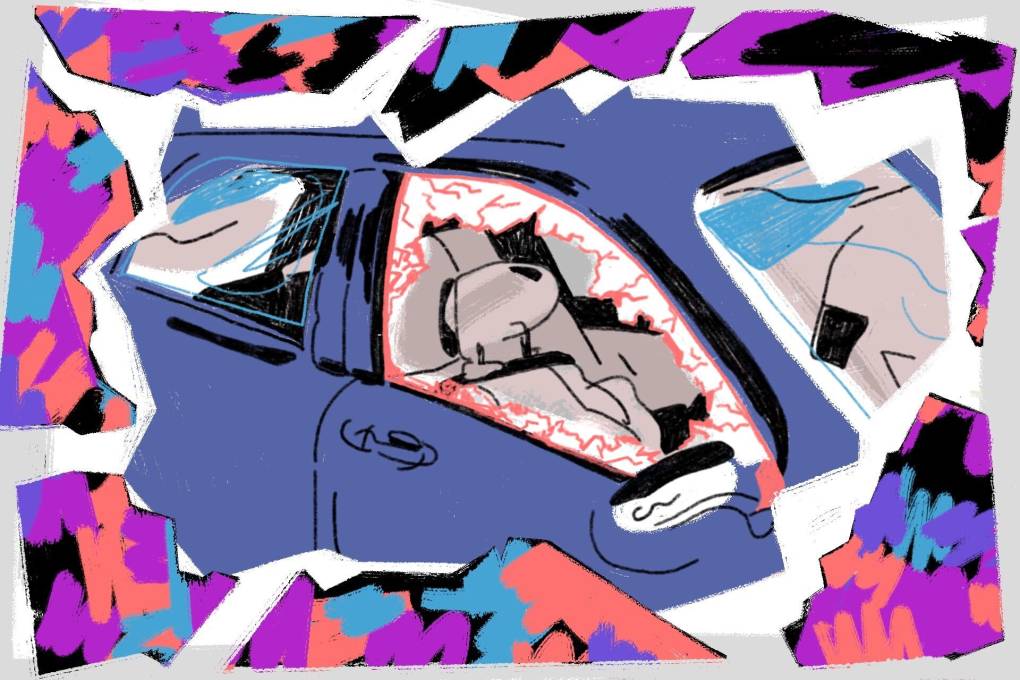
"caption": "Having your car windows smashed by thieves looking for items to steal now feels like a frustrating rite of passage in the Bay Area. Car break-ins have become so prevalent that some residents refer to them by the unofficial term, 'bipping.'",
"description": null,
"title": "081723-CAR BREAK IN BIPPED-AV-KQED",
"credit": "Illustration by Anna Vignet/KQED",
"status": "inherit",
"altTag": "An illustration of the exterior of a car, from the front passenger seat. The window has been shattered and the space around the car has been filled up with the drawings of broken glass shards.",
"isLoading": false,
"fetchFailed": false
},
"news_11957075": {
"type": "attachments",
"id": "news_11957075",
"meta": {
"index": "attachments_1716263798",
"site": "news",
"id": "11957075",
"found": true
},
"parent": 0,
"imgSizes": {
"twentyfourteen-full-width": {
"file": "https://ww2.kqed.org/app/uploads/sites/10/2023/08/RS67528_20230801-SJCityHall-04-JY-qut-KQED-1038x576.jpg",
"width": 1038,
"mimeType": "image/jpeg",
"height": 576
},
"thumbnail": {
"file": "https://ww2.kqed.org/app/uploads/sites/10/2023/08/RS67528_20230801-SJCityHall-04-JY-qut-KQED-160x107.jpg",
"width": 160,
"mimeType": "image/jpeg",
"height": 107
},
"post-thumbnail": {
"file": "https://ww2.kqed.org/app/uploads/sites/10/2023/08/RS67528_20230801-SJCityHall-04-JY-qut-KQED-672x372.jpg",
"width": 672,
"mimeType": "image/jpeg",
"height": 372
},
"kqedFullSize": {
"file": "https://ww2.kqed.org/app/uploads/sites/10/2023/08/RS67528_20230801-SJCityHall-04-JY-qut-KQED.jpg",
"width": 2000,
"height": 1333
},
"large": {
"file": "https://ww2.kqed.org/app/uploads/sites/10/2023/08/RS67528_20230801-SJCityHall-04-JY-qut-KQED-1020x680.jpg",
"width": 1020,
"mimeType": "image/jpeg",
"height": 680
},
"1536x1536": {
"file": "https://ww2.kqed.org/app/uploads/sites/10/2023/08/RS67528_20230801-SJCityHall-04-JY-qut-KQED-1536x1024.jpg",
"width": 1536,
"mimeType": "image/jpeg",
"height": 1024
},
"full-width": {
"file": "https://ww2.kqed.org/app/uploads/sites/10/2023/08/RS67528_20230801-SJCityHall-04-JY-qut-KQED-1920x1280.jpg",
"width": 1920,
"mimeType": "image/jpeg",
"height": 1280
},
"medium": {
"file": "https://ww2.kqed.org/app/uploads/sites/10/2023/08/RS67528_20230801-SJCityHall-04-JY-qut-KQED-800x533.jpg",
"width": 800,
"mimeType": "image/jpeg",
"height": 533
}
},
"publishDate": 1690926250,
"modified": 1692037743,
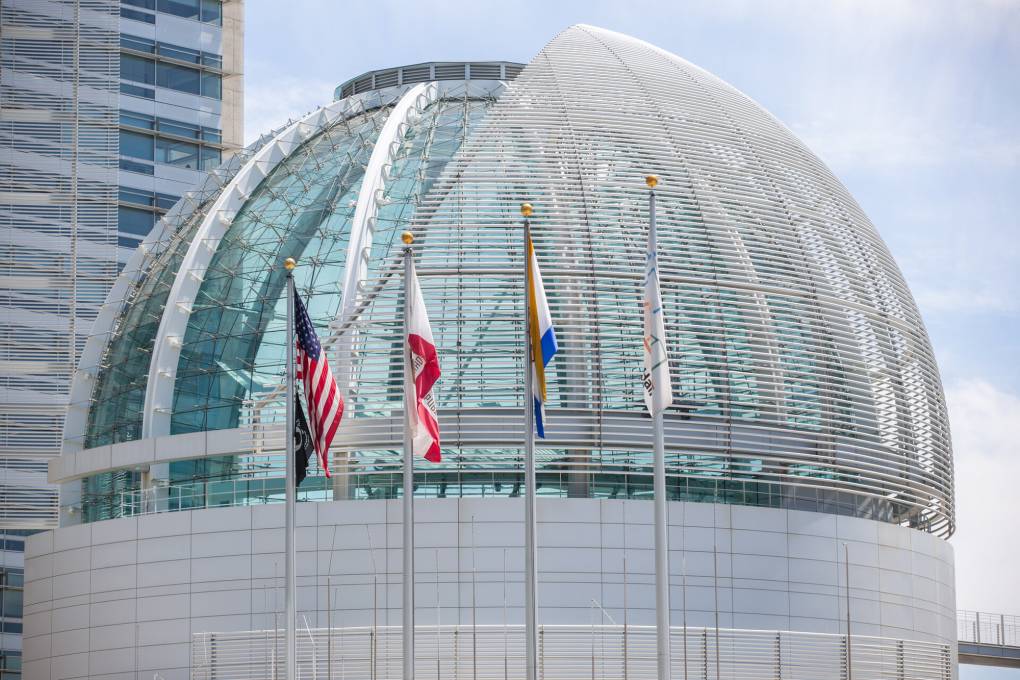
"caption": "Flags at City Hall in San José on Aug. 1, 2023. Members of several city employee unions will be voting on whether to authorize a strike.",
"description": null,
"title": "Flags at City Hall in San José, California, on Tuesday, August 1, 2023.",
"credit": "Juliana Yamada/KQED",
"status": "inherit",
"altTag": "A domed building behind four flags on poles.",
"isLoading": false,
"fetchFailed": false
},
"news_11955912": {
"type": "attachments",
"id": "news_11955912",
"meta": {
"index": "attachments_1716263798",
"site": "news",
"id": "11955912",
"found": true
},
"parent": 11955907,
"imgSizes": {
"twentyfourteen-full-width": {
"file": "https://ww2.kqed.org/app/uploads/sites/10/2023/07/RS50596_019_SanFrancisco_HeatWaveImpacts_08062021-qut-1020x680-1-1020x576.jpg",
"width": 1020,
"mimeType": "image/jpeg",
"height": 576
},
"thumbnail": {
"file": "https://ww2.kqed.org/app/uploads/sites/10/2023/07/RS50596_019_SanFrancisco_HeatWaveImpacts_08062021-qut-1020x680-1-160x107.jpg",
"width": 160,
"mimeType": "image/jpeg",
"height": 107
},
"post-thumbnail": {
"file": "https://ww2.kqed.org/app/uploads/sites/10/2023/07/RS50596_019_SanFrancisco_HeatWaveImpacts_08062021-qut-1020x680-1-672x372.jpg",
"width": 672,
"mimeType": "image/jpeg",
"height": 372
},
"kqedFullSize": {
"file": "https://ww2.kqed.org/app/uploads/sites/10/2023/07/RS50596_019_SanFrancisco_HeatWaveImpacts_08062021-qut-1020x680-1.jpg",
"width": 1020,
"height": 680
},
"medium": {
"file": "https://ww2.kqed.org/app/uploads/sites/10/2023/07/RS50596_019_SanFrancisco_HeatWaveImpacts_08062021-qut-1020x680-1-800x533.jpg",
"width": 800,
"mimeType": "image/jpeg",
"height": 533
}
},
"publishDate": 1689666111,
"modified": 1689666694,
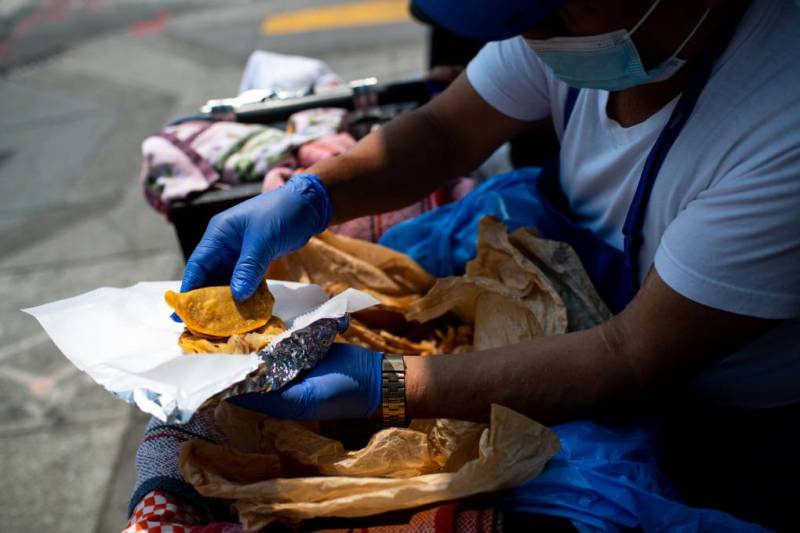
"caption": "Felipe Reyes sirve tacos de canasta en la calle Mission de San Francisco el 6 de agosto de 2021. Para quienes trabajan al aire libre, existen protecciones y reglas cuando las temperaturas superan los 95 grados Fahrenheit.",
"description": null,
"title": "RS50596_019_SanFrancisco_HeatWaveImpacts_08062021-qut-1020x680 (1)",
"credit": "Beth LaBerge/KQED",
"status": "inherit",
"altTag": "Un hombre prepara una orden de tacos de canasta en un puesto callejero.",
"isLoading": false,
"fetchFailed": false
},
"news_11955794": {
"type": "attachments",
"id": "news_11955794",
"meta": {
"index": "attachments_1716263798",
"site": "news",
"id": "11955794",
"found": true
},
"parent": 11955733,
"imgSizes": {
"twentyfourteen-full-width": {
"file": "https://ww2.kqed.org/app/uploads/sites/10/2023/07/GettyImages-1444525626-1-1038x576.jpg",
"width": 1038,
"mimeType": "image/jpeg",
"height": 576
},
"thumbnail": {
"file": "https://ww2.kqed.org/app/uploads/sites/10/2023/07/GettyImages-1444525626-1-160x107.jpg",
"width": 160,
"mimeType": "image/jpeg",
"height": 107
},
"post-thumbnail": {
"file": "https://ww2.kqed.org/app/uploads/sites/10/2023/07/GettyImages-1444525626-1-672x372.jpg",
"width": 672,
"mimeType": "image/jpeg",
"height": 372
},
"kqedFullSize": {
"file": "https://ww2.kqed.org/app/uploads/sites/10/2023/07/GettyImages-1444525626-1-scaled.jpg",
"width": 2560,
"height": 1706
},
"2048x2048": {
"file": "https://ww2.kqed.org/app/uploads/sites/10/2023/07/GettyImages-1444525626-1-2048x1365.jpg",
"width": 2048,
"mimeType": "image/jpeg",
"height": 1365
},
"large": {
"file": "https://ww2.kqed.org/app/uploads/sites/10/2023/07/GettyImages-1444525626-1-1020x680.jpg",
"width": 1020,
"mimeType": "image/jpeg",
"height": 680
},
"1536x1536": {
"file": "https://ww2.kqed.org/app/uploads/sites/10/2023/07/GettyImages-1444525626-1-1536x1024.jpg",
"width": 1536,
"mimeType": "image/jpeg",
"height": 1024
},
"full-width": {
"file": "https://ww2.kqed.org/app/uploads/sites/10/2023/07/GettyImages-1444525626-1-1920x1280.jpg",
"width": 1920,
"mimeType": "image/jpeg",
"height": 1280
},
"medium": {
"file": "https://ww2.kqed.org/app/uploads/sites/10/2023/07/GettyImages-1444525626-1-800x533.jpg",
"width": 800,
"mimeType": "image/jpeg",
"height": 533
}
},
"publishDate": 1689382733,
"modified": 1689382827,
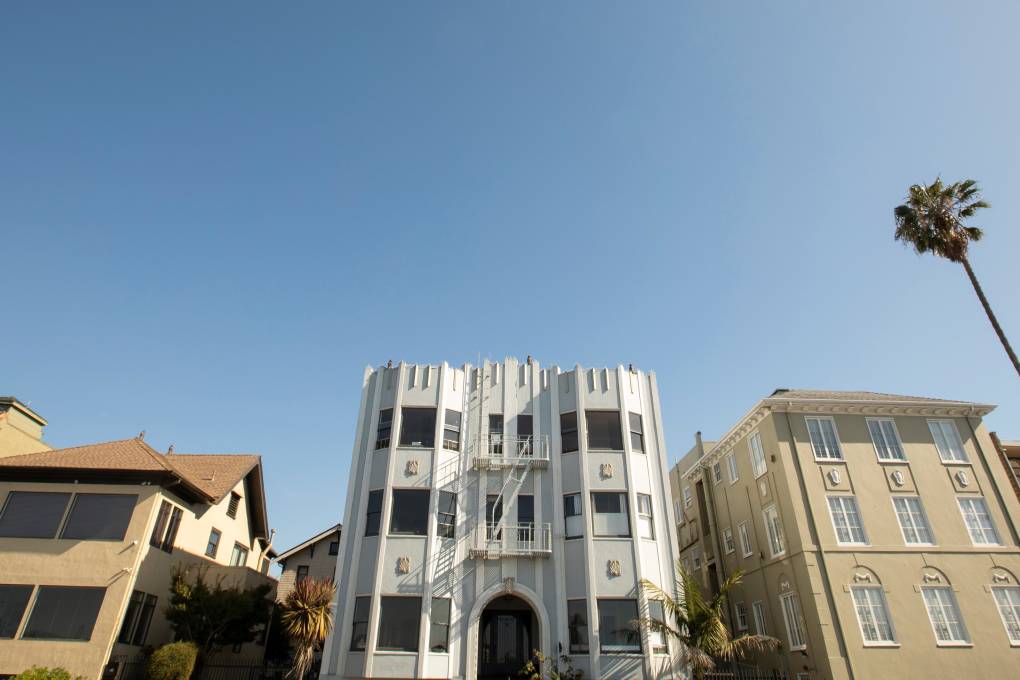
"caption": "Starting July 15, landlords in Oakland can now evict renters or terminate tenancies for any just cause, including for not paying rent. However, there are still some protections in place for tenants.",
"description": null,
"title": "GettyImages-1444525626 (1)",
"credit": "MattGush/Getty Images",
"status": "inherit",
"altTag": "A street near Lake Merritt in Oakland, with several apartment buildings all lined up next to one another. The sky is clear and near the apartment buildings, there are a couple palm trees.",
"isLoading": false,
"fetchFailed": false
}
},
"audioPlayerReducer": {
"postId": "stream_live",
"isPaused": true,
"isPlaying": false,
"pfsActive": false,
"pledgeModalIsOpen": true,
"playerDrawerIsOpen": false,
"liveAudioPlayStartedAt": 0,
"liveAudioPlayContext": ""
},
"authorsReducer": {
"dmarks": {
"type": "authors",
"id": "182",
"meta": {
"index": "authors_1716337520",
"id": "182",
"found": true
},
"name": "David Marks",
"firstName": "David",
"lastName": "Marks",
"slug": "dmarks",
"email": "dmarks@kqed.org",
"display_author_email": false,
"staff_mastheads": [],
"title": "KQED Editor",
"bio": "David Marks is a senior digital editor for KQED News. \u003c/a>Reach him at dmarks@kqed.org.",
"avatar": "https://secure.gravatar.com/avatar/b88bd6227ce6cb96ae33fefaf42b2a29?s=600&d=mm&r=g",
"twitter": "divadskram",
"facebook": null,
"instagram": null,
"linkedin": null,
"sites": [
{
"site": "news",
"roles": []
},
{
"site": "science",
"roles": []
},
{
"site": "perspectives",
"roles": []
},
{
"site": "liveblog",
"roles": []
}
],
"headData": {
"title": "David Marks | KQED",
"description": "KQED Editor",
"ogImgSrc": "https://secure.gravatar.com/avatar/b88bd6227ce6cb96ae33fefaf42b2a29?s=600&d=mm&r=g",
"twImgSrc": "https://secure.gravatar.com/avatar/b88bd6227ce6cb96ae33fefaf42b2a29?s=600&d=mm&r=g"
},
"isLoading": false,
"link": "/author/dmarks"
},
"lisapickoffwhite-2": {
"type": "authors",
"id": "199",
"meta": {
"index": "authors_1716337520",
"id": "199",
"found": true
},
"name": "Lisa Pickoff-White",
"firstName": "Lisa",
"lastName": "Pickoff-White",
"slug": "lisapickoffwhite-2",
"email": "lpickoffwhite@kqed.org",
"display_author_email": false,
"staff_mastheads": [
"news"
],
"title": "Data Journalist, Senior Producer",
"bio": "Lisa Pickoff-White is KQED's data reporter. Lisa specializes in simplifying complex topics and bringing them to life through compelling visuals, including photography and data visualizations. She previously has worked at the Center for Investigative Reporting and other national outlets. Her work has been honored with awards from the Online News Association, Investigative Reporters and Editors, the Society of Professional Journalists and SXSW Interactive. \u003cstrong> \u003c/strong>",
"avatar": "https://secure.gravatar.com/avatar/5513c5f3967df792aa65bee2501e84d6?s=600&d=blank&r=g",
"twitter": "pickoffwhite",
"facebook": null,
"instagram": null,
"linkedin": null,
"sites": [
{
"site": "",
"roles": [
"editor"
]
},
{
"site": "arts",
"roles": []
},
{
"site": "news",
"roles": [
"administrator"
]
},
{
"site": "about",
"roles": [
"editor"
]
},
{
"site": "stateofhealth",
"roles": [
"administrator"
]
},
{
"site": "science",
"roles": [
"editor"
]
},
{
"site": "quest",
"roles": [
"editor"
]
},
{
"site": "forum",
"roles": [
"editor"
]
}
],
"headData": {
"title": "Lisa Pickoff-White | KQED",
"description": "Data Journalist, Senior Producer",
"ogImgSrc": "https://secure.gravatar.com/avatar/5513c5f3967df792aa65bee2501e84d6?s=600&d=blank&r=g",
"twImgSrc": "https://secure.gravatar.com/avatar/5513c5f3967df792aa65bee2501e84d6?s=600&d=blank&r=g"
},
"isLoading": false,
"link": "/author/lisapickoffwhite-2"
},
"gmarzorati": {
"type": "authors",
"id": "227",
"meta": {
"index": "authors_1716337520",
"id": "227",
"found": true
},
"name": "Guy Marzorati",
"firstName": "Guy",
"lastName": "Marzorati",
"slug": "gmarzorati",
"email": "gmarzorati@KQED.org",
"display_author_email": true,
"staff_mastheads": [
"news"
],
"title": "Correspondent",
"bio": "Guy Marzorati is a correspondent on KQED's California Politics and Government Desk, based in San Jose. A graduate of Santa Clara University, Guy joined KQED in 2013. He reports on state and local politics and produces KQED's digital voter guide.",
"avatar": "https://secure.gravatar.com/avatar/e7038b8dbfd55b104369b76b1cd0b9de?s=600&d=blank&r=g",
"twitter": "guymarzorati",
"facebook": null,
"instagram": null,
"linkedin": null,
"sites": [
{
"site": "",
"roles": [
"editor"
]
},
{
"site": "news",
"roles": [
"editor"
]
},
{
"site": "science",
"roles": [
"editor"
]
},
{
"site": "forum",
"roles": [
"editor"
]
},
{
"site": "elections",
"roles": [
"editor"
]
},
{
"site": "liveblog",
"roles": [
"editor"
]
}
],
"headData": {
"title": "Guy Marzorati | KQED",
"description": "Correspondent",
"ogImgSrc": "https://secure.gravatar.com/avatar/e7038b8dbfd55b104369b76b1cd0b9de?s=600&d=blank&r=g",
"twImgSrc": "https://secure.gravatar.com/avatar/e7038b8dbfd55b104369b76b1cd0b9de?s=600&d=blank&r=g"
},
"isLoading": false,
"link": "/author/gmarzorati"
},
"kdomara": {
"type": "authors",
"id": "1459",
"meta": {
"index": "authors_1716337520",
"id": "1459",
"found": true
},
"name": "Kelly O'Mara",
"firstName": "Kelly",
"lastName": "O'Mara",
"slug": "kdomara",
"email": "komara@kqed.org",
"display_author_email": false,
"staff_mastheads": [
"news"
],
"title": "KQED Contributor",
"bio": "Kelly O'Mara is a writer and reporter in the San Francisco Bay Area. She writes about food, health, sports, travel, business and California news. Her work has appeared on KQED, online for Outside Magazine, epsnW, VICE and in Competitor Magazine, among others. Follow Kelly on Twitter \u003ca href=\"https://twitter.com/kellydomara\">@kellydomara\u003c/a>.",
"avatar": "https://secure.gravatar.com/avatar/768fec7412028b72f13bdd0f5f9d8186?s=600&d=blank&r=g",
"twitter": null,
"facebook": null,
"instagram": null,
"linkedin": null,
"sites": [
{
"site": "arts",
"roles": []
},
{
"site": "news",
"roles": []
},
{
"site": "bayareabites",
"roles": []
},
{
"site": "stateofhealth",
"roles": []
},
{
"site": "science",
"roles": []
},
{
"site": "checkplease",
"roles": [
"editor"
]
},
{
"site": "food",
"roles": []
},
{
"site": "forum",
"roles": [
"editor"
]
},
{
"site": "liveblog",
"roles": [
"editor"
]
}
],
"headData": {
"title": "Kelly O'Mara | KQED",
"description": "KQED Contributor",
"ogImgSrc": "https://secure.gravatar.com/avatar/768fec7412028b72f13bdd0f5f9d8186?s=600&d=blank&r=g",
"twImgSrc": "https://secure.gravatar.com/avatar/768fec7412028b72f13bdd0f5f9d8186?s=600&d=blank&r=g"
},
"isLoading": false,
"link": "/author/kdomara"
},
"carlysevern": {
"type": "authors",
"id": "3243",
"meta": {
"index": "authors_1716337520",
"id": "3243",
"found": true
},
"name": "Carly Severn",
"firstName": "Carly",
"lastName": "Severn",
"slug": "carlysevern",
"email": "csevern@kqed.org",
"display_author_email": false,
"staff_mastheads": [
"news"
],
"title": "Senior Editor, Audience News ",
"bio": "Carly is KQED's Senior Editor of Audience News on the Digital News team, and has reported for the California Report Magazine, Bay Curious and KQED Arts. She's formerly the host of \u003ca href=\"http://ww2.kqed.org/pop/category/the-cooler/\" rel=\"noopener noreferrer\">The Cooler\u003c/a> podcast.",
"avatar": "https://secure.gravatar.com/avatar/2d8d6765f186e64c798cf7f0c8088a41?s=600&d=blank&r=g",
"twitter": "teacupinthebay",
"facebook": null,
"instagram": null,
"linkedin": null,
"sites": [
{
"site": "",
"roles": [
"editor"
]
},
{
"site": "arts",
"roles": [
"editor"
]
},
{
"site": "news",
"roles": [
"administrator"
]
},
{
"site": "pop",
"roles": [
"editor"
]
},
{
"site": "futureofyou",
"roles": [
"editor"
]
},
{
"site": "about",
"roles": [
"administrator"
]
},
{
"site": "mindshift",
"roles": [
"editor"
]
},
{
"site": "bayareabites",
"roles": [
"editor"
]
},
{
"site": "stateofhealth",
"roles": [
"editor"
]
},
{
"site": "science",
"roles": [
"editor"
]
},
{
"site": "food",
"roles": [
"contributor"
]
},
{
"site": "forum",
"roles": [
"editor"
]
},
{
"site": "perspectives",
"roles": [
"administrator"
]
},
{
"site": "liveblog",
"roles": [
"editor"
]
}
],
"headData": {
"title": "Carly Severn | KQED",
"description": "Senior Editor, Audience News ",
"ogImgSrc": "https://secure.gravatar.com/avatar/2d8d6765f186e64c798cf7f0c8088a41?s=600&d=blank&r=g",
"twImgSrc": "https://secure.gravatar.com/avatar/2d8d6765f186e64c798cf7f0c8088a41?s=600&d=blank&r=g"
},
"isLoading": false,
"link": "/author/carlysevern"
},
"agarces": {
"type": "authors",
"id": "11367",
"meta": {
"index": "authors_1716337520",
"id": "11367",
"found": true
},
"name": "Audrey Garces",
"firstName": "Audrey",
"lastName": "Garces",
"slug": "agarces",
"email": "agarces@kqed.org",
"display_author_email": false,
"staff_mastheads": [
"news"
],
"title": "Digital Producer",
"bio": "Audrey is a former digital producer at KQED News. Previously, she was a KQED Raul Ramirez Diversity Fund intern where she developed stories that focused on highlighting diverse voices in journalism. Prior to her work at KQED, she worked as a news intern at the San Francisco Examiner. Audrey graduated from San Francisco State University with a B.A. in journalism and a minor in political science.",
"avatar": "https://secure.gravatar.com/avatar/5211bc2e6a809b9956da169e35ce63d5?s=600&d=blank&r=g",
"twitter": "audgar",
"facebook": null,
"instagram": null,
"linkedin": null,
"sites": [
{
"site": "arts",
"roles": []
},
{
"site": "news",
"roles": [
"subscriber"
]
},
{
"site": "science",
"roles": [
"editor"
]
},
{
"site": "forum",
"roles": [
"editor"
]
},
{
"site": "perspectives",
"roles": [
"administrator"
]
}
],
"headData": {
"title": "Audrey Garces | KQED",
"description": "Digital Producer",
"ogImgSrc": "https://secure.gravatar.com/avatar/5211bc2e6a809b9956da169e35ce63d5?s=600&d=blank&r=g",
"twImgSrc": "https://secure.gravatar.com/avatar/5211bc2e6a809b9956da169e35ce63d5?s=600&d=blank&r=g"
},
"isLoading": false,
"link": "/author/agarces"
},
"lsarah": {
"type": "authors",
"id": "11626",
"meta": {
"index": "authors_1716337520",
"id": "11626",
"found": true
},
"name": "Lakshmi Sarah",
"firstName": "Lakshmi",
"lastName": "Sarah",
"slug": "lsarah",
"email": "lsarah@kqed.org",
"display_author_email": false,
"staff_mastheads": [],
"title": "Digital Producer",
"bio": "Lakshmi Sarah is an educator, author and journalist with a focus on innovative storytelling. She has worked with newspapers, radio and magazines from Ahmedabad, India to Los Angeles, California. She has written and produced for Die Zeit, Global Voices, AJ+, KQED, Fusion Media Group and the New York Times.",
"avatar": "https://secure.gravatar.com/avatar/652dcaecd8b28826fc17a8b2d6bb4e93?s=600&d=blank&r=g",
"twitter": "lakitalki",
"facebook": null,
"instagram": "https://www.instagram.com/laki.talki/",
"linkedin": "https://www.linkedin.com/in/lakisarah/",
"sites": [
{
"site": "arts",
"roles": []
},
{
"site": "news",
"roles": []
},
{
"site": "bayareabites",
"roles": []
},
{
"site": "science",
"roles": []
}
],
"headData": {
"title": "Lakshmi Sarah | KQED",
"description": "Digital Producer",
"ogImgSrc": "https://secure.gravatar.com/avatar/652dcaecd8b28826fc17a8b2d6bb4e93?s=600&d=blank&r=g",
"twImgSrc": "https://secure.gravatar.com/avatar/652dcaecd8b28826fc17a8b2d6bb4e93?s=600&d=blank&r=g"
},
"isLoading": false,
"link": "/author/lsarah"
},
"ccabreralomeli": {
"type": "authors",
"id": "11708",
"meta": {
"index": "authors_1716337520",
"id": "11708",
"found": true
},
"name": "Carlos Cabrera-Lomelí",
"firstName": "Carlos",
"lastName": "Cabrera-Lomelí",
"slug": "ccabreralomeli",
"email": "ccabreralomeli@KQED.org",
"display_author_email": true,
"staff_mastheads": [
"news"
],
"title": "Community Reporter",
"bio": "Carlos Cabrera-Lomelí is a community reporter with KQED's digital engagement team. He also reports and co-produces for KQED's bilingual news hub KQED en Español. He grew up in San Francisco's Mission District and has previously worked with Univision, 48 Hills and REFORMA in Mexico City.",
"avatar": "https://secure.gravatar.com/avatar/e95ff80bb2eaf18a8f2af4dcf7ffb54b?s=600&d=mm&r=g",
"twitter": "@LomeliCabrera",
"facebook": null,
"instagram": null,
"linkedin": null,
"sites": [
{
"site": "arts",
"roles": [
"editor"
]
},
{
"site": "news",
"roles": [
"editor"
]
},
{
"site": "about",
"roles": [
"editor"
]
},
{
"site": "science",
"roles": [
"editor"
]
},
{
"site": "perspectives",
"roles": [
"editor"
]
},
{
"site": "elections",
"roles": [
"editor"
]
},
{
"site": "liveblog",
"roles": [
"contributor"
]
}
],
"headData": {
"title": "Carlos Cabrera-Lomelí | KQED",
"description": "Community Reporter",
"ogImgSrc": "https://secure.gravatar.com/avatar/e95ff80bb2eaf18a8f2af4dcf7ffb54b?s=600&d=mm&r=g",
"twImgSrc": "https://secure.gravatar.com/avatar/e95ff80bb2eaf18a8f2af4dcf7ffb54b?s=600&d=mm&r=g"
},
"isLoading": false,
"link": "/author/ccabreralomeli"
},
"adahlstromeckman": {
"type": "authors",
"id": "11785",
"meta": {
"index": "authors_1716337520",
"id": "11785",
"found": true
},
"name": "Azul Dahlstrom-Eckman",
"firstName": "Azul",
"lastName": "Dahlstrom-Eckman",
"slug": "adahlstromeckman",
"email": "adahlstrom-eckman@kqed.org",
"display_author_email": true,
"staff_mastheads": [],
"title": "Reporter",
"bio": "Azul is a reporter for KQED focusing on transportation and features. He joined KQED in 2021 as an alumna of KALW's Audio Academy radio journalism training program.",
"avatar": "https://secure.gravatar.com/avatar/9cb750298435add7815a777f55bf1f46845c1386bb8452555c60a7b820b5aba3?s=600&d=blank&r=g",
"twitter": "@zuliemann",
"bluesky": "@azul415.bsky.social",
"facebook": null,
"instagram": null,
"linkedin": null,
"sites": [
{
"site": "arts",
"roles": [
"editor"
]
},
{
"site": "news",
"roles": [
"editor"
]
},
{
"site": "science",
"roles": [
"editor"
]
},
{
"site": "liveblog",
"roles": [
"author"
]
}
],
"headData": {
"title": "Azul Dahlstrom-Eckman | KQED",
"description": "Reporter",
"ogImgSrc": "https://secure.gravatar.com/avatar/9cb750298435add7815a777f55bf1f46845c1386bb8452555c60a7b820b5aba3?s=600&d=blank&r=g",
"twImgSrc": "https://secure.gravatar.com/avatar/9cb750298435add7815a777f55bf1f46845c1386bb8452555c60a7b820b5aba3?s=600&d=blank&r=g"
},
"isLoading": false,
"link": "/author/adahlstromeckman"
},
"apelit": {
"type": "authors",
"id": "11812",
"meta": {
"index": "authors_1716337520",
"id": "11812",
"found": true
},
"name": "Attila Pelit",
"firstName": "Attila",
"lastName": "Pelit",
"slug": "apelit",
"email": "apelit@kqed.org",
"display_author_email": false,
"staff_mastheads": [],
"title": "KQED Contributor",
"bio": null,
"avatar": "https://secure.gravatar.com/avatar/9b7b8a9e595d58a1f4d853f8608ae584?s=600&d=mm&r=g",
"twitter": null,
"facebook": null,
"instagram": null,
"linkedin": null,
"sites": [
{
"site": "news",
"roles": [
"editor"
]
},
{
"site": "science",
"roles": [
"editor"
]
},
{
"site": "elections",
"roles": [
"editor"
]
},
{
"site": "liveblog",
"roles": [
"editor"
]
}
],
"headData": {
"title": "Attila Pelit | KQED",
"description": "KQED Contributor",
"ogImgSrc": "https://secure.gravatar.com/avatar/9b7b8a9e595d58a1f4d853f8608ae584?s=600&d=mm&r=g",
"twImgSrc": "https://secure.gravatar.com/avatar/9b7b8a9e595d58a1f4d853f8608ae584?s=600&d=mm&r=g"
},
"isLoading": false,
"link": "/author/apelit"
},
"nkhan": {
"type": "authors",
"id": "11867",
"meta": {
"index": "authors_1716337520",
"id": "11867",
"found": true
},
"name": "Nisa Khan",
"firstName": "Nisa",
"lastName": "Khan",
"slug": "nkhan",
"email": "nkhan@kqed.org",
"display_author_email": false,
"staff_mastheads": [],
"title": "KQED Contributor",
"bio": "Nisa Khan is a reporter for KQED's Audience News Desk. She was formerly a data reporter at Michigan Radio. She earned a Bachelor of Science in Information from the University of Michigan and a Master of Arts in Communication from Stanford University.",
"avatar": "https://secure.gravatar.com/avatar/a3bf1efcfbe7658d13a434cc54d0b2e3?s=600&d=blank&r=g",
"twitter": "mnisakhan",
"bluesky": null,
"facebook": null,
"instagram": null,
"linkedin": null,
"sites": [
{
"site": "arts",
"roles": [
"editor"
]
},
{
"site": "news",
"roles": [
"editor"
]
},
{
"site": "science",
"roles": [
"editor",
"author"
]
},
{
"site": "forum",
"roles": [
"editor"
]
},
{
"site": "liveblog",
"roles": [
"contributor"
]
}
],
"headData": {
"title": "Nisa Khan | KQED",
"description": "KQED Contributor",
"ogImgSrc": "https://secure.gravatar.com/avatar/a3bf1efcfbe7658d13a434cc54d0b2e3?s=600&d=blank&r=g",
"twImgSrc": "https://secure.gravatar.com/avatar/a3bf1efcfbe7658d13a434cc54d0b2e3?s=600&d=blank&r=g"
},
"isLoading": false,
"link": "/author/nkhan"
}
},
"pagesReducer": {
"news_tag_kqed-guides": {
"type": "terms",
"id": "news_26702",
"meta": {
"index": "terms_1716263798",
"site": "news",
"id": "26702",
"score": 10.400978
},
"featImg": null,
"name": "KQED guides",
"description": null,
"taxonomy": "tag",
"headData": {
"twImgId": null,
"twTitle": null,
"ogTitle": null,
"ogImgId": null,
"twDescription": null,
"description": null,
"title": "KQED guides Archives | KQED News",
"ogDescription": null
},
"ttid": 26719,
"slug": "kqed-guides",
"isLoading": false,
"title": "KQED guides",
"pageMeta": {
"site": "news",
"WpPageTemplate": "page-topic-editorial",
"currentPage": 4
},
"blocks": [
{
"blockName": "kqed/post-list",
"attrs": {
"layout": "cardArticle2",
"query": "posts/news?tag=kqed-guides",
"seeMore": false,
"paginated": true,
"page": 4
}
},
{
"blockName": "kqed/ad"
}
]
}
},
"pfsSessionReducer": {},
"postsReducer": {
"stream_live": {
"type": "live",
"id": "stream_live",
"audioUrl": "https://streams.kqed.org/kqedradio",
"title": "Live Stream",
"excerpt": "Live Stream information currently unavailable.",
"link": "/radio",
"featImg": "",
"label": {
"name": "KQED Live",
"link": "/"
}
},
"stream_kqedNewscast": {
"type": "posts",
"id": "stream_kqedNewscast",
"audioUrl": "https://www.kqed.org/.stream/anon/radio/RDnews/newscast.mp3?_=1",
"title": "KQED Newscast",
"featImg": "",
"label": {
"name": "88.5 FM",
"link": "/"
}
},
"news_11938251": {
"type": "posts",
"id": "news_11938251",
"meta": {
"index": "posts_1716263798",
"site": "news",
"id": "11938251",
"score": null,
"sort": [
1732572049000
]
},
"guestAuthors": [],
"slug": "renters-was-your-home-damaged-by-rain-or-floods-heres-what-to-do",
"title": "Renters’ Guide: What to Do If Your Home Is Damaged by Floods",
"publishDate": 1732572049,
"format": "image",
"headTitle": "Renters’ Guide: What to Do If Your Home Is Damaged by Floods | KQED",
"labelTerm": {
"site": "news"
},
"content": "\u003cp>\u003ca href=\"https://www.kqed.org/news/11943887/que-hacer-si-su-hogar-sufrio-danos-por-las-tormentas-de-california\">\u003cem>Leer en español.\u003c/em>\u003c/a>\u003c/p>\n\u003cp>\u003ca href=\"https://www.kqed.org/news/12015754/more-bay-area-rain-could-spell-a-wet-thanksgiving-after-record-breaking-storm\">Yet another atmospheric river is set to hit California,\u003c/a> lasting into Thanksgiving.\u003c/p>\n\u003cp>It’s coming on the heels of last week’s \u003ca href=\"https://www.kqed.org/news/12015534/bay-area-record-breaking-rainfall-deluge-surprises-forecasters\">record-breaking rain\u003c/a>, which hit the North Bay the hardest, where mountain areas saw more than 20 inches. The foot of rain that fell in downtown Santa Rosa was \u003ca href=\"https://x.com/nwsbayarea/status/1860380861675503931?s=46&t=8L9OHVE58oUXKjH2wCBDtA\">a 1,000-year event\u003c/a>, according to the National Weather Service\u003c/p>\n\u003cdiv class=\"post-body\">\u003c/div>\n\u003cp>Local officials are getting ready for strong winds to bring down trees and power lines and are recommending residents to \u003ca href=\"https://www.kqed.org/news/11936674/how-to-prepare-for-this-weeks-atmospheric-river-storm-sandbags-emergency-kits-and-more\">prepare their homes\u003c/a> as well. \u003ca href=\"https://www.kqed.org/news/11936674/how-to-prepare-for-this-weeks-atmospheric-river-storm-sandbags-emergency-kits-and-more\">Read our guide on how protect yourself and your home against winter storms.\u003c/a>\u003c/p>\n\u003cp>Some good news: If you are a tenant and your home has experienced damages, California requires that your landlord provides repairs as soon as possible, regardless of whether you have a formal lease contract or not.\u003c/p>\n\u003cp>The bad news: For some tenants, it could be difficult to contact your landlord or make sure they move quickly to make the repairs your home needs.\u003c/p>\n\u003cp>KQED spoke to Leah Simon-Weisberg, legal director for tenants rights group \u003ca href=\"https://www.acceaction.org/renterhelp\">Alliance of Californians for Community Empowerment (ACCE)\u003c/a>, to better understand what rights tenants have during and after winter storms and how best to communicate with your landlord.\u003c/p>\n\u003cp>\u003cstrong>Jump straight to:\u003c/strong>\u003c/p>\n\u003cul>\n\u003cli>\u003cstrong>\u003ca href=\"#landlorddamage\">What do I do if my landlord isn’t responding?\u003c/a>\u003c/strong>\u003c/li>\n\u003cli>\u003cstrong>\u003ca href=\"#flooddamage\">The damage is very serious and I don’t think we can keep living here (at least for now). What can we do?\u003c/a>\u003c/strong>\u003c/li>\n\u003cli>\u003cstrong>\u003ca href=\"#nolease\">How does my situation change if I don’t have a lease?\u003c/a>\u003c/strong>\u003c/li>\n\u003cli>\u003cstrong>\u003ca href=\"#belongingsdamage\">What about my belongings — and what does renters insurance even cover?\u003c/a>\u003c/strong>\u003c/li>\n\u003cli>\u003cstrong>\u003ca href=\"#FEMA\">Can I apply for FEMA aid?\u003c/a>\u003c/strong>\u003c/li>\n\u003c/ul>\n\u003ch2>Storm damage: When and how should I report it?\u003c/h2>\n\u003cp>Regardless of where you live in California, \u003ca href=\"https://nchh.org/resource-library/HH_Codes_CA_9-9-07.pdf\">tenants are protected by a health and safety code (PDF)\u003c/a> in the state’s housing law that lays out how a home should be maintained.[pullquote size='medium' align='right' citation=\"Leah Simon-Weisberg, legal director, Alliance of Californians for Community Empowerment\"]‘A landlord is always responsible for maintaining a unit so that it is healthy and safe for the tenant.’[/pullquote]This regulation requires landlords to ensure their properties have things like working toilets and sinks, but it also prohibits homes from having walls, ceilings and floors that are deteriorating or damaged, along with leaks, mold and lack of heating. “Those are all things that have impacts on people’s health and are not considered lawful in California,” said Simon-Weisberg.\u003c/p>\n\u003cp>If you believe the conditions in your home have become unsafe after the storms and your life could be in danger, leave the house immediately and call 911, said Simon-Weisberg.\u003c/p>\n\u003cp>After that, call your landlord and explain the situation. She specifies you should only call 911 in extreme circumstances — your roof has fallen in, for example — echoing \u003ca href=\"https://www.kqed.org/news/11936674/how-to-prepare-for-this-weeks-atmospheric-river-storm-sandbags-emergency-kits-and-more\">what San Francisco officials have advised the public about when to call 911\u003c/a>: during 2023’s storms, Fire Chief Jeanine Nicholson asked city residents to only call 911 when there are life-threatening emergencies. “So if you have a little bit of flooding in your home, call 311. If someone is having a heart attack or if someone is being swept by water, call 911,” she said.\u003c/p>\n\u003cp>But if it’s something smaller, Simon-Weisberg said, “something you can contain with towels or a pot, call your landlord” — not 911.\u003c/p>\n\u003ch2>\u003ca id=\"nolease\">\u003c/a>How should I talk to my landlord about flood damage?\u003c/h2>\n\u003cp>“I really want to encourage people to have the courage to call their landlords,” Simon-Weisberg said, adding that it’s understandable that some tenants may feel nervous about these conversations, especially if they do not have a lease contract — or are afraid of some sort of ramification for speaking up.\u003c/p>\n\u003cp>“First off, \u003ca href=\"https://leginfo.legislature.ca.gov/faces/codes_displaySection.xhtml?sectionNum=1942.5.&lawCode=CIV\">it’s against the law to retaliate against a tenant\u003c/a> for speaking about repairs,” she said. “A landlord is always responsible for maintaining a unit so that it is healthy and safe for the tenant.”\u003c/p>\n\u003cp>These tenant protections apply even if you currently do not have a written lease contract. \u003ca href=\"https://www.dre.ca.gov/files/pdf/refbook/ref09.pdf\">California recognizes verbal agreements (PDF)\u003c/a>, and property owners cannot use damages caused by the storm as an excuse to evict tenants. “Once the landlord has accepted a dollar for rent, then you have a tenancy and [tenants] can’t be evicted without using the legal process,” Simon-Weisberg said.\u003c/p>\n\u003cp>Once you are ready to contact your landlord, keep in mind that a phone call works — but it’s best to accompany such a call with written communication, like email or text message, to have a record of what you talked about. In that written correspondence, make sure to include photos of the damage, the time it occurred and details on your personal belongings that may also have been damaged. \u003ca href=\"https://www.acceaction.org/flooding\">ACCE has created a sample email\u003c/a> that shows one way to document when you contacted your landlord.\u003c/p>\n\u003cp>As these storms have shown us, water can do an incredible amount of damage very quickly — so make it clear to your landlord that repairs are urgently needed.\u003c/p>\n\u003cp>“The sooner someone is in there to make repairs,” Simon-Weisberg said, “the safer you are and the less damage that’s going to happen both to where you’re living, but also to your belongings.”\u003c/p>\n\u003cfigure id=\"attachment_11974720\" class=\"wp-caption aligncenter\" style=\"max-width: 2560px\">\u003cimg loading=\"lazy\" decoding=\"async\" class=\"wp-image-11974720 size-full\" src=\"https://cdn.kqed.org/wp-content/uploads/sites/10/2024/02/AP24035841785066-scaled.jpg\" alt=\"Search and rescue workers investigate a car surrounded by floodwater\" width=\"2560\" height=\"1707\" srcset=\"https://cdn.kqed.org/wp-content/uploads/sites/10/2024/02/AP24035841785066-scaled.jpg 2560w, https://cdn.kqed.org/wp-content/uploads/sites/10/2024/02/AP24035841785066-800x533.jpg 800w, https://cdn.kqed.org/wp-content/uploads/sites/10/2024/02/AP24035841785066-1020x680.jpg 1020w, https://cdn.kqed.org/wp-content/uploads/sites/10/2024/02/AP24035841785066-160x107.jpg 160w, https://cdn.kqed.org/wp-content/uploads/sites/10/2024/02/AP24035841785066-1536x1024.jpg 1536w, https://cdn.kqed.org/wp-content/uploads/sites/10/2024/02/AP24035841785066-2048x1365.jpg 2048w, https://cdn.kqed.org/wp-content/uploads/sites/10/2024/02/AP24035841785066-1920x1280.jpg 1920w\" sizes=\"auto, (max-width: 2560px) 100vw, 2560px\">\u003cfigcaption class=\"wp-caption-text\">Search and rescue workers investigate a car surrounded by floodwater as heavy rains caused the Guadalupe River to swell, Sunday, Feb. 4, 2024, in San Jose, Calif. The vehicle was uninhabited. \u003ccite>(Noah Berger/AP Photo)\u003c/cite>\u003c/figcaption>\u003c/figure>\n\u003ch2>\u003ca id=\"landlorddamage\">\u003c/a>I’m having problems getting my landlord to make repairs\u003c/h2>\n\u003cp>What to do if your landlord pushes back and refuses to fix the damage caused by a storm?\u003c/p>\n\u003cp>In some instances, Simon-Weisberg said, landlords do push back and argue that it is not their responsibility to make repairs, claiming a natural disaster exemption. She rejects this argument and affirms that “what we’re experiencing right now is \u003cem>not\u003c/em> a natural disaster.” The natural disaster exemption can only be used when a natural phenomenon, like an earthquake or a tsunami, affects all houses in a city or region.[pullquote size='medium' align='right' citation=\"Leah Simon-Weisberg, legal director, ACCE\"]‘If people’s houses are flooding, it’s because they’re not being properly maintained.’[/pullquote]“If people’s houses are flooding, it’s because they’re not being properly maintained,” she said.\u003c/p>\n\u003cp>A landlord should let you know what repairs will be made and give you a time frame. If you’re still being rejected or not hearing back at all, that’s when you call the government, Simon-Weisberg said.\u003c/p>\n\u003cp>\u003cstrong>Option: Call your city’s code enforcement agency\u003c/strong>\u003c/p>\n\u003cp>Your city’s code enforcement agency is the office responsible for making sure all homes follow the state’s housing law. You can let them know about your situation and that your landlord has failed to resolve it.\u003c/p>\n\u003cp>A code enforcement team should visit your home and then contact the landlord if they find a safety code violation. Simon-Weisberg adds that this will put pressure on your landlord to make the repairs as soon as possible.\u003c/p>\n\u003cp>Below is the contact information for code enforcement agencies for several Bay Area cities. We’ll be constantly updating this list to add the contact information for more cities in the region. If the situation in your home has worsened and your life is in immediate danger, call 911.\u003c/p>\n\u003cul>\n\u003cli>San Francisco: Call 311 or \u003ca href=\"https://dbiweb02.sfgov.org/dbi_complaints/default.aspx?page=AddressQuery\">file a complaint about a San Francisco rental online\u003c/a>.\u003c/li>\n\u003cli>San José: Call (408) 535-7770 or \u003ca href=\"https://www.sanjoseca.gov/your-government/departments-offices/planning-building-code-enforcement/code-enforcement/request-service-check-status/code-service-request-form\">file a complaint about a San José rental online\u003c/a>.\u003c/li>\n\u003cli>Oakland: Call (510) 238-3444 or \u003ca href=\"https://aca-prod.accela.com/OAKLAND/Cap/CapApplyDisclaimer.aspx?module=Enforcement&TabName=Enforcement\">file a complaint about an Oakland rental online\u003c/a>.\u003c/li>\n\u003cli>Redwood City: Call (650) 780-7577\u003c/li>\n\u003cli>Santa Rosa: Email code@srcity.org or \u003ca href=\"https://www.srcity.org/DocumentCenter/View/21358\">file a complaint about a Santa Rosa rental online\u003c/a>.\u003c/li>\n\u003cli>Richmond: Call 311 or (804) 646-6398.\u003c/li>\n\u003cli>Vallejo: Call the city’s Building Division at (707) 648-4374.\u003c/li>\n\u003c/ul>\n\u003cp>\u003cstrong>Option: Take legal action\u003c/strong>\u003c/p>\n\u003cp>If code enforcement has already come over but your landlord is still not getting back to you, Simon-Weisberg said the next step is to take legal action. If you live in the Bay Area, there are several tenants rights groups that can help you in these situations:\u003c/p>\n\u003cul>\n\u003cli>ACCE hosts \u003ca href=\"https://www.acceaction.org/dyh\">bilingual English/Spanish statewide tenant clinics\u003c/a> every Thursday at 6:30 p.m. (\u003ca href=\"https://www.acceaction.org/dyh\">here’s how to register\u003c/a>).\u003c/li>\n\u003cli>There’s also an additional \u003ca href=\"https://calorganize-org.zoom.us/meeting/register/tZAtcuuppjstGd1rkLGgBX1wgoiyMLpX5ADj\">tenant clinic for Contra Costa County residents\u003c/a> every third Wednesday of the month at 6 p.m. (\u003ca href=\"https://calorganize-org.zoom.us/meeting/register/tZAtcuuppjstGd1rkLGgBX1wgoiyMLpX5ADj\">here’s how to register\u003c/a>).\u003c/li>\n\u003cli>In Oakland, \u003ca href=\"https://cjjc.org/\">Causa Justa/Just Cause\u003c/a> offers a website that \u003ca href=\"https://oaklandtenantrights.org/tenant-rights/repairs/\">walks you step-by-step on how to talk to your landlord\u003c/a>, how to file a complaint with city code enforcement and how to take legal action if needed.\u003c/li>\n\u003cli>\u003ca href=\"https://legalaidsc.org/\">Legal Aid of Sonoma County\u003c/a> has a housing hotline for tenants seeking legal assistance. Call them directly at (707) 843-4432.\u003c/li>\n\u003c/ul>\n\u003cp>[ad fullwidth]\u003c/p>\n\u003ch2>\u003ca id=\"flooddamage\">\u003c/a>I can no longer live in my home because of the damages. What can I do?\u003c/h2>\n\u003cp>If your landlord has scheduled repairs that require you to live somewhere else in the meantime, they are required to pay for your housing, which could be a hotel or another property.\u003c/p>\n\u003cp>“That being said,” Simon-Weisberg added, “you will probably need to be paying rent while they pay for those other things. You can’t both withhold rent \u003cem>and\u003c/em> have your hotel paid.”\u003c/p>\n\u003cp>However, cities and counties can differ on how long a landlord has to pay for this temporary accommodation. ACCE has partnered with the group TechEquity Collaborative to create \u003ca href=\"https://tenantprotections.org/eligibility\">TenantProtections.org\u003c/a>, a website where you can input your ZIP code and learn which additional local- and county-wide protections you have available.\u003c/p>\n\u003cp>Simon-Weisberg does note that there’s a loophole in many California cities that allows landlords to evict tenants if they have to make substantial repairs and the tenant cannot live on the property while these repairs are being made. In these instances, \u003ca href=\"https://www.kqed.org/news/11790591/new-sf-eviction-law-extends-protections-to-nearly-all-privately-owned-rental-units\">many Bay Area cities with protections against no-fault evictions, like San Francisco\u003c/a> and \u003ca href=\"http://www.oaklandtenantsunion.org/just-cause-for-eviction.html\">Oakland\u003c/a>, require landlords to offer tenants relocation payments.\u003c/p>\n\u003cp>If you are afraid this could happen to you, reach out to a tenants group for legal advice.\u003c/p>\n\u003ch2>\u003ca id=\"belongingsdamage\">\u003c/a>What if my belongings also were damaged by water?\u003c/h2>\n\u003cp>Is your landlord responsible for damage to your belongings if you’re a tenant? The answer is not always cut and dried.\u003c/p>\n\u003cp>Janet Ruiz, director of strategic communication for the \u003ca href=\"https://www.iii.org/\">Insurance Information Institute\u003c/a>, an industry group, told KQED that “\u003ca href=\"https://www.kqed.org/news/11937459/does-your-insurance-plan-cover-flood-and-storm-damage\">your landlord is not responsible for your belongings\u003c/a>” and that instead, “renters insurance or flood-renters insurance … would cover your belongings.”\u003c/p>\n\u003cp>But Simon-Weisberg says that property owners can be held responsible for damages of tenants’ belongings — and that your landlord may push back on this depending on the situation.\u003c/p>\n\u003cp>So what should you do? First of all, if water damage has destroyed your belongings, like a computer or furniture, make sure to document this and include the information when communicating with your landlord.\u003c/p>\n\u003cp>\u003cb>If you have renters insurance\u003c/b>\u003c/p>\n\u003cp>Check in with your agent to understand what your policy covers and what costs you (or your landlord) may have to cover.\u003c/p>\n\u003cp>\u003cb>If you don’t have renters insurance\u003c/b>\u003c/p>\n\u003cp>If you believe that your belongings were damaged due to your home not receiving necessary repairs prior to the storms, whether or not you have renters insurance, this may be something you bring up when talking to a renters rights group or legal aid clinic.\u003c/p>\n\u003cp>(If your heating, electricity or plumbing broke down and your rent payment includes any of these utilities, let them know this as well, including how long this happened for. You may be able to negotiate a temporary discount on your utilities payment.)\u003c/p>\n\u003cp>If you don’t have renters insurance and you are considering getting it after the storms, it’s important to mention that most policies come with a 30-day wait period for the benefits to begin — so a policy would not cover damages caused by past storms. Additionally, \u003ca href=\"https://www.fema.gov/press-release/20210318/yes-renters-can-buy-flood-insurance\">some tenants may have to pay higher premiums\u003c/a> due to where they live, how old their home is and even how many floors there are in their building.\u003c/p>\n\u003ch2>What if I lost food during a blackout?\u003c/h2>\n\u003cp>For families who receive CalFresh benefits, you can \u003ca href=\"https://www.cdss.ca.gov/Portals/9/Additional-Resources/Letters-and-Notices/ACLs/2019/19-95_ES.pdf\">receive replacement funds on your EBT card (PDF)\u003c/a> if you lost food due to flooding or a blackout.\u003c/p>\n\u003cp>To do this, contact the case manager or social worker who’s managing your CalFresh benefits within 10 days of losing your food to let them know.\u003c/p>\n\u003cp>KQED has confirmed with California’s Department of Social Services that this \u003cem>does\u003c/em> include having food spoiled or destroyed due to the winter storms.\u003c/p>\n\u003cp>\u003cem>A version of this story was originally published on March 10, 2023\u003c/em>.\u003c/p>\n\u003cp>[ad floatright]\u003c/p>\n",
"blocks": [],
"excerpt": "After the recent winter storms, what can tenants do if their rental home or belongings have been damaged? Here's our guide to communicating about your rights with your landlord.",
"status": "publish",
"parent": 0,
"modified": 1746516237,
"stats": {
"hasAudio": false,
"hasVideo": false,
"hasChartOrMap": false,
"iframeSrcs": [],
"hasGoogleForm": false,
"hasGallery": false,
"hasHearkenModule": false,
"hasPolis": false,
"paragraphCount": 48,
"wordCount": 2198
},
"headData": {
"title": "Flood Damage in Rentals: Essential Steps for Renters | KQED",
"description": "Identify crucial steps renters should take if their home is damaged by rain or floods. Protect your rights and manage repairs effectively.",
"ogTitle": "",
"ogDescription": "",
"ogImgId": "",
"twTitle": "",
"twDescription": "",
"twImgId": "",
"socialTitle": "Flood Damage in Rentals: Essential Steps for Renters | KQED",
"socialDescription": "Identify crucial steps renters should take if their home is damaged by rain or floods. Protect your rights and manage repairs effectively.",
"schema": {
"@context": "https://schema.org",
"@type": "NewsArticle",
"headline": "Renters’ Guide: What to Do If Your Home Is Damaged by Floods",
"datePublished": "2024-11-25T14:00:49-08:00",
"dateModified": "2025-05-06T00:23:57-07:00",
"image": "https://cdn.kqed.org/wp-content/uploads/2020/02/KQED-OG-Image@1x.png",
"isAccessibleForFree": "True",
"publisher": {
"@type": "NewsMediaOrganization",
"@id": "https://www.kqed.org/#organization",
"name": "KQED",
"logo": "https://cdn.kqed.org/wp-content/uploads/2020/02/KQED-OG-Image@1x.png",
"url": "https://www.kqed.org",
"sameAs": [
"https://www.facebook.com/KQED",
"https://twitter.com/KQED",
"https://www.instagram.com/kqed/",
"https://www.tiktok.com/@kqedofficial",
"https://www.linkedin.com/company/kqed",
"https://www.youtube.com/channel/UCeC0IOo7i1P_61zVUWbJ4nw"
]
}
}
},
"sticky": false,
"templateType": "standard",
"featuredImageType": "standard",
"excludeFromSiteSearch": "Include",
"articleAge": "0",
"path": "/news/11938251/renters-was-your-home-damaged-by-rain-or-floods-heres-what-to-do",
"audioTrackLength": null,
"parsedContent": [
{
"type": "contentString",
"content": "\u003cdiv class=\"post-body\">\u003cp>\u003cp>\u003ca href=\"https://www.kqed.org/news/11943887/que-hacer-si-su-hogar-sufrio-danos-por-las-tormentas-de-california\">\u003cem>Leer en español.\u003c/em>\u003c/a>\u003c/p>\n\u003cp>\u003ca href=\"https://www.kqed.org/news/12015754/more-bay-area-rain-could-spell-a-wet-thanksgiving-after-record-breaking-storm\">Yet another atmospheric river is set to hit California,\u003c/a> lasting into Thanksgiving.\u003c/p>\n\u003cp>It’s coming on the heels of last week’s \u003ca href=\"https://www.kqed.org/news/12015534/bay-area-record-breaking-rainfall-deluge-surprises-forecasters\">record-breaking rain\u003c/a>, which hit the North Bay the hardest, where mountain areas saw more than 20 inches. The foot of rain that fell in downtown Santa Rosa was \u003ca href=\"https://x.com/nwsbayarea/status/1860380861675503931?s=46&t=8L9OHVE58oUXKjH2wCBDtA\">a 1,000-year event\u003c/a>, according to the National Weather Service\u003c/p>\n\u003cdiv class=\"post-body\">\u003c/div>\n\u003cp>Local officials are getting ready for strong winds to bring down trees and power lines and are recommending residents to \u003ca href=\"https://www.kqed.org/news/11936674/how-to-prepare-for-this-weeks-atmospheric-river-storm-sandbags-emergency-kits-and-more\">prepare their homes\u003c/a> as well. \u003ca href=\"https://www.kqed.org/news/11936674/how-to-prepare-for-this-weeks-atmospheric-river-storm-sandbags-emergency-kits-and-more\">Read our guide on how protect yourself and your home against winter storms.\u003c/a>\u003c/p>\n\u003cp>Some good news: If you are a tenant and your home has experienced damages, California requires that your landlord provides repairs as soon as possible, regardless of whether you have a formal lease contract or not.\u003c/p>\n\u003cp>The bad news: For some tenants, it could be difficult to contact your landlord or make sure they move quickly to make the repairs your home needs.\u003c/p>\n\u003cp>KQED spoke to Leah Simon-Weisberg, legal director for tenants rights group \u003ca href=\"https://www.acceaction.org/renterhelp\">Alliance of Californians for Community Empowerment (ACCE)\u003c/a>, to better understand what rights tenants have during and after winter storms and how best to communicate with your landlord.\u003c/p>\n\u003cp>\u003cstrong>Jump straight to:\u003c/strong>\u003c/p>\n\u003cul>\n\u003cli>\u003cstrong>\u003ca href=\"#landlorddamage\">What do I do if my landlord isn’t responding?\u003c/a>\u003c/strong>\u003c/li>\n\u003cli>\u003cstrong>\u003ca href=\"#flooddamage\">The damage is very serious and I don’t think we can keep living here (at least for now). What can we do?\u003c/a>\u003c/strong>\u003c/li>\n\u003cli>\u003cstrong>\u003ca href=\"#nolease\">How does my situation change if I don’t have a lease?\u003c/a>\u003c/strong>\u003c/li>\n\u003cli>\u003cstrong>\u003ca href=\"#belongingsdamage\">What about my belongings — and what does renters insurance even cover?\u003c/a>\u003c/strong>\u003c/li>\n\u003cli>\u003cstrong>\u003ca href=\"#FEMA\">Can I apply for FEMA aid?\u003c/a>\u003c/strong>\u003c/li>\n\u003c/ul>\n\u003ch2>Storm damage: When and how should I report it?\u003c/h2>\n\u003cp>Regardless of where you live in California, \u003ca href=\"https://nchh.org/resource-library/HH_Codes_CA_9-9-07.pdf\">tenants are protected by a health and safety code (PDF)\u003c/a> in the state’s housing law that lays out how a home should be maintained.\u003c/p>\u003c/div>",
"attributes": {
"named": {},
"numeric": []
}
},
{
"type": "component",
"content": "‘A landlord is always responsible for maintaining a unit so that it is healthy and safe for the tenant.’",
"name": "pullquote",
"attributes": {
"named": {
"size": "medium",
"align": "right",
"citation": "Leah Simon-Weisberg, legal director, Alliance of Californians for Community Empowerment",
"label": ""
},
"numeric": []
}
},
{
"type": "contentString",
"content": "\u003cdiv class=\"post-body\">\u003cp>This regulation requires landlords to ensure their properties have things like working toilets and sinks, but it also prohibits homes from having walls, ceilings and floors that are deteriorating or damaged, along with leaks, mold and lack of heating. “Those are all things that have impacts on people’s health and are not considered lawful in California,” said Simon-Weisberg.\u003c/p>\n\u003cp>If you believe the conditions in your home have become unsafe after the storms and your life could be in danger, leave the house immediately and call 911, said Simon-Weisberg.\u003c/p>\n\u003cp>After that, call your landlord and explain the situation. She specifies you should only call 911 in extreme circumstances — your roof has fallen in, for example — echoing \u003ca href=\"https://www.kqed.org/news/11936674/how-to-prepare-for-this-weeks-atmospheric-river-storm-sandbags-emergency-kits-and-more\">what San Francisco officials have advised the public about when to call 911\u003c/a>: during 2023’s storms, Fire Chief Jeanine Nicholson asked city residents to only call 911 when there are life-threatening emergencies. “So if you have a little bit of flooding in your home, call 311. If someone is having a heart attack or if someone is being swept by water, call 911,” she said.\u003c/p>\n\u003cp>But if it’s something smaller, Simon-Weisberg said, “something you can contain with towels or a pot, call your landlord” — not 911.\u003c/p>\n\u003ch2>\u003ca id=\"nolease\">\u003c/a>How should I talk to my landlord about flood damage?\u003c/h2>\n\u003cp>“I really want to encourage people to have the courage to call their landlords,” Simon-Weisberg said, adding that it’s understandable that some tenants may feel nervous about these conversations, especially if they do not have a lease contract — or are afraid of some sort of ramification for speaking up.\u003c/p>\n\u003cp>“First off, \u003ca href=\"https://leginfo.legislature.ca.gov/faces/codes_displaySection.xhtml?sectionNum=1942.5.&lawCode=CIV\">it’s against the law to retaliate against a tenant\u003c/a> for speaking about repairs,” she said. “A landlord is always responsible for maintaining a unit so that it is healthy and safe for the tenant.”\u003c/p>\n\u003cp>These tenant protections apply even if you currently do not have a written lease contract. \u003ca href=\"https://www.dre.ca.gov/files/pdf/refbook/ref09.pdf\">California recognizes verbal agreements (PDF)\u003c/a>, and property owners cannot use damages caused by the storm as an excuse to evict tenants. “Once the landlord has accepted a dollar for rent, then you have a tenancy and [tenants] can’t be evicted without using the legal process,” Simon-Weisberg said.\u003c/p>\n\u003cp>Once you are ready to contact your landlord, keep in mind that a phone call works — but it’s best to accompany such a call with written communication, like email or text message, to have a record of what you talked about. In that written correspondence, make sure to include photos of the damage, the time it occurred and details on your personal belongings that may also have been damaged. \u003ca href=\"https://www.acceaction.org/flooding\">ACCE has created a sample email\u003c/a> that shows one way to document when you contacted your landlord.\u003c/p>\n\u003cp>As these storms have shown us, water can do an incredible amount of damage very quickly — so make it clear to your landlord that repairs are urgently needed.\u003c/p>\n\u003cp>“The sooner someone is in there to make repairs,” Simon-Weisberg said, “the safer you are and the less damage that’s going to happen both to where you’re living, but also to your belongings.”\u003c/p>\n\u003cfigure id=\"attachment_11974720\" class=\"wp-caption aligncenter\" style=\"max-width: 2560px\">\u003cimg loading=\"lazy\" decoding=\"async\" class=\"wp-image-11974720 size-full\" src=\"https://cdn.kqed.org/wp-content/uploads/sites/10/2024/02/AP24035841785066-scaled.jpg\" alt=\"Search and rescue workers investigate a car surrounded by floodwater\" width=\"2560\" height=\"1707\" srcset=\"https://cdn.kqed.org/wp-content/uploads/sites/10/2024/02/AP24035841785066-scaled.jpg 2560w, https://cdn.kqed.org/wp-content/uploads/sites/10/2024/02/AP24035841785066-800x533.jpg 800w, https://cdn.kqed.org/wp-content/uploads/sites/10/2024/02/AP24035841785066-1020x680.jpg 1020w, https://cdn.kqed.org/wp-content/uploads/sites/10/2024/02/AP24035841785066-160x107.jpg 160w, https://cdn.kqed.org/wp-content/uploads/sites/10/2024/02/AP24035841785066-1536x1024.jpg 1536w, https://cdn.kqed.org/wp-content/uploads/sites/10/2024/02/AP24035841785066-2048x1365.jpg 2048w, https://cdn.kqed.org/wp-content/uploads/sites/10/2024/02/AP24035841785066-1920x1280.jpg 1920w\" sizes=\"auto, (max-width: 2560px) 100vw, 2560px\">\u003cfigcaption class=\"wp-caption-text\">Search and rescue workers investigate a car surrounded by floodwater as heavy rains caused the Guadalupe River to swell, Sunday, Feb. 4, 2024, in San Jose, Calif. The vehicle was uninhabited. \u003ccite>(Noah Berger/AP Photo)\u003c/cite>\u003c/figcaption>\u003c/figure>\n\u003ch2>\u003ca id=\"landlorddamage\">\u003c/a>I’m having problems getting my landlord to make repairs\u003c/h2>\n\u003cp>What to do if your landlord pushes back and refuses to fix the damage caused by a storm?\u003c/p>\n\u003cp>In some instances, Simon-Weisberg said, landlords do push back and argue that it is not their responsibility to make repairs, claiming a natural disaster exemption. She rejects this argument and affirms that “what we’re experiencing right now is \u003cem>not\u003c/em> a natural disaster.” The natural disaster exemption can only be used when a natural phenomenon, like an earthquake or a tsunami, affects all houses in a city or region.\u003c/p>\u003c/div>",
"attributes": {
"named": {},
"numeric": []
}
},
{
"type": "component",
"content": "‘If people’s houses are flooding, it’s because they’re not being properly maintained.’",
"name": "pullquote",
"attributes": {
"named": {
"size": "medium",
"align": "right",
"citation": "Leah Simon-Weisberg, legal director, ACCE",
"label": ""
},
"numeric": []
}
},
{
"type": "contentString",
"content": "\u003cdiv class=\"post-body\">\u003cp>“If people’s houses are flooding, it’s because they’re not being properly maintained,” she said.\u003c/p>\n\u003cp>A landlord should let you know what repairs will be made and give you a time frame. If you’re still being rejected or not hearing back at all, that’s when you call the government, Simon-Weisberg said.\u003c/p>\n\u003cp>\u003cstrong>Option: Call your city’s code enforcement agency\u003c/strong>\u003c/p>\n\u003cp>Your city’s code enforcement agency is the office responsible for making sure all homes follow the state’s housing law. You can let them know about your situation and that your landlord has failed to resolve it.\u003c/p>\n\u003cp>A code enforcement team should visit your home and then contact the landlord if they find a safety code violation. Simon-Weisberg adds that this will put pressure on your landlord to make the repairs as soon as possible.\u003c/p>\n\u003cp>Below is the contact information for code enforcement agencies for several Bay Area cities. We’ll be constantly updating this list to add the contact information for more cities in the region. If the situation in your home has worsened and your life is in immediate danger, call 911.\u003c/p>\n\u003cul>\n\u003cli>San Francisco: Call 311 or \u003ca href=\"https://dbiweb02.sfgov.org/dbi_complaints/default.aspx?page=AddressQuery\">file a complaint about a San Francisco rental online\u003c/a>.\u003c/li>\n\u003cli>San José: Call (408) 535-7770 or \u003ca href=\"https://www.sanjoseca.gov/your-government/departments-offices/planning-building-code-enforcement/code-enforcement/request-service-check-status/code-service-request-form\">file a complaint about a San José rental online\u003c/a>.\u003c/li>\n\u003cli>Oakland: Call (510) 238-3444 or \u003ca href=\"https://aca-prod.accela.com/OAKLAND/Cap/CapApplyDisclaimer.aspx?module=Enforcement&TabName=Enforcement\">file a complaint about an Oakland rental online\u003c/a>.\u003c/li>\n\u003cli>Redwood City: Call (650) 780-7577\u003c/li>\n\u003cli>Santa Rosa: Email code@srcity.org or \u003ca href=\"https://www.srcity.org/DocumentCenter/View/21358\">file a complaint about a Santa Rosa rental online\u003c/a>.\u003c/li>\n\u003cli>Richmond: Call 311 or (804) 646-6398.\u003c/li>\n\u003cli>Vallejo: Call the city’s Building Division at (707) 648-4374.\u003c/li>\n\u003c/ul>\n\u003cp>\u003cstrong>Option: Take legal action\u003c/strong>\u003c/p>\n\u003cp>If code enforcement has already come over but your landlord is still not getting back to you, Simon-Weisberg said the next step is to take legal action. If you live in the Bay Area, there are several tenants rights groups that can help you in these situations:\u003c/p>\n\u003cul>\n\u003cli>ACCE hosts \u003ca href=\"https://www.acceaction.org/dyh\">bilingual English/Spanish statewide tenant clinics\u003c/a> every Thursday at 6:30 p.m. (\u003ca href=\"https://www.acceaction.org/dyh\">here’s how to register\u003c/a>).\u003c/li>\n\u003cli>There’s also an additional \u003ca href=\"https://calorganize-org.zoom.us/meeting/register/tZAtcuuppjstGd1rkLGgBX1wgoiyMLpX5ADj\">tenant clinic for Contra Costa County residents\u003c/a> every third Wednesday of the month at 6 p.m. (\u003ca href=\"https://calorganize-org.zoom.us/meeting/register/tZAtcuuppjstGd1rkLGgBX1wgoiyMLpX5ADj\">here’s how to register\u003c/a>).\u003c/li>\n\u003cli>In Oakland, \u003ca href=\"https://cjjc.org/\">Causa Justa/Just Cause\u003c/a> offers a website that \u003ca href=\"https://oaklandtenantrights.org/tenant-rights/repairs/\">walks you step-by-step on how to talk to your landlord\u003c/a>, how to file a complaint with city code enforcement and how to take legal action if needed.\u003c/li>\n\u003cli>\u003ca href=\"https://legalaidsc.org/\">Legal Aid of Sonoma County\u003c/a> has a housing hotline for tenants seeking legal assistance. Call them directly at (707) 843-4432.\u003c/li>\n\u003c/ul>\n\u003cp>\u003c/p>\u003c/div>",
"attributes": {
"named": {},
"numeric": []
}
},
{
"type": "component",
"content": "",
"name": "ad",
"attributes": {
"named": {
"label": "fullwidth"
},
"numeric": [
"fullwidth"
]
}
},
{
"type": "contentString",
"content": "\u003cdiv class=\"post-body\">\u003cp>\u003c/p>\n\u003ch2>\u003ca id=\"flooddamage\">\u003c/a>I can no longer live in my home because of the damages. What can I do?\u003c/h2>\n\u003cp>If your landlord has scheduled repairs that require you to live somewhere else in the meantime, they are required to pay for your housing, which could be a hotel or another property.\u003c/p>\n\u003cp>“That being said,” Simon-Weisberg added, “you will probably need to be paying rent while they pay for those other things. You can’t both withhold rent \u003cem>and\u003c/em> have your hotel paid.”\u003c/p>\n\u003cp>However, cities and counties can differ on how long a landlord has to pay for this temporary accommodation. ACCE has partnered with the group TechEquity Collaborative to create \u003ca href=\"https://tenantprotections.org/eligibility\">TenantProtections.org\u003c/a>, a website where you can input your ZIP code and learn which additional local- and county-wide protections you have available.\u003c/p>\n\u003cp>Simon-Weisberg does note that there’s a loophole in many California cities that allows landlords to evict tenants if they have to make substantial repairs and the tenant cannot live on the property while these repairs are being made. In these instances, \u003ca href=\"https://www.kqed.org/news/11790591/new-sf-eviction-law-extends-protections-to-nearly-all-privately-owned-rental-units\">many Bay Area cities with protections against no-fault evictions, like San Francisco\u003c/a> and \u003ca href=\"http://www.oaklandtenantsunion.org/just-cause-for-eviction.html\">Oakland\u003c/a>, require landlords to offer tenants relocation payments.\u003c/p>\n\u003cp>If you are afraid this could happen to you, reach out to a tenants group for legal advice.\u003c/p>\n\u003ch2>\u003ca id=\"belongingsdamage\">\u003c/a>What if my belongings also were damaged by water?\u003c/h2>\n\u003cp>Is your landlord responsible for damage to your belongings if you’re a tenant? The answer is not always cut and dried.\u003c/p>\n\u003cp>Janet Ruiz, director of strategic communication for the \u003ca href=\"https://www.iii.org/\">Insurance Information Institute\u003c/a>, an industry group, told KQED that “\u003ca href=\"https://www.kqed.org/news/11937459/does-your-insurance-plan-cover-flood-and-storm-damage\">your landlord is not responsible for your belongings\u003c/a>” and that instead, “renters insurance or flood-renters insurance … would cover your belongings.”\u003c/p>\n\u003cp>But Simon-Weisberg says that property owners can be held responsible for damages of tenants’ belongings — and that your landlord may push back on this depending on the situation.\u003c/p>\n\u003cp>So what should you do? First of all, if water damage has destroyed your belongings, like a computer or furniture, make sure to document this and include the information when communicating with your landlord.\u003c/p>\n\u003cp>\u003cb>If you have renters insurance\u003c/b>\u003c/p>\n\u003cp>Check in with your agent to understand what your policy covers and what costs you (or your landlord) may have to cover.\u003c/p>\n\u003cp>\u003cb>If you don’t have renters insurance\u003c/b>\u003c/p>\n\u003cp>If you believe that your belongings were damaged due to your home not receiving necessary repairs prior to the storms, whether or not you have renters insurance, this may be something you bring up when talking to a renters rights group or legal aid clinic.\u003c/p>\n\u003cp>(If your heating, electricity or plumbing broke down and your rent payment includes any of these utilities, let them know this as well, including how long this happened for. You may be able to negotiate a temporary discount on your utilities payment.)\u003c/p>\n\u003cp>If you don’t have renters insurance and you are considering getting it after the storms, it’s important to mention that most policies come with a 30-day wait period for the benefits to begin — so a policy would not cover damages caused by past storms. Additionally, \u003ca href=\"https://www.fema.gov/press-release/20210318/yes-renters-can-buy-flood-insurance\">some tenants may have to pay higher premiums\u003c/a> due to where they live, how old their home is and even how many floors there are in their building.\u003c/p>\n\u003ch2>What if I lost food during a blackout?\u003c/h2>\n\u003cp>For families who receive CalFresh benefits, you can \u003ca href=\"https://www.cdss.ca.gov/Portals/9/Additional-Resources/Letters-and-Notices/ACLs/2019/19-95_ES.pdf\">receive replacement funds on your EBT card (PDF)\u003c/a> if you lost food due to flooding or a blackout.\u003c/p>\n\u003cp>To do this, contact the case manager or social worker who’s managing your CalFresh benefits within 10 days of losing your food to let them know.\u003c/p>\n\u003cp>KQED has confirmed with California’s Department of Social Services that this \u003cem>does\u003c/em> include having food spoiled or destroyed due to the winter storms.\u003c/p>\n\u003cp>\u003cem>A version of this story was originally published on March 10, 2023\u003c/em>.\u003c/p>\n\u003cp>\u003c/p>\u003c/div>",
"attributes": {
"named": {},
"numeric": []
}
},
{
"type": "component",
"content": "",
"name": "ad",
"attributes": {
"named": {
"label": "floatright"
},
"numeric": [
"floatright"
]
}
},
{
"type": "contentString",
"content": "\u003cdiv class=\"post-body\">\u003cp>\u003c/p>\n\u003c/div>\u003c/p>",
"attributes": {
"named": {},
"numeric": []
}
}
],
"link": "/news/11938251/renters-was-your-home-damaged-by-rain-or-floods-heres-what-to-do",
"authors": [
"11708"
],
"categories": [
"news_19906",
"news_6266",
"news_8"
],
"tags": [
"news_20061",
"news_32707",
"news_30126",
"news_31961",
"news_27626",
"news_3431",
"news_18159",
"news_26702",
"news_20967",
"news_27707"
],
"featImg": "news_11938286",
"label": "news"
},
"news_12014890": {
"type": "posts",
"id": "news_12014890",
"meta": {
"index": "posts_1716263798",
"site": "news",
"id": "12014890",
"score": null,
"sort": [
1732017633000
]
},
"guestAuthors": [],
"slug": "birth-control-on-your-mind-since-the-election-here-are-your-options",
"title": "Birth Control on Your Mind Since the Election? Here Are Your Options",
"publishDate": 1732017633,
"format": "standard",
"headTitle": "Birth Control on Your Mind Since the Election? Here Are Your Options | KQED",
"labelTerm": {
"site": "news"
},
"content": "\u003cp>Former President Donald Trump is returning to the White House in January — and with him,\u003ca href=\"https://www.kqed.org/news/12013256/how-health-care-could-change-under-the-new-trump-administration\"> a new administration\u003c/a> that could further restrict \u003ca href=\"https://www.kqed.org/news/12012326/californian-votes-really-matter-what-the-election-could-mean-for-reproductive-health\">reproductive rights nationally after the overturning of \u003cem>Roe v. Wade\u003c/em>\u003c/a>.\u003c/p>\n\u003cp>\u003ca href=\"https://www.kqed.org/news/11998288/what-is-project-2025-donald-trump-heritage-foundation-director-steps-down\">Project 2025\u003c/a> — a 900-page policy agenda for the next Republican presidency authored and supported by Trump allies, former and current Trump staffers and Vice President-elect JD Vance — details \u003ca href=\"https://slate.com/news-and-politics/2024/11/trump-second-term-abortion-agenda-blue-state-crackdown.html\">a pathway for nationwide attacks\u003c/a> on \u003ca href=\"https://www.guttmacher.org/fact-sheet/how-project-2025-seeks-obliterate-srhr\">abortions, IVF and contraceptives\u003c/a>. And now, some reproductive rights advocates and experts suggest this is a good time for Americans to start conversations with providers about their birth control plans.\u003c/p>\n\u003cp>“It’s just really important that we educate as many people as possible on how to protect themselves [for] the next four years — and perhaps the next decade,” said Dr. Sophia Yen, co-founder of Pandia Health, \u003ca href=\"https://www.pandiahealth.com/\">an organization specializing in reproductive care\u003c/a>. If you’re at an age where you could have children, Yen’s message is: “Get your birth control under control. Maximize it — get the best possible one that you like and can tolerate.”\u003c/p>\n\u003cp>San Francisco gynecologist Dr. Katherine Gregory said her biggest message to people of reproductive age is to start having the conversation about birth control with their provider now, to explain their concerns — rather than quickly making a decision “because of fear.”\u003c/p>\n\u003cp>“I’m kind of always going to try to take the position of ‘What can you do to protect yourself and others?’ And there’s lots” you can do, she said.\u003c/p>\n\u003cul>\n\u003cli>\u003cstrong>Jump straight to: \u003ca href=\"#long-term-birth-control\">What are my options for longer-term birth control?\u003c/a>\u003c/strong>\u003c/li>\n\u003c/ul>\n\u003ch3>Remember: California’s laws still currently favor reproductive rights\u003c/h3>\n\u003cp>California positioned itself as a leader in reproductive care in \u003ca href=\"https://www.gov.ca.gov/2024/06/24/governor-newsom-first-partner-mark-second-anniversary-of-the-overturning-of-roe-v-wade/#:~:text=Governor%20Newsom%20actions%20to%20protect%20abortion%20access%3A&text=June%202022%2C%20Governor%20Newsom%3A,Wade%20was%20overturned.\">the country immediately after the overturning of \u003cem>Roe v. Wade\u003c/em>\u003c/a> — and \u003ca href=\"https://www.kqed.org/news/12013395/newsom-calls-special-session-prepare-california-legal-fight-against-trump\">the state is now doing so again\u003c/a> ahead of a second Trump term. However, California’s autonomy could be at risk with conservative control of all three branches of government, warned Gender Equity Policy Institute’s Nancy Cohen, who told KQED that “federal law will trump state protection.”\u003c/p>\n\u003cp>[ad fullwidth]\u003c/p>\n\u003cp>“States like California and New York that have constitutional protections for abortion rights and reproductive health care in general … those become meaningless” in the light of any national restrictions, Cohen said.\u003c/p>\n\u003cp>Addressing this threat in a statement the day after the election, Gov. Gavin Newsom said that “lawyers from the Attorney General’s Office and my office have been \u003ca href=\"https://www.kqed.org/news/12013535/california-and-the-bay-area-took-on-trump-before-theyre-ready-to-do-it-again\">preparing for a potential second Trump term for more than a year.\u003c/a>” The state, Newsom wrote, was “marshaling the arguments and evidence needed to be ready to challenge in court unconstitutional and unlawful federal policies, and to mount robust and vigorous defenses of California’s laws, policies and programs.”\u003c/p>\n\u003cp>“We’re living in California, and we’re lucky that \u003ca href=\"https://www.kqed.org/news/11917111/even-without-roe-v-wade-abortion-is-still-legal-in-california-heres-what-you-need-to-know\">we feel a bit protected\u003c/a>. But we can’t take that for granted,” Gregory said.\u003c/p>\n\u003cp>Amid all this uncertainty, and before California likely enters new legal territory as it gears up for a fight against the second Trump administration, how can individuals empower themselves around birth control and longer-term reproductive measures?\u003c/p>\n\u003cp>Knowing the best birth control for your body is \u003cem>always\u003c/em> a good idea, regardless of the political climate. Keep reading to learn more about the current contraceptive options open to you and what experts suggest you do to prepare ahead of any possible change in laws governing reproductive freedom.\u003c/p>\n\u003cp>(And as a reminder, \u003ca href=\"https://www.kqed.org/news/12014103/youre-entitled-to-an-abortion-in-california-what-can-you-do-if-youre-denied-one\">abortion remains legal and widely available in California\u003c/a>.)\u003c/p>\n\u003ch3>What will a birth control discussion with a provider look like?\u003c/h3>\n\u003cp>Gregory said that people should start a conversation with their health care provider about the best birth control options for them. If you \u003ca href=\"https://www.plannedparenthood.org/get-care/health-insurance/about-health-insurance#:~:text=Do%20I%20need%20health%20insurance,Parenthood%20health%20center%20near%20you.\">do not have insurance\u003c/a>, Planned Parenthood can offer these services.\u003c/p>\n\u003cp>“There’s lots of things that we talk about with our patients to help them decide on what’s the best contraceptive,” she said. “I hate the thought that — out of fear — young women may not make the right decision for themselves,” Gregory said. For her, taking control of your own reproductive health is inseparable from “having these discussions with a provider.”\u003c/p>\n\u003cp>When talking to a provider, Gregory said patients can come prepared to discuss topics like:\u003c/p>\n\u003cul>\n\u003cli>What they want to see or expect from their contraceptives\u003c/li>\n\u003cli>How long they want their contraceptives to last\u003c/li>\n\u003cli>Their health history\u003c/li>\n\u003c/ul>\n\u003cp>Other questions could include whether the person wants to have children or not — and, if so, whether they have a timeline for starting a family.\u003c/p>\n\u003cp>Even voicing your concerns about upcoming policies under the new Trump administration could help a provider give advice on what birth control to suggest, Gregory said — mindful that “it’s impossible for any provider to predict what will happen.”\u003c/p>\n\u003cp>Advocating for yourself in a doctor’s office isn’t always simple. If you’re concerned about freezing up in front of medical professionals, \u003ca href=\"https://www.npr.org/transcripts/1172843588\">NPR’s Life Kit has a guide\u003c/a> with tactics to get what you need out of your appointment.\u003c/p>\n\u003ch3>\u003ca id=\"long-term-birth-control\">\u003c/a>What are the different birth control options, and how long do they last?\u003c/h3>\n\u003cp>The Centers for Disease Control and Prevention (CDC) has \u003ca href=\"https://www.cdc.gov/mmwr/volumes/65/rr/figures/r6504a1f1.gif?_=69114\">a thorough chart\u003c/a> that ranks the effectiveness of birth control types — with the implant and intrauterine devices listed as the most effective among reversible methods. The \u003ca href=\"https://osg.ca.gov/contraception/#:~:text=Can%20I%20get%20birth%20control,or%20ring%2C%20from%20a%20pharmacist.\">California Surgeon General’s guide\u003c/a> also has a list of methods, benefits and possible side effects.\u003c/p>\n\u003cp>“The higher up on the scale you go, the fewer times you have to think about dealing with it, but also the greater the efficacy,” Yen said. “So maybe switch up for a better one if you can.”\u003c/p>\n\u003cfigure id=\"attachment_12014900\" class=\"wp-caption alignnone\" style=\"max-width: 800px\">\u003cimg loading=\"lazy\" decoding=\"async\" class=\"wp-image-12014900 size-medium\" src=\"https://cdn.kqed.org/wp-content/uploads/sites/10/2024/11/r6504a1f1-800x594.png\" alt=\"\" width=\"800\" height=\"594\" srcset=\"https://cdn.kqed.org/wp-content/uploads/sites/10/2024/11/r6504a1f1-800x594.png 800w, https://cdn.kqed.org/wp-content/uploads/sites/10/2024/11/r6504a1f1-160x119.png 160w, https://cdn.kqed.org/wp-content/uploads/sites/10/2024/11/r6504a1f1.png 831w\" sizes=\"(max-width: 800px) 100vw, 800px\">\u003cfigcaption class=\"wp-caption-text\">The most to least effective forms of birth control, according to the Centers for Disease Control and Prevention. \u003ccite>(Courtesy of the Centers for Disease Control and Prevention)\u003c/cite>\u003c/figcaption>\u003c/figure>\n\u003cp>In order of effectiveness, birth control options — many of which are prescription-based — include:\u003c/p>\n\u003cp>\u003cstrong>Implant\u003c/strong>\u003c/p>\n\u003cp>The implant — also \u003ca href=\"https://www.plannedparenthood.org/learn/birth-control/birth-control-implant-nexplanon\">known as nexplanon\u003c/a> — is a tiny rod inserted in your upper arm. It is good for preventing pregnancies for up to five years.\u003c/p>\n\u003cp>\u003cstrong>Hormonal intrauterine device (IUD)\u003c/strong>\u003c/p>\n\u003cp>A hormonal IUD is a piece of \u003ca href=\"https://www.plannedparenthood.org/learn/birth-control/iud/hormonal-iuds\">flexible plastic that sits in your uterus\u003c/a> and can also help with \u003ca href=\"https://www.plannedparenthood.org/blog/should-i-get-a-copper-or-a-hormonal-iud\">period cramps and heavy flows\u003c/a>.\u003c/p>\n\u003cp>Different hormonal IUDs last for different amounts of time. For example, \u003ca href=\"https://www.mirena-us.com/\">Mirena\u003c/a> and \u003ca href=\"https://www.liletta.com/\">Liletta\u003c/a> IUDs last up to eight years. \u003ca href=\"https://www.kyleena-us.com/\">Kyleena’s\u003c/a> IUD lasts up to five years.\u003c/p>\n\u003cp>“In general, women are turning towards long-term contraception, such as the IUD,” Gregory said. “It’s convenient, it works extremely well … it removes that anxiety for a longer period of time.”\u003c/p>\n\u003cp>For some patients, the procedure of inserting an IUD can range from \u003ca href=\"https://www.yalemedicine.org/news/intrauterine-devices-iud#:~:text=Copper%20IUDs%20may%20increase%20the,IUDs%20are%20rare%2C%20but%20possible.\">uncomfortable\u003c/a> to \u003ca href=\"https://www.plannedparenthood.org/learn/birth-control/iud/whats-an-iud-insertion-like\">painful\u003c/a>. Yen said for many people, scheduling an IUD appointment near the last day of their period can help reduce that discomfort and pain “because the hole [of your cervix] will be already open.”\u003c/p>\n\u003cp>Yen also recommends taking 600mg of ibuprofen (\u003ca href=\"https://www.nhs.uk/medicines/ibuprofen-for-adults/common-questions-about-ibuprofen-for-adults/\">with food\u003c/a>) half an hour before the procedure. (Patients should not take ibuprofen if they have bleeding problems, kidney problems, or are allergic to the medication.) Lastly, Yen said patients can also ask the staff to \u003ca href=\"https://www.yalemedicine.org/news/intrauterine-devices-iud#:~:text=Or%2C%20if%20the%20IUD%20insertion,recommends%20talking%20to%20your%20provider.\">numb their cervix\u003c/a>, emphasizing that people facing pain “don’t have to ‘suck it up.’”\u003c/p>\n\u003cp>\u003cstrong>Copper intrauterine device or IUD\u003c/strong>\u003c/p>\n\u003cp>A copper IUD is \u003ca href=\"https://www.mayoclinic.org/tests-procedures/paragard/about/pac-20391270\">a plastic frame surrounded by copper wire that’s placed in the uterus\u003c/a>. It’s non-hormonal and \u003ca href=\"https://www.plannedparenthood.org/blog/should-i-get-a-copper-or-a-hormonal-iud\">lasts up to 12 years\u003c/a>.\u003c/p>\n\u003cp>\u003cstrong>The birth control shot\u003c/strong>\u003c/p>\n\u003cp>The depo-shot (Depo-Provera) is an injection\u003ca href=\"https://www.plannedparenthood.org/learn/birth-control/birth-control-shot\"> every three months\u003c/a> or four times a year. If a patient gets their \u003cem>first\u003c/em> shot at any other time than the start of their period, they should use another birth control method, like a condom, for a week if they have sex.\u003c/p>\n\u003cp>\u003cstrong>The ring\u003c/strong>\u003c/p>\n\u003cp>The ring is a small flexible hormonal ring a person \u003ca href=\"https://www.plannedparenthood.org/learn/birth-control/birth-control-vaginal-ring-nuvaring/how-do-i-use-nuvaring#NuvaRing\">places inside their vagina\u003c/a> every 3–6 weeks. Planned Parenthood has a guide to \u003ca href=\"https://www.plannedparenthood.org/learn/birth-control/birth-control-vaginal-ring-nuvaring/how-do-i-use-nuvaring#NuvaRing\">correctly inserting a ring on their website\u003c/a>.\u003c/p>\n\u003cp>There are \u003ca href=\"https://www.plannedparenthood.org/learn/birth-control/birth-control-vaginal-ring-nuvaring/how-do-i-use-nuvaring\">two brands of rings\u003c/a>: NuvaRing, which lasts up to five weeks, and Annovera, which lasts up to one year.\u003c/p>\n\u003cp>\u003cstrong>The birth control patch\u003c/strong>\u003c/p>\n\u003cp>A person can wear a birth control patch on \u003ca href=\"https://www.plannedparenthood.org/learn/birth-control/birth-control-patch\">their belly, back, or sometimes arm\u003c/a>, which releases hormones that help prevent pregnancy. There are two brands: the Xulane patch and the Twirla patch. Similarly to the ring, a person would wear \u003ca href=\"https://my.clevelandclinic.org/health/articles/24490-birth-control-patch\">the patch for three weeks\u003c/a> and then take it off for one week, then put on a new patch.\u003c/p>\n\u003cp>\u003cstrong>The pill\u003c/strong>\u003c/p>\n\u003cp>The pill is the birth control medicine you need to take around the same time every day. While there is now \u003ca href=\"https://www.kqed.org/news/11982330/the-first-over-the-counter-birth-control-pill-is-now-available-how-does-it-work\">an “over-the-counter” option\u003c/a> that is a “mini-pill,” meaning it is progestin-only, a “combined pill” with both estrogen and progestin is \u003ca href=\"https://gynraleigh.com/birth-control-progestin-only-pills-vs-combination-pills/#:~:text=One%20of%20the%20main%20advantages,women%20who%20cannot%20take%20estrogen.\">slightly more effective\u003c/a>.\u003c/p>\n\u003cp>Yen said due to the Affordable Care Act, there is “no copay, no deductible for any FDA-approved birth control. If there’s a generic of it that they like or a brand of it that they’ve made a deal with the drug company, you have to go with that one, but it should be the same dose in the same formulation.”\u003c/p>\n\u003cp>Yen recommended getting birth control automated and delivered regularly through your pharmacy in case a person forgets to renew their supply. In California, a person can \u003ca href=\"https://www.essentialaccess.org/about/press-room/new-law-allow-12-month-prescriptions-birth-control-heralded-win-win-women\">request up to a year’s supply\u003c/a>, meaning, for example, physicians write for 13 birth control pill packs — or 17 packs, if one wants to skip their period.\u003c/p>\n\u003cp>In California, a person \u003ca href=\"https://osg.ca.gov/contraception/#:~:text=Can%20I%20get%20birth%20control,or%20ring%2C%20from%20a%20pharmacist.\">does not need a doctor’s prescription\u003c/a> to access to the pill, patch, and ring, which a pharmacist can instead prescribe. \u003ca href=\"https://www.kqed.org/news/11982330/the-first-over-the-counter-birth-control-pill-is-now-available-how-does-it-work\">Read more about over-the-counter birth control options.\u003c/a>\u003c/p>\n\u003cp>[aside postID=news_11982330]\u003c/p>\n\u003ch3>What are the surgical, permanent options to prevent pregnancy?\u003c/h3>\n\u003cp>For people who are done having children or are very sure they do not want children, there are one-time surgical procedures that aim to prevent pregnancy permanently:\u003c/p>\n\u003cp>\u003cstrong>Vasectomy\u003c/strong>\u003c/p>\n\u003cp>Vasectomy is a surgical procedure for a person with a penis and is \u003ca href=\"https://www.plannedparenthood.org/learn/birth-control/vasectomy\">almost 100% effective in preventing pregnancies\u003c/a>.\u003c/p>\n\u003cp>\u003cstrong>Tubal sterilization\u003c/strong>\u003c/p>\n\u003cp>There are \u003ca href=\"https://www.plannedparenthood.org/learn/birth-control/sterilization\">two types of permanent sterilization\u003c/a> when it comes to the fallopian tubes. Tubal ligation is when a person with a uterus has \u003ca href=\"https://www.hopkinsmedicine.org/health/treatment-tests-and-therapies/tubal-ligation\">their fallopian tubes tied or blocked\u003c/a> — more colloquially known as having\u003ca href=\"https://www.mayoclinic.org/tests-procedures/tubal-ligation/about/pac-20388360\"> their tubes tied\u003c/a>. A bilateral salpingectomy is a procedure where the fallopian tubes are \u003ca href=\"https://www.plannedparenthood.org/learn/birth-control/sterilization\">removed entirely\u003c/a> or have a \u003ca href=\"https://www.hopkinsmedicine.org/health/treatment-tests-and-therapies/salpingectomy#:~:text=Bilateral%20salpingectomy%20means%20removal%20of,with%20only%20one%20fallopian%20tube.\">middle section of the tube removed\u003c/a>.\u003c/p>\n\u003cp>\u003ca href=\"https://my.clevelandclinic.org/health/treatments/4933-tubal-ligation\">Neither procedure\u003c/a> will \u003ca href=\"https://www.hopkinsmedicine.org/health/treatment-tests-and-therapies/salpingectomy\">induce menopause\u003c/a>, and a bilateral salpingectomy may also be used to decrease a person’s ovarian cancer risk.\u003c/p>\n\u003cp>\u003cstrong>Who should explore these permanent options?\u003c/strong>\u003c/p>\n\u003cp>Both practitioners stressed the importance of patients working with their providers to be very sure of whether these types of surgical procedures are right for them — both because of their permanent nature and also because of the risks of any kind of surgery.\u003c/p>\n\u003cp>“Surgery like this is very, very safe,” Gregory said. “But it’s surgery, and it can have complications.”\u003c/p>\n\u003cp>Gregory said during the first Trump administration, her practice saw an uptick of women in their 20s and early 30s requesting sterilization. “These were women who very clearly communicated that they have never wanted children,” Gregory said. “They’ve thought about it, and they’ve asked for tubal sterilization.”\u003c/p>\n\u003cp>But providers often still deny people a referral for this type of surgery, usually “because of their age,” Gregory said.\u003c/p>\n\u003cp>Some medical offices \u003ca href=\"https://www.wired.com/story/permanent-birth-control-iuds-post-roe/\">might dissuade or turn away a person\u003c/a> from pursuing this option — or say that someone would need \u003ca href=\"https://www.businessinsider.com/a-woman-needed-husbands-consent-to-get-her-tubes-tied-2020-2#:~:text=According%20to%20federal%20government%20policy,was%20a%20requirement%20decades%20ago.\">their partner’s permission\u003c/a>, which is “not true,” Yen said. (“Feel free to report that provider to the medical board,” she said.) In the aftermath of Trump’s second win, \u003ca href=\"https://docs.google.com/spreadsheets/u/1/d/1Djia_WkrVO3S4jKn6odNwQk7pOcpcL4x00FMNekrb7Q/htmlview?pli=1\">crowdsourced lists\u003c/a> began circulating online listing doctors nationwide who have performed tubal ligations regardless of a patient’s marital status or number of children.\u003c/p>\n\u003cp>Some of these providers may deny a patient on the basis that they may regret the decision, but Gregory said the denial “can’t be that arbitrary.” Physicians should instead refer to the existing scientific research, she said.\u003c/p>\n\u003cp>Gregory said if a young woman in her late 20s comes into her office and “really wants a tubal sterilization,” she would have a “frank discussion” with her to make sure the patient has considered all her options and to “understand how she’s come to this decision.”\u003c/p>\n\u003cp>“She’s an adult, and she can make these decisions about her own body,” Gregory said. “I think that there will be probably another uptick in young women requesting tubal sterilization, and that is their right.”\u003c/p>\n\u003cfigure id=\"attachment_12014910\" class=\"wp-caption alignnone\" style=\"max-width: 800px\">\u003cimg loading=\"lazy\" decoding=\"async\" class=\"size-medium wp-image-12014910\" src=\"https://cdn.kqed.org/wp-content/uploads/sites/10/2024/11/GettyImages-1241746190-1-800x533.jpg\" alt=\"\" width=\"800\" height=\"533\" srcset=\"https://cdn.kqed.org/wp-content/uploads/sites/10/2024/11/GettyImages-1241746190-1-800x533.jpg 800w, https://cdn.kqed.org/wp-content/uploads/sites/10/2024/11/GettyImages-1241746190-1-1020x680.jpg 1020w, https://cdn.kqed.org/wp-content/uploads/sites/10/2024/11/GettyImages-1241746190-1-160x107.jpg 160w, https://cdn.kqed.org/wp-content/uploads/sites/10/2024/11/GettyImages-1241746190-1-1536x1024.jpg 1536w, https://cdn.kqed.org/wp-content/uploads/sites/10/2024/11/GettyImages-1241746190-1-2048x1365.jpg 2048w, https://cdn.kqed.org/wp-content/uploads/sites/10/2024/11/GettyImages-1241746190-1-1920x1280.jpg 1920w\" sizes=\"(max-width: 800px) 100vw, 800px\">\u003cfigcaption class=\"wp-caption-text\">Plan B, emergency contraceptive, on the shelf in a drug store in Annapolis, Maryland, on July 6, 2022. \u003ccite>((Photo by JIM WATSON/AFP via Getty Images))\u003c/cite>\u003c/figcaption>\u003c/figure>\n\u003ch3>What are my emergency contraception options?\u003c/h3>\n\u003cp>Emergency contraception can prevent \u003ca href=\"https://www.who.int/news-room/fact-sheets/detail/emergency-contraception#:~:text=Emergency%20contraception%20(EC)%20can%20prevent,assault%20if%20without%20contraception%20coverage.\">95% of pregnancies\u003c/a> within five days of unprotected sex, including if a condom breaks or missing the window of forgiveness with birth control pills.\u003c/p>\n\u003cp>Options include \u003ca href=\"https://www.plannedparenthood.org/learn/morning-after-pill-emergency-contraception/whats-plan-b-morning-after-pill\">morning-after pills like Plan B\u003c/a> and also having \u003ca href=\"https://www.plannedparenthood.org/learn/birth-control/iud/non-hormonal-copper-iud\">the copper IUD\u003c/a> and \u003ca href=\"https://www.plannedparenthood.org/learn/birth-control/iud/hormonal-iuds#:~:text=The%20hormonal%20IUD%20releases%20a,while%20you%27re%20using%20it.\">the hormonal IUD\u003c/a> inserted — with the \u003ca href=\"https://www.plannedparenthood.org/learn/morning-after-pill-emergency-contraception/how-do-iuds-work-emergency-contraception\">IUDs being more effective\u003c/a>.\u003c/p>\n\u003cp>You can find a clinic that offers these services using\u003ca href=\"https://www.plannedparenthood.org/get-care\"> Planned Parenthood’s search tool\u003c/a>. (More on this below.) Planned Parenthood also has \u003ca href=\"https://www.plannedparenthood.org/online-tools/emergency-contraception\">a quiz for people\u003c/a> to see which method of emergency contraception is best for them.\u003c/p>\n\u003cp>A person can get Plan B at a drugstore or pharmacy over the counter or have it prescribed. Plan B has \u003ca href=\"https://www.health.com/news/does-plan-b-expire#:~:text=Plan%20B%2C%20an%20oral%20emergency,of%20when%20the%20medicine%20expires.\">a shelf life of four years\u003c/a> if a person wants to stockpile in case of emergency. (Be sure to check the date on the side of the box to \u003ca href=\"https://www.verywellhealth.com/stockpiling-plan-b-5271334\">confirm this\u003c/a>.)\u003c/p>\n\u003cp>Yen noted that a person’s body mass index will factor into whether or not the over-the-counter emergency contraception is effective. For example, if a person’s BMI is greater than 26 — a medication like Plan B may not work as well. If it is greater than 30, Yen said, it “doesn’t work at all.” Yen said ella — \u003ca href=\"https://www.plannedparenthood.org/learn/morning-after-pill-emergency-contraception/whats-ella-morning-after-pill\">a prescription emergency contraception\u003c/a> (also known as a “morning-after pill”) — is effective with BMIs up to 35. A person can also ask for prescriptions for future use — ella has a shelf life of three years.\u003c/p>\n\u003ch3>Does my insurance cover birth control?\u003c/h3>\n\u003cp>The California Surgeon General has\u003ca href=\"https://osg.ca.gov/contraception/#:~:text=Can%20I%20get%20birth%20control,or%20ring%2C%20from%20a%20pharmacist.\"> a comprehensive list of out-of-pocket costs\u003c/a> for each method of birth control. For example, the patch can range from free to $150, and the implant can cost up to $1,300 out-of-pocket.\u003c/p>\n\u003cp>According to the Surgeon General’s website, plans do not have to cover abortion medication or vasectomies. (However, there are ways for Californians — and people traveling to California — to get the procedure for free, depending on \u003ca href=\"https://www.ineedana.com/blog/how-to-get-a-free-abortion-in-california\">their income background\u003c/a>.)\u003c/p>\n\u003cp>\u003cstrong>Private health insurance\u003c/strong>\u003c/p>\n\u003cp>Thanks to the Affordable Care Act, \u003ca href=\"https://osg.ca.gov/contraception/#:~:text=Can%20I%20get%20birth%20control,or%20ring%2C%20from%20a%20pharmacist.\">contraceptives are a covered benefit\u003c/a> with private health insurance. If someone gets contraceptives within their network, “plans must cover these services without charging a copayment or coinsurance … even if you haven’t met your deductible,” according to the state. (However, \u003ca href=\"https://www.npr.org/2020/07/08/889112788/the-supreme-court-allows-employers-to-opt-out-of-contraception-coverage\">an employer with religious objections\u003c/a> can still request health insurance plans that do not cover contraceptive methods.)\u003c/p>\n\u003cp>\u003cstrong>Medi-Cal\u003c/strong>\u003c/p>\n\u003cp>Medi-Cal (California’s Medicaid) provides \u003ca href=\"https://oag.ca.gov/system/files/attachments/press-docs/Birth%20Control%20Consumer%20Alert.pdf\">free birth control\u003c/a>. \u003cspan style=\"margin: 0px;padding: 0px\">Medi-Cal \u003ca href=\"https://mcweb.apps.prd.cammis.medi-cal.ca.gov/assets/26092CC9-AAAF-432E-A672-85D649215F8A/abort.pdf?access_token=6UyVkRRfByXTZEWIh8j8QaYylPyP5ULO\" target=\"_blank\" rel=\"noopener\">also covers abortion services\u003c/a>\u003c/span>, and state funds are used to completely cover the cost of the procedure.\u003c/p>\n\u003cp>\u003cstrong>Family PACT\u003c/strong>\u003c/p>\n\u003cp>If a person is low-income but does not qualify for Medi-Cal, the \u003ca href=\"https://familypact.org/how-to-become-a-family-pact-client/\" target=\"_blank\" rel=\"noopener\">state’s family planning office,\u003c/a> Family PACT, can assist with free birth control. You can find \u003ca href=\"https://familypact.org/provider-search/\">Family PACT providers\u003c/a> on the state’s website.\u003c/p>\n\u003cp>\u003cstrong>Covered California (aka “Obamacare”)\u003c/strong>\u003c/p>\n\u003cp>Like private insurance plans, insurance plans under \u003ca href=\"https://www.coveredca.com/marketing-blog/health-services-you-can-get-for-free-all-you-need-is-a-plan/\">Covered California\u003c/a> can provide pills, patches and rings for up to 12 months.\u003c/p>\n\u003ch3>What are my birth control options if I am under 18?\u003c/h3>\n\u003cp>In California, \u003ca href=\"https://leginfo.legislature.ca.gov/faces/codes_displaySection.xhtml?lawCode=FAM§ionNum=6925.\">minors have the right to birth control access\u003c/a>. Providers and doctors are not allowed to inform a minor’s parents about their health choices without their consent, and minors do not need to have a parent present to access these services from a provider. The American Civil Liberties Union Northern California has \u003ca href=\"https://www.aclunc.org/our-work/know-your-rights/know-your-rights-student-health-rights\">a comprehensive Q&A\u003c/a> about the rights of minors and their access to birth control.\u003c/p>\n\u003cp>According to the ACLU NorCal, students are allowed to have doctor appointments during school hours — and schools are not allowed to inform parents.\u003c/p>\n\u003ch3>Where can I find birth control or emergency contraceptive providers?\u003c/h3>\n\u003cp>When it comes to getting your birth control changed or renewed, Yen predicts, “There may be a horde of people running right now to go get it done.” With this in mind, you might consider scheduling a visit to your provider’s office sooner rather than later.\u003c/p>\n\u003cp>You can also use the following services to ask about birth control options:\u003c/p>\n\u003cul>\n\u003cli>A \u003ca href=\"https://www.plannedparenthood.org/health-center\">Planned Parenthood health center\u003c/a> (you can go without insurance)\u003c/li>\n\u003cli>A \u003ca href=\"https://reproductivehealthservices.gov/\">Title X clinic\u003c/a>, which are federally funded and service people who are \u003ca href=\"https://opa.hhs.gov/about/news/e-updates/what-are-title-x-family-planning-clinics-and-where-can-you-find-one#:~:text=The%20Title%20X%20program%20is,health%20care%20and%20health%20education.\">low-income or do not have health insurance\u003c/a>\u003c/li>\n\u003cli>Search on \u003ca href=\"https://www.bedsider.org/find-health-care/clinics\">Besider.org\u003c/a>\u003c/li>\n\u003cli>\u003ca href=\"https://freethepill.org/resources/where-can-i-get-birth-control-pills-online\">Online prescribing models\u003c/a>, such as \u003ca href=\"https://www.pandiahealth.com/\">Pandia Health\u003c/a> and \u003ca href=\"https://hellowisp.com/\">Wisp\u003c/a>\u003c/li>\n\u003c/ul>\n\u003cp>Minors can use \u003ca href=\"https://www.teensource.org/condoms/free\">the Teen Source search tool\u003c/a> to find places to get condoms as well.\u003c/p>\n\u003ch3>What about access to abortion pills?\u003c/h3>\n\u003cp>The legal battle over the abortion pill mifepristone \u003ca href=\"https://www.forbes.com/sites/alisondurkee/2024/10/17/gop-states-are-still-trying-to-restrict-abortion-pill-mifepristone-in-court-heres-how/\">rages on\u003c/a> despite the Supreme Court’s \u003ca href=\"https://www.forbes.com/sites/alisondurkee/2024/06/13/supreme-court-upholds-abortion-drug-mifepristone/\">rejection earlier this year\u003c/a> of a lawsuit seeking to roll back its federal approval.\u003c/p>\n\u003cp>And even though abortion pills are currently accessible, health care providers worry that could change once Trump takes office. On the day after Trump’s win, \u003ca href=\"https://aidaccess.org/en/\">a European-based group that prescribes abortion pills\u003c/a> for people around the world, including the United States, said it saw a surge of requests for medication — \u003ca href=\"https://www.msnbc.com/top-stories/latest/abortion-pill-access-trump-rcna179849\">10,000 requests as compared to around 600 on a normal day\u003c/a>.\u003c/p>\n\u003cp>A person can get abortion pills from the following providers:\u003c/p>\n\u003cul>\n\u003cli>\u003ca href=\"https://www.plancpills.org/abortion-pill/california\">Plan C’s abortion pill search tool\u003c/a>\u003c/li>\n\u003cli>\u003ca href=\"https://www.abuzzhealth.com/\">Abuzz Health\u003c/a>\u003c/li>\n\u003cli>\u003ca href=\"https://asafechoicenetwork.com/\">A Safe Choice\u003c/a>\u003c/li>\n\u003cli>\u003ca href=\"https://www.cambridgereproductivehealthconsultants.org/map\">The MAP\u003c/a>\u003c/li>\n\u003cli>\u003ca href=\"https://www.wetakecareof.us/\">We Take Care of Us\u003c/a>\u003c/li>\n\u003cli>\u003ca href=\"https://www.womenonweb.org/en/\">Women on Web\u003c/a>\u003c/li>\n\u003c/ul>\n\u003cp>Plan C — \u003ca href=\"https://www.plancpills.org/in-advance\">a campaign dedicated to abortion pill expansion\u003c/a> in the United States — said providers can provide the medication to their patients in case of future need, as abortion pills can last up to two years when stored in a cool place. The pills usually cost around $25 to $150, depending on the provider and any discounts it may or may not offer.\u003c/p>\n\u003cp>If money is a problem, Yen said a group of people could split the cost among them to have a stockpile of pills in case of emergencies.\u003c/p>\n\u003cp>[ad floatright]\u003c/p>\n\u003cp>“It may be an investment … for every group of friends,” Yen said. “If anyone needs it, then you kind of pass it around, and then you buy another one when [an emergency] happens.”\u003c/p>\n\n",
"blocks": [],
"excerpt": "Some reproductive health experts suggest Americans be aware of their current birth control options and proactive about any changes in light of possible anti-abortion policies from the incoming Trump administration.",
"status": "publish",
"parent": 0,
"modified": 1732036564,
"stats": {
"hasAudio": false,
"hasVideo": false,
"hasChartOrMap": false,
"iframeSrcs": [],
"hasGoogleForm": false,
"hasGallery": false,
"hasHearkenModule": false,
"hasPolis": false,
"paragraphCount": 87,
"wordCount": 3257
},
"headData": {
"title": "Birth Control on Your Mind Since the Election? Here Are Your Options | KQED",
"description": "Some reproductive health experts suggest Americans be aware of their current birth control options and proactive about any changes in light of possible anti-abortion policies from the incoming Trump administration.",
"ogTitle": "",
"ogDescription": "",
"ogImgId": "",
"twTitle": "",
"twDescription": "",
"twImgId": "",
"schema": {
"@context": "https://schema.org",
"@type": "NewsArticle",
"headline": "Birth Control on Your Mind Since the Election? Here Are Your Options",
"datePublished": "2024-11-19T04:00:33-08:00",
"dateModified": "2024-11-19T09:16:04-08:00",
"image": "https://cdn.kqed.org/wp-content/uploads/2020/02/KQED-OG-Image@1x.png",
"isAccessibleForFree": "True",
"publisher": {
"@type": "NewsMediaOrganization",
"@id": "https://www.kqed.org/#organization",
"name": "KQED",
"logo": "https://cdn.kqed.org/wp-content/uploads/2020/02/KQED-OG-Image@1x.png",
"url": "https://www.kqed.org",
"sameAs": [
"https://www.facebook.com/KQED",
"https://twitter.com/KQED",
"https://www.instagram.com/kqed/",
"https://www.tiktok.com/@kqedofficial",
"https://www.linkedin.com/company/kqed",
"https://www.youtube.com/channel/UCeC0IOo7i1P_61zVUWbJ4nw"
]
}
}
},
"sticky": false,
"nprStoryId": "kqed-12014890",
"excludeFromSiteSearch": "Include",
"articleAge": "0",
"path": "/news/12014890/birth-control-on-your-mind-since-the-election-here-are-your-options",
"audioTrackLength": null,
"parsedContent": [
{
"type": "contentString",
"content": "\u003cdiv class=\"post-body\">\u003cp>\u003cp>Former President Donald Trump is returning to the White House in January — and with him,\u003ca href=\"https://www.kqed.org/news/12013256/how-health-care-could-change-under-the-new-trump-administration\"> a new administration\u003c/a> that could further restrict \u003ca href=\"https://www.kqed.org/news/12012326/californian-votes-really-matter-what-the-election-could-mean-for-reproductive-health\">reproductive rights nationally after the overturning of \u003cem>Roe v. Wade\u003c/em>\u003c/a>.\u003c/p>\n\u003cp>\u003ca href=\"https://www.kqed.org/news/11998288/what-is-project-2025-donald-trump-heritage-foundation-director-steps-down\">Project 2025\u003c/a> — a 900-page policy agenda for the next Republican presidency authored and supported by Trump allies, former and current Trump staffers and Vice President-elect JD Vance — details \u003ca href=\"https://slate.com/news-and-politics/2024/11/trump-second-term-abortion-agenda-blue-state-crackdown.html\">a pathway for nationwide attacks\u003c/a> on \u003ca href=\"https://www.guttmacher.org/fact-sheet/how-project-2025-seeks-obliterate-srhr\">abortions, IVF and contraceptives\u003c/a>. And now, some reproductive rights advocates and experts suggest this is a good time for Americans to start conversations with providers about their birth control plans.\u003c/p>\n\u003cp>“It’s just really important that we educate as many people as possible on how to protect themselves [for] the next four years — and perhaps the next decade,” said Dr. Sophia Yen, co-founder of Pandia Health, \u003ca href=\"https://www.pandiahealth.com/\">an organization specializing in reproductive care\u003c/a>. If you’re at an age where you could have children, Yen’s message is: “Get your birth control under control. Maximize it — get the best possible one that you like and can tolerate.”\u003c/p>\n\u003cp>San Francisco gynecologist Dr. Katherine Gregory said her biggest message to people of reproductive age is to start having the conversation about birth control with their provider now, to explain their concerns — rather than quickly making a decision “because of fear.”\u003c/p>\n\u003cp>“I’m kind of always going to try to take the position of ‘What can you do to protect yourself and others?’ And there’s lots” you can do, she said.\u003c/p>\n\u003cul>\n\u003cli>\u003cstrong>Jump straight to: \u003ca href=\"#long-term-birth-control\">What are my options for longer-term birth control?\u003c/a>\u003c/strong>\u003c/li>\n\u003c/ul>\n\u003ch3>Remember: California’s laws still currently favor reproductive rights\u003c/h3>\n\u003cp>California positioned itself as a leader in reproductive care in \u003ca href=\"https://www.gov.ca.gov/2024/06/24/governor-newsom-first-partner-mark-second-anniversary-of-the-overturning-of-roe-v-wade/#:~:text=Governor%20Newsom%20actions%20to%20protect%20abortion%20access%3A&text=June%202022%2C%20Governor%20Newsom%3A,Wade%20was%20overturned.\">the country immediately after the overturning of \u003cem>Roe v. Wade\u003c/em>\u003c/a> — and \u003ca href=\"https://www.kqed.org/news/12013395/newsom-calls-special-session-prepare-california-legal-fight-against-trump\">the state is now doing so again\u003c/a> ahead of a second Trump term. However, California’s autonomy could be at risk with conservative control of all three branches of government, warned Gender Equity Policy Institute’s Nancy Cohen, who told KQED that “federal law will trump state protection.”\u003c/p>\n\u003cp>\u003c/p>\u003c/div>",
"attributes": {
"named": {},
"numeric": []
}
},
{
"type": "component",
"content": "",
"name": "ad",
"attributes": {
"named": {
"label": "fullwidth"
},
"numeric": [
"fullwidth"
]
}
},
{
"type": "contentString",
"content": "\u003cdiv class=\"post-body\">\u003cp>\u003c/p>\n\u003cp>“States like California and New York that have constitutional protections for abortion rights and reproductive health care in general … those become meaningless” in the light of any national restrictions, Cohen said.\u003c/p>\n\u003cp>Addressing this threat in a statement the day after the election, Gov. Gavin Newsom said that “lawyers from the Attorney General’s Office and my office have been \u003ca href=\"https://www.kqed.org/news/12013535/california-and-the-bay-area-took-on-trump-before-theyre-ready-to-do-it-again\">preparing for a potential second Trump term for more than a year.\u003c/a>” The state, Newsom wrote, was “marshaling the arguments and evidence needed to be ready to challenge in court unconstitutional and unlawful federal policies, and to mount robust and vigorous defenses of California’s laws, policies and programs.”\u003c/p>\n\u003cp>“We’re living in California, and we’re lucky that \u003ca href=\"https://www.kqed.org/news/11917111/even-without-roe-v-wade-abortion-is-still-legal-in-california-heres-what-you-need-to-know\">we feel a bit protected\u003c/a>. But we can’t take that for granted,” Gregory said.\u003c/p>\n\u003cp>Amid all this uncertainty, and before California likely enters new legal territory as it gears up for a fight against the second Trump administration, how can individuals empower themselves around birth control and longer-term reproductive measures?\u003c/p>\n\u003cp>Knowing the best birth control for your body is \u003cem>always\u003c/em> a good idea, regardless of the political climate. Keep reading to learn more about the current contraceptive options open to you and what experts suggest you do to prepare ahead of any possible change in laws governing reproductive freedom.\u003c/p>\n\u003cp>(And as a reminder, \u003ca href=\"https://www.kqed.org/news/12014103/youre-entitled-to-an-abortion-in-california-what-can-you-do-if-youre-denied-one\">abortion remains legal and widely available in California\u003c/a>.)\u003c/p>\n\u003ch3>What will a birth control discussion with a provider look like?\u003c/h3>\n\u003cp>Gregory said that people should start a conversation with their health care provider about the best birth control options for them. If you \u003ca href=\"https://www.plannedparenthood.org/get-care/health-insurance/about-health-insurance#:~:text=Do%20I%20need%20health%20insurance,Parenthood%20health%20center%20near%20you.\">do not have insurance\u003c/a>, Planned Parenthood can offer these services.\u003c/p>\n\u003cp>“There’s lots of things that we talk about with our patients to help them decide on what’s the best contraceptive,” she said. “I hate the thought that — out of fear — young women may not make the right decision for themselves,” Gregory said. For her, taking control of your own reproductive health is inseparable from “having these discussions with a provider.”\u003c/p>\n\u003cp>When talking to a provider, Gregory said patients can come prepared to discuss topics like:\u003c/p>\n\u003cul>\n\u003cli>What they want to see or expect from their contraceptives\u003c/li>\n\u003cli>How long they want their contraceptives to last\u003c/li>\n\u003cli>Their health history\u003c/li>\n\u003c/ul>\n\u003cp>Other questions could include whether the person wants to have children or not — and, if so, whether they have a timeline for starting a family.\u003c/p>\n\u003cp>Even voicing your concerns about upcoming policies under the new Trump administration could help a provider give advice on what birth control to suggest, Gregory said — mindful that “it’s impossible for any provider to predict what will happen.”\u003c/p>\n\u003cp>Advocating for yourself in a doctor’s office isn’t always simple. If you’re concerned about freezing up in front of medical professionals, \u003ca href=\"https://www.npr.org/transcripts/1172843588\">NPR’s Life Kit has a guide\u003c/a> with tactics to get what you need out of your appointment.\u003c/p>\n\u003ch3>\u003ca id=\"long-term-birth-control\">\u003c/a>What are the different birth control options, and how long do they last?\u003c/h3>\n\u003cp>The Centers for Disease Control and Prevention (CDC) has \u003ca href=\"https://www.cdc.gov/mmwr/volumes/65/rr/figures/r6504a1f1.gif?_=69114\">a thorough chart\u003c/a> that ranks the effectiveness of birth control types — with the implant and intrauterine devices listed as the most effective among reversible methods. The \u003ca href=\"https://osg.ca.gov/contraception/#:~:text=Can%20I%20get%20birth%20control,or%20ring%2C%20from%20a%20pharmacist.\">California Surgeon General’s guide\u003c/a> also has a list of methods, benefits and possible side effects.\u003c/p>\n\u003cp>“The higher up on the scale you go, the fewer times you have to think about dealing with it, but also the greater the efficacy,” Yen said. “So maybe switch up for a better one if you can.”\u003c/p>\n\u003cfigure id=\"attachment_12014900\" class=\"wp-caption alignnone\" style=\"max-width: 800px\">\u003cimg loading=\"lazy\" decoding=\"async\" class=\"wp-image-12014900 size-medium\" src=\"https://cdn.kqed.org/wp-content/uploads/sites/10/2024/11/r6504a1f1-800x594.png\" alt=\"\" width=\"800\" height=\"594\" srcset=\"https://cdn.kqed.org/wp-content/uploads/sites/10/2024/11/r6504a1f1-800x594.png 800w, https://cdn.kqed.org/wp-content/uploads/sites/10/2024/11/r6504a1f1-160x119.png 160w, https://cdn.kqed.org/wp-content/uploads/sites/10/2024/11/r6504a1f1.png 831w\" sizes=\"(max-width: 800px) 100vw, 800px\">\u003cfigcaption class=\"wp-caption-text\">The most to least effective forms of birth control, according to the Centers for Disease Control and Prevention. \u003ccite>(Courtesy of the Centers for Disease Control and Prevention)\u003c/cite>\u003c/figcaption>\u003c/figure>\n\u003cp>In order of effectiveness, birth control options — many of which are prescription-based — include:\u003c/p>\n\u003cp>\u003cstrong>Implant\u003c/strong>\u003c/p>\n\u003cp>The implant — also \u003ca href=\"https://www.plannedparenthood.org/learn/birth-control/birth-control-implant-nexplanon\">known as nexplanon\u003c/a> — is a tiny rod inserted in your upper arm. It is good for preventing pregnancies for up to five years.\u003c/p>\n\u003cp>\u003cstrong>Hormonal intrauterine device (IUD)\u003c/strong>\u003c/p>\n\u003cp>A hormonal IUD is a piece of \u003ca href=\"https://www.plannedparenthood.org/learn/birth-control/iud/hormonal-iuds\">flexible plastic that sits in your uterus\u003c/a> and can also help with \u003ca href=\"https://www.plannedparenthood.org/blog/should-i-get-a-copper-or-a-hormonal-iud\">period cramps and heavy flows\u003c/a>.\u003c/p>\n\u003cp>Different hormonal IUDs last for different amounts of time. For example, \u003ca href=\"https://www.mirena-us.com/\">Mirena\u003c/a> and \u003ca href=\"https://www.liletta.com/\">Liletta\u003c/a> IUDs last up to eight years. \u003ca href=\"https://www.kyleena-us.com/\">Kyleena’s\u003c/a> IUD lasts up to five years.\u003c/p>\n\u003cp>“In general, women are turning towards long-term contraception, such as the IUD,” Gregory said. “It’s convenient, it works extremely well … it removes that anxiety for a longer period of time.”\u003c/p>\n\u003cp>For some patients, the procedure of inserting an IUD can range from \u003ca href=\"https://www.yalemedicine.org/news/intrauterine-devices-iud#:~:text=Copper%20IUDs%20may%20increase%20the,IUDs%20are%20rare%2C%20but%20possible.\">uncomfortable\u003c/a> to \u003ca href=\"https://www.plannedparenthood.org/learn/birth-control/iud/whats-an-iud-insertion-like\">painful\u003c/a>. Yen said for many people, scheduling an IUD appointment near the last day of their period can help reduce that discomfort and pain “because the hole [of your cervix] will be already open.”\u003c/p>\n\u003cp>Yen also recommends taking 600mg of ibuprofen (\u003ca href=\"https://www.nhs.uk/medicines/ibuprofen-for-adults/common-questions-about-ibuprofen-for-adults/\">with food\u003c/a>) half an hour before the procedure. (Patients should not take ibuprofen if they have bleeding problems, kidney problems, or are allergic to the medication.) Lastly, Yen said patients can also ask the staff to \u003ca href=\"https://www.yalemedicine.org/news/intrauterine-devices-iud#:~:text=Or%2C%20if%20the%20IUD%20insertion,recommends%20talking%20to%20your%20provider.\">numb their cervix\u003c/a>, emphasizing that people facing pain “don’t have to ‘suck it up.’”\u003c/p>\n\u003cp>\u003cstrong>Copper intrauterine device or IUD\u003c/strong>\u003c/p>\n\u003cp>A copper IUD is \u003ca href=\"https://www.mayoclinic.org/tests-procedures/paragard/about/pac-20391270\">a plastic frame surrounded by copper wire that’s placed in the uterus\u003c/a>. It’s non-hormonal and \u003ca href=\"https://www.plannedparenthood.org/blog/should-i-get-a-copper-or-a-hormonal-iud\">lasts up to 12 years\u003c/a>.\u003c/p>\n\u003cp>\u003cstrong>The birth control shot\u003c/strong>\u003c/p>\n\u003cp>The depo-shot (Depo-Provera) is an injection\u003ca href=\"https://www.plannedparenthood.org/learn/birth-control/birth-control-shot\"> every three months\u003c/a> or four times a year. If a patient gets their \u003cem>first\u003c/em> shot at any other time than the start of their period, they should use another birth control method, like a condom, for a week if they have sex.\u003c/p>\n\u003cp>\u003cstrong>The ring\u003c/strong>\u003c/p>\n\u003cp>The ring is a small flexible hormonal ring a person \u003ca href=\"https://www.plannedparenthood.org/learn/birth-control/birth-control-vaginal-ring-nuvaring/how-do-i-use-nuvaring#NuvaRing\">places inside their vagina\u003c/a> every 3–6 weeks. Planned Parenthood has a guide to \u003ca href=\"https://www.plannedparenthood.org/learn/birth-control/birth-control-vaginal-ring-nuvaring/how-do-i-use-nuvaring#NuvaRing\">correctly inserting a ring on their website\u003c/a>.\u003c/p>\n\u003cp>There are \u003ca href=\"https://www.plannedparenthood.org/learn/birth-control/birth-control-vaginal-ring-nuvaring/how-do-i-use-nuvaring\">two brands of rings\u003c/a>: NuvaRing, which lasts up to five weeks, and Annovera, which lasts up to one year.\u003c/p>\n\u003cp>\u003cstrong>The birth control patch\u003c/strong>\u003c/p>\n\u003cp>A person can wear a birth control patch on \u003ca href=\"https://www.plannedparenthood.org/learn/birth-control/birth-control-patch\">their belly, back, or sometimes arm\u003c/a>, which releases hormones that help prevent pregnancy. There are two brands: the Xulane patch and the Twirla patch. Similarly to the ring, a person would wear \u003ca href=\"https://my.clevelandclinic.org/health/articles/24490-birth-control-patch\">the patch for three weeks\u003c/a> and then take it off for one week, then put on a new patch.\u003c/p>\n\u003cp>\u003cstrong>The pill\u003c/strong>\u003c/p>\n\u003cp>The pill is the birth control medicine you need to take around the same time every day. While there is now \u003ca href=\"https://www.kqed.org/news/11982330/the-first-over-the-counter-birth-control-pill-is-now-available-how-does-it-work\">an “over-the-counter” option\u003c/a> that is a “mini-pill,” meaning it is progestin-only, a “combined pill” with both estrogen and progestin is \u003ca href=\"https://gynraleigh.com/birth-control-progestin-only-pills-vs-combination-pills/#:~:text=One%20of%20the%20main%20advantages,women%20who%20cannot%20take%20estrogen.\">slightly more effective\u003c/a>.\u003c/p>\n\u003cp>Yen said due to the Affordable Care Act, there is “no copay, no deductible for any FDA-approved birth control. If there’s a generic of it that they like or a brand of it that they’ve made a deal with the drug company, you have to go with that one, but it should be the same dose in the same formulation.”\u003c/p>\n\u003cp>Yen recommended getting birth control automated and delivered regularly through your pharmacy in case a person forgets to renew their supply. In California, a person can \u003ca href=\"https://www.essentialaccess.org/about/press-room/new-law-allow-12-month-prescriptions-birth-control-heralded-win-win-women\">request up to a year’s supply\u003c/a>, meaning, for example, physicians write for 13 birth control pill packs — or 17 packs, if one wants to skip their period.\u003c/p>\n\u003cp>In California, a person \u003ca href=\"https://osg.ca.gov/contraception/#:~:text=Can%20I%20get%20birth%20control,or%20ring%2C%20from%20a%20pharmacist.\">does not need a doctor’s prescription\u003c/a> to access to the pill, patch, and ring, which a pharmacist can instead prescribe. \u003ca href=\"https://www.kqed.org/news/11982330/the-first-over-the-counter-birth-control-pill-is-now-available-how-does-it-work\">Read more about over-the-counter birth control options.\u003c/a>\u003c/p>\n\u003cp>\u003c/p>\u003c/div>",
"attributes": {
"named": {},
"numeric": []
}
},
{
"type": "component",
"content": "",
"name": "aside",
"attributes": {
"named": {
"postid": "news_11982330",
"label": ""
},
"numeric": []
}
},
{
"type": "contentString",
"content": "\u003cdiv class=\"post-body\">\u003cp>\u003c/p>\n\u003ch3>What are the surgical, permanent options to prevent pregnancy?\u003c/h3>\n\u003cp>For people who are done having children or are very sure they do not want children, there are one-time surgical procedures that aim to prevent pregnancy permanently:\u003c/p>\n\u003cp>\u003cstrong>Vasectomy\u003c/strong>\u003c/p>\n\u003cp>Vasectomy is a surgical procedure for a person with a penis and is \u003ca href=\"https://www.plannedparenthood.org/learn/birth-control/vasectomy\">almost 100% effective in preventing pregnancies\u003c/a>.\u003c/p>\n\u003cp>\u003cstrong>Tubal sterilization\u003c/strong>\u003c/p>\n\u003cp>There are \u003ca href=\"https://www.plannedparenthood.org/learn/birth-control/sterilization\">two types of permanent sterilization\u003c/a> when it comes to the fallopian tubes. Tubal ligation is when a person with a uterus has \u003ca href=\"https://www.hopkinsmedicine.org/health/treatment-tests-and-therapies/tubal-ligation\">their fallopian tubes tied or blocked\u003c/a> — more colloquially known as having\u003ca href=\"https://www.mayoclinic.org/tests-procedures/tubal-ligation/about/pac-20388360\"> their tubes tied\u003c/a>. A bilateral salpingectomy is a procedure where the fallopian tubes are \u003ca href=\"https://www.plannedparenthood.org/learn/birth-control/sterilization\">removed entirely\u003c/a> or have a \u003ca href=\"https://www.hopkinsmedicine.org/health/treatment-tests-and-therapies/salpingectomy#:~:text=Bilateral%20salpingectomy%20means%20removal%20of,with%20only%20one%20fallopian%20tube.\">middle section of the tube removed\u003c/a>.\u003c/p>\n\u003cp>\u003ca href=\"https://my.clevelandclinic.org/health/treatments/4933-tubal-ligation\">Neither procedure\u003c/a> will \u003ca href=\"https://www.hopkinsmedicine.org/health/treatment-tests-and-therapies/salpingectomy\">induce menopause\u003c/a>, and a bilateral salpingectomy may also be used to decrease a person’s ovarian cancer risk.\u003c/p>\n\u003cp>\u003cstrong>Who should explore these permanent options?\u003c/strong>\u003c/p>\n\u003cp>Both practitioners stressed the importance of patients working with their providers to be very sure of whether these types of surgical procedures are right for them — both because of their permanent nature and also because of the risks of any kind of surgery.\u003c/p>\n\u003cp>“Surgery like this is very, very safe,” Gregory said. “But it’s surgery, and it can have complications.”\u003c/p>\n\u003cp>Gregory said during the first Trump administration, her practice saw an uptick of women in their 20s and early 30s requesting sterilization. “These were women who very clearly communicated that they have never wanted children,” Gregory said. “They’ve thought about it, and they’ve asked for tubal sterilization.”\u003c/p>\n\u003cp>But providers often still deny people a referral for this type of surgery, usually “because of their age,” Gregory said.\u003c/p>\n\u003cp>Some medical offices \u003ca href=\"https://www.wired.com/story/permanent-birth-control-iuds-post-roe/\">might dissuade or turn away a person\u003c/a> from pursuing this option — or say that someone would need \u003ca href=\"https://www.businessinsider.com/a-woman-needed-husbands-consent-to-get-her-tubes-tied-2020-2#:~:text=According%20to%20federal%20government%20policy,was%20a%20requirement%20decades%20ago.\">their partner’s permission\u003c/a>, which is “not true,” Yen said. (“Feel free to report that provider to the medical board,” she said.) In the aftermath of Trump’s second win, \u003ca href=\"https://docs.google.com/spreadsheets/u/1/d/1Djia_WkrVO3S4jKn6odNwQk7pOcpcL4x00FMNekrb7Q/htmlview?pli=1\">crowdsourced lists\u003c/a> began circulating online listing doctors nationwide who have performed tubal ligations regardless of a patient’s marital status or number of children.\u003c/p>\n\u003cp>Some of these providers may deny a patient on the basis that they may regret the decision, but Gregory said the denial “can’t be that arbitrary.” Physicians should instead refer to the existing scientific research, she said.\u003c/p>\n\u003cp>Gregory said if a young woman in her late 20s comes into her office and “really wants a tubal sterilization,” she would have a “frank discussion” with her to make sure the patient has considered all her options and to “understand how she’s come to this decision.”\u003c/p>\n\u003cp>“She’s an adult, and she can make these decisions about her own body,” Gregory said. “I think that there will be probably another uptick in young women requesting tubal sterilization, and that is their right.”\u003c/p>\n\u003cfigure id=\"attachment_12014910\" class=\"wp-caption alignnone\" style=\"max-width: 800px\">\u003cimg loading=\"lazy\" decoding=\"async\" class=\"size-medium wp-image-12014910\" src=\"https://cdn.kqed.org/wp-content/uploads/sites/10/2024/11/GettyImages-1241746190-1-800x533.jpg\" alt=\"\" width=\"800\" height=\"533\" srcset=\"https://cdn.kqed.org/wp-content/uploads/sites/10/2024/11/GettyImages-1241746190-1-800x533.jpg 800w, https://cdn.kqed.org/wp-content/uploads/sites/10/2024/11/GettyImages-1241746190-1-1020x680.jpg 1020w, https://cdn.kqed.org/wp-content/uploads/sites/10/2024/11/GettyImages-1241746190-1-160x107.jpg 160w, https://cdn.kqed.org/wp-content/uploads/sites/10/2024/11/GettyImages-1241746190-1-1536x1024.jpg 1536w, https://cdn.kqed.org/wp-content/uploads/sites/10/2024/11/GettyImages-1241746190-1-2048x1365.jpg 2048w, https://cdn.kqed.org/wp-content/uploads/sites/10/2024/11/GettyImages-1241746190-1-1920x1280.jpg 1920w\" sizes=\"(max-width: 800px) 100vw, 800px\">\u003cfigcaption class=\"wp-caption-text\">Plan B, emergency contraceptive, on the shelf in a drug store in Annapolis, Maryland, on July 6, 2022. \u003ccite>((Photo by JIM WATSON/AFP via Getty Images))\u003c/cite>\u003c/figcaption>\u003c/figure>\n\u003ch3>What are my emergency contraception options?\u003c/h3>\n\u003cp>Emergency contraception can prevent \u003ca href=\"https://www.who.int/news-room/fact-sheets/detail/emergency-contraception#:~:text=Emergency%20contraception%20(EC)%20can%20prevent,assault%20if%20without%20contraception%20coverage.\">95% of pregnancies\u003c/a> within five days of unprotected sex, including if a condom breaks or missing the window of forgiveness with birth control pills.\u003c/p>\n\u003cp>Options include \u003ca href=\"https://www.plannedparenthood.org/learn/morning-after-pill-emergency-contraception/whats-plan-b-morning-after-pill\">morning-after pills like Plan B\u003c/a> and also having \u003ca href=\"https://www.plannedparenthood.org/learn/birth-control/iud/non-hormonal-copper-iud\">the copper IUD\u003c/a> and \u003ca href=\"https://www.plannedparenthood.org/learn/birth-control/iud/hormonal-iuds#:~:text=The%20hormonal%20IUD%20releases%20a,while%20you%27re%20using%20it.\">the hormonal IUD\u003c/a> inserted — with the \u003ca href=\"https://www.plannedparenthood.org/learn/morning-after-pill-emergency-contraception/how-do-iuds-work-emergency-contraception\">IUDs being more effective\u003c/a>.\u003c/p>\n\u003cp>You can find a clinic that offers these services using\u003ca href=\"https://www.plannedparenthood.org/get-care\"> Planned Parenthood’s search tool\u003c/a>. (More on this below.) Planned Parenthood also has \u003ca href=\"https://www.plannedparenthood.org/online-tools/emergency-contraception\">a quiz for people\u003c/a> to see which method of emergency contraception is best for them.\u003c/p>\n\u003cp>A person can get Plan B at a drugstore or pharmacy over the counter or have it prescribed. Plan B has \u003ca href=\"https://www.health.com/news/does-plan-b-expire#:~:text=Plan%20B%2C%20an%20oral%20emergency,of%20when%20the%20medicine%20expires.\">a shelf life of four years\u003c/a> if a person wants to stockpile in case of emergency. (Be sure to check the date on the side of the box to \u003ca href=\"https://www.verywellhealth.com/stockpiling-plan-b-5271334\">confirm this\u003c/a>.)\u003c/p>\n\u003cp>Yen noted that a person’s body mass index will factor into whether or not the over-the-counter emergency contraception is effective. For example, if a person’s BMI is greater than 26 — a medication like Plan B may not work as well. If it is greater than 30, Yen said, it “doesn’t work at all.” Yen said ella — \u003ca href=\"https://www.plannedparenthood.org/learn/morning-after-pill-emergency-contraception/whats-ella-morning-after-pill\">a prescription emergency contraception\u003c/a> (also known as a “morning-after pill”) — is effective with BMIs up to 35. A person can also ask for prescriptions for future use — ella has a shelf life of three years.\u003c/p>\n\u003ch3>Does my insurance cover birth control?\u003c/h3>\n\u003cp>The California Surgeon General has\u003ca href=\"https://osg.ca.gov/contraception/#:~:text=Can%20I%20get%20birth%20control,or%20ring%2C%20from%20a%20pharmacist.\"> a comprehensive list of out-of-pocket costs\u003c/a> for each method of birth control. For example, the patch can range from free to $150, and the implant can cost up to $1,300 out-of-pocket.\u003c/p>\n\u003cp>According to the Surgeon General’s website, plans do not have to cover abortion medication or vasectomies. (However, there are ways for Californians — and people traveling to California — to get the procedure for free, depending on \u003ca href=\"https://www.ineedana.com/blog/how-to-get-a-free-abortion-in-california\">their income background\u003c/a>.)\u003c/p>\n\u003cp>\u003cstrong>Private health insurance\u003c/strong>\u003c/p>\n\u003cp>Thanks to the Affordable Care Act, \u003ca href=\"https://osg.ca.gov/contraception/#:~:text=Can%20I%20get%20birth%20control,or%20ring%2C%20from%20a%20pharmacist.\">contraceptives are a covered benefit\u003c/a> with private health insurance. If someone gets contraceptives within their network, “plans must cover these services without charging a copayment or coinsurance … even if you haven’t met your deductible,” according to the state. (However, \u003ca href=\"https://www.npr.org/2020/07/08/889112788/the-supreme-court-allows-employers-to-opt-out-of-contraception-coverage\">an employer with religious objections\u003c/a> can still request health insurance plans that do not cover contraceptive methods.)\u003c/p>\n\u003cp>\u003cstrong>Medi-Cal\u003c/strong>\u003c/p>\n\u003cp>Medi-Cal (California’s Medicaid) provides \u003ca href=\"https://oag.ca.gov/system/files/attachments/press-docs/Birth%20Control%20Consumer%20Alert.pdf\">free birth control\u003c/a>. \u003cspan style=\"margin: 0px;padding: 0px\">Medi-Cal \u003ca href=\"https://mcweb.apps.prd.cammis.medi-cal.ca.gov/assets/26092CC9-AAAF-432E-A672-85D649215F8A/abort.pdf?access_token=6UyVkRRfByXTZEWIh8j8QaYylPyP5ULO\" target=\"_blank\" rel=\"noopener\">also covers abortion services\u003c/a>\u003c/span>, and state funds are used to completely cover the cost of the procedure.\u003c/p>\n\u003cp>\u003cstrong>Family PACT\u003c/strong>\u003c/p>\n\u003cp>If a person is low-income but does not qualify for Medi-Cal, the \u003ca href=\"https://familypact.org/how-to-become-a-family-pact-client/\" target=\"_blank\" rel=\"noopener\">state’s family planning office,\u003c/a> Family PACT, can assist with free birth control. You can find \u003ca href=\"https://familypact.org/provider-search/\">Family PACT providers\u003c/a> on the state’s website.\u003c/p>\n\u003cp>\u003cstrong>Covered California (aka “Obamacare”)\u003c/strong>\u003c/p>\n\u003cp>Like private insurance plans, insurance plans under \u003ca href=\"https://www.coveredca.com/marketing-blog/health-services-you-can-get-for-free-all-you-need-is-a-plan/\">Covered California\u003c/a> can provide pills, patches and rings for up to 12 months.\u003c/p>\n\u003ch3>What are my birth control options if I am under 18?\u003c/h3>\n\u003cp>In California, \u003ca href=\"https://leginfo.legislature.ca.gov/faces/codes_displaySection.xhtml?lawCode=FAM§ionNum=6925.\">minors have the right to birth control access\u003c/a>. Providers and doctors are not allowed to inform a minor’s parents about their health choices without their consent, and minors do not need to have a parent present to access these services from a provider. The American Civil Liberties Union Northern California has \u003ca href=\"https://www.aclunc.org/our-work/know-your-rights/know-your-rights-student-health-rights\">a comprehensive Q&A\u003c/a> about the rights of minors and their access to birth control.\u003c/p>\n\u003cp>According to the ACLU NorCal, students are allowed to have doctor appointments during school hours — and schools are not allowed to inform parents.\u003c/p>\n\u003ch3>Where can I find birth control or emergency contraceptive providers?\u003c/h3>\n\u003cp>When it comes to getting your birth control changed or renewed, Yen predicts, “There may be a horde of people running right now to go get it done.” With this in mind, you might consider scheduling a visit to your provider’s office sooner rather than later.\u003c/p>\n\u003cp>You can also use the following services to ask about birth control options:\u003c/p>\n\u003cul>\n\u003cli>A \u003ca href=\"https://www.plannedparenthood.org/health-center\">Planned Parenthood health center\u003c/a> (you can go without insurance)\u003c/li>\n\u003cli>A \u003ca href=\"https://reproductivehealthservices.gov/\">Title X clinic\u003c/a>, which are federally funded and service people who are \u003ca href=\"https://opa.hhs.gov/about/news/e-updates/what-are-title-x-family-planning-clinics-and-where-can-you-find-one#:~:text=The%20Title%20X%20program%20is,health%20care%20and%20health%20education.\">low-income or do not have health insurance\u003c/a>\u003c/li>\n\u003cli>Search on \u003ca href=\"https://www.bedsider.org/find-health-care/clinics\">Besider.org\u003c/a>\u003c/li>\n\u003cli>\u003ca href=\"https://freethepill.org/resources/where-can-i-get-birth-control-pills-online\">Online prescribing models\u003c/a>, such as \u003ca href=\"https://www.pandiahealth.com/\">Pandia Health\u003c/a> and \u003ca href=\"https://hellowisp.com/\">Wisp\u003c/a>\u003c/li>\n\u003c/ul>\n\u003cp>Minors can use \u003ca href=\"https://www.teensource.org/condoms/free\">the Teen Source search tool\u003c/a> to find places to get condoms as well.\u003c/p>\n\u003ch3>What about access to abortion pills?\u003c/h3>\n\u003cp>The legal battle over the abortion pill mifepristone \u003ca href=\"https://www.forbes.com/sites/alisondurkee/2024/10/17/gop-states-are-still-trying-to-restrict-abortion-pill-mifepristone-in-court-heres-how/\">rages on\u003c/a> despite the Supreme Court’s \u003ca href=\"https://www.forbes.com/sites/alisondurkee/2024/06/13/supreme-court-upholds-abortion-drug-mifepristone/\">rejection earlier this year\u003c/a> of a lawsuit seeking to roll back its federal approval.\u003c/p>\n\u003cp>And even though abortion pills are currently accessible, health care providers worry that could change once Trump takes office. On the day after Trump’s win, \u003ca href=\"https://aidaccess.org/en/\">a European-based group that prescribes abortion pills\u003c/a> for people around the world, including the United States, said it saw a surge of requests for medication — \u003ca href=\"https://www.msnbc.com/top-stories/latest/abortion-pill-access-trump-rcna179849\">10,000 requests as compared to around 600 on a normal day\u003c/a>.\u003c/p>\n\u003cp>A person can get abortion pills from the following providers:\u003c/p>\n\u003cul>\n\u003cli>\u003ca href=\"https://www.plancpills.org/abortion-pill/california\">Plan C’s abortion pill search tool\u003c/a>\u003c/li>\n\u003cli>\u003ca href=\"https://www.abuzzhealth.com/\">Abuzz Health\u003c/a>\u003c/li>\n\u003cli>\u003ca href=\"https://asafechoicenetwork.com/\">A Safe Choice\u003c/a>\u003c/li>\n\u003cli>\u003ca href=\"https://www.cambridgereproductivehealthconsultants.org/map\">The MAP\u003c/a>\u003c/li>\n\u003cli>\u003ca href=\"https://www.wetakecareof.us/\">We Take Care of Us\u003c/a>\u003c/li>\n\u003cli>\u003ca href=\"https://www.womenonweb.org/en/\">Women on Web\u003c/a>\u003c/li>\n\u003c/ul>\n\u003cp>Plan C — \u003ca href=\"https://www.plancpills.org/in-advance\">a campaign dedicated to abortion pill expansion\u003c/a> in the United States — said providers can provide the medication to their patients in case of future need, as abortion pills can last up to two years when stored in a cool place. The pills usually cost around $25 to $150, depending on the provider and any discounts it may or may not offer.\u003c/p>\n\u003cp>If money is a problem, Yen said a group of people could split the cost among them to have a stockpile of pills in case of emergencies.\u003c/p>\n\u003cp>\u003c/p>\u003c/div>",
"attributes": {
"named": {},
"numeric": []
}
},
{
"type": "component",
"content": "",
"name": "ad",
"attributes": {
"named": {
"label": "floatright"
},
"numeric": [
"floatright"
]
}
},
{
"type": "contentString",
"content": "\u003cdiv class=\"post-body\">\u003cp>\u003c/p>\n\u003cp>“It may be an investment … for every group of friends,” Yen said. “If anyone needs it, then you kind of pass it around, and then you buy another one when [an emergency] happens.”\u003c/p>\n\n\u003c/div>\u003c/p>",
"attributes": {
"named": {},
"numeric": []
}
}
],
"link": "/news/12014890/birth-control-on-your-mind-since-the-election-here-are-your-options",
"authors": [
"11867"
],
"categories": [
"news_31795",
"news_34168",
"news_457",
"news_8",
"news_13",
"news_356"
],
"tags": [
"news_22880",
"news_32707",
"news_19985",
"news_27626",
"news_26702",
"news_31046"
],
"featImg": "news_12014908",
"label": "news"
},
"news_11837014": {
"type": "posts",
"id": "news_11837014",
"meta": {
"index": "posts_1716263798",
"site": "news",
"id": "11837014",
"score": null,
"sort": [
1729071309000
]
},
"guestAuthors": [],
"slug": "regresan-los-apagones-de-pge-aqui-lo-que-tiene-que-saber-sobre-los-cortes-de-energia",
"title": "Apagones de PG&E en el Área de la Bahía: Qué hacer si se queda sin luz",
"publishDate": 1729071309,
"format": "standard",
"headTitle": "Apagones de PG&E en el Área de la Bahía: Qué hacer si se queda sin luz | KQED",
"labelTerm": {
"term": 28487,
"site": "news"
},
"content": "\u003cp>\u003cstrong>\u003ca href=\"https://www.kqed.org/news/11836990/pge-shutoffs-are-here-again-what-to-know-about-power-outages-today#prepare\">\u003cem>Read in English\u003c/em>\u003c/a>\u003c/strong>\u003c/p>\n\u003cp>La compañía de servicios públicos PG&E anunció este lunes que planea una serie de apagones para este martes comenzando a las 7 p.m., lo que podría afectar \u003ca href=\"https://www.kqed.org/science/1995060/california-fire-danger-could-cause-pge-power-outages-election-night\">a casi 15 mil clientes en 17 condados en el norte de California\u003c/a>. Esto se debe a que se esperan fuertes vientes y bajos niveles de humendad en la región, dos factores que aumentan el riesgo de incendios forestales. Por su parte, el Servicio Meteorológico Nacional \u003ca href=\"https://x.com/NWSBayArea/status/1853395160652304771\">ha emitido una advertencia de bandera roja\u003c/a>, lo cual representa un riesgo elevado de incendios en 8 de los 9 condados del Área de la Bahía.\u003c/p>\n\u003cp>Según PG&E, las zonas donde hay mayor riesgo de apagones son los cerros de los condados de Alameda, Contra Costa, Napa, Santa Clara, Solano y Sonoma. Las montañas de Santa Cruz y otras áreas donde se suele ver incendios, como el condado de Butte, también pueden verse afectadas por apagones.\u003c/p>\n\u003cp>Durante la temporada de incendios forestales, hay varias razones por las que se pueden haber apagones.\u003cbr>\n[ad fullwidth]\u003cbr>\nIr a:\u003c/p>\n\u003cul>\n\u003cli>\u003ca href=\"#apagon\">¿Cómo preparo mi hogar para un apagón de PG&E?\u003c/a>\u003c/li>\n\u003cli>\u003ca href=\"https://www.kqed.org/science/1950931/map-pge-power-outages\">Mapa en tiempo real de los apagones de PG&E\u003c/a> (en inglés)\u003c/li>\n\u003c/ul>\n\u003cp>Las alertas de bandera roja, especialmente cuando se emiten sobre extensiones grandes, también pueden llevar a las compañías eléctricas a planificar cortes de electricidad para evitar que las líneas dañadas provoquen incendios. Dichos cortes de energía planificados serán determinados por su compañía de servicios públicos o por el operador de la red eléctrica. Siga leyendo para saber si PG&E tiene previsto cortarle la luz y cómo puede prepararse para estar sin electricidad durante varias horas, o días.\u003c/p>\n\u003ch2>¿Cómo podré saber sobre un apagón por seguridad pública en mi área?\u003c/h2>\n\u003cp>Se supone que las compañías de servicios públicos deben avisar a los socorristas de un posible corte de suministro entre 48 y 72 horas antes del corte, y a los clientes que se hayan registrado para recibir alertas entre 24 y 48 horas antes.\u003c/p>\n\u003cp>\u003cstrong>Regístrese para recibir notificaciones directamente de PG&E\u003c/strong>\u003c/p>\n\u003cp>Para ser notificado de un corte planificado en su área, o lo que PG&E llama un “apagon por seguridad pública” (o PSPS por sus siglas en inglés), usted puede:\u003c/p>\n\u003cul>\n\u003cli>\u003ca href=\"https://www.pge.com/es/account/manage-my-account.html\">Actualice su información de contacto en línea\u003c/a> con PG&E, o llame al (866) 743-6589 para actualizar su información por teléfono y solicitar recibir notificaciones.\u003c/li>\n\u003cli>Visite \u003ca href=\"http://pge.com/myalerts\">pge.com/myalerts\u003c/a>, donde también puede crear una cuenta de PG&E en línea, o llame al (800) 743-5000 o al Servicio de Relevo de California al 711.\u003c/li>\n\u003c/ul>\n\u003cp>PG&E indica que puede optar por recibir las alertas en uno de los 16 idiomas disponibles: inglés, español, mandarín, cantonés, tagalo, punyabí y farsi. También hay notificaciones generales en el lenguaje de signos americano.\u003c/p>\n\u003cp>Además de la(s) alerta(s) inicial(es), PG&E también debe enviarle mensajes de seguimiento algunas horas antes de que comience el corte, y nuevamente durante el mismo.\u003c/p>\n\u003cp>\u003cstrong>Verifique en línea la información sobre cortes de electricidad de PG&E\u003c/strong>\u003c/p>\n\u003cp>Si no desea recibir notificaciones, también puede informarse en línea sobre los cortes de energía de PG&E en su sitio web, para ver las actualizaciones más recientes sobre cualquier corte de energía planeado cerca de usted.\u003c/p>\n\u003ch3>\u003ca id=\"apagon\">\u003c/a>¿Cómo prepararse para un apagón?\u003c/h3>\n\u003cp>Tras una alerta sobre un posible apagón, PG&E señala que el “objetivo de la empresa es \u003ca href=\"https://www.pge.com/assets/pge/docs/outages-and-safety/outage-preparedness-and-support/your-guide-to-public-safety-power-shutoffs.pdf\">restablecer el suministro en un plazo de 24 horas después de que hayan pasado las condiciones secas y ventosas\u003c/a>” (enlace sólo en inglés). Pero si el apagón afecta a un gran número de clientes, puede tomar varios días para que la empresa de servicios haga revisiones de seguridad para que se regrese la electricidad.\u003c/p>\n\u003cp>En algunos casos, es mejor quedarse con amigos o familia durante los apagones para compartir recursos. Si usted necesita electricidad por razones médicas, planificar con cuales familiares o amigos puede quedarse durante un apagón prolongado. Y también hable con su doctor antes del apagón para asegurar que tiene lo que necesita para sus necesidades.\u003c/p>\n\u003cp>Prepararse para una emergencia requiere tiempo y recursos económicos, algo que a más de uno le resulta escaso. Si tiene tiempo y dinero para ello, colaborr con un vecino necesitado y considere la compra de dos juegos de los artículos siguientes.\u003c/p>\n\u003cp>\u003cstrong>Cosas para tener a mano antes de un posible apagón:\u003c/strong>\u003c/p>\n\u003cul>\n\u003cli>Tenga una lámpara de mano y baterías adicionales.\u003c/li>\n\u003cli>Guarde baterías necesarias para dispositivos médicos que necesitan electricidad.\u003c/li>\n\u003cli>Cargadores portátiles o baterías para mantener el móvil cargado.\u003cbr>\nPG&E recomienda el uso de velas LED en lugar de velas de cera\u003cbr>\nUna radio a pilas para recibir información actualizada sobre el estado de los incendios y los apagones.\u003c/li>\n\u003cli>Junte un kit de emergencia con suficiente agua y alimentos no perecederos piense en alimentos enlatados) que le duren hasta una semana. (\u003ca href=\"https://www.kqed.org/news/11834103/que-debo-traer-en-mi-mochila-de-emergencia-para-los-incendios-durante-covid-19\">Aquí es lo que le recomendamos que puede tener su mochila de emergencia en caso de un incendio\u003c/a> en caso de que tenga que evacuar su casa a a causa de un incendio forestal)\u003c/li>\n\u003cli>Un termómetro para asegurarse de que los alimentos son aptos para el consumo\u003c/li>\n\u003cli>Tenga una lista de contactos de emergencia.\u003c/li>\n\u003c/ul>\n\u003cp>Asegúrese de saber exactamente dónde están estos objetos cruciales, para no tener que buscarlos en la oscuridad.\u003c/p>\n\u003cp>\u003cstrong>Otras cosas que puede hacer antes de un apagón, si tiene tiempo:\u003c/strong>\u003c/p>\n\u003cul>\n\u003cli>Cargue su telefono y sus aparatos electrónicos necesarios.\u003c/li>\n\u003cli>Guarde dinero en efectivo y llene su tanque de gas. Cajeros electrónicos y estaciones de gas puede que no funcionen durante un apagón.\u003c/li>\n\u003cli>Llene el tanque de gas de su vehículo (es posible que las gasolineras no funcionen durante un apagón).\u003c/li>\n\u003cli>Llene recipientes de plástico con agua y guárdelos en el congelador para utilizarlos más tarde como sustitutos del hielo y mantener los alimentos en buen estado.\u003c/li>\n\u003c/ul>\n\u003cp>\u003cstrong>Además, asegúrese de que tanto usted como su familia estén al tanto sobre:\u003c/strong>\u003c/p>\n\u003cul>\n\u003cli>Cómo abrir manualmente las puertas que requiere electricidad. Tal como las cocheras o puertas de edificios que necesitan llaves electrónicas.\u003c/li>\n\u003cli>Cómo se comunicará en una situación de emergencia y no depender de un teléfono que necesite electricidad.\u003c/li>\n\u003cli>Si planea usar un generador, revise antes para asegurarse de que \u003ca href=\"https://www.pge.com/es_US/residential/home.page\">está listo para utilizarse\u003c/a>, así evitará el riesgo de intoxicación por monóxido de carbono.\u003c/li>\n\u003cli>Quienes de sus vecinos podrían necesitar ayuda adicional durante un corte de luz, o incluso, simplemente agradecerle de que esta al pendiente de su bienestar.\u003c/li>\n\u003c/ul>\n\u003ch3>¿Dónde puedo encontrar ayuda adicional durante un apagón?\u003c/h3>\n\u003cp>Durante los cortes de suministro planificados, PG&E habilita Centros de Recursos Comunitarios (CRC, por sus siglas en inglés) durante el día, sin cita previa, que ofrecen baños y lavamanos con acceso para personas con discapacidades (ADA, por sus siglas en inglés), equipos médicos y carga de dispositivos, WiFi, agua embotellada, hielo, refrigerios, aire acondicionado o calefacción, ylugares para sentarse. \u003ca href=\"https://pgealerts.alerts.pge.com/es/ways-we-can-help/\">Revise si existen centros de enfriamiento\u003c/a> en su área.\u003c/p>\n\u003cp>Personas mayores y discapacitadas pueden llamar al \u003ca href=\"https://www.pge.com/es/outages-and-safety/outage-preparedness-and-support/health-and-accessibility-support/food-lodging-and-transportation.html\">211\u003c/a> o textear “PSPS” al 211211 para acceder a servicios sanitarios y sociales de su localidad, como asistencia médica, alojamiento y comida. La ayuda está disponible en varios idiomas.\u003c/p>\n\u003cp>El \u003ca href=\"https://www.pge.com/es/account/billing-and-assistance/financial-assistance/portable-battery-program.html\">programa de baterías portátiles\u003c/a> (PBP, por sus siglas en inglés) de PG&E proporciona baterías portátiles de reserva gratuitas a aquellos que dependen de la electricidad para sus necesidades médicas que también estén inscritas en sus programas \u003ca href=\"https://www.pge.com/es/account/billing-and-assistance/financial-assistance/medical-baseline-program.html\">Medical Baseline Program\u003c/a> y \u003ca href=\"https://www.pge.com/es/account/billing-and-assistance/financial-assistance/california-alternate-rates-for-energy-program.html\">Programa de Tarifas Alternativas de Energía de California\u003c/a> (o CARE, por sus siglas en inglés) y que vivan en \u003ca href=\"https://capuc.maps.arcgis.com/apps/webappviewer/index.html?id=5bdb921d747a46929d9f00dbdb6d0fa2\">distritos con alto riesgo de incendio\u003c/a>.\u003c/p>\n\u003cp>Las personas que dependen de la electricidad para vivir de forma independiente pueden acceder a baterías portátiles de reserva, alojamiento en hoteles, transporte asequible y vales de comida a través del programa de \u003ca href=\"https://disabilitydisasteraccess.org/get-services/\">Acceso y Recursos para Discapacitados en caso de Desastre\u003c/a> de la Fundación de California para Centro de Vida Independiente.\u003c/p>\n\u003ch3>¿Qué debo de hacer durante un apagón?\u003c/h3>\n\u003cp>Una vez que no hay electricidad, mantenga en mente que los prestadores de servicios de emergencia pueden estar ocupados en sus propios problemas causados por el apagón. No llame al 911 al menos que sea una emergencia. Además, la infraestructura, como los semáforos, pueden ser afectados, así que proceda con precaución.\u003c/p>\n\u003cul>\n\u003cli>Desconecte o apague sus aparatos electrodomésticos para prevenir que se dañen cuando vuelva la electricidad. (PG&E recomienda que se mantenga una lámpara prendida para que se alerte cuándo regrese la luz, pero que todos los demás aparatos deben de conectarse uno por uno después).\u003c/li>\n\u003cli>Un refrigerator puede mantener su comida fría por alrededor de cuatro horas y un congelador por más de 48 horas, si se mantienen cerrados. Planee depender en refrigeradores de hielo (no olvide que el hielo está disponible de forma gratuita en el \u003ca href=\"https://pgealerts.alerts.pge.com/es/ways-we-can-help/\">Centro de Recursos Comunitarios\u003c/a> de su condado).\u003c/li>\n\u003cli>Use generadores de energía, estufas de campamento o patillas solamente afuera de su hogar.\u003c/li>\n\u003c/ul>\n\u003cp>Si usted ha tenido alguna perdida por los cortes de electricidad, tal como pérdida de alimentos, puedepuede \u003ca href=\"https://www.pge.com/es/outages-and-safety/outage-preparedness-and-support/general-outage-resources/outage-compensation-programs.html\">solicitar una indemnización de PG&E\u003c/a>.\u003c/p>\n\u003cp>La electricidad se restablecerá después de que hayan pasado las condiciones peligrosas y una vez que se hayan hecho las verificaciones de seguridad de todas las líneas en esa área. Si hay un gran número de usuarios a los que se les ha cortó la electricidad, podrían pasar varios días antes de que PG&E restablezca la electricidad para cualquier usuario.\u003c/p>\n\u003ch3>¿Por qué ocurren estos apagones de PG&E?\u003c/h3>\n\u003cp>El incendio forestal más mortífero en la historia del estado, el Camp Fire de 2018, arrasó la comunidad de Paradise y provocó la muerte de 85 personas. Ese incendio fue causado por las líneas eléctricas de PG&E en medio de fuertes vientos y condiciones de sequía. Para protegerse contra nuevos incendios forestales igualmente devastadores y nuevas responsabilidades, en 2019 PG&E comenzó a realizar cortes de energía preventivos cuando las condiciones son excepcionalmente peligrosas.\u003c/p>\n\u003cp>También en 2019, la Comisión de Servicios Públicos de California (o CPUC, por sus siglas en inglés) aprobó normas sobre cómo \u003ca href=\"https://docs.cpuc.ca.gov/PublishedDocs/Published/G000/M339/K524/339524880.PDF\">las principales empresas de servicios públicos del estado deben cortar la energía de forma preventiva\u003c/a> (PDF) en momentos de alto peligro de incendio. Sin embargo, algunas empresas de servicios públicos, como San Diego Gas and Electric, habían estado cortando la energía para ayudar a prevenir incendios desde hace años.\u003c/p>\n\u003ch3>¿En qué se diferencian los cortes de los apagones rotativos?\u003c/h3>\n\u003cp>A veces, los californianos también se quedan sin electricidad debido a la sobrecarga del sistema. El \u003ca href=\"https://www.caiso.com/\">Operador del Sistema Independiente de California\u003c/a> (o ISO, por sus siglas en inglés) (enlace sólo en inglés) gestiona el delicado equilibrio entre la oferta y la demanda de energía en la red eléctrica del estado y puede dictar órdenes a las compañías eléctricas para que corten el suministro a los clientes.\u003c/p>\n\u003cp>“Es un gran sistema interconectado”, explica John Phipps, director de operaciones de California ISO. “La energía que se genera en una central puede alimentar hogares completamente en el otro extremo del estado”.\u003c/p>\n\u003cp>Por ejemplo, dijo Phipps,” si Diablo Canyon tuviera problemas en el norte de California, eso podría afectar a San Diego”.\u003c/p>\n\u003cp>\u003cem>Una versión de esta guía se publicó por primera vez el 8 de septiembre de 2020. Esta guía fue traducido por la periodista, \u003ca href=\"https://www.kqed.org/author/amorga\">Adriana Morga\u003c/a> y actualizada por la periodista, \u003ca href=\"https://www.kqed.org/author/mpena\">María Peña\u003c/a>.\u003c/em>\u003c/p>\n\u003cp>[ad fullwidth]\u003c/p>\n\u003cp>[ad floatright]\u003c/p>\n",
"blocks": [],
"excerpt": "PG&E está cortando el servicio de energía en los hogares de miles de clientes. Esto es lo que puede hacer para estar preparado.",
"status": "publish",
"parent": 0,
"modified": 1730754601,
"stats": {
"hasAudio": false,
"hasVideo": false,
"hasChartOrMap": false,
"iframeSrcs": [],
"hasGoogleForm": false,
"hasGallery": false,
"hasHearkenModule": false,
"hasPolis": false,
"paragraphCount": 34,
"wordCount": 2287
},
"headData": {
"title": "Apagones de PG&E en el Área de la Bahía: Qué hacer si se queda sin luz | KQED",
"description": "PG&E está cortando el servicio de energía en los hogares de miles de clientes. Esto es lo que puede hacer para estar preparado.",
"ogTitle": "",
"ogDescription": "",
"ogImgId": "",
"twTitle": "",
"twDescription": "",
"twImgId": "",
"schema": {
"@context": "https://schema.org",
"@type": "NewsArticle",
"headline": "Apagones de PG&E en el Área de la Bahía: Qué hacer si se queda sin luz",
"datePublished": "2024-10-16T02:35:09-07:00",
"dateModified": "2024-11-04T13:10:01-08:00",
"image": "https://cdn.kqed.org/wp-content/uploads/2020/02/KQED-OG-Image@1x.png",
"isAccessibleForFree": "True",
"publisher": {
"@type": "NewsMediaOrganization",
"@id": "https://www.kqed.org/#organization",
"name": "KQED",
"logo": "https://cdn.kqed.org/wp-content/uploads/2020/02/KQED-OG-Image@1x.png",
"url": "https://www.kqed.org",
"sameAs": [
"https://www.facebook.com/KQED",
"https://twitter.com/KQED",
"https://www.instagram.com/kqed/",
"https://www.tiktok.com/@kqedofficial",
"https://www.linkedin.com/company/kqed",
"https://www.youtube.com/channel/UCeC0IOo7i1P_61zVUWbJ4nw"
]
}
}
},
"sticky": false,
"excludeFromSiteSearch": "Include",
"articleAge": "0",
"path": "/news/11837014/regresan-los-apagones-de-pge-aqui-lo-que-tiene-que-saber-sobre-los-cortes-de-energia",
"audioTrackLength": null,
"parsedContent": [
{
"type": "contentString",
"content": "\u003cdiv class=\"post-body\">\u003cp>\u003cp>\u003cstrong>\u003ca href=\"https://www.kqed.org/news/11836990/pge-shutoffs-are-here-again-what-to-know-about-power-outages-today#prepare\">\u003cem>Read in English\u003c/em>\u003c/a>\u003c/strong>\u003c/p>\n\u003cp>La compañía de servicios públicos PG&E anunció este lunes que planea una serie de apagones para este martes comenzando a las 7 p.m., lo que podría afectar \u003ca href=\"https://www.kqed.org/science/1995060/california-fire-danger-could-cause-pge-power-outages-election-night\">a casi 15 mil clientes en 17 condados en el norte de California\u003c/a>. Esto se debe a que se esperan fuertes vientes y bajos niveles de humendad en la región, dos factores que aumentan el riesgo de incendios forestales. Por su parte, el Servicio Meteorológico Nacional \u003ca href=\"https://x.com/NWSBayArea/status/1853395160652304771\">ha emitido una advertencia de bandera roja\u003c/a>, lo cual representa un riesgo elevado de incendios en 8 de los 9 condados del Área de la Bahía.\u003c/p>\n\u003cp>Según PG&E, las zonas donde hay mayor riesgo de apagones son los cerros de los condados de Alameda, Contra Costa, Napa, Santa Clara, Solano y Sonoma. Las montañas de Santa Cruz y otras áreas donde se suele ver incendios, como el condado de Butte, también pueden verse afectadas por apagones.\u003c/p>\n\u003cp>Durante la temporada de incendios forestales, hay varias razones por las que se pueden haber apagones.\u003cbr>\n\u003c/p>\u003c/div>",
"attributes": {
"named": {},
"numeric": []
}
},
{
"type": "component",
"content": "",
"name": "ad",
"attributes": {
"named": {
"label": "fullwidth"
},
"numeric": [
"fullwidth"
]
}
},
{
"type": "contentString",
"content": "\u003cdiv class=\"post-body\">\u003cp>\u003cbr>\nIr a:\u003c/p>\n\u003cul>\n\u003cli>\u003ca href=\"#apagon\">¿Cómo preparo mi hogar para un apagón de PG&E?\u003c/a>\u003c/li>\n\u003cli>\u003ca href=\"https://www.kqed.org/science/1950931/map-pge-power-outages\">Mapa en tiempo real de los apagones de PG&E\u003c/a> (en inglés)\u003c/li>\n\u003c/ul>\n\u003cp>Las alertas de bandera roja, especialmente cuando se emiten sobre extensiones grandes, también pueden llevar a las compañías eléctricas a planificar cortes de electricidad para evitar que las líneas dañadas provoquen incendios. Dichos cortes de energía planificados serán determinados por su compañía de servicios públicos o por el operador de la red eléctrica. Siga leyendo para saber si PG&E tiene previsto cortarle la luz y cómo puede prepararse para estar sin electricidad durante varias horas, o días.\u003c/p>\n\u003ch2>¿Cómo podré saber sobre un apagón por seguridad pública en mi área?\u003c/h2>\n\u003cp>Se supone que las compañías de servicios públicos deben avisar a los socorristas de un posible corte de suministro entre 48 y 72 horas antes del corte, y a los clientes que se hayan registrado para recibir alertas entre 24 y 48 horas antes.\u003c/p>\n\u003cp>\u003cstrong>Regístrese para recibir notificaciones directamente de PG&E\u003c/strong>\u003c/p>\n\u003cp>Para ser notificado de un corte planificado en su área, o lo que PG&E llama un “apagon por seguridad pública” (o PSPS por sus siglas en inglés), usted puede:\u003c/p>\n\u003cul>\n\u003cli>\u003ca href=\"https://www.pge.com/es/account/manage-my-account.html\">Actualice su información de contacto en línea\u003c/a> con PG&E, o llame al (866) 743-6589 para actualizar su información por teléfono y solicitar recibir notificaciones.\u003c/li>\n\u003cli>Visite \u003ca href=\"http://pge.com/myalerts\">pge.com/myalerts\u003c/a>, donde también puede crear una cuenta de PG&E en línea, o llame al (800) 743-5000 o al Servicio de Relevo de California al 711.\u003c/li>\n\u003c/ul>\n\u003cp>PG&E indica que puede optar por recibir las alertas en uno de los 16 idiomas disponibles: inglés, español, mandarín, cantonés, tagalo, punyabí y farsi. También hay notificaciones generales en el lenguaje de signos americano.\u003c/p>\n\u003cp>Además de la(s) alerta(s) inicial(es), PG&E también debe enviarle mensajes de seguimiento algunas horas antes de que comience el corte, y nuevamente durante el mismo.\u003c/p>\n\u003cp>\u003cstrong>Verifique en línea la información sobre cortes de electricidad de PG&E\u003c/strong>\u003c/p>\n\u003cp>Si no desea recibir notificaciones, también puede informarse en línea sobre los cortes de energía de PG&E en su sitio web, para ver las actualizaciones más recientes sobre cualquier corte de energía planeado cerca de usted.\u003c/p>\n\u003ch3>\u003ca id=\"apagon\">\u003c/a>¿Cómo prepararse para un apagón?\u003c/h3>\n\u003cp>Tras una alerta sobre un posible apagón, PG&E señala que el “objetivo de la empresa es \u003ca href=\"https://www.pge.com/assets/pge/docs/outages-and-safety/outage-preparedness-and-support/your-guide-to-public-safety-power-shutoffs.pdf\">restablecer el suministro en un plazo de 24 horas después de que hayan pasado las condiciones secas y ventosas\u003c/a>” (enlace sólo en inglés). Pero si el apagón afecta a un gran número de clientes, puede tomar varios días para que la empresa de servicios haga revisiones de seguridad para que se regrese la electricidad.\u003c/p>\n\u003cp>En algunos casos, es mejor quedarse con amigos o familia durante los apagones para compartir recursos. Si usted necesita electricidad por razones médicas, planificar con cuales familiares o amigos puede quedarse durante un apagón prolongado. Y también hable con su doctor antes del apagón para asegurar que tiene lo que necesita para sus necesidades.\u003c/p>\n\u003cp>Prepararse para una emergencia requiere tiempo y recursos económicos, algo que a más de uno le resulta escaso. Si tiene tiempo y dinero para ello, colaborr con un vecino necesitado y considere la compra de dos juegos de los artículos siguientes.\u003c/p>\n\u003cp>\u003cstrong>Cosas para tener a mano antes de un posible apagón:\u003c/strong>\u003c/p>\n\u003cul>\n\u003cli>Tenga una lámpara de mano y baterías adicionales.\u003c/li>\n\u003cli>Guarde baterías necesarias para dispositivos médicos que necesitan electricidad.\u003c/li>\n\u003cli>Cargadores portátiles o baterías para mantener el móvil cargado.\u003cbr>\nPG&E recomienda el uso de velas LED en lugar de velas de cera\u003cbr>\nUna radio a pilas para recibir información actualizada sobre el estado de los incendios y los apagones.\u003c/li>\n\u003cli>Junte un kit de emergencia con suficiente agua y alimentos no perecederos piense en alimentos enlatados) que le duren hasta una semana. (\u003ca href=\"https://www.kqed.org/news/11834103/que-debo-traer-en-mi-mochila-de-emergencia-para-los-incendios-durante-covid-19\">Aquí es lo que le recomendamos que puede tener su mochila de emergencia en caso de un incendio\u003c/a> en caso de que tenga que evacuar su casa a a causa de un incendio forestal)\u003c/li>\n\u003cli>Un termómetro para asegurarse de que los alimentos son aptos para el consumo\u003c/li>\n\u003cli>Tenga una lista de contactos de emergencia.\u003c/li>\n\u003c/ul>\n\u003cp>Asegúrese de saber exactamente dónde están estos objetos cruciales, para no tener que buscarlos en la oscuridad.\u003c/p>\n\u003cp>\u003cstrong>Otras cosas que puede hacer antes de un apagón, si tiene tiempo:\u003c/strong>\u003c/p>\n\u003cul>\n\u003cli>Cargue su telefono y sus aparatos electrónicos necesarios.\u003c/li>\n\u003cli>Guarde dinero en efectivo y llene su tanque de gas. Cajeros electrónicos y estaciones de gas puede que no funcionen durante un apagón.\u003c/li>\n\u003cli>Llene el tanque de gas de su vehículo (es posible que las gasolineras no funcionen durante un apagón).\u003c/li>\n\u003cli>Llene recipientes de plástico con agua y guárdelos en el congelador para utilizarlos más tarde como sustitutos del hielo y mantener los alimentos en buen estado.\u003c/li>\n\u003c/ul>\n\u003cp>\u003cstrong>Además, asegúrese de que tanto usted como su familia estén al tanto sobre:\u003c/strong>\u003c/p>\n\u003cul>\n\u003cli>Cómo abrir manualmente las puertas que requiere electricidad. Tal como las cocheras o puertas de edificios que necesitan llaves electrónicas.\u003c/li>\n\u003cli>Cómo se comunicará en una situación de emergencia y no depender de un teléfono que necesite electricidad.\u003c/li>\n\u003cli>Si planea usar un generador, revise antes para asegurarse de que \u003ca href=\"https://www.pge.com/es_US/residential/home.page\">está listo para utilizarse\u003c/a>, así evitará el riesgo de intoxicación por monóxido de carbono.\u003c/li>\n\u003cli>Quienes de sus vecinos podrían necesitar ayuda adicional durante un corte de luz, o incluso, simplemente agradecerle de que esta al pendiente de su bienestar.\u003c/li>\n\u003c/ul>\n\u003ch3>¿Dónde puedo encontrar ayuda adicional durante un apagón?\u003c/h3>\n\u003cp>Durante los cortes de suministro planificados, PG&E habilita Centros de Recursos Comunitarios (CRC, por sus siglas en inglés) durante el día, sin cita previa, que ofrecen baños y lavamanos con acceso para personas con discapacidades (ADA, por sus siglas en inglés), equipos médicos y carga de dispositivos, WiFi, agua embotellada, hielo, refrigerios, aire acondicionado o calefacción, ylugares para sentarse. \u003ca href=\"https://pgealerts.alerts.pge.com/es/ways-we-can-help/\">Revise si existen centros de enfriamiento\u003c/a> en su área.\u003c/p>\n\u003cp>Personas mayores y discapacitadas pueden llamar al \u003ca href=\"https://www.pge.com/es/outages-and-safety/outage-preparedness-and-support/health-and-accessibility-support/food-lodging-and-transportation.html\">211\u003c/a> o textear “PSPS” al 211211 para acceder a servicios sanitarios y sociales de su localidad, como asistencia médica, alojamiento y comida. La ayuda está disponible en varios idiomas.\u003c/p>\n\u003cp>El \u003ca href=\"https://www.pge.com/es/account/billing-and-assistance/financial-assistance/portable-battery-program.html\">programa de baterías portátiles\u003c/a> (PBP, por sus siglas en inglés) de PG&E proporciona baterías portátiles de reserva gratuitas a aquellos que dependen de la electricidad para sus necesidades médicas que también estén inscritas en sus programas \u003ca href=\"https://www.pge.com/es/account/billing-and-assistance/financial-assistance/medical-baseline-program.html\">Medical Baseline Program\u003c/a> y \u003ca href=\"https://www.pge.com/es/account/billing-and-assistance/financial-assistance/california-alternate-rates-for-energy-program.html\">Programa de Tarifas Alternativas de Energía de California\u003c/a> (o CARE, por sus siglas en inglés) y que vivan en \u003ca href=\"https://capuc.maps.arcgis.com/apps/webappviewer/index.html?id=5bdb921d747a46929d9f00dbdb6d0fa2\">distritos con alto riesgo de incendio\u003c/a>.\u003c/p>\n\u003cp>Las personas que dependen de la electricidad para vivir de forma independiente pueden acceder a baterías portátiles de reserva, alojamiento en hoteles, transporte asequible y vales de comida a través del programa de \u003ca href=\"https://disabilitydisasteraccess.org/get-services/\">Acceso y Recursos para Discapacitados en caso de Desastre\u003c/a> de la Fundación de California para Centro de Vida Independiente.\u003c/p>\n\u003ch3>¿Qué debo de hacer durante un apagón?\u003c/h3>\n\u003cp>Una vez que no hay electricidad, mantenga en mente que los prestadores de servicios de emergencia pueden estar ocupados en sus propios problemas causados por el apagón. No llame al 911 al menos que sea una emergencia. Además, la infraestructura, como los semáforos, pueden ser afectados, así que proceda con precaución.\u003c/p>\n\u003cul>\n\u003cli>Desconecte o apague sus aparatos electrodomésticos para prevenir que se dañen cuando vuelva la electricidad. (PG&E recomienda que se mantenga una lámpara prendida para que se alerte cuándo regrese la luz, pero que todos los demás aparatos deben de conectarse uno por uno después).\u003c/li>\n\u003cli>Un refrigerator puede mantener su comida fría por alrededor de cuatro horas y un congelador por más de 48 horas, si se mantienen cerrados. Planee depender en refrigeradores de hielo (no olvide que el hielo está disponible de forma gratuita en el \u003ca href=\"https://pgealerts.alerts.pge.com/es/ways-we-can-help/\">Centro de Recursos Comunitarios\u003c/a> de su condado).\u003c/li>\n\u003cli>Use generadores de energía, estufas de campamento o patillas solamente afuera de su hogar.\u003c/li>\n\u003c/ul>\n\u003cp>Si usted ha tenido alguna perdida por los cortes de electricidad, tal como pérdida de alimentos, puedepuede \u003ca href=\"https://www.pge.com/es/outages-and-safety/outage-preparedness-and-support/general-outage-resources/outage-compensation-programs.html\">solicitar una indemnización de PG&E\u003c/a>.\u003c/p>\n\u003cp>La electricidad se restablecerá después de que hayan pasado las condiciones peligrosas y una vez que se hayan hecho las verificaciones de seguridad de todas las líneas en esa área. Si hay un gran número de usuarios a los que se les ha cortó la electricidad, podrían pasar varios días antes de que PG&E restablezca la electricidad para cualquier usuario.\u003c/p>\n\u003ch3>¿Por qué ocurren estos apagones de PG&E?\u003c/h3>\n\u003cp>El incendio forestal más mortífero en la historia del estado, el Camp Fire de 2018, arrasó la comunidad de Paradise y provocó la muerte de 85 personas. Ese incendio fue causado por las líneas eléctricas de PG&E en medio de fuertes vientos y condiciones de sequía. Para protegerse contra nuevos incendios forestales igualmente devastadores y nuevas responsabilidades, en 2019 PG&E comenzó a realizar cortes de energía preventivos cuando las condiciones son excepcionalmente peligrosas.\u003c/p>\n\u003cp>También en 2019, la Comisión de Servicios Públicos de California (o CPUC, por sus siglas en inglés) aprobó normas sobre cómo \u003ca href=\"https://docs.cpuc.ca.gov/PublishedDocs/Published/G000/M339/K524/339524880.PDF\">las principales empresas de servicios públicos del estado deben cortar la energía de forma preventiva\u003c/a> (PDF) en momentos de alto peligro de incendio. Sin embargo, algunas empresas de servicios públicos, como San Diego Gas and Electric, habían estado cortando la energía para ayudar a prevenir incendios desde hace años.\u003c/p>\n\u003ch3>¿En qué se diferencian los cortes de los apagones rotativos?\u003c/h3>\n\u003cp>A veces, los californianos también se quedan sin electricidad debido a la sobrecarga del sistema. El \u003ca href=\"https://www.caiso.com/\">Operador del Sistema Independiente de California\u003c/a> (o ISO, por sus siglas en inglés) (enlace sólo en inglés) gestiona el delicado equilibrio entre la oferta y la demanda de energía en la red eléctrica del estado y puede dictar órdenes a las compañías eléctricas para que corten el suministro a los clientes.\u003c/p>\n\u003cp>“Es un gran sistema interconectado”, explica John Phipps, director de operaciones de California ISO. “La energía que se genera en una central puede alimentar hogares completamente en el otro extremo del estado”.\u003c/p>\n\u003cp>Por ejemplo, dijo Phipps,” si Diablo Canyon tuviera problemas en el norte de California, eso podría afectar a San Diego”.\u003c/p>\n\u003cp>\u003cem>Una versión de esta guía se publicó por primera vez el 8 de septiembre de 2020. Esta guía fue traducido por la periodista, \u003ca href=\"https://www.kqed.org/author/amorga\">Adriana Morga\u003c/a> y actualizada por la periodista, \u003ca href=\"https://www.kqed.org/author/mpena\">María Peña\u003c/a>.\u003c/em>\u003c/p>\n\u003cp>\u003c/p>\u003c/div>",
"attributes": {
"named": {},
"numeric": []
}
},
{
"type": "component",
"content": "",
"name": "ad",
"attributes": {
"named": {
"label": "fullwidth"
},
"numeric": [
"fullwidth"
]
}
},
{
"type": "contentString",
"content": "\u003cdiv class=\"post-body\">\u003cp>\u003c/p>\n\u003cp>\u003c/p>\u003c/div>",
"attributes": {
"named": {},
"numeric": []
}
},
{
"type": "component",
"content": "",
"name": "ad",
"attributes": {
"named": {
"label": "floatright"
},
"numeric": [
"floatright"
]
}
},
{
"type": "contentString",
"content": "\u003cdiv class=\"post-body\">\u003cp>\u003c/p>\n\u003c/div>\u003c/p>",
"attributes": {
"named": {},
"numeric": []
}
}
],
"link": "/news/11837014/regresan-los-apagones-de-pge-aqui-lo-que-tiene-que-saber-sobre-los-cortes-de-energia",
"authors": [
"3243",
"199",
"182",
"11626"
],
"series": [
"news_28487"
],
"categories": [
"news_28523",
"news_28250",
"news_8"
],
"tags": [
"news_32707",
"news_30152",
"news_28423",
"news_26702",
"news_28444",
"news_4463"
],
"featImg": "news_11837026",
"label": "news_28487"
},
"news_12002429": {
"type": "posts",
"id": "news_12002429",
"meta": {
"index": "posts_1716263798",
"site": "news",
"id": "12002429",
"score": null,
"sort": [
1728414033000
]
},
"guestAuthors": [],
"slug": "california-camping-tahoe-yosemite-bears-safety-what-to-do-bear-spray",
"title": "Camping in California? If a Bear Shows Up, Here's What to Do",
"publishDate": 1728414033,
"format": "image",
"headTitle": "Camping in California? If a Bear Shows Up, Here’s What to Do | KQED",
"labelTerm": {
"site": "news"
},
"content": "\u003cp>[dropcap]T[/dropcap]his year’s \u003ca href=\"https://explore.org/fat-bear-week\">\u003cem>Fat Bear Week\u003c/em>\u003c/a> in Alaska’s Katmai National Park – an annual event allowing fans to vote online for their favored portly bear – is drawing to a close.\u003c/p>\n\u003cp>And while these huge creatures you can see on \u003ca href=\"https://explore.org/livecams/brown-bears/brown-bear-salmon-cam-brooks-falls\">the \u003cem>Fat Bear Week\u003c/em> live-cams\u003c/a> are grizzlies and \u003cem>not\u003c/em> the \u003ca href=\"https://www.parks.ca.gov/?page_id=29317\">black bears\u003c/a> we have here in California, the behavior on display every year in the contest is shared among all kinds of bears: \u003ca href=\"https://www.nps.gov/articles/bears-winter.htm\">the process known as hyperphagia\u003c/a>, which sees the animals relentlessly seek out extra food to fuel up for their winter hibernation.\u003c/p>\n\u003cp>\u003ca href=\"#fat-bear-week\">This biological motivation to seek out more food in the fall \u003c/a>doesn’t just make for bulky bears. It also means that if you’re enjoying some late-season camping, you might be more likely to encounter a bear in your campground – one who’s even more food motivated and bold than usual.\u003c/p>\n\u003cp>For \u003ca href=\"https://www.kqed.org/news/11953853/how-to-find-a-camping-spot-in-california-when-they-always-seem-to-be-fully-booked\">campers in Northern California\u003c/a>, especially the Lake Tahoe region, encountering a black bear for the first time can be a rite of passage. But even if you’ve done your homework on bear encounters and patiently listen every time to the bear advisories given at the campground check-in, the first time a bear wanders into your campsite in search of food can be a jarring – even nerve-wracking – moment. Especially if you didn’t \u003cem>really \u003c/em>expect to see a bear during your trip.\u003c/p>\n\u003cp>“We definitely have a denser population of bears” in the Lake Tahoe region compared to other parts of the state, said Sarinah Simons, human-bear management specialist at the California Department of Parks and Recreation. “And so if you come and camp in Tahoe, you’re probably going to see a bear.”\u003c/p>\n\u003cul>\n\u003cli>\u003cstrong>Jump to: \u003ca href=\"#bear-campsite\">If a bear comes into my campsite, how do I scare it away?\u003c/a>\u003c/strong>\u003c/li>\n\u003c/ul>\n\u003cp>The rare but alarming headlines about bears – \u003ca href=\"https://apnews.com/article/first-california-fatal-black-bear-attack-0e511f4dd2f07f2df9b06802847105b9\">the confirmation of the state’s first documented fatal black bear attack\u003c/a> on a human in 2023, \u003ca href=\"https://www.latimes.com/california/story/2024-07-10/ultra-runner-attacked-by-a-bear-in-yosemite-valley\">an ultra-marathon runner’s collision with a bear\u003c/a> in Yosemite this July – can be unsettling, especially for newer campers. But “we can’t demonize bears for just existing and sharing space with us,” said Simons, who spends much of her days fostering good relations between campers and bears in the region.\u003c/p>\n\u003cp>So whether you’re heading to somewhere like Tahoe on a camping trip this weekend or just want to be fully prepared without anxiety in the moment, keep reading for everything to know about encountering a bear in your campsite for the first time – including how to successfully drive a bear away, the mistakes many campers make when locking up food, how to talk to young campers about bear encounters, using bear spray and what to do if a bear comes to investigate your tent in the middle of the night.\u003c/p>\n\u003cp>\u003cstrong>Or jump straight to:\u003c/strong>\u003c/p>\n\u003cul>\n\u003cli>\u003cstrong>\u003ca href=\"#bear-cars\">Why is using my car for storage a bad idea?\u003c/a>\u003c/strong>\u003c/li>\n\u003cli>\u003cstrong>\u003ca href=\"#bear-campsite\">If a bear comes into my campsite, how do I scare it away?\u003c/a>\u003c/strong>\u003c/li>\n\u003cli>\u003cstrong>\u003ca href=\"#bear-smell\">What are some non-food items that might still attract a bear?\u003c/a>\u003c/strong>\u003c/li>\n\u003cli>\u003cstrong>\u003ca href=\"#bear-tent\">What should I do if I accidentally bring food into my tent overnight?\u003c/a>\u003c/strong>\u003c/li>\n\u003cli>\u003cstrong>\u003ca href=\"#bear-hiking\">How should I act differently if I see a bear on the trail?\u003c/a>\u003c/strong>\u003c/li>\n\u003cli>\u003cstrong>\u003ca href=\"#bear-aggression\">How do I know if a bear is being aggressive?\u003c/a>\u003c/strong>\u003c/li>\n\u003cli>\u003cstrong>\u003ca href=\"#bear-spray\">Should I bring bear spray camping?\u003c/a>\u003c/strong>\u003c/li>\n\u003c/ul>\n\u003ch2>Going camping? Don’t skip the refresher on bears\u003c/h2>\n\u003cp>Remember, the bear species you’ll see camping in California are \u003ca href=\"https://www.parks.ca.gov/?page_id=29317\">black bears\u003c/a> – there \u003ca href=\"https://capitolmuseum.ca.gov/state-symbols/state-animal-grizzly-bear/\">haven’t been grizzly bears in California since the 1920s\u003c/a> – although in reality, you’ll see black bears in many shades including brown, cinnamon and blonde.\u003c/p>\n\u003cp>And even if you grew up in bear country, or have been exploring the Tahoe area for decades, you might still be taken aback by the boldness and persistence of today’s black bears in California, said Simons.\u003c/p>\n\u003cp>“We have an evolving situation,” she said. “People that grew up camping in a particular area over the years … the bears have changed over those years. And the bear \u003cem>behavior\u003c/em> has changed over those years.” Simons said she hears from “old timer campers” in Tahoe that they remember seeing a bear once a summer decades ago, but “now, it’s multiple bears a day.”\u003c/p>\n\u003cp>The increasing presence of humans in once-wild areas means that \u003ca href=\"https://www.sfgate.com/renotahoe/article/lake-tahoe-bears-trash-garbage-collection-19535187.php?utm_content=cta&sid=5fb5333729fa2e011e279f8b&utm_source=newsletter&utm_medium=email&utm_term=roundup&utm_campaign=sfgt%20%7C%20the%20daily&stn=nf\">more bears are now venturing into built-up spaces like campsites and neighborhoods\u003c/a> in search of the food and trash they know humans bring. So when you enter a campground in bear country, you’ll get what Simons calls the “bear spiel” from the staff at the entrance checking you in – and you should really listen to what they have to say, she advises. \u003ca href=\"#bear-aggression\">Jump straight to tips on bear behavior.\u003c/a>\u003c/p>\n\u003cp>https://www.youtube.com/watch?v=dICg4q3TU8o\u003c/p>\n\u003ch2>Remember: Bears care about food, not humans…\u003c/h2>\n\u003cp>In essence, a bear is a “walking nose with a big, hungry belly,” said Simons – albeit a belly that can weigh up to 400 lbs. And while bears can be audacious in their quest for your food, they don’t want to hurt you for it.\u003c/p>\n\u003cp>“Even a bear that we would consider a ‘’Tahoe bear’ that eats garbage every day, goes to the neighborhoods and sees humans on a daily basis? Ultimately, they just don’t want anything to do with us,” she said. “If we don’t have food, they don’t care.”\u003c/p>\n\u003cul>\n\u003cli>\u003cstrong>\u003ca href=\"#tellus\">Tell us: What else do you need to know about getting outdoors?\u003c/a>\u003c/strong>\u003c/li>\n\u003c/ul>\n\u003cp>“And I know that that can feel really strange, especially with an animal that’s so big, that has amazing, powerful claws, that has sharp teeth,” Simons acknowledged. “But I think we have to get back to a place where we just recognize that they’ve been here a lot longer than we have.”\u003c/p>\n\u003cp>“They’re not here to hurt us. They’re not here to scare us. If anything, we’ve encroached on their habitat and made it even harder for them to just be wild bears.”\u003c/p>\n\u003ch2>…but bears should never be allowed to snag human food\u003c/h2>\n\u003cp>Just because bears \u003cem>really\u003c/em> want our food doesn’t mean they should get it. On the contrary, not only are bears “perfectly capable of foraging for food out in the wild,” said Simons, feeding a bear – whether accidentally or purposefully – will teach it that food is worth pursuing humans for.\u003c/p>\n\u003cp>Over time, this can make bears lose their instinctive fear of humans and even begin to act aggressively in pursuit of a food reward. This is the source of the phrase \u003ca href=\"https://www.parks.ca.gov/?page_id=29317\">“a fed bear is a dead bear” \u003c/a> – because a bear that’s no longer afraid of humans can start to pose a physical danger, and at worst, may have to be euthanized to prevent it from attacking humans. And even if a bear does not ultimately become physically aggressive, losing a natural fear of being in human spaces makes bears more vulnerable to being killed by vehicles on the road.[aside postID='science_1983841,arts_13961982,science_1993633' label='More Outdoor Guides']\u003c/p>\n\u003cp>In short, when you’re camping you should do everything in your power to prevent a bear from eating your food – not only so you don’t lose your costly groceries, but to prevent a potential chain of events that leads to a bear being killed.\u003c/p>\n\u003cp>“Let’s just try to set bears up for success, do what we can to keep them wild and keep them safe,” urged Simons. “And in doing so, that’s going to keep us safe, too.”\u003c/p>\n\u003ch2>\u003ca id=\"bear-smell\">\u003c/a>Never underestimate a bear’s sense of smell – and the importance of your campsite’s ‘bear box’\u003c/h2>\n\u003cp>“I really can’t express how incredible a bear’s sense of smell is,” said Simons. “We’re talking 7,000 times better than our own – seven times better than a bloodhound.”\u003c/p>\n\u003cp>A bear’s keen nose will lead them straight to anything that smells \u003cem>remotely\u003c/em> exciting in your campsite. Which is why campgrounds in bear country provide each site with a heavy-duty bear-proof box in which to store not just every scrap of food you’ve brought, but anything that is at all scented, including stoves and cookware.\u003c/p>\n\u003cp>But even responsible campers who are otherwise super conscientious about locking all their food away in bear boxes can forget that they’ve brought many other things that smell good to a bear, said Simons – including cans and beverages even when they’re unopened. Beer cans, wine bottles, even that lone can of Lacroix: “Basically anything other than plain water or ice” left out in your camp will smell interesting to a bear, and be considered a food violation by campground staff, warned Simons.\u003c/p>\n\u003cp>Folks also forget that non-food smells will attract a bear, said Simons – “even things that we consider maybe not attractive to a bear, like cleaning products or toothpaste, lotion, bug spray, candles.”\u003c/p>\n\u003cp>As a rule, “literally anything that has a scent should be considered a scented item and should go in the bear box at all times,” she said – because even if you think you’ve really hidden an item away in your tent or your car, the bear still knows it’s there due to its phenomenal sense of smell.\u003c/p>\n\u003cp>Bears can keenly remember places – and specific campsites – where they’ve found food in the past, and will return to them in the hope of striking it lucky again. They can also recognize specific types of objects which have yielded treats before, said Simons. “Even just the sight of a cooler gets a bear really excited even if there’s nothing inside,” she said.\u003c/p>\n\u003cp>Simons also warned against placing your trust in expensive “bear-proof” or “bear-resistant” coolers, because “they don’t advertise that you need to have locks on all corners of those, and that a bear can easily get into them without those locks.” And even when a bear-proof locker is correctly locked, you still might get a bear that will try to get inside – “and there goes your $400 cooler.” (One of Simons’ most treasured props for educating campers about bears is the “completely destroyed” bear-proof cooler she found tossed in a campsite dumpster by a clearly-dismayed owner.)\u003c/p>\n\u003cfigure id=\"attachment_12002437\" class=\"wp-caption aligncenter\" style=\"max-width: 2000px\">\u003cimg loading=\"lazy\" decoding=\"async\" class=\"size-full wp-image-12002437\" src=\"https://cdn.kqed.org/wp-content/uploads/sites/10/2024/08/BearBoxes.jpg\" alt=\"\" width=\"2000\" height=\"1333\" srcset=\"https://cdn.kqed.org/wp-content/uploads/sites/10/2024/08/BearBoxes.jpg 2000w, https://cdn.kqed.org/wp-content/uploads/sites/10/2024/08/BearBoxes-800x533.jpg 800w, https://cdn.kqed.org/wp-content/uploads/sites/10/2024/08/BearBoxes-1020x680.jpg 1020w, https://cdn.kqed.org/wp-content/uploads/sites/10/2024/08/BearBoxes-160x107.jpg 160w, https://cdn.kqed.org/wp-content/uploads/sites/10/2024/08/BearBoxes-1536x1024.jpg 1536w, https://cdn.kqed.org/wp-content/uploads/sites/10/2024/08/BearBoxes-1920x1280.jpg 1920w\" sizes=\"(max-width: 2000px) 100vw, 2000px\">\u003cfigcaption class=\"wp-caption-text\">Bear safe food storage lockers for campers in Yosemite National Park. \u003ccite>(Smith Collection/Gado/Getty Images)\u003c/cite>\u003c/figcaption>\u003c/figure>\n\u003ch2>\u003ca id=\"bear-cars\">\u003c/a>Remember: Your car is not bear-proof\u003c/h2>\n\u003cp>As tempting as it might be to use your car as convenient storage, your vehicle is absolutely \u003cem>not\u003c/em> a substitute for the bear-proof storage box in your campsite – even when locked.\u003c/p>\n\u003cp>For Bay Area folks, Simons said it’s helpful to think of all the ways you try to reduce your chances of suffering a car break-in at home – and translate that to bear country, with bears in place of \u003ca href=\"https://www.kqed.org/news/11959799/how-to-avoid-a-car-break-in-bay-area\">bippers\u003c/a>. So just like in the Bay, you want to clear your car of anything remotely alluring to reduce the risks of being broken into.\u003c/p>\n\u003cp>Calling bears the “petty criminals” of the wild, Simons said that parks staff refer to bears as “‘opportunivores,’ because if they have time, they’re going to try it” – and that includes checking your car door to see if it’s unlocked. And a bear that’s intrigued by a smell inside your car – “not even necessarily good, but just something maybe they’ve never smelled before,” said Simons – will often try to do “whatever it takes to get inside” your vehicle to investigate.\u003c/p>\n\u003cp>“And that can lead to a car being completely totaled, just for, like, a lip balm or a tiny candy or toddler crumbs behind the car seat,” said Simons. “It definitely pays to be extra diligent, because the trade off can be pretty, pretty destructive.”\u003c/p>\n\u003ch2>Be prepared for a bear to wander into your camp at any time\u003c/h2>\n\u003cp>A bear can visit your campsite at any time of day or night. And the #1 way to be prepared for that is “keep a clean, tidy, consolidated campsite,” advised Simons – having your stuff gathered in a way “so that if you do get a bear coming into your campsite while you’re there, you can easily grab everything and put it in the bear box.”\u003c/p>\n\u003cp>What this looks like in practice:\u003c/p>\n\u003cul>\n\u003cli>Your food, scented items are stored in your bear box, and only come out when you’re actively cooking or eating\u003c/li>\n\u003cli>When your items \u003cem>are\u003c/em> out, everything is gathered close together and not sprawled over your table and campsite\u003c/li>\n\u003cli>Your trash bag is also kept close by, and either stored in your bear box or deposited in the nearest bear-proof dumpster.\u003c/li>\n\u003c/ul>\n\u003cp>If a bear does wander into your campsite, and your things are out of the bear box, Simons recommends you move quickly but calmly to gather your things and swiftly lock them back in the bear box. Don’t panic, she said, because “really, all that bear wants is your food or your garbage. They just want what smells good to them. And so if you eliminate that, they’re probably going to move away.”\u003c/p>\n\u003cfigure id=\"attachment_12002438\" class=\"wp-caption aligncenter\" style=\"max-width: 2000px\">\u003cimg loading=\"lazy\" decoding=\"async\" class=\"size-full wp-image-12002438\" src=\"https://cdn.kqed.org/wp-content/uploads/sites/10/2024/08/BearCollarCamp.jpg\" alt=\"\" width=\"2000\" height=\"1333\" srcset=\"https://cdn.kqed.org/wp-content/uploads/sites/10/2024/08/BearCollarCamp.jpg 2000w, https://cdn.kqed.org/wp-content/uploads/sites/10/2024/08/BearCollarCamp-800x533.jpg 800w, https://cdn.kqed.org/wp-content/uploads/sites/10/2024/08/BearCollarCamp-1020x680.jpg 1020w, https://cdn.kqed.org/wp-content/uploads/sites/10/2024/08/BearCollarCamp-160x107.jpg 160w, https://cdn.kqed.org/wp-content/uploads/sites/10/2024/08/BearCollarCamp-1536x1024.jpg 1536w, https://cdn.kqed.org/wp-content/uploads/sites/10/2024/08/BearCollarCamp-1920x1280.jpg 1920w\" sizes=\"(max-width: 2000px) 100vw, 2000px\">\u003cfigcaption class=\"wp-caption-text\">A bear wearing a tag and transmitter collar walks near a campground in Yosemite National Park. \u003ccite>(Apu Gomes/AFP via Getty Images)\u003c/cite>\u003c/figcaption>\u003c/figure>\n\u003cp>But what if the bear \u003cem>doesn’t\u003c/em> move away after you’ve locked up your scented stuff? Bears usually show this kind of tenacity “because they’ve learned over time that if they stay persistent, stay diligent, they’re going to get a food reward,” said Simons.\u003c/p>\n\u003cp>So in this situation, it’s especially important that you and your camping party stay calm and stand your ground, she said. Because it’s folks doing exactly the opposite – panicking at the sight of the bear and running away from their campsite, leaving all their goodies up for grabs – that teaches bears that merely announcing their presence to humans could win them a table full of tasty treats to enjoy solo.\u003c/p>\n\u003cp>Which leads us to…\u003c/p>\n\u003ch2>\u003ca id=\"bear-campsite\">\u003c/a>Know how you’ll drive a bear away\u003c/h2>\n\u003cp>How you should act around a bear depends on whether you’re in human territory or bear territory. The campground is human territory, so it’s important to stand your ground and drive the bear out by making loud noises. (\u003ca href=\"#bear-hiking\">Jump to what to do if you see a bear in the bear’s territory.)\u003c/a>\u003c/p>\n\u003cp>Physically, you should stand tall – and folks who aren’t tall, including children, can raise their hands over their heads to seem bigger – but don’t make aggressive moves toward the bear.\u003c/p>\n\u003cp>To make a suitable amount of noise:\u003c/p>\n\u003cul>\n\u003cli>Shout “Go bear, go!”\u003c/li>\n\u003cli>Bang pots and pans together\u003c/li>\n\u003cli>Sound an air horn, if you have one\u003c/li>\n\u003cli>Set off your car’s alarm.\u003c/li>\n\u003c/ul>\n\u003cp>All this combined “usually does the trick pretty quickly,” said Simons. And if your heart is pounding, that’s normal – but as nerve-wracking as a first bear encounter can be in the moment, try shifting your perspective, said Simons. That involves “changing our perception of bears not as something that’s scary, but as an animal that’s curious and intelligent,” she said. “And understanding what they really want, which is the food, not you.”\u003c/p>\n\u003cp>“I think that helps kind of reframe that mindset of fear that people tend to have, especially if you’re not used to bears,” said Simons.\u003c/p>\n\u003cp>[ad fullwidth]\u003c/p>\n\u003ch2>Set yourself up for a less stressful night by shutting your campsite down fully\u003c/h2>\n\u003cp>It’s an experience many campers in bear country campgrounds are familiar with: Just as you manage to get cozy inside your tent and fall asleep, you’re woken by the sound of loud noises coming from the campsites around you, indicating that a bear is moving through the campground …. and might be on its way to your site.\u003c/p>\n\u003cp>This, said Simons, is where you’ll truly thank yourself for putting absolutely \u003cem>everything\u003c/em> away inside your bear box and cleaning up your site before going to bed – because you’ll know that even if you hear a bear visiting your site in search of treats, it’s going to strike out and move on.\u003c/p>\n\u003cp>This is also when you’ll be grateful you made sure you didn’t bring anything remotely scented – even a lip balm – into your tent, because now you won’t have to worry about a curious bear coming over to investigate those smells. If you’re sharing your tent with others, remind them to check their pockets too before going to bed for the night. And to be extra sure, don’t sleep in clothing you’ve worn while cooking in your campsite, as the tasty smells can linger for a long time on material.\u003c/p>\n\u003cp>If you do hear a bear in your campsite, Simons said it’s always a good idea to remind the bear it’s not welcome by making loud noises, either from inside your tent or by getting out of it.\u003c/p>\n\u003cp>But if you’re nervous about a nighttime bear encounter or have frozen up, there’s zero harm in just staying put in your sleeping bag and quietly waiting for the bear to pass by once it realizes it’s not going to find any food, she confirmed.\u003c/p>\n\u003cp>“I can’t stress enough: The bears are not interested in us,” said Simon. “They just want our food and garbage.”\u003c/p>\n\u003ch2>\u003ca id=\"bear-tent\">\u003c/a>If you accidentally bring food into your tent, it’s never too late to use the bear box\u003c/h2>\n\u003cp>So despite your best intentions, your attempts to remove all food and scented items from your tent before bedtime failed – and you’ve woken up to the sound of a bear headed your way to investigate the protein bar you forgot was in your pocket. What do you do then?\u003c/p>\n\u003cp>This is \u003cem>exactly\u003c/em> the scenario where you definitely want to make loud noises immediately to scare the bear away, said Simons: “Make that potential food reward not worth the experience of dealing with you.”\u003c/p>\n\u003cp>As well as making noise get out of your tent, move swiftly to your bear box and throw the item inside. \u003cem>Don’t\u003c/em> throw the offending foodstuff out of your tent, said Simons, because then you’re essentially just feeding the bear.\u003c/p>\n\u003cp>Don’t be discouraged if the bear doesn’t immediately back off, she said. All bears are different, and you might just be dealing with one that’s gotten pretty used to humans by this point. Match the bear’s persistence with your own in making noise, and it should eventually leave your campsite.\u003c/p>\n\u003cfigure id=\"attachment_12002439\" class=\"wp-caption aligncenter\" style=\"max-width: 2000px\">\u003cimg loading=\"lazy\" decoding=\"async\" class=\"size-full wp-image-12002439\" src=\"https://cdn.kqed.org/wp-content/uploads/sites/10/2024/08/BlackBearWalks.jpg\" alt=\"\" width=\"2000\" height=\"1401\" srcset=\"https://cdn.kqed.org/wp-content/uploads/sites/10/2024/08/BlackBearWalks.jpg 2000w, https://cdn.kqed.org/wp-content/uploads/sites/10/2024/08/BlackBearWalks-800x560.jpg 800w, https://cdn.kqed.org/wp-content/uploads/sites/10/2024/08/BlackBearWalks-1020x715.jpg 1020w, https://cdn.kqed.org/wp-content/uploads/sites/10/2024/08/BlackBearWalks-160x112.jpg 160w, https://cdn.kqed.org/wp-content/uploads/sites/10/2024/08/BlackBearWalks-1536x1076.jpg 1536w, https://cdn.kqed.org/wp-content/uploads/sites/10/2024/08/BlackBearWalks-1920x1345.jpg 1920w\" sizes=\"(max-width: 2000px) 100vw, 2000px\">\u003cfigcaption class=\"wp-caption-text\">A black bear scavenges for food at Sequoia National Park. \u003ccite>(Mark Ralston/Getty Images)\u003c/cite>\u003c/figcaption>\u003c/figure>\n\u003ch2>Prepare your youngest campers for camping and bears\u003c/h2>\n\u003cp>As unsettled as some kids might be by seeing a bear in their campground, Simons said that children are often way more likely to find these encounters exciting – especially if they witness how relatively quickly a bear will amble on when it doesn’t find food.\u003c/p>\n\u003cp>“I think as soon as a kid sees a bear for the first time, then they’re good,” she said. “They’re like, ‘Whoa, that was really cool, awesome!’”\u003c/p>\n\u003cp>Let the kids in your camping party know that they might see a bear up-close on their trip, and remind them repeatedly of the bear’s priorities: It wants to find food, not mess with people. In her work in bear education, Simons said she’s found it helpful to stress that bears and humans are co-existing in this camping environment – and that humans aren’t #1 in this conversation. “I think kids get it the fastest and the best,” she said. “They really understand that they are part of the ecosystem.”\u003c/p>\n\u003cp>Remind kids of what you’re all going to do if a bear wanders into your campsite – why everyone needs to swiftly pack away food and scented items in the bear box, and how you’ll all make noise to drive the bear away, rather than run away.\u003c/p>\n\u003cp>Simons also recommends chatting as a family to campground staff about bears, as they may have more tips and materials for kids around bear education. “Once you start to really understand them, I think the fear just kind of melts away,” said Simons.\u003c/p>\n\u003ch2>\u003ca id=\"bear-hiking\">\u003c/a>If you spot a bear while hiking away from your campsite\u003c/h2>\n\u003cp>How you should act when you see a bear outside a campground, on its own turf, is quite different to how you should act in your campsite.\u003c/p>\n\u003cp>This is the bear’s space, not yours, said Simons – so instead of making noise and trying to drive the bear away, as you would in the campsite, you should:\u003c/p>\n\u003cul>\n\u003cli style=\"list-style-type: none;\">\n\u003cul>\n\u003cli style=\"list-style-type: none;\">\n\u003cul>\n\u003cli>Stop, but don’t run away\u003c/li>\n\u003cli>Make yourself seem big: Raise your hiking poles, and pick up small children if you’re hiking with them\u003c/li>\n\u003cli>Make the bear aware of your presence with low noise, so you don’t startle it: Calmly say something like “Hello bear!” and jangle your keys\u003c/li>\n\u003cli>Give the bear as much space as you can and slowly back away.\u003c/li>\n\u003c/ul>\n\u003c/li>\n\u003c/ul>\n\u003c/li>\n\u003c/ul>\n\u003cp>“People often ask ‘Well, how do I act around bears?’” said Simons, “and I ask, ‘Well, how would you want a bear to act around you?’ You would want that bear to give you a respectful distance, and just kind of go about business as usual.”\u003c/p>\n\u003cp>“You’re both not looking for trouble,” she said. “So I think there’s just kind of a mutual respect that has to happen, where you give each other space, you acknowledge each other’s presence, and then you move on.”\u003c/p>\n\u003cp>\u003cem>Only\u003c/em> when the bear approaches you should you revert to what you’d do in the campground to drive the bear away: Make noise and yell “go bear, go!”\u003c/p>\n\u003ch2>\u003ca id=\"bear-aggression\">\u003c/a>How to know when a bear is being aggressive (and when it’s not)\u003c/h2>\n\u003cp>A common misconception about bears, said Simons, is that an animal that’s rearing up on its hind legs is about to attack you. But rearing up is usually always because a bear’s eyesight – unlike its sense of smell – is poor, and they’re just trying to get a better look at what’s going on.\u003c/p>\n\u003cp>But what \u003cem>is\u003c/em> actually a sign of aggression is what’s called “bluff charging”: when a bear assumes a low stance with ears back, and starts huffing and chomping and kicking up the dirt with its paws. And if the bear in front of you is doing this, you should realize that it’s almost certainly because of something it thinks \u003cem>you’re\u003c/em> doing, said Simon. [aside postID=\"news_11910495,news_11953853,news_11973183\" label=\"More KQED Outdoor Guides\"]\u003c/p>\n\u003cp>“Nine times out of ten it’s because you are between them and a food reward” she said. “Or you’re between a sow and her cubs, or you’re between the bear and its escape route.”\u003c/p>\n\u003cp>As intimidating as this behavior can be, it’s important to think in the moment about why this bear is expressing itself this way, “because the bear isn’t isn’t doing this for fun, or for no reason,” said Simons. And the sooner you work out what you’re doing that is making the bear agitated, the sooner you can fix it – whether that’s moving away from any cubs you can see, getting out of the bear’s escape route, or locking up the food on display and backing off.\u003c/p>\n\u003cp>What if you’ve tried to fix the situation and the bear still hasn’t backed off? In these “very, very rare cases” Simons advised contacting park rangers or calling 911, once you’ve backed off and moved into a safe place. “Sometimes in that case, it’s a sick animal,” she said: “A bear that’s really confused, maybe it’s dehydrated. Maybe it has something else going on, so wildlife staff or ranger staff can get involved at that point.”\u003c/p>\n\u003cp>Simons stressed that calling rangers or 911 isn’t condemning the bear to anything, although she encouraged campers and hikers to “recognize when there’s actually a real problem, versus just a bear being curious.” But rangers will take reports of a truly aggressive bear seriously, she said, and they’ll investigate to “get into that conversation of a public safety issue.”\u003c/p>\n\u003ch2>\u003ca id=\"bear-spray\">\u003c/a>Do you need bear spray?\u003c/h2>\n\u003cp>Some campers and hikers choose to carry bear spray – essentially a form of pepper spray with a long range which will irritate and repel a bear. Simons said she doesn’t personally carry it for use in California with black bears – not least because any type of pepper spray “can lead to a lot of human error,” namely accidentally spraying yourself in the face, and causing a lot of pain. “I feel like the risk versus the use case [from] pepper spray – it’s not something I personally recommend,” she said.\u003c/p>\n\u003cp>Pepper spray is more commonly carried in other states – the ones with grizzly bears. For Simons, “the better thing to carry around this area” that carries less risk of human error would be an airhorn, or some other kind of item that can produce loud noise. “I feel like that just deters the bear better, and has more of a distance if you need it,” said Simons.\u003c/p>\n\u003cp>That said, if not carrying bear spray is “keeping you at home versus enjoying nature, which I think is really important, then do what feels comfortable,” said Simons. Remember that \u003ca href=\"https://www.nps.gov/yose/planyourvisit/scarebears.htm\">bear spray is not permitted in certain areas, including Yosemite National Park\u003c/a>.\u003c/p>\n\u003cp>And if you own a firearm, strongly consider leaving it at home even if it’s legal to carry where you’re going. The Association of Fish & Wildlife Agencies note that in the rare instances a bear encounter does turn aggressive,\u003ca href=\"https://bearwise.org/bear-safety-tips/bear-spray/\"> “studies show that even if you are a firearms expert, bear spray offers several advantages”\u003c/a> – including the fact that you can seriously injure or kill someone, including yourself, with an “accidental or inaccurate shot.”\u003c/p>\n\u003ch2>\u003ca id=\"fat-bear-week\">\u003c/a>Why bears get extra-hungry (and bold) in the fall\u003c/h2>\n\u003cp>Before entering into hibernation for the winter, bears need to gain weight and go into what Simons calls “eating overdrive: like, ‘no amount of food can satiate me.’” (If you’re familiar with Katmai National Park’s\u003ca href=\"https://www.nps.gov/katm/learn/fat-bear-week.htm\"> Fat Bear Week tournament \u003c/a>in Alaska, then you’ll know about this process.)\u003c/p>\n\u003cp>Known as \u003ca href=\"https://www.nps.gov/articles/bears-winter.htm\">hyperphagia\u003c/a>, this period in the fall sees bears become even more food motivated than usual – and extra bold in their quest for your campsite’s food. So during this period, which can span from late August through October and even November during mild years, you should be “extra diligent” about locking up all your food and scented items, urged Simons.\u003c/p>\n\u003cp>That said, there are now bears in Tahoe that no longer hibernate over winter, said Simons: “Because there’s humans here year round, not just here in the summer, but for ski season.”\u003c/p>\n\u003cp>With food and trash up for grabs during all four seasons, “there’s really no biological need for them to hibernate if they, in their mind, think that they can get a food reward any time of the year,” said Simons. “Hibernation is really only a way for them to survive the winter. And if they don’t need that tool, they’re not going to use it.”\u003c/p>\n\u003cp>In other words: Don’t assume that just because it’s winter, the takeout trash in your unlocked car is necessarily safe from a bear.\u003c/p>\n\u003ch2>\u003ca id=\"tellus\">\u003c/a>Tell us: What else do you need information about?\u003c/h2>\n\u003cp>At KQED News, we know that it can sometimes be hard to track down the answers to navigate life in the Bay Area (and beyond) in 2024. We’ve published \u003ca href=\"https://www.kqed.org/news/tag/coronavirus-resources-and-explainers\">clear, practical explainers and guides about COVID\u003c/a>, \u003ca href=\"https://www.kqed.org/news/11936674/how-to-prepare-for-this-weeks-atmospheric-river-storm-sandbags-emergency-kits-and-more\">how to cope with intense winter weather\u003c/a> and \u003ca href=\"https://www.kqed.org/news/11821950/how-to-safely-attend-a-protest-in-the-bay-area\">how to exercise your right to protest safely\u003c/a>.\u003c/p>\n\u003cp>So tell us: What do you need to know more about? Tell us, and you could see your question answered online or on social media. What you submit will make our reporting stronger, and help us decide what to cover here on our site, and on KQED Public Radio, too.\u003c/p>\n\u003cp>[hearken id=\"10483\" src=\"https://modules.wearehearken.com/kqed/embed/10483.js\"]\u003c/p>\n\u003cp>\u003cem>This story was originally published on Aug. 30, 2024.\u003c/em>\u003c/p>\n\u003cp>[ad floatright]\u003c/p>\n",
"blocks": [],
"excerpt": "From Yosemite to Tahoe to the backcountry, even seasoned campers can be startled by their first bear encounter. From how to stand your ground to the mistakes campers make, here's what to know.",
"status": "publish",
"parent": 0,
"modified": 1728406815,
"stats": {
"hasAudio": false,
"hasVideo": true,
"hasChartOrMap": false,
"iframeSrcs": [],
"hasGoogleForm": false,
"hasGallery": false,
"hasHearkenModule": true,
"hasPolis": false,
"paragraphCount": 83,
"wordCount": 5069
},
"headData": {
"title": "Camping in California? If a Bear Shows Up, Here's What to Do | KQED",
"description": "From Yosemite to Tahoe to the backcountry, even seasoned campers can be startled by their first bear encounter. From how to stand your ground to the mistakes campers make, here's what to know.",
"ogTitle": "",
"ogDescription": "",
"ogImgId": "",
"twTitle": "",
"twDescription": "",
"twImgId": "",
"schema": {
"@context": "https://schema.org",
"@type": "NewsArticle",
"headline": "Camping in California? If a Bear Shows Up, Here's What to Do",
"datePublished": "2024-10-08T12:00:33-07:00",
"dateModified": "2024-10-08T10:00:15-07:00",
"image": "https://cdn.kqed.org/wp-content/uploads/2020/02/KQED-OG-Image@1x.png",
"isAccessibleForFree": "True",
"publisher": {
"@type": "NewsMediaOrganization",
"@id": "https://www.kqed.org/#organization",
"name": "KQED",
"logo": "https://cdn.kqed.org/wp-content/uploads/2020/02/KQED-OG-Image@1x.png",
"url": "https://www.kqed.org",
"sameAs": [
"https://www.facebook.com/KQED",
"https://twitter.com/KQED",
"https://www.instagram.com/kqed/",
"https://www.tiktok.com/@kqedofficial",
"https://www.linkedin.com/company/kqed",
"https://www.youtube.com/channel/UCeC0IOo7i1P_61zVUWbJ4nw"
]
}
}
},
"sticky": false,
"nprStoryId": "kqed-12002429",
"excludeFromSiteSearch": "Include",
"articleAge": "0",
"path": "/news/12002429/california-camping-tahoe-yosemite-bears-safety-what-to-do-bear-spray",
"audioTrackLength": null,
"parsedContent": [
{
"type": "contentString",
"content": "\u003cdiv class=\"post-body\">\u003cp>\u003cp>\u003c/p>\u003cp>\u003cspan class=\"utils-parseShortcode-shortcodes-__dropcapShortcode__dropcap\">T\u003c/span>\u003c/p>\u003cp>his year’s \u003ca href=\"https://explore.org/fat-bear-week\">\u003cem>Fat Bear Week\u003c/em>\u003c/a> in Alaska’s Katmai National Park – an annual event allowing fans to vote online for their favored portly bear – is drawing to a close.\u003c/p>\n\u003cp>And while these huge creatures you can see on \u003ca href=\"https://explore.org/livecams/brown-bears/brown-bear-salmon-cam-brooks-falls\">the \u003cem>Fat Bear Week\u003c/em> live-cams\u003c/a> are grizzlies and \u003cem>not\u003c/em> the \u003ca href=\"https://www.parks.ca.gov/?page_id=29317\">black bears\u003c/a> we have here in California, the behavior on display every year in the contest is shared among all kinds of bears: \u003ca href=\"https://www.nps.gov/articles/bears-winter.htm\">the process known as hyperphagia\u003c/a>, which sees the animals relentlessly seek out extra food to fuel up for their winter hibernation.\u003c/p>\n\u003cp>\u003ca href=\"#fat-bear-week\">This biological motivation to seek out more food in the fall \u003c/a>doesn’t just make for bulky bears. It also means that if you’re enjoying some late-season camping, you might be more likely to encounter a bear in your campground – one who’s even more food motivated and bold than usual.\u003c/p>\n\u003cp>For \u003ca href=\"https://www.kqed.org/news/11953853/how-to-find-a-camping-spot-in-california-when-they-always-seem-to-be-fully-booked\">campers in Northern California\u003c/a>, especially the Lake Tahoe region, encountering a black bear for the first time can be a rite of passage. But even if you’ve done your homework on bear encounters and patiently listen every time to the bear advisories given at the campground check-in, the first time a bear wanders into your campsite in search of food can be a jarring – even nerve-wracking – moment. Especially if you didn’t \u003cem>really \u003c/em>expect to see a bear during your trip.\u003c/p>\n\u003cp>“We definitely have a denser population of bears” in the Lake Tahoe region compared to other parts of the state, said Sarinah Simons, human-bear management specialist at the California Department of Parks and Recreation. “And so if you come and camp in Tahoe, you’re probably going to see a bear.”\u003c/p>\n\u003cul>\n\u003cli>\u003cstrong>Jump to: \u003ca href=\"#bear-campsite\">If a bear comes into my campsite, how do I scare it away?\u003c/a>\u003c/strong>\u003c/li>\n\u003c/ul>\n\u003cp>The rare but alarming headlines about bears – \u003ca href=\"https://apnews.com/article/first-california-fatal-black-bear-attack-0e511f4dd2f07f2df9b06802847105b9\">the confirmation of the state’s first documented fatal black bear attack\u003c/a> on a human in 2023, \u003ca href=\"https://www.latimes.com/california/story/2024-07-10/ultra-runner-attacked-by-a-bear-in-yosemite-valley\">an ultra-marathon runner’s collision with a bear\u003c/a> in Yosemite this July – can be unsettling, especially for newer campers. But “we can’t demonize bears for just existing and sharing space with us,” said Simons, who spends much of her days fostering good relations between campers and bears in the region.\u003c/p>\n\u003cp>So whether you’re heading to somewhere like Tahoe on a camping trip this weekend or just want to be fully prepared without anxiety in the moment, keep reading for everything to know about encountering a bear in your campsite for the first time – including how to successfully drive a bear away, the mistakes many campers make when locking up food, how to talk to young campers about bear encounters, using bear spray and what to do if a bear comes to investigate your tent in the middle of the night.\u003c/p>\n\u003cp>\u003cstrong>Or jump straight to:\u003c/strong>\u003c/p>\n\u003cul>\n\u003cli>\u003cstrong>\u003ca href=\"#bear-cars\">Why is using my car for storage a bad idea?\u003c/a>\u003c/strong>\u003c/li>\n\u003cli>\u003cstrong>\u003ca href=\"#bear-campsite\">If a bear comes into my campsite, how do I scare it away?\u003c/a>\u003c/strong>\u003c/li>\n\u003cli>\u003cstrong>\u003ca href=\"#bear-smell\">What are some non-food items that might still attract a bear?\u003c/a>\u003c/strong>\u003c/li>\n\u003cli>\u003cstrong>\u003ca href=\"#bear-tent\">What should I do if I accidentally bring food into my tent overnight?\u003c/a>\u003c/strong>\u003c/li>\n\u003cli>\u003cstrong>\u003ca href=\"#bear-hiking\">How should I act differently if I see a bear on the trail?\u003c/a>\u003c/strong>\u003c/li>\n\u003cli>\u003cstrong>\u003ca href=\"#bear-aggression\">How do I know if a bear is being aggressive?\u003c/a>\u003c/strong>\u003c/li>\n\u003cli>\u003cstrong>\u003ca href=\"#bear-spray\">Should I bring bear spray camping?\u003c/a>\u003c/strong>\u003c/li>\n\u003c/ul>\n\u003ch2>Going camping? Don’t skip the refresher on bears\u003c/h2>\n\u003cp>Remember, the bear species you’ll see camping in California are \u003ca href=\"https://www.parks.ca.gov/?page_id=29317\">black bears\u003c/a> – there \u003ca href=\"https://capitolmuseum.ca.gov/state-symbols/state-animal-grizzly-bear/\">haven’t been grizzly bears in California since the 1920s\u003c/a> – although in reality, you’ll see black bears in many shades including brown, cinnamon and blonde.\u003c/p>\n\u003cp>And even if you grew up in bear country, or have been exploring the Tahoe area for decades, you might still be taken aback by the boldness and persistence of today’s black bears in California, said Simons.\u003c/p>\n\u003cp>“We have an evolving situation,” she said. “People that grew up camping in a particular area over the years … the bears have changed over those years. And the bear \u003cem>behavior\u003c/em> has changed over those years.” Simons said she hears from “old timer campers” in Tahoe that they remember seeing a bear once a summer decades ago, but “now, it’s multiple bears a day.”\u003c/p>\n\u003cp>The increasing presence of humans in once-wild areas means that \u003ca href=\"https://www.sfgate.com/renotahoe/article/lake-tahoe-bears-trash-garbage-collection-19535187.php?utm_content=cta&sid=5fb5333729fa2e011e279f8b&utm_source=newsletter&utm_medium=email&utm_term=roundup&utm_campaign=sfgt%20%7C%20the%20daily&stn=nf\">more bears are now venturing into built-up spaces like campsites and neighborhoods\u003c/a> in search of the food and trash they know humans bring. So when you enter a campground in bear country, you’ll get what Simons calls the “bear spiel” from the staff at the entrance checking you in – and you should really listen to what they have to say, she advises. \u003ca href=\"#bear-aggression\">Jump straight to tips on bear behavior.\u003c/a>\u003c/p>\u003c/p>\u003cp>\u003cspan class='utils-parseShortcode-shortcodes-__youtubeShortcode__embedYoutube'>\n \u003cspan class='utils-parseShortcode-shortcodes-__youtubeShortcode__embedYoutubeInside'>\n \u003ciframe\n loading='lazy'\n class='utils-parseShortcode-shortcodes-__youtubeShortcode__youtubePlayer'\n type='text/html'\n src='//www.youtube.com/embed/dICg4q3TU8o'\n title='//www.youtube.com/embed/dICg4q3TU8o'\n allowfullscreen='true'\n style='border:0;'>\u003c/iframe>\n \u003c/span>\n \u003c/span>\u003c/p>\u003cp>\u003ch2>Remember: Bears care about food, not humans…\u003c/h2>\n\u003cp>In essence, a bear is a “walking nose with a big, hungry belly,” said Simons – albeit a belly that can weigh up to 400 lbs. And while bears can be audacious in their quest for your food, they don’t want to hurt you for it.\u003c/p>\n\u003cp>“Even a bear that we would consider a ‘’Tahoe bear’ that eats garbage every day, goes to the neighborhoods and sees humans on a daily basis? Ultimately, they just don’t want anything to do with us,” she said. “If we don’t have food, they don’t care.”\u003c/p>\n\u003cul>\n\u003cli>\u003cstrong>\u003ca href=\"#tellus\">Tell us: What else do you need to know about getting outdoors?\u003c/a>\u003c/strong>\u003c/li>\n\u003c/ul>\n\u003cp>“And I know that that can feel really strange, especially with an animal that’s so big, that has amazing, powerful claws, that has sharp teeth,” Simons acknowledged. “But I think we have to get back to a place where we just recognize that they’ve been here a lot longer than we have.”\u003c/p>\n\u003cp>“They’re not here to hurt us. They’re not here to scare us. If anything, we’ve encroached on their habitat and made it even harder for them to just be wild bears.”\u003c/p>\n\u003ch2>…but bears should never be allowed to snag human food\u003c/h2>\n\u003cp>Just because bears \u003cem>really\u003c/em> want our food doesn’t mean they should get it. On the contrary, not only are bears “perfectly capable of foraging for food out in the wild,” said Simons, feeding a bear – whether accidentally or purposefully – will teach it that food is worth pursuing humans for.\u003c/p>\n\u003cp>Over time, this can make bears lose their instinctive fear of humans and even begin to act aggressively in pursuit of a food reward. This is the source of the phrase \u003ca href=\"https://www.parks.ca.gov/?page_id=29317\">“a fed bear is a dead bear” \u003c/a> – because a bear that’s no longer afraid of humans can start to pose a physical danger, and at worst, may have to be euthanized to prevent it from attacking humans. And even if a bear does not ultimately become physically aggressive, losing a natural fear of being in human spaces makes bears more vulnerable to being killed by vehicles on the road.\u003c/p>\u003c/div>",
"attributes": {
"named": {},
"numeric": []
}
},
{
"type": "component",
"content": "",
"name": "aside",
"attributes": {
"named": {
"postid": "science_1983841,arts_13961982,science_1993633",
"label": "More Outdoor Guides "
},
"numeric": []
}
},
{
"type": "contentString",
"content": "\u003cdiv class=\"post-body\">\u003cp>\u003c/p>\n\u003cp>In short, when you’re camping you should do everything in your power to prevent a bear from eating your food – not only so you don’t lose your costly groceries, but to prevent a potential chain of events that leads to a bear being killed.\u003c/p>\n\u003cp>“Let’s just try to set bears up for success, do what we can to keep them wild and keep them safe,” urged Simons. “And in doing so, that’s going to keep us safe, too.”\u003c/p>\n\u003ch2>\u003ca id=\"bear-smell\">\u003c/a>Never underestimate a bear’s sense of smell – and the importance of your campsite’s ‘bear box’\u003c/h2>\n\u003cp>“I really can’t express how incredible a bear’s sense of smell is,” said Simons. “We’re talking 7,000 times better than our own – seven times better than a bloodhound.”\u003c/p>\n\u003cp>A bear’s keen nose will lead them straight to anything that smells \u003cem>remotely\u003c/em> exciting in your campsite. Which is why campgrounds in bear country provide each site with a heavy-duty bear-proof box in which to store not just every scrap of food you’ve brought, but anything that is at all scented, including stoves and cookware.\u003c/p>\n\u003cp>But even responsible campers who are otherwise super conscientious about locking all their food away in bear boxes can forget that they’ve brought many other things that smell good to a bear, said Simons – including cans and beverages even when they’re unopened. Beer cans, wine bottles, even that lone can of Lacroix: “Basically anything other than plain water or ice” left out in your camp will smell interesting to a bear, and be considered a food violation by campground staff, warned Simons.\u003c/p>\n\u003cp>Folks also forget that non-food smells will attract a bear, said Simons – “even things that we consider maybe not attractive to a bear, like cleaning products or toothpaste, lotion, bug spray, candles.”\u003c/p>\n\u003cp>As a rule, “literally anything that has a scent should be considered a scented item and should go in the bear box at all times,” she said – because even if you think you’ve really hidden an item away in your tent or your car, the bear still knows it’s there due to its phenomenal sense of smell.\u003c/p>\n\u003cp>Bears can keenly remember places – and specific campsites – where they’ve found food in the past, and will return to them in the hope of striking it lucky again. They can also recognize specific types of objects which have yielded treats before, said Simons. “Even just the sight of a cooler gets a bear really excited even if there’s nothing inside,” she said.\u003c/p>\n\u003cp>Simons also warned against placing your trust in expensive “bear-proof” or “bear-resistant” coolers, because “they don’t advertise that you need to have locks on all corners of those, and that a bear can easily get into them without those locks.” And even when a bear-proof locker is correctly locked, you still might get a bear that will try to get inside – “and there goes your $400 cooler.” (One of Simons’ most treasured props for educating campers about bears is the “completely destroyed” bear-proof cooler she found tossed in a campsite dumpster by a clearly-dismayed owner.)\u003c/p>\n\u003cfigure id=\"attachment_12002437\" class=\"wp-caption aligncenter\" style=\"max-width: 2000px\">\u003cimg loading=\"lazy\" decoding=\"async\" class=\"size-full wp-image-12002437\" src=\"https://cdn.kqed.org/wp-content/uploads/sites/10/2024/08/BearBoxes.jpg\" alt=\"\" width=\"2000\" height=\"1333\" srcset=\"https://cdn.kqed.org/wp-content/uploads/sites/10/2024/08/BearBoxes.jpg 2000w, https://cdn.kqed.org/wp-content/uploads/sites/10/2024/08/BearBoxes-800x533.jpg 800w, https://cdn.kqed.org/wp-content/uploads/sites/10/2024/08/BearBoxes-1020x680.jpg 1020w, https://cdn.kqed.org/wp-content/uploads/sites/10/2024/08/BearBoxes-160x107.jpg 160w, https://cdn.kqed.org/wp-content/uploads/sites/10/2024/08/BearBoxes-1536x1024.jpg 1536w, https://cdn.kqed.org/wp-content/uploads/sites/10/2024/08/BearBoxes-1920x1280.jpg 1920w\" sizes=\"(max-width: 2000px) 100vw, 2000px\">\u003cfigcaption class=\"wp-caption-text\">Bear safe food storage lockers for campers in Yosemite National Park. \u003ccite>(Smith Collection/Gado/Getty Images)\u003c/cite>\u003c/figcaption>\u003c/figure>\n\u003ch2>\u003ca id=\"bear-cars\">\u003c/a>Remember: Your car is not bear-proof\u003c/h2>\n\u003cp>As tempting as it might be to use your car as convenient storage, your vehicle is absolutely \u003cem>not\u003c/em> a substitute for the bear-proof storage box in your campsite – even when locked.\u003c/p>\n\u003cp>For Bay Area folks, Simons said it’s helpful to think of all the ways you try to reduce your chances of suffering a car break-in at home – and translate that to bear country, with bears in place of \u003ca href=\"https://www.kqed.org/news/11959799/how-to-avoid-a-car-break-in-bay-area\">bippers\u003c/a>. So just like in the Bay, you want to clear your car of anything remotely alluring to reduce the risks of being broken into.\u003c/p>\n\u003cp>Calling bears the “petty criminals” of the wild, Simons said that parks staff refer to bears as “‘opportunivores,’ because if they have time, they’re going to try it” – and that includes checking your car door to see if it’s unlocked. And a bear that’s intrigued by a smell inside your car – “not even necessarily good, but just something maybe they’ve never smelled before,” said Simons – will often try to do “whatever it takes to get inside” your vehicle to investigate.\u003c/p>\n\u003cp>“And that can lead to a car being completely totaled, just for, like, a lip balm or a tiny candy or toddler crumbs behind the car seat,” said Simons. “It definitely pays to be extra diligent, because the trade off can be pretty, pretty destructive.”\u003c/p>\n\u003ch2>Be prepared for a bear to wander into your camp at any time\u003c/h2>\n\u003cp>A bear can visit your campsite at any time of day or night. And the #1 way to be prepared for that is “keep a clean, tidy, consolidated campsite,” advised Simons – having your stuff gathered in a way “so that if you do get a bear coming into your campsite while you’re there, you can easily grab everything and put it in the bear box.”\u003c/p>\n\u003cp>What this looks like in practice:\u003c/p>\n\u003cul>\n\u003cli>Your food, scented items are stored in your bear box, and only come out when you’re actively cooking or eating\u003c/li>\n\u003cli>When your items \u003cem>are\u003c/em> out, everything is gathered close together and not sprawled over your table and campsite\u003c/li>\n\u003cli>Your trash bag is also kept close by, and either stored in your bear box or deposited in the nearest bear-proof dumpster.\u003c/li>\n\u003c/ul>\n\u003cp>If a bear does wander into your campsite, and your things are out of the bear box, Simons recommends you move quickly but calmly to gather your things and swiftly lock them back in the bear box. Don’t panic, she said, because “really, all that bear wants is your food or your garbage. They just want what smells good to them. And so if you eliminate that, they’re probably going to move away.”\u003c/p>\n\u003cfigure id=\"attachment_12002438\" class=\"wp-caption aligncenter\" style=\"max-width: 2000px\">\u003cimg loading=\"lazy\" decoding=\"async\" class=\"size-full wp-image-12002438\" src=\"https://cdn.kqed.org/wp-content/uploads/sites/10/2024/08/BearCollarCamp.jpg\" alt=\"\" width=\"2000\" height=\"1333\" srcset=\"https://cdn.kqed.org/wp-content/uploads/sites/10/2024/08/BearCollarCamp.jpg 2000w, https://cdn.kqed.org/wp-content/uploads/sites/10/2024/08/BearCollarCamp-800x533.jpg 800w, https://cdn.kqed.org/wp-content/uploads/sites/10/2024/08/BearCollarCamp-1020x680.jpg 1020w, https://cdn.kqed.org/wp-content/uploads/sites/10/2024/08/BearCollarCamp-160x107.jpg 160w, https://cdn.kqed.org/wp-content/uploads/sites/10/2024/08/BearCollarCamp-1536x1024.jpg 1536w, https://cdn.kqed.org/wp-content/uploads/sites/10/2024/08/BearCollarCamp-1920x1280.jpg 1920w\" sizes=\"(max-width: 2000px) 100vw, 2000px\">\u003cfigcaption class=\"wp-caption-text\">A bear wearing a tag and transmitter collar walks near a campground in Yosemite National Park. \u003ccite>(Apu Gomes/AFP via Getty Images)\u003c/cite>\u003c/figcaption>\u003c/figure>\n\u003cp>But what if the bear \u003cem>doesn’t\u003c/em> move away after you’ve locked up your scented stuff? Bears usually show this kind of tenacity “because they’ve learned over time that if they stay persistent, stay diligent, they’re going to get a food reward,” said Simons.\u003c/p>\n\u003cp>So in this situation, it’s especially important that you and your camping party stay calm and stand your ground, she said. Because it’s folks doing exactly the opposite – panicking at the sight of the bear and running away from their campsite, leaving all their goodies up for grabs – that teaches bears that merely announcing their presence to humans could win them a table full of tasty treats to enjoy solo.\u003c/p>\n\u003cp>Which leads us to…\u003c/p>\n\u003ch2>\u003ca id=\"bear-campsite\">\u003c/a>Know how you’ll drive a bear away\u003c/h2>\n\u003cp>How you should act around a bear depends on whether you’re in human territory or bear territory. The campground is human territory, so it’s important to stand your ground and drive the bear out by making loud noises. (\u003ca href=\"#bear-hiking\">Jump to what to do if you see a bear in the bear’s territory.)\u003c/a>\u003c/p>\n\u003cp>Physically, you should stand tall – and folks who aren’t tall, including children, can raise their hands over their heads to seem bigger – but don’t make aggressive moves toward the bear.\u003c/p>\n\u003cp>To make a suitable amount of noise:\u003c/p>\n\u003cul>\n\u003cli>Shout “Go bear, go!”\u003c/li>\n\u003cli>Bang pots and pans together\u003c/li>\n\u003cli>Sound an air horn, if you have one\u003c/li>\n\u003cli>Set off your car’s alarm.\u003c/li>\n\u003c/ul>\n\u003cp>All this combined “usually does the trick pretty quickly,” said Simons. And if your heart is pounding, that’s normal – but as nerve-wracking as a first bear encounter can be in the moment, try shifting your perspective, said Simons. That involves “changing our perception of bears not as something that’s scary, but as an animal that’s curious and intelligent,” she said. “And understanding what they really want, which is the food, not you.”\u003c/p>\n\u003cp>“I think that helps kind of reframe that mindset of fear that people tend to have, especially if you’re not used to bears,” said Simons.\u003c/p>\n\u003cp>\u003c/p>\u003c/div>",
"attributes": {
"named": {},
"numeric": []
}
},
{
"type": "component",
"content": "",
"name": "ad",
"attributes": {
"named": {
"label": "fullwidth"
},
"numeric": [
"fullwidth"
]
}
},
{
"type": "contentString",
"content": "\u003cdiv class=\"post-body\">\u003cp>\u003c/p>\n\u003ch2>Set yourself up for a less stressful night by shutting your campsite down fully\u003c/h2>\n\u003cp>It’s an experience many campers in bear country campgrounds are familiar with: Just as you manage to get cozy inside your tent and fall asleep, you’re woken by the sound of loud noises coming from the campsites around you, indicating that a bear is moving through the campground …. and might be on its way to your site.\u003c/p>\n\u003cp>This, said Simons, is where you’ll truly thank yourself for putting absolutely \u003cem>everything\u003c/em> away inside your bear box and cleaning up your site before going to bed – because you’ll know that even if you hear a bear visiting your site in search of treats, it’s going to strike out and move on.\u003c/p>\n\u003cp>This is also when you’ll be grateful you made sure you didn’t bring anything remotely scented – even a lip balm – into your tent, because now you won’t have to worry about a curious bear coming over to investigate those smells. If you’re sharing your tent with others, remind them to check their pockets too before going to bed for the night. And to be extra sure, don’t sleep in clothing you’ve worn while cooking in your campsite, as the tasty smells can linger for a long time on material.\u003c/p>\n\u003cp>If you do hear a bear in your campsite, Simons said it’s always a good idea to remind the bear it’s not welcome by making loud noises, either from inside your tent or by getting out of it.\u003c/p>\n\u003cp>But if you’re nervous about a nighttime bear encounter or have frozen up, there’s zero harm in just staying put in your sleeping bag and quietly waiting for the bear to pass by once it realizes it’s not going to find any food, she confirmed.\u003c/p>\n\u003cp>“I can’t stress enough: The bears are not interested in us,” said Simon. “They just want our food and garbage.”\u003c/p>\n\u003ch2>\u003ca id=\"bear-tent\">\u003c/a>If you accidentally bring food into your tent, it’s never too late to use the bear box\u003c/h2>\n\u003cp>So despite your best intentions, your attempts to remove all food and scented items from your tent before bedtime failed – and you’ve woken up to the sound of a bear headed your way to investigate the protein bar you forgot was in your pocket. What do you do then?\u003c/p>\n\u003cp>This is \u003cem>exactly\u003c/em> the scenario where you definitely want to make loud noises immediately to scare the bear away, said Simons: “Make that potential food reward not worth the experience of dealing with you.”\u003c/p>\n\u003cp>As well as making noise get out of your tent, move swiftly to your bear box and throw the item inside. \u003cem>Don’t\u003c/em> throw the offending foodstuff out of your tent, said Simons, because then you’re essentially just feeding the bear.\u003c/p>\n\u003cp>Don’t be discouraged if the bear doesn’t immediately back off, she said. All bears are different, and you might just be dealing with one that’s gotten pretty used to humans by this point. Match the bear’s persistence with your own in making noise, and it should eventually leave your campsite.\u003c/p>\n\u003cfigure id=\"attachment_12002439\" class=\"wp-caption aligncenter\" style=\"max-width: 2000px\">\u003cimg loading=\"lazy\" decoding=\"async\" class=\"size-full wp-image-12002439\" src=\"https://cdn.kqed.org/wp-content/uploads/sites/10/2024/08/BlackBearWalks.jpg\" alt=\"\" width=\"2000\" height=\"1401\" srcset=\"https://cdn.kqed.org/wp-content/uploads/sites/10/2024/08/BlackBearWalks.jpg 2000w, https://cdn.kqed.org/wp-content/uploads/sites/10/2024/08/BlackBearWalks-800x560.jpg 800w, https://cdn.kqed.org/wp-content/uploads/sites/10/2024/08/BlackBearWalks-1020x715.jpg 1020w, https://cdn.kqed.org/wp-content/uploads/sites/10/2024/08/BlackBearWalks-160x112.jpg 160w, https://cdn.kqed.org/wp-content/uploads/sites/10/2024/08/BlackBearWalks-1536x1076.jpg 1536w, https://cdn.kqed.org/wp-content/uploads/sites/10/2024/08/BlackBearWalks-1920x1345.jpg 1920w\" sizes=\"(max-width: 2000px) 100vw, 2000px\">\u003cfigcaption class=\"wp-caption-text\">A black bear scavenges for food at Sequoia National Park. \u003ccite>(Mark Ralston/Getty Images)\u003c/cite>\u003c/figcaption>\u003c/figure>\n\u003ch2>Prepare your youngest campers for camping and bears\u003c/h2>\n\u003cp>As unsettled as some kids might be by seeing a bear in their campground, Simons said that children are often way more likely to find these encounters exciting – especially if they witness how relatively quickly a bear will amble on when it doesn’t find food.\u003c/p>\n\u003cp>“I think as soon as a kid sees a bear for the first time, then they’re good,” she said. “They’re like, ‘Whoa, that was really cool, awesome!’”\u003c/p>\n\u003cp>Let the kids in your camping party know that they might see a bear up-close on their trip, and remind them repeatedly of the bear’s priorities: It wants to find food, not mess with people. In her work in bear education, Simons said she’s found it helpful to stress that bears and humans are co-existing in this camping environment – and that humans aren’t #1 in this conversation. “I think kids get it the fastest and the best,” she said. “They really understand that they are part of the ecosystem.”\u003c/p>\n\u003cp>Remind kids of what you’re all going to do if a bear wanders into your campsite – why everyone needs to swiftly pack away food and scented items in the bear box, and how you’ll all make noise to drive the bear away, rather than run away.\u003c/p>\n\u003cp>Simons also recommends chatting as a family to campground staff about bears, as they may have more tips and materials for kids around bear education. “Once you start to really understand them, I think the fear just kind of melts away,” said Simons.\u003c/p>\n\u003ch2>\u003ca id=\"bear-hiking\">\u003c/a>If you spot a bear while hiking away from your campsite\u003c/h2>\n\u003cp>How you should act when you see a bear outside a campground, on its own turf, is quite different to how you should act in your campsite.\u003c/p>\n\u003cp>This is the bear’s space, not yours, said Simons – so instead of making noise and trying to drive the bear away, as you would in the campsite, you should:\u003c/p>\n\u003cul>\n\u003cli style=\"list-style-type: none;\">\n\u003cul>\n\u003cli style=\"list-style-type: none;\">\n\u003cul>\n\u003cli>Stop, but don’t run away\u003c/li>\n\u003cli>Make yourself seem big: Raise your hiking poles, and pick up small children if you’re hiking with them\u003c/li>\n\u003cli>Make the bear aware of your presence with low noise, so you don’t startle it: Calmly say something like “Hello bear!” and jangle your keys\u003c/li>\n\u003cli>Give the bear as much space as you can and slowly back away.\u003c/li>\n\u003c/ul>\n\u003c/li>\n\u003c/ul>\n\u003c/li>\n\u003c/ul>\n\u003cp>“People often ask ‘Well, how do I act around bears?’” said Simons, “and I ask, ‘Well, how would you want a bear to act around you?’ You would want that bear to give you a respectful distance, and just kind of go about business as usual.”\u003c/p>\n\u003cp>“You’re both not looking for trouble,” she said. “So I think there’s just kind of a mutual respect that has to happen, where you give each other space, you acknowledge each other’s presence, and then you move on.”\u003c/p>\n\u003cp>\u003cem>Only\u003c/em> when the bear approaches you should you revert to what you’d do in the campground to drive the bear away: Make noise and yell “go bear, go!”\u003c/p>\n\u003ch2>\u003ca id=\"bear-aggression\">\u003c/a>How to know when a bear is being aggressive (and when it’s not)\u003c/h2>\n\u003cp>A common misconception about bears, said Simons, is that an animal that’s rearing up on its hind legs is about to attack you. But rearing up is usually always because a bear’s eyesight – unlike its sense of smell – is poor, and they’re just trying to get a better look at what’s going on.\u003c/p>\n\u003cp>But what \u003cem>is\u003c/em> actually a sign of aggression is what’s called “bluff charging”: when a bear assumes a low stance with ears back, and starts huffing and chomping and kicking up the dirt with its paws. And if the bear in front of you is doing this, you should realize that it’s almost certainly because of something it thinks \u003cem>you’re\u003c/em> doing, said Simon. \u003c/p>\u003c/div>",
"attributes": {
"named": {},
"numeric": []
}
},
{
"type": "component",
"content": "",
"name": "aside",
"attributes": {
"named": {
"postid": "news_11910495,news_11953853,news_11973183",
"label": "More KQED Outdoor Guides "
},
"numeric": []
}
},
{
"type": "contentString",
"content": "\u003cdiv class=\"post-body\">\u003cp>\u003c/p>\n\u003cp>“Nine times out of ten it’s because you are between them and a food reward” she said. “Or you’re between a sow and her cubs, or you’re between the bear and its escape route.”\u003c/p>\n\u003cp>As intimidating as this behavior can be, it’s important to think in the moment about why this bear is expressing itself this way, “because the bear isn’t isn’t doing this for fun, or for no reason,” said Simons. And the sooner you work out what you’re doing that is making the bear agitated, the sooner you can fix it – whether that’s moving away from any cubs you can see, getting out of the bear’s escape route, or locking up the food on display and backing off.\u003c/p>\n\u003cp>What if you’ve tried to fix the situation and the bear still hasn’t backed off? In these “very, very rare cases” Simons advised contacting park rangers or calling 911, once you’ve backed off and moved into a safe place. “Sometimes in that case, it’s a sick animal,” she said: “A bear that’s really confused, maybe it’s dehydrated. Maybe it has something else going on, so wildlife staff or ranger staff can get involved at that point.”\u003c/p>\n\u003cp>Simons stressed that calling rangers or 911 isn’t condemning the bear to anything, although she encouraged campers and hikers to “recognize when there’s actually a real problem, versus just a bear being curious.” But rangers will take reports of a truly aggressive bear seriously, she said, and they’ll investigate to “get into that conversation of a public safety issue.”\u003c/p>\n\u003ch2>\u003ca id=\"bear-spray\">\u003c/a>Do you need bear spray?\u003c/h2>\n\u003cp>Some campers and hikers choose to carry bear spray – essentially a form of pepper spray with a long range which will irritate and repel a bear. Simons said she doesn’t personally carry it for use in California with black bears – not least because any type of pepper spray “can lead to a lot of human error,” namely accidentally spraying yourself in the face, and causing a lot of pain. “I feel like the risk versus the use case [from] pepper spray – it’s not something I personally recommend,” she said.\u003c/p>\n\u003cp>Pepper spray is more commonly carried in other states – the ones with grizzly bears. For Simons, “the better thing to carry around this area” that carries less risk of human error would be an airhorn, or some other kind of item that can produce loud noise. “I feel like that just deters the bear better, and has more of a distance if you need it,” said Simons.\u003c/p>\n\u003cp>That said, if not carrying bear spray is “keeping you at home versus enjoying nature, which I think is really important, then do what feels comfortable,” said Simons. Remember that \u003ca href=\"https://www.nps.gov/yose/planyourvisit/scarebears.htm\">bear spray is not permitted in certain areas, including Yosemite National Park\u003c/a>.\u003c/p>\n\u003cp>And if you own a firearm, strongly consider leaving it at home even if it’s legal to carry where you’re going. The Association of Fish & Wildlife Agencies note that in the rare instances a bear encounter does turn aggressive,\u003ca href=\"https://bearwise.org/bear-safety-tips/bear-spray/\"> “studies show that even if you are a firearms expert, bear spray offers several advantages”\u003c/a> – including the fact that you can seriously injure or kill someone, including yourself, with an “accidental or inaccurate shot.”\u003c/p>\n\u003ch2>\u003ca id=\"fat-bear-week\">\u003c/a>Why bears get extra-hungry (and bold) in the fall\u003c/h2>\n\u003cp>Before entering into hibernation for the winter, bears need to gain weight and go into what Simons calls “eating overdrive: like, ‘no amount of food can satiate me.’” (If you’re familiar with Katmai National Park’s\u003ca href=\"https://www.nps.gov/katm/learn/fat-bear-week.htm\"> Fat Bear Week tournament \u003c/a>in Alaska, then you’ll know about this process.)\u003c/p>\n\u003cp>Known as \u003ca href=\"https://www.nps.gov/articles/bears-winter.htm\">hyperphagia\u003c/a>, this period in the fall sees bears become even more food motivated than usual – and extra bold in their quest for your campsite’s food. So during this period, which can span from late August through October and even November during mild years, you should be “extra diligent” about locking up all your food and scented items, urged Simons.\u003c/p>\n\u003cp>That said, there are now bears in Tahoe that no longer hibernate over winter, said Simons: “Because there’s humans here year round, not just here in the summer, but for ski season.”\u003c/p>\n\u003cp>With food and trash up for grabs during all four seasons, “there’s really no biological need for them to hibernate if they, in their mind, think that they can get a food reward any time of the year,” said Simons. “Hibernation is really only a way for them to survive the winter. And if they don’t need that tool, they’re not going to use it.”\u003c/p>\n\u003cp>In other words: Don’t assume that just because it’s winter, the takeout trash in your unlocked car is necessarily safe from a bear.\u003c/p>\n\u003ch2>\u003ca id=\"tellus\">\u003c/a>Tell us: What else do you need information about?\u003c/h2>\n\u003cp>At KQED News, we know that it can sometimes be hard to track down the answers to navigate life in the Bay Area (and beyond) in 2024. We’ve published \u003ca href=\"https://www.kqed.org/news/tag/coronavirus-resources-and-explainers\">clear, practical explainers and guides about COVID\u003c/a>, \u003ca href=\"https://www.kqed.org/news/11936674/how-to-prepare-for-this-weeks-atmospheric-river-storm-sandbags-emergency-kits-and-more\">how to cope with intense winter weather\u003c/a> and \u003ca href=\"https://www.kqed.org/news/11821950/how-to-safely-attend-a-protest-in-the-bay-area\">how to exercise your right to protest safely\u003c/a>.\u003c/p>\n\u003cp>So tell us: What do you need to know more about? Tell us, and you could see your question answered online or on social media. What you submit will make our reporting stronger, and help us decide what to cover here on our site, and on KQED Public Radio, too.\u003c/p>\n\u003cp>\u003c/p>\u003c/div>",
"attributes": {
"named": {},
"numeric": []
}
},
{
"type": "component",
"content": "",
"name": "hearken",
"attributes": {
"named": {
"id": "10483",
"src": "https://modules.wearehearken.com/kqed/embed/10483.js",
"label": ""
},
"numeric": []
}
},
{
"type": "contentString",
"content": "\u003cdiv class=\"post-body\">\u003cp>\u003c/p>\n\u003cp>\u003cem>This story was originally published on Aug. 30, 2024.\u003c/em>\u003c/p>\n\u003cp>\u003c/p>\u003c/div>",
"attributes": {
"named": {},
"numeric": []
}
},
{
"type": "component",
"content": "",
"name": "ad",
"attributes": {
"named": {
"label": "floatright"
},
"numeric": [
"floatright"
]
}
},
{
"type": "contentString",
"content": "\u003cdiv class=\"post-body\">\u003cp>\u003c/p>\n\u003c/div>\u003c/p>",
"attributes": {
"named": {},
"numeric": []
}
}
],
"link": "/news/12002429/california-camping-tahoe-yosemite-bears-safety-what-to-do-bear-spray",
"authors": [
"3243"
],
"categories": [
"news_31795",
"news_19906",
"news_34168",
"news_8"
],
"tags": [
"news_32707",
"news_19757",
"news_20023",
"news_26702",
"news_1430",
"news_25259",
"news_1421"
],
"featImg": "news_12002440",
"label": "news"
},
"news_12004754": {
"type": "posts",
"id": "news_12004754",
"meta": {
"index": "posts_1716263798",
"site": "news",
"id": "12004754",
"score": null,
"sort": [
1726484451000
]
},
"guestAuthors": [],
"slug": "how-to-keep-your-vote-private-and-what-to-do-if-youre-facing-pressure",
"title": "Election 2024: How to Keep Your Vote Private — and What to Do if You're Facing Pressure",
"publishDate": 1726484451,
"format": "standard",
"headTitle": "Election 2024: How to Keep Your Vote Private — and What to Do if You’re Facing Pressure | KQED",
"labelTerm": {
"site": "news"
},
"content": "\u003cp>According to the U.S. Census, California has the \u003ca href=\"https://www.census.gov/newsroom/press-releases/2023/2020-census-demographic-profile-and-dhc.html\">second-lowest rate\u003c/a> of people living alone in the entire country. This means Californians are far more likely to live with people such as parents, grandparents, partners and roommates than most Americans.\u003c/p>\n\u003cp>But for all \u003ca href=\"https://www.ncbi.nlm.nih.gov/pmc/articles/PMC5769098/\">the benefits that sharing your home can bring\u003c/a>, this might not always be a smooth living situation when it comes to politics — especially during \u003ca href=\"https://www.kqed.org/electionsnews\">election season\u003c/a>.\u003c/p>\n\u003cp>Americans and their view of politics have been \u003ca href=\"https://www.pewresearch.org/politics/2023/09/19/americans-feelings-about-politics-polarization-and-the-tone-of-political-discourse/\">increasingly polarized\u003c/a> over the years — to the point where many people have \u003ca href=\"https://www.pewresearch.org/journalism/2020/02/05/a-sore-subject-almost-half-of-americans-have-stopped-talking-politics-with-someone/\">stopped talking\u003c/a> to \u003ca href=\"https://www.npr.org/2020/10/27/928209548/dude-i-m-done-when-politics-tears-families-and-friendships-apart\">friends and family members\u003c/a> about politics and even sought \u003ca href=\"https://www.newyorker.com/culture/annals-of-inquiry/why-so-many-people-are-going-no-contact-with-their-parents\">estrangement\u003c/a>.\u003c/p>\n\u003cp>[ad fullwidth]\u003c/p>\n\u003cp>Last month, in \u003ca href=\"https://x.com/thedigitalyenta/status/1821281407601406171\">a viral post on X (formerly Twitter)\u003c/a>, the founder of a “divorce registry” company wrote that the question “\u003ca href=\"https://www.washingtonpost.com/technology/2024/08/12/voting-privacy-election-2024-spouse-online/\">Can my husband find out who I am voting for in the Presidential Election?\u003c/a>” was one she’d been hearing “a lot.”\u003c/p>\n\u003cp>“There are a number of people that live in households where certain members of their family might have \u003ca href=\"https://www.refinery29.com/en-us/2020/10/10099003/domestic-violence-voter-suppression-2020-election\">very strong opinions\u003c/a> and want people in their household to \u003ca href=\"https://www.covid19taskforcedv.org/obstacles-to-voting\">share those opinions\u003c/a>,” said Kim Alexander, the president of the nonpartisan California Voter Foundation. “It’s difficult when it’s somebody who is close to you [like] a family member, trying to pressure you to vote a certain way.”\u003c/p>\n\u003cp>But as “a voter, you have the right to vote a secret ballot,” Alexander said.\u003c/p>\n\u003cp>So what can you do if you’re feeling under pressure at home to vote a certain way? How can you successfully hide who you vote for from your partner, parents or roommates — especially if you’re in an abusive domestic situation? Read on to learn more about your rights when it comes to voting and ways you can protect the voting privacy the law entitles you.\u003c/p>\n\u003cp>Every situation is different, and as such, this guide can’t provide legal advice for your own circumstances. Remember also that advice for people on how to protect their voting privacy is not to suggest there’s some kind of \u003ca href=\"https://www.npr.org/2022/09/04/1120904265/claims-voter-fraud-donald-trump\">voter fraud epidemic\u003c/a> of people’s ballots being used in a way they hadn’t intended.\u003c/p>\n\u003cp>If you suspect your voting rights are being violated, you can reach out to \u003ca href=\"https://www.sos.ca.gov/elections/publications-and-resources/voter-complaint\">the secretary of state\u003c/a>.\u003c/p>\n\u003ch2>\u003cstrong>Nobody can find out who you voted for\u003c/strong>\u003c/h2>\n\u003cp>Your voting record — that is, which candidates you’ve voted for in the past — is never made public and is not findable online anywhere.\u003c/p>\n\u003cp>What \u003cem>is \u003c/em>technically findable online: Your political party preference on your voter registration — i.e., whether you’re registered to vote as a Republican, a Democrat or “no party preference,” also known as an independent voter. (For what it’s worth, \u003ca href=\"https://www.kqed.org/news/11974134/no-party-preference-how-to-vote-california-presidential-primary\">unlike the primary elections earlier this year\u003c/a>, you can vote for any presidential candidate in the upcoming November general election — not just the candidate with the party you’re registered with.)\u003c/p>\n\u003cp>Voter registration isn’t available to the general public, but \u003ca href=\"https://www.sos.ca.gov/elections/frequently-asked-questions\">California law allows some of your information — including your party registration and which elections you voted in — to be released\u003c/a> to certain people, including political candidates and anyone who will use it for “election, scholarly, journalistic or political purpose or for governmental purposes,” according to the secretary of state.\u003c/p>\n\u003cp>History fact: From the colonial days to the 1890s, voting was \u003ca href=\"https://sociallogic.iath.virginia.edu/node/30\">very much a public act\u003c/a>. Secret ballots were an idea \u003ca href=\"https://sociallogic.iath.virginia.edu/node/30\">borrowed from Australia\u003c/a>, and since then, Americans “feel very protective of” their votes being private, Alexander said.\u003c/p>\n\u003cp>In the modern day, Alexander said, nobody should be able to find out \u003cem>how \u003c/em>anybody voted — unless the voter made a photocopy of their ballot or showed someone their ballot. (A few years ago, there was a controversy over people taking “ballot selfies,” but that law was changed \u003ca href=\"https://www.documentcloud.org/documents/4465253-18104jl.html\">in California\u003c/a> in 2017 to permit such photos.)\u003c/p>\n\u003cp>In short, the only way someone can find out how you voted in November is if \u003cem>you \u003c/em>choose to tell them.\u003c/p>\n\u003ch2>\u003cstrong>Voting in person may be the safest bet\u003c/strong>\u003c/h2>\n\u003cp>It’s OK to receive \u003cem>assistance \u003c/em>filling out your ballot — whether you are a teen asking for advice about candidates or a parent asking their kid to help translate sentences.\u003c/p>\n\u003cp>But lines could potentially be crossed into coercion. And if you feel that is your case, Alexander suggested you should try voting in person.\u003c/p>\n\u003cp>“If you go to vote in person, you have the privacy of the voting booth, and your ballot is absolutely secret,” she said. (People \u003cem>can \u003c/em>receive \u003ca href=\"https://www.usvotefoundation.org/disabled-voter-guide/california\">assistance\u003c/a> at the polls: For example, the person accompanying the \u003ca href=\"https://www.advancingjustice-aajc.org/sites/default/files/2016-09/sec208-English_0.pdf\">voter may need to complete paperwork\u003c/a> to say that the voter has difficulty reading, speaking or writing in English.)\u003c/p>\n\u003cp>Guidance from the \u003ca href=\"https://nnedv.org/content/safe-voting-tips-for-survivors/\">National Network to End Domestic Violence\u003c/a> reads people can vote “when their abuser is busy,” bring a friend with them to the polls for support, and \u003ca href=\"https://nnedv.org/content/safe-voting-tips-for-survivors/\">talk to a poll worker\u003c/a> if they have concerns.\u003c/p>\n\u003cp>The organization said people should do their candidate research before they vote, so the process itself of filling out their ballot can go as quickly as possible in the moment — and decrease chances of \u003ca href=\"https://nnedv.org/content/safe-voting-tips-for-survivors/\">running into someone at the polling station\u003c/a>.\u003c/p>\n\u003cp>You can also vote in person \u003cem>before \u003c/em>Election Day. Information about this process will be available on \u003ca href=\"https://caearlyvoting.sos.ca.gov/\">the state’s website\u003c/a> closer to November. You can also reach out to \u003ca href=\"https://www.sos.ca.gov/elections/voting-resources/county-elections-offices\">your county’s election office\u003c/a> to learn more about early voting in person.\u003c/p>\n\u003ch2>\u003cstrong>Worried about your ballot? You can fill it out and seal it straightaway\u003c/strong>\u003c/h2>\n\u003cp>If you are in a situation where you are concerned someone is trying to influence how you vote on your mail-in ballot, and voting in person isn’t an option for you, Alexander recommends that you can fill out your mail-in ballot in private and then put it in the envelope straightaway, signing and dating it immediately.\u003c/p>\n\u003cp>“If somebody in your household wants to find out how you voted, they would have to break a federal law and tamper with your mail,” she said.\u003c/p>\n\u003ch2>\u003cstrong>Your signature will be verified (so someone else can’t sign it)\u003c/strong>\u003c/h2>\n\u003cp>Someone \u003cem>cannot\u003c/em> — under the penalty of perjury — fill out your ballot, sign your name and turn it in. This is \u003ca href=\"https://www.shouselaw.com/ca/defense/penal-code/118/#:~:text=California%20Penal%20Code%20%C2%A7%20118,years%20in%20jail%20or%20prison.\">a felony\u003c/a>.\u003c/p>\n\u003cp>What’s more, \u003ca href=\"https://www.kqed.org/news/11974391/i-made-a-mistake-on-my-ballot-how-to-fix-presidential-primary-california-election-2024\">your signature on your ballot envelope must match\u003c/a> the signature you provided when you registered to vote — which is usually the same as the one on your California driver’s license or state ID card.\u003c/p>\n\u003cp>Your county elections office has a robust system in place to flag ballot envelope signatures that don’t match the signature on record for that voter to make sure they weren’t filled out and signed by someone else. So if your county’s election staff receives your ballot and detects that signature mismatch on your ballot, they’ll reach out to you via mail to verify whether it’s yours or not (also known as “curing” a ballot).\u003c/p>\n\u003ch2>\u003cstrong>But someone else \u003cem>is \u003c/em>allowed to turn in your ballot\u003c/strong>\u003c/h2>\n\u003cp>If you can’t return your ballot yourself, “\u003ca href=\"https://www.sos.ca.gov/elections/frequently-asked-questions\">you may designate any person to return the ballot\u003c/a> to the elections official or the precinct board at any polling place within the jurisdiction,” according to the secretary of state. Alexander pointed out that “you do have to fill out on the ballot your relationship to the voter and sign it if you’re turning in a ballot for someone else.”\u003c/p>\n\u003cp>\u003ca href=\"https://calmatters.org/politics/2023/10/california-election-voting-republicans/\">“Ballot harvesting”\u003c/a> — in which groups collect piles of votes to drop them off — is legal in California. However, the people collecting the ballots cannot force you to vote in any way. If this person is part of the same organization or party as you — and you feel \u003ca href=\"https://calmatters.org/politics/2023/10/california-election-voting-republicans\">uncomfortable\u003c/a> — you can also ask to turn it in yourself.\u003c/p>\n\u003ch2>\u003cstrong>California’s ‘Safe At Home’ program can keep your voter registration private\u003c/strong>\u003c/h2>\n\u003cp>While the contents of your vote are private, your voter registration information may not be — which is \u003ca href=\"https://www.cnn.com/2020/10/27/us/domestic-violence-voting-election-privacy-trnd/index.html\">a recurring concern\u003c/a> for survivors of domestic abuse or harassment who don’t want details like their home address known.\u003c/p>\n\u003cp>This is because, as above, certain people — including political candidates and anyone who will use it for “election, scholarly, journalistic or political purpose or for governmental purposes” — can request a person’s voter registration information under California law. Although your social security number, your driver’s license number and your signature will always stay private, your address, party preference and birth date can be accessed this way.\u003c/p>\n\u003cp>[aside label=\"Related Stories\" postID=\"forum_2010101904519,news_11989095,news_12000987\"]\u003c/p>\n\u003cp>“This is actually something that keeps some people from registering to vote at all because they don’t want that information to be circulated,” Alexander said. “It’s a lot of personal information.”\u003c/p>\n\u003cp>But there is a way to keep your address on your voter registration secret — by applying to become a confidential voter through \u003ca href=\"https://www.sos.ca.gov/registries/safe-home\">California’s Safe at Home program\u003c/a>, which allows your mail to be directed to another address to keep your real home address private.\u003c/p>\n\u003cp>According to the state’s website, “Safe at Home offers a substitute mailing address to receive first class, certified, and registered mail for victims of domestic violence, sexual assault, stalking, human trafficking, and elder or dependent adult abuse.” The program is also open to “reproductive health care workers and public entity employees who are in fear for their safety.”\u003c/p>\n\u003cp>To enroll in Safe at Home, you can find \u003ca href=\"https://www.sos.ca.gov/registries/safe-home/where-find-an-enrolling-agency\">a list of offices\u003c/a> in your county on the state’s website. You can also contact 877-322-5227 or SafeAtHome@sos.ca.gov.\u003c/p>\n\u003cp>The deadline to register to vote as a confidential voter for the upcoming presidential election through Safe at Home is Oct. 21, 2024 — the same date as the deadline to register to vote online generally. If you miss the deadline, you can still register to vote in person — but you will \u003cem>not \u003c/em>be a confidential voter.\u003c/p>\n\u003cp>Alexander said she has been working on this aspect of voter privacy for years but that it’s one of the issues that she’s had a hard time making progress on. “Sadly, one of the reasons why we’ve not been able to make many changes in this area of the law is because the biggest consumers of this data are the same politicians who make the laws that decide how we govern voter data,” Alexander said. “It’s not in their interests to restrict their own access to it.”\u003c/p>\n\u003cp>But “I don’t think you should have to part with your personal information in order to be able to participate in democracy,” she said.\u003c/p>\n\u003ch2>\u003cstrong>More resources if you’re concerned about your voting privacy\u003c/strong>\u003c/h2>\n\u003cul>\n\u003cli>\u003ca href=\"https://www.techsafety.org/voter-registration-privacy\">Safety Net Project\u003c/a>\u003c/li>\n\u003cli>\u003ca href=\"https://nnedv.org/content/safe-voting-tips-for-survivors/\">National Network to End Domestic Violence’s Voting Tips\u003c/a>\u003c/li>\n\u003cli>\u003ca href=\"https://www.brennancenter.org/our-work/research-reports/guide-laws-against-intimidation-voters-and-election-workers\">Brennan Center’s Guide to Laws Against Intimidation of Voters\u003c/a>\u003c/li>\n\u003cli>\u003ca href=\"https://voterguide.sos.ca.gov/voter-info/voter-reg-privacy-info.htm\">California Secretary of State\u003c/a>\u003c/li>\n\u003c/ul>\n\u003cp>\u003cem>KQED’s Carly Severn contributed to this story.\u003c/em>\u003c/p>\n\u003cp>[ad floatright]\u003c/p>\n",
"blocks": [],
"excerpt": "Every American has the right to voter privacy. Here's a guide to various situations in which voting privacy could be compromised and what you can do about it.",
"status": "publish",
"parent": 0,
"modified": 1728427519,
"stats": {
"hasAudio": false,
"hasVideo": false,
"hasChartOrMap": false,
"iframeSrcs": [],
"hasGoogleForm": false,
"hasGallery": false,
"hasHearkenModule": false,
"hasPolis": false,
"paragraphCount": 41,
"wordCount": 1910
},
"headData": {
"title": "Election 2024: How to Keep Your Vote Private — and What to Do if You're Facing Pressure | KQED",
"description": "Every American has the right to voter privacy. Here's a guide to various situations in which voting privacy could be compromised and what you can do about it.",
"ogTitle": "",
"ogDescription": "",
"ogImgId": "",
"twTitle": "",
"twDescription": "",
"twImgId": "",
"schema": {
"@context": "https://schema.org",
"@type": "NewsArticle",
"headline": "Election 2024: How to Keep Your Vote Private — and What to Do if You're Facing Pressure",
"datePublished": "2024-09-16T04:00:51-07:00",
"dateModified": "2024-10-08T15:45:19-07:00",
"image": "https://cdn.kqed.org/wp-content/uploads/2020/02/KQED-OG-Image@1x.png",
"isAccessibleForFree": "True",
"publisher": {
"@type": "NewsMediaOrganization",
"@id": "https://www.kqed.org/#organization",
"name": "KQED",
"logo": "https://cdn.kqed.org/wp-content/uploads/2020/02/KQED-OG-Image@1x.png",
"url": "https://www.kqed.org",
"sameAs": [
"https://www.facebook.com/KQED",
"https://twitter.com/KQED",
"https://www.instagram.com/kqed/",
"https://www.tiktok.com/@kqedofficial",
"https://www.linkedin.com/company/kqed",
"https://www.youtube.com/channel/UCeC0IOo7i1P_61zVUWbJ4nw"
]
}
}
},
"sticky": false,
"nprStoryId": "kqed-12004754",
"excludeFromSiteSearch": "Include",
"articleAge": "0",
"path": "/news/12004754/how-to-keep-your-vote-private-and-what-to-do-if-youre-facing-pressure",
"audioTrackLength": null,
"parsedContent": [
{
"type": "contentString",
"content": "\u003cdiv class=\"post-body\">\u003cp>\u003cp>According to the U.S. Census, California has the \u003ca href=\"https://www.census.gov/newsroom/press-releases/2023/2020-census-demographic-profile-and-dhc.html\">second-lowest rate\u003c/a> of people living alone in the entire country. This means Californians are far more likely to live with people such as parents, grandparents, partners and roommates than most Americans.\u003c/p>\n\u003cp>But for all \u003ca href=\"https://www.ncbi.nlm.nih.gov/pmc/articles/PMC5769098/\">the benefits that sharing your home can bring\u003c/a>, this might not always be a smooth living situation when it comes to politics — especially during \u003ca href=\"https://www.kqed.org/electionsnews\">election season\u003c/a>.\u003c/p>\n\u003cp>Americans and their view of politics have been \u003ca href=\"https://www.pewresearch.org/politics/2023/09/19/americans-feelings-about-politics-polarization-and-the-tone-of-political-discourse/\">increasingly polarized\u003c/a> over the years — to the point where many people have \u003ca href=\"https://www.pewresearch.org/journalism/2020/02/05/a-sore-subject-almost-half-of-americans-have-stopped-talking-politics-with-someone/\">stopped talking\u003c/a> to \u003ca href=\"https://www.npr.org/2020/10/27/928209548/dude-i-m-done-when-politics-tears-families-and-friendships-apart\">friends and family members\u003c/a> about politics and even sought \u003ca href=\"https://www.newyorker.com/culture/annals-of-inquiry/why-so-many-people-are-going-no-contact-with-their-parents\">estrangement\u003c/a>.\u003c/p>\n\u003cp>\u003c/p>\u003c/div>",
"attributes": {
"named": {},
"numeric": []
}
},
{
"type": "component",
"content": "",
"name": "ad",
"attributes": {
"named": {
"label": "fullwidth"
},
"numeric": [
"fullwidth"
]
}
},
{
"type": "contentString",
"content": "\u003cdiv class=\"post-body\">\u003cp>\u003c/p>\n\u003cp>Last month, in \u003ca href=\"https://x.com/thedigitalyenta/status/1821281407601406171\">a viral post on X (formerly Twitter)\u003c/a>, the founder of a “divorce registry” company wrote that the question “\u003ca href=\"https://www.washingtonpost.com/technology/2024/08/12/voting-privacy-election-2024-spouse-online/\">Can my husband find out who I am voting for in the Presidential Election?\u003c/a>” was one she’d been hearing “a lot.”\u003c/p>\n\u003cp>“There are a number of people that live in households where certain members of their family might have \u003ca href=\"https://www.refinery29.com/en-us/2020/10/10099003/domestic-violence-voter-suppression-2020-election\">very strong opinions\u003c/a> and want people in their household to \u003ca href=\"https://www.covid19taskforcedv.org/obstacles-to-voting\">share those opinions\u003c/a>,” said Kim Alexander, the president of the nonpartisan California Voter Foundation. “It’s difficult when it’s somebody who is close to you [like] a family member, trying to pressure you to vote a certain way.”\u003c/p>\n\u003cp>But as “a voter, you have the right to vote a secret ballot,” Alexander said.\u003c/p>\n\u003cp>So what can you do if you’re feeling under pressure at home to vote a certain way? How can you successfully hide who you vote for from your partner, parents or roommates — especially if you’re in an abusive domestic situation? Read on to learn more about your rights when it comes to voting and ways you can protect the voting privacy the law entitles you.\u003c/p>\n\u003cp>Every situation is different, and as such, this guide can’t provide legal advice for your own circumstances. Remember also that advice for people on how to protect their voting privacy is not to suggest there’s some kind of \u003ca href=\"https://www.npr.org/2022/09/04/1120904265/claims-voter-fraud-donald-trump\">voter fraud epidemic\u003c/a> of people’s ballots being used in a way they hadn’t intended.\u003c/p>\n\u003cp>If you suspect your voting rights are being violated, you can reach out to \u003ca href=\"https://www.sos.ca.gov/elections/publications-and-resources/voter-complaint\">the secretary of state\u003c/a>.\u003c/p>\n\u003ch2>\u003cstrong>Nobody can find out who you voted for\u003c/strong>\u003c/h2>\n\u003cp>Your voting record — that is, which candidates you’ve voted for in the past — is never made public and is not findable online anywhere.\u003c/p>\n\u003cp>What \u003cem>is \u003c/em>technically findable online: Your political party preference on your voter registration — i.e., whether you’re registered to vote as a Republican, a Democrat or “no party preference,” also known as an independent voter. (For what it’s worth, \u003ca href=\"https://www.kqed.org/news/11974134/no-party-preference-how-to-vote-california-presidential-primary\">unlike the primary elections earlier this year\u003c/a>, you can vote for any presidential candidate in the upcoming November general election — not just the candidate with the party you’re registered with.)\u003c/p>\n\u003cp>Voter registration isn’t available to the general public, but \u003ca href=\"https://www.sos.ca.gov/elections/frequently-asked-questions\">California law allows some of your information — including your party registration and which elections you voted in — to be released\u003c/a> to certain people, including political candidates and anyone who will use it for “election, scholarly, journalistic or political purpose or for governmental purposes,” according to the secretary of state.\u003c/p>\n\u003cp>History fact: From the colonial days to the 1890s, voting was \u003ca href=\"https://sociallogic.iath.virginia.edu/node/30\">very much a public act\u003c/a>. Secret ballots were an idea \u003ca href=\"https://sociallogic.iath.virginia.edu/node/30\">borrowed from Australia\u003c/a>, and since then, Americans “feel very protective of” their votes being private, Alexander said.\u003c/p>\n\u003cp>In the modern day, Alexander said, nobody should be able to find out \u003cem>how \u003c/em>anybody voted — unless the voter made a photocopy of their ballot or showed someone their ballot. (A few years ago, there was a controversy over people taking “ballot selfies,” but that law was changed \u003ca href=\"https://www.documentcloud.org/documents/4465253-18104jl.html\">in California\u003c/a> in 2017 to permit such photos.)\u003c/p>\n\u003cp>In short, the only way someone can find out how you voted in November is if \u003cem>you \u003c/em>choose to tell them.\u003c/p>\n\u003ch2>\u003cstrong>Voting in person may be the safest bet\u003c/strong>\u003c/h2>\n\u003cp>It’s OK to receive \u003cem>assistance \u003c/em>filling out your ballot — whether you are a teen asking for advice about candidates or a parent asking their kid to help translate sentences.\u003c/p>\n\u003cp>But lines could potentially be crossed into coercion. And if you feel that is your case, Alexander suggested you should try voting in person.\u003c/p>\n\u003cp>“If you go to vote in person, you have the privacy of the voting booth, and your ballot is absolutely secret,” she said. (People \u003cem>can \u003c/em>receive \u003ca href=\"https://www.usvotefoundation.org/disabled-voter-guide/california\">assistance\u003c/a> at the polls: For example, the person accompanying the \u003ca href=\"https://www.advancingjustice-aajc.org/sites/default/files/2016-09/sec208-English_0.pdf\">voter may need to complete paperwork\u003c/a> to say that the voter has difficulty reading, speaking or writing in English.)\u003c/p>\n\u003cp>Guidance from the \u003ca href=\"https://nnedv.org/content/safe-voting-tips-for-survivors/\">National Network to End Domestic Violence\u003c/a> reads people can vote “when their abuser is busy,” bring a friend with them to the polls for support, and \u003ca href=\"https://nnedv.org/content/safe-voting-tips-for-survivors/\">talk to a poll worker\u003c/a> if they have concerns.\u003c/p>\n\u003cp>The organization said people should do their candidate research before they vote, so the process itself of filling out their ballot can go as quickly as possible in the moment — and decrease chances of \u003ca href=\"https://nnedv.org/content/safe-voting-tips-for-survivors/\">running into someone at the polling station\u003c/a>.\u003c/p>\n\u003cp>You can also vote in person \u003cem>before \u003c/em>Election Day. Information about this process will be available on \u003ca href=\"https://caearlyvoting.sos.ca.gov/\">the state’s website\u003c/a> closer to November. You can also reach out to \u003ca href=\"https://www.sos.ca.gov/elections/voting-resources/county-elections-offices\">your county’s election office\u003c/a> to learn more about early voting in person.\u003c/p>\n\u003ch2>\u003cstrong>Worried about your ballot? You can fill it out and seal it straightaway\u003c/strong>\u003c/h2>\n\u003cp>If you are in a situation where you are concerned someone is trying to influence how you vote on your mail-in ballot, and voting in person isn’t an option for you, Alexander recommends that you can fill out your mail-in ballot in private and then put it in the envelope straightaway, signing and dating it immediately.\u003c/p>\n\u003cp>“If somebody in your household wants to find out how you voted, they would have to break a federal law and tamper with your mail,” she said.\u003c/p>\n\u003ch2>\u003cstrong>Your signature will be verified (so someone else can’t sign it)\u003c/strong>\u003c/h2>\n\u003cp>Someone \u003cem>cannot\u003c/em> — under the penalty of perjury — fill out your ballot, sign your name and turn it in. This is \u003ca href=\"https://www.shouselaw.com/ca/defense/penal-code/118/#:~:text=California%20Penal%20Code%20%C2%A7%20118,years%20in%20jail%20or%20prison.\">a felony\u003c/a>.\u003c/p>\n\u003cp>What’s more, \u003ca href=\"https://www.kqed.org/news/11974391/i-made-a-mistake-on-my-ballot-how-to-fix-presidential-primary-california-election-2024\">your signature on your ballot envelope must match\u003c/a> the signature you provided when you registered to vote — which is usually the same as the one on your California driver’s license or state ID card.\u003c/p>\n\u003cp>Your county elections office has a robust system in place to flag ballot envelope signatures that don’t match the signature on record for that voter to make sure they weren’t filled out and signed by someone else. So if your county’s election staff receives your ballot and detects that signature mismatch on your ballot, they’ll reach out to you via mail to verify whether it’s yours or not (also known as “curing” a ballot).\u003c/p>\n\u003ch2>\u003cstrong>But someone else \u003cem>is \u003c/em>allowed to turn in your ballot\u003c/strong>\u003c/h2>\n\u003cp>If you can’t return your ballot yourself, “\u003ca href=\"https://www.sos.ca.gov/elections/frequently-asked-questions\">you may designate any person to return the ballot\u003c/a> to the elections official or the precinct board at any polling place within the jurisdiction,” according to the secretary of state. Alexander pointed out that “you do have to fill out on the ballot your relationship to the voter and sign it if you’re turning in a ballot for someone else.”\u003c/p>\n\u003cp>\u003ca href=\"https://calmatters.org/politics/2023/10/california-election-voting-republicans/\">“Ballot harvesting”\u003c/a> — in which groups collect piles of votes to drop them off — is legal in California. However, the people collecting the ballots cannot force you to vote in any way. If this person is part of the same organization or party as you — and you feel \u003ca href=\"https://calmatters.org/politics/2023/10/california-election-voting-republicans\">uncomfortable\u003c/a> — you can also ask to turn it in yourself.\u003c/p>\n\u003ch2>\u003cstrong>California’s ‘Safe At Home’ program can keep your voter registration private\u003c/strong>\u003c/h2>\n\u003cp>While the contents of your vote are private, your voter registration information may not be — which is \u003ca href=\"https://www.cnn.com/2020/10/27/us/domestic-violence-voting-election-privacy-trnd/index.html\">a recurring concern\u003c/a> for survivors of domestic abuse or harassment who don’t want details like their home address known.\u003c/p>\n\u003cp>This is because, as above, certain people — including political candidates and anyone who will use it for “election, scholarly, journalistic or political purpose or for governmental purposes” — can request a person’s voter registration information under California law. Although your social security number, your driver’s license number and your signature will always stay private, your address, party preference and birth date can be accessed this way.\u003c/p>\n\u003cp>\u003c/p>\u003c/div>",
"attributes": {
"named": {},
"numeric": []
}
},
{
"type": "component",
"content": "",
"name": "aside",
"attributes": {
"named": {
"label": "Related Stories ",
"postid": "forum_2010101904519,news_11989095,news_12000987"
},
"numeric": []
}
},
{
"type": "contentString",
"content": "\u003cdiv class=\"post-body\">\u003cp>\u003c/p>\n\u003cp>“This is actually something that keeps some people from registering to vote at all because they don’t want that information to be circulated,” Alexander said. “It’s a lot of personal information.”\u003c/p>\n\u003cp>But there is a way to keep your address on your voter registration secret — by applying to become a confidential voter through \u003ca href=\"https://www.sos.ca.gov/registries/safe-home\">California’s Safe at Home program\u003c/a>, which allows your mail to be directed to another address to keep your real home address private.\u003c/p>\n\u003cp>According to the state’s website, “Safe at Home offers a substitute mailing address to receive first class, certified, and registered mail for victims of domestic violence, sexual assault, stalking, human trafficking, and elder or dependent adult abuse.” The program is also open to “reproductive health care workers and public entity employees who are in fear for their safety.”\u003c/p>\n\u003cp>To enroll in Safe at Home, you can find \u003ca href=\"https://www.sos.ca.gov/registries/safe-home/where-find-an-enrolling-agency\">a list of offices\u003c/a> in your county on the state’s website. You can also contact 877-322-5227 or SafeAtHome@sos.ca.gov.\u003c/p>\n\u003cp>The deadline to register to vote as a confidential voter for the upcoming presidential election through Safe at Home is Oct. 21, 2024 — the same date as the deadline to register to vote online generally. If you miss the deadline, you can still register to vote in person — but you will \u003cem>not \u003c/em>be a confidential voter.\u003c/p>\n\u003cp>Alexander said she has been working on this aspect of voter privacy for years but that it’s one of the issues that she’s had a hard time making progress on. “Sadly, one of the reasons why we’ve not been able to make many changes in this area of the law is because the biggest consumers of this data are the same politicians who make the laws that decide how we govern voter data,” Alexander said. “It’s not in their interests to restrict their own access to it.”\u003c/p>\n\u003cp>But “I don’t think you should have to part with your personal information in order to be able to participate in democracy,” she said.\u003c/p>\n\u003ch2>\u003cstrong>More resources if you’re concerned about your voting privacy\u003c/strong>\u003c/h2>\n\u003cul>\n\u003cli>\u003ca href=\"https://www.techsafety.org/voter-registration-privacy\">Safety Net Project\u003c/a>\u003c/li>\n\u003cli>\u003ca href=\"https://nnedv.org/content/safe-voting-tips-for-survivors/\">National Network to End Domestic Violence’s Voting Tips\u003c/a>\u003c/li>\n\u003cli>\u003ca href=\"https://www.brennancenter.org/our-work/research-reports/guide-laws-against-intimidation-voters-and-election-workers\">Brennan Center’s Guide to Laws Against Intimidation of Voters\u003c/a>\u003c/li>\n\u003cli>\u003ca href=\"https://voterguide.sos.ca.gov/voter-info/voter-reg-privacy-info.htm\">California Secretary of State\u003c/a>\u003c/li>\n\u003c/ul>\n\u003cp>\u003cem>KQED’s Carly Severn contributed to this story.\u003c/em>\u003c/p>\n\u003cp>\u003c/p>\u003c/div>",
"attributes": {
"named": {},
"numeric": []
}
},
{
"type": "component",
"content": "",
"name": "ad",
"attributes": {
"named": {
"label": "floatright"
},
"numeric": [
"floatright"
]
}
},
{
"type": "contentString",
"content": "\u003cdiv class=\"post-body\">\u003cp>\u003c/p>\n\u003c/div>\u003c/p>",
"attributes": {
"named": {},
"numeric": []
}
}
],
"link": "/news/12004754/how-to-keep-your-vote-private-and-what-to-do-if-youre-facing-pressure",
"authors": [
"11867"
],
"categories": [
"news_34168",
"news_8",
"news_13"
],
"tags": [
"news_32707",
"news_34218",
"news_27166",
"news_18283",
"news_32839",
"news_28639",
"news_27626",
"news_26702",
"news_29111",
"news_20147"
],
"featImg": "news_12004767",
"label": "news"
},
"news_11827832": {
"type": "posts",
"id": "news_11827832",
"meta": {
"index": "posts_1716263798",
"site": "news",
"id": "11827832",
"score": null,
"sort": [
1697734855000
]
},
"guestAuthors": [],
"slug": "what-is-a-hate-crime-and-what-you-can-do-if-you-experience-one",
"title": "What Is a Hate Crime? Know Your Rights and How to Take Action",
"publishDate": 1697734855,
"format": "standard",
"headTitle": "What Is a Hate Crime? Know Your Rights and How to Take Action | KQED",
"labelTerm": {
"site": "news"
},
"content": "\u003cp>\u003cem>Updated 11 a.m. Wednesday\u003c/em>\u003c/p>\n\u003cp>\u003cem>This story was originally published on July 9, 2020, and has now been republished with a new introduction by KQED’s Nisa Khan.\u003cbr>\n\u003c/em>\u003c/p>\n\u003cp>\u003cstrong>Jump to a specific question:\u003c/strong>\u003c/p>\n\u003cul>\n\u003cli>\u003cstrong>\u003ca href=\"#define\">What defines a hate crime?\u003c/a>\u003c/strong>\u003c/li>\n\u003cli>\u003ca href=\"#experience\">What to do if you experience one\u003c/a>\u003c/li>\n\u003cli>\u003cstrong>\u003ca href=\"#document\">How to effectively document a hate crime\u003c/a>\u003c/strong>\u003c/li>\n\u003cli>\u003ca href=\"#report\">Your reporting options if you don’t want to call police\u003c/a>\u003c/li>\n\u003cli>\u003cstrong>\u003ca href=\"#cope\">Coping emotionally with the impact of hate crimes\u003c/a>\u003c/strong>\u003c/li>\n\u003c/ul>\n\u003cp>A month ago, Hamas launched an attack into Israel from Gaza that \u003ca href=\"https://apnews.com/article/israel-hamas-war-news-11-6-2023-51286d15dddd77ae0dd7ea76ee52bc71#:~:text=Some%201%2C400%20Israelis%20have%20died,Hamas%20that%20started%20the%20war.\">killed at least 1,400 people\u003c/a>, taking approximately 240 hostages according to the Israeli government. In the weeks since, Israel’s unrelenting attacks on Gaza have killed \u003ca href=\"https://apnews.com/article/israel-hamas-war-news-11-6-2023-51286d15dddd77ae0dd7ea76ee52bc71\">more than 10,000 people\u003c/a>, over 4,100 of whom were children, according to \u003ca href=\"https://apnews.com/article/israel-hamas-war-gaza-health-ministry-health-death-toll-59470820308b31f1faf73c703400b033\">the Hamas-run Health Ministry in Gaza\u003c/a>. (The United Nations has stated that \u003ca href=\"https://www.aljazeera.com/news/2023/10/27/un-says-gaza-health-ministry-death-tolls-in-previous-wars\">these numbers provided by the Health Ministry\u003c/a> have been credible in the past.)\u003c/p>\n\u003cp>Thousands more Palestinians have been wounded during Israeli air raids, with \u003ca href=\"https://www.wsj.com/livecoverage/israel-hamas-war-gaza-strip-conflict/card/u-n-says-1-4-million-gazans-internally-displaced-ChaeqiwXv2YoYakju2zl\">around 1.4 million internally displaced\u003c/a>. The crisis has prompted huge crowds and protests \u003ca href=\"https://www.kqed.org/news/11966423/thousands-of-protestors-rally-in-san-francisco-calling-for-immediate-cease-fire-in-gaza\">in the Bay Area in support of a ceasefire in Gaza\u003c/a>. \u003ca href=\"https://www.npr.org/series/1205445976/middle-east-crisis\">Read more about this history from NPR in their ‘Middle East Crisis — Explained’ series\u003c/a>.\u003c/p>\n\u003cfigure id=\"attachment_11964928\" class=\"wp-caption aligncenter\" style=\"max-width: 1920px\">\u003cimg loading=\"lazy\" decoding=\"async\" class=\"size-full wp-image-11964928\" src=\"https://ww2.kqed.org/app/uploads/sites/10/2020/07/20231017-Gaza-Vigil-014-JY-qut.jpg\" alt=\"A large crowd stands in silence in a large park, and looks away from the camera. Many are holding candles. All have serious expressions.\" width=\"1920\" height=\"1280\" srcset=\"https://cdn.kqed.org/wp-content/uploads/sites/10/2020/07/20231017-Gaza-Vigil-014-JY-qut.jpg 1920w, https://cdn.kqed.org/wp-content/uploads/sites/10/2020/07/20231017-Gaza-Vigil-014-JY-qut-800x533.jpg 800w, https://cdn.kqed.org/wp-content/uploads/sites/10/2020/07/20231017-Gaza-Vigil-014-JY-qut-1020x680.jpg 1020w, https://cdn.kqed.org/wp-content/uploads/sites/10/2020/07/20231017-Gaza-Vigil-014-JY-qut-160x107.jpg 160w, https://cdn.kqed.org/wp-content/uploads/sites/10/2020/07/20231017-Gaza-Vigil-014-JY-qut-1536x1024.jpg 1536w\" sizes=\"auto, (max-width: 1920px) 100vw, 1920px\">\u003cfigcaption class=\"wp-caption-text\">The moon rises over a crowd of hundreds of members and allies of the Bay Area Palestinian community during a candlelight vigil to honor lives lost in Gaza in the past week at Dolores Park in San Francisco on Tuesday, Oct. 17, 2023. \u003ccite>(Juliana Yamada/KQED)\u003c/cite>\u003c/figcaption>\u003c/figure>\n\u003cp>The violence abroad has its impact within the United States. Palestinian, Arab American, Muslim and Jewish communities have told media outlets that they currently fear potential violence and harassment. In an open letter in support of freedom of speech on college campuses, the American Civil Liberties Union (ACLU) wrote that \u003ca href=\"https://www.aclu.org/news/free-speech/why-we-must-reject-efforts-to-restrict-constitutionally-protected-speech-on-college-campuses\">the organization was “seeing a rise in antisemitic and anti-Arab and Muslim discrimination, with documented threats against Jewish, Palestinian, Muslim, and Middle Eastern and South Asian origin students and faculty alike.”\u003c/a>\u003c/p>\n\u003cp>On Monday, a 69-year-old Jewish man died after falling amidst dueling demonstrations in Southern California between pro-Israel and pro-Palestinian protesters. \u003ca href=\"https://www.nytimes.com/2023/11/06/us/california-jewish-man-paul-kessler-israel-protests.html?unlocked_article_code=1.8kw.r0ec.4mURdNmZ_MMW&smid=url-share\">Authorities told the New York Times they were investigating the incident as a homicide and possible hate crime.\u003c/a>\u003c/p>\n\u003cp>On Nov. 4,\u003ca href=\"https://www.theguardian.com/us-news/2023/nov/06/stanford-muslim-student-hit-run-hate-crime\"> an Arab Muslim student — Abdulwahab Omira — at Stanford University was hospitalized in a hit-and-run incident\u003c/a> that is being \u003ca href=\"https://police.stanford.edu/alert/alertsu.html?alertid=1402#top\">investigated as a hate crime\u003c/a>. The university said the driver was reported to have made eye contact with Omira, accelerated and hit him and yelled “f*** you and your people” in the lowered window of the SUV. \u003ca href=\"https://www.nbcnews.com/news/us-news/stanford-university-hit-run-victim-shares-message-hospital-rcna123738\">Omira told NBC News\u003c/a> that the “ordeal has solidified my resolve to advocate for love, understanding, and inclusivity.”\u003c/p>\n\u003cp>On Oct. 14, a 6-year-old Palestinian American boy named Wadea Al-Fayoume was\u003ca href=\"https://www.npr.org/2023/10/16/1206256504/mourners-gather-for-6-year-old-palestinian-american-boy-who-was-fatally-stabbed\"> fatally stabbed in his home in a suburb of Chicago by his landlord\u003c/a>. His mother was also injured in the assault. Officers determined the family was targeted by their landlord “due to them being Muslim and the ongoing Middle Eastern conflict involving Hamas and the Israelis” \u003ca href=\"https://www.facebook.com/WillCountySheriff/posts/pfbid0KUUoQZaZb6KPoVG3EUy3sdoENpoyb7rk9FDV7GFJ9iZ3FUPDapMj3gMnhvrCMiRGl\">and charged the landlord with a hate crime\u003c/a>.\u003c/p>\n\u003cp>“There’s a lot of fear. There’s a lot of anxiety and uncertainty in everything that’s happening,” Abed Ayoub, national executive director for the American-Arab Anti-Discrimination Committee, told \u003ca href=\"https://apnews.com/article/israel-palestine-muslim-jewish-hate-crimes-3528a67cdf4e6799355be0da9a3c0634\">the Associated Press in mid-October\u003c/a>. He adds that his organization has received more than 100 reports of verbal harassment, threats, intimidation and physical attacks. “It’s very reminiscent of the early days of post-9/11, where people didn’t want to go outside, they didn’t want to send their kids to school.”\u003c/p>\n\u003cp>Hate crimes in California are defined by an act that is illegal under the law and is motivated by bias toward a specific group. This can be through \u003ca href=\"https://www.justice.gov/hatecrimes/learn-about-hate-crimes\">physical violence or threats and also property destruction\u003c/a> — as when San Francisco Mayor London Breed confirmed last month that \u003ca href=\"https://www.cbsnews.com/sanfrancisco/news/san-francisco-police-investigate-anti-israeli-graffiti-on-market-street-storefront-as-a-hate-crime/\">graffiti that threatened violence against Israel\u003c/a> was being investigated as a hate crime.\u003c/p>\n\u003cp>In recognition of this moment, KQED is now republishing our guide from 2020 on hate crimes — then published following a spike in \u003ca href=\"https://www.kqed.org/arts/13892437/oaklanders-combat-chinatown-attacks-with-volunteering-mutual-aid\">violent attacks targeting Asian American elders in California\u003c/a> — which includes what to do if you witness or are the victim of a hate crime.\u003c/p>\n\u003cp>You can skip to \u003ca href=\"https://www.kqed.org/news/11827832/what-is-a-hate-crime-and-what-you-can-do-if-you-experience-one#cope\">mental health resources and hotlines for those impact by hate by click on this link\u003c/a>.\u003c/p>\n\u003cfigure id=\"attachment_11964927\" class=\"wp-caption aligncenter\" style=\"max-width: 1920px\">\u003cimg loading=\"lazy\" decoding=\"async\" class=\"size-full wp-image-11964927\" src=\"https://ww2.kqed.org/app/uploads/sites/10/2020/07/20231017-Gaza-Vigil-024-JY-qut.jpg\" alt=\"A hand hovers over a lit candle that is inside a paper cup.\" width=\"1920\" height=\"1280\" srcset=\"https://cdn.kqed.org/wp-content/uploads/sites/10/2020/07/20231017-Gaza-Vigil-024-JY-qut.jpg 1920w, https://cdn.kqed.org/wp-content/uploads/sites/10/2020/07/20231017-Gaza-Vigil-024-JY-qut-800x533.jpg 800w, https://cdn.kqed.org/wp-content/uploads/sites/10/2020/07/20231017-Gaza-Vigil-024-JY-qut-1020x680.jpg 1020w, https://cdn.kqed.org/wp-content/uploads/sites/10/2020/07/20231017-Gaza-Vigil-024-JY-qut-160x107.jpg 160w, https://cdn.kqed.org/wp-content/uploads/sites/10/2020/07/20231017-Gaza-Vigil-024-JY-qut-1536x1024.jpg 1536w\" sizes=\"auto, (max-width: 1920px) 100vw, 1920px\">\u003cfigcaption class=\"wp-caption-text\">A vigil attendee shields their candle from the wind as hundreds of members of the Palestinian community in the Bay Area gather for a candlelight vigil to honor lives lost in Gaza in the past week at Dolores Park in San Francisco on Tuesday, Oct. 17, 2023. \u003ccite>(Juliana Yamada/KQED)\u003c/cite>\u003c/figcaption>\u003c/figure>\n\u003cp>\u003cem>Original story, from Audrey Garces, below:\u003c/em>\u003c/p>\n\u003cp>I researched hate crimes in the Bay Area to bring you this guide. But even as I did so, my reporting took a very personal turn.\u003c/p>\n\u003cp>On a socially distanced road trip to the Yosemite Foothills with my partner Arash and a couple friends in the summer of 2020, we all stopped briefly at a grocery store, where Arash asked an employee if he could use the restroom — but was told they were closed to customers. He ran across the street to use another bathroom instead. While I went to wait in the car, Arash then returned to the grocery store to meet back up with our friends. He soon came out shaking.\u003c/p>\n\u003cp>It turned out that the store’s restrooms hadn’t been closed — and that our white friend and other white customers had been allowed to use them. Not only that, but when the employee who had denied Arash access saw he’d returned to the store, the man begun boasting loudly to a coworker about sleeping with loaded firearms, and how he was ready to discharge them on “crazy people.” As he said this, he gestured towards my partner — the only person of color in the store, aside from myself earlier — who was wearing a mask that said ‘Black Lives Matter.’ He continued making his threats as Arash swiftly left the store.\u003c/p>\n\u003cp>As a journalist who’d spent that week compiling resources for people facing situations just like this, even \u003cem>I\u003c/em> was left asking questions. Was that a hate crime? What do we do? Who can we call? How do we process these feelings — of shock, of anger, of helplessness and suddenly feeling very unsafe?\u003c/p>\n\u003ch3>\u003ca id=\"define\">\u003c/a>What is the Definition of a Hate Crime?\u003c/h3>\n\u003cp>Firstly, authorities will treat a hate crime differently than a hate \u003cem>incident\u003c/em>. The legal distinction between a hate crime and a hate incident determines if police can conduct an investigation and charge the perpetrator — for a hate incident, they can’t — but it can be tricky to distinguish the two. And it’s common for people to doubt the validity of their own experiences — as my partner and I did.\u003c/p>\n\u003cul>\n\u003cli>\u003cstrong>\u003ca href=\"#tellus\">Tell us: What else do you need information about right now?\u003c/a>\u003c/strong>\u003c/li>\n\u003c/ul>\n\u003cp>The bottom line is: Most anti-hate organizations collect reports of hate crimes \u003cem>and\u003c/em> incidents. And if you want to file a report to police, but aren’t sure if it rises to the level of a crime, don’t let that hold you back. You have the right to still report a hate incident, and these reports are valuable to law enforcement regardless. Even if it’s not ultimately deemed a hate crime, police will still connect you with relevant resources, according to Sheryl Davis, the executive director of the \u003ca href=\"https://sf-hrc.org\">San Francisco Human Rights Commission\u003c/a> (HRC).\u003c/p>\n\u003cp>So what \u003cem>is\u003c/em> a hate crime? We often think of them in terms of physical violence or property destruction, based on what makes news headlines. But the definition is actually more encompassing.\u003c/p>\n\u003cp>A hate crime is committed when an act that is \u003cem>illegal under the law\u003c/em> is motivated by bias toward a specific group, such as on the basis of:\u003c/p>\n\u003cul>\n\u003cli>Race or color\u003c/li>\n\u003cli>National origin\u003c/li>\n\u003cli>Religion\u003c/li>\n\u003cli>Sexual orientation\u003c/li>\n\u003cli>Gender or gender identity\u003c/li>\n\u003cli>Disability\u003c/li>\n\u003c/ul>\n\u003cp>If the action or speech in question threatens a person or property, that’s a telltale sign it’s a hate crime. In California, hate crimes are prosecuted by city and district attorneys under the state’s penal code.\u003c/p>\n\u003cfigure id=\"attachment_11828179\" class=\"wp-caption alignnone\" style=\"max-width: 1900px\">\u003cimg loading=\"lazy\" decoding=\"async\" class=\"size-full wp-image-11828179\" src=\"https://ww2.kqed.org/app/uploads/sites/10/2020/07/Johan-Bos-Pexels.jpg\" alt=\"\" width=\"1900\" height=\"1196\" srcset=\"https://cdn.kqed.org/wp-content/uploads/sites/10/2020/07/Johan-Bos-Pexels.jpg 1900w, https://cdn.kqed.org/wp-content/uploads/sites/10/2020/07/Johan-Bos-Pexels-800x504.jpg 800w, https://cdn.kqed.org/wp-content/uploads/sites/10/2020/07/Johan-Bos-Pexels-1020x642.jpg 1020w, https://cdn.kqed.org/wp-content/uploads/sites/10/2020/07/Johan-Bos-Pexels-160x101.jpg 160w, https://cdn.kqed.org/wp-content/uploads/sites/10/2020/07/Johan-Bos-Pexels-1536x967.jpg 1536w\" sizes=\"auto, (max-width: 1900px) 100vw, 1900px\">\u003cfigcaption class=\"wp-caption-text\">How should you deal with a hate crime in the moment? Documenting is important, but your safety is key. \u003ccite>(Johan Bos/Pexels)\u003c/cite>\u003c/figcaption>\u003c/figure>\n\u003cp>Hate \u003cem>incidents\u003c/em>, on the other hand, are when an action is motivated by bias but doesn’t rise to the level of a crime. These can include:\u003c/p>\n\u003cul>\n\u003cli>Name-calling\u003c/li>\n\u003cli>Insults\u003c/li>\n\u003cli>Distributing hate material in public places, or on someone’s own property.\u003c/li>\n\u003c/ul>\n\u003cp>These instances are often legally protected by the Constitutional right to freedom of speech. However, hate incidents can \u003cem>still\u003c/em> be the subject of civil lawsuits, under the state’s civil code.\u003c/p>\n\u003cp>The San Francisco HRC, and many other organizations doing anti-hate work, say it’s important to capture hate crimes \u003cem>and\u003c/em> incidents. That’s because they believe FBI and state law enforcement reports are under-representing the bigger picture of racism, violence and threats happening — both because of underreporting to law enforcement, and the absence of incidents that don’t rise to the level of a crime.\u003c/p>\n\u003ch3>\u003ca id=\"experience\">\u003c/a>What Should I Do During a Hate Crime?\u003c/h3>\n\u003cp>My partner Arash is from a Southern California town where the population is 70 percent white. He’s told me stories from his childhood: from the time his family was shot at and berated to “go back to their own country,” to being profiled and harassed by police before hitting puberty — all under the backdrop of Confederate flags proudly waving throughout his hometown. He’s no stranger to racism.\u003c/p>\n\u003cp>But still — in that moment in the grocery store — he said he felt completely helpless. “I’ve been forced to prepare for experiences like this my entire life. But in the moment, none of that mattered because of the overwhelm of shock and emotion,” Arash told me. “I didn’t feel safe to speak up because I thought I’d be seen not as the victim, but as the aggressor — in an environment I was already unwelcome in.”\u003c/p>\n\u003cp>Every hate crime or incident is different, and it can be challenging to know how to respond in the moment. The most important two things to remember are: trust your instincts, and prioritize safety above all else.\u003c/p>\n\u003cp>Here are some best practices for witnesses and victims of hate crimes in the moment, based on guidance from the \u003ca href=\"https://caasf.org/2020/05/what-to-do-when-you-see-or-experience-covid-19-hate/\">Stop AAPI Hate team\u003c/a>, the \u003ca href=\"https://www.adl.org/media/13637/download\">Anti-Defamation League\u003c/a> and \u003ca href=\"https://oag.ca.gov/hatecrimes\">Attorney General Xavier Becerra’s office:\u003c/a>\u003c/p>\n\u003cp>\u003cstrong>If you’re the one experiencing hate:\u003c/strong>\u003c/p>\n\u003cul>\n\u003cli>If it’s safe to do so, leave the area or move to a location with other people who might be able to support you\u003c/li>\n\u003cli>Check in with yourself and try to remain calm. Focus on your breathing, limit eye-contact and be conscious of your body language\u003c/li>\n\u003cli>It’s best to not speak or engage with the perpetrator. But if it’s safe to do so, use a calm and firm tone to verbally establish physical boundaries and condemn the attacker’s speech or actions\u003c/li>\n\u003cli>If there are witnesses present, ask them for support or intervention\u003c/li>\n\u003cli>Seek medical attention, if necessary\u003c/li>\n\u003cli>Following the incident, get emotional support from your loved ones and/or a mental health specialist\u003c/li>\n\u003cli>Consider reporting the incident (see more on that below).\u003c/li>\n\u003c/ul>\n\u003cp>\u003cstrong>If you’re \u003cem>witnessing\u003c/em> hate:\u003c/strong>\u003c/p>\n\u003cul>\n\u003cli>Introduce yourself to the person being targeted and ask how you can support them\u003c/li>\n\u003cli>If the victim consents and it’s safe to do so, continue to monitor the situation and document it\u003c/li>\n\u003cli>Ignore the perpetrator and use verbal and nonverbal communication to deescalate the situation, if possible\u003c/li>\n\u003cli>Invite the victim to leave with you, if possible\u003c/li>\n\u003cli>Offer them support, ask how they’re feeling and what they want to do next.\u003c/li>\n\u003c/ul>\n\u003cp>\u003ca href=\"mailto:?subject=I%20thought%20you%20might%20find%20this%20article%20from%20KQED%20interesting%20&body=https%3A%2F%2Fwww.kqed.org%2Fnews%2F11827832%2Fwhat-is-a-hate-crime-and-what-you-can-do-if-you-experience-one\">\u003cem>\u003cstrong>Reminder: click here to email this guide to someone \u003c/strong>\u003c/em>\u003c/a>\u003c/p>\n\u003ch3>\u003ca id=\"document\">\u003c/a>How Should I Document a Hate Crime?\u003c/h3>\n\u003cp>Because of the volume of hate crimes we see in videos across social media, captured by people at the scene, getting out your phone might seem like a crucial step. But while documenting and reporting hate incidents \u003cem>are\u003c/em> important, “personal safety should always be paramount,” said Seth Brysk, the regional director of the Anti-Defamation League, in an email.\u003c/p>\n\u003cfigure id=\"attachment_11828184\" class=\"wp-caption alignnone\" style=\"max-width: 1900px\">\u003cimg loading=\"lazy\" decoding=\"async\" class=\"size-full wp-image-11828184\" src=\"https://ww2.kqed.org/app/uploads/sites/10/2020/07/Wendy-Wei-Pexels.jpg\" alt=\"\" width=\"1900\" height=\"1196\" srcset=\"https://cdn.kqed.org/wp-content/uploads/sites/10/2020/07/Wendy-Wei-Pexels.jpg 1900w, https://cdn.kqed.org/wp-content/uploads/sites/10/2020/07/Wendy-Wei-Pexels-800x504.jpg 800w, https://cdn.kqed.org/wp-content/uploads/sites/10/2020/07/Wendy-Wei-Pexels-1020x642.jpg 1020w, https://cdn.kqed.org/wp-content/uploads/sites/10/2020/07/Wendy-Wei-Pexels-160x101.jpg 160w, https://cdn.kqed.org/wp-content/uploads/sites/10/2020/07/Wendy-Wei-Pexels-1536x967.jpg 1536w\" sizes=\"auto, (max-width: 1900px) 100vw, 1900px\">\u003cfigcaption class=\"wp-caption-text\">How should you deal with a hate crime in the moment? Documenting is important, but your safety is key. \u003ccite>(Wendy Wei/Pexels)\u003c/cite>\u003c/figcaption>\u003c/figure>\n\u003cp>Some ideas for documenting hate safely are:\u003c/p>\n\u003cul>\n\u003cli>Write down notes about what happened and the exact words that were said\u003c/li>\n\u003cli>Write a description of the perpetrator(s) and vehicle, if relevant, and collect information from any witnesses\u003c/li>\n\u003cli>Save all evidence, and take photos and video, \u003cem>only\u003c/em> if you feel safe doing so\u003c/li>\n\u003cli>Collect the names and contact information of any other victims and witnesses\u003c/li>\n\u003cli>If you want to, and feel safe doing so, contact the local police or sheriff and/or report to community organizations.\u003c/li>\n\u003c/ul>\n\u003ch3>\u003ca id=\"report\">\u003c/a>How to Report Hate if You Don’t Want to Involve Police\u003c/h3>\n\u003cp>If you don’t wish to involve the police by report a hate crime or incident to them, there are community organizations and some city localities collecting reports in order to educate others, inform policy and show service providers where support is needed.\u003c/p>\n\u003cp>[pullquote size=\"medium\" align=\"right\" citation=\"Sheryl Davis, the executive director of the San Francisco Human Rights Commission\"]‘What do we do for those moments and those times when something happens, but it’s not connected with a violent act or vandalism? How do we capture that information?’[/pullquote]\u003c/p>\n\u003cp>The San Francisco HRC, which staffs the San Francisco Coalition Against Hate Violence — a group made up of 20 agencies working to end hate incidents and hate crimes — has a holistic system in place where people can report hate crimes and incidents. The commission \u003cem>won’t\u003c/em> contact the police, unless the victim consents to it. However, not all local reporting systems have the same commitment, so you should always ask before going through the reporting process.\u003c/p>\n\u003cp>The HRC’s Sheryl Davis said her office is working on expanding its mental health support and how to address and deal with the trauma itself. “What do we do for those moments and those times when something happens, but it’s not connected with a violent act or vandalism? How do we capture that information?” she said.\u003c/p>\n\u003cp>“There’s a whole system shift that we have to think about, as this is becoming more centered and people are talking about it a little bit more,” Davis said. “How do we mainstream this and be more intentional about what we’re seeing?”\u003c/p>\n\u003cp>For example, her office received multiple reports of verbal abuse toward people riding San Francisco’s Muni for speaking languages other than English. Although she said it’s unlikely they’d be able to track down the specific people who made comments, these reports can nonetheless lead to conversations with the MTA, and inform any potential campaign around this issue to prevent it from happening in the future.\u003c/p>\n\u003cp>“This is where you come to file a complaint if you feel like you’ve been discriminated against or experienced bias, and then it helps us really inform policy,” she said.\u003c/p>\n\u003cp>Here are local and federal groups that collect hate crime and incident reports that you could contact:\u003c/p>\n\u003cul>\n\u003cli>San Francisco residents can file a report to the city’s Human Rights Commission by emailing Program Director Tuquan Harrison at Tuquan.Harrison@sfgov.org\u003c/li>\n\u003cli>The Council of American-Islamic Relations of the San Francisco Bay Area is documenting Islamophobia, hate incidents and crimes and providing assistance to victims: \u003ca href=\"https://ca.cair.com/sfba/what-we-do/legal-services/report-an-incident/\">Report to them here,\u003c/a> or call their civil rights department at 408-986-9874\u003c/li>\n\u003cli>The Communities Against Hate is a coalition — led by the Lawyers’ Committee for Civil Rights Under Law and The Leadership Conference Education Fund — to document hate and connect victims to resources, mental health services and in some cases, legal counsel. \u003ca href=\"https://communitiesagainsthate.org/report\">Report to them here\u003c/a> or call 1-844-9-NO-HATE\u003c/li>\n\u003cli>The Southern Poverty Law Center monitors hate groups and extremists around the country: \u003ca href=\"https://www.splcenter.org/reporthate\">Report to them here\u003c/a>\u003c/li>\n\u003cli>The Anti-Defamation League investigates incidents of bias, hatred or bigotry: \u003ca href=\"https://www.adl.org/reportincident\">Report to them here\u003c/a>\u003c/li>\n\u003cli>The Asian Pacific Policy and Planning Council and Chinese for Affirmative Action have a reporting center for incidents of hate against Asian American and Pacific Islanders, which can include microaggressions, bullying, harassment, hate speech or violence: \u003ca href=\"http://www.asianpacificpolicyandplanningcouncil.org/stop-aapi-hate/\">Report to them here\u003c/a>\u003c/li>\n\u003cli>The \u003ca href=\"https://www.usccr.gov/filing/complaint.php\">U.S. Commission on Civil Rights’ complaint referral service\u003c/a> can connect you with the appropriate office for filing a discrimination complaint: Call them at 1-800-552-6843\u003c/li>\n\u003c/ul>\n\u003cp>If the incident occurred inside a business, you can also reach out to the managers or headquarters of the company to make a direct complaint.\u003c/p>\n\u003cp>[ad fullwidth]\u003c/p>\n\u003ch3>How to Report a Hate Crime to the Police\u003c/h3>\n\u003cp>Some state agencies and community groups encourage contacting local law enforcement as an important step to take after a hate crime occurs. You can contact your local police or sheriff’s office via their non-emergency line, or dial 911 if it’s an emergency.\u003c/p>\n\u003cp>[pullquote size=\"medium\" align=\"right\" citation=\"Dr. Natalye Pearson, a Berkeley-based licensed clinical psychologist\"]‘Part of racism is that we dismiss our own experience as not real. It’s like, ‘Oh, no, that’s not happening. Oh, no, I’m not affected by that. No, that’s not why I’m anxious.’ And that’s completely why we are.’[/pullquote]\u003c/p>\n\u003cp>In a \u003ca href=\"https://www.youtube.com/watch?v=HreuW7vgjSM&feature=youtu.be\">video\u003c/a> in June calling on Californians to unite against hate, Attorney General Xavier Becerra said, “Crime motivated by hate leaves a deep, lasting scar that can corrode and ripple through society.”\u003c/p>\n\u003cp>“And this current public health crisis, unfortunately has made many of those ripple affects stronger and clearer than ever,” added Assemblymember Shirley Weber, the chair of California’s legislative Black caucus.\u003c/p>\n\u003cp>\u003ca href=\"https://oag.ca.gov/hatecrimes\">Here is more information\u003c/a> from the attorney general’s office about spotting and reporting hate crimes to law enforcement. You can also make a federal \u003ca href=\"https://www.justice.gov/hatecrimes/get-help-now\">report to the FBI here\u003c/a>.\u003c/p>\n\u003cp>Additionally, the Northern California Regional Intelligence Center is a public safety government program that works alongside law enforcement to provide a regional picture of trends and patterns. You can report a hate crime to the center \u003ca href=\"https://ncric.ca.gov/default.aspx?menuitemid=779\">here\u003c/a>, as a supplement to reporting to law enforcement.\u003c/p>\n\u003ch3>\u003ca id=\"cope\">\u003c/a>Mental Health Tips and Resources for People Impacted by Hate\u003c/h3>\n\u003cp>Experiencing hate and racism can ignite trauma on multiple levels — including \u003ca href=\"https://www.kqed.org/news/11616586/just-like-my-mother-how-we-inherit-our-parents-traits-and-tragedies\">intergenerational trauma\u003c/a> passed down genetically — as well as acutely impacting our feeling of safety in the immediate moment.\u003c/p>\n\u003cfigure id=\"attachment_11828180\" class=\"wp-caption alignnone\" style=\"max-width: 1900px\">\u003cimg loading=\"lazy\" decoding=\"async\" class=\"size-full wp-image-11828180\" src=\"https://ww2.kqed.org/app/uploads/sites/10/2020/07/Inzmam-Khan-Pexels.jpg\" alt=\"\" width=\"1900\" height=\"1196\" srcset=\"https://cdn.kqed.org/wp-content/uploads/sites/10/2020/07/Inzmam-Khan-Pexels.jpg 1900w, https://cdn.kqed.org/wp-content/uploads/sites/10/2020/07/Inzmam-Khan-Pexels-800x504.jpg 800w, https://cdn.kqed.org/wp-content/uploads/sites/10/2020/07/Inzmam-Khan-Pexels-1020x642.jpg 1020w, https://cdn.kqed.org/wp-content/uploads/sites/10/2020/07/Inzmam-Khan-Pexels-160x101.jpg 160w, https://cdn.kqed.org/wp-content/uploads/sites/10/2020/07/Inzmam-Khan-Pexels-1536x967.jpg 1536w\" sizes=\"auto, (max-width: 1900px) 100vw, 1900px\">\u003cfigcaption class=\"wp-caption-text\">Being the victim of, or a witness to, a hate crime can be a traumatizing experience. \u003ccite>(Inzmam Khan/Pexels)\u003c/cite>\u003c/figcaption>\u003c/figure>\n\u003cp>“It’s really important that we recognize that racism is trauma,” said Dr. Natalye Pearson, a Berkeley-based licensed clinical psychologist who specializes in trauma and racial identity. “Part of racism is that we dismiss our own experience as not real. It’s like, ‘Oh, no, that’s not happening. Oh, no, I’m not affected by that. No, that’s not why I’m anxious.’ And that’s completely why we are.”\u003c/p>\n\u003cp>[aside postID=\"arts_13881725,mindshift_56063,arts_13881399\" label=\"Mental Health Resources\" hero=\"https://cdn.kqed.org/wp-content/uploads/sites/2/2020/06/A-transgender-woman-sitting-on-a-therapists-couch-and-listening-1020x693.jpg\"]\u003c/p>\n\u003cp>Hate crimes and incidents impact not just the direct targets, but the trauma also reverberates into their communities — and to people who may see the incident in the news or on social media.\u003c/p>\n\u003cp>“Seeing those images repeatedly, over and over and over again, it really is traumatic,” Pearson said. “When we see things like George Floyd and that police officer on his neck — for a lot of us — it brings up a public lynching, and then reinforces how fragile life is. And we are seeing the ways in which we are not safe in the world.”\u003c/p>\n\u003cp>Every individual processes trauma differently, but Pearson offered some advice for people seeking ways to cope with experiencing hate:\u003c/p>\n\u003cp>\u003cstrong>Identify safe sources of support and community.\u003c/strong> This could include reaching out to friends, family, local organizations and support groups, networks within your work, churches or other means of community support.\u003c/p>\n\u003cp>\u003cstrong>Look for a therapist, if you want to.\u003c/strong> Finding a compatible therapist can take time — and that’s ok. There’s also stigma around therapy in some communities, but Pearson said it can be incredibly helpful to have that hour to focus on yourself. “That is also another symptom of racism that we don’t really recognize, that we actually deserve that. We can have an hour of just talking about what’s happening for us,” she said. \u003ca href=\"https://www.kqed.org/arts/13881725/where-to-find-affordable-culturally-competent-therapy-in-bay-area-and-beyond\">Here’s where to find\u003c/a> affordable, culturally competent therapy in Bay Area and beyond.\u003c/p>\n\u003cp>\u003cstrong>Explore healthy coping skills.\u003c/strong> This might be in the form of journaling, art, taking a walk, talking to an elder in your community — the possibilities are endless.\u003c/p>\n\u003cp>\u003cstrong>Seek additional means of support.\u003c/strong> Here is where you can reach out for additional support and mental health resources:\u003c/p>\n\u003cul>\n\u003cli>\u003ca href=\"https://calcivilrights.ca.gov/hateviolence/\">California’s Civil Rights Department\u003c/a> has its own new hotline that connects survivors with no-cost therapy and legal services. The number is 833-8 NO HATE.\u003c/li>\n\u003cli>\u003ca href=\"https://www.lambdalegal.org/helpdesk\">Lambda Legal’s Help desk\u003c/a> provides resources relating to discrimination based on sexual orientation, gender identity and gender expression and HIV status.\u003c/li>\n\u003cli>The\u003ca href=\"https://victimsupportservices.org/help-for-victims/crime-types/hate-bias-crimes/\"> Victim Support Services\u003c/a> has a 24-hour crisis line with trained advocates to provide free resources at 855-484-2846.\u003c/li>\n\u003cli>The Southern Poverty Law Center has \u003ca href=\"https://www.splcenter.org/20170814/ten-ways-fight-hate-community-response-guide\">a guide for fighting hate\u003c/a>.\u003c/li>\n\u003cli>The San Francisco HRC is expanding its \u003ca href=\"https://sf-hrc.org/respect-love-toolkit\">Love and Respect toolkit\u003c/a>, which was created in the wake of President Donald Trump’s election, in order to provide resources to communities in need. They also host a weekly \u003ca href=\"https://www.facebook.com/pg/San-Francisco-Human-Rights-Commission-167539056647973/posts/\">Facebook Live\u003c/a> event called Thoughtful Thursdays, a series of self-care conversations to offer mental health and mindfulness techniques.\u003c/li>\n\u003cli>\u003ca href=\"http://www.therapistsofcolor.org\">Therapists of Color, \u003c/a>\u003ca href=\"https://www.psychologytoday.com/us\">Psychology Today\u003c/a> and the \u003ca href=\"http://www.abpsi.org\">Association of Black Psychologists \u003c/a>can provide additional support in finding a culturally competent therapist.\u003c/li>\n\u003c/ul>\n\u003ch2>\u003ca id=\"tellus\">\u003c/a>Tell us: What else do you need information about?\u003c/h2>\n\u003cp>At KQED News, we know that it can sometimes be hard to track down the answers to navigate life in the Bay Area in 2023. We’ve published \u003ca href=\"https://www.kqed.org/news/tag/coronavirus-resources-and-explainers\">clear, helpful explainers and guides about issues like COVID\u003c/a>, \u003ca href=\"https://www.kqed.org/news/11936674/how-to-prepare-for-this-weeks-atmospheric-river-storm-sandbags-emergency-kits-and-more\">how to cope with intense winter weather\u003c/a> and \u003ca href=\"https://www.kqed.org/news/11821950/how-to-safely-attend-a-protest-in-the-bay-area\">how to exercise your right to protest safely\u003c/a>.\u003c/p>\n\u003cp>So tell us: What do you need to know more about? Tell us, and you could see your question answered online or on social media. What you submit will make our reporting stronger, and help us decide what to cover here on our site, and on KQED Public Radio, too.\u003c/p>\n\u003cp>[hearken id=\"10483\" src=\"https://modules.wearehearken.com/kqed/embed/10483.js\"]\u003cbr>\n[ad fullwidth]\u003c/p>\n\u003cp>[ad floatright]\u003c/p>\n",
"blocks": [],
"excerpt": "How is a hate crime defined? What should you do if you experience one? And who can you report it to if you don't want to involve police?",
"status": "publish",
"parent": 0,
"modified": 1746467281,
"stats": {
"hasAudio": false,
"hasVideo": false,
"hasChartOrMap": false,
"iframeSrcs": [],
"hasGoogleForm": false,
"hasGallery": false,
"hasHearkenModule": true,
"hasPolis": false,
"paragraphCount": 65,
"wordCount": 3944
},
"headData": {
"title": "Understanding Hate Crimes: Steps to Take for Protection | KQED",
"description": "Get informed on hate crimes and resources for victims or witnesses. Discover how the SF Coalition Against Hate Violence can assist without police involvement.",
"ogTitle": "",
"ogDescription": "",
"ogImgId": "",
"twTitle": "",
"twDescription": "",
"twImgId": "",
"socialTitle": "Understanding Hate Crimes: Steps to Take for Protection | KQED",
"socialDescription": "Get informed on hate crimes and resources for victims or witnesses. Discover how the SF Coalition Against Hate Violence can assist without police involvement.",
"schema": {
"@context": "https://schema.org",
"@type": "NewsArticle",
"headline": "What Is a Hate Crime? Know Your Rights and How to Take Action",
"datePublished": "2023-10-19T10:00:55-07:00",
"dateModified": "2025-05-05T10:48:01-07:00",
"image": "https://cdn.kqed.org/wp-content/uploads/2020/02/KQED-OG-Image@1x.png",
"isAccessibleForFree": "True",
"publisher": {
"@type": "NewsMediaOrganization",
"@id": "https://www.kqed.org/#organization",
"name": "KQED",
"logo": "https://cdn.kqed.org/wp-content/uploads/2020/02/KQED-OG-Image@1x.png",
"url": "https://www.kqed.org",
"sameAs": [
"https://www.facebook.com/KQED",
"https://twitter.com/KQED",
"https://www.instagram.com/kqed/",
"https://www.tiktok.com/@kqedofficial",
"https://www.linkedin.com/company/kqed",
"https://www.youtube.com/channel/UCeC0IOo7i1P_61zVUWbJ4nw"
]
}
}
},
"sticky": false,
"templateType": "standard",
"featuredImageType": "standard",
"excludeFromSiteSearch": "Include",
"articleAge": "0",
"path": "/news/11827832/what-is-a-hate-crime-and-what-you-can-do-if-you-experience-one",
"audioTrackLength": null,
"parsedContent": [
{
"type": "contentString",
"content": "\u003cdiv class=\"post-body\">\u003cp>\u003cp>\u003cem>Updated 11 a.m. Wednesday\u003c/em>\u003c/p>\n\u003cp>\u003cem>This story was originally published on July 9, 2020, and has now been republished with a new introduction by KQED’s Nisa Khan.\u003cbr>\n\u003c/em>\u003c/p>\n\u003cp>\u003cstrong>Jump to a specific question:\u003c/strong>\u003c/p>\n\u003cul>\n\u003cli>\u003cstrong>\u003ca href=\"#define\">What defines a hate crime?\u003c/a>\u003c/strong>\u003c/li>\n\u003cli>\u003ca href=\"#experience\">What to do if you experience one\u003c/a>\u003c/li>\n\u003cli>\u003cstrong>\u003ca href=\"#document\">How to effectively document a hate crime\u003c/a>\u003c/strong>\u003c/li>\n\u003cli>\u003ca href=\"#report\">Your reporting options if you don’t want to call police\u003c/a>\u003c/li>\n\u003cli>\u003cstrong>\u003ca href=\"#cope\">Coping emotionally with the impact of hate crimes\u003c/a>\u003c/strong>\u003c/li>\n\u003c/ul>\n\u003cp>A month ago, Hamas launched an attack into Israel from Gaza that \u003ca href=\"https://apnews.com/article/israel-hamas-war-news-11-6-2023-51286d15dddd77ae0dd7ea76ee52bc71#:~:text=Some%201%2C400%20Israelis%20have%20died,Hamas%20that%20started%20the%20war.\">killed at least 1,400 people\u003c/a>, taking approximately 240 hostages according to the Israeli government. In the weeks since, Israel’s unrelenting attacks on Gaza have killed \u003ca href=\"https://apnews.com/article/israel-hamas-war-news-11-6-2023-51286d15dddd77ae0dd7ea76ee52bc71\">more than 10,000 people\u003c/a>, over 4,100 of whom were children, according to \u003ca href=\"https://apnews.com/article/israel-hamas-war-gaza-health-ministry-health-death-toll-59470820308b31f1faf73c703400b033\">the Hamas-run Health Ministry in Gaza\u003c/a>. (The United Nations has stated that \u003ca href=\"https://www.aljazeera.com/news/2023/10/27/un-says-gaza-health-ministry-death-tolls-in-previous-wars\">these numbers provided by the Health Ministry\u003c/a> have been credible in the past.)\u003c/p>\n\u003cp>Thousands more Palestinians have been wounded during Israeli air raids, with \u003ca href=\"https://www.wsj.com/livecoverage/israel-hamas-war-gaza-strip-conflict/card/u-n-says-1-4-million-gazans-internally-displaced-ChaeqiwXv2YoYakju2zl\">around 1.4 million internally displaced\u003c/a>. The crisis has prompted huge crowds and protests \u003ca href=\"https://www.kqed.org/news/11966423/thousands-of-protestors-rally-in-san-francisco-calling-for-immediate-cease-fire-in-gaza\">in the Bay Area in support of a ceasefire in Gaza\u003c/a>. \u003ca href=\"https://www.npr.org/series/1205445976/middle-east-crisis\">Read more about this history from NPR in their ‘Middle East Crisis — Explained’ series\u003c/a>.\u003c/p>\n\u003cfigure id=\"attachment_11964928\" class=\"wp-caption aligncenter\" style=\"max-width: 1920px\">\u003cimg loading=\"lazy\" decoding=\"async\" class=\"size-full wp-image-11964928\" src=\"https://ww2.kqed.org/app/uploads/sites/10/2020/07/20231017-Gaza-Vigil-014-JY-qut.jpg\" alt=\"A large crowd stands in silence in a large park, and looks away from the camera. Many are holding candles. All have serious expressions.\" width=\"1920\" height=\"1280\" srcset=\"https://cdn.kqed.org/wp-content/uploads/sites/10/2020/07/20231017-Gaza-Vigil-014-JY-qut.jpg 1920w, https://cdn.kqed.org/wp-content/uploads/sites/10/2020/07/20231017-Gaza-Vigil-014-JY-qut-800x533.jpg 800w, https://cdn.kqed.org/wp-content/uploads/sites/10/2020/07/20231017-Gaza-Vigil-014-JY-qut-1020x680.jpg 1020w, https://cdn.kqed.org/wp-content/uploads/sites/10/2020/07/20231017-Gaza-Vigil-014-JY-qut-160x107.jpg 160w, https://cdn.kqed.org/wp-content/uploads/sites/10/2020/07/20231017-Gaza-Vigil-014-JY-qut-1536x1024.jpg 1536w\" sizes=\"auto, (max-width: 1920px) 100vw, 1920px\">\u003cfigcaption class=\"wp-caption-text\">The moon rises over a crowd of hundreds of members and allies of the Bay Area Palestinian community during a candlelight vigil to honor lives lost in Gaza in the past week at Dolores Park in San Francisco on Tuesday, Oct. 17, 2023. \u003ccite>(Juliana Yamada/KQED)\u003c/cite>\u003c/figcaption>\u003c/figure>\n\u003cp>The violence abroad has its impact within the United States. Palestinian, Arab American, Muslim and Jewish communities have told media outlets that they currently fear potential violence and harassment. In an open letter in support of freedom of speech on college campuses, the American Civil Liberties Union (ACLU) wrote that \u003ca href=\"https://www.aclu.org/news/free-speech/why-we-must-reject-efforts-to-restrict-constitutionally-protected-speech-on-college-campuses\">the organization was “seeing a rise in antisemitic and anti-Arab and Muslim discrimination, with documented threats against Jewish, Palestinian, Muslim, and Middle Eastern and South Asian origin students and faculty alike.”\u003c/a>\u003c/p>\n\u003cp>On Monday, a 69-year-old Jewish man died after falling amidst dueling demonstrations in Southern California between pro-Israel and pro-Palestinian protesters. \u003ca href=\"https://www.nytimes.com/2023/11/06/us/california-jewish-man-paul-kessler-israel-protests.html?unlocked_article_code=1.8kw.r0ec.4mURdNmZ_MMW&smid=url-share\">Authorities told the New York Times they were investigating the incident as a homicide and possible hate crime.\u003c/a>\u003c/p>\n\u003cp>On Nov. 4,\u003ca href=\"https://www.theguardian.com/us-news/2023/nov/06/stanford-muslim-student-hit-run-hate-crime\"> an Arab Muslim student — Abdulwahab Omira — at Stanford University was hospitalized in a hit-and-run incident\u003c/a> that is being \u003ca href=\"https://police.stanford.edu/alert/alertsu.html?alertid=1402#top\">investigated as a hate crime\u003c/a>. The university said the driver was reported to have made eye contact with Omira, accelerated and hit him and yelled “f*** you and your people” in the lowered window of the SUV. \u003ca href=\"https://www.nbcnews.com/news/us-news/stanford-university-hit-run-victim-shares-message-hospital-rcna123738\">Omira told NBC News\u003c/a> that the “ordeal has solidified my resolve to advocate for love, understanding, and inclusivity.”\u003c/p>\n\u003cp>On Oct. 14, a 6-year-old Palestinian American boy named Wadea Al-Fayoume was\u003ca href=\"https://www.npr.org/2023/10/16/1206256504/mourners-gather-for-6-year-old-palestinian-american-boy-who-was-fatally-stabbed\"> fatally stabbed in his home in a suburb of Chicago by his landlord\u003c/a>. His mother was also injured in the assault. Officers determined the family was targeted by their landlord “due to them being Muslim and the ongoing Middle Eastern conflict involving Hamas and the Israelis” \u003ca href=\"https://www.facebook.com/WillCountySheriff/posts/pfbid0KUUoQZaZb6KPoVG3EUy3sdoENpoyb7rk9FDV7GFJ9iZ3FUPDapMj3gMnhvrCMiRGl\">and charged the landlord with a hate crime\u003c/a>.\u003c/p>\n\u003cp>“There’s a lot of fear. There’s a lot of anxiety and uncertainty in everything that’s happening,” Abed Ayoub, national executive director for the American-Arab Anti-Discrimination Committee, told \u003ca href=\"https://apnews.com/article/israel-palestine-muslim-jewish-hate-crimes-3528a67cdf4e6799355be0da9a3c0634\">the Associated Press in mid-October\u003c/a>. He adds that his organization has received more than 100 reports of verbal harassment, threats, intimidation and physical attacks. “It’s very reminiscent of the early days of post-9/11, where people didn’t want to go outside, they didn’t want to send their kids to school.”\u003c/p>\n\u003cp>Hate crimes in California are defined by an act that is illegal under the law and is motivated by bias toward a specific group. This can be through \u003ca href=\"https://www.justice.gov/hatecrimes/learn-about-hate-crimes\">physical violence or threats and also property destruction\u003c/a> — as when San Francisco Mayor London Breed confirmed last month that \u003ca href=\"https://www.cbsnews.com/sanfrancisco/news/san-francisco-police-investigate-anti-israeli-graffiti-on-market-street-storefront-as-a-hate-crime/\">graffiti that threatened violence against Israel\u003c/a> was being investigated as a hate crime.\u003c/p>\n\u003cp>In recognition of this moment, KQED is now republishing our guide from 2020 on hate crimes — then published following a spike in \u003ca href=\"https://www.kqed.org/arts/13892437/oaklanders-combat-chinatown-attacks-with-volunteering-mutual-aid\">violent attacks targeting Asian American elders in California\u003c/a> — which includes what to do if you witness or are the victim of a hate crime.\u003c/p>\n\u003cp>You can skip to \u003ca href=\"https://www.kqed.org/news/11827832/what-is-a-hate-crime-and-what-you-can-do-if-you-experience-one#cope\">mental health resources and hotlines for those impact by hate by click on this link\u003c/a>.\u003c/p>\n\u003cfigure id=\"attachment_11964927\" class=\"wp-caption aligncenter\" style=\"max-width: 1920px\">\u003cimg loading=\"lazy\" decoding=\"async\" class=\"size-full wp-image-11964927\" src=\"https://ww2.kqed.org/app/uploads/sites/10/2020/07/20231017-Gaza-Vigil-024-JY-qut.jpg\" alt=\"A hand hovers over a lit candle that is inside a paper cup.\" width=\"1920\" height=\"1280\" srcset=\"https://cdn.kqed.org/wp-content/uploads/sites/10/2020/07/20231017-Gaza-Vigil-024-JY-qut.jpg 1920w, https://cdn.kqed.org/wp-content/uploads/sites/10/2020/07/20231017-Gaza-Vigil-024-JY-qut-800x533.jpg 800w, https://cdn.kqed.org/wp-content/uploads/sites/10/2020/07/20231017-Gaza-Vigil-024-JY-qut-1020x680.jpg 1020w, https://cdn.kqed.org/wp-content/uploads/sites/10/2020/07/20231017-Gaza-Vigil-024-JY-qut-160x107.jpg 160w, https://cdn.kqed.org/wp-content/uploads/sites/10/2020/07/20231017-Gaza-Vigil-024-JY-qut-1536x1024.jpg 1536w\" sizes=\"auto, (max-width: 1920px) 100vw, 1920px\">\u003cfigcaption class=\"wp-caption-text\">A vigil attendee shields their candle from the wind as hundreds of members of the Palestinian community in the Bay Area gather for a candlelight vigil to honor lives lost in Gaza in the past week at Dolores Park in San Francisco on Tuesday, Oct. 17, 2023. \u003ccite>(Juliana Yamada/KQED)\u003c/cite>\u003c/figcaption>\u003c/figure>\n\u003cp>\u003cem>Original story, from Audrey Garces, below:\u003c/em>\u003c/p>\n\u003cp>I researched hate crimes in the Bay Area to bring you this guide. But even as I did so, my reporting took a very personal turn.\u003c/p>\n\u003cp>On a socially distanced road trip to the Yosemite Foothills with my partner Arash and a couple friends in the summer of 2020, we all stopped briefly at a grocery store, where Arash asked an employee if he could use the restroom — but was told they were closed to customers. He ran across the street to use another bathroom instead. While I went to wait in the car, Arash then returned to the grocery store to meet back up with our friends. He soon came out shaking.\u003c/p>\n\u003cp>It turned out that the store’s restrooms hadn’t been closed — and that our white friend and other white customers had been allowed to use them. Not only that, but when the employee who had denied Arash access saw he’d returned to the store, the man begun boasting loudly to a coworker about sleeping with loaded firearms, and how he was ready to discharge them on “crazy people.” As he said this, he gestured towards my partner — the only person of color in the store, aside from myself earlier — who was wearing a mask that said ‘Black Lives Matter.’ He continued making his threats as Arash swiftly left the store.\u003c/p>\n\u003cp>As a journalist who’d spent that week compiling resources for people facing situations just like this, even \u003cem>I\u003c/em> was left asking questions. Was that a hate crime? What do we do? Who can we call? How do we process these feelings — of shock, of anger, of helplessness and suddenly feeling very unsafe?\u003c/p>\n\u003ch3>\u003ca id=\"define\">\u003c/a>What is the Definition of a Hate Crime?\u003c/h3>\n\u003cp>Firstly, authorities will treat a hate crime differently than a hate \u003cem>incident\u003c/em>. The legal distinction between a hate crime and a hate incident determines if police can conduct an investigation and charge the perpetrator — for a hate incident, they can’t — but it can be tricky to distinguish the two. And it’s common for people to doubt the validity of their own experiences — as my partner and I did.\u003c/p>\n\u003cul>\n\u003cli>\u003cstrong>\u003ca href=\"#tellus\">Tell us: What else do you need information about right now?\u003c/a>\u003c/strong>\u003c/li>\n\u003c/ul>\n\u003cp>The bottom line is: Most anti-hate organizations collect reports of hate crimes \u003cem>and\u003c/em> incidents. And if you want to file a report to police, but aren’t sure if it rises to the level of a crime, don’t let that hold you back. You have the right to still report a hate incident, and these reports are valuable to law enforcement regardless. Even if it’s not ultimately deemed a hate crime, police will still connect you with relevant resources, according to Sheryl Davis, the executive director of the \u003ca href=\"https://sf-hrc.org\">San Francisco Human Rights Commission\u003c/a> (HRC).\u003c/p>\n\u003cp>So what \u003cem>is\u003c/em> a hate crime? We often think of them in terms of physical violence or property destruction, based on what makes news headlines. But the definition is actually more encompassing.\u003c/p>\n\u003cp>A hate crime is committed when an act that is \u003cem>illegal under the law\u003c/em> is motivated by bias toward a specific group, such as on the basis of:\u003c/p>\n\u003cul>\n\u003cli>Race or color\u003c/li>\n\u003cli>National origin\u003c/li>\n\u003cli>Religion\u003c/li>\n\u003cli>Sexual orientation\u003c/li>\n\u003cli>Gender or gender identity\u003c/li>\n\u003cli>Disability\u003c/li>\n\u003c/ul>\n\u003cp>If the action or speech in question threatens a person or property, that’s a telltale sign it’s a hate crime. In California, hate crimes are prosecuted by city and district attorneys under the state’s penal code.\u003c/p>\n\u003cfigure id=\"attachment_11828179\" class=\"wp-caption alignnone\" style=\"max-width: 1900px\">\u003cimg loading=\"lazy\" decoding=\"async\" class=\"size-full wp-image-11828179\" src=\"https://ww2.kqed.org/app/uploads/sites/10/2020/07/Johan-Bos-Pexels.jpg\" alt=\"\" width=\"1900\" height=\"1196\" srcset=\"https://cdn.kqed.org/wp-content/uploads/sites/10/2020/07/Johan-Bos-Pexels.jpg 1900w, https://cdn.kqed.org/wp-content/uploads/sites/10/2020/07/Johan-Bos-Pexels-800x504.jpg 800w, https://cdn.kqed.org/wp-content/uploads/sites/10/2020/07/Johan-Bos-Pexels-1020x642.jpg 1020w, https://cdn.kqed.org/wp-content/uploads/sites/10/2020/07/Johan-Bos-Pexels-160x101.jpg 160w, https://cdn.kqed.org/wp-content/uploads/sites/10/2020/07/Johan-Bos-Pexels-1536x967.jpg 1536w\" sizes=\"auto, (max-width: 1900px) 100vw, 1900px\">\u003cfigcaption class=\"wp-caption-text\">How should you deal with a hate crime in the moment? Documenting is important, but your safety is key. \u003ccite>(Johan Bos/Pexels)\u003c/cite>\u003c/figcaption>\u003c/figure>\n\u003cp>Hate \u003cem>incidents\u003c/em>, on the other hand, are when an action is motivated by bias but doesn’t rise to the level of a crime. These can include:\u003c/p>\n\u003cul>\n\u003cli>Name-calling\u003c/li>\n\u003cli>Insults\u003c/li>\n\u003cli>Distributing hate material in public places, or on someone’s own property.\u003c/li>\n\u003c/ul>\n\u003cp>These instances are often legally protected by the Constitutional right to freedom of speech. However, hate incidents can \u003cem>still\u003c/em> be the subject of civil lawsuits, under the state’s civil code.\u003c/p>\n\u003cp>The San Francisco HRC, and many other organizations doing anti-hate work, say it’s important to capture hate crimes \u003cem>and\u003c/em> incidents. That’s because they believe FBI and state law enforcement reports are under-representing the bigger picture of racism, violence and threats happening — both because of underreporting to law enforcement, and the absence of incidents that don’t rise to the level of a crime.\u003c/p>\n\u003ch3>\u003ca id=\"experience\">\u003c/a>What Should I Do During a Hate Crime?\u003c/h3>\n\u003cp>My partner Arash is from a Southern California town where the population is 70 percent white. He’s told me stories from his childhood: from the time his family was shot at and berated to “go back to their own country,” to being profiled and harassed by police before hitting puberty — all under the backdrop of Confederate flags proudly waving throughout his hometown. He’s no stranger to racism.\u003c/p>\n\u003cp>But still — in that moment in the grocery store — he said he felt completely helpless. “I’ve been forced to prepare for experiences like this my entire life. But in the moment, none of that mattered because of the overwhelm of shock and emotion,” Arash told me. “I didn’t feel safe to speak up because I thought I’d be seen not as the victim, but as the aggressor — in an environment I was already unwelcome in.”\u003c/p>\n\u003cp>Every hate crime or incident is different, and it can be challenging to know how to respond in the moment. The most important two things to remember are: trust your instincts, and prioritize safety above all else.\u003c/p>\n\u003cp>Here are some best practices for witnesses and victims of hate crimes in the moment, based on guidance from the \u003ca href=\"https://caasf.org/2020/05/what-to-do-when-you-see-or-experience-covid-19-hate/\">Stop AAPI Hate team\u003c/a>, the \u003ca href=\"https://www.adl.org/media/13637/download\">Anti-Defamation League\u003c/a> and \u003ca href=\"https://oag.ca.gov/hatecrimes\">Attorney General Xavier Becerra’s office:\u003c/a>\u003c/p>\n\u003cp>\u003cstrong>If you’re the one experiencing hate:\u003c/strong>\u003c/p>\n\u003cul>\n\u003cli>If it’s safe to do so, leave the area or move to a location with other people who might be able to support you\u003c/li>\n\u003cli>Check in with yourself and try to remain calm. Focus on your breathing, limit eye-contact and be conscious of your body language\u003c/li>\n\u003cli>It’s best to not speak or engage with the perpetrator. But if it’s safe to do so, use a calm and firm tone to verbally establish physical boundaries and condemn the attacker’s speech or actions\u003c/li>\n\u003cli>If there are witnesses present, ask them for support or intervention\u003c/li>\n\u003cli>Seek medical attention, if necessary\u003c/li>\n\u003cli>Following the incident, get emotional support from your loved ones and/or a mental health specialist\u003c/li>\n\u003cli>Consider reporting the incident (see more on that below).\u003c/li>\n\u003c/ul>\n\u003cp>\u003cstrong>If you’re \u003cem>witnessing\u003c/em> hate:\u003c/strong>\u003c/p>\n\u003cul>\n\u003cli>Introduce yourself to the person being targeted and ask how you can support them\u003c/li>\n\u003cli>If the victim consents and it’s safe to do so, continue to monitor the situation and document it\u003c/li>\n\u003cli>Ignore the perpetrator and use verbal and nonverbal communication to deescalate the situation, if possible\u003c/li>\n\u003cli>Invite the victim to leave with you, if possible\u003c/li>\n\u003cli>Offer them support, ask how they’re feeling and what they want to do next.\u003c/li>\n\u003c/ul>\n\u003cp>\u003ca href=\"mailto:?subject=I%20thought%20you%20might%20find%20this%20article%20from%20KQED%20interesting%20&body=https%3A%2F%2Fwww.kqed.org%2Fnews%2F11827832%2Fwhat-is-a-hate-crime-and-what-you-can-do-if-you-experience-one\">\u003cem>\u003cstrong>Reminder: click here to email this guide to someone \u003c/strong>\u003c/em>\u003c/a>\u003c/p>\n\u003ch3>\u003ca id=\"document\">\u003c/a>How Should I Document a Hate Crime?\u003c/h3>\n\u003cp>Because of the volume of hate crimes we see in videos across social media, captured by people at the scene, getting out your phone might seem like a crucial step. But while documenting and reporting hate incidents \u003cem>are\u003c/em> important, “personal safety should always be paramount,” said Seth Brysk, the regional director of the Anti-Defamation League, in an email.\u003c/p>\n\u003cfigure id=\"attachment_11828184\" class=\"wp-caption alignnone\" style=\"max-width: 1900px\">\u003cimg loading=\"lazy\" decoding=\"async\" class=\"size-full wp-image-11828184\" src=\"https://ww2.kqed.org/app/uploads/sites/10/2020/07/Wendy-Wei-Pexels.jpg\" alt=\"\" width=\"1900\" height=\"1196\" srcset=\"https://cdn.kqed.org/wp-content/uploads/sites/10/2020/07/Wendy-Wei-Pexels.jpg 1900w, https://cdn.kqed.org/wp-content/uploads/sites/10/2020/07/Wendy-Wei-Pexels-800x504.jpg 800w, https://cdn.kqed.org/wp-content/uploads/sites/10/2020/07/Wendy-Wei-Pexels-1020x642.jpg 1020w, https://cdn.kqed.org/wp-content/uploads/sites/10/2020/07/Wendy-Wei-Pexels-160x101.jpg 160w, https://cdn.kqed.org/wp-content/uploads/sites/10/2020/07/Wendy-Wei-Pexels-1536x967.jpg 1536w\" sizes=\"auto, (max-width: 1900px) 100vw, 1900px\">\u003cfigcaption class=\"wp-caption-text\">How should you deal with a hate crime in the moment? Documenting is important, but your safety is key. \u003ccite>(Wendy Wei/Pexels)\u003c/cite>\u003c/figcaption>\u003c/figure>\n\u003cp>Some ideas for documenting hate safely are:\u003c/p>\n\u003cul>\n\u003cli>Write down notes about what happened and the exact words that were said\u003c/li>\n\u003cli>Write a description of the perpetrator(s) and vehicle, if relevant, and collect information from any witnesses\u003c/li>\n\u003cli>Save all evidence, and take photos and video, \u003cem>only\u003c/em> if you feel safe doing so\u003c/li>\n\u003cli>Collect the names and contact information of any other victims and witnesses\u003c/li>\n\u003cli>If you want to, and feel safe doing so, contact the local police or sheriff and/or report to community organizations.\u003c/li>\n\u003c/ul>\n\u003ch3>\u003ca id=\"report\">\u003c/a>How to Report Hate if You Don’t Want to Involve Police\u003c/h3>\n\u003cp>If you don’t wish to involve the police by report a hate crime or incident to them, there are community organizations and some city localities collecting reports in order to educate others, inform policy and show service providers where support is needed.\u003c/p>\n\u003cp>\u003c/p>\u003c/div>",
"attributes": {
"named": {},
"numeric": []
}
},
{
"type": "component",
"content": "‘What do we do for those moments and those times when something happens, but it’s not connected with a violent act or vandalism? How do we capture that information?’",
"name": "pullquote",
"attributes": {
"named": {
"size": "medium",
"align": "right",
"citation": "Sheryl Davis, the executive director of the San Francisco Human Rights Commission",
"label": ""
},
"numeric": []
}
},
{
"type": "contentString",
"content": "\u003cdiv class=\"post-body\">\u003cp>\u003c/p>\n\u003cp>The San Francisco HRC, which staffs the San Francisco Coalition Against Hate Violence — a group made up of 20 agencies working to end hate incidents and hate crimes — has a holistic system in place where people can report hate crimes and incidents. The commission \u003cem>won’t\u003c/em> contact the police, unless the victim consents to it. However, not all local reporting systems have the same commitment, so you should always ask before going through the reporting process.\u003c/p>\n\u003cp>The HRC’s Sheryl Davis said her office is working on expanding its mental health support and how to address and deal with the trauma itself. “What do we do for those moments and those times when something happens, but it’s not connected with a violent act or vandalism? How do we capture that information?” she said.\u003c/p>\n\u003cp>“There’s a whole system shift that we have to think about, as this is becoming more centered and people are talking about it a little bit more,” Davis said. “How do we mainstream this and be more intentional about what we’re seeing?”\u003c/p>\n\u003cp>For example, her office received multiple reports of verbal abuse toward people riding San Francisco’s Muni for speaking languages other than English. Although she said it’s unlikely they’d be able to track down the specific people who made comments, these reports can nonetheless lead to conversations with the MTA, and inform any potential campaign around this issue to prevent it from happening in the future.\u003c/p>\n\u003cp>“This is where you come to file a complaint if you feel like you’ve been discriminated against or experienced bias, and then it helps us really inform policy,” she said.\u003c/p>\n\u003cp>Here are local and federal groups that collect hate crime and incident reports that you could contact:\u003c/p>\n\u003cul>\n\u003cli>San Francisco residents can file a report to the city’s Human Rights Commission by emailing Program Director Tuquan Harrison at Tuquan.Harrison@sfgov.org\u003c/li>\n\u003cli>The Council of American-Islamic Relations of the San Francisco Bay Area is documenting Islamophobia, hate incidents and crimes and providing assistance to victims: \u003ca href=\"https://ca.cair.com/sfba/what-we-do/legal-services/report-an-incident/\">Report to them here,\u003c/a> or call their civil rights department at 408-986-9874\u003c/li>\n\u003cli>The Communities Against Hate is a coalition — led by the Lawyers’ Committee for Civil Rights Under Law and The Leadership Conference Education Fund — to document hate and connect victims to resources, mental health services and in some cases, legal counsel. \u003ca href=\"https://communitiesagainsthate.org/report\">Report to them here\u003c/a> or call 1-844-9-NO-HATE\u003c/li>\n\u003cli>The Southern Poverty Law Center monitors hate groups and extremists around the country: \u003ca href=\"https://www.splcenter.org/reporthate\">Report to them here\u003c/a>\u003c/li>\n\u003cli>The Anti-Defamation League investigates incidents of bias, hatred or bigotry: \u003ca href=\"https://www.adl.org/reportincident\">Report to them here\u003c/a>\u003c/li>\n\u003cli>The Asian Pacific Policy and Planning Council and Chinese for Affirmative Action have a reporting center for incidents of hate against Asian American and Pacific Islanders, which can include microaggressions, bullying, harassment, hate speech or violence: \u003ca href=\"http://www.asianpacificpolicyandplanningcouncil.org/stop-aapi-hate/\">Report to them here\u003c/a>\u003c/li>\n\u003cli>The \u003ca href=\"https://www.usccr.gov/filing/complaint.php\">U.S. Commission on Civil Rights’ complaint referral service\u003c/a> can connect you with the appropriate office for filing a discrimination complaint: Call them at 1-800-552-6843\u003c/li>\n\u003c/ul>\n\u003cp>If the incident occurred inside a business, you can also reach out to the managers or headquarters of the company to make a direct complaint.\u003c/p>\n\u003cp>\u003c/p>\u003c/div>",
"attributes": {
"named": {},
"numeric": []
}
},
{
"type": "component",
"content": "",
"name": "ad",
"attributes": {
"named": {
"label": "fullwidth"
},
"numeric": [
"fullwidth"
]
}
},
{
"type": "contentString",
"content": "\u003cdiv class=\"post-body\">\u003cp>\u003c/p>\n\u003ch3>How to Report a Hate Crime to the Police\u003c/h3>\n\u003cp>Some state agencies and community groups encourage contacting local law enforcement as an important step to take after a hate crime occurs. You can contact your local police or sheriff’s office via their non-emergency line, or dial 911 if it’s an emergency.\u003c/p>\n\u003cp>\u003c/p>\u003c/div>",
"attributes": {
"named": {},
"numeric": []
}
},
{
"type": "component",
"content": "‘Part of racism is that we dismiss our own experience as not real. It’s like, ‘Oh, no, that’s not happening. Oh, no, I’m not affected by that. No, that’s not why I’m anxious.’ And that’s completely why we are.’",
"name": "pullquote",
"attributes": {
"named": {
"size": "medium",
"align": "right",
"citation": "Dr. Natalye Pearson, a Berkeley-based licensed clinical psychologist",
"label": ""
},
"numeric": []
}
},
{
"type": "contentString",
"content": "\u003cdiv class=\"post-body\">\u003cp>\u003c/p>\n\u003cp>In a \u003ca href=\"https://www.youtube.com/watch?v=HreuW7vgjSM&feature=youtu.be\">video\u003c/a> in June calling on Californians to unite against hate, Attorney General Xavier Becerra said, “Crime motivated by hate leaves a deep, lasting scar that can corrode and ripple through society.”\u003c/p>\n\u003cp>“And this current public health crisis, unfortunately has made many of those ripple affects stronger and clearer than ever,” added Assemblymember Shirley Weber, the chair of California’s legislative Black caucus.\u003c/p>\n\u003cp>\u003ca href=\"https://oag.ca.gov/hatecrimes\">Here is more information\u003c/a> from the attorney general’s office about spotting and reporting hate crimes to law enforcement. You can also make a federal \u003ca href=\"https://www.justice.gov/hatecrimes/get-help-now\">report to the FBI here\u003c/a>.\u003c/p>\n\u003cp>Additionally, the Northern California Regional Intelligence Center is a public safety government program that works alongside law enforcement to provide a regional picture of trends and patterns. You can report a hate crime to the center \u003ca href=\"https://ncric.ca.gov/default.aspx?menuitemid=779\">here\u003c/a>, as a supplement to reporting to law enforcement.\u003c/p>\n\u003ch3>\u003ca id=\"cope\">\u003c/a>Mental Health Tips and Resources for People Impacted by Hate\u003c/h3>\n\u003cp>Experiencing hate and racism can ignite trauma on multiple levels — including \u003ca href=\"https://www.kqed.org/news/11616586/just-like-my-mother-how-we-inherit-our-parents-traits-and-tragedies\">intergenerational trauma\u003c/a> passed down genetically — as well as acutely impacting our feeling of safety in the immediate moment.\u003c/p>\n\u003cfigure id=\"attachment_11828180\" class=\"wp-caption alignnone\" style=\"max-width: 1900px\">\u003cimg loading=\"lazy\" decoding=\"async\" class=\"size-full wp-image-11828180\" src=\"https://ww2.kqed.org/app/uploads/sites/10/2020/07/Inzmam-Khan-Pexels.jpg\" alt=\"\" width=\"1900\" height=\"1196\" srcset=\"https://cdn.kqed.org/wp-content/uploads/sites/10/2020/07/Inzmam-Khan-Pexels.jpg 1900w, https://cdn.kqed.org/wp-content/uploads/sites/10/2020/07/Inzmam-Khan-Pexels-800x504.jpg 800w, https://cdn.kqed.org/wp-content/uploads/sites/10/2020/07/Inzmam-Khan-Pexels-1020x642.jpg 1020w, https://cdn.kqed.org/wp-content/uploads/sites/10/2020/07/Inzmam-Khan-Pexels-160x101.jpg 160w, https://cdn.kqed.org/wp-content/uploads/sites/10/2020/07/Inzmam-Khan-Pexels-1536x967.jpg 1536w\" sizes=\"auto, (max-width: 1900px) 100vw, 1900px\">\u003cfigcaption class=\"wp-caption-text\">Being the victim of, or a witness to, a hate crime can be a traumatizing experience. \u003ccite>(Inzmam Khan/Pexels)\u003c/cite>\u003c/figcaption>\u003c/figure>\n\u003cp>“It’s really important that we recognize that racism is trauma,” said Dr. Natalye Pearson, a Berkeley-based licensed clinical psychologist who specializes in trauma and racial identity. “Part of racism is that we dismiss our own experience as not real. It’s like, ‘Oh, no, that’s not happening. Oh, no, I’m not affected by that. No, that’s not why I’m anxious.’ And that’s completely why we are.”\u003c/p>\n\u003cp>\u003c/p>\u003c/div>",
"attributes": {
"named": {},
"numeric": []
}
},
{
"type": "component",
"content": "",
"name": "aside",
"attributes": {
"named": {
"postid": "arts_13881725,mindshift_56063,arts_13881399",
"label": "Mental Health Resources ",
"hero": "https://cdn.kqed.org/wp-content/uploads/sites/2/2020/06/A-transgender-woman-sitting-on-a-therapists-couch-and-listening-1020x693.jpg"
},
"numeric": []
}
},
{
"type": "contentString",
"content": "\u003cdiv class=\"post-body\">\u003cp>\u003c/p>\n\u003cp>Hate crimes and incidents impact not just the direct targets, but the trauma also reverberates into their communities — and to people who may see the incident in the news or on social media.\u003c/p>\n\u003cp>“Seeing those images repeatedly, over and over and over again, it really is traumatic,” Pearson said. “When we see things like George Floyd and that police officer on his neck — for a lot of us — it brings up a public lynching, and then reinforces how fragile life is. And we are seeing the ways in which we are not safe in the world.”\u003c/p>\n\u003cp>Every individual processes trauma differently, but Pearson offered some advice for people seeking ways to cope with experiencing hate:\u003c/p>\n\u003cp>\u003cstrong>Identify safe sources of support and community.\u003c/strong> This could include reaching out to friends, family, local organizations and support groups, networks within your work, churches or other means of community support.\u003c/p>\n\u003cp>\u003cstrong>Look for a therapist, if you want to.\u003c/strong> Finding a compatible therapist can take time — and that’s ok. There’s also stigma around therapy in some communities, but Pearson said it can be incredibly helpful to have that hour to focus on yourself. “That is also another symptom of racism that we don’t really recognize, that we actually deserve that. We can have an hour of just talking about what’s happening for us,” she said. \u003ca href=\"https://www.kqed.org/arts/13881725/where-to-find-affordable-culturally-competent-therapy-in-bay-area-and-beyond\">Here’s where to find\u003c/a> affordable, culturally competent therapy in Bay Area and beyond.\u003c/p>\n\u003cp>\u003cstrong>Explore healthy coping skills.\u003c/strong> This might be in the form of journaling, art, taking a walk, talking to an elder in your community — the possibilities are endless.\u003c/p>\n\u003cp>\u003cstrong>Seek additional means of support.\u003c/strong> Here is where you can reach out for additional support and mental health resources:\u003c/p>\n\u003cul>\n\u003cli>\u003ca href=\"https://calcivilrights.ca.gov/hateviolence/\">California’s Civil Rights Department\u003c/a> has its own new hotline that connects survivors with no-cost therapy and legal services. The number is 833-8 NO HATE.\u003c/li>\n\u003cli>\u003ca href=\"https://www.lambdalegal.org/helpdesk\">Lambda Legal’s Help desk\u003c/a> provides resources relating to discrimination based on sexual orientation, gender identity and gender expression and HIV status.\u003c/li>\n\u003cli>The\u003ca href=\"https://victimsupportservices.org/help-for-victims/crime-types/hate-bias-crimes/\"> Victim Support Services\u003c/a> has a 24-hour crisis line with trained advocates to provide free resources at 855-484-2846.\u003c/li>\n\u003cli>The Southern Poverty Law Center has \u003ca href=\"https://www.splcenter.org/20170814/ten-ways-fight-hate-community-response-guide\">a guide for fighting hate\u003c/a>.\u003c/li>\n\u003cli>The San Francisco HRC is expanding its \u003ca href=\"https://sf-hrc.org/respect-love-toolkit\">Love and Respect toolkit\u003c/a>, which was created in the wake of President Donald Trump’s election, in order to provide resources to communities in need. They also host a weekly \u003ca href=\"https://www.facebook.com/pg/San-Francisco-Human-Rights-Commission-167539056647973/posts/\">Facebook Live\u003c/a> event called Thoughtful Thursdays, a series of self-care conversations to offer mental health and mindfulness techniques.\u003c/li>\n\u003cli>\u003ca href=\"http://www.therapistsofcolor.org\">Therapists of Color, \u003c/a>\u003ca href=\"https://www.psychologytoday.com/us\">Psychology Today\u003c/a> and the \u003ca href=\"http://www.abpsi.org\">Association of Black Psychologists \u003c/a>can provide additional support in finding a culturally competent therapist.\u003c/li>\n\u003c/ul>\n\u003ch2>\u003ca id=\"tellus\">\u003c/a>Tell us: What else do you need information about?\u003c/h2>\n\u003cp>At KQED News, we know that it can sometimes be hard to track down the answers to navigate life in the Bay Area in 2023. We’ve published \u003ca href=\"https://www.kqed.org/news/tag/coronavirus-resources-and-explainers\">clear, helpful explainers and guides about issues like COVID\u003c/a>, \u003ca href=\"https://www.kqed.org/news/11936674/how-to-prepare-for-this-weeks-atmospheric-river-storm-sandbags-emergency-kits-and-more\">how to cope with intense winter weather\u003c/a> and \u003ca href=\"https://www.kqed.org/news/11821950/how-to-safely-attend-a-protest-in-the-bay-area\">how to exercise your right to protest safely\u003c/a>.\u003c/p>\n\u003cp>So tell us: What do you need to know more about? Tell us, and you could see your question answered online or on social media. What you submit will make our reporting stronger, and help us decide what to cover here on our site, and on KQED Public Radio, too.\u003c/p>\n\u003cp>\u003c/p>\u003c/div>",
"attributes": {
"named": {},
"numeric": []
}
},
{
"type": "component",
"content": "",
"name": "hearken",
"attributes": {
"named": {
"id": "10483",
"src": "https://modules.wearehearken.com/kqed/embed/10483.js",
"label": ""
},
"numeric": []
}
},
{
"type": "contentString",
"content": "\u003cdiv class=\"post-body\">\u003cp>\u003cbr>\n\u003c/p>\u003c/div>",
"attributes": {
"named": {},
"numeric": []
}
},
{
"type": "component",
"content": "",
"name": "ad",
"attributes": {
"named": {
"label": "fullwidth"
},
"numeric": [
"fullwidth"
]
}
},
{
"type": "contentString",
"content": "\u003cdiv class=\"post-body\">\u003cp>\u003c/p>\n\u003cp>\u003c/p>\u003c/div>",
"attributes": {
"named": {},
"numeric": []
}
},
{
"type": "component",
"content": "",
"name": "ad",
"attributes": {
"named": {
"label": "floatright"
},
"numeric": [
"floatright"
]
}
},
{
"type": "contentString",
"content": "\u003cdiv class=\"post-body\">\u003cp>\u003c/p>\n\u003c/div>\u003c/p>",
"attributes": {
"named": {},
"numeric": []
}
}
],
"link": "/news/11827832/what-is-a-hate-crime-and-what-you-can-do-if-you-experience-one",
"authors": [
"11367",
"11867"
],
"categories": [
"news_6188",
"news_8"
],
"tags": [
"news_32707",
"news_27626",
"news_4273",
"news_26702",
"news_2109",
"news_19216"
],
"featImg": "news_11828192",
"label": "news"
},
"news_11963875": {
"type": "posts",
"id": "news_11963875",
"meta": {
"index": "posts_1716263798",
"site": "news",
"id": "11963875",
"score": null,
"sort": [
1697209239000
]
},
"guestAuthors": [],
"slug": "peso-pluma-san-jose-parking-schedule",
"title": "Heading to Peso Pluma’s San José Show? What to Know Before You Go",
"publishDate": 1697209239,
"format": "standard",
"headTitle": "Heading to Peso Pluma’s San José Show? What to Know Before You Go | KQED",
"labelTerm": {
"site": "news"
},
"content": "\u003cp>\u003ca href=\"https://www.kqed.org/news/11964064/peso-pluma-en-san-jose-estacionamiento-seguridad\">\u003cem>¿Buscas esta informacion en español? KQED en Español tiene lo que necesitas — haz clic aquí para leer nuestra cobertura bilingüe.\u003c/em>\u003c/a>\u003c/p>\n\u003cp>Peso Pluma — \u003ca href=\"https://www.billboard.com/music/features/peso-pluma-regional-mexican-cover-story-interview-1235370073/\">who topped global Billboard charts twice this summer\u003c/a> — is coming to the Bay Area. The \u003ca href=\"https://remezcla.com/music/julio-preciado-talks-about-corridos-tumbados-calls-them-cochinadas/\">corrido tumbado\u003c/a> superstar will perform at San José’s SAP Center on Friday, October 13.\u003c/p>\n\u003cp>October is shaping up to be a very exciting time in the Bay Area across the different genres of Latino music. Just this past weekend, Mexican pop band RBD played in both San Francisco and San José (\u003ca href=\"https://www.instagram.com/p/CyHG9znSxWj/\">KQED was at the San José show\u003c/a>), while bachata legend Romeo Santos performed at the Oakland Arena — and that’s without even mentioning the big-hitters that have already passed through this year, including Kali Uchis, Karol G and Maluma.\u003c/p>\n\u003cp>But regional Mexican music, in particular, is in the spotlight. Grupo Frontera joined Bad Bunny on Coachella’s main stage this year. At just 19, \u003ca href=\"https://www.youtube.com/watch?v=AynDvSkZ8og\">DannyLux performed for NPR’s\u003cem> Tiny Desk Concerts\u003c/em> last month\u003c/a>. And Peso Pluma returns to the Bay Area (featuring rapper Alemán) with high expectations from fans following his performance at the \u003cem>MTV Video Music Awards\u003c/em> and the release of his latest album, \u003cem>Génesis\u003c/em>, that reached No. 1 in Billboard’s Latin Albums chart in one week.\u003c/p>\n\u003cp>Whether it’s your very first concert or your 50th, we have some tips that can help you prepare, get there and back safely and ensure you have fun at the Peso Pluma concert.\u003c/p>\n\u003cp>Keep reading, or jump straight to:\u003c/p>\n\u003cul>\n\u003cli>\u003cstrong>\u003ca href=\"#parkingSAPcenter\">Where can I find parking for SAP Center?\u003c/a>\u003c/strong>\u003c/li>\n\u003cli>\u003cstrong>\u003ca href=\"#SAPcenterbanneditems\">What’s the bag policy at SAP Center?\u003c/a>\u003c/strong>\u003c/li>\n\u003cli>\u003cstrong>\u003ca href=\"#tailgatepesopluma\">Can I tailgate the Peso Pluma concert?\u003c/a>\u003c/strong>\u003c/li>\n\u003cli>\u003cstrong>\u003ca href=\"#pesoplumapolice\">What will the police presence be like?\u003c/a>\u003c/strong>\u003c/li>\n\u003cli>\u003cstrong>\u003ca href=\"#pesoplumatickets\">Can I still buy Peso Pluma tickets?\u003c/a>\u003c/strong>\u003c/li>\n\u003c/ul>\n\u003ch2>Wasn’t Peso Pluma’s performance in Tijuana recently canceled? Could that happen for the San José concert?\u003c/h2>\n\u003cp>You may have heard that \u003ca href=\"https://www.billboard.com/music/latin/peso-pluma-tijuana-mexico-concert-canceled-threats-1235417440/\">Peso Pluma’s Tijuana show — originally scheduled for Oct. 14 — was canceled\u003c/a> due to security concerns. Banners with threats against Peso showed up at several points in the Mexican city last month.\u003c/p>\n\u003cp>KQED asked Live Nation, which is in charge of putting on the San José concert, if there is the possibility that this Bay Area show would also be canceled. Live Nation staff have replied it is “very doubtful” that would happen, and that the show in San José is still scheduled to take place.\u003c/p>\n\u003cp>[ad fullwidth]\u003c/p>\n\u003ch2>How can I get to SAP Center by car?\u003c/h2>\n\u003cp>If you’re driving from out of town, you have several options to get to downtown San José. If you’re coming from the San Francisco/Peninsula direction, both Highway 101 and the I-280 freeways (and El Camino Real, if you have a lot of time to spare) take you straight to the city’s center. If you’re coming in from the East Bay, you can take either the I-680 or the I-880.\u003c/p>\n\u003cul>\n\u003cli>\u003cstrong>\u003ca href=\"#tellus\">Tell us: What else do you need an explainer on right now?\u003c/a>\u003c/strong>\u003c/li>\n\u003c/ul>\n\u003cp>According to Google Trends, \u003ca href=\"https://trends.google.com/trends/explore?date=today%201-m&geo=US-CA-807&q=peso%20pluma%20concert&hl=en\">places in the North Bay, including Santa Rosa and Larkspur, have shown some of the strongest interest for Peso’s concert.\u003c/a> If that’s where you’re coming from, the fastest option will likely be getting on the I-580, crossing the Richmond Bridge and then transferring on to I-880 that will take you straight to downtown San José.\u003c/p>\n\u003ch2>\u003ca id=\"parkingSAPcenter\">\u003c/a>Where can I find parking at SAP Center?\u003c/h2>\n\u003cp>One word: timing.\u003c/p>\n\u003cp>SAP Center has on-site parking at their ABC Lot but anyone who has been to a concert here knows that parking can fill up fast. “I’d just encourage everybody to arrive early,” says Jim Sparaco, director of public relations for SAP Center. “Most people like to arrive before the concert starts, but of course, that’s when everyone wants to arrive — and that can create longer lines.”\u003c/p>\n\u003cp>[aside postID=\"news_11959799\" hero=\"https://ww2.kqed.org/app/uploads/sites/10/2023/08/GettyImages-1258762861-1-1-1020x680.jpg\"]The show is scheduled to start at 8 p.m., and Sparaco recommends you get to SAP Center at least an hour before the concert begins. Concert tickets are usually not cheap, and if you want to make the most of the show, make sure you’re in your seat when it begins — not sitting in your car waiting for a parking spot.\u003c/p>\n\u003cp>You can also reserve parking ahead of time, either at the main ABC Lot or at another, nearby parking lot, using \u003ca href=\"https://sapcenter.parkmobile.io/\">the SAP Center’s parking reservation tool\u003c/a>. Reservations range from $25 to $35.\u003c/p>\n\u003cp>You can also try looking for street parking — but keep in mind that others will have the same idea, and you may have to walk 15–20 minutes from your car to the venue depending on how busy it gets. And check signs for any parking restrictions, as you don’t want to return to your car after the concert to find a hefty parking ticket.\u003c/p>\n\u003ch2>How can I get to SAP Center using public transit?\u003c/h2>\n\u003cp>You’re in luck: downtown San José is very well connected by several public transit agencies.\u003c/p>\n\u003cp>If you’re coming from the city’s Eastside, you can take the light rail VTA from Alum Rock station straight to San José-Diridon, which is only one block away from SAP Center.\u003c/p>\n\u003cp>Caltrain, which goes from San Francisco, all through San Mateo County, to the South Bay, also stops at San José-Diridon. Coming in from the East Bay? You can take BART and get off at Berryessa/North San José station and then get on a VTA bus, specifically the Rapid 500 bus line, which will quickly take you straight to SAP Center.\u003c/p>\n\u003cp>Keep in mind that public transportation in San José does not run the whole night and \u003ca href=\"https://www.vta.org/sites/default/files/route_schedule_pdfs/current/route_500/route_500_schedule.pdf\">the last Rapid 500 bus is scheduled to leave from the SAP Center area (from the Caltrain station) at 11:19 p.m. (PDF)\u003c/a> The \u003ca href=\"https://www.caltrain.com/schedules/pdfs\">last Caltrain leaves San José at 11:12 p.m. (PDF)\u003c/a> and the last BART out of Berryessa is scheduled for 11:48 p.m., headed towards Richmond.\u003c/p>\n\u003cp>In an email, VTA officials confirmed to KQED that the transit agency is not offering extra service for this concert. So if you’re getting home from the Peso Pluma concert by public transit, be very sure of when you need to get up from your seat and start heading out — you don’t want to be stranded.\u003c/p>\n\u003cfigure id=\"attachment_11963911\" class=\"wp-caption alignnone\" style=\"max-width: 1920px\">\u003cimg loading=\"lazy\" decoding=\"async\" class=\"size-full wp-image-11963911\" src=\"https://ww2.kqed.org/app/uploads/sites/10/2023/10/GettyImages-1719835577-qut.jpg\" alt=\"A group of people perform on a blue and red toned stage, with red lighting cast on their faces and bodies, holding their arms in the air. Two men at the front hold microphones.\" width=\"1920\" height=\"1280\" srcset=\"https://cdn.kqed.org/wp-content/uploads/sites/10/2023/10/GettyImages-1719835577-qut.jpg 1920w, https://cdn.kqed.org/wp-content/uploads/sites/10/2023/10/GettyImages-1719835577-qut-800x533.jpg 800w, https://cdn.kqed.org/wp-content/uploads/sites/10/2023/10/GettyImages-1719835577-qut-1020x680.jpg 1020w, https://cdn.kqed.org/wp-content/uploads/sites/10/2023/10/GettyImages-1719835577-qut-160x107.jpg 160w, https://cdn.kqed.org/wp-content/uploads/sites/10/2023/10/GettyImages-1719835577-qut-1536x1024.jpg 1536w\" sizes=\"auto, (max-width: 1920px) 100vw, 1920px\">\u003cfigcaption class=\"wp-caption-text\">Peso Pluma and Yng Lvcas perform onstage during the 2023 Billboard Latin Music Awards at Watsco Center on Oct. 5, 2023 in Coral Gables, Florida. \u003ccite>(Photo by Jason Koerner/Getty Images)\u003c/cite>\u003c/figcaption>\u003c/figure>\n\u003ch2>\u003ca id=\"SAPcenterbanneditems\">\u003c/a>Bag policy: What’s not allowed into SAP Center?\u003c/h2>\n\u003cp>\u003cstrong>No food.\u003c/strong>\u003c/p>\n\u003cp>Long-time San José residents know this well: Their city is \u003ca href=\"https://www.kqed.org/sanjosefood\">a treasure trove of delicious cuisine from all over the world\u003c/a>. And \u003ca href=\"https://www.sfchronicle.com/food/restaurants/article/san-jose-mexican-food-18167782.php\">the SR 408 is a particularly fantastic place to eat Sinaloa-style Mexican food\u003c/a> (fitting, as Peso Pluma has family in Sinaloa).\u003c/p>\n\u003cp>But if you’re thinking of grabbing some mariscos or aguachile before the concert, you will have to finish it before heading to the show as you are \u003cem>not\u003c/em> allowed to bring outside food into SAP Center.\u003c/p>\n\u003cp>\u003cstrong>No alcohol.\u003c/strong>\u003c/p>\n\u003cp>Nope, you won’t be allowed in with outside alcoholic beverages — so finish or throw away the michelada before you get to security. Cans, glass bottles and coolers are also not allowed in — doesn’t matter if they are open or closed. (Plastic bottles are fine, however, and you can refill your water bottle inside SAP Center.)\u003c/p>\n\u003cp>There are, however, several spots inside SAP Center where you can pick up a drink that you can enjoy at your seat. But lines get long, especially as the concert is starting, so that’s another reason to make it to the concert with extra time.\u003c/p>\n\u003cp>\u003cstrong>What kind of bag can I bring?\u003c/strong>\u003c/p>\n\u003cp>Let’s talk bags and purses. \u003ca href=\"https://www.sapcenter.com/plan-your-visit/bag-policy\">You do not need to bring a transparent bag to carry your things.\u003c/a> If your bag or clutch is smaller than 5 x 9 x 2 inches, you can pass through security without a problem.\u003c/p>\n\u003cp>But if your bag is bigger than that — including larger fanny packs or diaper bags — your bag may go through X-ray inspection.\u003c/p>\n\u003cp>There \u003cem>are\u003c/em> size limits, however. You can’t enter SAP Center with bags bigger than 20 x 14 x 11 inches (which is roughly similar to a medium-sized tote bag). So don’t try coming in with your backpack and ask to check it in as \u003ca href=\"https://www.sapcenter.com/plan-your-visit/bag-policy\">SAP Center no longer offers a bag check option or storage lockers onsite\u003c/a>.\u003c/p>\n\u003ch2>\u003ca id=\"tailgatepesopluma\">\u003c/a>Can I tailgate the Peso Pluma concert?\u003c/h2>\n\u003cp>If you didn’t get tickets but still want to organize something with your friends on your truck at a nearby parking lot, we got bad news: Informal tailgating is prohibited due to a San José city ordinance.\u003c/p>\n\u003cp>You may have heard that for the Taylor Swift concerts at Levi’s Stadium back in July fans were able to hear her singing from blocks away. But let’s keep it real: SAP Center is not an open-air stadium like Levi’s, and it can be pretty hard to hear what’s going on inside even from the main parking lot.\u003c/p>\n\u003cp>If you’re bummed that you won’t see Peso Pluma this time around, keep reading for \u003ca href=\"#pesoplumatickets\">other things to do during the concert weekend.\u003c/a>\u003c/p>\n\u003ch2>\u003ca id=\"pesoplumapolice\">\u003c/a>What will the police presence be like during and after the event?\u003c/h2>\n\u003cp>The San Jose Police Department did not accept KQED’s request for an interview for this story — and added in an email that they “do not comment on [their] planning or tactics when it comes to special event management.”\u003c/p>\n\u003cp>For its part, VTA did share with KQED that it is not planning for extra security on its buses and trains, other than the Sheriff’s Office Transit Patrol and the private security firm it regularly has on its system.[aside postID=\"news_11959477\" hero=\"https://ww2.kqed.org/app/uploads/sites/10/2023/08/081723-CAR-BREAK-IN-BIPPED-AV-KQED-1020x680.jpg\"]If you are invited to a sideshow after the concert, keep in mind that both the City of San José and SJPD are taking stronger measures to clamp down on sideshows. Mayor Matt Mahan has already asked Snapchat and Meta (which owns Instagram and Facebook) to \u003ca href=\"https://sanjosespotlight.com/san-jose-mayor-wants-tech-giants-meta-facebook-instagram-snapchat-tiktok-to-moderate-sideshow-content-street-racing/\">temporarily suspend accounts that post content promoting sideshows\u003c/a>.\u003c/p>\n\u003cp>\u003ca href=\"https://sanjosespotlight.com/san-jose-considers-penalties-for-encouraging-sideshow-spectators/\">It’s already illegal in San José to post content on social media encouraging people to go to sideshows.\u003c/a> Doing so could cost you $1,000 and potentially up to six months in jail. Being a spectator is also illegal and \u003ca href=\"https://sanjose.legistar.com/View.ashx?M=F&ID=7173635&GUID=BBF0067B-9707-472B-95FB-4AFBDA1852F6\">you could still get in trouble even if you’re within 200 feet of the sideshow\u003c/a>.\u003c/p>\n\u003ch2>\u003ca id=\"pesoplumatickets\">\u003c/a>Can I still find tickets for Peso Pluma in San José?\u003c/h2>\n\u003cp>There are still tickets for Peso Pluma’s Oct. 13 show, as long as you’re down to buy them on resale. But on Ticketmaster, even a seat in some of the last rows of the last section could cost you more than $300. As for a floor seat? Expect to cough up more than $1,000.\u003c/p>\n\u003cp>You may also want to check out Facebook Marketplace or Stubhub. \u003ca href=\"https://abc7news.com/taylor-swift-scams-concert-tickets-better-business-bureau/13474055/\">The Better Business Bureau (BBB) issued a warning about resale scams\u003c/a>, with many people discovering after sending money through apps like Venmo or Zelle that these “tickets” never existed. Check out the person’s profile and their past posting history to see if it seems real. And \u003ca href=\"https://www.bbb.org/article/scams/28902-bbb-scam-alert-spot-the-scam-before-paying-big-bucks-for-taylor-swift-tickets\">if you do choose to buy a resale ticket, use your credit card\u003c/a>, says the BBB. This at least provides some protection for you if the deal was fake.[aside label='More guides from KQED' tag='audience-news']And \u003ca href=\"https://www.bbb.org/article/scams/28902-bbb-scam-alert-spot-the-scam-before-paying-big-bucks-for-taylor-swift-tickets\">if you’re in a large group chat and get a ticket offer from someone you know\u003c/a>, call this person directly — to make sure someone isn’t impersonating them online.\u003c/p>\n\u003cp>The website\u003ca href=\"https://aviewfrommyseat.com/venue/SAP+Center/seating/all/?photo_type=concert\"> a view from my seat\u003c/a> shares what fans who have gone to SAP Center already could see from where they sat. You can check out different sections in the arena to see what works best for you.\u003c/p>\n\u003cp>And can’t make it at all to the concert? No worries. You can definitely hear Peso’s music play throughout San José all weekend. The Ritz, a club in downtown, is already organizing \u003ca href=\"https://www.instagram.com/p/Cx1Wf29MTU-/\">a Peso Pluma night for Oct. 14, the day after the concert\u003c/a>. And Peso Pluma isn’t your only chance to hear corridos that put you in your feels in the Bay Area: Iván Cornejo has one show in San José on Oct. 25 and another one in Oakland on Oct. 26. Eslabon Armado will play at San Jose Civic on Nov. 3\u003c/p>\n\u003cp>\u003cem>This story includes reporting from KQED’s Nisa Khan and Paloma Abarca. An earlier version of this story originally published on October 10.\u003c/em>\u003c/p>\n\u003ch2>\u003ca id=\"tellus\">\u003c/a>Tell us: What else do you need information about?\u003c/h2>\n\u003cp>At KQED News, we know that it can sometimes be hard to track down the answers to navigate life in the Bay Area in 2023. We’ve published \u003ca href=\"https://www.kqed.org/news/tag/coronavirus-resources-and-explainers\">clear, practical explainers and guides about COVID\u003c/a>, \u003ca href=\"https://www.kqed.org/news/11936674/how-to-prepare-for-this-weeks-atmospheric-river-storm-sandbags-emergency-kits-and-more\">how to cope with intense winter weather\u003c/a> and \u003ca href=\"https://www.kqed.org/news/11821950/how-to-safely-attend-a-protest-in-the-bay-area\">how to exercise your right to protest safely\u003c/a>.\u003c/p>\n\u003cp>So tell us: What do you need to know more about? Tell us, and you could see your question answered online or on social media. What you submit will make our reporting stronger, and help us decide what to cover here on our site, and on KQED Public Radio, too.\u003c/p>\n\u003cp>[hearken id=\"10483\" src=\"https://modules.wearehearken.com/kqed/embed/10483.js\"]\u003cbr>\n[ad fullwidth]\u003c/p>\n\u003cp>[ad floatright]\u003c/p>\n",
"blocks": [],
"excerpt": "If you're attending Peso Pluma's upcoming concert at SAP Center in San José, here's everything you need to know about getting there, parking, public transit and more.",
"status": "publish",
"parent": 0,
"modified": 1747674820,
"stats": {
"hasAudio": false,
"hasVideo": false,
"hasChartOrMap": false,
"iframeSrcs": [],
"hasGoogleForm": false,
"hasGallery": false,
"hasHearkenModule": true,
"hasPolis": false,
"paragraphCount": 46,
"wordCount": 2389
},
"headData": {
"title": "Peso Pluma Concert: Parking, Schedule & What to Bring | KQED",
"description": "Get ready for Peso Pluma's performance at San José's SAP Center. Find out about parking options, concert schedule & what items you can bring to the venue.",
"ogTitle": "",
"ogDescription": "",
"ogImgId": "",
"twTitle": "",
"twDescription": "",
"twImgId": "",
"socialTitle": "Peso Pluma Concert: Parking, Schedule & What to Bring | KQED",
"socialDescription": "Get ready for Peso Pluma's performance at San José's SAP Center. Find out about parking options, concert schedule & what items you can bring to the venue.",
"schema": {
"@context": "https://schema.org",
"@type": "NewsArticle",
"headline": "Heading to Peso Pluma’s San José Show? What to Know Before You Go",
"datePublished": "2023-10-13T08:00:39-07:00",
"dateModified": "2025-05-19T10:13:40-07:00",
"image": "https://cdn.kqed.org/wp-content/uploads/2020/02/KQED-OG-Image@1x.png",
"isAccessibleForFree": "True",
"publisher": {
"@type": "NewsMediaOrganization",
"@id": "https://www.kqed.org/#organization",
"name": "KQED",
"logo": "https://cdn.kqed.org/wp-content/uploads/2020/02/KQED-OG-Image@1x.png",
"url": "https://www.kqed.org",
"sameAs": [
"https://www.facebook.com/KQED",
"https://twitter.com/KQED",
"https://www.instagram.com/kqed/",
"https://www.tiktok.com/@kqedofficial",
"https://www.linkedin.com/company/kqed",
"https://www.youtube.com/channel/UCeC0IOo7i1P_61zVUWbJ4nw"
]
}
}
},
"sticky": false,
"templateType": "standard",
"featuredImageType": "standard",
"excludeFromSiteSearch": "Include",
"articleAge": "0",
"path": "/news/11963875/peso-pluma-san-jose-parking-schedule",
"audioTrackLength": null,
"parsedContent": [
{
"type": "contentString",
"content": "\u003cdiv class=\"post-body\">\u003cp>\u003cp>\u003ca href=\"https://www.kqed.org/news/11964064/peso-pluma-en-san-jose-estacionamiento-seguridad\">\u003cem>¿Buscas esta informacion en español? KQED en Español tiene lo que necesitas — haz clic aquí para leer nuestra cobertura bilingüe.\u003c/em>\u003c/a>\u003c/p>\n\u003cp>Peso Pluma — \u003ca href=\"https://www.billboard.com/music/features/peso-pluma-regional-mexican-cover-story-interview-1235370073/\">who topped global Billboard charts twice this summer\u003c/a> — is coming to the Bay Area. The \u003ca href=\"https://remezcla.com/music/julio-preciado-talks-about-corridos-tumbados-calls-them-cochinadas/\">corrido tumbado\u003c/a> superstar will perform at San José’s SAP Center on Friday, October 13.\u003c/p>\n\u003cp>October is shaping up to be a very exciting time in the Bay Area across the different genres of Latino music. Just this past weekend, Mexican pop band RBD played in both San Francisco and San José (\u003ca href=\"https://www.instagram.com/p/CyHG9znSxWj/\">KQED was at the San José show\u003c/a>), while bachata legend Romeo Santos performed at the Oakland Arena — and that’s without even mentioning the big-hitters that have already passed through this year, including Kali Uchis, Karol G and Maluma.\u003c/p>\n\u003cp>But regional Mexican music, in particular, is in the spotlight. Grupo Frontera joined Bad Bunny on Coachella’s main stage this year. At just 19, \u003ca href=\"https://www.youtube.com/watch?v=AynDvSkZ8og\">DannyLux performed for NPR’s\u003cem> Tiny Desk Concerts\u003c/em> last month\u003c/a>. And Peso Pluma returns to the Bay Area (featuring rapper Alemán) with high expectations from fans following his performance at the \u003cem>MTV Video Music Awards\u003c/em> and the release of his latest album, \u003cem>Génesis\u003c/em>, that reached No. 1 in Billboard’s Latin Albums chart in one week.\u003c/p>\n\u003cp>Whether it’s your very first concert or your 50th, we have some tips that can help you prepare, get there and back safely and ensure you have fun at the Peso Pluma concert.\u003c/p>\n\u003cp>Keep reading, or jump straight to:\u003c/p>\n\u003cul>\n\u003cli>\u003cstrong>\u003ca href=\"#parkingSAPcenter\">Where can I find parking for SAP Center?\u003c/a>\u003c/strong>\u003c/li>\n\u003cli>\u003cstrong>\u003ca href=\"#SAPcenterbanneditems\">What’s the bag policy at SAP Center?\u003c/a>\u003c/strong>\u003c/li>\n\u003cli>\u003cstrong>\u003ca href=\"#tailgatepesopluma\">Can I tailgate the Peso Pluma concert?\u003c/a>\u003c/strong>\u003c/li>\n\u003cli>\u003cstrong>\u003ca href=\"#pesoplumapolice\">What will the police presence be like?\u003c/a>\u003c/strong>\u003c/li>\n\u003cli>\u003cstrong>\u003ca href=\"#pesoplumatickets\">Can I still buy Peso Pluma tickets?\u003c/a>\u003c/strong>\u003c/li>\n\u003c/ul>\n\u003ch2>Wasn’t Peso Pluma’s performance in Tijuana recently canceled? Could that happen for the San José concert?\u003c/h2>\n\u003cp>You may have heard that \u003ca href=\"https://www.billboard.com/music/latin/peso-pluma-tijuana-mexico-concert-canceled-threats-1235417440/\">Peso Pluma’s Tijuana show — originally scheduled for Oct. 14 — was canceled\u003c/a> due to security concerns. Banners with threats against Peso showed up at several points in the Mexican city last month.\u003c/p>\n\u003cp>KQED asked Live Nation, which is in charge of putting on the San José concert, if there is the possibility that this Bay Area show would also be canceled. Live Nation staff have replied it is “very doubtful” that would happen, and that the show in San José is still scheduled to take place.\u003c/p>\n\u003cp>\u003c/p>\u003c/div>",
"attributes": {
"named": {},
"numeric": []
}
},
{
"type": "component",
"content": "",
"name": "ad",
"attributes": {
"named": {
"label": "fullwidth"
},
"numeric": [
"fullwidth"
]
}
},
{
"type": "contentString",
"content": "\u003cdiv class=\"post-body\">\u003cp>\u003c/p>\n\u003ch2>How can I get to SAP Center by car?\u003c/h2>\n\u003cp>If you’re driving from out of town, you have several options to get to downtown San José. If you’re coming from the San Francisco/Peninsula direction, both Highway 101 and the I-280 freeways (and El Camino Real, if you have a lot of time to spare) take you straight to the city’s center. If you’re coming in from the East Bay, you can take either the I-680 or the I-880.\u003c/p>\n\u003cul>\n\u003cli>\u003cstrong>\u003ca href=\"#tellus\">Tell us: What else do you need an explainer on right now?\u003c/a>\u003c/strong>\u003c/li>\n\u003c/ul>\n\u003cp>According to Google Trends, \u003ca href=\"https://trends.google.com/trends/explore?date=today%201-m&geo=US-CA-807&q=peso%20pluma%20concert&hl=en\">places in the North Bay, including Santa Rosa and Larkspur, have shown some of the strongest interest for Peso’s concert.\u003c/a> If that’s where you’re coming from, the fastest option will likely be getting on the I-580, crossing the Richmond Bridge and then transferring on to I-880 that will take you straight to downtown San José.\u003c/p>\n\u003ch2>\u003ca id=\"parkingSAPcenter\">\u003c/a>Where can I find parking at SAP Center?\u003c/h2>\n\u003cp>One word: timing.\u003c/p>\n\u003cp>SAP Center has on-site parking at their ABC Lot but anyone who has been to a concert here knows that parking can fill up fast. “I’d just encourage everybody to arrive early,” says Jim Sparaco, director of public relations for SAP Center. “Most people like to arrive before the concert starts, but of course, that’s when everyone wants to arrive — and that can create longer lines.”\u003c/p>\n\u003cp>\u003c/p>\u003c/div>",
"attributes": {
"named": {},
"numeric": []
}
},
{
"type": "component",
"content": "",
"name": "aside",
"attributes": {
"named": {
"postid": "news_11959799",
"hero": "https://ww2.kqed.org/app/uploads/sites/10/2023/08/GettyImages-1258762861-1-1-1020x680.jpg",
"label": ""
},
"numeric": []
}
},
{
"type": "contentString",
"content": "\u003cdiv class=\"post-body\">\u003cp>The show is scheduled to start at 8 p.m., and Sparaco recommends you get to SAP Center at least an hour before the concert begins. Concert tickets are usually not cheap, and if you want to make the most of the show, make sure you’re in your seat when it begins — not sitting in your car waiting for a parking spot.\u003c/p>\n\u003cp>You can also reserve parking ahead of time, either at the main ABC Lot or at another, nearby parking lot, using \u003ca href=\"https://sapcenter.parkmobile.io/\">the SAP Center’s parking reservation tool\u003c/a>. Reservations range from $25 to $35.\u003c/p>\n\u003cp>You can also try looking for street parking — but keep in mind that others will have the same idea, and you may have to walk 15–20 minutes from your car to the venue depending on how busy it gets. And check signs for any parking restrictions, as you don’t want to return to your car after the concert to find a hefty parking ticket.\u003c/p>\n\u003ch2>How can I get to SAP Center using public transit?\u003c/h2>\n\u003cp>You’re in luck: downtown San José is very well connected by several public transit agencies.\u003c/p>\n\u003cp>If you’re coming from the city’s Eastside, you can take the light rail VTA from Alum Rock station straight to San José-Diridon, which is only one block away from SAP Center.\u003c/p>\n\u003cp>Caltrain, which goes from San Francisco, all through San Mateo County, to the South Bay, also stops at San José-Diridon. Coming in from the East Bay? You can take BART and get off at Berryessa/North San José station and then get on a VTA bus, specifically the Rapid 500 bus line, which will quickly take you straight to SAP Center.\u003c/p>\n\u003cp>Keep in mind that public transportation in San José does not run the whole night and \u003ca href=\"https://www.vta.org/sites/default/files/route_schedule_pdfs/current/route_500/route_500_schedule.pdf\">the last Rapid 500 bus is scheduled to leave from the SAP Center area (from the Caltrain station) at 11:19 p.m. (PDF)\u003c/a> The \u003ca href=\"https://www.caltrain.com/schedules/pdfs\">last Caltrain leaves San José at 11:12 p.m. (PDF)\u003c/a> and the last BART out of Berryessa is scheduled for 11:48 p.m., headed towards Richmond.\u003c/p>\n\u003cp>In an email, VTA officials confirmed to KQED that the transit agency is not offering extra service for this concert. So if you’re getting home from the Peso Pluma concert by public transit, be very sure of when you need to get up from your seat and start heading out — you don’t want to be stranded.\u003c/p>\n\u003cfigure id=\"attachment_11963911\" class=\"wp-caption alignnone\" style=\"max-width: 1920px\">\u003cimg loading=\"lazy\" decoding=\"async\" class=\"size-full wp-image-11963911\" src=\"https://ww2.kqed.org/app/uploads/sites/10/2023/10/GettyImages-1719835577-qut.jpg\" alt=\"A group of people perform on a blue and red toned stage, with red lighting cast on their faces and bodies, holding their arms in the air. Two men at the front hold microphones.\" width=\"1920\" height=\"1280\" srcset=\"https://cdn.kqed.org/wp-content/uploads/sites/10/2023/10/GettyImages-1719835577-qut.jpg 1920w, https://cdn.kqed.org/wp-content/uploads/sites/10/2023/10/GettyImages-1719835577-qut-800x533.jpg 800w, https://cdn.kqed.org/wp-content/uploads/sites/10/2023/10/GettyImages-1719835577-qut-1020x680.jpg 1020w, https://cdn.kqed.org/wp-content/uploads/sites/10/2023/10/GettyImages-1719835577-qut-160x107.jpg 160w, https://cdn.kqed.org/wp-content/uploads/sites/10/2023/10/GettyImages-1719835577-qut-1536x1024.jpg 1536w\" sizes=\"auto, (max-width: 1920px) 100vw, 1920px\">\u003cfigcaption class=\"wp-caption-text\">Peso Pluma and Yng Lvcas perform onstage during the 2023 Billboard Latin Music Awards at Watsco Center on Oct. 5, 2023 in Coral Gables, Florida. \u003ccite>(Photo by Jason Koerner/Getty Images)\u003c/cite>\u003c/figcaption>\u003c/figure>\n\u003ch2>\u003ca id=\"SAPcenterbanneditems\">\u003c/a>Bag policy: What’s not allowed into SAP Center?\u003c/h2>\n\u003cp>\u003cstrong>No food.\u003c/strong>\u003c/p>\n\u003cp>Long-time San José residents know this well: Their city is \u003ca href=\"https://www.kqed.org/sanjosefood\">a treasure trove of delicious cuisine from all over the world\u003c/a>. And \u003ca href=\"https://www.sfchronicle.com/food/restaurants/article/san-jose-mexican-food-18167782.php\">the SR 408 is a particularly fantastic place to eat Sinaloa-style Mexican food\u003c/a> (fitting, as Peso Pluma has family in Sinaloa).\u003c/p>\n\u003cp>But if you’re thinking of grabbing some mariscos or aguachile before the concert, you will have to finish it before heading to the show as you are \u003cem>not\u003c/em> allowed to bring outside food into SAP Center.\u003c/p>\n\u003cp>\u003cstrong>No alcohol.\u003c/strong>\u003c/p>\n\u003cp>Nope, you won’t be allowed in with outside alcoholic beverages — so finish or throw away the michelada before you get to security. Cans, glass bottles and coolers are also not allowed in — doesn’t matter if they are open or closed. (Plastic bottles are fine, however, and you can refill your water bottle inside SAP Center.)\u003c/p>\n\u003cp>There are, however, several spots inside SAP Center where you can pick up a drink that you can enjoy at your seat. But lines get long, especially as the concert is starting, so that’s another reason to make it to the concert with extra time.\u003c/p>\n\u003cp>\u003cstrong>What kind of bag can I bring?\u003c/strong>\u003c/p>\n\u003cp>Let’s talk bags and purses. \u003ca href=\"https://www.sapcenter.com/plan-your-visit/bag-policy\">You do not need to bring a transparent bag to carry your things.\u003c/a> If your bag or clutch is smaller than 5 x 9 x 2 inches, you can pass through security without a problem.\u003c/p>\n\u003cp>But if your bag is bigger than that — including larger fanny packs or diaper bags — your bag may go through X-ray inspection.\u003c/p>\n\u003cp>There \u003cem>are\u003c/em> size limits, however. You can’t enter SAP Center with bags bigger than 20 x 14 x 11 inches (which is roughly similar to a medium-sized tote bag). So don’t try coming in with your backpack and ask to check it in as \u003ca href=\"https://www.sapcenter.com/plan-your-visit/bag-policy\">SAP Center no longer offers a bag check option or storage lockers onsite\u003c/a>.\u003c/p>\n\u003ch2>\u003ca id=\"tailgatepesopluma\">\u003c/a>Can I tailgate the Peso Pluma concert?\u003c/h2>\n\u003cp>If you didn’t get tickets but still want to organize something with your friends on your truck at a nearby parking lot, we got bad news: Informal tailgating is prohibited due to a San José city ordinance.\u003c/p>\n\u003cp>You may have heard that for the Taylor Swift concerts at Levi’s Stadium back in July fans were able to hear her singing from blocks away. But let’s keep it real: SAP Center is not an open-air stadium like Levi’s, and it can be pretty hard to hear what’s going on inside even from the main parking lot.\u003c/p>\n\u003cp>If you’re bummed that you won’t see Peso Pluma this time around, keep reading for \u003ca href=\"#pesoplumatickets\">other things to do during the concert weekend.\u003c/a>\u003c/p>\n\u003ch2>\u003ca id=\"pesoplumapolice\">\u003c/a>What will the police presence be like during and after the event?\u003c/h2>\n\u003cp>The San Jose Police Department did not accept KQED’s request for an interview for this story — and added in an email that they “do not comment on [their] planning or tactics when it comes to special event management.”\u003c/p>\n\u003cp>For its part, VTA did share with KQED that it is not planning for extra security on its buses and trains, other than the Sheriff’s Office Transit Patrol and the private security firm it regularly has on its system.\u003c/p>\u003c/div>",
"attributes": {
"named": {},
"numeric": []
}
},
{
"type": "component",
"content": "",
"name": "aside",
"attributes": {
"named": {
"postid": "news_11959477",
"hero": "https://ww2.kqed.org/app/uploads/sites/10/2023/08/081723-CAR-BREAK-IN-BIPPED-AV-KQED-1020x680.jpg",
"label": ""
},
"numeric": []
}
},
{
"type": "contentString",
"content": "\u003cdiv class=\"post-body\">\u003cp>If you are invited to a sideshow after the concert, keep in mind that both the City of San José and SJPD are taking stronger measures to clamp down on sideshows. Mayor Matt Mahan has already asked Snapchat and Meta (which owns Instagram and Facebook) to \u003ca href=\"https://sanjosespotlight.com/san-jose-mayor-wants-tech-giants-meta-facebook-instagram-snapchat-tiktok-to-moderate-sideshow-content-street-racing/\">temporarily suspend accounts that post content promoting sideshows\u003c/a>.\u003c/p>\n\u003cp>\u003ca href=\"https://sanjosespotlight.com/san-jose-considers-penalties-for-encouraging-sideshow-spectators/\">It’s already illegal in San José to post content on social media encouraging people to go to sideshows.\u003c/a> Doing so could cost you $1,000 and potentially up to six months in jail. Being a spectator is also illegal and \u003ca href=\"https://sanjose.legistar.com/View.ashx?M=F&ID=7173635&GUID=BBF0067B-9707-472B-95FB-4AFBDA1852F6\">you could still get in trouble even if you’re within 200 feet of the sideshow\u003c/a>.\u003c/p>\n\u003ch2>\u003ca id=\"pesoplumatickets\">\u003c/a>Can I still find tickets for Peso Pluma in San José?\u003c/h2>\n\u003cp>There are still tickets for Peso Pluma’s Oct. 13 show, as long as you’re down to buy them on resale. But on Ticketmaster, even a seat in some of the last rows of the last section could cost you more than $300. As for a floor seat? Expect to cough up more than $1,000.\u003c/p>\n\u003cp>You may also want to check out Facebook Marketplace or Stubhub. \u003ca href=\"https://abc7news.com/taylor-swift-scams-concert-tickets-better-business-bureau/13474055/\">The Better Business Bureau (BBB) issued a warning about resale scams\u003c/a>, with many people discovering after sending money through apps like Venmo or Zelle that these “tickets” never existed. Check out the person’s profile and their past posting history to see if it seems real. And \u003ca href=\"https://www.bbb.org/article/scams/28902-bbb-scam-alert-spot-the-scam-before-paying-big-bucks-for-taylor-swift-tickets\">if you do choose to buy a resale ticket, use your credit card\u003c/a>, says the BBB. This at least provides some protection for you if the deal was fake.\u003c/p>\u003c/div>",
"attributes": {
"named": {},
"numeric": []
}
},
{
"type": "component",
"content": "",
"name": "aside",
"attributes": {
"named": {
"label": "More guides from KQED ",
"tag": "audience-news"
},
"numeric": []
}
},
{
"type": "contentString",
"content": "\u003cdiv class=\"post-body\">\u003cp>And \u003ca href=\"https://www.bbb.org/article/scams/28902-bbb-scam-alert-spot-the-scam-before-paying-big-bucks-for-taylor-swift-tickets\">if you’re in a large group chat and get a ticket offer from someone you know\u003c/a>, call this person directly — to make sure someone isn’t impersonating them online.\u003c/p>\n\u003cp>The website\u003ca href=\"https://aviewfrommyseat.com/venue/SAP+Center/seating/all/?photo_type=concert\"> a view from my seat\u003c/a> shares what fans who have gone to SAP Center already could see from where they sat. You can check out different sections in the arena to see what works best for you.\u003c/p>\n\u003cp>And can’t make it at all to the concert? No worries. You can definitely hear Peso’s music play throughout San José all weekend. The Ritz, a club in downtown, is already organizing \u003ca href=\"https://www.instagram.com/p/Cx1Wf29MTU-/\">a Peso Pluma night for Oct. 14, the day after the concert\u003c/a>. And Peso Pluma isn’t your only chance to hear corridos that put you in your feels in the Bay Area: Iván Cornejo has one show in San José on Oct. 25 and another one in Oakland on Oct. 26. Eslabon Armado will play at San Jose Civic on Nov. 3\u003c/p>\n\u003cp>\u003cem>This story includes reporting from KQED’s Nisa Khan and Paloma Abarca. An earlier version of this story originally published on October 10.\u003c/em>\u003c/p>\n\u003ch2>\u003ca id=\"tellus\">\u003c/a>Tell us: What else do you need information about?\u003c/h2>\n\u003cp>At KQED News, we know that it can sometimes be hard to track down the answers to navigate life in the Bay Area in 2023. We’ve published \u003ca href=\"https://www.kqed.org/news/tag/coronavirus-resources-and-explainers\">clear, practical explainers and guides about COVID\u003c/a>, \u003ca href=\"https://www.kqed.org/news/11936674/how-to-prepare-for-this-weeks-atmospheric-river-storm-sandbags-emergency-kits-and-more\">how to cope with intense winter weather\u003c/a> and \u003ca href=\"https://www.kqed.org/news/11821950/how-to-safely-attend-a-protest-in-the-bay-area\">how to exercise your right to protest safely\u003c/a>.\u003c/p>\n\u003cp>So tell us: What do you need to know more about? Tell us, and you could see your question answered online or on social media. What you submit will make our reporting stronger, and help us decide what to cover here on our site, and on KQED Public Radio, too.\u003c/p>\n\u003cp>\u003c/p>\u003c/div>",
"attributes": {
"named": {},
"numeric": []
}
},
{
"type": "component",
"content": "",
"name": "hearken",
"attributes": {
"named": {
"id": "10483",
"src": "https://modules.wearehearken.com/kqed/embed/10483.js",
"label": ""
},
"numeric": []
}
},
{
"type": "contentString",
"content": "\u003cdiv class=\"post-body\">\u003cp>\u003cbr>\n\u003c/p>\u003c/div>",
"attributes": {
"named": {},
"numeric": []
}
},
{
"type": "component",
"content": "",
"name": "ad",
"attributes": {
"named": {
"label": "fullwidth"
},
"numeric": [
"fullwidth"
]
}
},
{
"type": "contentString",
"content": "\u003cdiv class=\"post-body\">\u003cp>\u003c/p>\n\u003cp>\u003c/p>\u003c/div>",
"attributes": {
"named": {},
"numeric": []
}
},
{
"type": "component",
"content": "",
"name": "ad",
"attributes": {
"named": {
"label": "floatright"
},
"numeric": [
"floatright"
]
}
},
{
"type": "contentString",
"content": "\u003cdiv class=\"post-body\">\u003cp>\u003c/p>\n\u003c/div>\u003c/p>",
"attributes": {
"named": {},
"numeric": []
}
}
],
"link": "/news/11963875/peso-pluma-san-jose-parking-schedule",
"authors": [
"11708"
],
"categories": [
"news_8"
],
"tags": [
"news_32707",
"news_26702",
"news_29283",
"news_1425",
"news_33308"
],
"featImg": "news_11963879",
"label": "news"
},
"news_11959799": {
"type": "posts",
"id": "news_11959799",
"meta": {
"index": "posts_1716263798",
"site": "news",
"id": "11959799",
"score": null,
"sort": [
1693566058000
]
},
"guestAuthors": [],
"slug": "how-to-avoid-a-car-break-in-bay-area",
"title": "How to Avoid Car Break-Ins in the Bay Area: Expert Tips to Reduce Risk",
"publishDate": 1693566058,
"format": "standard",
"headTitle": "How to Avoid Car Break-Ins in the Bay Area: Expert Tips to Reduce Risk | KQED",
"labelTerm": {
"site": "news"
},
"content": "\u003cp>It’s the fear that looms large over every person who drives a vehicle in the San Francisco Bay Area. You leave your car — perhaps only for a few minutes — \u003ca href=\"https://www.kqed.org/news/11959477/car-break-ins-bay-area-glass-repair-what-to-do\">and return to a smashed window and your important belongings gone\u003c/a>.\u003c/p>\n\u003cp>Auto break-ins, \u003ca href=\"https://kmel.iheart.com/featured/g-biz/content/2022-10-27-this-is-what-it-looks-like-when-your-car-has-been-bipped-too-many-times/\">unofficially referred to as “getting bipped” by many in the Bay Area\u003c/a>, are frustratingly common in the region — so common that KQED has already published \u003ca href=\"https://www.kqed.org/news/11959477/car-break-ins-bay-area-glass-repair-what-to-do\">a step-by-step guide to what to do if your car is broken into\u003c/a>.[aside postID=\"news_11959477\" hero=\"https://ww2.kqed.org/app/uploads/sites/10/2023/08/081723-CAR-BREAK-IN-BIPPED-AV-KQED-1020x680.jpg\"]And now, in the second of our two-part series on coping with car break-ins, we’re looking at possible strategies for reducing your chances of getting bipped in the Bay Area. But let’s get one thing out of the way first. …\u003c/p>\n\u003ch2>You can do everything ‘right’ and still get bipped\u003c/h2>\n\u003cp>Unfortunately, a person can do \u003cem>everything\u003c/em> they can to reduce their risk of a break-in, and still suffer one in the Bay Area.\u003c/p>\n\u003cp>The amount of “smash and grab” break-ins that happen all over the Bay Area — many times in very busy places in broad daylight — show that bipping doesn’t just happen in dark alleyways or to careless drivers. Nor do break-ins only happen to newer or expensive-looking cars.\u003c/p>\n\u003cp>Opportunistic thieves can still target people who purposefully park in well-lit, crowded areas and who strip their cars of anything that looks remotely valuable in an attempt to foil a break-in. And break-ins happen to people who’ve lived in the Bay Area all their lives as well as first-time tourists. Sometimes, all your effort just doesn’t pay off — and it’s not your fault.\u003c/p>\n\u003cp>“It’s not ‘if’, it’s ‘when’ you’ll get your car broken into if you live in the Bay Area,” said Ladan Sobhani, co-owner of Berkeley repair shop Auto Glass Express. Sobhani spoke to KQED to share advice on how to prevent getting bipped and she has also written \u003ca href=\"https://bayareaautoglassexpress.com/6-tips-on-preventing-auto-break-ins/\">a list of tips to reduce your risks of a break-in\u003c/a>.\u003c/p>\n\u003cp>Sobhani estimates that “somewhere between 50% to 25%” of the work her shop does is related to auto break-ins. “As a South Berkeley resident who has experienced her share of break-ins,” she writes in \u003ca href=\"https://bayareaautoglassexpress.com/6-tips-on-preventing-auto-break-ins/\">her list of tips\u003c/a>, “I know that no matter how careful you are you can still be a victim of car vandalism.”\u003c/p>\n\u003cp>But that doesn’t mean you can’t still try. And we hope the following tips might help you even lower your risks.\u003c/p>\n\u003ch2>Be on guard in the areas — and tourist hotspots — most at risk for break-ins\u003c/h2>\n\u003cp>Some cities and neighborhoods see more auto break-ins than others — and San Francisco has become particularly notorious among tourists and residents alike.\u003c/p>\n\u003cp>The San Francisco Standard reported that from July 2022 to July 2023, \u003ca href=\"https://sfstandard.com/2023/07/17/san-francisco-car-break-in-epicenter-north-beach-tourists/\">there were 2,432 thefts from vehicles in the city’s North Beach neighborhood alone\u003c/a> — a 51% rise from the same 2018–2019 time period. The city’s Japantown neighborhood registered the second-highest number of break-ins, followed by the Presidio. You can also check out the \u003cem>San Francisco Chronicle\u003c/em>’s \u003ca href=\"https://www.sfchronicle.com/projects/sf-car-breakins/\">SF Car Break-In Tracker tool\u003c/a>, which shows the number of bips in any given neighborhood with data going as far back as 2018.\u003c/p>\n\u003cp>[ad fullwidth]\u003c/p>\n\u003ch2>Be especially wary around SFO or OAK airports — or on the way\u003c/h2>\n\u003cp>Car thieves are especially vigilant around airports, says Sobhani, because they know that cars stopping in this vicinity may contain luggage headed to or from a flight.\u003c/p>\n\u003cp>So if you’re catching a flight, she urges you to be particularly careful stopping off and leaving your car at coffee shops or fast food restaurants closest to the airport. “People get broken into there multiple times a day,” said Sobhani. Back in March, NBC Bay Area reported \u003ca href=\"https://www.nbcbayarea.com/news/local/east-bay/oakland-car-break-ins/3195436/\">the story of a couple who suffered two break-ins on the same day\u003c/a>, in the same parking lot of an In-N-Out near Oakland International Airport.\u003c/p>\n\u003cul>\n\u003cli>\u003cstrong>\u003ca href=\"#tellus\">Tell us: What else do you need an explainer on right now?\u003c/a>\u003c/strong>\u003c/li>\n\u003c/ul>\n\u003cp>Even if you’re not close to the airport, but you’re on the way there, stay vigilant in tourist areas and local beauty spots where you or your visitors might be stopping off on the way to the airport. Marina Greenwood, a Marina resident of five years, told KQED that break-ins near the Palace of Fine Arts, where tourists often stop for one last picture before heading out of the city, were commonplace.\u003c/p>\n\u003cp>“I can’t tell you how many times I’ve had a tourist come to my house asking if we have video surveillance because all of their passports have been stolen, and they’re on their way to the airport,” said Greenwood.\u003c/p>\n\u003cfigure id=\"attachment_11959822\" class=\"wp-caption aligncenter\" style=\"max-width: 2560px\">\u003cimg loading=\"lazy\" decoding=\"async\" class=\"size-full wp-image-11959822\" src=\"https://ww2.kqed.org/app/uploads/sites/10/2023/08/GettyImages-1258763135-scaled.jpg\" alt=\"The rear window of a car that is completely shattered.\" width=\"2560\" height=\"1707\" srcset=\"https://cdn.kqed.org/wp-content/uploads/sites/10/2023/08/GettyImages-1258763135-scaled.jpg 2560w, https://cdn.kqed.org/wp-content/uploads/sites/10/2023/08/GettyImages-1258763135-800x533.jpg 800w, https://cdn.kqed.org/wp-content/uploads/sites/10/2023/08/GettyImages-1258763135-1020x680.jpg 1020w, https://cdn.kqed.org/wp-content/uploads/sites/10/2023/08/GettyImages-1258763135-160x107.jpg 160w, https://cdn.kqed.org/wp-content/uploads/sites/10/2023/08/GettyImages-1258763135-1536x1024.jpg 1536w, https://cdn.kqed.org/wp-content/uploads/sites/10/2023/08/GettyImages-1258763135-2048x1365.jpg 2048w, https://cdn.kqed.org/wp-content/uploads/sites/10/2023/08/GettyImages-1258763135-1920x1280.jpg 1920w\" sizes=\"auto, (max-width: 2560px) 100vw, 2560px\">\u003cfigcaption class=\"wp-caption-text\">Even if you just leave behind a bag in your car that is completely empty, that bag could still be a reason for a thief to break your windows. \u003ccite>(ayfun Coskun/Anadolu Agency via Getty Images)\u003c/cite>\u003c/figcaption>\u003c/figure>\n\u003ch2>Never leave electronics in your car — even if you think they’re hidden\u003c/h2>\n\u003cp>One strategy used by many Bay Area residents is hiding important electronics somewhere inside the car where they are out of sight — but leaving anything in your car unattended still runs the risk of being stolen.\u003c/p>\n\u003cp>Both journalists and industry experts point out that \u003ca href=\"https://www.sfchronicle.com/bayarea/article/bluetooth-car-break-in-18257966.php\">thieves targeting cars now have access to technology that can detect Bluetooth devices in your car\u003c/a>, even if they’re hidden way out of sight.\u003c/p>\n\u003cp>In 2019, \u003ca href=\"https://www.wired.com/story/bluetooth-scanner-car-thefts/\">\u003cem>WIRED\u003c/em> magazine looked into this phenomenon and talked to security firm founder Jake Williams\u003c/a>, who said some devices emit a Bluetooth signal even when in sleep mode.\u003c/p>\n\u003cp>“A lot of that has to do with power savings; it depends on what sleep mode different laptops go into when the lid is closed,” Williams told \u003cem>WIRED\u003c/em>. “But I have little doubt that some thieves are using Bluetooth scanners to target devices. It’s trivial to use one, so it’s not like technical knowledge is a limiting factor.”\u003c/p>\n\u003cp>However, car security researcher Tim Strazzere also told \u003cem>WIRED\u003c/em> that he’s more likely to attribute such electronic thefts to a thief’s eyesight rather than their technology. “If I’m sitting in a parking lot and going to break into a car,” said Strazzere, “and I see someone get out of their car and put something in their trunk, then walk away, would I bother checking my iPhone to see if a Bluetooth beacon is beaconing from that trunk?”\u003c/p>\n\u003cp>“No. I’m going to smash the window two seconds after they’re out of view, take the bag, walk away, and look at it when I’m out of sight again. Save the time, go fast, grab everything.”\u003c/p>\n\u003cp>Why run the risk and leave any electronics in your car at all?\u003c/p>\n\u003ch2>Pay attention to what you leave in view — and don’t\u003c/h2>\n\u003cp>So you’ve taken out all your expensive electronics from your car. Should that cover you?\u003c/p>\n\u003cp>Sadly not. Auto shop owner Sobhani says you shouldn’t assume that thieves will only be tempted by expensive-looking stuff. In her \u003ca href=\"https://bayareaautoglassexpress.com/6-tips-on-preventing-auto-break-ins/\">list of tips for reducing your risks of a break-in\u003c/a>, Sobhani writes how “a bag with stinky gym clothes cost one customer the expensive back glass on her Prius,” and warns that a bag on display with nothing of value inside it is still a bag that a thief will deem worth breaking your window for.[aside label='More Guides from KQED' tag='audience-news']At a press conference held at San Francisco’s Palace of Fine Arts — a particular hotspot for bipping — on Aug. 24, SFPD Chief Bill Scott also warned against leaving luggage in your car, “even for a minute.” Many visitors (and residents chaperoning visitors) will leave their car for a moment to snap a photo, “and they get back and they [were] 50 yards away, and their stuff is gone.”\u003c/p>\n\u003cp>“This is not about victim shaming at all,” he said, “this is about just being smart. … when there’s nothing there, it makes it harder for crooks to do what they do.”\u003c/p>\n\u003cp>Leaving aux cables and other jacks on display can also signal to thieves that an electronic device could be close by in the car, Sobhani warns — even if it isn’t.\u003c/p>\n\u003cp>If you have a hatchback or station wagon, Sobhani advises you to keep your cargo cover open (or you can remove the cover entirely), and the trunk visibly empty. That’s because “one of the most commonly broken windows” she sees in her industry is the small quarter glass on hatchbacks, which thieves will break to be able to pull down a car’s back seat and see what’s in the cargo area.\u003c/p>\n\u003ch2>Assume you and your car are being watched\u003c/h2>\n\u003cp>Often, people will “go out of their way” to lock a purse and a bag in their trunk before leaving their car, says Sobhani — not realizing that someone was watching them do just this.\u003c/p>\n\u003cp>“Even if you don’t see anyone around (the suspicious look behind you doesn’t help), you should assume that someone with nefarious intentions saw you stash that purse in the trunk,” writes Sobhani, who also mentions that she’s seen this happen to hikers visiting spots like the Berkeley Marina, Tilden Park and other East Bay Regional Parks.\u003c/p>\n\u003cp>And don’t assume that just because you’re leaving your car for just a minute or two that this isn’t enough time for a thief to strike, and make off with your stuff. It absolutely is.\u003c/p>\n\u003cfigure id=\"attachment_11959823\" class=\"wp-caption aligncenter\" style=\"max-width: 2560px\">\u003cimg loading=\"lazy\" decoding=\"async\" class=\"size-full wp-image-11959823\" src=\"https://ww2.kqed.org/app/uploads/sites/10/2023/08/GettyImages-1258762975-scaled.jpg\" alt=\"Shattered glass from a car window covers a street sidewalk. There are two electric scooters parked nearby.\" width=\"2560\" height=\"1707\" srcset=\"https://cdn.kqed.org/wp-content/uploads/sites/10/2023/08/GettyImages-1258762975-scaled.jpg 2560w, https://cdn.kqed.org/wp-content/uploads/sites/10/2023/08/GettyImages-1258762975-800x533.jpg 800w, https://cdn.kqed.org/wp-content/uploads/sites/10/2023/08/GettyImages-1258762975-1020x680.jpg 1020w, https://cdn.kqed.org/wp-content/uploads/sites/10/2023/08/GettyImages-1258762975-160x107.jpg 160w, https://cdn.kqed.org/wp-content/uploads/sites/10/2023/08/GettyImages-1258762975-1536x1024.jpg 1536w, https://cdn.kqed.org/wp-content/uploads/sites/10/2023/08/GettyImages-1258762975-2048x1365.jpg 2048w, https://cdn.kqed.org/wp-content/uploads/sites/10/2023/08/GettyImages-1258762975-1920x1280.jpg 1920w\" sizes=\"auto, (max-width: 2560px) 100vw, 2560px\">\u003cfigcaption class=\"wp-caption-text\">Broken car-window-glass pieces are seen by a curb at San Francisco’s Alamo Square on June 16, 2023. Experts also warn that some thieves keep track of what vehicle owners place in their trunk after they park. ‘You should assume that someone with nefarious intentions saw you stash that purse in the trunk,’ writes car-shop owner Ladan Sobhani. \u003ccite>(Photo by Tayfun Coskun/Anadolu Agency via Getty Images)\u003c/cite>\u003c/figcaption>\u003c/figure>\n\u003ch2>Don’t let any ‘anti-theft’ measures make your car itself more steal-able\u003c/h2>\n\u003cp>Start asking around how folks in the Bay Area try to protect their own car from a robbery, and you might hear things like leaving your windows rolled down or car doors deliberately unlocked — in the hope that a thief might choose to rifle through an open car without breaking a window.\u003c/p>\n\u003cp>But Janet Ruiz, director of strategic communications at the \u003ca href=\"https://www.iii.org/\">Insurance Information Institute\u003c/a>, warns that, leaving your car essentially open could also just increase the likelihood that your car might get outright stolen instead.\u003c/p>\n\u003cp>“You really want to protect your car from being stolen,” said Ruiz who also recommends installing a car alarm “and maybe even cameras outside your home that point to your car, as well as keeping your doors and windows locked.” If you have a garage, she says, you’re better off parking your car inside that space — or in a well-lit area in front of your home, if you don’t have a garage.\u003c/p>\n\u003ch2>What is law enforcement doing to reduce car break-ins?\u003c/h2>\n\u003cp>At an Aug. 24 press conference held at San Francisco’s Palace of Fine Arts, police Chief Bill Scott shared that his department plans to increase the number of police officers — both in uniform and plain clothes — across the city to deter break-ins and catch thieves in the act. Popular sightseeing spots like Alamo Square, Lombard Street and Fisherman’s Wharf will now have more of what he referred to as “tourism deployment” of on-duty officers.\u003c/p>\n\u003cp>What new strategies will SFPD employ to counter thieves? Scott made it clear that he wasn’t “going to go into a whole lot of details, because by design we want the people who are breaking into cars to be caught.”[aside postID=\"news_11954507\" hero=\"https://ww2.kqed.org/app/uploads/sites/10/2023/06/RS66630_GettyImages-1369841386-qut-1020x680.jpg\"]But he did mention that the department will be using “bait cars” owned by SFPD that contain police property in order to catch burglars “Our best chance of making this problem get better is catching people, because these are very, very difficult crimes to solve,” said Scott.\u003c/p>\n\u003cp>Scott also encouraged residents who have been victims of a break-in \u003ca href=\"https://www.kqed.org/news/11959477/car-break-ins-bay-area-glass-repair-what-to-do\">to report what happened to the police\u003c/a>. Doing so gives authorities “an idea of where to put our resources,” he said. “We can’t solve problems that we don’t know about.”\u003c/p>\n\u003cp>And despite the presence of police officers in the area, the \u003cem>San Francisco Chronicle\u003c/em> reported that \u003ca href=\"https://www.sfchronicle.com/sf/article/car-break-ins-san-francisco-tourism-police-18328516.php\">a tourist’s rental car was broken into just around the corner from where the SFPD conference was held\u003c/a> — moments before officials were due to speak.\u003c/p>\n\u003cp>\u003cem>KQED’s Azul Dahlstrom-Eckman and Joe Fitzgerald Rodriguez contributed (\u003ca href=\"https://twitter.com/FitzTheReporter/status/1680715754872934400\">after the latter’s car got bipped\u003c/a> — sorry Joe!) to this story.\u003c/em>\u003c/p>\n\u003ch2>\u003ca id=\"tellus\">\u003c/a>Tell us: What else do you need information about?\u003c/h2>\n\u003cp>At KQED News, we know that it can sometimes be hard to track down the answers to navigate life in the Bay Area in 2023. We’ve published \u003ca href=\"https://www.kqed.org/news/tag/coronavirus-resources-and-explainers\">clear, practical explainers and guides about COVID\u003c/a>, \u003ca href=\"https://www.kqed.org/news/11936674/how-to-prepare-for-this-weeks-atmospheric-river-storm-sandbags-emergency-kits-and-more\">how to cope with intense winter weather\u003c/a> and \u003ca href=\"https://www.kqed.org/news/11821950/how-to-safely-attend-a-protest-in-the-bay-area\">how to exercise your right to protest safely\u003c/a>.\u003c/p>\n\u003cp>So tell us: What do you need to know more about? Tell us, and you could see your question answered online or on social media. What you submit will make our reporting stronger, and help us decide what to cover here on our site, and on KQED Public Radio, too.\u003c/p>\n\u003cp>[hearken id=\"10483\" src=\"https://modules.wearehearken.com/kqed/embed/10483.js\"]\u003c/p>\n\u003cp> \u003c/p>\n\u003cp>[ad floatright]\u003c/p>\n",
"blocks": [],
"excerpt": "The Bay Area, along with the rest of California, has seen a spike in car break-ins, also known as 'bipping.' Here are some strategies to hopefully reduce the risk of this happening to you.",
"status": "publish",
"parent": 0,
"modified": 1746622267,
"stats": {
"hasAudio": false,
"hasVideo": false,
"hasChartOrMap": false,
"iframeSrcs": [],
"hasGoogleForm": false,
"hasGallery": false,
"hasHearkenModule": true,
"hasPolis": false,
"paragraphCount": 42,
"wordCount": 2447
},
"headData": {
"title": "Car Break-Ins: Tips That Could Keep Your Vehicle Safe | KQED",
"description": "Car break-ins are a growing issue in the Bay Area. Find out what precautions can help reduce your risk and keep your vehicle secure.",
"ogTitle": "",
"ogDescription": "",
"ogImgId": "",
"twTitle": "",
"twDescription": "",
"twImgId": "",
"socialTitle": "Car Break-Ins: Tips That Could Keep Your Vehicle Safe | KQED",
"socialDescription": "Car break-ins are a growing issue in the Bay Area. Find out what precautions can help reduce your risk and keep your vehicle secure.",
"schema": {
"@context": "https://schema.org",
"@type": "NewsArticle",
"headline": "How to Avoid Car Break-Ins in the Bay Area: Expert Tips to Reduce Risk",
"datePublished": "2023-09-01T04:00:58-07:00",
"dateModified": "2025-05-07T05:51:07-07:00",
"image": "https://cdn.kqed.org/wp-content/uploads/2020/02/KQED-OG-Image@1x.png",
"isAccessibleForFree": "True",
"publisher": {
"@type": "NewsMediaOrganization",
"@id": "https://www.kqed.org/#organization",
"name": "KQED",
"logo": "https://cdn.kqed.org/wp-content/uploads/2020/02/KQED-OG-Image@1x.png",
"url": "https://www.kqed.org",
"sameAs": [
"https://www.facebook.com/KQED",
"https://twitter.com/KQED",
"https://www.instagram.com/kqed/",
"https://www.tiktok.com/@kqedofficial",
"https://www.linkedin.com/company/kqed",
"https://www.youtube.com/channel/UCeC0IOo7i1P_61zVUWbJ4nw"
]
}
}
},
"sticky": false,
"templateType": "standard",
"featuredImageType": "standard",
"excludeFromSiteSearch": "Include",
"articleAge": "0",
"path": "/news/11959799/how-to-avoid-a-car-break-in-bay-area",
"audioTrackLength": null,
"parsedContent": [
{
"type": "contentString",
"content": "\u003cdiv class=\"post-body\">\u003cp>\u003cp>It’s the fear that looms large over every person who drives a vehicle in the San Francisco Bay Area. You leave your car — perhaps only for a few minutes — \u003ca href=\"https://www.kqed.org/news/11959477/car-break-ins-bay-area-glass-repair-what-to-do\">and return to a smashed window and your important belongings gone\u003c/a>.\u003c/p>\n\u003cp>Auto break-ins, \u003ca href=\"https://kmel.iheart.com/featured/g-biz/content/2022-10-27-this-is-what-it-looks-like-when-your-car-has-been-bipped-too-many-times/\">unofficially referred to as “getting bipped” by many in the Bay Area\u003c/a>, are frustratingly common in the region — so common that KQED has already published \u003ca href=\"https://www.kqed.org/news/11959477/car-break-ins-bay-area-glass-repair-what-to-do\">a step-by-step guide to what to do if your car is broken into\u003c/a>.\u003c/p>\u003c/div>",
"attributes": {
"named": {},
"numeric": []
}
},
{
"type": "component",
"content": "",
"name": "aside",
"attributes": {
"named": {
"postid": "news_11959477",
"hero": "https://ww2.kqed.org/app/uploads/sites/10/2023/08/081723-CAR-BREAK-IN-BIPPED-AV-KQED-1020x680.jpg",
"label": ""
},
"numeric": []
}
},
{
"type": "contentString",
"content": "\u003cdiv class=\"post-body\">\u003cp>And now, in the second of our two-part series on coping with car break-ins, we’re looking at possible strategies for reducing your chances of getting bipped in the Bay Area. But let’s get one thing out of the way first. …\u003c/p>\n\u003ch2>You can do everything ‘right’ and still get bipped\u003c/h2>\n\u003cp>Unfortunately, a person can do \u003cem>everything\u003c/em> they can to reduce their risk of a break-in, and still suffer one in the Bay Area.\u003c/p>\n\u003cp>The amount of “smash and grab” break-ins that happen all over the Bay Area — many times in very busy places in broad daylight — show that bipping doesn’t just happen in dark alleyways or to careless drivers. Nor do break-ins only happen to newer or expensive-looking cars.\u003c/p>\n\u003cp>Opportunistic thieves can still target people who purposefully park in well-lit, crowded areas and who strip their cars of anything that looks remotely valuable in an attempt to foil a break-in. And break-ins happen to people who’ve lived in the Bay Area all their lives as well as first-time tourists. Sometimes, all your effort just doesn’t pay off — and it’s not your fault.\u003c/p>\n\u003cp>“It’s not ‘if’, it’s ‘when’ you’ll get your car broken into if you live in the Bay Area,” said Ladan Sobhani, co-owner of Berkeley repair shop Auto Glass Express. Sobhani spoke to KQED to share advice on how to prevent getting bipped and she has also written \u003ca href=\"https://bayareaautoglassexpress.com/6-tips-on-preventing-auto-break-ins/\">a list of tips to reduce your risks of a break-in\u003c/a>.\u003c/p>\n\u003cp>Sobhani estimates that “somewhere between 50% to 25%” of the work her shop does is related to auto break-ins. “As a South Berkeley resident who has experienced her share of break-ins,” she writes in \u003ca href=\"https://bayareaautoglassexpress.com/6-tips-on-preventing-auto-break-ins/\">her list of tips\u003c/a>, “I know that no matter how careful you are you can still be a victim of car vandalism.”\u003c/p>\n\u003cp>But that doesn’t mean you can’t still try. And we hope the following tips might help you even lower your risks.\u003c/p>\n\u003ch2>Be on guard in the areas — and tourist hotspots — most at risk for break-ins\u003c/h2>\n\u003cp>Some cities and neighborhoods see more auto break-ins than others — and San Francisco has become particularly notorious among tourists and residents alike.\u003c/p>\n\u003cp>The San Francisco Standard reported that from July 2022 to July 2023, \u003ca href=\"https://sfstandard.com/2023/07/17/san-francisco-car-break-in-epicenter-north-beach-tourists/\">there were 2,432 thefts from vehicles in the city’s North Beach neighborhood alone\u003c/a> — a 51% rise from the same 2018–2019 time period. The city’s Japantown neighborhood registered the second-highest number of break-ins, followed by the Presidio. You can also check out the \u003cem>San Francisco Chronicle\u003c/em>’s \u003ca href=\"https://www.sfchronicle.com/projects/sf-car-breakins/\">SF Car Break-In Tracker tool\u003c/a>, which shows the number of bips in any given neighborhood with data going as far back as 2018.\u003c/p>\n\u003cp>\u003c/p>\u003c/div>",
"attributes": {
"named": {},
"numeric": []
}
},
{
"type": "component",
"content": "",
"name": "ad",
"attributes": {
"named": {
"label": "fullwidth"
},
"numeric": [
"fullwidth"
]
}
},
{
"type": "contentString",
"content": "\u003cdiv class=\"post-body\">\u003cp>\u003c/p>\n\u003ch2>Be especially wary around SFO or OAK airports — or on the way\u003c/h2>\n\u003cp>Car thieves are especially vigilant around airports, says Sobhani, because they know that cars stopping in this vicinity may contain luggage headed to or from a flight.\u003c/p>\n\u003cp>So if you’re catching a flight, she urges you to be particularly careful stopping off and leaving your car at coffee shops or fast food restaurants closest to the airport. “People get broken into there multiple times a day,” said Sobhani. Back in March, NBC Bay Area reported \u003ca href=\"https://www.nbcbayarea.com/news/local/east-bay/oakland-car-break-ins/3195436/\">the story of a couple who suffered two break-ins on the same day\u003c/a>, in the same parking lot of an In-N-Out near Oakland International Airport.\u003c/p>\n\u003cul>\n\u003cli>\u003cstrong>\u003ca href=\"#tellus\">Tell us: What else do you need an explainer on right now?\u003c/a>\u003c/strong>\u003c/li>\n\u003c/ul>\n\u003cp>Even if you’re not close to the airport, but you’re on the way there, stay vigilant in tourist areas and local beauty spots where you or your visitors might be stopping off on the way to the airport. Marina Greenwood, a Marina resident of five years, told KQED that break-ins near the Palace of Fine Arts, where tourists often stop for one last picture before heading out of the city, were commonplace.\u003c/p>\n\u003cp>“I can’t tell you how many times I’ve had a tourist come to my house asking if we have video surveillance because all of their passports have been stolen, and they’re on their way to the airport,” said Greenwood.\u003c/p>\n\u003cfigure id=\"attachment_11959822\" class=\"wp-caption aligncenter\" style=\"max-width: 2560px\">\u003cimg loading=\"lazy\" decoding=\"async\" class=\"size-full wp-image-11959822\" src=\"https://ww2.kqed.org/app/uploads/sites/10/2023/08/GettyImages-1258763135-scaled.jpg\" alt=\"The rear window of a car that is completely shattered.\" width=\"2560\" height=\"1707\" srcset=\"https://cdn.kqed.org/wp-content/uploads/sites/10/2023/08/GettyImages-1258763135-scaled.jpg 2560w, https://cdn.kqed.org/wp-content/uploads/sites/10/2023/08/GettyImages-1258763135-800x533.jpg 800w, https://cdn.kqed.org/wp-content/uploads/sites/10/2023/08/GettyImages-1258763135-1020x680.jpg 1020w, https://cdn.kqed.org/wp-content/uploads/sites/10/2023/08/GettyImages-1258763135-160x107.jpg 160w, https://cdn.kqed.org/wp-content/uploads/sites/10/2023/08/GettyImages-1258763135-1536x1024.jpg 1536w, https://cdn.kqed.org/wp-content/uploads/sites/10/2023/08/GettyImages-1258763135-2048x1365.jpg 2048w, https://cdn.kqed.org/wp-content/uploads/sites/10/2023/08/GettyImages-1258763135-1920x1280.jpg 1920w\" sizes=\"auto, (max-width: 2560px) 100vw, 2560px\">\u003cfigcaption class=\"wp-caption-text\">Even if you just leave behind a bag in your car that is completely empty, that bag could still be a reason for a thief to break your windows. \u003ccite>(ayfun Coskun/Anadolu Agency via Getty Images)\u003c/cite>\u003c/figcaption>\u003c/figure>\n\u003ch2>Never leave electronics in your car — even if you think they’re hidden\u003c/h2>\n\u003cp>One strategy used by many Bay Area residents is hiding important electronics somewhere inside the car where they are out of sight — but leaving anything in your car unattended still runs the risk of being stolen.\u003c/p>\n\u003cp>Both journalists and industry experts point out that \u003ca href=\"https://www.sfchronicle.com/bayarea/article/bluetooth-car-break-in-18257966.php\">thieves targeting cars now have access to technology that can detect Bluetooth devices in your car\u003c/a>, even if they’re hidden way out of sight.\u003c/p>\n\u003cp>In 2019, \u003ca href=\"https://www.wired.com/story/bluetooth-scanner-car-thefts/\">\u003cem>WIRED\u003c/em> magazine looked into this phenomenon and talked to security firm founder Jake Williams\u003c/a>, who said some devices emit a Bluetooth signal even when in sleep mode.\u003c/p>\n\u003cp>“A lot of that has to do with power savings; it depends on what sleep mode different laptops go into when the lid is closed,” Williams told \u003cem>WIRED\u003c/em>. “But I have little doubt that some thieves are using Bluetooth scanners to target devices. It’s trivial to use one, so it’s not like technical knowledge is a limiting factor.”\u003c/p>\n\u003cp>However, car security researcher Tim Strazzere also told \u003cem>WIRED\u003c/em> that he’s more likely to attribute such electronic thefts to a thief’s eyesight rather than their technology. “If I’m sitting in a parking lot and going to break into a car,” said Strazzere, “and I see someone get out of their car and put something in their trunk, then walk away, would I bother checking my iPhone to see if a Bluetooth beacon is beaconing from that trunk?”\u003c/p>\n\u003cp>“No. I’m going to smash the window two seconds after they’re out of view, take the bag, walk away, and look at it when I’m out of sight again. Save the time, go fast, grab everything.”\u003c/p>\n\u003cp>Why run the risk and leave any electronics in your car at all?\u003c/p>\n\u003ch2>Pay attention to what you leave in view — and don’t\u003c/h2>\n\u003cp>So you’ve taken out all your expensive electronics from your car. Should that cover you?\u003c/p>\n\u003cp>Sadly not. Auto shop owner Sobhani says you shouldn’t assume that thieves will only be tempted by expensive-looking stuff. In her \u003ca href=\"https://bayareaautoglassexpress.com/6-tips-on-preventing-auto-break-ins/\">list of tips for reducing your risks of a break-in\u003c/a>, Sobhani writes how “a bag with stinky gym clothes cost one customer the expensive back glass on her Prius,” and warns that a bag on display with nothing of value inside it is still a bag that a thief will deem worth breaking your window for.\u003c/p>\u003c/div>",
"attributes": {
"named": {},
"numeric": []
}
},
{
"type": "component",
"content": "",
"name": "aside",
"attributes": {
"named": {
"label": "More Guides from KQED ",
"tag": "audience-news"
},
"numeric": []
}
},
{
"type": "contentString",
"content": "\u003cdiv class=\"post-body\">\u003cp>At a press conference held at San Francisco’s Palace of Fine Arts — a particular hotspot for bipping — on Aug. 24, SFPD Chief Bill Scott also warned against leaving luggage in your car, “even for a minute.” Many visitors (and residents chaperoning visitors) will leave their car for a moment to snap a photo, “and they get back and they [were] 50 yards away, and their stuff is gone.”\u003c/p>\n\u003cp>“This is not about victim shaming at all,” he said, “this is about just being smart. … when there’s nothing there, it makes it harder for crooks to do what they do.”\u003c/p>\n\u003cp>Leaving aux cables and other jacks on display can also signal to thieves that an electronic device could be close by in the car, Sobhani warns — even if it isn’t.\u003c/p>\n\u003cp>If you have a hatchback or station wagon, Sobhani advises you to keep your cargo cover open (or you can remove the cover entirely), and the trunk visibly empty. That’s because “one of the most commonly broken windows” she sees in her industry is the small quarter glass on hatchbacks, which thieves will break to be able to pull down a car’s back seat and see what’s in the cargo area.\u003c/p>\n\u003ch2>Assume you and your car are being watched\u003c/h2>\n\u003cp>Often, people will “go out of their way” to lock a purse and a bag in their trunk before leaving their car, says Sobhani — not realizing that someone was watching them do just this.\u003c/p>\n\u003cp>“Even if you don’t see anyone around (the suspicious look behind you doesn’t help), you should assume that someone with nefarious intentions saw you stash that purse in the trunk,” writes Sobhani, who also mentions that she’s seen this happen to hikers visiting spots like the Berkeley Marina, Tilden Park and other East Bay Regional Parks.\u003c/p>\n\u003cp>And don’t assume that just because you’re leaving your car for just a minute or two that this isn’t enough time for a thief to strike, and make off with your stuff. It absolutely is.\u003c/p>\n\u003cfigure id=\"attachment_11959823\" class=\"wp-caption aligncenter\" style=\"max-width: 2560px\">\u003cimg loading=\"lazy\" decoding=\"async\" class=\"size-full wp-image-11959823\" src=\"https://ww2.kqed.org/app/uploads/sites/10/2023/08/GettyImages-1258762975-scaled.jpg\" alt=\"Shattered glass from a car window covers a street sidewalk. There are two electric scooters parked nearby.\" width=\"2560\" height=\"1707\" srcset=\"https://cdn.kqed.org/wp-content/uploads/sites/10/2023/08/GettyImages-1258762975-scaled.jpg 2560w, https://cdn.kqed.org/wp-content/uploads/sites/10/2023/08/GettyImages-1258762975-800x533.jpg 800w, https://cdn.kqed.org/wp-content/uploads/sites/10/2023/08/GettyImages-1258762975-1020x680.jpg 1020w, https://cdn.kqed.org/wp-content/uploads/sites/10/2023/08/GettyImages-1258762975-160x107.jpg 160w, https://cdn.kqed.org/wp-content/uploads/sites/10/2023/08/GettyImages-1258762975-1536x1024.jpg 1536w, https://cdn.kqed.org/wp-content/uploads/sites/10/2023/08/GettyImages-1258762975-2048x1365.jpg 2048w, https://cdn.kqed.org/wp-content/uploads/sites/10/2023/08/GettyImages-1258762975-1920x1280.jpg 1920w\" sizes=\"auto, (max-width: 2560px) 100vw, 2560px\">\u003cfigcaption class=\"wp-caption-text\">Broken car-window-glass pieces are seen by a curb at San Francisco’s Alamo Square on June 16, 2023. Experts also warn that some thieves keep track of what vehicle owners place in their trunk after they park. ‘You should assume that someone with nefarious intentions saw you stash that purse in the trunk,’ writes car-shop owner Ladan Sobhani. \u003ccite>(Photo by Tayfun Coskun/Anadolu Agency via Getty Images)\u003c/cite>\u003c/figcaption>\u003c/figure>\n\u003ch2>Don’t let any ‘anti-theft’ measures make your car itself more steal-able\u003c/h2>\n\u003cp>Start asking around how folks in the Bay Area try to protect their own car from a robbery, and you might hear things like leaving your windows rolled down or car doors deliberately unlocked — in the hope that a thief might choose to rifle through an open car without breaking a window.\u003c/p>\n\u003cp>But Janet Ruiz, director of strategic communications at the \u003ca href=\"https://www.iii.org/\">Insurance Information Institute\u003c/a>, warns that, leaving your car essentially open could also just increase the likelihood that your car might get outright stolen instead.\u003c/p>\n\u003cp>“You really want to protect your car from being stolen,” said Ruiz who also recommends installing a car alarm “and maybe even cameras outside your home that point to your car, as well as keeping your doors and windows locked.” If you have a garage, she says, you’re better off parking your car inside that space — or in a well-lit area in front of your home, if you don’t have a garage.\u003c/p>\n\u003ch2>What is law enforcement doing to reduce car break-ins?\u003c/h2>\n\u003cp>At an Aug. 24 press conference held at San Francisco’s Palace of Fine Arts, police Chief Bill Scott shared that his department plans to increase the number of police officers — both in uniform and plain clothes — across the city to deter break-ins and catch thieves in the act. Popular sightseeing spots like Alamo Square, Lombard Street and Fisherman’s Wharf will now have more of what he referred to as “tourism deployment” of on-duty officers.\u003c/p>\n\u003cp>What new strategies will SFPD employ to counter thieves? Scott made it clear that he wasn’t “going to go into a whole lot of details, because by design we want the people who are breaking into cars to be caught.”\u003c/p>\u003c/div>",
"attributes": {
"named": {},
"numeric": []
}
},
{
"type": "component",
"content": "",
"name": "aside",
"attributes": {
"named": {
"postid": "news_11954507",
"hero": "https://ww2.kqed.org/app/uploads/sites/10/2023/06/RS66630_GettyImages-1369841386-qut-1020x680.jpg",
"label": ""
},
"numeric": []
}
},
{
"type": "contentString",
"content": "\u003cdiv class=\"post-body\">\u003cp>But he did mention that the department will be using “bait cars” owned by SFPD that contain police property in order to catch burglars “Our best chance of making this problem get better is catching people, because these are very, very difficult crimes to solve,” said Scott.\u003c/p>\n\u003cp>Scott also encouraged residents who have been victims of a break-in \u003ca href=\"https://www.kqed.org/news/11959477/car-break-ins-bay-area-glass-repair-what-to-do\">to report what happened to the police\u003c/a>. Doing so gives authorities “an idea of where to put our resources,” he said. “We can’t solve problems that we don’t know about.”\u003c/p>\n\u003cp>And despite the presence of police officers in the area, the \u003cem>San Francisco Chronicle\u003c/em> reported that \u003ca href=\"https://www.sfchronicle.com/sf/article/car-break-ins-san-francisco-tourism-police-18328516.php\">a tourist’s rental car was broken into just around the corner from where the SFPD conference was held\u003c/a> — moments before officials were due to speak.\u003c/p>\n\u003cp>\u003cem>KQED’s Azul Dahlstrom-Eckman and Joe Fitzgerald Rodriguez contributed (\u003ca href=\"https://twitter.com/FitzTheReporter/status/1680715754872934400\">after the latter’s car got bipped\u003c/a> — sorry Joe!) to this story.\u003c/em>\u003c/p>\n\u003ch2>\u003ca id=\"tellus\">\u003c/a>Tell us: What else do you need information about?\u003c/h2>\n\u003cp>At KQED News, we know that it can sometimes be hard to track down the answers to navigate life in the Bay Area in 2023. We’ve published \u003ca href=\"https://www.kqed.org/news/tag/coronavirus-resources-and-explainers\">clear, practical explainers and guides about COVID\u003c/a>, \u003ca href=\"https://www.kqed.org/news/11936674/how-to-prepare-for-this-weeks-atmospheric-river-storm-sandbags-emergency-kits-and-more\">how to cope with intense winter weather\u003c/a> and \u003ca href=\"https://www.kqed.org/news/11821950/how-to-safely-attend-a-protest-in-the-bay-area\">how to exercise your right to protest safely\u003c/a>.\u003c/p>\n\u003cp>So tell us: What do you need to know more about? Tell us, and you could see your question answered online or on social media. What you submit will make our reporting stronger, and help us decide what to cover here on our site, and on KQED Public Radio, too.\u003c/p>\n\u003cp>\u003c/p>\u003c/div>",
"attributes": {
"named": {},
"numeric": []
}
},
{
"type": "component",
"content": "",
"name": "hearken",
"attributes": {
"named": {
"id": "10483",
"src": "https://modules.wearehearken.com/kqed/embed/10483.js",
"label": ""
},
"numeric": []
}
},
{
"type": "contentString",
"content": "\u003cdiv class=\"post-body\">\u003cp>\u003c/p>\n\u003cp> \u003c/p>\n\u003cp>\u003c/p>\u003c/div>",
"attributes": {
"named": {},
"numeric": []
}
},
{
"type": "component",
"content": "",
"name": "ad",
"attributes": {
"named": {
"label": "floatright"
},
"numeric": [
"floatright"
]
}
},
{
"type": "contentString",
"content": "\u003cdiv class=\"post-body\">\u003cp>\u003c/p>\n\u003c/div>\u003c/p>",
"attributes": {
"named": {},
"numeric": []
}
}
],
"link": "/news/11959799/how-to-avoid-a-car-break-in-bay-area",
"authors": [
"3243",
"11867"
],
"categories": [
"news_34167",
"news_6188",
"news_8"
],
"tags": [
"news_32707",
"news_32949",
"news_25782",
"news_33102",
"news_33101",
"news_33105",
"news_33104",
"news_17626",
"news_17725",
"news_27626",
"news_26702",
"news_20331",
"news_4500"
],
"featImg": "news_11959817",
"label": "news"
},
"news_11959477": {
"type": "posts",
"id": "news_11959477",
"meta": {
"index": "posts_1716263798",
"site": "news",
"id": "11959477",
"score": null,
"sort": [
1693508401000
]
},
"guestAuthors": [],
"slug": "car-break-ins-bay-area-glass-repair-what-to-do",
"title": "How to Handle Car Break-Ins and Bay Area Glass Repair",
"publishDate": 1693508401,
"format": "standard",
"headTitle": "How to Handle Car Break-Ins and Bay Area Glass Repair | KQED",
"labelTerm": {
"site": "news"
},
"content": "\u003cul>\n\u003cli>\u003ca href=\"#now\">\u003cstrong>Jump to: My car was \u003cem>just\u003c/em> broken into. What should I do right now?\u003c/strong>\u003c/a>\u003c/li>\n\u003c/ul>\n\u003cp>If you’ve lived in the San Francisco Bay Area for any period of time, and you’ve never had your car broken into, you can count yourself among the lucky few.\u003c/p>\n\u003cp>At this point, having your car windows smashed by thieves looking for items to steal feels like a queasy rite of passage for residents. \u003ca href=\"https://kmel.iheart.com/featured/g-biz/content/2022-10-27-this-is-what-it-looks-like-when-your-car-has-been-bipped-too-many-times/\">You might have also heard it unofficially called “bipping.”\u003c/a>\u003c/p>\n\u003cp>“I would say somewhere between 50% to 25% of our volume is auto break-ins,” says Ladan Sobhani, the co-owner of Berkeley repair shop Auto Glass Express. In her experience, “it’s not ‘if’, it’s ‘when’ you’ll get your car broken into if you live in the Bay Area.”\u003c/p>\n\u003cp>And what if you don’t lose any personal belongings? A car break-in will still leave you stuck with broken windows, which could end up being quite expensive depending on your insurance and the level of your deductible.\u003c/p>\n\u003cp>We spoke to auto repair professional Sobhani as well as Janet Ruiz, Director of Strategic Communications at the \u003ca href=\"https://www.iii.org/\">Insurance Information Institute\u003c/a>, about what you need to know about having your car broken into in the Bay Area. So keep reading for advice on:\u003c/p>\n\u003cul>\n\u003cli>\u003ca href=\"#now\">\u003cstrong>What to do at the scene of the break-in\u003c/strong>\u003c/a>\u003c/li>\n\u003cli>\u003ca href=\"#insurance\">\u003cstrong>How to file an insurance claim\u003c/strong>\u003c/a>\u003c/li>\n\u003cli>\u003ca href=\"#driving\">\u003cstrong>Driving around with a broken window\u003c/strong>\u003c/a>\u003c/li>\n\u003cli>\u003ca href=\"#replacement\">\u003cstrong>How to find replacement glass ASAP\u003c/strong>\u003c/a>\u003c/li>\n\u003cli>\u003ca href=\"#costs\">\u003cstrong>Strategies to potentially reduce repair costs\u003c/strong>\u003c/a>\u003c/li>\n\u003c/ul>\n\u003cp>And if you’re looking for strategies to potentially reduce your chances of getting bipped again, \u003ca href=\"https://www.kqed.org/news/11959799/how-to-avoid-a-car-break-in-bay-area\">we also have a guide with some tips that could help keep your car safe\u003c/a>.\u003c/p>\n\u003ch2>What to do immediately after a car break-in\u003c/h2>\n\u003cp>\u003cstrong>\u003ca id=\"now\">\u003c/a>At the scene: Take photos of the damage.\u003c/strong>\u003c/p>\n\u003cp>You may feel angry or frustrated when you come back to your car and see it’s been broken into. Even if you discover nothing was taken from your car, this experience can feel extremely violating — whether it’s your first or your third break-in.\u003c/p>\n\u003cp>As much as you’re able, put aside your emotions temporarily, swing into action and start taking photos of your car with your cell phone. Taking photos of your car, says Ruiz from the Insurance Information Institute, is “the first thing you should do whenever you have a loss,” for insurance purposes.[aside postID=\"news_11959799\" hero=\"https://ww2.kqed.org/app/uploads/sites/10/2023/08/GettyImages-1258763135-1920x1280.jpg\"]Take as many clear photos of the damage as you can, including from outside the car and inside it too. If it’s dark, make sure to turn on your camera phone’s flash. If your hands are shaking — break-ins can be jarring, especially if it’s your first time — take a pause to calm yourself or ask someone else to take photos for you. You don’t want blurry, unclear photos for your insurance claim.\u003c/p>\n\u003cp>Tempered glass used in car windows usually shatters in a way that doesn’t create jagged, sharp pieces, so your risks of getting cut are low.\u003c/p>\n\u003cp>After you’ve taken photos, don’t stress too much about sweeping up all the broken glass from your back seat, as a glass repair shop will almost certainly be able to vacuum this glass up for you. Of course, if you need to transport passengers back home in your back seat — or have a car seat for a kid back there — you may want to do some brushing.\u003c/p>\n\u003cp>Whatever you do, just be careful when using any automatic or manual window controls after a break-in. You can accidentally dislodge and spread around even more broken glass doing this.\u003c/p>\n\u003cfigure id=\"attachment_11959511\" class=\"wp-caption aligncenter\" style=\"max-width: 2560px\">\u003cimg loading=\"lazy\" decoding=\"async\" class=\"size-full wp-image-11959511\" src=\"https://ww2.kqed.org/app/uploads/sites/10/2023/08/GettyImages-1258762922-scaled.jpg\" alt=\"A street in San Francisco lined with Victorian homes and cars. The camera is angled from a lower angle to focus on shards of shattered glass on the floor.\" width=\"2560\" height=\"1707\" srcset=\"https://cdn.kqed.org/wp-content/uploads/sites/10/2023/08/GettyImages-1258762922-scaled.jpg 2560w, https://cdn.kqed.org/wp-content/uploads/sites/10/2023/08/GettyImages-1258762922-800x533.jpg 800w, https://cdn.kqed.org/wp-content/uploads/sites/10/2023/08/GettyImages-1258762922-1020x680.jpg 1020w, https://cdn.kqed.org/wp-content/uploads/sites/10/2023/08/GettyImages-1258762922-160x107.jpg 160w, https://cdn.kqed.org/wp-content/uploads/sites/10/2023/08/GettyImages-1258762922-1536x1024.jpg 1536w, https://cdn.kqed.org/wp-content/uploads/sites/10/2023/08/GettyImages-1258762922-2048x1365.jpg 2048w, https://cdn.kqed.org/wp-content/uploads/sites/10/2023/08/GettyImages-1258762922-1920x1280.jpg 1920w\" sizes=\"auto, (max-width: 2560px) 100vw, 2560px\">\u003cfigcaption class=\"wp-caption-text\">Broken car-window-glass pieces are seen by a curb in Alamo Square on June 16, 2023. Tempered glass used in car windows usually shatters in a way that doesn’t create jagged, sharp pieces, so your risks of getting cut are low. \u003ccite>(Tayfun Coskun/Anadolu Agency via Getty Images)\u003c/cite>\u003c/figcaption>\u003c/figure>\n\u003cp>\u003cstrong>At the scene: Has your stuff been dumped nearby?\u003c/strong>\u003c/p>\n\u003cp>If your bags were snatched from your back seat or trunk, there’s a chance that the thieves may have rifled through them and then dumped anything they didn’t deem of value.\u003c/p>\n\u003cp>If you feel safe doing so, take a look on the street near your car and on streets nearby — particularly paying attention around bushes, hedges, trash cans and dumpsters — to see if any of your bags or items have been tossed there. It’s not guaranteed, but it’s worth a shot.\u003c/p>\n\u003cul>\n\u003cli>\u003cstrong>\u003ca href=\"#tellus\">Tell us: What else do you need an explainer on right now?\u003c/a>\u003c/strong>\u003c/li>\n\u003c/ul>\n\u003cp>Some people in the Bay Area \u003ca href=\"https://www.sfchronicle.com/crime/article/san-francisco-car-break-ins-18273219.php\">make it their mission to unofficially reunite owners with their stolen items\u003c/a> when they find them on the street, like Andrea Carla Michaels of \u003ca href=\"https://lostandfoundsanfranciscocom.godaddysites.com/\">LostandFoundSanFrancisco.com.\u003c/a> You could also check sites like Nextdoor.com, local Facebook groups and subreddits like r/sanfrancisco, r/oakland and r/bayarea to see if anyone has found your stuff and wants to help you reunite with it.\u003c/p>\n\u003cp>\u003cstrong>At the scene or after: File a police report.\u003c/strong>\u003c/p>\n\u003cp>If the thieves are long gone, and you aren’t injured, should you still file a police report? Yes.\u003c/p>\n\u003cp>For one thing, your insurer may require you to have a police report on hand in order to process your claim. Bay Area officials are also encouraging residents to report these crimes. Doing so gives authorities “an idea of where to put our resources,” said San Francisco Police Department Chief Bill Scott at a press conference held on Aug. 24. “We can’t solve problems that we don’t know about.”\u003c/p>\n\u003cp>You can usually file a police report one of several ways:\u003c/p>\n\u003cul>\n\u003cli>Call the police non-emergency line (do not call 911 to file a police report).\u003c/li>\n\u003cli>File a police report online — and make sure you save a copy for your records.\u003c/li>\n\u003cli>Call 3-1-1.\u003c/li>\n\u003c/ul>\n\u003cp>Remember: If you live in a different city, you should report the crime to the police department in the city in which the break-in occurred, not the one you live in.\u003c/p>\n\u003cp>You can also go in-person to a police station to file a report. In San Francisco, you can also ask station officers to check your vehicle for fingerprints. “Please have your car fingerprinted. Sometimes we get evidence,” said SFPD Chief Scott. “It’s hard, but sometimes we do.”\u003c/p>\n\u003cfigure id=\"attachment_11959701\" class=\"wp-caption aligncenter\" style=\"max-width: 2560px\">\u003cimg loading=\"lazy\" decoding=\"async\" class=\"size-full wp-image-11959701\" src=\"https://ww2.kqed.org/app/uploads/sites/10/2023/08/GettyImages-1604388955-scaled.jpg\" alt=\"An urban park surrounded by cars. One of them has a rear window smashed. A police car is parked nearby.\" width=\"2560\" height=\"1707\" srcset=\"https://cdn.kqed.org/wp-content/uploads/sites/10/2023/08/GettyImages-1604388955-scaled.jpg 2560w, https://cdn.kqed.org/wp-content/uploads/sites/10/2023/08/GettyImages-1604388955-800x533.jpg 800w, https://cdn.kqed.org/wp-content/uploads/sites/10/2023/08/GettyImages-1604388955-1020x680.jpg 1020w, https://cdn.kqed.org/wp-content/uploads/sites/10/2023/08/GettyImages-1604388955-160x107.jpg 160w, https://cdn.kqed.org/wp-content/uploads/sites/10/2023/08/GettyImages-1604388955-1536x1024.jpg 1536w, https://cdn.kqed.org/wp-content/uploads/sites/10/2023/08/GettyImages-1604388955-2048x1365.jpg 2048w, https://cdn.kqed.org/wp-content/uploads/sites/10/2023/08/GettyImages-1604388955-1920x1280.jpg 1920w\" sizes=\"auto, (max-width: 2560px) 100vw, 2560px\">\u003cfigcaption class=\"wp-caption-text\">If your car is broken into while you’re visiting a city, remember to file a police report in the city where the theft happened. If you are going to file an insurance claim for the broken glass or your stolen goods, you will most likely have to provide your insurer with a police report. \u003ccite>(Tayfun Coskun/Anadolu Agency via Getty Images)\u003c/cite>\u003c/figcaption>\u003c/figure>\n\u003cp>\u003cstrong>After: Think if any stolen items could compromise your personal safety or identity.\u003c/strong>\u003c/p>\n\u003cp>If documents containing any personal details were stolen, you could be at a higher risk for identity theft. The California Attorney General’s website \u003ca href=\"https://oag.ca.gov/idtheft/facts/top-ten\">has details on how to monitor your credit for free\u003c/a>.\u003c/p>\n\u003cp>If any credit or debit cards were among items stolen from your car, contact your bank immediately to have them canceled. You may also be prompted to list this theft on your police report.\u003c/p>\n\u003cp>If your house keys, entry keycards or garage opener to your building were stolen in a car break-in, you might strongly consider having the locks changed or those keycards wiped. This is especially important if thieves also took anything that would let them know your address, such as your insurance cards or vehicle registration.\u003c/p>\n\u003cp>\u003cstrong>After: If you had items stolen, start tracking down proof you owned them.\u003c/strong>\u003c/p>\n\u003cp>Insurance companies usually won’t just take your word on which items were stolen from your car. You’ll need to prove you actually bought them, with something like a receipt.\u003c/p>\n\u003cp>Unless you’re \u003cem>incredibly\u003c/em> organized, you might not have a drawer back at home full of receipts for every item of value you’ve ever purchased in your life. The Insurance Information Institute’s Ruiz recommends that you look through your checking account or your credit card statements, which will provide a record of the purchase. You can then take a screenshot of the transaction.\u003c/p>\n\u003cp>One tip for the future, says Ruiz, is to make time to do what she calls a “home inventory”: Walk around your home one day and snap photos or videos of everything you own. “Open doors, open closets — go in your garage,” she recommends and particularly focus on getting photos of all your electronics. If you have expensive stereo equipment fitted \u003cem>in\u003c/em> your car, you should photograph that too. These photos will act as a timestamped record you actually owned these items.\u003c/p>\n\u003cp>\u003cstrong>\u003ca id=\"driving\">\u003c/a>After: Driving your car with a broken window until you get repairs.\u003c/strong>\u003c/p>\n\u003cp>Driving with a broken car window only becomes illegal, \u003ca href=\"https://casetext.com/statute/california-codes/california-vehicle-code/division-12-equipment-of-vehicles/chapter-4-windshields-and-mirrors/section-26710-unlawful-operation-of-motor-vehicle-when-windshield-or-rear-window-in-defective-condition#:~:text=2023%20Legislative%20Session.-,Section%2026710%20%2D%20Unlawful%20operation%20of%20motor%20vehicle%20when%20windshield%20or,to%20the%20front%20or%20rear.\">according to Section 26710 of California’s Vehicle Code\u003c/a>, “when the windshield or rear window is in such a defective condition as to impair the driver’s vision either to the front or rear.” Thieves are usually likely to break your back side windows for their convenience and speed.[pullquote size='medium' align='right']Remember: After a break-in, be careful using your car’s window controls. You can accidentally dislodge and spread around broken glass doing this.[/pullquote]A repair shop will likely be able to seal up your broken car windows with “crash wrap,” a temporary adhesive film, says auto repair professional Sobhani — especially if you need to wait a little while on new glass.\u003c/p>\n\u003cp>But if you can’t get to a repair shop quickly and want to seal up the window yourself with film, a trash bag or cardboard, Sobhani recommends that you use blue painter’s tape — not duct tape or packing tape, “because that can really damage the paint on the car.”\u003c/p>\n\u003cfigure id=\"attachment_11959510\" class=\"wp-caption aligncenter\" style=\"max-width: 2560px\">\u003cimg loading=\"lazy\" decoding=\"async\" class=\"wp-image-11959510 size-full\" src=\"https://ww2.kqed.org/app/uploads/sites/10/2023/08/GettyImages-1298891986-scaled.jpg\" alt=\"A person uses a vacuum to sweep pieces of broken glass from the interior of a car. This is happening inside a car shop.\" width=\"2560\" height=\"1707\" srcset=\"https://cdn.kqed.org/wp-content/uploads/sites/10/2023/08/GettyImages-1298891986-scaled.jpg 2560w, https://cdn.kqed.org/wp-content/uploads/sites/10/2023/08/GettyImages-1298891986-800x533.jpg 800w, https://cdn.kqed.org/wp-content/uploads/sites/10/2023/08/GettyImages-1298891986-1020x680.jpg 1020w, https://cdn.kqed.org/wp-content/uploads/sites/10/2023/08/GettyImages-1298891986-160x107.jpg 160w, https://cdn.kqed.org/wp-content/uploads/sites/10/2023/08/GettyImages-1298891986-1536x1024.jpg 1536w, https://cdn.kqed.org/wp-content/uploads/sites/10/2023/08/GettyImages-1298891986-2048x1365.jpg 2048w, https://cdn.kqed.org/wp-content/uploads/sites/10/2023/08/GettyImages-1298891986-1920x1280.jpg 1920w\" sizes=\"auto, (max-width: 2560px) 100vw, 2560px\">\u003cfigcaption class=\"wp-caption-text\">When you first call your insurance provider to report the break-in, you’ll probably get a recommendation of where to get repairs. However, you are not required to choose the default repair service your insurer suggests — it’s your right, under the law. \u003ccite>(Michael Macor/San Francisco Chronicle via Getty Images)\u003c/cite>\u003c/figcaption>\u003c/figure>\n\u003ch2>Working with your insurance company to get your car windows fixed after a break-in\u003c/h2>\n\u003cp>\u003cstrong>\u003ca id=\"insurance\">\u003c/a>First, know what your policy covers.\u003c/strong>\u003c/p>\n\u003cp>After your car gets broken into, there are two types of insurance claims that you could file:\u003c/p>\n\u003cul>\n\u003cli>A claim for damages to your car, which is handled by your \u003cstrong>auto insurance\u003c/strong>.\u003c/li>\n\u003cli>A claim for any items stolen from your car in the break-in — that goes to your \u003cstrong>homeowner’s or renter’s insurance\u003c/strong>, if you have one.\u003c/li>\n\u003c/ul>\n\u003cp>As for what your policy actually covers, you’ll need to run that with your insurance provider, either by reading your policy itself or contacting your insurance agent. For example, Ruiz from the Insurance Information Institute says that some auto policies will offer broken glass repair as an “extra coverage” (also known as an add-on or endorsement on your policy) so you don’t have to pay a deductible for that specific service.\u003c/p>\n\u003cp>Basically, get in touch with your insurance provider as soon as possible after a break-in, to establish your policy details and kick off the process of getting your car fixed up. Who pays for what and how that happens will come later.\u003c/p>\n\u003cp>\u003cstrong>Know what your deductible is, and how it works.\u003c/strong>\u003c/p>\n\u003cp>The deductible on your policy is a minimum — a dollar amount that you’ll have to pay yourself, with no reimbursement, before your insurer will start paying anything.[aside label='Stay Prepared with KQED Guides' tag='audience-news']An example: Let’s say the deductible on your auto insurance policy is $500. Once you’ve got a quote for repair work after a break-in, those repairs will cost $700. This does not mean your insurer will pay $500 toward these repairs. Instead, this means that if you claim on your insurance for this repair, \u003cem>you’ll\u003c/em> have to pay $500 and your insurer will only pay $200.\u003c/p>\n\u003cp>Yes — in this situation you will have to cover the majority of the costs, even though you pay into your auto insurance plan every month for the exact purpose of covering damages to your car.\u003c/p>\n\u003cp>At her auto repair shop in Berkeley, Sobhani oftenly hears a misconception from customers: Many believe that the deductible is a yearly threshold. But the truth is that you have to cover the deductible every time you make a new claim on your insurance. “It’s not like, ‘Oh, you paid $500 so far this year and so now the next five auto repairs, glass repairs, are free,” said Sobhani. “It is per incident.”\u003c/p>\n\u003cp>Remember: Policies that are cheap to pay for each month (the premium) will nearly always have a high deductible — and conversely, policies with a higher monthly premium usually come with a lower deductible.\u003c/p>\n\u003cp>[ad fullwidth]\u003c/p>\n\u003cp>\u003cstrong>What about my personal items that were stolen?\u003c/strong>\u003c/p>\n\u003cp>“Renters’ insurance does cover stolen items from your vehicle,” said Ruiz from the Insurance Information Institute. This is when it will be very helpful to have any documentation you have that confirms you purchased the items that were stolen during the break-in.\u003c/p>\n\u003cp>Some insurers may apply limits on how much they will cover for each personal item you lost. An item might have cost you $500 new, but your insurance policy may only cover that kind of item up to a certain dollar amount. These limits apply to items like electronics, jewelry, furs and cash, says Ruiz.\u003c/p>\n\u003cfigure id=\"attachment_11959672\" class=\"wp-caption aligncenter\" style=\"max-width: 2560px\">\u003cimg loading=\"lazy\" decoding=\"async\" class=\"size-full wp-image-11959672\" src=\"https://ww2.kqed.org/app/uploads/sites/10/2023/08/GettyImages-1258762861-1-scaled.jpg\" alt=\"A car is parked next to a park. The rear window of the car has been smashed.\" width=\"2560\" height=\"1707\" srcset=\"https://cdn.kqed.org/wp-content/uploads/sites/10/2023/08/GettyImages-1258762861-1-scaled.jpg 2560w, https://cdn.kqed.org/wp-content/uploads/sites/10/2023/08/GettyImages-1258762861-1-800x533.jpg 800w, https://cdn.kqed.org/wp-content/uploads/sites/10/2023/08/GettyImages-1258762861-1-1020x680.jpg 1020w, https://cdn.kqed.org/wp-content/uploads/sites/10/2023/08/GettyImages-1258762861-1-160x107.jpg 160w, https://cdn.kqed.org/wp-content/uploads/sites/10/2023/08/GettyImages-1258762861-1-1536x1024.jpg 1536w, https://cdn.kqed.org/wp-content/uploads/sites/10/2023/08/GettyImages-1258762861-1-2048x1365.jpg 2048w, https://cdn.kqed.org/wp-content/uploads/sites/10/2023/08/GettyImages-1258762861-1-1920x1280.jpg 1920w\" sizes=\"auto, (max-width: 2560px) 100vw, 2560px\">\u003cfigcaption class=\"wp-caption-text\">A car with a broken window is seen in San Francisco’s Alamo Square on June 16, 2023. Thieves are usually likely to break your back side windows for their convenience and speed. \u003ccite>(Tayfun Coskun/Anadolu Agency via Getty Images)\u003c/cite>\u003c/figcaption>\u003c/figure>\n\u003cp>\u003cstrong>\u003ca id=\"costs\">\u003c/a>Get a quote for the cost of repairing your car windows.\u003c/strong>\u003c/p>\n\u003cp>In California, the law says that you can choose whichever repair shop you want to do your car’s glass or body repairs. The upside of this is that you can shop around to find the best price. The downside is: You have to spend time shopping around.\u003c/p>\n\u003cp>When you first call your insurance provider to report the break-in, you’ll probably get a recommendation of where to get repairs. However, you are not required to choose the default repair service your insurer suggests — whether you’re dissuaded by bad reviews, the price, \u003ca href=\"#replacement\">how long it’ll take for a particular service to source your glass\u003c/a> or you already have a relationship with a local glass-repair shop. (Or really, whatever reason you like — it’s your right, under the law.)\u003c/p>\n\u003cp>To find a local glass-repair shop and get their quote for your repair work, start by asking around for recommendations or reading reviews online on pages like Yelp or YourMechanic.[pullquote size='medium' align='right']Keep in mind: The make and age of your car can impact how much you have to pay or wait for repairs.[/pullquote]You may hear that certain repair shops are “in network” with an insurer. This usually means that this shop frequently works with that insurer to honor insurance claims, has experience in working directly with insurers on processing costs, or is otherwise considered a “partner” with an insurer. Regardless, in California you can still choose whichever repair shop you want to do your glass repairs after a break-in.\u003c/p>\n\u003cp>One possible reason a repair shop may not take your insurance is if an insurer’s reimbursement rates are just too low to cover any work done by that shop.\u003c/p>\n\u003cp>\u003cstrong>Make a decision on whether to claim on your insurance or not.\u003c/strong>\u003c/p>\n\u003cp>Once you’ve got a cost estimate for glass repairs, keep in mind just how high your deductible will be.\u003c/p>\n\u003cp>If your deductible is $600, but the repairs will cost $620, this means that your insurance would only pay only $20 even if you made a claim. In these types of situations, where the deductible is overwhelmingly bigger than what your policy will cover, consider what’s more practical for you: dealing with your insurer, or paying for all the expenses yourself out of pocket.[pullquote size='medium' align='right']Remember: Policies that are cheap to pay for each month will nearly always have a high deductible.[/pullquote]If you’re suffering multiple break-ins in a year, and each time your deductible is so high as to keep you from claiming on your insurance, you may consider revising your policy details to lower your deductible amount. Unfortunately, this will almost certainly mean higher premiums.\u003c/p>\n\u003cp>According to Ruiz from the Insurance Information Institute, two things can happen if you make multiple claims on your auto or homeowner’s insurance: “Your premiums could go up,” she said, or this could otherwise “signal the insurer that you’re not managing your parking of your vehicle, where you park, your security, etcetera.”\u003c/p>\n\u003cp>\u003cstrong>Insurance claims after a car break-in: Who pays upfront?\u003c/strong>\u003c/p>\n\u003cp>With some insurance claims, the glass repair shop you choose will be able to bill your insurer for the cost of repairs directly — meaning that, aside from your deductible, you don’t pay anything upfront. This is where the issue of whether you’ve chosen a repair shop that’s “in network” with your insurer may become relevant. This option may prevent you having to pay more up-front, but could potentially take more time, if a shop has to go back-and-forth with your insurer.\u003c/p>\n\u003cp>With other claims, some customers will pay all costs out of pocket and then work with their insurer afterwards to get reimbursed. This option could mean repairs getting done faster — potentially — but mean far more up-front costs for you.\u003c/p>\n\u003cp>Be sure to ask your insurer how payment will be handled for your claim, so you don’t get any surprises or an unexpected bill.\u003c/p>\n\u003cp>\u003cstrong>\u003ca id=\"replacement\">\u003c/a>Be prepared to wait for your glass repairs.\u003c/strong>\u003c/p>\n\u003cp>If getting your car fixed up as soon as possible is a matter of urgency — for example, because you need your car for work — you may decide to factor in how quickly a shop could repair your glass alongside the issue of cost.\u003c/p>\n\u003cp>And depending on what kind of car you have, you could be waiting \u003cem>a while\u003c/em>. Sobhani says that in particular, “the rear windows on the Hyundai and Kia are the ones that have been hardest to get” recently — something she says is in large part \u003ca href=\"https://apnews.com/article/hyundai-kia-tiktok-theft-stolen-8e0a353d24be0e7bce36e34c5e4dac51\">due to a security flaw in those brands that makes stealing them easier\u003c/a>. She also notes that in her experience with customers with brand new cars, the carmakers are “saving what’s available” for cars on the production line. On the other end of the spectrum, “really old cars” can be tough to quickly source glass for, said Sobhani.[aside postID=\"news_11954507\" hero=\"https://ww2.kqed.org/app/uploads/sites/10/2023/06/RS66630_GettyImages-1369841386-qut-1020x680.jpg\"]Being willing to have your car window repaired with \u003cem>used\u003c/em> glass — rather than new — could also potentially reduce the time it takes to get your vehicle fixed.\u003c/p>\n\u003cp>If you have to wait for a glass order, your repair shop may offer to hold onto your car for you until then. “Some of those people choose to just leave their cars here since we have a secure garage,” said Sobhani.\u003c/p>\n\u003cp>If being without your car for several days is not an option, the repair shop will likely be able to seal your car window up with crash wrap. Remember: If you opt to seal up your window yourself, \u003cem>don’t\u003c/em> use duct tape or packing tape, which can damage your car paint.\u003c/p>\n\u003cp>\u003cem>KQED’s Azul Dahlstrom-Eckman and Joe Fitzgerald Rodriguez contributed (\u003ca href=\"https://twitter.com/FitzTheReporter/status/1680715754872934400\">after the latter’s car got bipped\u003c/a> — sorry Joe!) to this story.\u003c/em>\u003c/p>\n\u003ch2>\u003ca id=\"tellus\">\u003c/a>Tell us: What else do you need information about?\u003c/h2>\n\u003cp>At KQED News, we know that it can sometimes be hard to track down the answers to navigate life in the Bay Area in 2023. We’ve published \u003ca href=\"https://www.kqed.org/news/tag/coronavirus-resources-and-explainers\">clear, practical explainers and guides about COVID\u003c/a>, \u003ca href=\"https://www.kqed.org/news/11936674/how-to-prepare-for-this-weeks-atmospheric-river-storm-sandbags-emergency-kits-and-more\">how to cope with intense winter weather\u003c/a> and \u003ca href=\"https://www.kqed.org/news/11821950/how-to-safely-attend-a-protest-in-the-bay-area\">how to exercise your right to protest safely\u003c/a>.\u003c/p>\n\u003cp>So tell us: What do you need to know more about? Tell us, and you could see your question answered online or on social media. What you submit will make our reporting stronger, and help us decide what to cover here on our site, and on KQED Public Radio, too.\u003c/p>\n\u003cp>[hearken id=\"10483\" src=\"https://modules.wearehearken.com/kqed/embed/10483.js\"]\u003c/p>\n\u003cp>[ad floatright]\u003c/p>\n",
"blocks": [],
"excerpt": "Thieves breaking your car windows — also known as 'bipping' — has become very common in the San Francisco Bay Area and other parts of California. Experts share what to do if this happens to you.",
"status": "publish",
"parent": 0,
"modified": 1746621645,
"stats": {
"hasAudio": false,
"hasVideo": false,
"hasChartOrMap": false,
"iframeSrcs": [],
"hasGoogleForm": false,
"hasGallery": false,
"hasHearkenModule": true,
"hasPolis": false,
"paragraphCount": 69,
"wordCount": 3577
},
"headData": {
"title": "Bay Area Car Break-In Guide: Insurance, Repairs & Next Steps | KQED",
"description": "Dealing with a car break-in? Learn immediate actions, how to file insurance claims, and find trusted auto glass repair shops in the Bay Area.",
"ogTitle": "",
"ogDescription": "",
"ogImgId": "",
"twTitle": "",
"twDescription": "",
"twImgId": "",
"socialTitle": "Bay Area Car Break-In Guide: Insurance, Repairs & Next Steps | KQED",
"socialDescription": "Dealing with a car break-in? Learn immediate actions, how to file insurance claims, and find trusted auto glass repair shops in the Bay Area.",
"schema": {
"@context": "https://schema.org",
"@type": "NewsArticle",
"headline": "How to Handle Car Break-Ins and Bay Area Glass Repair",
"datePublished": "2023-08-31T12:00:01-07:00",
"dateModified": "2025-05-07T05:40:45-07:00",
"image": "https://cdn.kqed.org/wp-content/uploads/2020/02/KQED-OG-Image@1x.png",
"isAccessibleForFree": "True",
"publisher": {
"@type": "NewsMediaOrganization",
"@id": "https://www.kqed.org/#organization",
"name": "KQED",
"logo": "https://cdn.kqed.org/wp-content/uploads/2020/02/KQED-OG-Image@1x.png",
"url": "https://www.kqed.org",
"sameAs": [
"https://www.facebook.com/KQED",
"https://twitter.com/KQED",
"https://www.instagram.com/kqed/",
"https://www.tiktok.com/@kqedofficial",
"https://www.linkedin.com/company/kqed",
"https://www.youtube.com/channel/UCeC0IOo7i1P_61zVUWbJ4nw"
]
}
}
},
"sticky": false,
"templateType": "standard",
"featuredImageType": "standard",
"excludeFromSiteSearch": "Include",
"articleAge": "0",
"path": "/news/11959477/car-break-ins-bay-area-glass-repair-what-to-do",
"audioTrackLength": null,
"parsedContent": [
{
"type": "contentString",
"content": "\u003cdiv class=\"post-body\">\u003cp>\u003cul>\n\u003cli>\u003ca href=\"#now\">\u003cstrong>Jump to: My car was \u003cem>just\u003c/em> broken into. What should I do right now?\u003c/strong>\u003c/a>\u003c/li>\n\u003c/ul>\n\u003cp>If you’ve lived in the San Francisco Bay Area for any period of time, and you’ve never had your car broken into, you can count yourself among the lucky few.\u003c/p>\n\u003cp>At this point, having your car windows smashed by thieves looking for items to steal feels like a queasy rite of passage for residents. \u003ca href=\"https://kmel.iheart.com/featured/g-biz/content/2022-10-27-this-is-what-it-looks-like-when-your-car-has-been-bipped-too-many-times/\">You might have also heard it unofficially called “bipping.”\u003c/a>\u003c/p>\n\u003cp>“I would say somewhere between 50% to 25% of our volume is auto break-ins,” says Ladan Sobhani, the co-owner of Berkeley repair shop Auto Glass Express. In her experience, “it’s not ‘if’, it’s ‘when’ you’ll get your car broken into if you live in the Bay Area.”\u003c/p>\n\u003cp>And what if you don’t lose any personal belongings? A car break-in will still leave you stuck with broken windows, which could end up being quite expensive depending on your insurance and the level of your deductible.\u003c/p>\n\u003cp>We spoke to auto repair professional Sobhani as well as Janet Ruiz, Director of Strategic Communications at the \u003ca href=\"https://www.iii.org/\">Insurance Information Institute\u003c/a>, about what you need to know about having your car broken into in the Bay Area. So keep reading for advice on:\u003c/p>\n\u003cul>\n\u003cli>\u003ca href=\"#now\">\u003cstrong>What to do at the scene of the break-in\u003c/strong>\u003c/a>\u003c/li>\n\u003cli>\u003ca href=\"#insurance\">\u003cstrong>How to file an insurance claim\u003c/strong>\u003c/a>\u003c/li>\n\u003cli>\u003ca href=\"#driving\">\u003cstrong>Driving around with a broken window\u003c/strong>\u003c/a>\u003c/li>\n\u003cli>\u003ca href=\"#replacement\">\u003cstrong>How to find replacement glass ASAP\u003c/strong>\u003c/a>\u003c/li>\n\u003cli>\u003ca href=\"#costs\">\u003cstrong>Strategies to potentially reduce repair costs\u003c/strong>\u003c/a>\u003c/li>\n\u003c/ul>\n\u003cp>And if you’re looking for strategies to potentially reduce your chances of getting bipped again, \u003ca href=\"https://www.kqed.org/news/11959799/how-to-avoid-a-car-break-in-bay-area\">we also have a guide with some tips that could help keep your car safe\u003c/a>.\u003c/p>\n\u003ch2>What to do immediately after a car break-in\u003c/h2>\n\u003cp>\u003cstrong>\u003ca id=\"now\">\u003c/a>At the scene: Take photos of the damage.\u003c/strong>\u003c/p>\n\u003cp>You may feel angry or frustrated when you come back to your car and see it’s been broken into. Even if you discover nothing was taken from your car, this experience can feel extremely violating — whether it’s your first or your third break-in.\u003c/p>\n\u003cp>As much as you’re able, put aside your emotions temporarily, swing into action and start taking photos of your car with your cell phone. Taking photos of your car, says Ruiz from the Insurance Information Institute, is “the first thing you should do whenever you have a loss,” for insurance purposes.\u003c/p>\u003c/div>",
"attributes": {
"named": {},
"numeric": []
}
},
{
"type": "component",
"content": "",
"name": "aside",
"attributes": {
"named": {
"postid": "news_11959799",
"hero": "https://ww2.kqed.org/app/uploads/sites/10/2023/08/GettyImages-1258763135-1920x1280.jpg",
"label": ""
},
"numeric": []
}
},
{
"type": "contentString",
"content": "\u003cdiv class=\"post-body\">\u003cp>Take as many clear photos of the damage as you can, including from outside the car and inside it too. If it’s dark, make sure to turn on your camera phone’s flash. If your hands are shaking — break-ins can be jarring, especially if it’s your first time — take a pause to calm yourself or ask someone else to take photos for you. You don’t want blurry, unclear photos for your insurance claim.\u003c/p>\n\u003cp>Tempered glass used in car windows usually shatters in a way that doesn’t create jagged, sharp pieces, so your risks of getting cut are low.\u003c/p>\n\u003cp>After you’ve taken photos, don’t stress too much about sweeping up all the broken glass from your back seat, as a glass repair shop will almost certainly be able to vacuum this glass up for you. Of course, if you need to transport passengers back home in your back seat — or have a car seat for a kid back there — you may want to do some brushing.\u003c/p>\n\u003cp>Whatever you do, just be careful when using any automatic or manual window controls after a break-in. You can accidentally dislodge and spread around even more broken glass doing this.\u003c/p>\n\u003cfigure id=\"attachment_11959511\" class=\"wp-caption aligncenter\" style=\"max-width: 2560px\">\u003cimg loading=\"lazy\" decoding=\"async\" class=\"size-full wp-image-11959511\" src=\"https://ww2.kqed.org/app/uploads/sites/10/2023/08/GettyImages-1258762922-scaled.jpg\" alt=\"A street in San Francisco lined with Victorian homes and cars. The camera is angled from a lower angle to focus on shards of shattered glass on the floor.\" width=\"2560\" height=\"1707\" srcset=\"https://cdn.kqed.org/wp-content/uploads/sites/10/2023/08/GettyImages-1258762922-scaled.jpg 2560w, https://cdn.kqed.org/wp-content/uploads/sites/10/2023/08/GettyImages-1258762922-800x533.jpg 800w, https://cdn.kqed.org/wp-content/uploads/sites/10/2023/08/GettyImages-1258762922-1020x680.jpg 1020w, https://cdn.kqed.org/wp-content/uploads/sites/10/2023/08/GettyImages-1258762922-160x107.jpg 160w, https://cdn.kqed.org/wp-content/uploads/sites/10/2023/08/GettyImages-1258762922-1536x1024.jpg 1536w, https://cdn.kqed.org/wp-content/uploads/sites/10/2023/08/GettyImages-1258762922-2048x1365.jpg 2048w, https://cdn.kqed.org/wp-content/uploads/sites/10/2023/08/GettyImages-1258762922-1920x1280.jpg 1920w\" sizes=\"auto, (max-width: 2560px) 100vw, 2560px\">\u003cfigcaption class=\"wp-caption-text\">Broken car-window-glass pieces are seen by a curb in Alamo Square on June 16, 2023. Tempered glass used in car windows usually shatters in a way that doesn’t create jagged, sharp pieces, so your risks of getting cut are low. \u003ccite>(Tayfun Coskun/Anadolu Agency via Getty Images)\u003c/cite>\u003c/figcaption>\u003c/figure>\n\u003cp>\u003cstrong>At the scene: Has your stuff been dumped nearby?\u003c/strong>\u003c/p>\n\u003cp>If your bags were snatched from your back seat or trunk, there’s a chance that the thieves may have rifled through them and then dumped anything they didn’t deem of value.\u003c/p>\n\u003cp>If you feel safe doing so, take a look on the street near your car and on streets nearby — particularly paying attention around bushes, hedges, trash cans and dumpsters — to see if any of your bags or items have been tossed there. It’s not guaranteed, but it’s worth a shot.\u003c/p>\n\u003cul>\n\u003cli>\u003cstrong>\u003ca href=\"#tellus\">Tell us: What else do you need an explainer on right now?\u003c/a>\u003c/strong>\u003c/li>\n\u003c/ul>\n\u003cp>Some people in the Bay Area \u003ca href=\"https://www.sfchronicle.com/crime/article/san-francisco-car-break-ins-18273219.php\">make it their mission to unofficially reunite owners with their stolen items\u003c/a> when they find them on the street, like Andrea Carla Michaels of \u003ca href=\"https://lostandfoundsanfranciscocom.godaddysites.com/\">LostandFoundSanFrancisco.com.\u003c/a> You could also check sites like Nextdoor.com, local Facebook groups and subreddits like r/sanfrancisco, r/oakland and r/bayarea to see if anyone has found your stuff and wants to help you reunite with it.\u003c/p>\n\u003cp>\u003cstrong>At the scene or after: File a police report.\u003c/strong>\u003c/p>\n\u003cp>If the thieves are long gone, and you aren’t injured, should you still file a police report? Yes.\u003c/p>\n\u003cp>For one thing, your insurer may require you to have a police report on hand in order to process your claim. Bay Area officials are also encouraging residents to report these crimes. Doing so gives authorities “an idea of where to put our resources,” said San Francisco Police Department Chief Bill Scott at a press conference held on Aug. 24. “We can’t solve problems that we don’t know about.”\u003c/p>\n\u003cp>You can usually file a police report one of several ways:\u003c/p>\n\u003cul>\n\u003cli>Call the police non-emergency line (do not call 911 to file a police report).\u003c/li>\n\u003cli>File a police report online — and make sure you save a copy for your records.\u003c/li>\n\u003cli>Call 3-1-1.\u003c/li>\n\u003c/ul>\n\u003cp>Remember: If you live in a different city, you should report the crime to the police department in the city in which the break-in occurred, not the one you live in.\u003c/p>\n\u003cp>You can also go in-person to a police station to file a report. In San Francisco, you can also ask station officers to check your vehicle for fingerprints. “Please have your car fingerprinted. Sometimes we get evidence,” said SFPD Chief Scott. “It’s hard, but sometimes we do.”\u003c/p>\n\u003cfigure id=\"attachment_11959701\" class=\"wp-caption aligncenter\" style=\"max-width: 2560px\">\u003cimg loading=\"lazy\" decoding=\"async\" class=\"size-full wp-image-11959701\" src=\"https://ww2.kqed.org/app/uploads/sites/10/2023/08/GettyImages-1604388955-scaled.jpg\" alt=\"An urban park surrounded by cars. One of them has a rear window smashed. A police car is parked nearby.\" width=\"2560\" height=\"1707\" srcset=\"https://cdn.kqed.org/wp-content/uploads/sites/10/2023/08/GettyImages-1604388955-scaled.jpg 2560w, https://cdn.kqed.org/wp-content/uploads/sites/10/2023/08/GettyImages-1604388955-800x533.jpg 800w, https://cdn.kqed.org/wp-content/uploads/sites/10/2023/08/GettyImages-1604388955-1020x680.jpg 1020w, https://cdn.kqed.org/wp-content/uploads/sites/10/2023/08/GettyImages-1604388955-160x107.jpg 160w, https://cdn.kqed.org/wp-content/uploads/sites/10/2023/08/GettyImages-1604388955-1536x1024.jpg 1536w, https://cdn.kqed.org/wp-content/uploads/sites/10/2023/08/GettyImages-1604388955-2048x1365.jpg 2048w, https://cdn.kqed.org/wp-content/uploads/sites/10/2023/08/GettyImages-1604388955-1920x1280.jpg 1920w\" sizes=\"auto, (max-width: 2560px) 100vw, 2560px\">\u003cfigcaption class=\"wp-caption-text\">If your car is broken into while you’re visiting a city, remember to file a police report in the city where the theft happened. If you are going to file an insurance claim for the broken glass or your stolen goods, you will most likely have to provide your insurer with a police report. \u003ccite>(Tayfun Coskun/Anadolu Agency via Getty Images)\u003c/cite>\u003c/figcaption>\u003c/figure>\n\u003cp>\u003cstrong>After: Think if any stolen items could compromise your personal safety or identity.\u003c/strong>\u003c/p>\n\u003cp>If documents containing any personal details were stolen, you could be at a higher risk for identity theft. The California Attorney General’s website \u003ca href=\"https://oag.ca.gov/idtheft/facts/top-ten\">has details on how to monitor your credit for free\u003c/a>.\u003c/p>\n\u003cp>If any credit or debit cards were among items stolen from your car, contact your bank immediately to have them canceled. You may also be prompted to list this theft on your police report.\u003c/p>\n\u003cp>If your house keys, entry keycards or garage opener to your building were stolen in a car break-in, you might strongly consider having the locks changed or those keycards wiped. This is especially important if thieves also took anything that would let them know your address, such as your insurance cards or vehicle registration.\u003c/p>\n\u003cp>\u003cstrong>After: If you had items stolen, start tracking down proof you owned them.\u003c/strong>\u003c/p>\n\u003cp>Insurance companies usually won’t just take your word on which items were stolen from your car. You’ll need to prove you actually bought them, with something like a receipt.\u003c/p>\n\u003cp>Unless you’re \u003cem>incredibly\u003c/em> organized, you might not have a drawer back at home full of receipts for every item of value you’ve ever purchased in your life. The Insurance Information Institute’s Ruiz recommends that you look through your checking account or your credit card statements, which will provide a record of the purchase. You can then take a screenshot of the transaction.\u003c/p>\n\u003cp>One tip for the future, says Ruiz, is to make time to do what she calls a “home inventory”: Walk around your home one day and snap photos or videos of everything you own. “Open doors, open closets — go in your garage,” she recommends and particularly focus on getting photos of all your electronics. If you have expensive stereo equipment fitted \u003cem>in\u003c/em> your car, you should photograph that too. These photos will act as a timestamped record you actually owned these items.\u003c/p>\n\u003cp>\u003cstrong>\u003ca id=\"driving\">\u003c/a>After: Driving your car with a broken window until you get repairs.\u003c/strong>\u003c/p>\n\u003cp>Driving with a broken car window only becomes illegal, \u003ca href=\"https://casetext.com/statute/california-codes/california-vehicle-code/division-12-equipment-of-vehicles/chapter-4-windshields-and-mirrors/section-26710-unlawful-operation-of-motor-vehicle-when-windshield-or-rear-window-in-defective-condition#:~:text=2023%20Legislative%20Session.-,Section%2026710%20%2D%20Unlawful%20operation%20of%20motor%20vehicle%20when%20windshield%20or,to%20the%20front%20or%20rear.\">according to Section 26710 of California’s Vehicle Code\u003c/a>, “when the windshield or rear window is in such a defective condition as to impair the driver’s vision either to the front or rear.” Thieves are usually likely to break your back side windows for their convenience and speed.\u003c/p>\u003c/div>",
"attributes": {
"named": {},
"numeric": []
}
},
{
"type": "component",
"content": "Remember: After a break-in, be careful using your car’s window controls. You can accidentally dislodge and spread around broken glass doing this.",
"name": "pullquote",
"attributes": {
"named": {
"size": "medium",
"align": "right",
"label": ""
},
"numeric": []
}
},
{
"type": "contentString",
"content": "\u003cdiv class=\"post-body\">\u003cp>A repair shop will likely be able to seal up your broken car windows with “crash wrap,” a temporary adhesive film, says auto repair professional Sobhani — especially if you need to wait a little while on new glass.\u003c/p>\n\u003cp>But if you can’t get to a repair shop quickly and want to seal up the window yourself with film, a trash bag or cardboard, Sobhani recommends that you use blue painter’s tape — not duct tape or packing tape, “because that can really damage the paint on the car.”\u003c/p>\n\u003cfigure id=\"attachment_11959510\" class=\"wp-caption aligncenter\" style=\"max-width: 2560px\">\u003cimg loading=\"lazy\" decoding=\"async\" class=\"wp-image-11959510 size-full\" src=\"https://ww2.kqed.org/app/uploads/sites/10/2023/08/GettyImages-1298891986-scaled.jpg\" alt=\"A person uses a vacuum to sweep pieces of broken glass from the interior of a car. This is happening inside a car shop.\" width=\"2560\" height=\"1707\" srcset=\"https://cdn.kqed.org/wp-content/uploads/sites/10/2023/08/GettyImages-1298891986-scaled.jpg 2560w, https://cdn.kqed.org/wp-content/uploads/sites/10/2023/08/GettyImages-1298891986-800x533.jpg 800w, https://cdn.kqed.org/wp-content/uploads/sites/10/2023/08/GettyImages-1298891986-1020x680.jpg 1020w, https://cdn.kqed.org/wp-content/uploads/sites/10/2023/08/GettyImages-1298891986-160x107.jpg 160w, https://cdn.kqed.org/wp-content/uploads/sites/10/2023/08/GettyImages-1298891986-1536x1024.jpg 1536w, https://cdn.kqed.org/wp-content/uploads/sites/10/2023/08/GettyImages-1298891986-2048x1365.jpg 2048w, https://cdn.kqed.org/wp-content/uploads/sites/10/2023/08/GettyImages-1298891986-1920x1280.jpg 1920w\" sizes=\"auto, (max-width: 2560px) 100vw, 2560px\">\u003cfigcaption class=\"wp-caption-text\">When you first call your insurance provider to report the break-in, you’ll probably get a recommendation of where to get repairs. However, you are not required to choose the default repair service your insurer suggests — it’s your right, under the law. \u003ccite>(Michael Macor/San Francisco Chronicle via Getty Images)\u003c/cite>\u003c/figcaption>\u003c/figure>\n\u003ch2>Working with your insurance company to get your car windows fixed after a break-in\u003c/h2>\n\u003cp>\u003cstrong>\u003ca id=\"insurance\">\u003c/a>First, know what your policy covers.\u003c/strong>\u003c/p>\n\u003cp>After your car gets broken into, there are two types of insurance claims that you could file:\u003c/p>\n\u003cul>\n\u003cli>A claim for damages to your car, which is handled by your \u003cstrong>auto insurance\u003c/strong>.\u003c/li>\n\u003cli>A claim for any items stolen from your car in the break-in — that goes to your \u003cstrong>homeowner’s or renter’s insurance\u003c/strong>, if you have one.\u003c/li>\n\u003c/ul>\n\u003cp>As for what your policy actually covers, you’ll need to run that with your insurance provider, either by reading your policy itself or contacting your insurance agent. For example, Ruiz from the Insurance Information Institute says that some auto policies will offer broken glass repair as an “extra coverage” (also known as an add-on or endorsement on your policy) so you don’t have to pay a deductible for that specific service.\u003c/p>\n\u003cp>Basically, get in touch with your insurance provider as soon as possible after a break-in, to establish your policy details and kick off the process of getting your car fixed up. Who pays for what and how that happens will come later.\u003c/p>\n\u003cp>\u003cstrong>Know what your deductible is, and how it works.\u003c/strong>\u003c/p>\n\u003cp>The deductible on your policy is a minimum — a dollar amount that you’ll have to pay yourself, with no reimbursement, before your insurer will start paying anything.\u003c/p>\u003c/div>",
"attributes": {
"named": {},
"numeric": []
}
},
{
"type": "component",
"content": "",
"name": "aside",
"attributes": {
"named": {
"label": "Stay Prepared with KQED Guides ",
"tag": "audience-news"
},
"numeric": []
}
},
{
"type": "contentString",
"content": "\u003cdiv class=\"post-body\">\u003cp>An example: Let’s say the deductible on your auto insurance policy is $500. Once you’ve got a quote for repair work after a break-in, those repairs will cost $700. This does not mean your insurer will pay $500 toward these repairs. Instead, this means that if you claim on your insurance for this repair, \u003cem>you’ll\u003c/em> have to pay $500 and your insurer will only pay $200.\u003c/p>\n\u003cp>Yes — in this situation you will have to cover the majority of the costs, even though you pay into your auto insurance plan every month for the exact purpose of covering damages to your car.\u003c/p>\n\u003cp>At her auto repair shop in Berkeley, Sobhani oftenly hears a misconception from customers: Many believe that the deductible is a yearly threshold. But the truth is that you have to cover the deductible every time you make a new claim on your insurance. “It’s not like, ‘Oh, you paid $500 so far this year and so now the next five auto repairs, glass repairs, are free,” said Sobhani. “It is per incident.”\u003c/p>\n\u003cp>Remember: Policies that are cheap to pay for each month (the premium) will nearly always have a high deductible — and conversely, policies with a higher monthly premium usually come with a lower deductible.\u003c/p>\n\u003cp>\u003c/p>\u003c/div>",
"attributes": {
"named": {},
"numeric": []
}
},
{
"type": "component",
"content": "",
"name": "ad",
"attributes": {
"named": {
"label": "fullwidth"
},
"numeric": [
"fullwidth"
]
}
},
{
"type": "contentString",
"content": "\u003cdiv class=\"post-body\">\u003cp>\u003c/p>\n\u003cp>\u003cstrong>What about my personal items that were stolen?\u003c/strong>\u003c/p>\n\u003cp>“Renters’ insurance does cover stolen items from your vehicle,” said Ruiz from the Insurance Information Institute. This is when it will be very helpful to have any documentation you have that confirms you purchased the items that were stolen during the break-in.\u003c/p>\n\u003cp>Some insurers may apply limits on how much they will cover for each personal item you lost. An item might have cost you $500 new, but your insurance policy may only cover that kind of item up to a certain dollar amount. These limits apply to items like electronics, jewelry, furs and cash, says Ruiz.\u003c/p>\n\u003cfigure id=\"attachment_11959672\" class=\"wp-caption aligncenter\" style=\"max-width: 2560px\">\u003cimg loading=\"lazy\" decoding=\"async\" class=\"size-full wp-image-11959672\" src=\"https://ww2.kqed.org/app/uploads/sites/10/2023/08/GettyImages-1258762861-1-scaled.jpg\" alt=\"A car is parked next to a park. The rear window of the car has been smashed.\" width=\"2560\" height=\"1707\" srcset=\"https://cdn.kqed.org/wp-content/uploads/sites/10/2023/08/GettyImages-1258762861-1-scaled.jpg 2560w, https://cdn.kqed.org/wp-content/uploads/sites/10/2023/08/GettyImages-1258762861-1-800x533.jpg 800w, https://cdn.kqed.org/wp-content/uploads/sites/10/2023/08/GettyImages-1258762861-1-1020x680.jpg 1020w, https://cdn.kqed.org/wp-content/uploads/sites/10/2023/08/GettyImages-1258762861-1-160x107.jpg 160w, https://cdn.kqed.org/wp-content/uploads/sites/10/2023/08/GettyImages-1258762861-1-1536x1024.jpg 1536w, https://cdn.kqed.org/wp-content/uploads/sites/10/2023/08/GettyImages-1258762861-1-2048x1365.jpg 2048w, https://cdn.kqed.org/wp-content/uploads/sites/10/2023/08/GettyImages-1258762861-1-1920x1280.jpg 1920w\" sizes=\"auto, (max-width: 2560px) 100vw, 2560px\">\u003cfigcaption class=\"wp-caption-text\">A car with a broken window is seen in San Francisco’s Alamo Square on June 16, 2023. Thieves are usually likely to break your back side windows for their convenience and speed. \u003ccite>(Tayfun Coskun/Anadolu Agency via Getty Images)\u003c/cite>\u003c/figcaption>\u003c/figure>\n\u003cp>\u003cstrong>\u003ca id=\"costs\">\u003c/a>Get a quote for the cost of repairing your car windows.\u003c/strong>\u003c/p>\n\u003cp>In California, the law says that you can choose whichever repair shop you want to do your car’s glass or body repairs. The upside of this is that you can shop around to find the best price. The downside is: You have to spend time shopping around.\u003c/p>\n\u003cp>When you first call your insurance provider to report the break-in, you’ll probably get a recommendation of where to get repairs. However, you are not required to choose the default repair service your insurer suggests — whether you’re dissuaded by bad reviews, the price, \u003ca href=\"#replacement\">how long it’ll take for a particular service to source your glass\u003c/a> or you already have a relationship with a local glass-repair shop. (Or really, whatever reason you like — it’s your right, under the law.)\u003c/p>\n\u003cp>To find a local glass-repair shop and get their quote for your repair work, start by asking around for recommendations or reading reviews online on pages like Yelp or YourMechanic.\u003c/p>\u003c/div>",
"attributes": {
"named": {},
"numeric": []
}
},
{
"type": "component",
"content": "Keep in mind: The make and age of your car can impact how much you have to pay or wait for repairs.",
"name": "pullquote",
"attributes": {
"named": {
"size": "medium",
"align": "right",
"label": ""
},
"numeric": []
}
},
{
"type": "contentString",
"content": "\u003cdiv class=\"post-body\">\u003cp>You may hear that certain repair shops are “in network” with an insurer. This usually means that this shop frequently works with that insurer to honor insurance claims, has experience in working directly with insurers on processing costs, or is otherwise considered a “partner” with an insurer. Regardless, in California you can still choose whichever repair shop you want to do your glass repairs after a break-in.\u003c/p>\n\u003cp>One possible reason a repair shop may not take your insurance is if an insurer’s reimbursement rates are just too low to cover any work done by that shop.\u003c/p>\n\u003cp>\u003cstrong>Make a decision on whether to claim on your insurance or not.\u003c/strong>\u003c/p>\n\u003cp>Once you’ve got a cost estimate for glass repairs, keep in mind just how high your deductible will be.\u003c/p>\n\u003cp>If your deductible is $600, but the repairs will cost $620, this means that your insurance would only pay only $20 even if you made a claim. In these types of situations, where the deductible is overwhelmingly bigger than what your policy will cover, consider what’s more practical for you: dealing with your insurer, or paying for all the expenses yourself out of pocket.\u003c/p>\u003c/div>",
"attributes": {
"named": {},
"numeric": []
}
},
{
"type": "component",
"content": "Remember: Policies that are cheap to pay for each month will nearly always have a high deductible.",
"name": "pullquote",
"attributes": {
"named": {
"size": "medium",
"align": "right",
"label": ""
},
"numeric": []
}
},
{
"type": "contentString",
"content": "\u003cdiv class=\"post-body\">\u003cp>If you’re suffering multiple break-ins in a year, and each time your deductible is so high as to keep you from claiming on your insurance, you may consider revising your policy details to lower your deductible amount. Unfortunately, this will almost certainly mean higher premiums.\u003c/p>\n\u003cp>According to Ruiz from the Insurance Information Institute, two things can happen if you make multiple claims on your auto or homeowner’s insurance: “Your premiums could go up,” she said, or this could otherwise “signal the insurer that you’re not managing your parking of your vehicle, where you park, your security, etcetera.”\u003c/p>\n\u003cp>\u003cstrong>Insurance claims after a car break-in: Who pays upfront?\u003c/strong>\u003c/p>\n\u003cp>With some insurance claims, the glass repair shop you choose will be able to bill your insurer for the cost of repairs directly — meaning that, aside from your deductible, you don’t pay anything upfront. This is where the issue of whether you’ve chosen a repair shop that’s “in network” with your insurer may become relevant. This option may prevent you having to pay more up-front, but could potentially take more time, if a shop has to go back-and-forth with your insurer.\u003c/p>\n\u003cp>With other claims, some customers will pay all costs out of pocket and then work with their insurer afterwards to get reimbursed. This option could mean repairs getting done faster — potentially — but mean far more up-front costs for you.\u003c/p>\n\u003cp>Be sure to ask your insurer how payment will be handled for your claim, so you don’t get any surprises or an unexpected bill.\u003c/p>\n\u003cp>\u003cstrong>\u003ca id=\"replacement\">\u003c/a>Be prepared to wait for your glass repairs.\u003c/strong>\u003c/p>\n\u003cp>If getting your car fixed up as soon as possible is a matter of urgency — for example, because you need your car for work — you may decide to factor in how quickly a shop could repair your glass alongside the issue of cost.\u003c/p>\n\u003cp>And depending on what kind of car you have, you could be waiting \u003cem>a while\u003c/em>. Sobhani says that in particular, “the rear windows on the Hyundai and Kia are the ones that have been hardest to get” recently — something she says is in large part \u003ca href=\"https://apnews.com/article/hyundai-kia-tiktok-theft-stolen-8e0a353d24be0e7bce36e34c5e4dac51\">due to a security flaw in those brands that makes stealing them easier\u003c/a>. She also notes that in her experience with customers with brand new cars, the carmakers are “saving what’s available” for cars on the production line. On the other end of the spectrum, “really old cars” can be tough to quickly source glass for, said Sobhani.\u003c/p>\u003c/div>",
"attributes": {
"named": {},
"numeric": []
}
},
{
"type": "component",
"content": "",
"name": "aside",
"attributes": {
"named": {
"postid": "news_11954507",
"hero": "https://ww2.kqed.org/app/uploads/sites/10/2023/06/RS66630_GettyImages-1369841386-qut-1020x680.jpg",
"label": ""
},
"numeric": []
}
},
{
"type": "contentString",
"content": "\u003cdiv class=\"post-body\">\u003cp>Being willing to have your car window repaired with \u003cem>used\u003c/em> glass — rather than new — could also potentially reduce the time it takes to get your vehicle fixed.\u003c/p>\n\u003cp>If you have to wait for a glass order, your repair shop may offer to hold onto your car for you until then. “Some of those people choose to just leave their cars here since we have a secure garage,” said Sobhani.\u003c/p>\n\u003cp>If being without your car for several days is not an option, the repair shop will likely be able to seal your car window up with crash wrap. Remember: If you opt to seal up your window yourself, \u003cem>don’t\u003c/em> use duct tape or packing tape, which can damage your car paint.\u003c/p>\n\u003cp>\u003cem>KQED’s Azul Dahlstrom-Eckman and Joe Fitzgerald Rodriguez contributed (\u003ca href=\"https://twitter.com/FitzTheReporter/status/1680715754872934400\">after the latter’s car got bipped\u003c/a> — sorry Joe!) to this story.\u003c/em>\u003c/p>\n\u003ch2>\u003ca id=\"tellus\">\u003c/a>Tell us: What else do you need information about?\u003c/h2>\n\u003cp>At KQED News, we know that it can sometimes be hard to track down the answers to navigate life in the Bay Area in 2023. We’ve published \u003ca href=\"https://www.kqed.org/news/tag/coronavirus-resources-and-explainers\">clear, practical explainers and guides about COVID\u003c/a>, \u003ca href=\"https://www.kqed.org/news/11936674/how-to-prepare-for-this-weeks-atmospheric-river-storm-sandbags-emergency-kits-and-more\">how to cope with intense winter weather\u003c/a> and \u003ca href=\"https://www.kqed.org/news/11821950/how-to-safely-attend-a-protest-in-the-bay-area\">how to exercise your right to protest safely\u003c/a>.\u003c/p>\n\u003cp>So tell us: What do you need to know more about? Tell us, and you could see your question answered online or on social media. What you submit will make our reporting stronger, and help us decide what to cover here on our site, and on KQED Public Radio, too.\u003c/p>\n\u003cp>\u003c/p>\u003c/div>",
"attributes": {
"named": {},
"numeric": []
}
},
{
"type": "component",
"content": "",
"name": "hearken",
"attributes": {
"named": {
"id": "10483",
"src": "https://modules.wearehearken.com/kqed/embed/10483.js",
"label": ""
},
"numeric": []
}
},
{
"type": "contentString",
"content": "\u003cdiv class=\"post-body\">\u003cp>\u003c/p>\n\u003cp>\u003c/p>\u003c/div>",
"attributes": {
"named": {},
"numeric": []
}
},
{
"type": "component",
"content": "",
"name": "ad",
"attributes": {
"named": {
"label": "floatright"
},
"numeric": [
"floatright"
]
}
},
{
"type": "contentString",
"content": "\u003cdiv class=\"post-body\">\u003cp>\u003c/p>\n\u003c/div>\u003c/p>",
"attributes": {
"named": {},
"numeric": []
}
}
],
"link": "/news/11959477/car-break-ins-bay-area-glass-repair-what-to-do",
"authors": [
"3243",
"11867"
],
"categories": [
"news_34167",
"news_6188",
"news_8"
],
"tags": [
"news_32707",
"news_32949",
"news_33102",
"news_33101",
"news_33105",
"news_33104",
"news_17626",
"news_17725",
"news_27626",
"news_26702",
"news_4500"
],
"featImg": "news_11958472",
"label": "news"
},
"news_11957086": {
"type": "posts",
"id": "news_11957086",
"meta": {
"index": "posts_1716263798",
"site": "news",
"id": "11957086",
"score": null,
"sort": [
1692038411000
]
},
"guestAuthors": [],
"slug": "san-jose-city-workers-strike-what-residents-can-expect-if-municipal-employees-walk-out",
"title": "San Jose City Workers Strike: What Residents Need to Know",
"publishDate": 1692038411,
"format": "standard",
"headTitle": "San Jose City Workers Strike: What Residents Need to Know | KQED",
"labelTerm": {
"site": "news"
},
"content": "\u003cp>\u003ca href=\"#correction\">\u003cem>This story contains a correction.\u003c/em>\u003c/a>\u003c/p>\n\u003cp>Over 4,000 San José city workers are preparing to go on strike tomorrow morning, after months-long negotiations between the employee unions and the city have failed to reach an agreement.\u003c/p>\n\u003cul>\n\u003cli>\u003ca href=\"#services\">\u003cstrong>Jump to: How will the strike affect city services?\u003c/strong>\u003c/a>\u003c/li>\n\u003c/ul>\n\u003cp>A strike could have massive implications for residents of the Bay Area’s largest city. Here’s a look at the impasse and which city agencies will be the most affected.\u003c/p>\n\u003ch2>When could a strike take place?\u003c/h2>\n\u003cp>A strike is planned to start on Tuesday, Aug. 15 at 6 a.m. and last for three days.\u003c/p>\n\u003cp>[ad fullwidth]\u003c/p>\n\u003ch2>How long could a strike last?\u003c/h2>\n\u003cp>The unions are proposing an initial strike that would last three days.\u003c/p>\n\u003cp>But, John Tucker, representative for MEF-AFSCME Local 101, one of the unions bargaining with the city, said they would be prepared to strike for longer if necessary.\u003c/p>\n\u003cp>“Should we have to talk about a further strike afterwards, we’re willing to do so,” said Tucker, but he believes three days should be enough for the unions to show officials how serious they are about their demands.\u003c/p>\n\u003ch2>\u003ca id=\"services\">\u003c/a>How could the strike affect city services?\u003c/h2>\n\u003cp>With workers potentially walking off the job in so many departments, both union and city officials expect disruptions to take place.\u003c/p>\n\u003cp>Tucker predicted the suspension of \u003ca href=\"https://www.sanjoseca.gov/your-government/departments-offices/parks-recreation-neighborhood-services/programs-activities/recreation-camps\">city-run summer recreation programs for kids\u003c/a>, delays in permit applications for building and renovations and flight delays at San José International Airport as workers hit the picket lines.\u003c/p>\n\u003cp>“We have operations specialists who really kind of handle a lot of the day to day operations of the airport, from perimeter security to [responding to] issues at different gates,” Tucker added.[aside label='More Guides from KQED' tag='audience-news']San José’s deputy city manager Kip Harkness says it is impossible to predict the strike’s impact with full certainty without knowing how many workers will follow through.\u003c/p>\n\u003cp>“It all depends on who will show up, but we’d look to libraries and community centers as ones that might be affected,” he said.\u003c/p>\n\u003cp>Harkness added that each of the city departments that could be affected by a work stoppage has a contingency plan to continue services, either with existing employees or contractors.\u003c/p>\n\u003ch2>Would my garbage and recycling still be collected?\u003c/h2>\n\u003cp>Yes. The city has existing agreements with four contractors who collect garbage, recycling and yard trimmings from businesses, homes and apartments in the city. Those agreements all run through 2036 and the collections are not affected by a MEF-AFSCME/IFPTE strike.\u003c/p>\n\u003ch2>What about emergency services like fire and police?\u003c/h2>\n\u003cp>Emergency services such as police and fire will not be affected by the strike. In California, police officers and firefighters are prohibited from striking, and the unions representing police and fire in San José have existing contracts with the city. However, MEF-AFSCME does represent public safety dispatchers; but Tucker acknowledged that those workers are likely to be deemed “essential” and excluded from any work stoppage.\u003c/p>\n\u003ch2>Which workers are negotiating a new contract?\u003c/h2>\n\u003cp>Workers with four bargaining units have been in negotiations with the city. The largest is Municipal Employees’ Federation (MEF)-AFSCME Local 101, which represents thousands of employees, including librarians, city planners and code inspectors.\u003c/p>\n\u003cp>Three other bargaining units, representing workers such as architects, building maintenance supervisors, park managers and wastewater operators, are negotiating under their umbrella union, the International Federation of Professional and Technical Engineers Local 21.\u003c/p>\n\u003cul>\n\u003cli>\u003cstrong>\u003ca href=\"#tellus\">Tell us: What else do you need information about right now?\u003c/a>\u003c/strong>\u003c/li>\n\u003c/ul>\n\u003ch2>What are the latest proposals from each side?\u003c/h2>\n\u003cp>The unions’ latest offer asks for a 7% pay hike in the fiscal year that began on July 1, with raises of 6% in fiscal year 2024–25 and 5% for 2025–26.\u003c/p>\n\u003cp>Workers are also pushing for increased paid family leave and other benefits. They say their demands are needed in order to reverse what they call a staffing and retention crisis at the city. City officials point out that the vacancy rate is similar to cities such as Oakland and Fremont — and that it has remained around 12% for the last half-decade despite a growing workforce.\u003c/p>\n\u003cp>The city’s last offer would provide wage increases of 5% in the current fiscal year, with increases of 4% and 3% in the following years.\u003c/p>\n\u003ch2>What are both sides saying about the impasse?\u003c/h2>\n\u003cp>City employees interviewed by KQED complain that their teams are chronically understaffed, resulting in unrealistic workloads and burnout. They say the city has turned into a launching pad for employees to build their skills before moving on to neighboring local governments that offer higher wages and better benefits.\u003c/p>\n\u003cp>“I’m looking forward to voting for a strike because things have not been getting better within the city,” said Michael Jun, who works on residential development in the city’s housing department. “It’s really [that] we’ve been asked to do more with less for a long time now, so this is a real last resort.”[aside label='More on the Strike' tag='san-jose']But the city manager’s office, which is conducting the negotiations with direction from the City Council, argues higher wage increases and corresponding pension contributions will outstretch the city’s financial resources.\u003c/p>\n\u003cp>“We need to come to an agreement that’s fair for the workers, but that we can also afford as a city and as taxpayers,” said Harkness, the deputy city manager.\u003c/p>\n\u003cp>San José has not seen a strike by city employees since 2007, when fewer than a hundred city inspectors walked off the job for nearly two weeks.\u003c/p>\n\u003cp>A much larger action by AFSCME Local 101 took place in the summer of 1981, when hundreds of San José workers went on strike for nine days to push for equal pay for female employees who did comparable jobs to their male colleagues. \u003ca href=\"https://www.nytimes.com/1981/07/06/us/san-jose-employees-strike-over-equal-pay-for-women.html\">It was the first municipal strike over equal pay in U.S. history.\u003c/a>\u003c/p>\n\u003cp>While the work stoppage struggled to compete for local headlines \u003ca href=\"https://www.youtube.com/watch?v=EK-xtG75l2M\">with the MedFly outbreak in the Santa Clara Valley,\u003c/a> it drew national attention — Mayor Janet Gray Hayes and union leaders even flew to New York to discuss the impasse on “Good Morning America.”\u003c/p>\n\u003cp>In \u003cem>The\u003c/em> \u003cem>Mercury News\u003c/em>, the late Phil Trounstine described a tense standoff, “marked by angry confrontations between workers and the city council and by the threatened firing of 400 employees.” On July 15, 1981, the strike came to an end, with the city and union agreeing to a compromise that set aside $1.4 million over two years to increase pay for positions historically held by female employees.\u003c/p>\n\u003cp>\u003ca id=\"correction\">\u003c/a>\u003cem>CORRECTION – Aug. 2: An earlier version of this story stated leadership of the unions involved in negotiations would tally the strike vote on Aug. 7. This story has been corrected to reflect that the strike vote tally will be completed by Aug. 7 and union leadership will announce the results on that date.\u003c/em>\u003c/p>\n\u003cp>[ad fullwidth]\u003c/p>\n\u003ch2>\u003ca id=\"tellus\">\u003c/a>Tell us: What else do you need information about?\u003c/h2>\n\u003cp>At KQED News, we know that it can sometimes be hard to track down the answers to navigate life in the Bay Area in 2023. We’ve published \u003ca href=\"https://www.kqed.org/news/tag/coronavirus-resources-and-explainers\">clear, practical explainers and guides about COVID\u003c/a>, \u003ca href=\"https://www.kqed.org/news/11936674/how-to-prepare-for-this-weeks-atmospheric-river-storm-sandbags-emergency-kits-and-more\">how to cope with intense winter weather\u003c/a> and \u003ca href=\"https://www.kqed.org/news/11821950/how-to-safely-attend-a-protest-in-the-bay-area\">how to exercise your right to protest safely\u003c/a>.\u003c/p>\n\u003cp>So tell us: What do you need to know more about? Tell us, and you could see your question answered online or on social media. What you submit will make our reporting stronger, and help us decide what to cover here on our site, and on KQED Public Radio, too.\u003c/p>\n\u003cp>[hearken id=\"10483\" src=\"https://modules.wearehearken.com/kqed/embed/10483.js\"]\u003c/p>\n\u003cp>[ad floatright]\u003c/p>\n",
"blocks": [],
"excerpt": "Over 4,000 San José city workers are preparing to go on strike. How could a strike affect the residents of the biggest city in the Bay Area?",
"status": "publish",
"parent": 0,
"modified": 1746620876,
"stats": {
"hasAudio": false,
"hasVideo": false,
"hasChartOrMap": false,
"iframeSrcs": [],
"hasGoogleForm": false,
"hasGallery": false,
"hasHearkenModule": true,
"hasPolis": false,
"paragraphCount": 33,
"wordCount": 1322
},
"headData": {
"title": "San José City Workers Strike: Service Disruptions to Expect | KQED",
"description": "Find out how a potential San José city worker strike could impact essential services. Learn what to expect if municipal employees walk out.",
"ogTitle": "",
"ogDescription": "",
"ogImgId": "",
"twTitle": "",
"twDescription": "",
"twImgId": "",
"socialTitle": "San José City Workers Strike: Service Disruptions to Expect | KQED",
"socialDescription": "Find out how a potential San José city worker strike could impact essential services. Learn what to expect if municipal employees walk out.",
"schema": {
"@context": "https://schema.org",
"@type": "NewsArticle",
"headline": "San Jose City Workers Strike: What Residents Need to Know",
"datePublished": "2023-08-14T11:40:11-07:00",
"dateModified": "2025-05-07T05:27:56-07:00",
"image": "https://cdn.kqed.org/wp-content/uploads/2020/02/KQED-OG-Image@1x.png",
"isAccessibleForFree": "True",
"publisher": {
"@type": "NewsMediaOrganization",
"@id": "https://www.kqed.org/#organization",
"name": "KQED",
"logo": "https://cdn.kqed.org/wp-content/uploads/2020/02/KQED-OG-Image@1x.png",
"url": "https://www.kqed.org",
"sameAs": [
"https://www.facebook.com/KQED",
"https://twitter.com/KQED",
"https://www.instagram.com/kqed/",
"https://www.tiktok.com/@kqedofficial",
"https://www.linkedin.com/company/kqed",
"https://www.youtube.com/channel/UCeC0IOo7i1P_61zVUWbJ4nw"
]
}
}
},
"sticky": false,
"templateType": "standard",
"featuredImageType": "standard",
"excludeFromSiteSearch": "Include",
"articleAge": "0",
"path": "/news/11957086/san-jose-city-workers-strike-what-residents-can-expect-if-municipal-employees-walk-out",
"audioTrackLength": null,
"parsedContent": [
{
"type": "contentString",
"content": "\u003cdiv class=\"post-body\">\u003cp>\u003cp>\u003ca href=\"#correction\">\u003cem>This story contains a correction.\u003c/em>\u003c/a>\u003c/p>\n\u003cp>Over 4,000 San José city workers are preparing to go on strike tomorrow morning, after months-long negotiations between the employee unions and the city have failed to reach an agreement.\u003c/p>\n\u003cul>\n\u003cli>\u003ca href=\"#services\">\u003cstrong>Jump to: How will the strike affect city services?\u003c/strong>\u003c/a>\u003c/li>\n\u003c/ul>\n\u003cp>A strike could have massive implications for residents of the Bay Area’s largest city. Here’s a look at the impasse and which city agencies will be the most affected.\u003c/p>\n\u003ch2>When could a strike take place?\u003c/h2>\n\u003cp>A strike is planned to start on Tuesday, Aug. 15 at 6 a.m. and last for three days.\u003c/p>\n\u003cp>\u003c/p>\u003c/div>",
"attributes": {
"named": {},
"numeric": []
}
},
{
"type": "component",
"content": "",
"name": "ad",
"attributes": {
"named": {
"label": "fullwidth"
},
"numeric": [
"fullwidth"
]
}
},
{
"type": "contentString",
"content": "\u003cdiv class=\"post-body\">\u003cp>\u003c/p>\n\u003ch2>How long could a strike last?\u003c/h2>\n\u003cp>The unions are proposing an initial strike that would last three days.\u003c/p>\n\u003cp>But, John Tucker, representative for MEF-AFSCME Local 101, one of the unions bargaining with the city, said they would be prepared to strike for longer if necessary.\u003c/p>\n\u003cp>“Should we have to talk about a further strike afterwards, we’re willing to do so,” said Tucker, but he believes three days should be enough for the unions to show officials how serious they are about their demands.\u003c/p>\n\u003ch2>\u003ca id=\"services\">\u003c/a>How could the strike affect city services?\u003c/h2>\n\u003cp>With workers potentially walking off the job in so many departments, both union and city officials expect disruptions to take place.\u003c/p>\n\u003cp>Tucker predicted the suspension of \u003ca href=\"https://www.sanjoseca.gov/your-government/departments-offices/parks-recreation-neighborhood-services/programs-activities/recreation-camps\">city-run summer recreation programs for kids\u003c/a>, delays in permit applications for building and renovations and flight delays at San José International Airport as workers hit the picket lines.\u003c/p>\n\u003cp>“We have operations specialists who really kind of handle a lot of the day to day operations of the airport, from perimeter security to [responding to] issues at different gates,” Tucker added.\u003c/p>\u003c/div>",
"attributes": {
"named": {},
"numeric": []
}
},
{
"type": "component",
"content": "",
"name": "aside",
"attributes": {
"named": {
"label": "More Guides from KQED ",
"tag": "audience-news"
},
"numeric": []
}
},
{
"type": "contentString",
"content": "\u003cdiv class=\"post-body\">\u003cp>San José’s deputy city manager Kip Harkness says it is impossible to predict the strike’s impact with full certainty without knowing how many workers will follow through.\u003c/p>\n\u003cp>“It all depends on who will show up, but we’d look to libraries and community centers as ones that might be affected,” he said.\u003c/p>\n\u003cp>Harkness added that each of the city departments that could be affected by a work stoppage has a contingency plan to continue services, either with existing employees or contractors.\u003c/p>\n\u003ch2>Would my garbage and recycling still be collected?\u003c/h2>\n\u003cp>Yes. The city has existing agreements with four contractors who collect garbage, recycling and yard trimmings from businesses, homes and apartments in the city. Those agreements all run through 2036 and the collections are not affected by a MEF-AFSCME/IFPTE strike.\u003c/p>\n\u003ch2>What about emergency services like fire and police?\u003c/h2>\n\u003cp>Emergency services such as police and fire will not be affected by the strike. In California, police officers and firefighters are prohibited from striking, and the unions representing police and fire in San José have existing contracts with the city. However, MEF-AFSCME does represent public safety dispatchers; but Tucker acknowledged that those workers are likely to be deemed “essential” and excluded from any work stoppage.\u003c/p>\n\u003ch2>Which workers are negotiating a new contract?\u003c/h2>\n\u003cp>Workers with four bargaining units have been in negotiations with the city. The largest is Municipal Employees’ Federation (MEF)-AFSCME Local 101, which represents thousands of employees, including librarians, city planners and code inspectors.\u003c/p>\n\u003cp>Three other bargaining units, representing workers such as architects, building maintenance supervisors, park managers and wastewater operators, are negotiating under their umbrella union, the International Federation of Professional and Technical Engineers Local 21.\u003c/p>\n\u003cul>\n\u003cli>\u003cstrong>\u003ca href=\"#tellus\">Tell us: What else do you need information about right now?\u003c/a>\u003c/strong>\u003c/li>\n\u003c/ul>\n\u003ch2>What are the latest proposals from each side?\u003c/h2>\n\u003cp>The unions’ latest offer asks for a 7% pay hike in the fiscal year that began on July 1, with raises of 6% in fiscal year 2024–25 and 5% for 2025–26.\u003c/p>\n\u003cp>Workers are also pushing for increased paid family leave and other benefits. They say their demands are needed in order to reverse what they call a staffing and retention crisis at the city. City officials point out that the vacancy rate is similar to cities such as Oakland and Fremont — and that it has remained around 12% for the last half-decade despite a growing workforce.\u003c/p>\n\u003cp>The city’s last offer would provide wage increases of 5% in the current fiscal year, with increases of 4% and 3% in the following years.\u003c/p>\n\u003ch2>What are both sides saying about the impasse?\u003c/h2>\n\u003cp>City employees interviewed by KQED complain that their teams are chronically understaffed, resulting in unrealistic workloads and burnout. They say the city has turned into a launching pad for employees to build their skills before moving on to neighboring local governments that offer higher wages and better benefits.\u003c/p>\n\u003cp>“I’m looking forward to voting for a strike because things have not been getting better within the city,” said Michael Jun, who works on residential development in the city’s housing department. “It’s really [that] we’ve been asked to do more with less for a long time now, so this is a real last resort.”\u003c/p>\u003c/div>",
"attributes": {
"named": {},
"numeric": []
}
},
{
"type": "component",
"content": "",
"name": "aside",
"attributes": {
"named": {
"label": "More on the Strike ",
"tag": "san-jose"
},
"numeric": []
}
},
{
"type": "contentString",
"content": "\u003cdiv class=\"post-body\">\u003cp>But the city manager’s office, which is conducting the negotiations with direction from the City Council, argues higher wage increases and corresponding pension contributions will outstretch the city’s financial resources.\u003c/p>\n\u003cp>“We need to come to an agreement that’s fair for the workers, but that we can also afford as a city and as taxpayers,” said Harkness, the deputy city manager.\u003c/p>\n\u003cp>San José has not seen a strike by city employees since 2007, when fewer than a hundred city inspectors walked off the job for nearly two weeks.\u003c/p>\n\u003cp>A much larger action by AFSCME Local 101 took place in the summer of 1981, when hundreds of San José workers went on strike for nine days to push for equal pay for female employees who did comparable jobs to their male colleagues. \u003ca href=\"https://www.nytimes.com/1981/07/06/us/san-jose-employees-strike-over-equal-pay-for-women.html\">It was the first municipal strike over equal pay in U.S. history.\u003c/a>\u003c/p>\n\u003cp>While the work stoppage struggled to compete for local headlines \u003ca href=\"https://www.youtube.com/watch?v=EK-xtG75l2M\">with the MedFly outbreak in the Santa Clara Valley,\u003c/a> it drew national attention — Mayor Janet Gray Hayes and union leaders even flew to New York to discuss the impasse on “Good Morning America.”\u003c/p>\n\u003cp>In \u003cem>The\u003c/em> \u003cem>Mercury News\u003c/em>, the late Phil Trounstine described a tense standoff, “marked by angry confrontations between workers and the city council and by the threatened firing of 400 employees.” On July 15, 1981, the strike came to an end, with the city and union agreeing to a compromise that set aside $1.4 million over two years to increase pay for positions historically held by female employees.\u003c/p>\n\u003cp>\u003ca id=\"correction\">\u003c/a>\u003cem>CORRECTION – Aug. 2: An earlier version of this story stated leadership of the unions involved in negotiations would tally the strike vote on Aug. 7. This story has been corrected to reflect that the strike vote tally will be completed by Aug. 7 and union leadership will announce the results on that date.\u003c/em>\u003c/p>\n\u003cp>\u003c/p>\u003c/div>",
"attributes": {
"named": {},
"numeric": []
}
},
{
"type": "component",
"content": "",
"name": "ad",
"attributes": {
"named": {
"label": "fullwidth"
},
"numeric": [
"fullwidth"
]
}
},
{
"type": "contentString",
"content": "\u003cdiv class=\"post-body\">\u003cp>\u003c/p>\n\u003ch2>\u003ca id=\"tellus\">\u003c/a>Tell us: What else do you need information about?\u003c/h2>\n\u003cp>At KQED News, we know that it can sometimes be hard to track down the answers to navigate life in the Bay Area in 2023. We’ve published \u003ca href=\"https://www.kqed.org/news/tag/coronavirus-resources-and-explainers\">clear, practical explainers and guides about COVID\u003c/a>, \u003ca href=\"https://www.kqed.org/news/11936674/how-to-prepare-for-this-weeks-atmospheric-river-storm-sandbags-emergency-kits-and-more\">how to cope with intense winter weather\u003c/a> and \u003ca href=\"https://www.kqed.org/news/11821950/how-to-safely-attend-a-protest-in-the-bay-area\">how to exercise your right to protest safely\u003c/a>.\u003c/p>\n\u003cp>So tell us: What do you need to know more about? Tell us, and you could see your question answered online or on social media. What you submit will make our reporting stronger, and help us decide what to cover here on our site, and on KQED Public Radio, too.\u003c/p>\n\u003cp>\u003c/p>\u003c/div>",
"attributes": {
"named": {},
"numeric": []
}
},
{
"type": "component",
"content": "",
"name": "hearken",
"attributes": {
"named": {
"id": "10483",
"src": "https://modules.wearehearken.com/kqed/embed/10483.js",
"label": ""
},
"numeric": []
}
},
{
"type": "contentString",
"content": "\u003cdiv class=\"post-body\">\u003cp>\u003c/p>\n\u003cp>\u003c/p>\u003c/div>",
"attributes": {
"named": {},
"numeric": []
}
},
{
"type": "component",
"content": "",
"name": "ad",
"attributes": {
"named": {
"label": "floatright"
},
"numeric": [
"floatright"
]
}
},
{
"type": "contentString",
"content": "\u003cdiv class=\"post-body\">\u003cp>\u003c/p>\n\u003c/div>\u003c/p>",
"attributes": {
"named": {},
"numeric": []
}
}
],
"link": "/news/11957086/san-jose-city-workers-strike-what-residents-can-expect-if-municipal-employees-walk-out",
"authors": [
"227",
"11785"
],
"categories": [
"news_28250",
"news_8",
"news_13"
],
"tags": [
"news_32707",
"news_27626",
"news_26702",
"news_32899",
"news_17968",
"news_18541",
"news_32925",
"news_32963"
],
"featImg": "news_11957075",
"label": "news"
},
"news_11955907": {
"type": "posts",
"id": "news_11955907",
"meta": {
"index": "posts_1716263798",
"site": "news",
"id": "11955907",
"score": null,
"sort": [
1689717615000
]
},
"guestAuthors": [],
"slug": "derechos-laborales-ola-de-calor",
"title": "¿Trabaja al aire libre? Estas son las protecciones que su jefe debe de ofrecer",
"publishDate": 1689717615,
"format": "standard",
"headTitle": "¿Trabaja al aire libre? Estas son las protecciones que su jefe debe de ofrecer | KQED",
"labelTerm": {},
"content": "\u003cp>\u003ca href=\"https://www.kqed.org/news/11886628/feeling-the-heat-how-workers-can-advocate-for-safer-working-conditions-under-the-sun\">Read in English\u003c/a>\u003c/p>\n\u003cp>\u003cem>¿No tiene tiempo para leer toda la guía? Haga clic en los enlaces para visitar esa sección en particular:\u003c/em>\u003c/p>\n\u003cul>\n\u003cli>\u003ca href=\"#protecciones\">\u003cstrong>Si trabajo al aire libre en California, ¿cuáles son mis protecciones cuando hace mucho calor?\u003c/strong>\u003c/a>\u003c/li>\n\u003cli>\u003ca href=\"#hablar\">\u003cstrong>¿Cómo debo hablar con mi empleador sobre estas protecciones?\u003c/strong>\u003c/a>\u003c/li>\n\u003cli>\u003ca href=\"#niega\">\u003cstrong>¿Qué puedo hacer si mi empleador se niega a ofrecer estas protecciones?\u003c/strong>\u003c/a>\u003c/li>\n\u003cli>\u003ca href=\"#represalias\">\u003cstrong>¿Qué puedo hacer si mi empleador toma represalias contra mí por hablar sobre mis derechos?\u003c/strong>\u003c/a>\u003c/li>\n\u003cli>\u003ca href=\"#opciones\">\u003cstrong>¿Cuáles son mis otras opciones en este caso?\u003c/strong>\u003c/a>\u003c/li>\n\u003c/ul>\n\u003cp>Cada año, el Área de la Bahía está experimentando olas de calor cada vez más intensas, como lo que ocurrió en septiembre de 2022, cuando varias ciudades registraron temperaturas récord. San José, Santa Rosa y otros lugares superaron los 100 grados Fahrenheit.\u003c/p>\n\u003cp>Aunque algunas personas pueden trabajar en hogares u oficinas que cuentan con aire acondicionado, muchos trabajadores esenciales, como los de la construcción, los trabajadores agrícolas y los repartidores, tienen que permanecer al aire libre, expuestos a las altas temperaturas.\u003c/p>\n\u003cp>Cuando hay una ola de calor en California, todas las compañías y patrones están obligados por ley a proporcionar cuatro cosas a sus empleados que trabajan al aire libre: agua fresca, sombra, descansos y un plan de emergencia.\u003c/p>\n\u003cp>Estas son \u003ca href=\"https://www.99calor.org/espanol/\">las normas establecidas por la Administración de Seguridad y Salud Ocupacional de California\u003c/a> (Cal/OSHA, por sus siglas en inglés), las cuales protegen a todos aquellos que trabajan al aire libre, sin importar su situación migratoria o tipo de empleo.\u003c/p>\n\u003cp>Sin embargo, varias personas que trabajan al aire libre han compartido con KQED que no es fácil abordar este tema con su empleador. \u003ca href=\"https://www.kqed.org/news/11919450/trabajar-con-una-visa-h-2a-en-estados-unidos-represalias-derechos\">Algunos temen perder su trabajo si alzan la voz\u003c/a>, mientras que otros no están seguros si pueden recibir estas protecciones debido a su estatus migratorio.\u003c/p>\n\u003cp>“Es una verdadera preocupación”, dijo David Hornung, coordinador del programa de calor y agricultura de Cal/OSHA, “los trabajadores no quieren pedir sus protecciones laborales debido a su preocupación de sufrir represalias”.\u003c/p>\n\u003cp>Si usted está trabajando al aire libre durante una ola de calor y su empleador no le otorga las protecciones necesarias, hay varias cosas que puede hacer, incluso si no se siente cómodo planteando las cosas directamente a su supervisor.\u003cbr>\n[ad fullwidth]\u003c/p>\n\u003ch2>\u003ca id=\"protecciones\">\u003c/a>¿Cuáles son las protecciones de Cal/OSHA?\u003c/h2>\n\u003cp>En julio de 2006, \u003ca href=\"https://oehha.ca.gov/epic/impacts-biological-systems/heat-related-mortality-and-morbidity\">una gran ola de calor en California provocó la muerte de al menos 140 personas en dos semanas\u003c/a>, la mayor tasa de mortalidad registrada en un solo evento de calor. Debido a esta situación, los reguladores estatales decidieron aumentar las protecciones para quienes trabajan al aire libre.\u003c/p>\n\u003cp>“El empleador debe proveer agua potable que sea fresca y gratuita para que cada trabajador tenga lo suficiente para beber”, dijo Angela Yahaira Breining, abogada del programa de derechos laborales en el Centro Legal de la Raza en Oakland.\u003c/p>\n\u003cp>Según las normas de California, cada trabajador debe recibir un cuarto de galón de agua por hora (eso equivale a un poco menos de un litro de agua). E incluso si los trabajadores traen sus propias botellas de agua, los empleadores deben tener suficiente agua disponible en el lugar de trabajo.[pullquote size='medium' align='right']Cuando hay una ola de calor en California, todas las compañías y patrones están obligados por ley a proporcionar cuatro cosas a sus empleados que trabajan al aire libre: agua fresca, sombra, descansos y un plan de emergencia.[/pullquote]Cuando las temperaturas superan los 80 grados Farenheit (o 26 centigrados), los empleadores también deben proveer un área con suficiente sombra para acomodar a todos los trabajadores en el lugar, como una carpa. Pero Breining agrega que los trabajadores también tienen derecho a pedir un descanso bajo la sombra, sin importar la temperatura, siempre que estos lo consideren necesario.\u003c/p>\n\u003cp>Y cuando las temperaturas superan los 95 grados Farenheit (o 35 centigrados), “los supervisores deben observar a los empleados con regularidad”, dice Breining.\u003c/p>\n\u003cp>Tener un supervisor en el lugar de trabajo, explica Breining, es necesario para establecer un sistema de comunicación que pueda entrar en acción si un trabajador empieza a sentirse mal. “Si a alguien le duele la cabeza, hay que hacer que esta persona se siente, asegurarse de que haya una forma de comunicarse con los superiores y tener un plan de emergencia”, explica ella.\u003c/p>\n\u003cp>Tener un plan de emergencia es el siguiente requisito para los empleadores, dice Hornung, de Cal/OSHA. Eso incluye “entrenar a todos los empleados para que reconozcan los signos y síntomas de las enfermedades causadas por el calor en ellos mismos o en sus compañeros de trabajo”.\u003c/p>\n\u003cfigure id=\"attachment_11955911\" class=\"wp-caption aligncenter\" style=\"max-width: 1920px\">\u003cimg loading=\"lazy\" decoding=\"async\" class=\"size-full wp-image-11955911\" src=\"https://ww2.kqed.org/app/uploads/sites/10/2023/07/RS50584_007_SanFrancisco_HeatWaveImpacts_08062021-qut.jpg\" alt=\"Un obrero está sentado en la parte trasera de una camioneta, pelando frijoles. Hay una carpa encima de la camioneta y su rostro está detrás de la carpa.\" width=\"1920\" height=\"1280\" srcset=\"https://cdn.kqed.org/wp-content/uploads/sites/10/2023/07/RS50584_007_SanFrancisco_HeatWaveImpacts_08062021-qut.jpg 1920w, https://cdn.kqed.org/wp-content/uploads/sites/10/2023/07/RS50584_007_SanFrancisco_HeatWaveImpacts_08062021-qut-800x533.jpg 800w, https://cdn.kqed.org/wp-content/uploads/sites/10/2023/07/RS50584_007_SanFrancisco_HeatWaveImpacts_08062021-qut-1020x680.jpg 1020w, https://cdn.kqed.org/wp-content/uploads/sites/10/2023/07/RS50584_007_SanFrancisco_HeatWaveImpacts_08062021-qut-160x107.jpg 160w, https://cdn.kqed.org/wp-content/uploads/sites/10/2023/07/RS50584_007_SanFrancisco_HeatWaveImpacts_08062021-qut-1536x1024.jpg 1536w\" sizes=\"(max-width: 1920px) 100vw, 1920px\">\u003cfigcaption class=\"wp-caption-text\">Un vendedor sentado en la parte trasera de una camioneta cubierta de lona en el distrito de la Misión de San Francisco pela frijoles el 6 de agosto de 2021. \u003ccite>(Beth LaBerge/KQED)\u003c/cite>\u003c/figcaption>\u003c/figure>\n\u003ch2>¿Quién tiene derecho a estas protecciones?\u003c/h2>\n\u003cp>Algo que Hornung escucha a menudo es que las normas de Cal/OSHA sólo se aplican a ciertas industrias. Pero él aclara: “estas protecciones son para todos aquellos que trabajan al aire libre, no sólo los trabajadores del sector agrícola”.\u003c/p>\n\u003cp>“Se aplica a los trabajadores de la construcción, a los jardineros, a los paisajistas, al personal de mantenimiento y a cualquiera que conduzca camiones que no tengan aire acondicionado”, él agrega.\u003c/p>\n\u003cp>Otro error común, añade Hornung, es que estas normas sólo protegen a los ciudadanos o a las personas con estatus migratorio válido.\u003c/p>\n\u003cp>“La ley estatal para la seguridad en el trabajo es genial porque protege a todos los trabajadores sin importar su estatus migratorio”, dijo. “Así que si cuenta con documentos o no, sigue protegido por nuestras normas”.\u003c/p>\n\u003cp>Pero si usted trabaja de manera informal, las cosas son un poco más complicadas y a menudo dependen de la situación.[pullquote align=\"right\" size=\"medium\" citation=\"David Hornung, Cal/OSHA\"]‘La ley estatal para la seguridad en el trabajo es genial porque protege a todos los trabajadores sin importar su estatus migratorio … así que si cuenta con documentos o no, sigue protegido por nuestras normas’.[/pullquote]Hornung explica que Cal/OSHA necesita verificar primero que existe una “relación empleado-empleador”, es decir, que el trabajador ha dado su mano de obra a cambio de un pago. Esto puede incluir a los trabajadores que no tienen un contrato formal de empleo.\u003c/p>\n\u003cp>“Si un trabajador recibe un pago de un empleador, entonces eso establece una relación empleado-empleador”, dijo Hornung.\u003c/p>\n\u003cp>Pero las protecciones contra el calor no se aplican a quienes trabajan por su propia cuenta, o sea, quienes son sus propios jefes, como es el caso de los dueños de carritos de fruta que venden sus propios productos.\u003c/p>\n\u003ch2>\u003ca id=\"hablar\">\u003c/a>Si mi jefe no cumple con las reglas de Cal/OSHA, ¿cómo debo de hablar de esto con él?\u003c/h2>\n\u003cp>Aunque puede ser difícil para algunos trabajadores acercarse a sus supervisores, las leyes laborales de California prohíben a los empleadores tomar represalias contra los trabajadores que alcen la voz sobre las condiciones de trabajo inseguras.\u003c/p>\n\u003cp>“Es ilegal que un empleador tome represalias contra esto, hablar de un derecho laboral al que tienen derecho”, dijo Breining, la abogada de derechos de los trabajadores.\u003c/p>\n\u003cp>Ella recomienda a los trabajadores que documenten por escrito todo lo que ocurre, incluyendo las fechas y lugares en los que sus jefes no han respetado las normas. Y sugiere que los trabajadores también se dirijan a sus empleadores por escrito, en forma de mensaje de texto, un correo electrónico o una carta tradicional.[aside label='Más en español' tag='kqed-en-espanol']“Diga específicamente qué es lo que pide”, dice Breining. “¿Está pidiendo que el empleador ofrezca un entrenamiento, que vea cuál es el plan para prevenir las enfermedades causadas por el calor, o que reciba más descansos en la sombra?”.\u003c/p>\n\u003cp>Documente cada vez que su empleador no siga las normas sobre el calor, ya que eso puede ser útil más adelante si usted decide presentar una queja ante Cal/OSHA, dice Breining.\u003c/p>\n\u003cp>Mientras tanto, Hornung sugiere que los trabajadores que temen represalias inmediatas discutan primero el asunto con sus compañeros para conseguir apoyo adicional. “Así que, en lugar de que usted como individuo se lo pida a su jefe, intente que sus compañeros de trabajo lo hagan en grupo”, dice.\u003c/p>\n\u003cp>Sin embargo, el hecho de que las represalias sean ilegales no impide que un empleador tome represalias contra los trabajadores que denuncian una injusticia laboral, dice Cynthia Rice, abogada de derechos laborales.\u003c/p>\n\u003cp>“Nunca decimos que el empleador no puede tomar represalias contra usted, porque por supuesto que el empleador puede tomarlas”, ella dijo a KQED. Si cree que su empleador le ha despedido o le ha recortado las horas porque alzó la voz sobre lo que pasa en su lugar de trabajo, \u003ca href=\"#represalias\">\u003cstrong>puede presentar una denuncia con las oficinas del estado, quienes pueden iniciar una investigación.\u003c/strong>\u003c/a>\u003c/p>\n\u003cfigure id=\"attachment_11955910\" class=\"wp-caption aligncenter\" style=\"max-width: 1920px\">\u003cimg loading=\"lazy\" decoding=\"async\" class=\"size-full wp-image-11955910\" src=\"https://ww2.kqed.org/app/uploads/sites/10/2023/07/RS50606_031_SanFrancisco_HeatWaveImpacts_08062021-qut.jpg\" alt=\"El carrito de un vendedor ambulante, el cual lleva varios contenedores de plástico que guardan fruta fresca y cortada. El carrito está protegido de los rayos del sol por un parasol.\" width=\"1920\" height=\"1280\" srcset=\"https://cdn.kqed.org/wp-content/uploads/sites/10/2023/07/RS50606_031_SanFrancisco_HeatWaveImpacts_08062021-qut.jpg 1920w, https://cdn.kqed.org/wp-content/uploads/sites/10/2023/07/RS50606_031_SanFrancisco_HeatWaveImpacts_08062021-qut-800x533.jpg 800w, https://cdn.kqed.org/wp-content/uploads/sites/10/2023/07/RS50606_031_SanFrancisco_HeatWaveImpacts_08062021-qut-1020x680.jpg 1020w, https://cdn.kqed.org/wp-content/uploads/sites/10/2023/07/RS50606_031_SanFrancisco_HeatWaveImpacts_08062021-qut-160x107.jpg 160w, https://cdn.kqed.org/wp-content/uploads/sites/10/2023/07/RS50606_031_SanFrancisco_HeatWaveImpacts_08062021-qut-1536x1024.jpg 1536w\" sizes=\"(max-width: 1920px) 100vw, 1920px\">\u003cfigcaption class=\"wp-caption-text\">Un comerciante vende fruta cortada bajo una sombrilla en el distrito de la Misión de San Francisco el 6 de agosto de 2021. \u003ccite>(Beth LaBerge/KQED)\u003c/cite>\u003c/figcaption>\u003c/figure>\n\u003ch2>\u003ca id=\"niega\">\u003c/a>Mi empleador no me ha escuchado. ¿Qué hago ahora?\u003c/h2>\n\u003cp>Si un empleador se rehusa a proporcionar las protecciones requeridas contra el calor, el siguiente paso puede ser presentar una queja ante Cal/OSHA, \u003cstrong>lo cual puede hacer de manera anónima\u003c/strong>.\u003c/p>\n\u003cp>La agencia tiene varias sucursales en el Área de la Bahía con las que un trabajador puede ponerse en contacto directamente para presentar una denuncia según donde se ubique su lugar de trabajo.\u003c/p>\n\u003cul>\n\u003cli>Los trabajadores de San Francisco pueden llamar al (415) 557-0100.\u003c/li>\n\u003cli>Los trabajadores del condado de San Mateo pueden llamar a la oficina de Foster City al (650) 573-3812. Esta oficina también atiende a los trabajadores de algunas localidades de Santa Clara, como Palo Alto, Mountain View y Sunnyvale.\u003c/li>\n\u003cli>La mayoría de los trabajadores del condado de Santa Clara pueden llamar a la oficina de Fremont al (510) 794-2521.\u003c/li>\n\u003cli>Los trabajadores del condado de Alameda pueden llamar a la oficina de Oakland al (510) 622-2916.\u003c/li>\n\u003cli>Los trabajadores del norte de la Bahía, lo que incluye a los condados de Sonoma, Napa, Solano, Marín y Contra Costa, pueden llamar a la oficina de American Canyon al (707) 649-3700.\u003c/li>\n\u003c/ul>\n\u003cp>También hay una línea de ayuda estatal para el calor que ofrece asistencia tanto en español, inglés y muchos idiomas más: (833) 579-0927.\u003c/p>\n\u003cp>Al presentar una denuncia, le harán preguntas sobre su empleador o empresa, como el nombre, la ubicación y el número de trabajadores en el lugar, cuántas horas trabaja al día, y cuál es el problema de seguridad. Aquí es cuando resulta especialmente útil tener un registro escrito de los incidentes o conversaciones anteriores que tuvo con su jefe.\u003c/p>\n\u003cp>Es opcional dar su nombre, pero Hornung, de Cal/OSHA dice que si usted da su información de contacto, puede ser notificado cuándo Cal/OSHA reciba su informe y si la dependencia decide investigar la situación.\u003c/p>\n\u003cp>Si Cal/OSHA se hace cargo de su caso, la agencia asignará un inspector a su lugar de trabajo que hablará con los empleadores y los empleados.\u003c/p>\n\u003cp>“Si confirmamos que hubo alguna infracción del código de California”, dice Hornung, “el empresario será multado por esas infracciones”. El empleador también tendrá que resolver cualquier situación que esté poniendo en riesgo a los trabajadores.\u003c/p>\n\u003cfigure id=\"attachment_11955909\" class=\"wp-caption aligncenter\" style=\"max-width: 1920px\">\u003cimg loading=\"lazy\" decoding=\"async\" class=\"size-full wp-image-11955909\" src=\"https://ww2.kqed.org/app/uploads/sites/10/2023/07/RS50579_002_SanFrancisco_HeatWaveImpacts_08062021-qut.jpg\" alt=\"Un obrero está sentado en la parte trasera de una camioneta, tapado del sol por una carpa. Sus manos cuidadosamente pelan frijoles.\" width=\"1920\" height=\"1280\" srcset=\"https://cdn.kqed.org/wp-content/uploads/sites/10/2023/07/RS50579_002_SanFrancisco_HeatWaveImpacts_08062021-qut.jpg 1920w, https://cdn.kqed.org/wp-content/uploads/sites/10/2023/07/RS50579_002_SanFrancisco_HeatWaveImpacts_08062021-qut-800x533.jpg 800w, https://cdn.kqed.org/wp-content/uploads/sites/10/2023/07/RS50579_002_SanFrancisco_HeatWaveImpacts_08062021-qut-1020x680.jpg 1020w, https://cdn.kqed.org/wp-content/uploads/sites/10/2023/07/RS50579_002_SanFrancisco_HeatWaveImpacts_08062021-qut-160x107.jpg 160w, https://cdn.kqed.org/wp-content/uploads/sites/10/2023/07/RS50579_002_SanFrancisco_HeatWaveImpacts_08062021-qut-1536x1024.jpg 1536w\" sizes=\"(max-width: 1920px) 100vw, 1920px\">\u003cfigcaption class=\"wp-caption-text\">Un vendedor se protege del sol mientras pela frijoles en San Francisco el 6 de agosto de 2021. David Hornung, de Cal/OSHA, dice que las protecciones estatales contra el calor se aplican a todas las personas que trabajan al aire libre, no sólo a los trabajadores agrícolas. \u003ccite>(Beth LaBerge/KQED)\u003c/cite>\u003c/figcaption>\u003c/figure>\n\u003cp>\u003ca id=\"represalias\">\u003c/a>Si su empleador decide tomar represalias contra usted durante este tiempo y le amenaza, le recorta las horas o le despide, eso es motivo para presentar una queja por represalias ante la Oficina del Comisionado Laboral del estado. Puede \u003ca href=\"https://www.dir.ca.gov/dlse/rci_osha_complaint.htm\">reportar una represalia por internet\u003c/a> (en la página web de esta agencia, aparece un botón en la parte superior de la pantalla que dice ‘Translate,’ donde puede escoger la opción de ‘Spanish’.) También puede llamar al (714) 558-4913 o escribir un correo electrónico a la dirección: \u003ca href=\"mailto:oshaRetaliation@dir.ca.gov\">oshaRetaliation@dir.ca.gov\u003c/a>.\u003c/p>\n\u003cp>“Si (su empleador) toma represalias contra usted, usted tiene un recurso”, dijo Breining. “Pueden ofrecerle de nuevo su empleo, el empleador sería sancionado y si perdió sus ingresos por la represalia, puede recibir este salario”.\u003c/p>\n\u003cp>Si usted es un trabajador agrícola, otra opción es presentar una queja contra su empleador ante el Consejo de Relaciones del Trabajo Agrícola de California (ALRB, por sus siglas en inglés). El ALRB investiga posibles prácticas laborales injustas, incluyendo las represalias de un empleador contra un trabajador que denuncia condiciones de trabajo inseguras.\u003c/p>\n\u003cp>El ALRB requiere que al menos dos empleados presenten la denuncia. Usted puede presentar una denuncia \u003ca href=\"https://www.alrb.ca.gov/wp-content/uploads/sites/196/2018/05/alrb_form38_en.pdf\">utilizando este formulario (sólo disponible en inglés)\u003c/a> y luego enviarla, ya sea por correo o por fax, a la oficina del ALRB más cercana. En el Área de la Bahía, \u003ca href=\"https://www.alrb.ca.gov/contact-us/\">la oficina regional del ALRB está en Santa Rosa y lo pueden atender en español\u003c/a>:\u003c/p>\n\u003cp>606 Healdsburg Avenue\u003cbr>\nSanta Rosa, CA 95401\u003cbr>\nTeléfono: (707) 527-3256\u003cbr>\nFax: (707) 576-2360\u003c/p>\n\u003ch2>\u003ca id=\"opciones\">\u003c/a>¿Cuáles son mis otras opciones?\u003c/h2>\n\u003cp>En el 2021, los trabajadores de un restaurante de comida rápida de Oakland \u003ca href=\"https://www.kqed.org/news/11875988/minimal-to-non-existent-safety-inspector-shortage-worsened-in-pandemic-leaving-california-workers-vulnerable\">presentaron una queja de seguridad por COVID-19 en su lugar de trabajo ante Cal/OSHA contra su empleador\u003c/a>, alegando condiciones de trabajo inseguras. Los funcionarios de la agencia respondieron nueve meses después diciendo que no se había encontrado ninguna violación, incluso cuando los empleados que presentaron el informe original afirman que los inspectores nunca se pusieron en contacto con ellos.\u003c/p>\n\u003cp>La falta de personal \u003ca href=\"https://calmatters.org/calmatters-en-espanol/2020/10/la-respuesta-de-la-agencia-de-seguridad-laboral-de-california-a-las-quejas-de-covid-cartas-no-inspecciones/\">ha dificultado el trabajo de Cal/OSHA durante años\u003c/a>, y estos problemas han aumentado durante la pandemia, limitando la capacidad de la agencia para investigar las denuncias de trabajadores.\u003c/p>\n\u003cp>Sin embargo, la agencia sí ha logrado \u003ca href=\"https://www.dir.ca.gov/dosh/COVID19citations.html\">multar este año a cientos de empleadores que no han cumplido con las normas del estado\u003c/a>. Tomará tiempo, pero presentar una denuncia puede producir un resultado.[aside postID=\"news_11941448\" hero=\"https://ww2.kqed.org/app/uploads/sites/10/2023/02/FARMWORKETS-SHOVELING-DIRT-YELLOW-RAINGEAR.jpg\"]Pero hay otras medidas que se pueden tomar.\u003c/p>\n\u003cp>Breining, la abogada de los derechos de los trabajadores, señala que hay múltiples oficinas de ayuda legal en el Área de la Bahía que pueden apoyar a los empleados a lo largo del proceso legal, la mayoría de las veces sin costo alguno, incluyendo el Centro Legal de la Raza.\u003c/p>\n\u003cp>“Estamos más que contentos de ayudarles (a los trabajadores) a presentar la queja o ayudarles a hacer una carta de demanda si realmente no quieren pasar por el proceso más formal”, dijo.\u003c/p>\n\u003cp>Breining añade que, en muchos casos, los trabajadores acuden a su oficina cuando sus empleadores ya han tomado represalias contra ellos o ya han sufrido enfermedades relacionadas con el calor. Aunque el Centro Legal puede proporcionar asistencia, anima a los trabajadores a buscar ayuda antes de que las cosas vayan mal.\u003c/p>\n\u003cp>“Preferimos ayudar cuando esta situación esté sucediendo para que no tengamos que utilizar los procesos legales más difíciles después de los hechos”, dijo.\u003c/p>\n\u003cp>Estas son algunas organizaciones que ofrecen ayuda legal gratuita a los trabajadores del Área de la Bahía:\u003c/p>\n\u003cul>\n\u003cli>\u003ca href=\"https://www.centrolegal.org/?lang=es\">Centro Legal de la Raza (Oakland)\u003c/a>: (510) 437-1554\u003c/li>\n\u003cli>\u003ca href=\"https://www.lrcl.org/es\">La Raza Centro Legal (San Francisco)\u003c/a>: (415) 575-3500\u003c/li>\n\u003cli>\u003ca href=\"https://www.tuwu.org/\">Trabajadores Unidos Workers United\u003c/a>: (415) 621-4155\u003c/li>\n\u003cli>\u003ca href=\"https://legalaidatwork.org/es/\">Legal Aid at Work\u003c/a>: (415) 864-8208\u003c/li>\n\u003cli>\u003ca href=\"https://crla.org/es\">California Rural Legal Assistance:\u003c/a> (800) 337-0690\u003c/li>\n\u003cli>\u003ca href=\"https://streetlevelhealthproject.org/\">Street Level Health Project (Oakland)\u003c/a>: (510) 533-9906\u003c/li>\n\u003cli>\u003ca href=\"https://www.advancingjustice-alc.org/\">Asian Americans Advancing Justice/Asian Law Caucus\u003c/a>: (415) 896-1701\u003c/li>\n\u003c/ul>\n\u003cp>\u003cem>Una versión de esta historia fue publicada originalmente en inglés el 8 de septiembre de 2021. Este artículo incluye información de Farida Jhabvala Romero de KQED.\u003c/em>\u003c/p>\n\u003chr>\n\u003cp>\u003cem>Este artículo fue traducido por la periodista \u003ca href=\"https://www.kqed.org/author/mpena/\">María Peña\u003c/a> y editado por el periodista \u003ca href=\"https://www.kqed.org/author/ccabreralomeli\">Carlos Cabrera-Lomelí\u003c/a>.\u003c/em>\u003cbr>\n[ad fullwidth]\u003c/p>\n\u003cp>[ad floatright]\u003c/p>\n",
"blocks": [],
"excerpt": "Durante una ola de calor en California, cada persona que trabaja al aire libre tiene derecho a cuatro cosas: agua fresca, sombra, descansos y un plan de emergencia, sin importar su estatus migratorio.",
"status": "publish",
"parent": 0,
"modified": 1721133879,
"stats": {
"hasAudio": false,
"hasVideo": false,
"hasChartOrMap": false,
"iframeSrcs": [],
"hasGoogleForm": false,
"hasGallery": false,
"hasHearkenModule": false,
"hasPolis": false,
"paragraphCount": 52,
"wordCount": 2972
},
"headData": {
"title": "¿Trabaja al aire libre? Estas son las protecciones que su jefe debe de ofrecer | KQED",
"description": "Durante una ola de calor en California, cada persona que trabaja al aire libre tiene derecho a cuatro cosas: agua fresca, sombra, descansos y un plan de emergencia, sin importar su estatus migratorio.",
"ogTitle": "",
"ogDescription": "",
"ogImgId": "",
"twTitle": "",
"twDescription": "",
"twImgId": "",
"schema": {
"@context": "https://schema.org",
"@type": "NewsArticle",
"headline": "¿Trabaja al aire libre? Estas son las protecciones que su jefe debe de ofrecer",
"datePublished": "2023-07-18T15:00:15-07:00",
"dateModified": "2024-07-16T05:44:39-07:00",
"image": "https://cdn.kqed.org/wp-content/uploads/2020/02/KQED-OG-Image@1x.png",
"isAccessibleForFree": "True",
"publisher": {
"@type": "NewsMediaOrganization",
"@id": "https://www.kqed.org/#organization",
"name": "KQED",
"logo": "https://cdn.kqed.org/wp-content/uploads/2020/02/KQED-OG-Image@1x.png",
"url": "https://www.kqed.org",
"sameAs": [
"https://www.facebook.com/KQED",
"https://twitter.com/KQED",
"https://www.instagram.com/kqed/",
"https://www.tiktok.com/@kqedofficial",
"https://www.linkedin.com/company/kqed",
"https://www.youtube.com/channel/UCeC0IOo7i1P_61zVUWbJ4nw"
]
}
}
},
"source": "KQED en Español",
"sourceUrl": "https://www.kqed.org/kqedenespanol",
"sticky": false,
"excludeFromSiteSearch": "Include",
"articleAge": "0",
"path": "/news/11955907/derechos-laborales-ola-de-calor",
"audioTrackLength": null,
"parsedContent": [
{
"type": "contentString",
"content": "\u003cdiv class=\"post-body\">\u003cp>\u003cp>\u003ca href=\"https://www.kqed.org/news/11886628/feeling-the-heat-how-workers-can-advocate-for-safer-working-conditions-under-the-sun\">Read in English\u003c/a>\u003c/p>\n\u003cp>\u003cem>¿No tiene tiempo para leer toda la guía? Haga clic en los enlaces para visitar esa sección en particular:\u003c/em>\u003c/p>\n\u003cul>\n\u003cli>\u003ca href=\"#protecciones\">\u003cstrong>Si trabajo al aire libre en California, ¿cuáles son mis protecciones cuando hace mucho calor?\u003c/strong>\u003c/a>\u003c/li>\n\u003cli>\u003ca href=\"#hablar\">\u003cstrong>¿Cómo debo hablar con mi empleador sobre estas protecciones?\u003c/strong>\u003c/a>\u003c/li>\n\u003cli>\u003ca href=\"#niega\">\u003cstrong>¿Qué puedo hacer si mi empleador se niega a ofrecer estas protecciones?\u003c/strong>\u003c/a>\u003c/li>\n\u003cli>\u003ca href=\"#represalias\">\u003cstrong>¿Qué puedo hacer si mi empleador toma represalias contra mí por hablar sobre mis derechos?\u003c/strong>\u003c/a>\u003c/li>\n\u003cli>\u003ca href=\"#opciones\">\u003cstrong>¿Cuáles son mis otras opciones en este caso?\u003c/strong>\u003c/a>\u003c/li>\n\u003c/ul>\n\u003cp>Cada año, el Área de la Bahía está experimentando olas de calor cada vez más intensas, como lo que ocurrió en septiembre de 2022, cuando varias ciudades registraron temperaturas récord. San José, Santa Rosa y otros lugares superaron los 100 grados Fahrenheit.\u003c/p>\n\u003cp>Aunque algunas personas pueden trabajar en hogares u oficinas que cuentan con aire acondicionado, muchos trabajadores esenciales, como los de la construcción, los trabajadores agrícolas y los repartidores, tienen que permanecer al aire libre, expuestos a las altas temperaturas.\u003c/p>\n\u003cp>Cuando hay una ola de calor en California, todas las compañías y patrones están obligados por ley a proporcionar cuatro cosas a sus empleados que trabajan al aire libre: agua fresca, sombra, descansos y un plan de emergencia.\u003c/p>\n\u003cp>Estas son \u003ca href=\"https://www.99calor.org/espanol/\">las normas establecidas por la Administración de Seguridad y Salud Ocupacional de California\u003c/a> (Cal/OSHA, por sus siglas en inglés), las cuales protegen a todos aquellos que trabajan al aire libre, sin importar su situación migratoria o tipo de empleo.\u003c/p>\n\u003cp>Sin embargo, varias personas que trabajan al aire libre han compartido con KQED que no es fácil abordar este tema con su empleador. \u003ca href=\"https://www.kqed.org/news/11919450/trabajar-con-una-visa-h-2a-en-estados-unidos-represalias-derechos\">Algunos temen perder su trabajo si alzan la voz\u003c/a>, mientras que otros no están seguros si pueden recibir estas protecciones debido a su estatus migratorio.\u003c/p>\n\u003cp>“Es una verdadera preocupación”, dijo David Hornung, coordinador del programa de calor y agricultura de Cal/OSHA, “los trabajadores no quieren pedir sus protecciones laborales debido a su preocupación de sufrir represalias”.\u003c/p>\n\u003cp>Si usted está trabajando al aire libre durante una ola de calor y su empleador no le otorga las protecciones necesarias, hay varias cosas que puede hacer, incluso si no se siente cómodo planteando las cosas directamente a su supervisor.\u003cbr>\n\u003c/p>\u003c/div>",
"attributes": {
"named": {},
"numeric": []
}
},
{
"type": "component",
"content": "",
"name": "ad",
"attributes": {
"named": {
"label": "fullwidth"
},
"numeric": [
"fullwidth"
]
}
},
{
"type": "contentString",
"content": "\u003cdiv class=\"post-body\">\u003cp>\u003c/p>\n\u003ch2>\u003ca id=\"protecciones\">\u003c/a>¿Cuáles son las protecciones de Cal/OSHA?\u003c/h2>\n\u003cp>En julio de 2006, \u003ca href=\"https://oehha.ca.gov/epic/impacts-biological-systems/heat-related-mortality-and-morbidity\">una gran ola de calor en California provocó la muerte de al menos 140 personas en dos semanas\u003c/a>, la mayor tasa de mortalidad registrada en un solo evento de calor. Debido a esta situación, los reguladores estatales decidieron aumentar las protecciones para quienes trabajan al aire libre.\u003c/p>\n\u003cp>“El empleador debe proveer agua potable que sea fresca y gratuita para que cada trabajador tenga lo suficiente para beber”, dijo Angela Yahaira Breining, abogada del programa de derechos laborales en el Centro Legal de la Raza en Oakland.\u003c/p>\n\u003cp>Según las normas de California, cada trabajador debe recibir un cuarto de galón de agua por hora (eso equivale a un poco menos de un litro de agua). E incluso si los trabajadores traen sus propias botellas de agua, los empleadores deben tener suficiente agua disponible en el lugar de trabajo.\u003c/p>\u003c/div>",
"attributes": {
"named": {},
"numeric": []
}
},
{
"type": "component",
"content": "Cuando hay una ola de calor en California, todas las compañías y patrones están obligados por ley a proporcionar cuatro cosas a sus empleados que trabajan al aire libre: agua fresca, sombra, descansos y un plan de emergencia.",
"name": "pullquote",
"attributes": {
"named": {
"size": "medium",
"align": "right",
"label": ""
},
"numeric": []
}
},
{
"type": "contentString",
"content": "\u003cdiv class=\"post-body\">\u003cp>Cuando las temperaturas superan los 80 grados Farenheit (o 26 centigrados), los empleadores también deben proveer un área con suficiente sombra para acomodar a todos los trabajadores en el lugar, como una carpa. Pero Breining agrega que los trabajadores también tienen derecho a pedir un descanso bajo la sombra, sin importar la temperatura, siempre que estos lo consideren necesario.\u003c/p>\n\u003cp>Y cuando las temperaturas superan los 95 grados Farenheit (o 35 centigrados), “los supervisores deben observar a los empleados con regularidad”, dice Breining.\u003c/p>\n\u003cp>Tener un supervisor en el lugar de trabajo, explica Breining, es necesario para establecer un sistema de comunicación que pueda entrar en acción si un trabajador empieza a sentirse mal. “Si a alguien le duele la cabeza, hay que hacer que esta persona se siente, asegurarse de que haya una forma de comunicarse con los superiores y tener un plan de emergencia”, explica ella.\u003c/p>\n\u003cp>Tener un plan de emergencia es el siguiente requisito para los empleadores, dice Hornung, de Cal/OSHA. Eso incluye “entrenar a todos los empleados para que reconozcan los signos y síntomas de las enfermedades causadas por el calor en ellos mismos o en sus compañeros de trabajo”.\u003c/p>\n\u003cfigure id=\"attachment_11955911\" class=\"wp-caption aligncenter\" style=\"max-width: 1920px\">\u003cimg loading=\"lazy\" decoding=\"async\" class=\"size-full wp-image-11955911\" src=\"https://ww2.kqed.org/app/uploads/sites/10/2023/07/RS50584_007_SanFrancisco_HeatWaveImpacts_08062021-qut.jpg\" alt=\"Un obrero está sentado en la parte trasera de una camioneta, pelando frijoles. Hay una carpa encima de la camioneta y su rostro está detrás de la carpa.\" width=\"1920\" height=\"1280\" srcset=\"https://cdn.kqed.org/wp-content/uploads/sites/10/2023/07/RS50584_007_SanFrancisco_HeatWaveImpacts_08062021-qut.jpg 1920w, https://cdn.kqed.org/wp-content/uploads/sites/10/2023/07/RS50584_007_SanFrancisco_HeatWaveImpacts_08062021-qut-800x533.jpg 800w, https://cdn.kqed.org/wp-content/uploads/sites/10/2023/07/RS50584_007_SanFrancisco_HeatWaveImpacts_08062021-qut-1020x680.jpg 1020w, https://cdn.kqed.org/wp-content/uploads/sites/10/2023/07/RS50584_007_SanFrancisco_HeatWaveImpacts_08062021-qut-160x107.jpg 160w, https://cdn.kqed.org/wp-content/uploads/sites/10/2023/07/RS50584_007_SanFrancisco_HeatWaveImpacts_08062021-qut-1536x1024.jpg 1536w\" sizes=\"(max-width: 1920px) 100vw, 1920px\">\u003cfigcaption class=\"wp-caption-text\">Un vendedor sentado en la parte trasera de una camioneta cubierta de lona en el distrito de la Misión de San Francisco pela frijoles el 6 de agosto de 2021. \u003ccite>(Beth LaBerge/KQED)\u003c/cite>\u003c/figcaption>\u003c/figure>\n\u003ch2>¿Quién tiene derecho a estas protecciones?\u003c/h2>\n\u003cp>Algo que Hornung escucha a menudo es que las normas de Cal/OSHA sólo se aplican a ciertas industrias. Pero él aclara: “estas protecciones son para todos aquellos que trabajan al aire libre, no sólo los trabajadores del sector agrícola”.\u003c/p>\n\u003cp>“Se aplica a los trabajadores de la construcción, a los jardineros, a los paisajistas, al personal de mantenimiento y a cualquiera que conduzca camiones que no tengan aire acondicionado”, él agrega.\u003c/p>\n\u003cp>Otro error común, añade Hornung, es que estas normas sólo protegen a los ciudadanos o a las personas con estatus migratorio válido.\u003c/p>\n\u003cp>“La ley estatal para la seguridad en el trabajo es genial porque protege a todos los trabajadores sin importar su estatus migratorio”, dijo. “Así que si cuenta con documentos o no, sigue protegido por nuestras normas”.\u003c/p>\n\u003cp>Pero si usted trabaja de manera informal, las cosas son un poco más complicadas y a menudo dependen de la situación.\u003c/p>\u003c/div>",
"attributes": {
"named": {},
"numeric": []
}
},
{
"type": "component",
"content": "‘La ley estatal para la seguridad en el trabajo es genial porque protege a todos los trabajadores sin importar su estatus migratorio … así que si cuenta con documentos o no, sigue protegido por nuestras normas’.",
"name": "pullquote",
"attributes": {
"named": {
"align": "right",
"size": "medium",
"citation": "David Hornung, Cal/OSHA",
"label": ""
},
"numeric": []
}
},
{
"type": "contentString",
"content": "\u003cdiv class=\"post-body\">\u003cp>Hornung explica que Cal/OSHA necesita verificar primero que existe una “relación empleado-empleador”, es decir, que el trabajador ha dado su mano de obra a cambio de un pago. Esto puede incluir a los trabajadores que no tienen un contrato formal de empleo.\u003c/p>\n\u003cp>“Si un trabajador recibe un pago de un empleador, entonces eso establece una relación empleado-empleador”, dijo Hornung.\u003c/p>\n\u003cp>Pero las protecciones contra el calor no se aplican a quienes trabajan por su propia cuenta, o sea, quienes son sus propios jefes, como es el caso de los dueños de carritos de fruta que venden sus propios productos.\u003c/p>\n\u003ch2>\u003ca id=\"hablar\">\u003c/a>Si mi jefe no cumple con las reglas de Cal/OSHA, ¿cómo debo de hablar de esto con él?\u003c/h2>\n\u003cp>Aunque puede ser difícil para algunos trabajadores acercarse a sus supervisores, las leyes laborales de California prohíben a los empleadores tomar represalias contra los trabajadores que alcen la voz sobre las condiciones de trabajo inseguras.\u003c/p>\n\u003cp>“Es ilegal que un empleador tome represalias contra esto, hablar de un derecho laboral al que tienen derecho”, dijo Breining, la abogada de derechos de los trabajadores.\u003c/p>\n\u003cp>Ella recomienda a los trabajadores que documenten por escrito todo lo que ocurre, incluyendo las fechas y lugares en los que sus jefes no han respetado las normas. Y sugiere que los trabajadores también se dirijan a sus empleadores por escrito, en forma de mensaje de texto, un correo electrónico o una carta tradicional.\u003c/p>\u003c/div>",
"attributes": {
"named": {},
"numeric": []
}
},
{
"type": "component",
"content": "",
"name": "aside",
"attributes": {
"named": {
"label": "Más en español ",
"tag": "kqed-en-espanol"
},
"numeric": []
}
},
{
"type": "contentString",
"content": "\u003cdiv class=\"post-body\">\u003cp>“Diga específicamente qué es lo que pide”, dice Breining. “¿Está pidiendo que el empleador ofrezca un entrenamiento, que vea cuál es el plan para prevenir las enfermedades causadas por el calor, o que reciba más descansos en la sombra?”.\u003c/p>\n\u003cp>Documente cada vez que su empleador no siga las normas sobre el calor, ya que eso puede ser útil más adelante si usted decide presentar una queja ante Cal/OSHA, dice Breining.\u003c/p>\n\u003cp>Mientras tanto, Hornung sugiere que los trabajadores que temen represalias inmediatas discutan primero el asunto con sus compañeros para conseguir apoyo adicional. “Así que, en lugar de que usted como individuo se lo pida a su jefe, intente que sus compañeros de trabajo lo hagan en grupo”, dice.\u003c/p>\n\u003cp>Sin embargo, el hecho de que las represalias sean ilegales no impide que un empleador tome represalias contra los trabajadores que denuncian una injusticia laboral, dice Cynthia Rice, abogada de derechos laborales.\u003c/p>\n\u003cp>“Nunca decimos que el empleador no puede tomar represalias contra usted, porque por supuesto que el empleador puede tomarlas”, ella dijo a KQED. Si cree que su empleador le ha despedido o le ha recortado las horas porque alzó la voz sobre lo que pasa en su lugar de trabajo, \u003ca href=\"#represalias\">\u003cstrong>puede presentar una denuncia con las oficinas del estado, quienes pueden iniciar una investigación.\u003c/strong>\u003c/a>\u003c/p>\n\u003cfigure id=\"attachment_11955910\" class=\"wp-caption aligncenter\" style=\"max-width: 1920px\">\u003cimg loading=\"lazy\" decoding=\"async\" class=\"size-full wp-image-11955910\" src=\"https://ww2.kqed.org/app/uploads/sites/10/2023/07/RS50606_031_SanFrancisco_HeatWaveImpacts_08062021-qut.jpg\" alt=\"El carrito de un vendedor ambulante, el cual lleva varios contenedores de plástico que guardan fruta fresca y cortada. El carrito está protegido de los rayos del sol por un parasol.\" width=\"1920\" height=\"1280\" srcset=\"https://cdn.kqed.org/wp-content/uploads/sites/10/2023/07/RS50606_031_SanFrancisco_HeatWaveImpacts_08062021-qut.jpg 1920w, https://cdn.kqed.org/wp-content/uploads/sites/10/2023/07/RS50606_031_SanFrancisco_HeatWaveImpacts_08062021-qut-800x533.jpg 800w, https://cdn.kqed.org/wp-content/uploads/sites/10/2023/07/RS50606_031_SanFrancisco_HeatWaveImpacts_08062021-qut-1020x680.jpg 1020w, https://cdn.kqed.org/wp-content/uploads/sites/10/2023/07/RS50606_031_SanFrancisco_HeatWaveImpacts_08062021-qut-160x107.jpg 160w, https://cdn.kqed.org/wp-content/uploads/sites/10/2023/07/RS50606_031_SanFrancisco_HeatWaveImpacts_08062021-qut-1536x1024.jpg 1536w\" sizes=\"(max-width: 1920px) 100vw, 1920px\">\u003cfigcaption class=\"wp-caption-text\">Un comerciante vende fruta cortada bajo una sombrilla en el distrito de la Misión de San Francisco el 6 de agosto de 2021. \u003ccite>(Beth LaBerge/KQED)\u003c/cite>\u003c/figcaption>\u003c/figure>\n\u003ch2>\u003ca id=\"niega\">\u003c/a>Mi empleador no me ha escuchado. ¿Qué hago ahora?\u003c/h2>\n\u003cp>Si un empleador se rehusa a proporcionar las protecciones requeridas contra el calor, el siguiente paso puede ser presentar una queja ante Cal/OSHA, \u003cstrong>lo cual puede hacer de manera anónima\u003c/strong>.\u003c/p>\n\u003cp>La agencia tiene varias sucursales en el Área de la Bahía con las que un trabajador puede ponerse en contacto directamente para presentar una denuncia según donde se ubique su lugar de trabajo.\u003c/p>\n\u003cul>\n\u003cli>Los trabajadores de San Francisco pueden llamar al (415) 557-0100.\u003c/li>\n\u003cli>Los trabajadores del condado de San Mateo pueden llamar a la oficina de Foster City al (650) 573-3812. Esta oficina también atiende a los trabajadores de algunas localidades de Santa Clara, como Palo Alto, Mountain View y Sunnyvale.\u003c/li>\n\u003cli>La mayoría de los trabajadores del condado de Santa Clara pueden llamar a la oficina de Fremont al (510) 794-2521.\u003c/li>\n\u003cli>Los trabajadores del condado de Alameda pueden llamar a la oficina de Oakland al (510) 622-2916.\u003c/li>\n\u003cli>Los trabajadores del norte de la Bahía, lo que incluye a los condados de Sonoma, Napa, Solano, Marín y Contra Costa, pueden llamar a la oficina de American Canyon al (707) 649-3700.\u003c/li>\n\u003c/ul>\n\u003cp>También hay una línea de ayuda estatal para el calor que ofrece asistencia tanto en español, inglés y muchos idiomas más: (833) 579-0927.\u003c/p>\n\u003cp>Al presentar una denuncia, le harán preguntas sobre su empleador o empresa, como el nombre, la ubicación y el número de trabajadores en el lugar, cuántas horas trabaja al día, y cuál es el problema de seguridad. Aquí es cuando resulta especialmente útil tener un registro escrito de los incidentes o conversaciones anteriores que tuvo con su jefe.\u003c/p>\n\u003cp>Es opcional dar su nombre, pero Hornung, de Cal/OSHA dice que si usted da su información de contacto, puede ser notificado cuándo Cal/OSHA reciba su informe y si la dependencia decide investigar la situación.\u003c/p>\n\u003cp>Si Cal/OSHA se hace cargo de su caso, la agencia asignará un inspector a su lugar de trabajo que hablará con los empleadores y los empleados.\u003c/p>\n\u003cp>“Si confirmamos que hubo alguna infracción del código de California”, dice Hornung, “el empresario será multado por esas infracciones”. El empleador también tendrá que resolver cualquier situación que esté poniendo en riesgo a los trabajadores.\u003c/p>\n\u003cfigure id=\"attachment_11955909\" class=\"wp-caption aligncenter\" style=\"max-width: 1920px\">\u003cimg loading=\"lazy\" decoding=\"async\" class=\"size-full wp-image-11955909\" src=\"https://ww2.kqed.org/app/uploads/sites/10/2023/07/RS50579_002_SanFrancisco_HeatWaveImpacts_08062021-qut.jpg\" alt=\"Un obrero está sentado en la parte trasera de una camioneta, tapado del sol por una carpa. Sus manos cuidadosamente pelan frijoles.\" width=\"1920\" height=\"1280\" srcset=\"https://cdn.kqed.org/wp-content/uploads/sites/10/2023/07/RS50579_002_SanFrancisco_HeatWaveImpacts_08062021-qut.jpg 1920w, https://cdn.kqed.org/wp-content/uploads/sites/10/2023/07/RS50579_002_SanFrancisco_HeatWaveImpacts_08062021-qut-800x533.jpg 800w, https://cdn.kqed.org/wp-content/uploads/sites/10/2023/07/RS50579_002_SanFrancisco_HeatWaveImpacts_08062021-qut-1020x680.jpg 1020w, https://cdn.kqed.org/wp-content/uploads/sites/10/2023/07/RS50579_002_SanFrancisco_HeatWaveImpacts_08062021-qut-160x107.jpg 160w, https://cdn.kqed.org/wp-content/uploads/sites/10/2023/07/RS50579_002_SanFrancisco_HeatWaveImpacts_08062021-qut-1536x1024.jpg 1536w\" sizes=\"(max-width: 1920px) 100vw, 1920px\">\u003cfigcaption class=\"wp-caption-text\">Un vendedor se protege del sol mientras pela frijoles en San Francisco el 6 de agosto de 2021. David Hornung, de Cal/OSHA, dice que las protecciones estatales contra el calor se aplican a todas las personas que trabajan al aire libre, no sólo a los trabajadores agrícolas. \u003ccite>(Beth LaBerge/KQED)\u003c/cite>\u003c/figcaption>\u003c/figure>\n\u003cp>\u003ca id=\"represalias\">\u003c/a>Si su empleador decide tomar represalias contra usted durante este tiempo y le amenaza, le recorta las horas o le despide, eso es motivo para presentar una queja por represalias ante la Oficina del Comisionado Laboral del estado. Puede \u003ca href=\"https://www.dir.ca.gov/dlse/rci_osha_complaint.htm\">reportar una represalia por internet\u003c/a> (en la página web de esta agencia, aparece un botón en la parte superior de la pantalla que dice ‘Translate,’ donde puede escoger la opción de ‘Spanish’.) También puede llamar al (714) 558-4913 o escribir un correo electrónico a la dirección: \u003ca href=\"mailto:oshaRetaliation@dir.ca.gov\">oshaRetaliation@dir.ca.gov\u003c/a>.\u003c/p>\n\u003cp>“Si (su empleador) toma represalias contra usted, usted tiene un recurso”, dijo Breining. “Pueden ofrecerle de nuevo su empleo, el empleador sería sancionado y si perdió sus ingresos por la represalia, puede recibir este salario”.\u003c/p>\n\u003cp>Si usted es un trabajador agrícola, otra opción es presentar una queja contra su empleador ante el Consejo de Relaciones del Trabajo Agrícola de California (ALRB, por sus siglas en inglés). El ALRB investiga posibles prácticas laborales injustas, incluyendo las represalias de un empleador contra un trabajador que denuncia condiciones de trabajo inseguras.\u003c/p>\n\u003cp>El ALRB requiere que al menos dos empleados presenten la denuncia. Usted puede presentar una denuncia \u003ca href=\"https://www.alrb.ca.gov/wp-content/uploads/sites/196/2018/05/alrb_form38_en.pdf\">utilizando este formulario (sólo disponible en inglés)\u003c/a> y luego enviarla, ya sea por correo o por fax, a la oficina del ALRB más cercana. En el Área de la Bahía, \u003ca href=\"https://www.alrb.ca.gov/contact-us/\">la oficina regional del ALRB está en Santa Rosa y lo pueden atender en español\u003c/a>:\u003c/p>\n\u003cp>606 Healdsburg Avenue\u003cbr>\nSanta Rosa, CA 95401\u003cbr>\nTeléfono: (707) 527-3256\u003cbr>\nFax: (707) 576-2360\u003c/p>\n\u003ch2>\u003ca id=\"opciones\">\u003c/a>¿Cuáles son mis otras opciones?\u003c/h2>\n\u003cp>En el 2021, los trabajadores de un restaurante de comida rápida de Oakland \u003ca href=\"https://www.kqed.org/news/11875988/minimal-to-non-existent-safety-inspector-shortage-worsened-in-pandemic-leaving-california-workers-vulnerable\">presentaron una queja de seguridad por COVID-19 en su lugar de trabajo ante Cal/OSHA contra su empleador\u003c/a>, alegando condiciones de trabajo inseguras. Los funcionarios de la agencia respondieron nueve meses después diciendo que no se había encontrado ninguna violación, incluso cuando los empleados que presentaron el informe original afirman que los inspectores nunca se pusieron en contacto con ellos.\u003c/p>\n\u003cp>La falta de personal \u003ca href=\"https://calmatters.org/calmatters-en-espanol/2020/10/la-respuesta-de-la-agencia-de-seguridad-laboral-de-california-a-las-quejas-de-covid-cartas-no-inspecciones/\">ha dificultado el trabajo de Cal/OSHA durante años\u003c/a>, y estos problemas han aumentado durante la pandemia, limitando la capacidad de la agencia para investigar las denuncias de trabajadores.\u003c/p>\n\u003cp>Sin embargo, la agencia sí ha logrado \u003ca href=\"https://www.dir.ca.gov/dosh/COVID19citations.html\">multar este año a cientos de empleadores que no han cumplido con las normas del estado\u003c/a>. Tomará tiempo, pero presentar una denuncia puede producir un resultado.\u003c/p>\u003c/div>",
"attributes": {
"named": {},
"numeric": []
}
},
{
"type": "component",
"content": "",
"name": "aside",
"attributes": {
"named": {
"postid": "news_11941448",
"hero": "https://ww2.kqed.org/app/uploads/sites/10/2023/02/FARMWORKETS-SHOVELING-DIRT-YELLOW-RAINGEAR.jpg",
"label": ""
},
"numeric": []
}
},
{
"type": "contentString",
"content": "\u003cdiv class=\"post-body\">\u003cp>Pero hay otras medidas que se pueden tomar.\u003c/p>\n\u003cp>Breining, la abogada de los derechos de los trabajadores, señala que hay múltiples oficinas de ayuda legal en el Área de la Bahía que pueden apoyar a los empleados a lo largo del proceso legal, la mayoría de las veces sin costo alguno, incluyendo el Centro Legal de la Raza.\u003c/p>\n\u003cp>“Estamos más que contentos de ayudarles (a los trabajadores) a presentar la queja o ayudarles a hacer una carta de demanda si realmente no quieren pasar por el proceso más formal”, dijo.\u003c/p>\n\u003cp>Breining añade que, en muchos casos, los trabajadores acuden a su oficina cuando sus empleadores ya han tomado represalias contra ellos o ya han sufrido enfermedades relacionadas con el calor. Aunque el Centro Legal puede proporcionar asistencia, anima a los trabajadores a buscar ayuda antes de que las cosas vayan mal.\u003c/p>\n\u003cp>“Preferimos ayudar cuando esta situación esté sucediendo para que no tengamos que utilizar los procesos legales más difíciles después de los hechos”, dijo.\u003c/p>\n\u003cp>Estas son algunas organizaciones que ofrecen ayuda legal gratuita a los trabajadores del Área de la Bahía:\u003c/p>\n\u003cul>\n\u003cli>\u003ca href=\"https://www.centrolegal.org/?lang=es\">Centro Legal de la Raza (Oakland)\u003c/a>: (510) 437-1554\u003c/li>\n\u003cli>\u003ca href=\"https://www.lrcl.org/es\">La Raza Centro Legal (San Francisco)\u003c/a>: (415) 575-3500\u003c/li>\n\u003cli>\u003ca href=\"https://www.tuwu.org/\">Trabajadores Unidos Workers United\u003c/a>: (415) 621-4155\u003c/li>\n\u003cli>\u003ca href=\"https://legalaidatwork.org/es/\">Legal Aid at Work\u003c/a>: (415) 864-8208\u003c/li>\n\u003cli>\u003ca href=\"https://crla.org/es\">California Rural Legal Assistance:\u003c/a> (800) 337-0690\u003c/li>\n\u003cli>\u003ca href=\"https://streetlevelhealthproject.org/\">Street Level Health Project (Oakland)\u003c/a>: (510) 533-9906\u003c/li>\n\u003cli>\u003ca href=\"https://www.advancingjustice-alc.org/\">Asian Americans Advancing Justice/Asian Law Caucus\u003c/a>: (415) 896-1701\u003c/li>\n\u003c/ul>\n\u003cp>\u003cem>Una versión de esta historia fue publicada originalmente en inglés el 8 de septiembre de 2021. Este artículo incluye información de Farida Jhabvala Romero de KQED.\u003c/em>\u003c/p>\n\u003chr>\n\u003cp>\u003cem>Este artículo fue traducido por la periodista \u003ca href=\"https://www.kqed.org/author/mpena/\">María Peña\u003c/a> y editado por el periodista \u003ca href=\"https://www.kqed.org/author/ccabreralomeli\">Carlos Cabrera-Lomelí\u003c/a>.\u003c/em>\u003cbr>\n\u003c/p>\u003c/div>",
"attributes": {
"named": {},
"numeric": []
}
},
{
"type": "component",
"content": "",
"name": "ad",
"attributes": {
"named": {
"label": "fullwidth"
},
"numeric": [
"fullwidth"
]
}
},
{
"type": "contentString",
"content": "\u003cdiv class=\"post-body\">\u003cp>\u003c/p>\n\u003cp>\u003c/p>\u003c/div>",
"attributes": {
"named": {},
"numeric": []
}
},
{
"type": "component",
"content": "",
"name": "ad",
"attributes": {
"named": {
"label": "floatright"
},
"numeric": [
"floatright"
]
}
},
{
"type": "contentString",
"content": "\u003cdiv class=\"post-body\">\u003cp>\u003c/p>\n\u003c/div>\u003c/p>",
"attributes": {
"named": {},
"numeric": []
}
}
],
"link": "/news/11955907/derechos-laborales-ola-de-calor",
"authors": [
"11708"
],
"categories": [
"news_457",
"news_1169",
"news_28523",
"news_8"
],
"tags": [
"news_32707",
"news_5043",
"news_27735",
"news_28586",
"news_30152",
"news_28535",
"news_27775",
"news_26702",
"news_28444",
"news_19904",
"news_31319"
],
"featImg": "news_11955912",
"label": "source_news_11955907"
},
"news_11955733": {
"type": "posts",
"id": "news_11955733",
"meta": {
"index": "posts_1716263798",
"site": "news",
"id": "11955733",
"score": null,
"sort": [
1689431459000
]
},
"guestAuthors": [],
"slug": "oaklands-eviction-moratorium-just-ended-whats-next-for-renters-and-landlords",
"title": "Oakland Eviction Moratorium Ends: What You Need to Know",
"publishDate": 1689431459,
"format": "standard",
"headTitle": "Oakland Eviction Moratorium Ends: What You Need to Know | KQED",
"labelTerm": {
"site": "news"
},
"content": "\u003cp>After months of debate, Oakland’s eviction moratorium expired on Saturday, July 15. The move comes after Alameda County ended its public health emergency and \u003ca href=\"https://www.kqed.org/news/11947933/alameda-countys-eviction-moratorium-ends-saturday-whats-next-for-renters-and-landlords\">its own eviction moratorium back in April\u003c/a>. Oakland had been one of the last remaining cities in the country with this type of protection for tenants, along with San Francisco and Berkeley.\u003c/p>\n\u003cp>In the rest of Alameda County, \u003ca href=\"https://oaklandside.org/2023/05/24/evictions-cases-are-rising-fast-after-end-of-alameda-county-moratorium/\">evictions spiked after the county’s moratorium was lifted, rising to above pre-pandemic highs\u003c/a>. With the majority of Oakland residents renting their homes, and the city \u003ca href=\"https://www.housinginitiative.org/uploads/1/3/2/9/132946414/hip_oakland_market_study_9-29-20_small.pdf\">having a higher percentage of renters compared to the county as a whole (PDF)\u003c/a>, many advocates fear that this change will lead to an even greater wave of evictions.\u003c/p>\n\u003cp>\u003cstrong>Jump straight to:\u003c/strong>\u003c/p>\n\u003cul>\n\u003cli>\u003ca href=\"#impacts\">\u003cstrong>What does the end of Oakland’s eviction moratorium mean for renters?\u003c/strong>\u003c/a>\u003c/li>\n\u003cli>\u003ca href=\"#evictions\">\u003cstrong>What can Oakland renters be evicted for starting July 15?\u003c/strong>\u003c/a>\u003c/li>\n\u003cli>\u003ca href=\"#backrent\">\u003cstrong>Do Oakland renters now have to pay back rent?\u003c/strong>\u003c/a>\u003c/li>\n\u003cli>\u003ca href=\"#advice\">\u003cstrong>Where can Oakland renters find legal advice and resources?\u003c/strong>\u003c/a>\u003c/li>\n\u003cli>\u003ca href=\"#landlords\">\u003cstrong>What should Oakland landlords know?\u003c/strong>\u003c/a>\u003c/li>\n\u003c/ul>\n\u003ch2>Evictions on the horizon\u003c/h2>\n\u003cp>“We’re all terrified to see [the moratorium] sunset,” said Anne Tamiko Omura, executive director of the \u003ca href=\"https://www.evictiondefensecenteroakland.org/\">Eviction Defense Center (EDC)\u003c/a>. “We’ve already seen the effects of the Alameda County moratorium sunsetting and the massive amounts of evictions that are being filed. So we can only imagine what’s waiting for us in Oakland.”\u003c/p>\n\u003cp>In 2019, Tamiko Omura said, there were less than 4,000 evictions — but she expects that after the moratorium lifts, evictions will now surpass that number in less than three months.\u003c/p>\n\u003cp>If you’re a renter, this doesn’t necessarily mean you can be immediately evicted, as various tenant protections still remain in place and some were recently added by the Oakland City Council.\u003c/p>\n\u003cul>\n\u003cli>\u003ca href=\"#tellus\">\u003cstrong>Tell us: What else do you need information about right now?\u003c/strong>\u003c/a>\u003c/li>\n\u003c/ul>\n\u003cp>Leah Simon-Weisberg, legal director of the \u003ca href=\"https://www.acceaction.org/renterhelp\">Alliance of Californians for Community Empowerment (ACCE)\u003c/a>, said her organization is “expecting to see a lot of evictions filed.”\u003c/p>\n\u003cp>Simon-Weisberg’s key message? “We’re working really hard to get the message out that you can’t be evicted for the rent that people may have accrued during the pandemic,” she said.\u003c/p>\n\u003cp>So what do you need to know about Oakland’s eviction moratorium expiring? If you’re an Oakland renter — or a landlord in the city — how will the end of the moratorium affect you? Keep reading for details on who can be evicted in Oakland and what renter protections continue to exist after July 15.\u003cbr>\n[ad fullwidth]\u003c/p>\n\u003ch2>\u003ca id=\"impacts\">\u003c/a>What does the end of the moratorium mean for renters?\u003c/h2>\n\u003cp>In March 2020, the Oakland City Council adopted an eviction moratorium in response to the COVID-19 pandemic — which ensured that renters could not be evicted over unpaid rent.\u003c/p>\n\u003cp>In fact, there were actually \u003ca href=\"https://www.oaklandca.gov/services/important-covid-19-information\">three renter protections Oakland put into place in 2020\u003c/a>:\u003c/p>\n\u003cul>\n\u003cli>All evictions were prohibited — unless they were on health or safety grounds, or under a state law that allows landlords to evict tenants if they’re permanently taking their units off the rental market (e.g., moving themselves or a family member into the unit).\u003c/li>\n\u003cli>All late fees for nonpayment of rent were prohibited.\u003c/li>\n\u003cli>All rent increases were prohibited unless they were established inflation adjustments or approved through a petition under \u003ca href=\"https://apps.oaklandca.gov/rappetitions/Petitions.aspx\">Oakland’s Rent Adjustment Program\u003c/a>.\u003c/li>\n\u003c/ul>\n\u003cp>So, what’s changing?\u003c/p>\n\u003cp>Starting July 15, \u003ca href=\"https://www.oaklandca.gov/news/2023/oakland-eviction-moratorium-phase-out\">landlords will be able to evict for nonpayment of rent moving forward\u003c/a>. Landlords will also be able to once again charge late fees.\u003c/p>\n\u003cp>However, \u003cstrong>the moratorium on\u003c/strong> \u003cstrong>rent increases is not ending on July 15\u003c/strong>. That will remain in place until July 1, 2024, one year away. Until that date, all rent increases will remain prohibited.\u003c/p>\n\u003cp>\u003ca href=\"https://www.oaklandca.gov/news/2023/oakland-eviction-moratorium-phase-out\">See the details of what will change for Oakland renters and landlords starting July 1 on the city of Oakland’s website.\u003c/a>\u003c/p>\n\u003ch2>\u003ca id=\"evictions\">\u003c/a>What can Oakland renters now be evicted for, starting July 15?\u003c/h2>\n\u003cp>Starting July 15, landlords in Oakland can now evict renters or terminate tenancies for any just cause, including not paying rent.\u003c/p>\n\u003cp>Because for most tenants rent is due on the first day of the month, this means that most Oakland renters will have to start paying their rent on or after August 1. And if they don’t, their landlord can start eviction proceedings. If you are someone who pays rent on the first of the month, be aware that \u003cstrong>your landlord could technically ask you on July 15 to pay half of your July rent\u003c/strong>.[aside label='More Guides from KQED' tag='audience-news']Oakland landlords can also resume charging their tenants late fees for late rent payments moving forward — but this does not include late payments during the moratorium period. So housing advocates stress that renters should start paying their landlord again as soon as their rent is due.\u003c/p>\n\u003cp>Tenants can also now be evicted for having violated their lease in other ways during the eviction moratorium. To this end, the Oakland City Council did approve a “just cause” ordinance, which says that the landlord must show that the lease violation is based on a reasonable term that the tenant accepted in writing and \u003ca href=\"https://oaklandside.org/2023/06/07/oakland-city-council-eviction-lease/\">it has to be a violation that causes substantial injury to the landlord\u003c/a>.\u003c/p>\n\u003cp>Additionally, city officials told KQED that a landlord cannot proceed with an eviction if the unit in question has not been registered with \u003ca href=\"https://www.oaklandca.gov/resources/rent-registration-in-oakland-information-and-faqs\">the city’s rent registry\u003c/a> — something the city now requires for all rental units covered by rent control or “just cause” protections.\u003c/p>\n\u003cp>\u003ca href=\"#advice\">\u003cstrong>Jump to more resources available to renters in Oakland.\u003c/strong>\u003c/a>\u003c/p>\n\u003ch2>\u003ca id=\"backrent\">\u003c/a>Do Oakland renters have to pay back rent now that the eviction moratorium has expired?\u003c/h2>\n\u003cp>Landlords in Oakland can demand back rent starting July 15, and can take tenants to small claims court. They can also ultimately pursue evictions for the back rent that was missed during the moratorium period.\u003c/p>\n\u003cp>However, this development regarding back rent comes with two big caveats.\u003c/p>\n\u003cp>First, \u003cstrong>tenants cannot be evicted for any back rent owed between March 9, 2020, and July 14, 2021\u003c/strong>, if they can show that the missed payment was due to financial hardship caused by the COVID-19 pandemic.\u003c/p>\n\u003cp>Additionally, \u003cstrong>tenants cannot be evicted for owing less than one month of fair market rent during that period\u003c/strong>.\u003c/p>\n\u003cp>How do you show that your financial hardship or loss \u003cem>was\u003c/em> caused by the pandemic? Alameda County Housing Secure advises that “you should submit \u003ca href=\"https://www.ac-housingsecure.org/ac-eviction-moratorium-guide\">proof of your COVID-related loss of income or increase in expenses to your landlord\u003c/a> in the form of pay stubs, bank statements, a letter from your employer, child care bills or medical bills.”\u003c/p>\n\u003cp>The city of Oakland is also encouraging \u003ca href=\"https://cao-94612.s3.amazonaws.com/documents/Info-Sheet_Tenant-Repayment-Negotiation_EN_10.11.22_FINAL.pdf\">tenants and landlords to enter into repayment negotiations (PDF)\u003c/a>. Legally, repayment plans cannot come with late fees and cannot be conditioned on changes to the lease.[pullquote size='medium' align='right']Tenants cannot be evicted for rent owed between March 9, 2020, and July 14, 2021, as long as they can prove it was due to a COVID-19 related hardship.[/pullquote]Simon-Weisberg, from ACCE, says that many tenants are being pressured by landlords who say they’ll forgive the debt if the tenant agrees to move out. And while that might sound like a good deal for those who may not have the budget to pay back the debt, she argues it’s more stressful to end up with nowhere to live.\u003c/p>\n\u003cp>“I think that people aren’t quite sure what to do with the debt that they owe,” said Simon-Weisberg. “So we really want to encourage folks to hang tight. And I think we’ll be going into a period of trying to really help people figure out what to do about the debt.”\u003c/p>\n\u003cfigure id=\"attachment_11955781\" class=\"wp-caption aligncenter\" style=\"max-width: 2560px\">\u003cimg loading=\"lazy\" decoding=\"async\" class=\"size-full wp-image-11955781\" src=\"https://ww2.kqed.org/app/uploads/sites/10/2023/07/GettyImages-861724936-scaled.jpg\" alt=\"A street in Oakland's Chinatown during the morning. Cars are parked along the street, in front of apartment buildings with shops on the ground level.\" width=\"2560\" height=\"1708\">\u003cfigcaption class=\"wp-caption-text\">The city of Oakland is encouraging tenants who owe back rent to enter into repayment negotiations with their landlords. Legally, repayment plans cannot come with late fees and cannot be conditioned on changes to the lease. \u003ccite>(Nicolo Sertorio/Getty Images)\u003c/cite>\u003c/figcaption>\u003c/figure>\n\u003ch2>\u003ca id=\"advice\">\u003c/a>Resources for Oakland renters\u003c/h2>\n\u003cp>Tamiko Omura, from the EDC, said that her group is advising renters “to do the best they can to pay their rent for the month of July and to contact a legal service provider if they get any paperwork as soon as possible.” Often, if you receive an eviction notice or summons, you have to respond within three days or face losing the opportunity to make your case.\u003c/p>\n\u003cp>During the debate over the eviction moratorium, Oakland City Council members said \u003ca href=\"https://www.oaklandca.gov/resources/housing-resources-erap-emergency-rental-assistance\">the city’s rental assistance program administered $60 million in assistance, but that these funds have not been fully utilized\u003c/a>. However, applications are now closed — though the program is administered through the following local nonprofits, many of which also offer legal assistance:\u003c/p>\n\u003cul>\n\u003cli>\u003ca href=\"https://www.bayareacs.org/\">Bay Area Community Services\u003c/a>\u003c/li>\n\u003cli>\u003ca href=\"https://www.self-sufficiency.org/\">Building Opportunities for Self-Sufficiency\u003c/a>\u003c/li>\n\u003cli>\u003ca href=\"https://www.cceb.org/\">Catholic Charities East Bay\u003c/a>\u003c/li>\n\u003cli>\u003ca href=\"https://www.centrolegal.org/?lang=es\">Centro Legal de la Raza\u003c/a>\u003c/li>\n\u003cli>\u003ca href=\"https://ebaldc.org/\">East Bay Asian Local Development Corporation\u003c/a>\u003c/li>\n\u003cli>\u003ca href=\"https://www.evictiondefensecenteroakland.org/\">Eviction Defense Center\u003c/a>\u003c/li>\n\u003cli>\u003ca href=\"https://safepassages.org/\">Safe Passages\u003c/a>\u003c/li>\n\u003c/ul>\n\u003cp>“Oakland has done everything it can to try to get more money. It’s not enough,” said Tamiko Omura. “The state coverage was not enough. The money we have left is not enough.”\u003c/p>\n\u003ch2>Which other Bay Area cities still have their own eviction moratoriums?\u003c/h2>\n\u003cp>These Bay Area cities still have their own, separate eviction moratoriums, which are ongoing:\u003c/p>\n\u003cp>\u003ca href=\"https://sf.gov/news/local-eviction-protections-non-payment-rent-during-covid-19-extended-through-august-29-2023#:~:text=Specifically%2C%20no%20tenant%20may%20be,19%20Proclamation%20of%20Local%20Emergency.\">\u003cstrong>San Francisco eviction moratorium:\u003c/strong>\u003c/a> After the city’s public health emergency ended on June 30, the rental eviction moratorium was extended to August 29, and will expire August 30.\u003c/p>\n\u003cp>\u003ca href=\"https://rentboard.berkeleyca.gov/rights-responsibilities/covid-19-information-tenants-landlords\">\u003cstrong>Berkeley eviction moratorium:\u003c/strong>\u003c/a> The city of Berkeley’s eviction moratorium is expiring in stages. Starting May 1, some evictions were allowed for health and safety, owner move-ins or nonpayment of rent where the tenant had not provided documentation establishing a reason for not paying. After September 1, the moratorium will fully expire.[aside postID=\"news_11952870\" hero=\"https://ww2.kqed.org/app/uploads/sites/10/2021/02/RS41773_007_KQED_HousingSanFrancisco_02102020_2898-qut-1020x680.jpg\"]\u003ca href=\"https://www.sanleandro.org/1199/Eviction-Moratorium\">\u003cstrong>San Leandro eviction moratorium:\u003c/strong>\u003c/a> The eviction moratorium in San Leandro will end July 31. Tenants will have to pay past due rent within 180 days.\u003c/p>\n\u003cp>Additionally, the Contra Costa cities of \u003cstrong>\u003ca href=\"https://www.ci.richmond.ca.us/4082/COVID-19-Rental-Related-Information?eType=EmailBlastContent&eId=44444444-4444-4444-4444-444444444444\">Richmond\u003c/a>\u003c/strong> and \u003cstrong>\u003ca href=\"https://ebho.org/covid19-policy/#:~:text=Residents%20of%20Alameda%20County%20are,ended%20on%20April%2029%2C%202023.\">El Cerrito\u003c/a>\u003c/strong> have some extra tenant protections related to missed rent during the pandemic — though neither city still has an eviction moratorium in place.\u003c/p>\n\u003ch2>\u003ca id=\"landlords\">\u003c/a>What should landlords in Oakland know?\u003c/h2>\n\u003cp>Landlords should be aware that if their property is under rent control, they are now required \u003ca href=\"https://www.oaklandca.gov/resources/rent-registration-in-oakland-information-and-faqs\">to register their units in the city’s rent registry\u003c/a>. The deadline to register was July 5, 2022. City officials told KQED that if a landlord has not registered a unit, they currently cannot proceed with an eviction for the tenants living in that unit.\u003c/p>\n\u003cp>“It is not that we are asking them to register their eviction, even though they are to provide the city with a copy,” said Oakland’s Rent Adjustment Program Manager Victor Ramirez. “The registration is not for them to register an eviction lawsuit. It is for them to provide information about the tenancy that they currently have.”\u003c/p>\n\u003cp>Another challenge landlords are facing is the sheer size of outstanding rent owed throughout the city. When Alameda County’s eviction moratorium expired back in April, Michelle Starratt, housing director for Alameda County, said there was between $125 million and $300 million in outstanding rent owed throughout the county — even with the federal and state assistance that had paid some of the back rent.[pullquote align=\"right\" size=\"medium\" citation=\"Michelle Starratt, housing director, Alameda County\"]‘At this point, the best recourse for landlords is to go to small claims court to obtain the back rent owed from those tenants.’[/pullquote]In an Alameda County survey of landlords from fall 2022 and spring 2023, landlords reported that 50% of the rent that was owed was actually owed by tenants who were considered over-income — as in, their income was higher than 80% of the area’s median income.\u003c/p>\n\u003cp>“At this point, the best recourse for landlords is to go to small claims court to obtain the back rent owed from those tenants,” Starratt said at the time. Alameda County also deployed about $5 million in emergency foreclosure prevention money.\u003c/p>\n\u003cp>During the Oakland City Council meetings, a number of smaller Oakland landlords spoke out about the financial stress they had been struggling with as well.\u003c/p>\n\u003cp>The state of California additionally \u003ca href=\"https://camortgagerelief.org/\">runs a mortgage relief program\u003c/a>, which earlier this year \u003ca href=\"https://calmatters.org/housing/2023/02/california-mortgage-relief-expansion/\">expanded who qualified\u003c/a>.\u003c/p>\n\u003cp>“We really don’t want landlords to lose their properties, so we’re trying to get some of these resources into the community,” Starratt said. “But nearly $5 million in funding is just a drop in the bucket if we have over $300 million worth of outstanding rent and half of that is for over-income tenants.”\u003c/p>\n\u003cp>“The over-income tenants need to help us by paying their rent,” said Starratt.\u003c/p>\n\u003cp>\u003cem>KQED’s Rachel Vasquez, Azul Dahlstrom-Eckman and Alexander Gonzalez contributed to this reporting.\u003c/em>\u003c/p>\n\u003ch2>\u003ca id=\"tellus\">\u003c/a>Tell us: What else do you need information about?\u003c/h2>\n\u003cp>At KQED News, we know that it can sometimes be hard to track down the answers to navigate life in the Bay Area in 2023. We’ve published \u003ca href=\"https://www.kqed.org/news/tag/coronavirus-resources-and-explainers\">clear, practical explainers and guides about COVID\u003c/a>, \u003ca href=\"https://www.kqed.org/news/11936674/how-to-prepare-for-this-weeks-atmospheric-river-storm-sandbags-emergency-kits-and-more\">how to cope with intense winter weather\u003c/a> and \u003ca href=\"https://www.kqed.org/news/11821950/how-to-safely-attend-a-protest-in-the-bay-area\">how to exercise your right to protest safely\u003c/a>.\u003c/p>\n\u003cp>So tell us: What do you need to know more about? Tell us, and you could see your question answered online or on social media. What you submit will make our reporting stronger, and help us decide what to cover here on our site, and on KQED Public Radio, too.\u003c/p>\n\u003cp>[hearken id=\"10483\" src=\"https://modules.wearehearken.com/kqed/embed/10483.js\"]\u003c/p>\n\u003cp>[ad fullwidth]\u003c/p>\n\u003cp>[ad floatright]\u003c/p>\n",
"blocks": [],
"excerpt": "Oakland's eviction moratorium ended on July 15, 2023 and tenants are now required to pay rent. Tenants who don't pay their rent can now be evicted by their landlord but there are still some protections left.",
"status": "publish",
"parent": 0,
"modified": 1746619364,
"stats": {
"hasAudio": false,
"hasVideo": false,
"hasChartOrMap": false,
"iframeSrcs": [],
"hasGoogleForm": false,
"hasGallery": false,
"hasHearkenModule": true,
"hasPolis": false,
"paragraphCount": 48,
"wordCount": 2337
},
"headData": {
"title": "Oakland Eviction Moratorium Ended: Are You Prepared? | KQED",
"description": "Oakland's eviction ban has lifted. Get crucial information now on updated rights, landlord obligations, and what to expect next for housing in the city.",
"ogTitle": "",
"ogDescription": "",
"ogImgId": "",
"twTitle": "",
"twDescription": "",
"twImgId": "",
"socialTitle": "Oakland Eviction Moratorium Ended: Are You Prepared? | KQED",
"socialDescription": "Oakland's eviction ban has lifted. Get crucial information now on updated rights, landlord obligations, and what to expect next for housing in the city.",
"schema": {
"@context": "https://schema.org",
"@type": "NewsArticle",
"headline": "Oakland Eviction Moratorium Ends: What You Need to Know",
"datePublished": "2023-07-15T07:30:59-07:00",
"dateModified": "2025-05-07T05:02:44-07:00",
"image": "https://cdn.kqed.org/wp-content/uploads/2020/02/KQED-OG-Image@1x.png",
"isAccessibleForFree": "True",
"publisher": {
"@type": "NewsMediaOrganization",
"@id": "https://www.kqed.org/#organization",
"name": "KQED",
"logo": "https://cdn.kqed.org/wp-content/uploads/2020/02/KQED-OG-Image@1x.png",
"url": "https://www.kqed.org",
"sameAs": [
"https://www.facebook.com/KQED",
"https://twitter.com/KQED",
"https://www.instagram.com/kqed/",
"https://www.tiktok.com/@kqedofficial",
"https://www.linkedin.com/company/kqed",
"https://www.youtube.com/channel/UCeC0IOo7i1P_61zVUWbJ4nw"
]
}
}
},
"sticky": false,
"templateType": "standard",
"featuredImageType": "standard",
"excludeFromSiteSearch": "Include",
"articleAge": "0",
"path": "/news/11955733/oaklands-eviction-moratorium-just-ended-whats-next-for-renters-and-landlords",
"audioTrackLength": null,
"parsedContent": [
{
"type": "contentString",
"content": "\u003cdiv class=\"post-body\">\u003cp>\u003cp>After months of debate, Oakland’s eviction moratorium expired on Saturday, July 15. The move comes after Alameda County ended its public health emergency and \u003ca href=\"https://www.kqed.org/news/11947933/alameda-countys-eviction-moratorium-ends-saturday-whats-next-for-renters-and-landlords\">its own eviction moratorium back in April\u003c/a>. Oakland had been one of the last remaining cities in the country with this type of protection for tenants, along with San Francisco and Berkeley.\u003c/p>\n\u003cp>In the rest of Alameda County, \u003ca href=\"https://oaklandside.org/2023/05/24/evictions-cases-are-rising-fast-after-end-of-alameda-county-moratorium/\">evictions spiked after the county’s moratorium was lifted, rising to above pre-pandemic highs\u003c/a>. With the majority of Oakland residents renting their homes, and the city \u003ca href=\"https://www.housinginitiative.org/uploads/1/3/2/9/132946414/hip_oakland_market_study_9-29-20_small.pdf\">having a higher percentage of renters compared to the county as a whole (PDF)\u003c/a>, many advocates fear that this change will lead to an even greater wave of evictions.\u003c/p>\n\u003cp>\u003cstrong>Jump straight to:\u003c/strong>\u003c/p>\n\u003cul>\n\u003cli>\u003ca href=\"#impacts\">\u003cstrong>What does the end of Oakland’s eviction moratorium mean for renters?\u003c/strong>\u003c/a>\u003c/li>\n\u003cli>\u003ca href=\"#evictions\">\u003cstrong>What can Oakland renters be evicted for starting July 15?\u003c/strong>\u003c/a>\u003c/li>\n\u003cli>\u003ca href=\"#backrent\">\u003cstrong>Do Oakland renters now have to pay back rent?\u003c/strong>\u003c/a>\u003c/li>\n\u003cli>\u003ca href=\"#advice\">\u003cstrong>Where can Oakland renters find legal advice and resources?\u003c/strong>\u003c/a>\u003c/li>\n\u003cli>\u003ca href=\"#landlords\">\u003cstrong>What should Oakland landlords know?\u003c/strong>\u003c/a>\u003c/li>\n\u003c/ul>\n\u003ch2>Evictions on the horizon\u003c/h2>\n\u003cp>“We’re all terrified to see [the moratorium] sunset,” said Anne Tamiko Omura, executive director of the \u003ca href=\"https://www.evictiondefensecenteroakland.org/\">Eviction Defense Center (EDC)\u003c/a>. “We’ve already seen the effects of the Alameda County moratorium sunsetting and the massive amounts of evictions that are being filed. So we can only imagine what’s waiting for us in Oakland.”\u003c/p>\n\u003cp>In 2019, Tamiko Omura said, there were less than 4,000 evictions — but she expects that after the moratorium lifts, evictions will now surpass that number in less than three months.\u003c/p>\n\u003cp>If you’re a renter, this doesn’t necessarily mean you can be immediately evicted, as various tenant protections still remain in place and some were recently added by the Oakland City Council.\u003c/p>\n\u003cul>\n\u003cli>\u003ca href=\"#tellus\">\u003cstrong>Tell us: What else do you need information about right now?\u003c/strong>\u003c/a>\u003c/li>\n\u003c/ul>\n\u003cp>Leah Simon-Weisberg, legal director of the \u003ca href=\"https://www.acceaction.org/renterhelp\">Alliance of Californians for Community Empowerment (ACCE)\u003c/a>, said her organization is “expecting to see a lot of evictions filed.”\u003c/p>\n\u003cp>Simon-Weisberg’s key message? “We’re working really hard to get the message out that you can’t be evicted for the rent that people may have accrued during the pandemic,” she said.\u003c/p>\n\u003cp>So what do you need to know about Oakland’s eviction moratorium expiring? If you’re an Oakland renter — or a landlord in the city — how will the end of the moratorium affect you? Keep reading for details on who can be evicted in Oakland and what renter protections continue to exist after July 15.\u003cbr>\n\u003c/p>\u003c/div>",
"attributes": {
"named": {},
"numeric": []
}
},
{
"type": "component",
"content": "",
"name": "ad",
"attributes": {
"named": {
"label": "fullwidth"
},
"numeric": [
"fullwidth"
]
}
},
{
"type": "contentString",
"content": "\u003cdiv class=\"post-body\">\u003cp>\u003c/p>\n\u003ch2>\u003ca id=\"impacts\">\u003c/a>What does the end of the moratorium mean for renters?\u003c/h2>\n\u003cp>In March 2020, the Oakland City Council adopted an eviction moratorium in response to the COVID-19 pandemic — which ensured that renters could not be evicted over unpaid rent.\u003c/p>\n\u003cp>In fact, there were actually \u003ca href=\"https://www.oaklandca.gov/services/important-covid-19-information\">three renter protections Oakland put into place in 2020\u003c/a>:\u003c/p>\n\u003cul>\n\u003cli>All evictions were prohibited — unless they were on health or safety grounds, or under a state law that allows landlords to evict tenants if they’re permanently taking their units off the rental market (e.g., moving themselves or a family member into the unit).\u003c/li>\n\u003cli>All late fees for nonpayment of rent were prohibited.\u003c/li>\n\u003cli>All rent increases were prohibited unless they were established inflation adjustments or approved through a petition under \u003ca href=\"https://apps.oaklandca.gov/rappetitions/Petitions.aspx\">Oakland’s Rent Adjustment Program\u003c/a>.\u003c/li>\n\u003c/ul>\n\u003cp>So, what’s changing?\u003c/p>\n\u003cp>Starting July 15, \u003ca href=\"https://www.oaklandca.gov/news/2023/oakland-eviction-moratorium-phase-out\">landlords will be able to evict for nonpayment of rent moving forward\u003c/a>. Landlords will also be able to once again charge late fees.\u003c/p>\n\u003cp>However, \u003cstrong>the moratorium on\u003c/strong> \u003cstrong>rent increases is not ending on July 15\u003c/strong>. That will remain in place until July 1, 2024, one year away. Until that date, all rent increases will remain prohibited.\u003c/p>\n\u003cp>\u003ca href=\"https://www.oaklandca.gov/news/2023/oakland-eviction-moratorium-phase-out\">See the details of what will change for Oakland renters and landlords starting July 1 on the city of Oakland’s website.\u003c/a>\u003c/p>\n\u003ch2>\u003ca id=\"evictions\">\u003c/a>What can Oakland renters now be evicted for, starting July 15?\u003c/h2>\n\u003cp>Starting July 15, landlords in Oakland can now evict renters or terminate tenancies for any just cause, including not paying rent.\u003c/p>\n\u003cp>Because for most tenants rent is due on the first day of the month, this means that most Oakland renters will have to start paying their rent on or after August 1. And if they don’t, their landlord can start eviction proceedings. If you are someone who pays rent on the first of the month, be aware that \u003cstrong>your landlord could technically ask you on July 15 to pay half of your July rent\u003c/strong>.\u003c/p>\u003c/div>",
"attributes": {
"named": {},
"numeric": []
}
},
{
"type": "component",
"content": "",
"name": "aside",
"attributes": {
"named": {
"label": "More Guides from KQED ",
"tag": "audience-news"
},
"numeric": []
}
},
{
"type": "contentString",
"content": "\u003cdiv class=\"post-body\">\u003cp>Oakland landlords can also resume charging their tenants late fees for late rent payments moving forward — but this does not include late payments during the moratorium period. So housing advocates stress that renters should start paying their landlord again as soon as their rent is due.\u003c/p>\n\u003cp>Tenants can also now be evicted for having violated their lease in other ways during the eviction moratorium. To this end, the Oakland City Council did approve a “just cause” ordinance, which says that the landlord must show that the lease violation is based on a reasonable term that the tenant accepted in writing and \u003ca href=\"https://oaklandside.org/2023/06/07/oakland-city-council-eviction-lease/\">it has to be a violation that causes substantial injury to the landlord\u003c/a>.\u003c/p>\n\u003cp>Additionally, city officials told KQED that a landlord cannot proceed with an eviction if the unit in question has not been registered with \u003ca href=\"https://www.oaklandca.gov/resources/rent-registration-in-oakland-information-and-faqs\">the city’s rent registry\u003c/a> — something the city now requires for all rental units covered by rent control or “just cause” protections.\u003c/p>\n\u003cp>\u003ca href=\"#advice\">\u003cstrong>Jump to more resources available to renters in Oakland.\u003c/strong>\u003c/a>\u003c/p>\n\u003ch2>\u003ca id=\"backrent\">\u003c/a>Do Oakland renters have to pay back rent now that the eviction moratorium has expired?\u003c/h2>\n\u003cp>Landlords in Oakland can demand back rent starting July 15, and can take tenants to small claims court. They can also ultimately pursue evictions for the back rent that was missed during the moratorium period.\u003c/p>\n\u003cp>However, this development regarding back rent comes with two big caveats.\u003c/p>\n\u003cp>First, \u003cstrong>tenants cannot be evicted for any back rent owed between March 9, 2020, and July 14, 2021\u003c/strong>, if they can show that the missed payment was due to financial hardship caused by the COVID-19 pandemic.\u003c/p>\n\u003cp>Additionally, \u003cstrong>tenants cannot be evicted for owing less than one month of fair market rent during that period\u003c/strong>.\u003c/p>\n\u003cp>How do you show that your financial hardship or loss \u003cem>was\u003c/em> caused by the pandemic? Alameda County Housing Secure advises that “you should submit \u003ca href=\"https://www.ac-housingsecure.org/ac-eviction-moratorium-guide\">proof of your COVID-related loss of income or increase in expenses to your landlord\u003c/a> in the form of pay stubs, bank statements, a letter from your employer, child care bills or medical bills.”\u003c/p>\n\u003cp>The city of Oakland is also encouraging \u003ca href=\"https://cao-94612.s3.amazonaws.com/documents/Info-Sheet_Tenant-Repayment-Negotiation_EN_10.11.22_FINAL.pdf\">tenants and landlords to enter into repayment negotiations (PDF)\u003c/a>. Legally, repayment plans cannot come with late fees and cannot be conditioned on changes to the lease.\u003c/p>\u003c/div>",
"attributes": {
"named": {},
"numeric": []
}
},
{
"type": "component",
"content": "Tenants cannot be evicted for rent owed between March 9, 2020, and July 14, 2021, as long as they can prove it was due to a COVID-19 related hardship.",
"name": "pullquote",
"attributes": {
"named": {
"size": "medium",
"align": "right",
"label": ""
},
"numeric": []
}
},
{
"type": "contentString",
"content": "\u003cdiv class=\"post-body\">\u003cp>Simon-Weisberg, from ACCE, says that many tenants are being pressured by landlords who say they’ll forgive the debt if the tenant agrees to move out. And while that might sound like a good deal for those who may not have the budget to pay back the debt, she argues it’s more stressful to end up with nowhere to live.\u003c/p>\n\u003cp>“I think that people aren’t quite sure what to do with the debt that they owe,” said Simon-Weisberg. “So we really want to encourage folks to hang tight. And I think we’ll be going into a period of trying to really help people figure out what to do about the debt.”\u003c/p>\n\u003cfigure id=\"attachment_11955781\" class=\"wp-caption aligncenter\" style=\"max-width: 2560px\">\u003cimg loading=\"lazy\" decoding=\"async\" class=\"size-full wp-image-11955781\" src=\"https://ww2.kqed.org/app/uploads/sites/10/2023/07/GettyImages-861724936-scaled.jpg\" alt=\"A street in Oakland's Chinatown during the morning. Cars are parked along the street, in front of apartment buildings with shops on the ground level.\" width=\"2560\" height=\"1708\">\u003cfigcaption class=\"wp-caption-text\">The city of Oakland is encouraging tenants who owe back rent to enter into repayment negotiations with their landlords. Legally, repayment plans cannot come with late fees and cannot be conditioned on changes to the lease. \u003ccite>(Nicolo Sertorio/Getty Images)\u003c/cite>\u003c/figcaption>\u003c/figure>\n\u003ch2>\u003ca id=\"advice\">\u003c/a>Resources for Oakland renters\u003c/h2>\n\u003cp>Tamiko Omura, from the EDC, said that her group is advising renters “to do the best they can to pay their rent for the month of July and to contact a legal service provider if they get any paperwork as soon as possible.” Often, if you receive an eviction notice or summons, you have to respond within three days or face losing the opportunity to make your case.\u003c/p>\n\u003cp>During the debate over the eviction moratorium, Oakland City Council members said \u003ca href=\"https://www.oaklandca.gov/resources/housing-resources-erap-emergency-rental-assistance\">the city’s rental assistance program administered $60 million in assistance, but that these funds have not been fully utilized\u003c/a>. However, applications are now closed — though the program is administered through the following local nonprofits, many of which also offer legal assistance:\u003c/p>\n\u003cul>\n\u003cli>\u003ca href=\"https://www.bayareacs.org/\">Bay Area Community Services\u003c/a>\u003c/li>\n\u003cli>\u003ca href=\"https://www.self-sufficiency.org/\">Building Opportunities for Self-Sufficiency\u003c/a>\u003c/li>\n\u003cli>\u003ca href=\"https://www.cceb.org/\">Catholic Charities East Bay\u003c/a>\u003c/li>\n\u003cli>\u003ca href=\"https://www.centrolegal.org/?lang=es\">Centro Legal de la Raza\u003c/a>\u003c/li>\n\u003cli>\u003ca href=\"https://ebaldc.org/\">East Bay Asian Local Development Corporation\u003c/a>\u003c/li>\n\u003cli>\u003ca href=\"https://www.evictiondefensecenteroakland.org/\">Eviction Defense Center\u003c/a>\u003c/li>\n\u003cli>\u003ca href=\"https://safepassages.org/\">Safe Passages\u003c/a>\u003c/li>\n\u003c/ul>\n\u003cp>“Oakland has done everything it can to try to get more money. It’s not enough,” said Tamiko Omura. “The state coverage was not enough. The money we have left is not enough.”\u003c/p>\n\u003ch2>Which other Bay Area cities still have their own eviction moratoriums?\u003c/h2>\n\u003cp>These Bay Area cities still have their own, separate eviction moratoriums, which are ongoing:\u003c/p>\n\u003cp>\u003ca href=\"https://sf.gov/news/local-eviction-protections-non-payment-rent-during-covid-19-extended-through-august-29-2023#:~:text=Specifically%2C%20no%20tenant%20may%20be,19%20Proclamation%20of%20Local%20Emergency.\">\u003cstrong>San Francisco eviction moratorium:\u003c/strong>\u003c/a> After the city’s public health emergency ended on June 30, the rental eviction moratorium was extended to August 29, and will expire August 30.\u003c/p>\n\u003cp>\u003ca href=\"https://rentboard.berkeleyca.gov/rights-responsibilities/covid-19-information-tenants-landlords\">\u003cstrong>Berkeley eviction moratorium:\u003c/strong>\u003c/a> The city of Berkeley’s eviction moratorium is expiring in stages. Starting May 1, some evictions were allowed for health and safety, owner move-ins or nonpayment of rent where the tenant had not provided documentation establishing a reason for not paying. After September 1, the moratorium will fully expire.\u003c/p>\u003c/div>",
"attributes": {
"named": {},
"numeric": []
}
},
{
"type": "component",
"content": "",
"name": "aside",
"attributes": {
"named": {
"postid": "news_11952870",
"hero": "https://ww2.kqed.org/app/uploads/sites/10/2021/02/RS41773_007_KQED_HousingSanFrancisco_02102020_2898-qut-1020x680.jpg",
"label": ""
},
"numeric": []
}
},
{
"type": "contentString",
"content": "\u003cdiv class=\"post-body\">\u003cp>\u003ca href=\"https://www.sanleandro.org/1199/Eviction-Moratorium\">\u003cstrong>San Leandro eviction moratorium:\u003c/strong>\u003c/a> The eviction moratorium in San Leandro will end July 31. Tenants will have to pay past due rent within 180 days.\u003c/p>\n\u003cp>Additionally, the Contra Costa cities of \u003cstrong>\u003ca href=\"https://www.ci.richmond.ca.us/4082/COVID-19-Rental-Related-Information?eType=EmailBlastContent&eId=44444444-4444-4444-4444-444444444444\">Richmond\u003c/a>\u003c/strong> and \u003cstrong>\u003ca href=\"https://ebho.org/covid19-policy/#:~:text=Residents%20of%20Alameda%20County%20are,ended%20on%20April%2029%2C%202023.\">El Cerrito\u003c/a>\u003c/strong> have some extra tenant protections related to missed rent during the pandemic — though neither city still has an eviction moratorium in place.\u003c/p>\n\u003ch2>\u003ca id=\"landlords\">\u003c/a>What should landlords in Oakland know?\u003c/h2>\n\u003cp>Landlords should be aware that if their property is under rent control, they are now required \u003ca href=\"https://www.oaklandca.gov/resources/rent-registration-in-oakland-information-and-faqs\">to register their units in the city’s rent registry\u003c/a>. The deadline to register was July 5, 2022. City officials told KQED that if a landlord has not registered a unit, they currently cannot proceed with an eviction for the tenants living in that unit.\u003c/p>\n\u003cp>“It is not that we are asking them to register their eviction, even though they are to provide the city with a copy,” said Oakland’s Rent Adjustment Program Manager Victor Ramirez. “The registration is not for them to register an eviction lawsuit. It is for them to provide information about the tenancy that they currently have.”\u003c/p>\n\u003cp>Another challenge landlords are facing is the sheer size of outstanding rent owed throughout the city. When Alameda County’s eviction moratorium expired back in April, Michelle Starratt, housing director for Alameda County, said there was between $125 million and $300 million in outstanding rent owed throughout the county — even with the federal and state assistance that had paid some of the back rent.\u003c/p>\u003c/div>",
"attributes": {
"named": {},
"numeric": []
}
},
{
"type": "component",
"content": "‘At this point, the best recourse for landlords is to go to small claims court to obtain the back rent owed from those tenants.’",
"name": "pullquote",
"attributes": {
"named": {
"align": "right",
"size": "medium",
"citation": "Michelle Starratt, housing director, Alameda County",
"label": ""
},
"numeric": []
}
},
{
"type": "contentString",
"content": "\u003cdiv class=\"post-body\">\u003cp>In an Alameda County survey of landlords from fall 2022 and spring 2023, landlords reported that 50% of the rent that was owed was actually owed by tenants who were considered over-income — as in, their income was higher than 80% of the area’s median income.\u003c/p>\n\u003cp>“At this point, the best recourse for landlords is to go to small claims court to obtain the back rent owed from those tenants,” Starratt said at the time. Alameda County also deployed about $5 million in emergency foreclosure prevention money.\u003c/p>\n\u003cp>During the Oakland City Council meetings, a number of smaller Oakland landlords spoke out about the financial stress they had been struggling with as well.\u003c/p>\n\u003cp>The state of California additionally \u003ca href=\"https://camortgagerelief.org/\">runs a mortgage relief program\u003c/a>, which earlier this year \u003ca href=\"https://calmatters.org/housing/2023/02/california-mortgage-relief-expansion/\">expanded who qualified\u003c/a>.\u003c/p>\n\u003cp>“We really don’t want landlords to lose their properties, so we’re trying to get some of these resources into the community,” Starratt said. “But nearly $5 million in funding is just a drop in the bucket if we have over $300 million worth of outstanding rent and half of that is for over-income tenants.”\u003c/p>\n\u003cp>“The over-income tenants need to help us by paying their rent,” said Starratt.\u003c/p>\n\u003cp>\u003cem>KQED’s Rachel Vasquez, Azul Dahlstrom-Eckman and Alexander Gonzalez contributed to this reporting.\u003c/em>\u003c/p>\n\u003ch2>\u003ca id=\"tellus\">\u003c/a>Tell us: What else do you need information about?\u003c/h2>\n\u003cp>At KQED News, we know that it can sometimes be hard to track down the answers to navigate life in the Bay Area in 2023. We’ve published \u003ca href=\"https://www.kqed.org/news/tag/coronavirus-resources-and-explainers\">clear, practical explainers and guides about COVID\u003c/a>, \u003ca href=\"https://www.kqed.org/news/11936674/how-to-prepare-for-this-weeks-atmospheric-river-storm-sandbags-emergency-kits-and-more\">how to cope with intense winter weather\u003c/a> and \u003ca href=\"https://www.kqed.org/news/11821950/how-to-safely-attend-a-protest-in-the-bay-area\">how to exercise your right to protest safely\u003c/a>.\u003c/p>\n\u003cp>So tell us: What do you need to know more about? Tell us, and you could see your question answered online or on social media. What you submit will make our reporting stronger, and help us decide what to cover here on our site, and on KQED Public Radio, too.\u003c/p>\n\u003cp>\u003c/p>\u003c/div>",
"attributes": {
"named": {},
"numeric": []
}
},
{
"type": "component",
"content": "",
"name": "hearken",
"attributes": {
"named": {
"id": "10483",
"src": "https://modules.wearehearken.com/kqed/embed/10483.js",
"label": ""
},
"numeric": []
}
},
{
"type": "contentString",
"content": "\u003cdiv class=\"post-body\">\u003cp>\u003c/p>\n\u003cp>\u003c/p>\u003c/div>",
"attributes": {
"named": {},
"numeric": []
}
},
{
"type": "component",
"content": "",
"name": "ad",
"attributes": {
"named": {
"label": "fullwidth"
},
"numeric": [
"fullwidth"
]
}
},
{
"type": "contentString",
"content": "\u003cdiv class=\"post-body\">\u003cp>\u003c/p>\n\u003cp>\u003c/p>\u003c/div>",
"attributes": {
"named": {},
"numeric": []
}
},
{
"type": "component",
"content": "",
"name": "ad",
"attributes": {
"named": {
"label": "floatright"
},
"numeric": [
"floatright"
]
}
},
{
"type": "contentString",
"content": "\u003cdiv class=\"post-body\">\u003cp>\u003c/p>\n\u003c/div>\u003c/p>",
"attributes": {
"named": {},
"numeric": []
}
}
],
"link": "/news/11955733/oaklands-eviction-moratorium-just-ended-whats-next-for-renters-and-landlords",
"authors": [
"11812",
"1459"
],
"categories": [
"news_6266",
"news_8",
"news_13"
],
"tags": [
"news_32707",
"news_27701",
"news_18372",
"news_27626",
"news_1775",
"news_26702",
"news_28957",
"news_6185",
"news_643",
"news_20967",
"news_27707"
],
"featImg": "news_11955794",
"label": "news"
}
},
"podcastsReducer": {
"isFetching": false,
"fetchFailed": false,
"hasFetched": false,
"podcasts": {}
},
"radioProgramsReducer": {
"isFetching": false,
"fetchFailed": false,
"hasFetched": false,
"radioPrograms": {}
},
"programsReducer": {
"all-things-considered": {
"id": "all-things-considered",
"title": "All Things Considered",
"info": "Every weekday, \u003cem>All Things Considered\u003c/em> hosts Robert Siegel, Audie Cornish, Ari Shapiro, and Kelly McEvers present the program's trademark mix of news, interviews, commentaries, reviews, and offbeat features. Michel Martin hosts on the weekends.",
"airtime": "MON-FRI 1pm-2pm, 4:30pm-6:30pm\u003cbr />SAT-SUN 5pm-6pm",
"imageSrc": "https://cdn.kqed.org/wp-content/uploads/2024/04/All-Things-Considered-Podcast-Tile-360x360-1.jpg",
"officialWebsiteLink": "https://www.npr.org/programs/all-things-considered/",
"meta": {
"site": "news",
"source": "npr"
},
"link": "/radio/program/all-things-considered"
},
"american-suburb-podcast": {
"id": "american-suburb-podcast",
"title": "American Suburb: The Podcast",
"tagline": "The flip side of gentrification, told through one town",
"info": "Gentrification is changing cities across America, forcing people from neighborhoods they have long called home. Call them the displaced. Now those priced out of the Bay Area are looking for a better life in an unlikely place. American Suburb follows this migration to one California town along the Delta, 45 miles from San Francisco. But is this once sleepy suburb ready for them?",
"imageSrc": "https://cdn.kqed.org/wp-content/uploads/2024/04/American-Suburb-Podcast-Tile-703x703-1.jpg",
"officialWebsiteLink": "/news/series/american-suburb-podcast",
"meta": {
"site": "news",
"source": "kqed",
"order": 19
},
"link": "/news/series/american-suburb-podcast/",
"subscribe": {
"npr": "https://rpb3r.app.goo.gl/RBrW",
"apple": "https://itunes.apple.com/WebObjects/MZStore.woa/wa/viewPodcast?mt=2&id=1287748328",
"tuneIn": "https://tunein.com/radio/American-Suburb-p1086805/",
"rss": "https://ww2.kqed.org/news/series/american-suburb-podcast/feed/podcast",
"google": "https://podcasts.google.com/feed/aHR0cHM6Ly9mZWVkcy5tZWdhcGhvbmUuZm0vS1FJTkMzMDExODgxNjA5"
}
},
"baycurious": {
"id": "baycurious",
"title": "Bay Curious",
"tagline": "Exploring the Bay Area, one question at a time",
"info": "KQED’s new podcast, Bay Curious, gets to the bottom of the mysteries — both profound and peculiar — that give the Bay Area its unique identity. And we’ll do it with your help! You ask the questions. You decide what Bay Curious investigates. And you join us on the journey to find the answers.",
"imageSrc": "https://cdn.kqed.org/wp-content/uploads/2024/04/Bay-Curious-Podcast-Tile-703x703-1.jpg",
"imageAlt": "KQED Bay Curious",
"officialWebsiteLink": "/news/series/baycurious",
"meta": {
"site": "news",
"source": "kqed",
"order": 3
},
"link": "/podcasts/baycurious",
"subscribe": {
"apple": "https://podcasts.apple.com/us/podcast/bay-curious/id1172473406",
"npr": "https://www.npr.org/podcasts/500557090/bay-curious",
"rss": "https://ww2.kqed.org/news/category/bay-curious-podcast/feed/podcast",
"amazon": "https://music.amazon.com/podcasts/9a90d476-aa04-455d-9a4c-0871ed6216d4/bay-curious",
"stitcher": "https://www.stitcher.com/podcast/kqed/bay-curious",
"spotify": "https://open.spotify.com/show/6O76IdmhixfijmhTZLIJ8k"
}
},
"bbc-world-service": {
"id": "bbc-world-service",
"title": "BBC World Service",
"info": "The day's top stories from BBC News compiled twice daily in the week, once at weekends.",
"airtime": "MON-FRI 9pm-10pm, TUE-FRI 1am-2am",
"imageSrc": "https://cdn.kqed.org/wp-content/uploads/2024/04/BBC-World-Service-Podcast-Tile-360x360-1.jpg",
"officialWebsiteLink": "https://www.bbc.co.uk/sounds/play/live:bbc_world_service",
"meta": {
"site": "news",
"source": "BBC World Service"
},
"link": "/radio/program/bbc-world-service",
"subscribe": {
"apple": "https://itunes.apple.com/us/podcast/global-news-podcast/id135067274?mt=2",
"tuneIn": "https://tunein.com/radio/BBC-World-Service-p455581/",
"rss": "https://podcasts.files.bbci.co.uk/p02nq0gn.rss"
}
},
"californiareport": {
"id": "californiareport",
"title": "The California Report",
"tagline": "California, day by day",
"info": "KQED’s statewide radio news program providing daily coverage of issues, trends and public policy decisions.",
"imageSrc": "https://cdn.kqed.org/wp-content/uploads/2024/04/The-California-Report-Podcast-Tile-703x703-1.jpg",
"imageAlt": "KQED The California Report",
"officialWebsiteLink": "/californiareport",
"meta": {
"site": "news",
"source": "kqed",
"order": 8
},
"link": "/californiareport",
"subscribe": {
"apple": "https://podcasts.apple.com/us/podcast/kqeds-the-california-report/id79681292",
"amazon": "https://music.amazon.com/podcasts/26099305-72af-4542-9dde-ac1807fe36d5/kqed-s-the-california-report",
"npr": "https://www.npr.org/podcasts/432285393/the-california-report",
"stitcher": "https://www.stitcher.com/podcast/kqedfm-kqeds-the-california-report-podcast-8838",
"rss": "https://ww2.kqed.org/news/tag/tcram/feed/podcast"
}
},
"californiareportmagazine": {
"id": "californiareportmagazine",
"title": "The California Report Magazine",
"tagline": "Your state, your stories",
"info": "Every week, The California Report Magazine takes you on a road trip for the ears: to visit the places and meet the people who make California unique. The in-depth storytelling podcast from the California Report.",
"airtime": "FRI 4:30pm-5pm, 6:30pm-7pm, 11pm-11:30pm",
"imageSrc": "https://cdn.kqed.org/wp-content/uploads/2024/04/The-California-Report-Magazine-Podcast-Tile-703x703-1.jpg",
"imageAlt": "KQED The California Report Magazine",
"officialWebsiteLink": "/californiareportmagazine",
"meta": {
"site": "news",
"source": "kqed",
"order": 10
},
"link": "/californiareportmagazine",
"subscribe": {
"apple": "https://podcasts.apple.com/us/podcast/the-california-report-magazine/id1314750545",
"google": "https://podcasts.google.com/feed/aHR0cHM6Ly9mZWVkcy5tZWdhcGhvbmUuZm0vS1FJTkM3NjkwNjk1OTAz",
"npr": "https://www.npr.org/podcasts/564733126/the-california-report-magazine",
"stitcher": "https://www.stitcher.com/podcast/kqed/the-california-report-magazine",
"rss": "https://ww2.kqed.org/news/tag/tcrmag/feed/podcast"
}
},
"city-arts": {
"id": "city-arts",
"title": "City Arts & Lectures",
"info": "A one-hour radio program to hear celebrated writers, artists and thinkers address contemporary ideas and values, often discussing the creative process. Please note: tapes or transcripts are not available",
"imageSrc": "https://ww2.kqed.org/radio/wp-content/uploads/sites/50/2018/05/cityartsandlecture-300x300.jpg",
"officialWebsiteLink": "https://www.cityarts.net/",
"airtime": "SUN 1pm-2pm, TUE 10pm, WED 1am",
"meta": {
"site": "news",
"source": "City Arts & Lectures"
},
"link": "https://www.cityarts.net",
"subscribe": {
"tuneIn": "https://tunein.com/radio/City-Arts-and-Lectures-p692/",
"rss": "https://www.cityarts.net/feed/"
}
},
"closealltabs": {
"id": "closealltabs",
"title": "Close All Tabs",
"tagline": "Your irreverent guide to the trends redefining our world",
"info": "Close All Tabs breaks down how digital culture shapes our world through thoughtful insights and irreverent humor.",
"imageSrc": "https://cdn.kqed.org/wp-content/uploads/2025/02/CAT_2_Tile-scaled.jpg",
"imageAlt": "KQED Close All Tabs",
"officialWebsiteLink": "/podcasts/closealltabs",
"meta": {
"site": "news",
"source": "kqed",
"order": 1
},
"link": "/podcasts/closealltabs",
"subscribe": {
"apple": "https://podcasts.apple.com/us/podcast/close-all-tabs/id214663465",
"rss": "https://feeds.megaphone.fm/KQINC6993880386",
"amazon": "https://music.amazon.com/podcasts/92d9d4ac-67a3-4eed-b10a-fb45d45b1ef2/close-all-tabs",
"spotify": "https://open.spotify.com/show/6LAJFHnGK1pYXYzv6SIol6?si=deb0cae19813417c"
}
},
"code-switch-life-kit": {
"id": "code-switch-life-kit",
"title": "Code Switch / Life Kit",
"info": "\u003cem>Code Switch\u003c/em>, which listeners will hear in the first part of the hour, has fearless and much-needed conversations about race. Hosted by journalists of color, the show tackles the subject of race head-on, exploring how it impacts every part of society — from politics and pop culture to history, sports and more.\u003cbr />\u003cbr />\u003cem>Life Kit\u003c/em>, which will be in the second part of the hour, guides you through spaces and feelings no one prepares you for — from finances to mental health, from workplace microaggressions to imposter syndrome, from relationships to parenting. The show features experts with real world experience and shares their knowledge. Because everyone needs a little help being human.\u003cbr />\u003cbr />\u003ca href=\"https://www.npr.org/podcasts/510312/codeswitch\">\u003cem>Code Switch\u003c/em> offical site and podcast\u003c/a>\u003cbr />\u003ca href=\"https://www.npr.org/lifekit\">\u003cem>Life Kit\u003c/em> offical site and podcast\u003c/a>\u003cbr />",
"airtime": "SUN 9pm-10pm",
"imageSrc": "https://cdn.kqed.org/wp-content/uploads/2024/04/Code-Switch-Life-Kit-Podcast-Tile-360x360-1.jpg",
"meta": {
"site": "radio",
"source": "npr"
},
"link": "/radio/program/code-switch-life-kit",
"subscribe": {
"apple": "https://podcasts.apple.com/podcast/1112190608?mt=2&at=11l79Y&ct=nprdirectory",
"google": "https://podcasts.google.com/feed/aHR0cHM6Ly93d3cubnByLm9yZy9yc3MvcG9kY2FzdC5waHA_aWQ9NTEwMzEy",
"spotify": "https://open.spotify.com/show/3bExJ9JQpkwNhoHvaIIuyV",
"rss": "https://feeds.npr.org/510312/podcast.xml"
}
},
"commonwealth-club": {
"id": "commonwealth-club",
"title": "Commonwealth Club of California Podcast",
"info": "The Commonwealth Club of California is the nation's oldest and largest public affairs forum. As a non-partisan forum, The Club brings to the public airwaves diverse viewpoints on important topics. The Club's weekly radio broadcast - the oldest in the U.S., dating back to 1924 - is carried across the nation on public radio stations and is now podcasting. Our website archive features audio of our recent programs, as well as selected speeches from our long and distinguished history. This podcast feed is usually updated twice a week and is always un-edited.",
"airtime": "THU 10pm, FRI 1am",
"imageSrc": "https://cdn.kqed.org/wp-content/uploads/2024/04/Commonwealth-Club-Podcast-Tile-360x360-1.jpg",
"officialWebsiteLink": "https://www.commonwealthclub.org/podcasts",
"meta": {
"site": "news",
"source": "Commonwealth Club of California"
},
"link": "/radio/program/commonwealth-club",
"subscribe": {
"apple": "https://itunes.apple.com/us/podcast/commonwealth-club-of-california-podcast/id976334034?mt=2",
"google": "https://podcasts.google.com/feed/aHR0cDovL3d3dy5jb21tb253ZWFsdGhjbHViLm9yZy9hdWRpby9wb2RjYXN0L3dlZWtseS54bWw",
"tuneIn": "https://tunein.com/radio/Commonwealth-Club-of-California-p1060/"
}
},
"forum": {
"id": "forum",
"title": "Forum",
"tagline": "The conversation starts here",
"info": "KQED’s live call-in program discussing local, state, national and international issues, as well as in-depth interviews.",
"airtime": "MON-FRI 9am-11am, 10pm-11pm",
"imageSrc": "https://cdn.kqed.org/wp-content/uploads/2024/04/Forum-Podcast-Tile-703x703-1.jpg",
"imageAlt": "KQED Forum with Mina Kim and Alexis Madrigal",
"officialWebsiteLink": "/forum",
"meta": {
"site": "news",
"source": "kqed",
"order": 9
},
"link": "/forum",
"subscribe": {
"apple": "https://podcasts.apple.com/us/podcast/kqeds-forum/id73329719",
"google": "https://podcasts.google.com/feed/aHR0cHM6Ly9mZWVkcy5tZWdhcGhvbmUuZm0vS1FJTkM5NTU3MzgxNjMz",
"npr": "https://www.npr.org/podcasts/432307980/forum",
"stitcher": "https://www.stitcher.com/podcast/kqedfm-kqeds-forum-podcast",
"rss": "https://feeds.megaphone.fm/KQINC9557381633"
}
},
"freakonomics-radio": {
"id": "freakonomics-radio",
"title": "Freakonomics Radio",
"info": "Freakonomics Radio is a one-hour award-winning podcast and public-radio project hosted by Stephen Dubner, with co-author Steve Levitt as a regular guest. It is produced in partnership with WNYC.",
"imageSrc": "https://ww2.kqed.org/news/wp-content/uploads/sites/10/2018/05/freakonomicsRadio.png",
"officialWebsiteLink": "http://freakonomics.com/",
"airtime": "SUN 1am-2am, SAT 3pm-4pm",
"meta": {
"site": "radio",
"source": "WNYC"
},
"link": "/radio/program/freakonomics-radio",
"subscribe": {
"npr": "https://rpb3r.app.goo.gl/4s8b",
"apple": "https://itunes.apple.com/us/podcast/freakonomics-radio/id354668519",
"tuneIn": "https://tunein.com/podcasts/WNYC-Podcasts/Freakonomics-Radio-p272293/",
"rss": "https://feeds.feedburner.com/freakonomicsradio"
}
},
"fresh-air": {
"id": "fresh-air",
"title": "Fresh Air",
"info": "Hosted by Terry Gross, \u003cem>Fresh Air from WHYY\u003c/em> is the Peabody Award-winning weekday magazine of contemporary arts and issues. One of public radio's most popular programs, Fresh Air features intimate conversations with today's biggest luminaries.",
"airtime": "MON-FRI 7pm-8pm",
"imageSrc": "https://cdn.kqed.org/wp-content/uploads/2024/04/Fresh-Air-Podcast-Tile-360x360-1.jpg",
"officialWebsiteLink": "https://www.npr.org/programs/fresh-air/",
"meta": {
"site": "radio",
"source": "npr"
},
"link": "/radio/program/fresh-air",
"subscribe": {
"npr": "https://rpb3r.app.goo.gl/4s8b",
"apple": "https://itunes.apple.com/WebObjects/MZStore.woa/wa/viewPodcast?s=143441&mt=2&id=214089682&at=11l79Y&ct=nprdirectory",
"tuneIn": "https://tunein.com/radio/Fresh-Air-p17/",
"rss": "https://feeds.npr.org/381444908/podcast.xml"
}
},
"here-and-now": {
"id": "here-and-now",
"title": "Here & Now",
"info": "A live production of NPR and WBUR Boston, in collaboration with stations across the country, Here & Now reflects the fluid world of news as it's happening in the middle of the day, with timely, in-depth news, interviews and conversation. Hosted by Robin Young, Jeremy Hobson and Tonya Mosley.",
"airtime": "MON-THU 11am-12pm",
"imageSrc": "https://cdn.kqed.org/wp-content/uploads/2024/04/Here-And-Now-Podcast-Tile-360x360-1.jpg",
"officialWebsiteLink": "http://www.wbur.org/hereandnow",
"meta": {
"site": "news",
"source": "npr"
},
"link": "/radio/program/here-and-now",
"subsdcribe": {
"apple": "https://itunes.apple.com/WebObjects/MZStore.woa/wa/viewPodcast?mt=2&id=426698661",
"tuneIn": "https://tunein.com/radio/Here--Now-p211/",
"rss": "https://feeds.npr.org/510051/podcast.xml"
}
},
"hidden-brain": {
"id": "hidden-brain",
"title": "Hidden Brain",
"info": "Shankar Vedantam uses science and storytelling to reveal the unconscious patterns that drive human behavior, shape our choices and direct our relationships.",
"imageSrc": "https://ww2.kqed.org/radio/wp-content/uploads/sites/50/2018/05/hiddenbrain.jpg",
"officialWebsiteLink": "https://www.npr.org/series/423302056/hidden-brain",
"airtime": "SUN 7pm-8pm",
"meta": {
"site": "news",
"source": "NPR"
},
"link": "/radio/program/hidden-brain",
"subscribe": {
"apple": "https://itunes.apple.com/us/podcast/hidden-brain/id1028908750?mt=2",
"tuneIn": "https://tunein.com/podcasts/Science-Podcasts/Hidden-Brain-p787503/",
"rss": "https://feeds.npr.org/510308/podcast.xml"
}
},
"how-i-built-this": {
"id": "how-i-built-this",
"title": "How I Built This with Guy Raz",
"info": "Guy Raz dives into the stories behind some of the world's best known companies. How I Built This weaves a narrative journey about innovators, entrepreneurs and idealists—and the movements they built.",
"imageSrc": "https://ww2.kqed.org/news/wp-content/uploads/sites/10/2018/05/howIBuiltThis.png",
"officialWebsiteLink": "https://www.npr.org/podcasts/510313/how-i-built-this",
"airtime": "SUN 7:30pm-8pm",
"meta": {
"site": "news",
"source": "npr"
},
"link": "/radio/program/how-i-built-this",
"subscribe": {
"npr": "https://rpb3r.app.goo.gl/3zxy",
"apple": "https://itunes.apple.com/us/podcast/how-i-built-this-with-guy-raz/id1150510297?mt=2",
"tuneIn": "https://tunein.com/podcasts/Arts--Culture-Podcasts/How-I-Built-This-p910896/",
"rss": "https://feeds.npr.org/510313/podcast.xml"
}
},
"hyphenacion": {
"id": "hyphenacion",
"title": "Hyphenación",
"tagline": "Where conversation and cultura meet",
"info": "What kind of no sabo word is Hyphenación? For us, it’s about living within a hyphenation. Like being a third-gen Mexican-American from the Texas border now living that Bay Area Chicano life. Like Xorje! Each week we bring together a couple of hyphenated Latinos to talk all about personal life choices: family, careers, relationships, belonging … everything is on the table. ",
"imageSrc": "https://cdn.kqed.org/wp-content/uploads/2025/03/Hyphenacion_FinalAssets_PodcastTile.png",
"imageAlt": "KQED Hyphenación",
"officialWebsiteLink": "/podcasts/hyphenacion",
"meta": {
"site": "news",
"source": "kqed",
"order": 15
},
"link": "/podcasts/hyphenacion",
"subscribe": {
"apple": "https://podcasts.apple.com/us/podcast/hyphenaci%C3%B3n/id1191591838",
"spotify": "https://open.spotify.com/show/2p3Fifq96nw9BPcmFdIq0o?si=39209f7b25774f38",
"youtube": "https://www.youtube.com/c/kqedarts",
"amazon": "https://music.amazon.com/podcasts/6c3dd23c-93fb-4aab-97ba-1725fa6315f1/hyphenaci%C3%B3n",
"rss": "https://feeds.megaphone.fm/KQINC2275451163"
}
},
"jerrybrown": {
"id": "jerrybrown",
"title": "The Political Mind of Jerry Brown",
"tagline": "Lessons from a lifetime in politics",
"info": "The Political Mind of Jerry Brown brings listeners the wisdom of the former Governor, Mayor, and presidential candidate. Scott Shafer interviewed Brown for more than 40 hours, covering the former governor's life and half-century in the political game – and Brown has some lessons he'd like to share. ",
"imageSrc": "https://cdn.kqed.org/wp-content/uploads/2024/04/The-Political-Mind-of-Jerry-Brown-Podcast-Tile-703x703-1.jpg",
"imageAlt": "KQED The Political Mind of Jerry Brown",
"officialWebsiteLink": "/podcasts/jerrybrown",
"meta": {
"site": "news",
"source": "kqed",
"order": 18
},
"link": "/podcasts/jerrybrown",
"subscribe": {
"npr": "https://www.npr.org/podcasts/790253322/the-political-mind-of-jerry-brown",
"apple": "https://itunes.apple.com/us/podcast/id1492194549",
"rss": "https://ww2.kqed.org/news/series/jerrybrown/feed/podcast/",
"tuneIn": "http://tun.in/pjGcK",
"stitcher": "https://www.stitcher.com/podcast/kqed/the-political-mind-of-jerry-brown",
"spotify": "https://open.spotify.com/show/54C1dmuyFyKMFttY6X2j6r?si=K8SgRCoISNK6ZbjpXrX5-w",
"amazon": "https://music.amazon.com/podcasts/44420f75-3b0e-4301-ab3b-16da6b09e543/the-political-mind-of-jerry-brown"
}
},
"latino-usa": {
"id": "latino-usa",
"title": "Latino USA",
"airtime": "MON 1am-2am, SUN 6pm-7pm",
"info": "Latino USA, the radio journal of news and culture, is the only national, English-language radio program produced from a Latino perspective.",
"imageSrc": "https://ww2.kqed.org/radio/wp-content/uploads/sites/50/2018/04/latinoUsa.jpg",
"officialWebsiteLink": "http://latinousa.org/",
"meta": {
"site": "news",
"source": "npr"
},
"link": "/radio/program/latino-usa",
"subscribe": {
"npr": "https://rpb3r.app.goo.gl/xtTd",
"apple": "https://itunes.apple.com/WebObjects/MZStore.woa/wa/viewPodcast?s=143441&mt=2&id=79681317&at=11l79Y&ct=nprdirectory",
"tuneIn": "https://tunein.com/radio/Latino-USA-p621/",
"rss": "https://feeds.npr.org/510016/podcast.xml"
}
},
"marketplace": {
"id": "marketplace",
"title": "Marketplace",
"info": "Our flagship program, helmed by Kai Ryssdal, examines what the day in money delivered, through stories, conversations, newsworthy numbers and more. Updated Monday through Friday at about 3:30 p.m. PT.",
"airtime": "MON-FRI 4pm-4:30pm, MON-WED 6:30pm-7pm",
"imageSrc": "https://cdn.kqed.org/wp-content/uploads/2024/04/Marketplace-Podcast-Tile-360x360-1.jpg",
"officialWebsiteLink": "https://www.marketplace.org/",
"meta": {
"site": "news",
"source": "American Public Media"
},
"link": "/radio/program/marketplace",
"subscribe": {
"apple": "https://itunes.apple.com/WebObjects/MZStore.woa/wa/viewPodcast?s=143441&mt=2&id=201853034&at=11l79Y&ct=nprdirectory",
"tuneIn": "https://tunein.com/radio/APM-Marketplace-p88/",
"rss": "https://feeds.publicradio.org/public_feeds/marketplace-pm/rss/rss"
}
},
"masters-of-scale": {
"id": "masters-of-scale",
"title": "Masters of Scale",
"info": "Masters of Scale is an original podcast in which LinkedIn co-founder and Greylock Partner Reid Hoffman sets out to describe and prove theories that explain how great entrepreneurs take their companies from zero to a gazillion in ingenious fashion.",
"airtime": "Every other Wednesday June 12 through October 16 at 8pm (repeats Thursdays at 2am)",
"imageSrc": "https://cdn.kqed.org/wp-content/uploads/2024/04/Masters-of-Scale-Podcast-Tile-360x360-1.jpg",
"officialWebsiteLink": "https://mastersofscale.com/",
"meta": {
"site": "radio",
"source": "WaitWhat"
},
"link": "/radio/program/masters-of-scale",
"subscribe": {
"apple": "http://mastersofscale.app.link/",
"rss": "https://rss.art19.com/masters-of-scale"
}
},
"mindshift": {
"id": "mindshift",
"title": "MindShift",
"tagline": "A podcast about the future of learning and how we raise our kids",
"info": "The MindShift podcast explores the innovations in education that are shaping how kids learn. Hosts Ki Sung and Katrina Schwartz introduce listeners to educators, researchers, parents and students who are developing effective ways to improve how kids learn. We cover topics like how fed-up administrators are developing surprising tactics to deal with classroom disruptions; how listening to podcasts are helping kids develop reading skills; the consequences of overparenting; and why interdisciplinary learning can engage students on all ends of the traditional achievement spectrum. This podcast is part of the MindShift education site, a division of KQED News. KQED is an NPR/PBS member station based in San Francisco. You can also visit the MindShift website for episodes and supplemental blog posts or tweet us \u003ca href=\"https://twitter.com/MindShiftKQED\">@MindShiftKQED\u003c/a> or visit us at \u003ca href=\"/mindshift\">MindShift.KQED.org\u003c/a>",
"imageSrc": "https://cdn.kqed.org/wp-content/uploads/2024/04/Mindshift-Podcast-Tile-703x703-1.jpg",
"imageAlt": "KQED MindShift: How We Will Learn",
"officialWebsiteLink": "/mindshift/",
"meta": {
"site": "news",
"source": "kqed",
"order": 12
},
"link": "/podcasts/mindshift",
"subscribe": {
"apple": "https://podcasts.apple.com/us/podcast/mindshift-podcast/id1078765985",
"google": "https://podcasts.google.com/feed/aHR0cHM6Ly9mZWVkcy5tZWdhcGhvbmUuZm0vS1FJTkM1NzY0NjAwNDI5",
"npr": "https://www.npr.org/podcasts/464615685/mind-shift-podcast",
"stitcher": "https://www.stitcher.com/podcast/kqed/stories-teachers-share",
"spotify": "https://open.spotify.com/show/0MxSpNYZKNprFLCl7eEtyx"
}
},
"morning-edition": {
"id": "morning-edition",
"title": "Morning Edition",
"info": "\u003cem>Morning Edition\u003c/em> takes listeners around the country and the world with multi-faceted stories and commentaries every weekday. Hosts Steve Inskeep, David Greene and Rachel Martin bring you the latest breaking news and features to prepare you for the day.",
"airtime": "MON-FRI 3am-9am",
"imageSrc": "https://cdn.kqed.org/wp-content/uploads/2024/04/Morning-Edition-Podcast-Tile-360x360-1.jpg",
"officialWebsiteLink": "https://www.npr.org/programs/morning-edition/",
"meta": {
"site": "news",
"source": "npr"
},
"link": "/radio/program/morning-edition"
},
"onourwatch": {
"id": "onourwatch",
"title": "On Our Watch",
"tagline": "Deeply-reported investigative journalism",
"info": "For decades, the process for how police police themselves has been inconsistent – if not opaque. In some states, like California, these proceedings were completely hidden. After a new police transparency law unsealed scores of internal affairs files, our reporters set out to examine these cases and the shadow world of police discipline. On Our Watch brings listeners into the rooms where officers are questioned and witnesses are interrogated to find out who this system is really protecting. Is it the officers, or the public they've sworn to serve?",
"imageSrc": "https://cdn.kqed.org/wp-content/uploads/2024/04/On-Our-Watch-Podcast-Tile-703x703-1.jpg",
"imageAlt": "On Our Watch from NPR and KQED",
"officialWebsiteLink": "/podcasts/onourwatch",
"meta": {
"site": "news",
"source": "kqed",
"order": 11
},
"link": "/podcasts/onourwatch",
"subscribe": {
"apple": "https://podcasts.apple.com/podcast/id1567098962",
"google": "https://podcasts.google.com/feed/aHR0cHM6Ly9mZWVkcy5ucHIub3JnLzUxMDM2MC9wb2RjYXN0LnhtbD9zYz1nb29nbGVwb2RjYXN0cw",
"npr": "https://rpb3r.app.goo.gl/onourwatch",
"spotify": "https://open.spotify.com/show/0OLWoyizopu6tY1XiuX70x",
"tuneIn": "https://tunein.com/radio/On-Our-Watch-p1436229/",
"stitcher": "https://www.stitcher.com/show/on-our-watch",
"rss": "https://feeds.npr.org/510360/podcast.xml"
}
},
"on-the-media": {
"id": "on-the-media",
"title": "On The Media",
"info": "Our weekly podcast explores how the media 'sausage' is made, casts an incisive eye on fluctuations in the marketplace of ideas, and examines threats to the freedom of information and expression in America and abroad. For one hour a week, the show tries to lift the veil from the process of \"making media,\" especially news media, because it's through that lens that we see the world and the world sees us",
"airtime": "SUN 2pm-3pm, MON 12am-1am",
"imageSrc": "https://ww2.kqed.org/radio/wp-content/uploads/sites/50/2018/04/onTheMedia.png",
"officialWebsiteLink": "https://www.wnycstudios.org/shows/otm",
"meta": {
"site": "news",
"source": "wnyc"
},
"link": "/radio/program/on-the-media",
"subscribe": {
"apple": "https://itunes.apple.com/us/podcast/on-the-media/id73330715?mt=2",
"tuneIn": "https://tunein.com/radio/On-the-Media-p69/",
"rss": "http://feeds.wnyc.org/onthemedia"
}
},
"pbs-newshour": {
"id": "pbs-newshour",
"title": "PBS NewsHour",
"info": "Analysis, background reports and updates from the PBS NewsHour putting today's news in context.",
"airtime": "MON-FRI 3pm-4pm",
"imageSrc": "https://cdn.kqed.org/wp-content/uploads/2024/04/PBS-News-Hour-Podcast-Tile-360x360-1.jpg",
"officialWebsiteLink": "https://www.pbs.org/newshour/",
"meta": {
"site": "news",
"source": "pbs"
},
"link": "/radio/program/pbs-newshour",
"subscribe": {
"apple": "https://itunes.apple.com/us/podcast/pbs-newshour-full-show/id394432287?mt=2",
"tuneIn": "https://tunein.com/radio/PBS-NewsHour---Full-Show-p425698/",
"rss": "https://www.pbs.org/newshour/feeds/rss/podcasts/show"
}
},
"perspectives": {
"id": "perspectives",
"title": "Perspectives",
"tagline": "KQED's series of daily listener commentaries since 1991",
"info": "KQED's series of daily listener commentaries since 1991.",
"imageSrc": "https://cdn.kqed.org/wp-content/uploads/2025/01/Perspectives_Tile_Final.jpg",
"imageAlt": "KQED Perspectives",
"officialWebsiteLink": "/perspectives/",
"meta": {
"site": "radio",
"source": "kqed",
"order": 14
},
"link": "/perspectives",
"subscribe": {
"apple": "https://podcasts.apple.com/us/podcast/id73801135",
"npr": "https://www.npr.org/podcasts/432309616/perspectives",
"rss": "https://ww2.kqed.org/perspectives/category/perspectives/feed/",
"google": "https://podcasts.google.com/feed/aHR0cHM6Ly93dzIua3FlZC5vcmcvcGVyc3BlY3RpdmVzL2NhdGVnb3J5L3BlcnNwZWN0aXZlcy9mZWVkLw"
}
},
"planet-money": {
"id": "planet-money",
"title": "Planet Money",
"info": "The economy explained. Imagine you could call up a friend and say, Meet me at the bar and tell me what's going on with the economy. Now imagine that's actually a fun evening.",
"airtime": "SUN 3pm-4pm",
"imageSrc": "https://ww2.kqed.org/radio/wp-content/uploads/sites/50/2018/04/planetmoney.jpg",
"officialWebsiteLink": "https://www.npr.org/sections/money/",
"meta": {
"site": "news",
"source": "npr"
},
"link": "/radio/program/planet-money",
"subscribe": {
"npr": "https://rpb3r.app.goo.gl/M4f5",
"apple": "https://itunes.apple.com/us/podcast/planet-money/id290783428?mt=2",
"tuneIn": "https://tunein.com/podcasts/Business--Economics-Podcasts/Planet-Money-p164680/",
"rss": "https://feeds.npr.org/510289/podcast.xml"
}
},
"politicalbreakdown": {
"id": "politicalbreakdown",
"title": "Political Breakdown",
"tagline": "Politics from a personal perspective",
"info": "Political Breakdown is a new series that explores the political intersection of California and the nation. Each week hosts Scott Shafer and Marisa Lagos are joined with a new special guest to unpack politics -- with personality — and offer an insider’s glimpse at how politics happens.",
"airtime": "THU 6:30pm-7pm",
"imageSrc": "https://cdn.kqed.org/wp-content/uploads/2024/04/Political-Breakdown-2024-Podcast-Tile-703x703-1.jpg",
"imageAlt": "KQED Political Breakdown",
"officialWebsiteLink": "/podcasts/politicalbreakdown",
"meta": {
"site": "radio",
"source": "kqed",
"order": 5
},
"link": "/podcasts/politicalbreakdown",
"subscribe": {
"apple": "https://podcasts.apple.com/us/podcast/political-breakdown/id1327641087",
"amazon": "https://music.amazon.com/podcasts/e0c2d153-ad36-4c8d-901d-f1da6a724824/political-breakdown",
"npr": "https://www.npr.org/podcasts/572155894/political-breakdown",
"stitcher": "https://www.stitcher.com/podcast/kqed/political-breakdown",
"spotify": "https://open.spotify.com/show/07RVyIjIdk2WDuVehvBMoN",
"rss": "https://ww2.kqed.org/news/tag/political-breakdown/feed/podcast"
}
},
"possible": {
"id": "possible",
"title": "Possible",
"info": "Possible is hosted by entrepreneur Reid Hoffman and writer Aria Finger. Together in Possible, Hoffman and Finger lead enlightening discussions about building a brighter collective future. The show features interviews with visionary guests like Trevor Noah, Sam Altman and Janette Sadik-Khan. Possible paints an optimistic portrait of the world we can create through science, policy, business, art and our shared humanity. It asks: What if everything goes right for once? How can we get there? Each episode also includes a short fiction story generated by advanced AI GPT-4, serving as a thought-provoking springboard to speculate how humanity could leverage technology for good.",
"airtime": "SUN 2pm",
"imageSrc": "https://cdn.kqed.org/wp-content/uploads/2024/04/Possible-Podcast-Tile-360x360-1.jpg",
"officialWebsiteLink": "https://www.possible.fm/",
"meta": {
"site": "news",
"source": "Possible"
},
"link": "/radio/program/possible",
"subscribe": {
"apple": "https://podcasts.apple.com/us/podcast/possible/id1677184070",
"spotify": "https://open.spotify.com/show/730YpdUSNlMyPQwNnyjp4k"
}
},
"pri-the-world": {
"id": "pri-the-world",
"title": "PRI's The World: Latest Edition",
"info": "Each weekday, host Marco Werman and his team of producers bring you the world's most interesting stories in an hour of radio that reminds us just how small our planet really is.",
"airtime": "MON-FRI 2pm-3pm",
"imageSrc": "https://cdn.kqed.org/wp-content/uploads/2024/04/The-World-Podcast-Tile-360x360-1.jpg",
"officialWebsiteLink": "https://www.pri.org/programs/the-world",
"meta": {
"site": "news",
"source": "PRI"
},
"link": "/radio/program/pri-the-world",
"subscribe": {
"apple": "https://itunes.apple.com/us/podcast/pris-the-world-latest-edition/id278196007?mt=2",
"tuneIn": "https://tunein.com/podcasts/News--Politics-Podcasts/PRIs-The-World-p24/",
"rss": "http://feeds.feedburner.com/pri/theworld"
}
},
"radiolab": {
"id": "radiolab",
"title": "Radiolab",
"info": "A two-time Peabody Award-winner, Radiolab is an investigation told through sounds and stories, and centered around one big idea. In the Radiolab world, information sounds like music and science and culture collide. Hosted by Jad Abumrad and Robert Krulwich, the show is designed for listeners who demand skepticism, but appreciate wonder. WNYC Studios is the producer of other leading podcasts including Freakonomics Radio, Death, Sex & Money, On the Media and many more.",
"airtime": "SUN 12am-1am, SAT 2pm-3pm",
"imageSrc": "https://ww2.kqed.org/radio/wp-content/uploads/sites/50/2018/04/radiolab1400.png",
"officialWebsiteLink": "https://www.wnycstudios.org/shows/radiolab/",
"meta": {
"site": "science",
"source": "WNYC"
},
"link": "/radio/program/radiolab",
"subscribe": {
"apple": "https://itunes.apple.com/us/podcast/radiolab/id152249110?mt=2",
"tuneIn": "https://tunein.com/radio/RadioLab-p68032/",
"rss": "https://feeds.wnyc.org/radiolab"
}
},
"reveal": {
"id": "reveal",
"title": "Reveal",
"info": "Created by The Center for Investigative Reporting and PRX, Reveal is public radios first one-hour weekly radio show and podcast dedicated to investigative reporting. Credible, fact based and without a partisan agenda, Reveal combines the power and artistry of driveway moment storytelling with data-rich reporting on critically important issues. The result is stories that inform and inspire, arming our listeners with information to right injustices, hold the powerful accountable and improve lives.Reveal is hosted by Al Letson and showcases the award-winning work of CIR and newsrooms large and small across the nation. In a radio and podcast market crowded with choices, Reveal focuses on important and often surprising stories that illuminate the world for our listeners.",
"airtime": "SAT 4pm-5pm",
"imageSrc": "https://ww2.kqed.org/radio/wp-content/uploads/sites/50/2018/04/reveal300px.png",
"officialWebsiteLink": "https://www.revealnews.org/episodes/",
"meta": {
"site": "news",
"source": "npr"
},
"link": "/radio/program/reveal",
"subscribe": {
"apple": "https://itunes.apple.com/us/podcast/reveal/id886009669",
"tuneIn": "https://tunein.com/radio/Reveal-p679597/",
"rss": "http://feeds.revealradio.org/revealpodcast"
}
},
"rightnowish": {
"id": "rightnowish",
"title": "Rightnowish",
"tagline": "Art is where you find it",
"info": "Rightnowish digs into life in the Bay Area right now… ish. Journalist Pendarvis Harshaw takes us to galleries painted on the sides of liquor stores in West Oakland. We'll dance in warehouses in the Bayview, make smoothies with kids in South Berkeley, and listen to classical music in a 1984 Cutlass Supreme in Richmond. Every week, Pen talks to movers and shakers about how the Bay Area shapes what they create, and how they shape the place we call home.",
"imageSrc": "https://cdn.kqed.org/wp-content/uploads/2024/04/Rightnowish-Podcast-Tile-500x500-1.jpg",
"imageAlt": "KQED Rightnowish with Pendarvis Harshaw",
"officialWebsiteLink": "/podcasts/rightnowish",
"meta": {
"site": "arts",
"source": "kqed",
"order": 16
},
"link": "/podcasts/rightnowish",
"subscribe": {
"npr": "https://www.npr.org/podcasts/721590300/rightnowish",
"rss": "https://ww2.kqed.org/arts/programs/rightnowish/feed/podcast",
"apple": "https://podcasts.apple.com/us/podcast/rightnowish/id1482187648",
"stitcher": "https://www.stitcher.com/podcast/kqed/rightnowish",
"google": "https://podcasts.google.com/feed/aHR0cHM6Ly9mZWVkcy5tZWdhcGhvbmUuZm0vS1FJTkMxMjU5MTY3NDc4",
"spotify": "https://open.spotify.com/show/7kEJuafTzTVan7B78ttz1I"
}
},
"science-friday": {
"id": "science-friday",
"title": "Science Friday",
"info": "Science Friday is a weekly science talk show, broadcast live over public radio stations nationwide. Each week, the show focuses on science topics that are in the news and tries to bring an educated, balanced discussion to bear on the scientific issues at hand. Panels of expert guests join host Ira Flatow, a veteran science journalist, to discuss science and to take questions from listeners during the call-in portion of the program.",
"airtime": "FRI 11am-1pm",
"imageSrc": "https://cdn.kqed.org/wp-content/uploads/2024/04/Science-Friday-Podcast-Tile-360x360-1.jpg",
"officialWebsiteLink": "https://www.wnycstudios.org/shows/science-friday",
"meta": {
"site": "news",
"source": "npr"
},
"link": "/radio/program/science-friday",
"subscribe": {
"apple": "https://itunes.apple.com/WebObjects/MZStore.woa/wa/viewPodcast?s=143441&mt=2&id=73329284&at=11l79Y&ct=nprdirectory",
"tuneIn": "https://tunein.com/radio/Science-Friday-p394/",
"rss": "http://feeds.wnyc.org/science-friday"
}
},
"snap-judgment": {
"id": "snap-judgment",
"title": "Snap Judgment",
"tagline": "Real stories with killer beats",
"info": "The Snap Judgment radio show and podcast mixes real stories with killer beats to produce cinematic, dramatic radio. Snap's musical brand of storytelling dares listeners to see the world through the eyes of another. This is storytelling... with a BEAT!! Snap first aired on public radio stations nationwide in July 2010. Today, Snap Judgment airs on over 450 public radio stations and is brought to the airwaves by KQED & PRX.",
"airtime": "SAT 1pm-2pm, 9pm-10pm",
"imageSrc": "https://cdn.kqed.org/wp-content/uploads/2024/05/Snap-Judgment-Podcast-Tile-703x703-1.jpg",
"imageAlt": "KQED Snap Judgment",
"officialWebsiteLink": "https://snapjudgment.org",
"meta": {
"site": "arts",
"source": "kqed",
"order": 4
},
"link": "https://snapjudgment.org",
"subscribe": {
"apple": "https://podcasts.apple.com/us/podcast/snap-judgment/id283657561",
"npr": "https://www.npr.org/podcasts/449018144/snap-judgment",
"stitcher": "https://www.pandora.com/podcast/snap-judgment/PC:241?source=stitcher-sunset",
"spotify": "https://open.spotify.com/show/3Cct7ZWmxHNAtLgBTqjC5v",
"rss": "https://snap.feed.snapjudgment.org/"
}
},
"soldout": {
"id": "soldout",
"title": "SOLD OUT: Rethinking Housing in America",
"tagline": "A new future for housing",
"info": "Sold Out: Rethinking Housing in America",
"imageSrc": "https://cdn.kqed.org/wp-content/uploads/2024/04/Sold-Out-Podcast-Tile-703x703-1.jpg",
"imageAlt": "KQED Sold Out: Rethinking Housing in America",
"officialWebsiteLink": "/podcasts/soldout",
"meta": {
"site": "news",
"source": "kqed",
"order": 13
},
"link": "/podcasts/soldout",
"subscribe": {
"npr": "https://www.npr.org/podcasts/911586047/s-o-l-d-o-u-t-a-new-future-for-housing",
"apple": "https://podcasts.apple.com/us/podcast/introducing-sold-out-rethinking-housing-in-america/id1531354937",
"rss": "https://feeds.megaphone.fm/soldout",
"spotify": "https://open.spotify.com/show/38dTBSk2ISFoPiyYNoKn1X",
"stitcher": "https://www.stitcher.com/podcast/kqed/sold-out-rethinking-housing-in-america",
"tunein": "https://tunein.com/radio/SOLD-OUT-Rethinking-Housing-in-America-p1365871/"
}
},
"spooked": {
"id": "spooked",
"title": "Spooked",
"tagline": "True-life supernatural stories",
"info": "",
"imageSrc": "https://cdn.kqed.org/wp-content/uploads/2024/10/Spooked-Podcast-Tile-703x703-1.jpg",
"imageAlt": "KQED Spooked",
"officialWebsiteLink": "https://spookedpodcast.org/",
"meta": {
"site": "news",
"source": "kqed",
"order": 7
},
"link": "https://spookedpodcast.org/",
"subscribe": {
"apple": "https://podcasts.apple.com/us/podcast/spooked/id1279361017",
"npr": "https://www.npr.org/podcasts/549547848/snap-judgment-presents-spooked",
"spotify": "https://open.spotify.com/show/76571Rfl3m7PLJQZKQIGCT",
"rss": "https://feeds.simplecast.com/TBotaapn"
}
},
"tech-nation": {
"id": "tech-nation",
"title": "Tech Nation Radio Podcast",
"info": "Tech Nation is a weekly public radio program, hosted by Dr. Moira Gunn. Founded in 1993, it has grown from a simple interview show to a multi-faceted production, featuring conversations with noted technology and science leaders, and a weekly science and technology-related commentary.",
"airtime": "FRI 10pm",
"imageSrc": "https://cdn.kqed.org/wp-content/uploads/2024/04/Tech-Nation-Radio-Podcast-Tile-360x360-1.jpg",
"officialWebsiteLink": "http://technation.podomatic.com/",
"meta": {
"site": "science",
"source": "Tech Nation Media"
},
"link": "/radio/program/tech-nation",
"subscribe": {
"rss": "https://technation.podomatic.com/rss2.xml"
}
},
"ted-radio-hour": {
"id": "ted-radio-hour",
"title": "TED Radio Hour",
"info": "The TED Radio Hour is a journey through fascinating ideas, astonishing inventions, fresh approaches to old problems, and new ways to think and create.",
"airtime": "SUN 3pm-4pm, SAT 10pm-11pm",
"imageSrc": "https://ww2.kqed.org/radio/wp-content/uploads/sites/50/2018/04/tedRadioHour.jpg",
"officialWebsiteLink": "https://www.npr.org/programs/ted-radio-hour/?showDate=2018-06-22",
"meta": {
"site": "news",
"source": "npr"
},
"link": "/radio/program/ted-radio-hour",
"subscribe": {
"npr": "https://rpb3r.app.goo.gl/8vsS",
"apple": "https://itunes.apple.com/WebObjects/MZStore.woa/wa/viewPodcast?s=143441&mt=2&id=523121474&at=11l79Y&ct=nprdirectory",
"tuneIn": "https://tunein.com/radio/TED-Radio-Hour-p418021/",
"rss": "https://feeds.npr.org/510298/podcast.xml"
}
},
"thebay": {
"id": "thebay",
"title": "The Bay",
"tagline": "Local news to keep you rooted",
"info": "Host Devin Katayama walks you through the biggest story of the day with reporters and newsmakers.",
"imageSrc": "https://cdn.kqed.org/wp-content/uploads/2024/04/The-Bay-Podcast-Tile-703x703-1.jpg",
"imageAlt": "KQED The Bay",
"officialWebsiteLink": "/podcasts/thebay",
"meta": {
"site": "radio",
"source": "kqed",
"order": 2
},
"link": "/podcasts/thebay",
"subscribe": {
"apple": "https://podcasts.apple.com/us/podcast/the-bay/id1350043452",
"amazon": "https://music.amazon.com/podcasts/d800ea4c-7a2c-42f2-b861-edaf78a5db0b/the-bay",
"npr": "https://www.npr.org/podcasts/586725995/the-bay",
"stitcher": "https://www.stitcher.com/podcast/kqed/the-bay",
"spotify": "https://open.spotify.com/show/4BIKBKIujizLHlIlBNaAqQ",
"rss": "https://feeds.megaphone.fm/KQINC8259786327"
}
},
"thelatest": {
"id": "thelatest",
"title": "The Latest",
"tagline": "Trusted local news in real time",
"info": "",
"imageSrc": "https://cdn.kqed.org/wp-content/uploads/2025/05/The-Latest-2025-Podcast-Tile-703x703-1.jpg",
"imageAlt": "KQED The Latest",
"officialWebsiteLink": "/thelatest",
"meta": {
"site": "news",
"source": "kqed",
"order": 6
},
"link": "/thelatest",
"subscribe": {
"apple": "https://podcasts.apple.com/us/podcast/the-latest-from-kqed/id1197721799",
"npr": "https://www.npr.org/podcasts/1257949365/the-latest-from-k-q-e-d",
"spotify": "https://open.spotify.com/show/5KIIXMgM9GTi5AepwOYvIZ?si=bd3053fec7244dba",
"rss": "https://feeds.megaphone.fm/KQINC9137121918"
}
},
"theleap": {
"id": "theleap",
"title": "The Leap",
"tagline": "What if you closed your eyes, and jumped?",
"info": "Stories about people making dramatic, risky changes, told by award-winning public radio reporter Judy Campbell.",
"imageSrc": "https://cdn.kqed.org/wp-content/uploads/2024/04/The-Leap-Podcast-Tile-703x703-1.jpg",
"imageAlt": "KQED The Leap",
"officialWebsiteLink": "/podcasts/theleap",
"meta": {
"site": "news",
"source": "kqed",
"order": 17
},
"link": "/podcasts/theleap",
"subscribe": {
"apple": "https://podcasts.apple.com/us/podcast/the-leap/id1046668171",
"npr": "https://www.npr.org/podcasts/447248267/the-leap",
"stitcher": "https://www.stitcher.com/podcast/kqed/the-leap",
"spotify": "https://open.spotify.com/show/3sSlVHHzU0ytLwuGs1SD1U",
"rss": "https://ww2.kqed.org/news/programs/the-leap/feed/podcast"
}
},
"the-moth-radio-hour": {
"id": "the-moth-radio-hour",
"title": "The Moth Radio Hour",
"info": "Since its launch in 1997, The Moth has presented thousands of true stories, told live and without notes, to standing-room-only crowds worldwide. Moth storytellers stand alone, under a spotlight, with only a microphone and a roomful of strangers. The storyteller and the audience embark on a high-wire act of shared experience which is both terrifying and exhilarating. Since 2008, The Moth podcast has featured many of our favorite stories told live on Moth stages around the country. For information on all of our programs and live events, visit themoth.org.",
"airtime": "SAT 8pm-9pm and SUN 11am-12pm",
"imageSrc": "https://ww2.kqed.org/radio/wp-content/uploads/sites/50/2018/04/theMoth.jpg",
"officialWebsiteLink": "https://themoth.org/",
"meta": {
"site": "arts",
"source": "prx"
},
"link": "/radio/program/the-moth-radio-hour",
"subscribe": {
"apple": "https://itunes.apple.com/us/podcast/the-moth-podcast/id275699983?mt=2",
"tuneIn": "https://tunein.com/radio/The-Moth-p273888/",
"rss": "http://feeds.themoth.org/themothpodcast"
}
},
"the-new-yorker-radio-hour": {
"id": "the-new-yorker-radio-hour",
"title": "The New Yorker Radio Hour",
"info": "The New Yorker Radio Hour is a weekly program presented by the magazine's editor, David Remnick, and produced by WNYC Studios and The New Yorker. Each episode features a diverse mix of interviews, profiles, storytelling, and an occasional burst of humor inspired by the magazine, and shaped by its writers, artists, and editors. This isn't a radio version of a magazine, but something all its own, reflecting the rich possibilities of audio storytelling and conversation. Theme music for the show was composed and performed by Merrill Garbus of tUnE-YArDs.",
"airtime": "SAT 10am-11am",
"imageSrc": "https://cdn.kqed.org/wp-content/uploads/2024/04/The-New-Yorker-Podcast-Tile-360x360-1.jpg",
"officialWebsiteLink": "https://www.wnycstudios.org/shows/tnyradiohour",
"meta": {
"site": "arts",
"source": "WNYC"
},
"link": "/radio/program/the-new-yorker-radio-hour",
"subscribe": {
"apple": "https://itunes.apple.com/us/podcast/id1050430296",
"tuneIn": "https://tunein.com/podcasts/WNYC-Podcasts/New-Yorker-Radio-Hour-p803804/",
"rss": "https://feeds.feedburner.com/newyorkerradiohour"
}
},
"the-sam-sanders-show": {
"id": "the-sam-sanders-show",
"title": "The Sam Sanders Show",
"info": "One of public radio's most dynamic voices, Sam Sanders helped launch The NPR Politics Podcast and hosted NPR's hit show It's Been A Minute. Now, the award-winning host returns with something brand new, The Sam Sanders Show. Every week, Sam Sanders and friends dig into the culture that shapes our lives: what's driving the biggest trends, how artists really think, and even the memes you can't stop scrolling past. Sam is beloved for his way of unpacking the world and bringing you up close to fresh currents and engaging conversations. The Sam Sanders Show is smart, funny and always a good time.",
"airtime": "FRI 12-1pm AND SAT 11am-12pm",
"imageSrc": "https://cdn.kqed.org/wp-content/uploads/2025/11/The-Sam-Sanders-Show-Podcast-Tile-400x400-1.jpg",
"officialWebsiteLink": "https://www.kcrw.com/shows/the-sam-sanders-show/latest",
"meta": {
"site": "arts",
"source": "KCRW"
},
"link": "https://www.kcrw.com/shows/the-sam-sanders-show/latest",
"subscribe": {
"rss": "https://feed.cdnstream1.com/zjb/feed/download/ac/28/59/ac28594c-e1d0-4231-8728-61865cdc80e8.xml"
}
},
"the-splendid-table": {
"id": "the-splendid-table",
"title": "The Splendid Table",
"info": "\u003cem>The Splendid Table\u003c/em> hosts our nation's conversations about cooking, sustainability and food culture.",
"imageSrc": "https://cdn.kqed.org/wp-content/uploads/2024/04/The-Splendid-Table-Podcast-Tile-360x360-1.jpg",
"officialWebsiteLink": "https://www.splendidtable.org/",
"airtime": "SUN 10-11 pm",
"meta": {
"site": "radio",
"source": "npr"
},
"link": "/radio/program/the-splendid-table"
},
"this-american-life": {
"id": "this-american-life",
"title": "This American Life",
"info": "This American Life is a weekly public radio show, heard by 2.2 million people on more than 500 stations. Another 2.5 million people download the weekly podcast. It is hosted by Ira Glass, produced in collaboration with Chicago Public Media, delivered to stations by PRX The Public Radio Exchange, and has won all of the major broadcasting awards.",
"airtime": "SAT 12pm-1pm, 7pm-8pm",
"imageSrc": "https://ww2.kqed.org/radio/wp-content/uploads/sites/50/2018/04/thisAmericanLife.png",
"officialWebsiteLink": "https://www.thisamericanlife.org/",
"meta": {
"site": "news",
"source": "wbez"
},
"link": "/radio/program/this-american-life",
"subscribe": {
"apple": "https://itunes.apple.com/WebObjects/MZStore.woa/wa/viewPodcast?s=143441&mt=2&id=201671138&at=11l79Y&ct=nprdirectory",
"rss": "https://www.thisamericanlife.org/podcast/rss.xml"
}
},
"tinydeskradio": {
"id": "tinydeskradio",
"title": "Tiny Desk Radio",
"info": "We're bringing the best of Tiny Desk to the airwaves, only on public radio.",
"airtime": "SUN 8pm and SAT 9pm",
"imageSrc": "https://cdn.kqed.org/wp-content/uploads/2025/04/300x300-For-Member-Station-Logo-Tiny-Desk-Radio-@2x.png",
"officialWebsiteLink": "https://www.npr.org/series/g-s1-52030/tiny-desk-radio",
"meta": {
"site": "news",
"source": "npr"
},
"link": "/radio/program/tinydeskradio",
"subscribe": {
"rss": "https://feeds.npr.org/g-s1-52030/rss.xml"
}
},
"wait-wait-dont-tell-me": {
"id": "wait-wait-dont-tell-me",
"title": "Wait Wait... Don't Tell Me!",
"info": "Peter Sagal and Bill Kurtis host the weekly NPR News quiz show alongside some of the best and brightest news and entertainment personalities.",
"airtime": "SUN 10am-11am, SAT 11am-12pm, SAT 6pm-7pm",
"imageSrc": "https://cdn.kqed.org/wp-content/uploads/2024/04/Wait-Wait-Podcast-Tile-300x300-1.jpg",
"officialWebsiteLink": "https://www.npr.org/programs/wait-wait-dont-tell-me/",
"meta": {
"site": "news",
"source": "npr"
},
"link": "/radio/program/wait-wait-dont-tell-me",
"subscribe": {
"npr": "https://rpb3r.app.goo.gl/Xogv",
"apple": "https://itunes.apple.com/WebObjects/MZStore.woa/wa/viewPodcast?s=143441&mt=2&id=121493804&at=11l79Y&ct=nprdirectory",
"tuneIn": "https://tunein.com/radio/Wait-Wait-Dont-Tell-Me-p46/",
"rss": "https://feeds.npr.org/344098539/podcast.xml"
}
},
"weekend-edition-saturday": {
"id": "weekend-edition-saturday",
"title": "Weekend Edition Saturday",
"info": "Weekend Edition Saturday wraps up the week's news and offers a mix of analysis and features on a wide range of topics, including arts, sports, entertainment, and human interest stories. The two-hour program is hosted by NPR's Peabody Award-winning Scott Simon.",
"airtime": "SAT 5am-10am",
"imageSrc": "https://cdn.kqed.org/wp-content/uploads/2024/04/Weekend-Edition-Podcast-Tile-360x360-1.jpg",
"officialWebsiteLink": "https://www.npr.org/programs/weekend-edition-saturday/",
"meta": {
"site": "news",
"source": "npr"
},
"link": "/radio/program/weekend-edition-saturday"
},
"weekend-edition-sunday": {
"id": "weekend-edition-sunday",
"title": "Weekend Edition Sunday",
"info": "Weekend Edition Sunday features interviews with newsmakers, artists, scientists, politicians, musicians, writers, theologians and historians. The program has covered news events from Nelson Mandela's 1990 release from a South African prison to the capture of Saddam Hussein.",
"airtime": "SUN 5am-10am",
"imageSrc": "https://cdn.kqed.org/wp-content/uploads/2024/04/Weekend-Edition-Podcast-Tile-360x360-1.jpg",
"officialWebsiteLink": "https://www.npr.org/programs/weekend-edition-sunday/",
"meta": {
"site": "news",
"source": "npr"
},
"link": "/radio/program/weekend-edition-sunday"
}
},
"racesReducer": {},
"racesGenElectionReducer": {},
"racesGenElection2026Reducer": {},
"radioSchedulesReducer": {},
"listsReducer": {
"posts/news?tag=kqed-guides": {
"isFetching": false,
"latestQuery": {
"from": 36,
"size": 12
},
"vitalsOnly": false,
"totalRequested": 12,
"isLoading": false,
"isLoadingMore": true,
"total": {
"value": 74,
"relation": "eq"
},
"items": [
"news_11938251",
"news_12014890",
"news_11837014",
"news_12002429",
"news_12004754",
"news_11827832",
"news_11963875",
"news_11959799",
"news_11959477",
"news_11957086",
"news_11955907",
"news_11955733"
],
"complete": true
}
},
"recallGuideReducer": {
"intros": {},
"policy": {},
"candidates": {}
},
"savedArticleReducer": {
"articles": [],
"status": {}
},
"newslettersReducer": {
"isFetching": false,
"fetchFailed": false,
"hasFetched": false,
"newsletters": {},
"isSubscribing": false,
"isUnsubscribing": false,
"subscribedNewsletters": {}
},
"termsReducer": {
"about": {
"name": "About",
"type": "terms",
"id": "about",
"slug": "about",
"link": "/about",
"taxonomy": "site"
},
"arts": {
"name": "Arts & Culture",
"grouping": [
"arts",
"pop",
"trulyca"
],
"description": "KQED Arts provides daily in-depth coverage of the Bay Area's music, art, film, performing arts, literature and arts news, as well as cultural commentary and criticism.",
"type": "terms",
"id": "arts",
"slug": "arts",
"link": "/arts",
"taxonomy": "site"
},
"artschool": {
"name": "Art School",
"parent": "arts",
"type": "terms",
"id": "artschool",
"slug": "artschool",
"link": "/artschool",
"taxonomy": "site"
},
"bayareabites": {
"name": "KQED food",
"grouping": [
"food",
"bayareabites",
"checkplease"
],
"parent": "food",
"type": "terms",
"id": "bayareabites",
"slug": "bayareabites",
"link": "/food",
"taxonomy": "site"
},
"bayareahiphop": {
"name": "Bay Area Hiphop",
"type": "terms",
"id": "bayareahiphop",
"slug": "bayareahiphop",
"link": "/bayareahiphop",
"taxonomy": "site"
},
"campaign21": {
"name": "Campaign 21",
"type": "terms",
"id": "campaign21",
"slug": "campaign21",
"link": "/campaign21",
"taxonomy": "site"
},
"careers": {
"name": "Careers",
"type": "terms",
"id": "careers",
"slug": "careers",
"link": "/careers",
"taxonomy": "site"
},
"checkplease": {
"name": "KQED food",
"grouping": [
"food",
"bayareabites",
"checkplease"
],
"parent": "food",
"type": "terms",
"id": "checkplease",
"slug": "checkplease",
"link": "/food",
"taxonomy": "site"
},
"education": {
"name": "Education",
"grouping": [
"education"
],
"type": "terms",
"id": "education",
"slug": "education",
"link": "/education",
"taxonomy": "site"
},
"elections": {
"name": "Elections",
"type": "terms",
"id": "elections",
"slug": "elections",
"link": "/elections",
"taxonomy": "site"
},
"events": {
"name": "Events",
"type": "terms",
"id": "events",
"slug": "events",
"link": "/events",
"taxonomy": "site"
},
"event": {
"name": "Event",
"alias": "events",
"type": "terms",
"id": "event",
"slug": "event",
"link": "/event",
"taxonomy": "site"
},
"filmschoolshorts": {
"name": "Film School Shorts",
"type": "terms",
"id": "filmschoolshorts",
"slug": "filmschoolshorts",
"link": "/filmschoolshorts",
"taxonomy": "site"
},
"food": {
"name": "KQED food",
"grouping": [
"food",
"bayareabites",
"checkplease"
],
"type": "terms",
"id": "food",
"slug": "food",
"link": "/food",
"taxonomy": "site"
},
"forum": {
"name": "Forum",
"relatedContentQuery": "posts/forum?",
"parent": "news",
"type": "terms",
"id": "forum",
"slug": "forum",
"link": "/forum",
"taxonomy": "site"
},
"futureofyou": {
"name": "Future of You",
"grouping": [
"science",
"futureofyou"
],
"parent": "science",
"type": "terms",
"id": "futureofyou",
"slug": "futureofyou",
"link": "/futureofyou",
"taxonomy": "site"
},
"jpepinheart": {
"name": "KQED food",
"relatedContentQuery": "posts/food,bayareabites,checkplease",
"parent": "food",
"type": "terms",
"id": "jpepinheart",
"slug": "jpepinheart",
"link": "/food",
"taxonomy": "site"
},
"liveblog": {
"name": "Live Blog",
"type": "terms",
"id": "liveblog",
"slug": "liveblog",
"link": "/liveblog",
"taxonomy": "site"
},
"livetv": {
"name": "Live TV",
"parent": "tv",
"type": "terms",
"id": "livetv",
"slug": "livetv",
"link": "/livetv",
"taxonomy": "site"
},
"lowdown": {
"name": "The Lowdown",
"relatedContentQuery": "posts/lowdown?",
"parent": "news",
"type": "terms",
"id": "lowdown",
"slug": "lowdown",
"link": "/lowdown",
"taxonomy": "site"
},
"mindshift": {
"name": "Mindshift",
"parent": "news",
"description": "MindShift explores the future of education by highlighting the innovative – and sometimes counterintuitive – ways educators and parents are helping all children succeed.",
"type": "terms",
"id": "mindshift",
"slug": "mindshift",
"link": "/mindshift",
"taxonomy": "site"
},
"news": {
"name": "News",
"grouping": [
"news",
"forum"
],
"type": "terms",
"id": "news",
"slug": "news",
"link": "/news",
"taxonomy": "site"
},
"newsletters": {
"name": "newsletters",
"type": "terms",
"id": "newsletters",
"slug": "newsletters",
"link": "/newsletters",
"taxonomy": "site"
},
"perspectives": {
"name": "Perspectives",
"parent": "radio",
"type": "terms",
"id": "perspectives",
"slug": "perspectives",
"link": "/perspectives",
"taxonomy": "site"
},
"podcasts": {
"name": "Podcasts",
"type": "terms",
"id": "podcasts",
"slug": "podcasts",
"link": "/podcasts",
"taxonomy": "site"
},
"pop": {
"name": "Pop",
"parent": "arts",
"type": "terms",
"id": "pop",
"slug": "pop",
"link": "/pop",
"taxonomy": "site"
},
"pressroom": {
"name": "Pressroom",
"type": "terms",
"id": "pressroom",
"slug": "pressroom",
"link": "/pressroom",
"taxonomy": "site"
},
"quest": {
"name": "Quest",
"parent": "science",
"type": "terms",
"id": "quest",
"slug": "quest",
"link": "/quest",
"taxonomy": "site"
},
"radio": {
"name": "Radio",
"grouping": [
"forum",
"perspectives"
],
"description": "Listen to KQED Public Radio – home of Forum and The California Report – on 88.5 FM in San Francisco, 89.3 FM in Sacramento, 88.3 FM in Santa Rosa and 88.1 FM in Martinez.",
"type": "terms",
"id": "radio",
"slug": "radio",
"link": "/radio",
"taxonomy": "site"
},
"root": {
"name": "KQED",
"image": "https://ww2.kqed.org/app/uploads/2020/02/KQED-OG-Image@1x.png",
"imageWidth": 1200,
"imageHeight": 630,
"headData": {
"title": "KQED | News, Radio, Podcasts, TV | Public Media for Northern California",
"description": "KQED provides public radio, television, and independent reporting on issues that matter to the Bay Area. We’re the NPR and PBS member station for Northern California."
},
"type": "terms",
"id": "root",
"slug": "root",
"link": "/root",
"taxonomy": "site"
},
"science": {
"name": "Science",
"grouping": [
"science",
"futureofyou"
],
"description": "KQED Science brings you award-winning science and environment coverage from the Bay Area and beyond.",
"type": "terms",
"id": "science",
"slug": "science",
"link": "/science",
"taxonomy": "site"
},
"stateofhealth": {
"name": "State of Health",
"parent": "science",
"type": "terms",
"id": "stateofhealth",
"slug": "stateofhealth",
"link": "/stateofhealth",
"taxonomy": "site"
},
"support": {
"name": "Support",
"type": "terms",
"id": "support",
"slug": "support",
"link": "/support",
"taxonomy": "site"
},
"thedolist": {
"name": "The Do List",
"parent": "arts",
"type": "terms",
"id": "thedolist",
"slug": "thedolist",
"link": "/thedolist",
"taxonomy": "site"
},
"trulyca": {
"name": "Truly CA",
"grouping": [
"arts",
"pop",
"trulyca"
],
"parent": "arts",
"type": "terms",
"id": "trulyca",
"slug": "trulyca",
"link": "/trulyca",
"taxonomy": "site"
},
"tv": {
"name": "TV",
"type": "terms",
"id": "tv",
"slug": "tv",
"link": "/tv",
"taxonomy": "site"
},
"voterguide": {
"name": "Voter Guide",
"parent": "elections",
"alias": "elections",
"type": "terms",
"id": "voterguide",
"slug": "voterguide",
"link": "/voterguide",
"taxonomy": "site"
},
"guiaelectoral": {
"name": "Guia Electoral",
"parent": "elections",
"alias": "elections",
"type": "terms",
"id": "guiaelectoral",
"slug": "guiaelectoral",
"link": "/guiaelectoral",
"taxonomy": "site"
},
"news_tag_kqed-guides": {
"isLoading": true
},
"news_26702": {
"type": "terms",
"id": "news_26702",
"meta": {
"index": "terms_1716263798",
"site": "news",
"id": "26702",
"found": true
},
"relationships": {},
"featImg": null,
"name": "KQED guides",
"description": null,
"taxonomy": "tag",
"headData": {
"twImgId": null,
"twTitle": null,
"ogTitle": null,
"ogImgId": null,
"twDescription": null,
"description": null,
"title": "KQED guides Archives | KQED News",
"ogDescription": null
},
"ttid": 26719,
"slug": "kqed-guides",
"isLoading": false,
"link": "/news/tag/kqed-guides"
},
"source_news_11955907": {
"type": "terms",
"id": "source_news_11955907",
"meta": {
"override": true
},
"name": "KQED en Español",
"link": "https://www.kqed.org/kqedenespanol",
"isLoading": false
},
"news_19906": {
"type": "terms",
"id": "news_19906",
"meta": {
"index": "terms_1716263798",
"site": "news",
"id": "19906",
"found": true
},
"relationships": {},
"featImg": null,
"name": "Environment",
"description": null,
"taxonomy": "category",
"headData": {
"twImgId": null,
"twTitle": null,
"ogTitle": null,
"ogImgId": null,
"twDescription": null,
"description": null,
"title": "Environment Archives | KQED News",
"ogDescription": null
},
"ttid": 19923,
"slug": "environment",
"isLoading": false,
"link": "/news/category/environment"
},
"news_6266": {
"type": "terms",
"id": "news_6266",
"meta": {
"index": "terms_1716263798",
"site": "news",
"id": "6266",
"found": true
},
"relationships": {},
"featImg": null,
"name": "Housing",
"description": null,
"taxonomy": "category",
"headData": {
"twImgId": null,
"twTitle": null,
"ogTitle": null,
"ogImgId": null,
"twDescription": null,
"description": null,
"title": "Housing Archives | KQED News",
"ogDescription": null
},
"ttid": 6290,
"slug": "housing",
"isLoading": false,
"link": "/news/category/housing"
},
"news_8": {
"type": "terms",
"id": "news_8",
"meta": {
"index": "terms_1716263798",
"site": "news",
"id": "8",
"found": true
},
"relationships": {},
"featImg": null,
"name": "News",
"description": null,
"taxonomy": "category",
"headData": {
"twImgId": null,
"twTitle": null,
"ogTitle": null,
"ogImgId": null,
"twDescription": null,
"description": null,
"title": "News Archives | KQED News",
"ogDescription": null
},
"ttid": 8,
"slug": "news",
"isLoading": false,
"link": "/news/category/news"
},
"news_20061": {
"type": "terms",
"id": "news_20061",
"meta": {
"index": "terms_1716263798",
"site": "news",
"id": "20061",
"found": true
},
"relationships": {},
"featImg": null,
"name": "Atmospheric River",
"description": null,
"taxonomy": "tag",
"headData": {
"twImgId": null,
"twTitle": null,
"ogTitle": null,
"ogImgId": null,
"twDescription": null,
"description": null,
"title": "Atmospheric River Archives | KQED News",
"ogDescription": null
},
"ttid": 20078,
"slug": "atmospheric-river",
"isLoading": false,
"link": "/news/tag/atmospheric-river"
},
"news_32707": {
"type": "terms",
"id": "news_32707",
"meta": {
"index": "terms_1716263798",
"site": "news",
"id": "32707",
"found": true
},
"relationships": {},
"featImg": null,
"name": "audience-news",
"description": null,
"taxonomy": "tag",
"headData": {
"twImgId": null,
"twTitle": null,
"ogTitle": null,
"ogImgId": null,
"twDescription": null,
"description": null,
"title": "audience-news Archives | KQED News",
"ogDescription": null
},
"ttid": 32724,
"slug": "audience-news",
"isLoading": false,
"link": "/news/tag/audience-news"
},
"news_30126": {
"type": "terms",
"id": "news_30126",
"meta": {
"index": "terms_1716263798",
"site": "news",
"id": "30126",
"found": true
},
"relationships": {},
"featImg": null,
"name": "bomb cyclone",
"description": null,
"taxonomy": "tag",
"headData": {
"twImgId": null,
"twTitle": null,
"ogTitle": null,
"ogImgId": null,
"twDescription": null,
"description": null,
"title": "bomb cyclone Archives | KQED News",
"ogDescription": null
},
"ttid": 30143,
"slug": "bomb-cyclone",
"isLoading": false,
"link": "/news/tag/bomb-cyclone"
},
"news_31961": {
"type": "terms",
"id": "news_31961",
"meta": {
"index": "terms_1716263798",
"site": "news",
"id": "31961",
"found": true
},
"relationships": {},
"featImg": null,
"name": "California storm",
"description": null,
"taxonomy": "tag",
"headData": {
"twImgId": null,
"twTitle": null,
"ogTitle": null,
"ogImgId": null,
"twDescription": null,
"description": null,
"title": "California storm Archives | KQED News",
"ogDescription": null
},
"ttid": 31978,
"slug": "california-storm",
"isLoading": false,
"link": "/news/tag/california-storm"
},
"news_27626": {
"type": "terms",
"id": "news_27626",
"meta": {
"index": "terms_1716263798",
"site": "news",
"id": "27626",
"found": true
},
"relationships": {},
"featImg": null,
"name": "featured-news",
"description": null,
"taxonomy": "tag",
"headData": {
"twImgId": null,
"twTitle": null,
"ogTitle": null,
"ogImgId": null,
"twDescription": null,
"description": null,
"title": "featured-news Archives | KQED News",
"ogDescription": null
},
"ttid": 27643,
"slug": "featured-news",
"isLoading": false,
"link": "/news/tag/featured-news"
},
"news_3431": {
"type": "terms",
"id": "news_3431",
"meta": {
"index": "terms_1716263798",
"site": "news",
"id": "3431",
"found": true
},
"relationships": {},
"name": "Flooding",
"slug": "flooding",
"taxonomy": "tag",
"description": null,
"featImg": null,
"headData": {
"title": "Flooding | KQED News",
"description": null,
"ogTitle": null,
"ogDescription": null,
"ogImgId": null,
"twTitle": null,
"twDescription": null,
"twImgId": null
},
"ttid": 3449,
"isLoading": false,
"link": "/news/tag/flooding"
},
"news_18159": {
"type": "terms",
"id": "news_18159",
"meta": {
"index": "terms_1716263798",
"site": "news",
"id": "18159",
"found": true
},
"relationships": {},
"featImg": null,
"name": "insurance",
"description": null,
"taxonomy": "tag",
"headData": {
"twImgId": null,
"twTitle": null,
"ogTitle": null,
"ogImgId": null,
"twDescription": null,
"description": null,
"title": "insurance Archives | KQED News",
"ogDescription": null
},
"ttid": 18193,
"slug": "insurance",
"isLoading": false,
"link": "/news/tag/insurance"
},
"news_20967": {
"type": "terms",
"id": "news_20967",
"meta": {
"index": "terms_1716263798",
"site": "news",
"id": "20967",
"found": true
},
"relationships": {},
"featImg": null,
"name": "Rent",
"description": null,
"taxonomy": "tag",
"headData": {
"twImgId": null,
"twTitle": null,
"ogTitle": null,
"ogImgId": null,
"twDescription": null,
"description": null,
"title": "Rent Archives | KQED News",
"ogDescription": null
},
"ttid": 20984,
"slug": "rent",
"isLoading": false,
"link": "/news/tag/rent"
},
"news_27707": {
"type": "terms",
"id": "news_27707",
"meta": {
"index": "terms_1716263798",
"site": "news",
"id": "27707",
"found": true
},
"relationships": {},
"featImg": null,
"name": "tenants",
"description": null,
"taxonomy": "tag",
"headData": {
"twImgId": null,
"twTitle": null,
"ogTitle": null,
"ogImgId": null,
"twDescription": null,
"description": null,
"title": "tenants Archives | KQED News",
"ogDescription": null
},
"ttid": 27724,
"slug": "tenants",
"isLoading": false,
"link": "/news/tag/tenants"
},
"news_31795": {
"type": "terms",
"id": "news_31795",
"meta": {
"index": "terms_1716263798",
"site": "news",
"id": "31795",
"found": true
},
"relationships": {},
"featImg": null,
"name": "California",
"description": null,
"taxonomy": "category",
"headData": {
"twImgId": null,
"twTitle": null,
"ogTitle": null,
"ogImgId": null,
"twDescription": null,
"description": null,
"title": "California Archives | KQED News",
"ogDescription": null
},
"ttid": 31812,
"slug": "california",
"isLoading": false,
"link": "/news/category/california"
},
"news_34168": {
"type": "terms",
"id": "news_34168",
"meta": {
"index": "terms_1716263798",
"site": "news",
"id": "34168",
"found": true
},
"relationships": {},
"name": "Guides and Explainers",
"slug": "guides-and-explainers",
"taxonomy": "category",
"description": null,
"featImg": null,
"headData": {
"title": "Guides and Explainers Archives | KQED News",
"description": null,
"ogTitle": null,
"ogDescription": null,
"ogImgId": null,
"twTitle": null,
"twDescription": null,
"twImgId": null
},
"ttid": 34185,
"isLoading": false,
"link": "/news/category/guides-and-explainers"
},
"news_457": {
"type": "terms",
"id": "news_457",
"meta": {
"index": "terms_1716263798",
"site": "news",
"id": "457",
"found": true
},
"relationships": {},
"featImg": null,
"name": "Health",
"description": null,
"taxonomy": "category",
"headData": {
"twImgId": null,
"twTitle": null,
"ogTitle": null,
"ogImgId": null,
"twDescription": null,
"description": null,
"title": "Health Archives | KQED News",
"ogDescription": null
},
"ttid": 16998,
"slug": "health",
"isLoading": false,
"link": "/news/category/health"
},
"news_13": {
"type": "terms",
"id": "news_13",
"meta": {
"index": "terms_1716263798",
"site": "news",
"id": "13",
"found": true
},
"relationships": {},
"name": "Politics",
"slug": "politics",
"taxonomy": "category",
"description": null,
"featImg": null,
"headData": {
"title": "Politics | KQED News",
"description": null,
"ogTitle": null,
"ogDescription": null,
"ogImgId": null,
"twTitle": null,
"twDescription": null,
"twImgId": null
},
"ttid": 13,
"isLoading": false,
"link": "/news/category/politics"
},
"news_356": {
"type": "terms",
"id": "news_356",
"meta": {
"index": "terms_1716263798",
"site": "news",
"id": "356",
"found": true
},
"relationships": {},
"featImg": null,
"name": "Science",
"description": null,
"taxonomy": "category",
"headData": {
"twImgId": null,
"twTitle": null,
"ogTitle": null,
"ogImgId": null,
"twDescription": null,
"description": null,
"title": "Science Archives | KQED News",
"ogDescription": null
},
"ttid": 364,
"slug": "science",
"isLoading": false,
"link": "/news/category/science"
},
"news_22880": {
"type": "terms",
"id": "news_22880",
"meta": {
"index": "terms_1716263798",
"site": "news",
"id": "22880",
"found": true
},
"relationships": {},
"featImg": null,
"name": "abortion rights",
"description": null,
"taxonomy": "tag",
"headData": {
"twImgId": null,
"twTitle": null,
"ogTitle": null,
"ogImgId": null,
"twDescription": null,
"description": null,
"title": "abortion rights Archives | KQED News",
"ogDescription": null
},
"ttid": 22897,
"slug": "abortion-rights",
"isLoading": false,
"link": "/news/tag/abortion-rights"
},
"news_19985": {
"type": "terms",
"id": "news_19985",
"meta": {
"index": "terms_1716263798",
"site": "news",
"id": "19985",
"found": true
},
"relationships": {},
"featImg": null,
"name": "birth control",
"description": null,
"taxonomy": "tag",
"headData": {
"twImgId": null,
"twTitle": null,
"ogTitle": null,
"ogImgId": null,
"twDescription": null,
"description": null,
"title": "birth control Archives | KQED News",
"ogDescription": null
},
"ttid": 20002,
"slug": "birth-control",
"isLoading": false,
"link": "/news/tag/birth-control"
},
"news_31046": {
"type": "terms",
"id": "news_31046",
"meta": {
"index": "terms_1716263798",
"site": "news",
"id": "31046",
"found": true
},
"relationships": {},
"featImg": null,
"name": "reproductive rights",
"description": null,
"taxonomy": "tag",
"headData": {
"twImgId": null,
"twTitle": null,
"ogTitle": null,
"ogImgId": null,
"twDescription": null,
"description": null,
"title": "reproductive rights Archives | KQED News",
"ogDescription": null
},
"ttid": 31063,
"slug": "reproductive-rights",
"isLoading": false,
"link": "/news/tag/reproductive-rights"
},
"news_33738": {
"type": "terms",
"id": "news_33738",
"meta": {
"index": "terms_1716263798",
"site": "news",
"id": "33738",
"found": true
},
"relationships": {},
"featImg": null,
"name": "California",
"description": null,
"taxonomy": "interest",
"headData": {
"twImgId": null,
"twTitle": null,
"ogTitle": null,
"ogImgId": null,
"twDescription": null,
"description": null,
"title": "California Archives | KQED News",
"ogDescription": null
},
"ttid": 33755,
"slug": "california",
"isLoading": false,
"link": "/news/interest/california"
},
"news_33747": {
"type": "terms",
"id": "news_33747",
"meta": {
"index": "terms_1716263798",
"site": "news",
"id": "33747",
"found": true
},
"relationships": {},
"featImg": null,
"name": "Health",
"description": null,
"taxonomy": "interest",
"headData": {
"twImgId": null,
"twTitle": null,
"ogTitle": null,
"ogImgId": null,
"twDescription": null,
"description": null,
"title": "Health Archives | KQED News",
"ogDescription": null
},
"ttid": 33764,
"slug": "health",
"isLoading": false,
"link": "/news/interest/health"
},
"news_33734": {
"type": "terms",
"id": "news_33734",
"meta": {
"index": "terms_1716263798",
"site": "news",
"id": "33734",
"found": true
},
"relationships": {},
"featImg": null,
"name": "Local Politics",
"description": null,
"taxonomy": "interest",
"headData": {
"twImgId": null,
"twTitle": null,
"ogTitle": null,
"ogImgId": null,
"twDescription": null,
"description": null,
"title": "Local Politics Archives | KQED News",
"ogDescription": null
},
"ttid": 33751,
"slug": "local-politics",
"isLoading": false,
"link": "/news/interest/local-politics"
},
"news_33733": {
"type": "terms",
"id": "news_33733",
"meta": {
"index": "terms_1716263798",
"site": "news",
"id": "33733",
"found": true
},
"relationships": {},
"featImg": null,
"name": "News",
"description": null,
"taxonomy": "interest",
"headData": {
"twImgId": null,
"twTitle": null,
"ogTitle": null,
"ogImgId": null,
"twDescription": null,
"description": null,
"title": "News Archives | KQED News",
"ogDescription": null
},
"ttid": 33750,
"slug": "news",
"isLoading": false,
"link": "/news/interest/news"
},
"news_28487": {
"type": "terms",
"id": "news_28487",
"meta": {
"index": "terms_1716263798",
"site": "news",
"id": "28487",
"found": true
},
"relationships": {},
"featImg": null,
"name": "KQED en Espanol",
"description": null,
"taxonomy": "series",
"headData": {
"twImgId": null,
"twTitle": null,
"ogTitle": null,
"ogImgId": null,
"twDescription": null,
"description": null,
"title": "KQED en Espanol Archives | KQED News",
"ogDescription": null
},
"ttid": 28504,
"slug": "kqed-en-espanol",
"isLoading": false,
"link": "/news/series/kqed-en-espanol"
},
"news_28523": {
"type": "terms",
"id": "news_28523",
"meta": {
"index": "terms_1716263798",
"site": "news",
"id": "28523",
"found": true
},
"relationships": {},
"featImg": null,
"name": "KQED en Español",
"description": null,
"taxonomy": "category",
"headData": {
"twImgId": null,
"twTitle": null,
"ogTitle": null,
"ogImgId": null,
"twDescription": null,
"description": null,
"title": "KQED en Español Archives | KQED News",
"ogDescription": null
},
"ttid": 28540,
"slug": "kqed-en-espanol",
"isLoading": false,
"link": "/news/category/kqed-en-espanol"
},
"news_28250": {
"type": "terms",
"id": "news_28250",
"meta": {
"index": "terms_1716263798",
"site": "news",
"id": "28250",
"found": true
},
"relationships": {},
"featImg": null,
"name": "Local",
"description": null,
"taxonomy": "category",
"headData": {
"twImgId": null,
"twTitle": null,
"ogTitle": null,
"ogImgId": null,
"twDescription": null,
"description": null,
"title": "Local Archives | KQED News",
"ogDescription": null
},
"ttid": 28267,
"slug": "local",
"isLoading": false,
"link": "/news/category/local"
},
"news_30152": {
"type": "terms",
"id": "news_30152",
"meta": {
"index": "terms_1716263798",
"site": "news",
"id": "30152",
"found": true
},
"relationships": {},
"featImg": null,
"name": "guías de KQED",
"description": null,
"taxonomy": "tag",
"headData": {
"twImgId": null,
"twTitle": null,
"ogTitle": null,
"ogImgId": null,
"twDescription": null,
"description": null,
"title": "guías de KQED Archives | KQED News",
"ogDescription": null
},
"ttid": 30169,
"slug": "guias-de-kqed",
"isLoading": false,
"link": "/news/tag/guias-de-kqed"
},
"news_28423": {
"type": "terms",
"id": "news_28423",
"meta": {
"index": "terms_1716263798",
"site": "news",
"id": "28423",
"found": true
},
"relationships": {},
"featImg": null,
"name": "incendios",
"description": null,
"taxonomy": "tag",
"headData": {
"twImgId": null,
"twTitle": null,
"ogTitle": null,
"ogImgId": null,
"twDescription": null,
"description": null,
"title": "incendios Archives | KQED News",
"ogDescription": null
},
"ttid": 28440,
"slug": "incendios",
"isLoading": false,
"link": "/news/tag/incendios"
},
"news_28444": {
"type": "terms",
"id": "news_28444",
"meta": {
"index": "terms_1716263798",
"site": "news",
"id": "28444",
"found": true
},
"relationships": {},
"featImg": null,
"name": "kqedenespanol",
"description": null,
"taxonomy": "tag",
"headData": {
"twImgId": null,
"twTitle": null,
"ogTitle": null,
"ogImgId": null,
"twDescription": null,
"description": null,
"title": "kqedenespanol Archives | KQED News",
"ogDescription": null
},
"ttid": 28461,
"slug": "kqedenespanol",
"isLoading": false,
"link": "/news/tag/kqedenespanol"
},
"news_4463": {
"type": "terms",
"id": "news_4463",
"meta": {
"index": "terms_1716263798",
"site": "news",
"id": "4463",
"found": true
},
"relationships": {},
"featImg": null,
"name": "wildfires",
"description": null,
"taxonomy": "tag",
"headData": {
"twImgId": null,
"twTitle": null,
"ogTitle": null,
"ogImgId": null,
"twDescription": null,
"description": null,
"title": "wildfires Archives | KQED News",
"ogDescription": null
},
"ttid": 4482,
"slug": "wildfires",
"isLoading": false,
"link": "/news/tag/wildfires"
},
"news_19757": {
"type": "terms",
"id": "news_19757",
"meta": {
"index": "terms_1716263798",
"site": "news",
"id": "19757",
"found": true
},
"relationships": {},
"featImg": null,
"name": "bears",
"description": null,
"taxonomy": "tag",
"headData": {
"twImgId": null,
"twTitle": null,
"ogTitle": null,
"ogImgId": null,
"twDescription": null,
"description": null,
"title": "bears Archives | KQED News",
"ogDescription": null
},
"ttid": 19774,
"slug": "bears",
"isLoading": false,
"link": "/news/tag/bears"
},
"news_20023": {
"type": "terms",
"id": "news_20023",
"meta": {
"index": "terms_1716263798",
"site": "news",
"id": "20023",
"found": true
},
"relationships": {},
"featImg": null,
"name": "environment",
"description": null,
"taxonomy": "tag",
"headData": {
"twImgId": null,
"twTitle": null,
"ogTitle": null,
"ogImgId": null,
"twDescription": null,
"description": null,
"title": "environment Archives | KQED News",
"ogDescription": null
},
"ttid": 20040,
"slug": "environment",
"isLoading": false,
"link": "/news/tag/environment"
},
"news_1430": {
"type": "terms",
"id": "news_1430",
"meta": {
"index": "terms_1716263798",
"site": "news",
"id": "1430",
"found": true
},
"relationships": {},
"featImg": null,
"name": "Lake Tahoe",
"description": null,
"taxonomy": "tag",
"headData": {
"twImgId": null,
"twTitle": null,
"ogTitle": null,
"ogImgId": null,
"twDescription": null,
"description": null,
"title": "Lake Tahoe Archives | KQED News",
"ogDescription": null
},
"ttid": 1442,
"slug": "lake-tahoe",
"isLoading": false,
"link": "/news/tag/lake-tahoe"
},
"news_25259": {
"type": "terms",
"id": "news_25259",
"meta": {
"index": "terms_1716263798",
"site": "news",
"id": "25259",
"found": true
},
"relationships": {},
"featImg": null,
"name": "South Lake Tahoe",
"description": null,
"taxonomy": "tag",
"headData": {
"twImgId": null,
"twTitle": null,
"ogTitle": null,
"ogImgId": null,
"twDescription": null,
"description": null,
"title": "South Lake Tahoe Archives | KQED News",
"ogDescription": null
},
"ttid": 25276,
"slug": "south-lake-tahoe",
"isLoading": false,
"link": "/news/tag/south-lake-tahoe"
},
"news_1421": {
"type": "terms",
"id": "news_1421",
"meta": {
"index": "terms_1716263798",
"site": "news",
"id": "1421",
"found": true
},
"relationships": {},
"featImg": null,
"name": "wildlife",
"description": null,
"taxonomy": "tag",
"headData": {
"twImgId": null,
"twTitle": null,
"ogTitle": null,
"ogImgId": null,
"twDescription": null,
"description": null,
"title": "wildlife Archives | KQED News",
"ogDescription": null
},
"ttid": 1433,
"slug": "wildlife",
"isLoading": false,
"link": "/news/tag/wildlife"
},
"news_34218": {
"type": "terms",
"id": "news_34218",
"meta": {
"index": "terms_1716263798",
"site": "news",
"id": "34218",
"found": true
},
"relationships": {},
"name": "ballot",
"slug": "ballot",
"taxonomy": "tag",
"description": null,
"featImg": null,
"headData": {
"title": "ballot | KQED News",
"description": null,
"ogTitle": null,
"ogDescription": null,
"ogImgId": null,
"twTitle": null,
"twDescription": null,
"twImgId": null,
"metaRobotsNoIndex": "noindex"
},
"ttid": 34235,
"isLoading": false,
"link": "/news/tag/ballot"
},
"news_27166": {
"type": "terms",
"id": "news_27166",
"meta": {
"index": "terms_1716263798",
"site": "news",
"id": "27166",
"found": true
},
"relationships": {},
"featImg": null,
"name": "california voters",
"description": null,
"taxonomy": "tag",
"headData": {
"twImgId": null,
"twTitle": null,
"ogTitle": null,
"ogImgId": null,
"twDescription": null,
"description": null,
"title": "california voters Archives | KQED News",
"ogDescription": null
},
"ttid": 27183,
"slug": "california-voters",
"isLoading": false,
"link": "/news/tag/california-voters"
},
"news_18283": {
"type": "terms",
"id": "news_18283",
"meta": {
"index": "terms_1716263798",
"site": "news",
"id": "18283",
"found": true
},
"relationships": {},
"featImg": null,
"name": "domestic abuse",
"description": null,
"taxonomy": "tag",
"headData": {
"twImgId": null,
"twTitle": null,
"ogTitle": null,
"ogImgId": null,
"twDescription": null,
"description": null,
"title": "domestic abuse Archives | KQED News",
"ogDescription": null
},
"ttid": 18317,
"slug": "domestic-abuse",
"isLoading": false,
"link": "/news/tag/domestic-abuse"
},
"news_32839": {
"type": "terms",
"id": "news_32839",
"meta": {
"index": "terms_1716263798",
"site": "news",
"id": "32839",
"found": true
},
"relationships": {},
"featImg": null,
"name": "Election 2024",
"description": null,
"taxonomy": "tag",
"headData": {
"twImgId": null,
"twTitle": null,
"ogTitle": null,
"ogImgId": null,
"twDescription": null,
"description": null,
"title": "Election 2024 Archives | KQED News",
"ogDescription": null
},
"ttid": 32856,
"slug": "election-2024",
"isLoading": false,
"link": "/news/tag/election-2024"
},
"news_28639": {
"type": "terms",
"id": "news_28639",
"meta": {
"index": "terms_1716263798",
"site": "news",
"id": "28639",
"found": true
},
"relationships": {},
"featImg": null,
"name": "Election Explainers",
"description": null,
"taxonomy": "tag",
"headData": {
"twImgId": null,
"twTitle": null,
"ogTitle": null,
"ogImgId": null,
"twDescription": null,
"description": null,
"title": "Election Explainers Archives | KQED News",
"ogDescription": null
},
"ttid": 28656,
"slug": "election-explainers",
"isLoading": false,
"link": "/news/tag/election-explainers"
},
"news_29111": {
"type": "terms",
"id": "news_29111",
"meta": {
"index": "terms_1716263798",
"site": "news",
"id": "29111",
"found": true
},
"relationships": {},
"name": "Presidential Election",
"slug": "presidential-election",
"taxonomy": "tag",
"description": null,
"featImg": null,
"headData": {
"title": "Presidential Election Archives | KQED News",
"description": null,
"ogTitle": null,
"ogDescription": null,
"ogImgId": null,
"twTitle": null,
"twDescription": null,
"twImgId": null
},
"ttid": 29128,
"isLoading": false,
"link": "/news/tag/presidential-election"
},
"news_20147": {
"type": "terms",
"id": "news_20147",
"meta": {
"index": "terms_1716263798",
"site": "news",
"id": "20147",
"found": true
},
"relationships": {},
"featImg": null,
"name": "voters",
"description": null,
"taxonomy": "tag",
"headData": {
"twImgId": null,
"twTitle": null,
"ogTitle": null,
"ogImgId": null,
"twDescription": null,
"description": null,
"title": "voters Archives | KQED News",
"ogDescription": null
},
"ttid": 20164,
"slug": "voters",
"isLoading": false,
"link": "/news/tag/voters"
},
"news_6188": {
"type": "terms",
"id": "news_6188",
"meta": {
"index": "terms_1716263798",
"site": "news",
"id": "6188",
"found": true
},
"relationships": {},
"featImg": null,
"name": "Law and Justice",
"description": null,
"taxonomy": "category",
"headData": {
"twImgId": null,
"twTitle": null,
"ogTitle": null,
"ogImgId": null,
"twDescription": null,
"description": null,
"title": "Law and Justice Archives | KQED News",
"ogDescription": null
},
"ttid": 6212,
"slug": "law-and-justice",
"isLoading": false,
"link": "/news/category/law-and-justice"
},
"news_4273": {
"type": "terms",
"id": "news_4273",
"meta": {
"index": "terms_1716263798",
"site": "news",
"id": "4273",
"found": true
},
"relationships": {},
"featImg": null,
"name": "hate crimes",
"description": null,
"taxonomy": "tag",
"headData": {
"twImgId": null,
"twTitle": null,
"ogTitle": null,
"ogImgId": null,
"twDescription": null,
"description": null,
"title": "hate crimes Archives | KQED News",
"ogDescription": null
},
"ttid": 4292,
"slug": "hate-crimes",
"isLoading": false,
"link": "/news/tag/hate-crimes"
},
"news_2109": {
"type": "terms",
"id": "news_2109",
"meta": {
"index": "terms_1716263798",
"site": "news",
"id": "2109",
"found": true
},
"relationships": {},
"featImg": null,
"name": "mental health",
"description": null,
"taxonomy": "tag",
"headData": {
"twImgId": null,
"twTitle": null,
"ogTitle": null,
"ogImgId": null,
"twDescription": null,
"description": null,
"title": "mental health Archives | KQED News",
"ogDescription": null
},
"ttid": 2124,
"slug": "mental-health",
"isLoading": false,
"link": "/news/tag/mental-health"
},
"news_19216": {
"type": "terms",
"id": "news_19216",
"meta": {
"index": "terms_1716263798",
"site": "news",
"id": "19216",
"found": true
},
"relationships": {},
"featImg": null,
"name": "racism",
"description": null,
"taxonomy": "tag",
"headData": {
"twImgId": null,
"twTitle": null,
"ogTitle": null,
"ogImgId": null,
"twDescription": null,
"description": null,
"title": "racism Archives | KQED News",
"ogDescription": null
},
"ttid": 19233,
"slug": "racism",
"isLoading": false,
"link": "/news/tag/racism"
},
"news_29283": {
"type": "terms",
"id": "news_29283",
"meta": {
"index": "terms_1716263798",
"site": "news",
"id": "29283",
"found": true
},
"relationships": {},
"featImg": null,
"name": "Mexican music",
"description": null,
"taxonomy": "tag",
"headData": {
"twImgId": null,
"twTitle": null,
"ogTitle": null,
"ogImgId": null,
"twDescription": null,
"description": null,
"title": "Mexican music Archives | KQED News",
"ogDescription": null
},
"ttid": 29300,
"slug": "mexican-music",
"isLoading": false,
"link": "/news/tag/mexican-music"
},
"news_1425": {
"type": "terms",
"id": "news_1425",
"meta": {
"index": "terms_1716263798",
"site": "news",
"id": "1425",
"found": true
},
"relationships": {},
"featImg": null,
"name": "music",
"description": null,
"taxonomy": "tag",
"headData": {
"twImgId": null,
"twTitle": null,
"ogTitle": null,
"ogImgId": null,
"twDescription": null,
"description": null,
"title": "music Archives | KQED News",
"ogDescription": null
},
"ttid": 1437,
"slug": "music",
"isLoading": false,
"link": "/news/tag/music"
},
"news_33308": {
"type": "terms",
"id": "news_33308",
"meta": {
"index": "terms_1716263798",
"site": "news",
"id": "33308",
"found": true
},
"relationships": {},
"name": "Peso Pluma",
"slug": "peso-pluma",
"taxonomy": "tag",
"description": null,
"featImg": null,
"headData": {
"title": "Peso Pluma | KQED News",
"description": null,
"ogTitle": null,
"ogDescription": null,
"ogImgId": null,
"twTitle": null,
"twDescription": null,
"twImgId": null,
"metaRobotsNoIndex": "noindex"
},
"ttid": 33325,
"isLoading": false,
"link": "/news/tag/peso-pluma"
},
"news_34167": {
"type": "terms",
"id": "news_34167",
"meta": {
"index": "terms_1716263798",
"site": "news",
"id": "34167",
"found": true
},
"relationships": {},
"name": "Criminal Justice",
"slug": "criminal-justice",
"taxonomy": "category",
"description": null,
"featImg": null,
"headData": {
"title": "Criminal Justice Archives | KQED News",
"description": null,
"ogTitle": null,
"ogDescription": null,
"ogImgId": null,
"twTitle": null,
"twDescription": null,
"twImgId": null
},
"ttid": 34184,
"isLoading": false,
"link": "/news/category/criminal-justice"
},
"news_32949": {
"type": "terms",
"id": "news_32949",
"meta": {
"index": "terms_1716263798",
"site": "news",
"id": "32949",
"found": true
},
"relationships": {},
"featImg": null,
"name": "auto theft",
"description": null,
"taxonomy": "tag",
"headData": {
"twImgId": null,
"twTitle": null,
"ogTitle": null,
"ogImgId": null,
"twDescription": null,
"description": null,
"title": "auto theft Archives | KQED News",
"ogDescription": null
},
"ttid": 32966,
"slug": "auto-theft",
"isLoading": false,
"link": "/news/tag/auto-theft"
},
"news_25782": {
"type": "terms",
"id": "news_25782",
"meta": {
"index": "terms_1716263798",
"site": "news",
"id": "25782",
"found": true
},
"relationships": {},
"featImg": null,
"name": "Bill Scott",
"description": null,
"taxonomy": "tag",
"headData": {
"twImgId": null,
"twTitle": null,
"ogTitle": null,
"ogImgId": null,
"twDescription": null,
"description": null,
"title": "Bill Scott Archives | KQED News",
"ogDescription": null
},
"ttid": 25799,
"slug": "bill-scott",
"isLoading": false,
"link": "/news/tag/bill-scott"
},
"news_33102": {
"type": "terms",
"id": "news_33102",
"meta": {
"index": "terms_1716263798",
"site": "news",
"id": "33102",
"found": true
},
"relationships": {},
"name": "bippers",
"slug": "bippers",
"taxonomy": "tag",
"description": null,
"featImg": null,
"headData": {
"title": "bippers | KQED News",
"description": null,
"ogTitle": null,
"ogDescription": null,
"ogImgId": null,
"twTitle": null,
"twDescription": null,
"twImgId": null,
"metaRobotsNoIndex": "noindex"
},
"ttid": 33119,
"isLoading": false,
"link": "/news/tag/bippers"
},
"news_33101": {
"type": "terms",
"id": "news_33101",
"meta": {
"index": "terms_1716263798",
"site": "news",
"id": "33101",
"found": true
},
"relationships": {},
"name": "bipping",
"slug": "bipping",
"taxonomy": "tag",
"description": null,
"featImg": null,
"headData": {
"title": "bipping | KQED News",
"description": null,
"ogTitle": null,
"ogDescription": null,
"ogImgId": null,
"twTitle": null,
"twDescription": null,
"twImgId": null,
"metaRobotsNoIndex": "noindex"
},
"ttid": 33118,
"isLoading": false,
"link": "/news/tag/bipping"
},
"news_33105": {
"type": "terms",
"id": "news_33105",
"meta": {
"index": "terms_1716263798",
"site": "news",
"id": "33105",
"found": true
},
"relationships": {},
"name": "broken windows",
"slug": "broken-windows",
"taxonomy": "tag",
"description": null,
"featImg": null,
"headData": {
"title": "broken windows | KQED News",
"description": null,
"ogTitle": null,
"ogDescription": null,
"ogImgId": null,
"twTitle": null,
"twDescription": null,
"twImgId": null,
"metaRobotsNoIndex": "noindex"
},
"ttid": 33122,
"isLoading": false,
"link": "/news/tag/broken-windows"
},
"news_33104": {
"type": "terms",
"id": "news_33104",
"meta": {
"index": "terms_1716263798",
"site": "news",
"id": "33104",
"found": true
},
"relationships": {},
"name": "car robberies",
"slug": "car-robberies",
"taxonomy": "tag",
"description": null,
"featImg": null,
"headData": {
"title": "car robberies | KQED News",
"description": null,
"ogTitle": null,
"ogDescription": null,
"ogImgId": null,
"twTitle": null,
"twDescription": null,
"twImgId": null,
"metaRobotsNoIndex": "noindex"
},
"ttid": 33121,
"isLoading": false,
"link": "/news/tag/car-robberies"
},
"news_17626": {
"type": "terms",
"id": "news_17626",
"meta": {
"index": "terms_1716263798",
"site": "news",
"id": "17626",
"found": true
},
"relationships": {},
"featImg": null,
"name": "crime",
"description": null,
"taxonomy": "tag",
"headData": {
"twImgId": null,
"twTitle": null,
"ogTitle": null,
"ogImgId": null,
"twDescription": null,
"description": null,
"title": "crime Archives | KQED News",
"ogDescription": null
},
"ttid": 17660,
"slug": "crime",
"isLoading": false,
"link": "/news/tag/crime"
},
"news_17725": {
"type": "terms",
"id": "news_17725",
"meta": {
"index": "terms_1716263798",
"site": "news",
"id": "17725",
"found": true
},
"relationships": {},
"featImg": null,
"name": "criminal justice",
"description": null,
"taxonomy": "tag",
"headData": {
"twImgId": null,
"twTitle": null,
"ogTitle": null,
"ogImgId": null,
"twDescription": null,
"description": null,
"title": "criminal justice Archives | KQED News",
"ogDescription": null
},
"ttid": 17759,
"slug": "criminal-justice",
"isLoading": false,
"link": "/news/tag/criminal-justice"
},
"news_20331": {
"type": "terms",
"id": "news_20331",
"meta": {
"index": "terms_1716263798",
"site": "news",
"id": "20331",
"found": true
},
"relationships": {},
"featImg": null,
"name": "SFPD",
"description": null,
"taxonomy": "tag",
"headData": {
"twImgId": null,
"twTitle": null,
"ogTitle": null,
"ogImgId": null,
"twDescription": null,
"description": null,
"title": "SFPD Archives | KQED News",
"ogDescription": null
},
"ttid": 20348,
"slug": "sfpd",
"isLoading": false,
"link": "/news/tag/sfpd"
},
"news_4500": {
"type": "terms",
"id": "news_4500",
"meta": {
"index": "terms_1716263798",
"site": "news",
"id": "4500",
"found": true
},
"relationships": {},
"featImg": null,
"name": "theft",
"description": null,
"taxonomy": "tag",
"headData": {
"twImgId": null,
"twTitle": null,
"ogTitle": null,
"ogImgId": null,
"twDescription": null,
"description": null,
"title": "theft Archives | KQED News",
"ogDescription": null
},
"ttid": 4519,
"slug": "theft",
"isLoading": false,
"link": "/news/tag/theft"
},
"news_32899": {
"type": "terms",
"id": "news_32899",
"meta": {
"index": "terms_1716263798",
"site": "news",
"id": "32899",
"found": true
},
"relationships": {},
"name": "MEF - AFSCME Local 101",
"slug": "mef-afscme-local-101",
"taxonomy": "tag",
"description": null,
"featImg": null,
"headData": {
"title": "MEF - AFSCME Local 101 | KQED News",
"description": null,
"ogTitle": null,
"ogDescription": null,
"ogImgId": null,
"twTitle": null,
"twDescription": null,
"twImgId": null,
"metaRobotsNoIndex": "noindex"
},
"ttid": 32916,
"isLoading": false,
"link": "/news/tag/mef-afscme-local-101"
},
"news_17968": {
"type": "terms",
"id": "news_17968",
"meta": {
"index": "terms_1716263798",
"site": "news",
"id": "17968",
"found": true
},
"relationships": {},
"name": "Politics",
"slug": "politics",
"taxonomy": "tag",
"description": null,
"featImg": null,
"headData": {
"title": "Politics | KQED News",
"description": null,
"ogTitle": null,
"ogDescription": null,
"ogImgId": null,
"twTitle": null,
"twDescription": null,
"twImgId": null
},
"ttid": 18002,
"isLoading": false,
"link": "/news/tag/politics"
},
"news_18541": {
"type": "terms",
"id": "news_18541",
"meta": {
"index": "terms_1716263798",
"site": "news",
"id": "18541",
"found": true
},
"relationships": {},
"featImg": null,
"name": "San Jose",
"description": null,
"taxonomy": "tag",
"headData": {
"twImgId": null,
"twTitle": null,
"ogTitle": null,
"ogImgId": null,
"twDescription": null,
"description": null,
"title": "San Jose Archives | KQED News",
"ogDescription": null
},
"ttid": 91,
"slug": "san-jose",
"isLoading": false,
"link": "/news/tag/san-jose"
},
"news_32925": {
"type": "terms",
"id": "news_32925",
"meta": {
"index": "terms_1716263798",
"site": "news",
"id": "32925",
"found": true
},
"relationships": {},
"featImg": null,
"name": "san jose city workers",
"description": null,
"taxonomy": "tag",
"headData": {
"twImgId": null,
"twTitle": null,
"ogTitle": null,
"ogImgId": null,
"twDescription": null,
"description": null,
"title": "san jose city workers Archives | KQED News",
"ogDescription": null
},
"ttid": 32942,
"slug": "san-jose-city-workers",
"isLoading": false,
"link": "/news/tag/san-jose-city-workers"
},
"news_32963": {
"type": "terms",
"id": "news_32963",
"meta": {
"index": "terms_1716263798",
"site": "news",
"id": "32963",
"found": true
},
"relationships": {},
"name": "San Jose city workers' strike",
"slug": "san-jose-city-workers-strike",
"taxonomy": "tag",
"description": null,
"featImg": null,
"headData": {
"title": "San Jose city workers' strike | KQED News",
"description": null,
"ogTitle": null,
"ogDescription": null,
"ogImgId": null,
"twTitle": null,
"twDescription": null,
"twImgId": null,
"metaRobotsNoIndex": "noindex"
},
"ttid": 32980,
"isLoading": false,
"link": "/news/tag/san-jose-city-workers-strike"
},
"news_1169": {
"type": "terms",
"id": "news_1169",
"meta": {
"index": "terms_1716263798",
"site": "news",
"id": "1169",
"found": true
},
"relationships": {},
"featImg": null,
"name": "Immigration",
"description": null,
"taxonomy": "category",
"headData": {
"twImgId": null,
"twTitle": null,
"ogTitle": null,
"ogImgId": null,
"twDescription": null,
"description": null,
"title": "Immigration Archives | KQED News",
"ogDescription": null
},
"ttid": 1180,
"slug": "immigration",
"isLoading": false,
"link": "/news/category/immigration"
},
"news_5043": {
"type": "terms",
"id": "news_5043",
"meta": {
"index": "terms_1716263798",
"site": "news",
"id": "5043",
"found": true
},
"relationships": {},
"featImg": null,
"name": "CalOSHA",
"description": null,
"taxonomy": "tag",
"headData": {
"twImgId": null,
"twTitle": null,
"ogTitle": null,
"ogImgId": null,
"twDescription": null,
"description": null,
"title": "CalOSHA Archives | KQED News",
"ogDescription": null
},
"ttid": 5063,
"slug": "calosha",
"isLoading": false,
"link": "/news/tag/calosha"
},
"news_27735": {
"type": "terms",
"id": "news_27735",
"meta": {
"index": "terms_1716263798",
"site": "news",
"id": "27735",
"found": true
},
"relationships": {},
"featImg": null,
"name": "elcoronavirus",
"description": null,
"taxonomy": "tag",
"headData": {
"twImgId": null,
"twTitle": null,
"ogTitle": null,
"ogImgId": null,
"twDescription": null,
"description": null,
"title": "elcoronavirus Archives | KQED News",
"ogDescription": null
},
"ttid": 27752,
"slug": "elcoronavirus",
"isLoading": false,
"link": "/news/tag/elcoronavirus"
},
"news_28586": {
"type": "terms",
"id": "news_28586",
"meta": {
"index": "terms_1716263798",
"site": "news",
"id": "28586",
"found": true
},
"relationships": {},
"featImg": null,
"name": "en español",
"description": null,
"taxonomy": "tag",
"headData": {
"twImgId": null,
"twTitle": null,
"ogTitle": null,
"ogImgId": null,
"twDescription": null,
"description": null,
"title": "en español Archives | KQED News",
"ogDescription": null
},
"ttid": 28603,
"slug": "en-espanol",
"isLoading": false,
"link": "/news/tag/en-espanol"
},
"news_28535": {
"type": "terms",
"id": "news_28535",
"meta": {
"index": "terms_1716263798",
"site": "news",
"id": "28535",
"found": true
},
"relationships": {},
"featImg": null,
"name": "inmigración",
"description": null,
"taxonomy": "tag",
"headData": {
"twImgId": null,
"twTitle": null,
"ogTitle": null,
"ogImgId": null,
"twDescription": null,
"description": null,
"title": "inmigración Archives | KQED News",
"ogDescription": null
},
"ttid": 28552,
"slug": "inmigracion",
"isLoading": false,
"link": "/news/tag/inmigracion"
},
"news_27775": {
"type": "terms",
"id": "news_27775",
"meta": {
"index": "terms_1716263798",
"site": "news",
"id": "27775",
"found": true
},
"relationships": {},
"featImg": null,
"name": "kqed en español",
"description": null,
"taxonomy": "tag",
"headData": {
"twImgId": null,
"twTitle": null,
"ogTitle": null,
"ogImgId": null,
"twDescription": null,
"description": null,
"title": "kqed en español Archives | KQED News",
"ogDescription": null
},
"ttid": 27792,
"slug": "kqed-en-espanol",
"isLoading": false,
"link": "/news/tag/kqed-en-espanol"
},
"news_19904": {
"type": "terms",
"id": "news_19904",
"meta": {
"index": "terms_1716263798",
"site": "news",
"id": "19904",
"found": true
},
"relationships": {},
"name": "Labor",
"slug": "labor",
"taxonomy": "tag",
"description": null,
"featImg": null,
"headData": {
"title": "Labor | KQED News",
"description": null,
"ogTitle": null,
"ogDescription": null,
"ogImgId": null,
"twTitle": null,
"twDescription": null,
"twImgId": null
},
"ttid": 19921,
"isLoading": false,
"link": "/news/tag/labor"
},
"news_31319": {
"type": "terms",
"id": "news_31319",
"meta": {
"index": "terms_1716263798",
"site": "news",
"id": "31319",
"found": true
},
"relationships": {},
"name": "trabajadores del campo",
"slug": "trabajadores-del-campo",
"taxonomy": "tag",
"description": null,
"featImg": null,
"headData": {
"title": "trabajadores del campo | KQED News",
"description": null,
"ogTitle": null,
"ogDescription": null,
"ogImgId": null,
"twTitle": null,
"twDescription": null,
"twImgId": null,
"metaRobotsNoIndex": "noindex"
},
"ttid": 31336,
"isLoading": false,
"link": "/news/tag/trabajadores-del-campo"
},
"news_27701": {
"type": "terms",
"id": "news_27701",
"meta": {
"index": "terms_1716263798",
"site": "news",
"id": "27701",
"found": true
},
"relationships": {},
"featImg": null,
"name": "eviction moratorium",
"description": null,
"taxonomy": "tag",
"headData": {
"twImgId": null,
"twTitle": null,
"ogTitle": null,
"ogImgId": null,
"twDescription": null,
"description": null,
"title": "eviction moratorium Archives | KQED News",
"ogDescription": null
},
"ttid": 27718,
"slug": "eviction-moratorium",
"isLoading": false,
"link": "/news/tag/eviction-moratorium"
},
"news_18372": {
"type": "terms",
"id": "news_18372",
"meta": {
"index": "terms_1716263798",
"site": "news",
"id": "18372",
"found": true
},
"relationships": {},
"featImg": null,
"name": "evictions",
"description": null,
"taxonomy": "tag",
"headData": {
"twImgId": null,
"twTitle": null,
"ogTitle": null,
"ogImgId": null,
"twDescription": null,
"description": null,
"title": "evictions Archives | KQED News",
"ogDescription": null
},
"ttid": 18406,
"slug": "evictions",
"isLoading": false,
"link": "/news/tag/evictions"
},
"news_1775": {
"type": "terms",
"id": "news_1775",
"meta": {
"index": "terms_1716263798",
"site": "news",
"id": "1775",
"found": true
},
"relationships": {},
"featImg": null,
"name": "housing",
"description": null,
"taxonomy": "tag",
"headData": {
"twImgId": null,
"twTitle": null,
"ogTitle": null,
"ogImgId": null,
"twDescription": null,
"description": null,
"title": "housing Archives | KQED News",
"ogDescription": null
},
"ttid": 1790,
"slug": "housing",
"isLoading": false,
"link": "/news/tag/housing"
},
"news_28957": {
"type": "terms",
"id": "news_28957",
"meta": {
"index": "terms_1716263798",
"site": "news",
"id": "28957",
"found": true
},
"relationships": {},
"featImg": null,
"name": "landlords",
"description": null,
"taxonomy": "tag",
"headData": {
"twImgId": null,
"twTitle": null,
"ogTitle": null,
"ogImgId": null,
"twDescription": null,
"description": null,
"title": "landlords Archives | KQED News",
"ogDescription": null
},
"ttid": 28974,
"slug": "landlords",
"isLoading": false,
"link": "/news/tag/landlords"
},
"news_6185": {
"type": "terms",
"id": "news_6185",
"meta": {
"index": "terms_1716263798",
"site": "news",
"id": "6185",
"found": true
},
"relationships": {},
"name": "Oakland Airport Connector",
"slug": "oakland-airport-connector",
"taxonomy": "tag",
"description": null,
"featImg": null,
"headData": {
"title": "Oakland Airport Connector | KQED News",
"description": null,
"ogTitle": null,
"ogDescription": null,
"ogImgId": null,
"twTitle": null,
"twDescription": null,
"twImgId": null,
"metaRobotsNoIndex": "noindex"
},
"ttid": 6209,
"isLoading": false,
"link": "/news/tag/oakland-airport-connector"
},
"news_643": {
"type": "terms",
"id": "news_643",
"meta": {
"index": "terms_1716263798",
"site": "news",
"id": "643",
"found": true
},
"relationships": {},
"featImg": null,
"name": "Oakland City Council",
"description": null,
"taxonomy": "tag",
"headData": {
"twImgId": null,
"twTitle": null,
"ogTitle": null,
"ogImgId": null,
"twDescription": null,
"description": null,
"title": "Oakland City Council Archives | KQED News",
"ogDescription": null
},
"ttid": 652,
"slug": "oakland-city-council",
"isLoading": false,
"link": "/news/tag/oakland-city-council"
}
},
"userPermissionsReducer": {
"wpLoggedIn": false
},
"eventsReducer": {},
"fssReducer": {},
"tvDailyScheduleReducer": {},
"tvWeeklyScheduleReducer": {},
"tvPrimetimeScheduleReducer": {},
"tvMonthlyScheduleReducer": {},
"userAccountReducer": {
"user": {
"email": null,
"emailStatus": "EMAIL_UNVALIDATED",
"loggedStatus": "LOGGED_OUT",
"loggingChecked": false,
"articles": [],
"firstName": null,
"lastName": null,
"phoneNumber": null,
"fetchingMembership": false,
"membershipError": false,
"memberships": [
{
"id": null,
"startDate": null,
"firstName": null,
"lastName": null,
"familyNumber": null,
"memberNumber": null,
"memberSince": null,
"expirationDate": null,
"pfsEligible": false,
"isSustaining": false,
"membershipLevel": "Prospect",
"membershipStatus": "Non Member",
"lastGiftDate": null,
"renewalDate": null,
"lastDonationAmount": null
}
]
},
"authModal": {
"isOpen": false,
"view": "LANDING_VIEW"
},
"error": null
},
"youthMediaReducer": {},
"checkPleaseReducer": {
"filterData": {
"region": {
"key": "Restaurant Region",
"filters": [
"Any Region"
]
},
"cuisine": {
"key": "Restaurant Cuisine",
"filters": [
"Any Cuisine"
]
}
},
"restaurantDataById": {},
"restaurantIdsSorted": [],
"error": null
},
"userAgentReducer": {
"userAgent": "Mozilla/5.0 AppleWebKit/537.36 (KHTML, like Gecko; compatible; ClaudeBot/1.0; +claudebot@anthropic.com)",
"isBot": true
}
}