window.__IS_SSR__=true
window.__INITIAL_STATE__={
"attachmentsReducer": {
"audio_0": {
"type": "attachments",
"id": "audio_0",
"imgSizes": {
"kqedFullSize": {
"file": "https://ww2.kqed.org/news/wp-content/themes/KQED-unified/img/audio_bgs/background0.jpg"
}
}
},
"audio_1": {
"type": "attachments",
"id": "audio_1",
"imgSizes": {
"kqedFullSize": {
"file": "https://ww2.kqed.org/news/wp-content/themes/KQED-unified/img/audio_bgs/background1.jpg"
}
}
},
"audio_2": {
"type": "attachments",
"id": "audio_2",
"imgSizes": {
"kqedFullSize": {
"file": "https://ww2.kqed.org/news/wp-content/themes/KQED-unified/img/audio_bgs/background2.jpg"
}
}
},
"audio_3": {
"type": "attachments",
"id": "audio_3",
"imgSizes": {
"kqedFullSize": {
"file": "https://ww2.kqed.org/news/wp-content/themes/KQED-unified/img/audio_bgs/background3.jpg"
}
}
},
"audio_4": {
"type": "attachments",
"id": "audio_4",
"imgSizes": {
"kqedFullSize": {
"file": "https://ww2.kqed.org/news/wp-content/themes/KQED-unified/img/audio_bgs/background4.jpg"
}
}
},
"placeholder": {
"type": "attachments",
"id": "placeholder",
"imgSizes": {
"thumbnail": {
"file": "https://cdn.kqed.org/wp-content/uploads/2024/12/KQED-Default-Image-816638274-2000x1333-1-160x107.jpg",
"width": 160,
"height": 107,
"mimeType": "image/jpeg"
},
"medium": {
"file": "https://cdn.kqed.org/wp-content/uploads/2024/12/KQED-Default-Image-816638274-2000x1333-1-800x533.jpg",
"width": 800,
"height": 533,
"mimeType": "image/jpeg"
},
"medium_large": {
"file": "https://cdn.kqed.org/wp-content/uploads/2024/12/KQED-Default-Image-816638274-2000x1333-1-768x512.jpg",
"width": 768,
"height": 512,
"mimeType": "image/jpeg"
},
"large": {
"file": "https://cdn.kqed.org/wp-content/uploads/2024/12/KQED-Default-Image-816638274-2000x1333-1-1020x680.jpg",
"width": 1020,
"height": 680,
"mimeType": "image/jpeg"
},
"1536x1536": {
"file": "https://cdn.kqed.org/wp-content/uploads/2024/12/KQED-Default-Image-816638274-2000x1333-1-1536x1024.jpg",
"width": 1536,
"height": 1024,
"mimeType": "image/jpeg"
},
"fd-lrg": {
"file": "https://cdn.kqed.org/wp-content/uploads/2024/12/KQED-Default-Image-816638274-2000x1333-1-1536x1024.jpg",
"width": 1536,
"height": 1024,
"mimeType": "image/jpeg"
},
"fd-med": {
"file": "https://cdn.kqed.org/wp-content/uploads/2024/12/KQED-Default-Image-816638274-2000x1333-1-1020x680.jpg",
"width": 1020,
"height": 680,
"mimeType": "image/jpeg"
},
"fd-sm": {
"file": "https://cdn.kqed.org/wp-content/uploads/2024/12/KQED-Default-Image-816638274-2000x1333-1-800x533.jpg",
"width": 800,
"height": 533,
"mimeType": "image/jpeg"
},
"post-thumbnail": {
"file": "https://cdn.kqed.org/wp-content/uploads/2024/12/KQED-Default-Image-816638274-2000x1333-1-672x372.jpg",
"width": 672,
"height": 372,
"mimeType": "image/jpeg"
},
"twentyfourteen-full-width": {
"file": "https://cdn.kqed.org/wp-content/uploads/2024/12/KQED-Default-Image-816638274-2000x1333-1-1038x576.jpg",
"width": 1038,
"height": 576,
"mimeType": "image/jpeg"
},
"xxsmall": {
"file": "https://cdn.kqed.org/wp-content/uploads/2024/12/KQED-Default-Image-816638274-2000x1333-1-160x107.jpg",
"width": 160,
"height": 107,
"mimeType": "image/jpeg"
},
"xsmall": {
"file": "https://cdn.kqed.org/wp-content/uploads/2024/12/KQED-Default-Image-816638274-2000x1333-1-672x372.jpg",
"width": 672,
"height": 372,
"mimeType": "image/jpeg"
},
"small": {
"file": "https://cdn.kqed.org/wp-content/uploads/2024/12/KQED-Default-Image-816638274-2000x1333-1-672x372.jpg",
"width": 672,
"height": 372,
"mimeType": "image/jpeg"
},
"xlarge": {
"file": "https://cdn.kqed.org/wp-content/uploads/2024/12/KQED-Default-Image-816638274-2000x1333-1-1020x680.jpg",
"width": 1020,
"height": 680,
"mimeType": "image/jpeg"
},
"full-width": {
"file": "https://cdn.kqed.org/wp-content/uploads/2024/12/KQED-Default-Image-816638274-2000x1333-1-1920x1280.jpg",
"width": 1920,
"height": 1280,
"mimeType": "image/jpeg"
},
"guest-author-32": {
"file": "https://cdn.kqed.org/wp-content/uploads/2025/01/KQED-Default-Image-816638274-1333x1333-1-160x160.jpg",
"width": 32,
"height": 32,
"mimeType": "image/jpeg"
},
"guest-author-50": {
"file": "https://cdn.kqed.org/wp-content/uploads/2025/01/KQED-Default-Image-816638274-1333x1333-1-160x160.jpg",
"width": 50,
"height": 50,
"mimeType": "image/jpeg"
},
"guest-author-64": {
"file": "https://cdn.kqed.org/wp-content/uploads/2025/01/KQED-Default-Image-816638274-1333x1333-1-160x160.jpg",
"width": 64,
"height": 64,
"mimeType": "image/jpeg"
},
"guest-author-96": {
"file": "https://cdn.kqed.org/wp-content/uploads/2025/01/KQED-Default-Image-816638274-1333x1333-1-160x160.jpg",
"width": 96,
"height": 96,
"mimeType": "image/jpeg"
},
"guest-author-128": {
"file": "https://cdn.kqed.org/wp-content/uploads/2025/01/KQED-Default-Image-816638274-1333x1333-1-160x160.jpg",
"width": 128,
"height": 128,
"mimeType": "image/jpeg"
},
"detail": {
"file": "https://cdn.kqed.org/wp-content/uploads/2025/01/KQED-Default-Image-816638274-1333x1333-1-160x160.jpg",
"width": 160,
"height": 160,
"mimeType": "image/jpeg"
},
"kqedFullSize": {
"file": "https://cdn.kqed.org/wp-content/uploads/2024/12/KQED-Default-Image-816638274-2000x1333-1.jpg",
"width": 2000,
"height": 1333
}
}
},
"news_11785150": {
"type": "attachments",
"id": "news_11785150",
"meta": {
"index": "attachments_1716263798",
"site": "news",
"id": "11785150",
"found": true
},
"parent": 11784435,
"imgSizes": {
"apple_news_ca_landscape_5_5": {
"file": "https://ww2.kqed.org/app/uploads/sites/10/2019/11/Image-from-iOS-1044x783.jpg",
"width": 1044,
"mimeType": "image/jpeg",
"height": 783
},
"apple_news_ca_square_4_0": {
"file": "https://ww2.kqed.org/app/uploads/sites/10/2019/11/Image-from-iOS-470x470.jpg",
"width": 470,
"mimeType": "image/jpeg",
"height": 470
},
"twentyfourteen-full-width": {
"file": "https://ww2.kqed.org/app/uploads/sites/10/2019/11/Image-from-iOS-1038x576.jpg",
"width": 1038,
"mimeType": "image/jpeg",
"height": 576
},
"thumbnail": {
"file": "https://ww2.kqed.org/app/uploads/sites/10/2019/11/Image-from-iOS-160x120.jpg",
"width": 160,
"mimeType": "image/jpeg",
"height": 120
},
"post-thumbnail": {
"file": "https://ww2.kqed.org/app/uploads/sites/10/2019/11/Image-from-iOS-672x372.jpg",
"width": 672,
"mimeType": "image/jpeg",
"height": 372
},
"kqedFullSize": {
"file": "https://ww2.kqed.org/app/uploads/sites/10/2019/11/Image-from-iOS-e1573016804413.jpg",
"width": 1920,
"height": 1440
},
"apple_news_ca_landscape_4_7": {
"file": "https://ww2.kqed.org/app/uploads/sites/10/2019/11/Image-from-iOS-632x474.jpg",
"width": 632,
"mimeType": "image/jpeg",
"height": 474
},
"large": {
"file": "https://ww2.kqed.org/app/uploads/sites/10/2019/11/Image-from-iOS-1020x765.jpg",
"width": 1020,
"mimeType": "image/jpeg",
"height": 765
},
"complete_open_graph": {
"file": "https://ww2.kqed.org/app/uploads/sites/10/2019/11/Image-from-iOS-1200x900.jpg",
"width": 1200,
"mimeType": "image/jpeg",
"height": 900
},
"apple_news_ca_landscape_4_0": {
"file": "https://ww2.kqed.org/app/uploads/sites/10/2019/11/Image-from-iOS-536x402.jpg",
"width": 536,
"mimeType": "image/jpeg",
"height": 402
},
"apple_news_ca_portrait_12_9": {
"file": "https://ww2.kqed.org/app/uploads/sites/10/2019/11/Image-from-iOS-1122x1496.jpg",
"width": 1122,
"mimeType": "image/jpeg",
"height": 1496
},
"medium": {
"file": "https://ww2.kqed.org/app/uploads/sites/10/2019/11/Image-from-iOS-800x600.jpg",
"width": 800,
"mimeType": "image/jpeg",
"height": 600
},
"apple_news_ca_portrait_4_0": {
"file": "https://ww2.kqed.org/app/uploads/sites/10/2019/11/Image-from-iOS-354x472.jpg",
"width": 354,
"mimeType": "image/jpeg",
"height": 472
},
"apple_news_ca_portrait_9_7": {
"file": "https://ww2.kqed.org/app/uploads/sites/10/2019/11/Image-from-iOS-840x1120.jpg",
"width": 840,
"mimeType": "image/jpeg",
"height": 1120
},
"apple_news_ca_landscape_12_9": {
"file": "https://ww2.kqed.org/app/uploads/sites/10/2019/11/Image-from-iOS-1832x1374.jpg",
"width": 1832,
"mimeType": "image/jpeg",
"height": 1374
},
"apple_news_ca_square_9_7": {
"file": "https://ww2.kqed.org/app/uploads/sites/10/2019/11/Image-from-iOS-1104x1104.jpg",
"width": 1104,
"mimeType": "image/jpeg",
"height": 1104
},
"apple_news_ca_portrait_4_7": {
"file": "https://ww2.kqed.org/app/uploads/sites/10/2019/11/Image-from-iOS-414x552.jpg",
"width": 414,
"mimeType": "image/jpeg",
"height": 552
},
"apple_news_ca_square_12_9": {
"file": "https://ww2.kqed.org/app/uploads/sites/10/2019/11/Image-from-iOS-1472x1472.jpg",
"width": 1472,
"mimeType": "image/jpeg",
"height": 1472
},
"apple_news_ca_portrait_5_5": {
"file": "https://ww2.kqed.org/app/uploads/sites/10/2019/11/Image-from-iOS-687x916.jpg",
"width": 687,
"mimeType": "image/jpeg",
"height": 916
},
"full-width": {
"file": "https://ww2.kqed.org/app/uploads/sites/10/2019/11/Image-from-iOS-1920x1440.jpg",
"width": 1920,
"mimeType": "image/jpeg",
"height": 1440
},
"apple_news_ca_square_4_7": {
"file": "https://ww2.kqed.org/app/uploads/sites/10/2019/11/Image-from-iOS-550x550.jpg",
"width": 550,
"mimeType": "image/jpeg",
"height": 550
},
"apple_news_ca_landscape_9_7": {
"file": "https://ww2.kqed.org/app/uploads/sites/10/2019/11/Image-from-iOS-1376x1032.jpg",
"width": 1376,
"mimeType": "image/jpeg",
"height": 1032
},
"apple_news_ca_square_5_5": {
"file": "https://ww2.kqed.org/app/uploads/sites/10/2019/11/Image-from-iOS-912x912.jpg",
"width": 912,
"mimeType": "image/jpeg",
"height": 912
}
},
"publishDate": 1573016500,
"modified": 1573085637,
"caption": "Stacey Milbern (center) in her East Oakland apartment with fellow #PowerToLive volunteers Patrice Strahan (left), Jules Pashall, Dolores Tejada and Jess Schlessinger.",
"description": "Stacey Milbern (center) in her East Oakland apartment with fellow #PowerToLive volunteers Patrice Strahan (left) Jules Pashall, Dolores Tejada and Jess Schlessinger.",
"title": "Image from iOS",
"credit": "Courtesy of Stacey Milbern",
"status": "inherit",
"isLoading": false,
"fetchFailed": false
},
"news_11785286": {
"type": "attachments",
"id": "news_11785286",
"meta": {
"index": "attachments_1716263798",
"site": "news",
"id": "11785286",
"found": true
},
"parent": 11785039,
"imgSizes": {
"apple_news_ca_landscape_5_5": {
"file": "https://ww2.kqed.org/app/uploads/sites/10/2019/11/11062019_sausalito_pge_power-shutoffs-qut-1044x783.jpg",
"width": 1044,
"mimeType": "image/jpeg",
"height": 783
},
"apple_news_ca_square_4_0": {
"file": "https://ww2.kqed.org/app/uploads/sites/10/2019/11/11062019_sausalito_pge_power-shutoffs-qut-470x470.jpg",
"width": 470,
"mimeType": "image/jpeg",
"height": 470
},
"twentyfourteen-full-width": {
"file": "https://ww2.kqed.org/app/uploads/sites/10/2019/11/11062019_sausalito_pge_power-shutoffs-qut-1038x576.jpg",
"width": 1038,
"mimeType": "image/jpeg",
"height": 576
},
"thumbnail": {
"file": "https://ww2.kqed.org/app/uploads/sites/10/2019/11/11062019_sausalito_pge_power-shutoffs-qut-160x107.jpg",
"width": 160,
"mimeType": "image/jpeg",
"height": 107
},
"post-thumbnail": {
"file": "https://ww2.kqed.org/app/uploads/sites/10/2019/11/11062019_sausalito_pge_power-shutoffs-qut-672x372.jpg",
"width": 672,
"mimeType": "image/jpeg",
"height": 372
},
"kqedFullSize": {
"file": "https://ww2.kqed.org/app/uploads/sites/10/2019/11/11062019_sausalito_pge_power-shutoffs-qut.jpg",
"width": 1920,
"height": 1280
},
"apple_news_ca_landscape_4_7": {
"file": "https://ww2.kqed.org/app/uploads/sites/10/2019/11/11062019_sausalito_pge_power-shutoffs-qut-632x474.jpg",
"width": 632,
"mimeType": "image/jpeg",
"height": 474
},
"large": {
"file": "https://ww2.kqed.org/app/uploads/sites/10/2019/11/11062019_sausalito_pge_power-shutoffs-qut-1020x680.jpg",
"width": 1020,
"mimeType": "image/jpeg",
"height": 680
},
"complete_open_graph": {
"file": "https://ww2.kqed.org/app/uploads/sites/10/2019/11/11062019_sausalito_pge_power-shutoffs-qut-1200x800.jpg",
"width": 1200,
"mimeType": "image/jpeg",
"height": 800
},
"apple_news_ca_landscape_4_0": {
"file": "https://ww2.kqed.org/app/uploads/sites/10/2019/11/11062019_sausalito_pge_power-shutoffs-qut-536x402.jpg",
"width": 536,
"mimeType": "image/jpeg",
"height": 402
},
"apple_news_ca_portrait_12_9": {
"file": "https://ww2.kqed.org/app/uploads/sites/10/2019/11/11062019_sausalito_pge_power-shutoffs-qut-1122x1280.jpg",
"width": 1122,
"mimeType": "image/jpeg",
"height": 1280
},
"medium": {
"file": "https://ww2.kqed.org/app/uploads/sites/10/2019/11/11062019_sausalito_pge_power-shutoffs-qut-800x533.jpg",
"width": 800,
"mimeType": "image/jpeg",
"height": 533
},
"apple_news_ca_portrait_4_0": {
"file": "https://ww2.kqed.org/app/uploads/sites/10/2019/11/11062019_sausalito_pge_power-shutoffs-qut-354x472.jpg",
"width": 354,
"mimeType": "image/jpeg",
"height": 472
},
"apple_news_ca_portrait_9_7": {
"file": "https://ww2.kqed.org/app/uploads/sites/10/2019/11/11062019_sausalito_pge_power-shutoffs-qut-840x1120.jpg",
"width": 840,
"mimeType": "image/jpeg",
"height": 1120
},
"apple_news_ca_landscape_12_9": {
"file": "https://ww2.kqed.org/app/uploads/sites/10/2019/11/11062019_sausalito_pge_power-shutoffs-qut-1832x1280.jpg",
"width": 1832,
"mimeType": "image/jpeg",
"height": 1280
},
"apple_news_ca_square_9_7": {
"file": "https://ww2.kqed.org/app/uploads/sites/10/2019/11/11062019_sausalito_pge_power-shutoffs-qut-1104x1104.jpg",
"width": 1104,
"mimeType": "image/jpeg",
"height": 1104
},
"apple_news_ca_portrait_4_7": {
"file": "https://ww2.kqed.org/app/uploads/sites/10/2019/11/11062019_sausalito_pge_power-shutoffs-qut-414x552.jpg",
"width": 414,
"mimeType": "image/jpeg",
"height": 552
},
"apple_news_ca_square_12_9": {
"file": "https://ww2.kqed.org/app/uploads/sites/10/2019/11/11062019_sausalito_pge_power-shutoffs-qut-1472x1280.jpg",
"width": 1472,
"mimeType": "image/jpeg",
"height": 1280
},
"apple_news_ca_portrait_5_5": {
"file": "https://ww2.kqed.org/app/uploads/sites/10/2019/11/11062019_sausalito_pge_power-shutoffs-qut-687x916.jpg",
"width": 687,
"mimeType": "image/jpeg",
"height": 916
},
"full-width": {
"file": "https://ww2.kqed.org/app/uploads/sites/10/2019/11/11062019_sausalito_pge_power-shutoffs-qut-1920x1280.jpg",
"width": 1920,
"mimeType": "image/jpeg",
"height": 1280
},
"apple_news_ca_square_4_7": {
"file": "https://ww2.kqed.org/app/uploads/sites/10/2019/11/11062019_sausalito_pge_power-shutoffs-qut-550x550.jpg",
"width": 550,
"mimeType": "image/jpeg",
"height": 550
},
"apple_news_ca_landscape_9_7": {
"file": "https://ww2.kqed.org/app/uploads/sites/10/2019/11/11062019_sausalito_pge_power-shutoffs-qut-1376x1032.jpg",
"width": 1376,
"mimeType": "image/jpeg",
"height": 1032
},
"apple_news_ca_square_5_5": {
"file": "https://ww2.kqed.org/app/uploads/sites/10/2019/11/11062019_sausalito_pge_power-shutoffs-qut-912x912.jpg",
"width": 912,
"mimeType": "image/jpeg",
"height": 912
}
},
"publishDate": 1573069560,
"modified": 1573073362,
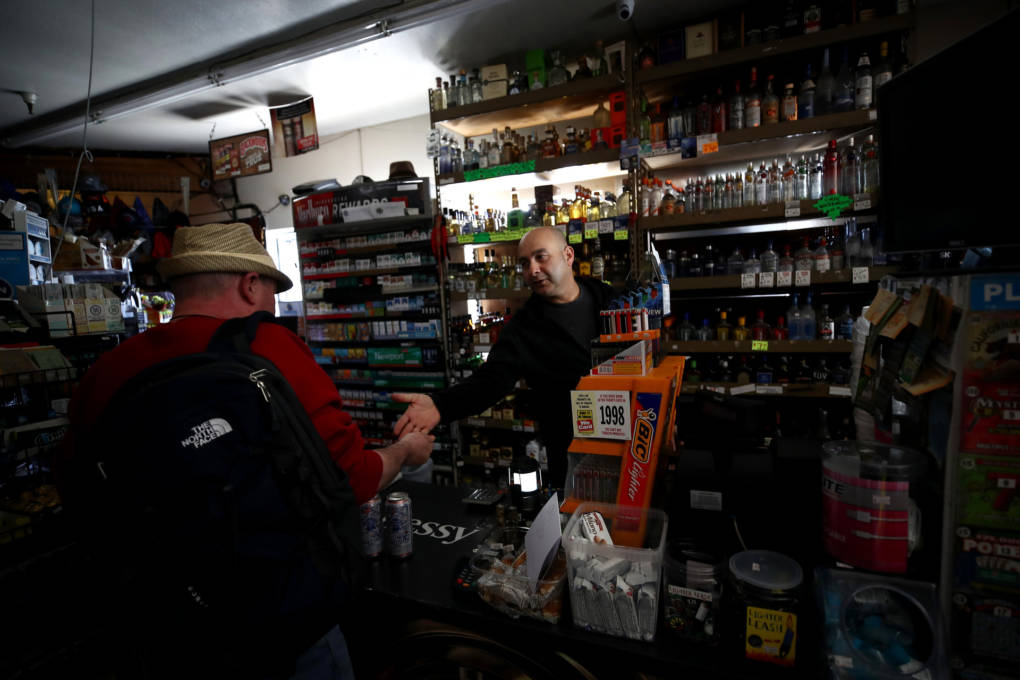
"caption": "Akber Jiwani, the owner of New Bait Shop, helps a customer in his shop that lost power on Oct. 10, 2019, in Sausalito.",
"description": "Akber Jiwani, the owner of New Bait Shop, helps a customer in his shop that lost power on Oct. 10, 2019, in Sausalito.",
"title": "Massive Planned Power Outages Affect Large Swaths Of California",
"credit": "Ezra Shaw/Getty Images",
"status": "inherit",
"isLoading": false,
"fetchFailed": false
},
"news_11785111": {
"type": "attachments",
"id": "news_11785111",
"meta": {
"index": "attachments_1716263798",
"site": "news",
"id": "11785111",
"found": true
},
"parent": 11784966,
"imgSizes": {
"apple_news_ca_landscape_5_5": {
"file": "https://ww2.kqed.org/app/uploads/sites/10/2019/11/Kincade-Fire-Firefighter-1044x783.jpg",
"width": 1044,
"mimeType": "image/jpeg",
"height": 783
},
"apple_news_ca_square_4_0": {
"file": "https://ww2.kqed.org/app/uploads/sites/10/2019/11/Kincade-Fire-Firefighter-470x470.jpg",
"width": 470,
"mimeType": "image/jpeg",
"height": 470
},
"twentyfourteen-full-width": {
"file": "https://ww2.kqed.org/app/uploads/sites/10/2019/11/Kincade-Fire-Firefighter-1038x576.jpg",
"width": 1038,
"mimeType": "image/jpeg",
"height": 576
},
"thumbnail": {
"file": "https://ww2.kqed.org/app/uploads/sites/10/2019/11/Kincade-Fire-Firefighter-160x107.jpg",
"width": 160,
"mimeType": "image/jpeg",
"height": 107
},
"post-thumbnail": {
"file": "https://ww2.kqed.org/app/uploads/sites/10/2019/11/Kincade-Fire-Firefighter-672x372.jpg",
"width": 672,
"mimeType": "image/jpeg",
"height": 372
},
"kqedFullSize": {
"file": "https://ww2.kqed.org/app/uploads/sites/10/2019/11/Kincade-Fire-Firefighter.jpg",
"width": 1920,
"height": 1280
},
"apple_news_ca_landscape_4_7": {
"file": "https://ww2.kqed.org/app/uploads/sites/10/2019/11/Kincade-Fire-Firefighter-632x474.jpg",
"width": 632,
"mimeType": "image/jpeg",
"height": 474
},
"large": {
"file": "https://ww2.kqed.org/app/uploads/sites/10/2019/11/Kincade-Fire-Firefighter-1020x680.jpg",
"width": 1020,
"mimeType": "image/jpeg",
"height": 680
},
"complete_open_graph": {
"file": "https://ww2.kqed.org/app/uploads/sites/10/2019/11/Kincade-Fire-Firefighter-1200x800.jpg",
"width": 1200,
"mimeType": "image/jpeg",
"height": 800
},
"apple_news_ca_landscape_4_0": {
"file": "https://ww2.kqed.org/app/uploads/sites/10/2019/11/Kincade-Fire-Firefighter-536x402.jpg",
"width": 536,
"mimeType": "image/jpeg",
"height": 402
},
"apple_news_ca_portrait_12_9": {
"file": "https://ww2.kqed.org/app/uploads/sites/10/2019/11/Kincade-Fire-Firefighter-1122x1280.jpg",
"width": 1122,
"mimeType": "image/jpeg",
"height": 1280
},
"medium": {
"file": "https://ww2.kqed.org/app/uploads/sites/10/2019/11/Kincade-Fire-Firefighter-800x533.jpg",
"width": 800,
"mimeType": "image/jpeg",
"height": 533
},
"apple_news_ca_portrait_4_0": {
"file": "https://ww2.kqed.org/app/uploads/sites/10/2019/11/Kincade-Fire-Firefighter-354x472.jpg",
"width": 354,
"mimeType": "image/jpeg",
"height": 472
},
"apple_news_ca_portrait_9_7": {
"file": "https://ww2.kqed.org/app/uploads/sites/10/2019/11/Kincade-Fire-Firefighter-840x1120.jpg",
"width": 840,
"mimeType": "image/jpeg",
"height": 1120
},
"apple_news_ca_landscape_12_9": {
"file": "https://ww2.kqed.org/app/uploads/sites/10/2019/11/Kincade-Fire-Firefighter-1832x1280.jpg",
"width": 1832,
"mimeType": "image/jpeg",
"height": 1280
},
"apple_news_ca_square_9_7": {
"file": "https://ww2.kqed.org/app/uploads/sites/10/2019/11/Kincade-Fire-Firefighter-1104x1104.jpg",
"width": 1104,
"mimeType": "image/jpeg",
"height": 1104
},
"apple_news_ca_portrait_4_7": {
"file": "https://ww2.kqed.org/app/uploads/sites/10/2019/11/Kincade-Fire-Firefighter-414x552.jpg",
"width": 414,
"mimeType": "image/jpeg",
"height": 552
},
"apple_news_ca_square_12_9": {
"file": "https://ww2.kqed.org/app/uploads/sites/10/2019/11/Kincade-Fire-Firefighter-1472x1280.jpg",
"width": 1472,
"mimeType": "image/jpeg",
"height": 1280
},
"apple_news_ca_portrait_5_5": {
"file": "https://ww2.kqed.org/app/uploads/sites/10/2019/11/Kincade-Fire-Firefighter-687x916.jpg",
"width": 687,
"mimeType": "image/jpeg",
"height": 916
},
"full-width": {
"file": "https://ww2.kqed.org/app/uploads/sites/10/2019/11/Kincade-Fire-Firefighter-1920x1280.jpg",
"width": 1920,
"mimeType": "image/jpeg",
"height": 1280
},
"apple_news_ca_square_4_7": {
"file": "https://ww2.kqed.org/app/uploads/sites/10/2019/11/Kincade-Fire-Firefighter-550x550.jpg",
"width": 550,
"mimeType": "image/jpeg",
"height": 550
},
"apple_news_ca_landscape_9_7": {
"file": "https://ww2.kqed.org/app/uploads/sites/10/2019/11/Kincade-Fire-Firefighter-1376x1032.jpg",
"width": 1376,
"mimeType": "image/jpeg",
"height": 1032
},
"apple_news_ca_square_5_5": {
"file": "https://ww2.kqed.org/app/uploads/sites/10/2019/11/Kincade-Fire-Firefighter-912x912.jpg",
"width": 912,
"mimeType": "image/jpeg",
"height": 912
}
},
"publishDate": 1573003041,
"modified": 1573003135,
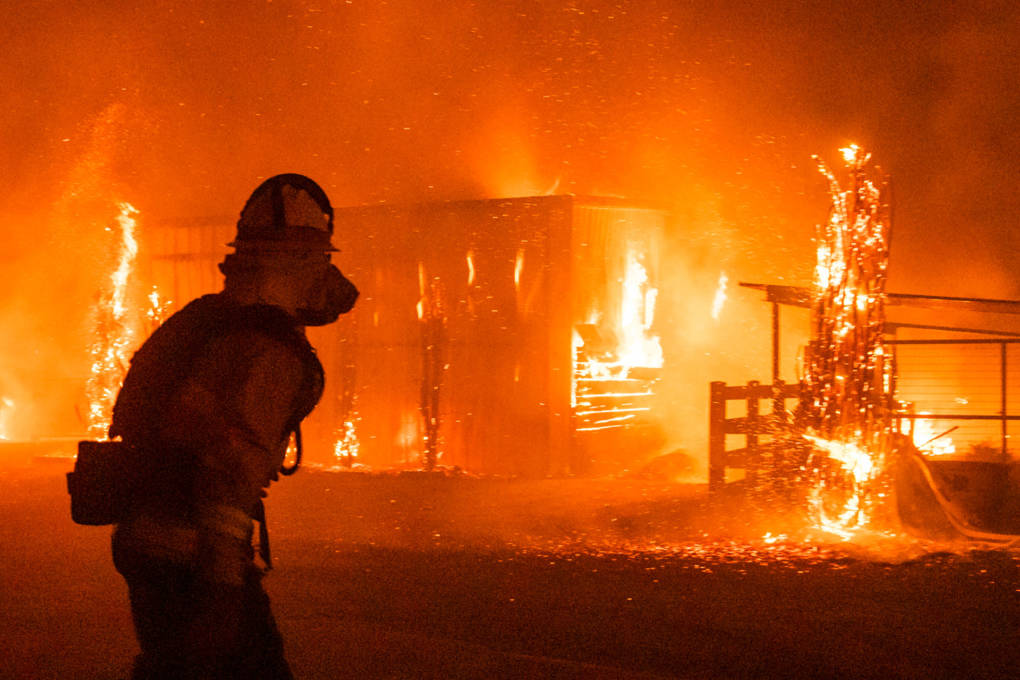
"caption": "A firefighter battles the Kincade Fire as it burns a structure on a farm near Windsor on Oct. 27, 2019. A firefighter badly injured while battling the same fire on the same day was working for a private company.",
"description": "A firefighter battles the Kincade Fire as it burns a structure on a farm near Windsor on Oct. 27, 2019. A firefighter badly injured while battling the same fire on the same day was working for a private company.",
"title": "Kincade-Fire-Firefighter",
"credit": "PHILIP PACHECO/AFP via Getty Images",
"status": "inherit",
"isLoading": false,
"fetchFailed": false
},
"news_11784837": {
"type": "attachments",
"id": "news_11784837",
"meta": {
"index": "attachments_1716263798",
"site": "news",
"id": "11784837",
"found": true
},
"parent": 11784767,
"imgSizes": {
"apple_news_ca_landscape_5_5": {
"file": "https://ww2.kqed.org/app/uploads/sites/10/2019/11/GettyImages-1178415471-1044x783.jpg",
"width": 1044,
"mimeType": "image/jpeg",
"height": 783
},
"apple_news_ca_square_4_0": {
"file": "https://ww2.kqed.org/app/uploads/sites/10/2019/11/GettyImages-1178415471-470x470.jpg",
"width": 470,
"mimeType": "image/jpeg",
"height": 470
},
"twentyfourteen-full-width": {
"file": "https://ww2.kqed.org/app/uploads/sites/10/2019/11/GettyImages-1178415471-1038x576.jpg",
"width": 1038,
"mimeType": "image/jpeg",
"height": 576
},
"thumbnail": {
"file": "https://ww2.kqed.org/app/uploads/sites/10/2019/11/GettyImages-1178415471-160x107.jpg",
"width": 160,
"mimeType": "image/jpeg",
"height": 107
},
"post-thumbnail": {
"file": "https://ww2.kqed.org/app/uploads/sites/10/2019/11/GettyImages-1178415471-672x372.jpg",
"width": 672,
"mimeType": "image/jpeg",
"height": 372
},
"kqedFullSize": {
"file": "https://ww2.kqed.org/app/uploads/sites/10/2019/11/GettyImages-1178415471-e1572903966123.jpg",
"width": 1920,
"height": 1280
},
"apple_news_ca_landscape_4_7": {
"file": "https://ww2.kqed.org/app/uploads/sites/10/2019/11/GettyImages-1178415471-632x474.jpg",
"width": 632,
"mimeType": "image/jpeg",
"height": 474
},
"large": {
"file": "https://ww2.kqed.org/app/uploads/sites/10/2019/11/GettyImages-1178415471-1020x680.jpg",
"width": 1020,
"mimeType": "image/jpeg",
"height": 680
},
"complete_open_graph": {
"file": "https://ww2.kqed.org/app/uploads/sites/10/2019/11/GettyImages-1178415471-1200x800.jpg",
"width": 1200,
"mimeType": "image/jpeg",
"height": 800
},
"apple_news_ca_landscape_4_0": {
"file": "https://ww2.kqed.org/app/uploads/sites/10/2019/11/GettyImages-1178415471-536x402.jpg",
"width": 536,
"mimeType": "image/jpeg",
"height": 402
},
"apple_news_ca_portrait_12_9": {
"file": "https://ww2.kqed.org/app/uploads/sites/10/2019/11/GettyImages-1178415471-1122x1496.jpg",
"width": 1122,
"mimeType": "image/jpeg",
"height": 1496
},
"medium": {
"file": "https://ww2.kqed.org/app/uploads/sites/10/2019/11/GettyImages-1178415471-800x533.jpg",
"width": 800,
"mimeType": "image/jpeg",
"height": 533
},
"apple_news_ca_portrait_4_0": {
"file": "https://ww2.kqed.org/app/uploads/sites/10/2019/11/GettyImages-1178415471-354x472.jpg",
"width": 354,
"mimeType": "image/jpeg",
"height": 472
},
"apple_news_ca_portrait_9_7": {
"file": "https://ww2.kqed.org/app/uploads/sites/10/2019/11/GettyImages-1178415471-840x1120.jpg",
"width": 840,
"mimeType": "image/jpeg",
"height": 1120
},
"apple_news_ca_landscape_12_9": {
"file": "https://ww2.kqed.org/app/uploads/sites/10/2019/11/GettyImages-1178415471-1832x1374.jpg",
"width": 1832,
"mimeType": "image/jpeg",
"height": 1374
},
"apple_news_ca_square_9_7": {
"file": "https://ww2.kqed.org/app/uploads/sites/10/2019/11/GettyImages-1178415471-1104x1104.jpg",
"width": 1104,
"mimeType": "image/jpeg",
"height": 1104
},
"apple_news_ca_portrait_4_7": {
"file": "https://ww2.kqed.org/app/uploads/sites/10/2019/11/GettyImages-1178415471-414x552.jpg",
"width": 414,
"mimeType": "image/jpeg",
"height": 552
},
"apple_news_ca_square_12_9": {
"file": "https://ww2.kqed.org/app/uploads/sites/10/2019/11/GettyImages-1178415471-1472x1472.jpg",
"width": 1472,
"mimeType": "image/jpeg",
"height": 1472
},
"apple_news_ca_portrait_5_5": {
"file": "https://ww2.kqed.org/app/uploads/sites/10/2019/11/GettyImages-1178415471-687x916.jpg",
"width": 687,
"mimeType": "image/jpeg",
"height": 916
},
"full-width": {
"file": "https://ww2.kqed.org/app/uploads/sites/10/2019/11/GettyImages-1178415471-1920x1280.jpg",
"width": 1920,
"mimeType": "image/jpeg",
"height": 1280
},
"apple_news_ca_square_4_7": {
"file": "https://ww2.kqed.org/app/uploads/sites/10/2019/11/GettyImages-1178415471-550x550.jpg",
"width": 550,
"mimeType": "image/jpeg",
"height": 550
},
"apple_news_ca_landscape_9_7": {
"file": "https://ww2.kqed.org/app/uploads/sites/10/2019/11/GettyImages-1178415471-1376x1032.jpg",
"width": 1376,
"mimeType": "image/jpeg",
"height": 1032
},
"apple_news_ca_square_5_5": {
"file": "https://ww2.kqed.org/app/uploads/sites/10/2019/11/GettyImages-1178415471-912x912.jpg",
"width": 912,
"mimeType": "image/jpeg",
"height": 912
}
},
"publishDate": 1572903839,
"modified": 1573676853,
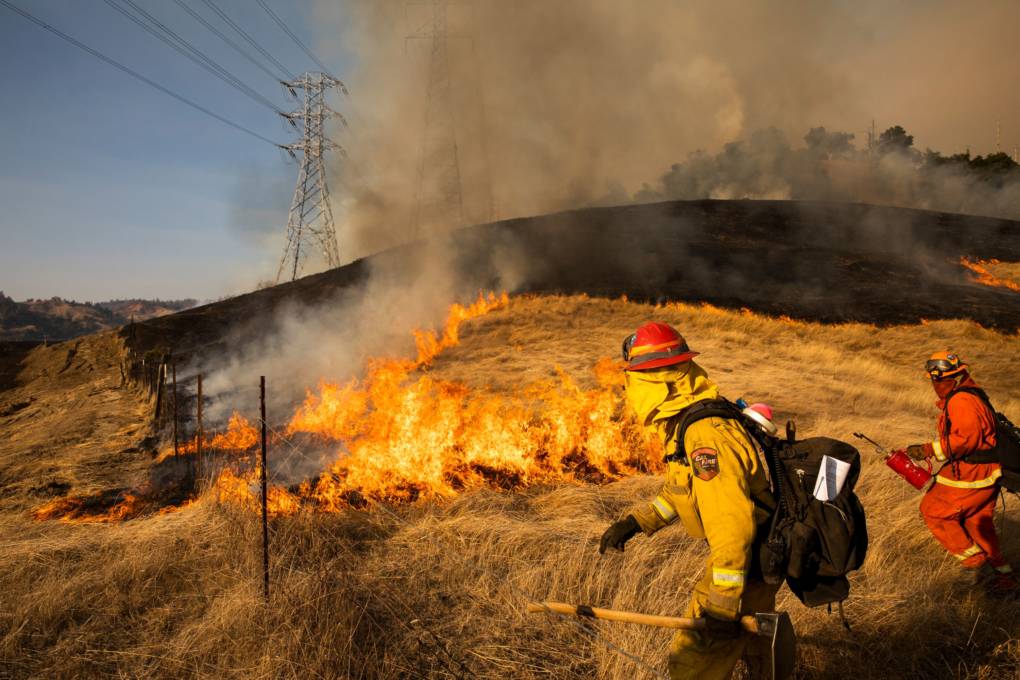
"caption": "Firefighters watch a backfire set near PG&E transmission lines on Oct. 26, 2019, during the battle against the Kincade Fire in Sonoma County. ",
"description": "Firefighters watch a backfire set near PG&E transmission lines on Oct. 26, 2019, during the battle against the Kincade Fire in Sonoma County. ",
"title": "US-CALIFORNIA-FIRE-EMERGENCY",
"credit": "Philip Pacheco/AFP-Getty Images",
"status": "inherit",
"isLoading": false,
"fetchFailed": false
},
"news_11784694": {
"type": "attachments",
"id": "news_11784694",
"meta": {
"index": "attachments_1716263798",
"site": "news",
"id": "11784694",
"found": true
},
"parent": 11784681,
"imgSizes": {
"apple_news_ca_landscape_5_5": {
"file": "https://ww2.kqed.org/app/uploads/sites/10/2019/11/RS40077_GettyImages-1179391471-qut-1044x783.jpg",
"width": 1044,
"mimeType": "image/jpeg",
"height": 783
},
"apple_news_ca_square_4_0": {
"file": "https://ww2.kqed.org/app/uploads/sites/10/2019/11/RS40077_GettyImages-1179391471-qut-470x470.jpg",
"width": 470,
"mimeType": "image/jpeg",
"height": 470
},
"twentyfourteen-full-width": {
"file": "https://ww2.kqed.org/app/uploads/sites/10/2019/11/RS40077_GettyImages-1179391471-qut-1038x576.jpg",
"width": 1038,
"mimeType": "image/jpeg",
"height": 576
},
"thumbnail": {
"file": "https://ww2.kqed.org/app/uploads/sites/10/2019/11/RS40077_GettyImages-1179391471-qut-160x108.jpg",
"width": 160,
"mimeType": "image/jpeg",
"height": 108
},
"post-thumbnail": {
"file": "https://ww2.kqed.org/app/uploads/sites/10/2019/11/RS40077_GettyImages-1179391471-qut-672x372.jpg",
"width": 672,
"mimeType": "image/jpeg",
"height": 372
},
"kqedFullSize": {
"file": "https://ww2.kqed.org/app/uploads/sites/10/2019/11/RS40077_GettyImages-1179391471-qut.jpg",
"width": 1920,
"height": 1294
},
"apple_news_ca_landscape_4_7": {
"file": "https://ww2.kqed.org/app/uploads/sites/10/2019/11/RS40077_GettyImages-1179391471-qut-632x474.jpg",
"width": 632,
"mimeType": "image/jpeg",
"height": 474
},
"large": {
"file": "https://ww2.kqed.org/app/uploads/sites/10/2019/11/RS40077_GettyImages-1179391471-qut-1020x687.jpg",
"width": 1020,
"mimeType": "image/jpeg",
"height": 687
},
"complete_open_graph": {
"file": "https://ww2.kqed.org/app/uploads/sites/10/2019/11/RS40077_GettyImages-1179391471-qut-1200x809.jpg",
"width": 1200,
"mimeType": "image/jpeg",
"height": 809
},
"apple_news_ca_landscape_4_0": {
"file": "https://ww2.kqed.org/app/uploads/sites/10/2019/11/RS40077_GettyImages-1179391471-qut-536x402.jpg",
"width": 536,
"mimeType": "image/jpeg",
"height": 402
},
"apple_news_ca_portrait_12_9": {
"file": "https://ww2.kqed.org/app/uploads/sites/10/2019/11/RS40077_GettyImages-1179391471-qut-1122x1294.jpg",
"width": 1122,
"mimeType": "image/jpeg",
"height": 1294
},
"medium": {
"file": "https://ww2.kqed.org/app/uploads/sites/10/2019/11/RS40077_GettyImages-1179391471-qut-800x539.jpg",
"width": 800,
"mimeType": "image/jpeg",
"height": 539
},
"apple_news_ca_portrait_4_0": {
"file": "https://ww2.kqed.org/app/uploads/sites/10/2019/11/RS40077_GettyImages-1179391471-qut-354x472.jpg",
"width": 354,
"mimeType": "image/jpeg",
"height": 472
},
"apple_news_ca_portrait_9_7": {
"file": "https://ww2.kqed.org/app/uploads/sites/10/2019/11/RS40077_GettyImages-1179391471-qut-840x1120.jpg",
"width": 840,
"mimeType": "image/jpeg",
"height": 1120
},
"apple_news_ca_landscape_12_9": {
"file": "https://ww2.kqed.org/app/uploads/sites/10/2019/11/RS40077_GettyImages-1179391471-qut-1832x1294.jpg",
"width": 1832,
"mimeType": "image/jpeg",
"height": 1294
},
"apple_news_ca_square_9_7": {
"file": "https://ww2.kqed.org/app/uploads/sites/10/2019/11/RS40077_GettyImages-1179391471-qut-1104x1104.jpg",
"width": 1104,
"mimeType": "image/jpeg",
"height": 1104
},
"apple_news_ca_portrait_4_7": {
"file": "https://ww2.kqed.org/app/uploads/sites/10/2019/11/RS40077_GettyImages-1179391471-qut-414x552.jpg",
"width": 414,
"mimeType": "image/jpeg",
"height": 552
},
"apple_news_ca_square_12_9": {
"file": "https://ww2.kqed.org/app/uploads/sites/10/2019/11/RS40077_GettyImages-1179391471-qut-1472x1294.jpg",
"width": 1472,
"mimeType": "image/jpeg",
"height": 1294
},
"apple_news_ca_portrait_5_5": {
"file": "https://ww2.kqed.org/app/uploads/sites/10/2019/11/RS40077_GettyImages-1179391471-qut-687x916.jpg",
"width": 687,
"mimeType": "image/jpeg",
"height": 916
},
"full-width": {
"file": "https://ww2.kqed.org/app/uploads/sites/10/2019/11/RS40077_GettyImages-1179391471-qut-1920x1294.jpg",
"width": 1920,
"mimeType": "image/jpeg",
"height": 1294
},
"apple_news_ca_square_4_7": {
"file": "https://ww2.kqed.org/app/uploads/sites/10/2019/11/RS40077_GettyImages-1179391471-qut-550x550.jpg",
"width": 550,
"mimeType": "image/jpeg",
"height": 550
},
"apple_news_ca_landscape_9_7": {
"file": "https://ww2.kqed.org/app/uploads/sites/10/2019/11/RS40077_GettyImages-1179391471-qut-1376x1032.jpg",
"width": 1376,
"mimeType": "image/jpeg",
"height": 1032
},
"apple_news_ca_square_5_5": {
"file": "https://ww2.kqed.org/app/uploads/sites/10/2019/11/RS40077_GettyImages-1179391471-qut-912x912.jpg",
"width": 912,
"mimeType": "image/jpeg",
"height": 912
}
},
"publishDate": 1572802571,
"modified": 1574126945,
"caption": "President Trump has threatened to eliminate government funding for the state of California on various occasions, among the multiple factors that make him particularly unpopular here.",
"description": "President Donald Trump has threatened to eliminate government funding for the state of California on various occasions.",
"title": "US-POLITICS-TRUMP",
"credit": "JIM WATSON/AFP via Getty Images",
"status": "inherit",
"isLoading": false,
"fetchFailed": false
},
"news_11784554": {
"type": "attachments",
"id": "news_11784554",
"meta": {
"index": "attachments_1716263798",
"site": "news",
"id": "11784554",
"found": true
},
"parent": 11784234,
"imgSizes": {
"apple_news_ca_landscape_5_5": {
"file": "https://ww2.kqed.org/app/uploads/sites/10/2019/11/RS40067_PHOTO-OCT-30-5-08-00-PM-1044x783.jpeg",
"width": 1044,
"mimeType": "image/jpeg",
"height": 783
},
"apple_news_ca_square_4_0": {
"file": "https://ww2.kqed.org/app/uploads/sites/10/2019/11/RS40067_PHOTO-OCT-30-5-08-00-PM-470x470.jpeg",
"width": 470,
"mimeType": "image/jpeg",
"height": 470
},
"twentyfourteen-full-width": {
"file": "https://ww2.kqed.org/app/uploads/sites/10/2019/11/RS40067_PHOTO-OCT-30-5-08-00-PM-1038x576.jpeg",
"width": 1038,
"mimeType": "image/jpeg",
"height": 576
},
"thumbnail": {
"file": "https://ww2.kqed.org/app/uploads/sites/10/2019/11/RS40067_PHOTO-OCT-30-5-08-00-PM-160x120.jpeg",
"width": 160,
"mimeType": "image/jpeg",
"height": 120
},
"post-thumbnail": {
"file": "https://ww2.kqed.org/app/uploads/sites/10/2019/11/RS40067_PHOTO-OCT-30-5-08-00-PM-672x372.jpeg",
"width": 672,
"mimeType": "image/jpeg",
"height": 372
},
"kqedFullSize": {
"file": "https://ww2.kqed.org/app/uploads/sites/10/2019/11/RS40067_PHOTO-OCT-30-5-08-00-PM.jpeg",
"width": 3859,
"height": 2894
},
"apple_news_ca_landscape_4_7": {
"file": "https://ww2.kqed.org/app/uploads/sites/10/2019/11/RS40067_PHOTO-OCT-30-5-08-00-PM-632x474.jpeg",
"width": 632,
"mimeType": "image/jpeg",
"height": 474
},
"large": {
"file": "https://ww2.kqed.org/app/uploads/sites/10/2019/11/RS40067_PHOTO-OCT-30-5-08-00-PM-1020x765.jpeg",
"width": 1020,
"mimeType": "image/jpeg",
"height": 765
},
"complete_open_graph": {
"file": "https://ww2.kqed.org/app/uploads/sites/10/2019/11/RS40067_PHOTO-OCT-30-5-08-00-PM-1200x900.jpeg",
"width": 1200,
"mimeType": "image/jpeg",
"height": 900
},
"apple_news_ca_landscape_4_0": {
"file": "https://ww2.kqed.org/app/uploads/sites/10/2019/11/RS40067_PHOTO-OCT-30-5-08-00-PM-536x402.jpeg",
"width": 536,
"mimeType": "image/jpeg",
"height": 402
},
"apple_news_ca_portrait_12_9": {
"file": "https://ww2.kqed.org/app/uploads/sites/10/2019/11/RS40067_PHOTO-OCT-30-5-08-00-PM-1122x1496.jpeg",
"width": 1122,
"mimeType": "image/jpeg",
"height": 1496
},
"medium": {
"file": "https://ww2.kqed.org/app/uploads/sites/10/2019/11/RS40067_PHOTO-OCT-30-5-08-00-PM-800x600.jpeg",
"width": 800,
"mimeType": "image/jpeg",
"height": 600
},
"apple_news_ca_portrait_4_0": {
"file": "https://ww2.kqed.org/app/uploads/sites/10/2019/11/RS40067_PHOTO-OCT-30-5-08-00-PM-354x472.jpeg",
"width": 354,
"mimeType": "image/jpeg",
"height": 472
},
"apple_news_ca_portrait_9_7": {
"file": "https://ww2.kqed.org/app/uploads/sites/10/2019/11/RS40067_PHOTO-OCT-30-5-08-00-PM-840x1120.jpeg",
"width": 840,
"mimeType": "image/jpeg",
"height": 1120
},
"apple_news_ca_landscape_12_9": {
"file": "https://ww2.kqed.org/app/uploads/sites/10/2019/11/RS40067_PHOTO-OCT-30-5-08-00-PM-1832x1374.jpeg",
"width": 1832,
"mimeType": "image/jpeg",
"height": 1374
},
"apple_news_ca_square_9_7": {
"file": "https://ww2.kqed.org/app/uploads/sites/10/2019/11/RS40067_PHOTO-OCT-30-5-08-00-PM-1104x1104.jpeg",
"width": 1104,
"mimeType": "image/jpeg",
"height": 1104
},
"apple_news_ca_portrait_4_7": {
"file": "https://ww2.kqed.org/app/uploads/sites/10/2019/11/RS40067_PHOTO-OCT-30-5-08-00-PM-414x552.jpeg",
"width": 414,
"mimeType": "image/jpeg",
"height": 552
},
"apple_news_ca_square_12_9": {
"file": "https://ww2.kqed.org/app/uploads/sites/10/2019/11/RS40067_PHOTO-OCT-30-5-08-00-PM-1472x1472.jpeg",
"width": 1472,
"mimeType": "image/jpeg",
"height": 1472
},
"apple_news_ca_portrait_5_5": {
"file": "https://ww2.kqed.org/app/uploads/sites/10/2019/11/RS40067_PHOTO-OCT-30-5-08-00-PM-687x916.jpeg",
"width": 687,
"mimeType": "image/jpeg",
"height": 916
},
"full-width": {
"file": "https://ww2.kqed.org/app/uploads/sites/10/2019/11/RS40067_PHOTO-OCT-30-5-08-00-PM-1920x1440.jpeg",
"width": 1920,
"mimeType": "image/jpeg",
"height": 1440
},
"apple_news_ca_square_4_7": {
"file": "https://ww2.kqed.org/app/uploads/sites/10/2019/11/RS40067_PHOTO-OCT-30-5-08-00-PM-550x550.jpeg",
"width": 550,
"mimeType": "image/jpeg",
"height": 550
},
"apple_news_ca_landscape_9_7": {
"file": "https://ww2.kqed.org/app/uploads/sites/10/2019/11/RS40067_PHOTO-OCT-30-5-08-00-PM-1376x1032.jpeg",
"width": 1376,
"mimeType": "image/jpeg",
"height": 1032
},
"apple_news_ca_square_5_5": {
"file": "https://ww2.kqed.org/app/uploads/sites/10/2019/11/RS40067_PHOTO-OCT-30-5-08-00-PM-912x912.jpeg",
"width": 912,
"mimeType": "image/jpeg",
"height": 912
}
},
"publishDate": 1572698837,
"modified": 1572715997,
"caption": "Diane Cox and Lizzie Peyton from Sebastopol volunteered to help prep and wrap meals for World Central Kitchen to feed emergency responders and locals in need as the Kincade Fire raged in Sonoma County.",
"description": "Diane Cox (l) and Lizzie Peyton (r) from Sebastopol volunteered to help prep and wrap meals for World Central Kitchen to feed emergency responders and locals in need as the Kincade Fire raged in Sonoma County.",
"title": "RS40067_PHOTO OCT 30, 5 08 00 PM",
"credit": "Rachael Myrow/KQED",
"status": "inherit",
"isLoading": false,
"fetchFailed": false
},
"news_11784140": {
"type": "attachments",
"id": "news_11784140",
"meta": {
"index": "attachments_1716263798",
"site": "news",
"id": "11784140",
"found": true
},
"parent": 11784042,
"imgSizes": {
"apple_news_ca_landscape_5_5": {
"file": "https://ww2.kqed.org/app/uploads/sites/10/2019/10/kincade-fire-inmates-1920-1044x783.jpg",
"width": 1044,
"mimeType": "image/jpeg",
"height": 783
},
"apple_news_ca_square_4_0": {
"file": "https://ww2.kqed.org/app/uploads/sites/10/2019/10/kincade-fire-inmates-1920-470x470.jpg",
"width": 470,
"mimeType": "image/jpeg",
"height": 470
},
"twentyfourteen-full-width": {
"file": "https://ww2.kqed.org/app/uploads/sites/10/2019/10/kincade-fire-inmates-1920-1038x576.jpg",
"width": 1038,
"mimeType": "image/jpeg",
"height": 576
},
"thumbnail": {
"file": "https://ww2.kqed.org/app/uploads/sites/10/2019/10/kincade-fire-inmates-1920-160x107.jpg",
"width": 160,
"mimeType": "image/jpeg",
"height": 107
},
"post-thumbnail": {
"file": "https://ww2.kqed.org/app/uploads/sites/10/2019/10/kincade-fire-inmates-1920-672x372.jpg",
"width": 672,
"mimeType": "image/jpeg",
"height": 372
},
"kqedFullSize": {
"file": "https://ww2.kqed.org/app/uploads/sites/10/2019/10/kincade-fire-inmates-1920.jpg",
"width": 1920,
"height": 1280
},
"apple_news_ca_landscape_4_7": {
"file": "https://ww2.kqed.org/app/uploads/sites/10/2019/10/kincade-fire-inmates-1920-632x474.jpg",
"width": 632,
"mimeType": "image/jpeg",
"height": 474
},
"large": {
"file": "https://ww2.kqed.org/app/uploads/sites/10/2019/10/kincade-fire-inmates-1920-1020x680.jpg",
"width": 1020,
"mimeType": "image/jpeg",
"height": 680
},
"complete_open_graph": {
"file": "https://ww2.kqed.org/app/uploads/sites/10/2019/10/kincade-fire-inmates-1920-1200x800.jpg",
"width": 1200,
"mimeType": "image/jpeg",
"height": 800
},
"apple_news_ca_landscape_4_0": {
"file": "https://ww2.kqed.org/app/uploads/sites/10/2019/10/kincade-fire-inmates-1920-536x402.jpg",
"width": 536,
"mimeType": "image/jpeg",
"height": 402
},
"apple_news_ca_portrait_12_9": {
"file": "https://ww2.kqed.org/app/uploads/sites/10/2019/10/kincade-fire-inmates-1920-1122x1280.jpg",
"width": 1122,
"mimeType": "image/jpeg",
"height": 1280
},
"medium": {
"file": "https://ww2.kqed.org/app/uploads/sites/10/2019/10/kincade-fire-inmates-1920-800x533.jpg",
"width": 800,
"mimeType": "image/jpeg",
"height": 533
},
"apple_news_ca_portrait_4_0": {
"file": "https://ww2.kqed.org/app/uploads/sites/10/2019/10/kincade-fire-inmates-1920-354x472.jpg",
"width": 354,
"mimeType": "image/jpeg",
"height": 472
},
"apple_news_ca_portrait_9_7": {
"file": "https://ww2.kqed.org/app/uploads/sites/10/2019/10/kincade-fire-inmates-1920-840x1120.jpg",
"width": 840,
"mimeType": "image/jpeg",
"height": 1120
},
"apple_news_ca_landscape_12_9": {
"file": "https://ww2.kqed.org/app/uploads/sites/10/2019/10/kincade-fire-inmates-1920-1832x1280.jpg",
"width": 1832,
"mimeType": "image/jpeg",
"height": 1280
},
"apple_news_ca_square_9_7": {
"file": "https://ww2.kqed.org/app/uploads/sites/10/2019/10/kincade-fire-inmates-1920-1104x1104.jpg",
"width": 1104,
"mimeType": "image/jpeg",
"height": 1104
},
"apple_news_ca_portrait_4_7": {
"file": "https://ww2.kqed.org/app/uploads/sites/10/2019/10/kincade-fire-inmates-1920-414x552.jpg",
"width": 414,
"mimeType": "image/jpeg",
"height": 552
},
"apple_news_ca_square_12_9": {
"file": "https://ww2.kqed.org/app/uploads/sites/10/2019/10/kincade-fire-inmates-1920-1472x1280.jpg",
"width": 1472,
"mimeType": "image/jpeg",
"height": 1280
},
"apple_news_ca_portrait_5_5": {
"file": "https://ww2.kqed.org/app/uploads/sites/10/2019/10/kincade-fire-inmates-1920-687x916.jpg",
"width": 687,
"mimeType": "image/jpeg",
"height": 916
},
"full-width": {
"file": "https://ww2.kqed.org/app/uploads/sites/10/2019/10/kincade-fire-inmates-1920-1920x1280.jpg",
"width": 1920,
"mimeType": "image/jpeg",
"height": 1280
},
"apple_news_ca_square_4_7": {
"file": "https://ww2.kqed.org/app/uploads/sites/10/2019/10/kincade-fire-inmates-1920-550x550.jpg",
"width": 550,
"mimeType": "image/jpeg",
"height": 550
},
"apple_news_ca_landscape_9_7": {
"file": "https://ww2.kqed.org/app/uploads/sites/10/2019/10/kincade-fire-inmates-1920-1376x1032.jpg",
"width": 1376,
"mimeType": "image/jpeg",
"height": 1032
},
"apple_news_ca_square_5_5": {
"file": "https://ww2.kqed.org/app/uploads/sites/10/2019/10/kincade-fire-inmates-1920-912x912.jpg",
"width": 912,
"mimeType": "image/jpeg",
"height": 912
}
},
"publishDate": 1572558937,
"modified": 1572558995,
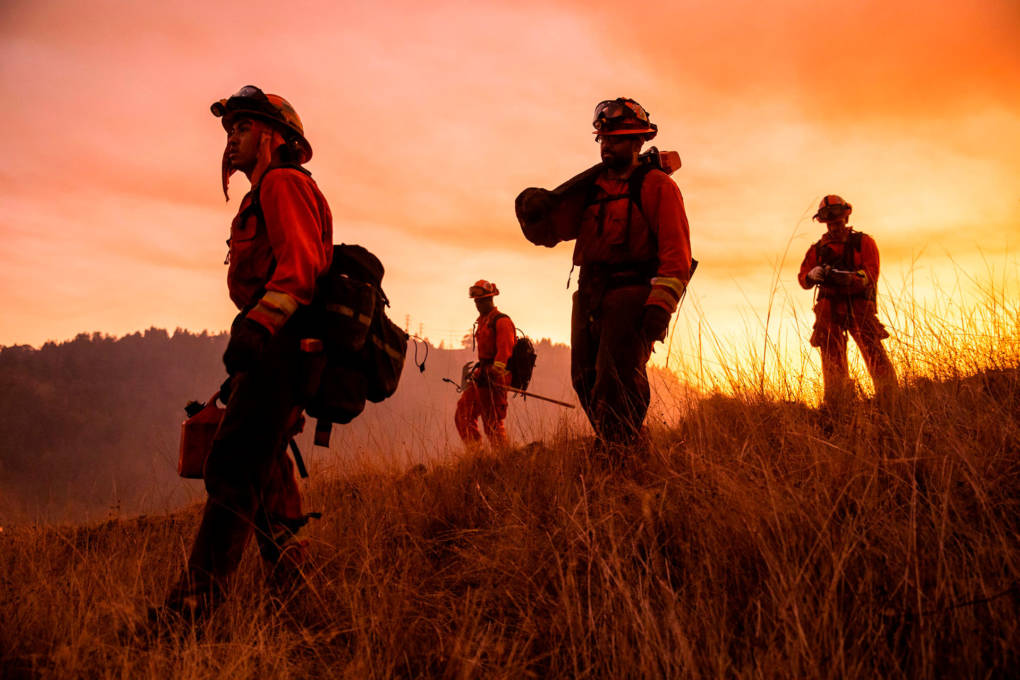
"caption": "A crew of inmate firefighters make their way to firefighting operations to battle the Kincade Fire in Healdsburg on Oct. 26, 2019.",
"description": "A crew of inmate firefighters make their way to firefighting operations to battle the Kincade Fire in Healdsburg on Oct. 26, 2019.",
"title": "kincade-fire-inmates-1920",
"credit": "Philip Pacheco/AFP via Getty Images",
"status": "inherit",
"isLoading": false,
"fetchFailed": false
},
"news_11784262": {
"type": "attachments",
"id": "news_11784262",
"meta": {
"index": "attachments_1716263798",
"site": "news",
"id": "11784262",
"found": true
},
"parent": 11784255,
"imgSizes": {
"apple_news_ca_landscape_5_5": {
"file": "https://ww2.kqed.org/app/uploads/sites/10/2019/11/Sutter-Santa-Rosa-Regional-Hospital-Evacuation-1044x783.jpg",
"width": 1044,
"mimeType": "image/jpeg",
"height": 783
},
"apple_news_ca_square_4_0": {
"file": "https://ww2.kqed.org/app/uploads/sites/10/2019/11/Sutter-Santa-Rosa-Regional-Hospital-Evacuation-470x470.jpg",
"width": 470,
"mimeType": "image/jpeg",
"height": 470
},
"twentyfourteen-full-width": {
"file": "https://ww2.kqed.org/app/uploads/sites/10/2019/11/Sutter-Santa-Rosa-Regional-Hospital-Evacuation-1038x576.jpg",
"width": 1038,
"mimeType": "image/jpeg",
"height": 576
},
"thumbnail": {
"file": "https://ww2.kqed.org/app/uploads/sites/10/2019/11/Sutter-Santa-Rosa-Regional-Hospital-Evacuation-160x120.jpg",
"width": 160,
"mimeType": "image/jpeg",
"height": 120
},
"post-thumbnail": {
"file": "https://ww2.kqed.org/app/uploads/sites/10/2019/11/Sutter-Santa-Rosa-Regional-Hospital-Evacuation-672x372.jpg",
"width": 672,
"mimeType": "image/jpeg",
"height": 372
},
"kqedFullSize": {
"file": "https://ww2.kqed.org/app/uploads/sites/10/2019/11/Sutter-Santa-Rosa-Regional-Hospital-Evacuation.jpg",
"width": 1872,
"height": 1404
},
"apple_news_ca_landscape_4_7": {
"file": "https://ww2.kqed.org/app/uploads/sites/10/2019/11/Sutter-Santa-Rosa-Regional-Hospital-Evacuation-632x474.jpg",
"width": 632,
"mimeType": "image/jpeg",
"height": 474
},
"large": {
"file": "https://ww2.kqed.org/app/uploads/sites/10/2019/11/Sutter-Santa-Rosa-Regional-Hospital-Evacuation-1020x765.jpg",
"width": 1020,
"mimeType": "image/jpeg",
"height": 765
},
"complete_open_graph": {
"file": "https://ww2.kqed.org/app/uploads/sites/10/2019/11/Sutter-Santa-Rosa-Regional-Hospital-Evacuation-1200x900.jpg",
"width": 1200,
"mimeType": "image/jpeg",
"height": 900
},
"apple_news_ca_landscape_4_0": {
"file": "https://ww2.kqed.org/app/uploads/sites/10/2019/11/Sutter-Santa-Rosa-Regional-Hospital-Evacuation-536x402.jpg",
"width": 536,
"mimeType": "image/jpeg",
"height": 402
},
"apple_news_ca_portrait_12_9": {
"file": "https://ww2.kqed.org/app/uploads/sites/10/2019/11/Sutter-Santa-Rosa-Regional-Hospital-Evacuation-1122x1404.jpg",
"width": 1122,
"mimeType": "image/jpeg",
"height": 1404
},
"medium": {
"file": "https://ww2.kqed.org/app/uploads/sites/10/2019/11/Sutter-Santa-Rosa-Regional-Hospital-Evacuation-800x600.jpg",
"width": 800,
"mimeType": "image/jpeg",
"height": 600
},
"apple_news_ca_portrait_4_0": {
"file": "https://ww2.kqed.org/app/uploads/sites/10/2019/11/Sutter-Santa-Rosa-Regional-Hospital-Evacuation-354x472.jpg",
"width": 354,
"mimeType": "image/jpeg",
"height": 472
},
"apple_news_ca_portrait_9_7": {
"file": "https://ww2.kqed.org/app/uploads/sites/10/2019/11/Sutter-Santa-Rosa-Regional-Hospital-Evacuation-840x1120.jpg",
"width": 840,
"mimeType": "image/jpeg",
"height": 1120
},
"apple_news_ca_landscape_12_9": {
"file": "https://ww2.kqed.org/app/uploads/sites/10/2019/11/Sutter-Santa-Rosa-Regional-Hospital-Evacuation-1832x1374.jpg",
"width": 1832,
"mimeType": "image/jpeg",
"height": 1374
},
"apple_news_ca_square_9_7": {
"file": "https://ww2.kqed.org/app/uploads/sites/10/2019/11/Sutter-Santa-Rosa-Regional-Hospital-Evacuation-1104x1104.jpg",
"width": 1104,
"mimeType": "image/jpeg",
"height": 1104
},
"apple_news_ca_portrait_4_7": {
"file": "https://ww2.kqed.org/app/uploads/sites/10/2019/11/Sutter-Santa-Rosa-Regional-Hospital-Evacuation-414x552.jpg",
"width": 414,
"mimeType": "image/jpeg",
"height": 552
},
"apple_news_ca_square_12_9": {
"file": "https://ww2.kqed.org/app/uploads/sites/10/2019/11/Sutter-Santa-Rosa-Regional-Hospital-Evacuation-1472x1404.jpg",
"width": 1472,
"mimeType": "image/jpeg",
"height": 1404
},
"apple_news_ca_portrait_5_5": {
"file": "https://ww2.kqed.org/app/uploads/sites/10/2019/11/Sutter-Santa-Rosa-Regional-Hospital-Evacuation-687x916.jpg",
"width": 687,
"mimeType": "image/jpeg",
"height": 916
},
"apple_news_ca_square_4_7": {
"file": "https://ww2.kqed.org/app/uploads/sites/10/2019/11/Sutter-Santa-Rosa-Regional-Hospital-Evacuation-550x550.jpg",
"width": 550,
"mimeType": "image/jpeg",
"height": 550
},
"apple_news_ca_landscape_9_7": {
"file": "https://ww2.kqed.org/app/uploads/sites/10/2019/11/Sutter-Santa-Rosa-Regional-Hospital-Evacuation-1376x1032.jpg",
"width": 1376,
"mimeType": "image/jpeg",
"height": 1032
},
"apple_news_ca_square_5_5": {
"file": "https://ww2.kqed.org/app/uploads/sites/10/2019/11/Sutter-Santa-Rosa-Regional-Hospital-Evacuation-912x912.jpg",
"width": 912,
"mimeType": "image/jpeg",
"height": 912
}
},
"publishDate": 1572612384,
"modified": 1572641022,
"caption": "Ambulances lined up Saturday, Oct. 26, to evacuate roughly 100 patients from Sutter Santa Rosa Regional Hospital, as the Kincade Fire spread farther north.",
"description": null,
"title": "Sutter Santa Rosa Regional Hospital Evacuation",
"credit": "Courtesy of Sutter Santa Rosa Regional Hospital",
"status": "inherit",
"isLoading": false,
"fetchFailed": false
},
"news_11784075": {
"type": "attachments",
"id": "news_11784075",
"meta": {
"index": "attachments_1716263798",
"site": "news",
"id": "11784075",
"found": true
},
"parent": 11784071,
"imgSizes": {
"apple_news_ca_landscape_5_5": {
"file": "https://ww2.kqed.org/app/uploads/sites/10/2019/10/IMG_4471-1044x783.jpg",
"width": 1044,
"mimeType": "image/jpeg",
"height": 783
},
"apple_news_ca_square_4_0": {
"file": "https://ww2.kqed.org/app/uploads/sites/10/2019/10/IMG_4471-470x470.jpg",
"width": 470,
"mimeType": "image/jpeg",
"height": 470
},
"twentyfourteen-full-width": {
"file": "https://ww2.kqed.org/app/uploads/sites/10/2019/10/IMG_4471-1038x576.jpg",
"width": 1038,
"mimeType": "image/jpeg",
"height": 576
},
"thumbnail": {
"file": "https://ww2.kqed.org/app/uploads/sites/10/2019/10/IMG_4471-160x107.jpg",
"width": 160,
"mimeType": "image/jpeg",
"height": 107
},
"post-thumbnail": {
"file": "https://ww2.kqed.org/app/uploads/sites/10/2019/10/IMG_4471-672x372.jpg",
"width": 672,
"mimeType": "image/jpeg",
"height": 372
},
"kqedFullSize": {
"file": "https://ww2.kqed.org/app/uploads/sites/10/2019/10/IMG_4471-e1572555105297.jpg",
"width": 1920,
"height": 1280
},
"apple_news_ca_landscape_4_7": {
"file": "https://ww2.kqed.org/app/uploads/sites/10/2019/10/IMG_4471-632x474.jpg",
"width": 632,
"mimeType": "image/jpeg",
"height": 474
},
"large": {
"file": "https://ww2.kqed.org/app/uploads/sites/10/2019/10/IMG_4471-1020x680.jpg",
"width": 1020,
"mimeType": "image/jpeg",
"height": 680
},
"complete_open_graph": {
"file": "https://ww2.kqed.org/app/uploads/sites/10/2019/10/IMG_4471-1200x800.jpg",
"width": 1200,
"mimeType": "image/jpeg",
"height": 800
},
"apple_news_ca_landscape_4_0": {
"file": "https://ww2.kqed.org/app/uploads/sites/10/2019/10/IMG_4471-536x402.jpg",
"width": 536,
"mimeType": "image/jpeg",
"height": 402
},
"apple_news_ca_portrait_12_9": {
"file": "https://ww2.kqed.org/app/uploads/sites/10/2019/10/IMG_4471-1122x1496.jpg",
"width": 1122,
"mimeType": "image/jpeg",
"height": 1496
},
"medium": {
"file": "https://ww2.kqed.org/app/uploads/sites/10/2019/10/IMG_4471-800x533.jpg",
"width": 800,
"mimeType": "image/jpeg",
"height": 533
},
"apple_news_ca_portrait_4_0": {
"file": "https://ww2.kqed.org/app/uploads/sites/10/2019/10/IMG_4471-354x472.jpg",
"width": 354,
"mimeType": "image/jpeg",
"height": 472
},
"apple_news_ca_portrait_9_7": {
"file": "https://ww2.kqed.org/app/uploads/sites/10/2019/10/IMG_4471-840x1120.jpg",
"width": 840,
"mimeType": "image/jpeg",
"height": 1120
},
"apple_news_ca_landscape_12_9": {
"file": "https://ww2.kqed.org/app/uploads/sites/10/2019/10/IMG_4471-1832x1374.jpg",
"width": 1832,
"mimeType": "image/jpeg",
"height": 1374
},
"apple_news_ca_square_9_7": {
"file": "https://ww2.kqed.org/app/uploads/sites/10/2019/10/IMG_4471-1104x1104.jpg",
"width": 1104,
"mimeType": "image/jpeg",
"height": 1104
},
"apple_news_ca_portrait_4_7": {
"file": "https://ww2.kqed.org/app/uploads/sites/10/2019/10/IMG_4471-414x552.jpg",
"width": 414,
"mimeType": "image/jpeg",
"height": 552
},
"apple_news_ca_square_12_9": {
"file": "https://ww2.kqed.org/app/uploads/sites/10/2019/10/IMG_4471-1472x1472.jpg",
"width": 1472,
"mimeType": "image/jpeg",
"height": 1472
},
"apple_news_ca_portrait_5_5": {
"file": "https://ww2.kqed.org/app/uploads/sites/10/2019/10/IMG_4471-687x916.jpg",
"width": 687,
"mimeType": "image/jpeg",
"height": 916
},
"full-width": {
"file": "https://ww2.kqed.org/app/uploads/sites/10/2019/10/IMG_4471-1920x1280.jpg",
"width": 1920,
"mimeType": "image/jpeg",
"height": 1280
},
"apple_news_ca_square_4_7": {
"file": "https://ww2.kqed.org/app/uploads/sites/10/2019/10/IMG_4471-550x550.jpg",
"width": 550,
"mimeType": "image/jpeg",
"height": 550
},
"apple_news_ca_landscape_9_7": {
"file": "https://ww2.kqed.org/app/uploads/sites/10/2019/10/IMG_4471-1376x1032.jpg",
"width": 1376,
"mimeType": "image/jpeg",
"height": 1032
},
"apple_news_ca_square_5_5": {
"file": "https://ww2.kqed.org/app/uploads/sites/10/2019/10/IMG_4471-912x912.jpg",
"width": 912,
"mimeType": "image/jpeg",
"height": 912
}
},
"publishDate": 1572551922,
"modified": 1572555133,
"caption": "Volunteers Xulio Soriano, Maribel Merino and \nGervacio Peña Lopez (left to right) standing outside KBBF studios in Santa Rosa.",
"description": null,
"title": "IMG_4471",
"credit": "Marisol Medina-Cadena/KQED",
"status": "inherit",
"isLoading": false,
"fetchFailed": false
},
"news_11784088": {
"type": "attachments",
"id": "news_11784088",
"meta": {
"index": "attachments_1716263798",
"site": "news",
"id": "11784088",
"found": true
},
"parent": 11784053,
"imgSizes": {
"apple_news_ca_landscape_5_5": {
"file": "https://ww2.kqed.org/app/uploads/sites/10/2019/10/RS39921_FIRE-TECHNOLOGY-photo-1-qut-1044x783.jpg",
"width": 1044,
"mimeType": "image/jpeg",
"height": 783
},
"apple_news_ca_square_4_0": {
"file": "https://ww2.kqed.org/app/uploads/sites/10/2019/10/RS39921_FIRE-TECHNOLOGY-photo-1-qut-470x470.jpg",
"width": 470,
"mimeType": "image/jpeg",
"height": 470
},
"twentyfourteen-full-width": {
"file": "https://ww2.kqed.org/app/uploads/sites/10/2019/10/RS39921_FIRE-TECHNOLOGY-photo-1-qut-1038x576.jpg",
"width": 1038,
"mimeType": "image/jpeg",
"height": 576
},
"thumbnail": {
"file": "https://ww2.kqed.org/app/uploads/sites/10/2019/10/RS39921_FIRE-TECHNOLOGY-photo-1-qut-160x107.jpg",
"width": 160,
"mimeType": "image/jpeg",
"height": 107
},
"post-thumbnail": {
"file": "https://ww2.kqed.org/app/uploads/sites/10/2019/10/RS39921_FIRE-TECHNOLOGY-photo-1-qut-672x372.jpg",
"width": 672,
"mimeType": "image/jpeg",
"height": 372
},
"kqedFullSize": {
"file": "https://ww2.kqed.org/app/uploads/sites/10/2019/10/RS39921_FIRE-TECHNOLOGY-photo-1-qut.jpg",
"width": 1920,
"height": 1280
},
"apple_news_ca_landscape_4_7": {
"file": "https://ww2.kqed.org/app/uploads/sites/10/2019/10/RS39921_FIRE-TECHNOLOGY-photo-1-qut-632x474.jpg",
"width": 632,
"mimeType": "image/jpeg",
"height": 474
},
"large": {
"file": "https://ww2.kqed.org/app/uploads/sites/10/2019/10/RS39921_FIRE-TECHNOLOGY-photo-1-qut-1020x680.jpg",
"width": 1020,
"mimeType": "image/jpeg",
"height": 680
},
"complete_open_graph": {
"file": "https://ww2.kqed.org/app/uploads/sites/10/2019/10/RS39921_FIRE-TECHNOLOGY-photo-1-qut-1200x800.jpg",
"width": 1200,
"mimeType": "image/jpeg",
"height": 800
},
"apple_news_ca_landscape_4_0": {
"file": "https://ww2.kqed.org/app/uploads/sites/10/2019/10/RS39921_FIRE-TECHNOLOGY-photo-1-qut-536x402.jpg",
"width": 536,
"mimeType": "image/jpeg",
"height": 402
},
"apple_news_ca_portrait_12_9": {
"file": "https://ww2.kqed.org/app/uploads/sites/10/2019/10/RS39921_FIRE-TECHNOLOGY-photo-1-qut-1122x1280.jpg",
"width": 1122,
"mimeType": "image/jpeg",
"height": 1280
},
"medium": {
"file": "https://ww2.kqed.org/app/uploads/sites/10/2019/10/RS39921_FIRE-TECHNOLOGY-photo-1-qut-800x533.jpg",
"width": 800,
"mimeType": "image/jpeg",
"height": 533
},
"apple_news_ca_portrait_4_0": {
"file": "https://ww2.kqed.org/app/uploads/sites/10/2019/10/RS39921_FIRE-TECHNOLOGY-photo-1-qut-354x472.jpg",
"width": 354,
"mimeType": "image/jpeg",
"height": 472
},
"apple_news_ca_portrait_9_7": {
"file": "https://ww2.kqed.org/app/uploads/sites/10/2019/10/RS39921_FIRE-TECHNOLOGY-photo-1-qut-840x1120.jpg",
"width": 840,
"mimeType": "image/jpeg",
"height": 1120
},
"apple_news_ca_landscape_12_9": {
"file": "https://ww2.kqed.org/app/uploads/sites/10/2019/10/RS39921_FIRE-TECHNOLOGY-photo-1-qut-1832x1280.jpg",
"width": 1832,
"mimeType": "image/jpeg",
"height": 1280
},
"apple_news_ca_square_9_7": {
"file": "https://ww2.kqed.org/app/uploads/sites/10/2019/10/RS39921_FIRE-TECHNOLOGY-photo-1-qut-1104x1104.jpg",
"width": 1104,
"mimeType": "image/jpeg",
"height": 1104
},
"apple_news_ca_portrait_4_7": {
"file": "https://ww2.kqed.org/app/uploads/sites/10/2019/10/RS39921_FIRE-TECHNOLOGY-photo-1-qut-414x552.jpg",
"width": 414,
"mimeType": "image/jpeg",
"height": 552
},
"apple_news_ca_square_12_9": {
"file": "https://ww2.kqed.org/app/uploads/sites/10/2019/10/RS39921_FIRE-TECHNOLOGY-photo-1-qut-1472x1280.jpg",
"width": 1472,
"mimeType": "image/jpeg",
"height": 1280
},
"apple_news_ca_portrait_5_5": {
"file": "https://ww2.kqed.org/app/uploads/sites/10/2019/10/RS39921_FIRE-TECHNOLOGY-photo-1-qut-687x916.jpg",
"width": 687,
"mimeType": "image/jpeg",
"height": 916
},
"full-width": {
"file": "https://ww2.kqed.org/app/uploads/sites/10/2019/10/RS39921_FIRE-TECHNOLOGY-photo-1-qut-1920x1280.jpg",
"width": 1920,
"mimeType": "image/jpeg",
"height": 1280
},
"apple_news_ca_square_4_7": {
"file": "https://ww2.kqed.org/app/uploads/sites/10/2019/10/RS39921_FIRE-TECHNOLOGY-photo-1-qut-550x550.jpg",
"width": 550,
"mimeType": "image/jpeg",
"height": 550
},
"apple_news_ca_landscape_9_7": {
"file": "https://ww2.kqed.org/app/uploads/sites/10/2019/10/RS39921_FIRE-TECHNOLOGY-photo-1-qut-1376x1032.jpg",
"width": 1376,
"mimeType": "image/jpeg",
"height": 1032
},
"apple_news_ca_square_5_5": {
"file": "https://ww2.kqed.org/app/uploads/sites/10/2019/10/RS39921_FIRE-TECHNOLOGY-photo-1-qut-912x912.jpg",
"width": 912,
"mimeType": "image/jpeg",
"height": 912
}
},
"publishDate": 1572552811,
"modified": 1572552868,
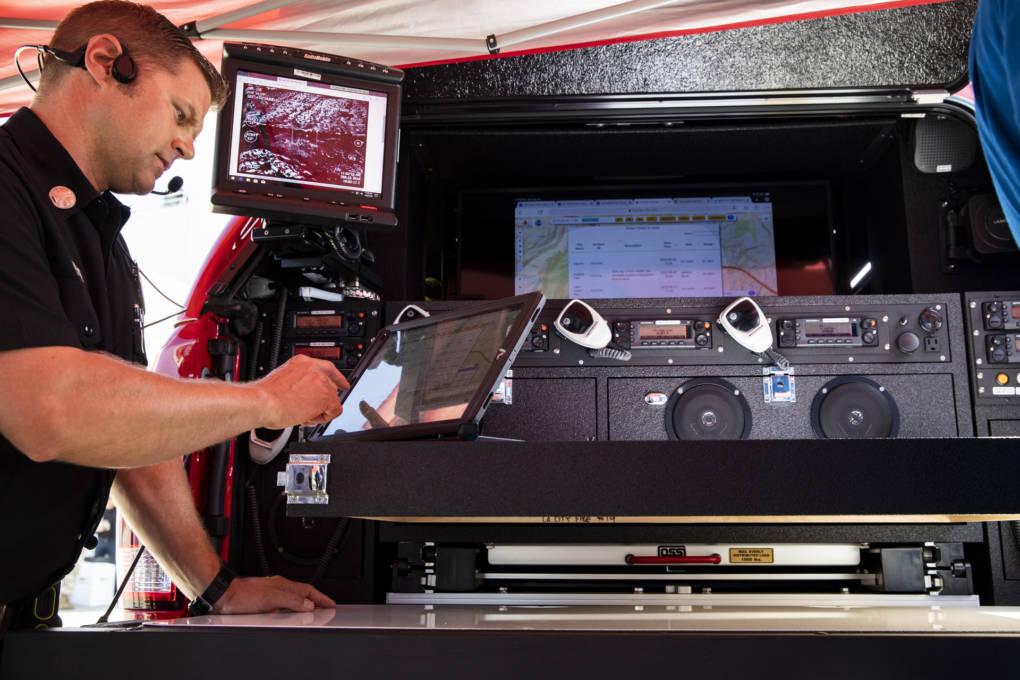
"caption": "Los Angeles fire official Michael Flynn demonstrates advanced information equipment in a command vehicle, part of a California pilot program. ",
"description": null,
"title": "RS39921_FIRE TECHNOLOGY photo 1-qut",
"credit": "Nancy Pastor/CalMatters ",
"status": "inherit",
"isLoading": false,
"fetchFailed": false
},
"news_11784005": {
"type": "attachments",
"id": "news_11784005",
"meta": {
"index": "attachments_1716263798",
"site": "news",
"id": "11784005",
"found": true
},
"parent": 11784003,
"imgSizes": {
"apple_news_ca_landscape_5_5": {
"file": "https://ww2.kqed.org/app/uploads/sites/10/2019/10/kincade-fire-firefighter-1920-1044x783.jpg",
"width": 1044,
"mimeType": "image/jpeg",
"height": 783
},
"apple_news_ca_square_4_0": {
"file": "https://ww2.kqed.org/app/uploads/sites/10/2019/10/kincade-fire-firefighter-1920-470x470.jpg",
"width": 470,
"mimeType": "image/jpeg",
"height": 470
},
"twentyfourteen-full-width": {
"file": "https://ww2.kqed.org/app/uploads/sites/10/2019/10/kincade-fire-firefighter-1920-1038x576.jpg",
"width": 1038,
"mimeType": "image/jpeg",
"height": 576
},
"thumbnail": {
"file": "https://ww2.kqed.org/app/uploads/sites/10/2019/10/kincade-fire-firefighter-1920-160x104.jpg",
"width": 160,
"mimeType": "image/jpeg",
"height": 104
},
"post-thumbnail": {
"file": "https://ww2.kqed.org/app/uploads/sites/10/2019/10/kincade-fire-firefighter-1920-672x372.jpg",
"width": 672,
"mimeType": "image/jpeg",
"height": 372
},
"kqedFullSize": {
"file": "https://ww2.kqed.org/app/uploads/sites/10/2019/10/kincade-fire-firefighter-1920.jpg",
"width": 1920,
"height": 1252
},
"apple_news_ca_landscape_4_7": {
"file": "https://ww2.kqed.org/app/uploads/sites/10/2019/10/kincade-fire-firefighter-1920-632x474.jpg",
"width": 632,
"mimeType": "image/jpeg",
"height": 474
},
"large": {
"file": "https://ww2.kqed.org/app/uploads/sites/10/2019/10/kincade-fire-firefighter-1920-1020x665.jpg",
"width": 1020,
"mimeType": "image/jpeg",
"height": 665
},
"complete_open_graph": {
"file": "https://ww2.kqed.org/app/uploads/sites/10/2019/10/kincade-fire-firefighter-1920-1200x783.jpg",
"width": 1200,
"mimeType": "image/jpeg",
"height": 783
},
"apple_news_ca_landscape_4_0": {
"file": "https://ww2.kqed.org/app/uploads/sites/10/2019/10/kincade-fire-firefighter-1920-536x402.jpg",
"width": 536,
"mimeType": "image/jpeg",
"height": 402
},
"apple_news_ca_portrait_12_9": {
"file": "https://ww2.kqed.org/app/uploads/sites/10/2019/10/kincade-fire-firefighter-1920-1122x1252.jpg",
"width": 1122,
"mimeType": "image/jpeg",
"height": 1252
},
"medium": {
"file": "https://ww2.kqed.org/app/uploads/sites/10/2019/10/kincade-fire-firefighter-1920-800x522.jpg",
"width": 800,
"mimeType": "image/jpeg",
"height": 522
},
"apple_news_ca_portrait_4_0": {
"file": "https://ww2.kqed.org/app/uploads/sites/10/2019/10/kincade-fire-firefighter-1920-354x472.jpg",
"width": 354,
"mimeType": "image/jpeg",
"height": 472
},
"apple_news_ca_portrait_9_7": {
"file": "https://ww2.kqed.org/app/uploads/sites/10/2019/10/kincade-fire-firefighter-1920-840x1120.jpg",
"width": 840,
"mimeType": "image/jpeg",
"height": 1120
},
"apple_news_ca_landscape_12_9": {
"file": "https://ww2.kqed.org/app/uploads/sites/10/2019/10/kincade-fire-firefighter-1920-1832x1252.jpg",
"width": 1832,
"mimeType": "image/jpeg",
"height": 1252
},
"apple_news_ca_square_9_7": {
"file": "https://ww2.kqed.org/app/uploads/sites/10/2019/10/kincade-fire-firefighter-1920-1104x1104.jpg",
"width": 1104,
"mimeType": "image/jpeg",
"height": 1104
},
"apple_news_ca_portrait_4_7": {
"file": "https://ww2.kqed.org/app/uploads/sites/10/2019/10/kincade-fire-firefighter-1920-414x552.jpg",
"width": 414,
"mimeType": "image/jpeg",
"height": 552
},
"apple_news_ca_square_12_9": {
"file": "https://ww2.kqed.org/app/uploads/sites/10/2019/10/kincade-fire-firefighter-1920-1472x1252.jpg",
"width": 1472,
"mimeType": "image/jpeg",
"height": 1252
},
"apple_news_ca_portrait_5_5": {
"file": "https://ww2.kqed.org/app/uploads/sites/10/2019/10/kincade-fire-firefighter-1920-687x916.jpg",
"width": 687,
"mimeType": "image/jpeg",
"height": 916
},
"full-width": {
"file": "https://ww2.kqed.org/app/uploads/sites/10/2019/10/kincade-fire-firefighter-1920-1920x1252.jpg",
"width": 1920,
"mimeType": "image/jpeg",
"height": 1252
},
"apple_news_ca_square_4_7": {
"file": "https://ww2.kqed.org/app/uploads/sites/10/2019/10/kincade-fire-firefighter-1920-550x550.jpg",
"width": 550,
"mimeType": "image/jpeg",
"height": 550
},
"apple_news_ca_landscape_9_7": {
"file": "https://ww2.kqed.org/app/uploads/sites/10/2019/10/kincade-fire-firefighter-1920-1376x1032.jpg",
"width": 1376,
"mimeType": "image/jpeg",
"height": 1032
},
"apple_news_ca_square_5_5": {
"file": "https://ww2.kqed.org/app/uploads/sites/10/2019/10/kincade-fire-firefighter-1920-912x912.jpg",
"width": 912,
"mimeType": "image/jpeg",
"height": 912
}
},
"publishDate": 1572534547,
"modified": 1572534593,
"caption": "A firefighter monitors the Kincade Fire on Oct. 29, 2019, in Healdsburg.",
"description": "A firefighter monitors the Kincade Fire on Oct. 29, 2019, in Healdsburg.",
"title": "kincade-fire-firefighter-1920",
"credit": "Justin Sullivan/Getty Images",
"status": "inherit",
"isLoading": false,
"fetchFailed": false
},
"news_11784025": {
"type": "attachments",
"id": "news_11784025",
"meta": {
"index": "attachments_1716263798",
"site": "news",
"id": "11784025",
"found": true
},
"parent": 11784019,
"imgSizes": {
"apple_news_ca_landscape_5_5": {
"file": "https://ww2.kqed.org/app/uploads/sites/10/2019/10/RS39887__M6A1604-qut-1044x783.jpg",
"width": 1044,
"mimeType": "image/jpeg",
"height": 783
},
"apple_news_ca_square_4_0": {
"file": "https://ww2.kqed.org/app/uploads/sites/10/2019/10/RS39887__M6A1604-qut-470x470.jpg",
"width": 470,
"mimeType": "image/jpeg",
"height": 470
},
"twentyfourteen-full-width": {
"file": "https://ww2.kqed.org/app/uploads/sites/10/2019/10/RS39887__M6A1604-qut-1038x576.jpg",
"width": 1038,
"mimeType": "image/jpeg",
"height": 576
},
"thumbnail": {
"file": "https://ww2.kqed.org/app/uploads/sites/10/2019/10/RS39887__M6A1604-qut-160x107.jpg",
"width": 160,
"mimeType": "image/jpeg",
"height": 107
},
"post-thumbnail": {
"file": "https://ww2.kqed.org/app/uploads/sites/10/2019/10/RS39887__M6A1604-qut-672x372.jpg",
"width": 672,
"mimeType": "image/jpeg",
"height": 372
},
"kqedFullSize": {
"file": "https://ww2.kqed.org/app/uploads/sites/10/2019/10/RS39887__M6A1604-qut.jpg",
"width": 1920,
"height": 1280
},
"apple_news_ca_landscape_4_7": {
"file": "https://ww2.kqed.org/app/uploads/sites/10/2019/10/RS39887__M6A1604-qut-632x474.jpg",
"width": 632,
"mimeType": "image/jpeg",
"height": 474
},
"large": {
"file": "https://ww2.kqed.org/app/uploads/sites/10/2019/10/RS39887__M6A1604-qut-1020x680.jpg",
"width": 1020,
"mimeType": "image/jpeg",
"height": 680
},
"complete_open_graph": {
"file": "https://ww2.kqed.org/app/uploads/sites/10/2019/10/RS39887__M6A1604-qut-1200x800.jpg",
"width": 1200,
"mimeType": "image/jpeg",
"height": 800
},
"apple_news_ca_landscape_4_0": {
"file": "https://ww2.kqed.org/app/uploads/sites/10/2019/10/RS39887__M6A1604-qut-536x402.jpg",
"width": 536,
"mimeType": "image/jpeg",
"height": 402
},
"apple_news_ca_portrait_12_9": {
"file": "https://ww2.kqed.org/app/uploads/sites/10/2019/10/RS39887__M6A1604-qut-1122x1280.jpg",
"width": 1122,
"mimeType": "image/jpeg",
"height": 1280
},
"medium": {
"file": "https://ww2.kqed.org/app/uploads/sites/10/2019/10/RS39887__M6A1604-qut-800x533.jpg",
"width": 800,
"mimeType": "image/jpeg",
"height": 533
},
"apple_news_ca_portrait_4_0": {
"file": "https://ww2.kqed.org/app/uploads/sites/10/2019/10/RS39887__M6A1604-qut-354x472.jpg",
"width": 354,
"mimeType": "image/jpeg",
"height": 472
},
"apple_news_ca_portrait_9_7": {
"file": "https://ww2.kqed.org/app/uploads/sites/10/2019/10/RS39887__M6A1604-qut-840x1120.jpg",
"width": 840,
"mimeType": "image/jpeg",
"height": 1120
},
"apple_news_ca_landscape_12_9": {
"file": "https://ww2.kqed.org/app/uploads/sites/10/2019/10/RS39887__M6A1604-qut-1832x1280.jpg",
"width": 1832,
"mimeType": "image/jpeg",
"height": 1280
},
"apple_news_ca_square_9_7": {
"file": "https://ww2.kqed.org/app/uploads/sites/10/2019/10/RS39887__M6A1604-qut-1104x1104.jpg",
"width": 1104,
"mimeType": "image/jpeg",
"height": 1104
},
"apple_news_ca_portrait_4_7": {
"file": "https://ww2.kqed.org/app/uploads/sites/10/2019/10/RS39887__M6A1604-qut-414x552.jpg",
"width": 414,
"mimeType": "image/jpeg",
"height": 552
},
"apple_news_ca_square_12_9": {
"file": "https://ww2.kqed.org/app/uploads/sites/10/2019/10/RS39887__M6A1604-qut-1472x1280.jpg",
"width": 1472,
"mimeType": "image/jpeg",
"height": 1280
},
"apple_news_ca_portrait_5_5": {
"file": "https://ww2.kqed.org/app/uploads/sites/10/2019/10/RS39887__M6A1604-qut-687x916.jpg",
"width": 687,
"mimeType": "image/jpeg",
"height": 916
},
"full-width": {
"file": "https://ww2.kqed.org/app/uploads/sites/10/2019/10/RS39887__M6A1604-qut-1920x1280.jpg",
"width": 1920,
"mimeType": "image/jpeg",
"height": 1280
},
"apple_news_ca_square_4_7": {
"file": "https://ww2.kqed.org/app/uploads/sites/10/2019/10/RS39887__M6A1604-qut-550x550.jpg",
"width": 550,
"mimeType": "image/jpeg",
"height": 550
},
"apple_news_ca_landscape_9_7": {
"file": "https://ww2.kqed.org/app/uploads/sites/10/2019/10/RS39887__M6A1604-qut-1376x1032.jpg",
"width": 1376,
"mimeType": "image/jpeg",
"height": 1032
},
"apple_news_ca_square_5_5": {
"file": "https://ww2.kqed.org/app/uploads/sites/10/2019/10/RS39887__M6A1604-qut-912x912.jpg",
"width": 912,
"mimeType": "image/jpeg",
"height": 912
}
},
"publishDate": 1572543468,
"modified": 1572562683,
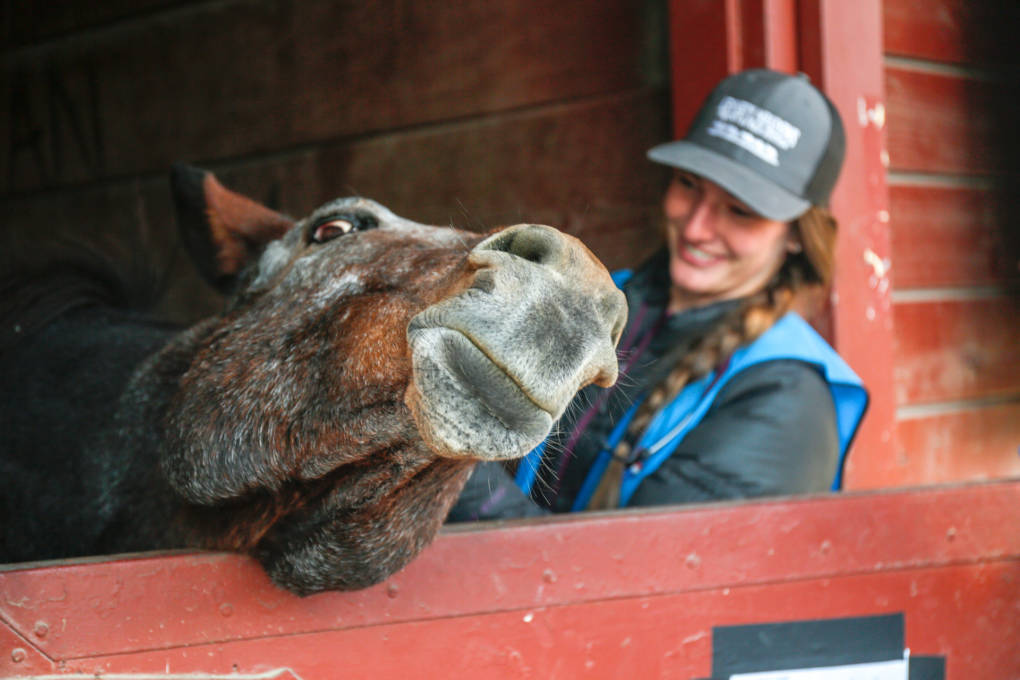
"caption": "The evacuation process from the Kincade Fire is stressful for both animals and owners. The UC Davis Veterinary Emergency Response Team provides medical assistance to the animals at the Sonoma County Fairgrounds' large animal evacuation shelter.",
"description": "The evacuation process from the Kincade Fire is stressful for both animals and owners. The UC Davis Veterinary Emergency Response Team provides medical assistance to the animals at the Sonoma County Fairgrounds large animal evacuation shelter.",
"title": "VERT-Kincade-Fire-horse",
"credit": "Sruti Mamidanna/KQED",
"status": "inherit",
"isLoading": false,
"fetchFailed": false
}
},
"audioPlayerReducer": {
"postId": "stream_live",
"isPaused": true,
"isPlaying": false,
"pfsActive": false,
"pledgeModalIsOpen": true,
"playerDrawerIsOpen": false,
"liveAudioPlayStartedAt": 0,
"liveAudioPlayContext": ""
},
"authorsReducer": {
"byline_news_11784681": {
"type": "authors",
"id": "byline_news_11784681",
"meta": {
"override": true
},
"slug": "byline_news_11784681",
"name": "Associated Press",
"isLoading": false
},
"byline_news_11784053": {
"type": "authors",
"id": "byline_news_11784053",
"meta": {
"override": true
},
"slug": "byline_news_11784053",
"name": "\u003ca href= \"https://calmatters.org/author/julie-cart/\"> Julie Cart \u003ca/>",
"isLoading": false
},
"dclyde": {
"type": "authors",
"id": "104",
"meta": {
"index": "authors_1716337520",
"id": "104",
"found": true
},
"name": "Don Clyde",
"firstName": "Don",
"lastName": "Clyde",
"slug": "dclyde",
"email": "dclyde@kqed.org",
"display_author_email": false,
"staff_mastheads": [],
"title": "KQED Contributor",
"bio": "Don Clyde is an online producer, reporter and copy editor for KQED News. Before venturing into journalism, he worked as a medical device engineer and scientist for nearly a decade after earning a degree in physics from UC Berkeley. He loves travel, reading, living in Oakland, and most importantly, a good walk. Email him at dclyde@kqed.org or follow him @clydedon.",
"avatar": "https://secure.gravatar.com/avatar/decd3e640c3eedbd0a574275aebb2d19?s=600&d=blank&r=g",
"twitter": "clydedon",
"facebook": null,
"instagram": null,
"linkedin": null,
"sites": [
{
"site": "artschool",
"roles": [
"editor"
]
},
{
"site": "news",
"roles": [
"administrator"
]
},
{
"site": "futureofyou",
"roles": [
"editor"
]
},
{
"site": "about",
"roles": [
"editor"
]
},
{
"site": "mindshift",
"roles": [
"contributor"
]
},
{
"site": "bayareabites",
"roles": [
"contributor"
]
},
{
"site": "lowdown",
"roles": [
"editor"
]
},
{
"site": "stateofhealth",
"roles": [
"administrator"
]
},
{
"site": "spark",
"roles": [
"administrator"
]
},
{
"site": "trulyca",
"roles": [
"administrator"
]
},
{
"site": "imagemakers",
"roles": [
"administrator"
]
},
{
"site": "science",
"roles": []
},
{
"site": "education",
"roles": [
"editor"
]
},
{
"site": "quest",
"roles": [
"subscriber"
]
},
{
"site": "checkplease",
"roles": [
"subscriber"
]
},
{
"site": "forum",
"roles": [
"editor"
]
},
{
"site": "perspectives",
"roles": [
"editor"
]
}
],
"headData": {
"title": "Don Clyde | KQED",
"description": "KQED Contributor",
"ogImgSrc": "https://secure.gravatar.com/avatar/decd3e640c3eedbd0a574275aebb2d19?s=600&d=blank&r=g",
"twImgSrc": "https://secure.gravatar.com/avatar/decd3e640c3eedbd0a574275aebb2d19?s=600&d=blank&r=g"
},
"isLoading": false,
"link": "/author/dclyde"
},
"danbrekke": {
"type": "authors",
"id": "222",
"meta": {
"index": "authors_1716337520",
"id": "222",
"found": true
},
"name": "Dan Brekke",
"firstName": "Dan",
"lastName": "Brekke",
"slug": "danbrekke",
"email": "dbrekke@kqed.org",
"display_author_email": true,
"staff_mastheads": [
"news",
"science"
],
"title": "KQED Editor and Reporter",
"bio": "Dan Brekke is a reporter and editor for KQED News, responsible for coverage of topics ranging from California water issues to the Bay Area's transportation challenges. In a newsroom career that began in Chicago in 1972, Dan has worked for \u003cem>The San Francisco Examiner,\u003c/em> Wired and TechTV and has been published in The New York Times, The New York Times Magazine, Business 2.0, Salon and elsewhere.\r\n\r\nSince joining KQED in 2007, Dan has reported, edited and produced both radio and online features and breaking news pieces. He has shared as both editor and reporter in four Society of Professional Journalists Norcal Excellence in Journalism awards and one Edward R. Murrow regional award. He was chosen for a spring 2017 residency at the Mesa Refuge to advance his research on California salmon.\r\n\r\nEmail Dan at: \u003ca href=\"mailto:dbrekke@kqed.org\">dbrekke@kqed.org\u003c/a>\r\n\r\n\u003cstrong>Twitter:\u003c/strong> \u003ca href=\"https://twitter.com/danbrekke\" rel=\"noopener noreferrer\">twitter.com/danbrekke\u003c/a>\r\n\u003cstrong>Facebook:\u003c/strong> \u003ca href=\"https://www.facebook.com/danbrekke\" rel=\"noopener noreferrer\">www.facebook.com/danbrekke\u003c/a>\r\n\u003cstrong>LinkedIn:\u003c/strong> \u003ca href=\"https://www.linkedin.com/in/danbrekke\" rel=\"noopener noreferrer\">www.linkedin.com/in/danbrekke\u003c/a>",
"avatar": "https://secure.gravatar.com/avatar/8f1f0d2a978fb3b23426c922c7e2af558fa36905b49c4ce76a97dc3c72d27226?s=600&d=mm&r=g",
"twitter": "danbrekke",
"bluesky": null,
"facebook": null,
"instagram": "https://www.instagram.com/dan.brekke/",
"linkedin": "https://www.linkedin.com/in/danbrekke/",
"sites": [
{
"site": "news",
"roles": [
"administrator",
"create_posts"
]
},
{
"site": "stateofhealth",
"roles": [
"editor"
]
},
{
"site": "science",
"roles": [
"editor"
]
},
{
"site": "quest",
"roles": [
"contributor"
]
},
{
"site": "food",
"roles": [
"contributor"
]
},
{
"site": "forum",
"roles": [
"contributor"
]
},
{
"site": "elections",
"roles": [
"editor"
]
},
{
"site": "liveblog",
"roles": [
"editor"
]
}
],
"headData": {
"title": "Dan Brekke | KQED",
"description": "KQED Editor and Reporter",
"ogImgSrc": "https://secure.gravatar.com/avatar/8f1f0d2a978fb3b23426c922c7e2af558fa36905b49c4ce76a97dc3c72d27226?s=600&d=mm&r=g",
"twImgSrc": "https://secure.gravatar.com/avatar/8f1f0d2a978fb3b23426c922c7e2af558fa36905b49c4ce76a97dc3c72d27226?s=600&d=mm&r=g"
},
"isLoading": false,
"link": "/author/danbrekke"
},
"mlam": {
"type": "authors",
"id": "244",
"meta": {
"index": "authors_1716337520",
"id": "244",
"found": true
},
"name": "Monica Lam",
"firstName": "Monica Z.",
"lastName": "Lam",
"slug": "mlam",
"email": "mlam@kqed.org",
"display_author_email": true,
"staff_mastheads": [
"news"
],
"title": "KQED Senior Producer",
"bio": "Monica is senior producer of the weekly current affairs program, \"KQED Newsroom.\" She's also served as senior editor of digital content at KQED. She likes to report and edit as well as produce video and take photos.\r\n\r\nBefore joining KQED, Monica worked at the Center for Investigative Reporting, where she examined conditions inside \u003cspan style=\"font-weight: 400;\">maximum security \u003c/span>prisons and abuse in state-run institutions for the developmentally disabled. Prior to that, she produced and directed \u003cem>Journey of the Bonesetter's Daughter,\u003c/em> a documentary that follows novelist Amy Tan as she creates an opera based on her family history.\r\n\r\nMonica's work has been honored with a duPont Award, five Emmys, regional and national Murrow Awards, and has been recognized by Investigative Reporters and Editors, the Society of Professional Journalists, Religion Newswriters Association and the San Francisco Peninsula Press Club. Monica studied urban studies at Stanford University and earned a master's in journalism at University of California at Berkeley. Follow her on twitter: @monicazlam",
"avatar": "https://secure.gravatar.com/avatar/018c474b2b71f43e0e6ca9b15a0ad36f?s=600&d=blank&r=g",
"twitter": "@monicazlam",
"facebook": null,
"instagram": null,
"linkedin": null,
"sites": [
{
"site": "arts",
"roles": [
"administrator"
]
},
{
"site": "news",
"roles": [
"editor"
]
},
{
"site": "trulyca",
"roles": [
"editor"
]
},
{
"site": "science",
"roles": [
"editor"
]
},
{
"site": "breakingnews",
"roles": [
"editor"
]
}
],
"headData": {
"title": "Monica Lam | KQED",
"description": "KQED Senior Producer",
"ogImgSrc": "https://secure.gravatar.com/avatar/018c474b2b71f43e0e6ca9b15a0ad36f?s=600&d=blank&r=g",
"twImgSrc": "https://secure.gravatar.com/avatar/018c474b2b71f43e0e6ca9b15a0ad36f?s=600&d=blank&r=g"
},
"isLoading": false,
"link": "/author/mlam"
},
"rachael-myrow": {
"type": "authors",
"id": "251",
"meta": {
"index": "authors_1716337520",
"id": "251",
"found": true
},
"name": "Rachael Myrow",
"firstName": "Rachael",
"lastName": "Myrow",
"slug": "rachael-myrow",
"email": "rmyrow@kqed.org",
"display_author_email": true,
"staff_mastheads": [
"news"
],
"title": "Senior Editor of KQED's Silicon Valley News Desk",
"bio": "• I write and edit stories about how Silicon Valley power and policies shape everyday life in California. I’m also passionate about making Bay Area history and culture more accessible to a broad public. • I’ve been a journalist for most of my life, starting in high school with The Franklin Press in Los Angeles, where I grew up. While earning my first degree in English at UC Berkeley, I got my start in public radio at KALX-FM. After completing a second degree in journalism at Cal, I landed my first professional job at Marketplace, then moved on to KPCC (now LAist), and then KQED, where I hosted The California Report for more than seven years. • My reporting has appeared on NPR, The World, WBUR’s \u003ci>Here & Now\u003c/i>, and the BBC. I also guest host for KQED’s \u003ci>Forum\u003c/i>, as well as the Commonwealth Club in San Francisco. • I speak periodically on media, democracy and technology issues, and do voiceover work for documentaries and educational video projects. • Outside of the studio, you'll find me hiking Bay Area trails and whipping up Insta-ready meals in my kitchen. • I do not accept gifts, money, or favors from anyone connected to my reporting, I don't pay people for information, and I do not support or donate to political causes. • I strive to treat the people I report on with fairness, honesty, and respect. I also recognize there are often multiple sides to a story and work to verify information through multiple sources and documentation. If I get something wrong, I correct it.",
"avatar": "https://secure.gravatar.com/avatar/3ed8a3c5f26025e4a805ba634cda8cd764906b97438a6d9ce216b044e340da4e?s=600&d=blank&r=g",
"twitter": "rachaelmyrow",
"bluesky": null,
"facebook": null,
"instagram": null,
"linkedin": "https://www.linkedin.com/in/rachaelmyrow/",
"sites": [
{
"site": "arts",
"roles": [
"administrator"
]
},
{
"site": "news",
"roles": [
"edit_others_posts",
"editor"
]
},
{
"site": "futureofyou",
"roles": [
"editor"
]
},
{
"site": "bayareabites",
"roles": [
"editor"
]
},
{
"site": "stateofhealth",
"roles": [
"editor"
]
},
{
"site": "science",
"roles": [
"editor"
]
},
{
"site": "food",
"roles": [
"editor"
]
},
{
"site": "forum",
"roles": [
"editor"
]
},
{
"site": "liveblog",
"roles": [
"author"
]
}
],
"headData": {
"title": "Rachael Myrow | KQED",
"description": "Senior Editor of KQED's Silicon Valley News Desk",
"ogImgSrc": "https://secure.gravatar.com/avatar/3ed8a3c5f26025e4a805ba634cda8cd764906b97438a6d9ce216b044e340da4e?s=600&d=blank&r=g",
"twImgSrc": "https://secure.gravatar.com/avatar/3ed8a3c5f26025e4a805ba634cda8cd764906b97438a6d9ce216b044e340da4e?s=600&d=blank&r=g"
},
"isLoading": false,
"link": "/author/rachael-myrow"
},
"tgoldberg": {
"type": "authors",
"id": "258",
"meta": {
"index": "authors_1716337520",
"id": "258",
"found": true
},
"name": "Ted Goldberg",
"firstName": "Ted",
"lastName": "Goldberg",
"slug": "tgoldberg",
"email": "tgoldberg@kqed.org",
"display_author_email": true,
"staff_mastheads": [
"news"
],
"title": "KQED Managing Editor, News and Newscasts",
"bio": "Ted Goldberg is Managing Editor of News and Newscasts at KQED. His main reporting beat is the Bay Area's oil refining industry.\r\n\r\nPrior to joining KQED in 2014, Ted worked at CBS News and WCBS AM in New York and Bay City News and KCBS Radio in San Francisco. He graduated from Oberlin College in Ohio in 1998.",
"avatar": "https://secure.gravatar.com/avatar/30ce2e4fe89135e104f89be2394d16225b9d36c121b5b3cb7651ce642978b96f?s=600&d=blank&r=g",
"twitter": "TedrickG",
"bluesky": null,
"facebook": null,
"instagram": null,
"linkedin": null,
"sites": [
{
"site": "news",
"roles": [
"editor"
]
},
{
"site": "science",
"roles": [
"editor"
]
}
],
"headData": {
"title": "Ted Goldberg | KQED",
"description": "KQED Managing Editor, News and Newscasts",
"ogImgSrc": "https://secure.gravatar.com/avatar/30ce2e4fe89135e104f89be2394d16225b9d36c121b5b3cb7651ce642978b96f?s=600&d=blank&r=g",
"twImgSrc": "https://secure.gravatar.com/avatar/30ce2e4fe89135e104f89be2394d16225b9d36c121b5b3cb7651ce642978b96f?s=600&d=blank&r=g"
},
"isLoading": false,
"link": "/author/tgoldberg"
},
"matthewgreen": {
"type": "authors",
"id": "1263",
"meta": {
"index": "authors_1716337520",
"id": "1263",
"found": true
},
"name": "Matthew Green",
"firstName": "Matthew",
"lastName": "Green",
"slug": "matthewgreen",
"email": "mgreen@kqed.org",
"display_author_email": false,
"staff_mastheads": [],
"title": "KQED Editor/Reporter",
"bio": "Matthew Green is a digital media producer for KQED News. He previously produced \u003ca href=\"http://www.kqed.org/lowdown\">The Lowdown\u003c/a>, KQED’s multimedia news education blog. Matthew's written for numerous Bay Area publications, including the Oakland Tribune and San Francisco Chronicle. He also taught journalism classes at Fremont High School in East Oakland.\r\n\r\nEmail: mgreen@kqed.org; Twitter: @MGreenKQED",
"avatar": "https://secure.gravatar.com/avatar/3bf498d1267ca02c8494f33d8cfc575e?s=600&d=blank&r=g",
"twitter": "MGreenKQED",
"facebook": null,
"instagram": null,
"linkedin": null,
"sites": [
{
"site": "news",
"roles": []
},
{
"site": "lowdown",
"roles": []
},
{
"site": "science",
"roles": []
},
{
"site": "education",
"roles": []
},
{
"site": "quest",
"roles": []
},
{
"site": "liveblog",
"roles": []
}
],
"headData": {
"title": "Matthew Green | KQED",
"description": "KQED Editor/Reporter",
"ogImgSrc": "https://secure.gravatar.com/avatar/3bf498d1267ca02c8494f33d8cfc575e?s=600&d=blank&r=g",
"twImgSrc": "https://secure.gravatar.com/avatar/3bf498d1267ca02c8494f33d8cfc575e?s=600&d=blank&r=g"
},
"isLoading": false,
"link": "/author/matthewgreen"
},
"adembosky": {
"type": "authors",
"id": "3205",
"meta": {
"index": "authors_1716337520",
"id": "3205",
"found": true
},
"name": "April Dembosky",
"firstName": "April",
"lastName": "Dembosky",
"slug": "adembosky",
"email": "adembosky@kqed.org",
"display_author_email": false,
"staff_mastheads": [
"news",
"science"
],
"title": "KQED Health Correspondent",
"bio": "April Dembosky is the health correspondent for KQED News and a regular contributor to NPR. She specializes in covering altered states of mind, from postpartum depression to methamphetamine-induced psychosis to the insanity defense. Her investigative series on insurance companies sidestepping mental health laws won multiple awards, including first place in beat reporting from the national Association of Health Care Journalists. She is the recipient of numerous other prizes and fellowships, including a national Edward R. Murrow award for investigative reporting, a Society of Professional Journalists award for long-form storytelling, and a Carter Center Fellowship for Mental Health Journalism.\r\n\r\nDembosky reported and produced \u003cem>Soundtrack of Silence\u003c/em>, an audio documentary about music and memory that is currently being made into a feature film by Paramount Pictures.\r\n\r\nBefore joining KQED in 2013, Dembosky covered technology and Silicon Valley for \u003cem>The Financial Times of London,\u003c/em> and contributed business and arts stories to \u003cem>Marketplace \u003c/em>and \u003cem>The New York Times.\u003c/em> She got her undergraduate degree in philosophy from Smith College and her master's in journalism from the University of California, Berkeley. She is a classically trained violinist and proud alum of the first symphony orchestra at Burning Man.",
"avatar": "https://secure.gravatar.com/avatar/d6593cd737b732102fe0b6250b5351c2d3bc9b2987566514aa3c9a106494d684?s=600&d=blank&r=g",
"twitter": "adembosky",
"bluesky": null,
"facebook": null,
"instagram": null,
"linkedin": null,
"sites": [
{
"site": "arts",
"roles": [
"author"
]
},
{
"site": "news",
"roles": [
"editor"
]
},
{
"site": "futureofyou",
"roles": [
"author"
]
},
{
"site": "stateofhealth",
"roles": [
"editor"
]
},
{
"site": "science",
"roles": [
"editor"
]
},
{
"site": "forum",
"roles": [
"editor"
]
}
],
"headData": {
"title": "April Dembosky | KQED",
"description": "KQED Health Correspondent",
"ogImgSrc": "https://secure.gravatar.com/avatar/d6593cd737b732102fe0b6250b5351c2d3bc9b2987566514aa3c9a106494d684?s=600&d=blank&r=g",
"twImgSrc": "https://secure.gravatar.com/avatar/d6593cd737b732102fe0b6250b5351c2d3bc9b2987566514aa3c9a106494d684?s=600&d=blank&r=g"
},
"isLoading": false,
"link": "/author/adembosky"
},
"dkatayama": {
"type": "authors",
"id": "7240",
"meta": {
"index": "authors_1716337520",
"id": "7240",
"found": true
},
"name": "Devin Katayama",
"firstName": "Devin",
"lastName": "Katayama",
"slug": "dkatayama",
"email": "dkatayama@kqed.org",
"display_author_email": true,
"staff_mastheads": [
"news"
],
"title": "Editor of Talent and Development",
"bio": "Devin Katayama is former Editor of Talent and Development for KQED. He supported our internship program and on-call staff by looking for equitable opportunities to improve the newsroom.\r\n\r\nHe previously hosted The Bay and American Suburb podcasts from KQED News. Prior to returning to the Bay Area in 2015, Devin was the education reporter for WFPL in Louisville and worked as a producer with radio stations in Chicago and Portland, OR. His work has appeared on NPR’s \u003cem>Morning Edition, All Things Considered, The Takeaway\u003c/em> and \u003cem>Here and Now.\u003c/em>\r\n\r\nDevin earned his MA in Journalism from Columbia College Chicago, where he was a Follett Fellow and the recipient of the 2011 Studs Terkel Community Media Workshop Scholarship for his story on Chicago's homeless youth. He won WBUR's 2014 Daniel Schorr award and a regional RTNDA Edward R. Murrow Award for his documentary \"At Risk\" that looked at issues facing some of Louisville's students. Devin has also received numerous local awards from the Associated Press and the Society of Professional Journalists.",
"avatar": "https://secure.gravatar.com/avatar/d0d2978a31002fb2de107921a8e18405?s=600&d=blank&r=g",
"twitter": "RadioDevin",
"facebook": null,
"instagram": null,
"linkedin": null,
"sites": [
{
"site": "arts",
"roles": []
},
{
"site": "news",
"roles": [
"author"
]
},
{
"site": "stateofhealth",
"roles": [
"author"
]
},
{
"site": "forum",
"roles": [
"editor"
]
},
{
"site": "perspectives",
"roles": [
"editor"
]
}
],
"headData": {
"title": "Devin Katayama | KQED",
"description": "Editor of Talent and Development",
"ogImgSrc": "https://secure.gravatar.com/avatar/d0d2978a31002fb2de107921a8e18405?s=600&d=blank&r=g",
"twImgSrc": "https://secure.gravatar.com/avatar/d0d2978a31002fb2de107921a8e18405?s=600&d=blank&r=g"
},
"isLoading": false,
"link": "/author/dkatayama"
},
"ecruzguevarra": {
"type": "authors",
"id": "8654",
"meta": {
"index": "authors_1716337520",
"id": "8654",
"found": true
},
"name": "Ericka Cruz Guevarra",
"firstName": "Ericka",
"lastName": "Cruz Guevarra",
"slug": "ecruzguevarra",
"email": "ecruzguevarra@kqed.org",
"display_author_email": true,
"staff_mastheads": [
"news"
],
"title": "Producer, The Bay Podcast",
"bio": "Ericka Cruz Guevarra is host of \u003ca href=\"https://www.kqed.org/podcasts/thebay\">\u003cem>The Bay\u003c/em>\u003c/a> podcast at KQED. Before host, she was the show’s producer. Her work in that capacity includes a three-part reported series on policing in Vallejo, which won a 2020 excellence in journalism award from the Society of Professional Journalists. Ericka has worked as a breaking news reporter at Oregon Public Broadcasting, helped produce the Code Switch podcast, and was KQED’s inaugural Raul Ramirez Diversity Fund intern. She’s also an alumna of NPR’s Next Generation Radio program. Send her an email if you have strong feelings about whether Fairfield and Suisun City are the Bay. Ericka is represented by SAG-AFTRA.",
"avatar": "https://secure.gravatar.com/avatar/accefc1de4bafc7e234b69bcb9b6f6536c130fd84709bc3069ef11a78787e1bb?s=600&d=blank&r=g",
"twitter": "NotoriousECG",
"bluesky": null,
"facebook": null,
"instagram": null,
"linkedin": null,
"sites": [
{
"site": "arts",
"roles": [
"subscriber"
]
},
{
"site": "news",
"roles": [
"editor",
"manage_categories"
]
},
{
"site": "futureofyou",
"roles": [
"subscriber"
]
},
{
"site": "stateofhealth",
"roles": [
"subscriber"
]
},
{
"site": "science",
"roles": [
"editor"
]
},
{
"site": "forum",
"roles": [
"subscriber"
]
}
],
"headData": {
"title": "Ericka Cruz Guevarra | KQED",
"description": "Producer, The Bay Podcast",
"ogImgSrc": "https://secure.gravatar.com/avatar/accefc1de4bafc7e234b69bcb9b6f6536c130fd84709bc3069ef11a78787e1bb?s=600&d=blank&r=g",
"twImgSrc": "https://secure.gravatar.com/avatar/accefc1de4bafc7e234b69bcb9b6f6536c130fd84709bc3069ef11a78787e1bb?s=600&d=blank&r=g"
},
"isLoading": false,
"link": "/author/ecruzguevarra"
},
"mleitsinger": {
"type": "authors",
"id": "11310",
"meta": {
"index": "authors_1716337520",
"id": "11310",
"found": true
},
"name": "Miranda Leitsinger",
"firstName": "Miranda",
"lastName": "Leitsinger",
"slug": "mleitsinger",
"email": "mleitsinger@KQED.org",
"display_author_email": false,
"staff_mastheads": [
"news"
],
"title": "KQED Contributor",
"bio": "Miranda Leitsinger has worked in journalism as a reporter and editor since 2000, including seven years at The Associated Press in locales such as Cambodia and Puerto Rico, four years at NBC News Digital in New York and 2.5 years at CNN.com International in Hong Kong. Major stories she has covered included sexual abuse in the yoga community, the rise of women in local politics post-2016 election, the struggle over LGBTQ inclusion in the Boy Scouts, aftermath of the 2004 and 2011 tsunamis, the Aurora movie theater attack, the Newtown school shooting, Superstorm Sandy and the Boston Marathon bombing.",
"avatar": "https://secure.gravatar.com/avatar/cdd00de7be92aab3b7fd3d915e02033d?s=600&d=blank&r=g",
"twitter": "mimileitsinger",
"facebook": null,
"instagram": null,
"linkedin": null,
"sites": [
{
"site": "arts",
"roles": [
"author"
]
},
{
"site": "news",
"roles": [
"subscriber"
]
},
{
"site": "futureofyou",
"roles": [
"editor"
]
},
{
"site": "stateofhealth",
"roles": [
"editor"
]
}
],
"headData": {
"title": "Miranda Leitsinger | KQED",
"description": "KQED Contributor",
"ogImgSrc": "https://secure.gravatar.com/avatar/cdd00de7be92aab3b7fd3d915e02033d?s=600&d=blank&r=g",
"twImgSrc": "https://secure.gravatar.com/avatar/cdd00de7be92aab3b7fd3d915e02033d?s=600&d=blank&r=g"
},
"isLoading": false,
"link": "/author/mleitsinger"
},
"mmedina": {
"type": "authors",
"id": "11528",
"meta": {
"index": "authors_1716337520",
"id": "11528",
"found": true
},
"name": "Marisol Medina-Cadena",
"firstName": "Marisol",
"lastName": "Medina-Cadena",
"slug": "mmedina",
"email": "mmedina@KQED.org",
"display_author_email": true,
"staff_mastheads": [],
"title": "Producer, Rightnowish Podcast",
"bio": "Marisol Medina-Cadena is a radio reporter and podcast producer. Before working at KQED, she produced for PBS member station, KCET, in Los Angeles. In 2017, Marisol won an Emmy Award for her work on the televised documentary, \u003cem>City Rising\u003c/em>, examining California's affordable housing crisis and the historical roots of gentrification.",
"avatar": "https://secure.gravatar.com/avatar/6c3db46a1cabb5e1fe9a365b5f4e681e?s=600&d=blank&r=g",
"twitter": "marisolreports",
"facebook": null,
"instagram": null,
"linkedin": null,
"sites": [
{
"site": "arts",
"roles": []
},
{
"site": "news",
"roles": [
"edit_others_posts"
]
}
],
"headData": {
"title": "Marisol Medina-Cadena | KQED",
"description": "Producer, Rightnowish Podcast",
"ogImgSrc": "https://secure.gravatar.com/avatar/6c3db46a1cabb5e1fe9a365b5f4e681e?s=600&d=blank&r=g",
"twImgSrc": "https://secure.gravatar.com/avatar/6c3db46a1cabb5e1fe9a365b5f4e681e?s=600&d=blank&r=g"
},
"isLoading": false,
"link": "/author/mmedina"
},
"smamidanna": {
"type": "authors",
"id": "11581",
"meta": {
"index": "authors_1716337520",
"id": "11581",
"found": true
},
"name": "Sruti Mamidanna",
"firstName": "Sruti",
"lastName": "Mamidanna",
"slug": "smamidanna",
"email": "smamidanna@kqed.org",
"display_author_email": false,
"staff_mastheads": [],
"title": null,
"bio": null,
"avatar": "https://secure.gravatar.com/avatar/b6365bcdef7e2060671a7124aa076048?s=600&d=blank&r=g",
"twitter": null,
"facebook": null,
"instagram": null,
"linkedin": null,
"sites": [
{
"site": "news",
"roles": [
"author"
]
}
],
"headData": {
"title": "Sruti Mamidanna | KQED",
"description": null,
"ogImgSrc": "https://secure.gravatar.com/avatar/b6365bcdef7e2060671a7124aa076048?s=600&d=blank&r=g",
"twImgSrc": "https://secure.gravatar.com/avatar/b6365bcdef7e2060671a7124aa076048?s=600&d=blank&r=g"
},
"isLoading": false,
"link": "/author/smamidanna"
},
"kevinstark": {
"type": "authors",
"id": "11608",
"meta": {
"index": "authors_1716337520",
"id": "11608",
"found": true
},
"name": "Kevin Stark",
"firstName": "Kevin",
"lastName": "Stark",
"slug": "kevinstark",
"email": "kstark@kqed.org",
"display_author_email": true,
"staff_mastheads": [
"science"
],
"title": "Senior Editor",
"bio": "Kevin is a senior editor for KQED Science, managing the station's health and climate desks. His journalism career began in the Pacific Northwest, and he later became a lead reporter for the San Francisco Public Press. His work has appeared in Pacific Standard magazine, the Energy News Network, the Center for Investigative Reporting's Reveal and WBEZ in Chicago. Kevin joined KQED in 2019, and has covered issues related to energy, wildfire, climate change and the environment.",
"avatar": "https://secure.gravatar.com/avatar/365aaa4b597d3a8374f67504ff0facd323d7906e8eb4be0a7efd2427408e802c?s=600&d=blank&r=g",
"twitter": "starkkev",
"bluesky": null,
"facebook": null,
"instagram": null,
"linkedin": null,
"sites": [
{
"site": "",
"roles": [
"editor"
]
},
{
"site": "news",
"roles": [
"editor"
]
},
{
"site": "science",
"roles": [
"administrator"
]
}
],
"headData": {
"title": "Kevin Stark | KQED",
"description": "Senior Editor",
"ogImgSrc": "https://secure.gravatar.com/avatar/365aaa4b597d3a8374f67504ff0facd323d7906e8eb4be0a7efd2427408e802c?s=600&d=blank&r=g",
"twImgSrc": "https://secure.gravatar.com/avatar/365aaa4b597d3a8374f67504ff0facd323d7906e8eb4be0a7efd2427408e802c?s=600&d=blank&r=g"
},
"isLoading": false,
"link": "/author/kevinstark"
},
"awoelfle": {
"type": "authors",
"id": "11630",
"meta": {
"index": "authors_1716337520",
"id": "11630",
"found": true
},
"name": "Alice Woelfle",
"firstName": "Alice",
"lastName": "Woelfle",
"slug": "awoelfle",
"email": "awoelfle@KQED.org",
"display_author_email": false,
"staff_mastheads": [],
"title": null,
"bio": null,
"avatar": "https://secure.gravatar.com/avatar/00e46668235dc71f4a7513cf5eb31df3?s=600&d=blank&r=g",
"twitter": null,
"facebook": null,
"instagram": null,
"linkedin": null,
"sites": [
{
"site": "news",
"roles": [
"subscriber"
]
}
],
"headData": {
"title": "Alice Woelfle | KQED",
"description": null,
"ogImgSrc": "https://secure.gravatar.com/avatar/00e46668235dc71f4a7513cf5eb31df3?s=600&d=blank&r=g",
"twImgSrc": "https://secure.gravatar.com/avatar/00e46668235dc71f4a7513cf5eb31df3?s=600&d=blank&r=g"
},
"isLoading": false,
"link": "/author/awoelfle"
}
},
"pagesReducer": {
"news_tag_kincade-fire": {
"type": "terms",
"id": "news_26914",
"meta": {
"index": "terms_1716263798",
"site": "news",
"id": "26914",
"score": 9.893782
},
"featImg": null,
"name": "Kincade Fire",
"description": null,
"taxonomy": "tag",
"headData": {
"twImgId": null,
"twTitle": null,
"ogTitle": null,
"ogImgId": null,
"twDescription": null,
"description": null,
"title": "Kincade Fire Archives | KQED News",
"ogDescription": null
},
"ttid": 26931,
"slug": "kincade-fire",
"isLoading": false,
"title": "Kincade Fire",
"pageMeta": {
"site": "news",
"WpPageTemplate": "page-topic-editorial",
"currentPage": 2
},
"blocks": [
{
"blockName": "kqed/post-list",
"attrs": {
"layout": "cardArticle2",
"query": "posts/news?tag=kincade-fire",
"seeMore": false,
"paginated": true,
"page": 2
}
},
{
"blockName": "kqed/ad"
}
]
}
},
"pfsSessionReducer": {},
"postsReducer": {
"stream_live": {
"type": "live",
"id": "stream_live",
"audioUrl": "https://streams.kqed.org/kqedradio",
"title": "Live Stream",
"excerpt": "Live Stream information currently unavailable.",
"link": "/radio",
"featImg": "",
"label": {
"name": "KQED Live",
"link": "/"
}
},
"stream_kqedNewscast": {
"type": "posts",
"id": "stream_kqedNewscast",
"audioUrl": "https://www.kqed.org/.stream/anon/radio/RDnews/newscast.mp3?_=1",
"title": "KQED Newscast",
"featImg": "",
"label": {
"name": "88.5 FM",
"link": "/"
}
},
"news_11784435": {
"type": "posts",
"id": "news_11784435",
"meta": {
"index": "posts_1716263798",
"site": "news",
"id": "11784435",
"score": null,
"sort": [
1573082384000
]
},
"parent": 0,
"labelTerm": {
"site": "news"
},
"blocks": [],
"publishDate": 1573082384,
"format": "standard",
"disqusTitle": "How PG&E's Power Shutoffs Sparked an East Bay Disability Rights Campaign",
"title": "How PG&E's Power Shutoffs Sparked an East Bay Disability Rights Campaign",
"headTitle": "KQED News",
"content": "\u003cp>Stacey Milbern didn't lose power during the recent blackouts, but if she had, things could have gotten dicey fast.\u003c/p>\n\u003cp>Milbern, whose East Oakland apartment was just outside PG&E's public safety power shutoff zone, has muscular dystrophy and uses a ventilator to breathe. For her and other members of the disability community — many of whom depend on electrical devices like ventilators, CPAP machines and wheelchairs — losing power signifies much more than just an inconvenience: It can be life-threatening.\u003c/p>\n\u003cp>[pullquote size='medium' align='right' citation=\"Stacey Milbern\"]'We believe this is a life-or-death issue. ... People with the least resources are banding together to help one another.'[/pullquote]\u003c/p>\n\u003cp>Among the nearly 1 million Northern California households and businesses that went dark during the outage that began Oct. 26 — just one of several PG&E shutoffs in October — more than 35,000 were registered medical baseline customers with health conditions requiring special energy needs, the utility said. In addition to providing discounted rates, the utility is also required by law to individually notify those customers in advance of shutoffs.\u003c/p>\n\u003cp>In the Bay Area, where about 447,000 customers went dark for at least one night, there were more than 11,500 medical baseline households.\u003c/p>\n\u003cp>[ad fullwidth]\u003c/p>\n\u003cp>\"People aren’t used to thinking about what they need in emergencies,\" said Milbern, a disability rights activist whose day job is in human resources.\u003c/p>\n\u003cp>For her, the multiple power shutoffs in October served as a stark reminder that as these events become more common, people with disabilities can't simply depend on emergency assistance from PG&E or local government agencies — they need to band together and pool resources.\u003c/p>\n\u003cp>To that end, Milbern helped form #PowerToLive, a grassroots campaign launched on the fly in the days leading up to the Oct. 26 blackout. Adapted from a \u003ca href=\"https://www.kqed.org/news/11779283/how-the-disabled-community-supported-each-other-when-the-power-went-out\" target=\"_blank\" rel=\"noopener\">mutual aid spreadsheet\u003c/a> that had been circulated during the first outage earlier in October, the recent effort includes an \u003ca href=\"https://docs.google.com/forms/d/e/1FAIpQLSf0--5Dn5cw9QWi0SxNt9Kdylbiu4NqqOIUvVxxWfztXToDsQ/viewform\" target=\"_blank\" rel=\"noopener\">online form\u003c/a> where people can request or offer assistance. The group also developed an extensive, crowd-sourced \u003ca href=\"https://docs.google.com/document/d/18HoGaGluv92o9H4L1_QUGbHETQjhD1-5ANqV1aEoDmo/edit#\" target=\"_blank\" rel=\"noopener\">survival guide\u003c/a> \"for folks who need #PowerToLive during a power shutoff,\" detailing everything from tips for keeping insulin and other temperature-sensitive medications cool, to a rundown of different kinds of in-home generators and batteries to choose from and the hourly wattage required to power different types of devices.\u003c/p>\n\u003cfigure id=\"attachment_11785104\" class=\"wp-caption alignright\" style=\"max-width: 500px\">\u003ca href=\"https://ww2.kqed.org/news/wp-content/uploads/sites/10/2019/11/IMG_2235.jpg\">\u003cimg class=\"wp-image-11785104\" src=\"https://ww2.kqed.org/news/wp-content/uploads/sites/10/2019/11/IMG_2235.jpg\" alt=\"\" width=\"500\" height=\"500\" srcset=\"https://ww2.kqed.org/app/uploads/sites/10/2019/11/IMG_2235.jpg 960w, https://ww2.kqed.org/app/uploads/sites/10/2019/11/IMG_2235-160x160.jpg 160w, https://ww2.kqed.org/app/uploads/sites/10/2019/11/IMG_2235-800x800.jpg 800w, https://ww2.kqed.org/app/uploads/sites/10/2019/11/IMG_2235-912x912.jpg 912w, https://ww2.kqed.org/app/uploads/sites/10/2019/11/IMG_2235-550x550.jpg 550w, https://ww2.kqed.org/app/uploads/sites/10/2019/11/IMG_2235-470x470.jpg 470w\" sizes=\"(max-width: 500px) 100vw, 500px\">\u003c/a>\u003cfigcaption class=\"wp-caption-text\">A graphic posted on the group's social media feeds. \u003ccite>(Courtesy of Stacey Milbern)\u003c/cite>\u003c/figcaption>\u003c/figure>\n\u003cp>During the late October round of shutoffs \u003ca href=\"https://www.kqed.org/news/11783228/with-massive-blackout-still-in-place-pge-considers-yet-another-preemptive-outage\" target=\"_blank\" rel=\"noopener\">that hit multiple Bay Area communities\u003c/a>, including parts of Oakland, Berkeley and Hayward, Milbern and her group of about 20 other volunteers monitored submissions to the online form closely, trying to quickly connect those in need with rides, places to stay and extra cash. In some cases, volunteers even helped residents seal doors and windows and build makeshift box-fan purifiers to keep out smoke from the massive \u003ca href=\"https://www.kqed.org/news/11782314/what-you-need-to-know-sonoma-countys-kincade-fire\" target=\"_blank\" rel=\"noopener\">Kincade Fire\u003c/a> burning in Sonoma.\u003c/p>\n\u003cp>In all, the group supported 32 families, mostly from the East Bay, with more than 90 people offering housing or rides, she said. Milbern herself hosted four other people with disabilities in her small but electrified apartment, which served as a impromptu operations base.\u003c/p>\n\u003cp>\"We believe this is a life-or-death issue. We don’t want our people to die or wind up institutionalized,\" she said. \"People with the least resources are banding together to help one another.\"\u003c/p>\n\u003cp>The local effort comes amid reports of vulnerable Bay Area residents who were largely neglected during the shutoffs, including at least 20 seniors with wheelchairs and walkers who were \u003ca href=\"https://apnews.com/0d32cb3d9d1c4d83976d7b167f38dd72\" target=\"_blank\" rel=\"noopener\">trapped in the dark\u003c/a> for two days in a low-income apartment complex in Novato, and largely left to fend for themselves.\u003c/p>\n\u003cp>PG&E was widely criticized for how it handled the first round of shutoffs in early October, when its website crashed and scores of customers complained of not receiving sufficient communications or assistance. The company vowed to improve its performance during subsequent outages.\u003c/p>\n\u003cp>\u003c!-- iframe plugin v.4.3 wordpress.org/plugins/iframe/ -->\u003cbr>\n\u003ciframe src=\"https://e.infogram.com/24fcbe82-70cc-4105-9d6c-bbcf2e5e618b?src=embed\" title=\"Medical Baseline \" width=\"700\" height=\"430\" scrolling=\"no\" frameborder=\"0\" style=\"border:none;\" allowfullscreen=\"allowfullscreen\" class=\"iframe-class\">\u003c/iframe>\u003c/p>\n\u003cp>But Milbern said the utility and local public agencies need to do much more to ensure that the most vulnerable residents are accounted for.\u003c/p>\n\u003cp>\"I think just being happy that their website is up is too low a bar. They're still leaving the burden of costs on disabled people,\" said Milbern, noting the hefty expense of high-capacity batteries or generators that many people with disabilities have had to buy to keep their life-saving devices running during the outages. \"These are already people with the least amount of resources to front the bill.\"\u003c/p>\n\u003cp>The responsibility shouldn't just fall on PG&E, she added; If power outages are the new normal, local and state government agencies also need to step up their response.\u003c/p>\n\u003cp>\"They need to have a long-term plan for these scenarios,\" she said. \"It just seems like disabled people have been forgotten from PG&E's mind, and the state.\"\u003c/p>\n\u003cp>[aside postID=news_11779283 hero=\"https://ww2.kqed.org/news/wp-content/uploads/sites/10/2019/10/20191010_124940-1020x765.jpg\"]After the outage, Milbern's group asked PG&E for a grant of $50,000 to purchase generators and batteries and distribute them to medical baseline customers in the community. The company, she said, was willing to offer only $5,000.\u003c/p>\n\u003cp>\"That's not enough to purchase two batteries,\" she said. \"$50,000 is a minuscule amount they could easily make. Their reluctance to do so further demonstrates their lack of accountability and concern for their most vulnerable customers.\"\u003c/p>\n\u003cp>For its part, PG&E said it did everything in its power to reach out to its medical baseline customers before and during the outages, sending a string of automated calls, texts and emails, and knocking on doors of customers who couldn't be reached otherwise.\u003c/p>\n\u003cp>\"If we need to turn off power for safety, we make every effort to notify baseline customers of the shutoff before it occurs,” said Megan McFarland, a PG&E spokeswoman. \"If those customers didn’t get notifications, we want to hear from them.\"\u003c/p>\n\u003cp>The utility, she added, has been working with \u003ca href=\"https://www.calsilc.ca.gov/independent-locator\" target=\"_blank\" rel=\"noopener\">California Independent Living Centers\u003c/a> throughout its vast service area to establish protocols and determine how to best support baseline customers during shutoffs.\u003c/p>\n\u003cp>[aside label=\"related coverage\" tag=\"disability-rights\"]\"I do not envy [PG&E's] position,” said Ana Acton, executive director of the \u003ca href=\"https://freed.org/\" target=\"_blank\" rel=\"noopener\">FREED Center for Independent Living\u003c/a> in Grass Valley, which serves elderly and disability communities in five counties in the Northern California foothills, a region hit hard by last month's outages. \"It’s not an easy place for them to be in. We need comprehensive solutions.\"\u003c/p>\n\u003cp>With funding help from PG&E, Acton's organization distributed more than $140,000 worth of batteries during the shutoffs and put residents up in hotels. Acton said they've been meeting with PG&E officials to establish a comprehensive agreement for handling future shutoff scenarios.\u003c/p>\n\u003cp>The current arrangement, in which the utility's only requirement is to notify its baseline customers, is too vague, she added.\u003c/p>\n\u003cp>\"There is more we need to be doing,\" Acton said. \"People don’t have their resources for backup power and transportation. Communities haven’t caught up, service providers haven’t figured out how to provide oxygen, especially with back-to-back shutoffs.\"\u003c/p>\n\u003cp>Back in Oakland, Milbern's group is busy preparing for the next blackout. That includes an online \u003ca href=\"https://sdaction.networkforgood.com/projects/83846-powertolive\" target=\"_blank\" rel=\"noopener\">fundraising drive\u003c/a>, a plan to establish networks of hubs in people's homes and at satellite locations and creating a map of local resources and support services.\u003c/p>\n\u003cp>[ad floatright]\u003c/p>\n\u003cp>\"I figured if 200, 300, 400 disabled people share with us their needs, that’s being organized,\" she said. \"A lot of activism work is trying to shift people to think about interdependence rather than independence. I believe if you view the needs of the most marginalized people impacted by an issue, then ultimately the entire community benefits.\"\u003c/p>\n\n",
"disqusIdentifier": "11784435 https://ww2.kqed.org/news/?p=11784435",
"disqusUrl": "https://ww2.kqed.org/news/2019/11/06/how-pges-power-shutoffs-sparked-an-east-bay-disability-rights-campaign/",
"stats": {
"hasVideo": false,
"hasChartOrMap": false,
"hasAudio": false,
"hasPolis": false,
"wordCount": 1347,
"hasGoogleForm": false,
"hasGallery": false,
"hasHearkenModule": false,
"iframeSrcs": [],
"paragraphCount": 31
},
"modified": 1573090077,
"excerpt": "For many people with disabilities, losing power can be a matter of life or death. ",
"headData": {
"twImgId": "",
"twTitle": "",
"ogTitle": "",
"ogImgId": "",
"twDescription": "",
"description": "For many people with disabilities, losing power can be a matter of life or death. ",
"title": "How PG&E's Power Shutoffs Sparked an East Bay Disability Rights Campaign | KQED",
"ogDescription": "",
"schema": {
"@context": "https://schema.org",
"@type": "NewsArticle",
"headline": "How PG&E's Power Shutoffs Sparked an East Bay Disability Rights Campaign",
"datePublished": "2019-11-06T15:19:44-08:00",
"dateModified": "2019-11-06T17:27:57-08:00",
"image": "https://cdn.kqed.org/wp-content/uploads/2020/02/KQED-OG-Image@1x.png",
"isAccessibleForFree": "True",
"publisher": {
"@type": "NewsMediaOrganization",
"@id": "https://www.kqed.org/#organization",
"name": "KQED",
"logo": "https://cdn.kqed.org/wp-content/uploads/2020/02/KQED-OG-Image@1x.png",
"url": "https://www.kqed.org",
"sameAs": [
"https://www.facebook.com/KQED",
"https://twitter.com/KQED",
"https://www.instagram.com/kqed/",
"https://www.tiktok.com/@kqedofficial",
"https://www.linkedin.com/company/kqed",
"https://www.youtube.com/channel/UCeC0IOo7i1P_61zVUWbJ4nw"
]
}
}
},
"guestAuthors": [],
"slug": "how-pges-power-shutoffs-sparked-an-east-bay-disability-rights-campaign",
"status": "publish",
"path": "/news/11784435/how-pges-power-shutoffs-sparked-an-east-bay-disability-rights-campaign",
"audioTrackLength": null,
"parsedContent": [
{
"type": "contentString",
"content": "\u003cdiv class=\"post-body\">\u003cp>\u003cp>Stacey Milbern didn't lose power during the recent blackouts, but if she had, things could have gotten dicey fast.\u003c/p>\n\u003cp>Milbern, whose East Oakland apartment was just outside PG&E's public safety power shutoff zone, has muscular dystrophy and uses a ventilator to breathe. For her and other members of the disability community — many of whom depend on electrical devices like ventilators, CPAP machines and wheelchairs — losing power signifies much more than just an inconvenience: It can be life-threatening.\u003c/p>\n\u003cp>\u003c/p>\u003c/div>",
"attributes": {
"named": {},
"numeric": []
}
},
{
"type": "component",
"content": "'We believe this is a life-or-death issue. ... People with the least resources are banding together to help one another.'",
"name": "pullquote",
"attributes": {
"named": {
"size": "medium",
"align": "right",
"citation": "Stacey Milbern",
"label": ""
},
"numeric": []
}
},
{
"type": "contentString",
"content": "\u003cdiv class=\"post-body\">\u003cp>\u003c/p>\n\u003cp>Among the nearly 1 million Northern California households and businesses that went dark during the outage that began Oct. 26 — just one of several PG&E shutoffs in October — more than 35,000 were registered medical baseline customers with health conditions requiring special energy needs, the utility said. In addition to providing discounted rates, the utility is also required by law to individually notify those customers in advance of shutoffs.\u003c/p>\n\u003cp>In the Bay Area, where about 447,000 customers went dark for at least one night, there were more than 11,500 medical baseline households.\u003c/p>\n\u003cp>\u003c/p>\u003c/div>",
"attributes": {
"named": {},
"numeric": []
}
},
{
"type": "component",
"content": "",
"name": "ad",
"attributes": {
"named": {
"label": "fullwidth"
},
"numeric": [
"fullwidth"
]
}
},
{
"type": "contentString",
"content": "\u003cdiv class=\"post-body\">\u003cp>\u003c/p>\n\u003cp>\"People aren’t used to thinking about what they need in emergencies,\" said Milbern, a disability rights activist whose day job is in human resources.\u003c/p>\n\u003cp>For her, the multiple power shutoffs in October served as a stark reminder that as these events become more common, people with disabilities can't simply depend on emergency assistance from PG&E or local government agencies — they need to band together and pool resources.\u003c/p>\n\u003cp>To that end, Milbern helped form #PowerToLive, a grassroots campaign launched on the fly in the days leading up to the Oct. 26 blackout. Adapted from a \u003ca href=\"https://www.kqed.org/news/11779283/how-the-disabled-community-supported-each-other-when-the-power-went-out\" target=\"_blank\" rel=\"noopener\">mutual aid spreadsheet\u003c/a> that had been circulated during the first outage earlier in October, the recent effort includes an \u003ca href=\"https://docs.google.com/forms/d/e/1FAIpQLSf0--5Dn5cw9QWi0SxNt9Kdylbiu4NqqOIUvVxxWfztXToDsQ/viewform\" target=\"_blank\" rel=\"noopener\">online form\u003c/a> where people can request or offer assistance. The group also developed an extensive, crowd-sourced \u003ca href=\"https://docs.google.com/document/d/18HoGaGluv92o9H4L1_QUGbHETQjhD1-5ANqV1aEoDmo/edit#\" target=\"_blank\" rel=\"noopener\">survival guide\u003c/a> \"for folks who need #PowerToLive during a power shutoff,\" detailing everything from tips for keeping insulin and other temperature-sensitive medications cool, to a rundown of different kinds of in-home generators and batteries to choose from and the hourly wattage required to power different types of devices.\u003c/p>\n\u003cfigure id=\"attachment_11785104\" class=\"wp-caption alignright\" style=\"max-width: 500px\">\u003ca href=\"https://ww2.kqed.org/news/wp-content/uploads/sites/10/2019/11/IMG_2235.jpg\">\u003cimg class=\"wp-image-11785104\" src=\"https://ww2.kqed.org/news/wp-content/uploads/sites/10/2019/11/IMG_2235.jpg\" alt=\"\" width=\"500\" height=\"500\" srcset=\"https://ww2.kqed.org/app/uploads/sites/10/2019/11/IMG_2235.jpg 960w, https://ww2.kqed.org/app/uploads/sites/10/2019/11/IMG_2235-160x160.jpg 160w, https://ww2.kqed.org/app/uploads/sites/10/2019/11/IMG_2235-800x800.jpg 800w, https://ww2.kqed.org/app/uploads/sites/10/2019/11/IMG_2235-912x912.jpg 912w, https://ww2.kqed.org/app/uploads/sites/10/2019/11/IMG_2235-550x550.jpg 550w, https://ww2.kqed.org/app/uploads/sites/10/2019/11/IMG_2235-470x470.jpg 470w\" sizes=\"(max-width: 500px) 100vw, 500px\">\u003c/a>\u003cfigcaption class=\"wp-caption-text\">A graphic posted on the group's social media feeds. \u003ccite>(Courtesy of Stacey Milbern)\u003c/cite>\u003c/figcaption>\u003c/figure>\n\u003cp>During the late October round of shutoffs \u003ca href=\"https://www.kqed.org/news/11783228/with-massive-blackout-still-in-place-pge-considers-yet-another-preemptive-outage\" target=\"_blank\" rel=\"noopener\">that hit multiple Bay Area communities\u003c/a>, including parts of Oakland, Berkeley and Hayward, Milbern and her group of about 20 other volunteers monitored submissions to the online form closely, trying to quickly connect those in need with rides, places to stay and extra cash. In some cases, volunteers even helped residents seal doors and windows and build makeshift box-fan purifiers to keep out smoke from the massive \u003ca href=\"https://www.kqed.org/news/11782314/what-you-need-to-know-sonoma-countys-kincade-fire\" target=\"_blank\" rel=\"noopener\">Kincade Fire\u003c/a> burning in Sonoma.\u003c/p>\n\u003cp>In all, the group supported 32 families, mostly from the East Bay, with more than 90 people offering housing or rides, she said. Milbern herself hosted four other people with disabilities in her small but electrified apartment, which served as a impromptu operations base.\u003c/p>\n\u003cp>\"We believe this is a life-or-death issue. We don’t want our people to die or wind up institutionalized,\" she said. \"People with the least resources are banding together to help one another.\"\u003c/p>\n\u003cp>The local effort comes amid reports of vulnerable Bay Area residents who were largely neglected during the shutoffs, including at least 20 seniors with wheelchairs and walkers who were \u003ca href=\"https://apnews.com/0d32cb3d9d1c4d83976d7b167f38dd72\" target=\"_blank\" rel=\"noopener\">trapped in the dark\u003c/a> for two days in a low-income apartment complex in Novato, and largely left to fend for themselves.\u003c/p>\n\u003cp>PG&E was widely criticized for how it handled the first round of shutoffs in early October, when its website crashed and scores of customers complained of not receiving sufficient communications or assistance. The company vowed to improve its performance during subsequent outages.\u003c/p>\n\u003cp>\u003c!-- iframe plugin v.4.3 wordpress.org/plugins/iframe/ -->\u003cbr>\n\u003ciframe src=\"https://e.infogram.com/24fcbe82-70cc-4105-9d6c-bbcf2e5e618b?src=embed\" title=\"Medical Baseline \" width=\"700\" height=\"430\" scrolling=\"no\" frameborder=\"0\" style=\"border:none;\" allowfullscreen=\"allowfullscreen\" class=\"iframe-class\">\u003c/iframe>\u003c/p>\n\u003cp>But Milbern said the utility and local public agencies need to do much more to ensure that the most vulnerable residents are accounted for.\u003c/p>\n\u003cp>\"I think just being happy that their website is up is too low a bar. They're still leaving the burden of costs on disabled people,\" said Milbern, noting the hefty expense of high-capacity batteries or generators that many people with disabilities have had to buy to keep their life-saving devices running during the outages. \"These are already people with the least amount of resources to front the bill.\"\u003c/p>\n\u003cp>The responsibility shouldn't just fall on PG&E, she added; If power outages are the new normal, local and state government agencies also need to step up their response.\u003c/p>\n\u003cp>\"They need to have a long-term plan for these scenarios,\" she said. \"It just seems like disabled people have been forgotten from PG&E's mind, and the state.\"\u003c/p>\n\u003cp>\u003c/p>\u003c/div>",
"attributes": {
"named": {},
"numeric": []
}
},
{
"type": "component",
"content": "",
"name": "aside",
"attributes": {
"named": {
"postid": "news_11779283",
"hero": "https://ww2.kqed.org/news/wp-content/uploads/sites/10/2019/10/20191010_124940-1020x765.jpg",
"label": ""
},
"numeric": []
}
},
{
"type": "contentString",
"content": "\u003cdiv class=\"post-body\">\u003cp>After the outage, Milbern's group asked PG&E for a grant of $50,000 to purchase generators and batteries and distribute them to medical baseline customers in the community. The company, she said, was willing to offer only $5,000.\u003c/p>\n\u003cp>\"That's not enough to purchase two batteries,\" she said. \"$50,000 is a minuscule amount they could easily make. Their reluctance to do so further demonstrates their lack of accountability and concern for their most vulnerable customers.\"\u003c/p>\n\u003cp>For its part, PG&E said it did everything in its power to reach out to its medical baseline customers before and during the outages, sending a string of automated calls, texts and emails, and knocking on doors of customers who couldn't be reached otherwise.\u003c/p>\n\u003cp>\"If we need to turn off power for safety, we make every effort to notify baseline customers of the shutoff before it occurs,” said Megan McFarland, a PG&E spokeswoman. \"If those customers didn’t get notifications, we want to hear from them.\"\u003c/p>\n\u003cp>The utility, she added, has been working with \u003ca href=\"https://www.calsilc.ca.gov/independent-locator\" target=\"_blank\" rel=\"noopener\">California Independent Living Centers\u003c/a> throughout its vast service area to establish protocols and determine how to best support baseline customers during shutoffs.\u003c/p>\n\u003cp>\u003c/p>\u003c/div>",
"attributes": {
"named": {},
"numeric": []
}
},
{
"type": "component",
"content": "",
"name": "aside",
"attributes": {
"named": {
"label": "related coverage ",
"tag": "disability-rights"
},
"numeric": []
}
},
{
"type": "contentString",
"content": "\u003cdiv class=\"post-body\">\u003cp>\"I do not envy [PG&E's] position,” said Ana Acton, executive director of the \u003ca href=\"https://freed.org/\" target=\"_blank\" rel=\"noopener\">FREED Center for Independent Living\u003c/a> in Grass Valley, which serves elderly and disability communities in five counties in the Northern California foothills, a region hit hard by last month's outages. \"It’s not an easy place for them to be in. We need comprehensive solutions.\"\u003c/p>\n\u003cp>With funding help from PG&E, Acton's organization distributed more than $140,000 worth of batteries during the shutoffs and put residents up in hotels. Acton said they've been meeting with PG&E officials to establish a comprehensive agreement for handling future shutoff scenarios.\u003c/p>\n\u003cp>The current arrangement, in which the utility's only requirement is to notify its baseline customers, is too vague, she added.\u003c/p>\n\u003cp>\"There is more we need to be doing,\" Acton said. \"People don’t have their resources for backup power and transportation. Communities haven’t caught up, service providers haven’t figured out how to provide oxygen, especially with back-to-back shutoffs.\"\u003c/p>\n\u003cp>Back in Oakland, Milbern's group is busy preparing for the next blackout. That includes an online \u003ca href=\"https://sdaction.networkforgood.com/projects/83846-powertolive\" target=\"_blank\" rel=\"noopener\">fundraising drive\u003c/a>, a plan to establish networks of hubs in people's homes and at satellite locations and creating a map of local resources and support services.\u003c/p>\n\u003cp>\u003c/p>\u003c/div>",
"attributes": {
"named": {},
"numeric": []
}
},
{
"type": "component",
"content": "",
"name": "ad",
"attributes": {
"named": {
"label": "floatright"
},
"numeric": [
"floatright"
]
}
},
{
"type": "contentString",
"content": "\u003cdiv class=\"post-body\">\u003cp>\u003c/p>\n\u003cp>\"I figured if 200, 300, 400 disabled people share with us their needs, that’s being organized,\" she said. \"A lot of activism work is trying to shift people to think about interdependence rather than independence. I believe if you view the needs of the most marginalized people impacted by an issue, then ultimately the entire community benefits.\"\u003c/p>\n\n\u003c/div>\u003c/p>",
"attributes": {
"named": {},
"numeric": []
}
}
],
"link": "/news/11784435/how-pges-power-shutoffs-sparked-an-east-bay-disability-rights-campaign",
"authors": [
"1263"
],
"categories": [
"news_19906",
"news_457",
"news_8"
],
"tags": [
"news_25262",
"news_26914",
"news_140",
"news_26802",
"news_25816"
],
"featImg": "news_11785150",
"label": "news"
},
"news_11785039": {
"type": "posts",
"id": "news_11785039",
"meta": {
"index": "posts_1716263798",
"site": "news",
"id": "11785039",
"score": null,
"sort": [
1573074164000
]
},
"guestAuthors": [],
"slug": "heres-why-you-lost-cell-service-during-the-pge-power-shutoffs",
"title": "Here's Why You Lost Cell Service During PG&E Power Shutoffs",
"publishDate": 1573074164,
"format": "standard",
"headTitle": "Here’s Why You Lost Cell Service During PG&E Power Shutoffs | KQED",
"labelTerm": {},
"content": "\u003cp>When Justin Lane and his family prepared for the recent PG&E power shutoffs at their home in Sonoma County, they counted on using their cellphones to get emergency notifications and updates about the nearby \u003ca href=\"https://www.kqed.org/news/11782314/what-you-need-to-know-sonoma-countys-kincade-fire\" target=\"_blank\" rel=\"noopener\">Kincade Fire\u003c/a> that had erupted in their area days earlier.\u003c/p>\n\u003cp>[pullquote size='medium' align='right' citation='State Sen. Mike McGuire']‘Cellphones aren’t just about checking the latest Facebook status. It’s about life or death. Cellphones are our lifeline during these power outages and during emergencies.’[/pullquote]But then, Lane, his wife and their two little girls found themselves in the dark on Saturday, Oct. 26 — power and communications, too. They’d relied on the emergency Nixle and SoCo alerts during the 2017 North Bay fires that devastated communities near their own, but now had no idea if they needed to evacuate or what was happening with the shutoff.\u003c/p>\n\u003cp>“This time, they were basically unusable,” Lane, 40, a home inspector from Cotati, said of the alerts — some that came in sporadically, though they couldn’t open links to read them. “You can’t rely on that when you don’t have internet … . It’s really not a reliable means of keeping people informed anymore as much as we thought it was.”\u003c/p>\n\u003cp>What Lane and his family experienced was a problem that officials have been worrying about for years: the lack of backup power for cell towers — and no federal or state requirement that telecom companies provide it. In the wake of the power cuts, 23 members of the state’s congressional delegation have \u003ca href=\"https://protect-us.mimecast.com/s/GP5fCrkYKnfArXNVsza79w?domain=eshoo.house.gov\" target=\"_blank\" rel=\"noopener\">called\u003c/a> for a hearing into the broader communications failures, and the California Public Utilities Commission said it’s investigating.\u003c/p>\n\u003cp>[ad fullwidth]\u003c/p>\n\u003cp>\u003cstrong>Cell Coverage Problems Peak Locally\u003c/strong>\u003c/p>\n\u003cp>[pullquote]Major telecom providers said they deployed backup power sources and maintained service for most of their customers.[/pullquote]In the Bay Area, the cell problems peaked on Monday Oct. 28, with 57% of towers \u003ca href=\"https://docs.fcc.gov/public/attachments/DOC-360482A1.pdf\" target=\"_blank\" rel=\"noopener\">out\u003c/a> in Marin County, 27% in Sonoma and 19% in Napa County — mostly due to power issues, according to voluntary information \u003ca href=\"https://docs.fcc.gov/public/attachments/DA-19-1073A1.pdf\" target=\"_blank\" rel=\"noopener\">submitted\u003c/a> by telecom providers to the Federal Communications Commission (FCC).\u003c/p>\n\u003cp>That happened as PG&E prepared for widespread back-to-back shutoffs — meaning that some of its customers who were already in the dark, like Lane, wouldn’t get power restored until after the second outage (his family got it back after five days).\u003c/p>\n\u003cp>The cell problems continued throughout the week. What this translated into for some people on the ground in places like Marin, Sonoma and Alameda counties: No coverage — unless they traveled to find power, no emergency notifications (including from schools about closures), or sporadic text messages coming through, though it was unclear if they were timely or dated.\u003c/p>\n\u003cp>Statewide, about 3% of towers went out during the height of the power cuts last Monday as fires raged in Northern and Southern California. FCC said the number of cell site outages didn’t necessarily correspond to the availability of wire service since providers can lean on other tools, like roaming agreements and mobile towers on wheels, to provide coverage.\u003c/p>\n\u003cfigure id=\"attachment_11785275\" class=\"wp-caption alignnone\" style=\"max-width: 800px\">\u003cimg loading=\"lazy\" decoding=\"async\" class=\"size-medium wp-image-11785275\" src=\"https://ww2.kqed.org/news/wp-content/uploads/sites/10/2019/11/11062019_Screen-Shot-2019-11-06-at-11.33.18-AM-qut-800x606.jpg\" alt=\"A screenshot of the cell site outages on Monday, Oct. 28, 2019, in California according to data voluntary provided by telecoms companies to the Federal Communications Commission.\" width=\"800\" height=\"606\" srcset=\"https://cdn.kqed.org/wp-content/uploads/sites/10/2019/11/11062019_Screen-Shot-2019-11-06-at-11.33.18-AM-qut-800x606.jpg 800w, https://cdn.kqed.org/wp-content/uploads/sites/10/2019/11/11062019_Screen-Shot-2019-11-06-at-11.33.18-AM-qut-160x121.jpg 160w, https://cdn.kqed.org/wp-content/uploads/sites/10/2019/11/11062019_Screen-Shot-2019-11-06-at-11.33.18-AM-qut-1020x773.jpg 1020w, https://cdn.kqed.org/wp-content/uploads/sites/10/2019/11/11062019_Screen-Shot-2019-11-06-at-11.33.18-AM-qut-1200x909.jpg 1200w, https://cdn.kqed.org/wp-content/uploads/sites/10/2019/11/11062019_Screen-Shot-2019-11-06-at-11.33.18-AM-qut.jpg 1254w\" sizes=\"(max-width: 800px) 100vw, 800px\">\u003cfigcaption class=\"wp-caption-text\">A screenshot of the cell site outages on Monday, Oct. 28, 2019, in California, according to data voluntarily provided by telecom companies to the Federal Communications Commission. \u003ccite>(FCC)\u003c/cite>\u003c/figcaption>\u003c/figure>\n\u003cp>California’s congressional representatives and the CPUC said the problems were nothing new, citing \u003ca href=\"https://www.cpuc.ca.gov/uploadedFiles/CPUC_Public_Website/Content/Utilities_and_Industries/Communications_-_Telecommunications_and_Broadband/Consumer_Programs/Service_Quality/StormsReport.pdf\" target=\"_blank\" rel=\"noopener\">failures\u003c/a> during the historic 2017 storms and the North Bay Fires later that year, plus last year’s Camp Fire.\u003c/p>\n\u003cp>The FCC \u003ca href=\"https://www.publicadvocates.cpuc.ca.gov/uploadedFiles/Content/Hot_Topics/R1803011%20Motion%20of%20Public%20Advocates%20Office%20for%20an%20Immediate%20Order%20Requiring%20Communications%20Providers.pdf\" target=\"_blank\" rel=\"noopener\">doesn’t require\u003c/a> wireless providers to have emergency backup power sources, nor does the CPUC, said Ana Maria Johnson, program manager at the Public Advocates Office, an independent group within the commission.\u003c/p>\n\u003cp>The duration of the several PG&E power shutoffs in October — some lasting many days — highlighted “how unprepared the utilities (telecom companies) are to ensure continuous services during these long durations of no power,” she said.\u003c/p>\n\u003cp>[pullquote size='small' align='right' citation='U.S. Cellular']‘Had the power outages gone on for much longer, getting access to fuel to keep our generators running would have been a significant issue we believe.’[/pullquote] State Sen. McGuire, whose district covers the North Coast from Marin County to the Oregon border, \u003ca href=\"https://sd02.senate.ca.gov/news/2019-10-30-senator-mcguire%E2%80%99s-legislation-force-telecoms-have-backup-power-cell-sites-proves\" target=\"_blank\" rel=\"noopener\">introduced\u003c/a> a bill earlier this year to require a minimum of 48 hours of backup power at cellphone towers in high-fire-threat areas. The Legislature will take that bill up again in January.\u003c/p>\n\u003cp>McGuire said telecom executives in June assured him that what happened with the cell towers last week wouldn’t happen.\u003c/p>\n\u003cp>“Cellphones aren’t just about checking the latest Facebook status. It’s about life or death. Cellphones are our lifeline during these power outages and during emergencies,” McGuire said last week. “For too many years, the state and federal governments have relied on the industry to do the right thing voluntarily. And it’s become crystal clear that simply asking them to voluntarily commit to backup power doesn’t work.”\u003c/p>\n\u003cfigure id=\"attachment_11785298\" class=\"wp-caption alignnone\" style=\"max-width: 800px\">\u003cimg loading=\"lazy\" decoding=\"async\" class=\"size-medium wp-image-11785298\" src=\"https://ww2.kqed.org/news/wp-content/uploads/sites/10/2019/11/11062019_emergency-alerts-qut-800x440.jpg\" alt=\"Screenshots of emergency notifications during the PG&E power shutoffs.\" width=\"800\" height=\"440\" srcset=\"https://cdn.kqed.org/wp-content/uploads/sites/10/2019/11/11062019_emergency-alerts-qut-800x440.jpg 800w, https://cdn.kqed.org/wp-content/uploads/sites/10/2019/11/11062019_emergency-alerts-qut-160x88.jpg 160w, https://cdn.kqed.org/wp-content/uploads/sites/10/2019/11/11062019_emergency-alerts-qut-1020x560.jpg 1020w, https://cdn.kqed.org/wp-content/uploads/sites/10/2019/11/11062019_emergency-alerts-qut-1200x659.jpg 1200w, https://cdn.kqed.org/wp-content/uploads/sites/10/2019/11/11062019_emergency-alerts-qut.jpg 1920w\" sizes=\"(max-width: 800px) 100vw, 800px\">\u003cfigcaption class=\"wp-caption-text\">Screenshots of emergency notifications during the PG&E power shutoffs. \u003ccite>(Miranda Leitsinger/KQED)\u003c/cite>\u003c/figcaption>\u003c/figure>\n\u003cp>CPUC spokesman Christopher Chow said the commission was investigating the problems and developing requirements for providers, but that the communications industry is arguing that the CPUC does not have the \u003ca href=\"http://docs.cpuc.ca.gov/PublishedDocs/Efile/G000/M309/K755/309755387.PDF\" target=\"_blank\" rel=\"noopener\">authority\u003c/a> to regulate them.\u003c/p>\n\u003cp>FCC Commissioner Jessica Rosenworcel \u003ca href=\"https://twitter.com/JRosenworcel/status/119028369966280704\" target=\"_blank\" rel=\"noopener\">tweeted\u003c/a> that the federal agency also needed to investigate the cell tower failures in California.\u003c/p>\n\u003cp>“When it does it needs to reckon with how rolling back regulations and not requiring backup power have made it harder to reach out in disaster,” she said Friday.\u003c/p>\n\u003cp>The FCC didn’t respond to a KQED request for comment about whether it was considering requiring such a backup in the future.\u003c/p>\n\u003cp>\u003cstrong>Telecoms Scramble for Backup Power\u003c/strong>\u003c/p>\n\u003cp>Telecom providers told KQED they deployed backup power sources like fixed and permanent generators that ran off fuel, plus batteries, in some areas during the shutoffs.\u003c/p>\n\u003cp>[pullquote size='small' align='right' citation='Justin Lane, 40, of Cotati']‘I don’t see how they can fix it. The cellphone companies rely on the same power for the most part that we do. And if they’re out for an extended amount of time, then I’m expecting this to happen again.’[/pullquote] AT&T, Sprint, T-Mobile, U.S. Cellular and Verizon said they maintained service for most of their customers.\u003c/p>\n\u003cp>T-Mobile said some of its customers in Sonoma, Contra Costa, Alameda and Marin counties may have had issues with its service. Sprint said a number of sites may have experienced disruptions, but that “our teams refueled generators that were in use as quickly as possible.”\u003c/p>\n\u003cp>U.S. Cellular, which had nine cell towers impacted at the peak of the shutoff, said its customers in Humboldt, Lake, Mendocino and Plumas counties were most impacted.\u003c/p>\n\u003cp>“The utility shutdown was so unexpectedly widespread that most of our network had to rely on backup power at some point in time and we did not have enough power sources to cover all of our cell sites,” the company said Tuesday in a statement. “Had the power outages gone on for much longer, getting access to fuel to keep our generators running would have been a significant issue we believe.”\u003c/p>\n\u003cp>[aside tag='power-shutoffs' label='Related Coverage']AT&T said it dispatched hundreds of additional generators and technicians from across the country before the power cuts and did have some equipment get damaged in the Kincade Fire. During the shutoffs, T-Mobile said it deployed (and refueled) generators to more than 260 sites, and Verizon said it had generators and backup batteries at the majority of its cell towers — though “discrete areas” of its network would “experience service disruption or degradation” due to topographical and other technological constraints.\u003c/p>\n\u003cp>Though most cell towers have some type of backup, McGuire said, “Here’s what we know: It’s not sufficient.”\u003c/p>\n\u003cp>For cell customers, the telecom providers plans’ and backups don’t provide much comfort.\u003c/p>\n\u003cp>Lane, a Verizon customer, said that, moving forward, he was going to “brace for the worst.”\u003c/p>\n\u003cp>“I don’t see how they can fix it,” he added. “The cellphone companies rely on the same power for the most part that we do. And if they’re out for an extended amount of time, then I’m expecting this to happen again.”\u003c/p>\n\u003cp>\u003cem>KQED News’ Peter Jon Shuler contributed to this report.\u003c/em>\u003c/p>\n\u003cp>\u003cem>Did you have trouble with your cellphone service? Share your story with the reporter: mleitsinger@kqed.org\u003c/em>\u003c/p>\n\u003cp>[ad floatright]\u003c/p>\n",
"blocks": [],
"excerpt": "The lack of backup power for cell towers — and no federal or state requirement that telecom companies provide it — is a problem officials have been worrying about for years.",
"status": "publish",
"parent": 0,
"modified": 1721123655,
"stats": {
"hasAudio": false,
"hasVideo": false,
"hasChartOrMap": false,
"iframeSrcs": [],
"hasGoogleForm": false,
"hasGallery": false,
"hasHearkenModule": false,
"hasPolis": false,
"paragraphCount": 34,
"wordCount": 1484
},
"headData": {
"title": "Here's Why You Lost Cell Service During PG&E Power Shutoffs | KQED",
"description": "The lack of backup power for cell towers — and no federal or state requirement that telecom companies provide it — is a problem officials have been worrying about for years.",
"ogTitle": "",
"ogDescription": "",
"ogImgId": "",
"twTitle": "",
"twDescription": "",
"twImgId": "",
"schema": {
"@context": "https://schema.org",
"@type": "NewsArticle",
"headline": "Here's Why You Lost Cell Service During PG&E Power Shutoffs",
"datePublished": "2019-11-06T13:02:44-08:00",
"dateModified": "2024-07-16T02:54:15-07:00",
"image": "https://cdn.kqed.org/wp-content/uploads/2020/02/KQED-OG-Image@1x.png",
"isAccessibleForFree": "True",
"publisher": {
"@type": "NewsMediaOrganization",
"@id": "https://www.kqed.org/#organization",
"name": "KQED",
"logo": "https://cdn.kqed.org/wp-content/uploads/2020/02/KQED-OG-Image@1x.png",
"url": "https://www.kqed.org",
"sameAs": [
"https://www.facebook.com/KQED",
"https://twitter.com/KQED",
"https://www.instagram.com/kqed/",
"https://www.tiktok.com/@kqedofficial",
"https://www.linkedin.com/company/kqed",
"https://www.youtube.com/channel/UCeC0IOo7i1P_61zVUWbJ4nw"
]
}
}
},
"source": "News",
"sourceUrl": "https://www.kqed.org/news/",
"sticky": false,
"path": "/news/11785039/heres-why-you-lost-cell-service-during-the-pge-power-shutoffs",
"audioTrackLength": null,
"parsedContent": [
{
"type": "contentString",
"content": "\u003cdiv class=\"post-body\">\u003cp>\u003cp>When Justin Lane and his family prepared for the recent PG&E power shutoffs at their home in Sonoma County, they counted on using their cellphones to get emergency notifications and updates about the nearby \u003ca href=\"https://www.kqed.org/news/11782314/what-you-need-to-know-sonoma-countys-kincade-fire\" target=\"_blank\" rel=\"noopener\">Kincade Fire\u003c/a> that had erupted in their area days earlier.\u003c/p>\n\u003cp>\u003c/p>\u003c/div>",
"attributes": {
"named": {},
"numeric": []
}
},
{
"type": "component",
"content": "‘Cellphones aren’t just about checking the latest Facebook status. It’s about life or death. Cellphones are our lifeline during these power outages and during emergencies.’",
"name": "pullquote",
"attributes": {
"named": {
"size": "medium",
"align": "right",
"citation": "State Sen. Mike McGuire",
"label": ""
},
"numeric": []
}
},
{
"type": "contentString",
"content": "\u003cdiv class=\"post-body\">\u003cp>But then, Lane, his wife and their two little girls found themselves in the dark on Saturday, Oct. 26 — power and communications, too. They’d relied on the emergency Nixle and SoCo alerts during the 2017 North Bay fires that devastated communities near their own, but now had no idea if they needed to evacuate or what was happening with the shutoff.\u003c/p>\n\u003cp>“This time, they were basically unusable,” Lane, 40, a home inspector from Cotati, said of the alerts — some that came in sporadically, though they couldn’t open links to read them. “You can’t rely on that when you don’t have internet … . It’s really not a reliable means of keeping people informed anymore as much as we thought it was.”\u003c/p>\n\u003cp>What Lane and his family experienced was a problem that officials have been worrying about for years: the lack of backup power for cell towers — and no federal or state requirement that telecom companies provide it. In the wake of the power cuts, 23 members of the state’s congressional delegation have \u003ca href=\"https://protect-us.mimecast.com/s/GP5fCrkYKnfArXNVsza79w?domain=eshoo.house.gov\" target=\"_blank\" rel=\"noopener\">called\u003c/a> for a hearing into the broader communications failures, and the California Public Utilities Commission said it’s investigating.\u003c/p>\n\u003cp>\u003c/p>\u003c/div>",
"attributes": {
"named": {},
"numeric": []
}
},
{
"type": "component",
"content": "",
"name": "ad",
"attributes": {
"named": {
"label": "fullwidth"
},
"numeric": [
"fullwidth"
]
}
},
{
"type": "contentString",
"content": "\u003cdiv class=\"post-body\">\u003cp>\u003c/p>\n\u003cp>\u003cstrong>Cell Coverage Problems Peak Locally\u003c/strong>\u003c/p>\n\u003cp>\u003c/p>\u003c/div>",
"attributes": {
"named": {},
"numeric": []
}
},
{
"type": "component",
"content": "Major telecom providers said they deployed backup power sources and maintained service for most of their customers.",
"name": "pullquote",
"attributes": {
"named": {
"label": ""
},
"numeric": []
}
},
{
"type": "contentString",
"content": "\u003cdiv class=\"post-body\">\u003cp>In the Bay Area, the cell problems peaked on Monday Oct. 28, with 57% of towers \u003ca href=\"https://docs.fcc.gov/public/attachments/DOC-360482A1.pdf\" target=\"_blank\" rel=\"noopener\">out\u003c/a> in Marin County, 27% in Sonoma and 19% in Napa County — mostly due to power issues, according to voluntary information \u003ca href=\"https://docs.fcc.gov/public/attachments/DA-19-1073A1.pdf\" target=\"_blank\" rel=\"noopener\">submitted\u003c/a> by telecom providers to the Federal Communications Commission (FCC).\u003c/p>\n\u003cp>That happened as PG&E prepared for widespread back-to-back shutoffs — meaning that some of its customers who were already in the dark, like Lane, wouldn’t get power restored until after the second outage (his family got it back after five days).\u003c/p>\n\u003cp>The cell problems continued throughout the week. What this translated into for some people on the ground in places like Marin, Sonoma and Alameda counties: No coverage — unless they traveled to find power, no emergency notifications (including from schools about closures), or sporadic text messages coming through, though it was unclear if they were timely or dated.\u003c/p>\n\u003cp>Statewide, about 3% of towers went out during the height of the power cuts last Monday as fires raged in Northern and Southern California. FCC said the number of cell site outages didn’t necessarily correspond to the availability of wire service since providers can lean on other tools, like roaming agreements and mobile towers on wheels, to provide coverage.\u003c/p>\n\u003cfigure id=\"attachment_11785275\" class=\"wp-caption alignnone\" style=\"max-width: 800px\">\u003cimg loading=\"lazy\" decoding=\"async\" class=\"size-medium wp-image-11785275\" src=\"https://ww2.kqed.org/news/wp-content/uploads/sites/10/2019/11/11062019_Screen-Shot-2019-11-06-at-11.33.18-AM-qut-800x606.jpg\" alt=\"A screenshot of the cell site outages on Monday, Oct. 28, 2019, in California according to data voluntary provided by telecoms companies to the Federal Communications Commission.\" width=\"800\" height=\"606\" srcset=\"https://cdn.kqed.org/wp-content/uploads/sites/10/2019/11/11062019_Screen-Shot-2019-11-06-at-11.33.18-AM-qut-800x606.jpg 800w, https://cdn.kqed.org/wp-content/uploads/sites/10/2019/11/11062019_Screen-Shot-2019-11-06-at-11.33.18-AM-qut-160x121.jpg 160w, https://cdn.kqed.org/wp-content/uploads/sites/10/2019/11/11062019_Screen-Shot-2019-11-06-at-11.33.18-AM-qut-1020x773.jpg 1020w, https://cdn.kqed.org/wp-content/uploads/sites/10/2019/11/11062019_Screen-Shot-2019-11-06-at-11.33.18-AM-qut-1200x909.jpg 1200w, https://cdn.kqed.org/wp-content/uploads/sites/10/2019/11/11062019_Screen-Shot-2019-11-06-at-11.33.18-AM-qut.jpg 1254w\" sizes=\"(max-width: 800px) 100vw, 800px\">\u003cfigcaption class=\"wp-caption-text\">A screenshot of the cell site outages on Monday, Oct. 28, 2019, in California, according to data voluntarily provided by telecom companies to the Federal Communications Commission. \u003ccite>(FCC)\u003c/cite>\u003c/figcaption>\u003c/figure>\n\u003cp>California’s congressional representatives and the CPUC said the problems were nothing new, citing \u003ca href=\"https://www.cpuc.ca.gov/uploadedFiles/CPUC_Public_Website/Content/Utilities_and_Industries/Communications_-_Telecommunications_and_Broadband/Consumer_Programs/Service_Quality/StormsReport.pdf\" target=\"_blank\" rel=\"noopener\">failures\u003c/a> during the historic 2017 storms and the North Bay Fires later that year, plus last year’s Camp Fire.\u003c/p>\n\u003cp>The FCC \u003ca href=\"https://www.publicadvocates.cpuc.ca.gov/uploadedFiles/Content/Hot_Topics/R1803011%20Motion%20of%20Public%20Advocates%20Office%20for%20an%20Immediate%20Order%20Requiring%20Communications%20Providers.pdf\" target=\"_blank\" rel=\"noopener\">doesn’t require\u003c/a> wireless providers to have emergency backup power sources, nor does the CPUC, said Ana Maria Johnson, program manager at the Public Advocates Office, an independent group within the commission.\u003c/p>\n\u003cp>The duration of the several PG&E power shutoffs in October — some lasting many days — highlighted “how unprepared the utilities (telecom companies) are to ensure continuous services during these long durations of no power,” she said.\u003c/p>\n\u003cp>\u003c/p>\u003c/div>",
"attributes": {
"named": {},
"numeric": []
}
},
{
"type": "component",
"content": "‘Had the power outages gone on for much longer, getting access to fuel to keep our generators running would have been a significant issue we believe.’",
"name": "pullquote",
"attributes": {
"named": {
"size": "small",
"align": "right",
"citation": "U.S. Cellular",
"label": ""
},
"numeric": []
}
},
{
"type": "contentString",
"content": "\u003cdiv class=\"post-body\">\u003cp> State Sen. McGuire, whose district covers the North Coast from Marin County to the Oregon border, \u003ca href=\"https://sd02.senate.ca.gov/news/2019-10-30-senator-mcguire%E2%80%99s-legislation-force-telecoms-have-backup-power-cell-sites-proves\" target=\"_blank\" rel=\"noopener\">introduced\u003c/a> a bill earlier this year to require a minimum of 48 hours of backup power at cellphone towers in high-fire-threat areas. The Legislature will take that bill up again in January.\u003c/p>\n\u003cp>McGuire said telecom executives in June assured him that what happened with the cell towers last week wouldn’t happen.\u003c/p>\n\u003cp>“Cellphones aren’t just about checking the latest Facebook status. It’s about life or death. Cellphones are our lifeline during these power outages and during emergencies,” McGuire said last week. “For too many years, the state and federal governments have relied on the industry to do the right thing voluntarily. And it’s become crystal clear that simply asking them to voluntarily commit to backup power doesn’t work.”\u003c/p>\n\u003cfigure id=\"attachment_11785298\" class=\"wp-caption alignnone\" style=\"max-width: 800px\">\u003cimg loading=\"lazy\" decoding=\"async\" class=\"size-medium wp-image-11785298\" src=\"https://ww2.kqed.org/news/wp-content/uploads/sites/10/2019/11/11062019_emergency-alerts-qut-800x440.jpg\" alt=\"Screenshots of emergency notifications during the PG&E power shutoffs.\" width=\"800\" height=\"440\" srcset=\"https://cdn.kqed.org/wp-content/uploads/sites/10/2019/11/11062019_emergency-alerts-qut-800x440.jpg 800w, https://cdn.kqed.org/wp-content/uploads/sites/10/2019/11/11062019_emergency-alerts-qut-160x88.jpg 160w, https://cdn.kqed.org/wp-content/uploads/sites/10/2019/11/11062019_emergency-alerts-qut-1020x560.jpg 1020w, https://cdn.kqed.org/wp-content/uploads/sites/10/2019/11/11062019_emergency-alerts-qut-1200x659.jpg 1200w, https://cdn.kqed.org/wp-content/uploads/sites/10/2019/11/11062019_emergency-alerts-qut.jpg 1920w\" sizes=\"(max-width: 800px) 100vw, 800px\">\u003cfigcaption class=\"wp-caption-text\">Screenshots of emergency notifications during the PG&E power shutoffs. \u003ccite>(Miranda Leitsinger/KQED)\u003c/cite>\u003c/figcaption>\u003c/figure>\n\u003cp>CPUC spokesman Christopher Chow said the commission was investigating the problems and developing requirements for providers, but that the communications industry is arguing that the CPUC does not have the \u003ca href=\"http://docs.cpuc.ca.gov/PublishedDocs/Efile/G000/M309/K755/309755387.PDF\" target=\"_blank\" rel=\"noopener\">authority\u003c/a> to regulate them.\u003c/p>\n\u003cp>FCC Commissioner Jessica Rosenworcel \u003ca href=\"https://twitter.com/JRosenworcel/status/119028369966280704\" target=\"_blank\" rel=\"noopener\">tweeted\u003c/a> that the federal agency also needed to investigate the cell tower failures in California.\u003c/p>\n\u003cp>“When it does it needs to reckon with how rolling back regulations and not requiring backup power have made it harder to reach out in disaster,” she said Friday.\u003c/p>\n\u003cp>The FCC didn’t respond to a KQED request for comment about whether it was considering requiring such a backup in the future.\u003c/p>\n\u003cp>\u003cstrong>Telecoms Scramble for Backup Power\u003c/strong>\u003c/p>\n\u003cp>Telecom providers told KQED they deployed backup power sources like fixed and permanent generators that ran off fuel, plus batteries, in some areas during the shutoffs.\u003c/p>\n\u003cp>\u003c/p>\u003c/div>",
"attributes": {
"named": {},
"numeric": []
}
},
{
"type": "component",
"content": "‘I don’t see how they can fix it. The cellphone companies rely on the same power for the most part that we do. And if they’re out for an extended amount of time, then I’m expecting this to happen again.’",
"name": "pullquote",
"attributes": {
"named": {
"size": "small",
"align": "right",
"citation": "Justin Lane, 40, of Cotati",
"label": ""
},
"numeric": []
}
},
{
"type": "contentString",
"content": "\u003cdiv class=\"post-body\">\u003cp> AT&T, Sprint, T-Mobile, U.S. Cellular and Verizon said they maintained service for most of their customers.\u003c/p>\n\u003cp>T-Mobile said some of its customers in Sonoma, Contra Costa, Alameda and Marin counties may have had issues with its service. Sprint said a number of sites may have experienced disruptions, but that “our teams refueled generators that were in use as quickly as possible.”\u003c/p>\n\u003cp>U.S. Cellular, which had nine cell towers impacted at the peak of the shutoff, said its customers in Humboldt, Lake, Mendocino and Plumas counties were most impacted.\u003c/p>\n\u003cp>“The utility shutdown was so unexpectedly widespread that most of our network had to rely on backup power at some point in time and we did not have enough power sources to cover all of our cell sites,” the company said Tuesday in a statement. “Had the power outages gone on for much longer, getting access to fuel to keep our generators running would have been a significant issue we believe.”\u003c/p>\n\u003cp>\u003c/p>\u003c/div>",
"attributes": {
"named": {},
"numeric": []
}
},
{
"type": "component",
"content": "",
"name": "aside",
"attributes": {
"named": {
"tag": "power-shutoffs",
"label": "Related Coverage "
},
"numeric": []
}
},
{
"type": "contentString",
"content": "\u003cdiv class=\"post-body\">\u003cp>AT&T said it dispatched hundreds of additional generators and technicians from across the country before the power cuts and did have some equipment get damaged in the Kincade Fire. During the shutoffs, T-Mobile said it deployed (and refueled) generators to more than 260 sites, and Verizon said it had generators and backup batteries at the majority of its cell towers — though “discrete areas” of its network would “experience service disruption or degradation” due to topographical and other technological constraints.\u003c/p>\n\u003cp>Though most cell towers have some type of backup, McGuire said, “Here’s what we know: It’s not sufficient.”\u003c/p>\n\u003cp>For cell customers, the telecom providers plans’ and backups don’t provide much comfort.\u003c/p>\n\u003cp>Lane, a Verizon customer, said that, moving forward, he was going to “brace for the worst.”\u003c/p>\n\u003cp>“I don’t see how they can fix it,” he added. “The cellphone companies rely on the same power for the most part that we do. And if they’re out for an extended amount of time, then I’m expecting this to happen again.”\u003c/p>\n\u003cp>\u003cem>KQED News’ Peter Jon Shuler contributed to this report.\u003c/em>\u003c/p>\n\u003cp>\u003cem>Did you have trouble with your cellphone service? Share your story with the reporter: mleitsinger@kqed.org\u003c/em>\u003c/p>\n\u003cp>\u003c/p>\u003c/div>",
"attributes": {
"named": {},
"numeric": []
}
},
{
"type": "component",
"content": "",
"name": "ad",
"attributes": {
"named": {
"label": "floatright"
},
"numeric": [
"floatright"
]
}
},
{
"type": "contentString",
"content": "\u003cdiv class=\"post-body\">\u003cp>\u003c/p>\n\u003c/div>\u003c/p>",
"attributes": {
"named": {},
"numeric": []
}
}
],
"link": "/news/11785039/heres-why-you-lost-cell-service-during-the-pge-power-shutoffs",
"authors": [
"11310"
],
"programs": [
"news_72"
],
"categories": [
"news_8",
"news_13",
"news_356",
"news_248"
],
"tags": [
"news_26914",
"news_140",
"news_26802",
"news_25816",
"news_1631",
"news_17041",
"news_20294"
],
"featImg": "news_11785286",
"label": "source_news_11785039"
},
"news_11784966": {
"type": "posts",
"id": "news_11784966",
"meta": {
"index": "posts_1716263798",
"site": "news",
"id": "11784966",
"score": null,
"sort": [
1573047022000
]
},
"guestAuthors": [],
"slug": "injuries-to-2-contractors-1-inmate-firefighter-in-kincade-blaze-prompt-state-investigation",
"title": "Injuries to 2 Contractors, 1 Inmate Firefighter in Kincade Blaze Prompt State Investigations",
"publishDate": 1573047022,
"format": "standard",
"headTitle": "Injuries to 2 Contractors, 1 Inmate Firefighter in Kincade Blaze Prompt State Investigations | KQED",
"labelTerm": {
"term": 72,
"site": "news"
},
"content": "\u003cp>State workplace regulators have launched investigations into three separate incidents that injured two private contractors and an inmate firefighter in the massive \u003ca href=\"https://www.kqed.org/news/11782314/what-you-need-to-know-sonoma-countys-kincade-fire\" target=\"_blank\" rel=\"noopener\">Kincade Fire\u003c/a> that has ravaged parts of Sonoma County over the last two weeks.\u003c/p>\n\u003cp>The contractors were employed by two Oregon-based firms, and their injuries have raised concerns among one of California’s leading firefighter advocacy organizations.\u003c/p>\n\u003cp>“The presence of private fire crews in California puts our public safety responders at greater risk, since they are the ones who are ultimately responsible for the safety of those contractors,” said Carroll Wills, a representative for California Professional Firefighters, a leading advocacy organization for public employee, career firefighters.\u003c/p>\n\u003cp>[aside label=\"The Kincade Fire\" tag=\"kincade-fire\"]\u003c/p>\n\u003cp>The most recent injury involved a private firefighter on a handcrew run by the Sutherlin, Oregon-based company, Diamond Fire Inc. The unidentified contractor was hurt last Wednesday after he was struck in the face and head by an object during a fireline assignment, according to a preliminary Cal Fire review.\u003c/p>\n\u003cp>That report, known as a Blue Sheet, says the Diamond Fire crew was assigned to work on Division E of the fire, located in the southeast portion of the blaze, northwest of Calistoga.\u003c/p>\n\u003cp>Mike Sulffridge, general manager at Diamond Fire, said the worker was mopping up — a firefighting term used to describe work like extinguishing or removing burning material near a control line — when the injury took place.\u003c/p>\n\u003cp>The firefighter pulled on a limb attached to a small log when the log turned, forcing the limb to flip up and hit the worker in the face, knocking him over. He suffered moderate injuries to his face and head.\u003c/p>\n\u003cp>The firefighter was treated near the site of the injury, driven to a hospital in Santa Rosa and released a day later, according to Sulffridge.\u003c/p>\n\u003cp>The Diamond Fire crew was part of a contingent of out-of-state firefighters brought in through coordination from the California Office of Emergency Services and the U.S. Forest Service, according to Cal Fire spokesman Scott McLean.\u003c/p>\n\u003cp>[ad fullwidth]\u003c/p>\n\u003cp>On Oct. 27 a firefighter identified as 29-year-old Titan Cheatham, who was hired by the Ashland-Oregon based firm Pacific Oasis, was \u003ca href=\"https://www.kqed.org/news/11783857/firefighter-injured-in-kincade-blaze-was-working-for-a-private-company\" target=\"_blank\" rel=\"noopener\">seriously injured\u003c/a> in the Kincade Fire. Cheatham’s identity was first revealed by \u003ca href=\"https://www.ijpr.org/post/firefighter-ashland-contractor-injured-kincade-fire#stream/0\" target=\"_blank\" rel=\"noopener\">Jefferson Public Radio\u003c/a> and later confirmed by a Pacific Oasis official.\u003c/p>\n\u003cp>State workplace regulators said Cheatham was operating a chainsaw when the device’s fuel cap came off and splashed his pants with fuel, which then ignited from a nearby spot fire.\u003c/p>\n\u003cp>Cheatham received second- and third-degree burns to his legs and was taken to UC Davis Medical Center.\u003c/p>\n\u003cp>“This accident resulted in severe burns to Titan’s lower legs,” said Steve Dodds, who co-owns Pacific Oasis, in an email. “Our main concerns remain his physical and mental condition and his recovery.”\u003c/p>\n\u003cp>[aside postID=news_11783857 hero=\"https://ww2.kqed.org/news/wp-content/uploads/sites/10/2019/10/Firefighters-battle-barn-fire-kincade-fire-1020x665.jpg\"]\u003c/p>\n\u003cp>The Pacific Oasis crew was hired under an interagency agreement administered by the Oregon Department of Forestry and the U.S. Forest Service, according to Dodds.\u003c/p>\n\u003cp>Wills, with California Professional Firefighters, said the injuries raise worries about the potential of more contract firefighters being used in the state.\u003c/p>\n\u003cp>“We would be concerned about any increase in deployment of private firefighting crews in California,” Wills said.\u003c/p>\n\u003cp>“When private crews are sent into California from other states, there is no guarantee they have the proper training, experience and safety standards required of California’s paid and volunteer firefighters,” he said. “This is especially dangerous given the number and intensity of wildfires in California.”\u003c/p>\n\u003cp>Dodds, of Pacific Oasis, said his company has a long history of working for state agencies, the federal government and private landowners.\u003c/p>\n\u003cp>“Over the past 15 years we have provided wildland firefighting resources on almost every notable wildland fire incident in the western United States. Hundreds of wildland fires,” Dodds said.\u003c/p>\n\u003cp>[aside postID=news_11784042 hero=\"https://ww2.kqed.org/news/wp-content/uploads/sites/10/2019/10/kincade-fire-inmates-1920-1038x576.jpg\"]The third injury involved an inmate firefighter working through a program run by the California Department of Corrections and Rehabilitation (CDCR), according to Frank Polizzi, a spokesman for California’s Division of Occupational Safety and Health (Cal/OSHA). Cal/OSHA is investigating all three incidents, Polizzi said.\u003c/p>\n\u003cp>The prisoner was cutting a fireline in the Healdsburg area on Oct. 28 when he or she was struck by a rolling dead tree and suffered a broken ankle. CDCR and Cal Fire officials did not have more details on that injury.\u003c/p>\n\u003cp>The inmate firefighter was one of more than \u003ca href=\"https://www.kqed.org/news/11784042/inmates-saved-homes-in-the-kincade-fire-theyll-face-an-uphill-battle-getting-firefighting-jobs-after-release\" target=\"_blank\" rel=\"noopener\">400 state prisoners\u003c/a> who helped Cal Fire get a handle on the Kincade Fire.\u003c/p>\n\u003cp>In all, four firefighters were injured in the Kincade Fire. The other injury involved an eye injury to a firefighter, McLean said. No other details have been released about that case.\u003c/p>\n\u003cp>The \u003ca href=\"https://www.fire.ca.gov/incidents/2019/10/23/kincade-fire/\" target=\"_blank\" rel=\"noopener\">Kincade blaze\u003c/a>, which has burned close to 78,000 acres and destroyed 374 structures, is 84 percent contained, according to Cal Fire.\u003c/p>\n\u003cp>\u003c/p>\n",
"blocks": [],
"excerpt": "The private contractors were employed by Oregon-based companies, and their injuries have raised concerns among one of California's leading firefighter advocacy organizations.",
"status": "publish",
"parent": 0,
"modified": 1721120248,
"stats": {
"hasAudio": false,
"hasVideo": false,
"hasChartOrMap": false,
"iframeSrcs": [],
"hasGoogleForm": false,
"hasGallery": false,
"hasHearkenModule": false,
"hasPolis": false,
"paragraphCount": 28,
"wordCount": 870
},
"headData": {
"title": "Injuries to 2 Contractors, 1 Inmate Firefighter in Kincade Blaze Prompt State Investigations | KQED",
"description": "The private contractors were employed by Oregon-based companies, and their injuries have raised concerns among one of California's leading firefighter advocacy organizations.",
"ogTitle": "",
"ogDescription": "",
"ogImgId": "",
"twTitle": "",
"twDescription": "",
"twImgId": "",
"schema": {
"@context": "https://schema.org",
"@type": "NewsArticle",
"headline": "Injuries to 2 Contractors, 1 Inmate Firefighter in Kincade Blaze Prompt State Investigations",
"datePublished": "2019-11-06T05:30:22-08:00",
"dateModified": "2024-07-16T01:57:28-07:00",
"image": "https://cdn.kqed.org/wp-content/uploads/2020/02/KQED-OG-Image@1x.png",
"isAccessibleForFree": "True",
"publisher": {
"@type": "NewsMediaOrganization",
"@id": "https://www.kqed.org/#organization",
"name": "KQED",
"logo": "https://cdn.kqed.org/wp-content/uploads/2020/02/KQED-OG-Image@1x.png",
"url": "https://www.kqed.org",
"sameAs": [
"https://www.facebook.com/KQED",
"https://twitter.com/KQED",
"https://www.instagram.com/kqed/",
"https://www.tiktok.com/@kqedofficial",
"https://www.linkedin.com/company/kqed",
"https://www.youtube.com/channel/UCeC0IOo7i1P_61zVUWbJ4nw"
]
}
}
},
"sticky": false,
"path": "/news/11784966/injuries-to-2-contractors-1-inmate-firefighter-in-kincade-blaze-prompt-state-investigation",
"audioTrackLength": null,
"parsedContent": [
{
"type": "contentString",
"content": "\u003cdiv class=\"post-body\">\u003cp>\u003cp>State workplace regulators have launched investigations into three separate incidents that injured two private contractors and an inmate firefighter in the massive \u003ca href=\"https://www.kqed.org/news/11782314/what-you-need-to-know-sonoma-countys-kincade-fire\" target=\"_blank\" rel=\"noopener\">Kincade Fire\u003c/a> that has ravaged parts of Sonoma County over the last two weeks.\u003c/p>\n\u003cp>The contractors were employed by two Oregon-based firms, and their injuries have raised concerns among one of California’s leading firefighter advocacy organizations.\u003c/p>\n\u003cp>“The presence of private fire crews in California puts our public safety responders at greater risk, since they are the ones who are ultimately responsible for the safety of those contractors,” said Carroll Wills, a representative for California Professional Firefighters, a leading advocacy organization for public employee, career firefighters.\u003c/p>\n\u003cp>\u003c/p>\u003c/div>",
"attributes": {
"named": {},
"numeric": []
}
},
{
"type": "component",
"content": "",
"name": "aside",
"attributes": {
"named": {
"label": "The Kincade Fire ",
"tag": "kincade-fire"
},
"numeric": []
}
},
{
"type": "contentString",
"content": "\u003cdiv class=\"post-body\">\u003cp>\u003c/p>\n\u003cp>The most recent injury involved a private firefighter on a handcrew run by the Sutherlin, Oregon-based company, Diamond Fire Inc. The unidentified contractor was hurt last Wednesday after he was struck in the face and head by an object during a fireline assignment, according to a preliminary Cal Fire review.\u003c/p>\n\u003cp>That report, known as a Blue Sheet, says the Diamond Fire crew was assigned to work on Division E of the fire, located in the southeast portion of the blaze, northwest of Calistoga.\u003c/p>\n\u003cp>Mike Sulffridge, general manager at Diamond Fire, said the worker was mopping up — a firefighting term used to describe work like extinguishing or removing burning material near a control line — when the injury took place.\u003c/p>\n\u003cp>The firefighter pulled on a limb attached to a small log when the log turned, forcing the limb to flip up and hit the worker in the face, knocking him over. He suffered moderate injuries to his face and head.\u003c/p>\n\u003cp>The firefighter was treated near the site of the injury, driven to a hospital in Santa Rosa and released a day later, according to Sulffridge.\u003c/p>\n\u003cp>The Diamond Fire crew was part of a contingent of out-of-state firefighters brought in through coordination from the California Office of Emergency Services and the U.S. Forest Service, according to Cal Fire spokesman Scott McLean.\u003c/p>\n\u003cp>\u003c/p>\u003c/div>",
"attributes": {
"named": {},
"numeric": []
}
},
{
"type": "component",
"content": "",
"name": "ad",
"attributes": {
"named": {
"label": "fullwidth"
},
"numeric": [
"fullwidth"
]
}
},
{
"type": "contentString",
"content": "\u003cdiv class=\"post-body\">\u003cp>\u003c/p>\n\u003cp>On Oct. 27 a firefighter identified as 29-year-old Titan Cheatham, who was hired by the Ashland-Oregon based firm Pacific Oasis, was \u003ca href=\"https://www.kqed.org/news/11783857/firefighter-injured-in-kincade-blaze-was-working-for-a-private-company\" target=\"_blank\" rel=\"noopener\">seriously injured\u003c/a> in the Kincade Fire. Cheatham’s identity was first revealed by \u003ca href=\"https://www.ijpr.org/post/firefighter-ashland-contractor-injured-kincade-fire#stream/0\" target=\"_blank\" rel=\"noopener\">Jefferson Public Radio\u003c/a> and later confirmed by a Pacific Oasis official.\u003c/p>\n\u003cp>State workplace regulators said Cheatham was operating a chainsaw when the device’s fuel cap came off and splashed his pants with fuel, which then ignited from a nearby spot fire.\u003c/p>\n\u003cp>Cheatham received second- and third-degree burns to his legs and was taken to UC Davis Medical Center.\u003c/p>\n\u003cp>“This accident resulted in severe burns to Titan’s lower legs,” said Steve Dodds, who co-owns Pacific Oasis, in an email. “Our main concerns remain his physical and mental condition and his recovery.”\u003c/p>\n\u003cp>\u003c/p>\u003c/div>",
"attributes": {
"named": {},
"numeric": []
}
},
{
"type": "component",
"content": "",
"name": "aside",
"attributes": {
"named": {
"postid": "news_11783857",
"hero": "https://ww2.kqed.org/news/wp-content/uploads/sites/10/2019/10/Firefighters-battle-barn-fire-kincade-fire-1020x665.jpg",
"label": ""
},
"numeric": []
}
},
{
"type": "contentString",
"content": "\u003cdiv class=\"post-body\">\u003cp>\u003c/p>\n\u003cp>The Pacific Oasis crew was hired under an interagency agreement administered by the Oregon Department of Forestry and the U.S. Forest Service, according to Dodds.\u003c/p>\n\u003cp>Wills, with California Professional Firefighters, said the injuries raise worries about the potential of more contract firefighters being used in the state.\u003c/p>\n\u003cp>“We would be concerned about any increase in deployment of private firefighting crews in California,” Wills said.\u003c/p>\n\u003cp>“When private crews are sent into California from other states, there is no guarantee they have the proper training, experience and safety standards required of California’s paid and volunteer firefighters,” he said. “This is especially dangerous given the number and intensity of wildfires in California.”\u003c/p>\n\u003cp>Dodds, of Pacific Oasis, said his company has a long history of working for state agencies, the federal government and private landowners.\u003c/p>\n\u003cp>“Over the past 15 years we have provided wildland firefighting resources on almost every notable wildland fire incident in the western United States. Hundreds of wildland fires,” Dodds said.\u003c/p>\n\u003cp>\u003c/p>\u003c/div>",
"attributes": {
"named": {},
"numeric": []
}
},
{
"type": "component",
"content": "",
"name": "aside",
"attributes": {
"named": {
"postid": "news_11784042",
"hero": "https://ww2.kqed.org/news/wp-content/uploads/sites/10/2019/10/kincade-fire-inmates-1920-1038x576.jpg",
"label": ""
},
"numeric": []
}
},
{
"type": "contentString",
"content": "\u003cdiv class=\"post-body\">\u003cp>The third injury involved an inmate firefighter working through a program run by the California Department of Corrections and Rehabilitation (CDCR), according to Frank Polizzi, a spokesman for California’s Division of Occupational Safety and Health (Cal/OSHA). Cal/OSHA is investigating all three incidents, Polizzi said.\u003c/p>\n\u003cp>The prisoner was cutting a fireline in the Healdsburg area on Oct. 28 when he or she was struck by a rolling dead tree and suffered a broken ankle. CDCR and Cal Fire officials did not have more details on that injury.\u003c/p>\n\u003cp>The inmate firefighter was one of more than \u003ca href=\"https://www.kqed.org/news/11784042/inmates-saved-homes-in-the-kincade-fire-theyll-face-an-uphill-battle-getting-firefighting-jobs-after-release\" target=\"_blank\" rel=\"noopener\">400 state prisoners\u003c/a> who helped Cal Fire get a handle on the Kincade Fire.\u003c/p>\n\u003cp>In all, four firefighters were injured in the Kincade Fire. The other injury involved an eye injury to a firefighter, McLean said. No other details have been released about that case.\u003c/p>\n\u003cp>The \u003ca href=\"https://www.fire.ca.gov/incidents/2019/10/23/kincade-fire/\" target=\"_blank\" rel=\"noopener\">Kincade blaze\u003c/a>, which has burned close to 78,000 acres and destroyed 374 structures, is 84 percent contained, according to Cal Fire.\u003c/p>\n\u003cp>\u003c/p>\n\u003c/div>\u003c/p>",
"attributes": {
"named": {},
"numeric": []
}
}
],
"link": "/news/11784966/injuries-to-2-contractors-1-inmate-firefighter-in-kincade-blaze-prompt-state-investigation",
"authors": [
"258"
],
"programs": [
"news_72"
],
"categories": [
"news_19906",
"news_8",
"news_356"
],
"tags": [
"news_6383",
"news_6145",
"news_5043",
"news_212",
"news_18512",
"news_21241",
"news_26914",
"news_19904",
"news_4463"
],
"featImg": "news_11785111",
"label": "news_72"
},
"news_11784767": {
"type": "posts",
"id": "news_11784767",
"meta": {
"index": "posts_1716263798",
"site": "news",
"id": "11784767",
"score": null,
"sort": [
1572904527000
]
},
"parent": 0,
"labelTerm": {
"site": "news",
"term": 72
},
"blocks": [],
"publishDate": 1572904527,
"format": "standard",
"disqusTitle": "Judge Orders PG&E to Explain Equipment's Possible Role in Sparking Kincade Fire",
"title": "Judge Orders PG&E to Explain Equipment's Possible Role in Sparking Kincade Fire",
"headTitle": "The California Report | KQED News",
"content": "\u003cp>The federal judge overseeing PG&E's criminal probation for federal pipeline safety violations is asking the utility what role its equipment may have played in sparking the \u003ca href=\"https://www.kqed.org/news/11782314/what-you-need-to-know-sonoma-countys-kincade-fire\" target=\"_blank\" rel=\"noopener\">Kincade Fire\u003c/a>.\u003c/p>\n\u003cp>In \u003ca href=\"https://assets.documentcloud.org/documents/6539127/Alsup-pge191104.pdf\" target=\"_blank\" rel=\"noopener\">an order Monday\u003c/a>, U.S. District Judge William Alsup asked the company to explain whether a broken piece of equipment discovered on a high-voltage transmission line in The Geysers area of northeastern Sonoma County could have arced, thus providing the spark that started the blaze. The fire, which destroyed 174 homes in the Geyserville and Healdsburg areas, has burned nearly 78,000 acres and is 80% contained.\u003c/p>\n\u003cp>Cal Fire says the fire began at 9:27 p.m. Oct. 23 as winds gusting up to 80 mph raked the higher elevations of the North Bay.\u003c/p>\n\u003cp>The forecast for high winds prompted PG&E to shut down power to about 180,000 customers, including many in Sonoma County. The outage, called a public safety power shutoff, or PSPS, affected only lower-voltage distribution lines. The utility has said that the forecast for high winds did not meet its criteria for shutting down higher-voltage transmission lines.\u003c/p>\n\u003cp>[ad fullwidth]\u003c/p>\n\u003cp>PG&E \u003ca href=\"https://assets.documentcloud.org/documents/6539135/Pge-Kincade-191024.pdf\" target=\"_blank\" rel=\"noopener\">reported\u003c/a> the day after the fire started that a 230-kilovolt transmission line \u003ca href=\"https://www.kqed.org/news/11782609/map-pge-transmission-lines-near-kincade-fire-ignition-point\" target=\"_blank\" rel=\"noopener\">near the reported origin point\u003c/a> of the flames had suffered an outage at 9:20 p.m., just seven minutes before the blaze began.\u003c/p>\n\u003cp>The utility said Cal Fire personnel had identified a piece of broken equipment on one of the line's towers — a length of cable called a jumper that carries current past insulators — and added that the agency was investigating the site.\u003c/p>\n\u003cp>[aside postID=news_11782609 hero=\"https://ww2.kqed.org/news/wp-content/uploads/sites/10/2019/10/Screen-Shot-2019-10-24-at-5.18.58-PM-1038x576.png\"]\u003c/p>\n\u003cp>In his two-page order, Alsup directed the utility to ask whether a falling or detached jumper could \"plausibly\" explain arcing or sparking. The judge also asked what could have caused the jumper to fail, when and how the jumper was last inspected and whether other jumpers might be vulnerable to undetected damage.\u003c/p>\n\u003cp>Alsup, who is overseeing PG&E's five-year term of probation for a 2016 pipeline safety conviction arising from the San Bruno pipeline disaster, gave PG&E until Nov. 29 to respond.\u003c/p>\n\u003cp>PG&E Corp. CEO Bill Johnson has said repeatedly that the tower where the failure occurred had been inspected four times over the past two years and that several maintenance issues found on equipment there had been addressed.\u003c/p>\n\u003cp>Johnson has also said that winds forecast for the night the fire began did not meet PG&E's criteria for shutting down transmission lines — a more complicated process than shutting down distribution circuits and one likely to affect far more customers than cutting power to the lower-voltage lines.\u003c/p>\n\u003cp>In a media briefing Oct. 24, Johnson said transmission lines remained energized \"consistent with our established protocols and procedures. ... We did not see the wind speeds in the forecast that we typically would see for a transmission outage, and so we relied on the protocol.\"\u003c/p>\n\u003cp>In answer to a reporter's question, Johnson said the \"general guideline\" for anticipating damage to transmission lines includes winds gusting at 55 mph or higher.\u003c/p>\n\u003cp>\"This really accounts for debris flying into the lines,\" he said.\u003c/p>\n\u003cp>PG&E has said in recent presentations to the California Public Utilities Commission and some large industrial customers that the protocol involves an assessment of the coming weather, the age and condition of equipment that will be exposed to high winds, the status of recent repairs, local environmental conditions that could increase wear on the equipment and real-time observations of conditions in vulnerable areas.\u003c/p>\n\u003cp>\u003c/p>\n",
"disqusIdentifier": "11784767 https://ww2.kqed.org/news/?p=11784767",
"disqusUrl": "https://ww2.kqed.org/news/2019/11/04/judge-orders-pge-to-explain-equipments-possible-role-in-sparking-kincade-fire/",
"stats": {
"hasVideo": false,
"hasChartOrMap": false,
"hasAudio": false,
"hasPolis": false,
"wordCount": 629,
"hasGoogleForm": false,
"hasGallery": false,
"hasHearkenModule": false,
"iframeSrcs": [],
"paragraphCount": 17
},
"modified": 1572984104,
"excerpt": "Judge William Alsup directs company to spell out whether a broken piece of power transmission gear could 'plausibly' have provided a spark to start blaze in Sonoma County. ",
"headData": {
"twImgId": "",
"twTitle": "",
"ogTitle": "",
"ogImgId": "",
"twDescription": "",
"description": "Judge William Alsup directs company to spell out whether a broken piece of power transmission gear could 'plausibly' have provided a spark to start blaze in Sonoma County. ",
"title": "Judge Orders PG&E to Explain Equipment's Possible Role in Sparking Kincade Fire | KQED",
"ogDescription": "",
"schema": {
"@context": "https://schema.org",
"@type": "NewsArticle",
"headline": "Judge Orders PG&E to Explain Equipment's Possible Role in Sparking Kincade Fire",
"datePublished": "2019-11-04T13:55:27-08:00",
"dateModified": "2019-11-05T12:01:44-08:00",
"image": "https://cdn.kqed.org/wp-content/uploads/2020/02/KQED-OG-Image@1x.png",
"isAccessibleForFree": "True",
"publisher": {
"@type": "NewsMediaOrganization",
"@id": "https://www.kqed.org/#organization",
"name": "KQED",
"logo": "https://cdn.kqed.org/wp-content/uploads/2020/02/KQED-OG-Image@1x.png",
"url": "https://www.kqed.org",
"sameAs": [
"https://www.facebook.com/KQED",
"https://twitter.com/KQED",
"https://www.instagram.com/kqed/",
"https://www.tiktok.com/@kqedofficial",
"https://www.linkedin.com/company/kqed",
"https://www.youtube.com/channel/UCeC0IOo7i1P_61zVUWbJ4nw"
]
}
}
},
"guestAuthors": [],
"slug": "judge-orders-pge-to-explain-equipments-possible-role-in-sparking-kincade-fire",
"status": "publish",
"audioTrackLength": 84,
"path": "/news/11784767/judge-orders-pge-to-explain-equipments-possible-role-in-sparking-kincade-fire",
"audioUrl": "https://www.kqed.org/.stream/anon/radio/tcr/2019/11/PGEALSUP.mp3",
"audioDuration": 85000,
"parsedContent": [
{
"type": "contentString",
"content": "\u003cdiv class=\"post-body\">\u003cp>\u003cp>The federal judge overseeing PG&E's criminal probation for federal pipeline safety violations is asking the utility what role its equipment may have played in sparking the \u003ca href=\"https://www.kqed.org/news/11782314/what-you-need-to-know-sonoma-countys-kincade-fire\" target=\"_blank\" rel=\"noopener\">Kincade Fire\u003c/a>.\u003c/p>\n\u003cp>In \u003ca href=\"https://assets.documentcloud.org/documents/6539127/Alsup-pge191104.pdf\" target=\"_blank\" rel=\"noopener\">an order Monday\u003c/a>, U.S. District Judge William Alsup asked the company to explain whether a broken piece of equipment discovered on a high-voltage transmission line in The Geysers area of northeastern Sonoma County could have arced, thus providing the spark that started the blaze. The fire, which destroyed 174 homes in the Geyserville and Healdsburg areas, has burned nearly 78,000 acres and is 80% contained.\u003c/p>\n\u003cp>Cal Fire says the fire began at 9:27 p.m. Oct. 23 as winds gusting up to 80 mph raked the higher elevations of the North Bay.\u003c/p>\n\u003cp>The forecast for high winds prompted PG&E to shut down power to about 180,000 customers, including many in Sonoma County. The outage, called a public safety power shutoff, or PSPS, affected only lower-voltage distribution lines. The utility has said that the forecast for high winds did not meet its criteria for shutting down higher-voltage transmission lines.\u003c/p>\n\u003cp>\u003c/p>\u003c/div>",
"attributes": {
"named": {},
"numeric": []
}
},
{
"type": "component",
"content": "",
"name": "ad",
"attributes": {
"named": {
"label": "fullwidth"
},
"numeric": [
"fullwidth"
]
}
},
{
"type": "contentString",
"content": "\u003cdiv class=\"post-body\">\u003cp>\u003c/p>\n\u003cp>PG&E \u003ca href=\"https://assets.documentcloud.org/documents/6539135/Pge-Kincade-191024.pdf\" target=\"_blank\" rel=\"noopener\">reported\u003c/a> the day after the fire started that a 230-kilovolt transmission line \u003ca href=\"https://www.kqed.org/news/11782609/map-pge-transmission-lines-near-kincade-fire-ignition-point\" target=\"_blank\" rel=\"noopener\">near the reported origin point\u003c/a> of the flames had suffered an outage at 9:20 p.m., just seven minutes before the blaze began.\u003c/p>\n\u003cp>The utility said Cal Fire personnel had identified a piece of broken equipment on one of the line's towers — a length of cable called a jumper that carries current past insulators — and added that the agency was investigating the site.\u003c/p>\n\u003cp>\u003c/p>\u003c/div>",
"attributes": {
"named": {},
"numeric": []
}
},
{
"type": "component",
"content": "",
"name": "aside",
"attributes": {
"named": {
"postid": "news_11782609",
"hero": "https://ww2.kqed.org/news/wp-content/uploads/sites/10/2019/10/Screen-Shot-2019-10-24-at-5.18.58-PM-1038x576.png",
"label": ""
},
"numeric": []
}
},
{
"type": "contentString",
"content": "\u003cdiv class=\"post-body\">\u003cp>\u003c/p>\n\u003cp>In his two-page order, Alsup directed the utility to ask whether a falling or detached jumper could \"plausibly\" explain arcing or sparking. The judge also asked what could have caused the jumper to fail, when and how the jumper was last inspected and whether other jumpers might be vulnerable to undetected damage.\u003c/p>\n\u003cp>Alsup, who is overseeing PG&E's five-year term of probation for a 2016 pipeline safety conviction arising from the San Bruno pipeline disaster, gave PG&E until Nov. 29 to respond.\u003c/p>\n\u003cp>PG&E Corp. CEO Bill Johnson has said repeatedly that the tower where the failure occurred had been inspected four times over the past two years and that several maintenance issues found on equipment there had been addressed.\u003c/p>\n\u003cp>Johnson has also said that winds forecast for the night the fire began did not meet PG&E's criteria for shutting down transmission lines — a more complicated process than shutting down distribution circuits and one likely to affect far more customers than cutting power to the lower-voltage lines.\u003c/p>\n\u003cp>In a media briefing Oct. 24, Johnson said transmission lines remained energized \"consistent with our established protocols and procedures. ... We did not see the wind speeds in the forecast that we typically would see for a transmission outage, and so we relied on the protocol.\"\u003c/p>\n\u003cp>In answer to a reporter's question, Johnson said the \"general guideline\" for anticipating damage to transmission lines includes winds gusting at 55 mph or higher.\u003c/p>\n\u003cp>\"This really accounts for debris flying into the lines,\" he said.\u003c/p>\n\u003cp>PG&E has said in recent presentations to the California Public Utilities Commission and some large industrial customers that the protocol involves an assessment of the coming weather, the age and condition of equipment that will be exposed to high winds, the status of recent repairs, local environmental conditions that could increase wear on the equipment and real-time observations of conditions in vulnerable areas.\u003c/p>\n\u003cp>\u003c/p>\n\u003c/div>\u003c/p>",
"attributes": {
"named": {},
"numeric": []
}
}
],
"link": "/news/11784767/judge-orders-pge-to-explain-equipments-possible-role-in-sparking-kincade-fire",
"authors": [
"222"
],
"programs": [
"news_72"
],
"categories": [
"news_19906",
"news_8",
"news_356"
],
"tags": [
"news_19542",
"news_26914",
"news_140",
"news_26802",
"news_17041",
"news_4463",
"news_24784"
],
"featImg": "news_11784837",
"label": "news_72"
},
"news_11784681": {
"type": "posts",
"id": "news_11784681",
"meta": {
"index": "posts_1716263798",
"site": "news",
"id": "11784681",
"score": null,
"sort": [
1572803049000
]
},
"guestAuthors": [],
"slug": "no-more-trump-threatens-to-cut-funding-for-california-wildfires",
"title": "'No More': Trump Threatens to Cut Funding for California Wildfires",
"publishDate": 1572803049,
"format": "standard",
"headTitle": "‘No More’: Trump Threatens to Cut Funding for California Wildfires | KQED",
"labelTerm": {},
"content": "\u003cp>President Donald Trump is \u003ca href=\"https://twitter.com/realDonaldTrump/status/1190995034163892226\" target=\"_blank\" rel=\"noopener\">threatening\u003c/a> to cut U.S. funding to California for aid \u003ca href=\"https://www.kqed.org/search?q=fires&site=news\" target=\"_blank\" rel=\"noopener\">during wildfires\u003c/a> that have burned across the state during dry winds this fall.\u003c/p>\n\u003cp>Trump tweeted Sunday that California Gov. Gavin Newsom has done a “terrible job of forest management.” He tweeted that when fires rage, the governor comes to the federal government for help. “No more,” the president tweeted.\u003c/p>\n\u003cp>https://twitter.com/realDonaldTrump/status/1190995034163892226\u003c/p>\n\u003cp>“Get your act together Governor. You don’t see close to the level of burn in other states…But our teams are working well together in…putting these massive, and many, fires out,” Trump continued on Twitter.\u003c/p>\n\u003cp>“You don’t believe in climate change. You are excused from this conversation,” Newsom responded on Twitter.\u003c/p>\n\u003cp>https://twitter.com/GavinNewsom/status/1191032777463889920\u003c/p>\n\u003cp>However, the state controls just a small percentage of forest land. The federal government manages most of it.\u003c/p>\n\u003cp>Last year Trump made a similar threat as wildfires devastated Malibu and Paradise, California — accusing the state of “gross mismanagement” of forests.\u003c/p>\n\u003cp>At the time Newsom defended California’s wildfire prevention efforts while criticizing the federal government for not doing enough to help protect the state.\u003c/p>\n\u003cp>This isn’t the first time the administration has threatened to cut off federal funding. Since he was elected, Trump has attacked California issues, from \u003ca href=\"https://www.kqed.org/news/11195003/donald-trump-wants-to-cut-funding-from-sanctuary-cities-but-can-he\" target=\"_blank\" rel=\"noopener\">sanctuary cities\u003c/a> to \u003ca href=\"https://www.kqed.org/news/11747776/trump-administration-pulls-1b-from-california-high-speed-rail\" target=\"_blank\" rel=\"noopener\">high speed rail\u003c/a> to \u003ca href=\"https://www.npr.org/2019/01/09/683731984/trump-threatens-to-cut-californias-fema-funding-for-wildfire-relief\" target=\"_blank\" rel=\"noopener\">wildfire aid\u003c/a>.\u003c/p>\n\u003cp>[aside postID='news_11782852,news_11783572,news_11775244' label='RELATED STORIES']\u003c/p>\n\u003cp>One of the most recent California issues challenged by the Trump administration was whether or not the state can set its own greenhouse gas emissions and \u003ca href=\"https://www.kqed.org/news/11783572/automakers-side-with-trump-administration-in-legal-fight-with-california\" target=\"_blank\" rel=\"noopener\">fuel economy standards\u003c/a>.\u003c/p>\n\u003cp>A few days after revoking the state’s right, the Environmental Protection Agency \u003ca href=\"http://bit.ly/fiorecleanair\" target=\"_blank\" rel=\"noopener\">threatened to withhold federal highway funds\u003c/a> if the state doesn’t improve air quality.\u003c/p>\n\u003cp>General Motors, Fiat Chrysler,Toyota and the Association of Global Automakers, announced they \u003ca href=\"https://www.kqed.org/news/11783572/automakers-side-with-trump-administration-in-legal-fight-with-california\" target=\"_blank\" rel=\"noopener\">plan to intervene\u003c/a> in a lawsuit filed by the Environmental Defense Fund against Trump’s administration, which is planning to roll back pollution and gas mileage standards that took effect under the Obama administration.\u003c/p>\n\u003cp>During a September visit to California, the president \u003ca href=\"https://www.kqed.org/news/11775244/trump-threatens-epa-action-against-san-francisco-over-homeless-pollution\" target=\"_blank\" rel=\"noopener\">alleged\u003c/a> that used needles and other waste from San Francisco’s homeless population is flowing through storm drains into the ocean.\u003c/p>\n\u003cp>“They’re in total violation — we’re going to be giving them a notice very soon,” Trump told reporters on Air Force One as he returned to Washington from the visit. “They have to clean it up. We can’t have our cities going to hell.”\u003c/p>\n\u003cp>\u003cem>With information from KQED’s Marisa Lagos, Kevin Stark and Jon Brooks.\u003c/em>\u003c/p>\n\u003cp>[ad fullwidth]\u003c/p>\n\u003cp>\u003c/p>\n",
"blocks": [],
"excerpt": "The President has once more attacked Governor Gavin Newsom and the state of California through Twitter.",
"status": "publish",
"parent": 0,
"modified": 1738178943,
"stats": {
"hasAudio": false,
"hasVideo": false,
"hasChartOrMap": false,
"iframeSrcs": [],
"hasGoogleForm": false,
"hasGallery": false,
"hasHearkenModule": false,
"hasPolis": false,
"paragraphCount": 17,
"wordCount": 467
},
"headData": {
"title": "'No More': Trump Threatens to Cut Funding for California Wildfires | KQED",
"description": "The President has once more attacked Governor Gavin Newsom and the state of California through Twitter.",
"ogTitle": "",
"ogDescription": "",
"ogImgId": "",
"twTitle": "",
"twDescription": "",
"twImgId": "",
"schema": {
"@context": "https://schema.org",
"@type": "NewsArticle",
"headline": "'No More': Trump Threatens to Cut Funding for California Wildfires",
"datePublished": "2019-11-03T09:44:09-08:00",
"dateModified": "2025-01-29T11:29:03-08:00",
"image": "https://cdn.kqed.org/wp-content/uploads/2020/02/KQED-OG-Image@1x.png",
"isAccessibleForFree": "True",
"publisher": {
"@type": "NewsMediaOrganization",
"@id": "https://www.kqed.org/#organization",
"name": "KQED",
"logo": "https://cdn.kqed.org/wp-content/uploads/2020/02/KQED-OG-Image@1x.png",
"url": "https://www.kqed.org",
"sameAs": [
"https://www.facebook.com/KQED",
"https://twitter.com/KQED",
"https://www.instagram.com/kqed/",
"https://www.tiktok.com/@kqedofficial",
"https://www.linkedin.com/company/kqed",
"https://www.youtube.com/channel/UCeC0IOo7i1P_61zVUWbJ4nw"
]
}
}
},
"source": "ASSOCIATED PRESS",
"sticky": false,
"nprByline": "Associated Press",
"path": "/news/11784681/no-more-trump-threatens-to-cut-funding-for-california-wildfires",
"audioTrackLength": null,
"parsedContent": [
{
"type": "contentString",
"content": "\u003cdiv class=\"post-body\">\u003cp>\u003cp>President Donald Trump is \u003ca href=\"https://twitter.com/realDonaldTrump/status/1190995034163892226\" target=\"_blank\" rel=\"noopener\">threatening\u003c/a> to cut U.S. funding to California for aid \u003ca href=\"https://www.kqed.org/search?q=fires&site=news\" target=\"_blank\" rel=\"noopener\">during wildfires\u003c/a> that have burned across the state during dry winds this fall.\u003c/p>\n\u003cp>Trump tweeted Sunday that California Gov. Gavin Newsom has done a “terrible job of forest management.” He tweeted that when fires rage, the governor comes to the federal government for help. “No more,” the president tweeted.\u003c/p>\u003c/p>\u003c/div>",
"attributes": {
"named": {},
"numeric": []
}
},
{
"type": "component",
"content": "",
"name": "singleTwitterStatus",
"attributes": {
"named": {
"id": "1190995034163892226"
},
"numeric": []
}
},
{
"type": "contentString",
"content": "\u003cdiv class=\"post-body\">\u003cp>\n\u003cp>“Get your act together Governor. You don’t see close to the level of burn in other states…But our teams are working well together in…putting these massive, and many, fires out,” Trump continued on Twitter.\u003c/p>\n\u003cp>“You don’t believe in climate change. You are excused from this conversation,” Newsom responded on Twitter.\u003c/p>\u003c/p>\u003c/div>",
"attributes": {
"named": {},
"numeric": []
}
},
{
"type": "component",
"content": "",
"name": "singleTwitterStatus",
"attributes": {
"named": {
"id": "1191032777463889920"
},
"numeric": []
}
},
{
"type": "contentString",
"content": "\u003cdiv class=\"post-body\">\u003cp>\n\u003cp>However, the state controls just a small percentage of forest land. The federal government manages most of it.\u003c/p>\n\u003cp>Last year Trump made a similar threat as wildfires devastated Malibu and Paradise, California — accusing the state of “gross mismanagement” of forests.\u003c/p>\n\u003cp>At the time Newsom defended California’s wildfire prevention efforts while criticizing the federal government for not doing enough to help protect the state.\u003c/p>\n\u003cp>This isn’t the first time the administration has threatened to cut off federal funding. Since he was elected, Trump has attacked California issues, from \u003ca href=\"https://www.kqed.org/news/11195003/donald-trump-wants-to-cut-funding-from-sanctuary-cities-but-can-he\" target=\"_blank\" rel=\"noopener\">sanctuary cities\u003c/a> to \u003ca href=\"https://www.kqed.org/news/11747776/trump-administration-pulls-1b-from-california-high-speed-rail\" target=\"_blank\" rel=\"noopener\">high speed rail\u003c/a> to \u003ca href=\"https://www.npr.org/2019/01/09/683731984/trump-threatens-to-cut-californias-fema-funding-for-wildfire-relief\" target=\"_blank\" rel=\"noopener\">wildfire aid\u003c/a>.\u003c/p>\n\u003cp>\u003c/p>\u003c/div>",
"attributes": {
"named": {},
"numeric": []
}
},
{
"type": "component",
"content": "",
"name": "aside",
"attributes": {
"named": {
"postid": "news_11782852,news_11783572,news_11775244",
"label": "RELATED STORIES "
},
"numeric": []
}
},
{
"type": "contentString",
"content": "\u003cdiv class=\"post-body\">\u003cp>\u003c/p>\n\u003cp>One of the most recent California issues challenged by the Trump administration was whether or not the state can set its own greenhouse gas emissions and \u003ca href=\"https://www.kqed.org/news/11783572/automakers-side-with-trump-administration-in-legal-fight-with-california\" target=\"_blank\" rel=\"noopener\">fuel economy standards\u003c/a>.\u003c/p>\n\u003cp>A few days after revoking the state’s right, the Environmental Protection Agency \u003ca href=\"http://bit.ly/fiorecleanair\" target=\"_blank\" rel=\"noopener\">threatened to withhold federal highway funds\u003c/a> if the state doesn’t improve air quality.\u003c/p>\n\u003cp>General Motors, Fiat Chrysler,Toyota and the Association of Global Automakers, announced they \u003ca href=\"https://www.kqed.org/news/11783572/automakers-side-with-trump-administration-in-legal-fight-with-california\" target=\"_blank\" rel=\"noopener\">plan to intervene\u003c/a> in a lawsuit filed by the Environmental Defense Fund against Trump’s administration, which is planning to roll back pollution and gas mileage standards that took effect under the Obama administration.\u003c/p>\n\u003cp>During a September visit to California, the president \u003ca href=\"https://www.kqed.org/news/11775244/trump-threatens-epa-action-against-san-francisco-over-homeless-pollution\" target=\"_blank\" rel=\"noopener\">alleged\u003c/a> that used needles and other waste from San Francisco’s homeless population is flowing through storm drains into the ocean.\u003c/p>\n\u003cp>“They’re in total violation — we’re going to be giving them a notice very soon,” Trump told reporters on Air Force One as he returned to Washington from the visit. “They have to clean it up. We can’t have our cities going to hell.”\u003c/p>\n\u003cp>\u003cem>With information from KQED’s Marisa Lagos, Kevin Stark and Jon Brooks.\u003c/em>\u003c/p>\n\u003cp>\u003c/p>\u003c/div>",
"attributes": {
"named": {},
"numeric": []
}
},
{
"type": "component",
"content": "",
"name": "ad",
"attributes": {
"named": {
"label": "fullwidth"
},
"numeric": [
"fullwidth"
]
}
},
{
"type": "contentString",
"content": "\u003cdiv class=\"post-body\">\u003cp>\u003c/p>\n\u003cp>\u003c/p>\n\u003c/div>\u003c/p>",
"attributes": {
"named": {},
"numeric": []
}
}
],
"link": "/news/11784681/no-more-trump-threatens-to-cut-funding-for-california-wildfires",
"authors": [
"byline_news_11784681"
],
"categories": [
"news_8",
"news_13"
],
"tags": [
"news_1323",
"news_16",
"news_26914",
"news_4463"
],
"featImg": "news_11784694",
"label": "source_news_11784681"
},
"news_11784234": {
"type": "posts",
"id": "news_11784234",
"meta": {
"index": "posts_1716263798",
"site": "news",
"id": "11784234",
"score": null,
"sort": [
1572714358000
]
},
"guestAuthors": [],
"slug": "serving-up-a-hot-meal-and-hope-during-the-kincade-fire",
"title": "Serving Up a Hot Meal and Hope During the Kincade Fire",
"publishDate": 1572714358,
"format": "standard",
"headTitle": "Serving Up a Hot Meal and Hope During the Kincade Fire | KQED",
"labelTerm": {},
"content": "\u003cp>It’s been a trying week for everyone fighting the\u003ca href=\"https://www.kqed.org/news/11782314/what-you-need-to-know-sonoma-countys-kincade-fire\" target=\"_blank\" rel=\"noopener\"> Kincade Fire\u003c/a>, or impacted by evacuation orders and power outages in Sonoma County. A hot, free meal may not heal the larger crisis, but it does help heal the heart.\u003c/p>\n\u003cp>\u003ca href=\"https://wck.org\" target=\"_blank\" rel=\"noopener\">World Central Kitchen\u003c/a>, the non-profit started by Spanish celebrity Chef \u003ca href=\"http://www.joseandres.com\" target=\"_blank\" rel=\"noopener\">José Andrés\u003c/a> ten years ago, was in Sonoma this past week. A volunteer army from across California mobilized to help the organization cook and deliver more than 27,000 hot meals.\u003c/p>\n\u003cp>The magic starts at the Sonoma County Fairgrounds, where chefs from the North Bay, San Francisco and beyond plan and execute lunch and dinner menus for an ever-shifting list of local requests, as dynamic as the wildfire itself. Celebrity chefs \u003ca href=\"https://twitter.com/TylerFlorence/status/1190077264794288129?s=20\" target=\"_blank\" rel=\"noopener\">Tyler Florence\u003c/a> and \u003ca href=\"https://twitter.com/WCKitchen/status/1189953169285140485?s=20\" target=\"_blank\" rel=\"noopener\">Guy Fieri\u003c/a> were just two of dozens who’ve volunteered to cook.\u003c/p>\n\u003cp>Chef \u003ca href=\"https://twitter.com/chefjasoncollis?lang=en\" target=\"_blank\" rel=\"noopener\">Jason Collis\u003c/a> of Ventura County was one of four “relief leads” who organized this volunteer army of roughly 50 people as they loaded just-cooked meals for hundreds of diners into aluminum catering trays and packed those into personal cars and trucks for delivery.\u003c/p>\n\u003cfigure id=\"attachment_11784555\" class=\"wp-caption aligncenter\" style=\"max-width: 1920px\">\u003cimg loading=\"lazy\" decoding=\"async\" class=\"size-full wp-image-11784555\" src=\"https://ww2.kqed.org/news/wp-content/uploads/sites/10/2019/11/RS40069_PHOTO-OCT-30-5-14-19-PM-qut.jpg\" alt=\"Chef Jason Collis of Ventura County, who works for World Central Kitchen full-time, was one of four “relief leads” who organized a volunteer army of roughly 50 people to prepare meals during the Kincade Fire at the Sonoma County Fairgrounds.\" width=\"1920\" height=\"1440\" srcset=\"https://cdn.kqed.org/wp-content/uploads/sites/10/2019/11/RS40069_PHOTO-OCT-30-5-14-19-PM-qut.jpg 1920w, https://cdn.kqed.org/wp-content/uploads/sites/10/2019/11/RS40069_PHOTO-OCT-30-5-14-19-PM-qut-160x120.jpg 160w, https://cdn.kqed.org/wp-content/uploads/sites/10/2019/11/RS40069_PHOTO-OCT-30-5-14-19-PM-qut-800x600.jpg 800w, https://cdn.kqed.org/wp-content/uploads/sites/10/2019/11/RS40069_PHOTO-OCT-30-5-14-19-PM-qut-1020x765.jpg 1020w, https://cdn.kqed.org/wp-content/uploads/sites/10/2019/11/RS40069_PHOTO-OCT-30-5-14-19-PM-qut-1200x900.jpg 1200w, https://cdn.kqed.org/wp-content/uploads/sites/10/2019/11/RS40069_PHOTO-OCT-30-5-14-19-PM-qut-1832x1374.jpg 1832w, https://cdn.kqed.org/wp-content/uploads/sites/10/2019/11/RS40069_PHOTO-OCT-30-5-14-19-PM-qut-1376x1032.jpg 1376w, https://cdn.kqed.org/wp-content/uploads/sites/10/2019/11/RS40069_PHOTO-OCT-30-5-14-19-PM-qut-1044x783.jpg 1044w, https://cdn.kqed.org/wp-content/uploads/sites/10/2019/11/RS40069_PHOTO-OCT-30-5-14-19-PM-qut-632x474.jpg 632w, https://cdn.kqed.org/wp-content/uploads/sites/10/2019/11/RS40069_PHOTO-OCT-30-5-14-19-PM-qut-536x402.jpg 536w\" sizes=\"(max-width: 1920px) 100vw, 1920px\">\u003cfigcaption class=\"wp-caption-text\">Chef Jason Collis of Ventura County, who works for World Central Kitchen full-time, was one of four “relief leads” who organized a volunteer group to prepare meals during the Kincade Fire at the Sonoma County Fairgrounds. \u003ccite>(Rachael Myrow/KQED)\u003c/cite>\u003c/figcaption>\u003c/figure>\n\u003cp>Collis started volunteering during the \u003ca href=\"https://en.wikipedia.org/wiki/Thomas_Fire\" target=\"_blank\" rel=\"noopener\">Thomas Fire\u003c/a>, the 2017 wildfire that burned more than 280,000 acres in Ventura and Santa Barbara counties. His story mirrors that of many who work for World Central Kitchen full-time: a volunteer stint that quickly became a full-time job in disaster relief.\u003c/p>\n\u003cp>[aside tag='kincade' label='RELATED STORIES']\u003c/p>\n\u003cp>\u003cb>\u003c/b>“When I’m not responding to emergencies, I’m setting up different protocols and relationships on how we could source food and equipment in different areas that we go to, all over the world.”\u003c/p>\n\u003cp>The catering company Collis runs with his wife is working with World Central Kitchen in Southern California this week preparing meals for those affected by the \u003ca href=\"https://www.fire.ca.gov/incidents/2019/10/30/easy-fire/\" target=\"_blank\" rel=\"noopener\">Easy Fire\u003c/a>.\u003c/p>\n\u003cp>World Central Kitchen employs 25 people, including ten specifically focused on responding to disasters all over the world, from the \u003ca href=\"https://wck.org/news/bahamas-1-million-meals\" target=\"_blank\" rel=\"noopener\">Bahamas\u003c/a>, to Indonesia, to California. That describes the recent itinerary of \u003ca href=\"https://www.instagram.com/raconcepts/?hl=en\" target=\"_blank\" rel=\"noopener\">Ramiro Arevalo\u003c/a>, manager of relief operations, whose job is to figure out where and when to deliver the meals.\u003c/p>\n\u003cfigure id=\"attachment_11784556\" class=\"wp-caption aligncenter\" style=\"max-width: 1920px\">\u003cimg loading=\"lazy\" decoding=\"async\" class=\"size-full wp-image-11784556\" src=\"https://ww2.kqed.org/news/wp-content/uploads/sites/10/2019/11/RS40068_PHOTO-OCT-30-5-13-30-PM-qut.jpg\" alt=\"Wildfires are dynamic, and the Kincade Fire was no different as it raged in Sonoma County. The list of where to deliver meals changed daily and sometimes hourly for the World Central Kitchen.\" width=\"1920\" height=\"1984\" srcset=\"https://cdn.kqed.org/wp-content/uploads/sites/10/2019/11/RS40068_PHOTO-OCT-30-5-13-30-PM-qut.jpg 1920w, https://cdn.kqed.org/wp-content/uploads/sites/10/2019/11/RS40068_PHOTO-OCT-30-5-13-30-PM-qut-160x165.jpg 160w, https://cdn.kqed.org/wp-content/uploads/sites/10/2019/11/RS40068_PHOTO-OCT-30-5-13-30-PM-qut-800x827.jpg 800w, https://cdn.kqed.org/wp-content/uploads/sites/10/2019/11/RS40068_PHOTO-OCT-30-5-13-30-PM-qut-1020x1054.jpg 1020w, https://cdn.kqed.org/wp-content/uploads/sites/10/2019/11/RS40068_PHOTO-OCT-30-5-13-30-PM-qut-1161x1200.jpg 1161w\" sizes=\"(max-width: 1920px) 100vw, 1920px\">\u003cfigcaption class=\"wp-caption-text\">Wildfires are dynamic and the Kincade Fire was no different as it raged in Sonoma County. The list of where to deliver meals changed daily and sometimes hourly for the World Central Kitchen. \u003ccite>(Rachael Myrow/KQED)\u003c/cite>\u003c/figcaption>\u003c/figure>\n\u003cp>“You know, food is universal. It’s memories. It’s hope,” Arevalo said in between a constant stream of texts and phone calls apprising him of changes in demand and desired staging areas for meals.\u003c/p>\n\u003cp>“With the Paradise Fire, we knew the destruction that happened and we knew the long-term displacement. Here, the numbers are changing so fast, we have to make sure our ground team is out there finding all of the areas that have gaps, that people maybe didn’t know about or forgot about.”\u003c/p>\n\u003cp>Identifying where emergency responders eat is the easy part at any wildfire. But where do you find locals in need? Especially when they’re not showing up at local shelters in great numbers?\u003c/p>\n\u003cp>“We’re a small organization in the grand scheme of things, but we pack a pretty mean punch. We do that working with the community, whether it’s on the volunteer level, or drivers that know the area to to execute the delivery of the food, or even the local purveyors that work with us. So, yeah, it takes a village,” Arevalo said.\u003cb>\u003c/b>\u003c/p>\n\u003cfigure id=\"attachment_11784557\" class=\"wp-caption aligncenter\" style=\"max-width: 1920px\">\u003cimg loading=\"lazy\" decoding=\"async\" class=\"size-full wp-image-11784557\" src=\"https://ww2.kqed.org/news/wp-content/uploads/sites/10/2019/11/RS40072_PHOTO-OCT-30-6-32-16-PM-qut.jpg\" alt=\"Members of the local for Kiwanis International volunteered to serve dinner for World Central Kitchen at the Cloverdale Citrus Fairgrounds as the Kincade Fire raged in Sonoma County.\" width=\"1920\" height=\"1440\" srcset=\"https://cdn.kqed.org/wp-content/uploads/sites/10/2019/11/RS40072_PHOTO-OCT-30-6-32-16-PM-qut.jpg 1920w, https://cdn.kqed.org/wp-content/uploads/sites/10/2019/11/RS40072_PHOTO-OCT-30-6-32-16-PM-qut-160x120.jpg 160w, https://cdn.kqed.org/wp-content/uploads/sites/10/2019/11/RS40072_PHOTO-OCT-30-6-32-16-PM-qut-800x600.jpg 800w, https://cdn.kqed.org/wp-content/uploads/sites/10/2019/11/RS40072_PHOTO-OCT-30-6-32-16-PM-qut-1020x765.jpg 1020w, https://cdn.kqed.org/wp-content/uploads/sites/10/2019/11/RS40072_PHOTO-OCT-30-6-32-16-PM-qut-1200x900.jpg 1200w, https://cdn.kqed.org/wp-content/uploads/sites/10/2019/11/RS40072_PHOTO-OCT-30-6-32-16-PM-qut-1832x1374.jpg 1832w, https://cdn.kqed.org/wp-content/uploads/sites/10/2019/11/RS40072_PHOTO-OCT-30-6-32-16-PM-qut-1376x1032.jpg 1376w, https://cdn.kqed.org/wp-content/uploads/sites/10/2019/11/RS40072_PHOTO-OCT-30-6-32-16-PM-qut-1044x783.jpg 1044w, https://cdn.kqed.org/wp-content/uploads/sites/10/2019/11/RS40072_PHOTO-OCT-30-6-32-16-PM-qut-632x474.jpg 632w, https://cdn.kqed.org/wp-content/uploads/sites/10/2019/11/RS40072_PHOTO-OCT-30-6-32-16-PM-qut-536x402.jpg 536w\" sizes=\"(max-width: 1920px) 100vw, 1920px\">\u003cfigcaption class=\"wp-caption-text\">Members of the local for Kiwanis International volunteered to serve dinner for World Central Kitchen at the Cloverdale Citrus Fairgrounds as the Kincade Fire raged in Sonoma County. \u003ccite>(Rachael Myrow/KQED)\u003c/cite>\u003c/figcaption>\u003c/figure>\n\u003cp>That’s where somebody like Alma Bowen of \u003ca href=\"http://WWW.NC707.ORG\" target=\"_blank\" rel=\"noopener\">Nuestra Comunidad\u003c/a>, which supports families with emergency translation services, resource referrals and housing assistance, comes in. She functioned as Arevalo’s community liaison for Cloverdale.\u003c/p>\n\u003cp>She knows who could use a hot meal, and also how to let hundreds of people know when and where to line up: community halls, churches, fairgrounds, assisting living centers, even apartment complexes.\u003c/p>\n\u003cp>“These guys are freaking awesome. I love them,” she said of the World Central Kitchen operation. With Bowen’s help, the organization was able to find and feed senior citizens and farmworker families impacted by the fire and power outages, as well as emergency personnel.\u003c/p>\n\u003cp>The Kincade Fire’s initially prompted the evacuation of nearly 190,000 people, the largest ever in Sonoma County history. At the fire’s height, more than 3,200 people were registered at the 16 shelters established across the North Bay and San Francisco.\u003c/p>\n\u003cfigure id=\"attachment_11784558\" class=\"wp-caption aligncenter\" style=\"max-width: 1920px\">\u003cimg loading=\"lazy\" decoding=\"async\" class=\"size-full wp-image-11784558\" src=\"https://ww2.kqed.org/news/wp-content/uploads/sites/10/2019/11/RS40073_PHOTO-OCT-30-7-36-20-PM-qut.jpg\" alt=\"Ramiro Arevalo, Manager of Relief Operations for World Central Kitchen, confers over where to deliver meals next from the back of his pick up truck. \" width=\"1920\" height=\"1080\" srcset=\"https://cdn.kqed.org/wp-content/uploads/sites/10/2019/11/RS40073_PHOTO-OCT-30-7-36-20-PM-qut.jpg 1920w, https://cdn.kqed.org/wp-content/uploads/sites/10/2019/11/RS40073_PHOTO-OCT-30-7-36-20-PM-qut-160x90.jpg 160w, https://cdn.kqed.org/wp-content/uploads/sites/10/2019/11/RS40073_PHOTO-OCT-30-7-36-20-PM-qut-800x450.jpg 800w, https://cdn.kqed.org/wp-content/uploads/sites/10/2019/11/RS40073_PHOTO-OCT-30-7-36-20-PM-qut-1020x574.jpg 1020w, https://cdn.kqed.org/wp-content/uploads/sites/10/2019/11/RS40073_PHOTO-OCT-30-7-36-20-PM-qut-1200x675.jpg 1200w\" sizes=\"(max-width: 1920px) 100vw, 1920px\">\u003cfigcaption class=\"wp-caption-text\">Ramiro Arevalo, Manager of Relief Operations for World Central Kitchen, confers over where to deliver meals next from the back of his pick up truck. \u003ccite>(Rachael Myrow/KQED)\u003c/cite>\u003c/figcaption>\u003c/figure>\n\u003cp>But even those who didn’t evacuate were affected. Much of the region was without power for days, and the temperatures drop steeply at night in late fall. Speaking of the situation before the power returned, Bowen said, “They can’t go home and just cook their own food. And all the stores locally are wiped out right now. And with people returning home, that’s even more the case.”\u003c/p>\n\u003cp>“We believe in feeding everyone,” Arevalo said as he tore from one meal drop to another, finishing this particular dinner run at 9 p.m.. “\u003cb>\u003c/b>Longer tables. No walls. No one should be excluded from a hot meal during a time of need.”\u003c/p>\n\u003cp>The idea is so compelling, people fed meals come up to ask how they can help World Central Kitchen deliver the next meal. Local restaurants, retailers and farmers want to help, too.\u003c/p>\n\u003cp>“I love how quickly the food community in SF rallies,” wrote Sam Mogannam of \u003ca href=\"http://www.biritemarket.com\" target=\"_blank\" rel=\"noopener\">Bi Rite\u003c/a> in San Francisco. ” I went up there [last] Sunday with three other members of my team and we worked with Tyler Florence and the rest of the World Central Kitchen team to prepare 3,000 meals for those that have been displaced. I also sent communication out to dozens of chefs in SF with the contact info for World Central and for \u003ca href=\"https://www.sonomafamilymeal.org\" target=\"_blank\" rel=\"noopener\">Sonoma Family Meal\u003c/a> in Petaluma, run by Heather Irwin. Our farmer, Layla Aguilar, was delivering produce to Heather Saturday afternoon and helping some of our farmers in Sonoma/Napa find a home for their products, as they needed to secure a location for the food so it wouldn’t go to waste.”\u003c/p>\n\u003cp>Full containment of the Kincade Fire is expected November 7, but the Kitchen team will likely be gone after Monday. They pack up when the last shelter closes, and head to the next disaster.\u003c/p>\n\u003cp>[ad fullwidth]\u003c/p>\n\u003cp>[ad floatright]\u003c/p>\n",
"blocks": [],
"excerpt": "Prominent chefs and many volunteers have worked around the clock to deliver meals to those fighting the California wildfires and those impacted by evacuation orders and power outages in Sonoma County.",
"status": "publish",
"parent": 0,
"modified": 1721155303,
"stats": {
"hasAudio": false,
"hasVideo": false,
"hasChartOrMap": false,
"iframeSrcs": [],
"hasGoogleForm": false,
"hasGallery": false,
"hasHearkenModule": false,
"hasPolis": false,
"paragraphCount": 24,
"wordCount": 1191
},
"headData": {
"title": "Serving Up a Hot Meal and Hope During the Kincade Fire | KQED",
"description": "Prominent chefs and many volunteers have worked around the clock to deliver meals to those fighting the California wildfires and those impacted by evacuation orders and power outages in Sonoma County.",
"ogTitle": "",
"ogDescription": "",
"ogImgId": "",
"twTitle": "",
"twDescription": "",
"twImgId": "",
"schema": {
"@context": "https://schema.org",
"@type": "NewsArticle",
"headline": "Serving Up a Hot Meal and Hope During the Kincade Fire",
"datePublished": "2019-11-02T10:05:58-07:00",
"dateModified": "2024-07-16T11:41:43-07:00",
"image": "https://cdn.kqed.org/wp-content/uploads/2020/02/KQED-OG-Image@1x.png",
"isAccessibleForFree": "True",
"publisher": {
"@type": "NewsMediaOrganization",
"@id": "https://www.kqed.org/#organization",
"name": "KQED",
"logo": "https://cdn.kqed.org/wp-content/uploads/2020/02/KQED-OG-Image@1x.png",
"url": "https://www.kqed.org",
"sameAs": [
"https://www.facebook.com/KQED",
"https://twitter.com/KQED",
"https://www.instagram.com/kqed/",
"https://www.tiktok.com/@kqedofficial",
"https://www.linkedin.com/company/kqed",
"https://www.youtube.com/channel/UCeC0IOo7i1P_61zVUWbJ4nw"
]
}
}
},
"source": "Food",
"sourceUrl": "https://www.kqed.org/food",
"sticky": false,
"path": "/news/11784234/serving-up-a-hot-meal-and-hope-during-the-kincade-fire",
"audioTrackLength": null,
"parsedContent": [
{
"type": "contentString",
"content": "\u003cdiv class=\"post-body\">\u003cp>\u003cp>It’s been a trying week for everyone fighting the\u003ca href=\"https://www.kqed.org/news/11782314/what-you-need-to-know-sonoma-countys-kincade-fire\" target=\"_blank\" rel=\"noopener\"> Kincade Fire\u003c/a>, or impacted by evacuation orders and power outages in Sonoma County. A hot, free meal may not heal the larger crisis, but it does help heal the heart.\u003c/p>\n\u003cp>\u003ca href=\"https://wck.org\" target=\"_blank\" rel=\"noopener\">World Central Kitchen\u003c/a>, the non-profit started by Spanish celebrity Chef \u003ca href=\"http://www.joseandres.com\" target=\"_blank\" rel=\"noopener\">José Andrés\u003c/a> ten years ago, was in Sonoma this past week. A volunteer army from across California mobilized to help the organization cook and deliver more than 27,000 hot meals.\u003c/p>\n\u003cp>The magic starts at the Sonoma County Fairgrounds, where chefs from the North Bay, San Francisco and beyond plan and execute lunch and dinner menus for an ever-shifting list of local requests, as dynamic as the wildfire itself. Celebrity chefs \u003ca href=\"https://twitter.com/TylerFlorence/status/1190077264794288129?s=20\" target=\"_blank\" rel=\"noopener\">Tyler Florence\u003c/a> and \u003ca href=\"https://twitter.com/WCKitchen/status/1189953169285140485?s=20\" target=\"_blank\" rel=\"noopener\">Guy Fieri\u003c/a> were just two of dozens who’ve volunteered to cook.\u003c/p>\n\u003cp>Chef \u003ca href=\"https://twitter.com/chefjasoncollis?lang=en\" target=\"_blank\" rel=\"noopener\">Jason Collis\u003c/a> of Ventura County was one of four “relief leads” who organized this volunteer army of roughly 50 people as they loaded just-cooked meals for hundreds of diners into aluminum catering trays and packed those into personal cars and trucks for delivery.\u003c/p>\n\u003cfigure id=\"attachment_11784555\" class=\"wp-caption aligncenter\" style=\"max-width: 1920px\">\u003cimg loading=\"lazy\" decoding=\"async\" class=\"size-full wp-image-11784555\" src=\"https://ww2.kqed.org/news/wp-content/uploads/sites/10/2019/11/RS40069_PHOTO-OCT-30-5-14-19-PM-qut.jpg\" alt=\"Chef Jason Collis of Ventura County, who works for World Central Kitchen full-time, was one of four “relief leads” who organized a volunteer army of roughly 50 people to prepare meals during the Kincade Fire at the Sonoma County Fairgrounds.\" width=\"1920\" height=\"1440\" srcset=\"https://cdn.kqed.org/wp-content/uploads/sites/10/2019/11/RS40069_PHOTO-OCT-30-5-14-19-PM-qut.jpg 1920w, https://cdn.kqed.org/wp-content/uploads/sites/10/2019/11/RS40069_PHOTO-OCT-30-5-14-19-PM-qut-160x120.jpg 160w, https://cdn.kqed.org/wp-content/uploads/sites/10/2019/11/RS40069_PHOTO-OCT-30-5-14-19-PM-qut-800x600.jpg 800w, https://cdn.kqed.org/wp-content/uploads/sites/10/2019/11/RS40069_PHOTO-OCT-30-5-14-19-PM-qut-1020x765.jpg 1020w, https://cdn.kqed.org/wp-content/uploads/sites/10/2019/11/RS40069_PHOTO-OCT-30-5-14-19-PM-qut-1200x900.jpg 1200w, https://cdn.kqed.org/wp-content/uploads/sites/10/2019/11/RS40069_PHOTO-OCT-30-5-14-19-PM-qut-1832x1374.jpg 1832w, https://cdn.kqed.org/wp-content/uploads/sites/10/2019/11/RS40069_PHOTO-OCT-30-5-14-19-PM-qut-1376x1032.jpg 1376w, https://cdn.kqed.org/wp-content/uploads/sites/10/2019/11/RS40069_PHOTO-OCT-30-5-14-19-PM-qut-1044x783.jpg 1044w, https://cdn.kqed.org/wp-content/uploads/sites/10/2019/11/RS40069_PHOTO-OCT-30-5-14-19-PM-qut-632x474.jpg 632w, https://cdn.kqed.org/wp-content/uploads/sites/10/2019/11/RS40069_PHOTO-OCT-30-5-14-19-PM-qut-536x402.jpg 536w\" sizes=\"(max-width: 1920px) 100vw, 1920px\">\u003cfigcaption class=\"wp-caption-text\">Chef Jason Collis of Ventura County, who works for World Central Kitchen full-time, was one of four “relief leads” who organized a volunteer group to prepare meals during the Kincade Fire at the Sonoma County Fairgrounds. \u003ccite>(Rachael Myrow/KQED)\u003c/cite>\u003c/figcaption>\u003c/figure>\n\u003cp>Collis started volunteering during the \u003ca href=\"https://en.wikipedia.org/wiki/Thomas_Fire\" target=\"_blank\" rel=\"noopener\">Thomas Fire\u003c/a>, the 2017 wildfire that burned more than 280,000 acres in Ventura and Santa Barbara counties. His story mirrors that of many who work for World Central Kitchen full-time: a volunteer stint that quickly became a full-time job in disaster relief.\u003c/p>\n\u003cp>\u003c/p>\u003c/div>",
"attributes": {
"named": {},
"numeric": []
}
},
{
"type": "component",
"content": "",
"name": "aside",
"attributes": {
"named": {
"tag": "kincade",
"label": "RELATED STORIES "
},
"numeric": []
}
},
{
"type": "contentString",
"content": "\u003cdiv class=\"post-body\">\u003cp>\u003c/p>\n\u003cp>\u003cb>\u003c/b>“When I’m not responding to emergencies, I’m setting up different protocols and relationships on how we could source food and equipment in different areas that we go to, all over the world.”\u003c/p>\n\u003cp>The catering company Collis runs with his wife is working with World Central Kitchen in Southern California this week preparing meals for those affected by the \u003ca href=\"https://www.fire.ca.gov/incidents/2019/10/30/easy-fire/\" target=\"_blank\" rel=\"noopener\">Easy Fire\u003c/a>.\u003c/p>\n\u003cp>World Central Kitchen employs 25 people, including ten specifically focused on responding to disasters all over the world, from the \u003ca href=\"https://wck.org/news/bahamas-1-million-meals\" target=\"_blank\" rel=\"noopener\">Bahamas\u003c/a>, to Indonesia, to California. That describes the recent itinerary of \u003ca href=\"https://www.instagram.com/raconcepts/?hl=en\" target=\"_blank\" rel=\"noopener\">Ramiro Arevalo\u003c/a>, manager of relief operations, whose job is to figure out where and when to deliver the meals.\u003c/p>\n\u003cfigure id=\"attachment_11784556\" class=\"wp-caption aligncenter\" style=\"max-width: 1920px\">\u003cimg loading=\"lazy\" decoding=\"async\" class=\"size-full wp-image-11784556\" src=\"https://ww2.kqed.org/news/wp-content/uploads/sites/10/2019/11/RS40068_PHOTO-OCT-30-5-13-30-PM-qut.jpg\" alt=\"Wildfires are dynamic, and the Kincade Fire was no different as it raged in Sonoma County. The list of where to deliver meals changed daily and sometimes hourly for the World Central Kitchen.\" width=\"1920\" height=\"1984\" srcset=\"https://cdn.kqed.org/wp-content/uploads/sites/10/2019/11/RS40068_PHOTO-OCT-30-5-13-30-PM-qut.jpg 1920w, https://cdn.kqed.org/wp-content/uploads/sites/10/2019/11/RS40068_PHOTO-OCT-30-5-13-30-PM-qut-160x165.jpg 160w, https://cdn.kqed.org/wp-content/uploads/sites/10/2019/11/RS40068_PHOTO-OCT-30-5-13-30-PM-qut-800x827.jpg 800w, https://cdn.kqed.org/wp-content/uploads/sites/10/2019/11/RS40068_PHOTO-OCT-30-5-13-30-PM-qut-1020x1054.jpg 1020w, https://cdn.kqed.org/wp-content/uploads/sites/10/2019/11/RS40068_PHOTO-OCT-30-5-13-30-PM-qut-1161x1200.jpg 1161w\" sizes=\"(max-width: 1920px) 100vw, 1920px\">\u003cfigcaption class=\"wp-caption-text\">Wildfires are dynamic and the Kincade Fire was no different as it raged in Sonoma County. The list of where to deliver meals changed daily and sometimes hourly for the World Central Kitchen. \u003ccite>(Rachael Myrow/KQED)\u003c/cite>\u003c/figcaption>\u003c/figure>\n\u003cp>“You know, food is universal. It’s memories. It’s hope,” Arevalo said in between a constant stream of texts and phone calls apprising him of changes in demand and desired staging areas for meals.\u003c/p>\n\u003cp>“With the Paradise Fire, we knew the destruction that happened and we knew the long-term displacement. Here, the numbers are changing so fast, we have to make sure our ground team is out there finding all of the areas that have gaps, that people maybe didn’t know about or forgot about.”\u003c/p>\n\u003cp>Identifying where emergency responders eat is the easy part at any wildfire. But where do you find locals in need? Especially when they’re not showing up at local shelters in great numbers?\u003c/p>\n\u003cp>“We’re a small organization in the grand scheme of things, but we pack a pretty mean punch. We do that working with the community, whether it’s on the volunteer level, or drivers that know the area to to execute the delivery of the food, or even the local purveyors that work with us. So, yeah, it takes a village,” Arevalo said.\u003cb>\u003c/b>\u003c/p>\n\u003cfigure id=\"attachment_11784557\" class=\"wp-caption aligncenter\" style=\"max-width: 1920px\">\u003cimg loading=\"lazy\" decoding=\"async\" class=\"size-full wp-image-11784557\" src=\"https://ww2.kqed.org/news/wp-content/uploads/sites/10/2019/11/RS40072_PHOTO-OCT-30-6-32-16-PM-qut.jpg\" alt=\"Members of the local for Kiwanis International volunteered to serve dinner for World Central Kitchen at the Cloverdale Citrus Fairgrounds as the Kincade Fire raged in Sonoma County.\" width=\"1920\" height=\"1440\" srcset=\"https://cdn.kqed.org/wp-content/uploads/sites/10/2019/11/RS40072_PHOTO-OCT-30-6-32-16-PM-qut.jpg 1920w, https://cdn.kqed.org/wp-content/uploads/sites/10/2019/11/RS40072_PHOTO-OCT-30-6-32-16-PM-qut-160x120.jpg 160w, https://cdn.kqed.org/wp-content/uploads/sites/10/2019/11/RS40072_PHOTO-OCT-30-6-32-16-PM-qut-800x600.jpg 800w, https://cdn.kqed.org/wp-content/uploads/sites/10/2019/11/RS40072_PHOTO-OCT-30-6-32-16-PM-qut-1020x765.jpg 1020w, https://cdn.kqed.org/wp-content/uploads/sites/10/2019/11/RS40072_PHOTO-OCT-30-6-32-16-PM-qut-1200x900.jpg 1200w, https://cdn.kqed.org/wp-content/uploads/sites/10/2019/11/RS40072_PHOTO-OCT-30-6-32-16-PM-qut-1832x1374.jpg 1832w, https://cdn.kqed.org/wp-content/uploads/sites/10/2019/11/RS40072_PHOTO-OCT-30-6-32-16-PM-qut-1376x1032.jpg 1376w, https://cdn.kqed.org/wp-content/uploads/sites/10/2019/11/RS40072_PHOTO-OCT-30-6-32-16-PM-qut-1044x783.jpg 1044w, https://cdn.kqed.org/wp-content/uploads/sites/10/2019/11/RS40072_PHOTO-OCT-30-6-32-16-PM-qut-632x474.jpg 632w, https://cdn.kqed.org/wp-content/uploads/sites/10/2019/11/RS40072_PHOTO-OCT-30-6-32-16-PM-qut-536x402.jpg 536w\" sizes=\"(max-width: 1920px) 100vw, 1920px\">\u003cfigcaption class=\"wp-caption-text\">Members of the local for Kiwanis International volunteered to serve dinner for World Central Kitchen at the Cloverdale Citrus Fairgrounds as the Kincade Fire raged in Sonoma County. \u003ccite>(Rachael Myrow/KQED)\u003c/cite>\u003c/figcaption>\u003c/figure>\n\u003cp>That’s where somebody like Alma Bowen of \u003ca href=\"http://WWW.NC707.ORG\" target=\"_blank\" rel=\"noopener\">Nuestra Comunidad\u003c/a>, which supports families with emergency translation services, resource referrals and housing assistance, comes in. She functioned as Arevalo’s community liaison for Cloverdale.\u003c/p>\n\u003cp>She knows who could use a hot meal, and also how to let hundreds of people know when and where to line up: community halls, churches, fairgrounds, assisting living centers, even apartment complexes.\u003c/p>\n\u003cp>“These guys are freaking awesome. I love them,” she said of the World Central Kitchen operation. With Bowen’s help, the organization was able to find and feed senior citizens and farmworker families impacted by the fire and power outages, as well as emergency personnel.\u003c/p>\n\u003cp>The Kincade Fire’s initially prompted the evacuation of nearly 190,000 people, the largest ever in Sonoma County history. At the fire’s height, more than 3,200 people were registered at the 16 shelters established across the North Bay and San Francisco.\u003c/p>\n\u003cfigure id=\"attachment_11784558\" class=\"wp-caption aligncenter\" style=\"max-width: 1920px\">\u003cimg loading=\"lazy\" decoding=\"async\" class=\"size-full wp-image-11784558\" src=\"https://ww2.kqed.org/news/wp-content/uploads/sites/10/2019/11/RS40073_PHOTO-OCT-30-7-36-20-PM-qut.jpg\" alt=\"Ramiro Arevalo, Manager of Relief Operations for World Central Kitchen, confers over where to deliver meals next from the back of his pick up truck. \" width=\"1920\" height=\"1080\" srcset=\"https://cdn.kqed.org/wp-content/uploads/sites/10/2019/11/RS40073_PHOTO-OCT-30-7-36-20-PM-qut.jpg 1920w, https://cdn.kqed.org/wp-content/uploads/sites/10/2019/11/RS40073_PHOTO-OCT-30-7-36-20-PM-qut-160x90.jpg 160w, https://cdn.kqed.org/wp-content/uploads/sites/10/2019/11/RS40073_PHOTO-OCT-30-7-36-20-PM-qut-800x450.jpg 800w, https://cdn.kqed.org/wp-content/uploads/sites/10/2019/11/RS40073_PHOTO-OCT-30-7-36-20-PM-qut-1020x574.jpg 1020w, https://cdn.kqed.org/wp-content/uploads/sites/10/2019/11/RS40073_PHOTO-OCT-30-7-36-20-PM-qut-1200x675.jpg 1200w\" sizes=\"(max-width: 1920px) 100vw, 1920px\">\u003cfigcaption class=\"wp-caption-text\">Ramiro Arevalo, Manager of Relief Operations for World Central Kitchen, confers over where to deliver meals next from the back of his pick up truck. \u003ccite>(Rachael Myrow/KQED)\u003c/cite>\u003c/figcaption>\u003c/figure>\n\u003cp>But even those who didn’t evacuate were affected. Much of the region was without power for days, and the temperatures drop steeply at night in late fall. Speaking of the situation before the power returned, Bowen said, “They can’t go home and just cook their own food. And all the stores locally are wiped out right now. And with people returning home, that’s even more the case.”\u003c/p>\n\u003cp>“We believe in feeding everyone,” Arevalo said as he tore from one meal drop to another, finishing this particular dinner run at 9 p.m.. “\u003cb>\u003c/b>Longer tables. No walls. No one should be excluded from a hot meal during a time of need.”\u003c/p>\n\u003cp>The idea is so compelling, people fed meals come up to ask how they can help World Central Kitchen deliver the next meal. Local restaurants, retailers and farmers want to help, too.\u003c/p>\n\u003cp>“I love how quickly the food community in SF rallies,” wrote Sam Mogannam of \u003ca href=\"http://www.biritemarket.com\" target=\"_blank\" rel=\"noopener\">Bi Rite\u003c/a> in San Francisco. ” I went up there [last] Sunday with three other members of my team and we worked with Tyler Florence and the rest of the World Central Kitchen team to prepare 3,000 meals for those that have been displaced. I also sent communication out to dozens of chefs in SF with the contact info for World Central and for \u003ca href=\"https://www.sonomafamilymeal.org\" target=\"_blank\" rel=\"noopener\">Sonoma Family Meal\u003c/a> in Petaluma, run by Heather Irwin. Our farmer, Layla Aguilar, was delivering produce to Heather Saturday afternoon and helping some of our farmers in Sonoma/Napa find a home for their products, as they needed to secure a location for the food so it wouldn’t go to waste.”\u003c/p>\n\u003cp>Full containment of the Kincade Fire is expected November 7, but the Kitchen team will likely be gone after Monday. They pack up when the last shelter closes, and head to the next disaster.\u003c/p>\n\u003cp>\u003c/p>\u003c/div>",
"attributes": {
"named": {},
"numeric": []
}
},
{
"type": "component",
"content": "",
"name": "ad",
"attributes": {
"named": {
"label": "fullwidth"
},
"numeric": [
"fullwidth"
]
}
},
{
"type": "contentString",
"content": "\u003cdiv class=\"post-body\">\u003cp>\u003c/p>\n\u003cp>\u003c/p>\u003c/div>",
"attributes": {
"named": {},
"numeric": []
}
},
{
"type": "component",
"content": "",
"name": "ad",
"attributes": {
"named": {
"label": "floatright"
},
"numeric": [
"floatright"
]
}
},
{
"type": "contentString",
"content": "\u003cdiv class=\"post-body\">\u003cp>\u003c/p>\n\u003c/div>\u003c/p>",
"attributes": {
"named": {},
"numeric": []
}
}
],
"link": "/news/11784234/serving-up-a-hot-meal-and-hope-during-the-kincade-fire",
"authors": [
"251"
],
"categories": [
"news_24114",
"news_8"
],
"tags": [
"news_333",
"news_26914",
"news_2011"
],
"featImg": "news_11784554",
"label": "source_news_11784234"
},
"news_11784042": {
"type": "posts",
"id": "news_11784042",
"meta": {
"index": "posts_1716263798",
"site": "news",
"id": "11784042",
"score": null,
"sort": [
1572655409000
]
},
"parent": 0,
"labelTerm": {
"site": "news",
"term": 72
},
"blocks": [],
"publishDate": 1572655409,
"format": "image",
"disqusTitle": "Inmates Saved Homes in the Kincade Fire. They’ll Face an Uphill Battle Getting Firefighting Jobs After Release",
"title": "Inmates Saved Homes in the Kincade Fire. They’ll Face an Uphill Battle Getting Firefighting Jobs After Release",
"headTitle": "The California Report | KQED News",
"content": "\u003cp>More than 400 inmate firefighters helped California beat back the massive \u003ca href=\"https://www.kqed.org/news/11782314/what-you-need-to-know-sonoma-countys-kincade-fire\" rel=\"noopener\" target=\"_blank\">Kincade Fire\u003c/a> that destroyed scores of homes and charred tens of thousands of acres in Sonoma County over the last week.\u003c/p>\n\u003cp>Their work — which in one case helped save homes in and near the town of Windsor in a dramatic firefight as the blaze intensified — continues to stir debate over the use of cheap labor in battling California's largest wildfires.\u003c/p>\n\u003cp>For some of the inmates who traveled across the state to wage war on the Kincade Fire, it was an exhilarating experience.\u003c/p>\n\u003cp>\"I'll remember this for the rest of my life,\" said Gary Minnick, a 39-year-old inmate firefighter assigned to the Valley View Conservation Camp in Elk Creek (Glenn County). \u003c/p>\n\u003cp>The California Department of Corrections and Rehabilitation (CDCR) operates 44 Conservation Camps — commonly called fire camps — in partnership with Cal Fire and the L.A. County Fire Department in 27 counties across California. Approximately 3,700 inmates currently work at fire camps, according to CDCR.\u003c/p>\n\u003cfigure id=\"attachment_11784472\" class=\"wp-caption aligncenter\" style=\"max-width: 800px\">\u003cimg src=\"https://ww2.kqed.org/news/wp-content/uploads/sites/10/2019/11/Inmate-Firefighters-Kincade-Fire-800x530.jpg\" alt=\"Inmate firefighters take a break while battling the Kincade Fire on Oct. 29, 2019 near Healdsburg.\" width=\"800\" height=\"530\" class=\"size-medium wp-image-11784472\" srcset=\"https://ww2.kqed.org/app/uploads/sites/10/2019/11/Inmate-Firefighters-Kincade-Fire-800x530.jpg 800w, https://ww2.kqed.org/app/uploads/sites/10/2019/11/Inmate-Firefighters-Kincade-Fire-160x106.jpg 160w, https://ww2.kqed.org/app/uploads/sites/10/2019/11/Inmate-Firefighters-Kincade-Fire-1020x676.jpg 1020w, https://ww2.kqed.org/app/uploads/sites/10/2019/11/Inmate-Firefighters-Kincade-Fire-1200x796.jpg 1200w, https://ww2.kqed.org/app/uploads/sites/10/2019/11/Inmate-Firefighters-Kincade-Fire.jpg 1920w\" sizes=\"(max-width: 800px) 100vw, 800px\">\u003cfigcaption class=\"wp-caption-text\">Inmate firefighters take a break while battling the Kincade Fire on Oct. 29, 2019 near Healdsburg. \u003ccite>(Justin Sullivan/Getty Images)\u003c/cite>\u003c/figcaption>\u003c/figure>\n\u003cp>Minnick, who is serving four years on drug charges, was working the Kincade Fire with a team of fellow prisoners on Sunday when the severe winds fueling the Sonoma County blaze were reaching gusts of up to 80 mph.\u003c/p>\n\u003cp>Firefighters scrambled, and Minnick and the rest of his team had to protect residences.\u003c/p>\n\u003cp>\"They saved several homes that day,\" said Ben Ingwerson, a CDCR lieutenant and commander at the conservation camp. He said the inmates that waged war on the Kincade Fire were all convicted of low-level, non violent crimes.\u003c/p>\n\u003cp>That night, as the fire approached Shiloh Road, Minnick and other members of the inmate crew used saws and hand tools to hack a six-foot barrier around a home. Then the fire moved around the house and flames spread to shrubs.\u003c/p>\n\u003cp>\"We got trapped in the driveway,\" Minnick said. He sprayed water from a five gallon drum onto the encroaching flames.\u003c/p>\n\u003cp>\"We put a couple bushes around the back out, tried to save the house while we waited for the fire in the front to die down,\" Minnick said.\u003c/p>\n\u003cp>https://www.youtube.com/watch?v=mfTORgvMmm4\u003c/p>\n\u003cp>\u003cem>In the above video provided by CDCR's Ingwerson, a Cal Fire firefighter who was leading Minnick and the rest of the inmate crew puts out a spot fire in the backyard. The house did not burn down, and the crew made it out safety.\u003c/em>\u003c/p>\n\u003cp>The battle to save Windsor was heralded as a key one in Cal Fire's war against the Kincade blaze.\u003c/p>\n\u003cp>Christopher Jones, an inmate on the Valley View crew serving four years on burglary charges, has helped battle several wildfires. He said the Kincade blaze was different.\u003c/p>\n\u003cp>[aside label=\"The Kincade Fire\" tag=\"kincade-fire\"]\"A lot more direct attack, a lot more flames licking in your face in situations where you've got to get in and out quickly with no margin for error,\" said Jones.\u003c/p>\n\u003cp>He described the fire that approached the crew at Shiloh Ridge as \"a wall of flame that was literally eating houses as it came toward us.\"\u003c/p>\n\u003cp>In the Kincade Fire, inmate firefighters worked to construct firebreaks, which crews dig down to bare soil to try and keep a wildfire from spreading. Some inmates worked in mobile kitchen units to help feed firefighters at base camp in Santa Rosa, according to CDCR officials.\u003c/p>\n\u003cp>In recent days, dozens of inmate firefighters were sent to the Tick Fire and Getty fires in Southern California, and to the Burris Fire in Mendocino County, state prison officials said.\u003c/p>\n\u003cp>Every year, California sends inmate crews to help battle some of the state's largest blazes.\u003c/p>\n\u003cp>Close to \u003ca href=\"https://www.kqed.org/news/11706219/more-than-1000-inmate-firefighters-are-helping-battle-camp-woolsey-blazes\" target=\"_blank\" rel=\"noopener\">800 inmates were sent to the Camp Fire\u003c/a> in Butte County in 2018, and several were injured. Others were deployed to the Woolsey Fire in Southern California the same year.\u003c/p>\n\u003cp>In 2017 more than \u003ca href=\"https://www.kqed.org/news/11623289/hundreds-of-the-firefighters-battling-sonoma-fires-inmates\" target=\"_blank\" rel=\"noopener\">650 state inmates helped battle the North Bay\u003c/a> firestorm.\u003c/p>\n\u003cp>[ad fullwidth]\u003c/p>\n\u003ch3>Little Pay, Difficult Job Prospects\u003c/h3>\n\u003cp>Every fire season, as press reports emerge revealing the state's use of prisoners as members of its firefighter armies, criminal justice advocates point out how little inmates get paid to do the dangerous work.\u003c/p>\n\u003cp>They say it's unjust that prisoners, a vulnerable population of workers, can't unionize and lack some job protections.\u003c/p>\n\u003cp>In fact, \u003ca href=\"https://www.kqed.org/news/11686212/rare-honors-this-weekend-for-inmate-firefighters-killed-on-the-job\" target=\"_blank\" rel=\"noopener\">three inmate firefighters died on the job\u003c/a> between spring, 2017 and autumn, 2018.\u003c/p>\n\u003cp>[aside postID=news_11686212]Presidential candidate Julian Castro recently tweeted out an article about a legislative effort to help inmates get careers in firefighting after they finish their sentences.\u003c/p>\n\u003cp>\"In California incarcerated people are risking their lives battling wildfires for $1/hour. Yet these same people are barred from firefighting after release,\" Castro said. \"It's wrong. If you can save lives serving a sentence, you can save lives when you're released.\"\u003c/p>\n\u003cp>https://twitter.com/JulianCastro/status/1189040291283656705?s=20\u003c/p>\n\u003cp>But state prison officials say that's not true.\u003c/p>\n\u003cp>Depending on their skill level, inmate firefighters earn between $2.90 and $5.12 per day, according to Alexandra Powell, a CDCR spokeswoman. When prisoners are assigned to an active emergency, they earn an additional $1 per hour, Powell said.\u003c/p>\n\u003cp>Inmate firefighters also get two days off their prison sentence for every one day they serve.\u003c/p>\n\u003cp>\"Choosing to serve their prison sentence in a camp also provides inmates with the opportunity to gain valuable work experience while giving back to the community in a meaningful way,\" Powell said.\u003c/p>\n\u003cp>She emphasized that a felony conviction or prison sentence does not disqualify inmates to work for state and federal firefighting agencies.\u003c/p>\n\u003cp>\"Many fire camp firefighters have gone to gain employment with Cal Fire, the U.S. Forest Service and interagency hotshot crews,\" Powell said, pointing to a CDCR \u003ca href=\"https://www.cdcr.ca.gov/insidecdcr/2018/07/13/2-former-fenner-canyon-fire-camp-inmates-tell-of-success-in-finding-cal-fire-jobs/\" target=\"_blank\" rel=\"noopener\">press release\u003c/a> about two former inmates who went onto work for the state's firefighting force.\u003c/p>\n\u003cp>Powell said state officials developed a firefighter training and certification program last year aimed at helping expand job opportunities for inmates who parole from fire camps.\u003c/p>\n\u003cp>But inmate firefighters have been blocked from working for many city and county firefighting agencies because they must get EMT certifications. State law forbids people from such certifications if they are convicted of a felony, a policy the Los Angeles Times, in an \u003ca href=\"https://www.latimes.com/opinion/story/2019-11-01/california-inmate-firefighters\" target=\"_blank\" rel=\"noopener\">editorial\u003c/a>, recently called absurd.\u003c/p>\n\u003cfigure id=\"attachment_11784527\" class=\"wp-caption aligncenter\" style=\"max-width: 800px\">\u003cimg src=\"https://ww2.kqed.org/news/wp-content/uploads/sites/10/2019/11/Inmate-Firefighters-Simi-Reagan-fire-800x589.jpg\" alt=\"Inmate firefighters prepare to put out flames on the road leading to the Reagan Presidential Library during the Easy Fire in Simi Valley on Oct. 30, 2019.\" width=\"800\" height=\"589\" class=\"size-medium wp-image-11784527\" srcset=\"https://ww2.kqed.org/app/uploads/sites/10/2019/11/Inmate-Firefighters-Simi-Reagan-fire-800x589.jpg 800w, https://ww2.kqed.org/app/uploads/sites/10/2019/11/Inmate-Firefighters-Simi-Reagan-fire-160x118.jpg 160w, https://ww2.kqed.org/app/uploads/sites/10/2019/11/Inmate-Firefighters-Simi-Reagan-fire-1020x751.jpg 1020w, https://ww2.kqed.org/app/uploads/sites/10/2019/11/Inmate-Firefighters-Simi-Reagan-fire-1200x884.jpg 1200w, https://ww2.kqed.org/app/uploads/sites/10/2019/11/Inmate-Firefighters-Simi-Reagan-fire.jpg 1920w\" sizes=\"(max-width: 800px) 100vw, 800px\">\u003cfigcaption class=\"wp-caption-text\">Inmate firefighters prepare to put out flames on the road leading to the Reagan Presidential Library during the Easy Fire in Simi Valley on Oct. 30, 2019. \u003ccite>(MARK RALSTON/AFP via Getty Images)\u003c/cite>\u003c/figcaption>\u003c/figure>\n\u003cp>Jason Dixon, another inmate on the Valley View Conservation Camp crew, said he came face-to-face with the Kincade blaze.\u003c/p>\n\u003cp>\"I've been up close to the flames. Fought them hand to hand. Close to enough to singe your beard hairs,\" Dixon said.\u003c/p>\n\u003cp>He said working as a firefighter is better than living in a traditional state prison.\u003c/p>\n\u003cp>\"It's much better living out in the open doors. Not behind the bars with all the stuff going on there. You are out saving lives and homes,\" Dixon said.\u003c/p>\n\u003cp>Jones said when he gets out of prison he plans on applying to the state's firefighter training program.\u003c/p>\n\u003cp>\"I love what we are doing here. I feel like I've found my niche,\" he said. \"It has allowed me to pick the direction I want to go.\"\u003c/p>\n\u003cp>[ad floatright]\u003c/p>\n",
"disqusIdentifier": "11784042 https://ww2.kqed.org/news/?p=11784042",
"disqusUrl": "https://ww2.kqed.org/news/2019/11/01/inmates-saved-homes-in-the-kincade-fire-theyll-face-an-uphill-battle-getting-firefighting-jobs-after-release/",
"stats": {
"hasVideo": true,
"hasChartOrMap": false,
"hasAudio": false,
"hasPolis": false,
"wordCount": 1245,
"hasGoogleForm": false,
"hasGallery": false,
"hasHearkenModule": false,
"iframeSrcs": [],
"paragraphCount": 42
},
"modified": 1572655634,
"excerpt": "More than 400 inmate firefighters helped beat back the massive Sonoma County blaze. They're paid little for dangerous work, and are blocked from working for many city and county firefighting agencies upon release.",
"headData": {
"twImgId": "",
"twTitle": "",
"ogTitle": "",
"ogImgId": "",
"twDescription": "",
"description": "More than 400 inmate firefighters helped beat back the massive Sonoma County blaze. They're paid little for dangerous work, and are blocked from working for many city and county firefighting agencies upon release.",
"title": "Inmates Saved Homes in the Kincade Fire. They’ll Face an Uphill Battle Getting Firefighting Jobs After Release | KQED",
"ogDescription": "",
"schema": {
"@context": "https://schema.org",
"@type": "NewsArticle",
"headline": "Inmates Saved Homes in the Kincade Fire. They’ll Face an Uphill Battle Getting Firefighting Jobs After Release",
"datePublished": "2019-11-01T17:43:29-07:00",
"dateModified": "2019-11-01T17:47:14-07:00",
"image": "https://cdn.kqed.org/wp-content/uploads/2020/02/KQED-OG-Image@1x.png",
"isAccessibleForFree": "True",
"publisher": {
"@type": "NewsMediaOrganization",
"@id": "https://www.kqed.org/#organization",
"name": "KQED",
"logo": "https://cdn.kqed.org/wp-content/uploads/2020/02/KQED-OG-Image@1x.png",
"url": "https://www.kqed.org",
"sameAs": [
"https://www.facebook.com/KQED",
"https://twitter.com/KQED",
"https://www.instagram.com/kqed/",
"https://www.tiktok.com/@kqedofficial",
"https://www.linkedin.com/company/kqed",
"https://www.youtube.com/channel/UCeC0IOo7i1P_61zVUWbJ4nw"
]
}
}
},
"guestAuthors": [],
"slug": "inmates-saved-homes-in-the-kincade-fire-theyll-face-an-uphill-battle-getting-firefighting-jobs-after-release",
"status": "publish",
"path": "/news/11784042/inmates-saved-homes-in-the-kincade-fire-theyll-face-an-uphill-battle-getting-firefighting-jobs-after-release",
"audioTrackLength": null,
"parsedContent": [
{
"type": "contentString",
"content": "\u003cdiv class=\"post-body\">\u003cp>\u003cp>More than 400 inmate firefighters helped California beat back the massive \u003ca href=\"https://www.kqed.org/news/11782314/what-you-need-to-know-sonoma-countys-kincade-fire\" rel=\"noopener\" target=\"_blank\">Kincade Fire\u003c/a> that destroyed scores of homes and charred tens of thousands of acres in Sonoma County over the last week.\u003c/p>\n\u003cp>Their work — which in one case helped save homes in and near the town of Windsor in a dramatic firefight as the blaze intensified — continues to stir debate over the use of cheap labor in battling California's largest wildfires.\u003c/p>\n\u003cp>For some of the inmates who traveled across the state to wage war on the Kincade Fire, it was an exhilarating experience.\u003c/p>\n\u003cp>\"I'll remember this for the rest of my life,\" said Gary Minnick, a 39-year-old inmate firefighter assigned to the Valley View Conservation Camp in Elk Creek (Glenn County). \u003c/p>\n\u003cp>The California Department of Corrections and Rehabilitation (CDCR) operates 44 Conservation Camps — commonly called fire camps — in partnership with Cal Fire and the L.A. County Fire Department in 27 counties across California. Approximately 3,700 inmates currently work at fire camps, according to CDCR.\u003c/p>\n\u003cfigure id=\"attachment_11784472\" class=\"wp-caption aligncenter\" style=\"max-width: 800px\">\u003cimg src=\"https://ww2.kqed.org/news/wp-content/uploads/sites/10/2019/11/Inmate-Firefighters-Kincade-Fire-800x530.jpg\" alt=\"Inmate firefighters take a break while battling the Kincade Fire on Oct. 29, 2019 near Healdsburg.\" width=\"800\" height=\"530\" class=\"size-medium wp-image-11784472\" srcset=\"https://ww2.kqed.org/app/uploads/sites/10/2019/11/Inmate-Firefighters-Kincade-Fire-800x530.jpg 800w, https://ww2.kqed.org/app/uploads/sites/10/2019/11/Inmate-Firefighters-Kincade-Fire-160x106.jpg 160w, https://ww2.kqed.org/app/uploads/sites/10/2019/11/Inmate-Firefighters-Kincade-Fire-1020x676.jpg 1020w, https://ww2.kqed.org/app/uploads/sites/10/2019/11/Inmate-Firefighters-Kincade-Fire-1200x796.jpg 1200w, https://ww2.kqed.org/app/uploads/sites/10/2019/11/Inmate-Firefighters-Kincade-Fire.jpg 1920w\" sizes=\"(max-width: 800px) 100vw, 800px\">\u003cfigcaption class=\"wp-caption-text\">Inmate firefighters take a break while battling the Kincade Fire on Oct. 29, 2019 near Healdsburg. \u003ccite>(Justin Sullivan/Getty Images)\u003c/cite>\u003c/figcaption>\u003c/figure>\n\u003cp>Minnick, who is serving four years on drug charges, was working the Kincade Fire with a team of fellow prisoners on Sunday when the severe winds fueling the Sonoma County blaze were reaching gusts of up to 80 mph.\u003c/p>\n\u003cp>Firefighters scrambled, and Minnick and the rest of his team had to protect residences.\u003c/p>\n\u003cp>\"They saved several homes that day,\" said Ben Ingwerson, a CDCR lieutenant and commander at the conservation camp. He said the inmates that waged war on the Kincade Fire were all convicted of low-level, non violent crimes.\u003c/p>\n\u003cp>That night, as the fire approached Shiloh Road, Minnick and other members of the inmate crew used saws and hand tools to hack a six-foot barrier around a home. Then the fire moved around the house and flames spread to shrubs.\u003c/p>\n\u003cp>\"We got trapped in the driveway,\" Minnick said. He sprayed water from a five gallon drum onto the encroaching flames.\u003c/p>\n\u003cp>\"We put a couple bushes around the back out, tried to save the house while we waited for the fire in the front to die down,\" Minnick said.\u003c/p>\u003c/p>\u003cp>\u003cspan class='utils-parseShortcode-shortcodes-__youtubeShortcode__embedYoutube'>\n \u003cspan class='utils-parseShortcode-shortcodes-__youtubeShortcode__embedYoutubeInside'>\n \u003ciframe\n loading='lazy'\n class='utils-parseShortcode-shortcodes-__youtubeShortcode__youtubePlayer'\n type='text/html'\n src='//www.youtube.com/embed/mfTORgvMmm4'\n title='//www.youtube.com/embed/mfTORgvMmm4'\n allowfullscreen='true'\n style='border:0;'>\u003c/iframe>\n \u003c/span>\n \u003c/span>\u003c/p>\u003cp>\u003cp>\u003cem>In the above video provided by CDCR's Ingwerson, a Cal Fire firefighter who was leading Minnick and the rest of the inmate crew puts out a spot fire in the backyard. The house did not burn down, and the crew made it out safety.\u003c/em>\u003c/p>\n\u003cp>The battle to save Windsor was heralded as a key one in Cal Fire's war against the Kincade blaze.\u003c/p>\n\u003cp>Christopher Jones, an inmate on the Valley View crew serving four years on burglary charges, has helped battle several wildfires. He said the Kincade blaze was different.\u003c/p>\n\u003cp>\u003c/p>\u003c/div>",
"attributes": {
"named": {},
"numeric": []
}
},
{
"type": "component",
"content": "",
"name": "aside",
"attributes": {
"named": {
"label": "The Kincade Fire ",
"tag": "kincade-fire"
},
"numeric": []
}
},
{
"type": "contentString",
"content": "\u003cdiv class=\"post-body\">\u003cp>\"A lot more direct attack, a lot more flames licking in your face in situations where you've got to get in and out quickly with no margin for error,\" said Jones.\u003c/p>\n\u003cp>He described the fire that approached the crew at Shiloh Ridge as \"a wall of flame that was literally eating houses as it came toward us.\"\u003c/p>\n\u003cp>In the Kincade Fire, inmate firefighters worked to construct firebreaks, which crews dig down to bare soil to try and keep a wildfire from spreading. Some inmates worked in mobile kitchen units to help feed firefighters at base camp in Santa Rosa, according to CDCR officials.\u003c/p>\n\u003cp>In recent days, dozens of inmate firefighters were sent to the Tick Fire and Getty fires in Southern California, and to the Burris Fire in Mendocino County, state prison officials said.\u003c/p>\n\u003cp>Every year, California sends inmate crews to help battle some of the state's largest blazes.\u003c/p>\n\u003cp>Close to \u003ca href=\"https://www.kqed.org/news/11706219/more-than-1000-inmate-firefighters-are-helping-battle-camp-woolsey-blazes\" target=\"_blank\" rel=\"noopener\">800 inmates were sent to the Camp Fire\u003c/a> in Butte County in 2018, and several were injured. Others were deployed to the Woolsey Fire in Southern California the same year.\u003c/p>\n\u003cp>In 2017 more than \u003ca href=\"https://www.kqed.org/news/11623289/hundreds-of-the-firefighters-battling-sonoma-fires-inmates\" target=\"_blank\" rel=\"noopener\">650 state inmates helped battle the North Bay\u003c/a> firestorm.\u003c/p>\n\u003cp>\u003c/p>\u003c/div>",
"attributes": {
"named": {},
"numeric": []
}
},
{
"type": "component",
"content": "",
"name": "ad",
"attributes": {
"named": {
"label": "fullwidth"
},
"numeric": [
"fullwidth"
]
}
},
{
"type": "contentString",
"content": "\u003cdiv class=\"post-body\">\u003cp>\u003c/p>\n\u003ch3>Little Pay, Difficult Job Prospects\u003c/h3>\n\u003cp>Every fire season, as press reports emerge revealing the state's use of prisoners as members of its firefighter armies, criminal justice advocates point out how little inmates get paid to do the dangerous work.\u003c/p>\n\u003cp>They say it's unjust that prisoners, a vulnerable population of workers, can't unionize and lack some job protections.\u003c/p>\n\u003cp>In fact, \u003ca href=\"https://www.kqed.org/news/11686212/rare-honors-this-weekend-for-inmate-firefighters-killed-on-the-job\" target=\"_blank\" rel=\"noopener\">three inmate firefighters died on the job\u003c/a> between spring, 2017 and autumn, 2018.\u003c/p>\n\u003cp>\u003c/p>\u003c/div>",
"attributes": {
"named": {},
"numeric": []
}
},
{
"type": "component",
"content": "",
"name": "aside",
"attributes": {
"named": {
"postid": "news_11686212",
"label": ""
},
"numeric": []
}
},
{
"type": "contentString",
"content": "\u003cdiv class=\"post-body\">\u003cp>Presidential candidate Julian Castro recently tweeted out an article about a legislative effort to help inmates get careers in firefighting after they finish their sentences.\u003c/p>\n\u003cp>\"In California incarcerated people are risking their lives battling wildfires for $1/hour. Yet these same people are barred from firefighting after release,\" Castro said. \"It's wrong. If you can save lives serving a sentence, you can save lives when you're released.\"\u003c/p>\u003c/p>\u003c/div>",
"attributes": {
"named": {},
"numeric": []
}
},
{
"type": "component",
"content": "",
"name": "singleTwitterStatus",
"attributes": {
"named": {
"id": "1189040291283656705"
},
"numeric": []
}
},
{
"type": "contentString",
"content": "\u003cdiv class=\"post-body\">\u003cp>\n\u003cp>But state prison officials say that's not true.\u003c/p>\n\u003cp>Depending on their skill level, inmate firefighters earn between $2.90 and $5.12 per day, according to Alexandra Powell, a CDCR spokeswoman. When prisoners are assigned to an active emergency, they earn an additional $1 per hour, Powell said.\u003c/p>\n\u003cp>Inmate firefighters also get two days off their prison sentence for every one day they serve.\u003c/p>\n\u003cp>\"Choosing to serve their prison sentence in a camp also provides inmates with the opportunity to gain valuable work experience while giving back to the community in a meaningful way,\" Powell said.\u003c/p>\n\u003cp>She emphasized that a felony conviction or prison sentence does not disqualify inmates to work for state and federal firefighting agencies.\u003c/p>\n\u003cp>\"Many fire camp firefighters have gone to gain employment with Cal Fire, the U.S. Forest Service and interagency hotshot crews,\" Powell said, pointing to a CDCR \u003ca href=\"https://www.cdcr.ca.gov/insidecdcr/2018/07/13/2-former-fenner-canyon-fire-camp-inmates-tell-of-success-in-finding-cal-fire-jobs/\" target=\"_blank\" rel=\"noopener\">press release\u003c/a> about two former inmates who went onto work for the state's firefighting force.\u003c/p>\n\u003cp>Powell said state officials developed a firefighter training and certification program last year aimed at helping expand job opportunities for inmates who parole from fire camps.\u003c/p>\n\u003cp>But inmate firefighters have been blocked from working for many city and county firefighting agencies because they must get EMT certifications. State law forbids people from such certifications if they are convicted of a felony, a policy the Los Angeles Times, in an \u003ca href=\"https://www.latimes.com/opinion/story/2019-11-01/california-inmate-firefighters\" target=\"_blank\" rel=\"noopener\">editorial\u003c/a>, recently called absurd.\u003c/p>\n\u003cfigure id=\"attachment_11784527\" class=\"wp-caption aligncenter\" style=\"max-width: 800px\">\u003cimg src=\"https://ww2.kqed.org/news/wp-content/uploads/sites/10/2019/11/Inmate-Firefighters-Simi-Reagan-fire-800x589.jpg\" alt=\"Inmate firefighters prepare to put out flames on the road leading to the Reagan Presidential Library during the Easy Fire in Simi Valley on Oct. 30, 2019.\" width=\"800\" height=\"589\" class=\"size-medium wp-image-11784527\" srcset=\"https://ww2.kqed.org/app/uploads/sites/10/2019/11/Inmate-Firefighters-Simi-Reagan-fire-800x589.jpg 800w, https://ww2.kqed.org/app/uploads/sites/10/2019/11/Inmate-Firefighters-Simi-Reagan-fire-160x118.jpg 160w, https://ww2.kqed.org/app/uploads/sites/10/2019/11/Inmate-Firefighters-Simi-Reagan-fire-1020x751.jpg 1020w, https://ww2.kqed.org/app/uploads/sites/10/2019/11/Inmate-Firefighters-Simi-Reagan-fire-1200x884.jpg 1200w, https://ww2.kqed.org/app/uploads/sites/10/2019/11/Inmate-Firefighters-Simi-Reagan-fire.jpg 1920w\" sizes=\"(max-width: 800px) 100vw, 800px\">\u003cfigcaption class=\"wp-caption-text\">Inmate firefighters prepare to put out flames on the road leading to the Reagan Presidential Library during the Easy Fire in Simi Valley on Oct. 30, 2019. \u003ccite>(MARK RALSTON/AFP via Getty Images)\u003c/cite>\u003c/figcaption>\u003c/figure>\n\u003cp>Jason Dixon, another inmate on the Valley View Conservation Camp crew, said he came face-to-face with the Kincade blaze.\u003c/p>\n\u003cp>\"I've been up close to the flames. Fought them hand to hand. Close to enough to singe your beard hairs,\" Dixon said.\u003c/p>\n\u003cp>He said working as a firefighter is better than living in a traditional state prison.\u003c/p>\n\u003cp>\"It's much better living out in the open doors. Not behind the bars with all the stuff going on there. You are out saving lives and homes,\" Dixon said.\u003c/p>\n\u003cp>Jones said when he gets out of prison he plans on applying to the state's firefighter training program.\u003c/p>\n\u003cp>\"I love what we are doing here. I feel like I've found my niche,\" he said. \"It has allowed me to pick the direction I want to go.\"\u003c/p>\n\u003cp>\u003c/p>\u003c/div>",
"attributes": {
"named": {},
"numeric": []
}
},
{
"type": "component",
"content": "",
"name": "ad",
"attributes": {
"named": {
"label": "floatright"
},
"numeric": [
"floatright"
]
}
},
{
"type": "contentString",
"content": "\u003cdiv class=\"post-body\">\u003cp>\u003c/p>\n\u003c/div>\u003c/p>",
"attributes": {
"named": {},
"numeric": []
}
}
],
"link": "/news/11784042/inmates-saved-homes-in-the-kincade-fire-theyll-face-an-uphill-battle-getting-firefighting-jobs-after-release",
"authors": [
"11608",
"258"
],
"programs": [
"news_72"
],
"categories": [
"news_19906",
"news_6188",
"news_8",
"news_356"
],
"tags": [
"news_19542",
"news_18512",
"news_21241",
"news_26914",
"news_19904",
"news_4981",
"news_17041"
],
"featImg": "news_11784140",
"label": "news_72"
},
"news_11784255": {
"type": "posts",
"id": "news_11784255",
"meta": {
"index": "posts_1716263798",
"site": "news",
"id": "11784255",
"score": null,
"sort": [
1572646061000
]
},
"guestAuthors": [],
"slug": "even-with-evacuation-order-lifted-two-major-santa-rosa-hospitals-wont-reopen-for-at-least-several-more-days",
"title": "Even With Evacuation Order Lifted, Two Major Santa Rosa Hospitals Won’t Reopen for Several More Days",
"publishDate": 1572646061,
"format": "standard",
"headTitle": "Even With Evacuation Order Lifted, Two Major Santa Rosa Hospitals Won’t Reopen for Several More Days | KQED",
"labelTerm": {
"site": "news"
},
"content": "\u003cp>Over next several days, specialized cleaning teams at Sutter Santa Rosa Regional Hospital will be scouring the walls, floors and ceilings, as well as washing the linens, sterilizing the cafeteria and “air-scrubbing” the operating rooms.\u003c/p>\n\u003cp>Although the Kincade Fire that threatened the city didn’t ultimately reach the hospital, the toxic smoke that engulfed the area left microscopic particles on surfaces and in the air, requiring the facility to undergo a massive cleaning operation before it can begin re-admitting patients.\u003c/p>\n\u003cp>“Literally dozens of people have begun on-site preparations,” said Dr. Bill Isenberg, who oversees patient safety at the hospital. “We bring in outside organizations that help us meet all of the very exacting standards for cleanliness and safety.”\u003c/p>\n\u003cp>[pullquote size='medium' align='right' citation=\"Dr.Michael Shulman, physician-in-chief at Kaiser Permanente Santa Rosa Medical Center\"]‘Some of the most critically ill patients, we actually waited until we were absolutely, absolutely certain that we needed to entirely evacuate the hospital.’[/pullquote]\u003c/p>\n\u003cp>Both Sutter and Kaiser Permanente Santa Rosa Medical Center were forced to shut down operations last weekend, due to a mandatory evacuation order for northern Santa Rosa. Nearly 250 patients from the two hospitals were transferred to other facilities throughout Northern California.\u003c/p>\n\u003cp>Before the facilities closed the doors, staff did all they could “so that things that are sterile remain sterile, and things that are clean, remain clean,” said Dr. Michael Shulman, Kaiser’s physician-in-chief. That included packing up bed sheets, securing the ventilation system and sequestering medications in airtight storage. Some refrigerated and frozen drugs were also shipped to other locations with more stable temperature controls.\u003c/p>\n\u003cp>Before they can reopen, the two hospitals must pass thorough inspections from several state and federal health agencies, including California’s Department of Public Health, Office of Statewide Health Planning and Development, and State Board of Pharmacy.\u003c/p>\n\u003cp>“They pay, of course, a lot of close attention to the pharmacy, the cleanliness and the stock: Do we have all the drugs we need?” Isenberg said, adding that food service is also a big concern. “We have to be sure that all of the kitchens and the food preparatory areas are completely clean.”\u003c/p>\n\u003cp>A major focus of the cleaning work, he added, is purifying the air; teams with specialized “air scrubbers” clear the air of microscopic contaminants, making it safe for patients and staff to breathe.\u003c/p>\n\u003cp>[ad fullwidth]\u003c/p>\n\u003cp>“That’s probably no more important anywhere than in the operating rooms,” Isenberg said. “We really don’t want to have any particulates inside places where we operate on patients.”\u003c/p>\n\u003cp>The two facilities will require several days of cleaning, at which point the inspection process can take up to two days. Both hospitals said they hope to open their doors by next week, but neither would commit to a specific date or timeline.\u003c/p>\n\u003cp>In the meantime, Kaiser has been staffing temporary clinics in Rohnert Park and at its Santa Rosa Mercury Way office, where patients can receive primary care and mental health care, get lab tests and pick up prescriptions.\u003c/p>\n\u003cp>For Shulman, who is managing those sites while also overseeing his hospital’s cleaning operation, this process is familiar.\u003c/p>\n\u003cp>Shulman started working at Kaiser Santa Rosa just a week before the North Bay fires swept through the area in 2017. That blaze moved so rapidly that nurses had to \u003ca href=\"https://www.kqed.org/news/11623237/as-she-evacuated-patients-from-the-hospital-her-home-burned\" target=\"_blank\" rel=\"noopener\">push intensive care patients\u003c/a> on gurneys through the parking lot, as flames burned in the hospital yard behind them.\u003c/p>\n\u003cp>When the most recent evacuation order came down last weekend, Shulman said, the hospital moved quickly to avoid any chance of that happening again.\u003c/p>\n\u003cp>“Having an orderly, safe, controlled transfer of patients was far preferable and safer than what we experienced two years ago,” he said.\u003c/p>\n\u003cp>Evacuation is often exceedingly challenging for hospitals. Simply moving critically ill patients can itself become life-threatening, especially those who are on ventilator machines or are taking continuous medications.[aside label=\"Related coverage\" tag=\"kincade-fire\"]\u003c/p>\n\u003cp>“Some of the most critically ill patients, we actually waited until we were absolutely, absolutely certain that we needed to entirely evacuate the hospital,” Shulman said.\u003c/p>\n\u003cp>But once evacuation was imminent, time was the biggest concern, he added. The hospital was able to evacuate before most other Santa Rosa residents began leaving their homes, in an effort to avoid getting stuck in potential traffic jams and to quickly get patients back into stable care elsewhere.\u003c/p>\n\u003cp>Kaiser drew on a lot of lessons learned two years ago to improve its emergency procedures this time around, he noted. That included making sure hospital staff \u003ca href=\"https://www.kqed.org/news/11623237/as-she-evacuated-patients-from-the-hospital-her-home-burned\" target=\"_blank\" rel=\"noopener\">took breaks to tend to their own needs\u003c/a>, particularly because many nurses and doctors had to be evacuated from their own homes.\u003c/p>\n\u003cp>“Oftentimes we have to remind people to take care of themselves,” he said.\u003c/p>\n\u003cp>But Shulman, who was also forced to evacuate from his home — both this week and during the fires two years ago — isn’t following his own advice. This time around, while his wife stayed with a friend in Berkeley, he holed up in a hotel room in Sonoma so he could continue managing the hospital and prepare for inspections.\u003c/p>\n\u003cp>“It’s sometimes easier to get lost in the work,” he said. “Once the hospital and patients are taken care of and things are back to normal, then I will find a way to tend to myself.”\u003c/p>\n\u003cp>\u003c/p>\n",
"blocks": [],
"excerpt": "Santa Rosa's Sutter and Kaiser hospitals were both forced to evacuate last weekend and now must pass rigorous health and safety inspections before readmitting patients.",
"status": "publish",
"parent": 0,
"modified": 1722638417,
"stats": {
"hasAudio": false,
"hasVideo": false,
"hasChartOrMap": false,
"iframeSrcs": [],
"hasGoogleForm": false,
"hasGallery": false,
"hasHearkenModule": false,
"hasPolis": false,
"paragraphCount": 25,
"wordCount": 936
},
"headData": {
"title": "Even With Evacuation Order Lifted, Two Major Santa Rosa Hospitals Won’t Reopen for Several More Days | KQED",
"description": "Santa Rosa's Sutter and Kaiser hospitals were both forced to evacuate last weekend and now must pass rigorous health and safety inspections before readmitting patients.",
"ogTitle": "",
"ogDescription": "",
"ogImgId": "",
"twTitle": "",
"twDescription": "",
"twImgId": "",
"schema": {
"@context": "https://schema.org",
"@type": "NewsArticle",
"headline": "Even With Evacuation Order Lifted, Two Major Santa Rosa Hospitals Won’t Reopen for Several More Days",
"datePublished": "2019-11-01T15:07:41-07:00",
"dateModified": "2024-08-02T15:40:17-07:00",
"image": "https://cdn.kqed.org/wp-content/uploads/2020/02/KQED-OG-Image@1x.png",
"isAccessibleForFree": "True",
"publisher": {
"@type": "NewsMediaOrganization",
"@id": "https://www.kqed.org/#organization",
"name": "KQED",
"logo": "https://cdn.kqed.org/wp-content/uploads/2020/02/KQED-OG-Image@1x.png",
"url": "https://www.kqed.org",
"sameAs": [
"https://www.facebook.com/KQED",
"https://twitter.com/KQED",
"https://www.instagram.com/kqed/",
"https://www.tiktok.com/@kqedofficial",
"https://www.linkedin.com/company/kqed",
"https://www.youtube.com/channel/UCeC0IOo7i1P_61zVUWbJ4nw"
]
}
}
},
"sticky": false,
"path": "/news/11784255/even-with-evacuation-order-lifted-two-major-santa-rosa-hospitals-wont-reopen-for-at-least-several-more-days",
"audioTrackLength": null,
"parsedContent": [
{
"type": "contentString",
"content": "\u003cdiv class=\"post-body\">\u003cp>\u003cp>Over next several days, specialized cleaning teams at Sutter Santa Rosa Regional Hospital will be scouring the walls, floors and ceilings, as well as washing the linens, sterilizing the cafeteria and “air-scrubbing” the operating rooms.\u003c/p>\n\u003cp>Although the Kincade Fire that threatened the city didn’t ultimately reach the hospital, the toxic smoke that engulfed the area left microscopic particles on surfaces and in the air, requiring the facility to undergo a massive cleaning operation before it can begin re-admitting patients.\u003c/p>\n\u003cp>“Literally dozens of people have begun on-site preparations,” said Dr. Bill Isenberg, who oversees patient safety at the hospital. “We bring in outside organizations that help us meet all of the very exacting standards for cleanliness and safety.”\u003c/p>\n\u003cp>\u003c/p>\u003c/div>",
"attributes": {
"named": {},
"numeric": []
}
},
{
"type": "component",
"content": "‘Some of the most critically ill patients, we actually waited until we were absolutely, absolutely certain that we needed to entirely evacuate the hospital.’",
"name": "pullquote",
"attributes": {
"named": {
"size": "medium",
"align": "right",
"citation": "Dr.Michael Shulman, physician-in-chief at Kaiser Permanente Santa Rosa Medical Center",
"label": ""
},
"numeric": []
}
},
{
"type": "contentString",
"content": "\u003cdiv class=\"post-body\">\u003cp>\u003c/p>\n\u003cp>Both Sutter and Kaiser Permanente Santa Rosa Medical Center were forced to shut down operations last weekend, due to a mandatory evacuation order for northern Santa Rosa. Nearly 250 patients from the two hospitals were transferred to other facilities throughout Northern California.\u003c/p>\n\u003cp>Before the facilities closed the doors, staff did all they could “so that things that are sterile remain sterile, and things that are clean, remain clean,” said Dr. Michael Shulman, Kaiser’s physician-in-chief. That included packing up bed sheets, securing the ventilation system and sequestering medications in airtight storage. Some refrigerated and frozen drugs were also shipped to other locations with more stable temperature controls.\u003c/p>\n\u003cp>Before they can reopen, the two hospitals must pass thorough inspections from several state and federal health agencies, including California’s Department of Public Health, Office of Statewide Health Planning and Development, and State Board of Pharmacy.\u003c/p>\n\u003cp>“They pay, of course, a lot of close attention to the pharmacy, the cleanliness and the stock: Do we have all the drugs we need?” Isenberg said, adding that food service is also a big concern. “We have to be sure that all of the kitchens and the food preparatory areas are completely clean.”\u003c/p>\n\u003cp>A major focus of the cleaning work, he added, is purifying the air; teams with specialized “air scrubbers” clear the air of microscopic contaminants, making it safe for patients and staff to breathe.\u003c/p>\n\u003cp>\u003c/p>\u003c/div>",
"attributes": {
"named": {},
"numeric": []
}
},
{
"type": "component",
"content": "",
"name": "ad",
"attributes": {
"named": {
"label": "fullwidth"
},
"numeric": [
"fullwidth"
]
}
},
{
"type": "contentString",
"content": "\u003cdiv class=\"post-body\">\u003cp>\u003c/p>\n\u003cp>“That’s probably no more important anywhere than in the operating rooms,” Isenberg said. “We really don’t want to have any particulates inside places where we operate on patients.”\u003c/p>\n\u003cp>The two facilities will require several days of cleaning, at which point the inspection process can take up to two days. Both hospitals said they hope to open their doors by next week, but neither would commit to a specific date or timeline.\u003c/p>\n\u003cp>In the meantime, Kaiser has been staffing temporary clinics in Rohnert Park and at its Santa Rosa Mercury Way office, where patients can receive primary care and mental health care, get lab tests and pick up prescriptions.\u003c/p>\n\u003cp>For Shulman, who is managing those sites while also overseeing his hospital’s cleaning operation, this process is familiar.\u003c/p>\n\u003cp>Shulman started working at Kaiser Santa Rosa just a week before the North Bay fires swept through the area in 2017. That blaze moved so rapidly that nurses had to \u003ca href=\"https://www.kqed.org/news/11623237/as-she-evacuated-patients-from-the-hospital-her-home-burned\" target=\"_blank\" rel=\"noopener\">push intensive care patients\u003c/a> on gurneys through the parking lot, as flames burned in the hospital yard behind them.\u003c/p>\n\u003cp>When the most recent evacuation order came down last weekend, Shulman said, the hospital moved quickly to avoid any chance of that happening again.\u003c/p>\n\u003cp>“Having an orderly, safe, controlled transfer of patients was far preferable and safer than what we experienced two years ago,” he said.\u003c/p>\n\u003cp>Evacuation is often exceedingly challenging for hospitals. Simply moving critically ill patients can itself become life-threatening, especially those who are on ventilator machines or are taking continuous medications.\u003c/p>\u003c/div>",
"attributes": {
"named": {},
"numeric": []
}
},
{
"type": "component",
"content": "",
"name": "aside",
"attributes": {
"named": {
"label": "Related coverage ",
"tag": "kincade-fire"
},
"numeric": []
}
},
{
"type": "contentString",
"content": "\u003cdiv class=\"post-body\">\u003cp>\u003c/p>\n\u003cp>“Some of the most critically ill patients, we actually waited until we were absolutely, absolutely certain that we needed to entirely evacuate the hospital,” Shulman said.\u003c/p>\n\u003cp>But once evacuation was imminent, time was the biggest concern, he added. The hospital was able to evacuate before most other Santa Rosa residents began leaving their homes, in an effort to avoid getting stuck in potential traffic jams and to quickly get patients back into stable care elsewhere.\u003c/p>\n\u003cp>Kaiser drew on a lot of lessons learned two years ago to improve its emergency procedures this time around, he noted. That included making sure hospital staff \u003ca href=\"https://www.kqed.org/news/11623237/as-she-evacuated-patients-from-the-hospital-her-home-burned\" target=\"_blank\" rel=\"noopener\">took breaks to tend to their own needs\u003c/a>, particularly because many nurses and doctors had to be evacuated from their own homes.\u003c/p>\n\u003cp>“Oftentimes we have to remind people to take care of themselves,” he said.\u003c/p>\n\u003cp>But Shulman, who was also forced to evacuate from his home — both this week and during the fires two years ago — isn’t following his own advice. This time around, while his wife stayed with a friend in Berkeley, he holed up in a hotel room in Sonoma so he could continue managing the hospital and prepare for inspections.\u003c/p>\n\u003cp>“It’s sometimes easier to get lost in the work,” he said. “Once the hospital and patients are taken care of and things are back to normal, then I will find a way to tend to myself.”\u003c/p>\n\u003cp>\u003c/p>\n\u003c/div>\u003c/p>",
"attributes": {
"named": {},
"numeric": []
}
}
],
"link": "/news/11784255/even-with-evacuation-order-lifted-two-major-santa-rosa-hospitals-wont-reopen-for-at-least-several-more-days",
"authors": [
"3205"
],
"categories": [
"news_457",
"news_8"
],
"tags": [
"news_18659",
"news_26914",
"news_4463"
],
"featImg": "news_11784262",
"label": "news"
},
"news_11784071": {
"type": "posts",
"id": "news_11784071",
"meta": {
"index": "posts_1716263798",
"site": "news",
"id": "11784071",
"score": null,
"sort": [
1572602415000
]
},
"parent": 0,
"labelTerm": {},
"blocks": [],
"publishDate": 1572602415,
"format": "audio",
"title": "The Tiny Radio Station Relaying Critical Kincade Fire Information in Indigenous Languages",
"headTitle": "The Tiny Radio Station Relaying Critical Kincade Fire Information in Indigenous Languages | KQED",
"content": "\u003cp>In 2017, the world around Xulio Soriano’s family was burning. His mother, who has high blood pressure and diabetes, couldn’t get critical information about the fires burning in the \u003ca href=\"https://www.kqed.org/news/11654027/my-world-was-burning-the-north-bay-fires-and-what-went-wrong\" target=\"_blank\" rel=\"noopener\">North Bay\u003c/a>, where she lived. It wasn’t because information wasn’t being relayed — it just wasn’t relayed in a language she understood.\u003c/p>\n\u003cp>[aside postID=\"news_11782672\" label=\"\"]\u003c/p>\n\u003cp>“I realized that not having the language that you need is basically a life or death situation,” Soriano said.\u003c/p>\n\u003cp>That year, a small community radio station tucked behind a residential street in Santa Rosa became the main source of fire information for Spanish-speaking residents of the North Bay. Farmworkers and immigrant families tuned into \u003ca href=\"https://kbbf.org\" target=\"_blank\" rel=\"noopener\">KBBF-FM\u003c/a> for critical information about where the fire was and when to evacuate — information they weren’t getting elsewhere in their native languages.\u003c/p>\n\u003cp>Now, as the Kincade Fire burns through Sonoma County, KBBF-FM has expanded their role in the community even further. The station is now multilingual and has begun broadcasting in indigenous languages like Mixteco and Triqui.\u003c/p>\n\u003cfigure id=\"attachment_11784099\" class=\"wp-caption alignnone\" style=\"max-width: 564px\">\u003cimg decoding=\"async\" loading=\"lazy\" class=\"wp-image-11784099\" src=\"https://ww2.kqed.org/news/wp-content/uploads/sites/10/2019/11/IMG_4464-1020x680.jpg\" alt=\"\" width=\"564\" height=\"376\">\u003cfigcaption class=\"wp-caption-text\">Announcers on air at KBBF-FM, Oct. 30, 2019. \u003ccite>(Marisol Medina-Cadena/KQED)\u003c/cite>\u003c/figcaption>\u003c/figure>\n\u003cp>“\u003cb>\u003c/b>We saw this lack of resource in the last North Bay fire complex two years ago in a big way,” said Soriano, who volunteers at the station. “Most people were just trying to get Spanish information translated, which was an issue. Now we actually have some of the solutions to translate not everything, but as much as we can.\u003ci>“\u003c/i>\u003c/p>\n\u003cp>KBBF-FM has been filling a large need in an area where agriculture draws in many migrants and farmers looking for work. A third of Sonoma County is Latino, and about a quarter of the population speaks a language other than English at home.\u003c/p>\n\u003cp>[pullquote size=\"medium\" align=\"right\" citation=\" Xulio Soriano\"]‘We are creating this out of love, solidarity, but also demanding it as a right.’[/pullquote]\u003c/p>\n\u003cp>Yet during the 2017 North Bay Fires, emergency updates and alerts often came in English only. Agencies like the Red Cross, which organized the emergency response, didn’t have translators. That meant a significant segment of the population wasn’t getting critical information about the deadly fire, or access to resources to help with recovery.\u003c/p>\n\u003cp>Gervacio Peña Lopez, a Mixteco speaker who’s volunteered at the station for 17 years, found himself personally translating information to relatives working in the fields. He said that’s who KBBF’s audience is today: farmworkers and migrants, many of whom are hearing life-saving information in their native languages on the air for the first time.\u003c/p>\n\u003cp>[aside postID=\"news_11783696\" label=\"\"]\u003c/p>\n\u003cp>Peña Lopez and other volunteers like Maribel Merino, who translates for the station in Triqui, are filling a gap in trust — and not just on air. Merino has visited evacuation centers in a traditional red hupil, identifying her as a native speaker. At the evacuation center, Merino answered people’s questions about \u003ca href=\"https://undocufund.org/\">the Undocufund,\u003c/a> which gives aid for undocumented victims of fires.\u003c/p>\n\u003cp>“We are creating this out of love, solidarity, but also demanding it as a right,” Soriano said.\u003cbr>\n[ad fullwidth]\u003c/p>\n\u003cp style=\"text-align: center\">\u003cem>Subscribe to \u003ca href=\"https://www.kqed.org/news/tag/the-bay\">The Bay\u003c/a> to hear more local Bay Area stories like this one. New episodes are released Monday, Wednesday and Friday at 3 a.m. Find The Bay on \u003ca href=\"https://podcasts.apple.com/us/podcast/the-bay/id1350043452?mt=2\">Apple Podcasts\u003c/a>, \u003ca href=\"https://open.spotify.com/show/4BIKBKIujizLHlIlBNaAqQ\">Spotify\u003c/a>, \u003ca href=\"https://www.stitcher.com/podcast/kqed/the-bay\">Stitcher\u003c/a>, NPR One or via \u003ca href=\"https://www.amazon.com/KQED-The-Bay-Flash-Briefing/dp/B07H6YYV23\">Alexa\u003c/a>.\u003c/em>\u003c/p>\n\u003cp>\u003c/p>\n",
"stats": {
"hasVideo": false,
"hasChartOrMap": false,
"hasAudio": false,
"hasPolis": false,
"wordCount": 595,
"hasGoogleForm": false,
"hasGallery": false,
"hasHearkenModule": false,
"iframeSrcs": [],
"paragraphCount": 14
},
"modified": 1700694715,
"excerpt": null,
"headData": {
"twImgId": "",
"twTitle": "",
"ogTitle": "",
"ogImgId": "",
"twDescription": "",
"description": "In 2017, the world around Xulio Soriano's family was burning. His mother, who has high blood pressure and diabetes, couldn't get critical information about the fires burning in the North Bay, where she lived. It wasn't because information wasn't being relayed — it just wasn't relayed in a language she understood. "I realized that not having the",
"title": "The Tiny Radio Station Relaying Critical Kincade Fire Information in Indigenous Languages | KQED",
"ogDescription": "",
"schema": {
"@context": "https://schema.org",
"@type": "NewsArticle",
"headline": "The Tiny Radio Station Relaying Critical Kincade Fire Information in Indigenous Languages",
"datePublished": "2019-11-01T03:00:15-07:00",
"dateModified": "2023-11-22T15:11:55-08:00",
"image": "https://cdn.kqed.org/wp-content/uploads/2020/02/KQED-OG-Image@1x.png",
"isAccessibleForFree": "True",
"publisher": {
"@type": "NewsMediaOrganization",
"@id": "https://www.kqed.org/#organization",
"name": "KQED",
"logo": "https://cdn.kqed.org/wp-content/uploads/2020/02/KQED-OG-Image@1x.png",
"url": "https://www.kqed.org",
"sameAs": [
"https://www.facebook.com/KQED",
"https://twitter.com/KQED",
"https://www.instagram.com/kqed/",
"https://www.tiktok.com/@kqedofficial",
"https://www.linkedin.com/company/kqed",
"https://www.youtube.com/channel/UCeC0IOo7i1P_61zVUWbJ4nw"
]
}
}
},
"guestAuthors": [],
"slug": "in-latino-heavy-sonoma-a-tiny-radio-station-relays-critical-fire-information-in-indigenous-languages",
"status": "publish",
"sourceUrl": "https://www.kqed.org/news/tag/the-bay/",
"audioUrl": "https://www.kqed.org/.stream/anon/radio/thebay/2019/10/KBBFEditFINALmixdown.mp3",
"audioTrackLength": 666,
"source": "The Bay",
"path": "/news/11784071/in-latino-heavy-sonoma-a-tiny-radio-station-relays-critical-fire-information-in-indigenous-languages",
"audioDuration": 666000,
"parsedContent": [
{
"type": "contentString",
"content": "\u003cdiv class=\"post-body\">\u003cp>\u003cp>In 2017, the world around Xulio Soriano’s family was burning. His mother, who has high blood pressure and diabetes, couldn’t get critical information about the fires burning in the \u003ca href=\"https://www.kqed.org/news/11654027/my-world-was-burning-the-north-bay-fires-and-what-went-wrong\" target=\"_blank\" rel=\"noopener\">North Bay\u003c/a>, where she lived. It wasn’t because information wasn’t being relayed — it just wasn’t relayed in a language she understood.\u003c/p>\n\u003cp>\u003c/p>\u003c/div>",
"attributes": {
"named": {},
"numeric": []
}
},
{
"type": "component",
"content": "",
"name": "aside",
"attributes": {
"named": {
"postid": "news_11782672",
"label": ""
},
"numeric": []
}
},
{
"type": "contentString",
"content": "\u003cdiv class=\"post-body\">\u003cp>\u003c/p>\n\u003cp>“I realized that not having the language that you need is basically a life or death situation,” Soriano said.\u003c/p>\n\u003cp>That year, a small community radio station tucked behind a residential street in Santa Rosa became the main source of fire information for Spanish-speaking residents of the North Bay. Farmworkers and immigrant families tuned into \u003ca href=\"https://kbbf.org\" target=\"_blank\" rel=\"noopener\">KBBF-FM\u003c/a> for critical information about where the fire was and when to evacuate — information they weren’t getting elsewhere in their native languages.\u003c/p>\n\u003cp>Now, as the Kincade Fire burns through Sonoma County, KBBF-FM has expanded their role in the community even further. The station is now multilingual and has begun broadcasting in indigenous languages like Mixteco and Triqui.\u003c/p>\n\u003cfigure id=\"attachment_11784099\" class=\"wp-caption alignnone\" style=\"max-width: 564px\">\u003cimg decoding=\"async\" loading=\"lazy\" class=\"wp-image-11784099\" src=\"https://ww2.kqed.org/news/wp-content/uploads/sites/10/2019/11/IMG_4464-1020x680.jpg\" alt=\"\" width=\"564\" height=\"376\">\u003cfigcaption class=\"wp-caption-text\">Announcers on air at KBBF-FM, Oct. 30, 2019. \u003ccite>(Marisol Medina-Cadena/KQED)\u003c/cite>\u003c/figcaption>\u003c/figure>\n\u003cp>“\u003cb>\u003c/b>We saw this lack of resource in the last North Bay fire complex two years ago in a big way,” said Soriano, who volunteers at the station. “Most people were just trying to get Spanish information translated, which was an issue. Now we actually have some of the solutions to translate not everything, but as much as we can.\u003ci>“\u003c/i>\u003c/p>\n\u003cp>KBBF-FM has been filling a large need in an area where agriculture draws in many migrants and farmers looking for work. A third of Sonoma County is Latino, and about a quarter of the population speaks a language other than English at home.\u003c/p>\n\u003cp>\u003c/p>\u003c/div>",
"attributes": {
"named": {},
"numeric": []
}
},
{
"type": "component",
"content": "‘We are creating this out of love, solidarity, but also demanding it as a right.’",
"name": "pullquote",
"attributes": {
"named": {
"size": "medium",
"align": "right",
"citation": " Xulio Soriano",
"label": ""
},
"numeric": []
}
},
{
"type": "contentString",
"content": "\u003cdiv class=\"post-body\">\u003cp>\u003c/p>\n\u003cp>Yet during the 2017 North Bay Fires, emergency updates and alerts often came in English only. Agencies like the Red Cross, which organized the emergency response, didn’t have translators. That meant a significant segment of the population wasn’t getting critical information about the deadly fire, or access to resources to help with recovery.\u003c/p>\n\u003cp>Gervacio Peña Lopez, a Mixteco speaker who’s volunteered at the station for 17 years, found himself personally translating information to relatives working in the fields. He said that’s who KBBF’s audience is today: farmworkers and migrants, many of whom are hearing life-saving information in their native languages on the air for the first time.\u003c/p>\n\u003cp>\u003c/p>\u003c/div>",
"attributes": {
"named": {},
"numeric": []
}
},
{
"type": "component",
"content": "",
"name": "aside",
"attributes": {
"named": {
"postid": "news_11783696",
"label": ""
},
"numeric": []
}
},
{
"type": "contentString",
"content": "\u003cdiv class=\"post-body\">\u003cp>\u003c/p>\n\u003cp>Peña Lopez and other volunteers like Maribel Merino, who translates for the station in Triqui, are filling a gap in trust — and not just on air. Merino has visited evacuation centers in a traditional red hupil, identifying her as a native speaker. At the evacuation center, Merino answered people’s questions about \u003ca href=\"https://undocufund.org/\">the Undocufund,\u003c/a> which gives aid for undocumented victims of fires.\u003c/p>\n\u003cp>“We are creating this out of love, solidarity, but also demanding it as a right,” Soriano said.\u003cbr>\n\u003c/p>\u003c/div>",
"attributes": {
"named": {},
"numeric": []
}
},
{
"type": "component",
"content": "",
"name": "ad",
"attributes": {
"named": {
"label": "fullwidth"
},
"numeric": [
"fullwidth"
]
}
},
{
"type": "contentString",
"content": "\u003cdiv class=\"post-body\">\u003cp>\u003c/p>\n\u003cp style=\"text-align: center\">\u003cem>Subscribe to \u003ca href=\"https://www.kqed.org/news/tag/the-bay\">The Bay\u003c/a> to hear more local Bay Area stories like this one. New episodes are released Monday, Wednesday and Friday at 3 a.m. Find The Bay on \u003ca href=\"https://podcasts.apple.com/us/podcast/the-bay/id1350043452?mt=2\">Apple Podcasts\u003c/a>, \u003ca href=\"https://open.spotify.com/show/4BIKBKIujizLHlIlBNaAqQ\">Spotify\u003c/a>, \u003ca href=\"https://www.stitcher.com/podcast/kqed/the-bay\">Stitcher\u003c/a>, NPR One or via \u003ca href=\"https://www.amazon.com/KQED-The-Bay-Flash-Briefing/dp/B07H6YYV23\">Alexa\u003c/a>.\u003c/em>\u003c/p>\n\u003cp>\u003c/p>\n\u003c/div>\u003c/p>",
"attributes": {
"named": {},
"numeric": []
}
}
],
"link": "/news/11784071/in-latino-heavy-sonoma-a-tiny-radio-station-relays-critical-fire-information-in-indigenous-languages",
"authors": [
"8654",
"11528",
"7240"
],
"programs": [
"news_28779"
],
"categories": [
"news_8",
"news_33520"
],
"tags": [
"news_26914",
"news_22598"
],
"featImg": "news_11784075",
"label": "source_news_11784071"
},
"news_11784053": {
"type": "posts",
"id": "news_11784053",
"meta": {
"index": "posts_1716263798",
"site": "news",
"id": "11784053",
"score": null,
"sort": [
1572558661000
]
},
"parent": 0,
"labelTerm": {},
"blocks": [],
"publishDate": 1572558661,
"format": "standard",
"disqusTitle": "California Pursues a Holy Grail: High-Tech Data to Predict How Wildfire Will Spread",
"title": "California Pursues a Holy Grail: High-Tech Data to Predict How Wildfire Will Spread",
"headTitle": "The California Report | KQED News",
"content": "\u003cp>On a recent day at an expansive National Guard airfield in Los Alamitos, local fire officials put on display what $4.5 million can buy: planes crammed with high-definition cameras, radar and infrared equipment that peers through smoke. This eye in the sky can provide commanders on the ground with a broad picture of a wildfire in its infancy, the most critical time for decision-making.\u003c/p>\n\u003cp>The plane — operating at 10,000 feet, out of signal range — beams the information to a smaller aircraft below, which relays it to a UC San Diego research team running a lab known as \u003ca href=\"https://wifire.ucsd.edu/\" target=\"_blank\" rel=\"noopener\">WIFIRE\u003c/a>. The lab’s supercomputer spits out mapping and heat-detection data within minutes, and it generates a model of how the fire might spread based on a number of factors — the holy grail for fire bosses. Eventually, such information will go to a wildfire warning center created under a new state law.\u003c/p>\n\u003cp>[aside tag=\"power-shutoffs\" label=\"Pacific Gas and Electric Power Shutoffs\"]\u003c/p>\n\u003cp>The planes are part of a pilot program, an aspect of California’s emphasis on technology to respond to wildfire. In the state’s new landscape of more frequent and more ferocious fires, it takes a village to combat the menace: private technology, state and local fire agencies and computing know-how at California’s universities.\u003c/p>\n\u003cp>The push to better anticipate wildfire danger is intended, in part, to provide early warning to residents about conditions so they can evacuate safely, before any flames get near. But the information bounty, welcome to many state officials and agencies, has potential downsides: It could regularly scare the heck out of Californians with a never-ending barrage of red-flag warnings, ever more disruptive power shutdowns — like the one \u003ca href=\"https://www.kqed.org/news/11783228/with-massive-blackout-still-in-place-pge-considers-yet-another-preemptive-outage\" target=\"_blank\" rel=\"noopener\">more than 700,000 Northern\u003c/a> Californians recently endured — and ever more warnings to flee.\u003c/p>\n\u003cp>More frequent alerts could eventually cause residents to disregard them, acknowledged state Sen. Bill Dodd, who \u003ca href=\"https://leginfo.legislature.ca.gov/faces/billNavClient.xhtml?bill_id=201920200SB209\" target=\"_blank\" rel=\"noopener\">proposed\u003c/a> the warning center.\u003c/p>\n\u003cp>“Yes, we do risk that the pendulum swings the other way,” said the Napa Democrat. “But it’s probably better to err on the side of giving folks too much information. We have to do this surgically so that only the people in the high-threat areas get these notices.”\u003c/p>\n\u003cp>Eventually the warning center will be operated by the state firefighting arm, known as Cal Fire, and by the Public Utilities Commission and California’s Department of Emergency Services, Dodd said. The information collected — from multiple sources under various auspices — will be shared with federal, state and local authorities, utility companies and the public.\u003c/p>\n\u003cp>[pullquote size=\"medium\" align=\"right\" citation=\"Cottie Petrie-Norris, Laguna Beach assemblywoman (D)\"]'We need to shift strategies to deal with the constant threat of wildfires. We need better tools.'[/pullquote]Gov. Gavin Newsom budgeted about $1 billion in new funding for fire preparedness and response, and said he intends to tap into the hive mind of California’s innovative businesses to create better tools for predicting and attacking fire. In January, on his first full day in office, Newsom signed an \u003ca href=\"https://www.gov.ca.gov/wp-content/uploads/2019/01/1.8.19-EO-N-04-19.pdf\">executive order\u003c/a> establishing the Wildfire Innovation Sprint, a program to foster that innovation.\u003c/p>\n\u003cp>The state has already signed the program’s first two contracts. One project will use advanced computing to predict a fire’s path; the other will fund a network of “sky sensors” to detect fires as soon as they ignite and send alerts to emergency officials.\u003c/p>\n\u003cp>In March, the Public Utilities Commission hosted an international conference exploring how to harness science, private-sector products and yet-to-be-developed devices to respond to wildfires. The discussion included:\u003c/p>\n\u003cul>\n\u003cli>Smartphone apps to guide residents along the safest evacuation routes during the smoke and chaos of fires\u003c/li>\n\u003cli>Equipment that utilities attach to power lines to provide real-time diagnostics\u003c/li>\n\u003cli>The use of artificial intelligence to “teach” remote cameras to monitor backcountry\u003c/li>\n\u003cli>Unmanned drones to observe fires\u003c/li>\n\u003cli>High-speed computing to predict and track fires\u003c/li>\n\u003c/ul>\n\u003cp>“We need to shift strategies to deal with the \u003ca href=\"https://calmatters.org/explainers/californias-worsening-wildfires-explained/\" target=\"_blank\" rel=\"noopener\">constant threat\u003c/a> of wildfires,” said Assemblywoman Cottie Petrie-Norris, a Laguna Beach Democrat. She secured the state funds for the pilot aviation project, which is being used in five Southern California counties. “We need better tools.”\u003c/p>\n\u003cp>[aside tag=\"kincade-fire\" label=\"Sonoma County's Kincade Fire\"]Part of the state’s plan is to knit together what exists already: copious weather data, cameras operated by utility companies and federal partners. The new approach emphasizes information sharing, a potentially difficult concept for utilities and other businesses typically more comfortable keeping their data to themselves.\u003c/p>\n\u003cp>In addition to its involvement in the plane pilot program, UC San Diego operates the \u003ca href=\"http://www.alertwildfire.org/northbay/index.html\" target=\"_blank\" rel=\"noopener\">ALERT Wildfire system\u003c/a> with the University of Nevada and the University of Oregon, a network of almost 300 high-definition cameras trained on high-fire-threat areas. The remotely operated cameras can see up to 70 miles in daylight and 100 miles with infrared at night.\u003c/p>\n\u003cp>Each camera pans and tilts every two minutes, said Neal Driscoll, who runs the program. The resulting information feeds into a computer that “learns” what constitutes normal conditions in a specific place. When the cameras detect an anomaly such as a smoke plume, an alarm goes off, alerting a myriad of local and state agencies that monitor the system.\u003c/p>\n\u003cp>In the case of a fire, authorities can manipulate the camera network to identify the fire site with fine resolution and quickly create a map.\u003c/p>\n\u003cfigure id=\"attachment_11784102\" class=\"wp-caption alignnone\" style=\"max-width: 1920px\">\u003cimg class=\"size-full wp-image-11784102\" src=\"https://ww2.kqed.org/news/wp-content/uploads/sites/10/2019/10/RS39922_FIRE-TECHNOLOGY-photo-2-qut.jpg\" alt=\"\" width=\"1920\" height=\"1280\" srcset=\"https://ww2.kqed.org/app/uploads/sites/10/2019/10/RS39922_FIRE-TECHNOLOGY-photo-2-qut.jpg 1920w, https://ww2.kqed.org/app/uploads/sites/10/2019/10/RS39922_FIRE-TECHNOLOGY-photo-2-qut-160x107.jpg 160w, https://ww2.kqed.org/app/uploads/sites/10/2019/10/RS39922_FIRE-TECHNOLOGY-photo-2-qut-800x533.jpg 800w, https://ww2.kqed.org/app/uploads/sites/10/2019/10/RS39922_FIRE-TECHNOLOGY-photo-2-qut-1020x680.jpg 1020w, https://ww2.kqed.org/app/uploads/sites/10/2019/10/RS39922_FIRE-TECHNOLOGY-photo-2-qut-1200x800.jpg 1200w\" sizes=\"(max-width: 1920px) 100vw, 1920px\">\u003cfigcaption class=\"wp-caption-text\">Computer in Capt. Michael Flynn’s command vehicle shows view from airplane sending fire data from the sky. \u003ccite>(Nancy Pastor/CalMatters )\u003c/cite>\u003c/figcaption>\u003c/figure>\n\u003cp>Computer programmers are using artificial intelligence to teach the network to distinguish between clouds and smoke, Driscoll said, and over time the cameras will act as remote 911 sensors. Such sensors send alarms to computers in dozens of emergency centers and other offices around the state, where Cal Fire or another agency can take control of the cameras and determine whether to dispatch a crew or whether it’s a false alarm.\u003c/p>\n\u003cp>“Having real-time data and being able to move these cameras from command centers has changed the way we fight fire,” Driscoll said. “They allow us to make a quick confirmation of a fire and make critical decisions in the critical moment — at the incipient point.”\u003c/p>\n\u003cp>Officials hope to expand the system eventually to 1,000 cameras around the state.\u003c/p>\n\u003cp>\u003cimg class=\"wp-image-11784085 alignright\" src=\"https://ww2.kqed.org/news/wp-content/uploads/sites/10/2019/10/FIRE-TECHNOLOGY-graphic-.jpg\" alt=\"\" width=\"400\" height=\"660\" srcset=\"https://ww2.kqed.org/app/uploads/sites/10/2019/10/FIRE-TECHNOLOGY-graphic-.jpg 700w, https://ww2.kqed.org/app/uploads/sites/10/2019/10/FIRE-TECHNOLOGY-graphic--160x264.jpg 160w\" sizes=\"(max-width: 400px) 100vw, 400px\">\u003c/p>\n\u003cp>Much of the interaction with new technology falls to Cal Fire and local fire agencies, where handed-down traditions are strong. The fire service has in the past been slow to adapt to change — longtime wildland firefighters laugh about how old-timers resisted the adoption of chainsaws, arguing that axes didn’t need gasoline to operate.\u003c/p>\n\u003cp>“It used to be that you’d drop the tailgate on a commander’s pickup and put a map on it,” said Cal Fire Deputy Director Mike Mohler. “Now you drop the tailgate and the truckbed is full of computers.”\u003c/p>\n\u003cp>Still, some fire veterans keep one boot in the future and one in the past, cautioning that technology is helpful only until it fails. There’s no substitute for experience — what Dave Winnacker, chief of the Bay Area Moraga-Orinda fire district, calls “the hair-on-the-back-of-the-neck factor.”\u003c/p>\n\u003cp>\"This is a human business; we need people doing things, not staring at a tablet,” Winnacker said. “The computer just remorselessly runs the scenario and does the math. When the model runs, I want my battalion chief up on the hill to look at the model, and then look at the fire, and say, ‘Hmm, I don’t think that’s right.’ The machine does not have the authority to make decisions.”\u003c/p>\n\u003cp>Winnacker was a crew leader fighting a 2017 blaze in Napa Valley, where cell service went down for seven days. “The need for an analog option is always there. We are always going to need people who can operate without the information scaffolding support.\u003c/p>\n\u003cp>“We can’t just say, ‘The Wi-Fi is down; we can’t fight a fire today.’ ”\u003c/p>\n\u003cp>\u003cem>\u003ca href=\"http://calmatter.org\">CalMatters.org\u003c/a> is a nonprofit, nonpartisan media venture explaining California policies and politics.\u003c/em>\u003c/p>\n\u003cp>[ad fullwidth]\u003c/p>\n\u003cp>[ad floatright]\u003c/p>\n",
"disqusIdentifier": "11784053 https://ww2.kqed.org/news/?p=11784053",
"disqusUrl": "https://ww2.kqed.org/news/2019/10/31/california-pursues-a-holy-grail-high-tech-data-to-predict-how-wildfire-will-spread/",
"stats": {
"hasVideo": false,
"hasChartOrMap": false,
"hasAudio": false,
"hasPolis": false,
"wordCount": 1416,
"hasGoogleForm": false,
"hasGallery": false,
"hasHearkenModule": false,
"iframeSrcs": [],
"paragraphCount": 29
},
"modified": 1572560839,
"excerpt": "But real-time data from sophisticated cameras and supercomputers has potential downsides: too many alarm bells, more blackouts and less boots-on-the-ground input. ",
"headData": {
"twImgId": "",
"twTitle": "",
"ogTitle": "",
"ogImgId": "",
"twDescription": "",
"description": "But real-time data from sophisticated cameras and supercomputers has potential downsides: too many alarm bells, more blackouts and less boots-on-the-ground input. ",
"title": "California Pursues a Holy Grail: High-Tech Data to Predict How Wildfire Will Spread | KQED",
"ogDescription": "",
"schema": {
"@context": "https://schema.org",
"@type": "NewsArticle",
"headline": "California Pursues a Holy Grail: High-Tech Data to Predict How Wildfire Will Spread",
"datePublished": "2019-10-31T14:51:01-07:00",
"dateModified": "2019-10-31T15:27:19-07:00",
"image": "https://cdn.kqed.org/wp-content/uploads/2020/02/KQED-OG-Image@1x.png",
"isAccessibleForFree": "True",
"publisher": {
"@type": "NewsMediaOrganization",
"@id": "https://www.kqed.org/#organization",
"name": "KQED",
"logo": "https://cdn.kqed.org/wp-content/uploads/2020/02/KQED-OG-Image@1x.png",
"url": "https://www.kqed.org",
"sameAs": [
"https://www.facebook.com/KQED",
"https://twitter.com/KQED",
"https://www.instagram.com/kqed/",
"https://www.tiktok.com/@kqedofficial",
"https://www.linkedin.com/company/kqed",
"https://www.youtube.com/channel/UCeC0IOo7i1P_61zVUWbJ4nw"
]
}
}
},
"guestAuthors": [],
"slug": "california-pursues-a-holy-grail-high-tech-data-to-predict-how-wildfire-will-spread",
"status": "publish",
"sourceUrl": "calmatters.org",
"nprByline": "\u003ca href= \"https://calmatters.org/author/julie-cart/\"> Julie Cart \u003ca/>",
"source": "CalMatters",
"path": "/news/11784053/california-pursues-a-holy-grail-high-tech-data-to-predict-how-wildfire-will-spread",
"audioTrackLength": null,
"parsedContent": [
{
"type": "contentString",
"content": "\u003cdiv class=\"post-body\">\u003cp>\u003cp>On a recent day at an expansive National Guard airfield in Los Alamitos, local fire officials put on display what $4.5 million can buy: planes crammed with high-definition cameras, radar and infrared equipment that peers through smoke. This eye in the sky can provide commanders on the ground with a broad picture of a wildfire in its infancy, the most critical time for decision-making.\u003c/p>\n\u003cp>The plane — operating at 10,000 feet, out of signal range — beams the information to a smaller aircraft below, which relays it to a UC San Diego research team running a lab known as \u003ca href=\"https://wifire.ucsd.edu/\" target=\"_blank\" rel=\"noopener\">WIFIRE\u003c/a>. The lab’s supercomputer spits out mapping and heat-detection data within minutes, and it generates a model of how the fire might spread based on a number of factors — the holy grail for fire bosses. Eventually, such information will go to a wildfire warning center created under a new state law.\u003c/p>\n\u003cp>\u003c/p>\u003c/div>",
"attributes": {
"named": {},
"numeric": []
}
},
{
"type": "component",
"content": "",
"name": "aside",
"attributes": {
"named": {
"tag": "power-shutoffs",
"label": "Pacific Gas and Electric Power Shutoffs "
},
"numeric": []
}
},
{
"type": "contentString",
"content": "\u003cdiv class=\"post-body\">\u003cp>\u003c/p>\n\u003cp>The planes are part of a pilot program, an aspect of California’s emphasis on technology to respond to wildfire. In the state’s new landscape of more frequent and more ferocious fires, it takes a village to combat the menace: private technology, state and local fire agencies and computing know-how at California’s universities.\u003c/p>\n\u003cp>The push to better anticipate wildfire danger is intended, in part, to provide early warning to residents about conditions so they can evacuate safely, before any flames get near. But the information bounty, welcome to many state officials and agencies, has potential downsides: It could regularly scare the heck out of Californians with a never-ending barrage of red-flag warnings, ever more disruptive power shutdowns — like the one \u003ca href=\"https://www.kqed.org/news/11783228/with-massive-blackout-still-in-place-pge-considers-yet-another-preemptive-outage\" target=\"_blank\" rel=\"noopener\">more than 700,000 Northern\u003c/a> Californians recently endured — and ever more warnings to flee.\u003c/p>\n\u003cp>More frequent alerts could eventually cause residents to disregard them, acknowledged state Sen. Bill Dodd, who \u003ca href=\"https://leginfo.legislature.ca.gov/faces/billNavClient.xhtml?bill_id=201920200SB209\" target=\"_blank\" rel=\"noopener\">proposed\u003c/a> the warning center.\u003c/p>\n\u003cp>“Yes, we do risk that the pendulum swings the other way,” said the Napa Democrat. “But it’s probably better to err on the side of giving folks too much information. We have to do this surgically so that only the people in the high-threat areas get these notices.”\u003c/p>\n\u003cp>Eventually the warning center will be operated by the state firefighting arm, known as Cal Fire, and by the Public Utilities Commission and California’s Department of Emergency Services, Dodd said. The information collected — from multiple sources under various auspices — will be shared with federal, state and local authorities, utility companies and the public.\u003c/p>\n\u003cp>\u003c/p>\u003c/div>",
"attributes": {
"named": {},
"numeric": []
}
},
{
"type": "component",
"content": "'We need to shift strategies to deal with the constant threat of wildfires. We need better tools.'",
"name": "pullquote",
"attributes": {
"named": {
"size": "medium",
"align": "right",
"citation": "Cottie Petrie-Norris, Laguna Beach assemblywoman (D)",
"label": ""
},
"numeric": []
}
},
{
"type": "contentString",
"content": "\u003cdiv class=\"post-body\">\u003cp>Gov. Gavin Newsom budgeted about $1 billion in new funding for fire preparedness and response, and said he intends to tap into the hive mind of California’s innovative businesses to create better tools for predicting and attacking fire. In January, on his first full day in office, Newsom signed an \u003ca href=\"https://www.gov.ca.gov/wp-content/uploads/2019/01/1.8.19-EO-N-04-19.pdf\">executive order\u003c/a> establishing the Wildfire Innovation Sprint, a program to foster that innovation.\u003c/p>\n\u003cp>The state has already signed the program’s first two contracts. One project will use advanced computing to predict a fire’s path; the other will fund a network of “sky sensors” to detect fires as soon as they ignite and send alerts to emergency officials.\u003c/p>\n\u003cp>In March, the Public Utilities Commission hosted an international conference exploring how to harness science, private-sector products and yet-to-be-developed devices to respond to wildfires. The discussion included:\u003c/p>\n\u003cul>\n\u003cli>Smartphone apps to guide residents along the safest evacuation routes during the smoke and chaos of fires\u003c/li>\n\u003cli>Equipment that utilities attach to power lines to provide real-time diagnostics\u003c/li>\n\u003cli>The use of artificial intelligence to “teach” remote cameras to monitor backcountry\u003c/li>\n\u003cli>Unmanned drones to observe fires\u003c/li>\n\u003cli>High-speed computing to predict and track fires\u003c/li>\n\u003c/ul>\n\u003cp>“We need to shift strategies to deal with the \u003ca href=\"https://calmatters.org/explainers/californias-worsening-wildfires-explained/\" target=\"_blank\" rel=\"noopener\">constant threat\u003c/a> of wildfires,” said Assemblywoman Cottie Petrie-Norris, a Laguna Beach Democrat. She secured the state funds for the pilot aviation project, which is being used in five Southern California counties. “We need better tools.”\u003c/p>\n\u003cp>\u003c/p>\u003c/div>",
"attributes": {
"named": {},
"numeric": []
}
},
{
"type": "component",
"content": "",
"name": "aside",
"attributes": {
"named": {
"tag": "kincade-fire",
"label": "Sonoma County's Kincade Fire "
},
"numeric": []
}
},
{
"type": "contentString",
"content": "\u003cdiv class=\"post-body\">\u003cp>Part of the state’s plan is to knit together what exists already: copious weather data, cameras operated by utility companies and federal partners. The new approach emphasizes information sharing, a potentially difficult concept for utilities and other businesses typically more comfortable keeping their data to themselves.\u003c/p>\n\u003cp>In addition to its involvement in the plane pilot program, UC San Diego operates the \u003ca href=\"http://www.alertwildfire.org/northbay/index.html\" target=\"_blank\" rel=\"noopener\">ALERT Wildfire system\u003c/a> with the University of Nevada and the University of Oregon, a network of almost 300 high-definition cameras trained on high-fire-threat areas. The remotely operated cameras can see up to 70 miles in daylight and 100 miles with infrared at night.\u003c/p>\n\u003cp>Each camera pans and tilts every two minutes, said Neal Driscoll, who runs the program. The resulting information feeds into a computer that “learns” what constitutes normal conditions in a specific place. When the cameras detect an anomaly such as a smoke plume, an alarm goes off, alerting a myriad of local and state agencies that monitor the system.\u003c/p>\n\u003cp>In the case of a fire, authorities can manipulate the camera network to identify the fire site with fine resolution and quickly create a map.\u003c/p>\n\u003cfigure id=\"attachment_11784102\" class=\"wp-caption alignnone\" style=\"max-width: 1920px\">\u003cimg class=\"size-full wp-image-11784102\" src=\"https://ww2.kqed.org/news/wp-content/uploads/sites/10/2019/10/RS39922_FIRE-TECHNOLOGY-photo-2-qut.jpg\" alt=\"\" width=\"1920\" height=\"1280\" srcset=\"https://ww2.kqed.org/app/uploads/sites/10/2019/10/RS39922_FIRE-TECHNOLOGY-photo-2-qut.jpg 1920w, https://ww2.kqed.org/app/uploads/sites/10/2019/10/RS39922_FIRE-TECHNOLOGY-photo-2-qut-160x107.jpg 160w, https://ww2.kqed.org/app/uploads/sites/10/2019/10/RS39922_FIRE-TECHNOLOGY-photo-2-qut-800x533.jpg 800w, https://ww2.kqed.org/app/uploads/sites/10/2019/10/RS39922_FIRE-TECHNOLOGY-photo-2-qut-1020x680.jpg 1020w, https://ww2.kqed.org/app/uploads/sites/10/2019/10/RS39922_FIRE-TECHNOLOGY-photo-2-qut-1200x800.jpg 1200w\" sizes=\"(max-width: 1920px) 100vw, 1920px\">\u003cfigcaption class=\"wp-caption-text\">Computer in Capt. Michael Flynn’s command vehicle shows view from airplane sending fire data from the sky. \u003ccite>(Nancy Pastor/CalMatters )\u003c/cite>\u003c/figcaption>\u003c/figure>\n\u003cp>Computer programmers are using artificial intelligence to teach the network to distinguish between clouds and smoke, Driscoll said, and over time the cameras will act as remote 911 sensors. Such sensors send alarms to computers in dozens of emergency centers and other offices around the state, where Cal Fire or another agency can take control of the cameras and determine whether to dispatch a crew or whether it’s a false alarm.\u003c/p>\n\u003cp>“Having real-time data and being able to move these cameras from command centers has changed the way we fight fire,” Driscoll said. “They allow us to make a quick confirmation of a fire and make critical decisions in the critical moment — at the incipient point.”\u003c/p>\n\u003cp>Officials hope to expand the system eventually to 1,000 cameras around the state.\u003c/p>\n\u003cp>\u003cimg class=\"wp-image-11784085 alignright\" src=\"https://ww2.kqed.org/news/wp-content/uploads/sites/10/2019/10/FIRE-TECHNOLOGY-graphic-.jpg\" alt=\"\" width=\"400\" height=\"660\" srcset=\"https://ww2.kqed.org/app/uploads/sites/10/2019/10/FIRE-TECHNOLOGY-graphic-.jpg 700w, https://ww2.kqed.org/app/uploads/sites/10/2019/10/FIRE-TECHNOLOGY-graphic--160x264.jpg 160w\" sizes=\"(max-width: 400px) 100vw, 400px\">\u003c/p>\n\u003cp>Much of the interaction with new technology falls to Cal Fire and local fire agencies, where handed-down traditions are strong. The fire service has in the past been slow to adapt to change — longtime wildland firefighters laugh about how old-timers resisted the adoption of chainsaws, arguing that axes didn’t need gasoline to operate.\u003c/p>\n\u003cp>“It used to be that you’d drop the tailgate on a commander’s pickup and put a map on it,” said Cal Fire Deputy Director Mike Mohler. “Now you drop the tailgate and the truckbed is full of computers.”\u003c/p>\n\u003cp>Still, some fire veterans keep one boot in the future and one in the past, cautioning that technology is helpful only until it fails. There’s no substitute for experience — what Dave Winnacker, chief of the Bay Area Moraga-Orinda fire district, calls “the hair-on-the-back-of-the-neck factor.”\u003c/p>\n\u003cp>\"This is a human business; we need people doing things, not staring at a tablet,” Winnacker said. “The computer just remorselessly runs the scenario and does the math. When the model runs, I want my battalion chief up on the hill to look at the model, and then look at the fire, and say, ‘Hmm, I don’t think that’s right.’ The machine does not have the authority to make decisions.”\u003c/p>\n\u003cp>Winnacker was a crew leader fighting a 2017 blaze in Napa Valley, where cell service went down for seven days. “The need for an analog option is always there. We are always going to need people who can operate without the information scaffolding support.\u003c/p>\n\u003cp>“We can’t just say, ‘The Wi-Fi is down; we can’t fight a fire today.’ ”\u003c/p>\n\u003cp>\u003cem>\u003ca href=\"http://calmatter.org\">CalMatters.org\u003c/a> is a nonprofit, nonpartisan media venture explaining California policies and politics.\u003c/em>\u003c/p>\n\u003cp>\u003c/p>\u003c/div>",
"attributes": {
"named": {},
"numeric": []
}
},
{
"type": "component",
"content": "",
"name": "ad",
"attributes": {
"named": {
"label": "fullwidth"
},
"numeric": [
"fullwidth"
]
}
},
{
"type": "contentString",
"content": "\u003cdiv class=\"post-body\">\u003cp>\u003c/p>\n\u003cp>\u003c/p>\u003c/div>",
"attributes": {
"named": {},
"numeric": []
}
},
{
"type": "component",
"content": "",
"name": "ad",
"attributes": {
"named": {
"label": "floatright"
},
"numeric": [
"floatright"
]
}
},
{
"type": "contentString",
"content": "\u003cdiv class=\"post-body\">\u003cp>\u003c/p>\n\u003c/div>\u003c/p>",
"attributes": {
"named": {},
"numeric": []
}
}
],
"link": "/news/11784053/california-pursues-a-holy-grail-high-tech-data-to-predict-how-wildfire-will-spread",
"authors": [
"byline_news_11784053"
],
"programs": [
"news_72"
],
"categories": [
"news_19906",
"news_8",
"news_356"
],
"tags": [
"news_21595",
"news_6383",
"news_16",
"news_26914",
"news_4463"
],
"affiliates": [
"news_18481"
],
"featImg": "news_11784088",
"label": "source_news_11784053"
},
"news_11784003": {
"type": "posts",
"id": "news_11784003",
"meta": {
"index": "posts_1716263798",
"site": "news",
"id": "11784003",
"score": null,
"sort": [
1572552298000
]
},
"guestAuthors": [],
"slug": "most-evacuation-orders-lifted-as-kincade-fire-containment-grows-to-60",
"title": "Most Evacuation Orders Lifted as Kincade Fire Containment Grows to 65%",
"publishDate": 1572552298,
"format": "standard",
"headTitle": "Most Evacuation Orders Lifted as Kincade Fire Containment Grows to 65% | KQED",
"labelTerm": {
"term": 72,
"site": "news"
},
"content": "\u003cp>\u003cstrong>\u003cem>Updated Thursday, Oct. 31, at 7:25 p.m.\u003c/em>\u003c/strong>\u003c/p>\n\u003cp>The Sonoma County blaze that forced more than 180,000 to flee their homes has not grown in size since Wednesday — and firefighters were able to increase containment from 45% to 60% overnight, Cal Fire said Thursday.\u003c/p>\n\u003cp>Winds have died down since they peaked again Tuesday night following the weekend’s severe wind event, finally allowing fire crews working overnight to increase containment of the \u003ca href=\"https://www.kqed.org/news/11782314/what-you-need-to-know-sonoma-countys-kincade-fire\" target=\"_blank\" rel=\"noopener\">Kincade Fire\u003c/a> significantly, holding the burn area to 77,758 acres. The blaze has destroyed at least 349 structures, including 165 residential buildings, and still threatens 1,630 structures.\u003c/p>\n\u003cp>[aside postID='news_11782314' label='Kincade Fire Information and Resources']\u003c/p>\n\u003cp>State fire officials say while the conditions are still very dry, the forecast shows more favorable weather over the next week, making it easier to fight the blaze.\u003c/p>\n\u003cp>“Our biggest enemy is the wind. And there’s no wind in the next seven-to-10-day forecast,” Cal Fire Division Chief Jonathan Cox said Thursday. “So that really gives us the opportunity. We can get a lot of work done under normal conditions.”\u003c/p>\n\u003cp>Firefighters now plan to focus on reinforcing containment lines and scaling down operations in the area, which includes sending some firefighters home or to Southern California to help with fires there.\u003c/p>\n\u003cp>Cal Fire hopes to have the Kincade Fire fully contained by Nov. 7.\u003c/p>\n\u003cp>[ad fullwidth]\u003c/p>\n\u003cp>More than 5,200 personnel and nearly a dozen agencies are working the fire. Four first responders have been injured battling the blaze, including \u003ca href=\"https://www.kqed.org/news/11783857/firefighter-injured-in-kincade-blaze-was-working-for-a-private-company\" target=\"_blank\" rel=\"noopener\">a serious injury to a private wildland firefighter\u003c/a> that took place on Sunday.\u003c/p>\n\u003cp>[aside postID='news_11783843,news_11783857,news_11783696' label='Related Coverage']There have been no reported fatalities or civilian injuries.\u003c/p>\n\u003cp>Most residents in Sonoma County who had to flee their homes on Friday and Saturday were given the all-clear to go home Wednesday.\u003c/p>\n\u003cp>The Kincade Fire broke out just over a week ago on the night of Oct. 23 in The Geysers area of Sonoma County and was driven by wind gusts of up to 80 mph. The fire spread quickly and forced evacuation orders for Geyserville, Healdsburg and Windsor. On Sunday, evacuation orders were expanded to include parts of Santa Rosa and Sebastopol.\u003c/p>\n\u003cp>Some areas remain under evacuation orders and some under evacuation warnings. \u003ca href=\"https://www.kqed.org/news/11782314/what-you-need-to-know-sonoma-countys-kincade-fire\" target=\"_blank\" rel=\"noopener\">Check here for the latest updates on evacuation warnings and orders\u003c/a>.\u003c/p>\n\u003cp>Firefighters succeeded at keeping the blaze from engulfing the town of Windsor. Sonoma County Fire District Deputy Chief Matt Gustafson was part of a welcoming party for residents returning home Wednesday evening. Many in the community had already experienced the impact of the \u003ca href=\"https://www.kqed.org/news/11622421/video-santa-rosa-reeling-from-devastating-tubbs-fire\" target=\"_blank\" rel=\"noopener\">Tubbs Fire\u003c/a> two years ago.\u003c/p>\n\u003cp>“It’s just really important. A lot of people have been displaced from the Tubbs Fire … really their lives have changed. And so it’s just great to have some celebration that it’s not going to happen again,” Gustafson said.\u003c/p>\n\u003cp>“It’s real heartwarming to see that. Fire agencies from all over the state came up to help us. And their whole priority has been Sonoma County.”\u003c/p>\n\u003cfigure id=\"attachment_11783979\" class=\"wp-caption aligncright\" style=\"max-width: 800px\">\u003cimg loading=\"lazy\" decoding=\"async\" class=\"size-medium wp-image-11783979\" src=\"https://ww2.kqed.org/news/wp-content/uploads/sites/10/2019/10/RS39919_IMG_1552-qut-800x800.jpg\" alt=\"Residents of the town of Windsor were allowed to return to the area on the afternoon of Oct. 30, 2019, after mandatory evacuation orders due to the Kincade Fire were lifted.\" width=\"800\" height=\"800\" srcset=\"https://cdn.kqed.org/wp-content/uploads/sites/10/2019/10/RS39919_IMG_1552-qut-800x800.jpg 800w, https://cdn.kqed.org/wp-content/uploads/sites/10/2019/10/RS39919_IMG_1552-qut-160x160.jpg 160w, https://cdn.kqed.org/wp-content/uploads/sites/10/2019/10/RS39919_IMG_1552-qut-1020x1020.jpg 1020w, https://cdn.kqed.org/wp-content/uploads/sites/10/2019/10/RS39919_IMG_1552-qut-1200x1200.jpg 1200w, https://cdn.kqed.org/wp-content/uploads/sites/10/2019/10/RS39919_IMG_1552-qut-1472x1472.jpg 1472w, https://cdn.kqed.org/wp-content/uploads/sites/10/2019/10/RS39919_IMG_1552-qut-1104x1104.jpg 1104w, https://cdn.kqed.org/wp-content/uploads/sites/10/2019/10/RS39919_IMG_1552-qut-912x912.jpg 912w, https://cdn.kqed.org/wp-content/uploads/sites/10/2019/10/RS39919_IMG_1552-qut-550x550.jpg 550w, https://cdn.kqed.org/wp-content/uploads/sites/10/2019/10/RS39919_IMG_1552-qut-470x470.jpg 470w, https://cdn.kqed.org/wp-content/uploads/sites/10/2019/10/RS39919_IMG_1552-qut.jpg 1600w\" sizes=\"(max-width: 800px) 100vw, 800px\">\u003cfigcaption class=\"wp-caption-text\">Residents of the town of Windsor were allowed to return to the area on the afternoon of Oct. 30, 2019, after mandatory evacuation orders due to the Kincade Fire were lifted. \u003ccite>(Julie Small/KQED)\u003c/cite>\u003c/figcaption>\u003c/figure>\n\u003cp>The \u003ca href=\"https://www.kqed.org/news/tag/north-bay-fires/\" target=\"_blank\" rel=\"noopener\">North Bay fires\u003c/a> tore through wine country two years ago, killing 44 people and destroying more than 21,000 homes. The Tubbs Fire alone killed 22 of those people.\u003c/p>\n\u003cp>Meanwhile, PG&E says most of its 960,000 customers who lost electricity Saturday in the latest round of power shutoffs — undertaken by the utility to prevent its equipment from sparking wildfires — have since had it restored. Crews plan to inspect power lines and restore electricity to more customers Thursday.\u003c/p>\n\u003cp>PG&E equipment has been found responsible for sparking wildfires, \u003ca href=\"https://www.kqed.org/news/11747485/cal-fires-official-finding-pge-equipment-touched-off-camp-fire\" target=\"_blank\" rel=\"noopener\">including the 2018 Camp Fire in Butte County\u003c/a>. That blaze became the deadliest and most destructive in modern California history, killing 85 people and destroying nearly 14,000 homes.\u003c/p>\n\u003cp>\u003cem>KQED’s Ted Goldberg, Julie Small and Michelle Wiley contributed to this report.\u003c/em>\u003c/p>\n\u003cp>\u003c/p>\n",
"blocks": [],
"excerpt": "Fire crews were able to increase containment of Sonoma County's Kincade Fire significantly and keep the blaze from growing overnight, holding the wildfire to 77,758 acres.",
"status": "publish",
"parent": 0,
"modified": 1722638424,
"stats": {
"hasAudio": false,
"hasVideo": false,
"hasChartOrMap": false,
"iframeSrcs": [],
"hasGoogleForm": false,
"hasGallery": false,
"hasHearkenModule": false,
"hasPolis": false,
"paragraphCount": 22,
"wordCount": 695
},
"headData": {
"title": "Most Evacuation Orders Lifted as Kincade Fire Containment Grows to 65% | KQED",
"description": "Fire crews were able to increase containment of Sonoma County's Kincade Fire significantly and keep the blaze from growing overnight, holding the wildfire to 77,758 acres.",
"ogTitle": "",
"ogDescription": "",
"ogImgId": "",
"twTitle": "",
"twDescription": "",
"twImgId": "",
"schema": {
"@context": "https://schema.org",
"@type": "NewsArticle",
"headline": "Most Evacuation Orders Lifted as Kincade Fire Containment Grows to 65%",
"datePublished": "2019-10-31T13:04:58-07:00",
"dateModified": "2024-08-02T15:40:24-07:00",
"image": "https://cdn.kqed.org/wp-content/uploads/2020/02/KQED-OG-Image@1x.png",
"isAccessibleForFree": "True",
"publisher": {
"@type": "NewsMediaOrganization",
"@id": "https://www.kqed.org/#organization",
"name": "KQED",
"logo": "https://cdn.kqed.org/wp-content/uploads/2020/02/KQED-OG-Image@1x.png",
"url": "https://www.kqed.org",
"sameAs": [
"https://www.facebook.com/KQED",
"https://twitter.com/KQED",
"https://www.instagram.com/kqed/",
"https://www.tiktok.com/@kqedofficial",
"https://www.linkedin.com/company/kqed",
"https://www.youtube.com/channel/UCeC0IOo7i1P_61zVUWbJ4nw"
]
}
}
},
"sticky": false,
"path": "/news/11784003/most-evacuation-orders-lifted-as-kincade-fire-containment-grows-to-60",
"audioTrackLength": null,
"parsedContent": [
{
"type": "contentString",
"content": "\u003cdiv class=\"post-body\">\u003cp>\u003cp>\u003cstrong>\u003cem>Updated Thursday, Oct. 31, at 7:25 p.m.\u003c/em>\u003c/strong>\u003c/p>\n\u003cp>The Sonoma County blaze that forced more than 180,000 to flee their homes has not grown in size since Wednesday — and firefighters were able to increase containment from 45% to 60% overnight, Cal Fire said Thursday.\u003c/p>\n\u003cp>Winds have died down since they peaked again Tuesday night following the weekend’s severe wind event, finally allowing fire crews working overnight to increase containment of the \u003ca href=\"https://www.kqed.org/news/11782314/what-you-need-to-know-sonoma-countys-kincade-fire\" target=\"_blank\" rel=\"noopener\">Kincade Fire\u003c/a> significantly, holding the burn area to 77,758 acres. The blaze has destroyed at least 349 structures, including 165 residential buildings, and still threatens 1,630 structures.\u003c/p>\n\u003cp>\u003c/p>\u003c/div>",
"attributes": {
"named": {},
"numeric": []
}
},
{
"type": "component",
"content": "",
"name": "aside",
"attributes": {
"named": {
"postid": "news_11782314",
"label": "Kincade Fire Information and Resources "
},
"numeric": []
}
},
{
"type": "contentString",
"content": "\u003cdiv class=\"post-body\">\u003cp>\u003c/p>\n\u003cp>State fire officials say while the conditions are still very dry, the forecast shows more favorable weather over the next week, making it easier to fight the blaze.\u003c/p>\n\u003cp>“Our biggest enemy is the wind. And there’s no wind in the next seven-to-10-day forecast,” Cal Fire Division Chief Jonathan Cox said Thursday. “So that really gives us the opportunity. We can get a lot of work done under normal conditions.”\u003c/p>\n\u003cp>Firefighters now plan to focus on reinforcing containment lines and scaling down operations in the area, which includes sending some firefighters home or to Southern California to help with fires there.\u003c/p>\n\u003cp>Cal Fire hopes to have the Kincade Fire fully contained by Nov. 7.\u003c/p>\n\u003cp>\u003c/p>\u003c/div>",
"attributes": {
"named": {},
"numeric": []
}
},
{
"type": "component",
"content": "",
"name": "ad",
"attributes": {
"named": {
"label": "fullwidth"
},
"numeric": [
"fullwidth"
]
}
},
{
"type": "contentString",
"content": "\u003cdiv class=\"post-body\">\u003cp>\u003c/p>\n\u003cp>More than 5,200 personnel and nearly a dozen agencies are working the fire. Four first responders have been injured battling the blaze, including \u003ca href=\"https://www.kqed.org/news/11783857/firefighter-injured-in-kincade-blaze-was-working-for-a-private-company\" target=\"_blank\" rel=\"noopener\">a serious injury to a private wildland firefighter\u003c/a> that took place on Sunday.\u003c/p>\n\u003cp>\u003c/p>\u003c/div>",
"attributes": {
"named": {},
"numeric": []
}
},
{
"type": "component",
"content": "",
"name": "aside",
"attributes": {
"named": {
"postid": "news_11783843,news_11783857,news_11783696",
"label": "Related Coverage "
},
"numeric": []
}
},
{
"type": "contentString",
"content": "\u003cdiv class=\"post-body\">\u003cp>There have been no reported fatalities or civilian injuries.\u003c/p>\n\u003cp>Most residents in Sonoma County who had to flee their homes on Friday and Saturday were given the all-clear to go home Wednesday.\u003c/p>\n\u003cp>The Kincade Fire broke out just over a week ago on the night of Oct. 23 in The Geysers area of Sonoma County and was driven by wind gusts of up to 80 mph. The fire spread quickly and forced evacuation orders for Geyserville, Healdsburg and Windsor. On Sunday, evacuation orders were expanded to include parts of Santa Rosa and Sebastopol.\u003c/p>\n\u003cp>Some areas remain under evacuation orders and some under evacuation warnings. \u003ca href=\"https://www.kqed.org/news/11782314/what-you-need-to-know-sonoma-countys-kincade-fire\" target=\"_blank\" rel=\"noopener\">Check here for the latest updates on evacuation warnings and orders\u003c/a>.\u003c/p>\n\u003cp>Firefighters succeeded at keeping the blaze from engulfing the town of Windsor. Sonoma County Fire District Deputy Chief Matt Gustafson was part of a welcoming party for residents returning home Wednesday evening. Many in the community had already experienced the impact of the \u003ca href=\"https://www.kqed.org/news/11622421/video-santa-rosa-reeling-from-devastating-tubbs-fire\" target=\"_blank\" rel=\"noopener\">Tubbs Fire\u003c/a> two years ago.\u003c/p>\n\u003cp>“It’s just really important. A lot of people have been displaced from the Tubbs Fire … really their lives have changed. And so it’s just great to have some celebration that it’s not going to happen again,” Gustafson said.\u003c/p>\n\u003cp>“It’s real heartwarming to see that. Fire agencies from all over the state came up to help us. And their whole priority has been Sonoma County.”\u003c/p>\n\u003cfigure id=\"attachment_11783979\" class=\"wp-caption aligncright\" style=\"max-width: 800px\">\u003cimg loading=\"lazy\" decoding=\"async\" class=\"size-medium wp-image-11783979\" src=\"https://ww2.kqed.org/news/wp-content/uploads/sites/10/2019/10/RS39919_IMG_1552-qut-800x800.jpg\" alt=\"Residents of the town of Windsor were allowed to return to the area on the afternoon of Oct. 30, 2019, after mandatory evacuation orders due to the Kincade Fire were lifted.\" width=\"800\" height=\"800\" srcset=\"https://cdn.kqed.org/wp-content/uploads/sites/10/2019/10/RS39919_IMG_1552-qut-800x800.jpg 800w, https://cdn.kqed.org/wp-content/uploads/sites/10/2019/10/RS39919_IMG_1552-qut-160x160.jpg 160w, https://cdn.kqed.org/wp-content/uploads/sites/10/2019/10/RS39919_IMG_1552-qut-1020x1020.jpg 1020w, https://cdn.kqed.org/wp-content/uploads/sites/10/2019/10/RS39919_IMG_1552-qut-1200x1200.jpg 1200w, https://cdn.kqed.org/wp-content/uploads/sites/10/2019/10/RS39919_IMG_1552-qut-1472x1472.jpg 1472w, https://cdn.kqed.org/wp-content/uploads/sites/10/2019/10/RS39919_IMG_1552-qut-1104x1104.jpg 1104w, https://cdn.kqed.org/wp-content/uploads/sites/10/2019/10/RS39919_IMG_1552-qut-912x912.jpg 912w, https://cdn.kqed.org/wp-content/uploads/sites/10/2019/10/RS39919_IMG_1552-qut-550x550.jpg 550w, https://cdn.kqed.org/wp-content/uploads/sites/10/2019/10/RS39919_IMG_1552-qut-470x470.jpg 470w, https://cdn.kqed.org/wp-content/uploads/sites/10/2019/10/RS39919_IMG_1552-qut.jpg 1600w\" sizes=\"(max-width: 800px) 100vw, 800px\">\u003cfigcaption class=\"wp-caption-text\">Residents of the town of Windsor were allowed to return to the area on the afternoon of Oct. 30, 2019, after mandatory evacuation orders due to the Kincade Fire were lifted. \u003ccite>(Julie Small/KQED)\u003c/cite>\u003c/figcaption>\u003c/figure>\n\u003cp>The \u003ca href=\"https://www.kqed.org/news/tag/north-bay-fires/\" target=\"_blank\" rel=\"noopener\">North Bay fires\u003c/a> tore through wine country two years ago, killing 44 people and destroying more than 21,000 homes. The Tubbs Fire alone killed 22 of those people.\u003c/p>\n\u003cp>Meanwhile, PG&E says most of its 960,000 customers who lost electricity Saturday in the latest round of power shutoffs — undertaken by the utility to prevent its equipment from sparking wildfires — have since had it restored. Crews plan to inspect power lines and restore electricity to more customers Thursday.\u003c/p>\n\u003cp>PG&E equipment has been found responsible for sparking wildfires, \u003ca href=\"https://www.kqed.org/news/11747485/cal-fires-official-finding-pge-equipment-touched-off-camp-fire\" target=\"_blank\" rel=\"noopener\">including the 2018 Camp Fire in Butte County\u003c/a>. That blaze became the deadliest and most destructive in modern California history, killing 85 people and destroying nearly 14,000 homes.\u003c/p>\n\u003cp>\u003cem>KQED’s Ted Goldberg, Julie Small and Michelle Wiley contributed to this report.\u003c/em>\u003c/p>\n\u003cp>\u003c/p>\n\u003c/div>\u003c/p>",
"attributes": {
"named": {},
"numeric": []
}
}
],
"link": "/news/11784003/most-evacuation-orders-lifted-as-kincade-fire-containment-grows-to-60",
"authors": [
"104"
],
"programs": [
"news_72"
],
"categories": [
"news_19906",
"news_8",
"news_356"
],
"tags": [
"news_6383",
"news_26914",
"news_4981",
"news_4463"
],
"featImg": "news_11784005",
"label": "news_72"
},
"news_11784019": {
"type": "posts",
"id": "news_11784019",
"meta": {
"index": "posts_1716263798",
"site": "news",
"id": "11784019",
"score": null,
"sort": [
1572547954000
]
},
"guestAuthors": [],
"slug": "animals-evacuated-by-kincade-fire-find-shelter-and-expert-medical-care",
"title": "Animals Evacuated by Kincade Fire Find Shelter and Expert Medical Care",
"publishDate": 1572547954,
"format": "standard",
"headTitle": "Animals Evacuated by Kincade Fire Find Shelter and Expert Medical Care | KQED",
"labelTerm": {
"term": 72,
"site": "news"
},
"content": "\u003cp>At the Sonoma County Fairgrounds in Santa Rosa, where more than 100 evacuated animals were sheltering in stables, the mood was upbeat. The long rows of stalls were occupied by a motley menagerie of all shapes and sizes: Most of the animals were horses but there were also alpacas, goats, sheep, and surprisingly, a pair of emus.\u003c/p>\n\u003cfigure id=\"attachment_11784032\" class=\"wp-caption alignnone\" style=\"max-width: 800px\">\u003cimg loading=\"lazy\" decoding=\"async\" class=\"wp-image-11784032 size-medium\" src=\"https://ww2.kqed.org/news/wp-content/uploads/sites/10/2019/10/RS39912__M6A1849-qut-800x533.jpg\" alt=\"Yonder Hills Farm owner Kathy Jorgenson's barn burned down in the Kincade Fire. Nineteen of her horses were evacuated to Sonoma County Fairgrounds on Oct. 27, 2019.\" width=\"800\" height=\"533\" srcset=\"https://cdn.kqed.org/wp-content/uploads/sites/10/2019/10/RS39912__M6A1849-qut-800x533.jpg 800w, https://cdn.kqed.org/wp-content/uploads/sites/10/2019/10/RS39912__M6A1849-qut-160x107.jpg 160w, https://cdn.kqed.org/wp-content/uploads/sites/10/2019/10/RS39912__M6A1849-qut-1020x680.jpg 1020w, https://cdn.kqed.org/wp-content/uploads/sites/10/2019/10/RS39912__M6A1849-qut-1200x800.jpg 1200w, https://cdn.kqed.org/wp-content/uploads/sites/10/2019/10/RS39912__M6A1849-qut.jpg 1920w\" sizes=\"(max-width: 800px) 100vw, 800px\">\u003cfigcaption class=\"wp-caption-text\">Yonder Hills Farm owner Kathy Jorgenson’s barn burned down in the Kincade Fire. Nineteen of her horses were evacuated to Sonoma County Fairgrounds on Oct. 27, 2019. \u003ccite>(Sruti Mamidanna/KQED)\u003c/cite>\u003c/figcaption>\u003c/figure>\n\u003cp>Around 10 a.m., some animal owners began to arrive. They helped themselves to donated apples, carrots and hay and walked their animals around the yard.\u003c/p>\n\u003cfigure id=\"attachment_11784031\" class=\"wp-caption alignnone\" style=\"max-width: 800px\">\u003cimg loading=\"lazy\" decoding=\"async\" class=\"wp-image-11784031 size-medium\" src=\"https://ww2.kqed.org/news/wp-content/uploads/sites/10/2019/10/RS39910__M6A1831-qut-800x533.jpg\" alt=\"Yonder Hills Farm owner Kathy Jorgenson checks on her horses at the Sonoma County Fairgrounds evacuation shelter on Oct. 29, 2019.\" width=\"800\" height=\"533\" srcset=\"https://cdn.kqed.org/wp-content/uploads/sites/10/2019/10/RS39910__M6A1831-qut-800x533.jpg 800w, https://cdn.kqed.org/wp-content/uploads/sites/10/2019/10/RS39910__M6A1831-qut-160x107.jpg 160w, https://cdn.kqed.org/wp-content/uploads/sites/10/2019/10/RS39910__M6A1831-qut-1020x680.jpg 1020w, https://cdn.kqed.org/wp-content/uploads/sites/10/2019/10/RS39910__M6A1831-qut-1200x800.jpg 1200w, https://cdn.kqed.org/wp-content/uploads/sites/10/2019/10/RS39910__M6A1831-qut.jpg 1920w\" sizes=\"(max-width: 800px) 100vw, 800px\">\u003cfigcaption class=\"wp-caption-text\">Yonder Hills Farm owner Kathy Jorgenson checks on her horses at the Sonoma County Fairgrounds evacuation shelter on Oct. 29, 2019. \u003ccite>(Sruti Mamidanna/KQED)\u003c/cite>\u003c/figcaption>\u003c/figure>\n\u003cp>As flames from the \u003ca href=\"https://www.kqed.org/news/11782314/what-you-need-to-know-sonoma-countys-kincade-fire\">Kincade Fire\u003c/a> grew and evacuation orders began rolling out, some residents had to make the difficult decision to leave their animals behind as they fled their homes. That’s where Dr. John Madigan and his team stepped in.\u003c/p>\n\u003cp>Madigan founded and coordinates the UC Davis Veterinary Emergency Response Team (VERT), a group of volunteers who help rescue animals and provide medical care during disasters. VERT was started more than 20 years ago during a flood in the Central Valley.\u003c/p>\n\u003cp>“When we had a large scale emergency in 1997, because we were looked at as people that did things in emergencies, they gave us a call,” Madigan said. “Since then, we’ve been activated for different levels of emergency.”\u003c/p>\n\u003cfigure id=\"attachment_11784030\" class=\"wp-caption alignnone\" style=\"max-width: 800px\">\u003cimg loading=\"lazy\" decoding=\"async\" class=\"wp-image-11784030 size-medium\" src=\"https://ww2.kqed.org/news/wp-content/uploads/sites/10/2019/10/RS39906__M6A1792-qut-800x533.jpg\" alt=\"Dr. John Madigan founded and coordinates the UC Davis Veterinary Emergency Response Team. During evacuations due to the Kincade Fire, the team provided medical assistance to animals evacuated to Sonoma County Fairgrounds.\" width=\"800\" height=\"533\" srcset=\"https://cdn.kqed.org/wp-content/uploads/sites/10/2019/10/RS39906__M6A1792-qut-800x533.jpg 800w, https://cdn.kqed.org/wp-content/uploads/sites/10/2019/10/RS39906__M6A1792-qut-160x107.jpg 160w, https://cdn.kqed.org/wp-content/uploads/sites/10/2019/10/RS39906__M6A1792-qut-1020x680.jpg 1020w, https://cdn.kqed.org/wp-content/uploads/sites/10/2019/10/RS39906__M6A1792-qut-1200x800.jpg 1200w, https://cdn.kqed.org/wp-content/uploads/sites/10/2019/10/RS39906__M6A1792-qut.jpg 1920w\" sizes=\"(max-width: 800px) 100vw, 800px\">\u003cfigcaption class=\"wp-caption-text\">Dr. John Madigan founded and coordinates the UC Davis Veterinary Emergency Response Team. During evacuations due to the Kincade Fire, the team provided medical assistance to animals evacuated to Sonoma County Fairgrounds. \u003ccite>(Sruti Mamidanna/KQED)\u003c/cite>\u003c/figcaption>\u003c/figure>\n\u003cp>Madigan says the presence of veterinarians can help animals and their owners cope with the trauma of living through a wildfire. Most of the animals at this shelter were doing well, but when animals are moved to a new location, they often experience stress, he said.\u003c/p>\n\u003cp>“You just try to make them happy. Food, water and keep them with a friend,” said Madigan.”Feed is calming too, and then what happens is we feed him too much and they get a stomach ache and colic. So we actually have to be really careful about that.”\u003c/p>\n\u003cfigure id=\"attachment_11784029\" class=\"wp-caption alignnone\" style=\"max-width: 800px\">\u003cimg loading=\"lazy\" decoding=\"async\" class=\"wp-image-11784029 size-medium\" src=\"https://ww2.kqed.org/news/wp-content/uploads/sites/10/2019/10/RS39900__M6A1707-qut-800x533.jpg\" alt=\"This British Guernsey goat belonging to farm owners Catherine and Brian Shapiro was among many large animals evacuated during the Kincade Fire to the Sonoma County Fairgrounds on Oct. 27, 2019.\" width=\"800\" height=\"533\" srcset=\"https://cdn.kqed.org/wp-content/uploads/sites/10/2019/10/RS39900__M6A1707-qut-800x533.jpg 800w, https://cdn.kqed.org/wp-content/uploads/sites/10/2019/10/RS39900__M6A1707-qut-160x107.jpg 160w, https://cdn.kqed.org/wp-content/uploads/sites/10/2019/10/RS39900__M6A1707-qut-1020x680.jpg 1020w, https://cdn.kqed.org/wp-content/uploads/sites/10/2019/10/RS39900__M6A1707-qut-1200x800.jpg 1200w, https://cdn.kqed.org/wp-content/uploads/sites/10/2019/10/RS39900__M6A1707-qut.jpg 1920w\" sizes=\"(max-width: 800px) 100vw, 800px\">\u003cfigcaption class=\"wp-caption-text\">This British Guernsey goat belonging to farm owners Catherine and Brian Shapiro was among many large animals evacuated during the Kincade Fire to the Sonoma County Fairgrounds on Oct. 27, 2019. \u003ccite>(Sruti Mamidanna/KQED)\u003c/cite>\u003c/figcaption>\u003c/figure>\n\u003cp>Veterinary students are part of the team. Second-year UC Davis students Briana Hamamoto-Hardman and Grace Bloom checked on a mule who was evacuated over the weekend.\u003c/p>\n\u003cp>“We’re doing TPR’s — Temperature Pulse Respiration,” Hamamoto-Hardman said. “Grace is taking her pulse and I’m looking her over to see if I notice anything like scrapes.”\u003c/p>\n\u003cfigure id=\"attachment_11784024\" class=\"wp-caption alignnone\" style=\"max-width: 800px\">\u003cimg loading=\"lazy\" decoding=\"async\" class=\"wp-image-11784024 size-medium\" src=\"https://ww2.kqed.org/news/wp-content/uploads/sites/10/2019/10/RS39886__M6A1600-qut-800x573.jpg\" alt=\"UC Davis veterinary students Grace Bloom (L) and Briana Hamamoto-Hardman (R) do a medical checkup on horse Bella who was evacuated from the Kincade Fire.\" width=\"800\" height=\"573\" srcset=\"https://cdn.kqed.org/wp-content/uploads/sites/10/2019/10/RS39886__M6A1600-qut-800x573.jpg 800w, https://cdn.kqed.org/wp-content/uploads/sites/10/2019/10/RS39886__M6A1600-qut-160x115.jpg 160w, https://cdn.kqed.org/wp-content/uploads/sites/10/2019/10/RS39886__M6A1600-qut-1020x731.jpg 1020w, https://cdn.kqed.org/wp-content/uploads/sites/10/2019/10/RS39886__M6A1600-qut-1200x860.jpg 1200w, https://cdn.kqed.org/wp-content/uploads/sites/10/2019/10/RS39886__M6A1600-qut.jpg 1920w\" sizes=\"(max-width: 800px) 100vw, 800px\">\u003cfigcaption class=\"wp-caption-text\">UC Davis veterinary students Grace Bloom (L) and Briana Hamamoto-Hardman (R) do a medical checkup on horse Bella who was evacuated from the Kincade Fire. \u003ccite>(Sruti Mamidanna/KQED)\u003c/cite>\u003c/figcaption>\u003c/figure>\n\u003cp>Like all emergency responders, the VERT team sometimes arrives too late to help.\u003c/p>\n\u003cp>“This one house was completely burned to the ground and all the paddocks were leveled and melted,” Madigan recalled.”As we walked out further, we could see that there were burned animals of different species.They were basically cremated.”\u003c/p>\n\u003cfigure id=\"attachment_11784026\" class=\"wp-caption alignnone\" style=\"max-width: 800px\">\u003cimg loading=\"lazy\" decoding=\"async\" class=\"wp-image-11784026 size-medium\" src=\"https://ww2.kqed.org/news/wp-content/uploads/sites/10/2019/10/RS39890__M6A1634-qut-800x533.jpg\" alt=\"Livestock owner Moises Lopez had to evacuate his goats to the Sonoma County Fairgrounds on Oct. 27, 2019, to escape the encroaching Kincade Fire.\" width=\"800\" height=\"533\" srcset=\"https://cdn.kqed.org/wp-content/uploads/sites/10/2019/10/RS39890__M6A1634-qut-800x533.jpg 800w, https://cdn.kqed.org/wp-content/uploads/sites/10/2019/10/RS39890__M6A1634-qut-160x107.jpg 160w, https://cdn.kqed.org/wp-content/uploads/sites/10/2019/10/RS39890__M6A1634-qut-1020x680.jpg 1020w, https://cdn.kqed.org/wp-content/uploads/sites/10/2019/10/RS39890__M6A1634-qut-1200x800.jpg 1200w, https://cdn.kqed.org/wp-content/uploads/sites/10/2019/10/RS39890__M6A1634-qut.jpg 1920w\" sizes=\"(max-width: 800px) 100vw, 800px\">\u003cfigcaption class=\"wp-caption-text\">Livestock owner Moises Lopez had to evacuate his goats to the Sonoma County Fairgrounds on Oct. 27, 2019, to escape the encroaching Kincade Fire. \u003ccite>(Sruti Mamidanna/KQED)\u003c/cite>\u003c/figcaption>\u003c/figure>\n\u003cp>[ad fullwidth]\u003c/p>\n\u003cp>The training students receive working at shelters is invaluable, said Madigan. Hayley Dieckmann, a fourth-year veterinary student, has acted as a VERT coordinator for two years.\u003c/p>\n\u003cp>“Unfortunately, these incidents are happening more and more frequently, but it’s also allowing us to improve,” Dieckmann said. “We are forming teams that are not only trained, but also just so compassionate and dedicated to this field of work, that they are coming at it with empathy and a real drive to improve the situation for the animals here.”\u003c/p>\n\u003cp>\u003ciframe loading=\"lazy\" title=\"During the Fire - The Sonoma County Fairgrounds\" width=\"500\" height=\"281\" src=\"https://www.youtube.com/embed/By8iCU6uX1U?feature=oembed\" frameborder=\"0\" allow=\"accelerometer; autoplay; clipboard-write; encrypted-media; gyroscope; picture-in-picture; web-share\" referrerpolicy=\"strict-origin-when-cross-origin\" allowfullscreen>\u003c/iframe>\u003c/p>\n\u003cp>\u003c/p>\n",
"blocks": [],
"excerpt": "Staffed by volunteer faculty, staff and students, the UC Davis Veterinary Emergency Response Team assists with animal rescue and provides disaster medical care.",
"status": "publish",
"parent": 0,
"modified": 1721155278,
"stats": {
"hasAudio": false,
"hasVideo": true,
"hasChartOrMap": false,
"iframeSrcs": [],
"hasGoogleForm": false,
"hasGallery": false,
"hasHearkenModule": false,
"hasPolis": false,
"paragraphCount": 16,
"wordCount": 707
},
"headData": {
"title": "Animals Evacuated by Kincade Fire Find Shelter and Expert Medical Care | KQED",
"description": "Staffed by volunteer faculty, staff and students, the UC Davis Veterinary Emergency Response Team assists with animal rescue and provides disaster medical care.",
"ogTitle": "",
"ogDescription": "",
"ogImgId": "",
"twTitle": "",
"twDescription": "",
"twImgId": "",
"schema": {
"@context": "https://schema.org",
"@type": "NewsArticle",
"headline": "Animals Evacuated by Kincade Fire Find Shelter and Expert Medical Care",
"datePublished": "2019-10-31T11:52:34-07:00",
"dateModified": "2024-07-16T11:41:18-07:00",
"image": "https://cdn.kqed.org/wp-content/uploads/2020/02/KQED-OG-Image@1x.png",
"isAccessibleForFree": "True",
"publisher": {
"@type": "NewsMediaOrganization",
"@id": "https://www.kqed.org/#organization",
"name": "KQED",
"logo": "https://cdn.kqed.org/wp-content/uploads/2020/02/KQED-OG-Image@1x.png",
"url": "https://www.kqed.org",
"sameAs": [
"https://www.facebook.com/KQED",
"https://twitter.com/KQED",
"https://www.instagram.com/kqed/",
"https://www.tiktok.com/@kqedofficial",
"https://www.linkedin.com/company/kqed",
"https://www.youtube.com/channel/UCeC0IOo7i1P_61zVUWbJ4nw"
]
}
}
},
"sticky": false,
"path": "/news/11784019/animals-evacuated-by-kincade-fire-find-shelter-and-expert-medical-care",
"audioTrackLength": null,
"parsedContent": [
{
"type": "contentString",
"content": "\u003cdiv class=\"post-body\">\u003cp>\u003cp>At the Sonoma County Fairgrounds in Santa Rosa, where more than 100 evacuated animals were sheltering in stables, the mood was upbeat. The long rows of stalls were occupied by a motley menagerie of all shapes and sizes: Most of the animals were horses but there were also alpacas, goats, sheep, and surprisingly, a pair of emus.\u003c/p>\n\u003cfigure id=\"attachment_11784032\" class=\"wp-caption alignnone\" style=\"max-width: 800px\">\u003cimg loading=\"lazy\" decoding=\"async\" class=\"wp-image-11784032 size-medium\" src=\"https://ww2.kqed.org/news/wp-content/uploads/sites/10/2019/10/RS39912__M6A1849-qut-800x533.jpg\" alt=\"Yonder Hills Farm owner Kathy Jorgenson's barn burned down in the Kincade Fire. Nineteen of her horses were evacuated to Sonoma County Fairgrounds on Oct. 27, 2019.\" width=\"800\" height=\"533\" srcset=\"https://cdn.kqed.org/wp-content/uploads/sites/10/2019/10/RS39912__M6A1849-qut-800x533.jpg 800w, https://cdn.kqed.org/wp-content/uploads/sites/10/2019/10/RS39912__M6A1849-qut-160x107.jpg 160w, https://cdn.kqed.org/wp-content/uploads/sites/10/2019/10/RS39912__M6A1849-qut-1020x680.jpg 1020w, https://cdn.kqed.org/wp-content/uploads/sites/10/2019/10/RS39912__M6A1849-qut-1200x800.jpg 1200w, https://cdn.kqed.org/wp-content/uploads/sites/10/2019/10/RS39912__M6A1849-qut.jpg 1920w\" sizes=\"(max-width: 800px) 100vw, 800px\">\u003cfigcaption class=\"wp-caption-text\">Yonder Hills Farm owner Kathy Jorgenson’s barn burned down in the Kincade Fire. Nineteen of her horses were evacuated to Sonoma County Fairgrounds on Oct. 27, 2019. \u003ccite>(Sruti Mamidanna/KQED)\u003c/cite>\u003c/figcaption>\u003c/figure>\n\u003cp>Around 10 a.m., some animal owners began to arrive. They helped themselves to donated apples, carrots and hay and walked their animals around the yard.\u003c/p>\n\u003cfigure id=\"attachment_11784031\" class=\"wp-caption alignnone\" style=\"max-width: 800px\">\u003cimg loading=\"lazy\" decoding=\"async\" class=\"wp-image-11784031 size-medium\" src=\"https://ww2.kqed.org/news/wp-content/uploads/sites/10/2019/10/RS39910__M6A1831-qut-800x533.jpg\" alt=\"Yonder Hills Farm owner Kathy Jorgenson checks on her horses at the Sonoma County Fairgrounds evacuation shelter on Oct. 29, 2019.\" width=\"800\" height=\"533\" srcset=\"https://cdn.kqed.org/wp-content/uploads/sites/10/2019/10/RS39910__M6A1831-qut-800x533.jpg 800w, https://cdn.kqed.org/wp-content/uploads/sites/10/2019/10/RS39910__M6A1831-qut-160x107.jpg 160w, https://cdn.kqed.org/wp-content/uploads/sites/10/2019/10/RS39910__M6A1831-qut-1020x680.jpg 1020w, https://cdn.kqed.org/wp-content/uploads/sites/10/2019/10/RS39910__M6A1831-qut-1200x800.jpg 1200w, https://cdn.kqed.org/wp-content/uploads/sites/10/2019/10/RS39910__M6A1831-qut.jpg 1920w\" sizes=\"(max-width: 800px) 100vw, 800px\">\u003cfigcaption class=\"wp-caption-text\">Yonder Hills Farm owner Kathy Jorgenson checks on her horses at the Sonoma County Fairgrounds evacuation shelter on Oct. 29, 2019. \u003ccite>(Sruti Mamidanna/KQED)\u003c/cite>\u003c/figcaption>\u003c/figure>\n\u003cp>As flames from the \u003ca href=\"https://www.kqed.org/news/11782314/what-you-need-to-know-sonoma-countys-kincade-fire\">Kincade Fire\u003c/a> grew and evacuation orders began rolling out, some residents had to make the difficult decision to leave their animals behind as they fled their homes. That’s where Dr. John Madigan and his team stepped in.\u003c/p>\n\u003cp>Madigan founded and coordinates the UC Davis Veterinary Emergency Response Team (VERT), a group of volunteers who help rescue animals and provide medical care during disasters. VERT was started more than 20 years ago during a flood in the Central Valley.\u003c/p>\n\u003cp>“When we had a large scale emergency in 1997, because we were looked at as people that did things in emergencies, they gave us a call,” Madigan said. “Since then, we’ve been activated for different levels of emergency.”\u003c/p>\n\u003cfigure id=\"attachment_11784030\" class=\"wp-caption alignnone\" style=\"max-width: 800px\">\u003cimg loading=\"lazy\" decoding=\"async\" class=\"wp-image-11784030 size-medium\" src=\"https://ww2.kqed.org/news/wp-content/uploads/sites/10/2019/10/RS39906__M6A1792-qut-800x533.jpg\" alt=\"Dr. John Madigan founded and coordinates the UC Davis Veterinary Emergency Response Team. During evacuations due to the Kincade Fire, the team provided medical assistance to animals evacuated to Sonoma County Fairgrounds.\" width=\"800\" height=\"533\" srcset=\"https://cdn.kqed.org/wp-content/uploads/sites/10/2019/10/RS39906__M6A1792-qut-800x533.jpg 800w, https://cdn.kqed.org/wp-content/uploads/sites/10/2019/10/RS39906__M6A1792-qut-160x107.jpg 160w, https://cdn.kqed.org/wp-content/uploads/sites/10/2019/10/RS39906__M6A1792-qut-1020x680.jpg 1020w, https://cdn.kqed.org/wp-content/uploads/sites/10/2019/10/RS39906__M6A1792-qut-1200x800.jpg 1200w, https://cdn.kqed.org/wp-content/uploads/sites/10/2019/10/RS39906__M6A1792-qut.jpg 1920w\" sizes=\"(max-width: 800px) 100vw, 800px\">\u003cfigcaption class=\"wp-caption-text\">Dr. John Madigan founded and coordinates the UC Davis Veterinary Emergency Response Team. During evacuations due to the Kincade Fire, the team provided medical assistance to animals evacuated to Sonoma County Fairgrounds. \u003ccite>(Sruti Mamidanna/KQED)\u003c/cite>\u003c/figcaption>\u003c/figure>\n\u003cp>Madigan says the presence of veterinarians can help animals and their owners cope with the trauma of living through a wildfire. Most of the animals at this shelter were doing well, but when animals are moved to a new location, they often experience stress, he said.\u003c/p>\n\u003cp>“You just try to make them happy. Food, water and keep them with a friend,” said Madigan.”Feed is calming too, and then what happens is we feed him too much and they get a stomach ache and colic. So we actually have to be really careful about that.”\u003c/p>\n\u003cfigure id=\"attachment_11784029\" class=\"wp-caption alignnone\" style=\"max-width: 800px\">\u003cimg loading=\"lazy\" decoding=\"async\" class=\"wp-image-11784029 size-medium\" src=\"https://ww2.kqed.org/news/wp-content/uploads/sites/10/2019/10/RS39900__M6A1707-qut-800x533.jpg\" alt=\"This British Guernsey goat belonging to farm owners Catherine and Brian Shapiro was among many large animals evacuated during the Kincade Fire to the Sonoma County Fairgrounds on Oct. 27, 2019.\" width=\"800\" height=\"533\" srcset=\"https://cdn.kqed.org/wp-content/uploads/sites/10/2019/10/RS39900__M6A1707-qut-800x533.jpg 800w, https://cdn.kqed.org/wp-content/uploads/sites/10/2019/10/RS39900__M6A1707-qut-160x107.jpg 160w, https://cdn.kqed.org/wp-content/uploads/sites/10/2019/10/RS39900__M6A1707-qut-1020x680.jpg 1020w, https://cdn.kqed.org/wp-content/uploads/sites/10/2019/10/RS39900__M6A1707-qut-1200x800.jpg 1200w, https://cdn.kqed.org/wp-content/uploads/sites/10/2019/10/RS39900__M6A1707-qut.jpg 1920w\" sizes=\"(max-width: 800px) 100vw, 800px\">\u003cfigcaption class=\"wp-caption-text\">This British Guernsey goat belonging to farm owners Catherine and Brian Shapiro was among many large animals evacuated during the Kincade Fire to the Sonoma County Fairgrounds on Oct. 27, 2019. \u003ccite>(Sruti Mamidanna/KQED)\u003c/cite>\u003c/figcaption>\u003c/figure>\n\u003cp>Veterinary students are part of the team. Second-year UC Davis students Briana Hamamoto-Hardman and Grace Bloom checked on a mule who was evacuated over the weekend.\u003c/p>\n\u003cp>“We’re doing TPR’s — Temperature Pulse Respiration,” Hamamoto-Hardman said. “Grace is taking her pulse and I’m looking her over to see if I notice anything like scrapes.”\u003c/p>\n\u003cfigure id=\"attachment_11784024\" class=\"wp-caption alignnone\" style=\"max-width: 800px\">\u003cimg loading=\"lazy\" decoding=\"async\" class=\"wp-image-11784024 size-medium\" src=\"https://ww2.kqed.org/news/wp-content/uploads/sites/10/2019/10/RS39886__M6A1600-qut-800x573.jpg\" alt=\"UC Davis veterinary students Grace Bloom (L) and Briana Hamamoto-Hardman (R) do a medical checkup on horse Bella who was evacuated from the Kincade Fire.\" width=\"800\" height=\"573\" srcset=\"https://cdn.kqed.org/wp-content/uploads/sites/10/2019/10/RS39886__M6A1600-qut-800x573.jpg 800w, https://cdn.kqed.org/wp-content/uploads/sites/10/2019/10/RS39886__M6A1600-qut-160x115.jpg 160w, https://cdn.kqed.org/wp-content/uploads/sites/10/2019/10/RS39886__M6A1600-qut-1020x731.jpg 1020w, https://cdn.kqed.org/wp-content/uploads/sites/10/2019/10/RS39886__M6A1600-qut-1200x860.jpg 1200w, https://cdn.kqed.org/wp-content/uploads/sites/10/2019/10/RS39886__M6A1600-qut.jpg 1920w\" sizes=\"(max-width: 800px) 100vw, 800px\">\u003cfigcaption class=\"wp-caption-text\">UC Davis veterinary students Grace Bloom (L) and Briana Hamamoto-Hardman (R) do a medical checkup on horse Bella who was evacuated from the Kincade Fire. \u003ccite>(Sruti Mamidanna/KQED)\u003c/cite>\u003c/figcaption>\u003c/figure>\n\u003cp>Like all emergency responders, the VERT team sometimes arrives too late to help.\u003c/p>\n\u003cp>“This one house was completely burned to the ground and all the paddocks were leveled and melted,” Madigan recalled.”As we walked out further, we could see that there were burned animals of different species.They were basically cremated.”\u003c/p>\n\u003cfigure id=\"attachment_11784026\" class=\"wp-caption alignnone\" style=\"max-width: 800px\">\u003cimg loading=\"lazy\" decoding=\"async\" class=\"wp-image-11784026 size-medium\" src=\"https://ww2.kqed.org/news/wp-content/uploads/sites/10/2019/10/RS39890__M6A1634-qut-800x533.jpg\" alt=\"Livestock owner Moises Lopez had to evacuate his goats to the Sonoma County Fairgrounds on Oct. 27, 2019, to escape the encroaching Kincade Fire.\" width=\"800\" height=\"533\" srcset=\"https://cdn.kqed.org/wp-content/uploads/sites/10/2019/10/RS39890__M6A1634-qut-800x533.jpg 800w, https://cdn.kqed.org/wp-content/uploads/sites/10/2019/10/RS39890__M6A1634-qut-160x107.jpg 160w, https://cdn.kqed.org/wp-content/uploads/sites/10/2019/10/RS39890__M6A1634-qut-1020x680.jpg 1020w, https://cdn.kqed.org/wp-content/uploads/sites/10/2019/10/RS39890__M6A1634-qut-1200x800.jpg 1200w, https://cdn.kqed.org/wp-content/uploads/sites/10/2019/10/RS39890__M6A1634-qut.jpg 1920w\" sizes=\"(max-width: 800px) 100vw, 800px\">\u003cfigcaption class=\"wp-caption-text\">Livestock owner Moises Lopez had to evacuate his goats to the Sonoma County Fairgrounds on Oct. 27, 2019, to escape the encroaching Kincade Fire. \u003ccite>(Sruti Mamidanna/KQED)\u003c/cite>\u003c/figcaption>\u003c/figure>\n\u003cp>\u003c/p>\u003c/div>",
"attributes": {
"named": {},
"numeric": []
}
},
{
"type": "component",
"content": "",
"name": "ad",
"attributes": {
"named": {
"label": "fullwidth"
},
"numeric": [
"fullwidth"
]
}
},
{
"type": "contentString",
"content": "\u003cdiv class=\"post-body\">\u003cp>\u003c/p>\n\u003cp>The training students receive working at shelters is invaluable, said Madigan. Hayley Dieckmann, a fourth-year veterinary student, has acted as a VERT coordinator for two years.\u003c/p>\n\u003cp>“Unfortunately, these incidents are happening more and more frequently, but it’s also allowing us to improve,” Dieckmann said. “We are forming teams that are not only trained, but also just so compassionate and dedicated to this field of work, that they are coming at it with empathy and a real drive to improve the situation for the animals here.”\u003c/p>\n\u003cp>\u003ciframe loading=\"lazy\" title=\"During the Fire - The Sonoma County Fairgrounds\" width=\"500\" height=\"281\" src=\"https://www.youtube.com/embed/By8iCU6uX1U?feature=oembed\" frameborder=\"0\" allow=\"accelerometer; autoplay; clipboard-write; encrypted-media; gyroscope; picture-in-picture; web-share\" referrerpolicy=\"strict-origin-when-cross-origin\" allowfullscreen>\u003c/iframe>\u003c/p>\n\u003cp>\u003c/p>\n\u003c/div>\u003c/p>",
"attributes": {
"named": {},
"numeric": []
}
}
],
"link": "/news/11784019/animals-evacuated-by-kincade-fire-find-shelter-and-expert-medical-care",
"authors": [
"244",
"11581",
"11630"
],
"programs": [
"news_72"
],
"categories": [
"news_19906",
"news_8"
],
"tags": [
"news_18132",
"news_26914",
"news_4981",
"news_697",
"news_25347",
"news_4463"
],
"featImg": "news_11784025",
"label": "news_72"
}
},
"podcastsReducer": {
"isFetching": false,
"fetchFailed": false,
"hasFetched": false,
"podcasts": {}
},
"radioProgramsReducer": {
"isFetching": false,
"fetchFailed": false,
"hasFetched": false,
"radioPrograms": {}
},
"radioSearchSegmentsReducer": {},
"programsReducer": {
"all-things-considered": {
"id": "all-things-considered",
"title": "All Things Considered",
"info": "Every weekday, \u003cem>All Things Considered\u003c/em> hosts Robert Siegel, Audie Cornish, Ari Shapiro, and Kelly McEvers present the program's trademark mix of news, interviews, commentaries, reviews, and offbeat features. Michel Martin hosts on the weekends.",
"airtime": "MON-FRI 1pm-2pm, 4:30pm-6:30pm\u003cbr />SAT-SUN 5pm-6pm",
"imageSrc": "https://cdn.kqed.org/wp-content/uploads/2024/04/All-Things-Considered-Podcast-Tile-360x360-1.jpg",
"officialWebsiteLink": "https://www.npr.org/programs/all-things-considered/",
"meta": {
"site": "news",
"source": "npr"
},
"link": "/radio/program/all-things-considered"
},
"american-suburb-podcast": {
"id": "american-suburb-podcast",
"title": "American Suburb: The Podcast",
"tagline": "The flip side of gentrification, told through one town",
"info": "Gentrification is changing cities across America, forcing people from neighborhoods they have long called home. Call them the displaced. Now those priced out of the Bay Area are looking for a better life in an unlikely place. American Suburb follows this migration to one California town along the Delta, 45 miles from San Francisco. But is this once sleepy suburb ready for them?",
"imageSrc": "https://cdn.kqed.org/wp-content/uploads/2024/04/American-Suburb-Podcast-Tile-703x703-1.jpg",
"officialWebsiteLink": "/news/series/american-suburb-podcast",
"meta": {
"site": "news",
"source": "kqed",
"order": 19
},
"link": "/news/series/american-suburb-podcast/",
"subscribe": {
"npr": "https://rpb3r.app.goo.gl/RBrW",
"apple": "https://itunes.apple.com/WebObjects/MZStore.woa/wa/viewPodcast?mt=2&id=1287748328",
"tuneIn": "https://tunein.com/radio/American-Suburb-p1086805/",
"rss": "https://ww2.kqed.org/news/series/american-suburb-podcast/feed/podcast",
"google": "https://podcasts.google.com/feed/aHR0cHM6Ly9mZWVkcy5tZWdhcGhvbmUuZm0vS1FJTkMzMDExODgxNjA5"
}
},
"baycurious": {
"id": "baycurious",
"title": "Bay Curious",
"tagline": "Exploring the Bay Area, one question at a time",
"info": "KQED’s new podcast, Bay Curious, gets to the bottom of the mysteries — both profound and peculiar — that give the Bay Area its unique identity. And we’ll do it with your help! You ask the questions. You decide what Bay Curious investigates. And you join us on the journey to find the answers.",
"imageSrc": "https://cdn.kqed.org/wp-content/uploads/2024/04/Bay-Curious-Podcast-Tile-703x703-1.jpg",
"imageAlt": "KQED Bay Curious",
"officialWebsiteLink": "/news/series/baycurious",
"meta": {
"site": "news",
"source": "kqed",
"order": 3
},
"link": "/podcasts/baycurious",
"subscribe": {
"apple": "https://podcasts.apple.com/us/podcast/bay-curious/id1172473406",
"npr": "https://www.npr.org/podcasts/500557090/bay-curious",
"rss": "https://ww2.kqed.org/news/category/bay-curious-podcast/feed/podcast",
"amazon": "https://music.amazon.com/podcasts/9a90d476-aa04-455d-9a4c-0871ed6216d4/bay-curious",
"stitcher": "https://www.stitcher.com/podcast/kqed/bay-curious",
"spotify": "https://open.spotify.com/show/6O76IdmhixfijmhTZLIJ8k"
}
},
"bbc-world-service": {
"id": "bbc-world-service",
"title": "BBC World Service",
"info": "The day's top stories from BBC News compiled twice daily in the week, once at weekends.",
"airtime": "MON-FRI 9pm-10pm, TUE-FRI 1am-2am",
"imageSrc": "https://cdn.kqed.org/wp-content/uploads/2024/04/BBC-World-Service-Podcast-Tile-360x360-1.jpg",
"officialWebsiteLink": "https://www.bbc.co.uk/sounds/play/live:bbc_world_service",
"meta": {
"site": "news",
"source": "BBC World Service"
},
"link": "/radio/program/bbc-world-service",
"subscribe": {
"apple": "https://itunes.apple.com/us/podcast/global-news-podcast/id135067274?mt=2",
"tuneIn": "https://tunein.com/radio/BBC-World-Service-p455581/",
"rss": "https://podcasts.files.bbci.co.uk/p02nq0gn.rss"
}
},
"californiareport": {
"id": "californiareport",
"title": "The California Report",
"tagline": "California, day by day",
"info": "KQED’s statewide radio news program providing daily coverage of issues, trends and public policy decisions.",
"imageSrc": "https://cdn.kqed.org/wp-content/uploads/2024/04/The-California-Report-Podcast-Tile-703x703-1.jpg",
"imageAlt": "KQED The California Report",
"officialWebsiteLink": "/californiareport",
"meta": {
"site": "news",
"source": "kqed",
"order": 8
},
"link": "/californiareport",
"subscribe": {
"apple": "https://podcasts.apple.com/us/podcast/kqeds-the-california-report/id79681292",
"amazon": "https://music.amazon.com/podcasts/26099305-72af-4542-9dde-ac1807fe36d5/kqed-s-the-california-report",
"npr": "https://www.npr.org/podcasts/432285393/the-california-report",
"stitcher": "https://www.stitcher.com/podcast/kqedfm-kqeds-the-california-report-podcast-8838",
"rss": "https://ww2.kqed.org/news/tag/tcram/feed/podcast"
}
},
"californiareportmagazine": {
"id": "californiareportmagazine",
"title": "The California Report Magazine",
"tagline": "Your state, your stories",
"info": "Every week, The California Report Magazine takes you on a road trip for the ears: to visit the places and meet the people who make California unique. The in-depth storytelling podcast from the California Report.",
"airtime": "FRI 4:30pm-5pm, 6:30pm-7pm, 11pm-11:30pm",
"imageSrc": "https://cdn.kqed.org/wp-content/uploads/2024/04/The-California-Report-Magazine-Podcast-Tile-703x703-1.jpg",
"imageAlt": "KQED The California Report Magazine",
"officialWebsiteLink": "/californiareportmagazine",
"meta": {
"site": "news",
"source": "kqed",
"order": 10
},
"link": "/californiareportmagazine",
"subscribe": {
"apple": "https://podcasts.apple.com/us/podcast/the-california-report-magazine/id1314750545",
"google": "https://podcasts.google.com/feed/aHR0cHM6Ly9mZWVkcy5tZWdhcGhvbmUuZm0vS1FJTkM3NjkwNjk1OTAz",
"npr": "https://www.npr.org/podcasts/564733126/the-california-report-magazine",
"stitcher": "https://www.stitcher.com/podcast/kqed/the-california-report-magazine",
"rss": "https://ww2.kqed.org/news/tag/tcrmag/feed/podcast"
}
},
"city-arts": {
"id": "city-arts",
"title": "City Arts & Lectures",
"info": "A one-hour radio program to hear celebrated writers, artists and thinkers address contemporary ideas and values, often discussing the creative process. Please note: tapes or transcripts are not available",
"imageSrc": "https://ww2.kqed.org/radio/wp-content/uploads/sites/50/2018/05/cityartsandlecture-300x300.jpg",
"officialWebsiteLink": "https://www.cityarts.net/",
"airtime": "SUN 1pm-2pm, TUE 10pm, WED 1am",
"meta": {
"site": "news",
"source": "City Arts & Lectures"
},
"link": "https://www.cityarts.net",
"subscribe": {
"tuneIn": "https://tunein.com/radio/City-Arts-and-Lectures-p692/",
"rss": "https://www.cityarts.net/feed/"
}
},
"closealltabs": {
"id": "closealltabs",
"title": "Close All Tabs",
"tagline": "Your irreverent guide to the trends redefining our world",
"info": "Close All Tabs breaks down how digital culture shapes our world through thoughtful insights and irreverent humor.",
"imageSrc": "https://cdn.kqed.org/wp-content/uploads/2025/02/CAT_2_Tile-scaled.jpg",
"imageAlt": "KQED Close All Tabs",
"officialWebsiteLink": "/podcasts/closealltabs",
"meta": {
"site": "news",
"source": "kqed",
"order": 1
},
"link": "/podcasts/closealltabs",
"subscribe": {
"apple": "https://podcasts.apple.com/us/podcast/close-all-tabs/id214663465",
"rss": "https://feeds.megaphone.fm/KQINC6993880386",
"amazon": "https://music.amazon.com/podcasts/92d9d4ac-67a3-4eed-b10a-fb45d45b1ef2/close-all-tabs",
"spotify": "https://open.spotify.com/show/6LAJFHnGK1pYXYzv6SIol6?si=deb0cae19813417c"
}
},
"code-switch-life-kit": {
"id": "code-switch-life-kit",
"title": "Code Switch / Life Kit",
"info": "\u003cem>Code Switch\u003c/em>, which listeners will hear in the first part of the hour, has fearless and much-needed conversations about race. Hosted by journalists of color, the show tackles the subject of race head-on, exploring how it impacts every part of society — from politics and pop culture to history, sports and more.\u003cbr />\u003cbr />\u003cem>Life Kit\u003c/em>, which will be in the second part of the hour, guides you through spaces and feelings no one prepares you for — from finances to mental health, from workplace microaggressions to imposter syndrome, from relationships to parenting. The show features experts with real world experience and shares their knowledge. Because everyone needs a little help being human.\u003cbr />\u003cbr />\u003ca href=\"https://www.npr.org/podcasts/510312/codeswitch\">\u003cem>Code Switch\u003c/em> offical site and podcast\u003c/a>\u003cbr />\u003ca href=\"https://www.npr.org/lifekit\">\u003cem>Life Kit\u003c/em> offical site and podcast\u003c/a>\u003cbr />",
"airtime": "SUN 9pm-10pm",
"imageSrc": "https://cdn.kqed.org/wp-content/uploads/2024/04/Code-Switch-Life-Kit-Podcast-Tile-360x360-1.jpg",
"meta": {
"site": "radio",
"source": "npr"
},
"link": "/radio/program/code-switch-life-kit",
"subscribe": {
"apple": "https://podcasts.apple.com/podcast/1112190608?mt=2&at=11l79Y&ct=nprdirectory",
"google": "https://podcasts.google.com/feed/aHR0cHM6Ly93d3cubnByLm9yZy9yc3MvcG9kY2FzdC5waHA_aWQ9NTEwMzEy",
"spotify": "https://open.spotify.com/show/3bExJ9JQpkwNhoHvaIIuyV",
"rss": "https://feeds.npr.org/510312/podcast.xml"
}
},
"commonwealth-club": {
"id": "commonwealth-club",
"title": "Commonwealth Club of California Podcast",
"info": "The Commonwealth Club of California is the nation's oldest and largest public affairs forum. As a non-partisan forum, The Club brings to the public airwaves diverse viewpoints on important topics. The Club's weekly radio broadcast - the oldest in the U.S., dating back to 1924 - is carried across the nation on public radio stations and is now podcasting. Our website archive features audio of our recent programs, as well as selected speeches from our long and distinguished history. This podcast feed is usually updated twice a week and is always un-edited.",
"airtime": "THU 10pm, FRI 1am",
"imageSrc": "https://cdn.kqed.org/wp-content/uploads/2024/04/Commonwealth-Club-Podcast-Tile-360x360-1.jpg",
"officialWebsiteLink": "https://www.commonwealthclub.org/podcasts",
"meta": {
"site": "news",
"source": "Commonwealth Club of California"
},
"link": "/radio/program/commonwealth-club",
"subscribe": {
"apple": "https://itunes.apple.com/us/podcast/commonwealth-club-of-california-podcast/id976334034?mt=2",
"google": "https://podcasts.google.com/feed/aHR0cDovL3d3dy5jb21tb253ZWFsdGhjbHViLm9yZy9hdWRpby9wb2RjYXN0L3dlZWtseS54bWw",
"tuneIn": "https://tunein.com/radio/Commonwealth-Club-of-California-p1060/"
}
},
"forum": {
"id": "forum",
"title": "Forum",
"tagline": "The conversation starts here",
"info": "KQED’s live call-in program discussing local, state, national and international issues, as well as in-depth interviews.",
"airtime": "MON-FRI 9am-11am, 10pm-11pm",
"imageSrc": "https://cdn.kqed.org/wp-content/uploads/2024/04/Forum-Podcast-Tile-703x703-1.jpg",
"imageAlt": "KQED Forum with Mina Kim and Alexis Madrigal",
"officialWebsiteLink": "/forum",
"meta": {
"site": "news",
"source": "kqed",
"order": 9
},
"link": "/forum",
"subscribe": {
"apple": "https://podcasts.apple.com/us/podcast/kqeds-forum/id73329719",
"google": "https://podcasts.google.com/feed/aHR0cHM6Ly9mZWVkcy5tZWdhcGhvbmUuZm0vS1FJTkM5NTU3MzgxNjMz",
"npr": "https://www.npr.org/podcasts/432307980/forum",
"stitcher": "https://www.stitcher.com/podcast/kqedfm-kqeds-forum-podcast",
"rss": "https://feeds.megaphone.fm/KQINC9557381633"
}
},
"freakonomics-radio": {
"id": "freakonomics-radio",
"title": "Freakonomics Radio",
"info": "Freakonomics Radio is a one-hour award-winning podcast and public-radio project hosted by Stephen Dubner, with co-author Steve Levitt as a regular guest. It is produced in partnership with WNYC.",
"imageSrc": "https://ww2.kqed.org/news/wp-content/uploads/sites/10/2018/05/freakonomicsRadio.png",
"officialWebsiteLink": "http://freakonomics.com/",
"airtime": "SUN 1am-2am, SAT 3pm-4pm",
"meta": {
"site": "radio",
"source": "WNYC"
},
"link": "/radio/program/freakonomics-radio",
"subscribe": {
"npr": "https://rpb3r.app.goo.gl/4s8b",
"apple": "https://itunes.apple.com/us/podcast/freakonomics-radio/id354668519",
"tuneIn": "https://tunein.com/podcasts/WNYC-Podcasts/Freakonomics-Radio-p272293/",
"rss": "https://feeds.feedburner.com/freakonomicsradio"
}
},
"fresh-air": {
"id": "fresh-air",
"title": "Fresh Air",
"info": "Hosted by Terry Gross, \u003cem>Fresh Air from WHYY\u003c/em> is the Peabody Award-winning weekday magazine of contemporary arts and issues. One of public radio's most popular programs, Fresh Air features intimate conversations with today's biggest luminaries.",
"airtime": "MON-FRI 7pm-8pm",
"imageSrc": "https://cdn.kqed.org/wp-content/uploads/2024/04/Fresh-Air-Podcast-Tile-360x360-1.jpg",
"officialWebsiteLink": "https://www.npr.org/programs/fresh-air/",
"meta": {
"site": "radio",
"source": "npr"
},
"link": "/radio/program/fresh-air",
"subscribe": {
"npr": "https://rpb3r.app.goo.gl/4s8b",
"apple": "https://itunes.apple.com/WebObjects/MZStore.woa/wa/viewPodcast?s=143441&mt=2&id=214089682&at=11l79Y&ct=nprdirectory",
"tuneIn": "https://tunein.com/radio/Fresh-Air-p17/",
"rss": "https://feeds.npr.org/381444908/podcast.xml"
}
},
"here-and-now": {
"id": "here-and-now",
"title": "Here & Now",
"info": "A live production of NPR and WBUR Boston, in collaboration with stations across the country, Here & Now reflects the fluid world of news as it's happening in the middle of the day, with timely, in-depth news, interviews and conversation. Hosted by Robin Young, Jeremy Hobson and Tonya Mosley.",
"airtime": "MON-THU 11am-12pm",
"imageSrc": "https://cdn.kqed.org/wp-content/uploads/2024/04/Here-And-Now-Podcast-Tile-360x360-1.jpg",
"officialWebsiteLink": "http://www.wbur.org/hereandnow",
"meta": {
"site": "news",
"source": "npr"
},
"link": "/radio/program/here-and-now",
"subsdcribe": {
"apple": "https://itunes.apple.com/WebObjects/MZStore.woa/wa/viewPodcast?mt=2&id=426698661",
"tuneIn": "https://tunein.com/radio/Here--Now-p211/",
"rss": "https://feeds.npr.org/510051/podcast.xml"
}
},
"hidden-brain": {
"id": "hidden-brain",
"title": "Hidden Brain",
"info": "Shankar Vedantam uses science and storytelling to reveal the unconscious patterns that drive human behavior, shape our choices and direct our relationships.",
"imageSrc": "https://ww2.kqed.org/radio/wp-content/uploads/sites/50/2018/05/hiddenbrain.jpg",
"officialWebsiteLink": "https://www.npr.org/series/423302056/hidden-brain",
"airtime": "SUN 7pm-8pm",
"meta": {
"site": "news",
"source": "NPR"
},
"link": "/radio/program/hidden-brain",
"subscribe": {
"apple": "https://itunes.apple.com/us/podcast/hidden-brain/id1028908750?mt=2",
"tuneIn": "https://tunein.com/podcasts/Science-Podcasts/Hidden-Brain-p787503/",
"rss": "https://feeds.npr.org/510308/podcast.xml"
}
},
"how-i-built-this": {
"id": "how-i-built-this",
"title": "How I Built This with Guy Raz",
"info": "Guy Raz dives into the stories behind some of the world's best known companies. How I Built This weaves a narrative journey about innovators, entrepreneurs and idealists—and the movements they built.",
"imageSrc": "https://ww2.kqed.org/news/wp-content/uploads/sites/10/2018/05/howIBuiltThis.png",
"officialWebsiteLink": "https://www.npr.org/podcasts/510313/how-i-built-this",
"airtime": "SUN 7:30pm-8pm",
"meta": {
"site": "news",
"source": "npr"
},
"link": "/radio/program/how-i-built-this",
"subscribe": {
"npr": "https://rpb3r.app.goo.gl/3zxy",
"apple": "https://itunes.apple.com/us/podcast/how-i-built-this-with-guy-raz/id1150510297?mt=2",
"tuneIn": "https://tunein.com/podcasts/Arts--Culture-Podcasts/How-I-Built-This-p910896/",
"rss": "https://feeds.npr.org/510313/podcast.xml"
}
},
"hyphenacion": {
"id": "hyphenacion",
"title": "Hyphenación",
"tagline": "Where conversation and cultura meet",
"info": "What kind of no sabo word is Hyphenación? For us, it’s about living within a hyphenation. Like being a third-gen Mexican-American from the Texas border now living that Bay Area Chicano life. Like Xorje! Each week we bring together a couple of hyphenated Latinos to talk all about personal life choices: family, careers, relationships, belonging … everything is on the table. ",
"imageSrc": "https://cdn.kqed.org/wp-content/uploads/2025/03/Hyphenacion_FinalAssets_PodcastTile.png",
"imageAlt": "KQED Hyphenación",
"officialWebsiteLink": "/podcasts/hyphenacion",
"meta": {
"site": "news",
"source": "kqed",
"order": 15
},
"link": "/podcasts/hyphenacion",
"subscribe": {
"apple": "https://podcasts.apple.com/us/podcast/hyphenaci%C3%B3n/id1191591838",
"spotify": "https://open.spotify.com/show/2p3Fifq96nw9BPcmFdIq0o?si=39209f7b25774f38",
"youtube": "https://www.youtube.com/c/kqedarts",
"amazon": "https://music.amazon.com/podcasts/6c3dd23c-93fb-4aab-97ba-1725fa6315f1/hyphenaci%C3%B3n",
"rss": "https://feeds.megaphone.fm/KQINC2275451163"
}
},
"jerrybrown": {
"id": "jerrybrown",
"title": "The Political Mind of Jerry Brown",
"tagline": "Lessons from a lifetime in politics",
"info": "The Political Mind of Jerry Brown brings listeners the wisdom of the former Governor, Mayor, and presidential candidate. Scott Shafer interviewed Brown for more than 40 hours, covering the former governor's life and half-century in the political game – and Brown has some lessons he'd like to share. ",
"imageSrc": "https://cdn.kqed.org/wp-content/uploads/2024/04/The-Political-Mind-of-Jerry-Brown-Podcast-Tile-703x703-1.jpg",
"imageAlt": "KQED The Political Mind of Jerry Brown",
"officialWebsiteLink": "/podcasts/jerrybrown",
"meta": {
"site": "news",
"source": "kqed",
"order": 18
},
"link": "/podcasts/jerrybrown",
"subscribe": {
"npr": "https://www.npr.org/podcasts/790253322/the-political-mind-of-jerry-brown",
"apple": "https://itunes.apple.com/us/podcast/id1492194549",
"rss": "https://ww2.kqed.org/news/series/jerrybrown/feed/podcast/",
"tuneIn": "http://tun.in/pjGcK",
"stitcher": "https://www.stitcher.com/podcast/kqed/the-political-mind-of-jerry-brown",
"spotify": "https://open.spotify.com/show/54C1dmuyFyKMFttY6X2j6r?si=K8SgRCoISNK6ZbjpXrX5-w",
"amazon": "https://music.amazon.com/podcasts/44420f75-3b0e-4301-ab3b-16da6b09e543/the-political-mind-of-jerry-brown"
}
},
"latino-usa": {
"id": "latino-usa",
"title": "Latino USA",
"airtime": "MON 1am-2am, SUN 6pm-7pm",
"info": "Latino USA, the radio journal of news and culture, is the only national, English-language radio program produced from a Latino perspective.",
"imageSrc": "https://ww2.kqed.org/radio/wp-content/uploads/sites/50/2018/04/latinoUsa.jpg",
"officialWebsiteLink": "http://latinousa.org/",
"meta": {
"site": "news",
"source": "npr"
},
"link": "/radio/program/latino-usa",
"subscribe": {
"npr": "https://rpb3r.app.goo.gl/xtTd",
"apple": "https://itunes.apple.com/WebObjects/MZStore.woa/wa/viewPodcast?s=143441&mt=2&id=79681317&at=11l79Y&ct=nprdirectory",
"tuneIn": "https://tunein.com/radio/Latino-USA-p621/",
"rss": "https://feeds.npr.org/510016/podcast.xml"
}
},
"marketplace": {
"id": "marketplace",
"title": "Marketplace",
"info": "Our flagship program, helmed by Kai Ryssdal, examines what the day in money delivered, through stories, conversations, newsworthy numbers and more. Updated Monday through Friday at about 3:30 p.m. PT.",
"airtime": "MON-FRI 4pm-4:30pm, MON-WED 6:30pm-7pm",
"imageSrc": "https://cdn.kqed.org/wp-content/uploads/2024/04/Marketplace-Podcast-Tile-360x360-1.jpg",
"officialWebsiteLink": "https://www.marketplace.org/",
"meta": {
"site": "news",
"source": "American Public Media"
},
"link": "/radio/program/marketplace",
"subscribe": {
"apple": "https://itunes.apple.com/WebObjects/MZStore.woa/wa/viewPodcast?s=143441&mt=2&id=201853034&at=11l79Y&ct=nprdirectory",
"tuneIn": "https://tunein.com/radio/APM-Marketplace-p88/",
"rss": "https://feeds.publicradio.org/public_feeds/marketplace-pm/rss/rss"
}
},
"masters-of-scale": {
"id": "masters-of-scale",
"title": "Masters of Scale",
"info": "Masters of Scale is an original podcast in which LinkedIn co-founder and Greylock Partner Reid Hoffman sets out to describe and prove theories that explain how great entrepreneurs take their companies from zero to a gazillion in ingenious fashion.",
"airtime": "Every other Wednesday June 12 through October 16 at 8pm (repeats Thursdays at 2am)",
"imageSrc": "https://cdn.kqed.org/wp-content/uploads/2024/04/Masters-of-Scale-Podcast-Tile-360x360-1.jpg",
"officialWebsiteLink": "https://mastersofscale.com/",
"meta": {
"site": "radio",
"source": "WaitWhat"
},
"link": "/radio/program/masters-of-scale",
"subscribe": {
"apple": "http://mastersofscale.app.link/",
"rss": "https://rss.art19.com/masters-of-scale"
}
},
"mindshift": {
"id": "mindshift",
"title": "MindShift",
"tagline": "A podcast about the future of learning and how we raise our kids",
"info": "The MindShift podcast explores the innovations in education that are shaping how kids learn. Hosts Ki Sung and Katrina Schwartz introduce listeners to educators, researchers, parents and students who are developing effective ways to improve how kids learn. We cover topics like how fed-up administrators are developing surprising tactics to deal with classroom disruptions; how listening to podcasts are helping kids develop reading skills; the consequences of overparenting; and why interdisciplinary learning can engage students on all ends of the traditional achievement spectrum. This podcast is part of the MindShift education site, a division of KQED News. KQED is an NPR/PBS member station based in San Francisco. You can also visit the MindShift website for episodes and supplemental blog posts or tweet us \u003ca href=\"https://twitter.com/MindShiftKQED\">@MindShiftKQED\u003c/a> or visit us at \u003ca href=\"/mindshift\">MindShift.KQED.org\u003c/a>",
"imageSrc": "https://cdn.kqed.org/wp-content/uploads/2024/04/Mindshift-Podcast-Tile-703x703-1.jpg",
"imageAlt": "KQED MindShift: How We Will Learn",
"officialWebsiteLink": "/mindshift/",
"meta": {
"site": "news",
"source": "kqed",
"order": 12
},
"link": "/podcasts/mindshift",
"subscribe": {
"apple": "https://podcasts.apple.com/us/podcast/mindshift-podcast/id1078765985",
"google": "https://podcasts.google.com/feed/aHR0cHM6Ly9mZWVkcy5tZWdhcGhvbmUuZm0vS1FJTkM1NzY0NjAwNDI5",
"npr": "https://www.npr.org/podcasts/464615685/mind-shift-podcast",
"stitcher": "https://www.stitcher.com/podcast/kqed/stories-teachers-share",
"spotify": "https://open.spotify.com/show/0MxSpNYZKNprFLCl7eEtyx"
}
},
"morning-edition": {
"id": "morning-edition",
"title": "Morning Edition",
"info": "\u003cem>Morning Edition\u003c/em> takes listeners around the country and the world with multi-faceted stories and commentaries every weekday. Hosts Steve Inskeep, David Greene and Rachel Martin bring you the latest breaking news and features to prepare you for the day.",
"airtime": "MON-FRI 3am-9am",
"imageSrc": "https://cdn.kqed.org/wp-content/uploads/2024/04/Morning-Edition-Podcast-Tile-360x360-1.jpg",
"officialWebsiteLink": "https://www.npr.org/programs/morning-edition/",
"meta": {
"site": "news",
"source": "npr"
},
"link": "/radio/program/morning-edition"
},
"onourwatch": {
"id": "onourwatch",
"title": "On Our Watch",
"tagline": "Deeply-reported investigative journalism",
"info": "For decades, the process for how police police themselves has been inconsistent – if not opaque. In some states, like California, these proceedings were completely hidden. After a new police transparency law unsealed scores of internal affairs files, our reporters set out to examine these cases and the shadow world of police discipline. On Our Watch brings listeners into the rooms where officers are questioned and witnesses are interrogated to find out who this system is really protecting. Is it the officers, or the public they've sworn to serve?",
"imageSrc": "https://cdn.kqed.org/wp-content/uploads/2024/04/On-Our-Watch-Podcast-Tile-703x703-1.jpg",
"imageAlt": "On Our Watch from NPR and KQED",
"officialWebsiteLink": "/podcasts/onourwatch",
"meta": {
"site": "news",
"source": "kqed",
"order": 11
},
"link": "/podcasts/onourwatch",
"subscribe": {
"apple": "https://podcasts.apple.com/podcast/id1567098962",
"google": "https://podcasts.google.com/feed/aHR0cHM6Ly9mZWVkcy5ucHIub3JnLzUxMDM2MC9wb2RjYXN0LnhtbD9zYz1nb29nbGVwb2RjYXN0cw",
"npr": "https://rpb3r.app.goo.gl/onourwatch",
"spotify": "https://open.spotify.com/show/0OLWoyizopu6tY1XiuX70x",
"tuneIn": "https://tunein.com/radio/On-Our-Watch-p1436229/",
"stitcher": "https://www.stitcher.com/show/on-our-watch",
"rss": "https://feeds.npr.org/510360/podcast.xml"
}
},
"on-the-media": {
"id": "on-the-media",
"title": "On The Media",
"info": "Our weekly podcast explores how the media 'sausage' is made, casts an incisive eye on fluctuations in the marketplace of ideas, and examines threats to the freedom of information and expression in America and abroad. For one hour a week, the show tries to lift the veil from the process of \"making media,\" especially news media, because it's through that lens that we see the world and the world sees us",
"airtime": "SUN 2pm-3pm, MON 12am-1am",
"imageSrc": "https://ww2.kqed.org/radio/wp-content/uploads/sites/50/2018/04/onTheMedia.png",
"officialWebsiteLink": "https://www.wnycstudios.org/shows/otm",
"meta": {
"site": "news",
"source": "wnyc"
},
"link": "/radio/program/on-the-media",
"subscribe": {
"apple": "https://itunes.apple.com/us/podcast/on-the-media/id73330715?mt=2",
"tuneIn": "https://tunein.com/radio/On-the-Media-p69/",
"rss": "http://feeds.wnyc.org/onthemedia"
}
},
"pbs-newshour": {
"id": "pbs-newshour",
"title": "PBS NewsHour",
"info": "Analysis, background reports and updates from the PBS NewsHour putting today's news in context.",
"airtime": "MON-FRI 3pm-4pm",
"imageSrc": "https://cdn.kqed.org/wp-content/uploads/2024/04/PBS-News-Hour-Podcast-Tile-360x360-1.jpg",
"officialWebsiteLink": "https://www.pbs.org/newshour/",
"meta": {
"site": "news",
"source": "pbs"
},
"link": "/radio/program/pbs-newshour",
"subscribe": {
"apple": "https://itunes.apple.com/us/podcast/pbs-newshour-full-show/id394432287?mt=2",
"tuneIn": "https://tunein.com/radio/PBS-NewsHour---Full-Show-p425698/",
"rss": "https://www.pbs.org/newshour/feeds/rss/podcasts/show"
}
},
"perspectives": {
"id": "perspectives",
"title": "Perspectives",
"tagline": "KQED's series of daily listener commentaries since 1991",
"info": "KQED's series of daily listener commentaries since 1991.",
"imageSrc": "https://cdn.kqed.org/wp-content/uploads/2025/01/Perspectives_Tile_Final.jpg",
"imageAlt": "KQED Perspectives",
"officialWebsiteLink": "/perspectives/",
"meta": {
"site": "radio",
"source": "kqed",
"order": 14
},
"link": "/perspectives",
"subscribe": {
"apple": "https://podcasts.apple.com/us/podcast/id73801135",
"npr": "https://www.npr.org/podcasts/432309616/perspectives",
"rss": "https://ww2.kqed.org/perspectives/category/perspectives/feed/",
"google": "https://podcasts.google.com/feed/aHR0cHM6Ly93dzIua3FlZC5vcmcvcGVyc3BlY3RpdmVzL2NhdGVnb3J5L3BlcnNwZWN0aXZlcy9mZWVkLw"
}
},
"planet-money": {
"id": "planet-money",
"title": "Planet Money",
"info": "The economy explained. Imagine you could call up a friend and say, Meet me at the bar and tell me what's going on with the economy. Now imagine that's actually a fun evening.",
"airtime": "SUN 3pm-4pm",
"imageSrc": "https://ww2.kqed.org/radio/wp-content/uploads/sites/50/2018/04/planetmoney.jpg",
"officialWebsiteLink": "https://www.npr.org/sections/money/",
"meta": {
"site": "news",
"source": "npr"
},
"link": "/radio/program/planet-money",
"subscribe": {
"npr": "https://rpb3r.app.goo.gl/M4f5",
"apple": "https://itunes.apple.com/us/podcast/planet-money/id290783428?mt=2",
"tuneIn": "https://tunein.com/podcasts/Business--Economics-Podcasts/Planet-Money-p164680/",
"rss": "https://feeds.npr.org/510289/podcast.xml"
}
},
"politicalbreakdown": {
"id": "politicalbreakdown",
"title": "Political Breakdown",
"tagline": "Politics from a personal perspective",
"info": "Political Breakdown is a new series that explores the political intersection of California and the nation. Each week hosts Scott Shafer and Marisa Lagos are joined with a new special guest to unpack politics -- with personality — and offer an insider’s glimpse at how politics happens.",
"airtime": "THU 6:30pm-7pm",
"imageSrc": "https://cdn.kqed.org/wp-content/uploads/2024/04/Political-Breakdown-2024-Podcast-Tile-703x703-1.jpg",
"imageAlt": "KQED Political Breakdown",
"officialWebsiteLink": "/podcasts/politicalbreakdown",
"meta": {
"site": "radio",
"source": "kqed",
"order": 5
},
"link": "/podcasts/politicalbreakdown",
"subscribe": {
"apple": "https://podcasts.apple.com/us/podcast/political-breakdown/id1327641087",
"amazon": "https://music.amazon.com/podcasts/e0c2d153-ad36-4c8d-901d-f1da6a724824/political-breakdown",
"npr": "https://www.npr.org/podcasts/572155894/political-breakdown",
"stitcher": "https://www.stitcher.com/podcast/kqed/political-breakdown",
"spotify": "https://open.spotify.com/show/07RVyIjIdk2WDuVehvBMoN",
"rss": "https://ww2.kqed.org/news/tag/political-breakdown/feed/podcast"
}
},
"possible": {
"id": "possible",
"title": "Possible",
"info": "Possible is hosted by entrepreneur Reid Hoffman and writer Aria Finger. Together in Possible, Hoffman and Finger lead enlightening discussions about building a brighter collective future. The show features interviews with visionary guests like Trevor Noah, Sam Altman and Janette Sadik-Khan. Possible paints an optimistic portrait of the world we can create through science, policy, business, art and our shared humanity. It asks: What if everything goes right for once? How can we get there? Each episode also includes a short fiction story generated by advanced AI GPT-4, serving as a thought-provoking springboard to speculate how humanity could leverage technology for good.",
"airtime": "SUN 2pm",
"imageSrc": "https://cdn.kqed.org/wp-content/uploads/2024/04/Possible-Podcast-Tile-360x360-1.jpg",
"officialWebsiteLink": "https://www.possible.fm/",
"meta": {
"site": "news",
"source": "Possible"
},
"link": "/radio/program/possible",
"subscribe": {
"apple": "https://podcasts.apple.com/us/podcast/possible/id1677184070",
"spotify": "https://open.spotify.com/show/730YpdUSNlMyPQwNnyjp4k"
}
},
"pri-the-world": {
"id": "pri-the-world",
"title": "PRI's The World: Latest Edition",
"info": "Each weekday, host Marco Werman and his team of producers bring you the world's most interesting stories in an hour of radio that reminds us just how small our planet really is.",
"airtime": "MON-FRI 2pm-3pm",
"imageSrc": "https://cdn.kqed.org/wp-content/uploads/2024/04/The-World-Podcast-Tile-360x360-1.jpg",
"officialWebsiteLink": "https://www.pri.org/programs/the-world",
"meta": {
"site": "news",
"source": "PRI"
},
"link": "/radio/program/pri-the-world",
"subscribe": {
"apple": "https://itunes.apple.com/us/podcast/pris-the-world-latest-edition/id278196007?mt=2",
"tuneIn": "https://tunein.com/podcasts/News--Politics-Podcasts/PRIs-The-World-p24/",
"rss": "http://feeds.feedburner.com/pri/theworld"
}
},
"radiolab": {
"id": "radiolab",
"title": "Radiolab",
"info": "A two-time Peabody Award-winner, Radiolab is an investigation told through sounds and stories, and centered around one big idea. In the Radiolab world, information sounds like music and science and culture collide. Hosted by Jad Abumrad and Robert Krulwich, the show is designed for listeners who demand skepticism, but appreciate wonder. WNYC Studios is the producer of other leading podcasts including Freakonomics Radio, Death, Sex & Money, On the Media and many more.",
"airtime": "SUN 12am-1am, SAT 2pm-3pm",
"imageSrc": "https://ww2.kqed.org/radio/wp-content/uploads/sites/50/2018/04/radiolab1400.png",
"officialWebsiteLink": "https://www.wnycstudios.org/shows/radiolab/",
"meta": {
"site": "science",
"source": "WNYC"
},
"link": "/radio/program/radiolab",
"subscribe": {
"apple": "https://itunes.apple.com/us/podcast/radiolab/id152249110?mt=2",
"tuneIn": "https://tunein.com/radio/RadioLab-p68032/",
"rss": "https://feeds.wnyc.org/radiolab"
}
},
"reveal": {
"id": "reveal",
"title": "Reveal",
"info": "Created by The Center for Investigative Reporting and PRX, Reveal is public radios first one-hour weekly radio show and podcast dedicated to investigative reporting. Credible, fact based and without a partisan agenda, Reveal combines the power and artistry of driveway moment storytelling with data-rich reporting on critically important issues. The result is stories that inform and inspire, arming our listeners with information to right injustices, hold the powerful accountable and improve lives.Reveal is hosted by Al Letson and showcases the award-winning work of CIR and newsrooms large and small across the nation. In a radio and podcast market crowded with choices, Reveal focuses on important and often surprising stories that illuminate the world for our listeners.",
"airtime": "SAT 4pm-5pm",
"imageSrc": "https://ww2.kqed.org/radio/wp-content/uploads/sites/50/2018/04/reveal300px.png",
"officialWebsiteLink": "https://www.revealnews.org/episodes/",
"meta": {
"site": "news",
"source": "npr"
},
"link": "/radio/program/reveal",
"subscribe": {
"apple": "https://itunes.apple.com/us/podcast/reveal/id886009669",
"tuneIn": "https://tunein.com/radio/Reveal-p679597/",
"rss": "http://feeds.revealradio.org/revealpodcast"
}
},
"rightnowish": {
"id": "rightnowish",
"title": "Rightnowish",
"tagline": "Art is where you find it",
"info": "Rightnowish digs into life in the Bay Area right now… ish. Journalist Pendarvis Harshaw takes us to galleries painted on the sides of liquor stores in West Oakland. We'll dance in warehouses in the Bayview, make smoothies with kids in South Berkeley, and listen to classical music in a 1984 Cutlass Supreme in Richmond. Every week, Pen talks to movers and shakers about how the Bay Area shapes what they create, and how they shape the place we call home.",
"imageSrc": "https://cdn.kqed.org/wp-content/uploads/2024/04/Rightnowish-Podcast-Tile-500x500-1.jpg",
"imageAlt": "KQED Rightnowish with Pendarvis Harshaw",
"officialWebsiteLink": "/podcasts/rightnowish",
"meta": {
"site": "arts",
"source": "kqed",
"order": 16
},
"link": "/podcasts/rightnowish",
"subscribe": {
"npr": "https://www.npr.org/podcasts/721590300/rightnowish",
"rss": "https://ww2.kqed.org/arts/programs/rightnowish/feed/podcast",
"apple": "https://podcasts.apple.com/us/podcast/rightnowish/id1482187648",
"stitcher": "https://www.stitcher.com/podcast/kqed/rightnowish",
"google": "https://podcasts.google.com/feed/aHR0cHM6Ly9mZWVkcy5tZWdhcGhvbmUuZm0vS1FJTkMxMjU5MTY3NDc4",
"spotify": "https://open.spotify.com/show/7kEJuafTzTVan7B78ttz1I"
}
},
"science-friday": {
"id": "science-friday",
"title": "Science Friday",
"info": "Science Friday is a weekly science talk show, broadcast live over public radio stations nationwide. Each week, the show focuses on science topics that are in the news and tries to bring an educated, balanced discussion to bear on the scientific issues at hand. Panels of expert guests join host Ira Flatow, a veteran science journalist, to discuss science and to take questions from listeners during the call-in portion of the program.",
"airtime": "FRI 11am-1pm",
"imageSrc": "https://cdn.kqed.org/wp-content/uploads/2024/04/Science-Friday-Podcast-Tile-360x360-1.jpg",
"officialWebsiteLink": "https://www.wnycstudios.org/shows/science-friday",
"meta": {
"site": "news",
"source": "npr"
},
"link": "/radio/program/science-friday",
"subscribe": {
"apple": "https://itunes.apple.com/WebObjects/MZStore.woa/wa/viewPodcast?s=143441&mt=2&id=73329284&at=11l79Y&ct=nprdirectory",
"tuneIn": "https://tunein.com/radio/Science-Friday-p394/",
"rss": "http://feeds.wnyc.org/science-friday"
}
},
"snap-judgment": {
"id": "snap-judgment",
"title": "Snap Judgment",
"tagline": "Real stories with killer beats",
"info": "The Snap Judgment radio show and podcast mixes real stories with killer beats to produce cinematic, dramatic radio. Snap's musical brand of storytelling dares listeners to see the world through the eyes of another. This is storytelling... with a BEAT!! Snap first aired on public radio stations nationwide in July 2010. Today, Snap Judgment airs on over 450 public radio stations and is brought to the airwaves by KQED & PRX.",
"airtime": "SAT 1pm-2pm, 9pm-10pm",
"imageSrc": "https://cdn.kqed.org/wp-content/uploads/2024/05/Snap-Judgment-Podcast-Tile-703x703-1.jpg",
"imageAlt": "KQED Snap Judgment",
"officialWebsiteLink": "https://snapjudgment.org",
"meta": {
"site": "arts",
"source": "kqed",
"order": 4
},
"link": "https://snapjudgment.org",
"subscribe": {
"apple": "https://podcasts.apple.com/us/podcast/snap-judgment/id283657561",
"npr": "https://www.npr.org/podcasts/449018144/snap-judgment",
"stitcher": "https://www.pandora.com/podcast/snap-judgment/PC:241?source=stitcher-sunset",
"spotify": "https://open.spotify.com/show/3Cct7ZWmxHNAtLgBTqjC5v",
"rss": "https://snap.feed.snapjudgment.org/"
}
},
"soldout": {
"id": "soldout",
"title": "SOLD OUT: Rethinking Housing in America",
"tagline": "A new future for housing",
"info": "Sold Out: Rethinking Housing in America",
"imageSrc": "https://cdn.kqed.org/wp-content/uploads/2024/04/Sold-Out-Podcast-Tile-703x703-1.jpg",
"imageAlt": "KQED Sold Out: Rethinking Housing in America",
"officialWebsiteLink": "/podcasts/soldout",
"meta": {
"site": "news",
"source": "kqed",
"order": 13
},
"link": "/podcasts/soldout",
"subscribe": {
"npr": "https://www.npr.org/podcasts/911586047/s-o-l-d-o-u-t-a-new-future-for-housing",
"apple": "https://podcasts.apple.com/us/podcast/introducing-sold-out-rethinking-housing-in-america/id1531354937",
"rss": "https://feeds.megaphone.fm/soldout",
"spotify": "https://open.spotify.com/show/38dTBSk2ISFoPiyYNoKn1X",
"stitcher": "https://www.stitcher.com/podcast/kqed/sold-out-rethinking-housing-in-america",
"tunein": "https://tunein.com/radio/SOLD-OUT-Rethinking-Housing-in-America-p1365871/"
}
},
"spooked": {
"id": "spooked",
"title": "Spooked",
"tagline": "True-life supernatural stories",
"info": "",
"imageSrc": "https://cdn.kqed.org/wp-content/uploads/2024/10/Spooked-Podcast-Tile-703x703-1.jpg",
"imageAlt": "KQED Spooked",
"officialWebsiteLink": "https://spookedpodcast.org/",
"meta": {
"site": "news",
"source": "kqed",
"order": 7
},
"link": "https://spookedpodcast.org/",
"subscribe": {
"apple": "https://podcasts.apple.com/us/podcast/spooked/id1279361017",
"npr": "https://www.npr.org/podcasts/549547848/snap-judgment-presents-spooked",
"spotify": "https://open.spotify.com/show/76571Rfl3m7PLJQZKQIGCT",
"rss": "https://feeds.simplecast.com/TBotaapn"
}
},
"tech-nation": {
"id": "tech-nation",
"title": "Tech Nation Radio Podcast",
"info": "Tech Nation is a weekly public radio program, hosted by Dr. Moira Gunn. Founded in 1993, it has grown from a simple interview show to a multi-faceted production, featuring conversations with noted technology and science leaders, and a weekly science and technology-related commentary.",
"airtime": "FRI 10pm",
"imageSrc": "https://cdn.kqed.org/wp-content/uploads/2024/04/Tech-Nation-Radio-Podcast-Tile-360x360-1.jpg",
"officialWebsiteLink": "http://technation.podomatic.com/",
"meta": {
"site": "science",
"source": "Tech Nation Media"
},
"link": "/radio/program/tech-nation",
"subscribe": {
"rss": "https://technation.podomatic.com/rss2.xml"
}
},
"ted-radio-hour": {
"id": "ted-radio-hour",
"title": "TED Radio Hour",
"info": "The TED Radio Hour is a journey through fascinating ideas, astonishing inventions, fresh approaches to old problems, and new ways to think and create.",
"airtime": "SUN 3pm-4pm, SAT 10pm-11pm",
"imageSrc": "https://ww2.kqed.org/radio/wp-content/uploads/sites/50/2018/04/tedRadioHour.jpg",
"officialWebsiteLink": "https://www.npr.org/programs/ted-radio-hour/?showDate=2018-06-22",
"meta": {
"site": "news",
"source": "npr"
},
"link": "/radio/program/ted-radio-hour",
"subscribe": {
"npr": "https://rpb3r.app.goo.gl/8vsS",
"apple": "https://itunes.apple.com/WebObjects/MZStore.woa/wa/viewPodcast?s=143441&mt=2&id=523121474&at=11l79Y&ct=nprdirectory",
"tuneIn": "https://tunein.com/radio/TED-Radio-Hour-p418021/",
"rss": "https://feeds.npr.org/510298/podcast.xml"
}
},
"thebay": {
"id": "thebay",
"title": "The Bay",
"tagline": "Local news to keep you rooted",
"info": "Host Devin Katayama walks you through the biggest story of the day with reporters and newsmakers.",
"imageSrc": "https://cdn.kqed.org/wp-content/uploads/2024/04/The-Bay-Podcast-Tile-703x703-1.jpg",
"imageAlt": "KQED The Bay",
"officialWebsiteLink": "/podcasts/thebay",
"meta": {
"site": "radio",
"source": "kqed",
"order": 2
},
"link": "/podcasts/thebay",
"subscribe": {
"apple": "https://podcasts.apple.com/us/podcast/the-bay/id1350043452",
"amazon": "https://music.amazon.com/podcasts/d800ea4c-7a2c-42f2-b861-edaf78a5db0b/the-bay",
"npr": "https://www.npr.org/podcasts/586725995/the-bay",
"stitcher": "https://www.stitcher.com/podcast/kqed/the-bay",
"spotify": "https://open.spotify.com/show/4BIKBKIujizLHlIlBNaAqQ",
"rss": "https://feeds.megaphone.fm/KQINC8259786327"
}
},
"thelatest": {
"id": "thelatest",
"title": "The Latest",
"tagline": "Trusted local news in real time",
"info": "",
"imageSrc": "https://cdn.kqed.org/wp-content/uploads/2025/05/The-Latest-2025-Podcast-Tile-703x703-1.jpg",
"imageAlt": "KQED The Latest",
"officialWebsiteLink": "/thelatest",
"meta": {
"site": "news",
"source": "kqed",
"order": 6
},
"link": "/thelatest",
"subscribe": {
"apple": "https://podcasts.apple.com/us/podcast/the-latest-from-kqed/id1197721799",
"npr": "https://www.npr.org/podcasts/1257949365/the-latest-from-k-q-e-d",
"spotify": "https://open.spotify.com/show/5KIIXMgM9GTi5AepwOYvIZ?si=bd3053fec7244dba",
"rss": "https://feeds.megaphone.fm/KQINC9137121918"
}
},
"theleap": {
"id": "theleap",
"title": "The Leap",
"tagline": "What if you closed your eyes, and jumped?",
"info": "Stories about people making dramatic, risky changes, told by award-winning public radio reporter Judy Campbell.",
"imageSrc": "https://cdn.kqed.org/wp-content/uploads/2024/04/The-Leap-Podcast-Tile-703x703-1.jpg",
"imageAlt": "KQED The Leap",
"officialWebsiteLink": "/podcasts/theleap",
"meta": {
"site": "news",
"source": "kqed",
"order": 17
},
"link": "/podcasts/theleap",
"subscribe": {
"apple": "https://podcasts.apple.com/us/podcast/the-leap/id1046668171",
"npr": "https://www.npr.org/podcasts/447248267/the-leap",
"stitcher": "https://www.stitcher.com/podcast/kqed/the-leap",
"spotify": "https://open.spotify.com/show/3sSlVHHzU0ytLwuGs1SD1U",
"rss": "https://ww2.kqed.org/news/programs/the-leap/feed/podcast"
}
},
"the-moth-radio-hour": {
"id": "the-moth-radio-hour",
"title": "The Moth Radio Hour",
"info": "Since its launch in 1997, The Moth has presented thousands of true stories, told live and without notes, to standing-room-only crowds worldwide. Moth storytellers stand alone, under a spotlight, with only a microphone and a roomful of strangers. The storyteller and the audience embark on a high-wire act of shared experience which is both terrifying and exhilarating. Since 2008, The Moth podcast has featured many of our favorite stories told live on Moth stages around the country. For information on all of our programs and live events, visit themoth.org.",
"airtime": "SAT 8pm-9pm and SUN 11am-12pm",
"imageSrc": "https://ww2.kqed.org/radio/wp-content/uploads/sites/50/2018/04/theMoth.jpg",
"officialWebsiteLink": "https://themoth.org/",
"meta": {
"site": "arts",
"source": "prx"
},
"link": "/radio/program/the-moth-radio-hour",
"subscribe": {
"apple": "https://itunes.apple.com/us/podcast/the-moth-podcast/id275699983?mt=2",
"tuneIn": "https://tunein.com/radio/The-Moth-p273888/",
"rss": "http://feeds.themoth.org/themothpodcast"
}
},
"the-new-yorker-radio-hour": {
"id": "the-new-yorker-radio-hour",
"title": "The New Yorker Radio Hour",
"info": "The New Yorker Radio Hour is a weekly program presented by the magazine's editor, David Remnick, and produced by WNYC Studios and The New Yorker. Each episode features a diverse mix of interviews, profiles, storytelling, and an occasional burst of humor inspired by the magazine, and shaped by its writers, artists, and editors. This isn't a radio version of a magazine, but something all its own, reflecting the rich possibilities of audio storytelling and conversation. Theme music for the show was composed and performed by Merrill Garbus of tUnE-YArDs.",
"airtime": "SAT 10am-11am",
"imageSrc": "https://cdn.kqed.org/wp-content/uploads/2024/04/The-New-Yorker-Podcast-Tile-360x360-1.jpg",
"officialWebsiteLink": "https://www.wnycstudios.org/shows/tnyradiohour",
"meta": {
"site": "arts",
"source": "WNYC"
},
"link": "/radio/program/the-new-yorker-radio-hour",
"subscribe": {
"apple": "https://itunes.apple.com/us/podcast/id1050430296",
"tuneIn": "https://tunein.com/podcasts/WNYC-Podcasts/New-Yorker-Radio-Hour-p803804/",
"rss": "https://feeds.feedburner.com/newyorkerradiohour"
}
},
"the-sam-sanders-show": {
"id": "the-sam-sanders-show",
"title": "The Sam Sanders Show",
"info": "One of public radio's most dynamic voices, Sam Sanders helped launch The NPR Politics Podcast and hosted NPR's hit show It's Been A Minute. Now, the award-winning host returns with something brand new, The Sam Sanders Show. Every week, Sam Sanders and friends dig into the culture that shapes our lives: what's driving the biggest trends, how artists really think, and even the memes you can't stop scrolling past. Sam is beloved for his way of unpacking the world and bringing you up close to fresh currents and engaging conversations. The Sam Sanders Show is smart, funny and always a good time.",
"airtime": "FRI 12-1pm AND SAT 11am-12pm",
"imageSrc": "https://cdn.kqed.org/wp-content/uploads/2025/11/The-Sam-Sanders-Show-Podcast-Tile-400x400-1.jpg",
"officialWebsiteLink": "https://www.kcrw.com/shows/the-sam-sanders-show/latest",
"meta": {
"site": "arts",
"source": "KCRW"
},
"link": "https://www.kcrw.com/shows/the-sam-sanders-show/latest",
"subscribe": {
"rss": "https://feed.cdnstream1.com/zjb/feed/download/ac/28/59/ac28594c-e1d0-4231-8728-61865cdc80e8.xml"
}
},
"the-splendid-table": {
"id": "the-splendid-table",
"title": "The Splendid Table",
"info": "\u003cem>The Splendid Table\u003c/em> hosts our nation's conversations about cooking, sustainability and food culture.",
"imageSrc": "https://cdn.kqed.org/wp-content/uploads/2024/04/The-Splendid-Table-Podcast-Tile-360x360-1.jpg",
"officialWebsiteLink": "https://www.splendidtable.org/",
"airtime": "SUN 10-11 pm",
"meta": {
"site": "radio",
"source": "npr"
},
"link": "/radio/program/the-splendid-table"
},
"this-american-life": {
"id": "this-american-life",
"title": "This American Life",
"info": "This American Life is a weekly public radio show, heard by 2.2 million people on more than 500 stations. Another 2.5 million people download the weekly podcast. It is hosted by Ira Glass, produced in collaboration with Chicago Public Media, delivered to stations by PRX The Public Radio Exchange, and has won all of the major broadcasting awards.",
"airtime": "SAT 12pm-1pm, 7pm-8pm",
"imageSrc": "https://ww2.kqed.org/radio/wp-content/uploads/sites/50/2018/04/thisAmericanLife.png",
"officialWebsiteLink": "https://www.thisamericanlife.org/",
"meta": {
"site": "news",
"source": "wbez"
},
"link": "/radio/program/this-american-life",
"subscribe": {
"apple": "https://itunes.apple.com/WebObjects/MZStore.woa/wa/viewPodcast?s=143441&mt=2&id=201671138&at=11l79Y&ct=nprdirectory",
"rss": "https://www.thisamericanlife.org/podcast/rss.xml"
}
},
"tinydeskradio": {
"id": "tinydeskradio",
"title": "Tiny Desk Radio",
"info": "We're bringing the best of Tiny Desk to the airwaves, only on public radio.",
"airtime": "SUN 8pm and SAT 9pm",
"imageSrc": "https://cdn.kqed.org/wp-content/uploads/2025/04/300x300-For-Member-Station-Logo-Tiny-Desk-Radio-@2x.png",
"officialWebsiteLink": "https://www.npr.org/series/g-s1-52030/tiny-desk-radio",
"meta": {
"site": "news",
"source": "npr"
},
"link": "/radio/program/tinydeskradio",
"subscribe": {
"rss": "https://feeds.npr.org/g-s1-52030/rss.xml"
}
},
"wait-wait-dont-tell-me": {
"id": "wait-wait-dont-tell-me",
"title": "Wait Wait... Don't Tell Me!",
"info": "Peter Sagal and Bill Kurtis host the weekly NPR News quiz show alongside some of the best and brightest news and entertainment personalities.",
"airtime": "SUN 10am-11am, SAT 11am-12pm, SAT 6pm-7pm",
"imageSrc": "https://cdn.kqed.org/wp-content/uploads/2024/04/Wait-Wait-Podcast-Tile-300x300-1.jpg",
"officialWebsiteLink": "https://www.npr.org/programs/wait-wait-dont-tell-me/",
"meta": {
"site": "news",
"source": "npr"
},
"link": "/radio/program/wait-wait-dont-tell-me",
"subscribe": {
"npr": "https://rpb3r.app.goo.gl/Xogv",
"apple": "https://itunes.apple.com/WebObjects/MZStore.woa/wa/viewPodcast?s=143441&mt=2&id=121493804&at=11l79Y&ct=nprdirectory",
"tuneIn": "https://tunein.com/radio/Wait-Wait-Dont-Tell-Me-p46/",
"rss": "https://feeds.npr.org/344098539/podcast.xml"
}
},
"weekend-edition-saturday": {
"id": "weekend-edition-saturday",
"title": "Weekend Edition Saturday",
"info": "Weekend Edition Saturday wraps up the week's news and offers a mix of analysis and features on a wide range of topics, including arts, sports, entertainment, and human interest stories. The two-hour program is hosted by NPR's Peabody Award-winning Scott Simon.",
"airtime": "SAT 5am-10am",
"imageSrc": "https://cdn.kqed.org/wp-content/uploads/2024/04/Weekend-Edition-Podcast-Tile-360x360-1.jpg",
"officialWebsiteLink": "https://www.npr.org/programs/weekend-edition-saturday/",
"meta": {
"site": "news",
"source": "npr"
},
"link": "/radio/program/weekend-edition-saturday"
},
"weekend-edition-sunday": {
"id": "weekend-edition-sunday",
"title": "Weekend Edition Sunday",
"info": "Weekend Edition Sunday features interviews with newsmakers, artists, scientists, politicians, musicians, writers, theologians and historians. The program has covered news events from Nelson Mandela's 1990 release from a South African prison to the capture of Saddam Hussein.",
"airtime": "SUN 5am-10am",
"imageSrc": "https://cdn.kqed.org/wp-content/uploads/2024/04/Weekend-Edition-Podcast-Tile-360x360-1.jpg",
"officialWebsiteLink": "https://www.npr.org/programs/weekend-edition-sunday/",
"meta": {
"site": "news",
"source": "npr"
},
"link": "/radio/program/weekend-edition-sunday"
}
},
"racesReducer": {},
"racesGenElectionReducer": {},
"racesGenElection2026Reducer": {},
"racesGenElection2026PresidentialReducer": {},
"radioSchedulesReducer": {},
"listsReducer": {
"posts/news?tag=kincade-fire": {
"isFetching": false,
"latestQuery": {
"from": 12,
"size": 12
},
"vitalsOnly": false,
"totalRequested": 12,
"isLoading": false,
"isLoadingMore": true,
"total": {
"value": 40,
"relation": "eq"
},
"items": [
"news_11784435",
"news_11785039",
"news_11784966",
"news_11784767",
"news_11784681",
"news_11784234",
"news_11784042",
"news_11784255",
"news_11784071",
"news_11784053",
"news_11784003",
"news_11784019"
],
"complete": true
}
},
"recallGuideReducer": {
"intros": {},
"policy": {},
"candidates": {}
},
"savedArticleReducer": {
"articles": [],
"status": {}
},
"newslettersReducer": {
"isFetching": false,
"fetchFailed": false,
"hasFetched": false,
"newsletters": {},
"isSubscribing": false,
"isUnsubscribing": false,
"subscribedNewsletters": {}
},
"termsReducer": {
"about": {
"name": "About",
"type": "terms",
"id": "about",
"slug": "about",
"link": "/about",
"taxonomy": "site"
},
"arts": {
"name": "Arts & Culture",
"grouping": [
"arts",
"pop",
"trulyca"
],
"description": "KQED Arts provides daily in-depth coverage of the Bay Area's music, art, film, performing arts, literature and arts news, as well as cultural commentary and criticism.",
"type": "terms",
"id": "arts",
"slug": "arts",
"link": "/arts",
"taxonomy": "site"
},
"artschool": {
"name": "Art School",
"parent": "arts",
"type": "terms",
"id": "artschool",
"slug": "artschool",
"link": "/artschool",
"taxonomy": "site"
},
"bayareabites": {
"name": "KQED food",
"grouping": [
"food",
"bayareabites",
"checkplease"
],
"parent": "food",
"type": "terms",
"id": "bayareabites",
"slug": "bayareabites",
"link": "/food",
"taxonomy": "site"
},
"bayareahiphop": {
"name": "Bay Area Hiphop",
"type": "terms",
"id": "bayareahiphop",
"slug": "bayareahiphop",
"link": "/bayareahiphop",
"taxonomy": "site"
},
"campaign21": {
"name": "Campaign 21",
"type": "terms",
"id": "campaign21",
"slug": "campaign21",
"link": "/campaign21",
"taxonomy": "site"
},
"careers": {
"name": "Careers",
"type": "terms",
"id": "careers",
"slug": "careers",
"link": "/careers",
"taxonomy": "site"
},
"checkplease": {
"name": "KQED food",
"grouping": [
"food",
"bayareabites",
"checkplease"
],
"parent": "food",
"type": "terms",
"id": "checkplease",
"slug": "checkplease",
"link": "/food",
"taxonomy": "site"
},
"education": {
"name": "Education",
"grouping": [
"education"
],
"type": "terms",
"id": "education",
"slug": "education",
"link": "/education",
"taxonomy": "site"
},
"elections": {
"name": "Elections",
"type": "terms",
"id": "elections",
"slug": "elections",
"link": "/elections",
"taxonomy": "site"
},
"events": {
"name": "Events",
"type": "terms",
"id": "events",
"slug": "events",
"link": "/events",
"taxonomy": "site"
},
"event": {
"name": "Event",
"alias": "events",
"type": "terms",
"id": "event",
"slug": "event",
"link": "/event",
"taxonomy": "site"
},
"filmschoolshorts": {
"name": "Film School Shorts",
"type": "terms",
"id": "filmschoolshorts",
"slug": "filmschoolshorts",
"link": "/filmschoolshorts",
"taxonomy": "site"
},
"food": {
"name": "KQED food",
"grouping": [
"food",
"bayareabites",
"checkplease"
],
"type": "terms",
"id": "food",
"slug": "food",
"link": "/food",
"taxonomy": "site"
},
"forum": {
"name": "Forum",
"relatedContentQuery": "posts/forum?",
"parent": "news",
"type": "terms",
"id": "forum",
"slug": "forum",
"link": "/forum",
"taxonomy": "site"
},
"futureofyou": {
"name": "Future of You",
"grouping": [
"science",
"futureofyou"
],
"parent": "science",
"type": "terms",
"id": "futureofyou",
"slug": "futureofyou",
"link": "/futureofyou",
"taxonomy": "site"
},
"jpepinheart": {
"name": "KQED food",
"relatedContentQuery": "posts/food,bayareabites,checkplease",
"parent": "food",
"type": "terms",
"id": "jpepinheart",
"slug": "jpepinheart",
"link": "/food",
"taxonomy": "site"
},
"liveblog": {
"name": "Live Blog",
"type": "terms",
"id": "liveblog",
"slug": "liveblog",
"link": "/liveblog",
"taxonomy": "site"
},
"livetv": {
"name": "Live TV",
"parent": "tv",
"type": "terms",
"id": "livetv",
"slug": "livetv",
"link": "/livetv",
"taxonomy": "site"
},
"lowdown": {
"name": "The Lowdown",
"relatedContentQuery": "posts/lowdown?",
"parent": "news",
"type": "terms",
"id": "lowdown",
"slug": "lowdown",
"link": "/lowdown",
"taxonomy": "site"
},
"mindshift": {
"name": "Mindshift",
"parent": "news",
"description": "MindShift explores the future of education by highlighting the innovative – and sometimes counterintuitive – ways educators and parents are helping all children succeed.",
"type": "terms",
"id": "mindshift",
"slug": "mindshift",
"link": "/mindshift",
"taxonomy": "site"
},
"news": {
"name": "News",
"grouping": [
"news",
"forum"
],
"type": "terms",
"id": "news",
"slug": "news",
"link": "/news",
"taxonomy": "site"
},
"newsletters": {
"name": "newsletters",
"type": "terms",
"id": "newsletters",
"slug": "newsletters",
"link": "/newsletters",
"taxonomy": "site"
},
"perspectives": {
"name": "Perspectives",
"parent": "radio",
"type": "terms",
"id": "perspectives",
"slug": "perspectives",
"link": "/perspectives",
"taxonomy": "site"
},
"podcasts": {
"name": "Podcasts",
"type": "terms",
"id": "podcasts",
"slug": "podcasts",
"link": "/podcasts",
"taxonomy": "site"
},
"pop": {
"name": "Pop",
"parent": "arts",
"type": "terms",
"id": "pop",
"slug": "pop",
"link": "/pop",
"taxonomy": "site"
},
"pressroom": {
"name": "Pressroom",
"type": "terms",
"id": "pressroom",
"slug": "pressroom",
"link": "/pressroom",
"taxonomy": "site"
},
"quest": {
"name": "Quest",
"parent": "science",
"type": "terms",
"id": "quest",
"slug": "quest",
"link": "/quest",
"taxonomy": "site"
},
"radio": {
"name": "Radio",
"grouping": [
"forum",
"perspectives"
],
"description": "Listen to KQED Public Radio – home of Forum and The California Report – on 88.5 FM in San Francisco, 89.3 FM in Sacramento, 88.3 FM in Santa Rosa and 88.1 FM in Martinez.",
"type": "terms",
"id": "radio",
"slug": "radio",
"link": "/radio",
"taxonomy": "site"
},
"root": {
"name": "KQED",
"image": "https://ww2.kqed.org/app/uploads/2020/02/KQED-OG-Image@1x.png",
"imageWidth": 1200,
"imageHeight": 630,
"headData": {
"title": "KQED | News, Radio, Podcasts, TV | Public Media for Northern California",
"description": "KQED provides public radio, television, and independent reporting on issues that matter to the Bay Area. We’re the NPR and PBS member station for Northern California."
},
"type": "terms",
"id": "root",
"slug": "root",
"link": "/root",
"taxonomy": "site"
},
"science": {
"name": "Science",
"grouping": [
"science",
"futureofyou"
],
"description": "KQED Science brings you award-winning science and environment coverage from the Bay Area and beyond.",
"type": "terms",
"id": "science",
"slug": "science",
"link": "/science",
"taxonomy": "site"
},
"stateofhealth": {
"name": "State of Health",
"parent": "science",
"type": "terms",
"id": "stateofhealth",
"slug": "stateofhealth",
"link": "/stateofhealth",
"taxonomy": "site"
},
"support": {
"name": "Support",
"type": "terms",
"id": "support",
"slug": "support",
"link": "/support",
"taxonomy": "site"
},
"thedolist": {
"name": "The Do List",
"parent": "arts",
"type": "terms",
"id": "thedolist",
"slug": "thedolist",
"link": "/thedolist",
"taxonomy": "site"
},
"trulyca": {
"name": "Truly CA",
"grouping": [
"arts",
"pop",
"trulyca"
],
"parent": "arts",
"type": "terms",
"id": "trulyca",
"slug": "trulyca",
"link": "/trulyca",
"taxonomy": "site"
},
"tv": {
"name": "TV",
"type": "terms",
"id": "tv",
"slug": "tv",
"link": "/tv",
"taxonomy": "site"
},
"voterguide": {
"name": "Voter Guide",
"parent": "elections",
"alias": "elections",
"type": "terms",
"id": "voterguide",
"slug": "voterguide",
"link": "/voterguide",
"taxonomy": "site"
},
"guiaelectoral": {
"name": "Guia Electoral",
"parent": "elections",
"alias": "elections",
"type": "terms",
"id": "guiaelectoral",
"slug": "guiaelectoral",
"link": "/guiaelectoral",
"taxonomy": "site"
},
"news_tag_kincade-fire": {
"isLoading": true
},
"news_26914": {
"type": "terms",
"id": "news_26914",
"meta": {
"index": "terms_1716263798",
"site": "news",
"id": "26914",
"found": true
},
"relationships": {},
"featImg": null,
"name": "Kincade Fire",
"description": null,
"taxonomy": "tag",
"headData": {
"twImgId": null,
"twTitle": null,
"ogTitle": null,
"ogImgId": null,
"twDescription": null,
"description": null,
"title": "Kincade Fire Archives | KQED News",
"ogDescription": null
},
"ttid": 26931,
"slug": "kincade-fire",
"isLoading": false,
"link": "/news/tag/kincade-fire"
},
"source_news_11785039": {
"type": "terms",
"id": "source_news_11785039",
"meta": {
"override": true
},
"name": "News",
"link": "https://www.kqed.org/news/",
"isLoading": false
},
"source_news_11784681": {
"type": "terms",
"id": "source_news_11784681",
"meta": {
"override": true
},
"name": "ASSOCIATED PRESS",
"isLoading": false
},
"source_news_11784234": {
"type": "terms",
"id": "source_news_11784234",
"meta": {
"override": true
},
"name": "Food",
"link": "https://www.kqed.org/food",
"isLoading": false
},
"source_news_11784071": {
"type": "terms",
"id": "source_news_11784071",
"meta": {
"override": true
},
"name": "The Bay",
"link": "https://www.kqed.org/news/tag/the-bay/",
"isLoading": false
},
"source_news_11784053": {
"type": "terms",
"id": "source_news_11784053",
"meta": {
"override": true
},
"name": "CalMatters",
"link": "calmatters.org",
"isLoading": false
},
"news_19906": {
"type": "terms",
"id": "news_19906",
"meta": {
"index": "terms_1716263798",
"site": "news",
"id": "19906",
"found": true
},
"relationships": {},
"featImg": null,
"name": "Environment",
"description": null,
"taxonomy": "category",
"headData": {
"twImgId": null,
"twTitle": null,
"ogTitle": null,
"ogImgId": null,
"twDescription": null,
"description": null,
"title": "Environment Archives | KQED News",
"ogDescription": null
},
"ttid": 19923,
"slug": "environment",
"isLoading": false,
"link": "/news/category/environment"
},
"news_457": {
"type": "terms",
"id": "news_457",
"meta": {
"index": "terms_1716263798",
"site": "news",
"id": "457",
"found": true
},
"relationships": {},
"featImg": null,
"name": "Health",
"description": null,
"taxonomy": "category",
"headData": {
"twImgId": null,
"twTitle": null,
"ogTitle": null,
"ogImgId": null,
"twDescription": null,
"description": null,
"title": "Health Archives | KQED News",
"ogDescription": null
},
"ttid": 16998,
"slug": "health",
"isLoading": false,
"link": "/news/category/health"
},
"news_8": {
"type": "terms",
"id": "news_8",
"meta": {
"index": "terms_1716263798",
"site": "news",
"id": "8",
"found": true
},
"relationships": {},
"featImg": null,
"name": "News",
"description": null,
"taxonomy": "category",
"headData": {
"twImgId": null,
"twTitle": null,
"ogTitle": null,
"ogImgId": null,
"twDescription": null,
"description": null,
"title": "News Archives | KQED News",
"ogDescription": null
},
"ttid": 8,
"slug": "news",
"isLoading": false,
"link": "/news/category/news"
},
"news_25262": {
"type": "terms",
"id": "news_25262",
"meta": {
"index": "terms_1716263798",
"site": "news",
"id": "25262",
"found": true
},
"relationships": {},
"featImg": null,
"name": "disability rights",
"description": null,
"taxonomy": "tag",
"headData": {
"twImgId": null,
"twTitle": null,
"ogTitle": null,
"ogImgId": null,
"twDescription": null,
"description": null,
"title": "disability rights Archives | KQED News",
"ogDescription": null
},
"ttid": 25279,
"slug": "disability-rights",
"isLoading": false,
"link": "/news/tag/disability-rights"
},
"news_140": {
"type": "terms",
"id": "news_140",
"meta": {
"index": "terms_1716263798",
"site": "news",
"id": "140",
"found": true
},
"relationships": {},
"featImg": null,
"name": "PG&E",
"description": null,
"taxonomy": "tag",
"headData": {
"twImgId": null,
"twTitle": null,
"ogTitle": null,
"ogImgId": null,
"twDescription": null,
"description": null,
"title": "PG&E Archives | KQED News",
"ogDescription": null
},
"ttid": 144,
"slug": "pge",
"isLoading": false,
"link": "/news/tag/pge"
},
"news_26802": {
"type": "terms",
"id": "news_26802",
"meta": {
"index": "terms_1716263798",
"site": "news",
"id": "26802",
"found": true
},
"relationships": {},
"featImg": null,
"name": "power shutoffs",
"description": null,
"taxonomy": "tag",
"headData": {
"twImgId": null,
"twTitle": null,
"ogTitle": null,
"ogImgId": null,
"twDescription": null,
"description": null,
"title": "power shutoffs Archives | KQED News",
"ogDescription": null
},
"ttid": 26819,
"slug": "power-shutoffs",
"isLoading": false,
"link": "/news/tag/power-shutoffs"
},
"news_25816": {
"type": "terms",
"id": "news_25816",
"meta": {
"index": "terms_1716263798",
"site": "news",
"id": "25816",
"found": true
},
"relationships": {},
"featImg": null,
"name": "public safety power shutoffs",
"description": null,
"taxonomy": "tag",
"headData": {
"twImgId": null,
"twTitle": null,
"ogTitle": null,
"ogImgId": null,
"twDescription": null,
"description": null,
"title": "public safety power shutoffs Archives | KQED News",
"ogDescription": null
},
"ttid": 25833,
"slug": "public-safety-power-shutoffs",
"isLoading": false,
"link": "/news/tag/public-safety-power-shutoffs"
},
"news_72": {
"type": "terms",
"id": "news_72",
"meta": {
"index": "terms_1716263798",
"site": "news",
"id": "72",
"found": true
},
"relationships": {},
"featImg": "https://ww2.kqed.org/app/uploads/sites/10/2014/10/TCR-2-Logo-Web-Banners-03.png",
"name": "The California Report",
"description": null,
"taxonomy": "program",
"headData": {
"twImgId": null,
"twTitle": null,
"ogTitle": null,
"ogImgId": null,
"twDescription": null,
"description": null,
"title": "The California Report Archives | KQED News",
"ogDescription": null
},
"ttid": 6969,
"slug": "the-california-report",
"isLoading": false,
"link": "/news/program/the-california-report"
},
"news_13": {
"type": "terms",
"id": "news_13",
"meta": {
"index": "terms_1716263798",
"site": "news",
"id": "13",
"found": true
},
"relationships": {},
"name": "Politics",
"slug": "politics",
"taxonomy": "category",
"description": null,
"featImg": null,
"headData": {
"title": "Politics | KQED News",
"description": null,
"ogTitle": null,
"ogDescription": null,
"ogImgId": null,
"twTitle": null,
"twDescription": null,
"twImgId": null
},
"ttid": 13,
"isLoading": false,
"link": "/news/category/politics"
},
"news_356": {
"type": "terms",
"id": "news_356",
"meta": {
"index": "terms_1716263798",
"site": "news",
"id": "356",
"found": true
},
"relationships": {},
"featImg": null,
"name": "Science",
"description": null,
"taxonomy": "category",
"headData": {
"twImgId": null,
"twTitle": null,
"ogTitle": null,
"ogImgId": null,
"twDescription": null,
"description": null,
"title": "Science Archives | KQED News",
"ogDescription": null
},
"ttid": 364,
"slug": "science",
"isLoading": false,
"link": "/news/category/science"
},
"news_248": {
"type": "terms",
"id": "news_248",
"meta": {
"index": "terms_1716263798",
"site": "news",
"id": "248",
"found": true
},
"relationships": {},
"featImg": null,
"name": "Technology",
"description": null,
"taxonomy": "category",
"headData": {
"twImgId": null,
"twTitle": null,
"ogTitle": null,
"ogImgId": null,
"twDescription": null,
"description": null,
"title": "Technology Archives | KQED News",
"ogDescription": null
},
"ttid": 256,
"slug": "technology",
"isLoading": false,
"link": "/news/category/technology"
},
"news_1631": {
"type": "terms",
"id": "news_1631",
"meta": {
"index": "terms_1716263798",
"site": "news",
"id": "1631",
"found": true
},
"relationships": {},
"name": "Technology",
"slug": "technology",
"taxonomy": "tag",
"description": null,
"featImg": null,
"headData": {
"title": "Technology | KQED News",
"description": null,
"ogTitle": null,
"ogDescription": null,
"ogImgId": null,
"twTitle": null,
"twDescription": null,
"twImgId": null
},
"ttid": 1643,
"isLoading": false,
"link": "/news/tag/technology"
},
"news_17041": {
"type": "terms",
"id": "news_17041",
"meta": {
"index": "terms_1716263798",
"site": "news",
"id": "17041",
"found": true
},
"relationships": {},
"featImg": null,
"name": "the-california-report-featured",
"description": null,
"taxonomy": "tag",
"headData": {
"twImgId": null,
"twTitle": null,
"ogTitle": null,
"ogImgId": null,
"twDescription": null,
"description": null,
"title": "the-california-report-featured Archives | KQED News",
"ogDescription": null
},
"ttid": 17067,
"slug": "the-california-report-featured",
"isLoading": false,
"link": "/news/tag/the-california-report-featured"
},
"news_20294": {
"type": "terms",
"id": "news_20294",
"meta": {
"index": "terms_1716263798",
"site": "news",
"id": "20294",
"found": true
},
"relationships": {},
"featImg": null,
"name": "Verizon",
"description": null,
"taxonomy": "tag",
"headData": {
"twImgId": null,
"twTitle": null,
"ogTitle": null,
"ogImgId": null,
"twDescription": null,
"description": null,
"title": "Verizon Archives | KQED News",
"ogDescription": null
},
"ttid": 20311,
"slug": "verizon",
"isLoading": false,
"link": "/news/tag/verizon"
},
"news_6383": {
"type": "terms",
"id": "news_6383",
"meta": {
"index": "terms_1716263798",
"site": "news",
"id": "6383",
"found": true
},
"relationships": {},
"featImg": null,
"name": "Cal Fire",
"description": null,
"taxonomy": "tag",
"headData": {
"twImgId": null,
"twTitle": null,
"ogTitle": null,
"ogImgId": null,
"twDescription": null,
"description": null,
"title": "Cal Fire Archives | KQED News",
"ogDescription": null
},
"ttid": 6407,
"slug": "cal-fire",
"isLoading": false,
"link": "/news/tag/cal-fire"
},
"news_6145": {
"type": "terms",
"id": "news_6145",
"meta": {
"index": "terms_1716263798",
"site": "news",
"id": "6145",
"found": true
},
"relationships": {},
"featImg": null,
"name": "Cal-OSHA",
"description": null,
"taxonomy": "tag",
"headData": {
"twImgId": null,
"twTitle": null,
"ogTitle": null,
"ogImgId": null,
"twDescription": null,
"description": null,
"title": "Cal-OSHA Archives | KQED News",
"ogDescription": null
},
"ttid": 6169,
"slug": "cal-osha",
"isLoading": false,
"link": "/news/tag/cal-osha"
},
"news_5043": {
"type": "terms",
"id": "news_5043",
"meta": {
"index": "terms_1716263798",
"site": "news",
"id": "5043",
"found": true
},
"relationships": {},
"featImg": null,
"name": "CalOSHA",
"description": null,
"taxonomy": "tag",
"headData": {
"twImgId": null,
"twTitle": null,
"ogTitle": null,
"ogImgId": null,
"twDescription": null,
"description": null,
"title": "CalOSHA Archives | KQED News",
"ogDescription": null
},
"ttid": 5063,
"slug": "calosha",
"isLoading": false,
"link": "/news/tag/calosha"
},
"news_212": {
"type": "terms",
"id": "news_212",
"meta": {
"index": "terms_1716263798",
"site": "news",
"id": "212",
"found": true
},
"relationships": {},
"featImg": null,
"name": "Fire",
"description": null,
"taxonomy": "tag",
"headData": {
"twImgId": null,
"twTitle": null,
"ogTitle": null,
"ogImgId": null,
"twDescription": null,
"description": null,
"title": "Fire Archives | KQED News",
"ogDescription": null
},
"ttid": 220,
"slug": "fire",
"isLoading": false,
"link": "/news/tag/fire"
},
"news_18512": {
"type": "terms",
"id": "news_18512",
"meta": {
"index": "terms_1716263798",
"site": "news",
"id": "18512",
"found": true
},
"relationships": {},
"featImg": null,
"name": "firefighters",
"description": null,
"taxonomy": "tag",
"headData": {
"twImgId": null,
"twTitle": null,
"ogTitle": null,
"ogImgId": null,
"twDescription": null,
"description": null,
"title": "firefighters Archives | KQED News",
"ogDescription": null
},
"ttid": 18546,
"slug": "firefighters",
"isLoading": false,
"link": "/news/tag/firefighters"
},
"news_21241": {
"type": "terms",
"id": "news_21241",
"meta": {
"index": "terms_1716263798",
"site": "news",
"id": "21241",
"found": true
},
"relationships": {},
"featImg": null,
"name": "Inmate firefighters",
"description": null,
"taxonomy": "tag",
"headData": {
"twImgId": null,
"twTitle": null,
"ogTitle": null,
"ogImgId": null,
"twDescription": null,
"description": null,
"title": "Inmate firefighters Archives | KQED News",
"ogDescription": null
},
"ttid": 21258,
"slug": "inmate-firefighters",
"isLoading": false,
"link": "/news/tag/inmate-firefighters"
},
"news_19904": {
"type": "terms",
"id": "news_19904",
"meta": {
"index": "terms_1716263798",
"site": "news",
"id": "19904",
"found": true
},
"relationships": {},
"name": "Labor",
"slug": "labor",
"taxonomy": "tag",
"description": null,
"featImg": null,
"headData": {
"title": "Labor | KQED News",
"description": null,
"ogTitle": null,
"ogDescription": null,
"ogImgId": null,
"twTitle": null,
"twDescription": null,
"twImgId": null
},
"ttid": 19921,
"isLoading": false,
"link": "/news/tag/labor"
},
"news_4463": {
"type": "terms",
"id": "news_4463",
"meta": {
"index": "terms_1716263798",
"site": "news",
"id": "4463",
"found": true
},
"relationships": {},
"featImg": null,
"name": "wildfires",
"description": null,
"taxonomy": "tag",
"headData": {
"twImgId": null,
"twTitle": null,
"ogTitle": null,
"ogImgId": null,
"twDescription": null,
"description": null,
"title": "wildfires Archives | KQED News",
"ogDescription": null
},
"ttid": 4482,
"slug": "wildfires",
"isLoading": false,
"link": "/news/tag/wildfires"
},
"news_19542": {
"type": "terms",
"id": "news_19542",
"meta": {
"index": "terms_1716263798",
"site": "news",
"id": "19542",
"found": true
},
"relationships": {},
"featImg": null,
"name": "featured",
"description": null,
"taxonomy": "tag",
"headData": {
"twImgId": null,
"twTitle": null,
"ogTitle": null,
"ogImgId": null,
"twDescription": null,
"description": null,
"title": "featured Archives | KQED News",
"ogDescription": null
},
"ttid": 19559,
"slug": "featured",
"isLoading": false,
"link": "/news/tag/featured"
},
"news_24784": {
"type": "terms",
"id": "news_24784",
"meta": {
"index": "terms_1716263798",
"site": "news",
"id": "24784",
"found": true
},
"relationships": {},
"featImg": null,
"name": "William Alsup",
"description": null,
"taxonomy": "tag",
"headData": {
"twImgId": null,
"twTitle": null,
"ogTitle": null,
"ogImgId": null,
"twDescription": null,
"description": null,
"title": "William Alsup Archives | KQED News",
"ogDescription": null
},
"ttid": 24801,
"slug": "william-alsup",
"isLoading": false,
"link": "/news/tag/william-alsup"
},
"news_1323": {
"type": "terms",
"id": "news_1323",
"meta": {
"index": "terms_1716263798",
"site": "news",
"id": "1323",
"found": true
},
"relationships": {},
"featImg": null,
"name": "Donald Trump",
"description": null,
"taxonomy": "tag",
"headData": {
"twImgId": null,
"twTitle": null,
"ogTitle": null,
"ogImgId": null,
"twDescription": null,
"description": null,
"title": "Donald Trump Archives | KQED News",
"ogDescription": null
},
"ttid": 1335,
"slug": "donald-trump",
"isLoading": false,
"link": "/news/tag/donald-trump"
},
"news_16": {
"type": "terms",
"id": "news_16",
"meta": {
"index": "terms_1716263798",
"site": "news",
"id": "16",
"found": true
},
"relationships": {},
"featImg": null,
"name": "Gavin Newsom",
"description": null,
"taxonomy": "tag",
"headData": {
"twImgId": null,
"twTitle": null,
"ogTitle": null,
"ogImgId": null,
"twDescription": null,
"description": null,
"title": "Gavin Newsom Archives | KQED News",
"ogDescription": null
},
"ttid": 16,
"slug": "gavin-newsom",
"isLoading": false,
"link": "/news/tag/gavin-newsom"
},
"news_24114": {
"type": "terms",
"id": "news_24114",
"meta": {
"index": "terms_1716263798",
"site": "news",
"id": "24114",
"found": true
},
"relationships": {},
"featImg": null,
"name": "Food",
"description": null,
"taxonomy": "category",
"headData": {
"twImgId": null,
"twTitle": null,
"ogTitle": null,
"ogImgId": null,
"twDescription": null,
"description": null,
"title": "Food Archives | KQED News",
"ogDescription": null
},
"ttid": 24131,
"slug": "food",
"isLoading": false,
"link": "/news/category/food"
},
"news_333": {
"type": "terms",
"id": "news_333",
"meta": {
"index": "terms_1716263798",
"site": "news",
"id": "333",
"found": true
},
"relationships": {},
"featImg": null,
"name": "Food",
"description": null,
"taxonomy": "tag",
"headData": {
"twImgId": null,
"twTitle": null,
"ogTitle": null,
"ogImgId": null,
"twDescription": null,
"description": null,
"title": "Food Archives | KQED News",
"ogDescription": null
},
"ttid": 341,
"slug": "food",
"isLoading": false,
"link": "/news/tag/food"
},
"news_2011": {
"type": "terms",
"id": "news_2011",
"meta": {
"index": "terms_1716263798",
"site": "news",
"id": "2011",
"found": true
},
"relationships": {},
"featImg": null,
"name": "Rachael Myrow",
"description": null,
"taxonomy": "tag",
"headData": {
"twImgId": null,
"twTitle": null,
"ogTitle": null,
"ogImgId": null,
"twDescription": null,
"description": null,
"title": "Rachael Myrow Archives | KQED News",
"ogDescription": null
},
"ttid": 2026,
"slug": "rachael-myrow-2",
"isLoading": false,
"link": "/news/tag/rachael-myrow-2"
},
"news_6188": {
"type": "terms",
"id": "news_6188",
"meta": {
"index": "terms_1716263798",
"site": "news",
"id": "6188",
"found": true
},
"relationships": {},
"featImg": null,
"name": "Law and Justice",
"description": null,
"taxonomy": "category",
"headData": {
"twImgId": null,
"twTitle": null,
"ogTitle": null,
"ogImgId": null,
"twDescription": null,
"description": null,
"title": "Law and Justice Archives | KQED News",
"ogDescription": null
},
"ttid": 6212,
"slug": "law-and-justice",
"isLoading": false,
"link": "/news/category/law-and-justice"
},
"news_4981": {
"type": "terms",
"id": "news_4981",
"meta": {
"index": "terms_1716263798",
"site": "news",
"id": "4981",
"found": true
},
"relationships": {},
"featImg": null,
"name": "Sonoma County",
"description": null,
"taxonomy": "tag",
"headData": {
"twImgId": null,
"twTitle": null,
"ogTitle": null,
"ogImgId": null,
"twDescription": null,
"description": null,
"title": "Sonoma County Archives | KQED News",
"ogDescription": null
},
"ttid": 5000,
"slug": "sonoma-county",
"isLoading": false,
"link": "/news/tag/sonoma-county"
},
"news_18659": {
"type": "terms",
"id": "news_18659",
"meta": {
"index": "terms_1716263798",
"site": "news",
"id": "18659",
"found": true
},
"relationships": {},
"featImg": null,
"name": "hospitals",
"description": null,
"taxonomy": "tag",
"headData": {
"twImgId": null,
"twTitle": null,
"ogTitle": null,
"ogImgId": null,
"twDescription": null,
"description": null,
"title": "hospitals Archives | KQED News",
"ogDescription": null
},
"ttid": 18676,
"slug": "hospitals",
"isLoading": false,
"link": "/news/tag/hospitals"
},
"news_28779": {
"type": "terms",
"id": "news_28779",
"meta": {
"index": "terms_1716263798",
"site": "news",
"id": "28779",
"found": true
},
"relationships": {},
"featImg": null,
"name": "The Bay",
"description": null,
"taxonomy": "program",
"headData": {
"twImgId": null,
"twTitle": null,
"ogTitle": null,
"ogImgId": null,
"twDescription": null,
"description": "The Bay is a daily news and culture program from KQED that covers the latest headlines, trends, and stories that matter to the Bay Area.",
"title": "The Bay Area Archives | KQED",
"ogDescription": null
},
"ttid": 28796,
"slug": "the-bay",
"isLoading": false,
"link": "/news/program/the-bay"
},
"news_33520": {
"type": "terms",
"id": "news_33520",
"meta": {
"index": "terms_1716263798",
"site": "news",
"id": "33520",
"found": true
},
"relationships": {},
"featImg": null,
"name": "Podcast",
"description": null,
"taxonomy": "category",
"headData": {
"twImgId": null,
"twTitle": null,
"ogTitle": null,
"ogImgId": null,
"twDescription": null,
"description": null,
"title": "Podcast Archives | KQED News",
"ogDescription": null
},
"ttid": 33537,
"slug": "podcast",
"isLoading": false,
"link": "/news/category/podcast"
},
"news_22598": {
"type": "terms",
"id": "news_22598",
"meta": {
"index": "terms_1716263798",
"site": "news",
"id": "22598",
"found": true
},
"relationships": {},
"featImg": null,
"name": "The Bay",
"description": "\u003cimg class=\"alignnone size-medium wp-image-11638190\" src=\"https://ww2.kqed.org/news/wp-content/uploads/sites/10/2018/02/TheBay_1200x6301.png\" alt=\"\" />\r\n\u003cbr/>\r\n\r\nEvery good story starts local. So that’s where we start. \u003ci>The Bay\u003c/i> is storytelling for daily news. KQED host Devin Katayama talks with reporters to help us make sense of what’s happening in the Bay Area. One story. One conversation. One idea.\r\n\r\n\u003cstrong>Subscribe to The Bay:\u003c/strong>\r\n\r\n\u003ca href=\"https://itunes.apple.com/us/podcast/the-bay/id1350043452?mt=2\">\u003cimg src=\"https://ww2.kqed.org/news/wp-content/uploads/sites/10/2018/01/Listen_on_Apple_Podcasts_sRGB_US-e1515635079510.png\" />\u003c/a>",
"taxonomy": "tag",
"headData": {
"twImgId": null,
"twTitle": null,
"ogTitle": null,
"ogImgId": null,
"twDescription": null,
"description": "Every good story starts local. So that’s where we start. The Bay is storytelling for daily news. KQED host Devin Katayama talks with reporters to help us make sense of what’s happening in the Bay Area. One story. One conversation. One idea. Subscribe to The Bay:",
"title": "The Bay Archives | KQED News",
"ogDescription": null
},
"ttid": 22615,
"slug": "the-bay",
"isLoading": false,
"link": "/news/tag/the-bay"
},
"news_21595": {
"type": "terms",
"id": "news_21595",
"meta": {
"index": "terms_1716263798",
"site": "news",
"id": "21595",
"found": true
},
"relationships": {},
"featImg": null,
"name": "Bill Dodd",
"description": null,
"taxonomy": "tag",
"headData": {
"twImgId": null,
"twTitle": null,
"ogTitle": null,
"ogImgId": null,
"twDescription": null,
"description": null,
"title": "Bill Dodd Archives | KQED News",
"ogDescription": null
},
"ttid": 21612,
"slug": "bill-dodd",
"isLoading": false,
"link": "/news/tag/bill-dodd"
},
"news_18481": {
"type": "terms",
"id": "news_18481",
"meta": {
"index": "terms_1716263798",
"site": "news",
"id": "18481",
"found": true
},
"relationships": {},
"featImg": null,
"name": "CALmatters",
"description": null,
"taxonomy": "affiliate",
"headData": {
"twImgId": null,
"twTitle": null,
"ogTitle": null,
"ogImgId": null,
"twDescription": null,
"description": null,
"title": "CALmatters Archives | KQED Arts",
"ogDescription": null
},
"ttid": 18515,
"slug": "calmatters",
"isLoading": false,
"link": "/news/affiliate/calmatters"
},
"news_18132": {
"type": "terms",
"id": "news_18132",
"meta": {
"index": "terms_1716263798",
"site": "news",
"id": "18132",
"found": true
},
"relationships": {},
"featImg": null,
"name": "animals",
"description": null,
"taxonomy": "tag",
"headData": {
"twImgId": null,
"twTitle": null,
"ogTitle": null,
"ogImgId": null,
"twDescription": null,
"description": null,
"title": "animals Archives | KQED News",
"ogDescription": null
},
"ttid": 18166,
"slug": "animals",
"isLoading": false,
"link": "/news/tag/animals"
},
"news_697": {
"type": "terms",
"id": "news_697",
"meta": {
"index": "terms_1716263798",
"site": "news",
"id": "697",
"found": true
},
"relationships": {},
"featImg": null,
"name": "UC Davis",
"description": null,
"taxonomy": "tag",
"headData": {
"twImgId": null,
"twTitle": null,
"ogTitle": null,
"ogImgId": null,
"twDescription": null,
"description": null,
"title": "UC Davis Archives | KQED News",
"ogDescription": null
},
"ttid": 706,
"slug": "uc-davis",
"isLoading": false,
"link": "/news/tag/uc-davis"
},
"news_25347": {
"type": "terms",
"id": "news_25347",
"meta": {
"index": "terms_1716263798",
"site": "news",
"id": "25347",
"found": true
},
"relationships": {},
"featImg": null,
"name": "wildfire evacuation",
"description": null,
"taxonomy": "tag",
"headData": {
"twImgId": null,
"twTitle": null,
"ogTitle": null,
"ogImgId": null,
"twDescription": null,
"description": null,
"title": "wildfire evacuation Archives | KQED News",
"ogDescription": null
},
"ttid": 25364,
"slug": "wildfire-evacuation",
"isLoading": false,
"link": "/news/tag/wildfire-evacuation"
}
},
"userPermissionsReducer": {
"wpLoggedIn": false
},
"eventsReducer": {},
"fssReducer": {},
"tvDailyScheduleReducer": {},
"tvWeeklyScheduleReducer": {},
"tvPrimetimeScheduleReducer": {},
"tvMonthlyScheduleReducer": {},
"userAccountReducer": {
"user": {
"email": null,
"emailStatus": "EMAIL_UNVALIDATED",
"loggedStatus": "LOGGED_OUT",
"loggingChecked": false,
"articles": [],
"firstName": null,
"lastName": null,
"phoneNumber": null,
"fetchingMembership": false,
"membershipError": false,
"memberships": [
{
"id": null,
"startDate": null,
"firstName": null,
"lastName": null,
"familyNumber": null,
"memberNumber": null,
"memberSince": null,
"expirationDate": null,
"pfsEligible": false,
"isSustaining": false,
"membershipLevel": "Prospect",
"membershipStatus": "Non Member",
"lastGiftDate": null,
"renewalDate": null,
"lastDonationAmount": null
}
]
},
"authModal": {
"isOpen": false,
"view": "LANDING_VIEW"
},
"error": null
},
"youthMediaReducer": {},
"checkPleaseReducer": {
"filterData": {
"region": {
"key": "Restaurant Region",
"filters": [
"Any Region"
]
},
"cuisine": {
"key": "Restaurant Cuisine",
"filters": [
"Any Cuisine"
]
}
},
"restaurantDataById": {},
"restaurantIdsSorted": [],
"error": null
},
"userAgentReducer": {
"userAgent": "Mozilla/5.0 AppleWebKit/537.36 (KHTML, like Gecko; compatible; ClaudeBot/1.0; +claudebot@anthropic.com)",
"isBot": true
},
"requestOutcomesReducer": {
"notFound": []
}
}