window.__IS_SSR__=true
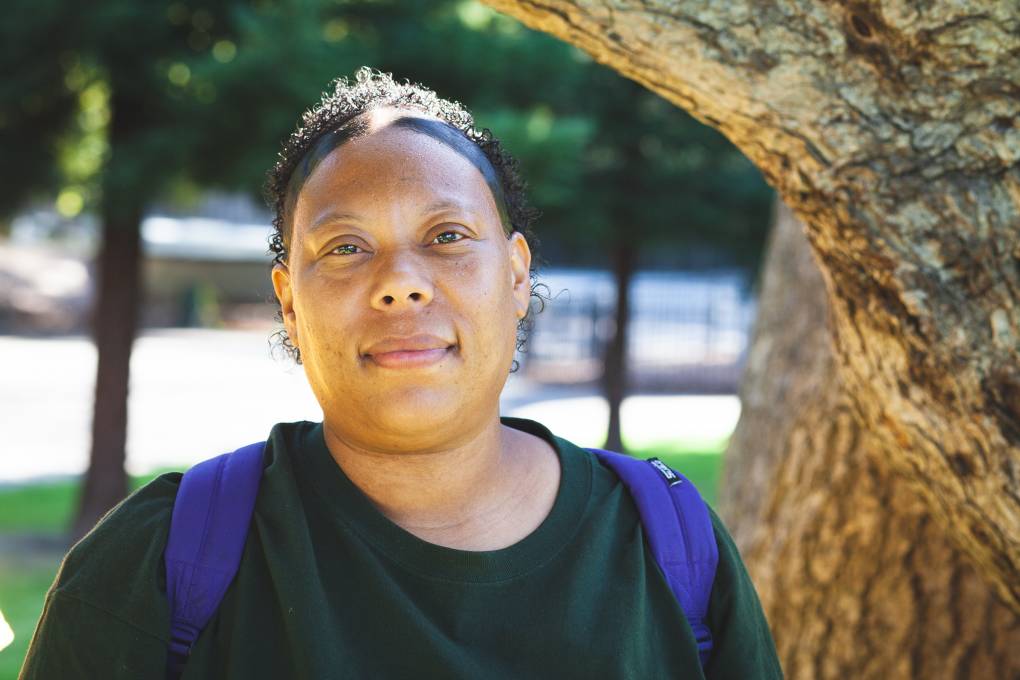
window.__INITIAL_STATE__={
"attachmentsReducer": {
"audio_0": {
"type": "attachments",
"id": "audio_0",
"imgSizes": {
"kqedFullSize": {
"file": "https://ww2.kqed.org/news/wp-content/themes/KQED-unified/img/audio_bgs/background0.jpg"
}
}
},
"audio_1": {
"type": "attachments",
"id": "audio_1",
"imgSizes": {
"kqedFullSize": {
"file": "https://ww2.kqed.org/news/wp-content/themes/KQED-unified/img/audio_bgs/background1.jpg"
}
}
},
"audio_2": {
"type": "attachments",
"id": "audio_2",
"imgSizes": {
"kqedFullSize": {
"file": "https://ww2.kqed.org/news/wp-content/themes/KQED-unified/img/audio_bgs/background2.jpg"
}
}
},
"audio_3": {
"type": "attachments",
"id": "audio_3",
"imgSizes": {
"kqedFullSize": {
"file": "https://ww2.kqed.org/news/wp-content/themes/KQED-unified/img/audio_bgs/background3.jpg"
}
}
},
"audio_4": {
"type": "attachments",
"id": "audio_4",
"imgSizes": {
"kqedFullSize": {
"file": "https://ww2.kqed.org/news/wp-content/themes/KQED-unified/img/audio_bgs/background4.jpg"
}
}
},
"placeholder": {
"type": "attachments",
"id": "placeholder",
"imgSizes": {
"thumbnail": {
"file": "https://cdn.kqed.org/wp-content/uploads/2024/12/KQED-Default-Image-816638274-2000x1333-1-160x107.jpg",
"width": 160,
"height": 107,
"mimeType": "image/jpeg"
},
"medium": {
"file": "https://cdn.kqed.org/wp-content/uploads/2024/12/KQED-Default-Image-816638274-2000x1333-1-800x533.jpg",
"width": 800,
"height": 533,
"mimeType": "image/jpeg"
},
"medium_large": {
"file": "https://cdn.kqed.org/wp-content/uploads/2024/12/KQED-Default-Image-816638274-2000x1333-1-768x512.jpg",
"width": 768,
"height": 512,
"mimeType": "image/jpeg"
},
"large": {
"file": "https://cdn.kqed.org/wp-content/uploads/2024/12/KQED-Default-Image-816638274-2000x1333-1-1020x680.jpg",
"width": 1020,
"height": 680,
"mimeType": "image/jpeg"
},
"1536x1536": {
"file": "https://cdn.kqed.org/wp-content/uploads/2024/12/KQED-Default-Image-816638274-2000x1333-1-1536x1024.jpg",
"width": 1536,
"height": 1024,
"mimeType": "image/jpeg"
},
"fd-lrg": {
"file": "https://cdn.kqed.org/wp-content/uploads/2024/12/KQED-Default-Image-816638274-2000x1333-1-1536x1024.jpg",
"width": 1536,
"height": 1024,
"mimeType": "image/jpeg"
},
"fd-med": {
"file": "https://cdn.kqed.org/wp-content/uploads/2024/12/KQED-Default-Image-816638274-2000x1333-1-1020x680.jpg",
"width": 1020,
"height": 680,
"mimeType": "image/jpeg"
},
"fd-sm": {
"file": "https://cdn.kqed.org/wp-content/uploads/2024/12/KQED-Default-Image-816638274-2000x1333-1-800x533.jpg",
"width": 800,
"height": 533,
"mimeType": "image/jpeg"
},
"post-thumbnail": {
"file": "https://cdn.kqed.org/wp-content/uploads/2024/12/KQED-Default-Image-816638274-2000x1333-1-672x372.jpg",
"width": 672,
"height": 372,
"mimeType": "image/jpeg"
},
"twentyfourteen-full-width": {
"file": "https://cdn.kqed.org/wp-content/uploads/2024/12/KQED-Default-Image-816638274-2000x1333-1-1038x576.jpg",
"width": 1038,
"height": 576,
"mimeType": "image/jpeg"
},
"xxsmall": {
"file": "https://cdn.kqed.org/wp-content/uploads/2024/12/KQED-Default-Image-816638274-2000x1333-1-160x107.jpg",
"width": 160,
"height": 107,
"mimeType": "image/jpeg"
},
"xsmall": {
"file": "https://cdn.kqed.org/wp-content/uploads/2024/12/KQED-Default-Image-816638274-2000x1333-1-672x372.jpg",
"width": 672,
"height": 372,
"mimeType": "image/jpeg"
},
"small": {
"file": "https://cdn.kqed.org/wp-content/uploads/2024/12/KQED-Default-Image-816638274-2000x1333-1-672x372.jpg",
"width": 672,
"height": 372,
"mimeType": "image/jpeg"
},
"xlarge": {
"file": "https://cdn.kqed.org/wp-content/uploads/2024/12/KQED-Default-Image-816638274-2000x1333-1-1020x680.jpg",
"width": 1020,
"height": 680,
"mimeType": "image/jpeg"
},
"full-width": {
"file": "https://cdn.kqed.org/wp-content/uploads/2024/12/KQED-Default-Image-816638274-2000x1333-1-1920x1280.jpg",
"width": 1920,
"height": 1280,
"mimeType": "image/jpeg"
},
"guest-author-32": {
"file": "https://cdn.kqed.org/wp-content/uploads/2025/01/KQED-Default-Image-816638274-1333x1333-1-160x160.jpg",
"width": 32,
"height": 32,
"mimeType": "image/jpeg"
},
"guest-author-50": {
"file": "https://cdn.kqed.org/wp-content/uploads/2025/01/KQED-Default-Image-816638274-1333x1333-1-160x160.jpg",
"width": 50,
"height": 50,
"mimeType": "image/jpeg"
},
"guest-author-64": {
"file": "https://cdn.kqed.org/wp-content/uploads/2025/01/KQED-Default-Image-816638274-1333x1333-1-160x160.jpg",
"width": 64,
"height": 64,
"mimeType": "image/jpeg"
},
"guest-author-96": {
"file": "https://cdn.kqed.org/wp-content/uploads/2025/01/KQED-Default-Image-816638274-1333x1333-1-160x160.jpg",
"width": 96,
"height": 96,
"mimeType": "image/jpeg"
},
"guest-author-128": {
"file": "https://cdn.kqed.org/wp-content/uploads/2025/01/KQED-Default-Image-816638274-1333x1333-1-160x160.jpg",
"width": 128,
"height": 128,
"mimeType": "image/jpeg"
},
"detail": {
"file": "https://cdn.kqed.org/wp-content/uploads/2025/01/KQED-Default-Image-816638274-1333x1333-1-160x160.jpg",
"width": 160,
"height": 160,
"mimeType": "image/jpeg"
},
"kqedFullSize": {
"file": "https://cdn.kqed.org/wp-content/uploads/2024/12/KQED-Default-Image-816638274-2000x1333-1.jpg",
"width": 2000,
"height": 1333
}
}
},
"news_11816992": {
"type": "attachments",
"id": "news_11816992",
"meta": {
"index": "attachments_1716263798",
"site": "news",
"id": "11816992",
"found": true
},
"parent": 11816986,
"imgSizes": {
"apple_news_ca_landscape_5_5": {
"file": "https://ww2.kqed.org/app/uploads/sites/10/2020/05/difference_050720_final-1044x783.png",
"width": 1044,
"mimeType": "image/png",
"height": 783
},
"apple_news_ca_square_4_0": {
"file": "https://ww2.kqed.org/app/uploads/sites/10/2020/05/difference_050720_final-470x470.png",
"width": 470,
"mimeType": "image/png",
"height": 470
},
"twentyfourteen-full-width": {
"file": "https://ww2.kqed.org/app/uploads/sites/10/2020/05/difference_050720_final-1038x576.png",
"width": 1038,
"mimeType": "image/png",
"height": 576
},
"thumbnail": {
"file": "https://ww2.kqed.org/app/uploads/sites/10/2020/05/difference_050720_final-160x116.png",
"width": 160,
"mimeType": "image/png",
"height": 116
},
"post-thumbnail": {
"file": "https://ww2.kqed.org/app/uploads/sites/10/2020/05/difference_050720_final-672x372.png",
"width": 672,
"mimeType": "image/png",
"height": 372
},
"kqedFullSize": {
"file": "https://ww2.kqed.org/app/uploads/sites/10/2020/05/difference_050720_final.png",
"width": 1920,
"height": 1388
},
"apple_news_ca_landscape_4_7": {
"file": "https://ww2.kqed.org/app/uploads/sites/10/2020/05/difference_050720_final-632x474.png",
"width": 632,
"mimeType": "image/png",
"height": 474
},
"large": {
"file": "https://ww2.kqed.org/app/uploads/sites/10/2020/05/difference_050720_final-1020x737.png",
"width": 1020,
"mimeType": "image/png",
"height": 737
},
"apple_news_ca_landscape_4_0": {
"file": "https://ww2.kqed.org/app/uploads/sites/10/2020/05/difference_050720_final-536x402.png",
"width": 536,
"mimeType": "image/png",
"height": 402
},
"apple_news_ca_portrait_12_9": {
"file": "https://ww2.kqed.org/app/uploads/sites/10/2020/05/difference_050720_final-1122x1388.png",
"width": 1122,
"mimeType": "image/png",
"height": 1388
},
"medium": {
"file": "https://ww2.kqed.org/app/uploads/sites/10/2020/05/difference_050720_final-800x578.png",
"width": 800,
"mimeType": "image/png",
"height": 578
},
"apple_news_ca_portrait_4_0": {
"file": "https://ww2.kqed.org/app/uploads/sites/10/2020/05/difference_050720_final-354x472.png",
"width": 354,
"mimeType": "image/png",
"height": 472
},
"apple_news_ca_portrait_9_7": {
"file": "https://ww2.kqed.org/app/uploads/sites/10/2020/05/difference_050720_final-840x1120.png",
"width": 840,
"mimeType": "image/png",
"height": 1120
},
"apple_news_ca_landscape_12_9": {
"file": "https://ww2.kqed.org/app/uploads/sites/10/2020/05/difference_050720_final-1832x1374.png",
"width": 1832,
"mimeType": "image/png",
"height": 1374
},
"apple_news_ca_square_9_7": {
"file": "https://ww2.kqed.org/app/uploads/sites/10/2020/05/difference_050720_final-1104x1104.png",
"width": 1104,
"mimeType": "image/png",
"height": 1104
},
"apple_news_ca_portrait_4_7": {
"file": "https://ww2.kqed.org/app/uploads/sites/10/2020/05/difference_050720_final-414x552.png",
"width": 414,
"mimeType": "image/png",
"height": 552
},
"apple_news_ca_square_12_9": {
"file": "https://ww2.kqed.org/app/uploads/sites/10/2020/05/difference_050720_final-1472x1388.png",
"width": 1472,
"mimeType": "image/png",
"height": 1388
},
"apple_news_ca_portrait_5_5": {
"file": "https://ww2.kqed.org/app/uploads/sites/10/2020/05/difference_050720_final-687x916.png",
"width": 687,
"mimeType": "image/png",
"height": 916
},
"full-width": {
"file": "https://ww2.kqed.org/app/uploads/sites/10/2020/05/difference_050720_final-1920x1388.png",
"width": 1920,
"mimeType": "image/png",
"height": 1388
},
"apple_news_ca_square_4_7": {
"file": "https://ww2.kqed.org/app/uploads/sites/10/2020/05/difference_050720_final-550x550.png",
"width": 550,
"mimeType": "image/png",
"height": 550
},
"apple_news_ca_landscape_9_7": {
"file": "https://ww2.kqed.org/app/uploads/sites/10/2020/05/difference_050720_final-1376x1032.png",
"width": 1376,
"mimeType": "image/png",
"height": 1032
},
"apple_news_ca_square_5_5": {
"file": "https://ww2.kqed.org/app/uploads/sites/10/2020/05/difference_050720_final-912x912.png",
"width": 912,
"mimeType": "image/png",
"height": 912
}
},
"publishDate": 1588895277,
"modified": 1588895322,
"caption": null,
"description": null,
"title": "difference_050720_final",
"credit": null,
"status": "inherit",
"isLoading": false,
"fetchFailed": false
},
"news_11816695": {
"type": "attachments",
"id": "news_11816695",
"meta": {
"index": "attachments_1716263798",
"site": "news",
"id": "11816695",
"found": true
},
"parent": 11816648,
"imgSizes": {
"apple_news_ca_landscape_5_5": {
"file": "https://ww2.kqed.org/app/uploads/sites/10/2020/05/BayView-Tents-1044x783.jpg",
"width": 1044,
"mimeType": "image/jpeg",
"height": 783
},
"apple_news_ca_square_4_0": {
"file": "https://ww2.kqed.org/app/uploads/sites/10/2020/05/BayView-Tents-470x470.jpg",
"width": 470,
"mimeType": "image/jpeg",
"height": 470
},
"twentyfourteen-full-width": {
"file": "https://ww2.kqed.org/app/uploads/sites/10/2020/05/BayView-Tents-1038x576.jpg",
"width": 1038,
"mimeType": "image/jpeg",
"height": 576
},
"thumbnail": {
"file": "https://ww2.kqed.org/app/uploads/sites/10/2020/05/BayView-Tents-160x98.jpg",
"width": 160,
"mimeType": "image/jpeg",
"height": 98
},
"post-thumbnail": {
"file": "https://ww2.kqed.org/app/uploads/sites/10/2020/05/BayView-Tents-672x372.jpg",
"width": 672,
"mimeType": "image/jpeg",
"height": 372
},
"kqedFullSize": {
"file": "https://ww2.kqed.org/app/uploads/sites/10/2020/05/BayView-Tents.jpg",
"width": 1920,
"height": 1170
},
"apple_news_ca_landscape_4_7": {
"file": "https://ww2.kqed.org/app/uploads/sites/10/2020/05/BayView-Tents-632x474.jpg",
"width": 632,
"mimeType": "image/jpeg",
"height": 474
},
"large": {
"file": "https://ww2.kqed.org/app/uploads/sites/10/2020/05/BayView-Tents-1020x622.jpg",
"width": 1020,
"mimeType": "image/jpeg",
"height": 622
},
"apple_news_ca_landscape_4_0": {
"file": "https://ww2.kqed.org/app/uploads/sites/10/2020/05/BayView-Tents-536x402.jpg",
"width": 536,
"mimeType": "image/jpeg",
"height": 402
},
"apple_news_ca_portrait_12_9": {
"file": "https://ww2.kqed.org/app/uploads/sites/10/2020/05/BayView-Tents-1122x1170.jpg",
"width": 1122,
"mimeType": "image/jpeg",
"height": 1170
},
"medium": {
"file": "https://ww2.kqed.org/app/uploads/sites/10/2020/05/BayView-Tents-800x488.jpg",
"width": 800,
"mimeType": "image/jpeg",
"height": 488
},
"apple_news_ca_portrait_4_0": {
"file": "https://ww2.kqed.org/app/uploads/sites/10/2020/05/BayView-Tents-354x472.jpg",
"width": 354,
"mimeType": "image/jpeg",
"height": 472
},
"apple_news_ca_portrait_9_7": {
"file": "https://ww2.kqed.org/app/uploads/sites/10/2020/05/BayView-Tents-840x1120.jpg",
"width": 840,
"mimeType": "image/jpeg",
"height": 1120
},
"apple_news_ca_landscape_12_9": {
"file": "https://ww2.kqed.org/app/uploads/sites/10/2020/05/BayView-Tents-1832x1170.jpg",
"width": 1832,
"mimeType": "image/jpeg",
"height": 1170
},
"apple_news_ca_square_9_7": {
"file": "https://ww2.kqed.org/app/uploads/sites/10/2020/05/BayView-Tents-1104x1104.jpg",
"width": 1104,
"mimeType": "image/jpeg",
"height": 1104
},
"apple_news_ca_portrait_4_7": {
"file": "https://ww2.kqed.org/app/uploads/sites/10/2020/05/BayView-Tents-414x552.jpg",
"width": 414,
"mimeType": "image/jpeg",
"height": 552
},
"apple_news_ca_square_12_9": {
"file": "https://ww2.kqed.org/app/uploads/sites/10/2020/05/BayView-Tents-1472x1170.jpg",
"width": 1472,
"mimeType": "image/jpeg",
"height": 1170
},
"apple_news_ca_portrait_5_5": {
"file": "https://ww2.kqed.org/app/uploads/sites/10/2020/05/BayView-Tents-687x916.jpg",
"width": 687,
"mimeType": "image/jpeg",
"height": 916
},
"full-width": {
"file": "https://ww2.kqed.org/app/uploads/sites/10/2020/05/BayView-Tents-1920x1170.jpg",
"width": 1920,
"mimeType": "image/jpeg",
"height": 1170
},
"apple_news_ca_square_4_7": {
"file": "https://ww2.kqed.org/app/uploads/sites/10/2020/05/BayView-Tents-550x550.jpg",
"width": 550,
"mimeType": "image/jpeg",
"height": 550
},
"apple_news_ca_landscape_9_7": {
"file": "https://ww2.kqed.org/app/uploads/sites/10/2020/05/BayView-Tents-1376x1032.jpg",
"width": 1376,
"mimeType": "image/jpeg",
"height": 1032
},
"apple_news_ca_square_5_5": {
"file": "https://ww2.kqed.org/app/uploads/sites/10/2020/05/BayView-Tents-912x912.jpg",
"width": 912,
"mimeType": "image/jpeg",
"height": 912
}
},
"publishDate": 1588812569,
"modified": 1588812609,
"caption": "Tents are spaced for social distancing at Bay View Park K.C. Jones Playground on May 5, 2020.",
"description": "Tents are spaced for social distancing at Bay View Park K.C. Jones Playground on May 5, 2020.",
"title": "BayView-Tents",
"credit": "Beth LaBerge/KQED",
"status": "inherit",
"isLoading": false,
"fetchFailed": false
},
"news_11815799": {
"type": "attachments",
"id": "news_11815799",
"meta": {
"index": "attachments_1716263798",
"site": "news",
"id": "11815799",
"found": true
},
"parent": 11815715,
"imgSizes": {
"apple_news_ca_landscape_5_5": {
"file": "https://ww2.kqed.org/app/uploads/sites/10/2020/05/CastroHouse-1044x783.jpeg",
"width": 1044,
"mimeType": "image/jpeg",
"height": 783
},
"apple_news_ca_square_4_0": {
"file": "https://ww2.kqed.org/app/uploads/sites/10/2020/05/CastroHouse-470x470.jpeg",
"width": 470,
"mimeType": "image/jpeg",
"height": 470
},
"twentyfourteen-full-width": {
"file": "https://ww2.kqed.org/app/uploads/sites/10/2020/05/CastroHouse-1038x576.jpeg",
"width": 1038,
"mimeType": "image/jpeg",
"height": 576
},
"thumbnail": {
"file": "https://ww2.kqed.org/app/uploads/sites/10/2020/05/CastroHouse-160x120.jpeg",
"width": 160,
"mimeType": "image/jpeg",
"height": 120
},
"post-thumbnail": {
"file": "https://ww2.kqed.org/app/uploads/sites/10/2020/05/CastroHouse-672x372.jpeg",
"width": 672,
"mimeType": "image/jpeg",
"height": 372
},
"kqedFullSize": {
"file": "https://ww2.kqed.org/app/uploads/sites/10/2020/05/CastroHouse.jpeg",
"width": 2048,
"height": 1536
},
"apple_news_ca_landscape_4_7": {
"file": "https://ww2.kqed.org/app/uploads/sites/10/2020/05/CastroHouse-632x474.jpeg",
"width": 632,
"mimeType": "image/jpeg",
"height": 474
},
"large": {
"file": "https://ww2.kqed.org/app/uploads/sites/10/2020/05/CastroHouse-1020x765.jpeg",
"width": 1020,
"mimeType": "image/jpeg",
"height": 765
},
"apple_news_ca_landscape_4_0": {
"file": "https://ww2.kqed.org/app/uploads/sites/10/2020/05/CastroHouse-536x402.jpeg",
"width": 536,
"mimeType": "image/jpeg",
"height": 402
},
"apple_news_ca_portrait_12_9": {
"file": "https://ww2.kqed.org/app/uploads/sites/10/2020/05/CastroHouse-1122x1496.jpeg",
"width": 1122,
"mimeType": "image/jpeg",
"height": 1496
},
"medium": {
"file": "https://ww2.kqed.org/app/uploads/sites/10/2020/05/CastroHouse-800x600.jpeg",
"width": 800,
"mimeType": "image/jpeg",
"height": 600
},
"apple_news_ca_portrait_4_0": {
"file": "https://ww2.kqed.org/app/uploads/sites/10/2020/05/CastroHouse-354x472.jpeg",
"width": 354,
"mimeType": "image/jpeg",
"height": 472
},
"apple_news_ca_portrait_9_7": {
"file": "https://ww2.kqed.org/app/uploads/sites/10/2020/05/CastroHouse-840x1120.jpeg",
"width": 840,
"mimeType": "image/jpeg",
"height": 1120
},
"apple_news_ca_landscape_12_9": {
"file": "https://ww2.kqed.org/app/uploads/sites/10/2020/05/CastroHouse-1832x1374.jpeg",
"width": 1832,
"mimeType": "image/jpeg",
"height": 1374
},
"apple_news_ca_square_9_7": {
"file": "https://ww2.kqed.org/app/uploads/sites/10/2020/05/CastroHouse-1104x1104.jpeg",
"width": 1104,
"mimeType": "image/jpeg",
"height": 1104
},
"apple_news_ca_portrait_4_7": {
"file": "https://ww2.kqed.org/app/uploads/sites/10/2020/05/CastroHouse-414x552.jpeg",
"width": 414,
"mimeType": "image/jpeg",
"height": 552
},
"apple_news_ca_square_12_9": {
"file": "https://ww2.kqed.org/app/uploads/sites/10/2020/05/CastroHouse-1472x1472.jpeg",
"width": 1472,
"mimeType": "image/jpeg",
"height": 1472
},
"apple_news_ca_portrait_5_5": {
"file": "https://ww2.kqed.org/app/uploads/sites/10/2020/05/CastroHouse-687x916.jpeg",
"width": 687,
"mimeType": "image/jpeg",
"height": 916
},
"full-width": {
"file": "https://ww2.kqed.org/app/uploads/sites/10/2020/05/CastroHouse-1920x1440.jpeg",
"width": 1920,
"mimeType": "image/jpeg",
"height": 1440
},
"apple_news_ca_square_4_7": {
"file": "https://ww2.kqed.org/app/uploads/sites/10/2020/05/CastroHouse-550x550.jpeg",
"width": 550,
"mimeType": "image/jpeg",
"height": 550
},
"apple_news_ca_landscape_9_7": {
"file": "https://ww2.kqed.org/app/uploads/sites/10/2020/05/CastroHouse-1376x1032.jpeg",
"width": 1376,
"mimeType": "image/jpeg",
"height": 1032
},
"apple_news_ca_square_5_5": {
"file": "https://ww2.kqed.org/app/uploads/sites/10/2020/05/CastroHouse-912x912.jpeg",
"width": 912,
"mimeType": "image/jpeg",
"height": 912
}
},
"publishDate": 1588372666,
"modified": 1588372741,
"caption": "Two women who are experiencing homelessness have occupied a vacant house in San Francisco's Castro District as a way to protest the lack of affordable housing in the city.",
"description": null,
"title": "CastroHouse",
"credit": "Erin Baldassari/KQED",
"status": "inherit",
"isLoading": false,
"fetchFailed": false
},
"news_11813499": {
"type": "attachments",
"id": "news_11813499",
"meta": {
"index": "attachments_1716263798",
"site": "news",
"id": "11813499",
"found": true
},
"parent": 0,
"imgSizes": {
"apple_news_ca_landscape_5_5": {
"file": "https://ww2.kqed.org/app/uploads/sites/10/2020/04/RS42869_003_KQED_SanFrancisco_HomelessShelter_04212020-qut-1044x783.jpg",
"width": 1044,
"mimeType": "image/jpeg",
"height": 783
},
"apple_news_ca_square_4_0": {
"file": "https://ww2.kqed.org/app/uploads/sites/10/2020/04/RS42869_003_KQED_SanFrancisco_HomelessShelter_04212020-qut-470x470.jpg",
"width": 470,
"mimeType": "image/jpeg",
"height": 470
},
"twentyfourteen-full-width": {
"file": "https://ww2.kqed.org/app/uploads/sites/10/2020/04/RS42869_003_KQED_SanFrancisco_HomelessShelter_04212020-qut-1038x576.jpg",
"width": 1038,
"mimeType": "image/jpeg",
"height": 576
},
"thumbnail": {
"file": "https://ww2.kqed.org/app/uploads/sites/10/2020/04/RS42869_003_KQED_SanFrancisco_HomelessShelter_04212020-qut-160x107.jpg",
"width": 160,
"mimeType": "image/jpeg",
"height": 107
},
"post-thumbnail": {
"file": "https://ww2.kqed.org/app/uploads/sites/10/2020/04/RS42869_003_KQED_SanFrancisco_HomelessShelter_04212020-qut-672x372.jpg",
"width": 672,
"mimeType": "image/jpeg",
"height": 372
},
"kqedFullSize": {
"file": "https://ww2.kqed.org/app/uploads/sites/10/2020/04/RS42869_003_KQED_SanFrancisco_HomelessShelter_04212020-qut.jpg",
"width": 1920,
"height": 1280
},
"apple_news_ca_landscape_4_7": {
"file": "https://ww2.kqed.org/app/uploads/sites/10/2020/04/RS42869_003_KQED_SanFrancisco_HomelessShelter_04212020-qut-632x474.jpg",
"width": 632,
"mimeType": "image/jpeg",
"height": 474
},
"large": {
"file": "https://ww2.kqed.org/app/uploads/sites/10/2020/04/RS42869_003_KQED_SanFrancisco_HomelessShelter_04212020-qut-1020x680.jpg",
"width": 1020,
"mimeType": "image/jpeg",
"height": 680
},
"apple_news_ca_landscape_4_0": {
"file": "https://ww2.kqed.org/app/uploads/sites/10/2020/04/RS42869_003_KQED_SanFrancisco_HomelessShelter_04212020-qut-536x402.jpg",
"width": 536,
"mimeType": "image/jpeg",
"height": 402
},
"apple_news_ca_portrait_12_9": {
"file": "https://ww2.kqed.org/app/uploads/sites/10/2020/04/RS42869_003_KQED_SanFrancisco_HomelessShelter_04212020-qut-1122x1280.jpg",
"width": 1122,
"mimeType": "image/jpeg",
"height": 1280
},
"medium": {
"file": "https://ww2.kqed.org/app/uploads/sites/10/2020/04/RS42869_003_KQED_SanFrancisco_HomelessShelter_04212020-qut-800x533.jpg",
"width": 800,
"mimeType": "image/jpeg",
"height": 533
},
"apple_news_ca_portrait_4_0": {
"file": "https://ww2.kqed.org/app/uploads/sites/10/2020/04/RS42869_003_KQED_SanFrancisco_HomelessShelter_04212020-qut-354x472.jpg",
"width": 354,
"mimeType": "image/jpeg",
"height": 472
},
"apple_news_ca_portrait_9_7": {
"file": "https://ww2.kqed.org/app/uploads/sites/10/2020/04/RS42869_003_KQED_SanFrancisco_HomelessShelter_04212020-qut-840x1120.jpg",
"width": 840,
"mimeType": "image/jpeg",
"height": 1120
},
"apple_news_ca_landscape_12_9": {
"file": "https://ww2.kqed.org/app/uploads/sites/10/2020/04/RS42869_003_KQED_SanFrancisco_HomelessShelter_04212020-qut-1832x1280.jpg",
"width": 1832,
"mimeType": "image/jpeg",
"height": 1280
},
"apple_news_ca_square_9_7": {
"file": "https://ww2.kqed.org/app/uploads/sites/10/2020/04/RS42869_003_KQED_SanFrancisco_HomelessShelter_04212020-qut-1104x1104.jpg",
"width": 1104,
"mimeType": "image/jpeg",
"height": 1104
},
"apple_news_ca_portrait_4_7": {
"file": "https://ww2.kqed.org/app/uploads/sites/10/2020/04/RS42869_003_KQED_SanFrancisco_HomelessShelter_04212020-qut-414x552.jpg",
"width": 414,
"mimeType": "image/jpeg",
"height": 552
},
"apple_news_ca_square_12_9": {
"file": "https://ww2.kqed.org/app/uploads/sites/10/2020/04/RS42869_003_KQED_SanFrancisco_HomelessShelter_04212020-qut-1472x1280.jpg",
"width": 1472,
"mimeType": "image/jpeg",
"height": 1280
},
"apple_news_ca_portrait_5_5": {
"file": "https://ww2.kqed.org/app/uploads/sites/10/2020/04/RS42869_003_KQED_SanFrancisco_HomelessShelter_04212020-qut-687x916.jpg",
"width": 687,
"mimeType": "image/jpeg",
"height": 916
},
"full-width": {
"file": "https://ww2.kqed.org/app/uploads/sites/10/2020/04/RS42869_003_KQED_SanFrancisco_HomelessShelter_04212020-qut-1920x1280.jpg",
"width": 1920,
"mimeType": "image/jpeg",
"height": 1280
},
"apple_news_ca_square_4_7": {
"file": "https://ww2.kqed.org/app/uploads/sites/10/2020/04/RS42869_003_KQED_SanFrancisco_HomelessShelter_04212020-qut-550x550.jpg",
"width": 550,
"mimeType": "image/jpeg",
"height": 550
},
"apple_news_ca_landscape_9_7": {
"file": "https://ww2.kqed.org/app/uploads/sites/10/2020/04/RS42869_003_KQED_SanFrancisco_HomelessShelter_04212020-qut-1376x1032.jpg",
"width": 1376,
"mimeType": "image/jpeg",
"height": 1032
},
"apple_news_ca_square_5_5": {
"file": "https://ww2.kqed.org/app/uploads/sites/10/2020/04/RS42869_003_KQED_SanFrancisco_HomelessShelter_04212020-qut-912x912.jpg",
"width": 912,
"mimeType": "image/jpeg",
"height": 912
}
},
"publishDate": 1587522016,
"modified": 1587522051,
"caption": "Currently unhoused, Sue Ranek sits outside of the MSC Homeless Shelter in San Francisco on April 21, 2020.",
"description": null,
"title": "RS42869_003_KQED_SanFrancisco_HomelessShelter_04212020-qut",
"credit": "Beth LaBerge/KQED",
"status": "inherit",
"isLoading": false,
"fetchFailed": false
},
"news_11812754": {
"type": "attachments",
"id": "news_11812754",
"meta": {
"index": "attachments_1716263798",
"site": "news",
"id": "11812754",
"found": true
},
"parent": 11812665,
"imgSizes": {
"apple_news_ca_landscape_5_5": {
"file": "https://ww2.kqed.org/app/uploads/sites/10/2020/04/IMG_6685-1044x783.jpg",
"width": 1044,
"mimeType": "image/jpeg",
"height": 783
},
"apple_news_ca_square_4_0": {
"file": "https://ww2.kqed.org/app/uploads/sites/10/2020/04/IMG_6685-470x470.jpg",
"width": 470,
"mimeType": "image/jpeg",
"height": 470
},
"twentyfourteen-full-width": {
"file": "https://ww2.kqed.org/app/uploads/sites/10/2020/04/IMG_6685-1038x576.jpg",
"width": 1038,
"mimeType": "image/jpeg",
"height": 576
},
"thumbnail": {
"file": "https://ww2.kqed.org/app/uploads/sites/10/2020/04/IMG_6685-160x107.jpg",
"width": 160,
"mimeType": "image/jpeg",
"height": 107
},
"post-thumbnail": {
"file": "https://ww2.kqed.org/app/uploads/sites/10/2020/04/IMG_6685-672x372.jpg",
"width": 672,
"mimeType": "image/jpeg",
"height": 372
},
"kqedFullSize": {
"file": "https://ww2.kqed.org/app/uploads/sites/10/2020/04/IMG_6685-e1587163970236.jpg",
"width": 1920,
"height": 1280
},
"apple_news_ca_landscape_4_7": {
"file": "https://ww2.kqed.org/app/uploads/sites/10/2020/04/IMG_6685-632x474.jpg",
"width": 632,
"mimeType": "image/jpeg",
"height": 474
},
"large": {
"file": "https://ww2.kqed.org/app/uploads/sites/10/2020/04/IMG_6685-1020x680.jpg",
"width": 1020,
"mimeType": "image/jpeg",
"height": 680
},
"apple_news_ca_landscape_4_0": {
"file": "https://ww2.kqed.org/app/uploads/sites/10/2020/04/IMG_6685-536x402.jpg",
"width": 536,
"mimeType": "image/jpeg",
"height": 402
},
"apple_news_ca_portrait_12_9": {
"file": "https://ww2.kqed.org/app/uploads/sites/10/2020/04/IMG_6685-1122x1365.jpg",
"width": 1122,
"mimeType": "image/jpeg",
"height": 1365
},
"medium": {
"file": "https://ww2.kqed.org/app/uploads/sites/10/2020/04/IMG_6685-800x533.jpg",
"width": 800,
"mimeType": "image/jpeg",
"height": 533
},
"apple_news_ca_portrait_4_0": {
"file": "https://ww2.kqed.org/app/uploads/sites/10/2020/04/IMG_6685-354x472.jpg",
"width": 354,
"mimeType": "image/jpeg",
"height": 472
},
"apple_news_ca_portrait_9_7": {
"file": "https://ww2.kqed.org/app/uploads/sites/10/2020/04/IMG_6685-840x1120.jpg",
"width": 840,
"mimeType": "image/jpeg",
"height": 1120
},
"apple_news_ca_landscape_12_9": {
"file": "https://ww2.kqed.org/app/uploads/sites/10/2020/04/IMG_6685-1832x1365.jpg",
"width": 1832,
"mimeType": "image/jpeg",
"height": 1365
},
"apple_news_ca_square_9_7": {
"file": "https://ww2.kqed.org/app/uploads/sites/10/2020/04/IMG_6685-1104x1104.jpg",
"width": 1104,
"mimeType": "image/jpeg",
"height": 1104
},
"apple_news_ca_portrait_4_7": {
"file": "https://ww2.kqed.org/app/uploads/sites/10/2020/04/IMG_6685-414x552.jpg",
"width": 414,
"mimeType": "image/jpeg",
"height": 552
},
"apple_news_ca_square_12_9": {
"file": "https://ww2.kqed.org/app/uploads/sites/10/2020/04/IMG_6685-1472x1365.jpg",
"width": 1472,
"mimeType": "image/jpeg",
"height": 1365
},
"apple_news_ca_portrait_5_5": {
"file": "https://ww2.kqed.org/app/uploads/sites/10/2020/04/IMG_6685-687x916.jpg",
"width": 687,
"mimeType": "image/jpeg",
"height": 916
},
"full-width": {
"file": "https://ww2.kqed.org/app/uploads/sites/10/2020/04/IMG_6685-1920x1280.jpg",
"width": 1920,
"mimeType": "image/jpeg",
"height": 1280
},
"apple_news_ca_square_4_7": {
"file": "https://ww2.kqed.org/app/uploads/sites/10/2020/04/IMG_6685-550x550.jpg",
"width": 550,
"mimeType": "image/jpeg",
"height": 550
},
"apple_news_ca_landscape_9_7": {
"file": "https://ww2.kqed.org/app/uploads/sites/10/2020/04/IMG_6685-1376x1032.jpg",
"width": 1376,
"mimeType": "image/jpeg",
"height": 1032
},
"apple_news_ca_square_5_5": {
"file": "https://ww2.kqed.org/app/uploads/sites/10/2020/04/IMG_6685-912x912.jpg",
"width": 912,
"mimeType": "image/jpeg",
"height": 912
}
},
"publishDate": 1587085017,
"modified": 1587416923,
"caption": "Monique Bryant is an outreach worker with Downtown Streets Team, a San Jose-based nonprofit working to make sure homeless people in the Bay Area are counted in the 2020 census. Homeless people are historically undercounted in the census.",
"description": "Monique Bryant is an outreach worker with Downtown Streets, a San Jose-based nonprofit working to make sure homeless people in the Bay Area are counted in the 2020 Census. Homeless people are historically undercounted in the census.",
"title": "IMG_6685",
"credit": "Courtesy of Julia Lang",
"status": "inherit",
"isLoading": false,
"fetchFailed": false
},
"news_11811189": {
"type": "attachments",
"id": "news_11811189",
"meta": {
"index": "attachments_1716263798",
"site": "news",
"id": "11811189",
"found": true
},
"parent": 11811188,
"imgSizes": {
"apple_news_ca_landscape_5_5": {
"file": "https://ww2.kqed.org/app/uploads/sites/10/2020/04/RS42199_009_KQED_Berkeley_Homelessness_03192020_-qut-1044x783.jpg",
"width": 1044,
"mimeType": "image/jpeg",
"height": 783
},
"apple_news_ca_square_4_0": {
"file": "https://ww2.kqed.org/app/uploads/sites/10/2020/04/RS42199_009_KQED_Berkeley_Homelessness_03192020_-qut-470x470.jpg",
"width": 470,
"mimeType": "image/jpeg",
"height": 470
},
"twentyfourteen-full-width": {
"file": "https://ww2.kqed.org/app/uploads/sites/10/2020/04/RS42199_009_KQED_Berkeley_Homelessness_03192020_-qut-1038x576.jpg",
"width": 1038,
"mimeType": "image/jpeg",
"height": 576
},
"thumbnail": {
"file": "https://ww2.kqed.org/app/uploads/sites/10/2020/04/RS42199_009_KQED_Berkeley_Homelessness_03192020_-qut-160x107.jpg",
"width": 160,
"mimeType": "image/jpeg",
"height": 107
},
"post-thumbnail": {
"file": "https://ww2.kqed.org/app/uploads/sites/10/2020/04/RS42199_009_KQED_Berkeley_Homelessness_03192020_-qut-672x372.jpg",
"width": 672,
"mimeType": "image/jpeg",
"height": 372
},
"kqedFullSize": {
"file": "https://ww2.kqed.org/app/uploads/sites/10/2020/04/RS42199_009_KQED_Berkeley_Homelessness_03192020_-qut.jpg",
"width": 1920,
"height": 1280
},
"apple_news_ca_landscape_4_7": {
"file": "https://ww2.kqed.org/app/uploads/sites/10/2020/04/RS42199_009_KQED_Berkeley_Homelessness_03192020_-qut-632x474.jpg",
"width": 632,
"mimeType": "image/jpeg",
"height": 474
},
"large": {
"file": "https://ww2.kqed.org/app/uploads/sites/10/2020/04/RS42199_009_KQED_Berkeley_Homelessness_03192020_-qut-1020x680.jpg",
"width": 1020,
"mimeType": "image/jpeg",
"height": 680
},
"apple_news_ca_landscape_4_0": {
"file": "https://ww2.kqed.org/app/uploads/sites/10/2020/04/RS42199_009_KQED_Berkeley_Homelessness_03192020_-qut-536x402.jpg",
"width": 536,
"mimeType": "image/jpeg",
"height": 402
},
"apple_news_ca_portrait_12_9": {
"file": "https://ww2.kqed.org/app/uploads/sites/10/2020/04/RS42199_009_KQED_Berkeley_Homelessness_03192020_-qut-1122x1280.jpg",
"width": 1122,
"mimeType": "image/jpeg",
"height": 1280
},
"medium": {
"file": "https://ww2.kqed.org/app/uploads/sites/10/2020/04/RS42199_009_KQED_Berkeley_Homelessness_03192020_-qut-800x533.jpg",
"width": 800,
"mimeType": "image/jpeg",
"height": 533
},
"apple_news_ca_portrait_4_0": {
"file": "https://ww2.kqed.org/app/uploads/sites/10/2020/04/RS42199_009_KQED_Berkeley_Homelessness_03192020_-qut-354x472.jpg",
"width": 354,
"mimeType": "image/jpeg",
"height": 472
},
"apple_news_ca_portrait_9_7": {
"file": "https://ww2.kqed.org/app/uploads/sites/10/2020/04/RS42199_009_KQED_Berkeley_Homelessness_03192020_-qut-840x1120.jpg",
"width": 840,
"mimeType": "image/jpeg",
"height": 1120
},
"apple_news_ca_landscape_12_9": {
"file": "https://ww2.kqed.org/app/uploads/sites/10/2020/04/RS42199_009_KQED_Berkeley_Homelessness_03192020_-qut-1832x1280.jpg",
"width": 1832,
"mimeType": "image/jpeg",
"height": 1280
},
"apple_news_ca_square_9_7": {
"file": "https://ww2.kqed.org/app/uploads/sites/10/2020/04/RS42199_009_KQED_Berkeley_Homelessness_03192020_-qut-1104x1104.jpg",
"width": 1104,
"mimeType": "image/jpeg",
"height": 1104
},
"apple_news_ca_portrait_4_7": {
"file": "https://ww2.kqed.org/app/uploads/sites/10/2020/04/RS42199_009_KQED_Berkeley_Homelessness_03192020_-qut-414x552.jpg",
"width": 414,
"mimeType": "image/jpeg",
"height": 552
},
"apple_news_ca_square_12_9": {
"file": "https://ww2.kqed.org/app/uploads/sites/10/2020/04/RS42199_009_KQED_Berkeley_Homelessness_03192020_-qut-1472x1280.jpg",
"width": 1472,
"mimeType": "image/jpeg",
"height": 1280
},
"apple_news_ca_portrait_5_5": {
"file": "https://ww2.kqed.org/app/uploads/sites/10/2020/04/RS42199_009_KQED_Berkeley_Homelessness_03192020_-qut-687x916.jpg",
"width": 687,
"mimeType": "image/jpeg",
"height": 916
},
"full-width": {
"file": "https://ww2.kqed.org/app/uploads/sites/10/2020/04/RS42199_009_KQED_Berkeley_Homelessness_03192020_-qut-1920x1280.jpg",
"width": 1920,
"mimeType": "image/jpeg",
"height": 1280
},
"apple_news_ca_square_4_7": {
"file": "https://ww2.kqed.org/app/uploads/sites/10/2020/04/RS42199_009_KQED_Berkeley_Homelessness_03192020_-qut-550x550.jpg",
"width": 550,
"mimeType": "image/jpeg",
"height": 550
},
"apple_news_ca_landscape_9_7": {
"file": "https://ww2.kqed.org/app/uploads/sites/10/2020/04/RS42199_009_KQED_Berkeley_Homelessness_03192020_-qut-1376x1032.jpg",
"width": 1376,
"mimeType": "image/jpeg",
"height": 1032
},
"apple_news_ca_square_5_5": {
"file": "https://ww2.kqed.org/app/uploads/sites/10/2020/04/RS42199_009_KQED_Berkeley_Homelessness_03192020_-qut-912x912.jpg",
"width": 912,
"mimeType": "image/jpeg",
"height": 912
}
},
"publishDate": 1586302032,
"modified": 1586302068,
"caption": "A portable restroom at a tent encampment under a freeway overpass in Berkeley on Thursday, Mar. 19, 2020.",
"description": null,
"title": "RS42199_009_KQED_Berkeley_Homelessness_03192020_-qut",
"credit": "Beth LaBerge/KQED",
"status": "inherit",
"isLoading": false,
"fetchFailed": false
},
"news_11810578": {
"type": "attachments",
"id": "news_11810578",
"meta": {
"index": "attachments_1716263798",
"site": "news",
"id": "11810578",
"found": true
},
"parent": 11810570,
"imgSizes": {
"apple_news_ca_landscape_5_5": {
"file": "https://ww2.kqed.org/app/uploads/sites/10/2020/04/RS42539_Lifelong-nurse-2-qut-1044x783.jpg",
"width": 1044,
"mimeType": "image/jpeg",
"height": 783
},
"apple_news_ca_square_4_0": {
"file": "https://ww2.kqed.org/app/uploads/sites/10/2020/04/RS42539_Lifelong-nurse-2-qut-470x470.jpg",
"width": 470,
"mimeType": "image/jpeg",
"height": 470
},
"twentyfourteen-full-width": {
"file": "https://ww2.kqed.org/app/uploads/sites/10/2020/04/RS42539_Lifelong-nurse-2-qut-1038x576.jpg",
"width": 1038,
"mimeType": "image/jpeg",
"height": 576
},
"thumbnail": {
"file": "https://ww2.kqed.org/app/uploads/sites/10/2020/04/RS42539_Lifelong-nurse-2-qut-160x120.jpg",
"width": 160,
"mimeType": "image/jpeg",
"height": 120
},
"post-thumbnail": {
"file": "https://ww2.kqed.org/app/uploads/sites/10/2020/04/RS42539_Lifelong-nurse-2-qut-672x372.jpg",
"width": 672,
"mimeType": "image/jpeg",
"height": 372
},
"kqedFullSize": {
"file": "https://ww2.kqed.org/app/uploads/sites/10/2020/04/RS42539_Lifelong-nurse-2-qut.jpg",
"width": 1920,
"height": 1440
},
"apple_news_ca_landscape_4_7": {
"file": "https://ww2.kqed.org/app/uploads/sites/10/2020/04/RS42539_Lifelong-nurse-2-qut-632x474.jpg",
"width": 632,
"mimeType": "image/jpeg",
"height": 474
},
"large": {
"file": "https://ww2.kqed.org/app/uploads/sites/10/2020/04/RS42539_Lifelong-nurse-2-qut-1020x765.jpg",
"width": 1020,
"mimeType": "image/jpeg",
"height": 765
},
"apple_news_ca_landscape_4_0": {
"file": "https://ww2.kqed.org/app/uploads/sites/10/2020/04/RS42539_Lifelong-nurse-2-qut-536x402.jpg",
"width": 536,
"mimeType": "image/jpeg",
"height": 402
},
"apple_news_ca_portrait_12_9": {
"file": "https://ww2.kqed.org/app/uploads/sites/10/2020/04/RS42539_Lifelong-nurse-2-qut-1122x1440.jpg",
"width": 1122,
"mimeType": "image/jpeg",
"height": 1440
},
"medium": {
"file": "https://ww2.kqed.org/app/uploads/sites/10/2020/04/RS42539_Lifelong-nurse-2-qut-800x600.jpg",
"width": 800,
"mimeType": "image/jpeg",
"height": 600
},
"apple_news_ca_portrait_4_0": {
"file": "https://ww2.kqed.org/app/uploads/sites/10/2020/04/RS42539_Lifelong-nurse-2-qut-354x472.jpg",
"width": 354,
"mimeType": "image/jpeg",
"height": 472
},
"apple_news_ca_portrait_9_7": {
"file": "https://ww2.kqed.org/app/uploads/sites/10/2020/04/RS42539_Lifelong-nurse-2-qut-840x1120.jpg",
"width": 840,
"mimeType": "image/jpeg",
"height": 1120
},
"apple_news_ca_landscape_12_9": {
"file": "https://ww2.kqed.org/app/uploads/sites/10/2020/04/RS42539_Lifelong-nurse-2-qut-1832x1374.jpg",
"width": 1832,
"mimeType": "image/jpeg",
"height": 1374
},
"apple_news_ca_square_9_7": {
"file": "https://ww2.kqed.org/app/uploads/sites/10/2020/04/RS42539_Lifelong-nurse-2-qut-1104x1104.jpg",
"width": 1104,
"mimeType": "image/jpeg",
"height": 1104
},
"apple_news_ca_portrait_4_7": {
"file": "https://ww2.kqed.org/app/uploads/sites/10/2020/04/RS42539_Lifelong-nurse-2-qut-414x552.jpg",
"width": 414,
"mimeType": "image/jpeg",
"height": 552
},
"apple_news_ca_square_12_9": {
"file": "https://ww2.kqed.org/app/uploads/sites/10/2020/04/RS42539_Lifelong-nurse-2-qut-1472x1440.jpg",
"width": 1472,
"mimeType": "image/jpeg",
"height": 1440
},
"apple_news_ca_portrait_5_5": {
"file": "https://ww2.kqed.org/app/uploads/sites/10/2020/04/RS42539_Lifelong-nurse-2-qut-687x916.jpg",
"width": 687,
"mimeType": "image/jpeg",
"height": 916
},
"full-width": {
"file": "https://ww2.kqed.org/app/uploads/sites/10/2020/04/RS42539_Lifelong-nurse-2-qut-1920x1440.jpg",
"width": 1920,
"mimeType": "image/jpeg",
"height": 1440
},
"apple_news_ca_square_4_7": {
"file": "https://ww2.kqed.org/app/uploads/sites/10/2020/04/RS42539_Lifelong-nurse-2-qut-550x550.jpg",
"width": 550,
"mimeType": "image/jpeg",
"height": 550
},
"apple_news_ca_landscape_9_7": {
"file": "https://ww2.kqed.org/app/uploads/sites/10/2020/04/RS42539_Lifelong-nurse-2-qut-1376x1032.jpg",
"width": 1376,
"mimeType": "image/jpeg",
"height": 1032
},
"apple_news_ca_square_5_5": {
"file": "https://ww2.kqed.org/app/uploads/sites/10/2020/04/RS42539_Lifelong-nurse-2-qut-912x912.jpg",
"width": 912,
"mimeType": "image/jpeg",
"height": 912
}
},
"publishDate": 1585950541,
"modified": 1585954866,
"caption": "Audrey Fisher, a registered nurse with the Lifelong Medical Care TRUST Health Center's street medicine team, tests a homeless man for COVID-19, Tuesday, March 31, 2020. Increasing testing of people living in camp communities will be critical to ensuring the coronavirus doesn't continue to spread throughout the community, Lifelong's associate medical director, Jason Reinking, said.",
"description": "Audrey Fisher, a registered nurse with the Lifelong Medical Care TRUST Health Center's street medicine team, tests a homeless man for COVID-19, Tuesday, March 31, 2020. Increasing testing of people living in camp communities will be critical to ensuring the coronavirus doesn't continue to spread throughout the community, Lifelong's associate medical director, Jason Reinking, said.",
"title": "RS42539_Lifelong nurse 2-qut",
"credit": "Courtesy Lifelong Medical Care TRUST Health Center",
"status": "inherit",
"isLoading": false,
"fetchFailed": false
},
"news_11810535": {
"type": "attachments",
"id": "news_11810535",
"meta": {
"index": "attachments_1716263798",
"site": "news",
"id": "11810535",
"found": true
},
"parent": 11810520,
"imgSizes": {
"apple_news_ca_landscape_5_5": {
"file": "https://ww2.kqed.org/app/uploads/sites/10/2020/04/Gavin-Newsom-homeless-FEMA-1044x783.jpg",
"width": 1044,
"mimeType": "image/jpeg",
"height": 783
},
"apple_news_ca_square_4_0": {
"file": "https://ww2.kqed.org/app/uploads/sites/10/2020/04/Gavin-Newsom-homeless-FEMA-470x470.jpg",
"width": 470,
"mimeType": "image/jpeg",
"height": 470
},
"twentyfourteen-full-width": {
"file": "https://ww2.kqed.org/app/uploads/sites/10/2020/04/Gavin-Newsom-homeless-FEMA-1038x576.jpg",
"width": 1038,
"mimeType": "image/jpeg",
"height": 576
},
"thumbnail": {
"file": "https://ww2.kqed.org/app/uploads/sites/10/2020/04/Gavin-Newsom-homeless-FEMA-160x107.jpg",
"width": 160,
"mimeType": "image/jpeg",
"height": 107
},
"post-thumbnail": {
"file": "https://ww2.kqed.org/app/uploads/sites/10/2020/04/Gavin-Newsom-homeless-FEMA-672x372.jpg",
"width": 672,
"mimeType": "image/jpeg",
"height": 372
},
"kqedFullSize": {
"file": "https://ww2.kqed.org/app/uploads/sites/10/2020/04/Gavin-Newsom-homeless-FEMA.jpg",
"width": 1920,
"height": 1280
},
"apple_news_ca_landscape_4_7": {
"file": "https://ww2.kqed.org/app/uploads/sites/10/2020/04/Gavin-Newsom-homeless-FEMA-632x474.jpg",
"width": 632,
"mimeType": "image/jpeg",
"height": 474
},
"large": {
"file": "https://ww2.kqed.org/app/uploads/sites/10/2020/04/Gavin-Newsom-homeless-FEMA-1020x680.jpg",
"width": 1020,
"mimeType": "image/jpeg",
"height": 680
},
"apple_news_ca_landscape_4_0": {
"file": "https://ww2.kqed.org/app/uploads/sites/10/2020/04/Gavin-Newsom-homeless-FEMA-536x402.jpg",
"width": 536,
"mimeType": "image/jpeg",
"height": 402
},
"apple_news_ca_portrait_12_9": {
"file": "https://ww2.kqed.org/app/uploads/sites/10/2020/04/Gavin-Newsom-homeless-FEMA-1122x1280.jpg",
"width": 1122,
"mimeType": "image/jpeg",
"height": 1280
},
"medium": {
"file": "https://ww2.kqed.org/app/uploads/sites/10/2020/04/Gavin-Newsom-homeless-FEMA-800x533.jpg",
"width": 800,
"mimeType": "image/jpeg",
"height": 533
},
"apple_news_ca_portrait_4_0": {
"file": "https://ww2.kqed.org/app/uploads/sites/10/2020/04/Gavin-Newsom-homeless-FEMA-354x472.jpg",
"width": 354,
"mimeType": "image/jpeg",
"height": 472
},
"apple_news_ca_portrait_9_7": {
"file": "https://ww2.kqed.org/app/uploads/sites/10/2020/04/Gavin-Newsom-homeless-FEMA-840x1120.jpg",
"width": 840,
"mimeType": "image/jpeg",
"height": 1120
},
"apple_news_ca_landscape_12_9": {
"file": "https://ww2.kqed.org/app/uploads/sites/10/2020/04/Gavin-Newsom-homeless-FEMA-1832x1280.jpg",
"width": 1832,
"mimeType": "image/jpeg",
"height": 1280
},
"apple_news_ca_square_9_7": {
"file": "https://ww2.kqed.org/app/uploads/sites/10/2020/04/Gavin-Newsom-homeless-FEMA-1104x1104.jpg",
"width": 1104,
"mimeType": "image/jpeg",
"height": 1104
},
"apple_news_ca_portrait_4_7": {
"file": "https://ww2.kqed.org/app/uploads/sites/10/2020/04/Gavin-Newsom-homeless-FEMA-414x552.jpg",
"width": 414,
"mimeType": "image/jpeg",
"height": 552
},
"apple_news_ca_square_12_9": {
"file": "https://ww2.kqed.org/app/uploads/sites/10/2020/04/Gavin-Newsom-homeless-FEMA-1472x1280.jpg",
"width": 1472,
"mimeType": "image/jpeg",
"height": 1280
},
"apple_news_ca_portrait_5_5": {
"file": "https://ww2.kqed.org/app/uploads/sites/10/2020/04/Gavin-Newsom-homeless-FEMA-687x916.jpg",
"width": 687,
"mimeType": "image/jpeg",
"height": 916
},
"full-width": {
"file": "https://ww2.kqed.org/app/uploads/sites/10/2020/04/Gavin-Newsom-homeless-FEMA-1920x1280.jpg",
"width": 1920,
"mimeType": "image/jpeg",
"height": 1280
},
"apple_news_ca_square_4_7": {
"file": "https://ww2.kqed.org/app/uploads/sites/10/2020/04/Gavin-Newsom-homeless-FEMA-550x550.jpg",
"width": 550,
"mimeType": "image/jpeg",
"height": 550
},
"apple_news_ca_landscape_9_7": {
"file": "https://ww2.kqed.org/app/uploads/sites/10/2020/04/Gavin-Newsom-homeless-FEMA-1376x1032.jpg",
"width": 1376,
"mimeType": "image/jpeg",
"height": 1032
},
"apple_news_ca_square_5_5": {
"file": "https://ww2.kqed.org/app/uploads/sites/10/2020/04/Gavin-Newsom-homeless-FEMA-912x912.jpg",
"width": 912,
"mimeType": "image/jpeg",
"height": 912
}
},
"publishDate": 1585948131,
"modified": 1585948176,
"caption": "Gov. Gavin Newsom speaks during a a news conference about the state's efforts on the homelessness crisis on January 16, 2020 in Oakland.",
"description": "Gov. Gavin Newsom speaks during a a news conference about the state's efforts on the homelessness crisis on January 16, 2020 in Oakland.",
"title": "Gavin-Newsom-homeless-FEMA",
"credit": "Justin Sullivan/Getty Images",
"status": "inherit",
"isLoading": false,
"fetchFailed": false
},
"news_11810339": {
"type": "attachments",
"id": "news_11810339",
"meta": {
"index": "attachments_1716263798",
"site": "news",
"id": "11810339",
"found": true
},
"parent": 11810327,
"imgSizes": {
"apple_news_ca_landscape_5_5": {
"file": "https://ww2.kqed.org/app/uploads/sites/10/2020/04/pleasegive_040220_final-1044x783.png",
"width": 1044,
"mimeType": "image/png",
"height": 783
},
"apple_news_ca_square_4_0": {
"file": "https://ww2.kqed.org/app/uploads/sites/10/2020/04/pleasegive_040220_final-470x470.png",
"width": 470,
"mimeType": "image/png",
"height": 470
},
"twentyfourteen-full-width": {
"file": "https://ww2.kqed.org/app/uploads/sites/10/2020/04/pleasegive_040220_final-1038x576.png",
"width": 1038,
"mimeType": "image/png",
"height": 576
},
"thumbnail": {
"file": "https://ww2.kqed.org/app/uploads/sites/10/2020/04/pleasegive_040220_final-160x111.png",
"width": 160,
"mimeType": "image/png",
"height": 111
},
"post-thumbnail": {
"file": "https://ww2.kqed.org/app/uploads/sites/10/2020/04/pleasegive_040220_final-672x372.png",
"width": 672,
"mimeType": "image/png",
"height": 372
},
"kqedFullSize": {
"file": "https://ww2.kqed.org/app/uploads/sites/10/2020/04/pleasegive_040220_final.png",
"width": 1725,
"height": 1200
},
"apple_news_ca_landscape_4_7": {
"file": "https://ww2.kqed.org/app/uploads/sites/10/2020/04/pleasegive_040220_final-632x474.png",
"width": 632,
"mimeType": "image/png",
"height": 474
},
"large": {
"file": "https://ww2.kqed.org/app/uploads/sites/10/2020/04/pleasegive_040220_final-1020x710.png",
"width": 1020,
"mimeType": "image/png",
"height": 710
},
"apple_news_ca_landscape_4_0": {
"file": "https://ww2.kqed.org/app/uploads/sites/10/2020/04/pleasegive_040220_final-536x402.png",
"width": 536,
"mimeType": "image/png",
"height": 402
},
"apple_news_ca_portrait_12_9": {
"file": "https://ww2.kqed.org/app/uploads/sites/10/2020/04/pleasegive_040220_final-1122x1200.png",
"width": 1122,
"mimeType": "image/png",
"height": 1200
},
"medium": {
"file": "https://ww2.kqed.org/app/uploads/sites/10/2020/04/pleasegive_040220_final-800x557.png",
"width": 800,
"mimeType": "image/png",
"height": 557
},
"apple_news_ca_portrait_4_0": {
"file": "https://ww2.kqed.org/app/uploads/sites/10/2020/04/pleasegive_040220_final-354x472.png",
"width": 354,
"mimeType": "image/png",
"height": 472
},
"apple_news_ca_portrait_9_7": {
"file": "https://ww2.kqed.org/app/uploads/sites/10/2020/04/pleasegive_040220_final-840x1120.png",
"width": 840,
"mimeType": "image/png",
"height": 1120
},
"apple_news_ca_square_9_7": {
"file": "https://ww2.kqed.org/app/uploads/sites/10/2020/04/pleasegive_040220_final-1104x1104.png",
"width": 1104,
"mimeType": "image/png",
"height": 1104
},
"apple_news_ca_portrait_4_7": {
"file": "https://ww2.kqed.org/app/uploads/sites/10/2020/04/pleasegive_040220_final-414x552.png",
"width": 414,
"mimeType": "image/png",
"height": 552
},
"apple_news_ca_square_12_9": {
"file": "https://ww2.kqed.org/app/uploads/sites/10/2020/04/pleasegive_040220_final-1472x1200.png",
"width": 1472,
"mimeType": "image/png",
"height": 1200
},
"apple_news_ca_portrait_5_5": {
"file": "https://ww2.kqed.org/app/uploads/sites/10/2020/04/pleasegive_040220_final-687x916.png",
"width": 687,
"mimeType": "image/png",
"height": 916
},
"apple_news_ca_square_4_7": {
"file": "https://ww2.kqed.org/app/uploads/sites/10/2020/04/pleasegive_040220_final-550x550.png",
"width": 550,
"mimeType": "image/png",
"height": 550
},
"apple_news_ca_landscape_9_7": {
"file": "https://ww2.kqed.org/app/uploads/sites/10/2020/04/pleasegive_040220_final-1376x1032.png",
"width": 1376,
"mimeType": "image/png",
"height": 1032
},
"apple_news_ca_square_5_5": {
"file": "https://ww2.kqed.org/app/uploads/sites/10/2020/04/pleasegive_040220_final-912x912.png",
"width": 912,
"mimeType": "image/png",
"height": 912
}
},
"publishDate": 1585870190,
"modified": 1585870221,
"caption": null,
"description": null,
"title": "pleasegive_040220_final",
"credit": null,
"status": "inherit",
"isLoading": false,
"fetchFailed": false
},
"news_11810480": {
"type": "attachments",
"id": "news_11810480",
"meta": {
"index": "attachments_1716263798",
"site": "news",
"id": "11810480",
"found": true
},
"parent": 11810303,
"imgSizes": {
"apple_news_ca_landscape_5_5": {
"file": "https://ww2.kqed.org/app/uploads/sites/10/2020/04/RS42521_33-qut-1044x783.jpg",
"width": 1044,
"mimeType": "image/jpeg",
"height": 783
},
"apple_news_ca_square_4_0": {
"file": "https://ww2.kqed.org/app/uploads/sites/10/2020/04/RS42521_33-qut-470x470.jpg",
"width": 470,
"mimeType": "image/jpeg",
"height": 470
},
"twentyfourteen-full-width": {
"file": "https://ww2.kqed.org/app/uploads/sites/10/2020/04/RS42521_33-qut-1038x576.jpg",
"width": 1038,
"mimeType": "image/jpeg",
"height": 576
},
"thumbnail": {
"file": "https://ww2.kqed.org/app/uploads/sites/10/2020/04/RS42521_33-qut-160x107.jpg",
"width": 160,
"mimeType": "image/jpeg",
"height": 107
},
"post-thumbnail": {
"file": "https://ww2.kqed.org/app/uploads/sites/10/2020/04/RS42521_33-qut-672x372.jpg",
"width": 672,
"mimeType": "image/jpeg",
"height": 372
},
"kqedFullSize": {
"file": "https://ww2.kqed.org/app/uploads/sites/10/2020/04/RS42521_33-qut.jpg",
"width": 1920,
"height": 1280
},
"apple_news_ca_landscape_4_7": {
"file": "https://ww2.kqed.org/app/uploads/sites/10/2020/04/RS42521_33-qut-632x474.jpg",
"width": 632,
"mimeType": "image/jpeg",
"height": 474
},
"large": {
"file": "https://ww2.kqed.org/app/uploads/sites/10/2020/04/RS42521_33-qut-1020x680.jpg",
"width": 1020,
"mimeType": "image/jpeg",
"height": 680
},
"apple_news_ca_landscape_4_0": {
"file": "https://ww2.kqed.org/app/uploads/sites/10/2020/04/RS42521_33-qut-536x402.jpg",
"width": 536,
"mimeType": "image/jpeg",
"height": 402
},
"apple_news_ca_portrait_12_9": {
"file": "https://ww2.kqed.org/app/uploads/sites/10/2020/04/RS42521_33-qut-1122x1280.jpg",
"width": 1122,
"mimeType": "image/jpeg",
"height": 1280
},
"medium": {
"file": "https://ww2.kqed.org/app/uploads/sites/10/2020/04/RS42521_33-qut-800x533.jpg",
"width": 800,
"mimeType": "image/jpeg",
"height": 533
},
"apple_news_ca_portrait_4_0": {
"file": "https://ww2.kqed.org/app/uploads/sites/10/2020/04/RS42521_33-qut-354x472.jpg",
"width": 354,
"mimeType": "image/jpeg",
"height": 472
},
"apple_news_ca_portrait_9_7": {
"file": "https://ww2.kqed.org/app/uploads/sites/10/2020/04/RS42521_33-qut-840x1120.jpg",
"width": 840,
"mimeType": "image/jpeg",
"height": 1120
},
"apple_news_ca_landscape_12_9": {
"file": "https://ww2.kqed.org/app/uploads/sites/10/2020/04/RS42521_33-qut-1832x1280.jpg",
"width": 1832,
"mimeType": "image/jpeg",
"height": 1280
},
"apple_news_ca_square_9_7": {
"file": "https://ww2.kqed.org/app/uploads/sites/10/2020/04/RS42521_33-qut-1104x1104.jpg",
"width": 1104,
"mimeType": "image/jpeg",
"height": 1104
},
"apple_news_ca_portrait_4_7": {
"file": "https://ww2.kqed.org/app/uploads/sites/10/2020/04/RS42521_33-qut-414x552.jpg",
"width": 414,
"mimeType": "image/jpeg",
"height": 552
},
"apple_news_ca_square_12_9": {
"file": "https://ww2.kqed.org/app/uploads/sites/10/2020/04/RS42521_33-qut-1472x1280.jpg",
"width": 1472,
"mimeType": "image/jpeg",
"height": 1280
},
"apple_news_ca_portrait_5_5": {
"file": "https://ww2.kqed.org/app/uploads/sites/10/2020/04/RS42521_33-qut-687x916.jpg",
"width": 687,
"mimeType": "image/jpeg",
"height": 916
},
"full-width": {
"file": "https://ww2.kqed.org/app/uploads/sites/10/2020/04/RS42521_33-qut-1920x1280.jpg",
"width": 1920,
"mimeType": "image/jpeg",
"height": 1280
},
"apple_news_ca_square_4_7": {
"file": "https://ww2.kqed.org/app/uploads/sites/10/2020/04/RS42521_33-qut-550x550.jpg",
"width": 550,
"mimeType": "image/jpeg",
"height": 550
},
"apple_news_ca_landscape_9_7": {
"file": "https://ww2.kqed.org/app/uploads/sites/10/2020/04/RS42521_33-qut-1376x1032.jpg",
"width": 1376,
"mimeType": "image/jpeg",
"height": 1032
},
"apple_news_ca_square_5_5": {
"file": "https://ww2.kqed.org/app/uploads/sites/10/2020/04/RS42521_33-qut-912x912.jpg",
"width": 912,
"mimeType": "image/jpeg",
"height": 912
}
},
"publishDate": 1585937203,
"modified": 1585937941,
"caption": "A person living at the Division Circle Navigation Center is confirmed to have COVID- 19.",
"description": null,
"title": "RS42521_33-qut",
"credit": "Courtesy of Sprung",
"status": "inherit",
"isLoading": false,
"fetchFailed": false
},
"news_11810157": {
"type": "attachments",
"id": "news_11810157",
"meta": {
"index": "attachments_1716263798",
"site": "news",
"id": "11810157",
"found": true
},
"parent": 11810133,
"imgSizes": {
"apple_news_ca_landscape_5_5": {
"file": "https://ww2.kqed.org/app/uploads/sites/10/2020/04/BFC-8-1044x783.jpg",
"width": 1044,
"mimeType": "image/jpeg",
"height": 783
},
"apple_news_ca_square_4_0": {
"file": "https://ww2.kqed.org/app/uploads/sites/10/2020/04/BFC-8-470x470.jpg",
"width": 470,
"mimeType": "image/jpeg",
"height": 470
},
"twentyfourteen-full-width": {
"file": "https://ww2.kqed.org/app/uploads/sites/10/2020/04/BFC-8-1038x576.jpg",
"width": 1038,
"mimeType": "image/jpeg",
"height": 576
},
"thumbnail": {
"file": "https://ww2.kqed.org/app/uploads/sites/10/2020/04/BFC-8-160x132.jpg",
"width": 160,
"mimeType": "image/jpeg",
"height": 132
},
"post-thumbnail": {
"file": "https://ww2.kqed.org/app/uploads/sites/10/2020/04/BFC-8-672x372.jpg",
"width": 672,
"mimeType": "image/jpeg",
"height": 372
},
"kqedFullSize": {
"file": "https://ww2.kqed.org/app/uploads/sites/10/2020/04/BFC-8.jpg",
"width": 1151,
"height": 949
},
"apple_news_ca_landscape_4_7": {
"file": "https://ww2.kqed.org/app/uploads/sites/10/2020/04/BFC-8-632x474.jpg",
"width": 632,
"mimeType": "image/jpeg",
"height": 474
},
"large": {
"file": "https://ww2.kqed.org/app/uploads/sites/10/2020/04/BFC-8-1020x841.jpg",
"width": 1020,
"mimeType": "image/jpeg",
"height": 841
},
"apple_news_ca_landscape_4_0": {
"file": "https://ww2.kqed.org/app/uploads/sites/10/2020/04/BFC-8-536x402.jpg",
"width": 536,
"mimeType": "image/jpeg",
"height": 402
},
"apple_news_ca_portrait_12_9": {
"file": "https://ww2.kqed.org/app/uploads/sites/10/2020/04/BFC-8-1122x949.jpg",
"width": 1122,
"mimeType": "image/jpeg",
"height": 949
},
"medium": {
"file": "https://ww2.kqed.org/app/uploads/sites/10/2020/04/BFC-8-800x660.jpg",
"width": 800,
"mimeType": "image/jpeg",
"height": 660
},
"apple_news_ca_portrait_4_0": {
"file": "https://ww2.kqed.org/app/uploads/sites/10/2020/04/BFC-8-354x472.jpg",
"width": 354,
"mimeType": "image/jpeg",
"height": 472
},
"apple_news_ca_portrait_9_7": {
"file": "https://ww2.kqed.org/app/uploads/sites/10/2020/04/BFC-8-840x949.jpg",
"width": 840,
"mimeType": "image/jpeg",
"height": 949
},
"apple_news_ca_square_9_7": {
"file": "https://ww2.kqed.org/app/uploads/sites/10/2020/04/BFC-8-1104x949.jpg",
"width": 1104,
"mimeType": "image/jpeg",
"height": 949
},
"apple_news_ca_portrait_4_7": {
"file": "https://ww2.kqed.org/app/uploads/sites/10/2020/04/BFC-8-414x552.jpg",
"width": 414,
"mimeType": "image/jpeg",
"height": 552
},
"apple_news_ca_portrait_5_5": {
"file": "https://ww2.kqed.org/app/uploads/sites/10/2020/04/BFC-8-687x916.jpg",
"width": 687,
"mimeType": "image/jpeg",
"height": 916
},
"apple_news_ca_square_4_7": {
"file": "https://ww2.kqed.org/app/uploads/sites/10/2020/04/BFC-8-550x550.jpg",
"width": 550,
"mimeType": "image/jpeg",
"height": 550
},
"apple_news_ca_square_5_5": {
"file": "https://ww2.kqed.org/app/uploads/sites/10/2020/04/BFC-8-912x912.jpg",
"width": 912,
"mimeType": "image/jpeg",
"height": 912
}
},
"publishDate": 1585783712,
"modified": 1585851813,
"caption": "Nick Guerette, a volunteer with the Berkeley Free Clinic, sets up a DIY hand washing station at a camp community in Berkeley on March 12, 2020. The clinic is setting up stations around the city because they say city officials haven't installed enough of them to provide sanitation for people living in encampments. ",
"description": null,
"title": "BFC 8",
"credit": "Photo courtesy Berkeley Free Clinic",
"status": "inherit",
"isLoading": false,
"fetchFailed": false
},
"news_11808998": {
"type": "attachments",
"id": "news_11808998",
"meta": {
"index": "attachments_1716263798",
"site": "news",
"id": "11808998",
"found": true
},
"parent": 11808986,
"imgSizes": {
"apple_news_ca_landscape_5_5": {
"file": "https://ww2.kqed.org/app/uploads/sites/10/2020/03/RS42279_010_KQED_Oakland_CoronavirusHomelessRelief_03252020_0033-qut-1044x783.jpg",
"width": 1044,
"mimeType": "image/jpeg",
"height": 783
},
"apple_news_ca_square_4_0": {
"file": "https://ww2.kqed.org/app/uploads/sites/10/2020/03/RS42279_010_KQED_Oakland_CoronavirusHomelessRelief_03252020_0033-qut-470x470.jpg",
"width": 470,
"mimeType": "image/jpeg",
"height": 470
},
"twentyfourteen-full-width": {
"file": "https://ww2.kqed.org/app/uploads/sites/10/2020/03/RS42279_010_KQED_Oakland_CoronavirusHomelessRelief_03252020_0033-qut-1038x576.jpg",
"width": 1038,
"mimeType": "image/jpeg",
"height": 576
},
"thumbnail": {
"file": "https://ww2.kqed.org/app/uploads/sites/10/2020/03/RS42279_010_KQED_Oakland_CoronavirusHomelessRelief_03252020_0033-qut-160x107.jpg",
"width": 160,
"mimeType": "image/jpeg",
"height": 107
},
"post-thumbnail": {
"file": "https://ww2.kqed.org/app/uploads/sites/10/2020/03/RS42279_010_KQED_Oakland_CoronavirusHomelessRelief_03252020_0033-qut-672x372.jpg",
"width": 672,
"mimeType": "image/jpeg",
"height": 372
},
"kqedFullSize": {
"file": "https://ww2.kqed.org/app/uploads/sites/10/2020/03/RS42279_010_KQED_Oakland_CoronavirusHomelessRelief_03252020_0033-qut.jpg",
"width": 1920,
"height": 1280
},
"apple_news_ca_landscape_4_7": {
"file": "https://ww2.kqed.org/app/uploads/sites/10/2020/03/RS42279_010_KQED_Oakland_CoronavirusHomelessRelief_03252020_0033-qut-632x474.jpg",
"width": 632,
"mimeType": "image/jpeg",
"height": 474
},
"large": {
"file": "https://ww2.kqed.org/app/uploads/sites/10/2020/03/RS42279_010_KQED_Oakland_CoronavirusHomelessRelief_03252020_0033-qut-1020x680.jpg",
"width": 1020,
"mimeType": "image/jpeg",
"height": 680
},
"apple_news_ca_landscape_4_0": {
"file": "https://ww2.kqed.org/app/uploads/sites/10/2020/03/RS42279_010_KQED_Oakland_CoronavirusHomelessRelief_03252020_0033-qut-536x402.jpg",
"width": 536,
"mimeType": "image/jpeg",
"height": 402
},
"apple_news_ca_portrait_12_9": {
"file": "https://ww2.kqed.org/app/uploads/sites/10/2020/03/RS42279_010_KQED_Oakland_CoronavirusHomelessRelief_03252020_0033-qut-1122x1280.jpg",
"width": 1122,
"mimeType": "image/jpeg",
"height": 1280
},
"medium": {
"file": "https://ww2.kqed.org/app/uploads/sites/10/2020/03/RS42279_010_KQED_Oakland_CoronavirusHomelessRelief_03252020_0033-qut-800x533.jpg",
"width": 800,
"mimeType": "image/jpeg",
"height": 533
},
"apple_news_ca_portrait_4_0": {
"file": "https://ww2.kqed.org/app/uploads/sites/10/2020/03/RS42279_010_KQED_Oakland_CoronavirusHomelessRelief_03252020_0033-qut-354x472.jpg",
"width": 354,
"mimeType": "image/jpeg",
"height": 472
},
"apple_news_ca_portrait_9_7": {
"file": "https://ww2.kqed.org/app/uploads/sites/10/2020/03/RS42279_010_KQED_Oakland_CoronavirusHomelessRelief_03252020_0033-qut-840x1120.jpg",
"width": 840,
"mimeType": "image/jpeg",
"height": 1120
},
"apple_news_ca_landscape_12_9": {
"file": "https://ww2.kqed.org/app/uploads/sites/10/2020/03/RS42279_010_KQED_Oakland_CoronavirusHomelessRelief_03252020_0033-qut-1832x1280.jpg",
"width": 1832,
"mimeType": "image/jpeg",
"height": 1280
},
"apple_news_ca_square_9_7": {
"file": "https://ww2.kqed.org/app/uploads/sites/10/2020/03/RS42279_010_KQED_Oakland_CoronavirusHomelessRelief_03252020_0033-qut-1104x1104.jpg",
"width": 1104,
"mimeType": "image/jpeg",
"height": 1104
},
"apple_news_ca_portrait_4_7": {
"file": "https://ww2.kqed.org/app/uploads/sites/10/2020/03/RS42279_010_KQED_Oakland_CoronavirusHomelessRelief_03252020_0033-qut-414x552.jpg",
"width": 414,
"mimeType": "image/jpeg",
"height": 552
},
"apple_news_ca_square_12_9": {
"file": "https://ww2.kqed.org/app/uploads/sites/10/2020/03/RS42279_010_KQED_Oakland_CoronavirusHomelessRelief_03252020_0033-qut-1472x1280.jpg",
"width": 1472,
"mimeType": "image/jpeg",
"height": 1280
},
"apple_news_ca_portrait_5_5": {
"file": "https://ww2.kqed.org/app/uploads/sites/10/2020/03/RS42279_010_KQED_Oakland_CoronavirusHomelessRelief_03252020_0033-qut-687x916.jpg",
"width": 687,
"mimeType": "image/jpeg",
"height": 916
},
"full-width": {
"file": "https://ww2.kqed.org/app/uploads/sites/10/2020/03/RS42279_010_KQED_Oakland_CoronavirusHomelessRelief_03252020_0033-qut-1920x1280.jpg",
"width": 1920,
"mimeType": "image/jpeg",
"height": 1280
},
"apple_news_ca_square_4_7": {
"file": "https://ww2.kqed.org/app/uploads/sites/10/2020/03/RS42279_010_KQED_Oakland_CoronavirusHomelessRelief_03252020_0033-qut-550x550.jpg",
"width": 550,
"mimeType": "image/jpeg",
"height": 550
},
"apple_news_ca_landscape_9_7": {
"file": "https://ww2.kqed.org/app/uploads/sites/10/2020/03/RS42279_010_KQED_Oakland_CoronavirusHomelessRelief_03252020_0033-qut-1376x1032.jpg",
"width": 1376,
"mimeType": "image/jpeg",
"height": 1032
},
"apple_news_ca_square_5_5": {
"file": "https://ww2.kqed.org/app/uploads/sites/10/2020/03/RS42279_010_KQED_Oakland_CoronavirusHomelessRelief_03252020_0033-qut-912x912.jpg",
"width": 912,
"mimeType": "image/jpeg",
"height": 912
}
},
"publishDate": 1585260761,
"modified": 1585609943,
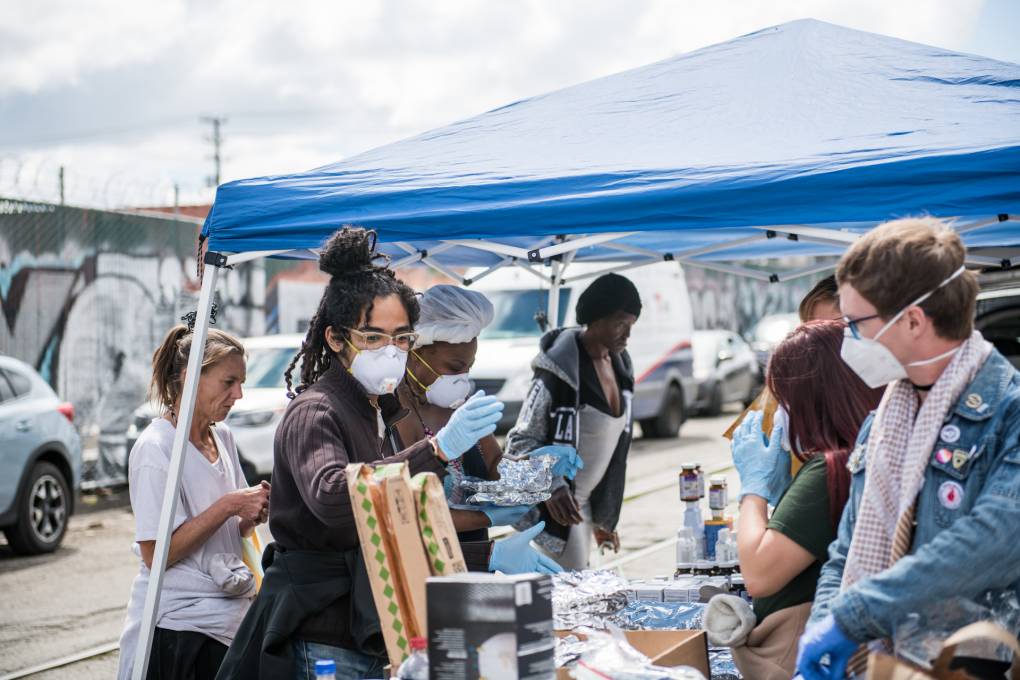
"caption": "Volunteers hand out coronavirus-related supplies to homeless people at an encampment near 24th and Wood streets in West Oakland on March 25, 2020.",
"description": null,
"title": "RS42279_010_KQED_Oakland_CoronavirusHomelessRelief_03252020_0033-qut",
"credit": "Beth LaBerge/KQED",
"status": "inherit",
"isLoading": false,
"fetchFailed": false
}
},
"audioPlayerReducer": {
"postId": "stream_live",
"isPaused": true,
"isPlaying": false,
"pfsActive": false,
"pledgeModalIsOpen": true,
"playerDrawerIsOpen": false,
"liveAudioPlayStartedAt": 0,
"liveAudioPlayContext": ""
},
"authorsReducer": {
"matthewgreen": {
"type": "authors",
"id": "1263",
"meta": {
"index": "authors_1716337520",
"id": "1263",
"found": true
},
"name": "Matthew Green",
"firstName": "Matthew",
"lastName": "Green",
"slug": "matthewgreen",
"email": "mgreen@kqed.org",
"display_author_email": false,
"staff_mastheads": [],
"title": "KQED Editor/Reporter",
"bio": "Matthew Green is a digital media producer for KQED News. He previously produced \u003ca href=\"http://www.kqed.org/lowdown\">The Lowdown\u003c/a>, KQED’s multimedia news education blog. Matthew's written for numerous Bay Area publications, including the Oakland Tribune and San Francisco Chronicle. He also taught journalism classes at Fremont High School in East Oakland.\r\n\r\nEmail: mgreen@kqed.org; Twitter: @MGreenKQED",
"avatar": "https://secure.gravatar.com/avatar/3bf498d1267ca02c8494f33d8cfc575e?s=600&d=blank&r=g",
"twitter": "MGreenKQED",
"facebook": null,
"instagram": null,
"linkedin": null,
"sites": [
{
"site": "news",
"roles": []
},
{
"site": "lowdown",
"roles": []
},
{
"site": "science",
"roles": []
},
{
"site": "education",
"roles": []
},
{
"site": "quest",
"roles": []
},
{
"site": "liveblog",
"roles": []
}
],
"headData": {
"title": "Matthew Green | KQED",
"description": "KQED Editor/Reporter",
"ogImgSrc": "https://secure.gravatar.com/avatar/3bf498d1267ca02c8494f33d8cfc575e?s=600&d=blank&r=g",
"twImgSrc": "https://secure.gravatar.com/avatar/3bf498d1267ca02c8494f33d8cfc575e?s=600&d=blank&r=g"
},
"isLoading": false,
"link": "/author/matthewgreen"
},
"markfiore": {
"type": "authors",
"id": "3236",
"meta": {
"index": "authors_1716337520",
"id": "3236",
"found": true
},
"name": "Mark Fiore",
"firstName": "Mark",
"lastName": "Fiore",
"slug": "markfiore",
"email": "mark@markfiore.com",
"display_author_email": false,
"staff_mastheads": [
"news"
],
"title": "KQED News Cartoonist",
"bio": "\u003ca href=\"http://www.MarkFiore.com\">MarkFiore.com\u003c/a> | \u003ca href=\"https://twitter.com/markfiore\">Follow on Twitter\u003c/a> | \u003ca href=\"https://www.facebook.com/pages/Mark-Fiore-Animated-Political-Cartoons/94451707396?ref=bookmarks\">Facebook\u003c/a> | \u003ca href=\"mailto:mark@markfiore.com\">email\u003c/a>\r\n\r\nPulitzer Prize-winner, Mark Fiore, who the Wall Street Journal has called “the undisputed guru of the form,” creates animated political cartoons in San Francisco, where his work has been featured regularly on the San Francisco Chronicle’s web site, SFGate.com. His work has appeared on Newsweek.com, Slate.com, CBSNews.com, MotherJones.com, DailyKos.com and NPR’s web site. Fiore’s political animation has appeared on CNN, Frontline, Bill Moyers Journal, Salon.com and cable and broadcast outlets across the globe.\r\n\r\nBeginning his professional life by drawing traditional political cartoons for newspapers, Fiore’s work appeared in publications ranging from the Washington Post to the Los Angeles Times. In the late 1990s, he began to experiment with animating political cartoons and, after a short stint at the San Jose Mercury News as their staff cartoonist, Fiore devoted all his energies to animation.\r\nGrowing up in California, Fiore also spent a good portion of his life in the backwoods of Idaho. It was this combination that shaped him politically. Mark majored in political science at Colorado College, where, in a perfect send-off for a cartoonist, he received his diploma in 1991 as commencement speaker Dick Cheney smiled approvingly.\r\nMark Fiore was awarded the Pulitzer Prize for political cartooning in 2010, a Robert F. Kennedy Journalism Award in 2004 and has twice received an Online Journalism Award for commentary from the Online News Association (2002, 2008). Fiore has received two awards for his work in new media from the National Cartoonists Society (2001, 2002), and in 2006 received The James Madison Freedom of Information Award from The Society of Professional Journalists.",
"avatar": "https://secure.gravatar.com/avatar/fc4e2a612b15b67bad0c6f0e1db4ca9b?s=600&d=blank&r=g",
"twitter": "MarkFiore",
"facebook": null,
"instagram": "https://www.instagram.com/markfiore/?hl=en",
"linkedin": null,
"sites": [
{
"site": "arts",
"roles": [
"contributor"
]
},
{
"site": "news",
"roles": [
"editor"
]
},
{
"site": "futureofyou",
"roles": [
"editor"
]
},
{
"site": "science",
"roles": [
"editor"
]
}
],
"headData": {
"title": "Mark Fiore | KQED",
"description": "KQED News Cartoonist",
"ogImgSrc": "https://secure.gravatar.com/avatar/fc4e2a612b15b67bad0c6f0e1db4ca9b?s=600&d=blank&r=g",
"twImgSrc": "https://secure.gravatar.com/avatar/fc4e2a612b15b67bad0c6f0e1db4ca9b?s=600&d=blank&r=g"
},
"isLoading": false,
"link": "/author/markfiore"
},
"mlagos": {
"type": "authors",
"id": "3239",
"meta": {
"index": "authors_1716337520",
"id": "3239",
"found": true
},
"name": "Marisa Lagos",
"firstName": "Marisa",
"lastName": "Lagos",
"slug": "mlagos",
"email": "mlagos@kqed.org",
"display_author_email": false,
"staff_mastheads": [
"news"
],
"title": "KQED Contributor",
"bio": "Marisa Lagos is a correspondent for KQED’s California Politics and Government Desk and co-hosts the award-winning show and podcast, Political Breakdown. At KQED, Lagos also conducts reporting, analysis and investigations into state, local and national politics for radio, TV, online and onstage. In 2022, she and co-host, Scott Shafer, moderated the only gubernatorial debate in California. In 2020, the \u003ci>Washington Post\u003c/i> named her one of the top political journalists in California; she was nominated for a Peabody and won several other awards for her work investigating the 2017 California wildfires. She has worked at the \u003ci>San Francisco Chronicle\u003c/i>, \u003ci>San Francisco Examiner\u003c/i> and \u003ci>Los Angeles Times\u003c/i>. A UC Santa Barbara graduate, she lives in San Francisco with her two sons and husband.",
"avatar": "https://secure.gravatar.com/avatar/a261a0d3696fc066871ef96b85b5e7d2?s=600&d=blank&r=g",
"twitter": "@mlagos",
"facebook": null,
"instagram": null,
"linkedin": null,
"sites": [
{
"site": "arts",
"roles": [
"author"
]
},
{
"site": "news",
"roles": [
"editor"
]
},
{
"site": "science",
"roles": [
"editor"
]
},
{
"site": "forum",
"roles": [
"author"
]
},
{
"site": "liveblog",
"roles": [
"author"
]
}
],
"headData": {
"title": "Marisa Lagos | KQED",
"description": "KQED Contributor",
"ogImgSrc": "https://secure.gravatar.com/avatar/a261a0d3696fc066871ef96b85b5e7d2?s=600&d=blank&r=g",
"twImgSrc": "https://secure.gravatar.com/avatar/a261a0d3696fc066871ef96b85b5e7d2?s=600&d=blank&r=g"
},
"isLoading": false,
"link": "/author/mlagos"
},
"dkatayama": {
"type": "authors",
"id": "7240",
"meta": {
"index": "authors_1716337520",
"id": "7240",
"found": true
},
"name": "Devin Katayama",
"firstName": "Devin",
"lastName": "Katayama",
"slug": "dkatayama",
"email": "dkatayama@kqed.org",
"display_author_email": true,
"staff_mastheads": [
"news"
],
"title": "Editor of Talent and Development",
"bio": "Devin Katayama is former Editor of Talent and Development for KQED. He supported our internship program and on-call staff by looking for equitable opportunities to improve the newsroom.\r\n\r\nHe previously hosted The Bay and American Suburb podcasts from KQED News. Prior to returning to the Bay Area in 2015, Devin was the education reporter for WFPL in Louisville and worked as a producer with radio stations in Chicago and Portland, OR. His work has appeared on NPR’s \u003cem>Morning Edition, All Things Considered, The Takeaway\u003c/em> and \u003cem>Here and Now.\u003c/em>\r\n\r\nDevin earned his MA in Journalism from Columbia College Chicago, where he was a Follett Fellow and the recipient of the 2011 Studs Terkel Community Media Workshop Scholarship for his story on Chicago's homeless youth. He won WBUR's 2014 Daniel Schorr award and a regional RTNDA Edward R. Murrow Award for his documentary \"At Risk\" that looked at issues facing some of Louisville's students. Devin has also received numerous local awards from the Associated Press and the Society of Professional Journalists.",
"avatar": "https://secure.gravatar.com/avatar/d0d2978a31002fb2de107921a8e18405?s=600&d=blank&r=g",
"twitter": "RadioDevin",
"facebook": null,
"instagram": null,
"linkedin": null,
"sites": [
{
"site": "arts",
"roles": []
},
{
"site": "news",
"roles": [
"author"
]
},
{
"site": "stateofhealth",
"roles": [
"author"
]
},
{
"site": "forum",
"roles": [
"editor"
]
},
{
"site": "perspectives",
"roles": [
"editor"
]
}
],
"headData": {
"title": "Devin Katayama | KQED",
"description": "Editor of Talent and Development",
"ogImgSrc": "https://secure.gravatar.com/avatar/d0d2978a31002fb2de107921a8e18405?s=600&d=blank&r=g",
"twImgSrc": "https://secure.gravatar.com/avatar/d0d2978a31002fb2de107921a8e18405?s=600&d=blank&r=g"
},
"isLoading": false,
"link": "/author/dkatayama"
},
"ecruzguevarra": {
"type": "authors",
"id": "8654",
"meta": {
"index": "authors_1716337520",
"id": "8654",
"found": true
},
"name": "Ericka Cruz Guevarra",
"firstName": "Ericka",
"lastName": "Cruz Guevarra",
"slug": "ecruzguevarra",
"email": "ecruzguevarra@kqed.org",
"display_author_email": true,
"staff_mastheads": [
"news"
],
"title": "Producer, The Bay Podcast",
"bio": "Ericka Cruz Guevarra is host of \u003ca href=\"https://www.kqed.org/podcasts/thebay\">\u003cem>The Bay\u003c/em>\u003c/a> podcast at KQED. Before host, she was the show’s producer. Her work in that capacity includes a three-part reported series on policing in Vallejo, which won a 2020 excellence in journalism award from the Society of Professional Journalists. Ericka has worked as a breaking news reporter at Oregon Public Broadcasting, helped produce the Code Switch podcast, and was KQED’s inaugural Raul Ramirez Diversity Fund intern. She’s also an alumna of NPR’s Next Generation Radio program. Send her an email if you have strong feelings about whether Fairfield and Suisun City are the Bay. Ericka is represented by SAG-AFTRA.",
"avatar": "https://secure.gravatar.com/avatar/25e5ab8d3d53fad2dcc7bb2b5c506b1a?s=600&d=blank&r=g",
"twitter": "NotoriousECG",
"facebook": null,
"instagram": null,
"linkedin": null,
"sites": [
{
"site": "arts",
"roles": [
"subscriber"
]
},
{
"site": "news",
"roles": [
"editor",
"manage_categories"
]
},
{
"site": "futureofyou",
"roles": [
"subscriber"
]
},
{
"site": "stateofhealth",
"roles": [
"subscriber"
]
},
{
"site": "science",
"roles": [
"editor"
]
},
{
"site": "forum",
"roles": [
"subscriber"
]
}
],
"headData": {
"title": "Ericka Cruz Guevarra | KQED",
"description": "Producer, The Bay Podcast",
"ogImgSrc": "https://secure.gravatar.com/avatar/25e5ab8d3d53fad2dcc7bb2b5c506b1a?s=600&d=blank&r=g",
"twImgSrc": "https://secure.gravatar.com/avatar/25e5ab8d3d53fad2dcc7bb2b5c506b1a?s=600&d=blank&r=g"
},
"isLoading": false,
"link": "/author/ecruzguevarra"
},
"amontecillo": {
"type": "authors",
"id": "11649",
"meta": {
"index": "authors_1716337520",
"id": "11649",
"found": true
},
"name": "Alan Montecillo",
"firstName": "Alan",
"lastName": "Montecillo",
"slug": "amontecillo",
"email": "amontecillo@kqed.org",
"display_author_email": false,
"staff_mastheads": [
"news"
],
"title": "KQED Contributor",
"bio": "Alan Montecillo is the senior editor of \u003cem>\u003ca href=\"http://kqed.org/thebay\">The Bay\u003c/a>, \u003c/em> KQED's local news podcast. Before moving to the Bay Area, he worked as a senior talk show producer for WILL in Champaign-Urbana, Illinois and at Oregon Public Broadcasting in Portland, Oregon. He has won journalism awards from the Society of Professional Journalists Northern California, the Public Media Journalists Association, The Signal Awards, and has also received a regional Edward R. Murrow award. Alan is a Filipino American from Hong Kong and a graduate of Reed College.",
"avatar": "https://secure.gravatar.com/avatar/d5e4e7a76481969ccba76f4e2b5ccabc?s=600&d=blank&r=g",
"twitter": "alanmontecillo",
"facebook": null,
"instagram": null,
"linkedin": null,
"sites": [
{
"site": "",
"roles": [
"editor"
]
},
{
"site": "news",
"roles": [
"editor",
"manage_categories"
]
}
],
"headData": {
"title": "Alan Montecillo | KQED",
"description": "KQED Contributor",
"ogImgSrc": "https://secure.gravatar.com/avatar/d5e4e7a76481969ccba76f4e2b5ccabc?s=600&d=blank&r=g",
"twImgSrc": "https://secure.gravatar.com/avatar/d5e4e7a76481969ccba76f4e2b5ccabc?s=600&d=blank&r=g"
},
"isLoading": false,
"link": "/author/amontecillo"
},
"msolomon": {
"type": "authors",
"id": "11651",
"meta": {
"index": "authors_1716337520",
"id": "11651",
"found": true
},
"name": "Molly Solomon",
"firstName": "Molly",
"lastName": "Solomon",
"slug": "msolomon",
"email": "msolomon@KQED.org",
"display_author_email": false,
"staff_mastheads": [
"news"
],
"title": "Senior Editor",
"bio": "Molly Solomon is the senior editor of KQED's California Politics and Government Desk. Previously, she was the station's editor-at-large, with a focus on editing early childhood education, politics, and criminal justice. Before that, she managed and edited statewide election coverage for The California Newsroom, a collaboration of local public radio stations, CalMatters and NPR. Molly joined KQED in 2019 to launch the station’s housing affordability desk, where she reported on homelessness, evictions and is the co-host of KQED’s housing podcast, SOLD OUT: Rethinking Housing in America. Before that, she was the Southwest Washington Bureau Chief for Oregon Public Broadcasting and a reporter at Hawaii Public Radio. Her stories have aired on NPR’s \u003cem>Morning Edition\u003c/em>, \u003cem>All Things Considered\u003c/em>, \u003cem>Here & Now\u003c/em>, \u003cem>Science Friday\u003c/em> and \u003cem>Marketplace\u003c/em>. Molly's award-winning reporting has been honored by the Best of the West, Edward R. Murrow awards, Society of Professional Journalists, National Headliner Awards, and the Asian American Journalists Association. Born and raised in Berkeley, Molly is a big fan of burritos and her scruffy terrier, Ollie.",
"avatar": "https://secure.gravatar.com/avatar/9ad9794616923d81c9a79897161545bd?s=600&d=blank&r=g",
"twitter": "solomonout",
"facebook": null,
"instagram": null,
"linkedin": null,
"sites": [
{
"site": "news",
"roles": [
"editor"
]
},
{
"site": "science",
"roles": [
"editor"
]
}
],
"headData": {
"title": "Molly Solomon | KQED",
"description": "Senior Editor",
"ogImgSrc": "https://secure.gravatar.com/avatar/9ad9794616923d81c9a79897161545bd?s=600&d=blank&r=g",
"twImgSrc": "https://secure.gravatar.com/avatar/9ad9794616923d81c9a79897161545bd?s=600&d=blank&r=g"
},
"isLoading": false,
"link": "/author/msolomon"
},
"ebaldassari": {
"type": "authors",
"id": "11652",
"meta": {
"index": "authors_1716337520",
"id": "11652",
"found": true
},
"name": "Erin Baldassari",
"firstName": "Erin",
"lastName": "Baldassari",
"slug": "ebaldassari",
"email": "ebaldassari@KQED.org",
"display_author_email": true,
"staff_mastheads": [
"news"
],
"title": "Staff Writer",
"bio": "Erin Baldassari covers housing for KQED. She's a former print journalist and most recently worked as the transportation reporter for the \u003cem>Mercury News\u003c/em> and \u003cem>East Bay Times. \u003c/em>There, she focused on how the Bay Area’s housing shortage has changed the way people move around the region. She also served on the \u003cem>East Bay Times\u003c/em>’ 2017 Pulitzer Prize-winning team for coverage of the Ghost Ship Fire in Oakland. Prior to that, Erin worked as a breaking news and general assignment reporter for a variety of outlets in the Bay Area and the greater Boston area. A Tufts University alumna, Erin grew up in the foothills of the Sierra Nevada mountains and in Sonoma County. She is a life-long KQED listener.",
"avatar": "https://secure.gravatar.com/avatar/660ce35d088ca54ad606d7e941abc652?s=600&d=mm&r=g",
"twitter": "e_baldi",
"facebook": null,
"instagram": null,
"linkedin": null,
"sites": [
{
"site": "news",
"roles": [
"edit_others_posts",
"editor"
]
},
{
"site": "science",
"roles": [
"editor"
]
},
{
"site": "liveblog",
"roles": [
"editor"
]
}
],
"headData": {
"title": "Erin Baldassari | KQED",
"description": "Staff Writer",
"ogImgSrc": "https://secure.gravatar.com/avatar/660ce35d088ca54ad606d7e941abc652?s=600&d=mm&r=g",
"twImgSrc": "https://secure.gravatar.com/avatar/660ce35d088ca54ad606d7e941abc652?s=600&d=mm&r=g"
},
"isLoading": false,
"link": "/author/ebaldassari"
},
"blaberge": {
"type": "authors",
"id": "11667",
"meta": {
"index": "authors_1716337520",
"id": "11667",
"found": true
},
"name": "Beth LaBerge",
"firstName": "Beth",
"lastName": "LaBerge",
"slug": "blaberge",
"email": "blaberge@KQED.org",
"display_author_email": true,
"staff_mastheads": [
"news"
],
"title": "Photographer, News",
"bio": "Beth LaBerge is a visual journalist for \u003ca href=\"https://www.kqed.org/news\">KQED News\u003c/a>.",
"avatar": "https://secure.gravatar.com/avatar/15e224cd55918d1876693b8280954875?s=600&d=blank&r=g",
"twitter": null,
"facebook": null,
"instagram": "https://www.instagram.com/bethlaberge/",
"linkedin": null,
"sites": [
{
"site": "arts",
"roles": [
"editor"
]
},
{
"site": "news",
"roles": [
"editor"
]
},
{
"site": "science",
"roles": [
"editor",
"contributor",
"author"
]
},
{
"site": "liveblog",
"roles": [
"editor"
]
}
],
"headData": {
"title": "Beth LaBerge | KQED",
"description": "Photographer, News",
"ogImgSrc": "https://secure.gravatar.com/avatar/15e224cd55918d1876693b8280954875?s=600&d=blank&r=g",
"twImgSrc": "https://secure.gravatar.com/avatar/15e224cd55918d1876693b8280954875?s=600&d=blank&r=g"
},
"isLoading": false,
"link": "/author/blaberge"
},
"abandlamudi": {
"type": "authors",
"id": "11672",
"meta": {
"index": "authors_1716337520",
"id": "11672",
"found": true
},
"name": "Adhiti Bandlamudi",
"firstName": "Adhiti",
"lastName": "Bandlamudi",
"slug": "abandlamudi",
"email": "abandlamudi@kqed.org",
"display_author_email": false,
"staff_mastheads": [
"news"
],
"title": "KQED Housing Reporter",
"bio": "Adhiti Bandlamudi reports for KQED's Housing desk. She focuses on how housing gets built across the Bay Area. Before joining KQED in 2020, she reported for WUNC in Durham, North Carolina, WABE in Atlanta, Georgia and Capital Public Radio in Sacramento. In 2017, she was awarded a Kroc Fellowship at NPR where she reported on everything from sprinkles to the Golden State Killer's arrest. When she's not reporting, she's baking new recipes in her kitchen or watching movies with friends and family. She's originally from Georgia and has strong opinions about Great British Bake Off.",
"avatar": "https://secure.gravatar.com/avatar/868129c8b257bb99a3500e2c86a65400?s=600&d=mm&r=g",
"twitter": "oddity_adhiti",
"facebook": null,
"instagram": null,
"linkedin": null,
"sites": [
{
"site": "arts",
"roles": [
"author"
]
},
{
"site": "news",
"roles": [
"editor"
]
},
{
"site": "liveblog",
"roles": [
"author"
]
}
],
"headData": {
"title": "Adhiti Bandlamudi | KQED",
"description": "KQED Housing Reporter",
"ogImgSrc": "https://secure.gravatar.com/avatar/868129c8b257bb99a3500e2c86a65400?s=600&d=mm&r=g",
"twImgSrc": "https://secure.gravatar.com/avatar/868129c8b257bb99a3500e2c86a65400?s=600&d=mm&r=g"
},
"isLoading": false,
"link": "/author/abandlamudi"
},
"jrodriguez": {
"type": "authors",
"id": "11690",
"meta": {
"index": "authors_1716337520",
"id": "11690",
"found": true
},
"name": "Joe Fitzgerald Rodriguez",
"firstName": "Joe",
"lastName": "Fitzgerald Rodriguez",
"slug": "jrodriguez",
"email": "jrodriguez@kqed.org",
"display_author_email": true,
"staff_mastheads": [
"news"
],
"title": "Reporter and Producer",
"bio": "Joe Fitzgerald Rodriguez is a reporter and digital producer for KQED covering politics. Joe most recently wrote for the \u003cem>San Francisco Examiner\u003c/em> as a political columnist covering The City. He was raised in San Francisco and has spent his reporting career in his beloved, foggy, city by the bay. Joe was 12-years-old when he conducted his first interview in journalism, grilling former San Francisco Mayor Willie Brown for the Marina Middle School newspaper, \u003cem>The Penguin Press, \u003c/em>and he continues to report on the San Francisco Bay Area to this day.",
"avatar": "https://secure.gravatar.com/avatar/2247beb0564c1e9c62228d5649d2edac?s=600&d=blank&r=g",
"twitter": "FitztheReporter",
"facebook": null,
"instagram": "https://www.instagram.com/fitzthereporter/",
"linkedin": null,
"sites": [
{
"site": "",
"roles": [
"editor"
]
},
{
"site": "arts",
"roles": [
"editor"
]
},
{
"site": "news",
"roles": [
"editor"
]
},
{
"site": "science",
"roles": [
"editor"
]
},
{
"site": "elections",
"roles": [
"editor"
]
},
{
"site": "liveblog",
"roles": [
"editor"
]
}
],
"headData": {
"title": "Joe Fitzgerald Rodriguez | KQED",
"description": "Reporter and Producer",
"ogImgSrc": "https://secure.gravatar.com/avatar/2247beb0564c1e9c62228d5649d2edac?s=600&d=blank&r=g",
"twImgSrc": "https://secure.gravatar.com/avatar/2247beb0564c1e9c62228d5649d2edac?s=600&d=blank&r=g"
},
"isLoading": false,
"link": "/author/jrodriguez"
}
},
"pagesReducer": {
"news_tag_homelessness": {
"type": "terms",
"id": "news_4020",
"meta": {
"index": "terms_1716263798",
"site": "news",
"id": "4020",
"score": 8.555192
},
"name": "Homelessness",
"slug": "homelessness",
"taxonomy": "tag",
"description": null,
"featImg": null,
"headData": {
"title": "Homelessness | KQED News",
"description": null,
"ogTitle": null,
"ogDescription": null,
"ogImgId": null,
"twTitle": null,
"twDescription": null,
"twImgId": null,
"metaRobotsNoIndex": "index"
},
"ttid": 4039,
"isLoading": false,
"title": "Homelessness",
"pageMeta": {
"site": "news",
"WpPageTemplate": "page-topic-editorial",
"currentPage": 32
},
"blocks": [
{
"blockName": "kqed/post-list",
"attrs": {
"layout": "cardArticle2",
"query": "posts/news?tag=homelessness",
"seeMore": false,
"paginated": true,
"page": 32
}
},
{
"blockName": "kqed/ad"
}
]
}
},
"pfsSessionReducer": {},
"postsReducer": {
"stream_live": {
"type": "live",
"id": "stream_live",
"audioUrl": "https://streams.kqed.org/kqedradio",
"title": "Live Stream",
"excerpt": "Live Stream information currently unavailable.",
"link": "/radio",
"featImg": "",
"label": {
"name": "KQED Live",
"link": "/"
}
},
"stream_kqedNewscast": {
"type": "posts",
"id": "stream_kqedNewscast",
"audioUrl": "https://www.kqed.org/.stream/anon/radio/RDnews/newscast.mp3?_=1",
"title": "KQED Newscast",
"featImg": "",
"label": {
"name": "88.5 FM",
"link": "/"
}
},
"news_11816986": {
"type": "posts",
"id": "news_11816986",
"meta": {
"index": "posts_1716263798",
"site": "news",
"id": "11816986",
"score": null,
"sort": [
1588896055000
]
},
"guestAuthors": [],
"slug": "shelter-in-the-age-of-covid-19",
"title": "Shelter in the Age of COVID-19",
"publishDate": 1588896055,
"format": "standard",
"headTitle": "Shelter in the Age of COVID-19 | KQED",
"labelTerm": {
"term": 18515,
"site": "news"
},
"content": "\u003cp>After years of police and public works employees destroying homeless tent encampments in San Francisco, \u003ca href=\"https://bit.ly/fioresafesleepingsites\">city officials will sanction open-air “Safe Sleeping Sites\u003c/a>.”\u003c/p>\n\u003cp>Ubiquitous tents have long been a symbol of the homeless problem in San Francisco and regular sweeps have been conducted throughout the city to remove them.\u003c/p>\n\u003cp>In the current climate of social distancing, however, the plan is to provide people living on the streets a safe place to shelter, complete with restrooms and showers.\u003c/p>\n\u003cp>Too bad it took a deadly pandemic for this to happen.\u003c/p>\n\u003cp>[ad fullwidth]\u003c/p>\n\u003cp>\u003c/p>\n",
"blocks": [],
"excerpt": "After years of police and public works employees destroying homeless tent encampments in San Francisco, city officials will sanction open-air 'Safe Sleeping Sites.'",
"status": "publish",
"parent": 0,
"modified": 1740520261,
"stats": {
"hasAudio": false,
"hasVideo": false,
"hasChartOrMap": false,
"iframeSrcs": [],
"hasGoogleForm": false,
"hasGallery": false,
"hasHearkenModule": false,
"hasPolis": false,
"paragraphCount": 6,
"wordCount": 93
},
"headData": {
"title": "Shelter in the Age of COVID-19 | KQED",
"description": "After years of police and public works employees destroying homeless tent encampments in San Francisco, city officials will sanction open-air 'Safe Sleeping Sites.'",
"ogTitle": "",
"ogDescription": "",
"ogImgId": "",
"twTitle": "",
"twDescription": "",
"twImgId": "",
"schema": {
"@context": "https://schema.org",
"@type": "NewsArticle",
"headline": "Shelter in the Age of COVID-19",
"datePublished": "2020-05-07T17:00:55-07:00",
"dateModified": "2025-02-25T13:51:01-08:00",
"image": "https://cdn.kqed.org/wp-content/uploads/2020/02/KQED-OG-Image@1x.png",
"isAccessibleForFree": "True",
"publisher": {
"@type": "NewsMediaOrganization",
"@id": "https://www.kqed.org/#organization",
"name": "KQED",
"logo": "https://cdn.kqed.org/wp-content/uploads/2020/02/KQED-OG-Image@1x.png",
"url": "https://www.kqed.org",
"sameAs": [
"https://www.facebook.com/KQED",
"https://twitter.com/KQED",
"https://www.instagram.com/kqed/",
"https://www.tiktok.com/@kqedofficial",
"https://www.linkedin.com/company/kqed",
"https://www.youtube.com/channel/UCeC0IOo7i1P_61zVUWbJ4nw"
]
}
}
},
"sticky": false,
"path": "/news/11816986/shelter-in-the-age-of-covid-19",
"audioTrackLength": null,
"parsedContent": [
{
"type": "contentString",
"content": "\u003cdiv class=\"post-body\">\u003cp>\u003cp>After years of police and public works employees destroying homeless tent encampments in San Francisco, \u003ca href=\"https://bit.ly/fioresafesleepingsites\">city officials will sanction open-air “Safe Sleeping Sites\u003c/a>.”\u003c/p>\n\u003cp>Ubiquitous tents have long been a symbol of the homeless problem in San Francisco and regular sweeps have been conducted throughout the city to remove them.\u003c/p>\n\u003cp>In the current climate of social distancing, however, the plan is to provide people living on the streets a safe place to shelter, complete with restrooms and showers.\u003c/p>\n\u003cp>Too bad it took a deadly pandemic for this to happen.\u003c/p>\n\u003cp>\u003c/p>\u003c/div>",
"attributes": {
"named": {},
"numeric": []
}
},
{
"type": "component",
"content": "",
"name": "ad",
"attributes": {
"named": {
"label": "fullwidth"
},
"numeric": [
"fullwidth"
]
}
},
{
"type": "contentString",
"content": "\u003cdiv class=\"post-body\">\u003cp>\u003c/p>\n\u003cp>\u003c/p>\n\u003c/div>\u003c/p>",
"attributes": {
"named": {},
"numeric": []
}
}
],
"link": "/news/11816986/shelter-in-the-age-of-covid-19",
"authors": [
"3236"
],
"series": [
"news_18515"
],
"categories": [
"news_457",
"news_6266",
"news_13"
],
"tags": [
"news_27350",
"news_27504",
"news_4020",
"news_6931",
"news_20949",
"news_38"
],
"featImg": "news_11816992",
"label": "news_18515"
},
"news_11816648": {
"type": "posts",
"id": "news_11816648",
"meta": {
"index": "posts_1716263798",
"site": "news",
"id": "11816648",
"score": null,
"sort": [
1588817392000
]
},
"guestAuthors": [],
"slug": "sf-used-to-trash-homeless-tents-now-the-city-will-sanction-these-safe-sleeping-sites",
"title": "SF Used to Trash Homeless Tents – Now the City Will Sanction These 'Safe Sleeping Sites'",
"publishDate": 1588817392,
"format": "image",
"headTitle": "SF Used to Trash Homeless Tents – Now the City Will Sanction These ‘Safe Sleeping Sites’ | KQED",
"labelTerm": {},
"content": "\u003cp>San Francisco is set to enact a homelessness solution it once thought unthinkable: city-sanctioned open-air encampments.\u003c/p>\n\u003cp>For years, San Francisco police have ordered tents removed from city streets, even at times \u003ca href=\"https://www.sfexaminer.com/news/shotwell-tents-destroyed-as-friends-mourn-homeless-man-shot-by-sfpd/\">slashing them with knives themselves\u003c/a>. Public Works employees have tossed the ever-ubiquitous nylon homes of desperate people into dump trucks on a weekly basis.\u003c/p>\n\u003cp>This week, however, San Francisco will launch the first of five planned “Safe Sleeping Sites,” KQED News has confirmed, with the hope that unhoused people will be kept socially distant amid the COVID-19 pandemic in a controlled location, replete with services like showers and food.\u003c/p>\n\u003cp>Tents, once an ultimate bogeyman of San Francisco’s government, will be revered as lifesaving.\u003c/p>\n\u003cp>The first location was announced Wednesday by Mayor London Breed: an encampment of roughly 90 tents piled nearly on top of each other near the Asian Art Museum – on City Hall’s front doorstep – will be officially sanctioned and allowed to expand onto Fulton Street, between the museum and the Main Library.\u003c/p>\n\u003cp>Safe, healthy, social distance will finally come to Civic Center’s homeless.\u003c/p>\n\u003cfigure id=\"attachment_11816697\" class=\"wp-caption aligncenter\" style=\"max-width: 1920px\">\u003cimg loading=\"lazy\" decoding=\"async\" class=\"size-full wp-image-11816697\" src=\"https://ww2.kqed.org/app/uploads/sites/10/2020/05/RS43039_009_KQED_SanFrancisco_TentEncampments_05052020-qut.jpg\" alt=\"Tents line a gravel sidewalk off Fulton Street near City Hall on May 5, 2020. On Wednesday, city staffers started drawing out socially distant spaces with chalk on the street for the tents to stay.\" width=\"1920\" height=\"1280\" srcset=\"https://cdn.kqed.org/wp-content/uploads/sites/10/2020/05/RS43039_009_KQED_SanFrancisco_TentEncampments_05052020-qut.jpg 1920w, https://cdn.kqed.org/wp-content/uploads/sites/10/2020/05/RS43039_009_KQED_SanFrancisco_TentEncampments_05052020-qut-160x107.jpg 160w, https://cdn.kqed.org/wp-content/uploads/sites/10/2020/05/RS43039_009_KQED_SanFrancisco_TentEncampments_05052020-qut-800x533.jpg 800w, https://cdn.kqed.org/wp-content/uploads/sites/10/2020/05/RS43039_009_KQED_SanFrancisco_TentEncampments_05052020-qut-1020x680.jpg 1020w\" sizes=\"auto, (max-width: 1920px) 100vw, 1920px\">\u003cfigcaption class=\"wp-caption-text\">Tents line a gravel sidewalk off Fulton Street near City Hall on May 5, 2020. On Wednesday, city staffers started drawing out socially distant spaces with chalk on the street for the tents to stay. \u003ccite>(Beth LaBerge/KQED)\u003c/cite>\u003c/figcaption>\u003c/figure>\n\u003cp>The second city-sanctioned safe sleeping site is already under operation by a local nonprofit, Mother Brown’s Dining Room in the Bayview, at a park known locally as MLK Park, on Third Street and Armstrong Avenue.\u003c/p>\n\u003cp>For now it’s a rogue operation, but later this week the official OK from San Francisco City Hall will see services, showers and other resources blow in like a breeze under the sails of that existing effort, Gwendolyn Westbrook, Mother Brown’s executive director told KQED News.\u003c/p>\n\u003cp>Those wrap-around services are planned for all of the city-sanctioned sleeping sites.\u003c/p>\n\u003cp>“I went into the park and set up the tents,” said Westbrook, who had help from Bayview advocates Gloria Berry and Michelle Pierce. “The city left us alone, and now, as a matter of fact, they’re going to help us a lot.”\u003c/p>\n\u003cp>Three other sites are now under various phases of negotiation to potentially become San Francisco’s next wave of safe sleeping sites, public documents and City Hall insiders confirmed:\u003c/p>\n\u003cul>\n\u003cli>The former Temporary Transbay Terminal at Howard and Main streets\u003c/li>\n\u003cli>Everett Middle School on Church Street\u003c/li>\n\u003cli>A former McDonald’s restaurant on Haight and Stanyan streets near an entrance to Golden Gate Park\u003c/li>\n\u003c/ul>\n\u003cp>\u003c!-- iframe plugin v.4.3 wordpress.org/plugins/iframe/ -->\u003cbr>\n\u003ciframe loading=\"lazy\" src=\"https://www.google.com/maps/d/embed?mid=1jjbKOIgxK7WIUAoDuTcW4FXVMbQgXMUM\" width=\"800\" height=\"640\" scrolling=\"yes\" class=\"iframe-class\" frameborder=\"0\">\u003c/iframe>\u003c/p>\n\u003ch3>Bayview Neighbors United\u003c/h3>\n\u003cp>Mother Brown’s shelter, nestled on Jennings Street and Van Dyke Avenue in the Bayview, sees nearly 70 people sleeping in it nightly. Westbrook, the shelter’s proprietor, said homelessness has grown in the Bayview so precipitously that people sometimes sleep in Mother Brown’s dining room and hallways.\u003c/p>\n\u003cp>But the COVID-19 pandemic has required many San Francisco establishments to close, or maintain strict social distancing, and Mother Brown’s shelter was no different.\u003c/p>\n\u003cp>[pullquote size=\"medium\" align=\"right\" citation=\"Gwendolyn Westbrook, director of Mother Brown's Dining Room in the Bayview\"]‘No one wants to die from this coronavirus. But if I had waited on the city, people out here might’ve been dead.’[/pullquote]\u003c/p>\n\u003cp>So Westbrook and other women from the Bayview took matters into their own hands. They walked over to what locals call MLK Park – which on city documentation is called Bay View Park – and measured out the distance between plots themselves.\u003c/p>\n\u003cp>A renegade camping site was born, from the community, serving the community, with roughly 60 souls sleeping there in tents for weeks.\u003c/p>\n\u003cp>“When I came in early, they were all piled up in the [shelter’s] doorway … that wasn’t working for us,” Westbrook told KQED News.\u003c/p>\n\u003cp>So she set up the open-air encampment without city approval.\u003c/p>\n\u003cp>“No one wants to die from this coronavirus,” Westbrook said. “But if I had waited on the city, people out here might’ve been dead.”\u003c/p>\n\u003cp>Eddie Tillman, 65, slipped his N95 respirator mask over and under his 49ers hat while sitting inside his blue tent on Tuesday. Tillman told KQED News that he is only a few years out of prison, where he was for “decades” after stealing cars in his troubled youth.\u003c/p>\n\u003cfigure id=\"attachment_11816699\" class=\"wp-caption aligncenter\" style=\"max-width: 1920px\">\u003cimg loading=\"lazy\" decoding=\"async\" class=\"size-full wp-image-11816699\" src=\"https://ww2.kqed.org/app/uploads/sites/10/2020/05/RS43032_002_KQED_SanFrancisco_TentEncampments_05052020-qut.jpg\" alt=\"Eddie Tillman stands outside his tent at Bay View Park K.C. Jones Playground - also known as MLK Park - on May 5, 2020.\" width=\"1920\" height=\"1280\" srcset=\"https://cdn.kqed.org/wp-content/uploads/sites/10/2020/05/RS43032_002_KQED_SanFrancisco_TentEncampments_05052020-qut.jpg 1920w, https://cdn.kqed.org/wp-content/uploads/sites/10/2020/05/RS43032_002_KQED_SanFrancisco_TentEncampments_05052020-qut-160x107.jpg 160w, https://cdn.kqed.org/wp-content/uploads/sites/10/2020/05/RS43032_002_KQED_SanFrancisco_TentEncampments_05052020-qut-800x533.jpg 800w, https://cdn.kqed.org/wp-content/uploads/sites/10/2020/05/RS43032_002_KQED_SanFrancisco_TentEncampments_05052020-qut-1020x680.jpg 1020w\" sizes=\"auto, (max-width: 1920px) 100vw, 1920px\">\u003cfigcaption class=\"wp-caption-text\">Eddie Tillman stands outside his tent at Bay View Park K.C. Jones Playground – also known as MLK Park – on May 5, 2020. \u003ccite>(Beth LaBerge/KQED)\u003c/cite>\u003c/figcaption>\u003c/figure>\n\u003cp>Tillman was raised in the Bayview – it is his home – but his extended family is largely dead or gone. He also said he doesn’t want to “burden” his adult children with his own life choices. So Tillman has been living on the streets, slowly withering away, he said. Then he found the MLK Park encampment. It not only saved him from COVID-19, he said, but from his darkest thoughts.\u003c/p>\n\u003cp>“I don’t say I was going to kill myself. But I didn’t want to live,” he said.\u003c/p>\n\u003cp>Now he says he feels upbeat once again and is better prepared to find a job. Work is also a concern for Tasha Swift, 33, who is sleeping in a tent with her boyfriend on the other side of MLK Park.\u003c/p>\n\u003cp>Swift is an Oakland native who was living with her sister in San Francisco’s Sunnydale neighborhood so the pair could support each other financially. The two parted ways amid some acrimony, and Swift found herself living in her car while still working daily shifts at Split Bread, a San Francisco restaurant.\u003c/p>\n\u003cfigure id=\"attachment_11816710\" class=\"wp-caption aligncenter\" style=\"max-width: 1920px\">\u003cimg loading=\"lazy\" decoding=\"async\" class=\"size-full wp-image-11816710\" src=\"https://ww2.kqed.org/app/uploads/sites/10/2020/05/RS43038_004_KQED_SanFrancisco_TentEncampments_05052020-qut.jpg\" alt=\"Tasha Swift sits inside her tent at the Bay View Park K.C. Jones Playground on May 5, 2020.\" width=\"1920\" height=\"1280\" srcset=\"https://cdn.kqed.org/wp-content/uploads/sites/10/2020/05/RS43038_004_KQED_SanFrancisco_TentEncampments_05052020-qut.jpg 1920w, https://cdn.kqed.org/wp-content/uploads/sites/10/2020/05/RS43038_004_KQED_SanFrancisco_TentEncampments_05052020-qut-160x107.jpg 160w, https://cdn.kqed.org/wp-content/uploads/sites/10/2020/05/RS43038_004_KQED_SanFrancisco_TentEncampments_05052020-qut-800x533.jpg 800w, https://cdn.kqed.org/wp-content/uploads/sites/10/2020/05/RS43038_004_KQED_SanFrancisco_TentEncampments_05052020-qut-1020x680.jpg 1020w\" sizes=\"auto, (max-width: 1920px) 100vw, 1920px\">\u003cfigcaption class=\"wp-caption-text\">Tasha Swift sits inside her tent at the Bay View Park K.C. Jones Playground on May 5, 2020. \u003ccite>(Beth LaBerge/KQED)\u003c/cite>\u003c/figcaption>\u003c/figure>\n\u003cp>In early March, Swift was only one tantalizing paycheck away from saving enough money with her boyfriend to go apartment hunting. The cramped confines of her car would be a dreary distant memory, her locked-up knees could heal. They saved every penny, cut every expense.\u003c/p>\n\u003cp>“You know all the things ‘normal’ people do to make themselves happy? I couldn’t do them. I didn’t even get one soda. No eating out. I cut everything,” she said.\u003c/p>\n\u003cp>Then COVID-19 hit. The Bay Area-wide shelter-in-place order was instituted March 17, and Split Bread furloughed its workers, at least, Swift still hopes, temporarily. She and her boyfriend reached into their savings to weather the financial storm, their housing dream dashed.\u003c/p>\n\u003cp>Living in her car was “really scary, I don’t like it. You never know when someone will come up to your window and rob you.” But at MLK Park she’s safer. Now she feels ready to get back to work.\u003c/p>\n\u003cp>“This isn’t a whole home, but it feels like it,” Swift said.\u003c/p>\n\u003cp>Soon, more San Francisco neighborhoods could become homes for other folks who’ve been sheltering in cars, doorways and tents.\u003c/p>\n\u003ch3>Citywide Sites in the Works\u003c/h3>\n\u003cp>Three sites across San Francisco are in the works to become safe sleeping sites like MLK Park. While not locked down as moving forward – various entities are still negotiating these safe sleep sites – KQED News has confirmed they are under consideration.\u003c/p>\n\u003cp>Perhaps the furthest along in planning stages is the former site of the Temporary Transbay Terminal. An \u003ca href=\"https://www.documentcloud.org/documents/6883382-Safe-Sleeping-Site-License-Agmt-Temp-Terminal-4.html\">agreement\u003c/a> between the Transbay Joint Powers Authority, which holds the lease to that parcel, and the City and County of San Francisco outlines the city’s right to operate it as a safe sleeping site. The document is dated April 14.\u003c/p>\n\u003cp>[ad fullwidth]\u003c/p>\n\u003cp>While a neighborhood group represented by lobbyist Chris Gruwell has not formally announced opposition, sources close to the matter say it spells a threat to the Temporary Transbay Terminal safe sleep site.\u003c/p>\n\u003cp>“Sitting on an open space in the Temporary Transbay Center is basically the same thing as being in a shelter,” said Gloria Li, a neighbor in South of Market who sits on the citizen advisory committee of the TJPA, and wrote to the agency to voice her concerns. “They’re sharing common space. It will be a train wreck for everybody.”\u003c/p>\n\u003cp>San Francisco Supervisor Matt Haney, who represents the South of Market neighborhood where the former Temporary Transbay Terminal resides, does not support the site.\u003c/p>\n\u003cp>“I think we should bring people into hotel rooms,” Haney said. “That’s safer, more cost-effective and better for public health.”\u003c/p>\n\u003cp>Everett Middle School is another site in the works. After a non-binding resolution authored by Supervisor Rafael Mandelman called for safe sleeping sites, Mandelman called for Everett Middle School’s parking lot to be open to homeless folks sleeping there.\u003c/p>\n\u003cp>“These makeshift encampments lack adequate social distancing as well as access to hygiene and sanitation, creating a public health hazard for encampment occupants and neighbors,” Mandelman said in a statement.\u003c/p>\n\u003cp>https://twitter.com/RafaelMandelman/status/1254884450330001408?s=20\u003c/p>\n\u003cp>Mark Sanchez, president of the San Francisco Board of Education, agrees. He crafted a resolution for the school board allowing the San Francisco Unified School District to enter into an agreement with the city to allow school property to be used for safe sleeping sites.\u003c/p>\n\u003cp>While he emphasized that Everett was not yet a done deal, he did say the district is looking at only “one site” – Everett.\u003c/p>\n\u003cp>“It does look like it will be a good site because of the growing number of people on the streets in that area,” he said, adding that ultimately it will need more outreach to neighbors and a vote by the Board of Education to enact.\u003c/p>\n\u003cp>The last site in the works is probably the least far along: a former McDonald’s site in the Haight neighborhood, near Golden Gate Park, on Haight and Stanyan streets. Supervisor Dean Preston has publicly touted the site, but did not respond to KQED News to speak about the effort.\u003c/p>\n\u003ch3>‘Camp Breed’ Echoes Loma Prieta Past\u003c/h3>\n\u003cp>At City Hall’s front door, just past its grand lawn, lies a homeless encampment of roughly 90 tents sitting nearly on top of one another, bunched together in a nearly textbook example of how not to socially distance safely amid a pandemic.\u003c/p>\n\u003cp>That worries Kelley Cutler, a human rights organizer with the Coalition on Homelessness. San Francisco police have parked at the encampment, and barricades have gone up, keeping people sleeping in tents penned into a tight area next to the Asian Art Museum.\u003c/p>\n\u003cp>“They’re still being contained in these small areas so they can’t socially distance,” Cutler said.\u003c/p>\n\u003cfigure id=\"attachment_11816673\" class=\"wp-caption aligncenter\" style=\"max-width: 1920px\">\u003cimg loading=\"lazy\" decoding=\"async\" class=\"size-full wp-image-11816673\" src=\"https://ww2.kqed.org/app/uploads/sites/10/2020/05/RS43046_018_KQED_SanFrancisco_TentEncampments_05052020-qut.jpg\" alt=\"Tents line a gravel sidewalk off Fulton Street near City Hall on May 5, 2020. On Wednesday, city staffers started drawing out socially distant spaces with chalk on the street for the tents to stay.\" width=\"1920\" height=\"1280\" srcset=\"https://cdn.kqed.org/wp-content/uploads/sites/10/2020/05/RS43046_018_KQED_SanFrancisco_TentEncampments_05052020-qut.jpg 1920w, https://cdn.kqed.org/wp-content/uploads/sites/10/2020/05/RS43046_018_KQED_SanFrancisco_TentEncampments_05052020-qut-160x107.jpg 160w, https://cdn.kqed.org/wp-content/uploads/sites/10/2020/05/RS43046_018_KQED_SanFrancisco_TentEncampments_05052020-qut-800x533.jpg 800w, https://cdn.kqed.org/wp-content/uploads/sites/10/2020/05/RS43046_018_KQED_SanFrancisco_TentEncampments_05052020-qut-1020x680.jpg 1020w\" sizes=\"auto, (max-width: 1920px) 100vw, 1920px\">\u003cfigcaption class=\"wp-caption-text\">Tents line a gravel sidewalk off Fulton Street near City Hall on May 5, 2020. On Wednesday, city staffers started drawing out socially distant spaces with chalk on the street for the tents to stay. \u003ccite>(Beth LaBerge/KQED)\u003c/cite>\u003c/figcaption>\u003c/figure>\n\u003cp>A woman named Stephanie, who declined to give her last name, is from Daly City but went to high school in San Francisco. She had an apartment in San Francisco before falling into a drug habit and becoming homeless. She lives in the encampment near the Asian Art Museum.\u003c/p>\n\u003cp>Stephanie wishes San Francisco would bring more services into the encampment. She spent time in a local hospital for a newly discovered diabetes diagnosis, and said navigating city services to get shelter is difficult.\u003c/p>\n\u003cp>“I’ve had highs and lows. I’ve had five years of sobriety,” Stephanie said. Now, though, she wishes she could have “harm reduction services, support services, just easy access to vocational training,” so she can work.\u003c/p>\n\u003cp>Brandon Conrad, 29, from Pacifica, also struggles with a drug problem. His mother thinks he has housing, and he doesn’t want to tell her he’s homeless. He’s trying to help himself, but wishes the city could give him a leg up to stay safe from COVID-19 during the pandemic.\u003c/p>\n\u003cp>“They won’t give the shelter. They won’t give us no hotel vouchers because not everybody here has a so-called chronic diagnosis,” he said. “You know, we’re just kind of stuck.”\u003c/p>\n\u003cfigure id=\"attachment_11816722\" class=\"wp-caption aligncenter\" style=\"max-width: 1920px\">\u003cimg loading=\"lazy\" decoding=\"async\" class=\"size-full wp-image-11816722\" src=\"https://ww2.kqed.org/app/uploads/sites/10/2020/05/RS43042_013_KQED_SanFrancisco_TentEncampments_05052020-qut.jpg\" alt=\"Brandon Conrad at a tent encampment where he currently lives on Fulton Street near City Hall on May 5, 2020.\" width=\"1920\" height=\"1280\" srcset=\"https://cdn.kqed.org/wp-content/uploads/sites/10/2020/05/RS43042_013_KQED_SanFrancisco_TentEncampments_05052020-qut.jpg 1920w, https://cdn.kqed.org/wp-content/uploads/sites/10/2020/05/RS43042_013_KQED_SanFrancisco_TentEncampments_05052020-qut-160x107.jpg 160w, https://cdn.kqed.org/wp-content/uploads/sites/10/2020/05/RS43042_013_KQED_SanFrancisco_TentEncampments_05052020-qut-800x533.jpg 800w, https://cdn.kqed.org/wp-content/uploads/sites/10/2020/05/RS43042_013_KQED_SanFrancisco_TentEncampments_05052020-qut-1020x680.jpg 1020w\" sizes=\"auto, (max-width: 1920px) 100vw, 1920px\">\u003cfigcaption class=\"wp-caption-text\">Brandon Conrad at a tent encampment where he currently lives on Fulton Street near City Hall on May 5, 2020. \u003ccite>(Beth LaBerge/KQED)\u003c/cite>\u003c/figcaption>\u003c/figure>\n\u003cp>Without adequate staffing, Conrad said, the encampment is “dangerous.”\u003c/p>\n\u003cp>Perhaps its most disturbing feature is a single bathroom for its 200 homeless dwellers.\u003c/p>\n\u003cp>“A hundred tents and just one porta-potty in it? The bathrooms are all the way filled up with, you know, remains. It’s just disgusting. Absolutely disgusting,” Conrad said.\u003c/p>\n\u003cp>People in the homeless community talking to Cutler have come up with a new name for the encampment Stephanie and Conrad live in, due to its proximity to City Hall: “Camp Breed.”\u003c/p>\n\u003cp>“Camp Breed is making it even more challenging to provide needed resources for people,” Cutler said.\u003c/p>\n\u003cp>That nickname is derived from “Camp Agnos,” the name given to a homeless encampment in front of City Hall that arose in 1989 after the Loma Prieta earthquake made San Francisco homeless shelters unlivable.\u003c/p>\n\u003cp>[aside postID=news_11765010 hero='https://ww2.kqed.org/app/uploads/sites/10/2019/08/homeless-1020x663.jpg']\u003c/p>\n\u003cp>The growing homeless camps also torpedoed Mayor Art Agnos’ second mayoral run, as his political opponents laid the burgeoning homeless problem at his feet.\u003c/p>\n\u003cp>“As Yogi Berra said famously, it’s deja vu all over again!” Agnos said.\u003c/p>\n\u003cp>Agnos likened the COVID-19 pandemic’s effect on homeless people to what happened during his tenure, post-earthquake. Shelters were unavailable then, much as they are now.\u003c/p>\n\u003cp>“The city is struggling with a much bigger number of people than I had to deal with,” he added. So will “Camp Breed” also torpedo Breed’s political future? Agnos didn’t think so.\u003c/p>\n\u003cp>And touching on the fight between the San Francisco Board of Supervisors and Mayor Breed – the former who wants the homeless to be housed in hotels, and the latter who is enacting safe sleeping sites while calling hotels for homeless unreasonable – Agnos was magnanimous to all involved.\u003c/p>\n\u003cp>“There are nuances between all their strategies, but they’re all working their asses off,” Agnos said.\u003c/p>\n\u003cp>[ad floatright]\u003c/p>\n",
"blocks": [],
"excerpt": "San Francisco is planning five city-sanctioned, open-air homeless encampments to encourage social distancing during the COVID-19 pandemic.",
"status": "publish",
"parent": 0,
"modified": 1740517243,
"stats": {
"hasAudio": false,
"hasVideo": false,
"hasChartOrMap": true,
"iframeSrcs": [
"https://www.google.com/maps/d/embed"
],
"hasGoogleForm": false,
"hasGallery": false,
"hasHearkenModule": false,
"hasPolis": false,
"paragraphCount": 66,
"wordCount": 2462
},
"headData": {
"title": "SF Used to Trash Homeless Tents – Now the City Will Sanction These 'Safe Sleeping Sites' | KQED",
"description": "San Francisco is planning five city-sanctioned, open-air homeless encampments to encourage social distancing during the COVID-19 pandemic.",
"ogTitle": "",
"ogDescription": "",
"ogImgId": "",
"twTitle": "",
"twDescription": "",
"twImgId": "",
"schema": {
"@context": "https://schema.org",
"@type": "NewsArticle",
"headline": "SF Used to Trash Homeless Tents – Now the City Will Sanction These 'Safe Sleeping Sites'",
"datePublished": "2020-05-06T19:09:52-07:00",
"dateModified": "2025-02-25T13:00:43-08:00",
"image": "https://cdn.kqed.org/wp-content/uploads/2020/02/KQED-OG-Image@1x.png",
"isAccessibleForFree": "True",
"publisher": {
"@type": "NewsMediaOrganization",
"@id": "https://www.kqed.org/#organization",
"name": "KQED",
"logo": "https://cdn.kqed.org/wp-content/uploads/2020/02/KQED-OG-Image@1x.png",
"url": "https://www.kqed.org",
"sameAs": [
"https://www.facebook.com/KQED",
"https://twitter.com/KQED",
"https://www.instagram.com/kqed/",
"https://www.tiktok.com/@kqedofficial",
"https://www.linkedin.com/company/kqed",
"https://www.youtube.com/channel/UCeC0IOo7i1P_61zVUWbJ4nw"
]
}
}
},
"source": "Coronavirus",
"sourceUrl": "https://www.kqed.org/coronavirus",
"sticky": false,
"path": "/news/11816648/sf-used-to-trash-homeless-tents-now-the-city-will-sanction-these-safe-sleeping-sites",
"audioTrackLength": null,
"parsedContent": [
{
"type": "contentString",
"content": "\u003cdiv class=\"post-body\">\u003cp>\u003cp>San Francisco is set to enact a homelessness solution it once thought unthinkable: city-sanctioned open-air encampments.\u003c/p>\n\u003cp>For years, San Francisco police have ordered tents removed from city streets, even at times \u003ca href=\"https://www.sfexaminer.com/news/shotwell-tents-destroyed-as-friends-mourn-homeless-man-shot-by-sfpd/\">slashing them with knives themselves\u003c/a>. Public Works employees have tossed the ever-ubiquitous nylon homes of desperate people into dump trucks on a weekly basis.\u003c/p>\n\u003cp>This week, however, San Francisco will launch the first of five planned “Safe Sleeping Sites,” KQED News has confirmed, with the hope that unhoused people will be kept socially distant amid the COVID-19 pandemic in a controlled location, replete with services like showers and food.\u003c/p>\n\u003cp>Tents, once an ultimate bogeyman of San Francisco’s government, will be revered as lifesaving.\u003c/p>\n\u003cp>The first location was announced Wednesday by Mayor London Breed: an encampment of roughly 90 tents piled nearly on top of each other near the Asian Art Museum – on City Hall’s front doorstep – will be officially sanctioned and allowed to expand onto Fulton Street, between the museum and the Main Library.\u003c/p>\n\u003cp>Safe, healthy, social distance will finally come to Civic Center’s homeless.\u003c/p>\n\u003cfigure id=\"attachment_11816697\" class=\"wp-caption aligncenter\" style=\"max-width: 1920px\">\u003cimg loading=\"lazy\" decoding=\"async\" class=\"size-full wp-image-11816697\" src=\"https://ww2.kqed.org/app/uploads/sites/10/2020/05/RS43039_009_KQED_SanFrancisco_TentEncampments_05052020-qut.jpg\" alt=\"Tents line a gravel sidewalk off Fulton Street near City Hall on May 5, 2020. On Wednesday, city staffers started drawing out socially distant spaces with chalk on the street for the tents to stay.\" width=\"1920\" height=\"1280\" srcset=\"https://cdn.kqed.org/wp-content/uploads/sites/10/2020/05/RS43039_009_KQED_SanFrancisco_TentEncampments_05052020-qut.jpg 1920w, https://cdn.kqed.org/wp-content/uploads/sites/10/2020/05/RS43039_009_KQED_SanFrancisco_TentEncampments_05052020-qut-160x107.jpg 160w, https://cdn.kqed.org/wp-content/uploads/sites/10/2020/05/RS43039_009_KQED_SanFrancisco_TentEncampments_05052020-qut-800x533.jpg 800w, https://cdn.kqed.org/wp-content/uploads/sites/10/2020/05/RS43039_009_KQED_SanFrancisco_TentEncampments_05052020-qut-1020x680.jpg 1020w\" sizes=\"auto, (max-width: 1920px) 100vw, 1920px\">\u003cfigcaption class=\"wp-caption-text\">Tents line a gravel sidewalk off Fulton Street near City Hall on May 5, 2020. On Wednesday, city staffers started drawing out socially distant spaces with chalk on the street for the tents to stay. \u003ccite>(Beth LaBerge/KQED)\u003c/cite>\u003c/figcaption>\u003c/figure>\n\u003cp>The second city-sanctioned safe sleeping site is already under operation by a local nonprofit, Mother Brown’s Dining Room in the Bayview, at a park known locally as MLK Park, on Third Street and Armstrong Avenue.\u003c/p>\n\u003cp>For now it’s a rogue operation, but later this week the official OK from San Francisco City Hall will see services, showers and other resources blow in like a breeze under the sails of that existing effort, Gwendolyn Westbrook, Mother Brown’s executive director told KQED News.\u003c/p>\n\u003cp>Those wrap-around services are planned for all of the city-sanctioned sleeping sites.\u003c/p>\n\u003cp>“I went into the park and set up the tents,” said Westbrook, who had help from Bayview advocates Gloria Berry and Michelle Pierce. “The city left us alone, and now, as a matter of fact, they’re going to help us a lot.”\u003c/p>\n\u003cp>Three other sites are now under various phases of negotiation to potentially become San Francisco’s next wave of safe sleeping sites, public documents and City Hall insiders confirmed:\u003c/p>\n\u003cul>\n\u003cli>The former Temporary Transbay Terminal at Howard and Main streets\u003c/li>\n\u003cli>Everett Middle School on Church Street\u003c/li>\n\u003cli>A former McDonald’s restaurant on Haight and Stanyan streets near an entrance to Golden Gate Park\u003c/li>\n\u003c/ul>\n\u003cp>\u003c!-- iframe plugin v.4.3 wordpress.org/plugins/iframe/ -->\u003cbr>\n\u003ciframe loading=\"lazy\" src=\"https://www.google.com/maps/d/embed?mid=1jjbKOIgxK7WIUAoDuTcW4FXVMbQgXMUM\" width=\"800\" height=\"640\" scrolling=\"yes\" class=\"iframe-class\" frameborder=\"0\">\u003c/iframe>\u003c/p>\n\u003ch3>Bayview Neighbors United\u003c/h3>\n\u003cp>Mother Brown’s shelter, nestled on Jennings Street and Van Dyke Avenue in the Bayview, sees nearly 70 people sleeping in it nightly. Westbrook, the shelter’s proprietor, said homelessness has grown in the Bayview so precipitously that people sometimes sleep in Mother Brown’s dining room and hallways.\u003c/p>\n\u003cp>But the COVID-19 pandemic has required many San Francisco establishments to close, or maintain strict social distancing, and Mother Brown’s shelter was no different.\u003c/p>\n\u003cp>\u003c/p>\u003c/div>",
"attributes": {
"named": {},
"numeric": []
}
},
{
"type": "component",
"content": "‘No one wants to die from this coronavirus. But if I had waited on the city, people out here might’ve been dead.’",
"name": "pullquote",
"attributes": {
"named": {
"size": "medium",
"align": "right",
"citation": "Gwendolyn Westbrook, director of Mother Brown's Dining Room in the Bayview",
"label": ""
},
"numeric": []
}
},
{
"type": "contentString",
"content": "\u003cdiv class=\"post-body\">\u003cp>\u003c/p>\n\u003cp>So Westbrook and other women from the Bayview took matters into their own hands. They walked over to what locals call MLK Park – which on city documentation is called Bay View Park – and measured out the distance between plots themselves.\u003c/p>\n\u003cp>A renegade camping site was born, from the community, serving the community, with roughly 60 souls sleeping there in tents for weeks.\u003c/p>\n\u003cp>“When I came in early, they were all piled up in the [shelter’s] doorway … that wasn’t working for us,” Westbrook told KQED News.\u003c/p>\n\u003cp>So she set up the open-air encampment without city approval.\u003c/p>\n\u003cp>“No one wants to die from this coronavirus,” Westbrook said. “But if I had waited on the city, people out here might’ve been dead.”\u003c/p>\n\u003cp>Eddie Tillman, 65, slipped his N95 respirator mask over and under his 49ers hat while sitting inside his blue tent on Tuesday. Tillman told KQED News that he is only a few years out of prison, where he was for “decades” after stealing cars in his troubled youth.\u003c/p>\n\u003cfigure id=\"attachment_11816699\" class=\"wp-caption aligncenter\" style=\"max-width: 1920px\">\u003cimg loading=\"lazy\" decoding=\"async\" class=\"size-full wp-image-11816699\" src=\"https://ww2.kqed.org/app/uploads/sites/10/2020/05/RS43032_002_KQED_SanFrancisco_TentEncampments_05052020-qut.jpg\" alt=\"Eddie Tillman stands outside his tent at Bay View Park K.C. Jones Playground - also known as MLK Park - on May 5, 2020.\" width=\"1920\" height=\"1280\" srcset=\"https://cdn.kqed.org/wp-content/uploads/sites/10/2020/05/RS43032_002_KQED_SanFrancisco_TentEncampments_05052020-qut.jpg 1920w, https://cdn.kqed.org/wp-content/uploads/sites/10/2020/05/RS43032_002_KQED_SanFrancisco_TentEncampments_05052020-qut-160x107.jpg 160w, https://cdn.kqed.org/wp-content/uploads/sites/10/2020/05/RS43032_002_KQED_SanFrancisco_TentEncampments_05052020-qut-800x533.jpg 800w, https://cdn.kqed.org/wp-content/uploads/sites/10/2020/05/RS43032_002_KQED_SanFrancisco_TentEncampments_05052020-qut-1020x680.jpg 1020w\" sizes=\"auto, (max-width: 1920px) 100vw, 1920px\">\u003cfigcaption class=\"wp-caption-text\">Eddie Tillman stands outside his tent at Bay View Park K.C. Jones Playground – also known as MLK Park – on May 5, 2020. \u003ccite>(Beth LaBerge/KQED)\u003c/cite>\u003c/figcaption>\u003c/figure>\n\u003cp>Tillman was raised in the Bayview – it is his home – but his extended family is largely dead or gone. He also said he doesn’t want to “burden” his adult children with his own life choices. So Tillman has been living on the streets, slowly withering away, he said. Then he found the MLK Park encampment. It not only saved him from COVID-19, he said, but from his darkest thoughts.\u003c/p>\n\u003cp>“I don’t say I was going to kill myself. But I didn’t want to live,” he said.\u003c/p>\n\u003cp>Now he says he feels upbeat once again and is better prepared to find a job. Work is also a concern for Tasha Swift, 33, who is sleeping in a tent with her boyfriend on the other side of MLK Park.\u003c/p>\n\u003cp>Swift is an Oakland native who was living with her sister in San Francisco’s Sunnydale neighborhood so the pair could support each other financially. The two parted ways amid some acrimony, and Swift found herself living in her car while still working daily shifts at Split Bread, a San Francisco restaurant.\u003c/p>\n\u003cfigure id=\"attachment_11816710\" class=\"wp-caption aligncenter\" style=\"max-width: 1920px\">\u003cimg loading=\"lazy\" decoding=\"async\" class=\"size-full wp-image-11816710\" src=\"https://ww2.kqed.org/app/uploads/sites/10/2020/05/RS43038_004_KQED_SanFrancisco_TentEncampments_05052020-qut.jpg\" alt=\"Tasha Swift sits inside her tent at the Bay View Park K.C. Jones Playground on May 5, 2020.\" width=\"1920\" height=\"1280\" srcset=\"https://cdn.kqed.org/wp-content/uploads/sites/10/2020/05/RS43038_004_KQED_SanFrancisco_TentEncampments_05052020-qut.jpg 1920w, https://cdn.kqed.org/wp-content/uploads/sites/10/2020/05/RS43038_004_KQED_SanFrancisco_TentEncampments_05052020-qut-160x107.jpg 160w, https://cdn.kqed.org/wp-content/uploads/sites/10/2020/05/RS43038_004_KQED_SanFrancisco_TentEncampments_05052020-qut-800x533.jpg 800w, https://cdn.kqed.org/wp-content/uploads/sites/10/2020/05/RS43038_004_KQED_SanFrancisco_TentEncampments_05052020-qut-1020x680.jpg 1020w\" sizes=\"auto, (max-width: 1920px) 100vw, 1920px\">\u003cfigcaption class=\"wp-caption-text\">Tasha Swift sits inside her tent at the Bay View Park K.C. Jones Playground on May 5, 2020. \u003ccite>(Beth LaBerge/KQED)\u003c/cite>\u003c/figcaption>\u003c/figure>\n\u003cp>In early March, Swift was only one tantalizing paycheck away from saving enough money with her boyfriend to go apartment hunting. The cramped confines of her car would be a dreary distant memory, her locked-up knees could heal. They saved every penny, cut every expense.\u003c/p>\n\u003cp>“You know all the things ‘normal’ people do to make themselves happy? I couldn’t do them. I didn’t even get one soda. No eating out. I cut everything,” she said.\u003c/p>\n\u003cp>Then COVID-19 hit. The Bay Area-wide shelter-in-place order was instituted March 17, and Split Bread furloughed its workers, at least, Swift still hopes, temporarily. She and her boyfriend reached into their savings to weather the financial storm, their housing dream dashed.\u003c/p>\n\u003cp>Living in her car was “really scary, I don’t like it. You never know when someone will come up to your window and rob you.” But at MLK Park she’s safer. Now she feels ready to get back to work.\u003c/p>\n\u003cp>“This isn’t a whole home, but it feels like it,” Swift said.\u003c/p>\n\u003cp>Soon, more San Francisco neighborhoods could become homes for other folks who’ve been sheltering in cars, doorways and tents.\u003c/p>\n\u003ch3>Citywide Sites in the Works\u003c/h3>\n\u003cp>Three sites across San Francisco are in the works to become safe sleeping sites like MLK Park. While not locked down as moving forward – various entities are still negotiating these safe sleep sites – KQED News has confirmed they are under consideration.\u003c/p>\n\u003cp>Perhaps the furthest along in planning stages is the former site of the Temporary Transbay Terminal. An \u003ca href=\"https://www.documentcloud.org/documents/6883382-Safe-Sleeping-Site-License-Agmt-Temp-Terminal-4.html\">agreement\u003c/a> between the Transbay Joint Powers Authority, which holds the lease to that parcel, and the City and County of San Francisco outlines the city’s right to operate it as a safe sleeping site. The document is dated April 14.\u003c/p>\n\u003cp>\u003c/p>\u003c/div>",
"attributes": {
"named": {},
"numeric": []
}
},
{
"type": "component",
"content": "",
"name": "ad",
"attributes": {
"named": {
"label": "fullwidth"
},
"numeric": [
"fullwidth"
]
}
},
{
"type": "contentString",
"content": "\u003cdiv class=\"post-body\">\u003cp>\u003c/p>\n\u003cp>While a neighborhood group represented by lobbyist Chris Gruwell has not formally announced opposition, sources close to the matter say it spells a threat to the Temporary Transbay Terminal safe sleep site.\u003c/p>\n\u003cp>“Sitting on an open space in the Temporary Transbay Center is basically the same thing as being in a shelter,” said Gloria Li, a neighbor in South of Market who sits on the citizen advisory committee of the TJPA, and wrote to the agency to voice her concerns. “They’re sharing common space. It will be a train wreck for everybody.”\u003c/p>\n\u003cp>San Francisco Supervisor Matt Haney, who represents the South of Market neighborhood where the former Temporary Transbay Terminal resides, does not support the site.\u003c/p>\n\u003cp>“I think we should bring people into hotel rooms,” Haney said. “That’s safer, more cost-effective and better for public health.”\u003c/p>\n\u003cp>Everett Middle School is another site in the works. After a non-binding resolution authored by Supervisor Rafael Mandelman called for safe sleeping sites, Mandelman called for Everett Middle School’s parking lot to be open to homeless folks sleeping there.\u003c/p>\n\u003cp>“These makeshift encampments lack adequate social distancing as well as access to hygiene and sanitation, creating a public health hazard for encampment occupants and neighbors,” Mandelman said in a statement.\u003c/p>\u003c/p>\u003c/div>",
"attributes": {
"named": {},
"numeric": []
}
},
{
"type": "component",
"content": "",
"name": "singleTwitterStatus",
"attributes": {
"named": {
"id": "1254884450330001408"
},
"numeric": []
}
},
{
"type": "contentString",
"content": "\u003cdiv class=\"post-body\">\u003cp>\n\u003cp>Mark Sanchez, president of the San Francisco Board of Education, agrees. He crafted a resolution for the school board allowing the San Francisco Unified School District to enter into an agreement with the city to allow school property to be used for safe sleeping sites.\u003c/p>\n\u003cp>While he emphasized that Everett was not yet a done deal, he did say the district is looking at only “one site” – Everett.\u003c/p>\n\u003cp>“It does look like it will be a good site because of the growing number of people on the streets in that area,” he said, adding that ultimately it will need more outreach to neighbors and a vote by the Board of Education to enact.\u003c/p>\n\u003cp>The last site in the works is probably the least far along: a former McDonald’s site in the Haight neighborhood, near Golden Gate Park, on Haight and Stanyan streets. Supervisor Dean Preston has publicly touted the site, but did not respond to KQED News to speak about the effort.\u003c/p>\n\u003ch3>‘Camp Breed’ Echoes Loma Prieta Past\u003c/h3>\n\u003cp>At City Hall’s front door, just past its grand lawn, lies a homeless encampment of roughly 90 tents sitting nearly on top of one another, bunched together in a nearly textbook example of how not to socially distance safely amid a pandemic.\u003c/p>\n\u003cp>That worries Kelley Cutler, a human rights organizer with the Coalition on Homelessness. San Francisco police have parked at the encampment, and barricades have gone up, keeping people sleeping in tents penned into a tight area next to the Asian Art Museum.\u003c/p>\n\u003cp>“They’re still being contained in these small areas so they can’t socially distance,” Cutler said.\u003c/p>\n\u003cfigure id=\"attachment_11816673\" class=\"wp-caption aligncenter\" style=\"max-width: 1920px\">\u003cimg loading=\"lazy\" decoding=\"async\" class=\"size-full wp-image-11816673\" src=\"https://ww2.kqed.org/app/uploads/sites/10/2020/05/RS43046_018_KQED_SanFrancisco_TentEncampments_05052020-qut.jpg\" alt=\"Tents line a gravel sidewalk off Fulton Street near City Hall on May 5, 2020. On Wednesday, city staffers started drawing out socially distant spaces with chalk on the street for the tents to stay.\" width=\"1920\" height=\"1280\" srcset=\"https://cdn.kqed.org/wp-content/uploads/sites/10/2020/05/RS43046_018_KQED_SanFrancisco_TentEncampments_05052020-qut.jpg 1920w, https://cdn.kqed.org/wp-content/uploads/sites/10/2020/05/RS43046_018_KQED_SanFrancisco_TentEncampments_05052020-qut-160x107.jpg 160w, https://cdn.kqed.org/wp-content/uploads/sites/10/2020/05/RS43046_018_KQED_SanFrancisco_TentEncampments_05052020-qut-800x533.jpg 800w, https://cdn.kqed.org/wp-content/uploads/sites/10/2020/05/RS43046_018_KQED_SanFrancisco_TentEncampments_05052020-qut-1020x680.jpg 1020w\" sizes=\"auto, (max-width: 1920px) 100vw, 1920px\">\u003cfigcaption class=\"wp-caption-text\">Tents line a gravel sidewalk off Fulton Street near City Hall on May 5, 2020. On Wednesday, city staffers started drawing out socially distant spaces with chalk on the street for the tents to stay. \u003ccite>(Beth LaBerge/KQED)\u003c/cite>\u003c/figcaption>\u003c/figure>\n\u003cp>A woman named Stephanie, who declined to give her last name, is from Daly City but went to high school in San Francisco. She had an apartment in San Francisco before falling into a drug habit and becoming homeless. She lives in the encampment near the Asian Art Museum.\u003c/p>\n\u003cp>Stephanie wishes San Francisco would bring more services into the encampment. She spent time in a local hospital for a newly discovered diabetes diagnosis, and said navigating city services to get shelter is difficult.\u003c/p>\n\u003cp>“I’ve had highs and lows. I’ve had five years of sobriety,” Stephanie said. Now, though, she wishes she could have “harm reduction services, support services, just easy access to vocational training,” so she can work.\u003c/p>\n\u003cp>Brandon Conrad, 29, from Pacifica, also struggles with a drug problem. His mother thinks he has housing, and he doesn’t want to tell her he’s homeless. He’s trying to help himself, but wishes the city could give him a leg up to stay safe from COVID-19 during the pandemic.\u003c/p>\n\u003cp>“They won’t give the shelter. They won’t give us no hotel vouchers because not everybody here has a so-called chronic diagnosis,” he said. “You know, we’re just kind of stuck.”\u003c/p>\n\u003cfigure id=\"attachment_11816722\" class=\"wp-caption aligncenter\" style=\"max-width: 1920px\">\u003cimg loading=\"lazy\" decoding=\"async\" class=\"size-full wp-image-11816722\" src=\"https://ww2.kqed.org/app/uploads/sites/10/2020/05/RS43042_013_KQED_SanFrancisco_TentEncampments_05052020-qut.jpg\" alt=\"Brandon Conrad at a tent encampment where he currently lives on Fulton Street near City Hall on May 5, 2020.\" width=\"1920\" height=\"1280\" srcset=\"https://cdn.kqed.org/wp-content/uploads/sites/10/2020/05/RS43042_013_KQED_SanFrancisco_TentEncampments_05052020-qut.jpg 1920w, https://cdn.kqed.org/wp-content/uploads/sites/10/2020/05/RS43042_013_KQED_SanFrancisco_TentEncampments_05052020-qut-160x107.jpg 160w, https://cdn.kqed.org/wp-content/uploads/sites/10/2020/05/RS43042_013_KQED_SanFrancisco_TentEncampments_05052020-qut-800x533.jpg 800w, https://cdn.kqed.org/wp-content/uploads/sites/10/2020/05/RS43042_013_KQED_SanFrancisco_TentEncampments_05052020-qut-1020x680.jpg 1020w\" sizes=\"auto, (max-width: 1920px) 100vw, 1920px\">\u003cfigcaption class=\"wp-caption-text\">Brandon Conrad at a tent encampment where he currently lives on Fulton Street near City Hall on May 5, 2020. \u003ccite>(Beth LaBerge/KQED)\u003c/cite>\u003c/figcaption>\u003c/figure>\n\u003cp>Without adequate staffing, Conrad said, the encampment is “dangerous.”\u003c/p>\n\u003cp>Perhaps its most disturbing feature is a single bathroom for its 200 homeless dwellers.\u003c/p>\n\u003cp>“A hundred tents and just one porta-potty in it? The bathrooms are all the way filled up with, you know, remains. It’s just disgusting. Absolutely disgusting,” Conrad said.\u003c/p>\n\u003cp>People in the homeless community talking to Cutler have come up with a new name for the encampment Stephanie and Conrad live in, due to its proximity to City Hall: “Camp Breed.”\u003c/p>\n\u003cp>“Camp Breed is making it even more challenging to provide needed resources for people,” Cutler said.\u003c/p>\n\u003cp>That nickname is derived from “Camp Agnos,” the name given to a homeless encampment in front of City Hall that arose in 1989 after the Loma Prieta earthquake made San Francisco homeless shelters unlivable.\u003c/p>\n\u003cp>\u003c/p>\u003c/div>",
"attributes": {
"named": {},
"numeric": []
}
},
{
"type": "component",
"content": "",
"name": "aside",
"attributes": {
"named": {
"postid": "news_11765010",
"hero": "https://ww2.kqed.org/app/uploads/sites/10/2019/08/homeless-1020x663.jpg",
"label": ""
},
"numeric": []
}
},
{
"type": "contentString",
"content": "\u003cdiv class=\"post-body\">\u003cp>\u003c/p>\n\u003cp>The growing homeless camps also torpedoed Mayor Art Agnos’ second mayoral run, as his political opponents laid the burgeoning homeless problem at his feet.\u003c/p>\n\u003cp>“As Yogi Berra said famously, it’s deja vu all over again!” Agnos said.\u003c/p>\n\u003cp>Agnos likened the COVID-19 pandemic’s effect on homeless people to what happened during his tenure, post-earthquake. Shelters were unavailable then, much as they are now.\u003c/p>\n\u003cp>“The city is struggling with a much bigger number of people than I had to deal with,” he added. So will “Camp Breed” also torpedo Breed’s political future? Agnos didn’t think so.\u003c/p>\n\u003cp>And touching on the fight between the San Francisco Board of Supervisors and Mayor Breed – the former who wants the homeless to be housed in hotels, and the latter who is enacting safe sleeping sites while calling hotels for homeless unreasonable – Agnos was magnanimous to all involved.\u003c/p>\n\u003cp>“There are nuances between all their strategies, but they’re all working their asses off,” Agnos said.\u003c/p>\n\u003cp>\u003c/p>\u003c/div>",
"attributes": {
"named": {},
"numeric": []
}
},
{
"type": "component",
"content": "",
"name": "ad",
"attributes": {
"named": {
"label": "floatright"
},
"numeric": [
"floatright"
]
}
},
{
"type": "contentString",
"content": "\u003cdiv class=\"post-body\">\u003cp>\u003c/p>\n\u003c/div>\u003c/p>",
"attributes": {
"named": {},
"numeric": []
}
}
],
"link": "/news/11816648/sf-used-to-trash-homeless-tents-now-the-city-will-sanction-these-safe-sleeping-sites",
"authors": [
"11690"
],
"categories": [
"news_457",
"news_6266",
"news_8",
"news_13"
],
"tags": [
"news_27350",
"news_27504",
"news_27626",
"news_4020",
"news_1775",
"news_38"
],
"featImg": "news_11816695",
"label": "source_news_11816648"
},
"news_11815715": {
"type": "posts",
"id": "news_11815715",
"meta": {
"index": "posts_1716263798",
"site": "news",
"id": "11815715",
"score": null,
"sort": [
1588373340000
]
},
"guestAuthors": [],
"slug": "inspired-by-oaklands-moms-4-housing-homeless-women-occupy-vacant-sf-house",
"title": "Inspired by Oakland's Moms 4 Housing, Homeless Women Briefly Occupy Vacant SF House",
"publishDate": 1588373340,
"format": "standard",
"headTitle": "Inspired by Oakland’s Moms 4 Housing, Homeless Women Briefly Occupy Vacant SF House | KQED",
"labelTerm": {
"term": 72,
"site": "news"
},
"content": "\u003cp>For just a few hours on Friday, two women experiencing homelessness occupied a vacant San Francisco home.\u003c/p>\n\u003cp>Couper Orona, one of the women in the home, said police threatened to remove them with force, so they left on their own.\u003c/p>\n\u003cp>“We didn’t want anything negative to happen,” Orona said, “So, we just walked out the way we came in.”\u003c/p>\n\u003cp>The women were there to draw attention to the issue of homelessness in the city. There were more than 8,000 people living in tents, cars, RVs and shelters at the city’s last count in 2019, and many remained in the makeshift or congregate settings despite the coronavirus pandemic and orders from San Francisco County health officials to stay inside.\u003c/p>\n\u003cp>[ad fullwidth]\u003c/p>\n\u003cp>The protest was organized by Reclaim SF, a group that advocates for affordable housing. Quiver Watts, an organizer with Reclaim SF, said it’s “unforgivable” that so many units are vacant in San Francisco while thousands don’t have a home.\u003c/p>\n\u003cp>“Leaving people outside is a crisis in any moment,” Watts said, “but to do so during a global pandemic is unconscionable.”\u003c/p>\n\u003cp>[aside postID=\"news_11797001,news_11796166,news_11795944\" label=\"Related Stories\"]\u003c/p>\n\u003cp>Watts said Reclaim SF was inspired by the Moms 4 Housing protest, which involved a group of mothers experiencing homeless taking over a West Oakland home to protest speculation in the real estate market. The demonstration lasted for more two months and ended with the protesters reaching an agreement with the city of Oakland to buy the contested house.\u003c/p>\n\u003cp>Moms 4 Housing argued that housing is a human right — a principle Watts echoed on Friday.\u003c/p>\n\u003cp>“Our neighbors are dying on the streets and in congregate shelters,” Watts said. “They have nowhere to shelter in place.”\u003c/p>\n\u003cp>The home on 19th Street in San Francisco has been vacant for years, said Monica Covington, who was commissioned by the property’s former owners to sell the two-story walk-up. It was last listed at nearly $2.5 million, she said, but needed significant work to refurbish. That was about three to four years ago, she said.\u003c/p>\n\u003cp>“Even then, it had been vacant for a number of years,” she said.\u003c/p>\n\u003cp>Covington wasn’t sure what happened to the property but said the investment group who had hired her, Citadel Real Estate, no longer owned it. Public records show that the home is now owned by a trust.\u003c/p>\n\u003cp>The occupation was the terminus of a “cancel rent” car caravan that began Friday morning at Pier 50 in San Francisco. Demonstrators were calling on landlords, mortgage holders and the government to suspend rent and mortgage payments during the coronavirus pandemic. It was one of the many May Day demonstrations calling out the lack of adequate health care, insufficient personal protective gear and lack of hazard pay for essential workers, and the lack of adequate affordable housing.\u003c/p>\n\u003cfigure id=\"attachment_11815875\" class=\"wp-caption aligncenter\" style=\"max-width: 800px\">\u003cimg loading=\"lazy\" decoding=\"async\" class=\"size-medium wp-image-11815875\" src=\"https://ww2.kqed.org/app/uploads/sites/10/2020/05/CastroHouse5-800x600.jpeg\" alt=\"\" width=\"800\" height=\"600\" srcset=\"https://cdn.kqed.org/wp-content/uploads/sites/10/2020/05/CastroHouse5-800x600.jpeg 800w, https://cdn.kqed.org/wp-content/uploads/sites/10/2020/05/CastroHouse5-160x120.jpeg 160w, https://cdn.kqed.org/wp-content/uploads/sites/10/2020/05/CastroHouse5-1020x765.jpeg 1020w, https://cdn.kqed.org/wp-content/uploads/sites/10/2020/05/CastroHouse5-1920x1440.jpeg 1920w, https://cdn.kqed.org/wp-content/uploads/sites/10/2020/05/CastroHouse5-1832x1374.jpeg 1832w, https://cdn.kqed.org/wp-content/uploads/sites/10/2020/05/CastroHouse5-1376x1032.jpeg 1376w, https://cdn.kqed.org/wp-content/uploads/sites/10/2020/05/CastroHouse5-1044x783.jpeg 1044w, https://cdn.kqed.org/wp-content/uploads/sites/10/2020/05/CastroHouse5-632x474.jpeg 632w, https://cdn.kqed.org/wp-content/uploads/sites/10/2020/05/CastroHouse5-536x402.jpeg 536w, https://cdn.kqed.org/wp-content/uploads/sites/10/2020/05/CastroHouse5.jpeg 2048w\" sizes=\"auto, (max-width: 800px) 100vw, 800px\">\u003cfigcaption class=\"wp-caption-text\">The “cancel rent” car caravan took place Friday morning at Pier 50 in San Francisco. Demonstrators called on landlords, mortgage holders and the government to suspend rent and mortgage payments during the coronavirus pandemic. \u003ccite>(Erin Baldassari/KQED)\u003c/cite>\u003c/figcaption>\u003c/figure>\n\u003cp>Orona is a former San Francisco firefighter who is now disabled and can’t work. She said she has nowhere to go because San Francisco’s rents are astronomically high. According to the real estate website Apartment List, the average two-bedroom apartment in San Francisco was $3,094 in April.\u003c/p>\n\u003cp>“It’s cold out here and there are no places for us to go,” Orona said. “Our city leaders and (Mayor) London Breed need to make something happen and make something happen now.”\u003c/p>\n\u003cp>Activists have been stepping up pressure on San Francisco Mayor London Breed to move more homeless residents into hotels to protect them from becoming ill during the coronavirus pandemic.\u003c/p>\n\u003cp>[aside label=\"More Coronavirus Coverage\" tag=\"coronavirus\"]\u003c/p>\n\u003cp>On Thursday night, a few dozen people spread out in front of Breed’s home, staging a die-in to call her attention to the plight of people living in emergency shelters and transitional housing programs. More than 100 residents and staff at Multi-Service Center South, the city’s largest navigation center, tested positive for the virus, along with 22 residents and staff at Casa Quezada, a transitional housing facility.\u003c/p>\n\u003cp>The city says it has secured leases for more than 2,700 hotel rooms, but only a little over 1,000 of those rooms are occupied.\u003c/p>\n\u003cp>“We’re continuing to move more people into these sites every day as we respond to this pandemic,” said Andy Lynch, a spokesperson for Breed’s office.\u003c/p>\n\u003cp>The San Francisco Board of Supervisors passed an emergency ordinance last month demanding the city lease at least 8,500 rooms — a strategy Breed has called “unrealistic.”\u003c/p>\n\u003cp>\u003c/p>\n",
"blocks": [],
"excerpt": "The protest was part of the “cancel rent” car caravan that began Friday morning at Pier 50 in San Francisco. Demonstrators called on landlords, mortgage holders and the government to suspend rent and mortgage payments during the coronavirus pandemic.",
"status": "publish",
"parent": 0,
"modified": 1740518043,
"stats": {
"hasAudio": false,
"hasVideo": false,
"hasChartOrMap": false,
"iframeSrcs": [],
"hasGoogleForm": false,
"hasGallery": false,
"hasHearkenModule": false,
"hasPolis": false,
"paragraphCount": 24,
"wordCount": 825
},
"headData": {
"title": "Inspired by Oakland's Moms 4 Housing, Homeless Women Briefly Occupy Vacant SF House | KQED",
"description": "The protest was part of the “cancel rent” car caravan that began Friday morning at Pier 50 in San Francisco. Demonstrators called on landlords, mortgage holders and the government to suspend rent and mortgage payments during the coronavirus pandemic.",
"ogTitle": "",
"ogDescription": "",
"ogImgId": "",
"twTitle": "",
"twDescription": "",
"twImgId": "",
"schema": {
"@context": "https://schema.org",
"@type": "NewsArticle",
"headline": "Inspired by Oakland's Moms 4 Housing, Homeless Women Briefly Occupy Vacant SF House",
"datePublished": "2020-05-01T15:49:00-07:00",
"dateModified": "2025-02-25T13:14:03-08:00",
"image": "https://cdn.kqed.org/wp-content/uploads/2020/02/KQED-OG-Image@1x.png",
"isAccessibleForFree": "True",
"publisher": {
"@type": "NewsMediaOrganization",
"@id": "https://www.kqed.org/#organization",
"name": "KQED",
"logo": "https://cdn.kqed.org/wp-content/uploads/2020/02/KQED-OG-Image@1x.png",
"url": "https://www.kqed.org",
"sameAs": [
"https://www.facebook.com/KQED",
"https://twitter.com/KQED",
"https://www.instagram.com/kqed/",
"https://www.tiktok.com/@kqedofficial",
"https://www.linkedin.com/company/kqed",
"https://www.youtube.com/channel/UCeC0IOo7i1P_61zVUWbJ4nw"
]
}
}
},
"sticky": false,
"path": "/news/11815715/inspired-by-oaklands-moms-4-housing-homeless-women-occupy-vacant-sf-house",
"audioTrackLength": null,
"parsedContent": [
{
"type": "contentString",
"content": "\u003cdiv class=\"post-body\">\u003cp>\u003cp>For just a few hours on Friday, two women experiencing homelessness occupied a vacant San Francisco home.\u003c/p>\n\u003cp>Couper Orona, one of the women in the home, said police threatened to remove them with force, so they left on their own.\u003c/p>\n\u003cp>“We didn’t want anything negative to happen,” Orona said, “So, we just walked out the way we came in.”\u003c/p>\n\u003cp>The women were there to draw attention to the issue of homelessness in the city. There were more than 8,000 people living in tents, cars, RVs and shelters at the city’s last count in 2019, and many remained in the makeshift or congregate settings despite the coronavirus pandemic and orders from San Francisco County health officials to stay inside.\u003c/p>\n\u003cp>\u003c/p>\u003c/div>",
"attributes": {
"named": {},
"numeric": []
}
},
{
"type": "component",
"content": "",
"name": "ad",
"attributes": {
"named": {
"label": "fullwidth"
},
"numeric": [
"fullwidth"
]
}
},
{
"type": "contentString",
"content": "\u003cdiv class=\"post-body\">\u003cp>\u003c/p>\n\u003cp>The protest was organized by Reclaim SF, a group that advocates for affordable housing. Quiver Watts, an organizer with Reclaim SF, said it’s “unforgivable” that so many units are vacant in San Francisco while thousands don’t have a home.\u003c/p>\n\u003cp>“Leaving people outside is a crisis in any moment,” Watts said, “but to do so during a global pandemic is unconscionable.”\u003c/p>\n\u003cp>\u003c/p>\u003c/div>",
"attributes": {
"named": {},
"numeric": []
}
},
{
"type": "component",
"content": "",
"name": "aside",
"attributes": {
"named": {
"postid": "news_11797001,news_11796166,news_11795944",
"label": "Related Stories "
},
"numeric": []
}
},
{
"type": "contentString",
"content": "\u003cdiv class=\"post-body\">\u003cp>\u003c/p>\n\u003cp>Watts said Reclaim SF was inspired by the Moms 4 Housing protest, which involved a group of mothers experiencing homeless taking over a West Oakland home to protest speculation in the real estate market. The demonstration lasted for more two months and ended with the protesters reaching an agreement with the city of Oakland to buy the contested house.\u003c/p>\n\u003cp>Moms 4 Housing argued that housing is a human right — a principle Watts echoed on Friday.\u003c/p>\n\u003cp>“Our neighbors are dying on the streets and in congregate shelters,” Watts said. “They have nowhere to shelter in place.”\u003c/p>\n\u003cp>The home on 19th Street in San Francisco has been vacant for years, said Monica Covington, who was commissioned by the property’s former owners to sell the two-story walk-up. It was last listed at nearly $2.5 million, she said, but needed significant work to refurbish. That was about three to four years ago, she said.\u003c/p>\n\u003cp>“Even then, it had been vacant for a number of years,” she said.\u003c/p>\n\u003cp>Covington wasn’t sure what happened to the property but said the investment group who had hired her, Citadel Real Estate, no longer owned it. Public records show that the home is now owned by a trust.\u003c/p>\n\u003cp>The occupation was the terminus of a “cancel rent” car caravan that began Friday morning at Pier 50 in San Francisco. Demonstrators were calling on landlords, mortgage holders and the government to suspend rent and mortgage payments during the coronavirus pandemic. It was one of the many May Day demonstrations calling out the lack of adequate health care, insufficient personal protective gear and lack of hazard pay for essential workers, and the lack of adequate affordable housing.\u003c/p>\n\u003cfigure id=\"attachment_11815875\" class=\"wp-caption aligncenter\" style=\"max-width: 800px\">\u003cimg loading=\"lazy\" decoding=\"async\" class=\"size-medium wp-image-11815875\" src=\"https://ww2.kqed.org/app/uploads/sites/10/2020/05/CastroHouse5-800x600.jpeg\" alt=\"\" width=\"800\" height=\"600\" srcset=\"https://cdn.kqed.org/wp-content/uploads/sites/10/2020/05/CastroHouse5-800x600.jpeg 800w, https://cdn.kqed.org/wp-content/uploads/sites/10/2020/05/CastroHouse5-160x120.jpeg 160w, https://cdn.kqed.org/wp-content/uploads/sites/10/2020/05/CastroHouse5-1020x765.jpeg 1020w, https://cdn.kqed.org/wp-content/uploads/sites/10/2020/05/CastroHouse5-1920x1440.jpeg 1920w, https://cdn.kqed.org/wp-content/uploads/sites/10/2020/05/CastroHouse5-1832x1374.jpeg 1832w, https://cdn.kqed.org/wp-content/uploads/sites/10/2020/05/CastroHouse5-1376x1032.jpeg 1376w, https://cdn.kqed.org/wp-content/uploads/sites/10/2020/05/CastroHouse5-1044x783.jpeg 1044w, https://cdn.kqed.org/wp-content/uploads/sites/10/2020/05/CastroHouse5-632x474.jpeg 632w, https://cdn.kqed.org/wp-content/uploads/sites/10/2020/05/CastroHouse5-536x402.jpeg 536w, https://cdn.kqed.org/wp-content/uploads/sites/10/2020/05/CastroHouse5.jpeg 2048w\" sizes=\"auto, (max-width: 800px) 100vw, 800px\">\u003cfigcaption class=\"wp-caption-text\">The “cancel rent” car caravan took place Friday morning at Pier 50 in San Francisco. Demonstrators called on landlords, mortgage holders and the government to suspend rent and mortgage payments during the coronavirus pandemic. \u003ccite>(Erin Baldassari/KQED)\u003c/cite>\u003c/figcaption>\u003c/figure>\n\u003cp>Orona is a former San Francisco firefighter who is now disabled and can’t work. She said she has nowhere to go because San Francisco’s rents are astronomically high. According to the real estate website Apartment List, the average two-bedroom apartment in San Francisco was $3,094 in April.\u003c/p>\n\u003cp>“It’s cold out here and there are no places for us to go,” Orona said. “Our city leaders and (Mayor) London Breed need to make something happen and make something happen now.”\u003c/p>\n\u003cp>Activists have been stepping up pressure on San Francisco Mayor London Breed to move more homeless residents into hotels to protect them from becoming ill during the coronavirus pandemic.\u003c/p>\n\u003cp>\u003c/p>\u003c/div>",
"attributes": {
"named": {},
"numeric": []
}
},
{
"type": "component",
"content": "",
"name": "aside",
"attributes": {
"named": {
"label": "More Coronavirus Coverage ",
"tag": "coronavirus"
},
"numeric": []
}
},
{
"type": "contentString",
"content": "\u003cdiv class=\"post-body\">\u003cp>\u003c/p>\n\u003cp>On Thursday night, a few dozen people spread out in front of Breed’s home, staging a die-in to call her attention to the plight of people living in emergency shelters and transitional housing programs. More than 100 residents and staff at Multi-Service Center South, the city’s largest navigation center, tested positive for the virus, along with 22 residents and staff at Casa Quezada, a transitional housing facility.\u003c/p>\n\u003cp>The city says it has secured leases for more than 2,700 hotel rooms, but only a little over 1,000 of those rooms are occupied.\u003c/p>\n\u003cp>“We’re continuing to move more people into these sites every day as we respond to this pandemic,” said Andy Lynch, a spokesperson for Breed’s office.\u003c/p>\n\u003cp>The San Francisco Board of Supervisors passed an emergency ordinance last month demanding the city lease at least 8,500 rooms — a strategy Breed has called “unrealistic.”\u003c/p>\n\u003cp>\u003c/p>\n\u003c/div>\u003c/p>",
"attributes": {
"named": {},
"numeric": []
}
}
],
"link": "/news/11815715/inspired-by-oaklands-moms-4-housing-homeless-women-occupy-vacant-sf-house",
"authors": [
"11652"
],
"programs": [
"news_72"
],
"categories": [
"news_6266",
"news_8",
"news_33520"
],
"tags": [
"news_3921",
"news_24805",
"news_27350",
"news_27504",
"news_4020",
"news_27233",
"news_20967"
],
"featImg": "news_11815799",
"label": "news_72"
},
"news_11813353": {
"type": "posts",
"id": "news_11813353",
"meta": {
"index": "posts_1716263798",
"site": "news",
"id": "11813353",
"score": null,
"sort": [
1587513896000
]
},
"guestAuthors": [],
"slug": "sf-supervisor-wants-all-citys-homeless-tested-for-covid-19-after-shelter-outbreak",
"title": "SF Supervisor Wants All City's Homeless Tested for COVID-19 After Shelter Outbreak",
"publishDate": 1587513896,
"format": "audio",
"headTitle": "SF Supervisor Wants All City’s Homeless Tested for COVID-19 After Shelter Outbreak | KQED",
"labelTerm": {},
"content": "\u003cp>Advocates for homeless people are concerned that \u003ca href=\"https://www.kqed.org/news/11810133/papable-fear-within-homeless-communities-as-shelters-limit-capacity-due-to-the-coronavirus-crisis\">people living and working in shelters\u003c/a> are still vulnerable to outbreaks of the coronavirus. Now, one San Francisco supervisor says the city needs to step up and expand testing to everyone experiencing homelessness.\u003c/p>\n\u003cp>Supervisor Matt Haney, whose district includes SoMa and the Tenderloin, introduced a resolution Monday urging the city’s public health department to provide free, universal testing at city shelters and single room occupancy hotels. [aside tag=\"coronavirus\" label=\"related coverage\"]\u003c/p>\n\u003cp>“Thousands of workers every day continue to go into work and serve some of the most vulnerable people in San Francisco,” Haney said in a virtual press conference. “And thousands of San Franciscans continue to live in crowded shelters and congregate living sites like SROs. All of them lack something that should be easily available, which is testing.”\u003c/p>\n\u003cp>Haney and other San Francisco supervisors have been critical of Mayor London Breed’s response to protecting the homeless and fear more outbreaks of the coronavirus among the city’s unhoused will surface. The board of supervisors \u003ca href=\"https://www.kqed.org/forum/2010101877005/san-francisco-board-of-supervisors-to-vote-on-emergency-hotel-housing-for-homeless\">recently voted\u003c/a> that the city has until Sunday to acquire more than 8,000 hotel rooms to house the homeless and front-line workers. The city says it has now moved more than 750 homeless people into hotel rooms.\u003c/p>\n\u003cp>San Francisco’s first \u003ca href=\"https://www.kqed.org/news/11810303/sf-homeless-shelter-resident-contracts-coronavirus-authorities-say\">confirmed homeless case\u003c/a> of COVID-19 was announced April 2 in the Division Circle Navigation Center. A week later, an outbreak of 68 residents at Multi-Service Center South, San Francisco’s largest shelter, was announced. As of Monday, the number of confirmed cases from MSC South surpassed 100.\u003c/p>\n\u003cp>“It should have been prevented with proactive testing,” Haney said.\u003c/p>\n\u003cp>Testing remains scarce at some shelters and congregate living facilities, according to staff on Monday’s virtual press conference.\u003c/p>\n\u003cp>“We are the forgotten ones on the front line,” said shelter worker Stanley Edwards, who felt he and his colleagues deserve hazard pay and should be recognized as essential front-line workers. [ad fullwidth]\u003c/p>\n\u003cp>Others said physical distancing is hard to enforce in places where residents share bathrooms and kitchen areas. Joe Williams, a residential case manager who works at the city’s supportive housing facilities, said he and his colleagues don’t feel equipped to care for patients who may be sick with the coronavirus.\u003c/p>\n\u003cp>“Every day, many workers go home to our families, including myself. We don’t know if we’re carrying the virus,” Williams said.\u003c/p>\n\u003cp>“When we are putting our own health in jeopardy, it really puts us in a difficult place,” he said.\u003c/p>\n\u003cp>San Francisco Department of Public Health Director Grant Colfax said Monday the city is only testing people with symptoms who have been in close contact with someone who has tested positive. Colfax said the city does plan to expand testing criteria to people who are not showing symptoms, including for people who are experiencing homelessness.\u003c/p>\n\u003cp>Gov. Gavin Newsom has also promised to expand testing across the state, including for the homeless population.\u003c/p>\n\u003cp>\u003c/p>\n",
"blocks": [],
"excerpt": "Supervisor Matt Haney introduced a resolution Monday urging the city’s Department of Public Health to provide free, universal testing at city shelters and single room occupancy hotels.",
"status": "publish",
"parent": 0,
"modified": 1740517256,
"stats": {
"hasAudio": false,
"hasVideo": false,
"hasChartOrMap": false,
"iframeSrcs": [],
"hasGoogleForm": false,
"hasGallery": false,
"hasHearkenModule": false,
"hasPolis": false,
"paragraphCount": 14,
"wordCount": 519
},
"headData": {
"title": "SF Supervisor Wants All City's Homeless Tested for COVID-19 After Shelter Outbreak | KQED",
"description": "Supervisor Matt Haney introduced a resolution Monday urging the city’s Department of Public Health to provide free, universal testing at city shelters and single room occupancy hotels.",
"ogTitle": "",
"ogDescription": "",
"ogImgId": "",
"twTitle": "",
"twDescription": "",
"twImgId": "",
"schema": {
"@context": "https://schema.org",
"@type": "NewsArticle",
"headline": "SF Supervisor Wants All City's Homeless Tested for COVID-19 After Shelter Outbreak",
"datePublished": "2020-04-21T17:04:56-07:00",
"dateModified": "2025-02-25T13:00:56-08:00",
"image": "https://cdn.kqed.org/wp-content/uploads/2020/02/KQED-OG-Image@1x.png",
"isAccessibleForFree": "True",
"publisher": {
"@type": "NewsMediaOrganization",
"@id": "https://www.kqed.org/#organization",
"name": "KQED",
"logo": "https://cdn.kqed.org/wp-content/uploads/2020/02/KQED-OG-Image@1x.png",
"url": "https://www.kqed.org",
"sameAs": [
"https://www.facebook.com/KQED",
"https://twitter.com/KQED",
"https://www.instagram.com/kqed/",
"https://www.tiktok.com/@kqedofficial",
"https://www.linkedin.com/company/kqed",
"https://www.youtube.com/channel/UCeC0IOo7i1P_61zVUWbJ4nw"
]
}
}
},
"source": "Coronavirus",
"sourceUrl": "https://www.kqed.org/coronavirus",
"audioUrl": "https://www.kqed.org/.stream/anon/radio/RDnews/2020/04/SolomonHomelessServiceWorkers.mp3",
"sticky": false,
"path": "/news/11813353/sf-supervisor-wants-all-citys-homeless-tested-for-covid-19-after-shelter-outbreak",
"audioTrackLength": null,
"parsedContent": [
{
"type": "contentString",
"content": "\u003cdiv class=\"post-body\">\u003cp>\u003cp>Advocates for homeless people are concerned that \u003ca href=\"https://www.kqed.org/news/11810133/papable-fear-within-homeless-communities-as-shelters-limit-capacity-due-to-the-coronavirus-crisis\">people living and working in shelters\u003c/a> are still vulnerable to outbreaks of the coronavirus. Now, one San Francisco supervisor says the city needs to step up and expand testing to everyone experiencing homelessness.\u003c/p>\n\u003cp>Supervisor Matt Haney, whose district includes SoMa and the Tenderloin, introduced a resolution Monday urging the city’s public health department to provide free, universal testing at city shelters and single room occupancy hotels. \u003c/p>\u003c/div>",
"attributes": {
"named": {},
"numeric": []
}
},
{
"type": "component",
"content": "",
"name": "aside",
"attributes": {
"named": {
"tag": "coronavirus",
"label": "related coverage "
},
"numeric": []
}
},
{
"type": "contentString",
"content": "\u003cdiv class=\"post-body\">\u003cp>\u003c/p>\n\u003cp>“Thousands of workers every day continue to go into work and serve some of the most vulnerable people in San Francisco,” Haney said in a virtual press conference. “And thousands of San Franciscans continue to live in crowded shelters and congregate living sites like SROs. All of them lack something that should be easily available, which is testing.”\u003c/p>\n\u003cp>Haney and other San Francisco supervisors have been critical of Mayor London Breed’s response to protecting the homeless and fear more outbreaks of the coronavirus among the city’s unhoused will surface. The board of supervisors \u003ca href=\"https://www.kqed.org/forum/2010101877005/san-francisco-board-of-supervisors-to-vote-on-emergency-hotel-housing-for-homeless\">recently voted\u003c/a> that the city has until Sunday to acquire more than 8,000 hotel rooms to house the homeless and front-line workers. The city says it has now moved more than 750 homeless people into hotel rooms.\u003c/p>\n\u003cp>San Francisco’s first \u003ca href=\"https://www.kqed.org/news/11810303/sf-homeless-shelter-resident-contracts-coronavirus-authorities-say\">confirmed homeless case\u003c/a> of COVID-19 was announced April 2 in the Division Circle Navigation Center. A week later, an outbreak of 68 residents at Multi-Service Center South, San Francisco’s largest shelter, was announced. As of Monday, the number of confirmed cases from MSC South surpassed 100.\u003c/p>\n\u003cp>“It should have been prevented with proactive testing,” Haney said.\u003c/p>\n\u003cp>Testing remains scarce at some shelters and congregate living facilities, according to staff on Monday’s virtual press conference.\u003c/p>\n\u003cp>“We are the forgotten ones on the front line,” said shelter worker Stanley Edwards, who felt he and his colleagues deserve hazard pay and should be recognized as essential front-line workers. \u003c/p>\u003c/div>",
"attributes": {
"named": {},
"numeric": []
}
},
{
"type": "component",
"content": "",
"name": "ad",
"attributes": {
"named": {
"label": "fullwidth"
},
"numeric": [
"fullwidth"
]
}
},
{
"type": "contentString",
"content": "\u003cdiv class=\"post-body\">\u003cp>\u003c/p>\n\u003cp>Others said physical distancing is hard to enforce in places where residents share bathrooms and kitchen areas. Joe Williams, a residential case manager who works at the city’s supportive housing facilities, said he and his colleagues don’t feel equipped to care for patients who may be sick with the coronavirus.\u003c/p>\n\u003cp>“Every day, many workers go home to our families, including myself. We don’t know if we’re carrying the virus,” Williams said.\u003c/p>\n\u003cp>“When we are putting our own health in jeopardy, it really puts us in a difficult place,” he said.\u003c/p>\n\u003cp>San Francisco Department of Public Health Director Grant Colfax said Monday the city is only testing people with symptoms who have been in close contact with someone who has tested positive. Colfax said the city does plan to expand testing criteria to people who are not showing symptoms, including for people who are experiencing homelessness.\u003c/p>\n\u003cp>Gov. Gavin Newsom has also promised to expand testing across the state, including for the homeless population.\u003c/p>\n\u003cp>\u003c/p>\n\u003c/div>\u003c/p>",
"attributes": {
"named": {},
"numeric": []
}
}
],
"link": "/news/11813353/sf-supervisor-wants-all-citys-homeless-tested-for-covid-19-after-shelter-outbreak",
"authors": [
"11651"
],
"categories": [
"news_457",
"news_6266",
"news_8"
],
"tags": [
"news_27350",
"news_27504",
"news_4020",
"news_25468",
"news_38"
],
"featImg": "news_11813499",
"label": "source_news_11813353"
},
"news_11812665": {
"type": "posts",
"id": "news_11812665",
"meta": {
"index": "posts_1716263798",
"site": "news",
"id": "11812665",
"score": null,
"sort": [
1587164599000
]
},
"guestAuthors": [],
"slug": "the-homeless-census-count-was-difficult-before-covid-19-now-its-a-feat",
"title": "The Homeless Census Count Was Difficult Before COVID-19 — Now It’s a Feat",
"publishDate": 1587164599,
"format": "audio",
"headTitle": "The Homeless Census Count Was Difficult Before COVID-19 — Now It’s a Feat | KQED",
"labelTerm": {
"site": "news"
},
"content": "\u003cp>Homeless people are among the hardest to count for the U.S. Census Bureau. Now that COVID-19 has restricted normal operations, some Bay Area groups are still working to spread the word while sheltering in place.\u003c/p>\n\u003cp>San Jose-based nonprofit \u003ca href=\"https://streetsteam.org/index\">Downtown Streets Team\u003c/a> is trying to ensure Bay Area homeless people get counted this year. The nonprofit had initially planned to canvas encampments and talk to people face to face. But once COVID-19 hit, those plans went out the window. The organization is now relying on their outreach workers, who are often homeless themselves, to spread the word.\u003c/p>\n\u003cp>Denise Del Rio is one of those volunteers. She became homeless two years ago after losing her mom to lung cancer and her house to a cheating boyfriend. She’s 59 years old, has congestive heart failure and pulmonary arterial hypertension, a type of hypertension that affects her lungs and heart.\u003c/p>\n\u003cp>She now lives in a white van that she parks in Hayward. She keeps her distance and wears a mask while doing outreach work, but it’s still scary. “I get frightened, but I pray a lot,” she said.\u003c/p>\n\u003cp>Downtown Streets provides Del Rio with a weekly basic needs stipend for the census work she’s doing. She has a network of friends and acquaintances she’s been reaching out to, but the census is not an easy sell. It’s not that people are worried about the pandemic — Del Rio calls people on the phone and encourages them to use the phone or to fill out the survey online.\u003c/p>\n\u003cp>[ad fullwidth]\u003c/p>\n\u003cp>“The first question is, ‘What do I get out of it?’ And I’m like, ‘Well, I can give you a coffee or we could go to 7/11 and get something to eat, but the main function is to get your count,’ ” Del Rio said.\u003c/p>\n\u003cp>Downtown Streets has a contract with United Way Bay Area to facilitate the count among this historically undercounted group. The nonprofit has five volunteers, including Del Rio, working in Hayward. They have applied for grants to do work in six more cities — including San Jose, San Francisco and Berkeley — but they won’t hear back about those grants until April 27.\u003c/p>\n\u003cp>Tiana Smith, Downtown Streets Team lead for the census, believes the team is doing the best they can under the circumstances, but they’re still missing people.\u003c/p>\n\u003cp>\u003c!-- iframe plugin v.4.3 wordpress.org/plugins/iframe/ -->\u003cbr>\n\u003ciframe loading=\"lazy\" width=\"1080\" height=\"720\" frameborder=\"0\" scrolling=\"no\" src=\"https://arcg.is/1vGfia\" class=\"iframe-class\">\u003c/iframe>\u003cbr>\n“Well, some people don’t have cellphones, so we can’t reach them by a text message or a phone call,” Smith said. “People who are in those hard-to-reach places, if it’s under the bridge or in an encampment somewhere.”\u003c/p>\n\u003cp>The California Complete Count Census 2020 office is spending $187.2 million on outreach and communications. They’re working with 120 organizations to reach hard-to-count groups, including seniors, people with disabilities and immigrant communities. Homebase is one of those organizations, focusing on the homeless count.\u003c/p>\n\u003cp>Jessie Hewins, \u003ca href=\"https://www.homebaseccc.org/\">Homebase’s\u003c/a> managing attorney, said the San Francisco-based nonprofit was among the groups working to provide accessible self-response census kiosks that would be stationed in libraries and community centers for anyone to use. But now that shelter-in-place orders have prohibited face-to-face interactions, those plans are on hold for now.\u003c/p>\n\u003cp>“The COVID-19 outbreak has really thrown a wrench in a lot of the preparation that was going on,” Hewins said.\u003c/p>\n\u003cp>Homebase has been coordinating outreach efforts within shelters, food banks and other homeless service organizations, but it’s not anywhere near the effort the nonprofit was planning to roll out by now.\u003c/p>\n\u003cp>[aside tag=\"census\" label=\"Related Coverage\"]\u003c/p>\n\u003cp>The U.S. Census Bureau has pushed back some deadlines for data collection. The self-response period has been extended from \u003ca href=\"https://www.census.gov/newsroom/press-releases/2020/statement-covid-19-2020.html\">July 31 to Oct. 31\u003c/a>. But the deadline to count people experiencing homelessness outdoors hasn’t been set yet. The Census Bureau says that schedule needs \u003ca href=\"https://2020census.gov/en/news-events/operational-adjustments-covid-19.html\">“further review.”\u003c/a>\u003c/p>\n\u003cp>“Because all of that is on hold right now and those person-to-person interactions aren’t happening,” Hewin said. “We’re kinda waiting to see when some of that will get pushed back to.”\u003c/p>\n\u003cp>Hewins said it’s difficult to plan outreach efforts when she’s not getting clear guidance from the Census Bureau on what outreach is permitted right now. And while the census is important, organizations like hers have their plates full with matters of greater urgency: They’re trying to move homeless people off the streets and from congested shelters into temporary housing and hotel rooms. They’re also trying to identify and protect the immunocompromised within homeless groups.\u003c/p>\n\u003cp>\u003c/p>\n\u003cp>“Everybody is just doing their best to change course,” Hewins said.\u003c/p>\n\n",
"blocks": [],
"excerpt": "Now that COVID-19 has restricted normal operations, some Bay Area groups are still working to spread the word while sheltering in place.",
"status": "publish",
"parent": 0,
"modified": 1740521072,
"stats": {
"hasAudio": false,
"hasVideo": false,
"hasChartOrMap": true,
"iframeSrcs": [
"https://arcg.is/1vGfia"
],
"hasGoogleForm": false,
"hasGallery": false,
"hasHearkenModule": false,
"hasPolis": false,
"paragraphCount": 20,
"wordCount": 822
},
"headData": {
"title": "The Homeless Census Count Was Difficult Before COVID-19 — Now It’s a Feat | KQED",
"description": "Now that COVID-19 has restricted normal operations, some Bay Area groups are still working to spread the word while sheltering in place.",
"ogTitle": "",
"ogDescription": "",
"ogImgId": "",
"twTitle": "",
"twDescription": "",
"twImgId": "",
"schema": {
"@context": "https://schema.org",
"@type": "NewsArticle",
"headline": "The Homeless Census Count Was Difficult Before COVID-19 — Now It’s a Feat",
"datePublished": "2020-04-17T16:03:19-07:00",
"dateModified": "2025-02-25T14:04:32-08:00",
"image": "https://cdn.kqed.org/wp-content/uploads/2020/02/KQED-OG-Image@1x.png",
"isAccessibleForFree": "True",
"publisher": {
"@type": "NewsMediaOrganization",
"@id": "https://www.kqed.org/#organization",
"name": "KQED",
"logo": "https://cdn.kqed.org/wp-content/uploads/2020/02/KQED-OG-Image@1x.png",
"url": "https://www.kqed.org",
"sameAs": [
"https://www.facebook.com/KQED",
"https://twitter.com/KQED",
"https://www.instagram.com/kqed/",
"https://www.tiktok.com/@kqedofficial",
"https://www.linkedin.com/company/kqed",
"https://www.youtube.com/channel/UCeC0IOo7i1P_61zVUWbJ4nw"
]
}
}
},
"audioUrl": "https://traffic.omny.fm/d/clips/0af137ef-751e-4b19-a055-aaef00d2d578/ffca7e9f-6831-41c5-bcaf-aaef00f5a073/dd6b64f2-888a-4a80-85a2-aba3012e6566/audio.mp3",
"sticky": false,
"path": "/news/11812665/the-homeless-census-count-was-difficult-before-covid-19-now-its-a-feat",
"audioTrackLength": null,
"parsedContent": [
{
"type": "contentString",
"content": "\u003cdiv class=\"post-body\">\u003cp>\u003cp>Homeless people are among the hardest to count for the U.S. Census Bureau. Now that COVID-19 has restricted normal operations, some Bay Area groups are still working to spread the word while sheltering in place.\u003c/p>\n\u003cp>San Jose-based nonprofit \u003ca href=\"https://streetsteam.org/index\">Downtown Streets Team\u003c/a> is trying to ensure Bay Area homeless people get counted this year. The nonprofit had initially planned to canvas encampments and talk to people face to face. But once COVID-19 hit, those plans went out the window. The organization is now relying on their outreach workers, who are often homeless themselves, to spread the word.\u003c/p>\n\u003cp>Denise Del Rio is one of those volunteers. She became homeless two years ago after losing her mom to lung cancer and her house to a cheating boyfriend. She’s 59 years old, has congestive heart failure and pulmonary arterial hypertension, a type of hypertension that affects her lungs and heart.\u003c/p>\n\u003cp>She now lives in a white van that she parks in Hayward. She keeps her distance and wears a mask while doing outreach work, but it’s still scary. “I get frightened, but I pray a lot,” she said.\u003c/p>\n\u003cp>Downtown Streets provides Del Rio with a weekly basic needs stipend for the census work she’s doing. She has a network of friends and acquaintances she’s been reaching out to, but the census is not an easy sell. It’s not that people are worried about the pandemic — Del Rio calls people on the phone and encourages them to use the phone or to fill out the survey online.\u003c/p>\n\u003cp>\u003c/p>\u003c/div>",
"attributes": {
"named": {},
"numeric": []
}
},
{
"type": "component",
"content": "",
"name": "ad",
"attributes": {
"named": {
"label": "fullwidth"
},
"numeric": [
"fullwidth"
]
}
},
{
"type": "contentString",
"content": "\u003cdiv class=\"post-body\">\u003cp>\u003c/p>\n\u003cp>“The first question is, ‘What do I get out of it?’ And I’m like, ‘Well, I can give you a coffee or we could go to 7/11 and get something to eat, but the main function is to get your count,’ ” Del Rio said.\u003c/p>\n\u003cp>Downtown Streets has a contract with United Way Bay Area to facilitate the count among this historically undercounted group. The nonprofit has five volunteers, including Del Rio, working in Hayward. They have applied for grants to do work in six more cities — including San Jose, San Francisco and Berkeley — but they won’t hear back about those grants until April 27.\u003c/p>\n\u003cp>Tiana Smith, Downtown Streets Team lead for the census, believes the team is doing the best they can under the circumstances, but they’re still missing people.\u003c/p>\n\u003cp>\u003c!-- iframe plugin v.4.3 wordpress.org/plugins/iframe/ -->\u003cbr>\n\u003ciframe loading=\"lazy\" width=\"1080\" height=\"720\" frameborder=\"0\" scrolling=\"no\" src=\"https://arcg.is/1vGfia\" class=\"iframe-class\">\u003c/iframe>\u003cbr>\n“Well, some people don’t have cellphones, so we can’t reach them by a text message or a phone call,” Smith said. “People who are in those hard-to-reach places, if it’s under the bridge or in an encampment somewhere.”\u003c/p>\n\u003cp>The California Complete Count Census 2020 office is spending $187.2 million on outreach and communications. They’re working with 120 organizations to reach hard-to-count groups, including seniors, people with disabilities and immigrant communities. Homebase is one of those organizations, focusing on the homeless count.\u003c/p>\n\u003cp>Jessie Hewins, \u003ca href=\"https://www.homebaseccc.org/\">Homebase’s\u003c/a> managing attorney, said the San Francisco-based nonprofit was among the groups working to provide accessible self-response census kiosks that would be stationed in libraries and community centers for anyone to use. But now that shelter-in-place orders have prohibited face-to-face interactions, those plans are on hold for now.\u003c/p>\n\u003cp>“The COVID-19 outbreak has really thrown a wrench in a lot of the preparation that was going on,” Hewins said.\u003c/p>\n\u003cp>Homebase has been coordinating outreach efforts within shelters, food banks and other homeless service organizations, but it’s not anywhere near the effort the nonprofit was planning to roll out by now.\u003c/p>\n\u003cp>\u003c/p>\u003c/div>",
"attributes": {
"named": {},
"numeric": []
}
},
{
"type": "component",
"content": "",
"name": "aside",
"attributes": {
"named": {
"tag": "census",
"label": "Related Coverage "
},
"numeric": []
}
},
{
"type": "contentString",
"content": "\u003cdiv class=\"post-body\">\u003cp>\u003c/p>\n\u003cp>The U.S. Census Bureau has pushed back some deadlines for data collection. The self-response period has been extended from \u003ca href=\"https://www.census.gov/newsroom/press-releases/2020/statement-covid-19-2020.html\">July 31 to Oct. 31\u003c/a>. But the deadline to count people experiencing homelessness outdoors hasn’t been set yet. The Census Bureau says that schedule needs \u003ca href=\"https://2020census.gov/en/news-events/operational-adjustments-covid-19.html\">“further review.”\u003c/a>\u003c/p>\n\u003cp>“Because all of that is on hold right now and those person-to-person interactions aren’t happening,” Hewin said. “We’re kinda waiting to see when some of that will get pushed back to.”\u003c/p>\n\u003cp>Hewins said it’s difficult to plan outreach efforts when she’s not getting clear guidance from the Census Bureau on what outreach is permitted right now. And while the census is important, organizations like hers have their plates full with matters of greater urgency: They’re trying to move homeless people off the streets and from congested shelters into temporary housing and hotel rooms. They’re also trying to identify and protect the immunocompromised within homeless groups.\u003c/p>\n\u003cp>\u003c/p>\n\u003cp>“Everybody is just doing their best to change course,” Hewins said.\u003c/p>\n\n\u003c/div>\u003c/p>",
"attributes": {
"named": {},
"numeric": []
}
}
],
"link": "/news/11812665/the-homeless-census-count-was-difficult-before-covid-19-now-its-a-feat",
"authors": [
"11672"
],
"categories": [
"news_18540",
"news_6266",
"news_8"
],
"tags": [
"news_26244",
"news_27510",
"news_997",
"news_5758",
"news_20013",
"news_21214",
"news_4020",
"news_38",
"news_18541",
"news_994"
],
"featImg": "news_11812754",
"label": "news"
},
"news_11811188": {
"type": "posts",
"id": "news_11811188",
"meta": {
"index": "posts_1716263798",
"site": "news",
"id": "11811188",
"score": null,
"sort": [
1586340008000
]
},
"guestAuthors": [],
"slug": "the-scramble-to-house-the-bay-areas-homeless-during-a-pandemic",
"title": "Can You Get Shelter Right Now If You Don't Have A Home? It Depends.",
"publishDate": 1586340008,
"format": "audio",
"headTitle": "Can You Get Shelter Right Now If You Don’t Have A Home? It Depends. | KQED",
"labelTerm": {},
"content": "\u003cp>More than 30,000 people were experiencing homelessness in the Bay Area before Covid-19. Across the state,\u003ca href=\"https://www.kqed.org/news/11810570/alameda-county-mobilizes-to-get-at-risk-homeless-residents-into-hotels\"> thousands of hotel rooms\u003c/a>, RVs, and other shelters \u003ca href=\"https://www.kqed.org/news/11810520/fema-will-help-get-15000-homeless-californians-into-hotels-newsom-says\">are being made available\u003c/a>. But advocates say \u003ca href=\"https://www.kqed.org/news/11810133/papable-fear-within-homeless-communities-as-shelters-limit-capacity-due-to-the-coronavirus-crisis\">it isn’t happening fast enough\u003c/a>, and the longer it takes to get people off the streets, the more \u003ca href=\"https://www.kqed.org/news/11810303/sf-homeless-shelter-resident-contracts-coronavirus-authorities-say\">people will get sick.\u003c/a>\u003c/p>\n\u003cp>\u003cstrong>Guest\u003c/strong>: \u003ca href=\"https://twitter.com/e_baldi\">Erin Baldassari\u003c/a>, KQED housing affordability reporter\u003c/p>\n\u003cp>\u003cem>Correction 4/8/2020: The original version of this episode states that cities and counties are opening up alternative kinds of shelter like RVs and fairgrounds in order to house people living “on the streets.” Alternative shelter spaces are generally being opened up in order to create space for those in existing shelters, where physical distancing has become very difficult.\u003c/em>\u003c/p>\n\u003cp>[ad fullwidth]\u003c/p>\u003cp>\u003c/p>\n",
"blocks": [],
"excerpt": "Hotel rooms, RVs, and other shelter spaces are being made available. But it's going to take a lot more to keep people experiencing homelessness safe from the coronavirus.",
"status": "publish",
"parent": 0,
"modified": 1725925261,
"stats": {
"hasAudio": false,
"hasVideo": false,
"hasChartOrMap": false,
"iframeSrcs": [],
"hasGoogleForm": false,
"hasGallery": false,
"hasHearkenModule": false,
"hasPolis": false,
"paragraphCount": 5,
"wordCount": 128
},
"headData": {
"title": "Can You Get Shelter Right Now If You Don't Have A Home? It Depends. | KQED",
"description": "Hotel rooms, RVs, and other shelter spaces are being made available. But it's going to take a lot more to keep people experiencing homelessness safe from the coronavirus.",
"ogTitle": "",
"ogDescription": "",
"ogImgId": "",
"twTitle": "",
"twDescription": "",
"twImgId": "",
"schema": {
"@context": "https://schema.org",
"@type": "NewsArticle",
"headline": "Can You Get Shelter Right Now If You Don't Have A Home? It Depends.",
"datePublished": "2020-04-08T03:00:08-07:00",
"dateModified": "2024-09-09T16:41:01-07:00",
"image": "https://cdn.kqed.org/wp-content/uploads/2020/02/KQED-OG-Image@1x.png",
"isAccessibleForFree": "True",
"publisher": {
"@type": "NewsMediaOrganization",
"@id": "https://www.kqed.org/#organization",
"name": "KQED",
"logo": "https://cdn.kqed.org/wp-content/uploads/2020/02/KQED-OG-Image@1x.png",
"url": "https://www.kqed.org",
"sameAs": [
"https://www.facebook.com/KQED",
"https://twitter.com/KQED",
"https://www.instagram.com/kqed/",
"https://www.tiktok.com/@kqedofficial",
"https://www.linkedin.com/company/kqed",
"https://www.youtube.com/channel/UCeC0IOo7i1P_61zVUWbJ4nw"
]
}
}
},
"source": "The Bay",
"sourceUrl": "https://www.kqed.org/podcasts/thebay",
"audioUrl": "https://www.kqed.org/.stream/anon/radio/thebay/2020/04/HomelessnesssCovid4mixdown.mp3",
"sticky": false,
"path": "/news/11811188/the-scramble-to-house-the-bay-areas-homeless-during-a-pandemic",
"audioDuration": 937000,
"audioTrackLength": null,
"parsedContent": [
{
"type": "contentString",
"content": "\u003cdiv class=\"post-body\">\u003cp>\u003cp>More than 30,000 people were experiencing homelessness in the Bay Area before Covid-19. Across the state,\u003ca href=\"https://www.kqed.org/news/11810570/alameda-county-mobilizes-to-get-at-risk-homeless-residents-into-hotels\"> thousands of hotel rooms\u003c/a>, RVs, and other shelters \u003ca href=\"https://www.kqed.org/news/11810520/fema-will-help-get-15000-homeless-californians-into-hotels-newsom-says\">are being made available\u003c/a>. But advocates say \u003ca href=\"https://www.kqed.org/news/11810133/papable-fear-within-homeless-communities-as-shelters-limit-capacity-due-to-the-coronavirus-crisis\">it isn’t happening fast enough\u003c/a>, and the longer it takes to get people off the streets, the more \u003ca href=\"https://www.kqed.org/news/11810303/sf-homeless-shelter-resident-contracts-coronavirus-authorities-say\">people will get sick.\u003c/a>\u003c/p>\n\u003cp>\u003cstrong>Guest\u003c/strong>: \u003ca href=\"https://twitter.com/e_baldi\">Erin Baldassari\u003c/a>, KQED housing affordability reporter\u003c/p>\n\u003cp>\u003cem>Correction 4/8/2020: The original version of this episode states that cities and counties are opening up alternative kinds of shelter like RVs and fairgrounds in order to house people living “on the streets.” Alternative shelter spaces are generally being opened up in order to create space for those in existing shelters, where physical distancing has become very difficult.\u003c/em>\u003c/p>\n\u003cp>\u003c/p>\u003c/div>",
"attributes": {
"named": {},
"numeric": []
}
},
{
"type": "component",
"content": "",
"name": "ad",
"attributes": {
"named": {
"label": "fullwidth"
},
"numeric": [
"fullwidth"
]
}
},
{
"type": "contentString",
"content": "\u003cdiv class=\"post-body\">\u003cp>\u003c/p>\u003cp>\u003c/p>\n\u003c/div>\u003c/p>",
"attributes": {
"named": {},
"numeric": []
}
}
],
"link": "/news/11811188/the-scramble-to-house-the-bay-areas-homeless-during-a-pandemic",
"authors": [
"7240",
"11652",
"11649",
"8654"
],
"programs": [
"news_28779"
],
"categories": [
"news_6266",
"news_8",
"news_33520"
],
"tags": [
"news_27350",
"news_4020",
"news_22598"
],
"featImg": "news_11811189",
"label": "source_news_11811188"
},
"news_11810570": {
"type": "posts",
"id": "news_11810570",
"meta": {
"index": "posts_1716263798",
"site": "news",
"id": "11810570",
"score": null,
"sort": [
1585961336000
]
},
"guestAuthors": [],
"slug": "alameda-county-mobilizes-to-get-at-risk-homeless-residents-into-hotels",
"title": "Alameda County Mobilizes to Get At-Risk Homeless Residents Into Hotels",
"publishDate": 1585961336,
"format": "standard",
"headTitle": "Alameda County Mobilizes to Get At-Risk Homeless Residents Into Hotels | KQED",
"labelTerm": {},
"content": "\u003cp>In the span of nine days, public health officials in Alameda County went from negotiating a lease agreement with a hotelier in Oakland to housing their first guest on March 25 — a resident experiencing homelessness who was showing symptoms of COVID-19.\u003c/p>\n\u003cp>And on Wednesday, April 1, officials opened a second hotel in Oakland for homeless people who are considered at high-risk of complications if they contract the virus. As of Tuesday afternoon, a total of 59 people were housed in both hotels.\u003c/p>\n\u003cp>The hotels were the first two leased under a state plan to provide up to 15,000 hotel and motel rooms across California to address the coronavirus outbreak among homeless communities. Some of the rooms will also be used to house first-responders.\u003c/p>\n\u003cp>“While it’s true it took about nine or 10 days to bring the hotels on, they were 18-hour days,” said Kerry Abbott, director of the county’s Office of Homeless Care and Coordination.\u003c/p>\n\u003cp>[pullquote size=\"medium\" align=\"right\" citation=\"Jason Reinking, LifeLong Medical Care TRUST Health Center\"]‘Given the poor access to sanitation … there needs to be extra care taken to prevent this disease from breaking out in the homeless community, which then can be a reservoir for it to continue to spread within the rest of our community.’[/pullquote]\u003c/p>\n\u003cp>It’s the kind of effort Gov. Gavin Newsom says can’t come soon enough, especially in light of the death of a homeless man in Santa Clara County last month and 14 confirmed cases of homeless people contracting the virus across the state – including \u003ca href=\"https://www.kqed.org/news/11810303/sf-homeless-shelter-resident-contracts-coronavirus-authorities-say\">one reported Thursday in San Francisco \u003c/a>and two more announced Monday.\u003c/p>\n\u003cp>On Friday, \u003ca href=\"https://www.kqed.org/news/11810520/fema-will-help-get-15000-homeless-californians-into-hotels-newsom-says\">Newsom said\u003c/a> the state had finalized leases for nearly 7,000 hotel and motel rooms across California with an eventual goal of 15,000 rooms. As of Wednesday, San Francisco had around 1,000 hotel rooms available and had placed people in 123 of them. Santa Clara County has 172 hotel rooms and 105 trailers for people experiencing homelessness who need to quarantine.\u003c/p>\n\u003cp>“This was the crisis that predated the current crisis in the state of California,” Newsom said. “And we’re doing everything in our power to meet it head on.”\u003c/p>\n\u003cp>[ad fullwidth]\u003c/p>\n\u003cp>More than 151,000 California residents spend their nights in tents, cars, RVs and shelters. Preventing the spread of the coronavirus within homeless communities is critical to keeping everyone safe, said Dr. Jason Reinking, associate medical director for the LifeLong Medical Care TRUST Health Center.\u003c/p>\n\u003cp>“This disease does threaten all of us,” Dr. Reinking said. “Given the poor access to sanitation, living in encampments or shelters, there needs to be extra care taken to prevent this disease from breaking out in the homeless community, which then can be a reservoir for it to continue to spread within the rest of our community.”\u003c/p>\n\u003cp>Advocates for people experiencing homelessness have expressed frustration that the hotel rooms aren’t coming online quick enough.\u003c/p>\n\u003cp>“It’s criminal to imagine a world where we have empty hotels, empty buildings, and we say we are concerned about COVID-19 but refuse to open them up to our unhoused neighbors,” said Dr. Cesar Cruz, co-founder of Homies Empowerment, an Oakland-based advocacy organization.\u003c/p>\n\u003cp>It took some time to get the hotels operational, and now that they are up and running, county public health officials are moving medically vulnerable residents into hotel rooms at the rate of 10 to 15 per day, Abbott said.\u003c/p>\n\u003ch3>From Hotel to Quasi-Medical Facility\u003c/h3>\n\u003cp>It was no small feat to turn hotels into quasi-medical facilities staffed with social services for guests confined to their rooms, officials from Alameda County told KQED.\u003c/p>\n\u003cp>There are a ton of logistics that need to be worked out first: food, linens, cleaning supplies, how to accommodate pets and smoke breaks, addiction treatment, behavioral support, medical care, security, case management and transportation.\u003c/p>\n\u003cp>[aside postID=news_11810520,news_11810133,news_11808986 label='Homelessness and Coronavirus']The lessons learned in Alameda County can be applied throughout the state as more and more counties open hotel facilities of their own.\u003c/p>\n\u003cp>“We had to open before anyone would tell you they were comfortable because there were still a lot of unanswered questions,” said Dr. Kathleen Clanon, medical director for Alameda County. “But we learned that was OK.”\u003c/p>\n\u003cp>There wasn’t time to think through every possible scenario, she said. They had to act quickly, prioritizing safety and working out a lot of other details on the fly.\u003c/p>\n\u003cp>Staff from state, county and city departments worked with nonprofit and private organizations to prepare the two hotels in Alameda County for their first guests.\u003c/p>\n\u003cp>They had to find vehicles large enough to provide appropriate distance between the passengers and the driver — complete with a plastic sheet to act as a partition — and that could be be easily cleaned in between rides, Clanon said. The team settled on commuter vans used to shuttle people from the airport.\u003c/p>\n\u003cp>Cheers erupted in the room when they secured the contract, Abbott said.\u003c/p>\n\u003ch3>Lining Up Supportive Services\u003c/h3>\n\u003cp>While that was being worked out, Abode Services, a nonprofit that operates transitional and permanent supportive housing programs for people who were formerly homeless, began figuring out how to quickly hire the more than three dozen full-time staffers to be on site 24/7 to provide services to guests staying at the hotels.\u003c/p>\n\u003cp>Part of Abode’s job is to help anticipate reasons people might need to leave the hotel, including for smoke breaks or to walk their dog or grab a snack between meals. The county is offering support to people with addictions to alcohol or opiates, as well as providing over-the-counter medications for coughs or pain relief.\u003c/p>\n\u003cp>Vivian Wan, the chief operating officer for Abode Services, said her team had to vet 220 applications.\u003c/p>\n\u003cp>“We had an HR machine behind the scenes not only finding folks, but training them quickly,” Wan said, “making sure they really understand trauma-informed care, understand what we’re doing, understand all the precautions we need to take.”\u003c/p>\n\u003cp>Not everyone wants to go into the hotel rooms though, Lifelong’s Jason Reinking said. Some of the people his street medicine team have tried to place were concerned about losing their belongings because they could only take a bag’s worth with them into the hotel room. Abbott said they do have limited storage available for the belongings residents can’t bring into their room.\u003c/p>\n\u003cp>For the medically vulnerable residents, Abode will be working to figure out long-term housing placements for people staying at the hotels, Clanon said.\u003c/p>\n\u003cp>On Friday, Newsom said the more recent state-negotiated leases all include a right of first refusal to purchase the hotels when the state no longer needs them to respond to the coronavirus outbreak.\u003c/p>\n\u003cp>“We are not just thinking short-term,” Newsom said. “We’re also beginning to … focus our energy around long-term support to get people off the streets in a permanent way.”\u003c/p>\n\u003cp>\u003cem>Note: This post has been updated to reflect more recent information related to the number of people being housed. \u003c/em>\u003c/p>\n\u003cp>[ad floatright]\u003c/p>\n",
"blocks": [],
"excerpt": "Health officials had to quickly line up food, transportation and staff logistics as they finalized California's first hotel lease agreements under a new plan to address the coronavirus outbreak in homeless communities.",
"status": "publish",
"parent": 0,
"modified": 1740517268,
"stats": {
"hasAudio": false,
"hasVideo": false,
"hasChartOrMap": false,
"iframeSrcs": [],
"hasGoogleForm": false,
"hasGallery": false,
"hasHearkenModule": false,
"hasPolis": false,
"paragraphCount": 32,
"wordCount": 1229
},
"headData": {
"title": "Alameda County Mobilizes to Get At-Risk Homeless Residents Into Hotels | KQED",
"description": "Health officials had to quickly line up food, transportation and staff logistics as they finalized California's first hotel lease agreements under a new plan to address the coronavirus outbreak in homeless communities.",
"ogTitle": "",
"ogDescription": "",
"ogImgId": "",
"twTitle": "",
"twDescription": "",
"twImgId": "",
"schema": {
"@context": "https://schema.org",
"@type": "NewsArticle",
"headline": "Alameda County Mobilizes to Get At-Risk Homeless Residents Into Hotels",
"datePublished": "2020-04-03T17:48:56-07:00",
"dateModified": "2025-02-25T13:01:08-08:00",
"image": "https://cdn.kqed.org/wp-content/uploads/2020/02/KQED-OG-Image@1x.png",
"isAccessibleForFree": "True",
"publisher": {
"@type": "NewsMediaOrganization",
"@id": "https://www.kqed.org/#organization",
"name": "KQED",
"logo": "https://cdn.kqed.org/wp-content/uploads/2020/02/KQED-OG-Image@1x.png",
"url": "https://www.kqed.org",
"sameAs": [
"https://www.facebook.com/KQED",
"https://twitter.com/KQED",
"https://www.instagram.com/kqed/",
"https://www.tiktok.com/@kqedofficial",
"https://www.linkedin.com/company/kqed",
"https://www.youtube.com/channel/UCeC0IOo7i1P_61zVUWbJ4nw"
]
}
}
},
"source": "Coronavirus",
"sourceUrl": "https://www.kqed.org/coronavirus",
"sticky": false,
"path": "/news/11810570/alameda-county-mobilizes-to-get-at-risk-homeless-residents-into-hotels",
"audioTrackLength": null,
"parsedContent": [
{
"type": "contentString",
"content": "\u003cdiv class=\"post-body\">\u003cp>\u003cp>In the span of nine days, public health officials in Alameda County went from negotiating a lease agreement with a hotelier in Oakland to housing their first guest on March 25 — a resident experiencing homelessness who was showing symptoms of COVID-19.\u003c/p>\n\u003cp>And on Wednesday, April 1, officials opened a second hotel in Oakland for homeless people who are considered at high-risk of complications if they contract the virus. As of Tuesday afternoon, a total of 59 people were housed in both hotels.\u003c/p>\n\u003cp>The hotels were the first two leased under a state plan to provide up to 15,000 hotel and motel rooms across California to address the coronavirus outbreak among homeless communities. Some of the rooms will also be used to house first-responders.\u003c/p>\n\u003cp>“While it’s true it took about nine or 10 days to bring the hotels on, they were 18-hour days,” said Kerry Abbott, director of the county’s Office of Homeless Care and Coordination.\u003c/p>\n\u003cp>\u003c/p>\u003c/div>",
"attributes": {
"named": {},
"numeric": []
}
},
{
"type": "component",
"content": "‘Given the poor access to sanitation … there needs to be extra care taken to prevent this disease from breaking out in the homeless community, which then can be a reservoir for it to continue to spread within the rest of our community.’",
"name": "pullquote",
"attributes": {
"named": {
"size": "medium",
"align": "right",
"citation": "Jason Reinking, LifeLong Medical Care TRUST Health Center",
"label": ""
},
"numeric": []
}
},
{
"type": "contentString",
"content": "\u003cdiv class=\"post-body\">\u003cp>\u003c/p>\n\u003cp>It’s the kind of effort Gov. Gavin Newsom says can’t come soon enough, especially in light of the death of a homeless man in Santa Clara County last month and 14 confirmed cases of homeless people contracting the virus across the state – including \u003ca href=\"https://www.kqed.org/news/11810303/sf-homeless-shelter-resident-contracts-coronavirus-authorities-say\">one reported Thursday in San Francisco \u003c/a>and two more announced Monday.\u003c/p>\n\u003cp>On Friday, \u003ca href=\"https://www.kqed.org/news/11810520/fema-will-help-get-15000-homeless-californians-into-hotels-newsom-says\">Newsom said\u003c/a> the state had finalized leases for nearly 7,000 hotel and motel rooms across California with an eventual goal of 15,000 rooms. As of Wednesday, San Francisco had around 1,000 hotel rooms available and had placed people in 123 of them. Santa Clara County has 172 hotel rooms and 105 trailers for people experiencing homelessness who need to quarantine.\u003c/p>\n\u003cp>“This was the crisis that predated the current crisis in the state of California,” Newsom said. “And we’re doing everything in our power to meet it head on.”\u003c/p>\n\u003cp>\u003c/p>\u003c/div>",
"attributes": {
"named": {},
"numeric": []
}
},
{
"type": "component",
"content": "",
"name": "ad",
"attributes": {
"named": {
"label": "fullwidth"
},
"numeric": [
"fullwidth"
]
}
},
{
"type": "contentString",
"content": "\u003cdiv class=\"post-body\">\u003cp>\u003c/p>\n\u003cp>More than 151,000 California residents spend their nights in tents, cars, RVs and shelters. Preventing the spread of the coronavirus within homeless communities is critical to keeping everyone safe, said Dr. Jason Reinking, associate medical director for the LifeLong Medical Care TRUST Health Center.\u003c/p>\n\u003cp>“This disease does threaten all of us,” Dr. Reinking said. “Given the poor access to sanitation, living in encampments or shelters, there needs to be extra care taken to prevent this disease from breaking out in the homeless community, which then can be a reservoir for it to continue to spread within the rest of our community.”\u003c/p>\n\u003cp>Advocates for people experiencing homelessness have expressed frustration that the hotel rooms aren’t coming online quick enough.\u003c/p>\n\u003cp>“It’s criminal to imagine a world where we have empty hotels, empty buildings, and we say we are concerned about COVID-19 but refuse to open them up to our unhoused neighbors,” said Dr. Cesar Cruz, co-founder of Homies Empowerment, an Oakland-based advocacy organization.\u003c/p>\n\u003cp>It took some time to get the hotels operational, and now that they are up and running, county public health officials are moving medically vulnerable residents into hotel rooms at the rate of 10 to 15 per day, Abbott said.\u003c/p>\n\u003ch3>From Hotel to Quasi-Medical Facility\u003c/h3>\n\u003cp>It was no small feat to turn hotels into quasi-medical facilities staffed with social services for guests confined to their rooms, officials from Alameda County told KQED.\u003c/p>\n\u003cp>There are a ton of logistics that need to be worked out first: food, linens, cleaning supplies, how to accommodate pets and smoke breaks, addiction treatment, behavioral support, medical care, security, case management and transportation.\u003c/p>\n\u003cp>\u003c/p>\u003c/div>",
"attributes": {
"named": {},
"numeric": []
}
},
{
"type": "component",
"content": "",
"name": "aside",
"attributes": {
"named": {
"postid": "news_11810520,news_11810133,news_11808986",
"label": "Homelessness and Coronavirus "
},
"numeric": []
}
},
{
"type": "contentString",
"content": "\u003cdiv class=\"post-body\">\u003cp>The lessons learned in Alameda County can be applied throughout the state as more and more counties open hotel facilities of their own.\u003c/p>\n\u003cp>“We had to open before anyone would tell you they were comfortable because there were still a lot of unanswered questions,” said Dr. Kathleen Clanon, medical director for Alameda County. “But we learned that was OK.”\u003c/p>\n\u003cp>There wasn’t time to think through every possible scenario, she said. They had to act quickly, prioritizing safety and working out a lot of other details on the fly.\u003c/p>\n\u003cp>Staff from state, county and city departments worked with nonprofit and private organizations to prepare the two hotels in Alameda County for their first guests.\u003c/p>\n\u003cp>They had to find vehicles large enough to provide appropriate distance between the passengers and the driver — complete with a plastic sheet to act as a partition — and that could be be easily cleaned in between rides, Clanon said. The team settled on commuter vans used to shuttle people from the airport.\u003c/p>\n\u003cp>Cheers erupted in the room when they secured the contract, Abbott said.\u003c/p>\n\u003ch3>Lining Up Supportive Services\u003c/h3>\n\u003cp>While that was being worked out, Abode Services, a nonprofit that operates transitional and permanent supportive housing programs for people who were formerly homeless, began figuring out how to quickly hire the more than three dozen full-time staffers to be on site 24/7 to provide services to guests staying at the hotels.\u003c/p>\n\u003cp>Part of Abode’s job is to help anticipate reasons people might need to leave the hotel, including for smoke breaks or to walk their dog or grab a snack between meals. The county is offering support to people with addictions to alcohol or opiates, as well as providing over-the-counter medications for coughs or pain relief.\u003c/p>\n\u003cp>Vivian Wan, the chief operating officer for Abode Services, said her team had to vet 220 applications.\u003c/p>\n\u003cp>“We had an HR machine behind the scenes not only finding folks, but training them quickly,” Wan said, “making sure they really understand trauma-informed care, understand what we’re doing, understand all the precautions we need to take.”\u003c/p>\n\u003cp>Not everyone wants to go into the hotel rooms though, Lifelong’s Jason Reinking said. Some of the people his street medicine team have tried to place were concerned about losing their belongings because they could only take a bag’s worth with them into the hotel room. Abbott said they do have limited storage available for the belongings residents can’t bring into their room.\u003c/p>\n\u003cp>For the medically vulnerable residents, Abode will be working to figure out long-term housing placements for people staying at the hotels, Clanon said.\u003c/p>\n\u003cp>On Friday, Newsom said the more recent state-negotiated leases all include a right of first refusal to purchase the hotels when the state no longer needs them to respond to the coronavirus outbreak.\u003c/p>\n\u003cp>“We are not just thinking short-term,” Newsom said. “We’re also beginning to … focus our energy around long-term support to get people off the streets in a permanent way.”\u003c/p>\n\u003cp>\u003cem>Note: This post has been updated to reflect more recent information related to the number of people being housed. \u003c/em>\u003c/p>\n\u003cp>\u003c/p>\u003c/div>",
"attributes": {
"named": {},
"numeric": []
}
},
{
"type": "component",
"content": "",
"name": "ad",
"attributes": {
"named": {
"label": "floatright"
},
"numeric": [
"floatright"
]
}
},
{
"type": "contentString",
"content": "\u003cdiv class=\"post-body\">\u003cp>\u003c/p>\n\u003c/div>\u003c/p>",
"attributes": {
"named": {},
"numeric": []
}
}
],
"link": "/news/11810570/alameda-county-mobilizes-to-get-at-risk-homeless-residents-into-hotels",
"authors": [
"11652"
],
"categories": [
"news_457",
"news_6266",
"news_8"
],
"tags": [
"news_27350",
"news_27504",
"news_16",
"news_4020",
"news_1775"
],
"featImg": "news_11810578",
"label": "source_news_11810570"
},
"news_11810520": {
"type": "posts",
"id": "news_11810520",
"meta": {
"index": "posts_1716263798",
"site": "news",
"id": "11810520",
"score": null,
"sort": [
1585949568000
]
},
"parent": 0,
"labelTerm": {},
"blocks": [],
"publishDate": 1585949568,
"format": "standard",
"disqusTitle": "FEMA Will Help Get 15,000 Homeless Californians Into Hotels, Newsom Says",
"title": "FEMA Will Help Get 15,000 Homeless Californians Into Hotels, Newsom Says",
"headTitle": "KQED News",
"content": "\u003cp>Gov. Gavin Newsom announced Friday that California has secured nearly 7,000 hotel and motel rooms to house sick and vulnerable homeless Californians during the coronavirus pandemic – and that the federal government will pay 75% of the cost.\u003c/p>\n\u003cp>The ultimate goal, Newsom said in his daily press briefing, is to procure 15,000 rooms in counties across California, with options to extend the leases beyond this immediate crisis or even buy the buildings in some cases. So far, Newsom said, 869 homeless people are in hotel or motel rooms and 6,877 rooms have been identified and secured by the state and counties so far.\u003c/p>\n\u003cp>\"What we want to do is relieve the stress in our shelter system so we can separate individuals and ultimately, again, relieve the impact on our medical care delivery system,\" Newsom said outside a Sacramento motel that is already housing sick and vulnerable homeless people.\u003c/p>\n\u003cp>[pullquote size=\"medium\" align=\"right\" citation=\"Sacramento Mayor Darrell Steinberg\"]'Homelessness was a crisis before COVID-19. It is a heightened crisis during this epidemic. And if we do our part now, it could be less of a crisis as we come out of this.'[/pullquote]\u003c/p>\n\u003cp>Framing the state's massive homeless problem as \"the crisis that pre-dated the current crisis in the state of California,\" Newsom acknowledged that this new effort – dubbed Project Roomkey – won't go as far as some homeless advocates demanded, because it limits who is eligible for the rooms that FEMA is helping pay for.\u003c/p>\n\u003cp>FEMA's program, he said, focuses \"specifically on individual homeless populations that have been exposed to the virus, that specifically are deemed high risk – that would be our seniors out in the streets and sidewalks, in encampments and in tents and those that have tested positive for COVID-19.\"\u003c/p>\n\u003cp>That means healthy, younger unhoused people will not be able to get a room under this program in a state with an estimated 150,000 unhoused people.\u003c/p>\n\u003cp>[ad fullwidth]\u003c/p>\n\u003cp>As for advocates that say everyone should be housed?\u003c/p>\n\u003cp>\"They're right,\" Newsom said. \"We recognize 'good enough' never is. But I'll tell you, I don't know another state that's gotten close to 7,000 housing units just in a few weeks that has an agreement – none do – with FEMA to get reimbursed. And now a real process and protocol that's a bottom-up, county-by-county [effort] to begin to triage individuals and move them quickly and effectively and safely in an orderly way into hotel rooms. And I'm very proud of that.\"\u003c/p>\n\u003cp>Newsom said the state will pay for the remaining 25% of hotel costs with $800 million in state funds already appropriated to tackle the homelessness crisis — including $150 million approved by lawmakers just a few weeks ago.\u003c/p>\n\u003cp>[aside label='Related Coverage' tag='homelessness']Speaking after Newsom, Sacramento Mayor Darrell Steinberg noted that just weeks ago, the governor used his State of the State address to highlight the homeless problem and create a task force of officials to come up with recommendations. Steinberg chairs that task force.\u003c/p>\n\u003cp>\"Much of our work was centered on the idea that maybe it ought to be required to bring people indoors, not just be an option,\" Steinberg said, noting that there was a recognition that it could take years to do that.\u003c/p>\n\u003cp>\"And now, less than eight weeks after that State of the State address, the COVID crisis has given us together an unprecedented opportunity to move up that timeline in a most appropriate and aggressive way,\" he said. \"Homelessness was a crisis before COVID-19. It is a heightened crisis during this epidemic. And if we do our part now, it could be less of a crisis as we come out of this. That is the incredible opportunity we all have together during this most difficult time.\"\u003c/p>\n\u003cp>Newsom said people living in hotels and motels will get other services as well, including cleaning, laundry, security and support staff. And he announced that celebrity Chef José Andrés’s nonprofit World Central Kitchen will provide three meals a day to some Project Roomkey hotels.\u003c/p>\n\u003cp>\u003c/p>\n",
"disqusIdentifier": "11810520 https://ww2.kqed.org/news/?p=11810520",
"disqusUrl": "https://ww2.kqed.org/news/2020/04/03/fema-will-help-get-15000-homeless-californians-into-hotels-newsom-says/",
"stats": {
"hasVideo": false,
"hasChartOrMap": false,
"hasAudio": false,
"hasPolis": false,
"wordCount": 700,
"hasGoogleForm": false,
"hasGallery": false,
"hasHearkenModule": false,
"iframeSrcs": [],
"paragraphCount": 16
},
"modified": 1585952554,
"excerpt": "California has secured nearly 7,000 hotel rooms to house sick and vulnerable homeless people during the coronavirus pandemic, Gov. Gavin Newsom announced Friday. The federal government will pay 75% of the cost.",
"headData": {
"twImgId": "",
"twTitle": "",
"ogTitle": "",
"ogImgId": "",
"twDescription": "",
"description": "California has secured nearly 7,000 hotel rooms to house sick and vulnerable homeless people during the coronavirus pandemic, Gov. Gavin Newsom said Friday.",
"title": "FEMA Will Help Get 15,000 Homeless Californians Into Hotels, Newsom Says | KQED",
"ogDescription": "",
"schema": {
"@context": "https://schema.org",
"@type": "NewsArticle",
"headline": "FEMA Will Help Get 15,000 Homeless Californians Into Hotels, Newsom Says",
"datePublished": "2020-04-03T14:32:48-07:00",
"dateModified": "2020-04-03T15:22:34-07:00",
"image": "https://cdn.kqed.org/wp-content/uploads/2020/02/KQED-OG-Image@1x.png",
"isAccessibleForFree": "True",
"publisher": {
"@type": "NewsMediaOrganization",
"@id": "https://www.kqed.org/#organization",
"name": "KQED",
"logo": "https://cdn.kqed.org/wp-content/uploads/2020/02/KQED-OG-Image@1x.png",
"url": "https://www.kqed.org",
"sameAs": [
"https://www.facebook.com/KQED",
"https://twitter.com/KQED",
"https://www.instagram.com/kqed/",
"https://www.tiktok.com/@kqedofficial",
"https://www.linkedin.com/company/kqed",
"https://www.youtube.com/channel/UCeC0IOo7i1P_61zVUWbJ4nw"
]
}
}
},
"guestAuthors": [],
"slug": "fema-will-help-get-15000-homeless-californians-into-hotels-newsom-says",
"status": "publish",
"sourceUrl": "https://www.kqed.org/coronavirus",
"source": "Coronavirus",
"path": "/news/11810520/fema-will-help-get-15000-homeless-californians-into-hotels-newsom-says",
"audioTrackLength": null,
"parsedContent": [
{
"type": "contentString",
"content": "\u003cdiv class=\"post-body\">\u003cp>\u003cp>Gov. Gavin Newsom announced Friday that California has secured nearly 7,000 hotel and motel rooms to house sick and vulnerable homeless Californians during the coronavirus pandemic – and that the federal government will pay 75% of the cost.\u003c/p>\n\u003cp>The ultimate goal, Newsom said in his daily press briefing, is to procure 15,000 rooms in counties across California, with options to extend the leases beyond this immediate crisis or even buy the buildings in some cases. So far, Newsom said, 869 homeless people are in hotel or motel rooms and 6,877 rooms have been identified and secured by the state and counties so far.\u003c/p>\n\u003cp>\"What we want to do is relieve the stress in our shelter system so we can separate individuals and ultimately, again, relieve the impact on our medical care delivery system,\" Newsom said outside a Sacramento motel that is already housing sick and vulnerable homeless people.\u003c/p>\n\u003cp>\u003c/p>\u003c/div>",
"attributes": {
"named": {},
"numeric": []
}
},
{
"type": "component",
"content": "'Homelessness was a crisis before COVID-19. It is a heightened crisis during this epidemic. And if we do our part now, it could be less of a crisis as we come out of this.'",
"name": "pullquote",
"attributes": {
"named": {
"size": "medium",
"align": "right",
"citation": "Sacramento Mayor Darrell Steinberg",
"label": ""
},
"numeric": []
}
},
{
"type": "contentString",
"content": "\u003cdiv class=\"post-body\">\u003cp>\u003c/p>\n\u003cp>Framing the state's massive homeless problem as \"the crisis that pre-dated the current crisis in the state of California,\" Newsom acknowledged that this new effort – dubbed Project Roomkey – won't go as far as some homeless advocates demanded, because it limits who is eligible for the rooms that FEMA is helping pay for.\u003c/p>\n\u003cp>FEMA's program, he said, focuses \"specifically on individual homeless populations that have been exposed to the virus, that specifically are deemed high risk – that would be our seniors out in the streets and sidewalks, in encampments and in tents and those that have tested positive for COVID-19.\"\u003c/p>\n\u003cp>That means healthy, younger unhoused people will not be able to get a room under this program in a state with an estimated 150,000 unhoused people.\u003c/p>\n\u003cp>\u003c/p>\u003c/div>",
"attributes": {
"named": {},
"numeric": []
}
},
{
"type": "component",
"content": "",
"name": "ad",
"attributes": {
"named": {
"label": "fullwidth"
},
"numeric": [
"fullwidth"
]
}
},
{
"type": "contentString",
"content": "\u003cdiv class=\"post-body\">\u003cp>\u003c/p>\n\u003cp>As for advocates that say everyone should be housed?\u003c/p>\n\u003cp>\"They're right,\" Newsom said. \"We recognize 'good enough' never is. But I'll tell you, I don't know another state that's gotten close to 7,000 housing units just in a few weeks that has an agreement – none do – with FEMA to get reimbursed. And now a real process and protocol that's a bottom-up, county-by-county [effort] to begin to triage individuals and move them quickly and effectively and safely in an orderly way into hotel rooms. And I'm very proud of that.\"\u003c/p>\n\u003cp>Newsom said the state will pay for the remaining 25% of hotel costs with $800 million in state funds already appropriated to tackle the homelessness crisis — including $150 million approved by lawmakers just a few weeks ago.\u003c/p>\n\u003cp>\u003c/p>\u003c/div>",
"attributes": {
"named": {},
"numeric": []
}
},
{
"type": "component",
"content": "",
"name": "aside",
"attributes": {
"named": {
"label": "Related Coverage ",
"tag": "homelessness"
},
"numeric": []
}
},
{
"type": "contentString",
"content": "\u003cdiv class=\"post-body\">\u003cp>Speaking after Newsom, Sacramento Mayor Darrell Steinberg noted that just weeks ago, the governor used his State of the State address to highlight the homeless problem and create a task force of officials to come up with recommendations. Steinberg chairs that task force.\u003c/p>\n\u003cp>\"Much of our work was centered on the idea that maybe it ought to be required to bring people indoors, not just be an option,\" Steinberg said, noting that there was a recognition that it could take years to do that.\u003c/p>\n\u003cp>\"And now, less than eight weeks after that State of the State address, the COVID crisis has given us together an unprecedented opportunity to move up that timeline in a most appropriate and aggressive way,\" he said. \"Homelessness was a crisis before COVID-19. It is a heightened crisis during this epidemic. And if we do our part now, it could be less of a crisis as we come out of this. That is the incredible opportunity we all have together during this most difficult time.\"\u003c/p>\n\u003cp>Newsom said people living in hotels and motels will get other services as well, including cleaning, laundry, security and support staff. And he announced that celebrity Chef José Andrés’s nonprofit World Central Kitchen will provide three meals a day to some Project Roomkey hotels.\u003c/p>\n\u003cp>\u003c/p>\n\u003c/div>\u003c/p>",
"attributes": {
"named": {},
"numeric": []
}
}
],
"link": "/news/11810520/fema-will-help-get-15000-homeless-californians-into-hotels-newsom-says",
"authors": [
"3239"
],
"categories": [
"news_457",
"news_6266",
"news_8",
"news_13"
],
"tags": [
"news_18538",
"news_27350",
"news_27504",
"news_596",
"news_16",
"news_4020"
],
"featImg": "news_11810535",
"label": "source_news_11810520"
},
"news_11810327": {
"type": "posts",
"id": "news_11810327",
"meta": {
"index": "posts_1716263798",
"site": "news",
"id": "11810327",
"score": null,
"sort": [
1585870850000
]
},
"guestAuthors": [],
"slug": "buddy-can-you-spare-6-feet",
"title": "Buddy, Can You Spare 6 Feet?",
"publishDate": 1585870850,
"format": "standard",
"headTitle": "Buddy, Can You Spare 6 Feet? | KQED",
"labelTerm": {
"term": 18515,
"site": "news"
},
"content": "\u003cp>Social distancing guidelines have forced Bay Area homeless shelters to limit capacity, leaving homeless advocates and city leaders \u003ca href=\"http://bit.ly/fiorehomelesscoronavirus\">scrambling for alternatives\u003c/a>.\u003c/p>\n\u003cp>While advocates in Berkeley set up DIY hand washing stations at homeless camps, San Francisco Mayor London Breed announced Wednesday that Moscone West was going to become a \u003ca href=\"https://www.kqed.org/science/1957877/live-updates-coronavirus-in-the-san-francisco-bay-area#0401breed\">temporary shelter\u003c/a> for at least 400 people.\u003c/p>\n\u003cp>Let that sink in.\u003c/p>\n\u003cp>The gleaming convention center – that not too long ago was \u003ca href=\"https://www.businessinsider.com/coronavirus-san-francisco-homeless-shelter-moscone-center-tech-2020-3\">hosting Apple, Facebook and Google\u003c/a> – is going to become a temporary relief center for people fleeing the ravages of a global pandemic.\u003c/p>\n\u003cp>On Thursday, San Francisco health officials made another sobering announcement: a person staying at a homeless shelter \u003ca href=\"https://www.kqed.org/news/11810303/sf-homeless-shelter-resident-contracts-coronavirus-authorities-say\">has tested positive for COVID-19\u003c/a>.\u003c/p>\n\u003cp>[ad fullwidth]\u003c/p>\n\u003cp>\u003c/p>\n",
"blocks": [],
"excerpt": "Social distancing guidelines have forced Bay Area homeless shelters to limit capacity, leaving homeless advocates and city leaders scrambling for alternatives. ",
"status": "publish",
"parent": 0,
"modified": 1740520267,
"stats": {
"hasAudio": false,
"hasVideo": false,
"hasChartOrMap": false,
"iframeSrcs": [],
"hasGoogleForm": false,
"hasGallery": false,
"hasHearkenModule": false,
"hasPolis": false,
"paragraphCount": 7,
"wordCount": 119
},
"headData": {
"title": "Buddy, Can You Spare 6 Feet? | KQED",
"description": "Social distancing guidelines have forced Bay Area homeless shelters to limit capacity, leaving homeless advocates and city leaders scrambling for alternatives. ",
"ogTitle": "",
"ogDescription": "",
"ogImgId": "",
"twTitle": "",
"twDescription": "",
"twImgId": "",
"schema": {
"@context": "https://schema.org",
"@type": "NewsArticle",
"headline": "Buddy, Can You Spare 6 Feet?",
"datePublished": "2020-04-02T16:40:50-07:00",
"dateModified": "2025-02-25T13:51:07-08:00",
"image": "https://cdn.kqed.org/wp-content/uploads/2020/02/KQED-OG-Image@1x.png",
"isAccessibleForFree": "True",
"publisher": {
"@type": "NewsMediaOrganization",
"@id": "https://www.kqed.org/#organization",
"name": "KQED",
"logo": "https://cdn.kqed.org/wp-content/uploads/2020/02/KQED-OG-Image@1x.png",
"url": "https://www.kqed.org",
"sameAs": [
"https://www.facebook.com/KQED",
"https://twitter.com/KQED",
"https://www.instagram.com/kqed/",
"https://www.tiktok.com/@kqedofficial",
"https://www.linkedin.com/company/kqed",
"https://www.youtube.com/channel/UCeC0IOo7i1P_61zVUWbJ4nw"
]
}
}
},
"sticky": false,
"path": "/news/11810327/buddy-can-you-spare-6-feet",
"audioTrackLength": null,
"parsedContent": [
{
"type": "contentString",
"content": "\u003cdiv class=\"post-body\">\u003cp>\u003cp>Social distancing guidelines have forced Bay Area homeless shelters to limit capacity, leaving homeless advocates and city leaders \u003ca href=\"http://bit.ly/fiorehomelesscoronavirus\">scrambling for alternatives\u003c/a>.\u003c/p>\n\u003cp>While advocates in Berkeley set up DIY hand washing stations at homeless camps, San Francisco Mayor London Breed announced Wednesday that Moscone West was going to become a \u003ca href=\"https://www.kqed.org/science/1957877/live-updates-coronavirus-in-the-san-francisco-bay-area#0401breed\">temporary shelter\u003c/a> for at least 400 people.\u003c/p>\n\u003cp>Let that sink in.\u003c/p>\n\u003cp>The gleaming convention center – that not too long ago was \u003ca href=\"https://www.businessinsider.com/coronavirus-san-francisco-homeless-shelter-moscone-center-tech-2020-3\">hosting Apple, Facebook and Google\u003c/a> – is going to become a temporary relief center for people fleeing the ravages of a global pandemic.\u003c/p>\n\u003cp>On Thursday, San Francisco health officials made another sobering announcement: a person staying at a homeless shelter \u003ca href=\"https://www.kqed.org/news/11810303/sf-homeless-shelter-resident-contracts-coronavirus-authorities-say\">has tested positive for COVID-19\u003c/a>.\u003c/p>\n\u003cp>\u003c/p>\u003c/div>",
"attributes": {
"named": {},
"numeric": []
}
},
{
"type": "component",
"content": "",
"name": "ad",
"attributes": {
"named": {
"label": "fullwidth"
},
"numeric": [
"fullwidth"
]
}
},
{
"type": "contentString",
"content": "\u003cdiv class=\"post-body\">\u003cp>\u003c/p>\n\u003cp>\u003c/p>\n\u003c/div>\u003c/p>",
"attributes": {
"named": {},
"numeric": []
}
}
],
"link": "/news/11810327/buddy-can-you-spare-6-feet",
"authors": [
"3236"
],
"series": [
"news_18515"
],
"categories": [
"news_1758",
"news_457",
"news_6266"
],
"tags": [
"news_27350",
"news_27504",
"news_4020",
"news_6931",
"news_20949",
"news_2621"
],
"featImg": "news_11810339",
"label": "news_18515"
},
"news_11810303": {
"type": "posts",
"id": "news_11810303",
"meta": {
"index": "posts_1716263798",
"site": "news",
"id": "11810303",
"score": null,
"sort": [
1585869541000
]
},
"guestAuthors": [],
"slug": "sf-homeless-shelter-resident-contracts-coronavirus-authorities-say",
"title": "SF Homeless Shelter Resident Contracts Coronavirus, Authorities Say",
"publishDate": 1585869541,
"format": "standard",
"headTitle": "SF Homeless Shelter Resident Contracts Coronavirus, Authorities Say | KQED",
"labelTerm": {
"site": "news"
},
"content": "\u003cp>A person staying at a homeless shelter in San Francisco has tested positive for COVID-19, public health officials said Thursday, stoking fears among people experiencing homelessness and their advocates, that the virus could spread more quickly once it gets into the congregate facilities.\u003c/p>\n\u003cp>It’s believed to be the second confirmed case of a person experiencing homelessness to contract the virus in the Bay Area. The first, a man in his 50s, \u003ca href=\"https://www.kqed.org/news/11807409/coronavirus-what-bay-area-counties-are-doing-for-homeless-residents-and-how-you-can-help\">died in Santa Clara County\u003c/a> last month.\u003c/p>\n\u003cp>The San Francisco resident was living at the Division Circle Navigation Center, which can house up to 186 people. The center is located near the 16th Street BART station on Mission Street. The St. Vincent de Paul Society of San Francisco operates the facility.\u003c/p>\n\u003cp>The resident is no longer at the shelter, officials in San Francisco said, and is being quarantined at a hotel in the city.\u003c/p>\n\u003cp>[pullquote size=\"medium\" align=\"right\" citation=\"TJ Johnston, who is staying at a shelter nearby Division Circle Navigation Center\"]‘I’m concerned for myself and the other people. It’s really been a main source of concern that people in the shelters would get the virus because of being in such close quarters and all.’[/pullquote]\u003c/p>\n\u003cp>TJ Johnston, 53, stays at a shelter nearby. Even though the outbreak didn’t happen where he was staying, he said he’s concerned for those who could have been exposed to the virus.\u003c/p>\n\u003cp>“I’m concerned for myself and the other people,” he said. “It’s really been a main source of concern that people in the shelters would get the virus because of being in such close quarters and all.”\u003c/p>\n\u003cp>Abigail Stewart-Kahn, the interim director of San Francisco’s Department of Homelessness and Housing, said the person who tested positive for the virus was in good condition on Thursday. Due to privacy concerns, she couldn’t disclose when the resident was tested or how long it had been since the resident had been staying at the navigation center.\u003c/p>\n\u003cp>Officials said Thursday they aren’t sure where the person contracted the virus or who that person came into contact with at the shelter. In the meantime, a cleaning crew will disinfect the center.\u003c/p>\n\u003cp>Stewart-Kahn said the city’s Department of Public Health took swift action once they learned the resident had tested positive. Masks were distributed to everyone at the facility, she said, and health workers began screening everyone there.\u003c/p>\n\u003cfigure id=\"attachment_11810479\" class=\"wp-caption alignnone\" style=\"max-width: 1920px\">\u003cimg loading=\"lazy\" decoding=\"async\" class=\"size-full wp-image-11810479\" src=\"https://ww2.kqed.org/app/uploads/sites/10/2020/04/RS42520_16-qut.jpg\" alt=\"\" width=\"1920\" height=\"1280\" srcset=\"https://cdn.kqed.org/wp-content/uploads/sites/10/2020/04/RS42520_16-qut.jpg 1920w, https://cdn.kqed.org/wp-content/uploads/sites/10/2020/04/RS42520_16-qut-160x107.jpg 160w, https://cdn.kqed.org/wp-content/uploads/sites/10/2020/04/RS42520_16-qut-800x533.jpg 800w, https://cdn.kqed.org/wp-content/uploads/sites/10/2020/04/RS42520_16-qut-1020x680.jpg 1020w\" sizes=\"auto, (max-width: 1920px) 100vw, 1920px\">\u003cfigcaption class=\"wp-caption-text\">A view of inside the Division Circle Navigation Center in San Francisco’s Mission District. \u003ccite>(Courtesy of Sprung)\u003c/cite>\u003c/figcaption>\u003c/figure>\n\u003cp>“Anyone considered a close contact, anyone who slept close to this person and otherwise vulnerable people will be relocating starting today,” Stewart-Kahn said. “That will accomplish both the isolation needs and the quarantining needs for anyone who might have been exposed.”\u003c/p>\n\u003cp>Other residents who aren’t showing signs of the virus, but may have been exposed to the person who tested positive, or who are at higher risk of complications if they contract the virus, may also be placed in a hotel to isolate, officials said. The same opportunity will be provided to shelter staff, as well.\u003c/p>\n\u003cp>Although her department had planned for a situation where a shelter resident would test positive, the news took an emotional toll, Stewart-Kahn said.\u003c/p>\n\u003cp>“I am a parent and a daughter and a friend and a sister, and so is this individual and so are the people around them,” she said. “We all get to go home, but the people who are already more vulnerable and have been exposed to the virus don’t have that privilege.”\u003c/p>\n\u003cp>[aside postID=\"news_11807409\" label=\"How You Can Help\" hero=\"https://cdn.kqed.org/wp-content/uploads/sites/10/2020/03/Getty-1207534742-corona-homeless-1020x714.jpg\"]\u003c/p>\n\u003cp>The city has about 1000 hotel rooms available to quarantine people who live in congregate settings or are homeless, officials have said. About 130 of those rooms are already occupied.\u003c/p>\n\u003cp>The city is also planning to open a new temporary shelter with nearly 400 beds at Moscone Center West, so residents who are living in the city’s shelters can be spaced further apart. Stewart-Kahn said her department will then try to place medically vulnerable people who are living in camp communities in the city into hotel rooms.\u003c/p>\n\u003cp>San Francisco supervisors Hillary Ronen, Matt Haney, Dean Preston, Aaron Peskin and Shamann Walton were quick to criticize the city’s response Thursday to the coronavirus — particularly as it pertains to the city’s homeless residents. The group has called on the city to move people from shelters and tent communities into hotel rooms more quickly.\u003c/p>\n\u003cp>Standing in front of the Division Circle Navigation Center, Ronen said the group would put forward emergency legislation on Tuesday mandating the city lease 14,000 hotel rooms by the end of the month to provide places where people can quarantine and to prevent transmission of the coronavirus among the city’s homeless residents.\u003c/p>\n\u003cp>“History will judge us on how we dealt with that population,” Peskin said, “which is why what me and the other four supervisors here are doing is such a moral imperative.”\u003cbr>\n[ad fullwidth]\u003c/p>\n\u003cp>\u003c/p>\n",
"blocks": [],
"excerpt": "The confirmed case is stoking fears among people experiencing homelessness, and their advocates, that the virus could spread more quickly once it gets into the congregate facilities.",
"status": "publish",
"parent": 0,
"modified": 1740517274,
"stats": {
"hasAudio": false,
"hasVideo": false,
"hasChartOrMap": false,
"iframeSrcs": [],
"hasGoogleForm": false,
"hasGallery": false,
"hasHearkenModule": false,
"hasPolis": false,
"paragraphCount": 21,
"wordCount": 894
},
"headData": {
"title": "SF Homeless Shelter Resident Contracts Coronavirus, Authorities Say | KQED",
"description": "The confirmed case is stoking fears among people experiencing homelessness, and their advocates, that the virus could spread more quickly once it gets into the congregate facilities.",
"ogTitle": "",
"ogDescription": "",
"ogImgId": "",
"twTitle": "",
"twDescription": "",
"twImgId": "",
"schema": {
"@context": "https://schema.org",
"@type": "NewsArticle",
"headline": "SF Homeless Shelter Resident Contracts Coronavirus, Authorities Say",
"datePublished": "2020-04-02T16:19:01-07:00",
"dateModified": "2025-02-25T13:01:14-08:00",
"image": "https://cdn.kqed.org/wp-content/uploads/2020/02/KQED-OG-Image@1x.png",
"isAccessibleForFree": "True",
"publisher": {
"@type": "NewsMediaOrganization",
"@id": "https://www.kqed.org/#organization",
"name": "KQED",
"logo": "https://cdn.kqed.org/wp-content/uploads/2020/02/KQED-OG-Image@1x.png",
"url": "https://www.kqed.org",
"sameAs": [
"https://www.facebook.com/KQED",
"https://twitter.com/KQED",
"https://www.instagram.com/kqed/",
"https://www.tiktok.com/@kqedofficial",
"https://www.linkedin.com/company/kqed",
"https://www.youtube.com/channel/UCeC0IOo7i1P_61zVUWbJ4nw"
]
}
}
},
"sticky": false,
"path": "/news/11810303/sf-homeless-shelter-resident-contracts-coronavirus-authorities-say",
"audioTrackLength": null,
"parsedContent": [
{
"type": "contentString",
"content": "\u003cdiv class=\"post-body\">\u003cp>\u003cp>A person staying at a homeless shelter in San Francisco has tested positive for COVID-19, public health officials said Thursday, stoking fears among people experiencing homelessness and their advocates, that the virus could spread more quickly once it gets into the congregate facilities.\u003c/p>\n\u003cp>It’s believed to be the second confirmed case of a person experiencing homelessness to contract the virus in the Bay Area. The first, a man in his 50s, \u003ca href=\"https://www.kqed.org/news/11807409/coronavirus-what-bay-area-counties-are-doing-for-homeless-residents-and-how-you-can-help\">died in Santa Clara County\u003c/a> last month.\u003c/p>\n\u003cp>The San Francisco resident was living at the Division Circle Navigation Center, which can house up to 186 people. The center is located near the 16th Street BART station on Mission Street. The St. Vincent de Paul Society of San Francisco operates the facility.\u003c/p>\n\u003cp>The resident is no longer at the shelter, officials in San Francisco said, and is being quarantined at a hotel in the city.\u003c/p>\n\u003cp>\u003c/p>\u003c/div>",
"attributes": {
"named": {},
"numeric": []
}
},
{
"type": "component",
"content": "‘I’m concerned for myself and the other people. It’s really been a main source of concern that people in the shelters would get the virus because of being in such close quarters and all.’",
"name": "pullquote",
"attributes": {
"named": {
"size": "medium",
"align": "right",
"citation": "TJ Johnston, who is staying at a shelter nearby Division Circle Navigation Center",
"label": ""
},
"numeric": []
}
},
{
"type": "contentString",
"content": "\u003cdiv class=\"post-body\">\u003cp>\u003c/p>\n\u003cp>TJ Johnston, 53, stays at a shelter nearby. Even though the outbreak didn’t happen where he was staying, he said he’s concerned for those who could have been exposed to the virus.\u003c/p>\n\u003cp>“I’m concerned for myself and the other people,” he said. “It’s really been a main source of concern that people in the shelters would get the virus because of being in such close quarters and all.”\u003c/p>\n\u003cp>Abigail Stewart-Kahn, the interim director of San Francisco’s Department of Homelessness and Housing, said the person who tested positive for the virus was in good condition on Thursday. Due to privacy concerns, she couldn’t disclose when the resident was tested or how long it had been since the resident had been staying at the navigation center.\u003c/p>\n\u003cp>Officials said Thursday they aren’t sure where the person contracted the virus or who that person came into contact with at the shelter. In the meantime, a cleaning crew will disinfect the center.\u003c/p>\n\u003cp>Stewart-Kahn said the city’s Department of Public Health took swift action once they learned the resident had tested positive. Masks were distributed to everyone at the facility, she said, and health workers began screening everyone there.\u003c/p>\n\u003cfigure id=\"attachment_11810479\" class=\"wp-caption alignnone\" style=\"max-width: 1920px\">\u003cimg loading=\"lazy\" decoding=\"async\" class=\"size-full wp-image-11810479\" src=\"https://ww2.kqed.org/app/uploads/sites/10/2020/04/RS42520_16-qut.jpg\" alt=\"\" width=\"1920\" height=\"1280\" srcset=\"https://cdn.kqed.org/wp-content/uploads/sites/10/2020/04/RS42520_16-qut.jpg 1920w, https://cdn.kqed.org/wp-content/uploads/sites/10/2020/04/RS42520_16-qut-160x107.jpg 160w, https://cdn.kqed.org/wp-content/uploads/sites/10/2020/04/RS42520_16-qut-800x533.jpg 800w, https://cdn.kqed.org/wp-content/uploads/sites/10/2020/04/RS42520_16-qut-1020x680.jpg 1020w\" sizes=\"auto, (max-width: 1920px) 100vw, 1920px\">\u003cfigcaption class=\"wp-caption-text\">A view of inside the Division Circle Navigation Center in San Francisco’s Mission District. \u003ccite>(Courtesy of Sprung)\u003c/cite>\u003c/figcaption>\u003c/figure>\n\u003cp>“Anyone considered a close contact, anyone who slept close to this person and otherwise vulnerable people will be relocating starting today,” Stewart-Kahn said. “That will accomplish both the isolation needs and the quarantining needs for anyone who might have been exposed.”\u003c/p>\n\u003cp>Other residents who aren’t showing signs of the virus, but may have been exposed to the person who tested positive, or who are at higher risk of complications if they contract the virus, may also be placed in a hotel to isolate, officials said. The same opportunity will be provided to shelter staff, as well.\u003c/p>\n\u003cp>Although her department had planned for a situation where a shelter resident would test positive, the news took an emotional toll, Stewart-Kahn said.\u003c/p>\n\u003cp>“I am a parent and a daughter and a friend and a sister, and so is this individual and so are the people around them,” she said. “We all get to go home, but the people who are already more vulnerable and have been exposed to the virus don’t have that privilege.”\u003c/p>\n\u003cp>\u003c/p>\u003c/div>",
"attributes": {
"named": {},
"numeric": []
}
},
{
"type": "component",
"content": "",
"name": "aside",
"attributes": {
"named": {
"postid": "news_11807409",
"label": "How You Can Help ",
"hero": "https://cdn.kqed.org/wp-content/uploads/sites/10/2020/03/Getty-1207534742-corona-homeless-1020x714.jpg"
},
"numeric": []
}
},
{
"type": "contentString",
"content": "\u003cdiv class=\"post-body\">\u003cp>\u003c/p>\n\u003cp>The city has about 1000 hotel rooms available to quarantine people who live in congregate settings or are homeless, officials have said. About 130 of those rooms are already occupied.\u003c/p>\n\u003cp>The city is also planning to open a new temporary shelter with nearly 400 beds at Moscone Center West, so residents who are living in the city’s shelters can be spaced further apart. Stewart-Kahn said her department will then try to place medically vulnerable people who are living in camp communities in the city into hotel rooms.\u003c/p>\n\u003cp>San Francisco supervisors Hillary Ronen, Matt Haney, Dean Preston, Aaron Peskin and Shamann Walton were quick to criticize the city’s response Thursday to the coronavirus — particularly as it pertains to the city’s homeless residents. The group has called on the city to move people from shelters and tent communities into hotel rooms more quickly.\u003c/p>\n\u003cp>Standing in front of the Division Circle Navigation Center, Ronen said the group would put forward emergency legislation on Tuesday mandating the city lease 14,000 hotel rooms by the end of the month to provide places where people can quarantine and to prevent transmission of the coronavirus among the city’s homeless residents.\u003c/p>\n\u003cp>“History will judge us on how we dealt with that population,” Peskin said, “which is why what me and the other four supervisors here are doing is such a moral imperative.”\u003cbr>\n\u003c/p>\u003c/div>",
"attributes": {
"named": {},
"numeric": []
}
},
{
"type": "component",
"content": "",
"name": "ad",
"attributes": {
"named": {
"label": "fullwidth"
},
"numeric": [
"fullwidth"
]
}
},
{
"type": "contentString",
"content": "\u003cdiv class=\"post-body\">\u003cp>\u003c/p>\n\u003cp>\u003c/p>\n\u003c/div>\u003c/p>",
"attributes": {
"named": {},
"numeric": []
}
}
],
"link": "/news/11810303/sf-homeless-shelter-resident-contracts-coronavirus-authorities-say",
"authors": [
"11652"
],
"categories": [
"news_457",
"news_6266",
"news_8"
],
"tags": [
"news_27350",
"news_4020",
"news_1775",
"news_38"
],
"featImg": "news_11810480",
"label": "news"
},
"news_11810133": {
"type": "posts",
"id": "news_11810133",
"meta": {
"index": "posts_1716263798",
"site": "news",
"id": "11810133",
"score": null,
"sort": [
1585837215000
]
},
"parent": 0,
"labelTerm": {},
"blocks": [],
"publishDate": 1585837215,
"format": "standard",
"disqusTitle": "'Palpable Fear' Within Homeless Communities as Coronavirus Crisis Forces Shelters to Limit Capacity",
"title": "'Palpable Fear' Within Homeless Communities as Coronavirus Crisis Forces Shelters to Limit Capacity",
"headTitle": "The California Report | KQED News",
"content": "\u003cp>Melissa Moore spends her days on her bicycle, riding to the tent communities under the BART tracks in San Leandro to bring people food and supplies.\u003c/p>\n\u003cp>Shelters in Alameda County have stopped accepting new clients — as they have in San Francisco and elsewhere around the Bay Area — so they can begin to implement the social distancing guidelines that have been mandated by the state and the Centers for Disease Control and Prevention.\u003c/p>\n\u003cp>But that makes it hard for those who have nowhere else to go, Moore said. She knows. She’s homeless, too.\u003c/p>\n\u003cp>“They have no running water to keep themselves sanitized,” she said. “Resources have dried up. Churches are closed. People are hungry, starving.”\u003c/p>\n\u003cp>[ad fullwidth]\u003c/p>\n\u003cp>Moore, 52, became an activist when a state transportation agency ordered the camp where she lived to close in October. Moore netted new connections with nonprofits while protesting the camp’s closure and working with Alameda County officials to open an alternative shelter. It’s a network she now uses to gather the supplies she brings to camp communities in Hayward and San Leandro. She’s been visiting them daily since the coronavirus outbreak, she said.\u003c/p>\n\u003cp>“It’s frustrating,” Moore said. “There’s no social distancing in the camps. They don’t know what to do.”\u003c/p>\n\u003cp>Across the Bay Area, advocates for people experiencing homelessness have told KQED it’s been incredibly difficult to implement the CDC’s recommended guidelines for limiting the spread of the novel coronavirus. Supplies are scarce, they say, and there’s not always a clear answer to questions of how to shelter someone if they are extremely high risk, or where to take someone who is exhibiting COVID-19 symptoms but may not yet be considered a severe case.\u003c/p>\n\u003cp>[pullquote size=\"medium\" align=\"right\" citation=\"Karen Hanrahan, president and CEO of the GLIDE Foundation\"]'There is a palpable fear among the homeless community we serve because they have no information and they’re scared they are going to die.'[/pullquote]\u003c/p>\n\u003cp>Karen Hanrahan, president and CEO of the San Francisco-based nonprofit GLIDE Foundation, said many clients don’t have enough information about the virus, despite the outreach city officials say is happening.\u003c/p>\n\u003cp>“There is a palpable fear among the homeless community we serve because they have no information, and they’re scared they are going to die,” Hanrahan said. “They have more underlying health risks and conditions, and they feel like nobody is going to take care of them.”\u003c/p>\n\u003cp>Phil Mastrocola, the program director for the Grace Baptist Church’s shelter in San Jose, said his only recourse when someone shows up sick is to send them to urgent care. That’s what happened the other day when a guest came in with a cough and chills.\u003c/p>\n\u003cp>“I sent him to urgent care,” Mastrocola said. “They sent him back with a letter that was very clear saying he has no signs or conditions of fever or upper respiratory problems, so that gave me some comfort.”\u003c/p>\n\u003cp>So, he let the man stay the night.\u003c/p>\n\u003cp>Several counties, including in Alameda, San Francisco and Santa Clara, have begun offering hotel rooms, RVs or other shelters to people experiencing homelessness. In Alameda County, health officials have started moving people who are experiencing symptoms, along with some people considered high risk, into two hotels to isolate.\u003c/p>\n\u003cp>In Santa Clara County, public health staff is hoping to open a temporary shelter by the end of the week at its fairgrounds to maintain social distancing at the nearly two dozen shelters in the county. In San Francisco, the city is quarantining people in hotel rooms and plans to open a new temporary shelter next week at Moscone Center West.\u003c/p>\n\u003cp>But advocates for people who are homeless say it’s not happening soon enough. Only a relatively small portion of people living in shelters or camps can take advantage of these programs. And in the meantime, people living in shelters and encampments are risking exposure to the virus.\u003c/p>\n\u003cfigure id=\"attachment_11810155\" class=\"wp-caption alignnone\" style=\"max-width: 919px\">\u003cimg class=\"wp-image-11810155 size-full\" src=\"https://ww2.kqed.org/app/uploads/sites/10/2020/04/BFC-2-1.jpg\" alt=\"\" width=\"919\" height=\"847\" srcset=\"https://ww2.kqed.org/app/uploads/sites/10/2020/04/BFC-2-1.jpg 919w, https://ww2.kqed.org/app/uploads/sites/10/2020/04/BFC-2-1-160x147.jpg 160w, https://ww2.kqed.org/app/uploads/sites/10/2020/04/BFC-2-1-800x737.jpg 800w\" sizes=\"(max-width: 919px) 100vw, 919px\">\u003cfigcaption class=\"wp-caption-text\">The Berkeley Free Clinic has installed DIY hand washing stations and hand sanitizer at camp communities in Berkeley. (Photo courtesy Jon Marley/Berkeley Free Clinic)\u003c/figcaption>\u003c/figure>\n\u003cp>Jace Perry, a volunteer with the Berkeley Free Clinic, which does outreach to people experiencing homelessness, said all they can do is tell people to go to urgent care or the hospital.\u003c/p>\n\u003cp>“They go to the ER and are told their symptoms are not bad enough and are sent home,” Perry said. “And they’re really, really scared.”\u003c/p>\n\u003cp>In some cases, volunteers doing outreach to homeless people have been able to work with other nonprofits or church groups to get temporary housing. Joe Pendleton is a three-tour veteran of the wars in Iraq and Afghanistan. He lives in a van in Berkeley and does outreach to the tent communities in his city.\u003c/p>\n\u003cp>One man he visits is receiving chemotherapy treatment and has emphysema, Pendleton said. He worked with a church group to get the man a hotel room for two weeks.\u003c/p>\n\u003cp>“No immune system with a compromised airway,” Pendleton said. “This gentleman absolutely had to get into a hotel room.”\u003c/p>\n\u003cp>It can sometimes be hard to distinguish symptoms of underlying health conditions from ones related to COVID-19, said a psychiatric nurse who works for a clinic in San Francisco. She spoke on the condition of anonymity because she’s not authorized to speak to the press. She said people come into her community health clinic all the time, coughing.\u003c/p>\n\u003cp>Without enough personal protective equipment, she said she’s terrified of passing the virus on to her family.\u003c/p>\n\u003cp>“I come home, I strip in the garage and put everything in the washer and go immediately to the shower,” the nurse said. “It’s stressful.”\u003c/p>\n\u003cp>With gyms, libraries and other services closed, the places many depended upon for survival to shower or charge phones are also no longer available.\u003c/p>\n\u003cp>[aside tag=\"coronavirus\" label=\"related coverage\"]Lauren, a 29-year-old server in San Jose, had been paying a gym membership to take showers. She declined to give her last name because she said her employer doesn’t know she lives out of her camper truck.\u003c/p>\n\u003cp>There’s a whole population of people who work part time and are in between places, Lauren said, who depend on gyms as their main place to get clean.\u003c/p>\n\u003cp>“It just really struck me that they weren’t being deemed essential, not for working out, but as far as using the showers,” Lauren said. “I think that was a mistake.”\u003c/p>\n\u003cp>In Berkeley, volunteers with the Berkeley Free Clinic have installed makeshift hand washing stations because they say the 22 stations the city installed are not enough. The clinic’s hand washing stations consist of two plastic buckets, a pump and a soap dispenser with instructions written in permanent ink of who to call if it runs out.\u003c/p>\n\u003cp>Portable toilets at the encampments could be breeding grounds for the virus, Perry said, and some people are afraid to use them. And with many businesses closed, Pendleton said he’s noticed more people relieving themselves behind dumpsters and other discrete locations. Spots that were recently cleaned up are dirty again, he said.\u003c/p>\n\u003cp>“It’s really an issue,” Pendleton said. “There’s poop all over town and it’s going to pile up.”\u003c/p>\n\u003cp>But beyond the critical need for expanded sanitation services, advocates for unsheltered residents agree, food is the biggest issue.\u003c/p>\n\u003cp>Melissa Moore has been able to work with St. Vincent de Paul, a church-backed organization that does outreach to homeless people, to get some food delivered to the tent communities in San Leandro. Still, she said the organization can’t do it all alone.\u003c/p>\n\u003cp>“They are at the mercy of me and my networking and other members at St. Vincent’s, but other than that, they are not getting food drops,” Moore said. “It’s getting to the point where St. Vincent can’t keep carrying them.”\u003c/p>\n\u003cp>\u003cstrong>For more information about how to donate your time or resources to those in need, see these KQED guides:\u003c/strong>\u003c/p>\n\u003cul>\n\u003cli>\u003ca href=\"https://www.kqed.org/news/11806966/be-a-helper-how-to-contribute-to-your-community-during-coronavirus\" target=\"_blank\" rel=\"noopener noreferrer\">Be a Helper: How to Contribute to Your Community During the Coronavirus\u003c/a>\u003c/li>\n\u003cli>\u003ca href=\"https://www.kqed.org/news/11807409/coronavirus-what-bay-area-counties-are-doing-for-homeless-residents-and-how-you-can-help\" target=\"_blank\" rel=\"noopener noreferrer\">Homelessness and Coronavirus: What Bay Area Counties Are Doing — And How You Can Help\u003c/a>\u003c/li>\n\u003c/ul>\n\u003cp>[ad floatright]\u003c/p>\n",
"disqusIdentifier": "11810133 https://ww2.kqed.org/news/?p=11810133",
"disqusUrl": "https://ww2.kqed.org/news/2020/04/02/papable-fear-within-homeless-communities-as-shelters-limit-capacity-due-to-the-coronavirus-crisis/",
"stats": {
"hasVideo": false,
"hasChartOrMap": false,
"hasAudio": false,
"hasPolis": false,
"wordCount": 1441,
"hasGoogleForm": false,
"hasGallery": false,
"hasHearkenModule": false,
"iframeSrcs": [],
"paragraphCount": 37
},
"modified": 1585926322,
"excerpt": "Advocates for people experiencing homelessness said it’s difficult to implement the CDC's recommended guidelines for limiting the spread of the novel coronavirus at encampments. ",
"headData": {
"twImgId": "",
"twTitle": "",
"ogTitle": "",
"ogImgId": "",
"twDescription": "",
"description": "Advocates for people experiencing homelessness said it’s difficult to implement the CDC's recommended guidelines for limiting the spread of the novel coronavirus at encampments. ",
"title": "'Palpable Fear' Within Homeless Communities as Coronavirus Crisis Forces Shelters to Limit Capacity | KQED",
"ogDescription": "",
"schema": {
"@context": "https://schema.org",
"@type": "NewsArticle",
"headline": "'Palpable Fear' Within Homeless Communities as Coronavirus Crisis Forces Shelters to Limit Capacity",
"datePublished": "2020-04-02T07:20:15-07:00",
"dateModified": "2020-04-03T08:05:22-07:00",
"image": "https://cdn.kqed.org/wp-content/uploads/2020/02/KQED-OG-Image@1x.png",
"isAccessibleForFree": "True",
"publisher": {
"@type": "NewsMediaOrganization",
"@id": "https://www.kqed.org/#organization",
"name": "KQED",
"logo": "https://cdn.kqed.org/wp-content/uploads/2020/02/KQED-OG-Image@1x.png",
"url": "https://www.kqed.org",
"sameAs": [
"https://www.facebook.com/KQED",
"https://twitter.com/KQED",
"https://www.instagram.com/kqed/",
"https://www.tiktok.com/@kqedofficial",
"https://www.linkedin.com/company/kqed",
"https://www.youtube.com/channel/UCeC0IOo7i1P_61zVUWbJ4nw"
]
}
}
},
"guestAuthors": [],
"slug": "papable-fear-within-homeless-communities-as-shelters-limit-capacity-due-to-the-coronavirus-crisis",
"status": "publish",
"sourceUrl": "https://www.kqed.org/coronavirus",
"source": "Coronavirus",
"path": "/news/11810133/papable-fear-within-homeless-communities-as-shelters-limit-capacity-due-to-the-coronavirus-crisis",
"audioTrackLength": null,
"parsedContent": [
{
"type": "contentString",
"content": "\u003cdiv class=\"post-body\">\u003cp>\u003cp>Melissa Moore spends her days on her bicycle, riding to the tent communities under the BART tracks in San Leandro to bring people food and supplies.\u003c/p>\n\u003cp>Shelters in Alameda County have stopped accepting new clients — as they have in San Francisco and elsewhere around the Bay Area — so they can begin to implement the social distancing guidelines that have been mandated by the state and the Centers for Disease Control and Prevention.\u003c/p>\n\u003cp>But that makes it hard for those who have nowhere else to go, Moore said. She knows. She’s homeless, too.\u003c/p>\n\u003cp>“They have no running water to keep themselves sanitized,” she said. “Resources have dried up. Churches are closed. People are hungry, starving.”\u003c/p>\n\u003cp>\u003c/p>\u003c/div>",
"attributes": {
"named": {},
"numeric": []
}
},
{
"type": "component",
"content": "",
"name": "ad",
"attributes": {
"named": {
"label": "fullwidth"
},
"numeric": [
"fullwidth"
]
}
},
{
"type": "contentString",
"content": "\u003cdiv class=\"post-body\">\u003cp>\u003c/p>\n\u003cp>Moore, 52, became an activist when a state transportation agency ordered the camp where she lived to close in October. Moore netted new connections with nonprofits while protesting the camp’s closure and working with Alameda County officials to open an alternative shelter. It’s a network she now uses to gather the supplies she brings to camp communities in Hayward and San Leandro. She’s been visiting them daily since the coronavirus outbreak, she said.\u003c/p>\n\u003cp>“It’s frustrating,” Moore said. “There’s no social distancing in the camps. They don’t know what to do.”\u003c/p>\n\u003cp>Across the Bay Area, advocates for people experiencing homelessness have told KQED it’s been incredibly difficult to implement the CDC’s recommended guidelines for limiting the spread of the novel coronavirus. Supplies are scarce, they say, and there’s not always a clear answer to questions of how to shelter someone if they are extremely high risk, or where to take someone who is exhibiting COVID-19 symptoms but may not yet be considered a severe case.\u003c/p>\n\u003cp>\u003c/p>\u003c/div>",
"attributes": {
"named": {},
"numeric": []
}
},
{
"type": "component",
"content": "'There is a palpable fear among the homeless community we serve because they have no information and they’re scared they are going to die.'",
"name": "pullquote",
"attributes": {
"named": {
"size": "medium",
"align": "right",
"citation": "Karen Hanrahan, president and CEO of the GLIDE Foundation",
"label": ""
},
"numeric": []
}
},
{
"type": "contentString",
"content": "\u003cdiv class=\"post-body\">\u003cp>\u003c/p>\n\u003cp>Karen Hanrahan, president and CEO of the San Francisco-based nonprofit GLIDE Foundation, said many clients don’t have enough information about the virus, despite the outreach city officials say is happening.\u003c/p>\n\u003cp>“There is a palpable fear among the homeless community we serve because they have no information, and they’re scared they are going to die,” Hanrahan said. “They have more underlying health risks and conditions, and they feel like nobody is going to take care of them.”\u003c/p>\n\u003cp>Phil Mastrocola, the program director for the Grace Baptist Church’s shelter in San Jose, said his only recourse when someone shows up sick is to send them to urgent care. That’s what happened the other day when a guest came in with a cough and chills.\u003c/p>\n\u003cp>“I sent him to urgent care,” Mastrocola said. “They sent him back with a letter that was very clear saying he has no signs or conditions of fever or upper respiratory problems, so that gave me some comfort.”\u003c/p>\n\u003cp>So, he let the man stay the night.\u003c/p>\n\u003cp>Several counties, including in Alameda, San Francisco and Santa Clara, have begun offering hotel rooms, RVs or other shelters to people experiencing homelessness. In Alameda County, health officials have started moving people who are experiencing symptoms, along with some people considered high risk, into two hotels to isolate.\u003c/p>\n\u003cp>In Santa Clara County, public health staff is hoping to open a temporary shelter by the end of the week at its fairgrounds to maintain social distancing at the nearly two dozen shelters in the county. In San Francisco, the city is quarantining people in hotel rooms and plans to open a new temporary shelter next week at Moscone Center West.\u003c/p>\n\u003cp>But advocates for people who are homeless say it’s not happening soon enough. Only a relatively small portion of people living in shelters or camps can take advantage of these programs. And in the meantime, people living in shelters and encampments are risking exposure to the virus.\u003c/p>\n\u003cfigure id=\"attachment_11810155\" class=\"wp-caption alignnone\" style=\"max-width: 919px\">\u003cimg class=\"wp-image-11810155 size-full\" src=\"https://ww2.kqed.org/app/uploads/sites/10/2020/04/BFC-2-1.jpg\" alt=\"\" width=\"919\" height=\"847\" srcset=\"https://ww2.kqed.org/app/uploads/sites/10/2020/04/BFC-2-1.jpg 919w, https://ww2.kqed.org/app/uploads/sites/10/2020/04/BFC-2-1-160x147.jpg 160w, https://ww2.kqed.org/app/uploads/sites/10/2020/04/BFC-2-1-800x737.jpg 800w\" sizes=\"(max-width: 919px) 100vw, 919px\">\u003cfigcaption class=\"wp-caption-text\">The Berkeley Free Clinic has installed DIY hand washing stations and hand sanitizer at camp communities in Berkeley. (Photo courtesy Jon Marley/Berkeley Free Clinic)\u003c/figcaption>\u003c/figure>\n\u003cp>Jace Perry, a volunteer with the Berkeley Free Clinic, which does outreach to people experiencing homelessness, said all they can do is tell people to go to urgent care or the hospital.\u003c/p>\n\u003cp>“They go to the ER and are told their symptoms are not bad enough and are sent home,” Perry said. “And they’re really, really scared.”\u003c/p>\n\u003cp>In some cases, volunteers doing outreach to homeless people have been able to work with other nonprofits or church groups to get temporary housing. Joe Pendleton is a three-tour veteran of the wars in Iraq and Afghanistan. He lives in a van in Berkeley and does outreach to the tent communities in his city.\u003c/p>\n\u003cp>One man he visits is receiving chemotherapy treatment and has emphysema, Pendleton said. He worked with a church group to get the man a hotel room for two weeks.\u003c/p>\n\u003cp>“No immune system with a compromised airway,” Pendleton said. “This gentleman absolutely had to get into a hotel room.”\u003c/p>\n\u003cp>It can sometimes be hard to distinguish symptoms of underlying health conditions from ones related to COVID-19, said a psychiatric nurse who works for a clinic in San Francisco. She spoke on the condition of anonymity because she’s not authorized to speak to the press. She said people come into her community health clinic all the time, coughing.\u003c/p>\n\u003cp>Without enough personal protective equipment, she said she’s terrified of passing the virus on to her family.\u003c/p>\n\u003cp>“I come home, I strip in the garage and put everything in the washer and go immediately to the shower,” the nurse said. “It’s stressful.”\u003c/p>\n\u003cp>With gyms, libraries and other services closed, the places many depended upon for survival to shower or charge phones are also no longer available.\u003c/p>\n\u003cp>\u003c/p>\u003c/div>",
"attributes": {
"named": {},
"numeric": []
}
},
{
"type": "component",
"content": "",
"name": "aside",
"attributes": {
"named": {
"tag": "coronavirus",
"label": "related coverage "
},
"numeric": []
}
},
{
"type": "contentString",
"content": "\u003cdiv class=\"post-body\">\u003cp>Lauren, a 29-year-old server in San Jose, had been paying a gym membership to take showers. She declined to give her last name because she said her employer doesn’t know she lives out of her camper truck.\u003c/p>\n\u003cp>There’s a whole population of people who work part time and are in between places, Lauren said, who depend on gyms as their main place to get clean.\u003c/p>\n\u003cp>“It just really struck me that they weren’t being deemed essential, not for working out, but as far as using the showers,” Lauren said. “I think that was a mistake.”\u003c/p>\n\u003cp>In Berkeley, volunteers with the Berkeley Free Clinic have installed makeshift hand washing stations because they say the 22 stations the city installed are not enough. The clinic’s hand washing stations consist of two plastic buckets, a pump and a soap dispenser with instructions written in permanent ink of who to call if it runs out.\u003c/p>\n\u003cp>Portable toilets at the encampments could be breeding grounds for the virus, Perry said, and some people are afraid to use them. And with many businesses closed, Pendleton said he’s noticed more people relieving themselves behind dumpsters and other discrete locations. Spots that were recently cleaned up are dirty again, he said.\u003c/p>\n\u003cp>“It’s really an issue,” Pendleton said. “There’s poop all over town and it’s going to pile up.”\u003c/p>\n\u003cp>But beyond the critical need for expanded sanitation services, advocates for unsheltered residents agree, food is the biggest issue.\u003c/p>\n\u003cp>Melissa Moore has been able to work with St. Vincent de Paul, a church-backed organization that does outreach to homeless people, to get some food delivered to the tent communities in San Leandro. Still, she said the organization can’t do it all alone.\u003c/p>\n\u003cp>“They are at the mercy of me and my networking and other members at St. Vincent’s, but other than that, they are not getting food drops,” Moore said. “It’s getting to the point where St. Vincent can’t keep carrying them.”\u003c/p>\n\u003cp>\u003cstrong>For more information about how to donate your time or resources to those in need, see these KQED guides:\u003c/strong>\u003c/p>\n\u003cul>\n\u003cli>\u003ca href=\"https://www.kqed.org/news/11806966/be-a-helper-how-to-contribute-to-your-community-during-coronavirus\" target=\"_blank\" rel=\"noopener noreferrer\">Be a Helper: How to Contribute to Your Community During the Coronavirus\u003c/a>\u003c/li>\n\u003cli>\u003ca href=\"https://www.kqed.org/news/11807409/coronavirus-what-bay-area-counties-are-doing-for-homeless-residents-and-how-you-can-help\" target=\"_blank\" rel=\"noopener noreferrer\">Homelessness and Coronavirus: What Bay Area Counties Are Doing — And How You Can Help\u003c/a>\u003c/li>\n\u003c/ul>\n\u003cp>\u003c/p>\u003c/div>",
"attributes": {
"named": {},
"numeric": []
}
},
{
"type": "component",
"content": "",
"name": "ad",
"attributes": {
"named": {
"label": "floatright"
},
"numeric": [
"floatright"
]
}
},
{
"type": "contentString",
"content": "\u003cdiv class=\"post-body\">\u003cp>\u003c/p>\n\u003c/div>\u003c/p>",
"attributes": {
"named": {},
"numeric": []
}
}
],
"link": "/news/11810133/papable-fear-within-homeless-communities-as-shelters-limit-capacity-due-to-the-coronavirus-crisis",
"authors": [
"11652"
],
"programs": [
"news_72"
],
"categories": [
"news_457",
"news_6266",
"news_8"
],
"tags": [
"news_27350",
"news_27504",
"news_27626",
"news_21214",
"news_4020"
],
"featImg": "news_11810157",
"label": "source_news_11810133"
},
"news_11808986": {
"type": "posts",
"id": "news_11808986",
"meta": {
"index": "posts_1716263798",
"site": "news",
"id": "11808986",
"score": null,
"sort": [
1585407688000
]
},
"parent": 0,
"labelTerm": {},
"blocks": [],
"publishDate": 1585407688,
"format": "standard",
"disqusTitle": "'This Is Called Interdependence': Images of Homeless Outreach in an Outbreak",
"title": "'This Is Called Interdependence': Images of Homeless Outreach in an Outbreak",
"headTitle": "KQED News",
"content": "\u003cp>“How are you going to shelter in place when you don’t got a place?”\u003c/p>\n\u003cp>It's a question that Lisa Gray-Garcia, a Bay Area homeless advocate who goes by Tiny, wants Bay Area residents to consider as the coronavirus continues its relentless assault on the region — and the world.\u003c/p>\n\u003cp>“It’s an absolute emergency,” says Tiny, the co-founder of POOR Magazine, who herself spent years living on the streets. The homeless community was already living in crisis mode, she says. This just adds another terrifying layer.\u003c/p>\n\u003cp>There are \u003ca href=\"https://www.kqed.org/news/11739894/bay-area-has-3rd-largest-homeless-population-in-country-nearly-70-have-no-shelter\">more than 34,000 unhoused people\u003c/a> in the Bay Area, the majority of whom live in crowded, unsheltered conditions, often without basic sanitation resources. That makes them among the most susceptible to contracting and spreading the virus.\u003c/p>\n\u003cp>[aside postID='news_11807409' label='Resources for the homeless']“People on the street don't have access to resources — to the things you’re supposed to have to stay safe from this virus,” she says. “When you have no running water, washing your hands, keeping your stuff clean is a struggle. These are things we deal with every day.”\u003c/p>\n\u003cp>As cities throughout the region \u003ca href=\"https://www.kqed.org/news/11807409/coronavirus-what-bay-area-counties-are-doing-for-homeless-residents-and-how-you-can-help\">scramble to secure shelter and emergency services\u003c/a> for some of their unhoused residents, Tiny and her team of collaborators have taken matters into their own hands.\u003c/p>\n\u003cp>This week, Tiny's group, along with volunteers from United Front Against Displacement and Self-Help Hunger Program, distributed mostly donated cleaning and sanitation supplies to homeless residents living in encampments in West and East Oakland and in San Francisco's Tenderloin District.\u003c/p>\n\u003cp>Tiny says her group had been handing out food and other critical supplies long before anyone even heard of the coronavirus. But now they're now doubling down on those efforts, scrambling to get hold of as many cleaning and healing materials as they can in an effort to fill the large gap left by the many homeless service providers that have had to scale back their services.\u003c/p>\n\u003cp>“This is called interdependence, and we do it with or without a virus, because we're struggling with a virus called poverty,” she says, noting the underlying current of mutual aid that circulates within the homeless community. Homeless people may be vulnerable, she adds, but many are also impressively resourceful. “People outside have a lot of skills and are doing their darndest to stay alive and clean and organized.”\u003c/p>\n\u003cp>[ad fullwidth]\u003c/p>\n\u003cp>As people swarm supermarkets and hoard materials, Tiny says, supplies have been increasingly hard to come by, and she is appealing to community members to “redistribute” anything they might not need.\u003c/p>\n\u003cp>To that end, her group is now accepting donations of food, cleaning products and clean clothing, tents and sleeping bags, which can be dropped off at their site at 8032 MacArthur Street in East Oakland. Money for supplies \u003ca href=\"https://poormagazine.org/node/5973\">can also be contributed online here\u003c/a>.\u003c/p>\n\u003cp>“Were out of everything today. We gave everything away,” she says.\u003c/p>\n\u003cp>Earlier this week, KQED photojournalist Beth LaBerge visited one of the group's community relief efforts, at an encampment on 24th and Wood Streets in West Oakland, where more than 100 people showed up to collect cleaning supplies, gloves, masks and other critical supplies.\u003c/p>\n\u003cfigure id=\"attachment_11808990\" class=\"wp-caption aligncenter\" style=\"max-width: 1920px\">\u003cimg class=\"size-full wp-image-11808990\" src=\"https://ww2.kqed.org/app/uploads/sites/10/2020/03/RS42270_004_KQED_Oakland_CoronavirusHomelessRelief_03252020_0013-qut.jpg\" alt=\"\" width=\"1920\" height=\"1280\" srcset=\"https://ww2.kqed.org/app/uploads/sites/10/2020/03/RS42270_004_KQED_Oakland_CoronavirusHomelessRelief_03252020_0013-qut.jpg 1920w, https://ww2.kqed.org/app/uploads/sites/10/2020/03/RS42270_004_KQED_Oakland_CoronavirusHomelessRelief_03252020_0013-qut-160x107.jpg 160w, https://ww2.kqed.org/app/uploads/sites/10/2020/03/RS42270_004_KQED_Oakland_CoronavirusHomelessRelief_03252020_0013-qut-800x533.jpg 800w, https://ww2.kqed.org/app/uploads/sites/10/2020/03/RS42270_004_KQED_Oakland_CoronavirusHomelessRelief_03252020_0013-qut-1020x680.jpg 1020w\" sizes=\"(max-width: 1920px) 100vw, 1920px\">\u003cfigcaption class=\"wp-caption-text\">Dayton Andrews, a housing activist, gives out paper towels as part of a coronavirus relief effort for unhoused communities and encampments near 24th & Wood streets in West Oakland on Wednesday, March 25, 2020. POOR Magazine, the United Front Against Displacement and Self-Help Hunger Program provided food, masks, gloves, vitamins and other supplies to those in need. \u003ccite>(Beth LaBerge/KQED)\u003c/cite>\u003c/figcaption>\u003c/figure>\n\u003cp> \u003c/p>\n\u003cfigure id=\"attachment_11809000\" class=\"wp-caption aligncenter\" style=\"max-width: 1920px\">\u003cimg class=\"size-full wp-image-11809000\" src=\"https://ww2.kqed.org/app/uploads/sites/10/2020/03/RS42280_011_KQED_Oakland_CoronavirusHomelessRelief_03252020_0038-qut.jpg\" alt=\"\" width=\"1920\" height=\"1280\" srcset=\"https://ww2.kqed.org/app/uploads/sites/10/2020/03/RS42280_011_KQED_Oakland_CoronavirusHomelessRelief_03252020_0038-qut.jpg 1920w, https://ww2.kqed.org/app/uploads/sites/10/2020/03/RS42280_011_KQED_Oakland_CoronavirusHomelessRelief_03252020_0038-qut-160x107.jpg 160w, https://ww2.kqed.org/app/uploads/sites/10/2020/03/RS42280_011_KQED_Oakland_CoronavirusHomelessRelief_03252020_0038-qut-800x533.jpg 800w, https://ww2.kqed.org/app/uploads/sites/10/2020/03/RS42280_011_KQED_Oakland_CoronavirusHomelessRelief_03252020_0038-qut-1020x680.jpg 1020w\" sizes=\"(max-width: 1920px) 100vw, 1920px\">\u003cfigcaption class=\"wp-caption-text\">Phavia Mapp carries supplies she just received at the West Oakland relief effort. \u003ccite>(Beth LaBerge/KQED)\u003c/cite>\u003c/figcaption>\u003c/figure>\n\u003cp> \u003c/p>\n\u003cfigure id=\"attachment_11809007\" class=\"wp-caption aligncenter\" style=\"max-width: 1920px\">\u003cimg class=\"size-full wp-image-11809007\" src=\"https://ww2.kqed.org/app/uploads/sites/10/2020/03/RS42285_016_KQED_Oakland_CoronavirusHomelessRelief_03252020_0061-qut.jpg\" alt=\"\" width=\"1920\" height=\"1280\" srcset=\"https://ww2.kqed.org/app/uploads/sites/10/2020/03/RS42285_016_KQED_Oakland_CoronavirusHomelessRelief_03252020_0061-qut.jpg 1920w, https://ww2.kqed.org/app/uploads/sites/10/2020/03/RS42285_016_KQED_Oakland_CoronavirusHomelessRelief_03252020_0061-qut-160x107.jpg 160w, https://ww2.kqed.org/app/uploads/sites/10/2020/03/RS42285_016_KQED_Oakland_CoronavirusHomelessRelief_03252020_0061-qut-800x533.jpg 800w, https://ww2.kqed.org/app/uploads/sites/10/2020/03/RS42285_016_KQED_Oakland_CoronavirusHomelessRelief_03252020_0061-qut-1020x680.jpg 1020w\" sizes=\"(max-width: 1920px) 100vw, 1920px\">\u003cfigcaption class=\"wp-caption-text\">People in need come to collect cleaning supplies. 'We’re always preparing, we’re always operating in this idea of mutual aid. This is just another layer,' says Tiny, one of the organizers of the effort. \u003ccite>(Beth LaBerge/KQED)\u003c/cite>\u003c/figcaption>\u003c/figure>\n\u003cp> \u003c/p>\n\u003cfigure id=\"attachment_11808989\" class=\"wp-caption aligncenter\" style=\"max-width: 1920px\">\u003cimg class=\"size-full wp-image-11808989\" src=\"https://ww2.kqed.org/app/uploads/sites/10/2020/03/RS42269_003_KQED_Oakland_CoronavirusHomelessRelief_03252020_0011-qut.jpg\" alt=\"\" width=\"1920\" height=\"1280\" srcset=\"https://ww2.kqed.org/app/uploads/sites/10/2020/03/RS42269_003_KQED_Oakland_CoronavirusHomelessRelief_03252020_0011-qut.jpg 1920w, https://ww2.kqed.org/app/uploads/sites/10/2020/03/RS42269_003_KQED_Oakland_CoronavirusHomelessRelief_03252020_0011-qut-160x107.jpg 160w, https://ww2.kqed.org/app/uploads/sites/10/2020/03/RS42269_003_KQED_Oakland_CoronavirusHomelessRelief_03252020_0011-qut-800x533.jpg 800w, https://ww2.kqed.org/app/uploads/sites/10/2020/03/RS42269_003_KQED_Oakland_CoronavirusHomelessRelief_03252020_0011-qut-1020x680.jpg 1020w\" sizes=\"(max-width: 1920px) 100vw, 1920px\">\u003cfigcaption class=\"wp-caption-text\">Volunteers quickly set up their West Oakland relief station, offering food, masks, gloves, vitamins and other supplies to those in need. \u003ccite>(Beth LaBerge/KQED)\u003c/cite>\u003c/figcaption>\u003c/figure>\n\u003cp> \u003c/p>\n\u003cfigure id=\"attachment_11808993\" class=\"wp-caption aligncenter\" style=\"max-width: 1920px\">\u003cimg class=\"size-full wp-image-11808993\" src=\"https://ww2.kqed.org/app/uploads/sites/10/2020/03/RS42276_007_KQED_Oakland_CoronavirusHomelessRelief_03252020_0025-qut.jpg\" alt=\"\" width=\"1920\" height=\"1280\" srcset=\"https://ww2.kqed.org/app/uploads/sites/10/2020/03/RS42276_007_KQED_Oakland_CoronavirusHomelessRelief_03252020_0025-qut.jpg 1920w, https://ww2.kqed.org/app/uploads/sites/10/2020/03/RS42276_007_KQED_Oakland_CoronavirusHomelessRelief_03252020_0025-qut-160x107.jpg 160w, https://ww2.kqed.org/app/uploads/sites/10/2020/03/RS42276_007_KQED_Oakland_CoronavirusHomelessRelief_03252020_0025-qut-800x533.jpg 800w, https://ww2.kqed.org/app/uploads/sites/10/2020/03/RS42276_007_KQED_Oakland_CoronavirusHomelessRelief_03252020_0025-qut-1020x680.jpg 1020w\" sizes=\"(max-width: 1920px) 100vw, 1920px\">\u003cfigcaption class=\"wp-caption-text\">Jessie Parker waits for a jump for the mini-van he lives in at Wednesday's community relief effort in West Oakland. \u003ccite>(Beth LaBerge/KQED)\u003c/cite>\u003c/figcaption>\u003c/figure>\n\u003cp> \u003c/p>\n\u003cfigure id=\"attachment_11808992\" class=\"wp-caption aligncenter\" style=\"max-width: 1920px\">\u003cimg class=\"size-full wp-image-11808992\" src=\"https://ww2.kqed.org/app/uploads/sites/10/2020/03/RS42275_006_KQED_Oakland_CoronavirusHomelessRelief_03252020_0022-qut.jpg\" alt=\"\" width=\"1920\" height=\"1280\" srcset=\"https://ww2.kqed.org/app/uploads/sites/10/2020/03/RS42275_006_KQED_Oakland_CoronavirusHomelessRelief_03252020_0022-qut.jpg 1920w, https://ww2.kqed.org/app/uploads/sites/10/2020/03/RS42275_006_KQED_Oakland_CoronavirusHomelessRelief_03252020_0022-qut-160x107.jpg 160w, https://ww2.kqed.org/app/uploads/sites/10/2020/03/RS42275_006_KQED_Oakland_CoronavirusHomelessRelief_03252020_0022-qut-800x533.jpg 800w, https://ww2.kqed.org/app/uploads/sites/10/2020/03/RS42275_006_KQED_Oakland_CoronavirusHomelessRelief_03252020_0022-qut-1020x680.jpg 1020w\" sizes=\"(max-width: 1920px) 100vw, 1920px\">\u003cfigcaption class=\"wp-caption-text\">Volunteers notify people living in encampments near 24th & Wood streets in West Oakland of the supply giveaway. There are two narratives at play among members of the homeless communities she works with, says Tiny. Some, she says, just shrug and take the attitude of, 'What else is new — we’ve always been struggling. This is yet another struggle we have to deal with.' But for elderly and disabled people on the streets, she says, this new threat is absolutely terrifying. \u003ccite>(Beth LaBerge/KQED)\u003c/cite>\u003c/figcaption>\u003c/figure>\n\u003cp> \u003c/p>\n\u003cfigure id=\"attachment_11809004\" class=\"wp-caption aligncenter\" style=\"max-width: 1920px\">\u003cimg class=\"size-full wp-image-11809004\" src=\"https://ww2.kqed.org/app/uploads/sites/10/2020/03/RS42282_013_KQED_Oakland_CoronavirusHomelessRelief_03252020_0044-qut.jpg\" alt=\"\" width=\"1920\" height=\"1280\" srcset=\"https://ww2.kqed.org/app/uploads/sites/10/2020/03/RS42282_013_KQED_Oakland_CoronavirusHomelessRelief_03252020_0044-qut.jpg 1920w, https://ww2.kqed.org/app/uploads/sites/10/2020/03/RS42282_013_KQED_Oakland_CoronavirusHomelessRelief_03252020_0044-qut-160x107.jpg 160w, https://ww2.kqed.org/app/uploads/sites/10/2020/03/RS42282_013_KQED_Oakland_CoronavirusHomelessRelief_03252020_0044-qut-800x533.jpg 800w, https://ww2.kqed.org/app/uploads/sites/10/2020/03/RS42282_013_KQED_Oakland_CoronavirusHomelessRelief_03252020_0044-qut-1020x680.jpg 1020w\" sizes=\"(max-width: 1920px) 100vw, 1920px\">\u003cfigcaption class=\"wp-caption-text\">A homeless woman named Raven carries supplies given to her by volunteers on Wednesday. \u003ccite>(Beth LaBerge/KQED)\u003c/cite>\u003c/figcaption>\u003c/figure>\n\u003cp> \u003c/p>\n\u003cfigure id=\"attachment_11808997\" class=\"wp-caption aligncenter\" style=\"max-width: 1920px\">\u003cimg class=\"size-full wp-image-11808997\" src=\"https://ww2.kqed.org/app/uploads/sites/10/2020/03/RS42278_009_KQED_Oakland_CoronavirusHomelessRelief_03252020_0028-qut.jpg\" alt=\"\" width=\"1920\" height=\"1280\" srcset=\"https://ww2.kqed.org/app/uploads/sites/10/2020/03/RS42278_009_KQED_Oakland_CoronavirusHomelessRelief_03252020_0028-qut.jpg 1920w, https://ww2.kqed.org/app/uploads/sites/10/2020/03/RS42278_009_KQED_Oakland_CoronavirusHomelessRelief_03252020_0028-qut-160x107.jpg 160w, https://ww2.kqed.org/app/uploads/sites/10/2020/03/RS42278_009_KQED_Oakland_CoronavirusHomelessRelief_03252020_0028-qut-800x533.jpg 800w, https://ww2.kqed.org/app/uploads/sites/10/2020/03/RS42278_009_KQED_Oakland_CoronavirusHomelessRelief_03252020_0028-qut-1020x680.jpg 1020w\" sizes=\"(max-width: 1920px) 100vw, 1920px\">\u003cfigcaption class=\"wp-caption-text\">The sprawling encampments at 24th & Wood streets in West Oakland. \u003ccite>(Beth LaBerge/KQED)\u003c/cite>\u003c/figcaption>\u003c/figure>\n\u003cp> \u003c/p>\n\u003cfigure id=\"attachment_11809005\" class=\"wp-caption aligncenter\" style=\"max-width: 1920px\">\u003cimg class=\"size-full wp-image-11809005\" src=\"https://ww2.kqed.org/app/uploads/sites/10/2020/03/RS42283_014_KQED_Oakland_CoronavirusHomelessRelief_03252020_0051-qut.jpg\" alt=\"\" width=\"1920\" height=\"1280\" srcset=\"https://ww2.kqed.org/app/uploads/sites/10/2020/03/RS42283_014_KQED_Oakland_CoronavirusHomelessRelief_03252020_0051-qut.jpg 1920w, https://ww2.kqed.org/app/uploads/sites/10/2020/03/RS42283_014_KQED_Oakland_CoronavirusHomelessRelief_03252020_0051-qut-160x107.jpg 160w, https://ww2.kqed.org/app/uploads/sites/10/2020/03/RS42283_014_KQED_Oakland_CoronavirusHomelessRelief_03252020_0051-qut-800x533.jpg 800w, https://ww2.kqed.org/app/uploads/sites/10/2020/03/RS42283_014_KQED_Oakland_CoronavirusHomelessRelief_03252020_0051-qut-1020x680.jpg 1020w\" sizes=\"(max-width: 1920px) 100vw, 1920px\">\u003cfigcaption class=\"wp-caption-text\">Peter, left, and Jude carry supplies given to them by volunteers at Wednesday's relief effort. \u003ccite>(Beth LaBerge/KQED)\u003c/cite>\u003c/figcaption>\u003c/figure>\n\u003cp>\u003c/p>\n",
"disqusIdentifier": "11808986 https://ww2.kqed.org/news/?p=11808986",
"disqusUrl": "https://ww2.kqed.org/news/2020/03/28/this-is-called-interdependence-images-of-homeless-outreach-in-an-outbreak/",
"stats": {
"hasVideo": false,
"hasChartOrMap": false,
"hasAudio": false,
"hasPolis": false,
"wordCount": 862,
"hasGoogleForm": false,
"hasGallery": false,
"hasHearkenModule": false,
"iframeSrcs": [],
"paragraphCount": 15
},
"modified": 1585610303,
"excerpt": "A photo essay of volunteer groups who distributed cleaning and sanitation supplies this week to homeless residents living in encampments in West and East Oakland and in San Francisco's Tenderloin district.",
"headData": {
"twImgId": "",
"twTitle": "",
"ogTitle": "",
"ogImgId": "",
"twDescription": "",
"description": "A photo essay of volunteer groups who distributed cleaning and sanitation supplies this week to homeless residents living in encampments in West and East Oakland and in San Francisco's Tenderloin district.",
"title": "'This Is Called Interdependence': Images of Homeless Outreach in an Outbreak | KQED",
"ogDescription": "",
"schema": {
"@context": "https://schema.org",
"@type": "NewsArticle",
"headline": "'This Is Called Interdependence': Images of Homeless Outreach in an Outbreak",
"datePublished": "2020-03-28T08:01:28-07:00",
"dateModified": "2020-03-30T16:18:23-07:00",
"image": "https://cdn.kqed.org/wp-content/uploads/2020/02/KQED-OG-Image@1x.png",
"isAccessibleForFree": "True",
"publisher": {
"@type": "NewsMediaOrganization",
"@id": "https://www.kqed.org/#organization",
"name": "KQED",
"logo": "https://cdn.kqed.org/wp-content/uploads/2020/02/KQED-OG-Image@1x.png",
"url": "https://www.kqed.org",
"sameAs": [
"https://www.facebook.com/KQED",
"https://twitter.com/KQED",
"https://www.instagram.com/kqed/",
"https://www.tiktok.com/@kqedofficial",
"https://www.linkedin.com/company/kqed",
"https://www.youtube.com/channel/UCeC0IOo7i1P_61zVUWbJ4nw"
]
}
}
},
"guestAuthors": [],
"slug": "this-is-called-interdependence-images-of-homeless-outreach-in-an-outbreak",
"status": "publish",
"sourceUrl": "https://www.kqed.org/coronavirus",
"source": "Coronavirus",
"path": "/news/11808986/this-is-called-interdependence-images-of-homeless-outreach-in-an-outbreak",
"audioTrackLength": null,
"parsedContent": [
{
"type": "contentString",
"content": "\u003cdiv class=\"post-body\">\u003cp>\u003cp>“How are you going to shelter in place when you don’t got a place?”\u003c/p>\n\u003cp>It's a question that Lisa Gray-Garcia, a Bay Area homeless advocate who goes by Tiny, wants Bay Area residents to consider as the coronavirus continues its relentless assault on the region — and the world.\u003c/p>\n\u003cp>“It’s an absolute emergency,” says Tiny, the co-founder of POOR Magazine, who herself spent years living on the streets. The homeless community was already living in crisis mode, she says. This just adds another terrifying layer.\u003c/p>\n\u003cp>There are \u003ca href=\"https://www.kqed.org/news/11739894/bay-area-has-3rd-largest-homeless-population-in-country-nearly-70-have-no-shelter\">more than 34,000 unhoused people\u003c/a> in the Bay Area, the majority of whom live in crowded, unsheltered conditions, often without basic sanitation resources. That makes them among the most susceptible to contracting and spreading the virus.\u003c/p>\n\u003cp>\u003c/p>\u003c/div>",
"attributes": {
"named": {},
"numeric": []
}
},
{
"type": "component",
"content": "",
"name": "aside",
"attributes": {
"named": {
"postid": "news_11807409",
"label": "Resources for the homeless "
},
"numeric": []
}
},
{
"type": "contentString",
"content": "\u003cdiv class=\"post-body\">\u003cp>“People on the street don't have access to resources — to the things you’re supposed to have to stay safe from this virus,” she says. “When you have no running water, washing your hands, keeping your stuff clean is a struggle. These are things we deal with every day.”\u003c/p>\n\u003cp>As cities throughout the region \u003ca href=\"https://www.kqed.org/news/11807409/coronavirus-what-bay-area-counties-are-doing-for-homeless-residents-and-how-you-can-help\">scramble to secure shelter and emergency services\u003c/a> for some of their unhoused residents, Tiny and her team of collaborators have taken matters into their own hands.\u003c/p>\n\u003cp>This week, Tiny's group, along with volunteers from United Front Against Displacement and Self-Help Hunger Program, distributed mostly donated cleaning and sanitation supplies to homeless residents living in encampments in West and East Oakland and in San Francisco's Tenderloin District.\u003c/p>\n\u003cp>Tiny says her group had been handing out food and other critical supplies long before anyone even heard of the coronavirus. But now they're now doubling down on those efforts, scrambling to get hold of as many cleaning and healing materials as they can in an effort to fill the large gap left by the many homeless service providers that have had to scale back their services.\u003c/p>\n\u003cp>“This is called interdependence, and we do it with or without a virus, because we're struggling with a virus called poverty,” she says, noting the underlying current of mutual aid that circulates within the homeless community. Homeless people may be vulnerable, she adds, but many are also impressively resourceful. “People outside have a lot of skills and are doing their darndest to stay alive and clean and organized.”\u003c/p>\n\u003cp>\u003c/p>\u003c/div>",
"attributes": {
"named": {},
"numeric": []
}
},
{
"type": "component",
"content": "",
"name": "ad",
"attributes": {
"named": {
"label": "fullwidth"
},
"numeric": [
"fullwidth"
]
}
},
{
"type": "contentString",
"content": "\u003cdiv class=\"post-body\">\u003cp>\u003c/p>\n\u003cp>As people swarm supermarkets and hoard materials, Tiny says, supplies have been increasingly hard to come by, and she is appealing to community members to “redistribute” anything they might not need.\u003c/p>\n\u003cp>To that end, her group is now accepting donations of food, cleaning products and clean clothing, tents and sleeping bags, which can be dropped off at their site at 8032 MacArthur Street in East Oakland. Money for supplies \u003ca href=\"https://poormagazine.org/node/5973\">can also be contributed online here\u003c/a>.\u003c/p>\n\u003cp>“Were out of everything today. We gave everything away,” she says.\u003c/p>\n\u003cp>Earlier this week, KQED photojournalist Beth LaBerge visited one of the group's community relief efforts, at an encampment on 24th and Wood Streets in West Oakland, where more than 100 people showed up to collect cleaning supplies, gloves, masks and other critical supplies.\u003c/p>\n\u003cfigure id=\"attachment_11808990\" class=\"wp-caption aligncenter\" style=\"max-width: 1920px\">\u003cimg class=\"size-full wp-image-11808990\" src=\"https://ww2.kqed.org/app/uploads/sites/10/2020/03/RS42270_004_KQED_Oakland_CoronavirusHomelessRelief_03252020_0013-qut.jpg\" alt=\"\" width=\"1920\" height=\"1280\" srcset=\"https://ww2.kqed.org/app/uploads/sites/10/2020/03/RS42270_004_KQED_Oakland_CoronavirusHomelessRelief_03252020_0013-qut.jpg 1920w, https://ww2.kqed.org/app/uploads/sites/10/2020/03/RS42270_004_KQED_Oakland_CoronavirusHomelessRelief_03252020_0013-qut-160x107.jpg 160w, https://ww2.kqed.org/app/uploads/sites/10/2020/03/RS42270_004_KQED_Oakland_CoronavirusHomelessRelief_03252020_0013-qut-800x533.jpg 800w, https://ww2.kqed.org/app/uploads/sites/10/2020/03/RS42270_004_KQED_Oakland_CoronavirusHomelessRelief_03252020_0013-qut-1020x680.jpg 1020w\" sizes=\"(max-width: 1920px) 100vw, 1920px\">\u003cfigcaption class=\"wp-caption-text\">Dayton Andrews, a housing activist, gives out paper towels as part of a coronavirus relief effort for unhoused communities and encampments near 24th & Wood streets in West Oakland on Wednesday, March 25, 2020. POOR Magazine, the United Front Against Displacement and Self-Help Hunger Program provided food, masks, gloves, vitamins and other supplies to those in need. \u003ccite>(Beth LaBerge/KQED)\u003c/cite>\u003c/figcaption>\u003c/figure>\n\u003cp> \u003c/p>\n\u003cfigure id=\"attachment_11809000\" class=\"wp-caption aligncenter\" style=\"max-width: 1920px\">\u003cimg class=\"size-full wp-image-11809000\" src=\"https://ww2.kqed.org/app/uploads/sites/10/2020/03/RS42280_011_KQED_Oakland_CoronavirusHomelessRelief_03252020_0038-qut.jpg\" alt=\"\" width=\"1920\" height=\"1280\" srcset=\"https://ww2.kqed.org/app/uploads/sites/10/2020/03/RS42280_011_KQED_Oakland_CoronavirusHomelessRelief_03252020_0038-qut.jpg 1920w, https://ww2.kqed.org/app/uploads/sites/10/2020/03/RS42280_011_KQED_Oakland_CoronavirusHomelessRelief_03252020_0038-qut-160x107.jpg 160w, https://ww2.kqed.org/app/uploads/sites/10/2020/03/RS42280_011_KQED_Oakland_CoronavirusHomelessRelief_03252020_0038-qut-800x533.jpg 800w, https://ww2.kqed.org/app/uploads/sites/10/2020/03/RS42280_011_KQED_Oakland_CoronavirusHomelessRelief_03252020_0038-qut-1020x680.jpg 1020w\" sizes=\"(max-width: 1920px) 100vw, 1920px\">\u003cfigcaption class=\"wp-caption-text\">Phavia Mapp carries supplies she just received at the West Oakland relief effort. \u003ccite>(Beth LaBerge/KQED)\u003c/cite>\u003c/figcaption>\u003c/figure>\n\u003cp> \u003c/p>\n\u003cfigure id=\"attachment_11809007\" class=\"wp-caption aligncenter\" style=\"max-width: 1920px\">\u003cimg class=\"size-full wp-image-11809007\" src=\"https://ww2.kqed.org/app/uploads/sites/10/2020/03/RS42285_016_KQED_Oakland_CoronavirusHomelessRelief_03252020_0061-qut.jpg\" alt=\"\" width=\"1920\" height=\"1280\" srcset=\"https://ww2.kqed.org/app/uploads/sites/10/2020/03/RS42285_016_KQED_Oakland_CoronavirusHomelessRelief_03252020_0061-qut.jpg 1920w, https://ww2.kqed.org/app/uploads/sites/10/2020/03/RS42285_016_KQED_Oakland_CoronavirusHomelessRelief_03252020_0061-qut-160x107.jpg 160w, https://ww2.kqed.org/app/uploads/sites/10/2020/03/RS42285_016_KQED_Oakland_CoronavirusHomelessRelief_03252020_0061-qut-800x533.jpg 800w, https://ww2.kqed.org/app/uploads/sites/10/2020/03/RS42285_016_KQED_Oakland_CoronavirusHomelessRelief_03252020_0061-qut-1020x680.jpg 1020w\" sizes=\"(max-width: 1920px) 100vw, 1920px\">\u003cfigcaption class=\"wp-caption-text\">People in need come to collect cleaning supplies. 'We’re always preparing, we’re always operating in this idea of mutual aid. This is just another layer,' says Tiny, one of the organizers of the effort. \u003ccite>(Beth LaBerge/KQED)\u003c/cite>\u003c/figcaption>\u003c/figure>\n\u003cp> \u003c/p>\n\u003cfigure id=\"attachment_11808989\" class=\"wp-caption aligncenter\" style=\"max-width: 1920px\">\u003cimg class=\"size-full wp-image-11808989\" src=\"https://ww2.kqed.org/app/uploads/sites/10/2020/03/RS42269_003_KQED_Oakland_CoronavirusHomelessRelief_03252020_0011-qut.jpg\" alt=\"\" width=\"1920\" height=\"1280\" srcset=\"https://ww2.kqed.org/app/uploads/sites/10/2020/03/RS42269_003_KQED_Oakland_CoronavirusHomelessRelief_03252020_0011-qut.jpg 1920w, https://ww2.kqed.org/app/uploads/sites/10/2020/03/RS42269_003_KQED_Oakland_CoronavirusHomelessRelief_03252020_0011-qut-160x107.jpg 160w, https://ww2.kqed.org/app/uploads/sites/10/2020/03/RS42269_003_KQED_Oakland_CoronavirusHomelessRelief_03252020_0011-qut-800x533.jpg 800w, https://ww2.kqed.org/app/uploads/sites/10/2020/03/RS42269_003_KQED_Oakland_CoronavirusHomelessRelief_03252020_0011-qut-1020x680.jpg 1020w\" sizes=\"(max-width: 1920px) 100vw, 1920px\">\u003cfigcaption class=\"wp-caption-text\">Volunteers quickly set up their West Oakland relief station, offering food, masks, gloves, vitamins and other supplies to those in need. \u003ccite>(Beth LaBerge/KQED)\u003c/cite>\u003c/figcaption>\u003c/figure>\n\u003cp> \u003c/p>\n\u003cfigure id=\"attachment_11808993\" class=\"wp-caption aligncenter\" style=\"max-width: 1920px\">\u003cimg class=\"size-full wp-image-11808993\" src=\"https://ww2.kqed.org/app/uploads/sites/10/2020/03/RS42276_007_KQED_Oakland_CoronavirusHomelessRelief_03252020_0025-qut.jpg\" alt=\"\" width=\"1920\" height=\"1280\" srcset=\"https://ww2.kqed.org/app/uploads/sites/10/2020/03/RS42276_007_KQED_Oakland_CoronavirusHomelessRelief_03252020_0025-qut.jpg 1920w, https://ww2.kqed.org/app/uploads/sites/10/2020/03/RS42276_007_KQED_Oakland_CoronavirusHomelessRelief_03252020_0025-qut-160x107.jpg 160w, https://ww2.kqed.org/app/uploads/sites/10/2020/03/RS42276_007_KQED_Oakland_CoronavirusHomelessRelief_03252020_0025-qut-800x533.jpg 800w, https://ww2.kqed.org/app/uploads/sites/10/2020/03/RS42276_007_KQED_Oakland_CoronavirusHomelessRelief_03252020_0025-qut-1020x680.jpg 1020w\" sizes=\"(max-width: 1920px) 100vw, 1920px\">\u003cfigcaption class=\"wp-caption-text\">Jessie Parker waits for a jump for the mini-van he lives in at Wednesday's community relief effort in West Oakland. \u003ccite>(Beth LaBerge/KQED)\u003c/cite>\u003c/figcaption>\u003c/figure>\n\u003cp> \u003c/p>\n\u003cfigure id=\"attachment_11808992\" class=\"wp-caption aligncenter\" style=\"max-width: 1920px\">\u003cimg class=\"size-full wp-image-11808992\" src=\"https://ww2.kqed.org/app/uploads/sites/10/2020/03/RS42275_006_KQED_Oakland_CoronavirusHomelessRelief_03252020_0022-qut.jpg\" alt=\"\" width=\"1920\" height=\"1280\" srcset=\"https://ww2.kqed.org/app/uploads/sites/10/2020/03/RS42275_006_KQED_Oakland_CoronavirusHomelessRelief_03252020_0022-qut.jpg 1920w, https://ww2.kqed.org/app/uploads/sites/10/2020/03/RS42275_006_KQED_Oakland_CoronavirusHomelessRelief_03252020_0022-qut-160x107.jpg 160w, https://ww2.kqed.org/app/uploads/sites/10/2020/03/RS42275_006_KQED_Oakland_CoronavirusHomelessRelief_03252020_0022-qut-800x533.jpg 800w, https://ww2.kqed.org/app/uploads/sites/10/2020/03/RS42275_006_KQED_Oakland_CoronavirusHomelessRelief_03252020_0022-qut-1020x680.jpg 1020w\" sizes=\"(max-width: 1920px) 100vw, 1920px\">\u003cfigcaption class=\"wp-caption-text\">Volunteers notify people living in encampments near 24th & Wood streets in West Oakland of the supply giveaway. There are two narratives at play among members of the homeless communities she works with, says Tiny. Some, she says, just shrug and take the attitude of, 'What else is new — we’ve always been struggling. This is yet another struggle we have to deal with.' But for elderly and disabled people on the streets, she says, this new threat is absolutely terrifying. \u003ccite>(Beth LaBerge/KQED)\u003c/cite>\u003c/figcaption>\u003c/figure>\n\u003cp> \u003c/p>\n\u003cfigure id=\"attachment_11809004\" class=\"wp-caption aligncenter\" style=\"max-width: 1920px\">\u003cimg class=\"size-full wp-image-11809004\" src=\"https://ww2.kqed.org/app/uploads/sites/10/2020/03/RS42282_013_KQED_Oakland_CoronavirusHomelessRelief_03252020_0044-qut.jpg\" alt=\"\" width=\"1920\" height=\"1280\" srcset=\"https://ww2.kqed.org/app/uploads/sites/10/2020/03/RS42282_013_KQED_Oakland_CoronavirusHomelessRelief_03252020_0044-qut.jpg 1920w, https://ww2.kqed.org/app/uploads/sites/10/2020/03/RS42282_013_KQED_Oakland_CoronavirusHomelessRelief_03252020_0044-qut-160x107.jpg 160w, https://ww2.kqed.org/app/uploads/sites/10/2020/03/RS42282_013_KQED_Oakland_CoronavirusHomelessRelief_03252020_0044-qut-800x533.jpg 800w, https://ww2.kqed.org/app/uploads/sites/10/2020/03/RS42282_013_KQED_Oakland_CoronavirusHomelessRelief_03252020_0044-qut-1020x680.jpg 1020w\" sizes=\"(max-width: 1920px) 100vw, 1920px\">\u003cfigcaption class=\"wp-caption-text\">A homeless woman named Raven carries supplies given to her by volunteers on Wednesday. \u003ccite>(Beth LaBerge/KQED)\u003c/cite>\u003c/figcaption>\u003c/figure>\n\u003cp> \u003c/p>\n\u003cfigure id=\"attachment_11808997\" class=\"wp-caption aligncenter\" style=\"max-width: 1920px\">\u003cimg class=\"size-full wp-image-11808997\" src=\"https://ww2.kqed.org/app/uploads/sites/10/2020/03/RS42278_009_KQED_Oakland_CoronavirusHomelessRelief_03252020_0028-qut.jpg\" alt=\"\" width=\"1920\" height=\"1280\" srcset=\"https://ww2.kqed.org/app/uploads/sites/10/2020/03/RS42278_009_KQED_Oakland_CoronavirusHomelessRelief_03252020_0028-qut.jpg 1920w, https://ww2.kqed.org/app/uploads/sites/10/2020/03/RS42278_009_KQED_Oakland_CoronavirusHomelessRelief_03252020_0028-qut-160x107.jpg 160w, https://ww2.kqed.org/app/uploads/sites/10/2020/03/RS42278_009_KQED_Oakland_CoronavirusHomelessRelief_03252020_0028-qut-800x533.jpg 800w, https://ww2.kqed.org/app/uploads/sites/10/2020/03/RS42278_009_KQED_Oakland_CoronavirusHomelessRelief_03252020_0028-qut-1020x680.jpg 1020w\" sizes=\"(max-width: 1920px) 100vw, 1920px\">\u003cfigcaption class=\"wp-caption-text\">The sprawling encampments at 24th & Wood streets in West Oakland. \u003ccite>(Beth LaBerge/KQED)\u003c/cite>\u003c/figcaption>\u003c/figure>\n\u003cp> \u003c/p>\n\u003cfigure id=\"attachment_11809005\" class=\"wp-caption aligncenter\" style=\"max-width: 1920px\">\u003cimg class=\"size-full wp-image-11809005\" src=\"https://ww2.kqed.org/app/uploads/sites/10/2020/03/RS42283_014_KQED_Oakland_CoronavirusHomelessRelief_03252020_0051-qut.jpg\" alt=\"\" width=\"1920\" height=\"1280\" srcset=\"https://ww2.kqed.org/app/uploads/sites/10/2020/03/RS42283_014_KQED_Oakland_CoronavirusHomelessRelief_03252020_0051-qut.jpg 1920w, https://ww2.kqed.org/app/uploads/sites/10/2020/03/RS42283_014_KQED_Oakland_CoronavirusHomelessRelief_03252020_0051-qut-160x107.jpg 160w, https://ww2.kqed.org/app/uploads/sites/10/2020/03/RS42283_014_KQED_Oakland_CoronavirusHomelessRelief_03252020_0051-qut-800x533.jpg 800w, https://ww2.kqed.org/app/uploads/sites/10/2020/03/RS42283_014_KQED_Oakland_CoronavirusHomelessRelief_03252020_0051-qut-1020x680.jpg 1020w\" sizes=\"(max-width: 1920px) 100vw, 1920px\">\u003cfigcaption class=\"wp-caption-text\">Peter, left, and Jude carry supplies given to them by volunteers at Wednesday's relief effort. \u003ccite>(Beth LaBerge/KQED)\u003c/cite>\u003c/figcaption>\u003c/figure>\n\u003cp>\u003c/p>\n\u003c/div>\u003c/p>",
"attributes": {
"named": {},
"numeric": []
}
}
],
"link": "/news/11808986/this-is-called-interdependence-images-of-homeless-outreach-in-an-outbreak",
"authors": [
"1263",
"11667"
],
"categories": [
"news_457",
"news_6266",
"news_8"
],
"tags": [
"news_27350",
"news_27504",
"news_4020"
],
"featImg": "news_11808998",
"label": "source_news_11808986"
}
},
"podcastsReducer": {
"isFetching": false,
"fetchFailed": false,
"hasFetched": false,
"podcasts": {}
},
"radioProgramsReducer": {
"isFetching": false,
"fetchFailed": false,
"hasFetched": false,
"radioPrograms": {}
},
"programsReducer": {
"all-things-considered": {
"id": "all-things-considered",
"title": "All Things Considered",
"info": "Every weekday, \u003cem>All Things Considered\u003c/em> hosts Robert Siegel, Audie Cornish, Ari Shapiro, and Kelly McEvers present the program's trademark mix of news, interviews, commentaries, reviews, and offbeat features. Michel Martin hosts on the weekends.",
"airtime": "MON-FRI 1pm-2pm, 4:30pm-6:30pm\u003cbr />SAT-SUN 5pm-6pm",
"imageSrc": "https://cdn.kqed.org/wp-content/uploads/2024/04/All-Things-Considered-Podcast-Tile-360x360-1.jpg",
"officialWebsiteLink": "https://www.npr.org/programs/all-things-considered/",
"meta": {
"site": "news",
"source": "npr"
},
"link": "/radio/program/all-things-considered"
},
"american-suburb-podcast": {
"id": "american-suburb-podcast",
"title": "American Suburb: The Podcast",
"tagline": "The flip side of gentrification, told through one town",
"info": "Gentrification is changing cities across America, forcing people from neighborhoods they have long called home. Call them the displaced. Now those priced out of the Bay Area are looking for a better life in an unlikely place. American Suburb follows this migration to one California town along the Delta, 45 miles from San Francisco. But is this once sleepy suburb ready for them?",
"imageSrc": "https://cdn.kqed.org/wp-content/uploads/2024/04/American-Suburb-Podcast-Tile-703x703-1.jpg",
"officialWebsiteLink": "/news/series/american-suburb-podcast",
"meta": {
"site": "news",
"source": "kqed",
"order": 19
},
"link": "/news/series/american-suburb-podcast/",
"subscribe": {
"npr": "https://rpb3r.app.goo.gl/RBrW",
"apple": "https://itunes.apple.com/WebObjects/MZStore.woa/wa/viewPodcast?mt=2&id=1287748328",
"tuneIn": "https://tunein.com/radio/American-Suburb-p1086805/",
"rss": "https://ww2.kqed.org/news/series/american-suburb-podcast/feed/podcast",
"google": "https://podcasts.google.com/feed/aHR0cHM6Ly9mZWVkcy5tZWdhcGhvbmUuZm0vS1FJTkMzMDExODgxNjA5"
}
},
"baycurious": {
"id": "baycurious",
"title": "Bay Curious",
"tagline": "Exploring the Bay Area, one question at a time",
"info": "KQED’s new podcast, Bay Curious, gets to the bottom of the mysteries — both profound and peculiar — that give the Bay Area its unique identity. And we’ll do it with your help! You ask the questions. You decide what Bay Curious investigates. And you join us on the journey to find the answers.",
"imageSrc": "https://cdn.kqed.org/wp-content/uploads/2024/04/Bay-Curious-Podcast-Tile-703x703-1.jpg",
"imageAlt": "KQED Bay Curious",
"officialWebsiteLink": "/news/series/baycurious",
"meta": {
"site": "news",
"source": "kqed",
"order": 3
},
"link": "/podcasts/baycurious",
"subscribe": {
"apple": "https://podcasts.apple.com/us/podcast/bay-curious/id1172473406",
"npr": "https://www.npr.org/podcasts/500557090/bay-curious",
"rss": "https://ww2.kqed.org/news/category/bay-curious-podcast/feed/podcast",
"amazon": "https://music.amazon.com/podcasts/9a90d476-aa04-455d-9a4c-0871ed6216d4/bay-curious",
"stitcher": "https://www.stitcher.com/podcast/kqed/bay-curious",
"spotify": "https://open.spotify.com/show/6O76IdmhixfijmhTZLIJ8k"
}
},
"bbc-world-service": {
"id": "bbc-world-service",
"title": "BBC World Service",
"info": "The day's top stories from BBC News compiled twice daily in the week, once at weekends.",
"airtime": "MON-FRI 9pm-10pm, TUE-FRI 1am-2am",
"imageSrc": "https://cdn.kqed.org/wp-content/uploads/2024/04/BBC-World-Service-Podcast-Tile-360x360-1.jpg",
"officialWebsiteLink": "https://www.bbc.co.uk/sounds/play/live:bbc_world_service",
"meta": {
"site": "news",
"source": "BBC World Service"
},
"link": "/radio/program/bbc-world-service",
"subscribe": {
"apple": "https://itunes.apple.com/us/podcast/global-news-podcast/id135067274?mt=2",
"tuneIn": "https://tunein.com/radio/BBC-World-Service-p455581/",
"rss": "https://podcasts.files.bbci.co.uk/p02nq0gn.rss"
}
},
"californiareport": {
"id": "californiareport",
"title": "The California Report",
"tagline": "California, day by day",
"info": "KQED’s statewide radio news program providing daily coverage of issues, trends and public policy decisions.",
"imageSrc": "https://cdn.kqed.org/wp-content/uploads/2024/04/The-California-Report-Podcast-Tile-703x703-1.jpg",
"imageAlt": "KQED The California Report",
"officialWebsiteLink": "/californiareport",
"meta": {
"site": "news",
"source": "kqed",
"order": 8
},
"link": "/californiareport",
"subscribe": {
"apple": "https://podcasts.apple.com/us/podcast/kqeds-the-california-report/id79681292",
"amazon": "https://music.amazon.com/podcasts/26099305-72af-4542-9dde-ac1807fe36d5/kqed-s-the-california-report",
"npr": "https://www.npr.org/podcasts/432285393/the-california-report",
"stitcher": "https://www.stitcher.com/podcast/kqedfm-kqeds-the-california-report-podcast-8838",
"rss": "https://ww2.kqed.org/news/tag/tcram/feed/podcast"
}
},
"californiareportmagazine": {
"id": "californiareportmagazine",
"title": "The California Report Magazine",
"tagline": "Your state, your stories",
"info": "Every week, The California Report Magazine takes you on a road trip for the ears: to visit the places and meet the people who make California unique. The in-depth storytelling podcast from the California Report.",
"airtime": "FRI 4:30pm-5pm, 6:30pm-7pm, 11pm-11:30pm",
"imageSrc": "https://cdn.kqed.org/wp-content/uploads/2024/04/The-California-Report-Magazine-Podcast-Tile-703x703-1.jpg",
"imageAlt": "KQED The California Report Magazine",
"officialWebsiteLink": "/californiareportmagazine",
"meta": {
"site": "news",
"source": "kqed",
"order": 10
},
"link": "/californiareportmagazine",
"subscribe": {
"apple": "https://podcasts.apple.com/us/podcast/the-california-report-magazine/id1314750545",
"google": "https://podcasts.google.com/feed/aHR0cHM6Ly9mZWVkcy5tZWdhcGhvbmUuZm0vS1FJTkM3NjkwNjk1OTAz",
"npr": "https://www.npr.org/podcasts/564733126/the-california-report-magazine",
"stitcher": "https://www.stitcher.com/podcast/kqed/the-california-report-magazine",
"rss": "https://ww2.kqed.org/news/tag/tcrmag/feed/podcast"
}
},
"city-arts": {
"id": "city-arts",
"title": "City Arts & Lectures",
"info": "A one-hour radio program to hear celebrated writers, artists and thinkers address contemporary ideas and values, often discussing the creative process. Please note: tapes or transcripts are not available",
"imageSrc": "https://ww2.kqed.org/radio/wp-content/uploads/sites/50/2018/05/cityartsandlecture-300x300.jpg",
"officialWebsiteLink": "https://www.cityarts.net/",
"airtime": "SUN 1pm-2pm, TUE 10pm, WED 1am",
"meta": {
"site": "news",
"source": "City Arts & Lectures"
},
"link": "https://www.cityarts.net",
"subscribe": {
"tuneIn": "https://tunein.com/radio/City-Arts-and-Lectures-p692/",
"rss": "https://www.cityarts.net/feed/"
}
},
"closealltabs": {
"id": "closealltabs",
"title": "Close All Tabs",
"tagline": "Your irreverent guide to the trends redefining our world",
"info": "Close All Tabs breaks down how digital culture shapes our world through thoughtful insights and irreverent humor.",
"imageSrc": "https://cdn.kqed.org/wp-content/uploads/2025/02/CAT_2_Tile-scaled.jpg",
"imageAlt": "KQED Close All Tabs",
"officialWebsiteLink": "/podcasts/closealltabs",
"meta": {
"site": "news",
"source": "kqed",
"order": 1
},
"link": "/podcasts/closealltabs",
"subscribe": {
"apple": "https://podcasts.apple.com/us/podcast/close-all-tabs/id214663465",
"rss": "https://feeds.megaphone.fm/KQINC6993880386",
"amazon": "https://music.amazon.com/podcasts/92d9d4ac-67a3-4eed-b10a-fb45d45b1ef2/close-all-tabs",
"spotify": "https://open.spotify.com/show/6LAJFHnGK1pYXYzv6SIol6?si=deb0cae19813417c"
}
},
"code-switch-life-kit": {
"id": "code-switch-life-kit",
"title": "Code Switch / Life Kit",
"info": "\u003cem>Code Switch\u003c/em>, which listeners will hear in the first part of the hour, has fearless and much-needed conversations about race. Hosted by journalists of color, the show tackles the subject of race head-on, exploring how it impacts every part of society — from politics and pop culture to history, sports and more.\u003cbr />\u003cbr />\u003cem>Life Kit\u003c/em>, which will be in the second part of the hour, guides you through spaces and feelings no one prepares you for — from finances to mental health, from workplace microaggressions to imposter syndrome, from relationships to parenting. The show features experts with real world experience and shares their knowledge. Because everyone needs a little help being human.\u003cbr />\u003cbr />\u003ca href=\"https://www.npr.org/podcasts/510312/codeswitch\">\u003cem>Code Switch\u003c/em> offical site and podcast\u003c/a>\u003cbr />\u003ca href=\"https://www.npr.org/lifekit\">\u003cem>Life Kit\u003c/em> offical site and podcast\u003c/a>\u003cbr />",
"airtime": "SUN 9pm-10pm",
"imageSrc": "https://cdn.kqed.org/wp-content/uploads/2024/04/Code-Switch-Life-Kit-Podcast-Tile-360x360-1.jpg",
"meta": {
"site": "radio",
"source": "npr"
},
"link": "/radio/program/code-switch-life-kit",
"subscribe": {
"apple": "https://podcasts.apple.com/podcast/1112190608?mt=2&at=11l79Y&ct=nprdirectory",
"google": "https://podcasts.google.com/feed/aHR0cHM6Ly93d3cubnByLm9yZy9yc3MvcG9kY2FzdC5waHA_aWQ9NTEwMzEy",
"spotify": "https://open.spotify.com/show/3bExJ9JQpkwNhoHvaIIuyV",
"rss": "https://feeds.npr.org/510312/podcast.xml"
}
},
"commonwealth-club": {
"id": "commonwealth-club",
"title": "Commonwealth Club of California Podcast",
"info": "The Commonwealth Club of California is the nation's oldest and largest public affairs forum. As a non-partisan forum, The Club brings to the public airwaves diverse viewpoints on important topics. The Club's weekly radio broadcast - the oldest in the U.S., dating back to 1924 - is carried across the nation on public radio stations and is now podcasting. Our website archive features audio of our recent programs, as well as selected speeches from our long and distinguished history. This podcast feed is usually updated twice a week and is always un-edited.",
"airtime": "THU 10pm, FRI 1am",
"imageSrc": "https://cdn.kqed.org/wp-content/uploads/2024/04/Commonwealth-Club-Podcast-Tile-360x360-1.jpg",
"officialWebsiteLink": "https://www.commonwealthclub.org/podcasts",
"meta": {
"site": "news",
"source": "Commonwealth Club of California"
},
"link": "/radio/program/commonwealth-club",
"subscribe": {
"apple": "https://itunes.apple.com/us/podcast/commonwealth-club-of-california-podcast/id976334034?mt=2",
"google": "https://podcasts.google.com/feed/aHR0cDovL3d3dy5jb21tb253ZWFsdGhjbHViLm9yZy9hdWRpby9wb2RjYXN0L3dlZWtseS54bWw",
"tuneIn": "https://tunein.com/radio/Commonwealth-Club-of-California-p1060/"
}
},
"forum": {
"id": "forum",
"title": "Forum",
"tagline": "The conversation starts here",
"info": "KQED’s live call-in program discussing local, state, national and international issues, as well as in-depth interviews.",
"airtime": "MON-FRI 9am-11am, 10pm-11pm",
"imageSrc": "https://cdn.kqed.org/wp-content/uploads/2024/04/Forum-Podcast-Tile-703x703-1.jpg",
"imageAlt": "KQED Forum with Mina Kim and Alexis Madrigal",
"officialWebsiteLink": "/forum",
"meta": {
"site": "news",
"source": "kqed",
"order": 9
},
"link": "/forum",
"subscribe": {
"apple": "https://podcasts.apple.com/us/podcast/kqeds-forum/id73329719",
"google": "https://podcasts.google.com/feed/aHR0cHM6Ly9mZWVkcy5tZWdhcGhvbmUuZm0vS1FJTkM5NTU3MzgxNjMz",
"npr": "https://www.npr.org/podcasts/432307980/forum",
"stitcher": "https://www.stitcher.com/podcast/kqedfm-kqeds-forum-podcast",
"rss": "https://feeds.megaphone.fm/KQINC9557381633"
}
},
"freakonomics-radio": {
"id": "freakonomics-radio",
"title": "Freakonomics Radio",
"info": "Freakonomics Radio is a one-hour award-winning podcast and public-radio project hosted by Stephen Dubner, with co-author Steve Levitt as a regular guest. It is produced in partnership with WNYC.",
"imageSrc": "https://ww2.kqed.org/news/wp-content/uploads/sites/10/2018/05/freakonomicsRadio.png",
"officialWebsiteLink": "http://freakonomics.com/",
"airtime": "SUN 1am-2am, SAT 3pm-4pm",
"meta": {
"site": "radio",
"source": "WNYC"
},
"link": "/radio/program/freakonomics-radio",
"subscribe": {
"npr": "https://rpb3r.app.goo.gl/4s8b",
"apple": "https://itunes.apple.com/us/podcast/freakonomics-radio/id354668519",
"tuneIn": "https://tunein.com/podcasts/WNYC-Podcasts/Freakonomics-Radio-p272293/",
"rss": "https://feeds.feedburner.com/freakonomicsradio"
}
},
"fresh-air": {
"id": "fresh-air",
"title": "Fresh Air",
"info": "Hosted by Terry Gross, \u003cem>Fresh Air from WHYY\u003c/em> is the Peabody Award-winning weekday magazine of contemporary arts and issues. One of public radio's most popular programs, Fresh Air features intimate conversations with today's biggest luminaries.",
"airtime": "MON-FRI 7pm-8pm",
"imageSrc": "https://cdn.kqed.org/wp-content/uploads/2024/04/Fresh-Air-Podcast-Tile-360x360-1.jpg",
"officialWebsiteLink": "https://www.npr.org/programs/fresh-air/",
"meta": {
"site": "radio",
"source": "npr"
},
"link": "/radio/program/fresh-air",
"subscribe": {
"npr": "https://rpb3r.app.goo.gl/4s8b",
"apple": "https://itunes.apple.com/WebObjects/MZStore.woa/wa/viewPodcast?s=143441&mt=2&id=214089682&at=11l79Y&ct=nprdirectory",
"tuneIn": "https://tunein.com/radio/Fresh-Air-p17/",
"rss": "https://feeds.npr.org/381444908/podcast.xml"
}
},
"here-and-now": {
"id": "here-and-now",
"title": "Here & Now",
"info": "A live production of NPR and WBUR Boston, in collaboration with stations across the country, Here & Now reflects the fluid world of news as it's happening in the middle of the day, with timely, in-depth news, interviews and conversation. Hosted by Robin Young, Jeremy Hobson and Tonya Mosley.",
"airtime": "MON-THU 11am-12pm",
"imageSrc": "https://cdn.kqed.org/wp-content/uploads/2024/04/Here-And-Now-Podcast-Tile-360x360-1.jpg",
"officialWebsiteLink": "http://www.wbur.org/hereandnow",
"meta": {
"site": "news",
"source": "npr"
},
"link": "/radio/program/here-and-now",
"subsdcribe": {
"apple": "https://itunes.apple.com/WebObjects/MZStore.woa/wa/viewPodcast?mt=2&id=426698661",
"tuneIn": "https://tunein.com/radio/Here--Now-p211/",
"rss": "https://feeds.npr.org/510051/podcast.xml"
}
},
"hidden-brain": {
"id": "hidden-brain",
"title": "Hidden Brain",
"info": "Shankar Vedantam uses science and storytelling to reveal the unconscious patterns that drive human behavior, shape our choices and direct our relationships.",
"imageSrc": "https://ww2.kqed.org/radio/wp-content/uploads/sites/50/2018/05/hiddenbrain.jpg",
"officialWebsiteLink": "https://www.npr.org/series/423302056/hidden-brain",
"airtime": "SUN 7pm-8pm",
"meta": {
"site": "news",
"source": "NPR"
},
"link": "/radio/program/hidden-brain",
"subscribe": {
"apple": "https://itunes.apple.com/us/podcast/hidden-brain/id1028908750?mt=2",
"tuneIn": "https://tunein.com/podcasts/Science-Podcasts/Hidden-Brain-p787503/",
"rss": "https://feeds.npr.org/510308/podcast.xml"
}
},
"how-i-built-this": {
"id": "how-i-built-this",
"title": "How I Built This with Guy Raz",
"info": "Guy Raz dives into the stories behind some of the world's best known companies. How I Built This weaves a narrative journey about innovators, entrepreneurs and idealists—and the movements they built.",
"imageSrc": "https://ww2.kqed.org/news/wp-content/uploads/sites/10/2018/05/howIBuiltThis.png",
"officialWebsiteLink": "https://www.npr.org/podcasts/510313/how-i-built-this",
"airtime": "SUN 7:30pm-8pm",
"meta": {
"site": "news",
"source": "npr"
},
"link": "/radio/program/how-i-built-this",
"subscribe": {
"npr": "https://rpb3r.app.goo.gl/3zxy",
"apple": "https://itunes.apple.com/us/podcast/how-i-built-this-with-guy-raz/id1150510297?mt=2",
"tuneIn": "https://tunein.com/podcasts/Arts--Culture-Podcasts/How-I-Built-This-p910896/",
"rss": "https://feeds.npr.org/510313/podcast.xml"
}
},
"hyphenacion": {
"id": "hyphenacion",
"title": "Hyphenación",
"tagline": "Where conversation and cultura meet",
"info": "What kind of no sabo word is Hyphenación? For us, it’s about living within a hyphenation. Like being a third-gen Mexican-American from the Texas border now living that Bay Area Chicano life. Like Xorje! Each week we bring together a couple of hyphenated Latinos to talk all about personal life choices: family, careers, relationships, belonging … everything is on the table. ",
"imageSrc": "https://cdn.kqed.org/wp-content/uploads/2025/03/Hyphenacion_FinalAssets_PodcastTile.png",
"imageAlt": "KQED Hyphenación",
"officialWebsiteLink": "/podcasts/hyphenacion",
"meta": {
"site": "news",
"source": "kqed",
"order": 15
},
"link": "/podcasts/hyphenacion",
"subscribe": {
"apple": "https://podcasts.apple.com/us/podcast/hyphenaci%C3%B3n/id1191591838",
"spotify": "https://open.spotify.com/show/2p3Fifq96nw9BPcmFdIq0o?si=39209f7b25774f38",
"youtube": "https://www.youtube.com/c/kqedarts",
"amazon": "https://music.amazon.com/podcasts/6c3dd23c-93fb-4aab-97ba-1725fa6315f1/hyphenaci%C3%B3n",
"rss": "https://feeds.megaphone.fm/KQINC2275451163"
}
},
"jerrybrown": {
"id": "jerrybrown",
"title": "The Political Mind of Jerry Brown",
"tagline": "Lessons from a lifetime in politics",
"info": "The Political Mind of Jerry Brown brings listeners the wisdom of the former Governor, Mayor, and presidential candidate. Scott Shafer interviewed Brown for more than 40 hours, covering the former governor's life and half-century in the political game – and Brown has some lessons he'd like to share. ",
"imageSrc": "https://cdn.kqed.org/wp-content/uploads/2024/04/The-Political-Mind-of-Jerry-Brown-Podcast-Tile-703x703-1.jpg",
"imageAlt": "KQED The Political Mind of Jerry Brown",
"officialWebsiteLink": "/podcasts/jerrybrown",
"meta": {
"site": "news",
"source": "kqed",
"order": 18
},
"link": "/podcasts/jerrybrown",
"subscribe": {
"npr": "https://www.npr.org/podcasts/790253322/the-political-mind-of-jerry-brown",
"apple": "https://itunes.apple.com/us/podcast/id1492194549",
"rss": "https://ww2.kqed.org/news/series/jerrybrown/feed/podcast/",
"tuneIn": "http://tun.in/pjGcK",
"stitcher": "https://www.stitcher.com/podcast/kqed/the-political-mind-of-jerry-brown",
"spotify": "https://open.spotify.com/show/54C1dmuyFyKMFttY6X2j6r?si=K8SgRCoISNK6ZbjpXrX5-w",
"amazon": "https://music.amazon.com/podcasts/44420f75-3b0e-4301-ab3b-16da6b09e543/the-political-mind-of-jerry-brown"
}
},
"latino-usa": {
"id": "latino-usa",
"title": "Latino USA",
"airtime": "MON 1am-2am, SUN 6pm-7pm",
"info": "Latino USA, the radio journal of news and culture, is the only national, English-language radio program produced from a Latino perspective.",
"imageSrc": "https://ww2.kqed.org/radio/wp-content/uploads/sites/50/2018/04/latinoUsa.jpg",
"officialWebsiteLink": "http://latinousa.org/",
"meta": {
"site": "news",
"source": "npr"
},
"link": "/radio/program/latino-usa",
"subscribe": {
"npr": "https://rpb3r.app.goo.gl/xtTd",
"apple": "https://itunes.apple.com/WebObjects/MZStore.woa/wa/viewPodcast?s=143441&mt=2&id=79681317&at=11l79Y&ct=nprdirectory",
"tuneIn": "https://tunein.com/radio/Latino-USA-p621/",
"rss": "https://feeds.npr.org/510016/podcast.xml"
}
},
"marketplace": {
"id": "marketplace",
"title": "Marketplace",
"info": "Our flagship program, helmed by Kai Ryssdal, examines what the day in money delivered, through stories, conversations, newsworthy numbers and more. Updated Monday through Friday at about 3:30 p.m. PT.",
"airtime": "MON-FRI 4pm-4:30pm, MON-WED 6:30pm-7pm",
"imageSrc": "https://cdn.kqed.org/wp-content/uploads/2024/04/Marketplace-Podcast-Tile-360x360-1.jpg",
"officialWebsiteLink": "https://www.marketplace.org/",
"meta": {
"site": "news",
"source": "American Public Media"
},
"link": "/radio/program/marketplace",
"subscribe": {
"apple": "https://itunes.apple.com/WebObjects/MZStore.woa/wa/viewPodcast?s=143441&mt=2&id=201853034&at=11l79Y&ct=nprdirectory",
"tuneIn": "https://tunein.com/radio/APM-Marketplace-p88/",
"rss": "https://feeds.publicradio.org/public_feeds/marketplace-pm/rss/rss"
}
},
"masters-of-scale": {
"id": "masters-of-scale",
"title": "Masters of Scale",
"info": "Masters of Scale is an original podcast in which LinkedIn co-founder and Greylock Partner Reid Hoffman sets out to describe and prove theories that explain how great entrepreneurs take their companies from zero to a gazillion in ingenious fashion.",
"airtime": "Every other Wednesday June 12 through October 16 at 8pm (repeats Thursdays at 2am)",
"imageSrc": "https://cdn.kqed.org/wp-content/uploads/2024/04/Masters-of-Scale-Podcast-Tile-360x360-1.jpg",
"officialWebsiteLink": "https://mastersofscale.com/",
"meta": {
"site": "radio",
"source": "WaitWhat"
},
"link": "/radio/program/masters-of-scale",
"subscribe": {
"apple": "http://mastersofscale.app.link/",
"rss": "https://rss.art19.com/masters-of-scale"
}
},
"mindshift": {
"id": "mindshift",
"title": "MindShift",
"tagline": "A podcast about the future of learning and how we raise our kids",
"info": "The MindShift podcast explores the innovations in education that are shaping how kids learn. Hosts Ki Sung and Katrina Schwartz introduce listeners to educators, researchers, parents and students who are developing effective ways to improve how kids learn. We cover topics like how fed-up administrators are developing surprising tactics to deal with classroom disruptions; how listening to podcasts are helping kids develop reading skills; the consequences of overparenting; and why interdisciplinary learning can engage students on all ends of the traditional achievement spectrum. This podcast is part of the MindShift education site, a division of KQED News. KQED is an NPR/PBS member station based in San Francisco. You can also visit the MindShift website for episodes and supplemental blog posts or tweet us \u003ca href=\"https://twitter.com/MindShiftKQED\">@MindShiftKQED\u003c/a> or visit us at \u003ca href=\"/mindshift\">MindShift.KQED.org\u003c/a>",
"imageSrc": "https://cdn.kqed.org/wp-content/uploads/2024/04/Mindshift-Podcast-Tile-703x703-1.jpg",
"imageAlt": "KQED MindShift: How We Will Learn",
"officialWebsiteLink": "/mindshift/",
"meta": {
"site": "news",
"source": "kqed",
"order": 12
},
"link": "/podcasts/mindshift",
"subscribe": {
"apple": "https://podcasts.apple.com/us/podcast/mindshift-podcast/id1078765985",
"google": "https://podcasts.google.com/feed/aHR0cHM6Ly9mZWVkcy5tZWdhcGhvbmUuZm0vS1FJTkM1NzY0NjAwNDI5",
"npr": "https://www.npr.org/podcasts/464615685/mind-shift-podcast",
"stitcher": "https://www.stitcher.com/podcast/kqed/stories-teachers-share",
"spotify": "https://open.spotify.com/show/0MxSpNYZKNprFLCl7eEtyx"
}
},
"morning-edition": {
"id": "morning-edition",
"title": "Morning Edition",
"info": "\u003cem>Morning Edition\u003c/em> takes listeners around the country and the world with multi-faceted stories and commentaries every weekday. Hosts Steve Inskeep, David Greene and Rachel Martin bring you the latest breaking news and features to prepare you for the day.",
"airtime": "MON-FRI 3am-9am",
"imageSrc": "https://cdn.kqed.org/wp-content/uploads/2024/04/Morning-Edition-Podcast-Tile-360x360-1.jpg",
"officialWebsiteLink": "https://www.npr.org/programs/morning-edition/",
"meta": {
"site": "news",
"source": "npr"
},
"link": "/radio/program/morning-edition"
},
"onourwatch": {
"id": "onourwatch",
"title": "On Our Watch",
"tagline": "Deeply-reported investigative journalism",
"info": "For decades, the process for how police police themselves has been inconsistent – if not opaque. In some states, like California, these proceedings were completely hidden. After a new police transparency law unsealed scores of internal affairs files, our reporters set out to examine these cases and the shadow world of police discipline. On Our Watch brings listeners into the rooms where officers are questioned and witnesses are interrogated to find out who this system is really protecting. Is it the officers, or the public they've sworn to serve?",
"imageSrc": "https://cdn.kqed.org/wp-content/uploads/2024/04/On-Our-Watch-Podcast-Tile-703x703-1.jpg",
"imageAlt": "On Our Watch from NPR and KQED",
"officialWebsiteLink": "/podcasts/onourwatch",
"meta": {
"site": "news",
"source": "kqed",
"order": 11
},
"link": "/podcasts/onourwatch",
"subscribe": {
"apple": "https://podcasts.apple.com/podcast/id1567098962",
"google": "https://podcasts.google.com/feed/aHR0cHM6Ly9mZWVkcy5ucHIub3JnLzUxMDM2MC9wb2RjYXN0LnhtbD9zYz1nb29nbGVwb2RjYXN0cw",
"npr": "https://rpb3r.app.goo.gl/onourwatch",
"spotify": "https://open.spotify.com/show/0OLWoyizopu6tY1XiuX70x",
"tuneIn": "https://tunein.com/radio/On-Our-Watch-p1436229/",
"stitcher": "https://www.stitcher.com/show/on-our-watch",
"rss": "https://feeds.npr.org/510360/podcast.xml"
}
},
"on-the-media": {
"id": "on-the-media",
"title": "On The Media",
"info": "Our weekly podcast explores how the media 'sausage' is made, casts an incisive eye on fluctuations in the marketplace of ideas, and examines threats to the freedom of information and expression in America and abroad. For one hour a week, the show tries to lift the veil from the process of \"making media,\" especially news media, because it's through that lens that we see the world and the world sees us",
"airtime": "SUN 2pm-3pm, MON 12am-1am",
"imageSrc": "https://ww2.kqed.org/radio/wp-content/uploads/sites/50/2018/04/onTheMedia.png",
"officialWebsiteLink": "https://www.wnycstudios.org/shows/otm",
"meta": {
"site": "news",
"source": "wnyc"
},
"link": "/radio/program/on-the-media",
"subscribe": {
"apple": "https://itunes.apple.com/us/podcast/on-the-media/id73330715?mt=2",
"tuneIn": "https://tunein.com/radio/On-the-Media-p69/",
"rss": "http://feeds.wnyc.org/onthemedia"
}
},
"pbs-newshour": {
"id": "pbs-newshour",
"title": "PBS NewsHour",
"info": "Analysis, background reports and updates from the PBS NewsHour putting today's news in context.",
"airtime": "MON-FRI 3pm-4pm",
"imageSrc": "https://cdn.kqed.org/wp-content/uploads/2024/04/PBS-News-Hour-Podcast-Tile-360x360-1.jpg",
"officialWebsiteLink": "https://www.pbs.org/newshour/",
"meta": {
"site": "news",
"source": "pbs"
},
"link": "/radio/program/pbs-newshour",
"subscribe": {
"apple": "https://itunes.apple.com/us/podcast/pbs-newshour-full-show/id394432287?mt=2",
"tuneIn": "https://tunein.com/radio/PBS-NewsHour---Full-Show-p425698/",
"rss": "https://www.pbs.org/newshour/feeds/rss/podcasts/show"
}
},
"perspectives": {
"id": "perspectives",
"title": "Perspectives",
"tagline": "KQED's series of daily listener commentaries since 1991",
"info": "KQED's series of daily listener commentaries since 1991.",
"imageSrc": "https://cdn.kqed.org/wp-content/uploads/2025/01/Perspectives_Tile_Final.jpg",
"imageAlt": "KQED Perspectives",
"officialWebsiteLink": "/perspectives/",
"meta": {
"site": "radio",
"source": "kqed",
"order": 14
},
"link": "/perspectives",
"subscribe": {
"apple": "https://podcasts.apple.com/us/podcast/id73801135",
"npr": "https://www.npr.org/podcasts/432309616/perspectives",
"rss": "https://ww2.kqed.org/perspectives/category/perspectives/feed/",
"google": "https://podcasts.google.com/feed/aHR0cHM6Ly93dzIua3FlZC5vcmcvcGVyc3BlY3RpdmVzL2NhdGVnb3J5L3BlcnNwZWN0aXZlcy9mZWVkLw"
}
},
"planet-money": {
"id": "planet-money",
"title": "Planet Money",
"info": "The economy explained. Imagine you could call up a friend and say, Meet me at the bar and tell me what's going on with the economy. Now imagine that's actually a fun evening.",
"airtime": "SUN 3pm-4pm",
"imageSrc": "https://ww2.kqed.org/radio/wp-content/uploads/sites/50/2018/04/planetmoney.jpg",
"officialWebsiteLink": "https://www.npr.org/sections/money/",
"meta": {
"site": "news",
"source": "npr"
},
"link": "/radio/program/planet-money",
"subscribe": {
"npr": "https://rpb3r.app.goo.gl/M4f5",
"apple": "https://itunes.apple.com/us/podcast/planet-money/id290783428?mt=2",
"tuneIn": "https://tunein.com/podcasts/Business--Economics-Podcasts/Planet-Money-p164680/",
"rss": "https://feeds.npr.org/510289/podcast.xml"
}
},
"politicalbreakdown": {
"id": "politicalbreakdown",
"title": "Political Breakdown",
"tagline": "Politics from a personal perspective",
"info": "Political Breakdown is a new series that explores the political intersection of California and the nation. Each week hosts Scott Shafer and Marisa Lagos are joined with a new special guest to unpack politics -- with personality — and offer an insider’s glimpse at how politics happens.",
"airtime": "THU 6:30pm-7pm",
"imageSrc": "https://cdn.kqed.org/wp-content/uploads/2024/04/Political-Breakdown-2024-Podcast-Tile-703x703-1.jpg",
"imageAlt": "KQED Political Breakdown",
"officialWebsiteLink": "/podcasts/politicalbreakdown",
"meta": {
"site": "radio",
"source": "kqed",
"order": 5
},
"link": "/podcasts/politicalbreakdown",
"subscribe": {
"apple": "https://podcasts.apple.com/us/podcast/political-breakdown/id1327641087",
"amazon": "https://music.amazon.com/podcasts/e0c2d153-ad36-4c8d-901d-f1da6a724824/political-breakdown",
"npr": "https://www.npr.org/podcasts/572155894/political-breakdown",
"stitcher": "https://www.stitcher.com/podcast/kqed/political-breakdown",
"spotify": "https://open.spotify.com/show/07RVyIjIdk2WDuVehvBMoN",
"rss": "https://ww2.kqed.org/news/tag/political-breakdown/feed/podcast"
}
},
"possible": {
"id": "possible",
"title": "Possible",
"info": "Possible is hosted by entrepreneur Reid Hoffman and writer Aria Finger. Together in Possible, Hoffman and Finger lead enlightening discussions about building a brighter collective future. The show features interviews with visionary guests like Trevor Noah, Sam Altman and Janette Sadik-Khan. Possible paints an optimistic portrait of the world we can create through science, policy, business, art and our shared humanity. It asks: What if everything goes right for once? How can we get there? Each episode also includes a short fiction story generated by advanced AI GPT-4, serving as a thought-provoking springboard to speculate how humanity could leverage technology for good.",
"airtime": "SUN 2pm",
"imageSrc": "https://cdn.kqed.org/wp-content/uploads/2024/04/Possible-Podcast-Tile-360x360-1.jpg",
"officialWebsiteLink": "https://www.possible.fm/",
"meta": {
"site": "news",
"source": "Possible"
},
"link": "/radio/program/possible",
"subscribe": {
"apple": "https://podcasts.apple.com/us/podcast/possible/id1677184070",
"spotify": "https://open.spotify.com/show/730YpdUSNlMyPQwNnyjp4k"
}
},
"pri-the-world": {
"id": "pri-the-world",
"title": "PRI's The World: Latest Edition",
"info": "Each weekday, host Marco Werman and his team of producers bring you the world's most interesting stories in an hour of radio that reminds us just how small our planet really is.",
"airtime": "MON-FRI 2pm-3pm",
"imageSrc": "https://cdn.kqed.org/wp-content/uploads/2024/04/The-World-Podcast-Tile-360x360-1.jpg",
"officialWebsiteLink": "https://www.pri.org/programs/the-world",
"meta": {
"site": "news",
"source": "PRI"
},
"link": "/radio/program/pri-the-world",
"subscribe": {
"apple": "https://itunes.apple.com/us/podcast/pris-the-world-latest-edition/id278196007?mt=2",
"tuneIn": "https://tunein.com/podcasts/News--Politics-Podcasts/PRIs-The-World-p24/",
"rss": "http://feeds.feedburner.com/pri/theworld"
}
},
"radiolab": {
"id": "radiolab",
"title": "Radiolab",
"info": "A two-time Peabody Award-winner, Radiolab is an investigation told through sounds and stories, and centered around one big idea. In the Radiolab world, information sounds like music and science and culture collide. Hosted by Jad Abumrad and Robert Krulwich, the show is designed for listeners who demand skepticism, but appreciate wonder. WNYC Studios is the producer of other leading podcasts including Freakonomics Radio, Death, Sex & Money, On the Media and many more.",
"airtime": "SUN 12am-1am, SAT 2pm-3pm",
"imageSrc": "https://ww2.kqed.org/radio/wp-content/uploads/sites/50/2018/04/radiolab1400.png",
"officialWebsiteLink": "https://www.wnycstudios.org/shows/radiolab/",
"meta": {
"site": "science",
"source": "WNYC"
},
"link": "/radio/program/radiolab",
"subscribe": {
"apple": "https://itunes.apple.com/us/podcast/radiolab/id152249110?mt=2",
"tuneIn": "https://tunein.com/radio/RadioLab-p68032/",
"rss": "https://feeds.wnyc.org/radiolab"
}
},
"reveal": {
"id": "reveal",
"title": "Reveal",
"info": "Created by The Center for Investigative Reporting and PRX, Reveal is public radios first one-hour weekly radio show and podcast dedicated to investigative reporting. Credible, fact based and without a partisan agenda, Reveal combines the power and artistry of driveway moment storytelling with data-rich reporting on critically important issues. The result is stories that inform and inspire, arming our listeners with information to right injustices, hold the powerful accountable and improve lives.Reveal is hosted by Al Letson and showcases the award-winning work of CIR and newsrooms large and small across the nation. In a radio and podcast market crowded with choices, Reveal focuses on important and often surprising stories that illuminate the world for our listeners.",
"airtime": "SAT 4pm-5pm",
"imageSrc": "https://ww2.kqed.org/radio/wp-content/uploads/sites/50/2018/04/reveal300px.png",
"officialWebsiteLink": "https://www.revealnews.org/episodes/",
"meta": {
"site": "news",
"source": "npr"
},
"link": "/radio/program/reveal",
"subscribe": {
"apple": "https://itunes.apple.com/us/podcast/reveal/id886009669",
"tuneIn": "https://tunein.com/radio/Reveal-p679597/",
"rss": "http://feeds.revealradio.org/revealpodcast"
}
},
"rightnowish": {
"id": "rightnowish",
"title": "Rightnowish",
"tagline": "Art is where you find it",
"info": "Rightnowish digs into life in the Bay Area right now… ish. Journalist Pendarvis Harshaw takes us to galleries painted on the sides of liquor stores in West Oakland. We'll dance in warehouses in the Bayview, make smoothies with kids in South Berkeley, and listen to classical music in a 1984 Cutlass Supreme in Richmond. Every week, Pen talks to movers and shakers about how the Bay Area shapes what they create, and how they shape the place we call home.",
"imageSrc": "https://cdn.kqed.org/wp-content/uploads/2024/04/Rightnowish-Podcast-Tile-500x500-1.jpg",
"imageAlt": "KQED Rightnowish with Pendarvis Harshaw",
"officialWebsiteLink": "/podcasts/rightnowish",
"meta": {
"site": "arts",
"source": "kqed",
"order": 16
},
"link": "/podcasts/rightnowish",
"subscribe": {
"npr": "https://www.npr.org/podcasts/721590300/rightnowish",
"rss": "https://ww2.kqed.org/arts/programs/rightnowish/feed/podcast",
"apple": "https://podcasts.apple.com/us/podcast/rightnowish/id1482187648",
"stitcher": "https://www.stitcher.com/podcast/kqed/rightnowish",
"google": "https://podcasts.google.com/feed/aHR0cHM6Ly9mZWVkcy5tZWdhcGhvbmUuZm0vS1FJTkMxMjU5MTY3NDc4",
"spotify": "https://open.spotify.com/show/7kEJuafTzTVan7B78ttz1I"
}
},
"science-friday": {
"id": "science-friday",
"title": "Science Friday",
"info": "Science Friday is a weekly science talk show, broadcast live over public radio stations nationwide. Each week, the show focuses on science topics that are in the news and tries to bring an educated, balanced discussion to bear on the scientific issues at hand. Panels of expert guests join host Ira Flatow, a veteran science journalist, to discuss science and to take questions from listeners during the call-in portion of the program.",
"airtime": "FRI 11am-1pm",
"imageSrc": "https://cdn.kqed.org/wp-content/uploads/2024/04/Science-Friday-Podcast-Tile-360x360-1.jpg",
"officialWebsiteLink": "https://www.wnycstudios.org/shows/science-friday",
"meta": {
"site": "news",
"source": "npr"
},
"link": "/radio/program/science-friday",
"subscribe": {
"apple": "https://itunes.apple.com/WebObjects/MZStore.woa/wa/viewPodcast?s=143441&mt=2&id=73329284&at=11l79Y&ct=nprdirectory",
"tuneIn": "https://tunein.com/radio/Science-Friday-p394/",
"rss": "http://feeds.wnyc.org/science-friday"
}
},
"snap-judgment": {
"id": "snap-judgment",
"title": "Snap Judgment",
"tagline": "Real stories with killer beats",
"info": "The Snap Judgment radio show and podcast mixes real stories with killer beats to produce cinematic, dramatic radio. Snap's musical brand of storytelling dares listeners to see the world through the eyes of another. This is storytelling... with a BEAT!! Snap first aired on public radio stations nationwide in July 2010. Today, Snap Judgment airs on over 450 public radio stations and is brought to the airwaves by KQED & PRX.",
"airtime": "SAT 1pm-2pm, 9pm-10pm",
"imageSrc": "https://cdn.kqed.org/wp-content/uploads/2024/05/Snap-Judgment-Podcast-Tile-703x703-1.jpg",
"imageAlt": "KQED Snap Judgment",
"officialWebsiteLink": "https://snapjudgment.org",
"meta": {
"site": "arts",
"source": "kqed",
"order": 4
},
"link": "https://snapjudgment.org",
"subscribe": {
"apple": "https://podcasts.apple.com/us/podcast/snap-judgment/id283657561",
"npr": "https://www.npr.org/podcasts/449018144/snap-judgment",
"stitcher": "https://www.pandora.com/podcast/snap-judgment/PC:241?source=stitcher-sunset",
"spotify": "https://open.spotify.com/show/3Cct7ZWmxHNAtLgBTqjC5v",
"rss": "https://snap.feed.snapjudgment.org/"
}
},
"soldout": {
"id": "soldout",
"title": "SOLD OUT: Rethinking Housing in America",
"tagline": "A new future for housing",
"info": "Sold Out: Rethinking Housing in America",
"imageSrc": "https://cdn.kqed.org/wp-content/uploads/2024/04/Sold-Out-Podcast-Tile-703x703-1.jpg",
"imageAlt": "KQED Sold Out: Rethinking Housing in America",
"officialWebsiteLink": "/podcasts/soldout",
"meta": {
"site": "news",
"source": "kqed",
"order": 13
},
"link": "/podcasts/soldout",
"subscribe": {
"npr": "https://www.npr.org/podcasts/911586047/s-o-l-d-o-u-t-a-new-future-for-housing",
"apple": "https://podcasts.apple.com/us/podcast/introducing-sold-out-rethinking-housing-in-america/id1531354937",
"rss": "https://feeds.megaphone.fm/soldout",
"spotify": "https://open.spotify.com/show/38dTBSk2ISFoPiyYNoKn1X",
"stitcher": "https://www.stitcher.com/podcast/kqed/sold-out-rethinking-housing-in-america",
"tunein": "https://tunein.com/radio/SOLD-OUT-Rethinking-Housing-in-America-p1365871/"
}
},
"spooked": {
"id": "spooked",
"title": "Spooked",
"tagline": "True-life supernatural stories",
"info": "",
"imageSrc": "https://cdn.kqed.org/wp-content/uploads/2024/10/Spooked-Podcast-Tile-703x703-1.jpg",
"imageAlt": "KQED Spooked",
"officialWebsiteLink": "https://spookedpodcast.org/",
"meta": {
"site": "news",
"source": "kqed",
"order": 7
},
"link": "https://spookedpodcast.org/",
"subscribe": {
"apple": "https://podcasts.apple.com/us/podcast/spooked/id1279361017",
"npr": "https://www.npr.org/podcasts/549547848/snap-judgment-presents-spooked",
"spotify": "https://open.spotify.com/show/76571Rfl3m7PLJQZKQIGCT",
"rss": "https://feeds.simplecast.com/TBotaapn"
}
},
"tech-nation": {
"id": "tech-nation",
"title": "Tech Nation Radio Podcast",
"info": "Tech Nation is a weekly public radio program, hosted by Dr. Moira Gunn. Founded in 1993, it has grown from a simple interview show to a multi-faceted production, featuring conversations with noted technology and science leaders, and a weekly science and technology-related commentary.",
"airtime": "FRI 10pm",
"imageSrc": "https://cdn.kqed.org/wp-content/uploads/2024/04/Tech-Nation-Radio-Podcast-Tile-360x360-1.jpg",
"officialWebsiteLink": "http://technation.podomatic.com/",
"meta": {
"site": "science",
"source": "Tech Nation Media"
},
"link": "/radio/program/tech-nation",
"subscribe": {
"rss": "https://technation.podomatic.com/rss2.xml"
}
},
"ted-radio-hour": {
"id": "ted-radio-hour",
"title": "TED Radio Hour",
"info": "The TED Radio Hour is a journey through fascinating ideas, astonishing inventions, fresh approaches to old problems, and new ways to think and create.",
"airtime": "SUN 3pm-4pm, SAT 10pm-11pm",
"imageSrc": "https://ww2.kqed.org/radio/wp-content/uploads/sites/50/2018/04/tedRadioHour.jpg",
"officialWebsiteLink": "https://www.npr.org/programs/ted-radio-hour/?showDate=2018-06-22",
"meta": {
"site": "news",
"source": "npr"
},
"link": "/radio/program/ted-radio-hour",
"subscribe": {
"npr": "https://rpb3r.app.goo.gl/8vsS",
"apple": "https://itunes.apple.com/WebObjects/MZStore.woa/wa/viewPodcast?s=143441&mt=2&id=523121474&at=11l79Y&ct=nprdirectory",
"tuneIn": "https://tunein.com/radio/TED-Radio-Hour-p418021/",
"rss": "https://feeds.npr.org/510298/podcast.xml"
}
},
"thebay": {
"id": "thebay",
"title": "The Bay",
"tagline": "Local news to keep you rooted",
"info": "Host Devin Katayama walks you through the biggest story of the day with reporters and newsmakers.",
"imageSrc": "https://cdn.kqed.org/wp-content/uploads/2024/04/The-Bay-Podcast-Tile-703x703-1.jpg",
"imageAlt": "KQED The Bay",
"officialWebsiteLink": "/podcasts/thebay",
"meta": {
"site": "radio",
"source": "kqed",
"order": 2
},
"link": "/podcasts/thebay",
"subscribe": {
"apple": "https://podcasts.apple.com/us/podcast/the-bay/id1350043452",
"amazon": "https://music.amazon.com/podcasts/d800ea4c-7a2c-42f2-b861-edaf78a5db0b/the-bay",
"npr": "https://www.npr.org/podcasts/586725995/the-bay",
"stitcher": "https://www.stitcher.com/podcast/kqed/the-bay",
"spotify": "https://open.spotify.com/show/4BIKBKIujizLHlIlBNaAqQ",
"rss": "https://feeds.megaphone.fm/KQINC8259786327"
}
},
"thelatest": {
"id": "thelatest",
"title": "The Latest",
"tagline": "Trusted local news in real time",
"info": "",
"imageSrc": "https://cdn.kqed.org/wp-content/uploads/2025/05/The-Latest-2025-Podcast-Tile-703x703-1.jpg",
"imageAlt": "KQED The Latest",
"officialWebsiteLink": "/thelatest",
"meta": {
"site": "news",
"source": "kqed",
"order": 6
},
"link": "/thelatest",
"subscribe": {
"apple": "https://podcasts.apple.com/us/podcast/the-latest-from-kqed/id1197721799",
"npr": "https://www.npr.org/podcasts/1257949365/the-latest-from-k-q-e-d",
"spotify": "https://open.spotify.com/show/5KIIXMgM9GTi5AepwOYvIZ?si=bd3053fec7244dba",
"rss": "https://feeds.megaphone.fm/KQINC9137121918"
}
},
"theleap": {
"id": "theleap",
"title": "The Leap",
"tagline": "What if you closed your eyes, and jumped?",
"info": "Stories about people making dramatic, risky changes, told by award-winning public radio reporter Judy Campbell.",
"imageSrc": "https://cdn.kqed.org/wp-content/uploads/2024/04/The-Leap-Podcast-Tile-703x703-1.jpg",
"imageAlt": "KQED The Leap",
"officialWebsiteLink": "/podcasts/theleap",
"meta": {
"site": "news",
"source": "kqed",
"order": 17
},
"link": "/podcasts/theleap",
"subscribe": {
"apple": "https://podcasts.apple.com/us/podcast/the-leap/id1046668171",
"npr": "https://www.npr.org/podcasts/447248267/the-leap",
"stitcher": "https://www.stitcher.com/podcast/kqed/the-leap",
"spotify": "https://open.spotify.com/show/3sSlVHHzU0ytLwuGs1SD1U",
"rss": "https://ww2.kqed.org/news/programs/the-leap/feed/podcast"
}
},
"the-moth-radio-hour": {
"id": "the-moth-radio-hour",
"title": "The Moth Radio Hour",
"info": "Since its launch in 1997, The Moth has presented thousands of true stories, told live and without notes, to standing-room-only crowds worldwide. Moth storytellers stand alone, under a spotlight, with only a microphone and a roomful of strangers. The storyteller and the audience embark on a high-wire act of shared experience which is both terrifying and exhilarating. Since 2008, The Moth podcast has featured many of our favorite stories told live on Moth stages around the country. For information on all of our programs and live events, visit themoth.org.",
"airtime": "SAT 8pm-9pm and SUN 11am-12pm",
"imageSrc": "https://ww2.kqed.org/radio/wp-content/uploads/sites/50/2018/04/theMoth.jpg",
"officialWebsiteLink": "https://themoth.org/",
"meta": {
"site": "arts",
"source": "prx"
},
"link": "/radio/program/the-moth-radio-hour",
"subscribe": {
"apple": "https://itunes.apple.com/us/podcast/the-moth-podcast/id275699983?mt=2",
"tuneIn": "https://tunein.com/radio/The-Moth-p273888/",
"rss": "http://feeds.themoth.org/themothpodcast"
}
},
"the-new-yorker-radio-hour": {
"id": "the-new-yorker-radio-hour",
"title": "The New Yorker Radio Hour",
"info": "The New Yorker Radio Hour is a weekly program presented by the magazine's editor, David Remnick, and produced by WNYC Studios and The New Yorker. Each episode features a diverse mix of interviews, profiles, storytelling, and an occasional burst of humor inspired by the magazine, and shaped by its writers, artists, and editors. This isn't a radio version of a magazine, but something all its own, reflecting the rich possibilities of audio storytelling and conversation. Theme music for the show was composed and performed by Merrill Garbus of tUnE-YArDs.",
"airtime": "SAT 10am-11am",
"imageSrc": "https://cdn.kqed.org/wp-content/uploads/2024/04/The-New-Yorker-Podcast-Tile-360x360-1.jpg",
"officialWebsiteLink": "https://www.wnycstudios.org/shows/tnyradiohour",
"meta": {
"site": "arts",
"source": "WNYC"
},
"link": "/radio/program/the-new-yorker-radio-hour",
"subscribe": {
"apple": "https://itunes.apple.com/us/podcast/id1050430296",
"tuneIn": "https://tunein.com/podcasts/WNYC-Podcasts/New-Yorker-Radio-Hour-p803804/",
"rss": "https://feeds.feedburner.com/newyorkerradiohour"
}
},
"the-sam-sanders-show": {
"id": "the-sam-sanders-show",
"title": "The Sam Sanders Show",
"info": "One of public radio's most dynamic voices, Sam Sanders helped launch The NPR Politics Podcast and hosted NPR's hit show It's Been A Minute. Now, the award-winning host returns with something brand new, The Sam Sanders Show. Every week, Sam Sanders and friends dig into the culture that shapes our lives: what's driving the biggest trends, how artists really think, and even the memes you can't stop scrolling past. Sam is beloved for his way of unpacking the world and bringing you up close to fresh currents and engaging conversations. The Sam Sanders Show is smart, funny and always a good time.",
"airtime": "FRI 12-1pm AND SAT 11am-12pm",
"imageSrc": "https://cdn.kqed.org/wp-content/uploads/2025/11/The-Sam-Sanders-Show-Podcast-Tile-400x400-1.jpg",
"officialWebsiteLink": "https://www.kcrw.com/shows/the-sam-sanders-show/latest",
"meta": {
"site": "arts",
"source": "KCRW"
},
"link": "https://www.kcrw.com/shows/the-sam-sanders-show/latest",
"subscribe": {
"rss": "https://feed.cdnstream1.com/zjb/feed/download/ac/28/59/ac28594c-e1d0-4231-8728-61865cdc80e8.xml"
}
},
"the-splendid-table": {
"id": "the-splendid-table",
"title": "The Splendid Table",
"info": "\u003cem>The Splendid Table\u003c/em> hosts our nation's conversations about cooking, sustainability and food culture.",
"imageSrc": "https://cdn.kqed.org/wp-content/uploads/2024/04/The-Splendid-Table-Podcast-Tile-360x360-1.jpg",
"officialWebsiteLink": "https://www.splendidtable.org/",
"airtime": "SUN 10-11 pm",
"meta": {
"site": "radio",
"source": "npr"
},
"link": "/radio/program/the-splendid-table"
},
"this-american-life": {
"id": "this-american-life",
"title": "This American Life",
"info": "This American Life is a weekly public radio show, heard by 2.2 million people on more than 500 stations. Another 2.5 million people download the weekly podcast. It is hosted by Ira Glass, produced in collaboration with Chicago Public Media, delivered to stations by PRX The Public Radio Exchange, and has won all of the major broadcasting awards.",
"airtime": "SAT 12pm-1pm, 7pm-8pm",
"imageSrc": "https://ww2.kqed.org/radio/wp-content/uploads/sites/50/2018/04/thisAmericanLife.png",
"officialWebsiteLink": "https://www.thisamericanlife.org/",
"meta": {
"site": "news",
"source": "wbez"
},
"link": "/radio/program/this-american-life",
"subscribe": {
"apple": "https://itunes.apple.com/WebObjects/MZStore.woa/wa/viewPodcast?s=143441&mt=2&id=201671138&at=11l79Y&ct=nprdirectory",
"rss": "https://www.thisamericanlife.org/podcast/rss.xml"
}
},
"tinydeskradio": {
"id": "tinydeskradio",
"title": "Tiny Desk Radio",
"info": "We're bringing the best of Tiny Desk to the airwaves, only on public radio.",
"airtime": "SUN 8pm and SAT 9pm",
"imageSrc": "https://cdn.kqed.org/wp-content/uploads/2025/04/300x300-For-Member-Station-Logo-Tiny-Desk-Radio-@2x.png",
"officialWebsiteLink": "https://www.npr.org/series/g-s1-52030/tiny-desk-radio",
"meta": {
"site": "news",
"source": "npr"
},
"link": "/radio/program/tinydeskradio",
"subscribe": {
"rss": "https://feeds.npr.org/g-s1-52030/rss.xml"
}
},
"wait-wait-dont-tell-me": {
"id": "wait-wait-dont-tell-me",
"title": "Wait Wait... Don't Tell Me!",
"info": "Peter Sagal and Bill Kurtis host the weekly NPR News quiz show alongside some of the best and brightest news and entertainment personalities.",
"airtime": "SUN 10am-11am, SAT 11am-12pm, SAT 6pm-7pm",
"imageSrc": "https://cdn.kqed.org/wp-content/uploads/2024/04/Wait-Wait-Podcast-Tile-300x300-1.jpg",
"officialWebsiteLink": "https://www.npr.org/programs/wait-wait-dont-tell-me/",
"meta": {
"site": "news",
"source": "npr"
},
"link": "/radio/program/wait-wait-dont-tell-me",
"subscribe": {
"npr": "https://rpb3r.app.goo.gl/Xogv",
"apple": "https://itunes.apple.com/WebObjects/MZStore.woa/wa/viewPodcast?s=143441&mt=2&id=121493804&at=11l79Y&ct=nprdirectory",
"tuneIn": "https://tunein.com/radio/Wait-Wait-Dont-Tell-Me-p46/",
"rss": "https://feeds.npr.org/344098539/podcast.xml"
}
},
"weekend-edition-saturday": {
"id": "weekend-edition-saturday",
"title": "Weekend Edition Saturday",
"info": "Weekend Edition Saturday wraps up the week's news and offers a mix of analysis and features on a wide range of topics, including arts, sports, entertainment, and human interest stories. The two-hour program is hosted by NPR's Peabody Award-winning Scott Simon.",
"airtime": "SAT 5am-10am",
"imageSrc": "https://cdn.kqed.org/wp-content/uploads/2024/04/Weekend-Edition-Podcast-Tile-360x360-1.jpg",
"officialWebsiteLink": "https://www.npr.org/programs/weekend-edition-saturday/",
"meta": {
"site": "news",
"source": "npr"
},
"link": "/radio/program/weekend-edition-saturday"
},
"weekend-edition-sunday": {
"id": "weekend-edition-sunday",
"title": "Weekend Edition Sunday",
"info": "Weekend Edition Sunday features interviews with newsmakers, artists, scientists, politicians, musicians, writers, theologians and historians. The program has covered news events from Nelson Mandela's 1990 release from a South African prison to the capture of Saddam Hussein.",
"airtime": "SUN 5am-10am",
"imageSrc": "https://cdn.kqed.org/wp-content/uploads/2024/04/Weekend-Edition-Podcast-Tile-360x360-1.jpg",
"officialWebsiteLink": "https://www.npr.org/programs/weekend-edition-sunday/",
"meta": {
"site": "news",
"source": "npr"
},
"link": "/radio/program/weekend-edition-sunday"
}
},
"racesReducer": {},
"racesGenElectionReducer": {},
"racesGenElection2026Reducer": {},
"radioSchedulesReducer": {},
"listsReducer": {
"posts/news?tag=homelessness": {
"isFetching": false,
"latestQuery": {
"from": 372,
"size": 12
},
"vitalsOnly": false,
"totalRequested": 12,
"isLoading": false,
"isLoadingMore": true,
"total": {
"value": 799,
"relation": "eq"
},
"items": [
"news_11816986",
"news_11816648",
"news_11815715",
"news_11813353",
"news_11812665",
"news_11811188",
"news_11810570",
"news_11810520",
"news_11810327",
"news_11810303",
"news_11810133",
"news_11808986"
],
"complete": true
}
},
"recallGuideReducer": {
"intros": {},
"policy": {},
"candidates": {}
},
"savedArticleReducer": {
"articles": [],
"status": {}
},
"newslettersReducer": {
"isFetching": false,
"fetchFailed": false,
"hasFetched": false,
"newsletters": {},
"isSubscribing": false,
"isUnsubscribing": false,
"subscribedNewsletters": {}
},
"termsReducer": {
"about": {
"name": "About",
"type": "terms",
"id": "about",
"slug": "about",
"link": "/about",
"taxonomy": "site"
},
"arts": {
"name": "Arts & Culture",
"grouping": [
"arts",
"pop",
"trulyca"
],
"description": "KQED Arts provides daily in-depth coverage of the Bay Area's music, art, film, performing arts, literature and arts news, as well as cultural commentary and criticism.",
"type": "terms",
"id": "arts",
"slug": "arts",
"link": "/arts",
"taxonomy": "site"
},
"artschool": {
"name": "Art School",
"parent": "arts",
"type": "terms",
"id": "artschool",
"slug": "artschool",
"link": "/artschool",
"taxonomy": "site"
},
"bayareabites": {
"name": "KQED food",
"grouping": [
"food",
"bayareabites",
"checkplease"
],
"parent": "food",
"type": "terms",
"id": "bayareabites",
"slug": "bayareabites",
"link": "/food",
"taxonomy": "site"
},
"bayareahiphop": {
"name": "Bay Area Hiphop",
"type": "terms",
"id": "bayareahiphop",
"slug": "bayareahiphop",
"link": "/bayareahiphop",
"taxonomy": "site"
},
"campaign21": {
"name": "Campaign 21",
"type": "terms",
"id": "campaign21",
"slug": "campaign21",
"link": "/campaign21",
"taxonomy": "site"
},
"careers": {
"name": "Careers",
"type": "terms",
"id": "careers",
"slug": "careers",
"link": "/careers",
"taxonomy": "site"
},
"checkplease": {
"name": "KQED food",
"grouping": [
"food",
"bayareabites",
"checkplease"
],
"parent": "food",
"type": "terms",
"id": "checkplease",
"slug": "checkplease",
"link": "/food",
"taxonomy": "site"
},
"education": {
"name": "Education",
"grouping": [
"education"
],
"type": "terms",
"id": "education",
"slug": "education",
"link": "/education",
"taxonomy": "site"
},
"elections": {
"name": "Elections",
"type": "terms",
"id": "elections",
"slug": "elections",
"link": "/elections",
"taxonomy": "site"
},
"events": {
"name": "Events",
"type": "terms",
"id": "events",
"slug": "events",
"link": "/events",
"taxonomy": "site"
},
"event": {
"name": "Event",
"alias": "events",
"type": "terms",
"id": "event",
"slug": "event",
"link": "/event",
"taxonomy": "site"
},
"filmschoolshorts": {
"name": "Film School Shorts",
"type": "terms",
"id": "filmschoolshorts",
"slug": "filmschoolshorts",
"link": "/filmschoolshorts",
"taxonomy": "site"
},
"food": {
"name": "KQED food",
"grouping": [
"food",
"bayareabites",
"checkplease"
],
"type": "terms",
"id": "food",
"slug": "food",
"link": "/food",
"taxonomy": "site"
},
"forum": {
"name": "Forum",
"relatedContentQuery": "posts/forum?",
"parent": "news",
"type": "terms",
"id": "forum",
"slug": "forum",
"link": "/forum",
"taxonomy": "site"
},
"futureofyou": {
"name": "Future of You",
"grouping": [
"science",
"futureofyou"
],
"parent": "science",
"type": "terms",
"id": "futureofyou",
"slug": "futureofyou",
"link": "/futureofyou",
"taxonomy": "site"
},
"jpepinheart": {
"name": "KQED food",
"relatedContentQuery": "posts/food,bayareabites,checkplease",
"parent": "food",
"type": "terms",
"id": "jpepinheart",
"slug": "jpepinheart",
"link": "/food",
"taxonomy": "site"
},
"liveblog": {
"name": "Live Blog",
"type": "terms",
"id": "liveblog",
"slug": "liveblog",
"link": "/liveblog",
"taxonomy": "site"
},
"livetv": {
"name": "Live TV",
"parent": "tv",
"type": "terms",
"id": "livetv",
"slug": "livetv",
"link": "/livetv",
"taxonomy": "site"
},
"lowdown": {
"name": "The Lowdown",
"relatedContentQuery": "posts/lowdown?",
"parent": "news",
"type": "terms",
"id": "lowdown",
"slug": "lowdown",
"link": "/lowdown",
"taxonomy": "site"
},
"mindshift": {
"name": "Mindshift",
"parent": "news",
"description": "MindShift explores the future of education by highlighting the innovative – and sometimes counterintuitive – ways educators and parents are helping all children succeed.",
"type": "terms",
"id": "mindshift",
"slug": "mindshift",
"link": "/mindshift",
"taxonomy": "site"
},
"news": {
"name": "News",
"grouping": [
"news",
"forum"
],
"type": "terms",
"id": "news",
"slug": "news",
"link": "/news",
"taxonomy": "site"
},
"newsletters": {
"name": "newsletters",
"type": "terms",
"id": "newsletters",
"slug": "newsletters",
"link": "/newsletters",
"taxonomy": "site"
},
"perspectives": {
"name": "Perspectives",
"parent": "radio",
"type": "terms",
"id": "perspectives",
"slug": "perspectives",
"link": "/perspectives",
"taxonomy": "site"
},
"podcasts": {
"name": "Podcasts",
"type": "terms",
"id": "podcasts",
"slug": "podcasts",
"link": "/podcasts",
"taxonomy": "site"
},
"pop": {
"name": "Pop",
"parent": "arts",
"type": "terms",
"id": "pop",
"slug": "pop",
"link": "/pop",
"taxonomy": "site"
},
"pressroom": {
"name": "Pressroom",
"type": "terms",
"id": "pressroom",
"slug": "pressroom",
"link": "/pressroom",
"taxonomy": "site"
},
"quest": {
"name": "Quest",
"parent": "science",
"type": "terms",
"id": "quest",
"slug": "quest",
"link": "/quest",
"taxonomy": "site"
},
"radio": {
"name": "Radio",
"grouping": [
"forum",
"perspectives"
],
"description": "Listen to KQED Public Radio – home of Forum and The California Report – on 88.5 FM in San Francisco, 89.3 FM in Sacramento, 88.3 FM in Santa Rosa and 88.1 FM in Martinez.",
"type": "terms",
"id": "radio",
"slug": "radio",
"link": "/radio",
"taxonomy": "site"
},
"root": {
"name": "KQED",
"image": "https://ww2.kqed.org/app/uploads/2020/02/KQED-OG-Image@1x.png",
"imageWidth": 1200,
"imageHeight": 630,
"headData": {
"title": "KQED | News, Radio, Podcasts, TV | Public Media for Northern California",
"description": "KQED provides public radio, television, and independent reporting on issues that matter to the Bay Area. We’re the NPR and PBS member station for Northern California."
},
"type": "terms",
"id": "root",
"slug": "root",
"link": "/root",
"taxonomy": "site"
},
"science": {
"name": "Science",
"grouping": [
"science",
"futureofyou"
],
"description": "KQED Science brings you award-winning science and environment coverage from the Bay Area and beyond.",
"type": "terms",
"id": "science",
"slug": "science",
"link": "/science",
"taxonomy": "site"
},
"stateofhealth": {
"name": "State of Health",
"parent": "science",
"type": "terms",
"id": "stateofhealth",
"slug": "stateofhealth",
"link": "/stateofhealth",
"taxonomy": "site"
},
"support": {
"name": "Support",
"type": "terms",
"id": "support",
"slug": "support",
"link": "/support",
"taxonomy": "site"
},
"thedolist": {
"name": "The Do List",
"parent": "arts",
"type": "terms",
"id": "thedolist",
"slug": "thedolist",
"link": "/thedolist",
"taxonomy": "site"
},
"trulyca": {
"name": "Truly CA",
"grouping": [
"arts",
"pop",
"trulyca"
],
"parent": "arts",
"type": "terms",
"id": "trulyca",
"slug": "trulyca",
"link": "/trulyca",
"taxonomy": "site"
},
"tv": {
"name": "TV",
"type": "terms",
"id": "tv",
"slug": "tv",
"link": "/tv",
"taxonomy": "site"
},
"voterguide": {
"name": "Voter Guide",
"parent": "elections",
"alias": "elections",
"type": "terms",
"id": "voterguide",
"slug": "voterguide",
"link": "/voterguide",
"taxonomy": "site"
},
"guiaelectoral": {
"name": "Guia Electoral",
"parent": "elections",
"alias": "elections",
"type": "terms",
"id": "guiaelectoral",
"slug": "guiaelectoral",
"link": "/guiaelectoral",
"taxonomy": "site"
},
"news_tag_homelessness": {
"isLoading": true
},
"news_4020": {
"type": "terms",
"id": "news_4020",
"meta": {
"index": "terms_1716263798",
"site": "news",
"id": "4020",
"found": true
},
"relationships": {},
"name": "Homelessness",
"slug": "homelessness",
"taxonomy": "tag",
"description": null,
"featImg": null,
"headData": {
"title": "Homelessness | KQED News",
"description": null,
"ogTitle": null,
"ogDescription": null,
"ogImgId": null,
"twTitle": null,
"twDescription": null,
"twImgId": null,
"metaRobotsNoIndex": "index"
},
"ttid": 4039,
"isLoading": false,
"link": "/news/tag/homelessness"
},
"source_news_11816648": {
"type": "terms",
"id": "source_news_11816648",
"meta": {
"override": true
},
"name": "Coronavirus",
"link": "https://www.kqed.org/coronavirus",
"isLoading": false
},
"source_news_11813353": {
"type": "terms",
"id": "source_news_11813353",
"meta": {
"override": true
},
"name": "Coronavirus",
"link": "https://www.kqed.org/coronavirus",
"isLoading": false
},
"source_news_11811188": {
"type": "terms",
"id": "source_news_11811188",
"meta": {
"override": true
},
"name": "The Bay",
"link": "https://www.kqed.org/podcasts/thebay",
"isLoading": false
},
"source_news_11810570": {
"type": "terms",
"id": "source_news_11810570",
"meta": {
"override": true
},
"name": "Coronavirus",
"link": "https://www.kqed.org/coronavirus",
"isLoading": false
},
"source_news_11810520": {
"type": "terms",
"id": "source_news_11810520",
"meta": {
"override": true
},
"name": "Coronavirus",
"link": "https://www.kqed.org/coronavirus",
"isLoading": false
},
"source_news_11810133": {
"type": "terms",
"id": "source_news_11810133",
"meta": {
"override": true
},
"name": "Coronavirus",
"link": "https://www.kqed.org/coronavirus",
"isLoading": false
},
"source_news_11808986": {
"type": "terms",
"id": "source_news_11808986",
"meta": {
"override": true
},
"name": "Coronavirus",
"link": "https://www.kqed.org/coronavirus",
"isLoading": false
},
"news_18515": {
"type": "terms",
"id": "news_18515",
"meta": {
"index": "terms_1716263798",
"site": "news",
"id": "18515",
"found": true
},
"relationships": {},
"featImg": "https://ww2.kqed.org/app/uploads/sites/10/2015/09/DrawnBayHeader.jpg",
"name": "Mark Fiore: Drawn to the Bay",
"description": "\"Mark Fiore: Drawn to the Bay\" is a look at the Bay Area through the eyes of a longtime local cartoonist. Sometimes current, sometimes quirky, always interesting and engaging, you can find Drawn to the Bay here and on KQED’s Facebook, Twitter and Instagram feeds Monday through Friday. Mark Fiore is a Pulitzer Prize-winning political animator and cartoonist who hatched in California before the Intertubes were even invented.\r\n",
"taxonomy": "series",
"headData": {
"twImgId": null,
"twTitle": null,
"ogTitle": null,
"ogImgId": null,
"twDescription": null,
"description": "\"Mark Fiore: Drawn to the Bay\" is a look at the Bay Area through the eyes of a longtime local cartoonist. Sometimes current, sometimes quirky, always interesting and engaging, you can find Drawn to the Bay here and on KQED’s Facebook, Twitter and Instagram feeds Monday through Friday. Mark Fiore is a Pulitzer Prize-winning political animator and cartoonist who hatched in California before the Intertubes were even invented.",
"title": "Mark Fiore: Drawn to the Bay Archives | KQED News",
"ogDescription": null
},
"ttid": 18549,
"slug": "mark-fiore-drawn-to-the-bay",
"isLoading": false,
"link": "/news/series/mark-fiore-drawn-to-the-bay"
},
"news_457": {
"type": "terms",
"id": "news_457",
"meta": {
"index": "terms_1716263798",
"site": "news",
"id": "457",
"found": true
},
"relationships": {},
"featImg": null,
"name": "Health",
"description": null,
"taxonomy": "category",
"headData": {
"twImgId": null,
"twTitle": null,
"ogTitle": null,
"ogImgId": null,
"twDescription": null,
"description": null,
"title": "Health Archives | KQED News",
"ogDescription": null
},
"ttid": 16998,
"slug": "health",
"isLoading": false,
"link": "/news/category/health"
},
"news_6266": {
"type": "terms",
"id": "news_6266",
"meta": {
"index": "terms_1716263798",
"site": "news",
"id": "6266",
"found": true
},
"relationships": {},
"featImg": null,
"name": "Housing",
"description": null,
"taxonomy": "category",
"headData": {
"twImgId": null,
"twTitle": null,
"ogTitle": null,
"ogImgId": null,
"twDescription": null,
"description": null,
"title": "Housing Archives | KQED News",
"ogDescription": null
},
"ttid": 6290,
"slug": "housing",
"isLoading": false,
"link": "/news/category/housing"
},
"news_13": {
"type": "terms",
"id": "news_13",
"meta": {
"index": "terms_1716263798",
"site": "news",
"id": "13",
"found": true
},
"relationships": {},
"name": "Politics",
"slug": "politics",
"taxonomy": "category",
"description": null,
"featImg": null,
"headData": {
"title": "Politics | KQED News",
"description": null,
"ogTitle": null,
"ogDescription": null,
"ogImgId": null,
"twTitle": null,
"twDescription": null,
"twImgId": null
},
"ttid": 13,
"isLoading": false,
"link": "/news/category/politics"
},
"news_27350": {
"type": "terms",
"id": "news_27350",
"meta": {
"index": "terms_1716263798",
"site": "news",
"id": "27350",
"found": true
},
"relationships": {},
"featImg": null,
"name": "coronavirus",
"description": null,
"taxonomy": "tag",
"headData": {
"twImgId": null,
"twTitle": null,
"ogTitle": null,
"ogImgId": null,
"twDescription": null,
"description": null,
"title": "coronavirus Archives | KQED News",
"ogDescription": null
},
"ttid": 27367,
"slug": "coronavirus",
"isLoading": false,
"link": "/news/tag/coronavirus"
},
"news_27504": {
"type": "terms",
"id": "news_27504",
"meta": {
"index": "terms_1716263798",
"site": "news",
"id": "27504",
"found": true
},
"relationships": {},
"featImg": null,
"name": "covid-19",
"description": null,
"taxonomy": "tag",
"headData": {
"twImgId": null,
"twTitle": null,
"ogTitle": null,
"ogImgId": null,
"twDescription": null,
"description": null,
"title": "covid-19 Archives | KQED News",
"ogDescription": null
},
"ttid": 27521,
"slug": "covid-19",
"isLoading": false,
"link": "/news/tag/covid-19"
},
"news_6931": {
"type": "terms",
"id": "news_6931",
"meta": {
"index": "terms_1716263798",
"site": "news",
"id": "6931",
"found": true
},
"relationships": {},
"featImg": null,
"name": "London Breed",
"description": null,
"taxonomy": "tag",
"headData": {
"twImgId": null,
"twTitle": null,
"ogTitle": null,
"ogImgId": null,
"twDescription": null,
"description": null,
"title": "London Breed Archives | KQED News",
"ogDescription": null
},
"ttid": 6955,
"slug": "london-breed",
"isLoading": false,
"link": "/news/tag/london-breed"
},
"news_20949": {
"type": "terms",
"id": "news_20949",
"meta": {
"index": "terms_1716263798",
"site": "news",
"id": "20949",
"found": true
},
"relationships": {},
"featImg": null,
"name": "mark-fiore-drawn-to-the-bay-featured",
"description": null,
"taxonomy": "tag",
"headData": {
"twImgId": null,
"twTitle": null,
"ogTitle": null,
"ogImgId": null,
"twDescription": null,
"description": null,
"title": "mark-fiore-drawn-to-the-bay-featured Archives | KQED News",
"ogDescription": null
},
"ttid": 20966,
"slug": "mark-fiore-drawn-to-the-bay-featured",
"isLoading": false,
"link": "/news/tag/mark-fiore-drawn-to-the-bay-featured"
},
"news_38": {
"type": "terms",
"id": "news_38",
"meta": {
"index": "terms_1716263798",
"site": "news",
"id": "38",
"found": true
},
"relationships": {},
"featImg": null,
"name": "San Francisco",
"description": null,
"taxonomy": "tag",
"headData": {
"twImgId": null,
"twTitle": null,
"ogTitle": null,
"ogImgId": null,
"twDescription": null,
"description": null,
"title": "San Francisco Archives | KQED News",
"ogDescription": null
},
"ttid": 58,
"slug": "san-francisco",
"isLoading": false,
"link": "/news/tag/san-francisco"
},
"news_8": {
"type": "terms",
"id": "news_8",
"meta": {
"index": "terms_1716263798",
"site": "news",
"id": "8",
"found": true
},
"relationships": {},
"featImg": null,
"name": "News",
"description": null,
"taxonomy": "category",
"headData": {
"twImgId": null,
"twTitle": null,
"ogTitle": null,
"ogImgId": null,
"twDescription": null,
"description": null,
"title": "News Archives | KQED News",
"ogDescription": null
},
"ttid": 8,
"slug": "news",
"isLoading": false,
"link": "/news/category/news"
},
"news_27626": {
"type": "terms",
"id": "news_27626",
"meta": {
"index": "terms_1716263798",
"site": "news",
"id": "27626",
"found": true
},
"relationships": {},
"featImg": null,
"name": "featured-news",
"description": null,
"taxonomy": "tag",
"headData": {
"twImgId": null,
"twTitle": null,
"ogTitle": null,
"ogImgId": null,
"twDescription": null,
"description": null,
"title": "featured-news Archives | KQED News",
"ogDescription": null
},
"ttid": 27643,
"slug": "featured-news",
"isLoading": false,
"link": "/news/tag/featured-news"
},
"news_1775": {
"type": "terms",
"id": "news_1775",
"meta": {
"index": "terms_1716263798",
"site": "news",
"id": "1775",
"found": true
},
"relationships": {},
"featImg": null,
"name": "housing",
"description": null,
"taxonomy": "tag",
"headData": {
"twImgId": null,
"twTitle": null,
"ogTitle": null,
"ogImgId": null,
"twDescription": null,
"description": null,
"title": "housing Archives | KQED News",
"ogDescription": null
},
"ttid": 1790,
"slug": "housing",
"isLoading": false,
"link": "/news/tag/housing"
},
"news_72": {
"type": "terms",
"id": "news_72",
"meta": {
"index": "terms_1716263798",
"site": "news",
"id": "72",
"found": true
},
"relationships": {},
"featImg": "https://ww2.kqed.org/app/uploads/sites/10/2014/10/TCR-2-Logo-Web-Banners-03.png",
"name": "The California Report",
"description": null,
"taxonomy": "program",
"headData": {
"twImgId": null,
"twTitle": null,
"ogTitle": null,
"ogImgId": null,
"twDescription": null,
"description": null,
"title": "The California Report Archives | KQED News",
"ogDescription": null
},
"ttid": 6969,
"slug": "the-california-report",
"isLoading": false,
"link": "/news/program/the-california-report"
},
"news_33520": {
"type": "terms",
"id": "news_33520",
"meta": {
"index": "terms_1716263798",
"site": "news",
"id": "33520",
"found": true
},
"relationships": {},
"featImg": null,
"name": "Podcast",
"description": null,
"taxonomy": "category",
"headData": {
"twImgId": null,
"twTitle": null,
"ogTitle": null,
"ogImgId": null,
"twDescription": null,
"description": null,
"title": "Podcast Archives | KQED News",
"ogDescription": null
},
"ttid": 33537,
"slug": "podcast",
"isLoading": false,
"link": "/news/category/podcast"
},
"news_3921": {
"type": "terms",
"id": "news_3921",
"meta": {
"index": "terms_1716263798",
"site": "news",
"id": "3921",
"found": true
},
"relationships": {},
"featImg": null,
"name": "affordable housing",
"description": null,
"taxonomy": "tag",
"headData": {
"twImgId": null,
"twTitle": null,
"ogTitle": null,
"ogImgId": null,
"twDescription": null,
"description": null,
"title": "affordable housing Archives | KQED News",
"ogDescription": null
},
"ttid": 3940,
"slug": "affordable-housing",
"isLoading": false,
"link": "/news/tag/affordable-housing"
},
"news_24805": {
"type": "terms",
"id": "news_24805",
"meta": {
"index": "terms_1716263798",
"site": "news",
"id": "24805",
"found": true
},
"relationships": {},
"featImg": null,
"name": "affordable housing crisis",
"description": null,
"taxonomy": "tag",
"headData": {
"twImgId": null,
"twTitle": null,
"ogTitle": null,
"ogImgId": null,
"twDescription": null,
"description": null,
"title": "affordable housing crisis Archives | KQED News",
"ogDescription": null
},
"ttid": 24822,
"slug": "affordable-housing-crisis",
"isLoading": false,
"link": "/news/tag/affordable-housing-crisis"
},
"news_27233": {
"type": "terms",
"id": "news_27233",
"meta": {
"index": "terms_1716263798",
"site": "news",
"id": "27233",
"found": true
},
"relationships": {},
"featImg": null,
"name": "moms 4 housing",
"description": null,
"taxonomy": "tag",
"headData": {
"twImgId": null,
"twTitle": null,
"ogTitle": null,
"ogImgId": null,
"twDescription": null,
"description": null,
"title": "moms 4 housing Archives | KQED News",
"ogDescription": null
},
"ttid": 27250,
"slug": "moms-4-housing",
"isLoading": false,
"link": "/news/tag/moms-4-housing"
},
"news_20967": {
"type": "terms",
"id": "news_20967",
"meta": {
"index": "terms_1716263798",
"site": "news",
"id": "20967",
"found": true
},
"relationships": {},
"featImg": null,
"name": "Rent",
"description": null,
"taxonomy": "tag",
"headData": {
"twImgId": null,
"twTitle": null,
"ogTitle": null,
"ogImgId": null,
"twDescription": null,
"description": null,
"title": "Rent Archives | KQED News",
"ogDescription": null
},
"ttid": 20984,
"slug": "rent",
"isLoading": false,
"link": "/news/tag/rent"
},
"news_25468": {
"type": "terms",
"id": "news_25468",
"meta": {
"index": "terms_1716263798",
"site": "news",
"id": "25468",
"found": true
},
"relationships": {},
"featImg": null,
"name": "Matt Haney",
"description": null,
"taxonomy": "tag",
"headData": {
"twImgId": null,
"twTitle": null,
"ogTitle": null,
"ogImgId": null,
"twDescription": null,
"description": null,
"title": "Matt Haney Archives | KQED News",
"ogDescription": null
},
"ttid": 25485,
"slug": "matt-haney",
"isLoading": false,
"link": "/news/tag/matt-haney"
},
"news_18540": {
"type": "terms",
"id": "news_18540",
"meta": {
"index": "terms_1716263798",
"site": "news",
"id": "18540",
"found": true
},
"relationships": {},
"featImg": null,
"name": "Education",
"description": null,
"taxonomy": "category",
"headData": {
"twImgId": null,
"twTitle": null,
"ogTitle": null,
"ogImgId": null,
"twDescription": null,
"description": null,
"title": "Education Archives | KQED News",
"ogDescription": null
},
"ttid": 2595,
"slug": "education",
"isLoading": false,
"link": "/news/category/education"
},
"news_26244": {
"type": "terms",
"id": "news_26244",
"meta": {
"index": "terms_1716263798",
"site": "news",
"id": "26244",
"found": true
},
"relationships": {},
"name": "2020 census",
"slug": "2020-census",
"taxonomy": "tag",
"description": null,
"featImg": null,
"headData": {
"title": "2020 census | KQED News",
"description": null,
"ogTitle": null,
"ogDescription": null,
"ogImgId": null,
"twTitle": null,
"twDescription": null,
"twImgId": null,
"metaRobotsNoIndex": "noindex"
},
"ttid": 26261,
"isLoading": false,
"link": "/news/tag/2020-census"
},
"news_27510": {
"type": "terms",
"id": "news_27510",
"meta": {
"index": "terms_1716263798",
"site": "news",
"id": "27510",
"found": true
},
"relationships": {},
"featImg": null,
"name": "Adhiti Bandlamudi",
"description": null,
"taxonomy": "tag",
"headData": {
"twImgId": null,
"twTitle": null,
"ogTitle": null,
"ogImgId": null,
"twDescription": null,
"description": null,
"title": "Adhiti Bandlamudi Archives | KQED News",
"ogDescription": null
},
"ttid": 27527,
"slug": "adhiti-bandlamudi",
"isLoading": false,
"link": "/news/tag/adhiti-bandlamudi"
},
"news_997": {
"type": "terms",
"id": "news_997",
"meta": {
"index": "terms_1716263798",
"site": "news",
"id": "997",
"found": true
},
"relationships": {},
"featImg": null,
"name": "Bay Area census",
"description": null,
"taxonomy": "tag",
"headData": {
"twImgId": null,
"twTitle": null,
"ogTitle": null,
"ogImgId": null,
"twDescription": null,
"description": null,
"title": "Bay Area census Archives | KQED News",
"ogDescription": null
},
"ttid": 1007,
"slug": "bay-area-census",
"isLoading": false,
"link": "/news/tag/bay-area-census"
},
"news_5758": {
"type": "terms",
"id": "news_5758",
"meta": {
"index": "terms_1716263798",
"site": "news",
"id": "5758",
"found": true
},
"relationships": {},
"featImg": null,
"name": "Census Bureau",
"description": null,
"taxonomy": "tag",
"headData": {
"twImgId": null,
"twTitle": null,
"ogTitle": null,
"ogImgId": null,
"twDescription": null,
"description": null,
"title": "Census Bureau Archives | KQED News",
"ogDescription": null
},
"ttid": 5782,
"slug": "census-bureau",
"isLoading": false,
"link": "/news/tag/census-bureau"
},
"news_20013": {
"type": "terms",
"id": "news_20013",
"meta": {
"index": "terms_1716263798",
"site": "news",
"id": "20013",
"found": true
},
"relationships": {},
"featImg": null,
"name": "education",
"description": null,
"taxonomy": "tag",
"headData": {
"twImgId": null,
"twTitle": null,
"ogTitle": null,
"ogImgId": null,
"twDescription": null,
"description": null,
"title": "education Archives | KQED News",
"ogDescription": null
},
"ttid": 20030,
"slug": "education",
"isLoading": false,
"link": "/news/tag/education"
},
"news_21214": {
"type": "terms",
"id": "news_21214",
"meta": {
"index": "terms_1716263798",
"site": "news",
"id": "21214",
"found": true
},
"relationships": {},
"featImg": null,
"name": "homeless encampments",
"description": null,
"taxonomy": "tag",
"headData": {
"twImgId": null,
"twTitle": null,
"ogTitle": null,
"ogImgId": null,
"twDescription": null,
"description": null,
"title": "homeless encampments Archives | KQED News",
"ogDescription": null
},
"ttid": 21231,
"slug": "homeless-encampments",
"isLoading": false,
"link": "/news/tag/homeless-encampments"
},
"news_18541": {
"type": "terms",
"id": "news_18541",
"meta": {
"index": "terms_1716263798",
"site": "news",
"id": "18541",
"found": true
},
"relationships": {},
"featImg": null,
"name": "San Jose",
"description": null,
"taxonomy": "tag",
"headData": {
"twImgId": null,
"twTitle": null,
"ogTitle": null,
"ogImgId": null,
"twDescription": null,
"description": null,
"title": "San Jose Archives | KQED News",
"ogDescription": null
},
"ttid": 91,
"slug": "san-jose",
"isLoading": false,
"link": "/news/tag/san-jose"
},
"news_994": {
"type": "terms",
"id": "news_994",
"meta": {
"index": "terms_1716263798",
"site": "news",
"id": "994",
"found": true
},
"relationships": {},
"featImg": null,
"name": "U.S. Census",
"description": null,
"taxonomy": "tag",
"headData": {
"twImgId": null,
"twTitle": null,
"ogTitle": null,
"ogImgId": null,
"twDescription": null,
"description": null,
"title": "U.S. Census Archives | KQED News",
"ogDescription": null
},
"ttid": 1004,
"slug": "u-s-census",
"isLoading": false,
"link": "/news/tag/u-s-census"
},
"news_28779": {
"type": "terms",
"id": "news_28779",
"meta": {
"index": "terms_1716263798",
"site": "news",
"id": "28779",
"found": true
},
"relationships": {},
"featImg": null,
"name": "The Bay",
"description": null,
"taxonomy": "program",
"headData": {
"twImgId": null,
"twTitle": null,
"ogTitle": null,
"ogImgId": null,
"twDescription": null,
"description": "The Bay is a daily news and culture program from KQED that covers the latest headlines, trends, and stories that matter to the Bay Area.",
"title": "The Bay Area Archives | KQED",
"ogDescription": null
},
"ttid": 28796,
"slug": "the-bay",
"isLoading": false,
"link": "/news/program/the-bay"
},
"news_22598": {
"type": "terms",
"id": "news_22598",
"meta": {
"index": "terms_1716263798",
"site": "news",
"id": "22598",
"found": true
},
"relationships": {},
"featImg": null,
"name": "The Bay",
"description": "\u003cimg class=\"alignnone size-medium wp-image-11638190\" src=\"https://ww2.kqed.org/news/wp-content/uploads/sites/10/2018/02/TheBay_1200x6301.png\" alt=\"\" />\r\n\u003cbr/>\r\n\r\nEvery good story starts local. So that’s where we start. \u003ci>The Bay\u003c/i> is storytelling for daily news. KQED host Devin Katayama talks with reporters to help us make sense of what’s happening in the Bay Area. One story. One conversation. One idea.\r\n\r\n\u003cstrong>Subscribe to The Bay:\u003c/strong>\r\n\r\n\u003ca href=\"https://itunes.apple.com/us/podcast/the-bay/id1350043452?mt=2\">\u003cimg src=\"https://ww2.kqed.org/news/wp-content/uploads/sites/10/2018/01/Listen_on_Apple_Podcasts_sRGB_US-e1515635079510.png\" />\u003c/a>",
"taxonomy": "tag",
"headData": {
"twImgId": null,
"twTitle": null,
"ogTitle": null,
"ogImgId": null,
"twDescription": null,
"description": "Every good story starts local. So that’s where we start. The Bay is storytelling for daily news. KQED host Devin Katayama talks with reporters to help us make sense of what’s happening in the Bay Area. One story. One conversation. One idea. Subscribe to The Bay:",
"title": "The Bay Archives | KQED News",
"ogDescription": null
},
"ttid": 22615,
"slug": "the-bay",
"isLoading": false,
"link": "/news/tag/the-bay"
},
"news_16": {
"type": "terms",
"id": "news_16",
"meta": {
"index": "terms_1716263798",
"site": "news",
"id": "16",
"found": true
},
"relationships": {},
"featImg": null,
"name": "Gavin Newsom",
"description": null,
"taxonomy": "tag",
"headData": {
"twImgId": null,
"twTitle": null,
"ogTitle": null,
"ogImgId": null,
"twDescription": null,
"description": null,
"title": "Gavin Newsom Archives | KQED News",
"ogDescription": null
},
"ttid": 16,
"slug": "gavin-newsom",
"isLoading": false,
"link": "/news/tag/gavin-newsom"
},
"news_18538": {
"type": "terms",
"id": "news_18538",
"meta": {
"index": "terms_1716263798",
"site": "news",
"id": "18538",
"found": true
},
"relationships": {},
"featImg": null,
"name": "California",
"description": null,
"taxonomy": "tag",
"headData": {
"twImgId": null,
"twTitle": null,
"ogTitle": null,
"ogImgId": null,
"twDescription": null,
"description": null,
"title": "California Archives | KQED News",
"ogDescription": null
},
"ttid": 31,
"slug": "california",
"isLoading": false,
"link": "/news/tag/california"
},
"news_596": {
"type": "terms",
"id": "news_596",
"meta": {
"index": "terms_1716263798",
"site": "news",
"id": "596",
"found": true
},
"relationships": {},
"featImg": null,
"name": "Darrell Steinberg",
"description": null,
"taxonomy": "tag",
"headData": {
"twImgId": null,
"twTitle": null,
"ogTitle": null,
"ogImgId": null,
"twDescription": null,
"description": null,
"title": "Darrell Steinberg Archives | KQED News",
"ogDescription": null
},
"ttid": 605,
"slug": "darrell-steinberg",
"isLoading": false,
"link": "/news/tag/darrell-steinberg"
},
"news_1758": {
"type": "terms",
"id": "news_1758",
"meta": {
"index": "terms_1716263798",
"site": "news",
"id": "1758",
"found": true
},
"relationships": {},
"featImg": null,
"name": "Economy",
"description": null,
"taxonomy": "category",
"headData": {
"twImgId": null,
"twTitle": null,
"ogTitle": null,
"ogImgId": null,
"twDescription": null,
"description": "Full coverage of the economy",
"title": "Economy Archives | KQED News",
"ogDescription": null
},
"ttid": 2648,
"slug": "economy",
"isLoading": false,
"link": "/news/category/economy"
},
"news_2621": {
"type": "terms",
"id": "news_2621",
"meta": {
"index": "terms_1716263798",
"site": "news",
"id": "2621",
"found": true
},
"relationships": {},
"name": "Moscone Center",
"slug": "moscone-center",
"taxonomy": "tag",
"description": null,
"featImg": null,
"headData": {
"title": "Moscone Center | KQED News",
"description": null,
"ogTitle": null,
"ogDescription": null,
"ogImgId": null,
"twTitle": null,
"twDescription": null,
"twImgId": null,
"metaRobotsNoIndex": "noindex"
},
"ttid": 2637,
"isLoading": false,
"link": "/news/tag/moscone-center"
}
},
"userPermissionsReducer": {
"wpLoggedIn": false
},
"eventsReducer": {},
"fssReducer": {},
"tvDailyScheduleReducer": {},
"tvWeeklyScheduleReducer": {},
"tvPrimetimeScheduleReducer": {},
"tvMonthlyScheduleReducer": {},
"userAccountReducer": {
"user": {
"email": null,
"emailStatus": "EMAIL_UNVALIDATED",
"loggedStatus": "LOGGED_OUT",
"loggingChecked": false,
"articles": [],
"firstName": null,
"lastName": null,
"phoneNumber": null,
"fetchingMembership": false,
"membershipError": false,
"memberships": [
{
"id": null,
"startDate": null,
"firstName": null,
"lastName": null,
"familyNumber": null,
"memberNumber": null,
"memberSince": null,
"expirationDate": null,
"pfsEligible": false,
"isSustaining": false,
"membershipLevel": "Prospect",
"membershipStatus": "Non Member",
"lastGiftDate": null,
"renewalDate": null,
"lastDonationAmount": null
}
]
},
"authModal": {
"isOpen": false,
"view": "LANDING_VIEW"
},
"error": null
},
"youthMediaReducer": {},
"checkPleaseReducer": {
"filterData": {
"region": {
"key": "Restaurant Region",
"filters": [
"Any Region"
]
},
"cuisine": {
"key": "Restaurant Cuisine",
"filters": [
"Any Cuisine"
]
}
},
"restaurantDataById": {},
"restaurantIdsSorted": [],
"error": null
},
"userAgentReducer": {
"userAgent": "Mozilla/5.0 AppleWebKit/537.36 (KHTML, like Gecko; compatible; ClaudeBot/1.0; +claudebot@anthropic.com)",
"isBot": true
}
}