window.__IS_SSR__=true
window.__INITIAL_STATE__={
"attachmentsReducer": {
"audio_0": {
"type": "attachments",
"id": "audio_0",
"imgSizes": {
"kqedFullSize": {
"file": "https://ww2.kqed.org/news/wp-content/themes/KQED-unified/img/audio_bgs/background0.jpg"
}
}
},
"audio_1": {
"type": "attachments",
"id": "audio_1",
"imgSizes": {
"kqedFullSize": {
"file": "https://ww2.kqed.org/news/wp-content/themes/KQED-unified/img/audio_bgs/background1.jpg"
}
}
},
"audio_2": {
"type": "attachments",
"id": "audio_2",
"imgSizes": {
"kqedFullSize": {
"file": "https://ww2.kqed.org/news/wp-content/themes/KQED-unified/img/audio_bgs/background2.jpg"
}
}
},
"audio_3": {
"type": "attachments",
"id": "audio_3",
"imgSizes": {
"kqedFullSize": {
"file": "https://ww2.kqed.org/news/wp-content/themes/KQED-unified/img/audio_bgs/background3.jpg"
}
}
},
"audio_4": {
"type": "attachments",
"id": "audio_4",
"imgSizes": {
"kqedFullSize": {
"file": "https://ww2.kqed.org/news/wp-content/themes/KQED-unified/img/audio_bgs/background4.jpg"
}
}
},
"placeholder": {
"type": "attachments",
"id": "placeholder",
"imgSizes": {
"thumbnail": {
"file": "https://cdn.kqed.org/wp-content/uploads/2024/12/KQED-Default-Image-816638274-2000x1333-1-160x107.jpg",
"width": 160,
"height": 107,
"mimeType": "image/jpeg"
},
"medium": {
"file": "https://cdn.kqed.org/wp-content/uploads/2024/12/KQED-Default-Image-816638274-2000x1333-1-800x533.jpg",
"width": 800,
"height": 533,
"mimeType": "image/jpeg"
},
"medium_large": {
"file": "https://cdn.kqed.org/wp-content/uploads/2024/12/KQED-Default-Image-816638274-2000x1333-1-768x512.jpg",
"width": 768,
"height": 512,
"mimeType": "image/jpeg"
},
"large": {
"file": "https://cdn.kqed.org/wp-content/uploads/2024/12/KQED-Default-Image-816638274-2000x1333-1-1020x680.jpg",
"width": 1020,
"height": 680,
"mimeType": "image/jpeg"
},
"1536x1536": {
"file": "https://cdn.kqed.org/wp-content/uploads/2024/12/KQED-Default-Image-816638274-2000x1333-1-1536x1024.jpg",
"width": 1536,
"height": 1024,
"mimeType": "image/jpeg"
},
"fd-lrg": {
"file": "https://cdn.kqed.org/wp-content/uploads/2024/12/KQED-Default-Image-816638274-2000x1333-1-1536x1024.jpg",
"width": 1536,
"height": 1024,
"mimeType": "image/jpeg"
},
"fd-med": {
"file": "https://cdn.kqed.org/wp-content/uploads/2024/12/KQED-Default-Image-816638274-2000x1333-1-1020x680.jpg",
"width": 1020,
"height": 680,
"mimeType": "image/jpeg"
},
"fd-sm": {
"file": "https://cdn.kqed.org/wp-content/uploads/2024/12/KQED-Default-Image-816638274-2000x1333-1-800x533.jpg",
"width": 800,
"height": 533,
"mimeType": "image/jpeg"
},
"post-thumbnail": {
"file": "https://cdn.kqed.org/wp-content/uploads/2024/12/KQED-Default-Image-816638274-2000x1333-1-672x372.jpg",
"width": 672,
"height": 372,
"mimeType": "image/jpeg"
},
"twentyfourteen-full-width": {
"file": "https://cdn.kqed.org/wp-content/uploads/2024/12/KQED-Default-Image-816638274-2000x1333-1-1038x576.jpg",
"width": 1038,
"height": 576,
"mimeType": "image/jpeg"
},
"xxsmall": {
"file": "https://cdn.kqed.org/wp-content/uploads/2024/12/KQED-Default-Image-816638274-2000x1333-1-160x107.jpg",
"width": 160,
"height": 107,
"mimeType": "image/jpeg"
},
"xsmall": {
"file": "https://cdn.kqed.org/wp-content/uploads/2024/12/KQED-Default-Image-816638274-2000x1333-1-672x372.jpg",
"width": 672,
"height": 372,
"mimeType": "image/jpeg"
},
"small": {
"file": "https://cdn.kqed.org/wp-content/uploads/2024/12/KQED-Default-Image-816638274-2000x1333-1-672x372.jpg",
"width": 672,
"height": 372,
"mimeType": "image/jpeg"
},
"xlarge": {
"file": "https://cdn.kqed.org/wp-content/uploads/2024/12/KQED-Default-Image-816638274-2000x1333-1-1020x680.jpg",
"width": 1020,
"height": 680,
"mimeType": "image/jpeg"
},
"full-width": {
"file": "https://cdn.kqed.org/wp-content/uploads/2024/12/KQED-Default-Image-816638274-2000x1333-1-1920x1280.jpg",
"width": 1920,
"height": 1280,
"mimeType": "image/jpeg"
},
"guest-author-32": {
"file": "https://cdn.kqed.org/wp-content/uploads/2025/01/KQED-Default-Image-816638274-1333x1333-1-160x160.jpg",
"width": 32,
"height": 32,
"mimeType": "image/jpeg"
},
"guest-author-50": {
"file": "https://cdn.kqed.org/wp-content/uploads/2025/01/KQED-Default-Image-816638274-1333x1333-1-160x160.jpg",
"width": 50,
"height": 50,
"mimeType": "image/jpeg"
},
"guest-author-64": {
"file": "https://cdn.kqed.org/wp-content/uploads/2025/01/KQED-Default-Image-816638274-1333x1333-1-160x160.jpg",
"width": 64,
"height": 64,
"mimeType": "image/jpeg"
},
"guest-author-96": {
"file": "https://cdn.kqed.org/wp-content/uploads/2025/01/KQED-Default-Image-816638274-1333x1333-1-160x160.jpg",
"width": 96,
"height": 96,
"mimeType": "image/jpeg"
},
"guest-author-128": {
"file": "https://cdn.kqed.org/wp-content/uploads/2025/01/KQED-Default-Image-816638274-1333x1333-1-160x160.jpg",
"width": 128,
"height": 128,
"mimeType": "image/jpeg"
},
"detail": {
"file": "https://cdn.kqed.org/wp-content/uploads/2025/01/KQED-Default-Image-816638274-1333x1333-1-160x160.jpg",
"width": 160,
"height": 160,
"mimeType": "image/jpeg"
},
"kqedFullSize": {
"file": "https://cdn.kqed.org/wp-content/uploads/2024/12/KQED-Default-Image-816638274-2000x1333-1.jpg",
"width": 2000,
"height": 1333
}
}
},
"news_11816191": {
"type": "attachments",
"id": "news_11816191",
"meta": {
"index": "attachments_1716263798",
"site": "news",
"id": "11816191",
"found": true
},
"parent": 11816189,
"imgSizes": {
"apple_news_ca_landscape_5_5": {
"file": "https://ww2.kqed.org/app/uploads/sites/10/2020/05/masks_050420_final-1044x783.png",
"width": 1044,
"mimeType": "image/png",
"height": 783
},
"apple_news_ca_square_4_0": {
"file": "https://ww2.kqed.org/app/uploads/sites/10/2020/05/masks_050420_final-470x470.png",
"width": 470,
"mimeType": "image/png",
"height": 470
},
"twentyfourteen-full-width": {
"file": "https://ww2.kqed.org/app/uploads/sites/10/2020/05/masks_050420_final-1038x576.png",
"width": 1038,
"mimeType": "image/png",
"height": 576
},
"thumbnail": {
"file": "https://ww2.kqed.org/app/uploads/sites/10/2020/05/masks_050420_final-160x117.png",
"width": 160,
"mimeType": "image/png",
"height": 117
},
"post-thumbnail": {
"file": "https://ww2.kqed.org/app/uploads/sites/10/2020/05/masks_050420_final-672x372.png",
"width": 672,
"mimeType": "image/png",
"height": 372
},
"kqedFullSize": {
"file": "https://ww2.kqed.org/app/uploads/sites/10/2020/05/masks_050420_final.png",
"width": 1920,
"height": 1399
},
"apple_news_ca_landscape_4_7": {
"file": "https://ww2.kqed.org/app/uploads/sites/10/2020/05/masks_050420_final-632x474.png",
"width": 632,
"mimeType": "image/png",
"height": 474
},
"large": {
"file": "https://ww2.kqed.org/app/uploads/sites/10/2020/05/masks_050420_final-1020x743.png",
"width": 1020,
"mimeType": "image/png",
"height": 743
},
"apple_news_ca_landscape_4_0": {
"file": "https://ww2.kqed.org/app/uploads/sites/10/2020/05/masks_050420_final-536x402.png",
"width": 536,
"mimeType": "image/png",
"height": 402
},
"apple_news_ca_portrait_12_9": {
"file": "https://ww2.kqed.org/app/uploads/sites/10/2020/05/masks_050420_final-1122x1399.png",
"width": 1122,
"mimeType": "image/png",
"height": 1399
},
"medium": {
"file": "https://ww2.kqed.org/app/uploads/sites/10/2020/05/masks_050420_final-800x583.png",
"width": 800,
"mimeType": "image/png",
"height": 583
},
"apple_news_ca_portrait_4_0": {
"file": "https://ww2.kqed.org/app/uploads/sites/10/2020/05/masks_050420_final-354x472.png",
"width": 354,
"mimeType": "image/png",
"height": 472
},
"apple_news_ca_portrait_9_7": {
"file": "https://ww2.kqed.org/app/uploads/sites/10/2020/05/masks_050420_final-840x1120.png",
"width": 840,
"mimeType": "image/png",
"height": 1120
},
"apple_news_ca_landscape_12_9": {
"file": "https://ww2.kqed.org/app/uploads/sites/10/2020/05/masks_050420_final-1832x1374.png",
"width": 1832,
"mimeType": "image/png",
"height": 1374
},
"apple_news_ca_square_9_7": {
"file": "https://ww2.kqed.org/app/uploads/sites/10/2020/05/masks_050420_final-1104x1104.png",
"width": 1104,
"mimeType": "image/png",
"height": 1104
},
"apple_news_ca_portrait_4_7": {
"file": "https://ww2.kqed.org/app/uploads/sites/10/2020/05/masks_050420_final-414x552.png",
"width": 414,
"mimeType": "image/png",
"height": 552
},
"apple_news_ca_square_12_9": {
"file": "https://ww2.kqed.org/app/uploads/sites/10/2020/05/masks_050420_final-1472x1399.png",
"width": 1472,
"mimeType": "image/png",
"height": 1399
},
"apple_news_ca_portrait_5_5": {
"file": "https://ww2.kqed.org/app/uploads/sites/10/2020/05/masks_050420_final-687x916.png",
"width": 687,
"mimeType": "image/png",
"height": 916
},
"full-width": {
"file": "https://ww2.kqed.org/app/uploads/sites/10/2020/05/masks_050420_final-1920x1399.png",
"width": 1920,
"mimeType": "image/png",
"height": 1399
},
"apple_news_ca_square_4_7": {
"file": "https://ww2.kqed.org/app/uploads/sites/10/2020/05/masks_050420_final-550x550.png",
"width": 550,
"mimeType": "image/png",
"height": 550
},
"apple_news_ca_landscape_9_7": {
"file": "https://ww2.kqed.org/app/uploads/sites/10/2020/05/masks_050420_final-1376x1032.png",
"width": 1376,
"mimeType": "image/png",
"height": 1032
},
"apple_news_ca_square_5_5": {
"file": "https://ww2.kqed.org/app/uploads/sites/10/2020/05/masks_050420_final-912x912.png",
"width": 912,
"mimeType": "image/png",
"height": 912
}
},
"publishDate": 1588636559,
"modified": 1588636603,
"caption": null,
"description": null,
"title": "masks_050420_final",
"credit": null,
"status": "inherit",
"isLoading": false,
"fetchFailed": false
},
"news_11816018": {
"type": "attachments",
"id": "news_11816018",
"meta": {
"index": "attachments_1716263798",
"site": "news",
"id": "11816018",
"found": true
},
"parent": 11816014,
"imgSizes": {
"apple_news_ca_landscape_5_5": {
"file": "https://ww2.kqed.org/app/uploads/sites/10/2020/05/NursesResize-1044x783.jpg",
"width": 1044,
"mimeType": "image/jpeg",
"height": 783
},
"apple_news_ca_square_4_0": {
"file": "https://ww2.kqed.org/app/uploads/sites/10/2020/05/NursesResize-470x470.jpg",
"width": 470,
"mimeType": "image/jpeg",
"height": 470
},
"twentyfourteen-full-width": {
"file": "https://ww2.kqed.org/app/uploads/sites/10/2020/05/NursesResize-1038x576.jpg",
"width": 1038,
"mimeType": "image/jpeg",
"height": 576
},
"thumbnail": {
"file": "https://ww2.kqed.org/app/uploads/sites/10/2020/05/NursesResize-160x109.jpg",
"width": 160,
"mimeType": "image/jpeg",
"height": 109
},
"post-thumbnail": {
"file": "https://ww2.kqed.org/app/uploads/sites/10/2020/05/NursesResize-672x372.jpg",
"width": 672,
"mimeType": "image/jpeg",
"height": 372
},
"kqedFullSize": {
"file": "https://ww2.kqed.org/app/uploads/sites/10/2020/05/NursesResize.jpg",
"width": 1920,
"height": 1309
},
"apple_news_ca_landscape_4_7": {
"file": "https://ww2.kqed.org/app/uploads/sites/10/2020/05/NursesResize-632x474.jpg",
"width": 632,
"mimeType": "image/jpeg",
"height": 474
},
"large": {
"file": "https://ww2.kqed.org/app/uploads/sites/10/2020/05/NursesResize-1020x695.jpg",
"width": 1020,
"mimeType": "image/jpeg",
"height": 695
},
"apple_news_ca_landscape_4_0": {
"file": "https://ww2.kqed.org/app/uploads/sites/10/2020/05/NursesResize-536x402.jpg",
"width": 536,
"mimeType": "image/jpeg",
"height": 402
},
"apple_news_ca_portrait_12_9": {
"file": "https://ww2.kqed.org/app/uploads/sites/10/2020/05/NursesResize-1122x1309.jpg",
"width": 1122,
"mimeType": "image/jpeg",
"height": 1309
},
"medium": {
"file": "https://ww2.kqed.org/app/uploads/sites/10/2020/05/NursesResize-800x545.jpg",
"width": 800,
"mimeType": "image/jpeg",
"height": 545
},
"apple_news_ca_portrait_4_0": {
"file": "https://ww2.kqed.org/app/uploads/sites/10/2020/05/NursesResize-354x472.jpg",
"width": 354,
"mimeType": "image/jpeg",
"height": 472
},
"apple_news_ca_portrait_9_7": {
"file": "https://ww2.kqed.org/app/uploads/sites/10/2020/05/NursesResize-840x1120.jpg",
"width": 840,
"mimeType": "image/jpeg",
"height": 1120
},
"apple_news_ca_landscape_12_9": {
"file": "https://ww2.kqed.org/app/uploads/sites/10/2020/05/NursesResize-1832x1309.jpg",
"width": 1832,
"mimeType": "image/jpeg",
"height": 1309
},
"apple_news_ca_square_9_7": {
"file": "https://ww2.kqed.org/app/uploads/sites/10/2020/05/NursesResize-1104x1104.jpg",
"width": 1104,
"mimeType": "image/jpeg",
"height": 1104
},
"apple_news_ca_portrait_4_7": {
"file": "https://ww2.kqed.org/app/uploads/sites/10/2020/05/NursesResize-414x552.jpg",
"width": 414,
"mimeType": "image/jpeg",
"height": 552
},
"apple_news_ca_square_12_9": {
"file": "https://ww2.kqed.org/app/uploads/sites/10/2020/05/NursesResize-1472x1309.jpg",
"width": 1472,
"mimeType": "image/jpeg",
"height": 1309
},
"apple_news_ca_portrait_5_5": {
"file": "https://ww2.kqed.org/app/uploads/sites/10/2020/05/NursesResize-687x916.jpg",
"width": 687,
"mimeType": "image/jpeg",
"height": 916
},
"full-width": {
"file": "https://ww2.kqed.org/app/uploads/sites/10/2020/05/NursesResize-1920x1309.jpg",
"width": 1920,
"mimeType": "image/jpeg",
"height": 1309
},
"apple_news_ca_square_4_7": {
"file": "https://ww2.kqed.org/app/uploads/sites/10/2020/05/NursesResize-550x550.jpg",
"width": 550,
"mimeType": "image/jpeg",
"height": 550
},
"apple_news_ca_landscape_9_7": {
"file": "https://ww2.kqed.org/app/uploads/sites/10/2020/05/NursesResize-1376x1032.jpg",
"width": 1376,
"mimeType": "image/jpeg",
"height": 1032
},
"apple_news_ca_square_5_5": {
"file": "https://ww2.kqed.org/app/uploads/sites/10/2020/05/NursesResize-912x912.jpg",
"width": 912,
"mimeType": "image/jpeg",
"height": 912
}
},
"publishDate": 1588558328,
"modified": 1588564173,
"caption": "A nurse holds up a sign to protest the lack of personal protective gear available at UCI Medical Center amid the coronavirus pandemic on April 3, 2020 in Orange, California. Hospitals nationwide are facing shortages of PPE due to the COVID-19 outbreak.",
"description": "ORANGE, CALIFORNIA - APRIL 03: A nurse holds up a sign to protest the lack of personal protective gear available at UCI Medical Center amid the coronavirus pandemic on April 3, 2020 in Orange, California. Hospitals nationwide are facing shortages of PPE due to the COVID-19 outbreak.",
"title": "NursesResize",
"credit": "Mario Tama/Getty Images",
"status": "inherit",
"isLoading": false,
"fetchFailed": false
},
"news_11815979": {
"type": "attachments",
"id": "news_11815979",
"meta": {
"index": "attachments_1716263798",
"site": "news",
"id": "11815979",
"found": true
},
"parent": 11815978,
"imgSizes": {
"apple_news_ca_landscape_5_5": {
"file": "https://ww2.kqed.org/app/uploads/sites/10/2020/05/GettyImages-1218635194-1-1044x783.jpg",
"width": 1044,
"mimeType": "image/jpeg",
"height": 783
},
"apple_news_ca_square_4_0": {
"file": "https://ww2.kqed.org/app/uploads/sites/10/2020/05/GettyImages-1218635194-1-470x470.jpg",
"width": 470,
"mimeType": "image/jpeg",
"height": 470
},
"twentyfourteen-full-width": {
"file": "https://ww2.kqed.org/app/uploads/sites/10/2020/05/GettyImages-1218635194-1-1038x576.jpg",
"width": 1038,
"mimeType": "image/jpeg",
"height": 576
},
"thumbnail": {
"file": "https://ww2.kqed.org/app/uploads/sites/10/2020/05/GettyImages-1218635194-1-160x115.jpg",
"width": 160,
"mimeType": "image/jpeg",
"height": 115
},
"post-thumbnail": {
"file": "https://ww2.kqed.org/app/uploads/sites/10/2020/05/GettyImages-1218635194-1-672x372.jpg",
"width": 672,
"mimeType": "image/jpeg",
"height": 372
},
"kqedFullSize": {
"file": "https://ww2.kqed.org/app/uploads/sites/10/2020/05/GettyImages-1218635194-1.jpg",
"width": 1920,
"height": 1383
},
"apple_news_ca_landscape_4_7": {
"file": "https://ww2.kqed.org/app/uploads/sites/10/2020/05/GettyImages-1218635194-1-632x474.jpg",
"width": 632,
"mimeType": "image/jpeg",
"height": 474
},
"large": {
"file": "https://ww2.kqed.org/app/uploads/sites/10/2020/05/GettyImages-1218635194-1-1020x735.jpg",
"width": 1020,
"mimeType": "image/jpeg",
"height": 735
},
"apple_news_ca_landscape_4_0": {
"file": "https://ww2.kqed.org/app/uploads/sites/10/2020/05/GettyImages-1218635194-1-536x402.jpg",
"width": 536,
"mimeType": "image/jpeg",
"height": 402
},
"apple_news_ca_portrait_12_9": {
"file": "https://ww2.kqed.org/app/uploads/sites/10/2020/05/GettyImages-1218635194-1-1122x1383.jpg",
"width": 1122,
"mimeType": "image/jpeg",
"height": 1383
},
"medium": {
"file": "https://ww2.kqed.org/app/uploads/sites/10/2020/05/GettyImages-1218635194-1-800x576.jpg",
"width": 800,
"mimeType": "image/jpeg",
"height": 576
},
"apple_news_ca_portrait_4_0": {
"file": "https://ww2.kqed.org/app/uploads/sites/10/2020/05/GettyImages-1218635194-1-354x472.jpg",
"width": 354,
"mimeType": "image/jpeg",
"height": 472
},
"apple_news_ca_portrait_9_7": {
"file": "https://ww2.kqed.org/app/uploads/sites/10/2020/05/GettyImages-1218635194-1-840x1120.jpg",
"width": 840,
"mimeType": "image/jpeg",
"height": 1120
},
"apple_news_ca_landscape_12_9": {
"file": "https://ww2.kqed.org/app/uploads/sites/10/2020/05/GettyImages-1218635194-1-1832x1374.jpg",
"width": 1832,
"mimeType": "image/jpeg",
"height": 1374
},
"apple_news_ca_square_9_7": {
"file": "https://ww2.kqed.org/app/uploads/sites/10/2020/05/GettyImages-1218635194-1-1104x1104.jpg",
"width": 1104,
"mimeType": "image/jpeg",
"height": 1104
},
"apple_news_ca_portrait_4_7": {
"file": "https://ww2.kqed.org/app/uploads/sites/10/2020/05/GettyImages-1218635194-1-414x552.jpg",
"width": 414,
"mimeType": "image/jpeg",
"height": 552
},
"apple_news_ca_square_12_9": {
"file": "https://ww2.kqed.org/app/uploads/sites/10/2020/05/GettyImages-1218635194-1-1472x1383.jpg",
"width": 1472,
"mimeType": "image/jpeg",
"height": 1383
},
"apple_news_ca_portrait_5_5": {
"file": "https://ww2.kqed.org/app/uploads/sites/10/2020/05/GettyImages-1218635194-1-687x916.jpg",
"width": 687,
"mimeType": "image/jpeg",
"height": 916
},
"full-width": {
"file": "https://ww2.kqed.org/app/uploads/sites/10/2020/05/GettyImages-1218635194-1-1920x1383.jpg",
"width": 1920,
"mimeType": "image/jpeg",
"height": 1383
},
"apple_news_ca_square_4_7": {
"file": "https://ww2.kqed.org/app/uploads/sites/10/2020/05/GettyImages-1218635194-1-550x550.jpg",
"width": 550,
"mimeType": "image/jpeg",
"height": 550
},
"apple_news_ca_landscape_9_7": {
"file": "https://ww2.kqed.org/app/uploads/sites/10/2020/05/GettyImages-1218635194-1-1376x1032.jpg",
"width": 1376,
"mimeType": "image/jpeg",
"height": 1032
},
"apple_news_ca_square_5_5": {
"file": "https://ww2.kqed.org/app/uploads/sites/10/2020/05/GettyImages-1218635194-1-912x912.jpg",
"width": 912,
"mimeType": "image/jpeg",
"height": 912
}
},
"publishDate": 1588535529,
"modified": 1594646141,
"caption": null,
"description": null,
"title": "GettyImages-1218635194 (1)",
"credit": "Kevin Winter/Getty Images",
"status": "inherit",
"isLoading": false,
"fetchFailed": false
},
"news_11815920": {
"type": "attachments",
"id": "news_11815920",
"meta": {
"index": "attachments_1716263798",
"site": "news",
"id": "11815920",
"found": true
},
"parent": 11815762,
"imgSizes": {
"apple_news_ca_landscape_5_5": {
"file": "https://ww2.kqed.org/app/uploads/sites/10/2020/05/tommaso-urli-vEtYK2wkOt0-unsplash-1-1044x783.jpg",
"width": 1044,
"mimeType": "image/jpeg",
"height": 783
},
"apple_news_ca_square_4_0": {
"file": "https://ww2.kqed.org/app/uploads/sites/10/2020/05/tommaso-urli-vEtYK2wkOt0-unsplash-1-470x470.jpg",
"width": 470,
"mimeType": "image/jpeg",
"height": 470
},
"twentyfourteen-full-width": {
"file": "https://ww2.kqed.org/app/uploads/sites/10/2020/05/tommaso-urli-vEtYK2wkOt0-unsplash-1-1038x576.jpg",
"width": 1038,
"mimeType": "image/jpeg",
"height": 576
},
"thumbnail": {
"file": "https://ww2.kqed.org/app/uploads/sites/10/2020/05/tommaso-urli-vEtYK2wkOt0-unsplash-1-160x107.jpg",
"width": 160,
"mimeType": "image/jpeg",
"height": 107
},
"post-thumbnail": {
"file": "https://ww2.kqed.org/app/uploads/sites/10/2020/05/tommaso-urli-vEtYK2wkOt0-unsplash-1-672x372.jpg",
"width": 672,
"mimeType": "image/jpeg",
"height": 372
},
"kqedFullSize": {
"file": "https://ww2.kqed.org/app/uploads/sites/10/2020/05/tommaso-urli-vEtYK2wkOt0-unsplash-1.jpg",
"width": 1920,
"height": 1280
},
"apple_news_ca_landscape_4_7": {
"file": "https://ww2.kqed.org/app/uploads/sites/10/2020/05/tommaso-urli-vEtYK2wkOt0-unsplash-1-632x474.jpg",
"width": 632,
"mimeType": "image/jpeg",
"height": 474
},
"large": {
"file": "https://ww2.kqed.org/app/uploads/sites/10/2020/05/tommaso-urli-vEtYK2wkOt0-unsplash-1-1020x680.jpg",
"width": 1020,
"mimeType": "image/jpeg",
"height": 680
},
"apple_news_ca_landscape_4_0": {
"file": "https://ww2.kqed.org/app/uploads/sites/10/2020/05/tommaso-urli-vEtYK2wkOt0-unsplash-1-536x402.jpg",
"width": 536,
"mimeType": "image/jpeg",
"height": 402
},
"apple_news_ca_portrait_12_9": {
"file": "https://ww2.kqed.org/app/uploads/sites/10/2020/05/tommaso-urli-vEtYK2wkOt0-unsplash-1-1122x1280.jpg",
"width": 1122,
"mimeType": "image/jpeg",
"height": 1280
},
"medium": {
"file": "https://ww2.kqed.org/app/uploads/sites/10/2020/05/tommaso-urli-vEtYK2wkOt0-unsplash-1-800x533.jpg",
"width": 800,
"mimeType": "image/jpeg",
"height": 533
},
"apple_news_ca_portrait_4_0": {
"file": "https://ww2.kqed.org/app/uploads/sites/10/2020/05/tommaso-urli-vEtYK2wkOt0-unsplash-1-354x472.jpg",
"width": 354,
"mimeType": "image/jpeg",
"height": 472
},
"apple_news_ca_portrait_9_7": {
"file": "https://ww2.kqed.org/app/uploads/sites/10/2020/05/tommaso-urli-vEtYK2wkOt0-unsplash-1-840x1120.jpg",
"width": 840,
"mimeType": "image/jpeg",
"height": 1120
},
"apple_news_ca_landscape_12_9": {
"file": "https://ww2.kqed.org/app/uploads/sites/10/2020/05/tommaso-urli-vEtYK2wkOt0-unsplash-1-1832x1280.jpg",
"width": 1832,
"mimeType": "image/jpeg",
"height": 1280
},
"apple_news_ca_square_9_7": {
"file": "https://ww2.kqed.org/app/uploads/sites/10/2020/05/tommaso-urli-vEtYK2wkOt0-unsplash-1-1104x1104.jpg",
"width": 1104,
"mimeType": "image/jpeg",
"height": 1104
},
"apple_news_ca_portrait_4_7": {
"file": "https://ww2.kqed.org/app/uploads/sites/10/2020/05/tommaso-urli-vEtYK2wkOt0-unsplash-1-414x552.jpg",
"width": 414,
"mimeType": "image/jpeg",
"height": 552
},
"apple_news_ca_square_12_9": {
"file": "https://ww2.kqed.org/app/uploads/sites/10/2020/05/tommaso-urli-vEtYK2wkOt0-unsplash-1-1472x1280.jpg",
"width": 1472,
"mimeType": "image/jpeg",
"height": 1280
},
"apple_news_ca_portrait_5_5": {
"file": "https://ww2.kqed.org/app/uploads/sites/10/2020/05/tommaso-urli-vEtYK2wkOt0-unsplash-1-687x916.jpg",
"width": 687,
"mimeType": "image/jpeg",
"height": 916
},
"full-width": {
"file": "https://ww2.kqed.org/app/uploads/sites/10/2020/05/tommaso-urli-vEtYK2wkOt0-unsplash-1-1920x1280.jpg",
"width": 1920,
"mimeType": "image/jpeg",
"height": 1280
},
"apple_news_ca_square_4_7": {
"file": "https://ww2.kqed.org/app/uploads/sites/10/2020/05/tommaso-urli-vEtYK2wkOt0-unsplash-1-550x550.jpg",
"width": 550,
"mimeType": "image/jpeg",
"height": 550
},
"apple_news_ca_landscape_9_7": {
"file": "https://ww2.kqed.org/app/uploads/sites/10/2020/05/tommaso-urli-vEtYK2wkOt0-unsplash-1-1376x1032.jpg",
"width": 1376,
"mimeType": "image/jpeg",
"height": 1032
},
"apple_news_ca_square_5_5": {
"file": "https://ww2.kqed.org/app/uploads/sites/10/2020/05/tommaso-urli-vEtYK2wkOt0-unsplash-1-912x912.jpg",
"width": 912,
"mimeType": "image/jpeg",
"height": 912
}
},
"publishDate": 1588435228,
"modified": 1588435299,
"caption": "KQED staff share shelter-in-place tips: Baking sourdough, renting digital books and Zoom-calling family.",
"description": null,
"title": "tommaso-urli-vEtYK2wkOt0-unsplash (1)",
"credit": "Tommaso Urli/Unsplash",
"status": "inherit",
"isLoading": false,
"fetchFailed": false
},
"news_11815254": {
"type": "attachments",
"id": "news_11815254",
"meta": {
"index": "attachments_1716263798",
"site": "news",
"id": "11815254",
"found": true
},
"parent": 11815219,
"imgSizes": {
"apple_news_ca_landscape_5_5": {
"file": "https://ww2.kqed.org/app/uploads/sites/10/2020/04/RS42953_004_KQED_SanPablo_NohemiJimenez_04282020-qut-1044x783.jpg",
"width": 1044,
"mimeType": "image/jpeg",
"height": 783
},
"apple_news_ca_square_4_0": {
"file": "https://ww2.kqed.org/app/uploads/sites/10/2020/04/RS42953_004_KQED_SanPablo_NohemiJimenez_04282020-qut-470x470.jpg",
"width": 470,
"mimeType": "image/jpeg",
"height": 470
},
"twentyfourteen-full-width": {
"file": "https://ww2.kqed.org/app/uploads/sites/10/2020/04/RS42953_004_KQED_SanPablo_NohemiJimenez_04282020-qut-1038x576.jpg",
"width": 1038,
"mimeType": "image/jpeg",
"height": 576
},
"thumbnail": {
"file": "https://ww2.kqed.org/app/uploads/sites/10/2020/04/RS42953_004_KQED_SanPablo_NohemiJimenez_04282020-qut-160x107.jpg",
"width": 160,
"mimeType": "image/jpeg",
"height": 107
},
"post-thumbnail": {
"file": "https://ww2.kqed.org/app/uploads/sites/10/2020/04/RS42953_004_KQED_SanPablo_NohemiJimenez_04282020-qut-672x372.jpg",
"width": 672,
"mimeType": "image/jpeg",
"height": 372
},
"kqedFullSize": {
"file": "https://ww2.kqed.org/app/uploads/sites/10/2020/04/RS42953_004_KQED_SanPablo_NohemiJimenez_04282020-qut.jpg",
"width": 1920,
"height": 1280
},
"apple_news_ca_landscape_4_7": {
"file": "https://ww2.kqed.org/app/uploads/sites/10/2020/04/RS42953_004_KQED_SanPablo_NohemiJimenez_04282020-qut-632x474.jpg",
"width": 632,
"mimeType": "image/jpeg",
"height": 474
},
"large": {
"file": "https://ww2.kqed.org/app/uploads/sites/10/2020/04/RS42953_004_KQED_SanPablo_NohemiJimenez_04282020-qut-1020x680.jpg",
"width": 1020,
"mimeType": "image/jpeg",
"height": 680
},
"apple_news_ca_landscape_4_0": {
"file": "https://ww2.kqed.org/app/uploads/sites/10/2020/04/RS42953_004_KQED_SanPablo_NohemiJimenez_04282020-qut-536x402.jpg",
"width": 536,
"mimeType": "image/jpeg",
"height": 402
},
"apple_news_ca_portrait_12_9": {
"file": "https://ww2.kqed.org/app/uploads/sites/10/2020/04/RS42953_004_KQED_SanPablo_NohemiJimenez_04282020-qut-1122x1280.jpg",
"width": 1122,
"mimeType": "image/jpeg",
"height": 1280
},
"medium": {
"file": "https://ww2.kqed.org/app/uploads/sites/10/2020/04/RS42953_004_KQED_SanPablo_NohemiJimenez_04282020-qut-800x533.jpg",
"width": 800,
"mimeType": "image/jpeg",
"height": 533
},
"apple_news_ca_portrait_4_0": {
"file": "https://ww2.kqed.org/app/uploads/sites/10/2020/04/RS42953_004_KQED_SanPablo_NohemiJimenez_04282020-qut-354x472.jpg",
"width": 354,
"mimeType": "image/jpeg",
"height": 472
},
"apple_news_ca_portrait_9_7": {
"file": "https://ww2.kqed.org/app/uploads/sites/10/2020/04/RS42953_004_KQED_SanPablo_NohemiJimenez_04282020-qut-840x1120.jpg",
"width": 840,
"mimeType": "image/jpeg",
"height": 1120
},
"apple_news_ca_landscape_12_9": {
"file": "https://ww2.kqed.org/app/uploads/sites/10/2020/04/RS42953_004_KQED_SanPablo_NohemiJimenez_04282020-qut-1832x1280.jpg",
"width": 1832,
"mimeType": "image/jpeg",
"height": 1280
},
"apple_news_ca_square_9_7": {
"file": "https://ww2.kqed.org/app/uploads/sites/10/2020/04/RS42953_004_KQED_SanPablo_NohemiJimenez_04282020-qut-1104x1104.jpg",
"width": 1104,
"mimeType": "image/jpeg",
"height": 1104
},
"apple_news_ca_portrait_4_7": {
"file": "https://ww2.kqed.org/app/uploads/sites/10/2020/04/RS42953_004_KQED_SanPablo_NohemiJimenez_04282020-qut-414x552.jpg",
"width": 414,
"mimeType": "image/jpeg",
"height": 552
},
"apple_news_ca_square_12_9": {
"file": "https://ww2.kqed.org/app/uploads/sites/10/2020/04/RS42953_004_KQED_SanPablo_NohemiJimenez_04282020-qut-1472x1280.jpg",
"width": 1472,
"mimeType": "image/jpeg",
"height": 1280
},
"apple_news_ca_portrait_5_5": {
"file": "https://ww2.kqed.org/app/uploads/sites/10/2020/04/RS42953_004_KQED_SanPablo_NohemiJimenez_04282020-qut-687x916.jpg",
"width": 687,
"mimeType": "image/jpeg",
"height": 916
},
"full-width": {
"file": "https://ww2.kqed.org/app/uploads/sites/10/2020/04/RS42953_004_KQED_SanPablo_NohemiJimenez_04282020-qut-1920x1280.jpg",
"width": 1920,
"mimeType": "image/jpeg",
"height": 1280
},
"apple_news_ca_square_4_7": {
"file": "https://ww2.kqed.org/app/uploads/sites/10/2020/04/RS42953_004_KQED_SanPablo_NohemiJimenez_04282020-qut-550x550.jpg",
"width": 550,
"mimeType": "image/jpeg",
"height": 550
},
"apple_news_ca_landscape_9_7": {
"file": "https://ww2.kqed.org/app/uploads/sites/10/2020/04/RS42953_004_KQED_SanPablo_NohemiJimenez_04282020-qut-1376x1032.jpg",
"width": 1376,
"mimeType": "image/jpeg",
"height": 1032
},
"apple_news_ca_square_5_5": {
"file": "https://ww2.kqed.org/app/uploads/sites/10/2020/04/RS42953_004_KQED_SanPablo_NohemiJimenez_04282020-qut-912x912.jpg",
"width": 912,
"mimeType": "image/jpeg",
"height": 912
}
},
"publishDate": 1588219500,
"modified": 1588219533,
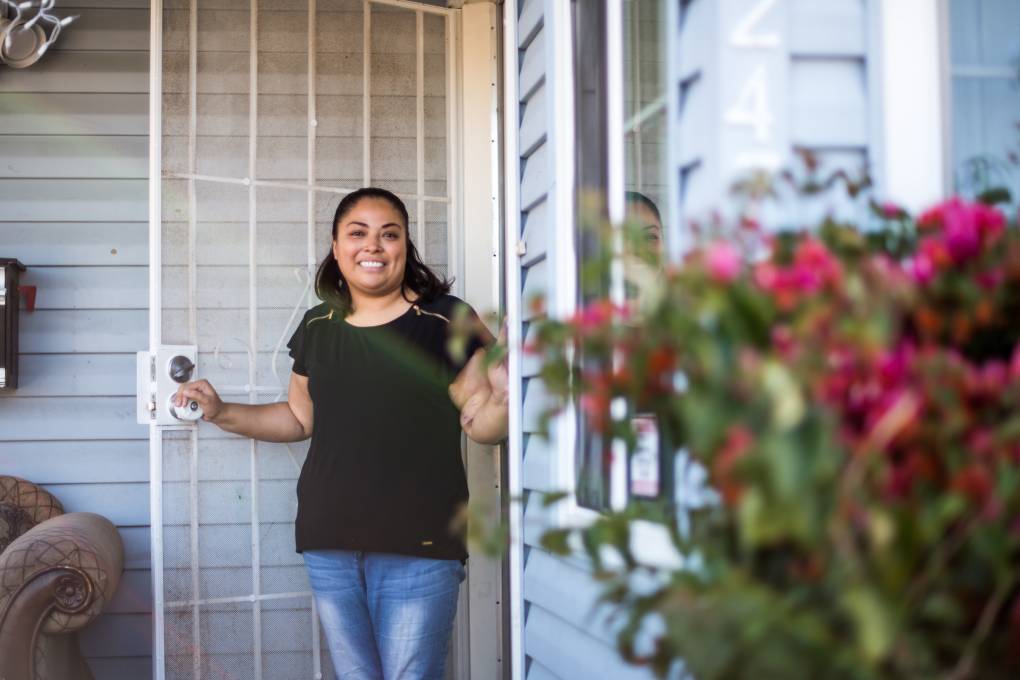
"caption": "Nohemi Jimenez at her home in San Pablo on April 28, 2020.",
"description": null,
"title": "Nohemi Jimenez at her home in San Pablo on April 28, 2020.",
"credit": "Beth LaBerge/KQED",
"status": "inherit",
"isLoading": false,
"fetchFailed": false
},
"news_11814740": {
"type": "attachments",
"id": "news_11814740",
"meta": {
"index": "attachments_1716263798",
"site": "news",
"id": "11814740",
"found": true
},
"parent": 11814635,
"imgSizes": {
"apple_news_ca_landscape_5_5": {
"file": "https://ww2.kqed.org/app/uploads/sites/10/2020/04/RS42948_005_KQED_Berkeley_ThaliaDeWolf_04282020-qut-1044x783.jpg",
"width": 1044,
"mimeType": "image/jpeg",
"height": 783
},
"apple_news_ca_square_4_0": {
"file": "https://ww2.kqed.org/app/uploads/sites/10/2020/04/RS42948_005_KQED_Berkeley_ThaliaDeWolf_04282020-qut-470x470.jpg",
"width": 470,
"mimeType": "image/jpeg",
"height": 470
},
"twentyfourteen-full-width": {
"file": "https://ww2.kqed.org/app/uploads/sites/10/2020/04/RS42948_005_KQED_Berkeley_ThaliaDeWolf_04282020-qut-1038x576.jpg",
"width": 1038,
"mimeType": "image/jpeg",
"height": 576
},
"thumbnail": {
"file": "https://ww2.kqed.org/app/uploads/sites/10/2020/04/RS42948_005_KQED_Berkeley_ThaliaDeWolf_04282020-qut-160x107.jpg",
"width": 160,
"mimeType": "image/jpeg",
"height": 107
},
"post-thumbnail": {
"file": "https://ww2.kqed.org/app/uploads/sites/10/2020/04/RS42948_005_KQED_Berkeley_ThaliaDeWolf_04282020-qut-672x372.jpg",
"width": 672,
"mimeType": "image/jpeg",
"height": 372
},
"kqedFullSize": {
"file": "https://ww2.kqed.org/app/uploads/sites/10/2020/04/RS42948_005_KQED_Berkeley_ThaliaDeWolf_04282020-qut.jpg",
"width": 1920,
"height": 1280
},
"apple_news_ca_landscape_4_7": {
"file": "https://ww2.kqed.org/app/uploads/sites/10/2020/04/RS42948_005_KQED_Berkeley_ThaliaDeWolf_04282020-qut-632x474.jpg",
"width": 632,
"mimeType": "image/jpeg",
"height": 474
},
"large": {
"file": "https://ww2.kqed.org/app/uploads/sites/10/2020/04/RS42948_005_KQED_Berkeley_ThaliaDeWolf_04282020-qut-1020x680.jpg",
"width": 1020,
"mimeType": "image/jpeg",
"height": 680
},
"apple_news_ca_landscape_4_0": {
"file": "https://ww2.kqed.org/app/uploads/sites/10/2020/04/RS42948_005_KQED_Berkeley_ThaliaDeWolf_04282020-qut-536x402.jpg",
"width": 536,
"mimeType": "image/jpeg",
"height": 402
},
"apple_news_ca_portrait_12_9": {
"file": "https://ww2.kqed.org/app/uploads/sites/10/2020/04/RS42948_005_KQED_Berkeley_ThaliaDeWolf_04282020-qut-1122x1280.jpg",
"width": 1122,
"mimeType": "image/jpeg",
"height": 1280
},
"medium": {
"file": "https://ww2.kqed.org/app/uploads/sites/10/2020/04/RS42948_005_KQED_Berkeley_ThaliaDeWolf_04282020-qut-800x533.jpg",
"width": 800,
"mimeType": "image/jpeg",
"height": 533
},
"apple_news_ca_portrait_4_0": {
"file": "https://ww2.kqed.org/app/uploads/sites/10/2020/04/RS42948_005_KQED_Berkeley_ThaliaDeWolf_04282020-qut-354x472.jpg",
"width": 354,
"mimeType": "image/jpeg",
"height": 472
},
"apple_news_ca_portrait_9_7": {
"file": "https://ww2.kqed.org/app/uploads/sites/10/2020/04/RS42948_005_KQED_Berkeley_ThaliaDeWolf_04282020-qut-840x1120.jpg",
"width": 840,
"mimeType": "image/jpeg",
"height": 1120
},
"apple_news_ca_landscape_12_9": {
"file": "https://ww2.kqed.org/app/uploads/sites/10/2020/04/RS42948_005_KQED_Berkeley_ThaliaDeWolf_04282020-qut-1832x1280.jpg",
"width": 1832,
"mimeType": "image/jpeg",
"height": 1280
},
"apple_news_ca_square_9_7": {
"file": "https://ww2.kqed.org/app/uploads/sites/10/2020/04/RS42948_005_KQED_Berkeley_ThaliaDeWolf_04282020-qut-1104x1104.jpg",
"width": 1104,
"mimeType": "image/jpeg",
"height": 1104
},
"apple_news_ca_portrait_4_7": {
"file": "https://ww2.kqed.org/app/uploads/sites/10/2020/04/RS42948_005_KQED_Berkeley_ThaliaDeWolf_04282020-qut-414x552.jpg",
"width": 414,
"mimeType": "image/jpeg",
"height": 552
},
"apple_news_ca_square_12_9": {
"file": "https://ww2.kqed.org/app/uploads/sites/10/2020/04/RS42948_005_KQED_Berkeley_ThaliaDeWolf_04282020-qut-1472x1280.jpg",
"width": 1472,
"mimeType": "image/jpeg",
"height": 1280
},
"apple_news_ca_portrait_5_5": {
"file": "https://ww2.kqed.org/app/uploads/sites/10/2020/04/RS42948_005_KQED_Berkeley_ThaliaDeWolf_04282020-qut-687x916.jpg",
"width": 687,
"mimeType": "image/jpeg",
"height": 916
},
"full-width": {
"file": "https://ww2.kqed.org/app/uploads/sites/10/2020/04/RS42948_005_KQED_Berkeley_ThaliaDeWolf_04282020-qut-1920x1280.jpg",
"width": 1920,
"mimeType": "image/jpeg",
"height": 1280
},
"apple_news_ca_square_4_7": {
"file": "https://ww2.kqed.org/app/uploads/sites/10/2020/04/RS42948_005_KQED_Berkeley_ThaliaDeWolf_04282020-qut-550x550.jpg",
"width": 550,
"mimeType": "image/jpeg",
"height": 550
},
"apple_news_ca_landscape_9_7": {
"file": "https://ww2.kqed.org/app/uploads/sites/10/2020/04/RS42948_005_KQED_Berkeley_ThaliaDeWolf_04282020-qut-1376x1032.jpg",
"width": 1376,
"mimeType": "image/jpeg",
"height": 1032
},
"apple_news_ca_square_5_5": {
"file": "https://ww2.kqed.org/app/uploads/sites/10/2020/04/RS42948_005_KQED_Berkeley_ThaliaDeWolf_04282020-qut-912x912.jpg",
"width": 912,
"mimeType": "image/jpeg",
"height": 912
}
},
"publishDate": 1588108371,
"modified": 1588122115,
"caption": "Thalia DeWolf, a nurse for Bay Area End of Life Options, at her home office in Berkeley on April 28, 2020.",
"description": null,
"title": "RS42948_005_KQED_Berkeley_ThaliaDeWolf_04282020-qut",
"credit": "Beth LaBerge/KQED",
"status": "inherit",
"isLoading": false,
"fetchFailed": false
},
"news_11814422": {
"type": "attachments",
"id": "news_11814422",
"meta": {
"index": "attachments_1716263798",
"site": "news",
"id": "11814422",
"found": true
},
"parent": 11814408,
"imgSizes": {
"apple_news_ca_landscape_5_5": {
"file": "https://ww2.kqed.org/app/uploads/sites/10/2020/04/042320_PrivatePhysician_AW_sized_02-1044x783.jpg",
"width": 1044,
"mimeType": "image/jpeg",
"height": 783
},
"apple_news_ca_square_4_0": {
"file": "https://ww2.kqed.org/app/uploads/sites/10/2020/04/042320_PrivatePhysician_AW_sized_02-470x470.jpg",
"width": 470,
"mimeType": "image/jpeg",
"height": 470
},
"twentyfourteen-full-width": {
"file": "https://ww2.kqed.org/app/uploads/sites/10/2020/04/042320_PrivatePhysician_AW_sized_02-1038x576.jpg",
"width": 1038,
"mimeType": "image/jpeg",
"height": 576
},
"thumbnail": {
"file": "https://ww2.kqed.org/app/uploads/sites/10/2020/04/042320_PrivatePhysician_AW_sized_02-160x111.jpg",
"width": 160,
"mimeType": "image/jpeg",
"height": 111
},
"post-thumbnail": {
"file": "https://ww2.kqed.org/app/uploads/sites/10/2020/04/042320_PrivatePhysician_AW_sized_02-672x372.jpg",
"width": 672,
"mimeType": "image/jpeg",
"height": 372
},
"kqedFullSize": {
"file": "https://ww2.kqed.org/app/uploads/sites/10/2020/04/042320_PrivatePhysician_AW_sized_02.jpg",
"width": 1152,
"height": 799
},
"apple_news_ca_landscape_4_7": {
"file": "https://ww2.kqed.org/app/uploads/sites/10/2020/04/042320_PrivatePhysician_AW_sized_02-632x474.jpg",
"width": 632,
"mimeType": "image/jpeg",
"height": 474
},
"large": {
"file": "https://ww2.kqed.org/app/uploads/sites/10/2020/04/042320_PrivatePhysician_AW_sized_02-1020x707.jpg",
"width": 1020,
"mimeType": "image/jpeg",
"height": 707
},
"apple_news_ca_landscape_4_0": {
"file": "https://ww2.kqed.org/app/uploads/sites/10/2020/04/042320_PrivatePhysician_AW_sized_02-536x402.jpg",
"width": 536,
"mimeType": "image/jpeg",
"height": 402
},
"apple_news_ca_portrait_12_9": {
"file": "https://ww2.kqed.org/app/uploads/sites/10/2020/04/042320_PrivatePhysician_AW_sized_02-1122x799.jpg",
"width": 1122,
"mimeType": "image/jpeg",
"height": 799
},
"medium": {
"file": "https://ww2.kqed.org/app/uploads/sites/10/2020/04/042320_PrivatePhysician_AW_sized_02-800x555.jpg",
"width": 800,
"mimeType": "image/jpeg",
"height": 555
},
"apple_news_ca_portrait_4_0": {
"file": "https://ww2.kqed.org/app/uploads/sites/10/2020/04/042320_PrivatePhysician_AW_sized_02-354x472.jpg",
"width": 354,
"mimeType": "image/jpeg",
"height": 472
},
"apple_news_ca_portrait_9_7": {
"file": "https://ww2.kqed.org/app/uploads/sites/10/2020/04/042320_PrivatePhysician_AW_sized_02-840x799.jpg",
"width": 840,
"mimeType": "image/jpeg",
"height": 799
},
"apple_news_ca_square_9_7": {
"file": "https://ww2.kqed.org/app/uploads/sites/10/2020/04/042320_PrivatePhysician_AW_sized_02-1104x799.jpg",
"width": 1104,
"mimeType": "image/jpeg",
"height": 799
},
"apple_news_ca_portrait_4_7": {
"file": "https://ww2.kqed.org/app/uploads/sites/10/2020/04/042320_PrivatePhysician_AW_sized_02-414x552.jpg",
"width": 414,
"mimeType": "image/jpeg",
"height": 552
},
"apple_news_ca_portrait_5_5": {
"file": "https://ww2.kqed.org/app/uploads/sites/10/2020/04/042320_PrivatePhysician_AW_sized_02-687x799.jpg",
"width": 687,
"mimeType": "image/jpeg",
"height": 799
},
"apple_news_ca_square_4_7": {
"file": "https://ww2.kqed.org/app/uploads/sites/10/2020/04/042320_PrivatePhysician_AW_sized_02-550x550.jpg",
"width": 550,
"mimeType": "image/jpeg",
"height": 550
},
"apple_news_ca_square_5_5": {
"file": "https://ww2.kqed.org/app/uploads/sites/10/2020/04/042320_PrivatePhysician_AW_sized_02-912x799.jpg",
"width": 912,
"mimeType": "image/jpeg",
"height": 799
}
},
"publishDate": 1587931448,
"modified": 1588008197,
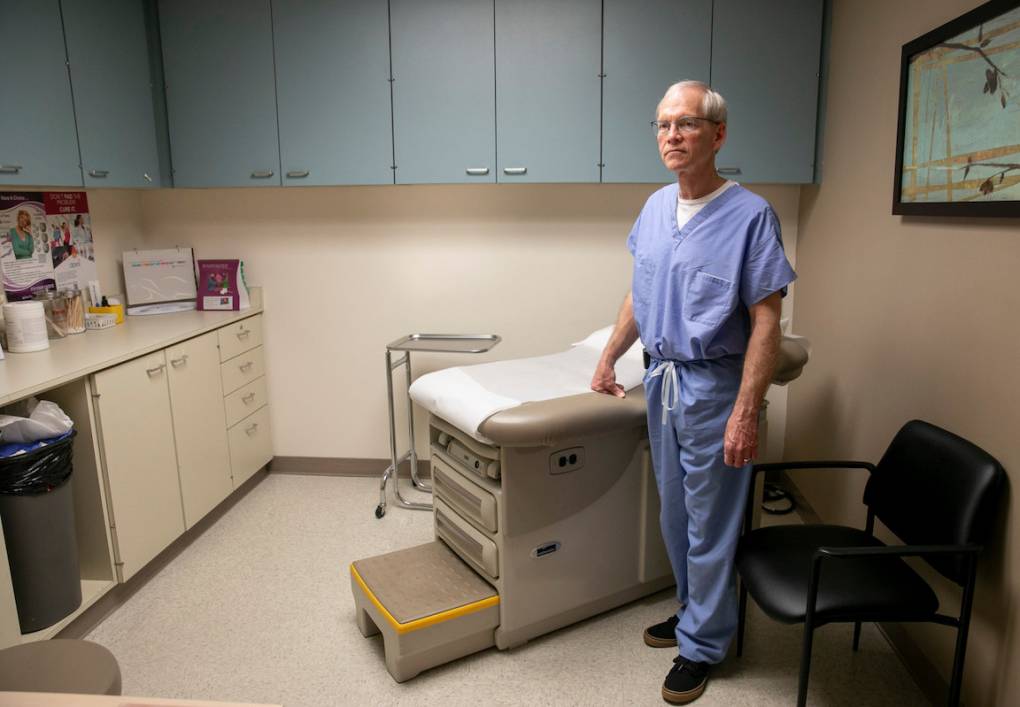
"caption": "Dr. George Scott in one of five examination rooms in his Manteca clinic. Dr. Scott’s private OB-GYN practice is being forced to move to a smaller clinic space after their landlord more than tripled their rent in early March. ",
"description": null,
"title": "042320_PrivatePhysician_AW_sized_02",
"credit": "Anne Wernikoff/CalMatters",
"status": "inherit",
"isLoading": false,
"fetchFailed": false
},
"news_11814212": {
"type": "attachments",
"id": "news_11814212",
"meta": {
"index": "attachments_1716263798",
"site": "news",
"id": "11814212",
"found": true
},
"parent": 11813998,
"imgSizes": {
"apple_news_ca_landscape_5_5": {
"file": "https://ww2.kqed.org/app/uploads/sites/10/2020/04/GettyImages-114959332-1044x783.jpg",
"width": 1044,
"mimeType": "image/jpeg",
"height": 783
},
"apple_news_ca_square_4_0": {
"file": "https://ww2.kqed.org/app/uploads/sites/10/2020/04/GettyImages-114959332-470x470.jpg",
"width": 470,
"mimeType": "image/jpeg",
"height": 470
},
"twentyfourteen-full-width": {
"file": "https://ww2.kqed.org/app/uploads/sites/10/2020/04/GettyImages-114959332-1038x576.jpg",
"width": 1038,
"mimeType": "image/jpeg",
"height": 576
},
"thumbnail": {
"file": "https://ww2.kqed.org/app/uploads/sites/10/2020/04/GettyImages-114959332-160x108.jpg",
"width": 160,
"mimeType": "image/jpeg",
"height": 108
},
"post-thumbnail": {
"file": "https://ww2.kqed.org/app/uploads/sites/10/2020/04/GettyImages-114959332-672x372.jpg",
"width": 672,
"mimeType": "image/jpeg",
"height": 372
},
"kqedFullSize": {
"file": "https://ww2.kqed.org/app/uploads/sites/10/2020/04/GettyImages-114959332-e1587761354295.jpg",
"width": 1920,
"height": 1297
},
"apple_news_ca_landscape_4_7": {
"file": "https://ww2.kqed.org/app/uploads/sites/10/2020/04/GettyImages-114959332-632x474.jpg",
"width": 632,
"mimeType": "image/jpeg",
"height": 474
},
"large": {
"file": "https://ww2.kqed.org/app/uploads/sites/10/2020/04/GettyImages-114959332-1020x689.jpg",
"width": 1020,
"mimeType": "image/jpeg",
"height": 689
},
"apple_news_ca_landscape_4_0": {
"file": "https://ww2.kqed.org/app/uploads/sites/10/2020/04/GettyImages-114959332-536x402.jpg",
"width": 536,
"mimeType": "image/jpeg",
"height": 402
},
"apple_news_ca_portrait_12_9": {
"file": "https://ww2.kqed.org/app/uploads/sites/10/2020/04/GettyImages-114959332-1122x1496.jpg",
"width": 1122,
"mimeType": "image/jpeg",
"height": 1496
},
"medium": {
"file": "https://ww2.kqed.org/app/uploads/sites/10/2020/04/GettyImages-114959332-800x541.jpg",
"width": 800,
"mimeType": "image/jpeg",
"height": 541
},
"apple_news_ca_portrait_4_0": {
"file": "https://ww2.kqed.org/app/uploads/sites/10/2020/04/GettyImages-114959332-354x472.jpg",
"width": 354,
"mimeType": "image/jpeg",
"height": 472
},
"apple_news_ca_portrait_9_7": {
"file": "https://ww2.kqed.org/app/uploads/sites/10/2020/04/GettyImages-114959332-840x1120.jpg",
"width": 840,
"mimeType": "image/jpeg",
"height": 1120
},
"apple_news_ca_landscape_12_9": {
"file": "https://ww2.kqed.org/app/uploads/sites/10/2020/04/GettyImages-114959332-1832x1374.jpg",
"width": 1832,
"mimeType": "image/jpeg",
"height": 1374
},
"apple_news_ca_square_9_7": {
"file": "https://ww2.kqed.org/app/uploads/sites/10/2020/04/GettyImages-114959332-1104x1104.jpg",
"width": 1104,
"mimeType": "image/jpeg",
"height": 1104
},
"apple_news_ca_portrait_4_7": {
"file": "https://ww2.kqed.org/app/uploads/sites/10/2020/04/GettyImages-114959332-414x552.jpg",
"width": 414,
"mimeType": "image/jpeg",
"height": 552
},
"apple_news_ca_square_12_9": {
"file": "https://ww2.kqed.org/app/uploads/sites/10/2020/04/GettyImages-114959332-1472x1472.jpg",
"width": 1472,
"mimeType": "image/jpeg",
"height": 1472
},
"apple_news_ca_portrait_5_5": {
"file": "https://ww2.kqed.org/app/uploads/sites/10/2020/04/GettyImages-114959332-687x916.jpg",
"width": 687,
"mimeType": "image/jpeg",
"height": 916
},
"full-width": {
"file": "https://ww2.kqed.org/app/uploads/sites/10/2020/04/GettyImages-114959332-1920x1297.jpg",
"width": 1920,
"mimeType": "image/jpeg",
"height": 1297
},
"apple_news_ca_square_4_7": {
"file": "https://ww2.kqed.org/app/uploads/sites/10/2020/04/GettyImages-114959332-550x550.jpg",
"width": 550,
"mimeType": "image/jpeg",
"height": 550
},
"apple_news_ca_landscape_9_7": {
"file": "https://ww2.kqed.org/app/uploads/sites/10/2020/04/GettyImages-114959332-1376x1032.jpg",
"width": 1376,
"mimeType": "image/jpeg",
"height": 1032
},
"apple_news_ca_square_5_5": {
"file": "https://ww2.kqed.org/app/uploads/sites/10/2020/04/GettyImages-114959332-912x912.jpg",
"width": 912,
"mimeType": "image/jpeg",
"height": 912
}
},
"publishDate": 1587761228,
"modified": 1587761348,
"caption": "Smokers of tobacco products who develop COVID-19 are 14 times more likely to need intensive treatment compared to nonsmokers, and twice as likely to die, according to early studies.",
"description": null,
"title": "WHO Urges Smokers To Quit On World No Tobacco Day",
"credit": "Justin Sullivan/Getty Images",
"status": "inherit",
"isLoading": false,
"fetchFailed": false
},
"news_11814098": {
"type": "attachments",
"id": "news_11814098",
"meta": {
"index": "attachments_1716263798",
"site": "news",
"id": "11814098",
"found": true
},
"parent": 11814096,
"imgSizes": {
"apple_news_ca_landscape_5_5": {
"file": "https://ww2.kqed.org/app/uploads/sites/10/2020/04/RS16745_IMG_9566.JPG-qut-1044x783.jpg",
"width": 1044,
"mimeType": "image/jpeg",
"height": 783
},
"apple_news_ca_square_4_0": {
"file": "https://ww2.kqed.org/app/uploads/sites/10/2020/04/RS16745_IMG_9566.JPG-qut-470x470.jpg",
"width": 470,
"mimeType": "image/jpeg",
"height": 470
},
"twentyfourteen-full-width": {
"file": "https://ww2.kqed.org/app/uploads/sites/10/2020/04/RS16745_IMG_9566.JPG-qut-1038x576.jpg",
"width": 1038,
"mimeType": "image/jpeg",
"height": 576
},
"thumbnail": {
"file": "https://ww2.kqed.org/app/uploads/sites/10/2020/04/RS16745_IMG_9566.JPG-qut-160x107.jpg",
"width": 160,
"mimeType": "image/jpeg",
"height": 107
},
"post-thumbnail": {
"file": "https://ww2.kqed.org/app/uploads/sites/10/2020/04/RS16745_IMG_9566.JPG-qut-672x372.jpg",
"width": 672,
"mimeType": "image/jpeg",
"height": 372
},
"kqedFullSize": {
"file": "https://ww2.kqed.org/app/uploads/sites/10/2020/04/RS16745_IMG_9566.JPG-qut.jpg",
"width": 1920,
"height": 1280
},
"apple_news_ca_landscape_4_7": {
"file": "https://ww2.kqed.org/app/uploads/sites/10/2020/04/RS16745_IMG_9566.JPG-qut-632x474.jpg",
"width": 632,
"mimeType": "image/jpeg",
"height": 474
},
"large": {
"file": "https://ww2.kqed.org/app/uploads/sites/10/2020/04/RS16745_IMG_9566.JPG-qut-1020x680.jpg",
"width": 1020,
"mimeType": "image/jpeg",
"height": 680
},
"apple_news_ca_landscape_4_0": {
"file": "https://ww2.kqed.org/app/uploads/sites/10/2020/04/RS16745_IMG_9566.JPG-qut-536x402.jpg",
"width": 536,
"mimeType": "image/jpeg",
"height": 402
},
"apple_news_ca_portrait_12_9": {
"file": "https://ww2.kqed.org/app/uploads/sites/10/2020/04/RS16745_IMG_9566.JPG-qut-1122x1280.jpg",
"width": 1122,
"mimeType": "image/jpeg",
"height": 1280
},
"medium": {
"file": "https://ww2.kqed.org/app/uploads/sites/10/2020/04/RS16745_IMG_9566.JPG-qut-800x533.jpg",
"width": 800,
"mimeType": "image/jpeg",
"height": 533
},
"apple_news_ca_portrait_4_0": {
"file": "https://ww2.kqed.org/app/uploads/sites/10/2020/04/RS16745_IMG_9566.JPG-qut-354x472.jpg",
"width": 354,
"mimeType": "image/jpeg",
"height": 472
},
"apple_news_ca_portrait_9_7": {
"file": "https://ww2.kqed.org/app/uploads/sites/10/2020/04/RS16745_IMG_9566.JPG-qut-840x1120.jpg",
"width": 840,
"mimeType": "image/jpeg",
"height": 1120
},
"apple_news_ca_landscape_12_9": {
"file": "https://ww2.kqed.org/app/uploads/sites/10/2020/04/RS16745_IMG_9566.JPG-qut-1832x1280.jpg",
"width": 1832,
"mimeType": "image/jpeg",
"height": 1280
},
"apple_news_ca_square_9_7": {
"file": "https://ww2.kqed.org/app/uploads/sites/10/2020/04/RS16745_IMG_9566.JPG-qut-1104x1104.jpg",
"width": 1104,
"mimeType": "image/jpeg",
"height": 1104
},
"apple_news_ca_portrait_4_7": {
"file": "https://ww2.kqed.org/app/uploads/sites/10/2020/04/RS16745_IMG_9566.JPG-qut-414x552.jpg",
"width": 414,
"mimeType": "image/jpeg",
"height": 552
},
"apple_news_ca_square_12_9": {
"file": "https://ww2.kqed.org/app/uploads/sites/10/2020/04/RS16745_IMG_9566.JPG-qut-1472x1280.jpg",
"width": 1472,
"mimeType": "image/jpeg",
"height": 1280
},
"apple_news_ca_portrait_5_5": {
"file": "https://ww2.kqed.org/app/uploads/sites/10/2020/04/RS16745_IMG_9566.JPG-qut-687x916.jpg",
"width": 687,
"mimeType": "image/jpeg",
"height": 916
},
"full-width": {
"file": "https://ww2.kqed.org/app/uploads/sites/10/2020/04/RS16745_IMG_9566.JPG-qut-1920x1280.jpg",
"width": 1920,
"mimeType": "image/jpeg",
"height": 1280
},
"apple_news_ca_square_4_7": {
"file": "https://ww2.kqed.org/app/uploads/sites/10/2020/04/RS16745_IMG_9566.JPG-qut-550x550.jpg",
"width": 550,
"mimeType": "image/jpeg",
"height": 550
},
"apple_news_ca_landscape_9_7": {
"file": "https://ww2.kqed.org/app/uploads/sites/10/2020/04/RS16745_IMG_9566.JPG-qut-1376x1032.jpg",
"width": 1376,
"mimeType": "image/jpeg",
"height": 1032
},
"apple_news_ca_square_5_5": {
"file": "https://ww2.kqed.org/app/uploads/sites/10/2020/04/RS16745_IMG_9566.JPG-qut-912x912.jpg",
"width": 912,
"mimeType": "image/jpeg",
"height": 912
}
},
"publishDate": 1587690864,
"modified": 1587739202,
"caption": "Jane Garcia, CEO at La Clínica de la Raza, advocates for health care services for undocumented and uninsured immigrants in Contra Costa County on Sept. 22, 2015. La Clínica is losing $3 million per month in revenue during the coronavirus pandemic, she said.",
"description": null,
"title": "RS16745_IMG_9566.JPG-qut",
"credit": "Farida Jhabvala Romero/KQED",
"status": "inherit",
"isLoading": false,
"fetchFailed": false
},
"news_11813266": {
"type": "attachments",
"id": "news_11813266",
"meta": {
"index": "attachments_1716263798",
"site": "news",
"id": "11813266",
"found": true
},
"parent": 11813147,
"imgSizes": {
"apple_news_ca_landscape_5_5": {
"file": "https://ww2.kqed.org/app/uploads/sites/10/2020/04/RS42854_iStock-1141255408-qut-1044x783.jpg",
"width": 1044,
"mimeType": "image/jpeg",
"height": 783
},
"apple_news_ca_square_4_0": {
"file": "https://ww2.kqed.org/app/uploads/sites/10/2020/04/RS42854_iStock-1141255408-qut-470x470.jpg",
"width": 470,
"mimeType": "image/jpeg",
"height": 470
},
"twentyfourteen-full-width": {
"file": "https://ww2.kqed.org/app/uploads/sites/10/2020/04/RS42854_iStock-1141255408-qut-1038x576.jpg",
"width": 1038,
"mimeType": "image/jpeg",
"height": 576
},
"thumbnail": {
"file": "https://ww2.kqed.org/app/uploads/sites/10/2020/04/RS42854_iStock-1141255408-qut-160x107.jpg",
"width": 160,
"mimeType": "image/jpeg",
"height": 107
},
"post-thumbnail": {
"file": "https://ww2.kqed.org/app/uploads/sites/10/2020/04/RS42854_iStock-1141255408-qut-672x372.jpg",
"width": 672,
"mimeType": "image/jpeg",
"height": 372
},
"kqedFullSize": {
"file": "https://ww2.kqed.org/app/uploads/sites/10/2020/04/RS42854_iStock-1141255408-qut.jpg",
"width": 1920,
"height": 1280
},
"apple_news_ca_landscape_4_7": {
"file": "https://ww2.kqed.org/app/uploads/sites/10/2020/04/RS42854_iStock-1141255408-qut-632x474.jpg",
"width": 632,
"mimeType": "image/jpeg",
"height": 474
},
"large": {
"file": "https://ww2.kqed.org/app/uploads/sites/10/2020/04/RS42854_iStock-1141255408-qut-1020x680.jpg",
"width": 1020,
"mimeType": "image/jpeg",
"height": 680
},
"apple_news_ca_landscape_4_0": {
"file": "https://ww2.kqed.org/app/uploads/sites/10/2020/04/RS42854_iStock-1141255408-qut-536x402.jpg",
"width": 536,
"mimeType": "image/jpeg",
"height": 402
},
"apple_news_ca_portrait_12_9": {
"file": "https://ww2.kqed.org/app/uploads/sites/10/2020/04/RS42854_iStock-1141255408-qut-1122x1280.jpg",
"width": 1122,
"mimeType": "image/jpeg",
"height": 1280
},
"medium": {
"file": "https://ww2.kqed.org/app/uploads/sites/10/2020/04/RS42854_iStock-1141255408-qut-800x533.jpg",
"width": 800,
"mimeType": "image/jpeg",
"height": 533
},
"apple_news_ca_portrait_4_0": {
"file": "https://ww2.kqed.org/app/uploads/sites/10/2020/04/RS42854_iStock-1141255408-qut-354x472.jpg",
"width": 354,
"mimeType": "image/jpeg",
"height": 472
},
"apple_news_ca_portrait_9_7": {
"file": "https://ww2.kqed.org/app/uploads/sites/10/2020/04/RS42854_iStock-1141255408-qut-840x1120.jpg",
"width": 840,
"mimeType": "image/jpeg",
"height": 1120
},
"apple_news_ca_landscape_12_9": {
"file": "https://ww2.kqed.org/app/uploads/sites/10/2020/04/RS42854_iStock-1141255408-qut-1832x1280.jpg",
"width": 1832,
"mimeType": "image/jpeg",
"height": 1280
},
"apple_news_ca_square_9_7": {
"file": "https://ww2.kqed.org/app/uploads/sites/10/2020/04/RS42854_iStock-1141255408-qut-1104x1104.jpg",
"width": 1104,
"mimeType": "image/jpeg",
"height": 1104
},
"apple_news_ca_portrait_4_7": {
"file": "https://ww2.kqed.org/app/uploads/sites/10/2020/04/RS42854_iStock-1141255408-qut-414x552.jpg",
"width": 414,
"mimeType": "image/jpeg",
"height": 552
},
"apple_news_ca_square_12_9": {
"file": "https://ww2.kqed.org/app/uploads/sites/10/2020/04/RS42854_iStock-1141255408-qut-1472x1280.jpg",
"width": 1472,
"mimeType": "image/jpeg",
"height": 1280
},
"apple_news_ca_portrait_5_5": {
"file": "https://ww2.kqed.org/app/uploads/sites/10/2020/04/RS42854_iStock-1141255408-qut-687x916.jpg",
"width": 687,
"mimeType": "image/jpeg",
"height": 916
},
"full-width": {
"file": "https://ww2.kqed.org/app/uploads/sites/10/2020/04/RS42854_iStock-1141255408-qut-1920x1280.jpg",
"width": 1920,
"mimeType": "image/jpeg",
"height": 1280
},
"apple_news_ca_square_4_7": {
"file": "https://ww2.kqed.org/app/uploads/sites/10/2020/04/RS42854_iStock-1141255408-qut-550x550.jpg",
"width": 550,
"mimeType": "image/jpeg",
"height": 550
},
"apple_news_ca_landscape_9_7": {
"file": "https://ww2.kqed.org/app/uploads/sites/10/2020/04/RS42854_iStock-1141255408-qut-1376x1032.jpg",
"width": 1376,
"mimeType": "image/jpeg",
"height": 1032
},
"apple_news_ca_square_5_5": {
"file": "https://ww2.kqed.org/app/uploads/sites/10/2020/04/RS42854_iStock-1141255408-qut-912x912.jpg",
"width": 912,
"mimeType": "image/jpeg",
"height": 912
}
},
"publishDate": 1587431845,
"modified": 1587431897,
"caption": "The Centers for Medicare and Medicaid Services have expanded access to telehealth appointments for their beneficiaries during the coronavirus pandemic.",
"description": null,
"title": "professional doctor use computer",
"credit": "iStock",
"status": "inherit",
"isLoading": false,
"fetchFailed": false
},
"news_11813014": {
"type": "attachments",
"id": "news_11813014",
"meta": {
"index": "attachments_1716263798",
"site": "news",
"id": "11813014",
"found": true
},
"parent": 11813006,
"imgSizes": {
"apple_news_ca_landscape_5_5": {
"file": "https://ww2.kqed.org/app/uploads/sites/10/2020/04/RS42531_007_KQED_SanFrancisco_StevePantilatMD_04032020-qut-1044x783.jpg",
"width": 1044,
"mimeType": "image/jpeg",
"height": 783
},
"apple_news_ca_square_4_0": {
"file": "https://ww2.kqed.org/app/uploads/sites/10/2020/04/RS42531_007_KQED_SanFrancisco_StevePantilatMD_04032020-qut-470x470.jpg",
"width": 470,
"mimeType": "image/jpeg",
"height": 470
},
"twentyfourteen-full-width": {
"file": "https://ww2.kqed.org/app/uploads/sites/10/2020/04/RS42531_007_KQED_SanFrancisco_StevePantilatMD_04032020-qut-1038x576.jpg",
"width": 1038,
"mimeType": "image/jpeg",
"height": 576
},
"thumbnail": {
"file": "https://ww2.kqed.org/app/uploads/sites/10/2020/04/RS42531_007_KQED_SanFrancisco_StevePantilatMD_04032020-qut-160x107.jpg",
"width": 160,
"mimeType": "image/jpeg",
"height": 107
},
"post-thumbnail": {
"file": "https://ww2.kqed.org/app/uploads/sites/10/2020/04/RS42531_007_KQED_SanFrancisco_StevePantilatMD_04032020-qut-672x372.jpg",
"width": 672,
"mimeType": "image/jpeg",
"height": 372
},
"kqedFullSize": {
"file": "https://ww2.kqed.org/app/uploads/sites/10/2020/04/RS42531_007_KQED_SanFrancisco_StevePantilatMD_04032020-qut.jpg",
"width": 1920,
"height": 1280
},
"apple_news_ca_landscape_4_7": {
"file": "https://ww2.kqed.org/app/uploads/sites/10/2020/04/RS42531_007_KQED_SanFrancisco_StevePantilatMD_04032020-qut-632x474.jpg",
"width": 632,
"mimeType": "image/jpeg",
"height": 474
},
"large": {
"file": "https://ww2.kqed.org/app/uploads/sites/10/2020/04/RS42531_007_KQED_SanFrancisco_StevePantilatMD_04032020-qut-1020x680.jpg",
"width": 1020,
"mimeType": "image/jpeg",
"height": 680
},
"apple_news_ca_landscape_4_0": {
"file": "https://ww2.kqed.org/app/uploads/sites/10/2020/04/RS42531_007_KQED_SanFrancisco_StevePantilatMD_04032020-qut-536x402.jpg",
"width": 536,
"mimeType": "image/jpeg",
"height": 402
},
"apple_news_ca_portrait_12_9": {
"file": "https://ww2.kqed.org/app/uploads/sites/10/2020/04/RS42531_007_KQED_SanFrancisco_StevePantilatMD_04032020-qut-1122x1280.jpg",
"width": 1122,
"mimeType": "image/jpeg",
"height": 1280
},
"medium": {
"file": "https://ww2.kqed.org/app/uploads/sites/10/2020/04/RS42531_007_KQED_SanFrancisco_StevePantilatMD_04032020-qut-800x533.jpg",
"width": 800,
"mimeType": "image/jpeg",
"height": 533
},
"apple_news_ca_portrait_4_0": {
"file": "https://ww2.kqed.org/app/uploads/sites/10/2020/04/RS42531_007_KQED_SanFrancisco_StevePantilatMD_04032020-qut-354x472.jpg",
"width": 354,
"mimeType": "image/jpeg",
"height": 472
},
"apple_news_ca_portrait_9_7": {
"file": "https://ww2.kqed.org/app/uploads/sites/10/2020/04/RS42531_007_KQED_SanFrancisco_StevePantilatMD_04032020-qut-840x1120.jpg",
"width": 840,
"mimeType": "image/jpeg",
"height": 1120
},
"apple_news_ca_landscape_12_9": {
"file": "https://ww2.kqed.org/app/uploads/sites/10/2020/04/RS42531_007_KQED_SanFrancisco_StevePantilatMD_04032020-qut-1832x1280.jpg",
"width": 1832,
"mimeType": "image/jpeg",
"height": 1280
},
"apple_news_ca_square_9_7": {
"file": "https://ww2.kqed.org/app/uploads/sites/10/2020/04/RS42531_007_KQED_SanFrancisco_StevePantilatMD_04032020-qut-1104x1104.jpg",
"width": 1104,
"mimeType": "image/jpeg",
"height": 1104
},
"apple_news_ca_portrait_4_7": {
"file": "https://ww2.kqed.org/app/uploads/sites/10/2020/04/RS42531_007_KQED_SanFrancisco_StevePantilatMD_04032020-qut-414x552.jpg",
"width": 414,
"mimeType": "image/jpeg",
"height": 552
},
"apple_news_ca_square_12_9": {
"file": "https://ww2.kqed.org/app/uploads/sites/10/2020/04/RS42531_007_KQED_SanFrancisco_StevePantilatMD_04032020-qut-1472x1280.jpg",
"width": 1472,
"mimeType": "image/jpeg",
"height": 1280
},
"apple_news_ca_portrait_5_5": {
"file": "https://ww2.kqed.org/app/uploads/sites/10/2020/04/RS42531_007_KQED_SanFrancisco_StevePantilatMD_04032020-qut-687x916.jpg",
"width": 687,
"mimeType": "image/jpeg",
"height": 916
},
"full-width": {
"file": "https://ww2.kqed.org/app/uploads/sites/10/2020/04/RS42531_007_KQED_SanFrancisco_StevePantilatMD_04032020-qut-1920x1280.jpg",
"width": 1920,
"mimeType": "image/jpeg",
"height": 1280
},
"apple_news_ca_square_4_7": {
"file": "https://ww2.kqed.org/app/uploads/sites/10/2020/04/RS42531_007_KQED_SanFrancisco_StevePantilatMD_04032020-qut-550x550.jpg",
"width": 550,
"mimeType": "image/jpeg",
"height": 550
},
"apple_news_ca_landscape_9_7": {
"file": "https://ww2.kqed.org/app/uploads/sites/10/2020/04/RS42531_007_KQED_SanFrancisco_StevePantilatMD_04032020-qut-1376x1032.jpg",
"width": 1376,
"mimeType": "image/jpeg",
"height": 1032
},
"apple_news_ca_square_5_5": {
"file": "https://ww2.kqed.org/app/uploads/sites/10/2020/04/RS42531_007_KQED_SanFrancisco_StevePantilatMD_04032020-qut-912x912.jpg",
"width": 912,
"mimeType": "image/jpeg",
"height": 912
}
},
"publishDate": 1587180215,
"modified": 1587180261,
"caption": "Steve Pantilat, MD, a palliative care doctor for the University of California, San Francisco (UCSF) on April 3, 2020.",
"description": null,
"title": "RS42531_007_KQED_SanFrancisco_StevePantilatMD_04032020-qut",
"credit": "Beth LaBerge/KQED",
"status": "inherit",
"isLoading": false,
"fetchFailed": false
},
"news_11812483": {
"type": "attachments",
"id": "news_11812483",
"meta": {
"index": "attachments_1716263798",
"site": "news",
"id": "11812483",
"found": true
},
"parent": 11812402,
"imgSizes": {
"apple_news_ca_landscape_5_5": {
"file": "https://ww2.kqed.org/app/uploads/sites/10/2020/04/Chico-Eye-Center-1044x783.jpg",
"width": 1044,
"mimeType": "image/jpeg",
"height": 783
},
"apple_news_ca_square_4_0": {
"file": "https://ww2.kqed.org/app/uploads/sites/10/2020/04/Chico-Eye-Center-470x470.jpg",
"width": 470,
"mimeType": "image/jpeg",
"height": 470
},
"twentyfourteen-full-width": {
"file": "https://ww2.kqed.org/app/uploads/sites/10/2020/04/Chico-Eye-Center-1038x576.jpg",
"width": 1038,
"mimeType": "image/jpeg",
"height": 576
},
"thumbnail": {
"file": "https://ww2.kqed.org/app/uploads/sites/10/2020/04/Chico-Eye-Center-160x106.jpg",
"width": 160,
"mimeType": "image/jpeg",
"height": 106
},
"post-thumbnail": {
"file": "https://ww2.kqed.org/app/uploads/sites/10/2020/04/Chico-Eye-Center-672x372.jpg",
"width": 672,
"mimeType": "image/jpeg",
"height": 372
},
"kqedFullSize": {
"file": "https://ww2.kqed.org/app/uploads/sites/10/2020/04/Chico-Eye-Center.jpg",
"width": 1920,
"height": 1275
},
"apple_news_ca_landscape_4_7": {
"file": "https://ww2.kqed.org/app/uploads/sites/10/2020/04/Chico-Eye-Center-632x474.jpg",
"width": 632,
"mimeType": "image/jpeg",
"height": 474
},
"large": {
"file": "https://ww2.kqed.org/app/uploads/sites/10/2020/04/Chico-Eye-Center-1020x677.jpg",
"width": 1020,
"mimeType": "image/jpeg",
"height": 677
},
"apple_news_ca_landscape_4_0": {
"file": "https://ww2.kqed.org/app/uploads/sites/10/2020/04/Chico-Eye-Center-536x402.jpg",
"width": 536,
"mimeType": "image/jpeg",
"height": 402
},
"apple_news_ca_portrait_12_9": {
"file": "https://ww2.kqed.org/app/uploads/sites/10/2020/04/Chico-Eye-Center-1122x1275.jpg",
"width": 1122,
"mimeType": "image/jpeg",
"height": 1275
},
"medium": {
"file": "https://ww2.kqed.org/app/uploads/sites/10/2020/04/Chico-Eye-Center-800x531.jpg",
"width": 800,
"mimeType": "image/jpeg",
"height": 531
},
"apple_news_ca_portrait_4_0": {
"file": "https://ww2.kqed.org/app/uploads/sites/10/2020/04/Chico-Eye-Center-354x472.jpg",
"width": 354,
"mimeType": "image/jpeg",
"height": 472
},
"apple_news_ca_portrait_9_7": {
"file": "https://ww2.kqed.org/app/uploads/sites/10/2020/04/Chico-Eye-Center-840x1120.jpg",
"width": 840,
"mimeType": "image/jpeg",
"height": 1120
},
"apple_news_ca_landscape_12_9": {
"file": "https://ww2.kqed.org/app/uploads/sites/10/2020/04/Chico-Eye-Center-1832x1275.jpg",
"width": 1832,
"mimeType": "image/jpeg",
"height": 1275
},
"apple_news_ca_square_9_7": {
"file": "https://ww2.kqed.org/app/uploads/sites/10/2020/04/Chico-Eye-Center-1104x1104.jpg",
"width": 1104,
"mimeType": "image/jpeg",
"height": 1104
},
"apple_news_ca_portrait_4_7": {
"file": "https://ww2.kqed.org/app/uploads/sites/10/2020/04/Chico-Eye-Center-414x552.jpg",
"width": 414,
"mimeType": "image/jpeg",
"height": 552
},
"apple_news_ca_square_12_9": {
"file": "https://ww2.kqed.org/app/uploads/sites/10/2020/04/Chico-Eye-Center-1472x1275.jpg",
"width": 1472,
"mimeType": "image/jpeg",
"height": 1275
},
"apple_news_ca_portrait_5_5": {
"file": "https://ww2.kqed.org/app/uploads/sites/10/2020/04/Chico-Eye-Center-687x916.jpg",
"width": 687,
"mimeType": "image/jpeg",
"height": 916
},
"full-width": {
"file": "https://ww2.kqed.org/app/uploads/sites/10/2020/04/Chico-Eye-Center-1920x1275.jpg",
"width": 1920,
"mimeType": "image/jpeg",
"height": 1275
},
"apple_news_ca_square_4_7": {
"file": "https://ww2.kqed.org/app/uploads/sites/10/2020/04/Chico-Eye-Center-550x550.jpg",
"width": 550,
"mimeType": "image/jpeg",
"height": 550
},
"apple_news_ca_landscape_9_7": {
"file": "https://ww2.kqed.org/app/uploads/sites/10/2020/04/Chico-Eye-Center-1376x1032.jpg",
"width": 1376,
"mimeType": "image/jpeg",
"height": 1032
},
"apple_news_ca_square_5_5": {
"file": "https://ww2.kqed.org/app/uploads/sites/10/2020/04/Chico-Eye-Center-912x912.jpg",
"width": 912,
"mimeType": "image/jpeg",
"height": 912
}
},
"publishDate": 1586983220,
"modified": 1586983311,
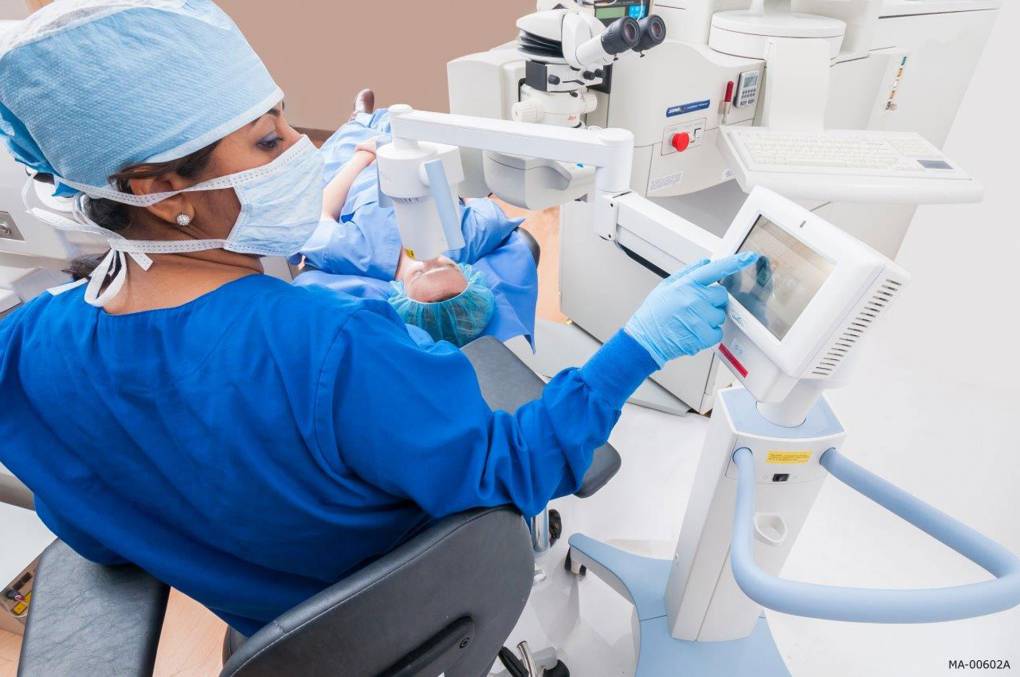
"caption": "The Chico Eye Center shut down its surgery center, furloughing 90% of the surgery staff.",
"description": "The Chico Eye Center shut down its surgery center, furloughing 90% of the surgery staff.",
"title": "Chico-Eye-Center",
"credit": "Courtesy Chico Eye Center",
"status": "inherit",
"isLoading": false,
"fetchFailed": false
}
},
"audioPlayerReducer": {
"postId": "stream_live",
"isPaused": true,
"isPlaying": false,
"pfsActive": false,
"pledgeModalIsOpen": true,
"playerDrawerIsOpen": false,
"liveAudioPlayStartedAt": 0,
"liveAudioPlayContext": ""
},
"authorsReducer": {
"byline_news_11815978": {
"type": "authors",
"id": "byline_news_11815978",
"meta": {
"override": true
},
"slug": "byline_news_11815978",
"name": "Anna Maria Barry-Jester, Angela Hart and Rachel Bluth",
"isLoading": false
},
"byline_news_11814408": {
"type": "authors",
"id": "byline_news_11814408",
"meta": {
"override": true
},
"slug": "byline_news_11814408",
"name": "\u003ca href=\"https://calmatters.org/author/kristen-hwang/\">Kristen Hwang\u003c/a>",
"isLoading": false
},
"adembosky": {
"type": "authors",
"id": "3205",
"meta": {
"index": "authors_1716337520",
"id": "3205",
"found": true
},
"name": "April Dembosky",
"firstName": "April",
"lastName": "Dembosky",
"slug": "adembosky",
"email": "adembosky@kqed.org",
"display_author_email": false,
"staff_mastheads": [
"news",
"science"
],
"title": "KQED Health Correspondent",
"bio": "April Dembosky is the health correspondent for KQED News and a regular contributor to NPR. She specializes in covering altered states of mind, from postpartum depression to methamphetamine-induced psychosis to the insanity defense. Her investigative series on insurance companies sidestepping mental health laws won multiple awards, including first place in beat reporting from the national Association of Health Care Journalists. She is the recipient of numerous other prizes and fellowships, including a national Edward R. Murrow award for investigative reporting, a Society of Professional Journalists award for long-form storytelling, and a Carter Center Fellowship for Mental Health Journalism.\r\n\r\nDembosky reported and produced \u003cem>Soundtrack of Silence\u003c/em>, an audio documentary about music and memory that is currently being made into a feature film by Paramount Pictures.\r\n\r\nBefore joining KQED in 2013, Dembosky covered technology and Silicon Valley for \u003cem>The Financial Times of London,\u003c/em> and contributed business and arts stories to \u003cem>Marketplace \u003c/em>and \u003cem>The New York Times.\u003c/em> She got her undergraduate degree in philosophy from Smith College and her master's in journalism from the University of California, Berkeley. She is a classically trained violinist and proud alum of the first symphony orchestra at Burning Man.",
"avatar": "https://secure.gravatar.com/avatar/ef92999be4ceb9ea60701e7dc276f813?s=600&d=blank&r=g",
"twitter": "adembosky",
"facebook": null,
"instagram": null,
"linkedin": null,
"sites": [
{
"site": "arts",
"roles": [
"author"
]
},
{
"site": "news",
"roles": [
"editor"
]
},
{
"site": "futureofyou",
"roles": [
"author"
]
},
{
"site": "stateofhealth",
"roles": [
"editor"
]
},
{
"site": "science",
"roles": [
"editor"
]
},
{
"site": "forum",
"roles": [
"editor"
]
}
],
"headData": {
"title": "April Dembosky | KQED",
"description": "KQED Health Correspondent",
"ogImgSrc": "https://secure.gravatar.com/avatar/ef92999be4ceb9ea60701e7dc276f813?s=600&d=blank&r=g",
"twImgSrc": "https://secure.gravatar.com/avatar/ef92999be4ceb9ea60701e7dc276f813?s=600&d=blank&r=g"
},
"isLoading": false,
"link": "/author/adembosky"
},
"markfiore": {
"type": "authors",
"id": "3236",
"meta": {
"index": "authors_1716337520",
"id": "3236",
"found": true
},
"name": "Mark Fiore",
"firstName": "Mark",
"lastName": "Fiore",
"slug": "markfiore",
"email": "mark@markfiore.com",
"display_author_email": false,
"staff_mastheads": [
"news"
],
"title": "KQED News Cartoonist",
"bio": "\u003ca href=\"http://www.MarkFiore.com\">MarkFiore.com\u003c/a> | \u003ca href=\"https://twitter.com/markfiore\">Follow on Twitter\u003c/a> | \u003ca href=\"https://www.facebook.com/pages/Mark-Fiore-Animated-Political-Cartoons/94451707396?ref=bookmarks\">Facebook\u003c/a> | \u003ca href=\"mailto:mark@markfiore.com\">email\u003c/a>\r\n\r\nPulitzer Prize-winner, Mark Fiore, who the Wall Street Journal has called “the undisputed guru of the form,” creates animated political cartoons in San Francisco, where his work has been featured regularly on the San Francisco Chronicle’s web site, SFGate.com. His work has appeared on Newsweek.com, Slate.com, CBSNews.com, MotherJones.com, DailyKos.com and NPR’s web site. Fiore’s political animation has appeared on CNN, Frontline, Bill Moyers Journal, Salon.com and cable and broadcast outlets across the globe.\r\n\r\nBeginning his professional life by drawing traditional political cartoons for newspapers, Fiore’s work appeared in publications ranging from the Washington Post to the Los Angeles Times. In the late 1990s, he began to experiment with animating political cartoons and, after a short stint at the San Jose Mercury News as their staff cartoonist, Fiore devoted all his energies to animation.\r\nGrowing up in California, Fiore also spent a good portion of his life in the backwoods of Idaho. It was this combination that shaped him politically. Mark majored in political science at Colorado College, where, in a perfect send-off for a cartoonist, he received his diploma in 1991 as commencement speaker Dick Cheney smiled approvingly.\r\nMark Fiore was awarded the Pulitzer Prize for political cartooning in 2010, a Robert F. Kennedy Journalism Award in 2004 and has twice received an Online Journalism Award for commentary from the Online News Association (2002, 2008). Fiore has received two awards for his work in new media from the National Cartoonists Society (2001, 2002), and in 2006 received The James Madison Freedom of Information Award from The Society of Professional Journalists.",
"avatar": "https://secure.gravatar.com/avatar/fc4e2a612b15b67bad0c6f0e1db4ca9b?s=600&d=blank&r=g",
"twitter": "MarkFiore",
"facebook": null,
"instagram": "https://www.instagram.com/markfiore/?hl=en",
"linkedin": null,
"sites": [
{
"site": "arts",
"roles": [
"contributor"
]
},
{
"site": "news",
"roles": [
"editor"
]
},
{
"site": "futureofyou",
"roles": [
"editor"
]
},
{
"site": "science",
"roles": [
"editor"
]
}
],
"headData": {
"title": "Mark Fiore | KQED",
"description": "KQED News Cartoonist",
"ogImgSrc": "https://secure.gravatar.com/avatar/fc4e2a612b15b67bad0c6f0e1db4ca9b?s=600&d=blank&r=g",
"twImgSrc": "https://secure.gravatar.com/avatar/fc4e2a612b15b67bad0c6f0e1db4ca9b?s=600&d=blank&r=g"
},
"isLoading": false,
"link": "/author/markfiore"
},
"fjhabvala": {
"type": "authors",
"id": "8659",
"meta": {
"index": "authors_1716337520",
"id": "8659",
"found": true
},
"name": "Farida Jhabvala Romero",
"firstName": "Farida",
"lastName": "Jhabvala Romero",
"slug": "fjhabvala",
"email": "fjhabvala@kqed.org",
"display_author_email": true,
"staff_mastheads": [
"news"
],
"title": "KQED Contributor",
"bio": "Farida Jhabvala Romero is a Labor Correspondent for KQED. She previously covered immigration. Farida was \u003ca href=\"https://www.ccnma.org/2022-most-influential-latina-journalists\">named\u003c/a> one of the 10 Most Influential Latina Journalists in California in 2022 by the California Chicano News Media Association. Her work has won awards from the Society of Professional Journalists (Northern California), as well as a national and regional Edward M. Murrow Award for the collaborative reporting projects “Dangerous Air” and “Graying California.” Before joining KQED, Farida worked as a producer at Radio Bilingüe, a national public radio network. Farida earned her master’s degree in journalism from Stanford University.",
"avatar": "https://secure.gravatar.com/avatar/f9f022d4e2609741874222a1e9d41f48fea74011aa7c615eef91d9a50c944ebe?s=600&d=blank&r=g",
"twitter": "FaridaJhabvala",
"bluesky": null,
"facebook": null,
"instagram": null,
"linkedin": "https://www.linkedin.com/in/faridajhabvala/",
"sites": [
{
"site": "news",
"roles": [
"editor"
]
},
{
"site": "stateofhealth",
"roles": [
"author"
]
},
{
"site": "liveblog",
"roles": [
"author"
]
}
],
"headData": {
"title": "Farida Jhabvala Romero | KQED",
"description": "KQED Contributor",
"ogImgSrc": "https://secure.gravatar.com/avatar/f9f022d4e2609741874222a1e9d41f48fea74011aa7c615eef91d9a50c944ebe?s=600&d=blank&r=g",
"twImgSrc": "https://secure.gravatar.com/avatar/f9f022d4e2609741874222a1e9d41f48fea74011aa7c615eef91d9a50c944ebe?s=600&d=blank&r=g"
},
"isLoading": false,
"link": "/author/fjhabvala"
},
"bhernandez": {
"type": "authors",
"id": "11359",
"meta": {
"index": "authors_1716337520",
"id": "11359",
"found": true
},
"name": "Bianca Hernandez",
"firstName": "Bianca",
"lastName": "Hernandez",
"slug": "bhernandez",
"email": "bhernandez@kqed.org",
"display_author_email": false,
"staff_mastheads": [],
"title": "KQED Contributor",
"bio": "Bianca Hernandez is a former Interactive Producer for KQED. She has produced at KGPE, KSEE24 and Sierra Magazine. In 2011 she received an undergraduate degree in Journalism and Anthropology from CSU, Chico . She earned a Master's from the University of Southern California in 2013, where she completed a documentary on teenage farmworkers. She is an avid Jane Austen fan and takes lightsaber combat class for fun.",
"avatar": "https://secure.gravatar.com/avatar/75b3424851e2f9fa131f2cb6a051aeac?s=600&d=blank&r=g",
"twitter": "bookhoarding",
"facebook": null,
"instagram": null,
"linkedin": null,
"sites": [
{
"site": "arts",
"roles": []
},
{
"site": "news",
"roles": []
},
{
"site": "science",
"roles": []
},
{
"site": "forum",
"roles": []
}
],
"headData": {
"title": "Bianca Hernandez | KQED",
"description": "KQED Contributor",
"ogImgSrc": "https://secure.gravatar.com/avatar/75b3424851e2f9fa131f2cb6a051aeac?s=600&d=blank&r=g",
"twImgSrc": "https://secure.gravatar.com/avatar/75b3424851e2f9fa131f2cb6a051aeac?s=600&d=blank&r=g"
},
"isLoading": false,
"link": "/author/bhernandez"
},
"nsparling": {
"type": "authors",
"id": "11655",
"meta": {
"index": "authors_1716337520",
"id": "11655",
"found": true
},
"name": "Nina Sparling",
"firstName": "Nina",
"lastName": "Sparling",
"slug": "nsparling",
"email": "nsparling@kqed.org",
"display_author_email": false,
"staff_mastheads": [],
"title": "KQED Contributor",
"bio": null,
"avatar": "https://secure.gravatar.com/avatar/4f605141f48bfba20520677de109f9bc?s=600&d=blank&r=g",
"twitter": null,
"facebook": null,
"instagram": null,
"linkedin": null,
"sites": [
{
"site": "",
"roles": [
"editor"
]
},
{
"site": "news",
"roles": [
"author"
]
},
{
"site": "forum",
"roles": [
"editor"
]
},
{
"site": "perspectives",
"roles": [
"editor"
]
}
],
"headData": {
"title": "Nina Sparling | KQED",
"description": "KQED Contributor",
"ogImgSrc": "https://secure.gravatar.com/avatar/4f605141f48bfba20520677de109f9bc?s=600&d=blank&r=g",
"twImgSrc": "https://secure.gravatar.com/avatar/4f605141f48bfba20520677de109f9bc?s=600&d=blank&r=g"
},
"isLoading": false,
"link": "/author/nsparling"
},
"jrodriguez": {
"type": "authors",
"id": "11690",
"meta": {
"index": "authors_1716337520",
"id": "11690",
"found": true
},
"name": "Joe Fitzgerald Rodriguez",
"firstName": "Joe",
"lastName": "Fitzgerald Rodriguez",
"slug": "jrodriguez",
"email": "jrodriguez@kqed.org",
"display_author_email": true,
"staff_mastheads": [
"news"
],
"title": "Reporter and Producer",
"bio": "Joe Fitzgerald Rodriguez is a reporter and digital producer for KQED covering politics. Joe most recently wrote for the \u003cem>San Francisco Examiner\u003c/em> as a political columnist covering The City. He was raised in San Francisco and has spent his reporting career in his beloved, foggy, city by the bay. Joe was 12-years-old when he conducted his first interview in journalism, grilling former San Francisco Mayor Willie Brown for the Marina Middle School newspaper, \u003cem>The Penguin Press, \u003c/em>and he continues to report on the San Francisco Bay Area to this day.",
"avatar": "https://secure.gravatar.com/avatar/2247beb0564c1e9c62228d5649d2edac?s=600&d=blank&r=g",
"twitter": "FitztheReporter",
"facebook": null,
"instagram": "https://www.instagram.com/fitzthereporter/",
"linkedin": null,
"sites": [
{
"site": "",
"roles": [
"editor"
]
},
{
"site": "arts",
"roles": [
"editor"
]
},
{
"site": "news",
"roles": [
"editor"
]
},
{
"site": "science",
"roles": [
"editor"
]
},
{
"site": "elections",
"roles": [
"editor"
]
},
{
"site": "liveblog",
"roles": [
"editor"
]
}
],
"headData": {
"title": "Joe Fitzgerald Rodriguez | KQED",
"description": "Reporter and Producer",
"ogImgSrc": "https://secure.gravatar.com/avatar/2247beb0564c1e9c62228d5649d2edac?s=600&d=blank&r=g",
"twImgSrc": "https://secure.gravatar.com/avatar/2247beb0564c1e9c62228d5649d2edac?s=600&d=blank&r=g"
},
"isLoading": false,
"link": "/author/jrodriguez"
}
},
"pagesReducer": {
"news_tag_health": {
"type": "terms",
"id": "news_18543",
"meta": {
"index": "terms_1716263798",
"site": "news",
"id": "18543",
"score": 6.886699
},
"featImg": null,
"name": "Health",
"description": null,
"taxonomy": "tag",
"headData": {
"twImgId": null,
"twTitle": null,
"ogTitle": null,
"ogImgId": null,
"twDescription": null,
"description": null,
"title": "Health Archives | KQED News",
"ogDescription": null
},
"ttid": 466,
"slug": "health",
"isLoading": false,
"title": "Health",
"pageMeta": {
"site": "news",
"WpPageTemplate": "page-topic-editorial",
"currentPage": 74
},
"blocks": [
{
"blockName": "kqed/post-list",
"attrs": {
"layout": "cardArticle2",
"query": "posts/news?tag=health",
"seeMore": false,
"paginated": true,
"page": 74
}
},
{
"blockName": "kqed/ad"
}
]
}
},
"pfsSessionReducer": {},
"postsReducer": {
"stream_live": {
"type": "live",
"id": "stream_live",
"audioUrl": "https://streams.kqed.org/kqedradio",
"title": "Live Stream",
"excerpt": "Live Stream information currently unavailable.",
"link": "/radio",
"featImg": "",
"label": {
"name": "KQED Live",
"link": "/"
}
},
"stream_kqedNewscast": {
"type": "posts",
"id": "stream_kqedNewscast",
"audioUrl": "https://www.kqed.org/.stream/anon/radio/RDnews/newscast.mp3?_=1",
"title": "KQED Newscast",
"featImg": "",
"label": {
"name": "88.5 FM",
"link": "/"
}
},
"news_11816189": {
"type": "posts",
"id": "news_11816189",
"meta": {
"index": "posts_1716263798",
"site": "news",
"id": "11816189",
"score": null,
"sort": [
1588637439000
]
},
"guestAuthors": [],
"slug": "maybe-we-should-stick-to-bottles-and-cans",
"title": "Maybe We Should Stick to Bottles and Cans",
"publishDate": 1588637439,
"format": "standard",
"headTitle": "Maybe We Should Stick to Bottles and Cans | KQED",
"labelTerm": {
"term": 18515,
"site": "news"
},
"content": "\u003cp>California hospitals are planning to disinfect and reuse previously worn N95 masks, but \u003ca href=\"https://bit.ly/fioren95maskreuse\">nurses worry that may lead to increased COVID-19 exposure\u003c/a>.\u003c/p>\n\u003cp>I’m usually all for recycling and reusing, but it’s a sad testament to how unprepared we are to handle this pandemic that we’re reusing personal protective equipment that could potentially further the spread of coronavirus.\u003c/p>\n\u003cp>With all the emphasis on social distancing, putting thousands of potentially infected masks in a confined space and spraying them with disinfectant sure seems like a risky solution.\u003c/p>\n\u003cp>I sure hope my fears are misguided.\u003c/p>\n\u003cp>https://twitter.com/Battelle/status/1245064345500999681?ref_src=twsrc%5Etfw%7Ctwcamp%5Etweetembed&ref_url=https%3A%2F%2Fwww.kqed.org%2F\u003c/p>\n\u003cp>[ad fullwidth]\u003c/p>\n\u003cp>\u003c/p>\n",
"blocks": [],
"excerpt": "California hospitals are planning to disinfect and reuse previously worn N95 masks, but nurses worry that may lead to increased COVID-19 exposure.",
"status": "publish",
"parent": 0,
"modified": 1726006969,
"stats": {
"hasAudio": false,
"hasVideo": false,
"hasChartOrMap": false,
"iframeSrcs": [],
"hasGoogleForm": false,
"hasGallery": false,
"hasHearkenModule": false,
"hasPolis": false,
"paragraphCount": 6,
"wordCount": 121
},
"headData": {
"title": "Maybe We Should Stick to Bottles and Cans | KQED",
"description": "California hospitals are planning to disinfect and reuse previously worn N95 masks, but nurses worry that may lead to increased COVID-19 exposure.",
"ogTitle": "",
"ogDescription": "",
"ogImgId": "",
"twTitle": "",
"twDescription": "",
"twImgId": "",
"schema": {
"@context": "https://schema.org",
"@type": "NewsArticle",
"headline": "Maybe We Should Stick to Bottles and Cans",
"datePublished": "2020-05-04T17:10:39-07:00",
"dateModified": "2024-09-10T15:22:49-07:00",
"image": "https://cdn.kqed.org/wp-content/uploads/2020/02/KQED-OG-Image@1x.png",
"isAccessibleForFree": "True",
"publisher": {
"@type": "NewsMediaOrganization",
"@id": "https://www.kqed.org/#organization",
"name": "KQED",
"logo": "https://cdn.kqed.org/wp-content/uploads/2020/02/KQED-OG-Image@1x.png",
"url": "https://www.kqed.org",
"sameAs": [
"https://www.facebook.com/KQED",
"https://twitter.com/KQED",
"https://www.instagram.com/kqed/",
"https://www.tiktok.com/@kqedofficial",
"https://www.linkedin.com/company/kqed",
"https://www.youtube.com/channel/UCeC0IOo7i1P_61zVUWbJ4nw"
]
}
}
},
"sticky": false,
"path": "/news/11816189/maybe-we-should-stick-to-bottles-and-cans",
"audioTrackLength": null,
"parsedContent": [
{
"type": "contentString",
"content": "\u003cdiv class=\"post-body\">\u003cp>\u003cp>California hospitals are planning to disinfect and reuse previously worn N95 masks, but \u003ca href=\"https://bit.ly/fioren95maskreuse\">nurses worry that may lead to increased COVID-19 exposure\u003c/a>.\u003c/p>\n\u003cp>I’m usually all for recycling and reusing, but it’s a sad testament to how unprepared we are to handle this pandemic that we’re reusing personal protective equipment that could potentially further the spread of coronavirus.\u003c/p>\n\u003cp>With all the emphasis on social distancing, putting thousands of potentially infected masks in a confined space and spraying them with disinfectant sure seems like a risky solution.\u003c/p>\n\u003cp>I sure hope my fears are misguided.\u003c/p>\u003c/p>\u003c/div>",
"attributes": {
"named": {},
"numeric": []
}
},
{
"type": "component",
"content": "",
"name": "singleTwitterStatus",
"attributes": {
"named": {
"id": "1245064345500999681"
},
"numeric": []
}
},
{
"type": "contentString",
"content": "\u003cdiv class=\"post-body\">\u003cp>\n\u003cp>\u003c/p>\u003c/div>",
"attributes": {
"named": {},
"numeric": []
}
},
{
"type": "component",
"content": "",
"name": "ad",
"attributes": {
"named": {
"label": "fullwidth"
},
"numeric": [
"fullwidth"
]
}
},
{
"type": "contentString",
"content": "\u003cdiv class=\"post-body\">\u003cp>\u003c/p>\n\u003cp>\u003c/p>\n\u003c/div>\u003c/p>",
"attributes": {
"named": {},
"numeric": []
}
}
],
"link": "/news/11816189/maybe-we-should-stick-to-bottles-and-cans",
"authors": [
"3236"
],
"series": [
"news_18515"
],
"categories": [
"news_457"
],
"tags": [
"news_27350",
"news_27504",
"news_18543",
"news_18659",
"news_20949",
"news_27651",
"news_21789",
"news_27660"
],
"featImg": "news_11816191",
"label": "news_18515"
},
"news_11816014": {
"type": "posts",
"id": "news_11816014",
"meta": {
"index": "posts_1716263798",
"site": "news",
"id": "11816014",
"score": null,
"sort": [
1588597259000
]
},
"guestAuthors": [],
"slug": "california-hospitals-begin-sterilizing-previously-worn-n95-masks-for-reuse-but-nurses-call-them-unsafe",
"title": "California Hospitals Begin Sterilizing Previously Worn N95 Masks for Reuse, but Nurses Call Them Unsafe",
"publishDate": 1588597259,
"format": "standard",
"headTitle": "California Hospitals Begin Sterilizing Previously Worn N95 Masks for Reuse, but Nurses Call Them Unsafe | KQED",
"labelTerm": {},
"content": "\u003cp>How does California plan to stem a personal protective equipment shortage? Hospitals will sterilize previously worn N95 respirator masks and reuse them.\u003c/p>\n\u003cp>Across California, hospitals are readying machines to spray down masks with disinfectant, but nurses fear wearing previously used respirators may expose them to COVID-19 infection.\u003c/p>\n\u003cp>Some nurses claim the sterilization machines are untested, unproven and could put their lives at risk — the California Nurses Association plans to protest their use at two Kaiser Permanente hospitals in the Bay Area this week.\u003c/p>\n\u003cp>The two sterilization machines that will be employed across the state were granted emergency authorization by the Food and Drug Administration in the last two months in response to the pandemic.\u003c/p>\n\u003cp>While the FDA authorized the use of the machines, \u003ca href=\"https://www.fda.gov/media/136884/download\">it issued a strict warning to producers of both machines\u003c/a> that they cannot “represent or suggest that this product is safe or effective for the prevention or treatment of COVID-19.”\u003c/p>\n\u003cp>[ad fullwidth]\u003c/p>\n\u003cp>Yet Gov. Gavin Newsom and the hospital chain Kaiser Permanente said the sterilization method is necessary to help shore up an ongoing shortage of personal protective equipment for health care professionals on the front lines of the pandemic.\u003c/p>\n\u003ch3>\u003cstrong>Nurses Outraged\u003c/strong>\u003c/h3>\n\u003cp>One of the machines is produced by defense contractor Battelle, which is based in Columbus, Ohio, and will be used in public hospitals. Another respirator sterilization machine, Sterrad, produced by the Irvine-based company Advanced Sterilization Products, will be used in Kaiser hospitals. Both machines sanitize single-use N95 masks with hydrogen peroxide up to two times.\u003c/p>\n\u003cp>The California Nurses Association is opposing the use of Sterrad in Kaiser hospitals across California. Similarly, nurses represented by Service Employees International Union Local 1021 fear the use of Battelle’s sterilization techniques in public hospitals.\u003c/p>\n\u003cp>https://twitter.com/Battelle/status/1245064345500999681\u003c/p>\n\u003cp>Kaiser Permanente has already issued nurses masks sterilized by Sterrad machines. One of Kaiser’s first California hospitals to get the machine was in Roseville.\u003c/p>\n\u003cp>“Battelle is providing critical support to our healthcare professionals across the country who are in desperate need for N95 respirator masks,” said Matt Vaughan, Battelle’s contract research president, in a press statement about its decontamination technology.\u003c/p>\n\u003cp>But Joanne Imwalle, a Kaiser Permanente nurse in Roseville, said the sterilization techniques for N95 masks haven’t been tested enough to grant her assurances that she won’t contract COVID-19 or spread the virus. Imwalle has worked in and out of hospitals for 37 years.\u003c/p>\n\u003cp>On the phone with KQED News, the nurse’s voice shook with fury.\u003c/p>\n\u003cp>“When I talk to my neighbor or go into a grocery store, could I infect my neighbors and community members? It’s so egregious to me it’s overwhelming at times,” Imwalle said. “I went into this to save lives, not to sacrifice mine.”\u003c/p>\n\u003cp>One representative of SEIU Local 1021, which represents roughly 4,000 nurses in the Bay Area, called the method “dangerous.”\u003c/p>\n\u003cp>“There is no plausible rationale for recycling (personal protective equipment),” said Sasha Cuttler, a nurse at San Francisco’s Laguna Honda Hospital, \u003ca href=\"https://www.kqed.org/news/11810126/sf-mayor-breed-explains-extending-shelter-in-place-order-discusses-laguna-honda-hospital\" target=\"_blank\" rel=\"noopener noreferrer\">which experienced an outbreak of COVID-19 in early April\u003c/a>. Cuttler, who is also the Registered Nurse Chair of SEIU Local 1021, warned sterilized masks may pose a new threat.\u003c/p>\n\u003ch3>\u003cstrong>Statewide Shortage\u003c/strong>\u003c/h3>\n\u003cp>Advanced Sterilization Products conducted its own tests of the Sterrad system in partnership with N95 mask manufacturers, a company spokesperson said, and submitted those test results to the FDA in order to obtain its emergency use authorization.\u003c/p>\n\u003cp>“FDA may issue an (emergency use authorization) when certain criteria are met, which includes that there are no adequate, approved, available alternatives, and based on the totality of scientific evidence available, it is reasonable to believe the ASP Sterrad Sterilization System may be effective at decontaminating compatible N95 respirators,” a company spokesperson wrote to KQED News. [pullquote size=\"medium\" align=\"right\" citation=\"Joanne Imwalle, Kaiser Permanente nurse\"]“I went into this to save lives, not to sacrifice mine.”[/pullquote]\u003c/p>\n\u003cp>Battelle did not respond to a request for comment.\u003c/p>\n\u003cp>The decontamination system produced by Battelle is based on research that Battelle itself performed for the FDA in 2015 to assess the feasibility to decontaminate N95 respirator masks in the event of a personal protective equipment shortage resulting from a pandemic, according to a public statement on the company’s website. [aside tag=\"coronavirus, COVID-19\" label=\"More Coronavirus Coverage\"]\u003c/p>\n\u003cp>While the first Battelle sterilization in California began in Burbank, Newsom told KQED News on Friday that “quite literally as we speak” another Battelle sterilization unit is being assembled in Northern California.\u003c/p>\n\u003cp>“One of those masks arrived that was sterilized off that line from Burbank today, and was presented and shared with our team in our morning meeting, and it looks as new as any other mask,” Newsom said.\u003c/p>\n\u003cp>But, addressing the nurses’ worries, the governor added, “I appreciate sterilization, up to 20 times per mask, is not everybody’s first choice.”\u003c/p>\n\u003cp>Battelle’s own reports show its technology had 99.9% efficiency in killing bacterial spores and sterilization could be performed up to 20 times before damaging a respirator, according to the Centers for Disease Control and Prevention.\u003c/p>\n\u003cp>Speaking on behalf of Kaiser Permanente, David Witt, MD, said Kaiser’s “top priority” is the safety of its patients, members and staff.\u003c/p>\n\u003cp>“Given the global shortage of protective masks during this pandemic, we are taking every action possible to make sure our staff have the equipment they need to deliver care safely,” Witt said in a statement. “Kaiser Permanente currently uses Sterrad to sterilize N95 masks, which aligns with the CDC guidance for decontamination methods.”[pullquote size=\"medium\" align=\"right\" citation=\"Gov. Gavin Newsom\"]“One of those masks arrived that was sterilized off that line from Burbank today, and was presented and shared with our team in our morning meeting, and it looks as new as any other mask.”[/pullquote]\u003c/p>\n\u003cp>Despite assurances from the CDC, nurses are concerned the FDA issued a list of risks to health care professionals for use of both sterilization methods, Sterrad and Battelle, which included the warning that “Reused respirators may not have been effectively decontaminated of SARS-CoV-2 or other pathogens.”\u003c/p>\n\u003cp>Unlike Kaiser, some California public hospitals issued assurances to staff that sterilization methods would not be used unless absolutely necessary. For now, they’ve said they have enough masks — but that’s dependent on the number of patients remaining low.\u003c/p>\n\u003cp>https://twitter.com/NNUBonnie/status/1256286520853491712\u003c/p>\n\u003cp>In an email to hospital staff obtained by KQED, UCSF, which runs departments at San Francisco General Hospital, wrote “UCSF remains committed to sourcing and distributing new N95 respirators. Redistribution of reprocessed N95 respirators will be initiated when UCSF reaches crisis levels and other options have been exhausted.”\u003c/p>\n\u003ch3>\u003cstrong>Shifting Standards\u003c/strong>\u003c/h3>\n\u003cp>That’s small comfort to Havilah Smith, a nurse at Kaiser Permanente San Francisco Medical Center on Geary Boulevard, who is the CNA’s chief nurse representative, and has herself treated COVID-19 positive patients.\u003c/p>\n\u003cp>Smith has been told Kaiser will begin distributing masks sterilized with Sterrad next week.\u003c/p>\n\u003cp>In the beginning, nurses disposed of an N95 mask after seeing each patient. Then they were guided to wear the masks with multiple patients and for longer periods, keeping their respirators in paper bags where Smith fears the virus may spread more easily.\u003c/p>\n\u003cp>“Nurses are being treated as more disposable as a health care professional than a mask,” Smith said.\u003c/p>\n\u003cp>As of Friday, 5,743 health care workers in California tested positive for COVID-19, according to the California Department of Public Health, with 31 health care workers confirmed dead from the virus.\u003c/p>\n\u003cp>[ad floatright]\u003c/p>\n\u003cp>\u003cem>KQED reporter Marisa Lagos contributed to this report.\u003c/em>\u003c/p>\n\n",
"blocks": [],
"excerpt": "California nurses plan to protest the use of sterilized N95 masks, which they claim are dangerous.",
"status": "publish",
"parent": 0,
"modified": 1726006973,
"stats": {
"hasAudio": false,
"hasVideo": false,
"hasChartOrMap": false,
"iframeSrcs": [],
"hasGoogleForm": false,
"hasGallery": false,
"hasHearkenModule": false,
"hasPolis": false,
"paragraphCount": 36,
"wordCount": 1323
},
"headData": {
"title": "California Hospitals Begin Sterilizing Previously Worn N95 Masks for Reuse, but Nurses Call Them Unsafe | KQED",
"description": "California nurses plan to protest the use of sterilized N95 masks, which they claim are dangerous.",
"ogTitle": "",
"ogDescription": "",
"ogImgId": "",
"twTitle": "",
"twDescription": "",
"twImgId": "",
"schema": {
"@context": "https://schema.org",
"@type": "NewsArticle",
"headline": "California Hospitals Begin Sterilizing Previously Worn N95 Masks for Reuse, but Nurses Call Them Unsafe",
"datePublished": "2020-05-04T06:00:59-07:00",
"dateModified": "2024-09-10T15:22:53-07:00",
"image": "https://cdn.kqed.org/wp-content/uploads/2020/02/KQED-OG-Image@1x.png",
"isAccessibleForFree": "True",
"publisher": {
"@type": "NewsMediaOrganization",
"@id": "https://www.kqed.org/#organization",
"name": "KQED",
"logo": "https://cdn.kqed.org/wp-content/uploads/2020/02/KQED-OG-Image@1x.png",
"url": "https://www.kqed.org",
"sameAs": [
"https://www.facebook.com/KQED",
"https://twitter.com/KQED",
"https://www.instagram.com/kqed/",
"https://www.tiktok.com/@kqedofficial",
"https://www.linkedin.com/company/kqed",
"https://www.youtube.com/channel/UCeC0IOo7i1P_61zVUWbJ4nw"
]
}
}
},
"source": "Coronavirus",
"sourceUrl": "https://www.kqed.org/coronavirus",
"sticky": false,
"path": "/news/11816014/california-hospitals-begin-sterilizing-previously-worn-n95-masks-for-reuse-but-nurses-call-them-unsafe",
"audioTrackLength": null,
"parsedContent": [
{
"type": "contentString",
"content": "\u003cdiv class=\"post-body\">\u003cp>\u003cp>How does California plan to stem a personal protective equipment shortage? Hospitals will sterilize previously worn N95 respirator masks and reuse them.\u003c/p>\n\u003cp>Across California, hospitals are readying machines to spray down masks with disinfectant, but nurses fear wearing previously used respirators may expose them to COVID-19 infection.\u003c/p>\n\u003cp>Some nurses claim the sterilization machines are untested, unproven and could put their lives at risk — the California Nurses Association plans to protest their use at two Kaiser Permanente hospitals in the Bay Area this week.\u003c/p>\n\u003cp>The two sterilization machines that will be employed across the state were granted emergency authorization by the Food and Drug Administration in the last two months in response to the pandemic.\u003c/p>\n\u003cp>While the FDA authorized the use of the machines, \u003ca href=\"https://www.fda.gov/media/136884/download\">it issued a strict warning to producers of both machines\u003c/a> that they cannot “represent or suggest that this product is safe or effective for the prevention or treatment of COVID-19.”\u003c/p>\n\u003cp>\u003c/p>\u003c/div>",
"attributes": {
"named": {},
"numeric": []
}
},
{
"type": "component",
"content": "",
"name": "ad",
"attributes": {
"named": {
"label": "fullwidth"
},
"numeric": [
"fullwidth"
]
}
},
{
"type": "contentString",
"content": "\u003cdiv class=\"post-body\">\u003cp>\u003c/p>\n\u003cp>Yet Gov. Gavin Newsom and the hospital chain Kaiser Permanente said the sterilization method is necessary to help shore up an ongoing shortage of personal protective equipment for health care professionals on the front lines of the pandemic.\u003c/p>\n\u003ch3>\u003cstrong>Nurses Outraged\u003c/strong>\u003c/h3>\n\u003cp>One of the machines is produced by defense contractor Battelle, which is based in Columbus, Ohio, and will be used in public hospitals. Another respirator sterilization machine, Sterrad, produced by the Irvine-based company Advanced Sterilization Products, will be used in Kaiser hospitals. Both machines sanitize single-use N95 masks with hydrogen peroxide up to two times.\u003c/p>\n\u003cp>The California Nurses Association is opposing the use of Sterrad in Kaiser hospitals across California. Similarly, nurses represented by Service Employees International Union Local 1021 fear the use of Battelle’s sterilization techniques in public hospitals.\u003c/p>\u003c/p>\u003c/div>",
"attributes": {
"named": {},
"numeric": []
}
},
{
"type": "component",
"content": "",
"name": "singleTwitterStatus",
"attributes": {
"named": {
"id": "1245064345500999681"
},
"numeric": []
}
},
{
"type": "contentString",
"content": "\u003cdiv class=\"post-body\">\u003cp>\n\u003cp>Kaiser Permanente has already issued nurses masks sterilized by Sterrad machines. One of Kaiser’s first California hospitals to get the machine was in Roseville.\u003c/p>\n\u003cp>“Battelle is providing critical support to our healthcare professionals across the country who are in desperate need for N95 respirator masks,” said Matt Vaughan, Battelle’s contract research president, in a press statement about its decontamination technology.\u003c/p>\n\u003cp>But Joanne Imwalle, a Kaiser Permanente nurse in Roseville, said the sterilization techniques for N95 masks haven’t been tested enough to grant her assurances that she won’t contract COVID-19 or spread the virus. Imwalle has worked in and out of hospitals for 37 years.\u003c/p>\n\u003cp>On the phone with KQED News, the nurse’s voice shook with fury.\u003c/p>\n\u003cp>“When I talk to my neighbor or go into a grocery store, could I infect my neighbors and community members? It’s so egregious to me it’s overwhelming at times,” Imwalle said. “I went into this to save lives, not to sacrifice mine.”\u003c/p>\n\u003cp>One representative of SEIU Local 1021, which represents roughly 4,000 nurses in the Bay Area, called the method “dangerous.”\u003c/p>\n\u003cp>“There is no plausible rationale for recycling (personal protective equipment),” said Sasha Cuttler, a nurse at San Francisco’s Laguna Honda Hospital, \u003ca href=\"https://www.kqed.org/news/11810126/sf-mayor-breed-explains-extending-shelter-in-place-order-discusses-laguna-honda-hospital\" target=\"_blank\" rel=\"noopener noreferrer\">which experienced an outbreak of COVID-19 in early April\u003c/a>. Cuttler, who is also the Registered Nurse Chair of SEIU Local 1021, warned sterilized masks may pose a new threat.\u003c/p>\n\u003ch3>\u003cstrong>Statewide Shortage\u003c/strong>\u003c/h3>\n\u003cp>Advanced Sterilization Products conducted its own tests of the Sterrad system in partnership with N95 mask manufacturers, a company spokesperson said, and submitted those test results to the FDA in order to obtain its emergency use authorization.\u003c/p>\n\u003cp>“FDA may issue an (emergency use authorization) when certain criteria are met, which includes that there are no adequate, approved, available alternatives, and based on the totality of scientific evidence available, it is reasonable to believe the ASP Sterrad Sterilization System may be effective at decontaminating compatible N95 respirators,” a company spokesperson wrote to KQED News. \u003c/p>\u003c/div>",
"attributes": {
"named": {},
"numeric": []
}
},
{
"type": "component",
"content": "“I went into this to save lives, not to sacrifice mine.”",
"name": "pullquote",
"attributes": {
"named": {
"size": "medium",
"align": "right",
"citation": "Joanne Imwalle, Kaiser Permanente nurse",
"label": ""
},
"numeric": []
}
},
{
"type": "contentString",
"content": "\u003cdiv class=\"post-body\">\u003cp>\u003c/p>\n\u003cp>Battelle did not respond to a request for comment.\u003c/p>\n\u003cp>The decontamination system produced by Battelle is based on research that Battelle itself performed for the FDA in 2015 to assess the feasibility to decontaminate N95 respirator masks in the event of a personal protective equipment shortage resulting from a pandemic, according to a public statement on the company’s website. \u003c/p>\u003c/div>",
"attributes": {
"named": {},
"numeric": []
}
},
{
"type": "component",
"content": "",
"name": "aside",
"attributes": {
"named": {
"tag": "coronavirus, COVID-19",
"label": "More Coronavirus Coverage "
},
"numeric": []
}
},
{
"type": "contentString",
"content": "\u003cdiv class=\"post-body\">\u003cp>\u003c/p>\n\u003cp>While the first Battelle sterilization in California began in Burbank, Newsom told KQED News on Friday that “quite literally as we speak” another Battelle sterilization unit is being assembled in Northern California.\u003c/p>\n\u003cp>“One of those masks arrived that was sterilized off that line from Burbank today, and was presented and shared with our team in our morning meeting, and it looks as new as any other mask,” Newsom said.\u003c/p>\n\u003cp>But, addressing the nurses’ worries, the governor added, “I appreciate sterilization, up to 20 times per mask, is not everybody’s first choice.”\u003c/p>\n\u003cp>Battelle’s own reports show its technology had 99.9% efficiency in killing bacterial spores and sterilization could be performed up to 20 times before damaging a respirator, according to the Centers for Disease Control and Prevention.\u003c/p>\n\u003cp>Speaking on behalf of Kaiser Permanente, David Witt, MD, said Kaiser’s “top priority” is the safety of its patients, members and staff.\u003c/p>\n\u003cp>“Given the global shortage of protective masks during this pandemic, we are taking every action possible to make sure our staff have the equipment they need to deliver care safely,” Witt said in a statement. “Kaiser Permanente currently uses Sterrad to sterilize N95 masks, which aligns with the CDC guidance for decontamination methods.”\u003c/p>\u003c/div>",
"attributes": {
"named": {},
"numeric": []
}
},
{
"type": "component",
"content": "“One of those masks arrived that was sterilized off that line from Burbank today, and was presented and shared with our team in our morning meeting, and it looks as new as any other mask.”",
"name": "pullquote",
"attributes": {
"named": {
"size": "medium",
"align": "right",
"citation": "Gov. Gavin Newsom",
"label": ""
},
"numeric": []
}
},
{
"type": "contentString",
"content": "\u003cdiv class=\"post-body\">\u003cp>\u003c/p>\n\u003cp>Despite assurances from the CDC, nurses are concerned the FDA issued a list of risks to health care professionals for use of both sterilization methods, Sterrad and Battelle, which included the warning that “Reused respirators may not have been effectively decontaminated of SARS-CoV-2 or other pathogens.”\u003c/p>\n\u003cp>Unlike Kaiser, some California public hospitals issued assurances to staff that sterilization methods would not be used unless absolutely necessary. For now, they’ve said they have enough masks — but that’s dependent on the number of patients remaining low.\u003c/p>\u003c/p>\u003c/div>",
"attributes": {
"named": {},
"numeric": []
}
},
{
"type": "component",
"content": "",
"name": "singleTwitterStatus",
"attributes": {
"named": {
"id": "1256286520853491712"
},
"numeric": []
}
},
{
"type": "contentString",
"content": "\u003cdiv class=\"post-body\">\u003cp>\n\u003cp>In an email to hospital staff obtained by KQED, UCSF, which runs departments at San Francisco General Hospital, wrote “UCSF remains committed to sourcing and distributing new N95 respirators. Redistribution of reprocessed N95 respirators will be initiated when UCSF reaches crisis levels and other options have been exhausted.”\u003c/p>\n\u003ch3>\u003cstrong>Shifting Standards\u003c/strong>\u003c/h3>\n\u003cp>That’s small comfort to Havilah Smith, a nurse at Kaiser Permanente San Francisco Medical Center on Geary Boulevard, who is the CNA’s chief nurse representative, and has herself treated COVID-19 positive patients.\u003c/p>\n\u003cp>Smith has been told Kaiser will begin distributing masks sterilized with Sterrad next week.\u003c/p>\n\u003cp>In the beginning, nurses disposed of an N95 mask after seeing each patient. Then they were guided to wear the masks with multiple patients and for longer periods, keeping their respirators in paper bags where Smith fears the virus may spread more easily.\u003c/p>\n\u003cp>“Nurses are being treated as more disposable as a health care professional than a mask,” Smith said.\u003c/p>\n\u003cp>As of Friday, 5,743 health care workers in California tested positive for COVID-19, according to the California Department of Public Health, with 31 health care workers confirmed dead from the virus.\u003c/p>\n\u003cp>\u003c/p>\u003c/div>",
"attributes": {
"named": {},
"numeric": []
}
},
{
"type": "component",
"content": "",
"name": "ad",
"attributes": {
"named": {
"label": "floatright"
},
"numeric": [
"floatright"
]
}
},
{
"type": "contentString",
"content": "\u003cdiv class=\"post-body\">\u003cp>\u003c/p>\n\u003cp>\u003cem>KQED reporter Marisa Lagos contributed to this report.\u003c/em>\u003c/p>\n\n\u003c/div>\u003c/p>",
"attributes": {
"named": {},
"numeric": []
}
}
],
"link": "/news/11816014/california-hospitals-begin-sterilizing-previously-worn-n95-masks-for-reuse-but-nurses-call-them-unsafe",
"authors": [
"11690"
],
"categories": [
"news_457",
"news_8"
],
"tags": [
"news_18538",
"news_27350",
"news_27504",
"news_27626",
"news_18543",
"news_21789",
"news_27684",
"news_794"
],
"featImg": "news_11816018",
"label": "source_news_11816014"
},
"news_11815978": {
"type": "posts",
"id": "news_11815978",
"meta": {
"index": "posts_1716263798",
"site": "news",
"id": "11815978",
"score": null,
"sort": [
1588536108000
]
},
"guestAuthors": [],
"slug": "californias-coronavirus-testing-still-a-frustrating-patchwork-of-haves-and-have-nots",
"title": "California's Coronavirus Testing Still a Frustrating Patchwork of Haves and Have-Nots",
"publishDate": 1588536108,
"format": "standard",
"headTitle": "California’s Coronavirus Testing Still a Frustrating Patchwork of Haves and Have-Nots | KQED",
"labelTerm": {},
"content": "\u003cp>Months into the spread of the novel coronavirus in the United States, widespread diagnostic testing still isn’t available. California offers a sobering view of the dysfunction blocking the way nationally.\u003c/p>\n\u003cp>It’s hard to overstate how uneven the access to critical test kits remains in the nation’s largest state. Even as some Southern California counties are opening drive-through sites to make testing available to any resident who wants it, a rural northern county is testing raw sewage to determine whether the coronavirus has infiltrated its communities.\u003c/p>\n\u003cp>County to county, city to city — even hospital to hospital within a city — testing capacity varies widely, as does the definition of who qualifies for testing.\u003c/p>\n\u003cp>Testing deserts, stemming from an overwhelmed supply chain and a disjointed public health system, have hit hardest in California’s rural north and in lower-income urban neighborhoods with concentrations of residents who already were struggling to get quality medical care, long before the pandemic.\u003c/p>\n\u003cp>In the absence of a coordinated federal response, local health departments, hospitals and commercial labs across the state have been competing for the same scarce materials. Whether they are “haves” — or have-nots — is determined largely by how deep their pockets are, their connections to suppliers and how the state is allocating emergency supplies.[aside tag='coronavirus' label='More Coronavirus Coverage']\u003c/p>\n\u003cp>Compounding these problems is the lack of a state or federal public health infrastructure empowered to acquire and allocate resources on a grand and equitable scale. Hospitals and health systems where many people go for care are, by design, set up to focus resources on their own patients and workers. Their bureaucracies can’t readily adapt to do the community outreach and education that could bring testing to the masses; nor are they set up to do the contact tracing that ensures that people who have been exposed to COVID-19 patients are tested and monitored.\u003c/p>\n\u003cp>Those roles typically fall to county health departments, which in much of California operate on bare-bones budgets that make it a struggle to contain perennial STD outbreaks, let alone a deadly pandemic.\u003c/p>\n\u003cp>Over the past two months, the state has triaged one testing disaster after another, but it is finally making headway on making tests more widely available, in part by cutting its own deals for supplies and expanding testing sites in underserved areas, said \u003ca href=\"https://profiles.stanford.edu/robert-kocher\" target=\"_blank\" rel=\"noopener noreferrer\">Dr. Bob Kocher\u003c/a>, one of three people on a testing task force convened by California Gov. Gavin Newsom.\u003c/p>\n\u003cp>But conversations with dozens of local health officials, hospital systems, scientists and elected officials reveal just how complicated a task it will be.\u003c/p>\n\u003cp>Take Lake County, a recreational mecca just over two hours north of San Francisco. With 65,000 residents, it has had so few testing supplies that officials have resorted to buying swabs on Amazon and pilfering chlamydia testing kits for swabs and the liquid used to transport specimens to labs. Through what the county has cobbled together, it has identified six cases of COVID-19, all found via nurses or volunteers who have gone out looking for patients.\u003c/p>\n\u003cp>“We’re basically having to do tea leaves to figure out what’s going on,” said \u003ca href=\"http://www.lakecountyca.gov/Government/PressReleases/Pace.htm\" target=\"_blank\" rel=\"noopener noreferrer\">Dr. Gary Pace\u003c/a>, the county’s health officer.\u003c/p>\n\u003cp>[ad fullwidth]\u003c/p>\n\u003cp>Pace knows the county has community transmission, both from the cases they’ve identified and because they’ve started running tests on raw sewage to check for the COVID-19 virus; samples from four treatment plants have come back positive. “It is a way to just get more information because we can’t do testing,” he said. Unlike the diagnostic kits — which make use of supplies every health department in the country is competing for — the sewage sampling is done pro bono by a technology startup.\u003c/p>\n\u003cp>While announcing an ambitious program to increase testing last week, Newsom highlighted the rural-urban divide. “One of the big struggles we have had in the last few weeks of this pandemic is getting to rural and remote parts of this state and getting up testing sites and making them available,” he said.[pullquote size='large' align='right' citation='Lake County Health Officer Dr. Gary Pace']‘We’re basically having to do tea leaves to figure out what’s going on.’[/pullquote]\u003c/p>\n\u003cp>Newsom is promising to dramatically increase the level of coronavirus testing, with a focus on rural towns and communities of color. California currently tests about 25,000 people a day but has a strategy to raise that to 60,000 to 80,000 per day.\u003c/p>\n\u003cp>The state has opened the first of 86 pop-up testing sites targeted for areas in need. It is launching a program to train 10,000 workers to serve as temporary disease investigators who can do the contact tracing considered fundamental in stemming the spread of the virus.\u003c/p>\n\u003cp>Pace said he wrote the governor to ask for one of the pop-up sites. “Statewide, there’s a situation where there’s not enough testing, and if you’re trying to demonstrate progress, the way you do that is numbers,” he said. “We are interested in equity, though, and in my view, we need some horizontal coverage instead of just lots of numbers.”\u003c/p>\n\u003cp>In Mendocino County, situated along California’s rugged North Coast, officials expressed similar frustration. In late April, a health center on the Round Valley Indian Reservation got a rapid test machine made by Abbott Laboratories, distributed via the Indian Health Service. That same day, a tribal member came in feeling sick. That person tested positive for COVID-19, as did five family members. The county previously had identified just five cases, all linked to travel.\u003c/p>\n\u003cp>\u003ca href=\"https://kymkemp.com/2019/08/24/dr-noemi-doohan-appointed-as-interim-public-health-officer-for-mendocino-county/\" target=\"_blank\" rel=\"noopener noreferrer\">Dr. Noemi Doohan\u003c/a>, the Mendocino County public health officer, fears a broader outbreak among the six tribes who live on the reservation. The state since has provided 2,000 test kits for people who live or work around the reservation. Doohan’s office will have to hire couriers to drive 2½ hours to a public lab in nearby Sonoma County, which also has limited supplies, to get the tests processed.\u003c/p>\n\u003ch3>It’s every lab — and county — for itself\u003c/h3>\n\u003cp>A mix of commercial and public labs are responsible for testing in California, and supply chain limitations have plagued them all. But those with deeper pockets and stronger commercial relationships have been out-competing counties and public labs with limited resources.\u003c/p>\n\u003cp>Rural Tulare County, spanning the peaks and foothills of the Sierra Nevada, is home to half a million people. It also has one of the highest per capita death counts of COVID-19 in California. Until recently, the local public lab was the only place in the county that could test for the disease. After borrowing staff from another county, buying additional machines, and suspending testing for most other diseases, they are now able to process 85 tests a day. Officials also can send specimens to commercial labs in other parts of the state, but say days-long turnarounds create bottlenecks for tracking patients and finding contacts.\u003c/p>\n\u003cp>Monterey County, in the heart of the state’s “salad bowl” coastal farming region, has relied on donations — and horse-trading — to meet demand. A local hospital found the expensive materials needed to make a missing reagent and mixed a batch for the \u003ca href=\"https://www.co.monterey.ca.us/government/departments-a-h/health/public-health/public-health-lab\" target=\"_blank\" rel=\"noopener noreferrer\">public lab\u003c/a>, said lab director Donna Ferguson. The hospital also gave the county 1,000 swabs, which Ferguson used to barter with Riverside County for extraction kits.\u003c/p>\n\u003cp>And through the kindness of strangers, she found a stopgap for limits on another important resource: lab workers.\u003c/p>\n\u003cp>During an interview with a local public radio station in March, Ferguson mused that if one of the three microbiologists working in her lab got sick, it could be disastrous for the county’s ability to process tests. The next day, she got a call from a graduate student at Stanford’s nearby Hopkins Marine Station. He’d heard the interview. Could he and his colleagues help? The crew of six graduate students from three universities has been volunteering at the lab since, tripling its capacity to 120 tests a day.\u003c/p>\n\u003cp>Though the supply chain is a concern for labs of all sizes, manufacturers appear to be prioritizing orders from commercial labs and big health systems over public health labs, said Eric Blanks, chief program officer for the \u003ca href=\"https://www.aphl.org/consulting/Pages/General-Consulting.aspx\" target=\"_blank\" rel=\"noopener noreferrer\">Association of Public Health Laboratories\u003c/a>, which represents most of the labs run by public health departments in the nation.\u003c/p>\n\u003cp>Quest Diagnostics, the medical testing giant headquartered in New Jersey, is running 350,000 coronavirus tests a week in its facilities around the nation. But it is being inundated with samples from across the country, and even as it has worked to ease backlogs, counties and private hospitals are waiting days for results.\u003c/p>\n\u003cp>Kaiser Permanente says it can test 2,000 to 2,500 people throughout the state each week. Sutter Health, a major provider in Northern California, tests around 650 people each day across its hospitals. CommonSpirit Health, which includes Dignity Health hospitals, says it could process 50,000 samples a week if it had to. As of last week, Stanford had run more than 20,000 tests for Bay Area residents.\u003c/p>\n\u003cp>But even the giants don’t have unlimited supplies. “It really is the manufacturing lines. They’re the ones that right now are the limiting factor,” said Karen Smith, system vice president of laboratory services at CommonSpirit Health.\u003c/p>\n\u003cp>Moreover, hospitals are not set up to solve the broader issue of statewide disparities in access. They can generally handle the patients sick enough to seek out their ERs. But it hasn’t historically been their role to arrange community-wide supplies and testing.\u003c/p>\n\u003cp>“You’re not going to go to an emergency room if you’re asymptomatic. That’s the last place in the world you want to be right now,” said Dr. Omid Bakhtar, medical director for outreach laboratory services at Sharp HealthCare in San Diego. “It’s frustrating for me. I have the ability to do more [specimens], but how do I get them?”\u003c/p>\n\u003ch3>Tests but no takers\u003c/h3>\n\u003cp>In pockets around the state, some counties have been able to stabilize their flow of supplies, in some cases because they have more financial means, in others because of their relationships with major hospital systems and research institutions.\u003c/p>\n\u003cp>With more confidence in their supply chains, Los Angeles and Riverside counties say they are ready to offer testing to any resident. Several other counties, including much of the Bay Area, are asking more people — including workers deemed essential who don’t have COVID-19 symptoms — to get tested.\u003c/p>\n\u003cp>But some counties that have managed to ramp up testing are wrestling with yet another problem: not enough people to test. The reasons are twofold. After weeks of being told they shouldn’t go for testing because of shortages, the public seems to be adhering to that message even now that more testing is available. And the public health workforce tasked with locating those in need of testing is depleted.\u003c/p>\n\u003cp>San Francisco can test 4,300 people each day in its publicly supported labs but was receiving just 500 samples a day as of late April. Los Angeles is testing roughly 10,000 people daily but says it needs to double that to lift the shelter-in-place orders. Its focus in coming weeks is to increase testing among the uninsured and those in at-risk living environments such as homeless encampments and skilled nursing facilities.\u003c/p>\n\u003cp>Health officials say part of the challenge is they aren’t getting the word out to poorer residents and communities of color, even as those same groups are being hit harder by the virus in many cities. In San Francisco, for example, Latino residents make up 16% of the population but 25% of COVID-19 cases. In Los Angeles, black people are 9% of the county’s population but represent 15% of the deaths from COVID-19 for which race and ethnicity data is available.\u003c/p>\n\u003cp>Kocher, of the state testing task force, acknowledged the state has more work to do. But, he argued, there’s also a sufficient amount of testing capability available today, especially via high-capacity commercial labs where the state says the vast majority of specimens should be processed.\u003c/p>\n\u003cp>“Right now, we’re concerned with not having enough samples collected,” he said.\u003c/p>\n\u003cp>When officials do slowly begin to let people return to work and school, experts agree that cases will go up, creating even more need for labs, testing and contact tracers. Preparing for that future will require even more resources.\u003c/p>\n\u003cp>“We need money,” said Santa Barbara County Health Officer Dr. Henning Ansorg. “Lots of money. Lots and lots of it.”\u003c/p>\n\u003cp>[ad floatright]\u003c/p>\n",
"blocks": [],
"excerpt": "Testing capacity in California varies widely, as does the definition of who qualifies for it.",
"status": "publish",
"parent": 0,
"modified": 1738185440,
"stats": {
"hasAudio": false,
"hasVideo": false,
"hasChartOrMap": false,
"iframeSrcs": [],
"hasGoogleForm": false,
"hasGallery": false,
"hasHearkenModule": false,
"hasPolis": false,
"paragraphCount": 40,
"wordCount": 2187
},
"headData": {
"title": "California's Coronavirus Testing Still a Frustrating Patchwork of Haves and Have-Nots | KQED",
"description": "Testing capacity in California varies widely, as does the definition of who qualifies for it.",
"ogTitle": "",
"ogDescription": "",
"ogImgId": "",
"twTitle": "",
"twDescription": "",
"twImgId": "",
"schema": {
"@context": "https://schema.org",
"@type": "NewsArticle",
"headline": "California's Coronavirus Testing Still a Frustrating Patchwork of Haves and Have-Nots",
"datePublished": "2020-05-03T13:01:48-07:00",
"dateModified": "2025-01-29T13:17:20-08:00",
"image": "https://cdn.kqed.org/wp-content/uploads/2020/02/KQED-OG-Image@1x.png",
"isAccessibleForFree": "True",
"publisher": {
"@type": "NewsMediaOrganization",
"@id": "https://www.kqed.org/#organization",
"name": "KQED",
"logo": "https://cdn.kqed.org/wp-content/uploads/2020/02/KQED-OG-Image@1x.png",
"url": "https://www.kqed.org",
"sameAs": [
"https://www.facebook.com/KQED",
"https://twitter.com/KQED",
"https://www.instagram.com/kqed/",
"https://www.tiktok.com/@kqedofficial",
"https://www.linkedin.com/company/kqed",
"https://www.youtube.com/channel/UCeC0IOo7i1P_61zVUWbJ4nw"
]
}
}
},
"source": "NPR via Kaiser Health News",
"sourceUrl": "https://www.npr.org/",
"sticky": false,
"nprByline": "Anna Maria Barry-Jester, Angela Hart and Rachel Bluth",
"path": "/news/11815978/californias-coronavirus-testing-still-a-frustrating-patchwork-of-haves-and-have-nots",
"audioTrackLength": null,
"parsedContent": [
{
"type": "contentString",
"content": "\u003cdiv class=\"post-body\">\u003cp>\u003cp>Months into the spread of the novel coronavirus in the United States, widespread diagnostic testing still isn’t available. California offers a sobering view of the dysfunction blocking the way nationally.\u003c/p>\n\u003cp>It’s hard to overstate how uneven the access to critical test kits remains in the nation’s largest state. Even as some Southern California counties are opening drive-through sites to make testing available to any resident who wants it, a rural northern county is testing raw sewage to determine whether the coronavirus has infiltrated its communities.\u003c/p>\n\u003cp>County to county, city to city — even hospital to hospital within a city — testing capacity varies widely, as does the definition of who qualifies for testing.\u003c/p>\n\u003cp>Testing deserts, stemming from an overwhelmed supply chain and a disjointed public health system, have hit hardest in California’s rural north and in lower-income urban neighborhoods with concentrations of residents who already were struggling to get quality medical care, long before the pandemic.\u003c/p>\n\u003cp>In the absence of a coordinated federal response, local health departments, hospitals and commercial labs across the state have been competing for the same scarce materials. Whether they are “haves” — or have-nots — is determined largely by how deep their pockets are, their connections to suppliers and how the state is allocating emergency supplies.\u003c/p>\u003c/div>",
"attributes": {
"named": {},
"numeric": []
}
},
{
"type": "component",
"content": "",
"name": "aside",
"attributes": {
"named": {
"tag": "coronavirus",
"label": "More Coronavirus Coverage "
},
"numeric": []
}
},
{
"type": "contentString",
"content": "\u003cdiv class=\"post-body\">\u003cp>\u003c/p>\n\u003cp>Compounding these problems is the lack of a state or federal public health infrastructure empowered to acquire and allocate resources on a grand and equitable scale. Hospitals and health systems where many people go for care are, by design, set up to focus resources on their own patients and workers. Their bureaucracies can’t readily adapt to do the community outreach and education that could bring testing to the masses; nor are they set up to do the contact tracing that ensures that people who have been exposed to COVID-19 patients are tested and monitored.\u003c/p>\n\u003cp>Those roles typically fall to county health departments, which in much of California operate on bare-bones budgets that make it a struggle to contain perennial STD outbreaks, let alone a deadly pandemic.\u003c/p>\n\u003cp>Over the past two months, the state has triaged one testing disaster after another, but it is finally making headway on making tests more widely available, in part by cutting its own deals for supplies and expanding testing sites in underserved areas, said \u003ca href=\"https://profiles.stanford.edu/robert-kocher\" target=\"_blank\" rel=\"noopener noreferrer\">Dr. Bob Kocher\u003c/a>, one of three people on a testing task force convened by California Gov. Gavin Newsom.\u003c/p>\n\u003cp>But conversations with dozens of local health officials, hospital systems, scientists and elected officials reveal just how complicated a task it will be.\u003c/p>\n\u003cp>Take Lake County, a recreational mecca just over two hours north of San Francisco. With 65,000 residents, it has had so few testing supplies that officials have resorted to buying swabs on Amazon and pilfering chlamydia testing kits for swabs and the liquid used to transport specimens to labs. Through what the county has cobbled together, it has identified six cases of COVID-19, all found via nurses or volunteers who have gone out looking for patients.\u003c/p>\n\u003cp>“We’re basically having to do tea leaves to figure out what’s going on,” said \u003ca href=\"http://www.lakecountyca.gov/Government/PressReleases/Pace.htm\" target=\"_blank\" rel=\"noopener noreferrer\">Dr. Gary Pace\u003c/a>, the county’s health officer.\u003c/p>\n\u003cp>\u003c/p>\u003c/div>",
"attributes": {
"named": {},
"numeric": []
}
},
{
"type": "component",
"content": "",
"name": "ad",
"attributes": {
"named": {
"label": "fullwidth"
},
"numeric": [
"fullwidth"
]
}
},
{
"type": "contentString",
"content": "\u003cdiv class=\"post-body\">\u003cp>\u003c/p>\n\u003cp>Pace knows the county has community transmission, both from the cases they’ve identified and because they’ve started running tests on raw sewage to check for the COVID-19 virus; samples from four treatment plants have come back positive. “It is a way to just get more information because we can’t do testing,” he said. Unlike the diagnostic kits — which make use of supplies every health department in the country is competing for — the sewage sampling is done pro bono by a technology startup.\u003c/p>\n\u003cp>While announcing an ambitious program to increase testing last week, Newsom highlighted the rural-urban divide. “One of the big struggles we have had in the last few weeks of this pandemic is getting to rural and remote parts of this state and getting up testing sites and making them available,” he said.\u003c/p>\u003c/div>",
"attributes": {
"named": {},
"numeric": []
}
},
{
"type": "component",
"content": "‘We’re basically having to do tea leaves to figure out what’s going on.’",
"name": "pullquote",
"attributes": {
"named": {
"size": "large",
"align": "right",
"citation": "Lake County Health Officer Dr. Gary Pace",
"label": ""
},
"numeric": []
}
},
{
"type": "contentString",
"content": "\u003cdiv class=\"post-body\">\u003cp>\u003c/p>\n\u003cp>Newsom is promising to dramatically increase the level of coronavirus testing, with a focus on rural towns and communities of color. California currently tests about 25,000 people a day but has a strategy to raise that to 60,000 to 80,000 per day.\u003c/p>\n\u003cp>The state has opened the first of 86 pop-up testing sites targeted for areas in need. It is launching a program to train 10,000 workers to serve as temporary disease investigators who can do the contact tracing considered fundamental in stemming the spread of the virus.\u003c/p>\n\u003cp>Pace said he wrote the governor to ask for one of the pop-up sites. “Statewide, there’s a situation where there’s not enough testing, and if you’re trying to demonstrate progress, the way you do that is numbers,” he said. “We are interested in equity, though, and in my view, we need some horizontal coverage instead of just lots of numbers.”\u003c/p>\n\u003cp>In Mendocino County, situated along California’s rugged North Coast, officials expressed similar frustration. In late April, a health center on the Round Valley Indian Reservation got a rapid test machine made by Abbott Laboratories, distributed via the Indian Health Service. That same day, a tribal member came in feeling sick. That person tested positive for COVID-19, as did five family members. The county previously had identified just five cases, all linked to travel.\u003c/p>\n\u003cp>\u003ca href=\"https://kymkemp.com/2019/08/24/dr-noemi-doohan-appointed-as-interim-public-health-officer-for-mendocino-county/\" target=\"_blank\" rel=\"noopener noreferrer\">Dr. Noemi Doohan\u003c/a>, the Mendocino County public health officer, fears a broader outbreak among the six tribes who live on the reservation. The state since has provided 2,000 test kits for people who live or work around the reservation. Doohan’s office will have to hire couriers to drive 2½ hours to a public lab in nearby Sonoma County, which also has limited supplies, to get the tests processed.\u003c/p>\n\u003ch3>It’s every lab — and county — for itself\u003c/h3>\n\u003cp>A mix of commercial and public labs are responsible for testing in California, and supply chain limitations have plagued them all. But those with deeper pockets and stronger commercial relationships have been out-competing counties and public labs with limited resources.\u003c/p>\n\u003cp>Rural Tulare County, spanning the peaks and foothills of the Sierra Nevada, is home to half a million people. It also has one of the highest per capita death counts of COVID-19 in California. Until recently, the local public lab was the only place in the county that could test for the disease. After borrowing staff from another county, buying additional machines, and suspending testing for most other diseases, they are now able to process 85 tests a day. Officials also can send specimens to commercial labs in other parts of the state, but say days-long turnarounds create bottlenecks for tracking patients and finding contacts.\u003c/p>\n\u003cp>Monterey County, in the heart of the state’s “salad bowl” coastal farming region, has relied on donations — and horse-trading — to meet demand. A local hospital found the expensive materials needed to make a missing reagent and mixed a batch for the \u003ca href=\"https://www.co.monterey.ca.us/government/departments-a-h/health/public-health/public-health-lab\" target=\"_blank\" rel=\"noopener noreferrer\">public lab\u003c/a>, said lab director Donna Ferguson. The hospital also gave the county 1,000 swabs, which Ferguson used to barter with Riverside County for extraction kits.\u003c/p>\n\u003cp>And through the kindness of strangers, she found a stopgap for limits on another important resource: lab workers.\u003c/p>\n\u003cp>During an interview with a local public radio station in March, Ferguson mused that if one of the three microbiologists working in her lab got sick, it could be disastrous for the county’s ability to process tests. The next day, she got a call from a graduate student at Stanford’s nearby Hopkins Marine Station. He’d heard the interview. Could he and his colleagues help? The crew of six graduate students from three universities has been volunteering at the lab since, tripling its capacity to 120 tests a day.\u003c/p>\n\u003cp>Though the supply chain is a concern for labs of all sizes, manufacturers appear to be prioritizing orders from commercial labs and big health systems over public health labs, said Eric Blanks, chief program officer for the \u003ca href=\"https://www.aphl.org/consulting/Pages/General-Consulting.aspx\" target=\"_blank\" rel=\"noopener noreferrer\">Association of Public Health Laboratories\u003c/a>, which represents most of the labs run by public health departments in the nation.\u003c/p>\n\u003cp>Quest Diagnostics, the medical testing giant headquartered in New Jersey, is running 350,000 coronavirus tests a week in its facilities around the nation. But it is being inundated with samples from across the country, and even as it has worked to ease backlogs, counties and private hospitals are waiting days for results.\u003c/p>\n\u003cp>Kaiser Permanente says it can test 2,000 to 2,500 people throughout the state each week. Sutter Health, a major provider in Northern California, tests around 650 people each day across its hospitals. CommonSpirit Health, which includes Dignity Health hospitals, says it could process 50,000 samples a week if it had to. As of last week, Stanford had run more than 20,000 tests for Bay Area residents.\u003c/p>\n\u003cp>But even the giants don’t have unlimited supplies. “It really is the manufacturing lines. They’re the ones that right now are the limiting factor,” said Karen Smith, system vice president of laboratory services at CommonSpirit Health.\u003c/p>\n\u003cp>Moreover, hospitals are not set up to solve the broader issue of statewide disparities in access. They can generally handle the patients sick enough to seek out their ERs. But it hasn’t historically been their role to arrange community-wide supplies and testing.\u003c/p>\n\u003cp>“You’re not going to go to an emergency room if you’re asymptomatic. That’s the last place in the world you want to be right now,” said Dr. Omid Bakhtar, medical director for outreach laboratory services at Sharp HealthCare in San Diego. “It’s frustrating for me. I have the ability to do more [specimens], but how do I get them?”\u003c/p>\n\u003ch3>Tests but no takers\u003c/h3>\n\u003cp>In pockets around the state, some counties have been able to stabilize their flow of supplies, in some cases because they have more financial means, in others because of their relationships with major hospital systems and research institutions.\u003c/p>\n\u003cp>With more confidence in their supply chains, Los Angeles and Riverside counties say they are ready to offer testing to any resident. Several other counties, including much of the Bay Area, are asking more people — including workers deemed essential who don’t have COVID-19 symptoms — to get tested.\u003c/p>\n\u003cp>But some counties that have managed to ramp up testing are wrestling with yet another problem: not enough people to test. The reasons are twofold. After weeks of being told they shouldn’t go for testing because of shortages, the public seems to be adhering to that message even now that more testing is available. And the public health workforce tasked with locating those in need of testing is depleted.\u003c/p>\n\u003cp>San Francisco can test 4,300 people each day in its publicly supported labs but was receiving just 500 samples a day as of late April. Los Angeles is testing roughly 10,000 people daily but says it needs to double that to lift the shelter-in-place orders. Its focus in coming weeks is to increase testing among the uninsured and those in at-risk living environments such as homeless encampments and skilled nursing facilities.\u003c/p>\n\u003cp>Health officials say part of the challenge is they aren’t getting the word out to poorer residents and communities of color, even as those same groups are being hit harder by the virus in many cities. In San Francisco, for example, Latino residents make up 16% of the population but 25% of COVID-19 cases. In Los Angeles, black people are 9% of the county’s population but represent 15% of the deaths from COVID-19 for which race and ethnicity data is available.\u003c/p>\n\u003cp>Kocher, of the state testing task force, acknowledged the state has more work to do. But, he argued, there’s also a sufficient amount of testing capability available today, especially via high-capacity commercial labs where the state says the vast majority of specimens should be processed.\u003c/p>\n\u003cp>“Right now, we’re concerned with not having enough samples collected,” he said.\u003c/p>\n\u003cp>When officials do slowly begin to let people return to work and school, experts agree that cases will go up, creating even more need for labs, testing and contact tracers. Preparing for that future will require even more resources.\u003c/p>\n\u003cp>“We need money,” said Santa Barbara County Health Officer Dr. Henning Ansorg. “Lots of money. Lots and lots of it.”\u003c/p>\n\u003cp>\u003c/p>\u003c/div>",
"attributes": {
"named": {},
"numeric": []
}
},
{
"type": "component",
"content": "",
"name": "ad",
"attributes": {
"named": {
"label": "floatright"
},
"numeric": [
"floatright"
]
}
},
{
"type": "contentString",
"content": "\u003cdiv class=\"post-body\">\u003cp>\u003c/p>\n\u003c/div>\u003c/p>",
"attributes": {
"named": {},
"numeric": []
}
}
],
"link": "/news/11815978/californias-coronavirus-testing-still-a-frustrating-patchwork-of-haves-and-have-nots",
"authors": [
"byline_news_11815978"
],
"categories": [
"news_457",
"news_8"
],
"tags": [
"news_27350",
"news_27646",
"news_27504",
"news_27626",
"news_18543"
],
"featImg": "news_11815979",
"label": "source_news_11815978"
},
"news_11815762": {
"type": "posts",
"id": "news_11815762",
"meta": {
"index": "posts_1716263798",
"site": "news",
"id": "11815762",
"score": null,
"sort": [
1588435394000
]
},
"parent": 0,
"labelTerm": {
"site": "news"
},
"blocks": [],
"publishDate": 1588435394,
"format": "standard",
"disqusTitle": "From Groceries to Babysitting, Life Tips for Getting Through This",
"title": "From Groceries to Babysitting, Life Tips for Getting Through This",
"headTitle": "KQED News",
"content": "\u003cp>When the shelter-in-place orders came down, life as we knew it in the Bay Area changed. Getting groceries and taking care of loved ones became a whole new adventure, and for a lot of us, it's meant huge adjustments.\u003c/p>\n\u003cp>As the weeks have gone on, some of us have come up with new strategies for finding flour, free entertainment and even babysitting.\u003c/p>\n\u003cp>Here are some collected tips from the KQED staff on how we're making things work during this difficult time:\u003c/p>\n\u003ch3>Connecting with Family\u003c/h3>\n\u003cp>\u003cem>\u003cb>Lisa Pickoff-White\u003c/b>, data journalist, senior producer, KQED News\u003c/em>\u003cbr>\nPerhaps you need to make dinner, do some work or are locked in a bathroom for two hours? Often before dinner and sometimes during an emergency I've called family on their favorite video chat app so they can read, sing or play with my toddler. He'll sit through piles of books and anything musical. Friends can also show off their pets!\u003c/p>\n\u003cp>\u003cem>\u003cb>Sasha Khokha\u003c/b>, host, The California Report Magazine\u003c/em>\u003cbr>\nMy parents do one hour of Zoom with my kids every day from L.A. They play bingo, do word searches, drawing time, virtual chess and more. My parents have even learned how to share screens on zoom to do virtual museum tours together. It's the highlight of my parent's day — and allows me and my partner to have and hour when we can both work!\u003c/p>\n\u003ch3>Entertainment\u003c/h3>\n\u003cp>\u003cem>\u003cb>Bianca Taylor\u003c/b>, associate producer, KQED segmented audio and podcasts\u003c/em>\u003cbr>\nMy pro tip is getting e-books from the public library. You can download books FO'FREE NINETY-NINE on your Kindle, or even as a PDF on your computer or phone. Extra pro tip is once you have the book on your kindle, you turn that puppy on airplane mode so it doesn't get whisked off your device once the loan is over! (the loan goes back to the library so someone else can check it out but the book is still on your device until you take it off airplane mode and sync it).\u003c/p>\n\u003cp>[ad fullwidth]\u003c/p>\n\u003cp>\u003cem>\u003cb>Carly Severn\u003c/b>, KQED senior social media specialist\u003c/em>\u003cbr>\nOne unexpected perk of my lack of commute (apart from, you know, not having to commute) has been an extra hour in the evening to properly watch movies. When you’ve reached “the end” of Netflix — it does exist — there’s a number of streaming options out there I hadn’t really ever considered before.\u003c/p>\n\u003cp>Limited free trials are common, but with a little digging you can find their promo codes to extend them – for example, I got a month of the excellent horror-only streaming service Shudder with such a code, rather than their usual two weeks. Try searching Twitter for “[name of service]” + “trial” + “code”, or sign up to their emails – they’ll probably send you one. Of course, there’s Kanopy, too, which you can access free online with your library card. The selection there is stunning, and I am ashamed it took a pandemic for me to discover what your library card can get you.\u003c/p>\n\u003ch3>Screen time \u003c/h3>\n\u003cp>\u003cem>\u003cb>Sreehari Menon\u003c/b>, reader submitted tip\u003c/em>\u003cbr>\nTo reduce effects of screen-time that doubled (8hrs/day), I turned the night mode, which cuts blue light, to Always ON mode.\u003c/p>\n\u003cp>\u003cem>\u003cb>Lina Blanco\u003c/b>, Digital Manager of Engagement, KQED Arts & Culture\u003c/em>\u003cbr>\nI need to get away from my screen! What's helped is trying to become a plant mom and be aware of my plant's needs. Also — JIGSAW PUZZLES!\u003c/p>\n\u003ch3>Groceries\u003c/h3>\n\u003cp>\u003cem>\u003cb>Rachael Myrow\u003c/b>, senior editor, KQED Silicon Valley News desk\u003c/em>\u003cbr>\nI'm making a point of stocking my larder and freezer with orders from small, conscious food purveyors local and further away who've lost much of their restaurant and farmers market business in recent weeks. In a similar fashion, I'm sending birthday gifts from the same folks. Note — this is not an original idea, and many of the online stores are sold out of many items: Andy's Orchard, Bariani, Charles Chocolates, Cowgirl Creamery, Far West Fungi, Heritage Foods, June Tayor Company, Lummi Island Wild, Native Harvest, Point Reyes Farmstead Cheese Co., Weavers Coffee and Tea.\u003c/p>\n\u003cp>\u003cem>\u003cb>Molly Solomon\u003c/b>, KQED housing reporter\u003c/em>\u003cbr>\nSomething I discovered the other day was that a lot of bakeries are now selling their own sourdough starters or small packets of yeast for a dollar. Some have also been selling local flours. With flour and active yeast sold out at most major supermarkets or grocery stores, this has been so much easier! Most of the bakeries are doing curbside pick up, too, so you don’t even have to stand in line somewhere. The ones I like are Midwife and the Baker (in Mountain View) and Starter Bakery (in Berkeley). I’m sure other local bakeries are doing similar things. [aside tag='coronavirus' label='More coronavirus coverage']\u003c/p>\n\u003cp>\u003cem>\u003cb>Blanca Torres\u003c/b>, Forum producer\u003c/em>\u003cbr>\nOne thing that people mentioned during our food supply segment was the rise in people signing up for Community-Supported-Agriculture boxes (CSAs), which is where you get a box of produce every week from a farm for a set price. My family has been ordering from Imperfect Foods for a few years now, so we were already on the get-produce-delivered-at-home bandwagon. Imperfect offers other grocery items as well such as pasta, eggs, dairy, pancake mix. The one downside is that the selection is not super consistent.\u003c/p>\n\u003cp>\u003cem>\u003cb>Sasha Khokha\u003c/b>, host, The California Report Magazine\u003c/em>\u003cbr>\nWe are trading produce and bulk items (bags of rice and beans) with neighbors on our street. When one of us goes to the store or farmers market, we get extra and pay it back the next time!\u003c/p>\n\u003cp>\u003cem>\u003cb>Olivia Allen-Price\u003c/b>, host, Bay Curious\u003c/em>\u003cbr>\nLots of local bakeries are selling flour directly to customers. I’ve been able to buy some from Baking Arts, a retail shop specializing in all things baking, in San Mateo.\u003c/p>\n\u003cp>When I can’t find something, I go on Nextdoor and search posts. Generally, someone else has asked about where to find it and you can read through everyone’s tips. I learned what time of day Safeway tends to stock toilet paper this way, and was able to snag a pack.\u003c/p>\n\u003cp>\u003cem>\u003cb>Polly Stryker\u003c/b>, editor, KQED Science\u003c/em>\u003cbr>\nI'm ordering food delivery for my dad (this is in the UK, but still), meals to his door. I'm ordering movies for him on Amazon and sending him chocolates and anything he needs by Amazon. I just ask to see what he wants.\u003c/p>\n\u003cp>One of our neighbors is gluten-intolerant. He can only eat a certain kind of bread (Ezekiel or wheat-free rye). We buy it for him and he's ordering wine for us from a wine shop. So, I guess, we communicate what each other needs and look out for it when we're at the store. We've been able to get him four loaves of this special bread.\u003c/p>\n\u003ch3>Mental Health\u003c/h3>\n\u003cp>\u003cem>\u003cb>Rick Hanson\u003c/b>, psychologist \u003ca href=\"https://www.kqed.org/forum/2010101877359/psychologist-rick-hanson-on-building-resilience-in-a-pandemic\">on KQED Forum\u003c/a> discussing dealing with anxiety:\u003c/em>\u003cbr>\nI think there are three key things to do. Supported by a lot of research, certainly personal experience as well.\u003c/p>\n\u003cp>First, find your footing. When we don't know where we stand, when we don't know what's going on around us and we don't have an immediate sort of action plan, then, of course, we're going to be more anxious. So to me, at this time in particular, it's important to draw on expertise, to listen to people who are scientists, public health officials, and clarify your immediate situation, find your footing.\u003c/p>\n\u003cp>Second, calm and center.... Take those breaths, tune into your body, get us, get a grip, common center.\u003c/p>\n\u003cp>And then third, tend and be friend.... We're profoundly social mammals and this time, in particular, really calls us, I think, to tend to others and befriend others to make connections with others. And in so doing, besides coping more effectively neurologically and hormonally, it helps to calm us down and help us feel better and function better.\u003cbr>\n\u003cem>(Quote edited for length and clarity.)\u003c/em>\u003c/p>\n\u003cp>[ad floatright]\u003c/p>\n\u003cp>\u003cb>We want to know what changes you've made, big or small, to help get through this time. Please feel free to share your tips below:\u003c/b>\u003cbr>\n[hearken id=\"5599\" src=\"https://modules.wearehearken.com/kqed/embed/5599.js\"]\u003c/p>\n\n",
"disqusIdentifier": "11815762 https://ww2.kqed.org/news/?p=11815762",
"disqusUrl": "https://ww2.kqed.org/news/2020/05/02/from-groceries-to-babysitting-life-tips-for-getting-through-this/",
"stats": {
"hasVideo": false,
"hasChartOrMap": false,
"hasAudio": false,
"hasPolis": false,
"wordCount": 1407,
"hasGoogleForm": false,
"hasGallery": false,
"hasHearkenModule": true,
"iframeSrcs": [],
"paragraphCount": 25
},
"modified": 1589392355,
"excerpt": "KQED staff share shelter-in-place tips: Baking sourdough, renting digital books and Zoom-calling family.",
"headData": {
"twImgId": "",
"twTitle": "",
"ogTitle": "",
"ogImgId": "",
"twDescription": "",
"description": "KQED staff tips for getting by during shelter-in-place: Digital library checkouts, Zoom family calls, sourdough baking and enjoying imperfect groceries.",
"title": "From Groceries to Babysitting, Life Tips for Getting Through This | KQED",
"ogDescription": "",
"schema": {
"@context": "https://schema.org",
"@type": "NewsArticle",
"headline": "From Groceries to Babysitting, Life Tips for Getting Through This",
"datePublished": "2020-05-02T09:03:14-07:00",
"dateModified": "2020-05-13T10:52:35-07:00",
"image": "https://cdn.kqed.org/wp-content/uploads/2020/02/KQED-OG-Image@1x.png",
"isAccessibleForFree": "True",
"publisher": {
"@type": "NewsMediaOrganization",
"@id": "https://www.kqed.org/#organization",
"name": "KQED",
"logo": "https://cdn.kqed.org/wp-content/uploads/2020/02/KQED-OG-Image@1x.png",
"url": "https://www.kqed.org",
"sameAs": [
"https://www.facebook.com/KQED",
"https://twitter.com/KQED",
"https://www.instagram.com/kqed/",
"https://www.tiktok.com/@kqedofficial",
"https://www.linkedin.com/company/kqed",
"https://www.youtube.com/channel/UCeC0IOo7i1P_61zVUWbJ4nw"
]
}
}
},
"guestAuthors": [],
"slug": "from-groceries-to-babysitting-life-tips-for-getting-through-this",
"status": "publish",
"path": "/news/11815762/from-groceries-to-babysitting-life-tips-for-getting-through-this",
"audioTrackLength": null,
"parsedContent": [
{
"type": "contentString",
"content": "\u003cdiv class=\"post-body\">\u003cp>\u003cp>When the shelter-in-place orders came down, life as we knew it in the Bay Area changed. Getting groceries and taking care of loved ones became a whole new adventure, and for a lot of us, it's meant huge adjustments.\u003c/p>\n\u003cp>As the weeks have gone on, some of us have come up with new strategies for finding flour, free entertainment and even babysitting.\u003c/p>\n\u003cp>Here are some collected tips from the KQED staff on how we're making things work during this difficult time:\u003c/p>\n\u003ch3>Connecting with Family\u003c/h3>\n\u003cp>\u003cem>\u003cb>Lisa Pickoff-White\u003c/b>, data journalist, senior producer, KQED News\u003c/em>\u003cbr>\nPerhaps you need to make dinner, do some work or are locked in a bathroom for two hours? Often before dinner and sometimes during an emergency I've called family on their favorite video chat app so they can read, sing or play with my toddler. He'll sit through piles of books and anything musical. Friends can also show off their pets!\u003c/p>\n\u003cp>\u003cem>\u003cb>Sasha Khokha\u003c/b>, host, The California Report Magazine\u003c/em>\u003cbr>\nMy parents do one hour of Zoom with my kids every day from L.A. They play bingo, do word searches, drawing time, virtual chess and more. My parents have even learned how to share screens on zoom to do virtual museum tours together. It's the highlight of my parent's day — and allows me and my partner to have and hour when we can both work!\u003c/p>\n\u003ch3>Entertainment\u003c/h3>\n\u003cp>\u003cem>\u003cb>Bianca Taylor\u003c/b>, associate producer, KQED segmented audio and podcasts\u003c/em>\u003cbr>\nMy pro tip is getting e-books from the public library. You can download books FO'FREE NINETY-NINE on your Kindle, or even as a PDF on your computer or phone. Extra pro tip is once you have the book on your kindle, you turn that puppy on airplane mode so it doesn't get whisked off your device once the loan is over! (the loan goes back to the library so someone else can check it out but the book is still on your device until you take it off airplane mode and sync it).\u003c/p>\n\u003cp>\u003c/p>\u003c/div>",
"attributes": {
"named": {},
"numeric": []
}
},
{
"type": "component",
"content": "",
"name": "ad",
"attributes": {
"named": {
"label": "fullwidth"
},
"numeric": [
"fullwidth"
]
}
},
{
"type": "contentString",
"content": "\u003cdiv class=\"post-body\">\u003cp>\u003c/p>\n\u003cp>\u003cem>\u003cb>Carly Severn\u003c/b>, KQED senior social media specialist\u003c/em>\u003cbr>\nOne unexpected perk of my lack of commute (apart from, you know, not having to commute) has been an extra hour in the evening to properly watch movies. When you’ve reached “the end” of Netflix — it does exist — there’s a number of streaming options out there I hadn’t really ever considered before.\u003c/p>\n\u003cp>Limited free trials are common, but with a little digging you can find their promo codes to extend them – for example, I got a month of the excellent horror-only streaming service Shudder with such a code, rather than their usual two weeks. Try searching Twitter for “[name of service]” + “trial” + “code”, or sign up to their emails – they’ll probably send you one. Of course, there’s Kanopy, too, which you can access free online with your library card. The selection there is stunning, and I am ashamed it took a pandemic for me to discover what your library card can get you.\u003c/p>\n\u003ch3>Screen time \u003c/h3>\n\u003cp>\u003cem>\u003cb>Sreehari Menon\u003c/b>, reader submitted tip\u003c/em>\u003cbr>\nTo reduce effects of screen-time that doubled (8hrs/day), I turned the night mode, which cuts blue light, to Always ON mode.\u003c/p>\n\u003cp>\u003cem>\u003cb>Lina Blanco\u003c/b>, Digital Manager of Engagement, KQED Arts & Culture\u003c/em>\u003cbr>\nI need to get away from my screen! What's helped is trying to become a plant mom and be aware of my plant's needs. Also — JIGSAW PUZZLES!\u003c/p>\n\u003ch3>Groceries\u003c/h3>\n\u003cp>\u003cem>\u003cb>Rachael Myrow\u003c/b>, senior editor, KQED Silicon Valley News desk\u003c/em>\u003cbr>\nI'm making a point of stocking my larder and freezer with orders from small, conscious food purveyors local and further away who've lost much of their restaurant and farmers market business in recent weeks. In a similar fashion, I'm sending birthday gifts from the same folks. Note — this is not an original idea, and many of the online stores are sold out of many items: Andy's Orchard, Bariani, Charles Chocolates, Cowgirl Creamery, Far West Fungi, Heritage Foods, June Tayor Company, Lummi Island Wild, Native Harvest, Point Reyes Farmstead Cheese Co., Weavers Coffee and Tea.\u003c/p>\n\u003cp>\u003cem>\u003cb>Molly Solomon\u003c/b>, KQED housing reporter\u003c/em>\u003cbr>\nSomething I discovered the other day was that a lot of bakeries are now selling their own sourdough starters or small packets of yeast for a dollar. Some have also been selling local flours. With flour and active yeast sold out at most major supermarkets or grocery stores, this has been so much easier! Most of the bakeries are doing curbside pick up, too, so you don’t even have to stand in line somewhere. The ones I like are Midwife and the Baker (in Mountain View) and Starter Bakery (in Berkeley). I’m sure other local bakeries are doing similar things. \u003c/p>\u003c/div>",
"attributes": {
"named": {},
"numeric": []
}
},
{
"type": "component",
"content": "",
"name": "aside",
"attributes": {
"named": {
"tag": "coronavirus",
"label": "More coronavirus coverage "
},
"numeric": []
}
},
{
"type": "contentString",
"content": "\u003cdiv class=\"post-body\">\u003cp>\u003c/p>\n\u003cp>\u003cem>\u003cb>Blanca Torres\u003c/b>, Forum producer\u003c/em>\u003cbr>\nOne thing that people mentioned during our food supply segment was the rise in people signing up for Community-Supported-Agriculture boxes (CSAs), which is where you get a box of produce every week from a farm for a set price. My family has been ordering from Imperfect Foods for a few years now, so we were already on the get-produce-delivered-at-home bandwagon. Imperfect offers other grocery items as well such as pasta, eggs, dairy, pancake mix. The one downside is that the selection is not super consistent.\u003c/p>\n\u003cp>\u003cem>\u003cb>Sasha Khokha\u003c/b>, host, The California Report Magazine\u003c/em>\u003cbr>\nWe are trading produce and bulk items (bags of rice and beans) with neighbors on our street. When one of us goes to the store or farmers market, we get extra and pay it back the next time!\u003c/p>\n\u003cp>\u003cem>\u003cb>Olivia Allen-Price\u003c/b>, host, Bay Curious\u003c/em>\u003cbr>\nLots of local bakeries are selling flour directly to customers. I’ve been able to buy some from Baking Arts, a retail shop specializing in all things baking, in San Mateo.\u003c/p>\n\u003cp>When I can’t find something, I go on Nextdoor and search posts. Generally, someone else has asked about where to find it and you can read through everyone’s tips. I learned what time of day Safeway tends to stock toilet paper this way, and was able to snag a pack.\u003c/p>\n\u003cp>\u003cem>\u003cb>Polly Stryker\u003c/b>, editor, KQED Science\u003c/em>\u003cbr>\nI'm ordering food delivery for my dad (this is in the UK, but still), meals to his door. I'm ordering movies for him on Amazon and sending him chocolates and anything he needs by Amazon. I just ask to see what he wants.\u003c/p>\n\u003cp>One of our neighbors is gluten-intolerant. He can only eat a certain kind of bread (Ezekiel or wheat-free rye). We buy it for him and he's ordering wine for us from a wine shop. So, I guess, we communicate what each other needs and look out for it when we're at the store. We've been able to get him four loaves of this special bread.\u003c/p>\n\u003ch3>Mental Health\u003c/h3>\n\u003cp>\u003cem>\u003cb>Rick Hanson\u003c/b>, psychologist \u003ca href=\"https://www.kqed.org/forum/2010101877359/psychologist-rick-hanson-on-building-resilience-in-a-pandemic\">on KQED Forum\u003c/a> discussing dealing with anxiety:\u003c/em>\u003cbr>\nI think there are three key things to do. Supported by a lot of research, certainly personal experience as well.\u003c/p>\n\u003cp>First, find your footing. When we don't know where we stand, when we don't know what's going on around us and we don't have an immediate sort of action plan, then, of course, we're going to be more anxious. So to me, at this time in particular, it's important to draw on expertise, to listen to people who are scientists, public health officials, and clarify your immediate situation, find your footing.\u003c/p>\n\u003cp>Second, calm and center.... Take those breaths, tune into your body, get us, get a grip, common center.\u003c/p>\n\u003cp>And then third, tend and be friend.... We're profoundly social mammals and this time, in particular, really calls us, I think, to tend to others and befriend others to make connections with others. And in so doing, besides coping more effectively neurologically and hormonally, it helps to calm us down and help us feel better and function better.\u003cbr>\n\u003cem>(Quote edited for length and clarity.)\u003c/em>\u003c/p>\n\u003cp>\u003c/p>\u003c/div>",
"attributes": {
"named": {},
"numeric": []
}
},
{
"type": "component",
"content": "",
"name": "ad",
"attributes": {
"named": {
"label": "floatright"
},
"numeric": [
"floatright"
]
}
},
{
"type": "contentString",
"content": "\u003cdiv class=\"post-body\">\u003cp>\u003c/p>\n\u003cp>\u003cb>We want to know what changes you've made, big or small, to help get through this time. Please feel free to share your tips below:\u003c/b>\u003cbr>\n\u003c/p>\u003c/div>",
"attributes": {
"named": {},
"numeric": []
}
},
{
"type": "component",
"content": "",
"name": "hearken",
"attributes": {
"named": {
"id": "5599",
"src": "https://modules.wearehearken.com/kqed/embed/5599.js",
"label": ""
},
"numeric": []
}
},
{
"type": "contentString",
"content": "\u003cdiv class=\"post-body\">\u003cp>\u003c/p>\n\n\u003c/div>\u003c/p>",
"attributes": {
"named": {},
"numeric": []
}
}
],
"link": "/news/11815762/from-groceries-to-babysitting-life-tips-for-getting-through-this",
"authors": [
"11359"
],
"categories": [
"news_24114",
"news_457",
"news_8"
],
"tags": [
"news_27350",
"news_27504",
"news_333",
"news_18543",
"news_26702",
"news_27808"
],
"featImg": "news_11815920",
"label": "news"
},
"news_11815219": {
"type": "posts",
"id": "news_11815219",
"meta": {
"index": "posts_1716263798",
"site": "news",
"id": "11815219",
"score": null,
"sort": [
1588258809000
]
},
"guestAuthors": [],
"slug": "more-hospital-complications-and-fewer-traffic-collisions-mean-longer-waits-for-organ-donations",
"title": "More Hospital Complications and Fewer Traffic Collisions Mean Longer Waits For Organ Donations",
"publishDate": 1588258809,
"format": "standard",
"headTitle": "More Hospital Complications and Fewer Traffic Collisions Mean Longer Waits For Organ Donations | KQED",
"labelTerm": {},
"content": "\u003cp>When Nohemi Jimenez got pregnant with her first baby, she got really tired. Way more tired than was normal, her doctors decided. They ordered tests and an ultrasound and discovered Jimenez had been born with only one kidney – and that one kidney was failing.\u003c/p>\n\u003cp>Jimenez was 20. She managed her health with pills and diet for the next nine years and through two more pregnancies until her doctor noticed the tired look in her eyes again. He ordered her to begin dialysis and to sign up for the waiting list for a kidney transplant.\u003c/p>\n\u003cp>It was strange and scary, Jimenez said, waiting for someone to die so she could live.\u003c/p>\n\u003cp>“It’s sitting in your mind, it just can never leave you alone,” she said. “You’re just thinking about it.”\u003c/p>\n\u003cp>Then the coronavirus pandemic hit. California officials ordered everyone to stay at home, except to get fresh air and go to medical appointments. On day two, in March, Jimenez got in her car in San Pablo, waved goodbye to her 3-year-old son and drove to her regular Wednesday dialysis appointment.\u003c/p>\n\u003cp>[ad fullwidth]\u003c/p>\n\u003cp>The roads were deserted. No traffic. That meant no car accidents, she thought. She was afraid to admit what she thought next.\u003c/p>\n\u003cp>“I was like, ‘Oh, my God. Nobody’s going to die,’ ” she said. “I’m not going to get my transplant.”\u003c/p>\n\u003cp>Accident deaths are the biggest source of organ donations, accounting for 33% of donations in 2019, according to the United Network for Organ Sharing, \u003ca href=\"https://unos.org/about/\" target=\"_blank\" rel=\"noopener noreferrer\">UNOS\u003c/a>, which manages the nation’s organ transplant system under contract with the federal government.\u003c/p>\n\u003cp>[aside postID=\"news_11814635,news_11813006,news_11812402\" label=\"More Health Stories\"]\u003c/p>\n\u003cp>But since the coronavirus forced Californians indoors, accidents have declined. Traffic collisions and fatalities in the state dropped by half in the first three weeks of sheltering in place, according to a \u003ca href=\"https://roadecology.ucdavis.edu/files/content/projects/COVID_CHIPs_Impacts_updated_415.pdf\" target=\"_blank\" rel=\"noopener noreferrer\">study from UC Davis\u003c/a>. Drowning deaths dropped 80% in California, according to data compiled by the nonprofit \u003ca href=\"https://www.stopdrowningnow.org/\" target=\"_blank\" rel=\"noopener noreferrer\">Stop Drowning Now\u003c/a>.\u003c/p>\n\u003cp>Normally, in April, organ procurement organizations see a surge in donations related to outdoor, spring break-related activities and travel. But not this year.\u003c/p>\n\u003cp>“Spring break accidents are almost nonexistent because there’s no spring break,” said Janice Whaley, CEO of \u003ca href=\"https://www.donornetworkwest.org/\" target=\"_blank\" rel=\"noopener noreferrer\">Donor Network West\u003c/a>, which manages organ donations for Northern California and Nevada. “Beach accidents, motorcycle accidents, hunting accidents.”\u003c/p>\n\u003cp>This is on top of a range of other complications that have made transplants difficult during the coronavirus pandemic. Hospitals have had to scale back surgeries of all kinds to preserve scarce supplies of personal protective equipment and ventilators, and many just haven’t had the bandwidth to manage the delicate timing and complexity of organ donation, recovery, transport and transplant.\u003c/p>\n\u003cp>Overall, transplant surgeries across the country plummeted 52% last month, according to \u003ca href=\"https://unos.org/covid/\" target=\"_blank\" rel=\"noopener noreferrer\">UNOS data\u003c/a>.\u003c/p>\n\u003cp>“There’s a lot of things that have to happen perfectly, and now we’re in an imperfect situation where we’re trying to deal with so many other things,” Whaley said.\u003c/p>\n\u003cfigure id=\"attachment_11815222\" class=\"wp-caption aligncenter\" style=\"max-width: 800px\">\u003cimg loading=\"lazy\" decoding=\"async\" class=\"size-medium wp-image-11815222\" src=\"https://ww2.kqed.org/app/uploads/sites/10/2020/04/Donor-Network-West-Team-800x611.jpg\" alt=\"\" width=\"800\" height=\"611\">\u003cfigcaption class=\"wp-caption-text\">Janice Whaley (seated) is the CEO of Donor Network West, which manages organ donations from deceased donors in Northern California and Nevada. Her call center operations team answers phone calls from hospitals about potential organ donors. \u003ccite>(Andye Daley/Donor Network West)\u003c/cite>\u003c/figcaption>\u003c/figure>\n\u003cp>For example, for organs to be viable for donation, people have to die or be declared brain dead while on a ventilator, so blood keeps flowing to the heart, lungs, liver and kidneys. Sometimes those people need to stay on the ventilator for two or three days while transplant teams and recipients are lined up, and then the recipients need to be on a ventilator for surgery, too.\u003c/p>\n\u003cp>“People were very antsy about having non-COVID-19 patients on ventilators, taking up space, where they wanted to make sure they were ready for that next patient,” Whaley said.\u003c/p>\n\u003cp>Many COVID-19 patients who died offered their organs for donation, but those were all declined out of the concern that recipients could become infected, she added.\u003c/p>\n\u003cp>There were also issues with doing proper testing of donors who did not die from COVID-19, as hospitals did not have enough testing supplies.\u003c/p>\n\u003cp>“So there may have been some organ turndowns that we normally wouldn’t have seen,” said Dr. Chris Freise, an abdominal transplant surgeon at UCSF.\u003c/p>\n\u003cp>As a matter of policy, hospitals canceled virtually all organ transplants from living donors, where a spouse or other family member donates a kidney or section of their liver to a loved one in need.\u003c/p>\n\u003cp>[aside label=\"More Coronavirus Coverage\" tag=\"coronavirus\"]\u003c/p>\n\u003cp>“That involves bringing two patients into the hospital – the donor and the recipient – and we certainly didn’t want to put donors at any significant extra risk,” Freise said. “Living donor kidney transplant ground down to almost a complete halt in most programs across the country.”\u003c/p>\n\u003cp>While living donations have continued to be postponed, deceased donations started to creep up slowly in mid-April.\u003c/p>\n\u003cp>That’s when Jimenez got her call from Freise’s team at UCSF. After three pregnancies, Jimenez’s antibody levels were about as high as they could be, which made finding a match for her very difficult, Freise said, “like a needle in a haystack.” That also put her at the top of the waiting list in case a match was found.\u003c/p>\n\u003cp>Jimenez’s phone rang at 2 a.m. on April 17, with transplant staff telling her it was time and to get to the hospital right away.\u003c/p>\n\u003cp>“I was excited,” she said. “But then my mind hit me: Somebody died.”\u003c/p>\n\u003cp>All she knows is that the person was 19 and died in an accident in Los Angeles. Jimenez wrote a letter to the donor’s family.\u003c/p>\n\u003cp>“I told them that I will forever be thinking of them,” she said. “I will have him or her in my body for the rest of my life, and I will live for both of us.”\u003c/p>\n\u003cp>\u003c/p>\n\u003cp>Jimenez has six months of recovery ahead of her. She says she’s looking forward to going back to work and having more energy to play with her kids.\u003c/p>\n\n",
"blocks": [],
"excerpt": "Accident deaths are the biggest source of organ donations, accounting for 33% of donations in 2019. But since the coronavirus forced Californians indoors, accidents have declined. Traffic collisions and fatalities in the state dropped by half in the first three weeks of sheltering in place.",
"status": "publish",
"parent": 0,
"modified": 1721124428,
"stats": {
"hasAudio": false,
"hasVideo": false,
"hasChartOrMap": false,
"iframeSrcs": [],
"hasGoogleForm": false,
"hasGallery": false,
"hasHearkenModule": false,
"hasPolis": false,
"paragraphCount": 32,
"wordCount": 1064
},
"headData": {
"title": "More Hospital Complications and Fewer Traffic Collisions Mean Longer Waits For Organ Donations | KQED",
"description": "Accident deaths are the biggest source of organ donations, accounting for 33% of donations in 2019. But since the coronavirus forced Californians indoors, accidents have declined. Traffic collisions and fatalities in the state dropped by half in the first three weeks of sheltering in place.",
"ogTitle": "",
"ogDescription": "",
"ogImgId": "",
"twTitle": "",
"twDescription": "",
"twImgId": "",
"schema": {
"@context": "https://schema.org",
"@type": "NewsArticle",
"headline": "More Hospital Complications and Fewer Traffic Collisions Mean Longer Waits For Organ Donations",
"datePublished": "2020-04-30T08:00:09-07:00",
"dateModified": "2024-07-16T03:07:08-07:00",
"image": "https://cdn.kqed.org/wp-content/uploads/2020/02/KQED-OG-Image@1x.png",
"isAccessibleForFree": "True",
"publisher": {
"@type": "NewsMediaOrganization",
"@id": "https://www.kqed.org/#organization",
"name": "KQED",
"logo": "https://cdn.kqed.org/wp-content/uploads/2020/02/KQED-OG-Image@1x.png",
"url": "https://www.kqed.org",
"sameAs": [
"https://www.facebook.com/KQED",
"https://twitter.com/KQED",
"https://www.instagram.com/kqed/",
"https://www.tiktok.com/@kqedofficial",
"https://www.linkedin.com/company/kqed",
"https://www.youtube.com/channel/UCeC0IOo7i1P_61zVUWbJ4nw"
]
}
}
},
"source": "Coronavirus",
"sourceUrl": "https://www.kqed.org/coronavirus",
"audioUrl": "https://traffic.omny.fm/d/clips/0af137ef-751e-4b19-a055-aaef00d2d578/ffca7e9f-6831-41c5-bcaf-aaef00f5a073/92599c7a-6565-4cad-9bd7-abac0106cc14/audio.mp3",
"sticky": false,
"path": "/news/11815219/more-hospital-complications-and-fewer-traffic-collisions-mean-longer-waits-for-organ-donations",
"audioTrackLength": null,
"parsedContent": [
{
"type": "contentString",
"content": "\u003cdiv class=\"post-body\">\u003cp>\u003cp>When Nohemi Jimenez got pregnant with her first baby, she got really tired. Way more tired than was normal, her doctors decided. They ordered tests and an ultrasound and discovered Jimenez had been born with only one kidney – and that one kidney was failing.\u003c/p>\n\u003cp>Jimenez was 20. She managed her health with pills and diet for the next nine years and through two more pregnancies until her doctor noticed the tired look in her eyes again. He ordered her to begin dialysis and to sign up for the waiting list for a kidney transplant.\u003c/p>\n\u003cp>It was strange and scary, Jimenez said, waiting for someone to die so she could live.\u003c/p>\n\u003cp>“It’s sitting in your mind, it just can never leave you alone,” she said. “You’re just thinking about it.”\u003c/p>\n\u003cp>Then the coronavirus pandemic hit. California officials ordered everyone to stay at home, except to get fresh air and go to medical appointments. On day two, in March, Jimenez got in her car in San Pablo, waved goodbye to her 3-year-old son and drove to her regular Wednesday dialysis appointment.\u003c/p>\n\u003cp>\u003c/p>\u003c/div>",
"attributes": {
"named": {},
"numeric": []
}
},
{
"type": "component",
"content": "",
"name": "ad",
"attributes": {
"named": {
"label": "fullwidth"
},
"numeric": [
"fullwidth"
]
}
},
{
"type": "contentString",
"content": "\u003cdiv class=\"post-body\">\u003cp>\u003c/p>\n\u003cp>The roads were deserted. No traffic. That meant no car accidents, she thought. She was afraid to admit what she thought next.\u003c/p>\n\u003cp>“I was like, ‘Oh, my God. Nobody’s going to die,’ ” she said. “I’m not going to get my transplant.”\u003c/p>\n\u003cp>Accident deaths are the biggest source of organ donations, accounting for 33% of donations in 2019, according to the United Network for Organ Sharing, \u003ca href=\"https://unos.org/about/\" target=\"_blank\" rel=\"noopener noreferrer\">UNOS\u003c/a>, which manages the nation’s organ transplant system under contract with the federal government.\u003c/p>\n\u003cp>\u003c/p>\u003c/div>",
"attributes": {
"named": {},
"numeric": []
}
},
{
"type": "component",
"content": "",
"name": "aside",
"attributes": {
"named": {
"postid": "news_11814635,news_11813006,news_11812402",
"label": "More Health Stories "
},
"numeric": []
}
},
{
"type": "contentString",
"content": "\u003cdiv class=\"post-body\">\u003cp>\u003c/p>\n\u003cp>But since the coronavirus forced Californians indoors, accidents have declined. Traffic collisions and fatalities in the state dropped by half in the first three weeks of sheltering in place, according to a \u003ca href=\"https://roadecology.ucdavis.edu/files/content/projects/COVID_CHIPs_Impacts_updated_415.pdf\" target=\"_blank\" rel=\"noopener noreferrer\">study from UC Davis\u003c/a>. Drowning deaths dropped 80% in California, according to data compiled by the nonprofit \u003ca href=\"https://www.stopdrowningnow.org/\" target=\"_blank\" rel=\"noopener noreferrer\">Stop Drowning Now\u003c/a>.\u003c/p>\n\u003cp>Normally, in April, organ procurement organizations see a surge in donations related to outdoor, spring break-related activities and travel. But not this year.\u003c/p>\n\u003cp>“Spring break accidents are almost nonexistent because there’s no spring break,” said Janice Whaley, CEO of \u003ca href=\"https://www.donornetworkwest.org/\" target=\"_blank\" rel=\"noopener noreferrer\">Donor Network West\u003c/a>, which manages organ donations for Northern California and Nevada. “Beach accidents, motorcycle accidents, hunting accidents.”\u003c/p>\n\u003cp>This is on top of a range of other complications that have made transplants difficult during the coronavirus pandemic. Hospitals have had to scale back surgeries of all kinds to preserve scarce supplies of personal protective equipment and ventilators, and many just haven’t had the bandwidth to manage the delicate timing and complexity of organ donation, recovery, transport and transplant.\u003c/p>\n\u003cp>Overall, transplant surgeries across the country plummeted 52% last month, according to \u003ca href=\"https://unos.org/covid/\" target=\"_blank\" rel=\"noopener noreferrer\">UNOS data\u003c/a>.\u003c/p>\n\u003cp>“There’s a lot of things that have to happen perfectly, and now we’re in an imperfect situation where we’re trying to deal with so many other things,” Whaley said.\u003c/p>\n\u003cfigure id=\"attachment_11815222\" class=\"wp-caption aligncenter\" style=\"max-width: 800px\">\u003cimg loading=\"lazy\" decoding=\"async\" class=\"size-medium wp-image-11815222\" src=\"https://ww2.kqed.org/app/uploads/sites/10/2020/04/Donor-Network-West-Team-800x611.jpg\" alt=\"\" width=\"800\" height=\"611\">\u003cfigcaption class=\"wp-caption-text\">Janice Whaley (seated) is the CEO of Donor Network West, which manages organ donations from deceased donors in Northern California and Nevada. Her call center operations team answers phone calls from hospitals about potential organ donors. \u003ccite>(Andye Daley/Donor Network West)\u003c/cite>\u003c/figcaption>\u003c/figure>\n\u003cp>For example, for organs to be viable for donation, people have to die or be declared brain dead while on a ventilator, so blood keeps flowing to the heart, lungs, liver and kidneys. Sometimes those people need to stay on the ventilator for two or three days while transplant teams and recipients are lined up, and then the recipients need to be on a ventilator for surgery, too.\u003c/p>\n\u003cp>“People were very antsy about having non-COVID-19 patients on ventilators, taking up space, where they wanted to make sure they were ready for that next patient,” Whaley said.\u003c/p>\n\u003cp>Many COVID-19 patients who died offered their organs for donation, but those were all declined out of the concern that recipients could become infected, she added.\u003c/p>\n\u003cp>There were also issues with doing proper testing of donors who did not die from COVID-19, as hospitals did not have enough testing supplies.\u003c/p>\n\u003cp>“So there may have been some organ turndowns that we normally wouldn’t have seen,” said Dr. Chris Freise, an abdominal transplant surgeon at UCSF.\u003c/p>\n\u003cp>As a matter of policy, hospitals canceled virtually all organ transplants from living donors, where a spouse or other family member donates a kidney or section of their liver to a loved one in need.\u003c/p>\n\u003cp>\u003c/p>\u003c/div>",
"attributes": {
"named": {},
"numeric": []
}
},
{
"type": "component",
"content": "",
"name": "aside",
"attributes": {
"named": {
"label": "More Coronavirus Coverage ",
"tag": "coronavirus"
},
"numeric": []
}
},
{
"type": "contentString",
"content": "\u003cdiv class=\"post-body\">\u003cp>\u003c/p>\n\u003cp>“That involves bringing two patients into the hospital – the donor and the recipient – and we certainly didn’t want to put donors at any significant extra risk,” Freise said. “Living donor kidney transplant ground down to almost a complete halt in most programs across the country.”\u003c/p>\n\u003cp>While living donations have continued to be postponed, deceased donations started to creep up slowly in mid-April.\u003c/p>\n\u003cp>That’s when Jimenez got her call from Freise’s team at UCSF. After three pregnancies, Jimenez’s antibody levels were about as high as they could be, which made finding a match for her very difficult, Freise said, “like a needle in a haystack.” That also put her at the top of the waiting list in case a match was found.\u003c/p>\n\u003cp>Jimenez’s phone rang at 2 a.m. on April 17, with transplant staff telling her it was time and to get to the hospital right away.\u003c/p>\n\u003cp>“I was excited,” she said. “But then my mind hit me: Somebody died.”\u003c/p>\n\u003cp>All she knows is that the person was 19 and died in an accident in Los Angeles. Jimenez wrote a letter to the donor’s family.\u003c/p>\n\u003cp>“I told them that I will forever be thinking of them,” she said. “I will have him or her in my body for the rest of my life, and I will live for both of us.”\u003c/p>\n\u003cp>\u003c/p>\n\u003cp>Jimenez has six months of recovery ahead of her. She says she’s looking forward to going back to work and having more energy to play with her kids.\u003c/p>\n\n\u003c/div>\u003c/p>",
"attributes": {
"named": {},
"numeric": []
}
}
],
"link": "/news/11815219/more-hospital-complications-and-fewer-traffic-collisions-mean-longer-waits-for-organ-donations",
"authors": [
"3205"
],
"programs": [
"news_72"
],
"categories": [
"news_457",
"news_8"
],
"tags": [
"news_27350",
"news_27504",
"news_18543",
"news_24721"
],
"featImg": "news_11815254",
"label": "source_news_11815219"
},
"news_11814635": {
"type": "posts",
"id": "news_11814635",
"meta": {
"index": "posts_1716263798",
"site": "news",
"id": "11814635",
"score": null,
"sort": [
1588128926000
]
},
"guestAuthors": [],
"slug": "isolated-covid-19-deaths-have-people-asking-about-right-to-die-medications",
"title": "Isolated COVID-19 Deaths Have People Asking About Right-to-Die Medications",
"publishDate": 1588128926,
"format": "standard",
"headTitle": "Isolated COVID-19 Deaths Have People Asking About Right-to-Die Medications | KQED",
"labelTerm": {},
"content": "\u003cp>Nurse Thalia DeWolf has been answering a lot of phone calls recently from the patients she calls “the planners” — people who have thought a lot about the kind of death they want, and the kind of death they don’t want.\u003c/p>\n\u003cp>Normally, these are people with a protracted terminal illness who are interested in taking life-ending medications to avoid prolonged suffering. Increasingly, she’s been hearing from her regular cancer patients, and otherwise healthy people, who are afraid of dying from COVID-19.\u003c/p>\n\u003cp>“They really want control over their end of life,” said DeWolf, a nurse with \u003ca href=\"https://bayareaendoflifeoptions.com/\" target=\"_blank\" rel=\"noopener noreferrer\">Bay Area End of Life Options\u003c/a>. “They don’t want to be whisked into a system that’s already overwhelmed and be ventilated and possibly be away from their family members.”\u003c/p>\n\u003cp>Healthy callers are asking for advice about how to write into their advanced directives for medical care that they want to take life-ending medication if they became ill from the coronavirus to ensure a quick, peaceful death.\u003c/p>\n\u003cp>[pullquote size=\"medium\" align=\"right\" citation=\"Mike Ellis, a retired engineer who lives in Petaluma\"]‘Death in America has become inhuman and antiseptic. I didn’t want to be put on a ventilator, to be bedridden, and to end my life that way.’[/pullquote]\u003c/p>\n\u003cp>“I have to tell them, ‘No, you cannot,’” DeWolf said. “They don’t realize there are specific steps that you have to go through.”\u003c/p>\n\u003cp>California \u003ca href=\"https://www.kqed.org/stateofhealth/87522/governor-brown-signs-physician-assisted-suicide-bill-into-law-california-right-to-die\">legalized the practice\u003c/a> referred to as “aid in dying” or “death with dignity” in 2016. It is now one of 10 states that allow terminally ill patients to take lethal medication to hasten their death. California’s law includes several safeguards to address concerns about coercion, including a 15-day waiting period between a patient’s first request for the medication and when they can actually get it. Patients also have to be physically capable of ingesting the medication themselves.\u003c/p>\n\u003cp>These rules make most people who contract COVID-19 ineligible.\u003c/p>\n\u003cp>“What I commonly say to them is that medical aid in dying isn’t likely going to be an option for you,” DeWolf said of her interested callers. “By the time you’re terminal from coronavirus, you’re probably unconscious, and you don’t have capacity to make medical decisions.”\u003c/p>\n\u003cp>[ad fullwidth]\u003c/p>\n\u003cp>Social workers at \u003ca href=\"https://www.deathwithdignity.org/\" target=\"_blank\" rel=\"noopener noreferrer\">Death with Dignity\u003c/a>, a national advocacy organization based in Portland, Oregon, have also been answering a steady increase in calls about the coronavirus. About 80% come from people who want these medications “just in case” the pneumonia they have proves to be the coronavirus, or so they can “be ready,” Executive Director Peg Sandeen said.\u003c/p>\n\u003cp>This kind of grassroots interest could influence future legislation. The group was sponsoring death with dignity bills in New York, Maryland and Massachusetts before state legislatures closed down because of the pandemic. They have plans to add another three states to their efforts next year. But Sandeen believes legislation that is proposed directly in response to the coronavirus will mainly address advance planning.\u003c/p>\n\u003cp>“Because it’s all about this desire to have control at the end of life and to have whatever your wishes are, play out,” Sandeen said.\u003c/p>\n\u003cp>The other 20% of their calls right now, she said, are people who want to know what their advance directive needs to say so that if they become ill from the virus, they want any ventilator that would have gone to them to \u003ca href=\"https://www.kqed.org/news/11808531/what-happens-when-the-ventilators-run-out\">instead go to someone else\u003c/a>.\u003c/p>\n\u003cfigure id=\"attachment_11814865\" class=\"wp-caption alignright\" style=\"max-width: 800px\">\u003cimg loading=\"lazy\" decoding=\"async\" class=\"size-medium wp-image-11814865\" src=\"https://ww2.kqed.org/app/uploads/sites/10/2020/04/IMG_1564-e1588118773273-800x1067.jpeg\" alt=\"\" width=\"800\" height=\"1067\" srcset=\"https://cdn.kqed.org/wp-content/uploads/sites/10/2020/04/IMG_1564-e1588118773273-800x1067.jpeg 800w, https://cdn.kqed.org/wp-content/uploads/sites/10/2020/04/IMG_1564-e1588118773273-160x213.jpeg 160w, https://cdn.kqed.org/wp-content/uploads/sites/10/2020/04/IMG_1564-e1588118773273-1020x1360.jpeg 1020w, https://cdn.kqed.org/wp-content/uploads/sites/10/2020/04/IMG_1564-e1588118773273-1122x1496.jpeg 1122w, https://cdn.kqed.org/wp-content/uploads/sites/10/2020/04/IMG_1564-e1588118773273-840x1120.jpeg 840w, https://cdn.kqed.org/wp-content/uploads/sites/10/2020/04/IMG_1564-e1588118773273-687x916.jpeg 687w, https://cdn.kqed.org/wp-content/uploads/sites/10/2020/04/IMG_1564-e1588118773273-414x552.jpeg 414w, https://cdn.kqed.org/wp-content/uploads/sites/10/2020/04/IMG_1564-e1588118773273-354x472.jpeg 354w, https://cdn.kqed.org/wp-content/uploads/sites/10/2020/04/IMG_1564-e1588118773273.jpeg 1440w\" sizes=\"(max-width: 800px) 100vw, 800px\">\u003cfigcaption class=\"wp-caption-text\">Mike Ellis loved to mountain bike and spend time outdoors with his wife, Diana, before being diagnosed with ALS in 2017.\u003c/figcaption>\u003c/figure>\n\u003cp>“They feel like they’re older or they have a terminal illness, or for whatever reason that they feel like the ventilator should go to health care workers or to younger folks,” Sandeen said.\u003c/p>\n\u003cp>The pandemic has also raised questions for people who already have a terminal illness, like Mike Ellis, a retired engineer who lives in Petaluma. He has Lou Gehrig’s disease, also called amyotrophic lateral sclerosis, or ALS, which attacks nerve cells that control the muscles.\u003c/p>\n\u003cp>He’s already been through all the steps to qualify for medical aid in dying. He believes he’s got a couple of months left to live, but under the law, he can take the medication whenever he wants.\u003c/p>\n\u003cp>“If I got the coronavirus, I’d probably want to initiate it right then,” he said.\u003c/p>\n\u003cp>Ellis, 64, was diagnosed with ALS three years ago and has since lost his ability to bike and to walk. Eventually, he’ll no longer be able to eat, talk or breathe on his own. But Ellis isn’t interested in sticking around for a death like that.\u003c/p>\n\u003cp>“Death in America has become inhuman and antiseptic,” he said. “I didn’t want to be put on a ventilator, to be bedridden and to end my life that way.”\u003c/p>\n\u003cp>Ellis wants to decide when enough is enough. For him, he says that will be when he’s unable to transfer himself from his wheelchair to his bed or the toilet on his own, or when he can’t eat his wife’s “incredible” cooking and needs a feeding tube.\u003c/p>\n\u003cp>“This disease has taken so much from me, robbed me of so many things,” he said. “This is the one last thing that I – I want my hand on that lever.”\u003c/p>\n\u003cp>If Ellis gets COVID-19, he is guaranteed to die from it, according to his doctor, Lonny Shavelson. His respiratory system is already too weak. When Ellis had a mild cold in February, he didn’t have enough strength to cough.\u003c/p>\n\u003cfigure id=\"attachment_11814741\" class=\"wp-caption alignnone\" style=\"max-width: 800px\">\u003cimg loading=\"lazy\" decoding=\"async\" class=\"size-medium wp-image-11814741\" src=\"https://ww2.kqed.org/app/uploads/sites/10/2020/04/RS42949_006_KQED_Berkeley_ThaliaDeWolf_04282020-qut-800x533.jpg\" alt=\"\" width=\"800\" height=\"533\" srcset=\"https://cdn.kqed.org/wp-content/uploads/sites/10/2020/04/RS42949_006_KQED_Berkeley_ThaliaDeWolf_04282020-qut-800x533.jpg 800w, https://cdn.kqed.org/wp-content/uploads/sites/10/2020/04/RS42949_006_KQED_Berkeley_ThaliaDeWolf_04282020-qut-160x107.jpg 160w, https://cdn.kqed.org/wp-content/uploads/sites/10/2020/04/RS42949_006_KQED_Berkeley_ThaliaDeWolf_04282020-qut-1020x680.jpg 1020w, https://cdn.kqed.org/wp-content/uploads/sites/10/2020/04/RS42949_006_KQED_Berkeley_ThaliaDeWolf_04282020-qut.jpg 1920w\" sizes=\"(max-width: 800px) 100vw, 800px\">\u003cfigcaption class=\"wp-caption-text\">Dr. Lonny Shavelson at his home office in Berkeley on April 28, 2020. \u003ccite>(Beth LaBerge/KQED)\u003c/cite>\u003c/figcaption>\u003c/figure>\n\u003cp>“Oh, man, it was bad,” Ellis said. “I thought I was drowning. My body went into a panic attack mode.”\u003c/p>\n\u003cp>If he develops the coronavirus, Ellis says, he wants to take the fatal medication right away. He doesn’t want to suffer like that again, and, he’s afraid that if he waits and loses his ability to ingest the drugs himself, he’ll be stuck with a death he didn’t want.\u003c/p>\n\u003cp>[aside tag=\"resource\" label=\"coronavirus resources\"]\u003c/p>\n\u003cp>“Coronavirus kind of accentuates the reality that surprises happen,” said Shavelson, who runs Bay Area End of Life Options with DeWolf.\u003c/p>\n\u003cp>For their typical patients who have ALS or cancer, figuring out the timing of when patients should take their medications to die is already a complex, delicate balancing act.\u003c/p>\n\u003cp>“Then a fear of an acute illness along the way that might incapacitate you and then you die of respiratory failure, being unconscious and confused – exactly the way you didn’t want to die – that does complicate the thought process,” Shavelson said.\u003c/p>\n\u003cp>Now Shavelson talks to Ellis once a week, discussing symptoms and risks and likelihoods, so if he does become ill from the coronavirus, he will have the information and guidance to act quickly to take the medication.\u003c/p>\n\u003cp>For Ellis, that will be a simple affair.\u003c/p>\n\u003cp>“I don’t think I’m going to have an elaborate plan,” he said. “I think it’s a quiet goodbye.”\u003c/p>\n\u003cp>Until then, he’s living a quiet life: reading and doing a crossword puzzle with his wife in the morning, watching movies together and eating her homemade oatmeal chocolate chip cookies.\u003c/p>\n\u003cp>[ad floatright]\u003c/p>\n",
"blocks": [],
"excerpt": "Some people with terminal illness and others who are healthy are asking how to obtain lethal medications in case they get ill from the coronavirus.",
"status": "publish",
"parent": 0,
"modified": 1721150688,
"stats": {
"hasAudio": false,
"hasVideo": false,
"hasChartOrMap": false,
"iframeSrcs": [],
"hasGoogleForm": false,
"hasGallery": false,
"hasHearkenModule": false,
"hasPolis": false,
"paragraphCount": 34,
"wordCount": 1306
},
"headData": {
"title": "Isolated COVID-19 Deaths Have People Asking About Right-to-Die Medications | KQED",
"description": "Some people with terminal illness and others who are healthy are asking how to obtain lethal medications in case they get ill from the coronavirus.",
"ogTitle": "",
"ogDescription": "",
"ogImgId": "",
"twTitle": "",
"twDescription": "",
"twImgId": "",
"schema": {
"@context": "https://schema.org",
"@type": "NewsArticle",
"headline": "Isolated COVID-19 Deaths Have People Asking About Right-to-Die Medications",
"datePublished": "2020-04-28T19:55:26-07:00",
"dateModified": "2024-07-16T10:24:48-07:00",
"image": "https://cdn.kqed.org/wp-content/uploads/2020/02/KQED-OG-Image@1x.png",
"isAccessibleForFree": "True",
"publisher": {
"@type": "NewsMediaOrganization",
"@id": "https://www.kqed.org/#organization",
"name": "KQED",
"logo": "https://cdn.kqed.org/wp-content/uploads/2020/02/KQED-OG-Image@1x.png",
"url": "https://www.kqed.org",
"sameAs": [
"https://www.facebook.com/KQED",
"https://twitter.com/KQED",
"https://www.instagram.com/kqed/",
"https://www.tiktok.com/@kqedofficial",
"https://www.linkedin.com/company/kqed",
"https://www.youtube.com/channel/UCeC0IOo7i1P_61zVUWbJ4nw"
]
}
}
},
"source": "Coronavirus",
"sourceUrl": "https://www.kqed.org/coronavirus",
"audioUrl": "https://traffic.omny.fm/d/clips/0af137ef-751e-4b19-a055-aaef00d2d578/ffca7e9f-6831-41c5-bcaf-aaef00f5a073/e49208cc-bbe8-48c5-91a1-abab01228c1c/audio.mp3",
"sticky": false,
"path": "/news/11814635/isolated-covid-19-deaths-have-people-asking-about-right-to-die-medications",
"audioTrackLength": null,
"parsedContent": [
{
"type": "contentString",
"content": "\u003cdiv class=\"post-body\">\u003cp>\u003cp>Nurse Thalia DeWolf has been answering a lot of phone calls recently from the patients she calls “the planners” — people who have thought a lot about the kind of death they want, and the kind of death they don’t want.\u003c/p>\n\u003cp>Normally, these are people with a protracted terminal illness who are interested in taking life-ending medications to avoid prolonged suffering. Increasingly, she’s been hearing from her regular cancer patients, and otherwise healthy people, who are afraid of dying from COVID-19.\u003c/p>\n\u003cp>“They really want control over their end of life,” said DeWolf, a nurse with \u003ca href=\"https://bayareaendoflifeoptions.com/\" target=\"_blank\" rel=\"noopener noreferrer\">Bay Area End of Life Options\u003c/a>. “They don’t want to be whisked into a system that’s already overwhelmed and be ventilated and possibly be away from their family members.”\u003c/p>\n\u003cp>Healthy callers are asking for advice about how to write into their advanced directives for medical care that they want to take life-ending medication if they became ill from the coronavirus to ensure a quick, peaceful death.\u003c/p>\n\u003cp>\u003c/p>\u003c/div>",
"attributes": {
"named": {},
"numeric": []
}
},
{
"type": "component",
"content": "‘Death in America has become inhuman and antiseptic. I didn’t want to be put on a ventilator, to be bedridden, and to end my life that way.’",
"name": "pullquote",
"attributes": {
"named": {
"size": "medium",
"align": "right",
"citation": "Mike Ellis, a retired engineer who lives in Petaluma",
"label": ""
},
"numeric": []
}
},
{
"type": "contentString",
"content": "\u003cdiv class=\"post-body\">\u003cp>\u003c/p>\n\u003cp>“I have to tell them, ‘No, you cannot,’” DeWolf said. “They don’t realize there are specific steps that you have to go through.”\u003c/p>\n\u003cp>California \u003ca href=\"https://www.kqed.org/stateofhealth/87522/governor-brown-signs-physician-assisted-suicide-bill-into-law-california-right-to-die\">legalized the practice\u003c/a> referred to as “aid in dying” or “death with dignity” in 2016. It is now one of 10 states that allow terminally ill patients to take lethal medication to hasten their death. California’s law includes several safeguards to address concerns about coercion, including a 15-day waiting period between a patient’s first request for the medication and when they can actually get it. Patients also have to be physically capable of ingesting the medication themselves.\u003c/p>\n\u003cp>These rules make most people who contract COVID-19 ineligible.\u003c/p>\n\u003cp>“What I commonly say to them is that medical aid in dying isn’t likely going to be an option for you,” DeWolf said of her interested callers. “By the time you’re terminal from coronavirus, you’re probably unconscious, and you don’t have capacity to make medical decisions.”\u003c/p>\n\u003cp>\u003c/p>\u003c/div>",
"attributes": {
"named": {},
"numeric": []
}
},
{
"type": "component",
"content": "",
"name": "ad",
"attributes": {
"named": {
"label": "fullwidth"
},
"numeric": [
"fullwidth"
]
}
},
{
"type": "contentString",
"content": "\u003cdiv class=\"post-body\">\u003cp>\u003c/p>\n\u003cp>Social workers at \u003ca href=\"https://www.deathwithdignity.org/\" target=\"_blank\" rel=\"noopener noreferrer\">Death with Dignity\u003c/a>, a national advocacy organization based in Portland, Oregon, have also been answering a steady increase in calls about the coronavirus. About 80% come from people who want these medications “just in case” the pneumonia they have proves to be the coronavirus, or so they can “be ready,” Executive Director Peg Sandeen said.\u003c/p>\n\u003cp>This kind of grassroots interest could influence future legislation. The group was sponsoring death with dignity bills in New York, Maryland and Massachusetts before state legislatures closed down because of the pandemic. They have plans to add another three states to their efforts next year. But Sandeen believes legislation that is proposed directly in response to the coronavirus will mainly address advance planning.\u003c/p>\n\u003cp>“Because it’s all about this desire to have control at the end of life and to have whatever your wishes are, play out,” Sandeen said.\u003c/p>\n\u003cp>The other 20% of their calls right now, she said, are people who want to know what their advance directive needs to say so that if they become ill from the virus, they want any ventilator that would have gone to them to \u003ca href=\"https://www.kqed.org/news/11808531/what-happens-when-the-ventilators-run-out\">instead go to someone else\u003c/a>.\u003c/p>\n\u003cfigure id=\"attachment_11814865\" class=\"wp-caption alignright\" style=\"max-width: 800px\">\u003cimg loading=\"lazy\" decoding=\"async\" class=\"size-medium wp-image-11814865\" src=\"https://ww2.kqed.org/app/uploads/sites/10/2020/04/IMG_1564-e1588118773273-800x1067.jpeg\" alt=\"\" width=\"800\" height=\"1067\" srcset=\"https://cdn.kqed.org/wp-content/uploads/sites/10/2020/04/IMG_1564-e1588118773273-800x1067.jpeg 800w, https://cdn.kqed.org/wp-content/uploads/sites/10/2020/04/IMG_1564-e1588118773273-160x213.jpeg 160w, https://cdn.kqed.org/wp-content/uploads/sites/10/2020/04/IMG_1564-e1588118773273-1020x1360.jpeg 1020w, https://cdn.kqed.org/wp-content/uploads/sites/10/2020/04/IMG_1564-e1588118773273-1122x1496.jpeg 1122w, https://cdn.kqed.org/wp-content/uploads/sites/10/2020/04/IMG_1564-e1588118773273-840x1120.jpeg 840w, https://cdn.kqed.org/wp-content/uploads/sites/10/2020/04/IMG_1564-e1588118773273-687x916.jpeg 687w, https://cdn.kqed.org/wp-content/uploads/sites/10/2020/04/IMG_1564-e1588118773273-414x552.jpeg 414w, https://cdn.kqed.org/wp-content/uploads/sites/10/2020/04/IMG_1564-e1588118773273-354x472.jpeg 354w, https://cdn.kqed.org/wp-content/uploads/sites/10/2020/04/IMG_1564-e1588118773273.jpeg 1440w\" sizes=\"(max-width: 800px) 100vw, 800px\">\u003cfigcaption class=\"wp-caption-text\">Mike Ellis loved to mountain bike and spend time outdoors with his wife, Diana, before being diagnosed with ALS in 2017.\u003c/figcaption>\u003c/figure>\n\u003cp>“They feel like they’re older or they have a terminal illness, or for whatever reason that they feel like the ventilator should go to health care workers or to younger folks,” Sandeen said.\u003c/p>\n\u003cp>The pandemic has also raised questions for people who already have a terminal illness, like Mike Ellis, a retired engineer who lives in Petaluma. He has Lou Gehrig’s disease, also called amyotrophic lateral sclerosis, or ALS, which attacks nerve cells that control the muscles.\u003c/p>\n\u003cp>He’s already been through all the steps to qualify for medical aid in dying. He believes he’s got a couple of months left to live, but under the law, he can take the medication whenever he wants.\u003c/p>\n\u003cp>“If I got the coronavirus, I’d probably want to initiate it right then,” he said.\u003c/p>\n\u003cp>Ellis, 64, was diagnosed with ALS three years ago and has since lost his ability to bike and to walk. Eventually, he’ll no longer be able to eat, talk or breathe on his own. But Ellis isn’t interested in sticking around for a death like that.\u003c/p>\n\u003cp>“Death in America has become inhuman and antiseptic,” he said. “I didn’t want to be put on a ventilator, to be bedridden and to end my life that way.”\u003c/p>\n\u003cp>Ellis wants to decide when enough is enough. For him, he says that will be when he’s unable to transfer himself from his wheelchair to his bed or the toilet on his own, or when he can’t eat his wife’s “incredible” cooking and needs a feeding tube.\u003c/p>\n\u003cp>“This disease has taken so much from me, robbed me of so many things,” he said. “This is the one last thing that I – I want my hand on that lever.”\u003c/p>\n\u003cp>If Ellis gets COVID-19, he is guaranteed to die from it, according to his doctor, Lonny Shavelson. His respiratory system is already too weak. When Ellis had a mild cold in February, he didn’t have enough strength to cough.\u003c/p>\n\u003cfigure id=\"attachment_11814741\" class=\"wp-caption alignnone\" style=\"max-width: 800px\">\u003cimg loading=\"lazy\" decoding=\"async\" class=\"size-medium wp-image-11814741\" src=\"https://ww2.kqed.org/app/uploads/sites/10/2020/04/RS42949_006_KQED_Berkeley_ThaliaDeWolf_04282020-qut-800x533.jpg\" alt=\"\" width=\"800\" height=\"533\" srcset=\"https://cdn.kqed.org/wp-content/uploads/sites/10/2020/04/RS42949_006_KQED_Berkeley_ThaliaDeWolf_04282020-qut-800x533.jpg 800w, https://cdn.kqed.org/wp-content/uploads/sites/10/2020/04/RS42949_006_KQED_Berkeley_ThaliaDeWolf_04282020-qut-160x107.jpg 160w, https://cdn.kqed.org/wp-content/uploads/sites/10/2020/04/RS42949_006_KQED_Berkeley_ThaliaDeWolf_04282020-qut-1020x680.jpg 1020w, https://cdn.kqed.org/wp-content/uploads/sites/10/2020/04/RS42949_006_KQED_Berkeley_ThaliaDeWolf_04282020-qut.jpg 1920w\" sizes=\"(max-width: 800px) 100vw, 800px\">\u003cfigcaption class=\"wp-caption-text\">Dr. Lonny Shavelson at his home office in Berkeley on April 28, 2020. \u003ccite>(Beth LaBerge/KQED)\u003c/cite>\u003c/figcaption>\u003c/figure>\n\u003cp>“Oh, man, it was bad,” Ellis said. “I thought I was drowning. My body went into a panic attack mode.”\u003c/p>\n\u003cp>If he develops the coronavirus, Ellis says, he wants to take the fatal medication right away. He doesn’t want to suffer like that again, and, he’s afraid that if he waits and loses his ability to ingest the drugs himself, he’ll be stuck with a death he didn’t want.\u003c/p>\n\u003cp>\u003c/p>\u003c/div>",
"attributes": {
"named": {},
"numeric": []
}
},
{
"type": "component",
"content": "",
"name": "aside",
"attributes": {
"named": {
"tag": "resource",
"label": "coronavirus resources "
},
"numeric": []
}
},
{
"type": "contentString",
"content": "\u003cdiv class=\"post-body\">\u003cp>\u003c/p>\n\u003cp>“Coronavirus kind of accentuates the reality that surprises happen,” said Shavelson, who runs Bay Area End of Life Options with DeWolf.\u003c/p>\n\u003cp>For their typical patients who have ALS or cancer, figuring out the timing of when patients should take their medications to die is already a complex, delicate balancing act.\u003c/p>\n\u003cp>“Then a fear of an acute illness along the way that might incapacitate you and then you die of respiratory failure, being unconscious and confused – exactly the way you didn’t want to die – that does complicate the thought process,” Shavelson said.\u003c/p>\n\u003cp>Now Shavelson talks to Ellis once a week, discussing symptoms and risks and likelihoods, so if he does become ill from the coronavirus, he will have the information and guidance to act quickly to take the medication.\u003c/p>\n\u003cp>For Ellis, that will be a simple affair.\u003c/p>\n\u003cp>“I don’t think I’m going to have an elaborate plan,” he said. “I think it’s a quiet goodbye.”\u003c/p>\n\u003cp>Until then, he’s living a quiet life: reading and doing a crossword puzzle with his wife in the morning, watching movies together and eating her homemade oatmeal chocolate chip cookies.\u003c/p>\n\u003cp>\u003c/p>\u003c/div>",
"attributes": {
"named": {},
"numeric": []
}
},
{
"type": "component",
"content": "",
"name": "ad",
"attributes": {
"named": {
"label": "floatright"
},
"numeric": [
"floatright"
]
}
},
{
"type": "contentString",
"content": "\u003cdiv class=\"post-body\">\u003cp>\u003c/p>\n\u003c/div>\u003c/p>",
"attributes": {
"named": {},
"numeric": []
}
}
],
"link": "/news/11814635/isolated-covid-19-deaths-have-people-asking-about-right-to-die-medications",
"authors": [
"3205"
],
"programs": [
"news_72"
],
"categories": [
"news_457",
"news_8"
],
"tags": [
"news_18538",
"news_27350",
"news_27504",
"news_27626",
"news_18543"
],
"featImg": "news_11814740",
"label": "source_news_11814635"
},
"news_11814408": {
"type": "posts",
"id": "news_11814408",
"meta": {
"index": "posts_1716263798",
"site": "news",
"id": "11814408",
"score": null,
"sort": [
1587935345000
]
},
"guestAuthors": [],
"slug": "private-clinics-at-risk-of-closing-or-raising-patient-costs",
"title": "Private Clinics at Risk of Closing – Or Raising Patient Costs",
"publishDate": 1587935345,
"format": "standard",
"headTitle": "Private Clinics at Risk of Closing – Or Raising Patient Costs | KQED",
"labelTerm": {},
"content": "\u003cp>In a matter of weeks, Dr. William Goral, a private practice ear, nose and throat specialist in San Bernardino County, will be out of business.\u003c/p>\n\u003cp>His small, solo clinic, which has served patients throughout the Inland Empire for 30 years, postponed about 80% of patient visits due to coronavirus restrictions. That’s not enough revenue to pay rent, utilities or staff.\u003c/p>\n\u003cp>“We are going into the red even having laid off two-thirds of my employees,” Goral said.\u003c/p>\n\u003cp>At private practices and small clinics across the state, independent physicians are worried their businesses won’t survive the current crisis, forcing them to either close their doors or sell their practices, which could lead to higher patient costs. In either case, experts worry that will leave the health care system vastly diminished at a time when the state is facing \u003ca href=\"https://www.chcf.org/blog/ever-rising-health-costs-worsen-californias-coronavirus-threat/\">skyrocketing costs\u003c/a> and a \u003ca href=\"https://calmatters.org/projects/californias-worsening-physician-shortage-doctors/\">shortage of doctors\u003c/a>.\u003c/p>\n\u003cp>About one in three Californians get care from private practice physicians and specialists, according to the California Medical Association, which represents roughly 50,000 doctors across the state. In a \u003ca href=\"https://www.cmadocs.org/Portals/CMA/files/public/CMA%20COVID-19%20Financial%20Hardship%20Survey%20Summary.pdf?ver=2020-04-22-145742-467\">recent survey\u003c/a>, nearly 76% of members reported being extremely worried or very worried about finances.\u003c/p>\n\u003cp>[ad fullwidth]\u003c/p>\n\u003cp>Empty clinics triggered a cash crunch for doctors after Gov. Gavin Newsom issued a shelter-in-place order last month. That’s because the statewide lockdown forced a majority of medical procedures, from hip replacements to annual checkups, to be canceled or delayed unless they are deemed an emergency.\u003c/p>\n\u003ch3>A catastrophe for private practices\u003c/h3>\n\u003cp>On Wednesday, the governor \u003ca href=\"https://www.gov.ca.gov/2020/04/22/governor-newsom-announces-plan-to-resume-delayed-health-care-that-was-deferred-as-hospitals-prepared-for-covid-19-surge/\">announced\u003c/a> plans to resume some delayed medical care such as heart valve replacements, angioplasty and and tumor removals, but he warned the state remains far from reopening.\u003c/p>\n\u003cp>And though the federal government is providing aid, most say it’s not nearly enough.\u003c/p>\n\u003cp>“The whole situation is catastrophic for the entire profession in terms of economics,” said Dr. Thomas LaGrelius, a family medicine doctor in Torrance, California, and president of the American College of Private Physicians.\u003c/p>\n\u003cp>LaGrelius currently is only able to conduct about three in-person patient consults per day and has tried to switch as many appointments as possible to online video conferences. Unlike other doctors who received emergency grants this week from the U.S. Department of Health and Human Services, LaGrelius’ clinic has yet to get any relief from the federal Coronavirus Aid, Relief and Economic Security Act, or CARES Act.\u003c/p>\n\u003cp>HHS, which is doling out $100 billion to doctors based on the amount of patients they serve who are on Medicare, gave him a test deposit of $0 and told him a grant would come later.[pullquote size=\"medium\" align=\"right\" citation=\"Debbie Rood, private clinic business manager\"]‘If you lose all of your primary care doctors and your (obstetricians) because you can’t make a living, where are patients going to go?’[/pullquote]And while grants are certainly welcome, they’re a “drop in the bucket,” said Debbie Rood, business manager for her husband’s obstetrics and gynecology practice in Manteca. Rood’s husband, Dr. George Scott, said they received about $2,000 since most women over the age of 65 don’t see a gynecologist regularly.\u003c/p>\n\u003cp>His private practice’s finances are complicated by the fact that insurance companies won’t reimburse him until after patients give birth, leaving him and his staff performing unpaid labor for months. At the same time, their rent tripled, forcing them to downsize to a smaller clinic.\u003c/p>\n\u003ch3>Taking out a second mortgage\u003c/h3>\n\u003cp>Scott and Rood are determined to keep the business running but they may need to take a second mortgage on their home. They are also concerned about the long-term implications the economic crisis will have on access to care.\u003c/p>\n\u003cp>“If you lose all of your primary care doctors and your (obstetricians) because you can’t make a living,” Rood said, “where are patients going to go?”\u003c/p>\n\u003cp>It’s a question with a complicated answer, said James Robinson, professor of health economics at UC Berkeley. The economic fallout of the pandemic will lead to the closure of many private practices, but the implications are less clear.\u003c/p>\n\u003ch3>Consolidating practices\u003c/h3>\n\u003cp>Increasingly, in the past decade, independent doctors and private community hospitals have been swallowed by sprawling health care delivery systems through mergers and buyouts. Nearly 60% of Californians received care from an integrated health care system in 2018, which organizes doctors, hospitals, and sometimes insurance companies into one coordinated system, according to Let’s Get Healthy California, a state task force that monitors key health indicators including access to care.\u003c/p>\n\u003cp>Because small businesses like independent physicians typically don’t have the financial reserves to ride out severe economic downturns, the current pandemic will hasten the consolidation of health care, Robinson said.\u003c/p>\n\u003cp>“I think that it’s going to drive them into the arms of health plan places like Kaiser,” Robinson said.\u003c/p>\n\u003cp>The loss of private practices isn’t necessarily a bad thing, experts say. Consolidated health care can lead to better communication between doctors, more efficient use of testing and scans, and more cost-effective treatment, he added.\u003c/p>\n\u003cp>The problem is many of California’s rural counties, which often face provider shortages to begin with, still rely on private physicians and community health clinics. Forty of the state’s 58 counties had below-average access to consolidated health care in 2018, with as little as \u003ca href=\"https://letsgethealthy.ca.gov/goals/lowering-the-cost-of-care/receiving-care-in-an-integrated-system/\">10% of the population in Del Norte County\u003c/a> enrolled in a managed health care plan.\u003c/p>\n\u003ch3>Mergers raise costs on patients\u003c/h3>\n\u003cp>A large body of evidence shows that hospital mergers and physician buyouts have increased insurance prices throughout the state.[aside label='Related Coverage' tag='health']In areas with high hospital consolidation and high proportions of hospital-owned physician practices, health insurance premiums cost up to 12% more than in areas with average levels of consolidation, according to research published in Health Affairs, a peer-reviewed health policy journal.\u003c/p>\n\u003cp>“There was an uptick in merger activity right after 2008,” said Daniel Arnold, co-author of the paper and research director at the Nicholas C. Petris Center on Health Care Markets and Consumer Welfare at UC Berkeley. “I think you will see something similar here.”\u003c/p>\n\u003cp>Rood said she’s scared to death of what will happen to patients should her husband, Scott, become ill from coronavirus or should their private practice be forced out of business. Already, with only five obstetricians and gynecologists in their area and one planning to leave in June, Scott said there aren’t enough OB-GYNs to take emergency calls at the local hospital.\u003c/p>\n\u003cp>Like many other doctors and business owners, Rood and Scott applied to the Small Business Administration’s Paycheck Protection Program, a $350 billion emergency fund created by Congress to avert business closures and layoffs during the COVID-19 pandemic.\u003c/p>\n\u003ch3>Last hope hangs on second relief package\u003c/h3>\n\u003cp>Their bank, however, took 11 days to send the application to the first-come, first-serve relief program. The day after they submitted, the Small Business Administration announced it had run out of money.\u003c/p>\n\u003cp>Now, with Congress approving a second \u003ca href=\"https://www.washingtonpost.com/us-policy/2020/04/23/congress-coronavirus-small-business/\">$484-billion relief package\u003c/a> with $75 billion set aside for physicians and hospitals, independent physicians like Scott and Goral are hoping to save their life’s work.\u003c/p>\n\u003cp>Goral, the ear, nose and throat specialist, was unsuccessful in obtaining help in the first round of federal funding, but he hopes the second round of funding will buy time until patients return. Still, his position is precarious. Each passing day pushes his business further into debt and he fears he’ll close before ever seeing any money.\u003c/p>\n\u003cp>[ad floatright]\u003c/p>\n\u003cp>“If we have to shut our doors and we don’t have a practice anymore, then the opportunity has been missed,” Goral said.\u003c/p>\n\n",
"blocks": [],
"excerpt": "Faced with empty clinics and a cash crunch, independent physicians are worried about closing their doors or selling their private practices — a prospect that could lead to higher patient costs.",
"status": "publish",
"parent": 0,
"modified": 1721123813,
"stats": {
"hasAudio": false,
"hasVideo": false,
"hasChartOrMap": false,
"iframeSrcs": [],
"hasGoogleForm": false,
"hasGallery": false,
"hasHearkenModule": false,
"hasPolis": false,
"paragraphCount": 30,
"wordCount": 1326
},
"headData": {
"title": "Private Clinics at Risk of Closing – Or Raising Patient Costs | KQED",
"description": "Faced with empty clinics and a cash crunch, independent physicians are worried about closing their doors or selling their private practices — a prospect that could lead to higher patient costs.",
"ogTitle": "",
"ogDescription": "",
"ogImgId": "",
"twTitle": "",
"twDescription": "",
"twImgId": "",
"schema": {
"@context": "https://schema.org",
"@type": "NewsArticle",
"headline": "Private Clinics at Risk of Closing – Or Raising Patient Costs",
"datePublished": "2020-04-26T14:09:05-07:00",
"dateModified": "2024-07-16T02:56:53-07:00",
"image": "https://cdn.kqed.org/wp-content/uploads/2020/02/KQED-OG-Image@1x.png",
"isAccessibleForFree": "True",
"publisher": {
"@type": "NewsMediaOrganization",
"@id": "https://www.kqed.org/#organization",
"name": "KQED",
"logo": "https://cdn.kqed.org/wp-content/uploads/2020/02/KQED-OG-Image@1x.png",
"url": "https://www.kqed.org",
"sameAs": [
"https://www.facebook.com/KQED",
"https://twitter.com/KQED",
"https://www.instagram.com/kqed/",
"https://www.tiktok.com/@kqedofficial",
"https://www.linkedin.com/company/kqed",
"https://www.youtube.com/channel/UCeC0IOo7i1P_61zVUWbJ4nw"
]
}
}
},
"source": "CALMATTERS",
"sourceUrl": "https://calmatters.org/",
"sticky": false,
"nprByline": "\u003ca href=\"https://calmatters.org/author/kristen-hwang/\">Kristen Hwang\u003c/a>",
"path": "/news/11814408/private-clinics-at-risk-of-closing-or-raising-patient-costs",
"audioTrackLength": null,
"parsedContent": [
{
"type": "contentString",
"content": "\u003cdiv class=\"post-body\">\u003cp>\u003cp>In a matter of weeks, Dr. William Goral, a private practice ear, nose and throat specialist in San Bernardino County, will be out of business.\u003c/p>\n\u003cp>His small, solo clinic, which has served patients throughout the Inland Empire for 30 years, postponed about 80% of patient visits due to coronavirus restrictions. That’s not enough revenue to pay rent, utilities or staff.\u003c/p>\n\u003cp>“We are going into the red even having laid off two-thirds of my employees,” Goral said.\u003c/p>\n\u003cp>At private practices and small clinics across the state, independent physicians are worried their businesses won’t survive the current crisis, forcing them to either close their doors or sell their practices, which could lead to higher patient costs. In either case, experts worry that will leave the health care system vastly diminished at a time when the state is facing \u003ca href=\"https://www.chcf.org/blog/ever-rising-health-costs-worsen-californias-coronavirus-threat/\">skyrocketing costs\u003c/a> and a \u003ca href=\"https://calmatters.org/projects/californias-worsening-physician-shortage-doctors/\">shortage of doctors\u003c/a>.\u003c/p>\n\u003cp>About one in three Californians get care from private practice physicians and specialists, according to the California Medical Association, which represents roughly 50,000 doctors across the state. In a \u003ca href=\"https://www.cmadocs.org/Portals/CMA/files/public/CMA%20COVID-19%20Financial%20Hardship%20Survey%20Summary.pdf?ver=2020-04-22-145742-467\">recent survey\u003c/a>, nearly 76% of members reported being extremely worried or very worried about finances.\u003c/p>\n\u003cp>\u003c/p>\u003c/div>",
"attributes": {
"named": {},
"numeric": []
}
},
{
"type": "component",
"content": "",
"name": "ad",
"attributes": {
"named": {
"label": "fullwidth"
},
"numeric": [
"fullwidth"
]
}
},
{
"type": "contentString",
"content": "\u003cdiv class=\"post-body\">\u003cp>\u003c/p>\n\u003cp>Empty clinics triggered a cash crunch for doctors after Gov. Gavin Newsom issued a shelter-in-place order last month. That’s because the statewide lockdown forced a majority of medical procedures, from hip replacements to annual checkups, to be canceled or delayed unless they are deemed an emergency.\u003c/p>\n\u003ch3>A catastrophe for private practices\u003c/h3>\n\u003cp>On Wednesday, the governor \u003ca href=\"https://www.gov.ca.gov/2020/04/22/governor-newsom-announces-plan-to-resume-delayed-health-care-that-was-deferred-as-hospitals-prepared-for-covid-19-surge/\">announced\u003c/a> plans to resume some delayed medical care such as heart valve replacements, angioplasty and and tumor removals, but he warned the state remains far from reopening.\u003c/p>\n\u003cp>And though the federal government is providing aid, most say it’s not nearly enough.\u003c/p>\n\u003cp>“The whole situation is catastrophic for the entire profession in terms of economics,” said Dr. Thomas LaGrelius, a family medicine doctor in Torrance, California, and president of the American College of Private Physicians.\u003c/p>\n\u003cp>LaGrelius currently is only able to conduct about three in-person patient consults per day and has tried to switch as many appointments as possible to online video conferences. Unlike other doctors who received emergency grants this week from the U.S. Department of Health and Human Services, LaGrelius’ clinic has yet to get any relief from the federal Coronavirus Aid, Relief and Economic Security Act, or CARES Act.\u003c/p>\n\u003cp>HHS, which is doling out $100 billion to doctors based on the amount of patients they serve who are on Medicare, gave him a test deposit of $0 and told him a grant would come later.\u003c/p>\u003c/div>",
"attributes": {
"named": {},
"numeric": []
}
},
{
"type": "component",
"content": "‘If you lose all of your primary care doctors and your (obstetricians) because you can’t make a living, where are patients going to go?’",
"name": "pullquote",
"attributes": {
"named": {
"size": "medium",
"align": "right",
"citation": "Debbie Rood, private clinic business manager",
"label": ""
},
"numeric": []
}
},
{
"type": "contentString",
"content": "\u003cdiv class=\"post-body\">\u003cp>And while grants are certainly welcome, they’re a “drop in the bucket,” said Debbie Rood, business manager for her husband’s obstetrics and gynecology practice in Manteca. Rood’s husband, Dr. George Scott, said they received about $2,000 since most women over the age of 65 don’t see a gynecologist regularly.\u003c/p>\n\u003cp>His private practice’s finances are complicated by the fact that insurance companies won’t reimburse him until after patients give birth, leaving him and his staff performing unpaid labor for months. At the same time, their rent tripled, forcing them to downsize to a smaller clinic.\u003c/p>\n\u003ch3>Taking out a second mortgage\u003c/h3>\n\u003cp>Scott and Rood are determined to keep the business running but they may need to take a second mortgage on their home. They are also concerned about the long-term implications the economic crisis will have on access to care.\u003c/p>\n\u003cp>“If you lose all of your primary care doctors and your (obstetricians) because you can’t make a living,” Rood said, “where are patients going to go?”\u003c/p>\n\u003cp>It’s a question with a complicated answer, said James Robinson, professor of health economics at UC Berkeley. The economic fallout of the pandemic will lead to the closure of many private practices, but the implications are less clear.\u003c/p>\n\u003ch3>Consolidating practices\u003c/h3>\n\u003cp>Increasingly, in the past decade, independent doctors and private community hospitals have been swallowed by sprawling health care delivery systems through mergers and buyouts. Nearly 60% of Californians received care from an integrated health care system in 2018, which organizes doctors, hospitals, and sometimes insurance companies into one coordinated system, according to Let’s Get Healthy California, a state task force that monitors key health indicators including access to care.\u003c/p>\n\u003cp>Because small businesses like independent physicians typically don’t have the financial reserves to ride out severe economic downturns, the current pandemic will hasten the consolidation of health care, Robinson said.\u003c/p>\n\u003cp>“I think that it’s going to drive them into the arms of health plan places like Kaiser,” Robinson said.\u003c/p>\n\u003cp>The loss of private practices isn’t necessarily a bad thing, experts say. Consolidated health care can lead to better communication between doctors, more efficient use of testing and scans, and more cost-effective treatment, he added.\u003c/p>\n\u003cp>The problem is many of California’s rural counties, which often face provider shortages to begin with, still rely on private physicians and community health clinics. Forty of the state’s 58 counties had below-average access to consolidated health care in 2018, with as little as \u003ca href=\"https://letsgethealthy.ca.gov/goals/lowering-the-cost-of-care/receiving-care-in-an-integrated-system/\">10% of the population in Del Norte County\u003c/a> enrolled in a managed health care plan.\u003c/p>\n\u003ch3>Mergers raise costs on patients\u003c/h3>\n\u003cp>A large body of evidence shows that hospital mergers and physician buyouts have increased insurance prices throughout the state.\u003c/p>\u003c/div>",
"attributes": {
"named": {},
"numeric": []
}
},
{
"type": "component",
"content": "",
"name": "aside",
"attributes": {
"named": {
"label": "Related Coverage ",
"tag": "health"
},
"numeric": []
}
},
{
"type": "contentString",
"content": "\u003cdiv class=\"post-body\">\u003cp>In areas with high hospital consolidation and high proportions of hospital-owned physician practices, health insurance premiums cost up to 12% more than in areas with average levels of consolidation, according to research published in Health Affairs, a peer-reviewed health policy journal.\u003c/p>\n\u003cp>“There was an uptick in merger activity right after 2008,” said Daniel Arnold, co-author of the paper and research director at the Nicholas C. Petris Center on Health Care Markets and Consumer Welfare at UC Berkeley. “I think you will see something similar here.”\u003c/p>\n\u003cp>Rood said she’s scared to death of what will happen to patients should her husband, Scott, become ill from coronavirus or should their private practice be forced out of business. Already, with only five obstetricians and gynecologists in their area and one planning to leave in June, Scott said there aren’t enough OB-GYNs to take emergency calls at the local hospital.\u003c/p>\n\u003cp>Like many other doctors and business owners, Rood and Scott applied to the Small Business Administration’s Paycheck Protection Program, a $350 billion emergency fund created by Congress to avert business closures and layoffs during the COVID-19 pandemic.\u003c/p>\n\u003ch3>Last hope hangs on second relief package\u003c/h3>\n\u003cp>Their bank, however, took 11 days to send the application to the first-come, first-serve relief program. The day after they submitted, the Small Business Administration announced it had run out of money.\u003c/p>\n\u003cp>Now, with Congress approving a second \u003ca href=\"https://www.washingtonpost.com/us-policy/2020/04/23/congress-coronavirus-small-business/\">$484-billion relief package\u003c/a> with $75 billion set aside for physicians and hospitals, independent physicians like Scott and Goral are hoping to save their life’s work.\u003c/p>\n\u003cp>Goral, the ear, nose and throat specialist, was unsuccessful in obtaining help in the first round of federal funding, but he hopes the second round of funding will buy time until patients return. Still, his position is precarious. Each passing day pushes his business further into debt and he fears he’ll close before ever seeing any money.\u003c/p>\n\u003cp>\u003c/p>\u003c/div>",
"attributes": {
"named": {},
"numeric": []
}
},
{
"type": "component",
"content": "",
"name": "ad",
"attributes": {
"named": {
"label": "floatright"
},
"numeric": [
"floatright"
]
}
},
{
"type": "contentString",
"content": "\u003cdiv class=\"post-body\">\u003cp>\u003c/p>\n\u003cp>“If we have to shut our doors and we don’t have a practice anymore, then the opportunity has been missed,” Goral said.\u003c/p>\n\n\u003c/div>\u003c/p>",
"attributes": {
"named": {},
"numeric": []
}
}
],
"link": "/news/11814408/private-clinics-at-risk-of-closing-or-raising-patient-costs",
"authors": [
"byline_news_11814408"
],
"categories": [
"news_8"
],
"tags": [
"news_27350",
"news_17606",
"news_27626",
"news_18543"
],
"affiliates": [
"news_18481"
],
"featImg": "news_11814422",
"label": "source_news_11814408"
},
"news_11813998": {
"type": "posts",
"id": "news_11813998",
"meta": {
"index": "posts_1716263798",
"site": "news",
"id": "11813998",
"score": null,
"sort": [
1587823253000
]
},
"parent": 0,
"labelTerm": {},
"blocks": [],
"publishDate": 1587823253,
"format": "standard",
"disqusTitle": "Smokers 'Do Much Worse' With Coronavirus — and Many Are Now Trying to Quit",
"title": "Smokers 'Do Much Worse' With Coronavirus — and Many Are Now Trying to Quit",
"headTitle": "KQED News",
"content": "\u003cp>In her 40 years of smoking, Katie Kennedy has tried to quit four times, but always returned to cigarettes. This time, her fifth, she is turning to a new mental image when a craving comes on: rows of COVID-19 patients hooked up to ventilators.\u003c/p>\n\u003cp>Kennedy’s dad also smoked. He was on a ventilator before he died, and Kennedy was struck by how invasive the machine was, and how much discomfort and distress it inflicted on him. She vowed never to die like that.\u003c/p>\n\u003cp>“I just decided it's time to protect my lungs as much as I can,” said Kennedy, 59, who started a cessation class in Sacramento in March. “COVID-19 is quite a motivator.”\u003c/p>\n\u003cp>Early studies suggest that smokers who develop COVID-19 are \u003ca href=\"https://www.ncbi.nlm.nih.gov/pubmed/32118640\">14 times\u003c/a> more likely to need intensive treatment compared to nonsmokers, and twice as likely to die. Doctors in California are seizing this moment to highlight the connection between COVID-19 and smoking as another reason people should quit.\u003c/p>\n\u003cp>The California Smokers’ Helpline (1-800-NO-BUTTS), which provides free advice to help people stop smoking, is redirecting research money to give callers two weeks of nicotine patches at no cost, sent directly to their homes.\u003c/p>\n\u003cp>[pullquote align=\"right\" size=\"medium\" citation=\"Katie Kennedy\"]'I just decided it's time to protect my lungs as much as I can. COVID-19 is quite a motivator'[/pullquote]Calls to the helpline were actually down 27.5% in March, as compared to the same month last year — a drop counselors attribute mainly to people feeling too stressed out to consider quitting. Nonetheless, they say some callers are referencing the coronavirus and the utter upheaval of the stay-at-home order as their inspiration to quit.\u003c/p>\n\u003cp>“I spoke with a gentleman last week who is seriously taking this time to reorganize his life,” said Nallely Espina, a counselor with the helpline. “He’s setting a new routine for himself at home and staying away from his smoker friends, which was one of his main triggers.”\u003c/p>\n\u003cp>Another smoker, in his mid-20s, was prompted to call after he read a news article about how young people who smoke could have more severe health complications if they contract the virus, she said.\u003c/p>\n\u003cp>About half of Espina's callers are using the time at home to revamp their habits, starting yoga, meditation and eating a healthier diet, she said. But the other half are supremely frazzled, being trapped inside with their families.\u003c/p>\n\u003cp>Espina helped one dad come up with some new coping strategies.\u003c/p>\n\u003cp>“Going outside and having that cigarette, it’s his time out from the kids,” she said. “So for him, we decided let's still go outside, but instead of having a cigarette, maybe you spend those minutes doing a few pushups and burpees. And he loved that idea, he went for it.”\u003c/p>\n\u003cp>California public health agencies are incorporating information about the link between smoking and the coronavirus into their social media and public outreach \u003ca href=\"https://www.nobutts.org/covid\">messages\u003c/a>, building on a 30-year legacy of aggressive anti-smoking campaigns and policies.\u003c/p>\n\u003cp>California was the first state to ban smoking on airplanes and in restaurants and bars, and over the years has added numerous other public spaces to that list, making smoking logistically difficult and culturally unpopular. As a result, it has the second-lowest smoking rate in the country — \u003ca href=\"https://www.cdc.gov/statesystem/cigaretteuseadult.html\">11.3% of the population\u003c/a> — after Utah, where Mormon values are attributed with keeping smoking to 8.9%.\u003c/p>\n\u003ch3>Pondering Smoking’s Role in Spread and Severity\u003c/h3>\n\u003cp>While health advocates are nudging smokers to quit, some researchers are also pondering whether California’s low-smoking rate will have any impact on how the state fares through the pandemic.\u003c/p>\n\u003cp>“It’s a really great question,” said Ruth Malone, a professor emerita of nursing at UCSF, who has studied tobacco control for 20 years. “Smokers do much worse if they contract the virus, which is not too surprising given that it attacks lung tissue. There is also some new research suggesting that it might even promote transmission because of the particular pathways that it hooks onto.”\u003c/p>\n\u003cp>Proving a correlation would require sophisticated modeling to isolate smoking as a risk factor from the many other factors that seem to contribute to the \u003ca href=\"https://www.cdc.gov/mmwr/volumes/69/wr/mm6915e4.htm?s_cid=mm6915e4_x\">geographic differences\u003c/a> in the spread and severity of the virus. Some of those factors include population density, when the virus was introduced into a community and the timing of mitigation measures, like shelter-in-place orders, which California was the first state to institute.\u003c/p>\n\u003cp>[aside label=\"related coverage\" tag=\"smoking\"]Researchers have long known that smoking makes it harder to fight off respiratory infections because it increases mucus production and paralyzes cilia, the hair-like fibers in the respiratory tract and lungs that normally flush invaders out.\u003c/p>\n\u003cp>“If any organism gets down there in the lower airways, whether it’s the coronavirus or another virus, you've got the mucus that it can get stuck in, and it can't get whisked away because the cilia are not working,” said John Swartzberg, professor emeritus of infectious diseases at UC Berkeley. “So those organisms have a perfect home.”\u003c/p>\n\u003cp>\u003ca href=\"https://www.ncbi.nlm.nih.gov/pubmed/32244852\">Newer science\u003c/a> indicates smoking may also increase a person’s chance of contracting the coronavirus, because tobacco increases certain enzyme receptors in a cell — angiotensin-converting enzyme-2 — where scientists believe the virus attaches and infects it, said Marcos Garcia-Ojeda, an immunologist at UC-Merced.\u003c/p>\n\u003cp>Imagine a human cell as a house that has doors and windows where the virus can enter, he added. “If you smoke, now you have increased the amount of windows and doors for the virus to come in,” he said. [ad fullwidth]\u003c/p>\n\u003cp>Tobacco-control advocates are calling on the Centers for Disease Control and Prevention to collect more robust data on the connection between smoking and the coronavirus. The development of a reliable and widely available coronavirus antibody test could also help characterize the connection.\u003c/p>\n\u003cp>“Once we start doing very robust antibodies studies, we'll be able to take a population of people infected and see how many of them are smokers versus nonsmokers. Then you could see what the morbidity in each group is,” said Swartzberg. “That study would be very simple to do.”\u003c/p>\n\u003cp>Figuring out if low smoking rates contribute to a reduction of overall infections would be harder, requiring more complex models that can control for other potential factors. For example, the smoking rate in New York City — the epicenter of the coronavirus pandemic in the U.S. — is roughly the same as in California. That could either invalidate the idea that a low-smoking rate would be protective, experts say, or it indicates that smoking is just one of many variables that influence the impact the outbreak has at the population level.\u003c/p>\n\u003cp>[pullquote align=\"right\" size=\"medium\" citation=\"Ruth Malone, UCSF professor emerita of nursing\"]'Smokers do much worse if they contract the virus, which is not too surprising given that it attacks lung tissue.'[/pullquote]\u003c/p>\n\u003cp>“We went to physical distancing policies and closing nonessential businesses a few days earlier than New York. I think those were a critical few days,” said John Balmes, a pulmonologist and professor of medicine at UCSF. “Also, we’re less densely populated than many of the eastern and Midwestern cities.”\u003c/p>\n\u003cp>On the other hand, California has a large homeless population, where close quarters and poor sanitation give the virus greater chance of spreading. And before the shutdown, pockets of the state had high levels of air pollution, another factor researchers would like to better understand.\u003c/p>\n\u003cp>In the meantime, doctors are relying on what they do know to persuade people to try to quit smoking now. “Once you stop smoking or vaping, your lungs, your immune system, they start getting better within minutes,” said Elisa Tong, a physician at UC Davis and project director for the University of California Tobacco Cessation Network.\u003c/p>\n\u003cp>Katie Kennedy has been learning these lessons at her smoking cessation class, which is now offered online. But being cooped up at home has presented some challenges for her.\u003c/p>\n\u003cp>“My husband smokes,” Kennedy said. “And that's probably the biggest trigger.”\u003c/p>\n\u003cp>It was their ritual to smoke together, she said. The times she has relapsed, it was always with him. Now that they’re stuck at home with each other nonstop, there’s constant temptation.\u003c/p>\n\u003cp>“There is the thought that passes through my brain, ‘Oh, he's going out for a cigarette, that sounds good,’” she said. “Well, when I get that urge, I know it's the nicotine talking. So I pop a nicotine lozenge and take a deep breath and try to busy myself with something else.”\u003c/p>\n\u003cp>[ad floatright]\u003c/p>\n",
"disqusIdentifier": "11813998 https://ww2.kqed.org/news/?p=11813998",
"disqusUrl": "https://ww2.kqed.org/news/2020/04/25/smokers-do-much-worse-with-coronavirus-and-many-are-now-trying-to-quit/",
"stats": {
"hasVideo": false,
"hasChartOrMap": false,
"hasAudio": false,
"hasPolis": false,
"wordCount": 1509,
"hasGoogleForm": false,
"hasGallery": false,
"hasHearkenModule": false,
"iframeSrcs": [],
"paragraphCount": 32
},
"modified": 1587778789,
"excerpt": "Early research suggests that smokers who contract the coronavirus are more likely to become severely ill and die, a finding that has spurred some smokers to try quitting.",
"headData": {
"twImgId": "",
"twTitle": "",
"ogTitle": "",
"ogImgId": "",
"twDescription": "",
"description": "Early research suggests that smokers who contract the coronavirus are more likely to become severely ill and die, a finding that has spurred some smokers to try quitting.",
"title": "Smokers 'Do Much Worse' With Coronavirus — and Many Are Now Trying to Quit | KQED",
"ogDescription": "",
"schema": {
"@context": "https://schema.org",
"@type": "NewsArticle",
"headline": "Smokers 'Do Much Worse' With Coronavirus — and Many Are Now Trying to Quit",
"datePublished": "2020-04-25T07:00:53-07:00",
"dateModified": "2020-04-24T18:39:49-07:00",
"image": "https://cdn.kqed.org/wp-content/uploads/2020/02/KQED-OG-Image@1x.png",
"isAccessibleForFree": "True",
"publisher": {
"@type": "NewsMediaOrganization",
"@id": "https://www.kqed.org/#organization",
"name": "KQED",
"logo": "https://cdn.kqed.org/wp-content/uploads/2020/02/KQED-OG-Image@1x.png",
"url": "https://www.kqed.org",
"sameAs": [
"https://www.facebook.com/KQED",
"https://twitter.com/KQED",
"https://www.instagram.com/kqed/",
"https://www.tiktok.com/@kqedofficial",
"https://www.linkedin.com/company/kqed",
"https://www.youtube.com/channel/UCeC0IOo7i1P_61zVUWbJ4nw"
]
}
}
},
"guestAuthors": [],
"slug": "smokers-do-much-worse-with-coronavirus-and-many-are-now-trying-to-quit",
"status": "publish",
"sourceUrl": "https://www.kqed.org/coronavirus",
"audioUrl": "https://traffic.omny.fm/d/clips/0af137ef-751e-4b19-a055-aaef00d2d578/ffca7e9f-6831-41c5-bcaf-aaef00f5a073/2e30141d-0b3e-448a-9b56-aba401217aa1/audio.mp3",
"source": "Coronavirus",
"path": "/news/11813998/smokers-do-much-worse-with-coronavirus-and-many-are-now-trying-to-quit",
"audioTrackLength": null,
"parsedContent": [
{
"type": "contentString",
"content": "\u003cdiv class=\"post-body\">\u003cp>\u003cp>In her 40 years of smoking, Katie Kennedy has tried to quit four times, but always returned to cigarettes. This time, her fifth, she is turning to a new mental image when a craving comes on: rows of COVID-19 patients hooked up to ventilators.\u003c/p>\n\u003cp>Kennedy’s dad also smoked. He was on a ventilator before he died, and Kennedy was struck by how invasive the machine was, and how much discomfort and distress it inflicted on him. She vowed never to die like that.\u003c/p>\n\u003cp>“I just decided it's time to protect my lungs as much as I can,” said Kennedy, 59, who started a cessation class in Sacramento in March. “COVID-19 is quite a motivator.”\u003c/p>\n\u003cp>Early studies suggest that smokers who develop COVID-19 are \u003ca href=\"https://www.ncbi.nlm.nih.gov/pubmed/32118640\">14 times\u003c/a> more likely to need intensive treatment compared to nonsmokers, and twice as likely to die. Doctors in California are seizing this moment to highlight the connection between COVID-19 and smoking as another reason people should quit.\u003c/p>\n\u003cp>The California Smokers’ Helpline (1-800-NO-BUTTS), which provides free advice to help people stop smoking, is redirecting research money to give callers two weeks of nicotine patches at no cost, sent directly to their homes.\u003c/p>\n\u003cp>\u003c/p>\u003c/div>",
"attributes": {
"named": {},
"numeric": []
}
},
{
"type": "component",
"content": "'I just decided it's time to protect my lungs as much as I can. COVID-19 is quite a motivator'",
"name": "pullquote",
"attributes": {
"named": {
"align": "right",
"size": "medium",
"citation": "Katie Kennedy",
"label": ""
},
"numeric": []
}
},
{
"type": "contentString",
"content": "\u003cdiv class=\"post-body\">\u003cp>Calls to the helpline were actually down 27.5% in March, as compared to the same month last year — a drop counselors attribute mainly to people feeling too stressed out to consider quitting. Nonetheless, they say some callers are referencing the coronavirus and the utter upheaval of the stay-at-home order as their inspiration to quit.\u003c/p>\n\u003cp>“I spoke with a gentleman last week who is seriously taking this time to reorganize his life,” said Nallely Espina, a counselor with the helpline. “He’s setting a new routine for himself at home and staying away from his smoker friends, which was one of his main triggers.”\u003c/p>\n\u003cp>Another smoker, in his mid-20s, was prompted to call after he read a news article about how young people who smoke could have more severe health complications if they contract the virus, she said.\u003c/p>\n\u003cp>About half of Espina's callers are using the time at home to revamp their habits, starting yoga, meditation and eating a healthier diet, she said. But the other half are supremely frazzled, being trapped inside with their families.\u003c/p>\n\u003cp>Espina helped one dad come up with some new coping strategies.\u003c/p>\n\u003cp>“Going outside and having that cigarette, it’s his time out from the kids,” she said. “So for him, we decided let's still go outside, but instead of having a cigarette, maybe you spend those minutes doing a few pushups and burpees. And he loved that idea, he went for it.”\u003c/p>\n\u003cp>California public health agencies are incorporating information about the link between smoking and the coronavirus into their social media and public outreach \u003ca href=\"https://www.nobutts.org/covid\">messages\u003c/a>, building on a 30-year legacy of aggressive anti-smoking campaigns and policies.\u003c/p>\n\u003cp>California was the first state to ban smoking on airplanes and in restaurants and bars, and over the years has added numerous other public spaces to that list, making smoking logistically difficult and culturally unpopular. As a result, it has the second-lowest smoking rate in the country — \u003ca href=\"https://www.cdc.gov/statesystem/cigaretteuseadult.html\">11.3% of the population\u003c/a> — after Utah, where Mormon values are attributed with keeping smoking to 8.9%.\u003c/p>\n\u003ch3>Pondering Smoking’s Role in Spread and Severity\u003c/h3>\n\u003cp>While health advocates are nudging smokers to quit, some researchers are also pondering whether California’s low-smoking rate will have any impact on how the state fares through the pandemic.\u003c/p>\n\u003cp>“It’s a really great question,” said Ruth Malone, a professor emerita of nursing at UCSF, who has studied tobacco control for 20 years. “Smokers do much worse if they contract the virus, which is not too surprising given that it attacks lung tissue. There is also some new research suggesting that it might even promote transmission because of the particular pathways that it hooks onto.”\u003c/p>\n\u003cp>Proving a correlation would require sophisticated modeling to isolate smoking as a risk factor from the many other factors that seem to contribute to the \u003ca href=\"https://www.cdc.gov/mmwr/volumes/69/wr/mm6915e4.htm?s_cid=mm6915e4_x\">geographic differences\u003c/a> in the spread and severity of the virus. Some of those factors include population density, when the virus was introduced into a community and the timing of mitigation measures, like shelter-in-place orders, which California was the first state to institute.\u003c/p>\n\u003cp>\u003c/p>\u003c/div>",
"attributes": {
"named": {},
"numeric": []
}
},
{
"type": "component",
"content": "",
"name": "aside",
"attributes": {
"named": {
"label": "related coverage ",
"tag": "smoking"
},
"numeric": []
}
},
{
"type": "contentString",
"content": "\u003cdiv class=\"post-body\">\u003cp>Researchers have long known that smoking makes it harder to fight off respiratory infections because it increases mucus production and paralyzes cilia, the hair-like fibers in the respiratory tract and lungs that normally flush invaders out.\u003c/p>\n\u003cp>“If any organism gets down there in the lower airways, whether it’s the coronavirus or another virus, you've got the mucus that it can get stuck in, and it can't get whisked away because the cilia are not working,” said John Swartzberg, professor emeritus of infectious diseases at UC Berkeley. “So those organisms have a perfect home.”\u003c/p>\n\u003cp>\u003ca href=\"https://www.ncbi.nlm.nih.gov/pubmed/32244852\">Newer science\u003c/a> indicates smoking may also increase a person’s chance of contracting the coronavirus, because tobacco increases certain enzyme receptors in a cell — angiotensin-converting enzyme-2 — where scientists believe the virus attaches and infects it, said Marcos Garcia-Ojeda, an immunologist at UC-Merced.\u003c/p>\n\u003cp>Imagine a human cell as a house that has doors and windows where the virus can enter, he added. “If you smoke, now you have increased the amount of windows and doors for the virus to come in,” he said. \u003c/p>\u003c/div>",
"attributes": {
"named": {},
"numeric": []
}
},
{
"type": "component",
"content": "",
"name": "ad",
"attributes": {
"named": {
"label": "fullwidth"
},
"numeric": [
"fullwidth"
]
}
},
{
"type": "contentString",
"content": "\u003cdiv class=\"post-body\">\u003cp>\u003c/p>\n\u003cp>Tobacco-control advocates are calling on the Centers for Disease Control and Prevention to collect more robust data on the connection between smoking and the coronavirus. The development of a reliable and widely available coronavirus antibody test could also help characterize the connection.\u003c/p>\n\u003cp>“Once we start doing very robust antibodies studies, we'll be able to take a population of people infected and see how many of them are smokers versus nonsmokers. Then you could see what the morbidity in each group is,” said Swartzberg. “That study would be very simple to do.”\u003c/p>\n\u003cp>Figuring out if low smoking rates contribute to a reduction of overall infections would be harder, requiring more complex models that can control for other potential factors. For example, the smoking rate in New York City — the epicenter of the coronavirus pandemic in the U.S. — is roughly the same as in California. That could either invalidate the idea that a low-smoking rate would be protective, experts say, or it indicates that smoking is just one of many variables that influence the impact the outbreak has at the population level.\u003c/p>\n\u003cp>\u003c/p>\u003c/div>",
"attributes": {
"named": {},
"numeric": []
}
},
{
"type": "component",
"content": "'Smokers do much worse if they contract the virus, which is not too surprising given that it attacks lung tissue.'",
"name": "pullquote",
"attributes": {
"named": {
"align": "right",
"size": "medium",
"citation": "Ruth Malone, UCSF professor emerita of nursing",
"label": ""
},
"numeric": []
}
},
{
"type": "contentString",
"content": "\u003cdiv class=\"post-body\">\u003cp>\u003c/p>\n\u003cp>“We went to physical distancing policies and closing nonessential businesses a few days earlier than New York. I think those were a critical few days,” said John Balmes, a pulmonologist and professor of medicine at UCSF. “Also, we’re less densely populated than many of the eastern and Midwestern cities.”\u003c/p>\n\u003cp>On the other hand, California has a large homeless population, where close quarters and poor sanitation give the virus greater chance of spreading. And before the shutdown, pockets of the state had high levels of air pollution, another factor researchers would like to better understand.\u003c/p>\n\u003cp>In the meantime, doctors are relying on what they do know to persuade people to try to quit smoking now. “Once you stop smoking or vaping, your lungs, your immune system, they start getting better within minutes,” said Elisa Tong, a physician at UC Davis and project director for the University of California Tobacco Cessation Network.\u003c/p>\n\u003cp>Katie Kennedy has been learning these lessons at her smoking cessation class, which is now offered online. But being cooped up at home has presented some challenges for her.\u003c/p>\n\u003cp>“My husband smokes,” Kennedy said. “And that's probably the biggest trigger.”\u003c/p>\n\u003cp>It was their ritual to smoke together, she said. The times she has relapsed, it was always with him. Now that they’re stuck at home with each other nonstop, there’s constant temptation.\u003c/p>\n\u003cp>“There is the thought that passes through my brain, ‘Oh, he's going out for a cigarette, that sounds good,’” she said. “Well, when I get that urge, I know it's the nicotine talking. So I pop a nicotine lozenge and take a deep breath and try to busy myself with something else.”\u003c/p>\n\u003cp>\u003c/p>\u003c/div>",
"attributes": {
"named": {},
"numeric": []
}
},
{
"type": "component",
"content": "",
"name": "ad",
"attributes": {
"named": {
"label": "floatright"
},
"numeric": [
"floatright"
]
}
},
{
"type": "contentString",
"content": "\u003cdiv class=\"post-body\">\u003cp>\u003c/p>\n\u003c/div>\u003c/p>",
"attributes": {
"named": {},
"numeric": []
}
}
],
"link": "/news/11813998/smokers-do-much-worse-with-coronavirus-and-many-are-now-trying-to-quit",
"authors": [
"3205"
],
"categories": [
"news_457",
"news_8"
],
"tags": [
"news_18538",
"news_27350",
"news_27504",
"news_27626",
"news_18543",
"news_458"
],
"featImg": "news_11814212",
"label": "source_news_11813998"
},
"news_11814096": {
"type": "posts",
"id": "news_11814096",
"meta": {
"index": "posts_1716263798",
"site": "news",
"id": "11814096",
"score": null,
"sort": [
1587733228000
]
},
"guestAuthors": [],
"slug": "california-community-clinics-struggle-to-survive-during-coronavirus-pandemic",
"title": "California Community Clinics Struggle to Survive During Coronavirus Pandemic",
"publishDate": 1587733228,
"format": "audio",
"headTitle": "California Community Clinics Struggle to Survive During Coronavirus Pandemic | KQED",
"labelTerm": {},
"content": "\u003cp>La Clínica de La Raza has cared for generations of Bay Area patients since its inception nearly 50 years ago. With dozens of clinics in Alameda, Contra Costa and Solano counties, the nonprofit sees roughly 90,000 mostly low-income patients per year.\u003c/p>\n\u003cp>But many people are no longer seeking routine care since local stay-at-home orders began in mid-March, and La Clínica is losing $3 million in revenue per month, said its chief executive Jane Garcia.\u003c/p>\n\u003cp>Patient visits have plunged by 40 percent, and the organization has closed non-emergency dental services and downsized optometry as well. Garcia said she has had to furlough about 300 employees.\u003c/p>\n\u003cp>“This is unlike anything we’ve experienced before,” said Garcia, who has led La Clínica for 38 years. “Not being able to provide the services is a big problem for communities who are already underserved.”\u003c/p>\n\u003cp>Nonprofit community clinics and health centers care for patients regardless of their ability to pay or their immigration status. However, during the coronavirus public health emergency, many clinics across California are struggling to keep their doors open. [pullquote size=\"medium\" align=\"right\" citation=\"Anna Eshoo (D-Palo Alto)\"]“Our community health centers and clinics are an essential part of the overall health care delivered in our country, they are the backbone.”[/pullquote]\u003c/p>\n\u003cp>Statewide, federally qualified health centers are hemorrhaging nearly $90 million per week because patient visits — and reimbursements from Medi-Cal insurance — have dropped by half as people hunker down at home, according to Carmela Castellano-Garcia, president and chief executive of the California Primary Care Association, a lobbying group that represents 1,300 community clinics and health centers.\u003c/p>\n\u003cp>“This is unsustainable,” Castellano-Garcia said. “We are the leading providers of care for California’s most vulnerable populations and community health centers’ future is very much threatened by the COVID-19 pandemic.”\u003c/p>\n\u003cp>Last week, 180 health centers in California were awarded $193 million in federal emergency aid to ramp up COVID-19 testing and respond to the pandemic, according to the U.S. Department of Health and Human Services.\u003c/p>\n\u003cp>But Castellano-Garcia said those funds are not enough to keep nonprofit health care providers afloat, and 200 clinic sites have temporarily shut down across the state.\u003c/p>\n\u003cp>“Community health centers are absolutely at risk of closing and losing services permanently if more federal and state relief is not forthcoming,” she said.[ad fullwidth]\u003c/p>\n\u003cp>In Southern California, Borrego Health has shuttered nine of its 27 clinics, including weekend operations serving migrant farmworkers in the rural Coachella Valley, where there are few other service providers.\u003c/p>\n\u003cp>The organization has laid off 65 employees and eliminated or reduced hours for 250 others since the pandemic began. That represents nearly 30 percent of the nonprofit’s staff, said Mikia Wallis, Borrego Health’s chief executive.\u003c/p>\n\u003cp>“We need the federal and state government to do what they’ve promised — to make us whole, and help keep us operational,” said Wallis, in a statement. “Without immediate financial support from the government, we will be forced to lay off frontline healthcare providers — those providing care directly to our patients — next.” [aside tag=\"coronavirus\" label=\"More Coronavirus Coverage\"]\u003c/p>\n\u003cp>The California Primary Care Association has joined other community health providers nationally in asking HHS Secretary Alex Azar for an $8 billion share of the coronavirus stimulus aid package that President Donald Trump signed last month. The association is also lobbying Congress for more financial help as the pandemic continues.\u003c/p>\n\u003cp>HHS is working to ensure all funds appropriated by Congress are made available to support the nearly 1,400 health centers and over 236,000 providers on the frontlines of this pandemic, according to an agency spokesperson.\u003c/p>\n\u003cp>“Secretary Azar is leading an administration-wide policy process to determine how to distribute relief funds in a way that is fast, fair, transparent and simple,” the spokesperson said.\u003c/p>\n\u003cp>Congresswoman Anna Eshoo (D-Palo Alto) said that while lawmakers are currently drafting an upcoming COVID-19 stimulus bill, there is broad bipartisan support for community health providers.\u003c/p>\n\u003cp>“Our community health centers and clinics are an essential part of the overall health care delivered in our country, they are the backbone,” said Eshoo.\u003c/p>\n\u003cp>\u003c/p>\n",
"blocks": [],
"excerpt": "Patient visits have plunged by 40 percent at organizations like La Clínica de La Raza. They have had to close some non-emergency services and downsize others. ",
"status": "publish",
"parent": 0,
"modified": 1739493808,
"stats": {
"hasAudio": false,
"hasVideo": false,
"hasChartOrMap": false,
"iframeSrcs": [],
"hasGoogleForm": false,
"hasGallery": false,
"hasHearkenModule": false,
"hasPolis": false,
"paragraphCount": 19,
"wordCount": 731
},
"headData": {
"title": "California Community Clinics Struggle to Survive During Coronavirus Pandemic | KQED",
"description": "Patient visits have plunged by 40 percent at organizations like La Clínica de La Raza. They have had to close some non-emergency services and downsize others. ",
"ogTitle": "",
"ogDescription": "",
"ogImgId": "",
"twTitle": "",
"twDescription": "",
"twImgId": "",
"schema": {
"@context": "https://schema.org",
"@type": "NewsArticle",
"headline": "California Community Clinics Struggle to Survive During Coronavirus Pandemic",
"datePublished": "2020-04-24T06:00:28-07:00",
"dateModified": "2025-02-13T16:43:28-08:00",
"image": "https://cdn.kqed.org/wp-content/uploads/2020/02/KQED-OG-Image@1x.png",
"isAccessibleForFree": "True",
"publisher": {
"@type": "NewsMediaOrganization",
"@id": "https://www.kqed.org/#organization",
"name": "KQED",
"logo": "https://cdn.kqed.org/wp-content/uploads/2020/02/KQED-OG-Image@1x.png",
"url": "https://www.kqed.org",
"sameAs": [
"https://www.facebook.com/KQED",
"https://twitter.com/KQED",
"https://www.instagram.com/kqed/",
"https://www.tiktok.com/@kqedofficial",
"https://www.linkedin.com/company/kqed",
"https://www.youtube.com/channel/UCeC0IOo7i1P_61zVUWbJ4nw"
]
}
}
},
"source": "Coronavirus",
"sourceUrl": "https://www.kqed.org/coronavirus",
"audioUrl": "https://traffic.omny.fm/d/clips/0af137ef-751e-4b19-a055-aaef00d2d578/ffca7e9f-6831-41c5-bcaf-aaef00f5a073/4b4fbd0b-c311-46f9-91f1-aba60106ef91/audio.mp3",
"sticky": false,
"path": "/news/11814096/california-community-clinics-struggle-to-survive-during-coronavirus-pandemic",
"audioTrackLength": null,
"parsedContent": [
{
"type": "contentString",
"content": "\u003cdiv class=\"post-body\">\u003cp>\u003cp>La Clínica de La Raza has cared for generations of Bay Area patients since its inception nearly 50 years ago. With dozens of clinics in Alameda, Contra Costa and Solano counties, the nonprofit sees roughly 90,000 mostly low-income patients per year.\u003c/p>\n\u003cp>But many people are no longer seeking routine care since local stay-at-home orders began in mid-March, and La Clínica is losing $3 million in revenue per month, said its chief executive Jane Garcia.\u003c/p>\n\u003cp>Patient visits have plunged by 40 percent, and the organization has closed non-emergency dental services and downsized optometry as well. Garcia said she has had to furlough about 300 employees.\u003c/p>\n\u003cp>“This is unlike anything we’ve experienced before,” said Garcia, who has led La Clínica for 38 years. “Not being able to provide the services is a big problem for communities who are already underserved.”\u003c/p>\n\u003cp>Nonprofit community clinics and health centers care for patients regardless of their ability to pay or their immigration status. However, during the coronavirus public health emergency, many clinics across California are struggling to keep their doors open. \u003c/p>\u003c/div>",
"attributes": {
"named": {},
"numeric": []
}
},
{
"type": "component",
"content": "“Our community health centers and clinics are an essential part of the overall health care delivered in our country, they are the backbone.”",
"name": "pullquote",
"attributes": {
"named": {
"size": "medium",
"align": "right",
"citation": "Anna Eshoo (D-Palo Alto)",
"label": ""
},
"numeric": []
}
},
{
"type": "contentString",
"content": "\u003cdiv class=\"post-body\">\u003cp>\u003c/p>\n\u003cp>Statewide, federally qualified health centers are hemorrhaging nearly $90 million per week because patient visits — and reimbursements from Medi-Cal insurance — have dropped by half as people hunker down at home, according to Carmela Castellano-Garcia, president and chief executive of the California Primary Care Association, a lobbying group that represents 1,300 community clinics and health centers.\u003c/p>\n\u003cp>“This is unsustainable,” Castellano-Garcia said. “We are the leading providers of care for California’s most vulnerable populations and community health centers’ future is very much threatened by the COVID-19 pandemic.”\u003c/p>\n\u003cp>Last week, 180 health centers in California were awarded $193 million in federal emergency aid to ramp up COVID-19 testing and respond to the pandemic, according to the U.S. Department of Health and Human Services.\u003c/p>\n\u003cp>But Castellano-Garcia said those funds are not enough to keep nonprofit health care providers afloat, and 200 clinic sites have temporarily shut down across the state.\u003c/p>\n\u003cp>“Community health centers are absolutely at risk of closing and losing services permanently if more federal and state relief is not forthcoming,” she said.\u003c/p>\u003c/div>",
"attributes": {
"named": {},
"numeric": []
}
},
{
"type": "component",
"content": "",
"name": "ad",
"attributes": {
"named": {
"label": "fullwidth"
},
"numeric": [
"fullwidth"
]
}
},
{
"type": "contentString",
"content": "\u003cdiv class=\"post-body\">\u003cp>\u003c/p>\n\u003cp>In Southern California, Borrego Health has shuttered nine of its 27 clinics, including weekend operations serving migrant farmworkers in the rural Coachella Valley, where there are few other service providers.\u003c/p>\n\u003cp>The organization has laid off 65 employees and eliminated or reduced hours for 250 others since the pandemic began. That represents nearly 30 percent of the nonprofit’s staff, said Mikia Wallis, Borrego Health’s chief executive.\u003c/p>\n\u003cp>“We need the federal and state government to do what they’ve promised — to make us whole, and help keep us operational,” said Wallis, in a statement. “Without immediate financial support from the government, we will be forced to lay off frontline healthcare providers — those providing care directly to our patients — next.” \u003c/p>\u003c/div>",
"attributes": {
"named": {},
"numeric": []
}
},
{
"type": "component",
"content": "",
"name": "aside",
"attributes": {
"named": {
"tag": "coronavirus",
"label": "More Coronavirus Coverage "
},
"numeric": []
}
},
{
"type": "contentString",
"content": "\u003cdiv class=\"post-body\">\u003cp>\u003c/p>\n\u003cp>The California Primary Care Association has joined other community health providers nationally in asking HHS Secretary Alex Azar for an $8 billion share of the coronavirus stimulus aid package that President Donald Trump signed last month. The association is also lobbying Congress for more financial help as the pandemic continues.\u003c/p>\n\u003cp>HHS is working to ensure all funds appropriated by Congress are made available to support the nearly 1,400 health centers and over 236,000 providers on the frontlines of this pandemic, according to an agency spokesperson.\u003c/p>\n\u003cp>“Secretary Azar is leading an administration-wide policy process to determine how to distribute relief funds in a way that is fast, fair, transparent and simple,” the spokesperson said.\u003c/p>\n\u003cp>Congresswoman Anna Eshoo (D-Palo Alto) said that while lawmakers are currently drafting an upcoming COVID-19 stimulus bill, there is broad bipartisan support for community health providers.\u003c/p>\n\u003cp>“Our community health centers and clinics are an essential part of the overall health care delivered in our country, they are the backbone,” said Eshoo.\u003c/p>\n\u003cp>\u003c/p>\n\u003c/div>\u003c/p>",
"attributes": {
"named": {},
"numeric": []
}
}
],
"link": "/news/11814096/california-community-clinics-struggle-to-survive-during-coronavirus-pandemic",
"authors": [
"8659"
],
"categories": [
"news_1169",
"news_8"
],
"tags": [
"news_18538",
"news_18543",
"news_244"
],
"featImg": "news_11814098",
"label": "source_news_11814096"
},
"news_11813147": {
"type": "posts",
"id": "news_11813147",
"meta": {
"index": "posts_1716263798",
"site": "news",
"id": "11813147",
"score": null,
"sort": [
1587477637000
]
},
"guestAuthors": [],
"slug": "telemedicine-gets-a-boost-during-the-pandemic-heres-how-to-get-the-most-out-of-it",
"title": "Telemedicine Gets a Boost During the Pandemic — Here’s How to Get the Most Out of It",
"publishDate": 1587477637,
"format": "audio",
"headTitle": "Telemedicine Gets a Boost During the Pandemic — Here’s How to Get the Most Out of It | KQED",
"labelTerm": {
"site": "news"
},
"content": "\u003cp>In the midst of the COVID-19 pandemic, the Centers for Medicare and Medicaid Services have\u003ca href=\"https://www.cms.gov/newsroom/fact-sheets/medicare-telemedicine-health-care-provider-fact-sheet\"> expanded access to telemedicine appointments\u003c/a> for their beneficiaries. Thanks to a new waiver, more elderly and low-income people can now receive care from practitioners virtually — and doctors and patients across California are taking advantage of this new leeway.\u003c/p>\n\u003cp>Gabriela Hernandez, who is 38 weeks pregnant, is one of those patients. Normally, she would go to LifeLong Medical Care in Berkeley every few weeks for a check-up with Kim Cardoso, her certified nurse-midwife. But for the past few weeks, their appointments have been over the phone.\u003c/p>\n\u003cp>LifeLong is one of more than 1,000 community health centers in California. Many of these centers have dramatically cut back services under the shelter-in-place order to slow the spread of the novel coronavirus.\u003c/p>\n\u003cp>LifeLong closed all but five of its 14 clinics for in-person visits. Providers still see patients in person for the most urgent cases, but the majority are now virtual.\u003c/p>\n\u003cp>Community health centers like LifeLong depend on partial reimbursements from the Medi-Cal program to provide low-cost or free services. Typically, doctors and nurses have to see their patients in person for the clinic to qualify for those funds — but the recent waiver changed that. Now providers like LifeLong get to care for their patients over the phone, and get reimbursed.\u003c/p>\n\u003cp>[ad fullwidth]\u003c/p>\n\u003cp>Patients and doctors alike are adapting quickly. Hernandez learned how to take her own blood pressure using a wrist cuff she bought at CVS. She reports the numbers back to Cardoso, who records them into a digital chart.\u003c/p>\n\u003cp>“I think it’s a little high,” Hernandez told Cardoso. “It’s at 150 over 106.”\u003c/p>\n\u003cp>“Oh, I don’t like that,” Cardoso said. She asked Hernandez how she’s been eating and if she’s been exercising. Hernandez said she’s been walking around the backyard every day to stay active.\u003c/p>\n\u003cp>She told Cardoso she dropped off samples she took at a nearby lab, which is the kind of thing a medical assistant would normally do at a clinic.\u003c/p>\n\u003cfigure id=\"attachment_11813263\" class=\"wp-caption alignnone\" style=\"max-width: 800px\">\u003cimg loading=\"lazy\" decoding=\"async\" class=\"size-medium wp-image-11813263\" src=\"https://ww2.kqed.org/app/uploads/sites/10/2020/04/RS42853_KimCardoso-qut-800x533.jpg\" alt=\"\" width=\"800\" height=\"533\" srcset=\"https://cdn.kqed.org/wp-content/uploads/sites/10/2020/04/RS42853_KimCardoso-qut-800x533.jpg 800w, https://cdn.kqed.org/wp-content/uploads/sites/10/2020/04/RS42853_KimCardoso-qut-160x107.jpg 160w, https://cdn.kqed.org/wp-content/uploads/sites/10/2020/04/RS42853_KimCardoso-qut-1020x680.jpg 1020w, https://cdn.kqed.org/wp-content/uploads/sites/10/2020/04/RS42853_KimCardoso-qut.jpg 1920w\" sizes=\"auto, (max-width: 800px) 100vw, 800px\">\u003cfigcaption class=\"wp-caption-text\">Kim Cardoso meets with patients at the Ashby health center before the coronavirus pandemic. \u003ccite>(Courtesy of LifeLong Medical Care)\u003c/cite>\u003c/figcaption>\u003c/figure>\n\u003cp>The learning curve has been steep for everyone at LifeLong, said Chief Medical Officer Michael Stacey.\u003c/p>\n\u003cp>The ability to provide telemedicine services has been an essential lifeline for clinics like LifeLong, said Carmela Castellano-Garcia, president and CEO of the California Primary Care Association, a group that lobbies on behalf of community health centers.\u003c/p>\n\u003cp>“We’ve completely shifted our model of care,” Stacey said.\u003c/p>\n\u003cp>When Bay Area counties began issuing shelter-in-place orders in mid-March, LifeLong had to provide secure digital access to medical charts for many of its 61,000 patients in a matter of days. The clinic had to make sure its doctors and nurses had access to appropriate technology to spend their days sitting in front of a computer, instead of going from exam room to exam room.\u003c/p>\n\u003cp>The rapid change has put LifeLong and other facilities under financial pressure. The clinic has seen about a 35% reduction in visits, even with the switch to telemedicine. The implications of that are troubling, according to LifeLong Deputy Director Lucinda Bazile.\u003c/p>\n\u003cp>So far, LifeLong has reduced hours or furloughed 100 of its employees.\u003c/p>\n\u003cp>“It’s really stressful,” she said. “This is the work that we all chose and we want to make sure that this population gets the care that we need.”\u003c/p>\n\u003cp>[aside tag=\"coronavirus\" label=\"related coverage\"]\u003c/p>\n\u003cp>The clinic where Cardoso works was one of the sites to transition entirely to telemedicine. She has been adapting to new ways to provide that care, including finding the corners of her house with the best cellphone reception and explaining to patients that they might hear her dogs, chickens or kids in the background.\u003c/p>\n\u003cp>But she said that telemedicine isn’t a long-term or complete solution, particularly when it comes to the violence and depression screenings that are part of the routine care she provides. She can’t be certain that her patients are alone and able to speak freely when she asks them about interpersonal violence.\u003c/p>\n\u003cp>“Can they answer truthfully when I ask them if they’re safe?” Cardoso said.\u003c/p>\n\u003cp>Cardoso relies on visual cues and body language to read patients’ responses to sensitive questions about their mental health, something that’s more difficult to do over the phone.\u003c/p>\n\u003cp>Patients like Hernandez are relieved to have that support from a distance, even if it means a different kind of care.\u003c/p>\n\u003cp>“I really like it,” she said. “But I do miss going to the doctor and feeling the baby’s heartbeat.”\u003c/p>\n\u003ch3>How to Get the Most Out of Your Virtual Visit\u003c/h3>\n\u003cp>Here are some tips to help you know when to call your doctor and how to get the most out of your telemedicine appointment:\u003c/p>\n\u003cul>\n\u003cli>If you don’t have a primary care provider already, now is a good time to find one. Community health clinics like LifeLong Medical Care are still doing patient intake over the phone.\u003c/li>\n\u003cli>Prepare for your appointment. Make a list of what you want to talk about during the phone call or video visit to get the most out of it and help your doctors understand your needs. If you have a thermometer, scale or home blood pressure monitor, have it nearby in case your doctor asks you to use it.\u003c/li>\n\u003cli>Track your symptoms as they occur — write them down in your phone or on a sheet of paper. Pay attention to when the symptoms occur, when they get worse and if anything seems to trigger them.\u003c/li>\n\u003cli>Take pictures. If your symptoms include rashes, bites or moles, your doctor wants to see that. It can be helpful to circle the affected area with a pen.\u003c/li>\n\u003cli>Emergencies are still emergencies, so if you’re experiencing chest pain, weakness in one side of the face or body or a sudden thunder-clap headache, call 911 to speak with a professional who can evaluate you over the phone. Be prepared to describe your symptoms in a few sentences.\u003c/li>\n\u003c/ul>\n\u003cp>[ad floatright]\u003c/p>\n\u003cp>\u003cem>NPR’s Mara Gordon contributed to this report.\u003c/em>\u003c/p>\n\n",
"blocks": [],
"excerpt": "Medicare and Medicaid have expanded access to telemedicine appointments for patients during the coronavirus pandemic.",
"status": "publish",
"parent": 0,
"modified": 1738186608,
"stats": {
"hasAudio": false,
"hasVideo": false,
"hasChartOrMap": false,
"iframeSrcs": [],
"hasGoogleForm": false,
"hasGallery": false,
"hasHearkenModule": false,
"hasPolis": false,
"paragraphCount": 27,
"wordCount": 1075
},
"headData": {
"title": "Telemedicine Gets a Boost During the Pandemic — Here’s How to Get the Most Out of It | KQED",
"description": "Medicare and Medicaid have expanded access to telemedicine appointments for patients during the coronavirus pandemic.",
"ogTitle": "",
"ogDescription": "",
"ogImgId": "",
"twTitle": "",
"twDescription": "",
"twImgId": "",
"schema": {
"@context": "https://schema.org",
"@type": "NewsArticle",
"headline": "Telemedicine Gets a Boost During the Pandemic — Here’s How to Get the Most Out of It",
"datePublished": "2020-04-21T07:00:37-07:00",
"dateModified": "2025-01-29T13:36:48-08:00",
"image": "https://cdn.kqed.org/wp-content/uploads/2020/02/KQED-OG-Image@1x.png",
"isAccessibleForFree": "True",
"publisher": {
"@type": "NewsMediaOrganization",
"@id": "https://www.kqed.org/#organization",
"name": "KQED",
"logo": "https://cdn.kqed.org/wp-content/uploads/2020/02/KQED-OG-Image@1x.png",
"url": "https://www.kqed.org",
"sameAs": [
"https://www.facebook.com/KQED",
"https://twitter.com/KQED",
"https://www.instagram.com/kqed/",
"https://www.tiktok.com/@kqedofficial",
"https://www.linkedin.com/company/kqed",
"https://www.youtube.com/channel/UCeC0IOo7i1P_61zVUWbJ4nw"
]
}
}
},
"audioUrl": "https://traffic.omny.fm/d/clips/0af137ef-751e-4b19-a055-aaef00d2d578/ffca7e9f-6831-41c5-bcaf-aaef00f5a073/f5da9c85-7ec3-4d14-b53e-ab9801092cc1/audio.mp3",
"sticky": false,
"path": "/news/11813147/telemedicine-gets-a-boost-during-the-pandemic-heres-how-to-get-the-most-out-of-it",
"audioTrackLength": null,
"parsedContent": [
{
"type": "contentString",
"content": "\u003cdiv class=\"post-body\">\u003cp>\u003cp>In the midst of the COVID-19 pandemic, the Centers for Medicare and Medicaid Services have\u003ca href=\"https://www.cms.gov/newsroom/fact-sheets/medicare-telemedicine-health-care-provider-fact-sheet\"> expanded access to telemedicine appointments\u003c/a> for their beneficiaries. Thanks to a new waiver, more elderly and low-income people can now receive care from practitioners virtually — and doctors and patients across California are taking advantage of this new leeway.\u003c/p>\n\u003cp>Gabriela Hernandez, who is 38 weeks pregnant, is one of those patients. Normally, she would go to LifeLong Medical Care in Berkeley every few weeks for a check-up with Kim Cardoso, her certified nurse-midwife. But for the past few weeks, their appointments have been over the phone.\u003c/p>\n\u003cp>LifeLong is one of more than 1,000 community health centers in California. Many of these centers have dramatically cut back services under the shelter-in-place order to slow the spread of the novel coronavirus.\u003c/p>\n\u003cp>LifeLong closed all but five of its 14 clinics for in-person visits. Providers still see patients in person for the most urgent cases, but the majority are now virtual.\u003c/p>\n\u003cp>Community health centers like LifeLong depend on partial reimbursements from the Medi-Cal program to provide low-cost or free services. Typically, doctors and nurses have to see their patients in person for the clinic to qualify for those funds — but the recent waiver changed that. Now providers like LifeLong get to care for their patients over the phone, and get reimbursed.\u003c/p>\n\u003cp>\u003c/p>\u003c/div>",
"attributes": {
"named": {},
"numeric": []
}
},
{
"type": "component",
"content": "",
"name": "ad",
"attributes": {
"named": {
"label": "fullwidth"
},
"numeric": [
"fullwidth"
]
}
},
{
"type": "contentString",
"content": "\u003cdiv class=\"post-body\">\u003cp>\u003c/p>\n\u003cp>Patients and doctors alike are adapting quickly. Hernandez learned how to take her own blood pressure using a wrist cuff she bought at CVS. She reports the numbers back to Cardoso, who records them into a digital chart.\u003c/p>\n\u003cp>“I think it’s a little high,” Hernandez told Cardoso. “It’s at 150 over 106.”\u003c/p>\n\u003cp>“Oh, I don’t like that,” Cardoso said. She asked Hernandez how she’s been eating and if she’s been exercising. Hernandez said she’s been walking around the backyard every day to stay active.\u003c/p>\n\u003cp>She told Cardoso she dropped off samples she took at a nearby lab, which is the kind of thing a medical assistant would normally do at a clinic.\u003c/p>\n\u003cfigure id=\"attachment_11813263\" class=\"wp-caption alignnone\" style=\"max-width: 800px\">\u003cimg loading=\"lazy\" decoding=\"async\" class=\"size-medium wp-image-11813263\" src=\"https://ww2.kqed.org/app/uploads/sites/10/2020/04/RS42853_KimCardoso-qut-800x533.jpg\" alt=\"\" width=\"800\" height=\"533\" srcset=\"https://cdn.kqed.org/wp-content/uploads/sites/10/2020/04/RS42853_KimCardoso-qut-800x533.jpg 800w, https://cdn.kqed.org/wp-content/uploads/sites/10/2020/04/RS42853_KimCardoso-qut-160x107.jpg 160w, https://cdn.kqed.org/wp-content/uploads/sites/10/2020/04/RS42853_KimCardoso-qut-1020x680.jpg 1020w, https://cdn.kqed.org/wp-content/uploads/sites/10/2020/04/RS42853_KimCardoso-qut.jpg 1920w\" sizes=\"auto, (max-width: 800px) 100vw, 800px\">\u003cfigcaption class=\"wp-caption-text\">Kim Cardoso meets with patients at the Ashby health center before the coronavirus pandemic. \u003ccite>(Courtesy of LifeLong Medical Care)\u003c/cite>\u003c/figcaption>\u003c/figure>\n\u003cp>The learning curve has been steep for everyone at LifeLong, said Chief Medical Officer Michael Stacey.\u003c/p>\n\u003cp>The ability to provide telemedicine services has been an essential lifeline for clinics like LifeLong, said Carmela Castellano-Garcia, president and CEO of the California Primary Care Association, a group that lobbies on behalf of community health centers.\u003c/p>\n\u003cp>“We’ve completely shifted our model of care,” Stacey said.\u003c/p>\n\u003cp>When Bay Area counties began issuing shelter-in-place orders in mid-March, LifeLong had to provide secure digital access to medical charts for many of its 61,000 patients in a matter of days. The clinic had to make sure its doctors and nurses had access to appropriate technology to spend their days sitting in front of a computer, instead of going from exam room to exam room.\u003c/p>\n\u003cp>The rapid change has put LifeLong and other facilities under financial pressure. The clinic has seen about a 35% reduction in visits, even with the switch to telemedicine. The implications of that are troubling, according to LifeLong Deputy Director Lucinda Bazile.\u003c/p>\n\u003cp>So far, LifeLong has reduced hours or furloughed 100 of its employees.\u003c/p>\n\u003cp>“It’s really stressful,” she said. “This is the work that we all chose and we want to make sure that this population gets the care that we need.”\u003c/p>\n\u003cp>\u003c/p>\u003c/div>",
"attributes": {
"named": {},
"numeric": []
}
},
{
"type": "component",
"content": "",
"name": "aside",
"attributes": {
"named": {
"tag": "coronavirus",
"label": "related coverage "
},
"numeric": []
}
},
{
"type": "contentString",
"content": "\u003cdiv class=\"post-body\">\u003cp>\u003c/p>\n\u003cp>The clinic where Cardoso works was one of the sites to transition entirely to telemedicine. She has been adapting to new ways to provide that care, including finding the corners of her house with the best cellphone reception and explaining to patients that they might hear her dogs, chickens or kids in the background.\u003c/p>\n\u003cp>But she said that telemedicine isn’t a long-term or complete solution, particularly when it comes to the violence and depression screenings that are part of the routine care she provides. She can’t be certain that her patients are alone and able to speak freely when she asks them about interpersonal violence.\u003c/p>\n\u003cp>“Can they answer truthfully when I ask them if they’re safe?” Cardoso said.\u003c/p>\n\u003cp>Cardoso relies on visual cues and body language to read patients’ responses to sensitive questions about their mental health, something that’s more difficult to do over the phone.\u003c/p>\n\u003cp>Patients like Hernandez are relieved to have that support from a distance, even if it means a different kind of care.\u003c/p>\n\u003cp>“I really like it,” she said. “But I do miss going to the doctor and feeling the baby’s heartbeat.”\u003c/p>\n\u003ch3>How to Get the Most Out of Your Virtual Visit\u003c/h3>\n\u003cp>Here are some tips to help you know when to call your doctor and how to get the most out of your telemedicine appointment:\u003c/p>\n\u003cul>\n\u003cli>If you don’t have a primary care provider already, now is a good time to find one. Community health clinics like LifeLong Medical Care are still doing patient intake over the phone.\u003c/li>\n\u003cli>Prepare for your appointment. Make a list of what you want to talk about during the phone call or video visit to get the most out of it and help your doctors understand your needs. If you have a thermometer, scale or home blood pressure monitor, have it nearby in case your doctor asks you to use it.\u003c/li>\n\u003cli>Track your symptoms as they occur — write them down in your phone or on a sheet of paper. Pay attention to when the symptoms occur, when they get worse and if anything seems to trigger them.\u003c/li>\n\u003cli>Take pictures. If your symptoms include rashes, bites or moles, your doctor wants to see that. It can be helpful to circle the affected area with a pen.\u003c/li>\n\u003cli>Emergencies are still emergencies, so if you’re experiencing chest pain, weakness in one side of the face or body or a sudden thunder-clap headache, call 911 to speak with a professional who can evaluate you over the phone. Be prepared to describe your symptoms in a few sentences.\u003c/li>\n\u003c/ul>\n\u003cp>\u003c/p>\u003c/div>",
"attributes": {
"named": {},
"numeric": []
}
},
{
"type": "component",
"content": "",
"name": "ad",
"attributes": {
"named": {
"label": "floatright"
},
"numeric": [
"floatright"
]
}
},
{
"type": "contentString",
"content": "\u003cdiv class=\"post-body\">\u003cp>\u003c/p>\n\u003cp>\u003cem>NPR’s Mara Gordon contributed to this report.\u003c/em>\u003c/p>\n\n\u003c/div>\u003c/p>",
"attributes": {
"named": {},
"numeric": []
}
}
],
"link": "/news/11813147/telemedicine-gets-a-boost-during-the-pandemic-heres-how-to-get-the-most-out-of-it",
"authors": [
"11655"
],
"categories": [
"news_457",
"news_8"
],
"tags": [
"news_27350",
"news_18543",
"news_2605",
"news_20666",
"news_26763",
"news_27851"
],
"featImg": "news_11813266",
"label": "news"
},
"news_11813006": {
"type": "posts",
"id": "news_11813006",
"meta": {
"index": "posts_1716263798",
"site": "news",
"id": "11813006",
"score": null,
"sort": [
1587222022000
]
},
"guestAuthors": [],
"slug": "using-the-aids-pandemic-to-inform-palliative-care-for-covid-19-patients",
"title": "Using Lessons From the AIDS Pandemic to Inform Palliative Care for COVID-19 Patients",
"publishDate": 1587222022,
"format": "audio",
"headTitle": "Using Lessons From the AIDS Pandemic to Inform Palliative Care for COVID-19 Patients | KQED",
"labelTerm": {},
"content": "\u003cp>Steve Pantilat was in medical school and residency training in San Francisco at the peak of the AIDS crisis.\u003c/p>\n\u003cp>“While that was a different type of pandemic, there are a lot of echoes of that, of an illness we can’t treat, of people dying, a lot. Young people dying,” he said.\u003c/p>\n\u003cp>Back in the 1980s, health workers knew they could contract HIV from accidental needle sticks. The risk of contagion with coronavirus is very different.\u003c/p>\n\u003cp>“In this situation, anybody can get sick like this,” Pantilat said. “I could get sick like this also.”\u003c/p>\n\u003cp>Pantilat became a pioneer in palliative medicine, shepherding patients through serious illness and the dying process. He founded, and now directs the palliative care program at UCSF, where he’s setting the protocols that are guiding how the first generation of COVID-19 patients dies.\u003c/p>\n\u003cp>[ad fullwidth]\u003c/p>\n\u003cp>Compared to AIDS, this is much more personal.\u003c/p>\n\u003cp>“My wife and I are both in our 50s,” Pantilat said. “That is a higher risk group for serious complications, including dying of COVID-19. So in our house at least, we think about this a lot because of the work that I do and my wife does, but it’s much more tangible now.” [pullquote size=\"medium\" align=\"right\" citation=\"Dr. Steve Pantilat, chief of palliative care at UCSF\"]“All the clothes go directly in the washing machine. She goes to the shower first thing. We then wipe down every door knob and surface that she touched on the way in the house. And then, we say hello.”[/pullquote]\u003c/p>\n\u003cp>Pantilat’s wife is also a doctor. She’s been on the front lines in the hospital, caring for COVID-19 patients. The concern with carrying the infection home has led to some elaborate routines.\u003c/p>\n\u003cp>“She undresses in the garage, leaves her shoes there, wipes everything down, including the car, her shoes, her stethoscope,” Pantilat said. “She comes into the house, undressed — all the clothes go directly in the washing machine. She goes to the shower first thing. We then wipe down every door knob and surface that she touched on the way in the house. And then, we say hello.”\u003c/p>\n\u003cp>Pantilat, on the other hand, has been protecting himself and his team by working almost exclusively from home, doing his consults over video. While doctors would normally sit on the side of a patient’s bed and hold their hand when delivering bad news, now, all patients have to hold is an iPad.\u003c/p>\n\u003cp>“In order to limit exposure of our staff and to preserve the personal protection equipment, we’ve decided that we will see patients as much as we can by telemedicine, even for patients in the hospital,” he said. \u003c/p>\n\u003cp>Family and visitors are limited to video and phone calls, too. This is hard for doctors like Pantilat, who have made it their life’s work to honor peoples’ last wishes.\u003c/p>\n\u003cp>“I’ve been in rooms where there are 35 family members, people are playing music and holding a vigil and saying prayers and singing,” he said. “They’re even having weddings in the hospital. Just last month, we had another wedding for someone who was dying.”\u003c/p>\n\u003cp>But in the age of coronavirus, all that is out. There’s too much risk of visitors getting sick and there aren’t enough masks to go around. So the new policy at UCSF is one visitor, and only for patients who are actively dying.\u003c/p>\n\u003cp>“We’ve never really faced this before of trying to make these really kind of gut wrenching decisions about visitation and when and who and how many,” he said. “I think that’s really, really, really distressing for everyone involved.”\u003c/p>\n\u003cp>Many of these kinds of decisions are rushed right now. In some cases, COVID-19 can progress so fast, there’s not enough time for a considered conversation with patients about what kind of care they’re willing to have, what’s important to them, and what they want for the end of their lives. Pantilat says we should all be having these conversations with our loved ones now.\u003c/p>\n\u003cp>“Some of us who might not have thought about these issues and thought, ‘Oh, I’ve got a lot of time before I have to worry about this,’ are suddenly facing the reality that you could get suddenly sick and suddenly very, very sick,” he said. \u003c/p>\n\u003cp>Just in case, we should all be saying our goodbyes.\u003c/p>\n\u003cp>“No harm in saying, I love you and thank you and forgive me and I forgive you to the people you care about at any time,” he says. “It’s a really good time to do that now.” [aside tag=\"coronavirus\" label=\"Related Coverage\"]\u003c/p>\n\u003cp>But not all doctors take their own advice. “Good friends of ours sent us a, this sort of letter about, if both of them die, you know, asking us to be sort of official godparents to their three children,” Pantilat said.\u003c/p>\n\u003cp>Pantilat and his wife have two kids. The oldest is grown, but his younger son is 16 and still at home. They don’t have a plan for him. Neither of them have a will. \u003c/p>\n\u003cp>“We’ve talked about it, we have this sort of informal will. We have life insurance, we’ve gone that far,” he says. “But it’s a little embarrassing, as someone who takes care of people who are seriously ill, to say that we don’t have a will, but we don’t have one yet.”\u003c/p>\n\u003cp>Even now, with the haunting pressure of a fatal pandemic, Pantilat wavers. He sighs. He can’t bring himself to write an official plan for his own end. \u003c/p>\n\u003cp>\u003c/p>\n\u003cp>“You know, probably like a lot of people, there’s a little bit of denial, too, like, is this really going to happen to both of us at the same time in the next few months?” he said. “It’s very sobering to get just this very small taste of what I imagine my seriously ill patients must be thinking about all the time.”\u003c/p>\n\n",
"blocks": [],
"excerpt": "Steve Pantilat became a pioneer in palliative medicine assisting patients through the dying process. He founded, and now directs the palliative care program at UCSF, where he’s setting the protocols on COVID-19 patients.",
"status": "publish",
"parent": 0,
"modified": 1721123857,
"stats": {
"hasAudio": false,
"hasVideo": false,
"hasChartOrMap": false,
"iframeSrcs": [],
"hasGoogleForm": false,
"hasGallery": false,
"hasHearkenModule": false,
"hasPolis": false,
"paragraphCount": 26,
"wordCount": 1080
},
"headData": {
"title": "Using Lessons From the AIDS Pandemic to Inform Palliative Care for COVID-19 Patients | KQED",
"description": "Steve Pantilat became a pioneer in palliative medicine assisting patients through the dying process. He founded, and now directs the palliative care program at UCSF, where he’s setting the protocols on COVID-19 patients.",
"ogTitle": "",
"ogDescription": "",
"ogImgId": "",
"twTitle": "",
"twDescription": "",
"twImgId": "",
"schema": {
"@context": "https://schema.org",
"@type": "NewsArticle",
"headline": "Using Lessons From the AIDS Pandemic to Inform Palliative Care for COVID-19 Patients",
"datePublished": "2020-04-18T08:00:22-07:00",
"dateModified": "2024-07-16T02:57:37-07:00",
"image": "https://cdn.kqed.org/wp-content/uploads/2020/02/KQED-OG-Image@1x.png",
"isAccessibleForFree": "True",
"publisher": {
"@type": "NewsMediaOrganization",
"@id": "https://www.kqed.org/#organization",
"name": "KQED",
"logo": "https://cdn.kqed.org/wp-content/uploads/2020/02/KQED-OG-Image@1x.png",
"url": "https://www.kqed.org",
"sameAs": [
"https://www.facebook.com/KQED",
"https://twitter.com/KQED",
"https://www.instagram.com/kqed/",
"https://www.tiktok.com/@kqedofficial",
"https://www.linkedin.com/company/kqed",
"https://www.youtube.com/channel/UCeC0IOo7i1P_61zVUWbJ4nw"
]
}
}
},
"source": "Coronavirus",
"sourceUrl": "https://www.kqed.org/coronavirus",
"audioUrl": "https://traffic.omny.fm/d/clips/0af137ef-751e-4b19-a055-aaef00d2d578/ffca7e9f-6831-41c5-bcaf-aaef00f5a073/c2c32e47-61c8-44e3-a0ae-aba00188ad91/audio.mp3",
"sticky": false,
"path": "/news/11813006/using-the-aids-pandemic-to-inform-palliative-care-for-covid-19-patients",
"audioTrackLength": null,
"parsedContent": [
{
"type": "contentString",
"content": "\u003cdiv class=\"post-body\">\u003cp>\u003cp>Steve Pantilat was in medical school and residency training in San Francisco at the peak of the AIDS crisis.\u003c/p>\n\u003cp>“While that was a different type of pandemic, there are a lot of echoes of that, of an illness we can’t treat, of people dying, a lot. Young people dying,” he said.\u003c/p>\n\u003cp>Back in the 1980s, health workers knew they could contract HIV from accidental needle sticks. The risk of contagion with coronavirus is very different.\u003c/p>\n\u003cp>“In this situation, anybody can get sick like this,” Pantilat said. “I could get sick like this also.”\u003c/p>\n\u003cp>Pantilat became a pioneer in palliative medicine, shepherding patients through serious illness and the dying process. He founded, and now directs the palliative care program at UCSF, where he’s setting the protocols that are guiding how the first generation of COVID-19 patients dies.\u003c/p>\n\u003cp>\u003c/p>\u003c/div>",
"attributes": {
"named": {},
"numeric": []
}
},
{
"type": "component",
"content": "",
"name": "ad",
"attributes": {
"named": {
"label": "fullwidth"
},
"numeric": [
"fullwidth"
]
}
},
{
"type": "contentString",
"content": "\u003cdiv class=\"post-body\">\u003cp>\u003c/p>\n\u003cp>Compared to AIDS, this is much more personal.\u003c/p>\n\u003cp>“My wife and I are both in our 50s,” Pantilat said. “That is a higher risk group for serious complications, including dying of COVID-19. So in our house at least, we think about this a lot because of the work that I do and my wife does, but it’s much more tangible now.” \u003c/p>\u003c/div>",
"attributes": {
"named": {},
"numeric": []
}
},
{
"type": "component",
"content": "“All the clothes go directly in the washing machine. She goes to the shower first thing. We then wipe down every door knob and surface that she touched on the way in the house. And then, we say hello.”",
"name": "pullquote",
"attributes": {
"named": {
"size": "medium",
"align": "right",
"citation": "Dr. Steve Pantilat, chief of palliative care at UCSF",
"label": ""
},
"numeric": []
}
},
{
"type": "contentString",
"content": "\u003cdiv class=\"post-body\">\u003cp>\u003c/p>\n\u003cp>Pantilat’s wife is also a doctor. She’s been on the front lines in the hospital, caring for COVID-19 patients. The concern with carrying the infection home has led to some elaborate routines.\u003c/p>\n\u003cp>“She undresses in the garage, leaves her shoes there, wipes everything down, including the car, her shoes, her stethoscope,” Pantilat said. “She comes into the house, undressed — all the clothes go directly in the washing machine. She goes to the shower first thing. We then wipe down every door knob and surface that she touched on the way in the house. And then, we say hello.”\u003c/p>\n\u003cp>Pantilat, on the other hand, has been protecting himself and his team by working almost exclusively from home, doing his consults over video. While doctors would normally sit on the side of a patient’s bed and hold their hand when delivering bad news, now, all patients have to hold is an iPad.\u003c/p>\n\u003cp>“In order to limit exposure of our staff and to preserve the personal protection equipment, we’ve decided that we will see patients as much as we can by telemedicine, even for patients in the hospital,” he said. \u003c/p>\n\u003cp>Family and visitors are limited to video and phone calls, too. This is hard for doctors like Pantilat, who have made it their life’s work to honor peoples’ last wishes.\u003c/p>\n\u003cp>“I’ve been in rooms where there are 35 family members, people are playing music and holding a vigil and saying prayers and singing,” he said. “They’re even having weddings in the hospital. Just last month, we had another wedding for someone who was dying.”\u003c/p>\n\u003cp>But in the age of coronavirus, all that is out. There’s too much risk of visitors getting sick and there aren’t enough masks to go around. So the new policy at UCSF is one visitor, and only for patients who are actively dying.\u003c/p>\n\u003cp>“We’ve never really faced this before of trying to make these really kind of gut wrenching decisions about visitation and when and who and how many,” he said. “I think that’s really, really, really distressing for everyone involved.”\u003c/p>\n\u003cp>Many of these kinds of decisions are rushed right now. In some cases, COVID-19 can progress so fast, there’s not enough time for a considered conversation with patients about what kind of care they’re willing to have, what’s important to them, and what they want for the end of their lives. Pantilat says we should all be having these conversations with our loved ones now.\u003c/p>\n\u003cp>“Some of us who might not have thought about these issues and thought, ‘Oh, I’ve got a lot of time before I have to worry about this,’ are suddenly facing the reality that you could get suddenly sick and suddenly very, very sick,” he said. \u003c/p>\n\u003cp>Just in case, we should all be saying our goodbyes.\u003c/p>\n\u003cp>“No harm in saying, I love you and thank you and forgive me and I forgive you to the people you care about at any time,” he says. “It’s a really good time to do that now.” \u003c/p>\u003c/div>",
"attributes": {
"named": {},
"numeric": []
}
},
{
"type": "component",
"content": "",
"name": "aside",
"attributes": {
"named": {
"tag": "coronavirus",
"label": "Related Coverage "
},
"numeric": []
}
},
{
"type": "contentString",
"content": "\u003cdiv class=\"post-body\">\u003cp>\u003c/p>\n\u003cp>But not all doctors take their own advice. “Good friends of ours sent us a, this sort of letter about, if both of them die, you know, asking us to be sort of official godparents to their three children,” Pantilat said.\u003c/p>\n\u003cp>Pantilat and his wife have two kids. The oldest is grown, but his younger son is 16 and still at home. They don’t have a plan for him. Neither of them have a will. \u003c/p>\n\u003cp>“We’ve talked about it, we have this sort of informal will. We have life insurance, we’ve gone that far,” he says. “But it’s a little embarrassing, as someone who takes care of people who are seriously ill, to say that we don’t have a will, but we don’t have one yet.”\u003c/p>\n\u003cp>Even now, with the haunting pressure of a fatal pandemic, Pantilat wavers. He sighs. He can’t bring himself to write an official plan for his own end. \u003c/p>\n\u003cp>\u003c/p>\n\u003cp>“You know, probably like a lot of people, there’s a little bit of denial, too, like, is this really going to happen to both of us at the same time in the next few months?” he said. “It’s very sobering to get just this very small taste of what I imagine my seriously ill patients must be thinking about all the time.”\u003c/p>\n\n\u003c/div>\u003c/p>",
"attributes": {
"named": {},
"numeric": []
}
}
],
"link": "/news/11813006/using-the-aids-pandemic-to-inform-palliative-care-for-covid-19-patients",
"authors": [
"3205"
],
"categories": [
"news_8"
],
"tags": [
"news_27350",
"news_27504",
"news_22434",
"news_18202",
"news_18543"
],
"featImg": "news_11813014",
"label": "source_news_11813006"
},
"news_11812402": {
"type": "posts",
"id": "news_11812402",
"meta": {
"index": "posts_1716263798",
"site": "news",
"id": "11812402",
"score": null,
"sort": [
1586959553000
]
},
"guestAuthors": [],
"slug": "doctors-offices-are-small-businesses-too-and-theyre-struggling-to-stay-afloat-during-the-pandemic",
"title": "Doctors Offices Are Small Businesses Too. And They're Struggling to Stay Afloat During the Pandemic",
"publishDate": 1586959553,
"format": "standard",
"headTitle": "Doctors Offices Are Small Businesses Too. And They’re Struggling to Stay Afloat During the Pandemic | KQED",
"labelTerm": {},
"content": "\u003cp>At a time when doctors are more in demand than ever because of COVID-19, they are also being laid off and struggling to keep their practices open.\u003c/p>\n\u003cp>Since hospitals began canceling non-essential surgeries in mid-March to preserve medical resources, and patients have been too afraid to see their doctor for routine care, physicians are watching their revenues plummet.\u003c/p>\n\u003cp>“We had such a decrease in patient volume, we had to furlough about 75% of our staff,” said Dr. Sean Liston, an ophthalmologist and partner at Chico Eye Center. “So we’re still paying their health insurance, but we’re not paying them for hours they’re not working.”\u003c/p>\n\u003cp>About half the medical care in California is delivered by solo and small practice physicians, according to the California Medical Association. In a recent survey of its members, 50% of doctors said they’ve had to lay off fellow physicians, nurses and office staff because of the downturn, and 11% closed down temporarily.\u003c/p>\n\u003cp>Liston specializes in corneal transplants, but he hasn’t done one in weeks. He shut down his surgery center, furloughing 90% of the surgery staff, and the medical office where he does eye exams is only open in the mornings now. The four doctors who own the business suspended their own salaries for March and are considering the same for April.\u003c/p>\n\u003cp>[ad fullwidth]\u003c/p>\n\u003cp>“We didn’t pay ourselves because we needed to make certain that we have enough cash reserves to be able to weather this,” Liston said.\u003c/p>\n\u003cp>They have had to weather a lot. They shut down their office in Paradise after the \u003ca href=\"https://www.kqed.org/news/tag/camp-fire\">2018 Camp Fire\u003c/a> burned through town, then watched dozens of doctors leave Chico when there was already a shortage.\u003c/p>\n\u003cp>“We had almost the same number of patients and significantly less physicians. So it was even worse,” said Liston, who recently served as the president of the local Butte-Glenn Medical Society.\u003c/p>\n\u003cp>He’s worried that another wave of doctors might close shop if the coronavirus shutdown lasts much longer. That could leave patients scrambling to find a primary care doctor, a pediatrician or a psychiatrist.\u003c/p>\n\u003cp>The California Medical Association is lobbying the governor to direct health insurance companies to give doctors “retention grants.” Patients are paying their premiums, but insurers aren’t paying claims, the association said, so why not share some of that money around to keep the physician network stable.\u003c/p>\n\u003cp>[aside label=\"More Coronavirus Coverage\" tag=\"coronavirus\"]\u003c/p>\n\u003cp>“Three months down the road, we’re going to have high demand for physician services, surgical and primary care, and we’ve got to be able to meet that,” said Dustin Corcoran, CEO of the California Medical Association. “Physician practices operate on very, very thin margins. They don’t have the reserves that payers have to weather the storm.”\u003c/p>\n\u003cp>Blue Shield of California is distributing $200 million to doctors in advance payments and loans, but they will have to be paid back. The federal government is depositing $30 billion in the bank accounts of ailing physician practices, but these grants are based on how many Medicare patients they typically see. So while the grants provided a welcome relief to some doctors, for others they only covered a fraction of their losses.\u003c/p>\n\u003cp>“If only one payer steps up, that’s not going to be enough to sustain physician practices,” Corcoran said. “That requires a state effort and private payers to do their part.”\u003c/p>\n\u003cp>Dr. George Scott, an OB-GYN in Manteca, sees very few patients over 65, so he got virtually nothing from the Medicare payment, according to his wife, Debbie Rood, who manages all the finances for the practice.\u003c/p>\n\u003cp>Their patient load has dropped by half, she said, as women skip their annual exams. Pre-natal visits are all over video now, which takes more time but pays less because there’s no physical contact. On top of everything, their landlord tripled the rent. Rood has been begging her husband and their three employees to conserve medical equipment and even electricity.\u003c/p>\n\u003cp>“For three weeks I have been telling them, ‘We are not going to have any money. ‘We’re not going to have any money’,” she said.\u003c/p>\n\u003cp>Insurance companies are sensitive to doctors’ struggles, but not to the point of handing out grants.\u003c/p>\n\u003cp>“It’s a pretty simple solution to a very complex problem — and we think too simple,” said Charles Bacchi, CEO of the California Association of Health Plans, a trade group for health insurance companies.\u003c/p>\n\u003cp>Insurers have their own financial obligations and government regulations they must abide by, Bacchi said, and they would rather decide on a case-by-case basis who to help and how. Advance payments or loans might make more sense than grants, because, eventually, patients will come back for their cancer screenings and cornea transplants.\u003c/p>\n\u003cp>“You can’t pay dollars now to keep this doctor’s office open and then pay again when someone comes in in four months to have their health care services,” Bacchi said.\u003c/p>\n\u003cp>But doctors like George Scott have to pay rent and salaries now and in four months, as well as the months in between. Scott and his wife really don’t want to lay off any of their staff.\u003c/p>\n\u003cp>“If we have to take out a second mortgage on our house, then we’ll have to take it out, and we just won’t be able to retire,” Scott said.\u003c/p>\n\u003cp>\u003c/p>\n\u003cp>Scott is 66. If he has to, he said, he’ll just keep delivering babies until he’s 80.\u003c/p>\n\n",
"blocks": [],
"excerpt": "When doctors don't do surgeries, they don't get paid. Canceled operations and appointments have three-quarters of California physicians worried about their finances. ",
"status": "publish",
"parent": 0,
"modified": 1721119639,
"stats": {
"hasAudio": false,
"hasVideo": false,
"hasChartOrMap": false,
"iframeSrcs": [],
"hasGoogleForm": false,
"hasGallery": false,
"hasHearkenModule": false,
"hasPolis": false,
"paragraphCount": 26,
"wordCount": 970
},
"headData": {
"title": "Doctors Offices Are Small Businesses Too. And They're Struggling to Stay Afloat During the Pandemic | KQED",
"description": "When doctors don't do surgeries, they don't get paid. Canceled operations and appointments have three-quarters of California physicians worried about their finances. ",
"ogTitle": "",
"ogDescription": "",
"ogImgId": "",
"twTitle": "",
"twDescription": "",
"twImgId": "",
"schema": {
"@context": "https://schema.org",
"@type": "NewsArticle",
"headline": "Doctors Offices Are Small Businesses Too. And They're Struggling to Stay Afloat During the Pandemic",
"datePublished": "2020-04-15T07:05:53-07:00",
"dateModified": "2024-07-16T01:47:19-07:00",
"image": "https://cdn.kqed.org/wp-content/uploads/2020/02/KQED-OG-Image@1x.png",
"isAccessibleForFree": "True",
"publisher": {
"@type": "NewsMediaOrganization",
"@id": "https://www.kqed.org/#organization",
"name": "KQED",
"logo": "https://cdn.kqed.org/wp-content/uploads/2020/02/KQED-OG-Image@1x.png",
"url": "https://www.kqed.org",
"sameAs": [
"https://www.facebook.com/KQED",
"https://twitter.com/KQED",
"https://www.instagram.com/kqed/",
"https://www.tiktok.com/@kqedofficial",
"https://www.linkedin.com/company/kqed",
"https://www.youtube.com/channel/UCeC0IOo7i1P_61zVUWbJ4nw"
]
}
}
},
"source": "Coronavirus",
"sourceUrl": "https://www.kqed.org/coronavirus",
"audioUrl": "https://traffic.omny.fm/d/clips/0af137ef-751e-4b19-a055-aaef00d2d578/ffca7e9f-6831-41c5-bcaf-aaef00f5a073/dd1e9583-0df9-47ed-8be8-ab9e0124b3d7/audio.mp3",
"sticky": false,
"path": "/news/11812402/doctors-offices-are-small-businesses-too-and-theyre-struggling-to-stay-afloat-during-the-pandemic",
"audioTrackLength": null,
"parsedContent": [
{
"type": "contentString",
"content": "\u003cdiv class=\"post-body\">\u003cp>\u003cp>At a time when doctors are more in demand than ever because of COVID-19, they are also being laid off and struggling to keep their practices open.\u003c/p>\n\u003cp>Since hospitals began canceling non-essential surgeries in mid-March to preserve medical resources, and patients have been too afraid to see their doctor for routine care, physicians are watching their revenues plummet.\u003c/p>\n\u003cp>“We had such a decrease in patient volume, we had to furlough about 75% of our staff,” said Dr. Sean Liston, an ophthalmologist and partner at Chico Eye Center. “So we’re still paying their health insurance, but we’re not paying them for hours they’re not working.”\u003c/p>\n\u003cp>About half the medical care in California is delivered by solo and small practice physicians, according to the California Medical Association. In a recent survey of its members, 50% of doctors said they’ve had to lay off fellow physicians, nurses and office staff because of the downturn, and 11% closed down temporarily.\u003c/p>\n\u003cp>Liston specializes in corneal transplants, but he hasn’t done one in weeks. He shut down his surgery center, furloughing 90% of the surgery staff, and the medical office where he does eye exams is only open in the mornings now. The four doctors who own the business suspended their own salaries for March and are considering the same for April.\u003c/p>\n\u003cp>\u003c/p>\u003c/div>",
"attributes": {
"named": {},
"numeric": []
}
},
{
"type": "component",
"content": "",
"name": "ad",
"attributes": {
"named": {
"label": "fullwidth"
},
"numeric": [
"fullwidth"
]
}
},
{
"type": "contentString",
"content": "\u003cdiv class=\"post-body\">\u003cp>\u003c/p>\n\u003cp>“We didn’t pay ourselves because we needed to make certain that we have enough cash reserves to be able to weather this,” Liston said.\u003c/p>\n\u003cp>They have had to weather a lot. They shut down their office in Paradise after the \u003ca href=\"https://www.kqed.org/news/tag/camp-fire\">2018 Camp Fire\u003c/a> burned through town, then watched dozens of doctors leave Chico when there was already a shortage.\u003c/p>\n\u003cp>“We had almost the same number of patients and significantly less physicians. So it was even worse,” said Liston, who recently served as the president of the local Butte-Glenn Medical Society.\u003c/p>\n\u003cp>He’s worried that another wave of doctors might close shop if the coronavirus shutdown lasts much longer. That could leave patients scrambling to find a primary care doctor, a pediatrician or a psychiatrist.\u003c/p>\n\u003cp>The California Medical Association is lobbying the governor to direct health insurance companies to give doctors “retention grants.” Patients are paying their premiums, but insurers aren’t paying claims, the association said, so why not share some of that money around to keep the physician network stable.\u003c/p>\n\u003cp>\u003c/p>\u003c/div>",
"attributes": {
"named": {},
"numeric": []
}
},
{
"type": "component",
"content": "",
"name": "aside",
"attributes": {
"named": {
"label": "More Coronavirus Coverage ",
"tag": "coronavirus"
},
"numeric": []
}
},
{
"type": "contentString",
"content": "\u003cdiv class=\"post-body\">\u003cp>\u003c/p>\n\u003cp>“Three months down the road, we’re going to have high demand for physician services, surgical and primary care, and we’ve got to be able to meet that,” said Dustin Corcoran, CEO of the California Medical Association. “Physician practices operate on very, very thin margins. They don’t have the reserves that payers have to weather the storm.”\u003c/p>\n\u003cp>Blue Shield of California is distributing $200 million to doctors in advance payments and loans, but they will have to be paid back. The federal government is depositing $30 billion in the bank accounts of ailing physician practices, but these grants are based on how many Medicare patients they typically see. So while the grants provided a welcome relief to some doctors, for others they only covered a fraction of their losses.\u003c/p>\n\u003cp>“If only one payer steps up, that’s not going to be enough to sustain physician practices,” Corcoran said. “That requires a state effort and private payers to do their part.”\u003c/p>\n\u003cp>Dr. George Scott, an OB-GYN in Manteca, sees very few patients over 65, so he got virtually nothing from the Medicare payment, according to his wife, Debbie Rood, who manages all the finances for the practice.\u003c/p>\n\u003cp>Their patient load has dropped by half, she said, as women skip their annual exams. Pre-natal visits are all over video now, which takes more time but pays less because there’s no physical contact. On top of everything, their landlord tripled the rent. Rood has been begging her husband and their three employees to conserve medical equipment and even electricity.\u003c/p>\n\u003cp>“For three weeks I have been telling them, ‘We are not going to have any money. ‘We’re not going to have any money’,” she said.\u003c/p>\n\u003cp>Insurance companies are sensitive to doctors’ struggles, but not to the point of handing out grants.\u003c/p>\n\u003cp>“It’s a pretty simple solution to a very complex problem — and we think too simple,” said Charles Bacchi, CEO of the California Association of Health Plans, a trade group for health insurance companies.\u003c/p>\n\u003cp>Insurers have their own financial obligations and government regulations they must abide by, Bacchi said, and they would rather decide on a case-by-case basis who to help and how. Advance payments or loans might make more sense than grants, because, eventually, patients will come back for their cancer screenings and cornea transplants.\u003c/p>\n\u003cp>“You can’t pay dollars now to keep this doctor’s office open and then pay again when someone comes in in four months to have their health care services,” Bacchi said.\u003c/p>\n\u003cp>But doctors like George Scott have to pay rent and salaries now and in four months, as well as the months in between. Scott and his wife really don’t want to lay off any of their staff.\u003c/p>\n\u003cp>“If we have to take out a second mortgage on our house, then we’ll have to take it out, and we just won’t be able to retire,” Scott said.\u003c/p>\n\u003cp>\u003c/p>\n\u003cp>Scott is 66. If he has to, he said, he’ll just keep delivering babies until he’s 80.\u003c/p>\n\n\u003c/div>\u003c/p>",
"attributes": {
"named": {},
"numeric": []
}
}
],
"link": "/news/11812402/doctors-offices-are-small-businesses-too-and-theyre-struggling-to-stay-afloat-during-the-pandemic",
"authors": [
"3205"
],
"programs": [
"news_72"
],
"categories": [
"news_1758",
"news_457",
"news_8"
],
"tags": [
"news_18538",
"news_27350",
"news_27504",
"news_17606",
"news_18543"
],
"featImg": "news_11812483",
"label": "source_news_11812402"
}
},
"podcastsReducer": {
"isFetching": false,
"fetchFailed": false,
"hasFetched": false,
"podcasts": {}
},
"radioProgramsReducer": {
"isFetching": false,
"fetchFailed": false,
"hasFetched": false,
"radioPrograms": {}
},
"radioSearchSegmentsReducer": {},
"programsReducer": {
"all-things-considered": {
"id": "all-things-considered",
"title": "All Things Considered",
"info": "Every weekday, \u003cem>All Things Considered\u003c/em> hosts Robert Siegel, Audie Cornish, Ari Shapiro, and Kelly McEvers present the program's trademark mix of news, interviews, commentaries, reviews, and offbeat features. Michel Martin hosts on the weekends.",
"airtime": "MON-FRI 1pm-2pm, 4:30pm-6:30pm\u003cbr />SAT-SUN 5pm-6pm",
"imageSrc": "https://cdn.kqed.org/wp-content/uploads/2024/04/All-Things-Considered-Podcast-Tile-360x360-1.jpg",
"officialWebsiteLink": "https://www.npr.org/programs/all-things-considered/",
"meta": {
"site": "news",
"source": "npr"
},
"link": "/radio/program/all-things-considered"
},
"american-suburb-podcast": {
"id": "american-suburb-podcast",
"title": "American Suburb: The Podcast",
"tagline": "The flip side of gentrification, told through one town",
"info": "Gentrification is changing cities across America, forcing people from neighborhoods they have long called home. Call them the displaced. Now those priced out of the Bay Area are looking for a better life in an unlikely place. American Suburb follows this migration to one California town along the Delta, 45 miles from San Francisco. But is this once sleepy suburb ready for them?",
"imageSrc": "https://cdn.kqed.org/wp-content/uploads/2024/04/American-Suburb-Podcast-Tile-703x703-1.jpg",
"officialWebsiteLink": "/news/series/american-suburb-podcast",
"meta": {
"site": "news",
"source": "kqed",
"order": 19
},
"link": "/news/series/american-suburb-podcast/",
"subscribe": {
"npr": "https://rpb3r.app.goo.gl/RBrW",
"apple": "https://itunes.apple.com/WebObjects/MZStore.woa/wa/viewPodcast?mt=2&id=1287748328",
"tuneIn": "https://tunein.com/radio/American-Suburb-p1086805/",
"rss": "https://ww2.kqed.org/news/series/american-suburb-podcast/feed/podcast",
"google": "https://podcasts.google.com/feed/aHR0cHM6Ly9mZWVkcy5tZWdhcGhvbmUuZm0vS1FJTkMzMDExODgxNjA5"
}
},
"baycurious": {
"id": "baycurious",
"title": "Bay Curious",
"tagline": "Exploring the Bay Area, one question at a time",
"info": "KQED’s new podcast, Bay Curious, gets to the bottom of the mysteries — both profound and peculiar — that give the Bay Area its unique identity. And we’ll do it with your help! You ask the questions. You decide what Bay Curious investigates. And you join us on the journey to find the answers.",
"imageSrc": "https://cdn.kqed.org/wp-content/uploads/2024/04/Bay-Curious-Podcast-Tile-703x703-1.jpg",
"imageAlt": "KQED Bay Curious",
"officialWebsiteLink": "/news/series/baycurious",
"meta": {
"site": "news",
"source": "kqed",
"order": 3
},
"link": "/podcasts/baycurious",
"subscribe": {
"apple": "https://podcasts.apple.com/us/podcast/bay-curious/id1172473406",
"npr": "https://www.npr.org/podcasts/500557090/bay-curious",
"rss": "https://ww2.kqed.org/news/category/bay-curious-podcast/feed/podcast",
"amazon": "https://music.amazon.com/podcasts/9a90d476-aa04-455d-9a4c-0871ed6216d4/bay-curious",
"stitcher": "https://www.stitcher.com/podcast/kqed/bay-curious",
"spotify": "https://open.spotify.com/show/6O76IdmhixfijmhTZLIJ8k"
}
},
"bbc-world-service": {
"id": "bbc-world-service",
"title": "BBC World Service",
"info": "The day's top stories from BBC News compiled twice daily in the week, once at weekends.",
"airtime": "MON-FRI 9pm-10pm, TUE-FRI 1am-2am",
"imageSrc": "https://cdn.kqed.org/wp-content/uploads/2024/04/BBC-World-Service-Podcast-Tile-360x360-1.jpg",
"officialWebsiteLink": "https://www.bbc.co.uk/sounds/play/live:bbc_world_service",
"meta": {
"site": "news",
"source": "BBC World Service"
},
"link": "/radio/program/bbc-world-service",
"subscribe": {
"apple": "https://itunes.apple.com/us/podcast/global-news-podcast/id135067274?mt=2",
"tuneIn": "https://tunein.com/radio/BBC-World-Service-p455581/",
"rss": "https://podcasts.files.bbci.co.uk/p02nq0gn.rss"
}
},
"californiareport": {
"id": "californiareport",
"title": "The California Report",
"tagline": "California, day by day",
"info": "KQED’s statewide radio news program providing daily coverage of issues, trends and public policy decisions.",
"imageSrc": "https://cdn.kqed.org/wp-content/uploads/2024/04/The-California-Report-Podcast-Tile-703x703-1.jpg",
"imageAlt": "KQED The California Report",
"officialWebsiteLink": "/californiareport",
"meta": {
"site": "news",
"source": "kqed",
"order": 8
},
"link": "/californiareport",
"subscribe": {
"apple": "https://podcasts.apple.com/us/podcast/kqeds-the-california-report/id79681292",
"amazon": "https://music.amazon.com/podcasts/26099305-72af-4542-9dde-ac1807fe36d5/kqed-s-the-california-report",
"npr": "https://www.npr.org/podcasts/432285393/the-california-report",
"stitcher": "https://www.stitcher.com/podcast/kqedfm-kqeds-the-california-report-podcast-8838",
"rss": "https://ww2.kqed.org/news/tag/tcram/feed/podcast"
}
},
"californiareportmagazine": {
"id": "californiareportmagazine",
"title": "The California Report Magazine",
"tagline": "Your state, your stories",
"info": "Every week, The California Report Magazine takes you on a road trip for the ears: to visit the places and meet the people who make California unique. The in-depth storytelling podcast from the California Report.",
"airtime": "FRI 4:30pm-5pm, 6:30pm-7pm, 11pm-11:30pm",
"imageSrc": "https://cdn.kqed.org/wp-content/uploads/2024/04/The-California-Report-Magazine-Podcast-Tile-703x703-1.jpg",
"imageAlt": "KQED The California Report Magazine",
"officialWebsiteLink": "/californiareportmagazine",
"meta": {
"site": "news",
"source": "kqed",
"order": 10
},
"link": "/californiareportmagazine",
"subscribe": {
"apple": "https://podcasts.apple.com/us/podcast/the-california-report-magazine/id1314750545",
"google": "https://podcasts.google.com/feed/aHR0cHM6Ly9mZWVkcy5tZWdhcGhvbmUuZm0vS1FJTkM3NjkwNjk1OTAz",
"npr": "https://www.npr.org/podcasts/564733126/the-california-report-magazine",
"stitcher": "https://www.stitcher.com/podcast/kqed/the-california-report-magazine",
"rss": "https://ww2.kqed.org/news/tag/tcrmag/feed/podcast"
}
},
"city-arts": {
"id": "city-arts",
"title": "City Arts & Lectures",
"info": "A one-hour radio program to hear celebrated writers, artists and thinkers address contemporary ideas and values, often discussing the creative process. Please note: tapes or transcripts are not available",
"imageSrc": "https://ww2.kqed.org/radio/wp-content/uploads/sites/50/2018/05/cityartsandlecture-300x300.jpg",
"officialWebsiteLink": "https://www.cityarts.net/",
"airtime": "SUN 1pm-2pm, TUE 10pm, WED 1am",
"meta": {
"site": "news",
"source": "City Arts & Lectures"
},
"link": "https://www.cityarts.net",
"subscribe": {
"tuneIn": "https://tunein.com/radio/City-Arts-and-Lectures-p692/",
"rss": "https://www.cityarts.net/feed/"
}
},
"closealltabs": {
"id": "closealltabs",
"title": "Close All Tabs",
"tagline": "Your irreverent guide to the trends redefining our world",
"info": "Close All Tabs breaks down how digital culture shapes our world through thoughtful insights and irreverent humor.",
"imageSrc": "https://cdn.kqed.org/wp-content/uploads/2025/02/CAT_2_Tile-scaled.jpg",
"imageAlt": "KQED Close All Tabs",
"officialWebsiteLink": "/podcasts/closealltabs",
"meta": {
"site": "news",
"source": "kqed",
"order": 1
},
"link": "/podcasts/closealltabs",
"subscribe": {
"apple": "https://podcasts.apple.com/us/podcast/close-all-tabs/id214663465",
"rss": "https://feeds.megaphone.fm/KQINC6993880386",
"amazon": "https://music.amazon.com/podcasts/92d9d4ac-67a3-4eed-b10a-fb45d45b1ef2/close-all-tabs",
"spotify": "https://open.spotify.com/show/6LAJFHnGK1pYXYzv6SIol6?si=deb0cae19813417c"
}
},
"code-switch-life-kit": {
"id": "code-switch-life-kit",
"title": "Code Switch / Life Kit",
"info": "\u003cem>Code Switch\u003c/em>, which listeners will hear in the first part of the hour, has fearless and much-needed conversations about race. Hosted by journalists of color, the show tackles the subject of race head-on, exploring how it impacts every part of society — from politics and pop culture to history, sports and more.\u003cbr />\u003cbr />\u003cem>Life Kit\u003c/em>, which will be in the second part of the hour, guides you through spaces and feelings no one prepares you for — from finances to mental health, from workplace microaggressions to imposter syndrome, from relationships to parenting. The show features experts with real world experience and shares their knowledge. Because everyone needs a little help being human.\u003cbr />\u003cbr />\u003ca href=\"https://www.npr.org/podcasts/510312/codeswitch\">\u003cem>Code Switch\u003c/em> offical site and podcast\u003c/a>\u003cbr />\u003ca href=\"https://www.npr.org/lifekit\">\u003cem>Life Kit\u003c/em> offical site and podcast\u003c/a>\u003cbr />",
"airtime": "SUN 9pm-10pm",
"imageSrc": "https://cdn.kqed.org/wp-content/uploads/2024/04/Code-Switch-Life-Kit-Podcast-Tile-360x360-1.jpg",
"meta": {
"site": "radio",
"source": "npr"
},
"link": "/radio/program/code-switch-life-kit",
"subscribe": {
"apple": "https://podcasts.apple.com/podcast/1112190608?mt=2&at=11l79Y&ct=nprdirectory",
"google": "https://podcasts.google.com/feed/aHR0cHM6Ly93d3cubnByLm9yZy9yc3MvcG9kY2FzdC5waHA_aWQ9NTEwMzEy",
"spotify": "https://open.spotify.com/show/3bExJ9JQpkwNhoHvaIIuyV",
"rss": "https://feeds.npr.org/510312/podcast.xml"
}
},
"commonwealth-club": {
"id": "commonwealth-club",
"title": "Commonwealth Club of California Podcast",
"info": "The Commonwealth Club of California is the nation's oldest and largest public affairs forum. As a non-partisan forum, The Club brings to the public airwaves diverse viewpoints on important topics. The Club's weekly radio broadcast - the oldest in the U.S., dating back to 1924 - is carried across the nation on public radio stations and is now podcasting. Our website archive features audio of our recent programs, as well as selected speeches from our long and distinguished history. This podcast feed is usually updated twice a week and is always un-edited.",
"airtime": "THU 10pm, FRI 1am",
"imageSrc": "https://cdn.kqed.org/wp-content/uploads/2024/04/Commonwealth-Club-Podcast-Tile-360x360-1.jpg",
"officialWebsiteLink": "https://www.commonwealthclub.org/podcasts",
"meta": {
"site": "news",
"source": "Commonwealth Club of California"
},
"link": "/radio/program/commonwealth-club",
"subscribe": {
"apple": "https://itunes.apple.com/us/podcast/commonwealth-club-of-california-podcast/id976334034?mt=2",
"google": "https://podcasts.google.com/feed/aHR0cDovL3d3dy5jb21tb253ZWFsdGhjbHViLm9yZy9hdWRpby9wb2RjYXN0L3dlZWtseS54bWw",
"tuneIn": "https://tunein.com/radio/Commonwealth-Club-of-California-p1060/"
}
},
"forum": {
"id": "forum",
"title": "Forum",
"tagline": "The conversation starts here",
"info": "KQED’s live call-in program discussing local, state, national and international issues, as well as in-depth interviews.",
"airtime": "MON-FRI 9am-11am, 10pm-11pm",
"imageSrc": "https://cdn.kqed.org/wp-content/uploads/2024/04/Forum-Podcast-Tile-703x703-1.jpg",
"imageAlt": "KQED Forum with Mina Kim and Alexis Madrigal",
"officialWebsiteLink": "/forum",
"meta": {
"site": "news",
"source": "kqed",
"order": 9
},
"link": "/forum",
"subscribe": {
"apple": "https://podcasts.apple.com/us/podcast/kqeds-forum/id73329719",
"google": "https://podcasts.google.com/feed/aHR0cHM6Ly9mZWVkcy5tZWdhcGhvbmUuZm0vS1FJTkM5NTU3MzgxNjMz",
"npr": "https://www.npr.org/podcasts/432307980/forum",
"stitcher": "https://www.stitcher.com/podcast/kqedfm-kqeds-forum-podcast",
"rss": "https://feeds.megaphone.fm/KQINC9557381633"
}
},
"freakonomics-radio": {
"id": "freakonomics-radio",
"title": "Freakonomics Radio",
"info": "Freakonomics Radio is a one-hour award-winning podcast and public-radio project hosted by Stephen Dubner, with co-author Steve Levitt as a regular guest. It is produced in partnership with WNYC.",
"imageSrc": "https://ww2.kqed.org/news/wp-content/uploads/sites/10/2018/05/freakonomicsRadio.png",
"officialWebsiteLink": "http://freakonomics.com/",
"airtime": "SUN 1am-2am, SAT 3pm-4pm",
"meta": {
"site": "radio",
"source": "WNYC"
},
"link": "/radio/program/freakonomics-radio",
"subscribe": {
"npr": "https://rpb3r.app.goo.gl/4s8b",
"apple": "https://itunes.apple.com/us/podcast/freakonomics-radio/id354668519",
"tuneIn": "https://tunein.com/podcasts/WNYC-Podcasts/Freakonomics-Radio-p272293/",
"rss": "https://feeds.feedburner.com/freakonomicsradio"
}
},
"fresh-air": {
"id": "fresh-air",
"title": "Fresh Air",
"info": "Hosted by Terry Gross, \u003cem>Fresh Air from WHYY\u003c/em> is the Peabody Award-winning weekday magazine of contemporary arts and issues. One of public radio's most popular programs, Fresh Air features intimate conversations with today's biggest luminaries.",
"airtime": "MON-FRI 7pm-8pm",
"imageSrc": "https://cdn.kqed.org/wp-content/uploads/2024/04/Fresh-Air-Podcast-Tile-360x360-1.jpg",
"officialWebsiteLink": "https://www.npr.org/programs/fresh-air/",
"meta": {
"site": "radio",
"source": "npr"
},
"link": "/radio/program/fresh-air",
"subscribe": {
"npr": "https://rpb3r.app.goo.gl/4s8b",
"apple": "https://itunes.apple.com/WebObjects/MZStore.woa/wa/viewPodcast?s=143441&mt=2&id=214089682&at=11l79Y&ct=nprdirectory",
"tuneIn": "https://tunein.com/radio/Fresh-Air-p17/",
"rss": "https://feeds.npr.org/381444908/podcast.xml"
}
},
"here-and-now": {
"id": "here-and-now",
"title": "Here & Now",
"info": "A live production of NPR and WBUR Boston, in collaboration with stations across the country, Here & Now reflects the fluid world of news as it's happening in the middle of the day, with timely, in-depth news, interviews and conversation. Hosted by Robin Young, Jeremy Hobson and Tonya Mosley.",
"airtime": "MON-THU 11am-12pm",
"imageSrc": "https://cdn.kqed.org/wp-content/uploads/2024/04/Here-And-Now-Podcast-Tile-360x360-1.jpg",
"officialWebsiteLink": "http://www.wbur.org/hereandnow",
"meta": {
"site": "news",
"source": "npr"
},
"link": "/radio/program/here-and-now",
"subsdcribe": {
"apple": "https://itunes.apple.com/WebObjects/MZStore.woa/wa/viewPodcast?mt=2&id=426698661",
"tuneIn": "https://tunein.com/radio/Here--Now-p211/",
"rss": "https://feeds.npr.org/510051/podcast.xml"
}
},
"hidden-brain": {
"id": "hidden-brain",
"title": "Hidden Brain",
"info": "Shankar Vedantam uses science and storytelling to reveal the unconscious patterns that drive human behavior, shape our choices and direct our relationships.",
"imageSrc": "https://ww2.kqed.org/radio/wp-content/uploads/sites/50/2018/05/hiddenbrain.jpg",
"officialWebsiteLink": "https://www.npr.org/series/423302056/hidden-brain",
"airtime": "SUN 7pm-8pm",
"meta": {
"site": "news",
"source": "NPR"
},
"link": "/radio/program/hidden-brain",
"subscribe": {
"apple": "https://itunes.apple.com/us/podcast/hidden-brain/id1028908750?mt=2",
"tuneIn": "https://tunein.com/podcasts/Science-Podcasts/Hidden-Brain-p787503/",
"rss": "https://feeds.npr.org/510308/podcast.xml"
}
},
"how-i-built-this": {
"id": "how-i-built-this",
"title": "How I Built This with Guy Raz",
"info": "Guy Raz dives into the stories behind some of the world's best known companies. How I Built This weaves a narrative journey about innovators, entrepreneurs and idealists—and the movements they built.",
"imageSrc": "https://ww2.kqed.org/news/wp-content/uploads/sites/10/2018/05/howIBuiltThis.png",
"officialWebsiteLink": "https://www.npr.org/podcasts/510313/how-i-built-this",
"airtime": "SUN 7:30pm-8pm",
"meta": {
"site": "news",
"source": "npr"
},
"link": "/radio/program/how-i-built-this",
"subscribe": {
"npr": "https://rpb3r.app.goo.gl/3zxy",
"apple": "https://itunes.apple.com/us/podcast/how-i-built-this-with-guy-raz/id1150510297?mt=2",
"tuneIn": "https://tunein.com/podcasts/Arts--Culture-Podcasts/How-I-Built-This-p910896/",
"rss": "https://feeds.npr.org/510313/podcast.xml"
}
},
"hyphenacion": {
"id": "hyphenacion",
"title": "Hyphenación",
"tagline": "Where conversation and cultura meet",
"info": "What kind of no sabo word is Hyphenación? For us, it’s about living within a hyphenation. Like being a third-gen Mexican-American from the Texas border now living that Bay Area Chicano life. Like Xorje! Each week we bring together a couple of hyphenated Latinos to talk all about personal life choices: family, careers, relationships, belonging … everything is on the table. ",
"imageSrc": "https://cdn.kqed.org/wp-content/uploads/2025/03/Hyphenacion_FinalAssets_PodcastTile.png",
"imageAlt": "KQED Hyphenación",
"officialWebsiteLink": "/podcasts/hyphenacion",
"meta": {
"site": "news",
"source": "kqed",
"order": 15
},
"link": "/podcasts/hyphenacion",
"subscribe": {
"apple": "https://podcasts.apple.com/us/podcast/hyphenaci%C3%B3n/id1191591838",
"spotify": "https://open.spotify.com/show/2p3Fifq96nw9BPcmFdIq0o?si=39209f7b25774f38",
"youtube": "https://www.youtube.com/c/kqedarts",
"amazon": "https://music.amazon.com/podcasts/6c3dd23c-93fb-4aab-97ba-1725fa6315f1/hyphenaci%C3%B3n",
"rss": "https://feeds.megaphone.fm/KQINC2275451163"
}
},
"jerrybrown": {
"id": "jerrybrown",
"title": "The Political Mind of Jerry Brown",
"tagline": "Lessons from a lifetime in politics",
"info": "The Political Mind of Jerry Brown brings listeners the wisdom of the former Governor, Mayor, and presidential candidate. Scott Shafer interviewed Brown for more than 40 hours, covering the former governor's life and half-century in the political game – and Brown has some lessons he'd like to share. ",
"imageSrc": "https://cdn.kqed.org/wp-content/uploads/2024/04/The-Political-Mind-of-Jerry-Brown-Podcast-Tile-703x703-1.jpg",
"imageAlt": "KQED The Political Mind of Jerry Brown",
"officialWebsiteLink": "/podcasts/jerrybrown",
"meta": {
"site": "news",
"source": "kqed",
"order": 18
},
"link": "/podcasts/jerrybrown",
"subscribe": {
"npr": "https://www.npr.org/podcasts/790253322/the-political-mind-of-jerry-brown",
"apple": "https://itunes.apple.com/us/podcast/id1492194549",
"rss": "https://ww2.kqed.org/news/series/jerrybrown/feed/podcast/",
"tuneIn": "http://tun.in/pjGcK",
"stitcher": "https://www.stitcher.com/podcast/kqed/the-political-mind-of-jerry-brown",
"spotify": "https://open.spotify.com/show/54C1dmuyFyKMFttY6X2j6r?si=K8SgRCoISNK6ZbjpXrX5-w",
"amazon": "https://music.amazon.com/podcasts/44420f75-3b0e-4301-ab3b-16da6b09e543/the-political-mind-of-jerry-brown"
}
},
"latino-usa": {
"id": "latino-usa",
"title": "Latino USA",
"airtime": "MON 1am-2am, SUN 6pm-7pm",
"info": "Latino USA, the radio journal of news and culture, is the only national, English-language radio program produced from a Latino perspective.",
"imageSrc": "https://ww2.kqed.org/radio/wp-content/uploads/sites/50/2018/04/latinoUsa.jpg",
"officialWebsiteLink": "http://latinousa.org/",
"meta": {
"site": "news",
"source": "npr"
},
"link": "/radio/program/latino-usa",
"subscribe": {
"npr": "https://rpb3r.app.goo.gl/xtTd",
"apple": "https://itunes.apple.com/WebObjects/MZStore.woa/wa/viewPodcast?s=143441&mt=2&id=79681317&at=11l79Y&ct=nprdirectory",
"tuneIn": "https://tunein.com/radio/Latino-USA-p621/",
"rss": "https://feeds.npr.org/510016/podcast.xml"
}
},
"marketplace": {
"id": "marketplace",
"title": "Marketplace",
"info": "Our flagship program, helmed by Kai Ryssdal, examines what the day in money delivered, through stories, conversations, newsworthy numbers and more. Updated Monday through Friday at about 3:30 p.m. PT.",
"airtime": "MON-FRI 4pm-4:30pm, MON-WED 6:30pm-7pm",
"imageSrc": "https://cdn.kqed.org/wp-content/uploads/2024/04/Marketplace-Podcast-Tile-360x360-1.jpg",
"officialWebsiteLink": "https://www.marketplace.org/",
"meta": {
"site": "news",
"source": "American Public Media"
},
"link": "/radio/program/marketplace",
"subscribe": {
"apple": "https://itunes.apple.com/WebObjects/MZStore.woa/wa/viewPodcast?s=143441&mt=2&id=201853034&at=11l79Y&ct=nprdirectory",
"tuneIn": "https://tunein.com/radio/APM-Marketplace-p88/",
"rss": "https://feeds.publicradio.org/public_feeds/marketplace-pm/rss/rss"
}
},
"masters-of-scale": {
"id": "masters-of-scale",
"title": "Masters of Scale",
"info": "Masters of Scale is an original podcast in which LinkedIn co-founder and Greylock Partner Reid Hoffman sets out to describe and prove theories that explain how great entrepreneurs take their companies from zero to a gazillion in ingenious fashion.",
"airtime": "Every other Wednesday June 12 through October 16 at 8pm (repeats Thursdays at 2am)",
"imageSrc": "https://cdn.kqed.org/wp-content/uploads/2024/04/Masters-of-Scale-Podcast-Tile-360x360-1.jpg",
"officialWebsiteLink": "https://mastersofscale.com/",
"meta": {
"site": "radio",
"source": "WaitWhat"
},
"link": "/radio/program/masters-of-scale",
"subscribe": {
"apple": "http://mastersofscale.app.link/",
"rss": "https://rss.art19.com/masters-of-scale"
}
},
"mindshift": {
"id": "mindshift",
"title": "MindShift",
"tagline": "A podcast about the future of learning and how we raise our kids",
"info": "The MindShift podcast explores the innovations in education that are shaping how kids learn. Hosts Ki Sung and Katrina Schwartz introduce listeners to educators, researchers, parents and students who are developing effective ways to improve how kids learn. We cover topics like how fed-up administrators are developing surprising tactics to deal with classroom disruptions; how listening to podcasts are helping kids develop reading skills; the consequences of overparenting; and why interdisciplinary learning can engage students on all ends of the traditional achievement spectrum. This podcast is part of the MindShift education site, a division of KQED News. KQED is an NPR/PBS member station based in San Francisco. You can also visit the MindShift website for episodes and supplemental blog posts or tweet us \u003ca href=\"https://twitter.com/MindShiftKQED\">@MindShiftKQED\u003c/a> or visit us at \u003ca href=\"/mindshift\">MindShift.KQED.org\u003c/a>",
"imageSrc": "https://cdn.kqed.org/wp-content/uploads/2024/04/Mindshift-Podcast-Tile-703x703-1.jpg",
"imageAlt": "KQED MindShift: How We Will Learn",
"officialWebsiteLink": "/mindshift/",
"meta": {
"site": "news",
"source": "kqed",
"order": 12
},
"link": "/podcasts/mindshift",
"subscribe": {
"apple": "https://podcasts.apple.com/us/podcast/mindshift-podcast/id1078765985",
"google": "https://podcasts.google.com/feed/aHR0cHM6Ly9mZWVkcy5tZWdhcGhvbmUuZm0vS1FJTkM1NzY0NjAwNDI5",
"npr": "https://www.npr.org/podcasts/464615685/mind-shift-podcast",
"stitcher": "https://www.stitcher.com/podcast/kqed/stories-teachers-share",
"spotify": "https://open.spotify.com/show/0MxSpNYZKNprFLCl7eEtyx"
}
},
"morning-edition": {
"id": "morning-edition",
"title": "Morning Edition",
"info": "\u003cem>Morning Edition\u003c/em> takes listeners around the country and the world with multi-faceted stories and commentaries every weekday. Hosts Steve Inskeep, David Greene and Rachel Martin bring you the latest breaking news and features to prepare you for the day.",
"airtime": "MON-FRI 3am-9am",
"imageSrc": "https://cdn.kqed.org/wp-content/uploads/2024/04/Morning-Edition-Podcast-Tile-360x360-1.jpg",
"officialWebsiteLink": "https://www.npr.org/programs/morning-edition/",
"meta": {
"site": "news",
"source": "npr"
},
"link": "/radio/program/morning-edition"
},
"onourwatch": {
"id": "onourwatch",
"title": "On Our Watch",
"tagline": "Deeply-reported investigative journalism",
"info": "For decades, the process for how police police themselves has been inconsistent – if not opaque. In some states, like California, these proceedings were completely hidden. After a new police transparency law unsealed scores of internal affairs files, our reporters set out to examine these cases and the shadow world of police discipline. On Our Watch brings listeners into the rooms where officers are questioned and witnesses are interrogated to find out who this system is really protecting. Is it the officers, or the public they've sworn to serve?",
"imageSrc": "https://cdn.kqed.org/wp-content/uploads/2024/04/On-Our-Watch-Podcast-Tile-703x703-1.jpg",
"imageAlt": "On Our Watch from NPR and KQED",
"officialWebsiteLink": "/podcasts/onourwatch",
"meta": {
"site": "news",
"source": "kqed",
"order": 11
},
"link": "/podcasts/onourwatch",
"subscribe": {
"apple": "https://podcasts.apple.com/podcast/id1567098962",
"google": "https://podcasts.google.com/feed/aHR0cHM6Ly9mZWVkcy5ucHIub3JnLzUxMDM2MC9wb2RjYXN0LnhtbD9zYz1nb29nbGVwb2RjYXN0cw",
"npr": "https://rpb3r.app.goo.gl/onourwatch",
"spotify": "https://open.spotify.com/show/0OLWoyizopu6tY1XiuX70x",
"tuneIn": "https://tunein.com/radio/On-Our-Watch-p1436229/",
"stitcher": "https://www.stitcher.com/show/on-our-watch",
"rss": "https://feeds.npr.org/510360/podcast.xml"
}
},
"on-the-media": {
"id": "on-the-media",
"title": "On The Media",
"info": "Our weekly podcast explores how the media 'sausage' is made, casts an incisive eye on fluctuations in the marketplace of ideas, and examines threats to the freedom of information and expression in America and abroad. For one hour a week, the show tries to lift the veil from the process of \"making media,\" especially news media, because it's through that lens that we see the world and the world sees us",
"airtime": "SUN 2pm-3pm, MON 12am-1am",
"imageSrc": "https://ww2.kqed.org/radio/wp-content/uploads/sites/50/2018/04/onTheMedia.png",
"officialWebsiteLink": "https://www.wnycstudios.org/shows/otm",
"meta": {
"site": "news",
"source": "wnyc"
},
"link": "/radio/program/on-the-media",
"subscribe": {
"apple": "https://itunes.apple.com/us/podcast/on-the-media/id73330715?mt=2",
"tuneIn": "https://tunein.com/radio/On-the-Media-p69/",
"rss": "http://feeds.wnyc.org/onthemedia"
}
},
"pbs-newshour": {
"id": "pbs-newshour",
"title": "PBS NewsHour",
"info": "Analysis, background reports and updates from the PBS NewsHour putting today's news in context.",
"airtime": "MON-FRI 3pm-4pm",
"imageSrc": "https://cdn.kqed.org/wp-content/uploads/2024/04/PBS-News-Hour-Podcast-Tile-360x360-1.jpg",
"officialWebsiteLink": "https://www.pbs.org/newshour/",
"meta": {
"site": "news",
"source": "pbs"
},
"link": "/radio/program/pbs-newshour",
"subscribe": {
"apple": "https://itunes.apple.com/us/podcast/pbs-newshour-full-show/id394432287?mt=2",
"tuneIn": "https://tunein.com/radio/PBS-NewsHour---Full-Show-p425698/",
"rss": "https://www.pbs.org/newshour/feeds/rss/podcasts/show"
}
},
"perspectives": {
"id": "perspectives",
"title": "Perspectives",
"tagline": "KQED's series of daily listener commentaries since 1991",
"info": "KQED's series of daily listener commentaries since 1991.",
"imageSrc": "https://cdn.kqed.org/wp-content/uploads/2025/01/Perspectives_Tile_Final.jpg",
"imageAlt": "KQED Perspectives",
"officialWebsiteLink": "/perspectives/",
"meta": {
"site": "radio",
"source": "kqed",
"order": 14
},
"link": "/perspectives",
"subscribe": {
"apple": "https://podcasts.apple.com/us/podcast/id73801135",
"npr": "https://www.npr.org/podcasts/432309616/perspectives",
"rss": "https://ww2.kqed.org/perspectives/category/perspectives/feed/",
"google": "https://podcasts.google.com/feed/aHR0cHM6Ly93dzIua3FlZC5vcmcvcGVyc3BlY3RpdmVzL2NhdGVnb3J5L3BlcnNwZWN0aXZlcy9mZWVkLw"
}
},
"planet-money": {
"id": "planet-money",
"title": "Planet Money",
"info": "The economy explained. Imagine you could call up a friend and say, Meet me at the bar and tell me what's going on with the economy. Now imagine that's actually a fun evening.",
"airtime": "SUN 3pm-4pm",
"imageSrc": "https://ww2.kqed.org/radio/wp-content/uploads/sites/50/2018/04/planetmoney.jpg",
"officialWebsiteLink": "https://www.npr.org/sections/money/",
"meta": {
"site": "news",
"source": "npr"
},
"link": "/radio/program/planet-money",
"subscribe": {
"npr": "https://rpb3r.app.goo.gl/M4f5",
"apple": "https://itunes.apple.com/us/podcast/planet-money/id290783428?mt=2",
"tuneIn": "https://tunein.com/podcasts/Business--Economics-Podcasts/Planet-Money-p164680/",
"rss": "https://feeds.npr.org/510289/podcast.xml"
}
},
"politicalbreakdown": {
"id": "politicalbreakdown",
"title": "Political Breakdown",
"tagline": "Politics from a personal perspective",
"info": "Political Breakdown is a new series that explores the political intersection of California and the nation. Each week hosts Scott Shafer and Marisa Lagos are joined with a new special guest to unpack politics -- with personality — and offer an insider’s glimpse at how politics happens.",
"airtime": "THU 6:30pm-7pm",
"imageSrc": "https://cdn.kqed.org/wp-content/uploads/2024/04/Political-Breakdown-2024-Podcast-Tile-703x703-1.jpg",
"imageAlt": "KQED Political Breakdown",
"officialWebsiteLink": "/podcasts/politicalbreakdown",
"meta": {
"site": "radio",
"source": "kqed",
"order": 5
},
"link": "/podcasts/politicalbreakdown",
"subscribe": {
"apple": "https://podcasts.apple.com/us/podcast/political-breakdown/id1327641087",
"amazon": "https://music.amazon.com/podcasts/e0c2d153-ad36-4c8d-901d-f1da6a724824/political-breakdown",
"npr": "https://www.npr.org/podcasts/572155894/political-breakdown",
"stitcher": "https://www.stitcher.com/podcast/kqed/political-breakdown",
"spotify": "https://open.spotify.com/show/07RVyIjIdk2WDuVehvBMoN",
"rss": "https://ww2.kqed.org/news/tag/political-breakdown/feed/podcast"
}
},
"possible": {
"id": "possible",
"title": "Possible",
"info": "Possible is hosted by entrepreneur Reid Hoffman and writer Aria Finger. Together in Possible, Hoffman and Finger lead enlightening discussions about building a brighter collective future. The show features interviews with visionary guests like Trevor Noah, Sam Altman and Janette Sadik-Khan. Possible paints an optimistic portrait of the world we can create through science, policy, business, art and our shared humanity. It asks: What if everything goes right for once? How can we get there? Each episode also includes a short fiction story generated by advanced AI GPT-4, serving as a thought-provoking springboard to speculate how humanity could leverage technology for good.",
"airtime": "SUN 2pm",
"imageSrc": "https://cdn.kqed.org/wp-content/uploads/2024/04/Possible-Podcast-Tile-360x360-1.jpg",
"officialWebsiteLink": "https://www.possible.fm/",
"meta": {
"site": "news",
"source": "Possible"
},
"link": "/radio/program/possible",
"subscribe": {
"apple": "https://podcasts.apple.com/us/podcast/possible/id1677184070",
"spotify": "https://open.spotify.com/show/730YpdUSNlMyPQwNnyjp4k"
}
},
"pri-the-world": {
"id": "pri-the-world",
"title": "PRI's The World: Latest Edition",
"info": "Each weekday, host Marco Werman and his team of producers bring you the world's most interesting stories in an hour of radio that reminds us just how small our planet really is.",
"airtime": "MON-FRI 2pm-3pm",
"imageSrc": "https://cdn.kqed.org/wp-content/uploads/2024/04/The-World-Podcast-Tile-360x360-1.jpg",
"officialWebsiteLink": "https://www.pri.org/programs/the-world",
"meta": {
"site": "news",
"source": "PRI"
},
"link": "/radio/program/pri-the-world",
"subscribe": {
"apple": "https://itunes.apple.com/us/podcast/pris-the-world-latest-edition/id278196007?mt=2",
"tuneIn": "https://tunein.com/podcasts/News--Politics-Podcasts/PRIs-The-World-p24/",
"rss": "http://feeds.feedburner.com/pri/theworld"
}
},
"radiolab": {
"id": "radiolab",
"title": "Radiolab",
"info": "A two-time Peabody Award-winner, Radiolab is an investigation told through sounds and stories, and centered around one big idea. In the Radiolab world, information sounds like music and science and culture collide. Hosted by Jad Abumrad and Robert Krulwich, the show is designed for listeners who demand skepticism, but appreciate wonder. WNYC Studios is the producer of other leading podcasts including Freakonomics Radio, Death, Sex & Money, On the Media and many more.",
"airtime": "SUN 12am-1am, SAT 2pm-3pm",
"imageSrc": "https://ww2.kqed.org/radio/wp-content/uploads/sites/50/2018/04/radiolab1400.png",
"officialWebsiteLink": "https://www.wnycstudios.org/shows/radiolab/",
"meta": {
"site": "science",
"source": "WNYC"
},
"link": "/radio/program/radiolab",
"subscribe": {
"apple": "https://itunes.apple.com/us/podcast/radiolab/id152249110?mt=2",
"tuneIn": "https://tunein.com/radio/RadioLab-p68032/",
"rss": "https://feeds.wnyc.org/radiolab"
}
},
"reveal": {
"id": "reveal",
"title": "Reveal",
"info": "Created by The Center for Investigative Reporting and PRX, Reveal is public radios first one-hour weekly radio show and podcast dedicated to investigative reporting. Credible, fact based and without a partisan agenda, Reveal combines the power and artistry of driveway moment storytelling with data-rich reporting on critically important issues. The result is stories that inform and inspire, arming our listeners with information to right injustices, hold the powerful accountable and improve lives.Reveal is hosted by Al Letson and showcases the award-winning work of CIR and newsrooms large and small across the nation. In a radio and podcast market crowded with choices, Reveal focuses on important and often surprising stories that illuminate the world for our listeners.",
"airtime": "SAT 4pm-5pm",
"imageSrc": "https://ww2.kqed.org/radio/wp-content/uploads/sites/50/2018/04/reveal300px.png",
"officialWebsiteLink": "https://www.revealnews.org/episodes/",
"meta": {
"site": "news",
"source": "npr"
},
"link": "/radio/program/reveal",
"subscribe": {
"apple": "https://itunes.apple.com/us/podcast/reveal/id886009669",
"tuneIn": "https://tunein.com/radio/Reveal-p679597/",
"rss": "http://feeds.revealradio.org/revealpodcast"
}
},
"rightnowish": {
"id": "rightnowish",
"title": "Rightnowish",
"tagline": "Art is where you find it",
"info": "Rightnowish digs into life in the Bay Area right now… ish. Journalist Pendarvis Harshaw takes us to galleries painted on the sides of liquor stores in West Oakland. We'll dance in warehouses in the Bayview, make smoothies with kids in South Berkeley, and listen to classical music in a 1984 Cutlass Supreme in Richmond. Every week, Pen talks to movers and shakers about how the Bay Area shapes what they create, and how they shape the place we call home.",
"imageSrc": "https://cdn.kqed.org/wp-content/uploads/2024/04/Rightnowish-Podcast-Tile-500x500-1.jpg",
"imageAlt": "KQED Rightnowish with Pendarvis Harshaw",
"officialWebsiteLink": "/podcasts/rightnowish",
"meta": {
"site": "arts",
"source": "kqed",
"order": 16
},
"link": "/podcasts/rightnowish",
"subscribe": {
"npr": "https://www.npr.org/podcasts/721590300/rightnowish",
"rss": "https://ww2.kqed.org/arts/programs/rightnowish/feed/podcast",
"apple": "https://podcasts.apple.com/us/podcast/rightnowish/id1482187648",
"stitcher": "https://www.stitcher.com/podcast/kqed/rightnowish",
"google": "https://podcasts.google.com/feed/aHR0cHM6Ly9mZWVkcy5tZWdhcGhvbmUuZm0vS1FJTkMxMjU5MTY3NDc4",
"spotify": "https://open.spotify.com/show/7kEJuafTzTVan7B78ttz1I"
}
},
"science-friday": {
"id": "science-friday",
"title": "Science Friday",
"info": "Science Friday is a weekly science talk show, broadcast live over public radio stations nationwide. Each week, the show focuses on science topics that are in the news and tries to bring an educated, balanced discussion to bear on the scientific issues at hand. Panels of expert guests join host Ira Flatow, a veteran science journalist, to discuss science and to take questions from listeners during the call-in portion of the program.",
"airtime": "FRI 11am-1pm",
"imageSrc": "https://cdn.kqed.org/wp-content/uploads/2024/04/Science-Friday-Podcast-Tile-360x360-1.jpg",
"officialWebsiteLink": "https://www.wnycstudios.org/shows/science-friday",
"meta": {
"site": "news",
"source": "npr"
},
"link": "/radio/program/science-friday",
"subscribe": {
"apple": "https://itunes.apple.com/WebObjects/MZStore.woa/wa/viewPodcast?s=143441&mt=2&id=73329284&at=11l79Y&ct=nprdirectory",
"tuneIn": "https://tunein.com/radio/Science-Friday-p394/",
"rss": "http://feeds.wnyc.org/science-friday"
}
},
"snap-judgment": {
"id": "snap-judgment",
"title": "Snap Judgment",
"tagline": "Real stories with killer beats",
"info": "The Snap Judgment radio show and podcast mixes real stories with killer beats to produce cinematic, dramatic radio. Snap's musical brand of storytelling dares listeners to see the world through the eyes of another. This is storytelling... with a BEAT!! Snap first aired on public radio stations nationwide in July 2010. Today, Snap Judgment airs on over 450 public radio stations and is brought to the airwaves by KQED & PRX.",
"airtime": "SAT 1pm-2pm, 9pm-10pm",
"imageSrc": "https://cdn.kqed.org/wp-content/uploads/2024/05/Snap-Judgment-Podcast-Tile-703x703-1.jpg",
"imageAlt": "KQED Snap Judgment",
"officialWebsiteLink": "https://snapjudgment.org",
"meta": {
"site": "arts",
"source": "kqed",
"order": 4
},
"link": "https://snapjudgment.org",
"subscribe": {
"apple": "https://podcasts.apple.com/us/podcast/snap-judgment/id283657561",
"npr": "https://www.npr.org/podcasts/449018144/snap-judgment",
"stitcher": "https://www.pandora.com/podcast/snap-judgment/PC:241?source=stitcher-sunset",
"spotify": "https://open.spotify.com/show/3Cct7ZWmxHNAtLgBTqjC5v",
"rss": "https://snap.feed.snapjudgment.org/"
}
},
"soldout": {
"id": "soldout",
"title": "SOLD OUT: Rethinking Housing in America",
"tagline": "A new future for housing",
"info": "Sold Out: Rethinking Housing in America",
"imageSrc": "https://cdn.kqed.org/wp-content/uploads/2024/04/Sold-Out-Podcast-Tile-703x703-1.jpg",
"imageAlt": "KQED Sold Out: Rethinking Housing in America",
"officialWebsiteLink": "/podcasts/soldout",
"meta": {
"site": "news",
"source": "kqed",
"order": 13
},
"link": "/podcasts/soldout",
"subscribe": {
"npr": "https://www.npr.org/podcasts/911586047/s-o-l-d-o-u-t-a-new-future-for-housing",
"apple": "https://podcasts.apple.com/us/podcast/introducing-sold-out-rethinking-housing-in-america/id1531354937",
"rss": "https://feeds.megaphone.fm/soldout",
"spotify": "https://open.spotify.com/show/38dTBSk2ISFoPiyYNoKn1X",
"stitcher": "https://www.stitcher.com/podcast/kqed/sold-out-rethinking-housing-in-america",
"tunein": "https://tunein.com/radio/SOLD-OUT-Rethinking-Housing-in-America-p1365871/"
}
},
"spooked": {
"id": "spooked",
"title": "Spooked",
"tagline": "True-life supernatural stories",
"info": "",
"imageSrc": "https://cdn.kqed.org/wp-content/uploads/2024/10/Spooked-Podcast-Tile-703x703-1.jpg",
"imageAlt": "KQED Spooked",
"officialWebsiteLink": "https://spookedpodcast.org/",
"meta": {
"site": "news",
"source": "kqed",
"order": 7
},
"link": "https://spookedpodcast.org/",
"subscribe": {
"apple": "https://podcasts.apple.com/us/podcast/spooked/id1279361017",
"npr": "https://www.npr.org/podcasts/549547848/snap-judgment-presents-spooked",
"spotify": "https://open.spotify.com/show/76571Rfl3m7PLJQZKQIGCT",
"rss": "https://feeds.simplecast.com/TBotaapn"
}
},
"tech-nation": {
"id": "tech-nation",
"title": "Tech Nation Radio Podcast",
"info": "Tech Nation is a weekly public radio program, hosted by Dr. Moira Gunn. Founded in 1993, it has grown from a simple interview show to a multi-faceted production, featuring conversations with noted technology and science leaders, and a weekly science and technology-related commentary.",
"airtime": "FRI 10pm",
"imageSrc": "https://cdn.kqed.org/wp-content/uploads/2024/04/Tech-Nation-Radio-Podcast-Tile-360x360-1.jpg",
"officialWebsiteLink": "http://technation.podomatic.com/",
"meta": {
"site": "science",
"source": "Tech Nation Media"
},
"link": "/radio/program/tech-nation",
"subscribe": {
"rss": "https://technation.podomatic.com/rss2.xml"
}
},
"ted-radio-hour": {
"id": "ted-radio-hour",
"title": "TED Radio Hour",
"info": "The TED Radio Hour is a journey through fascinating ideas, astonishing inventions, fresh approaches to old problems, and new ways to think and create.",
"airtime": "SUN 3pm-4pm, SAT 10pm-11pm",
"imageSrc": "https://ww2.kqed.org/radio/wp-content/uploads/sites/50/2018/04/tedRadioHour.jpg",
"officialWebsiteLink": "https://www.npr.org/programs/ted-radio-hour/?showDate=2018-06-22",
"meta": {
"site": "news",
"source": "npr"
},
"link": "/radio/program/ted-radio-hour",
"subscribe": {
"npr": "https://rpb3r.app.goo.gl/8vsS",
"apple": "https://itunes.apple.com/WebObjects/MZStore.woa/wa/viewPodcast?s=143441&mt=2&id=523121474&at=11l79Y&ct=nprdirectory",
"tuneIn": "https://tunein.com/radio/TED-Radio-Hour-p418021/",
"rss": "https://feeds.npr.org/510298/podcast.xml"
}
},
"thebay": {
"id": "thebay",
"title": "The Bay",
"tagline": "Local news to keep you rooted",
"info": "Host Devin Katayama walks you through the biggest story of the day with reporters and newsmakers.",
"imageSrc": "https://cdn.kqed.org/wp-content/uploads/2024/04/The-Bay-Podcast-Tile-703x703-1.jpg",
"imageAlt": "KQED The Bay",
"officialWebsiteLink": "/podcasts/thebay",
"meta": {
"site": "radio",
"source": "kqed",
"order": 2
},
"link": "/podcasts/thebay",
"subscribe": {
"apple": "https://podcasts.apple.com/us/podcast/the-bay/id1350043452",
"amazon": "https://music.amazon.com/podcasts/d800ea4c-7a2c-42f2-b861-edaf78a5db0b/the-bay",
"npr": "https://www.npr.org/podcasts/586725995/the-bay",
"stitcher": "https://www.stitcher.com/podcast/kqed/the-bay",
"spotify": "https://open.spotify.com/show/4BIKBKIujizLHlIlBNaAqQ",
"rss": "https://feeds.megaphone.fm/KQINC8259786327"
}
},
"thelatest": {
"id": "thelatest",
"title": "The Latest",
"tagline": "Trusted local news in real time",
"info": "",
"imageSrc": "https://cdn.kqed.org/wp-content/uploads/2025/05/The-Latest-2025-Podcast-Tile-703x703-1.jpg",
"imageAlt": "KQED The Latest",
"officialWebsiteLink": "/thelatest",
"meta": {
"site": "news",
"source": "kqed",
"order": 6
},
"link": "/thelatest",
"subscribe": {
"apple": "https://podcasts.apple.com/us/podcast/the-latest-from-kqed/id1197721799",
"npr": "https://www.npr.org/podcasts/1257949365/the-latest-from-k-q-e-d",
"spotify": "https://open.spotify.com/show/5KIIXMgM9GTi5AepwOYvIZ?si=bd3053fec7244dba",
"rss": "https://feeds.megaphone.fm/KQINC9137121918"
}
},
"theleap": {
"id": "theleap",
"title": "The Leap",
"tagline": "What if you closed your eyes, and jumped?",
"info": "Stories about people making dramatic, risky changes, told by award-winning public radio reporter Judy Campbell.",
"imageSrc": "https://cdn.kqed.org/wp-content/uploads/2024/04/The-Leap-Podcast-Tile-703x703-1.jpg",
"imageAlt": "KQED The Leap",
"officialWebsiteLink": "/podcasts/theleap",
"meta": {
"site": "news",
"source": "kqed",
"order": 17
},
"link": "/podcasts/theleap",
"subscribe": {
"apple": "https://podcasts.apple.com/us/podcast/the-leap/id1046668171",
"npr": "https://www.npr.org/podcasts/447248267/the-leap",
"stitcher": "https://www.stitcher.com/podcast/kqed/the-leap",
"spotify": "https://open.spotify.com/show/3sSlVHHzU0ytLwuGs1SD1U",
"rss": "https://ww2.kqed.org/news/programs/the-leap/feed/podcast"
}
},
"the-moth-radio-hour": {
"id": "the-moth-radio-hour",
"title": "The Moth Radio Hour",
"info": "Since its launch in 1997, The Moth has presented thousands of true stories, told live and without notes, to standing-room-only crowds worldwide. Moth storytellers stand alone, under a spotlight, with only a microphone and a roomful of strangers. The storyteller and the audience embark on a high-wire act of shared experience which is both terrifying and exhilarating. Since 2008, The Moth podcast has featured many of our favorite stories told live on Moth stages around the country. For information on all of our programs and live events, visit themoth.org.",
"airtime": "SAT 8pm-9pm and SUN 11am-12pm",
"imageSrc": "https://ww2.kqed.org/radio/wp-content/uploads/sites/50/2018/04/theMoth.jpg",
"officialWebsiteLink": "https://themoth.org/",
"meta": {
"site": "arts",
"source": "prx"
},
"link": "/radio/program/the-moth-radio-hour",
"subscribe": {
"apple": "https://itunes.apple.com/us/podcast/the-moth-podcast/id275699983?mt=2",
"tuneIn": "https://tunein.com/radio/The-Moth-p273888/",
"rss": "http://feeds.themoth.org/themothpodcast"
}
},
"the-new-yorker-radio-hour": {
"id": "the-new-yorker-radio-hour",
"title": "The New Yorker Radio Hour",
"info": "The New Yorker Radio Hour is a weekly program presented by the magazine's editor, David Remnick, and produced by WNYC Studios and The New Yorker. Each episode features a diverse mix of interviews, profiles, storytelling, and an occasional burst of humor inspired by the magazine, and shaped by its writers, artists, and editors. This isn't a radio version of a magazine, but something all its own, reflecting the rich possibilities of audio storytelling and conversation. Theme music for the show was composed and performed by Merrill Garbus of tUnE-YArDs.",
"airtime": "SAT 10am-11am",
"imageSrc": "https://cdn.kqed.org/wp-content/uploads/2024/04/The-New-Yorker-Podcast-Tile-360x360-1.jpg",
"officialWebsiteLink": "https://www.wnycstudios.org/shows/tnyradiohour",
"meta": {
"site": "arts",
"source": "WNYC"
},
"link": "/radio/program/the-new-yorker-radio-hour",
"subscribe": {
"apple": "https://itunes.apple.com/us/podcast/id1050430296",
"tuneIn": "https://tunein.com/podcasts/WNYC-Podcasts/New-Yorker-Radio-Hour-p803804/",
"rss": "https://feeds.feedburner.com/newyorkerradiohour"
}
},
"the-sam-sanders-show": {
"id": "the-sam-sanders-show",
"title": "The Sam Sanders Show",
"info": "One of public radio's most dynamic voices, Sam Sanders helped launch The NPR Politics Podcast and hosted NPR's hit show It's Been A Minute. Now, the award-winning host returns with something brand new, The Sam Sanders Show. Every week, Sam Sanders and friends dig into the culture that shapes our lives: what's driving the biggest trends, how artists really think, and even the memes you can't stop scrolling past. Sam is beloved for his way of unpacking the world and bringing you up close to fresh currents and engaging conversations. The Sam Sanders Show is smart, funny and always a good time.",
"airtime": "FRI 12-1pm AND SAT 11am-12pm",
"imageSrc": "https://cdn.kqed.org/wp-content/uploads/2025/11/The-Sam-Sanders-Show-Podcast-Tile-400x400-1.jpg",
"officialWebsiteLink": "https://www.kcrw.com/shows/the-sam-sanders-show/latest",
"meta": {
"site": "arts",
"source": "KCRW"
},
"link": "https://www.kcrw.com/shows/the-sam-sanders-show/latest",
"subscribe": {
"rss": "https://feed.cdnstream1.com/zjb/feed/download/ac/28/59/ac28594c-e1d0-4231-8728-61865cdc80e8.xml"
}
},
"the-splendid-table": {
"id": "the-splendid-table",
"title": "The Splendid Table",
"info": "\u003cem>The Splendid Table\u003c/em> hosts our nation's conversations about cooking, sustainability and food culture.",
"imageSrc": "https://cdn.kqed.org/wp-content/uploads/2024/04/The-Splendid-Table-Podcast-Tile-360x360-1.jpg",
"officialWebsiteLink": "https://www.splendidtable.org/",
"airtime": "SUN 10-11 pm",
"meta": {
"site": "radio",
"source": "npr"
},
"link": "/radio/program/the-splendid-table"
},
"this-american-life": {
"id": "this-american-life",
"title": "This American Life",
"info": "This American Life is a weekly public radio show, heard by 2.2 million people on more than 500 stations. Another 2.5 million people download the weekly podcast. It is hosted by Ira Glass, produced in collaboration with Chicago Public Media, delivered to stations by PRX The Public Radio Exchange, and has won all of the major broadcasting awards.",
"airtime": "SAT 12pm-1pm, 7pm-8pm",
"imageSrc": "https://ww2.kqed.org/radio/wp-content/uploads/sites/50/2018/04/thisAmericanLife.png",
"officialWebsiteLink": "https://www.thisamericanlife.org/",
"meta": {
"site": "news",
"source": "wbez"
},
"link": "/radio/program/this-american-life",
"subscribe": {
"apple": "https://itunes.apple.com/WebObjects/MZStore.woa/wa/viewPodcast?s=143441&mt=2&id=201671138&at=11l79Y&ct=nprdirectory",
"rss": "https://www.thisamericanlife.org/podcast/rss.xml"
}
},
"tinydeskradio": {
"id": "tinydeskradio",
"title": "Tiny Desk Radio",
"info": "We're bringing the best of Tiny Desk to the airwaves, only on public radio.",
"airtime": "SUN 8pm and SAT 9pm",
"imageSrc": "https://cdn.kqed.org/wp-content/uploads/2025/04/300x300-For-Member-Station-Logo-Tiny-Desk-Radio-@2x.png",
"officialWebsiteLink": "https://www.npr.org/series/g-s1-52030/tiny-desk-radio",
"meta": {
"site": "news",
"source": "npr"
},
"link": "/radio/program/tinydeskradio",
"subscribe": {
"rss": "https://feeds.npr.org/g-s1-52030/rss.xml"
}
},
"wait-wait-dont-tell-me": {
"id": "wait-wait-dont-tell-me",
"title": "Wait Wait... Don't Tell Me!",
"info": "Peter Sagal and Bill Kurtis host the weekly NPR News quiz show alongside some of the best and brightest news and entertainment personalities.",
"airtime": "SUN 10am-11am, SAT 11am-12pm, SAT 6pm-7pm",
"imageSrc": "https://cdn.kqed.org/wp-content/uploads/2024/04/Wait-Wait-Podcast-Tile-300x300-1.jpg",
"officialWebsiteLink": "https://www.npr.org/programs/wait-wait-dont-tell-me/",
"meta": {
"site": "news",
"source": "npr"
},
"link": "/radio/program/wait-wait-dont-tell-me",
"subscribe": {
"npr": "https://rpb3r.app.goo.gl/Xogv",
"apple": "https://itunes.apple.com/WebObjects/MZStore.woa/wa/viewPodcast?s=143441&mt=2&id=121493804&at=11l79Y&ct=nprdirectory",
"tuneIn": "https://tunein.com/radio/Wait-Wait-Dont-Tell-Me-p46/",
"rss": "https://feeds.npr.org/344098539/podcast.xml"
}
},
"weekend-edition-saturday": {
"id": "weekend-edition-saturday",
"title": "Weekend Edition Saturday",
"info": "Weekend Edition Saturday wraps up the week's news and offers a mix of analysis and features on a wide range of topics, including arts, sports, entertainment, and human interest stories. The two-hour program is hosted by NPR's Peabody Award-winning Scott Simon.",
"airtime": "SAT 5am-10am",
"imageSrc": "https://cdn.kqed.org/wp-content/uploads/2024/04/Weekend-Edition-Podcast-Tile-360x360-1.jpg",
"officialWebsiteLink": "https://www.npr.org/programs/weekend-edition-saturday/",
"meta": {
"site": "news",
"source": "npr"
},
"link": "/radio/program/weekend-edition-saturday"
},
"weekend-edition-sunday": {
"id": "weekend-edition-sunday",
"title": "Weekend Edition Sunday",
"info": "Weekend Edition Sunday features interviews with newsmakers, artists, scientists, politicians, musicians, writers, theologians and historians. The program has covered news events from Nelson Mandela's 1990 release from a South African prison to the capture of Saddam Hussein.",
"airtime": "SUN 5am-10am",
"imageSrc": "https://cdn.kqed.org/wp-content/uploads/2024/04/Weekend-Edition-Podcast-Tile-360x360-1.jpg",
"officialWebsiteLink": "https://www.npr.org/programs/weekend-edition-sunday/",
"meta": {
"site": "news",
"source": "npr"
},
"link": "/radio/program/weekend-edition-sunday"
}
},
"racesReducer": {},
"racesGenElectionReducer": {},
"racesGenElection2026Reducer": {},
"radioSchedulesReducer": {},
"listsReducer": {
"posts/news?tag=health": {
"isFetching": false,
"latestQuery": {
"from": 876,
"size": 12
},
"vitalsOnly": false,
"totalRequested": 12,
"isLoading": false,
"isLoadingMore": true,
"total": {
"value": 1635,
"relation": "eq"
},
"items": [
"news_11816189",
"news_11816014",
"news_11815978",
"news_11815762",
"news_11815219",
"news_11814635",
"news_11814408",
"news_11813998",
"news_11814096",
"news_11813147",
"news_11813006",
"news_11812402"
],
"complete": true
}
},
"recallGuideReducer": {
"intros": {},
"policy": {},
"candidates": {}
},
"savedArticleReducer": {
"articles": [],
"status": {}
},
"newslettersReducer": {
"isFetching": false,
"fetchFailed": false,
"hasFetched": false,
"newsletters": {},
"isSubscribing": false,
"isUnsubscribing": false,
"subscribedNewsletters": {}
},
"termsReducer": {
"about": {
"name": "About",
"type": "terms",
"id": "about",
"slug": "about",
"link": "/about",
"taxonomy": "site"
},
"arts": {
"name": "Arts & Culture",
"grouping": [
"arts",
"pop",
"trulyca"
],
"description": "KQED Arts provides daily in-depth coverage of the Bay Area's music, art, film, performing arts, literature and arts news, as well as cultural commentary and criticism.",
"type": "terms",
"id": "arts",
"slug": "arts",
"link": "/arts",
"taxonomy": "site"
},
"artschool": {
"name": "Art School",
"parent": "arts",
"type": "terms",
"id": "artschool",
"slug": "artschool",
"link": "/artschool",
"taxonomy": "site"
},
"bayareabites": {
"name": "KQED food",
"grouping": [
"food",
"bayareabites",
"checkplease"
],
"parent": "food",
"type": "terms",
"id": "bayareabites",
"slug": "bayareabites",
"link": "/food",
"taxonomy": "site"
},
"bayareahiphop": {
"name": "Bay Area Hiphop",
"type": "terms",
"id": "bayareahiphop",
"slug": "bayareahiphop",
"link": "/bayareahiphop",
"taxonomy": "site"
},
"campaign21": {
"name": "Campaign 21",
"type": "terms",
"id": "campaign21",
"slug": "campaign21",
"link": "/campaign21",
"taxonomy": "site"
},
"careers": {
"name": "Careers",
"type": "terms",
"id": "careers",
"slug": "careers",
"link": "/careers",
"taxonomy": "site"
},
"checkplease": {
"name": "KQED food",
"grouping": [
"food",
"bayareabites",
"checkplease"
],
"parent": "food",
"type": "terms",
"id": "checkplease",
"slug": "checkplease",
"link": "/food",
"taxonomy": "site"
},
"education": {
"name": "Education",
"grouping": [
"education"
],
"type": "terms",
"id": "education",
"slug": "education",
"link": "/education",
"taxonomy": "site"
},
"elections": {
"name": "Elections",
"type": "terms",
"id": "elections",
"slug": "elections",
"link": "/elections",
"taxonomy": "site"
},
"events": {
"name": "Events",
"type": "terms",
"id": "events",
"slug": "events",
"link": "/events",
"taxonomy": "site"
},
"event": {
"name": "Event",
"alias": "events",
"type": "terms",
"id": "event",
"slug": "event",
"link": "/event",
"taxonomy": "site"
},
"filmschoolshorts": {
"name": "Film School Shorts",
"type": "terms",
"id": "filmschoolshorts",
"slug": "filmschoolshorts",
"link": "/filmschoolshorts",
"taxonomy": "site"
},
"food": {
"name": "KQED food",
"grouping": [
"food",
"bayareabites",
"checkplease"
],
"type": "terms",
"id": "food",
"slug": "food",
"link": "/food",
"taxonomy": "site"
},
"forum": {
"name": "Forum",
"relatedContentQuery": "posts/forum?",
"parent": "news",
"type": "terms",
"id": "forum",
"slug": "forum",
"link": "/forum",
"taxonomy": "site"
},
"futureofyou": {
"name": "Future of You",
"grouping": [
"science",
"futureofyou"
],
"parent": "science",
"type": "terms",
"id": "futureofyou",
"slug": "futureofyou",
"link": "/futureofyou",
"taxonomy": "site"
},
"jpepinheart": {
"name": "KQED food",
"relatedContentQuery": "posts/food,bayareabites,checkplease",
"parent": "food",
"type": "terms",
"id": "jpepinheart",
"slug": "jpepinheart",
"link": "/food",
"taxonomy": "site"
},
"liveblog": {
"name": "Live Blog",
"type": "terms",
"id": "liveblog",
"slug": "liveblog",
"link": "/liveblog",
"taxonomy": "site"
},
"livetv": {
"name": "Live TV",
"parent": "tv",
"type": "terms",
"id": "livetv",
"slug": "livetv",
"link": "/livetv",
"taxonomy": "site"
},
"lowdown": {
"name": "The Lowdown",
"relatedContentQuery": "posts/lowdown?",
"parent": "news",
"type": "terms",
"id": "lowdown",
"slug": "lowdown",
"link": "/lowdown",
"taxonomy": "site"
},
"mindshift": {
"name": "Mindshift",
"parent": "news",
"description": "MindShift explores the future of education by highlighting the innovative – and sometimes counterintuitive – ways educators and parents are helping all children succeed.",
"type": "terms",
"id": "mindshift",
"slug": "mindshift",
"link": "/mindshift",
"taxonomy": "site"
},
"news": {
"name": "News",
"grouping": [
"news",
"forum"
],
"type": "terms",
"id": "news",
"slug": "news",
"link": "/news",
"taxonomy": "site"
},
"newsletters": {
"name": "newsletters",
"type": "terms",
"id": "newsletters",
"slug": "newsletters",
"link": "/newsletters",
"taxonomy": "site"
},
"perspectives": {
"name": "Perspectives",
"parent": "radio",
"type": "terms",
"id": "perspectives",
"slug": "perspectives",
"link": "/perspectives",
"taxonomy": "site"
},
"podcasts": {
"name": "Podcasts",
"type": "terms",
"id": "podcasts",
"slug": "podcasts",
"link": "/podcasts",
"taxonomy": "site"
},
"pop": {
"name": "Pop",
"parent": "arts",
"type": "terms",
"id": "pop",
"slug": "pop",
"link": "/pop",
"taxonomy": "site"
},
"pressroom": {
"name": "Pressroom",
"type": "terms",
"id": "pressroom",
"slug": "pressroom",
"link": "/pressroom",
"taxonomy": "site"
},
"quest": {
"name": "Quest",
"parent": "science",
"type": "terms",
"id": "quest",
"slug": "quest",
"link": "/quest",
"taxonomy": "site"
},
"radio": {
"name": "Radio",
"grouping": [
"forum",
"perspectives"
],
"description": "Listen to KQED Public Radio – home of Forum and The California Report – on 88.5 FM in San Francisco, 89.3 FM in Sacramento, 88.3 FM in Santa Rosa and 88.1 FM in Martinez.",
"type": "terms",
"id": "radio",
"slug": "radio",
"link": "/radio",
"taxonomy": "site"
},
"root": {
"name": "KQED",
"image": "https://ww2.kqed.org/app/uploads/2020/02/KQED-OG-Image@1x.png",
"imageWidth": 1200,
"imageHeight": 630,
"headData": {
"title": "KQED | News, Radio, Podcasts, TV | Public Media for Northern California",
"description": "KQED provides public radio, television, and independent reporting on issues that matter to the Bay Area. We’re the NPR and PBS member station for Northern California."
},
"type": "terms",
"id": "root",
"slug": "root",
"link": "/root",
"taxonomy": "site"
},
"science": {
"name": "Science",
"grouping": [
"science",
"futureofyou"
],
"description": "KQED Science brings you award-winning science and environment coverage from the Bay Area and beyond.",
"type": "terms",
"id": "science",
"slug": "science",
"link": "/science",
"taxonomy": "site"
},
"stateofhealth": {
"name": "State of Health",
"parent": "science",
"type": "terms",
"id": "stateofhealth",
"slug": "stateofhealth",
"link": "/stateofhealth",
"taxonomy": "site"
},
"support": {
"name": "Support",
"type": "terms",
"id": "support",
"slug": "support",
"link": "/support",
"taxonomy": "site"
},
"thedolist": {
"name": "The Do List",
"parent": "arts",
"type": "terms",
"id": "thedolist",
"slug": "thedolist",
"link": "/thedolist",
"taxonomy": "site"
},
"trulyca": {
"name": "Truly CA",
"grouping": [
"arts",
"pop",
"trulyca"
],
"parent": "arts",
"type": "terms",
"id": "trulyca",
"slug": "trulyca",
"link": "/trulyca",
"taxonomy": "site"
},
"tv": {
"name": "TV",
"type": "terms",
"id": "tv",
"slug": "tv",
"link": "/tv",
"taxonomy": "site"
},
"voterguide": {
"name": "Voter Guide",
"parent": "elections",
"alias": "elections",
"type": "terms",
"id": "voterguide",
"slug": "voterguide",
"link": "/voterguide",
"taxonomy": "site"
},
"guiaelectoral": {
"name": "Guia Electoral",
"parent": "elections",
"alias": "elections",
"type": "terms",
"id": "guiaelectoral",
"slug": "guiaelectoral",
"link": "/guiaelectoral",
"taxonomy": "site"
},
"news_tag_health": {
"isLoading": true
},
"news_18543": {
"type": "terms",
"id": "news_18543",
"meta": {
"index": "terms_1716263798",
"site": "news",
"id": "18543",
"found": true
},
"relationships": {},
"featImg": null,
"name": "Health",
"description": null,
"taxonomy": "tag",
"headData": {
"twImgId": null,
"twTitle": null,
"ogTitle": null,
"ogImgId": null,
"twDescription": null,
"description": null,
"title": "Health Archives | KQED News",
"ogDescription": null
},
"ttid": 466,
"slug": "health",
"isLoading": false,
"link": "/news/tag/health"
},
"source_news_11816014": {
"type": "terms",
"id": "source_news_11816014",
"meta": {
"override": true
},
"name": "Coronavirus",
"link": "https://www.kqed.org/coronavirus",
"isLoading": false
},
"source_news_11815978": {
"type": "terms",
"id": "source_news_11815978",
"meta": {
"override": true
},
"name": "NPR via Kaiser Health News",
"link": "https://www.npr.org/",
"isLoading": false
},
"source_news_11815219": {
"type": "terms",
"id": "source_news_11815219",
"meta": {
"override": true
},
"name": "Coronavirus",
"link": "https://www.kqed.org/coronavirus",
"isLoading": false
},
"source_news_11814635": {
"type": "terms",
"id": "source_news_11814635",
"meta": {
"override": true
},
"name": "Coronavirus",
"link": "https://www.kqed.org/coronavirus",
"isLoading": false
},
"source_news_11814408": {
"type": "terms",
"id": "source_news_11814408",
"meta": {
"override": true
},
"name": "CALMATTERS",
"link": "https://calmatters.org/",
"isLoading": false
},
"source_news_11813998": {
"type": "terms",
"id": "source_news_11813998",
"meta": {
"override": true
},
"name": "Coronavirus",
"link": "https://www.kqed.org/coronavirus",
"isLoading": false
},
"source_news_11814096": {
"type": "terms",
"id": "source_news_11814096",
"meta": {
"override": true
},
"name": "Coronavirus",
"link": "https://www.kqed.org/coronavirus",
"isLoading": false
},
"source_news_11813006": {
"type": "terms",
"id": "source_news_11813006",
"meta": {
"override": true
},
"name": "Coronavirus",
"link": "https://www.kqed.org/coronavirus",
"isLoading": false
},
"source_news_11812402": {
"type": "terms",
"id": "source_news_11812402",
"meta": {
"override": true
},
"name": "Coronavirus",
"link": "https://www.kqed.org/coronavirus",
"isLoading": false
},
"news_18515": {
"type": "terms",
"id": "news_18515",
"meta": {
"index": "terms_1716263798",
"site": "news",
"id": "18515",
"found": true
},
"relationships": {},
"featImg": "https://ww2.kqed.org/app/uploads/sites/10/2015/09/DrawnBayHeader.jpg",
"name": "Mark Fiore: Drawn to the Bay",
"description": "\"Mark Fiore: Drawn to the Bay\" is a look at the Bay Area through the eyes of a longtime local cartoonist. Sometimes current, sometimes quirky, always interesting and engaging, you can find Drawn to the Bay here and on KQED’s Facebook, Twitter and Instagram feeds Monday through Friday. Mark Fiore is a Pulitzer Prize-winning political animator and cartoonist who hatched in California before the Intertubes were even invented.\r\n",
"taxonomy": "series",
"headData": {
"twImgId": null,
"twTitle": null,
"ogTitle": null,
"ogImgId": null,
"twDescription": null,
"description": "\"Mark Fiore: Drawn to the Bay\" is a look at the Bay Area through the eyes of a longtime local cartoonist. Sometimes current, sometimes quirky, always interesting and engaging, you can find Drawn to the Bay here and on KQED’s Facebook, Twitter and Instagram feeds Monday through Friday. Mark Fiore is a Pulitzer Prize-winning political animator and cartoonist who hatched in California before the Intertubes were even invented.",
"title": "Mark Fiore: Drawn to the Bay Archives | KQED News",
"ogDescription": null
},
"ttid": 18549,
"slug": "mark-fiore-drawn-to-the-bay",
"isLoading": false,
"link": "/news/series/mark-fiore-drawn-to-the-bay"
},
"news_457": {
"type": "terms",
"id": "news_457",
"meta": {
"index": "terms_1716263798",
"site": "news",
"id": "457",
"found": true
},
"relationships": {},
"featImg": null,
"name": "Health",
"description": null,
"taxonomy": "category",
"headData": {
"twImgId": null,
"twTitle": null,
"ogTitle": null,
"ogImgId": null,
"twDescription": null,
"description": null,
"title": "Health Archives | KQED News",
"ogDescription": null
},
"ttid": 16998,
"slug": "health",
"isLoading": false,
"link": "/news/category/health"
},
"news_27350": {
"type": "terms",
"id": "news_27350",
"meta": {
"index": "terms_1716263798",
"site": "news",
"id": "27350",
"found": true
},
"relationships": {},
"featImg": null,
"name": "coronavirus",
"description": null,
"taxonomy": "tag",
"headData": {
"twImgId": null,
"twTitle": null,
"ogTitle": null,
"ogImgId": null,
"twDescription": null,
"description": null,
"title": "coronavirus Archives | KQED News",
"ogDescription": null
},
"ttid": 27367,
"slug": "coronavirus",
"isLoading": false,
"link": "/news/tag/coronavirus"
},
"news_27504": {
"type": "terms",
"id": "news_27504",
"meta": {
"index": "terms_1716263798",
"site": "news",
"id": "27504",
"found": true
},
"relationships": {},
"featImg": null,
"name": "covid-19",
"description": null,
"taxonomy": "tag",
"headData": {
"twImgId": null,
"twTitle": null,
"ogTitle": null,
"ogImgId": null,
"twDescription": null,
"description": null,
"title": "covid-19 Archives | KQED News",
"ogDescription": null
},
"ttid": 27521,
"slug": "covid-19",
"isLoading": false,
"link": "/news/tag/covid-19"
},
"news_18659": {
"type": "terms",
"id": "news_18659",
"meta": {
"index": "terms_1716263798",
"site": "news",
"id": "18659",
"found": true
},
"relationships": {},
"featImg": null,
"name": "hospitals",
"description": null,
"taxonomy": "tag",
"headData": {
"twImgId": null,
"twTitle": null,
"ogTitle": null,
"ogImgId": null,
"twDescription": null,
"description": null,
"title": "hospitals Archives | KQED News",
"ogDescription": null
},
"ttid": 18676,
"slug": "hospitals",
"isLoading": false,
"link": "/news/tag/hospitals"
},
"news_20949": {
"type": "terms",
"id": "news_20949",
"meta": {
"index": "terms_1716263798",
"site": "news",
"id": "20949",
"found": true
},
"relationships": {},
"featImg": null,
"name": "mark-fiore-drawn-to-the-bay-featured",
"description": null,
"taxonomy": "tag",
"headData": {
"twImgId": null,
"twTitle": null,
"ogTitle": null,
"ogImgId": null,
"twDescription": null,
"description": null,
"title": "mark-fiore-drawn-to-the-bay-featured Archives | KQED News",
"ogDescription": null
},
"ttid": 20966,
"slug": "mark-fiore-drawn-to-the-bay-featured",
"isLoading": false,
"link": "/news/tag/mark-fiore-drawn-to-the-bay-featured"
},
"news_27651": {
"type": "terms",
"id": "news_27651",
"meta": {
"index": "terms_1716263798",
"site": "news",
"id": "27651",
"found": true
},
"relationships": {},
"featImg": null,
"name": "masks",
"description": null,
"taxonomy": "tag",
"headData": {
"twImgId": null,
"twTitle": null,
"ogTitle": null,
"ogImgId": null,
"twDescription": null,
"description": null,
"title": "masks Archives | KQED News",
"ogDescription": null
},
"ttid": 27668,
"slug": "masks",
"isLoading": false,
"link": "/news/tag/masks"
},
"news_21789": {
"type": "terms",
"id": "news_21789",
"meta": {
"index": "terms_1716263798",
"site": "news",
"id": "21789",
"found": true
},
"relationships": {},
"featImg": null,
"name": "nurses",
"description": null,
"taxonomy": "tag",
"headData": {
"twImgId": null,
"twTitle": null,
"ogTitle": null,
"ogImgId": null,
"twDescription": null,
"description": null,
"title": "nurses Archives | KQED News",
"ogDescription": null
},
"ttid": 21806,
"slug": "nurses",
"isLoading": false,
"link": "/news/tag/nurses"
},
"news_27660": {
"type": "terms",
"id": "news_27660",
"meta": {
"index": "terms_1716263798",
"site": "news",
"id": "27660",
"found": true
},
"relationships": {},
"featImg": null,
"name": "pandemic",
"description": null,
"taxonomy": "tag",
"headData": {
"twImgId": null,
"twTitle": null,
"ogTitle": null,
"ogImgId": null,
"twDescription": null,
"description": null,
"title": "pandemic Archives | KQED News",
"ogDescription": null
},
"ttid": 27677,
"slug": "pandemic",
"isLoading": false,
"link": "/news/tag/pandemic"
},
"news_8": {
"type": "terms",
"id": "news_8",
"meta": {
"index": "terms_1716263798",
"site": "news",
"id": "8",
"found": true
},
"relationships": {},
"featImg": null,
"name": "News",
"description": null,
"taxonomy": "category",
"headData": {
"twImgId": null,
"twTitle": null,
"ogTitle": null,
"ogImgId": null,
"twDescription": null,
"description": null,
"title": "News Archives | KQED News",
"ogDescription": null
},
"ttid": 8,
"slug": "news",
"isLoading": false,
"link": "/news/category/news"
},
"news_18538": {
"type": "terms",
"id": "news_18538",
"meta": {
"index": "terms_1716263798",
"site": "news",
"id": "18538",
"found": true
},
"relationships": {},
"featImg": null,
"name": "California",
"description": null,
"taxonomy": "tag",
"headData": {
"twImgId": null,
"twTitle": null,
"ogTitle": null,
"ogImgId": null,
"twDescription": null,
"description": null,
"title": "California Archives | KQED News",
"ogDescription": null
},
"ttid": 31,
"slug": "california",
"isLoading": false,
"link": "/news/tag/california"
},
"news_27626": {
"type": "terms",
"id": "news_27626",
"meta": {
"index": "terms_1716263798",
"site": "news",
"id": "27626",
"found": true
},
"relationships": {},
"featImg": null,
"name": "featured-news",
"description": null,
"taxonomy": "tag",
"headData": {
"twImgId": null,
"twTitle": null,
"ogTitle": null,
"ogImgId": null,
"twDescription": null,
"description": null,
"title": "featured-news Archives | KQED News",
"ogDescription": null
},
"ttid": 27643,
"slug": "featured-news",
"isLoading": false,
"link": "/news/tag/featured-news"
},
"news_27684": {
"type": "terms",
"id": "news_27684",
"meta": {
"index": "terms_1716263798",
"site": "news",
"id": "27684",
"found": true
},
"relationships": {},
"featImg": null,
"name": "ppe",
"description": null,
"taxonomy": "tag",
"headData": {
"twImgId": null,
"twTitle": null,
"ogTitle": null,
"ogImgId": null,
"twDescription": null,
"description": null,
"title": "ppe Archives | KQED News",
"ogDescription": null
},
"ttid": 27701,
"slug": "ppe",
"isLoading": false,
"link": "/news/tag/ppe"
},
"news_794": {
"type": "terms",
"id": "news_794",
"meta": {
"index": "terms_1716263798",
"site": "news",
"id": "794",
"found": true
},
"relationships": {},
"name": "Unions",
"slug": "unions",
"taxonomy": "tag",
"description": null,
"featImg": null,
"headData": {
"title": "Unions | KQED News",
"description": null,
"ogTitle": null,
"ogDescription": null,
"ogImgId": null,
"twTitle": null,
"twDescription": null,
"twImgId": null
},
"ttid": 804,
"isLoading": false,
"link": "/news/tag/unions"
},
"news_27646": {
"type": "terms",
"id": "news_27646",
"meta": {
"index": "terms_1716263798",
"site": "news",
"id": "27646",
"found": true
},
"relationships": {},
"featImg": null,
"name": "coronavirus testing",
"description": null,
"taxonomy": "tag",
"headData": {
"twImgId": null,
"twTitle": null,
"ogTitle": null,
"ogImgId": null,
"twDescription": null,
"description": null,
"title": "coronavirus testing Archives | KQED News",
"ogDescription": null
},
"ttid": 27663,
"slug": "coronavirus-testing",
"isLoading": false,
"link": "/news/tag/coronavirus-testing"
},
"news_24114": {
"type": "terms",
"id": "news_24114",
"meta": {
"index": "terms_1716263798",
"site": "news",
"id": "24114",
"found": true
},
"relationships": {},
"featImg": null,
"name": "Food",
"description": null,
"taxonomy": "category",
"headData": {
"twImgId": null,
"twTitle": null,
"ogTitle": null,
"ogImgId": null,
"twDescription": null,
"description": null,
"title": "Food Archives | KQED News",
"ogDescription": null
},
"ttid": 24131,
"slug": "food",
"isLoading": false,
"link": "/news/category/food"
},
"news_333": {
"type": "terms",
"id": "news_333",
"meta": {
"index": "terms_1716263798",
"site": "news",
"id": "333",
"found": true
},
"relationships": {},
"featImg": null,
"name": "Food",
"description": null,
"taxonomy": "tag",
"headData": {
"twImgId": null,
"twTitle": null,
"ogTitle": null,
"ogImgId": null,
"twDescription": null,
"description": null,
"title": "Food Archives | KQED News",
"ogDescription": null
},
"ttid": 341,
"slug": "food",
"isLoading": false,
"link": "/news/tag/food"
},
"news_26702": {
"type": "terms",
"id": "news_26702",
"meta": {
"index": "terms_1716263798",
"site": "news",
"id": "26702",
"found": true
},
"relationships": {},
"featImg": null,
"name": "KQED guides",
"description": null,
"taxonomy": "tag",
"headData": {
"twImgId": null,
"twTitle": null,
"ogTitle": null,
"ogImgId": null,
"twDescription": null,
"description": null,
"title": "KQED guides Archives | KQED News",
"ogDescription": null
},
"ttid": 26719,
"slug": "kqed-guides",
"isLoading": false,
"link": "/news/tag/kqed-guides"
},
"news_27808": {
"type": "terms",
"id": "news_27808",
"meta": {
"index": "terms_1716263798",
"site": "news",
"id": "27808",
"found": true
},
"relationships": {},
"featImg": null,
"name": "resource",
"description": null,
"taxonomy": "tag",
"headData": {
"twImgId": null,
"twTitle": null,
"ogTitle": null,
"ogImgId": null,
"twDescription": null,
"description": null,
"title": "resource Archives | KQED News",
"ogDescription": null
},
"ttid": 27825,
"slug": "resource",
"isLoading": false,
"link": "/news/tag/resource"
},
"news_72": {
"type": "terms",
"id": "news_72",
"meta": {
"index": "terms_1716263798",
"site": "news",
"id": "72",
"found": true
},
"relationships": {},
"featImg": "https://ww2.kqed.org/app/uploads/sites/10/2014/10/TCR-2-Logo-Web-Banners-03.png",
"name": "The California Report",
"description": null,
"taxonomy": "program",
"headData": {
"twImgId": null,
"twTitle": null,
"ogTitle": null,
"ogImgId": null,
"twDescription": null,
"description": null,
"title": "The California Report Archives | KQED News",
"ogDescription": null
},
"ttid": 6969,
"slug": "the-california-report",
"isLoading": false,
"link": "/news/program/the-california-report"
},
"news_24721": {
"type": "terms",
"id": "news_24721",
"meta": {
"index": "terms_1716263798",
"site": "news",
"id": "24721",
"found": true
},
"relationships": {},
"featImg": null,
"name": "testing",
"description": null,
"taxonomy": "tag",
"headData": {
"twImgId": null,
"twTitle": null,
"ogTitle": null,
"ogImgId": null,
"twDescription": null,
"description": null,
"title": "testing Archives | KQED News",
"ogDescription": null
},
"ttid": 24738,
"slug": "testing",
"isLoading": false,
"link": "/news/tag/testing"
},
"news_17606": {
"type": "terms",
"id": "news_17606",
"meta": {
"index": "terms_1716263798",
"site": "news",
"id": "17606",
"found": true
},
"relationships": {},
"featImg": null,
"name": "doctors",
"description": null,
"taxonomy": "tag",
"headData": {
"twImgId": null,
"twTitle": null,
"ogTitle": null,
"ogImgId": null,
"twDescription": null,
"description": null,
"title": "doctors Archives | KQED News",
"ogDescription": null
},
"ttid": 17640,
"slug": "doctors",
"isLoading": false,
"link": "/news/tag/doctors"
},
"news_18481": {
"type": "terms",
"id": "news_18481",
"meta": {
"index": "terms_1716263798",
"site": "news",
"id": "18481",
"found": true
},
"relationships": {},
"featImg": null,
"name": "CALmatters",
"description": null,
"taxonomy": "affiliate",
"headData": {
"twImgId": null,
"twTitle": null,
"ogTitle": null,
"ogImgId": null,
"twDescription": null,
"description": null,
"title": "CALmatters Archives | KQED Arts",
"ogDescription": null
},
"ttid": 18515,
"slug": "calmatters",
"isLoading": false,
"link": "/news/affiliate/calmatters"
},
"news_458": {
"type": "terms",
"id": "news_458",
"meta": {
"index": "terms_1716263798",
"site": "news",
"id": "458",
"found": true
},
"relationships": {},
"featImg": null,
"name": "smoking",
"description": null,
"taxonomy": "tag",
"headData": {
"twImgId": null,
"twTitle": null,
"ogTitle": null,
"ogImgId": null,
"twDescription": null,
"description": null,
"title": "smoking Archives | KQED News",
"ogDescription": null
},
"ttid": 467,
"slug": "smoking",
"isLoading": false,
"link": "/news/tag/smoking"
},
"news_1169": {
"type": "terms",
"id": "news_1169",
"meta": {
"index": "terms_1716263798",
"site": "news",
"id": "1169",
"found": true
},
"relationships": {},
"featImg": null,
"name": "Immigration",
"description": null,
"taxonomy": "category",
"headData": {
"twImgId": null,
"twTitle": null,
"ogTitle": null,
"ogImgId": null,
"twDescription": null,
"description": null,
"title": "Immigration Archives | KQED News",
"ogDescription": null
},
"ttid": 1180,
"slug": "immigration",
"isLoading": false,
"link": "/news/category/immigration"
},
"news_244": {
"type": "terms",
"id": "news_244",
"meta": {
"index": "terms_1716263798",
"site": "news",
"id": "244",
"found": true
},
"relationships": {},
"featImg": null,
"name": "undocumented immigrants",
"description": null,
"taxonomy": "tag",
"headData": {
"twImgId": null,
"twTitle": null,
"ogTitle": null,
"ogImgId": null,
"twDescription": null,
"description": null,
"title": "undocumented immigrants Archives | KQED News",
"ogDescription": null
},
"ttid": 252,
"slug": "undocumented-immigrants",
"isLoading": false,
"link": "/news/tag/undocumented-immigrants"
},
"news_2605": {
"type": "terms",
"id": "news_2605",
"meta": {
"index": "terms_1716263798",
"site": "news",
"id": "2605",
"found": true
},
"relationships": {},
"featImg": null,
"name": "Medi-Cal",
"description": null,
"taxonomy": "tag",
"headData": {
"twImgId": null,
"twTitle": null,
"ogTitle": null,
"ogImgId": null,
"twDescription": null,
"description": null,
"title": "Medi-Cal Archives | KQED News",
"ogDescription": null
},
"ttid": 2621,
"slug": "medi-cal",
"isLoading": false,
"link": "/news/tag/medi-cal"
},
"news_20666": {
"type": "terms",
"id": "news_20666",
"meta": {
"index": "terms_1716263798",
"site": "news",
"id": "20666",
"found": true
},
"relationships": {},
"featImg": null,
"name": "Medicaid",
"description": null,
"taxonomy": "tag",
"headData": {
"twImgId": null,
"twTitle": null,
"ogTitle": null,
"ogImgId": null,
"twDescription": null,
"description": null,
"title": "Medicaid Archives | KQED News",
"ogDescription": null
},
"ttid": 20683,
"slug": "medicaid",
"isLoading": false,
"link": "/news/tag/medicaid"
},
"news_26763": {
"type": "terms",
"id": "news_26763",
"meta": {
"index": "terms_1716263798",
"site": "news",
"id": "26763",
"found": true
},
"relationships": {},
"featImg": null,
"name": "Medicare",
"description": null,
"taxonomy": "tag",
"headData": {
"twImgId": null,
"twTitle": null,
"ogTitle": null,
"ogImgId": null,
"twDescription": null,
"description": null,
"title": "Medicare Archives | KQED News",
"ogDescription": null
},
"ttid": 26780,
"slug": "medicare",
"isLoading": false,
"link": "/news/tag/medicare"
},
"news_27851": {
"type": "terms",
"id": "news_27851",
"meta": {
"index": "terms_1716263798",
"site": "news",
"id": "27851",
"found": true
},
"relationships": {},
"featImg": null,
"name": "thebay1a",
"description": null,
"taxonomy": "tag",
"headData": {
"twImgId": null,
"twTitle": null,
"ogTitle": null,
"ogImgId": null,
"twDescription": null,
"description": null,
"title": "thebay1a Archives | KQED News",
"ogDescription": null
},
"ttid": 27868,
"slug": "thebay1a",
"isLoading": false,
"link": "/news/tag/thebay1a"
},
"news_22434": {
"type": "terms",
"id": "news_22434",
"meta": {
"index": "terms_1716263798",
"site": "news",
"id": "22434",
"found": true
},
"relationships": {},
"featImg": null,
"name": "death",
"description": null,
"taxonomy": "tag",
"headData": {
"twImgId": null,
"twTitle": null,
"ogTitle": null,
"ogImgId": null,
"twDescription": null,
"description": null,
"title": "death Archives | KQED News",
"ogDescription": null
},
"ttid": 22451,
"slug": "death",
"isLoading": false,
"link": "/news/tag/death"
},
"news_18202": {
"type": "terms",
"id": "news_18202",
"meta": {
"index": "terms_1716263798",
"site": "news",
"id": "18202",
"found": true
},
"relationships": {},
"featImg": null,
"name": "End of Life",
"description": null,
"taxonomy": "tag",
"headData": {
"twImgId": null,
"twTitle": null,
"ogTitle": null,
"ogImgId": null,
"twDescription": null,
"description": null,
"title": "End of Life Archives | KQED News",
"ogDescription": null
},
"ttid": 18236,
"slug": "end-of-life",
"isLoading": false,
"link": "/news/tag/end-of-life"
},
"news_1758": {
"type": "terms",
"id": "news_1758",
"meta": {
"index": "terms_1716263798",
"site": "news",
"id": "1758",
"found": true
},
"relationships": {},
"featImg": null,
"name": "Economy",
"description": null,
"taxonomy": "category",
"headData": {
"twImgId": null,
"twTitle": null,
"ogTitle": null,
"ogImgId": null,
"twDescription": null,
"description": "Full coverage of the economy",
"title": "Economy Archives | KQED News",
"ogDescription": null
},
"ttid": 2648,
"slug": "economy",
"isLoading": false,
"link": "/news/category/economy"
}
},
"userPermissionsReducer": {
"wpLoggedIn": false
},
"eventsReducer": {},
"fssReducer": {},
"tvDailyScheduleReducer": {},
"tvWeeklyScheduleReducer": {},
"tvPrimetimeScheduleReducer": {},
"tvMonthlyScheduleReducer": {},
"userAccountReducer": {
"user": {
"email": null,
"emailStatus": "EMAIL_UNVALIDATED",
"loggedStatus": "LOGGED_OUT",
"loggingChecked": false,
"articles": [],
"firstName": null,
"lastName": null,
"phoneNumber": null,
"fetchingMembership": false,
"membershipError": false,
"memberships": [
{
"id": null,
"startDate": null,
"firstName": null,
"lastName": null,
"familyNumber": null,
"memberNumber": null,
"memberSince": null,
"expirationDate": null,
"pfsEligible": false,
"isSustaining": false,
"membershipLevel": "Prospect",
"membershipStatus": "Non Member",
"lastGiftDate": null,
"renewalDate": null,
"lastDonationAmount": null
}
]
},
"authModal": {
"isOpen": false,
"view": "LANDING_VIEW"
},
"error": null
},
"youthMediaReducer": {},
"checkPleaseReducer": {
"filterData": {
"region": {
"key": "Restaurant Region",
"filters": [
"Any Region"
]
},
"cuisine": {
"key": "Restaurant Cuisine",
"filters": [
"Any Cuisine"
]
}
},
"restaurantDataById": {},
"restaurantIdsSorted": [],
"error": null
},
"userAgentReducer": {
"userAgent": "Mozilla/5.0 AppleWebKit/537.36 (KHTML, like Gecko; compatible; ClaudeBot/1.0; +claudebot@anthropic.com)",
"isBot": true
},
"requestOutcomesReducer": {
"notFound": []
}
}