window.__IS_SSR__=true
window.__INITIAL_STATE__={
"attachmentsReducer": {
"audio_0": {
"type": "attachments",
"id": "audio_0",
"imgSizes": {
"kqedFullSize": {
"file": "https://ww2.kqed.org/news/wp-content/themes/KQED-unified/img/audio_bgs/background0.jpg"
}
}
},
"audio_1": {
"type": "attachments",
"id": "audio_1",
"imgSizes": {
"kqedFullSize": {
"file": "https://ww2.kqed.org/news/wp-content/themes/KQED-unified/img/audio_bgs/background1.jpg"
}
}
},
"audio_2": {
"type": "attachments",
"id": "audio_2",
"imgSizes": {
"kqedFullSize": {
"file": "https://ww2.kqed.org/news/wp-content/themes/KQED-unified/img/audio_bgs/background2.jpg"
}
}
},
"audio_3": {
"type": "attachments",
"id": "audio_3",
"imgSizes": {
"kqedFullSize": {
"file": "https://ww2.kqed.org/news/wp-content/themes/KQED-unified/img/audio_bgs/background3.jpg"
}
}
},
"audio_4": {
"type": "attachments",
"id": "audio_4",
"imgSizes": {
"kqedFullSize": {
"file": "https://ww2.kqed.org/news/wp-content/themes/KQED-unified/img/audio_bgs/background4.jpg"
}
}
},
"placeholder": {
"type": "attachments",
"id": "placeholder",
"imgSizes": {
"thumbnail": {
"file": "https://cdn.kqed.org/wp-content/uploads/2024/12/KQED-Default-Image-816638274-2000x1333-1-160x107.jpg",
"width": 160,
"height": 107,
"mimeType": "image/jpeg"
},
"medium": {
"file": "https://cdn.kqed.org/wp-content/uploads/2024/12/KQED-Default-Image-816638274-2000x1333-1-800x533.jpg",
"width": 800,
"height": 533,
"mimeType": "image/jpeg"
},
"medium_large": {
"file": "https://cdn.kqed.org/wp-content/uploads/2024/12/KQED-Default-Image-816638274-2000x1333-1-768x512.jpg",
"width": 768,
"height": 512,
"mimeType": "image/jpeg"
},
"large": {
"file": "https://cdn.kqed.org/wp-content/uploads/2024/12/KQED-Default-Image-816638274-2000x1333-1-1020x680.jpg",
"width": 1020,
"height": 680,
"mimeType": "image/jpeg"
},
"1536x1536": {
"file": "https://cdn.kqed.org/wp-content/uploads/2024/12/KQED-Default-Image-816638274-2000x1333-1-1536x1024.jpg",
"width": 1536,
"height": 1024,
"mimeType": "image/jpeg"
},
"fd-lrg": {
"file": "https://cdn.kqed.org/wp-content/uploads/2024/12/KQED-Default-Image-816638274-2000x1333-1-1536x1024.jpg",
"width": 1536,
"height": 1024,
"mimeType": "image/jpeg"
},
"fd-med": {
"file": "https://cdn.kqed.org/wp-content/uploads/2024/12/KQED-Default-Image-816638274-2000x1333-1-1020x680.jpg",
"width": 1020,
"height": 680,
"mimeType": "image/jpeg"
},
"fd-sm": {
"file": "https://cdn.kqed.org/wp-content/uploads/2024/12/KQED-Default-Image-816638274-2000x1333-1-800x533.jpg",
"width": 800,
"height": 533,
"mimeType": "image/jpeg"
},
"post-thumbnail": {
"file": "https://cdn.kqed.org/wp-content/uploads/2024/12/KQED-Default-Image-816638274-2000x1333-1-672x372.jpg",
"width": 672,
"height": 372,
"mimeType": "image/jpeg"
},
"twentyfourteen-full-width": {
"file": "https://cdn.kqed.org/wp-content/uploads/2024/12/KQED-Default-Image-816638274-2000x1333-1-1038x576.jpg",
"width": 1038,
"height": 576,
"mimeType": "image/jpeg"
},
"xxsmall": {
"file": "https://cdn.kqed.org/wp-content/uploads/2024/12/KQED-Default-Image-816638274-2000x1333-1-160x107.jpg",
"width": 160,
"height": 107,
"mimeType": "image/jpeg"
},
"xsmall": {
"file": "https://cdn.kqed.org/wp-content/uploads/2024/12/KQED-Default-Image-816638274-2000x1333-1-672x372.jpg",
"width": 672,
"height": 372,
"mimeType": "image/jpeg"
},
"small": {
"file": "https://cdn.kqed.org/wp-content/uploads/2024/12/KQED-Default-Image-816638274-2000x1333-1-672x372.jpg",
"width": 672,
"height": 372,
"mimeType": "image/jpeg"
},
"xlarge": {
"file": "https://cdn.kqed.org/wp-content/uploads/2024/12/KQED-Default-Image-816638274-2000x1333-1-1020x680.jpg",
"width": 1020,
"height": 680,
"mimeType": "image/jpeg"
},
"full-width": {
"file": "https://cdn.kqed.org/wp-content/uploads/2024/12/KQED-Default-Image-816638274-2000x1333-1-1920x1280.jpg",
"width": 1920,
"height": 1280,
"mimeType": "image/jpeg"
},
"guest-author-32": {
"file": "https://cdn.kqed.org/wp-content/uploads/2025/01/KQED-Default-Image-816638274-1333x1333-1-160x160.jpg",
"width": 32,
"height": 32,
"mimeType": "image/jpeg"
},
"guest-author-50": {
"file": "https://cdn.kqed.org/wp-content/uploads/2025/01/KQED-Default-Image-816638274-1333x1333-1-160x160.jpg",
"width": 50,
"height": 50,
"mimeType": "image/jpeg"
},
"guest-author-64": {
"file": "https://cdn.kqed.org/wp-content/uploads/2025/01/KQED-Default-Image-816638274-1333x1333-1-160x160.jpg",
"width": 64,
"height": 64,
"mimeType": "image/jpeg"
},
"guest-author-96": {
"file": "https://cdn.kqed.org/wp-content/uploads/2025/01/KQED-Default-Image-816638274-1333x1333-1-160x160.jpg",
"width": 96,
"height": 96,
"mimeType": "image/jpeg"
},
"guest-author-128": {
"file": "https://cdn.kqed.org/wp-content/uploads/2025/01/KQED-Default-Image-816638274-1333x1333-1-160x160.jpg",
"width": 128,
"height": 128,
"mimeType": "image/jpeg"
},
"detail": {
"file": "https://cdn.kqed.org/wp-content/uploads/2025/01/KQED-Default-Image-816638274-1333x1333-1-160x160.jpg",
"width": 160,
"height": 160,
"mimeType": "image/jpeg"
},
"kqedFullSize": {
"file": "https://cdn.kqed.org/wp-content/uploads/2024/12/KQED-Default-Image-816638274-2000x1333-1.jpg",
"width": 2000,
"height": 1333
}
}
},
"news_11810710": {
"type": "attachments",
"id": "news_11810710",
"meta": {
"index": "attachments_1716263798",
"site": "news",
"id": "11810710",
"found": true
},
"parent": 11810709,
"imgSizes": {
"apple_news_ca_landscape_5_5": {
"file": "https://ww2.kqed.org/app/uploads/sites/10/2020/04/RS40607_GettyImages-1189643415-qut-1044x783.jpg",
"width": 1044,
"mimeType": "image/jpeg",
"height": 783
},
"apple_news_ca_square_4_0": {
"file": "https://ww2.kqed.org/app/uploads/sites/10/2020/04/RS40607_GettyImages-1189643415-qut-470x470.jpg",
"width": 470,
"mimeType": "image/jpeg",
"height": 470
},
"twentyfourteen-full-width": {
"file": "https://ww2.kqed.org/app/uploads/sites/10/2020/04/RS40607_GettyImages-1189643415-qut-1038x576.jpg",
"width": 1038,
"mimeType": "image/jpeg",
"height": 576
},
"thumbnail": {
"file": "https://ww2.kqed.org/app/uploads/sites/10/2020/04/RS40607_GettyImages-1189643415-qut-160x107.jpg",
"width": 160,
"mimeType": "image/jpeg",
"height": 107
},
"post-thumbnail": {
"file": "https://ww2.kqed.org/app/uploads/sites/10/2020/04/RS40607_GettyImages-1189643415-qut-672x372.jpg",
"width": 672,
"mimeType": "image/jpeg",
"height": 372
},
"kqedFullSize": {
"file": "https://ww2.kqed.org/app/uploads/sites/10/2020/04/RS40607_GettyImages-1189643415-qut.jpg",
"width": 1920,
"height": 1282
},
"apple_news_ca_landscape_4_7": {
"file": "https://ww2.kqed.org/app/uploads/sites/10/2020/04/RS40607_GettyImages-1189643415-qut-632x474.jpg",
"width": 632,
"mimeType": "image/jpeg",
"height": 474
},
"large": {
"file": "https://ww2.kqed.org/app/uploads/sites/10/2020/04/RS40607_GettyImages-1189643415-qut-1020x681.jpg",
"width": 1020,
"mimeType": "image/jpeg",
"height": 681
},
"apple_news_ca_landscape_4_0": {
"file": "https://ww2.kqed.org/app/uploads/sites/10/2020/04/RS40607_GettyImages-1189643415-qut-536x402.jpg",
"width": 536,
"mimeType": "image/jpeg",
"height": 402
},
"apple_news_ca_portrait_12_9": {
"file": "https://ww2.kqed.org/app/uploads/sites/10/2020/04/RS40607_GettyImages-1189643415-qut-1122x1282.jpg",
"width": 1122,
"mimeType": "image/jpeg",
"height": 1282
},
"medium": {
"file": "https://ww2.kqed.org/app/uploads/sites/10/2020/04/RS40607_GettyImages-1189643415-qut-800x534.jpg",
"width": 800,
"mimeType": "image/jpeg",
"height": 534
},
"apple_news_ca_portrait_4_0": {
"file": "https://ww2.kqed.org/app/uploads/sites/10/2020/04/RS40607_GettyImages-1189643415-qut-354x472.jpg",
"width": 354,
"mimeType": "image/jpeg",
"height": 472
},
"apple_news_ca_portrait_9_7": {
"file": "https://ww2.kqed.org/app/uploads/sites/10/2020/04/RS40607_GettyImages-1189643415-qut-840x1120.jpg",
"width": 840,
"mimeType": "image/jpeg",
"height": 1120
},
"apple_news_ca_landscape_12_9": {
"file": "https://ww2.kqed.org/app/uploads/sites/10/2020/04/RS40607_GettyImages-1189643415-qut-1832x1282.jpg",
"width": 1832,
"mimeType": "image/jpeg",
"height": 1282
},
"apple_news_ca_square_9_7": {
"file": "https://ww2.kqed.org/app/uploads/sites/10/2020/04/RS40607_GettyImages-1189643415-qut-1104x1104.jpg",
"width": 1104,
"mimeType": "image/jpeg",
"height": 1104
},
"apple_news_ca_portrait_4_7": {
"file": "https://ww2.kqed.org/app/uploads/sites/10/2020/04/RS40607_GettyImages-1189643415-qut-414x552.jpg",
"width": 414,
"mimeType": "image/jpeg",
"height": 552
},
"apple_news_ca_square_12_9": {
"file": "https://ww2.kqed.org/app/uploads/sites/10/2020/04/RS40607_GettyImages-1189643415-qut-1472x1282.jpg",
"width": 1472,
"mimeType": "image/jpeg",
"height": 1282
},
"apple_news_ca_portrait_5_5": {
"file": "https://ww2.kqed.org/app/uploads/sites/10/2020/04/RS40607_GettyImages-1189643415-qut-687x916.jpg",
"width": 687,
"mimeType": "image/jpeg",
"height": 916
},
"full-width": {
"file": "https://ww2.kqed.org/app/uploads/sites/10/2020/04/RS40607_GettyImages-1189643415-qut-1920x1282.jpg",
"width": 1920,
"mimeType": "image/jpeg",
"height": 1282
},
"apple_news_ca_square_4_7": {
"file": "https://ww2.kqed.org/app/uploads/sites/10/2020/04/RS40607_GettyImages-1189643415-qut-550x550.jpg",
"width": 550,
"mimeType": "image/jpeg",
"height": 550
},
"apple_news_ca_landscape_9_7": {
"file": "https://ww2.kqed.org/app/uploads/sites/10/2020/04/RS40607_GettyImages-1189643415-qut-1376x1032.jpg",
"width": 1376,
"mimeType": "image/jpeg",
"height": 1032
},
"apple_news_ca_square_5_5": {
"file": "https://ww2.kqed.org/app/uploads/sites/10/2020/04/RS40607_GettyImages-1189643415-qut-912x912.jpg",
"width": 912,
"mimeType": "image/jpeg",
"height": 912
}
},
"publishDate": 1586024850,
"modified": 1592927704,
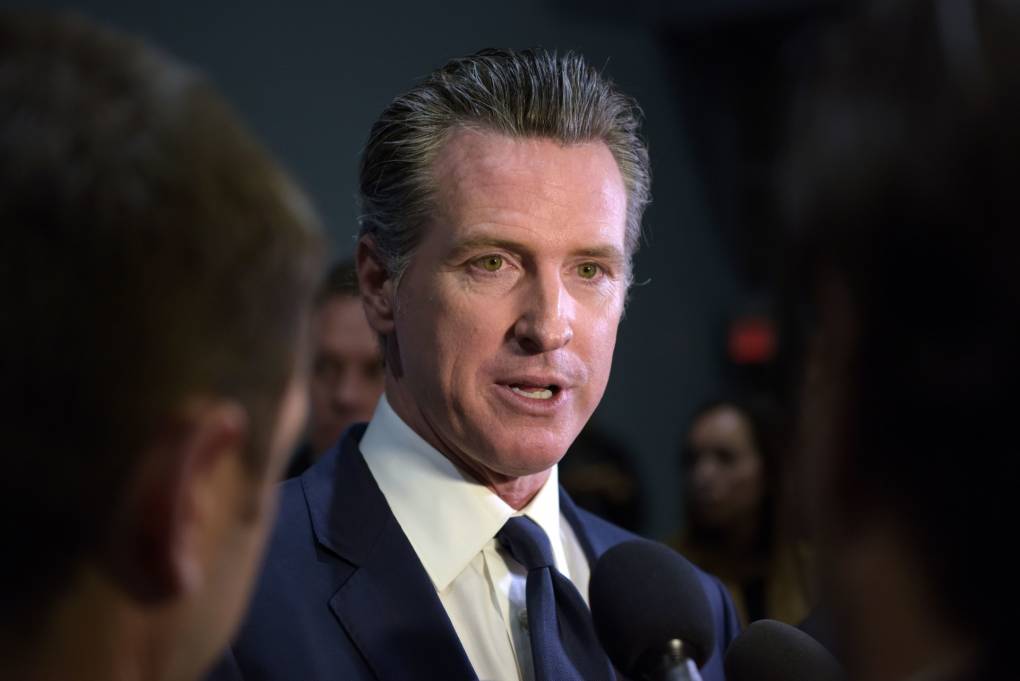
"caption": "'We feel a deep sense of gratitude for people that are in fear of deportation, but are still addressing the essential needs of tens of millions of Californians,' said Gov. Gavin Newsom during an April briefing on the coronavirus pandemic.",
"description": "'We feel a deep sense of gratitude for people that are in fear of deportation, but are still addressing the essential needs of tens of millions of Californians,' said Gov. Gavin Newsom during an April briefing on the coronavirus pandemic.",
"title": "US-VOTE-2020-DEMOCRATS-DEBATE",
"credit": "Agustin Paullier/AFP via Getty Images",
"status": "inherit",
"isLoading": false,
"fetchFailed": false
},
"news_11811206": {
"type": "attachments",
"id": "news_11811206",
"meta": {
"index": "attachments_1716263798",
"site": "news",
"id": "11811206",
"found": true
},
"parent": 11811154,
"imgSizes": {
"apple_news_ca_square_4_0": {
"file": "https://ww2.kqed.org/app/uploads/sites/10/2020/04/GettyImages-1215224846-470x470.jpg",
"width": 470,
"mimeType": "image/jpeg",
"height": 470
},
"twentyfourteen-full-width": {
"file": "https://ww2.kqed.org/app/uploads/sites/10/2020/04/GettyImages-1215224846-1024x576.jpg",
"width": 1024,
"mimeType": "image/jpeg",
"height": 576
},
"thumbnail": {
"file": "https://ww2.kqed.org/app/uploads/sites/10/2020/04/GettyImages-1215224846-160x107.jpg",
"width": 160,
"mimeType": "image/jpeg",
"height": 107
},
"post-thumbnail": {
"file": "https://ww2.kqed.org/app/uploads/sites/10/2020/04/GettyImages-1215224846-672x372.jpg",
"width": 672,
"mimeType": "image/jpeg",
"height": 372
},
"kqedFullSize": {
"file": "https://ww2.kqed.org/app/uploads/sites/10/2020/04/GettyImages-1215224846.jpg",
"width": 1024,
"height": 683
},
"apple_news_ca_landscape_4_7": {
"file": "https://ww2.kqed.org/app/uploads/sites/10/2020/04/GettyImages-1215224846-632x474.jpg",
"width": 632,
"mimeType": "image/jpeg",
"height": 474
},
"large": {
"file": "https://ww2.kqed.org/app/uploads/sites/10/2020/04/GettyImages-1215224846-1020x680.jpg",
"width": 1020,
"mimeType": "image/jpeg",
"height": 680
},
"apple_news_ca_landscape_4_0": {
"file": "https://ww2.kqed.org/app/uploads/sites/10/2020/04/GettyImages-1215224846-536x402.jpg",
"width": 536,
"mimeType": "image/jpeg",
"height": 402
},
"medium": {
"file": "https://ww2.kqed.org/app/uploads/sites/10/2020/04/GettyImages-1215224846-800x534.jpg",
"width": 800,
"mimeType": "image/jpeg",
"height": 534
},
"apple_news_ca_portrait_4_0": {
"file": "https://ww2.kqed.org/app/uploads/sites/10/2020/04/GettyImages-1215224846-354x472.jpg",
"width": 354,
"mimeType": "image/jpeg",
"height": 472
},
"apple_news_ca_portrait_9_7": {
"file": "https://ww2.kqed.org/app/uploads/sites/10/2020/04/GettyImages-1215224846-840x683.jpg",
"width": 840,
"mimeType": "image/jpeg",
"height": 683
},
"apple_news_ca_portrait_4_7": {
"file": "https://ww2.kqed.org/app/uploads/sites/10/2020/04/GettyImages-1215224846-414x552.jpg",
"width": 414,
"mimeType": "image/jpeg",
"height": 552
},
"apple_news_ca_portrait_5_5": {
"file": "https://ww2.kqed.org/app/uploads/sites/10/2020/04/GettyImages-1215224846-687x683.jpg",
"width": 687,
"mimeType": "image/jpeg",
"height": 683
},
"apple_news_ca_square_4_7": {
"file": "https://ww2.kqed.org/app/uploads/sites/10/2020/04/GettyImages-1215224846-550x550.jpg",
"width": 550,
"mimeType": "image/jpeg",
"height": 550
},
"apple_news_ca_square_5_5": {
"file": "https://ww2.kqed.org/app/uploads/sites/10/2020/04/GettyImages-1215224846-912x683.jpg",
"width": 912,
"mimeType": "image/jpeg",
"height": 683
}
},
"publishDate": 1586303978,
"modified": 1586304630,
"caption": "Gov. Gavin Newsom speaks in front of the hospital ship USNS Mercy that arrived into the Port of Los Angeles on Friday, March 27, 2020, to provide relief for area hospitals overwhelmed by the coronavirus pandemic. He was joined by Cal OES Director Mark Ghilarducci, left, Los Angeles Mayor Eric Garcetti, second from right, and state Secretary of Health and Human Services Dr. Mark Ghaly, far right.",
"description": null,
"title": "Hospital Ship USNS Mercy Arrives at the Port of Los Angeles",
"credit": "Carolyn Cole-Pool/Getty Images",
"status": "inherit",
"isLoading": false,
"fetchFailed": false
},
"news_11811146": {
"type": "attachments",
"id": "news_11811146",
"meta": {
"index": "attachments_1716263798",
"site": "news",
"id": "11811146",
"found": true
},
"parent": 11811110,
"imgSizes": {
"apple_news_ca_landscape_5_5": {
"file": "https://ww2.kqed.org/app/uploads/sites/10/2020/04/Golden-Gate-Park-Walk-Social-Distancing-1044x783.jpg",
"width": 1044,
"mimeType": "image/jpeg",
"height": 783
},
"apple_news_ca_square_4_0": {
"file": "https://ww2.kqed.org/app/uploads/sites/10/2020/04/Golden-Gate-Park-Walk-Social-Distancing-470x470.jpg",
"width": 470,
"mimeType": "image/jpeg",
"height": 470
},
"twentyfourteen-full-width": {
"file": "https://ww2.kqed.org/app/uploads/sites/10/2020/04/Golden-Gate-Park-Walk-Social-Distancing-1038x576.jpg",
"width": 1038,
"mimeType": "image/jpeg",
"height": 576
},
"thumbnail": {
"file": "https://ww2.kqed.org/app/uploads/sites/10/2020/04/Golden-Gate-Park-Walk-Social-Distancing-160x107.jpg",
"width": 160,
"mimeType": "image/jpeg",
"height": 107
},
"post-thumbnail": {
"file": "https://ww2.kqed.org/app/uploads/sites/10/2020/04/Golden-Gate-Park-Walk-Social-Distancing-672x372.jpg",
"width": 672,
"mimeType": "image/jpeg",
"height": 372
},
"kqedFullSize": {
"file": "https://ww2.kqed.org/app/uploads/sites/10/2020/04/Golden-Gate-Park-Walk-Social-Distancing.jpg",
"width": 1920,
"height": 1280
},
"apple_news_ca_landscape_4_7": {
"file": "https://ww2.kqed.org/app/uploads/sites/10/2020/04/Golden-Gate-Park-Walk-Social-Distancing-632x474.jpg",
"width": 632,
"mimeType": "image/jpeg",
"height": 474
},
"large": {
"file": "https://ww2.kqed.org/app/uploads/sites/10/2020/04/Golden-Gate-Park-Walk-Social-Distancing-1020x680.jpg",
"width": 1020,
"mimeType": "image/jpeg",
"height": 680
},
"apple_news_ca_landscape_4_0": {
"file": "https://ww2.kqed.org/app/uploads/sites/10/2020/04/Golden-Gate-Park-Walk-Social-Distancing-536x402.jpg",
"width": 536,
"mimeType": "image/jpeg",
"height": 402
},
"apple_news_ca_portrait_12_9": {
"file": "https://ww2.kqed.org/app/uploads/sites/10/2020/04/Golden-Gate-Park-Walk-Social-Distancing-1122x1280.jpg",
"width": 1122,
"mimeType": "image/jpeg",
"height": 1280
},
"medium": {
"file": "https://ww2.kqed.org/app/uploads/sites/10/2020/04/Golden-Gate-Park-Walk-Social-Distancing-800x533.jpg",
"width": 800,
"mimeType": "image/jpeg",
"height": 533
},
"apple_news_ca_portrait_4_0": {
"file": "https://ww2.kqed.org/app/uploads/sites/10/2020/04/Golden-Gate-Park-Walk-Social-Distancing-354x472.jpg",
"width": 354,
"mimeType": "image/jpeg",
"height": 472
},
"apple_news_ca_portrait_9_7": {
"file": "https://ww2.kqed.org/app/uploads/sites/10/2020/04/Golden-Gate-Park-Walk-Social-Distancing-840x1120.jpg",
"width": 840,
"mimeType": "image/jpeg",
"height": 1120
},
"apple_news_ca_landscape_12_9": {
"file": "https://ww2.kqed.org/app/uploads/sites/10/2020/04/Golden-Gate-Park-Walk-Social-Distancing-1832x1280.jpg",
"width": 1832,
"mimeType": "image/jpeg",
"height": 1280
},
"apple_news_ca_square_9_7": {
"file": "https://ww2.kqed.org/app/uploads/sites/10/2020/04/Golden-Gate-Park-Walk-Social-Distancing-1104x1104.jpg",
"width": 1104,
"mimeType": "image/jpeg",
"height": 1104
},
"apple_news_ca_portrait_4_7": {
"file": "https://ww2.kqed.org/app/uploads/sites/10/2020/04/Golden-Gate-Park-Walk-Social-Distancing-414x552.jpg",
"width": 414,
"mimeType": "image/jpeg",
"height": 552
},
"apple_news_ca_square_12_9": {
"file": "https://ww2.kqed.org/app/uploads/sites/10/2020/04/Golden-Gate-Park-Walk-Social-Distancing-1472x1280.jpg",
"width": 1472,
"mimeType": "image/jpeg",
"height": 1280
},
"apple_news_ca_portrait_5_5": {
"file": "https://ww2.kqed.org/app/uploads/sites/10/2020/04/Golden-Gate-Park-Walk-Social-Distancing-687x916.jpg",
"width": 687,
"mimeType": "image/jpeg",
"height": 916
},
"full-width": {
"file": "https://ww2.kqed.org/app/uploads/sites/10/2020/04/Golden-Gate-Park-Walk-Social-Distancing-1920x1280.jpg",
"width": 1920,
"mimeType": "image/jpeg",
"height": 1280
},
"apple_news_ca_square_4_7": {
"file": "https://ww2.kqed.org/app/uploads/sites/10/2020/04/Golden-Gate-Park-Walk-Social-Distancing-550x550.jpg",
"width": 550,
"mimeType": "image/jpeg",
"height": 550
},
"apple_news_ca_landscape_9_7": {
"file": "https://ww2.kqed.org/app/uploads/sites/10/2020/04/Golden-Gate-Park-Walk-Social-Distancing-1376x1032.jpg",
"width": 1376,
"mimeType": "image/jpeg",
"height": 1032
},
"apple_news_ca_square_5_5": {
"file": "https://ww2.kqed.org/app/uploads/sites/10/2020/04/Golden-Gate-Park-Walk-Social-Distancing-912x912.jpg",
"width": 912,
"mimeType": "image/jpeg",
"height": 912
}
},
"publishDate": 1586298387,
"modified": 1586298625,
"caption": "State Surgeon General Nadine Burke Harris urged Californians to eat right and get some outdoor exercise to reduce mental stress - while practicing good social distancing, of course.",
"description": "State Surgeon General Nadine Burke Harris urged Californians to eat right and get some outdoor exercise to reduce mental stress - while practicing good social distancing, of course.",
"title": "Golden-Gate-Park-Walk-Social-Distancing",
"credit": "Beth LaBerge/KQED",
"status": "inherit",
"isLoading": false,
"fetchFailed": false
},
"news_11810835": {
"type": "attachments",
"id": "news_11810835",
"meta": {
"index": "attachments_1716263798",
"site": "news",
"id": "11810835",
"found": true
},
"parent": 11810827,
"imgSizes": {
"apple_news_ca_square_4_0": {
"file": "https://ww2.kqed.org/app/uploads/sites/10/2020/04/SCNG_evictions_01-470x470.jpg",
"width": 470,
"mimeType": "image/jpeg",
"height": 470
},
"thumbnail": {
"file": "https://ww2.kqed.org/app/uploads/sites/10/2020/04/SCNG_evictions_01-160x107.jpg",
"width": 160,
"mimeType": "image/jpeg",
"height": 107
},
"post-thumbnail": {
"file": "https://ww2.kqed.org/app/uploads/sites/10/2020/04/SCNG_evictions_01-672x372.jpg",
"width": 672,
"mimeType": "image/jpeg",
"height": 372
},
"kqedFullSize": {
"file": "https://ww2.kqed.org/app/uploads/sites/10/2020/04/SCNG_evictions_01.jpg",
"width": 793,
"height": 528
},
"apple_news_ca_landscape_4_7": {
"file": "https://ww2.kqed.org/app/uploads/sites/10/2020/04/SCNG_evictions_01-632x474.jpg",
"width": 632,
"mimeType": "image/jpeg",
"height": 474
},
"apple_news_ca_portrait_4_7": {
"file": "https://ww2.kqed.org/app/uploads/sites/10/2020/04/SCNG_evictions_01-414x528.jpg",
"width": 414,
"mimeType": "image/jpeg",
"height": 528
},
"apple_news_ca_portrait_5_5": {
"file": "https://ww2.kqed.org/app/uploads/sites/10/2020/04/SCNG_evictions_01-687x528.jpg",
"width": 687,
"mimeType": "image/jpeg",
"height": 528
},
"apple_news_ca_square_4_7": {
"file": "https://ww2.kqed.org/app/uploads/sites/10/2020/04/SCNG_evictions_01-550x528.jpg",
"width": 550,
"mimeType": "image/jpeg",
"height": 528
},
"apple_news_ca_landscape_4_0": {
"file": "https://ww2.kqed.org/app/uploads/sites/10/2020/04/SCNG_evictions_01-536x402.jpg",
"width": 536,
"mimeType": "image/jpeg",
"height": 402
},
"apple_news_ca_portrait_4_0": {
"file": "https://ww2.kqed.org/app/uploads/sites/10/2020/04/SCNG_evictions_01-354x472.jpg",
"width": 354,
"mimeType": "image/jpeg",
"height": 472
}
},
"publishDate": 1586202751,
"modified": 1586202776,
"caption": "Irma Zamorano, an El Monte resident, wants a stronger eviction moratorium.",
"description": null,
"title": "SCNG_evictions_01",
"credit": "Pierce Singgih/SCNG",
"status": "inherit",
"isLoading": false,
"fetchFailed": false
},
"news_11810725": {
"type": "attachments",
"id": "news_11810725",
"meta": {
"index": "attachments_1716263798",
"site": "news",
"id": "11810725",
"found": true
},
"parent": 11810709,
"imgSizes": {
"apple_news_ca_square_4_0": {
"file": "https://ww2.kqed.org/app/uploads/sites/10/2020/04/GettyImages-1135577279-470x470.jpg",
"width": 470,
"mimeType": "image/jpeg",
"height": 470
},
"twentyfourteen-full-width": {
"file": "https://ww2.kqed.org/app/uploads/sites/10/2020/04/GettyImages-1135577279-1024x576.jpg",
"width": 1024,
"mimeType": "image/jpeg",
"height": 576
},
"thumbnail": {
"file": "https://ww2.kqed.org/app/uploads/sites/10/2020/04/GettyImages-1135577279-160x108.jpg",
"width": 160,
"mimeType": "image/jpeg",
"height": 108
},
"post-thumbnail": {
"file": "https://ww2.kqed.org/app/uploads/sites/10/2020/04/GettyImages-1135577279-672x372.jpg",
"width": 672,
"mimeType": "image/jpeg",
"height": 372
},
"kqedFullSize": {
"file": "https://ww2.kqed.org/app/uploads/sites/10/2020/04/GettyImages-1135577279.jpg",
"width": 1024,
"height": 688
},
"apple_news_ca_landscape_4_7": {
"file": "https://ww2.kqed.org/app/uploads/sites/10/2020/04/GettyImages-1135577279-632x474.jpg",
"width": 632,
"mimeType": "image/jpeg",
"height": 474
},
"large": {
"file": "https://ww2.kqed.org/app/uploads/sites/10/2020/04/GettyImages-1135577279-1020x685.jpg",
"width": 1020,
"mimeType": "image/jpeg",
"height": 685
},
"apple_news_ca_landscape_4_0": {
"file": "https://ww2.kqed.org/app/uploads/sites/10/2020/04/GettyImages-1135577279-536x402.jpg",
"width": 536,
"mimeType": "image/jpeg",
"height": 402
},
"medium": {
"file": "https://ww2.kqed.org/app/uploads/sites/10/2020/04/GettyImages-1135577279-800x538.jpg",
"width": 800,
"mimeType": "image/jpeg",
"height": 538
},
"apple_news_ca_portrait_4_0": {
"file": "https://ww2.kqed.org/app/uploads/sites/10/2020/04/GettyImages-1135577279-354x472.jpg",
"width": 354,
"mimeType": "image/jpeg",
"height": 472
},
"apple_news_ca_portrait_9_7": {
"file": "https://ww2.kqed.org/app/uploads/sites/10/2020/04/GettyImages-1135577279-840x688.jpg",
"width": 840,
"mimeType": "image/jpeg",
"height": 688
},
"apple_news_ca_portrait_4_7": {
"file": "https://ww2.kqed.org/app/uploads/sites/10/2020/04/GettyImages-1135577279-414x552.jpg",
"width": 414,
"mimeType": "image/jpeg",
"height": 552
},
"apple_news_ca_portrait_5_5": {
"file": "https://ww2.kqed.org/app/uploads/sites/10/2020/04/GettyImages-1135577279-687x688.jpg",
"width": 687,
"mimeType": "image/jpeg",
"height": 688
},
"apple_news_ca_square_4_7": {
"file": "https://ww2.kqed.org/app/uploads/sites/10/2020/04/GettyImages-1135577279-550x550.jpg",
"width": 550,
"mimeType": "image/jpeg",
"height": 550
},
"apple_news_ca_square_5_5": {
"file": "https://ww2.kqed.org/app/uploads/sites/10/2020/04/GettyImages-1135577279-912x688.jpg",
"width": 912,
"mimeType": "image/jpeg",
"height": 688
}
},
"publishDate": 1586029279,
"modified": 1619918028,
"caption": "Gov. Gavin Newsom has the broad authority to spend billions of dollars in emergency coronavirus spending as lawmakers’ recess is further delayed to May 3. ",
"description": null,
"title": "Governor Gavin Newsom Announces He Will Sign Moratorium On Executions In California",
"credit": "Justin Sullivan/Getty Images",
"status": "inherit",
"altTag": "Gov. Gavin Newsom has the broad authority to spend billions of dollars in emergency coronavirus spending as lawmakers’ recess is further delayed to May 3.",
"isLoading": false,
"fetchFailed": false
},
"news_11810578": {
"type": "attachments",
"id": "news_11810578",
"meta": {
"index": "attachments_1716263798",
"site": "news",
"id": "11810578",
"found": true
},
"parent": 11810570,
"imgSizes": {
"apple_news_ca_landscape_5_5": {
"file": "https://ww2.kqed.org/app/uploads/sites/10/2020/04/RS42539_Lifelong-nurse-2-qut-1044x783.jpg",
"width": 1044,
"mimeType": "image/jpeg",
"height": 783
},
"apple_news_ca_square_4_0": {
"file": "https://ww2.kqed.org/app/uploads/sites/10/2020/04/RS42539_Lifelong-nurse-2-qut-470x470.jpg",
"width": 470,
"mimeType": "image/jpeg",
"height": 470
},
"twentyfourteen-full-width": {
"file": "https://ww2.kqed.org/app/uploads/sites/10/2020/04/RS42539_Lifelong-nurse-2-qut-1038x576.jpg",
"width": 1038,
"mimeType": "image/jpeg",
"height": 576
},
"thumbnail": {
"file": "https://ww2.kqed.org/app/uploads/sites/10/2020/04/RS42539_Lifelong-nurse-2-qut-160x120.jpg",
"width": 160,
"mimeType": "image/jpeg",
"height": 120
},
"post-thumbnail": {
"file": "https://ww2.kqed.org/app/uploads/sites/10/2020/04/RS42539_Lifelong-nurse-2-qut-672x372.jpg",
"width": 672,
"mimeType": "image/jpeg",
"height": 372
},
"kqedFullSize": {
"file": "https://ww2.kqed.org/app/uploads/sites/10/2020/04/RS42539_Lifelong-nurse-2-qut.jpg",
"width": 1920,
"height": 1440
},
"apple_news_ca_landscape_4_7": {
"file": "https://ww2.kqed.org/app/uploads/sites/10/2020/04/RS42539_Lifelong-nurse-2-qut-632x474.jpg",
"width": 632,
"mimeType": "image/jpeg",
"height": 474
},
"large": {
"file": "https://ww2.kqed.org/app/uploads/sites/10/2020/04/RS42539_Lifelong-nurse-2-qut-1020x765.jpg",
"width": 1020,
"mimeType": "image/jpeg",
"height": 765
},
"apple_news_ca_landscape_4_0": {
"file": "https://ww2.kqed.org/app/uploads/sites/10/2020/04/RS42539_Lifelong-nurse-2-qut-536x402.jpg",
"width": 536,
"mimeType": "image/jpeg",
"height": 402
},
"apple_news_ca_portrait_12_9": {
"file": "https://ww2.kqed.org/app/uploads/sites/10/2020/04/RS42539_Lifelong-nurse-2-qut-1122x1440.jpg",
"width": 1122,
"mimeType": "image/jpeg",
"height": 1440
},
"medium": {
"file": "https://ww2.kqed.org/app/uploads/sites/10/2020/04/RS42539_Lifelong-nurse-2-qut-800x600.jpg",
"width": 800,
"mimeType": "image/jpeg",
"height": 600
},
"apple_news_ca_portrait_4_0": {
"file": "https://ww2.kqed.org/app/uploads/sites/10/2020/04/RS42539_Lifelong-nurse-2-qut-354x472.jpg",
"width": 354,
"mimeType": "image/jpeg",
"height": 472
},
"apple_news_ca_portrait_9_7": {
"file": "https://ww2.kqed.org/app/uploads/sites/10/2020/04/RS42539_Lifelong-nurse-2-qut-840x1120.jpg",
"width": 840,
"mimeType": "image/jpeg",
"height": 1120
},
"apple_news_ca_landscape_12_9": {
"file": "https://ww2.kqed.org/app/uploads/sites/10/2020/04/RS42539_Lifelong-nurse-2-qut-1832x1374.jpg",
"width": 1832,
"mimeType": "image/jpeg",
"height": 1374
},
"apple_news_ca_square_9_7": {
"file": "https://ww2.kqed.org/app/uploads/sites/10/2020/04/RS42539_Lifelong-nurse-2-qut-1104x1104.jpg",
"width": 1104,
"mimeType": "image/jpeg",
"height": 1104
},
"apple_news_ca_portrait_4_7": {
"file": "https://ww2.kqed.org/app/uploads/sites/10/2020/04/RS42539_Lifelong-nurse-2-qut-414x552.jpg",
"width": 414,
"mimeType": "image/jpeg",
"height": 552
},
"apple_news_ca_square_12_9": {
"file": "https://ww2.kqed.org/app/uploads/sites/10/2020/04/RS42539_Lifelong-nurse-2-qut-1472x1440.jpg",
"width": 1472,
"mimeType": "image/jpeg",
"height": 1440
},
"apple_news_ca_portrait_5_5": {
"file": "https://ww2.kqed.org/app/uploads/sites/10/2020/04/RS42539_Lifelong-nurse-2-qut-687x916.jpg",
"width": 687,
"mimeType": "image/jpeg",
"height": 916
},
"full-width": {
"file": "https://ww2.kqed.org/app/uploads/sites/10/2020/04/RS42539_Lifelong-nurse-2-qut-1920x1440.jpg",
"width": 1920,
"mimeType": "image/jpeg",
"height": 1440
},
"apple_news_ca_square_4_7": {
"file": "https://ww2.kqed.org/app/uploads/sites/10/2020/04/RS42539_Lifelong-nurse-2-qut-550x550.jpg",
"width": 550,
"mimeType": "image/jpeg",
"height": 550
},
"apple_news_ca_landscape_9_7": {
"file": "https://ww2.kqed.org/app/uploads/sites/10/2020/04/RS42539_Lifelong-nurse-2-qut-1376x1032.jpg",
"width": 1376,
"mimeType": "image/jpeg",
"height": 1032
},
"apple_news_ca_square_5_5": {
"file": "https://ww2.kqed.org/app/uploads/sites/10/2020/04/RS42539_Lifelong-nurse-2-qut-912x912.jpg",
"width": 912,
"mimeType": "image/jpeg",
"height": 912
}
},
"publishDate": 1585950541,
"modified": 1585954866,
"caption": "Audrey Fisher, a registered nurse with the Lifelong Medical Care TRUST Health Center's street medicine team, tests a homeless man for COVID-19, Tuesday, March 31, 2020. Increasing testing of people living in camp communities will be critical to ensuring the coronavirus doesn't continue to spread throughout the community, Lifelong's associate medical director, Jason Reinking, said.",
"description": "Audrey Fisher, a registered nurse with the Lifelong Medical Care TRUST Health Center's street medicine team, tests a homeless man for COVID-19, Tuesday, March 31, 2020. Increasing testing of people living in camp communities will be critical to ensuring the coronavirus doesn't continue to spread throughout the community, Lifelong's associate medical director, Jason Reinking, said.",
"title": "RS42539_Lifelong nurse 2-qut",
"credit": "Courtesy Lifelong Medical Care TRUST Health Center",
"status": "inherit",
"isLoading": false,
"fetchFailed": false
},
"news_11810535": {
"type": "attachments",
"id": "news_11810535",
"meta": {
"index": "attachments_1716263798",
"site": "news",
"id": "11810535",
"found": true
},
"parent": 11810520,
"imgSizes": {
"apple_news_ca_landscape_5_5": {
"file": "https://ww2.kqed.org/app/uploads/sites/10/2020/04/Gavin-Newsom-homeless-FEMA-1044x783.jpg",
"width": 1044,
"mimeType": "image/jpeg",
"height": 783
},
"apple_news_ca_square_4_0": {
"file": "https://ww2.kqed.org/app/uploads/sites/10/2020/04/Gavin-Newsom-homeless-FEMA-470x470.jpg",
"width": 470,
"mimeType": "image/jpeg",
"height": 470
},
"twentyfourteen-full-width": {
"file": "https://ww2.kqed.org/app/uploads/sites/10/2020/04/Gavin-Newsom-homeless-FEMA-1038x576.jpg",
"width": 1038,
"mimeType": "image/jpeg",
"height": 576
},
"thumbnail": {
"file": "https://ww2.kqed.org/app/uploads/sites/10/2020/04/Gavin-Newsom-homeless-FEMA-160x107.jpg",
"width": 160,
"mimeType": "image/jpeg",
"height": 107
},
"post-thumbnail": {
"file": "https://ww2.kqed.org/app/uploads/sites/10/2020/04/Gavin-Newsom-homeless-FEMA-672x372.jpg",
"width": 672,
"mimeType": "image/jpeg",
"height": 372
},
"kqedFullSize": {
"file": "https://ww2.kqed.org/app/uploads/sites/10/2020/04/Gavin-Newsom-homeless-FEMA.jpg",
"width": 1920,
"height": 1280
},
"apple_news_ca_landscape_4_7": {
"file": "https://ww2.kqed.org/app/uploads/sites/10/2020/04/Gavin-Newsom-homeless-FEMA-632x474.jpg",
"width": 632,
"mimeType": "image/jpeg",
"height": 474
},
"large": {
"file": "https://ww2.kqed.org/app/uploads/sites/10/2020/04/Gavin-Newsom-homeless-FEMA-1020x680.jpg",
"width": 1020,
"mimeType": "image/jpeg",
"height": 680
},
"apple_news_ca_landscape_4_0": {
"file": "https://ww2.kqed.org/app/uploads/sites/10/2020/04/Gavin-Newsom-homeless-FEMA-536x402.jpg",
"width": 536,
"mimeType": "image/jpeg",
"height": 402
},
"apple_news_ca_portrait_12_9": {
"file": "https://ww2.kqed.org/app/uploads/sites/10/2020/04/Gavin-Newsom-homeless-FEMA-1122x1280.jpg",
"width": 1122,
"mimeType": "image/jpeg",
"height": 1280
},
"medium": {
"file": "https://ww2.kqed.org/app/uploads/sites/10/2020/04/Gavin-Newsom-homeless-FEMA-800x533.jpg",
"width": 800,
"mimeType": "image/jpeg",
"height": 533
},
"apple_news_ca_portrait_4_0": {
"file": "https://ww2.kqed.org/app/uploads/sites/10/2020/04/Gavin-Newsom-homeless-FEMA-354x472.jpg",
"width": 354,
"mimeType": "image/jpeg",
"height": 472
},
"apple_news_ca_portrait_9_7": {
"file": "https://ww2.kqed.org/app/uploads/sites/10/2020/04/Gavin-Newsom-homeless-FEMA-840x1120.jpg",
"width": 840,
"mimeType": "image/jpeg",
"height": 1120
},
"apple_news_ca_landscape_12_9": {
"file": "https://ww2.kqed.org/app/uploads/sites/10/2020/04/Gavin-Newsom-homeless-FEMA-1832x1280.jpg",
"width": 1832,
"mimeType": "image/jpeg",
"height": 1280
},
"apple_news_ca_square_9_7": {
"file": "https://ww2.kqed.org/app/uploads/sites/10/2020/04/Gavin-Newsom-homeless-FEMA-1104x1104.jpg",
"width": 1104,
"mimeType": "image/jpeg",
"height": 1104
},
"apple_news_ca_portrait_4_7": {
"file": "https://ww2.kqed.org/app/uploads/sites/10/2020/04/Gavin-Newsom-homeless-FEMA-414x552.jpg",
"width": 414,
"mimeType": "image/jpeg",
"height": 552
},
"apple_news_ca_square_12_9": {
"file": "https://ww2.kqed.org/app/uploads/sites/10/2020/04/Gavin-Newsom-homeless-FEMA-1472x1280.jpg",
"width": 1472,
"mimeType": "image/jpeg",
"height": 1280
},
"apple_news_ca_portrait_5_5": {
"file": "https://ww2.kqed.org/app/uploads/sites/10/2020/04/Gavin-Newsom-homeless-FEMA-687x916.jpg",
"width": 687,
"mimeType": "image/jpeg",
"height": 916
},
"full-width": {
"file": "https://ww2.kqed.org/app/uploads/sites/10/2020/04/Gavin-Newsom-homeless-FEMA-1920x1280.jpg",
"width": 1920,
"mimeType": "image/jpeg",
"height": 1280
},
"apple_news_ca_square_4_7": {
"file": "https://ww2.kqed.org/app/uploads/sites/10/2020/04/Gavin-Newsom-homeless-FEMA-550x550.jpg",
"width": 550,
"mimeType": "image/jpeg",
"height": 550
},
"apple_news_ca_landscape_9_7": {
"file": "https://ww2.kqed.org/app/uploads/sites/10/2020/04/Gavin-Newsom-homeless-FEMA-1376x1032.jpg",
"width": 1376,
"mimeType": "image/jpeg",
"height": 1032
},
"apple_news_ca_square_5_5": {
"file": "https://ww2.kqed.org/app/uploads/sites/10/2020/04/Gavin-Newsom-homeless-FEMA-912x912.jpg",
"width": 912,
"mimeType": "image/jpeg",
"height": 912
}
},
"publishDate": 1585948131,
"modified": 1585948176,
"caption": "Gov. Gavin Newsom speaks during a a news conference about the state's efforts on the homelessness crisis on January 16, 2020 in Oakland.",
"description": "Gov. Gavin Newsom speaks during a a news conference about the state's efforts on the homelessness crisis on January 16, 2020 in Oakland.",
"title": "Gavin-Newsom-homeless-FEMA",
"credit": "Justin Sullivan/Getty Images",
"status": "inherit",
"isLoading": false,
"fetchFailed": false
},
"news_11810326": {
"type": "attachments",
"id": "news_11810326",
"meta": {
"index": "attachments_1716263798",
"site": "news",
"id": "11810326",
"found": true
},
"parent": 11810307,
"imgSizes": {
"apple_news_ca_landscape_5_5": {
"file": "https://ww2.kqed.org/app/uploads/sites/10/2020/04/GettyImages-1208909676_1920x-1044x783.jpg",
"width": 1044,
"mimeType": "image/jpeg",
"height": 783
},
"apple_news_ca_square_4_0": {
"file": "https://ww2.kqed.org/app/uploads/sites/10/2020/04/GettyImages-1208909676_1920x-470x470.jpg",
"width": 470,
"mimeType": "image/jpeg",
"height": 470
},
"twentyfourteen-full-width": {
"file": "https://ww2.kqed.org/app/uploads/sites/10/2020/04/GettyImages-1208909676_1920x-1038x576.jpg",
"width": 1038,
"mimeType": "image/jpeg",
"height": 576
},
"thumbnail": {
"file": "https://ww2.kqed.org/app/uploads/sites/10/2020/04/GettyImages-1208909676_1920x-160x105.jpg",
"width": 160,
"mimeType": "image/jpeg",
"height": 105
},
"post-thumbnail": {
"file": "https://ww2.kqed.org/app/uploads/sites/10/2020/04/GettyImages-1208909676_1920x-672x372.jpg",
"width": 672,
"mimeType": "image/jpeg",
"height": 372
},
"kqedFullSize": {
"file": "https://ww2.kqed.org/app/uploads/sites/10/2020/04/GettyImages-1208909676_1920x.jpg",
"width": 1920,
"height": 1260
},
"apple_news_ca_landscape_4_7": {
"file": "https://ww2.kqed.org/app/uploads/sites/10/2020/04/GettyImages-1208909676_1920x-632x474.jpg",
"width": 632,
"mimeType": "image/jpeg",
"height": 474
},
"large": {
"file": "https://ww2.kqed.org/app/uploads/sites/10/2020/04/GettyImages-1208909676_1920x-1020x669.jpg",
"width": 1020,
"mimeType": "image/jpeg",
"height": 669
},
"apple_news_ca_landscape_4_0": {
"file": "https://ww2.kqed.org/app/uploads/sites/10/2020/04/GettyImages-1208909676_1920x-536x402.jpg",
"width": 536,
"mimeType": "image/jpeg",
"height": 402
},
"apple_news_ca_portrait_12_9": {
"file": "https://ww2.kqed.org/app/uploads/sites/10/2020/04/GettyImages-1208909676_1920x-1122x1260.jpg",
"width": 1122,
"mimeType": "image/jpeg",
"height": 1260
},
"medium": {
"file": "https://ww2.kqed.org/app/uploads/sites/10/2020/04/GettyImages-1208909676_1920x-800x525.jpg",
"width": 800,
"mimeType": "image/jpeg",
"height": 525
},
"apple_news_ca_portrait_4_0": {
"file": "https://ww2.kqed.org/app/uploads/sites/10/2020/04/GettyImages-1208909676_1920x-354x472.jpg",
"width": 354,
"mimeType": "image/jpeg",
"height": 472
},
"apple_news_ca_portrait_9_7": {
"file": "https://ww2.kqed.org/app/uploads/sites/10/2020/04/GettyImages-1208909676_1920x-840x1120.jpg",
"width": 840,
"mimeType": "image/jpeg",
"height": 1120
},
"apple_news_ca_landscape_12_9": {
"file": "https://ww2.kqed.org/app/uploads/sites/10/2020/04/GettyImages-1208909676_1920x-1832x1260.jpg",
"width": 1832,
"mimeType": "image/jpeg",
"height": 1260
},
"apple_news_ca_square_9_7": {
"file": "https://ww2.kqed.org/app/uploads/sites/10/2020/04/GettyImages-1208909676_1920x-1104x1104.jpg",
"width": 1104,
"mimeType": "image/jpeg",
"height": 1104
},
"apple_news_ca_portrait_4_7": {
"file": "https://ww2.kqed.org/app/uploads/sites/10/2020/04/GettyImages-1208909676_1920x-414x552.jpg",
"width": 414,
"mimeType": "image/jpeg",
"height": 552
},
"apple_news_ca_square_12_9": {
"file": "https://ww2.kqed.org/app/uploads/sites/10/2020/04/GettyImages-1208909676_1920x-1472x1260.jpg",
"width": 1472,
"mimeType": "image/jpeg",
"height": 1260
},
"apple_news_ca_portrait_5_5": {
"file": "https://ww2.kqed.org/app/uploads/sites/10/2020/04/GettyImages-1208909676_1920x-687x916.jpg",
"width": 687,
"mimeType": "image/jpeg",
"height": 916
},
"full-width": {
"file": "https://ww2.kqed.org/app/uploads/sites/10/2020/04/GettyImages-1208909676_1920x-1920x1260.jpg",
"width": 1920,
"mimeType": "image/jpeg",
"height": 1260
},
"apple_news_ca_square_4_7": {
"file": "https://ww2.kqed.org/app/uploads/sites/10/2020/04/GettyImages-1208909676_1920x-550x550.jpg",
"width": 550,
"mimeType": "image/jpeg",
"height": 550
},
"apple_news_ca_landscape_9_7": {
"file": "https://ww2.kqed.org/app/uploads/sites/10/2020/04/GettyImages-1208909676_1920x-1376x1032.jpg",
"width": 1376,
"mimeType": "image/jpeg",
"height": 1032
},
"apple_news_ca_square_5_5": {
"file": "https://ww2.kqed.org/app/uploads/sites/10/2020/04/GettyImages-1208909676_1920x-912x912.jpg",
"width": 912,
"mimeType": "image/jpeg",
"height": 912
}
},
"publishDate": 1585869070,
"modified": 1585869122,
"caption": "A boy rides his bike passed a supportive sign posted on a storefront in San Francisco, California on April, 1, 2020, during the novel coronavirus outbreak.",
"description": "A boy rides his bike passed a supportive sign posted on a storefront in San Francisco, California on April, 1, 2020, during the novel coronavirus outbreak.",
"title": "US-HEALTH-VIRUS",
"credit": "Josh Edelson/AFP via Getty Images",
"status": "inherit",
"isLoading": false,
"fetchFailed": false
},
"news_11810055": {
"type": "attachments",
"id": "news_11810055",
"meta": {
"index": "attachments_1716263798",
"site": "news",
"id": "11810055",
"found": true
},
"parent": 11809933,
"imgSizes": {
"apple_news_ca_landscape_5_5": {
"file": "https://ww2.kqed.org/app/uploads/sites/10/2020/03/iwantyou_033120_final_wide-1044x783.png",
"width": 1044,
"mimeType": "image/png",
"height": 783
},
"apple_news_ca_square_4_0": {
"file": "https://ww2.kqed.org/app/uploads/sites/10/2020/03/iwantyou_033120_final_wide-470x470.png",
"width": 470,
"mimeType": "image/png",
"height": 470
},
"twentyfourteen-full-width": {
"file": "https://ww2.kqed.org/app/uploads/sites/10/2020/03/iwantyou_033120_final_wide-1038x576.png",
"width": 1038,
"mimeType": "image/png",
"height": 576
},
"thumbnail": {
"file": "https://ww2.kqed.org/app/uploads/sites/10/2020/03/iwantyou_033120_final_wide-160x105.png",
"width": 160,
"mimeType": "image/png",
"height": 105
},
"post-thumbnail": {
"file": "https://ww2.kqed.org/app/uploads/sites/10/2020/03/iwantyou_033120_final_wide-672x372.png",
"width": 672,
"mimeType": "image/png",
"height": 372
},
"kqedFullSize": {
"file": "https://ww2.kqed.org/app/uploads/sites/10/2020/03/iwantyou_033120_final_wide.png",
"width": 1920,
"height": 1260
},
"apple_news_ca_landscape_4_7": {
"file": "https://ww2.kqed.org/app/uploads/sites/10/2020/03/iwantyou_033120_final_wide-632x474.png",
"width": 632,
"mimeType": "image/png",
"height": 474
},
"large": {
"file": "https://ww2.kqed.org/app/uploads/sites/10/2020/03/iwantyou_033120_final_wide-1020x669.png",
"width": 1020,
"mimeType": "image/png",
"height": 669
},
"apple_news_ca_landscape_4_0": {
"file": "https://ww2.kqed.org/app/uploads/sites/10/2020/03/iwantyou_033120_final_wide-536x402.png",
"width": 536,
"mimeType": "image/png",
"height": 402
},
"apple_news_ca_portrait_12_9": {
"file": "https://ww2.kqed.org/app/uploads/sites/10/2020/03/iwantyou_033120_final_wide-1122x1260.png",
"width": 1122,
"mimeType": "image/png",
"height": 1260
},
"medium": {
"file": "https://ww2.kqed.org/app/uploads/sites/10/2020/03/iwantyou_033120_final_wide-800x525.png",
"width": 800,
"mimeType": "image/png",
"height": 525
},
"apple_news_ca_portrait_4_0": {
"file": "https://ww2.kqed.org/app/uploads/sites/10/2020/03/iwantyou_033120_final_wide-354x472.png",
"width": 354,
"mimeType": "image/png",
"height": 472
},
"apple_news_ca_portrait_9_7": {
"file": "https://ww2.kqed.org/app/uploads/sites/10/2020/03/iwantyou_033120_final_wide-840x1120.png",
"width": 840,
"mimeType": "image/png",
"height": 1120
},
"apple_news_ca_landscape_12_9": {
"file": "https://ww2.kqed.org/app/uploads/sites/10/2020/03/iwantyou_033120_final_wide-1832x1260.png",
"width": 1832,
"mimeType": "image/png",
"height": 1260
},
"apple_news_ca_square_9_7": {
"file": "https://ww2.kqed.org/app/uploads/sites/10/2020/03/iwantyou_033120_final_wide-1104x1104.png",
"width": 1104,
"mimeType": "image/png",
"height": 1104
},
"apple_news_ca_portrait_4_7": {
"file": "https://ww2.kqed.org/app/uploads/sites/10/2020/03/iwantyou_033120_final_wide-414x552.png",
"width": 414,
"mimeType": "image/png",
"height": 552
},
"apple_news_ca_square_12_9": {
"file": "https://ww2.kqed.org/app/uploads/sites/10/2020/03/iwantyou_033120_final_wide-1472x1260.png",
"width": 1472,
"mimeType": "image/png",
"height": 1260
},
"apple_news_ca_portrait_5_5": {
"file": "https://ww2.kqed.org/app/uploads/sites/10/2020/03/iwantyou_033120_final_wide-687x916.png",
"width": 687,
"mimeType": "image/png",
"height": 916
},
"full-width": {
"file": "https://ww2.kqed.org/app/uploads/sites/10/2020/03/iwantyou_033120_final_wide-1920x1260.png",
"width": 1920,
"mimeType": "image/png",
"height": 1260
},
"apple_news_ca_square_4_7": {
"file": "https://ww2.kqed.org/app/uploads/sites/10/2020/03/iwantyou_033120_final_wide-550x550.png",
"width": 550,
"mimeType": "image/png",
"height": 550
},
"apple_news_ca_landscape_9_7": {
"file": "https://ww2.kqed.org/app/uploads/sites/10/2020/03/iwantyou_033120_final_wide-1376x1032.png",
"width": 1376,
"mimeType": "image/png",
"height": 1032
},
"apple_news_ca_square_5_5": {
"file": "https://ww2.kqed.org/app/uploads/sites/10/2020/03/iwantyou_033120_final_wide-912x912.png",
"width": 912,
"mimeType": "image/png",
"height": 912
}
},
"publishDate": 1585760709,
"modified": 1585760753,
"caption": null,
"description": null,
"title": "iwantyou_033120_final_wide",
"credit": null,
"status": "inherit",
"isLoading": false,
"fetchFailed": false
},
"news_11809905": {
"type": "attachments",
"id": "news_11809905",
"meta": {
"index": "attachments_1716263798",
"site": "news",
"id": "11809905",
"found": true
},
"parent": 11809867,
"imgSizes": {
"apple_news_ca_landscape_5_5": {
"file": "https://ww2.kqed.org/app/uploads/sites/10/2020/03/RS42463_GettyImages-1213551485-qut-1044x783.jpg",
"width": 1044,
"mimeType": "image/jpeg",
"height": 783
},
"apple_news_ca_square_4_0": {
"file": "https://ww2.kqed.org/app/uploads/sites/10/2020/03/RS42463_GettyImages-1213551485-qut-470x470.jpg",
"width": 470,
"mimeType": "image/jpeg",
"height": 470
},
"twentyfourteen-full-width": {
"file": "https://ww2.kqed.org/app/uploads/sites/10/2020/03/RS42463_GettyImages-1213551485-qut-1038x576.jpg",
"width": 1038,
"mimeType": "image/jpeg",
"height": 576
},
"thumbnail": {
"file": "https://ww2.kqed.org/app/uploads/sites/10/2020/03/RS42463_GettyImages-1213551485-qut-160x103.jpg",
"width": 160,
"mimeType": "image/jpeg",
"height": 103
},
"post-thumbnail": {
"file": "https://ww2.kqed.org/app/uploads/sites/10/2020/03/RS42463_GettyImages-1213551485-qut-672x372.jpg",
"width": 672,
"mimeType": "image/jpeg",
"height": 372
},
"kqedFullSize": {
"file": "https://ww2.kqed.org/app/uploads/sites/10/2020/03/RS42463_GettyImages-1213551485-qut.jpg",
"width": 1920,
"height": 1240
},
"apple_news_ca_landscape_4_7": {
"file": "https://ww2.kqed.org/app/uploads/sites/10/2020/03/RS42463_GettyImages-1213551485-qut-632x474.jpg",
"width": 632,
"mimeType": "image/jpeg",
"height": 474
},
"large": {
"file": "https://ww2.kqed.org/app/uploads/sites/10/2020/03/RS42463_GettyImages-1213551485-qut-1020x659.jpg",
"width": 1020,
"mimeType": "image/jpeg",
"height": 659
},
"apple_news_ca_landscape_4_0": {
"file": "https://ww2.kqed.org/app/uploads/sites/10/2020/03/RS42463_GettyImages-1213551485-qut-536x402.jpg",
"width": 536,
"mimeType": "image/jpeg",
"height": 402
},
"apple_news_ca_portrait_12_9": {
"file": "https://ww2.kqed.org/app/uploads/sites/10/2020/03/RS42463_GettyImages-1213551485-qut-1122x1240.jpg",
"width": 1122,
"mimeType": "image/jpeg",
"height": 1240
},
"medium": {
"file": "https://ww2.kqed.org/app/uploads/sites/10/2020/03/RS42463_GettyImages-1213551485-qut-800x517.jpg",
"width": 800,
"mimeType": "image/jpeg",
"height": 517
},
"apple_news_ca_portrait_4_0": {
"file": "https://ww2.kqed.org/app/uploads/sites/10/2020/03/RS42463_GettyImages-1213551485-qut-354x472.jpg",
"width": 354,
"mimeType": "image/jpeg",
"height": 472
},
"apple_news_ca_portrait_9_7": {
"file": "https://ww2.kqed.org/app/uploads/sites/10/2020/03/RS42463_GettyImages-1213551485-qut-840x1120.jpg",
"width": 840,
"mimeType": "image/jpeg",
"height": 1120
},
"apple_news_ca_landscape_12_9": {
"file": "https://ww2.kqed.org/app/uploads/sites/10/2020/03/RS42463_GettyImages-1213551485-qut-1832x1240.jpg",
"width": 1832,
"mimeType": "image/jpeg",
"height": 1240
},
"apple_news_ca_square_9_7": {
"file": "https://ww2.kqed.org/app/uploads/sites/10/2020/03/RS42463_GettyImages-1213551485-qut-1104x1104.jpg",
"width": 1104,
"mimeType": "image/jpeg",
"height": 1104
},
"apple_news_ca_portrait_4_7": {
"file": "https://ww2.kqed.org/app/uploads/sites/10/2020/03/RS42463_GettyImages-1213551485-qut-414x552.jpg",
"width": 414,
"mimeType": "image/jpeg",
"height": 552
},
"apple_news_ca_square_12_9": {
"file": "https://ww2.kqed.org/app/uploads/sites/10/2020/03/RS42463_GettyImages-1213551485-qut-1472x1240.jpg",
"width": 1472,
"mimeType": "image/jpeg",
"height": 1240
},
"apple_news_ca_portrait_5_5": {
"file": "https://ww2.kqed.org/app/uploads/sites/10/2020/03/RS42463_GettyImages-1213551485-qut-687x916.jpg",
"width": 687,
"mimeType": "image/jpeg",
"height": 916
},
"full-width": {
"file": "https://ww2.kqed.org/app/uploads/sites/10/2020/03/RS42463_GettyImages-1213551485-qut-1920x1240.jpg",
"width": 1920,
"mimeType": "image/jpeg",
"height": 1240
},
"apple_news_ca_square_4_7": {
"file": "https://ww2.kqed.org/app/uploads/sites/10/2020/03/RS42463_GettyImages-1213551485-qut-550x550.jpg",
"width": 550,
"mimeType": "image/jpeg",
"height": 550
},
"apple_news_ca_landscape_9_7": {
"file": "https://ww2.kqed.org/app/uploads/sites/10/2020/03/RS42463_GettyImages-1213551485-qut-1376x1032.jpg",
"width": 1376,
"mimeType": "image/jpeg",
"height": 1032
},
"apple_news_ca_square_5_5": {
"file": "https://ww2.kqed.org/app/uploads/sites/10/2020/03/RS42463_GettyImages-1213551485-qut-912x912.jpg",
"width": 912,
"mimeType": "image/jpeg",
"height": 912
}
},
"publishDate": 1585693164,
"modified": 1585693213,
"caption": "Seniors shop for groceries during special hours for seniors.",
"description": null,
"title": "Stores Offer Shopping Times For Elderly And Vulnerable Citizens To Protect Against Coronavirus Transmission",
"credit": "Photo by Mario Tama/Getty Images",
"status": "inherit",
"isLoading": false,
"fetchFailed": false
},
"news_11809665": {
"type": "attachments",
"id": "news_11809665",
"meta": {
"index": "attachments_1716263798",
"site": "news",
"id": "11809665",
"found": true
},
"parent": 11809613,
"imgSizes": {
"apple_news_ca_landscape_5_5": {
"file": "https://ww2.kqed.org/app/uploads/sites/10/2020/03/Nurse-Coronavirus-Richmond-Kaiser-1044x783.jpg",
"width": 1044,
"mimeType": "image/jpeg",
"height": 783
},
"apple_news_ca_square_4_0": {
"file": "https://ww2.kqed.org/app/uploads/sites/10/2020/03/Nurse-Coronavirus-Richmond-Kaiser-470x470.jpg",
"width": 470,
"mimeType": "image/jpeg",
"height": 470
},
"twentyfourteen-full-width": {
"file": "https://ww2.kqed.org/app/uploads/sites/10/2020/03/Nurse-Coronavirus-Richmond-Kaiser-1038x576.jpg",
"width": 1038,
"mimeType": "image/jpeg",
"height": 576
},
"thumbnail": {
"file": "https://ww2.kqed.org/app/uploads/sites/10/2020/03/Nurse-Coronavirus-Richmond-Kaiser-160x107.jpg",
"width": 160,
"mimeType": "image/jpeg",
"height": 107
},
"post-thumbnail": {
"file": "https://ww2.kqed.org/app/uploads/sites/10/2020/03/Nurse-Coronavirus-Richmond-Kaiser-672x372.jpg",
"width": 672,
"mimeType": "image/jpeg",
"height": 372
},
"kqedFullSize": {
"file": "https://ww2.kqed.org/app/uploads/sites/10/2020/03/Nurse-Coronavirus-Richmond-Kaiser.jpg",
"width": 1920,
"height": 1280
},
"apple_news_ca_landscape_4_7": {
"file": "https://ww2.kqed.org/app/uploads/sites/10/2020/03/Nurse-Coronavirus-Richmond-Kaiser-632x474.jpg",
"width": 632,
"mimeType": "image/jpeg",
"height": 474
},
"large": {
"file": "https://ww2.kqed.org/app/uploads/sites/10/2020/03/Nurse-Coronavirus-Richmond-Kaiser-1020x680.jpg",
"width": 1020,
"mimeType": "image/jpeg",
"height": 680
},
"apple_news_ca_landscape_4_0": {
"file": "https://ww2.kqed.org/app/uploads/sites/10/2020/03/Nurse-Coronavirus-Richmond-Kaiser-536x402.jpg",
"width": 536,
"mimeType": "image/jpeg",
"height": 402
},
"apple_news_ca_portrait_12_9": {
"file": "https://ww2.kqed.org/app/uploads/sites/10/2020/03/Nurse-Coronavirus-Richmond-Kaiser-1122x1280.jpg",
"width": 1122,
"mimeType": "image/jpeg",
"height": 1280
},
"medium": {
"file": "https://ww2.kqed.org/app/uploads/sites/10/2020/03/Nurse-Coronavirus-Richmond-Kaiser-800x533.jpg",
"width": 800,
"mimeType": "image/jpeg",
"height": 533
},
"apple_news_ca_portrait_4_0": {
"file": "https://ww2.kqed.org/app/uploads/sites/10/2020/03/Nurse-Coronavirus-Richmond-Kaiser-354x472.jpg",
"width": 354,
"mimeType": "image/jpeg",
"height": 472
},
"apple_news_ca_portrait_9_7": {
"file": "https://ww2.kqed.org/app/uploads/sites/10/2020/03/Nurse-Coronavirus-Richmond-Kaiser-840x1120.jpg",
"width": 840,
"mimeType": "image/jpeg",
"height": 1120
},
"apple_news_ca_landscape_12_9": {
"file": "https://ww2.kqed.org/app/uploads/sites/10/2020/03/Nurse-Coronavirus-Richmond-Kaiser-1832x1280.jpg",
"width": 1832,
"mimeType": "image/jpeg",
"height": 1280
},
"apple_news_ca_square_9_7": {
"file": "https://ww2.kqed.org/app/uploads/sites/10/2020/03/Nurse-Coronavirus-Richmond-Kaiser-1104x1104.jpg",
"width": 1104,
"mimeType": "image/jpeg",
"height": 1104
},
"apple_news_ca_portrait_4_7": {
"file": "https://ww2.kqed.org/app/uploads/sites/10/2020/03/Nurse-Coronavirus-Richmond-Kaiser-414x552.jpg",
"width": 414,
"mimeType": "image/jpeg",
"height": 552
},
"apple_news_ca_square_12_9": {
"file": "https://ww2.kqed.org/app/uploads/sites/10/2020/03/Nurse-Coronavirus-Richmond-Kaiser-1472x1280.jpg",
"width": 1472,
"mimeType": "image/jpeg",
"height": 1280
},
"apple_news_ca_portrait_5_5": {
"file": "https://ww2.kqed.org/app/uploads/sites/10/2020/03/Nurse-Coronavirus-Richmond-Kaiser-687x916.jpg",
"width": 687,
"mimeType": "image/jpeg",
"height": 916
},
"full-width": {
"file": "https://ww2.kqed.org/app/uploads/sites/10/2020/03/Nurse-Coronavirus-Richmond-Kaiser-1920x1280.jpg",
"width": 1920,
"mimeType": "image/jpeg",
"height": 1280
},
"apple_news_ca_square_4_7": {
"file": "https://ww2.kqed.org/app/uploads/sites/10/2020/03/Nurse-Coronavirus-Richmond-Kaiser-550x550.jpg",
"width": 550,
"mimeType": "image/jpeg",
"height": 550
},
"apple_news_ca_landscape_9_7": {
"file": "https://ww2.kqed.org/app/uploads/sites/10/2020/03/Nurse-Coronavirus-Richmond-Kaiser-1376x1032.jpg",
"width": 1376,
"mimeType": "image/jpeg",
"height": 1032
},
"apple_news_ca_square_5_5": {
"file": "https://ww2.kqed.org/app/uploads/sites/10/2020/03/Nurse-Coronavirus-Richmond-Kaiser-912x912.jpg",
"width": 912,
"mimeType": "image/jpeg",
"height": 912
}
},
"publishDate": 1585611000,
"modified": 1610411405,
"caption": "Registered nurse Angelo Daulat works at Kaiser Permanente in Richmond where patients with respiratory symptoms were being triaged on March 19, 2020.",
"description": "Registered nurse Angelo Daulat works at Kaiser Permanente in Richmond where patients with respiratory symptoms were being triaged, on Thursday, Mar. 19, 2020.",
"title": "Nurse-Coronavirus-Richmond-Kaiser",
"credit": "Beth LaBerge/KQED",
"status": "inherit",
"altTag": "Registered nurse Angelo Daulat works at Kaiser Permanente in Richmond where patients with respiratory symptoms were being triaged, on Thursday, Mar. 19, 2020.",
"isLoading": false,
"fetchFailed": false
},
"news_11809508": {
"type": "attachments",
"id": "news_11809508",
"meta": {
"index": "attachments_1716263798",
"site": "news",
"id": "11809508",
"found": true
},
"parent": 11809502,
"imgSizes": {
"apple_news_ca_landscape_5_5": {
"file": "https://ww2.kqed.org/app/uploads/sites/10/2020/03/065_KQED_BethLaBerge_BloomEnergy_Newsom_03282020-1044x783.jpg",
"width": 1044,
"mimeType": "image/jpeg",
"height": 783
},
"apple_news_ca_square_4_0": {
"file": "https://ww2.kqed.org/app/uploads/sites/10/2020/03/065_KQED_BethLaBerge_BloomEnergy_Newsom_03282020-470x470.jpg",
"width": 470,
"mimeType": "image/jpeg",
"height": 470
},
"twentyfourteen-full-width": {
"file": "https://ww2.kqed.org/app/uploads/sites/10/2020/03/065_KQED_BethLaBerge_BloomEnergy_Newsom_03282020-1038x576.jpg",
"width": 1038,
"mimeType": "image/jpeg",
"height": 576
},
"thumbnail": {
"file": "https://ww2.kqed.org/app/uploads/sites/10/2020/03/065_KQED_BethLaBerge_BloomEnergy_Newsom_03282020-160x90.jpg",
"width": 160,
"mimeType": "image/jpeg",
"height": 90
},
"post-thumbnail": {
"file": "https://ww2.kqed.org/app/uploads/sites/10/2020/03/065_KQED_BethLaBerge_BloomEnergy_Newsom_03282020-672x372.jpg",
"width": 672,
"mimeType": "image/jpeg",
"height": 372
},
"kqedFullSize": {
"file": "https://ww2.kqed.org/app/uploads/sites/10/2020/03/065_KQED_BethLaBerge_BloomEnergy_Newsom_03282020.jpg",
"width": 3508,
"height": 1973
},
"apple_news_ca_landscape_4_7": {
"file": "https://ww2.kqed.org/app/uploads/sites/10/2020/03/065_KQED_BethLaBerge_BloomEnergy_Newsom_03282020-632x474.jpg",
"width": 632,
"mimeType": "image/jpeg",
"height": 474
},
"large": {
"file": "https://ww2.kqed.org/app/uploads/sites/10/2020/03/065_KQED_BethLaBerge_BloomEnergy_Newsom_03282020-1020x574.jpg",
"width": 1020,
"mimeType": "image/jpeg",
"height": 574
},
"apple_news_ca_landscape_4_0": {
"file": "https://ww2.kqed.org/app/uploads/sites/10/2020/03/065_KQED_BethLaBerge_BloomEnergy_Newsom_03282020-536x402.jpg",
"width": 536,
"mimeType": "image/jpeg",
"height": 402
},
"apple_news_ca_portrait_12_9": {
"file": "https://ww2.kqed.org/app/uploads/sites/10/2020/03/065_KQED_BethLaBerge_BloomEnergy_Newsom_03282020-1122x1496.jpg",
"width": 1122,
"mimeType": "image/jpeg",
"height": 1496
},
"medium": {
"file": "https://ww2.kqed.org/app/uploads/sites/10/2020/03/065_KQED_BethLaBerge_BloomEnergy_Newsom_03282020-800x450.jpg",
"width": 800,
"mimeType": "image/jpeg",
"height": 450
},
"apple_news_ca_portrait_4_0": {
"file": "https://ww2.kqed.org/app/uploads/sites/10/2020/03/065_KQED_BethLaBerge_BloomEnergy_Newsom_03282020-354x472.jpg",
"width": 354,
"mimeType": "image/jpeg",
"height": 472
},
"apple_news_ca_portrait_9_7": {
"file": "https://ww2.kqed.org/app/uploads/sites/10/2020/03/065_KQED_BethLaBerge_BloomEnergy_Newsom_03282020-840x1120.jpg",
"width": 840,
"mimeType": "image/jpeg",
"height": 1120
},
"apple_news_ca_landscape_12_9": {
"file": "https://ww2.kqed.org/app/uploads/sites/10/2020/03/065_KQED_BethLaBerge_BloomEnergy_Newsom_03282020-1832x1374.jpg",
"width": 1832,
"mimeType": "image/jpeg",
"height": 1374
},
"apple_news_ca_square_9_7": {
"file": "https://ww2.kqed.org/app/uploads/sites/10/2020/03/065_KQED_BethLaBerge_BloomEnergy_Newsom_03282020-1104x1104.jpg",
"width": 1104,
"mimeType": "image/jpeg",
"height": 1104
},
"apple_news_ca_portrait_4_7": {
"file": "https://ww2.kqed.org/app/uploads/sites/10/2020/03/065_KQED_BethLaBerge_BloomEnergy_Newsom_03282020-414x552.jpg",
"width": 414,
"mimeType": "image/jpeg",
"height": 552
},
"apple_news_ca_square_12_9": {
"file": "https://ww2.kqed.org/app/uploads/sites/10/2020/03/065_KQED_BethLaBerge_BloomEnergy_Newsom_03282020-1472x1472.jpg",
"width": 1472,
"mimeType": "image/jpeg",
"height": 1472
},
"apple_news_ca_portrait_5_5": {
"file": "https://ww2.kqed.org/app/uploads/sites/10/2020/03/065_KQED_BethLaBerge_BloomEnergy_Newsom_03282020-687x916.jpg",
"width": 687,
"mimeType": "image/jpeg",
"height": 916
},
"full-width": {
"file": "https://ww2.kqed.org/app/uploads/sites/10/2020/03/065_KQED_BethLaBerge_BloomEnergy_Newsom_03282020-1920x1080.jpg",
"width": 1920,
"mimeType": "image/jpeg",
"height": 1080
},
"apple_news_ca_square_4_7": {
"file": "https://ww2.kqed.org/app/uploads/sites/10/2020/03/065_KQED_BethLaBerge_BloomEnergy_Newsom_03282020-550x550.jpg",
"width": 550,
"mimeType": "image/jpeg",
"height": 550
},
"apple_news_ca_landscape_9_7": {
"file": "https://ww2.kqed.org/app/uploads/sites/10/2020/03/065_KQED_BethLaBerge_BloomEnergy_Newsom_03282020-1376x1032.jpg",
"width": 1376,
"mimeType": "image/jpeg",
"height": 1032
},
"apple_news_ca_square_5_5": {
"file": "https://ww2.kqed.org/app/uploads/sites/10/2020/03/065_KQED_BethLaBerge_BloomEnergy_Newsom_03282020-912x912.jpg",
"width": 912,
"mimeType": "image/jpeg",
"height": 912
}
},
"publishDate": 1585525019,
"modified": 1585525060,
"caption": "San Jose Mayor Sam Liccardo speaks during a press conference at the Bloom Energy Sunnyvale campus on March 28, 2020.",
"description": null,
"title": "065_KQED_BethLaBerge_BloomEnergy_Newsom_03282020",
"credit": "Beth LaBerge/KQED",
"status": "inherit",
"isLoading": false,
"fetchFailed": false
}
},
"audioPlayerReducer": {
"postId": "stream_live",
"isPaused": true,
"isPlaying": false,
"pfsActive": false,
"pledgeModalIsOpen": true,
"playerDrawerIsOpen": false,
"liveAudioPlayStartedAt": 0,
"liveAudioPlayContext": ""
},
"authorsReducer": {
"byline_news_11811277": {
"type": "authors",
"id": "byline_news_11811277",
"meta": {
"override": true
},
"slug": "byline_news_11811277",
"name": "Adam Bean\u003cbr />Associated Press",
"isLoading": false
},
"byline_news_11810827": {
"type": "authors",
"id": "byline_news_11810827",
"meta": {
"override": true
},
"slug": "byline_news_11810827",
"name": "\u003ca href=\"https://calmatters.org/author/matt-levin/\"> Matt Levin \u003ca />",
"isLoading": false
},
"byline_news_11810709": {
"type": "authors",
"id": "byline_news_11810709",
"meta": {
"override": true
},
"slug": "byline_news_11810709",
"name": "Adam Beam",
"isLoading": false
},
"scottshafer": {
"type": "authors",
"id": "255",
"meta": {
"index": "authors_1716337520",
"id": "255",
"found": true
},
"name": "Scott Shafer",
"firstName": "Scott",
"lastName": "Shafer",
"slug": "scottshafer",
"email": "sshafer@kqed.org",
"display_author_email": false,
"staff_mastheads": [
"news"
],
"title": "KQED Contributor",
"bio": "Scott Shafer is a senior editor with the KQED Politics and Government desk. He is co-host of Political Breakdown, the award-winning radio show and podcast with a personal take on the world of politics. Scott came to KQED in 1998 to host the statewide\u003cem> California Report\u003c/em>. Prior to that he had extended stints in politics and government\u003cem>.\u003c/em> He uses that inside experience at KQED in his, reporting, hosting and analysis for the politics desk. Scott collaborated \u003cem>Political Breakdown a\u003c/em>nd on \u003cem>The Political Mind of Jerry Brown, \u003c/em>an eight-part series about the life and extraordinary political career of the former governor. For fun, he plays water polo with the San Francisco Tsunami.",
"avatar": "https://secure.gravatar.com/avatar/a62ebae45b79d7aed1a39a0e3bf68104?s=600&d=blank&r=g",
"twitter": "scottshafer",
"bluesky": null,
"facebook": null,
"instagram": null,
"linkedin": null,
"sites": [
{
"site": "news",
"roles": [
"editor"
]
},
{
"site": "stateofhealth",
"roles": [
"author"
]
},
{
"site": "science",
"roles": [
"author"
]
},
{
"site": "forum",
"roles": [
"subscriber"
]
},
{
"site": "liveblog",
"roles": [
"author"
]
}
],
"headData": {
"title": "Scott Shafer | KQED",
"description": "KQED Contributor",
"ogImgSrc": "https://secure.gravatar.com/avatar/a62ebae45b79d7aed1a39a0e3bf68104?s=600&d=blank&r=g",
"twImgSrc": "https://secure.gravatar.com/avatar/a62ebae45b79d7aed1a39a0e3bf68104?s=600&d=blank&r=g"
},
"isLoading": false,
"link": "/author/scottshafer"
},
"markfiore": {
"type": "authors",
"id": "3236",
"meta": {
"index": "authors_1716337520",
"id": "3236",
"found": true
},
"name": "Mark Fiore",
"firstName": "Mark",
"lastName": "Fiore",
"slug": "markfiore",
"email": "mark@markfiore.com",
"display_author_email": false,
"staff_mastheads": [
"news"
],
"title": "KQED News Cartoonist",
"bio": "\u003ca href=\"http://www.MarkFiore.com\">MarkFiore.com\u003c/a> | \u003ca href=\"https://twitter.com/markfiore\">Follow on Twitter\u003c/a> | \u003ca href=\"https://www.facebook.com/pages/Mark-Fiore-Animated-Political-Cartoons/94451707396?ref=bookmarks\">Facebook\u003c/a> | \u003ca href=\"mailto:mark@markfiore.com\">email\u003c/a>\r\n\r\nPulitzer Prize-winner, Mark Fiore, who the Wall Street Journal has called “the undisputed guru of the form,” creates animated political cartoons in San Francisco, where his work has been featured regularly on the San Francisco Chronicle’s web site, SFGate.com. His work has appeared on Newsweek.com, Slate.com, CBSNews.com, MotherJones.com, DailyKos.com and NPR’s web site. Fiore’s political animation has appeared on CNN, Frontline, Bill Moyers Journal, Salon.com and cable and broadcast outlets across the globe.\r\n\r\nBeginning his professional life by drawing traditional political cartoons for newspapers, Fiore’s work appeared in publications ranging from the Washington Post to the Los Angeles Times. In the late 1990s, he began to experiment with animating political cartoons and, after a short stint at the San Jose Mercury News as their staff cartoonist, Fiore devoted all his energies to animation.\r\nGrowing up in California, Fiore also spent a good portion of his life in the backwoods of Idaho. It was this combination that shaped him politically. Mark majored in political science at Colorado College, where, in a perfect send-off for a cartoonist, he received his diploma in 1991 as commencement speaker Dick Cheney smiled approvingly.\r\nMark Fiore was awarded the Pulitzer Prize for political cartooning in 2010, a Robert F. Kennedy Journalism Award in 2004 and has twice received an Online Journalism Award for commentary from the Online News Association (2002, 2008). Fiore has received two awards for his work in new media from the National Cartoonists Society (2001, 2002), and in 2006 received The James Madison Freedom of Information Award from The Society of Professional Journalists.",
"avatar": "https://secure.gravatar.com/avatar/fc4e2a612b15b67bad0c6f0e1db4ca9b?s=600&d=blank&r=g",
"twitter": "MarkFiore",
"facebook": null,
"instagram": "https://www.instagram.com/markfiore/?hl=en",
"linkedin": null,
"sites": [
{
"site": "arts",
"roles": [
"contributor"
]
},
{
"site": "news",
"roles": [
"editor"
]
},
{
"site": "futureofyou",
"roles": [
"editor"
]
},
{
"site": "science",
"roles": [
"editor"
]
}
],
"headData": {
"title": "Mark Fiore | KQED",
"description": "KQED News Cartoonist",
"ogImgSrc": "https://secure.gravatar.com/avatar/fc4e2a612b15b67bad0c6f0e1db4ca9b?s=600&d=blank&r=g",
"twImgSrc": "https://secure.gravatar.com/avatar/fc4e2a612b15b67bad0c6f0e1db4ca9b?s=600&d=blank&r=g"
},
"isLoading": false,
"link": "/author/markfiore"
},
"mlagos": {
"type": "authors",
"id": "3239",
"meta": {
"index": "authors_1716337520",
"id": "3239",
"found": true
},
"name": "Marisa Lagos",
"firstName": "Marisa",
"lastName": "Lagos",
"slug": "mlagos",
"email": "mlagos@kqed.org",
"display_author_email": false,
"staff_mastheads": [
"news"
],
"title": "KQED Contributor",
"bio": "Marisa Lagos is a correspondent for KQED’s California Politics and Government Desk and co-hosts the award-winning show and podcast, Political Breakdown. At KQED, Lagos also conducts reporting, analysis and investigations into state, local and national politics for radio, TV, online and onstage. In 2022, she and co-host, Scott Shafer, moderated the only gubernatorial debate in California. In 2020, the \u003ci>Washington Post\u003c/i> named her one of the top political journalists in California; she was nominated for a Peabody and won several other awards for her work investigating the 2017 California wildfires. She has worked at the \u003ci>San Francisco Chronicle\u003c/i>, \u003ci>San Francisco Examiner\u003c/i> and \u003ci>Los Angeles Times\u003c/i>. A UC Santa Barbara graduate, she lives in San Francisco with her two sons and husband.",
"avatar": "https://secure.gravatar.com/avatar/a261a0d3696fc066871ef96b85b5e7d2?s=600&d=blank&r=g",
"twitter": "@mlagos",
"facebook": null,
"instagram": null,
"linkedin": null,
"sites": [
{
"site": "arts",
"roles": [
"author"
]
},
{
"site": "news",
"roles": [
"editor"
]
},
{
"site": "science",
"roles": [
"editor"
]
},
{
"site": "forum",
"roles": [
"author"
]
},
{
"site": "liveblog",
"roles": [
"author"
]
}
],
"headData": {
"title": "Marisa Lagos | KQED",
"description": "KQED Contributor",
"ogImgSrc": "https://secure.gravatar.com/avatar/a261a0d3696fc066871ef96b85b5e7d2?s=600&d=blank&r=g",
"twImgSrc": "https://secure.gravatar.com/avatar/a261a0d3696fc066871ef96b85b5e7d2?s=600&d=blank&r=g"
},
"isLoading": false,
"link": "/author/mlagos"
},
"korr": {
"type": "authors",
"id": "11200",
"meta": {
"index": "authors_1716337520",
"id": "11200",
"found": true
},
"name": "Katie Orr",
"firstName": "Katie",
"lastName": "Orr",
"slug": "korr",
"email": "korr@kqed.org",
"display_author_email": false,
"staff_mastheads": [],
"title": "KQED Contributor",
"bio": "Katie Orr was a Sacramento-based reporter for KQED's Politics and Government Desk, covering the state Capitol and a variety of issues including women in politics, voting and elections and legislation. Prior to joining KQED in 2016, Katie was state government reporter for Capital Public Radio in Sacramento. She's also worked for KPBS in San Diego, where she covered City Hall.\r\n\r\nKatie received her masters degree in political science from San Diego State University and holds a Bachelors degree in broadcast journalism from Arizona State University.\r\n\r\nIn 2015 Katie won a national Clarion Award for a series of stories she did on women in California politics. She's been honored by the Society for Professional Journalists and, in 2013, was named by \u003cem>The Washington Post\u003c/em> as one of the country's top state Capitol reporters. She's also reported for the award-winning documentary series \u003cem>The View from Here \u003c/em>and was part of the team that won national PRNDI and Gabriel Awards in 2015. She lives in Sacramento with her husband. Twitter: @1KatieOrr",
"avatar": "https://secure.gravatar.com/avatar/41a40b25845adc78f50808670860449e?s=600&d=blank&r=g",
"twitter": "1katieorr",
"facebook": null,
"instagram": null,
"linkedin": null,
"sites": [
{
"site": "news",
"roles": [
"subscriber"
]
},
{
"site": "stateofhealth",
"roles": [
"author"
]
},
{
"site": "forum",
"roles": [
"author"
]
}
],
"headData": {
"title": "Katie Orr | KQED",
"description": "KQED Contributor",
"ogImgSrc": "https://secure.gravatar.com/avatar/41a40b25845adc78f50808670860449e?s=600&d=blank&r=g",
"twImgSrc": "https://secure.gravatar.com/avatar/41a40b25845adc78f50808670860449e?s=600&d=blank&r=g"
},
"isLoading": false,
"link": "/author/korr"
},
"parcuni": {
"type": "authors",
"id": "11368",
"meta": {
"index": "authors_1716337520",
"id": "11368",
"found": true
},
"name": "Peter Arcuni",
"firstName": "Peter",
"lastName": "Arcuni",
"slug": "parcuni",
"email": "parcuni@KQED.org",
"display_author_email": false,
"staff_mastheads": [
"science"
],
"title": "Reporter",
"bio": "Peter reports radio and online stories for \u003cem>KQED Science\u003c/em>. His work has also appeared on the \u003cem>The California Report\u003c/em> morning show and \u003cem>KQED News\u003c/em>. His production credits include \u003cem>The California Report, The California Report Magazine\u003c/em> and KQED's local news podcast \u003cem>The Bay\u003c/em>. Other credits include NPR's \u003cem>All Things Considered\u003c/em>, WNYC's \u003cem>Science Friday\u003c/em>, WBUR's \u003cem>Here & Now\u003c/em>, WIRED and SFGate. Peter graduated from Brown University and earned a master's degree in journalism from Stanford. He's covered everything from homelessness to wildfires, health, the environment, arts and Thanksgiving in San Quentin prison. In other lives, he played rock n roll music and studied neuroscience. You can email him at: parcuni@kqed.org",
"avatar": "https://secure.gravatar.com/avatar/d5032f6f27199d478af34ad2e1d98732?s=600&d=blank&r=g",
"twitter": "peterarcuni",
"facebook": null,
"instagram": null,
"linkedin": null,
"sites": [
{
"site": "news",
"roles": [
"editor"
]
},
{
"site": "science",
"roles": [
"editor"
]
}
],
"headData": {
"title": "Peter Arcuni | KQED",
"description": "Reporter",
"ogImgSrc": "https://secure.gravatar.com/avatar/d5032f6f27199d478af34ad2e1d98732?s=600&d=blank&r=g",
"twImgSrc": "https://secure.gravatar.com/avatar/d5032f6f27199d478af34ad2e1d98732?s=600&d=blank&r=g"
},
"isLoading": false,
"link": "/author/parcuni"
},
"katewolffe": {
"type": "authors",
"id": "11523",
"meta": {
"index": "authors_1716337520",
"id": "11523",
"found": true
},
"name": "Kate Wolffe",
"firstName": "Kate",
"lastName": "Wolffe",
"slug": "katewolffe",
"email": "kwolffe@kqed.org",
"display_author_email": true,
"staff_mastheads": [
"news"
],
"title": "KQED Reporter + Weekend Host",
"bio": "Kate Wolffe reports on local Bay Area happenings for KQED, and hosts the news on weekend afternoons. She joined KQED in 2018 as an intern on the Forum team, before moving to cover topics ranging from politics to criminal justice to homelessness. A Bay Area native and UC Berkeley graduate, Kate loves to discover new corners of the region.",
"avatar": "https://secure.gravatar.com/avatar/22455f14db824a03ee252f73052fe939?s=600&d=blank&r=g",
"twitter": "katewolffe",
"facebook": null,
"instagram": null,
"linkedin": null,
"sites": [
{
"site": "arts",
"roles": [
"editor"
]
},
{
"site": "news",
"roles": [
"author",
"edit_others_posts"
]
},
{
"site": "forum",
"roles": [
"editor"
]
}
],
"headData": {
"title": "Kate Wolffe | KQED",
"description": "KQED Reporter + Weekend Host",
"ogImgSrc": "https://secure.gravatar.com/avatar/22455f14db824a03ee252f73052fe939?s=600&d=blank&r=g",
"twImgSrc": "https://secure.gravatar.com/avatar/22455f14db824a03ee252f73052fe939?s=600&d=blank&r=g"
},
"isLoading": false,
"link": "/author/katewolffe"
},
"ebaldassari": {
"type": "authors",
"id": "11652",
"meta": {
"index": "authors_1716337520",
"id": "11652",
"found": true
},
"name": "Erin Baldassari",
"firstName": "Erin",
"lastName": "Baldassari",
"slug": "ebaldassari",
"email": "ebaldassari@KQED.org",
"display_author_email": true,
"staff_mastheads": [
"news"
],
"title": "Staff Writer",
"bio": "Erin Baldassari covers housing for KQED. She's a former print journalist and most recently worked as the transportation reporter for the \u003cem>Mercury News\u003c/em> and \u003cem>East Bay Times. \u003c/em>There, she focused on how the Bay Area’s housing shortage has changed the way people move around the region. She also served on the \u003cem>East Bay Times\u003c/em>’ 2017 Pulitzer Prize-winning team for coverage of the Ghost Ship Fire in Oakland. Prior to that, Erin worked as a breaking news and general assignment reporter for a variety of outlets in the Bay Area and the greater Boston area. A Tufts University alumna, Erin grew up in the foothills of the Sierra Nevada mountains and in Sonoma County. She is a life-long KQED listener.",
"avatar": "https://secure.gravatar.com/avatar/5e95cad64a8ca08288082212e199d2b0cbeb4fd8e8ef5339395f361032bbe005?s=600&d=blank&r=g",
"twitter": "e_baldi",
"bluesky": null,
"facebook": null,
"instagram": null,
"linkedin": null,
"sites": [
{
"site": "news",
"roles": [
"edit_others_posts",
"editor"
]
},
{
"site": "science",
"roles": [
"editor"
]
},
{
"site": "liveblog",
"roles": [
"editor"
]
}
],
"headData": {
"title": "Erin Baldassari | KQED",
"description": "Staff Writer",
"ogImgSrc": "https://secure.gravatar.com/avatar/5e95cad64a8ca08288082212e199d2b0cbeb4fd8e8ef5339395f361032bbe005?s=600&d=blank&r=g",
"twImgSrc": "https://secure.gravatar.com/avatar/5e95cad64a8ca08288082212e199d2b0cbeb4fd8e8ef5339395f361032bbe005?s=600&d=blank&r=g"
},
"isLoading": false,
"link": "/author/ebaldassari"
},
"blaberge": {
"type": "authors",
"id": "11667",
"meta": {
"index": "authors_1716337520",
"id": "11667",
"found": true
},
"name": "Beth LaBerge",
"firstName": "Beth",
"lastName": "LaBerge",
"slug": "blaberge",
"email": "blaberge@KQED.org",
"display_author_email": true,
"staff_mastheads": [
"news"
],
"title": "Photographer, News",
"bio": "Beth LaBerge is a visual journalist for \u003ca href=\"https://www.kqed.org/news\">KQED News\u003c/a>.",
"avatar": "https://secure.gravatar.com/avatar/ce49ecd7a1306685637b45a1f6f5dedfc4ae9481966eb596fea5160466dd6319?s=600&d=blank&r=g",
"twitter": null,
"bluesky": null,
"facebook": null,
"instagram": "https://www.instagram.com/bethlaberge/",
"linkedin": null,
"sites": [
{
"site": "arts",
"roles": [
"editor",
"manage_categories"
]
},
{
"site": "news",
"roles": [
"editor",
"edit_plugins",
"manage_categories"
]
},
{
"site": "science",
"roles": [
"editor",
"contributor",
"author",
"manage_categories"
]
},
{
"site": "perspectives",
"roles": [
"editor"
]
},
{
"site": "liveblog",
"roles": [
"editor"
]
}
],
"headData": {
"title": "Beth LaBerge | KQED",
"description": "Photographer, News",
"ogImgSrc": "https://secure.gravatar.com/avatar/ce49ecd7a1306685637b45a1f6f5dedfc4ae9481966eb596fea5160466dd6319?s=600&d=blank&r=g",
"twImgSrc": "https://secure.gravatar.com/avatar/ce49ecd7a1306685637b45a1f6f5dedfc4ae9481966eb596fea5160466dd6319?s=600&d=blank&r=g"
},
"isLoading": false,
"link": "/author/blaberge"
}
},
"pagesReducer": {
"news_tag_gavin-newsom": {
"type": "terms",
"id": "news_16",
"meta": {
"index": "terms_1716263798",
"site": "news",
"id": "16",
"score": 8.936912
},
"featImg": null,
"name": "Gavin Newsom",
"description": null,
"taxonomy": "tag",
"headData": {
"twImgId": null,
"twTitle": null,
"ogTitle": null,
"ogImgId": null,
"twDescription": null,
"description": null,
"title": "Gavin Newsom Archives | KQED News",
"ogDescription": null
},
"ttid": 16,
"slug": "gavin-newsom",
"isLoading": false,
"title": "Gavin Newsom",
"pageMeta": {
"site": "news",
"WpPageTemplate": "page-topic-editorial",
"currentPage": 75
},
"blocks": [
{
"blockName": "kqed/post-list",
"attrs": {
"layout": "cardArticle2",
"query": "posts/news?tag=gavin-newsom",
"seeMore": false,
"paginated": true,
"page": 75
}
},
{
"blockName": "kqed/ad"
}
]
}
},
"pfsSessionReducer": {},
"postsReducer": {
"stream_live": {
"type": "live",
"id": "stream_live",
"audioUrl": "https://streams.kqed.org/kqedradio",
"title": "Live Stream",
"excerpt": "Live Stream information currently unavailable.",
"link": "/radio",
"featImg": "",
"label": {
"name": "KQED Live",
"link": "/"
}
},
"stream_kqedNewscast": {
"type": "posts",
"id": "stream_kqedNewscast",
"audioUrl": "https://www.kqed.org/.stream/anon/radio/RDnews/newscast.mp3?_=1",
"title": "KQED Newscast",
"featImg": "",
"label": {
"name": "88.5 FM",
"link": "/"
}
},
"news_11811277": {
"type": "posts",
"id": "news_11811277",
"meta": {
"index": "posts_1716263798",
"site": "news",
"id": "11811277",
"score": null,
"sort": [
1586320239000
]
},
"parent": 0,
"labelTerm": {},
"blocks": [],
"publishDate": 1586320239,
"format": "standard",
"disqusTitle": "Newsom Says He's Considering Aid for Immigrants Impacted By Coronavirus Crisis",
"title": "Newsom Says He's Considering Aid for Immigrants Impacted By Coronavirus Crisis",
"headTitle": "The California Report | KQED News",
"content": "\u003cp>Gov. Gavin Newsom said Tuesday he is working with the Legislature on an economic stimulus package for immigrants in the country illegally and others not covered by the federal stimulus package approved by Congress.\u003c/p>\n\u003cp>The federal government is dividing up about $30 billion to roughly 14 million California households this month, part of the federal CARES Act. But the checks — $1,200 per adult earning less than $75,000 and $2,400 per couple under $150,000 — only go to those who file their taxes using a Social Security number.\u003c/p>\n\u003cp>Those who use an individual Taxpayer Identification Number, including most living in the country illegally, are excluded.\u003c/p>\n\u003cp>The $2.2 trillion federal aid package also includes money to boost unemployment benefits by an extra $600 per week, money also unavailable to people living in the country illegally who have lost their jobs because of the COVID-19 outbreak.\u003c/p>\n\u003cp>About 2 million people in California are suspected of living in the country illegally, according to the California Latino Legislative Caucus. The group has asked Newsom to create a “Disaster Relief Fund” for cash payments to those immigrants until the state’s emergency proclamation is lifted or they are able to return to work.\u003c/p>\n\u003cp>[ad fullwidth]\u003c/p>\n\u003cp>Newsom said “all of that is being considered,” adding that it is part of a broader package he plans to unveil in May that will include “some economic stimulus strategies at a state level, not just waiting for the federal government to do that for us.”\u003c/p>\n\u003cp>“Californians care deeply about undocumented residents in this state,” he said.\u003c/p>\n\u003cp>California has been aggressive in expanding government-funded benefits for immigrants living in the country illegally. Last year, lawmakers made California the first state in the country to offer government-funded health benefits to low-income adults 25 and younger living in the country illegally.\u003c/p>\n\u003cp>But some Republicans questioned the plan. The state has delayed the tax filing deadline to July 15, one month after lawmakers are constitutionally required to pass a state spending plan. On Monday, a memo from the Assembly Budget Committee said lawmakers will likely have to revise the budget in August, saying “sizable” spending cuts are possible.\u003c/p>\n\u003cp>“I see the state of California and its budget as a house of cards and with this coronavirus-induced recession, I’m just trying to figure out where the money would come from,” said state Sen. John Moorlach, a Republican from Costa Mesa. “I would say helping undocumented would be a luxury item.”\u003c/p>\n\u003cp>[aside label=\"More Coronavirus Coverage\" tag=\"coronavirus\"]\u003c/p>\n\u003cp>The state has more than 17,000 coronavirus cases and some 450 deaths, according to data compiled by Johns Hopkins University. However, infections are growing at a slower pace than officials had feared.\u003c/p>\n\u003cp>The number of COVID-19 related intensive care hospitalizations increased only 2.1% in the last 24 hours — down from the double-digit increases the state was seeing last week. Newsom said there is a sense of optimism about the curve of cases bending lower.\u003c/p>\n\u003cp>\"We are seeing a slow and steady increase, but it’s moderate,\" he said. \"And it’s moderate, again, because of the actions all of you have taken in terms of the physical distancing.\"\u003c/p>\n\u003cp>While physical distancing has helped slow the spread of the virus, it has also hobbled the state’s economy. Non-essential businesses have closed and 2.3 million Californians have filed for unemployment benefits in the last four weeks.\u003c/p>\n\u003cp>The state Legislature has recessed until May 4, but the idea of a state stimulus appears to have support among Democrats, who have super majorities in both chambers. Assembly Speaker Anthony Rendon confirmed lawmakers are considering a proposal that would help immigrants living in the country illegally, while state Senate President Pro Tem Toni Atkins said she supports any efforts to bring “much needed resources to all of our communities.”\u003c/p>\n\u003cp>\u003c/p>\n\u003cp>“The state is going to have to step in to support a segment of our community that the federal government will ignore,” said state Sen. Holly Mitchell, chairwoman of the Senate Budget Committee.\u003c/p>\n\n",
"disqusIdentifier": "11811277 https://ww2.kqed.org/news/?p=11811277",
"disqusUrl": "https://ww2.kqed.org/news/2020/04/07/newsom-says-hes-considering-aid-for-immigrants-impacted-by-coronavirus-crisis/",
"stats": {
"hasVideo": false,
"hasChartOrMap": false,
"hasAudio": false,
"hasPolis": false,
"wordCount": 702,
"hasGoogleForm": false,
"hasGallery": false,
"hasHearkenModule": false,
"iframeSrcs": [],
"paragraphCount": 19
},
"modified": 1587427834,
"excerpt": "The federal government is dividing up about $30 billion to roughly 14 million California households this month, part of the federal CARES Act. But the checks only go to those who file their taxes using a Social Security number.\r\n",
"headData": {
"twImgId": "",
"twTitle": "",
"ogTitle": "",
"ogImgId": "",
"twDescription": "",
"description": "The federal government is dividing up about $30 billion to roughly 14 million California households this month, part of the federal CARES Act. But the checks only go to those who file their taxes using a Social Security number.\r\n",
"title": "Newsom Says He's Considering Aid for Immigrants Impacted By Coronavirus Crisis | KQED",
"ogDescription": "",
"schema": {
"@context": "https://schema.org",
"@type": "NewsArticle",
"headline": "Newsom Says He's Considering Aid for Immigrants Impacted By Coronavirus Crisis",
"datePublished": "2020-04-07T21:30:39-07:00",
"dateModified": "2020-04-20T17:10:34-07:00",
"image": "https://cdn.kqed.org/wp-content/uploads/2020/02/KQED-OG-Image@1x.png",
"isAccessibleForFree": "True",
"publisher": {
"@type": "NewsMediaOrganization",
"@id": "https://www.kqed.org/#organization",
"name": "KQED",
"logo": "https://cdn.kqed.org/wp-content/uploads/2020/02/KQED-OG-Image@1x.png",
"url": "https://www.kqed.org",
"sameAs": [
"https://www.facebook.com/KQED",
"https://twitter.com/KQED",
"https://www.instagram.com/kqed/",
"https://www.tiktok.com/@kqedofficial",
"https://www.linkedin.com/company/kqed",
"https://www.youtube.com/channel/UCeC0IOo7i1P_61zVUWbJ4nw"
]
}
}
},
"guestAuthors": [],
"slug": "newsom-says-hes-considering-aid-for-immigrants-impacted-by-coronavirus-crisis",
"status": "publish",
"sourceUrl": "https://apnews.com/30f8bf7fe81ba24b323ecb5e03aacd57",
"templateType": "standard",
"nprByline": "Adam Bean\u003cbr />Associated Press",
"featuredImageType": "standard",
"justInHeadline": "Newsom considers aid for immigrants impacted by COVID-19 crisis",
"source": "Associated Press",
"path": "/news/11811277/newsom-says-hes-considering-aid-for-immigrants-impacted-by-coronavirus-crisis",
"audioTrackLength": null,
"parsedContent": [
{
"type": "contentString",
"content": "\u003cdiv class=\"post-body\">\u003cp>\u003cp>Gov. Gavin Newsom said Tuesday he is working with the Legislature on an economic stimulus package for immigrants in the country illegally and others not covered by the federal stimulus package approved by Congress.\u003c/p>\n\u003cp>The federal government is dividing up about $30 billion to roughly 14 million California households this month, part of the federal CARES Act. But the checks — $1,200 per adult earning less than $75,000 and $2,400 per couple under $150,000 — only go to those who file their taxes using a Social Security number.\u003c/p>\n\u003cp>Those who use an individual Taxpayer Identification Number, including most living in the country illegally, are excluded.\u003c/p>\n\u003cp>The $2.2 trillion federal aid package also includes money to boost unemployment benefits by an extra $600 per week, money also unavailable to people living in the country illegally who have lost their jobs because of the COVID-19 outbreak.\u003c/p>\n\u003cp>About 2 million people in California are suspected of living in the country illegally, according to the California Latino Legislative Caucus. The group has asked Newsom to create a “Disaster Relief Fund” for cash payments to those immigrants until the state’s emergency proclamation is lifted or they are able to return to work.\u003c/p>\n\u003cp>\u003c/p>\u003c/div>",
"attributes": {
"named": {},
"numeric": []
}
},
{
"type": "component",
"content": "",
"name": "ad",
"attributes": {
"named": {
"label": "fullwidth"
},
"numeric": [
"fullwidth"
]
}
},
{
"type": "contentString",
"content": "\u003cdiv class=\"post-body\">\u003cp>\u003c/p>\n\u003cp>Newsom said “all of that is being considered,” adding that it is part of a broader package he plans to unveil in May that will include “some economic stimulus strategies at a state level, not just waiting for the federal government to do that for us.”\u003c/p>\n\u003cp>“Californians care deeply about undocumented residents in this state,” he said.\u003c/p>\n\u003cp>California has been aggressive in expanding government-funded benefits for immigrants living in the country illegally. Last year, lawmakers made California the first state in the country to offer government-funded health benefits to low-income adults 25 and younger living in the country illegally.\u003c/p>\n\u003cp>But some Republicans questioned the plan. The state has delayed the tax filing deadline to July 15, one month after lawmakers are constitutionally required to pass a state spending plan. On Monday, a memo from the Assembly Budget Committee said lawmakers will likely have to revise the budget in August, saying “sizable” spending cuts are possible.\u003c/p>\n\u003cp>“I see the state of California and its budget as a house of cards and with this coronavirus-induced recession, I’m just trying to figure out where the money would come from,” said state Sen. John Moorlach, a Republican from Costa Mesa. “I would say helping undocumented would be a luxury item.”\u003c/p>\n\u003cp>\u003c/p>\u003c/div>",
"attributes": {
"named": {},
"numeric": []
}
},
{
"type": "component",
"content": "",
"name": "aside",
"attributes": {
"named": {
"label": "More Coronavirus Coverage ",
"tag": "coronavirus"
},
"numeric": []
}
},
{
"type": "contentString",
"content": "\u003cdiv class=\"post-body\">\u003cp>\u003c/p>\n\u003cp>The state has more than 17,000 coronavirus cases and some 450 deaths, according to data compiled by Johns Hopkins University. However, infections are growing at a slower pace than officials had feared.\u003c/p>\n\u003cp>The number of COVID-19 related intensive care hospitalizations increased only 2.1% in the last 24 hours — down from the double-digit increases the state was seeing last week. Newsom said there is a sense of optimism about the curve of cases bending lower.\u003c/p>\n\u003cp>\"We are seeing a slow and steady increase, but it’s moderate,\" he said. \"And it’s moderate, again, because of the actions all of you have taken in terms of the physical distancing.\"\u003c/p>\n\u003cp>While physical distancing has helped slow the spread of the virus, it has also hobbled the state’s economy. Non-essential businesses have closed and 2.3 million Californians have filed for unemployment benefits in the last four weeks.\u003c/p>\n\u003cp>The state Legislature has recessed until May 4, but the idea of a state stimulus appears to have support among Democrats, who have super majorities in both chambers. Assembly Speaker Anthony Rendon confirmed lawmakers are considering a proposal that would help immigrants living in the country illegally, while state Senate President Pro Tem Toni Atkins said she supports any efforts to bring “much needed resources to all of our communities.”\u003c/p>\n\u003cp>\u003c/p>\n\u003cp>“The state is going to have to step in to support a segment of our community that the federal government will ignore,” said state Sen. Holly Mitchell, chairwoman of the Senate Budget Committee.\u003c/p>\n\n\u003c/div>\u003c/p>",
"attributes": {
"named": {},
"numeric": []
}
}
],
"link": "/news/11811277/newsom-says-hes-considering-aid-for-immigrants-impacted-by-coronavirus-crisis",
"authors": [
"byline_news_11811277"
],
"programs": [
"news_72"
],
"categories": [
"news_8"
],
"tags": [
"news_27350",
"news_27504",
"news_16",
"news_397"
],
"featImg": "news_11810710",
"label": "source_news_11811277"
},
"news_11811154": {
"type": "posts",
"id": "news_11811154",
"meta": {
"index": "posts_1716263798",
"site": "news",
"id": "11811154",
"score": null,
"sort": [
1586304862000
]
},
"parent": 0,
"labelTerm": {},
"blocks": [],
"publishDate": 1586304862,
"format": "standard",
"disqusTitle": "Gov. Newsom Says Tough Economic Times Ahead and More Cash Needed from Feds",
"title": "Gov. Newsom Says Tough Economic Times Ahead and More Cash Needed from Feds",
"headTitle": "KQED News",
"content": "\u003cp>Gov. Gavin Newsom warned that tough times are ahead for California's state and local budgets, while acknowledging that renters and homeowners are struggling.\u003c/p>\n\u003cp>In an interview with KQED on Tuesday, Newsom said he won’t move to force California counties to delay the April 10 property tax deadline, noting that groups representing counties and tax collectors recently warned that a state-mandated extension could push some local governments to insolvency.\u003c/p>\n\u003cp>Newsom said his office has been working with counties to ensure that people who are unable to pay their property taxes by Friday will be able to extend the deadline without penalties.\u003c/p>\n\u003cp>[pullquote size=\"medium\" align=\"right\" citation=\"Gov. Gavin Newsom\"]'The impact to the general fund, the impact in terms of our capacity to deliver services, is substantially greater than anything we've ever experienced in our lifetime.'[/pullquote]\u003c/p>\n\u003cp>But, he said, those taxes are what counties and cities rely on to provide basic services.\u003c/p>\n\u003cp>“You could see the insolvency of these local governments if they're not able to collect property tax. We made it clear that we understood that,” he said. “But we also made it clear that we expected hardship exemptions for those that simply can't pay them. And there was some pushback ... but ultimately they agreed on a case-by-case basis that they would create those hardship exemptions to extend the payment options.”\u003c/p>\n\u003cp>When it comes to renters, Newsom said he has no current plans to expand his recent executive order that places a moratorium on the enforcement of evictions through May 31. Advocates for renters\u003ca href=\"https://www.kqed.org/news/11809328/newsoms-eviction-moratorium-useless-misleading-tenants-groups-say\">\u003cspan style=\"font-weight: 400\"> criticized the order as meaningless\u003c/span>\u003c/a> \u003cspan style=\"font-weight: 400\">because it doesn’t prevent landlords from pursuing evictions in court — it simply delays the enforcement of those evictions until June. \u003c/span>\u003c/p>\n\u003cp>Newsom said his office has cracked down on some counties where sheriffs' departments were ignoring his order and still enforcing evictions — and will continue to keep track of what’s happening at the local level.\u003c/p>\n\u003cp>“There are many cities that have put together even more aggressive renter protections than the state, and we think that's good,” he said. “And obviously, we will continue to consider additional steps as necessary.”\u003c/p>\n\u003cp>[ad fullwidth]\u003c/p>\n\u003cp>But it’s not just individuals that will continue to need help, the governor said. He warned that the “magnitude” of the COVID-19 pandemic will exceed California’s robust fiscal reserves — and that the state budget will suffer for several years to come.\u003c/p>\n\u003cp>[aside label=related coverage\" tag=\"coronavirus\"]Newsom noted that an astounding 2.3 million Californians have filed for unemployment since March 12.\u003c/p>\n\u003cp>He noted that unemployment rates, which peaked in California during the last recession, at around 12.4%, could go even higher because of the pandemic.\u003c/p>\n\u003cp>“The short term is one thing, but the next two, three years, there's going to need to be significant support well above and beyond the support already provided,” he said, referring to the $2.2 trillion relief act passed by Congress last month.\u003c/p>\n\u003cp>Newsom didn't join New York Gov. Andrew Cuomo in criticizing Congress for not including more funding for local governments in that bill, but said he agrees with Cuomo that much more will be needed in the future.\u003c/p>\n\u003cp>“The impact to the general fund, the impact in terms of our capacity to deliver services, is substantially greater than anything we've ever experienced in our lifetime. And so I think [Cuomo] was implying they need to do more,” he said. “And we have all the expectations they will, because they're going to need to keep states large and small from going into insolvency and into bankruptcy.”\u003c/p>\n\u003cp>\u003c/p>\n",
"disqusIdentifier": "11811154 https://ww2.kqed.org/news/?p=11811154",
"disqusUrl": "https://ww2.kqed.org/news/2020/04/07/gov-newsom-say-tough-economic-times-ahead-and-more-cash-needed-from-feds/",
"stats": {
"hasVideo": false,
"hasChartOrMap": false,
"hasAudio": false,
"hasPolis": false,
"wordCount": 629,
"hasGoogleForm": false,
"hasGallery": false,
"hasHearkenModule": false,
"iframeSrcs": [],
"paragraphCount": 17
},
"modified": 1586305604,
"excerpt": "In an interview with KQED Tuesday, Gov. Gavin Newsom said he had no plans to delay property tax deadlines, but stressed that California will need more federal money in the months and years ahead.",
"headData": {
"twImgId": "",
"twTitle": "",
"ogTitle": "",
"ogImgId": "",
"twDescription": "",
"description": "In an interview with KQED Tuesday, Gov. Gavin Newsom said he had no plans to delay property tax deadlines, but stressed that California will need more federal money in the months and years ahead.",
"title": "Gov. Newsom Says Tough Economic Times Ahead and More Cash Needed from Feds | KQED",
"ogDescription": "",
"schema": {
"@context": "https://schema.org",
"@type": "NewsArticle",
"headline": "Gov. Newsom Says Tough Economic Times Ahead and More Cash Needed from Feds",
"datePublished": "2020-04-07T17:14:22-07:00",
"dateModified": "2020-04-07T17:26:44-07:00",
"image": "https://cdn.kqed.org/wp-content/uploads/2020/02/KQED-OG-Image@1x.png",
"isAccessibleForFree": "True",
"publisher": {
"@type": "NewsMediaOrganization",
"@id": "https://www.kqed.org/#organization",
"name": "KQED",
"logo": "https://cdn.kqed.org/wp-content/uploads/2020/02/KQED-OG-Image@1x.png",
"url": "https://www.kqed.org",
"sameAs": [
"https://www.facebook.com/KQED",
"https://twitter.com/KQED",
"https://www.instagram.com/kqed/",
"https://www.tiktok.com/@kqedofficial",
"https://www.linkedin.com/company/kqed",
"https://www.youtube.com/channel/UCeC0IOo7i1P_61zVUWbJ4nw"
]
}
}
},
"guestAuthors": [],
"slug": "gov-newsom-say-tough-economic-times-ahead-and-more-cash-needed-from-feds",
"status": "publish",
"sourceUrl": "https://www.kqed.org/coronavirus",
"source": "Coronavirus",
"path": "/news/11811154/gov-newsom-say-tough-economic-times-ahead-and-more-cash-needed-from-feds",
"audioTrackLength": null,
"parsedContent": [
{
"type": "contentString",
"content": "\u003cdiv class=\"post-body\">\u003cp>\u003cp>Gov. Gavin Newsom warned that tough times are ahead for California's state and local budgets, while acknowledging that renters and homeowners are struggling.\u003c/p>\n\u003cp>In an interview with KQED on Tuesday, Newsom said he won’t move to force California counties to delay the April 10 property tax deadline, noting that groups representing counties and tax collectors recently warned that a state-mandated extension could push some local governments to insolvency.\u003c/p>\n\u003cp>Newsom said his office has been working with counties to ensure that people who are unable to pay their property taxes by Friday will be able to extend the deadline without penalties.\u003c/p>\n\u003cp>\u003c/p>\u003c/div>",
"attributes": {
"named": {},
"numeric": []
}
},
{
"type": "component",
"content": "'The impact to the general fund, the impact in terms of our capacity to deliver services, is substantially greater than anything we've ever experienced in our lifetime.'",
"name": "pullquote",
"attributes": {
"named": {
"size": "medium",
"align": "right",
"citation": "Gov. Gavin Newsom",
"label": ""
},
"numeric": []
}
},
{
"type": "contentString",
"content": "\u003cdiv class=\"post-body\">\u003cp>\u003c/p>\n\u003cp>But, he said, those taxes are what counties and cities rely on to provide basic services.\u003c/p>\n\u003cp>“You could see the insolvency of these local governments if they're not able to collect property tax. We made it clear that we understood that,” he said. “But we also made it clear that we expected hardship exemptions for those that simply can't pay them. And there was some pushback ... but ultimately they agreed on a case-by-case basis that they would create those hardship exemptions to extend the payment options.”\u003c/p>\n\u003cp>When it comes to renters, Newsom said he has no current plans to expand his recent executive order that places a moratorium on the enforcement of evictions through May 31. Advocates for renters\u003ca href=\"https://www.kqed.org/news/11809328/newsoms-eviction-moratorium-useless-misleading-tenants-groups-say\">\u003cspan style=\"font-weight: 400\"> criticized the order as meaningless\u003c/span>\u003c/a> \u003cspan style=\"font-weight: 400\">because it doesn’t prevent landlords from pursuing evictions in court — it simply delays the enforcement of those evictions until June. \u003c/span>\u003c/p>\n\u003cp>Newsom said his office has cracked down on some counties where sheriffs' departments were ignoring his order and still enforcing evictions — and will continue to keep track of what’s happening at the local level.\u003c/p>\n\u003cp>“There are many cities that have put together even more aggressive renter protections than the state, and we think that's good,” he said. “And obviously, we will continue to consider additional steps as necessary.”\u003c/p>\n\u003cp>\u003c/p>\u003c/div>",
"attributes": {
"named": {},
"numeric": []
}
},
{
"type": "component",
"content": "",
"name": "ad",
"attributes": {
"named": {
"label": "fullwidth"
},
"numeric": [
"fullwidth"
]
}
},
{
"type": "contentString",
"content": "\u003cdiv class=\"post-body\">\u003cp>\u003c/p>\n\u003cp>But it’s not just individuals that will continue to need help, the governor said. He warned that the “magnitude” of the COVID-19 pandemic will exceed California’s robust fiscal reserves — and that the state budget will suffer for several years to come.\u003c/p>\n\u003cp>\u003c/p>\u003c/div>",
"attributes": {
"named": {},
"numeric": []
}
},
{
"type": "component",
"content": "",
"name": "aside",
"attributes": {
"named": {
"label": "related coverage\"",
"tag": "coronavirus"
},
"numeric": [
"coverage\""
]
}
},
{
"type": "contentString",
"content": "\u003cdiv class=\"post-body\">\u003cp>Newsom noted that an astounding 2.3 million Californians have filed for unemployment since March 12.\u003c/p>\n\u003cp>He noted that unemployment rates, which peaked in California during the last recession, at around 12.4%, could go even higher because of the pandemic.\u003c/p>\n\u003cp>“The short term is one thing, but the next two, three years, there's going to need to be significant support well above and beyond the support already provided,” he said, referring to the $2.2 trillion relief act passed by Congress last month.\u003c/p>\n\u003cp>Newsom didn't join New York Gov. Andrew Cuomo in criticizing Congress for not including more funding for local governments in that bill, but said he agrees with Cuomo that much more will be needed in the future.\u003c/p>\n\u003cp>“The impact to the general fund, the impact in terms of our capacity to deliver services, is substantially greater than anything we've ever experienced in our lifetime. And so I think [Cuomo] was implying they need to do more,” he said. “And we have all the expectations they will, because they're going to need to keep states large and small from going into insolvency and into bankruptcy.”\u003c/p>\n\u003cp>\u003c/p>\n\u003c/div>\u003c/p>",
"attributes": {
"named": {},
"numeric": []
}
}
],
"link": "/news/11811154/gov-newsom-say-tough-economic-times-ahead-and-more-cash-needed-from-feds",
"authors": [
"3239",
"255"
],
"categories": [
"news_8",
"news_13"
],
"tags": [
"news_27504",
"news_16",
"news_17968"
],
"featImg": "news_11811206",
"label": "source_news_11811154"
},
"news_11811110": {
"type": "posts",
"id": "news_11811110",
"meta": {
"index": "posts_1716263798",
"site": "news",
"id": "11811110",
"score": null,
"sort": [
1586299661000
]
},
"guestAuthors": [],
"slug": "not-just-in-your-head-california-rolls-out-mental-health-guides-for-coping-with-coronavirus",
"title": "Not 'Just in Your Head': California Rolls Out Mental Health Guides for Coping With Coronavirus",
"publishDate": 1586299661,
"format": "standard",
"headTitle": "Not ‘Just in Your Head’: California Rolls Out Mental Health Guides for Coping With Coronavirus | KQED",
"labelTerm": {},
"content": "\u003cp>Gov. Gavin Newsom opened his daily briefing Tuesday on the status of the coronavirus pandemic in California a bit differently than normal: With a mantra he says his mother used to repeat.\u003c/p>\n\u003cp>“She said, ‘Stand guard at the door of your mind,'” Newsom said.\u003c/p>\n\u003cp>“Honestly, it took me a decade-plus to figure out what she was ultimately saying. But she was focused on, more than anything else, our capacity to be resilient and to meet challenges head-on, our capacity as human beings to refocus our energies, a sense of purpose, and a sense of optimism and faith that will get through times of challenges — times like today.”\u003c/p>\n\u003cp>[pullquote size=\"medium\" align=\"right\" citation=\"California Surgeon General Nadine Burke Harris\"]‘The health impacts of coronavirus go beyond infection and COVID disease.’[/pullquote]\u003c/p>\n\u003cp>But Newsom said he knows that Californians can’t do it alone. So he asked California’s Surgeon General, Dr. Nadine Burke Harris, to create a \u003ca href=\"https://covid19.ca.gov/manage-stress-for-health/#top\">series of guides to help people manage stress\u003c/a> during this time of crisis.\u003c/p>\n\u003cp>Burke Harris said millions of Californians who aren’t sick with COVID-19 are still managing a ton of stress — and that stress can manifest in real, physical pain.\u003c/p>\n\u003cp>“The health impacts of coronavirus go beyond infection and COVID disease,” she said. “It’s important to know that these changes aren’t just in your head, and to begin to identify how stress shows up for you — physically, emotionally and behaviorally.”\u003c/p>\n\u003cp>[ad fullwidth]\u003c/p>\n\u003cp>Burke Harris, whose expertise is in childhood trauma and its long-term health impacts, said the way people manifest this stress is different for everyone. Some people drink too much. Some can’t sleep. Some get headaches or other physical symptoms. And some may get violent, or be the victim of violence.\u003c/p>\n\u003cp>The state’s website includes \u003ca href=\"https://covid19.ca.gov/resources-for-emotional-support-and-well-being/#top\">a series of hotlines people can call\u003c/a> — including for people who are struggling with depression and suicidal thoughts, are victims of violence, or if they are worried about the safety of a child.\u003c/p>\n\u003cp>Additionally, Burke Harris said, there are things people can do at home to help manage this difficult period.\u003c/p>\n\u003cp>“While we keep our physical distance, our social supports to maintain emotional and spiritual connection are more important than ever for our physical and mental health,” she said.\u003c/p>\n\u003cp>[aside postID=news_11808968,news_11807639 label='More Resources']Burke Harris urged Californians to exercise, eat right, get enough sleep and try to still connect — albeit virtually — to their social support networks.\u003c/p>\n\u003cp>“Safe, stable and nurturing relationships help to protect our brains and bodies from the harmful effects of stress and adversity,” she said.\u003c/p>\n\u003cp>She announced two “\u003ca href=\"https://covid19.ca.gov/manage-stress-for-health/#top\">playbooks\u003c/a>” that rely on evidence-based guidance for how to relieve stress. One is for everyone; the second is for parents and caregivers.\u003c/p>\n\u003cul>\n\u003cli>\u003ca href=\"https://covid19.ca.gov/img/wp/california-surgeon-general_stress-busting-playbook_draft-v2clean_ada-04072020.pdf\">Stress Relief During COVID-19\u003c/a>\u003c/li>\n\u003cli>\u003ca href=\"https://covid19.ca.gov/pdf/caregivers_and_kids_california_surgeon_general_stress_busting_playbook_draft_v2_clean_ada_04072020v2.pdf\">Stress Relief for Caregivers and Kids During COVID-19\u003c/a>\u003c/li>\n\u003c/ul>\n\u003cp>Newsom urged Californians to stay optimistic — and to help themselves by helping others.\u003c/p>\n\u003cp>“Reach out to people. If there was ever a time when you wanted to call Aunt Margie — you hadn’t called her in two years, this is the time,” he said.\u003c/p>\n\u003cp>“I had a beautiful letter … it was sitting there at the gate of my home, right outside, and a note attached from a neighbor down the block, who just wanted to put in a good word,” Newsom added.\u003c/p>\n\u003cp>“Just dropping a note by — it made my day, look at me, it made my week. You can do the same, reach out to neighbors, reach out to loved ones, reach out to strangers.”\u003c/p>\n\u003cp>\u003cem>\u003ca href=\"https://www.kqed.org/education/collection/above-the-noise\">Above the Noise\u003c/a>, KQED Education’s video series, talks to a UCSF psychologist about coping tips for teenagers:\u003c/em>\u003c/p>\n\u003cp>https://www.youtube.com/watch?v=cT77fQ57IP4&feature=youtu.be\u003c/p>\n\u003cp>\u003c/p>\n",
"blocks": [],
"excerpt": "Gov. Gavin Newsom asked California's surgeon general to create a series of guides to help people manage stress during the coronavirus pandemic.",
"status": "publish",
"parent": 0,
"modified": 1721149711,
"stats": {
"hasAudio": false,
"hasVideo": true,
"hasChartOrMap": false,
"iframeSrcs": [],
"hasGoogleForm": false,
"hasGallery": false,
"hasHearkenModule": false,
"hasPolis": false,
"paragraphCount": 21,
"wordCount": 662
},
"headData": {
"title": "Not 'Just in Your Head': California Rolls Out Mental Health Guides for Coping With Coronavirus | KQED",
"description": "Gov. Gavin Newsom asked California's surgeon general to create a series of guides to help people manage stress during the coronavirus pandemic.",
"ogTitle": "",
"ogDescription": "",
"ogImgId": "",
"twTitle": "",
"twDescription": "",
"twImgId": "",
"socialDescription": "Gov. Gavin Newsom asked California's surgeon general to create a series of guides to help people manage stress during the coronavirus pandemic.",
"schema": {
"@context": "https://schema.org",
"@type": "NewsArticle",
"headline": "Not 'Just in Your Head': California Rolls Out Mental Health Guides for Coping With Coronavirus",
"datePublished": "2020-04-07T15:47:41-07:00",
"dateModified": "2024-07-16T10:08:31-07:00",
"image": "https://cdn.kqed.org/wp-content/uploads/2020/02/KQED-OG-Image@1x.png",
"isAccessibleForFree": "True",
"publisher": {
"@type": "NewsMediaOrganization",
"@id": "https://www.kqed.org/#organization",
"name": "KQED",
"logo": "https://cdn.kqed.org/wp-content/uploads/2020/02/KQED-OG-Image@1x.png",
"url": "https://www.kqed.org",
"sameAs": [
"https://www.facebook.com/KQED",
"https://twitter.com/KQED",
"https://www.instagram.com/kqed/",
"https://www.tiktok.com/@kqedofficial",
"https://www.linkedin.com/company/kqed",
"https://www.youtube.com/channel/UCeC0IOo7i1P_61zVUWbJ4nw"
]
}
}
},
"source": "Coronavirus",
"sourceUrl": "https://www.kqed.org/coronavirus",
"sticky": false,
"path": "/news/11811110/not-just-in-your-head-california-rolls-out-mental-health-guides-for-coping-with-coronavirus",
"audioTrackLength": null,
"parsedContent": [
{
"type": "contentString",
"content": "\u003cdiv class=\"post-body\">\u003cp>\u003cp>Gov. Gavin Newsom opened his daily briefing Tuesday on the status of the coronavirus pandemic in California a bit differently than normal: With a mantra he says his mother used to repeat.\u003c/p>\n\u003cp>“She said, ‘Stand guard at the door of your mind,'” Newsom said.\u003c/p>\n\u003cp>“Honestly, it took me a decade-plus to figure out what she was ultimately saying. But she was focused on, more than anything else, our capacity to be resilient and to meet challenges head-on, our capacity as human beings to refocus our energies, a sense of purpose, and a sense of optimism and faith that will get through times of challenges — times like today.”\u003c/p>\n\u003cp>\u003c/p>\u003c/div>",
"attributes": {
"named": {},
"numeric": []
}
},
{
"type": "component",
"content": "‘The health impacts of coronavirus go beyond infection and COVID disease.’",
"name": "pullquote",
"attributes": {
"named": {
"size": "medium",
"align": "right",
"citation": "California Surgeon General Nadine Burke Harris",
"label": ""
},
"numeric": []
}
},
{
"type": "contentString",
"content": "\u003cdiv class=\"post-body\">\u003cp>\u003c/p>\n\u003cp>But Newsom said he knows that Californians can’t do it alone. So he asked California’s Surgeon General, Dr. Nadine Burke Harris, to create a \u003ca href=\"https://covid19.ca.gov/manage-stress-for-health/#top\">series of guides to help people manage stress\u003c/a> during this time of crisis.\u003c/p>\n\u003cp>Burke Harris said millions of Californians who aren’t sick with COVID-19 are still managing a ton of stress — and that stress can manifest in real, physical pain.\u003c/p>\n\u003cp>“The health impacts of coronavirus go beyond infection and COVID disease,” she said. “It’s important to know that these changes aren’t just in your head, and to begin to identify how stress shows up for you — physically, emotionally and behaviorally.”\u003c/p>\n\u003cp>\u003c/p>\u003c/div>",
"attributes": {
"named": {},
"numeric": []
}
},
{
"type": "component",
"content": "",
"name": "ad",
"attributes": {
"named": {
"label": "fullwidth"
},
"numeric": [
"fullwidth"
]
}
},
{
"type": "contentString",
"content": "\u003cdiv class=\"post-body\">\u003cp>\u003c/p>\n\u003cp>Burke Harris, whose expertise is in childhood trauma and its long-term health impacts, said the way people manifest this stress is different for everyone. Some people drink too much. Some can’t sleep. Some get headaches or other physical symptoms. And some may get violent, or be the victim of violence.\u003c/p>\n\u003cp>The state’s website includes \u003ca href=\"https://covid19.ca.gov/resources-for-emotional-support-and-well-being/#top\">a series of hotlines people can call\u003c/a> — including for people who are struggling with depression and suicidal thoughts, are victims of violence, or if they are worried about the safety of a child.\u003c/p>\n\u003cp>Additionally, Burke Harris said, there are things people can do at home to help manage this difficult period.\u003c/p>\n\u003cp>“While we keep our physical distance, our social supports to maintain emotional and spiritual connection are more important than ever for our physical and mental health,” she said.\u003c/p>\n\u003cp>\u003c/p>\u003c/div>",
"attributes": {
"named": {},
"numeric": []
}
},
{
"type": "component",
"content": "",
"name": "aside",
"attributes": {
"named": {
"postid": "news_11808968,news_11807639",
"label": "More Resources "
},
"numeric": []
}
},
{
"type": "contentString",
"content": "\u003cdiv class=\"post-body\">\u003cp>Burke Harris urged Californians to exercise, eat right, get enough sleep and try to still connect — albeit virtually — to their social support networks.\u003c/p>\n\u003cp>“Safe, stable and nurturing relationships help to protect our brains and bodies from the harmful effects of stress and adversity,” she said.\u003c/p>\n\u003cp>She announced two “\u003ca href=\"https://covid19.ca.gov/manage-stress-for-health/#top\">playbooks\u003c/a>” that rely on evidence-based guidance for how to relieve stress. One is for everyone; the second is for parents and caregivers.\u003c/p>\n\u003cul>\n\u003cli>\u003ca href=\"https://covid19.ca.gov/img/wp/california-surgeon-general_stress-busting-playbook_draft-v2clean_ada-04072020.pdf\">Stress Relief During COVID-19\u003c/a>\u003c/li>\n\u003cli>\u003ca href=\"https://covid19.ca.gov/pdf/caregivers_and_kids_california_surgeon_general_stress_busting_playbook_draft_v2_clean_ada_04072020v2.pdf\">Stress Relief for Caregivers and Kids During COVID-19\u003c/a>\u003c/li>\n\u003c/ul>\n\u003cp>Newsom urged Californians to stay optimistic — and to help themselves by helping others.\u003c/p>\n\u003cp>“Reach out to people. If there was ever a time when you wanted to call Aunt Margie — you hadn’t called her in two years, this is the time,” he said.\u003c/p>\n\u003cp>“I had a beautiful letter … it was sitting there at the gate of my home, right outside, and a note attached from a neighbor down the block, who just wanted to put in a good word,” Newsom added.\u003c/p>\n\u003cp>“Just dropping a note by — it made my day, look at me, it made my week. You can do the same, reach out to neighbors, reach out to loved ones, reach out to strangers.”\u003c/p>\n\u003cp>\u003cem>\u003ca href=\"https://www.kqed.org/education/collection/above-the-noise\">Above the Noise\u003c/a>, KQED Education’s video series, talks to a UCSF psychologist about coping tips for teenagers:\u003c/em>\u003c/p>\u003c/p>\u003cp>\u003cspan class='utils-parseShortcode-shortcodes-__youtubeShortcode__embedYoutube'>\n \u003cspan class='utils-parseShortcode-shortcodes-__youtubeShortcode__embedYoutubeInside'>\n \u003ciframe\n loading='lazy'\n class='utils-parseShortcode-shortcodes-__youtubeShortcode__youtubePlayer'\n type='text/html'\n src='//www.youtube.com/embed/cT77fQ57IP4'\n title='//www.youtube.com/embed/cT77fQ57IP4'\n allowfullscreen='true'\n style='border:0;'>\u003c/iframe>\n \u003c/span>\n \u003c/span>\u003c/p>\u003cp>\u003cp>\u003c/p>\n\u003c/div>\u003c/p>",
"attributes": {
"named": {},
"numeric": []
}
}
],
"link": "/news/11811110/not-just-in-your-head-california-rolls-out-mental-health-guides-for-coping-with-coronavirus",
"authors": [
"3239"
],
"categories": [
"news_457",
"news_8",
"news_13"
],
"tags": [
"news_18538",
"news_27350",
"news_27504",
"news_16",
"news_2109",
"news_17968",
"news_24739"
],
"featImg": "news_11811146",
"label": "source_news_11811110"
},
"news_11810827": {
"type": "posts",
"id": "news_11810827",
"meta": {
"index": "posts_1716263798",
"site": "news",
"id": "11810827",
"score": null,
"sort": [
1586206543000
]
},
"parent": 0,
"labelTerm": {},
"blocks": [],
"publishDate": 1586206543,
"format": "standard",
"disqusTitle": "Amid Pandemic, Some California Sheriffs’ Departments Still Evicting Renters",
"title": "Amid Pandemic, Some California Sheriffs’ Departments Still Evicting Renters",
"headTitle": "CALmatters | KQED News",
"content": "\u003cp>Lori Waldman got lucky. She thought she and her 87-year-old father would be sleeping in her car tonight.\u003c/p>\n\u003cp>As recently as yesterday, the 58 year old expected to be locked out of her apartment by Riverside County sheriff’s deputies. The eviction notice they received last week said they had to be out by April 1. But Waldman didn’t know where they were supposed to go in the middle of a pandemic.\u003c/p>\n\u003cp>“I’m scared to death for my father because of his age,” said Waldman, who said she had been withholding rent from her landlord for months because of disagreements about various repairs. “I’m real worried about him.”\u003c/p>\n\u003cp>After CalMatters contacted the real estate firm that owned her apartment complex, the eviction was postponed. But that decision was the landlord’s — not the sheriff’s.\u003c/p>\n\u003cp>Nearly two weeks after Gov. Gavin Newsom ordered 40 million Californians to “\u003ca href=\"https://www.kqed.org/news/11806988/sheltering-in-place-what-you-need-to-know\">shelter in place\u003c/a>” to avoid spreading COVID-19, and just days after he issued an executive order declaring a “\u003ca href=\"https://www.kqed.org/news/11809833/stressed-about-paying-your-april-rent-check-here-first\">statewide eviction moratorium\u003c/a>,” some sheriffs’ departments across California were still forcibly removing or planning to forcibly remove renters like Waldman. Their evictions are not protected by state or local emergency measures because they are not directly related to financial fallout from the coronavirus.\u003c/p>\n\u003cp>[ad fullwidth]\u003c/p>\n\u003cp>Kimball Tirey and St. John, a law firm that provides legal services for landlords across the state and has been tracking changes to local eviction rules, could confirm to CalMatters that \u003ca href=\"http://clientportal.kts-law.com/resource_library/docs/LegalAlerts/SpreadsheetofCourtUpdates3.17.20.pdf\">only 27\u003c/a> of California’s 58 county sheriffs’ departments — the law enforcement agency responsible for lockouts — had stopped them as of late last week.\u003c/p>\n\u003cp>[pullquote size=\"medium\" align=\"right\" citation=\"Madeline Howard, a senior attorney for the Western Center on Law and Poverty\"]'We need the governor to step in and do a real moratorium, because this is happening, people are being kicked out when they’re being told to shelter in place.' [/pullquote]\u003c/p>\n\u003cp>The Riverside County Sheriff’s Department, which declined to comment for this story, is still performing “writs” — legalese for court-ordered lockouts — for eviction cases in its queue. \u003ca href=\"https://calmatters.org/california-divide/2020/04/fresno-first-homeless-coronavirus-patient/\">Fresno County\u003c/a> sheriff’s deputies completed 20 lockouts in the last week and a half before clearing their backlog April 1, according to department spokesperson Tony Botti. Imperial County sheriff’s deputies just finished their evictions caseload two days ago.\u003c/p>\n\u003cp>“We hope they saw this coming and maybe already have a plan in place to seek resources that might help them,” Botti said.\u003c/p>\n\u003cp>While tenant-rights groups say sheriffs and local governments can and should stop lockouts immediately, they lay much of the blame for the continued evictions on Newsom. They criticize his efforts to protect renters as limited, confusing and insufficient.\u003c/p>\n\u003cp>“We need leadership,” said Madeline Howard, a senior attorney for the Western Center on Law and Poverty. “We need the governor to step in and do a real moratorium, because this is happening, people are being kicked out when they’re being told to shelter-in-place.”\u003c/p>\n\u003cp>The Newsom administration did not respond to repeated requests for comment.\u003c/p>\n\u003ch3>A Moratorium ... With Many Exceptions\u003c/h3>\n\u003cp>Waldman spent the past few days scrambling to prepare for the lockout, leaving and returning to the Boulder Creek Apartments complex despite the \u003ca href=\"https://www.pe.com/2020/04/01/riverside-county-coronavirus-cases-now-at-429-still-13-dead/\">rising number\u003c/a> of coronavirus infections in Riverside County and \u003ca href=\"https://www.pe.com/2020/03/31/riverside-county-recommends-covering-face-in-public-to-prevent-coronavirus/\">its warnings to wear a mask\u003c/a> whenever venturing outside.\u003c/p>\n\u003cp>She made a half-hour drive to Yucaipa — where the virus broke out recently in a \u003ca href=\"https://www.sbsun.com/2020/03/31/51-residents-6-staff-at-yucaipa-nursing-home-test-positive-for-coronavirus/\">nursing home\u003c/a> — to have her father’s tax return prepared in the vain hope a refund could forestall the eviction. Waldman also made trips back and forth to a self-storage complex to drop off boxes.\u003c/p>\n\u003cp>The stress has weighed on her father, who has memory problems.\u003c/p>\n\u003cp>“He’s gotten up like 20 times already today, asking me, ‘What about this? What about that?’ ” she said. “It’s almost like he’s forgotten everything, he barely knows me.”\u003c/p>\n\u003cp>Waldman described herself as surprised when she received the lockout notice last week. She says she had agreed to a court settlement with her landlord — an Orange County-based investment firm called Raintree Partners — that she would move out in the near future. But considering the circumstances, she thought she would be given more time.\u003c/p>\n\u003cfigure id=\"attachment_11810837\" class=\"wp-caption alignright\" style=\"max-width: 1000px\">\u003cimg class=\"size-full wp-image-11810837\" src=\"https://ww2.kqed.org/app/uploads/sites/10/2020/04/CalMatters-eviction-lockouts-photo-1-.jpg\" alt=\"\" width=\"1000\" height=\"1334\" srcset=\"https://ww2.kqed.org/app/uploads/sites/10/2020/04/CalMatters-eviction-lockouts-photo-1-.jpg 1000w, https://ww2.kqed.org/app/uploads/sites/10/2020/04/CalMatters-eviction-lockouts-photo-1--160x213.jpg 160w, https://ww2.kqed.org/app/uploads/sites/10/2020/04/CalMatters-eviction-lockouts-photo-1--800x1067.jpg 800w, https://ww2.kqed.org/app/uploads/sites/10/2020/04/CalMatters-eviction-lockouts-photo-1--840x1120.jpg 840w, https://ww2.kqed.org/app/uploads/sites/10/2020/04/CalMatters-eviction-lockouts-photo-1--687x916.jpg 687w, https://ww2.kqed.org/app/uploads/sites/10/2020/04/CalMatters-eviction-lockouts-photo-1--414x552.jpg 414w, https://ww2.kqed.org/app/uploads/sites/10/2020/04/CalMatters-eviction-lockouts-photo-1--354x472.jpg 354w\" sizes=\"(max-width: 1000px) 100vw, 1000px\">\u003cfigcaption class=\"wp-caption-text\">Lori Waldman holds up her eviction notice from the Riverside County Sheriff’s Department. \u003ccite>(Courtesy of Lori Waldman)\u003c/cite>\u003c/figcaption>\u003c/figure>\n\u003cp>“I was shocked,” said Waldman, who relies on Social Security disability benefits for income. “I was absolutely horrified because I heard they weren’t doing any lockouts.”\u003c/p>\n\u003cp>On paper, Newsom’s most recent executive order on evictions does prohibit lockouts through the end of May — but only for cases where renters can demonstrate they have been financially impacted by the virus, either because of layoffs, reduced work hours or the need to take care of a child or family member.\u003c/p>\n\u003cp>Evictions that have already made their way through the court system — for a missed March 1 rent payment, for example — are not banned.\u003c/p>\n\u003cp>Neither are evictions for other reasons, like having people in your apartment not on your lease, causing a nuisance or when a landlord decides to move back into a unit.\u003c/p>\n\u003cp>In the absence of stronger statewide action from Newsom, tenant advocates have petitioned the attorney general, the statewide sheriffs’ association and individual sheriff’s departments to stop lockouts, arguing they unnecessarily pose a risk to public health.\u003c/p>\n\u003cp>“The sheriff is going from one low-income area to another low-income area, so they could be getting (the virus) or passing it,” said Ernie Reguly, staff attorney with Riverside Legal Aid. “It is inconsistent with the governor’s stay-at-home order.”\u003c/p>\n\u003cp>Once a lockout notice has been posted to a tenant’s door, some renters can request an emergency stay from a judge to delay the eviction. Renters have to pay for the extra time they’re asking for.\u003c/p>\n\u003cp>Some cities and counties have imposed their own eviction moratoriums that go further than Newsom’s order, banning evictions and lockouts not related to the economic impact of COVID-19.\u003c/p>\n\u003cp>[pullquote size=\"medium\" align=\"right\" citation=\"Debra Carlton, executive vice president for California Apartment Association\"]'He’s trying to balance the challenges we all face. If it’s not related to COVID, we think a tenant should be paying, and I think that’s what he’s trying to say and what he did say with that executive order.' [/pullquote]\u003c/p>\n\u003cp>Additionally, some sheriff’s departments took initiative even without clear state or local directives. Sgt. Lydia Montoya, who oversees evictions in the Kings County Sheriff’s Office, pushed her department to stop lockouts immediately after Newsom’s shelter-in-place directive on March 19.\u003c/p>\n\u003cp>“I understand there are landlords and owners out there that are financially suffering because these tenants weren’t kicked out,” said Montoya. “But the long-term damage of these people going out and looking for new apartments, or moving in with another family member, the potential contamination with COVID — the danger is real.”\u003c/p>\n\u003ch3>The Landlord Perspective\u003c/h3>\n\u003cp>Debra Carlton, executive vice president for the landlord lobbying group the California Apartment Association, said for the most part landlords support the spirit of Newsom’s executive order.\u003c/p>\n\u003cp>“He’s trying to balance the challenges we all face,” said Carlton. “If it’s not related to COVID, we think a tenant should be paying, and I think that’s what he’s trying to say and what he did say with that executive order.”\u003c/p>\n\u003cp>Newsom’s executive order does not free pandemic-affected residents from paying rent; it only extends the time they have to respond to an eviction lawsuit from five days to 65 days.\u003c/p>\n\u003cp>Carlton said her organization also has recommended landlords be flexible with tenants when it comes to missed rent payments, late fees and other issues in coming months. She said landlord attorneys are reporting a drop in activity since the pandemic broke.\u003c/p>\n\u003cp>Annette Thurman, senior director of asset management at Raintree Partners, the firm that owns Waldman’s apartment, said she was surprised to learn of an eviction lockout happening on one of the firm’s properties.\u003c/p>\n\u003cp>“Home comes first, and we have been focused since late February, when we first saw potential signs of hardship on the horizon, on developing and instituting internal policies to ensure our residents have a safe and comfortable roof over their head during this challenging time,” Thurman said in an emailed statement.\u003c/p>\n\u003cp>Thurman said that weeks ago Raintree had directed its property management company to postpone all eviction lockouts until the statewide state of emergency had been lifted. She declined to share any emails or documentation to that effect.\u003c/p>\n\u003ch3>Renter Groups See Other Flaws in Newsom Eviction Ban\u003c/h3>\n\u003cp>Beyond the many other types of evictions not subject to Newsom’s “moratorium,” tenant lawyers argue the wording of the executive order is deeply flawed and impractical.\u003c/p>\n\u003cp>“This makes it worse,” said Reguly, the Riverside Legal Aid attorney. “This makes my job harder to help my client.”\u003c/p>\n\u003cp>[aside postID=\"news_11809833,news_11809328\" label=\"more on eviction moratoriums\" hero=\"https://cdn.kqed.org/wp-content/uploads/sites/10/2020/03/for-rent-san-francisco-rent-1020x680.jpg\"]\u003c/p>\n\u003cp>On paper, Newsom’s executive order extends the amount of time renters have to respond to eviction lawsuits to 65 days, if the renter informs a landlord within a week of a missed rent payment that they are financially suffering from COVID-19.\u003c/p>\n\u003cp>But landlords will still be allowed to post three-day or quit notices on renters’ doors after a missed April 1 rent payment, leading tenant groups to fear renters unaware of their rights will simply move out. Landlords will also still be allowed to file an eviction lawsuit against renters if the local courts are accepting them, and it’s unclear how courts will distinguish which renters should receive a longer period to respond.\u003c/p>\n\u003cp>Most galling to tenant attorneys, Newsom’s executive order does not allow tenants to claim financial hardship from COVID-19 as a defense against an eviction case — even if the tenant can come up with the rent later on. So despite the extended response time, they’ll still lose and eventually have to move out.\u003c/p>\n\u003cp>Tenant advocates fear a flood of evictions once Newsom’s order expires at the end of May.\u003c/p>\n\u003cp>A group of state Democratic lawmakers have introduced legislation to \u003ca href=\"https://www.sacbee.com/news/politics-government/capitol-alert/article241148446.html\">toughen eviction protections\u003c/a>, but those bills are on hold until the Legislature returns, no sooner than April 13.\u003c/p>\n\u003cp>Today, Waldman is thankful she gets to stay in the apartment for the time being.\u003c/p>\n\u003cp>[ad floatright]\u003c/p>\n\u003cp>“Oh my God, oh my God, I’m so relieved,” she said.\u003c/p>\n\n",
"disqusIdentifier": "11810827 https://ww2.kqed.org/news/?p=11810827",
"disqusUrl": "https://ww2.kqed.org/news/2020/04/06/amid-pandemic-some-california-sheriffs-departments-still-evicting-renters/",
"stats": {
"hasVideo": false,
"hasChartOrMap": false,
"hasAudio": false,
"hasPolis": false,
"wordCount": 1877,
"hasGoogleForm": false,
"hasGallery": false,
"hasHearkenModule": false,
"iframeSrcs": [],
"paragraphCount": 47
},
"modified": 1586211840,
"excerpt": "Fresno County alone performed 20 lockouts over the past week and a half. Tenant groups say Gov. Gavin Newsom is to blame.",
"headData": {
"twImgId": "",
"twTitle": "",
"ogTitle": "",
"ogImgId": "",
"twDescription": "",
"description": "Fresno County alone performed 20 lockouts over the past week and a half. Tenant groups say Gov. Gavin Newsom is to blame.",
"title": "Amid Pandemic, Some California Sheriffs’ Departments Still Evicting Renters | KQED",
"ogDescription": "",
"schema": {
"@context": "https://schema.org",
"@type": "NewsArticle",
"headline": "Amid Pandemic, Some California Sheriffs’ Departments Still Evicting Renters",
"datePublished": "2020-04-06T13:55:43-07:00",
"dateModified": "2020-04-06T15:24:00-07:00",
"image": "https://cdn.kqed.org/wp-content/uploads/2020/02/KQED-OG-Image@1x.png",
"isAccessibleForFree": "True",
"publisher": {
"@type": "NewsMediaOrganization",
"@id": "https://www.kqed.org/#organization",
"name": "KQED",
"logo": "https://cdn.kqed.org/wp-content/uploads/2020/02/KQED-OG-Image@1x.png",
"url": "https://www.kqed.org",
"sameAs": [
"https://www.facebook.com/KQED",
"https://twitter.com/KQED",
"https://www.instagram.com/kqed/",
"https://www.tiktok.com/@kqedofficial",
"https://www.linkedin.com/company/kqed",
"https://www.youtube.com/channel/UCeC0IOo7i1P_61zVUWbJ4nw"
]
}
}
},
"guestAuthors": [],
"slug": "amid-pandemic-some-california-sheriffs-departments-still-evicting-renters",
"status": "publish",
"sourceUrl": "calmatters.org",
"nprByline": "\u003ca href=\"https://calmatters.org/author/matt-levin/\"> Matt Levin \u003ca />",
"source": "CalMatters",
"path": "/news/11810827/amid-pandemic-some-california-sheriffs-departments-still-evicting-renters",
"audioTrackLength": null,
"parsedContent": [
{
"type": "contentString",
"content": "\u003cdiv class=\"post-body\">\u003cp>\u003cp>Lori Waldman got lucky. She thought she and her 87-year-old father would be sleeping in her car tonight.\u003c/p>\n\u003cp>As recently as yesterday, the 58 year old expected to be locked out of her apartment by Riverside County sheriff’s deputies. The eviction notice they received last week said they had to be out by April 1. But Waldman didn’t know where they were supposed to go in the middle of a pandemic.\u003c/p>\n\u003cp>“I’m scared to death for my father because of his age,” said Waldman, who said she had been withholding rent from her landlord for months because of disagreements about various repairs. “I’m real worried about him.”\u003c/p>\n\u003cp>After CalMatters contacted the real estate firm that owned her apartment complex, the eviction was postponed. But that decision was the landlord’s — not the sheriff’s.\u003c/p>\n\u003cp>Nearly two weeks after Gov. Gavin Newsom ordered 40 million Californians to “\u003ca href=\"https://www.kqed.org/news/11806988/sheltering-in-place-what-you-need-to-know\">shelter in place\u003c/a>” to avoid spreading COVID-19, and just days after he issued an executive order declaring a “\u003ca href=\"https://www.kqed.org/news/11809833/stressed-about-paying-your-april-rent-check-here-first\">statewide eviction moratorium\u003c/a>,” some sheriffs’ departments across California were still forcibly removing or planning to forcibly remove renters like Waldman. Their evictions are not protected by state or local emergency measures because they are not directly related to financial fallout from the coronavirus.\u003c/p>\n\u003cp>\u003c/p>\u003c/div>",
"attributes": {
"named": {},
"numeric": []
}
},
{
"type": "component",
"content": "",
"name": "ad",
"attributes": {
"named": {
"label": "fullwidth"
},
"numeric": [
"fullwidth"
]
}
},
{
"type": "contentString",
"content": "\u003cdiv class=\"post-body\">\u003cp>\u003c/p>\n\u003cp>Kimball Tirey and St. John, a law firm that provides legal services for landlords across the state and has been tracking changes to local eviction rules, could confirm to CalMatters that \u003ca href=\"http://clientportal.kts-law.com/resource_library/docs/LegalAlerts/SpreadsheetofCourtUpdates3.17.20.pdf\">only 27\u003c/a> of California’s 58 county sheriffs’ departments — the law enforcement agency responsible for lockouts — had stopped them as of late last week.\u003c/p>\n\u003cp>\u003c/p>\u003c/div>",
"attributes": {
"named": {},
"numeric": []
}
},
{
"type": "component",
"content": "'We need the governor to step in and do a real moratorium, because this is happening, people are being kicked out when they’re being told to shelter in place.' ",
"name": "pullquote",
"attributes": {
"named": {
"size": "medium",
"align": "right",
"citation": "Madeline Howard, a senior attorney for the Western Center on Law and Poverty",
"label": ""
},
"numeric": []
}
},
{
"type": "contentString",
"content": "\u003cdiv class=\"post-body\">\u003cp>\u003c/p>\n\u003cp>The Riverside County Sheriff’s Department, which declined to comment for this story, is still performing “writs” — legalese for court-ordered lockouts — for eviction cases in its queue. \u003ca href=\"https://calmatters.org/california-divide/2020/04/fresno-first-homeless-coronavirus-patient/\">Fresno County\u003c/a> sheriff’s deputies completed 20 lockouts in the last week and a half before clearing their backlog April 1, according to department spokesperson Tony Botti. Imperial County sheriff’s deputies just finished their evictions caseload two days ago.\u003c/p>\n\u003cp>“We hope they saw this coming and maybe already have a plan in place to seek resources that might help them,” Botti said.\u003c/p>\n\u003cp>While tenant-rights groups say sheriffs and local governments can and should stop lockouts immediately, they lay much of the blame for the continued evictions on Newsom. They criticize his efforts to protect renters as limited, confusing and insufficient.\u003c/p>\n\u003cp>“We need leadership,” said Madeline Howard, a senior attorney for the Western Center on Law and Poverty. “We need the governor to step in and do a real moratorium, because this is happening, people are being kicked out when they’re being told to shelter-in-place.”\u003c/p>\n\u003cp>The Newsom administration did not respond to repeated requests for comment.\u003c/p>\n\u003ch3>A Moratorium ... With Many Exceptions\u003c/h3>\n\u003cp>Waldman spent the past few days scrambling to prepare for the lockout, leaving and returning to the Boulder Creek Apartments complex despite the \u003ca href=\"https://www.pe.com/2020/04/01/riverside-county-coronavirus-cases-now-at-429-still-13-dead/\">rising number\u003c/a> of coronavirus infections in Riverside County and \u003ca href=\"https://www.pe.com/2020/03/31/riverside-county-recommends-covering-face-in-public-to-prevent-coronavirus/\">its warnings to wear a mask\u003c/a> whenever venturing outside.\u003c/p>\n\u003cp>She made a half-hour drive to Yucaipa — where the virus broke out recently in a \u003ca href=\"https://www.sbsun.com/2020/03/31/51-residents-6-staff-at-yucaipa-nursing-home-test-positive-for-coronavirus/\">nursing home\u003c/a> — to have her father’s tax return prepared in the vain hope a refund could forestall the eviction. Waldman also made trips back and forth to a self-storage complex to drop off boxes.\u003c/p>\n\u003cp>The stress has weighed on her father, who has memory problems.\u003c/p>\n\u003cp>“He’s gotten up like 20 times already today, asking me, ‘What about this? What about that?’ ” she said. “It’s almost like he’s forgotten everything, he barely knows me.”\u003c/p>\n\u003cp>Waldman described herself as surprised when she received the lockout notice last week. She says she had agreed to a court settlement with her landlord — an Orange County-based investment firm called Raintree Partners — that she would move out in the near future. But considering the circumstances, she thought she would be given more time.\u003c/p>\n\u003cfigure id=\"attachment_11810837\" class=\"wp-caption alignright\" style=\"max-width: 1000px\">\u003cimg class=\"size-full wp-image-11810837\" src=\"https://ww2.kqed.org/app/uploads/sites/10/2020/04/CalMatters-eviction-lockouts-photo-1-.jpg\" alt=\"\" width=\"1000\" height=\"1334\" srcset=\"https://ww2.kqed.org/app/uploads/sites/10/2020/04/CalMatters-eviction-lockouts-photo-1-.jpg 1000w, https://ww2.kqed.org/app/uploads/sites/10/2020/04/CalMatters-eviction-lockouts-photo-1--160x213.jpg 160w, https://ww2.kqed.org/app/uploads/sites/10/2020/04/CalMatters-eviction-lockouts-photo-1--800x1067.jpg 800w, https://ww2.kqed.org/app/uploads/sites/10/2020/04/CalMatters-eviction-lockouts-photo-1--840x1120.jpg 840w, https://ww2.kqed.org/app/uploads/sites/10/2020/04/CalMatters-eviction-lockouts-photo-1--687x916.jpg 687w, https://ww2.kqed.org/app/uploads/sites/10/2020/04/CalMatters-eviction-lockouts-photo-1--414x552.jpg 414w, https://ww2.kqed.org/app/uploads/sites/10/2020/04/CalMatters-eviction-lockouts-photo-1--354x472.jpg 354w\" sizes=\"(max-width: 1000px) 100vw, 1000px\">\u003cfigcaption class=\"wp-caption-text\">Lori Waldman holds up her eviction notice from the Riverside County Sheriff’s Department. \u003ccite>(Courtesy of Lori Waldman)\u003c/cite>\u003c/figcaption>\u003c/figure>\n\u003cp>“I was shocked,” said Waldman, who relies on Social Security disability benefits for income. “I was absolutely horrified because I heard they weren’t doing any lockouts.”\u003c/p>\n\u003cp>On paper, Newsom’s most recent executive order on evictions does prohibit lockouts through the end of May — but only for cases where renters can demonstrate they have been financially impacted by the virus, either because of layoffs, reduced work hours or the need to take care of a child or family member.\u003c/p>\n\u003cp>Evictions that have already made their way through the court system — for a missed March 1 rent payment, for example — are not banned.\u003c/p>\n\u003cp>Neither are evictions for other reasons, like having people in your apartment not on your lease, causing a nuisance or when a landlord decides to move back into a unit.\u003c/p>\n\u003cp>In the absence of stronger statewide action from Newsom, tenant advocates have petitioned the attorney general, the statewide sheriffs’ association and individual sheriff’s departments to stop lockouts, arguing they unnecessarily pose a risk to public health.\u003c/p>\n\u003cp>“The sheriff is going from one low-income area to another low-income area, so they could be getting (the virus) or passing it,” said Ernie Reguly, staff attorney with Riverside Legal Aid. “It is inconsistent with the governor’s stay-at-home order.”\u003c/p>\n\u003cp>Once a lockout notice has been posted to a tenant’s door, some renters can request an emergency stay from a judge to delay the eviction. Renters have to pay for the extra time they’re asking for.\u003c/p>\n\u003cp>Some cities and counties have imposed their own eviction moratoriums that go further than Newsom’s order, banning evictions and lockouts not related to the economic impact of COVID-19.\u003c/p>\n\u003cp>\u003c/p>\u003c/div>",
"attributes": {
"named": {},
"numeric": []
}
},
{
"type": "component",
"content": "'He’s trying to balance the challenges we all face. If it’s not related to COVID, we think a tenant should be paying, and I think that’s what he’s trying to say and what he did say with that executive order.' ",
"name": "pullquote",
"attributes": {
"named": {
"size": "medium",
"align": "right",
"citation": "Debra Carlton, executive vice president for California Apartment Association",
"label": ""
},
"numeric": []
}
},
{
"type": "contentString",
"content": "\u003cdiv class=\"post-body\">\u003cp>\u003c/p>\n\u003cp>Additionally, some sheriff’s departments took initiative even without clear state or local directives. Sgt. Lydia Montoya, who oversees evictions in the Kings County Sheriff’s Office, pushed her department to stop lockouts immediately after Newsom’s shelter-in-place directive on March 19.\u003c/p>\n\u003cp>“I understand there are landlords and owners out there that are financially suffering because these tenants weren’t kicked out,” said Montoya. “But the long-term damage of these people going out and looking for new apartments, or moving in with another family member, the potential contamination with COVID — the danger is real.”\u003c/p>\n\u003ch3>The Landlord Perspective\u003c/h3>\n\u003cp>Debra Carlton, executive vice president for the landlord lobbying group the California Apartment Association, said for the most part landlords support the spirit of Newsom’s executive order.\u003c/p>\n\u003cp>“He’s trying to balance the challenges we all face,” said Carlton. “If it’s not related to COVID, we think a tenant should be paying, and I think that’s what he’s trying to say and what he did say with that executive order.”\u003c/p>\n\u003cp>Newsom’s executive order does not free pandemic-affected residents from paying rent; it only extends the time they have to respond to an eviction lawsuit from five days to 65 days.\u003c/p>\n\u003cp>Carlton said her organization also has recommended landlords be flexible with tenants when it comes to missed rent payments, late fees and other issues in coming months. She said landlord attorneys are reporting a drop in activity since the pandemic broke.\u003c/p>\n\u003cp>Annette Thurman, senior director of asset management at Raintree Partners, the firm that owns Waldman’s apartment, said she was surprised to learn of an eviction lockout happening on one of the firm’s properties.\u003c/p>\n\u003cp>“Home comes first, and we have been focused since late February, when we first saw potential signs of hardship on the horizon, on developing and instituting internal policies to ensure our residents have a safe and comfortable roof over their head during this challenging time,” Thurman said in an emailed statement.\u003c/p>\n\u003cp>Thurman said that weeks ago Raintree had directed its property management company to postpone all eviction lockouts until the statewide state of emergency had been lifted. She declined to share any emails or documentation to that effect.\u003c/p>\n\u003ch3>Renter Groups See Other Flaws in Newsom Eviction Ban\u003c/h3>\n\u003cp>Beyond the many other types of evictions not subject to Newsom’s “moratorium,” tenant lawyers argue the wording of the executive order is deeply flawed and impractical.\u003c/p>\n\u003cp>“This makes it worse,” said Reguly, the Riverside Legal Aid attorney. “This makes my job harder to help my client.”\u003c/p>\n\u003cp>\u003c/p>\u003c/div>",
"attributes": {
"named": {},
"numeric": []
}
},
{
"type": "component",
"content": "",
"name": "aside",
"attributes": {
"named": {
"postid": "news_11809833,news_11809328",
"label": "more on eviction moratoriums ",
"hero": "https://cdn.kqed.org/wp-content/uploads/sites/10/2020/03/for-rent-san-francisco-rent-1020x680.jpg"
},
"numeric": []
}
},
{
"type": "contentString",
"content": "\u003cdiv class=\"post-body\">\u003cp>\u003c/p>\n\u003cp>On paper, Newsom’s executive order extends the amount of time renters have to respond to eviction lawsuits to 65 days, if the renter informs a landlord within a week of a missed rent payment that they are financially suffering from COVID-19.\u003c/p>\n\u003cp>But landlords will still be allowed to post three-day or quit notices on renters’ doors after a missed April 1 rent payment, leading tenant groups to fear renters unaware of their rights will simply move out. Landlords will also still be allowed to file an eviction lawsuit against renters if the local courts are accepting them, and it’s unclear how courts will distinguish which renters should receive a longer period to respond.\u003c/p>\n\u003cp>Most galling to tenant attorneys, Newsom’s executive order does not allow tenants to claim financial hardship from COVID-19 as a defense against an eviction case — even if the tenant can come up with the rent later on. So despite the extended response time, they’ll still lose and eventually have to move out.\u003c/p>\n\u003cp>Tenant advocates fear a flood of evictions once Newsom’s order expires at the end of May.\u003c/p>\n\u003cp>A group of state Democratic lawmakers have introduced legislation to \u003ca href=\"https://www.sacbee.com/news/politics-government/capitol-alert/article241148446.html\">toughen eviction protections\u003c/a>, but those bills are on hold until the Legislature returns, no sooner than April 13.\u003c/p>\n\u003cp>Today, Waldman is thankful she gets to stay in the apartment for the time being.\u003c/p>\n\u003cp>\u003c/p>\u003c/div>",
"attributes": {
"named": {},
"numeric": []
}
},
{
"type": "component",
"content": "",
"name": "ad",
"attributes": {
"named": {
"label": "floatright"
},
"numeric": [
"floatright"
]
}
},
{
"type": "contentString",
"content": "\u003cdiv class=\"post-body\">\u003cp>\u003c/p>\n\u003cp>“Oh my God, oh my God, I’m so relieved,” she said.\u003c/p>\n\n\u003c/div>\u003c/p>",
"attributes": {
"named": {},
"numeric": []
}
}
],
"link": "/news/11810827/amid-pandemic-some-california-sheriffs-departments-still-evicting-renters",
"authors": [
"byline_news_11810827"
],
"categories": [
"news_6266",
"news_8"
],
"tags": [
"news_27350",
"news_27701",
"news_16"
],
"affiliates": [
"news_18481"
],
"featImg": "news_11810835",
"label": "source_news_11810827"
},
"news_11810709": {
"type": "posts",
"id": "news_11810709",
"meta": {
"index": "posts_1716263798",
"site": "news",
"id": "11810709",
"score": null,
"sort": [
1586029928000
]
},
"parent": 0,
"labelTerm": {},
"blocks": [],
"publishDate": 1586029928,
"format": "standard",
"disqusTitle": "Coronavirus Emergency Funds in Governor's Hands as State Legislature Is Postponed Again",
"title": "Coronavirus Emergency Funds in Governor's Hands as State Legislature Is Postponed Again",
"headTitle": "KQED News",
"content": "\u003cp>California lawmakers won’t return on April 13 as they had planned, extending the Legislature’s first unscheduled break in 158 years and leaving Gov. Gavin Newsom in charge of spending billions of dollars to combat the COVID-19 outbreak with little direct oversight.\u003c/p>\n\u003cp>Lawmakers recessed on March 16 after they agreed to give Newsom $1 billion to spend on responding to the virus. The money is tied to Newsom’s emergency declaration, and he has broad authority to spend it as he sees fit. He’s also tapped another $1.3 billion in emergency reserves.\u003c/p>\n\u003cp>On Friday, legislative leaders announced they planned to reconvene on May 4.\u003c/p>\n\u003cp>Since March 12, Newsom has issued more than a dozen executive orders that have suspended standardized testing for public school students, delayed evictions by two months, suspended open meetings laws for local governments and directed all of the state’s nearly 40 million residents to stay at home indefinitely.\u003c/p>\n\u003cp>Meanwhile, state courts have powered down, delaying routine hearings and slowing their work.\u003c/p>\n\u003cp>Republican Assemblywoman Melissa Melendez of Lake Elsinore said so far Newsom has done a good job wielding power.\u003c/p>\n\u003cp>[pullquote size=\"medium\" align=\"right\" citation=\"Assemblywoman Melissa Melendez\"]'There are three branches of government and one does not get to hold everyone else at bay in times of crisis.'[/pullquote]\u003c/p>\n\u003cp>“We have to trust him to do that, but how long can we go on, handing over the authority that we all have as legislators in the jobs that we’re supposed to be carrying out?” she said. “There are three branches of government and one does not get to hold everyone else at bay in times of crisis.”\u003c/p>\n\u003cp>Newsom has been giving the Legislature regular updates on spending. Of the $1 billion, Newsom has spent $361.8 million as of Thursday, according to the Department of Finance spokesman H.D. Palmer.\u003c/p>\n\u003cp>“We’re keeping the Legislature fully apprised of what we’re doing in that regard,” Palmer said.\u003c/p>\n\u003cp>Lawmakers had hoped to return on April 13. But California is still under a mandatory “stay-at-home” order. The state now has more than 11,100 cases and more than 245 deaths, according to data compiled by Johns Hopkins University. And state officials are warning of a surge of cases that could overwhelm hospitals if people don’t obey public health orders.\u003c/p>\n\u003cp>“Our top priority has to remain helping flatten the COVID-19 transmission curve to prevent our health care systems from being overwhelmed,” Sen. Toni Atkins, president pro tempore of the state Senate, said Friday. [aside label='More Coronavirus Coverage' tag='coronavirus']\u003c/p>\n\u003cp>Local governments and state boards and commissions have continued to meet via teleconference and other electronic means, actions made possible because Newsom suspended portions of the state’s open meeting laws that required public bodies to vote together in public.\u003c/p>\n\u003cp>But those laws don’t apply to the Legislature, whose actions are governed by the state Constitution. Before recessing, the Senate agreed to change its rules allowing lawmakers to meet remotely. But the Assembly did not after leaders questioned its legality.\u003c/p>\n\u003cp>“There appear to be many practical and constitutional obstacles that would make remote voting a challenge,” said Katie Talbot, spokeswoman for Assembly Speaker Anthony Rendon. “The Assembly is currently exploring all options to do its duty.”\u003c/p>\n\u003cp>Some state legislatures \u003ca href=\"https://apnews.com/43b0c06b476bf90c8ab8403ac08a1edf\">have met remotely\u003c/a>, although under their state constitutions. Others have more creative solutions. In Arkansas, lawmakers met in a 5,600-seat basketball arena to ensure they could stay far away from each other and not spread the virus.\u003c/p>\n\u003cp>California state Sen. Scott Wiener of San Francisco said he supports the Legislature taking a recess during the pandemic, but said it “must reconvene” at some point. “We have a responsibility to take whatever steps are necessary to stabilize health, safety and economic well being,” he said.\u003c/p>\n\u003cp>The only thing the state Constitution requires lawmakers do this year is pass an operating budget by June 15. If they don’t, lawmakers won’t get paid.\u003c/p>\n\u003cp>“I don’t know how essential we really are,” Assemblyman Mark Stone, D-Monterey Bay, said. “If we’re just working on all the same bills we introduced two months ago, well maybe we’re not that essential.\u003c/p>\n\u003cp>[ad fullwidth]\u003c/p>\n\u003cp>\u003c/p>\n",
"disqusIdentifier": "11810709 https://ww2.kqed.org/news/?p=11810709",
"disqusUrl": "https://ww2.kqed.org/news/2020/04/04/coronavirus-emergency-funds-in-governors-hands-as-state-legislature-is-postponed-again/",
"stats": {
"hasVideo": false,
"hasChartOrMap": false,
"hasAudio": false,
"hasPolis": false,
"wordCount": 743,
"hasGoogleForm": false,
"hasGallery": false,
"hasHearkenModule": false,
"iframeSrcs": [],
"paragraphCount": 21
},
"modified": 1586202771,
"excerpt": "California lawmakers are eager to exercise their full legislative duties but will not reconvene until May 4 as the state's continuing \"stay-at-home\" order is further extended. The legislature was originally scheduled to reconvene on April 13. ",
"headData": {
"twImgId": "",
"twTitle": "",
"ogTitle": "",
"ogImgId": "",
"twDescription": "",
"description": "California lawmakers are eager to exercise their full legislative duties but will not reconvene until May 4 as the state's continuing "stay-at-home" order is further extended. The legislature was originally scheduled to reconvene on April 13. ",
"title": "Coronavirus Emergency Funds in Governor's Hands as State Legislature Is Postponed Again | KQED",
"ogDescription": "",
"schema": {
"@context": "https://schema.org",
"@type": "NewsArticle",
"headline": "Coronavirus Emergency Funds in Governor's Hands as State Legislature Is Postponed Again",
"datePublished": "2020-04-04T12:52:08-07:00",
"dateModified": "2020-04-06T12:52:51-07:00",
"image": "https://cdn.kqed.org/wp-content/uploads/2020/02/KQED-OG-Image@1x.png",
"isAccessibleForFree": "True",
"publisher": {
"@type": "NewsMediaOrganization",
"@id": "https://www.kqed.org/#organization",
"name": "KQED",
"logo": "https://cdn.kqed.org/wp-content/uploads/2020/02/KQED-OG-Image@1x.png",
"url": "https://www.kqed.org",
"sameAs": [
"https://www.facebook.com/KQED",
"https://twitter.com/KQED",
"https://www.instagram.com/kqed/",
"https://www.tiktok.com/@kqedofficial",
"https://www.linkedin.com/company/kqed",
"https://www.youtube.com/channel/UCeC0IOo7i1P_61zVUWbJ4nw"
]
}
}
},
"guestAuthors": [],
"slug": "coronavirus-emergency-funds-in-governors-hands-as-state-legislature-is-postponed-again",
"status": "publish",
"sourceUrl": "https://apnews.com/",
"nprByline": "Adam Beam",
"source": "Associated Press",
"path": "/news/11810709/coronavirus-emergency-funds-in-governors-hands-as-state-legislature-is-postponed-again",
"audioTrackLength": null,
"parsedContent": [
{
"type": "contentString",
"content": "\u003cdiv class=\"post-body\">\u003cp>\u003cp>California lawmakers won’t return on April 13 as they had planned, extending the Legislature’s first unscheduled break in 158 years and leaving Gov. Gavin Newsom in charge of spending billions of dollars to combat the COVID-19 outbreak with little direct oversight.\u003c/p>\n\u003cp>Lawmakers recessed on March 16 after they agreed to give Newsom $1 billion to spend on responding to the virus. The money is tied to Newsom’s emergency declaration, and he has broad authority to spend it as he sees fit. He’s also tapped another $1.3 billion in emergency reserves.\u003c/p>\n\u003cp>On Friday, legislative leaders announced they planned to reconvene on May 4.\u003c/p>\n\u003cp>Since March 12, Newsom has issued more than a dozen executive orders that have suspended standardized testing for public school students, delayed evictions by two months, suspended open meetings laws for local governments and directed all of the state’s nearly 40 million residents to stay at home indefinitely.\u003c/p>\n\u003cp>Meanwhile, state courts have powered down, delaying routine hearings and slowing their work.\u003c/p>\n\u003cp>Republican Assemblywoman Melissa Melendez of Lake Elsinore said so far Newsom has done a good job wielding power.\u003c/p>\n\u003cp>\u003c/p>\u003c/div>",
"attributes": {
"named": {},
"numeric": []
}
},
{
"type": "component",
"content": "'There are three branches of government and one does not get to hold everyone else at bay in times of crisis.'",
"name": "pullquote",
"attributes": {
"named": {
"size": "medium",
"align": "right",
"citation": "Assemblywoman Melissa Melendez",
"label": ""
},
"numeric": []
}
},
{
"type": "contentString",
"content": "\u003cdiv class=\"post-body\">\u003cp>\u003c/p>\n\u003cp>“We have to trust him to do that, but how long can we go on, handing over the authority that we all have as legislators in the jobs that we’re supposed to be carrying out?” she said. “There are three branches of government and one does not get to hold everyone else at bay in times of crisis.”\u003c/p>\n\u003cp>Newsom has been giving the Legislature regular updates on spending. Of the $1 billion, Newsom has spent $361.8 million as of Thursday, according to the Department of Finance spokesman H.D. Palmer.\u003c/p>\n\u003cp>“We’re keeping the Legislature fully apprised of what we’re doing in that regard,” Palmer said.\u003c/p>\n\u003cp>Lawmakers had hoped to return on April 13. But California is still under a mandatory “stay-at-home” order. The state now has more than 11,100 cases and more than 245 deaths, according to data compiled by Johns Hopkins University. And state officials are warning of a surge of cases that could overwhelm hospitals if people don’t obey public health orders.\u003c/p>\n\u003cp>“Our top priority has to remain helping flatten the COVID-19 transmission curve to prevent our health care systems from being overwhelmed,” Sen. Toni Atkins, president pro tempore of the state Senate, said Friday. \u003c/p>\u003c/div>",
"attributes": {
"named": {},
"numeric": []
}
},
{
"type": "component",
"content": "",
"name": "aside",
"attributes": {
"named": {
"label": "More Coronavirus Coverage ",
"tag": "coronavirus"
},
"numeric": []
}
},
{
"type": "contentString",
"content": "\u003cdiv class=\"post-body\">\u003cp>\u003c/p>\n\u003cp>Local governments and state boards and commissions have continued to meet via teleconference and other electronic means, actions made possible because Newsom suspended portions of the state’s open meeting laws that required public bodies to vote together in public.\u003c/p>\n\u003cp>But those laws don’t apply to the Legislature, whose actions are governed by the state Constitution. Before recessing, the Senate agreed to change its rules allowing lawmakers to meet remotely. But the Assembly did not after leaders questioned its legality.\u003c/p>\n\u003cp>“There appear to be many practical and constitutional obstacles that would make remote voting a challenge,” said Katie Talbot, spokeswoman for Assembly Speaker Anthony Rendon. “The Assembly is currently exploring all options to do its duty.”\u003c/p>\n\u003cp>Some state legislatures \u003ca href=\"https://apnews.com/43b0c06b476bf90c8ab8403ac08a1edf\">have met remotely\u003c/a>, although under their state constitutions. Others have more creative solutions. In Arkansas, lawmakers met in a 5,600-seat basketball arena to ensure they could stay far away from each other and not spread the virus.\u003c/p>\n\u003cp>California state Sen. Scott Wiener of San Francisco said he supports the Legislature taking a recess during the pandemic, but said it “must reconvene” at some point. “We have a responsibility to take whatever steps are necessary to stabilize health, safety and economic well being,” he said.\u003c/p>\n\u003cp>The only thing the state Constitution requires lawmakers do this year is pass an operating budget by June 15. If they don’t, lawmakers won’t get paid.\u003c/p>\n\u003cp>“I don’t know how essential we really are,” Assemblyman Mark Stone, D-Monterey Bay, said. “If we’re just working on all the same bills we introduced two months ago, well maybe we’re not that essential.\u003c/p>\n\u003cp>\u003c/p>\u003c/div>",
"attributes": {
"named": {},
"numeric": []
}
},
{
"type": "component",
"content": "",
"name": "ad",
"attributes": {
"named": {
"label": "fullwidth"
},
"numeric": [
"fullwidth"
]
}
},
{
"type": "contentString",
"content": "\u003cdiv class=\"post-body\">\u003cp>\u003c/p>\n\u003cp>\u003c/p>\n\u003c/div>\u003c/p>",
"attributes": {
"named": {},
"numeric": []
}
}
],
"link": "/news/11810709/coronavirus-emergency-funds-in-governors-hands-as-state-legislature-is-postponed-again",
"authors": [
"byline_news_11810709"
],
"categories": [
"news_8",
"news_13"
],
"tags": [
"news_18538",
"news_26650",
"news_27350",
"news_16"
],
"featImg": "news_11810725",
"label": "source_news_11810709"
},
"news_11810570": {
"type": "posts",
"id": "news_11810570",
"meta": {
"index": "posts_1716263798",
"site": "news",
"id": "11810570",
"score": null,
"sort": [
1585961336000
]
},
"guestAuthors": [],
"slug": "alameda-county-mobilizes-to-get-at-risk-homeless-residents-into-hotels",
"title": "Alameda County Mobilizes to Get At-Risk Homeless Residents Into Hotels",
"publishDate": 1585961336,
"format": "standard",
"headTitle": "Alameda County Mobilizes to Get At-Risk Homeless Residents Into Hotels | KQED",
"labelTerm": {},
"content": "\u003cp>In the span of nine days, public health officials in Alameda County went from negotiating a lease agreement with a hotelier in Oakland to housing their first guest on March 25 — a resident experiencing homelessness who was showing symptoms of COVID-19.\u003c/p>\n\u003cp>And on Wednesday, April 1, officials opened a second hotel in Oakland for homeless people who are considered at high-risk of complications if they contract the virus. As of Tuesday afternoon, a total of 59 people were housed in both hotels.\u003c/p>\n\u003cp>The hotels were the first two leased under a state plan to provide up to 15,000 hotel and motel rooms across California to address the coronavirus outbreak among homeless communities. Some of the rooms will also be used to house first-responders.\u003c/p>\n\u003cp>“While it’s true it took about nine or 10 days to bring the hotels on, they were 18-hour days,” said Kerry Abbott, director of the county’s Office of Homeless Care and Coordination.\u003c/p>\n\u003cp>[pullquote size=\"medium\" align=\"right\" citation=\"Jason Reinking, LifeLong Medical Care TRUST Health Center\"]‘Given the poor access to sanitation … there needs to be extra care taken to prevent this disease from breaking out in the homeless community, which then can be a reservoir for it to continue to spread within the rest of our community.’[/pullquote]\u003c/p>\n\u003cp>It’s the kind of effort Gov. Gavin Newsom says can’t come soon enough, especially in light of the death of a homeless man in Santa Clara County last month and 14 confirmed cases of homeless people contracting the virus across the state – including \u003ca href=\"https://www.kqed.org/news/11810303/sf-homeless-shelter-resident-contracts-coronavirus-authorities-say\">one reported Thursday in San Francisco \u003c/a>and two more announced Monday.\u003c/p>\n\u003cp>On Friday, \u003ca href=\"https://www.kqed.org/news/11810520/fema-will-help-get-15000-homeless-californians-into-hotels-newsom-says\">Newsom said\u003c/a> the state had finalized leases for nearly 7,000 hotel and motel rooms across California with an eventual goal of 15,000 rooms. As of Wednesday, San Francisco had around 1,000 hotel rooms available and had placed people in 123 of them. Santa Clara County has 172 hotel rooms and 105 trailers for people experiencing homelessness who need to quarantine.\u003c/p>\n\u003cp>“This was the crisis that predated the current crisis in the state of California,” Newsom said. “And we’re doing everything in our power to meet it head on.”\u003c/p>\n\u003cp>[ad fullwidth]\u003c/p>\n\u003cp>More than 151,000 California residents spend their nights in tents, cars, RVs and shelters. Preventing the spread of the coronavirus within homeless communities is critical to keeping everyone safe, said Dr. Jason Reinking, associate medical director for the LifeLong Medical Care TRUST Health Center.\u003c/p>\n\u003cp>“This disease does threaten all of us,” Dr. Reinking said. “Given the poor access to sanitation, living in encampments or shelters, there needs to be extra care taken to prevent this disease from breaking out in the homeless community, which then can be a reservoir for it to continue to spread within the rest of our community.”\u003c/p>\n\u003cp>Advocates for people experiencing homelessness have expressed frustration that the hotel rooms aren’t coming online quick enough.\u003c/p>\n\u003cp>“It’s criminal to imagine a world where we have empty hotels, empty buildings, and we say we are concerned about COVID-19 but refuse to open them up to our unhoused neighbors,” said Dr. Cesar Cruz, co-founder of Homies Empowerment, an Oakland-based advocacy organization.\u003c/p>\n\u003cp>It took some time to get the hotels operational, and now that they are up and running, county public health officials are moving medically vulnerable residents into hotel rooms at the rate of 10 to 15 per day, Abbott said.\u003c/p>\n\u003ch3>From Hotel to Quasi-Medical Facility\u003c/h3>\n\u003cp>It was no small feat to turn hotels into quasi-medical facilities staffed with social services for guests confined to their rooms, officials from Alameda County told KQED.\u003c/p>\n\u003cp>There are a ton of logistics that need to be worked out first: food, linens, cleaning supplies, how to accommodate pets and smoke breaks, addiction treatment, behavioral support, medical care, security, case management and transportation.\u003c/p>\n\u003cp>[aside postID=news_11810520,news_11810133,news_11808986 label='Homelessness and Coronavirus']The lessons learned in Alameda County can be applied throughout the state as more and more counties open hotel facilities of their own.\u003c/p>\n\u003cp>“We had to open before anyone would tell you they were comfortable because there were still a lot of unanswered questions,” said Dr. Kathleen Clanon, medical director for Alameda County. “But we learned that was OK.”\u003c/p>\n\u003cp>There wasn’t time to think through every possible scenario, she said. They had to act quickly, prioritizing safety and working out a lot of other details on the fly.\u003c/p>\n\u003cp>Staff from state, county and city departments worked with nonprofit and private organizations to prepare the two hotels in Alameda County for their first guests.\u003c/p>\n\u003cp>They had to find vehicles large enough to provide appropriate distance between the passengers and the driver — complete with a plastic sheet to act as a partition — and that could be be easily cleaned in between rides, Clanon said. The team settled on commuter vans used to shuttle people from the airport.\u003c/p>\n\u003cp>Cheers erupted in the room when they secured the contract, Abbott said.\u003c/p>\n\u003ch3>Lining Up Supportive Services\u003c/h3>\n\u003cp>While that was being worked out, Abode Services, a nonprofit that operates transitional and permanent supportive housing programs for people who were formerly homeless, began figuring out how to quickly hire the more than three dozen full-time staffers to be on site 24/7 to provide services to guests staying at the hotels.\u003c/p>\n\u003cp>Part of Abode’s job is to help anticipate reasons people might need to leave the hotel, including for smoke breaks or to walk their dog or grab a snack between meals. The county is offering support to people with addictions to alcohol or opiates, as well as providing over-the-counter medications for coughs or pain relief.\u003c/p>\n\u003cp>Vivian Wan, the chief operating officer for Abode Services, said her team had to vet 220 applications.\u003c/p>\n\u003cp>“We had an HR machine behind the scenes not only finding folks, but training them quickly,” Wan said, “making sure they really understand trauma-informed care, understand what we’re doing, understand all the precautions we need to take.”\u003c/p>\n\u003cp>Not everyone wants to go into the hotel rooms though, Lifelong’s Jason Reinking said. Some of the people his street medicine team have tried to place were concerned about losing their belongings because they could only take a bag’s worth with them into the hotel room. Abbott said they do have limited storage available for the belongings residents can’t bring into their room.\u003c/p>\n\u003cp>For the medically vulnerable residents, Abode will be working to figure out long-term housing placements for people staying at the hotels, Clanon said.\u003c/p>\n\u003cp>On Friday, Newsom said the more recent state-negotiated leases all include a right of first refusal to purchase the hotels when the state no longer needs them to respond to the coronavirus outbreak.\u003c/p>\n\u003cp>“We are not just thinking short-term,” Newsom said. “We’re also beginning to … focus our energy around long-term support to get people off the streets in a permanent way.”\u003c/p>\n\u003cp>\u003cem>Note: This post has been updated to reflect more recent information related to the number of people being housed. \u003c/em>\u003c/p>\n\u003cp>[ad floatright]\u003c/p>\n",
"blocks": [],
"excerpt": "Health officials had to quickly line up food, transportation and staff logistics as they finalized California's first hotel lease agreements under a new plan to address the coronavirus outbreak in homeless communities.",
"status": "publish",
"parent": 0,
"modified": 1740517268,
"stats": {
"hasAudio": false,
"hasVideo": false,
"hasChartOrMap": false,
"iframeSrcs": [],
"hasGoogleForm": false,
"hasGallery": false,
"hasHearkenModule": false,
"hasPolis": false,
"paragraphCount": 32,
"wordCount": 1229
},
"headData": {
"title": "Alameda County Mobilizes to Get At-Risk Homeless Residents Into Hotels | KQED",
"description": "Health officials had to quickly line up food, transportation and staff logistics as they finalized California's first hotel lease agreements under a new plan to address the coronavirus outbreak in homeless communities.",
"ogTitle": "",
"ogDescription": "",
"ogImgId": "",
"twTitle": "",
"twDescription": "",
"twImgId": "",
"schema": {
"@context": "https://schema.org",
"@type": "NewsArticle",
"headline": "Alameda County Mobilizes to Get At-Risk Homeless Residents Into Hotels",
"datePublished": "2020-04-03T17:48:56-07:00",
"dateModified": "2025-02-25T13:01:08-08:00",
"image": "https://cdn.kqed.org/wp-content/uploads/2020/02/KQED-OG-Image@1x.png",
"isAccessibleForFree": "True",
"publisher": {
"@type": "NewsMediaOrganization",
"@id": "https://www.kqed.org/#organization",
"name": "KQED",
"logo": "https://cdn.kqed.org/wp-content/uploads/2020/02/KQED-OG-Image@1x.png",
"url": "https://www.kqed.org",
"sameAs": [
"https://www.facebook.com/KQED",
"https://twitter.com/KQED",
"https://www.instagram.com/kqed/",
"https://www.tiktok.com/@kqedofficial",
"https://www.linkedin.com/company/kqed",
"https://www.youtube.com/channel/UCeC0IOo7i1P_61zVUWbJ4nw"
]
}
}
},
"source": "Coronavirus",
"sourceUrl": "https://www.kqed.org/coronavirus",
"sticky": false,
"path": "/news/11810570/alameda-county-mobilizes-to-get-at-risk-homeless-residents-into-hotels",
"audioTrackLength": null,
"parsedContent": [
{
"type": "contentString",
"content": "\u003cdiv class=\"post-body\">\u003cp>\u003cp>In the span of nine days, public health officials in Alameda County went from negotiating a lease agreement with a hotelier in Oakland to housing their first guest on March 25 — a resident experiencing homelessness who was showing symptoms of COVID-19.\u003c/p>\n\u003cp>And on Wednesday, April 1, officials opened a second hotel in Oakland for homeless people who are considered at high-risk of complications if they contract the virus. As of Tuesday afternoon, a total of 59 people were housed in both hotels.\u003c/p>\n\u003cp>The hotels were the first two leased under a state plan to provide up to 15,000 hotel and motel rooms across California to address the coronavirus outbreak among homeless communities. Some of the rooms will also be used to house first-responders.\u003c/p>\n\u003cp>“While it’s true it took about nine or 10 days to bring the hotels on, they were 18-hour days,” said Kerry Abbott, director of the county’s Office of Homeless Care and Coordination.\u003c/p>\n\u003cp>\u003c/p>\u003c/div>",
"attributes": {
"named": {},
"numeric": []
}
},
{
"type": "component",
"content": "‘Given the poor access to sanitation … there needs to be extra care taken to prevent this disease from breaking out in the homeless community, which then can be a reservoir for it to continue to spread within the rest of our community.’",
"name": "pullquote",
"attributes": {
"named": {
"size": "medium",
"align": "right",
"citation": "Jason Reinking, LifeLong Medical Care TRUST Health Center",
"label": ""
},
"numeric": []
}
},
{
"type": "contentString",
"content": "\u003cdiv class=\"post-body\">\u003cp>\u003c/p>\n\u003cp>It’s the kind of effort Gov. Gavin Newsom says can’t come soon enough, especially in light of the death of a homeless man in Santa Clara County last month and 14 confirmed cases of homeless people contracting the virus across the state – including \u003ca href=\"https://www.kqed.org/news/11810303/sf-homeless-shelter-resident-contracts-coronavirus-authorities-say\">one reported Thursday in San Francisco \u003c/a>and two more announced Monday.\u003c/p>\n\u003cp>On Friday, \u003ca href=\"https://www.kqed.org/news/11810520/fema-will-help-get-15000-homeless-californians-into-hotels-newsom-says\">Newsom said\u003c/a> the state had finalized leases for nearly 7,000 hotel and motel rooms across California with an eventual goal of 15,000 rooms. As of Wednesday, San Francisco had around 1,000 hotel rooms available and had placed people in 123 of them. Santa Clara County has 172 hotel rooms and 105 trailers for people experiencing homelessness who need to quarantine.\u003c/p>\n\u003cp>“This was the crisis that predated the current crisis in the state of California,” Newsom said. “And we’re doing everything in our power to meet it head on.”\u003c/p>\n\u003cp>\u003c/p>\u003c/div>",
"attributes": {
"named": {},
"numeric": []
}
},
{
"type": "component",
"content": "",
"name": "ad",
"attributes": {
"named": {
"label": "fullwidth"
},
"numeric": [
"fullwidth"
]
}
},
{
"type": "contentString",
"content": "\u003cdiv class=\"post-body\">\u003cp>\u003c/p>\n\u003cp>More than 151,000 California residents spend their nights in tents, cars, RVs and shelters. Preventing the spread of the coronavirus within homeless communities is critical to keeping everyone safe, said Dr. Jason Reinking, associate medical director for the LifeLong Medical Care TRUST Health Center.\u003c/p>\n\u003cp>“This disease does threaten all of us,” Dr. Reinking said. “Given the poor access to sanitation, living in encampments or shelters, there needs to be extra care taken to prevent this disease from breaking out in the homeless community, which then can be a reservoir for it to continue to spread within the rest of our community.”\u003c/p>\n\u003cp>Advocates for people experiencing homelessness have expressed frustration that the hotel rooms aren’t coming online quick enough.\u003c/p>\n\u003cp>“It’s criminal to imagine a world where we have empty hotels, empty buildings, and we say we are concerned about COVID-19 but refuse to open them up to our unhoused neighbors,” said Dr. Cesar Cruz, co-founder of Homies Empowerment, an Oakland-based advocacy organization.\u003c/p>\n\u003cp>It took some time to get the hotels operational, and now that they are up and running, county public health officials are moving medically vulnerable residents into hotel rooms at the rate of 10 to 15 per day, Abbott said.\u003c/p>\n\u003ch3>From Hotel to Quasi-Medical Facility\u003c/h3>\n\u003cp>It was no small feat to turn hotels into quasi-medical facilities staffed with social services for guests confined to their rooms, officials from Alameda County told KQED.\u003c/p>\n\u003cp>There are a ton of logistics that need to be worked out first: food, linens, cleaning supplies, how to accommodate pets and smoke breaks, addiction treatment, behavioral support, medical care, security, case management and transportation.\u003c/p>\n\u003cp>\u003c/p>\u003c/div>",
"attributes": {
"named": {},
"numeric": []
}
},
{
"type": "component",
"content": "",
"name": "aside",
"attributes": {
"named": {
"postid": "news_11810520,news_11810133,news_11808986",
"label": "Homelessness and Coronavirus "
},
"numeric": []
}
},
{
"type": "contentString",
"content": "\u003cdiv class=\"post-body\">\u003cp>The lessons learned in Alameda County can be applied throughout the state as more and more counties open hotel facilities of their own.\u003c/p>\n\u003cp>“We had to open before anyone would tell you they were comfortable because there were still a lot of unanswered questions,” said Dr. Kathleen Clanon, medical director for Alameda County. “But we learned that was OK.”\u003c/p>\n\u003cp>There wasn’t time to think through every possible scenario, she said. They had to act quickly, prioritizing safety and working out a lot of other details on the fly.\u003c/p>\n\u003cp>Staff from state, county and city departments worked with nonprofit and private organizations to prepare the two hotels in Alameda County for their first guests.\u003c/p>\n\u003cp>They had to find vehicles large enough to provide appropriate distance between the passengers and the driver — complete with a plastic sheet to act as a partition — and that could be be easily cleaned in between rides, Clanon said. The team settled on commuter vans used to shuttle people from the airport.\u003c/p>\n\u003cp>Cheers erupted in the room when they secured the contract, Abbott said.\u003c/p>\n\u003ch3>Lining Up Supportive Services\u003c/h3>\n\u003cp>While that was being worked out, Abode Services, a nonprofit that operates transitional and permanent supportive housing programs for people who were formerly homeless, began figuring out how to quickly hire the more than three dozen full-time staffers to be on site 24/7 to provide services to guests staying at the hotels.\u003c/p>\n\u003cp>Part of Abode’s job is to help anticipate reasons people might need to leave the hotel, including for smoke breaks or to walk their dog or grab a snack between meals. The county is offering support to people with addictions to alcohol or opiates, as well as providing over-the-counter medications for coughs or pain relief.\u003c/p>\n\u003cp>Vivian Wan, the chief operating officer for Abode Services, said her team had to vet 220 applications.\u003c/p>\n\u003cp>“We had an HR machine behind the scenes not only finding folks, but training them quickly,” Wan said, “making sure they really understand trauma-informed care, understand what we’re doing, understand all the precautions we need to take.”\u003c/p>\n\u003cp>Not everyone wants to go into the hotel rooms though, Lifelong’s Jason Reinking said. Some of the people his street medicine team have tried to place were concerned about losing their belongings because they could only take a bag’s worth with them into the hotel room. Abbott said they do have limited storage available for the belongings residents can’t bring into their room.\u003c/p>\n\u003cp>For the medically vulnerable residents, Abode will be working to figure out long-term housing placements for people staying at the hotels, Clanon said.\u003c/p>\n\u003cp>On Friday, Newsom said the more recent state-negotiated leases all include a right of first refusal to purchase the hotels when the state no longer needs them to respond to the coronavirus outbreak.\u003c/p>\n\u003cp>“We are not just thinking short-term,” Newsom said. “We’re also beginning to … focus our energy around long-term support to get people off the streets in a permanent way.”\u003c/p>\n\u003cp>\u003cem>Note: This post has been updated to reflect more recent information related to the number of people being housed. \u003c/em>\u003c/p>\n\u003cp>\u003c/p>\u003c/div>",
"attributes": {
"named": {},
"numeric": []
}
},
{
"type": "component",
"content": "",
"name": "ad",
"attributes": {
"named": {
"label": "floatright"
},
"numeric": [
"floatright"
]
}
},
{
"type": "contentString",
"content": "\u003cdiv class=\"post-body\">\u003cp>\u003c/p>\n\u003c/div>\u003c/p>",
"attributes": {
"named": {},
"numeric": []
}
}
],
"link": "/news/11810570/alameda-county-mobilizes-to-get-at-risk-homeless-residents-into-hotels",
"authors": [
"11652"
],
"categories": [
"news_457",
"news_6266",
"news_8"
],
"tags": [
"news_27350",
"news_27504",
"news_16",
"news_4020",
"news_1775"
],
"featImg": "news_11810578",
"label": "source_news_11810570"
},
"news_11810520": {
"type": "posts",
"id": "news_11810520",
"meta": {
"index": "posts_1716263798",
"site": "news",
"id": "11810520",
"score": null,
"sort": [
1585949568000
]
},
"parent": 0,
"labelTerm": {},
"blocks": [],
"publishDate": 1585949568,
"format": "standard",
"disqusTitle": "FEMA Will Help Get 15,000 Homeless Californians Into Hotels, Newsom Says",
"title": "FEMA Will Help Get 15,000 Homeless Californians Into Hotels, Newsom Says",
"headTitle": "KQED News",
"content": "\u003cp>Gov. Gavin Newsom announced Friday that California has secured nearly 7,000 hotel and motel rooms to house sick and vulnerable homeless Californians during the coronavirus pandemic – and that the federal government will pay 75% of the cost.\u003c/p>\n\u003cp>The ultimate goal, Newsom said in his daily press briefing, is to procure 15,000 rooms in counties across California, with options to extend the leases beyond this immediate crisis or even buy the buildings in some cases. So far, Newsom said, 869 homeless people are in hotel or motel rooms and 6,877 rooms have been identified and secured by the state and counties so far.\u003c/p>\n\u003cp>\"What we want to do is relieve the stress in our shelter system so we can separate individuals and ultimately, again, relieve the impact on our medical care delivery system,\" Newsom said outside a Sacramento motel that is already housing sick and vulnerable homeless people.\u003c/p>\n\u003cp>[pullquote size=\"medium\" align=\"right\" citation=\"Sacramento Mayor Darrell Steinberg\"]'Homelessness was a crisis before COVID-19. It is a heightened crisis during this epidemic. And if we do our part now, it could be less of a crisis as we come out of this.'[/pullquote]\u003c/p>\n\u003cp>Framing the state's massive homeless problem as \"the crisis that pre-dated the current crisis in the state of California,\" Newsom acknowledged that this new effort – dubbed Project Roomkey – won't go as far as some homeless advocates demanded, because it limits who is eligible for the rooms that FEMA is helping pay for.\u003c/p>\n\u003cp>FEMA's program, he said, focuses \"specifically on individual homeless populations that have been exposed to the virus, that specifically are deemed high risk – that would be our seniors out in the streets and sidewalks, in encampments and in tents and those that have tested positive for COVID-19.\"\u003c/p>\n\u003cp>That means healthy, younger unhoused people will not be able to get a room under this program in a state with an estimated 150,000 unhoused people.\u003c/p>\n\u003cp>[ad fullwidth]\u003c/p>\n\u003cp>As for advocates that say everyone should be housed?\u003c/p>\n\u003cp>\"They're right,\" Newsom said. \"We recognize 'good enough' never is. But I'll tell you, I don't know another state that's gotten close to 7,000 housing units just in a few weeks that has an agreement – none do – with FEMA to get reimbursed. And now a real process and protocol that's a bottom-up, county-by-county [effort] to begin to triage individuals and move them quickly and effectively and safely in an orderly way into hotel rooms. And I'm very proud of that.\"\u003c/p>\n\u003cp>Newsom said the state will pay for the remaining 25% of hotel costs with $800 million in state funds already appropriated to tackle the homelessness crisis — including $150 million approved by lawmakers just a few weeks ago.\u003c/p>\n\u003cp>[aside label='Related Coverage' tag='homelessness']Speaking after Newsom, Sacramento Mayor Darrell Steinberg noted that just weeks ago, the governor used his State of the State address to highlight the homeless problem and create a task force of officials to come up with recommendations. Steinberg chairs that task force.\u003c/p>\n\u003cp>\"Much of our work was centered on the idea that maybe it ought to be required to bring people indoors, not just be an option,\" Steinberg said, noting that there was a recognition that it could take years to do that.\u003c/p>\n\u003cp>\"And now, less than eight weeks after that State of the State address, the COVID crisis has given us together an unprecedented opportunity to move up that timeline in a most appropriate and aggressive way,\" he said. \"Homelessness was a crisis before COVID-19. It is a heightened crisis during this epidemic. And if we do our part now, it could be less of a crisis as we come out of this. That is the incredible opportunity we all have together during this most difficult time.\"\u003c/p>\n\u003cp>Newsom said people living in hotels and motels will get other services as well, including cleaning, laundry, security and support staff. And he announced that celebrity Chef José Andrés’s nonprofit World Central Kitchen will provide three meals a day to some Project Roomkey hotels.\u003c/p>\n\u003cp>\u003c/p>\n",
"disqusIdentifier": "11810520 https://ww2.kqed.org/news/?p=11810520",
"disqusUrl": "https://ww2.kqed.org/news/2020/04/03/fema-will-help-get-15000-homeless-californians-into-hotels-newsom-says/",
"stats": {
"hasVideo": false,
"hasChartOrMap": false,
"hasAudio": false,
"hasPolis": false,
"wordCount": 700,
"hasGoogleForm": false,
"hasGallery": false,
"hasHearkenModule": false,
"iframeSrcs": [],
"paragraphCount": 16
},
"modified": 1585952554,
"excerpt": "California has secured nearly 7,000 hotel rooms to house sick and vulnerable homeless people during the coronavirus pandemic, Gov. Gavin Newsom announced Friday. The federal government will pay 75% of the cost.",
"headData": {
"twImgId": "",
"twTitle": "",
"ogTitle": "",
"ogImgId": "",
"twDescription": "",
"description": "California has secured nearly 7,000 hotel rooms to house sick and vulnerable homeless people during the coronavirus pandemic, Gov. Gavin Newsom said Friday.",
"title": "FEMA Will Help Get 15,000 Homeless Californians Into Hotels, Newsom Says | KQED",
"ogDescription": "",
"schema": {
"@context": "https://schema.org",
"@type": "NewsArticle",
"headline": "FEMA Will Help Get 15,000 Homeless Californians Into Hotels, Newsom Says",
"datePublished": "2020-04-03T14:32:48-07:00",
"dateModified": "2020-04-03T15:22:34-07:00",
"image": "https://cdn.kqed.org/wp-content/uploads/2020/02/KQED-OG-Image@1x.png",
"isAccessibleForFree": "True",
"publisher": {
"@type": "NewsMediaOrganization",
"@id": "https://www.kqed.org/#organization",
"name": "KQED",
"logo": "https://cdn.kqed.org/wp-content/uploads/2020/02/KQED-OG-Image@1x.png",
"url": "https://www.kqed.org",
"sameAs": [
"https://www.facebook.com/KQED",
"https://twitter.com/KQED",
"https://www.instagram.com/kqed/",
"https://www.tiktok.com/@kqedofficial",
"https://www.linkedin.com/company/kqed",
"https://www.youtube.com/channel/UCeC0IOo7i1P_61zVUWbJ4nw"
]
}
}
},
"guestAuthors": [],
"slug": "fema-will-help-get-15000-homeless-californians-into-hotels-newsom-says",
"status": "publish",
"sourceUrl": "https://www.kqed.org/coronavirus",
"source": "Coronavirus",
"path": "/news/11810520/fema-will-help-get-15000-homeless-californians-into-hotels-newsom-says",
"audioTrackLength": null,
"parsedContent": [
{
"type": "contentString",
"content": "\u003cdiv class=\"post-body\">\u003cp>\u003cp>Gov. Gavin Newsom announced Friday that California has secured nearly 7,000 hotel and motel rooms to house sick and vulnerable homeless Californians during the coronavirus pandemic – and that the federal government will pay 75% of the cost.\u003c/p>\n\u003cp>The ultimate goal, Newsom said in his daily press briefing, is to procure 15,000 rooms in counties across California, with options to extend the leases beyond this immediate crisis or even buy the buildings in some cases. So far, Newsom said, 869 homeless people are in hotel or motel rooms and 6,877 rooms have been identified and secured by the state and counties so far.\u003c/p>\n\u003cp>\"What we want to do is relieve the stress in our shelter system so we can separate individuals and ultimately, again, relieve the impact on our medical care delivery system,\" Newsom said outside a Sacramento motel that is already housing sick and vulnerable homeless people.\u003c/p>\n\u003cp>\u003c/p>\u003c/div>",
"attributes": {
"named": {},
"numeric": []
}
},
{
"type": "component",
"content": "'Homelessness was a crisis before COVID-19. It is a heightened crisis during this epidemic. And if we do our part now, it could be less of a crisis as we come out of this.'",
"name": "pullquote",
"attributes": {
"named": {
"size": "medium",
"align": "right",
"citation": "Sacramento Mayor Darrell Steinberg",
"label": ""
},
"numeric": []
}
},
{
"type": "contentString",
"content": "\u003cdiv class=\"post-body\">\u003cp>\u003c/p>\n\u003cp>Framing the state's massive homeless problem as \"the crisis that pre-dated the current crisis in the state of California,\" Newsom acknowledged that this new effort – dubbed Project Roomkey – won't go as far as some homeless advocates demanded, because it limits who is eligible for the rooms that FEMA is helping pay for.\u003c/p>\n\u003cp>FEMA's program, he said, focuses \"specifically on individual homeless populations that have been exposed to the virus, that specifically are deemed high risk – that would be our seniors out in the streets and sidewalks, in encampments and in tents and those that have tested positive for COVID-19.\"\u003c/p>\n\u003cp>That means healthy, younger unhoused people will not be able to get a room under this program in a state with an estimated 150,000 unhoused people.\u003c/p>\n\u003cp>\u003c/p>\u003c/div>",
"attributes": {
"named": {},
"numeric": []
}
},
{
"type": "component",
"content": "",
"name": "ad",
"attributes": {
"named": {
"label": "fullwidth"
},
"numeric": [
"fullwidth"
]
}
},
{
"type": "contentString",
"content": "\u003cdiv class=\"post-body\">\u003cp>\u003c/p>\n\u003cp>As for advocates that say everyone should be housed?\u003c/p>\n\u003cp>\"They're right,\" Newsom said. \"We recognize 'good enough' never is. But I'll tell you, I don't know another state that's gotten close to 7,000 housing units just in a few weeks that has an agreement – none do – with FEMA to get reimbursed. And now a real process and protocol that's a bottom-up, county-by-county [effort] to begin to triage individuals and move them quickly and effectively and safely in an orderly way into hotel rooms. And I'm very proud of that.\"\u003c/p>\n\u003cp>Newsom said the state will pay for the remaining 25% of hotel costs with $800 million in state funds already appropriated to tackle the homelessness crisis — including $150 million approved by lawmakers just a few weeks ago.\u003c/p>\n\u003cp>\u003c/p>\u003c/div>",
"attributes": {
"named": {},
"numeric": []
}
},
{
"type": "component",
"content": "",
"name": "aside",
"attributes": {
"named": {
"label": "Related Coverage ",
"tag": "homelessness"
},
"numeric": []
}
},
{
"type": "contentString",
"content": "\u003cdiv class=\"post-body\">\u003cp>Speaking after Newsom, Sacramento Mayor Darrell Steinberg noted that just weeks ago, the governor used his State of the State address to highlight the homeless problem and create a task force of officials to come up with recommendations. Steinberg chairs that task force.\u003c/p>\n\u003cp>\"Much of our work was centered on the idea that maybe it ought to be required to bring people indoors, not just be an option,\" Steinberg said, noting that there was a recognition that it could take years to do that.\u003c/p>\n\u003cp>\"And now, less than eight weeks after that State of the State address, the COVID crisis has given us together an unprecedented opportunity to move up that timeline in a most appropriate and aggressive way,\" he said. \"Homelessness was a crisis before COVID-19. It is a heightened crisis during this epidemic. And if we do our part now, it could be less of a crisis as we come out of this. That is the incredible opportunity we all have together during this most difficult time.\"\u003c/p>\n\u003cp>Newsom said people living in hotels and motels will get other services as well, including cleaning, laundry, security and support staff. And he announced that celebrity Chef José Andrés’s nonprofit World Central Kitchen will provide three meals a day to some Project Roomkey hotels.\u003c/p>\n\u003cp>\u003c/p>\n\u003c/div>\u003c/p>",
"attributes": {
"named": {},
"numeric": []
}
}
],
"link": "/news/11810520/fema-will-help-get-15000-homeless-californians-into-hotels-newsom-says",
"authors": [
"3239"
],
"categories": [
"news_457",
"news_6266",
"news_8",
"news_13"
],
"tags": [
"news_18538",
"news_27350",
"news_27504",
"news_596",
"news_16",
"news_4020"
],
"featImg": "news_11810535",
"label": "source_news_11810520"
},
"news_11810307": {
"type": "posts",
"id": "news_11810307",
"meta": {
"index": "posts_1716263798",
"site": "news",
"id": "11810307",
"score": null,
"sort": [
1585872332000
]
},
"guestAuthors": [],
"slug": "california-gives-small-businesses-tax-extension-amid-pandemic",
"title": "California Gives Small Businesses Tax Extension Amid Pandemic",
"publishDate": 1585872332,
"format": "standard",
"headTitle": "California Gives Small Businesses Tax Extension Amid Pandemic | KQED",
"labelTerm": {},
"content": "\u003cp>Small businesses in California will have \u003ca href=\"https://covid19.ca.gov/business-and-employers/#top\">an extra year\u003c/a> to pay up to $50,000 in sales and use taxes to the state. The extension applies to businesses with less than $5 million in taxable sales.\u003c/p>\n\u003cp>Gov. Gavin Newsom announced the reprieve during his daily coronavirus briefing on Thursday. Under the program, small businesses that qualify would be able to sign for for a 12-month, interest-free payment plan.\u003c/p>\n\u003cp>Newsom said nearly half of all California private-sector workers are employed by small businesses.\u003c/p>\n\u003cp>“People that make a go of it, put everything on the line, take risks in ways large and small,” he said. “So often we take them for granted, even in the best of times. Right now, they have been devastated.” [aside tag=\"coronavirus\" label=\"related coverage\"]\u003c/p>\n\u003cp>Last Monday, Newsom signed an executive order \u003ca href=\"https://www.gov.ca.gov/2020/03/30/governor-newsom-signs-executive-order-providing-relief-to-california-small-businesses/\">extending the tax filing deadline\u003c/a> until the end for July for businesses filing a return for less than $1 million.\u003c/p>\n\u003cp>Newsom encouraged small businesses impacted by COVID-19 to apply for new federal loans available for up to $10 million. But, he said the state will also allocate $50 million for loans to businesses that don’t qualify for federal help.\u003c/p>\n\u003cp>“It’s an additional contribution for the state to address those that may otherwise fall through the cracks,” Newsom said.\u003c/p>\n\u003cp>Interested taxpayers can learn more about the program \u003ca href=\"https://cdtfa.ca.gov\">here\u003c/a> or by calling 1-800-400-7115.\u003c/p>\n\u003cp>Additionally, local governments have stepped in to help out small businesses as well. On Tuesday, the city of Oakland announced the availability of \u003ca href=\"https://www.oaklandca.gov/news/2020/city-of-oakland-announces-availability-of-small-business-emergency-grants-in-partnership-with-working-solutions\">emergency grants\u003c/a> for some small business owners to cover losses associated with COVID-19.\u003c/p>\n\u003cp>The grants, which are being prioritized for low-income small business owners, can be used to pay rent, utilities, worker payroll, outstanding debt and other immediate operational costs.\u003c/p>\n\u003cp>San Francisco city officials also announced a $10 million \u003ca href=\"https://sfmayor.org/article/mayor-london-breed-and-board-supervisors-announce-10-million-small-business-relief-fund\">small business relief fund\u003c/a>. With those dollars, the city is committing $9 million to launch a zero-interest loan fund and $1 million to expand the COVID-19 Small Business Resiliency Fund.\u003c/p>\n\u003cp>“The shelter-in-place order — while absolutely essential for public health — has businesses scrambling to figure out how to stay afloat. San Francisco small businesses employ hundreds of thousands of workers. They are the lifeblood of our economy and the soul of our neighborhoods. We can’t let them go under,” said Supervisor Hillary Ronen in the press release.\u003c/p>\n\u003cp>The governor also signed an executive order Thursday prohibiting water agencies \u003ca href=\"https://www.gov.ca.gov/wp-content/uploads/2020/04/4.2.20-EO-N-42-20.pdf\">from shutting off service\u003c/a> to residents and small business who have been unable to pay their bills because of coronavirus-related circumstances.\u003c/p>\n\u003cp>[ad fullwidth]\u003c/p>\n\u003cp>\u003c/p>\n",
"blocks": [],
"excerpt": "Small businesses in California will be getting some tax relief this year as they struggle to hang on during the COVID-19 pandemic. \r\n",
"status": "publish",
"parent": 0,
"modified": 1722644654,
"stats": {
"hasAudio": false,
"hasVideo": false,
"hasChartOrMap": false,
"iframeSrcs": [],
"hasGoogleForm": false,
"hasGallery": false,
"hasHearkenModule": false,
"hasPolis": false,
"paragraphCount": 15,
"wordCount": 448
},
"headData": {
"title": "California Gives Small Businesses Tax Extension Amid Pandemic | KQED",
"description": "Small businesses in California will be getting some tax relief this year as they struggle to hang on during the COVID 19 pandemic.",
"ogTitle": "",
"ogDescription": "",
"ogImgId": "",
"twTitle": "",
"twDescription": "",
"twImgId": "",
"socialDescription": "Small businesses in California will be getting some tax relief this year as they struggle to hang on during the COVID 19 pandemic.",
"schema": {
"@context": "https://schema.org",
"@type": "NewsArticle",
"headline": "California Gives Small Businesses Tax Extension Amid Pandemic",
"datePublished": "2020-04-02T17:05:32-07:00",
"dateModified": "2024-08-02T17:24:14-07:00",
"image": "https://cdn.kqed.org/wp-content/uploads/2020/02/KQED-OG-Image@1x.png",
"isAccessibleForFree": "True",
"publisher": {
"@type": "NewsMediaOrganization",
"@id": "https://www.kqed.org/#organization",
"name": "KQED",
"logo": "https://cdn.kqed.org/wp-content/uploads/2020/02/KQED-OG-Image@1x.png",
"url": "https://www.kqed.org",
"sameAs": [
"https://www.facebook.com/KQED",
"https://twitter.com/KQED",
"https://www.instagram.com/kqed/",
"https://www.tiktok.com/@kqedofficial",
"https://www.linkedin.com/company/kqed",
"https://www.youtube.com/channel/UCeC0IOo7i1P_61zVUWbJ4nw"
]
}
}
},
"source": "coronavirus",
"sourceUrl": "http://www.kqed.org/coronavirus",
"sticky": false,
"path": "/news/11810307/california-gives-small-businesses-tax-extension-amid-pandemic",
"audioTrackLength": null,
"parsedContent": [
{
"type": "contentString",
"content": "\u003cdiv class=\"post-body\">\u003cp>\u003cp>Small businesses in California will have \u003ca href=\"https://covid19.ca.gov/business-and-employers/#top\">an extra year\u003c/a> to pay up to $50,000 in sales and use taxes to the state. The extension applies to businesses with less than $5 million in taxable sales.\u003c/p>\n\u003cp>Gov. Gavin Newsom announced the reprieve during his daily coronavirus briefing on Thursday. Under the program, small businesses that qualify would be able to sign for for a 12-month, interest-free payment plan.\u003c/p>\n\u003cp>Newsom said nearly half of all California private-sector workers are employed by small businesses.\u003c/p>\n\u003cp>“People that make a go of it, put everything on the line, take risks in ways large and small,” he said. “So often we take them for granted, even in the best of times. Right now, they have been devastated.” \u003c/p>\u003c/div>",
"attributes": {
"named": {},
"numeric": []
}
},
{
"type": "component",
"content": "",
"name": "aside",
"attributes": {
"named": {
"tag": "coronavirus",
"label": "related coverage "
},
"numeric": []
}
},
{
"type": "contentString",
"content": "\u003cdiv class=\"post-body\">\u003cp>\u003c/p>\n\u003cp>Last Monday, Newsom signed an executive order \u003ca href=\"https://www.gov.ca.gov/2020/03/30/governor-newsom-signs-executive-order-providing-relief-to-california-small-businesses/\">extending the tax filing deadline\u003c/a> until the end for July for businesses filing a return for less than $1 million.\u003c/p>\n\u003cp>Newsom encouraged small businesses impacted by COVID-19 to apply for new federal loans available for up to $10 million. But, he said the state will also allocate $50 million for loans to businesses that don’t qualify for federal help.\u003c/p>\n\u003cp>“It’s an additional contribution for the state to address those that may otherwise fall through the cracks,” Newsom said.\u003c/p>\n\u003cp>Interested taxpayers can learn more about the program \u003ca href=\"https://cdtfa.ca.gov\">here\u003c/a> or by calling 1-800-400-7115.\u003c/p>\n\u003cp>Additionally, local governments have stepped in to help out small businesses as well. On Tuesday, the city of Oakland announced the availability of \u003ca href=\"https://www.oaklandca.gov/news/2020/city-of-oakland-announces-availability-of-small-business-emergency-grants-in-partnership-with-working-solutions\">emergency grants\u003c/a> for some small business owners to cover losses associated with COVID-19.\u003c/p>\n\u003cp>The grants, which are being prioritized for low-income small business owners, can be used to pay rent, utilities, worker payroll, outstanding debt and other immediate operational costs.\u003c/p>\n\u003cp>San Francisco city officials also announced a $10 million \u003ca href=\"https://sfmayor.org/article/mayor-london-breed-and-board-supervisors-announce-10-million-small-business-relief-fund\">small business relief fund\u003c/a>. With those dollars, the city is committing $9 million to launch a zero-interest loan fund and $1 million to expand the COVID-19 Small Business Resiliency Fund.\u003c/p>\n\u003cp>“The shelter-in-place order — while absolutely essential for public health — has businesses scrambling to figure out how to stay afloat. San Francisco small businesses employ hundreds of thousands of workers. They are the lifeblood of our economy and the soul of our neighborhoods. We can’t let them go under,” said Supervisor Hillary Ronen in the press release.\u003c/p>\n\u003cp>The governor also signed an executive order Thursday prohibiting water agencies \u003ca href=\"https://www.gov.ca.gov/wp-content/uploads/2020/04/4.2.20-EO-N-42-20.pdf\">from shutting off service\u003c/a> to residents and small business who have been unable to pay their bills because of coronavirus-related circumstances.\u003c/p>\n\u003cp>\u003c/p>\u003c/div>",
"attributes": {
"named": {},
"numeric": []
}
},
{
"type": "component",
"content": "",
"name": "ad",
"attributes": {
"named": {
"label": "fullwidth"
},
"numeric": [
"fullwidth"
]
}
},
{
"type": "contentString",
"content": "\u003cdiv class=\"post-body\">\u003cp>\u003c/p>\n\u003cp>\u003c/p>\n\u003c/div>\u003c/p>",
"attributes": {
"named": {},
"numeric": []
}
}
],
"link": "/news/11810307/california-gives-small-businesses-tax-extension-amid-pandemic",
"authors": [
"11200"
],
"programs": [
"news_72"
],
"categories": [
"news_1758",
"news_457",
"news_8",
"news_13"
],
"tags": [
"news_27350",
"news_27504",
"news_20013",
"news_16",
"news_38"
],
"featImg": "news_11810326",
"label": "source_news_11810307"
},
"news_11809933": {
"type": "posts",
"id": "news_11809933",
"meta": {
"index": "posts_1716263798",
"site": "news",
"id": "11809933",
"score": null,
"sort": [
1585698926000
]
},
"guestAuthors": [],
"slug": "calling-all-doctors-nurses-medical-students-pharmacists-and-more",
"title": "Calling All Doctors, Nurses, Medical Students, Pharmacists and More...",
"publishDate": 1585698926,
"format": "standard",
"headTitle": "Calling All Doctors, Nurses, Medical Students, Pharmacists and More… | KQED",
"labelTerm": {
"term": 18515,
"site": "news"
},
"content": "\u003cp>Are you a nursing student or recently retired medical professional?\u003c/p>\n\u003cp>The \u003ca href=\"https://covid19.ca.gov/healthcorps/\">California Health Corps\u003c/a> wants to enlist you to help out during the coronavirus pandemic.\u003c/p>\n\u003cp>Gov. Gavin Newsom \u003ca href=\"http://bit.ly/fiorehealthcorps\">announced on Monday\u003c/a> that the state is trying to recruit people ranging from medical students to mental health experts to pharmacists, saying that the pool of capable medical talent is around 37,000 people strong.\u003c/p>\n\u003cp>With COVID-19 cases and deaths on the rise, California is going to need all the help we can get.\u003c/p>\n\u003cp>[ad fullwidth]\u003c/p>\n\u003cp>\u003c/p>\n",
"blocks": [],
"excerpt": "Are you a nursing student or recently retired medical professional? The California Health Corps wants to enlist you to help out during the coronavirus pandemic. ",
"status": "publish",
"parent": 0,
"modified": 1738185452,
"stats": {
"hasAudio": false,
"hasVideo": false,
"hasChartOrMap": false,
"iframeSrcs": [],
"hasGoogleForm": false,
"hasGallery": false,
"hasHearkenModule": false,
"hasPolis": false,
"paragraphCount": 6,
"wordCount": 85
},
"headData": {
"title": "Calling All Doctors, Nurses, Medical Students, Pharmacists and More... | KQED",
"description": "Are you a nursing student or recently retired medical professional? The California Health Corps wants to enlist you to help out during the coronavirus pandemic. ",
"ogTitle": "",
"ogDescription": "",
"ogImgId": "",
"twTitle": "",
"twDescription": "",
"twImgId": "",
"schema": {
"@context": "https://schema.org",
"@type": "NewsArticle",
"headline": "Calling All Doctors, Nurses, Medical Students, Pharmacists and More...",
"datePublished": "2020-03-31T16:55:26-07:00",
"dateModified": "2025-01-29T13:17:32-08:00",
"image": "https://cdn.kqed.org/wp-content/uploads/2020/02/KQED-OG-Image@1x.png",
"isAccessibleForFree": "True",
"publisher": {
"@type": "NewsMediaOrganization",
"@id": "https://www.kqed.org/#organization",
"name": "KQED",
"logo": "https://cdn.kqed.org/wp-content/uploads/2020/02/KQED-OG-Image@1x.png",
"url": "https://www.kqed.org",
"sameAs": [
"https://www.facebook.com/KQED",
"https://twitter.com/KQED",
"https://www.instagram.com/kqed/",
"https://www.tiktok.com/@kqedofficial",
"https://www.linkedin.com/company/kqed",
"https://www.youtube.com/channel/UCeC0IOo7i1P_61zVUWbJ4nw"
]
}
}
},
"sticky": false,
"path": "/news/11809933/calling-all-doctors-nurses-medical-students-pharmacists-and-more",
"audioTrackLength": null,
"parsedContent": [
{
"type": "contentString",
"content": "\u003cdiv class=\"post-body\">\u003cp>\u003cp>Are you a nursing student or recently retired medical professional?\u003c/p>\n\u003cp>The \u003ca href=\"https://covid19.ca.gov/healthcorps/\">California Health Corps\u003c/a> wants to enlist you to help out during the coronavirus pandemic.\u003c/p>\n\u003cp>Gov. Gavin Newsom \u003ca href=\"http://bit.ly/fiorehealthcorps\">announced on Monday\u003c/a> that the state is trying to recruit people ranging from medical students to mental health experts to pharmacists, saying that the pool of capable medical talent is around 37,000 people strong.\u003c/p>\n\u003cp>With COVID-19 cases and deaths on the rise, California is going to need all the help we can get.\u003c/p>\n\u003cp>\u003c/p>\u003c/div>",
"attributes": {
"named": {},
"numeric": []
}
},
{
"type": "component",
"content": "",
"name": "ad",
"attributes": {
"named": {
"label": "fullwidth"
},
"numeric": [
"fullwidth"
]
}
},
{
"type": "contentString",
"content": "\u003cdiv class=\"post-body\">\u003cp>\u003c/p>\n\u003cp>\u003c/p>\n\u003c/div>\u003c/p>",
"attributes": {
"named": {},
"numeric": []
}
}
],
"link": "/news/11809933/calling-all-doctors-nurses-medical-students-pharmacists-and-more",
"authors": [
"3236"
],
"series": [
"news_18515"
],
"categories": [
"news_457"
],
"tags": [
"news_27350",
"news_27504",
"news_16",
"news_18543",
"news_20949"
],
"featImg": "news_11810055",
"label": "news_18515"
},
"news_11809867": {
"type": "posts",
"id": "news_11809867",
"meta": {
"index": "posts_1716263798",
"site": "news",
"id": "11809867",
"score": null,
"sort": [
1585696808000
]
},
"parent": 0,
"labelTerm": {
"site": "news"
},
"blocks": [],
"publishDate": 1585696808,
"format": "standard",
"disqusTitle": "Newsom Asks Californians to Check on Seniors During Coronavirus Outbreak",
"title": "Newsom Asks Californians to Check on Seniors During Coronavirus Outbreak",
"headTitle": "KQED News",
"content": "\u003cp>In the early days of California’s COVID-19 outbreak, Gov. Gavin Newsom advised anyone 65 or older to self-isolate at home. That amounts to 5.3 million people in the state. Now, several weeks into the pandemic, Newsom is urging Californians to safely check on their elderly relatives and neighbors.\u003c/p>\n\u003cp>Newsom announced a new initiative Tuesday that he's calling \"Stay Home. Save Lives. Check In.\" It encourages people to call, text or give a physically distanced knock on the door to seniors in their lives. Newsom said it can help ensure people have the food and prescriptions they need. But it can also help combat other side effects of the pandemic.\u003c/p>\n\u003cp>\"The deep anxiety people are feeling being isolated at home, and the loneliness people are feeling,\" Newsom said.\u003c/p>\n\u003cp>[aside postID=\"news_11809844\" label=\"Related Coverage\" hero=\"https://ww2.kqed.org/app/uploads/sites/10/2020/03/031920_SeniorFoodPantry_AW_sized_08.jpg\"]\u003c/p>\n\u003cp>The state has also launched a new hotline seniors can call to be connected with resources in their area, such as grocery and medication deliveries. That number is 833-544-2374. California residents 65 and older will also get a flyer in the mail listing resources and information to help them adapt to staying at home.\u003c/p>\n\u003cp>Newsom said the program is designed to help keep people connected despite orders to stay physically separated.\u003c/p>\n\u003cp>“I don’t want to be hearing stories that someone finally knocked on a door and no one answered, only to find out when they opened that door that someone had passed away because we didn’t meet the moment,\" Newsom said.\u003c/p>\n\u003cp>[ad fullwidth]\u003c/p>\n\u003cp>\u003c/p>\n",
"disqusIdentifier": "11809867 https://ww2.kqed.org/news/?p=11809867",
"disqusUrl": "https://ww2.kqed.org/news/2020/03/31/newsom-asks-californians-to-check-on-seniors-during-coronavirus-outbreak/",
"stats": {
"hasVideo": false,
"hasChartOrMap": false,
"hasAudio": false,
"hasPolis": false,
"wordCount": 273,
"hasGoogleForm": false,
"hasGallery": false,
"hasHearkenModule": false,
"iframeSrcs": [],
"paragraphCount": 9
},
"modified": 1585701619,
"excerpt": "Gov. Gavin Newsom is encouraging residents to check on their seniors family members and neighbors. The state has also launched a new hotline seniors can use to access resources. ",
"headData": {
"twImgId": "",
"twTitle": "",
"ogTitle": "",
"ogImgId": "",
"twDescription": "",
"description": "Gov. Gavin Newsom is encouraging residents to check on their seniors family members and neighbors. The state has also launched a new hotline seniors can use to access resources. ",
"title": "Newsom Asks Californians to Check on Seniors During Coronavirus Outbreak | KQED",
"ogDescription": "",
"schema": {
"@context": "https://schema.org",
"@type": "NewsArticle",
"headline": "Newsom Asks Californians to Check on Seniors During Coronavirus Outbreak",
"datePublished": "2020-03-31T16:20:08-07:00",
"dateModified": "2020-03-31T17:40:19-07:00",
"image": "https://cdn.kqed.org/wp-content/uploads/2020/02/KQED-OG-Image@1x.png",
"isAccessibleForFree": "True",
"publisher": {
"@type": "NewsMediaOrganization",
"@id": "https://www.kqed.org/#organization",
"name": "KQED",
"logo": "https://cdn.kqed.org/wp-content/uploads/2020/02/KQED-OG-Image@1x.png",
"url": "https://www.kqed.org",
"sameAs": [
"https://www.facebook.com/KQED",
"https://twitter.com/KQED",
"https://www.instagram.com/kqed/",
"https://www.tiktok.com/@kqedofficial",
"https://www.linkedin.com/company/kqed",
"https://www.youtube.com/channel/UCeC0IOo7i1P_61zVUWbJ4nw"
]
}
}
},
"guestAuthors": [],
"slug": "newsom-asks-californians-to-check-on-seniors-during-coronavirus-outbreak",
"status": "publish",
"path": "/news/11809867/newsom-asks-californians-to-check-on-seniors-during-coronavirus-outbreak",
"audioTrackLength": null,
"parsedContent": [
{
"type": "contentString",
"content": "\u003cdiv class=\"post-body\">\u003cp>\u003cp>In the early days of California’s COVID-19 outbreak, Gov. Gavin Newsom advised anyone 65 or older to self-isolate at home. That amounts to 5.3 million people in the state. Now, several weeks into the pandemic, Newsom is urging Californians to safely check on their elderly relatives and neighbors.\u003c/p>\n\u003cp>Newsom announced a new initiative Tuesday that he's calling \"Stay Home. Save Lives. Check In.\" It encourages people to call, text or give a physically distanced knock on the door to seniors in their lives. Newsom said it can help ensure people have the food and prescriptions they need. But it can also help combat other side effects of the pandemic.\u003c/p>\n\u003cp>\"The deep anxiety people are feeling being isolated at home, and the loneliness people are feeling,\" Newsom said.\u003c/p>\n\u003cp>\u003c/p>\u003c/div>",
"attributes": {
"named": {},
"numeric": []
}
},
{
"type": "component",
"content": "",
"name": "aside",
"attributes": {
"named": {
"postid": "news_11809844",
"label": "Related Coverage ",
"hero": "https://ww2.kqed.org/app/uploads/sites/10/2020/03/031920_SeniorFoodPantry_AW_sized_08.jpg"
},
"numeric": []
}
},
{
"type": "contentString",
"content": "\u003cdiv class=\"post-body\">\u003cp>\u003c/p>\n\u003cp>The state has also launched a new hotline seniors can call to be connected with resources in their area, such as grocery and medication deliveries. That number is 833-544-2374. California residents 65 and older will also get a flyer in the mail listing resources and information to help them adapt to staying at home.\u003c/p>\n\u003cp>Newsom said the program is designed to help keep people connected despite orders to stay physically separated.\u003c/p>\n\u003cp>“I don’t want to be hearing stories that someone finally knocked on a door and no one answered, only to find out when they opened that door that someone had passed away because we didn’t meet the moment,\" Newsom said.\u003c/p>\n\u003cp>\u003c/p>\u003c/div>",
"attributes": {
"named": {},
"numeric": []
}
},
{
"type": "component",
"content": "",
"name": "ad",
"attributes": {
"named": {
"label": "fullwidth"
},
"numeric": [
"fullwidth"
]
}
},
{
"type": "contentString",
"content": "\u003cdiv class=\"post-body\">\u003cp>\u003c/p>\n\u003cp>\u003c/p>\n\u003c/div>\u003c/p>",
"attributes": {
"named": {},
"numeric": []
}
}
],
"link": "/news/11809867/newsom-asks-californians-to-check-on-seniors-during-coronavirus-outbreak",
"authors": [
"11200"
],
"categories": [
"news_457",
"news_8",
"news_13"
],
"tags": [
"news_27350",
"news_27504",
"news_16",
"news_2081"
],
"featImg": "news_11809905",
"label": "news"
},
"news_11809613": {
"type": "posts",
"id": "news_11809613",
"meta": {
"index": "posts_1716263798",
"site": "news",
"id": "11809613",
"score": null,
"sort": [
1585611636000
]
},
"parent": 0,
"labelTerm": {},
"blocks": [],
"publishDate": 1585611636,
"format": "standard",
"disqusTitle": "Newsom Calls on Retired Medical Workers, Students to Join Fight Against Coronavirus",
"title": "Newsom Calls on Retired Medical Workers, Students to Join Fight Against Coronavirus",
"headTitle": "KQED News",
"content": "\u003cp>On Monday, Gov. Gavin Newsom announced a statewide plan to recruit more medical professionals to address an expected surge in COVID-19 cases in California.\u003c/p>\n\u003cp>“Technicians, administrators, doctors, nurses, we are calling on you to step up and step in and meet this moment,\" Newsom said.\u003c/p>\n\u003cp>Newsom said the state has launched a new online platform called \u003ca href=\"https://covid19.ca.gov/healthcorps/\">California Health Corps\u003c/a> where health care professionals can sign up to provide assistance during the public health crisis.\u003c/p>\n\u003cp>It's estimated the effort could make an additional 37,000 professionals available to treat COVID-19 patients. \u003c/p>\n\u003cp>[ad fullwidth]\u003c/p>\n\u003cp>Newsom specifically called out those who have recently retired, people who are renewing their licenses, and medical and nursing students who are close to earning their degrees.\u003c/p>\n\u003cp>“We are very, very hopeful with this effort that we will see a surge of individuals, to be paid ... to participate in the workforce,\" he said.\u003c/p>\n\u003cp>[aside label='Coronavirus Coverage' tag='coronavirus']The state is also looking for mental health experts, pharmacists and emergency medical technicians.\u003c/p>\n\u003cp>Newsom said that in the last four days the number of COVID-19 hospitalizations in California has doubled and the number of intensive-care patients has tripled. The state, he says, has been working for weeks on plans to expand the capacity of the state's hospital system by two-thirds to handle the projected surge in cases.\u003c/p>\n\u003cp>An \u003ca href=\"https://www.gov.ca.gov/wp-content/uploads/2020/03/3.30.20-EO-N-39-20.pdf\">executive order\u003c/a> the governor signed Monday provides temporary flexibility for staffing, scope of practice and professional licensing for some health care facilities and workers in order to expand the state's hospital capacity and workforce.\u003c/p>\n\u003cp>For more information or to sign up with California Health Corps, visit: \u003ca href=\"https://covid19.ca.gov/healthcorps/\">Healthcorps.ca.gov\u003c/a>.\u003c/p>\n\u003cp>https://twitter.com/CAgovernor/status/1244768351479427072?s=20\u003c/p>\n\u003cp>\u003c/p>\n",
"disqusIdentifier": "11809613 https://ww2.kqed.org/news/?p=11809613",
"disqusUrl": "https://ww2.kqed.org/news/2020/03/30/newsom-calls-on-retired-medical-workers-students-to-join-fight-against-coronavirus/",
"stats": {
"hasVideo": false,
"hasChartOrMap": false,
"hasAudio": false,
"hasPolis": false,
"wordCount": 288,
"hasGoogleForm": false,
"hasGallery": false,
"hasHearkenModule": false,
"iframeSrcs": [],
"paragraphCount": 12
},
"modified": 1585615311,
"excerpt": "California Gov. Gavin Newsom is relaxing rules to allow more medical professionals to treat an expected surge of COVID-19 patients.",
"headData": {
"twImgId": "",
"twTitle": "",
"ogTitle": "",
"ogImgId": "",
"twDescription": "",
"description": "On Monday Gov. Gavin Newsom announced a statewide plan to recruit more medical professionals to address an expected surge in COVID-19 cases in California.",
"title": "Newsom Calls on Retired Medical Workers, Students to Join Fight Against Coronavirus | KQED",
"ogDescription": "",
"schema": {
"@context": "https://schema.org",
"@type": "NewsArticle",
"headline": "Newsom Calls on Retired Medical Workers, Students to Join Fight Against Coronavirus",
"datePublished": "2020-03-30T16:40:36-07:00",
"dateModified": "2020-03-30T17:41:51-07:00",
"image": "https://cdn.kqed.org/wp-content/uploads/2020/02/KQED-OG-Image@1x.png",
"isAccessibleForFree": "True",
"publisher": {
"@type": "NewsMediaOrganization",
"@id": "https://www.kqed.org/#organization",
"name": "KQED",
"logo": "https://cdn.kqed.org/wp-content/uploads/2020/02/KQED-OG-Image@1x.png",
"url": "https://www.kqed.org",
"sameAs": [
"https://www.facebook.com/KQED",
"https://twitter.com/KQED",
"https://www.instagram.com/kqed/",
"https://www.tiktok.com/@kqedofficial",
"https://www.linkedin.com/company/kqed",
"https://www.youtube.com/channel/UCeC0IOo7i1P_61zVUWbJ4nw"
]
}
}
},
"guestAuthors": [],
"slug": "newsom-calls-on-retired-medical-workers-students-to-join-fight-against-coronavirus",
"status": "publish",
"sourceUrl": "https://www.kqed.org/coronavirus",
"source": "Coronavirus",
"path": "/news/11809613/newsom-calls-on-retired-medical-workers-students-to-join-fight-against-coronavirus",
"audioTrackLength": null,
"parsedContent": [
{
"type": "contentString",
"content": "\u003cdiv class=\"post-body\">\u003cp>\u003cp>On Monday, Gov. Gavin Newsom announced a statewide plan to recruit more medical professionals to address an expected surge in COVID-19 cases in California.\u003c/p>\n\u003cp>“Technicians, administrators, doctors, nurses, we are calling on you to step up and step in and meet this moment,\" Newsom said.\u003c/p>\n\u003cp>Newsom said the state has launched a new online platform called \u003ca href=\"https://covid19.ca.gov/healthcorps/\">California Health Corps\u003c/a> where health care professionals can sign up to provide assistance during the public health crisis.\u003c/p>\n\u003cp>It's estimated the effort could make an additional 37,000 professionals available to treat COVID-19 patients. \u003c/p>\n\u003cp>\u003c/p>\u003c/div>",
"attributes": {
"named": {},
"numeric": []
}
},
{
"type": "component",
"content": "",
"name": "ad",
"attributes": {
"named": {
"label": "fullwidth"
},
"numeric": [
"fullwidth"
]
}
},
{
"type": "contentString",
"content": "\u003cdiv class=\"post-body\">\u003cp>\u003c/p>\n\u003cp>Newsom specifically called out those who have recently retired, people who are renewing their licenses, and medical and nursing students who are close to earning their degrees.\u003c/p>\n\u003cp>“We are very, very hopeful with this effort that we will see a surge of individuals, to be paid ... to participate in the workforce,\" he said.\u003c/p>\n\u003cp>\u003c/p>\u003c/div>",
"attributes": {
"named": {},
"numeric": []
}
},
{
"type": "component",
"content": "",
"name": "aside",
"attributes": {
"named": {
"label": "Coronavirus Coverage ",
"tag": "coronavirus"
},
"numeric": []
}
},
{
"type": "contentString",
"content": "\u003cdiv class=\"post-body\">\u003cp>The state is also looking for mental health experts, pharmacists and emergency medical technicians.\u003c/p>\n\u003cp>Newsom said that in the last four days the number of COVID-19 hospitalizations in California has doubled and the number of intensive-care patients has tripled. The state, he says, has been working for weeks on plans to expand the capacity of the state's hospital system by two-thirds to handle the projected surge in cases.\u003c/p>\n\u003cp>An \u003ca href=\"https://www.gov.ca.gov/wp-content/uploads/2020/03/3.30.20-EO-N-39-20.pdf\">executive order\u003c/a> the governor signed Monday provides temporary flexibility for staffing, scope of practice and professional licensing for some health care facilities and workers in order to expand the state's hospital capacity and workforce.\u003c/p>\n\u003cp>For more information or to sign up with California Health Corps, visit: \u003ca href=\"https://covid19.ca.gov/healthcorps/\">Healthcorps.ca.gov\u003c/a>.\u003c/p>\u003c/p>\u003c/div>",
"attributes": {
"named": {},
"numeric": []
}
},
{
"type": "component",
"content": "",
"name": "singleTwitterStatus",
"attributes": {
"named": {
"id": "1244768351479427072"
},
"numeric": []
}
},
{
"type": "contentString",
"content": "\u003cdiv class=\"post-body\">\u003cp>\n\u003cp>\u003c/p>\n\u003c/div>\u003c/p>",
"attributes": {
"named": {},
"numeric": []
}
}
],
"link": "/news/11809613/newsom-calls-on-retired-medical-workers-students-to-join-fight-against-coronavirus",
"authors": [
"11200",
"11368"
],
"categories": [
"news_457",
"news_8",
"news_13"
],
"tags": [
"news_18538",
"news_27350",
"news_27504",
"news_27626",
"news_16",
"news_21789"
],
"featImg": "news_11809665",
"label": "source_news_11809613"
},
"news_11809502": {
"type": "posts",
"id": "news_11809502",
"meta": {
"index": "posts_1716263798",
"site": "news",
"id": "11809502",
"score": null,
"sort": [
1585573207000
]
},
"guestAuthors": [],
"slug": "photos-gov-newsom-and-san-jose-mayor-sam-liccardo-tour-ventilator-refurbishing-site",
"title": "PHOTOS: Gov. Newsom, SJ Mayor Liccardo Tour Sunnyvale Fuel Cell Factory Turned Ventilator Refurbishing Site",
"publishDate": 1585573207,
"format": "audio",
"headTitle": "PHOTOS: Gov. Newsom, SJ Mayor Liccardo Tour Sunnyvale Fuel Cell Factory Turned Ventilator Refurbishing Site | KQED",
"labelTerm": {
"site": "news"
},
"content": "\u003cp>Gov. Gavin Newsom, joined by San Jose Mayor Sam Liccardo, visited Bloom Energy in Sunnyvale on Saturday — one of many California companies answering the call to produce equipment for hospitals amid the COVID-19 crisis.\u003c/p>\n\u003cp>Normally a fuel cell manufacturer, Bloom Energy received a call from Newsom’s office on March 17, asking if they could quickly learn how to refurbish old, broken ventilators.\u003c/p>\n\u003cp>In just over a week, the company has repaired and shipped hundreds of ventilators to agencies and hospitals throughout the state.\u003c/p>\n\u003cp>At the beginning of the coronavirus outbreak, there were roughly 7,500 ventilators in all of California’s hospitals combined. Newsom said the state set a goal of making 10,000 more ventilators available and has already reached the halfway mark.\u003c/p>\n\u003cp>“So everybody look in your basement, look in that old garage. If you’ve got old equipment and you want to send it, send it our way and we’ll send it right here to this facility,” Newsom said.\u003c/p>\n\u003cp>[ad fullwidth]\u003c/p>\n\u003cp>\u003c/p>\n\u003cp>Other companies, including the Gap and Anheuser-Busch, are making masks, gowns and hand sanitizer.\u003c/p>\n\u003cfigure id=\"attachment_11809503\" class=\"wp-caption alignnone\" style=\"max-width: 800px\">\u003cimg loading=\"lazy\" decoding=\"async\" class=\"size-medium wp-image-11809503\" src=\"https://ww2.kqed.org/app/uploads/sites/10/2020/03/01_0013_KQED_BethLaBerge_BloomEnergy_Newsom_03282020-800x450.jpg\" alt=\"\" width=\"800\" height=\"450\" srcset=\"https://cdn.kqed.org/wp-content/uploads/sites/10/2020/03/01_0013_KQED_BethLaBerge_BloomEnergy_Newsom_03282020-800x450.jpg 800w, https://cdn.kqed.org/wp-content/uploads/sites/10/2020/03/01_0013_KQED_BethLaBerge_BloomEnergy_Newsom_03282020-160x90.jpg 160w, https://cdn.kqed.org/wp-content/uploads/sites/10/2020/03/01_0013_KQED_BethLaBerge_BloomEnergy_Newsom_03282020-1020x574.jpg 1020w, https://cdn.kqed.org/wp-content/uploads/sites/10/2020/03/01_0013_KQED_BethLaBerge_BloomEnergy_Newsom_03282020-1920x1080.jpg 1920w\" sizes=\"(max-width: 800px) 100vw, 800px\">\u003cfigcaption class=\"wp-caption-text\">Staff work in a ventilator refurbishing assembly line at Bloom Energy in Sunnyvale, California, on March 28, 2020. Bloom Energy is a fuel cell generator company that has switched over to refurbishing ventilators as an increasing number of patients experience respiratory issues because of COVID-19. \u003ccite>(Beth LaBerge/KQED)\u003c/cite>\u003c/figcaption>\u003c/figure>\n\u003cfigure id=\"attachment_11809504\" class=\"wp-caption alignnone\" style=\"max-width: 800px\">\u003cimg loading=\"lazy\" decoding=\"async\" class=\"size-medium wp-image-11809504\" src=\"https://ww2.kqed.org/app/uploads/sites/10/2020/03/008_KQED_BethLaBerge_BloomEnergy_Newsom_03282020-800x450.jpg\" alt=\"\" width=\"800\" height=\"450\" srcset=\"https://cdn.kqed.org/wp-content/uploads/sites/10/2020/03/008_KQED_BethLaBerge_BloomEnergy_Newsom_03282020-800x450.jpg 800w, https://cdn.kqed.org/wp-content/uploads/sites/10/2020/03/008_KQED_BethLaBerge_BloomEnergy_Newsom_03282020-160x90.jpg 160w, https://cdn.kqed.org/wp-content/uploads/sites/10/2020/03/008_KQED_BethLaBerge_BloomEnergy_Newsom_03282020-1020x574.jpg 1020w, https://cdn.kqed.org/wp-content/uploads/sites/10/2020/03/008_KQED_BethLaBerge_BloomEnergy_Newsom_03282020-1920x1080.jpg 1920w\" sizes=\"(max-width: 800px) 100vw, 800px\">\u003cfigcaption class=\"wp-caption-text\">Michael Barone, a mechanical tech, replaces inner batteries at Bloom Energy. \u003ccite>(Beth LaBerge/KQED)\u003c/cite>\u003c/figcaption>\u003c/figure>\n\u003cfigure id=\"attachment_11809505\" class=\"wp-caption alignnone\" style=\"max-width: 800px\">\u003cimg loading=\"lazy\" decoding=\"async\" class=\"size-medium wp-image-11809505\" src=\"https://ww2.kqed.org/app/uploads/sites/10/2020/03/008_KQED_BethLaBerge_BloomEnergy_Newsom_03282020-copy-800x450.jpg\" alt=\"\" width=\"800\" height=\"450\" srcset=\"https://cdn.kqed.org/wp-content/uploads/sites/10/2020/03/008_KQED_BethLaBerge_BloomEnergy_Newsom_03282020-copy-800x450.jpg 800w, https://cdn.kqed.org/wp-content/uploads/sites/10/2020/03/008_KQED_BethLaBerge_BloomEnergy_Newsom_03282020-copy-160x90.jpg 160w, https://cdn.kqed.org/wp-content/uploads/sites/10/2020/03/008_KQED_BethLaBerge_BloomEnergy_Newsom_03282020-copy-1020x574.jpg 1020w, https://cdn.kqed.org/wp-content/uploads/sites/10/2020/03/008_KQED_BethLaBerge_BloomEnergy_Newsom_03282020-copy-1920x1080.jpg 1920w\" sizes=\"(max-width: 800px) 100vw, 800px\">\u003cfigcaption class=\"wp-caption-text\">Bloom Energy employees work at a lung-testing station for ventilators. \u003ccite>(Beth LaBerge/KQED)\u003c/cite>\u003c/figcaption>\u003c/figure>\n\u003cfigure id=\"attachment_11809506\" class=\"wp-caption alignnone\" style=\"max-width: 800px\">\u003cimg loading=\"lazy\" decoding=\"async\" class=\"size-medium wp-image-11809506\" src=\"https://ww2.kqed.org/app/uploads/sites/10/2020/03/0015_KQED_BethLaBerge_BloomEnergy_Newsom_03282020-copy-800x450.jpg\" alt=\"\" width=\"800\" height=\"450\" srcset=\"https://cdn.kqed.org/wp-content/uploads/sites/10/2020/03/0015_KQED_BethLaBerge_BloomEnergy_Newsom_03282020-copy-800x450.jpg 800w, https://cdn.kqed.org/wp-content/uploads/sites/10/2020/03/0015_KQED_BethLaBerge_BloomEnergy_Newsom_03282020-copy-160x90.jpg 160w, https://cdn.kqed.org/wp-content/uploads/sites/10/2020/03/0015_KQED_BethLaBerge_BloomEnergy_Newsom_03282020-copy-1020x574.jpg 1020w, https://cdn.kqed.org/wp-content/uploads/sites/10/2020/03/0015_KQED_BethLaBerge_BloomEnergy_Newsom_03282020-copy-1920x1080.jpg 1920w\" sizes=\"(max-width: 800px) 100vw, 800px\">\u003cfigcaption class=\"wp-caption-text\">Josh Baime of Bloom Energy in Sunnyvale runs battery diagnostics on ventilators that arrived from Los Angeles. \u003ccite>(Beth LaBerge/KQED)\u003c/cite>\u003c/figcaption>\u003c/figure>\n\u003cfigure id=\"attachment_11809507\" class=\"wp-caption alignnone\" style=\"max-width: 800px\">\u003cimg loading=\"lazy\" decoding=\"async\" class=\"size-medium wp-image-11809507\" src=\"https://ww2.kqed.org/app/uploads/sites/10/2020/03/056_KQED_BethLaBerge_BloomEnergy_Newsom_03282020-800x450.jpg\" alt=\"\" width=\"800\" height=\"450\">\u003cfigcaption class=\"wp-caption-text\">Gov. Gavin Newsom speaks during a press conference at the Bloom Energy Sunnyvale campus on March 28, 2020. \u003ccite>(Beth LaBerge/KQED)\u003c/cite>\u003c/figcaption>\u003c/figure>\n\u003cfigure id=\"attachment_11809512\" class=\"wp-caption alignnone\" style=\"max-width: 800px\">\u003cimg loading=\"lazy\" decoding=\"async\" class=\"size-medium wp-image-11809512\" src=\"https://ww2.kqed.org/app/uploads/sites/10/2020/03/021_KQED_BethLaBerge_BloomEnergy_Newsom_03282020-800x450.jpg\" alt=\"\" width=\"800\" height=\"450\" srcset=\"https://cdn.kqed.org/wp-content/uploads/sites/10/2020/03/021_KQED_BethLaBerge_BloomEnergy_Newsom_03282020-800x450.jpg 800w, https://cdn.kqed.org/wp-content/uploads/sites/10/2020/03/021_KQED_BethLaBerge_BloomEnergy_Newsom_03282020-160x90.jpg 160w, https://cdn.kqed.org/wp-content/uploads/sites/10/2020/03/021_KQED_BethLaBerge_BloomEnergy_Newsom_03282020-1020x574.jpg 1020w, https://cdn.kqed.org/wp-content/uploads/sites/10/2020/03/021_KQED_BethLaBerge_BloomEnergy_Newsom_03282020-1920x1080.jpg 1920w\" sizes=\"(max-width: 800px) 100vw, 800px\">\u003cfigcaption class=\"wp-caption-text\">Bloom Energy CEO KR Sridhar applauds his employees. \u003ccite>(Beth LaBerge/KQED)\u003c/cite>\u003c/figcaption>\u003c/figure>\n\n",
"blocks": [],
"excerpt": "Bloom Energy normally builds power generators, last week they got a call from the governor’s office, asking if they could learn how to get old and broken ventilators back into working order.",
"status": "publish",
"parent": 0,
"modified": 1718400023,
"stats": {
"hasAudio": false,
"hasVideo": false,
"hasChartOrMap": false,
"iframeSrcs": [],
"hasGoogleForm": false,
"hasGallery": false,
"hasHearkenModule": false,
"hasPolis": false,
"paragraphCount": 8,
"wordCount": 318
},
"headData": {
"title": "PHOTOS: Gov. Newsom, SJ Mayor Liccardo Tour Sunnyvale Fuel Cell Factory Turned Ventilator Refurbishing Site | KQED",
"description": "Bloom Energy normally builds power generators, last week they got a call from the governor’s office, asking if they could learn how to get old and broken ventilators back into working order.",
"ogTitle": "",
"ogDescription": "",
"ogImgId": "",
"twTitle": "",
"twDescription": "",
"twImgId": "",
"schema": {
"@context": "https://schema.org",
"@type": "NewsArticle",
"headline": "PHOTOS: Gov. Newsom, SJ Mayor Liccardo Tour Sunnyvale Fuel Cell Factory Turned Ventilator Refurbishing Site",
"datePublished": "2020-03-30T06:00:07-07:00",
"dateModified": "2024-06-14T14:20:23-07:00",
"image": "https://cdn.kqed.org/wp-content/uploads/2020/02/KQED-OG-Image@1x.png",
"isAccessibleForFree": "True",
"publisher": {
"@type": "NewsMediaOrganization",
"@id": "https://www.kqed.org/#organization",
"name": "KQED",
"logo": "https://cdn.kqed.org/wp-content/uploads/2020/02/KQED-OG-Image@1x.png",
"url": "https://www.kqed.org",
"sameAs": [
"https://www.facebook.com/KQED",
"https://twitter.com/KQED",
"https://www.instagram.com/kqed/",
"https://www.tiktok.com/@kqedofficial",
"https://www.linkedin.com/company/kqed",
"https://www.youtube.com/channel/UCeC0IOo7i1P_61zVUWbJ4nw"
]
}
}
},
"audioUrl": "https://www.kqed.org/.stream/anon/radio//2020/03/000AAA07.wav",
"sticky": false,
"excludeFromSiteSearch": "Include",
"articleAge": "0",
"path": "/news/11809502/photos-gov-newsom-and-san-jose-mayor-sam-liccardo-tour-ventilator-refurbishing-site",
"audioTrackLength": null,
"parsedContent": [
{
"type": "contentString",
"content": "\u003cdiv class=\"post-body\">\u003cp>\u003cp>Gov. Gavin Newsom, joined by San Jose Mayor Sam Liccardo, visited Bloom Energy in Sunnyvale on Saturday — one of many California companies answering the call to produce equipment for hospitals amid the COVID-19 crisis.\u003c/p>\n\u003cp>Normally a fuel cell manufacturer, Bloom Energy received a call from Newsom’s office on March 17, asking if they could quickly learn how to refurbish old, broken ventilators.\u003c/p>\n\u003cp>In just over a week, the company has repaired and shipped hundreds of ventilators to agencies and hospitals throughout the state.\u003c/p>\n\u003cp>At the beginning of the coronavirus outbreak, there were roughly 7,500 ventilators in all of California’s hospitals combined. Newsom said the state set a goal of making 10,000 more ventilators available and has already reached the halfway mark.\u003c/p>\n\u003cp>“So everybody look in your basement, look in that old garage. If you’ve got old equipment and you want to send it, send it our way and we’ll send it right here to this facility,” Newsom said.\u003c/p>\n\u003cp>\u003c/p>\u003c/div>",
"attributes": {
"named": {},
"numeric": []
}
},
{
"type": "component",
"content": "",
"name": "ad",
"attributes": {
"named": {
"label": "fullwidth"
},
"numeric": [
"fullwidth"
]
}
},
{
"type": "contentString",
"content": "\u003cdiv class=\"post-body\">\u003cp>\u003c/p>\n\u003cp>\u003c/p>\n\u003cp>Other companies, including the Gap and Anheuser-Busch, are making masks, gowns and hand sanitizer.\u003c/p>\n\u003cfigure id=\"attachment_11809503\" class=\"wp-caption alignnone\" style=\"max-width: 800px\">\u003cimg loading=\"lazy\" decoding=\"async\" class=\"size-medium wp-image-11809503\" src=\"https://ww2.kqed.org/app/uploads/sites/10/2020/03/01_0013_KQED_BethLaBerge_BloomEnergy_Newsom_03282020-800x450.jpg\" alt=\"\" width=\"800\" height=\"450\" srcset=\"https://cdn.kqed.org/wp-content/uploads/sites/10/2020/03/01_0013_KQED_BethLaBerge_BloomEnergy_Newsom_03282020-800x450.jpg 800w, https://cdn.kqed.org/wp-content/uploads/sites/10/2020/03/01_0013_KQED_BethLaBerge_BloomEnergy_Newsom_03282020-160x90.jpg 160w, https://cdn.kqed.org/wp-content/uploads/sites/10/2020/03/01_0013_KQED_BethLaBerge_BloomEnergy_Newsom_03282020-1020x574.jpg 1020w, https://cdn.kqed.org/wp-content/uploads/sites/10/2020/03/01_0013_KQED_BethLaBerge_BloomEnergy_Newsom_03282020-1920x1080.jpg 1920w\" sizes=\"(max-width: 800px) 100vw, 800px\">\u003cfigcaption class=\"wp-caption-text\">Staff work in a ventilator refurbishing assembly line at Bloom Energy in Sunnyvale, California, on March 28, 2020. Bloom Energy is a fuel cell generator company that has switched over to refurbishing ventilators as an increasing number of patients experience respiratory issues because of COVID-19. \u003ccite>(Beth LaBerge/KQED)\u003c/cite>\u003c/figcaption>\u003c/figure>\n\u003cfigure id=\"attachment_11809504\" class=\"wp-caption alignnone\" style=\"max-width: 800px\">\u003cimg loading=\"lazy\" decoding=\"async\" class=\"size-medium wp-image-11809504\" src=\"https://ww2.kqed.org/app/uploads/sites/10/2020/03/008_KQED_BethLaBerge_BloomEnergy_Newsom_03282020-800x450.jpg\" alt=\"\" width=\"800\" height=\"450\" srcset=\"https://cdn.kqed.org/wp-content/uploads/sites/10/2020/03/008_KQED_BethLaBerge_BloomEnergy_Newsom_03282020-800x450.jpg 800w, https://cdn.kqed.org/wp-content/uploads/sites/10/2020/03/008_KQED_BethLaBerge_BloomEnergy_Newsom_03282020-160x90.jpg 160w, https://cdn.kqed.org/wp-content/uploads/sites/10/2020/03/008_KQED_BethLaBerge_BloomEnergy_Newsom_03282020-1020x574.jpg 1020w, https://cdn.kqed.org/wp-content/uploads/sites/10/2020/03/008_KQED_BethLaBerge_BloomEnergy_Newsom_03282020-1920x1080.jpg 1920w\" sizes=\"(max-width: 800px) 100vw, 800px\">\u003cfigcaption class=\"wp-caption-text\">Michael Barone, a mechanical tech, replaces inner batteries at Bloom Energy. \u003ccite>(Beth LaBerge/KQED)\u003c/cite>\u003c/figcaption>\u003c/figure>\n\u003cfigure id=\"attachment_11809505\" class=\"wp-caption alignnone\" style=\"max-width: 800px\">\u003cimg loading=\"lazy\" decoding=\"async\" class=\"size-medium wp-image-11809505\" src=\"https://ww2.kqed.org/app/uploads/sites/10/2020/03/008_KQED_BethLaBerge_BloomEnergy_Newsom_03282020-copy-800x450.jpg\" alt=\"\" width=\"800\" height=\"450\" srcset=\"https://cdn.kqed.org/wp-content/uploads/sites/10/2020/03/008_KQED_BethLaBerge_BloomEnergy_Newsom_03282020-copy-800x450.jpg 800w, https://cdn.kqed.org/wp-content/uploads/sites/10/2020/03/008_KQED_BethLaBerge_BloomEnergy_Newsom_03282020-copy-160x90.jpg 160w, https://cdn.kqed.org/wp-content/uploads/sites/10/2020/03/008_KQED_BethLaBerge_BloomEnergy_Newsom_03282020-copy-1020x574.jpg 1020w, https://cdn.kqed.org/wp-content/uploads/sites/10/2020/03/008_KQED_BethLaBerge_BloomEnergy_Newsom_03282020-copy-1920x1080.jpg 1920w\" sizes=\"(max-width: 800px) 100vw, 800px\">\u003cfigcaption class=\"wp-caption-text\">Bloom Energy employees work at a lung-testing station for ventilators. \u003ccite>(Beth LaBerge/KQED)\u003c/cite>\u003c/figcaption>\u003c/figure>\n\u003cfigure id=\"attachment_11809506\" class=\"wp-caption alignnone\" style=\"max-width: 800px\">\u003cimg loading=\"lazy\" decoding=\"async\" class=\"size-medium wp-image-11809506\" src=\"https://ww2.kqed.org/app/uploads/sites/10/2020/03/0015_KQED_BethLaBerge_BloomEnergy_Newsom_03282020-copy-800x450.jpg\" alt=\"\" width=\"800\" height=\"450\" srcset=\"https://cdn.kqed.org/wp-content/uploads/sites/10/2020/03/0015_KQED_BethLaBerge_BloomEnergy_Newsom_03282020-copy-800x450.jpg 800w, https://cdn.kqed.org/wp-content/uploads/sites/10/2020/03/0015_KQED_BethLaBerge_BloomEnergy_Newsom_03282020-copy-160x90.jpg 160w, https://cdn.kqed.org/wp-content/uploads/sites/10/2020/03/0015_KQED_BethLaBerge_BloomEnergy_Newsom_03282020-copy-1020x574.jpg 1020w, https://cdn.kqed.org/wp-content/uploads/sites/10/2020/03/0015_KQED_BethLaBerge_BloomEnergy_Newsom_03282020-copy-1920x1080.jpg 1920w\" sizes=\"(max-width: 800px) 100vw, 800px\">\u003cfigcaption class=\"wp-caption-text\">Josh Baime of Bloom Energy in Sunnyvale runs battery diagnostics on ventilators that arrived from Los Angeles. \u003ccite>(Beth LaBerge/KQED)\u003c/cite>\u003c/figcaption>\u003c/figure>\n\u003cfigure id=\"attachment_11809507\" class=\"wp-caption alignnone\" style=\"max-width: 800px\">\u003cimg loading=\"lazy\" decoding=\"async\" class=\"size-medium wp-image-11809507\" src=\"https://ww2.kqed.org/app/uploads/sites/10/2020/03/056_KQED_BethLaBerge_BloomEnergy_Newsom_03282020-800x450.jpg\" alt=\"\" width=\"800\" height=\"450\">\u003cfigcaption class=\"wp-caption-text\">Gov. Gavin Newsom speaks during a press conference at the Bloom Energy Sunnyvale campus on March 28, 2020. \u003ccite>(Beth LaBerge/KQED)\u003c/cite>\u003c/figcaption>\u003c/figure>\n\u003cfigure id=\"attachment_11809512\" class=\"wp-caption alignnone\" style=\"max-width: 800px\">\u003cimg loading=\"lazy\" decoding=\"async\" class=\"size-medium wp-image-11809512\" src=\"https://ww2.kqed.org/app/uploads/sites/10/2020/03/021_KQED_BethLaBerge_BloomEnergy_Newsom_03282020-800x450.jpg\" alt=\"\" width=\"800\" height=\"450\" srcset=\"https://cdn.kqed.org/wp-content/uploads/sites/10/2020/03/021_KQED_BethLaBerge_BloomEnergy_Newsom_03282020-800x450.jpg 800w, https://cdn.kqed.org/wp-content/uploads/sites/10/2020/03/021_KQED_BethLaBerge_BloomEnergy_Newsom_03282020-160x90.jpg 160w, https://cdn.kqed.org/wp-content/uploads/sites/10/2020/03/021_KQED_BethLaBerge_BloomEnergy_Newsom_03282020-1020x574.jpg 1020w, https://cdn.kqed.org/wp-content/uploads/sites/10/2020/03/021_KQED_BethLaBerge_BloomEnergy_Newsom_03282020-1920x1080.jpg 1920w\" sizes=\"(max-width: 800px) 100vw, 800px\">\u003cfigcaption class=\"wp-caption-text\">Bloom Energy CEO KR Sridhar applauds his employees. \u003ccite>(Beth LaBerge/KQED)\u003c/cite>\u003c/figcaption>\u003c/figure>\n\n\u003c/div>\u003c/p>",
"attributes": {
"named": {},
"numeric": []
}
}
],
"link": "/news/11809502/photos-gov-newsom-and-san-jose-mayor-sam-liccardo-tour-ventilator-refurbishing-site",
"authors": [
"11523",
"11667"
],
"categories": [
"news_1758",
"news_8"
],
"tags": [
"news_1386",
"news_27350",
"news_27504",
"news_27626",
"news_16",
"news_2672",
"news_6413"
],
"featImg": "news_11809508",
"label": "news"
}
},
"podcastsReducer": {
"isFetching": false,
"fetchFailed": false,
"hasFetched": false,
"podcasts": {}
},
"radioProgramsReducer": {
"isFetching": false,
"fetchFailed": false,
"hasFetched": false,
"radioPrograms": {}
},
"radioSearchSegmentsReducer": {},
"programsReducer": {
"all-things-considered": {
"id": "all-things-considered",
"title": "All Things Considered",
"info": "Every weekday, \u003cem>All Things Considered\u003c/em> hosts Robert Siegel, Audie Cornish, Ari Shapiro, and Kelly McEvers present the program's trademark mix of news, interviews, commentaries, reviews, and offbeat features. Michel Martin hosts on the weekends.",
"airtime": "MON-FRI 1pm-2pm, 4:30pm-6:30pm\u003cbr />SAT-SUN 5pm-6pm",
"imageSrc": "https://cdn.kqed.org/wp-content/uploads/2024/04/All-Things-Considered-Podcast-Tile-360x360-1.jpg",
"officialWebsiteLink": "https://www.npr.org/programs/all-things-considered/",
"meta": {
"site": "news",
"source": "npr"
},
"link": "/radio/program/all-things-considered"
},
"american-suburb-podcast": {
"id": "american-suburb-podcast",
"title": "American Suburb: The Podcast",
"tagline": "The flip side of gentrification, told through one town",
"info": "Gentrification is changing cities across America, forcing people from neighborhoods they have long called home. Call them the displaced. Now those priced out of the Bay Area are looking for a better life in an unlikely place. American Suburb follows this migration to one California town along the Delta, 45 miles from San Francisco. But is this once sleepy suburb ready for them?",
"imageSrc": "https://cdn.kqed.org/wp-content/uploads/2024/04/American-Suburb-Podcast-Tile-703x703-1.jpg",
"officialWebsiteLink": "/news/series/american-suburb-podcast",
"meta": {
"site": "news",
"source": "kqed",
"order": 19
},
"link": "/news/series/american-suburb-podcast/",
"subscribe": {
"npr": "https://rpb3r.app.goo.gl/RBrW",
"apple": "https://itunes.apple.com/WebObjects/MZStore.woa/wa/viewPodcast?mt=2&id=1287748328",
"tuneIn": "https://tunein.com/radio/American-Suburb-p1086805/",
"rss": "https://ww2.kqed.org/news/series/american-suburb-podcast/feed/podcast",
"google": "https://podcasts.google.com/feed/aHR0cHM6Ly9mZWVkcy5tZWdhcGhvbmUuZm0vS1FJTkMzMDExODgxNjA5"
}
},
"baycurious": {
"id": "baycurious",
"title": "Bay Curious",
"tagline": "Exploring the Bay Area, one question at a time",
"info": "KQED’s new podcast, Bay Curious, gets to the bottom of the mysteries — both profound and peculiar — that give the Bay Area its unique identity. And we’ll do it with your help! You ask the questions. You decide what Bay Curious investigates. And you join us on the journey to find the answers.",
"imageSrc": "https://cdn.kqed.org/wp-content/uploads/2024/04/Bay-Curious-Podcast-Tile-703x703-1.jpg",
"imageAlt": "KQED Bay Curious",
"officialWebsiteLink": "/news/series/baycurious",
"meta": {
"site": "news",
"source": "kqed",
"order": 3
},
"link": "/podcasts/baycurious",
"subscribe": {
"apple": "https://podcasts.apple.com/us/podcast/bay-curious/id1172473406",
"npr": "https://www.npr.org/podcasts/500557090/bay-curious",
"rss": "https://ww2.kqed.org/news/category/bay-curious-podcast/feed/podcast",
"amazon": "https://music.amazon.com/podcasts/9a90d476-aa04-455d-9a4c-0871ed6216d4/bay-curious",
"stitcher": "https://www.stitcher.com/podcast/kqed/bay-curious",
"spotify": "https://open.spotify.com/show/6O76IdmhixfijmhTZLIJ8k"
}
},
"bbc-world-service": {
"id": "bbc-world-service",
"title": "BBC World Service",
"info": "The day's top stories from BBC News compiled twice daily in the week, once at weekends.",
"airtime": "MON-FRI 9pm-10pm, TUE-FRI 1am-2am",
"imageSrc": "https://cdn.kqed.org/wp-content/uploads/2024/04/BBC-World-Service-Podcast-Tile-360x360-1.jpg",
"officialWebsiteLink": "https://www.bbc.co.uk/sounds/play/live:bbc_world_service",
"meta": {
"site": "news",
"source": "BBC World Service"
},
"link": "/radio/program/bbc-world-service",
"subscribe": {
"apple": "https://itunes.apple.com/us/podcast/global-news-podcast/id135067274?mt=2",
"tuneIn": "https://tunein.com/radio/BBC-World-Service-p455581/",
"rss": "https://podcasts.files.bbci.co.uk/p02nq0gn.rss"
}
},
"californiareport": {
"id": "californiareport",
"title": "The California Report",
"tagline": "California, day by day",
"info": "KQED’s statewide radio news program providing daily coverage of issues, trends and public policy decisions.",
"imageSrc": "https://cdn.kqed.org/wp-content/uploads/2024/04/The-California-Report-Podcast-Tile-703x703-1.jpg",
"imageAlt": "KQED The California Report",
"officialWebsiteLink": "/californiareport",
"meta": {
"site": "news",
"source": "kqed",
"order": 8
},
"link": "/californiareport",
"subscribe": {
"apple": "https://podcasts.apple.com/us/podcast/kqeds-the-california-report/id79681292",
"amazon": "https://music.amazon.com/podcasts/26099305-72af-4542-9dde-ac1807fe36d5/kqed-s-the-california-report",
"npr": "https://www.npr.org/podcasts/432285393/the-california-report",
"stitcher": "https://www.stitcher.com/podcast/kqedfm-kqeds-the-california-report-podcast-8838",
"rss": "https://ww2.kqed.org/news/tag/tcram/feed/podcast"
}
},
"californiareportmagazine": {
"id": "californiareportmagazine",
"title": "The California Report Magazine",
"tagline": "Your state, your stories",
"info": "Every week, The California Report Magazine takes you on a road trip for the ears: to visit the places and meet the people who make California unique. The in-depth storytelling podcast from the California Report.",
"airtime": "FRI 4:30pm-5pm, 6:30pm-7pm, 11pm-11:30pm",
"imageSrc": "https://cdn.kqed.org/wp-content/uploads/2024/04/The-California-Report-Magazine-Podcast-Tile-703x703-1.jpg",
"imageAlt": "KQED The California Report Magazine",
"officialWebsiteLink": "/californiareportmagazine",
"meta": {
"site": "news",
"source": "kqed",
"order": 10
},
"link": "/californiareportmagazine",
"subscribe": {
"apple": "https://podcasts.apple.com/us/podcast/the-california-report-magazine/id1314750545",
"google": "https://podcasts.google.com/feed/aHR0cHM6Ly9mZWVkcy5tZWdhcGhvbmUuZm0vS1FJTkM3NjkwNjk1OTAz",
"npr": "https://www.npr.org/podcasts/564733126/the-california-report-magazine",
"stitcher": "https://www.stitcher.com/podcast/kqed/the-california-report-magazine",
"rss": "https://ww2.kqed.org/news/tag/tcrmag/feed/podcast"
}
},
"city-arts": {
"id": "city-arts",
"title": "City Arts & Lectures",
"info": "A one-hour radio program to hear celebrated writers, artists and thinkers address contemporary ideas and values, often discussing the creative process. Please note: tapes or transcripts are not available",
"imageSrc": "https://ww2.kqed.org/radio/wp-content/uploads/sites/50/2018/05/cityartsandlecture-300x300.jpg",
"officialWebsiteLink": "https://www.cityarts.net/",
"airtime": "SUN 1pm-2pm, TUE 10pm, WED 1am",
"meta": {
"site": "news",
"source": "City Arts & Lectures"
},
"link": "https://www.cityarts.net",
"subscribe": {
"tuneIn": "https://tunein.com/radio/City-Arts-and-Lectures-p692/",
"rss": "https://www.cityarts.net/feed/"
}
},
"closealltabs": {
"id": "closealltabs",
"title": "Close All Tabs",
"tagline": "Your irreverent guide to the trends redefining our world",
"info": "Close All Tabs breaks down how digital culture shapes our world through thoughtful insights and irreverent humor.",
"imageSrc": "https://cdn.kqed.org/wp-content/uploads/2025/02/CAT_2_Tile-scaled.jpg",
"imageAlt": "KQED Close All Tabs",
"officialWebsiteLink": "/podcasts/closealltabs",
"meta": {
"site": "news",
"source": "kqed",
"order": 1
},
"link": "/podcasts/closealltabs",
"subscribe": {
"apple": "https://podcasts.apple.com/us/podcast/close-all-tabs/id214663465",
"rss": "https://feeds.megaphone.fm/KQINC6993880386",
"amazon": "https://music.amazon.com/podcasts/92d9d4ac-67a3-4eed-b10a-fb45d45b1ef2/close-all-tabs",
"spotify": "https://open.spotify.com/show/6LAJFHnGK1pYXYzv6SIol6?si=deb0cae19813417c"
}
},
"code-switch-life-kit": {
"id": "code-switch-life-kit",
"title": "Code Switch / Life Kit",
"info": "\u003cem>Code Switch\u003c/em>, which listeners will hear in the first part of the hour, has fearless and much-needed conversations about race. Hosted by journalists of color, the show tackles the subject of race head-on, exploring how it impacts every part of society — from politics and pop culture to history, sports and more.\u003cbr />\u003cbr />\u003cem>Life Kit\u003c/em>, which will be in the second part of the hour, guides you through spaces and feelings no one prepares you for — from finances to mental health, from workplace microaggressions to imposter syndrome, from relationships to parenting. The show features experts with real world experience and shares their knowledge. Because everyone needs a little help being human.\u003cbr />\u003cbr />\u003ca href=\"https://www.npr.org/podcasts/510312/codeswitch\">\u003cem>Code Switch\u003c/em> offical site and podcast\u003c/a>\u003cbr />\u003ca href=\"https://www.npr.org/lifekit\">\u003cem>Life Kit\u003c/em> offical site and podcast\u003c/a>\u003cbr />",
"airtime": "SUN 9pm-10pm",
"imageSrc": "https://cdn.kqed.org/wp-content/uploads/2024/04/Code-Switch-Life-Kit-Podcast-Tile-360x360-1.jpg",
"meta": {
"site": "radio",
"source": "npr"
},
"link": "/radio/program/code-switch-life-kit",
"subscribe": {
"apple": "https://podcasts.apple.com/podcast/1112190608?mt=2&at=11l79Y&ct=nprdirectory",
"google": "https://podcasts.google.com/feed/aHR0cHM6Ly93d3cubnByLm9yZy9yc3MvcG9kY2FzdC5waHA_aWQ9NTEwMzEy",
"spotify": "https://open.spotify.com/show/3bExJ9JQpkwNhoHvaIIuyV",
"rss": "https://feeds.npr.org/510312/podcast.xml"
}
},
"commonwealth-club": {
"id": "commonwealth-club",
"title": "Commonwealth Club of California Podcast",
"info": "The Commonwealth Club of California is the nation's oldest and largest public affairs forum. As a non-partisan forum, The Club brings to the public airwaves diverse viewpoints on important topics. The Club's weekly radio broadcast - the oldest in the U.S., dating back to 1924 - is carried across the nation on public radio stations and is now podcasting. Our website archive features audio of our recent programs, as well as selected speeches from our long and distinguished history. This podcast feed is usually updated twice a week and is always un-edited.",
"airtime": "THU 10pm, FRI 1am",
"imageSrc": "https://cdn.kqed.org/wp-content/uploads/2024/04/Commonwealth-Club-Podcast-Tile-360x360-1.jpg",
"officialWebsiteLink": "https://www.commonwealthclub.org/podcasts",
"meta": {
"site": "news",
"source": "Commonwealth Club of California"
},
"link": "/radio/program/commonwealth-club",
"subscribe": {
"apple": "https://itunes.apple.com/us/podcast/commonwealth-club-of-california-podcast/id976334034?mt=2",
"google": "https://podcasts.google.com/feed/aHR0cDovL3d3dy5jb21tb253ZWFsdGhjbHViLm9yZy9hdWRpby9wb2RjYXN0L3dlZWtseS54bWw",
"tuneIn": "https://tunein.com/radio/Commonwealth-Club-of-California-p1060/"
}
},
"forum": {
"id": "forum",
"title": "Forum",
"tagline": "The conversation starts here",
"info": "KQED’s live call-in program discussing local, state, national and international issues, as well as in-depth interviews.",
"airtime": "MON-FRI 9am-11am, 10pm-11pm",
"imageSrc": "https://cdn.kqed.org/wp-content/uploads/2024/04/Forum-Podcast-Tile-703x703-1.jpg",
"imageAlt": "KQED Forum with Mina Kim and Alexis Madrigal",
"officialWebsiteLink": "/forum",
"meta": {
"site": "news",
"source": "kqed",
"order": 9
},
"link": "/forum",
"subscribe": {
"apple": "https://podcasts.apple.com/us/podcast/kqeds-forum/id73329719",
"google": "https://podcasts.google.com/feed/aHR0cHM6Ly9mZWVkcy5tZWdhcGhvbmUuZm0vS1FJTkM5NTU3MzgxNjMz",
"npr": "https://www.npr.org/podcasts/432307980/forum",
"stitcher": "https://www.stitcher.com/podcast/kqedfm-kqeds-forum-podcast",
"rss": "https://feeds.megaphone.fm/KQINC9557381633"
}
},
"freakonomics-radio": {
"id": "freakonomics-radio",
"title": "Freakonomics Radio",
"info": "Freakonomics Radio is a one-hour award-winning podcast and public-radio project hosted by Stephen Dubner, with co-author Steve Levitt as a regular guest. It is produced in partnership with WNYC.",
"imageSrc": "https://ww2.kqed.org/news/wp-content/uploads/sites/10/2018/05/freakonomicsRadio.png",
"officialWebsiteLink": "http://freakonomics.com/",
"airtime": "SUN 1am-2am, SAT 3pm-4pm",
"meta": {
"site": "radio",
"source": "WNYC"
},
"link": "/radio/program/freakonomics-radio",
"subscribe": {
"npr": "https://rpb3r.app.goo.gl/4s8b",
"apple": "https://itunes.apple.com/us/podcast/freakonomics-radio/id354668519",
"tuneIn": "https://tunein.com/podcasts/WNYC-Podcasts/Freakonomics-Radio-p272293/",
"rss": "https://feeds.feedburner.com/freakonomicsradio"
}
},
"fresh-air": {
"id": "fresh-air",
"title": "Fresh Air",
"info": "Hosted by Terry Gross, \u003cem>Fresh Air from WHYY\u003c/em> is the Peabody Award-winning weekday magazine of contemporary arts and issues. One of public radio's most popular programs, Fresh Air features intimate conversations with today's biggest luminaries.",
"airtime": "MON-FRI 7pm-8pm",
"imageSrc": "https://cdn.kqed.org/wp-content/uploads/2024/04/Fresh-Air-Podcast-Tile-360x360-1.jpg",
"officialWebsiteLink": "https://www.npr.org/programs/fresh-air/",
"meta": {
"site": "radio",
"source": "npr"
},
"link": "/radio/program/fresh-air",
"subscribe": {
"npr": "https://rpb3r.app.goo.gl/4s8b",
"apple": "https://itunes.apple.com/WebObjects/MZStore.woa/wa/viewPodcast?s=143441&mt=2&id=214089682&at=11l79Y&ct=nprdirectory",
"tuneIn": "https://tunein.com/radio/Fresh-Air-p17/",
"rss": "https://feeds.npr.org/381444908/podcast.xml"
}
},
"here-and-now": {
"id": "here-and-now",
"title": "Here & Now",
"info": "A live production of NPR and WBUR Boston, in collaboration with stations across the country, Here & Now reflects the fluid world of news as it's happening in the middle of the day, with timely, in-depth news, interviews and conversation. Hosted by Robin Young, Jeremy Hobson and Tonya Mosley.",
"airtime": "MON-THU 11am-12pm",
"imageSrc": "https://cdn.kqed.org/wp-content/uploads/2024/04/Here-And-Now-Podcast-Tile-360x360-1.jpg",
"officialWebsiteLink": "http://www.wbur.org/hereandnow",
"meta": {
"site": "news",
"source": "npr"
},
"link": "/radio/program/here-and-now",
"subsdcribe": {
"apple": "https://itunes.apple.com/WebObjects/MZStore.woa/wa/viewPodcast?mt=2&id=426698661",
"tuneIn": "https://tunein.com/radio/Here--Now-p211/",
"rss": "https://feeds.npr.org/510051/podcast.xml"
}
},
"hidden-brain": {
"id": "hidden-brain",
"title": "Hidden Brain",
"info": "Shankar Vedantam uses science and storytelling to reveal the unconscious patterns that drive human behavior, shape our choices and direct our relationships.",
"imageSrc": "https://ww2.kqed.org/radio/wp-content/uploads/sites/50/2018/05/hiddenbrain.jpg",
"officialWebsiteLink": "https://www.npr.org/series/423302056/hidden-brain",
"airtime": "SUN 7pm-8pm",
"meta": {
"site": "news",
"source": "NPR"
},
"link": "/radio/program/hidden-brain",
"subscribe": {
"apple": "https://itunes.apple.com/us/podcast/hidden-brain/id1028908750?mt=2",
"tuneIn": "https://tunein.com/podcasts/Science-Podcasts/Hidden-Brain-p787503/",
"rss": "https://feeds.npr.org/510308/podcast.xml"
}
},
"how-i-built-this": {
"id": "how-i-built-this",
"title": "How I Built This with Guy Raz",
"info": "Guy Raz dives into the stories behind some of the world's best known companies. How I Built This weaves a narrative journey about innovators, entrepreneurs and idealists—and the movements they built.",
"imageSrc": "https://ww2.kqed.org/news/wp-content/uploads/sites/10/2018/05/howIBuiltThis.png",
"officialWebsiteLink": "https://www.npr.org/podcasts/510313/how-i-built-this",
"airtime": "SUN 7:30pm-8pm",
"meta": {
"site": "news",
"source": "npr"
},
"link": "/radio/program/how-i-built-this",
"subscribe": {
"npr": "https://rpb3r.app.goo.gl/3zxy",
"apple": "https://itunes.apple.com/us/podcast/how-i-built-this-with-guy-raz/id1150510297?mt=2",
"tuneIn": "https://tunein.com/podcasts/Arts--Culture-Podcasts/How-I-Built-This-p910896/",
"rss": "https://feeds.npr.org/510313/podcast.xml"
}
},
"hyphenacion": {
"id": "hyphenacion",
"title": "Hyphenación",
"tagline": "Where conversation and cultura meet",
"info": "What kind of no sabo word is Hyphenación? For us, it’s about living within a hyphenation. Like being a third-gen Mexican-American from the Texas border now living that Bay Area Chicano life. Like Xorje! Each week we bring together a couple of hyphenated Latinos to talk all about personal life choices: family, careers, relationships, belonging … everything is on the table. ",
"imageSrc": "https://cdn.kqed.org/wp-content/uploads/2025/03/Hyphenacion_FinalAssets_PodcastTile.png",
"imageAlt": "KQED Hyphenación",
"officialWebsiteLink": "/podcasts/hyphenacion",
"meta": {
"site": "news",
"source": "kqed",
"order": 15
},
"link": "/podcasts/hyphenacion",
"subscribe": {
"apple": "https://podcasts.apple.com/us/podcast/hyphenaci%C3%B3n/id1191591838",
"spotify": "https://open.spotify.com/show/2p3Fifq96nw9BPcmFdIq0o?si=39209f7b25774f38",
"youtube": "https://www.youtube.com/c/kqedarts",
"amazon": "https://music.amazon.com/podcasts/6c3dd23c-93fb-4aab-97ba-1725fa6315f1/hyphenaci%C3%B3n",
"rss": "https://feeds.megaphone.fm/KQINC2275451163"
}
},
"jerrybrown": {
"id": "jerrybrown",
"title": "The Political Mind of Jerry Brown",
"tagline": "Lessons from a lifetime in politics",
"info": "The Political Mind of Jerry Brown brings listeners the wisdom of the former Governor, Mayor, and presidential candidate. Scott Shafer interviewed Brown for more than 40 hours, covering the former governor's life and half-century in the political game – and Brown has some lessons he'd like to share. ",
"imageSrc": "https://cdn.kqed.org/wp-content/uploads/2024/04/The-Political-Mind-of-Jerry-Brown-Podcast-Tile-703x703-1.jpg",
"imageAlt": "KQED The Political Mind of Jerry Brown",
"officialWebsiteLink": "/podcasts/jerrybrown",
"meta": {
"site": "news",
"source": "kqed",
"order": 18
},
"link": "/podcasts/jerrybrown",
"subscribe": {
"npr": "https://www.npr.org/podcasts/790253322/the-political-mind-of-jerry-brown",
"apple": "https://itunes.apple.com/us/podcast/id1492194549",
"rss": "https://ww2.kqed.org/news/series/jerrybrown/feed/podcast/",
"tuneIn": "http://tun.in/pjGcK",
"stitcher": "https://www.stitcher.com/podcast/kqed/the-political-mind-of-jerry-brown",
"spotify": "https://open.spotify.com/show/54C1dmuyFyKMFttY6X2j6r?si=K8SgRCoISNK6ZbjpXrX5-w",
"amazon": "https://music.amazon.com/podcasts/44420f75-3b0e-4301-ab3b-16da6b09e543/the-political-mind-of-jerry-brown"
}
},
"latino-usa": {
"id": "latino-usa",
"title": "Latino USA",
"airtime": "MON 1am-2am, SUN 6pm-7pm",
"info": "Latino USA, the radio journal of news and culture, is the only national, English-language radio program produced from a Latino perspective.",
"imageSrc": "https://ww2.kqed.org/radio/wp-content/uploads/sites/50/2018/04/latinoUsa.jpg",
"officialWebsiteLink": "http://latinousa.org/",
"meta": {
"site": "news",
"source": "npr"
},
"link": "/radio/program/latino-usa",
"subscribe": {
"npr": "https://rpb3r.app.goo.gl/xtTd",
"apple": "https://itunes.apple.com/WebObjects/MZStore.woa/wa/viewPodcast?s=143441&mt=2&id=79681317&at=11l79Y&ct=nprdirectory",
"tuneIn": "https://tunein.com/radio/Latino-USA-p621/",
"rss": "https://feeds.npr.org/510016/podcast.xml"
}
},
"marketplace": {
"id": "marketplace",
"title": "Marketplace",
"info": "Our flagship program, helmed by Kai Ryssdal, examines what the day in money delivered, through stories, conversations, newsworthy numbers and more. Updated Monday through Friday at about 3:30 p.m. PT.",
"airtime": "MON-FRI 4pm-4:30pm, MON-WED 6:30pm-7pm",
"imageSrc": "https://cdn.kqed.org/wp-content/uploads/2024/04/Marketplace-Podcast-Tile-360x360-1.jpg",
"officialWebsiteLink": "https://www.marketplace.org/",
"meta": {
"site": "news",
"source": "American Public Media"
},
"link": "/radio/program/marketplace",
"subscribe": {
"apple": "https://itunes.apple.com/WebObjects/MZStore.woa/wa/viewPodcast?s=143441&mt=2&id=201853034&at=11l79Y&ct=nprdirectory",
"tuneIn": "https://tunein.com/radio/APM-Marketplace-p88/",
"rss": "https://feeds.publicradio.org/public_feeds/marketplace-pm/rss/rss"
}
},
"masters-of-scale": {
"id": "masters-of-scale",
"title": "Masters of Scale",
"info": "Masters of Scale is an original podcast in which LinkedIn co-founder and Greylock Partner Reid Hoffman sets out to describe and prove theories that explain how great entrepreneurs take their companies from zero to a gazillion in ingenious fashion.",
"airtime": "Every other Wednesday June 12 through October 16 at 8pm (repeats Thursdays at 2am)",
"imageSrc": "https://cdn.kqed.org/wp-content/uploads/2024/04/Masters-of-Scale-Podcast-Tile-360x360-1.jpg",
"officialWebsiteLink": "https://mastersofscale.com/",
"meta": {
"site": "radio",
"source": "WaitWhat"
},
"link": "/radio/program/masters-of-scale",
"subscribe": {
"apple": "http://mastersofscale.app.link/",
"rss": "https://rss.art19.com/masters-of-scale"
}
},
"mindshift": {
"id": "mindshift",
"title": "MindShift",
"tagline": "A podcast about the future of learning and how we raise our kids",
"info": "The MindShift podcast explores the innovations in education that are shaping how kids learn. Hosts Ki Sung and Katrina Schwartz introduce listeners to educators, researchers, parents and students who are developing effective ways to improve how kids learn. We cover topics like how fed-up administrators are developing surprising tactics to deal with classroom disruptions; how listening to podcasts are helping kids develop reading skills; the consequences of overparenting; and why interdisciplinary learning can engage students on all ends of the traditional achievement spectrum. This podcast is part of the MindShift education site, a division of KQED News. KQED is an NPR/PBS member station based in San Francisco. You can also visit the MindShift website for episodes and supplemental blog posts or tweet us \u003ca href=\"https://twitter.com/MindShiftKQED\">@MindShiftKQED\u003c/a> or visit us at \u003ca href=\"/mindshift\">MindShift.KQED.org\u003c/a>",
"imageSrc": "https://cdn.kqed.org/wp-content/uploads/2024/04/Mindshift-Podcast-Tile-703x703-1.jpg",
"imageAlt": "KQED MindShift: How We Will Learn",
"officialWebsiteLink": "/mindshift/",
"meta": {
"site": "news",
"source": "kqed",
"order": 12
},
"link": "/podcasts/mindshift",
"subscribe": {
"apple": "https://podcasts.apple.com/us/podcast/mindshift-podcast/id1078765985",
"google": "https://podcasts.google.com/feed/aHR0cHM6Ly9mZWVkcy5tZWdhcGhvbmUuZm0vS1FJTkM1NzY0NjAwNDI5",
"npr": "https://www.npr.org/podcasts/464615685/mind-shift-podcast",
"stitcher": "https://www.stitcher.com/podcast/kqed/stories-teachers-share",
"spotify": "https://open.spotify.com/show/0MxSpNYZKNprFLCl7eEtyx"
}
},
"morning-edition": {
"id": "morning-edition",
"title": "Morning Edition",
"info": "\u003cem>Morning Edition\u003c/em> takes listeners around the country and the world with multi-faceted stories and commentaries every weekday. Hosts Steve Inskeep, David Greene and Rachel Martin bring you the latest breaking news and features to prepare you for the day.",
"airtime": "MON-FRI 3am-9am",
"imageSrc": "https://cdn.kqed.org/wp-content/uploads/2024/04/Morning-Edition-Podcast-Tile-360x360-1.jpg",
"officialWebsiteLink": "https://www.npr.org/programs/morning-edition/",
"meta": {
"site": "news",
"source": "npr"
},
"link": "/radio/program/morning-edition"
},
"onourwatch": {
"id": "onourwatch",
"title": "On Our Watch",
"tagline": "Deeply-reported investigative journalism",
"info": "For decades, the process for how police police themselves has been inconsistent – if not opaque. In some states, like California, these proceedings were completely hidden. After a new police transparency law unsealed scores of internal affairs files, our reporters set out to examine these cases and the shadow world of police discipline. On Our Watch brings listeners into the rooms where officers are questioned and witnesses are interrogated to find out who this system is really protecting. Is it the officers, or the public they've sworn to serve?",
"imageSrc": "https://cdn.kqed.org/wp-content/uploads/2024/04/On-Our-Watch-Podcast-Tile-703x703-1.jpg",
"imageAlt": "On Our Watch from NPR and KQED",
"officialWebsiteLink": "/podcasts/onourwatch",
"meta": {
"site": "news",
"source": "kqed",
"order": 11
},
"link": "/podcasts/onourwatch",
"subscribe": {
"apple": "https://podcasts.apple.com/podcast/id1567098962",
"google": "https://podcasts.google.com/feed/aHR0cHM6Ly9mZWVkcy5ucHIub3JnLzUxMDM2MC9wb2RjYXN0LnhtbD9zYz1nb29nbGVwb2RjYXN0cw",
"npr": "https://rpb3r.app.goo.gl/onourwatch",
"spotify": "https://open.spotify.com/show/0OLWoyizopu6tY1XiuX70x",
"tuneIn": "https://tunein.com/radio/On-Our-Watch-p1436229/",
"stitcher": "https://www.stitcher.com/show/on-our-watch",
"rss": "https://feeds.npr.org/510360/podcast.xml"
}
},
"on-the-media": {
"id": "on-the-media",
"title": "On The Media",
"info": "Our weekly podcast explores how the media 'sausage' is made, casts an incisive eye on fluctuations in the marketplace of ideas, and examines threats to the freedom of information and expression in America and abroad. For one hour a week, the show tries to lift the veil from the process of \"making media,\" especially news media, because it's through that lens that we see the world and the world sees us",
"airtime": "SUN 2pm-3pm, MON 12am-1am",
"imageSrc": "https://ww2.kqed.org/radio/wp-content/uploads/sites/50/2018/04/onTheMedia.png",
"officialWebsiteLink": "https://www.wnycstudios.org/shows/otm",
"meta": {
"site": "news",
"source": "wnyc"
},
"link": "/radio/program/on-the-media",
"subscribe": {
"apple": "https://itunes.apple.com/us/podcast/on-the-media/id73330715?mt=2",
"tuneIn": "https://tunein.com/radio/On-the-Media-p69/",
"rss": "http://feeds.wnyc.org/onthemedia"
}
},
"pbs-newshour": {
"id": "pbs-newshour",
"title": "PBS NewsHour",
"info": "Analysis, background reports and updates from the PBS NewsHour putting today's news in context.",
"airtime": "MON-FRI 3pm-4pm",
"imageSrc": "https://cdn.kqed.org/wp-content/uploads/2024/04/PBS-News-Hour-Podcast-Tile-360x360-1.jpg",
"officialWebsiteLink": "https://www.pbs.org/newshour/",
"meta": {
"site": "news",
"source": "pbs"
},
"link": "/radio/program/pbs-newshour",
"subscribe": {
"apple": "https://itunes.apple.com/us/podcast/pbs-newshour-full-show/id394432287?mt=2",
"tuneIn": "https://tunein.com/radio/PBS-NewsHour---Full-Show-p425698/",
"rss": "https://www.pbs.org/newshour/feeds/rss/podcasts/show"
}
},
"perspectives": {
"id": "perspectives",
"title": "Perspectives",
"tagline": "KQED's series of daily listener commentaries since 1991",
"info": "KQED's series of daily listener commentaries since 1991.",
"imageSrc": "https://cdn.kqed.org/wp-content/uploads/2025/01/Perspectives_Tile_Final.jpg",
"imageAlt": "KQED Perspectives",
"officialWebsiteLink": "/perspectives/",
"meta": {
"site": "radio",
"source": "kqed",
"order": 14
},
"link": "/perspectives",
"subscribe": {
"apple": "https://podcasts.apple.com/us/podcast/id73801135",
"npr": "https://www.npr.org/podcasts/432309616/perspectives",
"rss": "https://ww2.kqed.org/perspectives/category/perspectives/feed/",
"google": "https://podcasts.google.com/feed/aHR0cHM6Ly93dzIua3FlZC5vcmcvcGVyc3BlY3RpdmVzL2NhdGVnb3J5L3BlcnNwZWN0aXZlcy9mZWVkLw"
}
},
"planet-money": {
"id": "planet-money",
"title": "Planet Money",
"info": "The economy explained. Imagine you could call up a friend and say, Meet me at the bar and tell me what's going on with the economy. Now imagine that's actually a fun evening.",
"airtime": "SUN 3pm-4pm",
"imageSrc": "https://ww2.kqed.org/radio/wp-content/uploads/sites/50/2018/04/planetmoney.jpg",
"officialWebsiteLink": "https://www.npr.org/sections/money/",
"meta": {
"site": "news",
"source": "npr"
},
"link": "/radio/program/planet-money",
"subscribe": {
"npr": "https://rpb3r.app.goo.gl/M4f5",
"apple": "https://itunes.apple.com/us/podcast/planet-money/id290783428?mt=2",
"tuneIn": "https://tunein.com/podcasts/Business--Economics-Podcasts/Planet-Money-p164680/",
"rss": "https://feeds.npr.org/510289/podcast.xml"
}
},
"politicalbreakdown": {
"id": "politicalbreakdown",
"title": "Political Breakdown",
"tagline": "Politics from a personal perspective",
"info": "Political Breakdown is a new series that explores the political intersection of California and the nation. Each week hosts Scott Shafer and Marisa Lagos are joined with a new special guest to unpack politics -- with personality — and offer an insider’s glimpse at how politics happens.",
"airtime": "THU 6:30pm-7pm",
"imageSrc": "https://cdn.kqed.org/wp-content/uploads/2024/04/Political-Breakdown-2024-Podcast-Tile-703x703-1.jpg",
"imageAlt": "KQED Political Breakdown",
"officialWebsiteLink": "/podcasts/politicalbreakdown",
"meta": {
"site": "radio",
"source": "kqed",
"order": 5
},
"link": "/podcasts/politicalbreakdown",
"subscribe": {
"apple": "https://podcasts.apple.com/us/podcast/political-breakdown/id1327641087",
"amazon": "https://music.amazon.com/podcasts/e0c2d153-ad36-4c8d-901d-f1da6a724824/political-breakdown",
"npr": "https://www.npr.org/podcasts/572155894/political-breakdown",
"stitcher": "https://www.stitcher.com/podcast/kqed/political-breakdown",
"spotify": "https://open.spotify.com/show/07RVyIjIdk2WDuVehvBMoN",
"rss": "https://ww2.kqed.org/news/tag/political-breakdown/feed/podcast"
}
},
"possible": {
"id": "possible",
"title": "Possible",
"info": "Possible is hosted by entrepreneur Reid Hoffman and writer Aria Finger. Together in Possible, Hoffman and Finger lead enlightening discussions about building a brighter collective future. The show features interviews with visionary guests like Trevor Noah, Sam Altman and Janette Sadik-Khan. Possible paints an optimistic portrait of the world we can create through science, policy, business, art and our shared humanity. It asks: What if everything goes right for once? How can we get there? Each episode also includes a short fiction story generated by advanced AI GPT-4, serving as a thought-provoking springboard to speculate how humanity could leverage technology for good.",
"airtime": "SUN 2pm",
"imageSrc": "https://cdn.kqed.org/wp-content/uploads/2024/04/Possible-Podcast-Tile-360x360-1.jpg",
"officialWebsiteLink": "https://www.possible.fm/",
"meta": {
"site": "news",
"source": "Possible"
},
"link": "/radio/program/possible",
"subscribe": {
"apple": "https://podcasts.apple.com/us/podcast/possible/id1677184070",
"spotify": "https://open.spotify.com/show/730YpdUSNlMyPQwNnyjp4k"
}
},
"pri-the-world": {
"id": "pri-the-world",
"title": "PRI's The World: Latest Edition",
"info": "Each weekday, host Marco Werman and his team of producers bring you the world's most interesting stories in an hour of radio that reminds us just how small our planet really is.",
"airtime": "MON-FRI 2pm-3pm",
"imageSrc": "https://cdn.kqed.org/wp-content/uploads/2024/04/The-World-Podcast-Tile-360x360-1.jpg",
"officialWebsiteLink": "https://www.pri.org/programs/the-world",
"meta": {
"site": "news",
"source": "PRI"
},
"link": "/radio/program/pri-the-world",
"subscribe": {
"apple": "https://itunes.apple.com/us/podcast/pris-the-world-latest-edition/id278196007?mt=2",
"tuneIn": "https://tunein.com/podcasts/News--Politics-Podcasts/PRIs-The-World-p24/",
"rss": "http://feeds.feedburner.com/pri/theworld"
}
},
"radiolab": {
"id": "radiolab",
"title": "Radiolab",
"info": "A two-time Peabody Award-winner, Radiolab is an investigation told through sounds and stories, and centered around one big idea. In the Radiolab world, information sounds like music and science and culture collide. Hosted by Jad Abumrad and Robert Krulwich, the show is designed for listeners who demand skepticism, but appreciate wonder. WNYC Studios is the producer of other leading podcasts including Freakonomics Radio, Death, Sex & Money, On the Media and many more.",
"airtime": "SUN 12am-1am, SAT 2pm-3pm",
"imageSrc": "https://ww2.kqed.org/radio/wp-content/uploads/sites/50/2018/04/radiolab1400.png",
"officialWebsiteLink": "https://www.wnycstudios.org/shows/radiolab/",
"meta": {
"site": "science",
"source": "WNYC"
},
"link": "/radio/program/radiolab",
"subscribe": {
"apple": "https://itunes.apple.com/us/podcast/radiolab/id152249110?mt=2",
"tuneIn": "https://tunein.com/radio/RadioLab-p68032/",
"rss": "https://feeds.wnyc.org/radiolab"
}
},
"reveal": {
"id": "reveal",
"title": "Reveal",
"info": "Created by The Center for Investigative Reporting and PRX, Reveal is public radios first one-hour weekly radio show and podcast dedicated to investigative reporting. Credible, fact based and without a partisan agenda, Reveal combines the power and artistry of driveway moment storytelling with data-rich reporting on critically important issues. The result is stories that inform and inspire, arming our listeners with information to right injustices, hold the powerful accountable and improve lives.Reveal is hosted by Al Letson and showcases the award-winning work of CIR and newsrooms large and small across the nation. In a radio and podcast market crowded with choices, Reveal focuses on important and often surprising stories that illuminate the world for our listeners.",
"airtime": "SAT 4pm-5pm",
"imageSrc": "https://ww2.kqed.org/radio/wp-content/uploads/sites/50/2018/04/reveal300px.png",
"officialWebsiteLink": "https://www.revealnews.org/episodes/",
"meta": {
"site": "news",
"source": "npr"
},
"link": "/radio/program/reveal",
"subscribe": {
"apple": "https://itunes.apple.com/us/podcast/reveal/id886009669",
"tuneIn": "https://tunein.com/radio/Reveal-p679597/",
"rss": "http://feeds.revealradio.org/revealpodcast"
}
},
"rightnowish": {
"id": "rightnowish",
"title": "Rightnowish",
"tagline": "Art is where you find it",
"info": "Rightnowish digs into life in the Bay Area right now… ish. Journalist Pendarvis Harshaw takes us to galleries painted on the sides of liquor stores in West Oakland. We'll dance in warehouses in the Bayview, make smoothies with kids in South Berkeley, and listen to classical music in a 1984 Cutlass Supreme in Richmond. Every week, Pen talks to movers and shakers about how the Bay Area shapes what they create, and how they shape the place we call home.",
"imageSrc": "https://cdn.kqed.org/wp-content/uploads/2024/04/Rightnowish-Podcast-Tile-500x500-1.jpg",
"imageAlt": "KQED Rightnowish with Pendarvis Harshaw",
"officialWebsiteLink": "/podcasts/rightnowish",
"meta": {
"site": "arts",
"source": "kqed",
"order": 16
},
"link": "/podcasts/rightnowish",
"subscribe": {
"npr": "https://www.npr.org/podcasts/721590300/rightnowish",
"rss": "https://ww2.kqed.org/arts/programs/rightnowish/feed/podcast",
"apple": "https://podcasts.apple.com/us/podcast/rightnowish/id1482187648",
"stitcher": "https://www.stitcher.com/podcast/kqed/rightnowish",
"google": "https://podcasts.google.com/feed/aHR0cHM6Ly9mZWVkcy5tZWdhcGhvbmUuZm0vS1FJTkMxMjU5MTY3NDc4",
"spotify": "https://open.spotify.com/show/7kEJuafTzTVan7B78ttz1I"
}
},
"science-friday": {
"id": "science-friday",
"title": "Science Friday",
"info": "Science Friday is a weekly science talk show, broadcast live over public radio stations nationwide. Each week, the show focuses on science topics that are in the news and tries to bring an educated, balanced discussion to bear on the scientific issues at hand. Panels of expert guests join host Ira Flatow, a veteran science journalist, to discuss science and to take questions from listeners during the call-in portion of the program.",
"airtime": "FRI 11am-1pm",
"imageSrc": "https://cdn.kqed.org/wp-content/uploads/2024/04/Science-Friday-Podcast-Tile-360x360-1.jpg",
"officialWebsiteLink": "https://www.wnycstudios.org/shows/science-friday",
"meta": {
"site": "news",
"source": "npr"
},
"link": "/radio/program/science-friday",
"subscribe": {
"apple": "https://itunes.apple.com/WebObjects/MZStore.woa/wa/viewPodcast?s=143441&mt=2&id=73329284&at=11l79Y&ct=nprdirectory",
"tuneIn": "https://tunein.com/radio/Science-Friday-p394/",
"rss": "http://feeds.wnyc.org/science-friday"
}
},
"snap-judgment": {
"id": "snap-judgment",
"title": "Snap Judgment",
"tagline": "Real stories with killer beats",
"info": "The Snap Judgment radio show and podcast mixes real stories with killer beats to produce cinematic, dramatic radio. Snap's musical brand of storytelling dares listeners to see the world through the eyes of another. This is storytelling... with a BEAT!! Snap first aired on public radio stations nationwide in July 2010. Today, Snap Judgment airs on over 450 public radio stations and is brought to the airwaves by KQED & PRX.",
"airtime": "SAT 1pm-2pm, 9pm-10pm",
"imageSrc": "https://cdn.kqed.org/wp-content/uploads/2024/05/Snap-Judgment-Podcast-Tile-703x703-1.jpg",
"imageAlt": "KQED Snap Judgment",
"officialWebsiteLink": "https://snapjudgment.org",
"meta": {
"site": "arts",
"source": "kqed",
"order": 4
},
"link": "https://snapjudgment.org",
"subscribe": {
"apple": "https://podcasts.apple.com/us/podcast/snap-judgment/id283657561",
"npr": "https://www.npr.org/podcasts/449018144/snap-judgment",
"stitcher": "https://www.pandora.com/podcast/snap-judgment/PC:241?source=stitcher-sunset",
"spotify": "https://open.spotify.com/show/3Cct7ZWmxHNAtLgBTqjC5v",
"rss": "https://snap.feed.snapjudgment.org/"
}
},
"soldout": {
"id": "soldout",
"title": "SOLD OUT: Rethinking Housing in America",
"tagline": "A new future for housing",
"info": "Sold Out: Rethinking Housing in America",
"imageSrc": "https://cdn.kqed.org/wp-content/uploads/2024/04/Sold-Out-Podcast-Tile-703x703-1.jpg",
"imageAlt": "KQED Sold Out: Rethinking Housing in America",
"officialWebsiteLink": "/podcasts/soldout",
"meta": {
"site": "news",
"source": "kqed",
"order": 13
},
"link": "/podcasts/soldout",
"subscribe": {
"npr": "https://www.npr.org/podcasts/911586047/s-o-l-d-o-u-t-a-new-future-for-housing",
"apple": "https://podcasts.apple.com/us/podcast/introducing-sold-out-rethinking-housing-in-america/id1531354937",
"rss": "https://feeds.megaphone.fm/soldout",
"spotify": "https://open.spotify.com/show/38dTBSk2ISFoPiyYNoKn1X",
"stitcher": "https://www.stitcher.com/podcast/kqed/sold-out-rethinking-housing-in-america",
"tunein": "https://tunein.com/radio/SOLD-OUT-Rethinking-Housing-in-America-p1365871/"
}
},
"spooked": {
"id": "spooked",
"title": "Spooked",
"tagline": "True-life supernatural stories",
"info": "",
"imageSrc": "https://cdn.kqed.org/wp-content/uploads/2024/10/Spooked-Podcast-Tile-703x703-1.jpg",
"imageAlt": "KQED Spooked",
"officialWebsiteLink": "https://spookedpodcast.org/",
"meta": {
"site": "news",
"source": "kqed",
"order": 7
},
"link": "https://spookedpodcast.org/",
"subscribe": {
"apple": "https://podcasts.apple.com/us/podcast/spooked/id1279361017",
"npr": "https://www.npr.org/podcasts/549547848/snap-judgment-presents-spooked",
"spotify": "https://open.spotify.com/show/76571Rfl3m7PLJQZKQIGCT",
"rss": "https://feeds.simplecast.com/TBotaapn"
}
},
"tech-nation": {
"id": "tech-nation",
"title": "Tech Nation Radio Podcast",
"info": "Tech Nation is a weekly public radio program, hosted by Dr. Moira Gunn. Founded in 1993, it has grown from a simple interview show to a multi-faceted production, featuring conversations with noted technology and science leaders, and a weekly science and technology-related commentary.",
"airtime": "FRI 10pm",
"imageSrc": "https://cdn.kqed.org/wp-content/uploads/2024/04/Tech-Nation-Radio-Podcast-Tile-360x360-1.jpg",
"officialWebsiteLink": "http://technation.podomatic.com/",
"meta": {
"site": "science",
"source": "Tech Nation Media"
},
"link": "/radio/program/tech-nation",
"subscribe": {
"rss": "https://technation.podomatic.com/rss2.xml"
}
},
"ted-radio-hour": {
"id": "ted-radio-hour",
"title": "TED Radio Hour",
"info": "The TED Radio Hour is a journey through fascinating ideas, astonishing inventions, fresh approaches to old problems, and new ways to think and create.",
"airtime": "SUN 3pm-4pm, SAT 10pm-11pm",
"imageSrc": "https://ww2.kqed.org/radio/wp-content/uploads/sites/50/2018/04/tedRadioHour.jpg",
"officialWebsiteLink": "https://www.npr.org/programs/ted-radio-hour/?showDate=2018-06-22",
"meta": {
"site": "news",
"source": "npr"
},
"link": "/radio/program/ted-radio-hour",
"subscribe": {
"npr": "https://rpb3r.app.goo.gl/8vsS",
"apple": "https://itunes.apple.com/WebObjects/MZStore.woa/wa/viewPodcast?s=143441&mt=2&id=523121474&at=11l79Y&ct=nprdirectory",
"tuneIn": "https://tunein.com/radio/TED-Radio-Hour-p418021/",
"rss": "https://feeds.npr.org/510298/podcast.xml"
}
},
"thebay": {
"id": "thebay",
"title": "The Bay",
"tagline": "Local news to keep you rooted",
"info": "Host Devin Katayama walks you through the biggest story of the day with reporters and newsmakers.",
"imageSrc": "https://cdn.kqed.org/wp-content/uploads/2024/04/The-Bay-Podcast-Tile-703x703-1.jpg",
"imageAlt": "KQED The Bay",
"officialWebsiteLink": "/podcasts/thebay",
"meta": {
"site": "radio",
"source": "kqed",
"order": 2
},
"link": "/podcasts/thebay",
"subscribe": {
"apple": "https://podcasts.apple.com/us/podcast/the-bay/id1350043452",
"amazon": "https://music.amazon.com/podcasts/d800ea4c-7a2c-42f2-b861-edaf78a5db0b/the-bay",
"npr": "https://www.npr.org/podcasts/586725995/the-bay",
"stitcher": "https://www.stitcher.com/podcast/kqed/the-bay",
"spotify": "https://open.spotify.com/show/4BIKBKIujizLHlIlBNaAqQ",
"rss": "https://feeds.megaphone.fm/KQINC8259786327"
}
},
"thelatest": {
"id": "thelatest",
"title": "The Latest",
"tagline": "Trusted local news in real time",
"info": "",
"imageSrc": "https://cdn.kqed.org/wp-content/uploads/2025/05/The-Latest-2025-Podcast-Tile-703x703-1.jpg",
"imageAlt": "KQED The Latest",
"officialWebsiteLink": "/thelatest",
"meta": {
"site": "news",
"source": "kqed",
"order": 6
},
"link": "/thelatest",
"subscribe": {
"apple": "https://podcasts.apple.com/us/podcast/the-latest-from-kqed/id1197721799",
"npr": "https://www.npr.org/podcasts/1257949365/the-latest-from-k-q-e-d",
"spotify": "https://open.spotify.com/show/5KIIXMgM9GTi5AepwOYvIZ?si=bd3053fec7244dba",
"rss": "https://feeds.megaphone.fm/KQINC9137121918"
}
},
"theleap": {
"id": "theleap",
"title": "The Leap",
"tagline": "What if you closed your eyes, and jumped?",
"info": "Stories about people making dramatic, risky changes, told by award-winning public radio reporter Judy Campbell.",
"imageSrc": "https://cdn.kqed.org/wp-content/uploads/2024/04/The-Leap-Podcast-Tile-703x703-1.jpg",
"imageAlt": "KQED The Leap",
"officialWebsiteLink": "/podcasts/theleap",
"meta": {
"site": "news",
"source": "kqed",
"order": 17
},
"link": "/podcasts/theleap",
"subscribe": {
"apple": "https://podcasts.apple.com/us/podcast/the-leap/id1046668171",
"npr": "https://www.npr.org/podcasts/447248267/the-leap",
"stitcher": "https://www.stitcher.com/podcast/kqed/the-leap",
"spotify": "https://open.spotify.com/show/3sSlVHHzU0ytLwuGs1SD1U",
"rss": "https://ww2.kqed.org/news/programs/the-leap/feed/podcast"
}
},
"the-moth-radio-hour": {
"id": "the-moth-radio-hour",
"title": "The Moth Radio Hour",
"info": "Since its launch in 1997, The Moth has presented thousands of true stories, told live and without notes, to standing-room-only crowds worldwide. Moth storytellers stand alone, under a spotlight, with only a microphone and a roomful of strangers. The storyteller and the audience embark on a high-wire act of shared experience which is both terrifying and exhilarating. Since 2008, The Moth podcast has featured many of our favorite stories told live on Moth stages around the country. For information on all of our programs and live events, visit themoth.org.",
"airtime": "SAT 8pm-9pm and SUN 11am-12pm",
"imageSrc": "https://ww2.kqed.org/radio/wp-content/uploads/sites/50/2018/04/theMoth.jpg",
"officialWebsiteLink": "https://themoth.org/",
"meta": {
"site": "arts",
"source": "prx"
},
"link": "/radio/program/the-moth-radio-hour",
"subscribe": {
"apple": "https://itunes.apple.com/us/podcast/the-moth-podcast/id275699983?mt=2",
"tuneIn": "https://tunein.com/radio/The-Moth-p273888/",
"rss": "http://feeds.themoth.org/themothpodcast"
}
},
"the-new-yorker-radio-hour": {
"id": "the-new-yorker-radio-hour",
"title": "The New Yorker Radio Hour",
"info": "The New Yorker Radio Hour is a weekly program presented by the magazine's editor, David Remnick, and produced by WNYC Studios and The New Yorker. Each episode features a diverse mix of interviews, profiles, storytelling, and an occasional burst of humor inspired by the magazine, and shaped by its writers, artists, and editors. This isn't a radio version of a magazine, but something all its own, reflecting the rich possibilities of audio storytelling and conversation. Theme music for the show was composed and performed by Merrill Garbus of tUnE-YArDs.",
"airtime": "SAT 10am-11am",
"imageSrc": "https://cdn.kqed.org/wp-content/uploads/2024/04/The-New-Yorker-Podcast-Tile-360x360-1.jpg",
"officialWebsiteLink": "https://www.wnycstudios.org/shows/tnyradiohour",
"meta": {
"site": "arts",
"source": "WNYC"
},
"link": "/radio/program/the-new-yorker-radio-hour",
"subscribe": {
"apple": "https://itunes.apple.com/us/podcast/id1050430296",
"tuneIn": "https://tunein.com/podcasts/WNYC-Podcasts/New-Yorker-Radio-Hour-p803804/",
"rss": "https://feeds.feedburner.com/newyorkerradiohour"
}
},
"the-sam-sanders-show": {
"id": "the-sam-sanders-show",
"title": "The Sam Sanders Show",
"info": "One of public radio's most dynamic voices, Sam Sanders helped launch The NPR Politics Podcast and hosted NPR's hit show It's Been A Minute. Now, the award-winning host returns with something brand new, The Sam Sanders Show. Every week, Sam Sanders and friends dig into the culture that shapes our lives: what's driving the biggest trends, how artists really think, and even the memes you can't stop scrolling past. Sam is beloved for his way of unpacking the world and bringing you up close to fresh currents and engaging conversations. The Sam Sanders Show is smart, funny and always a good time.",
"airtime": "FRI 12-1pm AND SAT 11am-12pm",
"imageSrc": "https://cdn.kqed.org/wp-content/uploads/2025/11/The-Sam-Sanders-Show-Podcast-Tile-400x400-1.jpg",
"officialWebsiteLink": "https://www.kcrw.com/shows/the-sam-sanders-show/latest",
"meta": {
"site": "arts",
"source": "KCRW"
},
"link": "https://www.kcrw.com/shows/the-sam-sanders-show/latest",
"subscribe": {
"rss": "https://feed.cdnstream1.com/zjb/feed/download/ac/28/59/ac28594c-e1d0-4231-8728-61865cdc80e8.xml"
}
},
"the-splendid-table": {
"id": "the-splendid-table",
"title": "The Splendid Table",
"info": "\u003cem>The Splendid Table\u003c/em> hosts our nation's conversations about cooking, sustainability and food culture.",
"imageSrc": "https://cdn.kqed.org/wp-content/uploads/2024/04/The-Splendid-Table-Podcast-Tile-360x360-1.jpg",
"officialWebsiteLink": "https://www.splendidtable.org/",
"airtime": "SUN 10-11 pm",
"meta": {
"site": "radio",
"source": "npr"
},
"link": "/radio/program/the-splendid-table"
},
"this-american-life": {
"id": "this-american-life",
"title": "This American Life",
"info": "This American Life is a weekly public radio show, heard by 2.2 million people on more than 500 stations. Another 2.5 million people download the weekly podcast. It is hosted by Ira Glass, produced in collaboration with Chicago Public Media, delivered to stations by PRX The Public Radio Exchange, and has won all of the major broadcasting awards.",
"airtime": "SAT 12pm-1pm, 7pm-8pm",
"imageSrc": "https://ww2.kqed.org/radio/wp-content/uploads/sites/50/2018/04/thisAmericanLife.png",
"officialWebsiteLink": "https://www.thisamericanlife.org/",
"meta": {
"site": "news",
"source": "wbez"
},
"link": "/radio/program/this-american-life",
"subscribe": {
"apple": "https://itunes.apple.com/WebObjects/MZStore.woa/wa/viewPodcast?s=143441&mt=2&id=201671138&at=11l79Y&ct=nprdirectory",
"rss": "https://www.thisamericanlife.org/podcast/rss.xml"
}
},
"tinydeskradio": {
"id": "tinydeskradio",
"title": "Tiny Desk Radio",
"info": "We're bringing the best of Tiny Desk to the airwaves, only on public radio.",
"airtime": "SUN 8pm and SAT 9pm",
"imageSrc": "https://cdn.kqed.org/wp-content/uploads/2025/04/300x300-For-Member-Station-Logo-Tiny-Desk-Radio-@2x.png",
"officialWebsiteLink": "https://www.npr.org/series/g-s1-52030/tiny-desk-radio",
"meta": {
"site": "news",
"source": "npr"
},
"link": "/radio/program/tinydeskradio",
"subscribe": {
"rss": "https://feeds.npr.org/g-s1-52030/rss.xml"
}
},
"wait-wait-dont-tell-me": {
"id": "wait-wait-dont-tell-me",
"title": "Wait Wait... Don't Tell Me!",
"info": "Peter Sagal and Bill Kurtis host the weekly NPR News quiz show alongside some of the best and brightest news and entertainment personalities.",
"airtime": "SUN 10am-11am, SAT 11am-12pm, SAT 6pm-7pm",
"imageSrc": "https://cdn.kqed.org/wp-content/uploads/2024/04/Wait-Wait-Podcast-Tile-300x300-1.jpg",
"officialWebsiteLink": "https://www.npr.org/programs/wait-wait-dont-tell-me/",
"meta": {
"site": "news",
"source": "npr"
},
"link": "/radio/program/wait-wait-dont-tell-me",
"subscribe": {
"npr": "https://rpb3r.app.goo.gl/Xogv",
"apple": "https://itunes.apple.com/WebObjects/MZStore.woa/wa/viewPodcast?s=143441&mt=2&id=121493804&at=11l79Y&ct=nprdirectory",
"tuneIn": "https://tunein.com/radio/Wait-Wait-Dont-Tell-Me-p46/",
"rss": "https://feeds.npr.org/344098539/podcast.xml"
}
},
"weekend-edition-saturday": {
"id": "weekend-edition-saturday",
"title": "Weekend Edition Saturday",
"info": "Weekend Edition Saturday wraps up the week's news and offers a mix of analysis and features on a wide range of topics, including arts, sports, entertainment, and human interest stories. The two-hour program is hosted by NPR's Peabody Award-winning Scott Simon.",
"airtime": "SAT 5am-10am",
"imageSrc": "https://cdn.kqed.org/wp-content/uploads/2024/04/Weekend-Edition-Podcast-Tile-360x360-1.jpg",
"officialWebsiteLink": "https://www.npr.org/programs/weekend-edition-saturday/",
"meta": {
"site": "news",
"source": "npr"
},
"link": "/radio/program/weekend-edition-saturday"
},
"weekend-edition-sunday": {
"id": "weekend-edition-sunday",
"title": "Weekend Edition Sunday",
"info": "Weekend Edition Sunday features interviews with newsmakers, artists, scientists, politicians, musicians, writers, theologians and historians. The program has covered news events from Nelson Mandela's 1990 release from a South African prison to the capture of Saddam Hussein.",
"airtime": "SUN 5am-10am",
"imageSrc": "https://cdn.kqed.org/wp-content/uploads/2024/04/Weekend-Edition-Podcast-Tile-360x360-1.jpg",
"officialWebsiteLink": "https://www.npr.org/programs/weekend-edition-sunday/",
"meta": {
"site": "news",
"source": "npr"
},
"link": "/radio/program/weekend-edition-sunday"
}
},
"racesReducer": {},
"racesGenElectionReducer": {},
"racesGenElection2026Reducer": {},
"radioSchedulesReducer": {},
"listsReducer": {
"posts/news?tag=gavin-newsom": {
"isFetching": false,
"latestQuery": {
"from": 888,
"size": 12
},
"vitalsOnly": false,
"totalRequested": 12,
"isLoading": false,
"isLoadingMore": true,
"total": {
"value": 1221,
"relation": "eq"
},
"items": [
"news_11811277",
"news_11811154",
"news_11811110",
"news_11810827",
"news_11810709",
"news_11810570",
"news_11810520",
"news_11810307",
"news_11809933",
"news_11809867",
"news_11809613",
"news_11809502"
],
"complete": true
}
},
"recallGuideReducer": {
"intros": {},
"policy": {},
"candidates": {}
},
"savedArticleReducer": {
"articles": [],
"status": {}
},
"newslettersReducer": {
"isFetching": false,
"fetchFailed": false,
"hasFetched": false,
"newsletters": {},
"isSubscribing": false,
"isUnsubscribing": false,
"subscribedNewsletters": {}
},
"termsReducer": {
"about": {
"name": "About",
"type": "terms",
"id": "about",
"slug": "about",
"link": "/about",
"taxonomy": "site"
},
"arts": {
"name": "Arts & Culture",
"grouping": [
"arts",
"pop",
"trulyca"
],
"description": "KQED Arts provides daily in-depth coverage of the Bay Area's music, art, film, performing arts, literature and arts news, as well as cultural commentary and criticism.",
"type": "terms",
"id": "arts",
"slug": "arts",
"link": "/arts",
"taxonomy": "site"
},
"artschool": {
"name": "Art School",
"parent": "arts",
"type": "terms",
"id": "artschool",
"slug": "artschool",
"link": "/artschool",
"taxonomy": "site"
},
"bayareabites": {
"name": "KQED food",
"grouping": [
"food",
"bayareabites",
"checkplease"
],
"parent": "food",
"type": "terms",
"id": "bayareabites",
"slug": "bayareabites",
"link": "/food",
"taxonomy": "site"
},
"bayareahiphop": {
"name": "Bay Area Hiphop",
"type": "terms",
"id": "bayareahiphop",
"slug": "bayareahiphop",
"link": "/bayareahiphop",
"taxonomy": "site"
},
"campaign21": {
"name": "Campaign 21",
"type": "terms",
"id": "campaign21",
"slug": "campaign21",
"link": "/campaign21",
"taxonomy": "site"
},
"careers": {
"name": "Careers",
"type": "terms",
"id": "careers",
"slug": "careers",
"link": "/careers",
"taxonomy": "site"
},
"checkplease": {
"name": "KQED food",
"grouping": [
"food",
"bayareabites",
"checkplease"
],
"parent": "food",
"type": "terms",
"id": "checkplease",
"slug": "checkplease",
"link": "/food",
"taxonomy": "site"
},
"education": {
"name": "Education",
"grouping": [
"education"
],
"type": "terms",
"id": "education",
"slug": "education",
"link": "/education",
"taxonomy": "site"
},
"elections": {
"name": "Elections",
"type": "terms",
"id": "elections",
"slug": "elections",
"link": "/elections",
"taxonomy": "site"
},
"events": {
"name": "Events",
"type": "terms",
"id": "events",
"slug": "events",
"link": "/events",
"taxonomy": "site"
},
"event": {
"name": "Event",
"alias": "events",
"type": "terms",
"id": "event",
"slug": "event",
"link": "/event",
"taxonomy": "site"
},
"filmschoolshorts": {
"name": "Film School Shorts",
"type": "terms",
"id": "filmschoolshorts",
"slug": "filmschoolshorts",
"link": "/filmschoolshorts",
"taxonomy": "site"
},
"food": {
"name": "KQED food",
"grouping": [
"food",
"bayareabites",
"checkplease"
],
"type": "terms",
"id": "food",
"slug": "food",
"link": "/food",
"taxonomy": "site"
},
"forum": {
"name": "Forum",
"relatedContentQuery": "posts/forum?",
"parent": "news",
"type": "terms",
"id": "forum",
"slug": "forum",
"link": "/forum",
"taxonomy": "site"
},
"futureofyou": {
"name": "Future of You",
"grouping": [
"science",
"futureofyou"
],
"parent": "science",
"type": "terms",
"id": "futureofyou",
"slug": "futureofyou",
"link": "/futureofyou",
"taxonomy": "site"
},
"jpepinheart": {
"name": "KQED food",
"relatedContentQuery": "posts/food,bayareabites,checkplease",
"parent": "food",
"type": "terms",
"id": "jpepinheart",
"slug": "jpepinheart",
"link": "/food",
"taxonomy": "site"
},
"liveblog": {
"name": "Live Blog",
"type": "terms",
"id": "liveblog",
"slug": "liveblog",
"link": "/liveblog",
"taxonomy": "site"
},
"livetv": {
"name": "Live TV",
"parent": "tv",
"type": "terms",
"id": "livetv",
"slug": "livetv",
"link": "/livetv",
"taxonomy": "site"
},
"lowdown": {
"name": "The Lowdown",
"relatedContentQuery": "posts/lowdown?",
"parent": "news",
"type": "terms",
"id": "lowdown",
"slug": "lowdown",
"link": "/lowdown",
"taxonomy": "site"
},
"mindshift": {
"name": "Mindshift",
"parent": "news",
"description": "MindShift explores the future of education by highlighting the innovative – and sometimes counterintuitive – ways educators and parents are helping all children succeed.",
"type": "terms",
"id": "mindshift",
"slug": "mindshift",
"link": "/mindshift",
"taxonomy": "site"
},
"news": {
"name": "News",
"grouping": [
"news",
"forum"
],
"type": "terms",
"id": "news",
"slug": "news",
"link": "/news",
"taxonomy": "site"
},
"newsletters": {
"name": "newsletters",
"type": "terms",
"id": "newsletters",
"slug": "newsletters",
"link": "/newsletters",
"taxonomy": "site"
},
"perspectives": {
"name": "Perspectives",
"parent": "radio",
"type": "terms",
"id": "perspectives",
"slug": "perspectives",
"link": "/perspectives",
"taxonomy": "site"
},
"podcasts": {
"name": "Podcasts",
"type": "terms",
"id": "podcasts",
"slug": "podcasts",
"link": "/podcasts",
"taxonomy": "site"
},
"pop": {
"name": "Pop",
"parent": "arts",
"type": "terms",
"id": "pop",
"slug": "pop",
"link": "/pop",
"taxonomy": "site"
},
"pressroom": {
"name": "Pressroom",
"type": "terms",
"id": "pressroom",
"slug": "pressroom",
"link": "/pressroom",
"taxonomy": "site"
},
"quest": {
"name": "Quest",
"parent": "science",
"type": "terms",
"id": "quest",
"slug": "quest",
"link": "/quest",
"taxonomy": "site"
},
"radio": {
"name": "Radio",
"grouping": [
"forum",
"perspectives"
],
"description": "Listen to KQED Public Radio – home of Forum and The California Report – on 88.5 FM in San Francisco, 89.3 FM in Sacramento, 88.3 FM in Santa Rosa and 88.1 FM in Martinez.",
"type": "terms",
"id": "radio",
"slug": "radio",
"link": "/radio",
"taxonomy": "site"
},
"root": {
"name": "KQED",
"image": "https://ww2.kqed.org/app/uploads/2020/02/KQED-OG-Image@1x.png",
"imageWidth": 1200,
"imageHeight": 630,
"headData": {
"title": "KQED | News, Radio, Podcasts, TV | Public Media for Northern California",
"description": "KQED provides public radio, television, and independent reporting on issues that matter to the Bay Area. We’re the NPR and PBS member station for Northern California."
},
"type": "terms",
"id": "root",
"slug": "root",
"link": "/root",
"taxonomy": "site"
},
"science": {
"name": "Science",
"grouping": [
"science",
"futureofyou"
],
"description": "KQED Science brings you award-winning science and environment coverage from the Bay Area and beyond.",
"type": "terms",
"id": "science",
"slug": "science",
"link": "/science",
"taxonomy": "site"
},
"stateofhealth": {
"name": "State of Health",
"parent": "science",
"type": "terms",
"id": "stateofhealth",
"slug": "stateofhealth",
"link": "/stateofhealth",
"taxonomy": "site"
},
"support": {
"name": "Support",
"type": "terms",
"id": "support",
"slug": "support",
"link": "/support",
"taxonomy": "site"
},
"thedolist": {
"name": "The Do List",
"parent": "arts",
"type": "terms",
"id": "thedolist",
"slug": "thedolist",
"link": "/thedolist",
"taxonomy": "site"
},
"trulyca": {
"name": "Truly CA",
"grouping": [
"arts",
"pop",
"trulyca"
],
"parent": "arts",
"type": "terms",
"id": "trulyca",
"slug": "trulyca",
"link": "/trulyca",
"taxonomy": "site"
},
"tv": {
"name": "TV",
"type": "terms",
"id": "tv",
"slug": "tv",
"link": "/tv",
"taxonomy": "site"
},
"voterguide": {
"name": "Voter Guide",
"parent": "elections",
"alias": "elections",
"type": "terms",
"id": "voterguide",
"slug": "voterguide",
"link": "/voterguide",
"taxonomy": "site"
},
"guiaelectoral": {
"name": "Guia Electoral",
"parent": "elections",
"alias": "elections",
"type": "terms",
"id": "guiaelectoral",
"slug": "guiaelectoral",
"link": "/guiaelectoral",
"taxonomy": "site"
},
"news_tag_gavin-newsom": {
"isLoading": true
},
"news_16": {
"type": "terms",
"id": "news_16",
"meta": {
"index": "terms_1716263798",
"site": "news",
"id": "16",
"found": true
},
"relationships": {},
"featImg": null,
"name": "Gavin Newsom",
"description": null,
"taxonomy": "tag",
"headData": {
"twImgId": null,
"twTitle": null,
"ogTitle": null,
"ogImgId": null,
"twDescription": null,
"description": null,
"title": "Gavin Newsom Archives | KQED News",
"ogDescription": null
},
"ttid": 16,
"slug": "gavin-newsom",
"isLoading": false,
"link": "/news/tag/gavin-newsom"
},
"source_news_11811277": {
"type": "terms",
"id": "source_news_11811277",
"meta": {
"override": true
},
"name": "Associated Press",
"link": "https://apnews.com/30f8bf7fe81ba24b323ecb5e03aacd57",
"isLoading": false
},
"source_news_11811154": {
"type": "terms",
"id": "source_news_11811154",
"meta": {
"override": true
},
"name": "Coronavirus",
"link": "https://www.kqed.org/coronavirus",
"isLoading": false
},
"source_news_11811110": {
"type": "terms",
"id": "source_news_11811110",
"meta": {
"override": true
},
"name": "Coronavirus",
"link": "https://www.kqed.org/coronavirus",
"isLoading": false
},
"source_news_11810827": {
"type": "terms",
"id": "source_news_11810827",
"meta": {
"override": true
},
"name": "CalMatters",
"link": "calmatters.org",
"isLoading": false
},
"source_news_11810709": {
"type": "terms",
"id": "source_news_11810709",
"meta": {
"override": true
},
"name": "Associated Press",
"link": "https://apnews.com/",
"isLoading": false
},
"source_news_11810570": {
"type": "terms",
"id": "source_news_11810570",
"meta": {
"override": true
},
"name": "Coronavirus",
"link": "https://www.kqed.org/coronavirus",
"isLoading": false
},
"source_news_11810520": {
"type": "terms",
"id": "source_news_11810520",
"meta": {
"override": true
},
"name": "Coronavirus",
"link": "https://www.kqed.org/coronavirus",
"isLoading": false
},
"source_news_11810307": {
"type": "terms",
"id": "source_news_11810307",
"meta": {
"override": true
},
"name": "coronavirus",
"link": "http://www.kqed.org/coronavirus",
"isLoading": false
},
"source_news_11809613": {
"type": "terms",
"id": "source_news_11809613",
"meta": {
"override": true
},
"name": "Coronavirus",
"link": "https://www.kqed.org/coronavirus",
"isLoading": false
},
"news_72": {
"type": "terms",
"id": "news_72",
"meta": {
"index": "terms_1716263798",
"site": "news",
"id": "72",
"found": true
},
"relationships": {},
"featImg": "https://ww2.kqed.org/app/uploads/sites/10/2014/10/TCR-2-Logo-Web-Banners-03.png",
"name": "The California Report",
"description": null,
"taxonomy": "program",
"headData": {
"twImgId": null,
"twTitle": null,
"ogTitle": null,
"ogImgId": null,
"twDescription": null,
"description": null,
"title": "The California Report Archives | KQED News",
"ogDescription": null
},
"ttid": 6969,
"slug": "the-california-report",
"isLoading": false,
"link": "/news/program/the-california-report"
},
"news_8": {
"type": "terms",
"id": "news_8",
"meta": {
"index": "terms_1716263798",
"site": "news",
"id": "8",
"found": true
},
"relationships": {},
"featImg": null,
"name": "News",
"description": null,
"taxonomy": "category",
"headData": {
"twImgId": null,
"twTitle": null,
"ogTitle": null,
"ogImgId": null,
"twDescription": null,
"description": null,
"title": "News Archives | KQED News",
"ogDescription": null
},
"ttid": 8,
"slug": "news",
"isLoading": false,
"link": "/news/category/news"
},
"news_27350": {
"type": "terms",
"id": "news_27350",
"meta": {
"index": "terms_1716263798",
"site": "news",
"id": "27350",
"found": true
},
"relationships": {},
"featImg": null,
"name": "coronavirus",
"description": null,
"taxonomy": "tag",
"headData": {
"twImgId": null,
"twTitle": null,
"ogTitle": null,
"ogImgId": null,
"twDescription": null,
"description": null,
"title": "coronavirus Archives | KQED News",
"ogDescription": null
},
"ttid": 27367,
"slug": "coronavirus",
"isLoading": false,
"link": "/news/tag/coronavirus"
},
"news_27504": {
"type": "terms",
"id": "news_27504",
"meta": {
"index": "terms_1716263798",
"site": "news",
"id": "27504",
"found": true
},
"relationships": {},
"featImg": null,
"name": "covid-19",
"description": null,
"taxonomy": "tag",
"headData": {
"twImgId": null,
"twTitle": null,
"ogTitle": null,
"ogImgId": null,
"twDescription": null,
"description": null,
"title": "covid-19 Archives | KQED News",
"ogDescription": null
},
"ttid": 27521,
"slug": "covid-19",
"isLoading": false,
"link": "/news/tag/covid-19"
},
"news_397": {
"type": "terms",
"id": "news_397",
"meta": {
"index": "terms_1716263798",
"site": "news",
"id": "397",
"found": true
},
"relationships": {},
"featImg": null,
"name": "stimulus",
"description": null,
"taxonomy": "tag",
"headData": {
"twImgId": null,
"twTitle": null,
"ogTitle": null,
"ogImgId": null,
"twDescription": null,
"description": null,
"title": "stimulus Archives | KQED News",
"ogDescription": null
},
"ttid": 405,
"slug": "stimulus",
"isLoading": false,
"link": "/news/tag/stimulus"
},
"news_13": {
"type": "terms",
"id": "news_13",
"meta": {
"index": "terms_1716263798",
"site": "news",
"id": "13",
"found": true
},
"relationships": {},
"name": "Politics",
"slug": "politics",
"taxonomy": "category",
"description": null,
"featImg": null,
"headData": {
"title": "Politics | KQED News",
"description": null,
"ogTitle": null,
"ogDescription": null,
"ogImgId": null,
"twTitle": null,
"twDescription": null,
"twImgId": null
},
"ttid": 13,
"isLoading": false,
"link": "/news/category/politics"
},
"news_17968": {
"type": "terms",
"id": "news_17968",
"meta": {
"index": "terms_1716263798",
"site": "news",
"id": "17968",
"found": true
},
"relationships": {},
"name": "Politics",
"slug": "politics",
"taxonomy": "tag",
"description": null,
"featImg": null,
"headData": {
"title": "Politics | KQED News",
"description": null,
"ogTitle": null,
"ogDescription": null,
"ogImgId": null,
"twTitle": null,
"twDescription": null,
"twImgId": null
},
"ttid": 18002,
"isLoading": false,
"link": "/news/tag/politics"
},
"news_457": {
"type": "terms",
"id": "news_457",
"meta": {
"index": "terms_1716263798",
"site": "news",
"id": "457",
"found": true
},
"relationships": {},
"featImg": null,
"name": "Health",
"description": null,
"taxonomy": "category",
"headData": {
"twImgId": null,
"twTitle": null,
"ogTitle": null,
"ogImgId": null,
"twDescription": null,
"description": null,
"title": "Health Archives | KQED News",
"ogDescription": null
},
"ttid": 16998,
"slug": "health",
"isLoading": false,
"link": "/news/category/health"
},
"news_18538": {
"type": "terms",
"id": "news_18538",
"meta": {
"index": "terms_1716263798",
"site": "news",
"id": "18538",
"found": true
},
"relationships": {},
"featImg": null,
"name": "California",
"description": null,
"taxonomy": "tag",
"headData": {
"twImgId": null,
"twTitle": null,
"ogTitle": null,
"ogImgId": null,
"twDescription": null,
"description": null,
"title": "California Archives | KQED News",
"ogDescription": null
},
"ttid": 31,
"slug": "california",
"isLoading": false,
"link": "/news/tag/california"
},
"news_2109": {
"type": "terms",
"id": "news_2109",
"meta": {
"index": "terms_1716263798",
"site": "news",
"id": "2109",
"found": true
},
"relationships": {},
"featImg": null,
"name": "mental health",
"description": null,
"taxonomy": "tag",
"headData": {
"twImgId": null,
"twTitle": null,
"ogTitle": null,
"ogImgId": null,
"twDescription": null,
"description": null,
"title": "mental health Archives | KQED News",
"ogDescription": null
},
"ttid": 2124,
"slug": "mental-health",
"isLoading": false,
"link": "/news/tag/mental-health"
},
"news_24739": {
"type": "terms",
"id": "news_24739",
"meta": {
"index": "terms_1716263798",
"site": "news",
"id": "24739",
"found": true
},
"relationships": {},
"featImg": null,
"name": "stress",
"description": null,
"taxonomy": "tag",
"headData": {
"twImgId": null,
"twTitle": null,
"ogTitle": null,
"ogImgId": null,
"twDescription": null,
"description": null,
"title": "stress Archives | KQED News",
"ogDescription": null
},
"ttid": 24756,
"slug": "stress",
"isLoading": false,
"link": "/news/tag/stress"
},
"news_6266": {
"type": "terms",
"id": "news_6266",
"meta": {
"index": "terms_1716263798",
"site": "news",
"id": "6266",
"found": true
},
"relationships": {},
"featImg": null,
"name": "Housing",
"description": null,
"taxonomy": "category",
"headData": {
"twImgId": null,
"twTitle": null,
"ogTitle": null,
"ogImgId": null,
"twDescription": null,
"description": null,
"title": "Housing Archives | KQED News",
"ogDescription": null
},
"ttid": 6290,
"slug": "housing",
"isLoading": false,
"link": "/news/category/housing"
},
"news_27701": {
"type": "terms",
"id": "news_27701",
"meta": {
"index": "terms_1716263798",
"site": "news",
"id": "27701",
"found": true
},
"relationships": {},
"featImg": null,
"name": "eviction moratorium",
"description": null,
"taxonomy": "tag",
"headData": {
"twImgId": null,
"twTitle": null,
"ogTitle": null,
"ogImgId": null,
"twDescription": null,
"description": null,
"title": "eviction moratorium Archives | KQED News",
"ogDescription": null
},
"ttid": 27718,
"slug": "eviction-moratorium",
"isLoading": false,
"link": "/news/tag/eviction-moratorium"
},
"news_18481": {
"type": "terms",
"id": "news_18481",
"meta": {
"index": "terms_1716263798",
"site": "news",
"id": "18481",
"found": true
},
"relationships": {},
"featImg": null,
"name": "CALmatters",
"description": null,
"taxonomy": "affiliate",
"headData": {
"twImgId": null,
"twTitle": null,
"ogTitle": null,
"ogImgId": null,
"twDescription": null,
"description": null,
"title": "CALmatters Archives | KQED Arts",
"ogDescription": null
},
"ttid": 18515,
"slug": "calmatters",
"isLoading": false,
"link": "/news/affiliate/calmatters"
},
"news_26650": {
"type": "terms",
"id": "news_26650",
"meta": {
"index": "terms_1716263798",
"site": "news",
"id": "26650",
"found": true
},
"relationships": {},
"featImg": null,
"name": "California State Legislature",
"description": null,
"taxonomy": "tag",
"headData": {
"twImgId": null,
"twTitle": null,
"ogTitle": null,
"ogImgId": null,
"twDescription": null,
"description": null,
"title": "California State Legislature Archives | KQED News",
"ogDescription": null
},
"ttid": 26667,
"slug": "california-state-legislature",
"isLoading": false,
"link": "/news/tag/california-state-legislature"
},
"news_4020": {
"type": "terms",
"id": "news_4020",
"meta": {
"index": "terms_1716263798",
"site": "news",
"id": "4020",
"found": true
},
"relationships": {},
"name": "Homelessness",
"slug": "homelessness",
"taxonomy": "tag",
"description": null,
"featImg": null,
"headData": {
"title": "Homelessness | KQED News",
"description": null,
"ogTitle": null,
"ogDescription": null,
"ogImgId": null,
"twTitle": null,
"twDescription": null,
"twImgId": null,
"metaRobotsNoIndex": "index"
},
"ttid": 4039,
"isLoading": false,
"link": "/news/tag/homelessness"
},
"news_1775": {
"type": "terms",
"id": "news_1775",
"meta": {
"index": "terms_1716263798",
"site": "news",
"id": "1775",
"found": true
},
"relationships": {},
"featImg": null,
"name": "housing",
"description": null,
"taxonomy": "tag",
"headData": {
"twImgId": null,
"twTitle": null,
"ogTitle": null,
"ogImgId": null,
"twDescription": null,
"description": null,
"title": "housing Archives | KQED News",
"ogDescription": null
},
"ttid": 1790,
"slug": "housing",
"isLoading": false,
"link": "/news/tag/housing"
},
"news_596": {
"type": "terms",
"id": "news_596",
"meta": {
"index": "terms_1716263798",
"site": "news",
"id": "596",
"found": true
},
"relationships": {},
"featImg": null,
"name": "Darrell Steinberg",
"description": null,
"taxonomy": "tag",
"headData": {
"twImgId": null,
"twTitle": null,
"ogTitle": null,
"ogImgId": null,
"twDescription": null,
"description": null,
"title": "Darrell Steinberg Archives | KQED News",
"ogDescription": null
},
"ttid": 605,
"slug": "darrell-steinberg",
"isLoading": false,
"link": "/news/tag/darrell-steinberg"
},
"news_1758": {
"type": "terms",
"id": "news_1758",
"meta": {
"index": "terms_1716263798",
"site": "news",
"id": "1758",
"found": true
},
"relationships": {},
"featImg": null,
"name": "Economy",
"description": null,
"taxonomy": "category",
"headData": {
"twImgId": null,
"twTitle": null,
"ogTitle": null,
"ogImgId": null,
"twDescription": null,
"description": "Full coverage of the economy",
"title": "Economy Archives | KQED News",
"ogDescription": null
},
"ttid": 2648,
"slug": "economy",
"isLoading": false,
"link": "/news/category/economy"
},
"news_20013": {
"type": "terms",
"id": "news_20013",
"meta": {
"index": "terms_1716263798",
"site": "news",
"id": "20013",
"found": true
},
"relationships": {},
"featImg": null,
"name": "education",
"description": null,
"taxonomy": "tag",
"headData": {
"twImgId": null,
"twTitle": null,
"ogTitle": null,
"ogImgId": null,
"twDescription": null,
"description": null,
"title": "education Archives | KQED News",
"ogDescription": null
},
"ttid": 20030,
"slug": "education",
"isLoading": false,
"link": "/news/tag/education"
},
"news_38": {
"type": "terms",
"id": "news_38",
"meta": {
"index": "terms_1716263798",
"site": "news",
"id": "38",
"found": true
},
"relationships": {},
"featImg": null,
"name": "San Francisco",
"description": null,
"taxonomy": "tag",
"headData": {
"twImgId": null,
"twTitle": null,
"ogTitle": null,
"ogImgId": null,
"twDescription": null,
"description": null,
"title": "San Francisco Archives | KQED News",
"ogDescription": null
},
"ttid": 58,
"slug": "san-francisco",
"isLoading": false,
"link": "/news/tag/san-francisco"
},
"news_18515": {
"type": "terms",
"id": "news_18515",
"meta": {
"index": "terms_1716263798",
"site": "news",
"id": "18515",
"found": true
},
"relationships": {},
"featImg": "https://ww2.kqed.org/app/uploads/sites/10/2015/09/DrawnBayHeader.jpg",
"name": "Mark Fiore: Drawn to the Bay",
"description": "\"Mark Fiore: Drawn to the Bay\" is a look at the Bay Area through the eyes of a longtime local cartoonist. Sometimes current, sometimes quirky, always interesting and engaging, you can find Drawn to the Bay here and on KQED’s Facebook, Twitter and Instagram feeds Monday through Friday. Mark Fiore is a Pulitzer Prize-winning political animator and cartoonist who hatched in California before the Intertubes were even invented.\r\n",
"taxonomy": "series",
"headData": {
"twImgId": null,
"twTitle": null,
"ogTitle": null,
"ogImgId": null,
"twDescription": null,
"description": "\"Mark Fiore: Drawn to the Bay\" is a look at the Bay Area through the eyes of a longtime local cartoonist. Sometimes current, sometimes quirky, always interesting and engaging, you can find Drawn to the Bay here and on KQED’s Facebook, Twitter and Instagram feeds Monday through Friday. Mark Fiore is a Pulitzer Prize-winning political animator and cartoonist who hatched in California before the Intertubes were even invented.",
"title": "Mark Fiore: Drawn to the Bay Archives | KQED News",
"ogDescription": null
},
"ttid": 18549,
"slug": "mark-fiore-drawn-to-the-bay",
"isLoading": false,
"link": "/news/series/mark-fiore-drawn-to-the-bay"
},
"news_18543": {
"type": "terms",
"id": "news_18543",
"meta": {
"index": "terms_1716263798",
"site": "news",
"id": "18543",
"found": true
},
"relationships": {},
"featImg": null,
"name": "Health",
"description": null,
"taxonomy": "tag",
"headData": {
"twImgId": null,
"twTitle": null,
"ogTitle": null,
"ogImgId": null,
"twDescription": null,
"description": null,
"title": "Health Archives | KQED News",
"ogDescription": null
},
"ttid": 466,
"slug": "health",
"isLoading": false,
"link": "/news/tag/health"
},
"news_20949": {
"type": "terms",
"id": "news_20949",
"meta": {
"index": "terms_1716263798",
"site": "news",
"id": "20949",
"found": true
},
"relationships": {},
"featImg": null,
"name": "mark-fiore-drawn-to-the-bay-featured",
"description": null,
"taxonomy": "tag",
"headData": {
"twImgId": null,
"twTitle": null,
"ogTitle": null,
"ogImgId": null,
"twDescription": null,
"description": null,
"title": "mark-fiore-drawn-to-the-bay-featured Archives | KQED News",
"ogDescription": null
},
"ttid": 20966,
"slug": "mark-fiore-drawn-to-the-bay-featured",
"isLoading": false,
"link": "/news/tag/mark-fiore-drawn-to-the-bay-featured"
},
"news_2081": {
"type": "terms",
"id": "news_2081",
"meta": {
"index": "terms_1716263798",
"site": "news",
"id": "2081",
"found": true
},
"relationships": {},
"featImg": null,
"name": "Seniors",
"description": null,
"taxonomy": "tag",
"headData": {
"twImgId": null,
"twTitle": null,
"ogTitle": null,
"ogImgId": null,
"twDescription": null,
"description": null,
"title": "Seniors Archives | KQED News",
"ogDescription": null
},
"ttid": 2096,
"slug": "seniors",
"isLoading": false,
"link": "/news/tag/seniors"
},
"news_27626": {
"type": "terms",
"id": "news_27626",
"meta": {
"index": "terms_1716263798",
"site": "news",
"id": "27626",
"found": true
},
"relationships": {},
"featImg": null,
"name": "featured-news",
"description": null,
"taxonomy": "tag",
"headData": {
"twImgId": null,
"twTitle": null,
"ogTitle": null,
"ogImgId": null,
"twDescription": null,
"description": null,
"title": "featured-news Archives | KQED News",
"ogDescription": null
},
"ttid": 27643,
"slug": "featured-news",
"isLoading": false,
"link": "/news/tag/featured-news"
},
"news_21789": {
"type": "terms",
"id": "news_21789",
"meta": {
"index": "terms_1716263798",
"site": "news",
"id": "21789",
"found": true
},
"relationships": {},
"featImg": null,
"name": "nurses",
"description": null,
"taxonomy": "tag",
"headData": {
"twImgId": null,
"twTitle": null,
"ogTitle": null,
"ogImgId": null,
"twDescription": null,
"description": null,
"title": "nurses Archives | KQED News",
"ogDescription": null
},
"ttid": 21806,
"slug": "nurses",
"isLoading": false,
"link": "/news/tag/nurses"
},
"news_1386": {
"type": "terms",
"id": "news_1386",
"meta": {
"index": "terms_1716263798",
"site": "news",
"id": "1386",
"found": true
},
"relationships": {},
"featImg": null,
"name": "Bay Area",
"description": null,
"taxonomy": "tag",
"headData": {
"twImgId": null,
"twTitle": null,
"ogTitle": null,
"ogImgId": null,
"twDescription": null,
"description": null,
"title": "Bay Area Archives | KQED News",
"ogDescription": null
},
"ttid": 1398,
"slug": "bay-area",
"isLoading": false,
"link": "/news/tag/bay-area"
},
"news_2672": {
"type": "terms",
"id": "news_2672",
"meta": {
"index": "terms_1716263798",
"site": "news",
"id": "2672",
"found": true
},
"relationships": {},
"featImg": null,
"name": "Photography",
"description": "Witness the Bay Area through captivating images and compelling narratives. Explore the latest visually-driven storytelling by KQED and immerse yourself in the heart of our community.",
"taxonomy": "tag",
"headData": {
"twImgId": null,
"twTitle": null,
"ogTitle": null,
"ogImgId": null,
"twDescription": null,
"description": "Witness the Bay Area through captivating images and compelling narratives. Explore the latest visually-driven storytelling by KQED and immerse yourself in the heart of our community.",
"title": "Photography Archives | KQED News",
"ogDescription": null
},
"ttid": 2689,
"slug": "photography",
"isLoading": false,
"link": "/news/tag/photography"
},
"news_6413": {
"type": "terms",
"id": "news_6413",
"meta": {
"index": "terms_1716263798",
"site": "news",
"id": "6413",
"found": true
},
"relationships": {},
"featImg": null,
"name": "Sam Liccardo",
"description": null,
"taxonomy": "tag",
"headData": {
"twImgId": null,
"twTitle": null,
"ogTitle": null,
"ogImgId": null,
"twDescription": null,
"description": null,
"title": "Sam Liccardo Archives | KQED News",
"ogDescription": null
},
"ttid": 6437,
"slug": "sam-liccardo",
"isLoading": false,
"link": "/news/tag/sam-liccardo"
}
},
"userPermissionsReducer": {
"wpLoggedIn": false
},
"eventsReducer": {},
"fssReducer": {},
"tvDailyScheduleReducer": {},
"tvWeeklyScheduleReducer": {},
"tvPrimetimeScheduleReducer": {},
"tvMonthlyScheduleReducer": {},
"userAccountReducer": {
"user": {
"email": null,
"emailStatus": "EMAIL_UNVALIDATED",
"loggedStatus": "LOGGED_OUT",
"loggingChecked": false,
"articles": [],
"firstName": null,
"lastName": null,
"phoneNumber": null,
"fetchingMembership": false,
"membershipError": false,
"memberships": [
{
"id": null,
"startDate": null,
"firstName": null,
"lastName": null,
"familyNumber": null,
"memberNumber": null,
"memberSince": null,
"expirationDate": null,
"pfsEligible": false,
"isSustaining": false,
"membershipLevel": "Prospect",
"membershipStatus": "Non Member",
"lastGiftDate": null,
"renewalDate": null,
"lastDonationAmount": null
}
]
},
"authModal": {
"isOpen": false,
"view": "LANDING_VIEW"
},
"error": null
},
"youthMediaReducer": {},
"checkPleaseReducer": {
"filterData": {
"region": {
"key": "Restaurant Region",
"filters": [
"Any Region"
]
},
"cuisine": {
"key": "Restaurant Cuisine",
"filters": [
"Any Cuisine"
]
}
},
"restaurantDataById": {},
"restaurantIdsSorted": [],
"error": null
},
"userAgentReducer": {
"userAgent": "Mozilla/5.0 AppleWebKit/537.36 (KHTML, like Gecko; compatible; ClaudeBot/1.0; +claudebot@anthropic.com)",
"isBot": true
},
"requestOutcomesReducer": {
"notFound": []
}
}