window.__IS_SSR__=true
window.__INITIAL_STATE__={
"attachmentsReducer": {
"audio_0": {
"type": "attachments",
"id": "audio_0",
"imgSizes": {
"kqedFullSize": {
"file": "https://ww2.kqed.org/news/wp-content/themes/KQED-unified/img/audio_bgs/background0.jpg"
}
}
},
"audio_1": {
"type": "attachments",
"id": "audio_1",
"imgSizes": {
"kqedFullSize": {
"file": "https://ww2.kqed.org/news/wp-content/themes/KQED-unified/img/audio_bgs/background1.jpg"
}
}
},
"audio_2": {
"type": "attachments",
"id": "audio_2",
"imgSizes": {
"kqedFullSize": {
"file": "https://ww2.kqed.org/news/wp-content/themes/KQED-unified/img/audio_bgs/background2.jpg"
}
}
},
"audio_3": {
"type": "attachments",
"id": "audio_3",
"imgSizes": {
"kqedFullSize": {
"file": "https://ww2.kqed.org/news/wp-content/themes/KQED-unified/img/audio_bgs/background3.jpg"
}
}
},
"audio_4": {
"type": "attachments",
"id": "audio_4",
"imgSizes": {
"kqedFullSize": {
"file": "https://ww2.kqed.org/news/wp-content/themes/KQED-unified/img/audio_bgs/background4.jpg"
}
}
},
"placeholder": {
"type": "attachments",
"id": "placeholder",
"imgSizes": {
"thumbnail": {
"file": "https://cdn.kqed.org/wp-content/uploads/2024/12/KQED-Default-Image-816638274-2000x1333-1-160x107.jpg",
"width": 160,
"height": 107,
"mimeType": "image/jpeg"
},
"medium": {
"file": "https://cdn.kqed.org/wp-content/uploads/2024/12/KQED-Default-Image-816638274-2000x1333-1-800x533.jpg",
"width": 800,
"height": 533,
"mimeType": "image/jpeg"
},
"medium_large": {
"file": "https://cdn.kqed.org/wp-content/uploads/2024/12/KQED-Default-Image-816638274-2000x1333-1-768x512.jpg",
"width": 768,
"height": 512,
"mimeType": "image/jpeg"
},
"large": {
"file": "https://cdn.kqed.org/wp-content/uploads/2024/12/KQED-Default-Image-816638274-2000x1333-1-1020x680.jpg",
"width": 1020,
"height": 680,
"mimeType": "image/jpeg"
},
"1536x1536": {
"file": "https://cdn.kqed.org/wp-content/uploads/2024/12/KQED-Default-Image-816638274-2000x1333-1-1536x1024.jpg",
"width": 1536,
"height": 1024,
"mimeType": "image/jpeg"
},
"fd-lrg": {
"file": "https://cdn.kqed.org/wp-content/uploads/2024/12/KQED-Default-Image-816638274-2000x1333-1-1536x1024.jpg",
"width": 1536,
"height": 1024,
"mimeType": "image/jpeg"
},
"fd-med": {
"file": "https://cdn.kqed.org/wp-content/uploads/2024/12/KQED-Default-Image-816638274-2000x1333-1-1020x680.jpg",
"width": 1020,
"height": 680,
"mimeType": "image/jpeg"
},
"fd-sm": {
"file": "https://cdn.kqed.org/wp-content/uploads/2024/12/KQED-Default-Image-816638274-2000x1333-1-800x533.jpg",
"width": 800,
"height": 533,
"mimeType": "image/jpeg"
},
"post-thumbnail": {
"file": "https://cdn.kqed.org/wp-content/uploads/2024/12/KQED-Default-Image-816638274-2000x1333-1-672x372.jpg",
"width": 672,
"height": 372,
"mimeType": "image/jpeg"
},
"twentyfourteen-full-width": {
"file": "https://cdn.kqed.org/wp-content/uploads/2024/12/KQED-Default-Image-816638274-2000x1333-1-1038x576.jpg",
"width": 1038,
"height": 576,
"mimeType": "image/jpeg"
},
"xxsmall": {
"file": "https://cdn.kqed.org/wp-content/uploads/2024/12/KQED-Default-Image-816638274-2000x1333-1-160x107.jpg",
"width": 160,
"height": 107,
"mimeType": "image/jpeg"
},
"xsmall": {
"file": "https://cdn.kqed.org/wp-content/uploads/2024/12/KQED-Default-Image-816638274-2000x1333-1-672x372.jpg",
"width": 672,
"height": 372,
"mimeType": "image/jpeg"
},
"small": {
"file": "https://cdn.kqed.org/wp-content/uploads/2024/12/KQED-Default-Image-816638274-2000x1333-1-672x372.jpg",
"width": 672,
"height": 372,
"mimeType": "image/jpeg"
},
"xlarge": {
"file": "https://cdn.kqed.org/wp-content/uploads/2024/12/KQED-Default-Image-816638274-2000x1333-1-1020x680.jpg",
"width": 1020,
"height": 680,
"mimeType": "image/jpeg"
},
"full-width": {
"file": "https://cdn.kqed.org/wp-content/uploads/2024/12/KQED-Default-Image-816638274-2000x1333-1-1920x1280.jpg",
"width": 1920,
"height": 1280,
"mimeType": "image/jpeg"
},
"guest-author-32": {
"file": "https://cdn.kqed.org/wp-content/uploads/2025/01/KQED-Default-Image-816638274-1333x1333-1-160x160.jpg",
"width": 32,
"height": 32,
"mimeType": "image/jpeg"
},
"guest-author-50": {
"file": "https://cdn.kqed.org/wp-content/uploads/2025/01/KQED-Default-Image-816638274-1333x1333-1-160x160.jpg",
"width": 50,
"height": 50,
"mimeType": "image/jpeg"
},
"guest-author-64": {
"file": "https://cdn.kqed.org/wp-content/uploads/2025/01/KQED-Default-Image-816638274-1333x1333-1-160x160.jpg",
"width": 64,
"height": 64,
"mimeType": "image/jpeg"
},
"guest-author-96": {
"file": "https://cdn.kqed.org/wp-content/uploads/2025/01/KQED-Default-Image-816638274-1333x1333-1-160x160.jpg",
"width": 96,
"height": 96,
"mimeType": "image/jpeg"
},
"guest-author-128": {
"file": "https://cdn.kqed.org/wp-content/uploads/2025/01/KQED-Default-Image-816638274-1333x1333-1-160x160.jpg",
"width": 128,
"height": 128,
"mimeType": "image/jpeg"
},
"detail": {
"file": "https://cdn.kqed.org/wp-content/uploads/2025/01/KQED-Default-Image-816638274-1333x1333-1-160x160.jpg",
"width": 160,
"height": 160,
"mimeType": "image/jpeg"
},
"kqedFullSize": {
"file": "https://cdn.kqed.org/wp-content/uploads/2024/12/KQED-Default-Image-816638274-2000x1333-1.jpg",
"width": 2000,
"height": 1333
}
}
},
"news_11636069": {
"type": "attachments",
"id": "news_11636069",
"meta": {
"index": "attachments_1716263798",
"site": "news",
"id": "11636069",
"found": true
},
"parent": 11635902,
"imgSizes": {
"small": {
"file": "https://ww2.kqed.org/app/uploads/sites/10/2017/12/iStock-637549016-520x347.jpg",
"width": 520,
"mimeType": "image/jpeg",
"height": 347
},
"twentyfourteen-full-width": {
"file": "https://ww2.kqed.org/app/uploads/sites/10/2017/12/iStock-637549016-1038x576.jpg",
"width": 1038,
"mimeType": "image/jpeg",
"height": 576
},
"thumbnail": {
"file": "https://ww2.kqed.org/app/uploads/sites/10/2017/12/iStock-637549016-160x107.jpg",
"width": 160,
"mimeType": "image/jpeg",
"height": 107
},
"fd-sm": {
"file": "https://ww2.kqed.org/app/uploads/sites/10/2017/12/iStock-637549016-960x640.jpg",
"width": 960,
"mimeType": "image/jpeg",
"height": 640
},
"post-thumbnail": {
"file": "https://ww2.kqed.org/app/uploads/sites/10/2017/12/iStock-637549016-672x372.jpg",
"width": 672,
"mimeType": "image/jpeg",
"height": 372
},
"xsmall": {
"file": "https://ww2.kqed.org/app/uploads/sites/10/2017/12/iStock-637549016-375x250.jpg",
"width": 375,
"mimeType": "image/jpeg",
"height": 250
},
"kqedFullSize": {
"file": "https://ww2.kqed.org/app/uploads/sites/10/2017/12/iStock-637549016-e1512855407477.jpg",
"width": 1920,
"height": 1280
},
"large": {
"file": "https://ww2.kqed.org/app/uploads/sites/10/2017/12/iStock-637549016-1020x680.jpg",
"width": 1020,
"mimeType": "image/jpeg",
"height": 680
},
"xlarge": {
"file": "https://ww2.kqed.org/app/uploads/sites/10/2017/12/iStock-637549016-1180x787.jpg",
"width": 1180,
"mimeType": "image/jpeg",
"height": 787
},
"guest-author-50": {
"file": "https://ww2.kqed.org/app/uploads/sites/10/2017/12/iStock-637549016-50x50.jpg",
"width": 50,
"mimeType": "image/jpeg",
"height": 50
},
"guest-author-96": {
"file": "https://ww2.kqed.org/app/uploads/sites/10/2017/12/iStock-637549016-96x96.jpg",
"width": 96,
"mimeType": "image/jpeg",
"height": 96
},
"medium": {
"file": "https://ww2.kqed.org/app/uploads/sites/10/2017/12/iStock-637549016-800x533.jpg",
"width": 800,
"mimeType": "image/jpeg",
"height": 533
},
"guest-author-64": {
"file": "https://ww2.kqed.org/app/uploads/sites/10/2017/12/iStock-637549016-64x64.jpg",
"width": 64,
"mimeType": "image/jpeg",
"height": 64
},
"guest-author-32": {
"file": "https://ww2.kqed.org/app/uploads/sites/10/2017/12/iStock-637549016-32x32.jpg",
"width": 32,
"mimeType": "image/jpeg",
"height": 32
},
"fd-lrg": {
"file": "https://ww2.kqed.org/app/uploads/sites/10/2017/12/iStock-637549016-1920x1280.jpg",
"width": 1920,
"mimeType": "image/jpeg",
"height": 1280
},
"fd-med": {
"file": "https://ww2.kqed.org/app/uploads/sites/10/2017/12/iStock-637549016-1180x787.jpg",
"width": 1180,
"mimeType": "image/jpeg",
"height": 787
},
"full-width": {
"file": "https://ww2.kqed.org/app/uploads/sites/10/2017/12/iStock-637549016-1920x1280.jpg",
"width": 1920,
"mimeType": "image/jpeg",
"height": 1280
},
"detail": {
"file": "https://ww2.kqed.org/app/uploads/sites/10/2017/12/iStock-637549016-150x150.jpg",
"width": 150,
"mimeType": "image/jpeg",
"height": 150
},
"guest-author-128": {
"file": "https://ww2.kqed.org/app/uploads/sites/10/2017/12/iStock-637549016-128x128.jpg",
"width": 128,
"mimeType": "image/jpeg",
"height": 128
},
"xxsmall": {
"file": "https://ww2.kqed.org/app/uploads/sites/10/2017/12/iStock-637549016-240x160.jpg",
"width": 240,
"mimeType": "image/jpeg",
"height": 160
}
},
"publishDate": 1512855382,
"modified": 1588275628,
"caption": "Social distancing would be one challenge facing schools should they reopen.",
"description": null,
"title": "School classroom with blackboard",
"credit": "Maroke/iStock",
"status": "inherit",
"isLoading": false,
"fetchFailed": false
},
"news_11815279": {
"type": "attachments",
"id": "news_11815279",
"meta": {
"index": "attachments_1716263798",
"site": "news",
"id": "11815279",
"found": true
},
"parent": 11815276,
"imgSizes": {
"apple_news_ca_landscape_5_5": {
"file": "https://ww2.kqed.org/app/uploads/sites/10/2020/04/Beaches-Getty-1211017886-1044x783.jpg",
"width": 1044,
"mimeType": "image/jpeg",
"height": 783
},
"apple_news_ca_square_4_0": {
"file": "https://ww2.kqed.org/app/uploads/sites/10/2020/04/Beaches-Getty-1211017886-470x470.jpg",
"width": 470,
"mimeType": "image/jpeg",
"height": 470
},
"twentyfourteen-full-width": {
"file": "https://ww2.kqed.org/app/uploads/sites/10/2020/04/Beaches-Getty-1211017886-1038x576.jpg",
"width": 1038,
"mimeType": "image/jpeg",
"height": 576
},
"thumbnail": {
"file": "https://ww2.kqed.org/app/uploads/sites/10/2020/04/Beaches-Getty-1211017886-160x107.jpg",
"width": 160,
"mimeType": "image/jpeg",
"height": 107
},
"post-thumbnail": {
"file": "https://ww2.kqed.org/app/uploads/sites/10/2020/04/Beaches-Getty-1211017886-672x372.jpg",
"width": 672,
"mimeType": "image/jpeg",
"height": 372
},
"kqedFullSize": {
"file": "https://ww2.kqed.org/app/uploads/sites/10/2020/04/Beaches-Getty-1211017886.jpg",
"width": 1920,
"height": 1280
},
"apple_news_ca_landscape_4_7": {
"file": "https://ww2.kqed.org/app/uploads/sites/10/2020/04/Beaches-Getty-1211017886-632x474.jpg",
"width": 632,
"mimeType": "image/jpeg",
"height": 474
},
"large": {
"file": "https://ww2.kqed.org/app/uploads/sites/10/2020/04/Beaches-Getty-1211017886-1020x680.jpg",
"width": 1020,
"mimeType": "image/jpeg",
"height": 680
},
"apple_news_ca_landscape_4_0": {
"file": "https://ww2.kqed.org/app/uploads/sites/10/2020/04/Beaches-Getty-1211017886-536x402.jpg",
"width": 536,
"mimeType": "image/jpeg",
"height": 402
},
"apple_news_ca_portrait_12_9": {
"file": "https://ww2.kqed.org/app/uploads/sites/10/2020/04/Beaches-Getty-1211017886-1122x1280.jpg",
"width": 1122,
"mimeType": "image/jpeg",
"height": 1280
},
"medium": {
"file": "https://ww2.kqed.org/app/uploads/sites/10/2020/04/Beaches-Getty-1211017886-800x533.jpg",
"width": 800,
"mimeType": "image/jpeg",
"height": 533
},
"apple_news_ca_portrait_4_0": {
"file": "https://ww2.kqed.org/app/uploads/sites/10/2020/04/Beaches-Getty-1211017886-354x472.jpg",
"width": 354,
"mimeType": "image/jpeg",
"height": 472
},
"apple_news_ca_portrait_9_7": {
"file": "https://ww2.kqed.org/app/uploads/sites/10/2020/04/Beaches-Getty-1211017886-840x1120.jpg",
"width": 840,
"mimeType": "image/jpeg",
"height": 1120
},
"apple_news_ca_landscape_12_9": {
"file": "https://ww2.kqed.org/app/uploads/sites/10/2020/04/Beaches-Getty-1211017886-1832x1280.jpg",
"width": 1832,
"mimeType": "image/jpeg",
"height": 1280
},
"apple_news_ca_square_9_7": {
"file": "https://ww2.kqed.org/app/uploads/sites/10/2020/04/Beaches-Getty-1211017886-1104x1104.jpg",
"width": 1104,
"mimeType": "image/jpeg",
"height": 1104
},
"apple_news_ca_portrait_4_7": {
"file": "https://ww2.kqed.org/app/uploads/sites/10/2020/04/Beaches-Getty-1211017886-414x552.jpg",
"width": 414,
"mimeType": "image/jpeg",
"height": 552
},
"apple_news_ca_square_12_9": {
"file": "https://ww2.kqed.org/app/uploads/sites/10/2020/04/Beaches-Getty-1211017886-1472x1280.jpg",
"width": 1472,
"mimeType": "image/jpeg",
"height": 1280
},
"apple_news_ca_portrait_5_5": {
"file": "https://ww2.kqed.org/app/uploads/sites/10/2020/04/Beaches-Getty-1211017886-687x916.jpg",
"width": 687,
"mimeType": "image/jpeg",
"height": 916
},
"full-width": {
"file": "https://ww2.kqed.org/app/uploads/sites/10/2020/04/Beaches-Getty-1211017886-1920x1280.jpg",
"width": 1920,
"mimeType": "image/jpeg",
"height": 1280
},
"apple_news_ca_square_4_7": {
"file": "https://ww2.kqed.org/app/uploads/sites/10/2020/04/Beaches-Getty-1211017886-550x550.jpg",
"width": 550,
"mimeType": "image/jpeg",
"height": 550
},
"apple_news_ca_landscape_9_7": {
"file": "https://ww2.kqed.org/app/uploads/sites/10/2020/04/Beaches-Getty-1211017886-1376x1032.jpg",
"width": 1376,
"mimeType": "image/jpeg",
"height": 1032
},
"apple_news_ca_square_5_5": {
"file": "https://ww2.kqed.org/app/uploads/sites/10/2020/04/Beaches-Getty-1211017886-912x912.jpg",
"width": 912,
"mimeType": "image/jpeg",
"height": 912
}
},
"publishDate": 1588225294,
"modified": 1588268623,
"caption": "People enjoy the beach amid the novel coronavirus pandemic in Huntington Beach, California, on April 25, 2020. Orange County is the only county in the area where beaches remain open. Lifeguards in Huntington Beach expect tens of thousands of people to flock the beach this weekend due to the heat wave. Lifeguards and law enforcement are patrolling the beach to make sure people are keeping their distance. ",
"description": null,
"title": "Beaches-Getty-1211017886",
"credit": "Apu Gomes/AFP/Getty Images",
"status": "inherit",
"isLoading": false,
"fetchFailed": false
},
"news_11814785": {
"type": "attachments",
"id": "news_11814785",
"meta": {
"index": "attachments_1716263798",
"site": "news",
"id": "11814785",
"found": true
},
"parent": 11814720,
"imgSizes": {
"apple_news_ca_landscape_5_5": {
"file": "https://ww2.kqed.org/app/uploads/sites/10/2020/04/RS42247_009_KQED_SanFrancisco_Mission_03202020_9551-qut-1044x783.jpg",
"width": 1044,
"mimeType": "image/jpeg",
"height": 783
},
"apple_news_ca_square_4_0": {
"file": "https://ww2.kqed.org/app/uploads/sites/10/2020/04/RS42247_009_KQED_SanFrancisco_Mission_03202020_9551-qut-470x470.jpg",
"width": 470,
"mimeType": "image/jpeg",
"height": 470
},
"twentyfourteen-full-width": {
"file": "https://ww2.kqed.org/app/uploads/sites/10/2020/04/RS42247_009_KQED_SanFrancisco_Mission_03202020_9551-qut-1038x576.jpg",
"width": 1038,
"mimeType": "image/jpeg",
"height": 576
},
"thumbnail": {
"file": "https://ww2.kqed.org/app/uploads/sites/10/2020/04/RS42247_009_KQED_SanFrancisco_Mission_03202020_9551-qut-160x107.jpg",
"width": 160,
"mimeType": "image/jpeg",
"height": 107
},
"post-thumbnail": {
"file": "https://ww2.kqed.org/app/uploads/sites/10/2020/04/RS42247_009_KQED_SanFrancisco_Mission_03202020_9551-qut-672x372.jpg",
"width": 672,
"mimeType": "image/jpeg",
"height": 372
},
"kqedFullSize": {
"file": "https://ww2.kqed.org/app/uploads/sites/10/2020/04/RS42247_009_KQED_SanFrancisco_Mission_03202020_9551-qut.jpg",
"width": 1920,
"height": 1280
},
"apple_news_ca_landscape_4_7": {
"file": "https://ww2.kqed.org/app/uploads/sites/10/2020/04/RS42247_009_KQED_SanFrancisco_Mission_03202020_9551-qut-632x474.jpg",
"width": 632,
"mimeType": "image/jpeg",
"height": 474
},
"large": {
"file": "https://ww2.kqed.org/app/uploads/sites/10/2020/04/RS42247_009_KQED_SanFrancisco_Mission_03202020_9551-qut-1020x680.jpg",
"width": 1020,
"mimeType": "image/jpeg",
"height": 680
},
"apple_news_ca_landscape_4_0": {
"file": "https://ww2.kqed.org/app/uploads/sites/10/2020/04/RS42247_009_KQED_SanFrancisco_Mission_03202020_9551-qut-536x402.jpg",
"width": 536,
"mimeType": "image/jpeg",
"height": 402
},
"apple_news_ca_portrait_12_9": {
"file": "https://ww2.kqed.org/app/uploads/sites/10/2020/04/RS42247_009_KQED_SanFrancisco_Mission_03202020_9551-qut-1122x1280.jpg",
"width": 1122,
"mimeType": "image/jpeg",
"height": 1280
},
"medium": {
"file": "https://ww2.kqed.org/app/uploads/sites/10/2020/04/RS42247_009_KQED_SanFrancisco_Mission_03202020_9551-qut-800x533.jpg",
"width": 800,
"mimeType": "image/jpeg",
"height": 533
},
"apple_news_ca_portrait_4_0": {
"file": "https://ww2.kqed.org/app/uploads/sites/10/2020/04/RS42247_009_KQED_SanFrancisco_Mission_03202020_9551-qut-354x472.jpg",
"width": 354,
"mimeType": "image/jpeg",
"height": 472
},
"apple_news_ca_portrait_9_7": {
"file": "https://ww2.kqed.org/app/uploads/sites/10/2020/04/RS42247_009_KQED_SanFrancisco_Mission_03202020_9551-qut-840x1120.jpg",
"width": 840,
"mimeType": "image/jpeg",
"height": 1120
},
"apple_news_ca_landscape_12_9": {
"file": "https://ww2.kqed.org/app/uploads/sites/10/2020/04/RS42247_009_KQED_SanFrancisco_Mission_03202020_9551-qut-1832x1280.jpg",
"width": 1832,
"mimeType": "image/jpeg",
"height": 1280
},
"apple_news_ca_square_9_7": {
"file": "https://ww2.kqed.org/app/uploads/sites/10/2020/04/RS42247_009_KQED_SanFrancisco_Mission_03202020_9551-qut-1104x1104.jpg",
"width": 1104,
"mimeType": "image/jpeg",
"height": 1104
},
"apple_news_ca_portrait_4_7": {
"file": "https://ww2.kqed.org/app/uploads/sites/10/2020/04/RS42247_009_KQED_SanFrancisco_Mission_03202020_9551-qut-414x552.jpg",
"width": 414,
"mimeType": "image/jpeg",
"height": 552
},
"apple_news_ca_square_12_9": {
"file": "https://ww2.kqed.org/app/uploads/sites/10/2020/04/RS42247_009_KQED_SanFrancisco_Mission_03202020_9551-qut-1472x1280.jpg",
"width": 1472,
"mimeType": "image/jpeg",
"height": 1280
},
"apple_news_ca_portrait_5_5": {
"file": "https://ww2.kqed.org/app/uploads/sites/10/2020/04/RS42247_009_KQED_SanFrancisco_Mission_03202020_9551-qut-687x916.jpg",
"width": 687,
"mimeType": "image/jpeg",
"height": 916
},
"full-width": {
"file": "https://ww2.kqed.org/app/uploads/sites/10/2020/04/RS42247_009_KQED_SanFrancisco_Mission_03202020_9551-qut-1920x1280.jpg",
"width": 1920,
"mimeType": "image/jpeg",
"height": 1280
},
"apple_news_ca_square_4_7": {
"file": "https://ww2.kqed.org/app/uploads/sites/10/2020/04/RS42247_009_KQED_SanFrancisco_Mission_03202020_9551-qut-550x550.jpg",
"width": 550,
"mimeType": "image/jpeg",
"height": 550
},
"apple_news_ca_landscape_9_7": {
"file": "https://ww2.kqed.org/app/uploads/sites/10/2020/04/RS42247_009_KQED_SanFrancisco_Mission_03202020_9551-qut-1376x1032.jpg",
"width": 1376,
"mimeType": "image/jpeg",
"height": 1032
},
"apple_news_ca_square_5_5": {
"file": "https://ww2.kqed.org/app/uploads/sites/10/2020/04/RS42247_009_KQED_SanFrancisco_Mission_03202020_9551-qut-912x912.jpg",
"width": 912,
"mimeType": "image/jpeg",
"height": 912
}
},
"publishDate": 1588113378,
"modified": 1588113416,
"caption": "A Muni bus stops in front of the nightclub Bruno's, which has a sign that reads, 'Save Lives. Stay Home,' on Mission Street in San Francisco.",
"description": null,
"title": "RS42247_009_KQED_SanFrancisco_Mission_03202020_9551-qut",
"credit": "Beth LaBerge/KQED",
"status": "inherit",
"isLoading": false,
"fetchFailed": false
},
"news_11814081": {
"type": "attachments",
"id": "news_11814081",
"meta": {
"index": "attachments_1716263798",
"site": "news",
"id": "11814081",
"found": true
},
"parent": 11814049,
"imgSizes": {
"apple_news_ca_square_4_0": {
"file": "https://ww2.kqed.org/app/uploads/sites/10/2020/04/GettyImages-1209901728-470x470.jpg",
"width": 470,
"mimeType": "image/jpeg",
"height": 470
},
"twentyfourteen-full-width": {
"file": "https://ww2.kqed.org/app/uploads/sites/10/2020/04/GettyImages-1209901728-1024x576.jpg",
"width": 1024,
"mimeType": "image/jpeg",
"height": 576
},
"thumbnail": {
"file": "https://ww2.kqed.org/app/uploads/sites/10/2020/04/GettyImages-1209901728-160x106.jpg",
"width": 160,
"mimeType": "image/jpeg",
"height": 106
},
"post-thumbnail": {
"file": "https://ww2.kqed.org/app/uploads/sites/10/2020/04/GettyImages-1209901728-672x372.jpg",
"width": 672,
"mimeType": "image/jpeg",
"height": 372
},
"kqedFullSize": {
"file": "https://ww2.kqed.org/app/uploads/sites/10/2020/04/GettyImages-1209901728.jpg",
"width": 1024,
"height": 681
},
"apple_news_ca_landscape_4_7": {
"file": "https://ww2.kqed.org/app/uploads/sites/10/2020/04/GettyImages-1209901728-632x474.jpg",
"width": 632,
"mimeType": "image/jpeg",
"height": 474
},
"large": {
"file": "https://ww2.kqed.org/app/uploads/sites/10/2020/04/GettyImages-1209901728-1020x678.jpg",
"width": 1020,
"mimeType": "image/jpeg",
"height": 678
},
"apple_news_ca_landscape_4_0": {
"file": "https://ww2.kqed.org/app/uploads/sites/10/2020/04/GettyImages-1209901728-536x402.jpg",
"width": 536,
"mimeType": "image/jpeg",
"height": 402
},
"medium": {
"file": "https://ww2.kqed.org/app/uploads/sites/10/2020/04/GettyImages-1209901728-800x532.jpg",
"width": 800,
"mimeType": "image/jpeg",
"height": 532
},
"apple_news_ca_portrait_4_0": {
"file": "https://ww2.kqed.org/app/uploads/sites/10/2020/04/GettyImages-1209901728-354x472.jpg",
"width": 354,
"mimeType": "image/jpeg",
"height": 472
},
"apple_news_ca_portrait_9_7": {
"file": "https://ww2.kqed.org/app/uploads/sites/10/2020/04/GettyImages-1209901728-840x681.jpg",
"width": 840,
"mimeType": "image/jpeg",
"height": 681
},
"apple_news_ca_portrait_4_7": {
"file": "https://ww2.kqed.org/app/uploads/sites/10/2020/04/GettyImages-1209901728-414x552.jpg",
"width": 414,
"mimeType": "image/jpeg",
"height": 552
},
"apple_news_ca_portrait_5_5": {
"file": "https://ww2.kqed.org/app/uploads/sites/10/2020/04/GettyImages-1209901728-687x681.jpg",
"width": 687,
"mimeType": "image/jpeg",
"height": 681
},
"apple_news_ca_square_4_7": {
"file": "https://ww2.kqed.org/app/uploads/sites/10/2020/04/GettyImages-1209901728-550x550.jpg",
"width": 550,
"mimeType": "image/jpeg",
"height": 550
},
"apple_news_ca_square_5_5": {
"file": "https://ww2.kqed.org/app/uploads/sites/10/2020/04/GettyImages-1209901728-912x681.jpg",
"width": 912,
"mimeType": "image/jpeg",
"height": 681
}
},
"publishDate": 1587688488,
"modified": 1587690070,
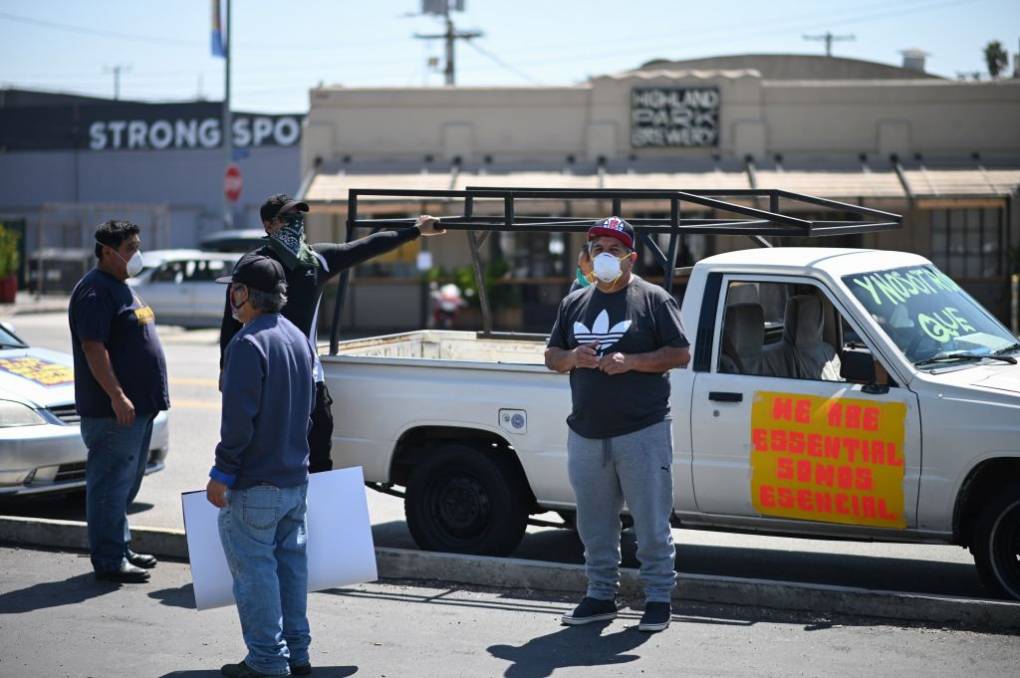
"caption": "Day laborers and their supporters demonstrate on April 14, 2020, in Los Angeles, calling on Gov. Gavin Newsom to provide coronavirus-related emergency financial aid to undocumented workers affected by the crisis.",
"description": null,
"title": "US-HEALTH-VIRUS",
"credit": "Robyn Beck/AFP via Getty Images",
"status": "inherit",
"isLoading": false,
"fetchFailed": false
},
"news_11813412": {
"type": "attachments",
"id": "news_11813412",
"meta": {
"index": "attachments_1716263798",
"site": "news",
"id": "11813412",
"found": true
},
"parent": 11813372,
"imgSizes": {
"apple_news_ca_landscape_5_5": {
"file": "https://ww2.kqed.org/app/uploads/sites/10/2020/04/GettyImages-1210482371-1044x783.jpg",
"width": 1044,
"mimeType": "image/jpeg",
"height": 783
},
"apple_news_ca_square_4_0": {
"file": "https://ww2.kqed.org/app/uploads/sites/10/2020/04/GettyImages-1210482371-470x470.jpg",
"width": 470,
"mimeType": "image/jpeg",
"height": 470
},
"twentyfourteen-full-width": {
"file": "https://ww2.kqed.org/app/uploads/sites/10/2020/04/GettyImages-1210482371-1038x576.jpg",
"width": 1038,
"mimeType": "image/jpeg",
"height": 576
},
"thumbnail": {
"file": "https://ww2.kqed.org/app/uploads/sites/10/2020/04/GettyImages-1210482371-160x101.jpg",
"width": 160,
"mimeType": "image/jpeg",
"height": 101
},
"post-thumbnail": {
"file": "https://ww2.kqed.org/app/uploads/sites/10/2020/04/GettyImages-1210482371-672x372.jpg",
"width": 672,
"mimeType": "image/jpeg",
"height": 372
},
"kqedFullSize": {
"file": "https://ww2.kqed.org/app/uploads/sites/10/2020/04/GettyImages-1210482371.jpg",
"width": 5193,
"height": 3265
},
"apple_news_ca_landscape_4_7": {
"file": "https://ww2.kqed.org/app/uploads/sites/10/2020/04/GettyImages-1210482371-632x474.jpg",
"width": 632,
"mimeType": "image/jpeg",
"height": 474
},
"large": {
"file": "https://ww2.kqed.org/app/uploads/sites/10/2020/04/GettyImages-1210482371-1020x641.jpg",
"width": 1020,
"mimeType": "image/jpeg",
"height": 641
},
"apple_news_ca_landscape_4_0": {
"file": "https://ww2.kqed.org/app/uploads/sites/10/2020/04/GettyImages-1210482371-536x402.jpg",
"width": 536,
"mimeType": "image/jpeg",
"height": 402
},
"apple_news_ca_portrait_12_9": {
"file": "https://ww2.kqed.org/app/uploads/sites/10/2020/04/GettyImages-1210482371-1122x1496.jpg",
"width": 1122,
"mimeType": "image/jpeg",
"height": 1496
},
"medium": {
"file": "https://ww2.kqed.org/app/uploads/sites/10/2020/04/GettyImages-1210482371-800x503.jpg",
"width": 800,
"mimeType": "image/jpeg",
"height": 503
},
"apple_news_ca_portrait_4_0": {
"file": "https://ww2.kqed.org/app/uploads/sites/10/2020/04/GettyImages-1210482371-354x472.jpg",
"width": 354,
"mimeType": "image/jpeg",
"height": 472
},
"apple_news_ca_portrait_9_7": {
"file": "https://ww2.kqed.org/app/uploads/sites/10/2020/04/GettyImages-1210482371-840x1120.jpg",
"width": 840,
"mimeType": "image/jpeg",
"height": 1120
},
"apple_news_ca_landscape_12_9": {
"file": "https://ww2.kqed.org/app/uploads/sites/10/2020/04/GettyImages-1210482371-1832x1374.jpg",
"width": 1832,
"mimeType": "image/jpeg",
"height": 1374
},
"apple_news_ca_square_9_7": {
"file": "https://ww2.kqed.org/app/uploads/sites/10/2020/04/GettyImages-1210482371-1104x1104.jpg",
"width": 1104,
"mimeType": "image/jpeg",
"height": 1104
},
"apple_news_ca_portrait_4_7": {
"file": "https://ww2.kqed.org/app/uploads/sites/10/2020/04/GettyImages-1210482371-414x552.jpg",
"width": 414,
"mimeType": "image/jpeg",
"height": 552
},
"apple_news_ca_square_12_9": {
"file": "https://ww2.kqed.org/app/uploads/sites/10/2020/04/GettyImages-1210482371-1472x1472.jpg",
"width": 1472,
"mimeType": "image/jpeg",
"height": 1472
},
"apple_news_ca_portrait_5_5": {
"file": "https://ww2.kqed.org/app/uploads/sites/10/2020/04/GettyImages-1210482371-687x916.jpg",
"width": 687,
"mimeType": "image/jpeg",
"height": 916
},
"full-width": {
"file": "https://ww2.kqed.org/app/uploads/sites/10/2020/04/GettyImages-1210482371-1920x1207.jpg",
"width": 1920,
"mimeType": "image/jpeg",
"height": 1207
},
"apple_news_ca_square_4_7": {
"file": "https://ww2.kqed.org/app/uploads/sites/10/2020/04/GettyImages-1210482371-550x550.jpg",
"width": 550,
"mimeType": "image/jpeg",
"height": 550
},
"apple_news_ca_landscape_9_7": {
"file": "https://ww2.kqed.org/app/uploads/sites/10/2020/04/GettyImages-1210482371-1376x1032.jpg",
"width": 1376,
"mimeType": "image/jpeg",
"height": 1032
},
"apple_news_ca_square_5_5": {
"file": "https://ww2.kqed.org/app/uploads/sites/10/2020/04/GettyImages-1210482371-912x912.jpg",
"width": 912,
"mimeType": "image/jpeg",
"height": 912
}
},
"publishDate": 1587506875,
"modified": 1587588517,
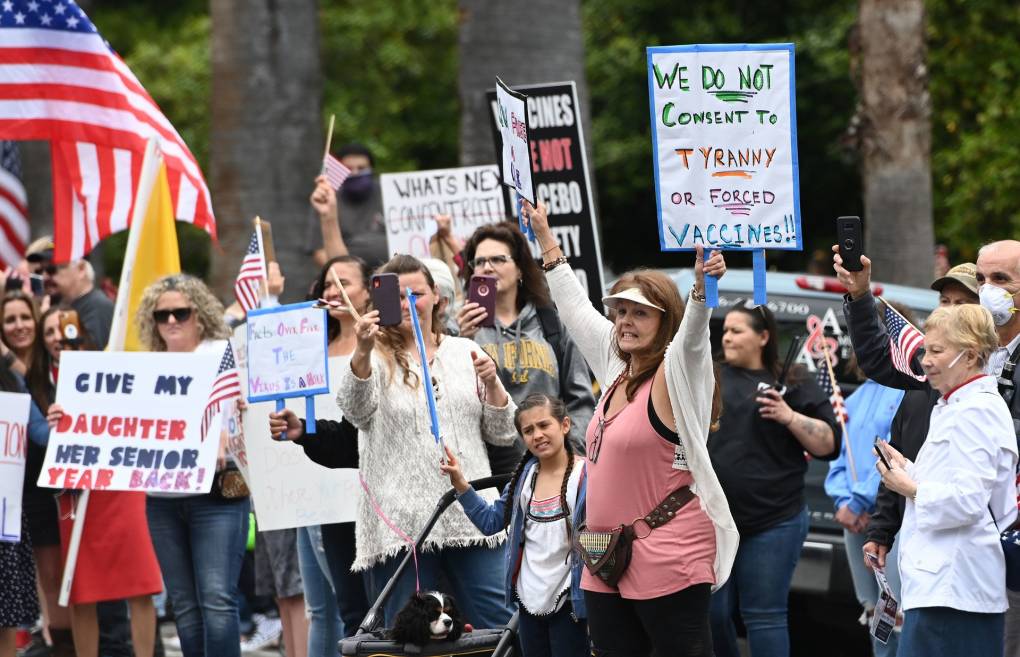
"caption": "A family carries signs as they walk towards a protest in spite of shelter-in-place rules still being in effect at California's state Capitol building in Sacramento on April 20, 2020.",
"description": "A family carries signs as they walk towards a protest in spite of shelter-in-place rules still being in effect at California's state capitol building in Sacramento, California on April 20, 2020.",
"title": "US-HEALTH-VIRUS",
"credit": "Josh Edelson/AFP via Getty Images",
"status": "inherit",
"isLoading": false,
"fetchFailed": false
},
"news_11813247": {
"type": "attachments",
"id": "news_11813247",
"meta": {
"index": "attachments_1716263798",
"site": "news",
"id": "11813247",
"found": true
},
"parent": 11813179,
"imgSizes": {
"apple_news_ca_landscape_5_5": {
"file": "https://ww2.kqed.org/app/uploads/sites/10/2020/04/Phil-Ting-1044x783.jpg",
"width": 1044,
"mimeType": "image/jpeg",
"height": 783
},
"apple_news_ca_square_4_0": {
"file": "https://ww2.kqed.org/app/uploads/sites/10/2020/04/Phil-Ting-470x470.jpg",
"width": 470,
"mimeType": "image/jpeg",
"height": 470
},
"twentyfourteen-full-width": {
"file": "https://ww2.kqed.org/app/uploads/sites/10/2020/04/Phil-Ting-1038x576.jpg",
"width": 1038,
"mimeType": "image/jpeg",
"height": 576
},
"thumbnail": {
"file": "https://ww2.kqed.org/app/uploads/sites/10/2020/04/Phil-Ting-160x107.jpg",
"width": 160,
"mimeType": "image/jpeg",
"height": 107
},
"post-thumbnail": {
"file": "https://ww2.kqed.org/app/uploads/sites/10/2020/04/Phil-Ting-672x372.jpg",
"width": 672,
"mimeType": "image/jpeg",
"height": 372
},
"kqedFullSize": {
"file": "https://ww2.kqed.org/app/uploads/sites/10/2020/04/Phil-Ting.jpg",
"width": 1920,
"height": 1280
},
"apple_news_ca_landscape_4_7": {
"file": "https://ww2.kqed.org/app/uploads/sites/10/2020/04/Phil-Ting-632x474.jpg",
"width": 632,
"mimeType": "image/jpeg",
"height": 474
},
"large": {
"file": "https://ww2.kqed.org/app/uploads/sites/10/2020/04/Phil-Ting-1020x680.jpg",
"width": 1020,
"mimeType": "image/jpeg",
"height": 680
},
"apple_news_ca_landscape_4_0": {
"file": "https://ww2.kqed.org/app/uploads/sites/10/2020/04/Phil-Ting-536x402.jpg",
"width": 536,
"mimeType": "image/jpeg",
"height": 402
},
"apple_news_ca_portrait_12_9": {
"file": "https://ww2.kqed.org/app/uploads/sites/10/2020/04/Phil-Ting-1122x1280.jpg",
"width": 1122,
"mimeType": "image/jpeg",
"height": 1280
},
"medium": {
"file": "https://ww2.kqed.org/app/uploads/sites/10/2020/04/Phil-Ting-800x533.jpg",
"width": 800,
"mimeType": "image/jpeg",
"height": 533
},
"apple_news_ca_portrait_4_0": {
"file": "https://ww2.kqed.org/app/uploads/sites/10/2020/04/Phil-Ting-354x472.jpg",
"width": 354,
"mimeType": "image/jpeg",
"height": 472
},
"apple_news_ca_portrait_9_7": {
"file": "https://ww2.kqed.org/app/uploads/sites/10/2020/04/Phil-Ting-840x1120.jpg",
"width": 840,
"mimeType": "image/jpeg",
"height": 1120
},
"apple_news_ca_landscape_12_9": {
"file": "https://ww2.kqed.org/app/uploads/sites/10/2020/04/Phil-Ting-1832x1280.jpg",
"width": 1832,
"mimeType": "image/jpeg",
"height": 1280
},
"apple_news_ca_square_9_7": {
"file": "https://ww2.kqed.org/app/uploads/sites/10/2020/04/Phil-Ting-1104x1104.jpg",
"width": 1104,
"mimeType": "image/jpeg",
"height": 1104
},
"apple_news_ca_portrait_4_7": {
"file": "https://ww2.kqed.org/app/uploads/sites/10/2020/04/Phil-Ting-414x552.jpg",
"width": 414,
"mimeType": "image/jpeg",
"height": 552
},
"apple_news_ca_square_12_9": {
"file": "https://ww2.kqed.org/app/uploads/sites/10/2020/04/Phil-Ting-1472x1280.jpg",
"width": 1472,
"mimeType": "image/jpeg",
"height": 1280
},
"apple_news_ca_portrait_5_5": {
"file": "https://ww2.kqed.org/app/uploads/sites/10/2020/04/Phil-Ting-687x916.jpg",
"width": 687,
"mimeType": "image/jpeg",
"height": 916
},
"full-width": {
"file": "https://ww2.kqed.org/app/uploads/sites/10/2020/04/Phil-Ting-1920x1280.jpg",
"width": 1920,
"mimeType": "image/jpeg",
"height": 1280
},
"apple_news_ca_square_4_7": {
"file": "https://ww2.kqed.org/app/uploads/sites/10/2020/04/Phil-Ting-550x550.jpg",
"width": 550,
"mimeType": "image/jpeg",
"height": 550
},
"apple_news_ca_landscape_9_7": {
"file": "https://ww2.kqed.org/app/uploads/sites/10/2020/04/Phil-Ting-1376x1032.jpg",
"width": 1376,
"mimeType": "image/jpeg",
"height": 1032
},
"apple_news_ca_square_5_5": {
"file": "https://ww2.kqed.org/app/uploads/sites/10/2020/04/Phil-Ting-912x912.jpg",
"width": 912,
"mimeType": "image/jpeg",
"height": 912
}
},
"publishDate": 1587428433,
"modified": 1587428552,
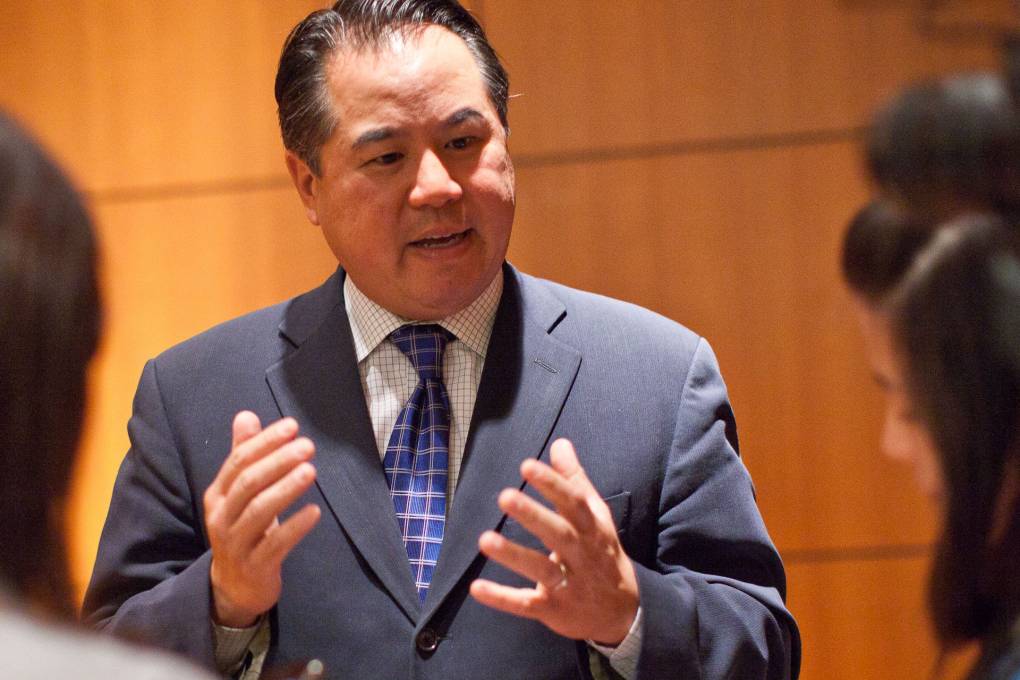
"caption": "California Assembly Budget Chair Phil Ting says it’s time for lawmakers to get more involved in COVID-19-related spending decisions.",
"description": "California Assembly Budget Chair Phil Ting says it’s time for lawmakers to get more involved in COVID-19-related spending decisions.",
"title": "Phil-Ting",
"credit": "Deborah Svoboda/KQED",
"status": "inherit",
"isLoading": false,
"fetchFailed": false
},
"news_11813203": {
"type": "attachments",
"id": "news_11813203",
"meta": {
"index": "attachments_1716263798",
"site": "news",
"id": "11813203",
"found": true
},
"parent": 11813190,
"imgSizes": {
"apple_news_ca_landscape_5_5": {
"file": "https://ww2.kqed.org/app/uploads/sites/10/2020/04/RS42852_GettyImages-1210468812-qut-1044x783.jpg",
"width": 1044,
"mimeType": "image/jpeg",
"height": 783
},
"apple_news_ca_square_4_0": {
"file": "https://ww2.kqed.org/app/uploads/sites/10/2020/04/RS42852_GettyImages-1210468812-qut-470x470.jpg",
"width": 470,
"mimeType": "image/jpeg",
"height": 470
},
"twentyfourteen-full-width": {
"file": "https://ww2.kqed.org/app/uploads/sites/10/2020/04/RS42852_GettyImages-1210468812-qut-1038x576.jpg",
"width": 1038,
"mimeType": "image/jpeg",
"height": 576
},
"thumbnail": {
"file": "https://ww2.kqed.org/app/uploads/sites/10/2020/04/RS42852_GettyImages-1210468812-qut-160x103.jpg",
"width": 160,
"mimeType": "image/jpeg",
"height": 103
},
"post-thumbnail": {
"file": "https://ww2.kqed.org/app/uploads/sites/10/2020/04/RS42852_GettyImages-1210468812-qut-672x372.jpg",
"width": 672,
"mimeType": "image/jpeg",
"height": 372
},
"kqedFullSize": {
"file": "https://ww2.kqed.org/app/uploads/sites/10/2020/04/RS42852_GettyImages-1210468812-qut.jpg",
"width": 1920,
"height": 1237
},
"apple_news_ca_landscape_4_7": {
"file": "https://ww2.kqed.org/app/uploads/sites/10/2020/04/RS42852_GettyImages-1210468812-qut-632x474.jpg",
"width": 632,
"mimeType": "image/jpeg",
"height": 474
},
"large": {
"file": "https://ww2.kqed.org/app/uploads/sites/10/2020/04/RS42852_GettyImages-1210468812-qut-1020x657.jpg",
"width": 1020,
"mimeType": "image/jpeg",
"height": 657
},
"apple_news_ca_landscape_4_0": {
"file": "https://ww2.kqed.org/app/uploads/sites/10/2020/04/RS42852_GettyImages-1210468812-qut-536x402.jpg",
"width": 536,
"mimeType": "image/jpeg",
"height": 402
},
"apple_news_ca_portrait_12_9": {
"file": "https://ww2.kqed.org/app/uploads/sites/10/2020/04/RS42852_GettyImages-1210468812-qut-1122x1237.jpg",
"width": 1122,
"mimeType": "image/jpeg",
"height": 1237
},
"medium": {
"file": "https://ww2.kqed.org/app/uploads/sites/10/2020/04/RS42852_GettyImages-1210468812-qut-800x515.jpg",
"width": 800,
"mimeType": "image/jpeg",
"height": 515
},
"apple_news_ca_portrait_4_0": {
"file": "https://ww2.kqed.org/app/uploads/sites/10/2020/04/RS42852_GettyImages-1210468812-qut-354x472.jpg",
"width": 354,
"mimeType": "image/jpeg",
"height": 472
},
"apple_news_ca_portrait_9_7": {
"file": "https://ww2.kqed.org/app/uploads/sites/10/2020/04/RS42852_GettyImages-1210468812-qut-840x1120.jpg",
"width": 840,
"mimeType": "image/jpeg",
"height": 1120
},
"apple_news_ca_landscape_12_9": {
"file": "https://ww2.kqed.org/app/uploads/sites/10/2020/04/RS42852_GettyImages-1210468812-qut-1832x1237.jpg",
"width": 1832,
"mimeType": "image/jpeg",
"height": 1237
},
"apple_news_ca_square_9_7": {
"file": "https://ww2.kqed.org/app/uploads/sites/10/2020/04/RS42852_GettyImages-1210468812-qut-1104x1104.jpg",
"width": 1104,
"mimeType": "image/jpeg",
"height": 1104
},
"apple_news_ca_portrait_4_7": {
"file": "https://ww2.kqed.org/app/uploads/sites/10/2020/04/RS42852_GettyImages-1210468812-qut-414x552.jpg",
"width": 414,
"mimeType": "image/jpeg",
"height": 552
},
"apple_news_ca_square_12_9": {
"file": "https://ww2.kqed.org/app/uploads/sites/10/2020/04/RS42852_GettyImages-1210468812-qut-1472x1237.jpg",
"width": 1472,
"mimeType": "image/jpeg",
"height": 1237
},
"apple_news_ca_portrait_5_5": {
"file": "https://ww2.kqed.org/app/uploads/sites/10/2020/04/RS42852_GettyImages-1210468812-qut-687x916.jpg",
"width": 687,
"mimeType": "image/jpeg",
"height": 916
},
"full-width": {
"file": "https://ww2.kqed.org/app/uploads/sites/10/2020/04/RS42852_GettyImages-1210468812-qut-1920x1237.jpg",
"width": 1920,
"mimeType": "image/jpeg",
"height": 1237
},
"apple_news_ca_square_4_7": {
"file": "https://ww2.kqed.org/app/uploads/sites/10/2020/04/RS42852_GettyImages-1210468812-qut-550x550.jpg",
"width": 550,
"mimeType": "image/jpeg",
"height": 550
},
"apple_news_ca_landscape_9_7": {
"file": "https://ww2.kqed.org/app/uploads/sites/10/2020/04/RS42852_GettyImages-1210468812-qut-1376x1032.jpg",
"width": 1376,
"mimeType": "image/jpeg",
"height": 1032
},
"apple_news_ca_square_5_5": {
"file": "https://ww2.kqed.org/app/uploads/sites/10/2020/04/RS42852_GettyImages-1210468812-qut-912x912.jpg",
"width": 912,
"mimeType": "image/jpeg",
"height": 912
}
},
"publishDate": 1587424858,
"modified": 1587424924,
"caption": "Some people intentionally jammed roads while honking and holding out signs while others disrespected social distancing rules by gathering in close proximity, blaring Americana music and shouting to end the lockdown. ",
"description": "Some people intentionally jammed roads while honking and holding out signs while others disrespected social distancing rules by gathering in close proximity, blaring Americana music and shouting to end the lockdown. ",
"title": "US-HEALTH-VIRUS",
"credit": "Josh Edelson/AFP via Getty Images",
"status": "inherit",
"isLoading": false,
"fetchFailed": false
},
"news_11812532": {
"type": "attachments",
"id": "news_11812532",
"meta": {
"index": "attachments_1716263798",
"site": "news",
"id": "11812532",
"found": true
},
"parent": 11812527,
"imgSizes": {
"apple_news_ca_landscape_5_5": {
"file": "https://ww2.kqed.org/app/uploads/sites/10/2020/04/comingsoon_041520_final-1044x783.png",
"width": 1044,
"mimeType": "image/png",
"height": 783
},
"apple_news_ca_square_4_0": {
"file": "https://ww2.kqed.org/app/uploads/sites/10/2020/04/comingsoon_041520_final-470x470.png",
"width": 470,
"mimeType": "image/png",
"height": 470
},
"twentyfourteen-full-width": {
"file": "https://ww2.kqed.org/app/uploads/sites/10/2020/04/comingsoon_041520_final-1038x576.png",
"width": 1038,
"mimeType": "image/png",
"height": 576
},
"thumbnail": {
"file": "https://ww2.kqed.org/app/uploads/sites/10/2020/04/comingsoon_041520_final-160x105.png",
"width": 160,
"mimeType": "image/png",
"height": 105
},
"post-thumbnail": {
"file": "https://ww2.kqed.org/app/uploads/sites/10/2020/04/comingsoon_041520_final-672x372.png",
"width": 672,
"mimeType": "image/png",
"height": 372
},
"kqedFullSize": {
"file": "https://ww2.kqed.org/app/uploads/sites/10/2020/04/comingsoon_041520_final.png",
"width": 1920,
"height": 1263
},
"apple_news_ca_landscape_4_7": {
"file": "https://ww2.kqed.org/app/uploads/sites/10/2020/04/comingsoon_041520_final-632x474.png",
"width": 632,
"mimeType": "image/png",
"height": 474
},
"large": {
"file": "https://ww2.kqed.org/app/uploads/sites/10/2020/04/comingsoon_041520_final-1020x671.png",
"width": 1020,
"mimeType": "image/png",
"height": 671
},
"apple_news_ca_landscape_4_0": {
"file": "https://ww2.kqed.org/app/uploads/sites/10/2020/04/comingsoon_041520_final-536x402.png",
"width": 536,
"mimeType": "image/png",
"height": 402
},
"apple_news_ca_portrait_12_9": {
"file": "https://ww2.kqed.org/app/uploads/sites/10/2020/04/comingsoon_041520_final-1122x1263.png",
"width": 1122,
"mimeType": "image/png",
"height": 1263
},
"medium": {
"file": "https://ww2.kqed.org/app/uploads/sites/10/2020/04/comingsoon_041520_final-800x526.png",
"width": 800,
"mimeType": "image/png",
"height": 526
},
"apple_news_ca_portrait_4_0": {
"file": "https://ww2.kqed.org/app/uploads/sites/10/2020/04/comingsoon_041520_final-354x472.png",
"width": 354,
"mimeType": "image/png",
"height": 472
},
"apple_news_ca_portrait_9_7": {
"file": "https://ww2.kqed.org/app/uploads/sites/10/2020/04/comingsoon_041520_final-840x1120.png",
"width": 840,
"mimeType": "image/png",
"height": 1120
},
"apple_news_ca_landscape_12_9": {
"file": "https://ww2.kqed.org/app/uploads/sites/10/2020/04/comingsoon_041520_final-1832x1263.png",
"width": 1832,
"mimeType": "image/png",
"height": 1263
},
"apple_news_ca_square_9_7": {
"file": "https://ww2.kqed.org/app/uploads/sites/10/2020/04/comingsoon_041520_final-1104x1104.png",
"width": 1104,
"mimeType": "image/png",
"height": 1104
},
"apple_news_ca_portrait_4_7": {
"file": "https://ww2.kqed.org/app/uploads/sites/10/2020/04/comingsoon_041520_final-414x552.png",
"width": 414,
"mimeType": "image/png",
"height": 552
},
"apple_news_ca_square_12_9": {
"file": "https://ww2.kqed.org/app/uploads/sites/10/2020/04/comingsoon_041520_final-1472x1263.png",
"width": 1472,
"mimeType": "image/png",
"height": 1263
},
"apple_news_ca_portrait_5_5": {
"file": "https://ww2.kqed.org/app/uploads/sites/10/2020/04/comingsoon_041520_final-687x916.png",
"width": 687,
"mimeType": "image/png",
"height": 916
},
"full-width": {
"file": "https://ww2.kqed.org/app/uploads/sites/10/2020/04/comingsoon_041520_final-1920x1263.png",
"width": 1920,
"mimeType": "image/png",
"height": 1263
},
"apple_news_ca_square_4_7": {
"file": "https://ww2.kqed.org/app/uploads/sites/10/2020/04/comingsoon_041520_final-550x550.png",
"width": 550,
"mimeType": "image/png",
"height": 550
},
"apple_news_ca_landscape_9_7": {
"file": "https://ww2.kqed.org/app/uploads/sites/10/2020/04/comingsoon_041520_final-1376x1032.png",
"width": 1376,
"mimeType": "image/png",
"height": 1032
},
"apple_news_ca_square_5_5": {
"file": "https://ww2.kqed.org/app/uploads/sites/10/2020/04/comingsoon_041520_final-912x912.png",
"width": 912,
"mimeType": "image/png",
"height": 912
}
},
"publishDate": 1586993207,
"modified": 1586993248,
"caption": null,
"description": null,
"title": "comingsoon_041520_final",
"credit": null,
"status": "inherit",
"isLoading": false,
"fetchFailed": false
},
"news_11812421": {
"type": "attachments",
"id": "news_11812421",
"meta": {
"index": "attachments_1716263798",
"site": "news",
"id": "11812421",
"found": true
},
"parent": 11812417,
"imgSizes": {
"apple_news_ca_landscape_5_5": {
"file": "https://ww2.kqed.org/app/uploads/sites/10/2020/04/NURSING-HOMES-photo-1-1-1044x783.jpg",
"width": 1044,
"mimeType": "image/jpeg",
"height": 783
},
"apple_news_ca_square_4_0": {
"file": "https://ww2.kqed.org/app/uploads/sites/10/2020/04/NURSING-HOMES-photo-1-1-470x470.jpg",
"width": 470,
"mimeType": "image/jpeg",
"height": 470
},
"twentyfourteen-full-width": {
"file": "https://ww2.kqed.org/app/uploads/sites/10/2020/04/NURSING-HOMES-photo-1-1-1038x576.jpg",
"width": 1038,
"mimeType": "image/jpeg",
"height": 576
},
"thumbnail": {
"file": "https://ww2.kqed.org/app/uploads/sites/10/2020/04/NURSING-HOMES-photo-1-1-160x107.jpg",
"width": 160,
"mimeType": "image/jpeg",
"height": 107
},
"post-thumbnail": {
"file": "https://ww2.kqed.org/app/uploads/sites/10/2020/04/NURSING-HOMES-photo-1-1-672x372.jpg",
"width": 672,
"mimeType": "image/jpeg",
"height": 372
},
"kqedFullSize": {
"file": "https://ww2.kqed.org/app/uploads/sites/10/2020/04/NURSING-HOMES-photo-1-1.jpg",
"width": 1920,
"height": 1280
},
"apple_news_ca_landscape_4_7": {
"file": "https://ww2.kqed.org/app/uploads/sites/10/2020/04/NURSING-HOMES-photo-1-1-632x474.jpg",
"width": 632,
"mimeType": "image/jpeg",
"height": 474
},
"large": {
"file": "https://ww2.kqed.org/app/uploads/sites/10/2020/04/NURSING-HOMES-photo-1-1-1020x680.jpg",
"width": 1020,
"mimeType": "image/jpeg",
"height": 680
},
"apple_news_ca_landscape_4_0": {
"file": "https://ww2.kqed.org/app/uploads/sites/10/2020/04/NURSING-HOMES-photo-1-1-536x402.jpg",
"width": 536,
"mimeType": "image/jpeg",
"height": 402
},
"apple_news_ca_portrait_12_9": {
"file": "https://ww2.kqed.org/app/uploads/sites/10/2020/04/NURSING-HOMES-photo-1-1-1122x1280.jpg",
"width": 1122,
"mimeType": "image/jpeg",
"height": 1280
},
"medium": {
"file": "https://ww2.kqed.org/app/uploads/sites/10/2020/04/NURSING-HOMES-photo-1-1-800x533.jpg",
"width": 800,
"mimeType": "image/jpeg",
"height": 533
},
"apple_news_ca_portrait_4_0": {
"file": "https://ww2.kqed.org/app/uploads/sites/10/2020/04/NURSING-HOMES-photo-1-1-354x472.jpg",
"width": 354,
"mimeType": "image/jpeg",
"height": 472
},
"apple_news_ca_portrait_9_7": {
"file": "https://ww2.kqed.org/app/uploads/sites/10/2020/04/NURSING-HOMES-photo-1-1-840x1120.jpg",
"width": 840,
"mimeType": "image/jpeg",
"height": 1120
},
"apple_news_ca_landscape_12_9": {
"file": "https://ww2.kqed.org/app/uploads/sites/10/2020/04/NURSING-HOMES-photo-1-1-1832x1280.jpg",
"width": 1832,
"mimeType": "image/jpeg",
"height": 1280
},
"apple_news_ca_square_9_7": {
"file": "https://ww2.kqed.org/app/uploads/sites/10/2020/04/NURSING-HOMES-photo-1-1-1104x1104.jpg",
"width": 1104,
"mimeType": "image/jpeg",
"height": 1104
},
"apple_news_ca_portrait_4_7": {
"file": "https://ww2.kqed.org/app/uploads/sites/10/2020/04/NURSING-HOMES-photo-1-1-414x552.jpg",
"width": 414,
"mimeType": "image/jpeg",
"height": 552
},
"apple_news_ca_square_12_9": {
"file": "https://ww2.kqed.org/app/uploads/sites/10/2020/04/NURSING-HOMES-photo-1-1-1472x1280.jpg",
"width": 1472,
"mimeType": "image/jpeg",
"height": 1280
},
"apple_news_ca_portrait_5_5": {
"file": "https://ww2.kqed.org/app/uploads/sites/10/2020/04/NURSING-HOMES-photo-1-1-687x916.jpg",
"width": 687,
"mimeType": "image/jpeg",
"height": 916
},
"full-width": {
"file": "https://ww2.kqed.org/app/uploads/sites/10/2020/04/NURSING-HOMES-photo-1-1-1920x1280.jpg",
"width": 1920,
"mimeType": "image/jpeg",
"height": 1280
},
"apple_news_ca_square_4_7": {
"file": "https://ww2.kqed.org/app/uploads/sites/10/2020/04/NURSING-HOMES-photo-1-1-550x550.jpg",
"width": 550,
"mimeType": "image/jpeg",
"height": 550
},
"apple_news_ca_landscape_9_7": {
"file": "https://ww2.kqed.org/app/uploads/sites/10/2020/04/NURSING-HOMES-photo-1-1-1376x1032.jpg",
"width": 1376,
"mimeType": "image/jpeg",
"height": 1032
},
"apple_news_ca_square_5_5": {
"file": "https://ww2.kqed.org/app/uploads/sites/10/2020/04/NURSING-HOMES-photo-1-1-912x912.jpg",
"width": 912,
"mimeType": "image/jpeg",
"height": 912
}
},
"publishDate": 1586926863,
"modified": 1586926933,
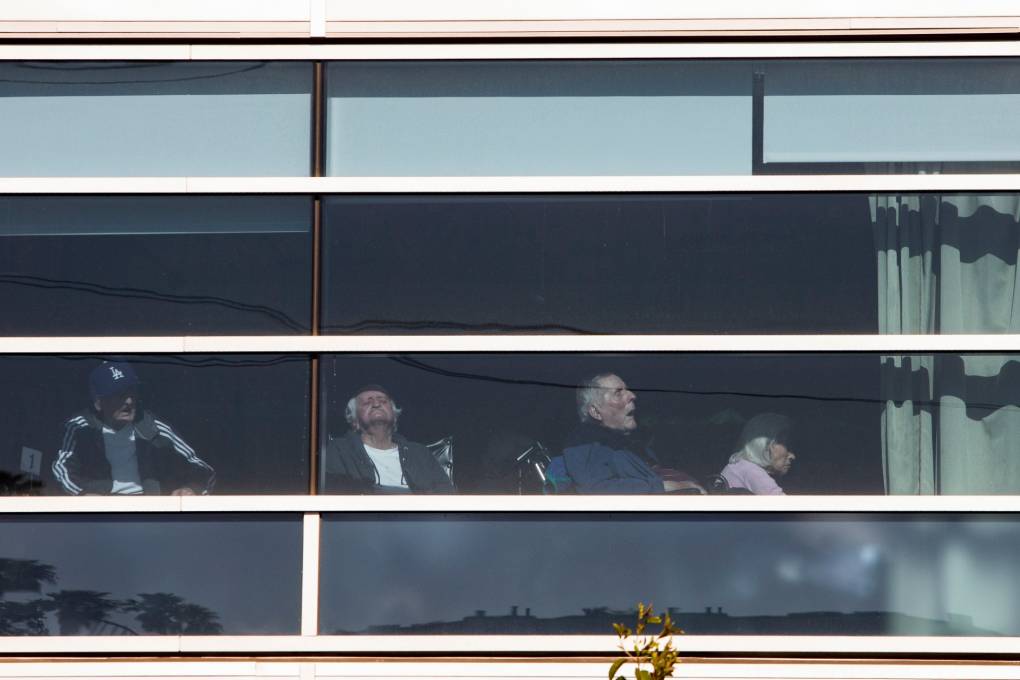
"caption": "Seniors are seen through the window at GrancellVillage of the Los Angeles Jewish Home for the Aging in Reseda on April 11. California officials have said they may require nursing homes to accept COVID-19 patients discharged from hospitals.",
"description": null,
"title": "NURSING HOMES photo 1",
"credit": "Nancy Pastor/CalMatters",
"status": "inherit",
"isLoading": false,
"fetchFailed": false
},
"news_11812362": {
"type": "attachments",
"id": "news_11812362",
"meta": {
"index": "attachments_1716263798",
"site": "news",
"id": "11812362",
"found": true
},
"parent": 11812360,
"imgSizes": {
"apple_news_ca_landscape_5_5": {
"file": "https://ww2.kqed.org/app/uploads/sites/10/2020/04/authority_041420_final-1044x783.png",
"width": 1044,
"mimeType": "image/png",
"height": 783
},
"apple_news_ca_square_4_0": {
"file": "https://ww2.kqed.org/app/uploads/sites/10/2020/04/authority_041420_final-470x470.png",
"width": 470,
"mimeType": "image/png",
"height": 470
},
"twentyfourteen-full-width": {
"file": "https://ww2.kqed.org/app/uploads/sites/10/2020/04/authority_041420_final-1038x576.png",
"width": 1038,
"mimeType": "image/png",
"height": 576
},
"thumbnail": {
"file": "https://ww2.kqed.org/app/uploads/sites/10/2020/04/authority_041420_final-160x118.png",
"width": 160,
"mimeType": "image/png",
"height": 118
},
"post-thumbnail": {
"file": "https://ww2.kqed.org/app/uploads/sites/10/2020/04/authority_041420_final-672x372.png",
"width": 672,
"mimeType": "image/png",
"height": 372
},
"kqedFullSize": {
"file": "https://ww2.kqed.org/app/uploads/sites/10/2020/04/authority_041420_final.png",
"width": 1920,
"height": 1410
},
"apple_news_ca_landscape_4_7": {
"file": "https://ww2.kqed.org/app/uploads/sites/10/2020/04/authority_041420_final-632x474.png",
"width": 632,
"mimeType": "image/png",
"height": 474
},
"large": {
"file": "https://ww2.kqed.org/app/uploads/sites/10/2020/04/authority_041420_final-1020x749.png",
"width": 1020,
"mimeType": "image/png",
"height": 749
},
"apple_news_ca_landscape_4_0": {
"file": "https://ww2.kqed.org/app/uploads/sites/10/2020/04/authority_041420_final-536x402.png",
"width": 536,
"mimeType": "image/png",
"height": 402
},
"apple_news_ca_portrait_12_9": {
"file": "https://ww2.kqed.org/app/uploads/sites/10/2020/04/authority_041420_final-1122x1410.png",
"width": 1122,
"mimeType": "image/png",
"height": 1410
},
"medium": {
"file": "https://ww2.kqed.org/app/uploads/sites/10/2020/04/authority_041420_final-800x588.png",
"width": 800,
"mimeType": "image/png",
"height": 588
},
"apple_news_ca_portrait_4_0": {
"file": "https://ww2.kqed.org/app/uploads/sites/10/2020/04/authority_041420_final-354x472.png",
"width": 354,
"mimeType": "image/png",
"height": 472
},
"apple_news_ca_portrait_9_7": {
"file": "https://ww2.kqed.org/app/uploads/sites/10/2020/04/authority_041420_final-840x1120.png",
"width": 840,
"mimeType": "image/png",
"height": 1120
},
"apple_news_ca_landscape_12_9": {
"file": "https://ww2.kqed.org/app/uploads/sites/10/2020/04/authority_041420_final-1832x1374.png",
"width": 1832,
"mimeType": "image/png",
"height": 1374
},
"apple_news_ca_square_9_7": {
"file": "https://ww2.kqed.org/app/uploads/sites/10/2020/04/authority_041420_final-1104x1104.png",
"width": 1104,
"mimeType": "image/png",
"height": 1104
},
"apple_news_ca_portrait_4_7": {
"file": "https://ww2.kqed.org/app/uploads/sites/10/2020/04/authority_041420_final-414x552.png",
"width": 414,
"mimeType": "image/png",
"height": 552
},
"apple_news_ca_square_12_9": {
"file": "https://ww2.kqed.org/app/uploads/sites/10/2020/04/authority_041420_final-1472x1410.png",
"width": 1472,
"mimeType": "image/png",
"height": 1410
},
"apple_news_ca_portrait_5_5": {
"file": "https://ww2.kqed.org/app/uploads/sites/10/2020/04/authority_041420_final-687x916.png",
"width": 687,
"mimeType": "image/png",
"height": 916
},
"full-width": {
"file": "https://ww2.kqed.org/app/uploads/sites/10/2020/04/authority_041420_final-1920x1410.png",
"width": 1920,
"mimeType": "image/png",
"height": 1410
},
"apple_news_ca_square_4_7": {
"file": "https://ww2.kqed.org/app/uploads/sites/10/2020/04/authority_041420_final-550x550.png",
"width": 550,
"mimeType": "image/png",
"height": 550
},
"apple_news_ca_landscape_9_7": {
"file": "https://ww2.kqed.org/app/uploads/sites/10/2020/04/authority_041420_final-1376x1032.png",
"width": 1376,
"mimeType": "image/png",
"height": 1032
},
"apple_news_ca_square_5_5": {
"file": "https://ww2.kqed.org/app/uploads/sites/10/2020/04/authority_041420_final-912x912.png",
"width": 912,
"mimeType": "image/png",
"height": 912
}
},
"publishDate": 1586906210,
"modified": 1586906244,
"caption": null,
"description": null,
"title": "authority_041420_final",
"credit": null,
"status": "inherit",
"isLoading": false,
"fetchFailed": false
},
"news_11812349": {
"type": "attachments",
"id": "news_11812349",
"meta": {
"index": "attachments_1716263798",
"site": "news",
"id": "11812349",
"found": true
},
"parent": 11812296,
"imgSizes": {
"apple_news_ca_landscape_5_5": {
"file": "https://ww2.kqed.org/app/uploads/sites/10/2020/04/RS42758_GettyImages-1217681441-qut-1044x783.jpg",
"width": 1044,
"mimeType": "image/jpeg",
"height": 783
},
"apple_news_ca_square_4_0": {
"file": "https://ww2.kqed.org/app/uploads/sites/10/2020/04/RS42758_GettyImages-1217681441-qut-470x470.jpg",
"width": 470,
"mimeType": "image/jpeg",
"height": 470
},
"twentyfourteen-full-width": {
"file": "https://ww2.kqed.org/app/uploads/sites/10/2020/04/RS42758_GettyImages-1217681441-qut-1038x576.jpg",
"width": 1038,
"mimeType": "image/jpeg",
"height": 576
},
"thumbnail": {
"file": "https://ww2.kqed.org/app/uploads/sites/10/2020/04/RS42758_GettyImages-1217681441-qut-160x107.jpg",
"width": 160,
"mimeType": "image/jpeg",
"height": 107
},
"post-thumbnail": {
"file": "https://ww2.kqed.org/app/uploads/sites/10/2020/04/RS42758_GettyImages-1217681441-qut-672x372.jpg",
"width": 672,
"mimeType": "image/jpeg",
"height": 372
},
"kqedFullSize": {
"file": "https://ww2.kqed.org/app/uploads/sites/10/2020/04/RS42758_GettyImages-1217681441-qut.jpg",
"width": 1920,
"height": 1280
},
"apple_news_ca_landscape_4_7": {
"file": "https://ww2.kqed.org/app/uploads/sites/10/2020/04/RS42758_GettyImages-1217681441-qut-632x474.jpg",
"width": 632,
"mimeType": "image/jpeg",
"height": 474
},
"large": {
"file": "https://ww2.kqed.org/app/uploads/sites/10/2020/04/RS42758_GettyImages-1217681441-qut-1020x680.jpg",
"width": 1020,
"mimeType": "image/jpeg",
"height": 680
},
"apple_news_ca_landscape_4_0": {
"file": "https://ww2.kqed.org/app/uploads/sites/10/2020/04/RS42758_GettyImages-1217681441-qut-536x402.jpg",
"width": 536,
"mimeType": "image/jpeg",
"height": 402
},
"apple_news_ca_portrait_12_9": {
"file": "https://ww2.kqed.org/app/uploads/sites/10/2020/04/RS42758_GettyImages-1217681441-qut-1122x1280.jpg",
"width": 1122,
"mimeType": "image/jpeg",
"height": 1280
},
"medium": {
"file": "https://ww2.kqed.org/app/uploads/sites/10/2020/04/RS42758_GettyImages-1217681441-qut-800x533.jpg",
"width": 800,
"mimeType": "image/jpeg",
"height": 533
},
"apple_news_ca_portrait_4_0": {
"file": "https://ww2.kqed.org/app/uploads/sites/10/2020/04/RS42758_GettyImages-1217681441-qut-354x472.jpg",
"width": 354,
"mimeType": "image/jpeg",
"height": 472
},
"apple_news_ca_portrait_9_7": {
"file": "https://ww2.kqed.org/app/uploads/sites/10/2020/04/RS42758_GettyImages-1217681441-qut-840x1120.jpg",
"width": 840,
"mimeType": "image/jpeg",
"height": 1120
},
"apple_news_ca_landscape_12_9": {
"file": "https://ww2.kqed.org/app/uploads/sites/10/2020/04/RS42758_GettyImages-1217681441-qut-1832x1280.jpg",
"width": 1832,
"mimeType": "image/jpeg",
"height": 1280
},
"apple_news_ca_square_9_7": {
"file": "https://ww2.kqed.org/app/uploads/sites/10/2020/04/RS42758_GettyImages-1217681441-qut-1104x1104.jpg",
"width": 1104,
"mimeType": "image/jpeg",
"height": 1104
},
"apple_news_ca_portrait_4_7": {
"file": "https://ww2.kqed.org/app/uploads/sites/10/2020/04/RS42758_GettyImages-1217681441-qut-414x552.jpg",
"width": 414,
"mimeType": "image/jpeg",
"height": 552
},
"apple_news_ca_square_12_9": {
"file": "https://ww2.kqed.org/app/uploads/sites/10/2020/04/RS42758_GettyImages-1217681441-qut-1472x1280.jpg",
"width": 1472,
"mimeType": "image/jpeg",
"height": 1280
},
"apple_news_ca_portrait_5_5": {
"file": "https://ww2.kqed.org/app/uploads/sites/10/2020/04/RS42758_GettyImages-1217681441-qut-687x916.jpg",
"width": 687,
"mimeType": "image/jpeg",
"height": 916
},
"full-width": {
"file": "https://ww2.kqed.org/app/uploads/sites/10/2020/04/RS42758_GettyImages-1217681441-qut-1920x1280.jpg",
"width": 1920,
"mimeType": "image/jpeg",
"height": 1280
},
"apple_news_ca_square_4_7": {
"file": "https://ww2.kqed.org/app/uploads/sites/10/2020/04/RS42758_GettyImages-1217681441-qut-550x550.jpg",
"width": 550,
"mimeType": "image/jpeg",
"height": 550
},
"apple_news_ca_landscape_9_7": {
"file": "https://ww2.kqed.org/app/uploads/sites/10/2020/04/RS42758_GettyImages-1217681441-qut-1376x1032.jpg",
"width": 1376,
"mimeType": "image/jpeg",
"height": 1032
},
"apple_news_ca_square_5_5": {
"file": "https://ww2.kqed.org/app/uploads/sites/10/2020/04/RS42758_GettyImages-1217681441-qut-912x912.jpg",
"width": 912,
"mimeType": "image/jpeg",
"height": 912
}
},
"publishDate": 1586904681,
"modified": 1586904726,
"caption": "Businesses along Fillmore Street are seen boarded up on April 08, 2020 in San Francisco, California. California residents continue to shelter in place due to the coronavirus as the number of cases and deaths related to COVID-19 in the state have shown signs of beginning to flatten out. ",
"description": "Businesses along Fillmore Street are seen boarded up on April 08, 2020 in San Francisco, California. California residents continue to shelter in place due to the coronavirus as the number of cases and deaths related to COVID-19 in the state have shown signs of beginning to flatten out. ",
"title": "Coronavirus Pandemic Causes Climate Of Anxiety And Changing Routines In America",
"credit": "Photo by Justin Sullivan/Getty Images",
"status": "inherit",
"isLoading": false,
"fetchFailed": false
},
"news_11812258": {
"type": "attachments",
"id": "news_11812258",
"meta": {
"index": "attachments_1716263798",
"site": "news",
"id": "11812258",
"found": true
},
"parent": 11812194,
"imgSizes": {
"apple_news_ca_landscape_5_5": {
"file": "https://ww2.kqed.org/app/uploads/sites/10/2020/04/Newsom-1044x783.jpg",
"width": 1044,
"mimeType": "image/jpeg",
"height": 783
},
"apple_news_ca_square_4_0": {
"file": "https://ww2.kqed.org/app/uploads/sites/10/2020/04/Newsom-470x470.jpg",
"width": 470,
"mimeType": "image/jpeg",
"height": 470
},
"twentyfourteen-full-width": {
"file": "https://ww2.kqed.org/app/uploads/sites/10/2020/04/Newsom-1038x576.jpg",
"width": 1038,
"mimeType": "image/jpeg",
"height": 576
},
"thumbnail": {
"file": "https://ww2.kqed.org/app/uploads/sites/10/2020/04/Newsom-160x107.jpg",
"width": 160,
"mimeType": "image/jpeg",
"height": 107
},
"post-thumbnail": {
"file": "https://ww2.kqed.org/app/uploads/sites/10/2020/04/Newsom-672x372.jpg",
"width": 672,
"mimeType": "image/jpeg",
"height": 372
},
"kqedFullSize": {
"file": "https://ww2.kqed.org/app/uploads/sites/10/2020/04/Newsom.jpg",
"width": 1920,
"height": 1280
},
"apple_news_ca_landscape_4_7": {
"file": "https://ww2.kqed.org/app/uploads/sites/10/2020/04/Newsom-632x474.jpg",
"width": 632,
"mimeType": "image/jpeg",
"height": 474
},
"large": {
"file": "https://ww2.kqed.org/app/uploads/sites/10/2020/04/Newsom-1020x680.jpg",
"width": 1020,
"mimeType": "image/jpeg",
"height": 680
},
"apple_news_ca_landscape_4_0": {
"file": "https://ww2.kqed.org/app/uploads/sites/10/2020/04/Newsom-536x402.jpg",
"width": 536,
"mimeType": "image/jpeg",
"height": 402
},
"apple_news_ca_portrait_12_9": {
"file": "https://ww2.kqed.org/app/uploads/sites/10/2020/04/Newsom-1122x1280.jpg",
"width": 1122,
"mimeType": "image/jpeg",
"height": 1280
},
"medium": {
"file": "https://ww2.kqed.org/app/uploads/sites/10/2020/04/Newsom-800x533.jpg",
"width": 800,
"mimeType": "image/jpeg",
"height": 533
},
"apple_news_ca_portrait_4_0": {
"file": "https://ww2.kqed.org/app/uploads/sites/10/2020/04/Newsom-354x472.jpg",
"width": 354,
"mimeType": "image/jpeg",
"height": 472
},
"apple_news_ca_portrait_9_7": {
"file": "https://ww2.kqed.org/app/uploads/sites/10/2020/04/Newsom-840x1120.jpg",
"width": 840,
"mimeType": "image/jpeg",
"height": 1120
},
"apple_news_ca_landscape_12_9": {
"file": "https://ww2.kqed.org/app/uploads/sites/10/2020/04/Newsom-1832x1280.jpg",
"width": 1832,
"mimeType": "image/jpeg",
"height": 1280
},
"apple_news_ca_square_9_7": {
"file": "https://ww2.kqed.org/app/uploads/sites/10/2020/04/Newsom-1104x1104.jpg",
"width": 1104,
"mimeType": "image/jpeg",
"height": 1104
},
"apple_news_ca_portrait_4_7": {
"file": "https://ww2.kqed.org/app/uploads/sites/10/2020/04/Newsom-414x552.jpg",
"width": 414,
"mimeType": "image/jpeg",
"height": 552
},
"apple_news_ca_square_12_9": {
"file": "https://ww2.kqed.org/app/uploads/sites/10/2020/04/Newsom-1472x1280.jpg",
"width": 1472,
"mimeType": "image/jpeg",
"height": 1280
},
"apple_news_ca_portrait_5_5": {
"file": "https://ww2.kqed.org/app/uploads/sites/10/2020/04/Newsom-687x916.jpg",
"width": 687,
"mimeType": "image/jpeg",
"height": 916
},
"full-width": {
"file": "https://ww2.kqed.org/app/uploads/sites/10/2020/04/Newsom-1920x1280.jpg",
"width": 1920,
"mimeType": "image/jpeg",
"height": 1280
},
"apple_news_ca_square_4_7": {
"file": "https://ww2.kqed.org/app/uploads/sites/10/2020/04/Newsom-550x550.jpg",
"width": 550,
"mimeType": "image/jpeg",
"height": 550
},
"apple_news_ca_landscape_9_7": {
"file": "https://ww2.kqed.org/app/uploads/sites/10/2020/04/Newsom-1376x1032.jpg",
"width": 1376,
"mimeType": "image/jpeg",
"height": 1032
},
"apple_news_ca_square_5_5": {
"file": "https://ww2.kqed.org/app/uploads/sites/10/2020/04/Newsom-912x912.jpg",
"width": 912,
"mimeType": "image/jpeg",
"height": 912
}
},
"publishDate": 1586826183,
"modified": 1590789206,
"caption": null,
"description": null,
"title": "Newsom",
"credit": "Justin Sullivan/Getty Images",
"status": "inherit",
"isLoading": false,
"fetchFailed": false
}
},
"audioPlayerReducer": {
"postId": "stream_live",
"isPaused": true,
"isPlaying": false,
"pfsActive": false,
"pledgeModalIsOpen": true,
"playerDrawerIsOpen": false,
"liveAudioPlayStartedAt": 0,
"liveAudioPlayContext": ""
},
"authorsReducer": {
"byline_news_11815276": {
"type": "authors",
"id": "byline_news_11815276",
"meta": {
"override": true
},
"slug": "byline_news_11815276",
"name": "Adam Beam and Stefanie Dazio\u003cbr />The Associated Press",
"isLoading": false
},
"byline_news_11813190": {
"type": "authors",
"id": "byline_news_11813190",
"meta": {
"override": true
},
"slug": "byline_news_11813190",
"name": "Don Thompson, \u003ca href=\"https://apnews.com\">Associated Press\u003c/a>",
"isLoading": false
},
"byline_news_11812417": {
"type": "authors",
"id": "byline_news_11812417",
"meta": {
"override": true
},
"slug": "byline_news_11812417",
"name": "Barbara Feder Ostrov",
"isLoading": false
},
"gmarzorati": {
"type": "authors",
"id": "227",
"meta": {
"index": "authors_1716337520",
"id": "227",
"found": true
},
"name": "Guy Marzorati",
"firstName": "Guy",
"lastName": "Marzorati",
"slug": "gmarzorati",
"email": "gmarzorati@KQED.org",
"display_author_email": true,
"staff_mastheads": [
"news"
],
"title": "Correspondent",
"bio": "Guy Marzorati is a correspondent on KQED's California Politics and Government Desk, based in San Jose. A graduate of Santa Clara University, Guy joined KQED in 2013. He reports on state and local politics and produces KQED's digital voter guide.",
"avatar": "https://secure.gravatar.com/avatar/e7038b8dbfd55b104369b76b1cd0b9de?s=600&d=blank&r=g",
"twitter": "guymarzorati",
"facebook": null,
"instagram": null,
"linkedin": null,
"sites": [
{
"site": "",
"roles": [
"editor"
]
},
{
"site": "news",
"roles": [
"editor"
]
},
{
"site": "science",
"roles": [
"editor"
]
},
{
"site": "forum",
"roles": [
"editor"
]
},
{
"site": "elections",
"roles": [
"editor"
]
},
{
"site": "liveblog",
"roles": [
"editor"
]
}
],
"headData": {
"title": "Guy Marzorati | KQED",
"description": "Correspondent",
"ogImgSrc": "https://secure.gravatar.com/avatar/e7038b8dbfd55b104369b76b1cd0b9de?s=600&d=blank&r=g",
"twImgSrc": "https://secure.gravatar.com/avatar/e7038b8dbfd55b104369b76b1cd0b9de?s=600&d=blank&r=g"
},
"isLoading": false,
"link": "/author/gmarzorati"
},
"jmcevoy": {
"type": "authors",
"id": "231",
"meta": {
"index": "authors_1716337520",
"id": "231",
"found": true
},
"name": "Julia McEvoy",
"firstName": "Julia",
"lastName": "McEvoy",
"slug": "jmcevoy",
"email": "jmcevoy@KQED.org",
"display_author_email": true,
"staff_mastheads": [
"news"
],
"title": "KQED Senior Editor",
"bio": "Julia McEvoy is KQED's Senior Editor, Education Equity.\r\n\r\nJulia heads KQED’s education coverage examining inequities students face in Bay Area and California schools, and reports on what it will take to educate the next generation.\r\n\r\nJulia's editorial work has received a Peabody Award, a Casey Medal for Coverage of Children and Families, several Edward R. Murrow awards, as well as awards from the Public Radio News Directors Inc. and the Society for Professional Journalists.",
"avatar": "https://secure.gravatar.com/avatar/aec3ce21abe02b302fd33638abd56a22?s=600&d=blank&r=g",
"twitter": "juliamcevoy1",
"facebook": null,
"instagram": null,
"linkedin": null,
"sites": [
{
"site": "news",
"roles": []
},
{
"site": "stateofhealth",
"roles": [
"author"
]
}
],
"headData": {
"title": "Julia McEvoy | KQED",
"description": "KQED Senior Editor",
"ogImgSrc": "https://secure.gravatar.com/avatar/aec3ce21abe02b302fd33638abd56a22?s=600&d=blank&r=g",
"twImgSrc": "https://secure.gravatar.com/avatar/aec3ce21abe02b302fd33638abd56a22?s=600&d=blank&r=g"
},
"isLoading": false,
"link": "/author/jmcevoy"
},
"rachael-myrow": {
"type": "authors",
"id": "251",
"meta": {
"index": "authors_1716337520",
"id": "251",
"found": true
},
"name": "Rachael Myrow",
"firstName": "Rachael",
"lastName": "Myrow",
"slug": "rachael-myrow",
"email": "rmyrow@kqed.org",
"display_author_email": true,
"staff_mastheads": [
"news"
],
"title": "Senior Editor of KQED's Silicon Valley News Desk",
"bio": "• I write and edit stories about how Silicon Valley power and policies shape everyday life in California. I’m also passionate about making Bay Area history and culture more accessible to a broad public. • I’ve been a journalist for most of my life, starting in high school with The Franklin Press in Los Angeles, where I grew up. While earning my first degree in English at UC Berkeley, I got my start in public radio at KALX-FM. After completing a second degree in journalism at Cal, I landed my first professional job at Marketplace, then moved on to KPCC (now LAist), and then KQED, where I hosted The California Report for more than seven years. • My reporting has appeared on NPR, The World, WBUR’s \u003ci>Here & Now\u003c/i>, and the BBC. I also guest host for KQED’s \u003ci>Forum\u003c/i>, as well as the Commonwealth Club in San Francisco. • I speak periodically on media, democracy and technology issues, and do voiceover work for documentaries and educational video projects. • Outside of the studio, you'll find me hiking Bay Area trails and whipping up Insta-ready meals in my kitchen. • I do not accept gifts, money, or favors from anyone connected to my reporting, I don't pay people for information, and I do not support or donate to political causes. • I strive to treat the people I report on with fairness, honesty, and respect. I also recognize there are often multiple sides to a story and work to verify information through multiple sources and documentation. If I get something wrong, I correct it.",
"avatar": "https://secure.gravatar.com/avatar/3ed8a3c5f26025e4a805ba634cda8cd764906b97438a6d9ce216b044e340da4e?s=600&d=blank&r=g",
"twitter": "rachaelmyrow",
"bluesky": null,
"facebook": null,
"instagram": null,
"linkedin": "https://www.linkedin.com/in/rachaelmyrow/",
"sites": [
{
"site": "arts",
"roles": [
"administrator"
]
},
{
"site": "news",
"roles": [
"edit_others_posts",
"editor"
]
},
{
"site": "futureofyou",
"roles": [
"editor"
]
},
{
"site": "bayareabites",
"roles": [
"editor"
]
},
{
"site": "stateofhealth",
"roles": [
"editor"
]
},
{
"site": "science",
"roles": [
"editor"
]
},
{
"site": "food",
"roles": [
"editor"
]
},
{
"site": "forum",
"roles": [
"editor"
]
},
{
"site": "liveblog",
"roles": [
"author"
]
}
],
"headData": {
"title": "Rachael Myrow | KQED",
"description": "Senior Editor of KQED's Silicon Valley News Desk",
"ogImgSrc": "https://secure.gravatar.com/avatar/3ed8a3c5f26025e4a805ba634cda8cd764906b97438a6d9ce216b044e340da4e?s=600&d=blank&r=g",
"twImgSrc": "https://secure.gravatar.com/avatar/3ed8a3c5f26025e4a805ba634cda8cd764906b97438a6d9ce216b044e340da4e?s=600&d=blank&r=g"
},
"isLoading": false,
"link": "/author/rachael-myrow"
},
"scottshafer": {
"type": "authors",
"id": "255",
"meta": {
"index": "authors_1716337520",
"id": "255",
"found": true
},
"name": "Scott Shafer",
"firstName": "Scott",
"lastName": "Shafer",
"slug": "scottshafer",
"email": "sshafer@kqed.org",
"display_author_email": false,
"staff_mastheads": [
"news"
],
"title": "KQED Contributor",
"bio": "Scott Shafer is a senior editor with the KQED Politics and Government desk. He is co-host of Political Breakdown, the award-winning radio show and podcast with a personal take on the world of politics. Scott came to KQED in 1998 to host the statewide\u003cem> California Report\u003c/em>. Prior to that he had extended stints in politics and government\u003cem>.\u003c/em> He uses that inside experience at KQED in his, reporting, hosting and analysis for the politics desk. Scott collaborated \u003cem>Political Breakdown a\u003c/em>nd on \u003cem>The Political Mind of Jerry Brown, \u003c/em>an eight-part series about the life and extraordinary political career of the former governor. For fun, he plays water polo with the San Francisco Tsunami.",
"avatar": "https://secure.gravatar.com/avatar/a62ebae45b79d7aed1a39a0e3bf68104?s=600&d=blank&r=g",
"twitter": "scottshafer",
"bluesky": null,
"facebook": null,
"instagram": null,
"linkedin": null,
"sites": [
{
"site": "news",
"roles": [
"editor"
]
},
{
"site": "stateofhealth",
"roles": [
"author"
]
},
{
"site": "science",
"roles": [
"author"
]
},
{
"site": "forum",
"roles": [
"subscriber"
]
},
{
"site": "liveblog",
"roles": [
"author"
]
}
],
"headData": {
"title": "Scott Shafer | KQED",
"description": "KQED Contributor",
"ogImgSrc": "https://secure.gravatar.com/avatar/a62ebae45b79d7aed1a39a0e3bf68104?s=600&d=blank&r=g",
"twImgSrc": "https://secure.gravatar.com/avatar/a62ebae45b79d7aed1a39a0e3bf68104?s=600&d=blank&r=g"
},
"isLoading": false,
"link": "/author/scottshafer"
},
"tychehendricks": {
"type": "authors",
"id": "259",
"meta": {
"index": "authors_1716337520",
"id": "259",
"found": true
},
"name": "Tyche Hendricks",
"firstName": "Tyche",
"lastName": "Hendricks",
"slug": "tychehendricks",
"email": "thendricks@kqed.org",
"display_author_email": true,
"staff_mastheads": [
"news"
],
"title": "KQED Senior Editor, Immigration",
"bio": "\u003cspan style=\"font-weight: 400;\">Tyche Hendricks is KQED’s senior editor for immigration, leading coverage of the policy and politics that affect California’s immigrant communities. Her work for KQED’s radio and online audiences is also carried on NPR and other national outlets. She has been recognized with awards from the Radio and Television News Directors Association, the Society for Professional Journalists; the Education Writers Association; the Best of the West and the National Federation of Community Broadcasters. Before joining KQED in 2010, Tyche spent more than a dozen years as a newspaper reporter, notably at the \u003c/span>\u003ci>\u003cspan style=\"font-weight: 400;\">San Francisco Chronicle\u003c/span>\u003c/i>\u003cspan style=\"font-weight: 400;\">. At different times she has covered criminal justice, government and politics and urban planning. Tyche has taught in the MFA Creative Writing program at the University of San Francisco and at UC Berkeley’s Graduate School of Journalism, where she was co-director of a national immigration symposium for professional journalists. She is the author of \u003c/span>\u003ci>\u003cspan style=\"font-weight: 400;\">The Wind Doesn't Need a Passport: Stories from the U.S.-Mexico Borderlands\u003c/span>\u003c/i>\u003cspan style=\"font-weight: 400;\"> (University of California Press). \u003c/span>",
"avatar": "https://secure.gravatar.com/avatar/b8ee458e2731c2d43df86882ce17267e?s=600&d=blank&r=g",
"twitter": "tychehendricks",
"facebook": null,
"instagram": null,
"linkedin": null,
"sites": [
{
"site": "news",
"roles": [
"editor"
]
},
{
"site": "stateofhealth",
"roles": [
"editor"
]
}
],
"headData": {
"title": "Tyche Hendricks | KQED",
"description": "KQED Senior Editor, Immigration",
"ogImgSrc": "https://secure.gravatar.com/avatar/b8ee458e2731c2d43df86882ce17267e?s=600&d=blank&r=g",
"twImgSrc": "https://secure.gravatar.com/avatar/b8ee458e2731c2d43df86882ce17267e?s=600&d=blank&r=g"
},
"isLoading": false,
"link": "/author/tychehendricks"
},
"markfiore": {
"type": "authors",
"id": "3236",
"meta": {
"index": "authors_1716337520",
"id": "3236",
"found": true
},
"name": "Mark Fiore",
"firstName": "Mark",
"lastName": "Fiore",
"slug": "markfiore",
"email": "mark@markfiore.com",
"display_author_email": false,
"staff_mastheads": [
"news"
],
"title": "KQED News Cartoonist",
"bio": "\u003ca href=\"http://www.MarkFiore.com\">MarkFiore.com\u003c/a> | \u003ca href=\"https://twitter.com/markfiore\">Follow on Twitter\u003c/a> | \u003ca href=\"https://www.facebook.com/pages/Mark-Fiore-Animated-Political-Cartoons/94451707396?ref=bookmarks\">Facebook\u003c/a> | \u003ca href=\"mailto:mark@markfiore.com\">email\u003c/a>\r\n\r\nPulitzer Prize-winner, Mark Fiore, who the Wall Street Journal has called “the undisputed guru of the form,” creates animated political cartoons in San Francisco, where his work has been featured regularly on the San Francisco Chronicle’s web site, SFGate.com. His work has appeared on Newsweek.com, Slate.com, CBSNews.com, MotherJones.com, DailyKos.com and NPR’s web site. Fiore’s political animation has appeared on CNN, Frontline, Bill Moyers Journal, Salon.com and cable and broadcast outlets across the globe.\r\n\r\nBeginning his professional life by drawing traditional political cartoons for newspapers, Fiore’s work appeared in publications ranging from the Washington Post to the Los Angeles Times. In the late 1990s, he began to experiment with animating political cartoons and, after a short stint at the San Jose Mercury News as their staff cartoonist, Fiore devoted all his energies to animation.\r\nGrowing up in California, Fiore also spent a good portion of his life in the backwoods of Idaho. It was this combination that shaped him politically. Mark majored in political science at Colorado College, where, in a perfect send-off for a cartoonist, he received his diploma in 1991 as commencement speaker Dick Cheney smiled approvingly.\r\nMark Fiore was awarded the Pulitzer Prize for political cartooning in 2010, a Robert F. Kennedy Journalism Award in 2004 and has twice received an Online Journalism Award for commentary from the Online News Association (2002, 2008). Fiore has received two awards for his work in new media from the National Cartoonists Society (2001, 2002), and in 2006 received The James Madison Freedom of Information Award from The Society of Professional Journalists.",
"avatar": "https://secure.gravatar.com/avatar/fc4e2a612b15b67bad0c6f0e1db4ca9b?s=600&d=blank&r=g",
"twitter": "MarkFiore",
"facebook": null,
"instagram": "https://www.instagram.com/markfiore/?hl=en",
"linkedin": null,
"sites": [
{
"site": "arts",
"roles": [
"contributor"
]
},
{
"site": "news",
"roles": [
"editor"
]
},
{
"site": "futureofyou",
"roles": [
"editor"
]
},
{
"site": "science",
"roles": [
"editor"
]
}
],
"headData": {
"title": "Mark Fiore | KQED",
"description": "KQED News Cartoonist",
"ogImgSrc": "https://secure.gravatar.com/avatar/fc4e2a612b15b67bad0c6f0e1db4ca9b?s=600&d=blank&r=g",
"twImgSrc": "https://secure.gravatar.com/avatar/fc4e2a612b15b67bad0c6f0e1db4ca9b?s=600&d=blank&r=g"
},
"isLoading": false,
"link": "/author/markfiore"
},
"mlagos": {
"type": "authors",
"id": "3239",
"meta": {
"index": "authors_1716337520",
"id": "3239",
"found": true
},
"name": "Marisa Lagos",
"firstName": "Marisa",
"lastName": "Lagos",
"slug": "mlagos",
"email": "mlagos@kqed.org",
"display_author_email": false,
"staff_mastheads": [
"news"
],
"title": "KQED Contributor",
"bio": "Marisa Lagos is a correspondent for KQED’s California Politics and Government Desk and co-hosts the award-winning show and podcast, Political Breakdown. At KQED, Lagos also conducts reporting, analysis and investigations into state, local and national politics for radio, TV, online and onstage. In 2022, she and co-host, Scott Shafer, moderated the only gubernatorial debate in California. In 2020, the \u003ci>Washington Post\u003c/i> named her one of the top political journalists in California; she was nominated for a Peabody and won several other awards for her work investigating the 2017 California wildfires. She has worked at the \u003ci>San Francisco Chronicle\u003c/i>, \u003ci>San Francisco Examiner\u003c/i> and \u003ci>Los Angeles Times\u003c/i>. A UC Santa Barbara graduate, she lives in San Francisco with her two sons and husband.",
"avatar": "https://secure.gravatar.com/avatar/a261a0d3696fc066871ef96b85b5e7d2?s=600&d=blank&r=g",
"twitter": "@mlagos",
"facebook": null,
"instagram": null,
"linkedin": null,
"sites": [
{
"site": "arts",
"roles": [
"author"
]
},
{
"site": "news",
"roles": [
"editor"
]
},
{
"site": "science",
"roles": [
"editor"
]
},
{
"site": "forum",
"roles": [
"author"
]
},
{
"site": "liveblog",
"roles": [
"author"
]
}
],
"headData": {
"title": "Marisa Lagos | KQED",
"description": "KQED Contributor",
"ogImgSrc": "https://secure.gravatar.com/avatar/a261a0d3696fc066871ef96b85b5e7d2?s=600&d=blank&r=g",
"twImgSrc": "https://secure.gravatar.com/avatar/a261a0d3696fc066871ef96b85b5e7d2?s=600&d=blank&r=g"
},
"isLoading": false,
"link": "/author/mlagos"
},
"korr": {
"type": "authors",
"id": "11200",
"meta": {
"index": "authors_1716337520",
"id": "11200",
"found": true
},
"name": "Katie Orr",
"firstName": "Katie",
"lastName": "Orr",
"slug": "korr",
"email": "korr@kqed.org",
"display_author_email": false,
"staff_mastheads": [],
"title": "KQED Contributor",
"bio": "Katie Orr was a Sacramento-based reporter for KQED's Politics and Government Desk, covering the state Capitol and a variety of issues including women in politics, voting and elections and legislation. Prior to joining KQED in 2016, Katie was state government reporter for Capital Public Radio in Sacramento. She's also worked for KPBS in San Diego, where she covered City Hall.\r\n\r\nKatie received her masters degree in political science from San Diego State University and holds a Bachelors degree in broadcast journalism from Arizona State University.\r\n\r\nIn 2015 Katie won a national Clarion Award for a series of stories she did on women in California politics. She's been honored by the Society for Professional Journalists and, in 2013, was named by \u003cem>The Washington Post\u003c/em> as one of the country's top state Capitol reporters. She's also reported for the award-winning documentary series \u003cem>The View from Here \u003c/em>and was part of the team that won national PRNDI and Gabriel Awards in 2015. She lives in Sacramento with her husband. Twitter: @1KatieOrr",
"avatar": "https://secure.gravatar.com/avatar/41a40b25845adc78f50808670860449e?s=600&d=blank&r=g",
"twitter": "1katieorr",
"facebook": null,
"instagram": null,
"linkedin": null,
"sites": [
{
"site": "news",
"roles": [
"subscriber"
]
},
{
"site": "stateofhealth",
"roles": [
"author"
]
},
{
"site": "forum",
"roles": [
"author"
]
}
],
"headData": {
"title": "Katie Orr | KQED",
"description": "KQED Contributor",
"ogImgSrc": "https://secure.gravatar.com/avatar/41a40b25845adc78f50808670860449e?s=600&d=blank&r=g",
"twImgSrc": "https://secure.gravatar.com/avatar/41a40b25845adc78f50808670860449e?s=600&d=blank&r=g"
},
"isLoading": false,
"link": "/author/korr"
}
},
"pagesReducer": {
"news_tag_gavin-newsom": {
"type": "terms",
"id": "news_16",
"meta": {
"index": "terms_1716263798",
"site": "news",
"id": "16",
"score": 8.936892
},
"featImg": null,
"name": "Gavin Newsom",
"description": null,
"taxonomy": "tag",
"headData": {
"twImgId": null,
"twTitle": null,
"ogTitle": null,
"ogImgId": null,
"twDescription": null,
"description": null,
"title": "Gavin Newsom Archives | KQED News",
"ogDescription": null
},
"ttid": 16,
"slug": "gavin-newsom",
"isLoading": false,
"title": "Gavin Newsom",
"pageMeta": {
"site": "news",
"WpPageTemplate": "page-topic-editorial",
"currentPage": 74
},
"blocks": [
{
"blockName": "kqed/post-list",
"attrs": {
"layout": "cardArticle2",
"query": "posts/news?tag=gavin-newsom",
"seeMore": false,
"paginated": true,
"page": 74
}
},
{
"blockName": "kqed/ad"
}
]
}
},
"pfsSessionReducer": {},
"postsReducer": {
"stream_live": {
"type": "live",
"id": "stream_live",
"audioUrl": "https://streams.kqed.org/kqedradio",
"title": "Live Stream",
"excerpt": "Live Stream information currently unavailable.",
"link": "/radio",
"featImg": "",
"label": {
"name": "KQED Live",
"link": "/"
}
},
"stream_kqedNewscast": {
"type": "posts",
"id": "stream_kqedNewscast",
"audioUrl": "https://www.kqed.org/.stream/anon/radio/RDnews/newscast.mp3?_=1",
"title": "KQED Newscast",
"featImg": "",
"label": {
"name": "88.5 FM",
"link": "/"
}
},
"news_11815020": {
"type": "posts",
"id": "news_11815020",
"meta": {
"index": "posts_1716263798",
"site": "news",
"id": "11815020",
"score": null,
"sort": [
1588287144000
]
},
"parent": 0,
"labelTerm": {},
"blocks": [],
"publishDate": 1588287144,
"format": "standard",
"disqusTitle": "Schools Reopening in July? The Concerns Over How Gov. Newsom's Idea Will Work",
"title": "Schools Reopening in July? The Concerns Over How Gov. Newsom's Idea Will Work",
"headTitle": "KQED News",
"content": "\u003cp>Gov. Gavin Newsom’s \u003ca href=\"https://www.kqed.org/news/11814720/beginning-of-california-reopening-businesses-is-weeks-away-says-newsom\">suggestion on Tuesday that schools could reopen\u003c/a> for the next academic year as soon as late July or early August drew mixed reaction from parents, teachers and education officials — raising questions about safety, what classrooms will look like and whether schools have the money to pull it off.\u003c/p>\n\u003cp>Newsom indicated he would like schools to push to bring students back, if it can be done safely, due to concern about students falling behind and the inequities some are experiencing while learning at home.\u003c/p>\n\u003cp>The state does not have the power to tell school districts when to reopen, but it can provide guidelines. And district leaders have vastly different thoughts on reopening based on their communities.\u003c/p>\n\u003ch3>\u003cstrong>Can Schools Reopen Safely?\u003c/strong>\u003c/h3>\n\u003cp>Educators have floated \u003ca href=\"https://www.kqed.org/mindshift/55790/what-it-might-look-like-to-safely-reopen-schools\">several ideas\u003c/a> for how social distancing might continue in school settings — from staggering school days or start times, to smaller class sizes with desks spaced 6 feet apart.\u003c/p>\n\u003cp>Newsom spoke of preparing schools physically, which may mean equipping schools for more hand washing during the day, for example.\u003c/p>\n\u003cp>[pullquote size=\"medium\" align=\"right\" citation=\"Tony Thurmond, state superintendent of public instruction\"]'If this is going to work, there are some major questions we will have to answer. First and foremost: Can this be done in a way that protects the health and safety of our students, teachers, and school staff?'[/pullquote]\u003c/p>\n\u003cp>California Superintendent of Public Instruction Tony Thurmond seemed surprised by the news of a potential reopening of schools in his initial response.\u003c/p>\n\u003cp>He moved quickly to convene a working group Wednesday, including superintendents from across the state, to try and address what must take place before schools can reopen.\u003c/p>\n\u003cp>“If this is going to work, there are some major questions we will have to answer. First and foremost: Can this be done in a way that protects the health and safety of our students, teachers and school staff?\" Thurmond asked.\u003c/p>\n\u003cp>Some leaders of Bay Area teachers unions echoed these concerns.\u003c/p>\n\u003cp>Demetrio Gonzalez, president of the United Teachers of Richmond, which represents teachers in West Contra Costa Unified School District, said the idea has not been discussed at all in the district.\u003c/p>\n\u003cp>“If the Governor's comments made you feel uneasy, please remember that this idea is an item subject to bargaining,” Gonzalez wrote to his members.\u003c/p>\n\u003cp>Many Bay Area school districts with individual labor agreements would need to renegotiate to accommodate summer learning. “Ultimately UTR and our community would have to agree with these ideas,” Gonzalez wrote.\u003c/p>\n\u003cp>[ad fullwidth]\u003c/p>\n\u003ch3>\u003cstrong>A Need for Funding \u003c/strong>\u003c/h3>\n\u003cp>Meanwhile, fear about the state's budgeting for schools was the focus of a state Assembly subcommittee meeting Tuesday.\u003c/p>\n\u003cp>[aside postID=\"education_533204,mindshift_55790\" label=\"Education Resources\" hero=\"https://cdn.kqed.org/wp-content/uploads/sites/38/2020/03/PBSLM_Resources-Landing-Page-1020x574.png\"]\u003c/p>\n\u003cp>Districts are facing looming financial concerns because tax revenues have been slashed because of the pandemic. That could lead to program cuts, layoffs or even bankruptcy for some. In January, Newsom proposed boosting school funding by $1.2 billion, but with revenues tumbling and expenses mounting, he's likely to introduce a radically different proposal next month.\u003c/p>\n\u003cp>Legislators, educators and budget officials discussed what a revised budget from the governor might mean for education, specifically when it comes to helping students make up for lost learning time during the pandemic.\u003c/p>\n\u003cp>Though concerned about students’ learning loss during the pandemic, Assemblymember Monique Limón, D-Santa Barbara, cautioned, “It is not clear we will be able to have a discussion about any added funding. So it’s important for all of us to try and transition to what the new realities are, being a state with tens of billions of dollars in a deficit we didn’t expect to have.”\u003c/p>\n\u003ch3>\u003cstrong>Learning Loss: An Equity Issue\u003c/strong>\u003c/h3>\n\u003cp>The concern about learning loss is at the forefront for Newsom and others who are hopeful school will reopen early this year.\u003c/p>\n\u003cp>But even if students were to reenter school buildings in late July, some variation of online learning would likely need to continue, and for the \u003ca href=\"https://www.kqed.org/news/11813045/no-home-wifi-no-virtual-classroom-how-low-income-students-lose-out-during-a-pandemic\">2.1 million students who still lack internet\u003c/a> across the state, that experience would need to improve.\u003c/p>\n\u003cp>[aside postID=\"mindshift_55608\" label=\"Student Resources\" hero=\"https://cdn.kqed.org/wp-content/uploads/sites/23/2020/03/iStock-1084854150-1020x680.jpg\"]\u003c/p>\n\u003cp>Any reopening of schools would need to begin with assessing students, several educators told the state Assembly subcommittee Tuesday.\u003c/p>\n\u003cp>Elisha Smith Arrillaga, \u003ca href=\"https://west.edtrust.org/ca-parent-poll-covid-19-and-school-closures/\">executive director of The Education Trust-West\u003c/a>, a nonprofit focusing on education equity, said her biggest concern is students who were on the margins academically before the pandemic hit.\u003c/p>\n\u003cp>“As we move into recovery, one of the most important things to do is going to be really centering how we engage those students and build the rest of the recovery mechanisms around those students,” Arrillaga said.\u003c/p>\n\u003cp>Linda Darling-Hammond, president of the State Board of Education, took a more hopeful tone, telling the subcommittee there are proven ways to target resources and instruction to accelerate learning for students who have fallen behind.\u003c/p>\n\u003cp>An additional red flag is the emotional trauma students may be experiencing, which makes this pandemic different from the traditional summer break.\u003c/p>\n\u003cp>Researchers Megan Kufeld and Beth Tarasawa, with the Northwest Evaluation Association, \u003ca href=\"https://www.nwea.org/content/uploads/2020/04/Collaborative-Brief_Covid19-Slide-APR20.pdf\">looked at data from summer learning loss and applied it to the pandemic\u003c/a>. They estimate students experiencing the pandemic will return in the fall with “roughly 70% of the learning gains in reading, relative to a typical school year.” In math, they find students in some grades could show up a full year behind.\u003c/p>\n\u003cp>[pullquote size=\"medium\" align=\"right\" citation=\"Elisha Smith Arrillaga, executive director of The Educaiton Trust-West\"]'Ultimately students need to know that they and their families are cared for in order to ground the academic work that is to come.'[/pullquote]\u003c/p>\n\u003cp>Even weeks into this current distance learning experiment, there is much work to be done to ensure students are participating while at home. In West Contra Costa Unified, thousands are still not logging into the district’s attendance platform, PowerSchool, according to Gonzalez, the president of UTR.\u003c/p>\n\u003cp>“Last week, we had an average of about 14,000 logins daily,” Gonzalez said. “We’ll have more accurate data this week now that teachers are tracking engagement in PowerSchool.\"\u003c/p>\n\u003cp>He said the district was working with the Teamsters, who represent the district's classified employees, to help reach more of the district's 32,000 students.\u003c/p>\n\u003cp>Smith Arrillaga said this is exactly what needs to be happening in the months approaching any return to classes in person.\u003c/p>\n\u003cp>“That kind of herculean effort to connect with students and understand what was going on with their families, the payoff for that in the long run is going to be huge,” she said. “Because ultimately students need to know that they and their families are cared for in order to ground the academic work that is to come.”\u003c/p>\n\u003cp>\u003cem>The Associated Press contributed to this report.\u003c/em>\u003c/p>\n\u003cp>[ad floatright]\u003c/p>\n",
"disqusIdentifier": "11815020 https://ww2.kqed.org/news/?p=11815020",
"disqusUrl": "https://ww2.kqed.org/news/2020/04/30/schools-reopening-in-july-the-concerns-over-how-gov-newsoms-idea-will-work/",
"stats": {
"hasVideo": false,
"hasChartOrMap": false,
"hasAudio": false,
"hasPolis": false,
"wordCount": 1190,
"hasGoogleForm": false,
"hasGallery": false,
"hasHearkenModule": false,
"iframeSrcs": [],
"paragraphCount": 36
},
"modified": 1588287144,
"excerpt": "Gov. Gavin Newsom's suggestion to reopen schools as early as late July is raising questions about safety, what classrooms will look like and whether schools have the money to pull it off. ",
"headData": {
"twImgId": "",
"twTitle": "",
"ogTitle": "",
"ogImgId": "",
"twDescription": "",
"description": "Gov. Gavin Newsom's suggestion to reopen schools as early as late July is raising questions about safety, what classrooms will look like and whether schools have the money to pull it off. ",
"title": "Schools Reopening in July? The Concerns Over How Gov. Newsom's Idea Will Work | KQED",
"ogDescription": "",
"schema": {
"@context": "https://schema.org",
"@type": "NewsArticle",
"headline": "Schools Reopening in July? The Concerns Over How Gov. Newsom's Idea Will Work",
"datePublished": "2020-04-30T15:52:24-07:00",
"dateModified": "2020-04-30T15:52:24-07:00",
"image": "https://cdn.kqed.org/wp-content/uploads/2020/02/KQED-OG-Image@1x.png",
"isAccessibleForFree": "True",
"publisher": {
"@type": "NewsMediaOrganization",
"@id": "https://www.kqed.org/#organization",
"name": "KQED",
"logo": "https://cdn.kqed.org/wp-content/uploads/2020/02/KQED-OG-Image@1x.png",
"url": "https://www.kqed.org",
"sameAs": [
"https://www.facebook.com/KQED",
"https://twitter.com/KQED",
"https://www.instagram.com/kqed/",
"https://www.tiktok.com/@kqedofficial",
"https://www.linkedin.com/company/kqed",
"https://www.youtube.com/channel/UCeC0IOo7i1P_61zVUWbJ4nw"
]
}
}
},
"guestAuthors": [],
"slug": "schools-reopening-in-july-the-concerns-over-how-gov-newsoms-idea-will-work",
"status": "publish",
"sourceUrl": "https://www.kqed.org/coronavirus",
"source": "Coronavirus",
"path": "/news/11815020/schools-reopening-in-july-the-concerns-over-how-gov-newsoms-idea-will-work",
"audioTrackLength": null,
"parsedContent": [
{
"type": "contentString",
"content": "\u003cdiv class=\"post-body\">\u003cp>\u003cp>Gov. Gavin Newsom’s \u003ca href=\"https://www.kqed.org/news/11814720/beginning-of-california-reopening-businesses-is-weeks-away-says-newsom\">suggestion on Tuesday that schools could reopen\u003c/a> for the next academic year as soon as late July or early August drew mixed reaction from parents, teachers and education officials — raising questions about safety, what classrooms will look like and whether schools have the money to pull it off.\u003c/p>\n\u003cp>Newsom indicated he would like schools to push to bring students back, if it can be done safely, due to concern about students falling behind and the inequities some are experiencing while learning at home.\u003c/p>\n\u003cp>The state does not have the power to tell school districts when to reopen, but it can provide guidelines. And district leaders have vastly different thoughts on reopening based on their communities.\u003c/p>\n\u003ch3>\u003cstrong>Can Schools Reopen Safely?\u003c/strong>\u003c/h3>\n\u003cp>Educators have floated \u003ca href=\"https://www.kqed.org/mindshift/55790/what-it-might-look-like-to-safely-reopen-schools\">several ideas\u003c/a> for how social distancing might continue in school settings — from staggering school days or start times, to smaller class sizes with desks spaced 6 feet apart.\u003c/p>\n\u003cp>Newsom spoke of preparing schools physically, which may mean equipping schools for more hand washing during the day, for example.\u003c/p>\n\u003cp>\u003c/p>\u003c/div>",
"attributes": {
"named": {},
"numeric": []
}
},
{
"type": "component",
"content": "'If this is going to work, there are some major questions we will have to answer. First and foremost: Can this be done in a way that protects the health and safety of our students, teachers, and school staff?'",
"name": "pullquote",
"attributes": {
"named": {
"size": "medium",
"align": "right",
"citation": "Tony Thurmond, state superintendent of public instruction",
"label": ""
},
"numeric": []
}
},
{
"type": "contentString",
"content": "\u003cdiv class=\"post-body\">\u003cp>\u003c/p>\n\u003cp>California Superintendent of Public Instruction Tony Thurmond seemed surprised by the news of a potential reopening of schools in his initial response.\u003c/p>\n\u003cp>He moved quickly to convene a working group Wednesday, including superintendents from across the state, to try and address what must take place before schools can reopen.\u003c/p>\n\u003cp>“If this is going to work, there are some major questions we will have to answer. First and foremost: Can this be done in a way that protects the health and safety of our students, teachers and school staff?\" Thurmond asked.\u003c/p>\n\u003cp>Some leaders of Bay Area teachers unions echoed these concerns.\u003c/p>\n\u003cp>Demetrio Gonzalez, president of the United Teachers of Richmond, which represents teachers in West Contra Costa Unified School District, said the idea has not been discussed at all in the district.\u003c/p>\n\u003cp>“If the Governor's comments made you feel uneasy, please remember that this idea is an item subject to bargaining,” Gonzalez wrote to his members.\u003c/p>\n\u003cp>Many Bay Area school districts with individual labor agreements would need to renegotiate to accommodate summer learning. “Ultimately UTR and our community would have to agree with these ideas,” Gonzalez wrote.\u003c/p>\n\u003cp>\u003c/p>\u003c/div>",
"attributes": {
"named": {},
"numeric": []
}
},
{
"type": "component",
"content": "",
"name": "ad",
"attributes": {
"named": {
"label": "fullwidth"
},
"numeric": [
"fullwidth"
]
}
},
{
"type": "contentString",
"content": "\u003cdiv class=\"post-body\">\u003cp>\u003c/p>\n\u003ch3>\u003cstrong>A Need for Funding \u003c/strong>\u003c/h3>\n\u003cp>Meanwhile, fear about the state's budgeting for schools was the focus of a state Assembly subcommittee meeting Tuesday.\u003c/p>\n\u003cp>\u003c/p>\u003c/div>",
"attributes": {
"named": {},
"numeric": []
}
},
{
"type": "component",
"content": "",
"name": "aside",
"attributes": {
"named": {
"postid": "education_533204,mindshift_55790",
"label": "Education Resources ",
"hero": "https://cdn.kqed.org/wp-content/uploads/sites/38/2020/03/PBSLM_Resources-Landing-Page-1020x574.png"
},
"numeric": []
}
},
{
"type": "contentString",
"content": "\u003cdiv class=\"post-body\">\u003cp>\u003c/p>\n\u003cp>Districts are facing looming financial concerns because tax revenues have been slashed because of the pandemic. That could lead to program cuts, layoffs or even bankruptcy for some. In January, Newsom proposed boosting school funding by $1.2 billion, but with revenues tumbling and expenses mounting, he's likely to introduce a radically different proposal next month.\u003c/p>\n\u003cp>Legislators, educators and budget officials discussed what a revised budget from the governor might mean for education, specifically when it comes to helping students make up for lost learning time during the pandemic.\u003c/p>\n\u003cp>Though concerned about students’ learning loss during the pandemic, Assemblymember Monique Limón, D-Santa Barbara, cautioned, “It is not clear we will be able to have a discussion about any added funding. So it’s important for all of us to try and transition to what the new realities are, being a state with tens of billions of dollars in a deficit we didn’t expect to have.”\u003c/p>\n\u003ch3>\u003cstrong>Learning Loss: An Equity Issue\u003c/strong>\u003c/h3>\n\u003cp>The concern about learning loss is at the forefront for Newsom and others who are hopeful school will reopen early this year.\u003c/p>\n\u003cp>But even if students were to reenter school buildings in late July, some variation of online learning would likely need to continue, and for the \u003ca href=\"https://www.kqed.org/news/11813045/no-home-wifi-no-virtual-classroom-how-low-income-students-lose-out-during-a-pandemic\">2.1 million students who still lack internet\u003c/a> across the state, that experience would need to improve.\u003c/p>\n\u003cp>\u003c/p>\u003c/div>",
"attributes": {
"named": {},
"numeric": []
}
},
{
"type": "component",
"content": "",
"name": "aside",
"attributes": {
"named": {
"postid": "mindshift_55608",
"label": "Student Resources ",
"hero": "https://cdn.kqed.org/wp-content/uploads/sites/23/2020/03/iStock-1084854150-1020x680.jpg"
},
"numeric": []
}
},
{
"type": "contentString",
"content": "\u003cdiv class=\"post-body\">\u003cp>\u003c/p>\n\u003cp>Any reopening of schools would need to begin with assessing students, several educators told the state Assembly subcommittee Tuesday.\u003c/p>\n\u003cp>Elisha Smith Arrillaga, \u003ca href=\"https://west.edtrust.org/ca-parent-poll-covid-19-and-school-closures/\">executive director of The Education Trust-West\u003c/a>, a nonprofit focusing on education equity, said her biggest concern is students who were on the margins academically before the pandemic hit.\u003c/p>\n\u003cp>“As we move into recovery, one of the most important things to do is going to be really centering how we engage those students and build the rest of the recovery mechanisms around those students,” Arrillaga said.\u003c/p>\n\u003cp>Linda Darling-Hammond, president of the State Board of Education, took a more hopeful tone, telling the subcommittee there are proven ways to target resources and instruction to accelerate learning for students who have fallen behind.\u003c/p>\n\u003cp>An additional red flag is the emotional trauma students may be experiencing, which makes this pandemic different from the traditional summer break.\u003c/p>\n\u003cp>Researchers Megan Kufeld and Beth Tarasawa, with the Northwest Evaluation Association, \u003ca href=\"https://www.nwea.org/content/uploads/2020/04/Collaborative-Brief_Covid19-Slide-APR20.pdf\">looked at data from summer learning loss and applied it to the pandemic\u003c/a>. They estimate students experiencing the pandemic will return in the fall with “roughly 70% of the learning gains in reading, relative to a typical school year.” In math, they find students in some grades could show up a full year behind.\u003c/p>\n\u003cp>\u003c/p>\u003c/div>",
"attributes": {
"named": {},
"numeric": []
}
},
{
"type": "component",
"content": "'Ultimately students need to know that they and their families are cared for in order to ground the academic work that is to come.'",
"name": "pullquote",
"attributes": {
"named": {
"size": "medium",
"align": "right",
"citation": "Elisha Smith Arrillaga, executive director of The Educaiton Trust-West",
"label": ""
},
"numeric": []
}
},
{
"type": "contentString",
"content": "\u003cdiv class=\"post-body\">\u003cp>\u003c/p>\n\u003cp>Even weeks into this current distance learning experiment, there is much work to be done to ensure students are participating while at home. In West Contra Costa Unified, thousands are still not logging into the district’s attendance platform, PowerSchool, according to Gonzalez, the president of UTR.\u003c/p>\n\u003cp>“Last week, we had an average of about 14,000 logins daily,” Gonzalez said. “We’ll have more accurate data this week now that teachers are tracking engagement in PowerSchool.\"\u003c/p>\n\u003cp>He said the district was working with the Teamsters, who represent the district's classified employees, to help reach more of the district's 32,000 students.\u003c/p>\n\u003cp>Smith Arrillaga said this is exactly what needs to be happening in the months approaching any return to classes in person.\u003c/p>\n\u003cp>“That kind of herculean effort to connect with students and understand what was going on with their families, the payoff for that in the long run is going to be huge,” she said. “Because ultimately students need to know that they and their families are cared for in order to ground the academic work that is to come.”\u003c/p>\n\u003cp>\u003cem>The Associated Press contributed to this report.\u003c/em>\u003c/p>\n\u003cp>\u003c/p>\u003c/div>",
"attributes": {
"named": {},
"numeric": []
}
},
{
"type": "component",
"content": "",
"name": "ad",
"attributes": {
"named": {
"label": "floatright"
},
"numeric": [
"floatright"
]
}
},
{
"type": "contentString",
"content": "\u003cdiv class=\"post-body\">\u003cp>\u003c/p>\n\u003c/div>\u003c/p>",
"attributes": {
"named": {},
"numeric": []
}
}
],
"link": "/news/11815020/schools-reopening-in-july-the-concerns-over-how-gov-newsoms-idea-will-work",
"authors": [
"231"
],
"categories": [
"news_18540",
"news_8"
],
"tags": [
"news_18538",
"news_20013",
"news_16",
"news_24539",
"news_2998",
"news_23313",
"news_27458"
],
"featImg": "news_11636069",
"label": "source_news_11815020"
},
"news_11815276": {
"type": "posts",
"id": "news_11815276",
"meta": {
"index": "posts_1716263798",
"site": "news",
"id": "11815276",
"score": null,
"sort": [
1588226510000
]
},
"guestAuthors": [],
"slug": "memo-says-newsom-will-order-all-beaches-closed",
"title": "Memo Says Newsom Will Order All Beaches Closed – But Newsom Denies Planning Closure",
"publishDate": 1588226510,
"format": "standard",
"headTitle": "Memo Says Newsom Will Order All Beaches Closed – But Newsom Denies Planning Closure | KQED",
"labelTerm": {},
"content": "\u003cp>\u003cstrong>Updated April 30, 2 p.m.:\u003c/strong>\u003cbr>\nIn his daily press briefing on Thursday, Gov. Gavin Newsom \u003ca href=\"https://www.kqed.org/coronavirusliveupdates/news/11815431/newsom-to-close-orange-county-beaches-launches-child-care-portal\">denied\u003c/a> that he had been planning to close all beaches in the state, saying he had not seen a memo that was reportedly sent to police chiefs on Wednesday.\u003c/p>\n\u003cp>“That was their memo,” Newsom said. “That memo never got to me.”\u003c/p>\n\u003cp>Newsom instead announced the temporary closure of beaches in Orange County, citing “disturbing” crowds and lack of social distancing last weekend.\u003c/p>\n\u003cp>\u003cstrong>Original Story:\u003c/strong>\u003cbr>\nGov. Gavin Newsom will order all beaches and state parks closed Friday after tens of thousands of people flocked to the seashore last weekend during a heat wave despite his stay-at-home order, according to a memo sent Wednesday evening to police chiefs around the state.\u003c/p>\n\u003cp>Eric Nuñez, president of the California Police Chiefs Association, said it was sent to give chiefs time to plan ahead of Newsom’s expected announcement Thursday.\u003c/p>\n\u003cp>[ad fullwidth]\u003c/p>\n\u003cp>A message to the governor’s office seeking comment wasn’t immediately returned.\u003c/p>\n\u003cp>Newsom this week targeted beachgoers in Orange and Ventura counties, calling them an example of “what not to do” if the state wants to continue its progress fighting the coronavirus. While many beaches and trails throughout the state have been closed for weeks, others have remained open with warnings for visitors to practice social distancing and more have reopened.\u003c/p>\n\u003cp>In Newport Beach, some 80,000 visitors hit the beach over the weekend, although lifeguards said most people exercised social distancing. With criticism swirling, the Newport Beach City Council met Tuesday and rejected a proposal to close the beaches for the next three weekends.\u003c/p>\n\u003cp>Nearby Laguna Beach approved a limited reopening. Beaches across San Diego County reopened Monday, with a few exceptions.\u003c/p>\n\u003cp>The governor’s order is sure to draw fire as pressure is building to ease restrictions and slowly reopen the state.\u003c/p>\n\u003cp>Six San Francisco Bay Area counties that imposed the first broad stay-at-home orders in California because of the coronavirus loosened them — slightly — for the first time Wednesday, joining a growing list of local governments that are cracking the door to a less-restrictive life.\u003c/p>\n\u003cp>The announcement was part of a dizzying list of modified orders making it difficult to keep up with what is allowed and what is not. Tennis will be OK in Sacramento starting Friday, but not in San Francisco, where public health officials say it’s still not safe for people to share a ball.\u003c/p>\n\u003cp>Compounding the confusion: Some elements of the revised orders won’t take effect because they conflict with the statewide stay-at-home order, which is still in place.\u003c/p>\n\u003cp>“I want to remind everyone that we must all abide by all the local health orders and the state health orders. That means whichever is stricter, in some cases that is the state order,” Santa Clara County legal counsel James Williams said. “It is important that we adhere to the stricter of both.”\u003c/p>\n\u003cp>[aside label=\"More Coverage\" tag=\"coronavirus\"]\u003c/p>\n\u003cp>The Bay Area order allows for landscaping, construction and other outdoor businesses, such as flea markets and nurseries, so long as social distancing is maintained. And in what could be a critical addition for many parents, it specifies that summer camps are allowed, but only for children of people allowed to work under the state order. The children must remain in groups of 12 or fewer and with the same supervisor and may not mingle with kids outside their group.\u003c/p>\n\u003cp>It’s not clear if that element complies with the state order. When asked about it Wednesday, Newsom said it was “a point of clarification” his administration will be discussing with local officials.\u003c/p>\n\u003cp>The changes in local orders reflect the growing unrest among some residents and government officials over Newsom’s order and his plan for a slow and methodical reopening of the nation’s most populous state even as other states such as Florida move much more quickly.\u003c/p>\n\u003cp>With much of the economy closed, more than 3.7 million Californians have filed for unemployment benefits since March 12. In Auburn, northeast of Sacramento, salon owner Tisha Fernhoff said she has started taking an occasional client to help pay her rent and meet other expenses. She’s among a smattering of owners across the state who have dodged public health orders that closed their businesses because they are considered nonessential.\u003c/p>\n\u003cp>Newsom reiterated Wednesday it would be weeks before he makes the first significant modification to the state order, urging people to remain at home to prevent unintended outbreaks among the state’s most high-risk populations, including nursing homes.\u003c/p>\n\u003cp>“It won’t be on the basis of pressure, it won’t be on the basis of what we want, but what we need to do,” Newsom said. “And what we need to do from my humble perspective is listen to the public health experts.”\u003c/p>\n\u003cp>But each of the state’s 58 counties have their own public health experts, and many are starting to ask Newsom to open up the state. On Monday, six rural Northern California counties sent a letter to the governor asking him to let them reopen, noting they only had 69 confirmed virus cases among a combined population of 500,000 people.\u003c/p>\n\u003cp>Santa Clara County Health Director Dr. Sara Cody said local officials have come up with their own metrics to measure infection rates, hospitalizations and testing to ensure that infections don’t start rising again. If that happens, she said, stricter rules will be back.\u003c/p>\n\u003cp>But she acknowledged there may be other health effects from forcing people to stay home, as well as the burgeoning unemployment the pandemic restrictions have caused.\u003c/p>\n\u003cp>\u003c/p>\n\u003cp>“I wish I could give you a set timeline for when this was going to end. My family asks me, my friends ask me — we don’t have a date,” she said, noting that there still is no vaccine, so “we are going to need to have protections in place for a very, very long time.”\u003c/p>\n\n",
"blocks": [],
"excerpt": "Gov. Gavin Newsom on Thursday denied reports that he had been planning to close all beaches in the state, saying he had not seen a memo that was reportedly sent to police chiefs on Wednesday.",
"status": "publish",
"parent": 0,
"modified": 1721115360,
"stats": {
"hasAudio": false,
"hasVideo": false,
"hasChartOrMap": false,
"iframeSrcs": [],
"hasGoogleForm": false,
"hasGallery": false,
"hasHearkenModule": false,
"hasPolis": false,
"paragraphCount": 27,
"wordCount": 1041
},
"headData": {
"title": "Memo Says Newsom Will Order All Beaches Closed – But Newsom Denies Planning Closure | KQED",
"description": "Gov. Gavin Newsom on Thursday denied reports that he had been planning to close all beaches in the state, saying he had not seen a memo that was reportedly sent to police chiefs on Wednesday.",
"ogTitle": "",
"ogDescription": "",
"ogImgId": "",
"twTitle": "",
"twDescription": "",
"twImgId": "",
"schema": {
"@context": "https://schema.org",
"@type": "NewsArticle",
"headline": "Memo Says Newsom Will Order All Beaches Closed – But Newsom Denies Planning Closure",
"datePublished": "2020-04-29T23:01:50-07:00",
"dateModified": "2024-07-16T00:36:00-07:00",
"image": "https://cdn.kqed.org/wp-content/uploads/2020/02/KQED-OG-Image@1x.png",
"isAccessibleForFree": "True",
"publisher": {
"@type": "NewsMediaOrganization",
"@id": "https://www.kqed.org/#organization",
"name": "KQED",
"logo": "https://cdn.kqed.org/wp-content/uploads/2020/02/KQED-OG-Image@1x.png",
"url": "https://www.kqed.org",
"sameAs": [
"https://www.facebook.com/KQED",
"https://twitter.com/KQED",
"https://www.instagram.com/kqed/",
"https://www.tiktok.com/@kqedofficial",
"https://www.linkedin.com/company/kqed",
"https://www.youtube.com/channel/UCeC0IOo7i1P_61zVUWbJ4nw"
]
}
}
},
"source": "Coronavirus",
"sourceUrl": "https://www.kqed.org/coronavirus",
"sticky": false,
"nprByline": "Adam Beam and Stefanie Dazio\u003cbr />The Associated Press",
"path": "/news/11815276/memo-says-newsom-will-order-all-beaches-closed",
"audioTrackLength": null,
"parsedContent": [
{
"type": "contentString",
"content": "\u003cdiv class=\"post-body\">\u003cp>\u003cp>\u003cstrong>Updated April 30, 2 p.m.:\u003c/strong>\u003cbr>\nIn his daily press briefing on Thursday, Gov. Gavin Newsom \u003ca href=\"https://www.kqed.org/coronavirusliveupdates/news/11815431/newsom-to-close-orange-county-beaches-launches-child-care-portal\">denied\u003c/a> that he had been planning to close all beaches in the state, saying he had not seen a memo that was reportedly sent to police chiefs on Wednesday.\u003c/p>\n\u003cp>“That was their memo,” Newsom said. “That memo never got to me.”\u003c/p>\n\u003cp>Newsom instead announced the temporary closure of beaches in Orange County, citing “disturbing” crowds and lack of social distancing last weekend.\u003c/p>\n\u003cp>\u003cstrong>Original Story:\u003c/strong>\u003cbr>\nGov. Gavin Newsom will order all beaches and state parks closed Friday after tens of thousands of people flocked to the seashore last weekend during a heat wave despite his stay-at-home order, according to a memo sent Wednesday evening to police chiefs around the state.\u003c/p>\n\u003cp>Eric Nuñez, president of the California Police Chiefs Association, said it was sent to give chiefs time to plan ahead of Newsom’s expected announcement Thursday.\u003c/p>\n\u003cp>\u003c/p>\u003c/div>",
"attributes": {
"named": {},
"numeric": []
}
},
{
"type": "component",
"content": "",
"name": "ad",
"attributes": {
"named": {
"label": "fullwidth"
},
"numeric": [
"fullwidth"
]
}
},
{
"type": "contentString",
"content": "\u003cdiv class=\"post-body\">\u003cp>\u003c/p>\n\u003cp>A message to the governor’s office seeking comment wasn’t immediately returned.\u003c/p>\n\u003cp>Newsom this week targeted beachgoers in Orange and Ventura counties, calling them an example of “what not to do” if the state wants to continue its progress fighting the coronavirus. While many beaches and trails throughout the state have been closed for weeks, others have remained open with warnings for visitors to practice social distancing and more have reopened.\u003c/p>\n\u003cp>In Newport Beach, some 80,000 visitors hit the beach over the weekend, although lifeguards said most people exercised social distancing. With criticism swirling, the Newport Beach City Council met Tuesday and rejected a proposal to close the beaches for the next three weekends.\u003c/p>\n\u003cp>Nearby Laguna Beach approved a limited reopening. Beaches across San Diego County reopened Monday, with a few exceptions.\u003c/p>\n\u003cp>The governor’s order is sure to draw fire as pressure is building to ease restrictions and slowly reopen the state.\u003c/p>\n\u003cp>Six San Francisco Bay Area counties that imposed the first broad stay-at-home orders in California because of the coronavirus loosened them — slightly — for the first time Wednesday, joining a growing list of local governments that are cracking the door to a less-restrictive life.\u003c/p>\n\u003cp>The announcement was part of a dizzying list of modified orders making it difficult to keep up with what is allowed and what is not. Tennis will be OK in Sacramento starting Friday, but not in San Francisco, where public health officials say it’s still not safe for people to share a ball.\u003c/p>\n\u003cp>Compounding the confusion: Some elements of the revised orders won’t take effect because they conflict with the statewide stay-at-home order, which is still in place.\u003c/p>\n\u003cp>“I want to remind everyone that we must all abide by all the local health orders and the state health orders. That means whichever is stricter, in some cases that is the state order,” Santa Clara County legal counsel James Williams said. “It is important that we adhere to the stricter of both.”\u003c/p>\n\u003cp>\u003c/p>\u003c/div>",
"attributes": {
"named": {},
"numeric": []
}
},
{
"type": "component",
"content": "",
"name": "aside",
"attributes": {
"named": {
"label": "More Coverage ",
"tag": "coronavirus"
},
"numeric": []
}
},
{
"type": "contentString",
"content": "\u003cdiv class=\"post-body\">\u003cp>\u003c/p>\n\u003cp>The Bay Area order allows for landscaping, construction and other outdoor businesses, such as flea markets and nurseries, so long as social distancing is maintained. And in what could be a critical addition for many parents, it specifies that summer camps are allowed, but only for children of people allowed to work under the state order. The children must remain in groups of 12 or fewer and with the same supervisor and may not mingle with kids outside their group.\u003c/p>\n\u003cp>It’s not clear if that element complies with the state order. When asked about it Wednesday, Newsom said it was “a point of clarification” his administration will be discussing with local officials.\u003c/p>\n\u003cp>The changes in local orders reflect the growing unrest among some residents and government officials over Newsom’s order and his plan for a slow and methodical reopening of the nation’s most populous state even as other states such as Florida move much more quickly.\u003c/p>\n\u003cp>With much of the economy closed, more than 3.7 million Californians have filed for unemployment benefits since March 12. In Auburn, northeast of Sacramento, salon owner Tisha Fernhoff said she has started taking an occasional client to help pay her rent and meet other expenses. She’s among a smattering of owners across the state who have dodged public health orders that closed their businesses because they are considered nonessential.\u003c/p>\n\u003cp>Newsom reiterated Wednesday it would be weeks before he makes the first significant modification to the state order, urging people to remain at home to prevent unintended outbreaks among the state’s most high-risk populations, including nursing homes.\u003c/p>\n\u003cp>“It won’t be on the basis of pressure, it won’t be on the basis of what we want, but what we need to do,” Newsom said. “And what we need to do from my humble perspective is listen to the public health experts.”\u003c/p>\n\u003cp>But each of the state’s 58 counties have their own public health experts, and many are starting to ask Newsom to open up the state. On Monday, six rural Northern California counties sent a letter to the governor asking him to let them reopen, noting they only had 69 confirmed virus cases among a combined population of 500,000 people.\u003c/p>\n\u003cp>Santa Clara County Health Director Dr. Sara Cody said local officials have come up with their own metrics to measure infection rates, hospitalizations and testing to ensure that infections don’t start rising again. If that happens, she said, stricter rules will be back.\u003c/p>\n\u003cp>But she acknowledged there may be other health effects from forcing people to stay home, as well as the burgeoning unemployment the pandemic restrictions have caused.\u003c/p>\n\u003cp>\u003c/p>\n\u003cp>“I wish I could give you a set timeline for when this was going to end. My family asks me, my friends ask me — we don’t have a date,” she said, noting that there still is no vaccine, so “we are going to need to have protections in place for a very, very long time.”\u003c/p>\n\n\u003c/div>\u003c/p>",
"attributes": {
"named": {},
"numeric": []
}
}
],
"link": "/news/11815276/memo-says-newsom-will-order-all-beaches-closed",
"authors": [
"byline_news_11815276"
],
"programs": [
"news_72"
],
"categories": [
"news_8"
],
"tags": [
"news_27350",
"news_16",
"news_27638"
],
"featImg": "news_11815279",
"label": "source_news_11815276"
},
"news_11814720": {
"type": "posts",
"id": "news_11814720",
"meta": {
"index": "posts_1716263798",
"site": "news",
"id": "11814720",
"score": null,
"sort": [
1588113803000
]
},
"parent": 0,
"labelTerm": {
"site": "news"
},
"blocks": [],
"publishDate": 1588113803,
"format": "standard",
"disqusTitle": "Beginning of California Reopening Businesses Is 'Weeks' Away, Says Gov. Newsom",
"title": "Beginning of California Reopening Businesses Is 'Weeks' Away, Says Gov. Newsom",
"headTitle": "KQED News",
"content": "\u003cp>California is weeks away from beginning to emerge from its coronavirus-induced stay-at-home order, Gov. Gavin Newsom announced on Tuesday as he presented a phased plan for reopening businesses and returning Californians to work and school.\u003c/p>\n\u003cp>The administration's plan, outlined in four phases, provided the clearest guidance yet on how the state plans to rouse its shuttered economy, schools and child care facilities, while throwing cold water on calls from various regions in the state to open sooner.\u003c/p>\n\u003cp>\"We believe we are weeks, not months away from making meaningful modifications,\" to the state's stay-at-home order, Newsom said.\u003c/p>\n\u003cp>https://twitter.com/CAgovernor/status/1255221341894123522\u003c/p>\n\u003cp>The governor's plan prioritizes schools and child care facilities in the next round of openings, potentially expediting the beginning of the next school year.\u003c/p>\n\u003cp>\"We are considering the prospect of an even earlier school year into the fall, as early as late-July, early-August,\" Newsom added. \"As a parent myself ... I think we might want to consider getting that school year moved up a little bit.\"\u003c/p>\n\u003cp>[pullquote size=\"medium\" align=\"right\" citation=\"Gov. Gavin Newsom\"]'It’s one thing to open a business, but if there’s no demand it’s a false promise.'[/pullquote]\u003c/p>\n\u003cp>Since the closure of California schools in mid-March, the state has attempted to build up its \"distance learning\" program, through investments in internet connectivity and by garnering donations of laptops and tablets.\u003c/p>\n\u003cp>But Newsom acknowledged the challenge of replicating a classroom experience for millions of California children.\u003c/p>\n\u003cp>\"We recognize that there has been a learning loss because of this disruption,\" he said.\u003c/p>\n\u003cp>The reopening of schools and child care facilities will occur in stage two of the administration's strategy — along with businesses beyond those currently deemed \"essential.\" That includes some manufacturers, along with stores offering curbside pickup of items ordered in advance.\u003c/p>\n\u003cp>Before opening their doors, these businesses would have to modify their workplaces to allow for physical distancing and provide employees with wage replacements if they need to stay home sick.\u003c/p>\n\u003cp>At the same time, California would have to increase the availability of testing and ensure hospital capacity if cases of coronavirus begin to rise.\u003c/p>\n\u003cp>\"It’s one thing to open a business, but if there’s no demand it’s a false promise,\" Newsom said. \"I deeply want to emphasize the importance of protecting customers ... and workers, at the same time we’re emphasizing businesses as entities in the abstract.\"\u003c/p>\n\u003cp>Next, in stage three would come businesses and gatherings that traditionally involve more close contact: nail and hair salons, gyms, churches and weddings.\u003c/p>\n\u003cp>Those openings are likely \"months, not weeks\" away, said Dr. Sonia Angell, director of the California Department of Public Health, who described that phase as including \"those areas that are higher risk, those sectors that we think will take a lot more modification to adapt in a way that people can move with lower risk.”\u003c/p>\n\u003cp>[ad fullwidth]\u003c/p>\n\u003cp>Newsom has compared the gradual relaxation of current restrictions to \"a dimmer, not a light switch\" — and the full illumination of California's economy was outlined in stage four, the end of the state's stay-at-home order.\u003c/p>\n\u003cp>Only then, Newsom said, would concerts, conventions and sporting events in front of thousands of fans be allowed to continue. By that point, the state would require the development of antivirals to treat the sick, widespread testing and plenty of surge capacity in the state's health care system.\u003c/p>\n\u003cp>The unveiling of the next steps for the state's economy gave Newsom's team a chance to push back on calls from regions of California that have agitated to open more quickly.\u003c/p>\n\u003cp>[aside tag=\"coronavirus\" label=\"coronavirus coverage\"]\u003c/p>\n\u003cp>In recent days, elected officials from the Central Coast and north state regions have asked Newsom to loosen restrictions for their counties, which have seen far fewer cases and deaths than urban parts of the state.\u003c/p>\n\u003cp>But the statewide guidelines unveiled on Tuesday only allow for regions to set their own benchmarks \"following stage two, once a statewide COVID-19 surveillance system is made possible through testing.\"\u003c/p>\n\u003cp>“We know that this virus doesn’t respect boundaries of counties necessarily,\" Angell said. \"We know that as there are modifications across in orders, people move differently across there.\"\u003c/p>\n\u003cp>The guidelines for businesses and schools reflect just a piece of \u003ca href=\"https://www.kqed.org/news/11812296/newsoms-roadmap-to-guide-california-out-of-isolation\" target=\"_blank\" rel=\"noopener noreferrer\">Newsom's blueprint\u003c/a> for reopening the state.\u003c/p>\n\u003cp>Others include dramatic increases in the state's ability to test residents for the coronavirus and track potential cases, the development of therapeutics to treat the virus, the protection of at-risk residents such as those in nursing homes, and, if the state is hit with another outbreak, the ability to increase capacity in hospitals and potentially reinstate a stay-at-home mandate.\u003c/p>\n\u003cp>\u003c/p>\n",
"disqusIdentifier": "11814720 https://ww2.kqed.org/news/?p=11814720",
"disqusUrl": "https://ww2.kqed.org/news/2020/04/28/beginning-of-california-reopening-businesses-is-weeks-away-says-newsom/",
"stats": {
"hasVideo": false,
"hasChartOrMap": false,
"hasAudio": false,
"hasPolis": false,
"wordCount": 806,
"hasGoogleForm": false,
"hasGallery": false,
"hasHearkenModule": false,
"iframeSrcs": [],
"paragraphCount": 26
},
"modified": 1588117077,
"excerpt": "Gov. Gavin Newsom outlines steps to reopen businesses and hints at an earlier start to the school year.",
"headData": {
"twImgId": "",
"twTitle": "",
"ogTitle": "",
"ogImgId": "",
"twDescription": "",
"description": "Gov. Gavin Newsom outlines steps to reopen businesses and hints at an earlier start to the school year.",
"title": "Beginning of California Reopening Businesses Is 'Weeks' Away, Says Gov. Newsom | KQED",
"ogDescription": "",
"schema": {
"@context": "https://schema.org",
"@type": "NewsArticle",
"headline": "Beginning of California Reopening Businesses Is 'Weeks' Away, Says Gov. Newsom",
"datePublished": "2020-04-28T15:43:23-07:00",
"dateModified": "2020-04-28T16:37:57-07:00",
"image": "https://cdn.kqed.org/wp-content/uploads/2020/02/KQED-OG-Image@1x.png",
"isAccessibleForFree": "True",
"publisher": {
"@type": "NewsMediaOrganization",
"@id": "https://www.kqed.org/#organization",
"name": "KQED",
"logo": "https://cdn.kqed.org/wp-content/uploads/2020/02/KQED-OG-Image@1x.png",
"url": "https://www.kqed.org",
"sameAs": [
"https://www.facebook.com/KQED",
"https://twitter.com/KQED",
"https://www.instagram.com/kqed/",
"https://www.tiktok.com/@kqedofficial",
"https://www.linkedin.com/company/kqed",
"https://www.youtube.com/channel/UCeC0IOo7i1P_61zVUWbJ4nw"
]
}
}
},
"guestAuthors": [],
"slug": "beginning-of-california-reopening-businesses-is-weeks-away-says-newsom",
"status": "publish",
"path": "/news/11814720/beginning-of-california-reopening-businesses-is-weeks-away-says-newsom",
"audioTrackLength": null,
"parsedContent": [
{
"type": "contentString",
"content": "\u003cdiv class=\"post-body\">\u003cp>\u003cp>California is weeks away from beginning to emerge from its coronavirus-induced stay-at-home order, Gov. Gavin Newsom announced on Tuesday as he presented a phased plan for reopening businesses and returning Californians to work and school.\u003c/p>\n\u003cp>The administration's plan, outlined in four phases, provided the clearest guidance yet on how the state plans to rouse its shuttered economy, schools and child care facilities, while throwing cold water on calls from various regions in the state to open sooner.\u003c/p>\n\u003cp>\"We believe we are weeks, not months away from making meaningful modifications,\" to the state's stay-at-home order, Newsom said.\u003c/p>\u003c/p>\u003c/div>",
"attributes": {
"named": {},
"numeric": []
}
},
{
"type": "component",
"content": "",
"name": "singleTwitterStatus",
"attributes": {
"named": {
"id": "1255221341894123522"
},
"numeric": []
}
},
{
"type": "contentString",
"content": "\u003cdiv class=\"post-body\">\u003cp>\n\u003cp>The governor's plan prioritizes schools and child care facilities in the next round of openings, potentially expediting the beginning of the next school year.\u003c/p>\n\u003cp>\"We are considering the prospect of an even earlier school year into the fall, as early as late-July, early-August,\" Newsom added. \"As a parent myself ... I think we might want to consider getting that school year moved up a little bit.\"\u003c/p>\n\u003cp>\u003c/p>\u003c/div>",
"attributes": {
"named": {},
"numeric": []
}
},
{
"type": "component",
"content": "'It’s one thing to open a business, but if there’s no demand it’s a false promise.'",
"name": "pullquote",
"attributes": {
"named": {
"size": "medium",
"align": "right",
"citation": "Gov. Gavin Newsom",
"label": ""
},
"numeric": []
}
},
{
"type": "contentString",
"content": "\u003cdiv class=\"post-body\">\u003cp>\u003c/p>\n\u003cp>Since the closure of California schools in mid-March, the state has attempted to build up its \"distance learning\" program, through investments in internet connectivity and by garnering donations of laptops and tablets.\u003c/p>\n\u003cp>But Newsom acknowledged the challenge of replicating a classroom experience for millions of California children.\u003c/p>\n\u003cp>\"We recognize that there has been a learning loss because of this disruption,\" he said.\u003c/p>\n\u003cp>The reopening of schools and child care facilities will occur in stage two of the administration's strategy — along with businesses beyond those currently deemed \"essential.\" That includes some manufacturers, along with stores offering curbside pickup of items ordered in advance.\u003c/p>\n\u003cp>Before opening their doors, these businesses would have to modify their workplaces to allow for physical distancing and provide employees with wage replacements if they need to stay home sick.\u003c/p>\n\u003cp>At the same time, California would have to increase the availability of testing and ensure hospital capacity if cases of coronavirus begin to rise.\u003c/p>\n\u003cp>\"It’s one thing to open a business, but if there’s no demand it’s a false promise,\" Newsom said. \"I deeply want to emphasize the importance of protecting customers ... and workers, at the same time we’re emphasizing businesses as entities in the abstract.\"\u003c/p>\n\u003cp>Next, in stage three would come businesses and gatherings that traditionally involve more close contact: nail and hair salons, gyms, churches and weddings.\u003c/p>\n\u003cp>Those openings are likely \"months, not weeks\" away, said Dr. Sonia Angell, director of the California Department of Public Health, who described that phase as including \"those areas that are higher risk, those sectors that we think will take a lot more modification to adapt in a way that people can move with lower risk.”\u003c/p>\n\u003cp>\u003c/p>\u003c/div>",
"attributes": {
"named": {},
"numeric": []
}
},
{
"type": "component",
"content": "",
"name": "ad",
"attributes": {
"named": {
"label": "fullwidth"
},
"numeric": [
"fullwidth"
]
}
},
{
"type": "contentString",
"content": "\u003cdiv class=\"post-body\">\u003cp>\u003c/p>\n\u003cp>Newsom has compared the gradual relaxation of current restrictions to \"a dimmer, not a light switch\" — and the full illumination of California's economy was outlined in stage four, the end of the state's stay-at-home order.\u003c/p>\n\u003cp>Only then, Newsom said, would concerts, conventions and sporting events in front of thousands of fans be allowed to continue. By that point, the state would require the development of antivirals to treat the sick, widespread testing and plenty of surge capacity in the state's health care system.\u003c/p>\n\u003cp>The unveiling of the next steps for the state's economy gave Newsom's team a chance to push back on calls from regions of California that have agitated to open more quickly.\u003c/p>\n\u003cp>\u003c/p>\u003c/div>",
"attributes": {
"named": {},
"numeric": []
}
},
{
"type": "component",
"content": "",
"name": "aside",
"attributes": {
"named": {
"tag": "coronavirus",
"label": "coronavirus coverage "
},
"numeric": []
}
},
{
"type": "contentString",
"content": "\u003cdiv class=\"post-body\">\u003cp>\u003c/p>\n\u003cp>In recent days, elected officials from the Central Coast and north state regions have asked Newsom to loosen restrictions for their counties, which have seen far fewer cases and deaths than urban parts of the state.\u003c/p>\n\u003cp>But the statewide guidelines unveiled on Tuesday only allow for regions to set their own benchmarks \"following stage two, once a statewide COVID-19 surveillance system is made possible through testing.\"\u003c/p>\n\u003cp>“We know that this virus doesn’t respect boundaries of counties necessarily,\" Angell said. \"We know that as there are modifications across in orders, people move differently across there.\"\u003c/p>\n\u003cp>The guidelines for businesses and schools reflect just a piece of \u003ca href=\"https://www.kqed.org/news/11812296/newsoms-roadmap-to-guide-california-out-of-isolation\" target=\"_blank\" rel=\"noopener noreferrer\">Newsom's blueprint\u003c/a> for reopening the state.\u003c/p>\n\u003cp>Others include dramatic increases in the state's ability to test residents for the coronavirus and track potential cases, the development of therapeutics to treat the virus, the protection of at-risk residents such as those in nursing homes, and, if the state is hit with another outbreak, the ability to increase capacity in hospitals and potentially reinstate a stay-at-home mandate.\u003c/p>\n\u003cp>\u003c/p>\n\u003c/div>\u003c/p>",
"attributes": {
"named": {},
"numeric": []
}
}
],
"link": "/news/11814720/beginning-of-california-reopening-businesses-is-weeks-away-says-newsom",
"authors": [
"227"
],
"categories": [
"news_8"
],
"tags": [
"news_27350",
"news_27626",
"news_16"
],
"featImg": "news_11814785",
"label": "news"
},
"news_11814049": {
"type": "posts",
"id": "news_11814049",
"meta": {
"index": "posts_1716263798",
"site": "news",
"id": "11814049",
"score": null,
"sort": [
1587689155000
]
},
"guestAuthors": [],
"slug": "conservative-group-sues-gov-newsom-over-coronavirus-relief-for-undocumented-workers",
"title": "Conservative Group Sues Gov. Newsom Over Coronavirus Relief for Undocumented Workers",
"publishDate": 1587689155,
"format": "standard",
"headTitle": "Conservative Group Sues Gov. Newsom Over Coronavirus Relief for Undocumented Workers | KQED",
"labelTerm": {
"site": "news"
},
"content": "\u003cp>A conservative legal group asked the California Supreme Court Thursday to block Gov. Gavin Newsom from using state funds to help undocumented immigrants impacted by the coronavirus crisis.\u003c/p>\n\u003cp>The nonprofit Center for American Liberty, whose CEO is Republican party official Harmeet Dhillon, filed an emergency \u003ca href=\"https://libertycenter.org/wp-content/uploads/2020/04/20200422_Benitez_Writ_Petition_Final.pdf\">petition\u003c/a> alleging that the governor’s plan to put $75 million into a state \u003ca href=\"https://www.immigrantfundca.org/\">disaster relief fund for undocumented workers\u003c/a> hard hit by job losses is illegal.\u003c/p>\n\u003cp>Newsom announced the fund on April 15, which he said would be supplemented with $50 million in private donations, and would help provide one-time $500 grants to about 150,000 unauthorized workers who are not eligible for unemployment insurance or federal stimulus checks.\u003c/p>\n\u003cp>“California is the most diverse state in the nation. Our diversity makes us stronger and more resilient,” Newsom said last week in \u003ca href=\"https://www.gov.ca.gov/2020/04/15/governor-newsom-announces-new-initiatives-to-support-california-workers-impacted-by-covid-19/\">announcing\u003c/a> the first-in-the nation fund. “Every Californian, including our undocumented neighbors and friends, should know that California is here to support them during this crisis. We are all in this together.”\u003c/p>\n\u003cp>The funds will be dispersed “through a community-based model of regional nonprofits with expertise and experience serving undocumented communities,” he said.\u003c/p>\n\u003cp>[ad fullwidth]\u003c/p>\n\u003cp>Thursday’s petition asks the court to stop the California Department of Finance from distributing the funds on the grounds that doing so will cause “irreparable injury” to California taxpayers.\u003c/p>\n\u003cp>“This is taxpayer money that may only be appropriated by the legislative branch,” Dhillon said. “This is not a slush fund for the governor to spend as he sees fit.”\u003c/p>\n\u003cp>[aside label=\"related coverage\" tag=\"immigration\"]The lawsuit questions the legality of distributing public funds through nonprofit groups, as the governor’s plan would do, and questions the legality of giving what it referred to as “unemployment benefits” to people who aren’t legally authorized to work.\u003c/p>\n\u003cp>In announcing the fund, however, Newsom did not refer to the money as unemployment insurance, and the finance director’s request for the appropriation called it a “a one-time disaster cash benefit to assist undocumented immigrants negatively impacted by COVID-19.”\u003c/p>\n\u003cp>Jesse Melgar, a spokesman for Newsom, called the action “legally justified and morally necessary.”\u003c/p>\n\u003cp>\u003c/p>\n\u003cp>“These actions benefit public health and the economic well-being of families and communities hit hardest by this pandemic,” Melgar said. “We look forward to defending what we know to be right in court.”\u003c/p>\n\n",
"blocks": [],
"excerpt": "A conservative group's lawsuit contends that aid for out-of-work unauthorized immigrants is illegal.",
"status": "publish",
"parent": 0,
"modified": 1721112156,
"stats": {
"hasAudio": false,
"hasVideo": false,
"hasChartOrMap": false,
"iframeSrcs": [],
"hasGoogleForm": false,
"hasGallery": false,
"hasHearkenModule": false,
"hasPolis": false,
"paragraphCount": 13,
"wordCount": 419
},
"headData": {
"title": "Conservative Group Sues Gov. Newsom Over Coronavirus Relief for Undocumented Workers | KQED",
"description": "A conservative group's lawsuit contends that aid for out-of-work unauthorized immigrants is illegal.",
"ogTitle": "",
"ogDescription": "",
"ogImgId": "",
"twTitle": "",
"twDescription": "",
"twImgId": "",
"schema": {
"@context": "https://schema.org",
"@type": "NewsArticle",
"headline": "Conservative Group Sues Gov. Newsom Over Coronavirus Relief for Undocumented Workers",
"datePublished": "2020-04-23T17:45:55-07:00",
"dateModified": "2024-07-15T23:42:36-07:00",
"image": "https://cdn.kqed.org/wp-content/uploads/2020/02/KQED-OG-Image@1x.png",
"isAccessibleForFree": "True",
"publisher": {
"@type": "NewsMediaOrganization",
"@id": "https://www.kqed.org/#organization",
"name": "KQED",
"logo": "https://cdn.kqed.org/wp-content/uploads/2020/02/KQED-OG-Image@1x.png",
"url": "https://www.kqed.org",
"sameAs": [
"https://www.facebook.com/KQED",
"https://twitter.com/KQED",
"https://www.instagram.com/kqed/",
"https://www.tiktok.com/@kqedofficial",
"https://www.linkedin.com/company/kqed",
"https://www.youtube.com/channel/UCeC0IOo7i1P_61zVUWbJ4nw"
]
}
}
},
"audioUrl": "https://www.kqed.org/.stream/anon/radio/RDnews/2020/04/HendricksUndocumentedCourt.mp3",
"sticky": false,
"path": "/news/11814049/conservative-group-sues-gov-newsom-over-coronavirus-relief-for-undocumented-workers",
"audioTrackLength": null,
"parsedContent": [
{
"type": "contentString",
"content": "\u003cdiv class=\"post-body\">\u003cp>\u003cp>A conservative legal group asked the California Supreme Court Thursday to block Gov. Gavin Newsom from using state funds to help undocumented immigrants impacted by the coronavirus crisis.\u003c/p>\n\u003cp>The nonprofit Center for American Liberty, whose CEO is Republican party official Harmeet Dhillon, filed an emergency \u003ca href=\"https://libertycenter.org/wp-content/uploads/2020/04/20200422_Benitez_Writ_Petition_Final.pdf\">petition\u003c/a> alleging that the governor’s plan to put $75 million into a state \u003ca href=\"https://www.immigrantfundca.org/\">disaster relief fund for undocumented workers\u003c/a> hard hit by job losses is illegal.\u003c/p>\n\u003cp>Newsom announced the fund on April 15, which he said would be supplemented with $50 million in private donations, and would help provide one-time $500 grants to about 150,000 unauthorized workers who are not eligible for unemployment insurance or federal stimulus checks.\u003c/p>\n\u003cp>“California is the most diverse state in the nation. Our diversity makes us stronger and more resilient,” Newsom said last week in \u003ca href=\"https://www.gov.ca.gov/2020/04/15/governor-newsom-announces-new-initiatives-to-support-california-workers-impacted-by-covid-19/\">announcing\u003c/a> the first-in-the nation fund. “Every Californian, including our undocumented neighbors and friends, should know that California is here to support them during this crisis. We are all in this together.”\u003c/p>\n\u003cp>The funds will be dispersed “through a community-based model of regional nonprofits with expertise and experience serving undocumented communities,” he said.\u003c/p>\n\u003cp>\u003c/p>\u003c/div>",
"attributes": {
"named": {},
"numeric": []
}
},
{
"type": "component",
"content": "",
"name": "ad",
"attributes": {
"named": {
"label": "fullwidth"
},
"numeric": [
"fullwidth"
]
}
},
{
"type": "contentString",
"content": "\u003cdiv class=\"post-body\">\u003cp>\u003c/p>\n\u003cp>Thursday’s petition asks the court to stop the California Department of Finance from distributing the funds on the grounds that doing so will cause “irreparable injury” to California taxpayers.\u003c/p>\n\u003cp>“This is taxpayer money that may only be appropriated by the legislative branch,” Dhillon said. “This is not a slush fund for the governor to spend as he sees fit.”\u003c/p>\n\u003cp>\u003c/p>\u003c/div>",
"attributes": {
"named": {},
"numeric": []
}
},
{
"type": "component",
"content": "",
"name": "aside",
"attributes": {
"named": {
"label": "related coverage ",
"tag": "immigration"
},
"numeric": []
}
},
{
"type": "contentString",
"content": "\u003cdiv class=\"post-body\">\u003cp>The lawsuit questions the legality of distributing public funds through nonprofit groups, as the governor’s plan would do, and questions the legality of giving what it referred to as “unemployment benefits” to people who aren’t legally authorized to work.\u003c/p>\n\u003cp>In announcing the fund, however, Newsom did not refer to the money as unemployment insurance, and the finance director’s request for the appropriation called it a “a one-time disaster cash benefit to assist undocumented immigrants negatively impacted by COVID-19.”\u003c/p>\n\u003cp>Jesse Melgar, a spokesman for Newsom, called the action “legally justified and morally necessary.”\u003c/p>\n\u003cp>\u003c/p>\n\u003cp>“These actions benefit public health and the economic well-being of families and communities hit hardest by this pandemic,” Melgar said. “We look forward to defending what we know to be right in court.”\u003c/p>\n\n\u003c/div>\u003c/p>",
"attributes": {
"named": {},
"numeric": []
}
}
],
"link": "/news/11814049/conservative-group-sues-gov-newsom-over-coronavirus-relief-for-undocumented-workers",
"authors": [
"259"
],
"categories": [
"news_1169",
"news_8",
"news_13"
],
"tags": [
"news_548",
"news_27350",
"news_27504",
"news_20023",
"news_16",
"news_20359",
"news_20202",
"news_244",
"news_27765"
],
"featImg": "news_11814081",
"label": "news"
},
"news_11813372": {
"type": "posts",
"id": "news_11813372",
"meta": {
"index": "posts_1716263798",
"site": "news",
"id": "11813372",
"score": null,
"sort": [
1587564002000
]
},
"guestAuthors": [],
"slug": "facebook-sort-of-reacts-to-right-wing-use-of-its-platform-to-politicize-public-health",
"title": "Facebook (Sort of) Reacts to Right Wing Use of its Platform to Politicize Public Health",
"publishDate": 1587564002,
"format": "audio",
"headTitle": "Facebook (Sort of) Reacts to Right Wing Use of its Platform to Politicize Public Health | KQED",
"labelTerm": {
"term": 72,
"site": "news"
},
"content": "\u003cp>Facebook is taking down pages promoting anti-stay-at-home protests, but only in places where large gatherings are against the law, like California.\u003c/p>\n\u003cp>Social media platforms have been systemically deleting pandemic-related disinformation, and Facebook, like the others, is \u003ca href=\"https://about.fb.com/news/2020/04/coronavirus/\" target=\"_blank\" rel=\"noopener noreferrer\">keen to publicize\u003c/a> a variety of efforts designed to boost credible information and suppress false information on its various properties, including Instagram and WhatsApp, during the coronavirus pandemic. But Facebook and Twitter are caught in what has evolved into a politicized battle over public health.\u003c/p>\n\u003cp>Just a few weeks ago, President Trump asserted he had “\u003ca href=\"https://www.cnbc.com/2020/04/13/trump-falsely-claims-authority-to-open-up-states-after-coronavirus.html\" target=\"_blank\" rel=\"noopener noreferrer\">total authority\u003c/a>” to determine when to lift shelter-in-place rules, only to be publicly smacked down by constitutional law experts. Then the president pivoted and declared he would leave it up to governors to determine when it would be advisable to ramp up economic activity.\u003c/p>\n\u003cp>Shortly thereafter, right-wing groups and \u003ca href=\"https://www.nbcnews.com/tech/social-media/conservative-activist-family-behind-grassroots-anti-quarantine-facebook-events-n1188021\" target=\"_blank\" rel=\"noopener noreferrer\">pro-gun activists\u003c/a> started organizing protests online, and Trump quickly endorsed them, publishing a tweetstorm designed to put pressure on governors like Gavin Newsom of California, who are following recommendations from public health officials to slow the spread of COVID-19.\u003c/p>\n\u003cp>https://twitter.com/realDonaldTrump/status/1251168994066944003\u003c/p>\n\u003cp>Trump tweeted, “\u003ca href=\"https://twitter.com/realDonaldTrump/status/1251168994066944003\">LIBERATE MINNESOTA!\u003c/a>” following with “\u003ca href=\"https://twitter.com/realDonaldTrump/status/1251169217531056130\">LIBERATE MICHIGAN!\u003c/a>” and then “\u003ca href=\"https://twitter.com/realDonaldTrump/status/1251169987110330372\">LIBERATE VIRGINIA, and save your great 2nd Amendment. It is under siege!\u003c/a>”\u003c/p>\n\u003cp>According to a \u003ca href=\"https://www.washingtonpost.com/context/april-14-19-washington-post-u-md-poll/4521bb45-b844-4dbd-b72d-0a298cf7539a/?itid=lk_inline_manual_2&tid=lk_inline_manual_2&itid=lk_inline_manual_2\">Washington Post-University of Maryland \u003c/a>poll conducted April 14-19, 2020, a majority of Americans agreed it could be June or later before it will be safe for larger gatherings to take place again.\u003c/p>\n\u003cp>In the poll, 54% gave the president negative marks for his handling of the outbreak and offered mixed reviews for the federal government as a whole. But 72% gave positive ratings to the governors of their states for the way they have dealt with the crisis.\u003c/p>\n\u003cp>Facebook has historically tread lightly when a coordinated campaign appears to be political in nature, preferring instead to focus on other deletion triggers the company defines.\u003c/p>\n\u003cp>[ad fullwidth]\u003c/p>\n\u003cp>Last October, in a speech at \u003ca href=\"https://www.youtube.com/watch?v=nP--X4GhuP4\" target=\"_blank\" rel=\"noopener noreferrer\">Georgetown University\u003c/a>, Facebook CEO Mark Zuckerberg declared, “Some people believe that giving more people a voice is driving division, rather than bringing people together. More people across the spectrum believe that achieving the political outcomes that they think matter is more important than every person having a voice and being heard. I think that that’s dangerous.”\u003c/p>\n\u003cp>Responding specifically to the decision to take down some posts about shelter-in-place protests, a company spokesperson wrote, “Unless government prohibits the event during this time, we allow it to be organized on Facebook. For this same reason, events that defy government’s guidance on social distancing aren’t allowed on Facebook.”\u003c/p>\n\u003cp>Even though Facebook has only deleted the protest posts it considers an inducement to illegal activity, the president’s eldest son, Donald Trump Jr., tweeted Monday, “Why is @Facebook colluding with state governments to quash peoples free speech?”\u003c/p>\n\u003cp>https://twitter.com/DonaldJTrumpJr/status/1252283059845640192\u003c/p>\n\u003cp>A number of other Republican lawmakers posted similar sentiments.\u003c/p>\n\u003cp>Twitter has historically resisted calls to discipline or banish the president from its platform, despite claiming in \u003ca href=\"https://blog.twitter.com/en_us/topics/company/2020/An-update-on-our-continuity-strategy-during-COVID-19.html\" target=\"_blank\" rel=\"noopener noreferrer\">March\u003c/a> that it would pull down any “clear call to action that could directly pose a risk to people’s health or well-being.”\u003c/p>\n\u003cp>In response to a request for comment from KQED, a Twitter spokesperson added, “The use of ‘liberate’ in the Tweets you referenced is vague and unclear, and not something that allows us to reliably infer harmful physical intent.”\u003c/p>\n\u003cp>Silicon Valley Democratic Congresswoman Anna Eshoo, reached for comment, had this to say: “Putting politics ahead of people’s safety during the worst pandemic in a century is unconscionable and a new low. In the middle of a public health emergency, tech platforms have a responsibility to combat all disinformation that puts the health and safety of Americans at risk. We need an aggressive response to this problem, not one that picks and chooses based on a narrow set of criteria.”\u003c/p>\n\u003cp>\u003c/p>\n",
"blocks": [],
"excerpt": "What counts as dangerous speech online? Does the White House putting pressure on governors to lift recommended shelter-in-place guidelines count?",
"status": "publish",
"parent": 0,
"modified": 1729028555,
"stats": {
"hasAudio": false,
"hasVideo": false,
"hasChartOrMap": false,
"iframeSrcs": [],
"hasGoogleForm": false,
"hasGallery": false,
"hasHearkenModule": false,
"hasPolis": false,
"paragraphCount": 17,
"wordCount": 690
},
"headData": {
"title": "Facebook (Sort of) Reacts to Right Wing Use of its Platform to Politicize Public Health | KQED",
"description": "What counts as dangerous speech online? Does the White House putting pressure on governors to lift recommended shelter-in-place guidelines count?",
"ogTitle": "",
"ogDescription": "",
"ogImgId": "",
"twTitle": "",
"twDescription": "",
"twImgId": "",
"schema": {
"@context": "https://schema.org",
"@type": "NewsArticle",
"headline": "Facebook (Sort of) Reacts to Right Wing Use of its Platform to Politicize Public Health",
"datePublished": "2020-04-22T07:00:02-07:00",
"dateModified": "2024-10-15T14:42:35-07:00",
"image": "https://cdn.kqed.org/wp-content/uploads/2020/02/KQED-OG-Image@1x.png",
"isAccessibleForFree": "True",
"publisher": {
"@type": "NewsMediaOrganization",
"@id": "https://www.kqed.org/#organization",
"name": "KQED",
"logo": "https://cdn.kqed.org/wp-content/uploads/2020/02/KQED-OG-Image@1x.png",
"url": "https://www.kqed.org",
"sameAs": [
"https://www.facebook.com/KQED",
"https://twitter.com/KQED",
"https://www.instagram.com/kqed/",
"https://www.tiktok.com/@kqedofficial",
"https://www.linkedin.com/company/kqed",
"https://www.youtube.com/channel/UCeC0IOo7i1P_61zVUWbJ4nw"
]
}
}
},
"audioUrl": "https://www.kqed.org/.stream/anon/radio/RDnews/2020/04/MyrowFacebookProtestPages.mp3",
"sticky": false,
"path": "/news/11813372/facebook-sort-of-reacts-to-right-wing-use-of-its-platform-to-politicize-public-health",
"audioTrackLength": null,
"parsedContent": [
{
"type": "contentString",
"content": "\u003cdiv class=\"post-body\">\u003cp>\u003cp>Facebook is taking down pages promoting anti-stay-at-home protests, but only in places where large gatherings are against the law, like California.\u003c/p>\n\u003cp>Social media platforms have been systemically deleting pandemic-related disinformation, and Facebook, like the others, is \u003ca href=\"https://about.fb.com/news/2020/04/coronavirus/\" target=\"_blank\" rel=\"noopener noreferrer\">keen to publicize\u003c/a> a variety of efforts designed to boost credible information and suppress false information on its various properties, including Instagram and WhatsApp, during the coronavirus pandemic. But Facebook and Twitter are caught in what has evolved into a politicized battle over public health.\u003c/p>\n\u003cp>Just a few weeks ago, President Trump asserted he had “\u003ca href=\"https://www.cnbc.com/2020/04/13/trump-falsely-claims-authority-to-open-up-states-after-coronavirus.html\" target=\"_blank\" rel=\"noopener noreferrer\">total authority\u003c/a>” to determine when to lift shelter-in-place rules, only to be publicly smacked down by constitutional law experts. Then the president pivoted and declared he would leave it up to governors to determine when it would be advisable to ramp up economic activity.\u003c/p>\n\u003cp>Shortly thereafter, right-wing groups and \u003ca href=\"https://www.nbcnews.com/tech/social-media/conservative-activist-family-behind-grassroots-anti-quarantine-facebook-events-n1188021\" target=\"_blank\" rel=\"noopener noreferrer\">pro-gun activists\u003c/a> started organizing protests online, and Trump quickly endorsed them, publishing a tweetstorm designed to put pressure on governors like Gavin Newsom of California, who are following recommendations from public health officials to slow the spread of COVID-19.\u003c/p>\u003c/p>\u003c/div>",
"attributes": {
"named": {},
"numeric": []
}
},
{
"type": "component",
"content": "",
"name": "singleTwitterStatus",
"attributes": {
"named": {
"id": "1251168994066944003"
},
"numeric": []
}
},
{
"type": "contentString",
"content": "\u003cdiv class=\"post-body\">\u003cp>\n\u003cp>Trump tweeted, “\u003ca href=\"https://twitter.com/realDonaldTrump/status/1251168994066944003\">LIBERATE MINNESOTA!\u003c/a>” following with “\u003ca href=\"https://twitter.com/realDonaldTrump/status/1251169217531056130\">LIBERATE MICHIGAN!\u003c/a>” and then “\u003ca href=\"https://twitter.com/realDonaldTrump/status/1251169987110330372\">LIBERATE VIRGINIA, and save your great 2nd Amendment. It is under siege!\u003c/a>”\u003c/p>\n\u003cp>According to a \u003ca href=\"https://www.washingtonpost.com/context/april-14-19-washington-post-u-md-poll/4521bb45-b844-4dbd-b72d-0a298cf7539a/?itid=lk_inline_manual_2&tid=lk_inline_manual_2&itid=lk_inline_manual_2\">Washington Post-University of Maryland \u003c/a>poll conducted April 14-19, 2020, a majority of Americans agreed it could be June or later before it will be safe for larger gatherings to take place again.\u003c/p>\n\u003cp>In the poll, 54% gave the president negative marks for his handling of the outbreak and offered mixed reviews for the federal government as a whole. But 72% gave positive ratings to the governors of their states for the way they have dealt with the crisis.\u003c/p>\n\u003cp>Facebook has historically tread lightly when a coordinated campaign appears to be political in nature, preferring instead to focus on other deletion triggers the company defines.\u003c/p>\n\u003cp>\u003c/p>\u003c/div>",
"attributes": {
"named": {},
"numeric": []
}
},
{
"type": "component",
"content": "",
"name": "ad",
"attributes": {
"named": {
"label": "fullwidth"
},
"numeric": [
"fullwidth"
]
}
},
{
"type": "contentString",
"content": "\u003cdiv class=\"post-body\">\u003cp>\u003c/p>\n\u003cp>Last October, in a speech at \u003ca href=\"https://www.youtube.com/watch?v=nP--X4GhuP4\" target=\"_blank\" rel=\"noopener noreferrer\">Georgetown University\u003c/a>, Facebook CEO Mark Zuckerberg declared, “Some people believe that giving more people a voice is driving division, rather than bringing people together. More people across the spectrum believe that achieving the political outcomes that they think matter is more important than every person having a voice and being heard. I think that that’s dangerous.”\u003c/p>\n\u003cp>Responding specifically to the decision to take down some posts about shelter-in-place protests, a company spokesperson wrote, “Unless government prohibits the event during this time, we allow it to be organized on Facebook. For this same reason, events that defy government’s guidance on social distancing aren’t allowed on Facebook.”\u003c/p>\n\u003cp>Even though Facebook has only deleted the protest posts it considers an inducement to illegal activity, the president’s eldest son, Donald Trump Jr., tweeted Monday, “Why is @Facebook colluding with state governments to quash peoples free speech?”\u003c/p>\u003c/p>\u003c/div>",
"attributes": {
"named": {},
"numeric": []
}
},
{
"type": "component",
"content": "",
"name": "singleTwitterStatus",
"attributes": {
"named": {
"id": "1252283059845640192"
},
"numeric": []
}
},
{
"type": "contentString",
"content": "\u003cdiv class=\"post-body\">\u003cp>\n\u003cp>A number of other Republican lawmakers posted similar sentiments.\u003c/p>\n\u003cp>Twitter has historically resisted calls to discipline or banish the president from its platform, despite claiming in \u003ca href=\"https://blog.twitter.com/en_us/topics/company/2020/An-update-on-our-continuity-strategy-during-COVID-19.html\" target=\"_blank\" rel=\"noopener noreferrer\">March\u003c/a> that it would pull down any “clear call to action that could directly pose a risk to people’s health or well-being.”\u003c/p>\n\u003cp>In response to a request for comment from KQED, a Twitter spokesperson added, “The use of ‘liberate’ in the Tweets you referenced is vague and unclear, and not something that allows us to reliably infer harmful physical intent.”\u003c/p>\n\u003cp>Silicon Valley Democratic Congresswoman Anna Eshoo, reached for comment, had this to say: “Putting politics ahead of people’s safety during the worst pandemic in a century is unconscionable and a new low. In the middle of a public health emergency, tech platforms have a responsibility to combat all disinformation that puts the health and safety of Americans at risk. We need an aggressive response to this problem, not one that picks and chooses based on a narrow set of criteria.”\u003c/p>\n\u003cp>\u003c/p>\n\u003c/div>\u003c/p>",
"attributes": {
"named": {},
"numeric": []
}
}
],
"link": "/news/11813372/facebook-sort-of-reacts-to-right-wing-use-of-its-platform-to-politicize-public-health",
"authors": [
"251"
],
"programs": [
"news_72"
],
"categories": [
"news_457",
"news_6188",
"news_8",
"news_33520",
"news_13",
"news_248"
],
"tags": [
"news_21275",
"news_27350",
"news_27504",
"news_26706",
"news_1323",
"news_249",
"news_16",
"news_26264",
"news_2011",
"news_1631",
"news_346"
],
"featImg": "news_11813412",
"label": "news_72"
},
"news_11813179": {
"type": "posts",
"id": "news_11813179",
"meta": {
"index": "posts_1716263798",
"site": "news",
"id": "11813179",
"score": null,
"sort": [
1587429043000
]
},
"guestAuthors": [],
"slug": "state-lawmakers-want-more-say-in-californias-covid-19-response",
"title": "State Lawmakers Want More Say in California's COVID-19 Response",
"publishDate": 1587429043,
"format": "standard",
"headTitle": "State Lawmakers Want More Say in California’s COVID-19 Response | KQED",
"labelTerm": {},
"content": "\u003cp>California Assembly members on both sides of the aisle say they want to be more involved in helping the state through the COVID-19 pandemic.\u003c/p>\n\u003cp>At a budget oversight subcommittee hearing at the state Capitol on Monday, lawmakers applauded the job Gov. Gavin Newsom is doing responding to the coronavirus outbreak in California. But Republicans and Democrats both questioned how Newsom is spending some of the money they authorized for the COVID-19 crisis.\u003c/p>\n\u003cp>Assembly Budget Committee Chair Phil Ting, D-San Francisco, said when the Legislature initially gave Newsom broad authority to spend $1 billion to respond to the virus, it was with the assumption that the situation would be short-lived. Now that it’s clear the effects of COVID-19 will be long-lasting, Ting said it’s time for lawmakers to get more involved.\u003c/p>\n\u003cp>“We also feel like we have a very important role to play,” Ting said. “Especially as it comes to the appropriation and the expenditure of these resources.”\u003c/p>\n\u003cp>Assemblyman Jay Obernolte, R-Big Bear Lake, expressed concerns over Newsom using the emergency fund to shore up the state’s social safety net, such as spending on food banks.\u003c/p>\n\u003cp>“Though that may be desirable, though that might even be wise, though that might be something we agree with … that’s not something that I feel [Newsom] was given the authority to allocate money for,” Obernolte said.\u003c/p>\n\u003cp>[ad fullwidth]\u003c/p>\n\u003cp>Earlier this month, the Department of Finance sent lawmakers a letter estimating that \u003ca href=\"http://www.dof.ca.gov/twitterdocs/4-10-20_COVID-19_Interim_Fiscal_Update_JLBC_Letter.pdf\">California could spend $7 billion\u003c/a> on the COVID-19 response in 2020, although the department believes the majority of that money will be reimbursed by the federal government.\u003c/p>\n\u003cp>The Legislature \u003ca href=\"https://www.kqed.org/news/11810709/coronavirus-emergency-funds-in-governors-hands-as-state-legislature-is-postponed-again\">went into recess\u003c/a> in March as the outbreak began. While lawmakers insist they were working from home, their physical distance from Sacramento appears to have hampered their communication with the administration.\u003c/p>\n\u003cp>Assemblyman Jim Wood, D-Santa Rosa, who chairs the Assembly Health Committee, said the administration has resisted his attempts to connect lawmakers with experts in the Legislature who might be able to help in the response.\u003c/p>\n\u003cp>“Getting information that my constituents need has been difficult,” Wood said. “We often, as legislators, hear maybe five minutes before an executive order comes out. Or watch live the governor’s daily updates.”\u003c/p>\n\u003cp>Other Assembly members agreed, citing a lack of communication between the administration and local jurisdictions over issues like when or whether the state will send them the protective equipment they requested.\u003c/p>\n\u003cp>Mark Ghilarducci, director of the California Governor’s Office of Emergency Services, said all counties have received at least some gear, including protective N-95 masks. But he said the situation is constantly evolving and supplies are shifted around as circumstances change.\u003c/p>\n\u003cp>As Monday’s hearing took place, hundreds of people \u003ca href=\"https://www.kqed.org/news/11813190/newsom-urges-caution-as-protesters-push-to-reopen-california\">demonstrated\u003c/a> outside the Capitol calling for an end to Gov. Newsom’s stay-at-home order.\u003c/p>\n\u003cp>[aside postID=news_11813190 hero='https://ww2.kqed.org/app/uploads/sites/10/2020/04/RS42852_GettyImages-1210468812-qut-1020x657.jpg']\u003c/p>\n\u003cp>Some of the protesters, in cars and on foot, carried signs such as “The Media is the Real Virus,” “Make Cali Free Again” and “Liberty is given from God. It’s not man made.”\u003c/p>\n\u003cp>CapRadio in Sacramento \u003ca href=\"https://www.capradio.org/articles/2020/04/20/protest-at-capitol-targets-californias-stay-at-home-order-demonstrators-ignore-social-distancing-guidelines/\">reported\u003c/a> that the rally was organized by the Freedom Angels, which also participated in protests against California’s legislation to tighten exemptions for student vaccines.\u003c/p>\n\u003cp>Many carried U.S. flags, and at least one held a sign reading “Trump 2020.”\u003c/p>\n\u003cp>Asked by a reporter at his daily briefing why the California Highway Patrol granted a permit for 500 people given his social distancing orders, Gov. Newsom punted, saying, “We’ll leave that to the CHP to answer, and we’ll get back to you.”\u003c/p>\n\u003cp>The CHP did not return a call from KQED to answer that question.\u003c/p>\n\u003cp>Newsom said, “My understanding is that the protest … has social distancing that was allowable on the basis of people being in their vehicles and not congregating as a group.”\u003c/p>\n\u003cp>However, CapRadio reported that in fact few protesters practiced social distancing outside their vehicles and many did not have face coverings, which are recommended to slow spread of the coronavirus.\u003c/p>\n\u003cp>The governor also said, “I deeply understand people’s anxieties,” adding that it would “be a mistake to make decisions based on politics and frustration.”\u003c/p>\n\u003cp>\u003cem>Update: At 7:30 pm Monday the CHP finally returned KQED’s call. Officer Rick Turner said the protesters’ violation of social distancing rules at today’s rally “will be taken into account” for future permits. Asked how it would be taken into account he said only “on a case by case basis” and could not be more specific. \u003c/em>\u003c/p>\n\u003cp>\u003c/p>\n",
"blocks": [],
"excerpt": "California Assembly members applauded Gov. Newsom's handling of the coronavirus crisis – but both Republicans and Democrats questioned how Newsom is spending some of the money they authorized.",
"status": "publish",
"parent": 0,
"modified": 1721119049,
"stats": {
"hasAudio": false,
"hasVideo": false,
"hasChartOrMap": false,
"iframeSrcs": [],
"hasGoogleForm": false,
"hasGallery": false,
"hasHearkenModule": false,
"hasPolis": false,
"paragraphCount": 25,
"wordCount": 821
},
"headData": {
"title": "State Lawmakers Want More Say in California's COVID-19 Response | KQED",
"description": "California Assembly members applauded Gov. Newsom's handling of the coronavirus crisis – but both Republicans and Democrats questioned how Newsom is spending some of the money they authorized.",
"ogTitle": "",
"ogDescription": "",
"ogImgId": "",
"twTitle": "",
"twDescription": "",
"twImgId": "",
"schema": {
"@context": "https://schema.org",
"@type": "NewsArticle",
"headline": "State Lawmakers Want More Say in California's COVID-19 Response",
"datePublished": "2020-04-20T17:30:43-07:00",
"dateModified": "2024-07-16T01:37:29-07:00",
"image": "https://cdn.kqed.org/wp-content/uploads/2020/02/KQED-OG-Image@1x.png",
"isAccessibleForFree": "True",
"publisher": {
"@type": "NewsMediaOrganization",
"@id": "https://www.kqed.org/#organization",
"name": "KQED",
"logo": "https://cdn.kqed.org/wp-content/uploads/2020/02/KQED-OG-Image@1x.png",
"url": "https://www.kqed.org",
"sameAs": [
"https://www.facebook.com/KQED",
"https://twitter.com/KQED",
"https://www.instagram.com/kqed/",
"https://www.tiktok.com/@kqedofficial",
"https://www.linkedin.com/company/kqed",
"https://www.youtube.com/channel/UCeC0IOo7i1P_61zVUWbJ4nw"
]
}
}
},
"source": "Coronavirus",
"sourceUrl": "https://www.kqed.org/coronavirus",
"sticky": false,
"path": "/news/11813179/state-lawmakers-want-more-say-in-californias-covid-19-response",
"audioTrackLength": null,
"parsedContent": [
{
"type": "contentString",
"content": "\u003cdiv class=\"post-body\">\u003cp>\u003cp>California Assembly members on both sides of the aisle say they want to be more involved in helping the state through the COVID-19 pandemic.\u003c/p>\n\u003cp>At a budget oversight subcommittee hearing at the state Capitol on Monday, lawmakers applauded the job Gov. Gavin Newsom is doing responding to the coronavirus outbreak in California. But Republicans and Democrats both questioned how Newsom is spending some of the money they authorized for the COVID-19 crisis.\u003c/p>\n\u003cp>Assembly Budget Committee Chair Phil Ting, D-San Francisco, said when the Legislature initially gave Newsom broad authority to spend $1 billion to respond to the virus, it was with the assumption that the situation would be short-lived. Now that it’s clear the effects of COVID-19 will be long-lasting, Ting said it’s time for lawmakers to get more involved.\u003c/p>\n\u003cp>“We also feel like we have a very important role to play,” Ting said. “Especially as it comes to the appropriation and the expenditure of these resources.”\u003c/p>\n\u003cp>Assemblyman Jay Obernolte, R-Big Bear Lake, expressed concerns over Newsom using the emergency fund to shore up the state’s social safety net, such as spending on food banks.\u003c/p>\n\u003cp>“Though that may be desirable, though that might even be wise, though that might be something we agree with … that’s not something that I feel [Newsom] was given the authority to allocate money for,” Obernolte said.\u003c/p>\n\u003cp>\u003c/p>\u003c/div>",
"attributes": {
"named": {},
"numeric": []
}
},
{
"type": "component",
"content": "",
"name": "ad",
"attributes": {
"named": {
"label": "fullwidth"
},
"numeric": [
"fullwidth"
]
}
},
{
"type": "contentString",
"content": "\u003cdiv class=\"post-body\">\u003cp>\u003c/p>\n\u003cp>Earlier this month, the Department of Finance sent lawmakers a letter estimating that \u003ca href=\"http://www.dof.ca.gov/twitterdocs/4-10-20_COVID-19_Interim_Fiscal_Update_JLBC_Letter.pdf\">California could spend $7 billion\u003c/a> on the COVID-19 response in 2020, although the department believes the majority of that money will be reimbursed by the federal government.\u003c/p>\n\u003cp>The Legislature \u003ca href=\"https://www.kqed.org/news/11810709/coronavirus-emergency-funds-in-governors-hands-as-state-legislature-is-postponed-again\">went into recess\u003c/a> in March as the outbreak began. While lawmakers insist they were working from home, their physical distance from Sacramento appears to have hampered their communication with the administration.\u003c/p>\n\u003cp>Assemblyman Jim Wood, D-Santa Rosa, who chairs the Assembly Health Committee, said the administration has resisted his attempts to connect lawmakers with experts in the Legislature who might be able to help in the response.\u003c/p>\n\u003cp>“Getting information that my constituents need has been difficult,” Wood said. “We often, as legislators, hear maybe five minutes before an executive order comes out. Or watch live the governor’s daily updates.”\u003c/p>\n\u003cp>Other Assembly members agreed, citing a lack of communication between the administration and local jurisdictions over issues like when or whether the state will send them the protective equipment they requested.\u003c/p>\n\u003cp>Mark Ghilarducci, director of the California Governor’s Office of Emergency Services, said all counties have received at least some gear, including protective N-95 masks. But he said the situation is constantly evolving and supplies are shifted around as circumstances change.\u003c/p>\n\u003cp>As Monday’s hearing took place, hundreds of people \u003ca href=\"https://www.kqed.org/news/11813190/newsom-urges-caution-as-protesters-push-to-reopen-california\">demonstrated\u003c/a> outside the Capitol calling for an end to Gov. Newsom’s stay-at-home order.\u003c/p>\n\u003cp>\u003c/p>\u003c/div>",
"attributes": {
"named": {},
"numeric": []
}
},
{
"type": "component",
"content": "",
"name": "aside",
"attributes": {
"named": {
"postid": "news_11813190",
"hero": "https://ww2.kqed.org/app/uploads/sites/10/2020/04/RS42852_GettyImages-1210468812-qut-1020x657.jpg",
"label": ""
},
"numeric": []
}
},
{
"type": "contentString",
"content": "\u003cdiv class=\"post-body\">\u003cp>\u003c/p>\n\u003cp>Some of the protesters, in cars and on foot, carried signs such as “The Media is the Real Virus,” “Make Cali Free Again” and “Liberty is given from God. It’s not man made.”\u003c/p>\n\u003cp>CapRadio in Sacramento \u003ca href=\"https://www.capradio.org/articles/2020/04/20/protest-at-capitol-targets-californias-stay-at-home-order-demonstrators-ignore-social-distancing-guidelines/\">reported\u003c/a> that the rally was organized by the Freedom Angels, which also participated in protests against California’s legislation to tighten exemptions for student vaccines.\u003c/p>\n\u003cp>Many carried U.S. flags, and at least one held a sign reading “Trump 2020.”\u003c/p>\n\u003cp>Asked by a reporter at his daily briefing why the California Highway Patrol granted a permit for 500 people given his social distancing orders, Gov. Newsom punted, saying, “We’ll leave that to the CHP to answer, and we’ll get back to you.”\u003c/p>\n\u003cp>The CHP did not return a call from KQED to answer that question.\u003c/p>\n\u003cp>Newsom said, “My understanding is that the protest … has social distancing that was allowable on the basis of people being in their vehicles and not congregating as a group.”\u003c/p>\n\u003cp>However, CapRadio reported that in fact few protesters practiced social distancing outside their vehicles and many did not have face coverings, which are recommended to slow spread of the coronavirus.\u003c/p>\n\u003cp>The governor also said, “I deeply understand people’s anxieties,” adding that it would “be a mistake to make decisions based on politics and frustration.”\u003c/p>\n\u003cp>\u003cem>Update: At 7:30 pm Monday the CHP finally returned KQED’s call. Officer Rick Turner said the protesters’ violation of social distancing rules at today’s rally “will be taken into account” for future permits. Asked how it would be taken into account he said only “on a case by case basis” and could not be more specific. \u003c/em>\u003c/p>\n\u003cp>\u003c/p>\n\u003c/div>\u003c/p>",
"attributes": {
"named": {},
"numeric": []
}
}
],
"link": "/news/11813179/state-lawmakers-want-more-say-in-californias-covid-19-response",
"authors": [
"11200",
"255"
],
"categories": [
"news_457",
"news_8",
"news_13"
],
"tags": [
"news_18538",
"news_913",
"news_2704",
"news_27350",
"news_27504",
"news_16",
"news_20720",
"news_17968",
"news_27851"
],
"featImg": "news_11813247",
"label": "source_news_11813179"
},
"news_11813190": {
"type": "posts",
"id": "news_11813190",
"meta": {
"index": "posts_1716263798",
"site": "news",
"id": "11813190",
"score": null,
"sort": [
1587425545000
]
},
"guestAuthors": [],
"slug": "newsom-urges-caution-as-protesters-push-to-reopen-california",
"title": "Gov. Newsom Urges Caution as Protesters Push to Reopen California",
"publishDate": 1587425545,
"format": "standard",
"headTitle": "Gov. Newsom Urges Caution as Protesters Push to Reopen California | KQED",
"labelTerm": {},
"content": "\u003cp>Hundreds of protesters lobbying to ease Gov. Gavin Newsom’s tight stay-at-home orders rallied around the California Capitol on Monday, even as Newsom continued to urge restraint, saying the worst thing state leaders could do is “make a decision that’s based on politics and frustration.”\u003c/p>\n\u003cp>https://twitter.com/youknowkempa/status/1252318131088846848?s=20\u003c/p>\n\u003cp>He outlined his approval for some counties to gradually relax some restrictions aimed at slowing the spread of the coronavirus.\u003c/p>\n\u003cp>Newsom said he approved a plan by Ventura County in Southern California to reopen golf courses and parks, which on Monday prompted the top health official in neighboring Los Angeles County to implore residents not to flood those locations as warmer temperatures arrive this week and bring with them the lure of parks, beaches and other outdoor places.\u003c/p>\n\u003cp>“There is a cap in terms of the loosening,” Newsom said, praising Ventura County officials for consulting with his office before their announcement. “They do not go beyond those state orders.”\u003c/p>\n\u003cp>[ad fullwidth]\u003c/p>\n\u003cp>Newsom promised an update Wednesday on how the state is doing on the six measures he has said will be critical to reopening California.\u003c/p>\n\u003cp>But he warned that “this virus knows no jurisdiction.”\u003c/p>\n\u003cp>Los Angeles County Public Health Director Barbara Ferrer urged residents not to go to neighboring Ventura County, where continuing restrictions include social distancing and reduced parking. [aside tag=\"coronavirus\" label=\"related coverage\"]\u003c/p>\n\u003cp>“You’ll overwhelm a county that is trying to sort of relax some of their restrictions for their residents and do so in a sensible way,” Ferrer said, warning that people “could inadvertently come back infected yourself and then spread that infection to other people.”\u003c/p>\n\u003cp>More than 1,180 people have died from the new coronavirus in California as of Monday, and nearly 30,000 have been confirmed to have the virus, but Newsom has acknowledged that testing has lagged in the state of nearly 40 million.\u003c/p>\n\u003cp>For most people, the coronavirus causes mild or moderate symptoms — such as fever and cough — that clear up in two to three weeks. For some, especially older adults and people with existing health problems, it can cause more severe life-threatening illness, including pneumonia and death.\u003c/p>\n\u003cp>Meanwhile, at least 100 vehicles circled the Capitol in Sacramento, horns blaring, as at least 200 protesters marched with signs protesting the weeks-long shutdown that has paralyzed the economy. Many did not wear masks and crowded together on the sidewalk and streets, defying recommendations to minimize the spread of the virus.\u003c/p>\n\u003cp>https://twitter.com/CPR_Andrew/status/1252329061159825413?s=20\u003c/p>\n\u003cp>It was the latest in a \u003ca href=\"https://www.kqed.org/news/11813062/who-are-the-californians-wanting-to-open-up-the-state\">series of protests\u003c/a> in California and other western states in recent days, rallies that came after President Trump on Friday tweeted messages that some took to be encouraging protests against stay-at-home mandates.\u003c/p>\n\u003cp>“If you’re going to protest, practice physical distancing,” Newsom implored. “The worst thing we could do is make a decision that’s based on politics and frustration.”\u003c/p>\n\u003cp>\u003c/p>\n\u003cp>\u003cem>Associated Press journalists John Antczak and Christopher Weber in Los Angeles and Rich Pedroncelli in Sacramento contributed to this story.\u003c/em>\u003c/p>\n\n",
"blocks": [],
"excerpt": "Hundreds of protesters lobbying to ease Gov. Gavin Newsom's tight stay-at-home orders rallied in Sacramento as Newsom outlined how he approved some counties' gradual relaxing of some restrictions aimed at slowing spread of the coronavirus.",
"status": "publish",
"parent": 0,
"modified": 1722644641,
"stats": {
"hasAudio": false,
"hasVideo": false,
"hasChartOrMap": false,
"iframeSrcs": [],
"hasGoogleForm": false,
"hasGallery": false,
"hasHearkenModule": false,
"hasPolis": false,
"paragraphCount": 16,
"wordCount": 536
},
"headData": {
"title": "Gov. Newsom Urges Caution as Protesters Push to Reopen California | KQED",
"description": "Hundreds of protesters lobbying to ease Gov. Gavin Newsom's tight stay-at-home orders rallied in Sacramento as Newsom outlined how he approved some counties' gradual relaxing of some restrictions aimed at slowing spread of the coronavirus.",
"ogTitle": "",
"ogDescription": "",
"ogImgId": "",
"twTitle": "",
"twDescription": "",
"twImgId": "",
"schema": {
"@context": "https://schema.org",
"@type": "NewsArticle",
"headline": "Gov. Newsom Urges Caution as Protesters Push to Reopen California",
"datePublished": "2020-04-20T16:32:25-07:00",
"dateModified": "2024-08-02T17:24:01-07:00",
"image": "https://cdn.kqed.org/wp-content/uploads/2020/02/KQED-OG-Image@1x.png",
"isAccessibleForFree": "True",
"publisher": {
"@type": "NewsMediaOrganization",
"@id": "https://www.kqed.org/#organization",
"name": "KQED",
"logo": "https://cdn.kqed.org/wp-content/uploads/2020/02/KQED-OG-Image@1x.png",
"url": "https://www.kqed.org",
"sameAs": [
"https://www.facebook.com/KQED",
"https://twitter.com/KQED",
"https://www.instagram.com/kqed/",
"https://www.tiktok.com/@kqedofficial",
"https://www.linkedin.com/company/kqed",
"https://www.youtube.com/channel/UCeC0IOo7i1P_61zVUWbJ4nw"
]
}
}
},
"source": "coronavirus",
"sourceUrl": "https://www.kqed.org/coronavirus",
"sticky": false,
"nprByline": "Don Thompson, \u003ca href=\"https://apnews.com\">Associated Press\u003c/a>",
"path": "/news/11813190/newsom-urges-caution-as-protesters-push-to-reopen-california",
"audioTrackLength": null,
"parsedContent": [
{
"type": "contentString",
"content": "\u003cdiv class=\"post-body\">\u003cp>\u003cp>Hundreds of protesters lobbying to ease Gov. Gavin Newsom’s tight stay-at-home orders rallied around the California Capitol on Monday, even as Newsom continued to urge restraint, saying the worst thing state leaders could do is “make a decision that’s based on politics and frustration.”\u003c/p>\u003c/p>\u003c/div>",
"attributes": {
"named": {},
"numeric": []
}
},
{
"type": "component",
"content": "",
"name": "singleTwitterStatus",
"attributes": {
"named": {
"id": "1252318131088846848"
},
"numeric": []
}
},
{
"type": "contentString",
"content": "\u003cdiv class=\"post-body\">\u003cp>\n\u003cp>He outlined his approval for some counties to gradually relax some restrictions aimed at slowing the spread of the coronavirus.\u003c/p>\n\u003cp>Newsom said he approved a plan by Ventura County in Southern California to reopen golf courses and parks, which on Monday prompted the top health official in neighboring Los Angeles County to implore residents not to flood those locations as warmer temperatures arrive this week and bring with them the lure of parks, beaches and other outdoor places.\u003c/p>\n\u003cp>“There is a cap in terms of the loosening,” Newsom said, praising Ventura County officials for consulting with his office before their announcement. “They do not go beyond those state orders.”\u003c/p>\n\u003cp>\u003c/p>\u003c/div>",
"attributes": {
"named": {},
"numeric": []
}
},
{
"type": "component",
"content": "",
"name": "ad",
"attributes": {
"named": {
"label": "fullwidth"
},
"numeric": [
"fullwidth"
]
}
},
{
"type": "contentString",
"content": "\u003cdiv class=\"post-body\">\u003cp>\u003c/p>\n\u003cp>Newsom promised an update Wednesday on how the state is doing on the six measures he has said will be critical to reopening California.\u003c/p>\n\u003cp>But he warned that “this virus knows no jurisdiction.”\u003c/p>\n\u003cp>Los Angeles County Public Health Director Barbara Ferrer urged residents not to go to neighboring Ventura County, where continuing restrictions include social distancing and reduced parking. \u003c/p>\u003c/div>",
"attributes": {
"named": {},
"numeric": []
}
},
{
"type": "component",
"content": "",
"name": "aside",
"attributes": {
"named": {
"tag": "coronavirus",
"label": "related coverage "
},
"numeric": []
}
},
{
"type": "contentString",
"content": "\u003cdiv class=\"post-body\">\u003cp>\u003c/p>\n\u003cp>“You’ll overwhelm a county that is trying to sort of relax some of their restrictions for their residents and do so in a sensible way,” Ferrer said, warning that people “could inadvertently come back infected yourself and then spread that infection to other people.”\u003c/p>\n\u003cp>More than 1,180 people have died from the new coronavirus in California as of Monday, and nearly 30,000 have been confirmed to have the virus, but Newsom has acknowledged that testing has lagged in the state of nearly 40 million.\u003c/p>\n\u003cp>For most people, the coronavirus causes mild or moderate symptoms — such as fever and cough — that clear up in two to three weeks. For some, especially older adults and people with existing health problems, it can cause more severe life-threatening illness, including pneumonia and death.\u003c/p>\n\u003cp>Meanwhile, at least 100 vehicles circled the Capitol in Sacramento, horns blaring, as at least 200 protesters marched with signs protesting the weeks-long shutdown that has paralyzed the economy. Many did not wear masks and crowded together on the sidewalk and streets, defying recommendations to minimize the spread of the virus.\u003c/p>\u003c/p>\u003c/div>",
"attributes": {
"named": {},
"numeric": []
}
},
{
"type": "component",
"content": "",
"name": "singleTwitterStatus",
"attributes": {
"named": {
"id": "1252329061159825413"
},
"numeric": []
}
},
{
"type": "contentString",
"content": "\u003cdiv class=\"post-body\">\u003cp>\n\u003cp>It was the latest in a \u003ca href=\"https://www.kqed.org/news/11813062/who-are-the-californians-wanting-to-open-up-the-state\">series of protests\u003c/a> in California and other western states in recent days, rallies that came after President Trump on Friday tweeted messages that some took to be encouraging protests against stay-at-home mandates.\u003c/p>\n\u003cp>“If you’re going to protest, practice physical distancing,” Newsom implored. “The worst thing we could do is make a decision that’s based on politics and frustration.”\u003c/p>\n\u003cp>\u003c/p>\n\u003cp>\u003cem>Associated Press journalists John Antczak and Christopher Weber in Los Angeles and Rich Pedroncelli in Sacramento contributed to this story.\u003c/em>\u003c/p>\n\n\u003c/div>\u003c/p>",
"attributes": {
"named": {},
"numeric": []
}
}
],
"link": "/news/11813190/newsom-urges-caution-as-protesters-push-to-reopen-california",
"authors": [
"byline_news_11813190"
],
"categories": [
"news_457",
"news_8",
"news_13"
],
"tags": [
"news_18538",
"news_27350",
"news_27504",
"news_16",
"news_95",
"news_27851"
],
"featImg": "news_11813203",
"label": "source_news_11813190"
},
"news_11812527": {
"type": "posts",
"id": "news_11812527",
"meta": {
"index": "posts_1716263798",
"site": "news",
"id": "11812527",
"score": null,
"sort": [
1586995063000
]
},
"parent": 0,
"labelTerm": {
"site": "news",
"term": 18515
},
"blocks": [],
"publishDate": 1586995063,
"format": "standard",
"disqusTitle": "Not...So...Fast...",
"title": "Not...So...Fast...",
"headTitle": "Mark Fiore: Drawn to the Bay | KQED News",
"content": "\u003cp>While President Trump is pushing to ease restrictions quickly, Gov. Gavin Newsom said reopening businesses and easing social distancing will be \"\u003ca href=\"https://bit.ly/fioreeaserestrictions\">more like a dimmer\u003c/a>\" than flipping a light switch.\u003c/p>\n\u003cp>Never mind the household wiring analogies, some researchers are now saying we may be in for \u003ca href=\"https://www.kqed.org/science/1962089/some-physical-distancing-may-be-necessary-in-the-u-s-for-years-researchers-say\">years of physical distancing\u003c/a>.\u003c/p>\n\u003cp>I sure hope the world's dimmer switch doesn't take that long to get back to full power.\u003c/p>\n\u003cp>[ad fullwidth]\u003c/p>\n\u003cp>\u003c/p>\n",
"disqusIdentifier": "11812527 https://ww2.kqed.org/news/?p=11812527",
"disqusUrl": "https://ww2.kqed.org/news/2020/04/15/not-so-fast-3/",
"stats": {
"hasVideo": false,
"hasChartOrMap": false,
"hasAudio": false,
"hasPolis": false,
"wordCount": 71,
"hasGoogleForm": false,
"hasGallery": false,
"hasHearkenModule": false,
"iframeSrcs": [],
"paragraphCount": 5
},
"modified": 1586997426,
"excerpt": "While President Trump is pushing to ease restrictions quickly, Gov. Gavin Newsom said reopening businesses and easing social distancing will be 'more like a dimmer' than flipping a light switch.",
"headData": {
"twImgId": "",
"twTitle": "",
"ogTitle": "",
"ogImgId": "",
"twDescription": "",
"description": "While President Trump is pushing to ease restrictions quickly, Gov. Gavin Newsom said reopening businesses and easing social distancing will be 'more like a dimmer' than flipping a light switch.",
"title": "Not...So...Fast... | KQED",
"ogDescription": "",
"schema": {
"@context": "https://schema.org",
"@type": "NewsArticle",
"headline": "Not...So...Fast...",
"datePublished": "2020-04-15T16:57:43-07:00",
"dateModified": "2020-04-15T17:37:06-07:00",
"image": "https://cdn.kqed.org/wp-content/uploads/2020/02/KQED-OG-Image@1x.png",
"isAccessibleForFree": "True",
"publisher": {
"@type": "NewsMediaOrganization",
"@id": "https://www.kqed.org/#organization",
"name": "KQED",
"logo": "https://cdn.kqed.org/wp-content/uploads/2020/02/KQED-OG-Image@1x.png",
"url": "https://www.kqed.org",
"sameAs": [
"https://www.facebook.com/KQED",
"https://twitter.com/KQED",
"https://www.instagram.com/kqed/",
"https://www.tiktok.com/@kqedofficial",
"https://www.linkedin.com/company/kqed",
"https://www.youtube.com/channel/UCeC0IOo7i1P_61zVUWbJ4nw"
]
}
}
},
"guestAuthors": [],
"slug": "not-so-fast-3",
"status": "publish",
"path": "/news/11812527/not-so-fast-3",
"audioTrackLength": null,
"parsedContent": [
{
"type": "contentString",
"content": "\u003cdiv class=\"post-body\">\u003cp>\u003cp>While President Trump is pushing to ease restrictions quickly, Gov. Gavin Newsom said reopening businesses and easing social distancing will be \"\u003ca href=\"https://bit.ly/fioreeaserestrictions\">more like a dimmer\u003c/a>\" than flipping a light switch.\u003c/p>\n\u003cp>Never mind the household wiring analogies, some researchers are now saying we may be in for \u003ca href=\"https://www.kqed.org/science/1962089/some-physical-distancing-may-be-necessary-in-the-u-s-for-years-researchers-say\">years of physical distancing\u003c/a>.\u003c/p>\n\u003cp>I sure hope the world's dimmer switch doesn't take that long to get back to full power.\u003c/p>\n\u003cp>\u003c/p>\u003c/div>",
"attributes": {
"named": {},
"numeric": []
}
},
{
"type": "component",
"content": "",
"name": "ad",
"attributes": {
"named": {
"label": "fullwidth"
},
"numeric": [
"fullwidth"
]
}
},
{
"type": "contentString",
"content": "\u003cdiv class=\"post-body\">\u003cp>\u003c/p>\n\u003cp>\u003c/p>\n\u003c/div>\u003c/p>",
"attributes": {
"named": {},
"numeric": []
}
}
],
"link": "/news/11812527/not-so-fast-3",
"authors": [
"3236"
],
"series": [
"news_18515"
],
"categories": [
"news_1758",
"news_457",
"news_13"
],
"tags": [
"news_27350",
"news_27504",
"news_1323",
"news_16",
"news_20949",
"news_27638",
"news_27637"
],
"featImg": "news_11812532",
"label": "news_18515"
},
"news_11812417": {
"type": "posts",
"id": "news_11812417",
"meta": {
"index": "posts_1716263798",
"site": "news",
"id": "11812417",
"score": null,
"sort": [
1586955607000
]
},
"guestAuthors": [],
"slug": "will-california-nursing-homes-be-forced-to-accept-covid-19-patients",
"title": "Will California Nursing Homes Be Forced to Accept COVID-19 Patients?",
"publishDate": 1586955607,
"format": "standard",
"headTitle": "Will California Nursing Homes Be Forced to Accept COVID-19 Patients? | KQED",
"labelTerm": {},
"content": "\u003cp>Dr. Noah Marco might never have known that he’d unwittingly admitted a \u003ca href=\"https://calmatters.org/health/2020/04/california-hotel-rooms-coronavirus-health-care-workers-covid-19/\">COVID-19\u003c/a> patient into his Los Angeles area nursing home last month if his nursing director wasn’t friends with her counterpart at another nursing home nearby.\u003c/p>\n\u003cp>The elderly man had been transferred to the Los Angeles Jewish Home, where Marco is chief medical officer, from another nursing home just before it experienced \u003ca href=\"https://www.latimes.com/socal/burbank-leader/news/story/2020-03-30/2-residents-of-alameda-care-center-die-from-covid-19\">a severe coronavirus outbreak\u003c/a> that infected 17 and killed two residents.\u003c/p>\n\u003cp>Marco had isolated the man as he began showing symptoms, and tested him right after his nursing director received an apologetic call from her counterpart at the stricken home. The man’s \u003ca href=\"https://www.facebook.com/LosAngelesJewishHome/?__tn__=kC-R&eid=ARAyQ3PATa5zgGkEnTT-sXsnNQ33Q8nm1LVY1u8vrCUlzKo0SkEtfshjDlFmo-J0xKq-nGbV1AV2wNta&hc_ref=ARTSyOfr-oYHlEdkIDCHV6TgLYKHs62o5hfqYeToyuMH02-QcrCnTO2xxAYY0L1oRIQ&fref=nf&__xts__%5b0%5d=68.ARDhfIg4P8pjTzlDOQ_X-McpT8OCygOx_IhzTx0y33qq6685BsOMfCQILWJofNPUvbKn-pjekOQUUMkPE1yOzP8wUS_zbDL6KOIySmDit80v101hGFAhCQI78V5xljqxltBAmh5JIdGEepWb1Yq7nkae2NEbJkj00alEkuFsFZx3RB1_T6adXnsmELXOGgyT156MSbZcwS6edPbzBiq4w9XrBTH-KU-f28fLXLbUgYaH0nDDwyX3ZLH7Y-4eGzji-58tJtGwKlB-oX46MvhtjmUpUIrH2eTTJ0lsbfeclkNLypYSrvODnsFG7sp2BzmbLqxLwVD5izQzXw84cT5H\">positive\u003c/a> results arrived from a commercial lab days later — an hour or two, Marco said, before he died.\u003c/p>\n\u003cp>“They sent him to us not knowing he had COVID,” Marco said. “We found out only because of a happenstance relationship between two nurses in two different buildings.” [ad fullwidth]\u003c/p>\n\u003cp>In California and nationwide, some skilled nursing facilities have gone well beyond the measures recommended by the U.S. Centers for Disease Control and Prevention (CDC) earlier in the pandemic — including closing communal dining rooms and banning outside visitors — to protect their elderly or disabled patients who are at most risk of dying if infected with the novel coronavirus.\u003c/p>\n\u003cp>They’re checking residents, and sometimes workers, for fever each day. Setting up special units for dialysis patients who need to leave the nursing home regularly for care. Requiring new residents to isolate in separate areas for 14 days. In some cases, nursing homes are requiring COVID-19 tests of new patients or returning residents before they can be readmitted, all the while worrying about \u003ca href=\"https://www.propublica.org/article/coronavirus-tests-are-being-fast-tracked-by-the-fda-but-its-unclear-how-accurate-they-are\">false negative results that have been reported\u003c/a> in some tests. Some homes are refusing new patients altogether.\u003c/p>\n\u003cp>[aside label=\"Related Stories\" tag=\"nursing-homes\"]\u003c/p>\n\u003cp>Headline-grabbing outbreaks at nursing homes in Riverside and Orinda underscore how quickly the coronavirus can spread through facilities and just how quickly it can fell patients and staff.\u003c/p>\n\u003cp>In Riverside, 83 patients \u003ca href=\"https://www.pe.com/2020/04/08/riverside-skilled-nursing-facility-with-39-coronavirus-cases-evacuated/\">were evacuated\u003c/a> Wednesday from Magnolia Rehabilitation and Nursing Center in the middle of its outbreak there because so many employees failed to show up for work. One COVID-positive certified nursing assistant, not among the no-shows, \u003ca href=\"https://www.pe.com/2020/04/13/woman-20-who-worked-at-riverside-nursing-home-with-outbreak-dies-from-coronavirus/\">has died\u003c/a>, a relative said Monday. Contra Costa County health officials asked the state to take over management of the Orinda Care Center after nearly a third of its staff members \u003ca href=\"https://www.nbcbayarea.com/news/local/east-bay/county-seeks-state-takeover-of-orinda-nursing-home-with-past-safety-violations/2270654/\">fell ill\u003c/a> along with 27 patients, two of whom died.\u003c/p>\n\u003cp>An estimated 1,266 patients or staff in California’s 1,244 skilled nursing facilities have been infected to date, Gov. Gavin Newsom said Friday in an \u003ca href=\"https://www.facebook.com/CAgovernor/videos/665608347538933/\">online press conference\u003c/a>. California public health officials are monitoring 191 nursing homes with infected patients or staff.\u003c/p>\n\u003cp>But in trying to secure their facilities against viral intrusion, some nursing homes may run afoul of state public health officials, who have said that to free up hospital beds, skilled nursing facilities \u003ca href=\"https://www.cdph.ca.gov/Programs/CHCQ/LCP/Pages/AFL-20-33.aspx\">may be required\u003c/a> to accept recovering COVID-19 patients — even if they’re still infectious.\u003c/p>\n\u003cp>After an outcry from the nursing home industry, the controversial requirement was loosened so that nursing homes may refuse to accept these patients if the facilities lack adequate protective gear for workers or other ways to prevent transmission.\u003c/p>\n\u003cp>“Nursing homes are NOT the right place for the virus patients,” nursing home resident Dorothea Lack, an 81-year-old retired psychotherapist with chronic obstructive pulmonary disease, wrote in an email to CalMatters. “They are like incubators. These helpless, fragile patients should not be exposed to this virulent disease! Just because they are old and helpless is not an excuse for risking their lives, without their knowledge or consent.”\u003c/p>\n\u003cp>[pullquote size='medium' align='left' citation=\"Dorothea Lack, Nursing Home Resident\"]‘Nursing homes are NOT the right place for the virus patients. They are like incubators.’[/pullquote]\u003c/p>\n\u003cp>Still, the moral equation is grave: save hospital beds for the sickest COVID-19 patients or endanger the elderly, who are most at risk of dying if infected?\u003c/p>\n\u003cp>Los Angeles County’s public health director last week even \u003ca href=\"https://www.latimes.com/california/story/2020-04-07/coronavirus-nursing-homes-residents-remove-la-county\">advised families\u003c/a> to consider pulling their loved ones out of nursing homes. It would be “perfectly appropriate,” said Dr. Barbara Ferrer.\u003c/p>\n\u003cp>But many families cannot properly care for their elderly relatives, some of whom may have severe dementia or chronic medical conditions that require daily nursing care.\u003c/p>\n\u003cp>The federal government does \u003ca href=\"https://www.nbcnews.com/news/us-news/more-2-200-coronavirus-deaths-nursing-homes-federal-government-isn-n1181026\">not track\u003c/a> nursing home deaths specifically. The Centers for Medicare and Medicaid Services has suggested nursing homes should dedicate “if possible” a wing or unit for patients transferred from hospitals. Its only \u003ca href=\"https://www.cms.gov/files/document/qso-20-14-nh-revised.pdf\">guidance\u003c/a> for nursing homes accepting patients from hospitals during the pandemic is that they should admit anyone they’d normally admit to their facility as long as they can follow CDC guidelines to prevent infection.\u003c/p>\n\u003cp>Without more specific federal direction, states are making up their own rules about what role skilled nursing facilities must play in housing recovering COVID-19 patients.\u003c/p>\n\u003cp>New York is requiring nursing homes \u003ca href=\"https://www.justiceinaging.org/wp-content/uploads/2020/04/Nursing-Facilities-and-Assisted-Living-During-the-COVID-19-Outbreak-4.3.20.pdf\">to accept patients\u003c/a> at the request of public health officials, no exceptions. Louisiana takes the opposite approach, \u003ca href=\"https://www.justiceinaging.org/wp-content/uploads/2020/04/Nursing-Facilities-and-Assisted-Living-During-the-COVID-19-Outbreak-4.3.20.pdf\">prohibiting nursing homes\u003c/a> from accepting hospital patients who have tested positive for COVID-19 or have a pending test, or who have respiratory symptoms.\u003c/p>\n\u003cfigure id=\"attachment_11812420\" class=\"wp-caption aligncenter\" style=\"max-width: 1920px\">\u003cimg loading=\"lazy\" decoding=\"async\" class=\"size-full wp-image-11812420\" src=\"https://ww2.kqed.org/app/uploads/sites/10/2020/04/NURSING-HOMES-photo-2-1.jpg\" alt=\"\" width=\"1920\" height=\"1283\" srcset=\"https://cdn.kqed.org/wp-content/uploads/sites/10/2020/04/NURSING-HOMES-photo-2-1.jpg 1920w, https://cdn.kqed.org/wp-content/uploads/sites/10/2020/04/NURSING-HOMES-photo-2-1-160x107.jpg 160w, https://cdn.kqed.org/wp-content/uploads/sites/10/2020/04/NURSING-HOMES-photo-2-1-800x535.jpg 800w, https://cdn.kqed.org/wp-content/uploads/sites/10/2020/04/NURSING-HOMES-photo-2-1-1020x682.jpg 1020w\" sizes=\"auto, (max-width: 1920px) 100vw, 1920px\">\u003cfigcaption class=\"wp-caption-text\">Dr. Noah S. Marco, Jewish Home Chief Medical Officer, at the Grancell Village Campus in Reseda, Calif. \u003ccite>(Nancy Pastor/CalMatters)\u003c/cite>\u003c/figcaption>\u003c/figure>\n\u003cp>At the Los Angeles Jewish Home, Dr. Noah Marco said he simply will refuse any COVID-19 patients from hospitals.\u003c/p>\n\u003cp>“I’m not taking in a COVID-positive patient for the sole purpose of emptying one hospital bed. In two weeks, I’m sending them back 20 new patients,” he said. “No facilities have the kind of personal protective equipment they need. We don’t have isolation gowns, we’re out. We’d ordered as many as we can and we used them. You know what we’re using? We are using patient hospital gowns for our caregivers.”\u003c/p>\n\u003cp>The only approach that makes sense, Marco and other nursing home doctors say, is to use other facilities for recovering patients that don’t already have vulnerable seniors living there. “This is these people’s home and you cannot bring a COVID-positive person into a senior’s home, everyone would agree with that,” Marco said.\u003c/p>\n\u003cp>To date, California’s Public Health Department has not required any nursing homes to accept COVID-positive patients to free up hospital beds, but those orders — if they come — are likely to originate from county health departments. Some nursing homes are trying to prepare for this worst-case scenario, including the Campus for Jewish Living in San Francisco, which has prepared a separate wing where COVID-patients from hospitals could recover, the San Francisco Chronicle \u003ca href=\"https://www.sfchronicle.com/politics/article/Ordered-by-the-state-SF-nursing-home-prepares-to-15185950.php\">reported\u003c/a>.\u003c/p>\n\u003cp>[pullquote size='medium' align='right' citation=\"Dr. Noah Marco, Chief Medical Officer of Los Angeles Jewish Home\"]‘I’m not taking in a COVID-positive patient for the sole purpose of emptying one hospital bed. In two weeks, I’m sending them back 20 new patients.’[/pullquote]\u003c/p>\n\u003cp>Nursing home officials may find some relief in \u003ca href=\"https://www.gov.ca.gov/2020/04/10/governor-newsom-outlines-steps-to-protect-residents-and-employees-of-california-nursing-home-residential-care-facilities/\">plans announced Friday\u003c/a> by Gov. Newsom to deploy what he called “SWAT teams” of infectious disease experts to assist nursing homes experiencing large outbreaks, and 600 public health nurses more generally to help homes improve infection control. The state also will provide $500 stipends to as many as 50,000 nursing home workers, a consequence of a Facebook donation of up to $25 million. Officials also plan to offer \u003ca href=\"https://calmatters.org/health/2020/04/california-hotel-rooms-coronavirus-health-care-workers-covid-19/\">free or heavily discounted hotel rooms to infected or exposed nursing home workers\u003c/a> who don’t need to be hospitalized.\u003c/p>\n\u003cp>Newsom also said that more non-COVID-19 patients could be treated and recover on the hospital ship Mercy, docked at the Port of Los Angeles to reduce the burden on overloaded hospitals. He added that the state has identified seven additional, as yet undisclosed, sites outside of nursing homes where patients could recover. That could take the pressure off some nursing homes.\u003c/p>\n\u003cp>“This state has a disproportionate number of aging individuals and we have a unique responsibility to take care of them,” he said.\u003c/p>\n\u003cp>Since then, however, at least three sailors on the Mercy have \u003ca href=\"https://www.sandiegouniontribune.com/news/military/story/2020-04-10/2-more-hospital-ship-mercy-sailors-test-positive-for-covid-19\">tested positive\u003c/a> for COVID-19, possibly upending Newsom’s plans. They are isolated and recovering off the ship.\u003c/p>\n\u003cp>\u003cem>CalMatters.org is a nonprofit, nonpartisan media venture explaining California policies and politics.\u003c/em>\u003c/p>\n\u003cp>[ad floatright]\u003c/p>\n",
"blocks": [],
"excerpt": "Some nursing homes may run afoul of California officials, who say they may be required to accept recovering, but still infectious, COVID-19 patients.",
"status": "publish",
"parent": 0,
"modified": 1738185767,
"stats": {
"hasAudio": false,
"hasVideo": false,
"hasChartOrMap": false,
"iframeSrcs": [],
"hasGoogleForm": false,
"hasGallery": false,
"hasHearkenModule": false,
"hasPolis": false,
"paragraphCount": 31,
"wordCount": 1484
},
"headData": {
"title": "Will California Nursing Homes Be Forced to Accept COVID-19 Patients? | KQED",
"description": "Some nursing homes may run afoul of California officials, who say they may be required to accept recovering, but still infectious, COVID-19 patients.",
"ogTitle": "",
"ogDescription": "",
"ogImgId": "",
"twTitle": "",
"twDescription": "",
"twImgId": "",
"schema": {
"@context": "https://schema.org",
"@type": "NewsArticle",
"headline": "Will California Nursing Homes Be Forced to Accept COVID-19 Patients?",
"datePublished": "2020-04-15T06:00:07-07:00",
"dateModified": "2025-01-29T13:22:47-08:00",
"image": "https://cdn.kqed.org/wp-content/uploads/2020/02/KQED-OG-Image@1x.png",
"isAccessibleForFree": "True",
"publisher": {
"@type": "NewsMediaOrganization",
"@id": "https://www.kqed.org/#organization",
"name": "KQED",
"logo": "https://cdn.kqed.org/wp-content/uploads/2020/02/KQED-OG-Image@1x.png",
"url": "https://www.kqed.org",
"sameAs": [
"https://www.facebook.com/KQED",
"https://twitter.com/KQED",
"https://www.instagram.com/kqed/",
"https://www.tiktok.com/@kqedofficial",
"https://www.linkedin.com/company/kqed",
"https://www.youtube.com/channel/UCeC0IOo7i1P_61zVUWbJ4nw"
]
}
}
},
"source": "CalMatters",
"sourceUrl": "https://calmatters.org/health/2020/04/nursing-homes-california-covid-19-patients-coronavirus-newsom/",
"sticky": false,
"nprByline": "Barbara Feder Ostrov",
"path": "/news/11812417/will-california-nursing-homes-be-forced-to-accept-covid-19-patients",
"audioTrackLength": null,
"parsedContent": [
{
"type": "contentString",
"content": "\u003cdiv class=\"post-body\">\u003cp>\u003cp>Dr. Noah Marco might never have known that he’d unwittingly admitted a \u003ca href=\"https://calmatters.org/health/2020/04/california-hotel-rooms-coronavirus-health-care-workers-covid-19/\">COVID-19\u003c/a> patient into his Los Angeles area nursing home last month if his nursing director wasn’t friends with her counterpart at another nursing home nearby.\u003c/p>\n\u003cp>The elderly man had been transferred to the Los Angeles Jewish Home, where Marco is chief medical officer, from another nursing home just before it experienced \u003ca href=\"https://www.latimes.com/socal/burbank-leader/news/story/2020-03-30/2-residents-of-alameda-care-center-die-from-covid-19\">a severe coronavirus outbreak\u003c/a> that infected 17 and killed two residents.\u003c/p>\n\u003cp>Marco had isolated the man as he began showing symptoms, and tested him right after his nursing director received an apologetic call from her counterpart at the stricken home. The man’s \u003ca href=\"https://www.facebook.com/LosAngelesJewishHome/?__tn__=kC-R&eid=ARAyQ3PATa5zgGkEnTT-sXsnNQ33Q8nm1LVY1u8vrCUlzKo0SkEtfshjDlFmo-J0xKq-nGbV1AV2wNta&hc_ref=ARTSyOfr-oYHlEdkIDCHV6TgLYKHs62o5hfqYeToyuMH02-QcrCnTO2xxAYY0L1oRIQ&fref=nf&__xts__%5b0%5d=68.ARDhfIg4P8pjTzlDOQ_X-McpT8OCygOx_IhzTx0y33qq6685BsOMfCQILWJofNPUvbKn-pjekOQUUMkPE1yOzP8wUS_zbDL6KOIySmDit80v101hGFAhCQI78V5xljqxltBAmh5JIdGEepWb1Yq7nkae2NEbJkj00alEkuFsFZx3RB1_T6adXnsmELXOGgyT156MSbZcwS6edPbzBiq4w9XrBTH-KU-f28fLXLbUgYaH0nDDwyX3ZLH7Y-4eGzji-58tJtGwKlB-oX46MvhtjmUpUIrH2eTTJ0lsbfeclkNLypYSrvODnsFG7sp2BzmbLqxLwVD5izQzXw84cT5H\">positive\u003c/a> results arrived from a commercial lab days later — an hour or two, Marco said, before he died.\u003c/p>\n\u003cp>“They sent him to us not knowing he had COVID,” Marco said. “We found out only because of a happenstance relationship between two nurses in two different buildings.” \u003c/p>\u003c/div>",
"attributes": {
"named": {},
"numeric": []
}
},
{
"type": "component",
"content": "",
"name": "ad",
"attributes": {
"named": {
"label": "fullwidth"
},
"numeric": [
"fullwidth"
]
}
},
{
"type": "contentString",
"content": "\u003cdiv class=\"post-body\">\u003cp>\u003c/p>\n\u003cp>In California and nationwide, some skilled nursing facilities have gone well beyond the measures recommended by the U.S. Centers for Disease Control and Prevention (CDC) earlier in the pandemic — including closing communal dining rooms and banning outside visitors — to protect their elderly or disabled patients who are at most risk of dying if infected with the novel coronavirus.\u003c/p>\n\u003cp>They’re checking residents, and sometimes workers, for fever each day. Setting up special units for dialysis patients who need to leave the nursing home regularly for care. Requiring new residents to isolate in separate areas for 14 days. In some cases, nursing homes are requiring COVID-19 tests of new patients or returning residents before they can be readmitted, all the while worrying about \u003ca href=\"https://www.propublica.org/article/coronavirus-tests-are-being-fast-tracked-by-the-fda-but-its-unclear-how-accurate-they-are\">false negative results that have been reported\u003c/a> in some tests. Some homes are refusing new patients altogether.\u003c/p>\n\u003cp>\u003c/p>\u003c/div>",
"attributes": {
"named": {},
"numeric": []
}
},
{
"type": "component",
"content": "",
"name": "aside",
"attributes": {
"named": {
"label": "Related Stories ",
"tag": "nursing-homes"
},
"numeric": []
}
},
{
"type": "contentString",
"content": "\u003cdiv class=\"post-body\">\u003cp>\u003c/p>\n\u003cp>Headline-grabbing outbreaks at nursing homes in Riverside and Orinda underscore how quickly the coronavirus can spread through facilities and just how quickly it can fell patients and staff.\u003c/p>\n\u003cp>In Riverside, 83 patients \u003ca href=\"https://www.pe.com/2020/04/08/riverside-skilled-nursing-facility-with-39-coronavirus-cases-evacuated/\">were evacuated\u003c/a> Wednesday from Magnolia Rehabilitation and Nursing Center in the middle of its outbreak there because so many employees failed to show up for work. One COVID-positive certified nursing assistant, not among the no-shows, \u003ca href=\"https://www.pe.com/2020/04/13/woman-20-who-worked-at-riverside-nursing-home-with-outbreak-dies-from-coronavirus/\">has died\u003c/a>, a relative said Monday. Contra Costa County health officials asked the state to take over management of the Orinda Care Center after nearly a third of its staff members \u003ca href=\"https://www.nbcbayarea.com/news/local/east-bay/county-seeks-state-takeover-of-orinda-nursing-home-with-past-safety-violations/2270654/\">fell ill\u003c/a> along with 27 patients, two of whom died.\u003c/p>\n\u003cp>An estimated 1,266 patients or staff in California’s 1,244 skilled nursing facilities have been infected to date, Gov. Gavin Newsom said Friday in an \u003ca href=\"https://www.facebook.com/CAgovernor/videos/665608347538933/\">online press conference\u003c/a>. California public health officials are monitoring 191 nursing homes with infected patients or staff.\u003c/p>\n\u003cp>But in trying to secure their facilities against viral intrusion, some nursing homes may run afoul of state public health officials, who have said that to free up hospital beds, skilled nursing facilities \u003ca href=\"https://www.cdph.ca.gov/Programs/CHCQ/LCP/Pages/AFL-20-33.aspx\">may be required\u003c/a> to accept recovering COVID-19 patients — even if they’re still infectious.\u003c/p>\n\u003cp>After an outcry from the nursing home industry, the controversial requirement was loosened so that nursing homes may refuse to accept these patients if the facilities lack adequate protective gear for workers or other ways to prevent transmission.\u003c/p>\n\u003cp>“Nursing homes are NOT the right place for the virus patients,” nursing home resident Dorothea Lack, an 81-year-old retired psychotherapist with chronic obstructive pulmonary disease, wrote in an email to CalMatters. “They are like incubators. These helpless, fragile patients should not be exposed to this virulent disease! Just because they are old and helpless is not an excuse for risking their lives, without their knowledge or consent.”\u003c/p>\n\u003cp>\u003c/p>\u003c/div>",
"attributes": {
"named": {},
"numeric": []
}
},
{
"type": "component",
"content": "‘Nursing homes are NOT the right place for the virus patients. They are like incubators.’",
"name": "pullquote",
"attributes": {
"named": {
"size": "medium",
"align": "left",
"citation": "Dorothea Lack, Nursing Home Resident",
"label": ""
},
"numeric": []
}
},
{
"type": "contentString",
"content": "\u003cdiv class=\"post-body\">\u003cp>\u003c/p>\n\u003cp>Still, the moral equation is grave: save hospital beds for the sickest COVID-19 patients or endanger the elderly, who are most at risk of dying if infected?\u003c/p>\n\u003cp>Los Angeles County’s public health director last week even \u003ca href=\"https://www.latimes.com/california/story/2020-04-07/coronavirus-nursing-homes-residents-remove-la-county\">advised families\u003c/a> to consider pulling their loved ones out of nursing homes. It would be “perfectly appropriate,” said Dr. Barbara Ferrer.\u003c/p>\n\u003cp>But many families cannot properly care for their elderly relatives, some of whom may have severe dementia or chronic medical conditions that require daily nursing care.\u003c/p>\n\u003cp>The federal government does \u003ca href=\"https://www.nbcnews.com/news/us-news/more-2-200-coronavirus-deaths-nursing-homes-federal-government-isn-n1181026\">not track\u003c/a> nursing home deaths specifically. The Centers for Medicare and Medicaid Services has suggested nursing homes should dedicate “if possible” a wing or unit for patients transferred from hospitals. Its only \u003ca href=\"https://www.cms.gov/files/document/qso-20-14-nh-revised.pdf\">guidance\u003c/a> for nursing homes accepting patients from hospitals during the pandemic is that they should admit anyone they’d normally admit to their facility as long as they can follow CDC guidelines to prevent infection.\u003c/p>\n\u003cp>Without more specific federal direction, states are making up their own rules about what role skilled nursing facilities must play in housing recovering COVID-19 patients.\u003c/p>\n\u003cp>New York is requiring nursing homes \u003ca href=\"https://www.justiceinaging.org/wp-content/uploads/2020/04/Nursing-Facilities-and-Assisted-Living-During-the-COVID-19-Outbreak-4.3.20.pdf\">to accept patients\u003c/a> at the request of public health officials, no exceptions. Louisiana takes the opposite approach, \u003ca href=\"https://www.justiceinaging.org/wp-content/uploads/2020/04/Nursing-Facilities-and-Assisted-Living-During-the-COVID-19-Outbreak-4.3.20.pdf\">prohibiting nursing homes\u003c/a> from accepting hospital patients who have tested positive for COVID-19 or have a pending test, or who have respiratory symptoms.\u003c/p>\n\u003cfigure id=\"attachment_11812420\" class=\"wp-caption aligncenter\" style=\"max-width: 1920px\">\u003cimg loading=\"lazy\" decoding=\"async\" class=\"size-full wp-image-11812420\" src=\"https://ww2.kqed.org/app/uploads/sites/10/2020/04/NURSING-HOMES-photo-2-1.jpg\" alt=\"\" width=\"1920\" height=\"1283\" srcset=\"https://cdn.kqed.org/wp-content/uploads/sites/10/2020/04/NURSING-HOMES-photo-2-1.jpg 1920w, https://cdn.kqed.org/wp-content/uploads/sites/10/2020/04/NURSING-HOMES-photo-2-1-160x107.jpg 160w, https://cdn.kqed.org/wp-content/uploads/sites/10/2020/04/NURSING-HOMES-photo-2-1-800x535.jpg 800w, https://cdn.kqed.org/wp-content/uploads/sites/10/2020/04/NURSING-HOMES-photo-2-1-1020x682.jpg 1020w\" sizes=\"auto, (max-width: 1920px) 100vw, 1920px\">\u003cfigcaption class=\"wp-caption-text\">Dr. Noah S. Marco, Jewish Home Chief Medical Officer, at the Grancell Village Campus in Reseda, Calif. \u003ccite>(Nancy Pastor/CalMatters)\u003c/cite>\u003c/figcaption>\u003c/figure>\n\u003cp>At the Los Angeles Jewish Home, Dr. Noah Marco said he simply will refuse any COVID-19 patients from hospitals.\u003c/p>\n\u003cp>“I’m not taking in a COVID-positive patient for the sole purpose of emptying one hospital bed. In two weeks, I’m sending them back 20 new patients,” he said. “No facilities have the kind of personal protective equipment they need. We don’t have isolation gowns, we’re out. We’d ordered as many as we can and we used them. You know what we’re using? We are using patient hospital gowns for our caregivers.”\u003c/p>\n\u003cp>The only approach that makes sense, Marco and other nursing home doctors say, is to use other facilities for recovering patients that don’t already have vulnerable seniors living there. “This is these people’s home and you cannot bring a COVID-positive person into a senior’s home, everyone would agree with that,” Marco said.\u003c/p>\n\u003cp>To date, California’s Public Health Department has not required any nursing homes to accept COVID-positive patients to free up hospital beds, but those orders — if they come — are likely to originate from county health departments. Some nursing homes are trying to prepare for this worst-case scenario, including the Campus for Jewish Living in San Francisco, which has prepared a separate wing where COVID-patients from hospitals could recover, the San Francisco Chronicle \u003ca href=\"https://www.sfchronicle.com/politics/article/Ordered-by-the-state-SF-nursing-home-prepares-to-15185950.php\">reported\u003c/a>.\u003c/p>\n\u003cp>\u003c/p>\u003c/div>",
"attributes": {
"named": {},
"numeric": []
}
},
{
"type": "component",
"content": "‘I’m not taking in a COVID-positive patient for the sole purpose of emptying one hospital bed. In two weeks, I’m sending them back 20 new patients.’",
"name": "pullquote",
"attributes": {
"named": {
"size": "medium",
"align": "right",
"citation": "Dr. Noah Marco, Chief Medical Officer of Los Angeles Jewish Home",
"label": ""
},
"numeric": []
}
},
{
"type": "contentString",
"content": "\u003cdiv class=\"post-body\">\u003cp>\u003c/p>\n\u003cp>Nursing home officials may find some relief in \u003ca href=\"https://www.gov.ca.gov/2020/04/10/governor-newsom-outlines-steps-to-protect-residents-and-employees-of-california-nursing-home-residential-care-facilities/\">plans announced Friday\u003c/a> by Gov. Newsom to deploy what he called “SWAT teams” of infectious disease experts to assist nursing homes experiencing large outbreaks, and 600 public health nurses more generally to help homes improve infection control. The state also will provide $500 stipends to as many as 50,000 nursing home workers, a consequence of a Facebook donation of up to $25 million. Officials also plan to offer \u003ca href=\"https://calmatters.org/health/2020/04/california-hotel-rooms-coronavirus-health-care-workers-covid-19/\">free or heavily discounted hotel rooms to infected or exposed nursing home workers\u003c/a> who don’t need to be hospitalized.\u003c/p>\n\u003cp>Newsom also said that more non-COVID-19 patients could be treated and recover on the hospital ship Mercy, docked at the Port of Los Angeles to reduce the burden on overloaded hospitals. He added that the state has identified seven additional, as yet undisclosed, sites outside of nursing homes where patients could recover. That could take the pressure off some nursing homes.\u003c/p>\n\u003cp>“This state has a disproportionate number of aging individuals and we have a unique responsibility to take care of them,” he said.\u003c/p>\n\u003cp>Since then, however, at least three sailors on the Mercy have \u003ca href=\"https://www.sandiegouniontribune.com/news/military/story/2020-04-10/2-more-hospital-ship-mercy-sailors-test-positive-for-covid-19\">tested positive\u003c/a> for COVID-19, possibly upending Newsom’s plans. They are isolated and recovering off the ship.\u003c/p>\n\u003cp>\u003cem>CalMatters.org is a nonprofit, nonpartisan media venture explaining California policies and politics.\u003c/em>\u003c/p>\n\u003cp>\u003c/p>\u003c/div>",
"attributes": {
"named": {},
"numeric": []
}
},
{
"type": "component",
"content": "",
"name": "ad",
"attributes": {
"named": {
"label": "floatright"
},
"numeric": [
"floatright"
]
}
},
{
"type": "contentString",
"content": "\u003cdiv class=\"post-body\">\u003cp>\u003c/p>\n\u003c/div>\u003c/p>",
"attributes": {
"named": {},
"numeric": []
}
}
],
"link": "/news/11812417/will-california-nursing-homes-be-forced-to-accept-covid-19-patients",
"authors": [
"byline_news_11812417"
],
"programs": [
"news_72"
],
"categories": [
"news_8",
"news_33520"
],
"tags": [
"news_23099",
"news_27350",
"news_27504",
"news_16",
"news_18543"
],
"featImg": "news_11812421",
"label": "source_news_11812417"
},
"news_11812360": {
"type": "posts",
"id": "news_11812360",
"meta": {
"index": "posts_1716263798",
"site": "news",
"id": "11812360",
"score": null,
"sort": [
1586908565000
]
},
"parent": 0,
"labelTerm": {
"site": "news",
"term": 18515
},
"blocks": [],
"publishDate": 1586908565,
"format": "standard",
"disqusTitle": "Trump or Newsom: Who Decides When it's Safe to Ease Social Distancing?",
"title": "Trump or Newsom: Who Decides When it's Safe to Ease Social Distancing?",
"headTitle": "Mark Fiore: Drawn to the Bay | KQED News",
"content": "\u003cp>One day after President Trump said his \"authority is total\" when it comes to easing social distancing restrictions, Gov. Newsom \u003ca href=\"https://bit.ly/fioreeaserestrictions\">laid out a plan\u003c/a> for relaxing California's coronavirus mitigation efforts.\u003c/p>\n\u003cp>Throughout the pandemic Trump has deferred to governors when it came time to begin restrictions, yet now that it may soon be time to ease those restrictions, he wants to be the guy in control.\u003c/p>\n\u003cp>He's gone from \"I don't take any responsibility at all\" to the \"\u003ca href=\"https://www.npr.org/2020/04/14/834040912/fact-check-trump-doesnt-have-the-authority-to-order-states-to-reopen\">ultimate authority\u003c/a>.\"\u003c/p>\n\u003cp>If you put aside his heads-I-win-tails-you-lose mentality, the president seems genuinely confused about \u003ca href=\"https://twitter.com/atrupar/status/1249833654789996545\">constitutional basics\u003c/a>.\u003c/p>\n\u003cp>[ad fullwidth]\u003c/p>\n\u003cp>\u003c/p>\n",
"disqusIdentifier": "11812360 https://ww2.kqed.org/news/?p=11812360",
"disqusUrl": "https://ww2.kqed.org/news/2020/04/14/trump-or-newsom-who-decides-when-its-safe-to-ease-social-distancing/",
"stats": {
"hasVideo": false,
"hasChartOrMap": false,
"hasAudio": false,
"hasPolis": false,
"wordCount": 104,
"hasGoogleForm": false,
"hasGallery": false,
"hasHearkenModule": false,
"iframeSrcs": [],
"paragraphCount": 6
},
"modified": 1586908565,
"excerpt": "One day after President Trump said his 'authority is total' when it comes to easing social distancing restrictions, Gov. Newsom laid out a plan for relaxing California's coronavirus mitigation efforts.",
"headData": {
"twImgId": "",
"twTitle": "",
"ogTitle": "",
"ogImgId": "",
"twDescription": "",
"description": "One day after President Trump said his 'authority is total' when it comes to easing social distancing restrictions, Gov. Newsom laid out a plan for relaxing California's coronavirus mitigation efforts.",
"title": "Trump or Newsom: Who Decides When it's Safe to Ease Social Distancing? | KQED",
"ogDescription": "",
"schema": {
"@context": "https://schema.org",
"@type": "NewsArticle",
"headline": "Trump or Newsom: Who Decides When it's Safe to Ease Social Distancing?",
"datePublished": "2020-04-14T16:56:05-07:00",
"dateModified": "2020-04-14T16:56:05-07:00",
"image": "https://cdn.kqed.org/wp-content/uploads/2020/02/KQED-OG-Image@1x.png",
"isAccessibleForFree": "True",
"publisher": {
"@type": "NewsMediaOrganization",
"@id": "https://www.kqed.org/#organization",
"name": "KQED",
"logo": "https://cdn.kqed.org/wp-content/uploads/2020/02/KQED-OG-Image@1x.png",
"url": "https://www.kqed.org",
"sameAs": [
"https://www.facebook.com/KQED",
"https://twitter.com/KQED",
"https://www.instagram.com/kqed/",
"https://www.tiktok.com/@kqedofficial",
"https://www.linkedin.com/company/kqed",
"https://www.youtube.com/channel/UCeC0IOo7i1P_61zVUWbJ4nw"
]
}
}
},
"guestAuthors": [],
"slug": "trump-or-newsom-who-decides-when-its-safe-to-ease-social-distancing",
"status": "publish",
"path": "/news/11812360/trump-or-newsom-who-decides-when-its-safe-to-ease-social-distancing",
"audioTrackLength": null,
"parsedContent": [
{
"type": "contentString",
"content": "\u003cdiv class=\"post-body\">\u003cp>\u003cp>One day after President Trump said his \"authority is total\" when it comes to easing social distancing restrictions, Gov. Newsom \u003ca href=\"https://bit.ly/fioreeaserestrictions\">laid out a plan\u003c/a> for relaxing California's coronavirus mitigation efforts.\u003c/p>\n\u003cp>Throughout the pandemic Trump has deferred to governors when it came time to begin restrictions, yet now that it may soon be time to ease those restrictions, he wants to be the guy in control.\u003c/p>\n\u003cp>He's gone from \"I don't take any responsibility at all\" to the \"\u003ca href=\"https://www.npr.org/2020/04/14/834040912/fact-check-trump-doesnt-have-the-authority-to-order-states-to-reopen\">ultimate authority\u003c/a>.\"\u003c/p>\n\u003cp>If you put aside his heads-I-win-tails-you-lose mentality, the president seems genuinely confused about \u003ca href=\"https://twitter.com/atrupar/status/1249833654789996545\">constitutional basics\u003c/a>.\u003c/p>\n\u003cp>\u003c/p>\u003c/div>",
"attributes": {
"named": {},
"numeric": []
}
},
{
"type": "component",
"content": "",
"name": "ad",
"attributes": {
"named": {
"label": "fullwidth"
},
"numeric": [
"fullwidth"
]
}
},
{
"type": "contentString",
"content": "\u003cdiv class=\"post-body\">\u003cp>\u003c/p>\n\u003cp>\u003c/p>\n\u003c/div>\u003c/p>",
"attributes": {
"named": {},
"numeric": []
}
}
],
"link": "/news/11812360/trump-or-newsom-who-decides-when-its-safe-to-ease-social-distancing",
"authors": [
"3236"
],
"series": [
"news_18515"
],
"categories": [
"news_457",
"news_13"
],
"tags": [
"news_27350",
"news_27504",
"news_1323",
"news_16",
"news_20949",
"news_27638",
"news_27637"
],
"featImg": "news_11812362",
"label": "news_18515"
},
"news_11812296": {
"type": "posts",
"id": "news_11812296",
"meta": {
"index": "posts_1716263798",
"site": "news",
"id": "11812296",
"score": null,
"sort": [
1586904929000
]
},
"parent": 0,
"labelTerm": {},
"blocks": [],
"publishDate": 1586904929,
"format": "audio",
"disqusTitle": "Newsom's Roadmap to Guide California Out of Isolation",
"title": "Newsom's Roadmap to Guide California Out of Isolation",
"headTitle": "KQED News",
"content": "\u003cp>Gov. Gavin Newsom laid out an approach Tuesday for how he plans to eventually unwind the restrictions California has enacted to slow the spread of the coronavirus, guidelines that have altered daily life for millions of residents over the past month.\u003c/p>\n\u003cp>The parameters unveiled by Newsom, released in concert with similar plans from the governors of Oregon and Washington, stand as a regional statement to the Trump administration that states are moving ahead with their own plans on how and when to exit sheltering in place. [aside tag=\"coronavirus\" label=\"more coverage\"]\u003c/p>\n\u003cp>“We are not out of the woods yet, we are not spiking the ball,” Newsom said, while acknowledging that a sheltered existence “can’t be a permanent state. It will not be a permanent state.”\u003c/p>\n\u003cp>The focus on what Newsom called “the light at the end of the tunnel” is an acknowledgement that California’s aggressive efforts to mitigate a disastrous COVID-19 outbreak have been largely successful.\u003c/p>\n\u003cp>As residents have mostly stayed in their homes for more than a month, hospitals have yet to see the kind of surge in patients that many initially feared. And while overnight deaths from the coronavirus reached a new peak of 71 on Monday, the number of Californians in intensive care slightly declined overnight.\u003c/p>\n\u003cp>Those positive signs have allowed Newsom and his team to turn their attention to what the governor labeled \"the most difficult and challenging phase\" of California's coronavirus response: easing the restrictions that have kept millions indoors, shuttered businesses and classrooms, and prohibited large gatherings.\u003c/p>\n\u003cp>Newsom's presentation on Tuesday was more of a roadmap than a timeline. He didn't provide a date when the shelter-in-place order would be lifted, and he cautioned that any such announcement would likely wait until May, when the state could have greater clarity on case numbers and hospital supplies. [ad fullwidth]\u003c/p>\n\u003cp>Instead, Newsom laid out six “indicators” that he said will guide his administration’s decisions on how and when to end the statewide stay-at-home order:\u003c/p>\n\u003cul>\n\u003cli>The ability to monitor and protect our communities through testing, contact tracing, isolating and supporting those who are positive or exposed;\u003c/li>\n\u003cli>The ability to prevent infection in people who are at risk for more severe COVID-19;\u003c/li>\n\u003cli>The ability of the hospital and health systems to handle surges;\u003c/li>\n\u003cli>The ability to develop therapeutics to meet the demand;\u003c/li>\n\u003cli>The ability for businesses, schools and child care facilities to support physical distancing; and\u003c/li>\n\u003cli>The ability to determine when to reinstitute certain measures, such as the stay-at-home orders, if necessary.\u003c/li>\n\u003c/ul>\n\u003cp>The list begins with testing and tracing: the ability to identify who has the virus and any contacts who may have been infected.\u003c/p>\n\u003cp>Dr. Mark Ghaly, secretary of the California Health and Human Services Agency, said the state does not have a target level of testing to prompt ending the order, but he hopes to see tens of thousands of tests being conducted daily by the end of April.\u003c/p>\n\u003cp>With outbreaks of coronavirus sprouting up in nursing homes across the state, Newsom's plan emphasized the need to protect at-risk populations from future outbreaks.\u003c/p>\n\u003cp>And as the state has moved to increase the production and acquisition of hospital beds for patients and protective equipment for health care workers, Newsom stressed that any relaxation of guidelines would have to be accompanied by an ability to handle further surges in cases.\u003c/p>\n\u003cp>\"As we loosen the stay-at-home order, ultimately and eventually the prospects of increased infection spreads,\" Newsom said. \"We need to make sure that that infrastructure is protected and those assets are well prepared.\"\u003c/p>\n\u003cp>The roadmap also called for the development of therapeutics to help treat Californians who become infected.\u003c/p>\n\u003cp>\"There is so much innovation and advancement in our medical community here in California,\" said Dr. Sonia Angell, director of the state's Department of Public Health. \"We have a unique opportunity to collaborate and make sure that these therapeutics continue to evolve.\" [pullquote size='medium' align='right' citation='Gov. Gavin Newsom']'There’s no light switch here ... I would argue it’s more like a dimmer.'[/pullquote]\u003c/p>\n\u003cp>Angell did not detail whether the state would be involved in funding research into coronavirus therapeutics, which pharmaceutical companies have often deprioritized because of the lack of a permanent consumer base.\u003c/p>\n\u003cp>The final two steps on the governor's checklist signaled that a reopening would not mean a return to life that existed before the virus.\u003c/p>\n\u003cp>Angell said businesses, schools and child care facilities should be prepared to maintain physical distancing and that the state should be prepared to reenter a lockdown if necessary.\u003c/p>\n\u003cp>\"This is a conversation about modifying, about transitioning to a point in the future to when COVID-19 does not pose a threat,\" Angell added. \"It won’t look the same.\"\u003c/p>\n\u003cp>The gradual and halting move toward reopening will involve \"more individual accountability, more individual responsibility,\" said Newsom, predicting a future of regular mask wearing, of restaurant waiters serving distanced tables with gloves and disposable menus.\u003c/p>\n\u003cp>\"There’s no light switch here,\" Newsom said. \"I would argue it’s more like a dimmer.\"\u003c/p>\n\u003cp>Newsom emphasized that his administration's action will be a \"baseline guidance\" to inform the decisions on distancing and mask wearing by the state's 58 counties and hundreds of municipalities.\u003c/p>\n\u003cp>\"We will be guided by local decision making,\" Newsom said.\u003c/p>\n\u003cp>But a day after President Trump declared \"ultimate authority\" in the decision to lift physical distancing guidelines, Newsom was eager to promote his roadmap's regional reach. When asked to comment on Trump's assertion, Newsom declined to take the bait, saying, \"I'm not going there. I just want to get stuff done.\"\u003c/p>\n\u003cp>The governors of Washington and Oregon vowed to follow similar prerequisites for opening as California, and Newsom said other western states could soon join.\u003c/p>\n\u003cp>\"While we have to be careful, we also cannot stand still,\" said Oregon Gov. Kate Brown, in a press conference earlier in the day. \"This virus doesn’t recognize state boundaries.\"\u003c/p>\n\u003cp>\u003c/p>\n",
"disqusIdentifier": "11812296 https://ww2.kqed.org/news/?p=11812296",
"disqusUrl": "https://ww2.kqed.org/news/2020/04/14/newsoms-roadmap-to-guide-california-out-of-isolation/",
"stats": {
"hasVideo": false,
"hasChartOrMap": false,
"hasAudio": false,
"hasPolis": false,
"wordCount": 1026,
"hasGoogleForm": false,
"hasGallery": false,
"hasHearkenModule": false,
"iframeSrcs": [],
"paragraphCount": 27
},
"modified": 1586979107,
"excerpt": "Newsom unveiled six prerequisites for opening the state, in collaboration with the governors of Oregon and Washington. ",
"headData": {
"twImgId": "",
"twTitle": "",
"ogTitle": "",
"ogImgId": "",
"twDescription": "",
"description": "Newsom unveiled six prerequisites for opening the state, in collaboration with the governors of Oregon and Washington. ",
"title": "Newsom's Roadmap to Guide California Out of Isolation | KQED",
"ogDescription": "",
"schema": {
"@context": "https://schema.org",
"@type": "NewsArticle",
"headline": "Newsom's Roadmap to Guide California Out of Isolation",
"datePublished": "2020-04-14T15:55:29-07:00",
"dateModified": "2020-04-15T12:31:47-07:00",
"image": "https://cdn.kqed.org/wp-content/uploads/2020/02/KQED-OG-Image@1x.png",
"isAccessibleForFree": "True",
"publisher": {
"@type": "NewsMediaOrganization",
"@id": "https://www.kqed.org/#organization",
"name": "KQED",
"logo": "https://cdn.kqed.org/wp-content/uploads/2020/02/KQED-OG-Image@1x.png",
"url": "https://www.kqed.org",
"sameAs": [
"https://www.facebook.com/KQED",
"https://twitter.com/KQED",
"https://www.instagram.com/kqed/",
"https://www.tiktok.com/@kqedofficial",
"https://www.linkedin.com/company/kqed",
"https://www.youtube.com/channel/UCeC0IOo7i1P_61zVUWbJ4nw"
]
}
}
},
"guestAuthors": [],
"slug": "newsoms-roadmap-to-guide-california-out-of-isolation",
"status": "publish",
"sourceUrl": "https://www.kqed.org/coronavirus",
"audioUrl": "https://traffic.omny.fm/d/clips/0af137ef-751e-4b19-a055-aaef00d2d578/ffca7e9f-6831-41c5-bcaf-aaef00f5a073/811a202d-3679-4940-b18d-ab9e00fa9dc8/audio.mp3",
"source": "coronavirus",
"path": "/news/11812296/newsoms-roadmap-to-guide-california-out-of-isolation",
"audioDuration": 90000,
"audioTrackLength": null,
"parsedContent": [
{
"type": "contentString",
"content": "\u003cdiv class=\"post-body\">\u003cp>\u003cp>Gov. Gavin Newsom laid out an approach Tuesday for how he plans to eventually unwind the restrictions California has enacted to slow the spread of the coronavirus, guidelines that have altered daily life for millions of residents over the past month.\u003c/p>\n\u003cp>The parameters unveiled by Newsom, released in concert with similar plans from the governors of Oregon and Washington, stand as a regional statement to the Trump administration that states are moving ahead with their own plans on how and when to exit sheltering in place. \u003c/p>\u003c/div>",
"attributes": {
"named": {},
"numeric": []
}
},
{
"type": "component",
"content": "",
"name": "aside",
"attributes": {
"named": {
"tag": "coronavirus",
"label": "more coverage "
},
"numeric": []
}
},
{
"type": "contentString",
"content": "\u003cdiv class=\"post-body\">\u003cp>\u003c/p>\n\u003cp>“We are not out of the woods yet, we are not spiking the ball,” Newsom said, while acknowledging that a sheltered existence “can’t be a permanent state. It will not be a permanent state.”\u003c/p>\n\u003cp>The focus on what Newsom called “the light at the end of the tunnel” is an acknowledgement that California’s aggressive efforts to mitigate a disastrous COVID-19 outbreak have been largely successful.\u003c/p>\n\u003cp>As residents have mostly stayed in their homes for more than a month, hospitals have yet to see the kind of surge in patients that many initially feared. And while overnight deaths from the coronavirus reached a new peak of 71 on Monday, the number of Californians in intensive care slightly declined overnight.\u003c/p>\n\u003cp>Those positive signs have allowed Newsom and his team to turn their attention to what the governor labeled \"the most difficult and challenging phase\" of California's coronavirus response: easing the restrictions that have kept millions indoors, shuttered businesses and classrooms, and prohibited large gatherings.\u003c/p>\n\u003cp>Newsom's presentation on Tuesday was more of a roadmap than a timeline. He didn't provide a date when the shelter-in-place order would be lifted, and he cautioned that any such announcement would likely wait until May, when the state could have greater clarity on case numbers and hospital supplies. \u003c/p>\u003c/div>",
"attributes": {
"named": {},
"numeric": []
}
},
{
"type": "component",
"content": "",
"name": "ad",
"attributes": {
"named": {
"label": "fullwidth"
},
"numeric": [
"fullwidth"
]
}
},
{
"type": "contentString",
"content": "\u003cdiv class=\"post-body\">\u003cp>\u003c/p>\n\u003cp>Instead, Newsom laid out six “indicators” that he said will guide his administration’s decisions on how and when to end the statewide stay-at-home order:\u003c/p>\n\u003cul>\n\u003cli>The ability to monitor and protect our communities through testing, contact tracing, isolating and supporting those who are positive or exposed;\u003c/li>\n\u003cli>The ability to prevent infection in people who are at risk for more severe COVID-19;\u003c/li>\n\u003cli>The ability of the hospital and health systems to handle surges;\u003c/li>\n\u003cli>The ability to develop therapeutics to meet the demand;\u003c/li>\n\u003cli>The ability for businesses, schools and child care facilities to support physical distancing; and\u003c/li>\n\u003cli>The ability to determine when to reinstitute certain measures, such as the stay-at-home orders, if necessary.\u003c/li>\n\u003c/ul>\n\u003cp>The list begins with testing and tracing: the ability to identify who has the virus and any contacts who may have been infected.\u003c/p>\n\u003cp>Dr. Mark Ghaly, secretary of the California Health and Human Services Agency, said the state does not have a target level of testing to prompt ending the order, but he hopes to see tens of thousands of tests being conducted daily by the end of April.\u003c/p>\n\u003cp>With outbreaks of coronavirus sprouting up in nursing homes across the state, Newsom's plan emphasized the need to protect at-risk populations from future outbreaks.\u003c/p>\n\u003cp>And as the state has moved to increase the production and acquisition of hospital beds for patients and protective equipment for health care workers, Newsom stressed that any relaxation of guidelines would have to be accompanied by an ability to handle further surges in cases.\u003c/p>\n\u003cp>\"As we loosen the stay-at-home order, ultimately and eventually the prospects of increased infection spreads,\" Newsom said. \"We need to make sure that that infrastructure is protected and those assets are well prepared.\"\u003c/p>\n\u003cp>The roadmap also called for the development of therapeutics to help treat Californians who become infected.\u003c/p>\n\u003cp>\"There is so much innovation and advancement in our medical community here in California,\" said Dr. Sonia Angell, director of the state's Department of Public Health. \"We have a unique opportunity to collaborate and make sure that these therapeutics continue to evolve.\" \u003c/p>\u003c/div>",
"attributes": {
"named": {},
"numeric": []
}
},
{
"type": "component",
"content": "'There’s no light switch here ... I would argue it’s more like a dimmer.'",
"name": "pullquote",
"attributes": {
"named": {
"size": "medium",
"align": "right",
"citation": "Gov. Gavin Newsom",
"label": ""
},
"numeric": []
}
},
{
"type": "contentString",
"content": "\u003cdiv class=\"post-body\">\u003cp>\u003c/p>\n\u003cp>Angell did not detail whether the state would be involved in funding research into coronavirus therapeutics, which pharmaceutical companies have often deprioritized because of the lack of a permanent consumer base.\u003c/p>\n\u003cp>The final two steps on the governor's checklist signaled that a reopening would not mean a return to life that existed before the virus.\u003c/p>\n\u003cp>Angell said businesses, schools and child care facilities should be prepared to maintain physical distancing and that the state should be prepared to reenter a lockdown if necessary.\u003c/p>\n\u003cp>\"This is a conversation about modifying, about transitioning to a point in the future to when COVID-19 does not pose a threat,\" Angell added. \"It won’t look the same.\"\u003c/p>\n\u003cp>The gradual and halting move toward reopening will involve \"more individual accountability, more individual responsibility,\" said Newsom, predicting a future of regular mask wearing, of restaurant waiters serving distanced tables with gloves and disposable menus.\u003c/p>\n\u003cp>\"There’s no light switch here,\" Newsom said. \"I would argue it’s more like a dimmer.\"\u003c/p>\n\u003cp>Newsom emphasized that his administration's action will be a \"baseline guidance\" to inform the decisions on distancing and mask wearing by the state's 58 counties and hundreds of municipalities.\u003c/p>\n\u003cp>\"We will be guided by local decision making,\" Newsom said.\u003c/p>\n\u003cp>But a day after President Trump declared \"ultimate authority\" in the decision to lift physical distancing guidelines, Newsom was eager to promote his roadmap's regional reach. When asked to comment on Trump's assertion, Newsom declined to take the bait, saying, \"I'm not going there. I just want to get stuff done.\"\u003c/p>\n\u003cp>The governors of Washington and Oregon vowed to follow similar prerequisites for opening as California, and Newsom said other western states could soon join.\u003c/p>\n\u003cp>\"While we have to be careful, we also cannot stand still,\" said Oregon Gov. Kate Brown, in a press conference earlier in the day. \"This virus doesn’t recognize state boundaries.\"\u003c/p>\n\u003cp>\u003c/p>\n\u003c/div>\u003c/p>",
"attributes": {
"named": {},
"numeric": []
}
}
],
"link": "/news/11812296/newsoms-roadmap-to-guide-california-out-of-isolation",
"authors": [
"227"
],
"categories": [
"news_457",
"news_8",
"news_13"
],
"tags": [
"news_18538",
"news_27350",
"news_27504",
"news_27626",
"news_16",
"news_17968"
],
"featImg": "news_11812349",
"label": "source_news_11812296"
},
"news_11812194": {
"type": "posts",
"id": "news_11812194",
"meta": {
"index": "posts_1716263798",
"site": "news",
"id": "11812194",
"score": null,
"sort": [
1586826015000
]
},
"parent": 0,
"labelTerm": {
"site": "news",
"term": 72
},
"blocks": [],
"publishDate": 1586826015,
"format": "standard",
"disqusTitle": "Newsom Announces Aid for Foster Care Youth Affected by COVID-19, New Agreement With Oregon and Washington",
"title": "Newsom Announces Aid for Foster Care Youth Affected by COVID-19, New Agreement With Oregon and Washington",
"headTitle": "The California Report | KQED News",
"content": "\u003cp>California Gov. Gavin Newsom announced Monday that the state plans to allocate $42 million — including $1.6 million from the federal government — to address the needs of young people in foster care and others living in low-income families. \u003c/p>\n\u003cp>\"Bottom line is we have less social worker visits, we have less child welfare referrals because kids are not at school and because people are practicing physical distancing. And that means we still have to find creative ways to safeguard the well-being of our children,\" Newsom told KQED. \u003c/p>\n\u003cp>Speaking at his daily press briefing about the well-being of at-risk young people, Newsom noted that \"disparities persist ... particularly (among) children in our welfare system.\" \u003c/p>\n\u003cp>[ad fullwidth]\u003c/p>\n\u003cp>He spoke about his own family's experience of caring for a foster care child when he was young. The governor noted that some 59,000 children are in California foster care. Newsom said the state plans to use emergency funds to augment support that's currently unavailable because of school closures and reductions of in-person home visits. The governor said the funds would go toward bolstering connections with social workers and supporting the 211 system, which provides links to resources.\u003c/p>\n\u003cp>In addition, the governor announced an extension of the foster program to give older youth the option of staying with their current caregivers. Approximately 200 foster care youth age out of the system each month as they become adults. Low-income families will also be getting an additional $200 a month to help pay for food and other necessities.\u003c/p>\n\u003cp>[aside label=\"More related stories\" tag=\"coronavirus\"]\u003c/p>\n\u003cp>\"We're just trying to do our best and we're just trying to create some supports, create a sense of community, let folks know that they're not alone, create some more resources, as well as just direct monetary relief to also help with the stress,\" Newsom said. \u003c/p>\n\u003cp>Noting that hospitalizations and the number of COVID-19 patients in intensive care units are only modestly increasing, Newsom also said that his administration would be working with the governors of Oregon and Washington state to draw up plans for reopening their respective economies. He said this would only happen when the time is right.\u003c/p>\n\u003cp>\"We are announcing that California, Oregon and Washington have agreed to work together on a shared approach for reopening our economies – one that identifies clear indicators for communities to restart public life and business,\" the three governors said in a statement. \u003c/p>\n\u003cp>\"While each state is building a state-specific plan,\" the governors will create a roadmap with specific guidelines, noting that \"health outcomes and science – not politics – will guide these decisions.\"\u003c/p>\n\u003cp>Newsom said he would unveil California's metrics for determining a phased-in reopening, based on data-driven criteria, Tuesday.\u003c/p>\n\u003cp>\u003c/p>\n",
"disqusIdentifier": "11812194 https://ww2.kqed.org/news/?p=11812194",
"disqusUrl": "https://ww2.kqed.org/news/2020/04/13/newsom-announces-aid-for-foster-care-youth-affected-by-covid-19-new-agreement-with-oregon-and-washington/",
"stats": {
"hasVideo": false,
"hasChartOrMap": false,
"hasAudio": false,
"hasPolis": false,
"wordCount": 465,
"hasGoogleForm": false,
"hasGallery": false,
"hasHearkenModule": false,
"iframeSrcs": [],
"paragraphCount": 13
},
"modified": 1586828010,
"excerpt": "Gov. Gavin Newsom said COVID-19 is exacerbating disparities in the social welfare system. He also said that his administration would be working with the governors of Oregon and Washington state to draw up plans for reopening their respective economies.",
"headData": {
"twImgId": "",
"twTitle": "",
"ogTitle": "",
"ogImgId": "",
"twDescription": "",
"description": "Gov. Gavin Newsom said COVID-19 is exacerbating disparities in the social welfare system. He also said that his administration would be working with the governors of Oregon and Washington state to draw up plans for reopening their respective economies.",
"title": "Newsom Announces Aid for Foster Care Youth Affected by COVID-19, New Agreement With Oregon and Washington | KQED",
"ogDescription": "",
"schema": {
"@context": "https://schema.org",
"@type": "NewsArticle",
"headline": "Newsom Announces Aid for Foster Care Youth Affected by COVID-19, New Agreement With Oregon and Washington",
"datePublished": "2020-04-13T18:00:15-07:00",
"dateModified": "2020-04-13T18:33:30-07:00",
"image": "https://cdn.kqed.org/wp-content/uploads/2020/02/KQED-OG-Image@1x.png",
"isAccessibleForFree": "True",
"publisher": {
"@type": "NewsMediaOrganization",
"@id": "https://www.kqed.org/#organization",
"name": "KQED",
"logo": "https://cdn.kqed.org/wp-content/uploads/2020/02/KQED-OG-Image@1x.png",
"url": "https://www.kqed.org",
"sameAs": [
"https://www.facebook.com/KQED",
"https://twitter.com/KQED",
"https://www.instagram.com/kqed/",
"https://www.tiktok.com/@kqedofficial",
"https://www.linkedin.com/company/kqed",
"https://www.youtube.com/channel/UCeC0IOo7i1P_61zVUWbJ4nw"
]
}
}
},
"guestAuthors": [],
"slug": "newsom-announces-aid-for-foster-care-youth-affected-by-covid-19-new-agreement-with-oregon-and-washington",
"status": "publish",
"path": "/news/11812194/newsom-announces-aid-for-foster-care-youth-affected-by-covid-19-new-agreement-with-oregon-and-washington",
"audioTrackLength": null,
"parsedContent": [
{
"type": "contentString",
"content": "\u003cdiv class=\"post-body\">\u003cp>\u003cp>California Gov. Gavin Newsom announced Monday that the state plans to allocate $42 million — including $1.6 million from the federal government — to address the needs of young people in foster care and others living in low-income families. \u003c/p>\n\u003cp>\"Bottom line is we have less social worker visits, we have less child welfare referrals because kids are not at school and because people are practicing physical distancing. And that means we still have to find creative ways to safeguard the well-being of our children,\" Newsom told KQED. \u003c/p>\n\u003cp>Speaking at his daily press briefing about the well-being of at-risk young people, Newsom noted that \"disparities persist ... particularly (among) children in our welfare system.\" \u003c/p>\n\u003cp>\u003c/p>\u003c/div>",
"attributes": {
"named": {},
"numeric": []
}
},
{
"type": "component",
"content": "",
"name": "ad",
"attributes": {
"named": {
"label": "fullwidth"
},
"numeric": [
"fullwidth"
]
}
},
{
"type": "contentString",
"content": "\u003cdiv class=\"post-body\">\u003cp>\u003c/p>\n\u003cp>He spoke about his own family's experience of caring for a foster care child when he was young. The governor noted that some 59,000 children are in California foster care. Newsom said the state plans to use emergency funds to augment support that's currently unavailable because of school closures and reductions of in-person home visits. The governor said the funds would go toward bolstering connections with social workers and supporting the 211 system, which provides links to resources.\u003c/p>\n\u003cp>In addition, the governor announced an extension of the foster program to give older youth the option of staying with their current caregivers. Approximately 200 foster care youth age out of the system each month as they become adults. Low-income families will also be getting an additional $200 a month to help pay for food and other necessities.\u003c/p>\n\u003cp>\u003c/p>\u003c/div>",
"attributes": {
"named": {},
"numeric": []
}
},
{
"type": "component",
"content": "",
"name": "aside",
"attributes": {
"named": {
"label": "More related stories ",
"tag": "coronavirus"
},
"numeric": []
}
},
{
"type": "contentString",
"content": "\u003cdiv class=\"post-body\">\u003cp>\u003c/p>\n\u003cp>\"We're just trying to do our best and we're just trying to create some supports, create a sense of community, let folks know that they're not alone, create some more resources, as well as just direct monetary relief to also help with the stress,\" Newsom said. \u003c/p>\n\u003cp>Noting that hospitalizations and the number of COVID-19 patients in intensive care units are only modestly increasing, Newsom also said that his administration would be working with the governors of Oregon and Washington state to draw up plans for reopening their respective economies. He said this would only happen when the time is right.\u003c/p>\n\u003cp>\"We are announcing that California, Oregon and Washington have agreed to work together on a shared approach for reopening our economies – one that identifies clear indicators for communities to restart public life and business,\" the three governors said in a statement. \u003c/p>\n\u003cp>\"While each state is building a state-specific plan,\" the governors will create a roadmap with specific guidelines, noting that \"health outcomes and science – not politics – will guide these decisions.\"\u003c/p>\n\u003cp>Newsom said he would unveil California's metrics for determining a phased-in reopening, based on data-driven criteria, Tuesday.\u003c/p>\n\u003cp>\u003c/p>\n\u003c/div>\u003c/p>",
"attributes": {
"named": {},
"numeric": []
}
}
],
"link": "/news/11812194/newsom-announces-aid-for-foster-care-youth-affected-by-covid-19-new-agreement-with-oregon-and-washington",
"authors": [
"255",
"3239"
],
"programs": [
"news_72"
],
"categories": [
"news_8",
"news_13"
],
"tags": [
"news_27350",
"news_16",
"news_17968"
],
"featImg": "news_11812258",
"label": "news_72"
}
},
"podcastsReducer": {
"isFetching": false,
"fetchFailed": false,
"hasFetched": false,
"podcasts": {}
},
"radioProgramsReducer": {
"isFetching": false,
"fetchFailed": false,
"hasFetched": false,
"radioPrograms": {}
},
"radioSearchSegmentsReducer": {},
"programsReducer": {
"all-things-considered": {
"id": "all-things-considered",
"title": "All Things Considered",
"info": "Every weekday, \u003cem>All Things Considered\u003c/em> hosts Robert Siegel, Audie Cornish, Ari Shapiro, and Kelly McEvers present the program's trademark mix of news, interviews, commentaries, reviews, and offbeat features. Michel Martin hosts on the weekends.",
"airtime": "MON-FRI 1pm-2pm, 4:30pm-6:30pm\u003cbr />SAT-SUN 5pm-6pm",
"imageSrc": "https://cdn.kqed.org/wp-content/uploads/2024/04/All-Things-Considered-Podcast-Tile-360x360-1.jpg",
"officialWebsiteLink": "https://www.npr.org/programs/all-things-considered/",
"meta": {
"site": "news",
"source": "npr"
},
"link": "/radio/program/all-things-considered"
},
"american-suburb-podcast": {
"id": "american-suburb-podcast",
"title": "American Suburb: The Podcast",
"tagline": "The flip side of gentrification, told through one town",
"info": "Gentrification is changing cities across America, forcing people from neighborhoods they have long called home. Call them the displaced. Now those priced out of the Bay Area are looking for a better life in an unlikely place. American Suburb follows this migration to one California town along the Delta, 45 miles from San Francisco. But is this once sleepy suburb ready for them?",
"imageSrc": "https://cdn.kqed.org/wp-content/uploads/2024/04/American-Suburb-Podcast-Tile-703x703-1.jpg",
"officialWebsiteLink": "/news/series/american-suburb-podcast",
"meta": {
"site": "news",
"source": "kqed",
"order": 19
},
"link": "/news/series/american-suburb-podcast/",
"subscribe": {
"npr": "https://rpb3r.app.goo.gl/RBrW",
"apple": "https://itunes.apple.com/WebObjects/MZStore.woa/wa/viewPodcast?mt=2&id=1287748328",
"tuneIn": "https://tunein.com/radio/American-Suburb-p1086805/",
"rss": "https://ww2.kqed.org/news/series/american-suburb-podcast/feed/podcast",
"google": "https://podcasts.google.com/feed/aHR0cHM6Ly9mZWVkcy5tZWdhcGhvbmUuZm0vS1FJTkMzMDExODgxNjA5"
}
},
"baycurious": {
"id": "baycurious",
"title": "Bay Curious",
"tagline": "Exploring the Bay Area, one question at a time",
"info": "KQED’s new podcast, Bay Curious, gets to the bottom of the mysteries — both profound and peculiar — that give the Bay Area its unique identity. And we’ll do it with your help! You ask the questions. You decide what Bay Curious investigates. And you join us on the journey to find the answers.",
"imageSrc": "https://cdn.kqed.org/wp-content/uploads/2024/04/Bay-Curious-Podcast-Tile-703x703-1.jpg",
"imageAlt": "KQED Bay Curious",
"officialWebsiteLink": "/news/series/baycurious",
"meta": {
"site": "news",
"source": "kqed",
"order": 3
},
"link": "/podcasts/baycurious",
"subscribe": {
"apple": "https://podcasts.apple.com/us/podcast/bay-curious/id1172473406",
"npr": "https://www.npr.org/podcasts/500557090/bay-curious",
"rss": "https://ww2.kqed.org/news/category/bay-curious-podcast/feed/podcast",
"amazon": "https://music.amazon.com/podcasts/9a90d476-aa04-455d-9a4c-0871ed6216d4/bay-curious",
"stitcher": "https://www.stitcher.com/podcast/kqed/bay-curious",
"spotify": "https://open.spotify.com/show/6O76IdmhixfijmhTZLIJ8k"
}
},
"bbc-world-service": {
"id": "bbc-world-service",
"title": "BBC World Service",
"info": "The day's top stories from BBC News compiled twice daily in the week, once at weekends.",
"airtime": "MON-FRI 9pm-10pm, TUE-FRI 1am-2am",
"imageSrc": "https://cdn.kqed.org/wp-content/uploads/2024/04/BBC-World-Service-Podcast-Tile-360x360-1.jpg",
"officialWebsiteLink": "https://www.bbc.co.uk/sounds/play/live:bbc_world_service",
"meta": {
"site": "news",
"source": "BBC World Service"
},
"link": "/radio/program/bbc-world-service",
"subscribe": {
"apple": "https://itunes.apple.com/us/podcast/global-news-podcast/id135067274?mt=2",
"tuneIn": "https://tunein.com/radio/BBC-World-Service-p455581/",
"rss": "https://podcasts.files.bbci.co.uk/p02nq0gn.rss"
}
},
"californiareport": {
"id": "californiareport",
"title": "The California Report",
"tagline": "California, day by day",
"info": "KQED’s statewide radio news program providing daily coverage of issues, trends and public policy decisions.",
"imageSrc": "https://cdn.kqed.org/wp-content/uploads/2024/04/The-California-Report-Podcast-Tile-703x703-1.jpg",
"imageAlt": "KQED The California Report",
"officialWebsiteLink": "/californiareport",
"meta": {
"site": "news",
"source": "kqed",
"order": 8
},
"link": "/californiareport",
"subscribe": {
"apple": "https://podcasts.apple.com/us/podcast/kqeds-the-california-report/id79681292",
"amazon": "https://music.amazon.com/podcasts/26099305-72af-4542-9dde-ac1807fe36d5/kqed-s-the-california-report",
"npr": "https://www.npr.org/podcasts/432285393/the-california-report",
"stitcher": "https://www.stitcher.com/podcast/kqedfm-kqeds-the-california-report-podcast-8838",
"rss": "https://ww2.kqed.org/news/tag/tcram/feed/podcast"
}
},
"californiareportmagazine": {
"id": "californiareportmagazine",
"title": "The California Report Magazine",
"tagline": "Your state, your stories",
"info": "Every week, The California Report Magazine takes you on a road trip for the ears: to visit the places and meet the people who make California unique. The in-depth storytelling podcast from the California Report.",
"airtime": "FRI 4:30pm-5pm, 6:30pm-7pm, 11pm-11:30pm",
"imageSrc": "https://cdn.kqed.org/wp-content/uploads/2024/04/The-California-Report-Magazine-Podcast-Tile-703x703-1.jpg",
"imageAlt": "KQED The California Report Magazine",
"officialWebsiteLink": "/californiareportmagazine",
"meta": {
"site": "news",
"source": "kqed",
"order": 10
},
"link": "/californiareportmagazine",
"subscribe": {
"apple": "https://podcasts.apple.com/us/podcast/the-california-report-magazine/id1314750545",
"google": "https://podcasts.google.com/feed/aHR0cHM6Ly9mZWVkcy5tZWdhcGhvbmUuZm0vS1FJTkM3NjkwNjk1OTAz",
"npr": "https://www.npr.org/podcasts/564733126/the-california-report-magazine",
"stitcher": "https://www.stitcher.com/podcast/kqed/the-california-report-magazine",
"rss": "https://ww2.kqed.org/news/tag/tcrmag/feed/podcast"
}
},
"city-arts": {
"id": "city-arts",
"title": "City Arts & Lectures",
"info": "A one-hour radio program to hear celebrated writers, artists and thinkers address contemporary ideas and values, often discussing the creative process. Please note: tapes or transcripts are not available",
"imageSrc": "https://ww2.kqed.org/radio/wp-content/uploads/sites/50/2018/05/cityartsandlecture-300x300.jpg",
"officialWebsiteLink": "https://www.cityarts.net/",
"airtime": "SUN 1pm-2pm, TUE 10pm, WED 1am",
"meta": {
"site": "news",
"source": "City Arts & Lectures"
},
"link": "https://www.cityarts.net",
"subscribe": {
"tuneIn": "https://tunein.com/radio/City-Arts-and-Lectures-p692/",
"rss": "https://www.cityarts.net/feed/"
}
},
"closealltabs": {
"id": "closealltabs",
"title": "Close All Tabs",
"tagline": "Your irreverent guide to the trends redefining our world",
"info": "Close All Tabs breaks down how digital culture shapes our world through thoughtful insights and irreverent humor.",
"imageSrc": "https://cdn.kqed.org/wp-content/uploads/2025/02/CAT_2_Tile-scaled.jpg",
"imageAlt": "KQED Close All Tabs",
"officialWebsiteLink": "/podcasts/closealltabs",
"meta": {
"site": "news",
"source": "kqed",
"order": 1
},
"link": "/podcasts/closealltabs",
"subscribe": {
"apple": "https://podcasts.apple.com/us/podcast/close-all-tabs/id214663465",
"rss": "https://feeds.megaphone.fm/KQINC6993880386",
"amazon": "https://music.amazon.com/podcasts/92d9d4ac-67a3-4eed-b10a-fb45d45b1ef2/close-all-tabs",
"spotify": "https://open.spotify.com/show/6LAJFHnGK1pYXYzv6SIol6?si=deb0cae19813417c"
}
},
"code-switch-life-kit": {
"id": "code-switch-life-kit",
"title": "Code Switch / Life Kit",
"info": "\u003cem>Code Switch\u003c/em>, which listeners will hear in the first part of the hour, has fearless and much-needed conversations about race. Hosted by journalists of color, the show tackles the subject of race head-on, exploring how it impacts every part of society — from politics and pop culture to history, sports and more.\u003cbr />\u003cbr />\u003cem>Life Kit\u003c/em>, which will be in the second part of the hour, guides you through spaces and feelings no one prepares you for — from finances to mental health, from workplace microaggressions to imposter syndrome, from relationships to parenting. The show features experts with real world experience and shares their knowledge. Because everyone needs a little help being human.\u003cbr />\u003cbr />\u003ca href=\"https://www.npr.org/podcasts/510312/codeswitch\">\u003cem>Code Switch\u003c/em> offical site and podcast\u003c/a>\u003cbr />\u003ca href=\"https://www.npr.org/lifekit\">\u003cem>Life Kit\u003c/em> offical site and podcast\u003c/a>\u003cbr />",
"airtime": "SUN 9pm-10pm",
"imageSrc": "https://cdn.kqed.org/wp-content/uploads/2024/04/Code-Switch-Life-Kit-Podcast-Tile-360x360-1.jpg",
"meta": {
"site": "radio",
"source": "npr"
},
"link": "/radio/program/code-switch-life-kit",
"subscribe": {
"apple": "https://podcasts.apple.com/podcast/1112190608?mt=2&at=11l79Y&ct=nprdirectory",
"google": "https://podcasts.google.com/feed/aHR0cHM6Ly93d3cubnByLm9yZy9yc3MvcG9kY2FzdC5waHA_aWQ9NTEwMzEy",
"spotify": "https://open.spotify.com/show/3bExJ9JQpkwNhoHvaIIuyV",
"rss": "https://feeds.npr.org/510312/podcast.xml"
}
},
"commonwealth-club": {
"id": "commonwealth-club",
"title": "Commonwealth Club of California Podcast",
"info": "The Commonwealth Club of California is the nation's oldest and largest public affairs forum. As a non-partisan forum, The Club brings to the public airwaves diverse viewpoints on important topics. The Club's weekly radio broadcast - the oldest in the U.S., dating back to 1924 - is carried across the nation on public radio stations and is now podcasting. Our website archive features audio of our recent programs, as well as selected speeches from our long and distinguished history. This podcast feed is usually updated twice a week and is always un-edited.",
"airtime": "THU 10pm, FRI 1am",
"imageSrc": "https://cdn.kqed.org/wp-content/uploads/2024/04/Commonwealth-Club-Podcast-Tile-360x360-1.jpg",
"officialWebsiteLink": "https://www.commonwealthclub.org/podcasts",
"meta": {
"site": "news",
"source": "Commonwealth Club of California"
},
"link": "/radio/program/commonwealth-club",
"subscribe": {
"apple": "https://itunes.apple.com/us/podcast/commonwealth-club-of-california-podcast/id976334034?mt=2",
"google": "https://podcasts.google.com/feed/aHR0cDovL3d3dy5jb21tb253ZWFsdGhjbHViLm9yZy9hdWRpby9wb2RjYXN0L3dlZWtseS54bWw",
"tuneIn": "https://tunein.com/radio/Commonwealth-Club-of-California-p1060/"
}
},
"forum": {
"id": "forum",
"title": "Forum",
"tagline": "The conversation starts here",
"info": "KQED’s live call-in program discussing local, state, national and international issues, as well as in-depth interviews.",
"airtime": "MON-FRI 9am-11am, 10pm-11pm",
"imageSrc": "https://cdn.kqed.org/wp-content/uploads/2024/04/Forum-Podcast-Tile-703x703-1.jpg",
"imageAlt": "KQED Forum with Mina Kim and Alexis Madrigal",
"officialWebsiteLink": "/forum",
"meta": {
"site": "news",
"source": "kqed",
"order": 9
},
"link": "/forum",
"subscribe": {
"apple": "https://podcasts.apple.com/us/podcast/kqeds-forum/id73329719",
"google": "https://podcasts.google.com/feed/aHR0cHM6Ly9mZWVkcy5tZWdhcGhvbmUuZm0vS1FJTkM5NTU3MzgxNjMz",
"npr": "https://www.npr.org/podcasts/432307980/forum",
"stitcher": "https://www.stitcher.com/podcast/kqedfm-kqeds-forum-podcast",
"rss": "https://feeds.megaphone.fm/KQINC9557381633"
}
},
"freakonomics-radio": {
"id": "freakonomics-radio",
"title": "Freakonomics Radio",
"info": "Freakonomics Radio is a one-hour award-winning podcast and public-radio project hosted by Stephen Dubner, with co-author Steve Levitt as a regular guest. It is produced in partnership with WNYC.",
"imageSrc": "https://ww2.kqed.org/news/wp-content/uploads/sites/10/2018/05/freakonomicsRadio.png",
"officialWebsiteLink": "http://freakonomics.com/",
"airtime": "SUN 1am-2am, SAT 3pm-4pm",
"meta": {
"site": "radio",
"source": "WNYC"
},
"link": "/radio/program/freakonomics-radio",
"subscribe": {
"npr": "https://rpb3r.app.goo.gl/4s8b",
"apple": "https://itunes.apple.com/us/podcast/freakonomics-radio/id354668519",
"tuneIn": "https://tunein.com/podcasts/WNYC-Podcasts/Freakonomics-Radio-p272293/",
"rss": "https://feeds.feedburner.com/freakonomicsradio"
}
},
"fresh-air": {
"id": "fresh-air",
"title": "Fresh Air",
"info": "Hosted by Terry Gross, \u003cem>Fresh Air from WHYY\u003c/em> is the Peabody Award-winning weekday magazine of contemporary arts and issues. One of public radio's most popular programs, Fresh Air features intimate conversations with today's biggest luminaries.",
"airtime": "MON-FRI 7pm-8pm",
"imageSrc": "https://cdn.kqed.org/wp-content/uploads/2024/04/Fresh-Air-Podcast-Tile-360x360-1.jpg",
"officialWebsiteLink": "https://www.npr.org/programs/fresh-air/",
"meta": {
"site": "radio",
"source": "npr"
},
"link": "/radio/program/fresh-air",
"subscribe": {
"npr": "https://rpb3r.app.goo.gl/4s8b",
"apple": "https://itunes.apple.com/WebObjects/MZStore.woa/wa/viewPodcast?s=143441&mt=2&id=214089682&at=11l79Y&ct=nprdirectory",
"tuneIn": "https://tunein.com/radio/Fresh-Air-p17/",
"rss": "https://feeds.npr.org/381444908/podcast.xml"
}
},
"here-and-now": {
"id": "here-and-now",
"title": "Here & Now",
"info": "A live production of NPR and WBUR Boston, in collaboration with stations across the country, Here & Now reflects the fluid world of news as it's happening in the middle of the day, with timely, in-depth news, interviews and conversation. Hosted by Robin Young, Jeremy Hobson and Tonya Mosley.",
"airtime": "MON-THU 11am-12pm",
"imageSrc": "https://cdn.kqed.org/wp-content/uploads/2024/04/Here-And-Now-Podcast-Tile-360x360-1.jpg",
"officialWebsiteLink": "http://www.wbur.org/hereandnow",
"meta": {
"site": "news",
"source": "npr"
},
"link": "/radio/program/here-and-now",
"subsdcribe": {
"apple": "https://itunes.apple.com/WebObjects/MZStore.woa/wa/viewPodcast?mt=2&id=426698661",
"tuneIn": "https://tunein.com/radio/Here--Now-p211/",
"rss": "https://feeds.npr.org/510051/podcast.xml"
}
},
"hidden-brain": {
"id": "hidden-brain",
"title": "Hidden Brain",
"info": "Shankar Vedantam uses science and storytelling to reveal the unconscious patterns that drive human behavior, shape our choices and direct our relationships.",
"imageSrc": "https://ww2.kqed.org/radio/wp-content/uploads/sites/50/2018/05/hiddenbrain.jpg",
"officialWebsiteLink": "https://www.npr.org/series/423302056/hidden-brain",
"airtime": "SUN 7pm-8pm",
"meta": {
"site": "news",
"source": "NPR"
},
"link": "/radio/program/hidden-brain",
"subscribe": {
"apple": "https://itunes.apple.com/us/podcast/hidden-brain/id1028908750?mt=2",
"tuneIn": "https://tunein.com/podcasts/Science-Podcasts/Hidden-Brain-p787503/",
"rss": "https://feeds.npr.org/510308/podcast.xml"
}
},
"how-i-built-this": {
"id": "how-i-built-this",
"title": "How I Built This with Guy Raz",
"info": "Guy Raz dives into the stories behind some of the world's best known companies. How I Built This weaves a narrative journey about innovators, entrepreneurs and idealists—and the movements they built.",
"imageSrc": "https://ww2.kqed.org/news/wp-content/uploads/sites/10/2018/05/howIBuiltThis.png",
"officialWebsiteLink": "https://www.npr.org/podcasts/510313/how-i-built-this",
"airtime": "SUN 7:30pm-8pm",
"meta": {
"site": "news",
"source": "npr"
},
"link": "/radio/program/how-i-built-this",
"subscribe": {
"npr": "https://rpb3r.app.goo.gl/3zxy",
"apple": "https://itunes.apple.com/us/podcast/how-i-built-this-with-guy-raz/id1150510297?mt=2",
"tuneIn": "https://tunein.com/podcasts/Arts--Culture-Podcasts/How-I-Built-This-p910896/",
"rss": "https://feeds.npr.org/510313/podcast.xml"
}
},
"hyphenacion": {
"id": "hyphenacion",
"title": "Hyphenación",
"tagline": "Where conversation and cultura meet",
"info": "What kind of no sabo word is Hyphenación? For us, it’s about living within a hyphenation. Like being a third-gen Mexican-American from the Texas border now living that Bay Area Chicano life. Like Xorje! Each week we bring together a couple of hyphenated Latinos to talk all about personal life choices: family, careers, relationships, belonging … everything is on the table. ",
"imageSrc": "https://cdn.kqed.org/wp-content/uploads/2025/03/Hyphenacion_FinalAssets_PodcastTile.png",
"imageAlt": "KQED Hyphenación",
"officialWebsiteLink": "/podcasts/hyphenacion",
"meta": {
"site": "news",
"source": "kqed",
"order": 15
},
"link": "/podcasts/hyphenacion",
"subscribe": {
"apple": "https://podcasts.apple.com/us/podcast/hyphenaci%C3%B3n/id1191591838",
"spotify": "https://open.spotify.com/show/2p3Fifq96nw9BPcmFdIq0o?si=39209f7b25774f38",
"youtube": "https://www.youtube.com/c/kqedarts",
"amazon": "https://music.amazon.com/podcasts/6c3dd23c-93fb-4aab-97ba-1725fa6315f1/hyphenaci%C3%B3n",
"rss": "https://feeds.megaphone.fm/KQINC2275451163"
}
},
"jerrybrown": {
"id": "jerrybrown",
"title": "The Political Mind of Jerry Brown",
"tagline": "Lessons from a lifetime in politics",
"info": "The Political Mind of Jerry Brown brings listeners the wisdom of the former Governor, Mayor, and presidential candidate. Scott Shafer interviewed Brown for more than 40 hours, covering the former governor's life and half-century in the political game – and Brown has some lessons he'd like to share. ",
"imageSrc": "https://cdn.kqed.org/wp-content/uploads/2024/04/The-Political-Mind-of-Jerry-Brown-Podcast-Tile-703x703-1.jpg",
"imageAlt": "KQED The Political Mind of Jerry Brown",
"officialWebsiteLink": "/podcasts/jerrybrown",
"meta": {
"site": "news",
"source": "kqed",
"order": 18
},
"link": "/podcasts/jerrybrown",
"subscribe": {
"npr": "https://www.npr.org/podcasts/790253322/the-political-mind-of-jerry-brown",
"apple": "https://itunes.apple.com/us/podcast/id1492194549",
"rss": "https://ww2.kqed.org/news/series/jerrybrown/feed/podcast/",
"tuneIn": "http://tun.in/pjGcK",
"stitcher": "https://www.stitcher.com/podcast/kqed/the-political-mind-of-jerry-brown",
"spotify": "https://open.spotify.com/show/54C1dmuyFyKMFttY6X2j6r?si=K8SgRCoISNK6ZbjpXrX5-w",
"amazon": "https://music.amazon.com/podcasts/44420f75-3b0e-4301-ab3b-16da6b09e543/the-political-mind-of-jerry-brown"
}
},
"latino-usa": {
"id": "latino-usa",
"title": "Latino USA",
"airtime": "MON 1am-2am, SUN 6pm-7pm",
"info": "Latino USA, the radio journal of news and culture, is the only national, English-language radio program produced from a Latino perspective.",
"imageSrc": "https://ww2.kqed.org/radio/wp-content/uploads/sites/50/2018/04/latinoUsa.jpg",
"officialWebsiteLink": "http://latinousa.org/",
"meta": {
"site": "news",
"source": "npr"
},
"link": "/radio/program/latino-usa",
"subscribe": {
"npr": "https://rpb3r.app.goo.gl/xtTd",
"apple": "https://itunes.apple.com/WebObjects/MZStore.woa/wa/viewPodcast?s=143441&mt=2&id=79681317&at=11l79Y&ct=nprdirectory",
"tuneIn": "https://tunein.com/radio/Latino-USA-p621/",
"rss": "https://feeds.npr.org/510016/podcast.xml"
}
},
"marketplace": {
"id": "marketplace",
"title": "Marketplace",
"info": "Our flagship program, helmed by Kai Ryssdal, examines what the day in money delivered, through stories, conversations, newsworthy numbers and more. Updated Monday through Friday at about 3:30 p.m. PT.",
"airtime": "MON-FRI 4pm-4:30pm, MON-WED 6:30pm-7pm",
"imageSrc": "https://cdn.kqed.org/wp-content/uploads/2024/04/Marketplace-Podcast-Tile-360x360-1.jpg",
"officialWebsiteLink": "https://www.marketplace.org/",
"meta": {
"site": "news",
"source": "American Public Media"
},
"link": "/radio/program/marketplace",
"subscribe": {
"apple": "https://itunes.apple.com/WebObjects/MZStore.woa/wa/viewPodcast?s=143441&mt=2&id=201853034&at=11l79Y&ct=nprdirectory",
"tuneIn": "https://tunein.com/radio/APM-Marketplace-p88/",
"rss": "https://feeds.publicradio.org/public_feeds/marketplace-pm/rss/rss"
}
},
"masters-of-scale": {
"id": "masters-of-scale",
"title": "Masters of Scale",
"info": "Masters of Scale is an original podcast in which LinkedIn co-founder and Greylock Partner Reid Hoffman sets out to describe and prove theories that explain how great entrepreneurs take their companies from zero to a gazillion in ingenious fashion.",
"airtime": "Every other Wednesday June 12 through October 16 at 8pm (repeats Thursdays at 2am)",
"imageSrc": "https://cdn.kqed.org/wp-content/uploads/2024/04/Masters-of-Scale-Podcast-Tile-360x360-1.jpg",
"officialWebsiteLink": "https://mastersofscale.com/",
"meta": {
"site": "radio",
"source": "WaitWhat"
},
"link": "/radio/program/masters-of-scale",
"subscribe": {
"apple": "http://mastersofscale.app.link/",
"rss": "https://rss.art19.com/masters-of-scale"
}
},
"mindshift": {
"id": "mindshift",
"title": "MindShift",
"tagline": "A podcast about the future of learning and how we raise our kids",
"info": "The MindShift podcast explores the innovations in education that are shaping how kids learn. Hosts Ki Sung and Katrina Schwartz introduce listeners to educators, researchers, parents and students who are developing effective ways to improve how kids learn. We cover topics like how fed-up administrators are developing surprising tactics to deal with classroom disruptions; how listening to podcasts are helping kids develop reading skills; the consequences of overparenting; and why interdisciplinary learning can engage students on all ends of the traditional achievement spectrum. This podcast is part of the MindShift education site, a division of KQED News. KQED is an NPR/PBS member station based in San Francisco. You can also visit the MindShift website for episodes and supplemental blog posts or tweet us \u003ca href=\"https://twitter.com/MindShiftKQED\">@MindShiftKQED\u003c/a> or visit us at \u003ca href=\"/mindshift\">MindShift.KQED.org\u003c/a>",
"imageSrc": "https://cdn.kqed.org/wp-content/uploads/2024/04/Mindshift-Podcast-Tile-703x703-1.jpg",
"imageAlt": "KQED MindShift: How We Will Learn",
"officialWebsiteLink": "/mindshift/",
"meta": {
"site": "news",
"source": "kqed",
"order": 12
},
"link": "/podcasts/mindshift",
"subscribe": {
"apple": "https://podcasts.apple.com/us/podcast/mindshift-podcast/id1078765985",
"google": "https://podcasts.google.com/feed/aHR0cHM6Ly9mZWVkcy5tZWdhcGhvbmUuZm0vS1FJTkM1NzY0NjAwNDI5",
"npr": "https://www.npr.org/podcasts/464615685/mind-shift-podcast",
"stitcher": "https://www.stitcher.com/podcast/kqed/stories-teachers-share",
"spotify": "https://open.spotify.com/show/0MxSpNYZKNprFLCl7eEtyx"
}
},
"morning-edition": {
"id": "morning-edition",
"title": "Morning Edition",
"info": "\u003cem>Morning Edition\u003c/em> takes listeners around the country and the world with multi-faceted stories and commentaries every weekday. Hosts Steve Inskeep, David Greene and Rachel Martin bring you the latest breaking news and features to prepare you for the day.",
"airtime": "MON-FRI 3am-9am",
"imageSrc": "https://cdn.kqed.org/wp-content/uploads/2024/04/Morning-Edition-Podcast-Tile-360x360-1.jpg",
"officialWebsiteLink": "https://www.npr.org/programs/morning-edition/",
"meta": {
"site": "news",
"source": "npr"
},
"link": "/radio/program/morning-edition"
},
"onourwatch": {
"id": "onourwatch",
"title": "On Our Watch",
"tagline": "Deeply-reported investigative journalism",
"info": "For decades, the process for how police police themselves has been inconsistent – if not opaque. In some states, like California, these proceedings were completely hidden. After a new police transparency law unsealed scores of internal affairs files, our reporters set out to examine these cases and the shadow world of police discipline. On Our Watch brings listeners into the rooms where officers are questioned and witnesses are interrogated to find out who this system is really protecting. Is it the officers, or the public they've sworn to serve?",
"imageSrc": "https://cdn.kqed.org/wp-content/uploads/2024/04/On-Our-Watch-Podcast-Tile-703x703-1.jpg",
"imageAlt": "On Our Watch from NPR and KQED",
"officialWebsiteLink": "/podcasts/onourwatch",
"meta": {
"site": "news",
"source": "kqed",
"order": 11
},
"link": "/podcasts/onourwatch",
"subscribe": {
"apple": "https://podcasts.apple.com/podcast/id1567098962",
"google": "https://podcasts.google.com/feed/aHR0cHM6Ly9mZWVkcy5ucHIub3JnLzUxMDM2MC9wb2RjYXN0LnhtbD9zYz1nb29nbGVwb2RjYXN0cw",
"npr": "https://rpb3r.app.goo.gl/onourwatch",
"spotify": "https://open.spotify.com/show/0OLWoyizopu6tY1XiuX70x",
"tuneIn": "https://tunein.com/radio/On-Our-Watch-p1436229/",
"stitcher": "https://www.stitcher.com/show/on-our-watch",
"rss": "https://feeds.npr.org/510360/podcast.xml"
}
},
"on-the-media": {
"id": "on-the-media",
"title": "On The Media",
"info": "Our weekly podcast explores how the media 'sausage' is made, casts an incisive eye on fluctuations in the marketplace of ideas, and examines threats to the freedom of information and expression in America and abroad. For one hour a week, the show tries to lift the veil from the process of \"making media,\" especially news media, because it's through that lens that we see the world and the world sees us",
"airtime": "SUN 2pm-3pm, MON 12am-1am",
"imageSrc": "https://ww2.kqed.org/radio/wp-content/uploads/sites/50/2018/04/onTheMedia.png",
"officialWebsiteLink": "https://www.wnycstudios.org/shows/otm",
"meta": {
"site": "news",
"source": "wnyc"
},
"link": "/radio/program/on-the-media",
"subscribe": {
"apple": "https://itunes.apple.com/us/podcast/on-the-media/id73330715?mt=2",
"tuneIn": "https://tunein.com/radio/On-the-Media-p69/",
"rss": "http://feeds.wnyc.org/onthemedia"
}
},
"pbs-newshour": {
"id": "pbs-newshour",
"title": "PBS NewsHour",
"info": "Analysis, background reports and updates from the PBS NewsHour putting today's news in context.",
"airtime": "MON-FRI 3pm-4pm",
"imageSrc": "https://cdn.kqed.org/wp-content/uploads/2024/04/PBS-News-Hour-Podcast-Tile-360x360-1.jpg",
"officialWebsiteLink": "https://www.pbs.org/newshour/",
"meta": {
"site": "news",
"source": "pbs"
},
"link": "/radio/program/pbs-newshour",
"subscribe": {
"apple": "https://itunes.apple.com/us/podcast/pbs-newshour-full-show/id394432287?mt=2",
"tuneIn": "https://tunein.com/radio/PBS-NewsHour---Full-Show-p425698/",
"rss": "https://www.pbs.org/newshour/feeds/rss/podcasts/show"
}
},
"perspectives": {
"id": "perspectives",
"title": "Perspectives",
"tagline": "KQED's series of daily listener commentaries since 1991",
"info": "KQED's series of daily listener commentaries since 1991.",
"imageSrc": "https://cdn.kqed.org/wp-content/uploads/2025/01/Perspectives_Tile_Final.jpg",
"imageAlt": "KQED Perspectives",
"officialWebsiteLink": "/perspectives/",
"meta": {
"site": "radio",
"source": "kqed",
"order": 14
},
"link": "/perspectives",
"subscribe": {
"apple": "https://podcasts.apple.com/us/podcast/id73801135",
"npr": "https://www.npr.org/podcasts/432309616/perspectives",
"rss": "https://ww2.kqed.org/perspectives/category/perspectives/feed/",
"google": "https://podcasts.google.com/feed/aHR0cHM6Ly93dzIua3FlZC5vcmcvcGVyc3BlY3RpdmVzL2NhdGVnb3J5L3BlcnNwZWN0aXZlcy9mZWVkLw"
}
},
"planet-money": {
"id": "planet-money",
"title": "Planet Money",
"info": "The economy explained. Imagine you could call up a friend and say, Meet me at the bar and tell me what's going on with the economy. Now imagine that's actually a fun evening.",
"airtime": "SUN 3pm-4pm",
"imageSrc": "https://ww2.kqed.org/radio/wp-content/uploads/sites/50/2018/04/planetmoney.jpg",
"officialWebsiteLink": "https://www.npr.org/sections/money/",
"meta": {
"site": "news",
"source": "npr"
},
"link": "/radio/program/planet-money",
"subscribe": {
"npr": "https://rpb3r.app.goo.gl/M4f5",
"apple": "https://itunes.apple.com/us/podcast/planet-money/id290783428?mt=2",
"tuneIn": "https://tunein.com/podcasts/Business--Economics-Podcasts/Planet-Money-p164680/",
"rss": "https://feeds.npr.org/510289/podcast.xml"
}
},
"politicalbreakdown": {
"id": "politicalbreakdown",
"title": "Political Breakdown",
"tagline": "Politics from a personal perspective",
"info": "Political Breakdown is a new series that explores the political intersection of California and the nation. Each week hosts Scott Shafer and Marisa Lagos are joined with a new special guest to unpack politics -- with personality — and offer an insider’s glimpse at how politics happens.",
"airtime": "THU 6:30pm-7pm",
"imageSrc": "https://cdn.kqed.org/wp-content/uploads/2024/04/Political-Breakdown-2024-Podcast-Tile-703x703-1.jpg",
"imageAlt": "KQED Political Breakdown",
"officialWebsiteLink": "/podcasts/politicalbreakdown",
"meta": {
"site": "radio",
"source": "kqed",
"order": 5
},
"link": "/podcasts/politicalbreakdown",
"subscribe": {
"apple": "https://podcasts.apple.com/us/podcast/political-breakdown/id1327641087",
"amazon": "https://music.amazon.com/podcasts/e0c2d153-ad36-4c8d-901d-f1da6a724824/political-breakdown",
"npr": "https://www.npr.org/podcasts/572155894/political-breakdown",
"stitcher": "https://www.stitcher.com/podcast/kqed/political-breakdown",
"spotify": "https://open.spotify.com/show/07RVyIjIdk2WDuVehvBMoN",
"rss": "https://ww2.kqed.org/news/tag/political-breakdown/feed/podcast"
}
},
"possible": {
"id": "possible",
"title": "Possible",
"info": "Possible is hosted by entrepreneur Reid Hoffman and writer Aria Finger. Together in Possible, Hoffman and Finger lead enlightening discussions about building a brighter collective future. The show features interviews with visionary guests like Trevor Noah, Sam Altman and Janette Sadik-Khan. Possible paints an optimistic portrait of the world we can create through science, policy, business, art and our shared humanity. It asks: What if everything goes right for once? How can we get there? Each episode also includes a short fiction story generated by advanced AI GPT-4, serving as a thought-provoking springboard to speculate how humanity could leverage technology for good.",
"airtime": "SUN 2pm",
"imageSrc": "https://cdn.kqed.org/wp-content/uploads/2024/04/Possible-Podcast-Tile-360x360-1.jpg",
"officialWebsiteLink": "https://www.possible.fm/",
"meta": {
"site": "news",
"source": "Possible"
},
"link": "/radio/program/possible",
"subscribe": {
"apple": "https://podcasts.apple.com/us/podcast/possible/id1677184070",
"spotify": "https://open.spotify.com/show/730YpdUSNlMyPQwNnyjp4k"
}
},
"pri-the-world": {
"id": "pri-the-world",
"title": "PRI's The World: Latest Edition",
"info": "Each weekday, host Marco Werman and his team of producers bring you the world's most interesting stories in an hour of radio that reminds us just how small our planet really is.",
"airtime": "MON-FRI 2pm-3pm",
"imageSrc": "https://cdn.kqed.org/wp-content/uploads/2024/04/The-World-Podcast-Tile-360x360-1.jpg",
"officialWebsiteLink": "https://www.pri.org/programs/the-world",
"meta": {
"site": "news",
"source": "PRI"
},
"link": "/radio/program/pri-the-world",
"subscribe": {
"apple": "https://itunes.apple.com/us/podcast/pris-the-world-latest-edition/id278196007?mt=2",
"tuneIn": "https://tunein.com/podcasts/News--Politics-Podcasts/PRIs-The-World-p24/",
"rss": "http://feeds.feedburner.com/pri/theworld"
}
},
"radiolab": {
"id": "radiolab",
"title": "Radiolab",
"info": "A two-time Peabody Award-winner, Radiolab is an investigation told through sounds and stories, and centered around one big idea. In the Radiolab world, information sounds like music and science and culture collide. Hosted by Jad Abumrad and Robert Krulwich, the show is designed for listeners who demand skepticism, but appreciate wonder. WNYC Studios is the producer of other leading podcasts including Freakonomics Radio, Death, Sex & Money, On the Media and many more.",
"airtime": "SUN 12am-1am, SAT 2pm-3pm",
"imageSrc": "https://ww2.kqed.org/radio/wp-content/uploads/sites/50/2018/04/radiolab1400.png",
"officialWebsiteLink": "https://www.wnycstudios.org/shows/radiolab/",
"meta": {
"site": "science",
"source": "WNYC"
},
"link": "/radio/program/radiolab",
"subscribe": {
"apple": "https://itunes.apple.com/us/podcast/radiolab/id152249110?mt=2",
"tuneIn": "https://tunein.com/radio/RadioLab-p68032/",
"rss": "https://feeds.wnyc.org/radiolab"
}
},
"reveal": {
"id": "reveal",
"title": "Reveal",
"info": "Created by The Center for Investigative Reporting and PRX, Reveal is public radios first one-hour weekly radio show and podcast dedicated to investigative reporting. Credible, fact based and without a partisan agenda, Reveal combines the power and artistry of driveway moment storytelling with data-rich reporting on critically important issues. The result is stories that inform and inspire, arming our listeners with information to right injustices, hold the powerful accountable and improve lives.Reveal is hosted by Al Letson and showcases the award-winning work of CIR and newsrooms large and small across the nation. In a radio and podcast market crowded with choices, Reveal focuses on important and often surprising stories that illuminate the world for our listeners.",
"airtime": "SAT 4pm-5pm",
"imageSrc": "https://ww2.kqed.org/radio/wp-content/uploads/sites/50/2018/04/reveal300px.png",
"officialWebsiteLink": "https://www.revealnews.org/episodes/",
"meta": {
"site": "news",
"source": "npr"
},
"link": "/radio/program/reveal",
"subscribe": {
"apple": "https://itunes.apple.com/us/podcast/reveal/id886009669",
"tuneIn": "https://tunein.com/radio/Reveal-p679597/",
"rss": "http://feeds.revealradio.org/revealpodcast"
}
},
"rightnowish": {
"id": "rightnowish",
"title": "Rightnowish",
"tagline": "Art is where you find it",
"info": "Rightnowish digs into life in the Bay Area right now… ish. Journalist Pendarvis Harshaw takes us to galleries painted on the sides of liquor stores in West Oakland. We'll dance in warehouses in the Bayview, make smoothies with kids in South Berkeley, and listen to classical music in a 1984 Cutlass Supreme in Richmond. Every week, Pen talks to movers and shakers about how the Bay Area shapes what they create, and how they shape the place we call home.",
"imageSrc": "https://cdn.kqed.org/wp-content/uploads/2024/04/Rightnowish-Podcast-Tile-500x500-1.jpg",
"imageAlt": "KQED Rightnowish with Pendarvis Harshaw",
"officialWebsiteLink": "/podcasts/rightnowish",
"meta": {
"site": "arts",
"source": "kqed",
"order": 16
},
"link": "/podcasts/rightnowish",
"subscribe": {
"npr": "https://www.npr.org/podcasts/721590300/rightnowish",
"rss": "https://ww2.kqed.org/arts/programs/rightnowish/feed/podcast",
"apple": "https://podcasts.apple.com/us/podcast/rightnowish/id1482187648",
"stitcher": "https://www.stitcher.com/podcast/kqed/rightnowish",
"google": "https://podcasts.google.com/feed/aHR0cHM6Ly9mZWVkcy5tZWdhcGhvbmUuZm0vS1FJTkMxMjU5MTY3NDc4",
"spotify": "https://open.spotify.com/show/7kEJuafTzTVan7B78ttz1I"
}
},
"science-friday": {
"id": "science-friday",
"title": "Science Friday",
"info": "Science Friday is a weekly science talk show, broadcast live over public radio stations nationwide. Each week, the show focuses on science topics that are in the news and tries to bring an educated, balanced discussion to bear on the scientific issues at hand. Panels of expert guests join host Ira Flatow, a veteran science journalist, to discuss science and to take questions from listeners during the call-in portion of the program.",
"airtime": "FRI 11am-1pm",
"imageSrc": "https://cdn.kqed.org/wp-content/uploads/2024/04/Science-Friday-Podcast-Tile-360x360-1.jpg",
"officialWebsiteLink": "https://www.wnycstudios.org/shows/science-friday",
"meta": {
"site": "news",
"source": "npr"
},
"link": "/radio/program/science-friday",
"subscribe": {
"apple": "https://itunes.apple.com/WebObjects/MZStore.woa/wa/viewPodcast?s=143441&mt=2&id=73329284&at=11l79Y&ct=nprdirectory",
"tuneIn": "https://tunein.com/radio/Science-Friday-p394/",
"rss": "http://feeds.wnyc.org/science-friday"
}
},
"snap-judgment": {
"id": "snap-judgment",
"title": "Snap Judgment",
"tagline": "Real stories with killer beats",
"info": "The Snap Judgment radio show and podcast mixes real stories with killer beats to produce cinematic, dramatic radio. Snap's musical brand of storytelling dares listeners to see the world through the eyes of another. This is storytelling... with a BEAT!! Snap first aired on public radio stations nationwide in July 2010. Today, Snap Judgment airs on over 450 public radio stations and is brought to the airwaves by KQED & PRX.",
"airtime": "SAT 1pm-2pm, 9pm-10pm",
"imageSrc": "https://cdn.kqed.org/wp-content/uploads/2024/05/Snap-Judgment-Podcast-Tile-703x703-1.jpg",
"imageAlt": "KQED Snap Judgment",
"officialWebsiteLink": "https://snapjudgment.org",
"meta": {
"site": "arts",
"source": "kqed",
"order": 4
},
"link": "https://snapjudgment.org",
"subscribe": {
"apple": "https://podcasts.apple.com/us/podcast/snap-judgment/id283657561",
"npr": "https://www.npr.org/podcasts/449018144/snap-judgment",
"stitcher": "https://www.pandora.com/podcast/snap-judgment/PC:241?source=stitcher-sunset",
"spotify": "https://open.spotify.com/show/3Cct7ZWmxHNAtLgBTqjC5v",
"rss": "https://snap.feed.snapjudgment.org/"
}
},
"soldout": {
"id": "soldout",
"title": "SOLD OUT: Rethinking Housing in America",
"tagline": "A new future for housing",
"info": "Sold Out: Rethinking Housing in America",
"imageSrc": "https://cdn.kqed.org/wp-content/uploads/2024/04/Sold-Out-Podcast-Tile-703x703-1.jpg",
"imageAlt": "KQED Sold Out: Rethinking Housing in America",
"officialWebsiteLink": "/podcasts/soldout",
"meta": {
"site": "news",
"source": "kqed",
"order": 13
},
"link": "/podcasts/soldout",
"subscribe": {
"npr": "https://www.npr.org/podcasts/911586047/s-o-l-d-o-u-t-a-new-future-for-housing",
"apple": "https://podcasts.apple.com/us/podcast/introducing-sold-out-rethinking-housing-in-america/id1531354937",
"rss": "https://feeds.megaphone.fm/soldout",
"spotify": "https://open.spotify.com/show/38dTBSk2ISFoPiyYNoKn1X",
"stitcher": "https://www.stitcher.com/podcast/kqed/sold-out-rethinking-housing-in-america",
"tunein": "https://tunein.com/radio/SOLD-OUT-Rethinking-Housing-in-America-p1365871/"
}
},
"spooked": {
"id": "spooked",
"title": "Spooked",
"tagline": "True-life supernatural stories",
"info": "",
"imageSrc": "https://cdn.kqed.org/wp-content/uploads/2024/10/Spooked-Podcast-Tile-703x703-1.jpg",
"imageAlt": "KQED Spooked",
"officialWebsiteLink": "https://spookedpodcast.org/",
"meta": {
"site": "news",
"source": "kqed",
"order": 7
},
"link": "https://spookedpodcast.org/",
"subscribe": {
"apple": "https://podcasts.apple.com/us/podcast/spooked/id1279361017",
"npr": "https://www.npr.org/podcasts/549547848/snap-judgment-presents-spooked",
"spotify": "https://open.spotify.com/show/76571Rfl3m7PLJQZKQIGCT",
"rss": "https://feeds.simplecast.com/TBotaapn"
}
},
"tech-nation": {
"id": "tech-nation",
"title": "Tech Nation Radio Podcast",
"info": "Tech Nation is a weekly public radio program, hosted by Dr. Moira Gunn. Founded in 1993, it has grown from a simple interview show to a multi-faceted production, featuring conversations with noted technology and science leaders, and a weekly science and technology-related commentary.",
"airtime": "FRI 10pm",
"imageSrc": "https://cdn.kqed.org/wp-content/uploads/2024/04/Tech-Nation-Radio-Podcast-Tile-360x360-1.jpg",
"officialWebsiteLink": "http://technation.podomatic.com/",
"meta": {
"site": "science",
"source": "Tech Nation Media"
},
"link": "/radio/program/tech-nation",
"subscribe": {
"rss": "https://technation.podomatic.com/rss2.xml"
}
},
"ted-radio-hour": {
"id": "ted-radio-hour",
"title": "TED Radio Hour",
"info": "The TED Radio Hour is a journey through fascinating ideas, astonishing inventions, fresh approaches to old problems, and new ways to think and create.",
"airtime": "SUN 3pm-4pm, SAT 10pm-11pm",
"imageSrc": "https://ww2.kqed.org/radio/wp-content/uploads/sites/50/2018/04/tedRadioHour.jpg",
"officialWebsiteLink": "https://www.npr.org/programs/ted-radio-hour/?showDate=2018-06-22",
"meta": {
"site": "news",
"source": "npr"
},
"link": "/radio/program/ted-radio-hour",
"subscribe": {
"npr": "https://rpb3r.app.goo.gl/8vsS",
"apple": "https://itunes.apple.com/WebObjects/MZStore.woa/wa/viewPodcast?s=143441&mt=2&id=523121474&at=11l79Y&ct=nprdirectory",
"tuneIn": "https://tunein.com/radio/TED-Radio-Hour-p418021/",
"rss": "https://feeds.npr.org/510298/podcast.xml"
}
},
"thebay": {
"id": "thebay",
"title": "The Bay",
"tagline": "Local news to keep you rooted",
"info": "Host Devin Katayama walks you through the biggest story of the day with reporters and newsmakers.",
"imageSrc": "https://cdn.kqed.org/wp-content/uploads/2024/04/The-Bay-Podcast-Tile-703x703-1.jpg",
"imageAlt": "KQED The Bay",
"officialWebsiteLink": "/podcasts/thebay",
"meta": {
"site": "radio",
"source": "kqed",
"order": 2
},
"link": "/podcasts/thebay",
"subscribe": {
"apple": "https://podcasts.apple.com/us/podcast/the-bay/id1350043452",
"amazon": "https://music.amazon.com/podcasts/d800ea4c-7a2c-42f2-b861-edaf78a5db0b/the-bay",
"npr": "https://www.npr.org/podcasts/586725995/the-bay",
"stitcher": "https://www.stitcher.com/podcast/kqed/the-bay",
"spotify": "https://open.spotify.com/show/4BIKBKIujizLHlIlBNaAqQ",
"rss": "https://feeds.megaphone.fm/KQINC8259786327"
}
},
"thelatest": {
"id": "thelatest",
"title": "The Latest",
"tagline": "Trusted local news in real time",
"info": "",
"imageSrc": "https://cdn.kqed.org/wp-content/uploads/2025/05/The-Latest-2025-Podcast-Tile-703x703-1.jpg",
"imageAlt": "KQED The Latest",
"officialWebsiteLink": "/thelatest",
"meta": {
"site": "news",
"source": "kqed",
"order": 6
},
"link": "/thelatest",
"subscribe": {
"apple": "https://podcasts.apple.com/us/podcast/the-latest-from-kqed/id1197721799",
"npr": "https://www.npr.org/podcasts/1257949365/the-latest-from-k-q-e-d",
"spotify": "https://open.spotify.com/show/5KIIXMgM9GTi5AepwOYvIZ?si=bd3053fec7244dba",
"rss": "https://feeds.megaphone.fm/KQINC9137121918"
}
},
"theleap": {
"id": "theleap",
"title": "The Leap",
"tagline": "What if you closed your eyes, and jumped?",
"info": "Stories about people making dramatic, risky changes, told by award-winning public radio reporter Judy Campbell.",
"imageSrc": "https://cdn.kqed.org/wp-content/uploads/2024/04/The-Leap-Podcast-Tile-703x703-1.jpg",
"imageAlt": "KQED The Leap",
"officialWebsiteLink": "/podcasts/theleap",
"meta": {
"site": "news",
"source": "kqed",
"order": 17
},
"link": "/podcasts/theleap",
"subscribe": {
"apple": "https://podcasts.apple.com/us/podcast/the-leap/id1046668171",
"npr": "https://www.npr.org/podcasts/447248267/the-leap",
"stitcher": "https://www.stitcher.com/podcast/kqed/the-leap",
"spotify": "https://open.spotify.com/show/3sSlVHHzU0ytLwuGs1SD1U",
"rss": "https://ww2.kqed.org/news/programs/the-leap/feed/podcast"
}
},
"the-moth-radio-hour": {
"id": "the-moth-radio-hour",
"title": "The Moth Radio Hour",
"info": "Since its launch in 1997, The Moth has presented thousands of true stories, told live and without notes, to standing-room-only crowds worldwide. Moth storytellers stand alone, under a spotlight, with only a microphone and a roomful of strangers. The storyteller and the audience embark on a high-wire act of shared experience which is both terrifying and exhilarating. Since 2008, The Moth podcast has featured many of our favorite stories told live on Moth stages around the country. For information on all of our programs and live events, visit themoth.org.",
"airtime": "SAT 8pm-9pm and SUN 11am-12pm",
"imageSrc": "https://ww2.kqed.org/radio/wp-content/uploads/sites/50/2018/04/theMoth.jpg",
"officialWebsiteLink": "https://themoth.org/",
"meta": {
"site": "arts",
"source": "prx"
},
"link": "/radio/program/the-moth-radio-hour",
"subscribe": {
"apple": "https://itunes.apple.com/us/podcast/the-moth-podcast/id275699983?mt=2",
"tuneIn": "https://tunein.com/radio/The-Moth-p273888/",
"rss": "http://feeds.themoth.org/themothpodcast"
}
},
"the-new-yorker-radio-hour": {
"id": "the-new-yorker-radio-hour",
"title": "The New Yorker Radio Hour",
"info": "The New Yorker Radio Hour is a weekly program presented by the magazine's editor, David Remnick, and produced by WNYC Studios and The New Yorker. Each episode features a diverse mix of interviews, profiles, storytelling, and an occasional burst of humor inspired by the magazine, and shaped by its writers, artists, and editors. This isn't a radio version of a magazine, but something all its own, reflecting the rich possibilities of audio storytelling and conversation. Theme music for the show was composed and performed by Merrill Garbus of tUnE-YArDs.",
"airtime": "SAT 10am-11am",
"imageSrc": "https://cdn.kqed.org/wp-content/uploads/2024/04/The-New-Yorker-Podcast-Tile-360x360-1.jpg",
"officialWebsiteLink": "https://www.wnycstudios.org/shows/tnyradiohour",
"meta": {
"site": "arts",
"source": "WNYC"
},
"link": "/radio/program/the-new-yorker-radio-hour",
"subscribe": {
"apple": "https://itunes.apple.com/us/podcast/id1050430296",
"tuneIn": "https://tunein.com/podcasts/WNYC-Podcasts/New-Yorker-Radio-Hour-p803804/",
"rss": "https://feeds.feedburner.com/newyorkerradiohour"
}
},
"the-sam-sanders-show": {
"id": "the-sam-sanders-show",
"title": "The Sam Sanders Show",
"info": "One of public radio's most dynamic voices, Sam Sanders helped launch The NPR Politics Podcast and hosted NPR's hit show It's Been A Minute. Now, the award-winning host returns with something brand new, The Sam Sanders Show. Every week, Sam Sanders and friends dig into the culture that shapes our lives: what's driving the biggest trends, how artists really think, and even the memes you can't stop scrolling past. Sam is beloved for his way of unpacking the world and bringing you up close to fresh currents and engaging conversations. The Sam Sanders Show is smart, funny and always a good time.",
"airtime": "FRI 12-1pm AND SAT 11am-12pm",
"imageSrc": "https://cdn.kqed.org/wp-content/uploads/2025/11/The-Sam-Sanders-Show-Podcast-Tile-400x400-1.jpg",
"officialWebsiteLink": "https://www.kcrw.com/shows/the-sam-sanders-show/latest",
"meta": {
"site": "arts",
"source": "KCRW"
},
"link": "https://www.kcrw.com/shows/the-sam-sanders-show/latest",
"subscribe": {
"rss": "https://feed.cdnstream1.com/zjb/feed/download/ac/28/59/ac28594c-e1d0-4231-8728-61865cdc80e8.xml"
}
},
"the-splendid-table": {
"id": "the-splendid-table",
"title": "The Splendid Table",
"info": "\u003cem>The Splendid Table\u003c/em> hosts our nation's conversations about cooking, sustainability and food culture.",
"imageSrc": "https://cdn.kqed.org/wp-content/uploads/2024/04/The-Splendid-Table-Podcast-Tile-360x360-1.jpg",
"officialWebsiteLink": "https://www.splendidtable.org/",
"airtime": "SUN 10-11 pm",
"meta": {
"site": "radio",
"source": "npr"
},
"link": "/radio/program/the-splendid-table"
},
"this-american-life": {
"id": "this-american-life",
"title": "This American Life",
"info": "This American Life is a weekly public radio show, heard by 2.2 million people on more than 500 stations. Another 2.5 million people download the weekly podcast. It is hosted by Ira Glass, produced in collaboration with Chicago Public Media, delivered to stations by PRX The Public Radio Exchange, and has won all of the major broadcasting awards.",
"airtime": "SAT 12pm-1pm, 7pm-8pm",
"imageSrc": "https://ww2.kqed.org/radio/wp-content/uploads/sites/50/2018/04/thisAmericanLife.png",
"officialWebsiteLink": "https://www.thisamericanlife.org/",
"meta": {
"site": "news",
"source": "wbez"
},
"link": "/radio/program/this-american-life",
"subscribe": {
"apple": "https://itunes.apple.com/WebObjects/MZStore.woa/wa/viewPodcast?s=143441&mt=2&id=201671138&at=11l79Y&ct=nprdirectory",
"rss": "https://www.thisamericanlife.org/podcast/rss.xml"
}
},
"tinydeskradio": {
"id": "tinydeskradio",
"title": "Tiny Desk Radio",
"info": "We're bringing the best of Tiny Desk to the airwaves, only on public radio.",
"airtime": "SUN 8pm and SAT 9pm",
"imageSrc": "https://cdn.kqed.org/wp-content/uploads/2025/04/300x300-For-Member-Station-Logo-Tiny-Desk-Radio-@2x.png",
"officialWebsiteLink": "https://www.npr.org/series/g-s1-52030/tiny-desk-radio",
"meta": {
"site": "news",
"source": "npr"
},
"link": "/radio/program/tinydeskradio",
"subscribe": {
"rss": "https://feeds.npr.org/g-s1-52030/rss.xml"
}
},
"wait-wait-dont-tell-me": {
"id": "wait-wait-dont-tell-me",
"title": "Wait Wait... Don't Tell Me!",
"info": "Peter Sagal and Bill Kurtis host the weekly NPR News quiz show alongside some of the best and brightest news and entertainment personalities.",
"airtime": "SUN 10am-11am, SAT 11am-12pm, SAT 6pm-7pm",
"imageSrc": "https://cdn.kqed.org/wp-content/uploads/2024/04/Wait-Wait-Podcast-Tile-300x300-1.jpg",
"officialWebsiteLink": "https://www.npr.org/programs/wait-wait-dont-tell-me/",
"meta": {
"site": "news",
"source": "npr"
},
"link": "/radio/program/wait-wait-dont-tell-me",
"subscribe": {
"npr": "https://rpb3r.app.goo.gl/Xogv",
"apple": "https://itunes.apple.com/WebObjects/MZStore.woa/wa/viewPodcast?s=143441&mt=2&id=121493804&at=11l79Y&ct=nprdirectory",
"tuneIn": "https://tunein.com/radio/Wait-Wait-Dont-Tell-Me-p46/",
"rss": "https://feeds.npr.org/344098539/podcast.xml"
}
},
"weekend-edition-saturday": {
"id": "weekend-edition-saturday",
"title": "Weekend Edition Saturday",
"info": "Weekend Edition Saturday wraps up the week's news and offers a mix of analysis and features on a wide range of topics, including arts, sports, entertainment, and human interest stories. The two-hour program is hosted by NPR's Peabody Award-winning Scott Simon.",
"airtime": "SAT 5am-10am",
"imageSrc": "https://cdn.kqed.org/wp-content/uploads/2024/04/Weekend-Edition-Podcast-Tile-360x360-1.jpg",
"officialWebsiteLink": "https://www.npr.org/programs/weekend-edition-saturday/",
"meta": {
"site": "news",
"source": "npr"
},
"link": "/radio/program/weekend-edition-saturday"
},
"weekend-edition-sunday": {
"id": "weekend-edition-sunday",
"title": "Weekend Edition Sunday",
"info": "Weekend Edition Sunday features interviews with newsmakers, artists, scientists, politicians, musicians, writers, theologians and historians. The program has covered news events from Nelson Mandela's 1990 release from a South African prison to the capture of Saddam Hussein.",
"airtime": "SUN 5am-10am",
"imageSrc": "https://cdn.kqed.org/wp-content/uploads/2024/04/Weekend-Edition-Podcast-Tile-360x360-1.jpg",
"officialWebsiteLink": "https://www.npr.org/programs/weekend-edition-sunday/",
"meta": {
"site": "news",
"source": "npr"
},
"link": "/radio/program/weekend-edition-sunday"
}
},
"racesReducer": {},
"racesGenElectionReducer": {},
"racesGenElection2026Reducer": {},
"radioSchedulesReducer": {},
"listsReducer": {
"posts/news?tag=gavin-newsom": {
"isFetching": false,
"latestQuery": {
"from": 876,
"size": 12
},
"vitalsOnly": false,
"totalRequested": 12,
"isLoading": false,
"isLoadingMore": true,
"total": {
"value": 1221,
"relation": "eq"
},
"items": [
"news_11815020",
"news_11815276",
"news_11814720",
"news_11814049",
"news_11813372",
"news_11813179",
"news_11813190",
"news_11812527",
"news_11812417",
"news_11812360",
"news_11812296",
"news_11812194"
],
"complete": true
}
},
"recallGuideReducer": {
"intros": {},
"policy": {},
"candidates": {}
},
"savedArticleReducer": {
"articles": [],
"status": {}
},
"newslettersReducer": {
"isFetching": false,
"fetchFailed": false,
"hasFetched": false,
"newsletters": {},
"isSubscribing": false,
"isUnsubscribing": false,
"subscribedNewsletters": {}
},
"termsReducer": {
"about": {
"name": "About",
"type": "terms",
"id": "about",
"slug": "about",
"link": "/about",
"taxonomy": "site"
},
"arts": {
"name": "Arts & Culture",
"grouping": [
"arts",
"pop",
"trulyca"
],
"description": "KQED Arts provides daily in-depth coverage of the Bay Area's music, art, film, performing arts, literature and arts news, as well as cultural commentary and criticism.",
"type": "terms",
"id": "arts",
"slug": "arts",
"link": "/arts",
"taxonomy": "site"
},
"artschool": {
"name": "Art School",
"parent": "arts",
"type": "terms",
"id": "artschool",
"slug": "artschool",
"link": "/artschool",
"taxonomy": "site"
},
"bayareabites": {
"name": "KQED food",
"grouping": [
"food",
"bayareabites",
"checkplease"
],
"parent": "food",
"type": "terms",
"id": "bayareabites",
"slug": "bayareabites",
"link": "/food",
"taxonomy": "site"
},
"bayareahiphop": {
"name": "Bay Area Hiphop",
"type": "terms",
"id": "bayareahiphop",
"slug": "bayareahiphop",
"link": "/bayareahiphop",
"taxonomy": "site"
},
"campaign21": {
"name": "Campaign 21",
"type": "terms",
"id": "campaign21",
"slug": "campaign21",
"link": "/campaign21",
"taxonomy": "site"
},
"careers": {
"name": "Careers",
"type": "terms",
"id": "careers",
"slug": "careers",
"link": "/careers",
"taxonomy": "site"
},
"checkplease": {
"name": "KQED food",
"grouping": [
"food",
"bayareabites",
"checkplease"
],
"parent": "food",
"type": "terms",
"id": "checkplease",
"slug": "checkplease",
"link": "/food",
"taxonomy": "site"
},
"education": {
"name": "Education",
"grouping": [
"education"
],
"type": "terms",
"id": "education",
"slug": "education",
"link": "/education",
"taxonomy": "site"
},
"elections": {
"name": "Elections",
"type": "terms",
"id": "elections",
"slug": "elections",
"link": "/elections",
"taxonomy": "site"
},
"events": {
"name": "Events",
"type": "terms",
"id": "events",
"slug": "events",
"link": "/events",
"taxonomy": "site"
},
"event": {
"name": "Event",
"alias": "events",
"type": "terms",
"id": "event",
"slug": "event",
"link": "/event",
"taxonomy": "site"
},
"filmschoolshorts": {
"name": "Film School Shorts",
"type": "terms",
"id": "filmschoolshorts",
"slug": "filmschoolshorts",
"link": "/filmschoolshorts",
"taxonomy": "site"
},
"food": {
"name": "KQED food",
"grouping": [
"food",
"bayareabites",
"checkplease"
],
"type": "terms",
"id": "food",
"slug": "food",
"link": "/food",
"taxonomy": "site"
},
"forum": {
"name": "Forum",
"relatedContentQuery": "posts/forum?",
"parent": "news",
"type": "terms",
"id": "forum",
"slug": "forum",
"link": "/forum",
"taxonomy": "site"
},
"futureofyou": {
"name": "Future of You",
"grouping": [
"science",
"futureofyou"
],
"parent": "science",
"type": "terms",
"id": "futureofyou",
"slug": "futureofyou",
"link": "/futureofyou",
"taxonomy": "site"
},
"jpepinheart": {
"name": "KQED food",
"relatedContentQuery": "posts/food,bayareabites,checkplease",
"parent": "food",
"type": "terms",
"id": "jpepinheart",
"slug": "jpepinheart",
"link": "/food",
"taxonomy": "site"
},
"liveblog": {
"name": "Live Blog",
"type": "terms",
"id": "liveblog",
"slug": "liveblog",
"link": "/liveblog",
"taxonomy": "site"
},
"livetv": {
"name": "Live TV",
"parent": "tv",
"type": "terms",
"id": "livetv",
"slug": "livetv",
"link": "/livetv",
"taxonomy": "site"
},
"lowdown": {
"name": "The Lowdown",
"relatedContentQuery": "posts/lowdown?",
"parent": "news",
"type": "terms",
"id": "lowdown",
"slug": "lowdown",
"link": "/lowdown",
"taxonomy": "site"
},
"mindshift": {
"name": "Mindshift",
"parent": "news",
"description": "MindShift explores the future of education by highlighting the innovative – and sometimes counterintuitive – ways educators and parents are helping all children succeed.",
"type": "terms",
"id": "mindshift",
"slug": "mindshift",
"link": "/mindshift",
"taxonomy": "site"
},
"news": {
"name": "News",
"grouping": [
"news",
"forum"
],
"type": "terms",
"id": "news",
"slug": "news",
"link": "/news",
"taxonomy": "site"
},
"newsletters": {
"name": "newsletters",
"type": "terms",
"id": "newsletters",
"slug": "newsletters",
"link": "/newsletters",
"taxonomy": "site"
},
"perspectives": {
"name": "Perspectives",
"parent": "radio",
"type": "terms",
"id": "perspectives",
"slug": "perspectives",
"link": "/perspectives",
"taxonomy": "site"
},
"podcasts": {
"name": "Podcasts",
"type": "terms",
"id": "podcasts",
"slug": "podcasts",
"link": "/podcasts",
"taxonomy": "site"
},
"pop": {
"name": "Pop",
"parent": "arts",
"type": "terms",
"id": "pop",
"slug": "pop",
"link": "/pop",
"taxonomy": "site"
},
"pressroom": {
"name": "Pressroom",
"type": "terms",
"id": "pressroom",
"slug": "pressroom",
"link": "/pressroom",
"taxonomy": "site"
},
"quest": {
"name": "Quest",
"parent": "science",
"type": "terms",
"id": "quest",
"slug": "quest",
"link": "/quest",
"taxonomy": "site"
},
"radio": {
"name": "Radio",
"grouping": [
"forum",
"perspectives"
],
"description": "Listen to KQED Public Radio – home of Forum and The California Report – on 88.5 FM in San Francisco, 89.3 FM in Sacramento, 88.3 FM in Santa Rosa and 88.1 FM in Martinez.",
"type": "terms",
"id": "radio",
"slug": "radio",
"link": "/radio",
"taxonomy": "site"
},
"root": {
"name": "KQED",
"image": "https://ww2.kqed.org/app/uploads/2020/02/KQED-OG-Image@1x.png",
"imageWidth": 1200,
"imageHeight": 630,
"headData": {
"title": "KQED | News, Radio, Podcasts, TV | Public Media for Northern California",
"description": "KQED provides public radio, television, and independent reporting on issues that matter to the Bay Area. We’re the NPR and PBS member station for Northern California."
},
"type": "terms",
"id": "root",
"slug": "root",
"link": "/root",
"taxonomy": "site"
},
"science": {
"name": "Science",
"grouping": [
"science",
"futureofyou"
],
"description": "KQED Science brings you award-winning science and environment coverage from the Bay Area and beyond.",
"type": "terms",
"id": "science",
"slug": "science",
"link": "/science",
"taxonomy": "site"
},
"stateofhealth": {
"name": "State of Health",
"parent": "science",
"type": "terms",
"id": "stateofhealth",
"slug": "stateofhealth",
"link": "/stateofhealth",
"taxonomy": "site"
},
"support": {
"name": "Support",
"type": "terms",
"id": "support",
"slug": "support",
"link": "/support",
"taxonomy": "site"
},
"thedolist": {
"name": "The Do List",
"parent": "arts",
"type": "terms",
"id": "thedolist",
"slug": "thedolist",
"link": "/thedolist",
"taxonomy": "site"
},
"trulyca": {
"name": "Truly CA",
"grouping": [
"arts",
"pop",
"trulyca"
],
"parent": "arts",
"type": "terms",
"id": "trulyca",
"slug": "trulyca",
"link": "/trulyca",
"taxonomy": "site"
},
"tv": {
"name": "TV",
"type": "terms",
"id": "tv",
"slug": "tv",
"link": "/tv",
"taxonomy": "site"
},
"voterguide": {
"name": "Voter Guide",
"parent": "elections",
"alias": "elections",
"type": "terms",
"id": "voterguide",
"slug": "voterguide",
"link": "/voterguide",
"taxonomy": "site"
},
"guiaelectoral": {
"name": "Guia Electoral",
"parent": "elections",
"alias": "elections",
"type": "terms",
"id": "guiaelectoral",
"slug": "guiaelectoral",
"link": "/guiaelectoral",
"taxonomy": "site"
},
"news_tag_gavin-newsom": {
"isLoading": true
},
"news_16": {
"type": "terms",
"id": "news_16",
"meta": {
"index": "terms_1716263798",
"site": "news",
"id": "16",
"found": true
},
"relationships": {},
"featImg": null,
"name": "Gavin Newsom",
"description": null,
"taxonomy": "tag",
"headData": {
"twImgId": null,
"twTitle": null,
"ogTitle": null,
"ogImgId": null,
"twDescription": null,
"description": null,
"title": "Gavin Newsom Archives | KQED News",
"ogDescription": null
},
"ttid": 16,
"slug": "gavin-newsom",
"isLoading": false,
"link": "/news/tag/gavin-newsom"
},
"source_news_11815020": {
"type": "terms",
"id": "source_news_11815020",
"meta": {
"override": true
},
"name": "Coronavirus",
"link": "https://www.kqed.org/coronavirus",
"isLoading": false
},
"source_news_11815276": {
"type": "terms",
"id": "source_news_11815276",
"meta": {
"override": true
},
"name": "Coronavirus",
"link": "https://www.kqed.org/coronavirus",
"isLoading": false
},
"source_news_11813179": {
"type": "terms",
"id": "source_news_11813179",
"meta": {
"override": true
},
"name": "Coronavirus",
"link": "https://www.kqed.org/coronavirus",
"isLoading": false
},
"source_news_11813190": {
"type": "terms",
"id": "source_news_11813190",
"meta": {
"override": true
},
"name": "coronavirus",
"link": "https://www.kqed.org/coronavirus",
"isLoading": false
},
"source_news_11812417": {
"type": "terms",
"id": "source_news_11812417",
"meta": {
"override": true
},
"name": "CalMatters",
"link": "https://calmatters.org/health/2020/04/nursing-homes-california-covid-19-patients-coronavirus-newsom/",
"isLoading": false
},
"source_news_11812296": {
"type": "terms",
"id": "source_news_11812296",
"meta": {
"override": true
},
"name": "coronavirus",
"link": "https://www.kqed.org/coronavirus",
"isLoading": false
},
"news_18540": {
"type": "terms",
"id": "news_18540",
"meta": {
"index": "terms_1716263798",
"site": "news",
"id": "18540",
"found": true
},
"relationships": {},
"featImg": null,
"name": "Education",
"description": null,
"taxonomy": "category",
"headData": {
"twImgId": null,
"twTitle": null,
"ogTitle": null,
"ogImgId": null,
"twDescription": null,
"description": null,
"title": "Education Archives | KQED News",
"ogDescription": null
},
"ttid": 2595,
"slug": "education",
"isLoading": false,
"link": "/news/category/education"
},
"news_8": {
"type": "terms",
"id": "news_8",
"meta": {
"index": "terms_1716263798",
"site": "news",
"id": "8",
"found": true
},
"relationships": {},
"featImg": null,
"name": "News",
"description": null,
"taxonomy": "category",
"headData": {
"twImgId": null,
"twTitle": null,
"ogTitle": null,
"ogImgId": null,
"twDescription": null,
"description": null,
"title": "News Archives | KQED News",
"ogDescription": null
},
"ttid": 8,
"slug": "news",
"isLoading": false,
"link": "/news/category/news"
},
"news_18538": {
"type": "terms",
"id": "news_18538",
"meta": {
"index": "terms_1716263798",
"site": "news",
"id": "18538",
"found": true
},
"relationships": {},
"featImg": null,
"name": "California",
"description": null,
"taxonomy": "tag",
"headData": {
"twImgId": null,
"twTitle": null,
"ogTitle": null,
"ogImgId": null,
"twDescription": null,
"description": null,
"title": "California Archives | KQED News",
"ogDescription": null
},
"ttid": 31,
"slug": "california",
"isLoading": false,
"link": "/news/tag/california"
},
"news_20013": {
"type": "terms",
"id": "news_20013",
"meta": {
"index": "terms_1716263798",
"site": "news",
"id": "20013",
"found": true
},
"relationships": {},
"featImg": null,
"name": "education",
"description": null,
"taxonomy": "tag",
"headData": {
"twImgId": null,
"twTitle": null,
"ogTitle": null,
"ogImgId": null,
"twDescription": null,
"description": null,
"title": "education Archives | KQED News",
"ogDescription": null
},
"ttid": 20030,
"slug": "education",
"isLoading": false,
"link": "/news/tag/education"
},
"news_24539": {
"type": "terms",
"id": "news_24539",
"meta": {
"index": "terms_1716263798",
"site": "news",
"id": "24539",
"found": true
},
"relationships": {},
"featImg": null,
"name": "Julia McEvoy",
"description": null,
"taxonomy": "tag",
"headData": {
"twImgId": null,
"twTitle": null,
"ogTitle": null,
"ogImgId": null,
"twDescription": null,
"description": null,
"title": "Julia McEvoy Archives | KQED News",
"ogDescription": null
},
"ttid": 24556,
"slug": "julia-mcevoy",
"isLoading": false,
"link": "/news/tag/julia-mcevoy"
},
"news_2998": {
"type": "terms",
"id": "news_2998",
"meta": {
"index": "terms_1716263798",
"site": "news",
"id": "2998",
"found": true
},
"relationships": {},
"featImg": null,
"name": "schools",
"description": null,
"taxonomy": "tag",
"headData": {
"twImgId": null,
"twTitle": null,
"ogTitle": null,
"ogImgId": null,
"twDescription": null,
"description": null,
"title": "schools Archives | KQED News",
"ogDescription": null
},
"ttid": 3016,
"slug": "schools",
"isLoading": false,
"link": "/news/tag/schools"
},
"news_23313": {
"type": "terms",
"id": "news_23313",
"meta": {
"index": "terms_1716263798",
"site": "news",
"id": "23313",
"found": true
},
"relationships": {},
"featImg": null,
"name": "Tony Thurmond",
"description": null,
"taxonomy": "tag",
"headData": {
"twImgId": null,
"twTitle": null,
"ogTitle": null,
"ogImgId": null,
"twDescription": null,
"description": null,
"title": "Tony Thurmond Archives | KQED News",
"ogDescription": null
},
"ttid": 23330,
"slug": "tony-thurmond",
"isLoading": false,
"link": "/news/tag/tony-thurmond"
},
"news_27458": {
"type": "terms",
"id": "news_27458",
"meta": {
"index": "terms_1716263798",
"site": "news",
"id": "27458",
"found": true
},
"relationships": {},
"featImg": null,
"name": "West Contra Costa Unified School District",
"description": null,
"taxonomy": "tag",
"headData": {
"twImgId": null,
"twTitle": null,
"ogTitle": null,
"ogImgId": null,
"twDescription": null,
"description": null,
"title": "West Contra Costa Unified School District Archives | KQED News",
"ogDescription": null
},
"ttid": 27475,
"slug": "west-contra-costa-unified-school-district",
"isLoading": false,
"link": "/news/tag/west-contra-costa-unified-school-district"
},
"news_72": {
"type": "terms",
"id": "news_72",
"meta": {
"index": "terms_1716263798",
"site": "news",
"id": "72",
"found": true
},
"relationships": {},
"featImg": "https://ww2.kqed.org/app/uploads/sites/10/2014/10/TCR-2-Logo-Web-Banners-03.png",
"name": "The California Report",
"description": null,
"taxonomy": "program",
"headData": {
"twImgId": null,
"twTitle": null,
"ogTitle": null,
"ogImgId": null,
"twDescription": null,
"description": null,
"title": "The California Report Archives | KQED News",
"ogDescription": null
},
"ttid": 6969,
"slug": "the-california-report",
"isLoading": false,
"link": "/news/program/the-california-report"
},
"news_27350": {
"type": "terms",
"id": "news_27350",
"meta": {
"index": "terms_1716263798",
"site": "news",
"id": "27350",
"found": true
},
"relationships": {},
"featImg": null,
"name": "coronavirus",
"description": null,
"taxonomy": "tag",
"headData": {
"twImgId": null,
"twTitle": null,
"ogTitle": null,
"ogImgId": null,
"twDescription": null,
"description": null,
"title": "coronavirus Archives | KQED News",
"ogDescription": null
},
"ttid": 27367,
"slug": "coronavirus",
"isLoading": false,
"link": "/news/tag/coronavirus"
},
"news_27638": {
"type": "terms",
"id": "news_27638",
"meta": {
"index": "terms_1716263798",
"site": "news",
"id": "27638",
"found": true
},
"relationships": {},
"featImg": null,
"name": "shelter-in-place",
"description": null,
"taxonomy": "tag",
"headData": {
"twImgId": null,
"twTitle": null,
"ogTitle": null,
"ogImgId": null,
"twDescription": null,
"description": null,
"title": "shelter-in-place Archives | KQED News",
"ogDescription": null
},
"ttid": 27655,
"slug": "shelter-in-place",
"isLoading": false,
"link": "/news/tag/shelter-in-place"
},
"news_27626": {
"type": "terms",
"id": "news_27626",
"meta": {
"index": "terms_1716263798",
"site": "news",
"id": "27626",
"found": true
},
"relationships": {},
"featImg": null,
"name": "featured-news",
"description": null,
"taxonomy": "tag",
"headData": {
"twImgId": null,
"twTitle": null,
"ogTitle": null,
"ogImgId": null,
"twDescription": null,
"description": null,
"title": "featured-news Archives | KQED News",
"ogDescription": null
},
"ttid": 27643,
"slug": "featured-news",
"isLoading": false,
"link": "/news/tag/featured-news"
},
"news_1169": {
"type": "terms",
"id": "news_1169",
"meta": {
"index": "terms_1716263798",
"site": "news",
"id": "1169",
"found": true
},
"relationships": {},
"featImg": null,
"name": "Immigration",
"description": null,
"taxonomy": "category",
"headData": {
"twImgId": null,
"twTitle": null,
"ogTitle": null,
"ogImgId": null,
"twDescription": null,
"description": null,
"title": "Immigration Archives | KQED News",
"ogDescription": null
},
"ttid": 1180,
"slug": "immigration",
"isLoading": false,
"link": "/news/category/immigration"
},
"news_13": {
"type": "terms",
"id": "news_13",
"meta": {
"index": "terms_1716263798",
"site": "news",
"id": "13",
"found": true
},
"relationships": {},
"name": "Politics",
"slug": "politics",
"taxonomy": "category",
"description": null,
"featImg": null,
"headData": {
"title": "Politics | KQED News",
"description": null,
"ogTitle": null,
"ogDescription": null,
"ogImgId": null,
"twTitle": null,
"twDescription": null,
"twImgId": null
},
"ttid": 13,
"isLoading": false,
"link": "/news/category/politics"
},
"news_548": {
"type": "terms",
"id": "news_548",
"meta": {
"index": "terms_1716263798",
"site": "news",
"id": "548",
"found": true
},
"relationships": {},
"featImg": null,
"name": "California Supreme Court",
"description": null,
"taxonomy": "tag",
"headData": {
"twImgId": null,
"twTitle": null,
"ogTitle": null,
"ogImgId": null,
"twDescription": null,
"description": null,
"title": "California Supreme Court Archives | KQED News",
"ogDescription": null
},
"ttid": 557,
"slug": "california-supreme-court",
"isLoading": false,
"link": "/news/tag/california-supreme-court"
},
"news_27504": {
"type": "terms",
"id": "news_27504",
"meta": {
"index": "terms_1716263798",
"site": "news",
"id": "27504",
"found": true
},
"relationships": {},
"featImg": null,
"name": "covid-19",
"description": null,
"taxonomy": "tag",
"headData": {
"twImgId": null,
"twTitle": null,
"ogTitle": null,
"ogImgId": null,
"twDescription": null,
"description": null,
"title": "covid-19 Archives | KQED News",
"ogDescription": null
},
"ttid": 27521,
"slug": "covid-19",
"isLoading": false,
"link": "/news/tag/covid-19"
},
"news_20023": {
"type": "terms",
"id": "news_20023",
"meta": {
"index": "terms_1716263798",
"site": "news",
"id": "20023",
"found": true
},
"relationships": {},
"featImg": null,
"name": "environment",
"description": null,
"taxonomy": "tag",
"headData": {
"twImgId": null,
"twTitle": null,
"ogTitle": null,
"ogImgId": null,
"twDescription": null,
"description": null,
"title": "environment Archives | KQED News",
"ogDescription": null
},
"ttid": 20040,
"slug": "environment",
"isLoading": false,
"link": "/news/tag/environment"
},
"news_20359": {
"type": "terms",
"id": "news_20359",
"meta": {
"index": "terms_1716263798",
"site": "news",
"id": "20359",
"found": true
},
"relationships": {},
"featImg": null,
"name": "Harmeet Dhillon",
"description": null,
"taxonomy": "tag",
"headData": {
"twImgId": null,
"twTitle": null,
"ogTitle": null,
"ogImgId": null,
"twDescription": null,
"description": null,
"title": "Harmeet Dhillon Archives | KQED News",
"ogDescription": null
},
"ttid": 20376,
"slug": "harmeet-dhillon",
"isLoading": false,
"link": "/news/tag/harmeet-dhillon"
},
"news_20202": {
"type": "terms",
"id": "news_20202",
"meta": {
"index": "terms_1716263798",
"site": "news",
"id": "20202",
"found": true
},
"relationships": {},
"featImg": null,
"name": "immigration",
"description": null,
"taxonomy": "tag",
"headData": {
"twImgId": null,
"twTitle": null,
"ogTitle": null,
"ogImgId": null,
"twDescription": null,
"description": null,
"title": "immigration Archives | KQED News",
"ogDescription": null
},
"ttid": 20219,
"slug": "immigration",
"isLoading": false,
"link": "/news/tag/immigration"
},
"news_244": {
"type": "terms",
"id": "news_244",
"meta": {
"index": "terms_1716263798",
"site": "news",
"id": "244",
"found": true
},
"relationships": {},
"featImg": null,
"name": "undocumented immigrants",
"description": null,
"taxonomy": "tag",
"headData": {
"twImgId": null,
"twTitle": null,
"ogTitle": null,
"ogImgId": null,
"twDescription": null,
"description": null,
"title": "undocumented immigrants Archives | KQED News",
"ogDescription": null
},
"ttid": 252,
"slug": "undocumented-immigrants",
"isLoading": false,
"link": "/news/tag/undocumented-immigrants"
},
"news_27765": {
"type": "terms",
"id": "news_27765",
"meta": {
"index": "terms_1716263798",
"site": "news",
"id": "27765",
"found": true
},
"relationships": {},
"featImg": null,
"name": "unemployment insurance",
"description": null,
"taxonomy": "tag",
"headData": {
"twImgId": null,
"twTitle": null,
"ogTitle": null,
"ogImgId": null,
"twDescription": null,
"description": null,
"title": "unemployment insurance Archives | KQED News",
"ogDescription": null
},
"ttid": 27782,
"slug": "unemployment-insurance",
"isLoading": false,
"link": "/news/tag/unemployment-insurance"
},
"news_457": {
"type": "terms",
"id": "news_457",
"meta": {
"index": "terms_1716263798",
"site": "news",
"id": "457",
"found": true
},
"relationships": {},
"featImg": null,
"name": "Health",
"description": null,
"taxonomy": "category",
"headData": {
"twImgId": null,
"twTitle": null,
"ogTitle": null,
"ogImgId": null,
"twDescription": null,
"description": null,
"title": "Health Archives | KQED News",
"ogDescription": null
},
"ttid": 16998,
"slug": "health",
"isLoading": false,
"link": "/news/category/health"
},
"news_6188": {
"type": "terms",
"id": "news_6188",
"meta": {
"index": "terms_1716263798",
"site": "news",
"id": "6188",
"found": true
},
"relationships": {},
"featImg": null,
"name": "Law and Justice",
"description": null,
"taxonomy": "category",
"headData": {
"twImgId": null,
"twTitle": null,
"ogTitle": null,
"ogImgId": null,
"twDescription": null,
"description": null,
"title": "Law and Justice Archives | KQED News",
"ogDescription": null
},
"ttid": 6212,
"slug": "law-and-justice",
"isLoading": false,
"link": "/news/category/law-and-justice"
},
"news_33520": {
"type": "terms",
"id": "news_33520",
"meta": {
"index": "terms_1716263798",
"site": "news",
"id": "33520",
"found": true
},
"relationships": {},
"featImg": null,
"name": "Podcast",
"description": null,
"taxonomy": "category",
"headData": {
"twImgId": null,
"twTitle": null,
"ogTitle": null,
"ogImgId": null,
"twDescription": null,
"description": null,
"title": "Podcast Archives | KQED News",
"ogDescription": null
},
"ttid": 33537,
"slug": "podcast",
"isLoading": false,
"link": "/news/category/podcast"
},
"news_248": {
"type": "terms",
"id": "news_248",
"meta": {
"index": "terms_1716263798",
"site": "news",
"id": "248",
"found": true
},
"relationships": {},
"featImg": null,
"name": "Technology",
"description": null,
"taxonomy": "category",
"headData": {
"twImgId": null,
"twTitle": null,
"ogTitle": null,
"ogImgId": null,
"twDescription": null,
"description": null,
"title": "Technology Archives | KQED News",
"ogDescription": null
},
"ttid": 256,
"slug": "technology",
"isLoading": false,
"link": "/news/category/technology"
},
"news_21275": {
"type": "terms",
"id": "news_21275",
"meta": {
"index": "terms_1716263798",
"site": "news",
"id": "21275",
"found": true
},
"relationships": {},
"featImg": null,
"name": "anna eshoo",
"description": null,
"taxonomy": "tag",
"headData": {
"twImgId": null,
"twTitle": null,
"ogTitle": null,
"ogImgId": null,
"twDescription": null,
"description": null,
"title": "anna eshoo Archives | KQED News",
"ogDescription": null
},
"ttid": 21292,
"slug": "anna-eshoo",
"isLoading": false,
"link": "/news/tag/anna-eshoo"
},
"news_26706": {
"type": "terms",
"id": "news_26706",
"meta": {
"index": "terms_1716263798",
"site": "news",
"id": "26706",
"found": true
},
"relationships": {},
"featImg": null,
"name": "disinformation",
"description": null,
"taxonomy": "tag",
"headData": {
"twImgId": null,
"twTitle": null,
"ogTitle": null,
"ogImgId": null,
"twDescription": null,
"description": null,
"title": "disinformation Archives | KQED News",
"ogDescription": null
},
"ttid": 26723,
"slug": "disinformation",
"isLoading": false,
"link": "/news/tag/disinformation"
},
"news_1323": {
"type": "terms",
"id": "news_1323",
"meta": {
"index": "terms_1716263798",
"site": "news",
"id": "1323",
"found": true
},
"relationships": {},
"featImg": null,
"name": "Donald Trump",
"description": null,
"taxonomy": "tag",
"headData": {
"twImgId": null,
"twTitle": null,
"ogTitle": null,
"ogImgId": null,
"twDescription": null,
"description": null,
"title": "Donald Trump Archives | KQED News",
"ogDescription": null
},
"ttid": 1335,
"slug": "donald-trump",
"isLoading": false,
"link": "/news/tag/donald-trump"
},
"news_249": {
"type": "terms",
"id": "news_249",
"meta": {
"index": "terms_1716263798",
"site": "news",
"id": "249",
"found": true
},
"relationships": {},
"featImg": null,
"name": "Facebook",
"description": null,
"taxonomy": "tag",
"headData": {
"twImgId": null,
"twTitle": null,
"ogTitle": null,
"ogImgId": null,
"twDescription": null,
"description": null,
"title": "Facebook Archives | KQED News",
"ogDescription": null
},
"ttid": 257,
"slug": "facebook",
"isLoading": false,
"link": "/news/tag/facebook"
},
"news_26264": {
"type": "terms",
"id": "news_26264",
"meta": {
"index": "terms_1716263798",
"site": "news",
"id": "26264",
"found": true
},
"relationships": {},
"featImg": null,
"name": "misinformation",
"description": null,
"taxonomy": "tag",
"headData": {
"twImgId": null,
"twTitle": null,
"ogTitle": null,
"ogImgId": null,
"twDescription": null,
"description": null,
"title": "misinformation Archives | KQED News",
"ogDescription": null
},
"ttid": 26281,
"slug": "misinformation",
"isLoading": false,
"link": "/news/tag/misinformation"
},
"news_2011": {
"type": "terms",
"id": "news_2011",
"meta": {
"index": "terms_1716263798",
"site": "news",
"id": "2011",
"found": true
},
"relationships": {},
"featImg": null,
"name": "Rachael Myrow",
"description": null,
"taxonomy": "tag",
"headData": {
"twImgId": null,
"twTitle": null,
"ogTitle": null,
"ogImgId": null,
"twDescription": null,
"description": null,
"title": "Rachael Myrow Archives | KQED News",
"ogDescription": null
},
"ttid": 2026,
"slug": "rachael-myrow-2",
"isLoading": false,
"link": "/news/tag/rachael-myrow-2"
},
"news_1631": {
"type": "terms",
"id": "news_1631",
"meta": {
"index": "terms_1716263798",
"site": "news",
"id": "1631",
"found": true
},
"relationships": {},
"name": "Technology",
"slug": "technology",
"taxonomy": "tag",
"description": null,
"featImg": null,
"headData": {
"title": "Technology | KQED News",
"description": null,
"ogTitle": null,
"ogDescription": null,
"ogImgId": null,
"twTitle": null,
"twDescription": null,
"twImgId": null
},
"ttid": 1643,
"isLoading": false,
"link": "/news/tag/technology"
},
"news_346": {
"type": "terms",
"id": "news_346",
"meta": {
"index": "terms_1716263798",
"site": "news",
"id": "346",
"found": true
},
"relationships": {},
"featImg": null,
"name": "Twitter",
"description": null,
"taxonomy": "tag",
"headData": {
"twImgId": null,
"twTitle": null,
"ogTitle": null,
"ogImgId": null,
"twDescription": null,
"description": null,
"title": "Twitter Archives | KQED News",
"ogDescription": null
},
"ttid": 354,
"slug": "twitter",
"isLoading": false,
"link": "/news/tag/twitter"
},
"news_913": {
"type": "terms",
"id": "news_913",
"meta": {
"index": "terms_1716263798",
"site": "news",
"id": "913",
"found": true
},
"relationships": {},
"featImg": null,
"name": "California Assembly",
"description": null,
"taxonomy": "tag",
"headData": {
"twImgId": null,
"twTitle": null,
"ogTitle": null,
"ogImgId": null,
"twDescription": null,
"description": null,
"title": "California Assembly Archives | KQED News",
"ogDescription": null
},
"ttid": 923,
"slug": "california-assembly",
"isLoading": false,
"link": "/news/tag/california-assembly"
},
"news_2704": {
"type": "terms",
"id": "news_2704",
"meta": {
"index": "terms_1716263798",
"site": "news",
"id": "2704",
"found": true
},
"relationships": {},
"featImg": null,
"name": "California Legislature",
"description": null,
"taxonomy": "tag",
"headData": {
"twImgId": null,
"twTitle": null,
"ogTitle": null,
"ogImgId": null,
"twDescription": null,
"description": null,
"title": "California Legislature Archives | KQED News",
"ogDescription": null
},
"ttid": 2722,
"slug": "california-legislature",
"isLoading": false,
"link": "/news/tag/california-legislature"
},
"news_20720": {
"type": "terms",
"id": "news_20720",
"meta": {
"index": "terms_1716263798",
"site": "news",
"id": "20720",
"found": true
},
"relationships": {},
"featImg": null,
"name": "Phil Ting",
"description": null,
"taxonomy": "tag",
"headData": {
"twImgId": null,
"twTitle": null,
"ogTitle": null,
"ogImgId": null,
"twDescription": null,
"description": null,
"title": "Phil Ting Archives | KQED News",
"ogDescription": null
},
"ttid": 20737,
"slug": "phil-ting",
"isLoading": false,
"link": "/news/tag/phil-ting"
},
"news_17968": {
"type": "terms",
"id": "news_17968",
"meta": {
"index": "terms_1716263798",
"site": "news",
"id": "17968",
"found": true
},
"relationships": {},
"name": "Politics",
"slug": "politics",
"taxonomy": "tag",
"description": null,
"featImg": null,
"headData": {
"title": "Politics | KQED News",
"description": null,
"ogTitle": null,
"ogDescription": null,
"ogImgId": null,
"twTitle": null,
"twDescription": null,
"twImgId": null
},
"ttid": 18002,
"isLoading": false,
"link": "/news/tag/politics"
},
"news_27851": {
"type": "terms",
"id": "news_27851",
"meta": {
"index": "terms_1716263798",
"site": "news",
"id": "27851",
"found": true
},
"relationships": {},
"featImg": null,
"name": "thebay1a",
"description": null,
"taxonomy": "tag",
"headData": {
"twImgId": null,
"twTitle": null,
"ogTitle": null,
"ogImgId": null,
"twDescription": null,
"description": null,
"title": "thebay1a Archives | KQED News",
"ogDescription": null
},
"ttid": 27868,
"slug": "thebay1a",
"isLoading": false,
"link": "/news/tag/thebay1a"
},
"news_95": {
"type": "terms",
"id": "news_95",
"meta": {
"index": "terms_1716263798",
"site": "news",
"id": "95",
"found": true
},
"relationships": {},
"featImg": null,
"name": "Sacramento",
"description": null,
"taxonomy": "tag",
"headData": {
"twImgId": null,
"twTitle": null,
"ogTitle": null,
"ogImgId": null,
"twDescription": null,
"description": null,
"title": "Sacramento Archives | KQED News",
"ogDescription": null
},
"ttid": 411,
"slug": "sacramento",
"isLoading": false,
"link": "/news/tag/sacramento"
},
"news_18515": {
"type": "terms",
"id": "news_18515",
"meta": {
"index": "terms_1716263798",
"site": "news",
"id": "18515",
"found": true
},
"relationships": {},
"featImg": "https://ww2.kqed.org/app/uploads/sites/10/2015/09/DrawnBayHeader.jpg",
"name": "Mark Fiore: Drawn to the Bay",
"description": "\"Mark Fiore: Drawn to the Bay\" is a look at the Bay Area through the eyes of a longtime local cartoonist. Sometimes current, sometimes quirky, always interesting and engaging, you can find Drawn to the Bay here and on KQED’s Facebook, Twitter and Instagram feeds Monday through Friday. Mark Fiore is a Pulitzer Prize-winning political animator and cartoonist who hatched in California before the Intertubes were even invented.\r\n",
"taxonomy": "series",
"headData": {
"twImgId": null,
"twTitle": null,
"ogTitle": null,
"ogImgId": null,
"twDescription": null,
"description": "\"Mark Fiore: Drawn to the Bay\" is a look at the Bay Area through the eyes of a longtime local cartoonist. Sometimes current, sometimes quirky, always interesting and engaging, you can find Drawn to the Bay here and on KQED’s Facebook, Twitter and Instagram feeds Monday through Friday. Mark Fiore is a Pulitzer Prize-winning political animator and cartoonist who hatched in California before the Intertubes were even invented.",
"title": "Mark Fiore: Drawn to the Bay Archives | KQED News",
"ogDescription": null
},
"ttid": 18549,
"slug": "mark-fiore-drawn-to-the-bay",
"isLoading": false,
"link": "/news/series/mark-fiore-drawn-to-the-bay"
},
"news_1758": {
"type": "terms",
"id": "news_1758",
"meta": {
"index": "terms_1716263798",
"site": "news",
"id": "1758",
"found": true
},
"relationships": {},
"featImg": null,
"name": "Economy",
"description": null,
"taxonomy": "category",
"headData": {
"twImgId": null,
"twTitle": null,
"ogTitle": null,
"ogImgId": null,
"twDescription": null,
"description": "Full coverage of the economy",
"title": "Economy Archives | KQED News",
"ogDescription": null
},
"ttid": 2648,
"slug": "economy",
"isLoading": false,
"link": "/news/category/economy"
},
"news_20949": {
"type": "terms",
"id": "news_20949",
"meta": {
"index": "terms_1716263798",
"site": "news",
"id": "20949",
"found": true
},
"relationships": {},
"featImg": null,
"name": "mark-fiore-drawn-to-the-bay-featured",
"description": null,
"taxonomy": "tag",
"headData": {
"twImgId": null,
"twTitle": null,
"ogTitle": null,
"ogImgId": null,
"twDescription": null,
"description": null,
"title": "mark-fiore-drawn-to-the-bay-featured Archives | KQED News",
"ogDescription": null
},
"ttid": 20966,
"slug": "mark-fiore-drawn-to-the-bay-featured",
"isLoading": false,
"link": "/news/tag/mark-fiore-drawn-to-the-bay-featured"
},
"news_27637": {
"type": "terms",
"id": "news_27637",
"meta": {
"index": "terms_1716263798",
"site": "news",
"id": "27637",
"found": true
},
"relationships": {},
"featImg": null,
"name": "social distancing",
"description": null,
"taxonomy": "tag",
"headData": {
"twImgId": null,
"twTitle": null,
"ogTitle": null,
"ogImgId": null,
"twDescription": null,
"description": null,
"title": "social distancing Archives | KQED News",
"ogDescription": null
},
"ttid": 27654,
"slug": "social-distancing",
"isLoading": false,
"link": "/news/tag/social-distancing"
},
"news_23099": {
"type": "terms",
"id": "news_23099",
"meta": {
"index": "terms_1716263798",
"site": "news",
"id": "23099",
"found": true
},
"relationships": {},
"featImg": null,
"name": "Centers for Disease Control and Prevention",
"description": null,
"taxonomy": "tag",
"headData": {
"twImgId": null,
"twTitle": null,
"ogTitle": null,
"ogImgId": null,
"twDescription": null,
"description": null,
"title": "Centers for Disease Control and Prevention Archives | KQED News",
"ogDescription": null
},
"ttid": 23116,
"slug": "centers-for-disease-control-and-prevention",
"isLoading": false,
"link": "/news/tag/centers-for-disease-control-and-prevention"
},
"news_18543": {
"type": "terms",
"id": "news_18543",
"meta": {
"index": "terms_1716263798",
"site": "news",
"id": "18543",
"found": true
},
"relationships": {},
"featImg": null,
"name": "Health",
"description": null,
"taxonomy": "tag",
"headData": {
"twImgId": null,
"twTitle": null,
"ogTitle": null,
"ogImgId": null,
"twDescription": null,
"description": null,
"title": "Health Archives | KQED News",
"ogDescription": null
},
"ttid": 466,
"slug": "health",
"isLoading": false,
"link": "/news/tag/health"
}
},
"userPermissionsReducer": {
"wpLoggedIn": false
},
"eventsReducer": {},
"fssReducer": {},
"tvDailyScheduleReducer": {},
"tvWeeklyScheduleReducer": {},
"tvPrimetimeScheduleReducer": {},
"tvMonthlyScheduleReducer": {},
"userAccountReducer": {
"user": {
"email": null,
"emailStatus": "EMAIL_UNVALIDATED",
"loggedStatus": "LOGGED_OUT",
"loggingChecked": false,
"articles": [],
"firstName": null,
"lastName": null,
"phoneNumber": null,
"fetchingMembership": false,
"membershipError": false,
"memberships": [
{
"id": null,
"startDate": null,
"firstName": null,
"lastName": null,
"familyNumber": null,
"memberNumber": null,
"memberSince": null,
"expirationDate": null,
"pfsEligible": false,
"isSustaining": false,
"membershipLevel": "Prospect",
"membershipStatus": "Non Member",
"lastGiftDate": null,
"renewalDate": null,
"lastDonationAmount": null
}
]
},
"authModal": {
"isOpen": false,
"view": "LANDING_VIEW"
},
"error": null
},
"youthMediaReducer": {},
"checkPleaseReducer": {
"filterData": {
"region": {
"key": "Restaurant Region",
"filters": [
"Any Region"
]
},
"cuisine": {
"key": "Restaurant Cuisine",
"filters": [
"Any Cuisine"
]
}
},
"restaurantDataById": {},
"restaurantIdsSorted": [],
"error": null
},
"userAgentReducer": {
"userAgent": "Mozilla/5.0 AppleWebKit/537.36 (KHTML, like Gecko; compatible; ClaudeBot/1.0; +claudebot@anthropic.com)",
"isBot": true
},
"requestOutcomesReducer": {
"notFound": []
}
}