window.__IS_SSR__=true
window.__INITIAL_STATE__={
"attachmentsReducer": {
"audio_0": {
"type": "attachments",
"id": "audio_0",
"imgSizes": {
"kqedFullSize": {
"file": "https://ww2.kqed.org/news/wp-content/themes/KQED-unified/img/audio_bgs/background0.jpg"
}
}
},
"audio_1": {
"type": "attachments",
"id": "audio_1",
"imgSizes": {
"kqedFullSize": {
"file": "https://ww2.kqed.org/news/wp-content/themes/KQED-unified/img/audio_bgs/background1.jpg"
}
}
},
"audio_2": {
"type": "attachments",
"id": "audio_2",
"imgSizes": {
"kqedFullSize": {
"file": "https://ww2.kqed.org/news/wp-content/themes/KQED-unified/img/audio_bgs/background2.jpg"
}
}
},
"audio_3": {
"type": "attachments",
"id": "audio_3",
"imgSizes": {
"kqedFullSize": {
"file": "https://ww2.kqed.org/news/wp-content/themes/KQED-unified/img/audio_bgs/background3.jpg"
}
}
},
"audio_4": {
"type": "attachments",
"id": "audio_4",
"imgSizes": {
"kqedFullSize": {
"file": "https://ww2.kqed.org/news/wp-content/themes/KQED-unified/img/audio_bgs/background4.jpg"
}
}
},
"placeholder": {
"type": "attachments",
"id": "placeholder",
"imgSizes": {
"thumbnail": {
"file": "https://cdn.kqed.org/wp-content/uploads/2024/12/KQED-Default-Image-816638274-2000x1333-1-160x107.jpg",
"width": 160,
"height": 107,
"mimeType": "image/jpeg"
},
"medium": {
"file": "https://cdn.kqed.org/wp-content/uploads/2024/12/KQED-Default-Image-816638274-2000x1333-1-800x533.jpg",
"width": 800,
"height": 533,
"mimeType": "image/jpeg"
},
"medium_large": {
"file": "https://cdn.kqed.org/wp-content/uploads/2024/12/KQED-Default-Image-816638274-2000x1333-1-768x512.jpg",
"width": 768,
"height": 512,
"mimeType": "image/jpeg"
},
"large": {
"file": "https://cdn.kqed.org/wp-content/uploads/2024/12/KQED-Default-Image-816638274-2000x1333-1-1020x680.jpg",
"width": 1020,
"height": 680,
"mimeType": "image/jpeg"
},
"1536x1536": {
"file": "https://cdn.kqed.org/wp-content/uploads/2024/12/KQED-Default-Image-816638274-2000x1333-1-1536x1024.jpg",
"width": 1536,
"height": 1024,
"mimeType": "image/jpeg"
},
"fd-lrg": {
"file": "https://cdn.kqed.org/wp-content/uploads/2024/12/KQED-Default-Image-816638274-2000x1333-1-1536x1024.jpg",
"width": 1536,
"height": 1024,
"mimeType": "image/jpeg"
},
"fd-med": {
"file": "https://cdn.kqed.org/wp-content/uploads/2024/12/KQED-Default-Image-816638274-2000x1333-1-1020x680.jpg",
"width": 1020,
"height": 680,
"mimeType": "image/jpeg"
},
"fd-sm": {
"file": "https://cdn.kqed.org/wp-content/uploads/2024/12/KQED-Default-Image-816638274-2000x1333-1-800x533.jpg",
"width": 800,
"height": 533,
"mimeType": "image/jpeg"
},
"post-thumbnail": {
"file": "https://cdn.kqed.org/wp-content/uploads/2024/12/KQED-Default-Image-816638274-2000x1333-1-672x372.jpg",
"width": 672,
"height": 372,
"mimeType": "image/jpeg"
},
"twentyfourteen-full-width": {
"file": "https://cdn.kqed.org/wp-content/uploads/2024/12/KQED-Default-Image-816638274-2000x1333-1-1038x576.jpg",
"width": 1038,
"height": 576,
"mimeType": "image/jpeg"
},
"xxsmall": {
"file": "https://cdn.kqed.org/wp-content/uploads/2024/12/KQED-Default-Image-816638274-2000x1333-1-160x107.jpg",
"width": 160,
"height": 107,
"mimeType": "image/jpeg"
},
"xsmall": {
"file": "https://cdn.kqed.org/wp-content/uploads/2024/12/KQED-Default-Image-816638274-2000x1333-1-672x372.jpg",
"width": 672,
"height": 372,
"mimeType": "image/jpeg"
},
"small": {
"file": "https://cdn.kqed.org/wp-content/uploads/2024/12/KQED-Default-Image-816638274-2000x1333-1-672x372.jpg",
"width": 672,
"height": 372,
"mimeType": "image/jpeg"
},
"xlarge": {
"file": "https://cdn.kqed.org/wp-content/uploads/2024/12/KQED-Default-Image-816638274-2000x1333-1-1020x680.jpg",
"width": 1020,
"height": 680,
"mimeType": "image/jpeg"
},
"full-width": {
"file": "https://cdn.kqed.org/wp-content/uploads/2024/12/KQED-Default-Image-816638274-2000x1333-1-1920x1280.jpg",
"width": 1920,
"height": 1280,
"mimeType": "image/jpeg"
},
"guest-author-32": {
"file": "https://cdn.kqed.org/wp-content/uploads/2025/01/KQED-Default-Image-816638274-1333x1333-1-160x160.jpg",
"width": 32,
"height": 32,
"mimeType": "image/jpeg"
},
"guest-author-50": {
"file": "https://cdn.kqed.org/wp-content/uploads/2025/01/KQED-Default-Image-816638274-1333x1333-1-160x160.jpg",
"width": 50,
"height": 50,
"mimeType": "image/jpeg"
},
"guest-author-64": {
"file": "https://cdn.kqed.org/wp-content/uploads/2025/01/KQED-Default-Image-816638274-1333x1333-1-160x160.jpg",
"width": 64,
"height": 64,
"mimeType": "image/jpeg"
},
"guest-author-96": {
"file": "https://cdn.kqed.org/wp-content/uploads/2025/01/KQED-Default-Image-816638274-1333x1333-1-160x160.jpg",
"width": 96,
"height": 96,
"mimeType": "image/jpeg"
},
"guest-author-128": {
"file": "https://cdn.kqed.org/wp-content/uploads/2025/01/KQED-Default-Image-816638274-1333x1333-1-160x160.jpg",
"width": 128,
"height": 128,
"mimeType": "image/jpeg"
},
"detail": {
"file": "https://cdn.kqed.org/wp-content/uploads/2025/01/KQED-Default-Image-816638274-1333x1333-1-160x160.jpg",
"width": 160,
"height": 160,
"mimeType": "image/jpeg"
},
"kqedFullSize": {
"file": "https://cdn.kqed.org/wp-content/uploads/2024/12/KQED-Default-Image-816638274-2000x1333-1.jpg",
"width": 2000,
"height": 1333
}
}
},
"news_11835940": {
"type": "attachments",
"id": "news_11835940",
"meta": {
"index": "attachments_1716263798",
"site": "news",
"id": "11835940",
"found": true
},
"parent": 11835864,
"imgSizes": {
"apple_news_ca_landscape_5_5": {
"file": "https://ww2.kqed.org/app/uploads/sites/10/2020/08/daniel-abadia-eQUEEHYmLCE-unsplash-1044x783.jpg",
"width": 1044,
"mimeType": "image/jpeg",
"height": 783
},
"apple_news_ca_square_4_0": {
"file": "https://ww2.kqed.org/app/uploads/sites/10/2020/08/daniel-abadia-eQUEEHYmLCE-unsplash-470x470.jpg",
"width": 470,
"mimeType": "image/jpeg",
"height": 470
},
"twentyfourteen-full-width": {
"file": "https://ww2.kqed.org/app/uploads/sites/10/2020/08/daniel-abadia-eQUEEHYmLCE-unsplash-1038x576.jpg",
"width": 1038,
"mimeType": "image/jpeg",
"height": 576
},
"thumbnail": {
"file": "https://ww2.kqed.org/app/uploads/sites/10/2020/08/daniel-abadia-eQUEEHYmLCE-unsplash-160x91.jpg",
"width": 160,
"mimeType": "image/jpeg",
"height": 91
},
"post-thumbnail": {
"file": "https://ww2.kqed.org/app/uploads/sites/10/2020/08/daniel-abadia-eQUEEHYmLCE-unsplash-672x372.jpg",
"width": 672,
"mimeType": "image/jpeg",
"height": 372
},
"kqedFullSize": {
"file": "https://ww2.kqed.org/app/uploads/sites/10/2020/08/daniel-abadia-eQUEEHYmLCE-unsplash-scaled.jpg",
"width": 2560,
"height": 1460
},
"2048x2048": {
"file": "https://ww2.kqed.org/app/uploads/sites/10/2020/08/daniel-abadia-eQUEEHYmLCE-unsplash-2048x1168.jpg",
"width": 2048,
"mimeType": "image/jpeg",
"height": 1168
},
"apple_news_ca_landscape_4_7": {
"file": "https://ww2.kqed.org/app/uploads/sites/10/2020/08/daniel-abadia-eQUEEHYmLCE-unsplash-632x474.jpg",
"width": 632,
"mimeType": "image/jpeg",
"height": 474
},
"large": {
"file": "https://ww2.kqed.org/app/uploads/sites/10/2020/08/daniel-abadia-eQUEEHYmLCE-unsplash-1020x582.jpg",
"width": 1020,
"mimeType": "image/jpeg",
"height": 582
},
"apple_news_ca_landscape_4_0": {
"file": "https://ww2.kqed.org/app/uploads/sites/10/2020/08/daniel-abadia-eQUEEHYmLCE-unsplash-536x402.jpg",
"width": 536,
"mimeType": "image/jpeg",
"height": 402
},
"apple_news_ca_portrait_12_9": {
"file": "https://ww2.kqed.org/app/uploads/sites/10/2020/08/daniel-abadia-eQUEEHYmLCE-unsplash-1122x1496.jpg",
"width": 1122,
"mimeType": "image/jpeg",
"height": 1496
},
"medium": {
"file": "https://ww2.kqed.org/app/uploads/sites/10/2020/08/daniel-abadia-eQUEEHYmLCE-unsplash-800x456.jpg",
"width": 800,
"mimeType": "image/jpeg",
"height": 456
},
"apple_news_ca_portrait_4_0": {
"file": "https://ww2.kqed.org/app/uploads/sites/10/2020/08/daniel-abadia-eQUEEHYmLCE-unsplash-354x472.jpg",
"width": 354,
"mimeType": "image/jpeg",
"height": 472
},
"apple_news_ca_portrait_9_7": {
"file": "https://ww2.kqed.org/app/uploads/sites/10/2020/08/daniel-abadia-eQUEEHYmLCE-unsplash-840x1120.jpg",
"width": 840,
"mimeType": "image/jpeg",
"height": 1120
},
"apple_news_ca_landscape_12_9": {
"file": "https://ww2.kqed.org/app/uploads/sites/10/2020/08/daniel-abadia-eQUEEHYmLCE-unsplash-1832x1374.jpg",
"width": 1832,
"mimeType": "image/jpeg",
"height": 1374
},
"apple_news_ca_square_9_7": {
"file": "https://ww2.kqed.org/app/uploads/sites/10/2020/08/daniel-abadia-eQUEEHYmLCE-unsplash-1104x1104.jpg",
"width": 1104,
"mimeType": "image/jpeg",
"height": 1104
},
"1536x1536": {
"file": "https://ww2.kqed.org/app/uploads/sites/10/2020/08/daniel-abadia-eQUEEHYmLCE-unsplash-1536x876.jpg",
"width": 1536,
"mimeType": "image/jpeg",
"height": 876
},
"apple_news_ca_portrait_4_7": {
"file": "https://ww2.kqed.org/app/uploads/sites/10/2020/08/daniel-abadia-eQUEEHYmLCE-unsplash-414x552.jpg",
"width": 414,
"mimeType": "image/jpeg",
"height": 552
},
"apple_news_ca_square_12_9": {
"file": "https://ww2.kqed.org/app/uploads/sites/10/2020/08/daniel-abadia-eQUEEHYmLCE-unsplash-1472x1472.jpg",
"width": 1472,
"mimeType": "image/jpeg",
"height": 1472
},
"apple_news_ca_portrait_5_5": {
"file": "https://ww2.kqed.org/app/uploads/sites/10/2020/08/daniel-abadia-eQUEEHYmLCE-unsplash-687x916.jpg",
"width": 687,
"mimeType": "image/jpeg",
"height": 916
},
"full-width": {
"file": "https://ww2.kqed.org/app/uploads/sites/10/2020/08/daniel-abadia-eQUEEHYmLCE-unsplash-1920x1095.jpg",
"width": 1920,
"mimeType": "image/jpeg",
"height": 1095
},
"apple_news_ca_square_4_7": {
"file": "https://ww2.kqed.org/app/uploads/sites/10/2020/08/daniel-abadia-eQUEEHYmLCE-unsplash-550x550.jpg",
"width": 550,
"mimeType": "image/jpeg",
"height": 550
},
"apple_news_ca_landscape_9_7": {
"file": "https://ww2.kqed.org/app/uploads/sites/10/2020/08/daniel-abadia-eQUEEHYmLCE-unsplash-1376x1032.jpg",
"width": 1376,
"mimeType": "image/jpeg",
"height": 1032
},
"apple_news_ca_square_5_5": {
"file": "https://ww2.kqed.org/app/uploads/sites/10/2020/08/daniel-abadia-eQUEEHYmLCE-unsplash-912x912.jpg",
"width": 912,
"mimeType": "image/jpeg",
"height": 912
}
},
"publishDate": 1598660719,
"modified": 1598660771,
"caption": null,
"description": null,
"title": "daniel-abadia-eQUEEHYmLCE-unsplash",
"credit": "Photo by Daniel Abadia",
"status": "inherit",
"isLoading": false,
"fetchFailed": false
},
"news_11835783": {
"type": "attachments",
"id": "news_11835783",
"meta": {
"index": "attachments_1716263798",
"site": "news",
"id": "11835783",
"found": true
},
"parent": 0,
"imgSizes": {
"apple_news_ca_landscape_5_5": {
"file": "https://ww2.kqed.org/app/uploads/sites/10/2020/08/RS44638_016_KQED_Oakland_AleydaRebelo_08262020-qut-1044x783.jpg",
"width": 1044,
"mimeType": "image/jpeg",
"height": 783
},
"apple_news_ca_square_4_0": {
"file": "https://ww2.kqed.org/app/uploads/sites/10/2020/08/RS44638_016_KQED_Oakland_AleydaRebelo_08262020-qut-470x470.jpg",
"width": 470,
"mimeType": "image/jpeg",
"height": 470
},
"twentyfourteen-full-width": {
"file": "https://ww2.kqed.org/app/uploads/sites/10/2020/08/RS44638_016_KQED_Oakland_AleydaRebelo_08262020-qut-1038x576.jpg",
"width": 1038,
"mimeType": "image/jpeg",
"height": 576
},
"thumbnail": {
"file": "https://ww2.kqed.org/app/uploads/sites/10/2020/08/RS44638_016_KQED_Oakland_AleydaRebelo_08262020-qut-160x107.jpg",
"width": 160,
"mimeType": "image/jpeg",
"height": 107
},
"post-thumbnail": {
"file": "https://ww2.kqed.org/app/uploads/sites/10/2020/08/RS44638_016_KQED_Oakland_AleydaRebelo_08262020-qut-672x372.jpg",
"width": 672,
"mimeType": "image/jpeg",
"height": 372
},
"kqedFullSize": {
"file": "https://ww2.kqed.org/app/uploads/sites/10/2020/08/RS44638_016_KQED_Oakland_AleydaRebelo_08262020-qut.jpg",
"width": 1920,
"height": 1280
},
"apple_news_ca_landscape_4_7": {
"file": "https://ww2.kqed.org/app/uploads/sites/10/2020/08/RS44638_016_KQED_Oakland_AleydaRebelo_08262020-qut-632x474.jpg",
"width": 632,
"mimeType": "image/jpeg",
"height": 474
},
"large": {
"file": "https://ww2.kqed.org/app/uploads/sites/10/2020/08/RS44638_016_KQED_Oakland_AleydaRebelo_08262020-qut-1020x680.jpg",
"width": 1020,
"mimeType": "image/jpeg",
"height": 680
},
"apple_news_ca_landscape_4_0": {
"file": "https://ww2.kqed.org/app/uploads/sites/10/2020/08/RS44638_016_KQED_Oakland_AleydaRebelo_08262020-qut-536x402.jpg",
"width": 536,
"mimeType": "image/jpeg",
"height": 402
},
"apple_news_ca_portrait_12_9": {
"file": "https://ww2.kqed.org/app/uploads/sites/10/2020/08/RS44638_016_KQED_Oakland_AleydaRebelo_08262020-qut-1122x1280.jpg",
"width": 1122,
"mimeType": "image/jpeg",
"height": 1280
},
"medium": {
"file": "https://ww2.kqed.org/app/uploads/sites/10/2020/08/RS44638_016_KQED_Oakland_AleydaRebelo_08262020-qut-800x533.jpg",
"width": 800,
"mimeType": "image/jpeg",
"height": 533
},
"apple_news_ca_portrait_4_0": {
"file": "https://ww2.kqed.org/app/uploads/sites/10/2020/08/RS44638_016_KQED_Oakland_AleydaRebelo_08262020-qut-354x472.jpg",
"width": 354,
"mimeType": "image/jpeg",
"height": 472
},
"apple_news_ca_portrait_9_7": {
"file": "https://ww2.kqed.org/app/uploads/sites/10/2020/08/RS44638_016_KQED_Oakland_AleydaRebelo_08262020-qut-840x1120.jpg",
"width": 840,
"mimeType": "image/jpeg",
"height": 1120
},
"apple_news_ca_landscape_12_9": {
"file": "https://ww2.kqed.org/app/uploads/sites/10/2020/08/RS44638_016_KQED_Oakland_AleydaRebelo_08262020-qut-1832x1280.jpg",
"width": 1832,
"mimeType": "image/jpeg",
"height": 1280
},
"apple_news_ca_square_9_7": {
"file": "https://ww2.kqed.org/app/uploads/sites/10/2020/08/RS44638_016_KQED_Oakland_AleydaRebelo_08262020-qut-1104x1104.jpg",
"width": 1104,
"mimeType": "image/jpeg",
"height": 1104
},
"1536x1536": {
"file": "https://ww2.kqed.org/app/uploads/sites/10/2020/08/RS44638_016_KQED_Oakland_AleydaRebelo_08262020-qut-1536x1024.jpg",
"width": 1536,
"mimeType": "image/jpeg",
"height": 1024
},
"apple_news_ca_portrait_4_7": {
"file": "https://ww2.kqed.org/app/uploads/sites/10/2020/08/RS44638_016_KQED_Oakland_AleydaRebelo_08262020-qut-414x552.jpg",
"width": 414,
"mimeType": "image/jpeg",
"height": 552
},
"apple_news_ca_square_12_9": {
"file": "https://ww2.kqed.org/app/uploads/sites/10/2020/08/RS44638_016_KQED_Oakland_AleydaRebelo_08262020-qut-1472x1280.jpg",
"width": 1472,
"mimeType": "image/jpeg",
"height": 1280
},
"apple_news_ca_portrait_5_5": {
"file": "https://ww2.kqed.org/app/uploads/sites/10/2020/08/RS44638_016_KQED_Oakland_AleydaRebelo_08262020-qut-687x916.jpg",
"width": 687,
"mimeType": "image/jpeg",
"height": 916
},
"apple_news_ca_square_4_7": {
"file": "https://ww2.kqed.org/app/uploads/sites/10/2020/08/RS44638_016_KQED_Oakland_AleydaRebelo_08262020-qut-550x550.jpg",
"width": 550,
"mimeType": "image/jpeg",
"height": 550
},
"apple_news_ca_landscape_9_7": {
"file": "https://ww2.kqed.org/app/uploads/sites/10/2020/08/RS44638_016_KQED_Oakland_AleydaRebelo_08262020-qut-1376x1032.jpg",
"width": 1376,
"mimeType": "image/jpeg",
"height": 1032
},
"apple_news_ca_square_5_5": {
"file": "https://ww2.kqed.org/app/uploads/sites/10/2020/08/RS44638_016_KQED_Oakland_AleydaRebelo_08262020-qut-912x912.jpg",
"width": 912,
"mimeType": "image/jpeg",
"height": 912
}
},
"publishDate": 1598640347,
"modified": 1598642026,
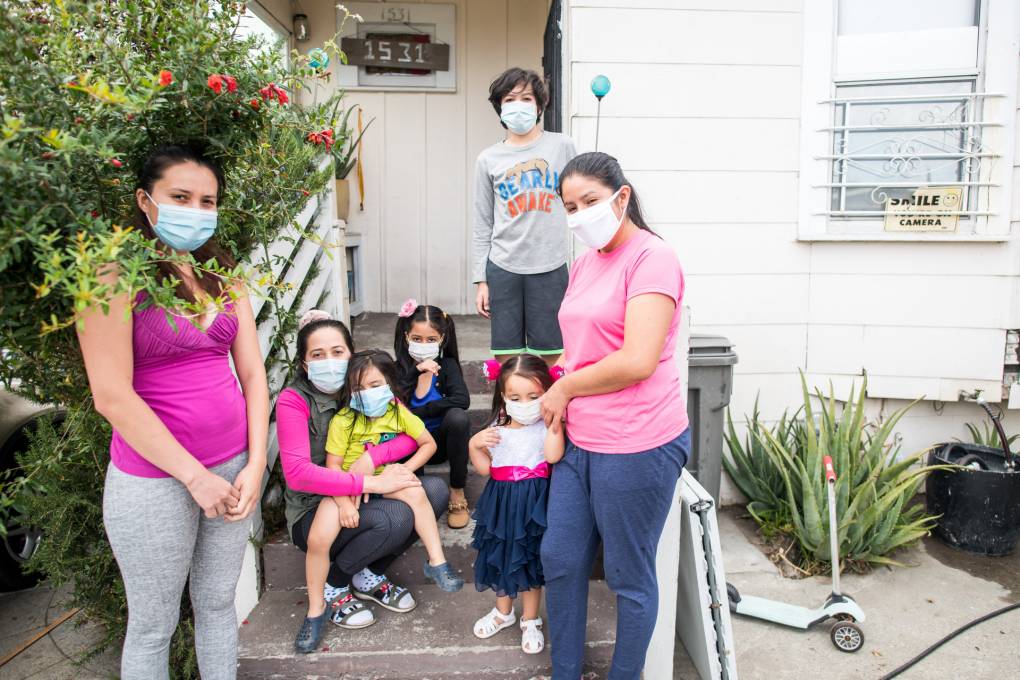
"caption": "Aleyda Rebelo (second from left) with her family at their home in Oakland on Aug. 26, 2020.",
"description": null,
"title": "evictionmoratorium",
"credit": "Beth LaBerge/KQED",
"status": "inherit",
"isLoading": false,
"fetchFailed": false
},
"news_11835675": {
"type": "attachments",
"id": "news_11835675",
"meta": {
"index": "attachments_1716263798",
"site": "news",
"id": "11835675",
"found": true
},
"parent": 11835565,
"imgSizes": {
"apple_news_ca_landscape_5_5": {
"file": "https://ww2.kqed.org/app/uploads/sites/10/2020/08/RS39211__M6A0746-qut-1044x783.jpg",
"width": 1044,
"mimeType": "image/jpeg",
"height": 783
},
"apple_news_ca_square_4_0": {
"file": "https://ww2.kqed.org/app/uploads/sites/10/2020/08/RS39211__M6A0746-qut-470x470.jpg",
"width": 470,
"mimeType": "image/jpeg",
"height": 470
},
"twentyfourteen-full-width": {
"file": "https://ww2.kqed.org/app/uploads/sites/10/2020/08/RS39211__M6A0746-qut-1038x576.jpg",
"width": 1038,
"mimeType": "image/jpeg",
"height": 576
},
"thumbnail": {
"file": "https://ww2.kqed.org/app/uploads/sites/10/2020/08/RS39211__M6A0746-qut-160x107.jpg",
"width": 160,
"mimeType": "image/jpeg",
"height": 107
},
"post-thumbnail": {
"file": "https://ww2.kqed.org/app/uploads/sites/10/2020/08/RS39211__M6A0746-qut-672x372.jpg",
"width": 672,
"mimeType": "image/jpeg",
"height": 372
},
"kqedFullSize": {
"file": "https://ww2.kqed.org/app/uploads/sites/10/2020/08/RS39211__M6A0746-qut.jpg",
"width": 1920,
"height": 1280
},
"apple_news_ca_landscape_4_7": {
"file": "https://ww2.kqed.org/app/uploads/sites/10/2020/08/RS39211__M6A0746-qut-632x474.jpg",
"width": 632,
"mimeType": "image/jpeg",
"height": 474
},
"large": {
"file": "https://ww2.kqed.org/app/uploads/sites/10/2020/08/RS39211__M6A0746-qut-1020x680.jpg",
"width": 1020,
"mimeType": "image/jpeg",
"height": 680
},
"apple_news_ca_landscape_4_0": {
"file": "https://ww2.kqed.org/app/uploads/sites/10/2020/08/RS39211__M6A0746-qut-536x402.jpg",
"width": 536,
"mimeType": "image/jpeg",
"height": 402
},
"apple_news_ca_portrait_12_9": {
"file": "https://ww2.kqed.org/app/uploads/sites/10/2020/08/RS39211__M6A0746-qut-1122x1280.jpg",
"width": 1122,
"mimeType": "image/jpeg",
"height": 1280
},
"medium": {
"file": "https://ww2.kqed.org/app/uploads/sites/10/2020/08/RS39211__M6A0746-qut-800x533.jpg",
"width": 800,
"mimeType": "image/jpeg",
"height": 533
},
"apple_news_ca_portrait_4_0": {
"file": "https://ww2.kqed.org/app/uploads/sites/10/2020/08/RS39211__M6A0746-qut-354x472.jpg",
"width": 354,
"mimeType": "image/jpeg",
"height": 472
},
"apple_news_ca_portrait_9_7": {
"file": "https://ww2.kqed.org/app/uploads/sites/10/2020/08/RS39211__M6A0746-qut-840x1120.jpg",
"width": 840,
"mimeType": "image/jpeg",
"height": 1120
},
"apple_news_ca_landscape_12_9": {
"file": "https://ww2.kqed.org/app/uploads/sites/10/2020/08/RS39211__M6A0746-qut-1832x1280.jpg",
"width": 1832,
"mimeType": "image/jpeg",
"height": 1280
},
"apple_news_ca_square_9_7": {
"file": "https://ww2.kqed.org/app/uploads/sites/10/2020/08/RS39211__M6A0746-qut-1104x1104.jpg",
"width": 1104,
"mimeType": "image/jpeg",
"height": 1104
},
"1536x1536": {
"file": "https://ww2.kqed.org/app/uploads/sites/10/2020/08/RS39211__M6A0746-qut-1536x1024.jpg",
"width": 1536,
"mimeType": "image/jpeg",
"height": 1024
},
"apple_news_ca_portrait_4_7": {
"file": "https://ww2.kqed.org/app/uploads/sites/10/2020/08/RS39211__M6A0746-qut-414x552.jpg",
"width": 414,
"mimeType": "image/jpeg",
"height": 552
},
"apple_news_ca_square_12_9": {
"file": "https://ww2.kqed.org/app/uploads/sites/10/2020/08/RS39211__M6A0746-qut-1472x1280.jpg",
"width": 1472,
"mimeType": "image/jpeg",
"height": 1280
},
"apple_news_ca_portrait_5_5": {
"file": "https://ww2.kqed.org/app/uploads/sites/10/2020/08/RS39211__M6A0746-qut-687x916.jpg",
"width": 687,
"mimeType": "image/jpeg",
"height": 916
},
"apple_news_ca_square_4_7": {
"file": "https://ww2.kqed.org/app/uploads/sites/10/2020/08/RS39211__M6A0746-qut-550x550.jpg",
"width": 550,
"mimeType": "image/jpeg",
"height": 550
},
"apple_news_ca_landscape_9_7": {
"file": "https://ww2.kqed.org/app/uploads/sites/10/2020/08/RS39211__M6A0746-qut-1376x1032.jpg",
"width": 1376,
"mimeType": "image/jpeg",
"height": 1032
},
"apple_news_ca_square_5_5": {
"file": "https://ww2.kqed.org/app/uploads/sites/10/2020/08/RS39211__M6A0746-qut-912x912.jpg",
"width": 912,
"mimeType": "image/jpeg",
"height": 912
}
},
"publishDate": 1598578088,
"modified": 1609856611,
"caption": null,
"description": "Gov. Gavin Newsom announced the COVID-19 Tenant Relief Act of 2020 on Friday.",
"title": "RS39211__M6A0746-qut",
"credit": "Sruti Mamidanna/KQED",
"status": "inherit",
"altTag": "Gov. Gavin Newsom announced the COVID-19 Tenant Relief Act of 2020 on Friday.",
"isLoading": false,
"fetchFailed": false
},
"news_11489888": {
"type": "attachments",
"id": "news_11489888",
"meta": {
"index": "attachments_1716263798",
"site": "news",
"id": "11489888",
"found": true
},
"parent": 11489497,
"imgSizes": {
"small": {
"file": "https://ww2.kqed.org/app/uploads/sites/10/2017/06/RS25439_20170515_StateCapitol_Assemblymember_DavidChiu_credit_BertJohnson-1-qut-520x347.jpg",
"width": 520,
"mimeType": "image/jpeg",
"height": 347
},
"twentyfourteen-full-width": {
"file": "https://ww2.kqed.org/app/uploads/sites/10/2017/06/RS25439_20170515_StateCapitol_Assemblymember_DavidChiu_credit_BertJohnson-1-qut-1038x576.jpg",
"width": 1038,
"mimeType": "image/jpeg",
"height": 576
},
"thumbnail": {
"file": "https://ww2.kqed.org/app/uploads/sites/10/2017/06/RS25439_20170515_StateCapitol_Assemblymember_DavidChiu_credit_BertJohnson-1-qut-160x107.jpg",
"width": 160,
"mimeType": "image/jpeg",
"height": 107
},
"fd-sm": {
"file": "https://ww2.kqed.org/app/uploads/sites/10/2017/06/RS25439_20170515_StateCapitol_Assemblymember_DavidChiu_credit_BertJohnson-1-qut-960x640.jpg",
"width": 960,
"mimeType": "image/jpeg",
"height": 640
},
"post-thumbnail": {
"file": "https://ww2.kqed.org/app/uploads/sites/10/2017/06/RS25439_20170515_StateCapitol_Assemblymember_DavidChiu_credit_BertJohnson-1-qut-672x372.jpg",
"width": 672,
"mimeType": "image/jpeg",
"height": 372
},
"xsmall": {
"file": "https://ww2.kqed.org/app/uploads/sites/10/2017/06/RS25439_20170515_StateCapitol_Assemblymember_DavidChiu_credit_BertJohnson-1-qut-375x250.jpg",
"width": 375,
"mimeType": "image/jpeg",
"height": 250
},
"kqedFullSize": {
"file": "https://ww2.kqed.org/app/uploads/sites/10/2017/06/RS25439_20170515_StateCapitol_Assemblymember_DavidChiu_credit_BertJohnson-1-qut.jpg",
"width": 1920,
"height": 1280
},
"large": {
"file": "https://ww2.kqed.org/app/uploads/sites/10/2017/06/RS25439_20170515_StateCapitol_Assemblymember_DavidChiu_credit_BertJohnson-1-qut-1020x680.jpg",
"width": 1020,
"mimeType": "image/jpeg",
"height": 680
},
"xlarge": {
"file": "https://ww2.kqed.org/app/uploads/sites/10/2017/06/RS25439_20170515_StateCapitol_Assemblymember_DavidChiu_credit_BertJohnson-1-qut-1180x787.jpg",
"width": 1180,
"mimeType": "image/jpeg",
"height": 787
},
"guest-author-50": {
"file": "https://ww2.kqed.org/app/uploads/sites/10/2017/06/RS25439_20170515_StateCapitol_Assemblymember_DavidChiu_credit_BertJohnson-1-qut-50x50.jpg",
"width": 50,
"mimeType": "image/jpeg",
"height": 50
},
"guest-author-96": {
"file": "https://ww2.kqed.org/app/uploads/sites/10/2017/06/RS25439_20170515_StateCapitol_Assemblymember_DavidChiu_credit_BertJohnson-1-qut-96x96.jpg",
"width": 96,
"mimeType": "image/jpeg",
"height": 96
},
"medium": {
"file": "https://ww2.kqed.org/app/uploads/sites/10/2017/06/RS25439_20170515_StateCapitol_Assemblymember_DavidChiu_credit_BertJohnson-1-qut-800x533.jpg",
"width": 800,
"mimeType": "image/jpeg",
"height": 533
},
"guest-author-64": {
"file": "https://ww2.kqed.org/app/uploads/sites/10/2017/06/RS25439_20170515_StateCapitol_Assemblymember_DavidChiu_credit_BertJohnson-1-qut-64x64.jpg",
"width": 64,
"mimeType": "image/jpeg",
"height": 64
},
"guest-author-32": {
"file": "https://ww2.kqed.org/app/uploads/sites/10/2017/06/RS25439_20170515_StateCapitol_Assemblymember_DavidChiu_credit_BertJohnson-1-qut-32x32.jpg",
"width": 32,
"mimeType": "image/jpeg",
"height": 32
},
"fd-lrg": {
"file": "https://ww2.kqed.org/app/uploads/sites/10/2017/06/RS25439_20170515_StateCapitol_Assemblymember_DavidChiu_credit_BertJohnson-1-qut-1920x1280.jpg",
"width": 1920,
"mimeType": "image/jpeg",
"height": 1280
},
"fd-med": {
"file": "https://ww2.kqed.org/app/uploads/sites/10/2017/06/RS25439_20170515_StateCapitol_Assemblymember_DavidChiu_credit_BertJohnson-1-qut-1180x787.jpg",
"width": 1180,
"mimeType": "image/jpeg",
"height": 787
},
"full-width": {
"file": "https://ww2.kqed.org/app/uploads/sites/10/2017/06/RS25439_20170515_StateCapitol_Assemblymember_DavidChiu_credit_BertJohnson-1-qut-1920x1280.jpg",
"width": 1920,
"mimeType": "image/jpeg",
"height": 1280
},
"detail": {
"file": "https://ww2.kqed.org/app/uploads/sites/10/2017/06/RS25439_20170515_StateCapitol_Assemblymember_DavidChiu_credit_BertJohnson-1-qut-150x150.jpg",
"width": 150,
"mimeType": "image/jpeg",
"height": 150
},
"guest-author-128": {
"file": "https://ww2.kqed.org/app/uploads/sites/10/2017/06/RS25439_20170515_StateCapitol_Assemblymember_DavidChiu_credit_BertJohnson-1-qut-128x128.jpg",
"width": 128,
"mimeType": "image/jpeg",
"height": 128
},
"xxsmall": {
"file": "https://ww2.kqed.org/app/uploads/sites/10/2017/06/RS25439_20170515_StateCapitol_Assemblymember_DavidChiu_credit_BertJohnson-1-qut-240x160.jpg",
"width": 240,
"mimeType": "image/jpeg",
"height": 160
}
},
"publishDate": 1496373999,
"modified": 1598990800,
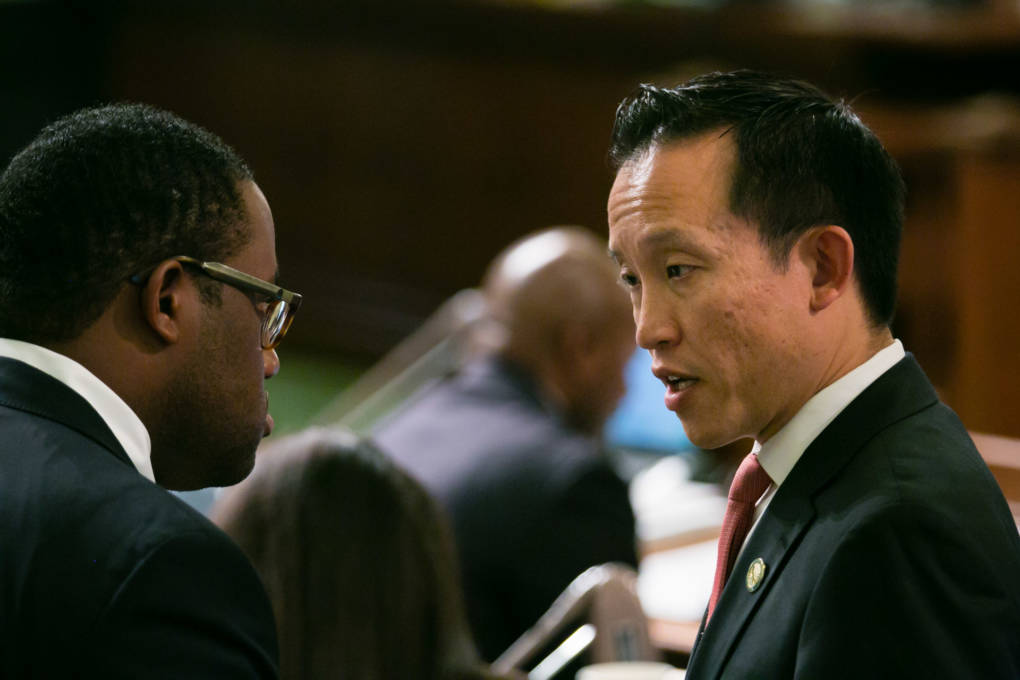
"caption": "Assemblyman David Chiu, D-San Francisco, (right) authored a state bill that would ban evictions for missing rent across California.",
"description": null,
"title": "David Chiu",
"credit": "Bert Johnson/KQED",
"status": "inherit",
"isLoading": false,
"fetchFailed": false
},
"news_11823916": {
"type": "attachments",
"id": "news_11823916",
"meta": {
"index": "attachments_1716263798",
"site": "news",
"id": "11823916",
"found": true
},
"parent": 11823891,
"imgSizes": {
"apple_news_ca_landscape_5_5": {
"file": "https://ww2.kqed.org/app/uploads/sites/10/2020/06/RS41398_005_KQED_Housing_MountainView_02192020_3321-qut-1044x783.jpg",
"width": 1044,
"mimeType": "image/jpeg",
"height": 783
},
"apple_news_ca_square_4_0": {
"file": "https://ww2.kqed.org/app/uploads/sites/10/2020/06/RS41398_005_KQED_Housing_MountainView_02192020_3321-qut-470x470.jpg",
"width": 470,
"mimeType": "image/jpeg",
"height": 470
},
"twentyfourteen-full-width": {
"file": "https://ww2.kqed.org/app/uploads/sites/10/2020/06/RS41398_005_KQED_Housing_MountainView_02192020_3321-qut-1038x576.jpg",
"width": 1038,
"mimeType": "image/jpeg",
"height": 576
},
"thumbnail": {
"file": "https://ww2.kqed.org/app/uploads/sites/10/2020/06/RS41398_005_KQED_Housing_MountainView_02192020_3321-qut-160x107.jpg",
"width": 160,
"mimeType": "image/jpeg",
"height": 107
},
"post-thumbnail": {
"file": "https://ww2.kqed.org/app/uploads/sites/10/2020/06/RS41398_005_KQED_Housing_MountainView_02192020_3321-qut-672x372.jpg",
"width": 672,
"mimeType": "image/jpeg",
"height": 372
},
"kqedFullSize": {
"file": "https://ww2.kqed.org/app/uploads/sites/10/2020/06/RS41398_005_KQED_Housing_MountainView_02192020_3321-qut.jpg",
"width": 1920,
"height": 1280
},
"apple_news_ca_landscape_4_7": {
"file": "https://ww2.kqed.org/app/uploads/sites/10/2020/06/RS41398_005_KQED_Housing_MountainView_02192020_3321-qut-632x474.jpg",
"width": 632,
"mimeType": "image/jpeg",
"height": 474
},
"large": {
"file": "https://ww2.kqed.org/app/uploads/sites/10/2020/06/RS41398_005_KQED_Housing_MountainView_02192020_3321-qut-1020x680.jpg",
"width": 1020,
"mimeType": "image/jpeg",
"height": 680
},
"apple_news_ca_landscape_4_0": {
"file": "https://ww2.kqed.org/app/uploads/sites/10/2020/06/RS41398_005_KQED_Housing_MountainView_02192020_3321-qut-536x402.jpg",
"width": 536,
"mimeType": "image/jpeg",
"height": 402
},
"apple_news_ca_portrait_12_9": {
"file": "https://ww2.kqed.org/app/uploads/sites/10/2020/06/RS41398_005_KQED_Housing_MountainView_02192020_3321-qut-1122x1280.jpg",
"width": 1122,
"mimeType": "image/jpeg",
"height": 1280
},
"medium": {
"file": "https://ww2.kqed.org/app/uploads/sites/10/2020/06/RS41398_005_KQED_Housing_MountainView_02192020_3321-qut-800x533.jpg",
"width": 800,
"mimeType": "image/jpeg",
"height": 533
},
"apple_news_ca_portrait_4_0": {
"file": "https://ww2.kqed.org/app/uploads/sites/10/2020/06/RS41398_005_KQED_Housing_MountainView_02192020_3321-qut-354x472.jpg",
"width": 354,
"mimeType": "image/jpeg",
"height": 472
},
"apple_news_ca_portrait_9_7": {
"file": "https://ww2.kqed.org/app/uploads/sites/10/2020/06/RS41398_005_KQED_Housing_MountainView_02192020_3321-qut-840x1120.jpg",
"width": 840,
"mimeType": "image/jpeg",
"height": 1120
},
"apple_news_ca_landscape_12_9": {
"file": "https://ww2.kqed.org/app/uploads/sites/10/2020/06/RS41398_005_KQED_Housing_MountainView_02192020_3321-qut-1832x1280.jpg",
"width": 1832,
"mimeType": "image/jpeg",
"height": 1280
},
"apple_news_ca_square_9_7": {
"file": "https://ww2.kqed.org/app/uploads/sites/10/2020/06/RS41398_005_KQED_Housing_MountainView_02192020_3321-qut-1104x1104.jpg",
"width": 1104,
"mimeType": "image/jpeg",
"height": 1104
},
"apple_news_ca_portrait_4_7": {
"file": "https://ww2.kqed.org/app/uploads/sites/10/2020/06/RS41398_005_KQED_Housing_MountainView_02192020_3321-qut-414x552.jpg",
"width": 414,
"mimeType": "image/jpeg",
"height": 552
},
"apple_news_ca_square_12_9": {
"file": "https://ww2.kqed.org/app/uploads/sites/10/2020/06/RS41398_005_KQED_Housing_MountainView_02192020_3321-qut-1472x1280.jpg",
"width": 1472,
"mimeType": "image/jpeg",
"height": 1280
},
"apple_news_ca_portrait_5_5": {
"file": "https://ww2.kqed.org/app/uploads/sites/10/2020/06/RS41398_005_KQED_Housing_MountainView_02192020_3321-qut-687x916.jpg",
"width": 687,
"mimeType": "image/jpeg",
"height": 916
},
"full-width": {
"file": "https://ww2.kqed.org/app/uploads/sites/10/2020/06/RS41398_005_KQED_Housing_MountainView_02192020_3321-qut-1920x1280.jpg",
"width": 1920,
"mimeType": "image/jpeg",
"height": 1280
},
"apple_news_ca_square_4_7": {
"file": "https://ww2.kqed.org/app/uploads/sites/10/2020/06/RS41398_005_KQED_Housing_MountainView_02192020_3321-qut-550x550.jpg",
"width": 550,
"mimeType": "image/jpeg",
"height": 550
},
"apple_news_ca_landscape_9_7": {
"file": "https://ww2.kqed.org/app/uploads/sites/10/2020/06/RS41398_005_KQED_Housing_MountainView_02192020_3321-qut-1376x1032.jpg",
"width": 1376,
"mimeType": "image/jpeg",
"height": 1032
},
"apple_news_ca_square_5_5": {
"file": "https://ww2.kqed.org/app/uploads/sites/10/2020/06/RS41398_005_KQED_Housing_MountainView_02192020_3321-qut-912x912.jpg",
"width": 912,
"mimeType": "image/jpeg",
"height": 912
}
},
"publishDate": 1591847616,
"modified": 1597355407,
"caption": "Houses in Mountain View, pictured on Feb. 19, 2020.",
"description": "Houses in Mountain View, pictured on Feb. 19, 2020.",
"title": "RS41398_005_KQED_Housing_MountainView_02192020_3321-qut",
"credit": "Beth LaBerge/KQED",
"status": "inherit",
"isLoading": false,
"fetchFailed": false
},
"news_11831720": {
"type": "attachments",
"id": "news_11831720",
"meta": {
"index": "attachments_1716263798",
"site": "news",
"id": "11831720",
"found": true
},
"parent": 11831241,
"imgSizes": {
"apple_news_ca_landscape_5_5": {
"file": "https://ww2.kqed.org/app/uploads/sites/10/2020/07/Debt-Collections-Pic-1044x783.jpg",
"width": 1044,
"mimeType": "image/jpeg",
"height": 783
},
"apple_news_ca_square_4_0": {
"file": "https://ww2.kqed.org/app/uploads/sites/10/2020/07/Debt-Collections-Pic-470x470.jpg",
"width": 470,
"mimeType": "image/jpeg",
"height": 470
},
"twentyfourteen-full-width": {
"file": "https://ww2.kqed.org/app/uploads/sites/10/2020/07/Debt-Collections-Pic-1038x576.jpg",
"width": 1038,
"mimeType": "image/jpeg",
"height": 576
},
"thumbnail": {
"file": "https://ww2.kqed.org/app/uploads/sites/10/2020/07/Debt-Collections-Pic-160x107.jpg",
"width": 160,
"mimeType": "image/jpeg",
"height": 107
},
"post-thumbnail": {
"file": "https://ww2.kqed.org/app/uploads/sites/10/2020/07/Debt-Collections-Pic-672x372.jpg",
"width": 672,
"mimeType": "image/jpeg",
"height": 372
},
"kqedFullSize": {
"file": "https://ww2.kqed.org/app/uploads/sites/10/2020/07/Debt-Collections-Pic-scaled.jpg",
"width": 2560,
"height": 1707
},
"2048x2048": {
"file": "https://ww2.kqed.org/app/uploads/sites/10/2020/07/Debt-Collections-Pic-2048x1365.jpg",
"width": 2048,
"mimeType": "image/jpeg",
"height": 1365
},
"apple_news_ca_landscape_4_7": {
"file": "https://ww2.kqed.org/app/uploads/sites/10/2020/07/Debt-Collections-Pic-632x474.jpg",
"width": 632,
"mimeType": "image/jpeg",
"height": 474
},
"large": {
"file": "https://ww2.kqed.org/app/uploads/sites/10/2020/07/Debt-Collections-Pic-1020x680.jpg",
"width": 1020,
"mimeType": "image/jpeg",
"height": 680
},
"apple_news_ca_landscape_4_0": {
"file": "https://ww2.kqed.org/app/uploads/sites/10/2020/07/Debt-Collections-Pic-536x402.jpg",
"width": 536,
"mimeType": "image/jpeg",
"height": 402
},
"apple_news_ca_portrait_12_9": {
"file": "https://ww2.kqed.org/app/uploads/sites/10/2020/07/Debt-Collections-Pic-1122x1496.jpg",
"width": 1122,
"mimeType": "image/jpeg",
"height": 1496
},
"medium": {
"file": "https://ww2.kqed.org/app/uploads/sites/10/2020/07/Debt-Collections-Pic-800x533.jpg",
"width": 800,
"mimeType": "image/jpeg",
"height": 533
},
"apple_news_ca_portrait_4_0": {
"file": "https://ww2.kqed.org/app/uploads/sites/10/2020/07/Debt-Collections-Pic-354x472.jpg",
"width": 354,
"mimeType": "image/jpeg",
"height": 472
},
"apple_news_ca_portrait_9_7": {
"file": "https://ww2.kqed.org/app/uploads/sites/10/2020/07/Debt-Collections-Pic-840x1120.jpg",
"width": 840,
"mimeType": "image/jpeg",
"height": 1120
},
"apple_news_ca_landscape_12_9": {
"file": "https://ww2.kqed.org/app/uploads/sites/10/2020/07/Debt-Collections-Pic-1832x1374.jpg",
"width": 1832,
"mimeType": "image/jpeg",
"height": 1374
},
"apple_news_ca_square_9_7": {
"file": "https://ww2.kqed.org/app/uploads/sites/10/2020/07/Debt-Collections-Pic-1104x1104.jpg",
"width": 1104,
"mimeType": "image/jpeg",
"height": 1104
},
"1536x1536": {
"file": "https://ww2.kqed.org/app/uploads/sites/10/2020/07/Debt-Collections-Pic-1536x1024.jpg",
"width": 1536,
"mimeType": "image/jpeg",
"height": 1024
},
"apple_news_ca_portrait_4_7": {
"file": "https://ww2.kqed.org/app/uploads/sites/10/2020/07/Debt-Collections-Pic-414x552.jpg",
"width": 414,
"mimeType": "image/jpeg",
"height": 552
},
"apple_news_ca_square_12_9": {
"file": "https://ww2.kqed.org/app/uploads/sites/10/2020/07/Debt-Collections-Pic-1472x1472.jpg",
"width": 1472,
"mimeType": "image/jpeg",
"height": 1472
},
"apple_news_ca_portrait_5_5": {
"file": "https://ww2.kqed.org/app/uploads/sites/10/2020/07/Debt-Collections-Pic-687x916.jpg",
"width": 687,
"mimeType": "image/jpeg",
"height": 916
},
"full-width": {
"file": "https://ww2.kqed.org/app/uploads/sites/10/2020/07/Debt-Collections-Pic-1920x1280.jpg",
"width": 1920,
"mimeType": "image/jpeg",
"height": 1280
},
"apple_news_ca_square_4_7": {
"file": "https://ww2.kqed.org/app/uploads/sites/10/2020/07/Debt-Collections-Pic-550x550.jpg",
"width": 550,
"mimeType": "image/jpeg",
"height": 550
},
"apple_news_ca_landscape_9_7": {
"file": "https://ww2.kqed.org/app/uploads/sites/10/2020/07/Debt-Collections-Pic-1376x1032.jpg",
"width": 1376,
"mimeType": "image/jpeg",
"height": 1032
},
"apple_news_ca_square_5_5": {
"file": "https://ww2.kqed.org/app/uploads/sites/10/2020/07/Debt-Collections-Pic-912x912.jpg",
"width": 912,
"mimeType": "image/jpeg",
"height": 912
}
},
"publishDate": 1596494288,
"modified": 1596565048,
"caption": "Millions of Californians are filing for unemployment and living off of credit. Because of this, debt collection activity is expected to increase in the pandemic's aftermath. ",
"description": "Millions of Californians are filing for unemployment and living off of credit. Because of this, debt collection activity is expected to increase in the pandemic's aftermath. ",
"title": "Millions of Californians are filing for unemployment and living off of credit. Because of this, debt collection activity is expected to increase in the pandemic's aftermath.",
"credit": "rupixen.com on Unsplash",
"status": "inherit",
"isLoading": false,
"fetchFailed": false
},
"news_11831189": {
"type": "attachments",
"id": "news_11831189",
"meta": {
"index": "attachments_1716263798",
"site": "news",
"id": "11831189",
"found": true
},
"parent": 11831182,
"imgSizes": {
"apple_news_ca_landscape_5_5": {
"file": "https://ww2.kqed.org/app/uploads/sites/10/2020/07/1920_1080_GettyImages-1262021719-1044x783.jpg",
"width": 1044,
"mimeType": "image/jpeg",
"height": 783
},
"apple_news_ca_square_4_0": {
"file": "https://ww2.kqed.org/app/uploads/sites/10/2020/07/1920_1080_GettyImages-1262021719-470x470.jpg",
"width": 470,
"mimeType": "image/jpeg",
"height": 470
},
"twentyfourteen-full-width": {
"file": "https://ww2.kqed.org/app/uploads/sites/10/2020/07/1920_1080_GettyImages-1262021719-1038x576.jpg",
"width": 1038,
"mimeType": "image/jpeg",
"height": 576
},
"thumbnail": {
"file": "https://ww2.kqed.org/app/uploads/sites/10/2020/07/1920_1080_GettyImages-1262021719-160x90.jpg",
"width": 160,
"mimeType": "image/jpeg",
"height": 90
},
"post-thumbnail": {
"file": "https://ww2.kqed.org/app/uploads/sites/10/2020/07/1920_1080_GettyImages-1262021719-672x372.jpg",
"width": 672,
"mimeType": "image/jpeg",
"height": 372
},
"kqedFullSize": {
"file": "https://ww2.kqed.org/app/uploads/sites/10/2020/07/1920_1080_GettyImages-1262021719-scaled.jpg",
"width": 2560,
"height": 1439
},
"2048x2048": {
"file": "https://ww2.kqed.org/app/uploads/sites/10/2020/07/1920_1080_GettyImages-1262021719-2048x1151.jpg",
"width": 2048,
"mimeType": "image/jpeg",
"height": 1151
},
"apple_news_ca_landscape_4_7": {
"file": "https://ww2.kqed.org/app/uploads/sites/10/2020/07/1920_1080_GettyImages-1262021719-632x474.jpg",
"width": 632,
"mimeType": "image/jpeg",
"height": 474
},
"large": {
"file": "https://ww2.kqed.org/app/uploads/sites/10/2020/07/1920_1080_GettyImages-1262021719-1020x573.jpg",
"width": 1020,
"mimeType": "image/jpeg",
"height": 573
},
"apple_news_ca_landscape_4_0": {
"file": "https://ww2.kqed.org/app/uploads/sites/10/2020/07/1920_1080_GettyImages-1262021719-536x402.jpg",
"width": 536,
"mimeType": "image/jpeg",
"height": 402
},
"apple_news_ca_portrait_12_9": {
"file": "https://ww2.kqed.org/app/uploads/sites/10/2020/07/1920_1080_GettyImages-1262021719-1122x1496.jpg",
"width": 1122,
"mimeType": "image/jpeg",
"height": 1496
},
"medium": {
"file": "https://ww2.kqed.org/app/uploads/sites/10/2020/07/1920_1080_GettyImages-1262021719-800x450.jpg",
"width": 800,
"mimeType": "image/jpeg",
"height": 450
},
"apple_news_ca_portrait_4_0": {
"file": "https://ww2.kqed.org/app/uploads/sites/10/2020/07/1920_1080_GettyImages-1262021719-354x472.jpg",
"width": 354,
"mimeType": "image/jpeg",
"height": 472
},
"apple_news_ca_portrait_9_7": {
"file": "https://ww2.kqed.org/app/uploads/sites/10/2020/07/1920_1080_GettyImages-1262021719-840x1120.jpg",
"width": 840,
"mimeType": "image/jpeg",
"height": 1120
},
"apple_news_ca_landscape_12_9": {
"file": "https://ww2.kqed.org/app/uploads/sites/10/2020/07/1920_1080_GettyImages-1262021719-1832x1374.jpg",
"width": 1832,
"mimeType": "image/jpeg",
"height": 1374
},
"apple_news_ca_square_9_7": {
"file": "https://ww2.kqed.org/app/uploads/sites/10/2020/07/1920_1080_GettyImages-1262021719-1104x1104.jpg",
"width": 1104,
"mimeType": "image/jpeg",
"height": 1104
},
"1536x1536": {
"file": "https://ww2.kqed.org/app/uploads/sites/10/2020/07/1920_1080_GettyImages-1262021719-1536x864.jpg",
"width": 1536,
"mimeType": "image/jpeg",
"height": 864
},
"apple_news_ca_portrait_4_7": {
"file": "https://ww2.kqed.org/app/uploads/sites/10/2020/07/1920_1080_GettyImages-1262021719-414x552.jpg",
"width": 414,
"mimeType": "image/jpeg",
"height": 552
},
"apple_news_ca_square_12_9": {
"file": "https://ww2.kqed.org/app/uploads/sites/10/2020/07/1920_1080_GettyImages-1262021719-1472x1472.jpg",
"width": 1472,
"mimeType": "image/jpeg",
"height": 1472
},
"apple_news_ca_portrait_5_5": {
"file": "https://ww2.kqed.org/app/uploads/sites/10/2020/07/1920_1080_GettyImages-1262021719-687x916.jpg",
"width": 687,
"mimeType": "image/jpeg",
"height": 916
},
"full-width": {
"file": "https://ww2.kqed.org/app/uploads/sites/10/2020/07/1920_1080_GettyImages-1262021719-1920x1080.jpg",
"width": 1920,
"mimeType": "image/jpeg",
"height": 1080
},
"apple_news_ca_square_4_7": {
"file": "https://ww2.kqed.org/app/uploads/sites/10/2020/07/1920_1080_GettyImages-1262021719-550x550.jpg",
"width": 550,
"mimeType": "image/jpeg",
"height": 550
},
"apple_news_ca_landscape_9_7": {
"file": "https://ww2.kqed.org/app/uploads/sites/10/2020/07/1920_1080_GettyImages-1262021719-1376x1032.jpg",
"width": 1376,
"mimeType": "image/jpeg",
"height": 1032
},
"apple_news_ca_square_5_5": {
"file": "https://ww2.kqed.org/app/uploads/sites/10/2020/07/1920_1080_GettyImages-1262021719-912x912.jpg",
"width": 912,
"mimeType": "image/jpeg",
"height": 912
}
},
"publishDate": 1596079642,
"modified": 1596079719,
"caption": "A nurse cares for a COVID-19 patient in the Intensive Care Unit at El Centro Regional Medical Center in hard-hit Imperial County on July 28, 2020 in El Centro, California. Imperial County currently suffers from the highest mortality and near-highest infection rates from COVID-19 in California. The rural county, which is 85 percent Latino, borders Mexico and Arizona and endures high poverty rates and air pollution while also being medically underserved. In California, Latinos make up about 39 percent of the population but account for 55 percent of confirmed COVID-19 cases amid the pandemic.",
"description": null,
"title": "Hospital In El Centro, California Copes With Area's Rise In Coronavirus Infections",
"credit": "Mario Tama/Getty Images",
"status": "inherit",
"isLoading": false,
"fetchFailed": false
},
"news_11830938": {
"type": "attachments",
"id": "news_11830938",
"meta": {
"index": "attachments_1716263798",
"site": "news",
"id": "11830938",
"found": true
},
"parent": 11830937,
"imgSizes": {
"apple_news_ca_landscape_5_5": {
"file": "https://ww2.kqed.org/app/uploads/sites/10/2020/07/RS41536_009_KQED_Housing_Oakland_02212020_3511-qut-1044x783.jpg",
"width": 1044,
"mimeType": "image/jpeg",
"height": 783
},
"apple_news_ca_square_4_0": {
"file": "https://ww2.kqed.org/app/uploads/sites/10/2020/07/RS41536_009_KQED_Housing_Oakland_02212020_3511-qut-470x470.jpg",
"width": 470,
"mimeType": "image/jpeg",
"height": 470
},
"twentyfourteen-full-width": {
"file": "https://ww2.kqed.org/app/uploads/sites/10/2020/07/RS41536_009_KQED_Housing_Oakland_02212020_3511-qut-1038x576.jpg",
"width": 1038,
"mimeType": "image/jpeg",
"height": 576
},
"thumbnail": {
"file": "https://ww2.kqed.org/app/uploads/sites/10/2020/07/RS41536_009_KQED_Housing_Oakland_02212020_3511-qut-160x107.jpg",
"width": 160,
"mimeType": "image/jpeg",
"height": 107
},
"post-thumbnail": {
"file": "https://ww2.kqed.org/app/uploads/sites/10/2020/07/RS41536_009_KQED_Housing_Oakland_02212020_3511-qut-672x372.jpg",
"width": 672,
"mimeType": "image/jpeg",
"height": 372
},
"kqedFullSize": {
"file": "https://ww2.kqed.org/app/uploads/sites/10/2020/07/RS41536_009_KQED_Housing_Oakland_02212020_3511-qut.jpg",
"width": 1920,
"height": 1280
},
"apple_news_ca_landscape_4_7": {
"file": "https://ww2.kqed.org/app/uploads/sites/10/2020/07/RS41536_009_KQED_Housing_Oakland_02212020_3511-qut-632x474.jpg",
"width": 632,
"mimeType": "image/jpeg",
"height": 474
},
"large": {
"file": "https://ww2.kqed.org/app/uploads/sites/10/2020/07/RS41536_009_KQED_Housing_Oakland_02212020_3511-qut-1020x680.jpg",
"width": 1020,
"mimeType": "image/jpeg",
"height": 680
},
"apple_news_ca_landscape_4_0": {
"file": "https://ww2.kqed.org/app/uploads/sites/10/2020/07/RS41536_009_KQED_Housing_Oakland_02212020_3511-qut-536x402.jpg",
"width": 536,
"mimeType": "image/jpeg",
"height": 402
},
"apple_news_ca_portrait_12_9": {
"file": "https://ww2.kqed.org/app/uploads/sites/10/2020/07/RS41536_009_KQED_Housing_Oakland_02212020_3511-qut-1122x1280.jpg",
"width": 1122,
"mimeType": "image/jpeg",
"height": 1280
},
"medium": {
"file": "https://ww2.kqed.org/app/uploads/sites/10/2020/07/RS41536_009_KQED_Housing_Oakland_02212020_3511-qut-800x533.jpg",
"width": 800,
"mimeType": "image/jpeg",
"height": 533
},
"apple_news_ca_portrait_4_0": {
"file": "https://ww2.kqed.org/app/uploads/sites/10/2020/07/RS41536_009_KQED_Housing_Oakland_02212020_3511-qut-354x472.jpg",
"width": 354,
"mimeType": "image/jpeg",
"height": 472
},
"apple_news_ca_portrait_9_7": {
"file": "https://ww2.kqed.org/app/uploads/sites/10/2020/07/RS41536_009_KQED_Housing_Oakland_02212020_3511-qut-840x1120.jpg",
"width": 840,
"mimeType": "image/jpeg",
"height": 1120
},
"apple_news_ca_landscape_12_9": {
"file": "https://ww2.kqed.org/app/uploads/sites/10/2020/07/RS41536_009_KQED_Housing_Oakland_02212020_3511-qut-1832x1280.jpg",
"width": 1832,
"mimeType": "image/jpeg",
"height": 1280
},
"apple_news_ca_square_9_7": {
"file": "https://ww2.kqed.org/app/uploads/sites/10/2020/07/RS41536_009_KQED_Housing_Oakland_02212020_3511-qut-1104x1104.jpg",
"width": 1104,
"mimeType": "image/jpeg",
"height": 1104
},
"1536x1536": {
"file": "https://ww2.kqed.org/app/uploads/sites/10/2020/07/RS41536_009_KQED_Housing_Oakland_02212020_3511-qut-1536x1024.jpg",
"width": 1536,
"mimeType": "image/jpeg",
"height": 1024
},
"apple_news_ca_portrait_4_7": {
"file": "https://ww2.kqed.org/app/uploads/sites/10/2020/07/RS41536_009_KQED_Housing_Oakland_02212020_3511-qut-414x552.jpg",
"width": 414,
"mimeType": "image/jpeg",
"height": 552
},
"apple_news_ca_square_12_9": {
"file": "https://ww2.kqed.org/app/uploads/sites/10/2020/07/RS41536_009_KQED_Housing_Oakland_02212020_3511-qut-1472x1280.jpg",
"width": 1472,
"mimeType": "image/jpeg",
"height": 1280
},
"apple_news_ca_portrait_5_5": {
"file": "https://ww2.kqed.org/app/uploads/sites/10/2020/07/RS41536_009_KQED_Housing_Oakland_02212020_3511-qut-687x916.jpg",
"width": 687,
"mimeType": "image/jpeg",
"height": 916
},
"apple_news_ca_square_4_7": {
"file": "https://ww2.kqed.org/app/uploads/sites/10/2020/07/RS41536_009_KQED_Housing_Oakland_02212020_3511-qut-550x550.jpg",
"width": 550,
"mimeType": "image/jpeg",
"height": 550
},
"apple_news_ca_landscape_9_7": {
"file": "https://ww2.kqed.org/app/uploads/sites/10/2020/07/RS41536_009_KQED_Housing_Oakland_02212020_3511-qut-1376x1032.jpg",
"width": 1376,
"mimeType": "image/jpeg",
"height": 1032
},
"apple_news_ca_square_5_5": {
"file": "https://ww2.kqed.org/app/uploads/sites/10/2020/07/RS41536_009_KQED_Housing_Oakland_02212020_3511-qut-912x912.jpg",
"width": 912,
"mimeType": "image/jpeg",
"height": 912
}
},
"publishDate": 1595991766,
"modified": 1595991852,
"caption": "Single-family homes near MacArthur BART station in Oakland, on Feb. 21, 2020.",
"description": "Single-family homes near MacArthur BART station in Oakland, on Feb. 21, 2020.",
"title": "RS41536_009_KQED_Housing_Oakland_02212020_3511-qut",
"credit": "Beth LaBerge/KQED",
"status": "inherit",
"isLoading": false,
"fetchFailed": false
},
"news_11830120": {
"type": "attachments",
"id": "news_11830120",
"meta": {
"index": "attachments_1716263798",
"site": "news",
"id": "11830120",
"found": true
},
"parent": 11829952,
"imgSizes": {
"apple_news_ca_landscape_5_5": {
"file": "https://ww2.kqed.org/app/uploads/sites/10/2020/07/iStock-1214392153-1044x783.jpg",
"width": 1044,
"mimeType": "image/jpeg",
"height": 783
},
"apple_news_ca_square_4_0": {
"file": "https://ww2.kqed.org/app/uploads/sites/10/2020/07/iStock-1214392153-470x470.jpg",
"width": 470,
"mimeType": "image/jpeg",
"height": 470
},
"twentyfourteen-full-width": {
"file": "https://ww2.kqed.org/app/uploads/sites/10/2020/07/iStock-1214392153-1038x576.jpg",
"width": 1038,
"mimeType": "image/jpeg",
"height": 576
},
"thumbnail": {
"file": "https://ww2.kqed.org/app/uploads/sites/10/2020/07/iStock-1214392153-160x107.jpg",
"width": 160,
"mimeType": "image/jpeg",
"height": 107
},
"post-thumbnail": {
"file": "https://ww2.kqed.org/app/uploads/sites/10/2020/07/iStock-1214392153-672x372.jpg",
"width": 672,
"mimeType": "image/jpeg",
"height": 372
},
"kqedFullSize": {
"file": "https://ww2.kqed.org/app/uploads/sites/10/2020/07/iStock-1214392153-e1595383440613.jpg",
"width": 1920,
"height": 1282
},
"2048x2048": {
"file": "https://ww2.kqed.org/app/uploads/sites/10/2020/07/iStock-1214392153-2048x1368.jpg",
"width": 2048,
"mimeType": "image/jpeg",
"height": 1368
},
"apple_news_ca_landscape_4_7": {
"file": "https://ww2.kqed.org/app/uploads/sites/10/2020/07/iStock-1214392153-632x474.jpg",
"width": 632,
"mimeType": "image/jpeg",
"height": 474
},
"large": {
"file": "https://ww2.kqed.org/app/uploads/sites/10/2020/07/iStock-1214392153-1020x681.jpg",
"width": 1020,
"mimeType": "image/jpeg",
"height": 681
},
"apple_news_ca_landscape_4_0": {
"file": "https://ww2.kqed.org/app/uploads/sites/10/2020/07/iStock-1214392153-536x402.jpg",
"width": 536,
"mimeType": "image/jpeg",
"height": 402
},
"apple_news_ca_portrait_12_9": {
"file": "https://ww2.kqed.org/app/uploads/sites/10/2020/07/iStock-1214392153-1122x1415.jpg",
"width": 1122,
"mimeType": "image/jpeg",
"height": 1415
},
"medium": {
"file": "https://ww2.kqed.org/app/uploads/sites/10/2020/07/iStock-1214392153-800x534.jpg",
"width": 800,
"mimeType": "image/jpeg",
"height": 534
},
"apple_news_ca_portrait_4_0": {
"file": "https://ww2.kqed.org/app/uploads/sites/10/2020/07/iStock-1214392153-354x472.jpg",
"width": 354,
"mimeType": "image/jpeg",
"height": 472
},
"apple_news_ca_portrait_9_7": {
"file": "https://ww2.kqed.org/app/uploads/sites/10/2020/07/iStock-1214392153-840x1120.jpg",
"width": 840,
"mimeType": "image/jpeg",
"height": 1120
},
"apple_news_ca_landscape_12_9": {
"file": "https://ww2.kqed.org/app/uploads/sites/10/2020/07/iStock-1214392153-1832x1374.jpg",
"width": 1832,
"mimeType": "image/jpeg",
"height": 1374
},
"apple_news_ca_square_9_7": {
"file": "https://ww2.kqed.org/app/uploads/sites/10/2020/07/iStock-1214392153-1104x1104.jpg",
"width": 1104,
"mimeType": "image/jpeg",
"height": 1104
},
"1536x1536": {
"file": "https://ww2.kqed.org/app/uploads/sites/10/2020/07/iStock-1214392153-1536x1026.jpg",
"width": 1536,
"mimeType": "image/jpeg",
"height": 1026
},
"apple_news_ca_portrait_4_7": {
"file": "https://ww2.kqed.org/app/uploads/sites/10/2020/07/iStock-1214392153-414x552.jpg",
"width": 414,
"mimeType": "image/jpeg",
"height": 552
},
"apple_news_ca_square_12_9": {
"file": "https://ww2.kqed.org/app/uploads/sites/10/2020/07/iStock-1214392153-1472x1415.jpg",
"width": 1472,
"mimeType": "image/jpeg",
"height": 1415
},
"apple_news_ca_portrait_5_5": {
"file": "https://ww2.kqed.org/app/uploads/sites/10/2020/07/iStock-1214392153-687x916.jpg",
"width": 687,
"mimeType": "image/jpeg",
"height": 916
},
"full-width": {
"file": "https://ww2.kqed.org/app/uploads/sites/10/2020/07/iStock-1214392153-1920x1282.jpg",
"width": 1920,
"mimeType": "image/jpeg",
"height": 1282
},
"apple_news_ca_square_4_7": {
"file": "https://ww2.kqed.org/app/uploads/sites/10/2020/07/iStock-1214392153-550x550.jpg",
"width": 550,
"mimeType": "image/jpeg",
"height": 550
},
"apple_news_ca_landscape_9_7": {
"file": "https://ww2.kqed.org/app/uploads/sites/10/2020/07/iStock-1214392153-1376x1032.jpg",
"width": 1376,
"mimeType": "image/jpeg",
"height": 1032
},
"apple_news_ca_square_5_5": {
"file": "https://ww2.kqed.org/app/uploads/sites/10/2020/07/iStock-1214392153-912x912.jpg",
"width": 912,
"mimeType": "image/jpeg",
"height": 912
}
},
"publishDate": 1595383411,
"modified": 1595387172,
"caption": "Those at greatest risk of eviction in the county, where average rent is nearly $3,000, are disproportionately people of color, households headed by women and families of young children, according to the group's analysis of unemployment insurance claims and census data.",
"description": "Those at greatest risk of eviction in the county, where average rent is nearly $3,000, are disproportionately people of color, households headed by women and families of young children, according to the group's analysis of unemployment insurance claims and census data.",
"title": "House Keys and Eviction Notice",
"credit": "iStock",
"status": "inherit",
"isLoading": false,
"fetchFailed": false
},
"news_11814940": {
"type": "attachments",
"id": "news_11814940",
"meta": {
"index": "attachments_1716263798",
"site": "news",
"id": "11814940",
"found": true
},
"parent": 11809833,
"imgSizes": {
"apple_news_ca_landscape_5_5": {
"file": "https://ww2.kqed.org/app/uploads/sites/10/2020/03/RS42470_001_KQED_SanFrancisco_RentStrike_03312020-qut-1044x783.jpg",
"width": 1044,
"mimeType": "image/jpeg",
"height": 783
},
"apple_news_ca_square_4_0": {
"file": "https://ww2.kqed.org/app/uploads/sites/10/2020/03/RS42470_001_KQED_SanFrancisco_RentStrike_03312020-qut-470x470.jpg",
"width": 470,
"mimeType": "image/jpeg",
"height": 470
},
"twentyfourteen-full-width": {
"file": "https://ww2.kqed.org/app/uploads/sites/10/2020/03/RS42470_001_KQED_SanFrancisco_RentStrike_03312020-qut-1038x576.jpg",
"width": 1038,
"mimeType": "image/jpeg",
"height": 576
},
"thumbnail": {
"file": "https://ww2.kqed.org/app/uploads/sites/10/2020/03/RS42470_001_KQED_SanFrancisco_RentStrike_03312020-qut-160x107.jpg",
"width": 160,
"mimeType": "image/jpeg",
"height": 107
},
"post-thumbnail": {
"file": "https://ww2.kqed.org/app/uploads/sites/10/2020/03/RS42470_001_KQED_SanFrancisco_RentStrike_03312020-qut-672x372.jpg",
"width": 672,
"mimeType": "image/jpeg",
"height": 372
},
"kqedFullSize": {
"file": "https://ww2.kqed.org/app/uploads/sites/10/2020/03/RS42470_001_KQED_SanFrancisco_RentStrike_03312020-qut.jpg",
"width": 1920,
"height": 1280
},
"apple_news_ca_landscape_4_7": {
"file": "https://ww2.kqed.org/app/uploads/sites/10/2020/03/RS42470_001_KQED_SanFrancisco_RentStrike_03312020-qut-632x474.jpg",
"width": 632,
"mimeType": "image/jpeg",
"height": 474
},
"large": {
"file": "https://ww2.kqed.org/app/uploads/sites/10/2020/03/RS42470_001_KQED_SanFrancisco_RentStrike_03312020-qut-1020x680.jpg",
"width": 1020,
"mimeType": "image/jpeg",
"height": 680
},
"apple_news_ca_landscape_4_0": {
"file": "https://ww2.kqed.org/app/uploads/sites/10/2020/03/RS42470_001_KQED_SanFrancisco_RentStrike_03312020-qut-536x402.jpg",
"width": 536,
"mimeType": "image/jpeg",
"height": 402
},
"apple_news_ca_portrait_12_9": {
"file": "https://ww2.kqed.org/app/uploads/sites/10/2020/03/RS42470_001_KQED_SanFrancisco_RentStrike_03312020-qut-1122x1280.jpg",
"width": 1122,
"mimeType": "image/jpeg",
"height": 1280
},
"medium": {
"file": "https://ww2.kqed.org/app/uploads/sites/10/2020/03/RS42470_001_KQED_SanFrancisco_RentStrike_03312020-qut-800x533.jpg",
"width": 800,
"mimeType": "image/jpeg",
"height": 533
},
"apple_news_ca_portrait_4_0": {
"file": "https://ww2.kqed.org/app/uploads/sites/10/2020/03/RS42470_001_KQED_SanFrancisco_RentStrike_03312020-qut-354x472.jpg",
"width": 354,
"mimeType": "image/jpeg",
"height": 472
},
"apple_news_ca_portrait_9_7": {
"file": "https://ww2.kqed.org/app/uploads/sites/10/2020/03/RS42470_001_KQED_SanFrancisco_RentStrike_03312020-qut-840x1120.jpg",
"width": 840,
"mimeType": "image/jpeg",
"height": 1120
},
"apple_news_ca_landscape_12_9": {
"file": "https://ww2.kqed.org/app/uploads/sites/10/2020/03/RS42470_001_KQED_SanFrancisco_RentStrike_03312020-qut-1832x1280.jpg",
"width": 1832,
"mimeType": "image/jpeg",
"height": 1280
},
"apple_news_ca_square_9_7": {
"file": "https://ww2.kqed.org/app/uploads/sites/10/2020/03/RS42470_001_KQED_SanFrancisco_RentStrike_03312020-qut-1104x1104.jpg",
"width": 1104,
"mimeType": "image/jpeg",
"height": 1104
},
"apple_news_ca_portrait_4_7": {
"file": "https://ww2.kqed.org/app/uploads/sites/10/2020/03/RS42470_001_KQED_SanFrancisco_RentStrike_03312020-qut-414x552.jpg",
"width": 414,
"mimeType": "image/jpeg",
"height": 552
},
"apple_news_ca_square_12_9": {
"file": "https://ww2.kqed.org/app/uploads/sites/10/2020/03/RS42470_001_KQED_SanFrancisco_RentStrike_03312020-qut-1472x1280.jpg",
"width": 1472,
"mimeType": "image/jpeg",
"height": 1280
},
"apple_news_ca_portrait_5_5": {
"file": "https://ww2.kqed.org/app/uploads/sites/10/2020/03/RS42470_001_KQED_SanFrancisco_RentStrike_03312020-qut-687x916.jpg",
"width": 687,
"mimeType": "image/jpeg",
"height": 916
},
"full-width": {
"file": "https://ww2.kqed.org/app/uploads/sites/10/2020/03/RS42470_001_KQED_SanFrancisco_RentStrike_03312020-qut-1920x1280.jpg",
"width": 1920,
"mimeType": "image/jpeg",
"height": 1280
},
"apple_news_ca_square_4_7": {
"file": "https://ww2.kqed.org/app/uploads/sites/10/2020/03/RS42470_001_KQED_SanFrancisco_RentStrike_03312020-qut-550x550.jpg",
"width": 550,
"mimeType": "image/jpeg",
"height": 550
},
"apple_news_ca_landscape_9_7": {
"file": "https://ww2.kqed.org/app/uploads/sites/10/2020/03/RS42470_001_KQED_SanFrancisco_RentStrike_03312020-qut-1376x1032.jpg",
"width": 1376,
"mimeType": "image/jpeg",
"height": 1032
},
"apple_news_ca_square_5_5": {
"file": "https://ww2.kqed.org/app/uploads/sites/10/2020/03/RS42470_001_KQED_SanFrancisco_RentStrike_03312020-qut-912x912.jpg",
"width": 912,
"mimeType": "image/jpeg",
"height": 912
}
},
"publishDate": 1588178458,
"modified": 1589412146,
"caption": "A row of houses in the Mission District of San Francisco on Tuesday, March 31, 2020. (Photo by Beth LaBerge/KQED)",
"description": "A row of houses in the Mission District of San Francisco on Tuesday, March 31, 2020.",
"title": "RS42470_001_KQED_SanFrancisco_RentStrike_03312020-qut",
"credit": "Beth LaBerge/KQED",
"status": "inherit",
"isLoading": false,
"fetchFailed": false
},
"news_11826677": {
"type": "attachments",
"id": "news_11826677",
"meta": {
"index": "attachments_1716263798",
"site": "news",
"id": "11826677",
"found": true
},
"parent": 11826632,
"imgSizes": {
"apple_news_ca_landscape_5_5": {
"file": "https://ww2.kqed.org/app/uploads/sites/10/2020/06/RS43831_010_KQED_Oakland_Evictions_06262020-qut-1044x783.jpg",
"width": 1044,
"mimeType": "image/jpeg",
"height": 783
},
"apple_news_ca_square_4_0": {
"file": "https://ww2.kqed.org/app/uploads/sites/10/2020/06/RS43831_010_KQED_Oakland_Evictions_06262020-qut-470x470.jpg",
"width": 470,
"mimeType": "image/jpeg",
"height": 470
},
"twentyfourteen-full-width": {
"file": "https://ww2.kqed.org/app/uploads/sites/10/2020/06/RS43831_010_KQED_Oakland_Evictions_06262020-qut-1038x576.jpg",
"width": 1038,
"mimeType": "image/jpeg",
"height": 576
},
"thumbnail": {
"file": "https://ww2.kqed.org/app/uploads/sites/10/2020/06/RS43831_010_KQED_Oakland_Evictions_06262020-qut-160x107.jpg",
"width": 160,
"mimeType": "image/jpeg",
"height": 107
},
"post-thumbnail": {
"file": "https://ww2.kqed.org/app/uploads/sites/10/2020/06/RS43831_010_KQED_Oakland_Evictions_06262020-qut-672x372.jpg",
"width": 672,
"mimeType": "image/jpeg",
"height": 372
},
"kqedFullSize": {
"file": "https://ww2.kqed.org/app/uploads/sites/10/2020/06/RS43831_010_KQED_Oakland_Evictions_06262020-qut.jpg",
"width": 1920,
"height": 1280
},
"apple_news_ca_landscape_4_7": {
"file": "https://ww2.kqed.org/app/uploads/sites/10/2020/06/RS43831_010_KQED_Oakland_Evictions_06262020-qut-632x474.jpg",
"width": 632,
"mimeType": "image/jpeg",
"height": 474
},
"large": {
"file": "https://ww2.kqed.org/app/uploads/sites/10/2020/06/RS43831_010_KQED_Oakland_Evictions_06262020-qut-1020x680.jpg",
"width": 1020,
"mimeType": "image/jpeg",
"height": 680
},
"apple_news_ca_landscape_4_0": {
"file": "https://ww2.kqed.org/app/uploads/sites/10/2020/06/RS43831_010_KQED_Oakland_Evictions_06262020-qut-536x402.jpg",
"width": 536,
"mimeType": "image/jpeg",
"height": 402
},
"apple_news_ca_portrait_12_9": {
"file": "https://ww2.kqed.org/app/uploads/sites/10/2020/06/RS43831_010_KQED_Oakland_Evictions_06262020-qut-1122x1280.jpg",
"width": 1122,
"mimeType": "image/jpeg",
"height": 1280
},
"medium": {
"file": "https://ww2.kqed.org/app/uploads/sites/10/2020/06/RS43831_010_KQED_Oakland_Evictions_06262020-qut-800x533.jpg",
"width": 800,
"mimeType": "image/jpeg",
"height": 533
},
"apple_news_ca_portrait_4_0": {
"file": "https://ww2.kqed.org/app/uploads/sites/10/2020/06/RS43831_010_KQED_Oakland_Evictions_06262020-qut-354x472.jpg",
"width": 354,
"mimeType": "image/jpeg",
"height": 472
},
"apple_news_ca_portrait_9_7": {
"file": "https://ww2.kqed.org/app/uploads/sites/10/2020/06/RS43831_010_KQED_Oakland_Evictions_06262020-qut-840x1120.jpg",
"width": 840,
"mimeType": "image/jpeg",
"height": 1120
},
"apple_news_ca_landscape_12_9": {
"file": "https://ww2.kqed.org/app/uploads/sites/10/2020/06/RS43831_010_KQED_Oakland_Evictions_06262020-qut-1832x1280.jpg",
"width": 1832,
"mimeType": "image/jpeg",
"height": 1280
},
"apple_news_ca_square_9_7": {
"file": "https://ww2.kqed.org/app/uploads/sites/10/2020/06/RS43831_010_KQED_Oakland_Evictions_06262020-qut-1104x1104.jpg",
"width": 1104,
"mimeType": "image/jpeg",
"height": 1104
},
"1536x1536": {
"file": "https://ww2.kqed.org/app/uploads/sites/10/2020/06/RS43831_010_KQED_Oakland_Evictions_06262020-qut-1536x1024.jpg",
"width": 1536,
"mimeType": "image/jpeg",
"height": 1024
},
"apple_news_ca_portrait_4_7": {
"file": "https://ww2.kqed.org/app/uploads/sites/10/2020/06/RS43831_010_KQED_Oakland_Evictions_06262020-qut-414x552.jpg",
"width": 414,
"mimeType": "image/jpeg",
"height": 552
},
"apple_news_ca_square_12_9": {
"file": "https://ww2.kqed.org/app/uploads/sites/10/2020/06/RS43831_010_KQED_Oakland_Evictions_06262020-qut-1472x1280.jpg",
"width": 1472,
"mimeType": "image/jpeg",
"height": 1280
},
"apple_news_ca_portrait_5_5": {
"file": "https://ww2.kqed.org/app/uploads/sites/10/2020/06/RS43831_010_KQED_Oakland_Evictions_06262020-qut-687x916.jpg",
"width": 687,
"mimeType": "image/jpeg",
"height": 916
},
"apple_news_ca_square_4_7": {
"file": "https://ww2.kqed.org/app/uploads/sites/10/2020/06/RS43831_010_KQED_Oakland_Evictions_06262020-qut-550x550.jpg",
"width": 550,
"mimeType": "image/jpeg",
"height": 550
},
"apple_news_ca_landscape_9_7": {
"file": "https://ww2.kqed.org/app/uploads/sites/10/2020/06/RS43831_010_KQED_Oakland_Evictions_06262020-qut-1376x1032.jpg",
"width": 1376,
"mimeType": "image/jpeg",
"height": 1032
},
"apple_news_ca_square_5_5": {
"file": "https://ww2.kqed.org/app/uploads/sites/10/2020/06/RS43831_010_KQED_Oakland_Evictions_06262020-qut-912x912.jpg",
"width": 912,
"mimeType": "image/jpeg",
"height": 912
}
},
"publishDate": 1593461435,
"modified": 1593478318,
"caption": "The Castillo-Gutierréz family at their home in Oakland on June 26, 2020.",
"description": "The Castillo-Gutierréz family at their home in Oakland on June 26, 2020.",
"title": "The Castillo Gutierréz family at their home in Oakland on June 26, 2020.",
"credit": "Beth LaBerge/KQED",
"status": "inherit",
"isLoading": false,
"fetchFailed": false
},
"news_11815347": {
"type": "attachments",
"id": "news_11815347",
"meta": {
"index": "attachments_1716263798",
"site": "news",
"id": "11815347",
"found": true
},
"parent": 11815334,
"imgSizes": {
"apple_news_ca_landscape_5_5": {
"file": "https://ww2.kqed.org/app/uploads/sites/10/2020/04/RS42473_007_KQED_SanFrancisco_RentStrike_03312020-qut-1-1044x783.jpg",
"width": 1044,
"mimeType": "image/jpeg",
"height": 783
},
"apple_news_ca_square_4_0": {
"file": "https://ww2.kqed.org/app/uploads/sites/10/2020/04/RS42473_007_KQED_SanFrancisco_RentStrike_03312020-qut-1-470x470.jpg",
"width": 470,
"mimeType": "image/jpeg",
"height": 470
},
"twentyfourteen-full-width": {
"file": "https://ww2.kqed.org/app/uploads/sites/10/2020/04/RS42473_007_KQED_SanFrancisco_RentStrike_03312020-qut-1-1038x576.jpg",
"width": 1038,
"mimeType": "image/jpeg",
"height": 576
},
"thumbnail": {
"file": "https://ww2.kqed.org/app/uploads/sites/10/2020/04/RS42473_007_KQED_SanFrancisco_RentStrike_03312020-qut-1-160x107.jpg",
"width": 160,
"mimeType": "image/jpeg",
"height": 107
},
"post-thumbnail": {
"file": "https://ww2.kqed.org/app/uploads/sites/10/2020/04/RS42473_007_KQED_SanFrancisco_RentStrike_03312020-qut-1-672x372.jpg",
"width": 672,
"mimeType": "image/jpeg",
"height": 372
},
"kqedFullSize": {
"file": "https://ww2.kqed.org/app/uploads/sites/10/2020/04/RS42473_007_KQED_SanFrancisco_RentStrike_03312020-qut-1.jpg",
"width": 1920,
"height": 1280
},
"apple_news_ca_landscape_4_7": {
"file": "https://ww2.kqed.org/app/uploads/sites/10/2020/04/RS42473_007_KQED_SanFrancisco_RentStrike_03312020-qut-1-632x474.jpg",
"width": 632,
"mimeType": "image/jpeg",
"height": 474
},
"large": {
"file": "https://ww2.kqed.org/app/uploads/sites/10/2020/04/RS42473_007_KQED_SanFrancisco_RentStrike_03312020-qut-1-1020x680.jpg",
"width": 1020,
"mimeType": "image/jpeg",
"height": 680
},
"apple_news_ca_landscape_4_0": {
"file": "https://ww2.kqed.org/app/uploads/sites/10/2020/04/RS42473_007_KQED_SanFrancisco_RentStrike_03312020-qut-1-536x402.jpg",
"width": 536,
"mimeType": "image/jpeg",
"height": 402
},
"apple_news_ca_portrait_12_9": {
"file": "https://ww2.kqed.org/app/uploads/sites/10/2020/04/RS42473_007_KQED_SanFrancisco_RentStrike_03312020-qut-1-1122x1280.jpg",
"width": 1122,
"mimeType": "image/jpeg",
"height": 1280
},
"medium": {
"file": "https://ww2.kqed.org/app/uploads/sites/10/2020/04/RS42473_007_KQED_SanFrancisco_RentStrike_03312020-qut-1-800x533.jpg",
"width": 800,
"mimeType": "image/jpeg",
"height": 533
},
"apple_news_ca_portrait_4_0": {
"file": "https://ww2.kqed.org/app/uploads/sites/10/2020/04/RS42473_007_KQED_SanFrancisco_RentStrike_03312020-qut-1-354x472.jpg",
"width": 354,
"mimeType": "image/jpeg",
"height": 472
},
"apple_news_ca_portrait_9_7": {
"file": "https://ww2.kqed.org/app/uploads/sites/10/2020/04/RS42473_007_KQED_SanFrancisco_RentStrike_03312020-qut-1-840x1120.jpg",
"width": 840,
"mimeType": "image/jpeg",
"height": 1120
},
"apple_news_ca_landscape_12_9": {
"file": "https://ww2.kqed.org/app/uploads/sites/10/2020/04/RS42473_007_KQED_SanFrancisco_RentStrike_03312020-qut-1-1832x1280.jpg",
"width": 1832,
"mimeType": "image/jpeg",
"height": 1280
},
"apple_news_ca_square_9_7": {
"file": "https://ww2.kqed.org/app/uploads/sites/10/2020/04/RS42473_007_KQED_SanFrancisco_RentStrike_03312020-qut-1-1104x1104.jpg",
"width": 1104,
"mimeType": "image/jpeg",
"height": 1104
},
"apple_news_ca_portrait_4_7": {
"file": "https://ww2.kqed.org/app/uploads/sites/10/2020/04/RS42473_007_KQED_SanFrancisco_RentStrike_03312020-qut-1-414x552.jpg",
"width": 414,
"mimeType": "image/jpeg",
"height": 552
},
"apple_news_ca_square_12_9": {
"file": "https://ww2.kqed.org/app/uploads/sites/10/2020/04/RS42473_007_KQED_SanFrancisco_RentStrike_03312020-qut-1-1472x1280.jpg",
"width": 1472,
"mimeType": "image/jpeg",
"height": 1280
},
"apple_news_ca_portrait_5_5": {
"file": "https://ww2.kqed.org/app/uploads/sites/10/2020/04/RS42473_007_KQED_SanFrancisco_RentStrike_03312020-qut-1-687x916.jpg",
"width": 687,
"mimeType": "image/jpeg",
"height": 916
},
"full-width": {
"file": "https://ww2.kqed.org/app/uploads/sites/10/2020/04/RS42473_007_KQED_SanFrancisco_RentStrike_03312020-qut-1-1920x1280.jpg",
"width": 1920,
"mimeType": "image/jpeg",
"height": 1280
},
"apple_news_ca_square_4_7": {
"file": "https://ww2.kqed.org/app/uploads/sites/10/2020/04/RS42473_007_KQED_SanFrancisco_RentStrike_03312020-qut-1-550x550.jpg",
"width": 550,
"mimeType": "image/jpeg",
"height": 550
},
"apple_news_ca_landscape_9_7": {
"file": "https://ww2.kqed.org/app/uploads/sites/10/2020/04/RS42473_007_KQED_SanFrancisco_RentStrike_03312020-qut-1-1376x1032.jpg",
"width": 1376,
"mimeType": "image/jpeg",
"height": 1032
},
"apple_news_ca_square_5_5": {
"file": "https://ww2.kqed.org/app/uploads/sites/10/2020/04/RS42473_007_KQED_SanFrancisco_RentStrike_03312020-qut-1-912x912.jpg",
"width": 912,
"mimeType": "image/jpeg",
"height": 912
}
},
"publishDate": 1588268779,
"modified": 1593474691,
"caption": "A 'Rent Strike!' sign in the Mission District on March 31, 2020. ",
"description": "A 'Rent Strike!' sign in the Mission District on March 31, 2020. ",
"title": "RS42473_007_KQED_SanFrancisco_RentStrike_03312020-qut",
"credit": "Beth LaBerge/KQED",
"status": "inherit",
"isLoading": false,
"fetchFailed": false
}
},
"audioPlayerReducer": {
"postId": "stream_live",
"isPaused": true,
"isPlaying": false,
"pfsActive": false,
"pledgeModalIsOpen": true,
"playerDrawerIsOpen": false,
"liveAudioPlayStartedAt": 0,
"liveAudioPlayContext": ""
},
"authorsReducer": {
"byline_news_11831182": {
"type": "authors",
"id": "byline_news_11831182",
"meta": {
"override": true
},
"slug": "byline_news_11831182",
"name": "\u003ca href=\"https://calmatters.org/author/matt-levin/\"> Matt Levin \u003ca />",
"isLoading": false
},
"matthewgreen": {
"type": "authors",
"id": "1263",
"meta": {
"index": "authors_1716337520",
"id": "1263",
"found": true
},
"name": "Matthew Green",
"firstName": "Matthew",
"lastName": "Green",
"slug": "matthewgreen",
"email": "mgreen@kqed.org",
"display_author_email": false,
"staff_mastheads": [],
"title": "KQED Editor/Reporter",
"bio": "Matthew Green is a digital media producer for KQED News. He previously produced \u003ca href=\"http://www.kqed.org/lowdown\">The Lowdown\u003c/a>, KQED’s multimedia news education blog. Matthew's written for numerous Bay Area publications, including the Oakland Tribune and San Francisco Chronicle. He also taught journalism classes at Fremont High School in East Oakland.\r\n\r\nEmail: mgreen@kqed.org; Twitter: @MGreenKQED",
"avatar": "https://secure.gravatar.com/avatar/3bf498d1267ca02c8494f33d8cfc575e?s=600&d=blank&r=g",
"twitter": "MGreenKQED",
"facebook": null,
"instagram": null,
"linkedin": null,
"sites": [
{
"site": "news",
"roles": []
},
{
"site": "lowdown",
"roles": []
},
{
"site": "science",
"roles": []
},
{
"site": "education",
"roles": []
},
{
"site": "quest",
"roles": []
},
{
"site": "liveblog",
"roles": []
}
],
"headData": {
"title": "Matthew Green | KQED",
"description": "KQED Editor/Reporter",
"ogImgSrc": "https://secure.gravatar.com/avatar/3bf498d1267ca02c8494f33d8cfc575e?s=600&d=blank&r=g",
"twImgSrc": "https://secure.gravatar.com/avatar/3bf498d1267ca02c8494f33d8cfc575e?s=600&d=blank&r=g"
},
"isLoading": false,
"link": "/author/matthewgreen"
},
"ekelly": {
"type": "authors",
"id": "3211",
"meta": {
"index": "authors_1716337520",
"id": "3211",
"found": true
},
"name": "Erika Kelly",
"firstName": "Erika",
"lastName": "Kelly",
"slug": "ekelly",
"email": "ekelly@KQED.org",
"display_author_email": true,
"staff_mastheads": [
"news"
],
"title": "Deputy Managing Editor",
"bio": "Erika Kelly is deputy managing editor of KQED's newsroom, working with teams covering housing, climate, health, labor and the arts. Previously, she was the senior editor of KQED’s housing affordability desk, leading the team that produced the award winning podcast Sold Out: Rethinking Housing in America. She is a graduate of the Medill School of Journalism and a native of the Greater Chicagoland Area.",
"avatar": "https://secure.gravatar.com/avatar/3653973f475e2af06d52444628a0023a48f83905a9d7ce3a4e45e5ecebcb4230?s=600&d=blank&r=g",
"twitter": null,
"bluesky": null,
"facebook": null,
"instagram": null,
"linkedin": null,
"sites": [
{
"site": "",
"roles": [
"editor"
]
},
{
"site": "arts",
"roles": [
"administrator"
]
},
{
"site": "news",
"roles": [
"administrator"
]
},
{
"site": "science",
"roles": [
"administrator"
]
},
{
"site": "liveblog",
"roles": [
"administrator"
]
}
],
"headData": {
"title": "Erika Kelly | KQED",
"description": "Deputy Managing Editor",
"ogImgSrc": "https://secure.gravatar.com/avatar/3653973f475e2af06d52444628a0023a48f83905a9d7ce3a4e45e5ecebcb4230?s=600&d=blank&r=g",
"twImgSrc": "https://secure.gravatar.com/avatar/3653973f475e2af06d52444628a0023a48f83905a9d7ce3a4e45e5ecebcb4230?s=600&d=blank&r=g"
},
"isLoading": false,
"link": "/author/ekelly"
},
"ecruzguevarra": {
"type": "authors",
"id": "8654",
"meta": {
"index": "authors_1716337520",
"id": "8654",
"found": true
},
"name": "Ericka Cruz Guevarra",
"firstName": "Ericka",
"lastName": "Cruz Guevarra",
"slug": "ecruzguevarra",
"email": "ecruzguevarra@kqed.org",
"display_author_email": true,
"staff_mastheads": [
"news"
],
"title": "Producer, The Bay Podcast",
"bio": "Ericka Cruz Guevarra is host of \u003ca href=\"https://www.kqed.org/podcasts/thebay\">\u003cem>The Bay\u003c/em>\u003c/a> podcast at KQED. Before host, she was the show’s producer. Her work in that capacity includes a three-part reported series on policing in Vallejo, which won a 2020 excellence in journalism award from the Society of Professional Journalists. Ericka has worked as a breaking news reporter at Oregon Public Broadcasting, helped produce the Code Switch podcast, and was KQED’s inaugural Raul Ramirez Diversity Fund intern. She’s also an alumna of NPR’s Next Generation Radio program. Send her an email if you have strong feelings about whether Fairfield and Suisun City are the Bay. Ericka is represented by SAG-AFTRA.",
"avatar": "https://secure.gravatar.com/avatar/accefc1de4bafc7e234b69bcb9b6f6536c130fd84709bc3069ef11a78787e1bb?s=600&d=blank&r=g",
"twitter": "NotoriousECG",
"bluesky": null,
"facebook": null,
"instagram": null,
"linkedin": null,
"sites": [
{
"site": "arts",
"roles": [
"subscriber"
]
},
{
"site": "news",
"roles": [
"editor",
"manage_categories"
]
},
{
"site": "futureofyou",
"roles": [
"subscriber"
]
},
{
"site": "stateofhealth",
"roles": [
"subscriber"
]
},
{
"site": "science",
"roles": [
"editor"
]
},
{
"site": "forum",
"roles": [
"subscriber"
]
}
],
"headData": {
"title": "Ericka Cruz Guevarra | KQED",
"description": "Producer, The Bay Podcast",
"ogImgSrc": "https://secure.gravatar.com/avatar/accefc1de4bafc7e234b69bcb9b6f6536c130fd84709bc3069ef11a78787e1bb?s=600&d=blank&r=g",
"twImgSrc": "https://secure.gravatar.com/avatar/accefc1de4bafc7e234b69bcb9b6f6536c130fd84709bc3069ef11a78787e1bb?s=600&d=blank&r=g"
},
"isLoading": false,
"link": "/author/ecruzguevarra"
},
"fjhabvala": {
"type": "authors",
"id": "8659",
"meta": {
"index": "authors_1716337520",
"id": "8659",
"found": true
},
"name": "Farida Jhabvala Romero",
"firstName": "Farida",
"lastName": "Jhabvala Romero",
"slug": "fjhabvala",
"email": "fjhabvala@kqed.org",
"display_author_email": true,
"staff_mastheads": [
"news"
],
"title": "KQED Contributor",
"bio": "Farida Jhabvala Romero is a Labor Correspondent for KQED. She previously covered immigration. Farida was \u003ca href=\"https://www.ccnma.org/2022-most-influential-latina-journalists\">named\u003c/a> one of the 10 Most Influential Latina Journalists in California in 2022 by the California Chicano News Media Association. Her work has won awards from the Society of Professional Journalists (Northern California), as well as a national and regional Edward M. Murrow Award for the collaborative reporting projects “Dangerous Air” and “Graying California.” Before joining KQED, Farida worked as a producer at Radio Bilingüe, a national public radio network. Farida earned her master’s degree in journalism from Stanford University.",
"avatar": "https://secure.gravatar.com/avatar/f9f022d4e2609741874222a1e9d41f48fea74011aa7c615eef91d9a50c944ebe?s=600&d=blank&r=g",
"twitter": "FaridaJhabvala",
"bluesky": null,
"facebook": null,
"instagram": null,
"linkedin": "https://www.linkedin.com/in/faridajhabvala/",
"sites": [
{
"site": "news",
"roles": [
"editor"
]
},
{
"site": "stateofhealth",
"roles": [
"author"
]
},
{
"site": "liveblog",
"roles": [
"author"
]
}
],
"headData": {
"title": "Farida Jhabvala Romero | KQED",
"description": "KQED Contributor",
"ogImgSrc": "https://secure.gravatar.com/avatar/f9f022d4e2609741874222a1e9d41f48fea74011aa7c615eef91d9a50c944ebe?s=600&d=blank&r=g",
"twImgSrc": "https://secure.gravatar.com/avatar/f9f022d4e2609741874222a1e9d41f48fea74011aa7c615eef91d9a50c944ebe?s=600&d=blank&r=g"
},
"isLoading": false,
"link": "/author/fjhabvala"
},
"mwiley": {
"type": "authors",
"id": "11526",
"meta": {
"index": "authors_1716337520",
"id": "11526",
"found": true
},
"name": "Michelle Wiley",
"firstName": "Michelle",
"lastName": "Wiley",
"slug": "mwiley",
"email": "mwiley@KQED.org",
"display_author_email": true,
"staff_mastheads": [],
"title": null,
"bio": "Michelle Wiley was the senior editor of weekends.",
"avatar": "https://secure.gravatar.com/avatar/3b897d82a09e8587e8e73fa69fbcc635?s=600&d=blank&r=g",
"twitter": "michelleewiley",
"facebook": null,
"instagram": null,
"linkedin": null,
"sites": [
{
"site": "",
"roles": [
"editor"
]
},
{
"site": "arts",
"roles": [
"editor"
]
},
{
"site": "news",
"roles": [
"subscriber"
]
},
{
"site": "lowdown",
"roles": [
"editor"
]
},
{
"site": "science",
"roles": [
"editor"
]
},
{
"site": "podcasts",
"roles": [
"editor"
]
}
],
"headData": {
"title": "Michelle Wiley | KQED",
"description": null,
"ogImgSrc": "https://secure.gravatar.com/avatar/3b897d82a09e8587e8e73fa69fbcc635?s=600&d=blank&r=g",
"twImgSrc": "https://secure.gravatar.com/avatar/3b897d82a09e8587e8e73fa69fbcc635?s=600&d=blank&r=g"
},
"isLoading": false,
"link": "/author/mwiley"
},
"amontecillo": {
"type": "authors",
"id": "11649",
"meta": {
"index": "authors_1716337520",
"id": "11649",
"found": true
},
"name": "Alan Montecillo",
"firstName": "Alan",
"lastName": "Montecillo",
"slug": "amontecillo",
"email": "amontecillo@kqed.org",
"display_author_email": false,
"staff_mastheads": [
"news"
],
"title": "KQED Contributor",
"bio": "Alan Montecillo is the senior editor of \u003cem>\u003ca href=\"http://kqed.org/thebay\">The Bay\u003c/a>, \u003c/em> KQED's local news podcast. Before moving to the Bay Area, he worked as a senior talk show producer for WILL in Champaign-Urbana, Illinois and at Oregon Public Broadcasting in Portland, Oregon. He has won journalism awards from the Society of Professional Journalists Northern California, the Public Media Journalists Association, The Signal Awards, and has also received a regional Edward R. Murrow award. Alan is a Filipino American from Hong Kong and a graduate of Reed College.",
"avatar": "https://secure.gravatar.com/avatar/268f53a2066899ea9efdd8a5900218b17c822d9862cbc9326cccec53ef41d349?s=600&d=blank&r=g",
"twitter": "alanmontecillo",
"bluesky": null,
"facebook": null,
"instagram": null,
"linkedin": null,
"sites": [
{
"site": "",
"roles": [
"editor"
]
},
{
"site": "news",
"roles": [
"editor",
"manage_categories"
]
}
],
"headData": {
"title": "Alan Montecillo | KQED",
"description": "KQED Contributor",
"ogImgSrc": "https://secure.gravatar.com/avatar/268f53a2066899ea9efdd8a5900218b17c822d9862cbc9326cccec53ef41d349?s=600&d=blank&r=g",
"twImgSrc": "https://secure.gravatar.com/avatar/268f53a2066899ea9efdd8a5900218b17c822d9862cbc9326cccec53ef41d349?s=600&d=blank&r=g"
},
"isLoading": false,
"link": "/author/amontecillo"
},
"msolomon": {
"type": "authors",
"id": "11651",
"meta": {
"index": "authors_1716337520",
"id": "11651",
"found": true
},
"name": "Molly Solomon",
"firstName": "Molly",
"lastName": "Solomon",
"slug": "msolomon",
"email": "msolomon@KQED.org",
"display_author_email": false,
"staff_mastheads": [
"news"
],
"title": "Senior Editor",
"bio": "Molly Solomon is the senior editor of KQED's California Politics and Government Desk. Previously, she was the station's editor-at-large, with a focus on editing early childhood education, politics, and criminal justice. Before that, she managed and edited statewide election coverage for The California Newsroom, a collaboration of local public radio stations, CalMatters and NPR. Molly joined KQED in 2019 to launch the station’s housing affordability desk, where she reported on homelessness, evictions and is the co-host of KQED’s housing podcast, SOLD OUT: Rethinking Housing in America. Before that, she was the Southwest Washington Bureau Chief for Oregon Public Broadcasting and a reporter at Hawaii Public Radio. Her stories have aired on NPR’s \u003cem>Morning Edition\u003c/em>, \u003cem>All Things Considered\u003c/em>, \u003cem>Here & Now\u003c/em>, \u003cem>Science Friday\u003c/em> and \u003cem>Marketplace\u003c/em>. Molly's award-winning reporting has been honored by the Best of the West, Edward R. Murrow awards, Society of Professional Journalists, National Headliner Awards, and the Asian American Journalists Association. Born and raised in Berkeley, Molly is a big fan of burritos and her scruffy terrier, Ollie.",
"avatar": "https://secure.gravatar.com/avatar/9ad9794616923d81c9a79897161545bd?s=600&d=blank&r=g",
"twitter": "solomonout",
"facebook": null,
"instagram": null,
"linkedin": null,
"sites": [
{
"site": "news",
"roles": [
"editor"
]
},
{
"site": "science",
"roles": [
"editor"
]
}
],
"headData": {
"title": "Molly Solomon | KQED",
"description": "Senior Editor",
"ogImgSrc": "https://secure.gravatar.com/avatar/9ad9794616923d81c9a79897161545bd?s=600&d=blank&r=g",
"twImgSrc": "https://secure.gravatar.com/avatar/9ad9794616923d81c9a79897161545bd?s=600&d=blank&r=g"
},
"isLoading": false,
"link": "/author/msolomon"
},
"ebaldassari": {
"type": "authors",
"id": "11652",
"meta": {
"index": "authors_1716337520",
"id": "11652",
"found": true
},
"name": "Erin Baldassari",
"firstName": "Erin",
"lastName": "Baldassari",
"slug": "ebaldassari",
"email": "ebaldassari@KQED.org",
"display_author_email": true,
"staff_mastheads": [
"news"
],
"title": "Staff Writer",
"bio": "Erin Baldassari covers housing for KQED. She's a former print journalist and most recently worked as the transportation reporter for the \u003cem>Mercury News\u003c/em> and \u003cem>East Bay Times. \u003c/em>There, she focused on how the Bay Area’s housing shortage has changed the way people move around the region. She also served on the \u003cem>East Bay Times\u003c/em>’ 2017 Pulitzer Prize-winning team for coverage of the Ghost Ship Fire in Oakland. Prior to that, Erin worked as a breaking news and general assignment reporter for a variety of outlets in the Bay Area and the greater Boston area. A Tufts University alumna, Erin grew up in the foothills of the Sierra Nevada mountains and in Sonoma County. She is a life-long KQED listener.",
"avatar": "https://secure.gravatar.com/avatar/5e95cad64a8ca08288082212e199d2b0cbeb4fd8e8ef5339395f361032bbe005?s=600&d=blank&r=g",
"twitter": "e_baldi",
"bluesky": null,
"facebook": null,
"instagram": null,
"linkedin": null,
"sites": [
{
"site": "news",
"roles": [
"edit_others_posts",
"editor"
]
},
{
"site": "science",
"roles": [
"editor"
]
},
{
"site": "liveblog",
"roles": [
"editor"
]
}
],
"headData": {
"title": "Erin Baldassari | KQED",
"description": "Staff Writer",
"ogImgSrc": "https://secure.gravatar.com/avatar/5e95cad64a8ca08288082212e199d2b0cbeb4fd8e8ef5339395f361032bbe005?s=600&d=blank&r=g",
"twImgSrc": "https://secure.gravatar.com/avatar/5e95cad64a8ca08288082212e199d2b0cbeb4fd8e8ef5339395f361032bbe005?s=600&d=blank&r=g"
},
"isLoading": false,
"link": "/author/ebaldassari"
},
"abandlamudi": {
"type": "authors",
"id": "11672",
"meta": {
"index": "authors_1716337520",
"id": "11672",
"found": true
},
"name": "Adhiti Bandlamudi",
"firstName": "Adhiti",
"lastName": "Bandlamudi",
"slug": "abandlamudi",
"email": "abandlamudi@kqed.org",
"display_author_email": false,
"staff_mastheads": [
"news"
],
"title": "KQED Housing Reporter",
"bio": "Adhiti Bandlamudi reports for KQED's Housing desk. She focuses on how housing gets built across the Bay Area. Before joining KQED in 2020, she reported for WUNC in Durham, North Carolina, WABE in Atlanta, Georgia and Capital Public Radio in Sacramento. In 2017, she was awarded a Kroc Fellowship at NPR where she reported on everything from sprinkles to the Golden State Killer's arrest. When she's not reporting, she's baking new recipes in her kitchen or watching movies with friends and family. She's originally from Georgia and has strong opinions about Great British Bake Off.",
"avatar": "https://secure.gravatar.com/avatar/868129c8b257bb99a3500e2c86a65400?s=600&d=mm&r=g",
"twitter": "oddity_adhiti",
"facebook": null,
"instagram": null,
"linkedin": null,
"sites": [
{
"site": "arts",
"roles": [
"author"
]
},
{
"site": "news",
"roles": [
"editor"
]
},
{
"site": "liveblog",
"roles": [
"author"
]
}
],
"headData": {
"title": "Adhiti Bandlamudi | KQED",
"description": "KQED Housing Reporter",
"ogImgSrc": "https://secure.gravatar.com/avatar/868129c8b257bb99a3500e2c86a65400?s=600&d=mm&r=g",
"twImgSrc": "https://secure.gravatar.com/avatar/868129c8b257bb99a3500e2c86a65400?s=600&d=mm&r=g"
},
"isLoading": false,
"link": "/author/abandlamudi"
},
"jrodriguez": {
"type": "authors",
"id": "11690",
"meta": {
"index": "authors_1716337520",
"id": "11690",
"found": true
},
"name": "Joe Fitzgerald Rodriguez",
"firstName": "Joe",
"lastName": "Fitzgerald Rodriguez",
"slug": "jrodriguez",
"email": "jrodriguez@kqed.org",
"display_author_email": true,
"staff_mastheads": [
"news"
],
"title": "Reporter and Producer",
"bio": "Joe Fitzgerald Rodriguez is a reporter and digital producer for KQED covering politics. Joe most recently wrote for the \u003cem>San Francisco Examiner\u003c/em> as a political columnist covering The City. He was raised in San Francisco and has spent his reporting career in his beloved, foggy, city by the bay. Joe was 12-years-old when he conducted his first interview in journalism, grilling former San Francisco Mayor Willie Brown for the Marina Middle School newspaper, \u003cem>The Penguin Press, \u003c/em>and he continues to report on the San Francisco Bay Area to this day.",
"avatar": "https://secure.gravatar.com/avatar/2247beb0564c1e9c62228d5649d2edac?s=600&d=blank&r=g",
"twitter": "FitztheReporter",
"facebook": null,
"instagram": "https://www.instagram.com/fitzthereporter/",
"linkedin": null,
"sites": [
{
"site": "",
"roles": [
"editor"
]
},
{
"site": "arts",
"roles": [
"editor"
]
},
{
"site": "news",
"roles": [
"editor"
]
},
{
"site": "science",
"roles": [
"editor"
]
},
{
"site": "elections",
"roles": [
"editor"
]
},
{
"site": "liveblog",
"roles": [
"editor"
]
}
],
"headData": {
"title": "Joe Fitzgerald Rodriguez | KQED",
"description": "Reporter and Producer",
"ogImgSrc": "https://secure.gravatar.com/avatar/2247beb0564c1e9c62228d5649d2edac?s=600&d=blank&r=g",
"twImgSrc": "https://secure.gravatar.com/avatar/2247beb0564c1e9c62228d5649d2edac?s=600&d=blank&r=g"
},
"isLoading": false,
"link": "/author/jrodriguez"
}
},
"pagesReducer": {
"news_tag_eviction-moratorium": {
"type": "terms",
"id": "news_27701",
"meta": {
"index": "terms_1716263798",
"site": "news",
"id": "27701",
"score": 10.404648
},
"featImg": null,
"name": "eviction moratorium",
"description": null,
"taxonomy": "tag",
"headData": {
"twImgId": null,
"twTitle": null,
"ogTitle": null,
"ogImgId": null,
"twDescription": null,
"description": null,
"title": "eviction moratorium Archives | KQED News",
"ogDescription": null
},
"ttid": 27718,
"slug": "eviction-moratorium",
"isLoading": false,
"title": "eviction moratorium",
"pageMeta": {
"site": "news",
"WpPageTemplate": "page-topic-editorial",
"currentPage": 4
},
"blocks": [
{
"blockName": "kqed/post-list",
"attrs": {
"layout": "cardArticle2",
"query": "posts/news?tag=eviction-moratorium",
"seeMore": false,
"paginated": true,
"page": 4
}
},
{
"blockName": "kqed/ad"
}
]
}
},
"pfsSessionReducer": {},
"postsReducer": {
"stream_live": {
"type": "live",
"id": "stream_live",
"audioUrl": "https://streams.kqed.org/kqedradio",
"title": "Live Stream",
"excerpt": "Live Stream information currently unavailable.",
"link": "/radio",
"featImg": "",
"label": {
"name": "KQED Live",
"link": "/"
}
},
"stream_kqedNewscast": {
"type": "posts",
"id": "stream_kqedNewscast",
"audioUrl": "https://www.kqed.org/.stream/anon/radio/RDnews/newscast.mp3?_=1",
"title": "KQED Newscast",
"featImg": "",
"label": {
"name": "88.5 FM",
"link": "/"
}
},
"news_11835864": {
"type": "posts",
"id": "news_11835864",
"meta": {
"index": "posts_1716263798",
"site": "news",
"id": "11835864",
"score": null,
"sort": [
1598868010000
]
},
"guestAuthors": [],
"slug": "california-had-an-eviction-moratorium-thousands-of-people-were-evicted-anyway",
"title": "California Had an ‘Eviction Moratorium.’ Thousands of People Were Evicted Anyway",
"publishDate": 1598868010,
"format": "audio",
"headTitle": "California Had an ‘Eviction Moratorium.’ Thousands of People Were Evicted Anyway | KQED",
"labelTerm": {},
"content": "\u003cp>Soon after the pandemic started and Californians began to lose their jobs, Gov. Gavin Newsom issued what he called an “eviction moratorium” to protect those who couldn’t make rent because of COVID-19.\u003c/p>\n\u003cp>But there are a lot of vulnerable people who were never protected by that order. And since March 4, at least 2,000 California households have been kicked out of their homes.\u003c/p>\n\u003cp>\u003cstrong>Guest:\u003c/strong> \u003ca href=\"https://twitter.com/mlevinreports\">Matt Levin\u003c/a>, housing and data reporter for CalMatters\u003c/p>\n\u003cdiv class=\"p-rich_text_section\">\u003cstrong>\u003ci data-stringify-type=\"italic\">Recommended Reading:\u003c/i>\u003c/strong>\u003c/div>\n\u003cul>\n\u003cli style=\"list-style-type: none\">\n\u003cul class=\"p-rich_text_list p-rich_text_list__bullet\" data-stringify-type=\"unordered-list\" data-indent=\"0\">\n\u003cli>\u003ca class=\"c-link\" href=\"https://calmatters.org/housing/2020/08/californians-evicted-coronavirus-pandemic/?_gl=1*1fnj54d*_ga*NzM2MjI2MTgyLjE1NzM2MDYwNzk\" target=\"_blank\" rel=\"noopener noreferrer\" data-stringify-link=\"https://calmatters.org/housing/2020/08/californians-evicted-coronavirus-pandemic/?_gl=1*1fnj54d*_ga*NzM2MjI2MTgyLjE1NzM2MDYwNzk\" data-sk=\"tooltip_parent\">Exclusive: More than 1,600 Californians have been evicted during pandemic\u003c/a>\u003c/li>\n\u003cli>\u003ca href=\"https://www.kqed.org/news/11835565/newsom-announces-new-statewide-eviction-moratorium-but-major-concessions-may-threaten-tenants\">Newsom Announces New Statewide Eviction Moratorium — But Major Concessions May Threaten Tenants\u003c/a>\u003c/li>\n\u003c/ul>\n\u003c/li>\n\u003c/ul>\n\u003cp>[ad fullwidth]\u003c/p>\u003cp>\u003c/p>\n",
"blocks": [],
"excerpt": null,
"status": "publish",
"parent": 0,
"modified": 1725928153,
"stats": {
"hasAudio": false,
"hasVideo": false,
"hasChartOrMap": false,
"iframeSrcs": [],
"hasGoogleForm": false,
"hasGallery": false,
"hasHearkenModule": false,
"hasPolis": false,
"paragraphCount": 5,
"wordCount": 106
},
"headData": {
"title": "California Had an ‘Eviction Moratorium.’ Thousands of People Were Evicted Anyway | KQED",
"description": "Soon after the pandemic started and Californians began to lose their jobs, Gov. Gavin Newsom issued what he called an "eviction moratorium" to protect those who couldn’t make rent because of COVID-19. But there are a lot of vulnerable people who were never protected by that order. And since March 4, at least 2,000 California households have been kicked out of their homes. Guest: Matt Levin, housing and data reporter for CalMatters Recommended Reading: Exclusive: More than 1,600 Californians have been evicted during pandemic Newsom Announces New Statewide Eviction Moratorium — But Major Concessions May Threaten Tenants",
"ogTitle": "",
"ogDescription": "",
"ogImgId": "",
"twTitle": "",
"twDescription": "",
"twImgId": "",
"schema": {
"@context": "https://schema.org",
"@type": "NewsArticle",
"headline": "California Had an ‘Eviction Moratorium.’ Thousands of People Were Evicted Anyway",
"datePublished": "2020-08-31T03:00:10-07:00",
"dateModified": "2024-09-09T17:29:13-07:00",
"image": "https://cdn.kqed.org/wp-content/uploads/2020/02/KQED-OG-Image@1x.png",
"isAccessibleForFree": "True",
"publisher": {
"@type": "NewsMediaOrganization",
"@id": "https://www.kqed.org/#organization",
"name": "KQED",
"logo": "https://cdn.kqed.org/wp-content/uploads/2020/02/KQED-OG-Image@1x.png",
"url": "https://www.kqed.org",
"sameAs": [
"https://www.facebook.com/KQED",
"https://twitter.com/KQED",
"https://www.instagram.com/kqed/",
"https://www.tiktok.com/@kqedofficial",
"https://www.linkedin.com/company/kqed",
"https://www.youtube.com/channel/UCeC0IOo7i1P_61zVUWbJ4nw"
]
}
}
},
"source": "The Bay",
"sourceUrl": "https://www.kqed.org/podcasts/thebay",
"audioUrl": "https://www.podtrac.com/pts/redirect.mp3/traffic.megaphone.fm/KQINC3286388849.mp3",
"sticky": false,
"path": "/news/11835864/california-had-an-eviction-moratorium-thousands-of-people-were-evicted-anyway",
"audioTrackLength": null,
"parsedContent": [
{
"type": "contentString",
"content": "\u003cdiv class=\"post-body\">\u003cp>\u003cp>Soon after the pandemic started and Californians began to lose their jobs, Gov. Gavin Newsom issued what he called an “eviction moratorium” to protect those who couldn’t make rent because of COVID-19.\u003c/p>\n\u003cp>But there are a lot of vulnerable people who were never protected by that order. And since March 4, at least 2,000 California households have been kicked out of their homes.\u003c/p>\n\u003cp>\u003cstrong>Guest:\u003c/strong> \u003ca href=\"https://twitter.com/mlevinreports\">Matt Levin\u003c/a>, housing and data reporter for CalMatters\u003c/p>\n\u003cdiv class=\"p-rich_text_section\">\u003cstrong>\u003ci data-stringify-type=\"italic\">Recommended Reading:\u003c/i>\u003c/strong>\u003c/div>\n\u003cul>\n\u003cli style=\"list-style-type: none\">\n\u003cul class=\"p-rich_text_list p-rich_text_list__bullet\" data-stringify-type=\"unordered-list\" data-indent=\"0\">\n\u003cli>\u003ca class=\"c-link\" href=\"https://calmatters.org/housing/2020/08/californians-evicted-coronavirus-pandemic/?_gl=1*1fnj54d*_ga*NzM2MjI2MTgyLjE1NzM2MDYwNzk\" target=\"_blank\" rel=\"noopener noreferrer\" data-stringify-link=\"https://calmatters.org/housing/2020/08/californians-evicted-coronavirus-pandemic/?_gl=1*1fnj54d*_ga*NzM2MjI2MTgyLjE1NzM2MDYwNzk\" data-sk=\"tooltip_parent\">Exclusive: More than 1,600 Californians have been evicted during pandemic\u003c/a>\u003c/li>\n\u003cli>\u003ca href=\"https://www.kqed.org/news/11835565/newsom-announces-new-statewide-eviction-moratorium-but-major-concessions-may-threaten-tenants\">Newsom Announces New Statewide Eviction Moratorium — But Major Concessions May Threaten Tenants\u003c/a>\u003c/li>\n\u003c/ul>\n\u003c/li>\n\u003c/ul>\n\u003cp>\u003c/p>\u003c/div>",
"attributes": {
"named": {},
"numeric": []
}
},
{
"type": "component",
"content": "",
"name": "ad",
"attributes": {
"named": {
"label": "fullwidth"
},
"numeric": [
"fullwidth"
]
}
},
{
"type": "contentString",
"content": "\u003cdiv class=\"post-body\">\u003cp>\u003c/p>\u003cp>\u003c/p>\n\u003c/div>\u003c/p>",
"attributes": {
"named": {},
"numeric": []
}
}
],
"link": "/news/11835864/california-had-an-eviction-moratorium-thousands-of-people-were-evicted-anyway",
"authors": [
"8654",
"11672",
"11649"
],
"programs": [
"news_28779"
],
"categories": [
"news_6266",
"news_8",
"news_33520"
],
"tags": [
"news_27701",
"news_27208",
"news_22598"
],
"featImg": "news_11835940",
"label": "source_news_11835864"
},
"news_11835767": {
"type": "posts",
"id": "news_11835767",
"meta": {
"index": "posts_1716263798",
"site": "news",
"id": "11835767",
"score": null,
"sort": [
1598652977000
]
},
"guestAuthors": [],
"slug": "what-am-i-going-to-do-for-families-losing-wages-bay-area-rents-are-now-a-crisis",
"title": "‘What Am I Going to Do?' For Families Losing Wages, Bay Area Rents Are Now a Crisis",
"publishDate": 1598652977,
"format": "standard",
"headTitle": "‘What Am I Going to Do?’ For Families Losing Wages, Bay Area Rents Are Now a Crisis | KQED",
"labelTerm": {
"term": 6944,
"site": "news"
},
"content": "\u003cp>Aleyda Rebelo hasn’t slept well since the pandemic began.\u003c/p>\n\u003cp>Many nights, she tosses and turns in bed, anxious about how she’ll pay the $1,200 monthly rent on the house she shares with her family in Oakland’s Fruitvale neighborhood.\u003c/p>\n\u003cp>“I’m so worried because my family depends on me. If I don’t make money, it’s very difficult,” said Rebelo, 35, in Spanish.\u003c/p>\n\u003cp>The mother of four became the main breadwinner in her household about five years ago, she said, after her husband was disabled at his last job.\u003c/p>\n\u003cp>Rebelo cleans homes in San Francisco and the Oakland hills but, since March, she has lost several clients and more than half of her earnings, she said.\u003c/p>\n\u003cp>Rebelo is one of hundreds of thousands of Bay Area \u003ca href=\"https://ternercenter.berkeley.edu/blog/covid-19-and-vulnerable-renters-california\">renters who saw their incomes drop\u003c/a> during the pandemic, as shelter-in-place and social distancing measures became the norm. The economic slowdown has compounded the stress on families for whom the regional housing market was already unaffordable — and the strain is felt especially in lower-income areas like Fruitvale.\u003c/p>\n\u003cp>At the same time, the health of people in the neighborhood has been battered by the coronavirus. A cluster of three ZIP codes there, including 94601 — where Rebelo lives — has the highest case rates of COVID-19 in Alameda County, according to its\u003ca href=\"https://covid-19.acgov.org/data.page?\"> public health department\u003c/a>.\u003c/p>\n\u003cfigure id=\"attachment_11835785\" class=\"wp-caption alignnone\" style=\"max-width: 1920px\">\u003cimg loading=\"lazy\" decoding=\"async\" class=\"size-full wp-image-11835785\" src=\"https://ww2.kqed.org/app/uploads/sites/10/2020/08/RS44635_013_KQED_Oakland_AleydaRebelo_08262020-qut.jpg\" alt=\"\" width=\"1920\" height=\"1280\" srcset=\"https://cdn.kqed.org/wp-content/uploads/sites/10/2020/08/RS44635_013_KQED_Oakland_AleydaRebelo_08262020-qut.jpg 1920w, https://cdn.kqed.org/wp-content/uploads/sites/10/2020/08/RS44635_013_KQED_Oakland_AleydaRebelo_08262020-qut-800x533.jpg 800w, https://cdn.kqed.org/wp-content/uploads/sites/10/2020/08/RS44635_013_KQED_Oakland_AleydaRebelo_08262020-qut-1020x680.jpg 1020w, https://cdn.kqed.org/wp-content/uploads/sites/10/2020/08/RS44635_013_KQED_Oakland_AleydaRebelo_08262020-qut-160x107.jpg 160w, https://cdn.kqed.org/wp-content/uploads/sites/10/2020/08/RS44635_013_KQED_Oakland_AleydaRebelo_08262020-qut-1536x1024.jpg 1536w\" sizes=\"(max-width: 1920px) 100vw, 1920px\">\u003cfigcaption class=\"wp-caption-text\">Aleyda Rebelo at her home in Oakland on Aug. 26, 2020. \u003ccite>(Beth LaBerge/KQED)\u003c/cite>\u003c/figcaption>\u003c/figure>\n\u003cp>\u003cspan style=\"font-weight: 400;\">[pullquote size='medium' align='right' citation=\"Aleyda Rebelo\"]‘I’m so worried because my family depends on me.’[/pullquote]\u003c/span>\u003c/p>\n\u003cp>Rebelo said her 2-year-old niece, whose family lives in the neighborhood, tested positive for COVID-19 this month. And Rebelo worries about bringing the virus home to her husband, who she said suffered lung damage by inhaling chemicals used to treat wood floors at his job.\u003c/p>\n\u003cp>“If my husband gets the virus he could die, because he already has a more delicate health condition,” said Rebelo, an immigrant from El Salvador. “So, it’s a huge stress having to go out.”\u003c/p>\n\u003cp>Like Rebelo, most of the residents in ZIP code 94601 work in jobs that can’t be done from home, so they are at higher risk for contracting the virus. And wages for Rebelo and her neighbors tend to be low.\u003c/p>\n\u003cp>As a consequence, more than 28% of people in the ZIP code live in poverty — twice the state average, \u003ca href=\"https://censusreporter.org/profiles/86000US94601-94601/\">according to census figures\u003c/a>.\u003c/p>\n\u003ch3>‘We’ve Just Seen the Need Intensify’\u003c/h3>\n\u003cp>Even before the pandemic, many in Fruitvale and adjacent parts of East Oakland were already spending a big share of their paychecks on rent and had no financial cushion to cope with lost income, said Carolina Reid, an assistant professor in city and regional planning at UC Berkeley.\u003c/p>\n\u003cp>“It’s hard to come up with the words that are sufficient to describe what a crisis this must be for some households in terms of concerns over their health … concerns over paying rent,” said Reid, a researcher at UC Berkeley’s \u003ca href=\"https://ternercenter.berkeley.edu\">Terner Center for Housing Innovation\u003c/a>.\u003c/p>\n\u003cfigure id=\"attachment_11835784\" class=\"wp-caption alignnone\" style=\"max-width: 1920px\">\u003cimg loading=\"lazy\" decoding=\"async\" class=\"size-full wp-image-11835784\" src=\"https://ww2.kqed.org/app/uploads/sites/10/2020/08/RS44627_005_KQED_Oakland_AleydaRebelo_08262020-qut.jpg\" alt=\"\" width=\"1920\" height=\"1280\" srcset=\"https://cdn.kqed.org/wp-content/uploads/sites/10/2020/08/RS44627_005_KQED_Oakland_AleydaRebelo_08262020-qut.jpg 1920w, https://cdn.kqed.org/wp-content/uploads/sites/10/2020/08/RS44627_005_KQED_Oakland_AleydaRebelo_08262020-qut-800x533.jpg 800w, https://cdn.kqed.org/wp-content/uploads/sites/10/2020/08/RS44627_005_KQED_Oakland_AleydaRebelo_08262020-qut-1020x680.jpg 1020w, https://cdn.kqed.org/wp-content/uploads/sites/10/2020/08/RS44627_005_KQED_Oakland_AleydaRebelo_08262020-qut-160x107.jpg 160w, https://cdn.kqed.org/wp-content/uploads/sites/10/2020/08/RS44627_005_KQED_Oakland_AleydaRebelo_08262020-qut-1536x1024.jpg 1536w\" sizes=\"(max-width: 1920px) 100vw, 1920px\">\u003cfigcaption class=\"wp-caption-text\">Raphael, 3, Jessalyn, 2, and Genesis 7, play outside of the home of Aleyda Rebelo in Oakland on Aug. 26, 2020. \u003ccite>(Beth LaBerge/KQED)\u003c/cite>\u003c/figcaption>\u003c/figure>\n\u003cp>For now, local and state eviction moratoriums have been a lifeline for renters like Rebelo. But once those policies end, tenants may still have to pay landlords the full amount of their back rent.\u003c/p>\n\u003cp>Reid and others worry that could lead to an unprecedented wave of evictions, especially hitting low-income renters of color. As many as 5.4 million people in California are at risk of eviction, according to \u003ca href=\"https://www.aspeninstitute.org/blog-posts/the-covid-19-eviction-crisis-an-estimated-30-40-million-people-in-america-are-at-risk/\">estimates by the Aspen Institute\u003c/a>.\u003c/p>\n\u003cp>\u003cspan style=\"font-weight: 400;\">[pullquote size='medium' align='right' citation=\"Carolina Reid, UC Berkeley.\"]‘It’s hard to come up with the words that are sufficient to describe what a crisis this must be for some households.’[/pullquote]\u003c/span>\u003c/p>\n\u003cp>“It’s going to increase homelessness and it’s also going to have an impact on our ability to have economic recovery,” Reid said. “We are in for a prolonged recession, if not worse, if we can’t get people back on their feet.”\u003c/p>\n\u003cp>To avoid massive evictions, Reid said, the federal government must continue to provide cash assistance to people who’ve been financially hurt by the pandemic, so they can pay for rent, groceries and other basic needs — and help keep the larger economy afloat.\u003c/p>\n\u003cp>On Friday, Gov. Gavin Newsom \u003ca href=\"https://www.kqed.org/news/11835565/newsom-announces-new-statewide-eviction-moratorium-but-major-concessions-may-threaten-tenants\">announced a plan for a new eviction moratorium\u003c/a> that could protect millions of renters in the state, if the Legislature approves it.\u003c/p>\n\u003cp>[aside postID=\"news_11812172\" label=\"Pandemic finance resources\"]\u003c/p>\n\u003cp>Though the bill, Assembly Bill 3088, does not go as far as tenants’ groups had hoped, it would prevent landlords from evicting tenants for missing rent between March 1 and Aug. 31. Unpaid rent from that period would be converted to civil debt, meaning landlords could take tenants to small claims court to try to recover the amount.\u003c/p>\n\u003cp>For rents missed between Sept. 1 and Jan. 31, tenants would have to pay at least 25% of what they owe or face eviction. The remaining amount would be converted to civil debt.\u003c/p>\n\u003cfigure id=\"attachment_11835786\" class=\"wp-caption alignnone\" style=\"max-width: 1920px\">\u003cimg loading=\"lazy\" decoding=\"async\" class=\"size-full wp-image-11835786\" src=\"https://ww2.kqed.org/app/uploads/sites/10/2020/08/RS44624_002_KQED_Oakland_AleydaRebelo_08262020-qut-1.jpg\" alt=\"\" width=\"1920\" height=\"1280\" srcset=\"https://cdn.kqed.org/wp-content/uploads/sites/10/2020/08/RS44624_002_KQED_Oakland_AleydaRebelo_08262020-qut-1.jpg 1920w, https://cdn.kqed.org/wp-content/uploads/sites/10/2020/08/RS44624_002_KQED_Oakland_AleydaRebelo_08262020-qut-1-800x533.jpg 800w, https://cdn.kqed.org/wp-content/uploads/sites/10/2020/08/RS44624_002_KQED_Oakland_AleydaRebelo_08262020-qut-1-1020x680.jpg 1020w, https://cdn.kqed.org/wp-content/uploads/sites/10/2020/08/RS44624_002_KQED_Oakland_AleydaRebelo_08262020-qut-1-160x107.jpg 160w, https://cdn.kqed.org/wp-content/uploads/sites/10/2020/08/RS44624_002_KQED_Oakland_AleydaRebelo_08262020-qut-1-1536x1024.jpg 1536w\" sizes=\"(max-width: 1920px) 100vw, 1920px\">\u003cfigcaption class=\"wp-caption-text\">Christopher, 12, and Raphael, 3, the children of Aleyda Rebelo, play basketball outside of their home in Oakland on Aug. 26, 2020.\u003c/figcaption>\u003c/figure>\n\u003cp>Meanwhile, in Oakland, a program called \u003ca href=\"https://www.keepoaklandhoused.org\">Keep Oakland Housed\u003c/a> has been channeling private donations to provide emergency assistance to people in need.\u003c/p>\n\u003cp>The program has been around for two years, but since the pandemic started it has received hundreds more calls for help, said Jonathan Russell, who directs housing strategy for Bay Area Community Services, one the nonprofits that run it.\u003c/p>\n\u003cp>“We’ve just seen the need intensify,” Russell said. “What was already an extremely difficult and expensive market … we’ve just seen that exacerbated and worsened.”\u003c/p>\n\u003cp>\u003cspan style=\"font-weight: 400;\">[ad fullwidth]\u003c/span>\u003c/p>\n\u003ch3>“What Am I Going to Do?”\u003c/h3>\n\u003cp>The Keep Oakland Housed program helped Aleyda Rebelo pay a PG&E bill, car repairs and more than $4,000 in rent payments on her family’s Fruitvale home that she had missed from May to August.\u003c/p>\n\u003cp>“The reality is, it doesn’t fix September,” Russell said of the aid Rebelo received. “But it puts September in a context where the burden of rent — that would otherwise compound in the future — is gone. And the car is working.”\u003c/p>\n\u003cfigure id=\"attachment_11835804\" class=\"wp-caption alignnone\" style=\"max-width: 1920px\">\u003cimg loading=\"lazy\" decoding=\"async\" class=\"size-full wp-image-11835804\" src=\"https://ww2.kqed.org/app/uploads/sites/10/2020/08/RS44636_014_KQED_Oakland_AleydaRebelo_08262020-qut.jpg\" alt=\"\" width=\"1920\" height=\"1280\" srcset=\"https://cdn.kqed.org/wp-content/uploads/sites/10/2020/08/RS44636_014_KQED_Oakland_AleydaRebelo_08262020-qut.jpg 1920w, https://cdn.kqed.org/wp-content/uploads/sites/10/2020/08/RS44636_014_KQED_Oakland_AleydaRebelo_08262020-qut-800x533.jpg 800w, https://cdn.kqed.org/wp-content/uploads/sites/10/2020/08/RS44636_014_KQED_Oakland_AleydaRebelo_08262020-qut-1020x680.jpg 1020w, https://cdn.kqed.org/wp-content/uploads/sites/10/2020/08/RS44636_014_KQED_Oakland_AleydaRebelo_08262020-qut-160x107.jpg 160w, https://cdn.kqed.org/wp-content/uploads/sites/10/2020/08/RS44636_014_KQED_Oakland_AleydaRebelo_08262020-qut-1536x1024.jpg 1536w\" sizes=\"(max-width: 1920px) 100vw, 1920px\">\u003cfigcaption class=\"wp-caption-text\">Aleyda Rebelo and her son Raphael Roque, 3, at their home in Oakland on Aug. 26, 2020. \u003ccite>(Beth LaBerge/KQED)\u003c/cite>\u003c/figcaption>\u003c/figure>\n\u003cp>Rebelo said the financial help was a huge relief that gave her and her family an emotional and financial break during the crisis.\u003c/p>\n\u003cp>But many others she knows who have lost jobs, like her sister, haven’t been able to find help, she said. And Rebelo is still anxious, because she doesn’t know when she’ll be able to work full time again to cover her rent and bills.\u003c/p>\n\u003cp>“I still don’t have all my work, the way I had it before the pandemic,” she said. “And it’s like, what am I going to do?”\u003c/p>\n\u003cp>[ad floatright]\u003c/p>\n",
"blocks": [],
"excerpt": "With no financial cushion, eviction is a real fear for Aleyda Rebelo and other low-wage workers in places like Oakland's Fruitvale neighborhood.",
"status": "publish",
"parent": 0,
"modified": 1725928158,
"stats": {
"hasAudio": false,
"hasVideo": false,
"hasChartOrMap": false,
"iframeSrcs": [],
"hasGoogleForm": false,
"hasGallery": false,
"hasHearkenModule": false,
"hasPolis": false,
"paragraphCount": 33,
"wordCount": 1237
},
"headData": {
"title": "‘What Am I Going to Do?' For Families Losing Wages, Bay Area Rents Are Now a Crisis | KQED",
"description": "With no financial cushion, eviction is a real fear for Aleyda Rebelo and other low-wage workers in places like Oakland's Fruitvale neighborhood.",
"ogTitle": "",
"ogDescription": "",
"ogImgId": "",
"twTitle": "",
"twDescription": "",
"twImgId": "",
"schema": {
"@context": "https://schema.org",
"@type": "NewsArticle",
"headline": "‘What Am I Going to Do?' For Families Losing Wages, Bay Area Rents Are Now a Crisis",
"datePublished": "2020-08-28T15:16:17-07:00",
"dateModified": "2024-09-09T17:29:18-07:00",
"image": "https://cdn.kqed.org/wp-content/uploads/2020/02/KQED-OG-Image@1x.png",
"isAccessibleForFree": "True",
"publisher": {
"@type": "NewsMediaOrganization",
"@id": "https://www.kqed.org/#organization",
"name": "KQED",
"logo": "https://cdn.kqed.org/wp-content/uploads/2020/02/KQED-OG-Image@1x.png",
"url": "https://www.kqed.org",
"sameAs": [
"https://www.facebook.com/KQED",
"https://twitter.com/KQED",
"https://www.instagram.com/kqed/",
"https://www.tiktok.com/@kqedofficial",
"https://www.linkedin.com/company/kqed",
"https://www.youtube.com/channel/UCeC0IOo7i1P_61zVUWbJ4nw"
]
}
}
},
"audioUrl": "https://traffic.omny.fm/d/clips/0af137ef-751e-4b19-a055-aaef00d2d578/ffca7e9f-6831-41c5-bcaf-aaef00f5a073/9d04cd18-24dc-4572-a2e2-ac2401289cc0/audio.mp3",
"sticky": false,
"path": "/news/11835767/what-am-i-going-to-do-for-families-losing-wages-bay-area-rents-are-now-a-crisis",
"audioTrackLength": null,
"parsedContent": [
{
"type": "contentString",
"content": "\u003cdiv class=\"post-body\">\u003cp>\u003cp>Aleyda Rebelo hasn’t slept well since the pandemic began.\u003c/p>\n\u003cp>Many nights, she tosses and turns in bed, anxious about how she’ll pay the $1,200 monthly rent on the house she shares with her family in Oakland’s Fruitvale neighborhood.\u003c/p>\n\u003cp>“I’m so worried because my family depends on me. If I don’t make money, it’s very difficult,” said Rebelo, 35, in Spanish.\u003c/p>\n\u003cp>The mother of four became the main breadwinner in her household about five years ago, she said, after her husband was disabled at his last job.\u003c/p>\n\u003cp>Rebelo cleans homes in San Francisco and the Oakland hills but, since March, she has lost several clients and more than half of her earnings, she said.\u003c/p>\n\u003cp>Rebelo is one of hundreds of thousands of Bay Area \u003ca href=\"https://ternercenter.berkeley.edu/blog/covid-19-and-vulnerable-renters-california\">renters who saw their incomes drop\u003c/a> during the pandemic, as shelter-in-place and social distancing measures became the norm. The economic slowdown has compounded the stress on families for whom the regional housing market was already unaffordable — and the strain is felt especially in lower-income areas like Fruitvale.\u003c/p>\n\u003cp>At the same time, the health of people in the neighborhood has been battered by the coronavirus. A cluster of three ZIP codes there, including 94601 — where Rebelo lives — has the highest case rates of COVID-19 in Alameda County, according to its\u003ca href=\"https://covid-19.acgov.org/data.page?\"> public health department\u003c/a>.\u003c/p>\n\u003cfigure id=\"attachment_11835785\" class=\"wp-caption alignnone\" style=\"max-width: 1920px\">\u003cimg loading=\"lazy\" decoding=\"async\" class=\"size-full wp-image-11835785\" src=\"https://ww2.kqed.org/app/uploads/sites/10/2020/08/RS44635_013_KQED_Oakland_AleydaRebelo_08262020-qut.jpg\" alt=\"\" width=\"1920\" height=\"1280\" srcset=\"https://cdn.kqed.org/wp-content/uploads/sites/10/2020/08/RS44635_013_KQED_Oakland_AleydaRebelo_08262020-qut.jpg 1920w, https://cdn.kqed.org/wp-content/uploads/sites/10/2020/08/RS44635_013_KQED_Oakland_AleydaRebelo_08262020-qut-800x533.jpg 800w, https://cdn.kqed.org/wp-content/uploads/sites/10/2020/08/RS44635_013_KQED_Oakland_AleydaRebelo_08262020-qut-1020x680.jpg 1020w, https://cdn.kqed.org/wp-content/uploads/sites/10/2020/08/RS44635_013_KQED_Oakland_AleydaRebelo_08262020-qut-160x107.jpg 160w, https://cdn.kqed.org/wp-content/uploads/sites/10/2020/08/RS44635_013_KQED_Oakland_AleydaRebelo_08262020-qut-1536x1024.jpg 1536w\" sizes=\"(max-width: 1920px) 100vw, 1920px\">\u003cfigcaption class=\"wp-caption-text\">Aleyda Rebelo at her home in Oakland on Aug. 26, 2020. \u003ccite>(Beth LaBerge/KQED)\u003c/cite>\u003c/figcaption>\u003c/figure>\n\u003cp>\u003cspan style=\"font-weight: 400;\">\u003c/p>\u003c/div>",
"attributes": {
"named": {},
"numeric": []
}
},
{
"type": "component",
"content": "‘I’m so worried because my family depends on me.’",
"name": "pullquote",
"attributes": {
"named": {
"size": "medium",
"align": "right",
"citation": "Aleyda Rebelo",
"label": ""
},
"numeric": []
}
},
{
"type": "contentString",
"content": "\u003cdiv class=\"post-body\">\u003cp>\u003c/span>\u003c/p>\n\u003cp>Rebelo said her 2-year-old niece, whose family lives in the neighborhood, tested positive for COVID-19 this month. And Rebelo worries about bringing the virus home to her husband, who she said suffered lung damage by inhaling chemicals used to treat wood floors at his job.\u003c/p>\n\u003cp>“If my husband gets the virus he could die, because he already has a more delicate health condition,” said Rebelo, an immigrant from El Salvador. “So, it’s a huge stress having to go out.”\u003c/p>\n\u003cp>Like Rebelo, most of the residents in ZIP code 94601 work in jobs that can’t be done from home, so they are at higher risk for contracting the virus. And wages for Rebelo and her neighbors tend to be low.\u003c/p>\n\u003cp>As a consequence, more than 28% of people in the ZIP code live in poverty — twice the state average, \u003ca href=\"https://censusreporter.org/profiles/86000US94601-94601/\">according to census figures\u003c/a>.\u003c/p>\n\u003ch3>‘We’ve Just Seen the Need Intensify’\u003c/h3>\n\u003cp>Even before the pandemic, many in Fruitvale and adjacent parts of East Oakland were already spending a big share of their paychecks on rent and had no financial cushion to cope with lost income, said Carolina Reid, an assistant professor in city and regional planning at UC Berkeley.\u003c/p>\n\u003cp>“It’s hard to come up with the words that are sufficient to describe what a crisis this must be for some households in terms of concerns over their health … concerns over paying rent,” said Reid, a researcher at UC Berkeley’s \u003ca href=\"https://ternercenter.berkeley.edu\">Terner Center for Housing Innovation\u003c/a>.\u003c/p>\n\u003cfigure id=\"attachment_11835784\" class=\"wp-caption alignnone\" style=\"max-width: 1920px\">\u003cimg loading=\"lazy\" decoding=\"async\" class=\"size-full wp-image-11835784\" src=\"https://ww2.kqed.org/app/uploads/sites/10/2020/08/RS44627_005_KQED_Oakland_AleydaRebelo_08262020-qut.jpg\" alt=\"\" width=\"1920\" height=\"1280\" srcset=\"https://cdn.kqed.org/wp-content/uploads/sites/10/2020/08/RS44627_005_KQED_Oakland_AleydaRebelo_08262020-qut.jpg 1920w, https://cdn.kqed.org/wp-content/uploads/sites/10/2020/08/RS44627_005_KQED_Oakland_AleydaRebelo_08262020-qut-800x533.jpg 800w, https://cdn.kqed.org/wp-content/uploads/sites/10/2020/08/RS44627_005_KQED_Oakland_AleydaRebelo_08262020-qut-1020x680.jpg 1020w, https://cdn.kqed.org/wp-content/uploads/sites/10/2020/08/RS44627_005_KQED_Oakland_AleydaRebelo_08262020-qut-160x107.jpg 160w, https://cdn.kqed.org/wp-content/uploads/sites/10/2020/08/RS44627_005_KQED_Oakland_AleydaRebelo_08262020-qut-1536x1024.jpg 1536w\" sizes=\"(max-width: 1920px) 100vw, 1920px\">\u003cfigcaption class=\"wp-caption-text\">Raphael, 3, Jessalyn, 2, and Genesis 7, play outside of the home of Aleyda Rebelo in Oakland on Aug. 26, 2020. \u003ccite>(Beth LaBerge/KQED)\u003c/cite>\u003c/figcaption>\u003c/figure>\n\u003cp>For now, local and state eviction moratoriums have been a lifeline for renters like Rebelo. But once those policies end, tenants may still have to pay landlords the full amount of their back rent.\u003c/p>\n\u003cp>Reid and others worry that could lead to an unprecedented wave of evictions, especially hitting low-income renters of color. As many as 5.4 million people in California are at risk of eviction, according to \u003ca href=\"https://www.aspeninstitute.org/blog-posts/the-covid-19-eviction-crisis-an-estimated-30-40-million-people-in-america-are-at-risk/\">estimates by the Aspen Institute\u003c/a>.\u003c/p>\n\u003cp>\u003cspan style=\"font-weight: 400;\">\u003c/p>\u003c/div>",
"attributes": {
"named": {},
"numeric": []
}
},
{
"type": "component",
"content": "‘It’s hard to come up with the words that are sufficient to describe what a crisis this must be for some households.’",
"name": "pullquote",
"attributes": {
"named": {
"size": "medium",
"align": "right",
"citation": "Carolina Reid, UC Berkeley.",
"label": ""
},
"numeric": []
}
},
{
"type": "contentString",
"content": "\u003cdiv class=\"post-body\">\u003cp>\u003c/span>\u003c/p>\n\u003cp>“It’s going to increase homelessness and it’s also going to have an impact on our ability to have economic recovery,” Reid said. “We are in for a prolonged recession, if not worse, if we can’t get people back on their feet.”\u003c/p>\n\u003cp>To avoid massive evictions, Reid said, the federal government must continue to provide cash assistance to people who’ve been financially hurt by the pandemic, so they can pay for rent, groceries and other basic needs — and help keep the larger economy afloat.\u003c/p>\n\u003cp>On Friday, Gov. Gavin Newsom \u003ca href=\"https://www.kqed.org/news/11835565/newsom-announces-new-statewide-eviction-moratorium-but-major-concessions-may-threaten-tenants\">announced a plan for a new eviction moratorium\u003c/a> that could protect millions of renters in the state, if the Legislature approves it.\u003c/p>\n\u003cp>\u003c/p>\u003c/div>",
"attributes": {
"named": {},
"numeric": []
}
},
{
"type": "component",
"content": "",
"name": "aside",
"attributes": {
"named": {
"postid": "news_11812172",
"label": "Pandemic finance resources "
},
"numeric": []
}
},
{
"type": "contentString",
"content": "\u003cdiv class=\"post-body\">\u003cp>\u003c/p>\n\u003cp>Though the bill, Assembly Bill 3088, does not go as far as tenants’ groups had hoped, it would prevent landlords from evicting tenants for missing rent between March 1 and Aug. 31. Unpaid rent from that period would be converted to civil debt, meaning landlords could take tenants to small claims court to try to recover the amount.\u003c/p>\n\u003cp>For rents missed between Sept. 1 and Jan. 31, tenants would have to pay at least 25% of what they owe or face eviction. The remaining amount would be converted to civil debt.\u003c/p>\n\u003cfigure id=\"attachment_11835786\" class=\"wp-caption alignnone\" style=\"max-width: 1920px\">\u003cimg loading=\"lazy\" decoding=\"async\" class=\"size-full wp-image-11835786\" src=\"https://ww2.kqed.org/app/uploads/sites/10/2020/08/RS44624_002_KQED_Oakland_AleydaRebelo_08262020-qut-1.jpg\" alt=\"\" width=\"1920\" height=\"1280\" srcset=\"https://cdn.kqed.org/wp-content/uploads/sites/10/2020/08/RS44624_002_KQED_Oakland_AleydaRebelo_08262020-qut-1.jpg 1920w, https://cdn.kqed.org/wp-content/uploads/sites/10/2020/08/RS44624_002_KQED_Oakland_AleydaRebelo_08262020-qut-1-800x533.jpg 800w, https://cdn.kqed.org/wp-content/uploads/sites/10/2020/08/RS44624_002_KQED_Oakland_AleydaRebelo_08262020-qut-1-1020x680.jpg 1020w, https://cdn.kqed.org/wp-content/uploads/sites/10/2020/08/RS44624_002_KQED_Oakland_AleydaRebelo_08262020-qut-1-160x107.jpg 160w, https://cdn.kqed.org/wp-content/uploads/sites/10/2020/08/RS44624_002_KQED_Oakland_AleydaRebelo_08262020-qut-1-1536x1024.jpg 1536w\" sizes=\"(max-width: 1920px) 100vw, 1920px\">\u003cfigcaption class=\"wp-caption-text\">Christopher, 12, and Raphael, 3, the children of Aleyda Rebelo, play basketball outside of their home in Oakland on Aug. 26, 2020.\u003c/figcaption>\u003c/figure>\n\u003cp>Meanwhile, in Oakland, a program called \u003ca href=\"https://www.keepoaklandhoused.org\">Keep Oakland Housed\u003c/a> has been channeling private donations to provide emergency assistance to people in need.\u003c/p>\n\u003cp>The program has been around for two years, but since the pandemic started it has received hundreds more calls for help, said Jonathan Russell, who directs housing strategy for Bay Area Community Services, one the nonprofits that run it.\u003c/p>\n\u003cp>“We’ve just seen the need intensify,” Russell said. “What was already an extremely difficult and expensive market … we’ve just seen that exacerbated and worsened.”\u003c/p>\n\u003cp>\u003cspan style=\"font-weight: 400;\">\u003c/p>\u003c/div>",
"attributes": {
"named": {},
"numeric": []
}
},
{
"type": "component",
"content": "",
"name": "ad",
"attributes": {
"named": {
"label": "fullwidth"
},
"numeric": [
"fullwidth"
]
}
},
{
"type": "contentString",
"content": "\u003cdiv class=\"post-body\">\u003cp>\u003c/span>\u003c/p>\n\u003ch3>“What Am I Going to Do?”\u003c/h3>\n\u003cp>The Keep Oakland Housed program helped Aleyda Rebelo pay a PG&E bill, car repairs and more than $4,000 in rent payments on her family’s Fruitvale home that she had missed from May to August.\u003c/p>\n\u003cp>“The reality is, it doesn’t fix September,” Russell said of the aid Rebelo received. “But it puts September in a context where the burden of rent — that would otherwise compound in the future — is gone. And the car is working.”\u003c/p>\n\u003cfigure id=\"attachment_11835804\" class=\"wp-caption alignnone\" style=\"max-width: 1920px\">\u003cimg loading=\"lazy\" decoding=\"async\" class=\"size-full wp-image-11835804\" src=\"https://ww2.kqed.org/app/uploads/sites/10/2020/08/RS44636_014_KQED_Oakland_AleydaRebelo_08262020-qut.jpg\" alt=\"\" width=\"1920\" height=\"1280\" srcset=\"https://cdn.kqed.org/wp-content/uploads/sites/10/2020/08/RS44636_014_KQED_Oakland_AleydaRebelo_08262020-qut.jpg 1920w, https://cdn.kqed.org/wp-content/uploads/sites/10/2020/08/RS44636_014_KQED_Oakland_AleydaRebelo_08262020-qut-800x533.jpg 800w, https://cdn.kqed.org/wp-content/uploads/sites/10/2020/08/RS44636_014_KQED_Oakland_AleydaRebelo_08262020-qut-1020x680.jpg 1020w, https://cdn.kqed.org/wp-content/uploads/sites/10/2020/08/RS44636_014_KQED_Oakland_AleydaRebelo_08262020-qut-160x107.jpg 160w, https://cdn.kqed.org/wp-content/uploads/sites/10/2020/08/RS44636_014_KQED_Oakland_AleydaRebelo_08262020-qut-1536x1024.jpg 1536w\" sizes=\"(max-width: 1920px) 100vw, 1920px\">\u003cfigcaption class=\"wp-caption-text\">Aleyda Rebelo and her son Raphael Roque, 3, at their home in Oakland on Aug. 26, 2020. \u003ccite>(Beth LaBerge/KQED)\u003c/cite>\u003c/figcaption>\u003c/figure>\n\u003cp>Rebelo said the financial help was a huge relief that gave her and her family an emotional and financial break during the crisis.\u003c/p>\n\u003cp>But many others she knows who have lost jobs, like her sister, haven’t been able to find help, she said. And Rebelo is still anxious, because she doesn’t know when she’ll be able to work full time again to cover her rent and bills.\u003c/p>\n\u003cp>“I still don’t have all my work, the way I had it before the pandemic,” she said. “And it’s like, what am I going to do?”\u003c/p>\n\u003cp>\u003c/p>\u003c/div>",
"attributes": {
"named": {},
"numeric": []
}
},
{
"type": "component",
"content": "",
"name": "ad",
"attributes": {
"named": {
"label": "floatright"
},
"numeric": [
"floatright"
]
}
},
{
"type": "contentString",
"content": "\u003cdiv class=\"post-body\">\u003cp>\u003c/p>\n\u003c/div>\u003c/p>",
"attributes": {
"named": {},
"numeric": []
}
}
],
"link": "/news/11835767/what-am-i-going-to-do-for-families-losing-wages-bay-area-rents-are-now-a-crisis",
"authors": [
"8659"
],
"programs": [
"news_6944"
],
"categories": [
"news_1758",
"news_6266",
"news_1169",
"news_8"
],
"tags": [
"news_24805",
"news_27350",
"news_27504",
"news_20013",
"news_21883",
"news_27701",
"news_27626",
"news_85",
"news_1775",
"news_27208",
"news_21358",
"news_20265",
"news_17708",
"news_27707",
"news_3733"
],
"featImg": "news_11835783",
"label": "news_6944"
},
"news_11835565": {
"type": "posts",
"id": "news_11835565",
"meta": {
"index": "posts_1716263798",
"site": "news",
"id": "11835565",
"score": null,
"sort": [
1598647024000
]
},
"parent": 0,
"labelTerm": {
"site": "news"
},
"blocks": [],
"publishDate": 1598647024,
"format": "standard",
"disqusTitle": "Newsom Announces New Statewide Eviction Moratorium — But Major Concessions May Threaten Tenants",
"title": "Newsom Announces New Statewide Eviction Moratorium — But Major Concessions May Threaten Tenants",
"headTitle": "KQED News",
"content": "\u003cp>A statewide eviction moratorium bill announced by Gov. Gavin Newsom and state Assemblymember David Chiu, D-San Francisco, may soon protect millions of Californians struggling to pay rent during the pandemic, if approved by lawmakers. But tenants groups are concerned that this bill leaves many Californians still vulnerable to eviction.\u003c/p>\n\u003cp>After weeks of intensive negotiation between lawmakers, advocates for tenants and advocates for landlords, Newsom announced Assembly Bill 3088 on Friday, known officially as the COVID-19 Tenant Relief Act of 2020.\u003c/p>\n\u003cp>If you're a California tenant who has faced a pandemic-related financial hardship, the bill will shield you from eviction, with some caveats.\u003c/p>\n\u003cp>[pullquote size=\"medium\" align=\"right\" citation=\"Assemblymember David Chiu\"]'I'll be the first to say this proposal has shortcomings. We wanted more. We fought for more.'[/pullquote]\u003c/p>\n\u003cp>Already, landlord groups like the California Apartment Association \u003ca href=\"https://caanet.org/caa-negotiates-upcoming-covid-19-tenant-relief-act/\">are hailing the bill\u003c/a> as a \"more sensible approach\" than Chiu's previous bill, \u003ca href=\"https://leginfo.legislature.ca.gov/faces/billTextClient.xhtml?bill_id=201920200AB1436\">AB 1436\u003c/a>, which they said amounted to \"free rent\" for tenants.\u003c/p>\n\u003cp>But some tenant groups said the new bill didn't go far enough. The Alliance of Californians for Community Empowerment were among those that rallied at the Capitol this week to fight for stronger protections. In a \u003ca href=\"https://twitter.com/CalOrganize/status/1299072822539509761?s=19\">series of tweets\u003c/a>, the group criticized the compromise bill as \"complicated and burdensome for tenants.\"\u003c/p>\n\u003cp>[ad fullwidth]\u003c/p>\n\u003cp>\"Gavin Newsom is literally about to make a deal that could throw millions of Californians out of their homes in the coming months amidst a pandemic – most of them poor, Black and Latinx. If that's not cold-blooded racism, we're not sure what is,\" the organization wrote on Twitter Thursday, as the compromise bill was in its last day of negotiations.\u003c/p>\n\u003cp>https://twitter.com/CalOrganize/status/1299072822539509761?s=19\u003c/p>\n\u003cp>The bill comes right under the wire, since Monday marks the end of the legislative session. The state Senate is poised to vote on the COVID-19 relief act on Monday, but the bill will face a high hurdle – a two-thirds majority – to pass. Then it will make its way back to the Assembly for a final vote and the governor’s signature.\u003c/p>\n\u003cp>On Friday, Newsom said at his noon press conference he was \"pleased\" and \"grateful\" that \"people that don't always see eye to eye, don't always agree,\" came together across their differences to create a compromise bill to help tenants.\u003c/p>\n\u003cp>They \"worked very hard over a long period of weeks, not just days,\" he said, \"to accommodate not only for tenants, millions of people at risk of eviction, to accommodate for timing when those evictions will occur, to accommodate for small landlords that rightfully are concerned about not being able to pay their mortgages.\"\u003c/p>\n\u003cp>Both previous tenant protection bills, AB 1436 and Senate Bill 1410, authored by state Sen. Anna M. Caballero, D-Salinas, are now off the table. Caballero, Chiu, Newsom and advocates for tenants and landlords hammered out the compromise bill over the last few weeks.\u003c/p>\n\u003ch3>How It Works\u003c/h3>\n\u003cp>Notably, the legislation doesn't stop \u003cem>all\u003c/em> evictions. And the provisions to protect renters come with timelines attached.\u003c/p>\n\u003cp>Here are the main tenant protection provisions in the bill:\u003c/p>\n\u003cul>\n\u003cli>\u003cstrong>Full protections:\u003c/strong> Any rent missed between March 1 and Aug. 31 will be converted to civil debt. This means landlords can take tenants to small claims court for any missed rent — but they can't evict you for not paying it.\u003c/li>\n\u003cli>\u003cstrong>Protections with a caveat:\u003c/strong> Rents missed between Sept. 1 and Jan. 31 are a different story, however. Tenants \u003cem>must pay\u003c/em> 25% of rent within that period or else they'll be open to eviction. The remaining 75% of their rent is treated as a civil debt, just like the provision for missed rent from between March 1 and August 31.\u003c/li>\n\u003cli>\u003cstrong>More time:\u003c/strong> Also under the new law, the usual three-day notice to evict that landlords post – mandatory before they go through the court process to evict a tenant – is now a 15-day-notice.\u003c/li>\n\u003cli>\u003cstrong>How to file:\u003c/strong> That notice is also how a tenant begins protecting themselves from eviction: Once a landlord has posted a 15-day notice, a tenant can file with their landlord that they have a pandemic-related hardship.\u003c/li>\n\u003c/ul>\n\u003cp>\u003cstrong>Caveats and Concessions\u003c/strong>\u003c/p>\n\u003cp>A former version of this compromise bill – Assembly Bill 1436 – also authored by Chiu, would've allowed anyone to file an attestation that they were experiencing a pandemic-caused financial hardship to qualify for eviction protection. Now, that requirement is tighter.\u003c/p>\n\u003cul>\n\u003cli>\u003cstrong>Perjury:\u003c/strong> Under the new version of the bill, tenants must swear under penalty of perjury that they are enduring a pandemic-related hardship. Tenant advocates are worried that may scare off undocumented immigrants and other vulnerable populations from filing for those protections in the first place.\u003c/li>\n\u003cli>\u003cstrong>Means-testing:\u003c/strong> If a tenant earns 130% of a county's area median income or higher, a landlord can ask for them to produce \u003cem>proof \u003c/em>of a pandemic-related financial hardship, like a layoff or wage-reduction notice from an employer.\u003c/li>\n\u003cli>\u003cstrong>No more eviction moratoriums:\u003c/strong> Eviction moratoriums previously passed by cities and counties will be grandfathered in, but they won't be able to pass any extensions specifically for evictions regarding non-payment of rent. While some of them are stronger than the state's provisions, some are set to expire after 30 days.\u003c/li>\n\u003cli>\u003cstrong>Courts:\u003c/strong> Courts will face a tighter time frame, too. They'll have until just Oct. 5 to begin processing evictions for non-payment of rent in non-COVID cases, though sources familiar with the negotiations suggest courts may find themselves scrambling to ramp up staff in time.\u003c/li>\n\u003cli>\u003cstrong>Property owners:\u003c/strong> Mortgage forbearance is now out of the picture. Under pressure from groups representing small property owners, Chiu had amended AB 1436 to allow property owners – even non-landlords – to make late mortgage payments. Under pressure from the banking industry, that's now gone.\u003c/li>\n\u003c/ul>\n\u003cp>Despite concerns from tenant organizations, the California Apartment Association, representing landlords, were supportive of the compromise.\u003c/p>\n\u003cp>[aside label='Related Coverage' tag='eviction-moratorium']“We’ve been working around the clock with lawmakers and the governor’s office to make sure the legislation is fair and balanced,” said Debra Carlton, executive vice president of state public affairs at the California Apartment Association, in a statement. \"Our goal has been to provide both help for tenants who are truly affected by COVID-19, as well as compensation for landlords, especially mom and pop owners, at risk of foreclosure after several months without rent payments.\"\u003c/p>\n\u003cp>When asked to describe negotiations with the California Apartment Association and lawmakers who had their ear, Chiu noted \"the landlord industry is an incredibly powerful force in Sacramento,\" making tenant bills notoriously hard to pass.\u003c/p>\n\u003cp>\"I'll be the first to say this proposal has shortcomings. We wanted more. We fought for more,\" Chiu said. While the bill won't halt all evictions, \"it will prevent many evictions and delay even more.\"\u003c/p>\n\u003cp>But, he added, \"turning away from an imperfect proposal and allowing all evictions to resume immediately without any protections is just not an option. The consequences are too dire.\"\u003c/p>\n\u003cp>[ad floatright]\u003c/p>\n",
"disqusIdentifier": "11835565 https://ww2.kqed.org/news/?p=11835565",
"disqusUrl": "https://ww2.kqed.org/news/2020/08/28/newsom-announces-new-statewide-eviction-moratorium-but-major-concessions-may-threaten-tenants/",
"stats": {
"hasVideo": false,
"hasChartOrMap": false,
"hasAudio": false,
"hasPolis": false,
"wordCount": 1200,
"hasGoogleForm": false,
"hasGallery": false,
"hasHearkenModule": false,
"iframeSrcs": [],
"paragraphCount": 22
},
"modified": 1598658246,
"excerpt": "If you're a California tenant who's faced a pandemic-related financial hardship, a newly proposed bill could shield you from evictions, with some caveats.",
"headData": {
"twImgId": "",
"twTitle": "",
"ogTitle": "",
"ogImgId": "",
"twDescription": "",
"description": "If you're a California tenant who's faced a pandemic-related financial hardship, a newly proposed bill could shield you from eviction. With some caveats.",
"title": "Newsom Announces New Statewide Eviction Moratorium — But Major Concessions May Threaten Tenants | KQED",
"ogDescription": "",
"schema": {
"@context": "https://schema.org",
"@type": "NewsArticle",
"headline": "Newsom Announces New Statewide Eviction Moratorium — But Major Concessions May Threaten Tenants",
"datePublished": "2020-08-28T13:37:04-07:00",
"dateModified": "2020-08-28T16:44:06-07:00",
"image": "https://cdn.kqed.org/wp-content/uploads/2020/02/KQED-OG-Image@1x.png",
"isAccessibleForFree": "True",
"publisher": {
"@type": "NewsMediaOrganization",
"@id": "https://www.kqed.org/#organization",
"name": "KQED",
"logo": "https://cdn.kqed.org/wp-content/uploads/2020/02/KQED-OG-Image@1x.png",
"url": "https://www.kqed.org",
"sameAs": [
"https://www.facebook.com/KQED",
"https://twitter.com/KQED",
"https://www.instagram.com/kqed/",
"https://www.tiktok.com/@kqedofficial",
"https://www.linkedin.com/company/kqed",
"https://www.youtube.com/channel/UCeC0IOo7i1P_61zVUWbJ4nw"
]
}
}
},
"guestAuthors": [],
"slug": "newsom-announces-new-statewide-eviction-moratorium-but-major-concessions-may-threaten-tenants",
"status": "publish",
"path": "/news/11835565/newsom-announces-new-statewide-eviction-moratorium-but-major-concessions-may-threaten-tenants",
"audioTrackLength": null,
"parsedContent": [
{
"type": "contentString",
"content": "\u003cdiv class=\"post-body\">\u003cp>\u003cp>A statewide eviction moratorium bill announced by Gov. Gavin Newsom and state Assemblymember David Chiu, D-San Francisco, may soon protect millions of Californians struggling to pay rent during the pandemic, if approved by lawmakers. But tenants groups are concerned that this bill leaves many Californians still vulnerable to eviction.\u003c/p>\n\u003cp>After weeks of intensive negotiation between lawmakers, advocates for tenants and advocates for landlords, Newsom announced Assembly Bill 3088 on Friday, known officially as the COVID-19 Tenant Relief Act of 2020.\u003c/p>\n\u003cp>If you're a California tenant who has faced a pandemic-related financial hardship, the bill will shield you from eviction, with some caveats.\u003c/p>\n\u003cp>\u003c/p>\u003c/div>",
"attributes": {
"named": {},
"numeric": []
}
},
{
"type": "component",
"content": "'I'll be the first to say this proposal has shortcomings. We wanted more. We fought for more.'",
"name": "pullquote",
"attributes": {
"named": {
"size": "medium",
"align": "right",
"citation": "Assemblymember David Chiu",
"label": ""
},
"numeric": []
}
},
{
"type": "contentString",
"content": "\u003cdiv class=\"post-body\">\u003cp>\u003c/p>\n\u003cp>Already, landlord groups like the California Apartment Association \u003ca href=\"https://caanet.org/caa-negotiates-upcoming-covid-19-tenant-relief-act/\">are hailing the bill\u003c/a> as a \"more sensible approach\" than Chiu's previous bill, \u003ca href=\"https://leginfo.legislature.ca.gov/faces/billTextClient.xhtml?bill_id=201920200AB1436\">AB 1436\u003c/a>, which they said amounted to \"free rent\" for tenants.\u003c/p>\n\u003cp>But some tenant groups said the new bill didn't go far enough. The Alliance of Californians for Community Empowerment were among those that rallied at the Capitol this week to fight for stronger protections. In a \u003ca href=\"https://twitter.com/CalOrganize/status/1299072822539509761?s=19\">series of tweets\u003c/a>, the group criticized the compromise bill as \"complicated and burdensome for tenants.\"\u003c/p>\n\u003cp>\u003c/p>\u003c/div>",
"attributes": {
"named": {},
"numeric": []
}
},
{
"type": "component",
"content": "",
"name": "ad",
"attributes": {
"named": {
"label": "fullwidth"
},
"numeric": [
"fullwidth"
]
}
},
{
"type": "contentString",
"content": "\u003cdiv class=\"post-body\">\u003cp>\u003c/p>\n\u003cp>\"Gavin Newsom is literally about to make a deal that could throw millions of Californians out of their homes in the coming months amidst a pandemic – most of them poor, Black and Latinx. If that's not cold-blooded racism, we're not sure what is,\" the organization wrote on Twitter Thursday, as the compromise bill was in its last day of negotiations.\u003c/p>\u003c/p>\u003c/div>",
"attributes": {
"named": {},
"numeric": []
}
},
{
"type": "component",
"content": "",
"name": "singleTwitterStatus",
"attributes": {
"named": {
"id": "1299072822539509761"
},
"numeric": []
}
},
{
"type": "contentString",
"content": "\u003cdiv class=\"post-body\">\u003cp>\n\u003cp>The bill comes right under the wire, since Monday marks the end of the legislative session. The state Senate is poised to vote on the COVID-19 relief act on Monday, but the bill will face a high hurdle – a two-thirds majority – to pass. Then it will make its way back to the Assembly for a final vote and the governor’s signature.\u003c/p>\n\u003cp>On Friday, Newsom said at his noon press conference he was \"pleased\" and \"grateful\" that \"people that don't always see eye to eye, don't always agree,\" came together across their differences to create a compromise bill to help tenants.\u003c/p>\n\u003cp>They \"worked very hard over a long period of weeks, not just days,\" he said, \"to accommodate not only for tenants, millions of people at risk of eviction, to accommodate for timing when those evictions will occur, to accommodate for small landlords that rightfully are concerned about not being able to pay their mortgages.\"\u003c/p>\n\u003cp>Both previous tenant protection bills, AB 1436 and Senate Bill 1410, authored by state Sen. Anna M. Caballero, D-Salinas, are now off the table. Caballero, Chiu, Newsom and advocates for tenants and landlords hammered out the compromise bill over the last few weeks.\u003c/p>\n\u003ch3>How It Works\u003c/h3>\n\u003cp>Notably, the legislation doesn't stop \u003cem>all\u003c/em> evictions. And the provisions to protect renters come with timelines attached.\u003c/p>\n\u003cp>Here are the main tenant protection provisions in the bill:\u003c/p>\n\u003cul>\n\u003cli>\u003cstrong>Full protections:\u003c/strong> Any rent missed between March 1 and Aug. 31 will be converted to civil debt. This means landlords can take tenants to small claims court for any missed rent — but they can't evict you for not paying it.\u003c/li>\n\u003cli>\u003cstrong>Protections with a caveat:\u003c/strong> Rents missed between Sept. 1 and Jan. 31 are a different story, however. Tenants \u003cem>must pay\u003c/em> 25% of rent within that period or else they'll be open to eviction. The remaining 75% of their rent is treated as a civil debt, just like the provision for missed rent from between March 1 and August 31.\u003c/li>\n\u003cli>\u003cstrong>More time:\u003c/strong> Also under the new law, the usual three-day notice to evict that landlords post – mandatory before they go through the court process to evict a tenant – is now a 15-day-notice.\u003c/li>\n\u003cli>\u003cstrong>How to file:\u003c/strong> That notice is also how a tenant begins protecting themselves from eviction: Once a landlord has posted a 15-day notice, a tenant can file with their landlord that they have a pandemic-related hardship.\u003c/li>\n\u003c/ul>\n\u003cp>\u003cstrong>Caveats and Concessions\u003c/strong>\u003c/p>\n\u003cp>A former version of this compromise bill – Assembly Bill 1436 – also authored by Chiu, would've allowed anyone to file an attestation that they were experiencing a pandemic-caused financial hardship to qualify for eviction protection. Now, that requirement is tighter.\u003c/p>\n\u003cul>\n\u003cli>\u003cstrong>Perjury:\u003c/strong> Under the new version of the bill, tenants must swear under penalty of perjury that they are enduring a pandemic-related hardship. Tenant advocates are worried that may scare off undocumented immigrants and other vulnerable populations from filing for those protections in the first place.\u003c/li>\n\u003cli>\u003cstrong>Means-testing:\u003c/strong> If a tenant earns 130% of a county's area median income or higher, a landlord can ask for them to produce \u003cem>proof \u003c/em>of a pandemic-related financial hardship, like a layoff or wage-reduction notice from an employer.\u003c/li>\n\u003cli>\u003cstrong>No more eviction moratoriums:\u003c/strong> Eviction moratoriums previously passed by cities and counties will be grandfathered in, but they won't be able to pass any extensions specifically for evictions regarding non-payment of rent. While some of them are stronger than the state's provisions, some are set to expire after 30 days.\u003c/li>\n\u003cli>\u003cstrong>Courts:\u003c/strong> Courts will face a tighter time frame, too. They'll have until just Oct. 5 to begin processing evictions for non-payment of rent in non-COVID cases, though sources familiar with the negotiations suggest courts may find themselves scrambling to ramp up staff in time.\u003c/li>\n\u003cli>\u003cstrong>Property owners:\u003c/strong> Mortgage forbearance is now out of the picture. Under pressure from groups representing small property owners, Chiu had amended AB 1436 to allow property owners – even non-landlords – to make late mortgage payments. Under pressure from the banking industry, that's now gone.\u003c/li>\n\u003c/ul>\n\u003cp>Despite concerns from tenant organizations, the California Apartment Association, representing landlords, were supportive of the compromise.\u003c/p>\n\u003cp>\u003c/p>\u003c/div>",
"attributes": {
"named": {},
"numeric": []
}
},
{
"type": "component",
"content": "",
"name": "aside",
"attributes": {
"named": {
"label": "Related Coverage ",
"tag": "eviction-moratorium"
},
"numeric": []
}
},
{
"type": "contentString",
"content": "\u003cdiv class=\"post-body\">\u003cp>“We’ve been working around the clock with lawmakers and the governor’s office to make sure the legislation is fair and balanced,” said Debra Carlton, executive vice president of state public affairs at the California Apartment Association, in a statement. \"Our goal has been to provide both help for tenants who are truly affected by COVID-19, as well as compensation for landlords, especially mom and pop owners, at risk of foreclosure after several months without rent payments.\"\u003c/p>\n\u003cp>When asked to describe negotiations with the California Apartment Association and lawmakers who had their ear, Chiu noted \"the landlord industry is an incredibly powerful force in Sacramento,\" making tenant bills notoriously hard to pass.\u003c/p>\n\u003cp>\"I'll be the first to say this proposal has shortcomings. We wanted more. We fought for more,\" Chiu said. While the bill won't halt all evictions, \"it will prevent many evictions and delay even more.\"\u003c/p>\n\u003cp>But, he added, \"turning away from an imperfect proposal and allowing all evictions to resume immediately without any protections is just not an option. The consequences are too dire.\"\u003c/p>\n\u003cp>\u003c/p>\u003c/div>",
"attributes": {
"named": {},
"numeric": []
}
},
{
"type": "component",
"content": "",
"name": "ad",
"attributes": {
"named": {
"label": "floatright"
},
"numeric": [
"floatright"
]
}
},
{
"type": "contentString",
"content": "\u003cdiv class=\"post-body\">\u003cp>\u003c/p>\n\u003c/div>\u003c/p>",
"attributes": {
"named": {},
"numeric": []
}
}
],
"link": "/news/11835565/newsom-announces-new-statewide-eviction-moratorium-but-major-concessions-may-threaten-tenants",
"authors": [
"11690"
],
"categories": [
"news_6266",
"news_8",
"news_13"
],
"tags": [
"news_18538",
"news_27350",
"news_27504",
"news_28461",
"news_167",
"news_21883",
"news_27701",
"news_18372",
"news_27626",
"news_16",
"news_27660",
"news_17968",
"news_20967",
"news_27707"
],
"featImg": "news_11835675",
"label": "news"
},
"news_11833842": {
"type": "posts",
"id": "news_11833842",
"meta": {
"index": "posts_1716263798",
"site": "news",
"id": "11833842",
"score": null,
"sort": [
1597794031000
]
},
"parent": 0,
"labelTerm": {
"site": "news"
},
"blocks": [],
"publishDate": 1597794031,
"format": "standard",
"disqusTitle": "California Eviction Moratorium Passes Key Committee While Sept. 1 Deadline Looms",
"title": "California Eviction Moratorium Passes Key Committee While Sept. 1 Deadline Looms",
"headTitle": "KQED News",
"content": "\u003cp>A state bill that would ban evictions for missing rent across California is closer to final passage after it passed through the state's Senate Judiciary Committee, Tuesday.\u003c/p>\n\u003cp>Assembly Bill 1436, authored by Assemblymember David Chiu, D-San Francisco, passed the committee with 6-0, with three abstentions. The bill is expected to be heard by the full senate next week, as millions of Californians face losing their homes.\u003c/p>\n\u003cp>If enacted, AB 1436 would halt evictions for nonpayment of rent due to pandemic-related hardships until 90 days after the current state of emergency is lifted, or through April 2021, whichever is earlier. It would also provide mortgage forbearance, essentially delaying payments, for landlords and homeowners.\u003c/p>\n\u003cp>Meanwhile, negotiations continue between Chiu's office and the state senators who authored Senate Bill 1410, including Sen. Anna M. Caballero, D–Salinas. SB 1410 would offer tax credits to landlords to fill unpaid rent and enjoys the backing of statewide property owners and manager groups.\u003c/p>\n\u003cp>Finding a compromise between the two bills — which represent conflicting concerns of tenants, landlords and property owners — is largely seen as a path forward for rental and housing protections statewide.\u003c/p>\n\u003cp>Gov. Gavin Newsom said today that as the legislative session nears its end, those negotiations are ongoing. \"We've been able to establish the areas of agreement. Now we're starting to focus on those areas of disagreement.\"\u003c/p>\n\u003cp>[pullquote size=\"medium\" align=\"right\" citation=\"Assemblymember David Chiu, D-San Francisco\"]'If we don’t change state law in the next two weeks, we will see a massive wave of evictions. This will be catastrophic for tenants, landlords, homeowners and COVID-19 spread.'[/pullquote]\u003c/p>\n\u003cp>In what may have been a nod to those high stakes, the committee's digital public comment system Tuesday was overwhelmed by supporters and opponents of AB 1436 phoning in.\u003c/p>\n\u003cp>\"The system is being overrun,\" said Judiciary Committee Chair Sen. Hannah-Beth Jackson, shortly after the hearing began at 9 a.m.\u003c/p>\n\u003cp>More than 300 people called in to state their support, from tenants groups, unions and individual landlords, to elected officials. Roughly 160 people, mostly who identified as landlords, called in to oppose the bill. Due to time restrictions, callers were not allowed to provide any comment, merely state their names and whether they oppose or support the bill.\u003c/p>\n\u003cp>Chiu told the Senate committee, \"If we don’t change state law in the next two weeks, we will see a massive wave of evictions. This will be catastrophic for tenants, landlords, homeowners and COVID-19 spread.\"\u003c/p>\n\u003cp>[ad fullwidth]\u003c/p>\n\u003cp>The bill faces a floor vote by the state Senate, and final approval by the Assembly, to finally land on Gov. Gavin Newsom's desk. The bill is scheduled to be heard by the appropriations committee this week, but isn't expected to face resistance because it has no cost to government.\u003c/p>\n\u003cp>Lawmakers have until the end of the legislative session, Aug. 31, to pass a bill to protect Californians as millions file for unemployment and struggle to pay their rent.\u003c/p>\n\u003cp>[aside postID=\"news_11833268,news_11809099,news_11830937\" label=\"related coverage\"]\u003c/p>\n\u003cp>Last week, the Judicial Council of California voted to end its moratorium on evictions and foreclosure filings on Sept. 1.\u003c/p>\n\u003cp>Statewide landlord associations and banks, including the California Bankers' Association, are in opposition to AB 1436.\u003c/p>\n\u003cp>Robert Wilson, representing the California Credit Union, told the committee his organization opposes AB 1436 because \"by not allowing us to work directly with our members on a case by case basis, lenders will lose capital rapidly.\"\u003c/p>\n\u003cp>The California Bankers' Association is worried that AB 1436's provision to provide mortgage forbearance, essentially pushing back landlord and homeowner mortgage payments, has \"constitutional issues\" and would monetarily penalize their industry.\u003c/p>\n\u003cp>But to their concern, Sen. Jackson — who is a co-author of AB 1436 — said, \"None of us wanted this situation. None of us are happy with this situation. But all of us are going to have to bear some part of the burden. \"\u003c/p>\n\u003cp>\"Otherwise,\" she added, \"what's going to happen? Thousands of renters will be evicted and land on the street and thousands of homeowners will be foreclosed upon.\"\u003c/p>\n\u003cp>Jackson also warned that under that scenario, \"Those who have had the financial means to weather this storm (could) very well buy up all those properties (and) enhance their own financial wealth,\" like they did in the U.S. foreclosure crisis.\u003c/p>\n\u003cp>\u003c/p>\n",
"disqusIdentifier": "11833842 https://ww2.kqed.org/news/?p=11833842",
"disqusUrl": "https://ww2.kqed.org/news/2020/08/18/california-eviction-moratorium-passes-key-committee-while-sept-1-deadline-looms/",
"stats": {
"hasVideo": false,
"hasChartOrMap": false,
"hasAudio": false,
"hasPolis": false,
"wordCount": 736,
"hasGoogleForm": false,
"hasGallery": false,
"hasHearkenModule": false,
"iframeSrcs": [],
"paragraphCount": 23
},
"modified": 1597799026,
"excerpt": "The state bill would halt evictions for nonpayment of rent due to pandemic-related hardships until 90 days after the current state of emergency is lifted, or through April 2021, whichever is earlier.",
"headData": {
"twImgId": "",
"twTitle": "",
"ogTitle": "",
"ogImgId": "",
"twDescription": "",
"description": "The state bill would halt evictions for nonpayment of rent due to pandemic-related hardships until 90 days after the current state of emergency is lifted, or through April 2021, whichever is earlier.",
"title": "California Eviction Moratorium Passes Key Committee While Sept. 1 Deadline Looms | KQED",
"ogDescription": "",
"schema": {
"@context": "https://schema.org",
"@type": "NewsArticle",
"headline": "California Eviction Moratorium Passes Key Committee While Sept. 1 Deadline Looms",
"datePublished": "2020-08-18T16:40:31-07:00",
"dateModified": "2020-08-18T18:03:46-07:00",
"image": "https://cdn.kqed.org/wp-content/uploads/2020/02/KQED-OG-Image@1x.png",
"isAccessibleForFree": "True",
"publisher": {
"@type": "NewsMediaOrganization",
"@id": "https://www.kqed.org/#organization",
"name": "KQED",
"logo": "https://cdn.kqed.org/wp-content/uploads/2020/02/KQED-OG-Image@1x.png",
"url": "https://www.kqed.org",
"sameAs": [
"https://www.facebook.com/KQED",
"https://twitter.com/KQED",
"https://www.instagram.com/kqed/",
"https://www.tiktok.com/@kqedofficial",
"https://www.linkedin.com/company/kqed",
"https://www.youtube.com/channel/UCeC0IOo7i1P_61zVUWbJ4nw"
]
}
}
},
"guestAuthors": [],
"slug": "california-eviction-moratorium-passes-key-committee-while-sept-1-deadline-looms",
"status": "publish",
"path": "/news/11833842/california-eviction-moratorium-passes-key-committee-while-sept-1-deadline-looms",
"audioTrackLength": null,
"parsedContent": [
{
"type": "contentString",
"content": "\u003cdiv class=\"post-body\">\u003cp>\u003cp>A state bill that would ban evictions for missing rent across California is closer to final passage after it passed through the state's Senate Judiciary Committee, Tuesday.\u003c/p>\n\u003cp>Assembly Bill 1436, authored by Assemblymember David Chiu, D-San Francisco, passed the committee with 6-0, with three abstentions. The bill is expected to be heard by the full senate next week, as millions of Californians face losing their homes.\u003c/p>\n\u003cp>If enacted, AB 1436 would halt evictions for nonpayment of rent due to pandemic-related hardships until 90 days after the current state of emergency is lifted, or through April 2021, whichever is earlier. It would also provide mortgage forbearance, essentially delaying payments, for landlords and homeowners.\u003c/p>\n\u003cp>Meanwhile, negotiations continue between Chiu's office and the state senators who authored Senate Bill 1410, including Sen. Anna M. Caballero, D–Salinas. SB 1410 would offer tax credits to landlords to fill unpaid rent and enjoys the backing of statewide property owners and manager groups.\u003c/p>\n\u003cp>Finding a compromise between the two bills — which represent conflicting concerns of tenants, landlords and property owners — is largely seen as a path forward for rental and housing protections statewide.\u003c/p>\n\u003cp>Gov. Gavin Newsom said today that as the legislative session nears its end, those negotiations are ongoing. \"We've been able to establish the areas of agreement. Now we're starting to focus on those areas of disagreement.\"\u003c/p>\n\u003cp>\u003c/p>\u003c/div>",
"attributes": {
"named": {},
"numeric": []
}
},
{
"type": "component",
"content": "'If we don’t change state law in the next two weeks, we will see a massive wave of evictions. This will be catastrophic for tenants, landlords, homeowners and COVID-19 spread.'",
"name": "pullquote",
"attributes": {
"named": {
"size": "medium",
"align": "right",
"citation": "Assemblymember David Chiu, D-San Francisco",
"label": ""
},
"numeric": []
}
},
{
"type": "contentString",
"content": "\u003cdiv class=\"post-body\">\u003cp>\u003c/p>\n\u003cp>In what may have been a nod to those high stakes, the committee's digital public comment system Tuesday was overwhelmed by supporters and opponents of AB 1436 phoning in.\u003c/p>\n\u003cp>\"The system is being overrun,\" said Judiciary Committee Chair Sen. Hannah-Beth Jackson, shortly after the hearing began at 9 a.m.\u003c/p>\n\u003cp>More than 300 people called in to state their support, from tenants groups, unions and individual landlords, to elected officials. Roughly 160 people, mostly who identified as landlords, called in to oppose the bill. Due to time restrictions, callers were not allowed to provide any comment, merely state their names and whether they oppose or support the bill.\u003c/p>\n\u003cp>Chiu told the Senate committee, \"If we don’t change state law in the next two weeks, we will see a massive wave of evictions. This will be catastrophic for tenants, landlords, homeowners and COVID-19 spread.\"\u003c/p>\n\u003cp>\u003c/p>\u003c/div>",
"attributes": {
"named": {},
"numeric": []
}
},
{
"type": "component",
"content": "",
"name": "ad",
"attributes": {
"named": {
"label": "fullwidth"
},
"numeric": [
"fullwidth"
]
}
},
{
"type": "contentString",
"content": "\u003cdiv class=\"post-body\">\u003cp>\u003c/p>\n\u003cp>The bill faces a floor vote by the state Senate, and final approval by the Assembly, to finally land on Gov. Gavin Newsom's desk. The bill is scheduled to be heard by the appropriations committee this week, but isn't expected to face resistance because it has no cost to government.\u003c/p>\n\u003cp>Lawmakers have until the end of the legislative session, Aug. 31, to pass a bill to protect Californians as millions file for unemployment and struggle to pay their rent.\u003c/p>\n\u003cp>\u003c/p>\u003c/div>",
"attributes": {
"named": {},
"numeric": []
}
},
{
"type": "component",
"content": "",
"name": "aside",
"attributes": {
"named": {
"postid": "news_11833268,news_11809099,news_11830937",
"label": "related coverage "
},
"numeric": []
}
},
{
"type": "contentString",
"content": "\u003cdiv class=\"post-body\">\u003cp>\u003c/p>\n\u003cp>Last week, the Judicial Council of California voted to end its moratorium on evictions and foreclosure filings on Sept. 1.\u003c/p>\n\u003cp>Statewide landlord associations and banks, including the California Bankers' Association, are in opposition to AB 1436.\u003c/p>\n\u003cp>Robert Wilson, representing the California Credit Union, told the committee his organization opposes AB 1436 because \"by not allowing us to work directly with our members on a case by case basis, lenders will lose capital rapidly.\"\u003c/p>\n\u003cp>The California Bankers' Association is worried that AB 1436's provision to provide mortgage forbearance, essentially pushing back landlord and homeowner mortgage payments, has \"constitutional issues\" and would monetarily penalize their industry.\u003c/p>\n\u003cp>But to their concern, Sen. Jackson — who is a co-author of AB 1436 — said, \"None of us wanted this situation. None of us are happy with this situation. But all of us are going to have to bear some part of the burden. \"\u003c/p>\n\u003cp>\"Otherwise,\" she added, \"what's going to happen? Thousands of renters will be evicted and land on the street and thousands of homeowners will be foreclosed upon.\"\u003c/p>\n\u003cp>Jackson also warned that under that scenario, \"Those who have had the financial means to weather this storm (could) very well buy up all those properties (and) enhance their own financial wealth,\" like they did in the U.S. foreclosure crisis.\u003c/p>\n\u003cp>\u003c/p>\n\u003c/div>\u003c/p>",
"attributes": {
"named": {},
"numeric": []
}
}
],
"link": "/news/11833842/california-eviction-moratorium-passes-key-committee-while-sept-1-deadline-looms",
"authors": [
"11690"
],
"categories": [
"news_6188",
"news_8",
"news_13"
],
"tags": [
"news_28416",
"news_167",
"news_27701",
"news_18372",
"news_27626",
"news_16",
"news_1217",
"news_3883"
],
"featImg": "news_11489888",
"label": "news"
},
"news_11833268": {
"type": "posts",
"id": "news_11833268",
"meta": {
"index": "posts_1716263798",
"site": "news",
"id": "11833268",
"score": null,
"sort": [
1597354048000
]
},
"parent": 0,
"labelTerm": {
"site": "news"
},
"blocks": [],
"publishDate": 1597354048,
"format": "standard",
"disqusTitle": "California Eviction Moratorium to End Sept. 1, Judicial Council Says",
"title": "California Eviction Moratorium to End Sept. 1, Judicial Council Says",
"headTitle": "KQED News",
"content": "\u003cp>The Judicial Council of California voted Thursday to end its moratorium on evictions and foreclosure filings on Sept. 1, about two weeks later than they were initially set to end.\u003c/p>\n\u003cp>The move gives lawmakers a little more time to fashion new protections for millions of California tenants facing eviction, and property owners struggling to pay their mortgages.\u003c/p>\n\u003cp>Legislative leaders and Gov. Gavin Newsom are knee-deep in negotiations over a long-term solution, which would pick up when the current moratorium expires. Assemblymember David Chiu, D-San Francisco, who authored AB 1436 — one of the bills under consideration — told KQED those two weeks are preciously needed time.\u003c/p>\n\u003cp>\"We are breathing a very quick sigh of relief, but we have a ton of work in front of us,\" Chiu said. \"We simply cannot allow a massive wave of evictions to occur in California. It would be catastrophic.\"\u003c/p>\n\u003cp>\"The human suffering would be extraordinary,\" Chiu said.\u003c/p>\n\u003cp>Roughly 4 million California renters are at risk for eviction by the end of September, \u003ca href=\"https://www.aspeninstitute.org/blog-posts/20-million-renters-are-at-risk-of-eviction/\">according to a model to predict national eviction risk developed by The Aspen Institute\u003c/a>, a coalition of economists and legal experts.\u003c/p>\n\u003cp>The Judicial Council – the state court system's policymaking body – first enacted an emergency eviction moratorium and halt on foreclosures in an April decision, which they were poised to end in June. But California Chief Justice Tani G. Cantil-Sakauye \u003ca href=\"https://www.kqed.org/news/11823891/california-courts-halt-plan-to-lift-eviction-moratorium-in-august\">called off that vote\u003c/a> to provide more time to Gov. Newsom and the legislative branch to find an alternative solution to halt evictions.\u003c/p>\n\u003cp>[ad fullwidth]\u003c/p>\n\u003cp>\"The Judicial Council has received thousands of comments from those affected – from tenants who fear homelessness to small landlords who face losing their livelihoods or fear bankruptcy,\" Cantil-Sakauye said in a statement.\u003c/p>\n\u003cp>\"I promised the Governor that we would assume this responsibility with the greatest care,\" Cantil-Sakauye added, but \"the duty of the judicial branch is to resolve disputes under the law and not to legislate.\"\u003c/p>\n\u003cp>The legislative branch is negotiating solutions, even now.\u003c/p>\n\u003ch3>Legislative Solutions\u003c/h3>\n\u003cp>AB 1436 proposes extending eviction moratoriums for as long as California remains in a state of emergency, and includes extra time for landlords and any homeowners to pay their mortgages in the form of forbearance. The bill largely has the backing of tenants groups and unions.\u003c/p>\n\u003cp>Lawmakers are also considering Senate Bill 1410, introduced by state Sen. Anna M. Caballero, D–Salinas, and others.\u003c/p>\n\u003cp>That bill would offer tax credits to property owners to make up for any unpaid rent due to the pandemic. SB 1410's backers include advocacy groups representing property owners, like the California Apartment Association.\u003c/p>\n\u003cp>[aside label='Related Coverage' tag='eviction-moratorium']SB 1410 \"offered a solution that will help housing providers continue to pay their bills, and their employees, while also making it a little easier for struggling renters to get back on their feet financially when the pandemic ends,\" said Debra Carlton, the Apartment Association's executive vice president of state government affairs and compliance, in a statement.\u003c/p>\n\u003cp>While Chiu said talks are early, he said it's important any final compromise bills include enough time for tenants to repay any owed rent.\u003c/p>\n\u003cp>\"That's what we are trying to figure out. What does that timeframe look like with the uncertainty of stay-at-home orders and this economy? And it's very difficult to predict,\" Chiu said. \u003c/p>\n\u003cp>\"But we know the longer this goes on, the harder it is for tenants to make it. But also it creates ripple effects with other parts of the economy, (like) struggling landlords and homeowners who are trying to make mortgages.\"\u003c/p>\n\u003cp>\u003c/p>\n",
"disqusIdentifier": "11833268 https://ww2.kqed.org/news/?p=11833268",
"disqusUrl": "https://ww2.kqed.org/news/2020/08/13/california-eviction-moratorium-to-end-on-sept-1-court-says/",
"stats": {
"hasVideo": false,
"hasChartOrMap": false,
"hasAudio": false,
"hasPolis": false,
"wordCount": 603,
"hasGoogleForm": false,
"hasGallery": false,
"hasHearkenModule": false,
"iframeSrcs": [],
"paragraphCount": 19
},
"modified": 1597358489,
"excerpt": "State lawmakers are scrambling to fashion long-term eviction protections for millions of California tenants.",
"headData": {
"twImgId": "",
"twTitle": "",
"ogTitle": "",
"ogImgId": "",
"twDescription": "",
"description": "State lawmakers are scrambling to fashion long-term eviction protections for millions of California tenants.",
"title": "California Eviction Moratorium to End Sept. 1, Judicial Council Says | KQED",
"ogDescription": "",
"schema": {
"@context": "https://schema.org",
"@type": "NewsArticle",
"headline": "California Eviction Moratorium to End Sept. 1, Judicial Council Says",
"datePublished": "2020-08-13T14:27:28-07:00",
"dateModified": "2020-08-13T15:41:29-07:00",
"image": "https://cdn.kqed.org/wp-content/uploads/2020/02/KQED-OG-Image@1x.png",
"isAccessibleForFree": "True",
"publisher": {
"@type": "NewsMediaOrganization",
"@id": "https://www.kqed.org/#organization",
"name": "KQED",
"logo": "https://cdn.kqed.org/wp-content/uploads/2020/02/KQED-OG-Image@1x.png",
"url": "https://www.kqed.org",
"sameAs": [
"https://www.facebook.com/KQED",
"https://twitter.com/KQED",
"https://www.instagram.com/kqed/",
"https://www.tiktok.com/@kqedofficial",
"https://www.linkedin.com/company/kqed",
"https://www.youtube.com/channel/UCeC0IOo7i1P_61zVUWbJ4nw"
]
}
}
},
"guestAuthors": [],
"slug": "california-eviction-moratorium-to-end-on-sept-1-court-says",
"status": "publish",
"path": "/news/11833268/california-eviction-moratorium-to-end-on-sept-1-court-says",
"audioTrackLength": null,
"parsedContent": [
{
"type": "contentString",
"content": "\u003cdiv class=\"post-body\">\u003cp>\u003cp>The Judicial Council of California voted Thursday to end its moratorium on evictions and foreclosure filings on Sept. 1, about two weeks later than they were initially set to end.\u003c/p>\n\u003cp>The move gives lawmakers a little more time to fashion new protections for millions of California tenants facing eviction, and property owners struggling to pay their mortgages.\u003c/p>\n\u003cp>Legislative leaders and Gov. Gavin Newsom are knee-deep in negotiations over a long-term solution, which would pick up when the current moratorium expires. Assemblymember David Chiu, D-San Francisco, who authored AB 1436 — one of the bills under consideration — told KQED those two weeks are preciously needed time.\u003c/p>\n\u003cp>\"We are breathing a very quick sigh of relief, but we have a ton of work in front of us,\" Chiu said. \"We simply cannot allow a massive wave of evictions to occur in California. It would be catastrophic.\"\u003c/p>\n\u003cp>\"The human suffering would be extraordinary,\" Chiu said.\u003c/p>\n\u003cp>Roughly 4 million California renters are at risk for eviction by the end of September, \u003ca href=\"https://www.aspeninstitute.org/blog-posts/20-million-renters-are-at-risk-of-eviction/\">according to a model to predict national eviction risk developed by The Aspen Institute\u003c/a>, a coalition of economists and legal experts.\u003c/p>\n\u003cp>The Judicial Council – the state court system's policymaking body – first enacted an emergency eviction moratorium and halt on foreclosures in an April decision, which they were poised to end in June. But California Chief Justice Tani G. Cantil-Sakauye \u003ca href=\"https://www.kqed.org/news/11823891/california-courts-halt-plan-to-lift-eviction-moratorium-in-august\">called off that vote\u003c/a> to provide more time to Gov. Newsom and the legislative branch to find an alternative solution to halt evictions.\u003c/p>\n\u003cp>\u003c/p>\u003c/div>",
"attributes": {
"named": {},
"numeric": []
}
},
{
"type": "component",
"content": "",
"name": "ad",
"attributes": {
"named": {
"label": "fullwidth"
},
"numeric": [
"fullwidth"
]
}
},
{
"type": "contentString",
"content": "\u003cdiv class=\"post-body\">\u003cp>\u003c/p>\n\u003cp>\"The Judicial Council has received thousands of comments from those affected – from tenants who fear homelessness to small landlords who face losing their livelihoods or fear bankruptcy,\" Cantil-Sakauye said in a statement.\u003c/p>\n\u003cp>\"I promised the Governor that we would assume this responsibility with the greatest care,\" Cantil-Sakauye added, but \"the duty of the judicial branch is to resolve disputes under the law and not to legislate.\"\u003c/p>\n\u003cp>The legislative branch is negotiating solutions, even now.\u003c/p>\n\u003ch3>Legislative Solutions\u003c/h3>\n\u003cp>AB 1436 proposes extending eviction moratoriums for as long as California remains in a state of emergency, and includes extra time for landlords and any homeowners to pay their mortgages in the form of forbearance. The bill largely has the backing of tenants groups and unions.\u003c/p>\n\u003cp>Lawmakers are also considering Senate Bill 1410, introduced by state Sen. Anna M. Caballero, D–Salinas, and others.\u003c/p>\n\u003cp>That bill would offer tax credits to property owners to make up for any unpaid rent due to the pandemic. SB 1410's backers include advocacy groups representing property owners, like the California Apartment Association.\u003c/p>\n\u003cp>\u003c/p>\u003c/div>",
"attributes": {
"named": {},
"numeric": []
}
},
{
"type": "component",
"content": "",
"name": "aside",
"attributes": {
"named": {
"label": "Related Coverage ",
"tag": "eviction-moratorium"
},
"numeric": []
}
},
{
"type": "contentString",
"content": "\u003cdiv class=\"post-body\">\u003cp>SB 1410 \"offered a solution that will help housing providers continue to pay their bills, and their employees, while also making it a little easier for struggling renters to get back on their feet financially when the pandemic ends,\" said Debra Carlton, the Apartment Association's executive vice president of state government affairs and compliance, in a statement.\u003c/p>\n\u003cp>While Chiu said talks are early, he said it's important any final compromise bills include enough time for tenants to repay any owed rent.\u003c/p>\n\u003cp>\"That's what we are trying to figure out. What does that timeframe look like with the uncertainty of stay-at-home orders and this economy? And it's very difficult to predict,\" Chiu said. \u003c/p>\n\u003cp>\"But we know the longer this goes on, the harder it is for tenants to make it. But also it creates ripple effects with other parts of the economy, (like) struggling landlords and homeowners who are trying to make mortgages.\"\u003c/p>\n\u003cp>\u003c/p>\n\u003c/div>\u003c/p>",
"attributes": {
"named": {},
"numeric": []
}
}
],
"link": "/news/11833268/california-eviction-moratorium-to-end-on-sept-1-court-says",
"authors": [
"11690"
],
"categories": [
"news_1758",
"news_6266",
"news_6188",
"news_8",
"news_13"
],
"tags": [
"news_18538",
"news_27350",
"news_27504",
"news_167",
"news_27701",
"news_18372",
"news_27626",
"news_16",
"news_1775",
"news_28396",
"news_17968"
],
"featImg": "news_11823916",
"label": "news"
},
"news_11831241": {
"type": "posts",
"id": "news_11831241",
"meta": {
"index": "posts_1716263798",
"site": "news",
"id": "11831241",
"score": null,
"sort": [
1596574463000
]
},
"guestAuthors": [],
"slug": "first-the-pandemic-hit-then-the-recession-now-debt-collectors-are-calling",
"title": "First the Pandemic Hit, Then the Recession – Now Debt Collectors Are Calling",
"publishDate": 1596574463,
"format": "standard",
"headTitle": "First the Pandemic Hit, Then the Recession – Now Debt Collectors Are Calling | KQED",
"labelTerm": {
"site": "news"
},
"content": "\u003cp>Thousands of Californians are struggling to pay their bills during one of the nation’s worst health crises, which has wiped out millions of jobs and left many businesses hobbling. But despite their financial hardships, many are being asked to pay their debts or have their wages garnished in the middle of a global pandemic.\u003c/p>\n\u003cp>Richard Gonzales works as a mechanical engineer in San Jose. Before the pandemic hit, he was using the extra money he made to pay for continuing education classes. But since May, he’s been furloughed.\u003c/p>\n\u003cp>“I just went back to work a couple weeks ago,” Gonzales said. “And that’s on a day-by-day basis at this time.”\u003c/p>\n\u003cp>Gonzales is afraid he’ll get laid off. He wasn’t able to pay his rent while he was furloughed, but San Jose and many other cities in the Bay Area have \u003ca href=\"https://www.sanjoseca.gov/your-government/departments-offices/housing/eviction-moratorium\">eviction moratoriums\u003c/a> in place, which prohibit landlords from evicting their tenants if they can’t pay rent due to financial hardships brought on by the pandemic.\u003c/p>\n\u003cp>San Jose’s moratorium ends on Aug. 31, and Gonzales’ landlord has already threatened to evict him if he doesn’t pay his back-rent.\u003c/p>\n\u003cp>[ad fullwidth]\u003c/p>\n\u003cp>“It’s become difficult to pay it. And I have every intention [of paying the rent] because I’ve never had any problems like this,” Gonzales said. “But it’s making me worried and stressed out about … am I going to be able to do it.”\u003c/p>\n\u003cp>Last month, the Federal Reserve released a \u003ca href=\"https://www.federalreserve.gov/releases/z1/20200611/html/introductory_text.htm\">report\u003c/a> showing that household debt increased by almost 4% across the United States in the first quarter.\u003c/p>\n\u003cp>Kiran Sidhu, policy counsel for the \u003ca href=\"https://www.responsiblelending.org/\">Center for Responsible Lending\u003c/a>, has been seeing debt collection cases from people who are already struggling financially, and particularly from borrowers of color.\u003c/p>\n\u003cp>“Debt collection cases disproportionately impact borrowers of color and we can expect these debt collection cases are going to increase because of the situation that existed before the pandemic even began,” Sidhu said. “We can imagine that debt collection cases are going to be on the rise.”\u003c/p>\n\u003cp>[pullquote size=\"medium\" align=\"right\" citation=\"Jessica Nowlan, Young Women's Freedom Center executive director\"]‘I have a history of poverty that I haven’t been able to climb out of. And so a hit from the IRS was pretty devastating to my family.’[/pullquote]\u003c/p>\n\u003cp>Back in April, Gov. Gavin Newsom signed an \u003ca href=\"https://www.gov.ca.gov/wp-content/uploads/2020/04/4.23.20-EO-N-57-20-text.pdf\">executive order\u003c/a> to stop debt collectors from garnishing COVID-19 stimulus checks. He also provided relief for private student loan borrowers. But Sidhu doesn’t believe this relief is enough to save families struggling from debt, especially as the pandemic continues.\u003c/p>\n\u003cp>“States should really be careful about how they begin to reopen and continue business as usual,” Sidhu said. “Families still have not recovered from the 2008 financial recession and this on top of that is going to exacerbate issues for folks who are already reeling.”\u003c/p>\n\u003cp>Jessica Nowlan’s debt fits into that category. She lives in Oakland with her three kids and, after experiencing homelessness for several years, worked her way up to become executive director of the \u003ca href=\"https://www.youngwomenfree.org/\">Young Women’s Freedom Center\u003c/a>, a local nonprofit.\u003c/p>\n\u003cp>“I think that I finally felt like a grown-up. I can take care of myself. I just moved, I bought a couch,” Nowlan said.\u003c/p>\n\u003cfigure id=\"attachment_11831725\" class=\"wp-caption aligncenter\" style=\"max-width: 800px\">\u003cimg loading=\"lazy\" decoding=\"async\" class=\"size-medium wp-image-11831725\" src=\"https://ww2.kqed.org/app/uploads/sites/10/2020/08/Jessica-Nowlan-800x533.jpg\" alt=\"Jessica Nowlan lives in Oakland with her sons, Myles Green (left) and James Green (right) in Oakland. Money has been tight during the pandemic, but debt collectors are knocking on her door anyway.\" width=\"800\" height=\"533\" srcset=\"https://cdn.kqed.org/wp-content/uploads/sites/10/2020/08/Jessica-Nowlan-800x533.jpg 800w, https://cdn.kqed.org/wp-content/uploads/sites/10/2020/08/Jessica-Nowlan-160x107.jpg 160w, https://cdn.kqed.org/wp-content/uploads/sites/10/2020/08/Jessica-Nowlan.jpg 960w\" sizes=\"auto, (max-width: 800px) 100vw, 800px\">\u003cfigcaption class=\"wp-caption-text\">Jessica Nowlan lives in Oakland with her sons, Myles Green (left) and James Green (right) in Oakland. Money has been tight during the pandemic, but debt collectors are knocking on her door anyway. \u003ccite>(Photo Courtesy of Jessica Nowlan)\u003c/cite>\u003c/figcaption>\u003c/figure>\n\u003cp>Because of her low-income status, she was used to receiving tax credits every year. Since starting her role as executive director of her organization, she has instead owed money to the IRS when she filed taxes. But Nowlan didn’t realize that and now owes the IRS over $20,000 in back taxes. Two weeks ago, the IRS garnished $6,000 from her bank account.\u003c/p>\n\u003cp>“I have a history of poverty that I haven’t been able to climb out of. And so a hit from the IRS was pretty devastating to my family,” Nowlan said.\u003c/p>\n\u003cp>She’s now on a six-year payment plan with the IRS to pay those back taxes, but there won’t be a lot of money left in her account for extra purchases.\u003c/p>\n\u003cp>[aside label=\"Coronavirus Resources\" tag=\"resource\"]\u003c/p>\n\u003cp>Sharon Djemal, director of the Consumer Justice Clinic at the \u003ca href=\"https://ebclc.org/\">East Bay Community Law Center\u003c/a>, is getting calls from clients concerned about the debt they’re accumulating now, on top of the debt they already had pre-pandemic.\u003c/p>\n\u003cp>“People are getting lots of calls and are very stressed about getting calls or letters regarding some of the debt they’ve accumulated over the past few months,” Djemal said.\u003c/p>\n\u003cp>She says it can take a year for a case to get into the court system and she expects to see a deluge of cases next year because of debt accumulated during the pandemic. The cases she handles today are related to pre-pandemic debt.\u003c/p>\n\u003cp>On the legislative front, state Sen. Bob Wieckowski, D-Fremont, has been working on bills to reform the debt collection process.\u003c/p>\n\u003cp>His legislation, \u003ca href=\"https://leginfo.legislature.ca.gov/faces/billTextClient.xhtml?bill_id=201920200SB616\">Senate Bill 616\u003c/a>, which passed in 2019, prohibits debt collectors from cleaning out bank accounts. Starting in September, collectors will have to leave at least \u003ca href=\"https://wclp.org/press-release-governor-signs-bill-stopping-debt-collectors-from-draining-bank-accounts/\">$1,724\u003c/a> in a family’s bank account — enough to provide a “minimum basic standard of adequate care for a family of four.”\u003c/p>\n\u003cp>Wieckowski is working on another bill, \u003ca href=\"https://leginfo.legislature.ca.gov/faces/billNavClient.xhtml?bill_id=201920200SB908\">SB 908\u003c/a>, which would expand oversight on debt collectors.\u003c/p>\n\u003cp>“There’s no regulation, there’s no licensing,” Wieckowski said. “It’s nothing new — it’s the crescendo now because there’s so many more people that are financially vulnerable.”\u003c/p>\n\u003cp>\u003c/p>\n\u003cp>SB 908 passed the state Senate in late June and is now waiting for an Assembly vote.\u003c/p>\n\n",
"blocks": [],
"excerpt": "Even as millions of Californians have filed for unemployment during the coronavirus pandemic, many who are already financially vulnerable are being asked to pay back their debts.",
"status": "publish",
"parent": 0,
"modified": 1740612639,
"stats": {
"hasAudio": false,
"hasVideo": false,
"hasChartOrMap": false,
"iframeSrcs": [],
"hasGoogleForm": false,
"hasGallery": false,
"hasHearkenModule": false,
"hasPolis": false,
"paragraphCount": 28,
"wordCount": 1035
},
"headData": {
"title": "First the Pandemic Hit, Then the Recession – Now Debt Collectors Are Calling | KQED",
"description": "Even as millions of Californians have filed for unemployment during the coronavirus pandemic, many who are already financially vulnerable are being asked to pay back their debts.",
"ogTitle": "",
"ogDescription": "",
"ogImgId": "",
"twTitle": "",
"twDescription": "",
"twImgId": "",
"schema": {
"@context": "https://schema.org",
"@type": "NewsArticle",
"headline": "First the Pandemic Hit, Then the Recession – Now Debt Collectors Are Calling",
"datePublished": "2020-08-04T13:54:23-07:00",
"dateModified": "2025-02-26T15:30:39-08:00",
"image": "https://cdn.kqed.org/wp-content/uploads/2020/02/KQED-OG-Image@1x.png",
"isAccessibleForFree": "True",
"publisher": {
"@type": "NewsMediaOrganization",
"@id": "https://www.kqed.org/#organization",
"name": "KQED",
"logo": "https://cdn.kqed.org/wp-content/uploads/2020/02/KQED-OG-Image@1x.png",
"url": "https://www.kqed.org",
"sameAs": [
"https://www.facebook.com/KQED",
"https://twitter.com/KQED",
"https://www.instagram.com/kqed/",
"https://www.tiktok.com/@kqedofficial",
"https://www.linkedin.com/company/kqed",
"https://www.youtube.com/channel/UCeC0IOo7i1P_61zVUWbJ4nw"
]
}
}
},
"audioUrl": "https://traffic.omny.fm/d/clips/0af137ef-751e-4b19-a055-aaef00d2d578/ffca7e9f-6831-41c5-bcaf-aaef00f5a073/bebf602d-0beb-4b39-9477-ac070128a539/audio.mp3",
"sticky": false,
"path": "/news/11831241/first-the-pandemic-hit-then-the-recession-now-debt-collectors-are-calling",
"audioTrackLength": null,
"parsedContent": [
{
"type": "contentString",
"content": "\u003cdiv class=\"post-body\">\u003cp>\u003cp>Thousands of Californians are struggling to pay their bills during one of the nation’s worst health crises, which has wiped out millions of jobs and left many businesses hobbling. But despite their financial hardships, many are being asked to pay their debts or have their wages garnished in the middle of a global pandemic.\u003c/p>\n\u003cp>Richard Gonzales works as a mechanical engineer in San Jose. Before the pandemic hit, he was using the extra money he made to pay for continuing education classes. But since May, he’s been furloughed.\u003c/p>\n\u003cp>“I just went back to work a couple weeks ago,” Gonzales said. “And that’s on a day-by-day basis at this time.”\u003c/p>\n\u003cp>Gonzales is afraid he’ll get laid off. He wasn’t able to pay his rent while he was furloughed, but San Jose and many other cities in the Bay Area have \u003ca href=\"https://www.sanjoseca.gov/your-government/departments-offices/housing/eviction-moratorium\">eviction moratoriums\u003c/a> in place, which prohibit landlords from evicting their tenants if they can’t pay rent due to financial hardships brought on by the pandemic.\u003c/p>\n\u003cp>San Jose’s moratorium ends on Aug. 31, and Gonzales’ landlord has already threatened to evict him if he doesn’t pay his back-rent.\u003c/p>\n\u003cp>\u003c/p>\u003c/div>",
"attributes": {
"named": {},
"numeric": []
}
},
{
"type": "component",
"content": "",
"name": "ad",
"attributes": {
"named": {
"label": "fullwidth"
},
"numeric": [
"fullwidth"
]
}
},
{
"type": "contentString",
"content": "\u003cdiv class=\"post-body\">\u003cp>\u003c/p>\n\u003cp>“It’s become difficult to pay it. And I have every intention [of paying the rent] because I’ve never had any problems like this,” Gonzales said. “But it’s making me worried and stressed out about … am I going to be able to do it.”\u003c/p>\n\u003cp>Last month, the Federal Reserve released a \u003ca href=\"https://www.federalreserve.gov/releases/z1/20200611/html/introductory_text.htm\">report\u003c/a> showing that household debt increased by almost 4% across the United States in the first quarter.\u003c/p>\n\u003cp>Kiran Sidhu, policy counsel for the \u003ca href=\"https://www.responsiblelending.org/\">Center for Responsible Lending\u003c/a>, has been seeing debt collection cases from people who are already struggling financially, and particularly from borrowers of color.\u003c/p>\n\u003cp>“Debt collection cases disproportionately impact borrowers of color and we can expect these debt collection cases are going to increase because of the situation that existed before the pandemic even began,” Sidhu said. “We can imagine that debt collection cases are going to be on the rise.”\u003c/p>\n\u003cp>\u003c/p>\u003c/div>",
"attributes": {
"named": {},
"numeric": []
}
},
{
"type": "component",
"content": "‘I have a history of poverty that I haven’t been able to climb out of. And so a hit from the IRS was pretty devastating to my family.’",
"name": "pullquote",
"attributes": {
"named": {
"size": "medium",
"align": "right",
"citation": "Jessica Nowlan, Young Women's Freedom Center executive director",
"label": ""
},
"numeric": []
}
},
{
"type": "contentString",
"content": "\u003cdiv class=\"post-body\">\u003cp>\u003c/p>\n\u003cp>Back in April, Gov. Gavin Newsom signed an \u003ca href=\"https://www.gov.ca.gov/wp-content/uploads/2020/04/4.23.20-EO-N-57-20-text.pdf\">executive order\u003c/a> to stop debt collectors from garnishing COVID-19 stimulus checks. He also provided relief for private student loan borrowers. But Sidhu doesn’t believe this relief is enough to save families struggling from debt, especially as the pandemic continues.\u003c/p>\n\u003cp>“States should really be careful about how they begin to reopen and continue business as usual,” Sidhu said. “Families still have not recovered from the 2008 financial recession and this on top of that is going to exacerbate issues for folks who are already reeling.”\u003c/p>\n\u003cp>Jessica Nowlan’s debt fits into that category. She lives in Oakland with her three kids and, after experiencing homelessness for several years, worked her way up to become executive director of the \u003ca href=\"https://www.youngwomenfree.org/\">Young Women’s Freedom Center\u003c/a>, a local nonprofit.\u003c/p>\n\u003cp>“I think that I finally felt like a grown-up. I can take care of myself. I just moved, I bought a couch,” Nowlan said.\u003c/p>\n\u003cfigure id=\"attachment_11831725\" class=\"wp-caption aligncenter\" style=\"max-width: 800px\">\u003cimg loading=\"lazy\" decoding=\"async\" class=\"size-medium wp-image-11831725\" src=\"https://ww2.kqed.org/app/uploads/sites/10/2020/08/Jessica-Nowlan-800x533.jpg\" alt=\"Jessica Nowlan lives in Oakland with her sons, Myles Green (left) and James Green (right) in Oakland. Money has been tight during the pandemic, but debt collectors are knocking on her door anyway.\" width=\"800\" height=\"533\" srcset=\"https://cdn.kqed.org/wp-content/uploads/sites/10/2020/08/Jessica-Nowlan-800x533.jpg 800w, https://cdn.kqed.org/wp-content/uploads/sites/10/2020/08/Jessica-Nowlan-160x107.jpg 160w, https://cdn.kqed.org/wp-content/uploads/sites/10/2020/08/Jessica-Nowlan.jpg 960w\" sizes=\"auto, (max-width: 800px) 100vw, 800px\">\u003cfigcaption class=\"wp-caption-text\">Jessica Nowlan lives in Oakland with her sons, Myles Green (left) and James Green (right) in Oakland. Money has been tight during the pandemic, but debt collectors are knocking on her door anyway. \u003ccite>(Photo Courtesy of Jessica Nowlan)\u003c/cite>\u003c/figcaption>\u003c/figure>\n\u003cp>Because of her low-income status, she was used to receiving tax credits every year. Since starting her role as executive director of her organization, she has instead owed money to the IRS when she filed taxes. But Nowlan didn’t realize that and now owes the IRS over $20,000 in back taxes. Two weeks ago, the IRS garnished $6,000 from her bank account.\u003c/p>\n\u003cp>“I have a history of poverty that I haven’t been able to climb out of. And so a hit from the IRS was pretty devastating to my family,” Nowlan said.\u003c/p>\n\u003cp>She’s now on a six-year payment plan with the IRS to pay those back taxes, but there won’t be a lot of money left in her account for extra purchases.\u003c/p>\n\u003cp>\u003c/p>\u003c/div>",
"attributes": {
"named": {},
"numeric": []
}
},
{
"type": "component",
"content": "",
"name": "aside",
"attributes": {
"named": {
"label": "Coronavirus Resources ",
"tag": "resource"
},
"numeric": []
}
},
{
"type": "contentString",
"content": "\u003cdiv class=\"post-body\">\u003cp>\u003c/p>\n\u003cp>Sharon Djemal, director of the Consumer Justice Clinic at the \u003ca href=\"https://ebclc.org/\">East Bay Community Law Center\u003c/a>, is getting calls from clients concerned about the debt they’re accumulating now, on top of the debt they already had pre-pandemic.\u003c/p>\n\u003cp>“People are getting lots of calls and are very stressed about getting calls or letters regarding some of the debt they’ve accumulated over the past few months,” Djemal said.\u003c/p>\n\u003cp>She says it can take a year for a case to get into the court system and she expects to see a deluge of cases next year because of debt accumulated during the pandemic. The cases she handles today are related to pre-pandemic debt.\u003c/p>\n\u003cp>On the legislative front, state Sen. Bob Wieckowski, D-Fremont, has been working on bills to reform the debt collection process.\u003c/p>\n\u003cp>His legislation, \u003ca href=\"https://leginfo.legislature.ca.gov/faces/billTextClient.xhtml?bill_id=201920200SB616\">Senate Bill 616\u003c/a>, which passed in 2019, prohibits debt collectors from cleaning out bank accounts. Starting in September, collectors will have to leave at least \u003ca href=\"https://wclp.org/press-release-governor-signs-bill-stopping-debt-collectors-from-draining-bank-accounts/\">$1,724\u003c/a> in a family’s bank account — enough to provide a “minimum basic standard of adequate care for a family of four.”\u003c/p>\n\u003cp>Wieckowski is working on another bill, \u003ca href=\"https://leginfo.legislature.ca.gov/faces/billNavClient.xhtml?bill_id=201920200SB908\">SB 908\u003c/a>, which would expand oversight on debt collectors.\u003c/p>\n\u003cp>“There’s no regulation, there’s no licensing,” Wieckowski said. “It’s nothing new — it’s the crescendo now because there’s so many more people that are financially vulnerable.”\u003c/p>\n\u003cp>\u003c/p>\n\u003cp>SB 908 passed the state Senate in late June and is now waiting for an Assembly vote.\u003c/p>\n\n\u003c/div>\u003c/p>",
"attributes": {
"named": {},
"numeric": []
}
}
],
"link": "/news/11831241/first-the-pandemic-hit-then-the-recession-now-debt-collectors-are-calling",
"authors": [
"11672"
],
"categories": [
"news_1758",
"news_18540",
"news_8",
"news_248"
],
"tags": [
"news_27510",
"news_27350",
"news_27504",
"news_20382",
"news_20013",
"news_27701",
"news_20704",
"news_25523",
"news_1631"
],
"featImg": "news_11831720",
"label": "news"
},
"news_11831182": {
"type": "posts",
"id": "news_11831182",
"meta": {
"index": "posts_1716263798",
"site": "news",
"id": "11831182",
"score": null,
"sort": [
1596114001000
]
},
"parent": 0,
"labelTerm": {},
"blocks": [],
"publishDate": 1596114001,
"format": "standard",
"disqusTitle": "California County With Highest COVID-19 Death Rate Violated Court Rules for Evictions",
"title": "California County With Highest COVID-19 Death Rate Violated Court Rules for Evictions",
"headTitle": "KQED News",
"content": "\u003cp>Imperial County, the rural county in southeastern California beset with \u003ca href=\"https://www.latimes.com/california/story/2020-07-17/imperial-county-medical-air-teams-work-around-clock-to-move-covid-19-patients\">overrun hospitals\u003c/a> and the highest COVID-19 mortality rate in the state, has allowed landlords to pursue court-ordered evictions during the novel coronavirus pandemic — despite state judicial rules barring such proceedings.\u003c/p>\n\u003cp>The Imperial County Superior Court has issued notices of eviction lawsuits to renters and engaged in other eviction proceedings that violate state judicial protocols, according to documents reviewed by CalMatters. The documents were provided by the Imperial County chapter of California Rural Legal Assistance Inc, a statewide legal aid organization.\u003c/p>\n\u003cp>The state Judicial Council — the governing body for the state court system chaired by state Supreme Court Chief Justice Tani G. Cantil-Sakauye — issued an \u003ca href=\"https://www.nolo.com/legal-encyclopedia/coronavirus-covid-19-california-eviction-bans-and-tenant-protections.html\" target=\"_blank\" rel=\"noopener noreferrer\">emergency rule\u003c/a> on April 6 barring local courts from going forward with most eviction cases, with the exception of cases involving threats to public health and safety. The council then extended the ban.\u003c/p>\n\u003cp>“People being evicted from their homes is a public health and safety problem,” said Adriane Bracciale, directing attorney for the legal aid organization’s office in El Centro, the county seat. “That’s why this emergency rule was instituted so that people aren’t being kicked out of their homes during a contagious, deadly pandemic.”\u003c/p>\n\u003cp>Bracciale said she discovered the issue when three separate renter households approached her legal aid clinic in the past few weeks with eviction “summonses” — orders for a renter to either challenge an eviction lawsuit in court or lose an eviction case by default. The first client who approached her office was being evicted for not paying rent after the pandemic hit, and claimed they couldn’t afford rent because of COVID-related financial hardship.\u003c/p>\n\u003cp>[ad fullwidth]\u003c/p>\n\u003cp>While the three eviction cases were ultimately rescinded once court officers were informed of the mistake, it is unclear how many other evictions may have proceeded in Imperial County in violation of the state Judicial Council rules.\u003c/p>\n\u003cp>Before the pandemic emergency rules, landlords could file eviction lawsuits against renters in local civil courts. The civil courts would in turn send a summons to the renter notifying them of the lawsuit. The summons required a response within five days. If the renter did not respond in those five days, the court would enter a default judgment in favor of the landlord and the renter would be ordered to leave. If a renter lost an eviction case, the courts would issue an order a landlord could take to the local sheriff’s department to physically enforce the eviction.\u003c/p>\n\u003cp>The April 6 order should have stopped that process entirely, at least for the time being.\u003c/p>\n\u003cp>Many renters do not seek legal counsel when faced with eviction lawsuits. Other renters confronting legal eviction documents may simply decide to vacate, unaware of new protections afforded during the pandemic.\u003c/p>\n\u003cp>“I don’t know if residents are aware that evictions should not be happening during the state of emergency as it’s explained under the emergency rule,” said Bracciale.\u003c/p>\n\u003cp>Imperial County Superior Court Presiding Judge L. Brooks Anderholt did not return multiple requests for comment. Other court employees declined to answer questions on how many default judgments against renters the court may have mistakenly allowed, or how the evictions could have proceeded in light of the Judicial Council rule.\u003c/p>\n\u003cp>Arimai Heredia, who oversees eviction lockouts for the Imperial County Sheriff’s Department, says deputies carried out two evictions in the past two weeks but could not say whether those evictions were processed by the court in violation of state rules. Eviction lockouts in cases already resolved by the courts by April 6 — prior to the judicial order — are still allowed, as are evictions in cases involving threats to public health and safety.\u003c/p>\n\u003cp>[pullquote size=\"medium\" align=\"right\" citation=\"—Adriane Bracciale, California Rural Legal Assistance\"]'I don’t know if residents are aware that evictions should not be happening during the state of emergency as it’s explained under the emergency rule.'[/pullquote]\u003c/p>\n\u003cp>Citing the health risks of removing renters during the pandemic, some sheriff’s departments in other parts of the state \u003ca href=\"https://calmatters.org/housing/2020/04/california-coronavirus-evictions-moratorium-newsom/\" target=\"_blank\" rel=\"noopener noreferrer\">have stopped “enforcing writs”\u003c/a> — legalese for performing evictions — even in cases not barred by the Judicial Council emergency rule.\u003c/p>\n\u003cp>“It’s not up to us to question,” said Heredia. “We don’t have any documents to go by and determine, that would be the court. If the court issues the writs, then we’ll enforce it.”\u003c/p>\n\u003cp>Heredia said to her knowledge the two lockouts performed in the past two weeks were the only evictions carried out by the Imperial County Sheriff’s Departments since April. However, renters who receive eviction notices do not necessarily end up on a sheriff department’s lockout docket.\u003c/p>\n\u003cp>In a letter addressed to Judge Anderholdt, Bracciale details that court officers told her in early July that no information about the Judicial Council’s eviction moratorium had been relayed to Imperial County Superior Court clerks who manage eviction proceedings, and that court employees had not received instructions to stop issuing court summonses in eviction cases.\u003c/p>\n\u003cp>The letter details that court officers, once notified of the emergency ban on eviction proceedings by Bracciale, told her they would work on a plan to adopt the rules going forward.\u003c/p>\n\u003cp>Bracciale also filed the letter with the state Judicial Council, but has not yet received an answer.\u003c/p>\n\u003cp>Responding to questions from CalMatters, Judicial Council spokesperson Cathal Conneely wrote via email, “As the recipient of this letter, the Imperial County Superior Court, an independent constitutional entity, is best positioned to respond to any allegations.”\u003c/p>\n\u003cp>Imperial County, where one in four residents live below the poverty line, has been ravaged by the novel coronavirus. In late June, Newsom urged local elected officials to reinstate stay-at-home orders because of the severity of the outbreak. Only two intensive care unit beds are available in the county as of Tuesday, according to a Los Angeles Times tracker, and patients are being airlifted to hospitals in nearby San Diego and elsewhere in Southern California.\u003c/p>\n\u003cp>The Newsom administration did not respond to requests for comment on this story.\u003c/p>\n\u003cp>In recent public remarks, state Supreme Court Chief Justice Cantil-Sakauye said the Judicial Council will vote on allowing courts to resume eviction proceedings as early as August 14. State lawmakers are scrambling to pass eviction protection and landlord relief measures before that date.\u003c/p>\n\u003cp>[ad floatright]\u003c/p>\n\u003cp>\u003cem>CalMatters reporter Nigel Duara contributed to this story.\u003c/em>\u003c/p>\n\n",
"disqusIdentifier": "11831182 https://ww2.kqed.org/news/?p=11831182",
"disqusUrl": "https://ww2.kqed.org/news/2020/07/30/california-county-with-highest-covid-19-death-rate-violated-court-rules-for-evictions/",
"stats": {
"hasVideo": false,
"hasChartOrMap": false,
"hasAudio": false,
"hasPolis": false,
"wordCount": 1105,
"hasGoogleForm": false,
"hasGallery": false,
"hasHearkenModule": false,
"iframeSrcs": [],
"paragraphCount": 26
},
"modified": 1596760598,
"excerpt": "Virus hot spot Imperial County went forward with eviction proceedings barred by the state judicial system.",
"headData": {
"twImgId": "",
"twTitle": "",
"ogTitle": "",
"ogImgId": "",
"twDescription": "",
"description": "Virus hot spot Imperial County went forward with eviction proceedings barred by the state judicial system.",
"title": "California County With Highest COVID-19 Death Rate Violated Court Rules for Evictions | KQED",
"ogDescription": "",
"schema": {
"@context": "https://schema.org",
"@type": "NewsArticle",
"headline": "California County With Highest COVID-19 Death Rate Violated Court Rules for Evictions",
"datePublished": "2020-07-30T06:00:01-07:00",
"dateModified": "2020-08-06T17:36:38-07:00",
"image": "https://cdn.kqed.org/wp-content/uploads/2020/02/KQED-OG-Image@1x.png",
"isAccessibleForFree": "True",
"publisher": {
"@type": "NewsMediaOrganization",
"@id": "https://www.kqed.org/#organization",
"name": "KQED",
"logo": "https://cdn.kqed.org/wp-content/uploads/2020/02/KQED-OG-Image@1x.png",
"url": "https://www.kqed.org",
"sameAs": [
"https://www.facebook.com/KQED",
"https://twitter.com/KQED",
"https://www.instagram.com/kqed/",
"https://www.tiktok.com/@kqedofficial",
"https://www.linkedin.com/company/kqed",
"https://www.youtube.com/channel/UCeC0IOo7i1P_61zVUWbJ4nw"
]
}
}
},
"guestAuthors": [],
"slug": "california-county-with-highest-covid-19-death-rate-violated-court-rules-for-evictions",
"status": "publish",
"sourceUrl": "calmatters.org",
"nprByline": "\u003ca href=\"https://calmatters.org/author/matt-levin/\"> Matt Levin \u003ca />",
"source": "Calmatters",
"path": "/news/11831182/california-county-with-highest-covid-19-death-rate-violated-court-rules-for-evictions",
"audioTrackLength": null,
"parsedContent": [
{
"type": "contentString",
"content": "\u003cdiv class=\"post-body\">\u003cp>\u003cp>Imperial County, the rural county in southeastern California beset with \u003ca href=\"https://www.latimes.com/california/story/2020-07-17/imperial-county-medical-air-teams-work-around-clock-to-move-covid-19-patients\">overrun hospitals\u003c/a> and the highest COVID-19 mortality rate in the state, has allowed landlords to pursue court-ordered evictions during the novel coronavirus pandemic — despite state judicial rules barring such proceedings.\u003c/p>\n\u003cp>The Imperial County Superior Court has issued notices of eviction lawsuits to renters and engaged in other eviction proceedings that violate state judicial protocols, according to documents reviewed by CalMatters. The documents were provided by the Imperial County chapter of California Rural Legal Assistance Inc, a statewide legal aid organization.\u003c/p>\n\u003cp>The state Judicial Council — the governing body for the state court system chaired by state Supreme Court Chief Justice Tani G. Cantil-Sakauye — issued an \u003ca href=\"https://www.nolo.com/legal-encyclopedia/coronavirus-covid-19-california-eviction-bans-and-tenant-protections.html\" target=\"_blank\" rel=\"noopener noreferrer\">emergency rule\u003c/a> on April 6 barring local courts from going forward with most eviction cases, with the exception of cases involving threats to public health and safety. The council then extended the ban.\u003c/p>\n\u003cp>“People being evicted from their homes is a public health and safety problem,” said Adriane Bracciale, directing attorney for the legal aid organization’s office in El Centro, the county seat. “That’s why this emergency rule was instituted so that people aren’t being kicked out of their homes during a contagious, deadly pandemic.”\u003c/p>\n\u003cp>Bracciale said she discovered the issue when three separate renter households approached her legal aid clinic in the past few weeks with eviction “summonses” — orders for a renter to either challenge an eviction lawsuit in court or lose an eviction case by default. The first client who approached her office was being evicted for not paying rent after the pandemic hit, and claimed they couldn’t afford rent because of COVID-related financial hardship.\u003c/p>\n\u003cp>\u003c/p>\u003c/div>",
"attributes": {
"named": {},
"numeric": []
}
},
{
"type": "component",
"content": "",
"name": "ad",
"attributes": {
"named": {
"label": "fullwidth"
},
"numeric": [
"fullwidth"
]
}
},
{
"type": "contentString",
"content": "\u003cdiv class=\"post-body\">\u003cp>\u003c/p>\n\u003cp>While the three eviction cases were ultimately rescinded once court officers were informed of the mistake, it is unclear how many other evictions may have proceeded in Imperial County in violation of the state Judicial Council rules.\u003c/p>\n\u003cp>Before the pandemic emergency rules, landlords could file eviction lawsuits against renters in local civil courts. The civil courts would in turn send a summons to the renter notifying them of the lawsuit. The summons required a response within five days. If the renter did not respond in those five days, the court would enter a default judgment in favor of the landlord and the renter would be ordered to leave. If a renter lost an eviction case, the courts would issue an order a landlord could take to the local sheriff’s department to physically enforce the eviction.\u003c/p>\n\u003cp>The April 6 order should have stopped that process entirely, at least for the time being.\u003c/p>\n\u003cp>Many renters do not seek legal counsel when faced with eviction lawsuits. Other renters confronting legal eviction documents may simply decide to vacate, unaware of new protections afforded during the pandemic.\u003c/p>\n\u003cp>“I don’t know if residents are aware that evictions should not be happening during the state of emergency as it’s explained under the emergency rule,” said Bracciale.\u003c/p>\n\u003cp>Imperial County Superior Court Presiding Judge L. Brooks Anderholt did not return multiple requests for comment. Other court employees declined to answer questions on how many default judgments against renters the court may have mistakenly allowed, or how the evictions could have proceeded in light of the Judicial Council rule.\u003c/p>\n\u003cp>Arimai Heredia, who oversees eviction lockouts for the Imperial County Sheriff’s Department, says deputies carried out two evictions in the past two weeks but could not say whether those evictions were processed by the court in violation of state rules. Eviction lockouts in cases already resolved by the courts by April 6 — prior to the judicial order — are still allowed, as are evictions in cases involving threats to public health and safety.\u003c/p>\n\u003cp>\u003c/p>\u003c/div>",
"attributes": {
"named": {},
"numeric": []
}
},
{
"type": "component",
"content": "'I don’t know if residents are aware that evictions should not be happening during the state of emergency as it’s explained under the emergency rule.'",
"name": "pullquote",
"attributes": {
"named": {
"size": "medium",
"align": "right",
"citation": "—Adriane Bracciale, California Rural Legal Assistance",
"label": ""
},
"numeric": []
}
},
{
"type": "contentString",
"content": "\u003cdiv class=\"post-body\">\u003cp>\u003c/p>\n\u003cp>Citing the health risks of removing renters during the pandemic, some sheriff’s departments in other parts of the state \u003ca href=\"https://calmatters.org/housing/2020/04/california-coronavirus-evictions-moratorium-newsom/\" target=\"_blank\" rel=\"noopener noreferrer\">have stopped “enforcing writs”\u003c/a> — legalese for performing evictions — even in cases not barred by the Judicial Council emergency rule.\u003c/p>\n\u003cp>“It’s not up to us to question,” said Heredia. “We don’t have any documents to go by and determine, that would be the court. If the court issues the writs, then we’ll enforce it.”\u003c/p>\n\u003cp>Heredia said to her knowledge the two lockouts performed in the past two weeks were the only evictions carried out by the Imperial County Sheriff’s Departments since April. However, renters who receive eviction notices do not necessarily end up on a sheriff department’s lockout docket.\u003c/p>\n\u003cp>In a letter addressed to Judge Anderholdt, Bracciale details that court officers told her in early July that no information about the Judicial Council’s eviction moratorium had been relayed to Imperial County Superior Court clerks who manage eviction proceedings, and that court employees had not received instructions to stop issuing court summonses in eviction cases.\u003c/p>\n\u003cp>The letter details that court officers, once notified of the emergency ban on eviction proceedings by Bracciale, told her they would work on a plan to adopt the rules going forward.\u003c/p>\n\u003cp>Bracciale also filed the letter with the state Judicial Council, but has not yet received an answer.\u003c/p>\n\u003cp>Responding to questions from CalMatters, Judicial Council spokesperson Cathal Conneely wrote via email, “As the recipient of this letter, the Imperial County Superior Court, an independent constitutional entity, is best positioned to respond to any allegations.”\u003c/p>\n\u003cp>Imperial County, where one in four residents live below the poverty line, has been ravaged by the novel coronavirus. In late June, Newsom urged local elected officials to reinstate stay-at-home orders because of the severity of the outbreak. Only two intensive care unit beds are available in the county as of Tuesday, according to a Los Angeles Times tracker, and patients are being airlifted to hospitals in nearby San Diego and elsewhere in Southern California.\u003c/p>\n\u003cp>The Newsom administration did not respond to requests for comment on this story.\u003c/p>\n\u003cp>In recent public remarks, state Supreme Court Chief Justice Cantil-Sakauye said the Judicial Council will vote on allowing courts to resume eviction proceedings as early as August 14. State lawmakers are scrambling to pass eviction protection and landlord relief measures before that date.\u003c/p>\n\u003cp>\u003c/p>\u003c/div>",
"attributes": {
"named": {},
"numeric": []
}
},
{
"type": "component",
"content": "",
"name": "ad",
"attributes": {
"named": {
"label": "floatright"
},
"numeric": [
"floatright"
]
}
},
{
"type": "contentString",
"content": "\u003cdiv class=\"post-body\">\u003cp>\u003c/p>\n\u003cp>\u003cem>CalMatters reporter Nigel Duara contributed to this story.\u003c/em>\u003c/p>\n\n\u003c/div>\u003c/p>",
"attributes": {
"named": {},
"numeric": []
}
}
],
"link": "/news/11831182/california-county-with-highest-covid-19-death-rate-violated-court-rules-for-evictions",
"authors": [
"byline_news_11831182"
],
"categories": [
"news_457",
"news_6266",
"news_8"
],
"tags": [
"news_3921",
"news_18538",
"news_27350",
"news_27504",
"news_21883",
"news_27701",
"news_1775",
"news_28328",
"news_28126"
],
"featImg": "news_11831189",
"label": "source_news_11831182"
},
"news_11830937": {
"type": "posts",
"id": "news_11830937",
"meta": {
"index": "posts_1716263798",
"site": "news",
"id": "11830937",
"score": null,
"sort": [
1596031225000
]
},
"parent": 0,
"labelTerm": {},
"blocks": [],
"publishDate": 1596031225,
"format": "standard",
"disqusTitle": "Stressed About Paying August Rent? Check Here First",
"title": "Stressed About Paying August Rent? Check Here First",
"headTitle": "KQED News",
"content": "\u003cp>\u003cem>A previous version of this story was published on June 30.\u003c/em>\u003c/p>\n\u003cp>A federal eviction moratorium put in place at the beginning of the coronavirus pandemic expired last week, and the extra $600 a week in federal Unemployment Insurance benefits are set to run out this week. With Republicans and Democrats in Congress at odds over how much to keep paying people who are out of work, renters, lawmakers and advocates across the country are raising the alarm about a possible wave of evictions.\u003c/p>\n\u003cp>Renters in California are protected, for now, by state and local eviction moratoriums. But some of those provisions are set to expire in August. Most notably, the California Judicial Council announced that its statewide eviction moratorium could sunset as soon as Aug. 14. The provision has been in place since April, and prevents court actions on evictions and judicial foreclosures, effectively halting most evictions in the state.\u003c/p>\n\u003cp>With the Aug. 14 deadline looming, state leaders are now scrambling to come up with long-term fix that would protect renters and property owners who have lost income during the pandemic.\u003c/p>\n\u003cp>Gov. Gavin Newsom said last Friday that he is working with state legislative leaders to craft a plan. He specifically named Assemblyman David Chiu, D-San Francisco, and state Sen. Anna Caballero, D-Salinas, both of whom authored renter and landlord protection bills that are scheduled for committee hearings on Aug. 12. A deal from the governor and the Legislature is likely to include elements of both of their bills.\u003c/p>\n\u003cp>Assembly Bill 1436, co-authored by Chiu, would bar landlords from evicting tenants for up to 90 days after the state of emergency is lifted, and would prohibit landlords from using nonpayment of rent during the pandemic as grounds for an eviction in the future. It would also give tenants 15 months to pay back rent from that time period.\u003c/p>\n\u003cp>Chiu announced this week that the bill has been updated to include protections for property owners as well. The bill would allow owners of properties with four units or less to receive a year of mortgage forbearance — reduced or delayed payments. The timeline would be capped at six months for larger properties.\u003c/p>\n\u003cp>“Mortgage owners are experiencing particular hardships during this pandemic, and particularly property owners who rely on rent from their tenants to get by and make their mortgages,” Chiu said. “We can’t afford to have a wave of evictions and foreclosures like we did during the great recession.”\u003c/p>\n\u003cp>More than 4 million renters in California have slight or no confidence that they will be able to pay their rent next month, according to a survey from the Census Bureau. More than 1.7 million California homeowners are similarly concerned about making their mortgage payments.\u003c/p>\n\u003cp>Senate Bill 1410, authored by Caballero, would give landlords tax credits to make up for missed rent payments. Tenants would then have 10 years to pay back their back rent to the state.\u003c/p>\n\u003cp>But Chiu acknowledged the Legislature is working on a tight timeline. To buy more time, he suggested the Judicial Council could consider extending its moratorium until the end of August, which coincides with the end of the legislative session.\u003c/p>\n\u003cp>“I am concerned that if we’re not able to get an agreement with the governor and the Legislature by Aug. 14, you could very well see a rush to the courts of landlords filing eviction notices for tenants who have been unable to pay rent in recent months,” Chiu said. \"That could be catastrophic. We have to avoid a wave of mass evictions. That would be terrible for homelessness, for this pandemic and COVID-19 spread.”\u003c/p>\n\u003cp>Meanwhile, many local cities and counties have voted to continue their local eviction moratoriums, as job losses from the pandemic continue.\u003c/p>\n\u003ch3>Alameda County\u003c/h3>\n\u003cp>Expires: Sept. 30\u003cbr>\nRepayment term: up to 12 months after end of moratorium\u003cbr>\nFor more info, \u003ca href=\"http://acgov.org/documents/ACEvictionMoratorium-Update-FAQ.pdf\" target=\"_blank\" rel=\"noopener noreferrer\">click here\u003c/a>.\u003c/p>\n\u003ch3>Contra Costa County\u003c/h3>\n\u003cp>Expires: Sept. 30\u003cbr>\nRepayment term: until Nov. 15, 2020\u003cbr>\nFor more info, \u003ca href=\"https://www.contracosta.ca.gov/DocumentCenter/View/67175/Board-of-Supervisors-Extends-a-Modified-Eviction-Protection--Rent-Freeze-Ordinance-News-Release-5262020\" target=\"_blank\" rel=\"noopener noreferrer\">click here\u003c/a>.\u003c/p>\n\u003ch3>Marin County\u003c/h3>\n\u003cp>Expires: Sept. 30\u003cbr>\nRepayment term: up to 90 days after the end of moratorium\u003cbr>\nFor more info, \u003ca href=\"https://www.marincounty.org/main/county-press-releases/press-releases/2020/cda-covid-evictionmoratorium-052220\" target=\"_blank\" rel=\"noopener noreferrer\">click here\u003c/a>.\u003c/p>\n\u003ch3>San Francisco County\u003c/h3>\n\u003cp>Expires: Aug. 31\u003cbr>\nRepayment term: until Jan. 31, 2021\u003cbr>\nFor more info, \u003ca href=\"https://sfrb.org/temporary-eviction-moratorium\" target=\"_blank\" rel=\"noopener noreferrer\">click here\u003c/a>.\u003c/p>\n\u003ch3>San Mateo County\u003c/h3>\n\u003cp>Expires: Aug. 31\u003cbr>\nRepayment term: up to 90 days after the end of state of emergency, with three, one-month extensions\u003cbr>\nFor more info, \u003ca href=\"https://housing.smcgov.org/covid-19-smc-eviction-regulations\" target=\"_blank\" rel=\"noopener noreferrer\">click here.\u003c/a>\u003c/p>\n\u003ch3>Santa Clara County\u003c/h3>\n\u003cp>Expires: Aug. 31\u003cbr>\nRepayment term: up to six months after moratorium ends to repay at least 50% of the past-due rent, and up to 12 months after moratorium ends to repay past-due in full\u003cbr>\nFor more info, \u003ca href=\"https://www.sccgov.org/sites/osh/EvictionMoratorium/Pages/home.aspx\" target=\"_blank\" rel=\"noopener noreferrer\">click here\u003c/a>.\u003c/p>\n\u003ch3>Solano County\u003c/h3>\n\u003cp>Expires: 90 days after state of emergency ends\u003cbr>\nRepayment term: up to 12 months after state of emergency ends\u003cbr>\nFor more info, \u003ca href=\"https://caanet.org/app/uploads/2020/04/Solano-County-BOS-Countywide-Eviction-Moratorium.pdf\" target=\"_blank\" rel=\"noopener noreferrer\">click here\u003c/a>.\u003c/p>\n\u003ch3>Sonoma County\u003c/h3>\n\u003cp>Expires: 60 days after state of emergency ends\u003cbr>\nRepayment term: up to two months after state of emergency ends\u003cbr>\nFor more info, \u003ca href=\"https://sonomacounty.ca.gov/CAO/Press-Releases/Board-of-Supervisors-Approves-Eviction-Defense-Ordinance/#:~:text=The%20ordinance%20prevents%20evictions%20for,to%20make%20up%20unpaid%20rent.&text=The%20Ordinance%20is%20available%20here,B3CB%2DFDAA3D9F69E6%26Options%3D%26Search%3D.\" target=\"_blank\" rel=\"noopener noreferrer\">click here\u003c/a>.\u003c/p>\n\u003ch3>What else is available to tenants?\u003c/h3>\n\u003cp>\u003cstrong>Reminder:\u003c/strong> There is currently no rent freeze or moratorium on rent in California. So if you can't pay, action is likely required on your part.\u003c/p>\n\u003cp>\u003cstrong>And remember:\u003c/strong> Partial payment of rent does not prevent your landlord or property manager from starting the eviction process, unless you get a written agreement.\u003c/p>\n\u003ch3>Do I have to pay rent?\u003c/h3>\n\u003cp>If you can afford it, yes.\u003c/p>\n\u003cp>State and local eviction moratoriums \u003cstrong>do not\u003c/strong> prevent rent from being due, and local officials are encouraging those who are healthy and employed to pay it.\u003c/p>\n\u003ch3>What do I do if I can't pay rent?\u003c/h3>\n\u003cp>If you can't pay rent due to coronavirus-related circumstances, here's what you should do:\u003c/p>\n\u003cul>\n\u003cli>\u003cstrong>Put your case in writing: \u003c/strong>Declare, in writing, the reason you cannot pay your rent. The advocacy group Tenants Together created \u003ca href=\"https://docs.google.com/document/d/1N9RIovWtkDwPnKg0ruXxHsQoGMM07Hx2_EoSXaEPVVY/edit\">this sample letter\u003c/a> you can use.\u003c/li>\n\u003cli>\u003cstrong>Provide specific documentation\u003c/strong>\u003cstrong>: \u003c/strong>Include documents that show your income has been impacted by the pandemic and resulting shelter-in-place orders. That could be a letter or text from your employer detailing a reduction in work hours, pay stubs showing a decrease in wages or some documentation demonstrating a loss of available work opportunity — like decreases in Lyft rides or Postmates deliveries.\u003c/li>\n\u003cli>\u003cstrong>Submit documents\u003c/strong> \u003cstrong>to your landlord or property manager\u003c/strong>: Ideally, you'd do this before rent is due. So make sure you get it in as soon as possible.\u003c/li>\n\u003cli>\u003cstrong>Keep a copy of all documentation for your records:\u003c/strong> If your landlord decides to pursue the eviction, or take you to small claims court, you'll need these documents. Store them somewhere safe!\u003c/li>\n\u003cli>\u003cstrong>Reach out to a lawyer or advocate\u003c/strong>: To get ahead of any potential court proceeding, you can reach out to an attorney or legal aid office ahead of time. Check \u003ca href=\"#resources\">here\u003c/a> for more resources.\u003c/li>\n\u003c/ul>\n\u003cp>[ad fullwidth]\u003c/p>\n\u003ch3>How do local and statewide eviction moratoriums work?\u003c/h3>\n\u003cp>In early April, the Judicial Council of California adopted an emergency rule that effectively prevents evictions, other than those necessary for health and safety. This is a much stronger ruling that the \u003ca href=\"https://www.kqed.org/news/11809328/newsoms-eviction-moratorium-useless-misleading-tenants-groups-say\">statewide eviction moratorium\u003c/a> set by Gov. Gavin Newsom in March.\u003c/p>\n\u003cp>Here's what the new rule does:\u003c/p>\n\u003cul>\n\u003cli>\u003cstrong>Prevents a court from issuing a summons\u003c/strong> \u003cstrong>after a landlord files an eviction case: \u003c/strong>Except when necessary to protect health and safety, this means that tenants will not be under the normal five-day response deadline and will instead have time to respond up until the courts' emergency rule is lifted.\u003c/li>\n\u003cli>\u003cstrong>Prevents default judgments: \u003c/strong>Normally, if the tenant failed to file a response, the court would issue a default judgment. Often siding with the landlord. This prevents that, except in cases of health and safety. Or if the tenant failed to file a response before the statewide order was lifted.\u003c/li>\n\u003cli>\u003cstrong>Extends time for trials\u003c/strong>: If an eviction case is already in process, and the tenant has already responded or appeared, judges must set the hearing for a time that is 60 days after the date requested, unless necessary to set it earlier for health and safety.\u003c/li>\n\u003c/ul>\n\u003cp>You can read more about the rule, including how it applies to foreclosures, \u003ca href=\"https://wclp.org/summary-california-courts-emergency-rule-on-evictions-and-foreclosures/\">here\u003c/a>.\u003c/p>\n\u003cp>[aside label=\"related coverage\" tag=\"evictions\"]\u003c/p>\n\u003ch3>What if I get an eviction notice?\u003c/h3>\n\u003cp>If for some reason you do receive an eviction notice, \u003cstrong>get in touch with a lawyer or legal aid office as soon as possible\u003c/strong>. Many local legal aid offices are still operating — albeit remotely — and should have the best resources to help navigate through the particular rules in your city and county.\u003c/p>\n\u003cp>Here are a few tenant resources you can use for help with an eviction notice:\u003c/p>\n\u003cp>San Francisco:\u003c/p>\n\u003cul>\n\u003cli>\u003ca href=\"https://evictiondefense.org\">Eviction Defense Collaborative\u003c/a>: For legal assistance, contact the clinic at 415-659-9184 or email legal@evictiondefense.org.\u003c/li>\n\u003cli>\u003ca href=\"http://hrcsf.org\">Housing Rights Committee of San Francisco\u003c/a>: If you're in the Mission District, call 415-703-8644. In the Richmond District, call 415-947-9085.\u003c/li>\n\u003cli>\u003ca href=\"https://www.sftu.org\">San Francisco Tenants Union\u003c/a>: For counseling hours, call 415-282-6622 or sign up \u003ca href=\"https://www.sftu.org/drop-in-clinic/\">here\u003c/a>.\u003c/li>\n\u003cli>\u003ca href=\"https://www.chinatowncdc.org\">Chinatown Community Development Center\u003c/a>: For counseling, call 415-984-2728 to make an appointment.\u003c/li>\n\u003c/ul>\n\u003cp>Alameda County:\u003c/p>\n\u003cul>\n\u003cli>\u003ca href=\"https://ebclc.org\">East Bay Community Law Center\u003c/a>: Call 510-548-4040 to schedule a free legal consultation.\u003c/li>\n\u003cli>\u003ca href=\"https://www.evictiondefensecenteroakland.org\">Eviction Defense Center\u003c/a>: Call 510-452-4541 for free and low-cost legal services.\u003c/li>\n\u003cli>\u003ca href=\"https://www.centrolegal.org\">Centro Legal de la Raza\u003c/a>: Reach out via 510-437-1554 to request legal consults and assistance.\u003c/li>\n\u003cli>\u003ca href=\"https://baylegal.org\">Bay Area Legal Aid\u003c/a>: The Housing Unit is available for telephone counsel and advice through the Tenants Rights Line (for Alameda County residents) at 866-346-3405, or the Legal Advice Line at 800-551-5554 (for residents of all other counties in their service area).\u003c/li>\n\u003c/ul>\n\u003cp>Santa Clara County:\u003c/p>\n\u003cul>\n\u003cli>\u003ca href=\"https://www.lawfoundation.org\">Law Foundation of Silicon Valley\u003c/a>: Contact the Law Foundation at 408-280-2424.\u003c/li>\n\u003cli>\u003ca href=\"https://sacredheartcs.org\">Sacred Heart Community Services\u003c/a>: You can apply \u003ca href=\"https://sacredheartcs.org/covid19/\">here\u003c/a> if you need financial assistance related to COVID-19\u003c/li>\n\u003c/ul>\n\u003cp>San Mateo County:\u003c/p>\n\u003cul>\n\u003cli>\u003ca href=\"https://www.legalaidsmc.org\">The Legal Aid Society of San Mateo County\u003c/a>: If you need legal assistance, call 650-558-0915.\u003c/li>\n\u003c/ul>\n\u003cp>Tenants Together has also compiled a list of resources for renters \u003ca href=\"http://www.tenantstogether.org/resource-directory\">here \u003c/a>and \u003ca href=\"https://docs.google.com/document/d/1G-n_wK1JXuNHc2drqFjq3JdY-8ILG343zvbM5q8Ykx8/edit?fbclid=IwAR2A2royDMtVAM6b6yYM5GkMGhwmD0Lm5Ploz2lDcL2jIBpqxJ3OkebAef0\">here\u003c/a>.\u003c/p>\n\u003cp>\u003cem>A version of this story was originally published March 31.\u003c/em>\u003c/p>\n\u003cp>[ad floatright]\u003c/p>\n",
"disqusIdentifier": "11830937 https://ww2.kqed.org/news/?p=11830937",
"disqusUrl": "https://ww2.kqed.org/news/2020/07/29/stressed-about-paying-august-rent-check-here-first/",
"stats": {
"hasVideo": false,
"hasChartOrMap": false,
"hasAudio": false,
"hasPolis": false,
"wordCount": 1697,
"hasGoogleForm": false,
"hasGallery": false,
"hasHearkenModule": false,
"iframeSrcs": [],
"paragraphCount": 40
},
"modified": 1610567002,
"excerpt": "If you're unable to pay your August rent due to COVID-19, check here to see what steps you might need to take. ",
"headData": {
"twImgId": "",
"twTitle": "",
"ogTitle": "",
"ogImgId": "",
"twDescription": "",
"description": "If you're unable to pay your August rent due to COVID-19, check here to see what steps you might need to take. ",
"title": "Stressed About Paying August Rent? Check Here First | KQED",
"ogDescription": "",
"schema": {
"@context": "https://schema.org",
"@type": "NewsArticle",
"headline": "Stressed About Paying August Rent? Check Here First",
"datePublished": "2020-07-29T07:00:25-07:00",
"dateModified": "2021-01-13T11:43:22-08:00",
"image": "https://cdn.kqed.org/wp-content/uploads/2020/02/KQED-OG-Image@1x.png",
"isAccessibleForFree": "True",
"publisher": {
"@type": "NewsMediaOrganization",
"@id": "https://www.kqed.org/#organization",
"name": "KQED",
"logo": "https://cdn.kqed.org/wp-content/uploads/2020/02/KQED-OG-Image@1x.png",
"url": "https://www.kqed.org",
"sameAs": [
"https://www.facebook.com/KQED",
"https://twitter.com/KQED",
"https://www.instagram.com/kqed/",
"https://www.tiktok.com/@kqedofficial",
"https://www.linkedin.com/company/kqed",
"https://www.youtube.com/channel/UCeC0IOo7i1P_61zVUWbJ4nw"
]
}
}
},
"guestAuthors": [],
"slug": "stressed-about-paying-august-rent-check-here-first",
"status": "publish",
"sourceUrl": "http://kqed.org/coronavirus",
"source": "Coronavirus",
"path": "/news/11830937/stressed-about-paying-august-rent-check-here-first",
"audioTrackLength": null,
"parsedContent": [
{
"type": "contentString",
"content": "\u003cdiv class=\"post-body\">\u003cp>\u003cp>\u003cem>A previous version of this story was published on June 30.\u003c/em>\u003c/p>\n\u003cp>A federal eviction moratorium put in place at the beginning of the coronavirus pandemic expired last week, and the extra $600 a week in federal Unemployment Insurance benefits are set to run out this week. With Republicans and Democrats in Congress at odds over how much to keep paying people who are out of work, renters, lawmakers and advocates across the country are raising the alarm about a possible wave of evictions.\u003c/p>\n\u003cp>Renters in California are protected, for now, by state and local eviction moratoriums. But some of those provisions are set to expire in August. Most notably, the California Judicial Council announced that its statewide eviction moratorium could sunset as soon as Aug. 14. The provision has been in place since April, and prevents court actions on evictions and judicial foreclosures, effectively halting most evictions in the state.\u003c/p>\n\u003cp>With the Aug. 14 deadline looming, state leaders are now scrambling to come up with long-term fix that would protect renters and property owners who have lost income during the pandemic.\u003c/p>\n\u003cp>Gov. Gavin Newsom said last Friday that he is working with state legislative leaders to craft a plan. He specifically named Assemblyman David Chiu, D-San Francisco, and state Sen. Anna Caballero, D-Salinas, both of whom authored renter and landlord protection bills that are scheduled for committee hearings on Aug. 12. A deal from the governor and the Legislature is likely to include elements of both of their bills.\u003c/p>\n\u003cp>Assembly Bill 1436, co-authored by Chiu, would bar landlords from evicting tenants for up to 90 days after the state of emergency is lifted, and would prohibit landlords from using nonpayment of rent during the pandemic as grounds for an eviction in the future. It would also give tenants 15 months to pay back rent from that time period.\u003c/p>\n\u003cp>Chiu announced this week that the bill has been updated to include protections for property owners as well. The bill would allow owners of properties with four units or less to receive a year of mortgage forbearance — reduced or delayed payments. The timeline would be capped at six months for larger properties.\u003c/p>\n\u003cp>“Mortgage owners are experiencing particular hardships during this pandemic, and particularly property owners who rely on rent from their tenants to get by and make their mortgages,” Chiu said. “We can’t afford to have a wave of evictions and foreclosures like we did during the great recession.”\u003c/p>\n\u003cp>More than 4 million renters in California have slight or no confidence that they will be able to pay their rent next month, according to a survey from the Census Bureau. More than 1.7 million California homeowners are similarly concerned about making their mortgage payments.\u003c/p>\n\u003cp>Senate Bill 1410, authored by Caballero, would give landlords tax credits to make up for missed rent payments. Tenants would then have 10 years to pay back their back rent to the state.\u003c/p>\n\u003cp>But Chiu acknowledged the Legislature is working on a tight timeline. To buy more time, he suggested the Judicial Council could consider extending its moratorium until the end of August, which coincides with the end of the legislative session.\u003c/p>\n\u003cp>“I am concerned that if we’re not able to get an agreement with the governor and the Legislature by Aug. 14, you could very well see a rush to the courts of landlords filing eviction notices for tenants who have been unable to pay rent in recent months,” Chiu said. \"That could be catastrophic. We have to avoid a wave of mass evictions. That would be terrible for homelessness, for this pandemic and COVID-19 spread.”\u003c/p>\n\u003cp>Meanwhile, many local cities and counties have voted to continue their local eviction moratoriums, as job losses from the pandemic continue.\u003c/p>\n\u003ch3>Alameda County\u003c/h3>\n\u003cp>Expires: Sept. 30\u003cbr>\nRepayment term: up to 12 months after end of moratorium\u003cbr>\nFor more info, \u003ca href=\"http://acgov.org/documents/ACEvictionMoratorium-Update-FAQ.pdf\" target=\"_blank\" rel=\"noopener noreferrer\">click here\u003c/a>.\u003c/p>\n\u003ch3>Contra Costa County\u003c/h3>\n\u003cp>Expires: Sept. 30\u003cbr>\nRepayment term: until Nov. 15, 2020\u003cbr>\nFor more info, \u003ca href=\"https://www.contracosta.ca.gov/DocumentCenter/View/67175/Board-of-Supervisors-Extends-a-Modified-Eviction-Protection--Rent-Freeze-Ordinance-News-Release-5262020\" target=\"_blank\" rel=\"noopener noreferrer\">click here\u003c/a>.\u003c/p>\n\u003ch3>Marin County\u003c/h3>\n\u003cp>Expires: Sept. 30\u003cbr>\nRepayment term: up to 90 days after the end of moratorium\u003cbr>\nFor more info, \u003ca href=\"https://www.marincounty.org/main/county-press-releases/press-releases/2020/cda-covid-evictionmoratorium-052220\" target=\"_blank\" rel=\"noopener noreferrer\">click here\u003c/a>.\u003c/p>\n\u003ch3>San Francisco County\u003c/h3>\n\u003cp>Expires: Aug. 31\u003cbr>\nRepayment term: until Jan. 31, 2021\u003cbr>\nFor more info, \u003ca href=\"https://sfrb.org/temporary-eviction-moratorium\" target=\"_blank\" rel=\"noopener noreferrer\">click here\u003c/a>.\u003c/p>\n\u003ch3>San Mateo County\u003c/h3>\n\u003cp>Expires: Aug. 31\u003cbr>\nRepayment term: up to 90 days after the end of state of emergency, with three, one-month extensions\u003cbr>\nFor more info, \u003ca href=\"https://housing.smcgov.org/covid-19-smc-eviction-regulations\" target=\"_blank\" rel=\"noopener noreferrer\">click here.\u003c/a>\u003c/p>\n\u003ch3>Santa Clara County\u003c/h3>\n\u003cp>Expires: Aug. 31\u003cbr>\nRepayment term: up to six months after moratorium ends to repay at least 50% of the past-due rent, and up to 12 months after moratorium ends to repay past-due in full\u003cbr>\nFor more info, \u003ca href=\"https://www.sccgov.org/sites/osh/EvictionMoratorium/Pages/home.aspx\" target=\"_blank\" rel=\"noopener noreferrer\">click here\u003c/a>.\u003c/p>\n\u003ch3>Solano County\u003c/h3>\n\u003cp>Expires: 90 days after state of emergency ends\u003cbr>\nRepayment term: up to 12 months after state of emergency ends\u003cbr>\nFor more info, \u003ca href=\"https://caanet.org/app/uploads/2020/04/Solano-County-BOS-Countywide-Eviction-Moratorium.pdf\" target=\"_blank\" rel=\"noopener noreferrer\">click here\u003c/a>.\u003c/p>\n\u003ch3>Sonoma County\u003c/h3>\n\u003cp>Expires: 60 days after state of emergency ends\u003cbr>\nRepayment term: up to two months after state of emergency ends\u003cbr>\nFor more info, \u003ca href=\"https://sonomacounty.ca.gov/CAO/Press-Releases/Board-of-Supervisors-Approves-Eviction-Defense-Ordinance/#:~:text=The%20ordinance%20prevents%20evictions%20for,to%20make%20up%20unpaid%20rent.&text=The%20Ordinance%20is%20available%20here,B3CB%2DFDAA3D9F69E6%26Options%3D%26Search%3D.\" target=\"_blank\" rel=\"noopener noreferrer\">click here\u003c/a>.\u003c/p>\n\u003ch3>What else is available to tenants?\u003c/h3>\n\u003cp>\u003cstrong>Reminder:\u003c/strong> There is currently no rent freeze or moratorium on rent in California. So if you can't pay, action is likely required on your part.\u003c/p>\n\u003cp>\u003cstrong>And remember:\u003c/strong> Partial payment of rent does not prevent your landlord or property manager from starting the eviction process, unless you get a written agreement.\u003c/p>\n\u003ch3>Do I have to pay rent?\u003c/h3>\n\u003cp>If you can afford it, yes.\u003c/p>\n\u003cp>State and local eviction moratoriums \u003cstrong>do not\u003c/strong> prevent rent from being due, and local officials are encouraging those who are healthy and employed to pay it.\u003c/p>\n\u003ch3>What do I do if I can't pay rent?\u003c/h3>\n\u003cp>If you can't pay rent due to coronavirus-related circumstances, here's what you should do:\u003c/p>\n\u003cul>\n\u003cli>\u003cstrong>Put your case in writing: \u003c/strong>Declare, in writing, the reason you cannot pay your rent. The advocacy group Tenants Together created \u003ca href=\"https://docs.google.com/document/d/1N9RIovWtkDwPnKg0ruXxHsQoGMM07Hx2_EoSXaEPVVY/edit\">this sample letter\u003c/a> you can use.\u003c/li>\n\u003cli>\u003cstrong>Provide specific documentation\u003c/strong>\u003cstrong>: \u003c/strong>Include documents that show your income has been impacted by the pandemic and resulting shelter-in-place orders. That could be a letter or text from your employer detailing a reduction in work hours, pay stubs showing a decrease in wages or some documentation demonstrating a loss of available work opportunity — like decreases in Lyft rides or Postmates deliveries.\u003c/li>\n\u003cli>\u003cstrong>Submit documents\u003c/strong> \u003cstrong>to your landlord or property manager\u003c/strong>: Ideally, you'd do this before rent is due. So make sure you get it in as soon as possible.\u003c/li>\n\u003cli>\u003cstrong>Keep a copy of all documentation for your records:\u003c/strong> If your landlord decides to pursue the eviction, or take you to small claims court, you'll need these documents. Store them somewhere safe!\u003c/li>\n\u003cli>\u003cstrong>Reach out to a lawyer or advocate\u003c/strong>: To get ahead of any potential court proceeding, you can reach out to an attorney or legal aid office ahead of time. Check \u003ca href=\"#resources\">here\u003c/a> for more resources.\u003c/li>\n\u003c/ul>\n\u003cp>\u003c/p>\u003c/div>",
"attributes": {
"named": {},
"numeric": []
}
},
{
"type": "component",
"content": "",
"name": "ad",
"attributes": {
"named": {
"label": "fullwidth"
},
"numeric": [
"fullwidth"
]
}
},
{
"type": "contentString",
"content": "\u003cdiv class=\"post-body\">\u003cp>\u003c/p>\n\u003ch3>How do local and statewide eviction moratoriums work?\u003c/h3>\n\u003cp>In early April, the Judicial Council of California adopted an emergency rule that effectively prevents evictions, other than those necessary for health and safety. This is a much stronger ruling that the \u003ca href=\"https://www.kqed.org/news/11809328/newsoms-eviction-moratorium-useless-misleading-tenants-groups-say\">statewide eviction moratorium\u003c/a> set by Gov. Gavin Newsom in March.\u003c/p>\n\u003cp>Here's what the new rule does:\u003c/p>\n\u003cul>\n\u003cli>\u003cstrong>Prevents a court from issuing a summons\u003c/strong> \u003cstrong>after a landlord files an eviction case: \u003c/strong>Except when necessary to protect health and safety, this means that tenants will not be under the normal five-day response deadline and will instead have time to respond up until the courts' emergency rule is lifted.\u003c/li>\n\u003cli>\u003cstrong>Prevents default judgments: \u003c/strong>Normally, if the tenant failed to file a response, the court would issue a default judgment. Often siding with the landlord. This prevents that, except in cases of health and safety. Or if the tenant failed to file a response before the statewide order was lifted.\u003c/li>\n\u003cli>\u003cstrong>Extends time for trials\u003c/strong>: If an eviction case is already in process, and the tenant has already responded or appeared, judges must set the hearing for a time that is 60 days after the date requested, unless necessary to set it earlier for health and safety.\u003c/li>\n\u003c/ul>\n\u003cp>You can read more about the rule, including how it applies to foreclosures, \u003ca href=\"https://wclp.org/summary-california-courts-emergency-rule-on-evictions-and-foreclosures/\">here\u003c/a>.\u003c/p>\n\u003cp>\u003c/p>\u003c/div>",
"attributes": {
"named": {},
"numeric": []
}
},
{
"type": "component",
"content": "",
"name": "aside",
"attributes": {
"named": {
"label": "related coverage ",
"tag": "evictions"
},
"numeric": []
}
},
{
"type": "contentString",
"content": "\u003cdiv class=\"post-body\">\u003cp>\u003c/p>\n\u003ch3>What if I get an eviction notice?\u003c/h3>\n\u003cp>If for some reason you do receive an eviction notice, \u003cstrong>get in touch with a lawyer or legal aid office as soon as possible\u003c/strong>. Many local legal aid offices are still operating — albeit remotely — and should have the best resources to help navigate through the particular rules in your city and county.\u003c/p>\n\u003cp>Here are a few tenant resources you can use for help with an eviction notice:\u003c/p>\n\u003cp>San Francisco:\u003c/p>\n\u003cul>\n\u003cli>\u003ca href=\"https://evictiondefense.org\">Eviction Defense Collaborative\u003c/a>: For legal assistance, contact the clinic at 415-659-9184 or email legal@evictiondefense.org.\u003c/li>\n\u003cli>\u003ca href=\"http://hrcsf.org\">Housing Rights Committee of San Francisco\u003c/a>: If you're in the Mission District, call 415-703-8644. In the Richmond District, call 415-947-9085.\u003c/li>\n\u003cli>\u003ca href=\"https://www.sftu.org\">San Francisco Tenants Union\u003c/a>: For counseling hours, call 415-282-6622 or sign up \u003ca href=\"https://www.sftu.org/drop-in-clinic/\">here\u003c/a>.\u003c/li>\n\u003cli>\u003ca href=\"https://www.chinatowncdc.org\">Chinatown Community Development Center\u003c/a>: For counseling, call 415-984-2728 to make an appointment.\u003c/li>\n\u003c/ul>\n\u003cp>Alameda County:\u003c/p>\n\u003cul>\n\u003cli>\u003ca href=\"https://ebclc.org\">East Bay Community Law Center\u003c/a>: Call 510-548-4040 to schedule a free legal consultation.\u003c/li>\n\u003cli>\u003ca href=\"https://www.evictiondefensecenteroakland.org\">Eviction Defense Center\u003c/a>: Call 510-452-4541 for free and low-cost legal services.\u003c/li>\n\u003cli>\u003ca href=\"https://www.centrolegal.org\">Centro Legal de la Raza\u003c/a>: Reach out via 510-437-1554 to request legal consults and assistance.\u003c/li>\n\u003cli>\u003ca href=\"https://baylegal.org\">Bay Area Legal Aid\u003c/a>: The Housing Unit is available for telephone counsel and advice through the Tenants Rights Line (for Alameda County residents) at 866-346-3405, or the Legal Advice Line at 800-551-5554 (for residents of all other counties in their service area).\u003c/li>\n\u003c/ul>\n\u003cp>Santa Clara County:\u003c/p>\n\u003cul>\n\u003cli>\u003ca href=\"https://www.lawfoundation.org\">Law Foundation of Silicon Valley\u003c/a>: Contact the Law Foundation at 408-280-2424.\u003c/li>\n\u003cli>\u003ca href=\"https://sacredheartcs.org\">Sacred Heart Community Services\u003c/a>: You can apply \u003ca href=\"https://sacredheartcs.org/covid19/\">here\u003c/a> if you need financial assistance related to COVID-19\u003c/li>\n\u003c/ul>\n\u003cp>San Mateo County:\u003c/p>\n\u003cul>\n\u003cli>\u003ca href=\"https://www.legalaidsmc.org\">The Legal Aid Society of San Mateo County\u003c/a>: If you need legal assistance, call 650-558-0915.\u003c/li>\n\u003c/ul>\n\u003cp>Tenants Together has also compiled a list of resources for renters \u003ca href=\"http://www.tenantstogether.org/resource-directory\">here \u003c/a>and \u003ca href=\"https://docs.google.com/document/d/1G-n_wK1JXuNHc2drqFjq3JdY-8ILG343zvbM5q8Ykx8/edit?fbclid=IwAR2A2royDMtVAM6b6yYM5GkMGhwmD0Lm5Ploz2lDcL2jIBpqxJ3OkebAef0\">here\u003c/a>.\u003c/p>\n\u003cp>\u003cem>A version of this story was originally published March 31.\u003c/em>\u003c/p>\n\u003cp>\u003c/p>\u003c/div>",
"attributes": {
"named": {},
"numeric": []
}
},
{
"type": "component",
"content": "",
"name": "ad",
"attributes": {
"named": {
"label": "floatright"
},
"numeric": [
"floatright"
]
}
},
{
"type": "contentString",
"content": "\u003cdiv class=\"post-body\">\u003cp>\u003c/p>\n\u003c/div>\u003c/p>",
"attributes": {
"named": {},
"numeric": []
}
}
],
"link": "/news/11830937/stressed-about-paying-august-rent-check-here-first",
"authors": [
"3211",
"11651",
"11652",
"11690"
],
"categories": [
"news_6266",
"news_8"
],
"tags": [
"news_3921",
"news_28320",
"news_27350",
"news_29029",
"news_27504",
"news_21883",
"news_27701",
"news_1775",
"news_28319",
"news_20967",
"news_27808"
],
"featImg": "news_11830938",
"label": "source_news_11830937"
},
"news_11829952": {
"type": "posts",
"id": "news_11829952",
"meta": {
"index": "posts_1716263798",
"site": "news",
"id": "11829952",
"score": null,
"sort": [
1595422806000
]
},
"guestAuthors": [],
"slug": "eviction-time-bomb-over-40000-santa-clara-county-renters-could-soon-face-eviction-new-report-warns",
"title": "'Eviction Time Bomb': Over 40,000 Santa Clara County Renters Could Soon Face Eviction, New Report Warns",
"publishDate": 1595422806,
"format": "standard",
"headTitle": "‘Eviction Time Bomb’: Over 40,000 Santa Clara County Renters Could Soon Face Eviction, New Report Warns | KQED",
"labelTerm": {
"site": "news"
},
"content": "\u003cp>More than 40,000 tenants in Santa Clara County could be at risk of eviction after August, when local emergency rental protections expire, a new report warns.\u003c/p>\n\u003cp>Released Wednesday, \u003ca href=\"https://www.lawfoundation.org/news/eviction-time-bomb\">the report\u003c/a> identifies over 43,000 renter households in the county at highest risk of eviction. They primarily consist of undocumented workers and other low-income residents who have lost substantial income during the COVID-19 pandemic, and have not been eligible for unemployment assistance.\u003c/p>\n\u003cp>“We’re looking at an eviction time bomb,” said Michael Trujillo, an attorney at the Law Foundation of Silicon Valley (LFSV), the nonprofit group that co-authored the report, in collaboration with Working Partnerships USA. That potential wave of evictions — roughly 16 times the average number filed in the county in an entire year — would have devastating, widespread impacts, he added.\u003c/p>\n\u003cp>[pullquote align=\"right\" size=\"medium\" citation=\"Michael Trujillo, Law Foundation of Silicon Valley\"]‘We’re just really concerned about the disparate impact this would have on Black and Latinx households and folks who may be undocumented as well.’[/pullquote]\u003c/p>\n\u003cp>“There’s a huge risk of a surge in homelessness, which could be over a 200% increase,” Trujillo said.\u003c/p>\n\u003cp>Those at greatest risk of eviction in the county, where \u003ca href=\"https://www.rentcafe.com/average-rent-market-trends/us/ca/santa-clara-county/santa-clara/\">average rent\u003c/a> is nearly $3,000, are disproportionately people of color, households headed by women and families of young children, according to the group’s analysis of unemployment insurance claims and census data.\u003c/p>\n\u003cp>More than 212,000 Santa Clara County workers — or one in every five workers in the county — filed unemployment claims between March 15 and May 30, the report found. The majority of those claims covered fields that include a large number of low-wage jobs, where Black and Latinx workers are disproportionately represented. Not included in that number, the report notes, are the estimated 95,000 undocumented workers in the county who are ineligible for unemployment benefits.\u003c/p>\n\u003cp>“We’re just really concerned about the disparate impact this would have on Black and Latinx households and folks who may be undocumented as well,” Trujillo said.\u003c/p>\n\u003cp>The report’s dire warning comes just over a month before the county’s eviction moratorium is set to expire. Enacted soon after shelter-in-place restrictions went into effect in late March, \u003ca href=\"https://www.sccgov.org/sites/osh/EvictionMoratorium/Pages/home.aspx\">the countywide order\u003c/a> bars landlords from evicting tenants for non-payment of rent due to significant pandemic-related income loss.\u003c/p>\n\u003cp>Tenants have up to six months after the moratorium expires on Aug. 31 — which officials already extended from May 31 — to repay at least 50% of past-due rent, and up to a year to repay the full amount. That repayment, however, is on top of whatever rent those tenants will continue to owe on a monthly basis, a particularly daunting challenge amid ongoing economic fallout as the coronavirus cases continue to surge.\u003c/p>\n\u003cp>The emergency protections are similar to those \u003ca href=\"https://www.kqed.org/news/11809833/stressed-about-paying-your-april-rent-check-here-first\">enacted in most other Bay Area counties\u003c/a> — and much of the rest of the state — where low-income people of color have been hit hardest by the pandemic, both physically and financially.\u003c/p>\n\u003cp>“It’s really going to devastate Black and Latinx renters who, of course, are most likely to be working in industries that have been affected by COVID and also most likely to be highly rent burdened in the first place,” Trujillo said.\u003c/p>\n\u003cp>[ad fullwidth]\u003c/p>\n\u003cp>In California, 46% of Latinx renters and more than half of Black renters said they had no or only slight confidence they would be able to pay July rent, according to a \u003ca href=\"https://www.census.gov/data/tables/2020/demo/hhp/hhp9.html\">U.S. Census Bureau survey\u003c/a>.\u003c/p>\n\u003cp>Trujillo notes that while Santa Clara County is one of the most expensive housing markets in the country, the risk to renters here is hardly unique. Low-income residents in most nearby counties are facing a similar threat, he said, noting another \u003ca href=\"https://www.policylink.org/resources-tools/COVID-19%20Evictions-fact-sheet\">recent analysis\u003c/a> that identified some 12,000 Contra Costa County households — including 10,400 children — at risk of imminent eviction if that county’s moratorium ends. His group’s report, he added, is based on methodology from a \u003ca href=\"https://challengeinequality.luskin.ucla.edu/2020/05/28/ud-day-report/\">UCLA study\u003c/a> of Los Angeles County, which found more than 130,000 households to be at risk of eviction.\u003c/p>\n\u003cp>[aside label=\"more eviction coverage\" tag=\"eviction\"]LFSV’s report urges Santa Clara County officials to again extend the eviction moratorium through the state of emergency and permanently prohibit landlords from evicting tenants who are unable to repay rent due to loss of income from COVID-19. Landlords, it suggests, should instead file civil lawsuits seeking back rent, which could lead to wage garnishment, downgraded credit scores or liens, but at least keep tenants from being pushed out of their homes. Additionally, the report encourages state and federal lawmakers to provide financial relief to the most at-risk tenants to cover insurmountable rental debts.\u003c/p>\n\u003cp>The report also recommends that local officials ensure that all tenants have access to legal assistance to better understand their rights, fight unfair evictions and negotiate agreements with landlords.\u003c/p>\n\u003cp>“Unlike our neighbors up north in San Francisco, there’s no guaranteed access (here) to legal assistance if you’re facing eviction in Santa Clara County” Trujillo said. “And so, in fact, vanishingly few tenants are represented. The reality is that we’re one of the few organizations that provides legal defense in the county and we simply just don’t have enough capacity to represent everyone who needs defense.”\u003c/p>\n\u003cp>Measures implemented by county officials have so far been effective in preventing widespread evictions during the pandemic, Trujillo said. But he stressed that much more needs to be done to avert a major displacement crisis.\u003c/p>\n\u003cp>“Those families that are most at risk right now are families that are living in neighborhoods that been disadvantaged for a long time, in terms of investment, in terms of housing development, in terms of displacement protection,” he said. “And so this crisis is really compounding what was already a severe housing crisis. And as we move forward and start to address these problems, I hope that the solutions also go to addressing the drivers of that underlying housing crisis.” \u003c/p>\n\u003cp>\u003c/p>\n",
"blocks": [],
"excerpt": "Over 43,000 renters in Santa Clara County — the majority low-income people of color — could face eviction if emergency rental protections are not extended past August, the report warns. ",
"status": "publish",
"parent": 0,
"modified": 1738784616,
"stats": {
"hasAudio": false,
"hasVideo": false,
"hasChartOrMap": false,
"iframeSrcs": [],
"hasGoogleForm": false,
"hasGallery": false,
"hasHearkenModule": false,
"hasPolis": false,
"paragraphCount": 21,
"wordCount": 1046
},
"headData": {
"title": "'Eviction Time Bomb': Over 40,000 Santa Clara County Renters Could Soon Face Eviction, New Report Warns | KQED",
"description": "Over 43,000 renters in Santa Clara County — the majority low-income people of color — could face eviction if emergency rental protections are not extended past August, the report warns. ",
"ogTitle": "",
"ogDescription": "",
"ogImgId": "",
"twTitle": "",
"twDescription": "",
"twImgId": "",
"schema": {
"@context": "https://schema.org",
"@type": "NewsArticle",
"headline": "'Eviction Time Bomb': Over 40,000 Santa Clara County Renters Could Soon Face Eviction, New Report Warns",
"datePublished": "2020-07-22T06:00:06-07:00",
"dateModified": "2025-02-05T11:43:36-08:00",
"image": "https://cdn.kqed.org/wp-content/uploads/2020/02/KQED-OG-Image@1x.png",
"isAccessibleForFree": "True",
"publisher": {
"@type": "NewsMediaOrganization",
"@id": "https://www.kqed.org/#organization",
"name": "KQED",
"logo": "https://cdn.kqed.org/wp-content/uploads/2020/02/KQED-OG-Image@1x.png",
"url": "https://www.kqed.org",
"sameAs": [
"https://www.facebook.com/KQED",
"https://twitter.com/KQED",
"https://www.instagram.com/kqed/",
"https://www.tiktok.com/@kqedofficial",
"https://www.linkedin.com/company/kqed",
"https://www.youtube.com/channel/UCeC0IOo7i1P_61zVUWbJ4nw"
]
}
}
},
"sticky": false,
"path": "/news/11829952/eviction-time-bomb-over-40000-santa-clara-county-renters-could-soon-face-eviction-new-report-warns",
"audioTrackLength": null,
"parsedContent": [
{
"type": "contentString",
"content": "\u003cdiv class=\"post-body\">\u003cp>\u003cp>More than 40,000 tenants in Santa Clara County could be at risk of eviction after August, when local emergency rental protections expire, a new report warns.\u003c/p>\n\u003cp>Released Wednesday, \u003ca href=\"https://www.lawfoundation.org/news/eviction-time-bomb\">the report\u003c/a> identifies over 43,000 renter households in the county at highest risk of eviction. They primarily consist of undocumented workers and other low-income residents who have lost substantial income during the COVID-19 pandemic, and have not been eligible for unemployment assistance.\u003c/p>\n\u003cp>“We’re looking at an eviction time bomb,” said Michael Trujillo, an attorney at the Law Foundation of Silicon Valley (LFSV), the nonprofit group that co-authored the report, in collaboration with Working Partnerships USA. That potential wave of evictions — roughly 16 times the average number filed in the county in an entire year — would have devastating, widespread impacts, he added.\u003c/p>\n\u003cp>\u003c/p>\u003c/div>",
"attributes": {
"named": {},
"numeric": []
}
},
{
"type": "component",
"content": "‘We’re just really concerned about the disparate impact this would have on Black and Latinx households and folks who may be undocumented as well.’",
"name": "pullquote",
"attributes": {
"named": {
"align": "right",
"size": "medium",
"citation": "Michael Trujillo, Law Foundation of Silicon Valley",
"label": ""
},
"numeric": []
}
},
{
"type": "contentString",
"content": "\u003cdiv class=\"post-body\">\u003cp>\u003c/p>\n\u003cp>“There’s a huge risk of a surge in homelessness, which could be over a 200% increase,” Trujillo said.\u003c/p>\n\u003cp>Those at greatest risk of eviction in the county, where \u003ca href=\"https://www.rentcafe.com/average-rent-market-trends/us/ca/santa-clara-county/santa-clara/\">average rent\u003c/a> is nearly $3,000, are disproportionately people of color, households headed by women and families of young children, according to the group’s analysis of unemployment insurance claims and census data.\u003c/p>\n\u003cp>More than 212,000 Santa Clara County workers — or one in every five workers in the county — filed unemployment claims between March 15 and May 30, the report found. The majority of those claims covered fields that include a large number of low-wage jobs, where Black and Latinx workers are disproportionately represented. Not included in that number, the report notes, are the estimated 95,000 undocumented workers in the county who are ineligible for unemployment benefits.\u003c/p>\n\u003cp>“We’re just really concerned about the disparate impact this would have on Black and Latinx households and folks who may be undocumented as well,” Trujillo said.\u003c/p>\n\u003cp>The report’s dire warning comes just over a month before the county’s eviction moratorium is set to expire. Enacted soon after shelter-in-place restrictions went into effect in late March, \u003ca href=\"https://www.sccgov.org/sites/osh/EvictionMoratorium/Pages/home.aspx\">the countywide order\u003c/a> bars landlords from evicting tenants for non-payment of rent due to significant pandemic-related income loss.\u003c/p>\n\u003cp>Tenants have up to six months after the moratorium expires on Aug. 31 — which officials already extended from May 31 — to repay at least 50% of past-due rent, and up to a year to repay the full amount. That repayment, however, is on top of whatever rent those tenants will continue to owe on a monthly basis, a particularly daunting challenge amid ongoing economic fallout as the coronavirus cases continue to surge.\u003c/p>\n\u003cp>The emergency protections are similar to those \u003ca href=\"https://www.kqed.org/news/11809833/stressed-about-paying-your-april-rent-check-here-first\">enacted in most other Bay Area counties\u003c/a> — and much of the rest of the state — where low-income people of color have been hit hardest by the pandemic, both physically and financially.\u003c/p>\n\u003cp>“It’s really going to devastate Black and Latinx renters who, of course, are most likely to be working in industries that have been affected by COVID and also most likely to be highly rent burdened in the first place,” Trujillo said.\u003c/p>\n\u003cp>\u003c/p>\u003c/div>",
"attributes": {
"named": {},
"numeric": []
}
},
{
"type": "component",
"content": "",
"name": "ad",
"attributes": {
"named": {
"label": "fullwidth"
},
"numeric": [
"fullwidth"
]
}
},
{
"type": "contentString",
"content": "\u003cdiv class=\"post-body\">\u003cp>\u003c/p>\n\u003cp>In California, 46% of Latinx renters and more than half of Black renters said they had no or only slight confidence they would be able to pay July rent, according to a \u003ca href=\"https://www.census.gov/data/tables/2020/demo/hhp/hhp9.html\">U.S. Census Bureau survey\u003c/a>.\u003c/p>\n\u003cp>Trujillo notes that while Santa Clara County is one of the most expensive housing markets in the country, the risk to renters here is hardly unique. Low-income residents in most nearby counties are facing a similar threat, he said, noting another \u003ca href=\"https://www.policylink.org/resources-tools/COVID-19%20Evictions-fact-sheet\">recent analysis\u003c/a> that identified some 12,000 Contra Costa County households — including 10,400 children — at risk of imminent eviction if that county’s moratorium ends. His group’s report, he added, is based on methodology from a \u003ca href=\"https://challengeinequality.luskin.ucla.edu/2020/05/28/ud-day-report/\">UCLA study\u003c/a> of Los Angeles County, which found more than 130,000 households to be at risk of eviction.\u003c/p>\n\u003cp>\u003c/p>\u003c/div>",
"attributes": {
"named": {},
"numeric": []
}
},
{
"type": "component",
"content": "",
"name": "aside",
"attributes": {
"named": {
"label": "more eviction coverage ",
"tag": "eviction"
},
"numeric": []
}
},
{
"type": "contentString",
"content": "\u003cdiv class=\"post-body\">\u003cp>LFSV’s report urges Santa Clara County officials to again extend the eviction moratorium through the state of emergency and permanently prohibit landlords from evicting tenants who are unable to repay rent due to loss of income from COVID-19. Landlords, it suggests, should instead file civil lawsuits seeking back rent, which could lead to wage garnishment, downgraded credit scores or liens, but at least keep tenants from being pushed out of their homes. Additionally, the report encourages state and federal lawmakers to provide financial relief to the most at-risk tenants to cover insurmountable rental debts.\u003c/p>\n\u003cp>The report also recommends that local officials ensure that all tenants have access to legal assistance to better understand their rights, fight unfair evictions and negotiate agreements with landlords.\u003c/p>\n\u003cp>“Unlike our neighbors up north in San Francisco, there’s no guaranteed access (here) to legal assistance if you’re facing eviction in Santa Clara County” Trujillo said. “And so, in fact, vanishingly few tenants are represented. The reality is that we’re one of the few organizations that provides legal defense in the county and we simply just don’t have enough capacity to represent everyone who needs defense.”\u003c/p>\n\u003cp>Measures implemented by county officials have so far been effective in preventing widespread evictions during the pandemic, Trujillo said. But he stressed that much more needs to be done to avert a major displacement crisis.\u003c/p>\n\u003cp>“Those families that are most at risk right now are families that are living in neighborhoods that been disadvantaged for a long time, in terms of investment, in terms of housing development, in terms of displacement protection,” he said. “And so this crisis is really compounding what was already a severe housing crisis. And as we move forward and start to address these problems, I hope that the solutions also go to addressing the drivers of that underlying housing crisis.” \u003c/p>\n\u003cp>\u003c/p>\n\u003c/div>\u003c/p>",
"attributes": {
"named": {},
"numeric": []
}
}
],
"link": "/news/11829952/eviction-time-bomb-over-40000-santa-clara-county-renters-could-soon-face-eviction-new-report-warns",
"authors": [
"1263",
"11690"
],
"categories": [
"news_6266",
"news_8",
"news_248"
],
"tags": [
"news_21883",
"news_27701",
"news_27626",
"news_18188",
"news_1631",
"news_27707"
],
"featImg": "news_11830120",
"label": "news"
},
"news_11809833": {
"type": "posts",
"id": "news_11809833",
"meta": {
"index": "posts_1716263798",
"site": "news",
"id": "11809833",
"score": null,
"sort": [
1593543701000
]
},
"parent": 0,
"labelTerm": {},
"blocks": [],
"publishDate": 1593543701,
"format": "standard",
"disqusTitle": "Stressed About Paying July Rent? Check Here First",
"title": "Stressed About Paying July Rent? Check Here First",
"headTitle": "KQED News",
"content": "\u003cp>\u003ca href=\"https://www.kqed.org/news/11811074/se-encuentra-estresado-por-no-poder-pagar-su-renta-lea-esto-primero\" target=\"_blank\" rel=\"noopener noreferrer\">\u003cem>Leer en español. \u003c/em>\u003c/a>\u003c/p>\n\u003cp>\u003cem>A previous version of this story was published on June 1.\u003c/em>\u003c/p>\n\u003cp>As California begins the slow, and halted, process of reopening, cities and counties across the Bay Area are extending eviction moratoriums to protect renters who have been financially impacted by regional shelter-in-place orders.\u003c/p>\n\u003cp>Most of the protections have been in place since the coronavirus pandemic began, to ease the burden of owed rent for tenants, some who have had their hours cut or lost their jobs entirely.\u003c/p>\n\u003cp>\u003ca href=\"https://www.npr.org/sections/coronavirus-live-updates/2020/05/28/863120102/40-8-million-out-of-work-in-the-past-10-weeks\">Well over 40 million Americans\u003c/a> have filed for unemployment benefits since COVID-19 prompted shelter-in-place orders in mid-March. That’s one in four American workers. \u003ca href=\"https://www.census.gov/data-tools/demo/hhp/#/table?measures=JLR\">A recent survey from the U.S. Census Bureau\u003c/a> found more than half of California households have lost income due to the coronavirus pandemic. And nationally, more than a fifth of respondents said they had little to no confidence that they would be able to pay their rent or mortgage payments in June.\u003c/p>\n\u003cp>“It's going to be really difficult for a lot of folks to resume normal rent payments when some of the eviction moratoriums start to expire,” said Michael Trujillo, an attorney at the Law Foundation of Silicon Valley.\u003c/p>\n\u003cp>For now, most Bay Area residents will be protected through July.\u003c/p>\n\u003cp>That's because \u003ca href=\"https://www.kqed.org/news/11811012/california-court-leaders-suspend-evictions-amid-pandemic\">the state Judicial Council’s order on April 6 to suspend eviction and foreclosure filings\u003c/a> — a de facto moratorium — is still in effect across California.\u003c/p>\n\u003cp>Sasha Harnden, a policy advocate with the Western Center on Law and Poverty, said, \"The Judicial Council order is temporary procedural relief meant to prevent what would otherwise happen, which is driving thousands of people to the courthouses at a time when it's really not advisable. It does not provide substantive protections in terms of new defenses a tenant can raise to stay in their homes.\"\u003c/p>\n\u003cp>In non-pandemic times, if a landlord wanted to evict a tenant, they would file a three-day notice to pay the rent or be forced to vacate the premises. If the tenant doesn’t respond within the three days, the landlord would file an eviction lawsuit in court. The court would then send the tenant a notice to respond to the lawsuit within five days, or the judge automatically rules in favor of the landlord.\u003c/p>\n\u003cp>Under the Judicial Council’s order, the courts won’t send that five-day notice until the order is rescinded or expires. It’s currently set to expire 90 days after the governor lifts the state of emergency.\u003c/p>\n\u003cp>\"That's where local protections may come in, depending on where you are,\" Harnden said.\u003c/p>\n\u003cp>Cities and counties around the Bay have passed local moratoria that add protections on top of what's provided by the Judicial Council's order.\u003c/p>\n\u003cp>In most cases, they provide additional protections for tenants by allowing tenants to use the local moratorium as a defense against a future eviction case, once those cases can be filed. And, many of the moratoria provide a time period for tenants to repay back rent —from two months after the expiration of the moratorium in the case of Sonoma County to up to 12 months in the case of Solano County.\u003c/p>\n\u003cp>For local rules, it all depends on where you live. Below is a list of the moratoria for the eight Bay Area counties that have them (Napa County does not have its own). San Jose, Oakland and Alameda are among the cities that have passed their own rules -- \u003ca href=\"https://sf.curbed.com/2020/3/31/21198571/bay-area-eviction-rent-help-oakland-coronavirus\">check here\u003c/a> for details.\u003c/p>\n\u003ch3>Alameda County\u003c/h3>\n\u003cp>Expires: 30 days after end of local public health emergency\u003c/p>\n\u003cp>Repayment term: up to 12 months after end of moratorium\u003c/p>\n\u003cp>For more info, \u003ca href=\"http://acgov.org/documents/ACEvictionMoratorium-Update-FAQ.pdf\">click here\u003c/a>.\u003c/p>\n\u003ch3>Contra Costa County\u003c/h3>\n\u003cp>Expires: July 15\u003c/p>\n\u003cp>Repayment term: until Nov. 15, 2020\u003c/p>\n\u003cp>For more info, \u003ca href=\"https://www.contracosta.ca.gov/DocumentCenter/View/67175/Board-of-Supervisors-Extends-a-Modified-Eviction-Protection--Rent-Freeze-Ordinance-News-Release-5262020\">click here\u003c/a>.\u003c/p>\n\u003ch3>Marin County\u003c/h3>\n\u003cp>Expires: June 30\u003c/p>\n\u003cp>Repayment term: up to 90 days after the end of moratorium\u003c/p>\n\u003cp>For more info, \u003ca href=\"https://www.marincounty.org/main/county-press-releases/press-releases/2020/cda-covid-evictionmoratorium-052220\">click here\u003c/a>.\u003c/p>\n\u003ch3>San Francisco County\u003c/h3>\n\u003cp>Expires: July 31\u003c/p>\n\u003cp>Repayment term: until Jan. 31, 2021\u003c/p>\n\u003cp>For more info, \u003ca href=\"https://sfrb.org/temporary-eviction-moratorium\">click here\u003c/a>.\u003c/p>\n\u003ch3>San Mateo County\u003c/h3>\n\u003cp>Expires: July 28\u003c/p>\n\u003cp>Repayment term: up to 90 days after the end of state of emergency, with three, one-month extensions\u003c/p>\n\u003cp>For more info, \u003ca href=\"https://housing.smcgov.org/covid-19-smc-eviction-regulations\">click here\u003c/a>.\u003c/p>\n\u003ch3>Santa Clara County\u003c/h3>\n\u003cp>Expires: July 28\u003c/p>\n\u003cp>Repayment term: up to 6 months after moratorium ends to repay at least 50% of the past-due rent, and up to 12 months after moratorium ends to repay past-due in full\u003c/p>\n\u003cp>For more info, \u003ca href=\"https://www.sccgov.org/sites/osh/EvictionMoratorium/Pages/home.aspx\">click here\u003c/a>.\u003c/p>\n\u003ch3>Solano County\u003c/h3>\n\u003cp>Expires: 90 days after state of emergency ends\u003c/p>\n\u003cp>Repayment term: up to 12 months after state of emergency ends\u003c/p>\n\u003cp>For more info, \u003ca href=\"https://caanet.org/app/uploads/2020/04/Solano-County-BOS-Countywide-Eviction-Moratorium.pdf\">click here\u003c/a>.\u003c/p>\n\u003ch3>Sonoma County\u003c/h3>\n\u003cp>Expires: 60 days after state of emergency ends\u003c/p>\n\u003cp>Repayment term: up to two months after state of emergency ends\u003c/p>\n\u003cp>For more info, \u003ca href=\"https://sonomacounty.ca.gov/CAO/Press-Releases/Board-of-Supervisors-Approves-Eviction-Defense-Ordinance/#:~:text=The%20ordinance%20prevents%20evictions%20for,to%20make%20up%20unpaid%20rent.&text=The%20Ordinance%20is%20available%20here,B3CB%2DFDAA3D9F69E6%26Options%3D%26Search%3D.\">click here\u003c/a>.\u003c/p>\n\u003cp>So what else is available to tenants? Here's what we know.\u003c/p>\n\u003cp>\u003cstrong>Reminder:\u003c/strong> There is currently no rent freeze or moratorium on rent in California. So if you can't pay, action is likely required on your part.\u003c/p>\n\u003cp>\u003cstrong>And remember:\u003c/strong> Partial payment of rent does not prevent your landlord or property manager from starting the eviction process, unless you get a written agreement.\u003c/p>\n\u003ch3>Do I have to pay rent?\u003c/h3>\n\u003cp>If you can afford it, yes.\u003c/p>\n\u003cp>State and local eviction moratoriums \u003cstrong>do not\u003c/strong> prevent rent from being due, and local officials are encouraging those who are healthy and employed to pay it.\u003c/p>\n\u003ch3>What do I do if I can't pay rent?\u003c/h3>\n\u003cp>If you can't pay rent due to coronavirus-related circumstances, here's what you should do:\u003c/p>\n\u003cul>\n\u003cli>\u003cstrong>Put your case in writing: \u003c/strong>Declare, in writing, the reason you cannot pay your rent. The advocacy group Tenants Together created \u003ca href=\"https://docs.google.com/document/d/1N9RIovWtkDwPnKg0ruXxHsQoGMM07Hx2_EoSXaEPVVY/edit\">this sample letter\u003c/a> you can use.\u003c/li>\n\u003cli>\u003cstrong>Provide specific documentation\u003c/strong>\u003cstrong>: \u003c/strong>Include documents that show your income has been impacted by the pandemic and resulting shelter-in-place orders. That could be a letter or text from your employer detailing a reduction in work hours, pay stubs showing a decrease in wages or some documentation demonstrating a loss of available work opportunity — like decreases in Lyft rides or Postmates deliveries.\u003c/li>\n\u003cli>\u003cstrong>Submit documents\u003c/strong> \u003cstrong>to your landlord or property manager\u003c/strong>: Ideally, you'd do this before rent is due. So make sure you get it in as soon as possible.\u003c/li>\n\u003cli>\u003cstrong>Keep a copy of all documentation for your records:\u003c/strong> If your landlord decides to pursue the eviction, or take you to small claims court, you'll need these documents. Store them somewhere safe!\u003c/li>\n\u003cli>\u003cstrong>Reach out to a lawyer or advocate\u003c/strong>: To get ahead of any potential court proceeding, you can reach out to an attorney or legal aid office ahead of time. Check \u003ca href=\"#resources\">here\u003c/a> for more resources.\u003c/li>\n\u003c/ul>\n\u003cp>[ad fullwidth]\u003c/p>\n\u003ch3>How do local and statewide eviction moratoriums work?\u003c/h3>\n\u003cp>In early April, the Judicial Council of California adopted an emergency rule that effectively prevents evictions, other than those necessary for health and safety. This is a much stronger ruling that the \u003ca href=\"https://www.kqed.org/news/11809328/newsoms-eviction-moratorium-useless-misleading-tenants-groups-say\">statewide eviction moratorium\u003c/a> set by Gov. Gavin Newsom in March.\u003c/p>\n\u003cp>Here's what the new rule does:\u003c/p>\n\u003cul>\n\u003cli>\u003cstrong>Prevents a court from issuing a summons\u003c/strong> \u003cstrong>after a landlord files an eviction case: \u003c/strong>Except when necessary to protect health and safety, this means that tenants will not be under the normal five-day response deadline and will instead have time to respond up until the courts' emergency rule is lifted.\u003c/li>\n\u003cli>\u003cstrong>Prevents default judgments: \u003c/strong>Normally, if the tenant failed to file a response, the court would issue a default judgment. Often siding with the landlord. This prevents that, except in cases of health and safety. Or if the tenant failed to file a response before the statewide order was lifted.\u003c/li>\n\u003cli>\u003cstrong>Extends time for trials\u003c/strong>: If an eviction case is already in process, and the tenant has already responded or appeared, judges must set the hearing for a time that is 60 days after the date requested, unless necessary to set it earlier for health and safety.\u003c/li>\n\u003c/ul>\n\u003cp>You can read more about the rule, including how it applies to foreclosures, \u003ca href=\"https://wclp.org/summary-california-courts-emergency-rule-on-evictions-and-foreclosures/\">here\u003c/a>.\u003c/p>\n\u003cp>[aside label=\"related coverage\" tag=\"evictions\"]\u003c/p>\n\u003ch3>What if I get an eviction notice?\u003c/h3>\n\u003cp>If for some reason you do receive an eviction notice, \u003cstrong>get in touch with a lawyer or legal aid office as soon as possible\u003c/strong>. Many local legal aid offices are still operating — albeit remotely — and should have the best resources to help navigate through the particular rules in your city and county.\u003c/p>\n\u003cp>Here are a few tenant resources you can use for help with an eviction notice:\u003c/p>\n\u003cp>San Francisco:\u003c/p>\n\u003cul>\n\u003cli>\u003ca href=\"https://evictiondefense.org\">Eviction Defense Collaborative\u003c/a>: For legal assistance, contact the clinic at 415-659-9184 or email legal@evictiondefense.org.\u003c/li>\n\u003cli>\u003ca href=\"http://hrcsf.org\">Housing Rights Committee of San Francisco\u003c/a>: If you're in the Mission District, call 415-703-8644. In the Richmond District, call 415-947-9085.\u003c/li>\n\u003cli>\u003ca href=\"https://www.sftu.org\">San Francisco Tenants Union\u003c/a>: For counseling hours, call 415-282-6622 or sign up \u003ca href=\"https://www.sftu.org/drop-in-clinic/\">here\u003c/a>.\u003c/li>\n\u003cli>\u003ca href=\"https://www.chinatowncdc.org\">Chinatown Community Development Center\u003c/a>: For counseling, call 415-984-2728 to make an appointment.\u003c/li>\n\u003c/ul>\n\u003cp>Alameda County:\u003c/p>\n\u003cul>\n\u003cli>\u003ca href=\"https://ebclc.org\">East Bay Community Law Center\u003c/a>: Call 510-548-4040 to schedule a free legal consultation.\u003c/li>\n\u003cli>\u003ca href=\"https://www.evictiondefensecenteroakland.org\">Eviction Defense Center\u003c/a>: Call 510-452-4541 for free and low-cost legal services.\u003c/li>\n\u003cli>\u003ca href=\"https://www.centrolegal.org\">Centro Legal de la Raza\u003c/a>: Reach out via 510-437-1554 to request legal consults and assistance.\u003c/li>\n\u003cli>\u003ca href=\"https://baylegal.org\">Bay Area Legal Aid\u003c/a>: The Housing Unit is available for telephone counsel and advice through the Tenants Rights Line (for Alameda County residents) at 866-346-3405, or the Legal Advice Line at 800-551-5554 (for residents of all other counties in their service area).\u003c/li>\n\u003c/ul>\n\u003cp>Santa Clara County:\u003c/p>\n\u003cul>\n\u003cli>\u003ca href=\"https://www.lawfoundation.org\">Law Foundation of Silicon Valley\u003c/a>: Contact the Law Foundation at 408-280-2424.\u003c/li>\n\u003cli>\u003ca href=\"https://sacredheartcs.org\">Sacred Heart Community Services\u003c/a>: You can apply \u003ca href=\"https://sacredheartcs.org/covid19/\">here\u003c/a> if you need financial assistance related to COVID-19\u003c/li>\n\u003c/ul>\n\u003cp>San Mateo County:\u003c/p>\n\u003cul>\n\u003cli>\u003ca href=\"https://www.legalaidsmc.org\">The Legal Aid Society of San Mateo County\u003c/a>: If you need legal assistance, call 650-558-0915.\u003c/li>\n\u003c/ul>\n\u003cp>Tenants Together has also compiled a list of resources for renters \u003ca href=\"http://www.tenantstogether.org/resource-directory\">here \u003c/a>and \u003ca href=\"https://docs.google.com/document/d/1G-n_wK1JXuNHc2drqFjq3JdY-8ILG343zvbM5q8Ykx8/edit?fbclid=IwAR2A2royDMtVAM6b6yYM5GkMGhwmD0Lm5Ploz2lDcL2jIBpqxJ3OkebAef0\">here\u003c/a>.\u003c/p>\n\u003cp>\u003cem>KQED's Erin Baldassari contributed to this report.\u003c/em>\u003cbr>\n\u003cem>A version of this story was originally published March 31.\u003c/em>\u003c/p>\n\u003cp>[ad floatright]\u003c/p>\n",
"disqusIdentifier": "11809833 https://ww2.kqed.org/news/?p=11809833",
"disqusUrl": "https://ww2.kqed.org/news/2020/06/30/stressed-about-paying-your-april-rent-check-here-first/",
"stats": {
"hasVideo": false,
"hasChartOrMap": false,
"hasAudio": false,
"hasPolis": false,
"wordCount": 1680,
"hasGoogleForm": false,
"hasGallery": false,
"hasHearkenModule": false,
"iframeSrcs": [],
"paragraphCount": 59
},
"modified": 1598375861,
"excerpt": "If you're unable to pay your July rent due to COVID-19, check here to see what steps you might need to take. ",
"headData": {
"twImgId": "",
"twTitle": "",
"ogTitle": "",
"ogImgId": "",
"twDescription": "",
"description": "If you're unable to pay your July rent due to COVID-19, check here to see what steps you might need to take. ",
"title": "Stressed About Paying July Rent? Check Here First | KQED",
"ogDescription": "",
"schema": {
"@context": "https://schema.org",
"@type": "NewsArticle",
"headline": "Stressed About Paying July Rent? Check Here First",
"datePublished": "2020-06-30T12:01:41-07:00",
"dateModified": "2020-08-25T10:17:41-07:00",
"image": "https://cdn.kqed.org/wp-content/uploads/2020/02/KQED-OG-Image@1x.png",
"isAccessibleForFree": "True",
"publisher": {
"@type": "NewsMediaOrganization",
"@id": "https://www.kqed.org/#organization",
"name": "KQED",
"logo": "https://cdn.kqed.org/wp-content/uploads/2020/02/KQED-OG-Image@1x.png",
"url": "https://www.kqed.org",
"sameAs": [
"https://www.facebook.com/KQED",
"https://twitter.com/KQED",
"https://www.instagram.com/kqed/",
"https://www.tiktok.com/@kqedofficial",
"https://www.linkedin.com/company/kqed",
"https://www.youtube.com/channel/UCeC0IOo7i1P_61zVUWbJ4nw"
]
}
}
},
"guestAuthors": [],
"slug": "stressed-about-paying-your-april-rent-check-here-first",
"status": "publish",
"sourceUrl": "https://www.kqed.org/coronavirus",
"audioUrl": "https://traffic.omny.fm/d/clips/0af137ef-751e-4b19-a055-aaef00d2d578/ffca7e9f-6831-41c5-bcaf-aaef00f5a073/0b2365c4-51ff-43e2-831f-ab8f012c672a/audio.mp3",
"source": "Coronavirus",
"path": "/news/11809833/stressed-about-paying-your-april-rent-check-here-first",
"audioTrackLength": null,
"parsedContent": [
{
"type": "contentString",
"content": "\u003cdiv class=\"post-body\">\u003cp>\u003cp>\u003ca href=\"https://www.kqed.org/news/11811074/se-encuentra-estresado-por-no-poder-pagar-su-renta-lea-esto-primero\" target=\"_blank\" rel=\"noopener noreferrer\">\u003cem>Leer en español. \u003c/em>\u003c/a>\u003c/p>\n\u003cp>\u003cem>A previous version of this story was published on June 1.\u003c/em>\u003c/p>\n\u003cp>As California begins the slow, and halted, process of reopening, cities and counties across the Bay Area are extending eviction moratoriums to protect renters who have been financially impacted by regional shelter-in-place orders.\u003c/p>\n\u003cp>Most of the protections have been in place since the coronavirus pandemic began, to ease the burden of owed rent for tenants, some who have had their hours cut or lost their jobs entirely.\u003c/p>\n\u003cp>\u003ca href=\"https://www.npr.org/sections/coronavirus-live-updates/2020/05/28/863120102/40-8-million-out-of-work-in-the-past-10-weeks\">Well over 40 million Americans\u003c/a> have filed for unemployment benefits since COVID-19 prompted shelter-in-place orders in mid-March. That’s one in four American workers. \u003ca href=\"https://www.census.gov/data-tools/demo/hhp/#/table?measures=JLR\">A recent survey from the U.S. Census Bureau\u003c/a> found more than half of California households have lost income due to the coronavirus pandemic. And nationally, more than a fifth of respondents said they had little to no confidence that they would be able to pay their rent or mortgage payments in June.\u003c/p>\n\u003cp>“It's going to be really difficult for a lot of folks to resume normal rent payments when some of the eviction moratoriums start to expire,” said Michael Trujillo, an attorney at the Law Foundation of Silicon Valley.\u003c/p>\n\u003cp>For now, most Bay Area residents will be protected through July.\u003c/p>\n\u003cp>That's because \u003ca href=\"https://www.kqed.org/news/11811012/california-court-leaders-suspend-evictions-amid-pandemic\">the state Judicial Council’s order on April 6 to suspend eviction and foreclosure filings\u003c/a> — a de facto moratorium — is still in effect across California.\u003c/p>\n\u003cp>Sasha Harnden, a policy advocate with the Western Center on Law and Poverty, said, \"The Judicial Council order is temporary procedural relief meant to prevent what would otherwise happen, which is driving thousands of people to the courthouses at a time when it's really not advisable. It does not provide substantive protections in terms of new defenses a tenant can raise to stay in their homes.\"\u003c/p>\n\u003cp>In non-pandemic times, if a landlord wanted to evict a tenant, they would file a three-day notice to pay the rent or be forced to vacate the premises. If the tenant doesn’t respond within the three days, the landlord would file an eviction lawsuit in court. The court would then send the tenant a notice to respond to the lawsuit within five days, or the judge automatically rules in favor of the landlord.\u003c/p>\n\u003cp>Under the Judicial Council’s order, the courts won’t send that five-day notice until the order is rescinded or expires. It’s currently set to expire 90 days after the governor lifts the state of emergency.\u003c/p>\n\u003cp>\"That's where local protections may come in, depending on where you are,\" Harnden said.\u003c/p>\n\u003cp>Cities and counties around the Bay have passed local moratoria that add protections on top of what's provided by the Judicial Council's order.\u003c/p>\n\u003cp>In most cases, they provide additional protections for tenants by allowing tenants to use the local moratorium as a defense against a future eviction case, once those cases can be filed. And, many of the moratoria provide a time period for tenants to repay back rent —from two months after the expiration of the moratorium in the case of Sonoma County to up to 12 months in the case of Solano County.\u003c/p>\n\u003cp>For local rules, it all depends on where you live. Below is a list of the moratoria for the eight Bay Area counties that have them (Napa County does not have its own). San Jose, Oakland and Alameda are among the cities that have passed their own rules -- \u003ca href=\"https://sf.curbed.com/2020/3/31/21198571/bay-area-eviction-rent-help-oakland-coronavirus\">check here\u003c/a> for details.\u003c/p>\n\u003ch3>Alameda County\u003c/h3>\n\u003cp>Expires: 30 days after end of local public health emergency\u003c/p>\n\u003cp>Repayment term: up to 12 months after end of moratorium\u003c/p>\n\u003cp>For more info, \u003ca href=\"http://acgov.org/documents/ACEvictionMoratorium-Update-FAQ.pdf\">click here\u003c/a>.\u003c/p>\n\u003ch3>Contra Costa County\u003c/h3>\n\u003cp>Expires: July 15\u003c/p>\n\u003cp>Repayment term: until Nov. 15, 2020\u003c/p>\n\u003cp>For more info, \u003ca href=\"https://www.contracosta.ca.gov/DocumentCenter/View/67175/Board-of-Supervisors-Extends-a-Modified-Eviction-Protection--Rent-Freeze-Ordinance-News-Release-5262020\">click here\u003c/a>.\u003c/p>\n\u003ch3>Marin County\u003c/h3>\n\u003cp>Expires: June 30\u003c/p>\n\u003cp>Repayment term: up to 90 days after the end of moratorium\u003c/p>\n\u003cp>For more info, \u003ca href=\"https://www.marincounty.org/main/county-press-releases/press-releases/2020/cda-covid-evictionmoratorium-052220\">click here\u003c/a>.\u003c/p>\n\u003ch3>San Francisco County\u003c/h3>\n\u003cp>Expires: July 31\u003c/p>\n\u003cp>Repayment term: until Jan. 31, 2021\u003c/p>\n\u003cp>For more info, \u003ca href=\"https://sfrb.org/temporary-eviction-moratorium\">click here\u003c/a>.\u003c/p>\n\u003ch3>San Mateo County\u003c/h3>\n\u003cp>Expires: July 28\u003c/p>\n\u003cp>Repayment term: up to 90 days after the end of state of emergency, with three, one-month extensions\u003c/p>\n\u003cp>For more info, \u003ca href=\"https://housing.smcgov.org/covid-19-smc-eviction-regulations\">click here\u003c/a>.\u003c/p>\n\u003ch3>Santa Clara County\u003c/h3>\n\u003cp>Expires: July 28\u003c/p>\n\u003cp>Repayment term: up to 6 months after moratorium ends to repay at least 50% of the past-due rent, and up to 12 months after moratorium ends to repay past-due in full\u003c/p>\n\u003cp>For more info, \u003ca href=\"https://www.sccgov.org/sites/osh/EvictionMoratorium/Pages/home.aspx\">click here\u003c/a>.\u003c/p>\n\u003ch3>Solano County\u003c/h3>\n\u003cp>Expires: 90 days after state of emergency ends\u003c/p>\n\u003cp>Repayment term: up to 12 months after state of emergency ends\u003c/p>\n\u003cp>For more info, \u003ca href=\"https://caanet.org/app/uploads/2020/04/Solano-County-BOS-Countywide-Eviction-Moratorium.pdf\">click here\u003c/a>.\u003c/p>\n\u003ch3>Sonoma County\u003c/h3>\n\u003cp>Expires: 60 days after state of emergency ends\u003c/p>\n\u003cp>Repayment term: up to two months after state of emergency ends\u003c/p>\n\u003cp>For more info, \u003ca href=\"https://sonomacounty.ca.gov/CAO/Press-Releases/Board-of-Supervisors-Approves-Eviction-Defense-Ordinance/#:~:text=The%20ordinance%20prevents%20evictions%20for,to%20make%20up%20unpaid%20rent.&text=The%20Ordinance%20is%20available%20here,B3CB%2DFDAA3D9F69E6%26Options%3D%26Search%3D.\">click here\u003c/a>.\u003c/p>\n\u003cp>So what else is available to tenants? Here's what we know.\u003c/p>\n\u003cp>\u003cstrong>Reminder:\u003c/strong> There is currently no rent freeze or moratorium on rent in California. So if you can't pay, action is likely required on your part.\u003c/p>\n\u003cp>\u003cstrong>And remember:\u003c/strong> Partial payment of rent does not prevent your landlord or property manager from starting the eviction process, unless you get a written agreement.\u003c/p>\n\u003ch3>Do I have to pay rent?\u003c/h3>\n\u003cp>If you can afford it, yes.\u003c/p>\n\u003cp>State and local eviction moratoriums \u003cstrong>do not\u003c/strong> prevent rent from being due, and local officials are encouraging those who are healthy and employed to pay it.\u003c/p>\n\u003ch3>What do I do if I can't pay rent?\u003c/h3>\n\u003cp>If you can't pay rent due to coronavirus-related circumstances, here's what you should do:\u003c/p>\n\u003cul>\n\u003cli>\u003cstrong>Put your case in writing: \u003c/strong>Declare, in writing, the reason you cannot pay your rent. The advocacy group Tenants Together created \u003ca href=\"https://docs.google.com/document/d/1N9RIovWtkDwPnKg0ruXxHsQoGMM07Hx2_EoSXaEPVVY/edit\">this sample letter\u003c/a> you can use.\u003c/li>\n\u003cli>\u003cstrong>Provide specific documentation\u003c/strong>\u003cstrong>: \u003c/strong>Include documents that show your income has been impacted by the pandemic and resulting shelter-in-place orders. That could be a letter or text from your employer detailing a reduction in work hours, pay stubs showing a decrease in wages or some documentation demonstrating a loss of available work opportunity — like decreases in Lyft rides or Postmates deliveries.\u003c/li>\n\u003cli>\u003cstrong>Submit documents\u003c/strong> \u003cstrong>to your landlord or property manager\u003c/strong>: Ideally, you'd do this before rent is due. So make sure you get it in as soon as possible.\u003c/li>\n\u003cli>\u003cstrong>Keep a copy of all documentation for your records:\u003c/strong> If your landlord decides to pursue the eviction, or take you to small claims court, you'll need these documents. Store them somewhere safe!\u003c/li>\n\u003cli>\u003cstrong>Reach out to a lawyer or advocate\u003c/strong>: To get ahead of any potential court proceeding, you can reach out to an attorney or legal aid office ahead of time. Check \u003ca href=\"#resources\">here\u003c/a> for more resources.\u003c/li>\n\u003c/ul>\n\u003cp>\u003c/p>\u003c/div>",
"attributes": {
"named": {},
"numeric": []
}
},
{
"type": "component",
"content": "",
"name": "ad",
"attributes": {
"named": {
"label": "fullwidth"
},
"numeric": [
"fullwidth"
]
}
},
{
"type": "contentString",
"content": "\u003cdiv class=\"post-body\">\u003cp>\u003c/p>\n\u003ch3>How do local and statewide eviction moratoriums work?\u003c/h3>\n\u003cp>In early April, the Judicial Council of California adopted an emergency rule that effectively prevents evictions, other than those necessary for health and safety. This is a much stronger ruling that the \u003ca href=\"https://www.kqed.org/news/11809328/newsoms-eviction-moratorium-useless-misleading-tenants-groups-say\">statewide eviction moratorium\u003c/a> set by Gov. Gavin Newsom in March.\u003c/p>\n\u003cp>Here's what the new rule does:\u003c/p>\n\u003cul>\n\u003cli>\u003cstrong>Prevents a court from issuing a summons\u003c/strong> \u003cstrong>after a landlord files an eviction case: \u003c/strong>Except when necessary to protect health and safety, this means that tenants will not be under the normal five-day response deadline and will instead have time to respond up until the courts' emergency rule is lifted.\u003c/li>\n\u003cli>\u003cstrong>Prevents default judgments: \u003c/strong>Normally, if the tenant failed to file a response, the court would issue a default judgment. Often siding with the landlord. This prevents that, except in cases of health and safety. Or if the tenant failed to file a response before the statewide order was lifted.\u003c/li>\n\u003cli>\u003cstrong>Extends time for trials\u003c/strong>: If an eviction case is already in process, and the tenant has already responded or appeared, judges must set the hearing for a time that is 60 days after the date requested, unless necessary to set it earlier for health and safety.\u003c/li>\n\u003c/ul>\n\u003cp>You can read more about the rule, including how it applies to foreclosures, \u003ca href=\"https://wclp.org/summary-california-courts-emergency-rule-on-evictions-and-foreclosures/\">here\u003c/a>.\u003c/p>\n\u003cp>\u003c/p>\u003c/div>",
"attributes": {
"named": {},
"numeric": []
}
},
{
"type": "component",
"content": "",
"name": "aside",
"attributes": {
"named": {
"label": "related coverage ",
"tag": "evictions"
},
"numeric": []
}
},
{
"type": "contentString",
"content": "\u003cdiv class=\"post-body\">\u003cp>\u003c/p>\n\u003ch3>What if I get an eviction notice?\u003c/h3>\n\u003cp>If for some reason you do receive an eviction notice, \u003cstrong>get in touch with a lawyer or legal aid office as soon as possible\u003c/strong>. Many local legal aid offices are still operating — albeit remotely — and should have the best resources to help navigate through the particular rules in your city and county.\u003c/p>\n\u003cp>Here are a few tenant resources you can use for help with an eviction notice:\u003c/p>\n\u003cp>San Francisco:\u003c/p>\n\u003cul>\n\u003cli>\u003ca href=\"https://evictiondefense.org\">Eviction Defense Collaborative\u003c/a>: For legal assistance, contact the clinic at 415-659-9184 or email legal@evictiondefense.org.\u003c/li>\n\u003cli>\u003ca href=\"http://hrcsf.org\">Housing Rights Committee of San Francisco\u003c/a>: If you're in the Mission District, call 415-703-8644. In the Richmond District, call 415-947-9085.\u003c/li>\n\u003cli>\u003ca href=\"https://www.sftu.org\">San Francisco Tenants Union\u003c/a>: For counseling hours, call 415-282-6622 or sign up \u003ca href=\"https://www.sftu.org/drop-in-clinic/\">here\u003c/a>.\u003c/li>\n\u003cli>\u003ca href=\"https://www.chinatowncdc.org\">Chinatown Community Development Center\u003c/a>: For counseling, call 415-984-2728 to make an appointment.\u003c/li>\n\u003c/ul>\n\u003cp>Alameda County:\u003c/p>\n\u003cul>\n\u003cli>\u003ca href=\"https://ebclc.org\">East Bay Community Law Center\u003c/a>: Call 510-548-4040 to schedule a free legal consultation.\u003c/li>\n\u003cli>\u003ca href=\"https://www.evictiondefensecenteroakland.org\">Eviction Defense Center\u003c/a>: Call 510-452-4541 for free and low-cost legal services.\u003c/li>\n\u003cli>\u003ca href=\"https://www.centrolegal.org\">Centro Legal de la Raza\u003c/a>: Reach out via 510-437-1554 to request legal consults and assistance.\u003c/li>\n\u003cli>\u003ca href=\"https://baylegal.org\">Bay Area Legal Aid\u003c/a>: The Housing Unit is available for telephone counsel and advice through the Tenants Rights Line (for Alameda County residents) at 866-346-3405, or the Legal Advice Line at 800-551-5554 (for residents of all other counties in their service area).\u003c/li>\n\u003c/ul>\n\u003cp>Santa Clara County:\u003c/p>\n\u003cul>\n\u003cli>\u003ca href=\"https://www.lawfoundation.org\">Law Foundation of Silicon Valley\u003c/a>: Contact the Law Foundation at 408-280-2424.\u003c/li>\n\u003cli>\u003ca href=\"https://sacredheartcs.org\">Sacred Heart Community Services\u003c/a>: You can apply \u003ca href=\"https://sacredheartcs.org/covid19/\">here\u003c/a> if you need financial assistance related to COVID-19\u003c/li>\n\u003c/ul>\n\u003cp>San Mateo County:\u003c/p>\n\u003cul>\n\u003cli>\u003ca href=\"https://www.legalaidsmc.org\">The Legal Aid Society of San Mateo County\u003c/a>: If you need legal assistance, call 650-558-0915.\u003c/li>\n\u003c/ul>\n\u003cp>Tenants Together has also compiled a list of resources for renters \u003ca href=\"http://www.tenantstogether.org/resource-directory\">here \u003c/a>and \u003ca href=\"https://docs.google.com/document/d/1G-n_wK1JXuNHc2drqFjq3JdY-8ILG343zvbM5q8Ykx8/edit?fbclid=IwAR2A2royDMtVAM6b6yYM5GkMGhwmD0Lm5Ploz2lDcL2jIBpqxJ3OkebAef0\">here\u003c/a>.\u003c/p>\n\u003cp>\u003cem>KQED's Erin Baldassari contributed to this report.\u003c/em>\u003cbr>\n\u003cem>A version of this story was originally published March 31.\u003c/em>\u003c/p>\n\u003cp>\u003c/p>\u003c/div>",
"attributes": {
"named": {},
"numeric": []
}
},
{
"type": "component",
"content": "",
"name": "ad",
"attributes": {
"named": {
"label": "floatright"
},
"numeric": [
"floatright"
]
}
},
{
"type": "contentString",
"content": "\u003cdiv class=\"post-body\">\u003cp>\u003c/p>\n\u003c/div>\u003c/p>",
"attributes": {
"named": {},
"numeric": []
}
}
],
"link": "/news/11809833/stressed-about-paying-your-april-rent-check-here-first",
"authors": [
"11526",
"11651",
"11652"
],
"categories": [
"news_457",
"news_6266",
"news_8"
],
"tags": [
"news_18538",
"news_27350",
"news_27504",
"news_27701",
"news_27808"
],
"featImg": "news_11814940",
"label": "source_news_11809833"
},
"news_11826632": {
"type": "posts",
"id": "news_11826632",
"meta": {
"index": "posts_1716263798",
"site": "news",
"id": "11826632",
"score": null,
"sort": [
1593470583000
]
},
"guestAuthors": [],
"slug": "renegade-landlords-despite-bay-area-moratoriums-tenants-still-face-evictions",
"title": "Renegade Landlords: Despite Bay Area Moratoriums, Tenants Still Face Evictions",
"publishDate": 1593470583,
"format": "standard",
"headTitle": "Renegade Landlords: Despite Bay Area Moratoriums, Tenants Still Face Evictions | KQED",
"labelTerm": {
"site": "news"
},
"content": "\u003cp>The Castillo-Gutierréz family came to Oakland five years ago, by way of Los Angeles, for the reason many people move anywhere: Work.\u003c/p>\n\u003cp>Anastacio Castillo, 47, the patriarch of the family, started out selling tamales and corn not in a shop, not at a stand, but by hand, person to person, hitting the streets eager to earn for his wife and three children. Eventually, he found a job as a handyman.\u003c/p>\n\u003cp>The Castillo-Gutierréz’s earn their living and reside in a single-family home in Oakland. But Anastacio lost work just before the pandemic shelter-in-place orders hit, making it doubly hard to recover.\u003c/p>\n\u003cp>The family fell behind on their rent, and now their landlord is trying to evict them, despite an Oakland eviction moratorium barring exactly that.\u003c/p>\n\u003cp>“Since the beginning, since my dad didn’t pay two months, [they] started asking for the house,” 16-year-old Gisselle Castillo said, translating for her father, who speaks Spanish. “He said he’s starting to get a [new] job already, but he’s scared because he doesn’t know what will happen.”\u003c/p>\n\u003cp>[ad fullwidth]\u003c/p>\n\u003cp>The Castillo-Gutierréz family is far from alone.\u003c/p>\n\u003cp>Bay Area tenants groups and a prominent San Francisco tenants law firm say they’ve seen a surge in evictions, or high pressure from landlords meant to squeeze tenants out, as people across California file for unemployment in droves.\u003c/p>\n\u003cp>“We get 200 calls a week at our firm, new client calls, and a lot of them are [landlords] taking this into their own hands,” said Joe Tobener, a partner at Tobener Ravenscroft, a tenants law firm. And \u003ca href=\"https://www.kqed.org/news/11823891/california-courts-halt-plan-to-lift-eviction-moratorium-in-august\">as KQED previously reported\u003c/a>, The Law Foundation of Silicon Valley fielded roughly 1,400 calls from renters by early June related to the pandemic.\u003c/p>\n\u003cfigure id=\"attachment_11826680\" class=\"wp-caption alignnone\" style=\"max-width: 800px\">\u003cimg loading=\"lazy\" decoding=\"async\" class=\"size-medium wp-image-11826680\" src=\"https://ww2.kqed.org/app/uploads/sites/10/2020/06/RS43828_007_KQED_Oakland_Evictions_06262020-qut-800x533.jpg\" alt=\"\" width=\"800\" height=\"533\" srcset=\"https://cdn.kqed.org/wp-content/uploads/sites/10/2020/06/RS43828_007_KQED_Oakland_Evictions_06262020-qut-800x533.jpg 800w, https://cdn.kqed.org/wp-content/uploads/sites/10/2020/06/RS43828_007_KQED_Oakland_Evictions_06262020-qut-1020x680.jpg 1020w, https://cdn.kqed.org/wp-content/uploads/sites/10/2020/06/RS43828_007_KQED_Oakland_Evictions_06262020-qut-160x107.jpg 160w, https://cdn.kqed.org/wp-content/uploads/sites/10/2020/06/RS43828_007_KQED_Oakland_Evictions_06262020-qut-1536x1024.jpg 1536w, https://cdn.kqed.org/wp-content/uploads/sites/10/2020/06/RS43828_007_KQED_Oakland_Evictions_06262020-qut.jpg 1920w\" sizes=\"(max-width: 800px) 100vw, 800px\">\u003cfigcaption class=\"wp-caption-text\">The Castillo-Gutierréz home in Oakland on June 26, 2020. \u003ccite>(Beth LaBerge/KQED)\u003c/cite>\u003c/figcaption>\u003c/figure>\n\u003cp>The California Employment Development Department has processed more than 6.7 million unemployment claims since the beginning of the pandemic, perhaps pushing many tenants into the same situation as the Castillo-Gutierréz family.\u003c/p>\n\u003cp>There is a\u003ca href=\"https://www.kqed.org/news/11823891/california-courts-halt-plan-to-lift-eviction-moratorium-in-august\"> statewide eviction moratorium\u003c/a> in place, and many cities and counties across the Bay Area have passed their own renter protections, including Alameda, Marin, San Mateo, San Francisco, Solano and Sonoma.\u003c/p>\n\u003cp>But that hasn’t stopped landlords from pushing ahead with evictions anyhow.\u003c/p>\n\u003ch3>\u003cstrong>‘Grave Violations’\u003c/strong>\u003c/h3>\n\u003cp>On March 27, the Oakland City Council passed an eviction moratorium. Not paying your rent in Oakland could no longer prompt a landlord to evict you during the coronavirus pandemic.\u003c/p>\n\u003cp>Also on March 27, Christina and Ramiro Nava, who own the single family home the Castillo-Gutierréz’s live in, issued a 60-day notice to vacate for not paying their rent. The Nava’s declined to comment.\u003c/p>\n\u003cp>While the family explored their options, Christina Nava allegedly told the family the locks on their home needed to be changed. By May, the Nava’s tried to enforce their 60-day notice, now expired, by force — they tried to lock the Castillo-Gutierréz’s front gate, barring them from their home.\u003c/p>\n\u003cp>When the family got into the home anyhow and changed the lock again, the Nava’s tried a new tactic to regain access to the house: They removed the Castillo-Gutierréz’s fence, which the family recorded on video. When the Castillo-Gutierréz ’s put up boards to replace that fence, the Nava’s came back, this time flanked by two men on motorcycles.\u003c/p>\n\u003cp>[pullquote size=\"medium\" align=\"right\" citation=\"Jackie Zaneri, an attorney with ACCE, the group representing the Castillo-Gutierréz family\"]‘Harassment and lockouts seem to have dramatically increased during the pandemic.’[/pullquote]\u003c/p>\n\u003cp>“They were staring at us,” Anastacio said.\u003c/p>\n\u003cp>The unknown men sat atop their motorcycles, engines thrumming, as other men tore down the boards around the family’s rented home. They chained the remaining pieces of the fence together, so the landlords could have unrestricted access.\u003c/p>\n\u003cp>After intervention from the Alliance of Californians for Community Empowerment (ACCE), a tenants group, the Oakland City Attorney’s Office stepped in to help.\u003c/p>\n\u003cp>In a June 24 letter to Christina and Ramiro Nava, Oakland City Attorney Barbara Parker and the office’s Neighborhood Law Corps Attorney Axell Hernandez wrote that the allegations against the Nava’s, “if true, constitute grave violations of local and state law.”\u003c/p>\n\u003cp>The 60-day eviction notice the Nava’s filed was “invalid,” the incident with the motorcycles was “an effort to intimidate the tenants into leaving” and statements that the Nava’s intend to sell the property support the idea that the Nava’s were attempting to “harass and intimidate your tenants into giving up their right to possession,” the City Attorney’s Office wrote.\u003c/p>\n\u003cp>While such high-stakes intervention may help the Castillo-Gutierréz’s win out in the end, they said their landlords’ efforts to oust them have mounted their stress, stunted their sleep and stoked their fears.\u003c/p>\n\u003ch3>\u003cstrong>Desperate Times\u003c/strong>\u003c/h3>\n\u003cp>Joshua Howard, executive vice president in local government affairs for the California Apartment Association, which represents landlords, noted COVID-19 has impacted tenants and landlords alike. And the economic plight of tenants ripples. Mortgages, property taxes and employee payroll for larger landlords all go unpaid.\u003c/p>\n\u003cp>“That’s a situation that’s tough for everybody,” Howard said.\u003c/p>\n\u003cp>It’s also a situation that has turned the California Apartment Association, usually viewed as a political opponent of tenants, into their unlikely ally.\u003c/p>\n\u003cp>Howard said the association is “working closely” with the state legislature on a bill that would prompt the California government to assume the financial risks of tenants who owe back rent. That only makes sense — it helps landlords too.\u003c/p>\n\u003cfigure id=\"attachment_11826678\" class=\"wp-caption alignnone\" style=\"max-width: 800px\">\u003cimg loading=\"lazy\" decoding=\"async\" class=\"size-medium wp-image-11826678\" src=\"https://ww2.kqed.org/app/uploads/sites/10/2020/06/RS43823_002_KQED_Oakland_Evictions_06262020-qut-800x533.jpg\" alt=\"\" width=\"800\" height=\"533\" srcset=\"https://cdn.kqed.org/wp-content/uploads/sites/10/2020/06/RS43823_002_KQED_Oakland_Evictions_06262020-qut-800x533.jpg 800w, https://cdn.kqed.org/wp-content/uploads/sites/10/2020/06/RS43823_002_KQED_Oakland_Evictions_06262020-qut-1020x680.jpg 1020w, https://cdn.kqed.org/wp-content/uploads/sites/10/2020/06/RS43823_002_KQED_Oakland_Evictions_06262020-qut-160x107.jpg 160w, https://cdn.kqed.org/wp-content/uploads/sites/10/2020/06/RS43823_002_KQED_Oakland_Evictions_06262020-qut-1536x1024.jpg 1536w, https://cdn.kqed.org/wp-content/uploads/sites/10/2020/06/RS43823_002_KQED_Oakland_Evictions_06262020-qut.jpg 1920w\" sizes=\"(max-width: 800px) 100vw, 800px\">\u003cfigcaption class=\"wp-caption-text\">A makeshift fence that Anastacio Castillo built after the landlord of their building took down the front fence that enclosed their house from the street, in Oakland on June 26, 2020. \u003ccite>(Bath LaBerge/KQED)\u003c/cite>\u003c/figcaption>\u003c/figure>\n\u003cp>State Senate Bill 1410 would give tenants 10 years to pay landlords back. If for some reason the tenant is unable to do so, landlords would then receive tax credits backed by California in equal amounts to any unpaid rent.\u003c/p>\n\u003cp>In the meantime, if there’s a case where a resident is unable to pay their rent due to COVID-19, “we would hope the owner works with the resident to form a payment plan or a resolution that benefits all parties,” Howard said.\u003c/p>\n\u003cp>Not everyone is heeding that advice. Tobener, the tenants attorney, had a simple explanation as to why.\u003c/p>\n\u003cp>“Landlords are feeling desperate,” he said.\u003c/p>\n\u003cp>The Judicial Council of California postponed a vote in early June to remove the statewide eviction moratorium, but court closures prompted the council to delay.\u003c/p>\n\u003ch3>\u003cstrong>Consequences Multiply\u003c/strong>\u003c/h3>\n\u003cp>Jackie Zaneri, an attorney with ACCE, the group representing the Castillo-Gutierréz family, said their story is far from unique.\u003c/p>\n\u003cp>“Harassment and lockouts seem to have dramatically increased during the pandemic,” Zaneri said. “Unfortunately, it seems a lot of landlords are resorting to extralegal means to try and remove tenants from their homes [amid the pandemic].”\u003c/p>\n\u003cp>[aside tag=\"eviction-moratorium\" label=\"related coverage\"]\u003c/p>\n\u003cp>And those means are not always as obvious as an eviction notice.\u003c/p>\n\u003cp>Tobener said he’s seen cases across the Bay Area where landlords tell tenants they have to vacate for construction, try to lock them out completely or tell them to vacate “without just cause.” All of these methods are “trying to get them out through de facto means.”\u003c/p>\n\u003cp>But under many of the local eviction moratorium rules, those extralegal evictions, and even straightforward evictions, carry incredible consequences for landlords, Tobener said in some cities, like Oakland and San Francisco, damages awarded to tenants may triple that of normal.\u003c/p>\n\u003cp>That includes a return of rent “for having to live with the harassment,” emotional distress damages also awarded for harassment, damages awarded for the stress of having to move, the moving costs themselves and the cost of rent for having lost a rent controlled unit — plus attorneys fees.\u003c/p>\n\u003cp>In the case of the Castillo-Gutierréz family, the landlords may end up owing hundreds of thousands of dollars, Tobener said.\u003c/p>\n\u003cp>[ad floatright]\u003c/p>\n\u003cp>“This landlord,” he added, “has made a huge mistake.”\u003c/p>\n\n",
"blocks": [],
"excerpt": "Bay Area tenants groups and a prominent San Francisco tenants law firm say they’ve seen a surge in evictions, or high pressure from landlords meant to squeeze tenants out, as people across California file for unemployment in droves.",
"status": "publish",
"parent": 0,
"modified": 1725922928,
"stats": {
"hasAudio": false,
"hasVideo": false,
"hasChartOrMap": false,
"iframeSrcs": [],
"hasGoogleForm": false,
"hasGallery": false,
"hasHearkenModule": false,
"hasPolis": false,
"paragraphCount": 42,
"wordCount": 1447
},
"headData": {
"title": "Renegade Landlords: Despite Bay Area Moratoriums, Tenants Still Face Evictions | KQED",
"description": "Bay Area tenants groups and a prominent San Francisco tenants law firm say they’ve seen a surge in evictions, or high pressure from landlords meant to squeeze tenants out, as people across California file for unemployment in droves.",
"ogTitle": "",
"ogDescription": "",
"ogImgId": "",
"twTitle": "",
"twDescription": "",
"twImgId": "",
"schema": {
"@context": "https://schema.org",
"@type": "NewsArticle",
"headline": "Renegade Landlords: Despite Bay Area Moratoriums, Tenants Still Face Evictions",
"datePublished": "2020-06-29T15:43:03-07:00",
"dateModified": "2024-09-09T16:02:08-07:00",
"image": "https://cdn.kqed.org/wp-content/uploads/2020/02/KQED-OG-Image@1x.png",
"isAccessibleForFree": "True",
"publisher": {
"@type": "NewsMediaOrganization",
"@id": "https://www.kqed.org/#organization",
"name": "KQED",
"logo": "https://cdn.kqed.org/wp-content/uploads/2020/02/KQED-OG-Image@1x.png",
"url": "https://www.kqed.org",
"sameAs": [
"https://www.facebook.com/KQED",
"https://twitter.com/KQED",
"https://www.instagram.com/kqed/",
"https://www.tiktok.com/@kqedofficial",
"https://www.linkedin.com/company/kqed",
"https://www.youtube.com/channel/UCeC0IOo7i1P_61zVUWbJ4nw"
]
}
}
},
"sticky": false,
"path": "/news/11826632/renegade-landlords-despite-bay-area-moratoriums-tenants-still-face-evictions",
"audioTrackLength": null,
"parsedContent": [
{
"type": "contentString",
"content": "\u003cdiv class=\"post-body\">\u003cp>\u003cp>The Castillo-Gutierréz family came to Oakland five years ago, by way of Los Angeles, for the reason many people move anywhere: Work.\u003c/p>\n\u003cp>Anastacio Castillo, 47, the patriarch of the family, started out selling tamales and corn not in a shop, not at a stand, but by hand, person to person, hitting the streets eager to earn for his wife and three children. Eventually, he found a job as a handyman.\u003c/p>\n\u003cp>The Castillo-Gutierréz’s earn their living and reside in a single-family home in Oakland. But Anastacio lost work just before the pandemic shelter-in-place orders hit, making it doubly hard to recover.\u003c/p>\n\u003cp>The family fell behind on their rent, and now their landlord is trying to evict them, despite an Oakland eviction moratorium barring exactly that.\u003c/p>\n\u003cp>“Since the beginning, since my dad didn’t pay two months, [they] started asking for the house,” 16-year-old Gisselle Castillo said, translating for her father, who speaks Spanish. “He said he’s starting to get a [new] job already, but he’s scared because he doesn’t know what will happen.”\u003c/p>\n\u003cp>\u003c/p>\u003c/div>",
"attributes": {
"named": {},
"numeric": []
}
},
{
"type": "component",
"content": "",
"name": "ad",
"attributes": {
"named": {
"label": "fullwidth"
},
"numeric": [
"fullwidth"
]
}
},
{
"type": "contentString",
"content": "\u003cdiv class=\"post-body\">\u003cp>\u003c/p>\n\u003cp>The Castillo-Gutierréz family is far from alone.\u003c/p>\n\u003cp>Bay Area tenants groups and a prominent San Francisco tenants law firm say they’ve seen a surge in evictions, or high pressure from landlords meant to squeeze tenants out, as people across California file for unemployment in droves.\u003c/p>\n\u003cp>“We get 200 calls a week at our firm, new client calls, and a lot of them are [landlords] taking this into their own hands,” said Joe Tobener, a partner at Tobener Ravenscroft, a tenants law firm. And \u003ca href=\"https://www.kqed.org/news/11823891/california-courts-halt-plan-to-lift-eviction-moratorium-in-august\">as KQED previously reported\u003c/a>, The Law Foundation of Silicon Valley fielded roughly 1,400 calls from renters by early June related to the pandemic.\u003c/p>\n\u003cfigure id=\"attachment_11826680\" class=\"wp-caption alignnone\" style=\"max-width: 800px\">\u003cimg loading=\"lazy\" decoding=\"async\" class=\"size-medium wp-image-11826680\" src=\"https://ww2.kqed.org/app/uploads/sites/10/2020/06/RS43828_007_KQED_Oakland_Evictions_06262020-qut-800x533.jpg\" alt=\"\" width=\"800\" height=\"533\" srcset=\"https://cdn.kqed.org/wp-content/uploads/sites/10/2020/06/RS43828_007_KQED_Oakland_Evictions_06262020-qut-800x533.jpg 800w, https://cdn.kqed.org/wp-content/uploads/sites/10/2020/06/RS43828_007_KQED_Oakland_Evictions_06262020-qut-1020x680.jpg 1020w, https://cdn.kqed.org/wp-content/uploads/sites/10/2020/06/RS43828_007_KQED_Oakland_Evictions_06262020-qut-160x107.jpg 160w, https://cdn.kqed.org/wp-content/uploads/sites/10/2020/06/RS43828_007_KQED_Oakland_Evictions_06262020-qut-1536x1024.jpg 1536w, https://cdn.kqed.org/wp-content/uploads/sites/10/2020/06/RS43828_007_KQED_Oakland_Evictions_06262020-qut.jpg 1920w\" sizes=\"(max-width: 800px) 100vw, 800px\">\u003cfigcaption class=\"wp-caption-text\">The Castillo-Gutierréz home in Oakland on June 26, 2020. \u003ccite>(Beth LaBerge/KQED)\u003c/cite>\u003c/figcaption>\u003c/figure>\n\u003cp>The California Employment Development Department has processed more than 6.7 million unemployment claims since the beginning of the pandemic, perhaps pushing many tenants into the same situation as the Castillo-Gutierréz family.\u003c/p>\n\u003cp>There is a\u003ca href=\"https://www.kqed.org/news/11823891/california-courts-halt-plan-to-lift-eviction-moratorium-in-august\"> statewide eviction moratorium\u003c/a> in place, and many cities and counties across the Bay Area have passed their own renter protections, including Alameda, Marin, San Mateo, San Francisco, Solano and Sonoma.\u003c/p>\n\u003cp>But that hasn’t stopped landlords from pushing ahead with evictions anyhow.\u003c/p>\n\u003ch3>\u003cstrong>‘Grave Violations’\u003c/strong>\u003c/h3>\n\u003cp>On March 27, the Oakland City Council passed an eviction moratorium. Not paying your rent in Oakland could no longer prompt a landlord to evict you during the coronavirus pandemic.\u003c/p>\n\u003cp>Also on March 27, Christina and Ramiro Nava, who own the single family home the Castillo-Gutierréz’s live in, issued a 60-day notice to vacate for not paying their rent. The Nava’s declined to comment.\u003c/p>\n\u003cp>While the family explored their options, Christina Nava allegedly told the family the locks on their home needed to be changed. By May, the Nava’s tried to enforce their 60-day notice, now expired, by force — they tried to lock the Castillo-Gutierréz’s front gate, barring them from their home.\u003c/p>\n\u003cp>When the family got into the home anyhow and changed the lock again, the Nava’s tried a new tactic to regain access to the house: They removed the Castillo-Gutierréz’s fence, which the family recorded on video. When the Castillo-Gutierréz ’s put up boards to replace that fence, the Nava’s came back, this time flanked by two men on motorcycles.\u003c/p>\n\u003cp>\u003c/p>\u003c/div>",
"attributes": {
"named": {},
"numeric": []
}
},
{
"type": "component",
"content": "‘Harassment and lockouts seem to have dramatically increased during the pandemic.’",
"name": "pullquote",
"attributes": {
"named": {
"size": "medium",
"align": "right",
"citation": "Jackie Zaneri, an attorney with ACCE, the group representing the Castillo-Gutierréz family",
"label": ""
},
"numeric": []
}
},
{
"type": "contentString",
"content": "\u003cdiv class=\"post-body\">\u003cp>\u003c/p>\n\u003cp>“They were staring at us,” Anastacio said.\u003c/p>\n\u003cp>The unknown men sat atop their motorcycles, engines thrumming, as other men tore down the boards around the family’s rented home. They chained the remaining pieces of the fence together, so the landlords could have unrestricted access.\u003c/p>\n\u003cp>After intervention from the Alliance of Californians for Community Empowerment (ACCE), a tenants group, the Oakland City Attorney’s Office stepped in to help.\u003c/p>\n\u003cp>In a June 24 letter to Christina and Ramiro Nava, Oakland City Attorney Barbara Parker and the office’s Neighborhood Law Corps Attorney Axell Hernandez wrote that the allegations against the Nava’s, “if true, constitute grave violations of local and state law.”\u003c/p>\n\u003cp>The 60-day eviction notice the Nava’s filed was “invalid,” the incident with the motorcycles was “an effort to intimidate the tenants into leaving” and statements that the Nava’s intend to sell the property support the idea that the Nava’s were attempting to “harass and intimidate your tenants into giving up their right to possession,” the City Attorney’s Office wrote.\u003c/p>\n\u003cp>While such high-stakes intervention may help the Castillo-Gutierréz’s win out in the end, they said their landlords’ efforts to oust them have mounted their stress, stunted their sleep and stoked their fears.\u003c/p>\n\u003ch3>\u003cstrong>Desperate Times\u003c/strong>\u003c/h3>\n\u003cp>Joshua Howard, executive vice president in local government affairs for the California Apartment Association, which represents landlords, noted COVID-19 has impacted tenants and landlords alike. And the economic plight of tenants ripples. Mortgages, property taxes and employee payroll for larger landlords all go unpaid.\u003c/p>\n\u003cp>“That’s a situation that’s tough for everybody,” Howard said.\u003c/p>\n\u003cp>It’s also a situation that has turned the California Apartment Association, usually viewed as a political opponent of tenants, into their unlikely ally.\u003c/p>\n\u003cp>Howard said the association is “working closely” with the state legislature on a bill that would prompt the California government to assume the financial risks of tenants who owe back rent. That only makes sense — it helps landlords too.\u003c/p>\n\u003cfigure id=\"attachment_11826678\" class=\"wp-caption alignnone\" style=\"max-width: 800px\">\u003cimg loading=\"lazy\" decoding=\"async\" class=\"size-medium wp-image-11826678\" src=\"https://ww2.kqed.org/app/uploads/sites/10/2020/06/RS43823_002_KQED_Oakland_Evictions_06262020-qut-800x533.jpg\" alt=\"\" width=\"800\" height=\"533\" srcset=\"https://cdn.kqed.org/wp-content/uploads/sites/10/2020/06/RS43823_002_KQED_Oakland_Evictions_06262020-qut-800x533.jpg 800w, https://cdn.kqed.org/wp-content/uploads/sites/10/2020/06/RS43823_002_KQED_Oakland_Evictions_06262020-qut-1020x680.jpg 1020w, https://cdn.kqed.org/wp-content/uploads/sites/10/2020/06/RS43823_002_KQED_Oakland_Evictions_06262020-qut-160x107.jpg 160w, https://cdn.kqed.org/wp-content/uploads/sites/10/2020/06/RS43823_002_KQED_Oakland_Evictions_06262020-qut-1536x1024.jpg 1536w, https://cdn.kqed.org/wp-content/uploads/sites/10/2020/06/RS43823_002_KQED_Oakland_Evictions_06262020-qut.jpg 1920w\" sizes=\"(max-width: 800px) 100vw, 800px\">\u003cfigcaption class=\"wp-caption-text\">A makeshift fence that Anastacio Castillo built after the landlord of their building took down the front fence that enclosed their house from the street, in Oakland on June 26, 2020. \u003ccite>(Bath LaBerge/KQED)\u003c/cite>\u003c/figcaption>\u003c/figure>\n\u003cp>State Senate Bill 1410 would give tenants 10 years to pay landlords back. If for some reason the tenant is unable to do so, landlords would then receive tax credits backed by California in equal amounts to any unpaid rent.\u003c/p>\n\u003cp>In the meantime, if there’s a case where a resident is unable to pay their rent due to COVID-19, “we would hope the owner works with the resident to form a payment plan or a resolution that benefits all parties,” Howard said.\u003c/p>\n\u003cp>Not everyone is heeding that advice. Tobener, the tenants attorney, had a simple explanation as to why.\u003c/p>\n\u003cp>“Landlords are feeling desperate,” he said.\u003c/p>\n\u003cp>The Judicial Council of California postponed a vote in early June to remove the statewide eviction moratorium, but court closures prompted the council to delay.\u003c/p>\n\u003ch3>\u003cstrong>Consequences Multiply\u003c/strong>\u003c/h3>\n\u003cp>Jackie Zaneri, an attorney with ACCE, the group representing the Castillo-Gutierréz family, said their story is far from unique.\u003c/p>\n\u003cp>“Harassment and lockouts seem to have dramatically increased during the pandemic,” Zaneri said. “Unfortunately, it seems a lot of landlords are resorting to extralegal means to try and remove tenants from their homes [amid the pandemic].”\u003c/p>\n\u003cp>\u003c/p>\u003c/div>",
"attributes": {
"named": {},
"numeric": []
}
},
{
"type": "component",
"content": "",
"name": "aside",
"attributes": {
"named": {
"tag": "eviction-moratorium",
"label": "related coverage "
},
"numeric": []
}
},
{
"type": "contentString",
"content": "\u003cdiv class=\"post-body\">\u003cp>\u003c/p>\n\u003cp>And those means are not always as obvious as an eviction notice.\u003c/p>\n\u003cp>Tobener said he’s seen cases across the Bay Area where landlords tell tenants they have to vacate for construction, try to lock them out completely or tell them to vacate “without just cause.” All of these methods are “trying to get them out through de facto means.”\u003c/p>\n\u003cp>But under many of the local eviction moratorium rules, those extralegal evictions, and even straightforward evictions, carry incredible consequences for landlords, Tobener said in some cities, like Oakland and San Francisco, damages awarded to tenants may triple that of normal.\u003c/p>\n\u003cp>That includes a return of rent “for having to live with the harassment,” emotional distress damages also awarded for harassment, damages awarded for the stress of having to move, the moving costs themselves and the cost of rent for having lost a rent controlled unit — plus attorneys fees.\u003c/p>\n\u003cp>In the case of the Castillo-Gutierréz family, the landlords may end up owing hundreds of thousands of dollars, Tobener said.\u003c/p>\n\u003cp>\u003c/p>\u003c/div>",
"attributes": {
"named": {},
"numeric": []
}
},
{
"type": "component",
"content": "",
"name": "ad",
"attributes": {
"named": {
"label": "floatright"
},
"numeric": [
"floatright"
]
}
},
{
"type": "contentString",
"content": "\u003cdiv class=\"post-body\">\u003cp>\u003c/p>\n\u003cp>“This landlord,” he added, “has made a huge mistake.”\u003c/p>\n\n\u003c/div>\u003c/p>",
"attributes": {
"named": {},
"numeric": []
}
}
],
"link": "/news/11826632/renegade-landlords-despite-bay-area-moratoriums-tenants-still-face-evictions",
"authors": [
"11690"
],
"categories": [
"news_6266",
"news_8"
],
"tags": [
"news_27350",
"news_27504",
"news_20013",
"news_27701",
"news_1775"
],
"featImg": "news_11826677",
"label": "news"
},
"news_11826617": {
"type": "posts",
"id": "news_11826617",
"meta": {
"index": "posts_1716263798",
"site": "news",
"id": "11826617",
"score": null,
"sort": [
1593461969000
]
},
"parent": 0,
"labelTerm": {
"site": "news"
},
"blocks": [],
"publishDate": 1593461969,
"format": "standard",
"disqusTitle": "Landlords Sue to Block San Francisco's Eviction Moratorium",
"title": "Landlords Sue to Block San Francisco's Eviction Moratorium",
"headTitle": "KQED News",
"content": "\u003cp>San Francisco's temporary eviction ban is under threat.\u003c/p>\n\u003cp>On Monday morning, just two days before rent checks are due, landlord and realtor groups filed a lawsuit in San Francisco Superior Court to suspend the city's temporary eviction moratorium.\u003c/p>\n\u003cp>That moratorium — the \u003ca href=\"https://sfgov.legistar.com/View.ashx?M=F&ID=8598809&GUID=3F1913C8-52E7-45D9-BE03-EABCB2AEC5BA\">COVID-19 Tenant Protections Ordinance\u003c/a> — halts evictions for nonpayment of rent from April through July, which the San Francisco Board of Supervisors approved in a 10-1 majority in early June to help tenants struggling financially due to coronavirus-related closures.\u003c/p>\n\u003cp>Although tenants must still ultimately repay the rent they owe, the law prevents landlords from evicting tenants who are unable to pay their rent checks during the pandemic. It also halts any late fees or interest.\u003c/p>\n\u003cp>But the groups who filed the suit — the San Francisco Apartment Association, the San Francisco Association of Realtors, Coalition for Better Housing and Small Property Owners of San Francisco Institute — argue the eviction moratorium forces landlords to collect rent through civil claims or by hiring collections agencies, methods they say are costly and rarely successful.\u003c/p>\n\u003cp>[ad fullwidth]\u003c/p>\n\u003cp>\"This law, along with the closure of the court system, would allow renters to live rent-free from March 2020 to potentially September and beyond,\" said Noni Richen, president of the Small Property Owners of San Francisco Institute, in a statement.\u003c/p>\n\u003cp>She added, \"Property owners would have no legal recourse to recoup unpaid rent. Small owners are particularly hard hit by renters who cannot pay.\"\u003c/p>\n\u003cp>[aside label=\"related coverage\" tag=\"eviction-moratorium\"]San Francisco Mayor London Breed first declared an eviction moratorium in mid-March. The Board of Supervisors' legislation, which Breed signed Friday, extends that moratorium \"indefinitely.\"\u003c/p>\n\u003cp>Supervisors say the need for eviction protections has only grown in recent months: Californians have filed more than 6.7 million unemployment claims since the start of stay-at-home orders in mid-March.\u003c/p>\n\u003cp>Supervisor Dean Preston, who led the effort to enact the moratorium, skewered the plaintiffs for threatening tenants.\u003c/p>\n\u003cp>\"In a moment when people need to come together, it is despicable that landlord associations would go to court to push forward mass evictions,\" Preston said in a statement. \"Let's get this straight, under our legislation a tenant is still obligated to pay their rent debt. All we are doing is taking eviction off the table.\"\u003c/p>\n\u003cp>He added, \"Let's call this lawsuit what it is — landlords going to court to displace people who lost income due to COVID from their homes. They should be ashamed of themselves.\"\u003c/p>\n\u003cp>San Francisco City Attorney's Office spokesperson John Cote said, \"This is a time when we should be looking out for each other, not trying to kick people out of their homes. We will continue to protect tenants and defend San Francisco’s law.”\u003c/p>\n\u003cp>The San Francisco Apartment Association said they surveyed landlords and property owners, who said 97% of renters have continued to pay their rent during the crisis.\u003c/p>\n\u003cp>But some smaller property owners are \"particularly impacted and harmed\" when tenants do not pay rent, they argued.\u003c/p>\n\u003cp>Even if the suit is not successful, it still puts tenants who don't pay rent in a precarious position, said Joe Tobener, an attorney at Tobener Ravenscroft LLP, a prominent San Francisco tenants law firm.\u003c/p>\n\u003cp>\"I think the lawsuit is dangerous for tenants,\" Tobener said. \"Anyone expecting to not pay rent and keep a rent control unit should be super cautious to rely on the law.\"\u003c/p>\n\u003cp>Tobener said his firm nets 200 new client calls a week, many from tenants who have not been able to pay rent during the pandemic.\u003c/p>\n\u003cp>\u003c/p>\n\u003cp>\"It's a big deal right now,\" he said, \"because rent is due.\"\u003c/p>\n\n",
"disqusIdentifier": "11826617 https://ww2.kqed.org/news/?p=11826617",
"disqusUrl": "https://ww2.kqed.org/news/2020/06/29/landlords-sue-to-overturn-san-franciscos-eviction-moratorium/",
"stats": {
"hasVideo": false,
"hasChartOrMap": false,
"hasAudio": false,
"hasPolis": false,
"wordCount": 616,
"hasGoogleForm": false,
"hasGallery": false,
"hasHearkenModule": false,
"iframeSrcs": [],
"paragraphCount": 21
},
"modified": 1593474695,
"excerpt": "Just two days before rent is due, landlord and realtor groups filed a lawsuit Monday morning to suspend San Francisco's eviction moratorium.",
"headData": {
"twImgId": "",
"twTitle": "",
"ogTitle": "",
"ogImgId": "",
"twDescription": "",
"description": "Just two days before rent is due, landlord and realtor groups filed a lawsuit Monday morning to suspend San Francisco's eviction moratorium.",
"title": "Landlords Sue to Block San Francisco's Eviction Moratorium | KQED",
"ogDescription": "",
"schema": {
"@context": "https://schema.org",
"@type": "NewsArticle",
"headline": "Landlords Sue to Block San Francisco's Eviction Moratorium",
"datePublished": "2020-06-29T13:19:29-07:00",
"dateModified": "2020-06-29T16:51:35-07:00",
"image": "https://cdn.kqed.org/wp-content/uploads/2020/02/KQED-OG-Image@1x.png",
"isAccessibleForFree": "True",
"publisher": {
"@type": "NewsMediaOrganization",
"@id": "https://www.kqed.org/#organization",
"name": "KQED",
"logo": "https://cdn.kqed.org/wp-content/uploads/2020/02/KQED-OG-Image@1x.png",
"url": "https://www.kqed.org",
"sameAs": [
"https://www.facebook.com/KQED",
"https://twitter.com/KQED",
"https://www.instagram.com/kqed/",
"https://www.tiktok.com/@kqedofficial",
"https://www.linkedin.com/company/kqed",
"https://www.youtube.com/channel/UCeC0IOo7i1P_61zVUWbJ4nw"
]
}
}
},
"guestAuthors": [],
"slug": "landlords-sue-to-overturn-san-franciscos-eviction-moratorium",
"status": "publish",
"path": "/news/11826617/landlords-sue-to-overturn-san-franciscos-eviction-moratorium",
"audioTrackLength": null,
"parsedContent": [
{
"type": "contentString",
"content": "\u003cdiv class=\"post-body\">\u003cp>\u003cp>San Francisco's temporary eviction ban is under threat.\u003c/p>\n\u003cp>On Monday morning, just two days before rent checks are due, landlord and realtor groups filed a lawsuit in San Francisco Superior Court to suspend the city's temporary eviction moratorium.\u003c/p>\n\u003cp>That moratorium — the \u003ca href=\"https://sfgov.legistar.com/View.ashx?M=F&ID=8598809&GUID=3F1913C8-52E7-45D9-BE03-EABCB2AEC5BA\">COVID-19 Tenant Protections Ordinance\u003c/a> — halts evictions for nonpayment of rent from April through July, which the San Francisco Board of Supervisors approved in a 10-1 majority in early June to help tenants struggling financially due to coronavirus-related closures.\u003c/p>\n\u003cp>Although tenants must still ultimately repay the rent they owe, the law prevents landlords from evicting tenants who are unable to pay their rent checks during the pandemic. It also halts any late fees or interest.\u003c/p>\n\u003cp>But the groups who filed the suit — the San Francisco Apartment Association, the San Francisco Association of Realtors, Coalition for Better Housing and Small Property Owners of San Francisco Institute — argue the eviction moratorium forces landlords to collect rent through civil claims or by hiring collections agencies, methods they say are costly and rarely successful.\u003c/p>\n\u003cp>\u003c/p>\u003c/div>",
"attributes": {
"named": {},
"numeric": []
}
},
{
"type": "component",
"content": "",
"name": "ad",
"attributes": {
"named": {
"label": "fullwidth"
},
"numeric": [
"fullwidth"
]
}
},
{
"type": "contentString",
"content": "\u003cdiv class=\"post-body\">\u003cp>\u003c/p>\n\u003cp>\"This law, along with the closure of the court system, would allow renters to live rent-free from March 2020 to potentially September and beyond,\" said Noni Richen, president of the Small Property Owners of San Francisco Institute, in a statement.\u003c/p>\n\u003cp>She added, \"Property owners would have no legal recourse to recoup unpaid rent. Small owners are particularly hard hit by renters who cannot pay.\"\u003c/p>\n\u003cp>\u003c/p>\u003c/div>",
"attributes": {
"named": {},
"numeric": []
}
},
{
"type": "component",
"content": "",
"name": "aside",
"attributes": {
"named": {
"label": "related coverage ",
"tag": "eviction-moratorium"
},
"numeric": []
}
},
{
"type": "contentString",
"content": "\u003cdiv class=\"post-body\">\u003cp>San Francisco Mayor London Breed first declared an eviction moratorium in mid-March. The Board of Supervisors' legislation, which Breed signed Friday, extends that moratorium \"indefinitely.\"\u003c/p>\n\u003cp>Supervisors say the need for eviction protections has only grown in recent months: Californians have filed more than 6.7 million unemployment claims since the start of stay-at-home orders in mid-March.\u003c/p>\n\u003cp>Supervisor Dean Preston, who led the effort to enact the moratorium, skewered the plaintiffs for threatening tenants.\u003c/p>\n\u003cp>\"In a moment when people need to come together, it is despicable that landlord associations would go to court to push forward mass evictions,\" Preston said in a statement. \"Let's get this straight, under our legislation a tenant is still obligated to pay their rent debt. All we are doing is taking eviction off the table.\"\u003c/p>\n\u003cp>He added, \"Let's call this lawsuit what it is — landlords going to court to displace people who lost income due to COVID from their homes. They should be ashamed of themselves.\"\u003c/p>\n\u003cp>San Francisco City Attorney's Office spokesperson John Cote said, \"This is a time when we should be looking out for each other, not trying to kick people out of their homes. We will continue to protect tenants and defend San Francisco’s law.”\u003c/p>\n\u003cp>The San Francisco Apartment Association said they surveyed landlords and property owners, who said 97% of renters have continued to pay their rent during the crisis.\u003c/p>\n\u003cp>But some smaller property owners are \"particularly impacted and harmed\" when tenants do not pay rent, they argued.\u003c/p>\n\u003cp>Even if the suit is not successful, it still puts tenants who don't pay rent in a precarious position, said Joe Tobener, an attorney at Tobener Ravenscroft LLP, a prominent San Francisco tenants law firm.\u003c/p>\n\u003cp>\"I think the lawsuit is dangerous for tenants,\" Tobener said. \"Anyone expecting to not pay rent and keep a rent control unit should be super cautious to rely on the law.\"\u003c/p>\n\u003cp>Tobener said his firm nets 200 new client calls a week, many from tenants who have not been able to pay rent during the pandemic.\u003c/p>\n\u003cp>\u003c/p>\n\u003cp>\"It's a big deal right now,\" he said, \"because rent is due.\"\u003c/p>\n\n\u003c/div>\u003c/p>",
"attributes": {
"named": {},
"numeric": []
}
}
],
"link": "/news/11826617/landlords-sue-to-overturn-san-franciscos-eviction-moratorium",
"authors": [
"11690"
],
"categories": [
"news_6266",
"news_8"
],
"tags": [
"news_3921",
"news_27350",
"news_27504",
"news_27701",
"news_18372",
"news_27626",
"news_1775",
"news_38",
"news_28172",
"news_6142"
],
"featImg": "news_11815347",
"label": "news"
}
},
"podcastsReducer": {
"isFetching": false,
"fetchFailed": false,
"hasFetched": false,
"podcasts": {}
},
"radioProgramsReducer": {
"isFetching": false,
"fetchFailed": false,
"hasFetched": false,
"radioPrograms": {}
},
"radioSearchSegmentsReducer": {},
"programsReducer": {
"all-things-considered": {
"id": "all-things-considered",
"title": "All Things Considered",
"info": "Every weekday, \u003cem>All Things Considered\u003c/em> hosts Robert Siegel, Audie Cornish, Ari Shapiro, and Kelly McEvers present the program's trademark mix of news, interviews, commentaries, reviews, and offbeat features. Michel Martin hosts on the weekends.",
"airtime": "MON-FRI 1pm-2pm, 4:30pm-6:30pm\u003cbr />SAT-SUN 5pm-6pm",
"imageSrc": "https://cdn.kqed.org/wp-content/uploads/2024/04/All-Things-Considered-Podcast-Tile-360x360-1.jpg",
"officialWebsiteLink": "https://www.npr.org/programs/all-things-considered/",
"meta": {
"site": "news",
"source": "npr"
},
"link": "/radio/program/all-things-considered"
},
"american-suburb-podcast": {
"id": "american-suburb-podcast",
"title": "American Suburb: The Podcast",
"tagline": "The flip side of gentrification, told through one town",
"info": "Gentrification is changing cities across America, forcing people from neighborhoods they have long called home. Call them the displaced. Now those priced out of the Bay Area are looking for a better life in an unlikely place. American Suburb follows this migration to one California town along the Delta, 45 miles from San Francisco. But is this once sleepy suburb ready for them?",
"imageSrc": "https://cdn.kqed.org/wp-content/uploads/2024/04/American-Suburb-Podcast-Tile-703x703-1.jpg",
"officialWebsiteLink": "/news/series/american-suburb-podcast",
"meta": {
"site": "news",
"source": "kqed",
"order": 19
},
"link": "/news/series/american-suburb-podcast/",
"subscribe": {
"npr": "https://rpb3r.app.goo.gl/RBrW",
"apple": "https://itunes.apple.com/WebObjects/MZStore.woa/wa/viewPodcast?mt=2&id=1287748328",
"tuneIn": "https://tunein.com/radio/American-Suburb-p1086805/",
"rss": "https://ww2.kqed.org/news/series/american-suburb-podcast/feed/podcast",
"google": "https://podcasts.google.com/feed/aHR0cHM6Ly9mZWVkcy5tZWdhcGhvbmUuZm0vS1FJTkMzMDExODgxNjA5"
}
},
"baycurious": {
"id": "baycurious",
"title": "Bay Curious",
"tagline": "Exploring the Bay Area, one question at a time",
"info": "KQED’s new podcast, Bay Curious, gets to the bottom of the mysteries — both profound and peculiar — that give the Bay Area its unique identity. And we’ll do it with your help! You ask the questions. You decide what Bay Curious investigates. And you join us on the journey to find the answers.",
"imageSrc": "https://cdn.kqed.org/wp-content/uploads/2024/04/Bay-Curious-Podcast-Tile-703x703-1.jpg",
"imageAlt": "KQED Bay Curious",
"officialWebsiteLink": "/news/series/baycurious",
"meta": {
"site": "news",
"source": "kqed",
"order": 3
},
"link": "/podcasts/baycurious",
"subscribe": {
"apple": "https://podcasts.apple.com/us/podcast/bay-curious/id1172473406",
"npr": "https://www.npr.org/podcasts/500557090/bay-curious",
"rss": "https://ww2.kqed.org/news/category/bay-curious-podcast/feed/podcast",
"amazon": "https://music.amazon.com/podcasts/9a90d476-aa04-455d-9a4c-0871ed6216d4/bay-curious",
"stitcher": "https://www.stitcher.com/podcast/kqed/bay-curious",
"spotify": "https://open.spotify.com/show/6O76IdmhixfijmhTZLIJ8k"
}
},
"bbc-world-service": {
"id": "bbc-world-service",
"title": "BBC World Service",
"info": "The day's top stories from BBC News compiled twice daily in the week, once at weekends.",
"airtime": "MON-FRI 9pm-10pm, TUE-FRI 1am-2am",
"imageSrc": "https://cdn.kqed.org/wp-content/uploads/2024/04/BBC-World-Service-Podcast-Tile-360x360-1.jpg",
"officialWebsiteLink": "https://www.bbc.co.uk/sounds/play/live:bbc_world_service",
"meta": {
"site": "news",
"source": "BBC World Service"
},
"link": "/radio/program/bbc-world-service",
"subscribe": {
"apple": "https://itunes.apple.com/us/podcast/global-news-podcast/id135067274?mt=2",
"tuneIn": "https://tunein.com/radio/BBC-World-Service-p455581/",
"rss": "https://podcasts.files.bbci.co.uk/p02nq0gn.rss"
}
},
"californiareport": {
"id": "californiareport",
"title": "The California Report",
"tagline": "California, day by day",
"info": "KQED’s statewide radio news program providing daily coverage of issues, trends and public policy decisions.",
"imageSrc": "https://cdn.kqed.org/wp-content/uploads/2024/04/The-California-Report-Podcast-Tile-703x703-1.jpg",
"imageAlt": "KQED The California Report",
"officialWebsiteLink": "/californiareport",
"meta": {
"site": "news",
"source": "kqed",
"order": 8
},
"link": "/californiareport",
"subscribe": {
"apple": "https://podcasts.apple.com/us/podcast/kqeds-the-california-report/id79681292",
"amazon": "https://music.amazon.com/podcasts/26099305-72af-4542-9dde-ac1807fe36d5/kqed-s-the-california-report",
"npr": "https://www.npr.org/podcasts/432285393/the-california-report",
"stitcher": "https://www.stitcher.com/podcast/kqedfm-kqeds-the-california-report-podcast-8838",
"rss": "https://ww2.kqed.org/news/tag/tcram/feed/podcast"
}
},
"californiareportmagazine": {
"id": "californiareportmagazine",
"title": "The California Report Magazine",
"tagline": "Your state, your stories",
"info": "Every week, The California Report Magazine takes you on a road trip for the ears: to visit the places and meet the people who make California unique. The in-depth storytelling podcast from the California Report.",
"airtime": "FRI 4:30pm-5pm, 6:30pm-7pm, 11pm-11:30pm",
"imageSrc": "https://cdn.kqed.org/wp-content/uploads/2024/04/The-California-Report-Magazine-Podcast-Tile-703x703-1.jpg",
"imageAlt": "KQED The California Report Magazine",
"officialWebsiteLink": "/californiareportmagazine",
"meta": {
"site": "news",
"source": "kqed",
"order": 10
},
"link": "/californiareportmagazine",
"subscribe": {
"apple": "https://podcasts.apple.com/us/podcast/the-california-report-magazine/id1314750545",
"google": "https://podcasts.google.com/feed/aHR0cHM6Ly9mZWVkcy5tZWdhcGhvbmUuZm0vS1FJTkM3NjkwNjk1OTAz",
"npr": "https://www.npr.org/podcasts/564733126/the-california-report-magazine",
"stitcher": "https://www.stitcher.com/podcast/kqed/the-california-report-magazine",
"rss": "https://ww2.kqed.org/news/tag/tcrmag/feed/podcast"
}
},
"city-arts": {
"id": "city-arts",
"title": "City Arts & Lectures",
"info": "A one-hour radio program to hear celebrated writers, artists and thinkers address contemporary ideas and values, often discussing the creative process. Please note: tapes or transcripts are not available",
"imageSrc": "https://ww2.kqed.org/radio/wp-content/uploads/sites/50/2018/05/cityartsandlecture-300x300.jpg",
"officialWebsiteLink": "https://www.cityarts.net/",
"airtime": "SUN 1pm-2pm, TUE 10pm, WED 1am",
"meta": {
"site": "news",
"source": "City Arts & Lectures"
},
"link": "https://www.cityarts.net",
"subscribe": {
"tuneIn": "https://tunein.com/radio/City-Arts-and-Lectures-p692/",
"rss": "https://www.cityarts.net/feed/"
}
},
"closealltabs": {
"id": "closealltabs",
"title": "Close All Tabs",
"tagline": "Your irreverent guide to the trends redefining our world",
"info": "Close All Tabs breaks down how digital culture shapes our world through thoughtful insights and irreverent humor.",
"imageSrc": "https://cdn.kqed.org/wp-content/uploads/2025/02/CAT_2_Tile-scaled.jpg",
"imageAlt": "KQED Close All Tabs",
"officialWebsiteLink": "/podcasts/closealltabs",
"meta": {
"site": "news",
"source": "kqed",
"order": 1
},
"link": "/podcasts/closealltabs",
"subscribe": {
"apple": "https://podcasts.apple.com/us/podcast/close-all-tabs/id214663465",
"rss": "https://feeds.megaphone.fm/KQINC6993880386",
"amazon": "https://music.amazon.com/podcasts/92d9d4ac-67a3-4eed-b10a-fb45d45b1ef2/close-all-tabs",
"spotify": "https://open.spotify.com/show/6LAJFHnGK1pYXYzv6SIol6?si=deb0cae19813417c"
}
},
"code-switch-life-kit": {
"id": "code-switch-life-kit",
"title": "Code Switch / Life Kit",
"info": "\u003cem>Code Switch\u003c/em>, which listeners will hear in the first part of the hour, has fearless and much-needed conversations about race. Hosted by journalists of color, the show tackles the subject of race head-on, exploring how it impacts every part of society — from politics and pop culture to history, sports and more.\u003cbr />\u003cbr />\u003cem>Life Kit\u003c/em>, which will be in the second part of the hour, guides you through spaces and feelings no one prepares you for — from finances to mental health, from workplace microaggressions to imposter syndrome, from relationships to parenting. The show features experts with real world experience and shares their knowledge. Because everyone needs a little help being human.\u003cbr />\u003cbr />\u003ca href=\"https://www.npr.org/podcasts/510312/codeswitch\">\u003cem>Code Switch\u003c/em> offical site and podcast\u003c/a>\u003cbr />\u003ca href=\"https://www.npr.org/lifekit\">\u003cem>Life Kit\u003c/em> offical site and podcast\u003c/a>\u003cbr />",
"airtime": "SUN 9pm-10pm",
"imageSrc": "https://cdn.kqed.org/wp-content/uploads/2024/04/Code-Switch-Life-Kit-Podcast-Tile-360x360-1.jpg",
"meta": {
"site": "radio",
"source": "npr"
},
"link": "/radio/program/code-switch-life-kit",
"subscribe": {
"apple": "https://podcasts.apple.com/podcast/1112190608?mt=2&at=11l79Y&ct=nprdirectory",
"google": "https://podcasts.google.com/feed/aHR0cHM6Ly93d3cubnByLm9yZy9yc3MvcG9kY2FzdC5waHA_aWQ9NTEwMzEy",
"spotify": "https://open.spotify.com/show/3bExJ9JQpkwNhoHvaIIuyV",
"rss": "https://feeds.npr.org/510312/podcast.xml"
}
},
"commonwealth-club": {
"id": "commonwealth-club",
"title": "Commonwealth Club of California Podcast",
"info": "The Commonwealth Club of California is the nation's oldest and largest public affairs forum. As a non-partisan forum, The Club brings to the public airwaves diverse viewpoints on important topics. The Club's weekly radio broadcast - the oldest in the U.S., dating back to 1924 - is carried across the nation on public radio stations and is now podcasting. Our website archive features audio of our recent programs, as well as selected speeches from our long and distinguished history. This podcast feed is usually updated twice a week and is always un-edited.",
"airtime": "THU 10pm, FRI 1am",
"imageSrc": "https://cdn.kqed.org/wp-content/uploads/2024/04/Commonwealth-Club-Podcast-Tile-360x360-1.jpg",
"officialWebsiteLink": "https://www.commonwealthclub.org/podcasts",
"meta": {
"site": "news",
"source": "Commonwealth Club of California"
},
"link": "/radio/program/commonwealth-club",
"subscribe": {
"apple": "https://itunes.apple.com/us/podcast/commonwealth-club-of-california-podcast/id976334034?mt=2",
"google": "https://podcasts.google.com/feed/aHR0cDovL3d3dy5jb21tb253ZWFsdGhjbHViLm9yZy9hdWRpby9wb2RjYXN0L3dlZWtseS54bWw",
"tuneIn": "https://tunein.com/radio/Commonwealth-Club-of-California-p1060/"
}
},
"forum": {
"id": "forum",
"title": "Forum",
"tagline": "The conversation starts here",
"info": "KQED’s live call-in program discussing local, state, national and international issues, as well as in-depth interviews.",
"airtime": "MON-FRI 9am-11am, 10pm-11pm",
"imageSrc": "https://cdn.kqed.org/wp-content/uploads/2024/04/Forum-Podcast-Tile-703x703-1.jpg",
"imageAlt": "KQED Forum with Mina Kim and Alexis Madrigal",
"officialWebsiteLink": "/forum",
"meta": {
"site": "news",
"source": "kqed",
"order": 9
},
"link": "/forum",
"subscribe": {
"apple": "https://podcasts.apple.com/us/podcast/kqeds-forum/id73329719",
"google": "https://podcasts.google.com/feed/aHR0cHM6Ly9mZWVkcy5tZWdhcGhvbmUuZm0vS1FJTkM5NTU3MzgxNjMz",
"npr": "https://www.npr.org/podcasts/432307980/forum",
"stitcher": "https://www.stitcher.com/podcast/kqedfm-kqeds-forum-podcast",
"rss": "https://feeds.megaphone.fm/KQINC9557381633"
}
},
"freakonomics-radio": {
"id": "freakonomics-radio",
"title": "Freakonomics Radio",
"info": "Freakonomics Radio is a one-hour award-winning podcast and public-radio project hosted by Stephen Dubner, with co-author Steve Levitt as a regular guest. It is produced in partnership with WNYC.",
"imageSrc": "https://ww2.kqed.org/news/wp-content/uploads/sites/10/2018/05/freakonomicsRadio.png",
"officialWebsiteLink": "http://freakonomics.com/",
"airtime": "SUN 1am-2am, SAT 3pm-4pm",
"meta": {
"site": "radio",
"source": "WNYC"
},
"link": "/radio/program/freakonomics-radio",
"subscribe": {
"npr": "https://rpb3r.app.goo.gl/4s8b",
"apple": "https://itunes.apple.com/us/podcast/freakonomics-radio/id354668519",
"tuneIn": "https://tunein.com/podcasts/WNYC-Podcasts/Freakonomics-Radio-p272293/",
"rss": "https://feeds.feedburner.com/freakonomicsradio"
}
},
"fresh-air": {
"id": "fresh-air",
"title": "Fresh Air",
"info": "Hosted by Terry Gross, \u003cem>Fresh Air from WHYY\u003c/em> is the Peabody Award-winning weekday magazine of contemporary arts and issues. One of public radio's most popular programs, Fresh Air features intimate conversations with today's biggest luminaries.",
"airtime": "MON-FRI 7pm-8pm",
"imageSrc": "https://cdn.kqed.org/wp-content/uploads/2024/04/Fresh-Air-Podcast-Tile-360x360-1.jpg",
"officialWebsiteLink": "https://www.npr.org/programs/fresh-air/",
"meta": {
"site": "radio",
"source": "npr"
},
"link": "/radio/program/fresh-air",
"subscribe": {
"npr": "https://rpb3r.app.goo.gl/4s8b",
"apple": "https://itunes.apple.com/WebObjects/MZStore.woa/wa/viewPodcast?s=143441&mt=2&id=214089682&at=11l79Y&ct=nprdirectory",
"tuneIn": "https://tunein.com/radio/Fresh-Air-p17/",
"rss": "https://feeds.npr.org/381444908/podcast.xml"
}
},
"here-and-now": {
"id": "here-and-now",
"title": "Here & Now",
"info": "A live production of NPR and WBUR Boston, in collaboration with stations across the country, Here & Now reflects the fluid world of news as it's happening in the middle of the day, with timely, in-depth news, interviews and conversation. Hosted by Robin Young, Jeremy Hobson and Tonya Mosley.",
"airtime": "MON-THU 11am-12pm",
"imageSrc": "https://cdn.kqed.org/wp-content/uploads/2024/04/Here-And-Now-Podcast-Tile-360x360-1.jpg",
"officialWebsiteLink": "http://www.wbur.org/hereandnow",
"meta": {
"site": "news",
"source": "npr"
},
"link": "/radio/program/here-and-now",
"subsdcribe": {
"apple": "https://itunes.apple.com/WebObjects/MZStore.woa/wa/viewPodcast?mt=2&id=426698661",
"tuneIn": "https://tunein.com/radio/Here--Now-p211/",
"rss": "https://feeds.npr.org/510051/podcast.xml"
}
},
"hidden-brain": {
"id": "hidden-brain",
"title": "Hidden Brain",
"info": "Shankar Vedantam uses science and storytelling to reveal the unconscious patterns that drive human behavior, shape our choices and direct our relationships.",
"imageSrc": "https://ww2.kqed.org/radio/wp-content/uploads/sites/50/2018/05/hiddenbrain.jpg",
"officialWebsiteLink": "https://www.npr.org/series/423302056/hidden-brain",
"airtime": "SUN 7pm-8pm",
"meta": {
"site": "news",
"source": "NPR"
},
"link": "/radio/program/hidden-brain",
"subscribe": {
"apple": "https://itunes.apple.com/us/podcast/hidden-brain/id1028908750?mt=2",
"tuneIn": "https://tunein.com/podcasts/Science-Podcasts/Hidden-Brain-p787503/",
"rss": "https://feeds.npr.org/510308/podcast.xml"
}
},
"how-i-built-this": {
"id": "how-i-built-this",
"title": "How I Built This with Guy Raz",
"info": "Guy Raz dives into the stories behind some of the world's best known companies. How I Built This weaves a narrative journey about innovators, entrepreneurs and idealists—and the movements they built.",
"imageSrc": "https://ww2.kqed.org/news/wp-content/uploads/sites/10/2018/05/howIBuiltThis.png",
"officialWebsiteLink": "https://www.npr.org/podcasts/510313/how-i-built-this",
"airtime": "SUN 7:30pm-8pm",
"meta": {
"site": "news",
"source": "npr"
},
"link": "/radio/program/how-i-built-this",
"subscribe": {
"npr": "https://rpb3r.app.goo.gl/3zxy",
"apple": "https://itunes.apple.com/us/podcast/how-i-built-this-with-guy-raz/id1150510297?mt=2",
"tuneIn": "https://tunein.com/podcasts/Arts--Culture-Podcasts/How-I-Built-This-p910896/",
"rss": "https://feeds.npr.org/510313/podcast.xml"
}
},
"hyphenacion": {
"id": "hyphenacion",
"title": "Hyphenación",
"tagline": "Where conversation and cultura meet",
"info": "What kind of no sabo word is Hyphenación? For us, it’s about living within a hyphenation. Like being a third-gen Mexican-American from the Texas border now living that Bay Area Chicano life. Like Xorje! Each week we bring together a couple of hyphenated Latinos to talk all about personal life choices: family, careers, relationships, belonging … everything is on the table. ",
"imageSrc": "https://cdn.kqed.org/wp-content/uploads/2025/03/Hyphenacion_FinalAssets_PodcastTile.png",
"imageAlt": "KQED Hyphenación",
"officialWebsiteLink": "/podcasts/hyphenacion",
"meta": {
"site": "news",
"source": "kqed",
"order": 15
},
"link": "/podcasts/hyphenacion",
"subscribe": {
"apple": "https://podcasts.apple.com/us/podcast/hyphenaci%C3%B3n/id1191591838",
"spotify": "https://open.spotify.com/show/2p3Fifq96nw9BPcmFdIq0o?si=39209f7b25774f38",
"youtube": "https://www.youtube.com/c/kqedarts",
"amazon": "https://music.amazon.com/podcasts/6c3dd23c-93fb-4aab-97ba-1725fa6315f1/hyphenaci%C3%B3n",
"rss": "https://feeds.megaphone.fm/KQINC2275451163"
}
},
"jerrybrown": {
"id": "jerrybrown",
"title": "The Political Mind of Jerry Brown",
"tagline": "Lessons from a lifetime in politics",
"info": "The Political Mind of Jerry Brown brings listeners the wisdom of the former Governor, Mayor, and presidential candidate. Scott Shafer interviewed Brown for more than 40 hours, covering the former governor's life and half-century in the political game – and Brown has some lessons he'd like to share. ",
"imageSrc": "https://cdn.kqed.org/wp-content/uploads/2024/04/The-Political-Mind-of-Jerry-Brown-Podcast-Tile-703x703-1.jpg",
"imageAlt": "KQED The Political Mind of Jerry Brown",
"officialWebsiteLink": "/podcasts/jerrybrown",
"meta": {
"site": "news",
"source": "kqed",
"order": 18
},
"link": "/podcasts/jerrybrown",
"subscribe": {
"npr": "https://www.npr.org/podcasts/790253322/the-political-mind-of-jerry-brown",
"apple": "https://itunes.apple.com/us/podcast/id1492194549",
"rss": "https://ww2.kqed.org/news/series/jerrybrown/feed/podcast/",
"tuneIn": "http://tun.in/pjGcK",
"stitcher": "https://www.stitcher.com/podcast/kqed/the-political-mind-of-jerry-brown",
"spotify": "https://open.spotify.com/show/54C1dmuyFyKMFttY6X2j6r?si=K8SgRCoISNK6ZbjpXrX5-w",
"amazon": "https://music.amazon.com/podcasts/44420f75-3b0e-4301-ab3b-16da6b09e543/the-political-mind-of-jerry-brown"
}
},
"latino-usa": {
"id": "latino-usa",
"title": "Latino USA",
"airtime": "MON 1am-2am, SUN 6pm-7pm",
"info": "Latino USA, the radio journal of news and culture, is the only national, English-language radio program produced from a Latino perspective.",
"imageSrc": "https://ww2.kqed.org/radio/wp-content/uploads/sites/50/2018/04/latinoUsa.jpg",
"officialWebsiteLink": "http://latinousa.org/",
"meta": {
"site": "news",
"source": "npr"
},
"link": "/radio/program/latino-usa",
"subscribe": {
"npr": "https://rpb3r.app.goo.gl/xtTd",
"apple": "https://itunes.apple.com/WebObjects/MZStore.woa/wa/viewPodcast?s=143441&mt=2&id=79681317&at=11l79Y&ct=nprdirectory",
"tuneIn": "https://tunein.com/radio/Latino-USA-p621/",
"rss": "https://feeds.npr.org/510016/podcast.xml"
}
},
"marketplace": {
"id": "marketplace",
"title": "Marketplace",
"info": "Our flagship program, helmed by Kai Ryssdal, examines what the day in money delivered, through stories, conversations, newsworthy numbers and more. Updated Monday through Friday at about 3:30 p.m. PT.",
"airtime": "MON-FRI 4pm-4:30pm, MON-WED 6:30pm-7pm",
"imageSrc": "https://cdn.kqed.org/wp-content/uploads/2024/04/Marketplace-Podcast-Tile-360x360-1.jpg",
"officialWebsiteLink": "https://www.marketplace.org/",
"meta": {
"site": "news",
"source": "American Public Media"
},
"link": "/radio/program/marketplace",
"subscribe": {
"apple": "https://itunes.apple.com/WebObjects/MZStore.woa/wa/viewPodcast?s=143441&mt=2&id=201853034&at=11l79Y&ct=nprdirectory",
"tuneIn": "https://tunein.com/radio/APM-Marketplace-p88/",
"rss": "https://feeds.publicradio.org/public_feeds/marketplace-pm/rss/rss"
}
},
"masters-of-scale": {
"id": "masters-of-scale",
"title": "Masters of Scale",
"info": "Masters of Scale is an original podcast in which LinkedIn co-founder and Greylock Partner Reid Hoffman sets out to describe and prove theories that explain how great entrepreneurs take their companies from zero to a gazillion in ingenious fashion.",
"airtime": "Every other Wednesday June 12 through October 16 at 8pm (repeats Thursdays at 2am)",
"imageSrc": "https://cdn.kqed.org/wp-content/uploads/2024/04/Masters-of-Scale-Podcast-Tile-360x360-1.jpg",
"officialWebsiteLink": "https://mastersofscale.com/",
"meta": {
"site": "radio",
"source": "WaitWhat"
},
"link": "/radio/program/masters-of-scale",
"subscribe": {
"apple": "http://mastersofscale.app.link/",
"rss": "https://rss.art19.com/masters-of-scale"
}
},
"mindshift": {
"id": "mindshift",
"title": "MindShift",
"tagline": "A podcast about the future of learning and how we raise our kids",
"info": "The MindShift podcast explores the innovations in education that are shaping how kids learn. Hosts Ki Sung and Katrina Schwartz introduce listeners to educators, researchers, parents and students who are developing effective ways to improve how kids learn. We cover topics like how fed-up administrators are developing surprising tactics to deal with classroom disruptions; how listening to podcasts are helping kids develop reading skills; the consequences of overparenting; and why interdisciplinary learning can engage students on all ends of the traditional achievement spectrum. This podcast is part of the MindShift education site, a division of KQED News. KQED is an NPR/PBS member station based in San Francisco. You can also visit the MindShift website for episodes and supplemental blog posts or tweet us \u003ca href=\"https://twitter.com/MindShiftKQED\">@MindShiftKQED\u003c/a> or visit us at \u003ca href=\"/mindshift\">MindShift.KQED.org\u003c/a>",
"imageSrc": "https://cdn.kqed.org/wp-content/uploads/2024/04/Mindshift-Podcast-Tile-703x703-1.jpg",
"imageAlt": "KQED MindShift: How We Will Learn",
"officialWebsiteLink": "/mindshift/",
"meta": {
"site": "news",
"source": "kqed",
"order": 12
},
"link": "/podcasts/mindshift",
"subscribe": {
"apple": "https://podcasts.apple.com/us/podcast/mindshift-podcast/id1078765985",
"google": "https://podcasts.google.com/feed/aHR0cHM6Ly9mZWVkcy5tZWdhcGhvbmUuZm0vS1FJTkM1NzY0NjAwNDI5",
"npr": "https://www.npr.org/podcasts/464615685/mind-shift-podcast",
"stitcher": "https://www.stitcher.com/podcast/kqed/stories-teachers-share",
"spotify": "https://open.spotify.com/show/0MxSpNYZKNprFLCl7eEtyx"
}
},
"morning-edition": {
"id": "morning-edition",
"title": "Morning Edition",
"info": "\u003cem>Morning Edition\u003c/em> takes listeners around the country and the world with multi-faceted stories and commentaries every weekday. Hosts Steve Inskeep, David Greene and Rachel Martin bring you the latest breaking news and features to prepare you for the day.",
"airtime": "MON-FRI 3am-9am",
"imageSrc": "https://cdn.kqed.org/wp-content/uploads/2024/04/Morning-Edition-Podcast-Tile-360x360-1.jpg",
"officialWebsiteLink": "https://www.npr.org/programs/morning-edition/",
"meta": {
"site": "news",
"source": "npr"
},
"link": "/radio/program/morning-edition"
},
"onourwatch": {
"id": "onourwatch",
"title": "On Our Watch",
"tagline": "Deeply-reported investigative journalism",
"info": "For decades, the process for how police police themselves has been inconsistent – if not opaque. In some states, like California, these proceedings were completely hidden. After a new police transparency law unsealed scores of internal affairs files, our reporters set out to examine these cases and the shadow world of police discipline. On Our Watch brings listeners into the rooms where officers are questioned and witnesses are interrogated to find out who this system is really protecting. Is it the officers, or the public they've sworn to serve?",
"imageSrc": "https://cdn.kqed.org/wp-content/uploads/2024/04/On-Our-Watch-Podcast-Tile-703x703-1.jpg",
"imageAlt": "On Our Watch from NPR and KQED",
"officialWebsiteLink": "/podcasts/onourwatch",
"meta": {
"site": "news",
"source": "kqed",
"order": 11
},
"link": "/podcasts/onourwatch",
"subscribe": {
"apple": "https://podcasts.apple.com/podcast/id1567098962",
"google": "https://podcasts.google.com/feed/aHR0cHM6Ly9mZWVkcy5ucHIub3JnLzUxMDM2MC9wb2RjYXN0LnhtbD9zYz1nb29nbGVwb2RjYXN0cw",
"npr": "https://rpb3r.app.goo.gl/onourwatch",
"spotify": "https://open.spotify.com/show/0OLWoyizopu6tY1XiuX70x",
"tuneIn": "https://tunein.com/radio/On-Our-Watch-p1436229/",
"stitcher": "https://www.stitcher.com/show/on-our-watch",
"rss": "https://feeds.npr.org/510360/podcast.xml"
}
},
"on-the-media": {
"id": "on-the-media",
"title": "On The Media",
"info": "Our weekly podcast explores how the media 'sausage' is made, casts an incisive eye on fluctuations in the marketplace of ideas, and examines threats to the freedom of information and expression in America and abroad. For one hour a week, the show tries to lift the veil from the process of \"making media,\" especially news media, because it's through that lens that we see the world and the world sees us",
"airtime": "SUN 2pm-3pm, MON 12am-1am",
"imageSrc": "https://ww2.kqed.org/radio/wp-content/uploads/sites/50/2018/04/onTheMedia.png",
"officialWebsiteLink": "https://www.wnycstudios.org/shows/otm",
"meta": {
"site": "news",
"source": "wnyc"
},
"link": "/radio/program/on-the-media",
"subscribe": {
"apple": "https://itunes.apple.com/us/podcast/on-the-media/id73330715?mt=2",
"tuneIn": "https://tunein.com/radio/On-the-Media-p69/",
"rss": "http://feeds.wnyc.org/onthemedia"
}
},
"pbs-newshour": {
"id": "pbs-newshour",
"title": "PBS NewsHour",
"info": "Analysis, background reports and updates from the PBS NewsHour putting today's news in context.",
"airtime": "MON-FRI 3pm-4pm",
"imageSrc": "https://cdn.kqed.org/wp-content/uploads/2024/04/PBS-News-Hour-Podcast-Tile-360x360-1.jpg",
"officialWebsiteLink": "https://www.pbs.org/newshour/",
"meta": {
"site": "news",
"source": "pbs"
},
"link": "/radio/program/pbs-newshour",
"subscribe": {
"apple": "https://itunes.apple.com/us/podcast/pbs-newshour-full-show/id394432287?mt=2",
"tuneIn": "https://tunein.com/radio/PBS-NewsHour---Full-Show-p425698/",
"rss": "https://www.pbs.org/newshour/feeds/rss/podcasts/show"
}
},
"perspectives": {
"id": "perspectives",
"title": "Perspectives",
"tagline": "KQED's series of daily listener commentaries since 1991",
"info": "KQED's series of daily listener commentaries since 1991.",
"imageSrc": "https://cdn.kqed.org/wp-content/uploads/2025/01/Perspectives_Tile_Final.jpg",
"imageAlt": "KQED Perspectives",
"officialWebsiteLink": "/perspectives/",
"meta": {
"site": "radio",
"source": "kqed",
"order": 14
},
"link": "/perspectives",
"subscribe": {
"apple": "https://podcasts.apple.com/us/podcast/id73801135",
"npr": "https://www.npr.org/podcasts/432309616/perspectives",
"rss": "https://ww2.kqed.org/perspectives/category/perspectives/feed/",
"google": "https://podcasts.google.com/feed/aHR0cHM6Ly93dzIua3FlZC5vcmcvcGVyc3BlY3RpdmVzL2NhdGVnb3J5L3BlcnNwZWN0aXZlcy9mZWVkLw"
}
},
"planet-money": {
"id": "planet-money",
"title": "Planet Money",
"info": "The economy explained. Imagine you could call up a friend and say, Meet me at the bar and tell me what's going on with the economy. Now imagine that's actually a fun evening.",
"airtime": "SUN 3pm-4pm",
"imageSrc": "https://ww2.kqed.org/radio/wp-content/uploads/sites/50/2018/04/planetmoney.jpg",
"officialWebsiteLink": "https://www.npr.org/sections/money/",
"meta": {
"site": "news",
"source": "npr"
},
"link": "/radio/program/planet-money",
"subscribe": {
"npr": "https://rpb3r.app.goo.gl/M4f5",
"apple": "https://itunes.apple.com/us/podcast/planet-money/id290783428?mt=2",
"tuneIn": "https://tunein.com/podcasts/Business--Economics-Podcasts/Planet-Money-p164680/",
"rss": "https://feeds.npr.org/510289/podcast.xml"
}
},
"politicalbreakdown": {
"id": "politicalbreakdown",
"title": "Political Breakdown",
"tagline": "Politics from a personal perspective",
"info": "Political Breakdown is a new series that explores the political intersection of California and the nation. Each week hosts Scott Shafer and Marisa Lagos are joined with a new special guest to unpack politics -- with personality — and offer an insider’s glimpse at how politics happens.",
"airtime": "THU 6:30pm-7pm",
"imageSrc": "https://cdn.kqed.org/wp-content/uploads/2024/04/Political-Breakdown-2024-Podcast-Tile-703x703-1.jpg",
"imageAlt": "KQED Political Breakdown",
"officialWebsiteLink": "/podcasts/politicalbreakdown",
"meta": {
"site": "radio",
"source": "kqed",
"order": 5
},
"link": "/podcasts/politicalbreakdown",
"subscribe": {
"apple": "https://podcasts.apple.com/us/podcast/political-breakdown/id1327641087",
"amazon": "https://music.amazon.com/podcasts/e0c2d153-ad36-4c8d-901d-f1da6a724824/political-breakdown",
"npr": "https://www.npr.org/podcasts/572155894/political-breakdown",
"stitcher": "https://www.stitcher.com/podcast/kqed/political-breakdown",
"spotify": "https://open.spotify.com/show/07RVyIjIdk2WDuVehvBMoN",
"rss": "https://ww2.kqed.org/news/tag/political-breakdown/feed/podcast"
}
},
"possible": {
"id": "possible",
"title": "Possible",
"info": "Possible is hosted by entrepreneur Reid Hoffman and writer Aria Finger. Together in Possible, Hoffman and Finger lead enlightening discussions about building a brighter collective future. The show features interviews with visionary guests like Trevor Noah, Sam Altman and Janette Sadik-Khan. Possible paints an optimistic portrait of the world we can create through science, policy, business, art and our shared humanity. It asks: What if everything goes right for once? How can we get there? Each episode also includes a short fiction story generated by advanced AI GPT-4, serving as a thought-provoking springboard to speculate how humanity could leverage technology for good.",
"airtime": "SUN 2pm",
"imageSrc": "https://cdn.kqed.org/wp-content/uploads/2024/04/Possible-Podcast-Tile-360x360-1.jpg",
"officialWebsiteLink": "https://www.possible.fm/",
"meta": {
"site": "news",
"source": "Possible"
},
"link": "/radio/program/possible",
"subscribe": {
"apple": "https://podcasts.apple.com/us/podcast/possible/id1677184070",
"spotify": "https://open.spotify.com/show/730YpdUSNlMyPQwNnyjp4k"
}
},
"pri-the-world": {
"id": "pri-the-world",
"title": "PRI's The World: Latest Edition",
"info": "Each weekday, host Marco Werman and his team of producers bring you the world's most interesting stories in an hour of radio that reminds us just how small our planet really is.",
"airtime": "MON-FRI 2pm-3pm",
"imageSrc": "https://cdn.kqed.org/wp-content/uploads/2024/04/The-World-Podcast-Tile-360x360-1.jpg",
"officialWebsiteLink": "https://www.pri.org/programs/the-world",
"meta": {
"site": "news",
"source": "PRI"
},
"link": "/radio/program/pri-the-world",
"subscribe": {
"apple": "https://itunes.apple.com/us/podcast/pris-the-world-latest-edition/id278196007?mt=2",
"tuneIn": "https://tunein.com/podcasts/News--Politics-Podcasts/PRIs-The-World-p24/",
"rss": "http://feeds.feedburner.com/pri/theworld"
}
},
"radiolab": {
"id": "radiolab",
"title": "Radiolab",
"info": "A two-time Peabody Award-winner, Radiolab is an investigation told through sounds and stories, and centered around one big idea. In the Radiolab world, information sounds like music and science and culture collide. Hosted by Jad Abumrad and Robert Krulwich, the show is designed for listeners who demand skepticism, but appreciate wonder. WNYC Studios is the producer of other leading podcasts including Freakonomics Radio, Death, Sex & Money, On the Media and many more.",
"airtime": "SUN 12am-1am, SAT 2pm-3pm",
"imageSrc": "https://ww2.kqed.org/radio/wp-content/uploads/sites/50/2018/04/radiolab1400.png",
"officialWebsiteLink": "https://www.wnycstudios.org/shows/radiolab/",
"meta": {
"site": "science",
"source": "WNYC"
},
"link": "/radio/program/radiolab",
"subscribe": {
"apple": "https://itunes.apple.com/us/podcast/radiolab/id152249110?mt=2",
"tuneIn": "https://tunein.com/radio/RadioLab-p68032/",
"rss": "https://feeds.wnyc.org/radiolab"
}
},
"reveal": {
"id": "reveal",
"title": "Reveal",
"info": "Created by The Center for Investigative Reporting and PRX, Reveal is public radios first one-hour weekly radio show and podcast dedicated to investigative reporting. Credible, fact based and without a partisan agenda, Reveal combines the power and artistry of driveway moment storytelling with data-rich reporting on critically important issues. The result is stories that inform and inspire, arming our listeners with information to right injustices, hold the powerful accountable and improve lives.Reveal is hosted by Al Letson and showcases the award-winning work of CIR and newsrooms large and small across the nation. In a radio and podcast market crowded with choices, Reveal focuses on important and often surprising stories that illuminate the world for our listeners.",
"airtime": "SAT 4pm-5pm",
"imageSrc": "https://ww2.kqed.org/radio/wp-content/uploads/sites/50/2018/04/reveal300px.png",
"officialWebsiteLink": "https://www.revealnews.org/episodes/",
"meta": {
"site": "news",
"source": "npr"
},
"link": "/radio/program/reveal",
"subscribe": {
"apple": "https://itunes.apple.com/us/podcast/reveal/id886009669",
"tuneIn": "https://tunein.com/radio/Reveal-p679597/",
"rss": "http://feeds.revealradio.org/revealpodcast"
}
},
"rightnowish": {
"id": "rightnowish",
"title": "Rightnowish",
"tagline": "Art is where you find it",
"info": "Rightnowish digs into life in the Bay Area right now… ish. Journalist Pendarvis Harshaw takes us to galleries painted on the sides of liquor stores in West Oakland. We'll dance in warehouses in the Bayview, make smoothies with kids in South Berkeley, and listen to classical music in a 1984 Cutlass Supreme in Richmond. Every week, Pen talks to movers and shakers about how the Bay Area shapes what they create, and how they shape the place we call home.",
"imageSrc": "https://cdn.kqed.org/wp-content/uploads/2024/04/Rightnowish-Podcast-Tile-500x500-1.jpg",
"imageAlt": "KQED Rightnowish with Pendarvis Harshaw",
"officialWebsiteLink": "/podcasts/rightnowish",
"meta": {
"site": "arts",
"source": "kqed",
"order": 16
},
"link": "/podcasts/rightnowish",
"subscribe": {
"npr": "https://www.npr.org/podcasts/721590300/rightnowish",
"rss": "https://ww2.kqed.org/arts/programs/rightnowish/feed/podcast",
"apple": "https://podcasts.apple.com/us/podcast/rightnowish/id1482187648",
"stitcher": "https://www.stitcher.com/podcast/kqed/rightnowish",
"google": "https://podcasts.google.com/feed/aHR0cHM6Ly9mZWVkcy5tZWdhcGhvbmUuZm0vS1FJTkMxMjU5MTY3NDc4",
"spotify": "https://open.spotify.com/show/7kEJuafTzTVan7B78ttz1I"
}
},
"science-friday": {
"id": "science-friday",
"title": "Science Friday",
"info": "Science Friday is a weekly science talk show, broadcast live over public radio stations nationwide. Each week, the show focuses on science topics that are in the news and tries to bring an educated, balanced discussion to bear on the scientific issues at hand. Panels of expert guests join host Ira Flatow, a veteran science journalist, to discuss science and to take questions from listeners during the call-in portion of the program.",
"airtime": "FRI 11am-1pm",
"imageSrc": "https://cdn.kqed.org/wp-content/uploads/2024/04/Science-Friday-Podcast-Tile-360x360-1.jpg",
"officialWebsiteLink": "https://www.wnycstudios.org/shows/science-friday",
"meta": {
"site": "news",
"source": "npr"
},
"link": "/radio/program/science-friday",
"subscribe": {
"apple": "https://itunes.apple.com/WebObjects/MZStore.woa/wa/viewPodcast?s=143441&mt=2&id=73329284&at=11l79Y&ct=nprdirectory",
"tuneIn": "https://tunein.com/radio/Science-Friday-p394/",
"rss": "http://feeds.wnyc.org/science-friday"
}
},
"snap-judgment": {
"id": "snap-judgment",
"title": "Snap Judgment",
"tagline": "Real stories with killer beats",
"info": "The Snap Judgment radio show and podcast mixes real stories with killer beats to produce cinematic, dramatic radio. Snap's musical brand of storytelling dares listeners to see the world through the eyes of another. This is storytelling... with a BEAT!! Snap first aired on public radio stations nationwide in July 2010. Today, Snap Judgment airs on over 450 public radio stations and is brought to the airwaves by KQED & PRX.",
"airtime": "SAT 1pm-2pm, 9pm-10pm",
"imageSrc": "https://cdn.kqed.org/wp-content/uploads/2024/05/Snap-Judgment-Podcast-Tile-703x703-1.jpg",
"imageAlt": "KQED Snap Judgment",
"officialWebsiteLink": "https://snapjudgment.org",
"meta": {
"site": "arts",
"source": "kqed",
"order": 4
},
"link": "https://snapjudgment.org",
"subscribe": {
"apple": "https://podcasts.apple.com/us/podcast/snap-judgment/id283657561",
"npr": "https://www.npr.org/podcasts/449018144/snap-judgment",
"stitcher": "https://www.pandora.com/podcast/snap-judgment/PC:241?source=stitcher-sunset",
"spotify": "https://open.spotify.com/show/3Cct7ZWmxHNAtLgBTqjC5v",
"rss": "https://snap.feed.snapjudgment.org/"
}
},
"soldout": {
"id": "soldout",
"title": "SOLD OUT: Rethinking Housing in America",
"tagline": "A new future for housing",
"info": "Sold Out: Rethinking Housing in America",
"imageSrc": "https://cdn.kqed.org/wp-content/uploads/2024/04/Sold-Out-Podcast-Tile-703x703-1.jpg",
"imageAlt": "KQED Sold Out: Rethinking Housing in America",
"officialWebsiteLink": "/podcasts/soldout",
"meta": {
"site": "news",
"source": "kqed",
"order": 13
},
"link": "/podcasts/soldout",
"subscribe": {
"npr": "https://www.npr.org/podcasts/911586047/s-o-l-d-o-u-t-a-new-future-for-housing",
"apple": "https://podcasts.apple.com/us/podcast/introducing-sold-out-rethinking-housing-in-america/id1531354937",
"rss": "https://feeds.megaphone.fm/soldout",
"spotify": "https://open.spotify.com/show/38dTBSk2ISFoPiyYNoKn1X",
"stitcher": "https://www.stitcher.com/podcast/kqed/sold-out-rethinking-housing-in-america",
"tunein": "https://tunein.com/radio/SOLD-OUT-Rethinking-Housing-in-America-p1365871/"
}
},
"spooked": {
"id": "spooked",
"title": "Spooked",
"tagline": "True-life supernatural stories",
"info": "",
"imageSrc": "https://cdn.kqed.org/wp-content/uploads/2024/10/Spooked-Podcast-Tile-703x703-1.jpg",
"imageAlt": "KQED Spooked",
"officialWebsiteLink": "https://spookedpodcast.org/",
"meta": {
"site": "news",
"source": "kqed",
"order": 7
},
"link": "https://spookedpodcast.org/",
"subscribe": {
"apple": "https://podcasts.apple.com/us/podcast/spooked/id1279361017",
"npr": "https://www.npr.org/podcasts/549547848/snap-judgment-presents-spooked",
"spotify": "https://open.spotify.com/show/76571Rfl3m7PLJQZKQIGCT",
"rss": "https://feeds.simplecast.com/TBotaapn"
}
},
"tech-nation": {
"id": "tech-nation",
"title": "Tech Nation Radio Podcast",
"info": "Tech Nation is a weekly public radio program, hosted by Dr. Moira Gunn. Founded in 1993, it has grown from a simple interview show to a multi-faceted production, featuring conversations with noted technology and science leaders, and a weekly science and technology-related commentary.",
"airtime": "FRI 10pm",
"imageSrc": "https://cdn.kqed.org/wp-content/uploads/2024/04/Tech-Nation-Radio-Podcast-Tile-360x360-1.jpg",
"officialWebsiteLink": "http://technation.podomatic.com/",
"meta": {
"site": "science",
"source": "Tech Nation Media"
},
"link": "/radio/program/tech-nation",
"subscribe": {
"rss": "https://technation.podomatic.com/rss2.xml"
}
},
"ted-radio-hour": {
"id": "ted-radio-hour",
"title": "TED Radio Hour",
"info": "The TED Radio Hour is a journey through fascinating ideas, astonishing inventions, fresh approaches to old problems, and new ways to think and create.",
"airtime": "SUN 3pm-4pm, SAT 10pm-11pm",
"imageSrc": "https://ww2.kqed.org/radio/wp-content/uploads/sites/50/2018/04/tedRadioHour.jpg",
"officialWebsiteLink": "https://www.npr.org/programs/ted-radio-hour/?showDate=2018-06-22",
"meta": {
"site": "news",
"source": "npr"
},
"link": "/radio/program/ted-radio-hour",
"subscribe": {
"npr": "https://rpb3r.app.goo.gl/8vsS",
"apple": "https://itunes.apple.com/WebObjects/MZStore.woa/wa/viewPodcast?s=143441&mt=2&id=523121474&at=11l79Y&ct=nprdirectory",
"tuneIn": "https://tunein.com/radio/TED-Radio-Hour-p418021/",
"rss": "https://feeds.npr.org/510298/podcast.xml"
}
},
"thebay": {
"id": "thebay",
"title": "The Bay",
"tagline": "Local news to keep you rooted",
"info": "Host Devin Katayama walks you through the biggest story of the day with reporters and newsmakers.",
"imageSrc": "https://cdn.kqed.org/wp-content/uploads/2024/04/The-Bay-Podcast-Tile-703x703-1.jpg",
"imageAlt": "KQED The Bay",
"officialWebsiteLink": "/podcasts/thebay",
"meta": {
"site": "radio",
"source": "kqed",
"order": 2
},
"link": "/podcasts/thebay",
"subscribe": {
"apple": "https://podcasts.apple.com/us/podcast/the-bay/id1350043452",
"amazon": "https://music.amazon.com/podcasts/d800ea4c-7a2c-42f2-b861-edaf78a5db0b/the-bay",
"npr": "https://www.npr.org/podcasts/586725995/the-bay",
"stitcher": "https://www.stitcher.com/podcast/kqed/the-bay",
"spotify": "https://open.spotify.com/show/4BIKBKIujizLHlIlBNaAqQ",
"rss": "https://feeds.megaphone.fm/KQINC8259786327"
}
},
"thelatest": {
"id": "thelatest",
"title": "The Latest",
"tagline": "Trusted local news in real time",
"info": "",
"imageSrc": "https://cdn.kqed.org/wp-content/uploads/2025/05/The-Latest-2025-Podcast-Tile-703x703-1.jpg",
"imageAlt": "KQED The Latest",
"officialWebsiteLink": "/thelatest",
"meta": {
"site": "news",
"source": "kqed",
"order": 6
},
"link": "/thelatest",
"subscribe": {
"apple": "https://podcasts.apple.com/us/podcast/the-latest-from-kqed/id1197721799",
"npr": "https://www.npr.org/podcasts/1257949365/the-latest-from-k-q-e-d",
"spotify": "https://open.spotify.com/show/5KIIXMgM9GTi5AepwOYvIZ?si=bd3053fec7244dba",
"rss": "https://feeds.megaphone.fm/KQINC9137121918"
}
},
"theleap": {
"id": "theleap",
"title": "The Leap",
"tagline": "What if you closed your eyes, and jumped?",
"info": "Stories about people making dramatic, risky changes, told by award-winning public radio reporter Judy Campbell.",
"imageSrc": "https://cdn.kqed.org/wp-content/uploads/2024/04/The-Leap-Podcast-Tile-703x703-1.jpg",
"imageAlt": "KQED The Leap",
"officialWebsiteLink": "/podcasts/theleap",
"meta": {
"site": "news",
"source": "kqed",
"order": 17
},
"link": "/podcasts/theleap",
"subscribe": {
"apple": "https://podcasts.apple.com/us/podcast/the-leap/id1046668171",
"npr": "https://www.npr.org/podcasts/447248267/the-leap",
"stitcher": "https://www.stitcher.com/podcast/kqed/the-leap",
"spotify": "https://open.spotify.com/show/3sSlVHHzU0ytLwuGs1SD1U",
"rss": "https://ww2.kqed.org/news/programs/the-leap/feed/podcast"
}
},
"the-moth-radio-hour": {
"id": "the-moth-radio-hour",
"title": "The Moth Radio Hour",
"info": "Since its launch in 1997, The Moth has presented thousands of true stories, told live and without notes, to standing-room-only crowds worldwide. Moth storytellers stand alone, under a spotlight, with only a microphone and a roomful of strangers. The storyteller and the audience embark on a high-wire act of shared experience which is both terrifying and exhilarating. Since 2008, The Moth podcast has featured many of our favorite stories told live on Moth stages around the country. For information on all of our programs and live events, visit themoth.org.",
"airtime": "SAT 8pm-9pm and SUN 11am-12pm",
"imageSrc": "https://ww2.kqed.org/radio/wp-content/uploads/sites/50/2018/04/theMoth.jpg",
"officialWebsiteLink": "https://themoth.org/",
"meta": {
"site": "arts",
"source": "prx"
},
"link": "/radio/program/the-moth-radio-hour",
"subscribe": {
"apple": "https://itunes.apple.com/us/podcast/the-moth-podcast/id275699983?mt=2",
"tuneIn": "https://tunein.com/radio/The-Moth-p273888/",
"rss": "http://feeds.themoth.org/themothpodcast"
}
},
"the-new-yorker-radio-hour": {
"id": "the-new-yorker-radio-hour",
"title": "The New Yorker Radio Hour",
"info": "The New Yorker Radio Hour is a weekly program presented by the magazine's editor, David Remnick, and produced by WNYC Studios and The New Yorker. Each episode features a diverse mix of interviews, profiles, storytelling, and an occasional burst of humor inspired by the magazine, and shaped by its writers, artists, and editors. This isn't a radio version of a magazine, but something all its own, reflecting the rich possibilities of audio storytelling and conversation. Theme music for the show was composed and performed by Merrill Garbus of tUnE-YArDs.",
"airtime": "SAT 10am-11am",
"imageSrc": "https://cdn.kqed.org/wp-content/uploads/2024/04/The-New-Yorker-Podcast-Tile-360x360-1.jpg",
"officialWebsiteLink": "https://www.wnycstudios.org/shows/tnyradiohour",
"meta": {
"site": "arts",
"source": "WNYC"
},
"link": "/radio/program/the-new-yorker-radio-hour",
"subscribe": {
"apple": "https://itunes.apple.com/us/podcast/id1050430296",
"tuneIn": "https://tunein.com/podcasts/WNYC-Podcasts/New-Yorker-Radio-Hour-p803804/",
"rss": "https://feeds.feedburner.com/newyorkerradiohour"
}
},
"the-sam-sanders-show": {
"id": "the-sam-sanders-show",
"title": "The Sam Sanders Show",
"info": "One of public radio's most dynamic voices, Sam Sanders helped launch The NPR Politics Podcast and hosted NPR's hit show It's Been A Minute. Now, the award-winning host returns with something brand new, The Sam Sanders Show. Every week, Sam Sanders and friends dig into the culture that shapes our lives: what's driving the biggest trends, how artists really think, and even the memes you can't stop scrolling past. Sam is beloved for his way of unpacking the world and bringing you up close to fresh currents and engaging conversations. The Sam Sanders Show is smart, funny and always a good time.",
"airtime": "FRI 12-1pm AND SAT 11am-12pm",
"imageSrc": "https://cdn.kqed.org/wp-content/uploads/2025/11/The-Sam-Sanders-Show-Podcast-Tile-400x400-1.jpg",
"officialWebsiteLink": "https://www.kcrw.com/shows/the-sam-sanders-show/latest",
"meta": {
"site": "arts",
"source": "KCRW"
},
"link": "https://www.kcrw.com/shows/the-sam-sanders-show/latest",
"subscribe": {
"rss": "https://feed.cdnstream1.com/zjb/feed/download/ac/28/59/ac28594c-e1d0-4231-8728-61865cdc80e8.xml"
}
},
"the-splendid-table": {
"id": "the-splendid-table",
"title": "The Splendid Table",
"info": "\u003cem>The Splendid Table\u003c/em> hosts our nation's conversations about cooking, sustainability and food culture.",
"imageSrc": "https://cdn.kqed.org/wp-content/uploads/2024/04/The-Splendid-Table-Podcast-Tile-360x360-1.jpg",
"officialWebsiteLink": "https://www.splendidtable.org/",
"airtime": "SUN 10-11 pm",
"meta": {
"site": "radio",
"source": "npr"
},
"link": "/radio/program/the-splendid-table"
},
"this-american-life": {
"id": "this-american-life",
"title": "This American Life",
"info": "This American Life is a weekly public radio show, heard by 2.2 million people on more than 500 stations. Another 2.5 million people download the weekly podcast. It is hosted by Ira Glass, produced in collaboration with Chicago Public Media, delivered to stations by PRX The Public Radio Exchange, and has won all of the major broadcasting awards.",
"airtime": "SAT 12pm-1pm, 7pm-8pm",
"imageSrc": "https://ww2.kqed.org/radio/wp-content/uploads/sites/50/2018/04/thisAmericanLife.png",
"officialWebsiteLink": "https://www.thisamericanlife.org/",
"meta": {
"site": "news",
"source": "wbez"
},
"link": "/radio/program/this-american-life",
"subscribe": {
"apple": "https://itunes.apple.com/WebObjects/MZStore.woa/wa/viewPodcast?s=143441&mt=2&id=201671138&at=11l79Y&ct=nprdirectory",
"rss": "https://www.thisamericanlife.org/podcast/rss.xml"
}
},
"tinydeskradio": {
"id": "tinydeskradio",
"title": "Tiny Desk Radio",
"info": "We're bringing the best of Tiny Desk to the airwaves, only on public radio.",
"airtime": "SUN 8pm and SAT 9pm",
"imageSrc": "https://cdn.kqed.org/wp-content/uploads/2025/04/300x300-For-Member-Station-Logo-Tiny-Desk-Radio-@2x.png",
"officialWebsiteLink": "https://www.npr.org/series/g-s1-52030/tiny-desk-radio",
"meta": {
"site": "news",
"source": "npr"
},
"link": "/radio/program/tinydeskradio",
"subscribe": {
"rss": "https://feeds.npr.org/g-s1-52030/rss.xml"
}
},
"wait-wait-dont-tell-me": {
"id": "wait-wait-dont-tell-me",
"title": "Wait Wait... Don't Tell Me!",
"info": "Peter Sagal and Bill Kurtis host the weekly NPR News quiz show alongside some of the best and brightest news and entertainment personalities.",
"airtime": "SUN 10am-11am, SAT 11am-12pm, SAT 6pm-7pm",
"imageSrc": "https://cdn.kqed.org/wp-content/uploads/2024/04/Wait-Wait-Podcast-Tile-300x300-1.jpg",
"officialWebsiteLink": "https://www.npr.org/programs/wait-wait-dont-tell-me/",
"meta": {
"site": "news",
"source": "npr"
},
"link": "/radio/program/wait-wait-dont-tell-me",
"subscribe": {
"npr": "https://rpb3r.app.goo.gl/Xogv",
"apple": "https://itunes.apple.com/WebObjects/MZStore.woa/wa/viewPodcast?s=143441&mt=2&id=121493804&at=11l79Y&ct=nprdirectory",
"tuneIn": "https://tunein.com/radio/Wait-Wait-Dont-Tell-Me-p46/",
"rss": "https://feeds.npr.org/344098539/podcast.xml"
}
},
"weekend-edition-saturday": {
"id": "weekend-edition-saturday",
"title": "Weekend Edition Saturday",
"info": "Weekend Edition Saturday wraps up the week's news and offers a mix of analysis and features on a wide range of topics, including arts, sports, entertainment, and human interest stories. The two-hour program is hosted by NPR's Peabody Award-winning Scott Simon.",
"airtime": "SAT 5am-10am",
"imageSrc": "https://cdn.kqed.org/wp-content/uploads/2024/04/Weekend-Edition-Podcast-Tile-360x360-1.jpg",
"officialWebsiteLink": "https://www.npr.org/programs/weekend-edition-saturday/",
"meta": {
"site": "news",
"source": "npr"
},
"link": "/radio/program/weekend-edition-saturday"
},
"weekend-edition-sunday": {
"id": "weekend-edition-sunday",
"title": "Weekend Edition Sunday",
"info": "Weekend Edition Sunday features interviews with newsmakers, artists, scientists, politicians, musicians, writers, theologians and historians. The program has covered news events from Nelson Mandela's 1990 release from a South African prison to the capture of Saddam Hussein.",
"airtime": "SUN 5am-10am",
"imageSrc": "https://cdn.kqed.org/wp-content/uploads/2024/04/Weekend-Edition-Podcast-Tile-360x360-1.jpg",
"officialWebsiteLink": "https://www.npr.org/programs/weekend-edition-sunday/",
"meta": {
"site": "news",
"source": "npr"
},
"link": "/radio/program/weekend-edition-sunday"
}
},
"racesReducer": {},
"racesGenElectionReducer": {},
"racesGenElection2026Reducer": {},
"racesGenElection2026PresidentialReducer": {},
"radioSchedulesReducer": {},
"listsReducer": {
"posts/news?tag=eviction-moratorium": {
"isFetching": false,
"latestQuery": {
"from": 36,
"size": 12
},
"vitalsOnly": false,
"totalRequested": 12,
"isLoading": false,
"isLoadingMore": true,
"total": {
"value": 52,
"relation": "eq"
},
"items": [
"news_11835864",
"news_11835767",
"news_11835565",
"news_11833842",
"news_11833268",
"news_11831241",
"news_11831182",
"news_11830937",
"news_11829952",
"news_11809833",
"news_11826632",
"news_11826617"
],
"complete": true
}
},
"recallGuideReducer": {
"intros": {},
"policy": {},
"candidates": {}
},
"savedArticleReducer": {
"articles": [],
"status": {}
},
"newslettersReducer": {
"isFetching": false,
"fetchFailed": false,
"hasFetched": false,
"newsletters": {},
"isSubscribing": false,
"isUnsubscribing": false,
"subscribedNewsletters": {}
},
"termsReducer": {
"about": {
"name": "About",
"type": "terms",
"id": "about",
"slug": "about",
"link": "/about",
"taxonomy": "site"
},
"arts": {
"name": "Arts & Culture",
"grouping": [
"arts",
"pop",
"trulyca"
],
"description": "KQED Arts provides daily in-depth coverage of the Bay Area's music, art, film, performing arts, literature and arts news, as well as cultural commentary and criticism.",
"type": "terms",
"id": "arts",
"slug": "arts",
"link": "/arts",
"taxonomy": "site"
},
"artschool": {
"name": "Art School",
"parent": "arts",
"type": "terms",
"id": "artschool",
"slug": "artschool",
"link": "/artschool",
"taxonomy": "site"
},
"bayareabites": {
"name": "KQED food",
"grouping": [
"food",
"bayareabites",
"checkplease"
],
"parent": "food",
"type": "terms",
"id": "bayareabites",
"slug": "bayareabites",
"link": "/food",
"taxonomy": "site"
},
"bayareahiphop": {
"name": "Bay Area Hiphop",
"type": "terms",
"id": "bayareahiphop",
"slug": "bayareahiphop",
"link": "/bayareahiphop",
"taxonomy": "site"
},
"campaign21": {
"name": "Campaign 21",
"type": "terms",
"id": "campaign21",
"slug": "campaign21",
"link": "/campaign21",
"taxonomy": "site"
},
"careers": {
"name": "Careers",
"type": "terms",
"id": "careers",
"slug": "careers",
"link": "/careers",
"taxonomy": "site"
},
"checkplease": {
"name": "KQED food",
"grouping": [
"food",
"bayareabites",
"checkplease"
],
"parent": "food",
"type": "terms",
"id": "checkplease",
"slug": "checkplease",
"link": "/food",
"taxonomy": "site"
},
"education": {
"name": "Education",
"grouping": [
"education"
],
"type": "terms",
"id": "education",
"slug": "education",
"link": "/education",
"taxonomy": "site"
},
"elections": {
"name": "Elections",
"type": "terms",
"id": "elections",
"slug": "elections",
"link": "/elections",
"taxonomy": "site"
},
"events": {
"name": "Events",
"type": "terms",
"id": "events",
"slug": "events",
"link": "/events",
"taxonomy": "site"
},
"event": {
"name": "Event",
"alias": "events",
"type": "terms",
"id": "event",
"slug": "event",
"link": "/event",
"taxonomy": "site"
},
"filmschoolshorts": {
"name": "Film School Shorts",
"type": "terms",
"id": "filmschoolshorts",
"slug": "filmschoolshorts",
"link": "/filmschoolshorts",
"taxonomy": "site"
},
"food": {
"name": "KQED food",
"grouping": [
"food",
"bayareabites",
"checkplease"
],
"type": "terms",
"id": "food",
"slug": "food",
"link": "/food",
"taxonomy": "site"
},
"forum": {
"name": "Forum",
"relatedContentQuery": "posts/forum?",
"parent": "news",
"type": "terms",
"id": "forum",
"slug": "forum",
"link": "/forum",
"taxonomy": "site"
},
"futureofyou": {
"name": "Future of You",
"grouping": [
"science",
"futureofyou"
],
"parent": "science",
"type": "terms",
"id": "futureofyou",
"slug": "futureofyou",
"link": "/futureofyou",
"taxonomy": "site"
},
"jpepinheart": {
"name": "KQED food",
"relatedContentQuery": "posts/food,bayareabites,checkplease",
"parent": "food",
"type": "terms",
"id": "jpepinheart",
"slug": "jpepinheart",
"link": "/food",
"taxonomy": "site"
},
"liveblog": {
"name": "Live Blog",
"type": "terms",
"id": "liveblog",
"slug": "liveblog",
"link": "/liveblog",
"taxonomy": "site"
},
"livetv": {
"name": "Live TV",
"parent": "tv",
"type": "terms",
"id": "livetv",
"slug": "livetv",
"link": "/livetv",
"taxonomy": "site"
},
"lowdown": {
"name": "The Lowdown",
"relatedContentQuery": "posts/lowdown?",
"parent": "news",
"type": "terms",
"id": "lowdown",
"slug": "lowdown",
"link": "/lowdown",
"taxonomy": "site"
},
"mindshift": {
"name": "Mindshift",
"parent": "news",
"description": "MindShift explores the future of education by highlighting the innovative – and sometimes counterintuitive – ways educators and parents are helping all children succeed.",
"type": "terms",
"id": "mindshift",
"slug": "mindshift",
"link": "/mindshift",
"taxonomy": "site"
},
"news": {
"name": "News",
"grouping": [
"news",
"forum"
],
"type": "terms",
"id": "news",
"slug": "news",
"link": "/news",
"taxonomy": "site"
},
"newsletters": {
"name": "newsletters",
"type": "terms",
"id": "newsletters",
"slug": "newsletters",
"link": "/newsletters",
"taxonomy": "site"
},
"perspectives": {
"name": "Perspectives",
"parent": "radio",
"type": "terms",
"id": "perspectives",
"slug": "perspectives",
"link": "/perspectives",
"taxonomy": "site"
},
"podcasts": {
"name": "Podcasts",
"type": "terms",
"id": "podcasts",
"slug": "podcasts",
"link": "/podcasts",
"taxonomy": "site"
},
"pop": {
"name": "Pop",
"parent": "arts",
"type": "terms",
"id": "pop",
"slug": "pop",
"link": "/pop",
"taxonomy": "site"
},
"pressroom": {
"name": "Pressroom",
"type": "terms",
"id": "pressroom",
"slug": "pressroom",
"link": "/pressroom",
"taxonomy": "site"
},
"quest": {
"name": "Quest",
"parent": "science",
"type": "terms",
"id": "quest",
"slug": "quest",
"link": "/quest",
"taxonomy": "site"
},
"radio": {
"name": "Radio",
"grouping": [
"forum",
"perspectives"
],
"description": "Listen to KQED Public Radio – home of Forum and The California Report – on 88.5 FM in San Francisco, 89.3 FM in Sacramento, 88.3 FM in Santa Rosa and 88.1 FM in Martinez.",
"type": "terms",
"id": "radio",
"slug": "radio",
"link": "/radio",
"taxonomy": "site"
},
"root": {
"name": "KQED",
"image": "https://ww2.kqed.org/app/uploads/2020/02/KQED-OG-Image@1x.png",
"imageWidth": 1200,
"imageHeight": 630,
"headData": {
"title": "KQED | News, Radio, Podcasts, TV | Public Media for Northern California",
"description": "KQED provides public radio, television, and independent reporting on issues that matter to the Bay Area. We’re the NPR and PBS member station for Northern California."
},
"type": "terms",
"id": "root",
"slug": "root",
"link": "/root",
"taxonomy": "site"
},
"science": {
"name": "Science",
"grouping": [
"science",
"futureofyou"
],
"description": "KQED Science brings you award-winning science and environment coverage from the Bay Area and beyond.",
"type": "terms",
"id": "science",
"slug": "science",
"link": "/science",
"taxonomy": "site"
},
"stateofhealth": {
"name": "State of Health",
"parent": "science",
"type": "terms",
"id": "stateofhealth",
"slug": "stateofhealth",
"link": "/stateofhealth",
"taxonomy": "site"
},
"support": {
"name": "Support",
"type": "terms",
"id": "support",
"slug": "support",
"link": "/support",
"taxonomy": "site"
},
"thedolist": {
"name": "The Do List",
"parent": "arts",
"type": "terms",
"id": "thedolist",
"slug": "thedolist",
"link": "/thedolist",
"taxonomy": "site"
},
"trulyca": {
"name": "Truly CA",
"grouping": [
"arts",
"pop",
"trulyca"
],
"parent": "arts",
"type": "terms",
"id": "trulyca",
"slug": "trulyca",
"link": "/trulyca",
"taxonomy": "site"
},
"tv": {
"name": "TV",
"type": "terms",
"id": "tv",
"slug": "tv",
"link": "/tv",
"taxonomy": "site"
},
"voterguide": {
"name": "Voter Guide",
"parent": "elections",
"alias": "elections",
"type": "terms",
"id": "voterguide",
"slug": "voterguide",
"link": "/voterguide",
"taxonomy": "site"
},
"guiaelectoral": {
"name": "Guia Electoral",
"parent": "elections",
"alias": "elections",
"type": "terms",
"id": "guiaelectoral",
"slug": "guiaelectoral",
"link": "/guiaelectoral",
"taxonomy": "site"
},
"news_tag_eviction-moratorium": {
"isLoading": true
},
"news_27701": {
"type": "terms",
"id": "news_27701",
"meta": {
"index": "terms_1716263798",
"site": "news",
"id": "27701",
"found": true
},
"relationships": {},
"featImg": null,
"name": "eviction moratorium",
"description": null,
"taxonomy": "tag",
"headData": {
"twImgId": null,
"twTitle": null,
"ogTitle": null,
"ogImgId": null,
"twDescription": null,
"description": null,
"title": "eviction moratorium Archives | KQED News",
"ogDescription": null
},
"ttid": 27718,
"slug": "eviction-moratorium",
"isLoading": false,
"link": "/news/tag/eviction-moratorium"
},
"source_news_11835864": {
"type": "terms",
"id": "source_news_11835864",
"meta": {
"override": true
},
"name": "The Bay",
"link": "https://www.kqed.org/podcasts/thebay",
"isLoading": false
},
"source_news_11831182": {
"type": "terms",
"id": "source_news_11831182",
"meta": {
"override": true
},
"name": "Calmatters",
"link": "calmatters.org",
"isLoading": false
},
"source_news_11830937": {
"type": "terms",
"id": "source_news_11830937",
"meta": {
"override": true
},
"name": "Coronavirus",
"link": "http://kqed.org/coronavirus",
"isLoading": false
},
"source_news_11809833": {
"type": "terms",
"id": "source_news_11809833",
"meta": {
"override": true
},
"name": "Coronavirus",
"link": "https://www.kqed.org/coronavirus",
"isLoading": false
},
"news_28779": {
"type": "terms",
"id": "news_28779",
"meta": {
"index": "terms_1716263798",
"site": "news",
"id": "28779",
"found": true
},
"relationships": {},
"featImg": null,
"name": "The Bay",
"description": null,
"taxonomy": "program",
"headData": {
"twImgId": null,
"twTitle": null,
"ogTitle": null,
"ogImgId": null,
"twDescription": null,
"description": "The Bay is a daily news and culture program from KQED that covers the latest headlines, trends, and stories that matter to the Bay Area.",
"title": "The Bay Area Archives | KQED",
"ogDescription": null
},
"ttid": 28796,
"slug": "the-bay",
"isLoading": false,
"link": "/news/program/the-bay"
},
"news_6266": {
"type": "terms",
"id": "news_6266",
"meta": {
"index": "terms_1716263798",
"site": "news",
"id": "6266",
"found": true
},
"relationships": {},
"featImg": null,
"name": "Housing",
"description": null,
"taxonomy": "category",
"headData": {
"twImgId": null,
"twTitle": null,
"ogTitle": null,
"ogImgId": null,
"twDescription": null,
"description": null,
"title": "Housing Archives | KQED News",
"ogDescription": null
},
"ttid": 6290,
"slug": "housing",
"isLoading": false,
"link": "/news/category/housing"
},
"news_8": {
"type": "terms",
"id": "news_8",
"meta": {
"index": "terms_1716263798",
"site": "news",
"id": "8",
"found": true
},
"relationships": {},
"featImg": null,
"name": "News",
"description": null,
"taxonomy": "category",
"headData": {
"twImgId": null,
"twTitle": null,
"ogTitle": null,
"ogImgId": null,
"twDescription": null,
"description": null,
"title": "News Archives | KQED News",
"ogDescription": null
},
"ttid": 8,
"slug": "news",
"isLoading": false,
"link": "/news/category/news"
},
"news_33520": {
"type": "terms",
"id": "news_33520",
"meta": {
"index": "terms_1716263798",
"site": "news",
"id": "33520",
"found": true
},
"relationships": {},
"featImg": null,
"name": "Podcast",
"description": null,
"taxonomy": "category",
"headData": {
"twImgId": null,
"twTitle": null,
"ogTitle": null,
"ogImgId": null,
"twDescription": null,
"description": null,
"title": "Podcast Archives | KQED News",
"ogDescription": null
},
"ttid": 33537,
"slug": "podcast",
"isLoading": false,
"link": "/news/category/podcast"
},
"news_27208": {
"type": "terms",
"id": "news_27208",
"meta": {
"index": "terms_1716263798",
"site": "news",
"id": "27208",
"found": true
},
"relationships": {},
"featImg": null,
"name": "housing affordability",
"description": null,
"taxonomy": "tag",
"headData": {
"twImgId": null,
"twTitle": null,
"ogTitle": null,
"ogImgId": null,
"twDescription": null,
"description": null,
"title": "housing affordability Archives | KQED News",
"ogDescription": null
},
"ttid": 27225,
"slug": "housing-affordability",
"isLoading": false,
"link": "/news/tag/housing-affordability"
},
"news_22598": {
"type": "terms",
"id": "news_22598",
"meta": {
"index": "terms_1716263798",
"site": "news",
"id": "22598",
"found": true
},
"relationships": {},
"featImg": null,
"name": "The Bay",
"description": "\u003cimg class=\"alignnone size-medium wp-image-11638190\" src=\"https://ww2.kqed.org/news/wp-content/uploads/sites/10/2018/02/TheBay_1200x6301.png\" alt=\"\" />\r\n\u003cbr/>\r\n\r\nEvery good story starts local. So that’s where we start. \u003ci>The Bay\u003c/i> is storytelling for daily news. KQED host Devin Katayama talks with reporters to help us make sense of what’s happening in the Bay Area. One story. One conversation. One idea.\r\n\r\n\u003cstrong>Subscribe to The Bay:\u003c/strong>\r\n\r\n\u003ca href=\"https://itunes.apple.com/us/podcast/the-bay/id1350043452?mt=2\">\u003cimg src=\"https://ww2.kqed.org/news/wp-content/uploads/sites/10/2018/01/Listen_on_Apple_Podcasts_sRGB_US-e1515635079510.png\" />\u003c/a>",
"taxonomy": "tag",
"headData": {
"twImgId": null,
"twTitle": null,
"ogTitle": null,
"ogImgId": null,
"twDescription": null,
"description": "Every good story starts local. So that’s where we start. The Bay is storytelling for daily news. KQED host Devin Katayama talks with reporters to help us make sense of what’s happening in the Bay Area. One story. One conversation. One idea. Subscribe to The Bay:",
"title": "The Bay Archives | KQED News",
"ogDescription": null
},
"ttid": 22615,
"slug": "the-bay",
"isLoading": false,
"link": "/news/tag/the-bay"
},
"news_6944": {
"type": "terms",
"id": "news_6944",
"meta": {
"index": "terms_1716263798",
"site": "news",
"id": "6944",
"found": true
},
"relationships": {},
"featImg": "https://ww2.kqed.org/app/uploads/sites/10/2014/10/News-Fix-Logo-Web-Banners-04.png",
"name": "News Fix",
"description": null,
"taxonomy": "program",
"headData": {
"twImgId": null,
"twTitle": null,
"ogTitle": null,
"ogImgId": null,
"twDescription": null,
"description": "The News Fix is a daily news podcast from KQED that breaks down the latest headlines and provides in-depth analysis of the stories that matter to the Bay Area.",
"title": "News Fix - Daily Dose of Bay Area News | KQED",
"ogDescription": null
},
"ttid": 6968,
"slug": "news-fix",
"isLoading": false,
"link": "/news/program/news-fix"
},
"news_1758": {
"type": "terms",
"id": "news_1758",
"meta": {
"index": "terms_1716263798",
"site": "news",
"id": "1758",
"found": true
},
"relationships": {},
"featImg": null,
"name": "Economy",
"description": null,
"taxonomy": "category",
"headData": {
"twImgId": null,
"twTitle": null,
"ogTitle": null,
"ogImgId": null,
"twDescription": null,
"description": "Full coverage of the economy",
"title": "Economy Archives | KQED News",
"ogDescription": null
},
"ttid": 2648,
"slug": "economy",
"isLoading": false,
"link": "/news/category/economy"
},
"news_1169": {
"type": "terms",
"id": "news_1169",
"meta": {
"index": "terms_1716263798",
"site": "news",
"id": "1169",
"found": true
},
"relationships": {},
"featImg": null,
"name": "Immigration",
"description": null,
"taxonomy": "category",
"headData": {
"twImgId": null,
"twTitle": null,
"ogTitle": null,
"ogImgId": null,
"twDescription": null,
"description": null,
"title": "Immigration Archives | KQED News",
"ogDescription": null
},
"ttid": 1180,
"slug": "immigration",
"isLoading": false,
"link": "/news/category/immigration"
},
"news_24805": {
"type": "terms",
"id": "news_24805",
"meta": {
"index": "terms_1716263798",
"site": "news",
"id": "24805",
"found": true
},
"relationships": {},
"featImg": null,
"name": "affordable housing crisis",
"description": null,
"taxonomy": "tag",
"headData": {
"twImgId": null,
"twTitle": null,
"ogTitle": null,
"ogImgId": null,
"twDescription": null,
"description": null,
"title": "affordable housing crisis Archives | KQED News",
"ogDescription": null
},
"ttid": 24822,
"slug": "affordable-housing-crisis",
"isLoading": false,
"link": "/news/tag/affordable-housing-crisis"
},
"news_27350": {
"type": "terms",
"id": "news_27350",
"meta": {
"index": "terms_1716263798",
"site": "news",
"id": "27350",
"found": true
},
"relationships": {},
"featImg": null,
"name": "coronavirus",
"description": null,
"taxonomy": "tag",
"headData": {
"twImgId": null,
"twTitle": null,
"ogTitle": null,
"ogImgId": null,
"twDescription": null,
"description": null,
"title": "coronavirus Archives | KQED News",
"ogDescription": null
},
"ttid": 27367,
"slug": "coronavirus",
"isLoading": false,
"link": "/news/tag/coronavirus"
},
"news_27504": {
"type": "terms",
"id": "news_27504",
"meta": {
"index": "terms_1716263798",
"site": "news",
"id": "27504",
"found": true
},
"relationships": {},
"featImg": null,
"name": "covid-19",
"description": null,
"taxonomy": "tag",
"headData": {
"twImgId": null,
"twTitle": null,
"ogTitle": null,
"ogImgId": null,
"twDescription": null,
"description": null,
"title": "covid-19 Archives | KQED News",
"ogDescription": null
},
"ttid": 27521,
"slug": "covid-19",
"isLoading": false,
"link": "/news/tag/covid-19"
},
"news_20013": {
"type": "terms",
"id": "news_20013",
"meta": {
"index": "terms_1716263798",
"site": "news",
"id": "20013",
"found": true
},
"relationships": {},
"featImg": null,
"name": "education",
"description": null,
"taxonomy": "tag",
"headData": {
"twImgId": null,
"twTitle": null,
"ogTitle": null,
"ogImgId": null,
"twDescription": null,
"description": null,
"title": "education Archives | KQED News",
"ogDescription": null
},
"ttid": 20030,
"slug": "education",
"isLoading": false,
"link": "/news/tag/education"
},
"news_21883": {
"type": "terms",
"id": "news_21883",
"meta": {
"index": "terms_1716263798",
"site": "news",
"id": "21883",
"found": true
},
"relationships": {},
"featImg": null,
"name": "eviction",
"description": null,
"taxonomy": "tag",
"headData": {
"twImgId": null,
"twTitle": null,
"ogTitle": null,
"ogImgId": null,
"twDescription": null,
"description": null,
"title": "eviction Archives | KQED News",
"ogDescription": null
},
"ttid": 21900,
"slug": "eviction",
"isLoading": false,
"link": "/news/tag/eviction"
},
"news_27626": {
"type": "terms",
"id": "news_27626",
"meta": {
"index": "terms_1716263798",
"site": "news",
"id": "27626",
"found": true
},
"relationships": {},
"featImg": null,
"name": "featured-news",
"description": null,
"taxonomy": "tag",
"headData": {
"twImgId": null,
"twTitle": null,
"ogTitle": null,
"ogImgId": null,
"twDescription": null,
"description": null,
"title": "featured-news Archives | KQED News",
"ogDescription": null
},
"ttid": 27643,
"slug": "featured-news",
"isLoading": false,
"link": "/news/tag/featured-news"
},
"news_85": {
"type": "terms",
"id": "news_85",
"meta": {
"index": "terms_1716263798",
"site": "news",
"id": "85",
"found": true
},
"relationships": {},
"featImg": null,
"name": "Fruitvale",
"description": null,
"taxonomy": "tag",
"headData": {
"twImgId": null,
"twTitle": null,
"ogTitle": null,
"ogImgId": null,
"twDescription": null,
"description": null,
"title": "Fruitvale Archives | KQED News",
"ogDescription": null
},
"ttid": 87,
"slug": "fruitvale",
"isLoading": false,
"link": "/news/tag/fruitvale"
},
"news_1775": {
"type": "terms",
"id": "news_1775",
"meta": {
"index": "terms_1716263798",
"site": "news",
"id": "1775",
"found": true
},
"relationships": {},
"featImg": null,
"name": "housing",
"description": null,
"taxonomy": "tag",
"headData": {
"twImgId": null,
"twTitle": null,
"ogTitle": null,
"ogImgId": null,
"twDescription": null,
"description": null,
"title": "housing Archives | KQED News",
"ogDescription": null
},
"ttid": 1790,
"slug": "housing",
"isLoading": false,
"link": "/news/tag/housing"
},
"news_21358": {
"type": "terms",
"id": "news_21358",
"meta": {
"index": "terms_1716263798",
"site": "news",
"id": "21358",
"found": true
},
"relationships": {},
"featImg": null,
"name": "housing crisis",
"description": null,
"taxonomy": "tag",
"headData": {
"twImgId": null,
"twTitle": null,
"ogTitle": null,
"ogImgId": null,
"twDescription": null,
"description": null,
"title": "housing crisis Archives | KQED News",
"ogDescription": null
},
"ttid": 21375,
"slug": "housing-crisis",
"isLoading": false,
"link": "/news/tag/housing-crisis"
},
"news_20265": {
"type": "terms",
"id": "news_20265",
"meta": {
"index": "terms_1716263798",
"site": "news",
"id": "20265",
"found": true
},
"relationships": {},
"featImg": null,
"name": "housing insecurity",
"description": null,
"taxonomy": "tag",
"headData": {
"twImgId": null,
"twTitle": null,
"ogTitle": null,
"ogImgId": null,
"twDescription": null,
"description": null,
"title": "housing insecurity Archives | KQED News",
"ogDescription": null
},
"ttid": 20282,
"slug": "housing-insecurity",
"isLoading": false,
"link": "/news/tag/housing-insecurity"
},
"news_17708": {
"type": "terms",
"id": "news_17708",
"meta": {
"index": "terms_1716263798",
"site": "news",
"id": "17708",
"found": true
},
"relationships": {},
"featImg": null,
"name": "immigrants",
"description": null,
"taxonomy": "tag",
"headData": {
"twImgId": null,
"twTitle": null,
"ogTitle": null,
"ogImgId": null,
"twDescription": null,
"description": null,
"title": "immigrants Archives | KQED News",
"ogDescription": null
},
"ttid": 17742,
"slug": "immigrants",
"isLoading": false,
"link": "/news/tag/immigrants"
},
"news_27707": {
"type": "terms",
"id": "news_27707",
"meta": {
"index": "terms_1716263798",
"site": "news",
"id": "27707",
"found": true
},
"relationships": {},
"featImg": null,
"name": "tenants",
"description": null,
"taxonomy": "tag",
"headData": {
"twImgId": null,
"twTitle": null,
"ogTitle": null,
"ogImgId": null,
"twDescription": null,
"description": null,
"title": "tenants Archives | KQED News",
"ogDescription": null
},
"ttid": 27724,
"slug": "tenants",
"isLoading": false,
"link": "/news/tag/tenants"
},
"news_3733": {
"type": "terms",
"id": "news_3733",
"meta": {
"index": "terms_1716263798",
"site": "news",
"id": "3733",
"found": true
},
"relationships": {},
"featImg": null,
"name": "wages",
"description": null,
"taxonomy": "tag",
"headData": {
"twImgId": null,
"twTitle": null,
"ogTitle": null,
"ogImgId": null,
"twDescription": null,
"description": null,
"title": "wages Archives | KQED News",
"ogDescription": null
},
"ttid": 3751,
"slug": "wages",
"isLoading": false,
"link": "/news/tag/wages"
},
"news_13": {
"type": "terms",
"id": "news_13",
"meta": {
"index": "terms_1716263798",
"site": "news",
"id": "13",
"found": true
},
"relationships": {},
"name": "Politics",
"slug": "politics",
"taxonomy": "category",
"description": null,
"featImg": null,
"headData": {
"title": "Politics | KQED News",
"description": null,
"ogTitle": null,
"ogDescription": null,
"ogImgId": null,
"twTitle": null,
"twDescription": null,
"twImgId": null
},
"ttid": 13,
"isLoading": false,
"link": "/news/category/politics"
},
"news_18538": {
"type": "terms",
"id": "news_18538",
"meta": {
"index": "terms_1716263798",
"site": "news",
"id": "18538",
"found": true
},
"relationships": {},
"featImg": null,
"name": "California",
"description": null,
"taxonomy": "tag",
"headData": {
"twImgId": null,
"twTitle": null,
"ogTitle": null,
"ogImgId": null,
"twDescription": null,
"description": null,
"title": "California Archives | KQED News",
"ogDescription": null
},
"ttid": 31,
"slug": "california",
"isLoading": false,
"link": "/news/tag/california"
},
"news_167": {
"type": "terms",
"id": "news_167",
"meta": {
"index": "terms_1716263798",
"site": "news",
"id": "167",
"found": true
},
"relationships": {},
"featImg": null,
"name": "David Chiu",
"description": null,
"taxonomy": "tag",
"headData": {
"twImgId": null,
"twTitle": null,
"ogTitle": null,
"ogImgId": null,
"twDescription": null,
"description": null,
"title": "David Chiu Archives | KQED News",
"ogDescription": null
},
"ttid": 174,
"slug": "david-chiu",
"isLoading": false,
"link": "/news/tag/david-chiu"
},
"news_18372": {
"type": "terms",
"id": "news_18372",
"meta": {
"index": "terms_1716263798",
"site": "news",
"id": "18372",
"found": true
},
"relationships": {},
"featImg": null,
"name": "evictions",
"description": null,
"taxonomy": "tag",
"headData": {
"twImgId": null,
"twTitle": null,
"ogTitle": null,
"ogImgId": null,
"twDescription": null,
"description": null,
"title": "evictions Archives | KQED News",
"ogDescription": null
},
"ttid": 18406,
"slug": "evictions",
"isLoading": false,
"link": "/news/tag/evictions"
},
"news_16": {
"type": "terms",
"id": "news_16",
"meta": {
"index": "terms_1716263798",
"site": "news",
"id": "16",
"found": true
},
"relationships": {},
"featImg": null,
"name": "Gavin Newsom",
"description": null,
"taxonomy": "tag",
"headData": {
"twImgId": null,
"twTitle": null,
"ogTitle": null,
"ogImgId": null,
"twDescription": null,
"description": null,
"title": "Gavin Newsom Archives | KQED News",
"ogDescription": null
},
"ttid": 16,
"slug": "gavin-newsom",
"isLoading": false,
"link": "/news/tag/gavin-newsom"
},
"news_27660": {
"type": "terms",
"id": "news_27660",
"meta": {
"index": "terms_1716263798",
"site": "news",
"id": "27660",
"found": true
},
"relationships": {},
"featImg": null,
"name": "pandemic",
"description": null,
"taxonomy": "tag",
"headData": {
"twImgId": null,
"twTitle": null,
"ogTitle": null,
"ogImgId": null,
"twDescription": null,
"description": null,
"title": "pandemic Archives | KQED News",
"ogDescription": null
},
"ttid": 27677,
"slug": "pandemic",
"isLoading": false,
"link": "/news/tag/pandemic"
},
"news_17968": {
"type": "terms",
"id": "news_17968",
"meta": {
"index": "terms_1716263798",
"site": "news",
"id": "17968",
"found": true
},
"relationships": {},
"name": "Politics",
"slug": "politics",
"taxonomy": "tag",
"description": null,
"featImg": null,
"headData": {
"title": "Politics | KQED News",
"description": null,
"ogTitle": null,
"ogDescription": null,
"ogImgId": null,
"twTitle": null,
"twDescription": null,
"twImgId": null
},
"ttid": 18002,
"isLoading": false,
"link": "/news/tag/politics"
},
"news_20967": {
"type": "terms",
"id": "news_20967",
"meta": {
"index": "terms_1716263798",
"site": "news",
"id": "20967",
"found": true
},
"relationships": {},
"featImg": null,
"name": "Rent",
"description": null,
"taxonomy": "tag",
"headData": {
"twImgId": null,
"twTitle": null,
"ogTitle": null,
"ogImgId": null,
"twDescription": null,
"description": null,
"title": "Rent Archives | KQED News",
"ogDescription": null
},
"ttid": 20984,
"slug": "rent",
"isLoading": false,
"link": "/news/tag/rent"
},
"news_6188": {
"type": "terms",
"id": "news_6188",
"meta": {
"index": "terms_1716263798",
"site": "news",
"id": "6188",
"found": true
},
"relationships": {},
"featImg": null,
"name": "Law and Justice",
"description": null,
"taxonomy": "category",
"headData": {
"twImgId": null,
"twTitle": null,
"ogTitle": null,
"ogImgId": null,
"twDescription": null,
"description": null,
"title": "Law and Justice Archives | KQED News",
"ogDescription": null
},
"ttid": 6212,
"slug": "law-and-justice",
"isLoading": false,
"link": "/news/category/law-and-justice"
},
"news_1217": {
"type": "terms",
"id": "news_1217",
"meta": {
"index": "terms_1716263798",
"site": "news",
"id": "1217",
"found": true
},
"relationships": {},
"featImg": null,
"name": "Scott Wiener",
"description": null,
"taxonomy": "tag",
"headData": {
"twImgId": null,
"twTitle": null,
"ogTitle": null,
"ogImgId": null,
"twDescription": null,
"description": null,
"title": "Scott Wiener Archives | KQED News",
"ogDescription": null
},
"ttid": 1229,
"slug": "scott-wiener",
"isLoading": false,
"link": "/news/tag/scott-wiener"
},
"news_3883": {
"type": "terms",
"id": "news_3883",
"meta": {
"index": "terms_1716263798",
"site": "news",
"id": "3883",
"found": true
},
"relationships": {},
"featImg": null,
"name": "State Senate",
"description": null,
"taxonomy": "tag",
"headData": {
"twImgId": null,
"twTitle": null,
"ogTitle": null,
"ogImgId": null,
"twDescription": null,
"description": null,
"title": "State Senate Archives | KQED News",
"ogDescription": null
},
"ttid": 3902,
"slug": "state-senate",
"isLoading": false,
"link": "/news/tag/state-senate"
},
"news_18540": {
"type": "terms",
"id": "news_18540",
"meta": {
"index": "terms_1716263798",
"site": "news",
"id": "18540",
"found": true
},
"relationships": {},
"featImg": null,
"name": "Education",
"description": null,
"taxonomy": "category",
"headData": {
"twImgId": null,
"twTitle": null,
"ogTitle": null,
"ogImgId": null,
"twDescription": null,
"description": null,
"title": "Education Archives | KQED News",
"ogDescription": null
},
"ttid": 2595,
"slug": "education",
"isLoading": false,
"link": "/news/category/education"
},
"news_248": {
"type": "terms",
"id": "news_248",
"meta": {
"index": "terms_1716263798",
"site": "news",
"id": "248",
"found": true
},
"relationships": {},
"featImg": null,
"name": "Technology",
"description": null,
"taxonomy": "category",
"headData": {
"twImgId": null,
"twTitle": null,
"ogTitle": null,
"ogImgId": null,
"twDescription": null,
"description": null,
"title": "Technology Archives | KQED News",
"ogDescription": null
},
"ttid": 256,
"slug": "technology",
"isLoading": false,
"link": "/news/category/technology"
},
"news_27510": {
"type": "terms",
"id": "news_27510",
"meta": {
"index": "terms_1716263798",
"site": "news",
"id": "27510",
"found": true
},
"relationships": {},
"featImg": null,
"name": "Adhiti Bandlamudi",
"description": null,
"taxonomy": "tag",
"headData": {
"twImgId": null,
"twTitle": null,
"ogTitle": null,
"ogImgId": null,
"twDescription": null,
"description": null,
"title": "Adhiti Bandlamudi Archives | KQED News",
"ogDescription": null
},
"ttid": 27527,
"slug": "adhiti-bandlamudi",
"isLoading": false,
"link": "/news/tag/adhiti-bandlamudi"
},
"news_20382": {
"type": "terms",
"id": "news_20382",
"meta": {
"index": "terms_1716263798",
"site": "news",
"id": "20382",
"found": true
},
"relationships": {},
"featImg": null,
"name": "debt",
"description": null,
"taxonomy": "tag",
"headData": {
"twImgId": null,
"twTitle": null,
"ogTitle": null,
"ogImgId": null,
"twDescription": null,
"description": null,
"title": "debt Archives | KQED News",
"ogDescription": null
},
"ttid": 20399,
"slug": "debt",
"isLoading": false,
"link": "/news/tag/debt"
},
"news_20704": {
"type": "terms",
"id": "news_20704",
"meta": {
"index": "terms_1716263798",
"site": "news",
"id": "20704",
"found": true
},
"relationships": {},
"featImg": null,
"name": "predatory lending",
"description": null,
"taxonomy": "tag",
"headData": {
"twImgId": null,
"twTitle": null,
"ogTitle": null,
"ogImgId": null,
"twDescription": null,
"description": null,
"title": "predatory lending Archives | KQED News",
"ogDescription": null
},
"ttid": 20721,
"slug": "predatory-lending",
"isLoading": false,
"link": "/news/tag/predatory-lending"
},
"news_25523": {
"type": "terms",
"id": "news_25523",
"meta": {
"index": "terms_1716263798",
"site": "news",
"id": "25523",
"found": true
},
"relationships": {},
"featImg": null,
"name": "student loans",
"description": null,
"taxonomy": "tag",
"headData": {
"twImgId": null,
"twTitle": null,
"ogTitle": null,
"ogImgId": null,
"twDescription": null,
"description": null,
"title": "student loans Archives | KQED News",
"ogDescription": null
},
"ttid": 25540,
"slug": "student-loans",
"isLoading": false,
"link": "/news/tag/student-loans"
},
"news_1631": {
"type": "terms",
"id": "news_1631",
"meta": {
"index": "terms_1716263798",
"site": "news",
"id": "1631",
"found": true
},
"relationships": {},
"name": "Technology",
"slug": "technology",
"taxonomy": "tag",
"description": null,
"featImg": null,
"headData": {
"title": "Technology | KQED News",
"description": null,
"ogTitle": null,
"ogDescription": null,
"ogImgId": null,
"twTitle": null,
"twDescription": null,
"twImgId": null
},
"ttid": 1643,
"isLoading": false,
"link": "/news/tag/technology"
},
"news_457": {
"type": "terms",
"id": "news_457",
"meta": {
"index": "terms_1716263798",
"site": "news",
"id": "457",
"found": true
},
"relationships": {},
"featImg": null,
"name": "Health",
"description": null,
"taxonomy": "category",
"headData": {
"twImgId": null,
"twTitle": null,
"ogTitle": null,
"ogImgId": null,
"twDescription": null,
"description": null,
"title": "Health Archives | KQED News",
"ogDescription": null
},
"ttid": 16998,
"slug": "health",
"isLoading": false,
"link": "/news/category/health"
},
"news_3921": {
"type": "terms",
"id": "news_3921",
"meta": {
"index": "terms_1716263798",
"site": "news",
"id": "3921",
"found": true
},
"relationships": {},
"featImg": null,
"name": "affordable housing",
"description": null,
"taxonomy": "tag",
"headData": {
"twImgId": null,
"twTitle": null,
"ogTitle": null,
"ogImgId": null,
"twDescription": null,
"description": null,
"title": "affordable housing Archives | KQED News",
"ogDescription": null
},
"ttid": 3940,
"slug": "affordable-housing",
"isLoading": false,
"link": "/news/tag/affordable-housing"
},
"news_28126": {
"type": "terms",
"id": "news_28126",
"meta": {
"index": "terms_1716263798",
"site": "news",
"id": "28126",
"found": true
},
"relationships": {},
"featImg": null,
"name": "imperial county",
"description": null,
"taxonomy": "tag",
"headData": {
"twImgId": null,
"twTitle": null,
"ogTitle": null,
"ogImgId": null,
"twDescription": null,
"description": null,
"title": "imperial county Archives | KQED News",
"ogDescription": null
},
"ttid": 28143,
"slug": "imperial-county",
"isLoading": false,
"link": "/news/tag/imperial-county"
},
"news_29029": {
"type": "terms",
"id": "news_29029",
"meta": {
"index": "terms_1716263798",
"site": "news",
"id": "29029",
"found": true
},
"relationships": {},
"featImg": null,
"name": "Coronavirus Resources and Explainers",
"description": null,
"taxonomy": "tag",
"headData": {
"twImgId": null,
"twTitle": null,
"ogTitle": null,
"ogImgId": null,
"twDescription": null,
"description": null,
"title": "Coronavirus Resources and Explainers Archives | KQED News",
"ogDescription": null
},
"ttid": 29046,
"slug": "coronavirus-resources-and-explainers",
"isLoading": false,
"link": "/news/tag/coronavirus-resources-and-explainers"
},
"news_27808": {
"type": "terms",
"id": "news_27808",
"meta": {
"index": "terms_1716263798",
"site": "news",
"id": "27808",
"found": true
},
"relationships": {},
"featImg": null,
"name": "resource",
"description": null,
"taxonomy": "tag",
"headData": {
"twImgId": null,
"twTitle": null,
"ogTitle": null,
"ogImgId": null,
"twDescription": null,
"description": null,
"title": "resource Archives | KQED News",
"ogDescription": null
},
"ttid": 27825,
"slug": "resource",
"isLoading": false,
"link": "/news/tag/resource"
},
"news_18188": {
"type": "terms",
"id": "news_18188",
"meta": {
"index": "terms_1716263798",
"site": "news",
"id": "18188",
"found": true
},
"relationships": {},
"featImg": null,
"name": "Santa Clara County",
"description": null,
"taxonomy": "tag",
"headData": {
"twImgId": null,
"twTitle": null,
"ogTitle": null,
"ogImgId": null,
"twDescription": null,
"description": null,
"title": "Santa Clara County Archives | KQED News",
"ogDescription": null
},
"ttid": 18222,
"slug": "santa-clara-county",
"isLoading": false,
"link": "/news/tag/santa-clara-county"
},
"news_38": {
"type": "terms",
"id": "news_38",
"meta": {
"index": "terms_1716263798",
"site": "news",
"id": "38",
"found": true
},
"relationships": {},
"featImg": null,
"name": "San Francisco",
"description": null,
"taxonomy": "tag",
"headData": {
"twImgId": null,
"twTitle": null,
"ogTitle": null,
"ogImgId": null,
"twDescription": null,
"description": null,
"title": "San Francisco Archives | KQED News",
"ogDescription": null
},
"ttid": 58,
"slug": "san-francisco",
"isLoading": false,
"link": "/news/tag/san-francisco"
},
"news_6142": {
"type": "terms",
"id": "news_6142",
"meta": {
"index": "terms_1716263798",
"site": "news",
"id": "6142",
"found": true
},
"relationships": {},
"featImg": null,
"name": "San Francisco evictions",
"description": null,
"taxonomy": "tag",
"headData": {
"twImgId": null,
"twTitle": null,
"ogTitle": null,
"ogImgId": null,
"twDescription": null,
"description": null,
"title": "San Francisco evictions Archives | KQED News",
"ogDescription": null
},
"ttid": 6166,
"slug": "san-francisco-evictions",
"isLoading": false,
"link": "/news/tag/san-francisco-evictions"
}
},
"userPermissionsReducer": {
"wpLoggedIn": false
},
"eventsReducer": {},
"fssReducer": {},
"tvDailyScheduleReducer": {},
"tvWeeklyScheduleReducer": {},
"tvPrimetimeScheduleReducer": {},
"tvMonthlyScheduleReducer": {},
"userAccountReducer": {
"user": {
"email": null,
"emailStatus": "EMAIL_UNVALIDATED",
"loggedStatus": "LOGGED_OUT",
"loggingChecked": false,
"articles": [],
"firstName": null,
"lastName": null,
"phoneNumber": null,
"fetchingMembership": false,
"membershipError": false,
"memberships": [
{
"id": null,
"startDate": null,
"firstName": null,
"lastName": null,
"familyNumber": null,
"memberNumber": null,
"memberSince": null,
"expirationDate": null,
"pfsEligible": false,
"isSustaining": false,
"membershipLevel": "Prospect",
"membershipStatus": "Non Member",
"lastGiftDate": null,
"renewalDate": null,
"lastDonationAmount": null
}
]
},
"authModal": {
"isOpen": false,
"view": "LANDING_VIEW"
},
"error": null
},
"youthMediaReducer": {},
"checkPleaseReducer": {
"filterData": {
"region": {
"key": "Restaurant Region",
"filters": [
"Any Region"
]
},
"cuisine": {
"key": "Restaurant Cuisine",
"filters": [
"Any Cuisine"
]
}
},
"restaurantDataById": {},
"restaurantIdsSorted": [],
"error": null
},
"userAgentReducer": {
"userAgent": "Mozilla/5.0 AppleWebKit/537.36 (KHTML, like Gecko; compatible; ClaudeBot/1.0; +claudebot@anthropic.com)",
"isBot": true
},
"requestOutcomesReducer": {
"notFound": []
}
}