window.__IS_SSR__=true
window.__INITIAL_STATE__={
"attachmentsReducer": {
"audio_0": {
"type": "attachments",
"id": "audio_0",
"imgSizes": {
"kqedFullSize": {
"file": "https://ww2.kqed.org/news/wp-content/themes/KQED-unified/img/audio_bgs/background0.jpg"
}
}
},
"audio_1": {
"type": "attachments",
"id": "audio_1",
"imgSizes": {
"kqedFullSize": {
"file": "https://ww2.kqed.org/news/wp-content/themes/KQED-unified/img/audio_bgs/background1.jpg"
}
}
},
"audio_2": {
"type": "attachments",
"id": "audio_2",
"imgSizes": {
"kqedFullSize": {
"file": "https://ww2.kqed.org/news/wp-content/themes/KQED-unified/img/audio_bgs/background2.jpg"
}
}
},
"audio_3": {
"type": "attachments",
"id": "audio_3",
"imgSizes": {
"kqedFullSize": {
"file": "https://ww2.kqed.org/news/wp-content/themes/KQED-unified/img/audio_bgs/background3.jpg"
}
}
},
"audio_4": {
"type": "attachments",
"id": "audio_4",
"imgSizes": {
"kqedFullSize": {
"file": "https://ww2.kqed.org/news/wp-content/themes/KQED-unified/img/audio_bgs/background4.jpg"
}
}
},
"placeholder": {
"type": "attachments",
"id": "placeholder",
"imgSizes": {
"thumbnail": {
"file": "https://cdn.kqed.org/wp-content/uploads/2024/12/KQED-Default-Image-816638274-2000x1333-1-160x107.jpg",
"width": 160,
"height": 107,
"mimeType": "image/jpeg"
},
"medium": {
"file": "https://cdn.kqed.org/wp-content/uploads/2024/12/KQED-Default-Image-816638274-2000x1333-1-800x533.jpg",
"width": 800,
"height": 533,
"mimeType": "image/jpeg"
},
"medium_large": {
"file": "https://cdn.kqed.org/wp-content/uploads/2024/12/KQED-Default-Image-816638274-2000x1333-1-768x512.jpg",
"width": 768,
"height": 512,
"mimeType": "image/jpeg"
},
"large": {
"file": "https://cdn.kqed.org/wp-content/uploads/2024/12/KQED-Default-Image-816638274-2000x1333-1-1020x680.jpg",
"width": 1020,
"height": 680,
"mimeType": "image/jpeg"
},
"1536x1536": {
"file": "https://cdn.kqed.org/wp-content/uploads/2024/12/KQED-Default-Image-816638274-2000x1333-1-1536x1024.jpg",
"width": 1536,
"height": 1024,
"mimeType": "image/jpeg"
},
"fd-lrg": {
"file": "https://cdn.kqed.org/wp-content/uploads/2024/12/KQED-Default-Image-816638274-2000x1333-1-1536x1024.jpg",
"width": 1536,
"height": 1024,
"mimeType": "image/jpeg"
},
"fd-med": {
"file": "https://cdn.kqed.org/wp-content/uploads/2024/12/KQED-Default-Image-816638274-2000x1333-1-1020x680.jpg",
"width": 1020,
"height": 680,
"mimeType": "image/jpeg"
},
"fd-sm": {
"file": "https://cdn.kqed.org/wp-content/uploads/2024/12/KQED-Default-Image-816638274-2000x1333-1-800x533.jpg",
"width": 800,
"height": 533,
"mimeType": "image/jpeg"
},
"post-thumbnail": {
"file": "https://cdn.kqed.org/wp-content/uploads/2024/12/KQED-Default-Image-816638274-2000x1333-1-672x372.jpg",
"width": 672,
"height": 372,
"mimeType": "image/jpeg"
},
"twentyfourteen-full-width": {
"file": "https://cdn.kqed.org/wp-content/uploads/2024/12/KQED-Default-Image-816638274-2000x1333-1-1038x576.jpg",
"width": 1038,
"height": 576,
"mimeType": "image/jpeg"
},
"xxsmall": {
"file": "https://cdn.kqed.org/wp-content/uploads/2024/12/KQED-Default-Image-816638274-2000x1333-1-160x107.jpg",
"width": 160,
"height": 107,
"mimeType": "image/jpeg"
},
"xsmall": {
"file": "https://cdn.kqed.org/wp-content/uploads/2024/12/KQED-Default-Image-816638274-2000x1333-1-672x372.jpg",
"width": 672,
"height": 372,
"mimeType": "image/jpeg"
},
"small": {
"file": "https://cdn.kqed.org/wp-content/uploads/2024/12/KQED-Default-Image-816638274-2000x1333-1-672x372.jpg",
"width": 672,
"height": 372,
"mimeType": "image/jpeg"
},
"xlarge": {
"file": "https://cdn.kqed.org/wp-content/uploads/2024/12/KQED-Default-Image-816638274-2000x1333-1-1020x680.jpg",
"width": 1020,
"height": 680,
"mimeType": "image/jpeg"
},
"full-width": {
"file": "https://cdn.kqed.org/wp-content/uploads/2024/12/KQED-Default-Image-816638274-2000x1333-1-1920x1280.jpg",
"width": 1920,
"height": 1280,
"mimeType": "image/jpeg"
},
"guest-author-32": {
"file": "https://cdn.kqed.org/wp-content/uploads/2025/01/KQED-Default-Image-816638274-1333x1333-1-160x160.jpg",
"width": 32,
"height": 32,
"mimeType": "image/jpeg"
},
"guest-author-50": {
"file": "https://cdn.kqed.org/wp-content/uploads/2025/01/KQED-Default-Image-816638274-1333x1333-1-160x160.jpg",
"width": 50,
"height": 50,
"mimeType": "image/jpeg"
},
"guest-author-64": {
"file": "https://cdn.kqed.org/wp-content/uploads/2025/01/KQED-Default-Image-816638274-1333x1333-1-160x160.jpg",
"width": 64,
"height": 64,
"mimeType": "image/jpeg"
},
"guest-author-96": {
"file": "https://cdn.kqed.org/wp-content/uploads/2025/01/KQED-Default-Image-816638274-1333x1333-1-160x160.jpg",
"width": 96,
"height": 96,
"mimeType": "image/jpeg"
},
"guest-author-128": {
"file": "https://cdn.kqed.org/wp-content/uploads/2025/01/KQED-Default-Image-816638274-1333x1333-1-160x160.jpg",
"width": 128,
"height": 128,
"mimeType": "image/jpeg"
},
"detail": {
"file": "https://cdn.kqed.org/wp-content/uploads/2025/01/KQED-Default-Image-816638274-1333x1333-1-160x160.jpg",
"width": 160,
"height": 160,
"mimeType": "image/jpeg"
},
"kqedFullSize": {
"file": "https://cdn.kqed.org/wp-content/uploads/2024/12/KQED-Default-Image-816638274-2000x1333-1.jpg",
"width": 2000,
"height": 1333
}
}
},
"news_11855241": {
"type": "attachments",
"id": "news_11855241",
"meta": {
"index": "attachments_1716263798",
"site": "news",
"id": "11855241",
"found": true
},
"parent": 11855166,
"imgSizes": {
"apple_news_ca_landscape_5_5": {
"file": "https://ww2.kqed.org/app/uploads/sites/10/2021/01/RS45277_001_KQED_ElectionStockPhotos_JoyOkochi_10082020-qut-1044x783.jpg",
"width": 1044,
"mimeType": "image/jpeg",
"height": 783
},
"apple_news_ca_square_4_0": {
"file": "https://ww2.kqed.org/app/uploads/sites/10/2021/01/RS45277_001_KQED_ElectionStockPhotos_JoyOkochi_10082020-qut-470x470.jpg",
"width": 470,
"mimeType": "image/jpeg",
"height": 470
},
"twentyfourteen-full-width": {
"file": "https://ww2.kqed.org/app/uploads/sites/10/2021/01/RS45277_001_KQED_ElectionStockPhotos_JoyOkochi_10082020-qut-1038x576.jpg",
"width": 1038,
"mimeType": "image/jpeg",
"height": 576
},
"thumbnail": {
"file": "https://ww2.kqed.org/app/uploads/sites/10/2021/01/RS45277_001_KQED_ElectionStockPhotos_JoyOkochi_10082020-qut-160x107.jpg",
"width": 160,
"mimeType": "image/jpeg",
"height": 107
},
"post-thumbnail": {
"file": "https://ww2.kqed.org/app/uploads/sites/10/2021/01/RS45277_001_KQED_ElectionStockPhotos_JoyOkochi_10082020-qut-672x372.jpg",
"width": 672,
"mimeType": "image/jpeg",
"height": 372
},
"kqedFullSize": {
"file": "https://ww2.kqed.org/app/uploads/sites/10/2021/01/RS45277_001_KQED_ElectionStockPhotos_JoyOkochi_10082020-qut.jpg",
"width": 1920,
"height": 1280
},
"apple_news_ca_landscape_4_7": {
"file": "https://ww2.kqed.org/app/uploads/sites/10/2021/01/RS45277_001_KQED_ElectionStockPhotos_JoyOkochi_10082020-qut-632x474.jpg",
"width": 632,
"mimeType": "image/jpeg",
"height": 474
},
"large": {
"file": "https://ww2.kqed.org/app/uploads/sites/10/2021/01/RS45277_001_KQED_ElectionStockPhotos_JoyOkochi_10082020-qut-1020x680.jpg",
"width": 1020,
"mimeType": "image/jpeg",
"height": 680
},
"apple_news_ca_landscape_4_0": {
"file": "https://ww2.kqed.org/app/uploads/sites/10/2021/01/RS45277_001_KQED_ElectionStockPhotos_JoyOkochi_10082020-qut-536x402.jpg",
"width": 536,
"mimeType": "image/jpeg",
"height": 402
},
"apple_news_ca_portrait_12_9": {
"file": "https://ww2.kqed.org/app/uploads/sites/10/2021/01/RS45277_001_KQED_ElectionStockPhotos_JoyOkochi_10082020-qut-1122x1280.jpg",
"width": 1122,
"mimeType": "image/jpeg",
"height": 1280
},
"medium": {
"file": "https://ww2.kqed.org/app/uploads/sites/10/2021/01/RS45277_001_KQED_ElectionStockPhotos_JoyOkochi_10082020-qut-800x533.jpg",
"width": 800,
"mimeType": "image/jpeg",
"height": 533
},
"apple_news_ca_portrait_4_0": {
"file": "https://ww2.kqed.org/app/uploads/sites/10/2021/01/RS45277_001_KQED_ElectionStockPhotos_JoyOkochi_10082020-qut-354x472.jpg",
"width": 354,
"mimeType": "image/jpeg",
"height": 472
},
"apple_news_ca_portrait_9_7": {
"file": "https://ww2.kqed.org/app/uploads/sites/10/2021/01/RS45277_001_KQED_ElectionStockPhotos_JoyOkochi_10082020-qut-840x1120.jpg",
"width": 840,
"mimeType": "image/jpeg",
"height": 1120
},
"apple_news_ca_landscape_12_9": {
"file": "https://ww2.kqed.org/app/uploads/sites/10/2021/01/RS45277_001_KQED_ElectionStockPhotos_JoyOkochi_10082020-qut-1832x1280.jpg",
"width": 1832,
"mimeType": "image/jpeg",
"height": 1280
},
"apple_news_ca_square_9_7": {
"file": "https://ww2.kqed.org/app/uploads/sites/10/2021/01/RS45277_001_KQED_ElectionStockPhotos_JoyOkochi_10082020-qut-1104x1104.jpg",
"width": 1104,
"mimeType": "image/jpeg",
"height": 1104
},
"1536x1536": {
"file": "https://ww2.kqed.org/app/uploads/sites/10/2021/01/RS45277_001_KQED_ElectionStockPhotos_JoyOkochi_10082020-qut-1536x1024.jpg",
"width": 1536,
"mimeType": "image/jpeg",
"height": 1024
},
"apple_news_ca_portrait_4_7": {
"file": "https://ww2.kqed.org/app/uploads/sites/10/2021/01/RS45277_001_KQED_ElectionStockPhotos_JoyOkochi_10082020-qut-414x552.jpg",
"width": 414,
"mimeType": "image/jpeg",
"height": 552
},
"apple_news_ca_square_12_9": {
"file": "https://ww2.kqed.org/app/uploads/sites/10/2021/01/RS45277_001_KQED_ElectionStockPhotos_JoyOkochi_10082020-qut-1472x1280.jpg",
"width": 1472,
"mimeType": "image/jpeg",
"height": 1280
},
"apple_news_ca_portrait_5_5": {
"file": "https://ww2.kqed.org/app/uploads/sites/10/2021/01/RS45277_001_KQED_ElectionStockPhotos_JoyOkochi_10082020-qut-687x916.jpg",
"width": 687,
"mimeType": "image/jpeg",
"height": 916
},
"apple_news_ca_square_4_7": {
"file": "https://ww2.kqed.org/app/uploads/sites/10/2021/01/RS45277_001_KQED_ElectionStockPhotos_JoyOkochi_10082020-qut-550x550.jpg",
"width": 550,
"mimeType": "image/jpeg",
"height": 550
},
"apple_news_ca_landscape_9_7": {
"file": "https://ww2.kqed.org/app/uploads/sites/10/2021/01/RS45277_001_KQED_ElectionStockPhotos_JoyOkochi_10082020-qut-1376x1032.jpg",
"width": 1376,
"mimeType": "image/jpeg",
"height": 1032
},
"apple_news_ca_square_5_5": {
"file": "https://ww2.kqed.org/app/uploads/sites/10/2021/01/RS45277_001_KQED_ElectionStockPhotos_JoyOkochi_10082020-qut-912x912.jpg",
"width": 912,
"mimeType": "image/jpeg",
"height": 912
}
},
"publishDate": 1610583879,
"modified": 1632792976,
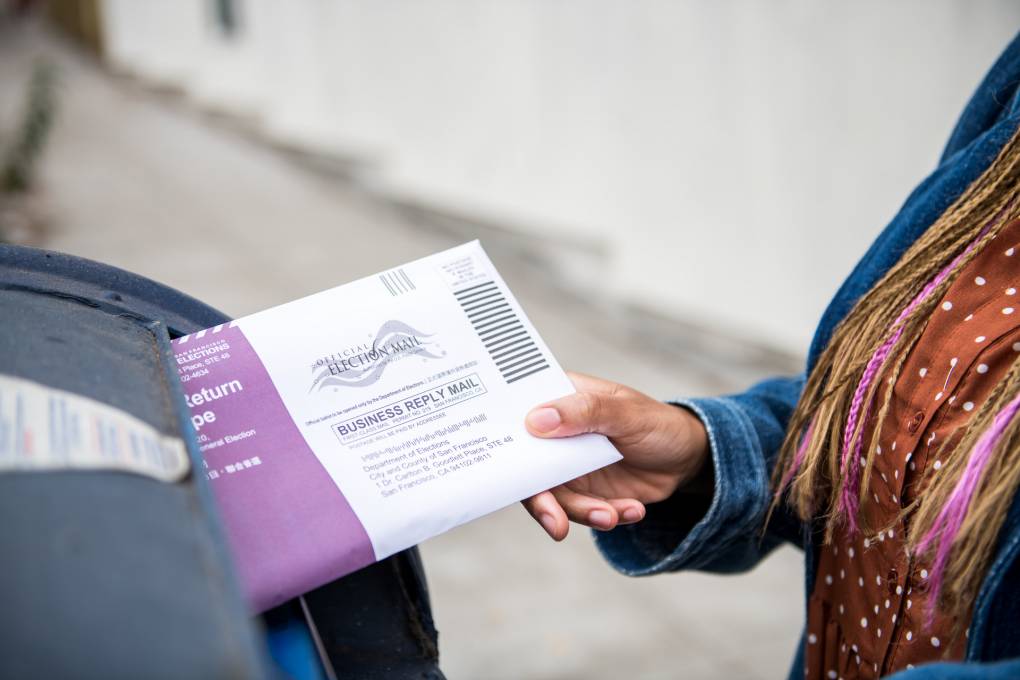
"caption": "Joy Okochi drops her mail-in ballot into a U.S. Postal Service mailbox in San Francisco on Oct. 8, 2020.",
"description": null,
"title": "RS45277_001_KQED_ElectionStockPhotos_JoyOkochi_10082020-qut",
"credit": "Beth LaBerge/KQED",
"status": "inherit",
"altTag": "A hand slides a ballot into a blue postal box.",
"isLoading": false,
"fetchFailed": false
},
"news_11888446": {
"type": "attachments",
"id": "news_11888446",
"meta": {
"index": "attachments_1716263798",
"site": "news",
"id": "11888446",
"found": true
},
"parent": 11888445,
"imgSizes": {
"twentyfourteen-full-width": {
"file": "https://ww2.kqed.org/app/uploads/sites/10/2021/09/trump-9.13_wide-43b275bf1412b48c81a259da9d2c308394ab3478-1038x576.jpg",
"width": 1038,
"mimeType": "image/jpeg",
"height": 576
},
"thumbnail": {
"file": "https://ww2.kqed.org/app/uploads/sites/10/2021/09/trump-9.13_wide-43b275bf1412b48c81a259da9d2c308394ab3478-160x90.jpg",
"width": 160,
"mimeType": "image/jpeg",
"height": 90
},
"post-thumbnail": {
"file": "https://ww2.kqed.org/app/uploads/sites/10/2021/09/trump-9.13_wide-43b275bf1412b48c81a259da9d2c308394ab3478-672x372.jpg",
"width": 672,
"mimeType": "image/jpeg",
"height": 372
},
"kqedFullSize": {
"file": "https://ww2.kqed.org/app/uploads/sites/10/2021/09/trump-9.13_wide-43b275bf1412b48c81a259da9d2c308394ab3478-scaled.jpg",
"width": 2560,
"height": 1440
},
"2048x2048": {
"file": "https://ww2.kqed.org/app/uploads/sites/10/2021/09/trump-9.13_wide-43b275bf1412b48c81a259da9d2c308394ab3478-2048x1152.jpg",
"width": 2048,
"mimeType": "image/jpeg",
"height": 1152
},
"large": {
"file": "https://ww2.kqed.org/app/uploads/sites/10/2021/09/trump-9.13_wide-43b275bf1412b48c81a259da9d2c308394ab3478-1020x574.jpg",
"width": 1020,
"mimeType": "image/jpeg",
"height": 574
},
"1536x1536": {
"file": "https://ww2.kqed.org/app/uploads/sites/10/2021/09/trump-9.13_wide-43b275bf1412b48c81a259da9d2c308394ab3478-1536x864.jpg",
"width": 1536,
"mimeType": "image/jpeg",
"height": 864
},
"full-width": {
"file": "https://ww2.kqed.org/app/uploads/sites/10/2021/09/trump-9.13_wide-43b275bf1412b48c81a259da9d2c308394ab3478-1920x1080.jpg",
"width": 1920,
"mimeType": "image/jpeg",
"height": 1080
},
"medium": {
"file": "https://ww2.kqed.org/app/uploads/sites/10/2021/09/trump-9.13_wide-43b275bf1412b48c81a259da9d2c308394ab3478-800x450.jpg",
"width": 800,
"mimeType": "image/jpeg",
"height": 450
}
},
"publishDate": 1631637454,
"modified": 1631661757,
"caption": "Former President Donald Trump salutes cheering fans as he prepares to provide commentary for a boxing event headlined by a bout between former heavyweight champ Evander Holyfield and former MMA star Vitor Belfort on Saturday, Sept. 11, 2021, in Hollywood, Florida.",
"description": "Former President Donald Trump salutes cheering fans as he prepares to provide commentary for a boxing event headlined by a bout between former heavyweight champ Evander Holyfield and former MMA star Vitor Belfort on Saturday, Sept. 11, 2021, in Hollywood, Florida.",
"title": "Former President Donald Trump, seen here Saturday, has made unfounded claims about fraud affecting the California gubernatorial recall election.",
"credit": "Rebecca Blackwell/AP",
"status": "inherit",
"altTag": "Close-up of Donald Trump raising his fist toward a microphone.",
"isLoading": false,
"fetchFailed": false
},
"news_11888415": {
"type": "attachments",
"id": "news_11888415",
"meta": {
"index": "attachments_1716263798",
"site": "news",
"id": "11888415",
"found": true
},
"parent": 11888367,
"imgSizes": {
"thumbnail": {
"file": "https://ww2.kqed.org/app/uploads/sites/10/2021/09/ead4e1d1-fc28-4d66-818d-38c96af30a84-160x107.png",
"width": 160,
"mimeType": "image/png",
"height": 107
},
"post-thumbnail": {
"file": "https://ww2.kqed.org/app/uploads/sites/10/2021/09/ead4e1d1-fc28-4d66-818d-38c96af30a84-672x372.png",
"width": 672,
"mimeType": "image/png",
"height": 372
},
"kqedFullSize": {
"file": "https://ww2.kqed.org/app/uploads/sites/10/2021/09/ead4e1d1-fc28-4d66-818d-38c96af30a84.png",
"width": 798,
"height": 532
}
},
"publishDate": 1631608059,
"modified": 1631608123,
"caption": null,
"description": null,
"title": "ead4e1d1-fc28-4d66-818d-38c96af30a84",
"credit": null,
"status": "inherit",
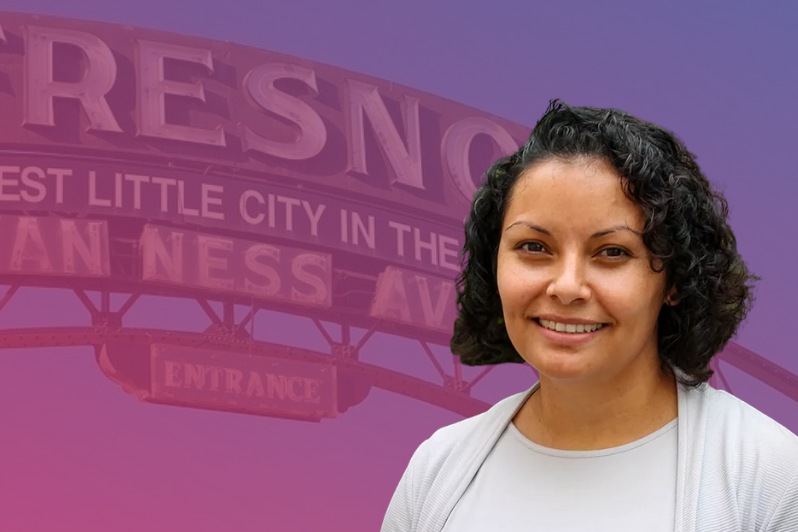
"altTag": "Sandra Celedon smiles at the camera and behind her a sign that reads, \"Fresno\" is visible.",
"isLoading": false,
"fetchFailed": false
},
"news_11888165": {
"type": "attachments",
"id": "news_11888165",
"meta": {
"index": "attachments_1716263798",
"site": "news",
"id": "11888165",
"found": true
},
"parent": 11888162,
"imgSizes": {
"twentyfourteen-full-width": {
"file": "https://ww2.kqed.org/app/uploads/sites/10/2021/09/RS51414_005_Oakland_ItzelDiazandFamily_09092021-qut-1038x576.jpg",
"width": 1038,
"mimeType": "image/jpeg",
"height": 576
},
"thumbnail": {
"file": "https://ww2.kqed.org/app/uploads/sites/10/2021/09/RS51414_005_Oakland_ItzelDiazandFamily_09092021-qut-160x107.jpg",
"width": 160,
"mimeType": "image/jpeg",
"height": 107
},
"post-thumbnail": {
"file": "https://ww2.kqed.org/app/uploads/sites/10/2021/09/RS51414_005_Oakland_ItzelDiazandFamily_09092021-qut-672x372.jpg",
"width": 672,
"mimeType": "image/jpeg",
"height": 372
},
"kqedFullSize": {
"file": "https://ww2.kqed.org/app/uploads/sites/10/2021/09/RS51414_005_Oakland_ItzelDiazandFamily_09092021-qut.jpg",
"width": 1920,
"height": 1280
},
"large": {
"file": "https://ww2.kqed.org/app/uploads/sites/10/2021/09/RS51414_005_Oakland_ItzelDiazandFamily_09092021-qut-1020x680.jpg",
"width": 1020,
"mimeType": "image/jpeg",
"height": 680
},
"1536x1536": {
"file": "https://ww2.kqed.org/app/uploads/sites/10/2021/09/RS51414_005_Oakland_ItzelDiazandFamily_09092021-qut-1536x1024.jpg",
"width": 1536,
"mimeType": "image/jpeg",
"height": 1024
},
"medium": {
"file": "https://ww2.kqed.org/app/uploads/sites/10/2021/09/RS51414_005_Oakland_ItzelDiazandFamily_09092021-qut-800x533.jpg",
"width": 800,
"mimeType": "image/jpeg",
"height": 533
}
},
"publishDate": 1631418421,
"modified": 1631580367,
"caption": "Itzel Diaz, an independent voter from Oakland's Fruitvale District, looks over her California gubernatorial recall election ballot on Sept. 9, 2021.",
"description": null,
"title": "RS51414_005_Oakland_ItzelDiazandFamily_09092021-qut",
"credit": "Beth LaBerge/KQED",
"status": "inherit",
"altTag": "A woman wearing a mask and a T-shirt looks at her ballot.",
"isLoading": false,
"fetchFailed": false
},
"news_11888107": {
"type": "attachments",
"id": "news_11888107",
"meta": {
"index": "attachments_1716263798",
"site": "news",
"id": "11888107",
"found": true
},
"parent": 11888013,
"imgSizes": {
"twentyfourteen-full-width": {
"file": "https://ww2.kqed.org/app/uploads/sites/10/2021/09/MARQUEE-901-1038x576.jpeg",
"width": 1038,
"mimeType": "image/jpeg",
"height": 576
},
"thumbnail": {
"file": "https://ww2.kqed.org/app/uploads/sites/10/2021/09/MARQUEE-901-160x90.jpeg",
"width": 160,
"mimeType": "image/jpeg",
"height": 90
},
"post-thumbnail": {
"file": "https://ww2.kqed.org/app/uploads/sites/10/2021/09/MARQUEE-901-672x372.jpeg",
"width": 672,
"mimeType": "image/jpeg",
"height": 372
},
"kqedFullSize": {
"file": "https://ww2.kqed.org/app/uploads/sites/10/2021/09/MARQUEE-901.jpeg",
"width": 1920,
"height": 1080
},
"large": {
"file": "https://ww2.kqed.org/app/uploads/sites/10/2021/09/MARQUEE-901-1020x574.jpeg",
"width": 1020,
"mimeType": "image/jpeg",
"height": 574
},
"1536x1536": {
"file": "https://ww2.kqed.org/app/uploads/sites/10/2021/09/MARQUEE-901-1536x864.jpeg",
"width": 1536,
"mimeType": "image/jpeg",
"height": 864
},
"medium": {
"file": "https://ww2.kqed.org/app/uploads/sites/10/2021/09/MARQUEE-901-800x450.jpeg",
"width": 800,
"mimeType": "image/jpeg",
"height": 450
}
},
"publishDate": 1631317080,
"modified": 1631317080,
"caption": null,
"description": null,
"title": "MARQUEE 901",
"credit": null,
"status": "inherit",
"altTag": null,
"isLoading": false,
"fetchFailed": false
},
"news_11874631": {
"type": "attachments",
"id": "news_11874631",
"meta": {
"index": "attachments_1716263798",
"site": "news",
"id": "11874631",
"found": true
},
"parent": 11874603,
"imgSizes": {
"twentyfourteen-full-width": {
"file": "https://ww2.kqed.org/app/uploads/sites/10/2021/05/RS49225_GettyImages-145777855-qut-1038x576.jpg",
"width": 1038,
"mimeType": "image/jpeg",
"height": 576
},
"thumbnail": {
"file": "https://ww2.kqed.org/app/uploads/sites/10/2021/05/RS49225_GettyImages-145777855-qut-160x102.jpg",
"width": 160,
"mimeType": "image/jpeg",
"height": 102
},
"post-thumbnail": {
"file": "https://ww2.kqed.org/app/uploads/sites/10/2021/05/RS49225_GettyImages-145777855-qut-672x372.jpg",
"width": 672,
"mimeType": "image/jpeg",
"height": 372
},
"kqedFullSize": {
"file": "https://ww2.kqed.org/app/uploads/sites/10/2021/05/RS49225_GettyImages-145777855-qut.jpg",
"width": 1920,
"height": 1229
},
"large": {
"file": "https://ww2.kqed.org/app/uploads/sites/10/2021/05/RS49225_GettyImages-145777855-qut-1020x653.jpg",
"width": 1020,
"mimeType": "image/jpeg",
"height": 653
},
"1536x1536": {
"file": "https://ww2.kqed.org/app/uploads/sites/10/2021/05/RS49225_GettyImages-145777855-qut-1536x983.jpg",
"width": 1536,
"mimeType": "image/jpeg",
"height": 983
},
"medium": {
"file": "https://ww2.kqed.org/app/uploads/sites/10/2021/05/RS49225_GettyImages-145777855-qut-800x512.jpg",
"width": 800,
"mimeType": "image/jpeg",
"height": 512
}
},
"publishDate": 1621561581,
"modified": 1621630116,
"caption": "Wisconsin Gov. Scott Walker greets supporters at an election-night rally June 5, 2012 in Waukesha, Wisconsin. ",
"description": null,
"title": "Wisconsin Gov. Walker Holds Recall Election Night Gathering",
"credit": "Scott Olson/Getty Images",
"status": "inherit",
"altTag": null,
"isLoading": false,
"fetchFailed": false
},
"news_11717140": {
"type": "attachments",
"id": "news_11717140",
"meta": {
"index": "attachments_1716263798",
"site": "news",
"id": "11717140",
"found": true
},
"parent": 11717134,
"imgSizes": {
"twentyfourteen-full-width": {
"file": "https://ww2.kqed.org/app/uploads/sites/10/2019/01/Lite-Guv-photo-1-e1547072755595-1038x576.jpg",
"width": 1038,
"mimeType": "image/jpeg",
"height": 576
},
"thumbnail": {
"file": "https://ww2.kqed.org/app/uploads/sites/10/2019/01/Lite-Guv-photo-1-e1547072755595-160x107.jpg",
"width": 160,
"mimeType": "image/jpeg",
"height": 107
},
"post-thumbnail": {
"file": "https://ww2.kqed.org/app/uploads/sites/10/2019/01/Lite-Guv-photo-1-e1547072755595-672x372.jpg",
"width": 672,
"mimeType": "image/jpeg",
"height": 372
},
"kqedFullSize": {
"file": "https://ww2.kqed.org/app/uploads/sites/10/2019/01/Lite-Guv-photo-1-e1547072755595.jpg",
"width": 1920,
"height": 1278
},
"large": {
"file": "https://ww2.kqed.org/app/uploads/sites/10/2019/01/Lite-Guv-photo-1-e1547072755595-1020x679.jpg",
"width": 1020,
"mimeType": "image/jpeg",
"height": 679
},
"complete_open_graph": {
"file": "https://ww2.kqed.org/app/uploads/sites/10/2019/01/Lite-Guv-photo-1-e1547072755595-1200x799.jpg",
"width": 1200,
"mimeType": "image/jpeg",
"height": 799
},
"guest-author-50": {
"file": "https://ww2.kqed.org/app/uploads/sites/10/2019/01/Lite-Guv-photo-1-e1547072755595-50x50.jpg",
"width": 50,
"mimeType": "image/jpeg",
"height": 50
},
"guest-author-96": {
"file": "https://ww2.kqed.org/app/uploads/sites/10/2019/01/Lite-Guv-photo-1-e1547072755595-96x96.jpg",
"width": 96,
"mimeType": "image/jpeg",
"height": 96
},
"medium": {
"file": "https://ww2.kqed.org/app/uploads/sites/10/2019/01/Lite-Guv-photo-1-e1547072755595-800x533.jpg",
"width": 800,
"mimeType": "image/jpeg",
"height": 533
},
"guest-author-64": {
"file": "https://ww2.kqed.org/app/uploads/sites/10/2019/01/Lite-Guv-photo-1-e1547072755595-64x64.jpg",
"width": 64,
"mimeType": "image/jpeg",
"height": 64
},
"guest-author-32": {
"file": "https://ww2.kqed.org/app/uploads/sites/10/2019/01/Lite-Guv-photo-1-e1547072755595-32x32.jpg",
"width": 32,
"mimeType": "image/jpeg",
"height": 32
},
"full-width": {
"file": "https://ww2.kqed.org/app/uploads/sites/10/2019/01/Lite-Guv-photo-1-e1547072755595-1920x1278.jpg",
"width": 1920,
"mimeType": "image/jpeg",
"height": 1278
},
"detail": {
"file": "https://ww2.kqed.org/app/uploads/sites/10/2019/01/Lite-Guv-photo-1-e1547072755595-150x150.jpg",
"width": 150,
"mimeType": "image/jpeg",
"height": 150
},
"guest-author-128": {
"file": "https://ww2.kqed.org/app/uploads/sites/10/2019/01/Lite-Guv-photo-1-e1547072755595-128x128.jpg",
"width": 128,
"mimeType": "image/jpeg",
"height": 128
}
},
"publishDate": 1547072604,
"modified": 1621293055,
"caption": "Congresswoman Nancy Pelosi, Lt. Gov. Eleni Kounalakis and Gov. Gavin Newsom stand together on stage at the Tsakopoulos Library Galleria on Jan. 7, 2019 in Sacramento.",
"description": "Congresswoman Nancy Pelosi, Lt. Gov. Eleni Kounalakis and Gov. Gavin Newsom stand together on stage at the Tsakopoulos Library Galleria on Monday, January 7, 2019 in Sacramento.",
"title": "Lite-Guv-photo-1",
"credit": "Randy Perch/CalMatters",
"status": "inherit",
"altTag": "Congresswoman Nancy Pelosi, Lt. Gov. Eleni Kounalakis and Gov. Gavin Newsom stand together on stage at the Tsakopoulos Library Galleria on Monday, January 7, 2019 in Sacramento.",
"isLoading": false,
"fetchFailed": false
},
"news_11860623": {
"type": "attachments",
"id": "news_11860623",
"meta": {
"index": "attachments_1716263798",
"site": "news",
"id": "11860623",
"found": true
},
"parent": 11860552,
"imgSizes": {
"apple_news_ca_landscape_5_5": {
"file": "https://ww2.kqed.org/app/uploads/sites/10/2021/02/RS45473_021_KQED_Oakland_RegistrarofVoters_10272020-qut-1044x783.jpg",
"width": 1044,
"mimeType": "image/jpeg",
"height": 783
},
"apple_news_ca_square_4_0": {
"file": "https://ww2.kqed.org/app/uploads/sites/10/2021/02/RS45473_021_KQED_Oakland_RegistrarofVoters_10272020-qut-470x470.jpg",
"width": 470,
"mimeType": "image/jpeg",
"height": 470
},
"twentyfourteen-full-width": {
"file": "https://ww2.kqed.org/app/uploads/sites/10/2021/02/RS45473_021_KQED_Oakland_RegistrarofVoters_10272020-qut-1038x576.jpg",
"width": 1038,
"mimeType": "image/jpeg",
"height": 576
},
"thumbnail": {
"file": "https://ww2.kqed.org/app/uploads/sites/10/2021/02/RS45473_021_KQED_Oakland_RegistrarofVoters_10272020-qut-160x107.jpg",
"width": 160,
"mimeType": "image/jpeg",
"height": 107
},
"post-thumbnail": {
"file": "https://ww2.kqed.org/app/uploads/sites/10/2021/02/RS45473_021_KQED_Oakland_RegistrarofVoters_10272020-qut-672x372.jpg",
"width": 672,
"mimeType": "image/jpeg",
"height": 372
},
"kqedFullSize": {
"file": "https://ww2.kqed.org/app/uploads/sites/10/2021/02/RS45473_021_KQED_Oakland_RegistrarofVoters_10272020-qut.jpg",
"width": 1920,
"height": 1280
},
"apple_news_ca_landscape_4_7": {
"file": "https://ww2.kqed.org/app/uploads/sites/10/2021/02/RS45473_021_KQED_Oakland_RegistrarofVoters_10272020-qut-632x474.jpg",
"width": 632,
"mimeType": "image/jpeg",
"height": 474
},
"large": {
"file": "https://ww2.kqed.org/app/uploads/sites/10/2021/02/RS45473_021_KQED_Oakland_RegistrarofVoters_10272020-qut-1020x680.jpg",
"width": 1020,
"mimeType": "image/jpeg",
"height": 680
},
"apple_news_ca_landscape_4_0": {
"file": "https://ww2.kqed.org/app/uploads/sites/10/2021/02/RS45473_021_KQED_Oakland_RegistrarofVoters_10272020-qut-536x402.jpg",
"width": 536,
"mimeType": "image/jpeg",
"height": 402
},
"apple_news_ca_portrait_12_9": {
"file": "https://ww2.kqed.org/app/uploads/sites/10/2021/02/RS45473_021_KQED_Oakland_RegistrarofVoters_10272020-qut-1122x1280.jpg",
"width": 1122,
"mimeType": "image/jpeg",
"height": 1280
},
"medium": {
"file": "https://ww2.kqed.org/app/uploads/sites/10/2021/02/RS45473_021_KQED_Oakland_RegistrarofVoters_10272020-qut-800x533.jpg",
"width": 800,
"mimeType": "image/jpeg",
"height": 533
},
"apple_news_ca_portrait_4_0": {
"file": "https://ww2.kqed.org/app/uploads/sites/10/2021/02/RS45473_021_KQED_Oakland_RegistrarofVoters_10272020-qut-354x472.jpg",
"width": 354,
"mimeType": "image/jpeg",
"height": 472
},
"apple_news_ca_portrait_9_7": {
"file": "https://ww2.kqed.org/app/uploads/sites/10/2021/02/RS45473_021_KQED_Oakland_RegistrarofVoters_10272020-qut-840x1120.jpg",
"width": 840,
"mimeType": "image/jpeg",
"height": 1120
},
"apple_news_ca_landscape_12_9": {
"file": "https://ww2.kqed.org/app/uploads/sites/10/2021/02/RS45473_021_KQED_Oakland_RegistrarofVoters_10272020-qut-1832x1280.jpg",
"width": 1832,
"mimeType": "image/jpeg",
"height": 1280
},
"apple_news_ca_square_9_7": {
"file": "https://ww2.kqed.org/app/uploads/sites/10/2021/02/RS45473_021_KQED_Oakland_RegistrarofVoters_10272020-qut-1104x1104.jpg",
"width": 1104,
"mimeType": "image/jpeg",
"height": 1104
},
"1536x1536": {
"file": "https://ww2.kqed.org/app/uploads/sites/10/2021/02/RS45473_021_KQED_Oakland_RegistrarofVoters_10272020-qut-1536x1024.jpg",
"width": 1536,
"mimeType": "image/jpeg",
"height": 1024
},
"apple_news_ca_portrait_4_7": {
"file": "https://ww2.kqed.org/app/uploads/sites/10/2021/02/RS45473_021_KQED_Oakland_RegistrarofVoters_10272020-qut-414x552.jpg",
"width": 414,
"mimeType": "image/jpeg",
"height": 552
},
"apple_news_ca_square_12_9": {
"file": "https://ww2.kqed.org/app/uploads/sites/10/2021/02/RS45473_021_KQED_Oakland_RegistrarofVoters_10272020-qut-1472x1280.jpg",
"width": 1472,
"mimeType": "image/jpeg",
"height": 1280
},
"apple_news_ca_portrait_5_5": {
"file": "https://ww2.kqed.org/app/uploads/sites/10/2021/02/RS45473_021_KQED_Oakland_RegistrarofVoters_10272020-qut-687x916.jpg",
"width": 687,
"mimeType": "image/jpeg",
"height": 916
},
"apple_news_ca_square_4_7": {
"file": "https://ww2.kqed.org/app/uploads/sites/10/2021/02/RS45473_021_KQED_Oakland_RegistrarofVoters_10272020-qut-550x550.jpg",
"width": 550,
"mimeType": "image/jpeg",
"height": 550
},
"apple_news_ca_landscape_9_7": {
"file": "https://ww2.kqed.org/app/uploads/sites/10/2021/02/RS45473_021_KQED_Oakland_RegistrarofVoters_10272020-qut-1376x1032.jpg",
"width": 1376,
"mimeType": "image/jpeg",
"height": 1032
},
"apple_news_ca_square_5_5": {
"file": "https://ww2.kqed.org/app/uploads/sites/10/2021/02/RS45473_021_KQED_Oakland_RegistrarofVoters_10272020-qut-912x912.jpg",
"width": 912,
"mimeType": "image/jpeg",
"height": 912
}
},
"publishDate": 1613522316,
"modified": 1613589746,
"caption": "A vote-by-mail ballot collection box at the Alameda County Registrar of Voters in Oakland on Oct. 27, 2020.",
"description": "A Vote by Mail ballot collection box at the Alameda County Registrar of Voters in Oakland on Oct. 27, 2020.",
"title": "RS45473_021_KQED_Oakland_RegistrarofVoters_10272020-qut",
"credit": "Beth LaBerge/KQED",
"status": "inherit",
"altTag": null,
"isLoading": false,
"fetchFailed": false
},
"news_11853536": {
"type": "attachments",
"id": "news_11853536",
"meta": {
"index": "attachments_1716263798",
"site": "news",
"id": "11853536",
"found": true
},
"parent": 11853529,
"imgSizes": {
"apple_news_ca_landscape_5_5": {
"file": "https://ww2.kqed.org/app/uploads/sites/10/2021/01/GettyImages-1206756833-1-1044x783.jpg",
"width": 1044,
"mimeType": "image/jpeg",
"height": 783
},
"apple_news_ca_square_4_0": {
"file": "https://ww2.kqed.org/app/uploads/sites/10/2021/01/GettyImages-1206756833-1-470x470.jpg",
"width": 470,
"mimeType": "image/jpeg",
"height": 470
},
"twentyfourteen-full-width": {
"file": "https://ww2.kqed.org/app/uploads/sites/10/2021/01/GettyImages-1206756833-1-1038x576.jpg",
"width": 1038,
"mimeType": "image/jpeg",
"height": 576
},
"thumbnail": {
"file": "https://ww2.kqed.org/app/uploads/sites/10/2021/01/GettyImages-1206756833-1-160x107.jpg",
"width": 160,
"mimeType": "image/jpeg",
"height": 107
},
"post-thumbnail": {
"file": "https://ww2.kqed.org/app/uploads/sites/10/2021/01/GettyImages-1206756833-1-672x372.jpg",
"width": 672,
"mimeType": "image/jpeg",
"height": 372
},
"kqedFullSize": {
"file": "https://ww2.kqed.org/app/uploads/sites/10/2021/01/GettyImages-1206756833-1.jpg",
"width": 1900,
"height": 1267
},
"apple_news_ca_landscape_4_7": {
"file": "https://ww2.kqed.org/app/uploads/sites/10/2021/01/GettyImages-1206756833-1-632x474.jpg",
"width": 632,
"mimeType": "image/jpeg",
"height": 474
},
"large": {
"file": "https://ww2.kqed.org/app/uploads/sites/10/2021/01/GettyImages-1206756833-1-1020x680.jpg",
"width": 1020,
"mimeType": "image/jpeg",
"height": 680
},
"apple_news_ca_landscape_4_0": {
"file": "https://ww2.kqed.org/app/uploads/sites/10/2021/01/GettyImages-1206756833-1-536x402.jpg",
"width": 536,
"mimeType": "image/jpeg",
"height": 402
},
"apple_news_ca_portrait_12_9": {
"file": "https://ww2.kqed.org/app/uploads/sites/10/2021/01/GettyImages-1206756833-1-1122x1267.jpg",
"width": 1122,
"mimeType": "image/jpeg",
"height": 1267
},
"medium": {
"file": "https://ww2.kqed.org/app/uploads/sites/10/2021/01/GettyImages-1206756833-1-800x533.jpg",
"width": 800,
"mimeType": "image/jpeg",
"height": 533
},
"apple_news_ca_portrait_4_0": {
"file": "https://ww2.kqed.org/app/uploads/sites/10/2021/01/GettyImages-1206756833-1-354x472.jpg",
"width": 354,
"mimeType": "image/jpeg",
"height": 472
},
"apple_news_ca_portrait_9_7": {
"file": "https://ww2.kqed.org/app/uploads/sites/10/2021/01/GettyImages-1206756833-1-840x1120.jpg",
"width": 840,
"mimeType": "image/jpeg",
"height": 1120
},
"apple_news_ca_landscape_12_9": {
"file": "https://ww2.kqed.org/app/uploads/sites/10/2021/01/GettyImages-1206756833-1-1832x1267.jpg",
"width": 1832,
"mimeType": "image/jpeg",
"height": 1267
},
"apple_news_ca_square_9_7": {
"file": "https://ww2.kqed.org/app/uploads/sites/10/2021/01/GettyImages-1206756833-1-1104x1104.jpg",
"width": 1104,
"mimeType": "image/jpeg",
"height": 1104
},
"1536x1536": {
"file": "https://ww2.kqed.org/app/uploads/sites/10/2021/01/GettyImages-1206756833-1-1536x1024.jpg",
"width": 1536,
"mimeType": "image/jpeg",
"height": 1024
},
"apple_news_ca_portrait_4_7": {
"file": "https://ww2.kqed.org/app/uploads/sites/10/2021/01/GettyImages-1206756833-1-414x552.jpg",
"width": 414,
"mimeType": "image/jpeg",
"height": 552
},
"apple_news_ca_square_12_9": {
"file": "https://ww2.kqed.org/app/uploads/sites/10/2021/01/GettyImages-1206756833-1-1472x1267.jpg",
"width": 1472,
"mimeType": "image/jpeg",
"height": 1267
},
"apple_news_ca_portrait_5_5": {
"file": "https://ww2.kqed.org/app/uploads/sites/10/2021/01/GettyImages-1206756833-1-687x916.jpg",
"width": 687,
"mimeType": "image/jpeg",
"height": 916
},
"apple_news_ca_square_4_7": {
"file": "https://ww2.kqed.org/app/uploads/sites/10/2021/01/GettyImages-1206756833-1-550x550.jpg",
"width": 550,
"mimeType": "image/jpeg",
"height": 550
},
"apple_news_ca_landscape_9_7": {
"file": "https://ww2.kqed.org/app/uploads/sites/10/2021/01/GettyImages-1206756833-1-1376x1032.jpg",
"width": 1376,
"mimeType": "image/jpeg",
"height": 1032
},
"apple_news_ca_square_5_5": {
"file": "https://ww2.kqed.org/app/uploads/sites/10/2021/01/GettyImages-1206756833-1-912x912.jpg",
"width": 912,
"mimeType": "image/jpeg",
"height": 912
}
},
"publishDate": 1609707544,
"modified": 1609786846,
"caption": "President Trump speaks to the press before a meeting with Ireland's Prime Minister Leo Varadkar in the Oval Office of the White House on March 12, 2020, in Washington, D.C. ",
"description": "US President Donald Trump speaks to the press before a meeting with Ireland's Prime Minister Leo Varadkar in the Oval Office of the White House March 12, 2020, in Washington, DC. ",
"title": "GettyImages-1206756833 (1)",
"credit": "Brendan Smialowski/AFP via Getty Images",
"status": "inherit",
"altTag": null,
"isLoading": false,
"fetchFailed": false
},
"news_11850930": {
"type": "attachments",
"id": "news_11850930",
"meta": {
"index": "attachments_1716263798",
"site": "news",
"id": "11850930",
"found": true
},
"parent": 11850755,
"imgSizes": {
"apple_news_ca_square_4_0": {
"file": "https://ww2.kqed.org/app/uploads/sites/10/2020/12/GettyImages-1229606187-470x470.jpg",
"width": 470,
"mimeType": "image/jpeg",
"height": 470
},
"twentyfourteen-full-width": {
"file": "https://ww2.kqed.org/app/uploads/sites/10/2020/12/GettyImages-1229606187-1024x576.jpg",
"width": 1024,
"mimeType": "image/jpeg",
"height": 576
},
"thumbnail": {
"file": "https://ww2.kqed.org/app/uploads/sites/10/2020/12/GettyImages-1229606187-160x107.jpg",
"width": 160,
"mimeType": "image/jpeg",
"height": 107
},
"post-thumbnail": {
"file": "https://ww2.kqed.org/app/uploads/sites/10/2020/12/GettyImages-1229606187-672x372.jpg",
"width": 672,
"mimeType": "image/jpeg",
"height": 372
},
"kqedFullSize": {
"file": "https://ww2.kqed.org/app/uploads/sites/10/2020/12/GettyImages-1229606187.jpg",
"width": 1024,
"height": 683
},
"apple_news_ca_landscape_4_7": {
"file": "https://ww2.kqed.org/app/uploads/sites/10/2020/12/GettyImages-1229606187-632x474.jpg",
"width": 632,
"mimeType": "image/jpeg",
"height": 474
},
"large": {
"file": "https://ww2.kqed.org/app/uploads/sites/10/2020/12/GettyImages-1229606187-1020x680.jpg",
"width": 1020,
"mimeType": "image/jpeg",
"height": 680
},
"apple_news_ca_landscape_4_0": {
"file": "https://ww2.kqed.org/app/uploads/sites/10/2020/12/GettyImages-1229606187-536x402.jpg",
"width": 536,
"mimeType": "image/jpeg",
"height": 402
},
"medium": {
"file": "https://ww2.kqed.org/app/uploads/sites/10/2020/12/GettyImages-1229606187-800x534.jpg",
"width": 800,
"mimeType": "image/jpeg",
"height": 534
},
"apple_news_ca_portrait_4_0": {
"file": "https://ww2.kqed.org/app/uploads/sites/10/2020/12/GettyImages-1229606187-354x472.jpg",
"width": 354,
"mimeType": "image/jpeg",
"height": 472
},
"apple_news_ca_portrait_9_7": {
"file": "https://ww2.kqed.org/app/uploads/sites/10/2020/12/GettyImages-1229606187-840x683.jpg",
"width": 840,
"mimeType": "image/jpeg",
"height": 683
},
"apple_news_ca_portrait_4_7": {
"file": "https://ww2.kqed.org/app/uploads/sites/10/2020/12/GettyImages-1229606187-414x552.jpg",
"width": 414,
"mimeType": "image/jpeg",
"height": 552
},
"apple_news_ca_portrait_5_5": {
"file": "https://ww2.kqed.org/app/uploads/sites/10/2020/12/GettyImages-1229606187-687x683.jpg",
"width": 687,
"mimeType": "image/jpeg",
"height": 683
},
"apple_news_ca_square_4_7": {
"file": "https://ww2.kqed.org/app/uploads/sites/10/2020/12/GettyImages-1229606187-550x550.jpg",
"width": 550,
"mimeType": "image/jpeg",
"height": 550
},
"apple_news_ca_square_5_5": {
"file": "https://ww2.kqed.org/app/uploads/sites/10/2020/12/GettyImages-1229606187-912x683.jpg",
"width": 912,
"mimeType": "image/jpeg",
"height": 683
}
},
"publishDate": 1607738641,
"modified": 1607738820,
"caption": "Republican Congresswoman-elect Michelle Steel, of California's 48th Congressional District, arrives at the U.S. Capitol on Nov. 13, 2020 for an orientation. She is one of four Republicans from California who flipped their districts.",
"description": null,
"title": "Newly-Elected Members Of Congress Attend Orientation On Capitol Hill",
"credit": "Samuel Corum/Getty Images",
"status": "inherit",
"altTag": null,
"isLoading": false,
"fetchFailed": false
},
"news_11847265": {
"type": "attachments",
"id": "news_11847265",
"meta": {
"index": "attachments_1716263798",
"site": "news",
"id": "11847265",
"found": true
},
"parent": 11847124,
"imgSizes": {
"apple_news_ca_square_4_0": {
"file": "https://ww2.kqed.org/app/uploads/sites/10/2020/11/GettyImages-1229442624-1-470x470.jpg",
"width": 470,
"mimeType": "image/jpeg",
"height": 470
},
"twentyfourteen-full-width": {
"file": "https://ww2.kqed.org/app/uploads/sites/10/2020/11/GettyImages-1229442624-1-1024x576.jpg",
"width": 1024,
"mimeType": "image/jpeg",
"height": 576
},
"thumbnail": {
"file": "https://ww2.kqed.org/app/uploads/sites/10/2020/11/GettyImages-1229442624-1-160x107.jpg",
"width": 160,
"mimeType": "image/jpeg",
"height": 107
},
"post-thumbnail": {
"file": "https://ww2.kqed.org/app/uploads/sites/10/2020/11/GettyImages-1229442624-1-672x372.jpg",
"width": 672,
"mimeType": "image/jpeg",
"height": 372
},
"kqedFullSize": {
"file": "https://ww2.kqed.org/app/uploads/sites/10/2020/11/GettyImages-1229442624-1.jpg",
"width": 1024,
"height": 683
},
"apple_news_ca_landscape_4_7": {
"file": "https://ww2.kqed.org/app/uploads/sites/10/2020/11/GettyImages-1229442624-1-632x474.jpg",
"width": 632,
"mimeType": "image/jpeg",
"height": 474
},
"large": {
"file": "https://ww2.kqed.org/app/uploads/sites/10/2020/11/GettyImages-1229442624-1-1020x680.jpg",
"width": 1020,
"mimeType": "image/jpeg",
"height": 680
},
"apple_news_ca_landscape_4_0": {
"file": "https://ww2.kqed.org/app/uploads/sites/10/2020/11/GettyImages-1229442624-1-536x402.jpg",
"width": 536,
"mimeType": "image/jpeg",
"height": 402
},
"medium": {
"file": "https://ww2.kqed.org/app/uploads/sites/10/2020/11/GettyImages-1229442624-1-800x534.jpg",
"width": 800,
"mimeType": "image/jpeg",
"height": 534
},
"apple_news_ca_portrait_4_0": {
"file": "https://ww2.kqed.org/app/uploads/sites/10/2020/11/GettyImages-1229442624-1-354x472.jpg",
"width": 354,
"mimeType": "image/jpeg",
"height": 472
},
"apple_news_ca_portrait_9_7": {
"file": "https://ww2.kqed.org/app/uploads/sites/10/2020/11/GettyImages-1229442624-1-840x683.jpg",
"width": 840,
"mimeType": "image/jpeg",
"height": 683
},
"apple_news_ca_portrait_4_7": {
"file": "https://ww2.kqed.org/app/uploads/sites/10/2020/11/GettyImages-1229442624-1-414x552.jpg",
"width": 414,
"mimeType": "image/jpeg",
"height": 552
},
"apple_news_ca_portrait_5_5": {
"file": "https://ww2.kqed.org/app/uploads/sites/10/2020/11/GettyImages-1229442624-1-687x683.jpg",
"width": 687,
"mimeType": "image/jpeg",
"height": 683
},
"apple_news_ca_square_4_7": {
"file": "https://ww2.kqed.org/app/uploads/sites/10/2020/11/GettyImages-1229442624-1-550x550.jpg",
"width": 550,
"mimeType": "image/jpeg",
"height": 550
},
"apple_news_ca_square_5_5": {
"file": "https://ww2.kqed.org/app/uploads/sites/10/2020/11/GettyImages-1229442624-1-912x683.jpg",
"width": 912,
"mimeType": "image/jpeg",
"height": 683
}
},
"publishDate": 1605220034,
"modified": 1605220116,
"caption": "David Boston Angel (center) marks his ballot at Marina Park Community Vote Center on Nov. 3, 2020 in Newport Beach in Orange County.",
"description": null,
"title": "Across The U.S. Voters Flock To The Polls On Election Day",
"credit": "Apu Gomes/Getty Images",
"status": "inherit",
"isLoading": false,
"fetchFailed": false
}
},
"audioPlayerReducer": {
"postId": "stream_live",
"isPaused": true,
"isPlaying": false,
"pfsActive": false,
"pledgeModalIsOpen": true,
"playerDrawerIsOpen": false,
"liveAudioPlayStartedAt": 0,
"liveAudioPlayContext": ""
},
"authorsReducer": {
"byline_news_11888445": {
"type": "authors",
"id": "byline_news_11888445",
"meta": {
"override": true
},
"slug": "byline_news_11888445",
"name": "Miles Parks",
"isLoading": false
},
"byline_news_11853529": {
"type": "authors",
"id": "byline_news_11853529",
"meta": {
"override": true
},
"slug": "byline_news_11853529",
"name": "Stephen Fowler",
"isLoading": false
},
"gmarzorati": {
"type": "authors",
"id": "227",
"meta": {
"index": "authors_1716337520",
"id": "227",
"found": true
},
"name": "Guy Marzorati",
"firstName": "Guy",
"lastName": "Marzorati",
"slug": "gmarzorati",
"email": "gmarzorati@KQED.org",
"display_author_email": true,
"staff_mastheads": [
"news"
],
"title": "Correspondent",
"bio": "Guy Marzorati is a correspondent on KQED's California Politics and Government Desk, based in San Jose. A graduate of Santa Clara University, Guy joined KQED in 2013. He reports on state and local politics and produces KQED's digital voter guide.",
"avatar": "https://secure.gravatar.com/avatar/771cddf45ce3a8ed533d82dcc214e9ef925d76d2af5794a33da1ce439eb54a32?s=600&d=blank&r=g",
"twitter": "guymarzorati",
"bluesky": null,
"facebook": null,
"instagram": null,
"linkedin": null,
"sites": [
{
"site": "",
"roles": [
"editor"
]
},
{
"site": "news",
"roles": [
"editor"
]
},
{
"site": "science",
"roles": [
"editor"
]
},
{
"site": "forum",
"roles": [
"editor"
]
},
{
"site": "elections",
"roles": [
"editor"
]
},
{
"site": "liveblog",
"roles": [
"editor"
]
}
],
"headData": {
"title": "Guy Marzorati | KQED",
"description": "Correspondent",
"ogImgSrc": "https://secure.gravatar.com/avatar/771cddf45ce3a8ed533d82dcc214e9ef925d76d2af5794a33da1ce439eb54a32?s=600&d=blank&r=g",
"twImgSrc": "https://secure.gravatar.com/avatar/771cddf45ce3a8ed533d82dcc214e9ef925d76d2af5794a33da1ce439eb54a32?s=600&d=blank&r=g"
},
"isLoading": false,
"link": "/author/gmarzorati"
},
"kqed": {
"type": "authors",
"id": "236",
"meta": {
"index": "authors_1716337520",
"id": "236",
"found": true
},
"name": "KQED News Staff",
"firstName": "KQED News Staff",
"lastName": null,
"slug": "kqed",
"email": "faq@kqed.org",
"display_author_email": false,
"staff_mastheads": [],
"title": null,
"bio": null,
"avatar": "https://secure.gravatar.com/avatar/ef0e801a68c4c54afa9180db14084167?s=600&d=blank&r=g",
"twitter": null,
"facebook": null,
"instagram": null,
"linkedin": null,
"sites": [
{
"site": "arts",
"roles": [
"contributor"
]
},
{
"site": "news",
"roles": [
"editor"
]
},
{
"site": "futureofyou",
"roles": [
"author"
]
}
],
"headData": {
"title": "KQED News Staff | KQED",
"description": null,
"ogImgSrc": "https://secure.gravatar.com/avatar/ef0e801a68c4c54afa9180db14084167?s=600&d=blank&r=g",
"twImgSrc": "https://secure.gravatar.com/avatar/ef0e801a68c4c54afa9180db14084167?s=600&d=blank&r=g"
},
"isLoading": false,
"link": "/author/kqed"
},
"scottshafer": {
"type": "authors",
"id": "255",
"meta": {
"index": "authors_1716337520",
"id": "255",
"found": true
},
"name": "Scott Shafer",
"firstName": "Scott",
"lastName": "Shafer",
"slug": "scottshafer",
"email": "sshafer@kqed.org",
"display_author_email": false,
"staff_mastheads": [
"news"
],
"title": "KQED Contributor",
"bio": "Scott Shafer is the senior politics correspondent with the KQED Politics and Government desk. He is co-host of \u003cem>Political Breakdown\u003c/em>, the award-winning radio show and podcast with a personal take on the world of politics. Scott came to KQED in 1998 to host the statewide \u003cem>California Report\u003c/em>. Prior to that he had extended stints in politics and government. He uses that inside experience at KQED in his, reporting, hosting and analysis for the politics desk. Scott recently completed a 5-part podcast titled \u003cem>The Speaker\u003c/em>, examining Rep. Nancy Pelosi's life and legacy. Previously he collaborated on \u003cem>Political Breakdown\u003c/em> and on \u003cem>The Political Mind of Jerry Brown\u003c/em>, an eight-part series about the life and extraordinary political career of the former governor. For fun, he plays water polo and swims with the San Francisco Tsunami.",
"avatar": "https://secure.gravatar.com/avatar/a269f2db8e99b39bacd3dfb517e1aea56c8d9706cde1d375abfd9fba57eede2c?s=600&d=blank&r=g",
"twitter": "scottshafer",
"bluesky": null,
"facebook": null,
"instagram": null,
"linkedin": null,
"sites": [
{
"site": "news",
"roles": [
"editor"
]
},
{
"site": "stateofhealth",
"roles": [
"author"
]
},
{
"site": "science",
"roles": [
"author"
]
},
{
"site": "forum",
"roles": [
"subscriber"
]
},
{
"site": "liveblog",
"roles": [
"author"
]
}
],
"headData": {
"title": "Scott Shafer | KQED",
"description": "KQED Contributor",
"ogImgSrc": "https://secure.gravatar.com/avatar/a269f2db8e99b39bacd3dfb517e1aea56c8d9706cde1d375abfd9fba57eede2c?s=600&d=blank&r=g",
"twImgSrc": "https://secure.gravatar.com/avatar/a269f2db8e99b39bacd3dfb517e1aea56c8d9706cde1d375abfd9fba57eede2c?s=600&d=blank&r=g"
},
"isLoading": false,
"link": "/author/scottshafer"
},
"mlagos": {
"type": "authors",
"id": "3239",
"meta": {
"index": "authors_1716337520",
"id": "3239",
"found": true
},
"name": "Marisa Lagos",
"firstName": "Marisa",
"lastName": "Lagos",
"slug": "mlagos",
"email": "mlagos@kqed.org",
"display_author_email": false,
"staff_mastheads": [
"news"
],
"title": "KQED Contributor",
"bio": "Marisa Lagos is a correspondent for KQED’s California Politics and Government Desk and co-hosts the award-winning show and podcast, Political Breakdown. At KQED, Lagos also conducts reporting, analysis and investigations into state, local and national politics for radio, TV, online and onstage. In 2022, she and co-host, Scott Shafer, moderated the only gubernatorial debate in California. In 2020, the \u003ci>Washington Post\u003c/i> named her one of the top political journalists in California; she was nominated for a Peabody and won several other awards for her work investigating the 2017 California wildfires. She has worked at the \u003ci>San Francisco Chronicle\u003c/i>, \u003ci>San Francisco Examiner\u003c/i> and \u003ci>Los Angeles Times\u003c/i>. A UC Santa Barbara graduate, she lives in San Francisco with her two sons and husband.",
"avatar": "https://secure.gravatar.com/avatar/a261a0d3696fc066871ef96b85b5e7d2?s=600&d=blank&r=g",
"twitter": "@mlagos",
"facebook": null,
"instagram": null,
"linkedin": null,
"sites": [
{
"site": "arts",
"roles": [
"author"
]
},
{
"site": "news",
"roles": [
"editor"
]
},
{
"site": "science",
"roles": [
"editor"
]
},
{
"site": "forum",
"roles": [
"author"
]
},
{
"site": "liveblog",
"roles": [
"author"
]
}
],
"headData": {
"title": "Marisa Lagos | KQED",
"description": "KQED Contributor",
"ogImgSrc": "https://secure.gravatar.com/avatar/a261a0d3696fc066871ef96b85b5e7d2?s=600&d=blank&r=g",
"twImgSrc": "https://secure.gravatar.com/avatar/a261a0d3696fc066871ef96b85b5e7d2?s=600&d=blank&r=g"
},
"isLoading": false,
"link": "/author/mlagos"
},
"korr": {
"type": "authors",
"id": "11200",
"meta": {
"index": "authors_1716337520",
"id": "11200",
"found": true
},
"name": "Katie Orr",
"firstName": "Katie",
"lastName": "Orr",
"slug": "korr",
"email": "korr@kqed.org",
"display_author_email": false,
"staff_mastheads": [],
"title": "KQED Contributor",
"bio": "Katie Orr was a Sacramento-based reporter for KQED's Politics and Government Desk, covering the state Capitol and a variety of issues including women in politics, voting and elections and legislation. Prior to joining KQED in 2016, Katie was state government reporter for Capital Public Radio in Sacramento. She's also worked for KPBS in San Diego, where she covered City Hall.\r\n\r\nKatie received her masters degree in political science from San Diego State University and holds a Bachelors degree in broadcast journalism from Arizona State University.\r\n\r\nIn 2015 Katie won a national Clarion Award for a series of stories she did on women in California politics. She's been honored by the Society for Professional Journalists and, in 2013, was named by \u003cem>The Washington Post\u003c/em> as one of the country's top state Capitol reporters. She's also reported for the award-winning documentary series \u003cem>The View from Here \u003c/em>and was part of the team that won national PRNDI and Gabriel Awards in 2015. She lives in Sacramento with her husband. Twitter: @1KatieOrr",
"avatar": "https://secure.gravatar.com/avatar/41a40b25845adc78f50808670860449e?s=600&d=blank&r=g",
"twitter": "1katieorr",
"facebook": null,
"instagram": null,
"linkedin": null,
"sites": [
{
"site": "news",
"roles": [
"subscriber"
]
},
{
"site": "stateofhealth",
"roles": [
"author"
]
},
{
"site": "forum",
"roles": [
"author"
]
}
],
"headData": {
"title": "Katie Orr | KQED",
"description": "KQED Contributor",
"ogImgSrc": "https://secure.gravatar.com/avatar/41a40b25845adc78f50808670860449e?s=600&d=blank&r=g",
"twImgSrc": "https://secure.gravatar.com/avatar/41a40b25845adc78f50808670860449e?s=600&d=blank&r=g"
},
"isLoading": false,
"link": "/author/korr"
},
"lblanco": {
"type": "authors",
"id": "11357",
"meta": {
"index": "authors_1716337520",
"id": "11357",
"found": true
},
"name": "Lina Blanco",
"firstName": "Lina",
"lastName": "Blanco",
"slug": "lblanco",
"email": "lblanco@kqed.org",
"display_author_email": false,
"staff_mastheads": [],
"title": null,
"bio": "Lina was a Senior Engagement Platforms Manager for KQED News, producing engagement strategies on social media at \u003ca href=\"https://twitter.com/KQEDnews\">@KQEDNews, \u003c/a>via \u003ca href=\"https://www.kqed.org/about/newsletters/\">KQED's daily newsletter\u003c/a> as well as texting campaigns with KQED readers and listeners. She also co-produces for KQED's bilingual news hub \u003ca href=\"https://www.instagram.com/kqedenespanol/\">KQED en Español\u003c/a>.\r\n\r\nLina previously worked for \u003ca href=\"https://kqed.org/arts\">KQED Arts\u003c/a> — supporting audience engagement efforts on the weekly \u003ca href=\"https://www.kqed.org/podcasts/rightnowish\">\u003cem>Rightnowish\u003c/em> \u003c/a>podcast, Webby-winning video series \u003ca href=\"https://www.kqed.org/if-cities-could-dance\">\u003cem>If Cities Could Dance\u003c/em>\u003c/a>, and daily Arts & Culture reporting. She won a \u003ca href=\"https://www.kqed.org/pressroom/10884/murrow\">National 2019 Edward R. Murrow Award for Excellence in Social Media\u003c/a> for KQED's series \u003cem>The Hustle\u003c/em>.\r\n\r\nBefore KQED, Lina worked as a graphic designer and digital storytelling facilitator at the \u003ca href=\"https://www.nativehealth.org/\">Native American Health Center\u003c/a>.\r\n\r\nShe's mom to a senior Chihuahua (plus one black cat) and lives in West Sonoma County on a small farmstead.",
"avatar": "https://secure.gravatar.com/avatar/77ec326d67223c38a436b87bcfd2a2e8?s=600&d=mm&r=g",
"twitter": "LinaBlanco",
"facebook": null,
"instagram": null,
"linkedin": null,
"sites": [
{
"site": "arts",
"roles": [
"subscriber"
]
},
{
"site": "news",
"roles": [
"subscriber"
]
},
{
"site": "pop",
"roles": [
"administrator"
]
},
{
"site": "about",
"roles": [
"administrator"
]
},
{
"site": "bayareabites",
"roles": [
"editor"
]
},
{
"site": "science",
"roles": [
"editor"
]
},
{
"site": "checkplease",
"roles": [
"editor"
]
},
{
"site": "food",
"roles": []
},
{
"site": "perspectives",
"roles": [
"editor"
]
}
],
"headData": {
"title": "Lina Blanco | KQED",
"description": null,
"ogImgSrc": "https://secure.gravatar.com/avatar/77ec326d67223c38a436b87bcfd2a2e8?s=600&d=mm&r=g",
"twImgSrc": "https://secure.gravatar.com/avatar/77ec326d67223c38a436b87bcfd2a2e8?s=600&d=mm&r=g"
},
"isLoading": false,
"link": "/author/lblanco"
},
"imendoza": {
"type": "authors",
"id": "11673",
"meta": {
"index": "authors_1716337520",
"id": "11673",
"found": true
},
"name": "Isabeth Mendoza",
"firstName": "Isabeth",
"lastName": "Mendoza",
"slug": "imendoza",
"email": "imendoza@KQED.org",
"display_author_email": true,
"staff_mastheads": [
"news"
],
"title": "Engagement Producer",
"bio": "Isabeth \"Isa\" Mendoza is a former Engagement Producer for KQED's slate of podcasts. Isabeth is a bilingual audio journalist from Southeast Los Angeles and her interests are in wellness, social justice, lifestyle, arts and culture. Previously, she worked on Truth Be Told and as a freelancer for NPR’s Weekend Edition, Roxane Gay and Tressie McMillan Cottom’s Hear to Slay, KCRW's Bodies, and Feeling My Flo podcast. Isabeth is an NPR Next Generation Radio alum, an IWMF Gwen Ifill Fellow, and a previous NPR National Desk intern. She holds a Master’s in Public Health from Emory University and a Bachelor of Arts from UC Berkeley.",
"avatar": "https://secure.gravatar.com/avatar/122e7c21a0daf743684d9988238ef02f?s=600&d=blank&r=g",
"twitter": "IsabethKahlo",
"facebook": null,
"instagram": null,
"linkedin": null,
"sites": [
{
"site": "arts",
"roles": [
"contributor"
]
},
{
"site": "news",
"roles": [
"author"
]
},
{
"site": "podcasts",
"roles": [
"editor"
]
}
],
"headData": {
"title": "Isabeth Mendoza | KQED",
"description": "Engagement Producer",
"ogImgSrc": "https://secure.gravatar.com/avatar/122e7c21a0daf743684d9988238ef02f?s=600&d=blank&r=g",
"twImgSrc": "https://secure.gravatar.com/avatar/122e7c21a0daf743684d9988238ef02f?s=600&d=blank&r=g"
},
"isLoading": false,
"link": "/author/imendoza"
},
"mpena": {
"type": "authors",
"id": "11747",
"meta": {
"index": "authors_1716337520",
"id": "11747",
"found": true
},
"name": "Maria Peña",
"firstName": "Maria",
"lastName": "Peña",
"slug": "mpena",
"email": "mpena@kqed.org",
"display_author_email": false,
"staff_mastheads": [],
"title": "Digital Producer for KQED/KQED en Español",
"bio": null,
"avatar": "https://secure.gravatar.com/avatar/5e529290f9b7424cb740aca082fdc39bdbd4edbfa28d12f5c9eedcbadff35b91?s=600&d=blank&r=g",
"twitter": "soytapatia",
"bluesky": null,
"facebook": null,
"instagram": null,
"linkedin": "www.linkedin.com/in/mariaespinosapena",
"sites": [
{
"site": "news",
"roles": [
"subscriber"
]
}
],
"headData": {
"title": "Maria Peña | KQED",
"description": "Digital Producer for KQED/KQED en Español",
"ogImgSrc": "https://secure.gravatar.com/avatar/5e529290f9b7424cb740aca082fdc39bdbd4edbfa28d12f5c9eedcbadff35b91?s=600&d=blank&r=g",
"twImgSrc": "https://secure.gravatar.com/avatar/5e529290f9b7424cb740aca082fdc39bdbd4edbfa28d12f5c9eedcbadff35b91?s=600&d=blank&r=g"
},
"isLoading": false,
"link": "/author/mpena"
}
},
"pagesReducer": {
"news_tag_elections": {
"type": "terms",
"id": "news_23394",
"meta": {
"index": "terms_1716263798",
"site": "news",
"id": "23394",
"score": 9.107828
},
"featImg": null,
"name": "elections",
"description": null,
"taxonomy": "tag",
"headData": {
"twImgId": null,
"twTitle": null,
"ogTitle": null,
"ogImgId": null,
"twDescription": null,
"description": null,
"title": "elections Archives | KQED News",
"ogDescription": null
},
"ttid": 23411,
"slug": "elections",
"isLoading": false,
"title": "elections",
"pageMeta": {
"site": "news",
"WpPageTemplate": "page-topic-editorial",
"currentPage": 7
},
"blocks": [
{
"blockName": "kqed/post-list",
"attrs": {
"layout": "cardArticle2",
"query": "posts/news?tag=elections",
"seeMore": false,
"paginated": true,
"page": 7
}
},
{
"blockName": "kqed/ad"
}
]
}
},
"pfsSessionReducer": {},
"postsReducer": {
"stream_live": {
"type": "live",
"id": "stream_live",
"audioUrl": "https://hls.kqed.org/hls/kqed_app/playlist.m3u8",
"title": "Live Stream",
"excerpt": "Live Stream information currently unavailable.",
"link": "/radio",
"featImg": "",
"label": {
"name": "KQED Live",
"link": "/"
}
},
"stream_kqedNewscast": {
"type": "posts",
"id": "stream_kqedNewscast",
"audioUrl": "https://www.kqed.org/.stream/anon/radio/RDnews/newscast.mp3?_=1",
"title": "KQED Newscast",
"featImg": "",
"label": {
"name": "88.5 FM",
"link": "/"
}
},
"news_11890023": {
"type": "posts",
"id": "news_11890023",
"meta": {
"index": "posts_1716263798",
"site": "news",
"id": "11890023",
"score": null,
"sort": [
1632788503000
]
},
"parent": 0,
"labelTerm": {
"site": "news"
},
"blocks": [],
"publishDate": 1632788503,
"format": "standard",
"disqusTitle": "California Adopts Vote-by-Mail System for All Future Elections",
"title": "California Adopts Vote-by-Mail System for All Future Elections",
"headTitle": "KQED News",
"content": "\u003cp>California voters will continue to automatically receive ballots in the mail in all future state and local elections, under a bill signed by Gov. Gavin Newsom on Monday.\u003c/p>\n\u003cp>After experimenting with a universal vote-by-mail system during the coronavirus pandemic — resulting in near-record high turnout — California will now become the eighth state in the U.S. to make the change permanent.\u003c/p>\n\u003cp>“As states across our country continue to enact undemocratic voter suppression laws, California is increasing voter access, expanding voting options and bolstering elections' integrity and transparency,” said Newsom in a statement announcing his intention to sign \u003ca href=\"https://leginfo.legislature.ca.gov/faces/billTextClient.xhtml?bill_id=202120220AB37\">Assembly Bill 37\u003c/a>.\u003c/p>\n\u003cp>[pullquote align=\"right\" size=\"medium\" citation=\"Assembly Marc Berman, D-Menlo Park\"]'I don't care who you vote for, I just want you to vote. And mailing a ballot to everybody makes it easier for them to vote and that's something that's good for California.'[/pullquote]\u003c/p>\n\u003cp>The move was applauded by voting rights advocates who credit the system with simplifying the voting process for Californians. Ballots are mailed out a month before elections and can be returned to county drop boxes, to voting sites or through the Postal Service, at no charge.\u003c/p>\n\u003cp>A \u003ca href=\"https://www.ppic.org/publication/vote-by-mail-and-voter-turnout-in-the-pandemic-election/\" target=\"_blank\" rel=\"noopener noreferrer\">study released by the Public Policy Institute of California\u003c/a>, or PPIC, earlier this year found that mailing voters a ballot by default was the most effective prescription for boosting voter participation.\u003c/p>\n\u003cp>\"The larger turnout that we saw in the recall election, the general election for 2020 that was the greatest [turnout] we had since Harry Truman was president — these are good things,\" Assemblymember Marc Berman, D-Menlo Park, who wrote the law, told KQED.\u003c/p>\n\u003cp>\"I don't care who you vote for, I just want you to vote,\" Berman added. \"And mailing a ballot to everybody makes it easier for them to vote and that's something that's good for California.\"\u003c/p>\n\u003cp>Universal mail-in voting, however, is not a permanent cure for voter apathy, as evidenced by a handful of special legislative elections this year in which fewer than a third of registered voters cast ballots, despite everybody receiving one.\u003c/p>\n\u003cp>But in this month's recall election, millions of ballots were cast before Election Day, helping push voter turnout to 57%, higher than some regularly scheduled gubernatorial votes in the past.\u003c/p>\n\u003cp>[ad fullwidth]\"Vote-by-mail has significantly increased participation of eligible voters,\" said Secretary of State Shirley Weber, in a statement. \"Voters like having options for returning their ballot whether by mail, at a secure drop box, a voting center or at a traditional polling station.\"\u003c/p>\n\u003cp>Sending every voter a ballot with prepaid postage also has driven up the cost of elections in the state. The recent recall vote cost at least $276 million, according to estimates compiled by the state Department of Finance. And counties likely will need financial assistance from the state to cover the cost of future all-mail elections.\u003c/p>\n\u003cp>Staff for the state Assembly Appropriations Committee estimated that the new law will result in counties mailing ballots to 2.3 million additional registered voters — those who had not previously opted to vote by mail — at an additional cost of $4 million for printing and mailing.\u003c/p>\n\u003cp>In future elections, voters will still be able to cast ballots in person, even as an increasing number of Californians prefer to fill out their ballots at home — an option available to all voters in the state since 1979.\u003c/p>\n\u003cp>A decade ago, a majority of voters still cast their ballots at traditional polling places. The shift to vote by mail has accelerated since then, particularly in the last five years, when more than a dozen counties began sending ballots to voters by default, under the 2016 Voter’s Choice Act.\u003c/p>\n\u003cp>[aside label=\"related coverage\" tag=\"mail-in-voting\"]Last year, after Newsom signed legislation to pilot a universal vote-by-mail system in the 2020 election, 86% of voters cast a mail ballot. In February, the vote-by-mail expansion was extended through the end of 2021.\u003c/p>\n\u003cp>None of the 28 Republicans in the state Legislature voted for AB 37, continuing the partisan divide over voting by mail that widened after the 2020 election.\u003c/p>\n\u003cp>Mail-in voting has not been shown to favor either political party at the polls, and Republicans in California have historically embraced it. In 2020, nine GOP legislators voted for a bill to send all voters a ballot by default for that year’s general election.\u003c/p>\n\u003cp>But in the wake of former President Donald Trump’s unfounded attacks on universal mail-in voting (which he claims, without evidence, is rife with fraud), just 13% of Republicans in California now have a great deal of confidence in the state’s voting system, according to a PPIC poll out this month.\u003c/p>\n\u003cp>\"I was really happy that we had bipartisan support in 2020 and I was pretty frustrated that we didn't have that in 2021,\" said Berman. \"I believe that there were Republicans that wanted to vote for this bill but who felt the pressure from their party and from the far right to not support it.\"\u003c/p>\n\u003cp>As AB 37 made its way through the Legislature, Republicans argued that an expansion of mail-in balloting was not necessary as the pandemic receded in the state and returning to the polls poised less of a health risk.\u003c/p>\n\u003cp>As the state shifts from Election Day voting to a month of mail-in ballot casting, the bill signed by Newsom also expands the window for county election officials to process ballots.\u003c/p>\n\u003cp>Election workers will be able to prepare ballots for counting (but not actually tally the results) up to 30 days before Election Day, adding time to review the signatures voters fill out on their ballot envelopes. The new law also allows county registrars to count ballots received up to seven days after polls close, as long as they were postmarked by Election Day.\u003c/p>\n\u003cp>\u003c/p>\n",
"disqusIdentifier": "11890023 https://ww2.kqed.org/news/?p=11890023",
"disqusUrl": "https://ww2.kqed.org/news/2021/09/27/california-adopts-vote-by-mail-system-for-all-future-elections/",
"stats": {
"hasVideo": false,
"hasChartOrMap": false,
"hasAudio": false,
"hasPolis": false,
"wordCount": 995,
"hasGoogleForm": false,
"hasGallery": false,
"hasHearkenModule": false,
"iframeSrcs": [],
"paragraphCount": 24
},
"modified": 1632872531,
"excerpt": "Governor Gavin Newsom signed Assembly Bill 37, making California the eighth state to automatically send all voters a ballot.",
"headData": {
"twImgId": "",
"twTitle": "",
"ogTitle": "",
"ogImgId": "",
"twDescription": "",
"description": "Governor Gavin Newsom signed Assembly Bill 37, making California the eighth state to automatically send all voters a ballot.",
"title": "California Adopts Vote-by-Mail System for All Future Elections | KQED",
"ogDescription": "",
"schema": {
"@context": "https://schema.org",
"@type": "NewsArticle",
"headline": "California Adopts Vote-by-Mail System for All Future Elections",
"datePublished": "2021-09-27T17:21:43-07:00",
"dateModified": "2021-09-28T16:42:11-07:00",
"image": "https://cdn.kqed.org/wp-content/uploads/2020/02/KQED-OG-Image@1x.png",
"isAccessibleForFree": "True",
"publisher": {
"@type": "NewsMediaOrganization",
"@id": "https://www.kqed.org/#organization",
"name": "KQED",
"logo": "https://cdn.kqed.org/wp-content/uploads/2020/02/KQED-OG-Image@1x.png",
"url": "https://www.kqed.org",
"sameAs": [
"https://www.facebook.com/KQED",
"https://twitter.com/KQED",
"https://www.instagram.com/kqed/",
"https://www.tiktok.com/@kqedofficial",
"https://www.linkedin.com/company/kqed",
"https://www.youtube.com/channel/UCeC0IOo7i1P_61zVUWbJ4nw"
]
}
}
},
"guestAuthors": [],
"slug": "california-adopts-vote-by-mail-system-for-all-future-elections",
"status": "publish",
"audioUrl": "https://traffic.omny.fm/d/clips/0af137ef-751e-4b19-a055-aaef00d2d578/ffca7e9f-6831-41c5-bcaf-aaef00f5a073/d4667b36-62f1-4b8d-87d1-adb101841e74/audio.mp3",
"path": "/news/11890023/california-adopts-vote-by-mail-system-for-all-future-elections",
"audioTrackLength": null,
"parsedContent": [
{
"type": "contentString",
"content": "\u003cdiv class=\"post-body\">\u003cp>\u003cp>California voters will continue to automatically receive ballots in the mail in all future state and local elections, under a bill signed by Gov. Gavin Newsom on Monday.\u003c/p>\n\u003cp>After experimenting with a universal vote-by-mail system during the coronavirus pandemic — resulting in near-record high turnout — California will now become the eighth state in the U.S. to make the change permanent.\u003c/p>\n\u003cp>“As states across our country continue to enact undemocratic voter suppression laws, California is increasing voter access, expanding voting options and bolstering elections' integrity and transparency,” said Newsom in a statement announcing his intention to sign \u003ca href=\"https://leginfo.legislature.ca.gov/faces/billTextClient.xhtml?bill_id=202120220AB37\">Assembly Bill 37\u003c/a>.\u003c/p>\n\u003cp>\u003c/p>\u003c/div>",
"attributes": {
"named": {},
"numeric": []
}
},
{
"type": "component",
"content": "'I don't care who you vote for, I just want you to vote. And mailing a ballot to everybody makes it easier for them to vote and that's something that's good for California.'",
"name": "pullquote",
"attributes": {
"named": {
"align": "right",
"size": "medium",
"citation": "Assembly Marc Berman, D-Menlo Park",
"label": ""
},
"numeric": []
}
},
{
"type": "contentString",
"content": "\u003cdiv class=\"post-body\">\u003cp>\u003c/p>\n\u003cp>The move was applauded by voting rights advocates who credit the system with simplifying the voting process for Californians. Ballots are mailed out a month before elections and can be returned to county drop boxes, to voting sites or through the Postal Service, at no charge.\u003c/p>\n\u003cp>A \u003ca href=\"https://www.ppic.org/publication/vote-by-mail-and-voter-turnout-in-the-pandemic-election/\" target=\"_blank\" rel=\"noopener noreferrer\">study released by the Public Policy Institute of California\u003c/a>, or PPIC, earlier this year found that mailing voters a ballot by default was the most effective prescription for boosting voter participation.\u003c/p>\n\u003cp>\"The larger turnout that we saw in the recall election, the general election for 2020 that was the greatest [turnout] we had since Harry Truman was president — these are good things,\" Assemblymember Marc Berman, D-Menlo Park, who wrote the law, told KQED.\u003c/p>\n\u003cp>\"I don't care who you vote for, I just want you to vote,\" Berman added. \"And mailing a ballot to everybody makes it easier for them to vote and that's something that's good for California.\"\u003c/p>\n\u003cp>Universal mail-in voting, however, is not a permanent cure for voter apathy, as evidenced by a handful of special legislative elections this year in which fewer than a third of registered voters cast ballots, despite everybody receiving one.\u003c/p>\n\u003cp>But in this month's recall election, millions of ballots were cast before Election Day, helping push voter turnout to 57%, higher than some regularly scheduled gubernatorial votes in the past.\u003c/p>\n\u003cp>\u003c/p>\u003c/div>",
"attributes": {
"named": {},
"numeric": []
}
},
{
"type": "component",
"content": "",
"name": "ad",
"attributes": {
"named": {
"label": "fullwidth"
},
"numeric": [
"fullwidth"
]
}
},
{
"type": "contentString",
"content": "\u003cdiv class=\"post-body\">\u003cp>\"Vote-by-mail has significantly increased participation of eligible voters,\" said Secretary of State Shirley Weber, in a statement. \"Voters like having options for returning their ballot whether by mail, at a secure drop box, a voting center or at a traditional polling station.\"\u003c/p>\n\u003cp>Sending every voter a ballot with prepaid postage also has driven up the cost of elections in the state. The recent recall vote cost at least $276 million, according to estimates compiled by the state Department of Finance. And counties likely will need financial assistance from the state to cover the cost of future all-mail elections.\u003c/p>\n\u003cp>Staff for the state Assembly Appropriations Committee estimated that the new law will result in counties mailing ballots to 2.3 million additional registered voters — those who had not previously opted to vote by mail — at an additional cost of $4 million for printing and mailing.\u003c/p>\n\u003cp>In future elections, voters will still be able to cast ballots in person, even as an increasing number of Californians prefer to fill out their ballots at home — an option available to all voters in the state since 1979.\u003c/p>\n\u003cp>A decade ago, a majority of voters still cast their ballots at traditional polling places. The shift to vote by mail has accelerated since then, particularly in the last five years, when more than a dozen counties began sending ballots to voters by default, under the 2016 Voter’s Choice Act.\u003c/p>\n\u003cp>\u003c/p>\u003c/div>",
"attributes": {
"named": {},
"numeric": []
}
},
{
"type": "component",
"content": "",
"name": "aside",
"attributes": {
"named": {
"label": "related coverage ",
"tag": "mail-in-voting"
},
"numeric": []
}
},
{
"type": "contentString",
"content": "\u003cdiv class=\"post-body\">\u003cp>Last year, after Newsom signed legislation to pilot a universal vote-by-mail system in the 2020 election, 86% of voters cast a mail ballot. In February, the vote-by-mail expansion was extended through the end of 2021.\u003c/p>\n\u003cp>None of the 28 Republicans in the state Legislature voted for AB 37, continuing the partisan divide over voting by mail that widened after the 2020 election.\u003c/p>\n\u003cp>Mail-in voting has not been shown to favor either political party at the polls, and Republicans in California have historically embraced it. In 2020, nine GOP legislators voted for a bill to send all voters a ballot by default for that year’s general election.\u003c/p>\n\u003cp>But in the wake of former President Donald Trump’s unfounded attacks on universal mail-in voting (which he claims, without evidence, is rife with fraud), just 13% of Republicans in California now have a great deal of confidence in the state’s voting system, according to a PPIC poll out this month.\u003c/p>\n\u003cp>\"I was really happy that we had bipartisan support in 2020 and I was pretty frustrated that we didn't have that in 2021,\" said Berman. \"I believe that there were Republicans that wanted to vote for this bill but who felt the pressure from their party and from the far right to not support it.\"\u003c/p>\n\u003cp>As AB 37 made its way through the Legislature, Republicans argued that an expansion of mail-in balloting was not necessary as the pandemic receded in the state and returning to the polls poised less of a health risk.\u003c/p>\n\u003cp>As the state shifts from Election Day voting to a month of mail-in ballot casting, the bill signed by Newsom also expands the window for county election officials to process ballots.\u003c/p>\n\u003cp>Election workers will be able to prepare ballots for counting (but not actually tally the results) up to 30 days before Election Day, adding time to review the signatures voters fill out on their ballot envelopes. The new law also allows county registrars to count ballots received up to seven days after polls close, as long as they were postmarked by Election Day.\u003c/p>\n\u003cp>\u003c/p>\n\u003c/div>\u003c/p>",
"attributes": {
"named": {},
"numeric": []
}
}
],
"link": "/news/11890023/california-adopts-vote-by-mail-system-for-all-future-elections",
"authors": [
"227"
],
"categories": [
"news_8",
"news_13"
],
"tags": [
"news_23394",
"news_27626",
"news_16",
"news_28403",
"news_17968",
"news_19319"
],
"featImg": "news_11855241",
"label": "news"
},
"news_11888445": {
"type": "posts",
"id": "news_11888445",
"meta": {
"index": "posts_1716263798",
"site": "news",
"id": "11888445",
"score": null,
"sort": [
1631646104000
]
},
"guestAuthors": [],
"slug": "officials-fear-a-new-normal-as-republicans-make-baseless-california-fraud-claims",
"title": "Officials Fear a New Normal as Republicans Make False Claims About California Recall Election",
"publishDate": 1631646104,
"format": "standard",
"headTitle": "Officials Fear a New Normal as Republicans Make False Claims About California Recall Election | KQED",
"labelTerm": {},
"content": "\u003cp>For years leading up to the 2020 election, then-President Donald Trump was clear: If he lost, it would be because of voter fraud.\u003c/p>\n\u003cp>Ahead of \u003ca href=\"https://www.npr.org/2021/09/13/1036158468/the-california-recall-and-its-very-real-political-consequences-explained\">California’s recall election\u003c/a> Tuesday, for which ballots were mailed to all 22 million registered voters in the state, he made a similar baseless declaration.\u003c/p>\n\u003cp>“Does anybody really believe the California Recall Election isn’t rigged?” Trump said in a statement Monday. “Millions and millions of Mail-In Ballots will make this just another giant Election Scam, no different, but less blatant, than the 2020 Presidential Election Scam!”\u003c/p>\n\u003cp>A Republican hasn’t won a statewide race in California since 2006, and recent polling shows Democratic Gov. Gavin Newsom favored to beat the recall and keep his office.\u003c/p>\n\u003cp>Still, Republicans are already setting the stage to blame a loss on voter fraud, and not on a declining base of support in a state that President Biden won by 5 million votes last year.\u003c/p>\n\u003cp>[ad fullwidth]\u003c/p>\n\u003cp>“There are all sort of reasons the 2020 election, in my opinion, was full of shenanigans,” the leading GOP replacement candidate, \u003ca href=\"https://www.foxnews.com/politics/elder-urges-supporters-to-report-anything-suspicious-in-california-recall-election\">Larry Elder, said this month\u003c/a>. “And my fear is they’re going to try that in this election in the recall.”\u003c/p>\n\u003cp>\u003ca href=\"https://www.cnn.com/2021/09/08/politics/larry-elder-claims-california-recall/index.html\">Elder’s campaign even set up a website\u003c/a> where concerned voters can report suspicious election activity.\u003c/p>\n\u003cp>It’s a tactic that experts said is leading to threats against election workers, but also one they now expect to continue moving forward.\u003c/p>\n\u003cp>“I’m just kind of hanging on for ’22 and ’24, because I don’t think this is going anywhere anytime soon,” said Neal Kelley, registrar of voters in California’s Orange County and a Republican.\u003c/p>\n\u003cp>[aside label=\"Related Stories\" tag=\"california-recall\"]\u003c/p>\n\u003cp>There has never been evidence to support the claim that widespread fraud affected the results of the 2020 election, but a wide majority of Republican voters still believe it did. A recent \u003ca href=\"https://news.yahoo.com/poll-two-thirds-of-republicans-still-think-the-2020-election-was-rigged-165934695.html\">Yahoo News/YouGov poll\u003c/a>, for instance, found that 66% of GOP voters said last year’s election was stolen.\u003c/p>\n\u003cp>That conspiracy theory is taking a toll on \u003ca href=\"https://www.npr.org/2021/08/17/1027747378/death-threats-and-conspiracy-theories-why-2020-wont-end-for-election-officials\">voting officials, who now have to administer the country’s elections while also being subjected to death threats\u003c/a> and intense pressure.\u003c/p>\n\u003cp>One \u003ca href=\"https://www.brennancenter.org/our-work/research-reports/local-election-officials-survey\">recent survey\u003c/a> found that a third of election administrators nationwide felt unsafe while doing their jobs during the last election cycle.\u003c/p>\n\u003cp>Kelley said members of his staff have been followed and videotaped while picking up ballots from drop boxes in recent weeks.\u003c/p>\n\u003cp>“I’ve been doing this almost 18 years, and I would say the end of ’19 leading into ’20 and then all the way up to today has been the most stressful period of my career,” Kelley said.\u003c/p>\n\u003cp>Up until now, the \u003ca href=\"https://www.washingtonpost.com/politics/2021/02/02/rick-scotts-zombie-claim-about-voter-fraud-2018/\">fraud claims\u003c/a> have been mostly isolated to national campaigns and the occasional statewide race.\u003c/p>\n\u003cp>But Jamie Shew, who oversees elections in Douglas County, Kansas, said he worries the tactic could trickle down to local races, where margins are often extremely thin. Last year, for instance, a county commission race was decided by just three votes.\u003c/p>\n\u003cp>Both candidates running accepted the results after a hand recount, but Shew said he worries next time they might not be so lucky.\u003c/p>\n\u003cp>“Even in [2016 and 2018], candidates were going to ‘there was fraud’ rather than it was a bad campaign,” Shew said. But “2020 took it to a whole new level. And I don’t think that’s going to go away.”\u003c/p>\n\u003cp>Not all Republicans are embracing the claims. John Cox, a business executive running to replace Newsom, said voter fraud concerns are “another distraction.”\u003c/p>\n\u003cp>“Frankly, all this talk about the election not being valid is a cul de sac because it’s going to result in some people deciding not to vote,” Cox said as he campaigned Monday outside the Capitol.\u003c/p>\n\u003cp>California Secretary of State Shirley Weber — the state’s chief elections official — said concerns about election security are “inaccurate.” California, she said, has “the strictest voting system testing, procedures for use and security requirements in the nation.”\u003c/p>\n\u003cp>All votes, whether in person, by mail or drop box, will be cast on paper ballots that can be hand-counted afterward if there are questions about the tally in any county.\u003c/p>\n\u003cp>Part of the challenge for election officials is the vote counting and vote reporting process, which can lead to changes in results that appear to swing back and forth before final tallies are released.\u003c/p>\n\u003cp>In California, where election officials can begin processing mailed ballots ahead of Election Day, the first batch of results often is from mail-in ballots. Those are expected to slightly favor Democrats. Then come results from in-person polling places on Election Day, which is when higher percentages of Republicans typically vote. Finally, late-arriving mail ballots are counted and reported.\u003c/p>\n\u003cp>Ballots will be counted up to seven days after the election as long as they are postmarked by Tuesday.\u003c/p>\n\u003cp>Local elections officials are seeing increased activity from a group of election observers aligned with Republicans, said Donna Johnston, Sutter County registrar of voters and president of the California Association of Clerks and Election Officials.\u003c/p>\n\u003cp>Johnson said election officials welcome observers and the chance to explain procedures that ensure election security and integrity. The increase in distrust, though, is “heartbreaking to us,” she said.\u003c/p>\n\u003cp>“Election officials take it personally when somebody is just making unfounded accusations about what we do,” Johnston said.\u003c/p>\n\u003cp>\u003cem>The Associated Press’s Adam Beam, Christina A. Cassidy, Michael R. Blood and Nicholas Riccardi contributed to this report.\u003c/em>\u003c/p>\n\u003cp>\u003c/p>\n\u003cp>\u003cem>Copyright 2021 NPR. To see more, visit npr.org.\u003c/em>\u003c/p>\n\n",
"blocks": [],
"excerpt": "California Democratic Gov. Gavin Newsom is favored to beat a recall attempt and keep his office. Still, some Republicans are already setting the stage to blame a loss on voter fraud.",
"status": "publish",
"parent": 0,
"modified": 1723498263,
"stats": {
"hasAudio": false,
"hasVideo": false,
"hasChartOrMap": false,
"iframeSrcs": [],
"hasGoogleForm": false,
"hasGallery": false,
"hasHearkenModule": false,
"hasPolis": false,
"paragraphCount": 33,
"wordCount": 975
},
"headData": {
"title": "Officials Fear a New Normal as Republicans Make False Claims About California Recall Election | KQED",
"description": "California Democratic Gov. Gavin Newsom is favored to beat a recall attempt and keep his office. Still, some Republicans are already setting the stage to blame a loss on voter fraud.",
"ogTitle": "",
"ogDescription": "",
"ogImgId": "",
"twTitle": "",
"twDescription": "",
"twImgId": "",
"schema": {
"@context": "https://schema.org",
"@type": "NewsArticle",
"headline": "Officials Fear a New Normal as Republicans Make False Claims About California Recall Election",
"datePublished": "2021-09-14T12:01:44-07:00",
"dateModified": "2024-08-12T14:31:03-07:00",
"image": "https://cdn.kqed.org/wp-content/uploads/2020/02/KQED-OG-Image@1x.png",
"isAccessibleForFree": "True",
"publisher": {
"@type": "NewsMediaOrganization",
"@id": "https://www.kqed.org/#organization",
"name": "KQED",
"logo": "https://cdn.kqed.org/wp-content/uploads/2020/02/KQED-OG-Image@1x.png",
"url": "https://www.kqed.org",
"sameAs": [
"https://www.facebook.com/KQED",
"https://twitter.com/KQED",
"https://www.instagram.com/kqed/",
"https://www.tiktok.com/@kqedofficial",
"https://www.linkedin.com/company/kqed",
"https://www.youtube.com/channel/UCeC0IOo7i1P_61zVUWbJ4nw"
]
}
}
},
"source": "NPR",
"sourceUrl": "https://www.npr.org/2021/09/13/1036696853/if-republicans-lose-the-california-recall-election-they-might-claim-fraud",
"sticky": false,
"nprImageCredit": "Rebecca Blackwell",
"nprByline": "Miles Parks",
"nprImageAgency": "AP",
"nprStoryId": "1036696853",
"nprApiLink": "http://api.npr.org/query?id=1036696853&apiKey=MDAxOTAwOTE4MDEyMTkxMDAzNjczZDljZA004",
"nprHtmlLink": "https://www.npr.org/2021/09/13/1036696853/if-republicans-lose-the-california-recall-election-they-might-claim-fraud?ft=nprml&f=1036696853",
"nprRetrievedStory": "1",
"nprPubDate": "Tue, 14 Sep 2021 12:31:00 -0400",
"nprStoryDate": "Mon, 13 Sep 2021 16:47:00 -0400",
"nprLastModifiedDate": "Tue, 14 Sep 2021 12:31:32 -0400",
"nprAudio": "https://ondemand.npr.org/anon.npr-mp3/npr/atc/2021/09/20210913_atc_california_and_fraud_claims.mp3?orgId=1&topicId=139482413&d=137&p=2&story=1036696853&ft=nprml&f=1036696853",
"nprAudioM3u": "http://api.npr.org/m3u/11036696854-6a5330.m3u?orgId=1&topicId=139482413&d=137&p=2&story=1036696853&ft=nprml&f=1036696853",
"path": "/news/11888445/officials-fear-a-new-normal-as-republicans-make-baseless-california-fraud-claims",
"audioUrl": "https://ondemand.npr.org/anon.npr-mp3/npr/atc/2021/09/20210913_atc_california_and_fraud_claims.mp3?orgId=1&topicId=139482413&d=137&p=2&story=1036696853&ft=nprml&f=1036696853",
"audioTrackLength": null,
"parsedContent": [
{
"type": "contentString",
"content": "\u003cdiv class=\"post-body\">\u003cp>\u003cp>For years leading up to the 2020 election, then-President Donald Trump was clear: If he lost, it would be because of voter fraud.\u003c/p>\n\u003cp>Ahead of \u003ca href=\"https://www.npr.org/2021/09/13/1036158468/the-california-recall-and-its-very-real-political-consequences-explained\">California’s recall election\u003c/a> Tuesday, for which ballots were mailed to all 22 million registered voters in the state, he made a similar baseless declaration.\u003c/p>\n\u003cp>“Does anybody really believe the California Recall Election isn’t rigged?” Trump said in a statement Monday. “Millions and millions of Mail-In Ballots will make this just another giant Election Scam, no different, but less blatant, than the 2020 Presidential Election Scam!”\u003c/p>\n\u003cp>A Republican hasn’t won a statewide race in California since 2006, and recent polling shows Democratic Gov. Gavin Newsom favored to beat the recall and keep his office.\u003c/p>\n\u003cp>Still, Republicans are already setting the stage to blame a loss on voter fraud, and not on a declining base of support in a state that President Biden won by 5 million votes last year.\u003c/p>\n\u003cp>\u003c/p>\u003c/div>",
"attributes": {
"named": {},
"numeric": []
}
},
{
"type": "component",
"content": "",
"name": "ad",
"attributes": {
"named": {
"label": "fullwidth"
},
"numeric": [
"fullwidth"
]
}
},
{
"type": "contentString",
"content": "\u003cdiv class=\"post-body\">\u003cp>\u003c/p>\n\u003cp>“There are all sort of reasons the 2020 election, in my opinion, was full of shenanigans,” the leading GOP replacement candidate, \u003ca href=\"https://www.foxnews.com/politics/elder-urges-supporters-to-report-anything-suspicious-in-california-recall-election\">Larry Elder, said this month\u003c/a>. “And my fear is they’re going to try that in this election in the recall.”\u003c/p>\n\u003cp>\u003ca href=\"https://www.cnn.com/2021/09/08/politics/larry-elder-claims-california-recall/index.html\">Elder’s campaign even set up a website\u003c/a> where concerned voters can report suspicious election activity.\u003c/p>\n\u003cp>It’s a tactic that experts said is leading to threats against election workers, but also one they now expect to continue moving forward.\u003c/p>\n\u003cp>“I’m just kind of hanging on for ’22 and ’24, because I don’t think this is going anywhere anytime soon,” said Neal Kelley, registrar of voters in California’s Orange County and a Republican.\u003c/p>\n\u003cp>\u003c/p>\u003c/div>",
"attributes": {
"named": {},
"numeric": []
}
},
{
"type": "component",
"content": "",
"name": "aside",
"attributes": {
"named": {
"label": "Related Stories ",
"tag": "california-recall"
},
"numeric": []
}
},
{
"type": "contentString",
"content": "\u003cdiv class=\"post-body\">\u003cp>\u003c/p>\n\u003cp>There has never been evidence to support the claim that widespread fraud affected the results of the 2020 election, but a wide majority of Republican voters still believe it did. A recent \u003ca href=\"https://news.yahoo.com/poll-two-thirds-of-republicans-still-think-the-2020-election-was-rigged-165934695.html\">Yahoo News/YouGov poll\u003c/a>, for instance, found that 66% of GOP voters said last year’s election was stolen.\u003c/p>\n\u003cp>That conspiracy theory is taking a toll on \u003ca href=\"https://www.npr.org/2021/08/17/1027747378/death-threats-and-conspiracy-theories-why-2020-wont-end-for-election-officials\">voting officials, who now have to administer the country’s elections while also being subjected to death threats\u003c/a> and intense pressure.\u003c/p>\n\u003cp>One \u003ca href=\"https://www.brennancenter.org/our-work/research-reports/local-election-officials-survey\">recent survey\u003c/a> found that a third of election administrators nationwide felt unsafe while doing their jobs during the last election cycle.\u003c/p>\n\u003cp>Kelley said members of his staff have been followed and videotaped while picking up ballots from drop boxes in recent weeks.\u003c/p>\n\u003cp>“I’ve been doing this almost 18 years, and I would say the end of ’19 leading into ’20 and then all the way up to today has been the most stressful period of my career,” Kelley said.\u003c/p>\n\u003cp>Up until now, the \u003ca href=\"https://www.washingtonpost.com/politics/2021/02/02/rick-scotts-zombie-claim-about-voter-fraud-2018/\">fraud claims\u003c/a> have been mostly isolated to national campaigns and the occasional statewide race.\u003c/p>\n\u003cp>But Jamie Shew, who oversees elections in Douglas County, Kansas, said he worries the tactic could trickle down to local races, where margins are often extremely thin. Last year, for instance, a county commission race was decided by just three votes.\u003c/p>\n\u003cp>Both candidates running accepted the results after a hand recount, but Shew said he worries next time they might not be so lucky.\u003c/p>\n\u003cp>“Even in [2016 and 2018], candidates were going to ‘there was fraud’ rather than it was a bad campaign,” Shew said. But “2020 took it to a whole new level. And I don’t think that’s going to go away.”\u003c/p>\n\u003cp>Not all Republicans are embracing the claims. John Cox, a business executive running to replace Newsom, said voter fraud concerns are “another distraction.”\u003c/p>\n\u003cp>“Frankly, all this talk about the election not being valid is a cul de sac because it’s going to result in some people deciding not to vote,” Cox said as he campaigned Monday outside the Capitol.\u003c/p>\n\u003cp>California Secretary of State Shirley Weber — the state’s chief elections official — said concerns about election security are “inaccurate.” California, she said, has “the strictest voting system testing, procedures for use and security requirements in the nation.”\u003c/p>\n\u003cp>All votes, whether in person, by mail or drop box, will be cast on paper ballots that can be hand-counted afterward if there are questions about the tally in any county.\u003c/p>\n\u003cp>Part of the challenge for election officials is the vote counting and vote reporting process, which can lead to changes in results that appear to swing back and forth before final tallies are released.\u003c/p>\n\u003cp>In California, where election officials can begin processing mailed ballots ahead of Election Day, the first batch of results often is from mail-in ballots. Those are expected to slightly favor Democrats. Then come results from in-person polling places on Election Day, which is when higher percentages of Republicans typically vote. Finally, late-arriving mail ballots are counted and reported.\u003c/p>\n\u003cp>Ballots will be counted up to seven days after the election as long as they are postmarked by Tuesday.\u003c/p>\n\u003cp>Local elections officials are seeing increased activity from a group of election observers aligned with Republicans, said Donna Johnston, Sutter County registrar of voters and president of the California Association of Clerks and Election Officials.\u003c/p>\n\u003cp>Johnson said election officials welcome observers and the chance to explain procedures that ensure election security and integrity. The increase in distrust, though, is “heartbreaking to us,” she said.\u003c/p>\n\u003cp>“Election officials take it personally when somebody is just making unfounded accusations about what we do,” Johnston said.\u003c/p>\n\u003cp>\u003cem>The Associated Press’s Adam Beam, Christina A. Cassidy, Michael R. Blood and Nicholas Riccardi contributed to this report.\u003c/em>\u003c/p>\n\u003cp>\u003c/p>\n\u003cp>\u003cem>Copyright 2021 NPR. To see more, visit npr.org.\u003c/em>\u003c/p>\n\n\u003c/div>\u003c/p>",
"attributes": {
"named": {},
"numeric": []
}
}
],
"link": "/news/11888445/officials-fear-a-new-normal-as-republicans-make-baseless-california-fraud-claims",
"authors": [
"byline_news_11888445"
],
"categories": [
"news_8"
],
"tags": [
"news_29465",
"news_1323",
"news_23394",
"news_16",
"news_29678",
"news_28988"
],
"featImg": "news_11888446",
"label": "source_news_11888445"
},
"news_11888367": {
"type": "posts",
"id": "news_11888367",
"meta": {
"index": "posts_1716263798",
"site": "news",
"id": "11888367",
"score": null,
"sort": [
1631628059000
]
},
"guestAuthors": [],
"slug": "want-to-get-a-measure-on-the-ballot-this-is-how-you-do-it",
"title": "Want to Get a Measure on the Ballot? This Is How You Do It",
"publishDate": 1631628059,
"format": "aside",
"headTitle": "Want to Get a Measure on the Ballot? This Is How You Do It | KQED",
"labelTerm": {
"term": 28975,
"site": "news"
},
"content": "\u003cp>\u003cem>The Bay’s How To newsletter series (\u003ca href=\"https://docs.google.com/forms/d/e/1FAIpQLSfeiQTfCnzwvOkxyTf8kUNPHsaoishgMkbMpQ25W5UpHOn9bw/viewform\">sign up here\u003c/a>) is an extension of \u003ca href=\"https://www.kqed.org/bythepeople\">By the People\u003c/a> episodes that look into how democracy functions in the spaces around us — and where, exactly, each of us can plug in. These features include changemakers who have learned how to get involved locally and now are sharing their step-by-step guides.\u003c/em>\u003c/p>\n\u003cp>\u003cimg loading=\"lazy\" decoding=\"async\" class=\"aligncenter wp-image-11888461 size-medium\" src=\"https://ww2.kqed.org/app/uploads/sites/10/2021/09/How-To-Headers-4-800x200.png\" alt='A graphic with a picture of Sandra Celedon called \"How to Get a Measure on the Ballot.\"' width=\"800\" height=\"200\" srcset=\"https://cdn.kqed.org/wp-content/uploads/sites/10/2021/09/How-To-Headers-4-800x200.png 800w, https://cdn.kqed.org/wp-content/uploads/sites/10/2021/09/How-To-Headers-4-1020x255.png 1020w, https://cdn.kqed.org/wp-content/uploads/sites/10/2021/09/How-To-Headers-4-160x40.png 160w, https://cdn.kqed.org/wp-content/uploads/sites/10/2021/09/How-To-Headers-4-1536x384.png 1536w, https://cdn.kqed.org/wp-content/uploads/sites/10/2021/09/How-To-Headers-4.png 1584w\" sizes=\"(max-width: 800px) 100vw, 800px\">\u003c/p>\n\u003cp>If \u003ca href=\"https://www.kqed.org/news/11881651/maybe-you-should-run-for-office-heres-how\">running for office\u003c/a> isn’t your thing, maybe working with your neighbors to change a local issue is.\u003c/p>\n\u003cp>Let’s say you want to propose a new law for the state of California or your own city or county. You can, through the ballot!\u003c/p>\n\u003cp>And if lawmakers pass something you are not in favor of, guess what? You can start \u003ca href=\"https://ballotpedia.org/Veto_referendum\">a process to revoke it\u003c/a>.\u003c/p>\n\u003cp>Only \u003ca href=\"https://ballotpedia.org/Ballot_measure\">24 states\u003c/a> offer residents the chance to submit statewide ballot measure initiatives, and \u003ca href=\"https://ballotpedia.org/History_of_Initiative_and_Referendum_in_California\">California is one of them\u003c/a>. Ballot measures propose new laws that can apply to cities and/or counties or to the entire state (then called propositions). Both need to be voted on and are included in voting ballots alongside the candidates running for office.\u003c/p>\n\u003cp>Ballot measures allow California voters to make new laws, change or repeal existing laws, change the state constitution, or approve a bond measure, without having to rely on lawmakers to do so. As a matter of fact, the 2021 recall election against Gov. Gavin Newsom is partly the result of a voter initiative.\u003c/p>\n\u003cp>The California secretary of state has compiled \u003ca href=\"https://elections.cdn.sos.ca.gov/ballot-measures/pdf/statewide-initiative-guide.pdf\">an extensive guide on how to navigate the bureaucracy and paperwork when organizing to get a measure on the state ballot\u003c/a>.\u003c/p>\n\u003cp>\u003cimg loading=\"lazy\" decoding=\"async\" class=\"aligncenter wp-image-11888453 size-medium\" src=\"https://ww2.kqed.org/app/uploads/sites/10/2021/09/2-800x450.png\" alt=\"A graphic titled "Steps for an initiative to become law" with 6 steps available at Rob Bonta's Ballot Initiative website. \" width=\"800\" height=\"450\" srcset=\"https://cdn.kqed.org/wp-content/uploads/sites/10/2021/09/2-800x450.png 800w, https://cdn.kqed.org/wp-content/uploads/sites/10/2021/09/2-1020x574.png 1020w, https://cdn.kqed.org/wp-content/uploads/sites/10/2021/09/2-160x90.png 160w, https://cdn.kqed.org/wp-content/uploads/sites/10/2021/09/2.png 1280w\" sizes=\"(max-width: 800px) 100vw, 800px\">\u003c/p>\n\u003cp>If you want to make a change in your city or county, getting a measure on a local ballot is also an option in California and that can happen through one of two paths:\u003c/p>\n\u003col>\n\u003cli>\u003cstrong>Direct\u003c/strong>: You collect the needed signatures and your initiative goes straight to the ballot.\u003c/li>\n\u003cli>\u003cstrong>Indirect\u003c/strong>: You submit your initiative and it goes to a legislative body (like a city council), which then votes on it.\u003c/li>\n\u003c/ol>\n\u003cp>Where you live determines the rules you have to follow to successfully submit a ballot measure. It’s important to know the procedures and timeline because it can be an intricate and lengthy process.\u003c/p>\n\u003cp>For starters, many cities in California, like San Francisco, Oakland, Sacramento, San José and Fresno, are “charter cities.” This means that they each have their own process for getting a measure on their local ballots.\u003c/p>\n\u003cp>[pullquote align=\"right\" size=\"medium\" citation=\"Sandra Celedon, organizer, Fresno for Parks\"]‘Taking issues to the ballot is the pinnacle of people-led movements.’[/pullquote]If you live in a charter city and want to know what the process is like, you can call the city directly (reach out to the city clerk) and ask for what their process looks like, or you can check their website (\u003ca href=\"https://sfelections.sfgov.org/sites/default/files/Documents/candidates/2020Nov/Nov2020_MeasuresGuide_updated22120.pdf\">here’s an example from San Francisco\u003c/a>).\u003c/p>\n\u003cp>If you don’t live in a charter city, you should still contact your city clerk, who should walk you through the next steps. Your ballot initiative will eventually go to a legislative body (like your city council), who then can do one of three things:\u003c/p>\n\u003col>\n\u003cli>Pass your ballot initiative without having to put it on a ballot for voter approval.\u003c/li>\n\u003cli>Approve the ballot initiative to be placed on the ballot for approval.\u003c/li>\n\u003cli>Ask for a report on the impact of the initiative, although \u003ca href=\"https://ballotpedia.org/Laws_governing_local_ballot_measures_in_California\">that is rare\u003c/a>.\u003c/li>\n\u003c/ol>\n\u003cp>Sandra Celedon and \u003ca href=\"https://click.email.kqed.org/?qs=a8449da0086608c3266738bc923bcd4cd689bafc408c8e47544d7093aa19ed1fa19076c2e12826911e49aa36a8f823ce46d9c5b403a815f5\">Fresno for Parks\u003c/a> are an example of a successful local community- and youth-led ballot initiative. Celedon was part of the group that identified a community issue, gathered signatures and wrote Measure P aimed to provide clean, safe neighborhood parks, trails and recreational and art programs throughout Fresno back in 2018.\u003c/p>\n\u003cp>“Taking issues to the ballot is the pinnacle of people-led movements,” Celedon told KQED. While there were \u003ca href=\"https://www.fresnobee.com/news/politics-government/article247933200.html\">ups and downs\u003c/a>, Measure P passed and Celedon shared her tips with us:\u003cbr>\n[ad fullwidth]\u003c/p>\n\u003ch3>1. Get community and data to inform your issue\u003c/h3>\n\u003cp>Make sure issues connect to your community’s concerns and priorities. Even if they seem important to you, it may not be for your neighbors.\u003c/p>\n\u003cp>[aside postID=\"news_11883205\" hero=\"https://ww2.kqed.org/app/uploads/sites/10/2021/07/HOW-TO-Newsletter-Graphic-43-1.png\"]When Celedon began organizing back in 2017, some advocates believed housing was the most pressing issue to address. But when they hosted a town hall that 300 people showed up to, some young people asked Celedon why they weren’t focusing on parks.\u003c/p>\n\u003cp>Celedon asked why they should, and one young person said, “Well, they suck! They don’t have any working bathrooms, there’s no grass, there’s no activities, and there aren’t any nearby.”\u003c/p>\n\u003cp>Celedon called it a “gut check and humility point.”\u003c/p>\n\u003cp>The bottom line for Celedon and her team was to make long-lasting change in response to the concerns and priorities the community was highlighting. It is essential to take the time to hear what the community wants and needs, and to be flexible enough to shift priorities to meet those needs.\u003c/p>\n\u003cp>The group quickly got to work and surveyed young people in the community to see if they also thought parks were an issue worth focusing on. Turns out they did.\u003c/p>\n\u003cp>“They understood how parks connected to land use, neighborhoods, wellness and all of the things that we now take as fact,“ says Celedon.\u003c/p>\n\u003cp>At this point, Celedon and advocates didn’t really know about issues facing parks, like the complexities of land use and development in Fresno. So research had to be done.\u003c/p>\n\u003cp>[pullquote align=\"right\" size=\"medium\" citation=\"Sandra Celedon, Fresno for Parks organizer\"]‘[The youth] understood how parks connected to land use, neighborhoods, wellness and all of the things that we now take as fact.’[/pullquote]Celedon suggests looking at public city documents, like budgets, and comparing them to other cities. Research national organizations that conduct annual studies and compile statistics on your issue. All of the information that organizers were learning was then shared back with the community.\u003c/p>\n\u003cp>“We hosted huge community meetings of 300 to 400 people — at one point 900 — to just really break it down,” says Celedon. “We said, ‘Here’s what we understand. What do others understand? What do we want to learn more about?’ And then we started to bring in other experts to confirm we understood what was happening with land use and development in Fresno.”\u003c/p>\n\u003cp>It’s also important to continuously survey your community. “We had been running citywide voter surveys every year,” Celedon says. “We were just calling folks and asking, ‘Why do you care about parks? Would you be willing to pay more for parks?’”\u003c/p>\n\u003cp>These surveys, plus door-to-door canvassing, allowed the coalition to build relationships with residents, obtain more than 35,000 signatures and set the foundation for funding.\u003c/p>\n\u003cp>\u003cem>Note: Certain local bond and tax measures require approval by a \u003ca href=\"https://www.sos.ca.gov/elections/ballot-measures\">55% or a two-thirds vote of the electorate\u003c/a>. A statewide ballot measure can be approved by a majority vote of the people. Unless a city charter specifies anything different, 10% of registered voters are needed to pass a measure (not bond or tax), but check your county or city laws for the required percentage of votes it needs to pass.\u003c/em>\u003c/p>\n\u003cp>\u003cimg loading=\"lazy\" decoding=\"async\" class=\"aligncenter wp-image-11888452 size-medium\" src=\"https://ww2.kqed.org/app/uploads/sites/10/2021/09/1-800x450.png\" alt='A graphic titled \"Get Community & Data to Inform Your Issue,\" with 4 steps that are covered in the article.' width=\"800\" height=\"450\" srcset=\"https://cdn.kqed.org/wp-content/uploads/sites/10/2021/09/1-800x450.png 800w, https://cdn.kqed.org/wp-content/uploads/sites/10/2021/09/1-1020x574.png 1020w, https://cdn.kqed.org/wp-content/uploads/sites/10/2021/09/1-160x90.png 160w, https://cdn.kqed.org/wp-content/uploads/sites/10/2021/09/1.png 1280w\" sizes=\"(max-width: 800px) 100vw, 800px\">\u003c/p>\n\u003ch3>2. Launch your campaign\u003c/h3>\n\u003cp>[aside postID=\"news_11881651\" hero=\"https://ww2.kqed.org/app/uploads/sites/10/2020/11/alexlee_horizontal-copy-1376x1032.jpg\"]Once you’ve identified the issue your community cares about and have the data to prove why it’s important, it’s time to increase the public’s awareness.\u003c/p>\n\u003cp>Fresno for Parks decided to do a communication campaign using city bus ads to highlight the statistics they discovered through their research. When the ads were being placed on buses, an employee notified them they weren’t going to run the ads, \u003ca href=\"https://www.fresnobee.com/news/local/article22569339.html?utm_medium=Email&utm_source=ExactTarget&utm_campaign=The%20Bay&mc_key=00Q1Y00001wB9IBUA0\">claiming they were too political\u003c/a>.\u003c/p>\n\u003cp>“That was the biggest gift the city could have given us because it actually got us tons of free media,” says Celedon.\u003c/p>\n\u003cp>At press conferences, the coalition shared more data like the fact that the parks budget makes up 4% of general fund spending, while police make up about half.\u003c/p>\n\u003ch3>3. Get that money!\u003c/h3>\n\u003cp>Everything takes money. You will need to explain how your proposed measure will be funded if it’s passed into law. So, it’s helpful to know off the bat whether voters are willing to see their tax money used to support their proposal.\u003c/p>\n\u003cp>For Fresno for Parks, their annual surveys informed them early on that they had the financial support of residents. They also asked for help from \u003ca href=\"https://www.tpl.org/\">The Trust for Public Land\u003c/a>, a national organization that provides annual park scores. They conducted a study to find out all the ways parks can be funded and how other communities were doing it.\u003c/p>\n\u003cp>Ultimately, Measure P’s funding source was a 3/8-cent city sales tax — a sales tax increase smaller than 1 cent per purchase — that ensured visitors and non-Fresno residents also paid.\u003c/p>\n\u003cp>Another thing that costs money is the campaign in favor of the measure itself, plus any potential legal fees.\u003c/p>\n\u003cp>Under \u003ca href=\"https://www.centralvalleycf.org/advocacy\">federal law\u003c/a>, support for ballot measures is considered a form of direct lobbying, and such support may take many forms. Fresno for Parks got money from the nonprofit \u003ca href=\"https://www.centralvalleycf.org/\">Central Valley Community Foundation\u003c/a>, which had just received an endowment specifically for parks.\u003c/p>\n\u003cp>According to the IRS, under what’s called the expenditure test, an organization’s tax-exempt status will not be jeopardized if the amount \u003ca href=\"https://www.irs.gov/charities-non-profits/measuring-lobbying-activity-expenditure-test\">does not exceed a specific amount\u003c/a>. This amount usually depends on the size of the organization.\u003c/p>\n\u003cp>These are just some examples highlighting the financial needs and costs of an initiative. It is by no means \u003ca href=\"https://oag.ca.gov/initiatives\">a comprehensive list\u003c/a>, but rather a reality to consider for this process.\u003c/p>\n\u003ch3>4. No losses, only setbacks\u003c/h3>\n\u003cp>The process may be arduous and slow, but Celedon says you have to stay committed. Measure P \u003ca href=\"https://www.fresnobee.com/news/politics-government/article247933200.html\">faced a lot of opposition\u003c/a> from prominent city officials. The “Vote No On Measure P” campaign was backed by Fresno’s former mayor, police chief, and fire chief and the Fresno Chamber of Commerce.\u003c/p>\n\u003cp>[aside label ='Related Coverage' tag='fresno']In the 2018 local elections, Measure P received about 52% of the yes vote after votes were certified. But the city of Fresno argued that the ballot measure needed a two-thirds majority to pass, not a simple majority.\u003c/p>\n\u003cp>The dispute carried on until December 2020 — more than two years after the election — when California’s Fifth District Court of Appeal \u003ca href=\"https://www.fresnobee.com/news/politics-government/article247933200.html\">overturned the opinion of a lower court\u003c/a>. Ultimately, Measure P passed thanks to that successful appeal, and since then the city has approved a \u003ca href=\"https://www.fresnoforparks.com/commissioners\">Parks, Recreation, and Arts Commission\u003c/a> to oversee Measure P expenditures. The commission is currently \u003ca href=\"https://twitter.com/fresnoforparks/status/1428838794975842304\">accepting project proposals for parks, trails and arts\u003c/a>.\u003c/p>\n\u003cp>You can follow Fresno for Parks \u003ca href=\"https://twitter.com/fresnoforparks\">on Twitter\u003c/a> to see how they are ensuring the proper planning, budgeting and projects made possible by Measure P.\u003c/p>\n\u003cp>Search for information about \u003ca href=\"https://ballotpedia.org/November_3,_2020_ballot_measures_in_California\">the local ballot measures on the recent November 2020 ballot in California\u003c/a>.\u003c/p>\n\u003cp>\u003cimg loading=\"lazy\" decoding=\"async\" class=\"aligncenter wp-image-11888454 size-medium\" src=\"https://ww2.kqed.org/app/uploads/sites/10/2021/09/3-2-800x450.png\" alt='A chart reads \"Tips on Getting a Measure on the Ballot\" with 4 categories, which are covered in the article.' width=\"800\" height=\"450\" srcset=\"https://cdn.kqed.org/wp-content/uploads/sites/10/2021/09/3-2-800x450.png 800w, https://cdn.kqed.org/wp-content/uploads/sites/10/2021/09/3-2-1020x574.png 1020w, https://cdn.kqed.org/wp-content/uploads/sites/10/2021/09/3-2-160x90.png 160w, https://cdn.kqed.org/wp-content/uploads/sites/10/2021/09/3-2.png 1280w\" sizes=\"(max-width: 800px) 100vw, 800px\">\u003c/p>\n\u003chr>\n\u003cp>\u003cem>Isabeth Mendoza is the engagement producer for The Bay, a podcast that explores local news every Monday, Wednesday and Friday. We launched a newsletter and episode series called \u003ca href=\"https://www.kqed.org/bythepeople\">By the People\u003c/a> shortly after Election Day in the U.S. in 2020. The purpose of the series was to look into how democracy functions in the spaces around us, and by extension \u003ca href=\"https://docs.google.com/forms/d/e/1FAIpQLSfeiQTfCnzwvOkxyTf8kUNPHsaoishgMkbMpQ25W5UpHOn9bw/viewform'\">the newsletter\u003c/a> continued the conversation focusing on how to plug in. We looked at how to run for office, how to use digital spaces for advocacy and how to get a measure on a ballot. If any of these spark your curiosity, keep reading because we break it down for you in simple how-to guides.\u003c/em>\u003cbr>\n[ad fullwidth]\u003c/p>\n\u003cp>[ad floatright]\u003c/p>\n",
"blocks": [],
"excerpt": "Many California cities offer its residents the chance to submit ballot measure initiatives, and KQED spoke to an expert to understand how to successfully submit a measure at the local level.",
"status": "publish",
"parent": 0,
"modified": 1721127805,
"stats": {
"hasAudio": false,
"hasVideo": false,
"hasChartOrMap": false,
"iframeSrcs": [],
"hasGoogleForm": false,
"hasGallery": false,
"hasHearkenModule": false,
"hasPolis": false,
"paragraphCount": 49,
"wordCount": 2025
},
"headData": {
"title": "Want to Get a Measure on the Ballot? This Is How You Do It | KQED",
"description": "Many California cities offer its residents the chance to submit ballot measure initiatives, and KQED spoke to an expert to understand how to successfully submit a measure at the local level.",
"ogTitle": "",
"ogDescription": "",
"ogImgId": "",
"twTitle": "",
"twDescription": "",
"twImgId": "",
"schema": {
"@context": "https://schema.org",
"@type": "NewsArticle",
"headline": "Want to Get a Measure on the Ballot? This Is How You Do It",
"datePublished": "2021-09-14T07:00:59-07:00",
"dateModified": "2024-07-16T04:03:25-07:00",
"image": "https://cdn.kqed.org/wp-content/uploads/2020/02/KQED-OG-Image@1x.png",
"isAccessibleForFree": "True",
"publisher": {
"@type": "NewsMediaOrganization",
"@id": "https://www.kqed.org/#organization",
"name": "KQED",
"logo": "https://cdn.kqed.org/wp-content/uploads/2020/02/KQED-OG-Image@1x.png",
"url": "https://www.kqed.org",
"sameAs": [
"https://www.facebook.com/KQED",
"https://twitter.com/KQED",
"https://www.instagram.com/kqed/",
"https://www.tiktok.com/@kqedofficial",
"https://www.linkedin.com/company/kqed",
"https://www.youtube.com/channel/UCeC0IOo7i1P_61zVUWbJ4nw"
]
}
}
},
"sticky": false,
"path": "/news/11888367/want-to-get-a-measure-on-the-ballot-this-is-how-you-do-it",
"audioTrackLength": null,
"parsedContent": [
{
"type": "contentString",
"content": "\u003cdiv class=\"post-body\">\u003cp>\u003cp>\u003cem>The Bay’s How To newsletter series (\u003ca href=\"https://docs.google.com/forms/d/e/1FAIpQLSfeiQTfCnzwvOkxyTf8kUNPHsaoishgMkbMpQ25W5UpHOn9bw/viewform\">sign up here\u003c/a>) is an extension of \u003ca href=\"https://www.kqed.org/bythepeople\">By the People\u003c/a> episodes that look into how democracy functions in the spaces around us — and where, exactly, each of us can plug in. These features include changemakers who have learned how to get involved locally and now are sharing their step-by-step guides.\u003c/em>\u003c/p>\n\u003cp>\u003cimg loading=\"lazy\" decoding=\"async\" class=\"aligncenter wp-image-11888461 size-medium\" src=\"https://ww2.kqed.org/app/uploads/sites/10/2021/09/How-To-Headers-4-800x200.png\" alt='A graphic with a picture of Sandra Celedon called \"How to Get a Measure on the Ballot.\"' width=\"800\" height=\"200\" srcset=\"https://cdn.kqed.org/wp-content/uploads/sites/10/2021/09/How-To-Headers-4-800x200.png 800w, https://cdn.kqed.org/wp-content/uploads/sites/10/2021/09/How-To-Headers-4-1020x255.png 1020w, https://cdn.kqed.org/wp-content/uploads/sites/10/2021/09/How-To-Headers-4-160x40.png 160w, https://cdn.kqed.org/wp-content/uploads/sites/10/2021/09/How-To-Headers-4-1536x384.png 1536w, https://cdn.kqed.org/wp-content/uploads/sites/10/2021/09/How-To-Headers-4.png 1584w\" sizes=\"(max-width: 800px) 100vw, 800px\">\u003c/p>\n\u003cp>If \u003ca href=\"https://www.kqed.org/news/11881651/maybe-you-should-run-for-office-heres-how\">running for office\u003c/a> isn’t your thing, maybe working with your neighbors to change a local issue is.\u003c/p>\n\u003cp>Let’s say you want to propose a new law for the state of California or your own city or county. You can, through the ballot!\u003c/p>\n\u003cp>And if lawmakers pass something you are not in favor of, guess what? You can start \u003ca href=\"https://ballotpedia.org/Veto_referendum\">a process to revoke it\u003c/a>.\u003c/p>\n\u003cp>Only \u003ca href=\"https://ballotpedia.org/Ballot_measure\">24 states\u003c/a> offer residents the chance to submit statewide ballot measure initiatives, and \u003ca href=\"https://ballotpedia.org/History_of_Initiative_and_Referendum_in_California\">California is one of them\u003c/a>. Ballot measures propose new laws that can apply to cities and/or counties or to the entire state (then called propositions). Both need to be voted on and are included in voting ballots alongside the candidates running for office.\u003c/p>\n\u003cp>Ballot measures allow California voters to make new laws, change or repeal existing laws, change the state constitution, or approve a bond measure, without having to rely on lawmakers to do so. As a matter of fact, the 2021 recall election against Gov. Gavin Newsom is partly the result of a voter initiative.\u003c/p>\n\u003cp>The California secretary of state has compiled \u003ca href=\"https://elections.cdn.sos.ca.gov/ballot-measures/pdf/statewide-initiative-guide.pdf\">an extensive guide on how to navigate the bureaucracy and paperwork when organizing to get a measure on the state ballot\u003c/a>.\u003c/p>\n\u003cp>\u003cimg loading=\"lazy\" decoding=\"async\" class=\"aligncenter wp-image-11888453 size-medium\" src=\"https://ww2.kqed.org/app/uploads/sites/10/2021/09/2-800x450.png\" alt=\"A graphic titled "Steps for an initiative to become law" with 6 steps available at Rob Bonta's Ballot Initiative website. \" width=\"800\" height=\"450\" srcset=\"https://cdn.kqed.org/wp-content/uploads/sites/10/2021/09/2-800x450.png 800w, https://cdn.kqed.org/wp-content/uploads/sites/10/2021/09/2-1020x574.png 1020w, https://cdn.kqed.org/wp-content/uploads/sites/10/2021/09/2-160x90.png 160w, https://cdn.kqed.org/wp-content/uploads/sites/10/2021/09/2.png 1280w\" sizes=\"(max-width: 800px) 100vw, 800px\">\u003c/p>\n\u003cp>If you want to make a change in your city or county, getting a measure on a local ballot is also an option in California and that can happen through one of two paths:\u003c/p>\n\u003col>\n\u003cli>\u003cstrong>Direct\u003c/strong>: You collect the needed signatures and your initiative goes straight to the ballot.\u003c/li>\n\u003cli>\u003cstrong>Indirect\u003c/strong>: You submit your initiative and it goes to a legislative body (like a city council), which then votes on it.\u003c/li>\n\u003c/ol>\n\u003cp>Where you live determines the rules you have to follow to successfully submit a ballot measure. It’s important to know the procedures and timeline because it can be an intricate and lengthy process.\u003c/p>\n\u003cp>For starters, many cities in California, like San Francisco, Oakland, Sacramento, San José and Fresno, are “charter cities.” This means that they each have their own process for getting a measure on their local ballots.\u003c/p>\n\u003cp>\u003c/p>\u003c/div>",
"attributes": {
"named": {},
"numeric": []
}
},
{
"type": "component",
"content": "‘Taking issues to the ballot is the pinnacle of people-led movements.’",
"name": "pullquote",
"attributes": {
"named": {
"align": "right",
"size": "medium",
"citation": "Sandra Celedon, organizer, Fresno for Parks",
"label": ""
},
"numeric": []
}
},
{
"type": "contentString",
"content": "\u003cdiv class=\"post-body\">\u003cp>If you live in a charter city and want to know what the process is like, you can call the city directly (reach out to the city clerk) and ask for what their process looks like, or you can check their website (\u003ca href=\"https://sfelections.sfgov.org/sites/default/files/Documents/candidates/2020Nov/Nov2020_MeasuresGuide_updated22120.pdf\">here’s an example from San Francisco\u003c/a>).\u003c/p>\n\u003cp>If you don’t live in a charter city, you should still contact your city clerk, who should walk you through the next steps. Your ballot initiative will eventually go to a legislative body (like your city council), who then can do one of three things:\u003c/p>\n\u003col>\n\u003cli>Pass your ballot initiative without having to put it on a ballot for voter approval.\u003c/li>\n\u003cli>Approve the ballot initiative to be placed on the ballot for approval.\u003c/li>\n\u003cli>Ask for a report on the impact of the initiative, although \u003ca href=\"https://ballotpedia.org/Laws_governing_local_ballot_measures_in_California\">that is rare\u003c/a>.\u003c/li>\n\u003c/ol>\n\u003cp>Sandra Celedon and \u003ca href=\"https://click.email.kqed.org/?qs=a8449da0086608c3266738bc923bcd4cd689bafc408c8e47544d7093aa19ed1fa19076c2e12826911e49aa36a8f823ce46d9c5b403a815f5\">Fresno for Parks\u003c/a> are an example of a successful local community- and youth-led ballot initiative. Celedon was part of the group that identified a community issue, gathered signatures and wrote Measure P aimed to provide clean, safe neighborhood parks, trails and recreational and art programs throughout Fresno back in 2018.\u003c/p>\n\u003cp>“Taking issues to the ballot is the pinnacle of people-led movements,” Celedon told KQED. While there were \u003ca href=\"https://www.fresnobee.com/news/politics-government/article247933200.html\">ups and downs\u003c/a>, Measure P passed and Celedon shared her tips with us:\u003cbr>\n\u003c/p>\u003c/div>",
"attributes": {
"named": {},
"numeric": []
}
},
{
"type": "component",
"content": "",
"name": "ad",
"attributes": {
"named": {
"label": "fullwidth"
},
"numeric": [
"fullwidth"
]
}
},
{
"type": "contentString",
"content": "\u003cdiv class=\"post-body\">\u003cp>\u003c/p>\n\u003ch3>1. Get community and data to inform your issue\u003c/h3>\n\u003cp>Make sure issues connect to your community’s concerns and priorities. Even if they seem important to you, it may not be for your neighbors.\u003c/p>\n\u003cp>\u003c/p>\u003c/div>",
"attributes": {
"named": {},
"numeric": []
}
},
{
"type": "component",
"content": "",
"name": "aside",
"attributes": {
"named": {
"postid": "news_11883205",
"hero": "https://ww2.kqed.org/app/uploads/sites/10/2021/07/HOW-TO-Newsletter-Graphic-43-1.png",
"label": ""
},
"numeric": []
}
},
{
"type": "contentString",
"content": "\u003cdiv class=\"post-body\">\u003cp>When Celedon began organizing back in 2017, some advocates believed housing was the most pressing issue to address. But when they hosted a town hall that 300 people showed up to, some young people asked Celedon why they weren’t focusing on parks.\u003c/p>\n\u003cp>Celedon asked why they should, and one young person said, “Well, they suck! They don’t have any working bathrooms, there’s no grass, there’s no activities, and there aren’t any nearby.”\u003c/p>\n\u003cp>Celedon called it a “gut check and humility point.”\u003c/p>\n\u003cp>The bottom line for Celedon and her team was to make long-lasting change in response to the concerns and priorities the community was highlighting. It is essential to take the time to hear what the community wants and needs, and to be flexible enough to shift priorities to meet those needs.\u003c/p>\n\u003cp>The group quickly got to work and surveyed young people in the community to see if they also thought parks were an issue worth focusing on. Turns out they did.\u003c/p>\n\u003cp>“They understood how parks connected to land use, neighborhoods, wellness and all of the things that we now take as fact,“ says Celedon.\u003c/p>\n\u003cp>At this point, Celedon and advocates didn’t really know about issues facing parks, like the complexities of land use and development in Fresno. So research had to be done.\u003c/p>\n\u003cp>\u003c/p>\u003c/div>",
"attributes": {
"named": {},
"numeric": []
}
},
{
"type": "component",
"content": "‘[The youth] understood how parks connected to land use, neighborhoods, wellness and all of the things that we now take as fact.’",
"name": "pullquote",
"attributes": {
"named": {
"align": "right",
"size": "medium",
"citation": "Sandra Celedon, Fresno for Parks organizer",
"label": ""
},
"numeric": []
}
},
{
"type": "contentString",
"content": "\u003cdiv class=\"post-body\">\u003cp>Celedon suggests looking at public city documents, like budgets, and comparing them to other cities. Research national organizations that conduct annual studies and compile statistics on your issue. All of the information that organizers were learning was then shared back with the community.\u003c/p>\n\u003cp>“We hosted huge community meetings of 300 to 400 people — at one point 900 — to just really break it down,” says Celedon. “We said, ‘Here’s what we understand. What do others understand? What do we want to learn more about?’ And then we started to bring in other experts to confirm we understood what was happening with land use and development in Fresno.”\u003c/p>\n\u003cp>It’s also important to continuously survey your community. “We had been running citywide voter surveys every year,” Celedon says. “We were just calling folks and asking, ‘Why do you care about parks? Would you be willing to pay more for parks?’”\u003c/p>\n\u003cp>These surveys, plus door-to-door canvassing, allowed the coalition to build relationships with residents, obtain more than 35,000 signatures and set the foundation for funding.\u003c/p>\n\u003cp>\u003cem>Note: Certain local bond and tax measures require approval by a \u003ca href=\"https://www.sos.ca.gov/elections/ballot-measures\">55% or a two-thirds vote of the electorate\u003c/a>. A statewide ballot measure can be approved by a majority vote of the people. Unless a city charter specifies anything different, 10% of registered voters are needed to pass a measure (not bond or tax), but check your county or city laws for the required percentage of votes it needs to pass.\u003c/em>\u003c/p>\n\u003cp>\u003cimg loading=\"lazy\" decoding=\"async\" class=\"aligncenter wp-image-11888452 size-medium\" src=\"https://ww2.kqed.org/app/uploads/sites/10/2021/09/1-800x450.png\" alt='A graphic titled \"Get Community & Data to Inform Your Issue,\" with 4 steps that are covered in the article.' width=\"800\" height=\"450\" srcset=\"https://cdn.kqed.org/wp-content/uploads/sites/10/2021/09/1-800x450.png 800w, https://cdn.kqed.org/wp-content/uploads/sites/10/2021/09/1-1020x574.png 1020w, https://cdn.kqed.org/wp-content/uploads/sites/10/2021/09/1-160x90.png 160w, https://cdn.kqed.org/wp-content/uploads/sites/10/2021/09/1.png 1280w\" sizes=\"(max-width: 800px) 100vw, 800px\">\u003c/p>\n\u003ch3>2. Launch your campaign\u003c/h3>\n\u003cp>\u003c/p>\u003c/div>",
"attributes": {
"named": {},
"numeric": []
}
},
{
"type": "component",
"content": "",
"name": "aside",
"attributes": {
"named": {
"postid": "news_11881651",
"hero": "https://ww2.kqed.org/app/uploads/sites/10/2020/11/alexlee_horizontal-copy-1376x1032.jpg",
"label": ""
},
"numeric": []
}
},
{
"type": "contentString",
"content": "\u003cdiv class=\"post-body\">\u003cp>Once you’ve identified the issue your community cares about and have the data to prove why it’s important, it’s time to increase the public’s awareness.\u003c/p>\n\u003cp>Fresno for Parks decided to do a communication campaign using city bus ads to highlight the statistics they discovered through their research. When the ads were being placed on buses, an employee notified them they weren’t going to run the ads, \u003ca href=\"https://www.fresnobee.com/news/local/article22569339.html?utm_medium=Email&utm_source=ExactTarget&utm_campaign=The%20Bay&mc_key=00Q1Y00001wB9IBUA0\">claiming they were too political\u003c/a>.\u003c/p>\n\u003cp>“That was the biggest gift the city could have given us because it actually got us tons of free media,” says Celedon.\u003c/p>\n\u003cp>At press conferences, the coalition shared more data like the fact that the parks budget makes up 4% of general fund spending, while police make up about half.\u003c/p>\n\u003ch3>3. Get that money!\u003c/h3>\n\u003cp>Everything takes money. You will need to explain how your proposed measure will be funded if it’s passed into law. So, it’s helpful to know off the bat whether voters are willing to see their tax money used to support their proposal.\u003c/p>\n\u003cp>For Fresno for Parks, their annual surveys informed them early on that they had the financial support of residents. They also asked for help from \u003ca href=\"https://www.tpl.org/\">The Trust for Public Land\u003c/a>, a national organization that provides annual park scores. They conducted a study to find out all the ways parks can be funded and how other communities were doing it.\u003c/p>\n\u003cp>Ultimately, Measure P’s funding source was a 3/8-cent city sales tax — a sales tax increase smaller than 1 cent per purchase — that ensured visitors and non-Fresno residents also paid.\u003c/p>\n\u003cp>Another thing that costs money is the campaign in favor of the measure itself, plus any potential legal fees.\u003c/p>\n\u003cp>Under \u003ca href=\"https://www.centralvalleycf.org/advocacy\">federal law\u003c/a>, support for ballot measures is considered a form of direct lobbying, and such support may take many forms. Fresno for Parks got money from the nonprofit \u003ca href=\"https://www.centralvalleycf.org/\">Central Valley Community Foundation\u003c/a>, which had just received an endowment specifically for parks.\u003c/p>\n\u003cp>According to the IRS, under what’s called the expenditure test, an organization’s tax-exempt status will not be jeopardized if the amount \u003ca href=\"https://www.irs.gov/charities-non-profits/measuring-lobbying-activity-expenditure-test\">does not exceed a specific amount\u003c/a>. This amount usually depends on the size of the organization.\u003c/p>\n\u003cp>These are just some examples highlighting the financial needs and costs of an initiative. It is by no means \u003ca href=\"https://oag.ca.gov/initiatives\">a comprehensive list\u003c/a>, but rather a reality to consider for this process.\u003c/p>\n\u003ch3>4. No losses, only setbacks\u003c/h3>\n\u003cp>The process may be arduous and slow, but Celedon says you have to stay committed. Measure P \u003ca href=\"https://www.fresnobee.com/news/politics-government/article247933200.html\">faced a lot of opposition\u003c/a> from prominent city officials. The “Vote No On Measure P” campaign was backed by Fresno’s former mayor, police chief, and fire chief and the Fresno Chamber of Commerce.\u003c/p>\n\u003cp>\u003c/p>\u003c/div>",
"attributes": {
"named": {},
"numeric": []
}
},
{
"type": "component",
"content": "",
"name": "aside",
"attributes": {
"named": {
"label": "Related Coverage ",
"tag": "fresno"
},
"numeric": []
}
},
{
"type": "contentString",
"content": "\u003cdiv class=\"post-body\">\u003cp>In the 2018 local elections, Measure P received about 52% of the yes vote after votes were certified. But the city of Fresno argued that the ballot measure needed a two-thirds majority to pass, not a simple majority.\u003c/p>\n\u003cp>The dispute carried on until December 2020 — more than two years after the election — when California’s Fifth District Court of Appeal \u003ca href=\"https://www.fresnobee.com/news/politics-government/article247933200.html\">overturned the opinion of a lower court\u003c/a>. Ultimately, Measure P passed thanks to that successful appeal, and since then the city has approved a \u003ca href=\"https://www.fresnoforparks.com/commissioners\">Parks, Recreation, and Arts Commission\u003c/a> to oversee Measure P expenditures. The commission is currently \u003ca href=\"https://twitter.com/fresnoforparks/status/1428838794975842304\">accepting project proposals for parks, trails and arts\u003c/a>.\u003c/p>\n\u003cp>You can follow Fresno for Parks \u003ca href=\"https://twitter.com/fresnoforparks\">on Twitter\u003c/a> to see how they are ensuring the proper planning, budgeting and projects made possible by Measure P.\u003c/p>\n\u003cp>Search for information about \u003ca href=\"https://ballotpedia.org/November_3,_2020_ballot_measures_in_California\">the local ballot measures on the recent November 2020 ballot in California\u003c/a>.\u003c/p>\n\u003cp>\u003cimg loading=\"lazy\" decoding=\"async\" class=\"aligncenter wp-image-11888454 size-medium\" src=\"https://ww2.kqed.org/app/uploads/sites/10/2021/09/3-2-800x450.png\" alt='A chart reads \"Tips on Getting a Measure on the Ballot\" with 4 categories, which are covered in the article.' width=\"800\" height=\"450\" srcset=\"https://cdn.kqed.org/wp-content/uploads/sites/10/2021/09/3-2-800x450.png 800w, https://cdn.kqed.org/wp-content/uploads/sites/10/2021/09/3-2-1020x574.png 1020w, https://cdn.kqed.org/wp-content/uploads/sites/10/2021/09/3-2-160x90.png 160w, https://cdn.kqed.org/wp-content/uploads/sites/10/2021/09/3-2.png 1280w\" sizes=\"(max-width: 800px) 100vw, 800px\">\u003c/p>\n\u003chr>\n\u003cp>\u003cem>Isabeth Mendoza is the engagement producer for The Bay, a podcast that explores local news every Monday, Wednesday and Friday. We launched a newsletter and episode series called \u003ca href=\"https://www.kqed.org/bythepeople\">By the People\u003c/a> shortly after Election Day in the U.S. in 2020. The purpose of the series was to look into how democracy functions in the spaces around us, and by extension \u003ca href=\"https://docs.google.com/forms/d/e/1FAIpQLSfeiQTfCnzwvOkxyTf8kUNPHsaoishgMkbMpQ25W5UpHOn9bw/viewform'\">the newsletter\u003c/a> continued the conversation focusing on how to plug in. We looked at how to run for office, how to use digital spaces for advocacy and how to get a measure on a ballot. If any of these spark your curiosity, keep reading because we break it down for you in simple how-to guides.\u003c/em>\u003cbr>\n\u003c/p>\u003c/div>",
"attributes": {
"named": {},
"numeric": []
}
},
{
"type": "component",
"content": "",
"name": "ad",
"attributes": {
"named": {
"label": "fullwidth"
},
"numeric": [
"fullwidth"
]
}
},
{
"type": "contentString",
"content": "\u003cdiv class=\"post-body\">\u003cp>\u003c/p>\n\u003cp>\u003c/p>\u003c/div>",
"attributes": {
"named": {},
"numeric": []
}
},
{
"type": "component",
"content": "",
"name": "ad",
"attributes": {
"named": {
"label": "floatright"
},
"numeric": [
"floatright"
]
}
},
{
"type": "contentString",
"content": "\u003cdiv class=\"post-body\">\u003cp>\u003c/p>\n\u003c/div>\u003c/p>",
"attributes": {
"named": {},
"numeric": []
}
}
],
"link": "/news/11888367/want-to-get-a-measure-on-the-ballot-this-is-how-you-do-it",
"authors": [
"11673"
],
"series": [
"news_28975"
],
"categories": [
"news_8",
"news_13"
],
"tags": [
"news_21077",
"news_20053",
"news_18862",
"news_28976",
"news_28843",
"news_23394",
"news_20023",
"news_37",
"news_19904",
"news_23732",
"news_2905",
"news_17968",
"news_29647"
],
"featImg": "news_11888415",
"label": "news_28975"
},
"news_11888162": {
"type": "posts",
"id": "news_11888162",
"meta": {
"index": "posts_1716263798",
"site": "news",
"id": "11888162",
"score": null,
"sort": [
1631574253000
]
},
"guestAuthors": [],
"slug": "can-recall-ads-in-spanish-sway-latino-voters-two-families-weigh-in",
"title": "Can Recall Ads in Spanish Sway Latino Voters? Two Families Weigh In",
"publishDate": 1631574253,
"format": "standard",
"headTitle": "Can Recall Ads in Spanish Sway Latino Voters? Two Families Weigh In | KQED",
"labelTerm": {
"site": "news"
},
"content": "\u003cp>Tomorrow (Tuesday) is the \u003ca href=\"https://www.kqed.org/recall\" target=\"_blank\" rel=\"noopener noreferrer\">last day to vote in California’s recall election\u003c/a>, and heading into the final stretch, campaigns on both sides are trying hard to sway Latinos, who make up a sizable chunk of the electorate.\u003c/p>\n\u003cp>Latinos represent 35% of California’s adult population, but account for only 21% of those most likely to vote — nearly 60% of whom are registered Democrats — according to the \u003ca href=\"https://www.ppic.org/wp-content/uploads/JTF_RaceandVotingJTF.pdf\">Public Policy Institute of California\u003c/a>. California’s Latino voters have also helped hand Democrats a complete lock on the Legislature.\u003c/p>\n\u003cp>“No politician can take Latino votes and our community for granted,” Olga Miranda, president of SEIU Local 87, said at a recent phone- banking event to persuade voters to reject the recall of Gov. Gavin Newsom.\u003c/p>\n\u003cp>[aside postID='news_11884716,news_11885191' hero='https://ww2.kqed.org/app/uploads/sites/10/2021/08/Newsom-Picture.jpg']\u003ca href=\"https://www.kqed.org/news/11843511/more-important-than-ever-the-race-to-boost-californias-latino-vote\" target=\"_blank\" rel=\"noopener noreferrer\">In addition to phone banks, rallies and grassroots-level organizing\u003c/a>, both sides of the recall contest have in recent weeks pumped the airwaves — and social media platforms — with Spanish-language television and radio ads to garner crucial Latino votes.\u003c/p>\n\u003cp>\u003ca href=\"https://socialinnovation.usc.edu/staff/manuel-pastor/#:~:text=Manuel%20Pastor%20is%20a%20Distinguished,D.\" target=\"_blank\" rel=\"noopener noreferrer\">Manuel Pastor\u003c/a>, director of the Equity Research Institute at the University of Southern California, said this recall election shows how campaign messaging to Latino voters has evolved from the days when candidates would just say a few words in Spanish.\u003c/p>\n\u003cp>“I think you’re starting to see some level of sophistication, which is not so much around what kind of Spanish you speak as it is around what kind of issues you address and whether or not they actually hit people where they live,” he said.\u003c/p>\n\u003cp>Hector Barajas, a Republican political consultant working on the effort to remove Newsom, said people of color, and Latinos in particular, have borne the brunt of the pandemic, both financially and physically. The pro-recall campaign leans into that frustration, betting that families who’ve been pushed to the margins will vote to remove Newsom.\u003c/p>\n\u003cp>For example, a \u003ca href=\"https://rescuecalifornia.org/rescue-california-launches-statewide-spanish-language-radio-ad-to-recall-gavin-newsom/\" target=\"_blank\" rel=\"noopener noreferrer\">Spanish-language radio ad from the conservative group Rescue California\u003c/a> directly blames Newsom for the hardship that many working families in the state have experienced, emphasizing the high cost of living and the negative impact that online learning has had on children.\u003c/p>\n\u003cp>Meanwhile, opponents of the recall — who are labeling the effort a “\u003ca href=\"https://stoptherepublicanrecall.com/\" target=\"_blank\" rel=\"noopener noreferrer\">Republican power grab\u003c/a>” — have tried to cast a light on the anti-immigrant stances of some key players behind the campaign, in a defensive effort to scare and mobilize Spanish-speaking Latino voters.\u003c/p>\n\u003cp>But are either of these strategies actually effective in engaging the Latino electorate? Earlier this month, KQED sat down with two families — one from the East Bay and one from the Central Valley, representing different political and regional perspectives — to hear their thoughts on how to successfully earn their votes.\u003c/p>\n\u003cp>KQED’s María Peña and Lina Blanco facilitated two intimate focus groups with the families to record their responses to nine Spanish-language political ads from both sides of the recall effort, as well as spots from two recall candidates: Kevin Faulconer and Larry Elder.\u003c/p>\n\u003ch3>Turning our mics to families\u003c/h3>\n\u003cp>In our first focus group, we spoke with three members of the Díaz family, representing two generations: Itzel, who considers herself independent or nonpartisan, and her parents María de Jesus and Porfirio, who are both registered Democrats. All three were born in Jalisco, Mexico, and voted in the U.S. for the first time in the 2020 presidential election. They all speak Spanish as their first language and call Oakland home.\u003c/p>\n\u003cfigure id=\"attachment_11888163\" class=\"wp-caption aligncenter\" style=\"max-width: 1920px\">\u003cimg loading=\"lazy\" decoding=\"async\" class=\"wp-image-11888163 size-full\" src=\"https://ww2.kqed.org/app/uploads/sites/10/2021/09/RS51425_017_Oakland_ItzelDiazandFamily_09092021-qut.jpg\" alt=\"A smiling family poses at a dining room table, the parents seated side by side and the adult daughter leaning on her father's shoulder.\" width=\"1920\" height=\"1280\" srcset=\"https://cdn.kqed.org/wp-content/uploads/sites/10/2021/09/RS51425_017_Oakland_ItzelDiazandFamily_09092021-qut.jpg 1920w, https://cdn.kqed.org/wp-content/uploads/sites/10/2021/09/RS51425_017_Oakland_ItzelDiazandFamily_09092021-qut-800x533.jpg 800w, https://cdn.kqed.org/wp-content/uploads/sites/10/2021/09/RS51425_017_Oakland_ItzelDiazandFamily_09092021-qut-1020x680.jpg 1020w, https://cdn.kqed.org/wp-content/uploads/sites/10/2021/09/RS51425_017_Oakland_ItzelDiazandFamily_09092021-qut-160x107.jpg 160w, https://cdn.kqed.org/wp-content/uploads/sites/10/2021/09/RS51425_017_Oakland_ItzelDiazandFamily_09092021-qut-1536x1024.jpg 1536w\" sizes=\"(max-width: 1920px) 100vw, 1920px\">\u003cfigcaption class=\"wp-caption-text\">Itzel Diaz and her parents, Maria and Porfirio Diaz, in their Oakland home on Sept. 9, 2021, after dropping off their ballots for California’s gubernatorial recall election. \u003ccite>(Beth LaBerge/KQED)\u003c/cite>\u003c/figcaption>\u003c/figure>\n\u003cp>The second focus group included three members of the Avila family, who also represent two generations: Debbie and her brother Obed, as well as their mother Adela. All three are registered Republicans, self-identify as Mexican American, and speak Spanish fluently. Debbie and Adela live in Modesto and Obed lives in Merced.\u003c/p>\n\u003cfigure id=\"attachment_11888230\" class=\"wp-caption aligncenter\" style=\"max-width: 640px\">\u003cimg loading=\"lazy\" decoding=\"async\" class=\"wp-image-11888230 size-large\" src=\"https://ww2.kqed.org/app/uploads/sites/10/2021/09/DebbieAdelaAvila-1020x574.jpg\" alt=\"Side-by-side photos of an adult daughter and her mother, both smiling.\" width=\"640\" height=\"360\" srcset=\"https://cdn.kqed.org/wp-content/uploads/sites/10/2021/09/DebbieAdelaAvila-1020x574.jpg 1020w, https://cdn.kqed.org/wp-content/uploads/sites/10/2021/09/DebbieAdelaAvila-800x450.jpg 800w, https://cdn.kqed.org/wp-content/uploads/sites/10/2021/09/DebbieAdelaAvila-160x90.jpg 160w, https://cdn.kqed.org/wp-content/uploads/sites/10/2021/09/DebbieAdelaAvila-1536x864.jpg 1536w, https://cdn.kqed.org/wp-content/uploads/sites/10/2021/09/DebbieAdelaAvila.jpg 1920w\" sizes=\"(max-width: 640px) 100vw, 640px\">\u003cfigcaption class=\"wp-caption-text\">Debbie and Adela Avila in Modesto on Sept. 12, 2021. \u003ccite>(Courtesy of the Avila family)\u003c/cite>\u003c/figcaption>\u003c/figure>\n\u003cp>In both bilingual conversations, we asked participants the same questions:\u003c/p>\n\u003cul>\n\u003cli>“How do each of these ads make you feel?”\u003c/li>\n\u003cli>“What stood out to you while watching them?”\u003c/li>\n\u003cli>“On a scale of 1 to 5, how likely are you to vote YES or NO on the recall after watching each one?”\u003c/li>\n\u003c/ul>\n\u003cp>KQED then opened the floor for participants to suggest strategies politicians should consider implementing in future elections to better reach and engage Latino voters.\u003c/p>\n\u003ch3>A range of reactions\u003c/h3>\n\u003cp>Itzel, the independent voter from Oakland, said she was initially struck by Kevin Faulconer’s fluency in Spanish. She had grown used to seeing political ads where a politician would speak just a phrase of Spanish here or there and consider it enough to win her vote. Yet, she was most taken by how staged she thought the casting seemed, and \u003ca href=\"https://youtu.be/5g-OgDeAGao\" target=\"_blank\" rel=\"noopener noreferrer\">the general lack of Latino representation on-screen\u003c/a>.\u003c/p>\n\u003cp>“I felt it was like a series of checkboxes. It’s the way they think what Hispanics look like. I didn’t see a representation of Afro-Latinos or queer Latinos,” she said of the Faulconer ad. “It’s very obvious who they think are not going to vote for them.”\u003c/p>\n\u003cp>Her father, Porfirio, agreed, saying Faulconer’s ad tailored its message toward well-to-do Latinos. Like Itzel, he believes this reveals how little most politicians and strategists seem to know about California’s incredibly diverse Latino population, and how many political ads seem designed to only reach\u003cb> \u003c/b>a selective few.\u003c/p>\n\u003cp>After viewing Spanish-language ads for Elder — \u003ca href=\"https://www.electelder.com/news/larry-elder-campaign-releases-spanish-ads/\" target=\"_blank\" rel=\"noopener noreferrer\">one of the candidate speaking from his office\u003c/a> and another \u003ca href=\"https://www.sacbee.com/opinion/article253950243.html\">voiced by former Democratic state Senate Majority Leader Gloria Romero\u003c/a>, who recently endorsed him — Itzel called them “horrible,” both in content and delivery. She noted that Elder’s accent felt very forced.\u003c/p>\n\u003ch3>‘Lack of imagination’\u003c/h3>\n\u003cp>But what frustrated Itzel most was that both ads emphasized school closures during the pandemic and the negative impact it has had on youth.\u003c/p>\n\u003cp>“The schools did not close. The classes continued online and the children continued learning,” she said. “They do not mention the effort, the operation and the infrastructure that it took [to get] digital access to a lot of those children that never had it before,” she said.[pullquote size='medium' align='right' citation='Itzel Díaz, independent voter in Oakland']‘I feel offended in that sense that I mean really, they think that with pure fear they are going to convince us? What a lack of imagination.’[/pullquote]But Itzel also said she felt offended by the three anti-recall spots paid for by Gov. Gavin Newsom’s campaign — including one that claimed Republicans backing the recall were the same anti-immigrant politicians who support \u003ca href=\"https://youtu.be/21lxnsuj1Sg\" target=\"_blank\" rel=\"noopener noreferrer\">embedding microchips into immigrants\u003c/a>. Trying to reach Latinos with fear-based messaging, she said, may have worked 20 or 30 years ago, but not today.\u003c/p>\n\u003cp>“They are ignoring the fact that there are a lot of very well-educated people in the community. That is, people are very well-informed right now,” she said. “I feel offended in that sense that I mean really, they think that with pure fear they are going to convince us? What a lack of imagination.”\u003c/p>\n\u003cp>Instead, she believes the anti-recall effort should have focused more on the legislative victories of recent years. This year alone, California lawmakers \u003ca href=\"https://www.kqed.org/news/11879724/so-thankful-california-to-offer-medi-cal-to-235000-undocumented-californians\" target=\"_blank\" rel=\"noopener noreferrer\">expanded Medi-Cal eligibility \u003c/a>to lower-income adults 50 and older, regardless of immigration status, and provided an \u003ca href=\"https://www.kqed.org/news/11862122/how-to-get-your-california-stimulus-check-and-other-tax-credits-youre-entitled-to\" target=\"_blank\" rel=\"noopener noreferrer\">additional $600 to undocumented taxpayers who earn less than $75,000\u003c/a> and were ineligible for federal stimulus payments.\u003cstrong> \u003c/strong>\u003c/p>\n\u003cp>“Something that disappoints me, frustrates me is that they are focusing 100% on fear [and] on the trauma that people already have,” Itzel said, calling that strategy completely unnecessary. “[Newsom] has done so many things to support the Latino community. I feel he missed an opportunity.”\u003c/p>\n\u003cp>Porfirio agreed with his daughter’s criticism. He wished the campaign would stop spending so much money on resources to produce fear-based ads and instead emphasize specific ways in which Newsom’s administration has supported the Latino community.\u003c/p>\n\u003cp>“They are very rushed, they look as if they waited too long to prepare for this election,” he said of the Newsom campaign’s ad strategy, which he claims has had no impact on him. “Sadly, it’s the approach they take in every election, right? To scare people with negativity and leave aside the positive contribution. It’s as if they keep betting on that, as if they believe it has more impact.”\u003c/p>\n\u003cp>Meanwhile, Obed Avila, from Merced, a Republican and former Marine, said he wasn’t swayed by an \u003ca href=\"https://youtu.be/j8zSmXltm18\" target=\"_blank\" rel=\"noopener noreferrer\">anti-recall ad paid for by the California Latino PAC\u003c/a>, linking recall proponents to supporters of Proposition 187, the 1994 ballot measure that targeted the state’s undocumented immigrants.\u003c/p>\n\u003cp>“A lot of the stuff is a little bit one-sided,” he said.\u003c/p>\n\u003cp>But his sister, Debbie, also a Republican, disagrees. She said the anti-recall ad brought her back to that infamous ballot measure from nearly 30 years ago.[aside postID='news_11857451' hero='https://cdn.kqed.org/wp-content/uploads/sites/10/2021/01/022_KQED_SanFrancisco_PollingPlaces_11032020-1020x680.jpg']“I remember the feeling of being treated like a second-class citizen,” she said, through tears. “I have a lot of pride in my family. Of my dad and the hard labor that he’s done in the field, and even my mom who’s sitting next to me, and the work of ‘mi gente.'”\u003c/p>\n\u003cp>Even though Debbie personally dislikes Newsom, she plans to vote against the recall because she refuses to align herself with candidates who backed the Trump administration. She said she also supported Newsom’s mandate to shut down the state during the pandemic.\u003c/p>\n\u003cp>“I think that shutting down the state was a difficult decision, but I feel that it needed to be done,” she said. She believes the move helped save lives and curb the spread of COVID-19 in her community, even though she knows many people are still suffering from the pandemic’s economic impact.\u003c/p>\n\u003cp>And while Debbie’s no vote on the recall may seem like an unexpected one for a registered Republican, she said she was also swayed by her support for recent Democratic state legislation helping undocumented seniors.\u003c/p>\n\u003cp>“I don’t see a Republican candidate who would have fought for our undocumented seniors [who’ve] worked in the fields their entire lives, and many of them still are working in the fields today,” she said.\u003c/p>\n\u003ch3>‘Yo voto con mi fe’\u003c/h3>\n\u003cp>Adela — Debbie and Obed’s mother — who worked as a farm laborer and a teacher for decades, said her spiritual views are the most important factor when deciding whom to vote for. “Yo voto con mi fe [faith],” she said. “I don’t look at what other people are doing. I vote if they tell me what their plans are and if I agree with their plans, I’ll vote for them. If not, I won’t.”[pullquote size='medium' align='right' citation='Debbie Avila, registered Republican in Modesto']‘I have a lot of pride in my family — of my dad and the hard labor that he’s done in the field, and even my mom who’s sitting next to me, and the work of ‘mi gente.”[/pullquote]Both Adela and Obed said they were frustrated that both Faulconer and Elder shared so little information about themselves or their plans for how to implement change as governor.\u003c/p>\n\u003cp>“They can make promises, but show me how you’re going to fix it, what your plan is,” Obed said.\u003c/p>\n\u003cp>As a general contractor, Obed has worked on several affordable housing projects for unhoused communities in the Central Valley, but is frustrated by what he sees as money wasted. “I’ve seen millions and billions of dollars being wasted just for a temporary Band-Aid. I want to see how they’re going to do these solutions to win my vote.”\u003c/p>\n\u003cp>And though Obed said he likes Larry Elder the most out of all the candidates, \u003ca href=\"https://www.electelder.com/news/larry-elder-campaign-releases-spanish-ads/\">he didn’t find his Spanish ad effective at all\u003c/a>. His sister Debbie agreed.\u003c/p>\n\u003cp>“Instead of 30 seconds and spending, you know, the thousands and probably millions of dollars he’s using to put this on the air on radio ads or TV ads, I wish he would have used that to tell me who [Elder] is as a candidate, and what his plan is for the state,” she said.\u003c/p>\n\u003cfigure id=\"attachment_11888164\" class=\"wp-caption aligncenter\" style=\"max-width: 1920px\">\u003cimg loading=\"lazy\" decoding=\"async\" class=\"wp-image-11888164 size-full\" src=\"https://ww2.kqed.org/app/uploads/sites/10/2021/09/RS51410_001_Oakland_ItzelDiazandFamily_09092021-qut.jpg\" alt=\"A man fills out his ballot at a dining room table, with his wife in the background in another room.\" width=\"1920\" height=\"1280\" srcset=\"https://cdn.kqed.org/wp-content/uploads/sites/10/2021/09/RS51410_001_Oakland_ItzelDiazandFamily_09092021-qut.jpg 1920w, https://cdn.kqed.org/wp-content/uploads/sites/10/2021/09/RS51410_001_Oakland_ItzelDiazandFamily_09092021-qut-800x533.jpg 800w, https://cdn.kqed.org/wp-content/uploads/sites/10/2021/09/RS51410_001_Oakland_ItzelDiazandFamily_09092021-qut-1020x680.jpg 1020w, https://cdn.kqed.org/wp-content/uploads/sites/10/2021/09/RS51410_001_Oakland_ItzelDiazandFamily_09092021-qut-160x107.jpg 160w, https://cdn.kqed.org/wp-content/uploads/sites/10/2021/09/RS51410_001_Oakland_ItzelDiazandFamily_09092021-qut-1536x1024.jpg 1536w\" sizes=\"(max-width: 1920px) 100vw, 1920px\">\u003cfigcaption class=\"wp-caption-text\">Porfirio Diaz fills out his mail-in ballot for California’s gubernatorial recall election at his home in Oakland on Sept. 9, 2021. \u003ccite>(Beth LaBerge/KQED)\u003c/cite>\u003c/figcaption>\u003c/figure>\n\u003ch3>Missed opportunities and the road ahead\u003c/h3>\n\u003cp>So how should politicians transform their campaign strategies to more meaningfully connect with Latino voters?\u003c/p>\n\u003cp>Nearly every participant agreed that while it was encouraging to see candidates attempt to speak Spanish or run ads in Spanish, the ads they watched had no impact on who they would decide to vote for, nor did the messages apply to their everyday lives. Simply seeing ads in Spanish wasn’t enough for them to not feel like an afterthought in a last-minute campaign effort, they said. Instead, they wanted to see the candidates address issues that really affected their day-to-day lives.[aside postID='news_11886210' hero='https://cdn.kqed.org/wp-content/uploads/sites/10/2021/08/RS51191_IMG_3342-qut-1020x765.jpg']The Díaz and Avila families made it clear they are both deeply committed to their community’s well-being. Debbie and Adela, from Modesto, want to see politicians coming to communities in the Central Valley, introducing themselves to residents and learning about their biggest concerns.\u003c/p>\n\u003cp>And, both families said, politicians need to continue that relationship-building process with Latino communities year-round — not just at election time.\u003c/p>\n\u003cp>“They need to invite us to the table, and many times they don’t invite us to the table,” Debbie said. “I would love it if they had an advisory committee that had people from all walks of life. It would be nice to even see undocumented folks and see teenagers. There’s a lot of wisdom to what they have to say.”\u003c/p>\n\u003cp>Porfirio, in Oakland, also stressed that in addition to politicians reaching out to people in his community, Latino voters must also exercise their right to vote and hold legislators accountable for addressing their needs.\u003c/p>\n\u003cp>“In Mexico … I never missed an election. I always believe that this is one of the most important civil rights. Not only should we demand it, but we should also defend it,” he said. “We have not valued the importance that we have, or we have not believed it. We have not demanded it.”\u003c/p>\n\u003cp>\u003cstrong>Hear more of our conversation with the Díaz and Avila families on KQED’s \u003ca href=\"https://www.kqed.org/podcasts/thebay\" target=\"_blank\" rel=\"noopener noreferrer\">\u003cem>The Bay\u003c/em>\u003c/a> podcast below.\u003c/strong>\u003c/p>\n\u003cp>\u003c!-- iframe plugin v.4.3 wordpress.org/plugins/iframe/ -->\u003cbr>\n\u003ciframe loading=\"lazy\" frameborder=\"0\" height=\"200\" scrolling=\"no\" src=\"https://playlist.megaphone.fm?e=KQINC7373530706&light=true\" width=\"100%\" class=\"iframe-class\">\u003c/iframe>\u003c/p>\n\u003cp>[ad fullwidth]\u003c/p>\n\u003cp>[ad floatright]\u003c/p>\n",
"blocks": [],
"excerpt": "Both sides of the gubernatorial recall effort are pumping the airwaves with Spanish-language ads in the hopes of winning over California's large Latino voting block. KQED recently spoke with two very different Latino families to gauge their reactions.\r\n",
"status": "publish",
"parent": 0,
"modified": 1727130547,
"stats": {
"hasAudio": true,
"hasVideo": false,
"hasChartOrMap": false,
"iframeSrcs": [],
"hasGoogleForm": false,
"hasGallery": false,
"hasHearkenModule": false,
"hasPolis": false,
"paragraphCount": 48,
"wordCount": 2625
},
"headData": {
"title": "Can Recall Ads in Spanish Sway Latino Voters? Two Families Weigh In | KQED",
"description": "Both sides of the gubernatorial recall effort are pumping the airwaves with Spanish-language ads in the hopes of winning over California's large Latino voting block. KQED recently spoke with two very different Latino families to gauge their reactions.\r\n",
"ogTitle": "",
"ogDescription": "",
"ogImgId": "",
"twTitle": "",
"twDescription": "",
"twImgId": "",
"schema": {
"@context": "https://schema.org",
"@type": "NewsArticle",
"headline": "Can Recall Ads in Spanish Sway Latino Voters? Two Families Weigh In",
"datePublished": "2021-09-13T16:04:13-07:00",
"dateModified": "2024-09-23T15:29:07-07:00",
"image": "https://cdn.kqed.org/wp-content/uploads/2020/02/KQED-OG-Image@1x.png",
"isAccessibleForFree": "True",
"publisher": {
"@type": "NewsMediaOrganization",
"@id": "https://www.kqed.org/#organization",
"name": "KQED",
"logo": "https://cdn.kqed.org/wp-content/uploads/2020/02/KQED-OG-Image@1x.png",
"url": "https://www.kqed.org",
"sameAs": [
"https://www.facebook.com/KQED",
"https://twitter.com/KQED",
"https://www.instagram.com/kqed/",
"https://www.tiktok.com/@kqedofficial",
"https://www.linkedin.com/company/kqed",
"https://www.youtube.com/channel/UCeC0IOo7i1P_61zVUWbJ4nw"
]
}
}
},
"sticky": false,
"path": "/news/11888162/can-recall-ads-in-spanish-sway-latino-voters-two-families-weigh-in",
"audioTrackLength": null,
"parsedContent": [
{
"type": "contentString",
"content": "\u003cdiv class=\"post-body\">\u003cp>\u003cp>Tomorrow (Tuesday) is the \u003ca href=\"https://www.kqed.org/recall\" target=\"_blank\" rel=\"noopener noreferrer\">last day to vote in California’s recall election\u003c/a>, and heading into the final stretch, campaigns on both sides are trying hard to sway Latinos, who make up a sizable chunk of the electorate.\u003c/p>\n\u003cp>Latinos represent 35% of California’s adult population, but account for only 21% of those most likely to vote — nearly 60% of whom are registered Democrats — according to the \u003ca href=\"https://www.ppic.org/wp-content/uploads/JTF_RaceandVotingJTF.pdf\">Public Policy Institute of California\u003c/a>. California’s Latino voters have also helped hand Democrats a complete lock on the Legislature.\u003c/p>\n\u003cp>“No politician can take Latino votes and our community for granted,” Olga Miranda, president of SEIU Local 87, said at a recent phone- banking event to persuade voters to reject the recall of Gov. Gavin Newsom.\u003c/p>\n\u003cp>\u003c/p>\u003c/div>",
"attributes": {
"named": {},
"numeric": []
}
},
{
"type": "component",
"content": "",
"name": "aside",
"attributes": {
"named": {
"postid": "news_11884716,news_11885191",
"hero": "https://ww2.kqed.org/app/uploads/sites/10/2021/08/Newsom-Picture.jpg",
"label": ""
},
"numeric": []
}
},
{
"type": "contentString",
"content": "\u003cdiv class=\"post-body\">\u003cp>\u003ca href=\"https://www.kqed.org/news/11843511/more-important-than-ever-the-race-to-boost-californias-latino-vote\" target=\"_blank\" rel=\"noopener noreferrer\">In addition to phone banks, rallies and grassroots-level organizing\u003c/a>, both sides of the recall contest have in recent weeks pumped the airwaves — and social media platforms — with Spanish-language television and radio ads to garner crucial Latino votes.\u003c/p>\n\u003cp>\u003ca href=\"https://socialinnovation.usc.edu/staff/manuel-pastor/#:~:text=Manuel%20Pastor%20is%20a%20Distinguished,D.\" target=\"_blank\" rel=\"noopener noreferrer\">Manuel Pastor\u003c/a>, director of the Equity Research Institute at the University of Southern California, said this recall election shows how campaign messaging to Latino voters has evolved from the days when candidates would just say a few words in Spanish.\u003c/p>\n\u003cp>“I think you’re starting to see some level of sophistication, which is not so much around what kind of Spanish you speak as it is around what kind of issues you address and whether or not they actually hit people where they live,” he said.\u003c/p>\n\u003cp>Hector Barajas, a Republican political consultant working on the effort to remove Newsom, said people of color, and Latinos in particular, have borne the brunt of the pandemic, both financially and physically. The pro-recall campaign leans into that frustration, betting that families who’ve been pushed to the margins will vote to remove Newsom.\u003c/p>\n\u003cp>For example, a \u003ca href=\"https://rescuecalifornia.org/rescue-california-launches-statewide-spanish-language-radio-ad-to-recall-gavin-newsom/\" target=\"_blank\" rel=\"noopener noreferrer\">Spanish-language radio ad from the conservative group Rescue California\u003c/a> directly blames Newsom for the hardship that many working families in the state have experienced, emphasizing the high cost of living and the negative impact that online learning has had on children.\u003c/p>\n\u003cp>Meanwhile, opponents of the recall — who are labeling the effort a “\u003ca href=\"https://stoptherepublicanrecall.com/\" target=\"_blank\" rel=\"noopener noreferrer\">Republican power grab\u003c/a>” — have tried to cast a light on the anti-immigrant stances of some key players behind the campaign, in a defensive effort to scare and mobilize Spanish-speaking Latino voters.\u003c/p>\n\u003cp>But are either of these strategies actually effective in engaging the Latino electorate? Earlier this month, KQED sat down with two families — one from the East Bay and one from the Central Valley, representing different political and regional perspectives — to hear their thoughts on how to successfully earn their votes.\u003c/p>\n\u003cp>KQED’s María Peña and Lina Blanco facilitated two intimate focus groups with the families to record their responses to nine Spanish-language political ads from both sides of the recall effort, as well as spots from two recall candidates: Kevin Faulconer and Larry Elder.\u003c/p>\n\u003ch3>Turning our mics to families\u003c/h3>\n\u003cp>In our first focus group, we spoke with three members of the Díaz family, representing two generations: Itzel, who considers herself independent or nonpartisan, and her parents María de Jesus and Porfirio, who are both registered Democrats. All three were born in Jalisco, Mexico, and voted in the U.S. for the first time in the 2020 presidential election. They all speak Spanish as their first language and call Oakland home.\u003c/p>\n\u003cfigure id=\"attachment_11888163\" class=\"wp-caption aligncenter\" style=\"max-width: 1920px\">\u003cimg loading=\"lazy\" decoding=\"async\" class=\"wp-image-11888163 size-full\" src=\"https://ww2.kqed.org/app/uploads/sites/10/2021/09/RS51425_017_Oakland_ItzelDiazandFamily_09092021-qut.jpg\" alt=\"A smiling family poses at a dining room table, the parents seated side by side and the adult daughter leaning on her father's shoulder.\" width=\"1920\" height=\"1280\" srcset=\"https://cdn.kqed.org/wp-content/uploads/sites/10/2021/09/RS51425_017_Oakland_ItzelDiazandFamily_09092021-qut.jpg 1920w, https://cdn.kqed.org/wp-content/uploads/sites/10/2021/09/RS51425_017_Oakland_ItzelDiazandFamily_09092021-qut-800x533.jpg 800w, https://cdn.kqed.org/wp-content/uploads/sites/10/2021/09/RS51425_017_Oakland_ItzelDiazandFamily_09092021-qut-1020x680.jpg 1020w, https://cdn.kqed.org/wp-content/uploads/sites/10/2021/09/RS51425_017_Oakland_ItzelDiazandFamily_09092021-qut-160x107.jpg 160w, https://cdn.kqed.org/wp-content/uploads/sites/10/2021/09/RS51425_017_Oakland_ItzelDiazandFamily_09092021-qut-1536x1024.jpg 1536w\" sizes=\"(max-width: 1920px) 100vw, 1920px\">\u003cfigcaption class=\"wp-caption-text\">Itzel Diaz and her parents, Maria and Porfirio Diaz, in their Oakland home on Sept. 9, 2021, after dropping off their ballots for California’s gubernatorial recall election. \u003ccite>(Beth LaBerge/KQED)\u003c/cite>\u003c/figcaption>\u003c/figure>\n\u003cp>The second focus group included three members of the Avila family, who also represent two generations: Debbie and her brother Obed, as well as their mother Adela. All three are registered Republicans, self-identify as Mexican American, and speak Spanish fluently. Debbie and Adela live in Modesto and Obed lives in Merced.\u003c/p>\n\u003cfigure id=\"attachment_11888230\" class=\"wp-caption aligncenter\" style=\"max-width: 640px\">\u003cimg loading=\"lazy\" decoding=\"async\" class=\"wp-image-11888230 size-large\" src=\"https://ww2.kqed.org/app/uploads/sites/10/2021/09/DebbieAdelaAvila-1020x574.jpg\" alt=\"Side-by-side photos of an adult daughter and her mother, both smiling.\" width=\"640\" height=\"360\" srcset=\"https://cdn.kqed.org/wp-content/uploads/sites/10/2021/09/DebbieAdelaAvila-1020x574.jpg 1020w, https://cdn.kqed.org/wp-content/uploads/sites/10/2021/09/DebbieAdelaAvila-800x450.jpg 800w, https://cdn.kqed.org/wp-content/uploads/sites/10/2021/09/DebbieAdelaAvila-160x90.jpg 160w, https://cdn.kqed.org/wp-content/uploads/sites/10/2021/09/DebbieAdelaAvila-1536x864.jpg 1536w, https://cdn.kqed.org/wp-content/uploads/sites/10/2021/09/DebbieAdelaAvila.jpg 1920w\" sizes=\"(max-width: 640px) 100vw, 640px\">\u003cfigcaption class=\"wp-caption-text\">Debbie and Adela Avila in Modesto on Sept. 12, 2021. \u003ccite>(Courtesy of the Avila family)\u003c/cite>\u003c/figcaption>\u003c/figure>\n\u003cp>In both bilingual conversations, we asked participants the same questions:\u003c/p>\n\u003cul>\n\u003cli>“How do each of these ads make you feel?”\u003c/li>\n\u003cli>“What stood out to you while watching them?”\u003c/li>\n\u003cli>“On a scale of 1 to 5, how likely are you to vote YES or NO on the recall after watching each one?”\u003c/li>\n\u003c/ul>\n\u003cp>KQED then opened the floor for participants to suggest strategies politicians should consider implementing in future elections to better reach and engage Latino voters.\u003c/p>\n\u003ch3>A range of reactions\u003c/h3>\n\u003cp>Itzel, the independent voter from Oakland, said she was initially struck by Kevin Faulconer’s fluency in Spanish. She had grown used to seeing political ads where a politician would speak just a phrase of Spanish here or there and consider it enough to win her vote. Yet, she was most taken by how staged she thought the casting seemed, and \u003ca href=\"https://youtu.be/5g-OgDeAGao\" target=\"_blank\" rel=\"noopener noreferrer\">the general lack of Latino representation on-screen\u003c/a>.\u003c/p>\n\u003cp>“I felt it was like a series of checkboxes. It’s the way they think what Hispanics look like. I didn’t see a representation of Afro-Latinos or queer Latinos,” she said of the Faulconer ad. “It’s very obvious who they think are not going to vote for them.”\u003c/p>\n\u003cp>Her father, Porfirio, agreed, saying Faulconer’s ad tailored its message toward well-to-do Latinos. Like Itzel, he believes this reveals how little most politicians and strategists seem to know about California’s incredibly diverse Latino population, and how many political ads seem designed to only reach\u003cb> \u003c/b>a selective few.\u003c/p>\n\u003cp>After viewing Spanish-language ads for Elder — \u003ca href=\"https://www.electelder.com/news/larry-elder-campaign-releases-spanish-ads/\" target=\"_blank\" rel=\"noopener noreferrer\">one of the candidate speaking from his office\u003c/a> and another \u003ca href=\"https://www.sacbee.com/opinion/article253950243.html\">voiced by former Democratic state Senate Majority Leader Gloria Romero\u003c/a>, who recently endorsed him — Itzel called them “horrible,” both in content and delivery. She noted that Elder’s accent felt very forced.\u003c/p>\n\u003ch3>‘Lack of imagination’\u003c/h3>\n\u003cp>But what frustrated Itzel most was that both ads emphasized school closures during the pandemic and the negative impact it has had on youth.\u003c/p>\n\u003cp>“The schools did not close. The classes continued online and the children continued learning,” she said. “They do not mention the effort, the operation and the infrastructure that it took [to get] digital access to a lot of those children that never had it before,” she said.\u003c/p>\u003c/div>",
"attributes": {
"named": {},
"numeric": []
}
},
{
"type": "component",
"content": "‘I feel offended in that sense that I mean really, they think that with pure fear they are going to convince us? What a lack of imagination.’",
"name": "pullquote",
"attributes": {
"named": {
"size": "medium",
"align": "right",
"citation": "Itzel Díaz, independent voter in Oakland",
"label": ""
},
"numeric": []
}
},
{
"type": "contentString",
"content": "\u003cdiv class=\"post-body\">\u003cp>But Itzel also said she felt offended by the three anti-recall spots paid for by Gov. Gavin Newsom’s campaign — including one that claimed Republicans backing the recall were the same anti-immigrant politicians who support \u003ca href=\"https://youtu.be/21lxnsuj1Sg\" target=\"_blank\" rel=\"noopener noreferrer\">embedding microchips into immigrants\u003c/a>. Trying to reach Latinos with fear-based messaging, she said, may have worked 20 or 30 years ago, but not today.\u003c/p>\n\u003cp>“They are ignoring the fact that there are a lot of very well-educated people in the community. That is, people are very well-informed right now,” she said. “I feel offended in that sense that I mean really, they think that with pure fear they are going to convince us? What a lack of imagination.”\u003c/p>\n\u003cp>Instead, she believes the anti-recall effort should have focused more on the legislative victories of recent years. This year alone, California lawmakers \u003ca href=\"https://www.kqed.org/news/11879724/so-thankful-california-to-offer-medi-cal-to-235000-undocumented-californians\" target=\"_blank\" rel=\"noopener noreferrer\">expanded Medi-Cal eligibility \u003c/a>to lower-income adults 50 and older, regardless of immigration status, and provided an \u003ca href=\"https://www.kqed.org/news/11862122/how-to-get-your-california-stimulus-check-and-other-tax-credits-youre-entitled-to\" target=\"_blank\" rel=\"noopener noreferrer\">additional $600 to undocumented taxpayers who earn less than $75,000\u003c/a> and were ineligible for federal stimulus payments.\u003cstrong> \u003c/strong>\u003c/p>\n\u003cp>“Something that disappoints me, frustrates me is that they are focusing 100% on fear [and] on the trauma that people already have,” Itzel said, calling that strategy completely unnecessary. “[Newsom] has done so many things to support the Latino community. I feel he missed an opportunity.”\u003c/p>\n\u003cp>Porfirio agreed with his daughter’s criticism. He wished the campaign would stop spending so much money on resources to produce fear-based ads and instead emphasize specific ways in which Newsom’s administration has supported the Latino community.\u003c/p>\n\u003cp>“They are very rushed, they look as if they waited too long to prepare for this election,” he said of the Newsom campaign’s ad strategy, which he claims has had no impact on him. “Sadly, it’s the approach they take in every election, right? To scare people with negativity and leave aside the positive contribution. It’s as if they keep betting on that, as if they believe it has more impact.”\u003c/p>\n\u003cp>Meanwhile, Obed Avila, from Merced, a Republican and former Marine, said he wasn’t swayed by an \u003ca href=\"https://youtu.be/j8zSmXltm18\" target=\"_blank\" rel=\"noopener noreferrer\">anti-recall ad paid for by the California Latino PAC\u003c/a>, linking recall proponents to supporters of Proposition 187, the 1994 ballot measure that targeted the state’s undocumented immigrants.\u003c/p>\n\u003cp>“A lot of the stuff is a little bit one-sided,” he said.\u003c/p>\n\u003cp>But his sister, Debbie, also a Republican, disagrees. She said the anti-recall ad brought her back to that infamous ballot measure from nearly 30 years ago.\u003c/p>\u003c/div>",
"attributes": {
"named": {},
"numeric": []
}
},
{
"type": "component",
"content": "",
"name": "aside",
"attributes": {
"named": {
"postid": "news_11857451",
"hero": "https://cdn.kqed.org/wp-content/uploads/sites/10/2021/01/022_KQED_SanFrancisco_PollingPlaces_11032020-1020x680.jpg",
"label": ""
},
"numeric": []
}
},
{
"type": "contentString",
"content": "\u003cdiv class=\"post-body\">\u003cp>“I remember the feeling of being treated like a second-class citizen,” she said, through tears. “I have a lot of pride in my family. Of my dad and the hard labor that he’s done in the field, and even my mom who’s sitting next to me, and the work of ‘mi gente.'”\u003c/p>\n\u003cp>Even though Debbie personally dislikes Newsom, she plans to vote against the recall because she refuses to align herself with candidates who backed the Trump administration. She said she also supported Newsom’s mandate to shut down the state during the pandemic.\u003c/p>\n\u003cp>“I think that shutting down the state was a difficult decision, but I feel that it needed to be done,” she said. She believes the move helped save lives and curb the spread of COVID-19 in her community, even though she knows many people are still suffering from the pandemic’s economic impact.\u003c/p>\n\u003cp>And while Debbie’s no vote on the recall may seem like an unexpected one for a registered Republican, she said she was also swayed by her support for recent Democratic state legislation helping undocumented seniors.\u003c/p>\n\u003cp>“I don’t see a Republican candidate who would have fought for our undocumented seniors [who’ve] worked in the fields their entire lives, and many of them still are working in the fields today,” she said.\u003c/p>\n\u003ch3>‘Yo voto con mi fe’\u003c/h3>\n\u003cp>Adela — Debbie and Obed’s mother — who worked as a farm laborer and a teacher for decades, said her spiritual views are the most important factor when deciding whom to vote for. “Yo voto con mi fe [faith],” she said. “I don’t look at what other people are doing. I vote if they tell me what their plans are and if I agree with their plans, I’ll vote for them. If not, I won’t.”\u003c/p>\u003c/div>",
"attributes": {
"named": {},
"numeric": []
}
},
{
"type": "component",
"content": "‘I have a lot of pride in my family — of my dad and the hard labor that he’s done in the field, and even my mom who’s sitting next to me, and the work of ‘mi gente.”",
"name": "pullquote",
"attributes": {
"named": {
"size": "medium",
"align": "right",
"citation": "Debbie Avila, registered Republican in Modesto",
"label": ""
},
"numeric": []
}
},
{
"type": "contentString",
"content": "\u003cdiv class=\"post-body\">\u003cp>Both Adela and Obed said they were frustrated that both Faulconer and Elder shared so little information about themselves or their plans for how to implement change as governor.\u003c/p>\n\u003cp>“They can make promises, but show me how you’re going to fix it, what your plan is,” Obed said.\u003c/p>\n\u003cp>As a general contractor, Obed has worked on several affordable housing projects for unhoused communities in the Central Valley, but is frustrated by what he sees as money wasted. “I’ve seen millions and billions of dollars being wasted just for a temporary Band-Aid. I want to see how they’re going to do these solutions to win my vote.”\u003c/p>\n\u003cp>And though Obed said he likes Larry Elder the most out of all the candidates, \u003ca href=\"https://www.electelder.com/news/larry-elder-campaign-releases-spanish-ads/\">he didn’t find his Spanish ad effective at all\u003c/a>. His sister Debbie agreed.\u003c/p>\n\u003cp>“Instead of 30 seconds and spending, you know, the thousands and probably millions of dollars he’s using to put this on the air on radio ads or TV ads, I wish he would have used that to tell me who [Elder] is as a candidate, and what his plan is for the state,” she said.\u003c/p>\n\u003cfigure id=\"attachment_11888164\" class=\"wp-caption aligncenter\" style=\"max-width: 1920px\">\u003cimg loading=\"lazy\" decoding=\"async\" class=\"wp-image-11888164 size-full\" src=\"https://ww2.kqed.org/app/uploads/sites/10/2021/09/RS51410_001_Oakland_ItzelDiazandFamily_09092021-qut.jpg\" alt=\"A man fills out his ballot at a dining room table, with his wife in the background in another room.\" width=\"1920\" height=\"1280\" srcset=\"https://cdn.kqed.org/wp-content/uploads/sites/10/2021/09/RS51410_001_Oakland_ItzelDiazandFamily_09092021-qut.jpg 1920w, https://cdn.kqed.org/wp-content/uploads/sites/10/2021/09/RS51410_001_Oakland_ItzelDiazandFamily_09092021-qut-800x533.jpg 800w, https://cdn.kqed.org/wp-content/uploads/sites/10/2021/09/RS51410_001_Oakland_ItzelDiazandFamily_09092021-qut-1020x680.jpg 1020w, https://cdn.kqed.org/wp-content/uploads/sites/10/2021/09/RS51410_001_Oakland_ItzelDiazandFamily_09092021-qut-160x107.jpg 160w, https://cdn.kqed.org/wp-content/uploads/sites/10/2021/09/RS51410_001_Oakland_ItzelDiazandFamily_09092021-qut-1536x1024.jpg 1536w\" sizes=\"(max-width: 1920px) 100vw, 1920px\">\u003cfigcaption class=\"wp-caption-text\">Porfirio Diaz fills out his mail-in ballot for California’s gubernatorial recall election at his home in Oakland on Sept. 9, 2021. \u003ccite>(Beth LaBerge/KQED)\u003c/cite>\u003c/figcaption>\u003c/figure>\n\u003ch3>Missed opportunities and the road ahead\u003c/h3>\n\u003cp>So how should politicians transform their campaign strategies to more meaningfully connect with Latino voters?\u003c/p>\n\u003cp>Nearly every participant agreed that while it was encouraging to see candidates attempt to speak Spanish or run ads in Spanish, the ads they watched had no impact on who they would decide to vote for, nor did the messages apply to their everyday lives. Simply seeing ads in Spanish wasn’t enough for them to not feel like an afterthought in a last-minute campaign effort, they said. Instead, they wanted to see the candidates address issues that really affected their day-to-day lives.\u003c/p>\u003c/div>",
"attributes": {
"named": {},
"numeric": []
}
},
{
"type": "component",
"content": "",
"name": "aside",
"attributes": {
"named": {
"postid": "news_11886210",
"hero": "https://cdn.kqed.org/wp-content/uploads/sites/10/2021/08/RS51191_IMG_3342-qut-1020x765.jpg",
"label": ""
},
"numeric": []
}
},
{
"type": "contentString",
"content": "\u003cdiv class=\"post-body\">\u003cp>The Díaz and Avila families made it clear they are both deeply committed to their community’s well-being. Debbie and Adela, from Modesto, want to see politicians coming to communities in the Central Valley, introducing themselves to residents and learning about their biggest concerns.\u003c/p>\n\u003cp>And, both families said, politicians need to continue that relationship-building process with Latino communities year-round — not just at election time.\u003c/p>\n\u003cp>“They need to invite us to the table, and many times they don’t invite us to the table,” Debbie said. “I would love it if they had an advisory committee that had people from all walks of life. It would be nice to even see undocumented folks and see teenagers. There’s a lot of wisdom to what they have to say.”\u003c/p>\n\u003cp>Porfirio, in Oakland, also stressed that in addition to politicians reaching out to people in his community, Latino voters must also exercise their right to vote and hold legislators accountable for addressing their needs.\u003c/p>\n\u003cp>“In Mexico … I never missed an election. I always believe that this is one of the most important civil rights. Not only should we demand it, but we should also defend it,” he said. “We have not valued the importance that we have, or we have not believed it. We have not demanded it.”\u003c/p>\n\u003cp>\u003cstrong>Hear more of our conversation with the Díaz and Avila families on KQED’s \u003ca href=\"https://www.kqed.org/podcasts/thebay\" target=\"_blank\" rel=\"noopener noreferrer\">\u003cem>The Bay\u003c/em>\u003c/a> podcast below.\u003c/strong>\u003c/p>\n\u003cp>\u003c!-- iframe plugin v.4.3 wordpress.org/plugins/iframe/ -->\u003cbr>\n\u003ciframe loading=\"lazy\" frameborder=\"0\" height=\"200\" scrolling=\"no\" src=\"https://playlist.megaphone.fm?e=KQINC7373530706&light=true\" width=\"100%\" class=\"iframe-class\">\u003c/iframe>\u003c/p>\n\u003cp>\u003c/p>\u003c/div>",
"attributes": {
"named": {},
"numeric": []
}
},
{
"type": "component",
"content": "",
"name": "ad",
"attributes": {
"named": {
"label": "fullwidth"
},
"numeric": [
"fullwidth"
]
}
},
{
"type": "contentString",
"content": "\u003cdiv class=\"post-body\">\u003cp>\u003c/p>\n\u003cp>\u003c/p>\u003c/div>",
"attributes": {
"named": {},
"numeric": []
}
},
{
"type": "component",
"content": "",
"name": "ad",
"attributes": {
"named": {
"label": "floatright"
},
"numeric": [
"floatright"
]
}
},
{
"type": "contentString",
"content": "\u003cdiv class=\"post-body\">\u003cp>\u003c/p>\n\u003c/div>\u003c/p>",
"attributes": {
"named": {},
"numeric": []
}
}
],
"link": "/news/11888162/can-recall-ads-in-spanish-sway-latino-voters-two-families-weigh-in",
"authors": [
"11357",
"11747",
"255"
],
"categories": [
"news_8",
"news_13"
],
"tags": [
"news_311",
"news_23394",
"news_5973",
"news_29678",
"news_27600",
"news_18142",
"news_28988",
"news_17968",
"news_29647"
],
"featImg": "news_11888165",
"label": "news"
},
"news_11888013": {
"type": "posts",
"id": "news_11888013",
"meta": {
"index": "posts_1716263798",
"site": "news",
"id": "11888013",
"score": null,
"sort": [
1631322783000
]
},
"guestAuthors": [],
"slug": "former-gov-gray-davis-recalls-explained-this-week-in-california-politics",
"title": "Former Gov. Gray Davis | Recalls Explained | This Week in California Politics",
"publishDate": 1631322783,
"format": "video",
"headTitle": "Former Gov. Gray Davis | Recalls Explained | This Week in California Politics | KQED",
"labelTerm": {
"term": 7052,
"site": "news"
},
"content": "\u003cp>\u003cb>Former Gov. Gray Davis on California’s Recall Politics\u003cbr>\n\u003c/b>\u003cspan style=\"font-weight: 400\">When it comes to the recall election, there’s only one other Californian who \u003c/span>\u003ci>\u003cspan style=\"font-weight: 400\">really \u003c/span>\u003c/i>\u003cspan style=\"font-weight: 400\">knows what Democratic Gov. Gavin Newsom is going through right now: Gray Davis. In 2003, Davis, also a Democrat, had to contend with a budget deficit, an energy crisis and an action-hero movie-star challenger. Today, Newsom is facing his own challenges, from the pandemic to wildfires.\u003c/span>\u003c/p>\n\u003cp>\u003cspan style=\"font-weight: 400\">Guests:\u003c/span>\u003c/p>\n\u003cul>\n\u003cli style=\"font-weight: 400\">\u003cspan style=\"font-weight: 400\">Former California Gov. Gray Davis\u003c/span>\u003c/li>\n\u003c/ul>\n\u003cp>https://youtu.be/xY0F-oac9X8\u003c/p>\n\u003cp>\u003cb>Recall Elections Explained\u003cbr>\n\u003c/b>\u003cspan style=\"font-weight: 400\">Every California governor since 1960 — from Pat Brown to Ronald Reagan to Jerry Brown — has faced a recall attempt. But only two attempted ousters have successfully made it onto the ballot — a process that involves signature gathering, legislative approvals and millions of dollars in election expenditures. With design and animation by Kelly Heigert and Rebecca Kao, reporter Monica Lam explains the nuts and bolts of recall elections — including the current one. \u003c/span>\u003c/p>\n\u003cp>\u003cb>This Week in California Politics\u003cbr>\n\u003c/b>\u003cspan style=\"font-weight: 400\">National politicians are weighing in on California’s current political battles. Vice President Kamala Harris swung through her native Bay Area, while former President Barack Obama released a political ad in support of Gov. Gavin Newsom. The governor’s challengers are also stepping up their campaigns in the final days of the recall election as polling numbers suggest that Newsom may get to keep his job.\u003c/span>\u003c/p>\n\u003cp>[ad fullwidth]\u003c/p>\n\u003cp>\u003cspan style=\"font-weight: 400\">Guests:\u003c/span>\u003c/p>\n\u003cul>\n\u003cli style=\"font-weight: 400\">\u003cspan style=\"font-weight: 400\">Scott Shafer, KQED senior editor of politics and government\u003c/span>\u003c/li>\n\u003cli style=\"font-weight: 400\">\u003cspan style=\"font-weight: 400\">Marisa Lagos, KQED politics and government correspondent \u003c/span>\u003c/li>\n\u003c/ul>\n\u003cp>\u003cb>Something Beautiful: Voting\u003cbr>\n\u003c/b>\u003cspan style=\"font-weight: 400\">For this week’s look at something beautiful, we take a look at democracy in action.\u003c/span>\u003c/p>\n\u003cp>\u003c/p>\n\u003cp> \u003c/p>\n\n",
"blocks": [],
"excerpt": null,
"status": "publish",
"parent": 0,
"modified": 1721157175,
"stats": {
"hasAudio": false,
"hasVideo": false,
"hasChartOrMap": false,
"iframeSrcs": [],
"hasGoogleForm": false,
"hasGallery": false,
"hasHearkenModule": false,
"hasPolis": false,
"paragraphCount": 8,
"wordCount": 278
},
"headData": {
"title": "Former Gov. Gray Davis | Recalls Explained | This Week in California Politics | KQED",
"description": "Former Gov. Gray Davis on California’s Recall Politics When it comes to the recall election, there’s only one other Californian who really knows what Democratic Gov. Gavin Newsom is going through right now: Gray Davis. In 2003, Davis, also a Democrat, had to contend with a budget deficit, an energy crisis and an action-hero movie-star",
"ogTitle": "",
"ogDescription": "",
"ogImgId": "",
"twTitle": "",
"twDescription": "",
"twImgId": "",
"schema": {
"@context": "https://schema.org",
"@type": "NewsArticle",
"headline": "Former Gov. Gray Davis | Recalls Explained | This Week in California Politics",
"datePublished": "2021-09-10T18:13:03-07:00",
"dateModified": "2024-07-16T12:12:55-07:00",
"image": "https://cdn.kqed.org/wp-content/uploads/2020/02/KQED-OG-Image@1x.png",
"isAccessibleForFree": "True",
"publisher": {
"@type": "NewsMediaOrganization",
"@id": "https://www.kqed.org/#organization",
"name": "KQED",
"logo": "https://cdn.kqed.org/wp-content/uploads/2020/02/KQED-OG-Image@1x.png",
"url": "https://www.kqed.org",
"sameAs": [
"https://www.facebook.com/KQED",
"https://twitter.com/KQED",
"https://www.instagram.com/kqed/",
"https://www.tiktok.com/@kqedofficial",
"https://www.linkedin.com/company/kqed",
"https://www.youtube.com/channel/UCeC0IOo7i1P_61zVUWbJ4nw"
]
}
}
},
"videoEmbed": "https://youtu.be/I2w64mhE_7U",
"sticky": false,
"excludeFromSiteSearch": "Include",
"path": "/news/11888013/former-gov-gray-davis-recalls-explained-this-week-in-california-politics",
"audioTrackLength": null,
"parsedContent": [
{
"type": "contentString",
"content": "\u003cdiv class=\"post-body\">\u003cp>\u003cp>\u003cb>Former Gov. Gray Davis on California’s Recall Politics\u003cbr>\n\u003c/b>\u003cspan style=\"font-weight: 400\">When it comes to the recall election, there’s only one other Californian who \u003c/span>\u003ci>\u003cspan style=\"font-weight: 400\">really \u003c/span>\u003c/i>\u003cspan style=\"font-weight: 400\">knows what Democratic Gov. Gavin Newsom is going through right now: Gray Davis. In 2003, Davis, also a Democrat, had to contend with a budget deficit, an energy crisis and an action-hero movie-star challenger. Today, Newsom is facing his own challenges, from the pandemic to wildfires.\u003c/span>\u003c/p>\n\u003cp>\u003cspan style=\"font-weight: 400\">Guests:\u003c/span>\u003c/p>\n\u003cul>\n\u003cli style=\"font-weight: 400\">\u003cspan style=\"font-weight: 400\">Former California Gov. Gray Davis\u003c/span>\u003c/li>\n\u003c/ul>\u003c/p>\u003cp>\u003cspan class='utils-parseShortcode-shortcodes-__youtubeShortcode__embedYoutube'>\n \u003cspan class='utils-parseShortcode-shortcodes-__youtubeShortcode__embedYoutubeInside'>\n \u003ciframe\n loading='lazy'\n class='utils-parseShortcode-shortcodes-__youtubeShortcode__youtubePlayer'\n type='text/html'\n src='//www.youtube.com/embed/xY0F-oac9X8'\n title='//www.youtube.com/embed/xY0F-oac9X8'\n allowfullscreen='true'\n style='border:0;'>\u003c/iframe>\n \u003c/span>\n \u003c/span>\u003c/p>\u003cp>\u003cp>\u003cb>Recall Elections Explained\u003cbr>\n\u003c/b>\u003cspan style=\"font-weight: 400\">Every California governor since 1960 — from Pat Brown to Ronald Reagan to Jerry Brown — has faced a recall attempt. But only two attempted ousters have successfully made it onto the ballot — a process that involves signature gathering, legislative approvals and millions of dollars in election expenditures. With design and animation by Kelly Heigert and Rebecca Kao, reporter Monica Lam explains the nuts and bolts of recall elections — including the current one. \u003c/span>\u003c/p>\n\u003cp>\u003cb>This Week in California Politics\u003cbr>\n\u003c/b>\u003cspan style=\"font-weight: 400\">National politicians are weighing in on California’s current political battles. Vice President Kamala Harris swung through her native Bay Area, while former President Barack Obama released a political ad in support of Gov. Gavin Newsom. The governor’s challengers are also stepping up their campaigns in the final days of the recall election as polling numbers suggest that Newsom may get to keep his job.\u003c/span>\u003c/p>\n\u003cp>\u003c/p>\u003c/div>",
"attributes": {
"named": {},
"numeric": []
}
},
{
"type": "component",
"content": "",
"name": "ad",
"attributes": {
"named": {
"label": "fullwidth"
},
"numeric": [
"fullwidth"
]
}
},
{
"type": "contentString",
"content": "\u003cdiv class=\"post-body\">\u003cp>\u003c/p>\n\u003cp>\u003cspan style=\"font-weight: 400\">Guests:\u003c/span>\u003c/p>\n\u003cul>\n\u003cli style=\"font-weight: 400\">\u003cspan style=\"font-weight: 400\">Scott Shafer, KQED senior editor of politics and government\u003c/span>\u003c/li>\n\u003cli style=\"font-weight: 400\">\u003cspan style=\"font-weight: 400\">Marisa Lagos, KQED politics and government correspondent \u003c/span>\u003c/li>\n\u003c/ul>\n\u003cp>\u003cb>Something Beautiful: Voting\u003cbr>\n\u003c/b>\u003cspan style=\"font-weight: 400\">For this week’s look at something beautiful, we take a look at democracy in action.\u003c/span>\u003c/p>\n\u003cp>\u003c/p>\n\u003cp> \u003c/p>\n\n\u003c/div>\u003c/p>",
"attributes": {
"named": {},
"numeric": []
}
}
],
"link": "/news/11888013/former-gov-gray-davis-recalls-explained-this-week-in-california-politics",
"authors": [
"236"
],
"programs": [
"news_7052"
],
"categories": [
"news_8",
"news_13"
],
"tags": [
"news_65",
"news_19133",
"news_18538",
"news_19905",
"news_1323",
"news_23394",
"news_16",
"news_20737",
"news_61",
"news_5973",
"news_27947",
"news_20297",
"news_19177",
"news_29678",
"news_20562",
"news_28988",
"news_17968",
"news_21509",
"news_29647",
"news_163"
],
"featImg": "news_11888107",
"label": "news_7052"
},
"news_11874603": {
"type": "posts",
"id": "news_11874603",
"meta": {
"index": "posts_1716263798",
"site": "news",
"id": "11874603",
"score": null,
"sort": [
1621625114000
]
},
"guestAuthors": [],
"slug": "how-to-survive-a-recall-lessons-from-an-advisor-to-wisconsin-governor-scott-walker",
"title": "How to Survive a Recall: Lessons From an Adviser to Wisconsin Gov. Scott Walker",
"publishDate": 1621625114,
"format": "audio",
"headTitle": "How to Survive a Recall: Lessons From an Adviser to Wisconsin Gov. Scott Walker | KQED",
"labelTerm": {
"site": "news"
},
"content": "\u003cp>A rising star in his party overcomes intense opposition from across the political aisle to survive a nationally watched recall election and bolster his resume.\u003c/p>\n\u003cp>It’s a story arc California Gov. Gavin Newsom would welcome as he faces a recall election in the fall — and it’s what happened in Wisconsin nearly a decade ago, when Republican Gov. Scott Walker defeated a recall attempt in the Badger State.\u003c/p>\n\u003cp>Republican consultant Liz Mair was an adviser to Walker during the 2012 campaign, and recently analyzed Newsom’s prospects of keeping his job.\u003c/p>\n\u003cp>“I do think that he will survive recall,” Mair \u003ca href=\"https://www.kqed.org/news/11874587/liz-mair-on-the-newsom-and-walker-recalls-and-why-devin-nunes-is-suing-her\">told KQED’s Political Breakdown\u003c/a>. “I just think that he is going to survive it by a much narrower margin than what he wants and what a lot of people are predicting.”\u003c/p>\n\u003cp>LISTEN TO FULL INTERVIEW HERE:\u003cbr>\n\u003c!-- iframe plugin v.4.3 wordpress.org/plugins/iframe/ -->\u003cbr>\n\u003ciframe loading=\"lazy\" frameborder=\"0\" height=\"200\" scrolling=\"no\" src=\"https://playlist.megaphone.fm?p=KQINC9796326111\" width=\"100%\" class=\"iframe-class\">\u003c/iframe>\u003c/p>\n\u003ch3>Fear the Parents\u003c/h3>\n\u003cp>A key similarity between the two recall campaigns, Mair said, is the groundswell of frustration among parents of school kids.\u003c/p>\n\u003cp>“In both instances you had this undercurrent of fairly deep parental anger at certain sorts of institutions and organizations impacting state government,” she said.\u003c/p>\n\u003cp>In Wisconsin, Walker pushed through cuts to bargaining rights and benefits for public workers within weeks of taking office in 2011 as a way to reduce the state’s budget deficit.\u003c/p>\n\u003cp>[aside label=\"More recall coverage\" tag=\"newsom-recall\"]Democrats and allies in organized labor held massive rallies in response at the state Capitol, and eventually qualified the recall petition.\u003c/p>\n\u003cp>“We had a lot of parents who had been forced to take sick leave, unpaid time off, all of these kinds of things, because their teachers basically closed the schools, didn’t teach and went to Madison and went to the Capitol to protest and demonstrate against Scott Walker,” Mair said. “I want to say [that] accounted for like minimum 5% to 10% of Walker’s support.”\u003c/p>\n\u003cp>“In California, I suspect you’ve got a similar undercurrent, but I think that’s going to be more pointed at Newsom and not working in his favor,” Mair added.\u003c/p>\n\u003cp>California has been among the slowest states in the country to fully reopen schools. But polling has been mixed on assigning blame to Newsom: A late-April \u003ca href=\"https://www.ppic.org/publication/ppic-statewide-survey-californians-and-education-april-2021/\" target=\"_blank\" rel=\"noopener noreferrer\">poll\u003c/a> from the Public Policy Institute of California found that 57% of Californians approve of Newsom’s handling of schools, while a \u003ca href=\"https://escholarship.org/uc/item/1m66w3d9\" target=\"_blank\" rel=\"noopener noreferrer\">survey\u003c/a> from the UC Berkeley Institute of Governmental Studies in May found just 31% of voters think the governor is doing a good or excellent job handing schools.\u003c/p>\n\u003cp>And there are two factors around schools that could work in Newsom’s favor: his apparent willingness to \u003ca href=\"https://www.kqed.org/news/11873813/newsom-proposes-a-return-to-in-person-learning-beginning-next-school-year\" target=\"_blank\" rel=\"noopener noreferrer\">buck teachers unions and end most distance learning\u003c/a> options for next year, and the state’s \u003ca href=\"https://www.kqed.org/news/11873677/newsom-unveils-revised-budget-proposal-touting-historic-windfall\">enormous budget surplus\u003c/a>, which will \u003ca href=\"https://www.kqed.org/news/11873432/newsom-proposes-universal-transitional-kindergarten-new-programs-for-low-income-students\">benefit schools\u003c/a>.\u003c/p>\n\u003ch3>Breaking the Seal\u003c/h3>\n\u003cp>Before 2012, no Wisconsin governor had faced a recall vote. Mair said the Walker campaign benefited from voter hesitance.\u003c/p>\n\u003cp>“We did actually have people who had not voted for Scott Walker when he was first elected, who then voted in our favor on the recall,” Mair said. “They just felt that it wasn’t right to cut the guy off midterm. That just wasn’t something that was done.”\u003c/p>\n\u003cp>California, of course, has been through the recall ringer.\u003c/p>\n\u003cp>“Once you’ve had the experience of doing a recall … you can kind of imagine doing it again — whether it’s ziplining [or] skydiving,” Mair said. “I suspect that this sort of mentality and psychology of voters is going to be a little bit different.”\u003c/p>\n\u003cp>[ad fullwidth]\u003c/p>\n\u003ch3>Expectations Matter\u003c/h3>\n\u003cp>In all likelihood, Mair said, the Newsom recall could be heading toward a similar conclusion to the 2012 challenge to Walker. Both governors \u003ca href=\"https://law.marquette.edu/poll/2012/01/25/walker-and-obama-have-single-digit-leads-in-marquette-law-school-poll/\" target=\"_blank\" rel=\"noopener noreferrer\">entered their recall campaigns\u003c/a> with \u003ca href=\"https://www.kqed.org/news/11873005/statewide-poll-finds-good-news-for-newsom-bad-news-for-gop-opponents\" target=\"_blank\" rel=\"noopener noreferrer\">positive approval numbers\u003c/a>, despite facing pitched anger from the opposing political party.\u003c/p>\n\u003cp>“I wouldn’t be terribly surprised if the percentage that Walker won and stayed up by [53%] looks very similar to what Newsom ends up winning and stayed up by,” Mair said.\u003c/p>\n\u003cp>The difference, argues the veteran GOP consultant, is a matter of expectations. Walker entered the bruising recall fight in a swing state that hadn’t voted for a Republican president in decades, less than two years after he had scraped out a victory to take office.\u003c/p>\n\u003cp>[pullquote size=\"medium\" align=\"right\" citation=\"Liz Mair, Republican consultant\"]‘Once you’ve had the experience of doing a recall … you can kind of imagine doing it again — whether it’s ziplining [or] skydiving.’[/pullquote]Newsom cruised into office with 62% of the vote in 2018, in a state where Republicans make up less than a quarter of the electorate.\u003c/p>\n\u003cp>“Walker’s margin was not huge,” Mair said. “We were perfectly satisfied with it — it was basically what we anticipated the whole way through based on what we were seeing.”\u003c/p>\n\u003cp>And it was success in the expectations game, Mair said, that launched Walker’s star. After defeating the recall, Walker won reelection in 2014 and was seen as a leading contender for president in 2016 before his campaign flamed out. Newsom’s potential margin of victory this fall could determine his outlook for reelection in 2022 and beyond.\u003c/p>\n\u003cp>“If [Newsom] wins decisively on the recall, I do agree that could help him a lot in 2022,” Mair said. “But if he comes out with like 52% of the vote or something, that could be a real drag going into 2022.”\u003c/p>\n\u003cp>“So I just think, you know, the psychology of the campaign teams is also going to be a little bit different,” she added. “And ultimately that does have an effect on how candidates perform.”\u003c/p>\n\u003cp>\u003c/p>\n",
"blocks": [],
"excerpt": "Republican consultant Liz Mair recently analyzed Newsom's prospects of keeping his job as the California governor faces a recall election in the fall.",
"status": "publish",
"parent": 0,
"modified": 1722644485,
"stats": {
"hasAudio": true,
"hasVideo": false,
"hasChartOrMap": false,
"iframeSrcs": [],
"hasGoogleForm": false,
"hasGallery": false,
"hasHearkenModule": false,
"hasPolis": false,
"paragraphCount": 27,
"wordCount": 998
},
"headData": {
"title": "How to Survive a Recall: Lessons From an Adviser to Wisconsin Gov. Scott Walker | KQED",
"description": "Republican consultant Liz Mair recently analyzed Newsom's prospects of keeping his job as the California governor faces a recall election in the fall.",
"ogTitle": "",
"ogDescription": "",
"ogImgId": "",
"twTitle": "",
"twDescription": "",
"twImgId": "",
"schema": {
"@context": "https://schema.org",
"@type": "NewsArticle",
"headline": "How to Survive a Recall: Lessons From an Adviser to Wisconsin Gov. Scott Walker",
"datePublished": "2021-05-21T12:25:14-07:00",
"dateModified": "2024-08-02T17:21:25-07:00",
"image": "https://cdn.kqed.org/wp-content/uploads/2020/02/KQED-OG-Image@1x.png",
"isAccessibleForFree": "True",
"publisher": {
"@type": "NewsMediaOrganization",
"@id": "https://www.kqed.org/#organization",
"name": "KQED",
"logo": "https://cdn.kqed.org/wp-content/uploads/2020/02/KQED-OG-Image@1x.png",
"url": "https://www.kqed.org",
"sameAs": [
"https://www.facebook.com/KQED",
"https://twitter.com/KQED",
"https://www.instagram.com/kqed/",
"https://www.tiktok.com/@kqedofficial",
"https://www.linkedin.com/company/kqed",
"https://www.youtube.com/channel/UCeC0IOo7i1P_61zVUWbJ4nw"
]
}
}
},
"audioUrl": "https://www.podtrac.com/pts/redirect.mp3/traffic.megaphone.fm/KQINC8681613321.mp3?updated=1621553058",
"sticky": false,
"path": "/news/11874603/how-to-survive-a-recall-lessons-from-an-advisor-to-wisconsin-governor-scott-walker",
"audioDuration": null,
"audioTrackLength": null,
"parsedContent": [
{
"type": "contentString",
"content": "\u003cdiv class=\"post-body\">\u003cp>\u003cp>A rising star in his party overcomes intense opposition from across the political aisle to survive a nationally watched recall election and bolster his resume.\u003c/p>\n\u003cp>It’s a story arc California Gov. Gavin Newsom would welcome as he faces a recall election in the fall — and it’s what happened in Wisconsin nearly a decade ago, when Republican Gov. Scott Walker defeated a recall attempt in the Badger State.\u003c/p>\n\u003cp>Republican consultant Liz Mair was an adviser to Walker during the 2012 campaign, and recently analyzed Newsom’s prospects of keeping his job.\u003c/p>\n\u003cp>“I do think that he will survive recall,” Mair \u003ca href=\"https://www.kqed.org/news/11874587/liz-mair-on-the-newsom-and-walker-recalls-and-why-devin-nunes-is-suing-her\">told KQED’s Political Breakdown\u003c/a>. “I just think that he is going to survive it by a much narrower margin than what he wants and what a lot of people are predicting.”\u003c/p>\n\u003cp>LISTEN TO FULL INTERVIEW HERE:\u003cbr>\n\u003c!-- iframe plugin v.4.3 wordpress.org/plugins/iframe/ -->\u003cbr>\n\u003ciframe loading=\"lazy\" frameborder=\"0\" height=\"200\" scrolling=\"no\" src=\"https://playlist.megaphone.fm?p=KQINC9796326111\" width=\"100%\" class=\"iframe-class\">\u003c/iframe>\u003c/p>\n\u003ch3>Fear the Parents\u003c/h3>\n\u003cp>A key similarity between the two recall campaigns, Mair said, is the groundswell of frustration among parents of school kids.\u003c/p>\n\u003cp>“In both instances you had this undercurrent of fairly deep parental anger at certain sorts of institutions and organizations impacting state government,” she said.\u003c/p>\n\u003cp>In Wisconsin, Walker pushed through cuts to bargaining rights and benefits for public workers within weeks of taking office in 2011 as a way to reduce the state’s budget deficit.\u003c/p>\n\u003cp>\u003c/p>\u003c/div>",
"attributes": {
"named": {},
"numeric": []
}
},
{
"type": "component",
"content": "",
"name": "aside",
"attributes": {
"named": {
"label": "More recall coverage ",
"tag": "newsom-recall"
},
"numeric": []
}
},
{
"type": "contentString",
"content": "\u003cdiv class=\"post-body\">\u003cp>Democrats and allies in organized labor held massive rallies in response at the state Capitol, and eventually qualified the recall petition.\u003c/p>\n\u003cp>“We had a lot of parents who had been forced to take sick leave, unpaid time off, all of these kinds of things, because their teachers basically closed the schools, didn’t teach and went to Madison and went to the Capitol to protest and demonstrate against Scott Walker,” Mair said. “I want to say [that] accounted for like minimum 5% to 10% of Walker’s support.”\u003c/p>\n\u003cp>“In California, I suspect you’ve got a similar undercurrent, but I think that’s going to be more pointed at Newsom and not working in his favor,” Mair added.\u003c/p>\n\u003cp>California has been among the slowest states in the country to fully reopen schools. But polling has been mixed on assigning blame to Newsom: A late-April \u003ca href=\"https://www.ppic.org/publication/ppic-statewide-survey-californians-and-education-april-2021/\" target=\"_blank\" rel=\"noopener noreferrer\">poll\u003c/a> from the Public Policy Institute of California found that 57% of Californians approve of Newsom’s handling of schools, while a \u003ca href=\"https://escholarship.org/uc/item/1m66w3d9\" target=\"_blank\" rel=\"noopener noreferrer\">survey\u003c/a> from the UC Berkeley Institute of Governmental Studies in May found just 31% of voters think the governor is doing a good or excellent job handing schools.\u003c/p>\n\u003cp>And there are two factors around schools that could work in Newsom’s favor: his apparent willingness to \u003ca href=\"https://www.kqed.org/news/11873813/newsom-proposes-a-return-to-in-person-learning-beginning-next-school-year\" target=\"_blank\" rel=\"noopener noreferrer\">buck teachers unions and end most distance learning\u003c/a> options for next year, and the state’s \u003ca href=\"https://www.kqed.org/news/11873677/newsom-unveils-revised-budget-proposal-touting-historic-windfall\">enormous budget surplus\u003c/a>, which will \u003ca href=\"https://www.kqed.org/news/11873432/newsom-proposes-universal-transitional-kindergarten-new-programs-for-low-income-students\">benefit schools\u003c/a>.\u003c/p>\n\u003ch3>Breaking the Seal\u003c/h3>\n\u003cp>Before 2012, no Wisconsin governor had faced a recall vote. Mair said the Walker campaign benefited from voter hesitance.\u003c/p>\n\u003cp>“We did actually have people who had not voted for Scott Walker when he was first elected, who then voted in our favor on the recall,” Mair said. “They just felt that it wasn’t right to cut the guy off midterm. That just wasn’t something that was done.”\u003c/p>\n\u003cp>California, of course, has been through the recall ringer.\u003c/p>\n\u003cp>“Once you’ve had the experience of doing a recall … you can kind of imagine doing it again — whether it’s ziplining [or] skydiving,” Mair said. “I suspect that this sort of mentality and psychology of voters is going to be a little bit different.”\u003c/p>\n\u003cp>\u003c/p>\u003c/div>",
"attributes": {
"named": {},
"numeric": []
}
},
{
"type": "component",
"content": "",
"name": "ad",
"attributes": {
"named": {
"label": "fullwidth"
},
"numeric": [
"fullwidth"
]
}
},
{
"type": "contentString",
"content": "\u003cdiv class=\"post-body\">\u003cp>\u003c/p>\n\u003ch3>Expectations Matter\u003c/h3>\n\u003cp>In all likelihood, Mair said, the Newsom recall could be heading toward a similar conclusion to the 2012 challenge to Walker. Both governors \u003ca href=\"https://law.marquette.edu/poll/2012/01/25/walker-and-obama-have-single-digit-leads-in-marquette-law-school-poll/\" target=\"_blank\" rel=\"noopener noreferrer\">entered their recall campaigns\u003c/a> with \u003ca href=\"https://www.kqed.org/news/11873005/statewide-poll-finds-good-news-for-newsom-bad-news-for-gop-opponents\" target=\"_blank\" rel=\"noopener noreferrer\">positive approval numbers\u003c/a>, despite facing pitched anger from the opposing political party.\u003c/p>\n\u003cp>“I wouldn’t be terribly surprised if the percentage that Walker won and stayed up by [53%] looks very similar to what Newsom ends up winning and stayed up by,” Mair said.\u003c/p>\n\u003cp>The difference, argues the veteran GOP consultant, is a matter of expectations. Walker entered the bruising recall fight in a swing state that hadn’t voted for a Republican president in decades, less than two years after he had scraped out a victory to take office.\u003c/p>\n\u003cp>\u003c/p>\u003c/div>",
"attributes": {
"named": {},
"numeric": []
}
},
{
"type": "component",
"content": "‘Once you’ve had the experience of doing a recall … you can kind of imagine doing it again — whether it’s ziplining [or] skydiving.’",
"name": "pullquote",
"attributes": {
"named": {
"size": "medium",
"align": "right",
"citation": "Liz Mair, Republican consultant",
"label": ""
},
"numeric": []
}
},
{
"type": "contentString",
"content": "\u003cdiv class=\"post-body\">\u003cp>Newsom cruised into office with 62% of the vote in 2018, in a state where Republicans make up less than a quarter of the electorate.\u003c/p>\n\u003cp>“Walker’s margin was not huge,” Mair said. “We were perfectly satisfied with it — it was basically what we anticipated the whole way through based on what we were seeing.”\u003c/p>\n\u003cp>And it was success in the expectations game, Mair said, that launched Walker’s star. After defeating the recall, Walker won reelection in 2014 and was seen as a leading contender for president in 2016 before his campaign flamed out. Newsom’s potential margin of victory this fall could determine his outlook for reelection in 2022 and beyond.\u003c/p>\n\u003cp>“If [Newsom] wins decisively on the recall, I do agree that could help him a lot in 2022,” Mair said. “But if he comes out with like 52% of the vote or something, that could be a real drag going into 2022.”\u003c/p>\n\u003cp>“So I just think, you know, the psychology of the campaign teams is also going to be a little bit different,” she added. “And ultimately that does have an effect on how candidates perform.”\u003c/p>\n\u003cp>\u003c/p>\n\u003c/div>\u003c/p>",
"attributes": {
"named": {},
"numeric": []
}
}
],
"link": "/news/11874603/how-to-survive-a-recall-lessons-from-an-advisor-to-wisconsin-governor-scott-walker",
"authors": [
"227"
],
"categories": [
"news_8"
],
"tags": [
"news_29125",
"news_23394",
"news_16",
"news_28988",
"news_17968"
],
"featImg": "news_11874631",
"label": "news"
},
"news_11873937": {
"type": "posts",
"id": "news_11873937",
"meta": {
"index": "posts_1716263798",
"site": "news",
"id": "11873937",
"score": null,
"sort": [
1621288808000
]
},
"guestAuthors": [],
"slug": "one-person-shaping-the-recall-election-lt-governor-kounalakis",
"title": "One Person Shaping the Recall Election? Lt. Gov. Kounalakis",
"publishDate": 1621288808,
"format": "standard",
"headTitle": "One Person Shaping the Recall Election? Lt. Gov. Kounalakis | KQED",
"labelTerm": {},
"content": "\u003cp>The job of lieutenant governor tends to be a low-profile office in California. But the campaign to recall Gov. Gavin Newsom will put current Lt. Gov. Eleni Kounalakis front and center.\u003c/p>\n\u003cp>At first glance, Kounalakis’ role seems pretty straightforward.\u003c/p>\n\u003cp>She must set a date for an election within 60 to 80 days after the recall petition signatures are officially certified, which will happen in the fall. Kounalakis said she’s focusing on what’s best for voters.\u003c/p>\n\u003cp>“I think the general principle is that it should be a day that is relatively convenient for California voters,” she said. “To make sure they have ample time to consider the questions on the ballot and are able to get their ballot and send it in and make sure that their vote counts.”\u003c/p>\n\u003cp>[pullquote align=\"right\" size=\"medium\" citation=\"Brandon Stracener, senior research fellow, California Constitution Center\"]‘We’re not denying ballot access to any serious candidate, but perhaps there could be a consideration for not overwhelming the voters with a number of non-serious vanity candidates as well.’[/pullquote]And while she has a 20-day window to set the election, Kounalakis said the exact date shouldn’t affect the process too much.\u003c/p>\n\u003cp>“To tell you the truth, it’s hard for me to believe that 20 days, one way or another, really will make much of a difference,” she said.\u003c/p>\n\u003cp>But Brandon Stracener, a senior research fellow at the California Constitution Center, a non-partisan academic research institution \u003ca href=\"https://www.law.berkeley.edu/research/california-constitution-center/\">based out of Berkeley Law\u003c/a>, said it actually might.\u003c/p>\n\u003cp>Setting the election further back in the 20-day window would give candidates more time to file papers needed to qualify for the ballot. That could result in a large number of candidates.\u003c/p>\n\u003cp>[aside label ='More Recall Coverage' tag='newsom-recall']That’s what happened in the 2003 recall when 135 candidates clogged up the ballot. The election was held on Oct. 7, 2003, which, according to an analysis co-written by Stracener, gave potential candidates \u003ca href=\"http://scocablog.com/two-state-officials-will-shape-the-recall-election/\">16 days to qualify\u003c/a> for the ballot.\u003c/p>\n\u003cp>Stracener said, this time, he thinks the lieutenant governor will try to strike a balance when deciding when the election will be held.\u003c/p>\n\u003cp>“We’re not denying ballot access to any serious candidate, but perhaps there could be a consideration for not overwhelming the voters with a number of non-serious vanity candidates as well,” he said.\u003c/p>\n\u003cp>One person who won’t be a candidate — Kounalakis herself.\u003c/p>\n\u003cp>Unlike her 2003 counterpart, Democratic \u003ca href=\"https://www.kqed.org/news/11870960/should-a-democrat-run-in-the-newsom-recall-we-asked-cruz-bustamante\">Lt. Gov. Cruz Bustamante\u003c/a>, Kounalakis said she will not run. Bustamante ran as sort of an insurance policy to prevent Republicans from winning the office if then-Gov. Gray Davis was recalled — which he was.\u003c/p>\n\u003cp>But Republican Arnold Schwarzenegger easily beat Bustamante.\u003c/p>\n\u003cp>And Bustamante’s critics maintain his entrance in the race may have contributed to Davis’ defeat. Kounalakis said Democrats know better this time around.\u003c/p>\n\u003cp>“Our insurance policy is that we all recognize that Gov. Newsom has been doing a very good job during an unprecedentedly difficult time,” she said. “Our insurance policy is let’s vote no on the recall and make sure that Gov. Newsom can continue to do his job.”\u003c/p>\n\u003cblockquote class=\"twitter-tweet\">\n\u003cp dir=\"ltr\" lang=\"en\">California Democrats are banding together to fight against the Republican recall. Find out how to join us here: \u003ca href=\"https://t.co/RRwU7ZlVrk\">https://t.co/RRwU7ZlVrk\u003c/a>\u003c/p>\n\u003cp>— Eleni Kounalakis (@EleniForCA) \u003ca href=\"https://twitter.com/EleniForCA/status/1371499298521759747?ref_src=twsrc%5Etfw\">March 15, 2021\u003c/a>\u003c/p>\u003c/blockquote>\n\u003cp>\u003cem>On social media, Lt. Gov. Eleni Kounalakis has expressed her strong support for Gov. Gavin Newsom and has labeled the recall effort as a Republican effort.\u003c/em>\u003c/p>\n\u003cp>But it appears Democratic voters feel differently about the issue than party leadership does. A recent UC Berkeley Institute of Governmental Studies poll found \u003ca href=\"https://www.kqed.org/news/11873005/statewide-poll-finds-good-news-for-newsom-bad-news-for-gop-opponents\">48% of registered Democrats\u003c/a> said they preferred having another Democrat on the ballot in case Newsom is recalled.\u003c/p>\n\u003cp>So, just because Kounalakis doesn’t plan to jump into the race, that doesn’t mean another Democrat won’t decide to, especially if Newsom looks vulnerable.\u003cbr>\n[ad fullwidth]\u003c/p>\n\u003cp>\u003c/p>\n",
"blocks": [],
"excerpt": "Lt. Gov. Eleni Kounalakis will play a key role in determining how the recall election of Gov. Gavin Newsom will play out.",
"status": "publish",
"parent": 0,
"modified": 1721129248,
"stats": {
"hasAudio": false,
"hasVideo": false,
"hasChartOrMap": false,
"iframeSrcs": [],
"hasGoogleForm": false,
"hasGallery": false,
"hasHearkenModule": false,
"hasPolis": false,
"paragraphCount": 21,
"wordCount": 683
},
"headData": {
"title": "One Person Shaping the Recall Election? Lt. Gov. Kounalakis | KQED",
"description": "Lt. Gov. Eleni Kounalakis will play a key role in determining how the recall election of Gov. Gavin Newsom will play out.",
"ogTitle": "",
"ogDescription": "",
"ogImgId": "",
"twTitle": "",
"twDescription": "",
"twImgId": "",
"schema": {
"@context": "https://schema.org",
"@type": "NewsArticle",
"headline": "One Person Shaping the Recall Election? Lt. Gov. Kounalakis",
"datePublished": "2021-05-17T15:00:08-07:00",
"dateModified": "2024-07-16T04:27:28-07:00",
"image": "https://cdn.kqed.org/wp-content/uploads/2020/02/KQED-OG-Image@1x.png",
"isAccessibleForFree": "True",
"publisher": {
"@type": "NewsMediaOrganization",
"@id": "https://www.kqed.org/#organization",
"name": "KQED",
"logo": "https://cdn.kqed.org/wp-content/uploads/2020/02/KQED-OG-Image@1x.png",
"url": "https://www.kqed.org",
"sameAs": [
"https://www.facebook.com/KQED",
"https://twitter.com/KQED",
"https://www.instagram.com/kqed/",
"https://www.tiktok.com/@kqedofficial",
"https://www.linkedin.com/company/kqed",
"https://www.youtube.com/channel/UCeC0IOo7i1P_61zVUWbJ4nw"
]
}
}
},
"source": "The California Report",
"sourceUrl": "https://www.kqed.org/californiareport",
"audioUrl": "https://traffic.omny.fm/d/clips/0af137ef-751e-4b19-a055-aaef00d2d578/ffca7e9f-6831-4[…]f-aaef00f5a073/57405e5a-04a7-427f-88f8-ad2b01151704/audio.mp3",
"sticky": false,
"path": "/news/11873937/one-person-shaping-the-recall-election-lt-governor-kounalakis",
"audioTrackLength": null,
"parsedContent": [
{
"type": "contentString",
"content": "\u003cdiv class=\"post-body\">\u003cp>\u003cp>The job of lieutenant governor tends to be a low-profile office in California. But the campaign to recall Gov. Gavin Newsom will put current Lt. Gov. Eleni Kounalakis front and center.\u003c/p>\n\u003cp>At first glance, Kounalakis’ role seems pretty straightforward.\u003c/p>\n\u003cp>She must set a date for an election within 60 to 80 days after the recall petition signatures are officially certified, which will happen in the fall. Kounalakis said she’s focusing on what’s best for voters.\u003c/p>\n\u003cp>“I think the general principle is that it should be a day that is relatively convenient for California voters,” she said. “To make sure they have ample time to consider the questions on the ballot and are able to get their ballot and send it in and make sure that their vote counts.”\u003c/p>\n\u003cp>\u003c/p>\u003c/div>",
"attributes": {
"named": {},
"numeric": []
}
},
{
"type": "component",
"content": "‘We’re not denying ballot access to any serious candidate, but perhaps there could be a consideration for not overwhelming the voters with a number of non-serious vanity candidates as well.’",
"name": "pullquote",
"attributes": {
"named": {
"align": "right",
"size": "medium",
"citation": "Brandon Stracener, senior research fellow, California Constitution Center",
"label": ""
},
"numeric": []
}
},
{
"type": "contentString",
"content": "\u003cdiv class=\"post-body\">\u003cp>And while she has a 20-day window to set the election, Kounalakis said the exact date shouldn’t affect the process too much.\u003c/p>\n\u003cp>“To tell you the truth, it’s hard for me to believe that 20 days, one way or another, really will make much of a difference,” she said.\u003c/p>\n\u003cp>But Brandon Stracener, a senior research fellow at the California Constitution Center, a non-partisan academic research institution \u003ca href=\"https://www.law.berkeley.edu/research/california-constitution-center/\">based out of Berkeley Law\u003c/a>, said it actually might.\u003c/p>\n\u003cp>Setting the election further back in the 20-day window would give candidates more time to file papers needed to qualify for the ballot. That could result in a large number of candidates.\u003c/p>\n\u003cp>\u003c/p>\u003c/div>",
"attributes": {
"named": {},
"numeric": []
}
},
{
"type": "component",
"content": "",
"name": "aside",
"attributes": {
"named": {
"label": "More Recall Coverage ",
"tag": "newsom-recall"
},
"numeric": []
}
},
{
"type": "contentString",
"content": "\u003cdiv class=\"post-body\">\u003cp>That’s what happened in the 2003 recall when 135 candidates clogged up the ballot. The election was held on Oct. 7, 2003, which, according to an analysis co-written by Stracener, gave potential candidates \u003ca href=\"http://scocablog.com/two-state-officials-will-shape-the-recall-election/\">16 days to qualify\u003c/a> for the ballot.\u003c/p>\n\u003cp>Stracener said, this time, he thinks the lieutenant governor will try to strike a balance when deciding when the election will be held.\u003c/p>\n\u003cp>“We’re not denying ballot access to any serious candidate, but perhaps there could be a consideration for not overwhelming the voters with a number of non-serious vanity candidates as well,” he said.\u003c/p>\n\u003cp>One person who won’t be a candidate — Kounalakis herself.\u003c/p>\n\u003cp>Unlike her 2003 counterpart, Democratic \u003ca href=\"https://www.kqed.org/news/11870960/should-a-democrat-run-in-the-newsom-recall-we-asked-cruz-bustamante\">Lt. Gov. Cruz Bustamante\u003c/a>, Kounalakis said she will not run. Bustamante ran as sort of an insurance policy to prevent Republicans from winning the office if then-Gov. Gray Davis was recalled — which he was.\u003c/p>\n\u003cp>But Republican Arnold Schwarzenegger easily beat Bustamante.\u003c/p>\n\u003cp>And Bustamante’s critics maintain his entrance in the race may have contributed to Davis’ defeat. Kounalakis said Democrats know better this time around.\u003c/p>\n\u003cp>“Our insurance policy is that we all recognize that Gov. Newsom has been doing a very good job during an unprecedentedly difficult time,” she said. “Our insurance policy is let’s vote no on the recall and make sure that Gov. Newsom can continue to do his job.”\u003c/p>\n\u003cblockquote class=\"twitter-tweet\">\n\u003cp dir=\"ltr\" lang=\"en\">California Democrats are banding together to fight against the Republican recall. Find out how to join us here: \u003ca href=\"https://t.co/RRwU7ZlVrk\">https://t.co/RRwU7ZlVrk\u003c/a>\u003c/p>\n\u003cp>— Eleni Kounalakis (@EleniForCA) \u003ca href=\"https://twitter.com/EleniForCA/status/1371499298521759747?ref_src=twsrc%5Etfw\">March 15, 2021\u003c/a>\u003c/p>\u003c/blockquote>\n\u003cp>\u003cem>On social media, Lt. Gov. Eleni Kounalakis has expressed her strong support for Gov. Gavin Newsom and has labeled the recall effort as a Republican effort.\u003c/em>\u003c/p>\n\u003cp>But it appears Democratic voters feel differently about the issue than party leadership does. A recent UC Berkeley Institute of Governmental Studies poll found \u003ca href=\"https://www.kqed.org/news/11873005/statewide-poll-finds-good-news-for-newsom-bad-news-for-gop-opponents\">48% of registered Democrats\u003c/a> said they preferred having another Democrat on the ballot in case Newsom is recalled.\u003c/p>\n\u003cp>So, just because Kounalakis doesn’t plan to jump into the race, that doesn’t mean another Democrat won’t decide to, especially if Newsom looks vulnerable.\u003cbr>\n\u003c/p>\u003c/div>",
"attributes": {
"named": {},
"numeric": []
}
},
{
"type": "component",
"content": "",
"name": "ad",
"attributes": {
"named": {
"label": "fullwidth"
},
"numeric": [
"fullwidth"
]
}
},
{
"type": "contentString",
"content": "\u003cdiv class=\"post-body\">\u003cp>\u003c/p>\n\u003cp>\u003c/p>\n\u003c/div>\u003c/p>",
"attributes": {
"named": {},
"numeric": []
}
}
],
"link": "/news/11873937/one-person-shaping-the-recall-election-lt-governor-kounalakis",
"authors": [
"11200"
],
"programs": [
"news_72"
],
"categories": [
"news_8",
"news_13"
],
"tags": [
"news_20156",
"news_23394",
"news_22683",
"news_16",
"news_28988",
"news_17968",
"news_21509",
"news_20851"
],
"featImg": "news_11717140",
"label": "source_news_11873937"
},
"news_11860552": {
"type": "posts",
"id": "news_11860552",
"meta": {
"index": "posts_1716263798",
"site": "news",
"id": "11860552",
"score": null,
"sort": [
1613526941000
]
},
"parent": 0,
"labelTerm": {
"site": "news"
},
"blocks": [],
"publishDate": 1613526941,
"format": "audio",
"disqusTitle": "State Legislature Votes to Extend Universal Vote-by-Mail Through 2021",
"title": "State Legislature Votes to Extend Universal Vote-by-Mail Through 2021",
"headTitle": "KQED News",
"content": "\u003cp>California voters will continue to receive a ballot in the mail without requesting one, under legislation approved by the State Assembly on Tuesday.\u003c/p>\n\u003cp>Senate Bill 29, which now heads to Gov. Gavin Newsom's desk, would continue the state’s universal vote-by-mail system until the end of the year — encompassing special elections and a potential recall election of Newsom that could take place in the fall.\u003c/p>\n\u003cp>A supermajority of legislators in both houses supported the bill, allowing it to take effect immediately after it is signed. Unlike previous advances of vote-by-mail, the bill was uniformly opposed by Republicans. [aside tag=\"voting,vote-by-mail\" label=\"more coverage\"]\u003c/p>\n\u003cp>The vote marks the latest step in California's transition away from traditional in-person voting. Last fall, election officials mailed every registered voter a ballot in order to prevent the spread of the coronavirus at the polls.\u003c/p>\n\u003cp>\"This bill recognizes that the pandemic has not gone away,\" said Assemblyman Marc Berman, D-Menlo Park.\u003c/p>\n\u003cp>Republicans called the idea of extending universal mail-in voting a bait and switch, arguing that the \u003ca href=\"https://www.kqed.org/news/11847064/inside-californias-pandemic-election-how-covid-19-changes-could-shape-the-future-of-voting\" target=\"_blank\" rel=\"noopener noreferrer\">changes made in 2020\u003c/a> were only meant to be temporary.\u003c/p>\n\u003cp>\"We were told this universal vote-by-mail process was necessary for the 2020 general election for safety reasons during the COVID-19 pandemic,\" said Assemblyman Steven Choi, R-Irvine. \"However, we know it is possible to administer in-person elections while protecting the public health from COVID-19.\"\u003c/p>\n\u003cp>The Centers for Disease Control and Prevention has published guidance for the safe administration of in-person voting, but \u003ca href=\"https://www.cdc.gov/coronavirus/2019-ncov/community/election-polling-locations.html#HealthyOperations\" target=\"_blank\" rel=\"noopener noreferrer\">urges election officials\u003c/a> to \"consider offering alternatives to in-person voting if allowed.\"\u003c/p>\n\u003cp>Supporters of vote-by-mail have not concealed their hope that the practice \u003ca href=\"https://www.kqed.org/news/11855166/after-historic-election-california-legislators-consider-keeping-voting-changes\" target=\"_blank\" rel=\"noopener noreferrer\">remain the default method \u003c/a>even after the pandemic is over — arguing that easier access to a ballot will spur greater voter participation.\u003c/p>\n\u003cp>Under the tenure of former Secretary of State Alex Padilla, the share of Californians voting with a mail-in ballot jumped from 57% in 2016, to 86% last year. Already, more than a dozen counties mail voters a ballot in every election.\u003c/p>\n\u003cp>Berman, who wrote the bill that expanded vote-by-mail last year, called the 2020 election \"a great success,\" pointing to historic levels of turnout and no widespread issues with election management.\u003c/p>\n\u003cp>He has written separate legislation to apply the change to all future elections, an idea \u003ca href=\"https://www.kqed.org/news/11853252/make-universal-vote-by-mail-permanent-says-california-secretary-of-state-nominee-shirley-weber\" target=\"_blank\" rel=\"noopener noreferrer\">backed by Secretary of State Shirley Weber\u003c/a>. [ad fullwidth]\u003c/p>\n\u003cp>On Tuesday, the fate of SB 29 hung in limbo for more than two hours, as the bill remained one vote short of passage after the first roll-call vote.\u003c/p>\n\u003cp>The decisive 54th vote was finally cast by Assemblywoman Wendy Carrillo, D-Los Angeles, who got to the Assembly floor from Los Angeles after participating in the opening of a new vaccination site in the morning.\u003c/p>\n\u003cp>The party-line vote on the measure was another indication of the Republican Party's growing aversion to voting by mail. Less than a year ago, nine Republicans in the Legislature \u003ca href=\"https://www.kqed.org/news/11825137/state-legislature-approves-bill-to-mail-all-california-voters-a-ballot\" target=\"_blank\" rel=\"noopener noreferrer\">backed the plan to send out ballots to all registered voters\u003c/a>.\u003c/p>\n\u003cp>[pullquote size='medium' align='right' citation='Assemblyman Chad Mayes, I-Yucca Valley']'What is shocking to me is at this stage, us even having this debate ... I remember being a young-ish Republican activist going out and trying to get more people to vote by mail, because we thought Republicans were going to turn out more.'[/pullquote]\u003c/p>\n\u003cp>\"What is shocking to me is at this stage, us even having this debate,\" said Assemblyman Chad Mayes, I-Yucca Valley, who supported the bill. \"I remember being a young-ish Republican activist going out and trying to get more people to vote by mail, because we thought Republicans were going to turn out more.\"\u003c/p>\n\u003cp>If signed by Newsom, SB 29 immediately applies to the special elections scheduled for the 30th Senate District in Los Angeles — which already sends every voter a ballot — and the 79th Assembly District in San Diego.\u003c/p>\n\u003cp>But the legislation's greatest impact could be felt in a gubernatorial recall election later this year, if a campaign to replace Newsom gathers enough signatures to put a recall before voters.\u003c/p>\n\u003cp>The 2003 recall election, when California voters replaced Gov. Gray Davis with Arnold Schwarzenegger, saw the highest levels of turnout of any gubernatorial election between 1986 and 2014. An election in which every voter received a ballot in advance could present both parties with a larger electorate from which to draw votes.\u003c/p>\n\u003cp>\"Once the rules are set [the California Republican Party] must strategize and play this game of politics to win,\" \u003ca href=\"https://twitter.com/devonjmathis/status/1361792524092809225\" target=\"_blank\" rel=\"noopener noreferrer\">tweeted Assemblyman Devon Mathis\u003c/a>, R-Visalia, during Tuesday's vote. \"Crying that the other side sets the rules is no way to win. Beat them at their own game.\"\u003c/p>\n\u003cp>\u003c/p>\n",
"disqusIdentifier": "11860552 https://ww2.kqed.org/news/?p=11860552",
"disqusUrl": "https://ww2.kqed.org/news/2021/02/16/state-legislature-votes-to-extend-universal-vote-by-mail-through-2021/",
"stats": {
"hasVideo": false,
"hasChartOrMap": false,
"hasAudio": false,
"hasPolis": false,
"wordCount": 800,
"hasGoogleForm": false,
"hasGallery": false,
"hasHearkenModule": false,
"iframeSrcs": [],
"paragraphCount": 22
},
"modified": 1613589758,
"excerpt": "Senate Bill 29 would require all registered voters be mailed a ballot for elections in 2021. ",
"headData": {
"twImgId": "",
"twTitle": "",
"ogTitle": "",
"ogImgId": "",
"twDescription": "",
"description": "Senate Bill 29 would require all registered voters be mailed a ballot for elections in 2021. ",
"title": "State Legislature Votes to Extend Universal Vote-by-Mail Through 2021 | KQED",
"ogDescription": "",
"schema": {
"@context": "https://schema.org",
"@type": "NewsArticle",
"headline": "State Legislature Votes to Extend Universal Vote-by-Mail Through 2021",
"datePublished": "2021-02-16T17:55:41-08:00",
"dateModified": "2021-02-17T11:22:38-08:00",
"image": "https://cdn.kqed.org/wp-content/uploads/2020/02/KQED-OG-Image@1x.png",
"isAccessibleForFree": "True",
"publisher": {
"@type": "NewsMediaOrganization",
"@id": "https://www.kqed.org/#organization",
"name": "KQED",
"logo": "https://cdn.kqed.org/wp-content/uploads/2020/02/KQED-OG-Image@1x.png",
"url": "https://www.kqed.org",
"sameAs": [
"https://www.facebook.com/KQED",
"https://twitter.com/KQED",
"https://www.instagram.com/kqed/",
"https://www.tiktok.com/@kqedofficial",
"https://www.linkedin.com/company/kqed",
"https://www.youtube.com/channel/UCeC0IOo7i1P_61zVUWbJ4nw"
]
}
}
},
"guestAuthors": [],
"slug": "state-legislature-votes-to-extend-universal-vote-by-mail-through-2021",
"status": "publish",
"audioUrl": "https://traffic.omny.fm/d/clips/0af137ef-751e-4b19-a055-aaef00d2d578/ffca7e9f-6831-4[…]f-aaef00f5a073/2b82e43f-f2d8-40a4-89f8-acd2011d9f9c/audio.mp3",
"path": "/news/11860552/state-legislature-votes-to-extend-universal-vote-by-mail-through-2021",
"audioTrackLength": null,
"parsedContent": [
{
"type": "contentString",
"content": "\u003cdiv class=\"post-body\">\u003cp>\u003cp>California voters will continue to receive a ballot in the mail without requesting one, under legislation approved by the State Assembly on Tuesday.\u003c/p>\n\u003cp>Senate Bill 29, which now heads to Gov. Gavin Newsom's desk, would continue the state’s universal vote-by-mail system until the end of the year — encompassing special elections and a potential recall election of Newsom that could take place in the fall.\u003c/p>\n\u003cp>A supermajority of legislators in both houses supported the bill, allowing it to take effect immediately after it is signed. Unlike previous advances of vote-by-mail, the bill was uniformly opposed by Republicans. \u003c/p>\u003c/div>",
"attributes": {
"named": {},
"numeric": []
}
},
{
"type": "component",
"content": "",
"name": "aside",
"attributes": {
"named": {
"tag": "voting,vote-by-mail",
"label": "more coverage "
},
"numeric": []
}
},
{
"type": "contentString",
"content": "\u003cdiv class=\"post-body\">\u003cp>\u003c/p>\n\u003cp>The vote marks the latest step in California's transition away from traditional in-person voting. Last fall, election officials mailed every registered voter a ballot in order to prevent the spread of the coronavirus at the polls.\u003c/p>\n\u003cp>\"This bill recognizes that the pandemic has not gone away,\" said Assemblyman Marc Berman, D-Menlo Park.\u003c/p>\n\u003cp>Republicans called the idea of extending universal mail-in voting a bait and switch, arguing that the \u003ca href=\"https://www.kqed.org/news/11847064/inside-californias-pandemic-election-how-covid-19-changes-could-shape-the-future-of-voting\" target=\"_blank\" rel=\"noopener noreferrer\">changes made in 2020\u003c/a> were only meant to be temporary.\u003c/p>\n\u003cp>\"We were told this universal vote-by-mail process was necessary for the 2020 general election for safety reasons during the COVID-19 pandemic,\" said Assemblyman Steven Choi, R-Irvine. \"However, we know it is possible to administer in-person elections while protecting the public health from COVID-19.\"\u003c/p>\n\u003cp>The Centers for Disease Control and Prevention has published guidance for the safe administration of in-person voting, but \u003ca href=\"https://www.cdc.gov/coronavirus/2019-ncov/community/election-polling-locations.html#HealthyOperations\" target=\"_blank\" rel=\"noopener noreferrer\">urges election officials\u003c/a> to \"consider offering alternatives to in-person voting if allowed.\"\u003c/p>\n\u003cp>Supporters of vote-by-mail have not concealed their hope that the practice \u003ca href=\"https://www.kqed.org/news/11855166/after-historic-election-california-legislators-consider-keeping-voting-changes\" target=\"_blank\" rel=\"noopener noreferrer\">remain the default method \u003c/a>even after the pandemic is over — arguing that easier access to a ballot will spur greater voter participation.\u003c/p>\n\u003cp>Under the tenure of former Secretary of State Alex Padilla, the share of Californians voting with a mail-in ballot jumped from 57% in 2016, to 86% last year. Already, more than a dozen counties mail voters a ballot in every election.\u003c/p>\n\u003cp>Berman, who wrote the bill that expanded vote-by-mail last year, called the 2020 election \"a great success,\" pointing to historic levels of turnout and no widespread issues with election management.\u003c/p>\n\u003cp>He has written separate legislation to apply the change to all future elections, an idea \u003ca href=\"https://www.kqed.org/news/11853252/make-universal-vote-by-mail-permanent-says-california-secretary-of-state-nominee-shirley-weber\" target=\"_blank\" rel=\"noopener noreferrer\">backed by Secretary of State Shirley Weber\u003c/a>. \u003c/p>\u003c/div>",
"attributes": {
"named": {},
"numeric": []
}
},
{
"type": "component",
"content": "",
"name": "ad",
"attributes": {
"named": {
"label": "fullwidth"
},
"numeric": [
"fullwidth"
]
}
},
{
"type": "contentString",
"content": "\u003cdiv class=\"post-body\">\u003cp>\u003c/p>\n\u003cp>On Tuesday, the fate of SB 29 hung in limbo for more than two hours, as the bill remained one vote short of passage after the first roll-call vote.\u003c/p>\n\u003cp>The decisive 54th vote was finally cast by Assemblywoman Wendy Carrillo, D-Los Angeles, who got to the Assembly floor from Los Angeles after participating in the opening of a new vaccination site in the morning.\u003c/p>\n\u003cp>The party-line vote on the measure was another indication of the Republican Party's growing aversion to voting by mail. Less than a year ago, nine Republicans in the Legislature \u003ca href=\"https://www.kqed.org/news/11825137/state-legislature-approves-bill-to-mail-all-california-voters-a-ballot\" target=\"_blank\" rel=\"noopener noreferrer\">backed the plan to send out ballots to all registered voters\u003c/a>.\u003c/p>\n\u003cp>\u003c/p>\u003c/div>",
"attributes": {
"named": {},
"numeric": []
}
},
{
"type": "component",
"content": "'What is shocking to me is at this stage, us even having this debate ... I remember being a young-ish Republican activist going out and trying to get more people to vote by mail, because we thought Republicans were going to turn out more.'",
"name": "pullquote",
"attributes": {
"named": {
"size": "medium",
"align": "right",
"citation": "Assemblyman Chad Mayes, I-Yucca Valley",
"label": ""
},
"numeric": []
}
},
{
"type": "contentString",
"content": "\u003cdiv class=\"post-body\">\u003cp>\u003c/p>\n\u003cp>\"What is shocking to me is at this stage, us even having this debate,\" said Assemblyman Chad Mayes, I-Yucca Valley, who supported the bill. \"I remember being a young-ish Republican activist going out and trying to get more people to vote by mail, because we thought Republicans were going to turn out more.\"\u003c/p>\n\u003cp>If signed by Newsom, SB 29 immediately applies to the special elections scheduled for the 30th Senate District in Los Angeles — which already sends every voter a ballot — and the 79th Assembly District in San Diego.\u003c/p>\n\u003cp>But the legislation's greatest impact could be felt in a gubernatorial recall election later this year, if a campaign to replace Newsom gathers enough signatures to put a recall before voters.\u003c/p>\n\u003cp>The 2003 recall election, when California voters replaced Gov. Gray Davis with Arnold Schwarzenegger, saw the highest levels of turnout of any gubernatorial election between 1986 and 2014. An election in which every voter received a ballot in advance could present both parties with a larger electorate from which to draw votes.\u003c/p>\n\u003cp>\"Once the rules are set [the California Republican Party] must strategize and play this game of politics to win,\" \u003ca href=\"https://twitter.com/devonjmathis/status/1361792524092809225\" target=\"_blank\" rel=\"noopener noreferrer\">tweeted Assemblyman Devon Mathis\u003c/a>, R-Visalia, during Tuesday's vote. \"Crying that the other side sets the rules is no way to win. Beat them at their own game.\"\u003c/p>\n\u003cp>\u003c/p>\n\u003c/div>\u003c/p>",
"attributes": {
"named": {},
"numeric": []
}
}
],
"link": "/news/11860552/state-legislature-votes-to-extend-universal-vote-by-mail-through-2021",
"authors": [
"227"
],
"categories": [
"news_8",
"news_13"
],
"tags": [
"news_23394",
"news_28403",
"news_17968",
"news_19319",
"news_2027"
],
"featImg": "news_11860623",
"label": "news"
},
"news_11855166": {
"type": "posts",
"id": "news_11855166",
"meta": {
"index": "posts_1716263798",
"site": "news",
"id": "11855166",
"score": null,
"sort": [
1610614842000
]
},
"parent": 0,
"labelTerm": {
"site": "news",
"term": 72
},
"blocks": [],
"publishDate": 1610614842,
"format": "audio",
"disqusTitle": "After Historic Election, California Legislators Consider Keeping Voting Changes",
"title": "After Historic Election, California Legislators Consider Keeping Voting Changes",
"headTitle": "The California Report | KQED News",
"content": "\u003cp>California's 2020 election was marked by historic levels of voter participation \u003ca href=\"https://www.kqed.org/news/11847064/inside-californias-pandemic-election-how-covid-19-changes-could-shape-the-future-of-voting\" target=\"_blank\" rel=\"noopener noreferrer\">amid rapid changes in the voting process. \u003c/a>\u003c/p>\n\u003cp>The COVID-19 pandemic spurred state lawmakers to broaden voting options in the name of safety. For the first time, every voter was mailed a ballot, while early voting was expanded and polling places were abandoned in favor of countywide voting locations.\u003c/p>\n\u003cp>In a report released Wednesday, \u003ca href=\"https://voteathome.org/\">the National Vote at Home Institute\u003c/a> gave California its highest score, praising the state for policy changes implemented in 2020.\u003c/p>\n\u003cp>\"They did achieve monumental success in terms of the adjustments while dealing with the pandemic,\" said Amber McReynolds, the institute's CEO.\u003c/p>\n\u003cp>Now, lawmakers in Sacramento have to figure out which changes to keep.\u003c/p>\n\u003cp>[ad fullwidth]\u003c/p>\n\u003cp>That work begins on Thursday, when the Senate Elections and Constitutional Amendments Committee is set to consider legislation that would extend the state's universal vote-by-mail provisions for another year. That would cover special elections (and any potential recall election) held in 2021.\u003c/p>\n\u003cp>\"We're going to look carefully at last year's mailing-a-ballot-to-everybody and confirming that that's been a healthy, fair, honest process,\" said Steve Glazer, D-Concord, the new chair of the Senate Elections Committee. \"I am hoping that the results will come in with a green light so that we can continue to advance ways to get more citizens involved.\"\u003c/p>\n\u003cp>Here's an early look at the election legislation on the docket this year:\u003c/p>\n\u003cp>\u003cstrong>Universal Vote by Mail: \u003c/strong>Last year, the Legislature approved a plan to send every registered voter in California a vote-by-mail ballot. The idea was to encourage voting at home in order to avoid crowding at the polls that might further spread the coronavirus.\u003c/p>\n\u003cp>\"Because it worked so well, we want to replicate that for 2021,\" said state Sen. Tom Umberg, D-Santa Ana.\u003c/p>\n\u003cp>Senate Bill 29, written by Umberg, would continue universal vote by mail for another year, covering the special election for the 30th District state Senate seat vacated by new Los Angeles County Supervisor Holly Mitchell. It could also apply to a special election to fill San Diego Democratic Assemblywoman Shirley Weber's seat (if she is confirmed as secretary of state) and \u003ca href=\"https://www.kqed.org/news/11854170/recall-newsom-campaign-reaches-1-million-signatures-proponents-say\">a potential recall campaign against Gov. Gavin Newsom\u003c/a>.\u003c/p>\n\u003cp>\"Special elections and off-year elections are notoriously low in terms of turnout,\" Umberg said. \"I think this should help turnout by making sure everybody has access to a ballot.\"\u003c/p>\n\u003cp>SB 29, which will have its first hearing in the state Senate on Thursday, is an urgency measure that would take effect immediately if approved.\u003c/p>\n\u003cp>[pullquote size=\"medium\" align=\"right\" citation=\"Carol Moon Goldberg, president of the League of Women Voters of California\"]\"We certainly don't want to see an end to in-person voting.\"[/pullquote]\u003c/p>\n\u003cp>Assembly Bill 37, written by Assemblyman Marc Berman, D-Menlo Park, would make universal vote by mail a permanent feature of California elections. Weber has said \u003ca href=\"https://www.kqed.org/news/11853252/make-universal-vote-by-mail-permanent-says-california-secretary-of-state-nominee-shirley-weber\" target=\"_blank\" rel=\"noopener noreferrer\">she would support the change\u003c/a> as secretary of state.\u003c/p>\n\u003cp>A handful of Republicans supported making the change last year, but it's unclear how many would back an ongoing expansion of mail voting.\u003c/p>\n\u003cp>\"I oppose the direct sending of the ballots,\" said state Sen. Jim Nielsen, R-Tehama, the top Republican on the Elections Committee. \"I believe there are too many vulnerabilities with that approach.\"\u003c/p>\n\u003cp>Even if vote by mail becomes the default in California, it doesn't appear that the state is going in the direction of Utah and Colorado, which have largely done away with in-person voting.\u003c/p>\n\u003cp>\"We certainly don't want to see an end to in-person voting,\" said Carol Moon Goldberg, president of the League of Women Voters of California. \"People do need to talk to other people — maybe they have a question about their registration, maybe they have a question about the ballot, maybe they need special equipment because of some sort of disability that makes it difficult to handle a ballot at home.\"\u003c/p>\n\u003cp>In 2020, California counties were allowed to reduce the number of voting locations that they offered if they opened for at least three days of early voting.\u003c/p>\n\u003cp>Legislators will need to decide on a new minimum amount of in-person voting that balances costs and voter needs. The law on the books requires counties that offer in-person voting to do so for 11 days, which many local officials see as cost prohibitive.\u003c/p>\n\u003cp>\u003cstrong>Funding for Election Administration: \u003c/strong>Local election officials throughout California credit \u003ca href=\"https://www.kqed.org/news/11847064/inside-californias-pandemic-election-how-covid-19-changes-could-shape-the-future-of-voting\">the success of the 2020 vote\u003c/a> to the additional funding that came their way, largely through the federal CARES Act.\u003c/p>\n\u003cp>In essence, they had the resources to conduct two elections: a vote-by-mail election that required sending every voter a ballot with a prepaid return envelope, complete with ballot tracking technology and drop-box locations; alongside an in-person election that required renting voting locations, recruiting poll workers and stocking up on sanitizer and protective gear.\u003c/p>\n\u003cfigure id=\"attachment_11842076\" class=\"wp-caption alignnone\" style=\"max-width: 800px\">\u003cimg class=\"size-medium wp-image-11842076\" src=\"https://ww2.kqed.org/app/uploads/sites/10/2020/10/RS45325_GettyImages-1229035665-qut-800x459.jpg\" alt=\"An official ballot drop box\" width=\"800\" height=\"459\" srcset=\"https://ww2.kqed.org/app/uploads/sites/10/2020/10/RS45325_GettyImages-1229035665-qut-800x459.jpg 800w, https://ww2.kqed.org/app/uploads/sites/10/2020/10/RS45325_GettyImages-1229035665-qut-1020x585.jpg 1020w, https://ww2.kqed.org/app/uploads/sites/10/2020/10/RS45325_GettyImages-1229035665-qut-160x92.jpg 160w, https://ww2.kqed.org/app/uploads/sites/10/2020/10/RS45325_GettyImages-1229035665-qut-1536x882.jpg 1536w, https://ww2.kqed.org/app/uploads/sites/10/2020/10/RS45325_GettyImages-1229035665-qut.jpg 1920w\" sizes=\"(max-width: 800px) 100vw, 800px\">\u003cfigcaption class=\"wp-caption-text\">A man walks past an official ballot drop box in Los Angeles on Oct. 12, 2020. Republicans had set up unofficial drop boxes at churches, gas stations and gun shops in at least three California counties. \u003ccite>(Frederic J. Brown/AFP via Getty Images)\u003c/cite>\u003c/figcaption>\u003c/figure>\n\u003cp>If the state wants to replicate that success in the future, they need to pay for it, said Cathy Darling Allen, registrar of voters in Shasta County, who noted that counties are currently not reimbursed at all by the state for special elections.\u003c/p>\n\u003cp>\"If I had just one thing to ask the legislature for in 2021, it would be to craft a regular and consistent funding to counties for the conduct of elections,\" Allen said.\u003c/p>\n\u003cp>\u003cstrong>Ballot Collection: \u003c/strong>Debate over California's ballot collection law, long a scourge of state Republicans, took a different twist in 2020. The provision allowing voters to entrust someone else to return their ballot was used by local GOP officials to justify the \u003ca href=\"https://www.kqed.org/news/11842237/battle-heats-up-over-legal-challenge-to-unofficial-gop-drop-boxes\" target=\"_blank\" rel=\"noopener noreferrer\">creation of private ballot drop boxes\u003c/a> — some with the label \"official.\" Democrats cried foul and the labels were removed, but under the law, the votes were allowed to be counted.\u003c/p>\n\u003cp>Now, lawmakers from both sides of the aisle are calling for reforms to the practice (often referred to as \"ballot harvesting\"), which could include requiring ballot collectors to identify themselves, helping local election officials maintain a chain of custody for the ballot.\u003c/p>\n\u003cp>SB 34, also written by Umberg, would create penalties for falsely labeling a voting location or drop box as \"official.\"\u003c/p>\n\u003cp>[aside tag=\"elections\" label=\"More election coverage\"]\u003c/p>\n\u003cp>\"We need to make sure that any confusion is absolutely eliminated and that people who try to do this in the future are sanctioned,\" he said.\u003c/p>\n\u003cp>\u003cstrong>Election Day Holiday: \u003c/strong>Assemblyman Evan Low, D-Campbell, is proposing to make Election Day a state holiday, with the goal of making it even easier for Californians to find time to vote.\u003c/p>\n\u003cp>Last year, companies including Twitter, Chase, Salesforce and Old Navy \u003ca href=\"https://www.marketplace.org/2020/10/01/why-more-workers-are-getting-paid-time-off-on-election-day/\" target=\"_blank\" rel=\"noopener noreferrer\">gave employees the day off\u003c/a> or paid them to work as poll workers.\u003c/p>\n\u003cp>AB 53 would avoid added costs by replacing the President's Day holiday with Election Day in even years.\u003c/p>\n\u003cp>A potential hurdle could be winning over education advocates: School funding is based on attendance, and a state holiday on a Tuesday could drive down attendance on the day before.\u003c/p>\n\u003cp>\u003cstrong>Restrictions on Presidential Electors: \u003c/strong>State law requires the state's presidential electors — a slate which includes state and local officeholders — to vote for the candidate who won California. But there's currently no recourse if the electors decide to go rogue.\u003c/p>\n\u003cp>Under SB 103, an elector who moved to cast their vote against the state's winner \"would be replaced or their vote would be changed to reflect the will of the voters,\" said state Sen. Bill Dodd, D-Napa, the bill's author.\u003c/p>\n\u003cp>[ad floatright]\u003c/p>\n\u003cp>States including Michigan and North Carolina already have similar elector laws on the books.\u003c/p>\n\n",
"disqusIdentifier": "11855166 https://ww2.kqed.org/news/?p=11855166",
"disqusUrl": "https://ww2.kqed.org/news/2021/01/14/after-historic-election-california-legislators-consider-keeping-voting-changes/",
"stats": {
"hasVideo": false,
"hasChartOrMap": false,
"hasAudio": false,
"hasPolis": false,
"wordCount": 1325,
"hasGoogleForm": false,
"hasGallery": false,
"hasHearkenModule": false,
"iframeSrcs": [],
"paragraphCount": 39
},
"modified": 1610663567,
"excerpt": "After a successful 2020 election in California, state lawmakers move to enshrine universal vote by mail, create an Election Day holiday and bar presidential electors from defying the will of voters. ",
"headData": {
"twImgId": "",
"twTitle": "",
"ogTitle": "",
"ogImgId": "",
"twDescription": "",
"description": "After a successful 2020 election in California, state lawmakers move to enshrine universal vote by mail, create an Election Day holiday and bar presidential electors from defying the will of voters. ",
"title": "After Historic Election, California Legislators Consider Keeping Voting Changes | KQED",
"ogDescription": "",
"schema": {
"@context": "https://schema.org",
"@type": "NewsArticle",
"headline": "After Historic Election, California Legislators Consider Keeping Voting Changes",
"datePublished": "2021-01-14T01:00:42-08:00",
"dateModified": "2021-01-14T14:32:47-08:00",
"image": "https://cdn.kqed.org/wp-content/uploads/2020/02/KQED-OG-Image@1x.png",
"isAccessibleForFree": "True",
"publisher": {
"@type": "NewsMediaOrganization",
"@id": "https://www.kqed.org/#organization",
"name": "KQED",
"logo": "https://cdn.kqed.org/wp-content/uploads/2020/02/KQED-OG-Image@1x.png",
"url": "https://www.kqed.org",
"sameAs": [
"https://www.facebook.com/KQED",
"https://twitter.com/KQED",
"https://www.instagram.com/kqed/",
"https://www.tiktok.com/@kqedofficial",
"https://www.linkedin.com/company/kqed",
"https://www.youtube.com/channel/UCeC0IOo7i1P_61zVUWbJ4nw"
]
}
}
},
"guestAuthors": [],
"slug": "after-historic-election-california-legislators-consider-keeping-voting-changes",
"status": "publish",
"audioUrl": "https://traffic.omny.fm/d/clips/0af137ef-751e-4b19-a055-aaef00d2d578/ffca7e9f-6831-41c5-bcaf-aaef00f5a073/eb175fa5-02a0-49b5-8604-acb0011679f2/audio.mp3",
"path": "/news/11855166/after-historic-election-california-legislators-consider-keeping-voting-changes",
"audioDuration": 67000,
"audioTrackLength": null,
"parsedContent": [
{
"type": "contentString",
"content": "\u003cdiv class=\"post-body\">\u003cp>\u003cp>California's 2020 election was marked by historic levels of voter participation \u003ca href=\"https://www.kqed.org/news/11847064/inside-californias-pandemic-election-how-covid-19-changes-could-shape-the-future-of-voting\" target=\"_blank\" rel=\"noopener noreferrer\">amid rapid changes in the voting process. \u003c/a>\u003c/p>\n\u003cp>The COVID-19 pandemic spurred state lawmakers to broaden voting options in the name of safety. For the first time, every voter was mailed a ballot, while early voting was expanded and polling places were abandoned in favor of countywide voting locations.\u003c/p>\n\u003cp>In a report released Wednesday, \u003ca href=\"https://voteathome.org/\">the National Vote at Home Institute\u003c/a> gave California its highest score, praising the state for policy changes implemented in 2020.\u003c/p>\n\u003cp>\"They did achieve monumental success in terms of the adjustments while dealing with the pandemic,\" said Amber McReynolds, the institute's CEO.\u003c/p>\n\u003cp>Now, lawmakers in Sacramento have to figure out which changes to keep.\u003c/p>\n\u003cp>\u003c/p>\u003c/div>",
"attributes": {
"named": {},
"numeric": []
}
},
{
"type": "component",
"content": "",
"name": "ad",
"attributes": {
"named": {
"label": "fullwidth"
},
"numeric": [
"fullwidth"
]
}
},
{
"type": "contentString",
"content": "\u003cdiv class=\"post-body\">\u003cp>\u003c/p>\n\u003cp>That work begins on Thursday, when the Senate Elections and Constitutional Amendments Committee is set to consider legislation that would extend the state's universal vote-by-mail provisions for another year. That would cover special elections (and any potential recall election) held in 2021.\u003c/p>\n\u003cp>\"We're going to look carefully at last year's mailing-a-ballot-to-everybody and confirming that that's been a healthy, fair, honest process,\" said Steve Glazer, D-Concord, the new chair of the Senate Elections Committee. \"I am hoping that the results will come in with a green light so that we can continue to advance ways to get more citizens involved.\"\u003c/p>\n\u003cp>Here's an early look at the election legislation on the docket this year:\u003c/p>\n\u003cp>\u003cstrong>Universal Vote by Mail: \u003c/strong>Last year, the Legislature approved a plan to send every registered voter in California a vote-by-mail ballot. The idea was to encourage voting at home in order to avoid crowding at the polls that might further spread the coronavirus.\u003c/p>\n\u003cp>\"Because it worked so well, we want to replicate that for 2021,\" said state Sen. Tom Umberg, D-Santa Ana.\u003c/p>\n\u003cp>Senate Bill 29, written by Umberg, would continue universal vote by mail for another year, covering the special election for the 30th District state Senate seat vacated by new Los Angeles County Supervisor Holly Mitchell. It could also apply to a special election to fill San Diego Democratic Assemblywoman Shirley Weber's seat (if she is confirmed as secretary of state) and \u003ca href=\"https://www.kqed.org/news/11854170/recall-newsom-campaign-reaches-1-million-signatures-proponents-say\">a potential recall campaign against Gov. Gavin Newsom\u003c/a>.\u003c/p>\n\u003cp>\"Special elections and off-year elections are notoriously low in terms of turnout,\" Umberg said. \"I think this should help turnout by making sure everybody has access to a ballot.\"\u003c/p>\n\u003cp>SB 29, which will have its first hearing in the state Senate on Thursday, is an urgency measure that would take effect immediately if approved.\u003c/p>\n\u003cp>\u003c/p>\u003c/div>",
"attributes": {
"named": {},
"numeric": []
}
},
{
"type": "component",
"content": "\"We certainly don't want to see an end to in-person voting.\"",
"name": "pullquote",
"attributes": {
"named": {
"size": "medium",
"align": "right",
"citation": "Carol Moon Goldberg, president of the League of Women Voters of California",
"label": ""
},
"numeric": []
}
},
{
"type": "contentString",
"content": "\u003cdiv class=\"post-body\">\u003cp>\u003c/p>\n\u003cp>Assembly Bill 37, written by Assemblyman Marc Berman, D-Menlo Park, would make universal vote by mail a permanent feature of California elections. Weber has said \u003ca href=\"https://www.kqed.org/news/11853252/make-universal-vote-by-mail-permanent-says-california-secretary-of-state-nominee-shirley-weber\" target=\"_blank\" rel=\"noopener noreferrer\">she would support the change\u003c/a> as secretary of state.\u003c/p>\n\u003cp>A handful of Republicans supported making the change last year, but it's unclear how many would back an ongoing expansion of mail voting.\u003c/p>\n\u003cp>\"I oppose the direct sending of the ballots,\" said state Sen. Jim Nielsen, R-Tehama, the top Republican on the Elections Committee. \"I believe there are too many vulnerabilities with that approach.\"\u003c/p>\n\u003cp>Even if vote by mail becomes the default in California, it doesn't appear that the state is going in the direction of Utah and Colorado, which have largely done away with in-person voting.\u003c/p>\n\u003cp>\"We certainly don't want to see an end to in-person voting,\" said Carol Moon Goldberg, president of the League of Women Voters of California. \"People do need to talk to other people — maybe they have a question about their registration, maybe they have a question about the ballot, maybe they need special equipment because of some sort of disability that makes it difficult to handle a ballot at home.\"\u003c/p>\n\u003cp>In 2020, California counties were allowed to reduce the number of voting locations that they offered if they opened for at least three days of early voting.\u003c/p>\n\u003cp>Legislators will need to decide on a new minimum amount of in-person voting that balances costs and voter needs. The law on the books requires counties that offer in-person voting to do so for 11 days, which many local officials see as cost prohibitive.\u003c/p>\n\u003cp>\u003cstrong>Funding for Election Administration: \u003c/strong>Local election officials throughout California credit \u003ca href=\"https://www.kqed.org/news/11847064/inside-californias-pandemic-election-how-covid-19-changes-could-shape-the-future-of-voting\">the success of the 2020 vote\u003c/a> to the additional funding that came their way, largely through the federal CARES Act.\u003c/p>\n\u003cp>In essence, they had the resources to conduct two elections: a vote-by-mail election that required sending every voter a ballot with a prepaid return envelope, complete with ballot tracking technology and drop-box locations; alongside an in-person election that required renting voting locations, recruiting poll workers and stocking up on sanitizer and protective gear.\u003c/p>\n\u003cfigure id=\"attachment_11842076\" class=\"wp-caption alignnone\" style=\"max-width: 800px\">\u003cimg class=\"size-medium wp-image-11842076\" src=\"https://ww2.kqed.org/app/uploads/sites/10/2020/10/RS45325_GettyImages-1229035665-qut-800x459.jpg\" alt=\"An official ballot drop box\" width=\"800\" height=\"459\" srcset=\"https://ww2.kqed.org/app/uploads/sites/10/2020/10/RS45325_GettyImages-1229035665-qut-800x459.jpg 800w, https://ww2.kqed.org/app/uploads/sites/10/2020/10/RS45325_GettyImages-1229035665-qut-1020x585.jpg 1020w, https://ww2.kqed.org/app/uploads/sites/10/2020/10/RS45325_GettyImages-1229035665-qut-160x92.jpg 160w, https://ww2.kqed.org/app/uploads/sites/10/2020/10/RS45325_GettyImages-1229035665-qut-1536x882.jpg 1536w, https://ww2.kqed.org/app/uploads/sites/10/2020/10/RS45325_GettyImages-1229035665-qut.jpg 1920w\" sizes=\"(max-width: 800px) 100vw, 800px\">\u003cfigcaption class=\"wp-caption-text\">A man walks past an official ballot drop box in Los Angeles on Oct. 12, 2020. Republicans had set up unofficial drop boxes at churches, gas stations and gun shops in at least three California counties. \u003ccite>(Frederic J. Brown/AFP via Getty Images)\u003c/cite>\u003c/figcaption>\u003c/figure>\n\u003cp>If the state wants to replicate that success in the future, they need to pay for it, said Cathy Darling Allen, registrar of voters in Shasta County, who noted that counties are currently not reimbursed at all by the state for special elections.\u003c/p>\n\u003cp>\"If I had just one thing to ask the legislature for in 2021, it would be to craft a regular and consistent funding to counties for the conduct of elections,\" Allen said.\u003c/p>\n\u003cp>\u003cstrong>Ballot Collection: \u003c/strong>Debate over California's ballot collection law, long a scourge of state Republicans, took a different twist in 2020. The provision allowing voters to entrust someone else to return their ballot was used by local GOP officials to justify the \u003ca href=\"https://www.kqed.org/news/11842237/battle-heats-up-over-legal-challenge-to-unofficial-gop-drop-boxes\" target=\"_blank\" rel=\"noopener noreferrer\">creation of private ballot drop boxes\u003c/a> — some with the label \"official.\" Democrats cried foul and the labels were removed, but under the law, the votes were allowed to be counted.\u003c/p>\n\u003cp>Now, lawmakers from both sides of the aisle are calling for reforms to the practice (often referred to as \"ballot harvesting\"), which could include requiring ballot collectors to identify themselves, helping local election officials maintain a chain of custody for the ballot.\u003c/p>\n\u003cp>SB 34, also written by Umberg, would create penalties for falsely labeling a voting location or drop box as \"official.\"\u003c/p>\n\u003cp>\u003c/p>\u003c/div>",
"attributes": {
"named": {},
"numeric": []
}
},
{
"type": "component",
"content": "",
"name": "aside",
"attributes": {
"named": {
"tag": "elections",
"label": "More election coverage "
},
"numeric": []
}
},
{
"type": "contentString",
"content": "\u003cdiv class=\"post-body\">\u003cp>\u003c/p>\n\u003cp>\"We need to make sure that any confusion is absolutely eliminated and that people who try to do this in the future are sanctioned,\" he said.\u003c/p>\n\u003cp>\u003cstrong>Election Day Holiday: \u003c/strong>Assemblyman Evan Low, D-Campbell, is proposing to make Election Day a state holiday, with the goal of making it even easier for Californians to find time to vote.\u003c/p>\n\u003cp>Last year, companies including Twitter, Chase, Salesforce and Old Navy \u003ca href=\"https://www.marketplace.org/2020/10/01/why-more-workers-are-getting-paid-time-off-on-election-day/\" target=\"_blank\" rel=\"noopener noreferrer\">gave employees the day off\u003c/a> or paid them to work as poll workers.\u003c/p>\n\u003cp>AB 53 would avoid added costs by replacing the President's Day holiday with Election Day in even years.\u003c/p>\n\u003cp>A potential hurdle could be winning over education advocates: School funding is based on attendance, and a state holiday on a Tuesday could drive down attendance on the day before.\u003c/p>\n\u003cp>\u003cstrong>Restrictions on Presidential Electors: \u003c/strong>State law requires the state's presidential electors — a slate which includes state and local officeholders — to vote for the candidate who won California. But there's currently no recourse if the electors decide to go rogue.\u003c/p>\n\u003cp>Under SB 103, an elector who moved to cast their vote against the state's winner \"would be replaced or their vote would be changed to reflect the will of the voters,\" said state Sen. Bill Dodd, D-Napa, the bill's author.\u003c/p>\n\u003cp>\u003c/p>\u003c/div>",
"attributes": {
"named": {},
"numeric": []
}
},
{
"type": "component",
"content": "",
"name": "ad",
"attributes": {
"named": {
"label": "floatright"
},
"numeric": [
"floatright"
]
}
},
{
"type": "contentString",
"content": "\u003cdiv class=\"post-body\">\u003cp>\u003c/p>\n\u003cp>States including Michigan and North Carolina already have similar elector laws on the books.\u003c/p>\n\n\u003c/div>\u003c/p>",
"attributes": {
"named": {},
"numeric": []
}
}
],
"link": "/news/11855166/after-historic-election-california-legislators-consider-keeping-voting-changes",
"authors": [
"227"
],
"programs": [
"news_72"
],
"categories": [
"news_8",
"news_13"
],
"tags": [
"news_18538",
"news_27504",
"news_27370",
"news_23394",
"news_28403",
"news_27660",
"news_17968",
"news_19319"
],
"featImg": "news_11855241",
"label": "news_72"
},
"news_11853529": {
"type": "posts",
"id": "news_11853529",
"meta": {
"index": "posts_1716263798",
"site": "news",
"id": "11853529",
"score": null,
"sort": [
1609707628000
]
},
"guestAuthors": [],
"slug": "i-just-want-to-find-11780-votes-in-recorded-call-trump-pushed-official-to-overturn-georgia-vote",
"title": "'I Just Want to Find 11,780 Votes': In Recorded Call, Trump Pushed Official to Overturn Georgia Election",
"publishDate": 1609707628,
"format": "standard",
"headTitle": "‘I Just Want to Find 11,780 Votes’: In Recorded Call, Trump Pushed Official to Overturn Georgia Election | KQED",
"labelTerm": {},
"content": "\u003cp>An angry President Trump pushed Georgia Secretary of State Brad Raffensperger, a fellow Republican, to overturn the state’s presidential results, and appeared to at least partly blame him for what could be lower turnout in Tuesday’s runoff elections that will decide control of the U.S. Senate, according to a recording of a phone call obtained by Georgia Public Broadcasting.\u003c/p>\n\u003cp>“The people of Georgia know that this was a scam, and because of what you’ve done to the president, a lot of people aren’t going out to vote [in the runoffs],” Trump said in the remarkable Saturday call. “A lot of Republicans are going to vote negative because they hate what you did to the president.”\u003c/p>\n\u003cp>He added: “You would be respected if this thing could be straightened out before the election.” Trump lost the state by nearly 12,000 votes to President-elect Joe Biden. [pullquote size=\"large\" align=\"right\" citation=\"Georgia Secretary of State Brad Raffensperger\"]“Well, Mr. President, the challenge that you have is the data you have is wrong.”[/pullquote]\u003c/p>\n\u003cp>More than 3 million Georgians have already voted in the two Jan. 5 runoffs that pit incumbent Republican Sen. David Perdue against Democrat Jon Ossoff and incumbent GOP Sen. Kelly Loeffler against Democrat Raphael Warnock.\u003c/p>\n\u003cp>Before Tuesday, advance turnout has lagged in heavily Republican parts of the state. Trump suggested Raffensperger was responsible for the drop in GOP enthusiasm, while the secretary of state has said the White House and state lawmakers spreading misinformation is to blame.\u003c/p>\n\u003cp>[ad fullwidth]\u003c/p>\n\u003cp>https://twitter.com/NPR/status/1345859240368304128\u003c/p>\n\u003cp>\u003cem>Listen to the call in the video from NPR, above.\u003c/em>\u003c/p>\n\u003cp>On Sunday morning, Trump railed against Raffensperger on social media, retweeting baseless claims of election fraud and stating that Georgia’s top election official was “unwilling, or unable, to answer questions” about alleged problems in the state.\u003c/p>\n\u003cp>\u003ca href=\"https://www.npr.org/2021/01/03/953012128/this-was-a-scam-in-recorded-call-trump-pushed-official-to-overturn-georgia-vote\">But the audio recording of the hour-long call\u003c/a> details that Raffensperger and representatives of the secretary of state’s office continued to patiently knock down some of the more inflammatory claims made by Trump and other top Republicans who allege hundreds of thousands of votes were illegally counted.\u003c/p>\n\u003cp>“Well, Mr. President, the challenge that you have is the data you have is wrong,” Raffensperger said at one point. “We have to stand by our numbers; we believe our numbers are right.”\u003c/p>\n\u003cp>Mark Meadows, Trump’s chief of staff, told Raffensperger he was hopeful that in a “spirit of cooperation and compromise” there would be some way to find a path forward to overturn Georgia’s certified election results that were confirmed both by a full hand audit and a machine recount.\u003c/p>\n\u003cp>“We don’t agree that you have one,” Raffensperger said.\u003c/p>\n\u003cp>An attorney for the secretary of state’s office told the president on the call that state investigators, law enforcement and the courts looked into claims of illegal votes and found no evidence of widespread fraud that would overturn Trump’s narrow loss.\u003c/p>\n\u003cp>But the president was undeterred.\u003c/p>\n\u003cp>“All I want to do is this: I just want to find 11,780 votes, which is one more than we have, because we won the state,” Trump stated at one point. “Flipping the state is a great testament to our country; it’s a testament that they can admit to a mistake. A lot of people think it wasn’t a mistake, it was much more criminal than that. But it’s a big problem in Georgia and it’s not a problem that’s going away.”\u003c/p>\n\u003cp>The hourlong call, which was first reported by The Washington Post, reveals the extent to which the president knows minute details of claims of irregularities. Trump was fixated on the latest rumors that counties shredded ballots from the November general election, spurred on by dubious claims made in Georgia state legislative hearings.\u003c/p>\n\u003cp>https://twitter.com/stphnfwlr/status/1345816854938451970\u003c/p>\n\u003cp>“It doesn’t pass the smell test, because we hear they’re shredding thousands and thousands of ballots,” Trump complained. A state official replied that an investigation showed no ballots were shredded, only old office supplies and other paper.\u003c/p>\n\u003cp>Raffensperger also told the president that social media was a problem, and Trump interrupted to say that social media is “Big Tech” and was on Raffensperger’s side.\u003c/p>\n\u003cp>“You know, I don’t even know why you have a side because you should want to have an accurate election — and you’re a Republican,” Trump said.\u003c/p>\n\u003cp>The White House has not responded to a request for comment.\u003c/p>\n\u003cp>The call came days ahead of congressional certification of Biden’s electoral victory. A number of Republican members of Congress have said they’re going to object to the results, an effort that is poised to fail but which has the support of Vice President Pence.\u003c/p>\n\u003cp>Raffensperger was not the only target of Trump’s ire. The president said that Republican Gov. Brian Kemp, who has also repeatedly refused to interfere with the election results, was working with the secretary of state to treat Georgians badly.\u003c/p>\n\u003cp>“Like a schmuck, I endorsed him and he got elected, but I will tell you, he is a disaster,” Trump said of Kemp. “I can’t imagine he’s ever getting elected again, I’ll tell you that much.”\u003c/p>\n\u003cp>In recent weeks, Trump has openly called for former Georgia U.S. Rep. Doug Collins to mount a primary challenge to Kemp.\u003c/p>\n\u003cp>At the end of the call, there was a renewed push to get Raffensperger to undo Georgia’s results before Tuesday’s Senate runoffs, with the president and Meadows asking the state to meet and turn over information that they purport could prove evidence of fraud. The secretary of state’s attorney declined, and pointed to numerous public explanations that debunk those claims.\u003c/p>\n\u003cp>Still, Trump was confident the outcome would change in his favor, despite all evidence pointing to the contrary.\u003c/p>\n\u003cp>“Everyone’s going to look very good if the truth comes out,” Trump said. “And the real truth is I won by 400,000 votes at least. That’s the real truth.”\u003c/p>\n\u003cp>On Monday night, the president will hold a rally for Perdue and Loeffler in Dalton, Georgia. He indicated on the call he will continue to air his unproven grievances there — a closing message that could hurt turnout in what are likely to be close races.\u003c/p>\n\u003cp>[ad floatright]\u003c/p>\n\u003cp>“The people of Georgia are angry, and these numbers are going to be repeated on Monday night, along with others that we’re going to have by that time, which are much more substantial,” Trump claimed.\u003c/p>\n\n",
"blocks": [],
"excerpt": "President Trump pushed Georgia Secretary of State Brad Raffensperger, a fellow Republican, to overturn the state's presidential count, by 'finding' about 12,000 votes that did not exist, in order to help propel Trump's election results.",
"status": "publish",
"parent": 0,
"modified": 1728428034,
"stats": {
"hasAudio": false,
"hasVideo": false,
"hasChartOrMap": false,
"iframeSrcs": [],
"hasGoogleForm": false,
"hasGallery": false,
"hasHearkenModule": false,
"hasPolis": false,
"paragraphCount": 30,
"wordCount": 1168
},
"headData": {
"title": "'I Just Want to Find 11,780 Votes': In Recorded Call, Trump Pushed Official to Overturn Georgia Election | KQED",
"description": "President Trump pushed Georgia Secretary of State Brad Raffensperger, a fellow Republican, to overturn the state's presidential count, by 'finding' about 12,000 votes that did not exist, in order to help propel Trump's election results.",
"ogTitle": "",
"ogDescription": "",
"ogImgId": "",
"twTitle": "",
"twDescription": "",
"twImgId": "",
"schema": {
"@context": "https://schema.org",
"@type": "NewsArticle",
"headline": "'I Just Want to Find 11,780 Votes': In Recorded Call, Trump Pushed Official to Overturn Georgia Election",
"datePublished": "2021-01-03T13:00:28-08:00",
"dateModified": "2024-10-08T15:53:54-07:00",
"image": "https://cdn.kqed.org/wp-content/uploads/2020/02/KQED-OG-Image@1x.png",
"isAccessibleForFree": "True",
"publisher": {
"@type": "NewsMediaOrganization",
"@id": "https://www.kqed.org/#organization",
"name": "KQED",
"logo": "https://cdn.kqed.org/wp-content/uploads/2020/02/KQED-OG-Image@1x.png",
"url": "https://www.kqed.org",
"sameAs": [
"https://www.facebook.com/KQED",
"https://twitter.com/KQED",
"https://www.instagram.com/kqed/",
"https://www.tiktok.com/@kqedofficial",
"https://www.linkedin.com/company/kqed",
"https://www.youtube.com/channel/UCeC0IOo7i1P_61zVUWbJ4nw"
]
}
}
},
"source": "NPR",
"sticky": false,
"nprByline": "Stephen Fowler",
"path": "/news/11853529/i-just-want-to-find-11780-votes-in-recorded-call-trump-pushed-official-to-overturn-georgia-vote",
"audioTrackLength": null,
"parsedContent": [
{
"type": "contentString",
"content": "\u003cdiv class=\"post-body\">\u003cp>\u003cp>An angry President Trump pushed Georgia Secretary of State Brad Raffensperger, a fellow Republican, to overturn the state’s presidential results, and appeared to at least partly blame him for what could be lower turnout in Tuesday’s runoff elections that will decide control of the U.S. Senate, according to a recording of a phone call obtained by Georgia Public Broadcasting.\u003c/p>\n\u003cp>“The people of Georgia know that this was a scam, and because of what you’ve done to the president, a lot of people aren’t going out to vote [in the runoffs],” Trump said in the remarkable Saturday call. “A lot of Republicans are going to vote negative because they hate what you did to the president.”\u003c/p>\n\u003cp>He added: “You would be respected if this thing could be straightened out before the election.” Trump lost the state by nearly 12,000 votes to President-elect Joe Biden. \u003c/p>\u003c/div>",
"attributes": {
"named": {},
"numeric": []
}
},
{
"type": "component",
"content": "“Well, Mr. President, the challenge that you have is the data you have is wrong.”",
"name": "pullquote",
"attributes": {
"named": {
"size": "large",
"align": "right",
"citation": "Georgia Secretary of State Brad Raffensperger",
"label": ""
},
"numeric": []
}
},
{
"type": "contentString",
"content": "\u003cdiv class=\"post-body\">\u003cp>\u003c/p>\n\u003cp>More than 3 million Georgians have already voted in the two Jan. 5 runoffs that pit incumbent Republican Sen. David Perdue against Democrat Jon Ossoff and incumbent GOP Sen. Kelly Loeffler against Democrat Raphael Warnock.\u003c/p>\n\u003cp>Before Tuesday, advance turnout has lagged in heavily Republican parts of the state. Trump suggested Raffensperger was responsible for the drop in GOP enthusiasm, while the secretary of state has said the White House and state lawmakers spreading misinformation is to blame.\u003c/p>\n\u003cp>\u003c/p>\u003c/div>",
"attributes": {
"named": {},
"numeric": []
}
},
{
"type": "component",
"content": "",
"name": "ad",
"attributes": {
"named": {
"label": "fullwidth"
},
"numeric": [
"fullwidth"
]
}
},
{
"type": "contentString",
"content": "\u003cdiv class=\"post-body\">\u003cp>\u003c/p>\u003c/p>\u003c/div>",
"attributes": {
"named": {},
"numeric": []
}
},
{
"type": "component",
"content": "",
"name": "singleTwitterStatus",
"attributes": {
"named": {
"id": "1345859240368304128"
},
"numeric": []
}
},
{
"type": "contentString",
"content": "\u003cdiv class=\"post-body\">\u003cp>\n\u003cp>\u003cem>Listen to the call in the video from NPR, above.\u003c/em>\u003c/p>\n\u003cp>On Sunday morning, Trump railed against Raffensperger on social media, retweeting baseless claims of election fraud and stating that Georgia’s top election official was “unwilling, or unable, to answer questions” about alleged problems in the state.\u003c/p>\n\u003cp>\u003ca href=\"https://www.npr.org/2021/01/03/953012128/this-was-a-scam-in-recorded-call-trump-pushed-official-to-overturn-georgia-vote\">But the audio recording of the hour-long call\u003c/a> details that Raffensperger and representatives of the secretary of state’s office continued to patiently knock down some of the more inflammatory claims made by Trump and other top Republicans who allege hundreds of thousands of votes were illegally counted.\u003c/p>\n\u003cp>“Well, Mr. President, the challenge that you have is the data you have is wrong,” Raffensperger said at one point. “We have to stand by our numbers; we believe our numbers are right.”\u003c/p>\n\u003cp>Mark Meadows, Trump’s chief of staff, told Raffensperger he was hopeful that in a “spirit of cooperation and compromise” there would be some way to find a path forward to overturn Georgia’s certified election results that were confirmed both by a full hand audit and a machine recount.\u003c/p>\n\u003cp>“We don’t agree that you have one,” Raffensperger said.\u003c/p>\n\u003cp>An attorney for the secretary of state’s office told the president on the call that state investigators, law enforcement and the courts looked into claims of illegal votes and found no evidence of widespread fraud that would overturn Trump’s narrow loss.\u003c/p>\n\u003cp>But the president was undeterred.\u003c/p>\n\u003cp>“All I want to do is this: I just want to find 11,780 votes, which is one more than we have, because we won the state,” Trump stated at one point. “Flipping the state is a great testament to our country; it’s a testament that they can admit to a mistake. A lot of people think it wasn’t a mistake, it was much more criminal than that. But it’s a big problem in Georgia and it’s not a problem that’s going away.”\u003c/p>\n\u003cp>The hourlong call, which was first reported by The Washington Post, reveals the extent to which the president knows minute details of claims of irregularities. Trump was fixated on the latest rumors that counties shredded ballots from the November general election, spurred on by dubious claims made in Georgia state legislative hearings.\u003c/p>\u003c/p>\u003c/div>",
"attributes": {
"named": {},
"numeric": []
}
},
{
"type": "component",
"content": "",
"name": "singleTwitterStatus",
"attributes": {
"named": {
"id": "1345816854938451970"
},
"numeric": []
}
},
{
"type": "contentString",
"content": "\u003cdiv class=\"post-body\">\u003cp>\n\u003cp>“It doesn’t pass the smell test, because we hear they’re shredding thousands and thousands of ballots,” Trump complained. A state official replied that an investigation showed no ballots were shredded, only old office supplies and other paper.\u003c/p>\n\u003cp>Raffensperger also told the president that social media was a problem, and Trump interrupted to say that social media is “Big Tech” and was on Raffensperger’s side.\u003c/p>\n\u003cp>“You know, I don’t even know why you have a side because you should want to have an accurate election — and you’re a Republican,” Trump said.\u003c/p>\n\u003cp>The White House has not responded to a request for comment.\u003c/p>\n\u003cp>The call came days ahead of congressional certification of Biden’s electoral victory. A number of Republican members of Congress have said they’re going to object to the results, an effort that is poised to fail but which has the support of Vice President Pence.\u003c/p>\n\u003cp>Raffensperger was not the only target of Trump’s ire. The president said that Republican Gov. Brian Kemp, who has also repeatedly refused to interfere with the election results, was working with the secretary of state to treat Georgians badly.\u003c/p>\n\u003cp>“Like a schmuck, I endorsed him and he got elected, but I will tell you, he is a disaster,” Trump said of Kemp. “I can’t imagine he’s ever getting elected again, I’ll tell you that much.”\u003c/p>\n\u003cp>In recent weeks, Trump has openly called for former Georgia U.S. Rep. Doug Collins to mount a primary challenge to Kemp.\u003c/p>\n\u003cp>At the end of the call, there was a renewed push to get Raffensperger to undo Georgia’s results before Tuesday’s Senate runoffs, with the president and Meadows asking the state to meet and turn over information that they purport could prove evidence of fraud. The secretary of state’s attorney declined, and pointed to numerous public explanations that debunk those claims.\u003c/p>\n\u003cp>Still, Trump was confident the outcome would change in his favor, despite all evidence pointing to the contrary.\u003c/p>\n\u003cp>“Everyone’s going to look very good if the truth comes out,” Trump said. “And the real truth is I won by 400,000 votes at least. That’s the real truth.”\u003c/p>\n\u003cp>On Monday night, the president will hold a rally for Perdue and Loeffler in Dalton, Georgia. He indicated on the call he will continue to air his unproven grievances there — a closing message that could hurt turnout in what are likely to be close races.\u003c/p>\n\u003cp>\u003c/p>\u003c/div>",
"attributes": {
"named": {},
"numeric": []
}
},
{
"type": "component",
"content": "",
"name": "ad",
"attributes": {
"named": {
"label": "floatright"
},
"numeric": [
"floatright"
]
}
},
{
"type": "contentString",
"content": "\u003cdiv class=\"post-body\">\u003cp>\u003c/p>\n\u003cp>“The people of Georgia are angry, and these numbers are going to be repeated on Monday night, along with others that we’re going to have by that time, which are much more substantial,” Trump claimed.\u003c/p>\n\n\u003c/div>\u003c/p>",
"attributes": {
"named": {},
"numeric": []
}
}
],
"link": "/news/11853529/i-just-want-to-find-11780-votes-in-recorded-call-trump-pushed-official-to-overturn-georgia-vote",
"authors": [
"byline_news_11853529"
],
"categories": [
"news_8"
],
"tags": [
"news_1323",
"news_28756",
"news_23394"
],
"featImg": "news_11853536",
"label": "source_news_11853529"
},
"news_11850755": {
"type": "posts",
"id": "news_11850755",
"meta": {
"index": "posts_1716263798",
"site": "news",
"id": "11850755",
"score": null,
"sort": [
1607936404000
]
},
"guestAuthors": [],
"slug": "voters-in-california-swing-seats-reject-trump-but-back-house-republicans",
"title": "Voters in California Swing Seats Reject Trump, But Back House Republicans",
"publishDate": 1607936404,
"format": "standard",
"headTitle": "Voters in California Swing Seats Reject Trump, But Back House Republicans | KQED",
"labelTerm": {
"site": "news"
},
"content": "\u003cp>Republican campaigns to win back seven California House seats the party lost in 2018 had to contend with a basic truth in this last election: Voters there had not warmed to President Trump during his first term.\u003c/p>\n\u003cp>“If the race was going to come down to Trump, we had a very good idea how these seven seats were going to play out again in 2020,” said Sam Oh, a Republican consultant with the firm Targeted Victory.\u003c/p>\n\u003cp>Oh led the winning campaigns of Congresswomen-elect Young Kim and Michelle Steel, two of the four Republicans who ultimately flipped House seats that Democrats won in the 2018 midterms.\u003c/p>\n\u003cfigure id=\"attachment_11850925\" class=\"wp-caption alignright\" style=\"max-width: 1270px\">\u003ca href=\"https://ww2.kqed.org/app/uploads/sites/10/2020/12/CD-Races.png\">\u003cimg loading=\"lazy\" decoding=\"async\" class=\"wp-image-11850925 size-full\" src=\"https://ww2.kqed.org/app/uploads/sites/10/2020/12/CD-Races.png\" alt=\"\" width=\"1270\" height=\"2020\" srcset=\"https://cdn.kqed.org/wp-content/uploads/sites/10/2020/12/CD-Races.png 1270w, https://cdn.kqed.org/wp-content/uploads/sites/10/2020/12/CD-Races-800x1272.png 800w, https://cdn.kqed.org/wp-content/uploads/sites/10/2020/12/CD-Races-1020x1622.png 1020w, https://cdn.kqed.org/wp-content/uploads/sites/10/2020/12/CD-Races-160x254.png 160w, https://cdn.kqed.org/wp-content/uploads/sites/10/2020/12/CD-Races-966x1536.png 966w\" sizes=\"(max-width: 1270px) 100vw, 1270px\">\u003c/a>\u003cfigcaption class=\"wp-caption-text\">Election results in four California congressional districts that Republicans flipped in 2020. Source: California Target Book \u003ccite>(Matthew Green/KQED)\u003c/cite>\u003c/figcaption>\u003c/figure>\n\u003cp>“We knew that going into the campaign, there was a very good chance that the Democratic [presidential] nominee would carry these districts again,” said Oh on \u003ca href=\"https://www.kqed.org/news/11850650/sam-oh-on-how-the-gop-flipped-back-house-seats-in-california\" target=\"_blank\" rel=\"noopener noreferrer\">KQED’s Political Breakdown\u003c/a>. “And one of the things that we wanted to do was create a path to victory that made sense, that we thought was realistic.”\u003c/p>\n\u003cp>That path included factors the campaigns could control, like recruiting diverse candidates with local roots, focusing on issues close to home and making selective (though rare) breaks with the president. The campaigns also may have benefited from having Trump on the ballot to bear the brunt of voter disappointment in his performance, potentially shielding down-ballot candidates.\u003c/p>\n\u003cp>In these four key California House districts, voters picked Joe Biden (often by wide margins) over Trump, but still sent Republicans to Congress, according to district data from the non-partisan California Target Book.\u003c/p>\n\u003cp>“The results confirm that in these districts, as in California as a whole, Trump is pretty massively unpopular,” said Darry Sragow, publisher of the California Target Book and a former Democratic consultant. “But it doesn’t mean the Republicans have abandoned their faith.”\u003c/p>\n\u003cp>The Republican victories in 2020 came in the Central Valley’s 21st District, the 25th District in northern Los Angeles and Ventura counties and the 39th and 48th districts in Orange County.\u003c/p>\n\u003cp>In 2016, Trump lost all four districts, which caught the attention of national Democrats and led to the 2018 “Blue Wave” — when Democrats flipped those seats and three others in California.\u003c/p>\n\u003cp>In 2018, the president remained personally unpopular in California, and his policies, including the attempted repeal of the Affordable Care Act, family separations at the border and tax reform that limited deductions for many California suburbanites, drew the ire of Golden State voters.\u003c/p>\n\u003cp>“But in 2018, Trump wasn’t on the ballot,” Sragow said. “And so you can conclude that voters who might otherwise vote for Republican candidates for congressional and legislative seats took their anger out on the party and did not vote for those Republican candidates who they otherwise would have supported.”\u003c/p>\n\u003cp>[ad fullwidth]This year, Republicans in Orange County hoped that a more diverse slate of candidates — Kim and Steel are both Korean American immigrants — and a focus on small-dollar donations could help close the gap against Democratic incumbents Gil Cisneros and Harley Rouda.\u003c/p>\n\u003cp>Oh said the campaigns specifically targeted Vietnamese American voters in Orange County, who they believed might be open to voting for both Biden and a Republican congresswoman.\u003c/p>\n\u003cp>“One of the things that dynamic candidates, different candidates like Michelle Steel and Young Kim can do, is they can look to ethnic communities for ticket-splitters,” Oh said. “We campaigned very heavily in the 48th District to Vietnamese voters, and as we know … they are people who show up to vote, they lean Republican.”\u003c/p>\n\u003cp>That outreach even included gently criticizing the president, as \u003ca href=\"https://www.washingtontimes.com/news/2018/dec/20/why-vietnamese-refugees-also-need-the-first-step/\" target=\"_blank\" rel=\"noopener noreferrer\">Steel did over a Trump proposal\u003c/a> that opened the door to the deportation of some Vietnamese refugees convicted of crimes. However, other successful GOP candidates like \u003ca href=\"https://www.kqed.org/news/11839743/congressional-rematch-pits-central-valley-democrat-against-the-republican-he-beat-in-2018\" target=\"_blank\" rel=\"noopener noreferrer\">David Valadao\u003c/a> and \u003ca href=\"https://www.kqed.org/news/11843447/north-of-los-angeles-two-republicans-chart-different-paths-for-political-survival\" target=\"_blank\" rel=\"noopener noreferrer\">Mike Garcia chose to align themselves\u003c/a> more closely with the president.\u003c/p>\n\u003cp>California’s increase in vote-by-mail participation (every registered voter received a mail ballot in 2020) could have also contributed to the ticket-splitting between the presidential and congressional contests, said Sragow.\u003c/p>\n\u003cp>With more time to research and mull over down-ballot candidates from the comfort of their homes, voters may have felt more comfortable splitting their ticket instead of casting a party-line vote or skipping the congressional races altogether, he said.\u003c/p>\n\u003cp>The difference in the total number of votes cast for president and for Congress has decreased in each election cycle since the four districts were created: from an average gap of 12,295 in 2012, to 8,280 in 2016, to just 2,970 this year.\u003c/p>\n\u003cp>[aside label=\"related coverage\" tag=\"election-2020\"]Voters may also have consciously aimed for the president and Congress to serve as checks on one another, said Rob Stutzman, a Republican consultant.\u003c/p>\n\u003cp>“We’re in an era here of over 20 years now of American voters seeking divided government, splitting the power between the branches of government,” Stutzman said.\u003c/p>\n\u003cp>Ticket-splitting was rare in U.S. Senate contests across the country this cycle, but more common in suburban districts like those in Orange County and northern Los Angeles County.\u003c/p>\n\u003cp>And voters’ desire for moderation could inform how both parties approach the 2022 midterms, when Democrats will defend their narrow House majority in a new map determined by next year’s redistricting process.\u003c/p>\n\u003cp>“To Republicans, I think the cautionary tale is these are voters that are seeking a center, center-right direction for the country, but they certainly rejected Trump,” Stutzman said. Democrats, he added, “can’t just hang Trump around Republicans, especially going forward. Now that he’s out of office, you’re going to have to compete with ideas.”\u003c/p>\n\u003cp>\u003c/p>\n",
"blocks": [],
"excerpt": "In four key California House districts, voters picked Joe Biden, but still sent Republicans to Congress. ",
"status": "publish",
"parent": 0,
"modified": 1721126866,
"stats": {
"hasAudio": false,
"hasVideo": false,
"hasChartOrMap": false,
"iframeSrcs": [],
"hasGoogleForm": false,
"hasGallery": false,
"hasHearkenModule": false,
"hasPolis": false,
"paragraphCount": 24,
"wordCount": 985
},
"headData": {
"title": "Voters in California Swing Seats Reject Trump, But Back House Republicans | KQED",
"description": "In four key California House districts, voters picked Joe Biden, but still sent Republicans to Congress. ",
"ogTitle": "",
"ogDescription": "",
"ogImgId": "",
"twTitle": "",
"twDescription": "",
"twImgId": "",
"schema": {
"@context": "https://schema.org",
"@type": "NewsArticle",
"headline": "Voters in California Swing Seats Reject Trump, But Back House Republicans",
"datePublished": "2020-12-14T01:00:04-08:00",
"dateModified": "2024-07-16T03:47:46-07:00",
"image": "https://cdn.kqed.org/wp-content/uploads/2020/02/KQED-OG-Image@1x.png",
"isAccessibleForFree": "True",
"publisher": {
"@type": "NewsMediaOrganization",
"@id": "https://www.kqed.org/#organization",
"name": "KQED",
"logo": "https://cdn.kqed.org/wp-content/uploads/2020/02/KQED-OG-Image@1x.png",
"url": "https://www.kqed.org",
"sameAs": [
"https://www.facebook.com/KQED",
"https://twitter.com/KQED",
"https://www.instagram.com/kqed/",
"https://www.tiktok.com/@kqedofficial",
"https://www.linkedin.com/company/kqed",
"https://www.youtube.com/channel/UCeC0IOo7i1P_61zVUWbJ4nw"
]
}
}
},
"sticky": false,
"path": "/news/11850755/voters-in-california-swing-seats-reject-trump-but-back-house-republicans",
"audioTrackLength": null,
"parsedContent": [
{
"type": "contentString",
"content": "\u003cdiv class=\"post-body\">\u003cp>\u003cp>Republican campaigns to win back seven California House seats the party lost in 2018 had to contend with a basic truth in this last election: Voters there had not warmed to President Trump during his first term.\u003c/p>\n\u003cp>“If the race was going to come down to Trump, we had a very good idea how these seven seats were going to play out again in 2020,” said Sam Oh, a Republican consultant with the firm Targeted Victory.\u003c/p>\n\u003cp>Oh led the winning campaigns of Congresswomen-elect Young Kim and Michelle Steel, two of the four Republicans who ultimately flipped House seats that Democrats won in the 2018 midterms.\u003c/p>\n\u003cfigure id=\"attachment_11850925\" class=\"wp-caption alignright\" style=\"max-width: 1270px\">\u003ca href=\"https://ww2.kqed.org/app/uploads/sites/10/2020/12/CD-Races.png\">\u003cimg loading=\"lazy\" decoding=\"async\" class=\"wp-image-11850925 size-full\" src=\"https://ww2.kqed.org/app/uploads/sites/10/2020/12/CD-Races.png\" alt=\"\" width=\"1270\" height=\"2020\" srcset=\"https://cdn.kqed.org/wp-content/uploads/sites/10/2020/12/CD-Races.png 1270w, https://cdn.kqed.org/wp-content/uploads/sites/10/2020/12/CD-Races-800x1272.png 800w, https://cdn.kqed.org/wp-content/uploads/sites/10/2020/12/CD-Races-1020x1622.png 1020w, https://cdn.kqed.org/wp-content/uploads/sites/10/2020/12/CD-Races-160x254.png 160w, https://cdn.kqed.org/wp-content/uploads/sites/10/2020/12/CD-Races-966x1536.png 966w\" sizes=\"(max-width: 1270px) 100vw, 1270px\">\u003c/a>\u003cfigcaption class=\"wp-caption-text\">Election results in four California congressional districts that Republicans flipped in 2020. Source: California Target Book \u003ccite>(Matthew Green/KQED)\u003c/cite>\u003c/figcaption>\u003c/figure>\n\u003cp>“We knew that going into the campaign, there was a very good chance that the Democratic [presidential] nominee would carry these districts again,” said Oh on \u003ca href=\"https://www.kqed.org/news/11850650/sam-oh-on-how-the-gop-flipped-back-house-seats-in-california\" target=\"_blank\" rel=\"noopener noreferrer\">KQED’s Political Breakdown\u003c/a>. “And one of the things that we wanted to do was create a path to victory that made sense, that we thought was realistic.”\u003c/p>\n\u003cp>That path included factors the campaigns could control, like recruiting diverse candidates with local roots, focusing on issues close to home and making selective (though rare) breaks with the president. The campaigns also may have benefited from having Trump on the ballot to bear the brunt of voter disappointment in his performance, potentially shielding down-ballot candidates.\u003c/p>\n\u003cp>In these four key California House districts, voters picked Joe Biden (often by wide margins) over Trump, but still sent Republicans to Congress, according to district data from the non-partisan California Target Book.\u003c/p>\n\u003cp>“The results confirm that in these districts, as in California as a whole, Trump is pretty massively unpopular,” said Darry Sragow, publisher of the California Target Book and a former Democratic consultant. “But it doesn’t mean the Republicans have abandoned their faith.”\u003c/p>\n\u003cp>The Republican victories in 2020 came in the Central Valley’s 21st District, the 25th District in northern Los Angeles and Ventura counties and the 39th and 48th districts in Orange County.\u003c/p>\n\u003cp>In 2016, Trump lost all four districts, which caught the attention of national Democrats and led to the 2018 “Blue Wave” — when Democrats flipped those seats and three others in California.\u003c/p>\n\u003cp>In 2018, the president remained personally unpopular in California, and his policies, including the attempted repeal of the Affordable Care Act, family separations at the border and tax reform that limited deductions for many California suburbanites, drew the ire of Golden State voters.\u003c/p>\n\u003cp>“But in 2018, Trump wasn’t on the ballot,” Sragow said. “And so you can conclude that voters who might otherwise vote for Republican candidates for congressional and legislative seats took their anger out on the party and did not vote for those Republican candidates who they otherwise would have supported.”\u003c/p>\n\u003cp>\u003c/p>\u003c/div>",
"attributes": {
"named": {},
"numeric": []
}
},
{
"type": "component",
"content": "",
"name": "ad",
"attributes": {
"named": {
"label": "fullwidth"
},
"numeric": [
"fullwidth"
]
}
},
{
"type": "contentString",
"content": "\u003cdiv class=\"post-body\">\u003cp>This year, Republicans in Orange County hoped that a more diverse slate of candidates — Kim and Steel are both Korean American immigrants — and a focus on small-dollar donations could help close the gap against Democratic incumbents Gil Cisneros and Harley Rouda.\u003c/p>\n\u003cp>Oh said the campaigns specifically targeted Vietnamese American voters in Orange County, who they believed might be open to voting for both Biden and a Republican congresswoman.\u003c/p>\n\u003cp>“One of the things that dynamic candidates, different candidates like Michelle Steel and Young Kim can do, is they can look to ethnic communities for ticket-splitters,” Oh said. “We campaigned very heavily in the 48th District to Vietnamese voters, and as we know … they are people who show up to vote, they lean Republican.”\u003c/p>\n\u003cp>That outreach even included gently criticizing the president, as \u003ca href=\"https://www.washingtontimes.com/news/2018/dec/20/why-vietnamese-refugees-also-need-the-first-step/\" target=\"_blank\" rel=\"noopener noreferrer\">Steel did over a Trump proposal\u003c/a> that opened the door to the deportation of some Vietnamese refugees convicted of crimes. However, other successful GOP candidates like \u003ca href=\"https://www.kqed.org/news/11839743/congressional-rematch-pits-central-valley-democrat-against-the-republican-he-beat-in-2018\" target=\"_blank\" rel=\"noopener noreferrer\">David Valadao\u003c/a> and \u003ca href=\"https://www.kqed.org/news/11843447/north-of-los-angeles-two-republicans-chart-different-paths-for-political-survival\" target=\"_blank\" rel=\"noopener noreferrer\">Mike Garcia chose to align themselves\u003c/a> more closely with the president.\u003c/p>\n\u003cp>California’s increase in vote-by-mail participation (every registered voter received a mail ballot in 2020) could have also contributed to the ticket-splitting between the presidential and congressional contests, said Sragow.\u003c/p>\n\u003cp>With more time to research and mull over down-ballot candidates from the comfort of their homes, voters may have felt more comfortable splitting their ticket instead of casting a party-line vote or skipping the congressional races altogether, he said.\u003c/p>\n\u003cp>The difference in the total number of votes cast for president and for Congress has decreased in each election cycle since the four districts were created: from an average gap of 12,295 in 2012, to 8,280 in 2016, to just 2,970 this year.\u003c/p>\n\u003cp>\u003c/p>\u003c/div>",
"attributes": {
"named": {},
"numeric": []
}
},
{
"type": "component",
"content": "",
"name": "aside",
"attributes": {
"named": {
"label": "related coverage ",
"tag": "election-2020"
},
"numeric": []
}
},
{
"type": "contentString",
"content": "\u003cdiv class=\"post-body\">\u003cp>Voters may also have consciously aimed for the president and Congress to serve as checks on one another, said Rob Stutzman, a Republican consultant.\u003c/p>\n\u003cp>“We’re in an era here of over 20 years now of American voters seeking divided government, splitting the power between the branches of government,” Stutzman said.\u003c/p>\n\u003cp>Ticket-splitting was rare in U.S. Senate contests across the country this cycle, but more common in suburban districts like those in Orange County and northern Los Angeles County.\u003c/p>\n\u003cp>And voters’ desire for moderation could inform how both parties approach the 2022 midterms, when Democrats will defend their narrow House majority in a new map determined by next year’s redistricting process.\u003c/p>\n\u003cp>“To Republicans, I think the cautionary tale is these are voters that are seeking a center, center-right direction for the country, but they certainly rejected Trump,” Stutzman said. Democrats, he added, “can’t just hang Trump around Republicans, especially going forward. Now that he’s out of office, you’re going to have to compete with ideas.”\u003c/p>\n\u003cp>\u003c/p>\n\u003c/div>\u003c/p>",
"attributes": {
"named": {},
"numeric": []
}
}
],
"link": "/news/11850755/voters-in-california-swing-seats-reject-trump-but-back-house-republicans",
"authors": [
"227"
],
"categories": [
"news_8",
"news_13"
],
"tags": [
"news_23240",
"news_23237",
"news_23728",
"news_20717",
"news_1323",
"news_28756",
"news_23394",
"news_27626",
"news_717",
"news_28753",
"news_17968",
"news_24198"
],
"featImg": "news_11850930",
"label": "news"
},
"news_11847124": {
"type": "posts",
"id": "news_11847124",
"meta": {
"index": "posts_1716263798",
"site": "news",
"id": "11847124",
"score": null,
"sort": [
1605220393000
]
},
"guestAuthors": [],
"slug": "orange-county-once-a-gop-stronghold-is-increasingly-up-for-grabs",
"title": "Orange County, Once a GOP Stronghold, Is Increasingly Up for Grabs",
"publishDate": 1605220393,
"format": "standard",
"headTitle": "Orange County, Once a GOP Stronghold, Is Increasingly Up for Grabs | KQED",
"labelTerm": {
"site": "news"
},
"content": "\u003cp>Orange County has long been known as reliably red, but in the last few elections, Democrats have had reason to celebrate.\u003c/p>\n\u003cp>Hillary Clinton carried the county in 2016, the first time a Democrat had done so since 1936. Then, in 2018, the “blue wave” crashed over the county, helping to flip four longtime GOP congressional districts to Democratic control.\u003c/p>\n\u003cp>[pullquote align=\"right\" size=\"medium\" citation=\"Fred Smoller, Chapman University political science professor\"]‘We’re moving to a purple county, not red, not blue like Berkeley, but purple in that there are competitive elections.’[/pullquote]This year, however, Orange County’s political breakdown is more complicated. Democrats in the county lost ground in Congress, but managed to flip two state Senate seats. Meanwhile, President-elect Joe Biden is currently carrying the county by nine points, outpacing President Trump even in the congressional districts that GOP candidates won.\u003c/p>\n\u003cp>“Orange County had a long reputation for being a red county, the place where good Republicans came to die, John Wayne Airport, all that stuff,” said Fred Smoller, an associate professor of political science at Chapman University. “We’re moving to a purple county, not red, not blue like Berkeley, but purple in that there are competitive elections.”\u003c/p>\n\u003cp>Republicans have their own reasons to celebrate this week: Democrat Harley Rouda conceded two days ago to Republican county Supervisor Michelle Steel in the race to represent Huntington Beach in Congress. Northeast of there, in District 39, Democratic Congressman Gil Cisneros looks unlikely to prevail against Republican former state Assemblywoman Young Kim, though that race has yet to be called.\u003c/p>\n\u003cp>California Republican Party Chairwoman Jessica Patterson said it does feel like a comeback for her party, but it’s not one she’s taking for granted.\u003c/p>\n\u003cp>[ad fullwidth]\u003c/p>\n\u003cp>“We worked incredibly hard,” she said. “Candidates matter, infrastructure matters. And we just thought that we could win some seats back on the congressional side. And so far, so good.”\u003c/p>\n\u003cp>[aside label=\"Related Stories\" postID=\"news_11694570,news_11842237,news_11698068\"]But that’s not to say that Orange County is suddenly safe Republican territory again, Patterson added.\u003c/p>\n\u003cp>“It has turned into quite the battleground,” she said.\u003c/p>\n\u003cp>State Democratic Party Chairman Rusty Hicks agreed. He said even though the demographics of Orange County are moving in Democrat’s direction, as the county becomes more Latino, less white and younger, the region is likely to remain a political battleground.\u003c/p>\n\u003cp>“The seats that we picked up in 2018 were hard, hard fought then, and they’re hard fought now. And I truly believe that they will be hard fought in two years,” he said.\u003c/p>\n\u003cp>Smoller, the political science professor, also predicted more flipping back and forth between the parties in the future.\u003c/p>\n\u003cp>Rouda for one, has already announced he will challenge Steel again in 2022.\u003c/p>\n\u003cp>“Obviously, any freshman who wins by less than one point, in the case of Michelle Steele … they will have to be very careful,” Smoller said, “And obviously, you know, everyone in Congress, but particularly the freshmen, are going to be looking over their shoulders.”\u003c/p>\n\u003cp>\u003c/p>\n",
"blocks": [],
"excerpt": "Democrats in the county lost ground in Congress, but managed to flip two state Senate seats. Meanwhile, President-elect Joe Biden is currently carrying the county by nine points, outpacing President Trump even in the congressional districts that GOP candidates won.",
"status": "publish",
"parent": 0,
"modified": 1721118262,
"stats": {
"hasAudio": false,
"hasVideo": false,
"hasChartOrMap": false,
"iframeSrcs": [],
"hasGoogleForm": false,
"hasGallery": false,
"hasHearkenModule": false,
"hasPolis": false,
"paragraphCount": 16,
"wordCount": 536
},
"headData": {
"title": "Orange County, Once a GOP Stronghold, Is Increasingly Up for Grabs | KQED",
"description": "Democrats in the county lost ground in Congress, but managed to flip two state Senate seats. Meanwhile, President-elect Joe Biden is currently carrying the county by nine points, outpacing President Trump even in the congressional districts that GOP candidates won.",
"ogTitle": "",
"ogDescription": "",
"ogImgId": "",
"twTitle": "",
"twDescription": "",
"twImgId": "",
"schema": {
"@context": "https://schema.org",
"@type": "NewsArticle",
"headline": "Orange County, Once a GOP Stronghold, Is Increasingly Up for Grabs",
"datePublished": "2020-11-12T14:33:13-08:00",
"dateModified": "2024-07-16T01:24:22-07:00",
"image": "https://cdn.kqed.org/wp-content/uploads/2020/02/KQED-OG-Image@1x.png",
"isAccessibleForFree": "True",
"publisher": {
"@type": "NewsMediaOrganization",
"@id": "https://www.kqed.org/#organization",
"name": "KQED",
"logo": "https://cdn.kqed.org/wp-content/uploads/2020/02/KQED-OG-Image@1x.png",
"url": "https://www.kqed.org",
"sameAs": [
"https://www.facebook.com/KQED",
"https://twitter.com/KQED",
"https://www.instagram.com/kqed/",
"https://www.tiktok.com/@kqedofficial",
"https://www.linkedin.com/company/kqed",
"https://www.youtube.com/channel/UCeC0IOo7i1P_61zVUWbJ4nw"
]
}
}
},
"audioUrl": "https://traffic.omny.fm/d/clips/0af137ef-751e-4b19-a055-aaef00d2d578/ffca7e9f-6831-41c5-bcaf-aaef00f5a073/22fb91c2-5094-49e3-8f61-ac710118273f/audio.mp3",
"sticky": false,
"path": "/news/11847124/orange-county-once-a-gop-stronghold-is-increasingly-up-for-grabs",
"audioTrackLength": null,
"parsedContent": [
{
"type": "contentString",
"content": "\u003cdiv class=\"post-body\">\u003cp>\u003cp>Orange County has long been known as reliably red, but in the last few elections, Democrats have had reason to celebrate.\u003c/p>\n\u003cp>Hillary Clinton carried the county in 2016, the first time a Democrat had done so since 1936. Then, in 2018, the “blue wave” crashed over the county, helping to flip four longtime GOP congressional districts to Democratic control.\u003c/p>\n\u003cp>\u003c/p>\u003c/div>",
"attributes": {
"named": {},
"numeric": []
}
},
{
"type": "component",
"content": "‘We’re moving to a purple county, not red, not blue like Berkeley, but purple in that there are competitive elections.’",
"name": "pullquote",
"attributes": {
"named": {
"align": "right",
"size": "medium",
"citation": "Fred Smoller, Chapman University political science professor",
"label": ""
},
"numeric": []
}
},
{
"type": "contentString",
"content": "\u003cdiv class=\"post-body\">\u003cp>This year, however, Orange County’s political breakdown is more complicated. Democrats in the county lost ground in Congress, but managed to flip two state Senate seats. Meanwhile, President-elect Joe Biden is currently carrying the county by nine points, outpacing President Trump even in the congressional districts that GOP candidates won.\u003c/p>\n\u003cp>“Orange County had a long reputation for being a red county, the place where good Republicans came to die, John Wayne Airport, all that stuff,” said Fred Smoller, an associate professor of political science at Chapman University. “We’re moving to a purple county, not red, not blue like Berkeley, but purple in that there are competitive elections.”\u003c/p>\n\u003cp>Republicans have their own reasons to celebrate this week: Democrat Harley Rouda conceded two days ago to Republican county Supervisor Michelle Steel in the race to represent Huntington Beach in Congress. Northeast of there, in District 39, Democratic Congressman Gil Cisneros looks unlikely to prevail against Republican former state Assemblywoman Young Kim, though that race has yet to be called.\u003c/p>\n\u003cp>California Republican Party Chairwoman Jessica Patterson said it does feel like a comeback for her party, but it’s not one she’s taking for granted.\u003c/p>\n\u003cp>\u003c/p>\u003c/div>",
"attributes": {
"named": {},
"numeric": []
}
},
{
"type": "component",
"content": "",
"name": "ad",
"attributes": {
"named": {
"label": "fullwidth"
},
"numeric": [
"fullwidth"
]
}
},
{
"type": "contentString",
"content": "\u003cdiv class=\"post-body\">\u003cp>\u003c/p>\n\u003cp>“We worked incredibly hard,” she said. “Candidates matter, infrastructure matters. And we just thought that we could win some seats back on the congressional side. And so far, so good.”\u003c/p>\n\u003cp>\u003c/p>\u003c/div>",
"attributes": {
"named": {},
"numeric": []
}
},
{
"type": "component",
"content": "",
"name": "aside",
"attributes": {
"named": {
"label": "Related Stories ",
"postid": "news_11694570,news_11842237,news_11698068"
},
"numeric": []
}
},
{
"type": "contentString",
"content": "\u003cdiv class=\"post-body\">\u003cp>But that’s not to say that Orange County is suddenly safe Republican territory again, Patterson added.\u003c/p>\n\u003cp>“It has turned into quite the battleground,” she said.\u003c/p>\n\u003cp>State Democratic Party Chairman Rusty Hicks agreed. He said even though the demographics of Orange County are moving in Democrat’s direction, as the county becomes more Latino, less white and younger, the region is likely to remain a political battleground.\u003c/p>\n\u003cp>“The seats that we picked up in 2018 were hard, hard fought then, and they’re hard fought now. And I truly believe that they will be hard fought in two years,” he said.\u003c/p>\n\u003cp>Smoller, the political science professor, also predicted more flipping back and forth between the parties in the future.\u003c/p>\n\u003cp>Rouda for one, has already announced he will challenge Steel again in 2022.\u003c/p>\n\u003cp>“Obviously, any freshman who wins by less than one point, in the case of Michelle Steele … they will have to be very careful,” Smoller said, “And obviously, you know, everyone in Congress, but particularly the freshmen, are going to be looking over their shoulders.”\u003c/p>\n\u003cp>\u003c/p>\n\u003c/div>\u003c/p>",
"attributes": {
"named": {},
"numeric": []
}
}
],
"link": "/news/11847124/orange-county-once-a-gop-stronghold-is-increasingly-up-for-grabs",
"authors": [
"3239"
],
"categories": [
"news_8"
],
"tags": [
"news_23394",
"news_25068",
"news_28753",
"news_18371",
"news_17968",
"news_24198"
],
"featImg": "news_11847265",
"label": "news"
}
},
"podcastsReducer": {
"isFetching": false,
"fetchFailed": false,
"hasFetched": false,
"podcasts": {}
},
"radioProgramsReducer": {
"isFetching": false,
"fetchFailed": false,
"hasFetched": false,
"radioPrograms": {}
},
"radioSearchSegmentsReducer": {},
"programsReducer": {
"all-things-considered": {
"id": "all-things-considered",
"title": "All Things Considered",
"info": "Every weekday, \u003cem>All Things Considered\u003c/em> hosts Robert Siegel, Audie Cornish, Ari Shapiro, and Kelly McEvers present the program's trademark mix of news, interviews, commentaries, reviews, and offbeat features. Michel Martin hosts on the weekends.",
"airtime": "MON-FRI 1pm-2pm, 4:30pm-6:30pm\u003cbr />SAT-SUN 5pm-6pm",
"imageSrc": "https://cdn.kqed.org/wp-content/uploads/2024/04/All-Things-Considered-Podcast-Tile-360x360-1.jpg",
"officialWebsiteLink": "https://www.npr.org/programs/all-things-considered/",
"meta": {
"site": "news",
"source": "npr"
},
"link": "/radio/program/all-things-considered"
},
"american-suburb-podcast": {
"id": "american-suburb-podcast",
"title": "American Suburb: The Podcast",
"tagline": "The flip side of gentrification, told through one town",
"info": "Gentrification is changing cities across America, forcing people from neighborhoods they have long called home. Call them the displaced. Now those priced out of the Bay Area are looking for a better life in an unlikely place. American Suburb follows this migration to one California town along the Delta, 45 miles from San Francisco. But is this once sleepy suburb ready for them?",
"imageSrc": "https://cdn.kqed.org/wp-content/uploads/2024/04/American-Suburb-Podcast-Tile-703x703-1.jpg",
"officialWebsiteLink": "/news/series/american-suburb-podcast",
"meta": {
"site": "news",
"source": "kqed",
"order": 19
},
"link": "/news/series/american-suburb-podcast/",
"subscribe": {
"npr": "https://rpb3r.app.goo.gl/RBrW",
"apple": "https://itunes.apple.com/WebObjects/MZStore.woa/wa/viewPodcast?mt=2&id=1287748328",
"tuneIn": "https://tunein.com/radio/American-Suburb-p1086805/",
"rss": "https://ww2.kqed.org/news/series/american-suburb-podcast/feed/podcast",
"google": "https://podcasts.google.com/feed/aHR0cHM6Ly9mZWVkcy5tZWdhcGhvbmUuZm0vS1FJTkMzMDExODgxNjA5"
}
},
"baycurious": {
"id": "baycurious",
"title": "Bay Curious",
"tagline": "Exploring the Bay Area, one question at a time",
"info": "KQED’s new podcast, Bay Curious, gets to the bottom of the mysteries — both profound and peculiar — that give the Bay Area its unique identity. And we’ll do it with your help! You ask the questions. You decide what Bay Curious investigates. And you join us on the journey to find the answers.",
"imageSrc": "https://cdn.kqed.org/wp-content/uploads/2024/04/Bay-Curious-Podcast-Tile-703x703-1.jpg",
"imageAlt": "KQED Bay Curious",
"officialWebsiteLink": "/news/series/baycurious",
"meta": {
"site": "news",
"source": "kqed",
"order": 3
},
"link": "/podcasts/baycurious",
"subscribe": {
"apple": "https://podcasts.apple.com/us/podcast/bay-curious/id1172473406",
"npr": "https://www.npr.org/podcasts/500557090/bay-curious",
"rss": "https://ww2.kqed.org/news/category/bay-curious-podcast/feed/podcast",
"amazon": "https://music.amazon.com/podcasts/9a90d476-aa04-455d-9a4c-0871ed6216d4/bay-curious",
"stitcher": "https://www.stitcher.com/podcast/kqed/bay-curious",
"spotify": "https://open.spotify.com/show/6O76IdmhixfijmhTZLIJ8k"
}
},
"bbc-world-service": {
"id": "bbc-world-service",
"title": "BBC World Service",
"info": "The day's top stories from BBC News compiled twice daily in the week, once at weekends.",
"airtime": "MON-FRI 9pm-10pm, TUE-FRI 1am-2am",
"imageSrc": "https://cdn.kqed.org/wp-content/uploads/2024/04/BBC-World-Service-Podcast-Tile-360x360-1.jpg",
"officialWebsiteLink": "https://www.bbc.co.uk/sounds/play/live:bbc_world_service",
"meta": {
"site": "news",
"source": "BBC World Service"
},
"link": "/radio/program/bbc-world-service",
"subscribe": {
"apple": "https://itunes.apple.com/us/podcast/global-news-podcast/id135067274?mt=2",
"tuneIn": "https://tunein.com/radio/BBC-World-Service-p455581/",
"rss": "https://podcasts.files.bbci.co.uk/p02nq0gn.rss"
}
},
"californiareport": {
"id": "californiareport",
"title": "The California Report",
"tagline": "California, day by day",
"info": "KQED’s statewide radio news program providing daily coverage of issues, trends and public policy decisions.",
"imageSrc": "https://cdn.kqed.org/wp-content/uploads/2024/04/The-California-Report-Podcast-Tile-703x703-1.jpg",
"imageAlt": "KQED The California Report",
"officialWebsiteLink": "/californiareport",
"meta": {
"site": "news",
"source": "kqed",
"order": 8
},
"link": "/californiareport",
"subscribe": {
"apple": "https://podcasts.apple.com/us/podcast/kqeds-the-california-report/id79681292",
"amazon": "https://music.amazon.com/podcasts/26099305-72af-4542-9dde-ac1807fe36d5/kqed-s-the-california-report",
"npr": "https://www.npr.org/podcasts/432285393/the-california-report",
"stitcher": "https://www.stitcher.com/podcast/kqedfm-kqeds-the-california-report-podcast-8838",
"rss": "https://ww2.kqed.org/news/tag/tcram/feed/podcast"
}
},
"californiareportmagazine": {
"id": "californiareportmagazine",
"title": "The California Report Magazine",
"tagline": "Your state, your stories",
"info": "Every week, The California Report Magazine takes you on a road trip for the ears: to visit the places and meet the people who make California unique. The in-depth storytelling podcast from the California Report.",
"airtime": "FRI 4:30pm-5pm, 6:30pm-7pm, 11pm-11:30pm",
"imageSrc": "https://cdn.kqed.org/wp-content/uploads/2024/04/The-California-Report-Magazine-Podcast-Tile-703x703-1.jpg",
"imageAlt": "KQED The California Report Magazine",
"officialWebsiteLink": "/californiareportmagazine",
"meta": {
"site": "news",
"source": "kqed",
"order": 10
},
"link": "/californiareportmagazine",
"subscribe": {
"apple": "https://podcasts.apple.com/us/podcast/the-california-report-magazine/id1314750545",
"google": "https://podcasts.google.com/feed/aHR0cHM6Ly9mZWVkcy5tZWdhcGhvbmUuZm0vS1FJTkM3NjkwNjk1OTAz",
"npr": "https://www.npr.org/podcasts/564733126/the-california-report-magazine",
"stitcher": "https://www.stitcher.com/podcast/kqed/the-california-report-magazine",
"rss": "https://ww2.kqed.org/news/tag/tcrmag/feed/podcast"
}
},
"city-arts": {
"id": "city-arts",
"title": "City Arts & Lectures",
"info": "A one-hour radio program to hear celebrated writers, artists and thinkers address contemporary ideas and values, often discussing the creative process. Please note: tapes or transcripts are not available",
"imageSrc": "https://ww2.kqed.org/radio/wp-content/uploads/sites/50/2018/05/cityartsandlecture-300x300.jpg",
"officialWebsiteLink": "https://www.cityarts.net/",
"airtime": "SUN 1pm-2pm, TUE 10pm, WED 1am",
"meta": {
"site": "news",
"source": "City Arts & Lectures"
},
"link": "https://www.cityarts.net",
"subscribe": {
"tuneIn": "https://tunein.com/radio/City-Arts-and-Lectures-p692/",
"rss": "https://www.cityarts.net/feed/"
}
},
"closealltabs": {
"id": "closealltabs",
"title": "Close All Tabs",
"tagline": "Your irreverent guide to the trends redefining our world",
"info": "Close All Tabs breaks down how digital culture shapes our world through thoughtful insights and irreverent humor.",
"imageSrc": "https://cdn.kqed.org/wp-content/uploads/2025/02/CAT_2_Tile-scaled.jpg",
"imageAlt": "KQED Close All Tabs",
"officialWebsiteLink": "/podcasts/closealltabs",
"meta": {
"site": "news",
"source": "kqed",
"order": 1
},
"link": "/podcasts/closealltabs",
"subscribe": {
"apple": "https://podcasts.apple.com/us/podcast/close-all-tabs/id214663465",
"rss": "https://feeds.megaphone.fm/KQINC6993880386",
"amazon": "https://music.amazon.com/podcasts/92d9d4ac-67a3-4eed-b10a-fb45d45b1ef2/close-all-tabs",
"spotify": "https://open.spotify.com/show/6LAJFHnGK1pYXYzv6SIol6?si=deb0cae19813417c"
}
},
"code-switch-life-kit": {
"id": "code-switch-life-kit",
"title": "Code Switch / Life Kit",
"info": "\u003cem>Code Switch\u003c/em>, which listeners will hear in the first part of the hour, has fearless and much-needed conversations about race. Hosted by journalists of color, the show tackles the subject of race head-on, exploring how it impacts every part of society — from politics and pop culture to history, sports and more.\u003cbr />\u003cbr />\u003cem>Life Kit\u003c/em>, which will be in the second part of the hour, guides you through spaces and feelings no one prepares you for — from finances to mental health, from workplace microaggressions to imposter syndrome, from relationships to parenting. The show features experts with real world experience and shares their knowledge. Because everyone needs a little help being human.\u003cbr />\u003cbr />\u003ca href=\"https://www.npr.org/podcasts/510312/codeswitch\">\u003cem>Code Switch\u003c/em> offical site and podcast\u003c/a>\u003cbr />\u003ca href=\"https://www.npr.org/lifekit\">\u003cem>Life Kit\u003c/em> offical site and podcast\u003c/a>\u003cbr />",
"airtime": "SUN 9pm-10pm",
"imageSrc": "https://cdn.kqed.org/wp-content/uploads/2024/04/Code-Switch-Life-Kit-Podcast-Tile-360x360-1.jpg",
"meta": {
"site": "radio",
"source": "npr"
},
"link": "/radio/program/code-switch-life-kit",
"subscribe": {
"apple": "https://podcasts.apple.com/podcast/1112190608?mt=2&at=11l79Y&ct=nprdirectory",
"google": "https://podcasts.google.com/feed/aHR0cHM6Ly93d3cubnByLm9yZy9yc3MvcG9kY2FzdC5waHA_aWQ9NTEwMzEy",
"spotify": "https://open.spotify.com/show/3bExJ9JQpkwNhoHvaIIuyV",
"rss": "https://feeds.npr.org/510312/podcast.xml"
}
},
"commonwealth-club": {
"id": "commonwealth-club",
"title": "Commonwealth Club of California Podcast",
"info": "The Commonwealth Club of California is the nation's oldest and largest public affairs forum. As a non-partisan forum, The Club brings to the public airwaves diverse viewpoints on important topics. The Club's weekly radio broadcast - the oldest in the U.S., dating back to 1924 - is carried across the nation on public radio stations and is now podcasting. Our website archive features audio of our recent programs, as well as selected speeches from our long and distinguished history. This podcast feed is usually updated twice a week and is always un-edited.",
"airtime": "THU 10pm, FRI 1am",
"imageSrc": "https://cdn.kqed.org/wp-content/uploads/2024/04/Commonwealth-Club-Podcast-Tile-360x360-1.jpg",
"officialWebsiteLink": "https://www.commonwealthclub.org/podcasts",
"meta": {
"site": "news",
"source": "Commonwealth Club of California"
},
"link": "/radio/program/commonwealth-club",
"subscribe": {
"apple": "https://itunes.apple.com/us/podcast/commonwealth-club-of-california-podcast/id976334034?mt=2",
"google": "https://podcasts.google.com/feed/aHR0cDovL3d3dy5jb21tb253ZWFsdGhjbHViLm9yZy9hdWRpby9wb2RjYXN0L3dlZWtseS54bWw",
"tuneIn": "https://tunein.com/radio/Commonwealth-Club-of-California-p1060/"
}
},
"forum": {
"id": "forum",
"title": "Forum",
"tagline": "The conversation starts here",
"info": "KQED’s live call-in program discussing local, state, national and international issues, as well as in-depth interviews.",
"airtime": "MON-FRI 9am-11am, 10pm-11pm",
"imageSrc": "https://cdn.kqed.org/wp-content/uploads/2024/04/Forum-Podcast-Tile-703x703-1.jpg",
"imageAlt": "KQED Forum with Mina Kim and Alexis Madrigal",
"officialWebsiteLink": "/forum",
"meta": {
"site": "news",
"source": "kqed",
"order": 9
},
"link": "/forum",
"subscribe": {
"apple": "https://podcasts.apple.com/us/podcast/kqeds-forum/id73329719",
"google": "https://podcasts.google.com/feed/aHR0cHM6Ly9mZWVkcy5tZWdhcGhvbmUuZm0vS1FJTkM5NTU3MzgxNjMz",
"npr": "https://www.npr.org/podcasts/432307980/forum",
"stitcher": "https://www.stitcher.com/podcast/kqedfm-kqeds-forum-podcast",
"rss": "https://feeds.megaphone.fm/KQINC9557381633"
}
},
"freakonomics-radio": {
"id": "freakonomics-radio",
"title": "Freakonomics Radio",
"info": "Freakonomics Radio is a one-hour award-winning podcast and public-radio project hosted by Stephen Dubner, with co-author Steve Levitt as a regular guest. It is produced in partnership with WNYC.",
"imageSrc": "https://ww2.kqed.org/news/wp-content/uploads/sites/10/2018/05/freakonomicsRadio.png",
"officialWebsiteLink": "http://freakonomics.com/",
"airtime": "SUN 1am-2am, SAT 3pm-4pm",
"meta": {
"site": "radio",
"source": "WNYC"
},
"link": "/radio/program/freakonomics-radio",
"subscribe": {
"npr": "https://rpb3r.app.goo.gl/4s8b",
"apple": "https://itunes.apple.com/us/podcast/freakonomics-radio/id354668519",
"tuneIn": "https://tunein.com/podcasts/WNYC-Podcasts/Freakonomics-Radio-p272293/",
"rss": "https://feeds.feedburner.com/freakonomicsradio"
}
},
"fresh-air": {
"id": "fresh-air",
"title": "Fresh Air",
"info": "Hosted by Terry Gross, \u003cem>Fresh Air from WHYY\u003c/em> is the Peabody Award-winning weekday magazine of contemporary arts and issues. One of public radio's most popular programs, Fresh Air features intimate conversations with today's biggest luminaries.",
"airtime": "MON-FRI 7pm-8pm",
"imageSrc": "https://cdn.kqed.org/wp-content/uploads/2024/04/Fresh-Air-Podcast-Tile-360x360-1.jpg",
"officialWebsiteLink": "https://www.npr.org/programs/fresh-air/",
"meta": {
"site": "radio",
"source": "npr"
},
"link": "/radio/program/fresh-air",
"subscribe": {
"npr": "https://rpb3r.app.goo.gl/4s8b",
"apple": "https://itunes.apple.com/WebObjects/MZStore.woa/wa/viewPodcast?s=143441&mt=2&id=214089682&at=11l79Y&ct=nprdirectory",
"tuneIn": "https://tunein.com/radio/Fresh-Air-p17/",
"rss": "https://feeds.npr.org/381444908/podcast.xml"
}
},
"here-and-now": {
"id": "here-and-now",
"title": "Here & Now",
"info": "A live production of NPR and WBUR Boston, in collaboration with stations across the country, Here & Now reflects the fluid world of news as it's happening in the middle of the day, with timely, in-depth news, interviews and conversation. Hosted by Robin Young, Jeremy Hobson and Tonya Mosley.",
"airtime": "MON-THU 11am-12pm",
"imageSrc": "https://cdn.kqed.org/wp-content/uploads/2024/04/Here-And-Now-Podcast-Tile-360x360-1.jpg",
"officialWebsiteLink": "http://www.wbur.org/hereandnow",
"meta": {
"site": "news",
"source": "npr"
},
"link": "/radio/program/here-and-now",
"subsdcribe": {
"apple": "https://itunes.apple.com/WebObjects/MZStore.woa/wa/viewPodcast?mt=2&id=426698661",
"tuneIn": "https://tunein.com/radio/Here--Now-p211/",
"rss": "https://feeds.npr.org/510051/podcast.xml"
}
},
"hidden-brain": {
"id": "hidden-brain",
"title": "Hidden Brain",
"info": "Shankar Vedantam uses science and storytelling to reveal the unconscious patterns that drive human behavior, shape our choices and direct our relationships.",
"imageSrc": "https://ww2.kqed.org/radio/wp-content/uploads/sites/50/2018/05/hiddenbrain.jpg",
"officialWebsiteLink": "https://www.npr.org/series/423302056/hidden-brain",
"airtime": "SUN 7pm-8pm",
"meta": {
"site": "news",
"source": "NPR"
},
"link": "/radio/program/hidden-brain",
"subscribe": {
"apple": "https://itunes.apple.com/us/podcast/hidden-brain/id1028908750?mt=2",
"tuneIn": "https://tunein.com/podcasts/Science-Podcasts/Hidden-Brain-p787503/",
"rss": "https://feeds.npr.org/510308/podcast.xml"
}
},
"how-i-built-this": {
"id": "how-i-built-this",
"title": "How I Built This with Guy Raz",
"info": "Guy Raz dives into the stories behind some of the world's best known companies. How I Built This weaves a narrative journey about innovators, entrepreneurs and idealists—and the movements they built.",
"imageSrc": "https://ww2.kqed.org/news/wp-content/uploads/sites/10/2018/05/howIBuiltThis.png",
"officialWebsiteLink": "https://www.npr.org/podcasts/510313/how-i-built-this",
"airtime": "SUN 7:30pm-8pm",
"meta": {
"site": "news",
"source": "npr"
},
"link": "/radio/program/how-i-built-this",
"subscribe": {
"npr": "https://rpb3r.app.goo.gl/3zxy",
"apple": "https://itunes.apple.com/us/podcast/how-i-built-this-with-guy-raz/id1150510297?mt=2",
"tuneIn": "https://tunein.com/podcasts/Arts--Culture-Podcasts/How-I-Built-This-p910896/",
"rss": "https://feeds.npr.org/510313/podcast.xml"
}
},
"hyphenacion": {
"id": "hyphenacion",
"title": "Hyphenación",
"tagline": "Where conversation and cultura meet",
"info": "What kind of no sabo word is Hyphenación? For us, it’s about living within a hyphenation. Like being a third-gen Mexican-American from the Texas border now living that Bay Area Chicano life. Like Xorje! Each week we bring together a couple of hyphenated Latinos to talk all about personal life choices: family, careers, relationships, belonging … everything is on the table. ",
"imageSrc": "https://cdn.kqed.org/wp-content/uploads/2025/03/Hyphenacion_FinalAssets_PodcastTile.png",
"imageAlt": "KQED Hyphenación",
"officialWebsiteLink": "/podcasts/hyphenacion",
"meta": {
"site": "news",
"source": "kqed",
"order": 15
},
"link": "/podcasts/hyphenacion",
"subscribe": {
"apple": "https://podcasts.apple.com/us/podcast/hyphenaci%C3%B3n/id1191591838",
"spotify": "https://open.spotify.com/show/2p3Fifq96nw9BPcmFdIq0o?si=39209f7b25774f38",
"youtube": "https://www.youtube.com/c/kqedarts",
"amazon": "https://music.amazon.com/podcasts/6c3dd23c-93fb-4aab-97ba-1725fa6315f1/hyphenaci%C3%B3n",
"rss": "https://feeds.megaphone.fm/KQINC2275451163"
}
},
"jerrybrown": {
"id": "jerrybrown",
"title": "The Political Mind of Jerry Brown",
"tagline": "Lessons from a lifetime in politics",
"info": "The Political Mind of Jerry Brown brings listeners the wisdom of the former Governor, Mayor, and presidential candidate. Scott Shafer interviewed Brown for more than 40 hours, covering the former governor's life and half-century in the political game – and Brown has some lessons he'd like to share. ",
"imageSrc": "https://cdn.kqed.org/wp-content/uploads/2024/04/The-Political-Mind-of-Jerry-Brown-Podcast-Tile-703x703-1.jpg",
"imageAlt": "KQED The Political Mind of Jerry Brown",
"officialWebsiteLink": "/podcasts/jerrybrown",
"meta": {
"site": "news",
"source": "kqed",
"order": 18
},
"link": "/podcasts/jerrybrown",
"subscribe": {
"npr": "https://www.npr.org/podcasts/790253322/the-political-mind-of-jerry-brown",
"apple": "https://itunes.apple.com/us/podcast/id1492194549",
"rss": "https://ww2.kqed.org/news/series/jerrybrown/feed/podcast/",
"tuneIn": "http://tun.in/pjGcK",
"stitcher": "https://www.stitcher.com/podcast/kqed/the-political-mind-of-jerry-brown",
"spotify": "https://open.spotify.com/show/54C1dmuyFyKMFttY6X2j6r?si=K8SgRCoISNK6ZbjpXrX5-w",
"amazon": "https://music.amazon.com/podcasts/44420f75-3b0e-4301-ab3b-16da6b09e543/the-political-mind-of-jerry-brown"
}
},
"latino-usa": {
"id": "latino-usa",
"title": "Latino USA",
"airtime": "MON 1am-2am, SUN 6pm-7pm",
"info": "Latino USA, the radio journal of news and culture, is the only national, English-language radio program produced from a Latino perspective.",
"imageSrc": "https://ww2.kqed.org/radio/wp-content/uploads/sites/50/2018/04/latinoUsa.jpg",
"officialWebsiteLink": "http://latinousa.org/",
"meta": {
"site": "news",
"source": "npr"
},
"link": "/radio/program/latino-usa",
"subscribe": {
"npr": "https://rpb3r.app.goo.gl/xtTd",
"apple": "https://itunes.apple.com/WebObjects/MZStore.woa/wa/viewPodcast?s=143441&mt=2&id=79681317&at=11l79Y&ct=nprdirectory",
"tuneIn": "https://tunein.com/radio/Latino-USA-p621/",
"rss": "https://feeds.npr.org/510016/podcast.xml"
}
},
"marketplace": {
"id": "marketplace",
"title": "Marketplace",
"info": "Our flagship program, helmed by Kai Ryssdal, examines what the day in money delivered, through stories, conversations, newsworthy numbers and more. Updated Monday through Friday at about 3:30 p.m. PT.",
"airtime": "MON-FRI 4pm-4:30pm, MON-WED 6:30pm-7pm",
"imageSrc": "https://cdn.kqed.org/wp-content/uploads/2024/04/Marketplace-Podcast-Tile-360x360-1.jpg",
"officialWebsiteLink": "https://www.marketplace.org/",
"meta": {
"site": "news",
"source": "American Public Media"
},
"link": "/radio/program/marketplace",
"subscribe": {
"apple": "https://itunes.apple.com/WebObjects/MZStore.woa/wa/viewPodcast?s=143441&mt=2&id=201853034&at=11l79Y&ct=nprdirectory",
"tuneIn": "https://tunein.com/radio/APM-Marketplace-p88/",
"rss": "https://feeds.publicradio.org/public_feeds/marketplace-pm/rss/rss"
}
},
"masters-of-scale": {
"id": "masters-of-scale",
"title": "Masters of Scale",
"info": "Masters of Scale is an original podcast in which LinkedIn co-founder and Greylock Partner Reid Hoffman sets out to describe and prove theories that explain how great entrepreneurs take their companies from zero to a gazillion in ingenious fashion.",
"airtime": "Every other Wednesday June 12 through October 16 at 8pm (repeats Thursdays at 2am)",
"imageSrc": "https://cdn.kqed.org/wp-content/uploads/2024/04/Masters-of-Scale-Podcast-Tile-360x360-1.jpg",
"officialWebsiteLink": "https://mastersofscale.com/",
"meta": {
"site": "radio",
"source": "WaitWhat"
},
"link": "/radio/program/masters-of-scale",
"subscribe": {
"apple": "http://mastersofscale.app.link/",
"rss": "https://rss.art19.com/masters-of-scale"
}
},
"mindshift": {
"id": "mindshift",
"title": "MindShift",
"tagline": "A podcast about the future of learning and how we raise our kids",
"info": "The MindShift podcast explores the innovations in education that are shaping how kids learn. Hosts Ki Sung and Katrina Schwartz introduce listeners to educators, researchers, parents and students who are developing effective ways to improve how kids learn. We cover topics like how fed-up administrators are developing surprising tactics to deal with classroom disruptions; how listening to podcasts are helping kids develop reading skills; the consequences of overparenting; and why interdisciplinary learning can engage students on all ends of the traditional achievement spectrum. This podcast is part of the MindShift education site, a division of KQED News. KQED is an NPR/PBS member station based in San Francisco. You can also visit the MindShift website for episodes and supplemental blog posts or tweet us \u003ca href=\"https://twitter.com/MindShiftKQED\">@MindShiftKQED\u003c/a> or visit us at \u003ca href=\"/mindshift\">MindShift.KQED.org\u003c/a>",
"imageSrc": "https://cdn.kqed.org/wp-content/uploads/2024/04/Mindshift-Podcast-Tile-703x703-1.jpg",
"imageAlt": "KQED MindShift: How We Will Learn",
"officialWebsiteLink": "/mindshift/",
"meta": {
"site": "news",
"source": "kqed",
"order": 12
},
"link": "/podcasts/mindshift",
"subscribe": {
"apple": "https://podcasts.apple.com/us/podcast/mindshift-podcast/id1078765985",
"google": "https://podcasts.google.com/feed/aHR0cHM6Ly9mZWVkcy5tZWdhcGhvbmUuZm0vS1FJTkM1NzY0NjAwNDI5",
"npr": "https://www.npr.org/podcasts/464615685/mind-shift-podcast",
"stitcher": "https://www.stitcher.com/podcast/kqed/stories-teachers-share",
"spotify": "https://open.spotify.com/show/0MxSpNYZKNprFLCl7eEtyx"
}
},
"morning-edition": {
"id": "morning-edition",
"title": "Morning Edition",
"info": "\u003cem>Morning Edition\u003c/em> takes listeners around the country and the world with multi-faceted stories and commentaries every weekday. Hosts Steve Inskeep, David Greene and Rachel Martin bring you the latest breaking news and features to prepare you for the day.",
"airtime": "MON-FRI 3am-9am",
"imageSrc": "https://cdn.kqed.org/wp-content/uploads/2024/04/Morning-Edition-Podcast-Tile-360x360-1.jpg",
"officialWebsiteLink": "https://www.npr.org/programs/morning-edition/",
"meta": {
"site": "news",
"source": "npr"
},
"link": "/radio/program/morning-edition"
},
"onourwatch": {
"id": "onourwatch",
"title": "On Our Watch",
"tagline": "Deeply-reported investigative journalism",
"info": "For decades, the process for how police police themselves has been inconsistent – if not opaque. In some states, like California, these proceedings were completely hidden. After a new police transparency law unsealed scores of internal affairs files, our reporters set out to examine these cases and the shadow world of police discipline. On Our Watch brings listeners into the rooms where officers are questioned and witnesses are interrogated to find out who this system is really protecting. Is it the officers, or the public they've sworn to serve?",
"imageSrc": "https://cdn.kqed.org/wp-content/uploads/2024/04/On-Our-Watch-Podcast-Tile-703x703-1.jpg",
"imageAlt": "On Our Watch from NPR and KQED",
"officialWebsiteLink": "/podcasts/onourwatch",
"meta": {
"site": "news",
"source": "kqed",
"order": 11
},
"link": "/podcasts/onourwatch",
"subscribe": {
"apple": "https://podcasts.apple.com/podcast/id1567098962",
"google": "https://podcasts.google.com/feed/aHR0cHM6Ly9mZWVkcy5ucHIub3JnLzUxMDM2MC9wb2RjYXN0LnhtbD9zYz1nb29nbGVwb2RjYXN0cw",
"npr": "https://rpb3r.app.goo.gl/onourwatch",
"spotify": "https://open.spotify.com/show/0OLWoyizopu6tY1XiuX70x",
"tuneIn": "https://tunein.com/radio/On-Our-Watch-p1436229/",
"stitcher": "https://www.stitcher.com/show/on-our-watch",
"rss": "https://feeds.npr.org/510360/podcast.xml"
}
},
"on-the-media": {
"id": "on-the-media",
"title": "On The Media",
"info": "Our weekly podcast explores how the media 'sausage' is made, casts an incisive eye on fluctuations in the marketplace of ideas, and examines threats to the freedom of information and expression in America and abroad. For one hour a week, the show tries to lift the veil from the process of \"making media,\" especially news media, because it's through that lens that we see the world and the world sees us",
"airtime": "SUN 2pm-3pm, MON 12am-1am",
"imageSrc": "https://ww2.kqed.org/radio/wp-content/uploads/sites/50/2018/04/onTheMedia.png",
"officialWebsiteLink": "https://www.wnycstudios.org/shows/otm",
"meta": {
"site": "news",
"source": "wnyc"
},
"link": "/radio/program/on-the-media",
"subscribe": {
"apple": "https://itunes.apple.com/us/podcast/on-the-media/id73330715?mt=2",
"tuneIn": "https://tunein.com/radio/On-the-Media-p69/",
"rss": "http://feeds.wnyc.org/onthemedia"
}
},
"pbs-newshour": {
"id": "pbs-newshour",
"title": "PBS NewsHour",
"info": "Analysis, background reports and updates from the PBS NewsHour putting today's news in context.",
"airtime": "MON-FRI 3pm-4pm",
"imageSrc": "https://cdn.kqed.org/wp-content/uploads/2024/04/PBS-News-Hour-Podcast-Tile-360x360-1.jpg",
"officialWebsiteLink": "https://www.pbs.org/newshour/",
"meta": {
"site": "news",
"source": "pbs"
},
"link": "/radio/program/pbs-newshour",
"subscribe": {
"apple": "https://itunes.apple.com/us/podcast/pbs-newshour-full-show/id394432287?mt=2",
"tuneIn": "https://tunein.com/radio/PBS-NewsHour---Full-Show-p425698/",
"rss": "https://www.pbs.org/newshour/feeds/rss/podcasts/show"
}
},
"perspectives": {
"id": "perspectives",
"title": "Perspectives",
"tagline": "KQED's series of daily listener commentaries since 1991",
"info": "KQED's series of daily listener commentaries since 1991.",
"imageSrc": "https://cdn.kqed.org/wp-content/uploads/2025/01/Perspectives_Tile_Final.jpg",
"imageAlt": "KQED Perspectives",
"officialWebsiteLink": "/perspectives/",
"meta": {
"site": "radio",
"source": "kqed",
"order": 14
},
"link": "/perspectives",
"subscribe": {
"apple": "https://podcasts.apple.com/us/podcast/id73801135",
"npr": "https://www.npr.org/podcasts/432309616/perspectives",
"rss": "https://ww2.kqed.org/perspectives/category/perspectives/feed/",
"google": "https://podcasts.google.com/feed/aHR0cHM6Ly93dzIua3FlZC5vcmcvcGVyc3BlY3RpdmVzL2NhdGVnb3J5L3BlcnNwZWN0aXZlcy9mZWVkLw"
}
},
"planet-money": {
"id": "planet-money",
"title": "Planet Money",
"info": "The economy explained. Imagine you could call up a friend and say, Meet me at the bar and tell me what's going on with the economy. Now imagine that's actually a fun evening.",
"airtime": "SUN 3pm-4pm",
"imageSrc": "https://ww2.kqed.org/radio/wp-content/uploads/sites/50/2018/04/planetmoney.jpg",
"officialWebsiteLink": "https://www.npr.org/sections/money/",
"meta": {
"site": "news",
"source": "npr"
},
"link": "/radio/program/planet-money",
"subscribe": {
"npr": "https://rpb3r.app.goo.gl/M4f5",
"apple": "https://itunes.apple.com/us/podcast/planet-money/id290783428?mt=2",
"tuneIn": "https://tunein.com/podcasts/Business--Economics-Podcasts/Planet-Money-p164680/",
"rss": "https://feeds.npr.org/510289/podcast.xml"
}
},
"politicalbreakdown": {
"id": "politicalbreakdown",
"title": "Political Breakdown",
"tagline": "Politics from a personal perspective",
"info": "Political Breakdown is a new series that explores the political intersection of California and the nation. Each week hosts Scott Shafer and Marisa Lagos are joined with a new special guest to unpack politics -- with personality — and offer an insider’s glimpse at how politics happens.",
"airtime": "THU 6:30pm-7pm",
"imageSrc": "https://cdn.kqed.org/wp-content/uploads/2024/04/Political-Breakdown-2024-Podcast-Tile-703x703-1.jpg",
"imageAlt": "KQED Political Breakdown",
"officialWebsiteLink": "/podcasts/politicalbreakdown",
"meta": {
"site": "radio",
"source": "kqed",
"order": 5
},
"link": "/podcasts/politicalbreakdown",
"subscribe": {
"apple": "https://podcasts.apple.com/us/podcast/political-breakdown/id1327641087",
"amazon": "https://music.amazon.com/podcasts/e0c2d153-ad36-4c8d-901d-f1da6a724824/political-breakdown",
"npr": "https://www.npr.org/podcasts/572155894/political-breakdown",
"stitcher": "https://www.stitcher.com/podcast/kqed/political-breakdown",
"spotify": "https://open.spotify.com/show/07RVyIjIdk2WDuVehvBMoN",
"rss": "https://ww2.kqed.org/news/tag/political-breakdown/feed/podcast"
}
},
"possible": {
"id": "possible",
"title": "Possible",
"info": "Possible is hosted by entrepreneur Reid Hoffman and writer Aria Finger. Together in Possible, Hoffman and Finger lead enlightening discussions about building a brighter collective future. The show features interviews with visionary guests like Trevor Noah, Sam Altman and Janette Sadik-Khan. Possible paints an optimistic portrait of the world we can create through science, policy, business, art and our shared humanity. It asks: What if everything goes right for once? How can we get there? Each episode also includes a short fiction story generated by advanced AI GPT-4, serving as a thought-provoking springboard to speculate how humanity could leverage technology for good.",
"airtime": "SUN 2pm",
"imageSrc": "https://cdn.kqed.org/wp-content/uploads/2024/04/Possible-Podcast-Tile-360x360-1.jpg",
"officialWebsiteLink": "https://www.possible.fm/",
"meta": {
"site": "news",
"source": "Possible"
},
"link": "/radio/program/possible",
"subscribe": {
"apple": "https://podcasts.apple.com/us/podcast/possible/id1677184070",
"spotify": "https://open.spotify.com/show/730YpdUSNlMyPQwNnyjp4k"
}
},
"pri-the-world": {
"id": "pri-the-world",
"title": "PRI's The World: Latest Edition",
"info": "Each weekday, host Marco Werman and his team of producers bring you the world's most interesting stories in an hour of radio that reminds us just how small our planet really is.",
"airtime": "MON-FRI 2pm-3pm",
"imageSrc": "https://cdn.kqed.org/wp-content/uploads/2024/04/The-World-Podcast-Tile-360x360-1.jpg",
"officialWebsiteLink": "https://www.pri.org/programs/the-world",
"meta": {
"site": "news",
"source": "PRI"
},
"link": "/radio/program/pri-the-world",
"subscribe": {
"apple": "https://itunes.apple.com/us/podcast/pris-the-world-latest-edition/id278196007?mt=2",
"tuneIn": "https://tunein.com/podcasts/News--Politics-Podcasts/PRIs-The-World-p24/",
"rss": "http://feeds.feedburner.com/pri/theworld"
}
},
"radiolab": {
"id": "radiolab",
"title": "Radiolab",
"info": "A two-time Peabody Award-winner, Radiolab is an investigation told through sounds and stories, and centered around one big idea. In the Radiolab world, information sounds like music and science and culture collide. Hosted by Jad Abumrad and Robert Krulwich, the show is designed for listeners who demand skepticism, but appreciate wonder. WNYC Studios is the producer of other leading podcasts including Freakonomics Radio, Death, Sex & Money, On the Media and many more.",
"airtime": "SUN 12am-1am, SAT 2pm-3pm",
"imageSrc": "https://ww2.kqed.org/radio/wp-content/uploads/sites/50/2018/04/radiolab1400.png",
"officialWebsiteLink": "https://www.wnycstudios.org/shows/radiolab/",
"meta": {
"site": "science",
"source": "WNYC"
},
"link": "/radio/program/radiolab",
"subscribe": {
"apple": "https://itunes.apple.com/us/podcast/radiolab/id152249110?mt=2",
"tuneIn": "https://tunein.com/radio/RadioLab-p68032/",
"rss": "https://feeds.wnyc.org/radiolab"
}
},
"reveal": {
"id": "reveal",
"title": "Reveal",
"info": "Created by The Center for Investigative Reporting and PRX, Reveal is public radios first one-hour weekly radio show and podcast dedicated to investigative reporting. Credible, fact based and without a partisan agenda, Reveal combines the power and artistry of driveway moment storytelling with data-rich reporting on critically important issues. The result is stories that inform and inspire, arming our listeners with information to right injustices, hold the powerful accountable and improve lives.Reveal is hosted by Al Letson and showcases the award-winning work of CIR and newsrooms large and small across the nation. In a radio and podcast market crowded with choices, Reveal focuses on important and often surprising stories that illuminate the world for our listeners.",
"airtime": "SAT 4pm-5pm",
"imageSrc": "https://ww2.kqed.org/radio/wp-content/uploads/sites/50/2018/04/reveal300px.png",
"officialWebsiteLink": "https://www.revealnews.org/episodes/",
"meta": {
"site": "news",
"source": "npr"
},
"link": "/radio/program/reveal",
"subscribe": {
"apple": "https://itunes.apple.com/us/podcast/reveal/id886009669",
"tuneIn": "https://tunein.com/radio/Reveal-p679597/",
"rss": "http://feeds.revealradio.org/revealpodcast"
}
},
"rightnowish": {
"id": "rightnowish",
"title": "Rightnowish",
"tagline": "Art is where you find it",
"info": "Rightnowish digs into life in the Bay Area right now… ish. Journalist Pendarvis Harshaw takes us to galleries painted on the sides of liquor stores in West Oakland. We'll dance in warehouses in the Bayview, make smoothies with kids in South Berkeley, and listen to classical music in a 1984 Cutlass Supreme in Richmond. Every week, Pen talks to movers and shakers about how the Bay Area shapes what they create, and how they shape the place we call home.",
"imageSrc": "https://cdn.kqed.org/wp-content/uploads/2024/04/Rightnowish-Podcast-Tile-500x500-1.jpg",
"imageAlt": "KQED Rightnowish with Pendarvis Harshaw",
"officialWebsiteLink": "/podcasts/rightnowish",
"meta": {
"site": "arts",
"source": "kqed",
"order": 16
},
"link": "/podcasts/rightnowish",
"subscribe": {
"npr": "https://www.npr.org/podcasts/721590300/rightnowish",
"rss": "https://ww2.kqed.org/arts/programs/rightnowish/feed/podcast",
"apple": "https://podcasts.apple.com/us/podcast/rightnowish/id1482187648",
"stitcher": "https://www.stitcher.com/podcast/kqed/rightnowish",
"google": "https://podcasts.google.com/feed/aHR0cHM6Ly9mZWVkcy5tZWdhcGhvbmUuZm0vS1FJTkMxMjU5MTY3NDc4",
"spotify": "https://open.spotify.com/show/7kEJuafTzTVan7B78ttz1I"
}
},
"science-friday": {
"id": "science-friday",
"title": "Science Friday",
"info": "Science Friday is a weekly science talk show, broadcast live over public radio stations nationwide. Each week, the show focuses on science topics that are in the news and tries to bring an educated, balanced discussion to bear on the scientific issues at hand. Panels of expert guests join host Ira Flatow, a veteran science journalist, to discuss science and to take questions from listeners during the call-in portion of the program.",
"airtime": "FRI 11am-1pm",
"imageSrc": "https://cdn.kqed.org/wp-content/uploads/2024/04/Science-Friday-Podcast-Tile-360x360-1.jpg",
"officialWebsiteLink": "https://www.wnycstudios.org/shows/science-friday",
"meta": {
"site": "news",
"source": "npr"
},
"link": "/radio/program/science-friday",
"subscribe": {
"apple": "https://itunes.apple.com/WebObjects/MZStore.woa/wa/viewPodcast?s=143441&mt=2&id=73329284&at=11l79Y&ct=nprdirectory",
"tuneIn": "https://tunein.com/radio/Science-Friday-p394/",
"rss": "http://feeds.wnyc.org/science-friday"
}
},
"snap-judgment": {
"id": "snap-judgment",
"title": "Snap Judgment",
"tagline": "Real stories with killer beats",
"info": "The Snap Judgment radio show and podcast mixes real stories with killer beats to produce cinematic, dramatic radio. Snap's musical brand of storytelling dares listeners to see the world through the eyes of another. This is storytelling... with a BEAT!! Snap first aired on public radio stations nationwide in July 2010. Today, Snap Judgment airs on over 450 public radio stations and is brought to the airwaves by KQED & PRX.",
"airtime": "SAT 1pm-2pm, 9pm-10pm",
"imageSrc": "https://cdn.kqed.org/wp-content/uploads/2024/05/Snap-Judgment-Podcast-Tile-703x703-1.jpg",
"imageAlt": "KQED Snap Judgment",
"officialWebsiteLink": "https://snapjudgment.org",
"meta": {
"site": "arts",
"source": "kqed",
"order": 4
},
"link": "https://snapjudgment.org",
"subscribe": {
"apple": "https://podcasts.apple.com/us/podcast/snap-judgment/id283657561",
"npr": "https://www.npr.org/podcasts/449018144/snap-judgment",
"stitcher": "https://www.pandora.com/podcast/snap-judgment/PC:241?source=stitcher-sunset",
"spotify": "https://open.spotify.com/show/3Cct7ZWmxHNAtLgBTqjC5v",
"rss": "https://snap.feed.snapjudgment.org/"
}
},
"soldout": {
"id": "soldout",
"title": "SOLD OUT: Rethinking Housing in America",
"tagline": "A new future for housing",
"info": "Sold Out: Rethinking Housing in America",
"imageSrc": "https://cdn.kqed.org/wp-content/uploads/2024/04/Sold-Out-Podcast-Tile-703x703-1.jpg",
"imageAlt": "KQED Sold Out: Rethinking Housing in America",
"officialWebsiteLink": "/podcasts/soldout",
"meta": {
"site": "news",
"source": "kqed",
"order": 13
},
"link": "/podcasts/soldout",
"subscribe": {
"npr": "https://www.npr.org/podcasts/911586047/s-o-l-d-o-u-t-a-new-future-for-housing",
"apple": "https://podcasts.apple.com/us/podcast/introducing-sold-out-rethinking-housing-in-america/id1531354937",
"rss": "https://feeds.megaphone.fm/soldout",
"spotify": "https://open.spotify.com/show/38dTBSk2ISFoPiyYNoKn1X",
"stitcher": "https://www.stitcher.com/podcast/kqed/sold-out-rethinking-housing-in-america",
"tunein": "https://tunein.com/radio/SOLD-OUT-Rethinking-Housing-in-America-p1365871/"
}
},
"spooked": {
"id": "spooked",
"title": "Spooked",
"tagline": "True-life supernatural stories",
"info": "",
"imageSrc": "https://cdn.kqed.org/wp-content/uploads/2024/10/Spooked-Podcast-Tile-703x703-1.jpg",
"imageAlt": "KQED Spooked",
"officialWebsiteLink": "https://spookedpodcast.org/",
"meta": {
"site": "news",
"source": "kqed",
"order": 7
},
"link": "https://spookedpodcast.org/",
"subscribe": {
"apple": "https://podcasts.apple.com/us/podcast/spooked/id1279361017",
"npr": "https://www.npr.org/podcasts/549547848/snap-judgment-presents-spooked",
"spotify": "https://open.spotify.com/show/76571Rfl3m7PLJQZKQIGCT",
"rss": "https://feeds.simplecast.com/TBotaapn"
}
},
"tech-nation": {
"id": "tech-nation",
"title": "Tech Nation Radio Podcast",
"info": "Tech Nation is a weekly public radio program, hosted by Dr. Moira Gunn. Founded in 1993, it has grown from a simple interview show to a multi-faceted production, featuring conversations with noted technology and science leaders, and a weekly science and technology-related commentary.",
"airtime": "FRI 10pm",
"imageSrc": "https://cdn.kqed.org/wp-content/uploads/2024/04/Tech-Nation-Radio-Podcast-Tile-360x360-1.jpg",
"officialWebsiteLink": "http://technation.podomatic.com/",
"meta": {
"site": "science",
"source": "Tech Nation Media"
},
"link": "/radio/program/tech-nation",
"subscribe": {
"rss": "https://technation.podomatic.com/rss2.xml"
}
},
"ted-radio-hour": {
"id": "ted-radio-hour",
"title": "TED Radio Hour",
"info": "The TED Radio Hour is a journey through fascinating ideas, astonishing inventions, fresh approaches to old problems, and new ways to think and create.",
"airtime": "SUN 3pm-4pm, SAT 10pm-11pm",
"imageSrc": "https://ww2.kqed.org/radio/wp-content/uploads/sites/50/2018/04/tedRadioHour.jpg",
"officialWebsiteLink": "https://www.npr.org/programs/ted-radio-hour/?showDate=2018-06-22",
"meta": {
"site": "news",
"source": "npr"
},
"link": "/radio/program/ted-radio-hour",
"subscribe": {
"npr": "https://rpb3r.app.goo.gl/8vsS",
"apple": "https://itunes.apple.com/WebObjects/MZStore.woa/wa/viewPodcast?s=143441&mt=2&id=523121474&at=11l79Y&ct=nprdirectory",
"tuneIn": "https://tunein.com/radio/TED-Radio-Hour-p418021/",
"rss": "https://feeds.npr.org/510298/podcast.xml"
}
},
"thebay": {
"id": "thebay",
"title": "The Bay",
"tagline": "Local news to keep you rooted",
"info": "Host Devin Katayama walks you through the biggest story of the day with reporters and newsmakers.",
"imageSrc": "https://cdn.kqed.org/wp-content/uploads/2024/04/The-Bay-Podcast-Tile-703x703-1.jpg",
"imageAlt": "KQED The Bay",
"officialWebsiteLink": "/podcasts/thebay",
"meta": {
"site": "radio",
"source": "kqed",
"order": 2
},
"link": "/podcasts/thebay",
"subscribe": {
"apple": "https://podcasts.apple.com/us/podcast/the-bay/id1350043452",
"amazon": "https://music.amazon.com/podcasts/d800ea4c-7a2c-42f2-b861-edaf78a5db0b/the-bay",
"npr": "https://www.npr.org/podcasts/586725995/the-bay",
"stitcher": "https://www.stitcher.com/podcast/kqed/the-bay",
"spotify": "https://open.spotify.com/show/4BIKBKIujizLHlIlBNaAqQ",
"rss": "https://feeds.megaphone.fm/KQINC8259786327"
}
},
"thelatest": {
"id": "thelatest",
"title": "The Latest",
"tagline": "Trusted local news in real time",
"info": "",
"imageSrc": "https://cdn.kqed.org/wp-content/uploads/2025/05/The-Latest-2025-Podcast-Tile-703x703-1.jpg",
"imageAlt": "KQED The Latest",
"officialWebsiteLink": "/thelatest",
"meta": {
"site": "news",
"source": "kqed",
"order": 6
},
"link": "/thelatest",
"subscribe": {
"apple": "https://podcasts.apple.com/us/podcast/the-latest-from-kqed/id1197721799",
"npr": "https://www.npr.org/podcasts/1257949365/the-latest-from-k-q-e-d",
"spotify": "https://open.spotify.com/show/5KIIXMgM9GTi5AepwOYvIZ?si=bd3053fec7244dba",
"rss": "https://feeds.megaphone.fm/KQINC9137121918"
}
},
"theleap": {
"id": "theleap",
"title": "The Leap",
"tagline": "What if you closed your eyes, and jumped?",
"info": "Stories about people making dramatic, risky changes, told by award-winning public radio reporter Judy Campbell.",
"imageSrc": "https://cdn.kqed.org/wp-content/uploads/2024/04/The-Leap-Podcast-Tile-703x703-1.jpg",
"imageAlt": "KQED The Leap",
"officialWebsiteLink": "/podcasts/theleap",
"meta": {
"site": "news",
"source": "kqed",
"order": 17
},
"link": "/podcasts/theleap",
"subscribe": {
"apple": "https://podcasts.apple.com/us/podcast/the-leap/id1046668171",
"npr": "https://www.npr.org/podcasts/447248267/the-leap",
"stitcher": "https://www.stitcher.com/podcast/kqed/the-leap",
"spotify": "https://open.spotify.com/show/3sSlVHHzU0ytLwuGs1SD1U",
"rss": "https://ww2.kqed.org/news/programs/the-leap/feed/podcast"
}
},
"the-moth-radio-hour": {
"id": "the-moth-radio-hour",
"title": "The Moth Radio Hour",
"info": "Since its launch in 1997, The Moth has presented thousands of true stories, told live and without notes, to standing-room-only crowds worldwide. Moth storytellers stand alone, under a spotlight, with only a microphone and a roomful of strangers. The storyteller and the audience embark on a high-wire act of shared experience which is both terrifying and exhilarating. Since 2008, The Moth podcast has featured many of our favorite stories told live on Moth stages around the country. For information on all of our programs and live events, visit themoth.org.",
"airtime": "SAT 8pm-9pm and SUN 11am-12pm",
"imageSrc": "https://ww2.kqed.org/radio/wp-content/uploads/sites/50/2018/04/theMoth.jpg",
"officialWebsiteLink": "https://themoth.org/",
"meta": {
"site": "arts",
"source": "prx"
},
"link": "/radio/program/the-moth-radio-hour",
"subscribe": {
"apple": "https://itunes.apple.com/us/podcast/the-moth-podcast/id275699983?mt=2",
"tuneIn": "https://tunein.com/radio/The-Moth-p273888/",
"rss": "http://feeds.themoth.org/themothpodcast"
}
},
"the-new-yorker-radio-hour": {
"id": "the-new-yorker-radio-hour",
"title": "The New Yorker Radio Hour",
"info": "The New Yorker Radio Hour is a weekly program presented by the magazine's editor, David Remnick, and produced by WNYC Studios and The New Yorker. Each episode features a diverse mix of interviews, profiles, storytelling, and an occasional burst of humor inspired by the magazine, and shaped by its writers, artists, and editors. This isn't a radio version of a magazine, but something all its own, reflecting the rich possibilities of audio storytelling and conversation. Theme music for the show was composed and performed by Merrill Garbus of tUnE-YArDs.",
"airtime": "SAT 10am-11am",
"imageSrc": "https://cdn.kqed.org/wp-content/uploads/2024/04/The-New-Yorker-Podcast-Tile-360x360-1.jpg",
"officialWebsiteLink": "https://www.wnycstudios.org/shows/tnyradiohour",
"meta": {
"site": "arts",
"source": "WNYC"
},
"link": "/radio/program/the-new-yorker-radio-hour",
"subscribe": {
"apple": "https://itunes.apple.com/us/podcast/id1050430296",
"tuneIn": "https://tunein.com/podcasts/WNYC-Podcasts/New-Yorker-Radio-Hour-p803804/",
"rss": "https://feeds.feedburner.com/newyorkerradiohour"
}
},
"the-sam-sanders-show": {
"id": "the-sam-sanders-show",
"title": "The Sam Sanders Show",
"info": "One of public radio's most dynamic voices, Sam Sanders helped launch The NPR Politics Podcast and hosted NPR's hit show It's Been A Minute. Now, the award-winning host returns with something brand new, The Sam Sanders Show. Every week, Sam Sanders and friends dig into the culture that shapes our lives: what's driving the biggest trends, how artists really think, and even the memes you can't stop scrolling past. Sam is beloved for his way of unpacking the world and bringing you up close to fresh currents and engaging conversations. The Sam Sanders Show is smart, funny and always a good time.",
"airtime": "FRI 12-1pm AND SAT 11am-12pm",
"imageSrc": "https://cdn.kqed.org/wp-content/uploads/2025/11/The-Sam-Sanders-Show-Podcast-Tile-400x400-1.jpg",
"officialWebsiteLink": "https://www.kcrw.com/shows/the-sam-sanders-show/latest",
"meta": {
"site": "arts",
"source": "KCRW"
},
"link": "https://www.kcrw.com/shows/the-sam-sanders-show/latest",
"subscribe": {
"rss": "https://feed.cdnstream1.com/zjb/feed/download/ac/28/59/ac28594c-e1d0-4231-8728-61865cdc80e8.xml"
}
},
"the-splendid-table": {
"id": "the-splendid-table",
"title": "The Splendid Table",
"info": "\u003cem>The Splendid Table\u003c/em> hosts our nation's conversations about cooking, sustainability and food culture.",
"imageSrc": "https://cdn.kqed.org/wp-content/uploads/2024/04/The-Splendid-Table-Podcast-Tile-360x360-1.jpg",
"officialWebsiteLink": "https://www.splendidtable.org/",
"airtime": "SUN 10-11 pm",
"meta": {
"site": "radio",
"source": "npr"
},
"link": "/radio/program/the-splendid-table"
},
"this-american-life": {
"id": "this-american-life",
"title": "This American Life",
"info": "This American Life is a weekly public radio show, heard by 2.2 million people on more than 500 stations. Another 2.5 million people download the weekly podcast. It is hosted by Ira Glass, produced in collaboration with Chicago Public Media, delivered to stations by PRX The Public Radio Exchange, and has won all of the major broadcasting awards.",
"airtime": "SAT 12pm-1pm, 7pm-8pm",
"imageSrc": "https://ww2.kqed.org/radio/wp-content/uploads/sites/50/2018/04/thisAmericanLife.png",
"officialWebsiteLink": "https://www.thisamericanlife.org/",
"meta": {
"site": "news",
"source": "wbez"
},
"link": "/radio/program/this-american-life",
"subscribe": {
"apple": "https://itunes.apple.com/WebObjects/MZStore.woa/wa/viewPodcast?s=143441&mt=2&id=201671138&at=11l79Y&ct=nprdirectory",
"rss": "https://www.thisamericanlife.org/podcast/rss.xml"
}
},
"tinydeskradio": {
"id": "tinydeskradio",
"title": "Tiny Desk Radio",
"info": "We're bringing the best of Tiny Desk to the airwaves, only on public radio.",
"airtime": "SUN 8pm and SAT 9pm",
"imageSrc": "https://cdn.kqed.org/wp-content/uploads/2025/04/300x300-For-Member-Station-Logo-Tiny-Desk-Radio-@2x.png",
"officialWebsiteLink": "https://www.npr.org/series/g-s1-52030/tiny-desk-radio",
"meta": {
"site": "news",
"source": "npr"
},
"link": "/radio/program/tinydeskradio",
"subscribe": {
"rss": "https://feeds.npr.org/g-s1-52030/rss.xml"
}
},
"wait-wait-dont-tell-me": {
"id": "wait-wait-dont-tell-me",
"title": "Wait Wait... Don't Tell Me!",
"info": "Peter Sagal and Bill Kurtis host the weekly NPR News quiz show alongside some of the best and brightest news and entertainment personalities.",
"airtime": "SUN 10am-11am, SAT 11am-12pm, SAT 6pm-7pm",
"imageSrc": "https://cdn.kqed.org/wp-content/uploads/2024/04/Wait-Wait-Podcast-Tile-300x300-1.jpg",
"officialWebsiteLink": "https://www.npr.org/programs/wait-wait-dont-tell-me/",
"meta": {
"site": "news",
"source": "npr"
},
"link": "/radio/program/wait-wait-dont-tell-me",
"subscribe": {
"npr": "https://rpb3r.app.goo.gl/Xogv",
"apple": "https://itunes.apple.com/WebObjects/MZStore.woa/wa/viewPodcast?s=143441&mt=2&id=121493804&at=11l79Y&ct=nprdirectory",
"tuneIn": "https://tunein.com/radio/Wait-Wait-Dont-Tell-Me-p46/",
"rss": "https://feeds.npr.org/344098539/podcast.xml"
}
},
"weekend-edition-saturday": {
"id": "weekend-edition-saturday",
"title": "Weekend Edition Saturday",
"info": "Weekend Edition Saturday wraps up the week's news and offers a mix of analysis and features on a wide range of topics, including arts, sports, entertainment, and human interest stories. The two-hour program is hosted by NPR's Peabody Award-winning Scott Simon.",
"airtime": "SAT 5am-10am",
"imageSrc": "https://cdn.kqed.org/wp-content/uploads/2024/04/Weekend-Edition-Podcast-Tile-360x360-1.jpg",
"officialWebsiteLink": "https://www.npr.org/programs/weekend-edition-saturday/",
"meta": {
"site": "news",
"source": "npr"
},
"link": "/radio/program/weekend-edition-saturday"
},
"weekend-edition-sunday": {
"id": "weekend-edition-sunday",
"title": "Weekend Edition Sunday",
"info": "Weekend Edition Sunday features interviews with newsmakers, artists, scientists, politicians, musicians, writers, theologians and historians. The program has covered news events from Nelson Mandela's 1990 release from a South African prison to the capture of Saddam Hussein.",
"airtime": "SUN 5am-10am",
"imageSrc": "https://cdn.kqed.org/wp-content/uploads/2024/04/Weekend-Edition-Podcast-Tile-360x360-1.jpg",
"officialWebsiteLink": "https://www.npr.org/programs/weekend-edition-sunday/",
"meta": {
"site": "news",
"source": "npr"
},
"link": "/radio/program/weekend-edition-sunday"
}
},
"racesReducer": {},
"racesGenElectionReducer": {},
"racesGenElection2026Reducer": {},
"racesGenElection2026PresidentialReducer": {},
"radioSchedulesReducer": {},
"listsReducer": {
"posts/news?tag=elections": {
"isFetching": false,
"latestQuery": {
"from": 72,
"size": 12
},
"vitalsOnly": false,
"totalRequested": 12,
"isLoading": false,
"isLoadingMore": true,
"total": {
"value": 207,
"relation": "eq"
},
"items": [
"news_11890023",
"news_11888445",
"news_11888367",
"news_11888162",
"news_11888013",
"news_11874603",
"news_11873937",
"news_11860552",
"news_11855166",
"news_11853529",
"news_11850755",
"news_11847124"
],
"complete": true
}
},
"recallGuideReducer": {
"intros": {},
"policy": {},
"candidates": {}
},
"savedArticleReducer": {
"articles": [],
"status": {}
},
"newslettersReducer": {
"isFetching": false,
"fetchFailed": false,
"hasFetched": false,
"newsletters": {},
"isSubscribing": false,
"isUnsubscribing": false,
"subscribedNewsletters": {}
},
"termsReducer": {
"about": {
"name": "About",
"type": "terms",
"id": "about",
"slug": "about",
"link": "/about",
"taxonomy": "site"
},
"arts": {
"name": "Arts & Culture",
"grouping": [
"arts",
"pop",
"trulyca"
],
"description": "KQED Arts provides daily in-depth coverage of the Bay Area's music, art, film, performing arts, literature and arts news, as well as cultural commentary and criticism.",
"type": "terms",
"id": "arts",
"slug": "arts",
"link": "/arts",
"taxonomy": "site"
},
"artschool": {
"name": "Art School",
"parent": "arts",
"type": "terms",
"id": "artschool",
"slug": "artschool",
"link": "/artschool",
"taxonomy": "site"
},
"bayareabites": {
"name": "KQED food",
"grouping": [
"food",
"bayareabites",
"checkplease"
],
"parent": "food",
"type": "terms",
"id": "bayareabites",
"slug": "bayareabites",
"link": "/food",
"taxonomy": "site"
},
"bayareahiphop": {
"name": "Bay Area Hiphop",
"type": "terms",
"id": "bayareahiphop",
"slug": "bayareahiphop",
"link": "/bayareahiphop",
"taxonomy": "site"
},
"campaign21": {
"name": "Campaign 21",
"type": "terms",
"id": "campaign21",
"slug": "campaign21",
"link": "/campaign21",
"taxonomy": "site"
},
"careers": {
"name": "Careers",
"type": "terms",
"id": "careers",
"slug": "careers",
"link": "/careers",
"taxonomy": "site"
},
"checkplease": {
"name": "KQED food",
"grouping": [
"food",
"bayareabites",
"checkplease"
],
"parent": "food",
"type": "terms",
"id": "checkplease",
"slug": "checkplease",
"link": "/food",
"taxonomy": "site"
},
"education": {
"name": "Education",
"grouping": [
"education"
],
"type": "terms",
"id": "education",
"slug": "education",
"link": "/education",
"taxonomy": "site"
},
"elections": {
"name": "Elections",
"type": "terms",
"id": "elections",
"slug": "elections",
"link": "/elections",
"taxonomy": "site"
},
"events": {
"name": "Events",
"type": "terms",
"id": "events",
"slug": "events",
"link": "/events",
"taxonomy": "site"
},
"event": {
"name": "Event",
"alias": "events",
"type": "terms",
"id": "event",
"slug": "event",
"link": "/event",
"taxonomy": "site"
},
"filmschoolshorts": {
"name": "Film School Shorts",
"type": "terms",
"id": "filmschoolshorts",
"slug": "filmschoolshorts",
"link": "/filmschoolshorts",
"taxonomy": "site"
},
"food": {
"name": "KQED food",
"grouping": [
"food",
"bayareabites",
"checkplease"
],
"type": "terms",
"id": "food",
"slug": "food",
"link": "/food",
"taxonomy": "site"
},
"forum": {
"name": "Forum",
"relatedContentQuery": "posts/forum?",
"parent": "news",
"type": "terms",
"id": "forum",
"slug": "forum",
"link": "/forum",
"taxonomy": "site"
},
"futureofyou": {
"name": "Future of You",
"grouping": [
"science",
"futureofyou"
],
"parent": "science",
"type": "terms",
"id": "futureofyou",
"slug": "futureofyou",
"link": "/futureofyou",
"taxonomy": "site"
},
"jpepinheart": {
"name": "KQED food",
"relatedContentQuery": "posts/food,bayareabites,checkplease",
"parent": "food",
"type": "terms",
"id": "jpepinheart",
"slug": "jpepinheart",
"link": "/food",
"taxonomy": "site"
},
"liveblog": {
"name": "Live Blog",
"type": "terms",
"id": "liveblog",
"slug": "liveblog",
"link": "/liveblog",
"taxonomy": "site"
},
"livetv": {
"name": "Live TV",
"parent": "tv",
"type": "terms",
"id": "livetv",
"slug": "livetv",
"link": "/livetv",
"taxonomy": "site"
},
"lowdown": {
"name": "The Lowdown",
"relatedContentQuery": "posts/lowdown?",
"parent": "news",
"type": "terms",
"id": "lowdown",
"slug": "lowdown",
"link": "/lowdown",
"taxonomy": "site"
},
"mindshift": {
"name": "Mindshift",
"parent": "news",
"description": "MindShift explores the future of education by highlighting the innovative – and sometimes counterintuitive – ways educators and parents are helping all children succeed.",
"type": "terms",
"id": "mindshift",
"slug": "mindshift",
"link": "/mindshift",
"taxonomy": "site"
},
"news": {
"name": "News",
"grouping": [
"news",
"forum"
],
"type": "terms",
"id": "news",
"slug": "news",
"link": "/news",
"taxonomy": "site"
},
"newsletters": {
"name": "newsletters",
"type": "terms",
"id": "newsletters",
"slug": "newsletters",
"link": "/newsletters",
"taxonomy": "site"
},
"perspectives": {
"name": "Perspectives",
"parent": "radio",
"type": "terms",
"id": "perspectives",
"slug": "perspectives",
"link": "/perspectives",
"taxonomy": "site"
},
"podcasts": {
"name": "Podcasts",
"type": "terms",
"id": "podcasts",
"slug": "podcasts",
"link": "/podcasts",
"taxonomy": "site"
},
"pop": {
"name": "Pop",
"parent": "arts",
"type": "terms",
"id": "pop",
"slug": "pop",
"link": "/pop",
"taxonomy": "site"
},
"pressroom": {
"name": "Pressroom",
"type": "terms",
"id": "pressroom",
"slug": "pressroom",
"link": "/pressroom",
"taxonomy": "site"
},
"quest": {
"name": "Quest",
"parent": "science",
"type": "terms",
"id": "quest",
"slug": "quest",
"link": "/quest",
"taxonomy": "site"
},
"radio": {
"name": "Radio",
"grouping": [
"forum",
"perspectives"
],
"description": "Listen to KQED Public Radio – home of Forum and The California Report – on 88.5 FM in San Francisco, 89.3 FM in Sacramento, 88.3 FM in Santa Rosa and 88.1 FM in Martinez.",
"type": "terms",
"id": "radio",
"slug": "radio",
"link": "/radio",
"taxonomy": "site"
},
"root": {
"name": "KQED",
"image": "https://ww2.kqed.org/app/uploads/2020/02/KQED-OG-Image@1x.png",
"imageWidth": 1200,
"imageHeight": 630,
"headData": {
"title": "KQED | News, Radio, Podcasts, TV | Public Media for Northern California",
"description": "KQED provides public radio, television, and independent reporting on issues that matter to the Bay Area. We’re the NPR and PBS member station for Northern California."
},
"type": "terms",
"id": "root",
"slug": "root",
"link": "/root",
"taxonomy": "site"
},
"science": {
"name": "Science",
"grouping": [
"science",
"futureofyou"
],
"description": "KQED Science brings you award-winning science and environment coverage from the Bay Area and beyond.",
"type": "terms",
"id": "science",
"slug": "science",
"link": "/science",
"taxonomy": "site"
},
"stateofhealth": {
"name": "State of Health",
"parent": "science",
"type": "terms",
"id": "stateofhealth",
"slug": "stateofhealth",
"link": "/stateofhealth",
"taxonomy": "site"
},
"support": {
"name": "Support",
"type": "terms",
"id": "support",
"slug": "support",
"link": "/support",
"taxonomy": "site"
},
"thedolist": {
"name": "The Do List",
"parent": "arts",
"type": "terms",
"id": "thedolist",
"slug": "thedolist",
"link": "/thedolist",
"taxonomy": "site"
},
"trulyca": {
"name": "Truly CA",
"grouping": [
"arts",
"pop",
"trulyca"
],
"parent": "arts",
"type": "terms",
"id": "trulyca",
"slug": "trulyca",
"link": "/trulyca",
"taxonomy": "site"
},
"tv": {
"name": "TV",
"type": "terms",
"id": "tv",
"slug": "tv",
"link": "/tv",
"taxonomy": "site"
},
"voterguide": {
"name": "Voter Guide",
"parent": "elections",
"alias": "elections",
"type": "terms",
"id": "voterguide",
"slug": "voterguide",
"link": "/voterguide",
"taxonomy": "site"
},
"guiaelectoral": {
"name": "Guia Electoral",
"parent": "elections",
"alias": "elections",
"type": "terms",
"id": "guiaelectoral",
"slug": "guiaelectoral",
"link": "/guiaelectoral",
"taxonomy": "site"
},
"news_tag_elections": {
"isLoading": true
},
"news_23394": {
"type": "terms",
"id": "news_23394",
"meta": {
"index": "terms_1716263798",
"site": "news",
"id": "23394",
"found": true
},
"relationships": {},
"featImg": null,
"name": "elections",
"description": null,
"taxonomy": "tag",
"headData": {
"twImgId": null,
"twTitle": null,
"ogTitle": null,
"ogImgId": null,
"twDescription": null,
"description": null,
"title": "elections Archives | KQED News",
"ogDescription": null
},
"ttid": 23411,
"slug": "elections",
"isLoading": false,
"link": "/news/tag/elections"
},
"source_news_11888445": {
"type": "terms",
"id": "source_news_11888445",
"meta": {
"override": true
},
"name": "NPR",
"link": "https://www.npr.org/2021/09/13/1036696853/if-republicans-lose-the-california-recall-election-they-might-claim-fraud",
"isLoading": false
},
"source_news_11873937": {
"type": "terms",
"id": "source_news_11873937",
"meta": {
"override": true
},
"name": "The California Report",
"link": "https://www.kqed.org/californiareport",
"isLoading": false
},
"source_news_11853529": {
"type": "terms",
"id": "source_news_11853529",
"meta": {
"override": true
},
"name": "NPR",
"isLoading": false
},
"news_8": {
"type": "terms",
"id": "news_8",
"meta": {
"index": "terms_1716263798",
"site": "news",
"id": "8",
"found": true
},
"relationships": {},
"featImg": null,
"name": "News",
"description": null,
"taxonomy": "category",
"headData": {
"twImgId": null,
"twTitle": null,
"ogTitle": null,
"ogImgId": null,
"twDescription": null,
"description": null,
"title": "News Archives | KQED News",
"ogDescription": null
},
"ttid": 8,
"slug": "news",
"isLoading": false,
"link": "/news/category/news"
},
"news_13": {
"type": "terms",
"id": "news_13",
"meta": {
"index": "terms_1716263798",
"site": "news",
"id": "13",
"found": true
},
"relationships": {},
"name": "Politics",
"slug": "politics",
"taxonomy": "category",
"description": null,
"featImg": null,
"headData": {
"title": "Politics | KQED News",
"description": null,
"ogTitle": null,
"ogDescription": null,
"ogImgId": null,
"twTitle": null,
"twDescription": null,
"twImgId": null
},
"ttid": 13,
"isLoading": false,
"link": "/news/category/politics"
},
"news_27626": {
"type": "terms",
"id": "news_27626",
"meta": {
"index": "terms_1716263798",
"site": "news",
"id": "27626",
"found": true
},
"relationships": {},
"featImg": null,
"name": "featured-news",
"description": null,
"taxonomy": "tag",
"headData": {
"twImgId": null,
"twTitle": null,
"ogTitle": null,
"ogImgId": null,
"twDescription": null,
"description": null,
"title": "featured-news Archives | KQED News",
"ogDescription": null
},
"ttid": 27643,
"slug": "featured-news",
"isLoading": false,
"link": "/news/tag/featured-news"
},
"news_16": {
"type": "terms",
"id": "news_16",
"meta": {
"index": "terms_1716263798",
"site": "news",
"id": "16",
"found": true
},
"relationships": {},
"featImg": null,
"name": "Gavin Newsom",
"description": null,
"taxonomy": "tag",
"headData": {
"twImgId": null,
"twTitle": null,
"ogTitle": null,
"ogImgId": null,
"twDescription": null,
"description": null,
"title": "Gavin Newsom Archives | KQED News",
"ogDescription": null
},
"ttid": 16,
"slug": "gavin-newsom",
"isLoading": false,
"link": "/news/tag/gavin-newsom"
},
"news_28403": {
"type": "terms",
"id": "news_28403",
"meta": {
"index": "terms_1716263798",
"site": "news",
"id": "28403",
"found": true
},
"relationships": {},
"featImg": null,
"name": "mail-in voting",
"description": null,
"taxonomy": "tag",
"headData": {
"twImgId": null,
"twTitle": null,
"ogTitle": null,
"ogImgId": null,
"twDescription": null,
"description": null,
"title": "mail-in voting Archives | KQED News",
"ogDescription": null
},
"ttid": 28420,
"slug": "mail-in-voting",
"isLoading": false,
"link": "/news/tag/mail-in-voting"
},
"news_17968": {
"type": "terms",
"id": "news_17968",
"meta": {
"index": "terms_1716263798",
"site": "news",
"id": "17968",
"found": true
},
"relationships": {},
"name": "Politics",
"slug": "politics",
"taxonomy": "tag",
"description": null,
"featImg": null,
"headData": {
"title": "Politics | KQED News",
"description": null,
"ogTitle": null,
"ogDescription": null,
"ogImgId": null,
"twTitle": null,
"twDescription": null,
"twImgId": null
},
"ttid": 18002,
"isLoading": false,
"link": "/news/tag/politics"
},
"news_19319": {
"type": "terms",
"id": "news_19319",
"meta": {
"index": "terms_1716263798",
"site": "news",
"id": "19319",
"found": true
},
"relationships": {},
"featImg": null,
"name": "vote-by-mail",
"description": null,
"taxonomy": "tag",
"headData": {
"twImgId": null,
"twTitle": null,
"ogTitle": null,
"ogImgId": null,
"twDescription": null,
"description": null,
"title": "vote-by-mail Archives | KQED News",
"ogDescription": null
},
"ttid": 19336,
"slug": "vote-by-mail",
"isLoading": false,
"link": "/news/tag/vote-by-mail"
},
"news_29465": {
"type": "terms",
"id": "news_29465",
"meta": {
"index": "terms_1716263798",
"site": "news",
"id": "29465",
"found": true
},
"relationships": {},
"featImg": null,
"name": "california recall",
"description": null,
"taxonomy": "tag",
"headData": {
"twImgId": null,
"twTitle": null,
"ogTitle": null,
"ogImgId": null,
"twDescription": null,
"description": null,
"title": "california recall Archives | KQED News",
"ogDescription": null
},
"ttid": 29482,
"slug": "california-recall",
"isLoading": false,
"link": "/news/tag/california-recall"
},
"news_1323": {
"type": "terms",
"id": "news_1323",
"meta": {
"index": "terms_1716263798",
"site": "news",
"id": "1323",
"found": true
},
"relationships": {},
"featImg": null,
"name": "Donald Trump",
"description": null,
"taxonomy": "tag",
"headData": {
"twImgId": null,
"twTitle": null,
"ogTitle": null,
"ogImgId": null,
"twDescription": null,
"description": null,
"title": "Donald Trump Archives | KQED News",
"ogDescription": null
},
"ttid": 1335,
"slug": "donald-trump",
"isLoading": false,
"link": "/news/tag/donald-trump"
},
"news_29678": {
"type": "terms",
"id": "news_29678",
"meta": {
"index": "terms_1716263798",
"site": "news",
"id": "29678",
"found": true
},
"relationships": {},
"featImg": null,
"name": "Larry Elder",
"description": null,
"taxonomy": "tag",
"headData": {
"twImgId": null,
"twTitle": null,
"ogTitle": null,
"ogImgId": null,
"twDescription": null,
"description": null,
"title": "Larry Elder Archives | KQED News",
"ogDescription": null
},
"ttid": 29695,
"slug": "larry-elder",
"isLoading": false,
"link": "/news/tag/larry-elder"
},
"news_28988": {
"type": "terms",
"id": "news_28988",
"meta": {
"index": "terms_1716263798",
"site": "news",
"id": "28988",
"found": true
},
"relationships": {},
"featImg": null,
"name": "Newsom Recall",
"description": "KQED's coverage of the 2021 recall election.",
"taxonomy": "tag",
"headData": {
"twImgId": null,
"twTitle": null,
"ogTitle": null,
"ogImgId": null,
"twDescription": null,
"description": "KQED's coverage of the 2021 recall election.",
"title": "Newsom Recall Archives | KQED News",
"ogDescription": null
},
"ttid": 29005,
"slug": "newsom-recall",
"isLoading": false,
"link": "/news/tag/newsom-recall"
},
"news_28975": {
"type": "terms",
"id": "news_28975",
"meta": {
"index": "terms_1716263798",
"site": "news",
"id": "28975",
"found": true
},
"relationships": {},
"featImg": null,
"name": "By The People",
"description": null,
"taxonomy": "series",
"headData": {
"twImgId": null,
"twTitle": null,
"ogTitle": null,
"ogImgId": null,
"twDescription": null,
"description": null,
"title": "By The People Archives | KQED News",
"ogDescription": null
},
"ttid": 28992,
"slug": "by-the-people",
"isLoading": false,
"link": "/news/series/by-the-people"
},
"news_21077": {
"type": "terms",
"id": "news_21077",
"meta": {
"index": "terms_1716263798",
"site": "news",
"id": "21077",
"found": true
},
"relationships": {},
"featImg": null,
"name": "activism",
"description": null,
"taxonomy": "tag",
"headData": {
"twImgId": null,
"twTitle": null,
"ogTitle": null,
"ogImgId": null,
"twDescription": null,
"description": null,
"title": "activism Archives | KQED News",
"ogDescription": null
},
"ttid": 21094,
"slug": "activism",
"isLoading": false,
"link": "/news/tag/activism"
},
"news_20053": {
"type": "terms",
"id": "news_20053",
"meta": {
"index": "terms_1716263798",
"site": "news",
"id": "20053",
"found": true
},
"relationships": {},
"featImg": null,
"name": "ballot initiative",
"description": null,
"taxonomy": "tag",
"headData": {
"twImgId": null,
"twTitle": null,
"ogTitle": null,
"ogImgId": null,
"twDescription": null,
"description": null,
"title": "ballot initiative Archives | KQED News",
"ogDescription": null
},
"ttid": 20070,
"slug": "ballot-initiative",
"isLoading": false,
"link": "/news/tag/ballot-initiative"
},
"news_18862": {
"type": "terms",
"id": "news_18862",
"meta": {
"index": "terms_1716263798",
"site": "news",
"id": "18862",
"found": true
},
"relationships": {},
"featImg": null,
"name": "ballot measures",
"description": null,
"taxonomy": "tag",
"headData": {
"twImgId": null,
"twTitle": null,
"ogTitle": null,
"ogImgId": null,
"twDescription": null,
"description": null,
"title": "ballot measures Archives | KQED News",
"ogDescription": null
},
"ttid": 18879,
"slug": "ballot-measures",
"isLoading": false,
"link": "/news/tag/ballot-measures"
},
"news_28976": {
"type": "terms",
"id": "news_28976",
"meta": {
"index": "terms_1716263798",
"site": "news",
"id": "28976",
"found": true
},
"relationships": {},
"featImg": null,
"name": "bythepeople",
"description": null,
"taxonomy": "tag",
"headData": {
"twImgId": null,
"twTitle": null,
"ogTitle": null,
"ogImgId": null,
"twDescription": null,
"description": null,
"title": "bythepeople Archives | KQED News",
"ogDescription": null
},
"ttid": 28993,
"slug": "bythepeople",
"isLoading": false,
"link": "/news/tag/bythepeople"
},
"news_28843": {
"type": "terms",
"id": "news_28843",
"meta": {
"index": "terms_1716263798",
"site": "news",
"id": "28843",
"found": true
},
"relationships": {},
"featImg": null,
"name": "democracy",
"description": null,
"taxonomy": "tag",
"headData": {
"twImgId": null,
"twTitle": null,
"ogTitle": null,
"ogImgId": null,
"twDescription": null,
"description": null,
"title": "democracy Archives | KQED News",
"ogDescription": null
},
"ttid": 28860,
"slug": "democracy",
"isLoading": false,
"link": "/news/tag/democracy"
},
"news_20023": {
"type": "terms",
"id": "news_20023",
"meta": {
"index": "terms_1716263798",
"site": "news",
"id": "20023",
"found": true
},
"relationships": {},
"featImg": null,
"name": "environment",
"description": null,
"taxonomy": "tag",
"headData": {
"twImgId": null,
"twTitle": null,
"ogTitle": null,
"ogImgId": null,
"twDescription": null,
"description": null,
"title": "environment Archives | KQED News",
"ogDescription": null
},
"ttid": 20040,
"slug": "environment",
"isLoading": false,
"link": "/news/tag/environment"
},
"news_37": {
"type": "terms",
"id": "news_37",
"meta": {
"index": "terms_1716263798",
"site": "news",
"id": "37",
"found": true
},
"relationships": {},
"featImg": null,
"name": "Fresno",
"description": null,
"taxonomy": "tag",
"headData": {
"twImgId": null,
"twTitle": null,
"ogTitle": null,
"ogImgId": null,
"twDescription": null,
"description": null,
"title": "Fresno Archives | KQED News",
"ogDescription": null
},
"ttid": 37,
"slug": "fresno",
"isLoading": false,
"link": "/news/tag/fresno"
},
"news_19904": {
"type": "terms",
"id": "news_19904",
"meta": {
"index": "terms_1716263798",
"site": "news",
"id": "19904",
"found": true
},
"relationships": {},
"name": "Labor",
"slug": "labor",
"taxonomy": "tag",
"description": null,
"featImg": null,
"headData": {
"title": "Labor | KQED News",
"description": null,
"ogTitle": null,
"ogDescription": null,
"ogImgId": null,
"twTitle": null,
"twDescription": null,
"twImgId": null
},
"ttid": 19921,
"isLoading": false,
"link": "/news/tag/labor"
},
"news_23732": {
"type": "terms",
"id": "news_23732",
"meta": {
"index": "terms_1716263798",
"site": "news",
"id": "23732",
"found": true
},
"relationships": {},
"featImg": null,
"name": "Organizing",
"description": null,
"taxonomy": "tag",
"headData": {
"twImgId": null,
"twTitle": null,
"ogTitle": null,
"ogImgId": null,
"twDescription": null,
"description": null,
"title": "Organizing Archives | KQED News",
"ogDescription": null
},
"ttid": 23749,
"slug": "organizing",
"isLoading": false,
"link": "/news/tag/organizing"
},
"news_2905": {
"type": "terms",
"id": "news_2905",
"meta": {
"index": "terms_1716263798",
"site": "news",
"id": "2905",
"found": true
},
"relationships": {},
"featImg": null,
"name": "parks",
"description": null,
"taxonomy": "tag",
"headData": {
"twImgId": null,
"twTitle": null,
"ogTitle": null,
"ogImgId": null,
"twDescription": null,
"description": null,
"title": "parks Archives | KQED News",
"ogDescription": null
},
"ttid": 2923,
"slug": "parks",
"isLoading": false,
"link": "/news/tag/parks"
},
"news_29647": {
"type": "terms",
"id": "news_29647",
"meta": {
"index": "terms_1716263798",
"site": "news",
"id": "29647",
"found": true
},
"relationships": {},
"featImg": null,
"name": "Recall election",
"description": null,
"taxonomy": "tag",
"headData": {
"twImgId": null,
"twTitle": null,
"ogTitle": null,
"ogImgId": null,
"twDescription": null,
"description": null,
"title": "Recall election Archives | KQED News",
"ogDescription": null
},
"ttid": 29664,
"slug": "recall-election",
"isLoading": false,
"link": "/news/tag/recall-election"
},
"news_311": {
"type": "terms",
"id": "news_311",
"meta": {
"index": "terms_1716263798",
"site": "news",
"id": "311",
"found": true
},
"relationships": {},
"featImg": null,
"name": "Central Valley",
"description": null,
"taxonomy": "tag",
"headData": {
"twImgId": null,
"twTitle": null,
"ogTitle": null,
"ogImgId": null,
"twDescription": null,
"description": null,
"title": "Central Valley Archives | KQED News",
"ogDescription": null
},
"ttid": 319,
"slug": "central-valley",
"isLoading": false,
"link": "/news/tag/central-valley"
},
"news_5973": {
"type": "terms",
"id": "news_5973",
"meta": {
"index": "terms_1716263798",
"site": "news",
"id": "5973",
"found": true
},
"relationships": {},
"featImg": null,
"name": "Kevin Faulconer",
"description": null,
"taxonomy": "tag",
"headData": {
"twImgId": null,
"twTitle": null,
"ogTitle": null,
"ogImgId": null,
"twDescription": null,
"description": null,
"title": "Kevin Faulconer Archives | KQED News",
"ogDescription": null
},
"ttid": 5997,
"slug": "kevin-faulconer",
"isLoading": false,
"link": "/news/tag/kevin-faulconer"
},
"news_27600": {
"type": "terms",
"id": "news_27600",
"meta": {
"index": "terms_1716263798",
"site": "news",
"id": "27600",
"found": true
},
"relationships": {},
"featImg": null,
"name": "Latino voters",
"description": null,
"taxonomy": "tag",
"headData": {
"twImgId": null,
"twTitle": null,
"ogTitle": null,
"ogImgId": null,
"twDescription": null,
"description": null,
"title": "Latino voters Archives | KQED News",
"ogDescription": null
},
"ttid": 27617,
"slug": "latino-voters",
"isLoading": false,
"link": "/news/tag/latino-voters"
},
"news_18142": {
"type": "terms",
"id": "news_18142",
"meta": {
"index": "terms_1716263798",
"site": "news",
"id": "18142",
"found": true
},
"relationships": {},
"featImg": null,
"name": "Latinos",
"description": null,
"taxonomy": "tag",
"headData": {
"twImgId": null,
"twTitle": null,
"ogTitle": null,
"ogImgId": null,
"twDescription": null,
"description": null,
"title": "Latinos Archives | KQED News",
"ogDescription": null
},
"ttid": 18176,
"slug": "latinos",
"isLoading": false,
"link": "/news/tag/latinos"
},
"news_7052": {
"type": "terms",
"id": "news_7052",
"meta": {
"index": "terms_1716263798",
"site": "news",
"id": "7052",
"found": true
},
"relationships": {
"ogImgId": {
"data": {
"type": "attachments",
"id": "news_117396"
}
}
},
"featImg": "https://ww2.kqed.org/app/uploads/sites/10/2014/10/KQED-Newsroom-Logo-Web-Banners-051.png",
"name": "KQED Newsroom",
"description": null,
"taxonomy": "program",
"headData": {
"twImgId": null,
"twTitle": null,
"ogTitle": "KQED Newsroom",
"ogImgId": "news_117396",
"twDescription": null,
"description": "KQED Newsroom airs every Friday on KQED-9",
"title": "KQED Newsroom | KQED Arts",
"ogDescription": "KQED Newsroom is our weekly show highlighting the issues that matter most to the people of Northern California."
},
"ttid": 7078,
"slug": "kqed-newsroom",
"isLoading": false,
"link": "/news/program/kqed-newsroom"
},
"news_65": {
"type": "terms",
"id": "news_65",
"meta": {
"index": "terms_1716263798",
"site": "news",
"id": "65",
"found": true
},
"relationships": {},
"featImg": null,
"name": "Arnold Schwarzenegger",
"description": null,
"taxonomy": "tag",
"headData": {
"twImgId": null,
"twTitle": null,
"ogTitle": null,
"ogImgId": null,
"twDescription": null,
"description": null,
"title": "Arnold Schwarzenegger Archives | KQED News",
"ogDescription": null
},
"ttid": 66,
"slug": "arnold-schwarzenegger",
"isLoading": false,
"link": "/news/tag/arnold-schwarzenegger"
},
"news_19133": {
"type": "terms",
"id": "news_19133",
"meta": {
"index": "terms_1716263798",
"site": "news",
"id": "19133",
"found": true
},
"relationships": {},
"featImg": null,
"name": "Arts",
"description": null,
"taxonomy": "tag",
"headData": {
"twImgId": null,
"twTitle": null,
"ogTitle": null,
"ogImgId": null,
"twDescription": null,
"description": null,
"title": "Arts Archives | KQED News",
"ogDescription": null
},
"ttid": 19150,
"slug": "arts",
"isLoading": false,
"link": "/news/tag/arts"
},
"news_18538": {
"type": "terms",
"id": "news_18538",
"meta": {
"index": "terms_1716263798",
"site": "news",
"id": "18538",
"found": true
},
"relationships": {},
"featImg": null,
"name": "California",
"description": null,
"taxonomy": "tag",
"headData": {
"twImgId": null,
"twTitle": null,
"ogTitle": null,
"ogImgId": null,
"twDescription": null,
"description": null,
"title": "California Archives | KQED News",
"ogDescription": null
},
"ttid": 31,
"slug": "california",
"isLoading": false,
"link": "/news/tag/california"
},
"news_19905": {
"type": "terms",
"id": "news_19905",
"meta": {
"index": "terms_1716263798",
"site": "news",
"id": "19905",
"found": true
},
"relationships": {},
"featImg": null,
"name": "campaign finance",
"description": null,
"taxonomy": "tag",
"headData": {
"twImgId": null,
"twTitle": null,
"ogTitle": null,
"ogImgId": null,
"twDescription": null,
"description": null,
"title": "campaign finance Archives | KQED News",
"ogDescription": null
},
"ttid": 19922,
"slug": "campaign-finance",
"isLoading": false,
"link": "/news/tag/campaign-finance"
},
"news_20737": {
"type": "terms",
"id": "news_20737",
"meta": {
"index": "terms_1716263798",
"site": "news",
"id": "20737",
"found": true
},
"relationships": {},
"featImg": null,
"name": "john cox",
"description": null,
"taxonomy": "tag",
"headData": {
"twImgId": null,
"twTitle": null,
"ogTitle": null,
"ogImgId": null,
"twDescription": null,
"description": null,
"title": "john cox Archives | KQED News",
"ogDescription": null
},
"ttid": 20754,
"slug": "john-cox",
"isLoading": false,
"link": "/news/tag/john-cox"
},
"news_61": {
"type": "terms",
"id": "news_61",
"meta": {
"index": "terms_1716263798",
"site": "news",
"id": "61",
"found": true
},
"relationships": {},
"name": "Kamala Harris",
"slug": "kamala-harris",
"taxonomy": "tag",
"description": "Browse all our stories on Vice President Kamala Harris, including archive coverage of her accomplishments — and controversies — during her time in Bay Area and California politics before 2020.\r\n\r\nThe Oakland-born, Berkeley-raised Harris was San Francisco district attorney from 2004–10, California attorney general from 2011–17 and United States senator for California from 2017–21. In 2020, she became the first woman, the first Black woman and the first South Asian woman to be elected to vice president.",
"featImg": null,
"headData": {
"title": "Kamala Harris Archives | KQED News",
"description": "Browse all our stories on Vice President Kamala Harris, including archive coverage of her accomplishments — and controversies — during her time in Bay Area and California politics before 2020. The Oakland-born, Berkeley-raised Harris was San Francisco district attorney from 2004–10, California attorney general from 2011–17 and United States senator for California from 2017–21. In 2020, she became the first woman, the first Black woman and the first South Asian woman to be elected to vice president.",
"ogTitle": null,
"ogDescription": null,
"ogImgId": null,
"twTitle": null,
"twDescription": null,
"twImgId": null
},
"ttid": 62,
"isLoading": false,
"link": "/news/tag/kamala-harris"
},
"news_27947": {
"type": "terms",
"id": "news_27947",
"meta": {
"index": "terms_1716263798",
"site": "news",
"id": "27947",
"found": true
},
"relationships": {},
"featImg": null,
"name": "Kevin Kiley",
"description": null,
"taxonomy": "tag",
"headData": {
"twImgId": null,
"twTitle": null,
"ogTitle": null,
"ogImgId": null,
"twDescription": null,
"description": null,
"title": "Kevin Kiley Archives | KQED News",
"ogDescription": null
},
"ttid": 27964,
"slug": "kevin-kiley",
"isLoading": false,
"link": "/news/tag/kevin-kiley"
},
"news_20297": {
"type": "terms",
"id": "news_20297",
"meta": {
"index": "terms_1716263798",
"site": "news",
"id": "20297",
"found": true
},
"relationships": {},
"featImg": "https://ww2.kqed.org/app/uploads/sites/10/2014/10/KQED-Newsroom-Logo-Web-Banners-051.png",
"name": "KQED Newsroom Full Episodes",
"description": null,
"taxonomy": "tag",
"headData": {
"twImgId": null,
"twTitle": null,
"ogTitle": null,
"ogImgId": null,
"twDescription": null,
"description": null,
"title": "KQED Newsroom Full Episodes Archives | KQED News",
"ogDescription": null
},
"ttid": 20314,
"slug": "kqed-newsroom-episode",
"isLoading": false,
"link": "/news/tag/kqed-newsroom-episode"
},
"news_19177": {
"type": "terms",
"id": "news_19177",
"meta": {
"index": "terms_1716263798",
"site": "news",
"id": "19177",
"found": true
},
"relationships": {},
"featImg": null,
"name": "kqed-newsroom-featured",
"description": null,
"taxonomy": "tag",
"headData": {
"twImgId": null,
"twTitle": null,
"ogTitle": null,
"ogImgId": null,
"twDescription": null,
"description": null,
"title": "kqed-newsroom-featured Archives | KQED News",
"ogDescription": null
},
"ttid": 19194,
"slug": "kqed-newsroom-featured",
"isLoading": false,
"link": "/news/tag/kqed-newsroom-featured"
},
"news_20562": {
"type": "terms",
"id": "news_20562",
"meta": {
"index": "terms_1716263798",
"site": "news",
"id": "20562",
"found": true
},
"relationships": {},
"featImg": null,
"name": "Marisa Lagos",
"description": null,
"taxonomy": "tag",
"headData": {
"twImgId": null,
"twTitle": null,
"ogTitle": null,
"ogImgId": null,
"twDescription": null,
"description": null,
"title": "Marisa Lagos Archives | KQED News",
"ogDescription": null
},
"ttid": 20579,
"slug": "marisa-lagos",
"isLoading": false,
"link": "/news/tag/marisa-lagos"
},
"news_21509": {
"type": "terms",
"id": "news_21509",
"meta": {
"index": "terms_1716263798",
"site": "news",
"id": "21509",
"found": true
},
"relationships": {},
"featImg": null,
"name": "recall",
"description": null,
"taxonomy": "tag",
"headData": {
"twImgId": null,
"twTitle": null,
"ogTitle": null,
"ogImgId": null,
"twDescription": null,
"description": null,
"title": "recall Archives | KQED News",
"ogDescription": null
},
"ttid": 21526,
"slug": "recall",
"isLoading": false,
"link": "/news/tag/recall"
},
"news_163": {
"type": "terms",
"id": "news_163",
"meta": {
"index": "terms_1716263798",
"site": "news",
"id": "163",
"found": true
},
"relationships": {},
"featImg": null,
"name": "Scott Shafer",
"description": null,
"taxonomy": "tag",
"headData": {
"twImgId": null,
"twTitle": null,
"ogTitle": null,
"ogImgId": null,
"twDescription": null,
"description": null,
"title": "Scott Shafer Archives | KQED News",
"ogDescription": null
},
"ttid": 170,
"slug": "scott-shafer",
"isLoading": false,
"link": "/news/tag/scott-shafer"
},
"news_29125": {
"type": "terms",
"id": "news_29125",
"meta": {
"index": "terms_1716263798",
"site": "news",
"id": "29125",
"found": true
},
"relationships": {},
"featImg": null,
"name": "california governor",
"description": null,
"taxonomy": "tag",
"headData": {
"twImgId": null,
"twTitle": null,
"ogTitle": null,
"ogImgId": null,
"twDescription": null,
"description": null,
"title": "california governor Archives | KQED News",
"ogDescription": null
},
"ttid": 29142,
"slug": "california-governor",
"isLoading": false,
"link": "/news/tag/california-governor"
},
"news_72": {
"type": "terms",
"id": "news_72",
"meta": {
"index": "terms_1716263798",
"site": "news",
"id": "72",
"found": true
},
"relationships": {},
"featImg": "https://ww2.kqed.org/app/uploads/sites/10/2014/10/TCR-2-Logo-Web-Banners-03.png",
"name": "The California Report",
"description": null,
"taxonomy": "program",
"headData": {
"twImgId": null,
"twTitle": null,
"ogTitle": null,
"ogImgId": null,
"twDescription": null,
"description": null,
"title": "The California Report Archives | KQED News",
"ogDescription": null
},
"ttid": 6969,
"slug": "the-california-report",
"isLoading": false,
"link": "/news/program/the-california-report"
},
"news_20156": {
"type": "terms",
"id": "news_20156",
"meta": {
"index": "terms_1716263798",
"site": "news",
"id": "20156",
"found": true
},
"relationships": {},
"featImg": null,
"name": "California Democratic Party",
"description": null,
"taxonomy": "tag",
"headData": {
"twImgId": null,
"twTitle": null,
"ogTitle": null,
"ogImgId": null,
"twDescription": null,
"description": null,
"title": "California Democratic Party Archives | KQED News",
"ogDescription": null
},
"ttid": 20173,
"slug": "california-democratic-party",
"isLoading": false,
"link": "/news/tag/california-democratic-party"
},
"news_22683": {
"type": "terms",
"id": "news_22683",
"meta": {
"index": "terms_1716263798",
"site": "news",
"id": "22683",
"found": true
},
"relationships": {},
"featImg": null,
"name": "Eleni Kounalakis",
"description": null,
"taxonomy": "tag",
"headData": {
"twImgId": null,
"twTitle": null,
"ogTitle": null,
"ogImgId": null,
"twDescription": null,
"description": null,
"title": "Eleni Kounalakis Archives | KQED News",
"ogDescription": null
},
"ttid": 22700,
"slug": "eleni-kounalakis",
"isLoading": false,
"link": "/news/tag/eleni-kounalakis"
},
"news_20851": {
"type": "terms",
"id": "news_20851",
"meta": {
"index": "terms_1716263798",
"site": "news",
"id": "20851",
"found": true
},
"relationships": {},
"featImg": null,
"name": "The California Report",
"description": null,
"taxonomy": "tag",
"headData": {
"twImgId": null,
"twTitle": null,
"ogTitle": null,
"ogImgId": null,
"twDescription": null,
"description": null,
"title": "The California Report Archives | KQED News",
"ogDescription": null
},
"ttid": 20868,
"slug": "the-california-report",
"isLoading": false,
"link": "/news/tag/the-california-report"
},
"news_2027": {
"type": "terms",
"id": "news_2027",
"meta": {
"index": "terms_1716263798",
"site": "news",
"id": "2027",
"found": true
},
"relationships": {},
"featImg": null,
"name": "voting",
"description": null,
"taxonomy": "tag",
"headData": {
"twImgId": null,
"twTitle": null,
"ogTitle": null,
"ogImgId": null,
"twDescription": null,
"description": null,
"title": "voting Archives | KQED News",
"ogDescription": null
},
"ttid": 2042,
"slug": "voting",
"isLoading": false,
"link": "/news/tag/voting"
},
"news_27504": {
"type": "terms",
"id": "news_27504",
"meta": {
"index": "terms_1716263798",
"site": "news",
"id": "27504",
"found": true
},
"relationships": {},
"featImg": null,
"name": "covid-19",
"description": null,
"taxonomy": "tag",
"headData": {
"twImgId": null,
"twTitle": null,
"ogTitle": null,
"ogImgId": null,
"twDescription": null,
"description": null,
"title": "covid-19 Archives | KQED News",
"ogDescription": null
},
"ttid": 27521,
"slug": "covid-19",
"isLoading": false,
"link": "/news/tag/covid-19"
},
"news_27370": {
"type": "terms",
"id": "news_27370",
"meta": {
"index": "terms_1716263798",
"site": "news",
"id": "27370",
"found": true
},
"relationships": {},
"name": "Election2020",
"slug": "election2020",
"taxonomy": "tag",
"description": null,
"featImg": null,
"headData": {
"title": "Election2020 | KQED News",
"description": null,
"ogTitle": null,
"ogDescription": null,
"ogImgId": null,
"twTitle": null,
"twDescription": null,
"twImgId": null
},
"ttid": 27387,
"isLoading": false,
"link": "/news/tag/election2020"
},
"news_27660": {
"type": "terms",
"id": "news_27660",
"meta": {
"index": "terms_1716263798",
"site": "news",
"id": "27660",
"found": true
},
"relationships": {},
"featImg": null,
"name": "pandemic",
"description": null,
"taxonomy": "tag",
"headData": {
"twImgId": null,
"twTitle": null,
"ogTitle": null,
"ogImgId": null,
"twDescription": null,
"description": null,
"title": "pandemic Archives | KQED News",
"ogDescription": null
},
"ttid": 27677,
"slug": "pandemic",
"isLoading": false,
"link": "/news/tag/pandemic"
},
"news_28756": {
"type": "terms",
"id": "news_28756",
"meta": {
"index": "terms_1716263798",
"site": "news",
"id": "28756",
"found": true
},
"relationships": {},
"name": "Election 2020",
"slug": "election-2020",
"taxonomy": "tag",
"description": null,
"featImg": null,
"headData": {
"title": "Election 2020 | KQED News",
"description": null,
"ogTitle": null,
"ogDescription": null,
"ogImgId": null,
"twTitle": null,
"twDescription": null,
"twImgId": null
},
"ttid": 28773,
"isLoading": false,
"link": "/news/tag/election-2020"
},
"news_23240": {
"type": "terms",
"id": "news_23240",
"meta": {
"index": "terms_1716263798",
"site": "news",
"id": "23240",
"found": true
},
"relationships": {},
"featImg": null,
"name": "CD39",
"description": null,
"taxonomy": "tag",
"headData": {
"twImgId": null,
"twTitle": null,
"ogTitle": null,
"ogImgId": null,
"twDescription": null,
"description": null,
"title": "CD39 Archives | KQED News",
"ogDescription": null
},
"ttid": 23257,
"slug": "cd39",
"isLoading": false,
"link": "/news/tag/cd39"
},
"news_23237": {
"type": "terms",
"id": "news_23237",
"meta": {
"index": "terms_1716263798",
"site": "news",
"id": "23237",
"found": true
},
"relationships": {},
"featImg": null,
"name": "CD48",
"description": null,
"taxonomy": "tag",
"headData": {
"twImgId": null,
"twTitle": null,
"ogTitle": null,
"ogImgId": null,
"twDescription": null,
"description": null,
"title": "CD48 Archives | KQED News",
"ogDescription": null
},
"ttid": 23254,
"slug": "cd48",
"isLoading": false,
"link": "/news/tag/cd48"
},
"news_23728": {
"type": "terms",
"id": "news_23728",
"meta": {
"index": "terms_1716263798",
"site": "news",
"id": "23728",
"found": true
},
"relationships": {},
"featImg": null,
"name": "Congressional races",
"description": null,
"taxonomy": "tag",
"headData": {
"twImgId": null,
"twTitle": null,
"ogTitle": null,
"ogImgId": null,
"twDescription": null,
"description": null,
"title": "Congressional races Archives | KQED News",
"ogDescription": null
},
"ttid": 23745,
"slug": "congressional-races",
"isLoading": false,
"link": "/news/tag/congressional-races"
},
"news_20717": {
"type": "terms",
"id": "news_20717",
"meta": {
"index": "terms_1716263798",
"site": "news",
"id": "20717",
"found": true
},
"relationships": {},
"featImg": null,
"name": "David Valadao",
"description": null,
"taxonomy": "tag",
"headData": {
"twImgId": null,
"twTitle": null,
"ogTitle": null,
"ogImgId": null,
"twDescription": null,
"description": null,
"title": "David Valadao Archives | KQED News",
"ogDescription": null
},
"ttid": 20734,
"slug": "david-valadao",
"isLoading": false,
"link": "/news/tag/david-valadao"
},
"news_717": {
"type": "terms",
"id": "news_717",
"meta": {
"index": "terms_1716263798",
"site": "news",
"id": "717",
"found": true
},
"relationships": {},
"featImg": null,
"name": "Joe Biden",
"description": null,
"taxonomy": "tag",
"headData": {
"twImgId": null,
"twTitle": null,
"ogTitle": null,
"ogImgId": null,
"twDescription": null,
"description": null,
"title": "Joe Biden Archives | KQED News",
"ogDescription": null
},
"ttid": 726,
"slug": "joe-biden",
"isLoading": false,
"link": "/news/tag/joe-biden"
},
"news_28753": {
"type": "terms",
"id": "news_28753",
"meta": {
"index": "terms_1716263798",
"site": "news",
"id": "28753",
"found": true
},
"relationships": {},
"featImg": null,
"name": "Michelle Steel",
"description": null,
"taxonomy": "tag",
"headData": {
"twImgId": null,
"twTitle": null,
"ogTitle": null,
"ogImgId": null,
"twDescription": null,
"description": null,
"title": "Michelle Steel Archives | KQED News",
"ogDescription": null
},
"ttid": 28770,
"slug": "michelle-steel",
"isLoading": false,
"link": "/news/tag/michelle-steel"
},
"news_24198": {
"type": "terms",
"id": "news_24198",
"meta": {
"index": "terms_1716263798",
"site": "news",
"id": "24198",
"found": true
},
"relationships": {},
"featImg": null,
"name": "Young Kim",
"description": null,
"taxonomy": "tag",
"headData": {
"twImgId": null,
"twTitle": null,
"ogTitle": null,
"ogImgId": null,
"twDescription": null,
"description": null,
"title": "Young Kim Archives | KQED News",
"ogDescription": null
},
"ttid": 24215,
"slug": "young-kim",
"isLoading": false,
"link": "/news/tag/young-kim"
},
"news_25068": {
"type": "terms",
"id": "news_25068",
"meta": {
"index": "terms_1716263798",
"site": "news",
"id": "25068",
"found": true
},
"relationships": {},
"featImg": null,
"name": "Jessica Patterson",
"description": null,
"taxonomy": "tag",
"headData": {
"twImgId": null,
"twTitle": null,
"ogTitle": null,
"ogImgId": null,
"twDescription": null,
"description": null,
"title": "Jessica Patterson Archives | KQED News",
"ogDescription": null
},
"ttid": 25085,
"slug": "jessica-patterson",
"isLoading": false,
"link": "/news/tag/jessica-patterson"
},
"news_18371": {
"type": "terms",
"id": "news_18371",
"meta": {
"index": "terms_1716263798",
"site": "news",
"id": "18371",
"found": true
},
"relationships": {},
"featImg": null,
"name": "orange county",
"description": null,
"taxonomy": "tag",
"headData": {
"twImgId": null,
"twTitle": null,
"ogTitle": null,
"ogImgId": null,
"twDescription": null,
"description": null,
"title": "orange county Archives | KQED News",
"ogDescription": null
},
"ttid": 18405,
"slug": "orange-county",
"isLoading": false,
"link": "/news/tag/orange-county"
}
},
"userPermissionsReducer": {
"wpLoggedIn": false
},
"eventsReducer": {},
"fssReducer": {},
"tvDailyScheduleReducer": {},
"tvWeeklyScheduleReducer": {},
"tvPrimetimeScheduleReducer": {},
"tvMonthlyScheduleReducer": {},
"userAccountReducer": {
"user": {
"email": null,
"emailStatus": "EMAIL_UNVALIDATED",
"loggedStatus": "LOGGED_OUT",
"loggingChecked": false,
"articles": [],
"firstName": null,
"lastName": null,
"phoneNumber": null,
"fetchingMembership": false,
"membershipError": false,
"memberships": [
{
"id": null,
"startDate": null,
"firstName": null,
"lastName": null,
"familyNumber": null,
"memberNumber": null,
"memberSince": null,
"expirationDate": null,
"pfsEligible": false,
"isSustaining": false,
"membershipLevel": "Prospect",
"membershipStatus": "Non Member",
"lastGiftDate": null,
"renewalDate": null,
"lastDonationAmount": null
}
]
},
"authModal": {
"isOpen": false,
"view": "LANDING_VIEW"
},
"error": null
},
"youthMediaReducer": {},
"checkPleaseReducer": {
"filterData": {
"region": {
"key": "Restaurant Region",
"filters": [
"Any Region"
]
},
"cuisine": {
"key": "Restaurant Cuisine",
"filters": [
"Any Cuisine"
]
}
},
"restaurantDataById": {},
"restaurantIdsSorted": [],
"error": null
},
"userAgentReducer": {
"userAgent": "Mozilla/5.0 AppleWebKit/537.36 (KHTML, like Gecko; compatible; ClaudeBot/1.0; +claudebot@anthropic.com)",
"isBot": true
},
"requestOutcomesReducer": {
"notFound": []
},
"navPromosReducer": {
"isFetching": false,
"fetchFailed": false,
"hasFetched": true,
"promos": {
"news": {
"name": "2026 Voter Guide",
"link": "/voterguide",
"imageURL": "https://cdn.kqed.org/wp-content/uploads/2026/10/Nav-News-Nov2026ElectionCoverage@2x-7bd4aad4.png",
"description": "Get informed in minutes with our Voter Guide for California’s November 3 election."
},
"podcasts-radio": {},
"video-tv": {},
"events": {},
"support": {}
}
}
}