window.__IS_SSR__=true
window.__INITIAL_STATE__={
"attachmentsReducer": {
"audio_0": {
"type": "attachments",
"id": "audio_0",
"imgSizes": {
"kqedFullSize": {
"file": "https://ww2.kqed.org/news/wp-content/themes/KQED-unified/img/audio_bgs/background0.jpg"
}
}
},
"audio_1": {
"type": "attachments",
"id": "audio_1",
"imgSizes": {
"kqedFullSize": {
"file": "https://ww2.kqed.org/news/wp-content/themes/KQED-unified/img/audio_bgs/background1.jpg"
}
}
},
"audio_2": {
"type": "attachments",
"id": "audio_2",
"imgSizes": {
"kqedFullSize": {
"file": "https://ww2.kqed.org/news/wp-content/themes/KQED-unified/img/audio_bgs/background2.jpg"
}
}
},
"audio_3": {
"type": "attachments",
"id": "audio_3",
"imgSizes": {
"kqedFullSize": {
"file": "https://ww2.kqed.org/news/wp-content/themes/KQED-unified/img/audio_bgs/background3.jpg"
}
}
},
"audio_4": {
"type": "attachments",
"id": "audio_4",
"imgSizes": {
"kqedFullSize": {
"file": "https://ww2.kqed.org/news/wp-content/themes/KQED-unified/img/audio_bgs/background4.jpg"
}
}
},
"placeholder": {
"type": "attachments",
"id": "placeholder",
"imgSizes": {
"thumbnail": {
"file": "https://cdn.kqed.org/wp-content/uploads/2024/12/KQED-Default-Image-816638274-2000x1333-1-160x107.jpg",
"width": 160,
"height": 107,
"mimeType": "image/jpeg"
},
"medium": {
"file": "https://cdn.kqed.org/wp-content/uploads/2024/12/KQED-Default-Image-816638274-2000x1333-1-800x533.jpg",
"width": 800,
"height": 533,
"mimeType": "image/jpeg"
},
"medium_large": {
"file": "https://cdn.kqed.org/wp-content/uploads/2024/12/KQED-Default-Image-816638274-2000x1333-1-768x512.jpg",
"width": 768,
"height": 512,
"mimeType": "image/jpeg"
},
"large": {
"file": "https://cdn.kqed.org/wp-content/uploads/2024/12/KQED-Default-Image-816638274-2000x1333-1-1020x680.jpg",
"width": 1020,
"height": 680,
"mimeType": "image/jpeg"
},
"1536x1536": {
"file": "https://cdn.kqed.org/wp-content/uploads/2024/12/KQED-Default-Image-816638274-2000x1333-1-1536x1024.jpg",
"width": 1536,
"height": 1024,
"mimeType": "image/jpeg"
},
"fd-lrg": {
"file": "https://cdn.kqed.org/wp-content/uploads/2024/12/KQED-Default-Image-816638274-2000x1333-1-1536x1024.jpg",
"width": 1536,
"height": 1024,
"mimeType": "image/jpeg"
},
"fd-med": {
"file": "https://cdn.kqed.org/wp-content/uploads/2024/12/KQED-Default-Image-816638274-2000x1333-1-1020x680.jpg",
"width": 1020,
"height": 680,
"mimeType": "image/jpeg"
},
"fd-sm": {
"file": "https://cdn.kqed.org/wp-content/uploads/2024/12/KQED-Default-Image-816638274-2000x1333-1-800x533.jpg",
"width": 800,
"height": 533,
"mimeType": "image/jpeg"
},
"post-thumbnail": {
"file": "https://cdn.kqed.org/wp-content/uploads/2024/12/KQED-Default-Image-816638274-2000x1333-1-672x372.jpg",
"width": 672,
"height": 372,
"mimeType": "image/jpeg"
},
"twentyfourteen-full-width": {
"file": "https://cdn.kqed.org/wp-content/uploads/2024/12/KQED-Default-Image-816638274-2000x1333-1-1038x576.jpg",
"width": 1038,
"height": 576,
"mimeType": "image/jpeg"
},
"xxsmall": {
"file": "https://cdn.kqed.org/wp-content/uploads/2024/12/KQED-Default-Image-816638274-2000x1333-1-160x107.jpg",
"width": 160,
"height": 107,
"mimeType": "image/jpeg"
},
"xsmall": {
"file": "https://cdn.kqed.org/wp-content/uploads/2024/12/KQED-Default-Image-816638274-2000x1333-1-672x372.jpg",
"width": 672,
"height": 372,
"mimeType": "image/jpeg"
},
"small": {
"file": "https://cdn.kqed.org/wp-content/uploads/2024/12/KQED-Default-Image-816638274-2000x1333-1-672x372.jpg",
"width": 672,
"height": 372,
"mimeType": "image/jpeg"
},
"xlarge": {
"file": "https://cdn.kqed.org/wp-content/uploads/2024/12/KQED-Default-Image-816638274-2000x1333-1-1020x680.jpg",
"width": 1020,
"height": 680,
"mimeType": "image/jpeg"
},
"full-width": {
"file": "https://cdn.kqed.org/wp-content/uploads/2024/12/KQED-Default-Image-816638274-2000x1333-1-1920x1280.jpg",
"width": 1920,
"height": 1280,
"mimeType": "image/jpeg"
},
"guest-author-32": {
"file": "https://cdn.kqed.org/wp-content/uploads/2025/01/KQED-Default-Image-816638274-1333x1333-1-160x160.jpg",
"width": 32,
"height": 32,
"mimeType": "image/jpeg"
},
"guest-author-50": {
"file": "https://cdn.kqed.org/wp-content/uploads/2025/01/KQED-Default-Image-816638274-1333x1333-1-160x160.jpg",
"width": 50,
"height": 50,
"mimeType": "image/jpeg"
},
"guest-author-64": {
"file": "https://cdn.kqed.org/wp-content/uploads/2025/01/KQED-Default-Image-816638274-1333x1333-1-160x160.jpg",
"width": 64,
"height": 64,
"mimeType": "image/jpeg"
},
"guest-author-96": {
"file": "https://cdn.kqed.org/wp-content/uploads/2025/01/KQED-Default-Image-816638274-1333x1333-1-160x160.jpg",
"width": 96,
"height": 96,
"mimeType": "image/jpeg"
},
"guest-author-128": {
"file": "https://cdn.kqed.org/wp-content/uploads/2025/01/KQED-Default-Image-816638274-1333x1333-1-160x160.jpg",
"width": 128,
"height": 128,
"mimeType": "image/jpeg"
},
"detail": {
"file": "https://cdn.kqed.org/wp-content/uploads/2025/01/KQED-Default-Image-816638274-1333x1333-1-160x160.jpg",
"width": 160,
"height": 160,
"mimeType": "image/jpeg"
},
"kqedFullSize": {
"file": "https://cdn.kqed.org/wp-content/uploads/2024/12/KQED-Default-Image-816638274-2000x1333-1.jpg",
"width": 2000,
"height": 1333
}
}
},
"news_11941674": {
"type": "attachments",
"id": "news_11941674",
"meta": {
"index": "attachments_1716263798",
"site": "news",
"id": "11941674",
"found": true
},
"parent": 11941631,
"imgSizes": {
"twentyfourteen-full-width": {
"file": "https://ww2.kqed.org/app/uploads/sites/10/2023/02/GettyImages-1246398975-1024x576.jpg",
"width": 1024,
"mimeType": "image/jpeg",
"height": 576
},
"thumbnail": {
"file": "https://ww2.kqed.org/app/uploads/sites/10/2023/02/GettyImages-1246398975-160x107.jpg",
"width": 160,
"mimeType": "image/jpeg",
"height": 107
},
"post-thumbnail": {
"file": "https://ww2.kqed.org/app/uploads/sites/10/2023/02/GettyImages-1246398975-672x372.jpg",
"width": 672,
"mimeType": "image/jpeg",
"height": 372
},
"kqedFullSize": {
"file": "https://ww2.kqed.org/app/uploads/sites/10/2023/02/GettyImages-1246398975.jpg",
"width": 1024,
"height": 683
},
"large": {
"file": "https://ww2.kqed.org/app/uploads/sites/10/2023/02/GettyImages-1246398975-1020x680.jpg",
"width": 1020,
"mimeType": "image/jpeg",
"height": 680
},
"medium": {
"file": "https://ww2.kqed.org/app/uploads/sites/10/2023/02/GettyImages-1246398975-800x534.jpg",
"width": 800,
"mimeType": "image/jpeg",
"height": 534
}
},
"publishDate": 1677193161,
"modified": 1677197418,
"caption": "An aerial image shows construction tower cranes at a building site amid the skyline in San Francisco on Jan. 20, 2023.",
"description": null,
"title": "US-ECONOMY",
"credit": "Patrick T. Fallon/AFP via Getty Images",
"status": "inherit",
"altTag": "An aerial view of a city.",
"isLoading": false,
"fetchFailed": false
},
"news_11940873": {
"type": "attachments",
"id": "news_11940873",
"meta": {
"index": "attachments_1716263798",
"site": "news",
"id": "11940873",
"found": true
},
"parent": 11940863,
"imgSizes": {
"twentyfourteen-full-width": {
"file": "https://ww2.kqed.org/app/uploads/sites/10/2023/02/IMG_9383-1038x576.jpg",
"width": 1038,
"mimeType": "image/jpeg",
"height": 576
},
"thumbnail": {
"file": "https://ww2.kqed.org/app/uploads/sites/10/2023/02/IMG_9383-160x120.jpg",
"width": 160,
"mimeType": "image/jpeg",
"height": 120
},
"post-thumbnail": {
"file": "https://ww2.kqed.org/app/uploads/sites/10/2023/02/IMG_9383-672x372.jpg",
"width": 672,
"mimeType": "image/jpeg",
"height": 372
},
"kqedFullSize": {
"file": "https://ww2.kqed.org/app/uploads/sites/10/2023/02/IMG_9383-scaled.jpg",
"width": 2560,
"height": 1920
},
"2048x2048": {
"file": "https://ww2.kqed.org/app/uploads/sites/10/2023/02/IMG_9383-2048x1536.jpg",
"width": 2048,
"mimeType": "image/jpeg",
"height": 1536
},
"large": {
"file": "https://ww2.kqed.org/app/uploads/sites/10/2023/02/IMG_9383-1020x765.jpg",
"width": 1020,
"mimeType": "image/jpeg",
"height": 765
},
"1536x1536": {
"file": "https://ww2.kqed.org/app/uploads/sites/10/2023/02/IMG_9383-1536x1152.jpg",
"width": 1536,
"mimeType": "image/jpeg",
"height": 1152
},
"full-width": {
"file": "https://ww2.kqed.org/app/uploads/sites/10/2023/02/IMG_9383-1920x1440.jpg",
"width": 1920,
"mimeType": "image/jpeg",
"height": 1440
},
"medium": {
"file": "https://ww2.kqed.org/app/uploads/sites/10/2023/02/IMG_9383-800x600.jpg",
"width": 800,
"mimeType": "image/jpeg",
"height": 600
}
},
"publishDate": 1676247594,
"modified": 1676316357,
"caption": "A candlelight vigil honoring victims of an earthquake in Syria and Turkey at San Francisco's Union Square on Feb. 11, 2023.",
"description": null,
"title": "IMG_9383",
"credit": "Annelise Finney/KQED",
"status": "inherit",
"altTag": "Candles placed in a hear shape with a poster in the middle outside.",
"isLoading": false,
"fetchFailed": false
},
"news_11940425": {
"type": "attachments",
"id": "news_11940425",
"meta": {
"index": "attachments_1716263798",
"site": "news",
"id": "11940425",
"found": true
},
"parent": 11940413,
"imgSizes": {
"twentyfourteen-full-width": {
"file": "https://ww2.kqed.org/app/uploads/sites/10/2023/02/GettyImages-1246871644-1024x576.jpg",
"width": 1024,
"mimeType": "image/jpeg",
"height": 576
},
"thumbnail": {
"file": "https://ww2.kqed.org/app/uploads/sites/10/2023/02/GettyImages-1246871644-160x107.jpg",
"width": 160,
"mimeType": "image/jpeg",
"height": 107
},
"post-thumbnail": {
"file": "https://ww2.kqed.org/app/uploads/sites/10/2023/02/GettyImages-1246871644-672x372.jpg",
"width": 672,
"mimeType": "image/jpeg",
"height": 372
},
"kqedFullSize": {
"file": "https://ww2.kqed.org/app/uploads/sites/10/2023/02/GettyImages-1246871644.jpg",
"width": 1024,
"height": 683
},
"large": {
"file": "https://ww2.kqed.org/app/uploads/sites/10/2023/02/GettyImages-1246871644-1020x680.jpg",
"width": 1020,
"mimeType": "image/jpeg",
"height": 680
},
"medium": {
"file": "https://ww2.kqed.org/app/uploads/sites/10/2023/02/GettyImages-1246871644-800x534.jpg",
"width": 800,
"mimeType": "image/jpeg",
"height": 534
}
},
"publishDate": 1675812278,
"modified": 1675828461,
"caption": "Buildings destroyed in Monday's earthquake in Hatay, Turkey, on Feb. 7, 2023.",
"description": null,
"title": "Earthquake In Turkey",
"credit": "Erhan Demirtas/NurPhoto via Getty Images",
"status": "inherit",
"altTag": "Severely damaged buildings that are painted pink and red with debris in the street.",
"isLoading": false,
"fetchFailed": false
},
"news_11935962": {
"type": "attachments",
"id": "news_11935962",
"meta": {
"index": "attachments_1716263798",
"site": "news",
"id": "11935962",
"found": true
},
"parent": 11935961,
"imgSizes": {
"twentyfourteen-full-width": {
"file": "https://ww2.kqed.org/app/uploads/sites/10/2022/12/AP22354568302608-1038x576.jpg",
"width": 1038,
"mimeType": "image/jpeg",
"height": 576
},
"thumbnail": {
"file": "https://ww2.kqed.org/app/uploads/sites/10/2022/12/AP22354568302608-160x107.jpg",
"width": 160,
"mimeType": "image/jpeg",
"height": 107
},
"post-thumbnail": {
"file": "https://ww2.kqed.org/app/uploads/sites/10/2022/12/AP22354568302608-672x372.jpg",
"width": 672,
"mimeType": "image/jpeg",
"height": 372
},
"kqedFullSize": {
"file": "https://ww2.kqed.org/app/uploads/sites/10/2022/12/AP22354568302608-e1671554137455.jpg",
"width": 1920,
"height": 1280
},
"2048x2048": {
"file": "https://ww2.kqed.org/app/uploads/sites/10/2022/12/AP22354568302608-2048x1365.jpg",
"width": 2048,
"mimeType": "image/jpeg",
"height": 1365
},
"large": {
"file": "https://ww2.kqed.org/app/uploads/sites/10/2022/12/AP22354568302608-1020x680.jpg",
"width": 1020,
"mimeType": "image/jpeg",
"height": 680
},
"1536x1536": {
"file": "https://ww2.kqed.org/app/uploads/sites/10/2022/12/AP22354568302608-1536x1024.jpg",
"width": 1536,
"mimeType": "image/jpeg",
"height": 1024
},
"full-width": {
"file": "https://ww2.kqed.org/app/uploads/sites/10/2022/12/AP22354568302608-1920x1280.jpg",
"width": 1920,
"mimeType": "image/jpeg",
"height": 1280
},
"medium": {
"file": "https://ww2.kqed.org/app/uploads/sites/10/2022/12/AP22354568302608-800x533.jpg",
"width": 800,
"mimeType": "image/jpeg",
"height": 533
}
},
"publishDate": 1671554052,
"modified": 1671565325,
"caption": "A 1,320-foot-long concrete arch bridge that spans the Eel River near Fortuna in Humboldt County was damaged and closed on Tuesday, Dec. 20, 2022, following an early morning 6.4 magnitude earthquake that rattled the region.",
"description": null,
"title": "California Earthquake",
"credit": "Courtesy Caltrans District 1",
"status": "inherit",
"altTag": "Buckled road after an earthquake",
"isLoading": false,
"fetchFailed": false
},
"news_11930484": {
"type": "attachments",
"id": "news_11930484",
"meta": {
"index": "attachments_1716263798",
"site": "news",
"id": "11930484",
"found": true
},
"parent": 11930480,
"imgSizes": {
"thumbnail": {
"file": "https://ww2.kqed.org/app/uploads/sites/10/2022/10/Pelosis-160x89.png",
"width": 160,
"mimeType": "image/png",
"height": 89
},
"kqedFullSize": {
"file": "https://ww2.kqed.org/app/uploads/sites/10/2022/10/Pelosis.png",
"width": 467,
"height": 260
}
},
"publishDate": 1666988972,
"modified": 1666989159,
"caption": "Nancy and Paul Pelosi",
"description": null,
"title": "Pelosis",
"credit": "GETTY",
"status": "inherit",
"altTag": null,
"isLoading": false,
"fetchFailed": false
},
"news_11917737": {
"type": "attachments",
"id": "news_11917737",
"meta": {
"index": "attachments_1716263798",
"site": "news",
"id": "11917737",
"found": true
},
"parent": 11917687,
"imgSizes": {
"twentyfourteen-full-width": {
"file": "https://ww2.kqed.org/app/uploads/sites/10/2022/06/RS56770_GettyImages-1241480114-qut-1038x576.jpg",
"width": 1038,
"mimeType": "image/jpeg",
"height": 576
},
"thumbnail": {
"file": "https://ww2.kqed.org/app/uploads/sites/10/2022/06/RS56770_GettyImages-1241480114-qut-160x107.jpg",
"width": 160,
"mimeType": "image/jpeg",
"height": 107
},
"post-thumbnail": {
"file": "https://ww2.kqed.org/app/uploads/sites/10/2022/06/RS56770_GettyImages-1241480114-qut-672x372.jpg",
"width": 672,
"mimeType": "image/jpeg",
"height": 372
},
"kqedFullSize": {
"file": "https://ww2.kqed.org/app/uploads/sites/10/2022/06/RS56770_GettyImages-1241480114-qut.jpg",
"width": 1280,
"height": 853
},
"large": {
"file": "https://ww2.kqed.org/app/uploads/sites/10/2022/06/RS56770_GettyImages-1241480114-qut-1020x680.jpg",
"width": 1020,
"mimeType": "image/jpeg",
"height": 680
},
"medium": {
"file": "https://ww2.kqed.org/app/uploads/sites/10/2022/06/RS56770_GettyImages-1241480114-qut-800x533.jpg",
"width": 800,
"mimeType": "image/jpeg",
"height": 533
}
},
"publishDate": 1656016526,
"modified": 1656016565,
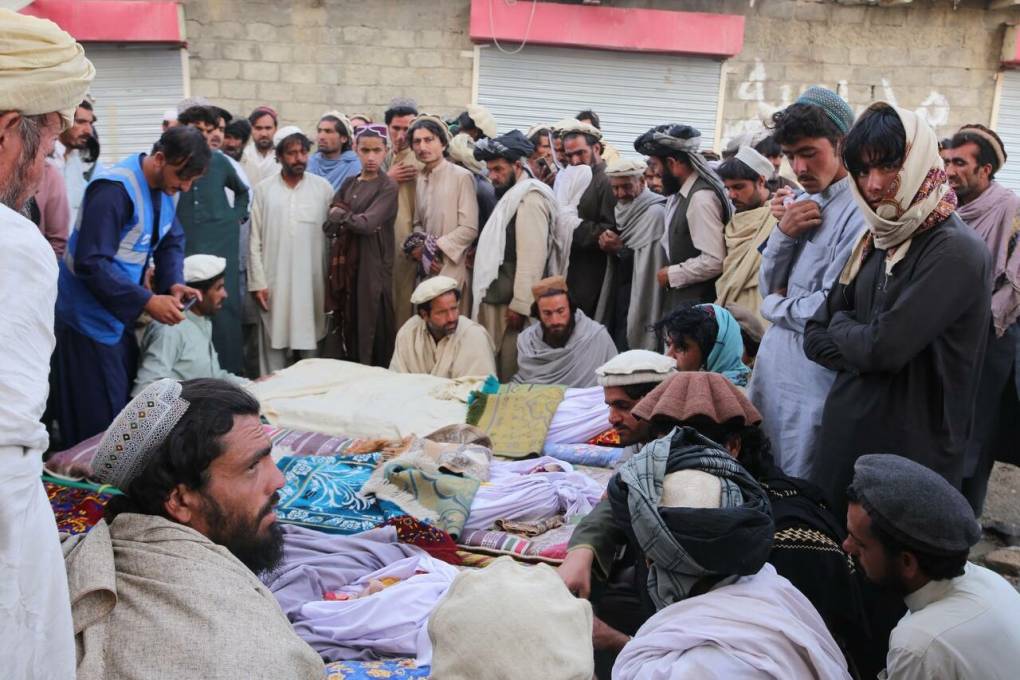
"caption": "Burials of quake victims continue in the second day, in the district of Giyan, in Afghanistan on June 23, 2022. A powerful earthquake struck Afghanistan's eastern Paktika province on June 22, killing more than 1,150 people. The bodies collected from the rubble were brought to the Giyan Central Mosque, where the funeral prayer was performed, and then they were distributed to the villages and buried. ",
"description": null,
"title": "Burials of quake victims continue in Afghanistan",
"credit": "Photo by Bilal Guler/Anadolu Agency via Getty Images",
"status": "inherit",
"altTag": "Several people stand and sit near to bodies covered in blankets",
"isLoading": false,
"fetchFailed": false
},
"news_11901893": {
"type": "attachments",
"id": "news_11901893",
"meta": {
"index": "attachments_1716263798",
"site": "news",
"id": "11901893",
"found": true
},
"parent": 11901877,
"imgSizes": {
"twentyfourteen-full-width": {
"file": "https://ww2.kqed.org/app/uploads/sites/10/2022/01/tonga_jpeg-800x576.jpg",
"width": 800,
"mimeType": "image/jpeg",
"height": 576
},
"thumbnail": {
"file": "https://ww2.kqed.org/app/uploads/sites/10/2022/01/tonga_jpeg-160x120.jpg",
"width": 160,
"mimeType": "image/jpeg",
"height": 120
},
"post-thumbnail": {
"file": "https://ww2.kqed.org/app/uploads/sites/10/2022/01/tonga_jpeg-672x372.jpg",
"width": 672,
"mimeType": "image/jpeg",
"height": 372
},
"kqedFullSize": {
"file": "https://ww2.kqed.org/app/uploads/sites/10/2022/01/tonga_jpeg.jpg",
"width": 800,
"height": 600
}
},
"publishDate": 1642381817,
"modified": 1642544454,
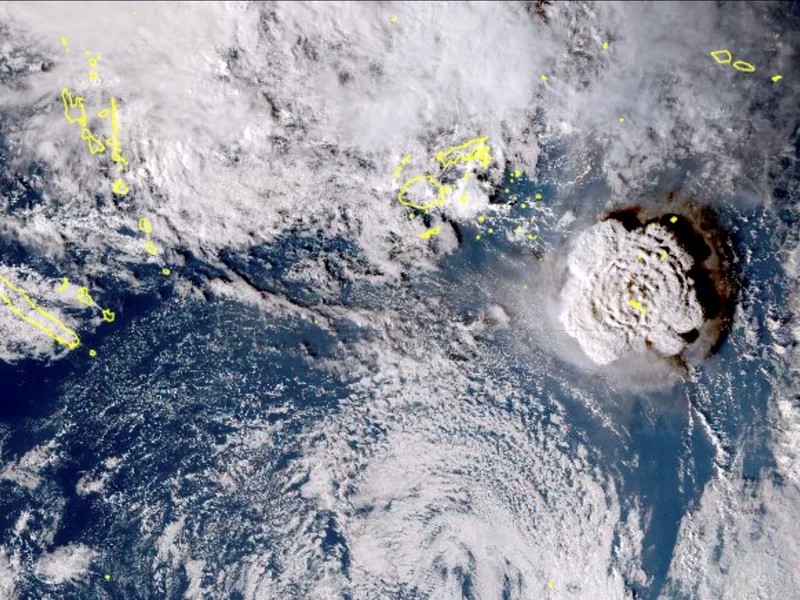
"caption": "This image taken by Himawari-8, a Japanese weather satellite, shows an undersea volcano eruption near the Pacific nation of Tonga.",
"description": null,
"title": "tonga_jpeg",
"credit": "Japan Meteorology Agency via NPR/AP",
"status": "inherit",
"altTag": "A satellite image. On the right is a volcanic eruption undersea, showing plumes of water and ash.",
"isLoading": false,
"fetchFailed": false
},
"news_11836885": {
"type": "attachments",
"id": "news_11836885",
"meta": {
"index": "attachments_1716263798",
"site": "news",
"id": "11836885",
"found": true
},
"parent": 11836883,
"imgSizes": {
"apple_news_ca_landscape_5_5": {
"file": "https://ww2.kqed.org/app/uploads/sites/10/2020/09/1920_CalFire_Fresno-1044x783.jpg",
"width": 1044,
"mimeType": "image/jpeg",
"height": 783
},
"apple_news_ca_square_4_0": {
"file": "https://ww2.kqed.org/app/uploads/sites/10/2020/09/1920_CalFire_Fresno-470x470.jpg",
"width": 470,
"mimeType": "image/jpeg",
"height": 470
},
"twentyfourteen-full-width": {
"file": "https://ww2.kqed.org/app/uploads/sites/10/2020/09/1920_CalFire_Fresno-1038x576.jpg",
"width": 1038,
"mimeType": "image/jpeg",
"height": 576
},
"thumbnail": {
"file": "https://ww2.kqed.org/app/uploads/sites/10/2020/09/1920_CalFire_Fresno-160x90.jpg",
"width": 160,
"mimeType": "image/jpeg",
"height": 90
},
"post-thumbnail": {
"file": "https://ww2.kqed.org/app/uploads/sites/10/2020/09/1920_CalFire_Fresno-672x372.jpg",
"width": 672,
"mimeType": "image/jpeg",
"height": 372
},
"kqedFullSize": {
"file": "https://ww2.kqed.org/app/uploads/sites/10/2020/09/1920_CalFire_Fresno.jpg",
"width": 1919,
"height": 1080
},
"apple_news_ca_landscape_4_7": {
"file": "https://ww2.kqed.org/app/uploads/sites/10/2020/09/1920_CalFire_Fresno-632x474.jpg",
"width": 632,
"mimeType": "image/jpeg",
"height": 474
},
"large": {
"file": "https://ww2.kqed.org/app/uploads/sites/10/2020/09/1920_CalFire_Fresno-1020x574.jpg",
"width": 1020,
"mimeType": "image/jpeg",
"height": 574
},
"apple_news_ca_landscape_4_0": {
"file": "https://ww2.kqed.org/app/uploads/sites/10/2020/09/1920_CalFire_Fresno-536x402.jpg",
"width": 536,
"mimeType": "image/jpeg",
"height": 402
},
"apple_news_ca_portrait_12_9": {
"file": "https://ww2.kqed.org/app/uploads/sites/10/2020/09/1920_CalFire_Fresno-1122x1080.jpg",
"width": 1122,
"mimeType": "image/jpeg",
"height": 1080
},
"medium": {
"file": "https://ww2.kqed.org/app/uploads/sites/10/2020/09/1920_CalFire_Fresno-800x450.jpg",
"width": 800,
"mimeType": "image/jpeg",
"height": 450
},
"apple_news_ca_portrait_4_0": {
"file": "https://ww2.kqed.org/app/uploads/sites/10/2020/09/1920_CalFire_Fresno-354x472.jpg",
"width": 354,
"mimeType": "image/jpeg",
"height": 472
},
"apple_news_ca_portrait_9_7": {
"file": "https://ww2.kqed.org/app/uploads/sites/10/2020/09/1920_CalFire_Fresno-840x1080.jpg",
"width": 840,
"mimeType": "image/jpeg",
"height": 1080
},
"apple_news_ca_landscape_12_9": {
"file": "https://ww2.kqed.org/app/uploads/sites/10/2020/09/1920_CalFire_Fresno-1832x1080.jpg",
"width": 1832,
"mimeType": "image/jpeg",
"height": 1080
},
"apple_news_ca_square_9_7": {
"file": "https://ww2.kqed.org/app/uploads/sites/10/2020/09/1920_CalFire_Fresno-1104x1080.jpg",
"width": 1104,
"mimeType": "image/jpeg",
"height": 1080
},
"1536x1536": {
"file": "https://ww2.kqed.org/app/uploads/sites/10/2020/09/1920_CalFire_Fresno-1536x864.jpg",
"width": 1536,
"mimeType": "image/jpeg",
"height": 864
},
"apple_news_ca_portrait_4_7": {
"file": "https://ww2.kqed.org/app/uploads/sites/10/2020/09/1920_CalFire_Fresno-414x552.jpg",
"width": 414,
"mimeType": "image/jpeg",
"height": 552
},
"apple_news_ca_square_12_9": {
"file": "https://ww2.kqed.org/app/uploads/sites/10/2020/09/1920_CalFire_Fresno-1472x1080.jpg",
"width": 1472,
"mimeType": "image/jpeg",
"height": 1080
},
"apple_news_ca_portrait_5_5": {
"file": "https://ww2.kqed.org/app/uploads/sites/10/2020/09/1920_CalFire_Fresno-687x916.jpg",
"width": 687,
"mimeType": "image/jpeg",
"height": 916
},
"apple_news_ca_square_4_7": {
"file": "https://ww2.kqed.org/app/uploads/sites/10/2020/09/1920_CalFire_Fresno-550x550.jpg",
"width": 550,
"mimeType": "image/jpeg",
"height": 550
},
"apple_news_ca_landscape_9_7": {
"file": "https://ww2.kqed.org/app/uploads/sites/10/2020/09/1920_CalFire_Fresno-1376x1032.jpg",
"width": 1376,
"mimeType": "image/jpeg",
"height": 1032
},
"apple_news_ca_square_5_5": {
"file": "https://ww2.kqed.org/app/uploads/sites/10/2020/09/1920_CalFire_Fresno-912x912.jpg",
"width": 912,
"mimeType": "image/jpeg",
"height": 912
}
},
"publishDate": 1599346926,
"modified": 1599567450,
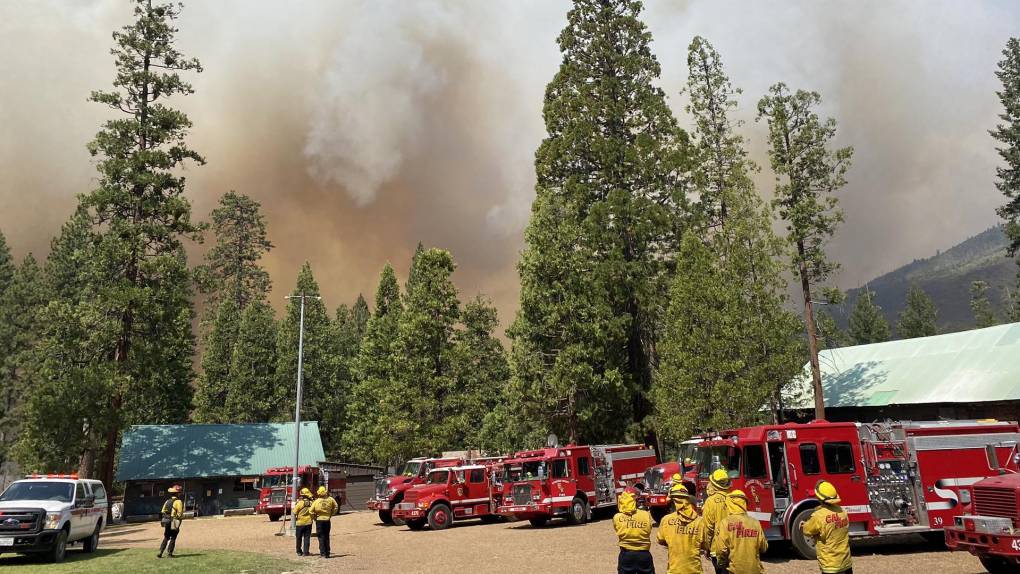
"caption": "Firefighters battling a wildfire on Camp Sierra Rd & Reddin Rd Northeast of Shaver Lake in Fresno County. ",
"description": null,
"title": "1920_CalFire_Fresno",
"credit": "Courtesy of CALFIRE/FresnoCoFire",
"status": "inherit",
"isLoading": false,
"fetchFailed": false
},
"news_11826840": {
"type": "attachments",
"id": "news_11826840",
"meta": {
"index": "attachments_1716263798",
"site": "news",
"id": "11826840",
"found": true
},
"parent": 0,
"imgSizes": {
"apple_news_ca_landscape_5_5": {
"file": "https://ww2.kqed.org/app/uploads/sites/10/2020/06/pj-prop8-1044x783.jpeg",
"width": 1044,
"mimeType": "image/jpeg",
"height": 783
},
"apple_news_ca_square_4_0": {
"file": "https://ww2.kqed.org/app/uploads/sites/10/2020/06/pj-prop8-470x470.jpeg",
"width": 470,
"mimeType": "image/jpeg",
"height": 470
},
"twentyfourteen-full-width": {
"file": "https://ww2.kqed.org/app/uploads/sites/10/2020/06/pj-prop8-1038x576.jpeg",
"width": 1038,
"mimeType": "image/jpeg",
"height": 576
},
"thumbnail": {
"file": "https://ww2.kqed.org/app/uploads/sites/10/2020/06/pj-prop8-160x114.jpeg",
"width": 160,
"mimeType": "image/jpeg",
"height": 114
},
"post-thumbnail": {
"file": "https://ww2.kqed.org/app/uploads/sites/10/2020/06/pj-prop8-672x372.jpeg",
"width": 672,
"mimeType": "image/jpeg",
"height": 372
},
"kqedFullSize": {
"file": "https://ww2.kqed.org/app/uploads/sites/10/2020/06/pj-prop8.jpeg",
"width": 2048,
"height": 1463
},
"apple_news_ca_landscape_4_7": {
"file": "https://ww2.kqed.org/app/uploads/sites/10/2020/06/pj-prop8-632x474.jpeg",
"width": 632,
"mimeType": "image/jpeg",
"height": 474
},
"large": {
"file": "https://ww2.kqed.org/app/uploads/sites/10/2020/06/pj-prop8-1020x729.jpeg",
"width": 1020,
"mimeType": "image/jpeg",
"height": 729
},
"apple_news_ca_landscape_4_0": {
"file": "https://ww2.kqed.org/app/uploads/sites/10/2020/06/pj-prop8-536x402.jpeg",
"width": 536,
"mimeType": "image/jpeg",
"height": 402
},
"apple_news_ca_portrait_12_9": {
"file": "https://ww2.kqed.org/app/uploads/sites/10/2020/06/pj-prop8-1122x1463.jpeg",
"width": 1122,
"mimeType": "image/jpeg",
"height": 1463
},
"medium": {
"file": "https://ww2.kqed.org/app/uploads/sites/10/2020/06/pj-prop8-800x571.jpeg",
"width": 800,
"mimeType": "image/jpeg",
"height": 571
},
"apple_news_ca_portrait_4_0": {
"file": "https://ww2.kqed.org/app/uploads/sites/10/2020/06/pj-prop8-354x472.jpeg",
"width": 354,
"mimeType": "image/jpeg",
"height": 472
},
"apple_news_ca_portrait_9_7": {
"file": "https://ww2.kqed.org/app/uploads/sites/10/2020/06/pj-prop8-840x1120.jpeg",
"width": 840,
"mimeType": "image/jpeg",
"height": 1120
},
"apple_news_ca_landscape_12_9": {
"file": "https://ww2.kqed.org/app/uploads/sites/10/2020/06/pj-prop8-1832x1374.jpeg",
"width": 1832,
"mimeType": "image/jpeg",
"height": 1374
},
"apple_news_ca_square_9_7": {
"file": "https://ww2.kqed.org/app/uploads/sites/10/2020/06/pj-prop8-1104x1104.jpeg",
"width": 1104,
"mimeType": "image/jpeg",
"height": 1104
},
"1536x1536": {
"file": "https://ww2.kqed.org/app/uploads/sites/10/2020/06/pj-prop8-1536x1097.jpeg",
"width": 1536,
"mimeType": "image/jpeg",
"height": 1097
},
"apple_news_ca_portrait_4_7": {
"file": "https://ww2.kqed.org/app/uploads/sites/10/2020/06/pj-prop8-414x552.jpeg",
"width": 414,
"mimeType": "image/jpeg",
"height": 552
},
"apple_news_ca_square_12_9": {
"file": "https://ww2.kqed.org/app/uploads/sites/10/2020/06/pj-prop8-1472x1463.jpeg",
"width": 1472,
"mimeType": "image/jpeg",
"height": 1463
},
"apple_news_ca_portrait_5_5": {
"file": "https://ww2.kqed.org/app/uploads/sites/10/2020/06/pj-prop8-687x916.jpeg",
"width": 687,
"mimeType": "image/jpeg",
"height": 916
},
"full-width": {
"file": "https://ww2.kqed.org/app/uploads/sites/10/2020/06/pj-prop8-1920x1372.jpeg",
"width": 1920,
"mimeType": "image/jpeg",
"height": 1372
},
"apple_news_ca_square_4_7": {
"file": "https://ww2.kqed.org/app/uploads/sites/10/2020/06/pj-prop8-550x550.jpeg",
"width": 550,
"mimeType": "image/jpeg",
"height": 550
},
"apple_news_ca_landscape_9_7": {
"file": "https://ww2.kqed.org/app/uploads/sites/10/2020/06/pj-prop8-1376x1032.jpeg",
"width": 1376,
"mimeType": "image/jpeg",
"height": 1032
},
"apple_news_ca_square_5_5": {
"file": "https://ww2.kqed.org/app/uploads/sites/10/2020/06/pj-prop8-912x912.jpeg",
"width": 912,
"mimeType": "image/jpeg",
"height": 912
}
},
"publishDate": 1593541955,
"modified": 1593659464,
"caption": "Peter Jon Shuler getting set for a press conference during federal court battle over the future of Proposition 8, California's 2008 ban on gay marriage. ",
"description": null,
"title": "Peter Jon Shuler",
"credit": "Courtesy of Peter Jon Shuler ",
"status": "inherit",
"isLoading": false,
"fetchFailed": false
},
"news_11804757": {
"type": "attachments",
"id": "news_11804757",
"meta": {
"index": "attachments_1716263798",
"site": "news",
"id": "11804757",
"found": true
},
"title": "USA-SAN FRANCISCO-EARTHQUAKE",
"publishDate": 1583269391,
"status": "inherit",
"parent": 11803938,
"modified": 1760638115,
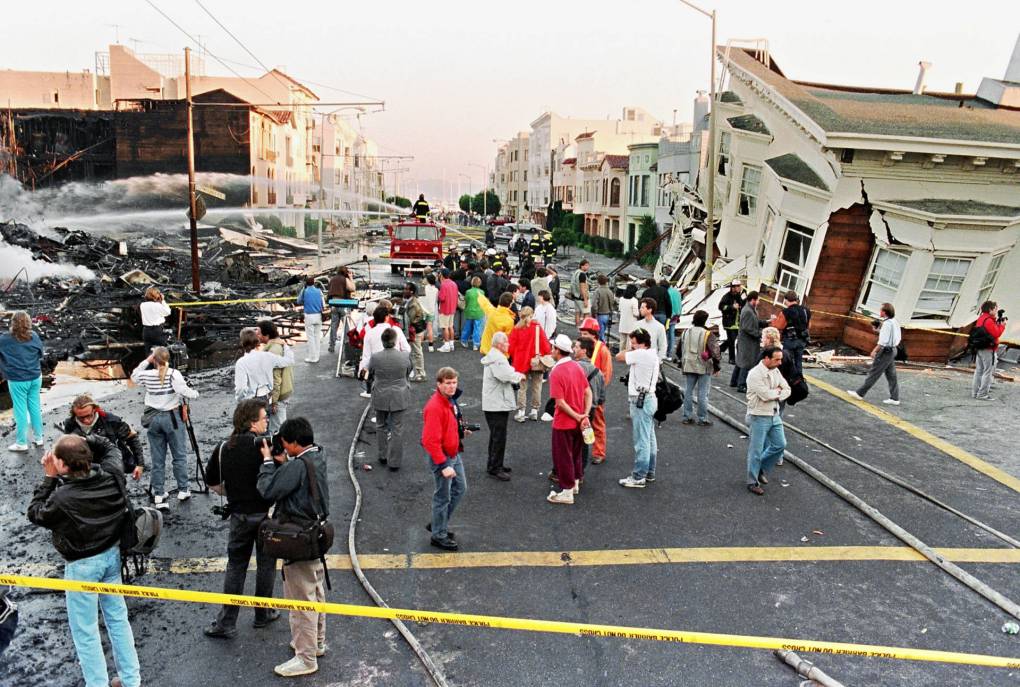
"caption": "Firefighters extinguish fires in the Marina District in San Francisco in October 1989 after the Loma Prieta earthquake erupted in the city. ",
"credit": "Jonathan Nourok/AFP/Getty Images",
"altTag": "Firefighters extinguish fire in the Marina District in San Francisco in October 1989 after the Loma Prieta earthquake erupted in the city.",
"description": "Firefighters extinguish fire in the Marina District in San Francisco in October 1989 after the Loma Prieta earthquake erupted in the city. ",
"imgSizes": {
"thumbnail": {
"file": "https://cdn.kqed.org/wp-content/uploads/sites/10/2021/02/RS41727_earthquake-qut-160x108.jpg",
"width": 160,
"height": 108,
"mimeType": "image/jpeg"
},
"medium": {
"file": "https://cdn.kqed.org/wp-content/uploads/sites/10/2021/02/RS41727_earthquake-qut-800x539.jpg",
"width": 800,
"height": 539,
"mimeType": "image/jpeg"
},
"large": {
"file": "https://cdn.kqed.org/wp-content/uploads/sites/10/2021/02/RS41727_earthquake-qut-1020x687.jpg",
"width": 1020,
"height": 687,
"mimeType": "image/jpeg"
},
"post-thumbnail": {
"file": "https://cdn.kqed.org/wp-content/uploads/sites/10/2021/02/RS41727_earthquake-qut-672x372.jpg",
"width": 672,
"height": 372,
"mimeType": "image/jpeg"
},
"twentyfourteen-full-width": {
"file": "https://cdn.kqed.org/wp-content/uploads/sites/10/2021/02/RS41727_earthquake-qut-1038x576.jpg",
"width": 1038,
"height": 576,
"mimeType": "image/jpeg"
},
"apple_news_ca_landscape_12_9": {
"file": "https://cdn.kqed.org/wp-content/uploads/sites/10/2021/02/RS41727_earthquake-qut-1832x1294.jpg",
"width": 1832,
"height": 1294,
"mimeType": "image/jpeg"
},
"apple_news_ca_landscape_9_7": {
"file": "https://cdn.kqed.org/wp-content/uploads/sites/10/2021/02/RS41727_earthquake-qut-1376x1032.jpg",
"width": 1376,
"height": 1032,
"mimeType": "image/jpeg"
},
"apple_news_ca_landscape_5_5": {
"file": "https://cdn.kqed.org/wp-content/uploads/sites/10/2021/02/RS41727_earthquake-qut-1044x783.jpg",
"width": 1044,
"height": 783,
"mimeType": "image/jpeg"
},
"apple_news_ca_landscape_4_7": {
"file": "https://cdn.kqed.org/wp-content/uploads/sites/10/2021/02/RS41727_earthquake-qut-632x474.jpg",
"width": 632,
"height": 474,
"mimeType": "image/jpeg"
},
"apple_news_ca_landscape_4_0": {
"file": "https://cdn.kqed.org/wp-content/uploads/sites/10/2021/02/RS41727_earthquake-qut-536x402.jpg",
"width": 536,
"height": 402,
"mimeType": "image/jpeg"
},
"apple_news_ca_portrait_12_9": {
"file": "https://cdn.kqed.org/wp-content/uploads/sites/10/2021/02/RS41727_earthquake-qut-1122x1294.jpg",
"width": 1122,
"height": 1294,
"mimeType": "image/jpeg"
},
"apple_news_ca_portrait_9_7": {
"file": "https://cdn.kqed.org/wp-content/uploads/sites/10/2021/02/RS41727_earthquake-qut-840x1120.jpg",
"width": 840,
"height": 1120,
"mimeType": "image/jpeg"
},
"apple_news_ca_portrait_5_5": {
"file": "https://cdn.kqed.org/wp-content/uploads/sites/10/2021/02/RS41727_earthquake-qut-687x916.jpg",
"width": 687,
"height": 916,
"mimeType": "image/jpeg"
},
"apple_news_ca_portrait_4_7": {
"file": "https://cdn.kqed.org/wp-content/uploads/sites/10/2021/02/RS41727_earthquake-qut-414x552.jpg",
"width": 414,
"height": 552,
"mimeType": "image/jpeg"
},
"apple_news_ca_portrait_4_0": {
"file": "https://cdn.kqed.org/wp-content/uploads/sites/10/2021/02/RS41727_earthquake-qut-354x472.jpg",
"width": 354,
"height": 472,
"mimeType": "image/jpeg"
},
"apple_news_ca_square_12_9": {
"file": "https://cdn.kqed.org/wp-content/uploads/sites/10/2021/02/RS41727_earthquake-qut-1472x1294.jpg",
"width": 1472,
"height": 1294,
"mimeType": "image/jpeg"
},
"apple_news_ca_square_9_7": {
"file": "https://cdn.kqed.org/wp-content/uploads/sites/10/2021/02/RS41727_earthquake-qut-1104x1104.jpg",
"width": 1104,
"height": 1104,
"mimeType": "image/jpeg"
},
"apple_news_ca_square_5_5": {
"file": "https://cdn.kqed.org/wp-content/uploads/sites/10/2021/02/RS41727_earthquake-qut-912x912.jpg",
"width": 912,
"height": 912,
"mimeType": "image/jpeg"
},
"apple_news_ca_square_4_7": {
"file": "https://cdn.kqed.org/wp-content/uploads/sites/10/2021/02/RS41727_earthquake-qut-550x550.jpg",
"width": 550,
"height": 550,
"mimeType": "image/jpeg"
},
"apple_news_ca_square_4_0": {
"file": "https://cdn.kqed.org/wp-content/uploads/sites/10/2021/02/RS41727_earthquake-qut-470x470.jpg",
"width": 470,
"height": 470,
"mimeType": "image/jpeg"
},
"kqedFullSize": {
"file": "https://cdn.kqed.org/wp-content/uploads/sites/10/2021/02/RS41727_earthquake-qut.jpg",
"width": 1920,
"height": 1294
}
},
"isLoading": false,
"fetchFailed": false
},
"news_11799418": {
"type": "attachments",
"id": "news_11799418",
"meta": {
"index": "attachments_1716263798",
"site": "news",
"id": "11799418",
"found": true
},
"parent": 11799297,
"imgSizes": {
"apple_news_ca_landscape_5_5": {
"file": "https://ww2.kqed.org/app/uploads/sites/10/2020/01/GettyImages-1583045-1044x783.jpg",
"width": 1044,
"mimeType": "image/jpeg",
"height": 783
},
"apple_news_ca_square_4_0": {
"file": "https://ww2.kqed.org/app/uploads/sites/10/2020/01/GettyImages-1583045-470x470.jpg",
"width": 470,
"mimeType": "image/jpeg",
"height": 470
},
"twentyfourteen-full-width": {
"file": "https://ww2.kqed.org/app/uploads/sites/10/2020/01/GettyImages-1583045-1038x576.jpg",
"width": 1038,
"mimeType": "image/jpeg",
"height": 576
},
"thumbnail": {
"file": "https://ww2.kqed.org/app/uploads/sites/10/2020/01/GettyImages-1583045-160x108.jpg",
"width": 160,
"mimeType": "image/jpeg",
"height": 108
},
"post-thumbnail": {
"file": "https://ww2.kqed.org/app/uploads/sites/10/2020/01/GettyImages-1583045-672x372.jpg",
"width": 672,
"mimeType": "image/jpeg",
"height": 372
},
"kqedFullSize": {
"file": "https://ww2.kqed.org/app/uploads/sites/10/2020/01/GettyImages-1583045.jpg",
"width": 1920,
"height": 1294
},
"apple_news_ca_landscape_4_7": {
"file": "https://ww2.kqed.org/app/uploads/sites/10/2020/01/GettyImages-1583045-632x474.jpg",
"width": 632,
"mimeType": "image/jpeg",
"height": 474
},
"large": {
"file": "https://ww2.kqed.org/app/uploads/sites/10/2020/01/GettyImages-1583045-1020x687.jpg",
"width": 1020,
"mimeType": "image/jpeg",
"height": 687
},
"apple_news_ca_landscape_4_0": {
"file": "https://ww2.kqed.org/app/uploads/sites/10/2020/01/GettyImages-1583045-536x402.jpg",
"width": 536,
"mimeType": "image/jpeg",
"height": 402
},
"apple_news_ca_portrait_12_9": {
"file": "https://ww2.kqed.org/app/uploads/sites/10/2020/01/GettyImages-1583045-1122x1294.jpg",
"width": 1122,
"mimeType": "image/jpeg",
"height": 1294
},
"medium": {
"file": "https://ww2.kqed.org/app/uploads/sites/10/2020/01/GettyImages-1583045-800x539.jpg",
"width": 800,
"mimeType": "image/jpeg",
"height": 539
},
"apple_news_ca_portrait_4_0": {
"file": "https://ww2.kqed.org/app/uploads/sites/10/2020/01/GettyImages-1583045-354x472.jpg",
"width": 354,
"mimeType": "image/jpeg",
"height": 472
},
"apple_news_ca_portrait_9_7": {
"file": "https://ww2.kqed.org/app/uploads/sites/10/2020/01/GettyImages-1583045-840x1120.jpg",
"width": 840,
"mimeType": "image/jpeg",
"height": 1120
},
"apple_news_ca_landscape_12_9": {
"file": "https://ww2.kqed.org/app/uploads/sites/10/2020/01/GettyImages-1583045-1832x1294.jpg",
"width": 1832,
"mimeType": "image/jpeg",
"height": 1294
},
"apple_news_ca_square_9_7": {
"file": "https://ww2.kqed.org/app/uploads/sites/10/2020/01/GettyImages-1583045-1104x1104.jpg",
"width": 1104,
"mimeType": "image/jpeg",
"height": 1104
},
"apple_news_ca_portrait_4_7": {
"file": "https://ww2.kqed.org/app/uploads/sites/10/2020/01/GettyImages-1583045-414x552.jpg",
"width": 414,
"mimeType": "image/jpeg",
"height": 552
},
"apple_news_ca_square_12_9": {
"file": "https://ww2.kqed.org/app/uploads/sites/10/2020/01/GettyImages-1583045-1472x1294.jpg",
"width": 1472,
"mimeType": "image/jpeg",
"height": 1294
},
"apple_news_ca_portrait_5_5": {
"file": "https://ww2.kqed.org/app/uploads/sites/10/2020/01/GettyImages-1583045-687x916.jpg",
"width": 687,
"mimeType": "image/jpeg",
"height": 916
},
"full-width": {
"file": "https://ww2.kqed.org/app/uploads/sites/10/2020/01/GettyImages-1583045-1920x1294.jpg",
"width": 1920,
"mimeType": "image/jpeg",
"height": 1294
},
"apple_news_ca_square_4_7": {
"file": "https://ww2.kqed.org/app/uploads/sites/10/2020/01/GettyImages-1583045-550x550.jpg",
"width": 550,
"mimeType": "image/jpeg",
"height": 550
},
"apple_news_ca_landscape_9_7": {
"file": "https://ww2.kqed.org/app/uploads/sites/10/2020/01/GettyImages-1583045-1376x1032.jpg",
"width": 1376,
"mimeType": "image/jpeg",
"height": 1032
},
"apple_news_ca_square_5_5": {
"file": "https://ww2.kqed.org/app/uploads/sites/10/2020/01/GettyImages-1583045-912x912.jpg",
"width": 912,
"mimeType": "image/jpeg",
"height": 912
}
},
"publishDate": 1580509584,
"modified": 1581016448,
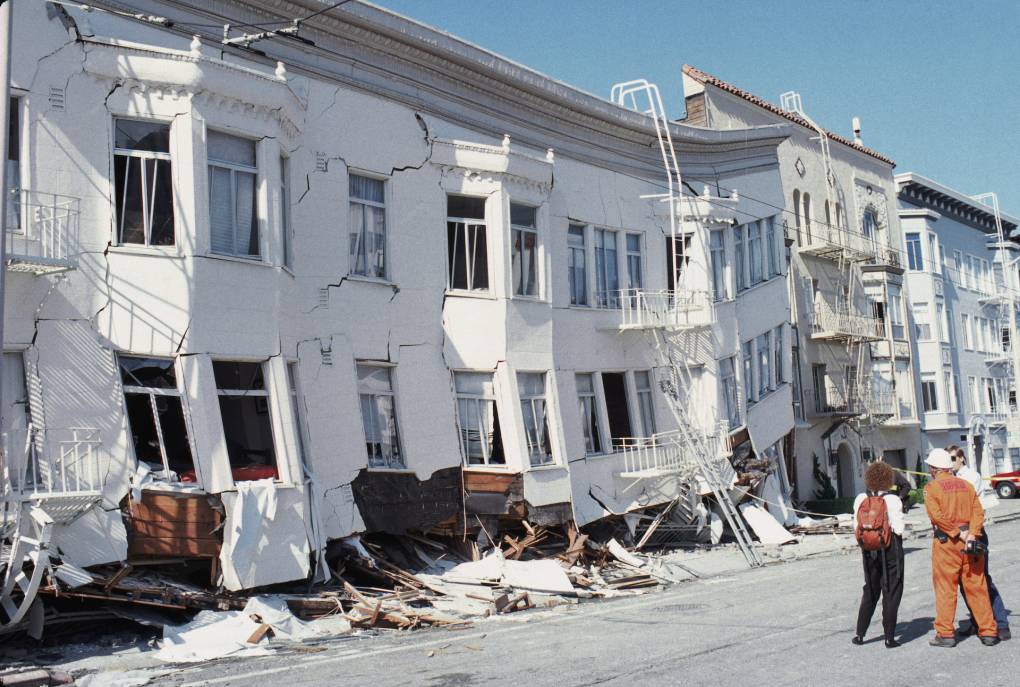
"caption": "Much of the Marina District is built on artificial fill and suffered widespread damage, including liquefaction, during the 1989 Loma Prieta earthquake.",
"description": null,
"title": "General view of the Marina district disaster zone",
"credit": "Otto Greule Jr./Getty Images",
"status": "inherit",
"isLoading": false,
"fetchFailed": false
},
"news_11795700": {
"type": "attachments",
"id": "news_11795700",
"meta": {
"index": "attachments_1716263798",
"site": "news",
"id": "11795700",
"found": true
},
"parent": 11795699,
"imgSizes": {
"apple_news_ca_landscape_5_5": {
"file": "https://ww2.kqed.org/app/uploads/sites/10/2020/01/73137914_2438135316242446_8038686311336378368_o-1-1044x783.jpg",
"width": 1044,
"mimeType": "image/jpeg",
"height": 783
},
"apple_news_ca_square_4_0": {
"file": "https://ww2.kqed.org/app/uploads/sites/10/2020/01/73137914_2438135316242446_8038686311336378368_o-1-470x470.jpg",
"width": 470,
"mimeType": "image/jpeg",
"height": 470
},
"twentyfourteen-full-width": {
"file": "https://ww2.kqed.org/app/uploads/sites/10/2020/01/73137914_2438135316242446_8038686311336378368_o-1-1038x576.jpg",
"width": 1038,
"mimeType": "image/jpeg",
"height": 576
},
"thumbnail": {
"file": "https://ww2.kqed.org/app/uploads/sites/10/2020/01/73137914_2438135316242446_8038686311336378368_o-1-160x120.jpg",
"width": 160,
"mimeType": "image/jpeg",
"height": 120
},
"post-thumbnail": {
"file": "https://ww2.kqed.org/app/uploads/sites/10/2020/01/73137914_2438135316242446_8038686311336378368_o-1-672x372.jpg",
"width": 672,
"mimeType": "image/jpeg",
"height": 372
},
"kqedFullSize": {
"file": "https://ww2.kqed.org/app/uploads/sites/10/2020/01/73137914_2438135316242446_8038686311336378368_o-1.jpg",
"width": 1920,
"height": 1440
},
"apple_news_ca_landscape_4_7": {
"file": "https://ww2.kqed.org/app/uploads/sites/10/2020/01/73137914_2438135316242446_8038686311336378368_o-1-632x474.jpg",
"width": 632,
"mimeType": "image/jpeg",
"height": 474
},
"large": {
"file": "https://ww2.kqed.org/app/uploads/sites/10/2020/01/73137914_2438135316242446_8038686311336378368_o-1-1020x765.jpg",
"width": 1020,
"mimeType": "image/jpeg",
"height": 765
},
"complete_open_graph": {
"file": "https://ww2.kqed.org/app/uploads/sites/10/2020/01/73137914_2438135316242446_8038686311336378368_o-1-1200x900.jpg",
"width": 1200,
"mimeType": "image/jpeg",
"height": 900
},
"apple_news_ca_landscape_4_0": {
"file": "https://ww2.kqed.org/app/uploads/sites/10/2020/01/73137914_2438135316242446_8038686311336378368_o-1-536x402.jpg",
"width": 536,
"mimeType": "image/jpeg",
"height": 402
},
"apple_news_ca_portrait_12_9": {
"file": "https://ww2.kqed.org/app/uploads/sites/10/2020/01/73137914_2438135316242446_8038686311336378368_o-1-1122x1440.jpg",
"width": 1122,
"mimeType": "image/jpeg",
"height": 1440
},
"medium": {
"file": "https://ww2.kqed.org/app/uploads/sites/10/2020/01/73137914_2438135316242446_8038686311336378368_o-1-800x600.jpg",
"width": 800,
"mimeType": "image/jpeg",
"height": 600
},
"apple_news_ca_portrait_4_0": {
"file": "https://ww2.kqed.org/app/uploads/sites/10/2020/01/73137914_2438135316242446_8038686311336378368_o-1-354x472.jpg",
"width": 354,
"mimeType": "image/jpeg",
"height": 472
},
"apple_news_ca_portrait_9_7": {
"file": "https://ww2.kqed.org/app/uploads/sites/10/2020/01/73137914_2438135316242446_8038686311336378368_o-1-840x1120.jpg",
"width": 840,
"mimeType": "image/jpeg",
"height": 1120
},
"apple_news_ca_landscape_12_9": {
"file": "https://ww2.kqed.org/app/uploads/sites/10/2020/01/73137914_2438135316242446_8038686311336378368_o-1-1832x1374.jpg",
"width": 1832,
"mimeType": "image/jpeg",
"height": 1374
},
"apple_news_ca_square_9_7": {
"file": "https://ww2.kqed.org/app/uploads/sites/10/2020/01/73137914_2438135316242446_8038686311336378368_o-1-1104x1104.jpg",
"width": 1104,
"mimeType": "image/jpeg",
"height": 1104
},
"apple_news_ca_portrait_4_7": {
"file": "https://ww2.kqed.org/app/uploads/sites/10/2020/01/73137914_2438135316242446_8038686311336378368_o-1-414x552.jpg",
"width": 414,
"mimeType": "image/jpeg",
"height": 552
},
"apple_news_ca_square_12_9": {
"file": "https://ww2.kqed.org/app/uploads/sites/10/2020/01/73137914_2438135316242446_8038686311336378368_o-1-1472x1440.jpg",
"width": 1472,
"mimeType": "image/jpeg",
"height": 1440
},
"apple_news_ca_portrait_5_5": {
"file": "https://ww2.kqed.org/app/uploads/sites/10/2020/01/73137914_2438135316242446_8038686311336378368_o-1-687x916.jpg",
"width": 687,
"mimeType": "image/jpeg",
"height": 916
},
"full-width": {
"file": "https://ww2.kqed.org/app/uploads/sites/10/2020/01/73137914_2438135316242446_8038686311336378368_o-1-1920x1440.jpg",
"width": 1920,
"mimeType": "image/jpeg",
"height": 1440
},
"apple_news_ca_square_4_7": {
"file": "https://ww2.kqed.org/app/uploads/sites/10/2020/01/73137914_2438135316242446_8038686311336378368_o-1-550x550.jpg",
"width": 550,
"mimeType": "image/jpeg",
"height": 550
},
"apple_news_ca_landscape_9_7": {
"file": "https://ww2.kqed.org/app/uploads/sites/10/2020/01/73137914_2438135316242446_8038686311336378368_o-1-1376x1032.jpg",
"width": 1376,
"mimeType": "image/jpeg",
"height": 1032
},
"apple_news_ca_square_5_5": {
"file": "https://ww2.kqed.org/app/uploads/sites/10/2020/01/73137914_2438135316242446_8038686311336378368_o-1-912x912.jpg",
"width": 912,
"mimeType": "image/jpeg",
"height": 912
}
},
"publishDate": 1578844693,
"modified": 1578844930,
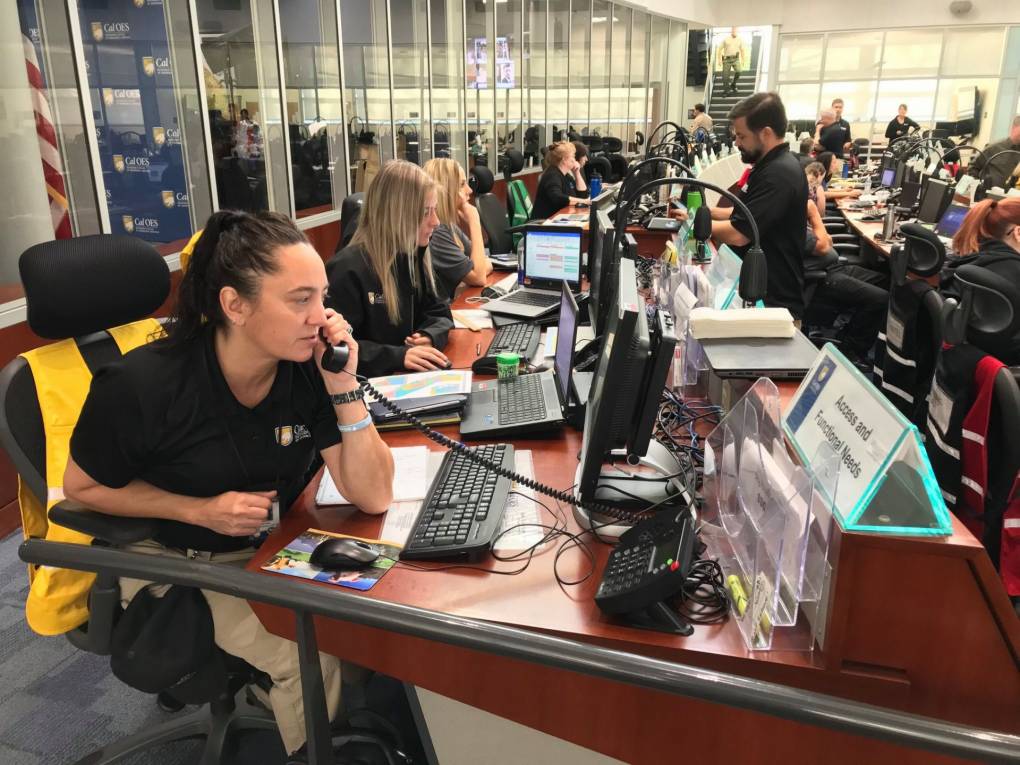
"caption": "California Governor's Office of Emergency Services staff. The office will be assisting Puerto Rico after a magnitude 5.9 earthquake struck the island’s southern coast on Saturday. ",
"description": null,
"title": "73137914_2438135316242446_8038686311336378368_o (1)",
"credit": "California Governor's Office of Emergency Services/Facebook",
"status": "inherit",
"isLoading": false,
"fetchFailed": false
}
},
"audioPlayerReducer": {
"postId": "stream_live",
"isPaused": true,
"isPlaying": false,
"pfsActive": false,
"pledgeModalIsOpen": true,
"playerDrawerIsOpen": false,
"liveAudioPlayStartedAt": 0,
"liveAudioPlayContext": ""
},
"authorsReducer": {
"byline_news_11935961": {
"type": "authors",
"id": "byline_news_11935961",
"meta": {
"override": true
},
"slug": "byline_news_11935961",
"name": "Adam Beam and John Antczak\u003cbr>The Associated Press",
"isLoading": false
},
"byline_news_11836914": {
"type": "authors",
"id": "byline_news_11836914",
"meta": {
"override": true
},
"slug": "byline_news_11836914",
"name": "Marcio Sanchez and Christopher Weber \u003cbr> Associated Press ",
"isLoading": false
},
"byline_news_11795699": {
"type": "authors",
"id": "byline_news_11795699",
"meta": {
"override": true
},
"slug": "byline_news_11795699",
"name": "Associated Press",
"isLoading": false
},
"danbrekke": {
"type": "authors",
"id": "222",
"meta": {
"index": "authors_1716337520",
"id": "222",
"found": true
},
"name": "Dan Brekke",
"firstName": "Dan",
"lastName": "Brekke",
"slug": "danbrekke",
"email": "dbrekke@kqed.org",
"display_author_email": true,
"staff_mastheads": [
"news",
"science"
],
"title": "KQED Editor and Reporter",
"bio": "Dan Brekke is a reporter and editor for KQED News, responsible for coverage of topics ranging from California water issues to the Bay Area's transportation challenges. In a newsroom career that began in Chicago in 1972, Dan has worked for \u003cem>The San Francisco Examiner,\u003c/em> Wired and TechTV and has been published in The New York Times, The New York Times Magazine, Business 2.0, Salon and elsewhere.\r\n\r\nSince joining KQED in 2007, Dan has reported, edited and produced both radio and online features and breaking news pieces. He has shared as both editor and reporter in four Society of Professional Journalists Norcal Excellence in Journalism awards and one Edward R. Murrow regional award. He was chosen for a spring 2017 residency at the Mesa Refuge to advance his research on California salmon.\r\n\r\nEmail Dan at: \u003ca href=\"mailto:dbrekke@kqed.org\">dbrekke@kqed.org\u003c/a>\r\n\r\n\u003cstrong>Twitter:\u003c/strong> \u003ca href=\"https://twitter.com/danbrekke\" rel=\"noopener noreferrer\">twitter.com/danbrekke\u003c/a>\r\n\u003cstrong>Facebook:\u003c/strong> \u003ca href=\"https://www.facebook.com/danbrekke\" rel=\"noopener noreferrer\">www.facebook.com/danbrekke\u003c/a>\r\n\u003cstrong>LinkedIn:\u003c/strong> \u003ca href=\"https://www.linkedin.com/in/danbrekke\" rel=\"noopener noreferrer\">www.linkedin.com/in/danbrekke\u003c/a>",
"avatar": "https://secure.gravatar.com/avatar/c8126230345efca3f7aa89b1a402be45?s=600&d=mm&r=g",
"twitter": "danbrekke",
"facebook": null,
"instagram": "https://www.instagram.com/dan.brekke/",
"linkedin": "https://www.linkedin.com/in/danbrekke/",
"sites": [
{
"site": "news",
"roles": [
"administrator",
"create_posts"
]
},
{
"site": "stateofhealth",
"roles": [
"editor"
]
},
{
"site": "science",
"roles": [
"editor"
]
},
{
"site": "quest",
"roles": [
"contributor"
]
},
{
"site": "food",
"roles": [
"contributor"
]
},
{
"site": "forum",
"roles": [
"contributor"
]
},
{
"site": "liveblog",
"roles": [
"editor"
]
}
],
"headData": {
"title": "Dan Brekke | KQED",
"description": "KQED Editor and Reporter",
"ogImgSrc": "https://secure.gravatar.com/avatar/c8126230345efca3f7aa89b1a402be45?s=600&d=mm&r=g",
"twImgSrc": "https://secure.gravatar.com/avatar/c8126230345efca3f7aa89b1a402be45?s=600&d=mm&r=g"
},
"isLoading": false,
"link": "/author/danbrekke"
},
"kqed": {
"type": "authors",
"id": "236",
"meta": {
"index": "authors_1716337520",
"id": "236",
"found": true
},
"name": "KQED News Staff",
"firstName": "KQED News Staff",
"lastName": null,
"slug": "kqed",
"email": "faq@kqed.org",
"display_author_email": false,
"staff_mastheads": [],
"title": null,
"bio": null,
"avatar": "https://secure.gravatar.com/avatar/ef0e801a68c4c54afa9180db14084167?s=600&d=blank&r=g",
"twitter": null,
"facebook": null,
"instagram": null,
"linkedin": null,
"sites": [
{
"site": "arts",
"roles": [
"contributor"
]
},
{
"site": "news",
"roles": [
"editor"
]
},
{
"site": "futureofyou",
"roles": [
"author"
]
}
],
"headData": {
"title": "KQED News Staff | KQED",
"description": null,
"ogImgSrc": "https://secure.gravatar.com/avatar/ef0e801a68c4c54afa9180db14084167?s=600&d=blank&r=g",
"twImgSrc": "https://secure.gravatar.com/avatar/ef0e801a68c4c54afa9180db14084167?s=600&d=blank&r=g"
},
"isLoading": false,
"link": "/author/kqed"
},
"kqednewsstaffandwires": {
"type": "authors",
"id": "237",
"meta": {
"index": "authors_1716337520",
"id": "237",
"found": true
},
"name": "KQED News Staff and Wires",
"firstName": "KQED News Staff and Wires",
"lastName": null,
"slug": "kqednewsstaffandwires",
"email": "onlinenewsstaff@kqed.org",
"display_author_email": false,
"staff_mastheads": [],
"title": null,
"bio": null,
"avatar": "https://secure.gravatar.com/avatar/72295af8ebbfbd19a4948f5271285664?s=600&d=blank&r=g",
"twitter": null,
"facebook": null,
"instagram": null,
"linkedin": null,
"sites": [
{
"site": "arts",
"roles": [
"contributor"
]
},
{
"site": "news",
"roles": [
"contributor"
]
},
{
"site": "lowdown",
"roles": [
"author"
]
},
{
"site": "stateofhealth",
"roles": [
"contributor"
]
},
{
"site": "food",
"roles": [
"author"
]
}
],
"headData": {
"title": "KQED News Staff and Wires | KQED",
"description": null,
"ogImgSrc": "https://secure.gravatar.com/avatar/72295af8ebbfbd19a4948f5271285664?s=600&d=blank&r=g",
"twImgSrc": "https://secure.gravatar.com/avatar/72295af8ebbfbd19a4948f5271285664?s=600&d=blank&r=g"
},
"isLoading": false,
"link": "/author/kqednewsstaffandwires"
},
"tychehendricks": {
"type": "authors",
"id": "259",
"meta": {
"index": "authors_1716337520",
"id": "259",
"found": true
},
"name": "Tyche Hendricks",
"firstName": "Tyche",
"lastName": "Hendricks",
"slug": "tychehendricks",
"email": "thendricks@kqed.org",
"display_author_email": true,
"staff_mastheads": [
"news"
],
"title": "KQED Senior Editor, Immigration",
"bio": "\u003cspan style=\"font-weight: 400;\">Tyche Hendricks is KQED’s senior editor for immigration, leading coverage of the policy and politics that affect California’s immigrant communities. Her work for KQED’s radio and online audiences is also carried on NPR and other national outlets. She has been recognized with awards from the Radio and Television News Directors Association, the Society for Professional Journalists; the Education Writers Association; the Best of the West and the National Federation of Community Broadcasters. Before joining KQED in 2010, Tyche spent more than a dozen years as a newspaper reporter, notably at the \u003c/span>\u003ci>\u003cspan style=\"font-weight: 400;\">San Francisco Chronicle\u003c/span>\u003c/i>\u003cspan style=\"font-weight: 400;\">. At different times she has covered criminal justice, government and politics and urban planning. Tyche has taught in the MFA Creative Writing program at the University of San Francisco and at UC Berkeley’s Graduate School of Journalism, where she was co-director of a national immigration symposium for professional journalists. She is the author of \u003c/span>\u003ci>\u003cspan style=\"font-weight: 400;\">The Wind Doesn't Need a Passport: Stories from the U.S.-Mexico Borderlands\u003c/span>\u003c/i>\u003cspan style=\"font-weight: 400;\"> (University of California Press). \u003c/span>",
"avatar": "https://secure.gravatar.com/avatar/b8ee458e2731c2d43df86882ce17267e?s=600&d=blank&r=g",
"twitter": "tychehendricks",
"facebook": null,
"instagram": null,
"linkedin": null,
"sites": [
{
"site": "news",
"roles": [
"editor"
]
},
{
"site": "stateofhealth",
"roles": [
"editor"
]
}
],
"headData": {
"title": "Tyche Hendricks | KQED",
"description": "KQED Senior Editor, Immigration",
"ogImgSrc": "https://secure.gravatar.com/avatar/b8ee458e2731c2d43df86882ce17267e?s=600&d=blank&r=g",
"twImgSrc": "https://secure.gravatar.com/avatar/b8ee458e2731c2d43df86882ce17267e?s=600&d=blank&r=g"
},
"isLoading": false,
"link": "/author/tychehendricks"
},
"matthewgreen": {
"type": "authors",
"id": "1263",
"meta": {
"index": "authors_1716337520",
"id": "1263",
"found": true
},
"name": "Matthew Green",
"firstName": "Matthew",
"lastName": "Green",
"slug": "matthewgreen",
"email": "mgreen@kqed.org",
"display_author_email": false,
"staff_mastheads": [],
"title": "KQED Editor/Reporter",
"bio": "Matthew Green is a digital media producer for KQED News. He previously produced \u003ca href=\"http://www.kqed.org/lowdown\">The Lowdown\u003c/a>, KQED’s multimedia news education blog. Matthew's written for numerous Bay Area publications, including the Oakland Tribune and San Francisco Chronicle. He also taught journalism classes at Fremont High School in East Oakland.\r\n\r\nEmail: mgreen@kqed.org; Twitter: @MGreenKQED",
"avatar": "https://secure.gravatar.com/avatar/3bf498d1267ca02c8494f33d8cfc575e?s=600&d=blank&r=g",
"twitter": "MGreenKQED",
"facebook": null,
"instagram": null,
"linkedin": null,
"sites": [
{
"site": "news",
"roles": []
},
{
"site": "lowdown",
"roles": []
},
{
"site": "science",
"roles": []
},
{
"site": "education",
"roles": []
},
{
"site": "quest",
"roles": []
},
{
"site": "liveblog",
"roles": []
}
],
"headData": {
"title": "Matthew Green | KQED",
"description": "KQED Editor/Reporter",
"ogImgSrc": "https://secure.gravatar.com/avatar/3bf498d1267ca02c8494f33d8cfc575e?s=600&d=blank&r=g",
"twImgSrc": "https://secure.gravatar.com/avatar/3bf498d1267ca02c8494f33d8cfc575e?s=600&d=blank&r=g"
},
"isLoading": false,
"link": "/author/matthewgreen"
},
"kdomara": {
"type": "authors",
"id": "1459",
"meta": {
"index": "authors_1716337520",
"id": "1459",
"found": true
},
"name": "Kelly O'Mara",
"firstName": "Kelly",
"lastName": "O'Mara",
"slug": "kdomara",
"email": "komara@kqed.org",
"display_author_email": false,
"staff_mastheads": [
"news"
],
"title": "KQED Contributor",
"bio": "Kelly O'Mara is a writer and reporter in the San Francisco Bay Area. She writes about food, health, sports, travel, business and California news. Her work has appeared on KQED, online for Outside Magazine, epsnW, VICE and in Competitor Magazine, among others. Follow Kelly on Twitter \u003ca href=\"https://twitter.com/kellydomara\">@kellydomara\u003c/a>.",
"avatar": "https://secure.gravatar.com/avatar/768fec7412028b72f13bdd0f5f9d8186?s=600&d=blank&r=g",
"twitter": null,
"facebook": null,
"instagram": null,
"linkedin": null,
"sites": [
{
"site": "arts",
"roles": []
},
{
"site": "news",
"roles": []
},
{
"site": "bayareabites",
"roles": []
},
{
"site": "stateofhealth",
"roles": []
},
{
"site": "science",
"roles": []
},
{
"site": "checkplease",
"roles": [
"editor"
]
},
{
"site": "food",
"roles": []
},
{
"site": "forum",
"roles": [
"editor"
]
},
{
"site": "liveblog",
"roles": [
"editor"
]
}
],
"headData": {
"title": "Kelly O'Mara | KQED",
"description": "KQED Contributor",
"ogImgSrc": "https://secure.gravatar.com/avatar/768fec7412028b72f13bdd0f5f9d8186?s=600&d=blank&r=g",
"twImgSrc": "https://secure.gravatar.com/avatar/768fec7412028b72f13bdd0f5f9d8186?s=600&d=blank&r=g"
},
"isLoading": false,
"link": "/author/kdomara"
},
"kevinstark": {
"type": "authors",
"id": "11608",
"meta": {
"index": "authors_1716337520",
"id": "11608",
"found": true
},
"name": "Kevin Stark",
"firstName": "Kevin",
"lastName": "Stark",
"slug": "kevinstark",
"email": "kstark@kqed.org",
"display_author_email": true,
"staff_mastheads": [
"science"
],
"title": "Senior Editor",
"bio": "Kevin is a senior editor for KQED Science, managing the station's health and climate desks. His journalism career began in the Pacific Northwest, and he later became a lead reporter for the San Francisco Public Press. His work has appeared in Pacific Standard magazine, the Energy News Network, the Center for Investigative Reporting's Reveal and WBEZ in Chicago. Kevin joined KQED in 2019, and has covered issues related to energy, wildfire, climate change and the environment.",
"avatar": "https://secure.gravatar.com/avatar/1f646bf546a63d638e04ff23b52b0e79?s=600&d=blank&r=g",
"twitter": "starkkev",
"facebook": null,
"instagram": null,
"linkedin": null,
"sites": [
{
"site": "",
"roles": [
"editor"
]
},
{
"site": "news",
"roles": [
"editor"
]
},
{
"site": "science",
"roles": [
"administrator"
]
}
],
"headData": {
"title": "Kevin Stark | KQED",
"description": "Senior Editor",
"ogImgSrc": "https://secure.gravatar.com/avatar/1f646bf546a63d638e04ff23b52b0e79?s=600&d=blank&r=g",
"twImgSrc": "https://secure.gravatar.com/avatar/1f646bf546a63d638e04ff23b52b0e79?s=600&d=blank&r=g"
},
"isLoading": false,
"link": "/author/kevinstark"
},
"jlara": {
"type": "authors",
"id": "11761",
"meta": {
"index": "authors_1716337520",
"id": "11761",
"found": true
},
"name": "Juan Carlos Lara",
"firstName": "Juan Carlos",
"lastName": "Lara",
"slug": "jlara",
"email": "jlara@kqed.org",
"display_author_email": false,
"staff_mastheads": [],
"title": "KQED Contributor",
"bio": null,
"avatar": "https://secure.gravatar.com/avatar/19e2052b9b05657c5ff2af2121846e9c?s=600&d=blank&r=g",
"twitter": null,
"facebook": null,
"instagram": null,
"linkedin": null,
"sites": [
{
"site": "arts",
"roles": [
"editor"
]
},
{
"site": "news",
"roles": [
"editor"
]
},
{
"site": "forum",
"roles": [
"editor"
]
},
{
"site": "liveblog",
"roles": [
"contributor"
]
}
],
"headData": {
"title": "Juan Carlos Lara | KQED",
"description": "KQED Contributor",
"ogImgSrc": "https://secure.gravatar.com/avatar/19e2052b9b05657c5ff2af2121846e9c?s=600&d=blank&r=g",
"twImgSrc": "https://secure.gravatar.com/avatar/19e2052b9b05657c5ff2af2121846e9c?s=600&d=blank&r=g"
},
"isLoading": false,
"link": "/author/jlara"
},
"afinney": {
"type": "authors",
"id": "11772",
"meta": {
"index": "authors_1716337520",
"id": "11772",
"found": true
},
"name": "Annelise Finney",
"firstName": "Annelise",
"lastName": "Finney",
"slug": "afinney",
"email": "afinney@kqed.org",
"display_author_email": true,
"staff_mastheads": [
"news"
],
"title": "Reporter",
"bio": "Annelise reports on reparations in California and East Bay politics. She co-produced the Sunday Music Drop, a limited-term radio series featuring Bay Area musicians that aired between Sept 2022 and Oct 2024. She joined KQED in 2021 as a general assignment reporter and is an alumna of KALW's Audio Academy. She was born and raised in the East Bay. She is currently away from KQED completing a year-long reporting project in Berlin, Germany as a Alexander Von Humboldt German Chancellor Fellow.",
"avatar": "https://secure.gravatar.com/avatar/5fded66cae47704cdfc5021cde0f3aa4?s=600&d=blank&r=g",
"twitter": null,
"facebook": null,
"instagram": null,
"linkedin": null,
"sites": [
{
"site": "news",
"roles": [
"editor"
]
},
{
"site": "liveblog",
"roles": [
"author"
]
}
],
"headData": {
"title": "Annelise Finney | KQED",
"description": "Reporter",
"ogImgSrc": "https://secure.gravatar.com/avatar/5fded66cae47704cdfc5021cde0f3aa4?s=600&d=blank&r=g",
"twImgSrc": "https://secure.gravatar.com/avatar/5fded66cae47704cdfc5021cde0f3aa4?s=600&d=blank&r=g"
},
"isLoading": false,
"link": "/author/afinney"
},
"apelit": {
"type": "authors",
"id": "11812",
"meta": {
"index": "authors_1716337520",
"id": "11812",
"found": true
},
"name": "Attila Pelit",
"firstName": "Attila",
"lastName": "Pelit",
"slug": "apelit",
"email": "apelit@kqed.org",
"display_author_email": false,
"staff_mastheads": [],
"title": "KQED Contributor",
"bio": null,
"avatar": "https://secure.gravatar.com/avatar/9b7b8a9e595d58a1f4d853f8608ae584?s=600&d=mm&r=g",
"twitter": null,
"facebook": null,
"instagram": null,
"linkedin": null,
"sites": [
{
"site": "news",
"roles": [
"editor"
]
},
{
"site": "science",
"roles": [
"editor"
]
},
{
"site": "elections",
"roles": [
"editor"
]
},
{
"site": "liveblog",
"roles": [
"editor"
]
}
],
"headData": {
"title": "Attila Pelit | KQED",
"description": "KQED Contributor",
"ogImgSrc": "https://secure.gravatar.com/avatar/9b7b8a9e595d58a1f4d853f8608ae584?s=600&d=mm&r=g",
"twImgSrc": "https://secure.gravatar.com/avatar/9b7b8a9e595d58a1f4d853f8608ae584?s=600&d=mm&r=g"
},
"isLoading": false,
"link": "/author/apelit"
},
"sjohnson": {
"type": "authors",
"id": "11840",
"meta": {
"index": "authors_1716337520",
"id": "11840",
"found": true
},
"name": "Sydney Johnson",
"firstName": "Sydney",
"lastName": "Johnson",
"slug": "sjohnson",
"email": "sjohnson@kqed.org",
"display_author_email": false,
"staff_mastheads": [
"news"
],
"title": "KQED Reporter",
"bio": "Sydney Johnson is a general assignment reporter at KQED. She previously reported on public health and city government at the San Francisco Examiner, and before that, she covered statewide education policy for EdSource. Her reporting has won multiple local, state and national awards. Sydney is a graduate of the University of California, Berkeley and lives in San Francisco.",
"avatar": "https://secure.gravatar.com/avatar/97855f2719b72ad6190b7c535fe642c8?s=600&d=blank&r=g",
"twitter": "sydneyfjohnson",
"facebook": null,
"instagram": null,
"linkedin": null,
"sites": [
{
"site": "news",
"roles": [
"editor"
]
}
],
"headData": {
"title": "Sydney Johnson | KQED",
"description": "KQED Reporter",
"ogImgSrc": "https://secure.gravatar.com/avatar/97855f2719b72ad6190b7c535fe642c8?s=600&d=blank&r=g",
"twImgSrc": "https://secure.gravatar.com/avatar/97855f2719b72ad6190b7c535fe642c8?s=600&d=blank&r=g"
},
"isLoading": false,
"link": "/author/sjohnson"
}
},
"pagesReducer": {
"news_tag_earthquake": {
"type": "terms",
"id": "news_1012",
"meta": {
"index": "terms_1716263798",
"site": "news",
"id": "1012",
"score": 8.666416
},
"featImg": null,
"name": "earthquake",
"description": null,
"taxonomy": "tag",
"headData": {
"twImgId": null,
"twTitle": null,
"ogTitle": null,
"ogImgId": null,
"twDescription": null,
"description": null,
"title": "earthquake Archives | KQED News",
"ogDescription": null
},
"ttid": 1022,
"slug": "earthquake",
"isLoading": false,
"title": "earthquake",
"pageMeta": {
"site": "news",
"WpPageTemplate": "page-topic-editorial",
"currentPage": 2
},
"blocks": [
{
"blockName": "kqed/post-list",
"attrs": {
"layout": "cardArticle2",
"query": "posts/news?tag=earthquake",
"seeMore": false,
"paginated": true,
"page": 2
}
},
{
"blockName": "kqed/ad"
}
]
}
},
"pfsSessionReducer": {},
"postsReducer": {
"stream_live": {
"type": "live",
"id": "stream_live",
"audioUrl": "https://streams.kqed.org/kqedradio",
"title": "Live Stream",
"excerpt": "Live Stream information currently unavailable.",
"link": "/radio",
"featImg": "",
"label": {
"name": "KQED Live",
"link": "/"
}
},
"stream_kqedNewscast": {
"type": "posts",
"id": "stream_kqedNewscast",
"audioUrl": "https://www.kqed.org/.stream/anon/radio/RDnews/newscast.mp3?_=1",
"title": "KQED Newscast",
"featImg": "",
"label": {
"name": "88.5 FM",
"link": "/"
}
},
"news_11941631": {
"type": "posts",
"id": "news_11941631",
"meta": {
"index": "posts_1716263798",
"site": "news",
"id": "11941631",
"score": null,
"sort": [
1677197686000
]
},
"parent": 0,
"labelTerm": {
"site": "news"
},
"blocks": [],
"publishDate": 1677197686,
"format": "standard",
"title": "Thousands of Buildings in the Bay Area, State Have Weakness Similar to Those Damaged in Turkey and Syria Quake",
"headTitle": "KQED News",
"content": "\u003cp>An estimated 4,000 concrete buildings in San Francisco — and many more across the region and state — have the same structural weakness that caused scores of buildings in Turkey and Syria to collapse when successive 7.8- and 7.6-magnitude earthquakes rocked the region earlier this month, \u003ca href=\"https://www.aljazeera.com/news/2023/2/6/turkey-syria-earthquake-death-toll-and-devastation-live-tracker#:~:text=More%20than%2041%2C000%20people%20have,is%20likely%20to%20rise%20further.\">killing at least 41,000 people\u003c/a>.\u003c/p>\n\u003cp>That’s a rough local tally of the older concrete structures in San Francisco that don’t have enough \u003ca href=\"https://www.latimes.com/local/earthquakes/la-me-building11-2005oct11-story.html\">steel reinforcing bars to effectively hold columns in place\u003c/a> during a massive earthquake, according to Brian Strong, who heads up the city’s Office of Resilience and Capital Planning.[pullquote size=\"medium\" align=\"right\" citation=\"Rong-Gong Lin II, reporter, Los Angeles Times\"]'A big problem in places like the Bay Area and in Los Angeles in a future earthquake will be [the thousands of] older concrete buildings that have never been inspected and reevaluated in order to be strengthened.'[/pullquote]\u003c/p>\n\u003cp>“Most of the ones in San Francisco are located in the older parts of town, not surprisingly, so it’s going to be in the downtown northeast areas along with South of Market,” Strong said, referring to what’s known as “non-ductile” buildings. “They're primarily commercial, but there are also a significant number of residential buildings as well.”\u003c/p>\n\u003cp>Strong added, however, that San Francisco would be unlikely to experience anywhere close to the degree of devastation that occurred in Turkey and Syria, if hit by a similar-sized temblor.\u003c/p>\n\u003cp>“Most of these buildings are safe. Most of these buildings will perform fine or perform well, even in a large, 7.8 earthquake,” he said. “There are a percentage of them, though — 10% — that won't perform well.”\u003c/p>\n\u003cp>Strong’s office is now in the process of developing an \u003ca href=\"https://onesanfrancisco.org/concrete-building-safety-program\">earthquake retrofit program\u003c/a> to identify the city’s most vulnerable concrete buildings and establish deadlines for owners to retrofit them. He hopes to submit recommendations to the city’s Board of Supervisors within the year.[aside postID=\"forum_2010101892255,science_1981541,news_11937928\" label=\"Related Posts\"]“So I think we will see some retrofits coming in the near future, like five to 10 years,” he said. “It’s going to be 10, 15 years for the entire program, we think, to be completed. And those are all really still estimates.”\u003c/p>\n\u003cp>Identifying which buildings need to be retrofitted, Strong added, is often not easy.\u003c/p>\n\u003cp>“Some of it has to do with the date when it was constructed, but often it has to do with how much steel they put into the concrete,” he said, noting the limited capacity of the city’s engineers to get the work done. “And that can be very difficult to ascertain. You have to drill into some of these concrete beams and posts and you look at how much steel is in there.”\u003c/p>\n\u003cp>Benson Shing, professor of structural engineering at UC San Diego, said many of the collapsed buildings shown in photos from Turkey were clearly non-ductile concrete, based on the visible rebar sticking out from destroyed columns and the way in which they crumbled.\u003c/p>\n\u003cp>“I would say that if buildings had been designed according to the current code, with such a large severe earthquake, probably they would suffer some moderate to severe damage, but it should prevent collapse,” he said.\u003c/p>\n\u003cp>Turkey, no stranger to large earthquakes, launched a \u003ca href=\"https://www.aljazeera.com/features/2023/2/9/why-did-so-many-buildings-collapse-in-turkey\">concerted effort last year\u003c/a> to rebuild older vulnerable structures, but many building owners were \u003ca href=\"https://www.aljazeera.com/features/2023/2/9/why-did-so-many-buildings-collapse-in-turkey\">hesitant or unable\u003c/a> to begin the costly process.\u003c/p>\n\u003cp>“A big problem in places like the Bay Area and in Los Angeles in a future earthquake will be [the thousands of] older concrete buildings that have never been inspected and reevaluated in order to be strengthened,” Rong-Gong Lin II, a \u003cem>Los Angeles Times\u003c/em> reporter, who has \u003ca href=\"https://www.latimes.com/people/rong-gong-lin-ii\">written extensively on earthquake safety\u003c/a>, told KQED.\u003c/p>\n\u003cp>In a 1991 report on the 6.9-magnitude Loma Prieta earthquake that hit the Bay Area in 1989, Stephen A. Mahin, a UC Berkeley civil engineering professor, noted that \u003ca href=\"https://scholarsmine.mst.edu/cgi/viewcontent.cgi?article=3614&context=icrageesd\">most non-ductile concrete buildings survived the earthquake\u003c/a>, though some were severely damaged, including Peralta Hospital in Oakland, which had to be demolished.\u003c/p>\n\u003cp>“The thing is that the 1989 earthquake up in the Bay Area — that was actually in the Santa Cruz Mountains,” Lin noted. “So the core Bay Area like San Francisco, Oakland, even San José you could argue, hasn’t really been tested with a pretty significant earthquake directly underneath the urban center since more than 100 years ago.”\u003c/p>\n\u003cp>Lin pointed out that officials have known about the concrete construction flaws of many older buildings for more than 50 years, since the \u003ca href=\"https://www.conservation.ca.gov/cgs/earthquakes/san-fernando\">6.6-magnitude San Fernando/Sylmar earthquake\u003c/a> in Los Angeles killed 64 people, 49 of whom died after the collapse of the San Fernando Veterans Administration Hospital.\u003c/p>\n\u003cp>“What we found out in 1971 about the configuration of steel that was required at that time [was that] when shaken, concrete is allowed to explode out of the columns,” he said.\u003c/p>\n\u003cp>Along the lines of what San Francisco is working on, Lin said more cities near fault zones need to urgently “order up a list of these buildings and make that public,” to raise awareness and mandate that they be retrofitted within a reasonable timeline.\u003c/p>\n\u003cp>But even after identifying the structures, the challenges of retrofitting are considerable, noted Lucy Jones, research associate with Caltech’s Seismological Laboratory.\u003c/p>\n\u003cp>“Identifying the problem does not make the buildings disappear,” she said. “You have to find the political will to mandate people spending money on their own property by government. That’s not something that’s easy to get through politically.”\u003c/p>\n\u003cp>But Strong, from San Francisco, said he believes most owners of older concrete buildings in the city do want to retrofit their buildings. He noted the success of the city’s previous retrofit initiatives since Loma Prieta, including one aimed at reinforcing most of the city’s brick structures and another to shore up some 5,000 smaller multistory buildings, often with ground-level commercial spaces — known as soft story buildings.\u003c/p>\n\u003cp>“They want to do it. A lot of it is just clarity as to what are the expectations and when do I have to do them,” he said. “We know it will be expensive. And it can also be very complicated if we have to relocate businesses that are in the buildings and then bring them back.”\u003c/p>\n\u003cp>Despite the urgency of getting projects started before the next big one hits, Strong cautioned that such a monumental citywide undertaking needed to be done methodically, and with a focus on equity, to ensure the most vulnerable populations get the assistance they need.\u003c/p>\n\u003cp>“So we want to make sure that we're doing it in a way that gives people time,” he said. “We believe that rushing into a program means that we won't be as thoughtful, and won’t take all of those things into consideration.”\u003c/p>\n\u003cp>\u003ci>KQED’s Attila Pelit and Rachel Vasquez contributed reporting to this story. \u003c/i>\u003c/p>\n\u003cp>[ad fullwidth]\u003c/p>\n\u003cp>[ad floatright]\u003c/p>\n",
"stats": {
"hasVideo": false,
"hasChartOrMap": false,
"hasAudio": false,
"hasPolis": false,
"wordCount": 1230,
"hasGoogleForm": false,
"hasGallery": false,
"hasHearkenModule": false,
"iframeSrcs": [],
"paragraphCount": 26
},
"modified": 1677197686,
"excerpt": "An estimated 4,000 concrete buildings in San Francisco — and many more across the region and state — have the same structural weakness that caused buildings in Turkey and Syria to collapse after earthquakes rocked the region earlier this month, killing at least 41,000 people.",
"headData": {
"twImgId": "",
"twTitle": "",
"ogTitle": "",
"ogImgId": "",
"twDescription": "",
"description": "An estimated 4,000 concrete buildings in San Francisco — and many more across the region and state — have the same structural weakness that caused buildings in Turkey and Syria to collapse after earthquakes rocked the region earlier this month, killing at least 41,000 people.",
"title": "Thousands of Buildings in the Bay Area, State Have Weakness Similar to Those Damaged in Turkey and Syria Quake | KQED",
"ogDescription": "",
"schema": {
"@context": "https://schema.org",
"@type": "NewsArticle",
"headline": "Thousands of Buildings in the Bay Area, State Have Weakness Similar to Those Damaged in Turkey and Syria Quake",
"datePublished": "2023-02-23T16:14:46-08:00",
"dateModified": "2023-02-23T16:14:46-08:00",
"image": "https://cdn.kqed.org/wp-content/uploads/2020/02/KQED-OG-Image@1x.png",
"isAccessibleForFree": "True",
"publisher": {
"@type": "NewsMediaOrganization",
"@id": "https://www.kqed.org/#organization",
"name": "KQED",
"logo": "https://cdn.kqed.org/wp-content/uploads/2020/02/KQED-OG-Image@1x.png",
"url": "https://www.kqed.org",
"sameAs": [
"https://www.facebook.com/KQED",
"https://twitter.com/KQED",
"https://www.instagram.com/kqed/",
"https://www.tiktok.com/@kqedofficial",
"https://www.linkedin.com/company/kqed",
"https://www.youtube.com/channel/UCeC0IOo7i1P_61zVUWbJ4nw"
]
}
}
},
"guestAuthors": [],
"slug": "thousands-of-buildings-in-the-bay-area-state-have-weakness-similar-to-those-damaged-in-turkey-and-syria-quake",
"status": "publish",
"excludeFromSiteSearch": "Include",
"articleAge": "0",
"path": "/news/11941631/thousands-of-buildings-in-the-bay-area-state-have-weakness-similar-to-those-damaged-in-turkey-and-syria-quake",
"audioTrackLength": null,
"parsedContent": [
{
"type": "contentString",
"content": "\u003cdiv class=\"post-body\">\u003cp>\u003cp>An estimated 4,000 concrete buildings in San Francisco — and many more across the region and state — have the same structural weakness that caused scores of buildings in Turkey and Syria to collapse when successive 7.8- and 7.6-magnitude earthquakes rocked the region earlier this month, \u003ca href=\"https://www.aljazeera.com/news/2023/2/6/turkey-syria-earthquake-death-toll-and-devastation-live-tracker#:~:text=More%20than%2041%2C000%20people%20have,is%20likely%20to%20rise%20further.\">killing at least 41,000 people\u003c/a>.\u003c/p>\n\u003cp>That’s a rough local tally of the older concrete structures in San Francisco that don’t have enough \u003ca href=\"https://www.latimes.com/local/earthquakes/la-me-building11-2005oct11-story.html\">steel reinforcing bars to effectively hold columns in place\u003c/a> during a massive earthquake, according to Brian Strong, who heads up the city’s Office of Resilience and Capital Planning.\u003c/p>\u003c/div>",
"attributes": {
"named": {},
"numeric": []
}
},
{
"type": "component",
"content": "'A big problem in places like the Bay Area and in Los Angeles in a future earthquake will be [the thousands of] older concrete buildings that have never been inspected and reevaluated in order to be strengthened.'",
"name": "pullquote",
"attributes": {
"named": {
"size": "medium",
"align": "right",
"citation": "Rong-Gong Lin II, reporter, Los Angeles Times",
"label": ""
},
"numeric": []
}
},
{
"type": "contentString",
"content": "\u003cdiv class=\"post-body\">\u003cp>\u003c/p>\n\u003cp>“Most of the ones in San Francisco are located in the older parts of town, not surprisingly, so it’s going to be in the downtown northeast areas along with South of Market,” Strong said, referring to what’s known as “non-ductile” buildings. “They're primarily commercial, but there are also a significant number of residential buildings as well.”\u003c/p>\n\u003cp>Strong added, however, that San Francisco would be unlikely to experience anywhere close to the degree of devastation that occurred in Turkey and Syria, if hit by a similar-sized temblor.\u003c/p>\n\u003cp>“Most of these buildings are safe. Most of these buildings will perform fine or perform well, even in a large, 7.8 earthquake,” he said. “There are a percentage of them, though — 10% — that won't perform well.”\u003c/p>\n\u003cp>Strong’s office is now in the process of developing an \u003ca href=\"https://onesanfrancisco.org/concrete-building-safety-program\">earthquake retrofit program\u003c/a> to identify the city’s most vulnerable concrete buildings and establish deadlines for owners to retrofit them. He hopes to submit recommendations to the city’s Board of Supervisors within the year.\u003c/p>\u003c/div>",
"attributes": {
"named": {},
"numeric": []
}
},
{
"type": "component",
"content": "",
"name": "aside",
"attributes": {
"named": {
"postid": "forum_2010101892255,science_1981541,news_11937928",
"label": "Related Posts "
},
"numeric": []
}
},
{
"type": "contentString",
"content": "\u003cdiv class=\"post-body\">\u003cp>“So I think we will see some retrofits coming in the near future, like five to 10 years,” he said. “It’s going to be 10, 15 years for the entire program, we think, to be completed. And those are all really still estimates.”\u003c/p>\n\u003cp>Identifying which buildings need to be retrofitted, Strong added, is often not easy.\u003c/p>\n\u003cp>“Some of it has to do with the date when it was constructed, but often it has to do with how much steel they put into the concrete,” he said, noting the limited capacity of the city’s engineers to get the work done. “And that can be very difficult to ascertain. You have to drill into some of these concrete beams and posts and you look at how much steel is in there.”\u003c/p>\n\u003cp>Benson Shing, professor of structural engineering at UC San Diego, said many of the collapsed buildings shown in photos from Turkey were clearly non-ductile concrete, based on the visible rebar sticking out from destroyed columns and the way in which they crumbled.\u003c/p>\n\u003cp>“I would say that if buildings had been designed according to the current code, with such a large severe earthquake, probably they would suffer some moderate to severe damage, but it should prevent collapse,” he said.\u003c/p>\n\u003cp>Turkey, no stranger to large earthquakes, launched a \u003ca href=\"https://www.aljazeera.com/features/2023/2/9/why-did-so-many-buildings-collapse-in-turkey\">concerted effort last year\u003c/a> to rebuild older vulnerable structures, but many building owners were \u003ca href=\"https://www.aljazeera.com/features/2023/2/9/why-did-so-many-buildings-collapse-in-turkey\">hesitant or unable\u003c/a> to begin the costly process.\u003c/p>\n\u003cp>“A big problem in places like the Bay Area and in Los Angeles in a future earthquake will be [the thousands of] older concrete buildings that have never been inspected and reevaluated in order to be strengthened,” Rong-Gong Lin II, a \u003cem>Los Angeles Times\u003c/em> reporter, who has \u003ca href=\"https://www.latimes.com/people/rong-gong-lin-ii\">written extensively on earthquake safety\u003c/a>, told KQED.\u003c/p>\n\u003cp>In a 1991 report on the 6.9-magnitude Loma Prieta earthquake that hit the Bay Area in 1989, Stephen A. Mahin, a UC Berkeley civil engineering professor, noted that \u003ca href=\"https://scholarsmine.mst.edu/cgi/viewcontent.cgi?article=3614&context=icrageesd\">most non-ductile concrete buildings survived the earthquake\u003c/a>, though some were severely damaged, including Peralta Hospital in Oakland, which had to be demolished.\u003c/p>\n\u003cp>“The thing is that the 1989 earthquake up in the Bay Area — that was actually in the Santa Cruz Mountains,” Lin noted. “So the core Bay Area like San Francisco, Oakland, even San José you could argue, hasn’t really been tested with a pretty significant earthquake directly underneath the urban center since more than 100 years ago.”\u003c/p>\n\u003cp>Lin pointed out that officials have known about the concrete construction flaws of many older buildings for more than 50 years, since the \u003ca href=\"https://www.conservation.ca.gov/cgs/earthquakes/san-fernando\">6.6-magnitude San Fernando/Sylmar earthquake\u003c/a> in Los Angeles killed 64 people, 49 of whom died after the collapse of the San Fernando Veterans Administration Hospital.\u003c/p>\n\u003cp>“What we found out in 1971 about the configuration of steel that was required at that time [was that] when shaken, concrete is allowed to explode out of the columns,” he said.\u003c/p>\n\u003cp>Along the lines of what San Francisco is working on, Lin said more cities near fault zones need to urgently “order up a list of these buildings and make that public,” to raise awareness and mandate that they be retrofitted within a reasonable timeline.\u003c/p>\n\u003cp>But even after identifying the structures, the challenges of retrofitting are considerable, noted Lucy Jones, research associate with Caltech’s Seismological Laboratory.\u003c/p>\n\u003cp>“Identifying the problem does not make the buildings disappear,” she said. “You have to find the political will to mandate people spending money on their own property by government. That’s not something that’s easy to get through politically.”\u003c/p>\n\u003cp>But Strong, from San Francisco, said he believes most owners of older concrete buildings in the city do want to retrofit their buildings. He noted the success of the city’s previous retrofit initiatives since Loma Prieta, including one aimed at reinforcing most of the city’s brick structures and another to shore up some 5,000 smaller multistory buildings, often with ground-level commercial spaces — known as soft story buildings.\u003c/p>\n\u003cp>“They want to do it. A lot of it is just clarity as to what are the expectations and when do I have to do them,” he said. “We know it will be expensive. And it can also be very complicated if we have to relocate businesses that are in the buildings and then bring them back.”\u003c/p>\n\u003cp>Despite the urgency of getting projects started before the next big one hits, Strong cautioned that such a monumental citywide undertaking needed to be done methodically, and with a focus on equity, to ensure the most vulnerable populations get the assistance they need.\u003c/p>\n\u003cp>“So we want to make sure that we're doing it in a way that gives people time,” he said. “We believe that rushing into a program means that we won't be as thoughtful, and won’t take all of those things into consideration.”\u003c/p>\n\u003cp>\u003ci>KQED’s Attila Pelit and Rachel Vasquez contributed reporting to this story. \u003c/i>\u003c/p>\n\u003cp>\u003c/p>\u003c/div>",
"attributes": {
"named": {},
"numeric": []
}
},
{
"type": "component",
"content": "",
"name": "ad",
"attributes": {
"named": {
"label": "fullwidth"
},
"numeric": [
"fullwidth"
]
}
},
{
"type": "contentString",
"content": "\u003cdiv class=\"post-body\">\u003cp>\u003c/p>\n\u003cp>\u003c/p>\u003c/div>",
"attributes": {
"named": {},
"numeric": []
}
},
{
"type": "component",
"content": "",
"name": "ad",
"attributes": {
"named": {
"label": "floatright"
},
"numeric": [
"floatright"
]
}
},
{
"type": "contentString",
"content": "\u003cdiv class=\"post-body\">\u003cp>\u003c/p>\n\u003c/div>\u003c/p>",
"attributes": {
"named": {},
"numeric": []
}
}
],
"link": "/news/11941631/thousands-of-buildings-in-the-bay-area-state-have-weakness-similar-to-those-damaged-in-turkey-and-syria-quake",
"authors": [
"11761",
"1263"
],
"categories": [
"news_8"
],
"tags": [
"news_32434",
"news_1012",
"news_32433",
"news_32432"
],
"featImg": "news_11941674",
"label": "news"
},
"news_11940863": {
"type": "posts",
"id": "news_11940863",
"meta": {
"index": "posts_1716263798",
"site": "news",
"id": "11940863",
"score": null,
"sort": [
1676248959000
]
},
"guestAuthors": [],
"slug": "vigil-held-in-sfs-union-square-to-honor-victims-of-earthquake-in-turkey-and-syria",
"title": "Vigil Held in SF's Union Square to Honor Victims of Earthquake in Turkey and Syria",
"publishDate": 1676248959,
"format": "standard",
"headTitle": "Vigil Held in SF’s Union Square to Honor Victims of Earthquake in Turkey and Syria | KQED",
"labelTerm": {
"site": "news"
},
"content": "\u003cp>Dozens of local Turks, Syrians and others across the Bay Area gathered at a vigil in San Francisco’s Union Square to mourn victims and forward relief efforts for survivors of the devastating 7.8-magnitude earthquake that hit southeastern Turkey and northwestern Syria last week. Hundreds of thousands of Turks and Syrians have been left homeless, with a rising death toll of 25,000 so far. The vigil held on Saturday afternoon was coordinated by volunteers with the \u003ca href=\"https://acsyria.org\">American Coalition for Syria\u003c/a>, a group of organizations that advocate for freedom, democratic reform and human rights in Syria.[pullquote size=\"medium\" align=\"right\" citation=\"Maya Fallaha, Belmont resident\"]‘It’s been a mix of initially shock and numbness, and now it’s shifting to pain, immense grief and anger.’[/pullquote]\u003c/p>\n\u003cp>“We continue to stand in solidarity with the Turkish and Syrian people who continue to face a lot of trials and tribulations,” said Youman Horta, a 29-year-old Syrian American who lives in San Francisco. “We’re sitting here in the San Francisco Bay Area, very privileged, and the least we can do is just stand for three hours to get the word out to people. Seeing people come together, whether it’s just five or 500 … Every person counts, every dollar counts, and it helps a little bit knowing that there’s a community somewhere out there no matter how big or small.”\u003c/p>\n\u003cfigure id=\"attachment_11940872\" class=\"wp-caption aligncenter\" style=\"max-width: 800px\">\u003ca href=\"https://ww2.kqed.org/app/uploads/sites/10/2023/02/IMG_9380-scaled.jpg\">\u003cimg loading=\"lazy\" decoding=\"async\" class=\"size-medium wp-image-11940872\" src=\"https://ww2.kqed.org/app/uploads/sites/10/2023/02/IMG_9380-800x600.jpg\" alt=\"A woman wearing a head scarf holds a sign that reads outside.\" width=\"800\" height=\"600\" srcset=\"https://cdn.kqed.org/wp-content/uploads/sites/10/2023/02/IMG_9380-800x600.jpg 800w, https://cdn.kqed.org/wp-content/uploads/sites/10/2023/02/IMG_9380-1020x765.jpg 1020w, https://cdn.kqed.org/wp-content/uploads/sites/10/2023/02/IMG_9380-160x120.jpg 160w, https://cdn.kqed.org/wp-content/uploads/sites/10/2023/02/IMG_9380-1536x1152.jpg 1536w, https://cdn.kqed.org/wp-content/uploads/sites/10/2023/02/IMG_9380-2048x1536.jpg 2048w, https://cdn.kqed.org/wp-content/uploads/sites/10/2023/02/IMG_9380-1920x1440.jpg 1920w\" sizes=\"(max-width: 800px) 100vw, 800px\">\u003c/a>\u003cfigcaption class=\"wp-caption-text\">Maya Fallaha holds a sign honoring the White Helmets at Union Square in San Francisco on Feb. 11, 2023. The White Helmets are a volunteer organization providing aid to earthquake victims. \u003ccite>(Annelise Finney/KQED)\u003c/cite>\u003c/figcaption>\u003c/figure>\n\u003cp>Maya Fallaha from Belmont was at the vigil, mourning family members who died in the earthquake in Syria.\u003c/p>\n\u003cp>[aside postID=\"news_11940413,forum_2010101892128\" label=\"Related Posts\"]“It’s been a mix of initially shock and numbness, and now it’s shifting to pain, immense grief and anger,” said Fallaha. “I have a cousin who lost his wife and 10-year-old son as they were attempting to escape their building that was collapsing as they were leaving. My cousin got out with his 4-month-old and two young children. But his eldest son, who’s 10, and his wife, did not make it out unfortunately. So the least I can do is be out here and honor what they’ve been through.”\u003c/p>\n\u003cp>“The White Helmets are our biggest heroes,” said Fallaha, referring to the famed Syrian volunteers who have put their lives on the line to help civilians through years of war in Syria, and now the earthquake. “They’re the ones on the ground rescuing people. They themselves have lost people in the collapsed buildings, and they’re working day and night without rest, trying to recover as much life as possible.”\u003c/p>\n\u003cp>Fallaha says the destruction from the earthquake is going to be a long-term catastrophe and she hopes that the world will rally behind and support the people who’ve already had to endure so much.\u003c/p>\n\u003cp>“There isn’t a person that I know in my Syrian community and Turkish community that hasn’t been impacted in one way or another,” she added. “So I’m just trying to make sense of all of this and I’m not able to.”\u003c/p>\n\u003cp>Devastated infrastructure, including roads and airports, is complicating and hampering relief efforts, further exacerbated by freezing winter conditions as well as \u003ca href=\"https://www.npr.org/2023/02/11/1155955553/turkey-earthquake-gaziantep-displaced-people\">food and water shortages\u003c/a>. The situation in northern Syria is particularly dire, as \u003ca href=\"https://apnews.com/article/politics-syria-government-united-states-bashar-assad-e1bd001643fd8386e8ccb1fcd2a922f3\">humanitarian access is complicated by the civil war\u003c/a>, while sending funds can be blocked or slowed by \u003ca href=\"https://www.state.gov/syria-sanctions/\">U.S. sanctions\u003c/a>, despite an exemption for relief efforts. \u003ca href=\"https://apnews.com/article/science-2023-turkey-syria-earthquake-earthquakes-ad5598cbd7913e7a18b8717a04739ff9\">The first U.N. aid convoy didn’t enter Syria until Friday\u003c/a>, and Syrian Americans in the Bay Area say they have been struggling to get aid to their loved ones back home.\u003c/p>\n\u003cfigure id=\"attachment_11940874\" class=\"wp-caption aligncenter\" style=\"max-width: 800px\">\u003ca href=\"https://ww2.kqed.org/app/uploads/sites/10/2023/02/IMG_9385-scaled.jpg\">\u003cimg loading=\"lazy\" decoding=\"async\" class=\"size-medium wp-image-11940874\" src=\"https://ww2.kqed.org/app/uploads/sites/10/2023/02/IMG_9385-800x600.jpg\" alt='A man wearing a black jacket and t-shirt holds a sign that reads \"the White Helmets\" in a crowd of people outside.' width=\"800\" height=\"600\" srcset=\"https://cdn.kqed.org/wp-content/uploads/sites/10/2023/02/IMG_9385-800x600.jpg 800w, https://cdn.kqed.org/wp-content/uploads/sites/10/2023/02/IMG_9385-1020x765.jpg 1020w, https://cdn.kqed.org/wp-content/uploads/sites/10/2023/02/IMG_9385-160x120.jpg 160w, https://cdn.kqed.org/wp-content/uploads/sites/10/2023/02/IMG_9385-1536x1152.jpg 1536w, https://cdn.kqed.org/wp-content/uploads/sites/10/2023/02/IMG_9385-2048x1536.jpg 2048w, https://cdn.kqed.org/wp-content/uploads/sites/10/2023/02/IMG_9385-1920x1440.jpg 1920w\" sizes=\"(max-width: 800px) 100vw, 800px\">\u003c/a>\u003cfigcaption class=\"wp-caption-text\">Anas Abou-Ismail, a volunteer with the American Coalition for Syria, holds a sign honoring the White Helmets at Union Square in San Francisco on Feb. 11, 2023. \u003ccite>(Annelise Finney/KQED)\u003c/cite>\u003c/figcaption>\u003c/figure>\n\u003cp>Syrian-born Anas Abou-Ismail, a kidney doctor at biotech company CareDx, has lived in the U.S. for 12 years and says relatives and friends back home have told him the government there is not distributing aid to victims.\u003c/p>\n\u003cp>“They’re sending all these things and then they just leave it up to the Syrian regime to do whatever they want with the aid. So what they end up doing is they do a few photo ops with them, with some affected people, but then they take everything back,” he said.\u003c/p>\n\u003cp>Humanitarian groups working in southern Turkey and northwest Syria warn that \u003ca href=\"https://apnews.com/article/earthquake-shakes-turkey-b927808f6a5c54bdb669120faa40b7bc\">Monday’s earthquake\u003c/a> will have a “long tail” — a wide range of needs that will require donations for months, or even years, after the rescue and recovery missions end.\u003c/p>\n\u003cp>“They’re going through a really severe winter and right now they don’t even have enough coats or jackets,” said Horta. “Syria’s also going through a famine, and things are very expensive, and there’s been a war going on. It’s not an easy thing to think about every day.”\u003c/p>\n\u003cfigure id=\"attachment_11940875\" class=\"wp-caption aligncenter\" style=\"max-width: 800px\">\u003ca href=\"https://ww2.kqed.org/app/uploads/sites/10/2023/02/IMG_9387-scaled.jpg\">\u003cimg loading=\"lazy\" decoding=\"async\" class=\"size-medium wp-image-11940875\" src=\"https://ww2.kqed.org/app/uploads/sites/10/2023/02/IMG_9387-800x600.jpg\" alt=\"A group of people stand outside holding signs in a square.\" width=\"800\" height=\"600\" srcset=\"https://cdn.kqed.org/wp-content/uploads/sites/10/2023/02/IMG_9387-800x600.jpg 800w, https://cdn.kqed.org/wp-content/uploads/sites/10/2023/02/IMG_9387-1020x765.jpg 1020w, https://cdn.kqed.org/wp-content/uploads/sites/10/2023/02/IMG_9387-160x120.jpg 160w, https://cdn.kqed.org/wp-content/uploads/sites/10/2023/02/IMG_9387-1536x1152.jpg 1536w, https://cdn.kqed.org/wp-content/uploads/sites/10/2023/02/IMG_9387-2048x1536.jpg 2048w, https://cdn.kqed.org/wp-content/uploads/sites/10/2023/02/IMG_9387-1920x1440.jpg 1920w\" sizes=\"(max-width: 800px) 100vw, 800px\">\u003c/a>\u003cfigcaption class=\"wp-caption-text\">Volunteers with the American Coalition for Syria and community members gather at Union Square in San Francisco on Feb. 11, 2023. \u003ccite>(Annelise Finney/KQED)\u003c/cite>\u003c/figcaption>\u003c/figure>\n\u003cp>“I’m Syrian, so I thought that we had been really conditioned to misery over these past 12 years, but this was just really too much,” said Abou-Ismail. “The scale of the destruction, especially in northwest Syria, was just shocking. And the number of people that [died] in both countries obviously just keeps going up … So it’s been a difficult time for everyone.”\u003c/p>\n\u003cp>“We are still in the shock phase, we’re still trying to talk to everybody,” he added. “There are still people I haven’t been able to talk to, so we’re hoping for the best. But this is the phase we’re in right now just to make sure, like, who’s OK, who’s not.”\u003c/p>\n\u003cp>[ad fullwidth]\u003c/p>\n\u003cp>\u003c/p>\n",
"blocks": [],
"excerpt": "A vigil was held on Saturday in San Francisco's Union Square as communities across the Bay Area gathered to mourn victims and forward relief efforts for survivors of the devastating earthquake that hit Turkey and Syria this week.",
"status": "publish",
"parent": 0,
"modified": 1721158342,
"stats": {
"hasAudio": false,
"hasVideo": false,
"hasChartOrMap": false,
"iframeSrcs": [],
"hasGoogleForm": false,
"hasGallery": false,
"hasHearkenModule": false,
"hasPolis": false,
"paragraphCount": 16,
"wordCount": 1071
},
"headData": {
"title": "Vigil Held in SF's Union Square to Honor Victims of Earthquake in Turkey and Syria | KQED",
"description": "A vigil was held on Saturday in San Francisco's Union Square as communities across the Bay Area gathered to mourn victims and forward relief efforts for survivors of the devastating earthquake that hit Turkey and Syria this week.",
"ogTitle": "",
"ogDescription": "",
"ogImgId": "",
"twTitle": "",
"twDescription": "",
"twImgId": "",
"schema": {
"@context": "https://schema.org",
"@type": "NewsArticle",
"headline": "Vigil Held in SF's Union Square to Honor Victims of Earthquake in Turkey and Syria",
"datePublished": "2023-02-12T16:42:39-08:00",
"dateModified": "2024-07-16T12:32:22-07:00",
"image": "https://cdn.kqed.org/wp-content/uploads/2020/02/KQED-OG-Image@1x.png",
"isAccessibleForFree": "True",
"publisher": {
"@type": "NewsMediaOrganization",
"@id": "https://www.kqed.org/#organization",
"name": "KQED",
"logo": "https://cdn.kqed.org/wp-content/uploads/2020/02/KQED-OG-Image@1x.png",
"url": "https://www.kqed.org",
"sameAs": [
"https://www.facebook.com/KQED",
"https://twitter.com/KQED",
"https://www.instagram.com/kqed/",
"https://www.tiktok.com/@kqedofficial",
"https://www.linkedin.com/company/kqed",
"https://www.youtube.com/channel/UCeC0IOo7i1P_61zVUWbJ4nw"
]
}
}
},
"sticky": false,
"excludeFromSiteSearch": "Include",
"articleAge": "0",
"path": "/news/11940863/vigil-held-in-sfs-union-square-to-honor-victims-of-earthquake-in-turkey-and-syria",
"audioTrackLength": null,
"parsedContent": [
{
"type": "contentString",
"content": "\u003cdiv class=\"post-body\">\u003cp>\u003cp>Dozens of local Turks, Syrians and others across the Bay Area gathered at a vigil in San Francisco’s Union Square to mourn victims and forward relief efforts for survivors of the devastating 7.8-magnitude earthquake that hit southeastern Turkey and northwestern Syria last week. Hundreds of thousands of Turks and Syrians have been left homeless, with a rising death toll of 25,000 so far. The vigil held on Saturday afternoon was coordinated by volunteers with the \u003ca href=\"https://acsyria.org\">American Coalition for Syria\u003c/a>, a group of organizations that advocate for freedom, democratic reform and human rights in Syria.\u003c/p>\u003c/div>",
"attributes": {
"named": {},
"numeric": []
}
},
{
"type": "component",
"content": "‘It’s been a mix of initially shock and numbness, and now it’s shifting to pain, immense grief and anger.’",
"name": "pullquote",
"attributes": {
"named": {
"size": "medium",
"align": "right",
"citation": "Maya Fallaha, Belmont resident",
"label": ""
},
"numeric": []
}
},
{
"type": "contentString",
"content": "\u003cdiv class=\"post-body\">\u003cp>\u003c/p>\n\u003cp>“We continue to stand in solidarity with the Turkish and Syrian people who continue to face a lot of trials and tribulations,” said Youman Horta, a 29-year-old Syrian American who lives in San Francisco. “We’re sitting here in the San Francisco Bay Area, very privileged, and the least we can do is just stand for three hours to get the word out to people. Seeing people come together, whether it’s just five or 500 … Every person counts, every dollar counts, and it helps a little bit knowing that there’s a community somewhere out there no matter how big or small.”\u003c/p>\n\u003cfigure id=\"attachment_11940872\" class=\"wp-caption aligncenter\" style=\"max-width: 800px\">\u003ca href=\"https://ww2.kqed.org/app/uploads/sites/10/2023/02/IMG_9380-scaled.jpg\">\u003cimg loading=\"lazy\" decoding=\"async\" class=\"size-medium wp-image-11940872\" src=\"https://ww2.kqed.org/app/uploads/sites/10/2023/02/IMG_9380-800x600.jpg\" alt=\"A woman wearing a head scarf holds a sign that reads outside.\" width=\"800\" height=\"600\" srcset=\"https://cdn.kqed.org/wp-content/uploads/sites/10/2023/02/IMG_9380-800x600.jpg 800w, https://cdn.kqed.org/wp-content/uploads/sites/10/2023/02/IMG_9380-1020x765.jpg 1020w, https://cdn.kqed.org/wp-content/uploads/sites/10/2023/02/IMG_9380-160x120.jpg 160w, https://cdn.kqed.org/wp-content/uploads/sites/10/2023/02/IMG_9380-1536x1152.jpg 1536w, https://cdn.kqed.org/wp-content/uploads/sites/10/2023/02/IMG_9380-2048x1536.jpg 2048w, https://cdn.kqed.org/wp-content/uploads/sites/10/2023/02/IMG_9380-1920x1440.jpg 1920w\" sizes=\"(max-width: 800px) 100vw, 800px\">\u003c/a>\u003cfigcaption class=\"wp-caption-text\">Maya Fallaha holds a sign honoring the White Helmets at Union Square in San Francisco on Feb. 11, 2023. The White Helmets are a volunteer organization providing aid to earthquake victims. \u003ccite>(Annelise Finney/KQED)\u003c/cite>\u003c/figcaption>\u003c/figure>\n\u003cp>Maya Fallaha from Belmont was at the vigil, mourning family members who died in the earthquake in Syria.\u003c/p>\n\u003cp>\u003c/p>\u003c/div>",
"attributes": {
"named": {},
"numeric": []
}
},
{
"type": "component",
"content": "",
"name": "aside",
"attributes": {
"named": {
"postid": "news_11940413,forum_2010101892128",
"label": "Related Posts "
},
"numeric": []
}
},
{
"type": "contentString",
"content": "\u003cdiv class=\"post-body\">\u003cp>“It’s been a mix of initially shock and numbness, and now it’s shifting to pain, immense grief and anger,” said Fallaha. “I have a cousin who lost his wife and 10-year-old son as they were attempting to escape their building that was collapsing as they were leaving. My cousin got out with his 4-month-old and two young children. But his eldest son, who’s 10, and his wife, did not make it out unfortunately. So the least I can do is be out here and honor what they’ve been through.”\u003c/p>\n\u003cp>“The White Helmets are our biggest heroes,” said Fallaha, referring to the famed Syrian volunteers who have put their lives on the line to help civilians through years of war in Syria, and now the earthquake. “They’re the ones on the ground rescuing people. They themselves have lost people in the collapsed buildings, and they’re working day and night without rest, trying to recover as much life as possible.”\u003c/p>\n\u003cp>Fallaha says the destruction from the earthquake is going to be a long-term catastrophe and she hopes that the world will rally behind and support the people who’ve already had to endure so much.\u003c/p>\n\u003cp>“There isn’t a person that I know in my Syrian community and Turkish community that hasn’t been impacted in one way or another,” she added. “So I’m just trying to make sense of all of this and I’m not able to.”\u003c/p>\n\u003cp>Devastated infrastructure, including roads and airports, is complicating and hampering relief efforts, further exacerbated by freezing winter conditions as well as \u003ca href=\"https://www.npr.org/2023/02/11/1155955553/turkey-earthquake-gaziantep-displaced-people\">food and water shortages\u003c/a>. The situation in northern Syria is particularly dire, as \u003ca href=\"https://apnews.com/article/politics-syria-government-united-states-bashar-assad-e1bd001643fd8386e8ccb1fcd2a922f3\">humanitarian access is complicated by the civil war\u003c/a>, while sending funds can be blocked or slowed by \u003ca href=\"https://www.state.gov/syria-sanctions/\">U.S. sanctions\u003c/a>, despite an exemption for relief efforts. \u003ca href=\"https://apnews.com/article/science-2023-turkey-syria-earthquake-earthquakes-ad5598cbd7913e7a18b8717a04739ff9\">The first U.N. aid convoy didn’t enter Syria until Friday\u003c/a>, and Syrian Americans in the Bay Area say they have been struggling to get aid to their loved ones back home.\u003c/p>\n\u003cfigure id=\"attachment_11940874\" class=\"wp-caption aligncenter\" style=\"max-width: 800px\">\u003ca href=\"https://ww2.kqed.org/app/uploads/sites/10/2023/02/IMG_9385-scaled.jpg\">\u003cimg loading=\"lazy\" decoding=\"async\" class=\"size-medium wp-image-11940874\" src=\"https://ww2.kqed.org/app/uploads/sites/10/2023/02/IMG_9385-800x600.jpg\" alt='A man wearing a black jacket and t-shirt holds a sign that reads \"the White Helmets\" in a crowd of people outside.' width=\"800\" height=\"600\" srcset=\"https://cdn.kqed.org/wp-content/uploads/sites/10/2023/02/IMG_9385-800x600.jpg 800w, https://cdn.kqed.org/wp-content/uploads/sites/10/2023/02/IMG_9385-1020x765.jpg 1020w, https://cdn.kqed.org/wp-content/uploads/sites/10/2023/02/IMG_9385-160x120.jpg 160w, https://cdn.kqed.org/wp-content/uploads/sites/10/2023/02/IMG_9385-1536x1152.jpg 1536w, https://cdn.kqed.org/wp-content/uploads/sites/10/2023/02/IMG_9385-2048x1536.jpg 2048w, https://cdn.kqed.org/wp-content/uploads/sites/10/2023/02/IMG_9385-1920x1440.jpg 1920w\" sizes=\"(max-width: 800px) 100vw, 800px\">\u003c/a>\u003cfigcaption class=\"wp-caption-text\">Anas Abou-Ismail, a volunteer with the American Coalition for Syria, holds a sign honoring the White Helmets at Union Square in San Francisco on Feb. 11, 2023. \u003ccite>(Annelise Finney/KQED)\u003c/cite>\u003c/figcaption>\u003c/figure>\n\u003cp>Syrian-born Anas Abou-Ismail, a kidney doctor at biotech company CareDx, has lived in the U.S. for 12 years and says relatives and friends back home have told him the government there is not distributing aid to victims.\u003c/p>\n\u003cp>“They’re sending all these things and then they just leave it up to the Syrian regime to do whatever they want with the aid. So what they end up doing is they do a few photo ops with them, with some affected people, but then they take everything back,” he said.\u003c/p>\n\u003cp>Humanitarian groups working in southern Turkey and northwest Syria warn that \u003ca href=\"https://apnews.com/article/earthquake-shakes-turkey-b927808f6a5c54bdb669120faa40b7bc\">Monday’s earthquake\u003c/a> will have a “long tail” — a wide range of needs that will require donations for months, or even years, after the rescue and recovery missions end.\u003c/p>\n\u003cp>“They’re going through a really severe winter and right now they don’t even have enough coats or jackets,” said Horta. “Syria’s also going through a famine, and things are very expensive, and there’s been a war going on. It’s not an easy thing to think about every day.”\u003c/p>\n\u003cfigure id=\"attachment_11940875\" class=\"wp-caption aligncenter\" style=\"max-width: 800px\">\u003ca href=\"https://ww2.kqed.org/app/uploads/sites/10/2023/02/IMG_9387-scaled.jpg\">\u003cimg loading=\"lazy\" decoding=\"async\" class=\"size-medium wp-image-11940875\" src=\"https://ww2.kqed.org/app/uploads/sites/10/2023/02/IMG_9387-800x600.jpg\" alt=\"A group of people stand outside holding signs in a square.\" width=\"800\" height=\"600\" srcset=\"https://cdn.kqed.org/wp-content/uploads/sites/10/2023/02/IMG_9387-800x600.jpg 800w, https://cdn.kqed.org/wp-content/uploads/sites/10/2023/02/IMG_9387-1020x765.jpg 1020w, https://cdn.kqed.org/wp-content/uploads/sites/10/2023/02/IMG_9387-160x120.jpg 160w, https://cdn.kqed.org/wp-content/uploads/sites/10/2023/02/IMG_9387-1536x1152.jpg 1536w, https://cdn.kqed.org/wp-content/uploads/sites/10/2023/02/IMG_9387-2048x1536.jpg 2048w, https://cdn.kqed.org/wp-content/uploads/sites/10/2023/02/IMG_9387-1920x1440.jpg 1920w\" sizes=\"(max-width: 800px) 100vw, 800px\">\u003c/a>\u003cfigcaption class=\"wp-caption-text\">Volunteers with the American Coalition for Syria and community members gather at Union Square in San Francisco on Feb. 11, 2023. \u003ccite>(Annelise Finney/KQED)\u003c/cite>\u003c/figcaption>\u003c/figure>\n\u003cp>“I’m Syrian, so I thought that we had been really conditioned to misery over these past 12 years, but this was just really too much,” said Abou-Ismail. “The scale of the destruction, especially in northwest Syria, was just shocking. And the number of people that [died] in both countries obviously just keeps going up … So it’s been a difficult time for everyone.”\u003c/p>\n\u003cp>“We are still in the shock phase, we’re still trying to talk to everybody,” he added. “There are still people I haven’t been able to talk to, so we’re hoping for the best. But this is the phase we’re in right now just to make sure, like, who’s OK, who’s not.”\u003c/p>\n\u003cp>\u003c/p>\u003c/div>",
"attributes": {
"named": {},
"numeric": []
}
},
{
"type": "component",
"content": "",
"name": "ad",
"attributes": {
"named": {
"label": "fullwidth"
},
"numeric": [
"fullwidth"
]
}
},
{
"type": "contentString",
"content": "\u003cdiv class=\"post-body\">\u003cp>\u003c/p>\n\u003cp>\u003c/p>\n\u003c/div>\u003c/p>",
"attributes": {
"named": {},
"numeric": []
}
}
],
"link": "/news/11940863/vigil-held-in-sfs-union-square-to-honor-victims-of-earthquake-in-turkey-and-syria",
"authors": [
"11812",
"11772"
],
"categories": [
"news_8"
],
"tags": [
"news_1012",
"news_27626",
"news_4768",
"news_292"
],
"featImg": "news_11940873",
"label": "news"
},
"news_11940413": {
"type": "posts",
"id": "news_11940413",
"meta": {
"index": "posts_1716263798",
"site": "news",
"id": "11940413",
"score": null,
"sort": [
1675817142000
]
},
"guestAuthors": [],
"slug": "an-emergency-within-an-emergency-how-to-help-syria-and-turkey-earthquake-rescue-and-relief-efforts",
"title": "'An Emergency Within an Emergency': How to Help Syria and Turkey Earthquake Relief Efforts",
"publishDate": 1675817142,
"format": "standard",
"headTitle": "‘An Emergency Within an Emergency’: How to Help Syria and Turkey Earthquake Relief Efforts | KQED",
"labelTerm": {
"site": "news"
},
"content": "\u003cp>\u003cem>Updated 3:30 p.m. Wednesday\u003c/em>\u003c/p>\n\u003cp>Rescue teams near the Turkish and Syrian border are continuing to search for people trapped under rubble after a 7.8 magnitude earthquake struck the region early Monday. At least \u003ca href=\"https://www.nytimes.com/live/2023/02/08/world/turkey-syria-earthquake\">12,000 people had been confirmed dead as of Wednesday\u003c/a> and many are still missing.\u003c/p>\n\u003cp>Bay Area residents and community groups are now rallying to help relief efforts from afar.\u003c/p>\n\u003cp>“This is an emergency within an emergency. In Syria, people were already suffering as it is with a severely weakened infrastructure, depleted health care system, shortage of resources like water, electricity, you name it,” said Maya Fallaha, a Syrian American who lives in the Bay Area. “Now with the earthquake, it’s an additional blow for thousands of civilians.”\u003c/p>\n\u003cp>\u003cstrong>Skip to:\u003c/strong>\u003c/p>\n\u003cul>\n\u003cli>\u003cstrong>\u003ca href=\"#earthquakedamage\">How to help families affected by the earthquake in Turkey and Syria\u003c/a>\u003c/strong>\u003c/li>\n\u003c/ul>\n\u003cp>Fallaha received a text while she was at the gym from her father, who was visiting the south of Turkey, about the earthquake while he was being evacuated.\u003c/p>\n\u003cp>“He texted me saying ‘big earthquake, very strong,’” Fallaha told KQED. “Immediately I’m concerned about my aunt who lives in the North of Syria and extended family and relatives. My initial reaction was just shock and trying to account for all my friends and family living in that area.”\u003c/p>\n\u003cp>Buildings collapsed in both countries, scattering streets with heavy piles of concrete and debris.\u003c/p>\n\u003cp>[pullquote size=\"medium\" align=\"right\" citation=\"Başak Altan, founder, Berkeley Turkish School\"]‘We have an economy that is dependent on turning and popping out tall buildings, big dense units in earthquake-prone zones, despite the calls from earthquake scientists, geological experts. No one is listening.’[/pullquote]The \u003ca href=\"https://www.theguardian.com/world/live/2023/feb/07/turkey-earthquake-syria-in-turkiye-2023-live-updates-latest-news-map-magnitude-7-8-scale-quake-tremor-death-toll-gaziantep-kahramanmaras\">death toll could rise to over 20,000\u003c/a>, according to Catherine Smallwood, the World Health Organization’s senior emergency officer for Europe.\u003c/p>\n\u003cp>Berkeley Turkish School founder Başak Altan felt a mix of frustration and sadness when she heard about the catastrophic quake, which comes amid an extreme winter and freezing temperatures for the affected region.\u003c/p>\n\u003cp>“All of my family is in Turkey. Everyone knows someone who has been impacted, who is missing or died, friends or family they haven’t heard from. There are uncounted people in Turkey, refugees and immigrants,” she said.\u003c/p>\n\u003cp>Altan lives in Berkeley, and remembers waking up nearly 23 years ago when another major earthquake flattened buildings near Istanbul and killed an estimated 18,000 people.\u003c/p>\n\u003cp>“It was devastating to wake up to this again. I don’t think a lot has changed in the last two decades in Turkey in terms of making the necessary changes for safety in an earthquake. We have an economy that is dependent on turning and popping out tall buildings, big dense units in earthquake-prone zones, despite the calls from earthquake scientists, geological experts. No one is listening,” said Altan. “People can’t be taken to the hospital because the hospital is in shambles. When you have this much devastation on top of devastation, it’s impossible to fathom how you help these poor souls that are there.”\u003c/p>\n\u003cp>[ad fullwidth]\u003c/p>\n\u003cp>Ghaidaa Mousabacha was born and raised in Syria, and now works as a behavioral counselor in the Bay Area.\u003c/p>\n\u003cp>She stressed that one of the most powerful things people in the U.S. can do to help is donate to organizations that are providing support on the ground to save lives.\u003c/p>\n\u003cp>“Keep them in your thoughts and prayers, but also make sure you speak to your government representatives about sending immediate rescue and aid,” Mousabacha said. “There is a lot of need for personnel and equipment and immediate shelter for the people without homes, especially in difficult winter conditions.”\u003c/p>\n\u003cp>Multiple sources who spoke to KQED shared concerns over relief funds going through the Syrian and Turkish governments, and recommended that people who wish to donate do so through a vetted humanitarian aid group.\u003c/p>\n\u003ch2>\u003ca id=\"earthquakedamage\">\u003c/a>Groups raising funds to provide direct aid\u003c/h2>\n\u003cp>\u003ca href=\"https://fundraise.givesmart.com/vf/EarthquakeSyria\">\u003cb>The Syrian American Medical Society\u003cstrong> \u003c/strong>(SAMS)\u003c/b>\u003c/a> \u003ca href=\"https://fundraise.givesmart.com/vf/EarthquakeSyria\">\u003cb>\u003cstrong>Foundation\u003c/strong>\u003c/b>\u003c/a> is providing on-the-ground medical aid in Northwest Syria at hospitals and other medical facilities. The agency reported that four of their medical clinics were damaged by the earthquake and three of those are no longer operational due to such severe damage.\u003c/p>\n\u003cp>\u003ca href=\"https://bridgetoturkiye.org/\">\u003cb>Bridge to Turkiye Fund\u003c/b>\u003c/a> is raising money to provide food, water and shelter to displaced families in southern Turkey as well as emotional support and well-being for children.\u003c/p>\n\u003cp>\u003ca href=\"https://srd.ngo/\">\u003cb>Syria Relief and Development (SRD)\u003c/b>\u003c/a> has deployed around 20 ambulances to respond to injuries and is raising $75,000 to continue providing medical care, gas for ambulances, shelter and food for survivors and responders.\u003c/p>\n\u003cp>\u003ca href=\"https://sf-us.org/\">\u003cb>Syrian Forum USA\u003c/b>\u003c/a> provides education, job training and other economic services focused on women and young people. The organization is raising funds to provide blankets, winter clothing, shelter and heating to earthquake survivors.\u003c/p>\n\u003cp>\u003ca href=\"https://medglobal.org/donations/general-donation-form/\">\u003cb>MedGlobal\u003c/b>\u003c/a>, an international emergency response nonprofit, provides medical support for Syrians displaced by war and violence, and is working with families affected by the earthquake.\u003c/p>\n\u003cp>\u003ca href=\"https://www.facebook.com/donate/497895759169495/\">\u003cb>Rahma WorldWide\u003c/b>\u003c/a>, based in Michigan, provides health services and food to communities in Syria and is fundraising to provide supplies to families in the earthquake disaster zone.\u003c/p>\n\u003cp>\u003ca href=\"https://swasia.org/donation/\">\u003cb>Swasia Charity Foundation\u003c/b>\u003c/a> is a U.S.-based humanitarian aid nonprofit raising funds for food baskets, cooked meals, blankets, heating supplies, medical consumables and other basic supplies in Syria.\u003c/p>\n\u003cp>\u003ca href=\"https://www.whitehelmets.org/en/\">\u003cb>The White Helmets\u003c/b>\u003c/a> are leading search-and-rescue efforts in many areas devastated by the earthquake. Around 300 volunteers are working to find unaccounted-for loved ones and maneuver equipment necessary to uncover rubble.\u003c/p>\n\u003cp>\u003ca href=\"https://donate.nudaysyria.org/give/465123/#!/donation/checkout\">\u003cb>NuDay Syria\u003c/b>\u003c/a> is partnering with the White Helmets to distribute food baskets, winter gear, emergency shelter, water and other basic necessities to those who have been displaced by the earthquake.\u003c/p>\n\u003cp>\u003ca href=\"https://mwlimits.org/syria-earthquake-emergency-appeal/\">\u003cb>Mercy Without Limits\u003c/b>\u003c/a> provides orphan care, education opportunities and basic needs such as water, food and shelter to women and children in Syria. The nonprofit is fundraising to provide food packages, water, blankets and shelter to families affected by the earthquake.\u003c/p>\n\u003cp>\u003ci>This story includes reporting from KQED’s Christopher Alam.\u003c/i>\u003cbr>\n\u003cem>This story has been updated. \u003c/em>\u003c/p>\n\u003cp>\u003c/p>\n",
"blocks": [],
"excerpt": "The 7.8 magnitude earthquake's death toll as of Wednesday was at least 12,000 people. Bay Area residents and community groups are rallying to help relief efforts from afar.",
"status": "publish",
"parent": 0,
"modified": 1721112141,
"stats": {
"hasAudio": false,
"hasVideo": false,
"hasChartOrMap": false,
"iframeSrcs": [],
"hasGoogleForm": false,
"hasGallery": false,
"hasHearkenModule": false,
"hasPolis": false,
"paragraphCount": 30,
"wordCount": 1030
},
"headData": {
"title": "'An Emergency Within an Emergency': How to Help Syria and Turkey Earthquake Relief Efforts | KQED",
"description": "The 7.8 magnitude earthquake's death toll as of Wednesday was at least 12,000 people. Bay Area residents and community groups are rallying to help relief efforts from afar.",
"ogTitle": "",
"ogDescription": "",
"ogImgId": "",
"twTitle": "",
"twDescription": "",
"twImgId": "",
"schema": {
"@context": "https://schema.org",
"@type": "NewsArticle",
"headline": "'An Emergency Within an Emergency': How to Help Syria and Turkey Earthquake Relief Efforts",
"datePublished": "2023-02-07T16:45:42-08:00",
"dateModified": "2024-07-15T23:42:21-07:00",
"image": "https://cdn.kqed.org/wp-content/uploads/2020/02/KQED-OG-Image@1x.png",
"isAccessibleForFree": "True",
"publisher": {
"@type": "NewsMediaOrganization",
"@id": "https://www.kqed.org/#organization",
"name": "KQED",
"logo": "https://cdn.kqed.org/wp-content/uploads/2020/02/KQED-OG-Image@1x.png",
"url": "https://www.kqed.org",
"sameAs": [
"https://www.facebook.com/KQED",
"https://twitter.com/KQED",
"https://www.instagram.com/kqed/",
"https://www.tiktok.com/@kqedofficial",
"https://www.linkedin.com/company/kqed",
"https://www.youtube.com/channel/UCeC0IOo7i1P_61zVUWbJ4nw"
]
}
}
},
"sticky": false,
"excludeFromSiteSearch": "Include",
"articleAge": "0",
"path": "/news/11940413/an-emergency-within-an-emergency-how-to-help-syria-and-turkey-earthquake-rescue-and-relief-efforts",
"audioTrackLength": null,
"parsedContent": [
{
"type": "contentString",
"content": "\u003cdiv class=\"post-body\">\u003cp>\u003cp>\u003cem>Updated 3:30 p.m. Wednesday\u003c/em>\u003c/p>\n\u003cp>Rescue teams near the Turkish and Syrian border are continuing to search for people trapped under rubble after a 7.8 magnitude earthquake struck the region early Monday. At least \u003ca href=\"https://www.nytimes.com/live/2023/02/08/world/turkey-syria-earthquake\">12,000 people had been confirmed dead as of Wednesday\u003c/a> and many are still missing.\u003c/p>\n\u003cp>Bay Area residents and community groups are now rallying to help relief efforts from afar.\u003c/p>\n\u003cp>“This is an emergency within an emergency. In Syria, people were already suffering as it is with a severely weakened infrastructure, depleted health care system, shortage of resources like water, electricity, you name it,” said Maya Fallaha, a Syrian American who lives in the Bay Area. “Now with the earthquake, it’s an additional blow for thousands of civilians.”\u003c/p>\n\u003cp>\u003cstrong>Skip to:\u003c/strong>\u003c/p>\n\u003cul>\n\u003cli>\u003cstrong>\u003ca href=\"#earthquakedamage\">How to help families affected by the earthquake in Turkey and Syria\u003c/a>\u003c/strong>\u003c/li>\n\u003c/ul>\n\u003cp>Fallaha received a text while she was at the gym from her father, who was visiting the south of Turkey, about the earthquake while he was being evacuated.\u003c/p>\n\u003cp>“He texted me saying ‘big earthquake, very strong,’” Fallaha told KQED. “Immediately I’m concerned about my aunt who lives in the North of Syria and extended family and relatives. My initial reaction was just shock and trying to account for all my friends and family living in that area.”\u003c/p>\n\u003cp>Buildings collapsed in both countries, scattering streets with heavy piles of concrete and debris.\u003c/p>\n\u003cp>\u003c/p>\u003c/div>",
"attributes": {
"named": {},
"numeric": []
}
},
{
"type": "component",
"content": "‘We have an economy that is dependent on turning and popping out tall buildings, big dense units in earthquake-prone zones, despite the calls from earthquake scientists, geological experts. No one is listening.’",
"name": "pullquote",
"attributes": {
"named": {
"size": "medium",
"align": "right",
"citation": "Başak Altan, founder, Berkeley Turkish School",
"label": ""
},
"numeric": []
}
},
{
"type": "contentString",
"content": "\u003cdiv class=\"post-body\">\u003cp>The \u003ca href=\"https://www.theguardian.com/world/live/2023/feb/07/turkey-earthquake-syria-in-turkiye-2023-live-updates-latest-news-map-magnitude-7-8-scale-quake-tremor-death-toll-gaziantep-kahramanmaras\">death toll could rise to over 20,000\u003c/a>, according to Catherine Smallwood, the World Health Organization’s senior emergency officer for Europe.\u003c/p>\n\u003cp>Berkeley Turkish School founder Başak Altan felt a mix of frustration and sadness when she heard about the catastrophic quake, which comes amid an extreme winter and freezing temperatures for the affected region.\u003c/p>\n\u003cp>“All of my family is in Turkey. Everyone knows someone who has been impacted, who is missing or died, friends or family they haven’t heard from. There are uncounted people in Turkey, refugees and immigrants,” she said.\u003c/p>\n\u003cp>Altan lives in Berkeley, and remembers waking up nearly 23 years ago when another major earthquake flattened buildings near Istanbul and killed an estimated 18,000 people.\u003c/p>\n\u003cp>“It was devastating to wake up to this again. I don’t think a lot has changed in the last two decades in Turkey in terms of making the necessary changes for safety in an earthquake. We have an economy that is dependent on turning and popping out tall buildings, big dense units in earthquake-prone zones, despite the calls from earthquake scientists, geological experts. No one is listening,” said Altan. “People can’t be taken to the hospital because the hospital is in shambles. When you have this much devastation on top of devastation, it’s impossible to fathom how you help these poor souls that are there.”\u003c/p>\n\u003cp>\u003c/p>\u003c/div>",
"attributes": {
"named": {},
"numeric": []
}
},
{
"type": "component",
"content": "",
"name": "ad",
"attributes": {
"named": {
"label": "fullwidth"
},
"numeric": [
"fullwidth"
]
}
},
{
"type": "contentString",
"content": "\u003cdiv class=\"post-body\">\u003cp>\u003c/p>\n\u003cp>Ghaidaa Mousabacha was born and raised in Syria, and now works as a behavioral counselor in the Bay Area.\u003c/p>\n\u003cp>She stressed that one of the most powerful things people in the U.S. can do to help is donate to organizations that are providing support on the ground to save lives.\u003c/p>\n\u003cp>“Keep them in your thoughts and prayers, but also make sure you speak to your government representatives about sending immediate rescue and aid,” Mousabacha said. “There is a lot of need for personnel and equipment and immediate shelter for the people without homes, especially in difficult winter conditions.”\u003c/p>\n\u003cp>Multiple sources who spoke to KQED shared concerns over relief funds going through the Syrian and Turkish governments, and recommended that people who wish to donate do so through a vetted humanitarian aid group.\u003c/p>\n\u003ch2>\u003ca id=\"earthquakedamage\">\u003c/a>Groups raising funds to provide direct aid\u003c/h2>\n\u003cp>\u003ca href=\"https://fundraise.givesmart.com/vf/EarthquakeSyria\">\u003cb>The Syrian American Medical Society\u003cstrong> \u003c/strong>(SAMS)\u003c/b>\u003c/a> \u003ca href=\"https://fundraise.givesmart.com/vf/EarthquakeSyria\">\u003cb>\u003cstrong>Foundation\u003c/strong>\u003c/b>\u003c/a> is providing on-the-ground medical aid in Northwest Syria at hospitals and other medical facilities. The agency reported that four of their medical clinics were damaged by the earthquake and three of those are no longer operational due to such severe damage.\u003c/p>\n\u003cp>\u003ca href=\"https://bridgetoturkiye.org/\">\u003cb>Bridge to Turkiye Fund\u003c/b>\u003c/a> is raising money to provide food, water and shelter to displaced families in southern Turkey as well as emotional support and well-being for children.\u003c/p>\n\u003cp>\u003ca href=\"https://srd.ngo/\">\u003cb>Syria Relief and Development (SRD)\u003c/b>\u003c/a> has deployed around 20 ambulances to respond to injuries and is raising $75,000 to continue providing medical care, gas for ambulances, shelter and food for survivors and responders.\u003c/p>\n\u003cp>\u003ca href=\"https://sf-us.org/\">\u003cb>Syrian Forum USA\u003c/b>\u003c/a> provides education, job training and other economic services focused on women and young people. The organization is raising funds to provide blankets, winter clothing, shelter and heating to earthquake survivors.\u003c/p>\n\u003cp>\u003ca href=\"https://medglobal.org/donations/general-donation-form/\">\u003cb>MedGlobal\u003c/b>\u003c/a>, an international emergency response nonprofit, provides medical support for Syrians displaced by war and violence, and is working with families affected by the earthquake.\u003c/p>\n\u003cp>\u003ca href=\"https://www.facebook.com/donate/497895759169495/\">\u003cb>Rahma WorldWide\u003c/b>\u003c/a>, based in Michigan, provides health services and food to communities in Syria and is fundraising to provide supplies to families in the earthquake disaster zone.\u003c/p>\n\u003cp>\u003ca href=\"https://swasia.org/donation/\">\u003cb>Swasia Charity Foundation\u003c/b>\u003c/a> is a U.S.-based humanitarian aid nonprofit raising funds for food baskets, cooked meals, blankets, heating supplies, medical consumables and other basic supplies in Syria.\u003c/p>\n\u003cp>\u003ca href=\"https://www.whitehelmets.org/en/\">\u003cb>The White Helmets\u003c/b>\u003c/a> are leading search-and-rescue efforts in many areas devastated by the earthquake. Around 300 volunteers are working to find unaccounted-for loved ones and maneuver equipment necessary to uncover rubble.\u003c/p>\n\u003cp>\u003ca href=\"https://donate.nudaysyria.org/give/465123/#!/donation/checkout\">\u003cb>NuDay Syria\u003c/b>\u003c/a> is partnering with the White Helmets to distribute food baskets, winter gear, emergency shelter, water and other basic necessities to those who have been displaced by the earthquake.\u003c/p>\n\u003cp>\u003ca href=\"https://mwlimits.org/syria-earthquake-emergency-appeal/\">\u003cb>Mercy Without Limits\u003c/b>\u003c/a> provides orphan care, education opportunities and basic needs such as water, food and shelter to women and children in Syria. The nonprofit is fundraising to provide food packages, water, blankets and shelter to families affected by the earthquake.\u003c/p>\n\u003cp>\u003ci>This story includes reporting from KQED’s Christopher Alam.\u003c/i>\u003cbr>\n\u003cem>This story has been updated. \u003c/em>\u003c/p>\n\u003cp>\u003c/p>\n\u003c/div>\u003c/p>",
"attributes": {
"named": {},
"numeric": []
}
}
],
"link": "/news/11940413/an-emergency-within-an-emergency-how-to-help-syria-and-turkey-earthquake-rescue-and-relief-efforts",
"authors": [
"11840"
],
"categories": [
"news_8"
],
"tags": [
"news_1012",
"news_17826",
"news_20023",
"news_27626",
"news_881",
"news_4768",
"news_292"
],
"featImg": "news_11940425",
"label": "news"
},
"news_11935961": {
"type": "posts",
"id": "news_11935961",
"meta": {
"index": "posts_1716263798",
"site": "news",
"id": "11935961",
"score": null,
"sort": [
1671554505000
]
},
"parent": 0,
"labelTerm": {
"site": "news"
},
"blocks": [],
"publishDate": 1671554505,
"format": "standard",
"title": "Nearly 60,000 Homes Without Power After Magnitude 6.4 Earthquake Rocks Humboldt County",
"headTitle": "KQED News",
"content": "\u003cp>A powerful earthquake rocked the Northern California coast early Tuesday, jolting Humboldt County residents awake as it shattered glass, shook homes off foundations, damaged roads and left nearly 60,000 homes and businesses in the rural area without power and many without water.\u003c/p>\n\u003cp>At least a dozen people were injured.\u003c/p>\n\u003cp>The \u003ca href=\"https://earthquake.usgs.gov/earthquakes/eventpage/nc73821036/executive\">magnitude 6.4 earthquake\u003c/a> occurred at 2:34 a.m. near Ferndale, a small community about 210 miles northwest of San Francisco and close to the Pacific coast. The epicenter was just offshore at a depth of about 10 miles. Numerous aftershocks followed.\u003c/p>\n\u003cp>“It felt like my roof was coming down,” said Cassondra Stoner. \"When I woke up, the only thing I could think about was, ‘Get the freaking kids.’”\u003c/p>\n\u003cp>When the ground stopped moving, Stoner's family was fine — a daughter even slept through the racket. But when she showed up to work at Dollar General, she found that tiles had fallen from the ceiling, shelves were toppled and the contents of the discount store were scattered on the floor.\u003c/p>\n\u003cp>\u003ca href=\"https://twitter.com/HumCoSO/status/1605159463928795142\">No tsunami was expected\u003c/a>, the Humboldt County Sheriff’s Office tweeted shortly after the quake hit.\u003c/p>\n\u003cfigure id=\"attachment_11936029\" class=\"wp-caption alignnone\" style=\"max-width: 1920px\">\u003ca href=\"https://ww2.kqed.org/app/uploads/sites/10/2022/12/redtagged-house.jpeg\">\u003cimg class=\"size-full wp-image-11936029\" src=\"https://ww2.kqed.org/app/uploads/sites/10/2022/12/redtagged-house.jpeg\" alt=\"A damaged home, cordoned off with yellow caution tape.\" width=\"1920\" height=\"1440\" srcset=\"https://ww2.kqed.org/app/uploads/sites/10/2022/12/redtagged-house.jpeg 1920w, https://ww2.kqed.org/app/uploads/sites/10/2022/12/redtagged-house-800x600.jpeg 800w, https://ww2.kqed.org/app/uploads/sites/10/2022/12/redtagged-house-1020x765.jpeg 1020w, https://ww2.kqed.org/app/uploads/sites/10/2022/12/redtagged-house-160x120.jpeg 160w, https://ww2.kqed.org/app/uploads/sites/10/2022/12/redtagged-house-1536x1152.jpeg 1536w\" sizes=\"(max-width: 1920px) 100vw, 1920px\">\u003c/a>\u003cfigcaption class=\"wp-caption-text\">One of the 15 homes in Rio Dell that were 'red tagged' due to serious damage from the earthquake. \u003ccite>(Sukey Lewis/KQED)\u003c/cite>\u003c/figcaption>\u003c/figure>\n\u003cp>Residents in the area known for its redwood forests, scenic mountains and the three-county Emerald Triangle's \u003ca href=\"https://apnews.com/article/6bba8634429d4bbabf23ccd86e151db6\">legendary marijuana crop\u003c/a> are accustomed to earthquakes. But many said this was more violent and unnerving than the usual rolling motion they experience.\u003c/p>\n\u003cp>“You could see the floor and walls shaking,” said Araceli Huerta. “It sounded like a freight train was going through my house.”\u003c/p>\n\u003cp>Damage to buildings and infrastructure was still being assessed Tuesday afternoon. Two Humboldt County hospitals lost power and were running on generators, but the scale of the damage appeared to be minimal compared to the strength of the quake, according to Brian Ferguson, spokesperson for the California Governor’s Office of Emergency Services (Cal OES).\u003c/p>\n\u003cp>Approximately 12 people were reported as suffering injuries, including a broken hip and a head wound, the Humboldt County Sheriff's Office said at a news conference Tuesday morning, which was interrupted by a jarring aftershock. Also, two people died — an 83-year-old and a 72-year-old — because they couldn't get timely care for \"medical emergencies” during or just after the quake.\u003c/p>\n\u003cp>Damage was mostly focused on the small communities of Rio Dell, Ferndale and Fortuna, Cal OES Director Mark Ghilarducci said during a news conference in Sacramento.\u003c/p>\n\u003cp>[aside label=\"related coverage\" tag=\"earthquakes\"]Rio Dell, a hamlet of about 3,000 people, was hardest hit by the quake, where at least 15 homes were severely damaged and deemed uninhabitable and 18 others were moderately damaged, officials said after a partial assessment.\u003c/p>\n\u003cp>The city’s water system was shut down to repair leaks and will be offline for as long as two days, with portable toilets set up at City Hall and water being handed out at the fire house.\u003c/p>\n\u003cp>A bridge over the Eel River built in 1911, which is the main route into Ferndale, \u003ca href=\"https://twitter.com/CaltransDist1/status/1605194902320488449\">was damaged and closed to traffic\u003c/a>, requiring a longer detour through the mountains to reach the quaint Victorian town, where all of Main Street is on the National Register of Historic Places.\u003c/p>\n\u003cp>Caroline Titus, former owner of the Ferndale Enterprise newspaper, said the quake only broke a few windows on storefronts. At her 140-year-old home, though, plants were knocked over, \u003ca href=\"https://twitter.com/caroline95536/status/1605157659589476355\">her coffee bar crashed to the floor\u003c/a>, pictures fell off the wall and books tumbled from shelves.\u003c/p>\n\u003cp>“It’s all just pain-in-the-butt type of damage,” Titus said.\u003c/p>\n\u003cp>The earthquake occurred in an area known as the Mendocino Triple Junction, where three tectonic plates meet.\u003c/p>\n\u003cp>“We’re in this moment of geologic time where the most exciting, dynamic area of California happens to be Humboldt County and the adjacent offshore area,” said Lori Dengler, professor emeritus of geology at Cal Poly Humboldt.\u003c/p>\n\u003cp>https://twitter.com/CaltransDist1/status/1605268962454908928\u003c/p>\n\u003cp>Since a magnitude 7.2 quake jolted the area in 1992, injuring hundreds, sparking fires and destroying many homes, building codes have required retrofits to make structures much more resilient to the shaking, Titus said.\u003c/p>\n\u003cp>Still, she said, each strong quake evokes the same fear: “Is this the one. Is this the nine-pointer?”\u003c/p>\n\u003cp>“Then you’re thinking, ‘I’ll just ride it out,’” she said. “Then the adrenaline catches up with you and there are a lot of swear words.”\u003c/p>\n\u003cp>The power outage involved the main transmission line that runs into the region, and Pacific Gas and Electric’s restoration work was slowed because rain prevented use of a helicopter to assess damage, said state Sen. Mike McGuire, a Democrat who represents the area.\u003c/p>\n\u003cp>The utility said it expected electricity to be restored within 24 hours, but 57,000 customers remained without power by mid-afternoon Tuesday.\u003c/p>\n\u003cp>The nearby city of Eureka, with a population 26,000, said on its website that “no significant damage” was immediately reported.\u003c/p>\n\u003cp>Eureka resident Dan Dixon said he and his wife were sleeping when the quake jolted them awake and shook everything, throwing pictures in their home to the ground.\u003c/p>\n\u003cfigure id=\"attachment_11936028\" class=\"wp-caption alignnone\" style=\"max-width: 1920px\">\u003ca href=\"https://ww2.kqed.org/app/uploads/sites/10/2022/12/Dollar-Store.jpeg\">\u003cimg class=\"wp-image-11936028 size-full\" src=\"https://ww2.kqed.org/app/uploads/sites/10/2022/12/Dollar-Store-e1671585827437.jpeg\" alt=\"Inventory is scattered across the floor of a dark store.\" width=\"1920\" height=\"1209\" srcset=\"https://ww2.kqed.org/app/uploads/sites/10/2022/12/Dollar-Store-e1671585827437.jpeg 1920w, https://ww2.kqed.org/app/uploads/sites/10/2022/12/Dollar-Store-e1671585827437-800x504.jpeg 800w, https://ww2.kqed.org/app/uploads/sites/10/2022/12/Dollar-Store-e1671585827437-1020x642.jpeg 1020w, https://ww2.kqed.org/app/uploads/sites/10/2022/12/Dollar-Store-e1671585827437-160x101.jpeg 160w, https://ww2.kqed.org/app/uploads/sites/10/2022/12/Dollar-Store-e1671585827437-1536x967.jpeg 1536w\" sizes=\"(max-width: 1920px) 100vw, 1920px\">\u003c/a>\u003cfigcaption class=\"wp-caption-text\">Inventory lies scattered across the floor of a Dollar General store in Rio Dell, following a 6.4 magnitude earthquake early Tuesday morning. Much of the area lost power. \u003ccite>(Sukey Lewis/KQED)\u003c/cite>\u003c/figcaption>\u003c/figure>\n\u003cp>“It was probably the most violent earthquake we have felt in the 15 years I have lived here,” he said. “It physically moved our bed.”\u003c/p>\n\u003cp>Larkin O’Leary, 41, of Santa Rosa, traveled to spend her anniversary with her husband in Ferndale, where they had been shaken by an earthquake last year. They decided to try again and booked the romance package at a historic inn, the same spot as a year ago.\u003c/p>\n\u003cp>O’Leary said she woke at 2:30 a.m. with an eerie feeling and tried to go back to sleep.\u003c/p>\n\u003cp>“I laid back down again and it was almost as if someone jumped on the bed,” she said. “It was so terrifying. ... It shook in a way I had never experienced. It was up, down, all around.\"\u003c/p>\n\u003cp>The couple quickly got out of Ferndale and returned to their home.\u003c/p>\n\u003cp>“Never again,” O’Leary said.\u003c/p>\n\u003cp>The quake triggered a massive response by the West Coast's warning system that detects the start of a quake and alerts people by cellphone in the affected region to take safety precautions in the seconds before strong shaking reaches them.\u003c/p>\n\u003cp>The system pushed out alerts to some 3 million people in Northern California early Tuesday, state officials said.\u003c/p>\n\u003cp>The earthquake came just days after \u003ca href=\"https://apnews.com/article/san-francisco-earthquakes-bdfc123404137ee9fbecd61954b65d0c\">a small magnitude 3.6 earthquake struck\u003c/a> the San Francisco Bay Area, waking up thousands of people before 4 a.m. Saturday and causing minor damage.\u003c/p>\n\u003cp>[ad fullwidth]\u003c/p>\n\u003cp>[ad floatright]\u003c/p>\n",
"stats": {
"hasVideo": false,
"hasChartOrMap": false,
"hasAudio": false,
"hasPolis": false,
"wordCount": 1192,
"hasGoogleForm": false,
"hasGallery": false,
"hasHearkenModule": false,
"iframeSrcs": [],
"paragraphCount": 36
},
"modified": 1671588068,
"excerpt": "The earthquake jolted the Humboldt County community of Ferndale, leaving scores of residents and businesses without power, but ultimately inflicting less damage than what might be expected from a temblor of that size.",
"headData": {
"twImgId": "",
"twTitle": "",
"ogTitle": "",
"ogImgId": "",
"twDescription": "",
"description": "The earthquake jolted the Humboldt County community of Ferndale, leaving scores of residents and businesses without power, but ultimately inflicting less damage than what might be expected from a temblor of that size.",
"title": "Nearly 60,000 Homes Without Power After Magnitude 6.4 Earthquake Rocks Humboldt County | KQED",
"ogDescription": "",
"schema": {
"@context": "https://schema.org",
"@type": "NewsArticle",
"headline": "Nearly 60,000 Homes Without Power After Magnitude 6.4 Earthquake Rocks Humboldt County",
"datePublished": "2022-12-20T08:41:45-08:00",
"dateModified": "2022-12-20T18:01:08-08:00",
"image": "https://cdn.kqed.org/wp-content/uploads/2020/02/KQED-OG-Image@1x.png",
"isAccessibleForFree": "True",
"publisher": {
"@type": "NewsMediaOrganization",
"@id": "https://www.kqed.org/#organization",
"name": "KQED",
"logo": "https://cdn.kqed.org/wp-content/uploads/2020/02/KQED-OG-Image@1x.png",
"url": "https://www.kqed.org",
"sameAs": [
"https://www.facebook.com/KQED",
"https://twitter.com/KQED",
"https://www.instagram.com/kqed/",
"https://www.tiktok.com/@kqedofficial",
"https://www.linkedin.com/company/kqed",
"https://www.youtube.com/channel/UCeC0IOo7i1P_61zVUWbJ4nw"
]
}
}
},
"guestAuthors": [],
"slug": "magnitude-6-4-earthquake-shakes-humboldt-county-many-without-power",
"status": "publish",
"nprByline": "Adam Beam and John Antczak\u003cbr>The Associated Press",
"excludeFromSiteSearch": "Include",
"showOnAuthorArchivePages": "No",
"articleAge": "0",
"path": "/news/11935961/magnitude-6-4-earthquake-shakes-humboldt-county-many-without-power",
"audioTrackLength": null,
"parsedContent": [
{
"type": "contentString",
"content": "\u003cdiv class=\"post-body\">\u003cp>\u003cp>A powerful earthquake rocked the Northern California coast early Tuesday, jolting Humboldt County residents awake as it shattered glass, shook homes off foundations, damaged roads and left nearly 60,000 homes and businesses in the rural area without power and many without water.\u003c/p>\n\u003cp>At least a dozen people were injured.\u003c/p>\n\u003cp>The \u003ca href=\"https://earthquake.usgs.gov/earthquakes/eventpage/nc73821036/executive\">magnitude 6.4 earthquake\u003c/a> occurred at 2:34 a.m. near Ferndale, a small community about 210 miles northwest of San Francisco and close to the Pacific coast. The epicenter was just offshore at a depth of about 10 miles. Numerous aftershocks followed.\u003c/p>\n\u003cp>“It felt like my roof was coming down,” said Cassondra Stoner. \"When I woke up, the only thing I could think about was, ‘Get the freaking kids.’”\u003c/p>\n\u003cp>When the ground stopped moving, Stoner's family was fine — a daughter even slept through the racket. But when she showed up to work at Dollar General, she found that tiles had fallen from the ceiling, shelves were toppled and the contents of the discount store were scattered on the floor.\u003c/p>\n\u003cp>\u003ca href=\"https://twitter.com/HumCoSO/status/1605159463928795142\">No tsunami was expected\u003c/a>, the Humboldt County Sheriff’s Office tweeted shortly after the quake hit.\u003c/p>\n\u003cfigure id=\"attachment_11936029\" class=\"wp-caption alignnone\" style=\"max-width: 1920px\">\u003ca href=\"https://ww2.kqed.org/app/uploads/sites/10/2022/12/redtagged-house.jpeg\">\u003cimg class=\"size-full wp-image-11936029\" src=\"https://ww2.kqed.org/app/uploads/sites/10/2022/12/redtagged-house.jpeg\" alt=\"A damaged home, cordoned off with yellow caution tape.\" width=\"1920\" height=\"1440\" srcset=\"https://ww2.kqed.org/app/uploads/sites/10/2022/12/redtagged-house.jpeg 1920w, https://ww2.kqed.org/app/uploads/sites/10/2022/12/redtagged-house-800x600.jpeg 800w, https://ww2.kqed.org/app/uploads/sites/10/2022/12/redtagged-house-1020x765.jpeg 1020w, https://ww2.kqed.org/app/uploads/sites/10/2022/12/redtagged-house-160x120.jpeg 160w, https://ww2.kqed.org/app/uploads/sites/10/2022/12/redtagged-house-1536x1152.jpeg 1536w\" sizes=\"(max-width: 1920px) 100vw, 1920px\">\u003c/a>\u003cfigcaption class=\"wp-caption-text\">One of the 15 homes in Rio Dell that were 'red tagged' due to serious damage from the earthquake. \u003ccite>(Sukey Lewis/KQED)\u003c/cite>\u003c/figcaption>\u003c/figure>\n\u003cp>Residents in the area known for its redwood forests, scenic mountains and the three-county Emerald Triangle's \u003ca href=\"https://apnews.com/article/6bba8634429d4bbabf23ccd86e151db6\">legendary marijuana crop\u003c/a> are accustomed to earthquakes. But many said this was more violent and unnerving than the usual rolling motion they experience.\u003c/p>\n\u003cp>“You could see the floor and walls shaking,” said Araceli Huerta. “It sounded like a freight train was going through my house.”\u003c/p>\n\u003cp>Damage to buildings and infrastructure was still being assessed Tuesday afternoon. Two Humboldt County hospitals lost power and were running on generators, but the scale of the damage appeared to be minimal compared to the strength of the quake, according to Brian Ferguson, spokesperson for the California Governor’s Office of Emergency Services (Cal OES).\u003c/p>\n\u003cp>Approximately 12 people were reported as suffering injuries, including a broken hip and a head wound, the Humboldt County Sheriff's Office said at a news conference Tuesday morning, which was interrupted by a jarring aftershock. Also, two people died — an 83-year-old and a 72-year-old — because they couldn't get timely care for \"medical emergencies” during or just after the quake.\u003c/p>\n\u003cp>Damage was mostly focused on the small communities of Rio Dell, Ferndale and Fortuna, Cal OES Director Mark Ghilarducci said during a news conference in Sacramento.\u003c/p>\n\u003cp>\u003c/p>\u003c/div>",
"attributes": {
"named": {},
"numeric": []
}
},
{
"type": "component",
"content": "",
"name": "aside",
"attributes": {
"named": {
"label": "related coverage ",
"tag": "earthquakes"
},
"numeric": []
}
},
{
"type": "contentString",
"content": "\u003cdiv class=\"post-body\">\u003cp>Rio Dell, a hamlet of about 3,000 people, was hardest hit by the quake, where at least 15 homes were severely damaged and deemed uninhabitable and 18 others were moderately damaged, officials said after a partial assessment.\u003c/p>\n\u003cp>The city’s water system was shut down to repair leaks and will be offline for as long as two days, with portable toilets set up at City Hall and water being handed out at the fire house.\u003c/p>\n\u003cp>A bridge over the Eel River built in 1911, which is the main route into Ferndale, \u003ca href=\"https://twitter.com/CaltransDist1/status/1605194902320488449\">was damaged and closed to traffic\u003c/a>, requiring a longer detour through the mountains to reach the quaint Victorian town, where all of Main Street is on the National Register of Historic Places.\u003c/p>\n\u003cp>Caroline Titus, former owner of the Ferndale Enterprise newspaper, said the quake only broke a few windows on storefronts. At her 140-year-old home, though, plants were knocked over, \u003ca href=\"https://twitter.com/caroline95536/status/1605157659589476355\">her coffee bar crashed to the floor\u003c/a>, pictures fell off the wall and books tumbled from shelves.\u003c/p>\n\u003cp>“It’s all just pain-in-the-butt type of damage,” Titus said.\u003c/p>\n\u003cp>The earthquake occurred in an area known as the Mendocino Triple Junction, where three tectonic plates meet.\u003c/p>\n\u003cp>“We’re in this moment of geologic time where the most exciting, dynamic area of California happens to be Humboldt County and the adjacent offshore area,” said Lori Dengler, professor emeritus of geology at Cal Poly Humboldt.\u003c/p>\u003c/p>\u003c/div>",
"attributes": {
"named": {},
"numeric": []
}
},
{
"type": "component",
"content": "",
"name": "singleTwitterStatus",
"attributes": {
"named": {
"id": "1605268962454908928"
},
"numeric": []
}
},
{
"type": "contentString",
"content": "\u003cdiv class=\"post-body\">\u003cp>\n\u003cp>Since a magnitude 7.2 quake jolted the area in 1992, injuring hundreds, sparking fires and destroying many homes, building codes have required retrofits to make structures much more resilient to the shaking, Titus said.\u003c/p>\n\u003cp>Still, she said, each strong quake evokes the same fear: “Is this the one. Is this the nine-pointer?”\u003c/p>\n\u003cp>“Then you’re thinking, ‘I’ll just ride it out,’” she said. “Then the adrenaline catches up with you and there are a lot of swear words.”\u003c/p>\n\u003cp>The power outage involved the main transmission line that runs into the region, and Pacific Gas and Electric’s restoration work was slowed because rain prevented use of a helicopter to assess damage, said state Sen. Mike McGuire, a Democrat who represents the area.\u003c/p>\n\u003cp>The utility said it expected electricity to be restored within 24 hours, but 57,000 customers remained without power by mid-afternoon Tuesday.\u003c/p>\n\u003cp>The nearby city of Eureka, with a population 26,000, said on its website that “no significant damage” was immediately reported.\u003c/p>\n\u003cp>Eureka resident Dan Dixon said he and his wife were sleeping when the quake jolted them awake and shook everything, throwing pictures in their home to the ground.\u003c/p>\n\u003cfigure id=\"attachment_11936028\" class=\"wp-caption alignnone\" style=\"max-width: 1920px\">\u003ca href=\"https://ww2.kqed.org/app/uploads/sites/10/2022/12/Dollar-Store.jpeg\">\u003cimg class=\"wp-image-11936028 size-full\" src=\"https://ww2.kqed.org/app/uploads/sites/10/2022/12/Dollar-Store-e1671585827437.jpeg\" alt=\"Inventory is scattered across the floor of a dark store.\" width=\"1920\" height=\"1209\" srcset=\"https://ww2.kqed.org/app/uploads/sites/10/2022/12/Dollar-Store-e1671585827437.jpeg 1920w, https://ww2.kqed.org/app/uploads/sites/10/2022/12/Dollar-Store-e1671585827437-800x504.jpeg 800w, https://ww2.kqed.org/app/uploads/sites/10/2022/12/Dollar-Store-e1671585827437-1020x642.jpeg 1020w, https://ww2.kqed.org/app/uploads/sites/10/2022/12/Dollar-Store-e1671585827437-160x101.jpeg 160w, https://ww2.kqed.org/app/uploads/sites/10/2022/12/Dollar-Store-e1671585827437-1536x967.jpeg 1536w\" sizes=\"(max-width: 1920px) 100vw, 1920px\">\u003c/a>\u003cfigcaption class=\"wp-caption-text\">Inventory lies scattered across the floor of a Dollar General store in Rio Dell, following a 6.4 magnitude earthquake early Tuesday morning. Much of the area lost power. \u003ccite>(Sukey Lewis/KQED)\u003c/cite>\u003c/figcaption>\u003c/figure>\n\u003cp>“It was probably the most violent earthquake we have felt in the 15 years I have lived here,” he said. “It physically moved our bed.”\u003c/p>\n\u003cp>Larkin O’Leary, 41, of Santa Rosa, traveled to spend her anniversary with her husband in Ferndale, where they had been shaken by an earthquake last year. They decided to try again and booked the romance package at a historic inn, the same spot as a year ago.\u003c/p>\n\u003cp>O’Leary said she woke at 2:30 a.m. with an eerie feeling and tried to go back to sleep.\u003c/p>\n\u003cp>“I laid back down again and it was almost as if someone jumped on the bed,” she said. “It was so terrifying. ... It shook in a way I had never experienced. It was up, down, all around.\"\u003c/p>\n\u003cp>The couple quickly got out of Ferndale and returned to their home.\u003c/p>\n\u003cp>“Never again,” O’Leary said.\u003c/p>\n\u003cp>The quake triggered a massive response by the West Coast's warning system that detects the start of a quake and alerts people by cellphone in the affected region to take safety precautions in the seconds before strong shaking reaches them.\u003c/p>\n\u003cp>The system pushed out alerts to some 3 million people in Northern California early Tuesday, state officials said.\u003c/p>\n\u003cp>The earthquake came just days after \u003ca href=\"https://apnews.com/article/san-francisco-earthquakes-bdfc123404137ee9fbecd61954b65d0c\">a small magnitude 3.6 earthquake struck\u003c/a> the San Francisco Bay Area, waking up thousands of people before 4 a.m. Saturday and causing minor damage.\u003c/p>\n\u003cp>\u003c/p>\u003c/div>",
"attributes": {
"named": {},
"numeric": []
}
},
{
"type": "component",
"content": "",
"name": "ad",
"attributes": {
"named": {
"label": "fullwidth"
},
"numeric": [
"fullwidth"
]
}
},
{
"type": "contentString",
"content": "\u003cdiv class=\"post-body\">\u003cp>\u003c/p>\n\u003cp>\u003c/p>\u003c/div>",
"attributes": {
"named": {},
"numeric": []
}
},
{
"type": "component",
"content": "",
"name": "ad",
"attributes": {
"named": {
"label": "floatright"
},
"numeric": [
"floatright"
]
}
},
{
"type": "contentString",
"content": "\u003cdiv class=\"post-body\">\u003cp>\u003c/p>\n\u003c/div>\u003c/p>",
"attributes": {
"named": {},
"numeric": []
}
}
],
"link": "/news/11935961/magnitude-6-4-earthquake-shakes-humboldt-county-many-without-power",
"authors": [
"byline_news_11935961"
],
"categories": [
"news_8"
],
"tags": [
"news_25411",
"news_1012",
"news_5923"
],
"featImg": "news_11935962",
"label": "news"
},
"news_11930480": {
"type": "posts",
"id": "news_11930480",
"meta": {
"index": "posts_1716263798",
"site": "news",
"id": "11930480",
"score": null,
"sort": [
1666994851000
]
},
"guestAuthors": [],
"slug": "california-tech-and-politics-earthquake-alerts",
"title": "California Tech and Politics | Earthquake Alerts",
"publishDate": 1666994851,
"format": "video",
"headTitle": "California Tech and Politics | Earthquake Alerts | KQED",
"labelTerm": {
"term": 7052,
"site": "news"
},
"content": "\u003cp>\u003cb>California Tech and Politics News\u003cbr>\n\u003c/b>\u003cspan style=\"font-weight: 400\">House Speaker Nancy Pelosi’s husband, Paul Pelosi, is in the hospital tonight following a shocking attack this morning at their San Francisco home. With the suspect in custody, we examine whether it’s indicative of an increasingly violent political climate. Also, with Election Day less than two weeks away, Republicans are gaining momentum in congressional elections across the state. Inflation and the economy are top concerns for many voters. Will economic concerns tip the scales in California’s congressional races? Plus, Elon Musk completes his highly publicized takeover of Twitter. What does this mean for the future of the platform? We consider all this and more with our panel of reporters.\u003c/span>\u003c/p>\n\u003cp>\u003cspan style=\"font-weight: 400\">Guests:\u003c/span>\u003c/p>\n\u003cul>\n\u003cli style=\"font-weight: 400\">\u003cspan style=\"font-weight: 400\">Carla Marinucci, former Politico senior political writer\u003c/span>\u003c/li>\n\u003cli style=\"font-weight: 400\">\u003cspan style=\"font-weight: 400\">Jeremy C. Owens, MarketWatch San Francisco bureau chief\u003c/span>\u003c/li>\n\u003c/ul>\n\u003cp>\u003cb>Earthquake Early Warning System\u003cbr>\n\u003c/b>\u003cspan style=\"font-weight: 400\">On Tuesday, the Bay Area was shaken by a 5.1 magnitude earthquake just outside of San Jos\u003c/span>\u003cspan style=\"font-weight: 400\">é\u003c/span>\u003cspan style=\"font-weight: 400\">. The quake came just a few days after the anniversary of the 1989 Loma Prieta earthquake.\u003c/span>\u003c/p>\n\u003cp>\u003cspan style=\"font-weight: 400\">Many Bay Area residents received advanced warning right on their smartphones through the MyShake app. The app was created by the Berkeley Seismology Lab and is designed to alert users of an earthquake before they feel it. We’ll talk to its creator, Professor Richard Allen, director of the Seismology Lab, about how it works.\u003c/span>\u003c/p>\n\u003cp>\u003cb>Something Beautiful: Oakland Aviation Museum\u003cbr>\n\u003c/b>\u003cspan style=\"font-weight: 400\">One hundred years ago, air travel was just taking off. The Boeing School of Aeronautics opened in 1929, at the Oakland Airport, to compete with flight schools in Southern California. The school has since been transformed into the Oakland Aviation Museum to preserve the East Bay’s history of flight, and it’s tonight’s look at Something Beautiful. \u003c/span>\u003c/p>\n\u003cp>[ad fullwidth]\u003c/p>\u003cp>\u003c/p>\n",
"blocks": [],
"excerpt": null,
"status": "publish",
"parent": 0,
"modified": 1727130443,
"stats": {
"hasAudio": false,
"hasVideo": false,
"hasChartOrMap": false,
"iframeSrcs": [],
"hasGoogleForm": false,
"hasGallery": false,
"hasHearkenModule": false,
"hasPolis": false,
"paragraphCount": 7,
"wordCount": 301
},
"headData": {
"title": "California Tech and Politics | Earthquake Alerts | KQED",
"description": "California Tech and Politics News House Speaker Nancy Pelosi's husband, Paul Pelosi, is in the hospital tonight following a shocking attack this morning at their San Francisco home. With the suspect in custody, we examine whether it's indicative of an increasingly violent political climate. Also, with Election Day less than two weeks away, Republicans are gaining momentum in congressional elections across the state. Inflation and the economy are top concerns for many voters. Will economic concerns tip the scales in California's congressional races? Plus, Elon Musk completes his highly publicized takeover of Twitter. What does this mean for the future",
"ogTitle": "",
"ogDescription": "",
"ogImgId": "",
"twTitle": "",
"twDescription": "",
"twImgId": "",
"schema": {
"@context": "https://schema.org",
"@type": "NewsArticle",
"headline": "California Tech and Politics | Earthquake Alerts",
"datePublished": "2022-10-28T15:07:31-07:00",
"dateModified": "2024-09-23T15:27:23-07:00",
"image": "https://cdn.kqed.org/wp-content/uploads/2020/02/KQED-OG-Image@1x.png",
"isAccessibleForFree": "True",
"publisher": {
"@type": "NewsMediaOrganization",
"@id": "https://www.kqed.org/#organization",
"name": "KQED",
"logo": "https://cdn.kqed.org/wp-content/uploads/2020/02/KQED-OG-Image@1x.png",
"url": "https://www.kqed.org",
"sameAs": [
"https://www.facebook.com/KQED",
"https://twitter.com/KQED",
"https://www.instagram.com/kqed/",
"https://www.tiktok.com/@kqedofficial",
"https://www.linkedin.com/company/kqed",
"https://www.youtube.com/channel/UCeC0IOo7i1P_61zVUWbJ4nw"
]
}
}
},
"videoEmbed": "https://youtu.be/7NZCOxV36Z8",
"sticky": false,
"excludeFromSiteSearch": "Include",
"path": "/news/11930480/california-tech-and-politics-earthquake-alerts",
"audioTrackLength": null,
"parsedContent": [
{
"type": "contentString",
"content": "\u003cdiv class=\"post-body\">\u003cp>\u003cp>\u003cb>California Tech and Politics News\u003cbr>\n\u003c/b>\u003cspan style=\"font-weight: 400\">House Speaker Nancy Pelosi’s husband, Paul Pelosi, is in the hospital tonight following a shocking attack this morning at their San Francisco home. With the suspect in custody, we examine whether it’s indicative of an increasingly violent political climate. Also, with Election Day less than two weeks away, Republicans are gaining momentum in congressional elections across the state. Inflation and the economy are top concerns for many voters. Will economic concerns tip the scales in California’s congressional races? Plus, Elon Musk completes his highly publicized takeover of Twitter. What does this mean for the future of the platform? We consider all this and more with our panel of reporters.\u003c/span>\u003c/p>\n\u003cp>\u003cspan style=\"font-weight: 400\">Guests:\u003c/span>\u003c/p>\n\u003cul>\n\u003cli style=\"font-weight: 400\">\u003cspan style=\"font-weight: 400\">Carla Marinucci, former Politico senior political writer\u003c/span>\u003c/li>\n\u003cli style=\"font-weight: 400\">\u003cspan style=\"font-weight: 400\">Jeremy C. Owens, MarketWatch San Francisco bureau chief\u003c/span>\u003c/li>\n\u003c/ul>\n\u003cp>\u003cb>Earthquake Early Warning System\u003cbr>\n\u003c/b>\u003cspan style=\"font-weight: 400\">On Tuesday, the Bay Area was shaken by a 5.1 magnitude earthquake just outside of San Jos\u003c/span>\u003cspan style=\"font-weight: 400\">é\u003c/span>\u003cspan style=\"font-weight: 400\">. The quake came just a few days after the anniversary of the 1989 Loma Prieta earthquake.\u003c/span>\u003c/p>\n\u003cp>\u003cspan style=\"font-weight: 400\">Many Bay Area residents received advanced warning right on their smartphones through the MyShake app. The app was created by the Berkeley Seismology Lab and is designed to alert users of an earthquake before they feel it. We’ll talk to its creator, Professor Richard Allen, director of the Seismology Lab, about how it works.\u003c/span>\u003c/p>\n\u003cp>\u003cb>Something Beautiful: Oakland Aviation Museum\u003cbr>\n\u003c/b>\u003cspan style=\"font-weight: 400\">One hundred years ago, air travel was just taking off. The Boeing School of Aeronautics opened in 1929, at the Oakland Airport, to compete with flight schools in Southern California. The school has since been transformed into the Oakland Aviation Museum to preserve the East Bay’s history of flight, and it’s tonight’s look at Something Beautiful. \u003c/span>\u003c/p>\n\u003cp>\u003c/p>\u003c/div>",
"attributes": {
"named": {},
"numeric": []
}
},
{
"type": "component",
"content": "",
"name": "ad",
"attributes": {
"named": {
"label": "fullwidth"
},
"numeric": [
"fullwidth"
]
}
},
{
"type": "contentString",
"content": "\u003cdiv class=\"post-body\">\u003cp>\u003c/p>\u003cp>\u003c/p>\n\u003c/div>\u003c/p>",
"attributes": {
"named": {},
"numeric": []
}
}
],
"link": "/news/11930480/california-tech-and-politics-earthquake-alerts",
"authors": [
"236"
],
"programs": [
"news_7052"
],
"categories": [
"news_31795",
"news_28250",
"news_13",
"news_248"
],
"tags": [
"news_262",
"news_1012",
"news_3897",
"news_31214",
"news_177",
"news_31916",
"news_17968",
"news_30740",
"news_346",
"news_17597"
],
"featImg": "news_11930484",
"label": "news_7052"
},
"news_11917687": {
"type": "posts",
"id": "news_11917687",
"meta": {
"index": "posts_1716263798",
"site": "news",
"id": "11917687",
"score": null,
"sort": [
1656016664000
]
},
"guestAuthors": [],
"slug": "we-are-all-very-devastated-bay-area-afghans-scramble-to-contact-family-after-earthquake",
"title": "'We Are All Very Devastated': Bay Area Afghans Scramble to Contact Family After Earthquake",
"publishDate": 1656016664,
"format": "standard",
"headTitle": "‘We Are All Very Devastated’: Bay Area Afghans Scramble to Contact Family After Earthquake | KQED",
"labelTerm": {
"site": "news"
},
"content": "\u003cp>Bay Area Afghans are scrambling to contact family members in eastern Afghanistan, after a 5.9 magnitude earthquake struck southwest of the city of Khost Wednesday, killing more than 1,000 people. Community leaders here say they fear that, under the Taliban government, the relief effort will be challenging.\u003c/p>\n\u003cp>Fouzia Azizi, the director of refugee services for \u003ca href=\"https://jfcs-eastbay.org\" target=\"_blank\" rel=\"noopener noreferrer\">Jewish Family and Community Services- East Bay\u003c/a>, said she learned of the earthquake early Wednesday morning from the Facebook post of a relative in Afghanistan. Then she and her staff started reaching out to Bay Area clients originally from the affected region, including one man whose wife and children are still living there.\u003c/p>\n\u003cp>“Thank God his family is doing fine, but they felt the earthquake really bad,” Azizi said. “And they confirmed it’s extremely chaotic there; it’s just chaos.” [pullquote size=\"medium\" align=\"right\" citation=\"Freshta Kohgadai, United Afghan Association\"]‘We are all very devastated. We feel the people of Afghanistan can’t catch a break. Their situation just continues to worsen.’[/pullquote]\u003c/p>\n\u003cp>The mountainous eastern provinces of Paktika and Khost, where the earthquake hit, were Taliban strongholds even during the U.S. occupation, and the region was a war zone for many years, she said.\u003c/p>\n\u003cp>Since the U.S. withdrew and the Taliban took over the national government in August, international aid has dried up and food is scarce. As of last month, \u003ca href=\"https://news.un.org/en/story/2022/05/1117812\" target=\"_blank\" rel=\"noopener noreferrer\">20 million Afghans\u003c/a> – nearly half the population – were facing acute hunger, according to the United Nations. To suffer a devastating earthquake on top of that is another layer of unimaginable hardship, said Azizi.\u003c/p>\n\u003cp>[ad fullwidth]\u003c/p>\n\u003cp>“Right now in Afghanistan, people are already starving, children are starving. There is not enough food,” she said. “Such a crisis at this point is just heartbreaking.” Other Bay Area Afghans were also struggling to come to terms with the impact of the quake, which destroyed entire villages and left hundreds of people trapped under collapsed buildings.[aside tag=\"afghanistan, afghan\" label=\"More Related Stories\"]\u003c/p>\n\u003cp>“We are all very devastated,” said Freshta Kohgadai of the \u003ca href=\"https://unitedafgassociation.org\" target=\"_blank\" rel=\"noopener noreferrer\">United Afghan Association\u003c/a>. “We feel the people of Afghanistan can’t catch a break. Their situation just continues to worsen.”\u003c/p>\n\u003cp>Rather than her own local organization, Kohgadai suggested channeling donations to \u003ca href=\"https://aseelapp.com/en_us/\" target=\"_blank\" rel=\"noopener noreferrer\">Aseel\u003c/a>, an e-commerce marketplace for Afghan artisans that has pivoted in the past year to distributing packages of food and medicine in Afghanistan.\u003c/p>\n\u003cp>A lot of Afghans in the Bay Area are still just trying to be sure their relatives back home are okay, said Hayward City Councilmember Aisha Wahab, who’s the daughter of Afghan refugees.\u003c/p>\n\u003cp>When it comes to sending aid, local grassroots groups are likely to fundraise, but larger international organizations are better equipped to handle the logistics of disaster response, she said.\u003c/p>\n\u003cp>“The problem is that a lot of these institutions left Afghanistan and kind of turned their back on it,” said Wahab. [pullquote size=\"medium\" align=\"right\" citation=\"Aisha Wahab, Hayward City Councilmember\"]‘It’s important to step up when a natural disaster takes place, and there are millions of people currently already starving.… This is a test of everybody’s diplomacy and making sure that we are prioritizing human life over politics.’[/pullquote]\u003c/p>\n\u003cp>Wahab fears the emergency response will be slow unless the U.S. decides to set aside its hostility toward the Taliban and help with relief.\u003c/p>\n\u003cp>“The United States must stand on the right side of history,” said Wahab. “It’s important to step up when a natural disaster takes place, and there are millions of people currently already starving.… This is a test of everybody’s diplomacy and making sure that we are prioritizing human life over politics.”\u003c/p>\n\u003cp>In a \u003ca href=\"https://www.state.gov/devastating-earthquake-in-afghanistan/\" target=\"_blank\" rel=\"noopener noreferrer\">statement\u003c/a> Wednesday, U.S. Secretary of State Antony Blinken said “U.S. humanitarian partners,” were sending medical teams and other assistance. The United States suspended diplomatic relations with Afghanistan last August but has continued to channel humanitarian aid through non-governmental and international organizations.\u003c/p>\n\u003ch3>How to Help:\u003c/h3>\n\u003cp>Here are some organizations with a track record of working in Afghanistan, and what they say they’re doing to respond to the earthquake.\u003c/p>\n\u003cp>\u003ca href=\"https://aseelapp.com/en_us/earthquake.html\" target=\"_blank\" rel=\"noopener noreferrer\">Aseel\u003c/a> is assembling tents and packages of food and emergency supplies to distribute in the earthquake zone.\u003c/p>\n\u003cp>\u003ca href=\"https://www.doctorswithoutborders.org/what-we-do/where-we-work/afghanistan\" target=\"_blank\" rel=\"noopener noreferrer\">Doctors Without Borders\u003c/a> runs a large maternity hospital in Khost province, and is coordinating with authorities and other groups on earthquake response.\u003c/p>\n\u003cp>\u003ca href=\"https://www.rescue.org/country/afghanistan\" target=\"_blank\" rel=\"noopener noreferrer\">International Rescue Committee\u003c/a> has deployed mobile health teams and is working with authorities to distribute support, including cash assistance.\u003c/p>\n\u003cp>\u003ca href=\"https://www.redcross.org/about-us/news-and-events/news/2022/red-crescent-teams-respond-to-afghanistan-earthquake.html\" target=\"_blank\" rel=\"noopener noreferrer\">Red Cross\u003c/a> is supporting the Afghan Red Crescent, which has branches in every province, including Khost and Paktika, and is sending ambulances and truckloads of food and relief supplies to the affected areas.\u003c/p>\n\u003cp>\u003ca href=\"https://www.unicef.org/press-releases/thousands-children-risk-after-devastating-earthquake-hits-eastern-afghanistan\" target=\"_blank\" rel=\"noopener noreferrer\">UNICEF\u003c/a> has dispatched health and nutrition teams to the affected provinces and is distributing tents, blankets and hygiene supplies.\u003c/p>\n\u003cp>\u003c/p>\n\u003cp>\u003ca href=\"https://wiseafghanistan.org\" target=\"_blank\" rel=\"noopener noreferrer\">WISE Afghanistan\u003c/a> is an Afghan-led women’s empowerment organization that has health brigades in all five regions of Afghanistan.\u003c/p>\n\n",
"blocks": [],
"excerpt": "After a 5.9 magnitude earthquake killed more than 1,000 people in Afghanistan Wednesday, Bay Area Afghans called for international support. Here are some ways to help.",
"status": "publish",
"parent": 0,
"modified": 1721158042,
"stats": {
"hasAudio": false,
"hasVideo": false,
"hasChartOrMap": false,
"iframeSrcs": [],
"hasGoogleForm": false,
"hasGallery": false,
"hasHearkenModule": false,
"hasPolis": false,
"paragraphCount": 23,
"wordCount": 854
},
"headData": {
"title": "'We Are All Very Devastated': Bay Area Afghans Scramble to Contact Family After Earthquake | KQED",
"description": "After a 5.9 magnitude earthquake killed more than 1,000 people in Afghanistan Wednesday, Bay Area Afghans called for international support. Here are some ways to help.",
"ogTitle": "",
"ogDescription": "",
"ogImgId": "",
"twTitle": "",
"twDescription": "",
"twImgId": "",
"schema": {
"@context": "https://schema.org",
"@type": "NewsArticle",
"headline": "'We Are All Very Devastated': Bay Area Afghans Scramble to Contact Family After Earthquake",
"datePublished": "2022-06-23T13:37:44-07:00",
"dateModified": "2024-07-16T12:27:22-07:00",
"image": "https://cdn.kqed.org/wp-content/uploads/2020/02/KQED-OG-Image@1x.png",
"isAccessibleForFree": "True",
"publisher": {
"@type": "NewsMediaOrganization",
"@id": "https://www.kqed.org/#organization",
"name": "KQED",
"logo": "https://cdn.kqed.org/wp-content/uploads/2020/02/KQED-OG-Image@1x.png",
"url": "https://www.kqed.org",
"sameAs": [
"https://www.facebook.com/KQED",
"https://twitter.com/KQED",
"https://www.instagram.com/kqed/",
"https://www.tiktok.com/@kqedofficial",
"https://www.linkedin.com/company/kqed",
"https://www.youtube.com/channel/UCeC0IOo7i1P_61zVUWbJ4nw"
]
}
}
},
"audioUrl": "https://traffic.omny.fm/d/clips/0af137ef-751e-4b19-a055-aaef00d2d578/ffca7e9f-6831-4[…]f-aaef00f5a073/b0ae9d9c-e3a5-4b95-a28b-aebd000608b7/audio.mp3",
"sticky": false,
"excludeFromSiteSearch": "Include",
"path": "/news/11917687/we-are-all-very-devastated-bay-area-afghans-scramble-to-contact-family-after-earthquake",
"audioTrackLength": null,
"parsedContent": [
{
"type": "contentString",
"content": "\u003cdiv class=\"post-body\">\u003cp>\u003cp>Bay Area Afghans are scrambling to contact family members in eastern Afghanistan, after a 5.9 magnitude earthquake struck southwest of the city of Khost Wednesday, killing more than 1,000 people. Community leaders here say they fear that, under the Taliban government, the relief effort will be challenging.\u003c/p>\n\u003cp>Fouzia Azizi, the director of refugee services for \u003ca href=\"https://jfcs-eastbay.org\" target=\"_blank\" rel=\"noopener noreferrer\">Jewish Family and Community Services- East Bay\u003c/a>, said she learned of the earthquake early Wednesday morning from the Facebook post of a relative in Afghanistan. Then she and her staff started reaching out to Bay Area clients originally from the affected region, including one man whose wife and children are still living there.\u003c/p>\n\u003cp>“Thank God his family is doing fine, but they felt the earthquake really bad,” Azizi said. “And they confirmed it’s extremely chaotic there; it’s just chaos.” \u003c/p>\u003c/div>",
"attributes": {
"named": {},
"numeric": []
}
},
{
"type": "component",
"content": "‘We are all very devastated. We feel the people of Afghanistan can’t catch a break. Their situation just continues to worsen.’",
"name": "pullquote",
"attributes": {
"named": {
"size": "medium",
"align": "right",
"citation": "Freshta Kohgadai, United Afghan Association",
"label": ""
},
"numeric": []
}
},
{
"type": "contentString",
"content": "\u003cdiv class=\"post-body\">\u003cp>\u003c/p>\n\u003cp>The mountainous eastern provinces of Paktika and Khost, where the earthquake hit, were Taliban strongholds even during the U.S. occupation, and the region was a war zone for many years, she said.\u003c/p>\n\u003cp>Since the U.S. withdrew and the Taliban took over the national government in August, international aid has dried up and food is scarce. As of last month, \u003ca href=\"https://news.un.org/en/story/2022/05/1117812\" target=\"_blank\" rel=\"noopener noreferrer\">20 million Afghans\u003c/a> – nearly half the population – were facing acute hunger, according to the United Nations. To suffer a devastating earthquake on top of that is another layer of unimaginable hardship, said Azizi.\u003c/p>\n\u003cp>\u003c/p>\u003c/div>",
"attributes": {
"named": {},
"numeric": []
}
},
{
"type": "component",
"content": "",
"name": "ad",
"attributes": {
"named": {
"label": "fullwidth"
},
"numeric": [
"fullwidth"
]
}
},
{
"type": "contentString",
"content": "\u003cdiv class=\"post-body\">\u003cp>\u003c/p>\n\u003cp>“Right now in Afghanistan, people are already starving, children are starving. There is not enough food,” she said. “Such a crisis at this point is just heartbreaking.” Other Bay Area Afghans were also struggling to come to terms with the impact of the quake, which destroyed entire villages and left hundreds of people trapped under collapsed buildings.\u003c/p>\u003c/div>",
"attributes": {
"named": {},
"numeric": []
}
},
{
"type": "component",
"content": "",
"name": "aside",
"attributes": {
"named": {
"tag": "afghanistan, afghan",
"label": "More Related Stories "
},
"numeric": []
}
},
{
"type": "contentString",
"content": "\u003cdiv class=\"post-body\">\u003cp>\u003c/p>\n\u003cp>“We are all very devastated,” said Freshta Kohgadai of the \u003ca href=\"https://unitedafgassociation.org\" target=\"_blank\" rel=\"noopener noreferrer\">United Afghan Association\u003c/a>. “We feel the people of Afghanistan can’t catch a break. Their situation just continues to worsen.”\u003c/p>\n\u003cp>Rather than her own local organization, Kohgadai suggested channeling donations to \u003ca href=\"https://aseelapp.com/en_us/\" target=\"_blank\" rel=\"noopener noreferrer\">Aseel\u003c/a>, an e-commerce marketplace for Afghan artisans that has pivoted in the past year to distributing packages of food and medicine in Afghanistan.\u003c/p>\n\u003cp>A lot of Afghans in the Bay Area are still just trying to be sure their relatives back home are okay, said Hayward City Councilmember Aisha Wahab, who’s the daughter of Afghan refugees.\u003c/p>\n\u003cp>When it comes to sending aid, local grassroots groups are likely to fundraise, but larger international organizations are better equipped to handle the logistics of disaster response, she said.\u003c/p>\n\u003cp>“The problem is that a lot of these institutions left Afghanistan and kind of turned their back on it,” said Wahab. \u003c/p>\u003c/div>",
"attributes": {
"named": {},
"numeric": []
}
},
{
"type": "component",
"content": "‘It’s important to step up when a natural disaster takes place, and there are millions of people currently already starving.… This is a test of everybody’s diplomacy and making sure that we are prioritizing human life over politics.’",
"name": "pullquote",
"attributes": {
"named": {
"size": "medium",
"align": "right",
"citation": "Aisha Wahab, Hayward City Councilmember",
"label": ""
},
"numeric": []
}
},
{
"type": "contentString",
"content": "\u003cdiv class=\"post-body\">\u003cp>\u003c/p>\n\u003cp>Wahab fears the emergency response will be slow unless the U.S. decides to set aside its hostility toward the Taliban and help with relief.\u003c/p>\n\u003cp>“The United States must stand on the right side of history,” said Wahab. “It’s important to step up when a natural disaster takes place, and there are millions of people currently already starving.… This is a test of everybody’s diplomacy and making sure that we are prioritizing human life over politics.”\u003c/p>\n\u003cp>In a \u003ca href=\"https://www.state.gov/devastating-earthquake-in-afghanistan/\" target=\"_blank\" rel=\"noopener noreferrer\">statement\u003c/a> Wednesday, U.S. Secretary of State Antony Blinken said “U.S. humanitarian partners,” were sending medical teams and other assistance. The United States suspended diplomatic relations with Afghanistan last August but has continued to channel humanitarian aid through non-governmental and international organizations.\u003c/p>\n\u003ch3>How to Help:\u003c/h3>\n\u003cp>Here are some organizations with a track record of working in Afghanistan, and what they say they’re doing to respond to the earthquake.\u003c/p>\n\u003cp>\u003ca href=\"https://aseelapp.com/en_us/earthquake.html\" target=\"_blank\" rel=\"noopener noreferrer\">Aseel\u003c/a> is assembling tents and packages of food and emergency supplies to distribute in the earthquake zone.\u003c/p>\n\u003cp>\u003ca href=\"https://www.doctorswithoutborders.org/what-we-do/where-we-work/afghanistan\" target=\"_blank\" rel=\"noopener noreferrer\">Doctors Without Borders\u003c/a> runs a large maternity hospital in Khost province, and is coordinating with authorities and other groups on earthquake response.\u003c/p>\n\u003cp>\u003ca href=\"https://www.rescue.org/country/afghanistan\" target=\"_blank\" rel=\"noopener noreferrer\">International Rescue Committee\u003c/a> has deployed mobile health teams and is working with authorities to distribute support, including cash assistance.\u003c/p>\n\u003cp>\u003ca href=\"https://www.redcross.org/about-us/news-and-events/news/2022/red-crescent-teams-respond-to-afghanistan-earthquake.html\" target=\"_blank\" rel=\"noopener noreferrer\">Red Cross\u003c/a> is supporting the Afghan Red Crescent, which has branches in every province, including Khost and Paktika, and is sending ambulances and truckloads of food and relief supplies to the affected areas.\u003c/p>\n\u003cp>\u003ca href=\"https://www.unicef.org/press-releases/thousands-children-risk-after-devastating-earthquake-hits-eastern-afghanistan\" target=\"_blank\" rel=\"noopener noreferrer\">UNICEF\u003c/a> has dispatched health and nutrition teams to the affected provinces and is distributing tents, blankets and hygiene supplies.\u003c/p>\n\u003cp>\u003c/p>\n\u003cp>\u003ca href=\"https://wiseafghanistan.org\" target=\"_blank\" rel=\"noopener noreferrer\">WISE Afghanistan\u003c/a> is an Afghan-led women’s empowerment organization that has health brigades in all five regions of Afghanistan.\u003c/p>\n\n\u003c/div>\u003c/p>",
"attributes": {
"named": {},
"numeric": []
}
}
],
"link": "/news/11917687/we-are-all-very-devastated-bay-area-afghans-scramble-to-contact-family-after-earthquake",
"authors": [
"259"
],
"categories": [
"news_1169",
"news_8"
],
"tags": [
"news_19537",
"news_1386",
"news_1012",
"news_66",
"news_20202",
"news_25296",
"news_20463"
],
"featImg": "news_11917737",
"label": "news"
},
"news_11901877": {
"type": "posts",
"id": "news_11901877",
"meta": {
"index": "posts_1716263798",
"site": "news",
"id": "11901877",
"score": null,
"sort": [
1642381937000
]
},
"guestAuthors": [],
"slug": "bay-area-tongans-wait-in-hope-and-fear-for-news-of-family-after-tsunami",
"title": "Bay Area Tongans Wait in Hope and Fear for News of Family After Tsunami",
"publishDate": 1642381937,
"format": "standard",
"headTitle": "Bay Area Tongans Wait in Hope and Fear for News of Family After Tsunami | KQED",
"labelTerm": {
"site": "news"
},
"content": "\u003cp class=\"Component-root-0-2-55 Component-p-0-2-46\">The tsunami threat around the Pacific from a huge undersea volcanic eruption began to recede Sunday, while the extent of damage to Tonga remained unclear to family and loved ones in the Bay Area.\u003c/p>\n\u003cp>The eruption cut the internet connection to Tonga, leaving friends and family members around the world anxiously trying to get in touch to figure out even basic information, like the number of injuries, or the amount of damage to the homes of their friends and family.\u003c/p>\n\u003cp>Even government websites and other official sources remained without updates on Sunday afternoon.\u003c/p>\n\u003cp>Mele Pauta, a Tongan interpreter who lives in Palo Alto, told KQED she was unable to contact her cousins and family, some of whom live right on the coast. They usually communicate by Facebook Messenger. But after the tsunami, she got only silence.\u003c/p>\n\u003cp>“None of them answered,” Pauta said. “We were worried, my family and I, we were worried about our relatives back home in Tonga.”\u003c/p>\n\u003cp>About 61,000 Tongans live in the United States, according to the U.S. Census — a large number, compared to the total population of Tonga itself, which is about 105,000. A sizable Tongan community calls the Bay Area home.\u003c/p>\n\u003cp>What little Pauta could see of her home island were videos streamed on Facebook Live from some Tongans immediately after the eruption.\u003c/p>\n\u003cp>“It was so loud,” Pauta said.[pullquote size=\"medium\" align=\"right\" citation=\"Mele Pauta, a Bay Area Tongan interpreter\"]‘There is a thick coat of ash on the ground and just widespread damage of buildings.’[/pullquote]\u003c/p>\n\u003cp class=\"Component-root-0-2-55 Component-p-0-2-46\">Satellite images showed the \u003ca class=\"\" href=\"https://twitter.com/US_Stormwatch/status/1482229220415721475?s=20\" target=\"_blank\" rel=\"noopener noreferrer\">spectacular eruption\u003c/a> that took place Saturday evening, with a plume of ash, steam and gas rising like a mushroom above the blue Pacific waters. A sonic boom could be heard as far away as Alaska.\u003c/p>\n\u003cp class=\"Component-root-0-2-55 Component-p-0-2-46\">Plumes from the explosion reached more than 12 miles above sea level, according to the \u003ca href=\"https://www.facebook.com/tongageologicalservice\">Tonga Geological Services\u003c/a>. At its widest, the cloud caused by the ash and steam reached about 150 miles across, making it easily seen from satellites.\u003c/p>\n\u003cp class=\"Component-root-0-2-55 Component-p-0-2-46\">In Tonga it sent tsunami waves crashing across the shore and people rushing to higher ground.\u003c/p>\n\u003cp>https://twitter.com/sakakimoana/status/1482218193619865600?s=20\u003c/p>\n\u003cp>Pauta spoke Tongan at home as a child, and was raised on the island until she was 6 years old. She said the volcanic eruption and subsequent tsunami struck fear in her.\u003c/p>\n\u003cp>“When you hear ‘tsunami,’ it’s very scary because Tonga is an island and it’s pretty flat,” she said, meaning there are few places to flee for higher ground.\u003c/p>\n\u003cp>There is some hope. People from New Zealand, Australia and elsewhere have pledged support, which Pauta said may be an avenue to get updates about specific people on the island of Tonga. And there haven’t been any reports of deaths from the island yet, another light in the gloom.\u003c/p>\n\u003cp>“I believe they’re safe,” she said. Still, things seem dire for those trying to recover their lives. “There is a thick coat of ash on the ground and just widespread damage of buildings.”\u003c/p>\n\u003cp class=\"Component-root-0-2-55 Component-p-0-2-46\">Dave Snider, the tsunami warning coordinator for the National Tsunami Warning Center in Palmer, Alaska, said it was very unusual for a volcanic eruption to affect an entire ocean basin, and the spectacle was both “humbling and scary.”\u003c/p>\n\u003cp class=\"Component-root-0-2-55 Component-p-0-2-46\">The tsunami waves caused damage to boats as far away as New Zealand and Santa Cruz, California, but did not appear to cause any widespread damage. Snider said he anticipated the tsunami situation in the U.S. and elsewhere to continue improving.\u003c/p>\n\u003cp class=\"Component-root-0-2-55 Component-p-0-2-46\">Tsunami advisories were earlier issued for Japan, Hawaii, Alaska and the U.S. Pacific coast. The U.S. Geological Survey estimated the eruption caused the equivalent of a magnitude 5.8 earthquake. Scientists said tsunamis generated by volcanoes rather than earthquakes are relatively rare.\u003c/p>\n\u003cp>According to \u003ca href=\"https://twitter.com/NWS_NTWC/status/1482460106851770371/photo/1\">an NWS update as of 3:15 p.m. ET\u003c/a>, the highest surge was recorded in Port San Luis, Calif., where the water reached more than 4 feet over normal levels. Authorities had prepared early Saturday for the possibility of a small yet potentially disruptive surge. Beaches were cleared from San Diego to San Francisco. More than 100 people were evacuated from the boats, docks and shoreline of the Berkeley Marina.\u003c/p>\n\u003cp class=\"Component-root-0-2-55 Component-p-0-2-46\">The tsunami advisory in the San Francisco Bay Area \u003ca href=\"https://www.kqed.org/news/11901839/dont-go-to-the-beach-west-coast-under-tsunami-advisory\">was lifted Saturday night\u003c/a>, though Santa Cruz and other areas along the California coast were still under advisory.\u003c/p>\n\u003cp class=\"Component-root-0-2-55 Component-p-0-2-46\">The Tonga Meteorological Service said a tsunami warning was declared for all of the archipelago, and data from the Pacific tsunami center said waves of 2.7 feet were detected.\u003c/p>\n\u003cp class=\"Component-root-0-2-55 Component-p-0-2-46\">Rachel Afeaki-Taumoepeau, who chairs the New Zealand Tonga Business Council, said she hoped the relatively low level of the tsunami waves would have allowed most people to get to safety, although she worried about those living on islands closest to the volcano. She said she hadn’t yet been able to contact her friends and family in Tonga.\u003c/p>\n\u003cp>Tonga gets its internet via an undersea cable from Suva, Fiji. All internet connectivity with Tonga was lost at about 6:40 p.m. local time, said Doug Madory, director of internet analysis for the network intelligence firm Kentik.\u003c/p>\n\u003cp>Some Bay Area Tongans were able to get hold of family just before the island went dark. Sosefo Penitani of Tracy works as secretary for the U.S. Tongan Catholic Chaplaincy and grew up in Tonga — he came to the Bay Area when he was 18, in 1986. He has 13 siblings and counts brothers, sisters and other family in Tonga.\u003c/p>\n\u003cp>“We believe in large families,” he said.\u003c/p>\n\u003cp>Penitani told KQED he was able to talk to three of his siblings still living in the islands just before cellphone and internet service was completely disrupted.\u003c/p>\n\u003cp>“The good thing when we talked to them, the waves was coming is not a high-rise wave — they were talking about 3-, 4-foot instead of 10- or 20-foot waves there,” Penitani said. “So that’s the luckiest part of that.”\u003c/p>\n\u003cp>Penitani said that, at first, his family didn’t take the possibility of a tsunami seriously. But they feel differently now. Penitani said he believes his family made it to some higher elevation on one side of the island. But he’s heard of homes in Tonga flooding. Already, \u003ca href=\"https://www.nytimes.com/live/2022/01/15/us/tsunami-california-tonga\">reports from neighboring New Zealand\u003c/a> have said there is much structural damage on the island.\u003c/p>\n\u003cp>“The lucky thing is nobody was [dead] from this” so far, he said. “That’s the main thing that brings us relief.”\u003c/p>\n\u003cp>But, he said, he fears future tsunamis there, as scientists work to determine whether the Hunga Tonga-Hunga Ha’apai volcano will erupt again soon. The devastation that could bring, even just in damage to homes, if not lives, worries him.\u003c/p>\n\u003cp>“We ask,” he said, “for people to include our Tongan people with their prayers.”\u003c/p>\n\u003cp>\u003cem>KQED’s Joe Fitzgerald Rodriguez and Sara Hossaini, Nick Perry of The Associated Press, and Becky Sullivan of NPR contributed to this report. \u003c/em>\u003c/p>\n\u003cp>[ad fullwidth]\u003c/p>\n\u003cp>[ad floatright]\u003c/p>\n",
"blocks": [],
"excerpt": "Internet was cut off from the island of Tonga after a volcanic eruption, keeping Bay Area Tongans in the dark about their family and friends. ",
"status": "publish",
"parent": 0,
"modified": 1721132067,
"stats": {
"hasAudio": false,
"hasVideo": false,
"hasChartOrMap": false,
"iframeSrcs": [],
"hasGoogleForm": false,
"hasGallery": false,
"hasHearkenModule": false,
"hasPolis": false,
"paragraphCount": 24,
"wordCount": 1215
},
"headData": {
"title": "Bay Area Tongans Wait in Hope and Fear for News of Family After Tsunami | KQED",
"description": "Internet was cut off from the island of Tonga after a volcanic eruption, keeping Bay Area Tongans in the dark about their family and friends. ",
"ogTitle": "",
"ogDescription": "",
"ogImgId": "",
"twTitle": "",
"twDescription": "",
"twImgId": "",
"schema": {
"@context": "https://schema.org",
"@type": "NewsArticle",
"headline": "Bay Area Tongans Wait in Hope and Fear for News of Family After Tsunami",
"datePublished": "2022-01-16T17:12:17-08:00",
"dateModified": "2024-07-16T05:14:27-07:00",
"image": "https://cdn.kqed.org/wp-content/uploads/2020/02/KQED-OG-Image@1x.png",
"isAccessibleForFree": "True",
"publisher": {
"@type": "NewsMediaOrganization",
"@id": "https://www.kqed.org/#organization",
"name": "KQED",
"logo": "https://cdn.kqed.org/wp-content/uploads/2020/02/KQED-OG-Image@1x.png",
"url": "https://www.kqed.org",
"sameAs": [
"https://www.facebook.com/KQED",
"https://twitter.com/KQED",
"https://www.instagram.com/kqed/",
"https://www.tiktok.com/@kqedofficial",
"https://www.linkedin.com/company/kqed",
"https://www.youtube.com/channel/UCeC0IOo7i1P_61zVUWbJ4nw"
]
}
}
},
"sticky": false,
"excludeFromSiteSearch": "Include",
"path": "/news/11901877/bay-area-tongans-wait-in-hope-and-fear-for-news-of-family-after-tsunami",
"audioTrackLength": null,
"parsedContent": [
{
"type": "contentString",
"content": "\u003cdiv class=\"post-body\">\u003cp>\u003cp class=\"Component-root-0-2-55 Component-p-0-2-46\">The tsunami threat around the Pacific from a huge undersea volcanic eruption began to recede Sunday, while the extent of damage to Tonga remained unclear to family and loved ones in the Bay Area.\u003c/p>\n\u003cp>The eruption cut the internet connection to Tonga, leaving friends and family members around the world anxiously trying to get in touch to figure out even basic information, like the number of injuries, or the amount of damage to the homes of their friends and family.\u003c/p>\n\u003cp>Even government websites and other official sources remained without updates on Sunday afternoon.\u003c/p>\n\u003cp>Mele Pauta, a Tongan interpreter who lives in Palo Alto, told KQED she was unable to contact her cousins and family, some of whom live right on the coast. They usually communicate by Facebook Messenger. But after the tsunami, she got only silence.\u003c/p>\n\u003cp>“None of them answered,” Pauta said. “We were worried, my family and I, we were worried about our relatives back home in Tonga.”\u003c/p>\n\u003cp>About 61,000 Tongans live in the United States, according to the U.S. Census — a large number, compared to the total population of Tonga itself, which is about 105,000. A sizable Tongan community calls the Bay Area home.\u003c/p>\n\u003cp>What little Pauta could see of her home island were videos streamed on Facebook Live from some Tongans immediately after the eruption.\u003c/p>\n\u003cp>“It was so loud,” Pauta said.\u003c/p>\u003c/div>",
"attributes": {
"named": {},
"numeric": []
}
},
{
"type": "component",
"content": "‘There is a thick coat of ash on the ground and just widespread damage of buildings.’",
"name": "pullquote",
"attributes": {
"named": {
"size": "medium",
"align": "right",
"citation": "Mele Pauta, a Bay Area Tongan interpreter",
"label": ""
},
"numeric": []
}
},
{
"type": "contentString",
"content": "\u003cdiv class=\"post-body\">\u003cp>\u003c/p>\n\u003cp class=\"Component-root-0-2-55 Component-p-0-2-46\">Satellite images showed the \u003ca class=\"\" href=\"https://twitter.com/US_Stormwatch/status/1482229220415721475?s=20\" target=\"_blank\" rel=\"noopener noreferrer\">spectacular eruption\u003c/a> that took place Saturday evening, with a plume of ash, steam and gas rising like a mushroom above the blue Pacific waters. A sonic boom could be heard as far away as Alaska.\u003c/p>\n\u003cp class=\"Component-root-0-2-55 Component-p-0-2-46\">Plumes from the explosion reached more than 12 miles above sea level, according to the \u003ca href=\"https://www.facebook.com/tongageologicalservice\">Tonga Geological Services\u003c/a>. At its widest, the cloud caused by the ash and steam reached about 150 miles across, making it easily seen from satellites.\u003c/p>\n\u003cp class=\"Component-root-0-2-55 Component-p-0-2-46\">In Tonga it sent tsunami waves crashing across the shore and people rushing to higher ground.\u003c/p>\u003c/p>\u003c/div>",
"attributes": {
"named": {},
"numeric": []
}
},
{
"type": "component",
"content": "",
"name": "singleTwitterStatus",
"attributes": {
"named": {
"id": "1482218193619865600"
},
"numeric": []
}
},
{
"type": "contentString",
"content": "\u003cdiv class=\"post-body\">\u003cp>\n\u003cp>Pauta spoke Tongan at home as a child, and was raised on the island until she was 6 years old. She said the volcanic eruption and subsequent tsunami struck fear in her.\u003c/p>\n\u003cp>“When you hear ‘tsunami,’ it’s very scary because Tonga is an island and it’s pretty flat,” she said, meaning there are few places to flee for higher ground.\u003c/p>\n\u003cp>There is some hope. People from New Zealand, Australia and elsewhere have pledged support, which Pauta said may be an avenue to get updates about specific people on the island of Tonga. And there haven’t been any reports of deaths from the island yet, another light in the gloom.\u003c/p>\n\u003cp>“I believe they’re safe,” she said. Still, things seem dire for those trying to recover their lives. “There is a thick coat of ash on the ground and just widespread damage of buildings.”\u003c/p>\n\u003cp class=\"Component-root-0-2-55 Component-p-0-2-46\">Dave Snider, the tsunami warning coordinator for the National Tsunami Warning Center in Palmer, Alaska, said it was very unusual for a volcanic eruption to affect an entire ocean basin, and the spectacle was both “humbling and scary.”\u003c/p>\n\u003cp class=\"Component-root-0-2-55 Component-p-0-2-46\">The tsunami waves caused damage to boats as far away as New Zealand and Santa Cruz, California, but did not appear to cause any widespread damage. Snider said he anticipated the tsunami situation in the U.S. and elsewhere to continue improving.\u003c/p>\n\u003cp class=\"Component-root-0-2-55 Component-p-0-2-46\">Tsunami advisories were earlier issued for Japan, Hawaii, Alaska and the U.S. Pacific coast. The U.S. Geological Survey estimated the eruption caused the equivalent of a magnitude 5.8 earthquake. Scientists said tsunamis generated by volcanoes rather than earthquakes are relatively rare.\u003c/p>\n\u003cp>According to \u003ca href=\"https://twitter.com/NWS_NTWC/status/1482460106851770371/photo/1\">an NWS update as of 3:15 p.m. ET\u003c/a>, the highest surge was recorded in Port San Luis, Calif., where the water reached more than 4 feet over normal levels. Authorities had prepared early Saturday for the possibility of a small yet potentially disruptive surge. Beaches were cleared from San Diego to San Francisco. More than 100 people were evacuated from the boats, docks and shoreline of the Berkeley Marina.\u003c/p>\n\u003cp class=\"Component-root-0-2-55 Component-p-0-2-46\">The tsunami advisory in the San Francisco Bay Area \u003ca href=\"https://www.kqed.org/news/11901839/dont-go-to-the-beach-west-coast-under-tsunami-advisory\">was lifted Saturday night\u003c/a>, though Santa Cruz and other areas along the California coast were still under advisory.\u003c/p>\n\u003cp class=\"Component-root-0-2-55 Component-p-0-2-46\">The Tonga Meteorological Service said a tsunami warning was declared for all of the archipelago, and data from the Pacific tsunami center said waves of 2.7 feet were detected.\u003c/p>\n\u003cp class=\"Component-root-0-2-55 Component-p-0-2-46\">Rachel Afeaki-Taumoepeau, who chairs the New Zealand Tonga Business Council, said she hoped the relatively low level of the tsunami waves would have allowed most people to get to safety, although she worried about those living on islands closest to the volcano. She said she hadn’t yet been able to contact her friends and family in Tonga.\u003c/p>\n\u003cp>Tonga gets its internet via an undersea cable from Suva, Fiji. All internet connectivity with Tonga was lost at about 6:40 p.m. local time, said Doug Madory, director of internet analysis for the network intelligence firm Kentik.\u003c/p>\n\u003cp>Some Bay Area Tongans were able to get hold of family just before the island went dark. Sosefo Penitani of Tracy works as secretary for the U.S. Tongan Catholic Chaplaincy and grew up in Tonga — he came to the Bay Area when he was 18, in 1986. He has 13 siblings and counts brothers, sisters and other family in Tonga.\u003c/p>\n\u003cp>“We believe in large families,” he said.\u003c/p>\n\u003cp>Penitani told KQED he was able to talk to three of his siblings still living in the islands just before cellphone and internet service was completely disrupted.\u003c/p>\n\u003cp>“The good thing when we talked to them, the waves was coming is not a high-rise wave — they were talking about 3-, 4-foot instead of 10- or 20-foot waves there,” Penitani said. “So that’s the luckiest part of that.”\u003c/p>\n\u003cp>Penitani said that, at first, his family didn’t take the possibility of a tsunami seriously. But they feel differently now. Penitani said he believes his family made it to some higher elevation on one side of the island. But he’s heard of homes in Tonga flooding. Already, \u003ca href=\"https://www.nytimes.com/live/2022/01/15/us/tsunami-california-tonga\">reports from neighboring New Zealand\u003c/a> have said there is much structural damage on the island.\u003c/p>\n\u003cp>“The lucky thing is nobody was [dead] from this” so far, he said. “That’s the main thing that brings us relief.”\u003c/p>\n\u003cp>But, he said, he fears future tsunamis there, as scientists work to determine whether the Hunga Tonga-Hunga Ha’apai volcano will erupt again soon. The devastation that could bring, even just in damage to homes, if not lives, worries him.\u003c/p>\n\u003cp>“We ask,” he said, “for people to include our Tongan people with their prayers.”\u003c/p>\n\u003cp>\u003cem>KQED’s Joe Fitzgerald Rodriguez and Sara Hossaini, Nick Perry of The Associated Press, and Becky Sullivan of NPR contributed to this report. \u003c/em>\u003c/p>\n\u003cp>\u003c/p>\u003c/div>",
"attributes": {
"named": {},
"numeric": []
}
},
{
"type": "component",
"content": "",
"name": "ad",
"attributes": {
"named": {
"label": "fullwidth"
},
"numeric": [
"fullwidth"
]
}
},
{
"type": "contentString",
"content": "\u003cdiv class=\"post-body\">\u003cp>\u003c/p>\n\u003cp>\u003c/p>\u003c/div>",
"attributes": {
"named": {},
"numeric": []
}
},
{
"type": "component",
"content": "",
"name": "ad",
"attributes": {
"named": {
"label": "floatright"
},
"numeric": [
"floatright"
]
}
},
{
"type": "contentString",
"content": "\u003cdiv class=\"post-body\">\u003cp>\u003c/p>\n\u003c/div>\u003c/p>",
"attributes": {
"named": {},
"numeric": []
}
}
],
"link": "/news/11901877/bay-area-tongans-wait-in-hope-and-fear-for-news-of-family-after-tsunami",
"authors": [
"237"
],
"categories": [
"news_8",
"news_356"
],
"tags": [
"news_1012",
"news_27626",
"news_30517",
"news_1013"
],
"featImg": "news_11901893",
"label": "news"
},
"news_11836914": {
"type": "posts",
"id": "news_11836914",
"meta": {
"index": "posts_1716263798",
"site": "news",
"id": "11836914",
"score": null,
"sort": [
1599435328000
]
},
"guestAuthors": [],
"slug": "wildfires-excessive-heat-and-maybe-blackouts",
"title": "Wildfires, Excessive Heat and Maybe Blackouts",
"publishDate": 1599435328,
"format": "standard",
"headTitle": "Wildfires, Excessive Heat and Maybe Blackouts | KQED",
"labelTerm": {},
"content": "\u003cp>Rescuers in military helicopters airlifted 207 people to safety after an explosive wildfire trapped them in the Sierra National Forest, one of dozens of fires burning Sunday amid record-breaking temperatures that strained the state’s electrical grid and could lead to planned power outages.\u003c/p>\n\u003cp>The California Office of Emergency Services said Black Hawk and Chinook helicopters were used for the rescues that began late Saturday and continued overnight. At least two people were severely injured and 10 more suffered moderate injuries. Two campers refused rescue and stayed behind, the Madera County Sheriff’s Office said.\u003c/p>\n\u003cp>https://twitter.com/Weather_West/status/1302634100843372544\u003c/p>\n\u003cp>A photo tweeted by the California National Guard showed at least 20 evacuees crammed inside one helicopter, crouched on the floor clutching their belongings. In another photo taken on the ground from a helicopter cockpit, the densely wooded hills surrounding the aircraft were in flames.\u003c/p>\n\u003cp>By Sunday afternoon, smoke had blocked the sun and fire threatened a marina and cabins along Shaver Lake. Jack Machado helped friends remove propane tanks from the lodge Cottages at the Point. Sheriff’s deputies went through the tiny town to make sure residents complied with evacuation orders. [aside postID=news_11834901]\u003c/p>\n\u003cp>[ad fullwidth]\u003c/p>\n\u003cp>“The lake is totally engulfed with smoke. You can’t hardly see in front of you,” Machado said. “The sky’s turning red. It looks like Mars out there.”\u003c/p>\n\u003cp>While some campers were rescued by helicopters, others made a white-knuckle drive to safety. Juliana Park recorded video of flames on both sides of her car as she and others fled down a mountain road.\u003c/p>\n\u003cp>“A backpacking trip cut short by unforeseen thunder, ash rain, and having to drive through literal fire to evacuate #SierraNationalForest in time,” Park tweeted. “Grateful to the SNF ranger who led us down … wish we got her name.”\u003c/p>\n\u003cp>The wildfire, named the Creek Fire, started Friday and by Saturday afternoon exploded in size, jumped the San Joaquin River and cut off the only road into the Mammoth Pool Campground, national forest spokesman Dan Tune said. At least 2,000 structures were threatened in the area northeast of Fresno.\u003c/p>\n\u003cp>The fire had charred more than 71 square miles of timber with no containment and temperatures in the area topped 100 degrees.\u003c/p>\n\u003cp>The heat wave is expected to spread triple-digit temperatures over much of the state through Monday. Temperatures broke records in San Francisco as well as other parts of the state.\u003c/p>\n\u003cp>https://twitter.com/NWSBayArea/status/1302700500253511680\u003c/p>\n\u003cp>The exceptionally high temperatures were driving the highest power use of the year and transmission losses due to wildfires have cut into supplies. Eric Schmitt of the California Independent System Operator that manages the state’s power grid said up to 3 million customers could lose power for up to four hours Sunday evening.\u003c/p>\n\u003cp>He said where those outages occur are up to local utilities. The Creek Fire forced the closure of a 915-megawatt hydropower station in Madera County and a wildfire in Southern California cut transmission lines carrying hundreds of additional kilowatts.\u003c/p>\n\u003cp>Cal ISO was projecting a 4,000-megawatt shortfall and urged people to conserve electricity by not using appliances and keeping air conditioners at 78 degrees or above.\u003c/p>\n\u003cp>https://twitter.com/California_ISO/status/1302706909355470849\u003c/p>\n\u003cp>“I think it’s fair to say that without significant conservation and help from customers today we’ll have to have some rolling outages,” Cal ISO Vice President Eric Schmitt said.\u003c/p>\n\u003cp>Pacific Gas & Electric, the state’s largest utility, warned customers that it might cut power starting Tuesday because of expected high winds and heat that could create even greater fire danger. Some of the state’s largest and deadliest fires in recent years have been sparked by downed power lines and other utility equipment.\u003c/p>\n\u003cp>The Mammoth Pool Reservoir is about 35 miles northeast of Fresno. It’s surrounded by thick pine forests and is a popular destination for boating and fishing.\u003c/p>\n\u003cp>Bone-dry conditions and the hot weather fueled the flames once the fire started and it grew seven-fold to 55 square miles within a few hours Saturday afternoon.\u003c/p>\n\u003cp>“Once the fire gets going, it creates its own weather, adding wind to increase the spread,” Tune said.\u003c/p>\n\u003cp>Lindsey Abbott and her family were guided to safety by a stranger they followed down from their campsite near Whisky Falls.\u003c/p>\n\u003cp>“It was so hot, you could feel the flames going through the window,” she told ABC30 in Fresno.\u003c/p>\n\u003cp>[aside tag=\"wildfire\" label=\"More Related Stories\"]\u003c/p>\n\u003cp>Ashley Wagner was among those rescued, along with two relatives and a friend. They were trapped in Logan’s Meadow behind Wagner’s Store, a 63-year-old business run by her aunt that was destroyed. “My family’s history just went up in flames,” Wagner told the station.\u003c/p>\n\u003cp>Cal Fire said nearly 12,500 firefighters were battling more than 20 major fires in the state. Despite the heat, firefighters were able to contain two major fires in coastal Monterey County.\u003c/p>\n\u003cp>\u003c/p>\n\u003cp>California has seen 900 wildfires since Aug. 15, many of them started by an intense series of thousands of lightning strikes. The blazes have burned more than 1.5 million acres. There have been eight fire deaths and nearly 3,300 structures destroyed.\u003c/p>\n\n",
"blocks": [],
"excerpt": "Rescuers in military helicopters airlifted 207 people to safety after an explosive wildfire trapped them in the Sierra National Forest amid record-breaking temperatures that strained the state’s electrical grid and could lead to planned power outages.",
"status": "publish",
"parent": 0,
"modified": 1722638319,
"stats": {
"hasAudio": false,
"hasVideo": false,
"hasChartOrMap": false,
"iframeSrcs": [],
"hasGoogleForm": false,
"hasGallery": false,
"hasHearkenModule": false,
"hasPolis": false,
"paragraphCount": 26,
"wordCount": 901
},
"headData": {
"title": "Wildfires, Excessive Heat and Maybe Blackouts | KQED",
"description": "Rescuers in military helicopters airlifted 207 people to safety after an explosive wildfire trapped them in the Sierra National Forest amid record-breaking temperatures that strained the state’s electrical grid and could lead to planned power outages.",
"ogTitle": "",
"ogDescription": "",
"ogImgId": "",
"twTitle": "",
"twDescription": "",
"twImgId": "",
"schema": {
"@context": "https://schema.org",
"@type": "NewsArticle",
"headline": "Wildfires, Excessive Heat and Maybe Blackouts",
"datePublished": "2020-09-06T16:35:28-07:00",
"dateModified": "2024-08-02T15:38:39-07:00",
"image": "https://cdn.kqed.org/wp-content/uploads/2020/02/KQED-OG-Image@1x.png",
"isAccessibleForFree": "True",
"publisher": {
"@type": "NewsMediaOrganization",
"@id": "https://www.kqed.org/#organization",
"name": "KQED",
"logo": "https://cdn.kqed.org/wp-content/uploads/2020/02/KQED-OG-Image@1x.png",
"url": "https://www.kqed.org",
"sameAs": [
"https://www.facebook.com/KQED",
"https://twitter.com/KQED",
"https://www.instagram.com/kqed/",
"https://www.tiktok.com/@kqedofficial",
"https://www.linkedin.com/company/kqed",
"https://www.youtube.com/channel/UCeC0IOo7i1P_61zVUWbJ4nw"
]
}
}
},
"source": "News",
"sourceUrl": "https://www.kqed.org/",
"sticky": false,
"nprByline": "Marcio Sanchez and Christopher Weber \u003cbr> Associated Press ",
"path": "/news/11836914/wildfires-excessive-heat-and-maybe-blackouts",
"audioTrackLength": null,
"parsedContent": [
{
"type": "contentString",
"content": "\u003cdiv class=\"post-body\">\u003cp>\u003cp>Rescuers in military helicopters airlifted 207 people to safety after an explosive wildfire trapped them in the Sierra National Forest, one of dozens of fires burning Sunday amid record-breaking temperatures that strained the state’s electrical grid and could lead to planned power outages.\u003c/p>\n\u003cp>The California Office of Emergency Services said Black Hawk and Chinook helicopters were used for the rescues that began late Saturday and continued overnight. At least two people were severely injured and 10 more suffered moderate injuries. Two campers refused rescue and stayed behind, the Madera County Sheriff’s Office said.\u003c/p>\u003c/p>\u003c/div>",
"attributes": {
"named": {},
"numeric": []
}
},
{
"type": "component",
"content": "",
"name": "singleTwitterStatus",
"attributes": {
"named": {
"id": "1302634100843372544"
},
"numeric": []
}
},
{
"type": "contentString",
"content": "\u003cdiv class=\"post-body\">\u003cp>\n\u003cp>A photo tweeted by the California National Guard showed at least 20 evacuees crammed inside one helicopter, crouched on the floor clutching their belongings. In another photo taken on the ground from a helicopter cockpit, the densely wooded hills surrounding the aircraft were in flames.\u003c/p>\n\u003cp>By Sunday afternoon, smoke had blocked the sun and fire threatened a marina and cabins along Shaver Lake. Jack Machado helped friends remove propane tanks from the lodge Cottages at the Point. Sheriff’s deputies went through the tiny town to make sure residents complied with evacuation orders. \u003c/p>\u003c/div>",
"attributes": {
"named": {},
"numeric": []
}
},
{
"type": "component",
"content": "",
"name": "aside",
"attributes": {
"named": {
"postid": "news_11834901",
"label": ""
},
"numeric": []
}
},
{
"type": "contentString",
"content": "\u003cdiv class=\"post-body\">\u003cp>\u003c/p>\n\u003cp>\u003c/p>\u003c/div>",
"attributes": {
"named": {},
"numeric": []
}
},
{
"type": "component",
"content": "",
"name": "ad",
"attributes": {
"named": {
"label": "fullwidth"
},
"numeric": [
"fullwidth"
]
}
},
{
"type": "contentString",
"content": "\u003cdiv class=\"post-body\">\u003cp>\u003c/p>\n\u003cp>“The lake is totally engulfed with smoke. You can’t hardly see in front of you,” Machado said. “The sky’s turning red. It looks like Mars out there.”\u003c/p>\n\u003cp>While some campers were rescued by helicopters, others made a white-knuckle drive to safety. Juliana Park recorded video of flames on both sides of her car as she and others fled down a mountain road.\u003c/p>\n\u003cp>“A backpacking trip cut short by unforeseen thunder, ash rain, and having to drive through literal fire to evacuate #SierraNationalForest in time,” Park tweeted. “Grateful to the SNF ranger who led us down … wish we got her name.”\u003c/p>\n\u003cp>The wildfire, named the Creek Fire, started Friday and by Saturday afternoon exploded in size, jumped the San Joaquin River and cut off the only road into the Mammoth Pool Campground, national forest spokesman Dan Tune said. At least 2,000 structures were threatened in the area northeast of Fresno.\u003c/p>\n\u003cp>The fire had charred more than 71 square miles of timber with no containment and temperatures in the area topped 100 degrees.\u003c/p>\n\u003cp>The heat wave is expected to spread triple-digit temperatures over much of the state through Monday. Temperatures broke records in San Francisco as well as other parts of the state.\u003c/p>\u003c/p>\u003c/div>",
"attributes": {
"named": {},
"numeric": []
}
},
{
"type": "component",
"content": "",
"name": "singleTwitterStatus",
"attributes": {
"named": {
"id": "1302700500253511680"
},
"numeric": []
}
},
{
"type": "contentString",
"content": "\u003cdiv class=\"post-body\">\u003cp>\n\u003cp>The exceptionally high temperatures were driving the highest power use of the year and transmission losses due to wildfires have cut into supplies. Eric Schmitt of the California Independent System Operator that manages the state’s power grid said up to 3 million customers could lose power for up to four hours Sunday evening.\u003c/p>\n\u003cp>He said where those outages occur are up to local utilities. The Creek Fire forced the closure of a 915-megawatt hydropower station in Madera County and a wildfire in Southern California cut transmission lines carrying hundreds of additional kilowatts.\u003c/p>\n\u003cp>Cal ISO was projecting a 4,000-megawatt shortfall and urged people to conserve electricity by not using appliances and keeping air conditioners at 78 degrees or above.\u003c/p>\u003c/p>\u003c/div>",
"attributes": {
"named": {},
"numeric": []
}
},
{
"type": "component",
"content": "",
"name": "singleTwitterStatus",
"attributes": {
"named": {
"id": "1302706909355470849"
},
"numeric": []
}
},
{
"type": "contentString",
"content": "\u003cdiv class=\"post-body\">\u003cp>\n\u003cp>“I think it’s fair to say that without significant conservation and help from customers today we’ll have to have some rolling outages,” Cal ISO Vice President Eric Schmitt said.\u003c/p>\n\u003cp>Pacific Gas & Electric, the state’s largest utility, warned customers that it might cut power starting Tuesday because of expected high winds and heat that could create even greater fire danger. Some of the state’s largest and deadliest fires in recent years have been sparked by downed power lines and other utility equipment.\u003c/p>\n\u003cp>The Mammoth Pool Reservoir is about 35 miles northeast of Fresno. It’s surrounded by thick pine forests and is a popular destination for boating and fishing.\u003c/p>\n\u003cp>Bone-dry conditions and the hot weather fueled the flames once the fire started and it grew seven-fold to 55 square miles within a few hours Saturday afternoon.\u003c/p>\n\u003cp>“Once the fire gets going, it creates its own weather, adding wind to increase the spread,” Tune said.\u003c/p>\n\u003cp>Lindsey Abbott and her family were guided to safety by a stranger they followed down from their campsite near Whisky Falls.\u003c/p>\n\u003cp>“It was so hot, you could feel the flames going through the window,” she told ABC30 in Fresno.\u003c/p>\n\u003cp>\u003c/p>\u003c/div>",
"attributes": {
"named": {},
"numeric": []
}
},
{
"type": "component",
"content": "",
"name": "aside",
"attributes": {
"named": {
"tag": "wildfire",
"label": "More Related Stories "
},
"numeric": []
}
},
{
"type": "contentString",
"content": "\u003cdiv class=\"post-body\">\u003cp>\u003c/p>\n\u003cp>Ashley Wagner was among those rescued, along with two relatives and a friend. They were trapped in Logan’s Meadow behind Wagner’s Store, a 63-year-old business run by her aunt that was destroyed. “My family’s history just went up in flames,” Wagner told the station.\u003c/p>\n\u003cp>Cal Fire said nearly 12,500 firefighters were battling more than 20 major fires in the state. Despite the heat, firefighters were able to contain two major fires in coastal Monterey County.\u003c/p>\n\u003cp>\u003c/p>\n\u003cp>California has seen 900 wildfires since Aug. 15, many of them started by an intense series of thousands of lightning strikes. The blazes have burned more than 1.5 million acres. There have been eight fire deaths and nearly 3,300 structures destroyed.\u003c/p>\n\n\u003c/div>\u003c/p>",
"attributes": {
"named": {},
"numeric": []
}
}
],
"link": "/news/11836914/wildfires-excessive-heat-and-maybe-blackouts",
"authors": [
"byline_news_11836914"
],
"categories": [
"news_8"
],
"tags": [
"news_22133",
"news_1012",
"news_18578",
"news_140",
"news_20592",
"news_4463"
],
"featImg": "news_11836885",
"label": "source_news_11836914"
},
"news_11826806": {
"type": "posts",
"id": "news_11826806",
"meta": {
"index": "posts_1716263798",
"site": "news",
"id": "11826806",
"score": null,
"sort": [
1593549956000
]
},
"guestAuthors": [],
"slug": "kqeds-peter-jon-shuler-retiring-from-airwaves-after-30-plus-years-behind-the-mic",
"title": "KQED's Peter Jon Shuler Retiring From Airwaves After 30-Plus Years Behind the Mic",
"publishDate": 1593549956,
"format": "audio",
"headTitle": "KQED’s Peter Jon Shuler Retiring From Airwaves After 30-Plus Years Behind the Mic | KQED",
"labelTerm": {
"site": "news"
},
"content": "\u003cp>[dropcap]P[/dropcap]eter Jon Shuler, who’s retiring from KQED News on Tuesday after more than three decades of reporting, wasn’t completely clear on Bay Area geography when he arrived here in 1988.\u003c/p>\n\u003cp>He had spent five years in New York City honing his craft as a radio engineer and beginning to report his own audio pieces on avant garde music when he and his wife, Jamie Beckett, moved west so she could take a job as a business reporter for the San Francisco Chronicle.\u003c/p>\n\u003cp>[aside postID=\"news_48300,news_11665625,news_11630737,news_11593119\" label=\"Peter Jon Shuler at KQED\"]\u003c/p>\n\u003cp>Peter had worked for WBAI, the New York outlet for the Pacifica network of community radio stations, and done some engineering and tape syncs for NPR. Hoping to continue in public media, he carried “a fistful of recommendations and suggestions” about where he might catch on in the Bay Area.\u003c/p>\n\u003cp>“I contacted everybody — KQED, KALW, KPFA, KCSM,” he says. One of those he wound up talking to was Anne Marshall, KQED’s news director. This is where geography and Peter’s native enthusiasm enter the picture.\u003c/p>\n\u003cp>“She said, ‘Oh, yeah, we got some new funding to do some freelance coverage in the South Bay. Would you be interested in that?’” Peter recalls. “I was green — I had just arrived. I had never heard of the South Bay. I didn’t know what it was or what its significance was, but I just said, ‘Yeah, sure! I’m interested in that!’”\u003c/p>\n\u003cp>That blind leap into Silicon Valley led in July 1990 to a full-time position at KQED, one for which he was required to move south from San Francisco. It was a job that gave Peter a front-row seat to the ascendancy of the internet and World Wide Web and development of many of the technologies that shape our daily lives today.\u003c/p>\n\u003cfigure id=\"attachment_11826846\" class=\"wp-caption alignnone\" style=\"max-width: 800px\">\u003ca href=\"https://ww2.kqed.org/app/uploads/sites/10/2020/06/shulerpix.jpg\">\u003cimg loading=\"lazy\" decoding=\"async\" class=\"size-medium wp-image-11826846\" src=\"https://ww2.kqed.org/app/uploads/sites/10/2020/06/shulerpix-800x543.jpg\" alt=\"\" width=\"800\" height=\"543\" srcset=\"https://cdn.kqed.org/wp-content/uploads/sites/10/2020/06/shulerpix-800x543.jpg 800w, https://cdn.kqed.org/wp-content/uploads/sites/10/2020/06/shulerpix-1020x693.jpg 1020w, https://cdn.kqed.org/wp-content/uploads/sites/10/2020/06/shulerpix-160x109.jpg 160w, https://cdn.kqed.org/wp-content/uploads/sites/10/2020/06/shulerpix-1536x1043.jpg 1536w, https://cdn.kqed.org/wp-content/uploads/sites/10/2020/06/shulerpix.jpg 1920w\" sizes=\"(max-width: 800px) 100vw, 800px\">\u003c/a>\u003cfigcaption class=\"wp-caption-text\">Peter Jon Shuler interviews a protester during an October 1991 Stanford demonstration targeting Gov. Pete Wilson, who had just vetoed a bill guaranteeing workplace rights for gay and lesbian Californians. \u003ccite>(Courtesy of Peter Jon Shuler)\u003c/cite>\u003c/figcaption>\u003c/figure>\n\u003cp>What he saw then wasn’t pretty. \u003ca href=\"https://www.kqed.org/news/11665625/virtual-worlds-reassessing-our-tech-predictions-25-years-later\" target=\"_blank\" rel=\"noopener noreferrer\">A five-part series\u003c/a> he reported in 1993 was prescient in understanding how technology that was superficially friendly was in fact creating a web that would bind us ever more tightly to work.\u003c/p>\n\u003cp>“The danger is that we will allow the anytime, anyplace office to become the every time, everyplace office,” Stanford futurist Paul Saffo said in one of the 1993 stories.\u003c/p>\n\u003cp>[pullquote size=\"medium\"]“I had just arrived. I had never heard of the South Bay. I didn’t know what it was or what its significance was, but I just said, ‘Yeah, sure! I’m interested in that!’”[/pullquote]\u003c/p>\n\u003cp>The rise of that always-on culture was just one of many changes in our world that Peter Jon Shuler covered as a KQED reporter. In addition to all the policy and trend pieces, the business coverage, keeping tabs on elected officials, the daily litany of fire, flood, strikes, threatened strikes, housing, homelessness, trial, tragedy and triumph, he’s covered one major earthquake, two or maybe three big economic bubbles and four recessions. He’s tracked the South Bay’s emergence as the region’s center of gravity and its importance as one of the world’s most important innovation centers.\u003c/p>\n\u003cp>Peter did all that while maintaining a self-effacing humor, showing a rare penchant for connecting with other people and displaying a constant willingness to go wherever his editors pointed.\u003c/p>\n\u003cp>“We will miss him so much at KQED,” says Holly Kernan, the company’s chief content officer, who has known Peter for decades. “He is a great writer, funny as hell and has a depth of knowledge of the South Bay that is unparalleled. He is a wonderful reporter, a compassionate colleague and KQED is fortunate that he lent his considerable talents to our audience. I can’t wait to see what he does next.”\u003c/p>\n\u003cp>Rachael Myrow, KQED’s Silicon Valley bureau chief, describes Peter as “gracious, thoughtful, a delight to work with, a rock solid journalist with a gentle sense of humor that twinkles in his stories for the ray-dee-oh, especially his features.”\u003c/p>\n\u003cp>And Ted Goldberg, senior editor for KQED’s broadcast news desk, says Peter is “patient, empathetic and considerate: all the qualities I look for in a friend. He’s also smart and tenacious with a strong sense of justice: all the qualities I look for in a reporter. I will miss working with him.”\u003c/p>\n\u003cp>[dropcap]P[/dropcap]eter Jon Shuler began life in September 1958 the town of Berrien Springs, in southwestern Michigan. He was the third child of Carrell V. “Bud” Shuler, a Berrien Springs native, and the former Isabel Jenny, who grew up in the Bronx in New York City.\u003c/p>\n\u003cp>His parents’ courtship began when Bud Shuler was in New York as part of his World War II military service. Like many Seventh-day Adventists, he was a conscientious objector who served as a medic, his assignment being the hospital ship Wisteria, which starting in 1944 brought wounded U.S. servicemen back to the United States from Europe.\u003c/p>\n\u003cp>“They met at a social for the servicemen, and they fell in love,” Peter says. “On their first date, they walked all the way up to the Cloisters (at the northern tip of Manhattan) and then back to Grand Central Terminal.” That’s an 8- or 9-mile walk. Each way.\u003c/p>\n\u003cp>Peter was brought up in the Seventh-day Adventist Church and attended religious schools from first grade all the way through college.\u003c/p>\n\u003cfigure id=\"attachment_11826841\" class=\"wp-caption alignnone\" style=\"max-width: 705px\">\u003ca href=\"https://ww2.kqed.org/app/uploads/sites/10/2020/06/pj-sibs.jpeg\">\u003cimg loading=\"lazy\" decoding=\"async\" class=\"size-full wp-image-11826841\" src=\"https://ww2.kqed.org/app/uploads/sites/10/2020/06/pj-sibs.jpeg\" alt=\"\" width=\"705\" height=\"701\" srcset=\"https://cdn.kqed.org/wp-content/uploads/sites/10/2020/06/pj-sibs.jpeg 705w, https://cdn.kqed.org/wp-content/uploads/sites/10/2020/06/pj-sibs-160x159.jpeg 160w\" sizes=\"(max-width: 705px) 100vw, 705px\">\u003c/a>\u003cfigcaption class=\"wp-caption-text\">Peter Jon Shuler, standing, with sister Marijane and brother Carrell Shuler II. \u003ccite>(Courtesy of Peter Jon Shuler)\u003c/cite>\u003c/figcaption>\u003c/figure>\n\u003cp>He says growing up as an Adventist “gave me a certain set of values that I held as ideals, even when I didn’t live up to them fully. And those have had a significant influence on my life and work, among them a strong work ethic and sense of integrity; also compassion and desire for justice for the weak and voiceless and the value of other people and putting other people first.”\u003c/p>\n\u003cp>Peter says there was something else that came out of that upbringing, too: “a value that is not strictly part of the religion but is a part of the culture — a love for learning and the life of the mind.”\u003c/p>\n\u003cp>He credits a couple of the teachers he had in his early years with allowing him to experiment with his creative side and broaden his knowledge of world literature and culture.\u003c/p>\n\u003cfigure id=\"attachment_11826843\" class=\"wp-caption alignnone\" style=\"max-width: 966px\">\u003ca href=\"https://ww2.kqed.org/app/uploads/sites/10/2020/06/pj-bedtimestories.jpeg\">\u003cimg loading=\"lazy\" decoding=\"async\" class=\"size-full wp-image-11826843\" src=\"https://ww2.kqed.org/app/uploads/sites/10/2020/06/pj-bedtimestories.jpeg\" alt=\"\" width=\"966\" height=\"777\" srcset=\"https://cdn.kqed.org/wp-content/uploads/sites/10/2020/06/pj-bedtimestories.jpeg 966w, https://cdn.kqed.org/wp-content/uploads/sites/10/2020/06/pj-bedtimestories-800x643.jpeg 800w, https://cdn.kqed.org/wp-content/uploads/sites/10/2020/06/pj-bedtimestories-160x129.jpeg 160w\" sizes=\"(max-width: 966px) 100vw, 966px\">\u003c/a>\u003cfigcaption class=\"wp-caption-text\">Peter Jon Shuler, tuckered out in the early 1960s. \u003ccite>(Courtesy of Peter Jon Shuler )\u003c/cite>\u003c/figcaption>\u003c/figure>\n\u003cp>His sixth-grade teacher, Alex Miskiewicz (the pronouncer is MISS-kuh-wits), “encouraged a lot of my foolishness and a lot of my crazy projects,” Peter says.\u003c/p>\n\u003cp>Such as?\u003c/p>\n\u003cp>“It was my hare-brained idea to do a comedy sketch show” — something like TV’s “\u003ca href=\"https://www.imdb.com/title/tt0062601/\" target=\"_blank\" rel=\"noopener noreferrer\">Laugh-In\u003c/a>“.\u003c/p>\n\u003cp>“One of my best friends and I sort of pitched it to him and talked him into letting us do it, and we put it on for the rest of the school,” he says. “Not for the parents — strictly for the other kids.”\u003c/p>\n\u003cp>Mr. Miskiewicz supported other projects, too — for instance, a production of Dickens’ “A Christmas Carol and an avant-garde art installation created with a refrigerator box painted and decorated with student paintings and sculptures. “He invented an award that year, ‘the principal’s award,’ to encourage our creative efforts,” Peter says.\u003c/p>\n\u003cp>In the Andrews Academy high school, the history and civics teacher, Farrell Gilliland, sponsored a class on world literature “way outside anything else in the curriculum.”\u003c/p>\n\u003cp>“We met at lunchtime. We’d bring our trays into his class,” Peter recalls. “One quarter he taught us the Ring Cycle. He brought in Wagner records and played stuff like ‘The Ride of the Valkyries’ and went through the text — the text was the excuse for teaching it as a literature course.”\u003c/p>\n\u003cp>Other works Gilliland taught included “The Prophet,” by Khalil Gibran, and “The Pillow Book,” a classic of Japanese literature. “It was a glimpse of worlds that were far outside our little town,” he says.\u003c/p>\n\u003cfigure id=\"attachment_11826851\" class=\"wp-caption alignnone\" style=\"max-width: 800px\">\u003ca href=\"https://ww2.kqed.org/app/uploads/sites/10/2020/06/pj-radio.jpeg\">\u003cimg loading=\"lazy\" decoding=\"async\" class=\"size-medium wp-image-11826851\" src=\"https://ww2.kqed.org/app/uploads/sites/10/2020/06/pj-radio-800x624.jpeg\" alt=\"\" width=\"800\" height=\"624\" srcset=\"https://cdn.kqed.org/wp-content/uploads/sites/10/2020/06/pj-radio-800x624.jpeg 800w, https://cdn.kqed.org/wp-content/uploads/sites/10/2020/06/pj-radio-1020x796.jpeg 1020w, https://cdn.kqed.org/wp-content/uploads/sites/10/2020/06/pj-radio-160x125.jpeg 160w, https://cdn.kqed.org/wp-content/uploads/sites/10/2020/06/pj-radio.jpeg 1323w\" sizes=\"(max-width: 800px) 100vw, 800px\">\u003c/a>\u003cfigcaption class=\"wp-caption-text\">Peter Jon Shuler as a Berrien Springs, Michigan, high school student at Andrews University’s college radio station, WAUS. \u003ccite>(Courtesy of Peter Jon Shuler)\u003c/cite>\u003c/figcaption>\u003c/figure>\n\u003cp>[dropcap]A[/dropcap]t Andrews University, Peter majored in communications, minored in English and worked for WAUS, the college radio station, which was an early NPR affiliate. After graduating, he spent time at Radio 74, a station in France broadcasting to the English-speaking community in Geneva, Switzerland. Returning to the States in 1983, he took up residence in New York.\u003c/p>\n\u003cp>Part of the reason for landing there was to pursue a dream growing out of his theatrical experience in high school and college to see if he could make it in theater or stand-up comedy. He describes that experience as “frustrating.”\u003c/p>\n\u003cp>“I’m a pretty good actor, but I’m not a good auditioner,” Peter says. “At the time, I didn’t have the resilience to do that. It’s a hard road. I got a few parts — not paying parts, but student productions, like at Columbia theater school, stuff like that. And if I kept at it, maybe something would have happened. But I got to the point where I wanted to have an income. So I chose radio.”\u003c/p>\n\u003cp>Peter did go back to acting, in community theater in the South Bay and with a paying job for murder mystery dinner theater productions that he continued for more than a decade.\u003c/p>\n\u003cfigure id=\"attachment_11826844\" class=\"wp-caption alignnone\" style=\"max-width: 800px\">\u003ca href=\"https://ww2.kqed.org/app/uploads/sites/10/2020/06/shulerpix-2.jpg\">\u003cimg loading=\"lazy\" decoding=\"async\" class=\"size-medium wp-image-11826844\" src=\"https://ww2.kqed.org/app/uploads/sites/10/2020/06/shulerpix-2-800x530.jpg\" alt=\"\" width=\"800\" height=\"530\" srcset=\"https://cdn.kqed.org/wp-content/uploads/sites/10/2020/06/shulerpix-2-800x530.jpg 800w, https://cdn.kqed.org/wp-content/uploads/sites/10/2020/06/shulerpix-2-1020x676.jpg 1020w, https://cdn.kqed.org/wp-content/uploads/sites/10/2020/06/shulerpix-2-160x106.jpg 160w, https://cdn.kqed.org/wp-content/uploads/sites/10/2020/06/shulerpix-2-1536x1018.jpg 1536w, https://cdn.kqed.org/wp-content/uploads/sites/10/2020/06/shulerpix-2.jpg 1920w\" sizes=\"(max-width: 800px) 100vw, 800px\">\u003c/a>\u003cfigcaption class=\"wp-caption-text\">Peter Jon Shuler, sitting right, in a community theater production of William Saroyan’s “The Time of Your Life.” \u003ccite>(Courtesy of Peter Jon Shuler)\u003c/cite>\u003c/figcaption>\u003c/figure>\n\u003cp>But starting in New York, he paid the bills with his broadcast skills. He was one of just a handful of paid employees at Pacifica’s WBAI, working as one of the station’s mix engineers. He also picked up work for NPR and other outlets. Among those he worked with was Amy Goodman, of “\u003ca href=\"https://www.democracynow.org/\" target=\"_blank\" rel=\"noopener noreferrer\">Democracy Now\u003c/a>” fame, mixing a documentary piece she produced for WBAI on the 1911 \u003ca href=\"https://www.smithsonianmag.com/history/uncovering-the-history-of-the-triangle-shirtwaist-fire-124701842/\" target=\"_blank\" rel=\"noopener noreferrer\">Triangle Shirtwaist Fire\u003c/a>.\u003c/p>\n\u003cp>The craft and art of radio production is one of the big changes he’s seen and digital tools have taken the place of analog ones that required the physical cutting and splicing of tape.\u003c/p>\n\u003cp>“I sort of miss it, ’cause there’s a real kinesthetic feel to it,” Peter says. “It’s very satisfying — what I imagine potters feel when they put clay on the wheel, because you’re playing the tape along, you find the place you want to be, you stop it, and you kind of rock the reels with you hands back and forth, and it goes \u003cem>bwip bwoop, bwip bwoop\u003c/em> till you find just that sweet spot, right after the breath and before the word, and you mark it right on the tape head with a grease pencil, and then you bring the tape up onto the editing block and you slice it with a razor blade, then you pull it through to the place you want to edit to and you mark that with a grease pencil, then you stick them together with editing tape.”\u003c/p>\n\u003cp>[dropcap]I[/dropcap]n 1988, Peter relocated to California. Amid a series of day jobs — one involved trying to sell firms displaying their wares at conventions on buying pictures of their booths — he soon began freelancing for KQED. One of his early assignments was keeping an overnight vigil at the site of a historic Bay Area tragedy: the collapse of the Nimitz Freeway’s Cypress Structure in West Oakland during the October 1989 Loma Prieta earthquake.\u003c/p>\n\u003cp>“That was a rude awakening for me, because I’d never experienced an earthquake,” Peter says. “I got a quick education in all things seismic.”\u003c/p>\n\u003cp>The night after the quake, he was sent out to Oakland to monitor the search and rescue operation at the wrecked double-deck freeway structure.\u003c/p>\n\u003cp>[ad fullwidth]\u003c/p>\n\u003cp>“There were cars and people trapped between the two layers, and I was out there all night, just really doing a death watch, waiting as rescue crews worked through the rubble trying to find if anyone was left,” he says. “It was a very grim time.”\u003c/p>\n\u003cp>After joining KQED full time to cover the South Bay in 1990, Peter spent much of his time covering the growing influence of Silicon Valley and its frequent ups and downs.\u003c/p>\n\u003cfigure id=\"attachment_11826863\" class=\"wp-caption alignright\" style=\"max-width: 400px\">\u003ca href=\"https://ww2.kqed.org/app/uploads/sites/10/2020/06/shuler-profile.jpg\">\u003cimg loading=\"lazy\" decoding=\"async\" class=\"size-large wp-image-11826863\" src=\"https://ww2.kqed.org/app/uploads/sites/10/2020/06/shuler-profile-1020x1275.jpg\" alt=\"\" width=\"400\" height=\"500\" srcset=\"https://cdn.kqed.org/wp-content/uploads/sites/10/2020/06/shuler-profile-1020x1275.jpg 1020w, https://cdn.kqed.org/wp-content/uploads/sites/10/2020/06/shuler-profile-800x1000.jpg 800w, https://cdn.kqed.org/wp-content/uploads/sites/10/2020/06/shuler-profile-160x200.jpg 160w, https://cdn.kqed.org/wp-content/uploads/sites/10/2020/06/shuler-profile-1229x1536.jpg 1229w, https://cdn.kqed.org/wp-content/uploads/sites/10/2020/06/shuler-profile.jpg 1280w\" sizes=\"(max-width: 400px) 100vw, 400px\">\u003c/a>\u003cfigcaption class=\"wp-caption-text\">Peter Jon Shuler. \u003ccite>(KQED)\u003c/cite>\u003c/figcaption>\u003c/figure>\n\u003cp>“The technology business is cyclical,” he says. “We’ve seen boom and bust and boom and bust. Every time there’s a boom, people come here and act like it’s going to last forever, and it never does. But then the bust never lasts forever, either. It’s taught me a little bit about perspective.”\u003c/p>\n\u003cp>Peter brings some of that perspective to bear in reflecting on retiring at a time when the coronavirus pandemic has plunged the entire nation into yet another bust.\u003c/p>\n\u003cp>“I guess I feel a little bit grateful that I have the privilege to shelter in place,” he says. “So many other people have been forced to work in the face of this, and I think it’s a rare bit of privilege to not have to worry about, ‘Do I want to get paid, or do I want to protect my health?’ It just makes me think of the inequality in this world.”\u003c/p>\n\u003cp>In retirement, Peter plans to write. And when life gets back to something approximating “normal,” he hopes to travel, get back to acting and do volunteer work.\u003c/p>\n\u003cp>[ad floatright]\u003c/p>\n",
"blocks": [],
"excerpt": "A native of small-town Michigan, veteran public radio reporter covered the rise and fall and rise of Silicon Valley and many more key Bay Area stories. ",
"status": "publish",
"parent": 0,
"modified": 1729028144,
"stats": {
"hasAudio": false,
"hasVideo": false,
"hasChartOrMap": false,
"iframeSrcs": [],
"hasGoogleForm": false,
"hasGallery": false,
"hasHearkenModule": false,
"hasPolis": false,
"paragraphCount": 48,
"wordCount": 2431
},
"headData": {
"title": "KQED's Peter Jon Shuler Retiring From Airwaves After 30-Plus Years Behind the Mic | KQED",
"description": "A native of small-town Michigan, veteran public radio reporter covered the rise and fall and rise of Silicon Valley and many more key Bay Area stories. ",
"ogTitle": "",
"ogDescription": "",
"ogImgId": "",
"twTitle": "",
"twDescription": "",
"twImgId": "",
"schema": {
"@context": "https://schema.org",
"@type": "NewsArticle",
"headline": "KQED's Peter Jon Shuler Retiring From Airwaves After 30-Plus Years Behind the Mic",
"datePublished": "2020-06-30T13:45:56-07:00",
"dateModified": "2024-10-15T14:35:44-07:00",
"image": "https://cdn.kqed.org/wp-content/uploads/2020/02/KQED-OG-Image@1x.png",
"isAccessibleForFree": "True",
"publisher": {
"@type": "NewsMediaOrganization",
"@id": "https://www.kqed.org/#organization",
"name": "KQED",
"logo": "https://cdn.kqed.org/wp-content/uploads/2020/02/KQED-OG-Image@1x.png",
"url": "https://www.kqed.org",
"sameAs": [
"https://www.facebook.com/KQED",
"https://twitter.com/KQED",
"https://www.instagram.com/kqed/",
"https://www.tiktok.com/@kqedofficial",
"https://www.linkedin.com/company/kqed",
"https://www.youtube.com/channel/UCeC0IOo7i1P_61zVUWbJ4nw"
]
}
}
},
"audioUrl": "https://traffic.omny.fm/d/clips/0af137ef-751e-4b19-a055-aaef00d2d578/ffca7e9f-6831-41c5-bcaf-aaef00f5a073/179b182e-6f88-46ee-a08f-abea01296a72/audio.mp3",
"sticky": false,
"path": "/news/11826806/kqeds-peter-jon-shuler-retiring-from-airwaves-after-30-plus-years-behind-the-mic",
"audioTrackLength": null,
"parsedContent": [
{
"type": "contentString",
"content": "\u003cdiv class=\"post-body\">\u003cp>\u003cp>\u003c/p>\u003cp>\u003cspan class=\"utils-parseShortcode-shortcodes-__dropcapShortcode__dropcap\">P\u003c/span>\u003c/p>\u003cp>eter Jon Shuler, who’s retiring from KQED News on Tuesday after more than three decades of reporting, wasn’t completely clear on Bay Area geography when he arrived here in 1988.\u003c/p>\n\u003cp>He had spent five years in New York City honing his craft as a radio engineer and beginning to report his own audio pieces on avant garde music when he and his wife, Jamie Beckett, moved west so she could take a job as a business reporter for the San Francisco Chronicle.\u003c/p>\n\u003cp>\u003c/p>\u003c/div>",
"attributes": {
"named": {},
"numeric": []
}
},
{
"type": "component",
"content": "",
"name": "aside",
"attributes": {
"named": {
"postid": "news_48300,news_11665625,news_11630737,news_11593119",
"label": "Peter Jon Shuler at KQED "
},
"numeric": []
}
},
{
"type": "contentString",
"content": "\u003cdiv class=\"post-body\">\u003cp>\u003c/p>\n\u003cp>Peter had worked for WBAI, the New York outlet for the Pacifica network of community radio stations, and done some engineering and tape syncs for NPR. Hoping to continue in public media, he carried “a fistful of recommendations and suggestions” about where he might catch on in the Bay Area.\u003c/p>\n\u003cp>“I contacted everybody — KQED, KALW, KPFA, KCSM,” he says. One of those he wound up talking to was Anne Marshall, KQED’s news director. This is where geography and Peter’s native enthusiasm enter the picture.\u003c/p>\n\u003cp>“She said, ‘Oh, yeah, we got some new funding to do some freelance coverage in the South Bay. Would you be interested in that?’” Peter recalls. “I was green — I had just arrived. I had never heard of the South Bay. I didn’t know what it was or what its significance was, but I just said, ‘Yeah, sure! I’m interested in that!’”\u003c/p>\n\u003cp>That blind leap into Silicon Valley led in July 1990 to a full-time position at KQED, one for which he was required to move south from San Francisco. It was a job that gave Peter a front-row seat to the ascendancy of the internet and World Wide Web and development of many of the technologies that shape our daily lives today.\u003c/p>\n\u003cfigure id=\"attachment_11826846\" class=\"wp-caption alignnone\" style=\"max-width: 800px\">\u003ca href=\"https://ww2.kqed.org/app/uploads/sites/10/2020/06/shulerpix.jpg\">\u003cimg loading=\"lazy\" decoding=\"async\" class=\"size-medium wp-image-11826846\" src=\"https://ww2.kqed.org/app/uploads/sites/10/2020/06/shulerpix-800x543.jpg\" alt=\"\" width=\"800\" height=\"543\" srcset=\"https://cdn.kqed.org/wp-content/uploads/sites/10/2020/06/shulerpix-800x543.jpg 800w, https://cdn.kqed.org/wp-content/uploads/sites/10/2020/06/shulerpix-1020x693.jpg 1020w, https://cdn.kqed.org/wp-content/uploads/sites/10/2020/06/shulerpix-160x109.jpg 160w, https://cdn.kqed.org/wp-content/uploads/sites/10/2020/06/shulerpix-1536x1043.jpg 1536w, https://cdn.kqed.org/wp-content/uploads/sites/10/2020/06/shulerpix.jpg 1920w\" sizes=\"(max-width: 800px) 100vw, 800px\">\u003c/a>\u003cfigcaption class=\"wp-caption-text\">Peter Jon Shuler interviews a protester during an October 1991 Stanford demonstration targeting Gov. Pete Wilson, who had just vetoed a bill guaranteeing workplace rights for gay and lesbian Californians. \u003ccite>(Courtesy of Peter Jon Shuler)\u003c/cite>\u003c/figcaption>\u003c/figure>\n\u003cp>What he saw then wasn’t pretty. \u003ca href=\"https://www.kqed.org/news/11665625/virtual-worlds-reassessing-our-tech-predictions-25-years-later\" target=\"_blank\" rel=\"noopener noreferrer\">A five-part series\u003c/a> he reported in 1993 was prescient in understanding how technology that was superficially friendly was in fact creating a web that would bind us ever more tightly to work.\u003c/p>\n\u003cp>“The danger is that we will allow the anytime, anyplace office to become the every time, everyplace office,” Stanford futurist Paul Saffo said in one of the 1993 stories.\u003c/p>\n\u003cp>\u003c/p>\u003c/div>",
"attributes": {
"named": {},
"numeric": []
}
},
{
"type": "component",
"content": "“I had just arrived. I had never heard of the South Bay. I didn’t know what it was or what its significance was, but I just said, ‘Yeah, sure! I’m interested in that!’”",
"name": "pullquote",
"attributes": {
"named": {
"size": "medium",
"label": ""
},
"numeric": []
}
},
{
"type": "contentString",
"content": "\u003cdiv class=\"post-body\">\u003cp>\u003c/p>\n\u003cp>The rise of that always-on culture was just one of many changes in our world that Peter Jon Shuler covered as a KQED reporter. In addition to all the policy and trend pieces, the business coverage, keeping tabs on elected officials, the daily litany of fire, flood, strikes, threatened strikes, housing, homelessness, trial, tragedy and triumph, he’s covered one major earthquake, two or maybe three big economic bubbles and four recessions. He’s tracked the South Bay’s emergence as the region’s center of gravity and its importance as one of the world’s most important innovation centers.\u003c/p>\n\u003cp>Peter did all that while maintaining a self-effacing humor, showing a rare penchant for connecting with other people and displaying a constant willingness to go wherever his editors pointed.\u003c/p>\n\u003cp>“We will miss him so much at KQED,” says Holly Kernan, the company’s chief content officer, who has known Peter for decades. “He is a great writer, funny as hell and has a depth of knowledge of the South Bay that is unparalleled. He is a wonderful reporter, a compassionate colleague and KQED is fortunate that he lent his considerable talents to our audience. I can’t wait to see what he does next.”\u003c/p>\n\u003cp>Rachael Myrow, KQED’s Silicon Valley bureau chief, describes Peter as “gracious, thoughtful, a delight to work with, a rock solid journalist with a gentle sense of humor that twinkles in his stories for the ray-dee-oh, especially his features.”\u003c/p>\n\u003cp>And Ted Goldberg, senior editor for KQED’s broadcast news desk, says Peter is “patient, empathetic and considerate: all the qualities I look for in a friend. He’s also smart and tenacious with a strong sense of justice: all the qualities I look for in a reporter. I will miss working with him.”\u003c/p>\n\u003cp>\u003c/p>\u003cp>\u003cspan class=\"utils-parseShortcode-shortcodes-__dropcapShortcode__dropcap\">P\u003c/span>\u003c/p>\u003cp>eter Jon Shuler began life in September 1958 the town of Berrien Springs, in southwestern Michigan. He was the third child of Carrell V. “Bud” Shuler, a Berrien Springs native, and the former Isabel Jenny, who grew up in the Bronx in New York City.\u003c/p>\n\u003cp>His parents’ courtship began when Bud Shuler was in New York as part of his World War II military service. Like many Seventh-day Adventists, he was a conscientious objector who served as a medic, his assignment being the hospital ship Wisteria, which starting in 1944 brought wounded U.S. servicemen back to the United States from Europe.\u003c/p>\n\u003cp>“They met at a social for the servicemen, and they fell in love,” Peter says. “On their first date, they walked all the way up to the Cloisters (at the northern tip of Manhattan) and then back to Grand Central Terminal.” That’s an 8- or 9-mile walk. Each way.\u003c/p>\n\u003cp>Peter was brought up in the Seventh-day Adventist Church and attended religious schools from first grade all the way through college.\u003c/p>\n\u003cfigure id=\"attachment_11826841\" class=\"wp-caption alignnone\" style=\"max-width: 705px\">\u003ca href=\"https://ww2.kqed.org/app/uploads/sites/10/2020/06/pj-sibs.jpeg\">\u003cimg loading=\"lazy\" decoding=\"async\" class=\"size-full wp-image-11826841\" src=\"https://ww2.kqed.org/app/uploads/sites/10/2020/06/pj-sibs.jpeg\" alt=\"\" width=\"705\" height=\"701\" srcset=\"https://cdn.kqed.org/wp-content/uploads/sites/10/2020/06/pj-sibs.jpeg 705w, https://cdn.kqed.org/wp-content/uploads/sites/10/2020/06/pj-sibs-160x159.jpeg 160w\" sizes=\"(max-width: 705px) 100vw, 705px\">\u003c/a>\u003cfigcaption class=\"wp-caption-text\">Peter Jon Shuler, standing, with sister Marijane and brother Carrell Shuler II. \u003ccite>(Courtesy of Peter Jon Shuler)\u003c/cite>\u003c/figcaption>\u003c/figure>\n\u003cp>He says growing up as an Adventist “gave me a certain set of values that I held as ideals, even when I didn’t live up to them fully. And those have had a significant influence on my life and work, among them a strong work ethic and sense of integrity; also compassion and desire for justice for the weak and voiceless and the value of other people and putting other people first.”\u003c/p>\n\u003cp>Peter says there was something else that came out of that upbringing, too: “a value that is not strictly part of the religion but is a part of the culture — a love for learning and the life of the mind.”\u003c/p>\n\u003cp>He credits a couple of the teachers he had in his early years with allowing him to experiment with his creative side and broaden his knowledge of world literature and culture.\u003c/p>\n\u003cfigure id=\"attachment_11826843\" class=\"wp-caption alignnone\" style=\"max-width: 966px\">\u003ca href=\"https://ww2.kqed.org/app/uploads/sites/10/2020/06/pj-bedtimestories.jpeg\">\u003cimg loading=\"lazy\" decoding=\"async\" class=\"size-full wp-image-11826843\" src=\"https://ww2.kqed.org/app/uploads/sites/10/2020/06/pj-bedtimestories.jpeg\" alt=\"\" width=\"966\" height=\"777\" srcset=\"https://cdn.kqed.org/wp-content/uploads/sites/10/2020/06/pj-bedtimestories.jpeg 966w, https://cdn.kqed.org/wp-content/uploads/sites/10/2020/06/pj-bedtimestories-800x643.jpeg 800w, https://cdn.kqed.org/wp-content/uploads/sites/10/2020/06/pj-bedtimestories-160x129.jpeg 160w\" sizes=\"(max-width: 966px) 100vw, 966px\">\u003c/a>\u003cfigcaption class=\"wp-caption-text\">Peter Jon Shuler, tuckered out in the early 1960s. \u003ccite>(Courtesy of Peter Jon Shuler )\u003c/cite>\u003c/figcaption>\u003c/figure>\n\u003cp>His sixth-grade teacher, Alex Miskiewicz (the pronouncer is MISS-kuh-wits), “encouraged a lot of my foolishness and a lot of my crazy projects,” Peter says.\u003c/p>\n\u003cp>Such as?\u003c/p>\n\u003cp>“It was my hare-brained idea to do a comedy sketch show” — something like TV’s “\u003ca href=\"https://www.imdb.com/title/tt0062601/\" target=\"_blank\" rel=\"noopener noreferrer\">Laugh-In\u003c/a>“.\u003c/p>\n\u003cp>“One of my best friends and I sort of pitched it to him and talked him into letting us do it, and we put it on for the rest of the school,” he says. “Not for the parents — strictly for the other kids.”\u003c/p>\n\u003cp>Mr. Miskiewicz supported other projects, too — for instance, a production of Dickens’ “A Christmas Carol and an avant-garde art installation created with a refrigerator box painted and decorated with student paintings and sculptures. “He invented an award that year, ‘the principal’s award,’ to encourage our creative efforts,” Peter says.\u003c/p>\n\u003cp>In the Andrews Academy high school, the history and civics teacher, Farrell Gilliland, sponsored a class on world literature “way outside anything else in the curriculum.”\u003c/p>\n\u003cp>“We met at lunchtime. We’d bring our trays into his class,” Peter recalls. “One quarter he taught us the Ring Cycle. He brought in Wagner records and played stuff like ‘The Ride of the Valkyries’ and went through the text — the text was the excuse for teaching it as a literature course.”\u003c/p>\n\u003cp>Other works Gilliland taught included “The Prophet,” by Khalil Gibran, and “The Pillow Book,” a classic of Japanese literature. “It was a glimpse of worlds that were far outside our little town,” he says.\u003c/p>\n\u003cfigure id=\"attachment_11826851\" class=\"wp-caption alignnone\" style=\"max-width: 800px\">\u003ca href=\"https://ww2.kqed.org/app/uploads/sites/10/2020/06/pj-radio.jpeg\">\u003cimg loading=\"lazy\" decoding=\"async\" class=\"size-medium wp-image-11826851\" src=\"https://ww2.kqed.org/app/uploads/sites/10/2020/06/pj-radio-800x624.jpeg\" alt=\"\" width=\"800\" height=\"624\" srcset=\"https://cdn.kqed.org/wp-content/uploads/sites/10/2020/06/pj-radio-800x624.jpeg 800w, https://cdn.kqed.org/wp-content/uploads/sites/10/2020/06/pj-radio-1020x796.jpeg 1020w, https://cdn.kqed.org/wp-content/uploads/sites/10/2020/06/pj-radio-160x125.jpeg 160w, https://cdn.kqed.org/wp-content/uploads/sites/10/2020/06/pj-radio.jpeg 1323w\" sizes=\"(max-width: 800px) 100vw, 800px\">\u003c/a>\u003cfigcaption class=\"wp-caption-text\">Peter Jon Shuler as a Berrien Springs, Michigan, high school student at Andrews University’s college radio station, WAUS. \u003ccite>(Courtesy of Peter Jon Shuler)\u003c/cite>\u003c/figcaption>\u003c/figure>\n\u003cp>\u003c/p>\u003cp>\u003cspan class=\"utils-parseShortcode-shortcodes-__dropcapShortcode__dropcap\">A\u003c/span>\u003c/p>\u003cp>t Andrews University, Peter majored in communications, minored in English and worked for WAUS, the college radio station, which was an early NPR affiliate. After graduating, he spent time at Radio 74, a station in France broadcasting to the English-speaking community in Geneva, Switzerland. Returning to the States in 1983, he took up residence in New York.\u003c/p>\n\u003cp>Part of the reason for landing there was to pursue a dream growing out of his theatrical experience in high school and college to see if he could make it in theater or stand-up comedy. He describes that experience as “frustrating.”\u003c/p>\n\u003cp>“I’m a pretty good actor, but I’m not a good auditioner,” Peter says. “At the time, I didn’t have the resilience to do that. It’s a hard road. I got a few parts — not paying parts, but student productions, like at Columbia theater school, stuff like that. And if I kept at it, maybe something would have happened. But I got to the point where I wanted to have an income. So I chose radio.”\u003c/p>\n\u003cp>Peter did go back to acting, in community theater in the South Bay and with a paying job for murder mystery dinner theater productions that he continued for more than a decade.\u003c/p>\n\u003cfigure id=\"attachment_11826844\" class=\"wp-caption alignnone\" style=\"max-width: 800px\">\u003ca href=\"https://ww2.kqed.org/app/uploads/sites/10/2020/06/shulerpix-2.jpg\">\u003cimg loading=\"lazy\" decoding=\"async\" class=\"size-medium wp-image-11826844\" src=\"https://ww2.kqed.org/app/uploads/sites/10/2020/06/shulerpix-2-800x530.jpg\" alt=\"\" width=\"800\" height=\"530\" srcset=\"https://cdn.kqed.org/wp-content/uploads/sites/10/2020/06/shulerpix-2-800x530.jpg 800w, https://cdn.kqed.org/wp-content/uploads/sites/10/2020/06/shulerpix-2-1020x676.jpg 1020w, https://cdn.kqed.org/wp-content/uploads/sites/10/2020/06/shulerpix-2-160x106.jpg 160w, https://cdn.kqed.org/wp-content/uploads/sites/10/2020/06/shulerpix-2-1536x1018.jpg 1536w, https://cdn.kqed.org/wp-content/uploads/sites/10/2020/06/shulerpix-2.jpg 1920w\" sizes=\"(max-width: 800px) 100vw, 800px\">\u003c/a>\u003cfigcaption class=\"wp-caption-text\">Peter Jon Shuler, sitting right, in a community theater production of William Saroyan’s “The Time of Your Life.” \u003ccite>(Courtesy of Peter Jon Shuler)\u003c/cite>\u003c/figcaption>\u003c/figure>\n\u003cp>But starting in New York, he paid the bills with his broadcast skills. He was one of just a handful of paid employees at Pacifica’s WBAI, working as one of the station’s mix engineers. He also picked up work for NPR and other outlets. Among those he worked with was Amy Goodman, of “\u003ca href=\"https://www.democracynow.org/\" target=\"_blank\" rel=\"noopener noreferrer\">Democracy Now\u003c/a>” fame, mixing a documentary piece she produced for WBAI on the 1911 \u003ca href=\"https://www.smithsonianmag.com/history/uncovering-the-history-of-the-triangle-shirtwaist-fire-124701842/\" target=\"_blank\" rel=\"noopener noreferrer\">Triangle Shirtwaist Fire\u003c/a>.\u003c/p>\n\u003cp>The craft and art of radio production is one of the big changes he’s seen and digital tools have taken the place of analog ones that required the physical cutting and splicing of tape.\u003c/p>\n\u003cp>“I sort of miss it, ’cause there’s a real kinesthetic feel to it,” Peter says. “It’s very satisfying — what I imagine potters feel when they put clay on the wheel, because you’re playing the tape along, you find the place you want to be, you stop it, and you kind of rock the reels with you hands back and forth, and it goes \u003cem>bwip bwoop, bwip bwoop\u003c/em> till you find just that sweet spot, right after the breath and before the word, and you mark it right on the tape head with a grease pencil, and then you bring the tape up onto the editing block and you slice it with a razor blade, then you pull it through to the place you want to edit to and you mark that with a grease pencil, then you stick them together with editing tape.”\u003c/p>\n\u003cp>\u003c/p>\u003cp>\u003cspan class=\"utils-parseShortcode-shortcodes-__dropcapShortcode__dropcap\">I\u003c/span>\u003c/p>\u003cp>n 1988, Peter relocated to California. Amid a series of day jobs — one involved trying to sell firms displaying their wares at conventions on buying pictures of their booths — he soon began freelancing for KQED. One of his early assignments was keeping an overnight vigil at the site of a historic Bay Area tragedy: the collapse of the Nimitz Freeway’s Cypress Structure in West Oakland during the October 1989 Loma Prieta earthquake.\u003c/p>\n\u003cp>“That was a rude awakening for me, because I’d never experienced an earthquake,” Peter says. “I got a quick education in all things seismic.”\u003c/p>\n\u003cp>The night after the quake, he was sent out to Oakland to monitor the search and rescue operation at the wrecked double-deck freeway structure.\u003c/p>\n\u003cp>\u003c/p>\u003c/div>",
"attributes": {
"named": {},
"numeric": []
}
},
{
"type": "component",
"content": "",
"name": "ad",
"attributes": {
"named": {
"label": "fullwidth"
},
"numeric": [
"fullwidth"
]
}
},
{
"type": "contentString",
"content": "\u003cdiv class=\"post-body\">\u003cp>\u003c/p>\n\u003cp>“There were cars and people trapped between the two layers, and I was out there all night, just really doing a death watch, waiting as rescue crews worked through the rubble trying to find if anyone was left,” he says. “It was a very grim time.”\u003c/p>\n\u003cp>After joining KQED full time to cover the South Bay in 1990, Peter spent much of his time covering the growing influence of Silicon Valley and its frequent ups and downs.\u003c/p>\n\u003cfigure id=\"attachment_11826863\" class=\"wp-caption alignright\" style=\"max-width: 400px\">\u003ca href=\"https://ww2.kqed.org/app/uploads/sites/10/2020/06/shuler-profile.jpg\">\u003cimg loading=\"lazy\" decoding=\"async\" class=\"size-large wp-image-11826863\" src=\"https://ww2.kqed.org/app/uploads/sites/10/2020/06/shuler-profile-1020x1275.jpg\" alt=\"\" width=\"400\" height=\"500\" srcset=\"https://cdn.kqed.org/wp-content/uploads/sites/10/2020/06/shuler-profile-1020x1275.jpg 1020w, https://cdn.kqed.org/wp-content/uploads/sites/10/2020/06/shuler-profile-800x1000.jpg 800w, https://cdn.kqed.org/wp-content/uploads/sites/10/2020/06/shuler-profile-160x200.jpg 160w, https://cdn.kqed.org/wp-content/uploads/sites/10/2020/06/shuler-profile-1229x1536.jpg 1229w, https://cdn.kqed.org/wp-content/uploads/sites/10/2020/06/shuler-profile.jpg 1280w\" sizes=\"(max-width: 400px) 100vw, 400px\">\u003c/a>\u003cfigcaption class=\"wp-caption-text\">Peter Jon Shuler. \u003ccite>(KQED)\u003c/cite>\u003c/figcaption>\u003c/figure>\n\u003cp>“The technology business is cyclical,” he says. “We’ve seen boom and bust and boom and bust. Every time there’s a boom, people come here and act like it’s going to last forever, and it never does. But then the bust never lasts forever, either. It’s taught me a little bit about perspective.”\u003c/p>\n\u003cp>Peter brings some of that perspective to bear in reflecting on retiring at a time when the coronavirus pandemic has plunged the entire nation into yet another bust.\u003c/p>\n\u003cp>“I guess I feel a little bit grateful that I have the privilege to shelter in place,” he says. “So many other people have been forced to work in the face of this, and I think it’s a rare bit of privilege to not have to worry about, ‘Do I want to get paid, or do I want to protect my health?’ It just makes me think of the inequality in this world.”\u003c/p>\n\u003cp>In retirement, Peter plans to write. And when life gets back to something approximating “normal,” he hopes to travel, get back to acting and do volunteer work.\u003c/p>\n\u003cp>\u003c/p>\u003c/div>",
"attributes": {
"named": {},
"numeric": []
}
},
{
"type": "component",
"content": "",
"name": "ad",
"attributes": {
"named": {
"label": "floatright"
},
"numeric": [
"floatright"
]
}
},
{
"type": "contentString",
"content": "\u003cdiv class=\"post-body\">\u003cp>\u003c/p>\n\u003c/div>\u003c/p>",
"attributes": {
"named": {},
"numeric": []
}
}
],
"link": "/news/11826806/kqeds-peter-jon-shuler-retiring-from-airwaves-after-30-plus-years-behind-the-mic",
"authors": [
"222"
],
"categories": [
"news_8",
"news_248"
],
"tags": [
"news_1012",
"news_1631"
],
"featImg": "news_11826840",
"label": "news"
},
"news_11803938": {
"type": "posts",
"id": "news_11803938",
"meta": {
"index": "posts_1716263798",
"site": "news",
"id": "11803938",
"score": null,
"sort": [
1583299090000
]
},
"guestAuthors": [],
"slug": "anticipating-the-big-one-sf-voters-lean-into-628-5m-earthquake-bond",
"title": "SF Voters Likely to Approve $628.5M Earthquake Bond",
"publishDate": 1583299090,
"format": "standard",
"headTitle": "SF Voters Likely to Approve $628.5M Earthquake Bond | KQED",
"labelTerm": {},
"content": "\u003cp>\u003cem>Updated Friday, 4:30 p.m.\u003c/em>\u003c/p>\n\u003cp>The latest election results, posted Friday afternoon, showed that San Francisco’s Proposition B is breezing to passage with just over 82% approval from voters. Continued updates to voting results can be found on KQED’s \u003ca href=\"https://www.kqed.org/elections/results/sanfrancisco\">election results site\u003c/a>.\u003c/p>\n\u003cp>The $628.5 million bond would pay for seismic retrofitting at police and fire stations, fix a deteriorating high-pressure water system, and improve the city’s disaster response by upgrading its 911 call center so it can handle an inundation of emergency calls.\u003c/p>\n\u003cp>If voters approve the bond, which requires a two-thirds majority to pass, it will be the third time in a decade the city has passed an earthquake bond worth hundreds of millions of dollars. In 2010, San Francisco passed a $412 million bond, and in 2014, voters approved a $400 million bond.\u003c/p>\n\u003cfigure id=\"attachment_11805013\" class=\"wp-caption aligncenter\" style=\"max-width: 800px\">\u003cimg loading=\"lazy\" decoding=\"async\" class=\"size-full wp-image-11805013\" src=\"https://ww2.kqed.org/app/uploads/sites/10/2020/03/YesonB.jpg\" alt=\"A Yes on B poster at Tosca Cafe during an election-night party for both Prop B and Prop D on Tuesday, March 3, 2020, in San Francisco.\" width=\"800\" height=\"533\" srcset=\"https://cdn.kqed.org/wp-content/uploads/sites/10/2020/03/YesonB.jpg 800w, https://cdn.kqed.org/wp-content/uploads/sites/10/2020/03/YesonB-160x107.jpg 160w\" sizes=\"(max-width: 800px) 100vw, 800px\">\u003cfigcaption class=\"wp-caption-text\">A Yes on B poster at Tosca Cafe during an election-night party for both Prop B and Prop D on Tuesday, March 3, 2020, in San Francisco. \u003ccite>(Stephanie Lister/KQED)\u003c/cite>\u003c/figcaption>\u003c/figure>\n\u003cp>City leaders argued the bond is needed to secure city infrastructure for the next major earthquake.\u003c/p>\n\u003cp>“This bond will make our neighborhoods more resilient in the wake of disaster by building up our safety infrastructure on the westside and in our public safety facilities,” Supervisor Sandra Lee Fewer wrote in an email. “I am proud to have fought for this crucial public investment on behalf of my residents.”\u003c/p>\n\u003cp>Scientists with the United States Geological Survey \u003ca href=\"https://www.usgs.gov/faqs/what-probability-earthquake-will-occur-los-angeles-area-san-francisco-bay-area?qt-news_science_products=0#qt-news_science_products\" target=\"_blank\" rel=\"noopener noreferrer\">estimate\u003c/a> a 72% likelihood of at least one earthquake of magnitude 6.7 or greater striking the Bay Area in the next 30 years. [aside tag=\"election2020\" label=\"Election 2020\"]\u003c/p>\n\u003cp>The measure was sponsored by San Francisco Mayor London Breed and approved in a unanimous vote by the Board of Supervisors, which put it on the ballot.\u003c/p>\n\u003cp>The bond was supported by most of the city’s political establishment, including San Francisco Firefighters Local 798 President Shon Buford, the San Francisco Democratic Party, former Mayor Willie Brown, State Treasurer Fiona Ma, State Assemblyman Phil Ting and San Francisco Assessor-Recorder Carmen Chu.\u003c/p>\n\u003cp>No individuals or groups officially opposed the measure. San Francisco Republicans took \u003ca href=\"http://www.sfgop.org/\" target=\"_blank\" rel=\"noopener noreferrer\">no position\u003c/a> on the proposition.\u003c/p>\n\u003cp>[ad fullwidth]\u003c/p>\n\u003cp>\u003c/p>\n",
"blocks": [],
"excerpt": "If passed, Proposition B will pay for seismic retrofitting at police and fire stations and upgrades to 911 call centers.",
"status": "publish",
"parent": 0,
"modified": 1728430811,
"stats": {
"hasAudio": false,
"hasVideo": false,
"hasChartOrMap": false,
"iframeSrcs": [],
"hasGoogleForm": false,
"hasGallery": false,
"hasHearkenModule": false,
"hasPolis": false,
"paragraphCount": 12,
"wordCount": 377
},
"headData": {
"title": "SF Voters Likely to Approve $628.5M Earthquake Bond | KQED",
"description": "If passed, Proposition B will pay for seismic retrofitting at police and fire stations and upgrades to 911 call centers.",
"ogTitle": "",
"ogDescription": "",
"ogImgId": "",
"twTitle": "",
"twDescription": "",
"twImgId": "",
"schema": {
"@context": "https://schema.org",
"@type": "NewsArticle",
"headline": "SF Voters Likely to Approve $628.5M Earthquake Bond",
"datePublished": "2020-03-03T21:18:10-08:00",
"dateModified": "2024-10-08T16:40:11-07:00",
"image": "https://cdn.kqed.org/wp-content/uploads/2020/02/KQED-OG-Image@1x.png",
"isAccessibleForFree": "True",
"publisher": {
"@type": "NewsMediaOrganization",
"@id": "https://www.kqed.org/#organization",
"name": "KQED",
"logo": "https://cdn.kqed.org/wp-content/uploads/2020/02/KQED-OG-Image@1x.png",
"url": "https://www.kqed.org",
"sameAs": [
"https://www.facebook.com/KQED",
"https://twitter.com/KQED",
"https://www.instagram.com/kqed/",
"https://www.tiktok.com/@kqedofficial",
"https://www.linkedin.com/company/kqed",
"https://www.youtube.com/channel/UCeC0IOo7i1P_61zVUWbJ4nw"
]
}
}
},
"source": "Election 2020",
"sourceUrl": "https://www.kqed.org/elections",
"sticky": false,
"templateType": "standard",
"featuredImageType": "standard",
"justInHeadline": "San Francisco's Proposition B looks likely to pass",
"justInDateAndTime": 1583299080,
"path": "/news/11803938/anticipating-the-big-one-sf-voters-lean-into-628-5m-earthquake-bond",
"audioTrackLength": null,
"parsedContent": [
{
"type": "contentString",
"content": "\u003cdiv class=\"post-body\">\u003cp>\u003cp>\u003cem>Updated Friday, 4:30 p.m.\u003c/em>\u003c/p>\n\u003cp>The latest election results, posted Friday afternoon, showed that San Francisco’s Proposition B is breezing to passage with just over 82% approval from voters. Continued updates to voting results can be found on KQED’s \u003ca href=\"https://www.kqed.org/elections/results/sanfrancisco\">election results site\u003c/a>.\u003c/p>\n\u003cp>The $628.5 million bond would pay for seismic retrofitting at police and fire stations, fix a deteriorating high-pressure water system, and improve the city’s disaster response by upgrading its 911 call center so it can handle an inundation of emergency calls.\u003c/p>\n\u003cp>If voters approve the bond, which requires a two-thirds majority to pass, it will be the third time in a decade the city has passed an earthquake bond worth hundreds of millions of dollars. In 2010, San Francisco passed a $412 million bond, and in 2014, voters approved a $400 million bond.\u003c/p>\n\u003cfigure id=\"attachment_11805013\" class=\"wp-caption aligncenter\" style=\"max-width: 800px\">\u003cimg loading=\"lazy\" decoding=\"async\" class=\"size-full wp-image-11805013\" src=\"https://ww2.kqed.org/app/uploads/sites/10/2020/03/YesonB.jpg\" alt=\"A Yes on B poster at Tosca Cafe during an election-night party for both Prop B and Prop D on Tuesday, March 3, 2020, in San Francisco.\" width=\"800\" height=\"533\" srcset=\"https://cdn.kqed.org/wp-content/uploads/sites/10/2020/03/YesonB.jpg 800w, https://cdn.kqed.org/wp-content/uploads/sites/10/2020/03/YesonB-160x107.jpg 160w\" sizes=\"(max-width: 800px) 100vw, 800px\">\u003cfigcaption class=\"wp-caption-text\">A Yes on B poster at Tosca Cafe during an election-night party for both Prop B and Prop D on Tuesday, March 3, 2020, in San Francisco. \u003ccite>(Stephanie Lister/KQED)\u003c/cite>\u003c/figcaption>\u003c/figure>\n\u003cp>City leaders argued the bond is needed to secure city infrastructure for the next major earthquake.\u003c/p>\n\u003cp>“This bond will make our neighborhoods more resilient in the wake of disaster by building up our safety infrastructure on the westside and in our public safety facilities,” Supervisor Sandra Lee Fewer wrote in an email. “I am proud to have fought for this crucial public investment on behalf of my residents.”\u003c/p>\n\u003cp>Scientists with the United States Geological Survey \u003ca href=\"https://www.usgs.gov/faqs/what-probability-earthquake-will-occur-los-angeles-area-san-francisco-bay-area?qt-news_science_products=0#qt-news_science_products\" target=\"_blank\" rel=\"noopener noreferrer\">estimate\u003c/a> a 72% likelihood of at least one earthquake of magnitude 6.7 or greater striking the Bay Area in the next 30 years. \u003c/p>\u003c/div>",
"attributes": {
"named": {},
"numeric": []
}
},
{
"type": "component",
"content": "",
"name": "aside",
"attributes": {
"named": {
"tag": "election2020",
"label": "Election 2020 "
},
"numeric": []
}
},
{
"type": "contentString",
"content": "\u003cdiv class=\"post-body\">\u003cp>\u003c/p>\n\u003cp>The measure was sponsored by San Francisco Mayor London Breed and approved in a unanimous vote by the Board of Supervisors, which put it on the ballot.\u003c/p>\n\u003cp>The bond was supported by most of the city’s political establishment, including San Francisco Firefighters Local 798 President Shon Buford, the San Francisco Democratic Party, former Mayor Willie Brown, State Treasurer Fiona Ma, State Assemblyman Phil Ting and San Francisco Assessor-Recorder Carmen Chu.\u003c/p>\n\u003cp>No individuals or groups officially opposed the measure. San Francisco Republicans took \u003ca href=\"http://www.sfgop.org/\" target=\"_blank\" rel=\"noopener noreferrer\">no position\u003c/a> on the proposition.\u003c/p>\n\u003cp>\u003c/p>\u003c/div>",
"attributes": {
"named": {},
"numeric": []
}
},
{
"type": "component",
"content": "",
"name": "ad",
"attributes": {
"named": {
"label": "fullwidth"
},
"numeric": [
"fullwidth"
]
}
},
{
"type": "contentString",
"content": "\u003cdiv class=\"post-body\">\u003cp>\u003c/p>\n\u003cp>\u003c/p>\n\u003c/div>\u003c/p>",
"attributes": {
"named": {},
"numeric": []
}
}
],
"link": "/news/11803938/anticipating-the-big-one-sf-voters-lean-into-628-5m-earthquake-bond",
"authors": [
"11608"
],
"categories": [
"news_8"
],
"tags": [
"news_1012",
"news_28756",
"news_74",
"news_38"
],
"featImg": "news_11804757",
"label": "source_news_11803938"
},
"news_11799297": {
"type": "posts",
"id": "news_11799297",
"meta": {
"index": "posts_1716263798",
"site": "news",
"id": "11799297",
"score": null,
"sort": [
1580986800000
]
},
"parent": 0,
"labelTerm": {},
"blocks": [],
"publishDate": 1580986800,
"format": "standard",
"title": "Large Parts of the Bay Area Are Built on Fill. Why and Where?",
"headTitle": "Large Parts of the Bay Area Are Built on Fill. Why and Where? | KQED",
"content": "\u003cp>When Nicole was growing up, her grandmother always told her: Don’t live anywhere built on artificial fill. Her uncle also had strong memories of watching the Marina District burn after the 1989 Loma Prieta earthquake, when parts of the ground liquefied, causing buildings to collapse and gas lines to break.\u003c/p>\n\u003cp>Nicole wants to follow her grandmother’s advice, but she needs to know a few things: \u003cstrong>“What neighborhoods and cities in the Bay Area are built on filled land? And what are those cities and neighborhoods doing to mitigate the risk of liquefaction?”\u003c/strong>\u003c/p>\n\u003cfigure id=\"attachment_11799336\" class=\"wp-caption aligncenter\" style=\"max-width: 980px\">\u003ca href=\"https://ww2.kqed.org/news/2020/02/06/large-parts-of-the-bay-area-are-built-on-fill-why-and-where/screen-shot-2020-01-31-at-11-31-01-am/\" rel=\"attachment wp-att-11799336\">\u003cimg decoding=\"async\" loading=\"lazy\" class=\"size-full wp-image-11799336\" src=\"https://ww2.kqed.org/app/uploads/sites/10/2020/01/Screen-Shot-2020-01-31-at-11.31.01-AM.jpg\" alt=\"\" width=\"980\" height=\"1228\" srcset=\"https://ww2.kqed.org/app/uploads/sites/10/2020/01/Screen-Shot-2020-01-31-at-11.31.01-AM.jpg 980w, https://ww2.kqed.org/app/uploads/sites/10/2020/01/Screen-Shot-2020-01-31-at-11.31.01-AM-160x200.jpg 160w, https://ww2.kqed.org/app/uploads/sites/10/2020/01/Screen-Shot-2020-01-31-at-11.31.01-AM-800x1002.jpg 800w\" sizes=\"(max-width: 980px) 100vw, 980px\">\u003c/a>\u003cfigcaption class=\"wp-caption-text\">The San Francisco shoreline from 1895. Pink shows areas of artificial fill; blue shows historical marshlands and creeks. \u003ccite>(Oakland Museum of California)\u003c/cite>\u003c/figcaption>\u003c/figure>\n\u003ch3>What is fill?\u003c/h3>\n\u003cp>Often, when we colloquially refer to fill around the Bay Area, we’re actually referring to two different things:\u003c/p>\n\u003col>\n\u003cli>Artificial fill \u003c/li>\n\u003cli>Former or “reclaimed” marshlands and wetlands.\u003c/li>\n\u003c/ol>\n\u003cp>\u003cem>Artificial fill\u003c/em> is land that was created by piling up soil, mud, rocks, rubble and dirt. In many cases, mud was pumped up from the bottom of the San Francisco Bay to fill in piles of rocks, then allowed to dry.\u003c/p>\n\u003cp>In most cases, this fill was put on top of low-lying areas or shallow wetlands and marshlands. For example, \u003ca href=\"https://www.kqed.org/news/11790693/magic-city-and-the-making-of-treasure-island\" target=\"_blank\" rel=\"noopener noreferrer\">Treasure Island was made\u003c/a> by piling rocks and mud on the shoals north of Yerba Buena Island. The land that is now the Marina neighborhood in San Francisco was originally filled in for the 1915 Panama-Pacific International Exposition — in some cases using debris and rubble from the 1906 earthquake.\u003c/p>\n\u003cfigure id=\"attachment_11799305\" class=\"wp-caption aligncenter\" style=\"max-width: 1200px\">\u003ca href=\"https://ww2.kqed.org/news/2020/02/06/large-parts-of-the-bay-area-are-built-on-fill-why-and-where/rs40412_sfpl-ti-construction-dredging-aad-3783_600dpi-qut-1200x885/\" rel=\"attachment wp-att-11799305\">\u003cimg decoding=\"async\" loading=\"lazy\" class=\"size-full wp-image-11799305\" src=\"https://ww2.kqed.org/app/uploads/sites/10/2020/01/RS40412_SFPL-TI-Construction-dredging-AAD-3783_600dpi-qut-1200x885.jpg\" alt=\"\" width=\"1200\" height=\"885\" srcset=\"https://ww2.kqed.org/app/uploads/sites/10/2020/01/RS40412_SFPL-TI-Construction-dredging-AAD-3783_600dpi-qut-1200x885.jpg 1200w, https://ww2.kqed.org/app/uploads/sites/10/2020/01/RS40412_SFPL-TI-Construction-dredging-AAD-3783_600dpi-qut-1200x885-160x118.jpg 160w, https://ww2.kqed.org/app/uploads/sites/10/2020/01/RS40412_SFPL-TI-Construction-dredging-AAD-3783_600dpi-qut-1200x885-800x590.jpg 800w, https://ww2.kqed.org/app/uploads/sites/10/2020/01/RS40412_SFPL-TI-Construction-dredging-AAD-3783_600dpi-qut-1200x885-1020x752.jpg 1020w\" sizes=\"(max-width: 1200px) 100vw, 1200px\">\u003c/a>\u003cfigcaption class=\"wp-caption-text\">The Army Corps of Engineers dredged up the equivalent of 2½ million dump trucks of bay mud and sand to construct Treasure Island. \u003ccite>(San Francisco History Center/San Francisco Public Library)\u003c/cite>\u003c/figcaption>\u003c/figure>\n\u003cp>\u003cem>Reclaimed marshlands and wetlands\u003c/em> are not technically fill. However, building levees and draining marshes did change the coastline of the bay, allowing for more development.\u003c/p>\n\u003cp>Hundreds of years ago, the coastline of the Bay Area looked very different. In many places, the edges of the bay were marshland or wetlands. During the late 1800s and early 1900s, lots of that got drained. People built levees and “reclaimed” the land for what they considered useful purposes, like agriculture. These days, some of those levees have been torn down and land is being returned to tidal marshes.\u003c/p>\n\u003cfigure id=\"attachment_11799307\" class=\"wp-caption aligncenter\" style=\"max-width: 1434px\">\u003ca href=\"https://ww2.kqed.org/news/2020/02/06/large-parts-of-the-bay-area-are-built-on-fill-why-and-where/screen-shot-2020-01-31-at-10-08-04-am/\" rel=\"attachment wp-att-11799307\">\u003cimg decoding=\"async\" loading=\"lazy\" class=\"size-full wp-image-11799307\" src=\"https://ww2.kqed.org/app/uploads/sites/10/2020/01/Screen-Shot-2020-01-31-at-10.08.04-AM.png\" alt=\"\" width=\"1434\" height=\"978\" srcset=\"https://ww2.kqed.org/app/uploads/sites/10/2020/01/Screen-Shot-2020-01-31-at-10.08.04-AM.png 1434w, https://ww2.kqed.org/app/uploads/sites/10/2020/01/Screen-Shot-2020-01-31-at-10.08.04-AM-160x109.png 160w, https://ww2.kqed.org/app/uploads/sites/10/2020/01/Screen-Shot-2020-01-31-at-10.08.04-AM-800x546.png 800w, https://ww2.kqed.org/app/uploads/sites/10/2020/01/Screen-Shot-2020-01-31-at-10.08.04-AM-1020x696.png 1020w\" sizes=\"(max-width: 1434px) 100vw, 1434px\">\u003c/a>\u003cfigcaption class=\"wp-caption-text\">These maps from the San Francisco Estuary Institute show what was tidal marshland back around 1800 (left) and what today is still marsh, what’s been restored to tidal bay lands and what is in the works (right). \u003ccite>(\u003ca href=\"https://www.sfbayjv.org/project-maps.php\">San Francisco Bay Joint Venture\u003c/a>)\u003c/cite>\u003c/figcaption>\u003c/figure>\n\u003ch3>Why did we use fill in the Bay Area?\u003c/h3>\n\u003cp>Because fill in the bay let us build, live and farm on land that was previously uninhabitable.\u003c/p>\n\u003cp>In the mid-1800s, \u003ca href=\"https://boomcalifornia.com/2017/09/27/californias-legacy-of-swamplands/\" target=\"_blank\" rel=\"noopener noreferrer\">the U.S. Congress passed the U.S. Swamp Land Acts\u003c/a>. These were originally designed to help Louisiana drain its swamp lands and build levees — but were quickly put to use in other states. The laws allowed people to claim wetlands or marshlands as their own property if they drained it and used it for an agricultural purpose. This led to a spree of building levees and draining wetlands.\u003c/p>\n\u003cp>In the late 1950s, the Army Corps of Engineers did a study on the development of the Bay Area. They found 243 square miles of land “available for reclamation” \u003cem>had been\u003c/em> reclaimed. That’s a lot of former marshlands, wetlands and tidal lands to have drained or filled.\u003c/p>\n\u003cp>\u003ca href=\"https://babel.hathitrust.org/cgi/pt?id=uc1.b4030153&view=1up&seq=112\" target=\"_blank\" rel=\"noopener noreferrer\">You can read the full study here. It’s wild.\u003c/a>\u003c/p>\n\u003ch3>What are the problems with artificial fill?\u003c/h3>\n\u003cp>By the 1960s, we mostly stopped filling in the Bay because of growing environmental concerns. After the Army Corps of Engineers did its study of the Bay Area, they published a map projecting what the bay would look like if we continued to fill it in. The picture so alarmed people that eventually the state Legislature put an end to bay fill.\u003c/p>\n\u003cfigure id=\"attachment_11799315\" class=\"wp-caption aligncenter\" style=\"max-width: 2430px\">\u003ca href=\"https://ww2.kqed.org/news/2020/02/06/large-parts-of-the-bay-area-are-built-on-fill-why-and-where/attachment/9494033/\" rel=\"attachment wp-att-11799315\">\u003cimg decoding=\"async\" loading=\"lazy\" class=\"size-full wp-image-11799315\" src=\"https://ww2.kqed.org/app/uploads/sites/10/2020/01/9494033.jpg\" alt=\"\" width=\"2430\" height=\"2735\" srcset=\"https://ww2.kqed.org/app/uploads/sites/10/2020/01/9494033.jpg 2430w, https://ww2.kqed.org/app/uploads/sites/10/2020/01/9494033-160x180.jpg 160w, https://ww2.kqed.org/app/uploads/sites/10/2020/01/9494033-800x900.jpg 800w, https://ww2.kqed.org/app/uploads/sites/10/2020/01/9494033-1020x1148.jpg 1020w, https://ww2.kqed.org/app/uploads/sites/10/2020/01/9494033-1920x2161.jpg 1920w\" sizes=\"(max-width: 2430px) 100vw, 2430px\">\u003c/a>\u003cfigcaption class=\"wp-caption-text\">The map showing projected plans to fill in more portions of the bay by 2020. \u003ccite>(U.S. Army Corp of Engineers)\u003c/cite>\u003c/figcaption>\u003c/figure>\n\u003cp>The other major problem with artificial fill, which wasn’t well known 100 years ago, is the earthquake danger.\u003c/p>\n\u003cp>According to Keith Knudsen of the U.S. Geological Survey, the fill built on top of bay mud or soft ground is at risk for ground failure or liquefaction during an earthquake. A lot of that old fill was not built with the best engineering practices. It was also frequently placed on top of mud or soft deposits, which amplify shaking. When you have high ground water, loose materials and heavy shaking, those deposits can stop behaving like a solid, and start behaving like a liquid, said Knudsen.\u003c/p>\n\u003cp>The ground turns into \u003ca href=\"https://www.youtube.com/watch?time_continue=57&v=Rd6W2aP2dkA&feature=emb_logo\" target=\"_blank\" rel=\"noopener noreferrer\">a sort of quicksand\u003c/a>. Buildings on top can sink and crack. Also things that are in the ground and filled with air, like sewage pipes, can float to the surface.\u003c/p>\n\u003cp>“Lots of bad things can happen if the ground liquefies,” Knudsen said.\u003c/p>\n\u003cp>https://www.youtube.com/watch?v=qmVYbjiNWds\u003c/p>\n\u003ch3>What’s being done to mitigate those issues?\u003c/h3>\n\u003cp>The best way to prevent liquefaction and ground failure is to take steps when you’re first creating the artificial fill.\u003c/p>\n\u003cp>[aside postID='news_11790693,science_1952317' label='The Building of Treasure Island']Treasure Island is one of few places in the Bay Area where a large new development is planned to go in on top of artificial fill. Developers there are able to test more intense mitigation techniques. Using things like wick drains and vibratory compaction, they’re draining the water out of the ground, shaking it to settle the loose materials and then pushing down on the fill with heavy dirt loads to compact it.\u003c/p>\n\u003cp>You can \u003ca href=\"https://www.kqed.org/science/1952317/rising-seas-and-sinking-land-the-precarious-future-of-treasure-island\" target=\"_blank\" rel=\"noopener noreferrer\">read more\u003c/a> about what’s happening there in our two-part series about \u003ca href=\"https://www.kqed.org/news/11790693/magic-city-and-the-making-of-treasure-island\" target=\"_blank\" rel=\"noopener noreferrer\">the artificial island\u003c/a>.\u003c/p>\n\u003cp>The bad news, though, for most of the Bay Area is that it’s hard to go back and re-engineer buildings that are already built. Once an entire neighborhood is constructed, options are even more limited. Anything done to mitigate the risk for one building could affect the others. For example, the San Francisco Transbay Terminal developers used “dewatering” techniques to suck the water out of the ground before they built the terminal. Now \u003ca href=\"https://www.sfchronicle.com/bayarea/article/Sinking-Millennium-Tower-s-developer-built-9278364.php#\" target=\"_blank\" rel=\"noopener noreferrer\">developers of the sinking Millennium Tower say\u003c/a> that affected their building. \u003c/p>\n\u003cp>We do have some standard practices for new buildings built on top of fill:\u003c/p>\n\u003cul>\n\u003cli>Slab or mat foundations — if part of the ground liquefies, then the whole building will sink or tilt in one piece instead of cracking\u003c/li>\n\u003cli>Friction piles — it’s a kind of pile foundation that goes deep down, through the fill, into the mud. Some buildings have piles that go all the way to the bedrock\u003c/li>\n\u003c/ul>\n\u003cp>[baycuriouspodcastinfo]\u003c/p>\n\u003cp>One of the biggest things that changed after the 1989 earthquake were new requirements to notify people who live in hazard zones. You can use \u003ca href=\"https://www.conservation.ca.gov/cgs/geohazards/eq-zapp\" rel=\"noopener noreferrer\" target=\"_blank\">the California Earthquake Hazard Zones App\u003c/a> to plug in your address and see if you live in an area at high risk for liquefaction or landslides in the event of an earthquake. The \u003ca href=\"https://earthquake.usgs.gov/hazards/urban/sfbay/liquefaction/sfbay/\" rel=\"noopener noreferrer\" target=\"_blank\">USGS also puts out updated hazard zone maps\u003c/a>.\u003c/p>\n\u003cp>But, just because you’re in a liquefaction hazard zone doesn’t necessarily mean you live on fill — or vice versa. And those former marshlands and tidal wetlands are not at high risk for liquefaction if the bay mud didn’t have artificial fill put on top of it.\u003c/p>\n\u003ch3>OK, so which parts of the Bay Area are fill?\u003c/h3>\n\u003cp>We have maps to show you!\u003c/p>\n\u003cp>The only way to know \u003cem>for sure\u003c/em> if you live on fill is to hire a geologist and do a boring into the ground. Short of that, the other way is to map the geological deposits the way the USGS does.\u003c/p>\n\u003cp>“We overlay them on current maps and then the boundary between what used to be the coastline and what is currently the coastline … that’s been filled,” Knudsen said. USGS also does additional topography work to put together \u003ca href=\"https://pubs.usgs.gov/of/2000/of00-444/of00-444_7b.pdf\" rel=\"noopener noreferrer\" target=\"_blank\">detailed maps of geological deposits\u003c/a>. While this can miss individual buildings or neighborhoods, it’s the most accurate record of the whole Bay Area.\u003c/p>\n\u003cp>Using that USGS data, we created this map showing artificial fill areas and former tidal marshlands or wetlands.\u003c/p>\n\u003cdiv>\n\u003cp>\u003c!-- iframe plugin v.4.3 wordpress.org/plugins/iframe/ -->\u003cbr>\n\u003ciframe loading=\"lazy\" width=\"100%\" height=\"700\" frameborder=\"0\" src=\"https://kqednews.carto.com/builder/b488870b-a8c4-43f4-803a-04691206c9e3/embed\" scrolling=\"yes\" class=\"iframe-class\">\u003c/iframe>\u003c/p>\n\u003cp>\u003cspan style=\"font-size: 0.6255em;\">Data from the US Geological Survey from \u003ca href=\"https://pubs.usgs.gov/of/2000/of00-444/\">2000\u003c/a> and \u003ca href=\"https://pubs.usgs.gov/of/2006/1037/\">2006\u003c/a>. \u003c/span>\u003cbr>\n\u003cspan style=\"font-size: 0.6255em;align:right\">Lisa Pickoff-White/KQED\u003c/span>\u003c/p>\u003c/div>\n\u003cp>\u003cem>Lisa Pickoff-White contributed to this story.\u003c/em>\u003c/p>\n\u003cp>[baycuriousquestion]\u003c/p>\n\u003cp>[ad fullwidth]\u003c/p>\n\u003cp>[ad floatright]\u003c/p>\n",
"stats": {
"hasVideo": true,
"hasChartOrMap": true,
"hasAudio": false,
"hasPolis": false,
"wordCount": 1437,
"hasGoogleForm": false,
"hasGallery": false,
"hasHearkenModule": true,
"iframeSrcs": [
"https://kqednews.carto.com/builder/b488870b-a8c4-43f4-803a-04691206c9e3/embed"
],
"paragraphCount": 34
},
"modified": 1700590826,
"excerpt": "The coastline of the Bay looked very different 200 years ago — and then we filled it in. ",
"headData": {
"twImgId": "",
"twTitle": "",
"ogTitle": "",
"ogImgId": "",
"twDescription": "",
"description": "The coastline of the Bay looked very different 200 years ago — and then we filled it in. ",
"title": "Large Parts of the Bay Area Are Built on Fill. Why and Where? | KQED",
"ogDescription": "",
"schema": {
"@context": "https://schema.org",
"@type": "NewsArticle",
"headline": "Large Parts of the Bay Area Are Built on Fill. Why and Where?",
"datePublished": "2020-02-06T03:00:00-08:00",
"dateModified": "2023-11-21T10:20:26-08:00",
"image": "https://cdn.kqed.org/wp-content/uploads/2020/02/KQED-OG-Image@1x.png",
"isAccessibleForFree": "True",
"publisher": {
"@type": "NewsMediaOrganization",
"@id": "https://www.kqed.org/#organization",
"name": "KQED",
"logo": "https://cdn.kqed.org/wp-content/uploads/2020/02/KQED-OG-Image@1x.png",
"url": "https://www.kqed.org",
"sameAs": [
"https://www.facebook.com/KQED",
"https://twitter.com/KQED",
"https://www.instagram.com/kqed/",
"https://www.tiktok.com/@kqedofficial",
"https://www.linkedin.com/company/kqed",
"https://www.youtube.com/channel/UCeC0IOo7i1P_61zVUWbJ4nw"
]
}
}
},
"guestAuthors": [],
"slug": "large-parts-of-the-bay-area-are-built-on-fill-why-and-where",
"status": "publish",
"sourceUrl": "https://www.kqed.org/podcasts/baycurious",
"audioUrl": "https://traffic.megaphone.fm/KQINC6462747372.mp3",
"audioTrackLength": 707,
"source": "Bay Curious",
"path": "/news/11799297/large-parts-of-the-bay-area-are-built-on-fill-why-and-where",
"parsedContent": [
{
"type": "contentString",
"content": "\u003cdiv class=\"post-body\">\u003cp>\u003cp>When Nicole was growing up, her grandmother always told her: Don’t live anywhere built on artificial fill. Her uncle also had strong memories of watching the Marina District burn after the 1989 Loma Prieta earthquake, when parts of the ground liquefied, causing buildings to collapse and gas lines to break.\u003c/p>\n\u003cp>Nicole wants to follow her grandmother’s advice, but she needs to know a few things: \u003cstrong>“What neighborhoods and cities in the Bay Area are built on filled land? And what are those cities and neighborhoods doing to mitigate the risk of liquefaction?”\u003c/strong>\u003c/p>\n\u003cfigure id=\"attachment_11799336\" class=\"wp-caption aligncenter\" style=\"max-width: 980px\">\u003ca href=\"https://ww2.kqed.org/news/2020/02/06/large-parts-of-the-bay-area-are-built-on-fill-why-and-where/screen-shot-2020-01-31-at-11-31-01-am/\" rel=\"attachment wp-att-11799336\">\u003cimg decoding=\"async\" loading=\"lazy\" class=\"size-full wp-image-11799336\" src=\"https://ww2.kqed.org/app/uploads/sites/10/2020/01/Screen-Shot-2020-01-31-at-11.31.01-AM.jpg\" alt=\"\" width=\"980\" height=\"1228\" srcset=\"https://ww2.kqed.org/app/uploads/sites/10/2020/01/Screen-Shot-2020-01-31-at-11.31.01-AM.jpg 980w, https://ww2.kqed.org/app/uploads/sites/10/2020/01/Screen-Shot-2020-01-31-at-11.31.01-AM-160x200.jpg 160w, https://ww2.kqed.org/app/uploads/sites/10/2020/01/Screen-Shot-2020-01-31-at-11.31.01-AM-800x1002.jpg 800w\" sizes=\"(max-width: 980px) 100vw, 980px\">\u003c/a>\u003cfigcaption class=\"wp-caption-text\">The San Francisco shoreline from 1895. Pink shows areas of artificial fill; blue shows historical marshlands and creeks. \u003ccite>(Oakland Museum of California)\u003c/cite>\u003c/figcaption>\u003c/figure>\n\u003ch3>What is fill?\u003c/h3>\n\u003cp>Often, when we colloquially refer to fill around the Bay Area, we’re actually referring to two different things:\u003c/p>\n\u003col>\n\u003cli>Artificial fill \u003c/li>\n\u003cli>Former or “reclaimed” marshlands and wetlands.\u003c/li>\n\u003c/ol>\n\u003cp>\u003cem>Artificial fill\u003c/em> is land that was created by piling up soil, mud, rocks, rubble and dirt. In many cases, mud was pumped up from the bottom of the San Francisco Bay to fill in piles of rocks, then allowed to dry.\u003c/p>\n\u003cp>In most cases, this fill was put on top of low-lying areas or shallow wetlands and marshlands. For example, \u003ca href=\"https://www.kqed.org/news/11790693/magic-city-and-the-making-of-treasure-island\" target=\"_blank\" rel=\"noopener noreferrer\">Treasure Island was made\u003c/a> by piling rocks and mud on the shoals north of Yerba Buena Island. The land that is now the Marina neighborhood in San Francisco was originally filled in for the 1915 Panama-Pacific International Exposition — in some cases using debris and rubble from the 1906 earthquake.\u003c/p>\n\u003cfigure id=\"attachment_11799305\" class=\"wp-caption aligncenter\" style=\"max-width: 1200px\">\u003ca href=\"https://ww2.kqed.org/news/2020/02/06/large-parts-of-the-bay-area-are-built-on-fill-why-and-where/rs40412_sfpl-ti-construction-dredging-aad-3783_600dpi-qut-1200x885/\" rel=\"attachment wp-att-11799305\">\u003cimg decoding=\"async\" loading=\"lazy\" class=\"size-full wp-image-11799305\" src=\"https://ww2.kqed.org/app/uploads/sites/10/2020/01/RS40412_SFPL-TI-Construction-dredging-AAD-3783_600dpi-qut-1200x885.jpg\" alt=\"\" width=\"1200\" height=\"885\" srcset=\"https://ww2.kqed.org/app/uploads/sites/10/2020/01/RS40412_SFPL-TI-Construction-dredging-AAD-3783_600dpi-qut-1200x885.jpg 1200w, https://ww2.kqed.org/app/uploads/sites/10/2020/01/RS40412_SFPL-TI-Construction-dredging-AAD-3783_600dpi-qut-1200x885-160x118.jpg 160w, https://ww2.kqed.org/app/uploads/sites/10/2020/01/RS40412_SFPL-TI-Construction-dredging-AAD-3783_600dpi-qut-1200x885-800x590.jpg 800w, https://ww2.kqed.org/app/uploads/sites/10/2020/01/RS40412_SFPL-TI-Construction-dredging-AAD-3783_600dpi-qut-1200x885-1020x752.jpg 1020w\" sizes=\"(max-width: 1200px) 100vw, 1200px\">\u003c/a>\u003cfigcaption class=\"wp-caption-text\">The Army Corps of Engineers dredged up the equivalent of 2½ million dump trucks of bay mud and sand to construct Treasure Island. \u003ccite>(San Francisco History Center/San Francisco Public Library)\u003c/cite>\u003c/figcaption>\u003c/figure>\n\u003cp>\u003cem>Reclaimed marshlands and wetlands\u003c/em> are not technically fill. However, building levees and draining marshes did change the coastline of the bay, allowing for more development.\u003c/p>\n\u003cp>Hundreds of years ago, the coastline of the Bay Area looked very different. In many places, the edges of the bay were marshland or wetlands. During the late 1800s and early 1900s, lots of that got drained. People built levees and “reclaimed” the land for what they considered useful purposes, like agriculture. These days, some of those levees have been torn down and land is being returned to tidal marshes.\u003c/p>\n\u003cfigure id=\"attachment_11799307\" class=\"wp-caption aligncenter\" style=\"max-width: 1434px\">\u003ca href=\"https://ww2.kqed.org/news/2020/02/06/large-parts-of-the-bay-area-are-built-on-fill-why-and-where/screen-shot-2020-01-31-at-10-08-04-am/\" rel=\"attachment wp-att-11799307\">\u003cimg decoding=\"async\" loading=\"lazy\" class=\"size-full wp-image-11799307\" src=\"https://ww2.kqed.org/app/uploads/sites/10/2020/01/Screen-Shot-2020-01-31-at-10.08.04-AM.png\" alt=\"\" width=\"1434\" height=\"978\" srcset=\"https://ww2.kqed.org/app/uploads/sites/10/2020/01/Screen-Shot-2020-01-31-at-10.08.04-AM.png 1434w, https://ww2.kqed.org/app/uploads/sites/10/2020/01/Screen-Shot-2020-01-31-at-10.08.04-AM-160x109.png 160w, https://ww2.kqed.org/app/uploads/sites/10/2020/01/Screen-Shot-2020-01-31-at-10.08.04-AM-800x546.png 800w, https://ww2.kqed.org/app/uploads/sites/10/2020/01/Screen-Shot-2020-01-31-at-10.08.04-AM-1020x696.png 1020w\" sizes=\"(max-width: 1434px) 100vw, 1434px\">\u003c/a>\u003cfigcaption class=\"wp-caption-text\">These maps from the San Francisco Estuary Institute show what was tidal marshland back around 1800 (left) and what today is still marsh, what’s been restored to tidal bay lands and what is in the works (right). \u003ccite>(\u003ca href=\"https://www.sfbayjv.org/project-maps.php\">San Francisco Bay Joint Venture\u003c/a>)\u003c/cite>\u003c/figcaption>\u003c/figure>\n\u003ch3>Why did we use fill in the Bay Area?\u003c/h3>\n\u003cp>Because fill in the bay let us build, live and farm on land that was previously uninhabitable.\u003c/p>\n\u003cp>In the mid-1800s, \u003ca href=\"https://boomcalifornia.com/2017/09/27/californias-legacy-of-swamplands/\" target=\"_blank\" rel=\"noopener noreferrer\">the U.S. Congress passed the U.S. Swamp Land Acts\u003c/a>. These were originally designed to help Louisiana drain its swamp lands and build levees — but were quickly put to use in other states. The laws allowed people to claim wetlands or marshlands as their own property if they drained it and used it for an agricultural purpose. This led to a spree of building levees and draining wetlands.\u003c/p>\n\u003cp>In the late 1950s, the Army Corps of Engineers did a study on the development of the Bay Area. They found 243 square miles of land “available for reclamation” \u003cem>had been\u003c/em> reclaimed. That’s a lot of former marshlands, wetlands and tidal lands to have drained or filled.\u003c/p>\n\u003cp>\u003ca href=\"https://babel.hathitrust.org/cgi/pt?id=uc1.b4030153&view=1up&seq=112\" target=\"_blank\" rel=\"noopener noreferrer\">You can read the full study here. It’s wild.\u003c/a>\u003c/p>\n\u003ch3>What are the problems with artificial fill?\u003c/h3>\n\u003cp>By the 1960s, we mostly stopped filling in the Bay because of growing environmental concerns. After the Army Corps of Engineers did its study of the Bay Area, they published a map projecting what the bay would look like if we continued to fill it in. The picture so alarmed people that eventually the state Legislature put an end to bay fill.\u003c/p>\n\u003cfigure id=\"attachment_11799315\" class=\"wp-caption aligncenter\" style=\"max-width: 2430px\">\u003ca href=\"https://ww2.kqed.org/news/2020/02/06/large-parts-of-the-bay-area-are-built-on-fill-why-and-where/attachment/9494033/\" rel=\"attachment wp-att-11799315\">\u003cimg decoding=\"async\" loading=\"lazy\" class=\"size-full wp-image-11799315\" src=\"https://ww2.kqed.org/app/uploads/sites/10/2020/01/9494033.jpg\" alt=\"\" width=\"2430\" height=\"2735\" srcset=\"https://ww2.kqed.org/app/uploads/sites/10/2020/01/9494033.jpg 2430w, https://ww2.kqed.org/app/uploads/sites/10/2020/01/9494033-160x180.jpg 160w, https://ww2.kqed.org/app/uploads/sites/10/2020/01/9494033-800x900.jpg 800w, https://ww2.kqed.org/app/uploads/sites/10/2020/01/9494033-1020x1148.jpg 1020w, https://ww2.kqed.org/app/uploads/sites/10/2020/01/9494033-1920x2161.jpg 1920w\" sizes=\"(max-width: 2430px) 100vw, 2430px\">\u003c/a>\u003cfigcaption class=\"wp-caption-text\">The map showing projected plans to fill in more portions of the bay by 2020. \u003ccite>(U.S. Army Corp of Engineers)\u003c/cite>\u003c/figcaption>\u003c/figure>\n\u003cp>The other major problem with artificial fill, which wasn’t well known 100 years ago, is the earthquake danger.\u003c/p>\n\u003cp>According to Keith Knudsen of the U.S. Geological Survey, the fill built on top of bay mud or soft ground is at risk for ground failure or liquefaction during an earthquake. A lot of that old fill was not built with the best engineering practices. It was also frequently placed on top of mud or soft deposits, which amplify shaking. When you have high ground water, loose materials and heavy shaking, those deposits can stop behaving like a solid, and start behaving like a liquid, said Knudsen.\u003c/p>\n\u003cp>The ground turns into \u003ca href=\"https://www.youtube.com/watch?time_continue=57&v=Rd6W2aP2dkA&feature=emb_logo\" target=\"_blank\" rel=\"noopener noreferrer\">a sort of quicksand\u003c/a>. Buildings on top can sink and crack. Also things that are in the ground and filled with air, like sewage pipes, can float to the surface.\u003c/p>\n\u003cp>“Lots of bad things can happen if the ground liquefies,” Knudsen said.\u003c/p>\u003c/p>\u003cp>\u003cspan class='utils-parseShortcode-shortcodes-__youtubeShortcode__embedYoutube'>\n \u003cspan class='utils-parseShortcode-shortcodes-__youtubeShortcode__embedYoutubeInside'>\n \u003ciframe\n loading='lazy'\n class='utils-parseShortcode-shortcodes-__youtubeShortcode__youtubePlayer'\n type='text/html'\n src='//www.youtube.com/embed/qmVYbjiNWds'\n title='//www.youtube.com/embed/qmVYbjiNWds'\n allowfullscreen='true'\n style='border:0;'>\u003c/iframe>\n \u003c/span>\n \u003c/span>\u003c/p>\u003cp>\u003ch3>What’s being done to mitigate those issues?\u003c/h3>\n\u003cp>The best way to prevent liquefaction and ground failure is to take steps when you’re first creating the artificial fill.\u003c/p>\n\u003cp>\u003c/p>\u003c/div>",
"attributes": {
"named": {},
"numeric": []
}
},
{
"type": "component",
"content": "",
"name": "aside",
"attributes": {
"named": {
"postid": "news_11790693,science_1952317",
"label": "The Building of Treasure Island "
},
"numeric": []
}
},
{
"type": "contentString",
"content": "\u003cdiv class=\"post-body\">\u003cp>Treasure Island is one of few places in the Bay Area where a large new development is planned to go in on top of artificial fill. Developers there are able to test more intense mitigation techniques. Using things like wick drains and vibratory compaction, they’re draining the water out of the ground, shaking it to settle the loose materials and then pushing down on the fill with heavy dirt loads to compact it.\u003c/p>\n\u003cp>You can \u003ca href=\"https://www.kqed.org/science/1952317/rising-seas-and-sinking-land-the-precarious-future-of-treasure-island\" target=\"_blank\" rel=\"noopener noreferrer\">read more\u003c/a> about what’s happening there in our two-part series about \u003ca href=\"https://www.kqed.org/news/11790693/magic-city-and-the-making-of-treasure-island\" target=\"_blank\" rel=\"noopener noreferrer\">the artificial island\u003c/a>.\u003c/p>\n\u003cp>The bad news, though, for most of the Bay Area is that it’s hard to go back and re-engineer buildings that are already built. Once an entire neighborhood is constructed, options are even more limited. Anything done to mitigate the risk for one building could affect the others. For example, the San Francisco Transbay Terminal developers used “dewatering” techniques to suck the water out of the ground before they built the terminal. Now \u003ca href=\"https://www.sfchronicle.com/bayarea/article/Sinking-Millennium-Tower-s-developer-built-9278364.php#\" target=\"_blank\" rel=\"noopener noreferrer\">developers of the sinking Millennium Tower say\u003c/a> that affected their building. \u003c/p>\n\u003cp>We do have some standard practices for new buildings built on top of fill:\u003c/p>\n\u003cul>\n\u003cli>Slab or mat foundations — if part of the ground liquefies, then the whole building will sink or tilt in one piece instead of cracking\u003c/li>\n\u003cli>Friction piles — it’s a kind of pile foundation that goes deep down, through the fill, into the mud. Some buildings have piles that go all the way to the bedrock\u003c/li>\n\u003c/ul>\n\u003cp>\u003c/p>\u003cp>\u003caside class=\"alignleft utils-parseShortcode-shortcodes-__bayCuriousPodcastShortcode__bayCurious\">\u003cimg src=https://cdn.kqed.org/wp-content/uploads/2023/02/bayCuriousLogo.png alt=\"Bay Curious Podcast\" loading=\"lazy\" />\n \u003ca href=\"/news/series/baycurious\">Bay Curious\u003c/a> is a podcast that answers your questions about the Bay Area.\n Subscribe on \u003ca href=\"https://itunes.apple.com/us/podcast/bay-curious/id1172473406\" target=\"_blank\" rel=\"noopener noreferrer\">Apple Podcasts\u003c/a>,\n \u003ca href=\"http://www.npr.org/podcasts/500557090/bay-curious\" target=\"_blank\" rel=\"noopener noreferrer\">NPR One\u003c/a> or your favorite podcast platform.\u003c/aside>\u003c/p>\u003cp>\u003c/p>\n\u003cp>One of the biggest things that changed after the 1989 earthquake were new requirements to notify people who live in hazard zones. You can use \u003ca href=\"https://www.conservation.ca.gov/cgs/geohazards/eq-zapp\" rel=\"noopener noreferrer\" target=\"_blank\">the California Earthquake Hazard Zones App\u003c/a> to plug in your address and see if you live in an area at high risk for liquefaction or landslides in the event of an earthquake. The \u003ca href=\"https://earthquake.usgs.gov/hazards/urban/sfbay/liquefaction/sfbay/\" rel=\"noopener noreferrer\" target=\"_blank\">USGS also puts out updated hazard zone maps\u003c/a>.\u003c/p>\n\u003cp>But, just because you’re in a liquefaction hazard zone doesn’t necessarily mean you live on fill — or vice versa. And those former marshlands and tidal wetlands are not at high risk for liquefaction if the bay mud didn’t have artificial fill put on top of it.\u003c/p>\n\u003ch3>OK, so which parts of the Bay Area are fill?\u003c/h3>\n\u003cp>We have maps to show you!\u003c/p>\n\u003cp>The only way to know \u003cem>for sure\u003c/em> if you live on fill is to hire a geologist and do a boring into the ground. Short of that, the other way is to map the geological deposits the way the USGS does.\u003c/p>\n\u003cp>“We overlay them on current maps and then the boundary between what used to be the coastline and what is currently the coastline … that’s been filled,” Knudsen said. USGS also does additional topography work to put together \u003ca href=\"https://pubs.usgs.gov/of/2000/of00-444/of00-444_7b.pdf\" rel=\"noopener noreferrer\" target=\"_blank\">detailed maps of geological deposits\u003c/a>. While this can miss individual buildings or neighborhoods, it’s the most accurate record of the whole Bay Area.\u003c/p>\n\u003cp>Using that USGS data, we created this map showing artificial fill areas and former tidal marshlands or wetlands.\u003c/p>\n\u003cdiv>\n\u003cp>\u003c!-- iframe plugin v.4.3 wordpress.org/plugins/iframe/ -->\u003cbr>\n\u003ciframe loading=\"lazy\" width=\"100%\" height=\"700\" frameborder=\"0\" src=\"https://kqednews.carto.com/builder/b488870b-a8c4-43f4-803a-04691206c9e3/embed\" scrolling=\"yes\" class=\"iframe-class\">\u003c/iframe>\u003c/p>\n\u003cp>\u003cspan style=\"font-size: 0.6255em;\">Data from the US Geological Survey from \u003ca href=\"https://pubs.usgs.gov/of/2000/of00-444/\">2000\u003c/a> and \u003ca href=\"https://pubs.usgs.gov/of/2006/1037/\">2006\u003c/a>. \u003c/span>\u003cbr>\n\u003cspan style=\"font-size: 0.6255em;align:right\">Lisa Pickoff-White/KQED\u003c/span>\u003c/p>\u003c/div>\n\u003cp>\u003cem>Lisa Pickoff-White contributed to this story.\u003c/em>\u003c/p>\n\u003cp>\u003c/p>\u003c/div>",
"attributes": {
"named": {},
"numeric": []
}
},
{
"type": "component",
"content": "",
"name": "baycuriousquestion",
"attributes": {
"named": {
"label": ""
},
"numeric": []
}
},
{
"type": "contentString",
"content": "\u003cdiv class=\"post-body\">\u003cp>\u003c/p>\n\u003cp>\u003c/p>\u003c/div>",
"attributes": {
"named": {},
"numeric": []
}
},
{
"type": "component",
"content": "",
"name": "ad",
"attributes": {
"named": {
"label": "fullwidth"
},
"numeric": [
"fullwidth"
]
}
},
{
"type": "contentString",
"content": "\u003cdiv class=\"post-body\">\u003cp>\u003c/p>\n\u003cp>\u003c/p>\u003c/div>",
"attributes": {
"named": {},
"numeric": []
}
},
{
"type": "component",
"content": "",
"name": "ad",
"attributes": {
"named": {
"label": "floatright"
},
"numeric": [
"floatright"
]
}
},
{
"type": "contentString",
"content": "\u003cdiv class=\"post-body\">\u003cp>\u003c/p>\n\u003c/div>\u003c/p>",
"attributes": {
"named": {},
"numeric": []
}
}
],
"link": "/news/11799297/large-parts-of-the-bay-area-are-built-on-fill-why-and-where",
"authors": [
"1459"
],
"programs": [
"news_33523"
],
"series": [
"news_17986"
],
"categories": [
"news_19906",
"news_8",
"news_33520",
"news_356"
],
"tags": [
"news_1012",
"news_664"
],
"featImg": "news_11799418",
"label": "source_news_11799297"
},
"news_11795699": {
"type": "posts",
"id": "news_11795699",
"meta": {
"index": "posts_1716263798",
"site": "news",
"id": "11795699",
"score": null,
"sort": [
1578845125000
]
},
"guestAuthors": [],
"slug": "california-sends-earthquake-response-experts-to-puerto-rico",
"title": "California Sends Earthquake Response Experts to Puerto Rico",
"publishDate": 1578845125,
"format": "standard",
"headTitle": "California Sends Earthquake Response Experts to Puerto Rico | KQED",
"labelTerm": {},
"content": "\u003cp>California is sending 31 disaster specialists to Puerto Rico after a magnitude 5.9 earthquake struck the island’s southern coast on Saturday, the latest in a series of quakes over the past week that have toppled homes and schools and left more than 4,000 people in shelters.\u003c/p>\n\u003cp>Gov. Gavin Newsom said the deployment comes in response to the Puerto Rican government’s request for assistance.\u003c/p>\n\u003cp>[aside tag='earthquake' label='Related Coverage.']\u003c/p>\n\u003cp>The Governor’s Office of Emergency Services says in a statement that the team will depart from Sacramento on Sunday and will spend 16 days working with emergency management and public safety officials there. The group consists of experts in incident and emergency management, engineering and safety assessment, planning, public information, debris management and crisis counseling.\u003c/p>\n\u003cp>Earlier this week, Newsom approved the deployment of four firefighters to assist with search and rescue operations.\u003c/p>\n\u003cp>The ground in southwest Puerto Rico has been shaking since Dec. 28, with more than 1,100 earthquakes, of which more than 100 were felt and more than 66 were of magnitude 3.5 or greater. Saturday’s quake occurred four days after a 6.4 magnitude quake in the same area.\u003c/p>\n\u003cp>[ad fullwidth]\u003c/p>\n\u003cp>\u003c/p>\n",
"blocks": [],
"excerpt": "Gov. Gavin Newsom said the deployment comes in response to the Puerto Rican government’s request for assistance.",
"status": "publish",
"parent": 0,
"modified": 1721153250,
"stats": {
"hasAudio": false,
"hasVideo": false,
"hasChartOrMap": false,
"iframeSrcs": [],
"hasGoogleForm": false,
"hasGallery": false,
"hasHearkenModule": false,
"hasPolis": false,
"paragraphCount": 8,
"wordCount": 204
},
"headData": {
"title": "California Sends Earthquake Response Experts to Puerto Rico | KQED",
"description": "Gov. Gavin Newsom said the deployment comes in response to the Puerto Rican government’s request for assistance.",
"ogTitle": "",
"ogDescription": "",
"ogImgId": "",
"twTitle": "",
"twDescription": "",
"twImgId": "",
"schema": {
"@context": "https://schema.org",
"@type": "NewsArticle",
"headline": "California Sends Earthquake Response Experts to Puerto Rico",
"datePublished": "2020-01-12T08:05:25-08:00",
"dateModified": "2024-07-16T11:07:30-07:00",
"image": "https://cdn.kqed.org/wp-content/uploads/2020/02/KQED-OG-Image@1x.png",
"isAccessibleForFree": "True",
"publisher": {
"@type": "NewsMediaOrganization",
"@id": "https://www.kqed.org/#organization",
"name": "KQED",
"logo": "https://cdn.kqed.org/wp-content/uploads/2020/02/KQED-OG-Image@1x.png",
"url": "https://www.kqed.org",
"sameAs": [
"https://www.facebook.com/KQED",
"https://twitter.com/KQED",
"https://www.instagram.com/kqed/",
"https://www.tiktok.com/@kqedofficial",
"https://www.linkedin.com/company/kqed",
"https://www.youtube.com/channel/UCeC0IOo7i1P_61zVUWbJ4nw"
]
}
}
},
"source": "Associated Press",
"sourceUrl": "https://apnews.com/",
"sticky": false,
"nprByline": "Associated Press",
"path": "/news/11795699/california-sends-earthquake-response-experts-to-puerto-rico",
"audioTrackLength": null,
"parsedContent": [
{
"type": "contentString",
"content": "\u003cdiv class=\"post-body\">\u003cp>\u003cp>California is sending 31 disaster specialists to Puerto Rico after a magnitude 5.9 earthquake struck the island’s southern coast on Saturday, the latest in a series of quakes over the past week that have toppled homes and schools and left more than 4,000 people in shelters.\u003c/p>\n\u003cp>Gov. Gavin Newsom said the deployment comes in response to the Puerto Rican government’s request for assistance.\u003c/p>\n\u003cp>\u003c/p>\u003c/div>",
"attributes": {
"named": {},
"numeric": []
}
},
{
"type": "component",
"content": "",
"name": "aside",
"attributes": {
"named": {
"tag": "earthquake",
"label": "Related Coverage. "
},
"numeric": []
}
},
{
"type": "contentString",
"content": "\u003cdiv class=\"post-body\">\u003cp>\u003c/p>\n\u003cp>The Governor’s Office of Emergency Services says in a statement that the team will depart from Sacramento on Sunday and will spend 16 days working with emergency management and public safety officials there. The group consists of experts in incident and emergency management, engineering and safety assessment, planning, public information, debris management and crisis counseling.\u003c/p>\n\u003cp>Earlier this week, Newsom approved the deployment of four firefighters to assist with search and rescue operations.\u003c/p>\n\u003cp>The ground in southwest Puerto Rico has been shaking since Dec. 28, with more than 1,100 earthquakes, of which more than 100 were felt and more than 66 were of magnitude 3.5 or greater. Saturday’s quake occurred four days after a 6.4 magnitude quake in the same area.\u003c/p>\n\u003cp>\u003c/p>\u003c/div>",
"attributes": {
"named": {},
"numeric": []
}
},
{
"type": "component",
"content": "",
"name": "ad",
"attributes": {
"named": {
"label": "fullwidth"
},
"numeric": [
"fullwidth"
]
}
},
{
"type": "contentString",
"content": "\u003cdiv class=\"post-body\">\u003cp>\u003c/p>\n\u003cp>\u003c/p>\n\u003c/div>\u003c/p>",
"attributes": {
"named": {},
"numeric": []
}
}
],
"link": "/news/11795699/california-sends-earthquake-response-experts-to-puerto-rico",
"authors": [
"byline_news_11795699"
],
"categories": [
"news_8"
],
"tags": [
"news_1012",
"news_22456"
],
"featImg": "news_11795700",
"label": "source_news_11795699"
}
},
"podcastsReducer": {
"isFetching": false,
"fetchFailed": false,
"hasFetched": false,
"podcasts": {}
},
"radioProgramsReducer": {
"isFetching": false,
"fetchFailed": false,
"hasFetched": false,
"radioPrograms": {}
},
"programsReducer": {
"all-things-considered": {
"id": "all-things-considered",
"title": "All Things Considered",
"info": "Every weekday, \u003cem>All Things Considered\u003c/em> hosts Robert Siegel, Audie Cornish, Ari Shapiro, and Kelly McEvers present the program's trademark mix of news, interviews, commentaries, reviews, and offbeat features. Michel Martin hosts on the weekends.",
"airtime": "MON-FRI 1pm-2pm, 4:30pm-6:30pm\u003cbr />SAT-SUN 5pm-6pm",
"imageSrc": "https://cdn.kqed.org/wp-content/uploads/2024/04/All-Things-Considered-Podcast-Tile-360x360-1.jpg",
"officialWebsiteLink": "https://www.npr.org/programs/all-things-considered/",
"meta": {
"site": "news",
"source": "npr"
},
"link": "/radio/program/all-things-considered"
},
"american-suburb-podcast": {
"id": "american-suburb-podcast",
"title": "American Suburb: The Podcast",
"tagline": "The flip side of gentrification, told through one town",
"info": "Gentrification is changing cities across America, forcing people from neighborhoods they have long called home. Call them the displaced. Now those priced out of the Bay Area are looking for a better life in an unlikely place. American Suburb follows this migration to one California town along the Delta, 45 miles from San Francisco. But is this once sleepy suburb ready for them?",
"imageSrc": "https://cdn.kqed.org/wp-content/uploads/2024/04/American-Suburb-Podcast-Tile-703x703-1.jpg",
"officialWebsiteLink": "/news/series/american-suburb-podcast",
"meta": {
"site": "news",
"source": "kqed",
"order": 19
},
"link": "/news/series/american-suburb-podcast/",
"subscribe": {
"npr": "https://rpb3r.app.goo.gl/RBrW",
"apple": "https://itunes.apple.com/WebObjects/MZStore.woa/wa/viewPodcast?mt=2&id=1287748328",
"tuneIn": "https://tunein.com/radio/American-Suburb-p1086805/",
"rss": "https://ww2.kqed.org/news/series/american-suburb-podcast/feed/podcast",
"google": "https://podcasts.google.com/feed/aHR0cHM6Ly9mZWVkcy5tZWdhcGhvbmUuZm0vS1FJTkMzMDExODgxNjA5"
}
},
"baycurious": {
"id": "baycurious",
"title": "Bay Curious",
"tagline": "Exploring the Bay Area, one question at a time",
"info": "KQED’s new podcast, Bay Curious, gets to the bottom of the mysteries — both profound and peculiar — that give the Bay Area its unique identity. And we’ll do it with your help! You ask the questions. You decide what Bay Curious investigates. And you join us on the journey to find the answers.",
"imageSrc": "https://cdn.kqed.org/wp-content/uploads/2024/04/Bay-Curious-Podcast-Tile-703x703-1.jpg",
"imageAlt": "KQED Bay Curious",
"officialWebsiteLink": "/news/series/baycurious",
"meta": {
"site": "news",
"source": "kqed",
"order": 3
},
"link": "/podcasts/baycurious",
"subscribe": {
"apple": "https://podcasts.apple.com/us/podcast/bay-curious/id1172473406",
"npr": "https://www.npr.org/podcasts/500557090/bay-curious",
"rss": "https://ww2.kqed.org/news/category/bay-curious-podcast/feed/podcast",
"amazon": "https://music.amazon.com/podcasts/9a90d476-aa04-455d-9a4c-0871ed6216d4/bay-curious",
"stitcher": "https://www.stitcher.com/podcast/kqed/bay-curious",
"spotify": "https://open.spotify.com/show/6O76IdmhixfijmhTZLIJ8k"
}
},
"bbc-world-service": {
"id": "bbc-world-service",
"title": "BBC World Service",
"info": "The day's top stories from BBC News compiled twice daily in the week, once at weekends.",
"airtime": "MON-FRI 9pm-10pm, TUE-FRI 1am-2am",
"imageSrc": "https://cdn.kqed.org/wp-content/uploads/2024/04/BBC-World-Service-Podcast-Tile-360x360-1.jpg",
"officialWebsiteLink": "https://www.bbc.co.uk/sounds/play/live:bbc_world_service",
"meta": {
"site": "news",
"source": "BBC World Service"
},
"link": "/radio/program/bbc-world-service",
"subscribe": {
"apple": "https://itunes.apple.com/us/podcast/global-news-podcast/id135067274?mt=2",
"tuneIn": "https://tunein.com/radio/BBC-World-Service-p455581/",
"rss": "https://podcasts.files.bbci.co.uk/p02nq0gn.rss"
}
},
"californiareport": {
"id": "californiareport",
"title": "The California Report",
"tagline": "California, day by day",
"info": "KQED’s statewide radio news program providing daily coverage of issues, trends and public policy decisions.",
"imageSrc": "https://cdn.kqed.org/wp-content/uploads/2024/04/The-California-Report-Podcast-Tile-703x703-1.jpg",
"imageAlt": "KQED The California Report",
"officialWebsiteLink": "/californiareport",
"meta": {
"site": "news",
"source": "kqed",
"order": 8
},
"link": "/californiareport",
"subscribe": {
"apple": "https://podcasts.apple.com/us/podcast/kqeds-the-california-report/id79681292",
"amazon": "https://music.amazon.com/podcasts/26099305-72af-4542-9dde-ac1807fe36d5/kqed-s-the-california-report",
"npr": "https://www.npr.org/podcasts/432285393/the-california-report",
"stitcher": "https://www.stitcher.com/podcast/kqedfm-kqeds-the-california-report-podcast-8838",
"rss": "https://ww2.kqed.org/news/tag/tcram/feed/podcast"
}
},
"californiareportmagazine": {
"id": "californiareportmagazine",
"title": "The California Report Magazine",
"tagline": "Your state, your stories",
"info": "Every week, The California Report Magazine takes you on a road trip for the ears: to visit the places and meet the people who make California unique. The in-depth storytelling podcast from the California Report.",
"airtime": "FRI 4:30pm-5pm, 6:30pm-7pm, 11pm-11:30pm",
"imageSrc": "https://cdn.kqed.org/wp-content/uploads/2024/04/The-California-Report-Magazine-Podcast-Tile-703x703-1.jpg",
"imageAlt": "KQED The California Report Magazine",
"officialWebsiteLink": "/californiareportmagazine",
"meta": {
"site": "news",
"source": "kqed",
"order": 10
},
"link": "/californiareportmagazine",
"subscribe": {
"apple": "https://podcasts.apple.com/us/podcast/the-california-report-magazine/id1314750545",
"google": "https://podcasts.google.com/feed/aHR0cHM6Ly9mZWVkcy5tZWdhcGhvbmUuZm0vS1FJTkM3NjkwNjk1OTAz",
"npr": "https://www.npr.org/podcasts/564733126/the-california-report-magazine",
"stitcher": "https://www.stitcher.com/podcast/kqed/the-california-report-magazine",
"rss": "https://ww2.kqed.org/news/tag/tcrmag/feed/podcast"
}
},
"city-arts": {
"id": "city-arts",
"title": "City Arts & Lectures",
"info": "A one-hour radio program to hear celebrated writers, artists and thinkers address contemporary ideas and values, often discussing the creative process. Please note: tapes or transcripts are not available",
"imageSrc": "https://ww2.kqed.org/radio/wp-content/uploads/sites/50/2018/05/cityartsandlecture-300x300.jpg",
"officialWebsiteLink": "https://www.cityarts.net/",
"airtime": "SUN 1pm-2pm, TUE 10pm, WED 1am",
"meta": {
"site": "news",
"source": "City Arts & Lectures"
},
"link": "https://www.cityarts.net",
"subscribe": {
"tuneIn": "https://tunein.com/radio/City-Arts-and-Lectures-p692/",
"rss": "https://www.cityarts.net/feed/"
}
},
"closealltabs": {
"id": "closealltabs",
"title": "Close All Tabs",
"tagline": "Your irreverent guide to the trends redefining our world",
"info": "Close All Tabs breaks down how digital culture shapes our world through thoughtful insights and irreverent humor.",
"imageSrc": "https://cdn.kqed.org/wp-content/uploads/2025/02/CAT_2_Tile-scaled.jpg",
"imageAlt": "KQED Close All Tabs",
"officialWebsiteLink": "/podcasts/closealltabs",
"meta": {
"site": "news",
"source": "kqed",
"order": 1
},
"link": "/podcasts/closealltabs",
"subscribe": {
"apple": "https://podcasts.apple.com/us/podcast/close-all-tabs/id214663465",
"rss": "https://feeds.megaphone.fm/KQINC6993880386",
"amazon": "https://music.amazon.com/podcasts/92d9d4ac-67a3-4eed-b10a-fb45d45b1ef2/close-all-tabs",
"spotify": "https://open.spotify.com/show/6LAJFHnGK1pYXYzv6SIol6?si=deb0cae19813417c"
}
},
"code-switch-life-kit": {
"id": "code-switch-life-kit",
"title": "Code Switch / Life Kit",
"info": "\u003cem>Code Switch\u003c/em>, which listeners will hear in the first part of the hour, has fearless and much-needed conversations about race. Hosted by journalists of color, the show tackles the subject of race head-on, exploring how it impacts every part of society — from politics and pop culture to history, sports and more.\u003cbr />\u003cbr />\u003cem>Life Kit\u003c/em>, which will be in the second part of the hour, guides you through spaces and feelings no one prepares you for — from finances to mental health, from workplace microaggressions to imposter syndrome, from relationships to parenting. The show features experts with real world experience and shares their knowledge. Because everyone needs a little help being human.\u003cbr />\u003cbr />\u003ca href=\"https://www.npr.org/podcasts/510312/codeswitch\">\u003cem>Code Switch\u003c/em> offical site and podcast\u003c/a>\u003cbr />\u003ca href=\"https://www.npr.org/lifekit\">\u003cem>Life Kit\u003c/em> offical site and podcast\u003c/a>\u003cbr />",
"airtime": "SUN 9pm-10pm",
"imageSrc": "https://cdn.kqed.org/wp-content/uploads/2024/04/Code-Switch-Life-Kit-Podcast-Tile-360x360-1.jpg",
"meta": {
"site": "radio",
"source": "npr"
},
"link": "/radio/program/code-switch-life-kit",
"subscribe": {
"apple": "https://podcasts.apple.com/podcast/1112190608?mt=2&at=11l79Y&ct=nprdirectory",
"google": "https://podcasts.google.com/feed/aHR0cHM6Ly93d3cubnByLm9yZy9yc3MvcG9kY2FzdC5waHA_aWQ9NTEwMzEy",
"spotify": "https://open.spotify.com/show/3bExJ9JQpkwNhoHvaIIuyV",
"rss": "https://feeds.npr.org/510312/podcast.xml"
}
},
"commonwealth-club": {
"id": "commonwealth-club",
"title": "Commonwealth Club of California Podcast",
"info": "The Commonwealth Club of California is the nation's oldest and largest public affairs forum. As a non-partisan forum, The Club brings to the public airwaves diverse viewpoints on important topics. The Club's weekly radio broadcast - the oldest in the U.S., dating back to 1924 - is carried across the nation on public radio stations and is now podcasting. Our website archive features audio of our recent programs, as well as selected speeches from our long and distinguished history. This podcast feed is usually updated twice a week and is always un-edited.",
"airtime": "THU 10pm, FRI 1am",
"imageSrc": "https://cdn.kqed.org/wp-content/uploads/2024/04/Commonwealth-Club-Podcast-Tile-360x360-1.jpg",
"officialWebsiteLink": "https://www.commonwealthclub.org/podcasts",
"meta": {
"site": "news",
"source": "Commonwealth Club of California"
},
"link": "/radio/program/commonwealth-club",
"subscribe": {
"apple": "https://itunes.apple.com/us/podcast/commonwealth-club-of-california-podcast/id976334034?mt=2",
"google": "https://podcasts.google.com/feed/aHR0cDovL3d3dy5jb21tb253ZWFsdGhjbHViLm9yZy9hdWRpby9wb2RjYXN0L3dlZWtseS54bWw",
"tuneIn": "https://tunein.com/radio/Commonwealth-Club-of-California-p1060/"
}
},
"forum": {
"id": "forum",
"title": "Forum",
"tagline": "The conversation starts here",
"info": "KQED’s live call-in program discussing local, state, national and international issues, as well as in-depth interviews.",
"airtime": "MON-FRI 9am-11am, 10pm-11pm",
"imageSrc": "https://cdn.kqed.org/wp-content/uploads/2024/04/Forum-Podcast-Tile-703x703-1.jpg",
"imageAlt": "KQED Forum with Mina Kim and Alexis Madrigal",
"officialWebsiteLink": "/forum",
"meta": {
"site": "news",
"source": "kqed",
"order": 9
},
"link": "/forum",
"subscribe": {
"apple": "https://podcasts.apple.com/us/podcast/kqeds-forum/id73329719",
"google": "https://podcasts.google.com/feed/aHR0cHM6Ly9mZWVkcy5tZWdhcGhvbmUuZm0vS1FJTkM5NTU3MzgxNjMz",
"npr": "https://www.npr.org/podcasts/432307980/forum",
"stitcher": "https://www.stitcher.com/podcast/kqedfm-kqeds-forum-podcast",
"rss": "https://feeds.megaphone.fm/KQINC9557381633"
}
},
"freakonomics-radio": {
"id": "freakonomics-radio",
"title": "Freakonomics Radio",
"info": "Freakonomics Radio is a one-hour award-winning podcast and public-radio project hosted by Stephen Dubner, with co-author Steve Levitt as a regular guest. It is produced in partnership with WNYC.",
"imageSrc": "https://ww2.kqed.org/news/wp-content/uploads/sites/10/2018/05/freakonomicsRadio.png",
"officialWebsiteLink": "http://freakonomics.com/",
"airtime": "SUN 1am-2am, SAT 3pm-4pm",
"meta": {
"site": "radio",
"source": "WNYC"
},
"link": "/radio/program/freakonomics-radio",
"subscribe": {
"npr": "https://rpb3r.app.goo.gl/4s8b",
"apple": "https://itunes.apple.com/us/podcast/freakonomics-radio/id354668519",
"tuneIn": "https://tunein.com/podcasts/WNYC-Podcasts/Freakonomics-Radio-p272293/",
"rss": "https://feeds.feedburner.com/freakonomicsradio"
}
},
"fresh-air": {
"id": "fresh-air",
"title": "Fresh Air",
"info": "Hosted by Terry Gross, \u003cem>Fresh Air from WHYY\u003c/em> is the Peabody Award-winning weekday magazine of contemporary arts and issues. One of public radio's most popular programs, Fresh Air features intimate conversations with today's biggest luminaries.",
"airtime": "MON-FRI 7pm-8pm",
"imageSrc": "https://cdn.kqed.org/wp-content/uploads/2024/04/Fresh-Air-Podcast-Tile-360x360-1.jpg",
"officialWebsiteLink": "https://www.npr.org/programs/fresh-air/",
"meta": {
"site": "radio",
"source": "npr"
},
"link": "/radio/program/fresh-air",
"subscribe": {
"npr": "https://rpb3r.app.goo.gl/4s8b",
"apple": "https://itunes.apple.com/WebObjects/MZStore.woa/wa/viewPodcast?s=143441&mt=2&id=214089682&at=11l79Y&ct=nprdirectory",
"tuneIn": "https://tunein.com/radio/Fresh-Air-p17/",
"rss": "https://feeds.npr.org/381444908/podcast.xml"
}
},
"here-and-now": {
"id": "here-and-now",
"title": "Here & Now",
"info": "A live production of NPR and WBUR Boston, in collaboration with stations across the country, Here & Now reflects the fluid world of news as it's happening in the middle of the day, with timely, in-depth news, interviews and conversation. Hosted by Robin Young, Jeremy Hobson and Tonya Mosley.",
"airtime": "MON-THU 11am-12pm",
"imageSrc": "https://cdn.kqed.org/wp-content/uploads/2024/04/Here-And-Now-Podcast-Tile-360x360-1.jpg",
"officialWebsiteLink": "http://www.wbur.org/hereandnow",
"meta": {
"site": "news",
"source": "npr"
},
"link": "/radio/program/here-and-now",
"subsdcribe": {
"apple": "https://itunes.apple.com/WebObjects/MZStore.woa/wa/viewPodcast?mt=2&id=426698661",
"tuneIn": "https://tunein.com/radio/Here--Now-p211/",
"rss": "https://feeds.npr.org/510051/podcast.xml"
}
},
"hidden-brain": {
"id": "hidden-brain",
"title": "Hidden Brain",
"info": "Shankar Vedantam uses science and storytelling to reveal the unconscious patterns that drive human behavior, shape our choices and direct our relationships.",
"imageSrc": "https://ww2.kqed.org/radio/wp-content/uploads/sites/50/2018/05/hiddenbrain.jpg",
"officialWebsiteLink": "https://www.npr.org/series/423302056/hidden-brain",
"airtime": "SUN 7pm-8pm",
"meta": {
"site": "news",
"source": "NPR"
},
"link": "/radio/program/hidden-brain",
"subscribe": {
"apple": "https://itunes.apple.com/us/podcast/hidden-brain/id1028908750?mt=2",
"tuneIn": "https://tunein.com/podcasts/Science-Podcasts/Hidden-Brain-p787503/",
"rss": "https://feeds.npr.org/510308/podcast.xml"
}
},
"how-i-built-this": {
"id": "how-i-built-this",
"title": "How I Built This with Guy Raz",
"info": "Guy Raz dives into the stories behind some of the world's best known companies. How I Built This weaves a narrative journey about innovators, entrepreneurs and idealists—and the movements they built.",
"imageSrc": "https://ww2.kqed.org/news/wp-content/uploads/sites/10/2018/05/howIBuiltThis.png",
"officialWebsiteLink": "https://www.npr.org/podcasts/510313/how-i-built-this",
"airtime": "SUN 7:30pm-8pm",
"meta": {
"site": "news",
"source": "npr"
},
"link": "/radio/program/how-i-built-this",
"subscribe": {
"npr": "https://rpb3r.app.goo.gl/3zxy",
"apple": "https://itunes.apple.com/us/podcast/how-i-built-this-with-guy-raz/id1150510297?mt=2",
"tuneIn": "https://tunein.com/podcasts/Arts--Culture-Podcasts/How-I-Built-This-p910896/",
"rss": "https://feeds.npr.org/510313/podcast.xml"
}
},
"hyphenacion": {
"id": "hyphenacion",
"title": "Hyphenación",
"tagline": "Where conversation and cultura meet",
"info": "What kind of no sabo word is Hyphenación? For us, it’s about living within a hyphenation. Like being a third-gen Mexican-American from the Texas border now living that Bay Area Chicano life. Like Xorje! Each week we bring together a couple of hyphenated Latinos to talk all about personal life choices: family, careers, relationships, belonging … everything is on the table. ",
"imageSrc": "https://cdn.kqed.org/wp-content/uploads/2025/03/Hyphenacion_FinalAssets_PodcastTile.png",
"imageAlt": "KQED Hyphenación",
"officialWebsiteLink": "/podcasts/hyphenacion",
"meta": {
"site": "news",
"source": "kqed",
"order": 15
},
"link": "/podcasts/hyphenacion",
"subscribe": {
"apple": "https://podcasts.apple.com/us/podcast/hyphenaci%C3%B3n/id1191591838",
"spotify": "https://open.spotify.com/show/2p3Fifq96nw9BPcmFdIq0o?si=39209f7b25774f38",
"youtube": "https://www.youtube.com/c/kqedarts",
"amazon": "https://music.amazon.com/podcasts/6c3dd23c-93fb-4aab-97ba-1725fa6315f1/hyphenaci%C3%B3n",
"rss": "https://feeds.megaphone.fm/KQINC2275451163"
}
},
"jerrybrown": {
"id": "jerrybrown",
"title": "The Political Mind of Jerry Brown",
"tagline": "Lessons from a lifetime in politics",
"info": "The Political Mind of Jerry Brown brings listeners the wisdom of the former Governor, Mayor, and presidential candidate. Scott Shafer interviewed Brown for more than 40 hours, covering the former governor's life and half-century in the political game – and Brown has some lessons he'd like to share. ",
"imageSrc": "https://cdn.kqed.org/wp-content/uploads/2024/04/The-Political-Mind-of-Jerry-Brown-Podcast-Tile-703x703-1.jpg",
"imageAlt": "KQED The Political Mind of Jerry Brown",
"officialWebsiteLink": "/podcasts/jerrybrown",
"meta": {
"site": "news",
"source": "kqed",
"order": 18
},
"link": "/podcasts/jerrybrown",
"subscribe": {
"npr": "https://www.npr.org/podcasts/790253322/the-political-mind-of-jerry-brown",
"apple": "https://itunes.apple.com/us/podcast/id1492194549",
"rss": "https://ww2.kqed.org/news/series/jerrybrown/feed/podcast/",
"tuneIn": "http://tun.in/pjGcK",
"stitcher": "https://www.stitcher.com/podcast/kqed/the-political-mind-of-jerry-brown",
"spotify": "https://open.spotify.com/show/54C1dmuyFyKMFttY6X2j6r?si=K8SgRCoISNK6ZbjpXrX5-w",
"amazon": "https://music.amazon.com/podcasts/44420f75-3b0e-4301-ab3b-16da6b09e543/the-political-mind-of-jerry-brown"
}
},
"latino-usa": {
"id": "latino-usa",
"title": "Latino USA",
"airtime": "MON 1am-2am, SUN 6pm-7pm",
"info": "Latino USA, the radio journal of news and culture, is the only national, English-language radio program produced from a Latino perspective.",
"imageSrc": "https://ww2.kqed.org/radio/wp-content/uploads/sites/50/2018/04/latinoUsa.jpg",
"officialWebsiteLink": "http://latinousa.org/",
"meta": {
"site": "news",
"source": "npr"
},
"link": "/radio/program/latino-usa",
"subscribe": {
"npr": "https://rpb3r.app.goo.gl/xtTd",
"apple": "https://itunes.apple.com/WebObjects/MZStore.woa/wa/viewPodcast?s=143441&mt=2&id=79681317&at=11l79Y&ct=nprdirectory",
"tuneIn": "https://tunein.com/radio/Latino-USA-p621/",
"rss": "https://feeds.npr.org/510016/podcast.xml"
}
},
"marketplace": {
"id": "marketplace",
"title": "Marketplace",
"info": "Our flagship program, helmed by Kai Ryssdal, examines what the day in money delivered, through stories, conversations, newsworthy numbers and more. Updated Monday through Friday at about 3:30 p.m. PT.",
"airtime": "MON-FRI 4pm-4:30pm, MON-WED 6:30pm-7pm",
"imageSrc": "https://cdn.kqed.org/wp-content/uploads/2024/04/Marketplace-Podcast-Tile-360x360-1.jpg",
"officialWebsiteLink": "https://www.marketplace.org/",
"meta": {
"site": "news",
"source": "American Public Media"
},
"link": "/radio/program/marketplace",
"subscribe": {
"apple": "https://itunes.apple.com/WebObjects/MZStore.woa/wa/viewPodcast?s=143441&mt=2&id=201853034&at=11l79Y&ct=nprdirectory",
"tuneIn": "https://tunein.com/radio/APM-Marketplace-p88/",
"rss": "https://feeds.publicradio.org/public_feeds/marketplace-pm/rss/rss"
}
},
"masters-of-scale": {
"id": "masters-of-scale",
"title": "Masters of Scale",
"info": "Masters of Scale is an original podcast in which LinkedIn co-founder and Greylock Partner Reid Hoffman sets out to describe and prove theories that explain how great entrepreneurs take their companies from zero to a gazillion in ingenious fashion.",
"airtime": "Every other Wednesday June 12 through October 16 at 8pm (repeats Thursdays at 2am)",
"imageSrc": "https://cdn.kqed.org/wp-content/uploads/2024/04/Masters-of-Scale-Podcast-Tile-360x360-1.jpg",
"officialWebsiteLink": "https://mastersofscale.com/",
"meta": {
"site": "radio",
"source": "WaitWhat"
},
"link": "/radio/program/masters-of-scale",
"subscribe": {
"apple": "http://mastersofscale.app.link/",
"rss": "https://rss.art19.com/masters-of-scale"
}
},
"mindshift": {
"id": "mindshift",
"title": "MindShift",
"tagline": "A podcast about the future of learning and how we raise our kids",
"info": "The MindShift podcast explores the innovations in education that are shaping how kids learn. Hosts Ki Sung and Katrina Schwartz introduce listeners to educators, researchers, parents and students who are developing effective ways to improve how kids learn. We cover topics like how fed-up administrators are developing surprising tactics to deal with classroom disruptions; how listening to podcasts are helping kids develop reading skills; the consequences of overparenting; and why interdisciplinary learning can engage students on all ends of the traditional achievement spectrum. This podcast is part of the MindShift education site, a division of KQED News. KQED is an NPR/PBS member station based in San Francisco. You can also visit the MindShift website for episodes and supplemental blog posts or tweet us \u003ca href=\"https://twitter.com/MindShiftKQED\">@MindShiftKQED\u003c/a> or visit us at \u003ca href=\"/mindshift\">MindShift.KQED.org\u003c/a>",
"imageSrc": "https://cdn.kqed.org/wp-content/uploads/2024/04/Mindshift-Podcast-Tile-703x703-1.jpg",
"imageAlt": "KQED MindShift: How We Will Learn",
"officialWebsiteLink": "/mindshift/",
"meta": {
"site": "news",
"source": "kqed",
"order": 12
},
"link": "/podcasts/mindshift",
"subscribe": {
"apple": "https://podcasts.apple.com/us/podcast/mindshift-podcast/id1078765985",
"google": "https://podcasts.google.com/feed/aHR0cHM6Ly9mZWVkcy5tZWdhcGhvbmUuZm0vS1FJTkM1NzY0NjAwNDI5",
"npr": "https://www.npr.org/podcasts/464615685/mind-shift-podcast",
"stitcher": "https://www.stitcher.com/podcast/kqed/stories-teachers-share",
"spotify": "https://open.spotify.com/show/0MxSpNYZKNprFLCl7eEtyx"
}
},
"morning-edition": {
"id": "morning-edition",
"title": "Morning Edition",
"info": "\u003cem>Morning Edition\u003c/em> takes listeners around the country and the world with multi-faceted stories and commentaries every weekday. Hosts Steve Inskeep, David Greene and Rachel Martin bring you the latest breaking news and features to prepare you for the day.",
"airtime": "MON-FRI 3am-9am",
"imageSrc": "https://cdn.kqed.org/wp-content/uploads/2024/04/Morning-Edition-Podcast-Tile-360x360-1.jpg",
"officialWebsiteLink": "https://www.npr.org/programs/morning-edition/",
"meta": {
"site": "news",
"source": "npr"
},
"link": "/radio/program/morning-edition"
},
"onourwatch": {
"id": "onourwatch",
"title": "On Our Watch",
"tagline": "Deeply-reported investigative journalism",
"info": "For decades, the process for how police police themselves has been inconsistent – if not opaque. In some states, like California, these proceedings were completely hidden. After a new police transparency law unsealed scores of internal affairs files, our reporters set out to examine these cases and the shadow world of police discipline. On Our Watch brings listeners into the rooms where officers are questioned and witnesses are interrogated to find out who this system is really protecting. Is it the officers, or the public they've sworn to serve?",
"imageSrc": "https://cdn.kqed.org/wp-content/uploads/2024/04/On-Our-Watch-Podcast-Tile-703x703-1.jpg",
"imageAlt": "On Our Watch from NPR and KQED",
"officialWebsiteLink": "/podcasts/onourwatch",
"meta": {
"site": "news",
"source": "kqed",
"order": 11
},
"link": "/podcasts/onourwatch",
"subscribe": {
"apple": "https://podcasts.apple.com/podcast/id1567098962",
"google": "https://podcasts.google.com/feed/aHR0cHM6Ly9mZWVkcy5ucHIub3JnLzUxMDM2MC9wb2RjYXN0LnhtbD9zYz1nb29nbGVwb2RjYXN0cw",
"npr": "https://rpb3r.app.goo.gl/onourwatch",
"spotify": "https://open.spotify.com/show/0OLWoyizopu6tY1XiuX70x",
"tuneIn": "https://tunein.com/radio/On-Our-Watch-p1436229/",
"stitcher": "https://www.stitcher.com/show/on-our-watch",
"rss": "https://feeds.npr.org/510360/podcast.xml"
}
},
"on-the-media": {
"id": "on-the-media",
"title": "On The Media",
"info": "Our weekly podcast explores how the media 'sausage' is made, casts an incisive eye on fluctuations in the marketplace of ideas, and examines threats to the freedom of information and expression in America and abroad. For one hour a week, the show tries to lift the veil from the process of \"making media,\" especially news media, because it's through that lens that we see the world and the world sees us",
"airtime": "SUN 2pm-3pm, MON 12am-1am",
"imageSrc": "https://ww2.kqed.org/radio/wp-content/uploads/sites/50/2018/04/onTheMedia.png",
"officialWebsiteLink": "https://www.wnycstudios.org/shows/otm",
"meta": {
"site": "news",
"source": "wnyc"
},
"link": "/radio/program/on-the-media",
"subscribe": {
"apple": "https://itunes.apple.com/us/podcast/on-the-media/id73330715?mt=2",
"tuneIn": "https://tunein.com/radio/On-the-Media-p69/",
"rss": "http://feeds.wnyc.org/onthemedia"
}
},
"pbs-newshour": {
"id": "pbs-newshour",
"title": "PBS NewsHour",
"info": "Analysis, background reports and updates from the PBS NewsHour putting today's news in context.",
"airtime": "MON-FRI 3pm-4pm",
"imageSrc": "https://cdn.kqed.org/wp-content/uploads/2024/04/PBS-News-Hour-Podcast-Tile-360x360-1.jpg",
"officialWebsiteLink": "https://www.pbs.org/newshour/",
"meta": {
"site": "news",
"source": "pbs"
},
"link": "/radio/program/pbs-newshour",
"subscribe": {
"apple": "https://itunes.apple.com/us/podcast/pbs-newshour-full-show/id394432287?mt=2",
"tuneIn": "https://tunein.com/radio/PBS-NewsHour---Full-Show-p425698/",
"rss": "https://www.pbs.org/newshour/feeds/rss/podcasts/show"
}
},
"perspectives": {
"id": "perspectives",
"title": "Perspectives",
"tagline": "KQED's series of daily listener commentaries since 1991",
"info": "KQED's series of daily listener commentaries since 1991.",
"imageSrc": "https://cdn.kqed.org/wp-content/uploads/2025/01/Perspectives_Tile_Final.jpg",
"imageAlt": "KQED Perspectives",
"officialWebsiteLink": "/perspectives/",
"meta": {
"site": "radio",
"source": "kqed",
"order": 14
},
"link": "/perspectives",
"subscribe": {
"apple": "https://podcasts.apple.com/us/podcast/id73801135",
"npr": "https://www.npr.org/podcasts/432309616/perspectives",
"rss": "https://ww2.kqed.org/perspectives/category/perspectives/feed/",
"google": "https://podcasts.google.com/feed/aHR0cHM6Ly93dzIua3FlZC5vcmcvcGVyc3BlY3RpdmVzL2NhdGVnb3J5L3BlcnNwZWN0aXZlcy9mZWVkLw"
}
},
"planet-money": {
"id": "planet-money",
"title": "Planet Money",
"info": "The economy explained. Imagine you could call up a friend and say, Meet me at the bar and tell me what's going on with the economy. Now imagine that's actually a fun evening.",
"airtime": "SUN 3pm-4pm",
"imageSrc": "https://ww2.kqed.org/radio/wp-content/uploads/sites/50/2018/04/planetmoney.jpg",
"officialWebsiteLink": "https://www.npr.org/sections/money/",
"meta": {
"site": "news",
"source": "npr"
},
"link": "/radio/program/planet-money",
"subscribe": {
"npr": "https://rpb3r.app.goo.gl/M4f5",
"apple": "https://itunes.apple.com/us/podcast/planet-money/id290783428?mt=2",
"tuneIn": "https://tunein.com/podcasts/Business--Economics-Podcasts/Planet-Money-p164680/",
"rss": "https://feeds.npr.org/510289/podcast.xml"
}
},
"politicalbreakdown": {
"id": "politicalbreakdown",
"title": "Political Breakdown",
"tagline": "Politics from a personal perspective",
"info": "Political Breakdown is a new series that explores the political intersection of California and the nation. Each week hosts Scott Shafer and Marisa Lagos are joined with a new special guest to unpack politics -- with personality — and offer an insider’s glimpse at how politics happens.",
"airtime": "THU 6:30pm-7pm",
"imageSrc": "https://cdn.kqed.org/wp-content/uploads/2024/04/Political-Breakdown-2024-Podcast-Tile-703x703-1.jpg",
"imageAlt": "KQED Political Breakdown",
"officialWebsiteLink": "/podcasts/politicalbreakdown",
"meta": {
"site": "radio",
"source": "kqed",
"order": 5
},
"link": "/podcasts/politicalbreakdown",
"subscribe": {
"apple": "https://podcasts.apple.com/us/podcast/political-breakdown/id1327641087",
"amazon": "https://music.amazon.com/podcasts/e0c2d153-ad36-4c8d-901d-f1da6a724824/political-breakdown",
"npr": "https://www.npr.org/podcasts/572155894/political-breakdown",
"stitcher": "https://www.stitcher.com/podcast/kqed/political-breakdown",
"spotify": "https://open.spotify.com/show/07RVyIjIdk2WDuVehvBMoN",
"rss": "https://ww2.kqed.org/news/tag/political-breakdown/feed/podcast"
}
},
"possible": {
"id": "possible",
"title": "Possible",
"info": "Possible is hosted by entrepreneur Reid Hoffman and writer Aria Finger. Together in Possible, Hoffman and Finger lead enlightening discussions about building a brighter collective future. The show features interviews with visionary guests like Trevor Noah, Sam Altman and Janette Sadik-Khan. Possible paints an optimistic portrait of the world we can create through science, policy, business, art and our shared humanity. It asks: What if everything goes right for once? How can we get there? Each episode also includes a short fiction story generated by advanced AI GPT-4, serving as a thought-provoking springboard to speculate how humanity could leverage technology for good.",
"airtime": "SUN 2pm",
"imageSrc": "https://cdn.kqed.org/wp-content/uploads/2024/04/Possible-Podcast-Tile-360x360-1.jpg",
"officialWebsiteLink": "https://www.possible.fm/",
"meta": {
"site": "news",
"source": "Possible"
},
"link": "/radio/program/possible",
"subscribe": {
"apple": "https://podcasts.apple.com/us/podcast/possible/id1677184070",
"spotify": "https://open.spotify.com/show/730YpdUSNlMyPQwNnyjp4k"
}
},
"pri-the-world": {
"id": "pri-the-world",
"title": "PRI's The World: Latest Edition",
"info": "Each weekday, host Marco Werman and his team of producers bring you the world's most interesting stories in an hour of radio that reminds us just how small our planet really is.",
"airtime": "MON-FRI 2pm-3pm",
"imageSrc": "https://cdn.kqed.org/wp-content/uploads/2024/04/The-World-Podcast-Tile-360x360-1.jpg",
"officialWebsiteLink": "https://www.pri.org/programs/the-world",
"meta": {
"site": "news",
"source": "PRI"
},
"link": "/radio/program/pri-the-world",
"subscribe": {
"apple": "https://itunes.apple.com/us/podcast/pris-the-world-latest-edition/id278196007?mt=2",
"tuneIn": "https://tunein.com/podcasts/News--Politics-Podcasts/PRIs-The-World-p24/",
"rss": "http://feeds.feedburner.com/pri/theworld"
}
},
"radiolab": {
"id": "radiolab",
"title": "Radiolab",
"info": "A two-time Peabody Award-winner, Radiolab is an investigation told through sounds and stories, and centered around one big idea. In the Radiolab world, information sounds like music and science and culture collide. Hosted by Jad Abumrad and Robert Krulwich, the show is designed for listeners who demand skepticism, but appreciate wonder. WNYC Studios is the producer of other leading podcasts including Freakonomics Radio, Death, Sex & Money, On the Media and many more.",
"airtime": "SUN 12am-1am, SAT 2pm-3pm",
"imageSrc": "https://ww2.kqed.org/radio/wp-content/uploads/sites/50/2018/04/radiolab1400.png",
"officialWebsiteLink": "https://www.wnycstudios.org/shows/radiolab/",
"meta": {
"site": "science",
"source": "WNYC"
},
"link": "/radio/program/radiolab",
"subscribe": {
"apple": "https://itunes.apple.com/us/podcast/radiolab/id152249110?mt=2",
"tuneIn": "https://tunein.com/radio/RadioLab-p68032/",
"rss": "https://feeds.wnyc.org/radiolab"
}
},
"reveal": {
"id": "reveal",
"title": "Reveal",
"info": "Created by The Center for Investigative Reporting and PRX, Reveal is public radios first one-hour weekly radio show and podcast dedicated to investigative reporting. Credible, fact based and without a partisan agenda, Reveal combines the power and artistry of driveway moment storytelling with data-rich reporting on critically important issues. The result is stories that inform and inspire, arming our listeners with information to right injustices, hold the powerful accountable and improve lives.Reveal is hosted by Al Letson and showcases the award-winning work of CIR and newsrooms large and small across the nation. In a radio and podcast market crowded with choices, Reveal focuses on important and often surprising stories that illuminate the world for our listeners.",
"airtime": "SAT 4pm-5pm",
"imageSrc": "https://ww2.kqed.org/radio/wp-content/uploads/sites/50/2018/04/reveal300px.png",
"officialWebsiteLink": "https://www.revealnews.org/episodes/",
"meta": {
"site": "news",
"source": "npr"
},
"link": "/radio/program/reveal",
"subscribe": {
"apple": "https://itunes.apple.com/us/podcast/reveal/id886009669",
"tuneIn": "https://tunein.com/radio/Reveal-p679597/",
"rss": "http://feeds.revealradio.org/revealpodcast"
}
},
"rightnowish": {
"id": "rightnowish",
"title": "Rightnowish",
"tagline": "Art is where you find it",
"info": "Rightnowish digs into life in the Bay Area right now… ish. Journalist Pendarvis Harshaw takes us to galleries painted on the sides of liquor stores in West Oakland. We'll dance in warehouses in the Bayview, make smoothies with kids in South Berkeley, and listen to classical music in a 1984 Cutlass Supreme in Richmond. Every week, Pen talks to movers and shakers about how the Bay Area shapes what they create, and how they shape the place we call home.",
"imageSrc": "https://cdn.kqed.org/wp-content/uploads/2024/04/Rightnowish-Podcast-Tile-500x500-1.jpg",
"imageAlt": "KQED Rightnowish with Pendarvis Harshaw",
"officialWebsiteLink": "/podcasts/rightnowish",
"meta": {
"site": "arts",
"source": "kqed",
"order": 16
},
"link": "/podcasts/rightnowish",
"subscribe": {
"npr": "https://www.npr.org/podcasts/721590300/rightnowish",
"rss": "https://ww2.kqed.org/arts/programs/rightnowish/feed/podcast",
"apple": "https://podcasts.apple.com/us/podcast/rightnowish/id1482187648",
"stitcher": "https://www.stitcher.com/podcast/kqed/rightnowish",
"google": "https://podcasts.google.com/feed/aHR0cHM6Ly9mZWVkcy5tZWdhcGhvbmUuZm0vS1FJTkMxMjU5MTY3NDc4",
"spotify": "https://open.spotify.com/show/7kEJuafTzTVan7B78ttz1I"
}
},
"science-friday": {
"id": "science-friday",
"title": "Science Friday",
"info": "Science Friday is a weekly science talk show, broadcast live over public radio stations nationwide. Each week, the show focuses on science topics that are in the news and tries to bring an educated, balanced discussion to bear on the scientific issues at hand. Panels of expert guests join host Ira Flatow, a veteran science journalist, to discuss science and to take questions from listeners during the call-in portion of the program.",
"airtime": "FRI 11am-1pm",
"imageSrc": "https://cdn.kqed.org/wp-content/uploads/2024/04/Science-Friday-Podcast-Tile-360x360-1.jpg",
"officialWebsiteLink": "https://www.wnycstudios.org/shows/science-friday",
"meta": {
"site": "news",
"source": "npr"
},
"link": "/radio/program/science-friday",
"subscribe": {
"apple": "https://itunes.apple.com/WebObjects/MZStore.woa/wa/viewPodcast?s=143441&mt=2&id=73329284&at=11l79Y&ct=nprdirectory",
"tuneIn": "https://tunein.com/radio/Science-Friday-p394/",
"rss": "http://feeds.wnyc.org/science-friday"
}
},
"snap-judgment": {
"id": "snap-judgment",
"title": "Snap Judgment",
"tagline": "Real stories with killer beats",
"info": "The Snap Judgment radio show and podcast mixes real stories with killer beats to produce cinematic, dramatic radio. Snap's musical brand of storytelling dares listeners to see the world through the eyes of another. This is storytelling... with a BEAT!! Snap first aired on public radio stations nationwide in July 2010. Today, Snap Judgment airs on over 450 public radio stations and is brought to the airwaves by KQED & PRX.",
"airtime": "SAT 1pm-2pm, 9pm-10pm",
"imageSrc": "https://cdn.kqed.org/wp-content/uploads/2024/05/Snap-Judgment-Podcast-Tile-703x703-1.jpg",
"imageAlt": "KQED Snap Judgment",
"officialWebsiteLink": "https://snapjudgment.org",
"meta": {
"site": "arts",
"source": "kqed",
"order": 4
},
"link": "https://snapjudgment.org",
"subscribe": {
"apple": "https://podcasts.apple.com/us/podcast/snap-judgment/id283657561",
"npr": "https://www.npr.org/podcasts/449018144/snap-judgment",
"stitcher": "https://www.pandora.com/podcast/snap-judgment/PC:241?source=stitcher-sunset",
"spotify": "https://open.spotify.com/show/3Cct7ZWmxHNAtLgBTqjC5v",
"rss": "https://snap.feed.snapjudgment.org/"
}
},
"soldout": {
"id": "soldout",
"title": "SOLD OUT: Rethinking Housing in America",
"tagline": "A new future for housing",
"info": "Sold Out: Rethinking Housing in America",
"imageSrc": "https://cdn.kqed.org/wp-content/uploads/2024/04/Sold-Out-Podcast-Tile-703x703-1.jpg",
"imageAlt": "KQED Sold Out: Rethinking Housing in America",
"officialWebsiteLink": "/podcasts/soldout",
"meta": {
"site": "news",
"source": "kqed",
"order": 13
},
"link": "/podcasts/soldout",
"subscribe": {
"npr": "https://www.npr.org/podcasts/911586047/s-o-l-d-o-u-t-a-new-future-for-housing",
"apple": "https://podcasts.apple.com/us/podcast/introducing-sold-out-rethinking-housing-in-america/id1531354937",
"rss": "https://feeds.megaphone.fm/soldout",
"spotify": "https://open.spotify.com/show/38dTBSk2ISFoPiyYNoKn1X",
"stitcher": "https://www.stitcher.com/podcast/kqed/sold-out-rethinking-housing-in-america",
"tunein": "https://tunein.com/radio/SOLD-OUT-Rethinking-Housing-in-America-p1365871/"
}
},
"spooked": {
"id": "spooked",
"title": "Spooked",
"tagline": "True-life supernatural stories",
"info": "",
"imageSrc": "https://cdn.kqed.org/wp-content/uploads/2024/10/Spooked-Podcast-Tile-703x703-1.jpg",
"imageAlt": "KQED Spooked",
"officialWebsiteLink": "https://spookedpodcast.org/",
"meta": {
"site": "news",
"source": "kqed",
"order": 7
},
"link": "https://spookedpodcast.org/",
"subscribe": {
"apple": "https://podcasts.apple.com/us/podcast/spooked/id1279361017",
"npr": "https://www.npr.org/podcasts/549547848/snap-judgment-presents-spooked",
"spotify": "https://open.spotify.com/show/76571Rfl3m7PLJQZKQIGCT",
"rss": "https://feeds.simplecast.com/TBotaapn"
}
},
"tech-nation": {
"id": "tech-nation",
"title": "Tech Nation Radio Podcast",
"info": "Tech Nation is a weekly public radio program, hosted by Dr. Moira Gunn. Founded in 1993, it has grown from a simple interview show to a multi-faceted production, featuring conversations with noted technology and science leaders, and a weekly science and technology-related commentary.",
"airtime": "FRI 10pm",
"imageSrc": "https://cdn.kqed.org/wp-content/uploads/2024/04/Tech-Nation-Radio-Podcast-Tile-360x360-1.jpg",
"officialWebsiteLink": "http://technation.podomatic.com/",
"meta": {
"site": "science",
"source": "Tech Nation Media"
},
"link": "/radio/program/tech-nation",
"subscribe": {
"rss": "https://technation.podomatic.com/rss2.xml"
}
},
"ted-radio-hour": {
"id": "ted-radio-hour",
"title": "TED Radio Hour",
"info": "The TED Radio Hour is a journey through fascinating ideas, astonishing inventions, fresh approaches to old problems, and new ways to think and create.",
"airtime": "SUN 3pm-4pm, SAT 10pm-11pm",
"imageSrc": "https://ww2.kqed.org/radio/wp-content/uploads/sites/50/2018/04/tedRadioHour.jpg",
"officialWebsiteLink": "https://www.npr.org/programs/ted-radio-hour/?showDate=2018-06-22",
"meta": {
"site": "news",
"source": "npr"
},
"link": "/radio/program/ted-radio-hour",
"subscribe": {
"npr": "https://rpb3r.app.goo.gl/8vsS",
"apple": "https://itunes.apple.com/WebObjects/MZStore.woa/wa/viewPodcast?s=143441&mt=2&id=523121474&at=11l79Y&ct=nprdirectory",
"tuneIn": "https://tunein.com/radio/TED-Radio-Hour-p418021/",
"rss": "https://feeds.npr.org/510298/podcast.xml"
}
},
"thebay": {
"id": "thebay",
"title": "The Bay",
"tagline": "Local news to keep you rooted",
"info": "Host Devin Katayama walks you through the biggest story of the day with reporters and newsmakers.",
"imageSrc": "https://cdn.kqed.org/wp-content/uploads/2024/04/The-Bay-Podcast-Tile-703x703-1.jpg",
"imageAlt": "KQED The Bay",
"officialWebsiteLink": "/podcasts/thebay",
"meta": {
"site": "radio",
"source": "kqed",
"order": 2
},
"link": "/podcasts/thebay",
"subscribe": {
"apple": "https://podcasts.apple.com/us/podcast/the-bay/id1350043452",
"amazon": "https://music.amazon.com/podcasts/d800ea4c-7a2c-42f2-b861-edaf78a5db0b/the-bay",
"npr": "https://www.npr.org/podcasts/586725995/the-bay",
"stitcher": "https://www.stitcher.com/podcast/kqed/the-bay",
"spotify": "https://open.spotify.com/show/4BIKBKIujizLHlIlBNaAqQ",
"rss": "https://feeds.megaphone.fm/KQINC8259786327"
}
},
"thelatest": {
"id": "thelatest",
"title": "The Latest",
"tagline": "Trusted local news in real time",
"info": "",
"imageSrc": "https://cdn.kqed.org/wp-content/uploads/2025/05/The-Latest-2025-Podcast-Tile-703x703-1.jpg",
"imageAlt": "KQED The Latest",
"officialWebsiteLink": "/thelatest",
"meta": {
"site": "news",
"source": "kqed",
"order": 6
},
"link": "/thelatest",
"subscribe": {
"apple": "https://podcasts.apple.com/us/podcast/the-latest-from-kqed/id1197721799",
"npr": "https://www.npr.org/podcasts/1257949365/the-latest-from-k-q-e-d",
"spotify": "https://open.spotify.com/show/5KIIXMgM9GTi5AepwOYvIZ?si=bd3053fec7244dba",
"rss": "https://feeds.megaphone.fm/KQINC9137121918"
}
},
"theleap": {
"id": "theleap",
"title": "The Leap",
"tagline": "What if you closed your eyes, and jumped?",
"info": "Stories about people making dramatic, risky changes, told by award-winning public radio reporter Judy Campbell.",
"imageSrc": "https://cdn.kqed.org/wp-content/uploads/2024/04/The-Leap-Podcast-Tile-703x703-1.jpg",
"imageAlt": "KQED The Leap",
"officialWebsiteLink": "/podcasts/theleap",
"meta": {
"site": "news",
"source": "kqed",
"order": 17
},
"link": "/podcasts/theleap",
"subscribe": {
"apple": "https://podcasts.apple.com/us/podcast/the-leap/id1046668171",
"npr": "https://www.npr.org/podcasts/447248267/the-leap",
"stitcher": "https://www.stitcher.com/podcast/kqed/the-leap",
"spotify": "https://open.spotify.com/show/3sSlVHHzU0ytLwuGs1SD1U",
"rss": "https://ww2.kqed.org/news/programs/the-leap/feed/podcast"
}
},
"the-moth-radio-hour": {
"id": "the-moth-radio-hour",
"title": "The Moth Radio Hour",
"info": "Since its launch in 1997, The Moth has presented thousands of true stories, told live and without notes, to standing-room-only crowds worldwide. Moth storytellers stand alone, under a spotlight, with only a microphone and a roomful of strangers. The storyteller and the audience embark on a high-wire act of shared experience which is both terrifying and exhilarating. Since 2008, The Moth podcast has featured many of our favorite stories told live on Moth stages around the country. For information on all of our programs and live events, visit themoth.org.",
"airtime": "SAT 8pm-9pm and SUN 11am-12pm",
"imageSrc": "https://ww2.kqed.org/radio/wp-content/uploads/sites/50/2018/04/theMoth.jpg",
"officialWebsiteLink": "https://themoth.org/",
"meta": {
"site": "arts",
"source": "prx"
},
"link": "/radio/program/the-moth-radio-hour",
"subscribe": {
"apple": "https://itunes.apple.com/us/podcast/the-moth-podcast/id275699983?mt=2",
"tuneIn": "https://tunein.com/radio/The-Moth-p273888/",
"rss": "http://feeds.themoth.org/themothpodcast"
}
},
"the-new-yorker-radio-hour": {
"id": "the-new-yorker-radio-hour",
"title": "The New Yorker Radio Hour",
"info": "The New Yorker Radio Hour is a weekly program presented by the magazine's editor, David Remnick, and produced by WNYC Studios and The New Yorker. Each episode features a diverse mix of interviews, profiles, storytelling, and an occasional burst of humor inspired by the magazine, and shaped by its writers, artists, and editors. This isn't a radio version of a magazine, but something all its own, reflecting the rich possibilities of audio storytelling and conversation. Theme music for the show was composed and performed by Merrill Garbus of tUnE-YArDs.",
"airtime": "SAT 10am-11am",
"imageSrc": "https://cdn.kqed.org/wp-content/uploads/2024/04/The-New-Yorker-Podcast-Tile-360x360-1.jpg",
"officialWebsiteLink": "https://www.wnycstudios.org/shows/tnyradiohour",
"meta": {
"site": "arts",
"source": "WNYC"
},
"link": "/radio/program/the-new-yorker-radio-hour",
"subscribe": {
"apple": "https://itunes.apple.com/us/podcast/id1050430296",
"tuneIn": "https://tunein.com/podcasts/WNYC-Podcasts/New-Yorker-Radio-Hour-p803804/",
"rss": "https://feeds.feedburner.com/newyorkerradiohour"
}
},
"the-sam-sanders-show": {
"id": "the-sam-sanders-show",
"title": "The Sam Sanders Show",
"info": "One of public radio's most dynamic voices, Sam Sanders helped launch The NPR Politics Podcast and hosted NPR's hit show It's Been A Minute. Now, the award-winning host returns with something brand new, The Sam Sanders Show. Every week, Sam Sanders and friends dig into the culture that shapes our lives: what's driving the biggest trends, how artists really think, and even the memes you can't stop scrolling past. Sam is beloved for his way of unpacking the world and bringing you up close to fresh currents and engaging conversations. The Sam Sanders Show is smart, funny and always a good time.",
"airtime": "FRI 12-1pm AND SAT 11am-12pm",
"imageSrc": "https://cdn.kqed.org/wp-content/uploads/2025/11/The-Sam-Sanders-Show-Podcast-Tile-400x400-1.jpg",
"officialWebsiteLink": "https://www.kcrw.com/shows/the-sam-sanders-show/latest",
"meta": {
"site": "arts",
"source": "KCRW"
},
"link": "https://www.kcrw.com/shows/the-sam-sanders-show/latest",
"subscribe": {
"rss": "https://feed.cdnstream1.com/zjb/feed/download/ac/28/59/ac28594c-e1d0-4231-8728-61865cdc80e8.xml"
}
},
"the-splendid-table": {
"id": "the-splendid-table",
"title": "The Splendid Table",
"info": "\u003cem>The Splendid Table\u003c/em> hosts our nation's conversations about cooking, sustainability and food culture.",
"imageSrc": "https://cdn.kqed.org/wp-content/uploads/2024/04/The-Splendid-Table-Podcast-Tile-360x360-1.jpg",
"officialWebsiteLink": "https://www.splendidtable.org/",
"airtime": "SUN 10-11 pm",
"meta": {
"site": "radio",
"source": "npr"
},
"link": "/radio/program/the-splendid-table"
},
"this-american-life": {
"id": "this-american-life",
"title": "This American Life",
"info": "This American Life is a weekly public radio show, heard by 2.2 million people on more than 500 stations. Another 2.5 million people download the weekly podcast. It is hosted by Ira Glass, produced in collaboration with Chicago Public Media, delivered to stations by PRX The Public Radio Exchange, and has won all of the major broadcasting awards.",
"airtime": "SAT 12pm-1pm, 7pm-8pm",
"imageSrc": "https://ww2.kqed.org/radio/wp-content/uploads/sites/50/2018/04/thisAmericanLife.png",
"officialWebsiteLink": "https://www.thisamericanlife.org/",
"meta": {
"site": "news",
"source": "wbez"
},
"link": "/radio/program/this-american-life",
"subscribe": {
"apple": "https://itunes.apple.com/WebObjects/MZStore.woa/wa/viewPodcast?s=143441&mt=2&id=201671138&at=11l79Y&ct=nprdirectory",
"rss": "https://www.thisamericanlife.org/podcast/rss.xml"
}
},
"tinydeskradio": {
"id": "tinydeskradio",
"title": "Tiny Desk Radio",
"info": "We're bringing the best of Tiny Desk to the airwaves, only on public radio.",
"airtime": "SUN 8pm and SAT 9pm",
"imageSrc": "https://cdn.kqed.org/wp-content/uploads/2025/04/300x300-For-Member-Station-Logo-Tiny-Desk-Radio-@2x.png",
"officialWebsiteLink": "https://www.npr.org/series/g-s1-52030/tiny-desk-radio",
"meta": {
"site": "news",
"source": "npr"
},
"link": "/radio/program/tinydeskradio",
"subscribe": {
"rss": "https://feeds.npr.org/g-s1-52030/rss.xml"
}
},
"wait-wait-dont-tell-me": {
"id": "wait-wait-dont-tell-me",
"title": "Wait Wait... Don't Tell Me!",
"info": "Peter Sagal and Bill Kurtis host the weekly NPR News quiz show alongside some of the best and brightest news and entertainment personalities.",
"airtime": "SUN 10am-11am, SAT 11am-12pm, SAT 6pm-7pm",
"imageSrc": "https://cdn.kqed.org/wp-content/uploads/2024/04/Wait-Wait-Podcast-Tile-300x300-1.jpg",
"officialWebsiteLink": "https://www.npr.org/programs/wait-wait-dont-tell-me/",
"meta": {
"site": "news",
"source": "npr"
},
"link": "/radio/program/wait-wait-dont-tell-me",
"subscribe": {
"npr": "https://rpb3r.app.goo.gl/Xogv",
"apple": "https://itunes.apple.com/WebObjects/MZStore.woa/wa/viewPodcast?s=143441&mt=2&id=121493804&at=11l79Y&ct=nprdirectory",
"tuneIn": "https://tunein.com/radio/Wait-Wait-Dont-Tell-Me-p46/",
"rss": "https://feeds.npr.org/344098539/podcast.xml"
}
},
"weekend-edition-saturday": {
"id": "weekend-edition-saturday",
"title": "Weekend Edition Saturday",
"info": "Weekend Edition Saturday wraps up the week's news and offers a mix of analysis and features on a wide range of topics, including arts, sports, entertainment, and human interest stories. The two-hour program is hosted by NPR's Peabody Award-winning Scott Simon.",
"airtime": "SAT 5am-10am",
"imageSrc": "https://cdn.kqed.org/wp-content/uploads/2024/04/Weekend-Edition-Podcast-Tile-360x360-1.jpg",
"officialWebsiteLink": "https://www.npr.org/programs/weekend-edition-saturday/",
"meta": {
"site": "news",
"source": "npr"
},
"link": "/radio/program/weekend-edition-saturday"
},
"weekend-edition-sunday": {
"id": "weekend-edition-sunday",
"title": "Weekend Edition Sunday",
"info": "Weekend Edition Sunday features interviews with newsmakers, artists, scientists, politicians, musicians, writers, theologians and historians. The program has covered news events from Nelson Mandela's 1990 release from a South African prison to the capture of Saddam Hussein.",
"airtime": "SUN 5am-10am",
"imageSrc": "https://cdn.kqed.org/wp-content/uploads/2024/04/Weekend-Edition-Podcast-Tile-360x360-1.jpg",
"officialWebsiteLink": "https://www.npr.org/programs/weekend-edition-sunday/",
"meta": {
"site": "news",
"source": "npr"
},
"link": "/radio/program/weekend-edition-sunday"
}
},
"racesReducer": {},
"racesGenElectionReducer": {},
"racesGenElection2026Reducer": {},
"radioSchedulesReducer": {},
"listsReducer": {
"posts/news?tag=earthquake": {
"isFetching": false,
"latestQuery": {
"from": 12,
"size": 12
},
"vitalsOnly": false,
"totalRequested": 12,
"isLoading": false,
"isLoadingMore": true,
"total": {
"value": 80,
"relation": "eq"
},
"items": [
"news_11941631",
"news_11940863",
"news_11940413",
"news_11935961",
"news_11930480",
"news_11917687",
"news_11901877",
"news_11836914",
"news_11826806",
"news_11803938",
"news_11799297",
"news_11795699"
],
"complete": true
}
},
"recallGuideReducer": {
"intros": {},
"policy": {},
"candidates": {}
},
"savedArticleReducer": {
"articles": [],
"status": {}
},
"newslettersReducer": {
"isFetching": false,
"fetchFailed": false,
"hasFetched": false,
"newsletters": {},
"isSubscribing": false,
"isUnsubscribing": false,
"subscribedNewsletters": {}
},
"termsReducer": {
"about": {
"name": "About",
"type": "terms",
"id": "about",
"slug": "about",
"link": "/about",
"taxonomy": "site"
},
"arts": {
"name": "Arts & Culture",
"grouping": [
"arts",
"pop",
"trulyca"
],
"description": "KQED Arts provides daily in-depth coverage of the Bay Area's music, art, film, performing arts, literature and arts news, as well as cultural commentary and criticism.",
"type": "terms",
"id": "arts",
"slug": "arts",
"link": "/arts",
"taxonomy": "site"
},
"artschool": {
"name": "Art School",
"parent": "arts",
"type": "terms",
"id": "artschool",
"slug": "artschool",
"link": "/artschool",
"taxonomy": "site"
},
"bayareabites": {
"name": "KQED food",
"grouping": [
"food",
"bayareabites",
"checkplease"
],
"parent": "food",
"type": "terms",
"id": "bayareabites",
"slug": "bayareabites",
"link": "/food",
"taxonomy": "site"
},
"bayareahiphop": {
"name": "Bay Area Hiphop",
"type": "terms",
"id": "bayareahiphop",
"slug": "bayareahiphop",
"link": "/bayareahiphop",
"taxonomy": "site"
},
"campaign21": {
"name": "Campaign 21",
"type": "terms",
"id": "campaign21",
"slug": "campaign21",
"link": "/campaign21",
"taxonomy": "site"
},
"careers": {
"name": "Careers",
"type": "terms",
"id": "careers",
"slug": "careers",
"link": "/careers",
"taxonomy": "site"
},
"checkplease": {
"name": "KQED food",
"grouping": [
"food",
"bayareabites",
"checkplease"
],
"parent": "food",
"type": "terms",
"id": "checkplease",
"slug": "checkplease",
"link": "/food",
"taxonomy": "site"
},
"education": {
"name": "Education",
"grouping": [
"education"
],
"type": "terms",
"id": "education",
"slug": "education",
"link": "/education",
"taxonomy": "site"
},
"elections": {
"name": "Elections",
"type": "terms",
"id": "elections",
"slug": "elections",
"link": "/elections",
"taxonomy": "site"
},
"events": {
"name": "Events",
"type": "terms",
"id": "events",
"slug": "events",
"link": "/events",
"taxonomy": "site"
},
"event": {
"name": "Event",
"alias": "events",
"type": "terms",
"id": "event",
"slug": "event",
"link": "/event",
"taxonomy": "site"
},
"filmschoolshorts": {
"name": "Film School Shorts",
"type": "terms",
"id": "filmschoolshorts",
"slug": "filmschoolshorts",
"link": "/filmschoolshorts",
"taxonomy": "site"
},
"food": {
"name": "KQED food",
"grouping": [
"food",
"bayareabites",
"checkplease"
],
"type": "terms",
"id": "food",
"slug": "food",
"link": "/food",
"taxonomy": "site"
},
"forum": {
"name": "Forum",
"relatedContentQuery": "posts/forum?",
"parent": "news",
"type": "terms",
"id": "forum",
"slug": "forum",
"link": "/forum",
"taxonomy": "site"
},
"futureofyou": {
"name": "Future of You",
"grouping": [
"science",
"futureofyou"
],
"parent": "science",
"type": "terms",
"id": "futureofyou",
"slug": "futureofyou",
"link": "/futureofyou",
"taxonomy": "site"
},
"jpepinheart": {
"name": "KQED food",
"relatedContentQuery": "posts/food,bayareabites,checkplease",
"parent": "food",
"type": "terms",
"id": "jpepinheart",
"slug": "jpepinheart",
"link": "/food",
"taxonomy": "site"
},
"liveblog": {
"name": "Live Blog",
"type": "terms",
"id": "liveblog",
"slug": "liveblog",
"link": "/liveblog",
"taxonomy": "site"
},
"livetv": {
"name": "Live TV",
"parent": "tv",
"type": "terms",
"id": "livetv",
"slug": "livetv",
"link": "/livetv",
"taxonomy": "site"
},
"lowdown": {
"name": "The Lowdown",
"relatedContentQuery": "posts/lowdown?",
"parent": "news",
"type": "terms",
"id": "lowdown",
"slug": "lowdown",
"link": "/lowdown",
"taxonomy": "site"
},
"mindshift": {
"name": "Mindshift",
"parent": "news",
"description": "MindShift explores the future of education by highlighting the innovative – and sometimes counterintuitive – ways educators and parents are helping all children succeed.",
"type": "terms",
"id": "mindshift",
"slug": "mindshift",
"link": "/mindshift",
"taxonomy": "site"
},
"news": {
"name": "News",
"grouping": [
"news",
"forum"
],
"type": "terms",
"id": "news",
"slug": "news",
"link": "/news",
"taxonomy": "site"
},
"newsletters": {
"name": "newsletters",
"type": "terms",
"id": "newsletters",
"slug": "newsletters",
"link": "/newsletters",
"taxonomy": "site"
},
"perspectives": {
"name": "Perspectives",
"parent": "radio",
"type": "terms",
"id": "perspectives",
"slug": "perspectives",
"link": "/perspectives",
"taxonomy": "site"
},
"podcasts": {
"name": "Podcasts",
"type": "terms",
"id": "podcasts",
"slug": "podcasts",
"link": "/podcasts",
"taxonomy": "site"
},
"pop": {
"name": "Pop",
"parent": "arts",
"type": "terms",
"id": "pop",
"slug": "pop",
"link": "/pop",
"taxonomy": "site"
},
"pressroom": {
"name": "Pressroom",
"type": "terms",
"id": "pressroom",
"slug": "pressroom",
"link": "/pressroom",
"taxonomy": "site"
},
"quest": {
"name": "Quest",
"parent": "science",
"type": "terms",
"id": "quest",
"slug": "quest",
"link": "/quest",
"taxonomy": "site"
},
"radio": {
"name": "Radio",
"grouping": [
"forum",
"perspectives"
],
"description": "Listen to KQED Public Radio – home of Forum and The California Report – on 88.5 FM in San Francisco, 89.3 FM in Sacramento, 88.3 FM in Santa Rosa and 88.1 FM in Martinez.",
"type": "terms",
"id": "radio",
"slug": "radio",
"link": "/radio",
"taxonomy": "site"
},
"root": {
"name": "KQED",
"image": "https://ww2.kqed.org/app/uploads/2020/02/KQED-OG-Image@1x.png",
"imageWidth": 1200,
"imageHeight": 630,
"headData": {
"title": "KQED | News, Radio, Podcasts, TV | Public Media for Northern California",
"description": "KQED provides public radio, television, and independent reporting on issues that matter to the Bay Area. We’re the NPR and PBS member station for Northern California."
},
"type": "terms",
"id": "root",
"slug": "root",
"link": "/root",
"taxonomy": "site"
},
"science": {
"name": "Science",
"grouping": [
"science",
"futureofyou"
],
"description": "KQED Science brings you award-winning science and environment coverage from the Bay Area and beyond.",
"type": "terms",
"id": "science",
"slug": "science",
"link": "/science",
"taxonomy": "site"
},
"stateofhealth": {
"name": "State of Health",
"parent": "science",
"type": "terms",
"id": "stateofhealth",
"slug": "stateofhealth",
"link": "/stateofhealth",
"taxonomy": "site"
},
"support": {
"name": "Support",
"type": "terms",
"id": "support",
"slug": "support",
"link": "/support",
"taxonomy": "site"
},
"thedolist": {
"name": "The Do List",
"parent": "arts",
"type": "terms",
"id": "thedolist",
"slug": "thedolist",
"link": "/thedolist",
"taxonomy": "site"
},
"trulyca": {
"name": "Truly CA",
"grouping": [
"arts",
"pop",
"trulyca"
],
"parent": "arts",
"type": "terms",
"id": "trulyca",
"slug": "trulyca",
"link": "/trulyca",
"taxonomy": "site"
},
"tv": {
"name": "TV",
"type": "terms",
"id": "tv",
"slug": "tv",
"link": "/tv",
"taxonomy": "site"
},
"voterguide": {
"name": "Voter Guide",
"parent": "elections",
"alias": "elections",
"type": "terms",
"id": "voterguide",
"slug": "voterguide",
"link": "/voterguide",
"taxonomy": "site"
},
"guiaelectoral": {
"name": "Guia Electoral",
"parent": "elections",
"alias": "elections",
"type": "terms",
"id": "guiaelectoral",
"slug": "guiaelectoral",
"link": "/guiaelectoral",
"taxonomy": "site"
},
"news_tag_earthquake": {
"isLoading": true
},
"news_1012": {
"type": "terms",
"id": "news_1012",
"meta": {
"index": "terms_1716263798",
"site": "news",
"id": "1012",
"found": true
},
"relationships": {},
"featImg": null,
"name": "earthquake",
"description": null,
"taxonomy": "tag",
"headData": {
"twImgId": null,
"twTitle": null,
"ogTitle": null,
"ogImgId": null,
"twDescription": null,
"description": null,
"title": "earthquake Archives | KQED News",
"ogDescription": null
},
"ttid": 1022,
"slug": "earthquake",
"isLoading": false,
"link": "/news/tag/earthquake"
},
"source_news_11836914": {
"type": "terms",
"id": "source_news_11836914",
"meta": {
"override": true
},
"name": "News",
"link": "https://www.kqed.org/",
"isLoading": false
},
"source_news_11803938": {
"type": "terms",
"id": "source_news_11803938",
"meta": {
"override": true
},
"name": "Election 2020",
"link": "https://www.kqed.org/elections",
"isLoading": false
},
"source_news_11799297": {
"type": "terms",
"id": "source_news_11799297",
"meta": {
"override": true
},
"name": "Bay Curious",
"link": "https://www.kqed.org/podcasts/baycurious",
"isLoading": false
},
"source_news_11795699": {
"type": "terms",
"id": "source_news_11795699",
"meta": {
"override": true
},
"name": "Associated Press",
"link": "https://apnews.com/",
"isLoading": false
},
"news_8": {
"type": "terms",
"id": "news_8",
"meta": {
"index": "terms_1716263798",
"site": "news",
"id": "8",
"found": true
},
"relationships": {},
"featImg": null,
"name": "News",
"description": null,
"taxonomy": "category",
"headData": {
"twImgId": null,
"twTitle": null,
"ogTitle": null,
"ogImgId": null,
"twDescription": null,
"description": null,
"title": "News Archives | KQED News",
"ogDescription": null
},
"ttid": 8,
"slug": "news",
"isLoading": false,
"link": "/news/category/news"
},
"news_27626": {
"type": "terms",
"id": "news_27626",
"meta": {
"index": "terms_1716263798",
"site": "news",
"id": "27626",
"found": true
},
"relationships": {},
"featImg": null,
"name": "featured-news",
"description": null,
"taxonomy": "tag",
"headData": {
"twImgId": null,
"twTitle": null,
"ogTitle": null,
"ogImgId": null,
"twDescription": null,
"description": null,
"title": "featured-news Archives | KQED News",
"ogDescription": null
},
"ttid": 27643,
"slug": "featured-news",
"isLoading": false,
"link": "/news/tag/featured-news"
},
"news_4768": {
"type": "terms",
"id": "news_4768",
"meta": {
"index": "terms_1716263798",
"site": "news",
"id": "4768",
"found": true
},
"relationships": {},
"featImg": null,
"name": "Syria",
"description": null,
"taxonomy": "tag",
"headData": {
"twImgId": null,
"twTitle": null,
"ogTitle": null,
"ogImgId": null,
"twDescription": null,
"description": null,
"title": "Syria Archives | KQED News",
"ogDescription": null
},
"ttid": 4787,
"slug": "syria",
"isLoading": false,
"link": "/news/tag/syria"
},
"news_292": {
"type": "terms",
"id": "news_292",
"meta": {
"index": "terms_1716263798",
"site": "news",
"id": "292",
"found": true
},
"relationships": {},
"featImg": null,
"name": "turkey",
"description": null,
"taxonomy": "tag",
"headData": {
"twImgId": null,
"twTitle": null,
"ogTitle": null,
"ogImgId": null,
"twDescription": null,
"description": null,
"title": "turkey Archives | KQED News",
"ogDescription": null
},
"ttid": 300,
"slug": "turkey",
"isLoading": false,
"link": "/news/tag/turkey"
},
"news_17826": {
"type": "terms",
"id": "news_17826",
"meta": {
"index": "terms_1716263798",
"site": "news",
"id": "17826",
"found": true
},
"relationships": {},
"featImg": null,
"name": "earthquakes",
"description": null,
"taxonomy": "tag",
"headData": {
"twImgId": null,
"twTitle": null,
"ogTitle": null,
"ogImgId": null,
"twDescription": null,
"description": null,
"title": "earthquakes Archives | KQED News",
"ogDescription": null
},
"ttid": 17860,
"slug": "earthquakes",
"isLoading": false,
"link": "/news/tag/earthquakes"
},
"news_20023": {
"type": "terms",
"id": "news_20023",
"meta": {
"index": "terms_1716263798",
"site": "news",
"id": "20023",
"found": true
},
"relationships": {},
"featImg": null,
"name": "environment",
"description": null,
"taxonomy": "tag",
"headData": {
"twImgId": null,
"twTitle": null,
"ogTitle": null,
"ogImgId": null,
"twDescription": null,
"description": null,
"title": "environment Archives | KQED News",
"ogDescription": null
},
"ttid": 20040,
"slug": "environment",
"isLoading": false,
"link": "/news/tag/environment"
},
"news_881": {
"type": "terms",
"id": "news_881",
"meta": {
"index": "terms_1716263798",
"site": "news",
"id": "881",
"found": true
},
"relationships": {},
"featImg": null,
"name": "Natural Disasters",
"description": null,
"taxonomy": "tag",
"headData": {
"twImgId": null,
"twTitle": null,
"ogTitle": null,
"ogImgId": null,
"twDescription": null,
"description": null,
"title": "Natural Disasters Archives | KQED News",
"ogDescription": null
},
"ttid": 891,
"slug": "natural-disasters",
"isLoading": false,
"link": "/news/tag/natural-disasters"
},
"news_25411": {
"type": "terms",
"id": "news_25411",
"meta": {
"index": "terms_1716263798",
"site": "news",
"id": "25411",
"found": true
},
"relationships": {},
"featImg": null,
"name": "disaster preparedness",
"description": null,
"taxonomy": "tag",
"headData": {
"twImgId": null,
"twTitle": null,
"ogTitle": null,
"ogImgId": null,
"twDescription": null,
"description": null,
"title": "disaster preparedness Archives | KQED News",
"ogDescription": null
},
"ttid": 25428,
"slug": "disaster-preparedness",
"isLoading": false,
"link": "/news/tag/disaster-preparedness"
},
"news_5923": {
"type": "terms",
"id": "news_5923",
"meta": {
"index": "terms_1716263798",
"site": "news",
"id": "5923",
"found": true
},
"relationships": {},
"featImg": null,
"name": "Humboldt County",
"description": null,
"taxonomy": "tag",
"headData": {
"twImgId": null,
"twTitle": null,
"ogTitle": null,
"ogImgId": null,
"twDescription": null,
"description": null,
"title": "Humboldt County Archives | KQED News",
"ogDescription": null
},
"ttid": 5947,
"slug": "humboldt-county",
"isLoading": false,
"link": "/news/tag/humboldt-county"
},
"news_7052": {
"type": "terms",
"id": "news_7052",
"meta": {
"index": "terms_1716263798",
"site": "news",
"id": "7052",
"found": true
},
"relationships": {
"ogImgId": {
"data": {
"type": "attachments",
"id": "news_117396"
}
}
},
"featImg": "https://ww2.kqed.org/app/uploads/sites/10/2014/10/KQED-Newsroom-Logo-Web-Banners-051.png",
"name": "KQED Newsroom",
"description": null,
"taxonomy": "program",
"headData": {
"twImgId": null,
"twTitle": null,
"ogTitle": "KQED Newsroom",
"ogImgId": "news_117396",
"twDescription": null,
"description": "KQED Newsroom airs every Friday on KQED-9",
"title": "KQED Newsroom | KQED Arts",
"ogDescription": "KQED Newsroom is our weekly show highlighting the issues that matter most to the people of Northern California."
},
"ttid": 7078,
"slug": "kqed-newsroom",
"isLoading": false,
"link": "/news/program/kqed-newsroom"
},
"news_31795": {
"type": "terms",
"id": "news_31795",
"meta": {
"index": "terms_1716263798",
"site": "news",
"id": "31795",
"found": true
},
"relationships": {},
"featImg": null,
"name": "California",
"description": null,
"taxonomy": "category",
"headData": {
"twImgId": null,
"twTitle": null,
"ogTitle": null,
"ogImgId": null,
"twDescription": null,
"description": null,
"title": "California Archives | KQED News",
"ogDescription": null
},
"ttid": 31812,
"slug": "california",
"isLoading": false,
"link": "/news/category/california"
},
"news_28250": {
"type": "terms",
"id": "news_28250",
"meta": {
"index": "terms_1716263798",
"site": "news",
"id": "28250",
"found": true
},
"relationships": {},
"featImg": null,
"name": "Local",
"description": null,
"taxonomy": "category",
"headData": {
"twImgId": null,
"twTitle": null,
"ogTitle": null,
"ogImgId": null,
"twDescription": null,
"description": null,
"title": "Local Archives | KQED News",
"ogDescription": null
},
"ttid": 28267,
"slug": "local",
"isLoading": false,
"link": "/news/category/local"
},
"news_13": {
"type": "terms",
"id": "news_13",
"meta": {
"index": "terms_1716263798",
"site": "news",
"id": "13",
"found": true
},
"relationships": {},
"name": "Politics",
"slug": "politics",
"taxonomy": "category",
"description": null,
"featImg": null,
"headData": {
"title": "Politics | KQED News",
"description": null,
"ogTitle": null,
"ogDescription": null,
"ogImgId": null,
"twTitle": null,
"twDescription": null,
"twImgId": null
},
"ttid": 13,
"isLoading": false,
"link": "/news/category/politics"
},
"news_248": {
"type": "terms",
"id": "news_248",
"meta": {
"index": "terms_1716263798",
"site": "news",
"id": "248",
"found": true
},
"relationships": {},
"featImg": null,
"name": "Technology",
"description": null,
"taxonomy": "category",
"headData": {
"twImgId": null,
"twTitle": null,
"ogTitle": null,
"ogImgId": null,
"twDescription": null,
"description": null,
"title": "Technology Archives | KQED News",
"ogDescription": null
},
"ttid": 256,
"slug": "technology",
"isLoading": false,
"link": "/news/category/technology"
},
"news_262": {
"type": "terms",
"id": "news_262",
"meta": {
"index": "terms_1716263798",
"site": "news",
"id": "262",
"found": true
},
"relationships": {},
"featImg": null,
"name": "Carla Marinucci",
"description": null,
"taxonomy": "tag",
"headData": {
"twImgId": null,
"twTitle": null,
"ogTitle": null,
"ogImgId": null,
"twDescription": null,
"description": null,
"title": "Carla Marinucci Archives | KQED News",
"ogDescription": null
},
"ttid": 270,
"slug": "carla-marinucci",
"isLoading": false,
"link": "/news/tag/carla-marinucci"
},
"news_3897": {
"type": "terms",
"id": "news_3897",
"meta": {
"index": "terms_1716263798",
"site": "news",
"id": "3897",
"found": true
},
"relationships": {},
"featImg": null,
"name": "Elon Musk",
"description": null,
"taxonomy": "tag",
"headData": {
"twImgId": null,
"twTitle": null,
"ogTitle": null,
"ogImgId": null,
"twDescription": null,
"description": null,
"title": "Elon Musk Archives | KQED News",
"ogDescription": null
},
"ttid": 3916,
"slug": "elon-musk",
"isLoading": false,
"link": "/news/tag/elon-musk"
},
"news_31214": {
"type": "terms",
"id": "news_31214",
"meta": {
"index": "terms_1716263798",
"site": "news",
"id": "31214",
"found": true
},
"relationships": {},
"featImg": null,
"name": "MarketWatch",
"description": null,
"taxonomy": "tag",
"headData": {
"twImgId": null,
"twTitle": null,
"ogTitle": null,
"ogImgId": null,
"twDescription": null,
"description": null,
"title": "MarketWatch Archives | KQED News",
"ogDescription": null
},
"ttid": 31231,
"slug": "marketwatch",
"isLoading": false,
"link": "/news/tag/marketwatch"
},
"news_177": {
"type": "terms",
"id": "news_177",
"meta": {
"index": "terms_1716263798",
"site": "news",
"id": "177",
"found": true
},
"relationships": {},
"featImg": null,
"name": "Nancy Pelosi",
"description": null,
"taxonomy": "tag",
"headData": {
"twImgId": null,
"twTitle": null,
"ogTitle": null,
"ogImgId": null,
"twDescription": null,
"description": null,
"title": "Nancy Pelosi Archives | KQED News",
"ogDescription": null
},
"ttid": 184,
"slug": "nancy-pelosi",
"isLoading": false,
"link": "/news/tag/nancy-pelosi"
},
"news_31916": {
"type": "terms",
"id": "news_31916",
"meta": {
"index": "terms_1716263798",
"site": "news",
"id": "31916",
"found": true
},
"relationships": {},
"featImg": null,
"name": "paul pelosi",
"description": null,
"taxonomy": "tag",
"headData": {
"twImgId": null,
"twTitle": null,
"ogTitle": null,
"ogImgId": null,
"twDescription": null,
"description": null,
"title": "paul pelosi Archives | KQED News",
"ogDescription": null
},
"ttid": 31933,
"slug": "paul-pelosi",
"isLoading": false,
"link": "/news/tag/paul-pelosi"
},
"news_17968": {
"type": "terms",
"id": "news_17968",
"meta": {
"index": "terms_1716263798",
"site": "news",
"id": "17968",
"found": true
},
"relationships": {},
"name": "Politics",
"slug": "politics",
"taxonomy": "tag",
"description": null,
"featImg": null,
"headData": {
"title": "Politics | KQED News",
"description": null,
"ogTitle": null,
"ogDescription": null,
"ogImgId": null,
"twTitle": null,
"twDescription": null,
"twImgId": null
},
"ttid": 18002,
"isLoading": false,
"link": "/news/tag/politics"
},
"news_30740": {
"type": "terms",
"id": "news_30740",
"meta": {
"index": "terms_1716263798",
"site": "news",
"id": "30740",
"found": true
},
"relationships": {},
"featImg": null,
"name": "Priya David Clemens",
"description": null,
"taxonomy": "tag",
"headData": {
"twImgId": null,
"twTitle": null,
"ogTitle": null,
"ogImgId": null,
"twDescription": null,
"description": null,
"title": "Priya David Clemens Archives | KQED News",
"ogDescription": null
},
"ttid": 30757,
"slug": "priya-david-clemens",
"isLoading": false,
"link": "/news/tag/priya-david-clemens"
},
"news_346": {
"type": "terms",
"id": "news_346",
"meta": {
"index": "terms_1716263798",
"site": "news",
"id": "346",
"found": true
},
"relationships": {},
"featImg": null,
"name": "Twitter",
"description": null,
"taxonomy": "tag",
"headData": {
"twImgId": null,
"twTitle": null,
"ogTitle": null,
"ogImgId": null,
"twDescription": null,
"description": null,
"title": "Twitter Archives | KQED News",
"ogDescription": null
},
"ttid": 354,
"slug": "twitter",
"isLoading": false,
"link": "/news/tag/twitter"
},
"news_17597": {
"type": "terms",
"id": "news_17597",
"meta": {
"index": "terms_1716263798",
"site": "news",
"id": "17597",
"found": true
},
"relationships": {},
"featImg": null,
"name": "UC Berkeley",
"description": null,
"taxonomy": "tag",
"headData": {
"twImgId": null,
"twTitle": null,
"ogTitle": null,
"ogImgId": null,
"twDescription": null,
"description": null,
"title": "UC Berkeley Archives | KQED News",
"ogDescription": null
},
"ttid": 17631,
"slug": "uc-berkeley",
"isLoading": false,
"link": "/news/tag/uc-berkeley"
},
"news_1169": {
"type": "terms",
"id": "news_1169",
"meta": {
"index": "terms_1716263798",
"site": "news",
"id": "1169",
"found": true
},
"relationships": {},
"featImg": null,
"name": "Immigration",
"description": null,
"taxonomy": "category",
"headData": {
"twImgId": null,
"twTitle": null,
"ogTitle": null,
"ogImgId": null,
"twDescription": null,
"description": null,
"title": "Immigration Archives | KQED News",
"ogDescription": null
},
"ttid": 1180,
"slug": "immigration",
"isLoading": false,
"link": "/news/category/immigration"
},
"news_19537": {
"type": "terms",
"id": "news_19537",
"meta": {
"index": "terms_1716263798",
"site": "news",
"id": "19537",
"found": true
},
"relationships": {},
"featImg": null,
"name": "Afghanistan",
"description": null,
"taxonomy": "tag",
"headData": {
"twImgId": null,
"twTitle": null,
"ogTitle": null,
"ogImgId": null,
"twDescription": null,
"description": null,
"title": "Afghanistan Archives | KQED News",
"ogDescription": null
},
"ttid": 19554,
"slug": "afghanistan",
"isLoading": false,
"link": "/news/tag/afghanistan"
},
"news_1386": {
"type": "terms",
"id": "news_1386",
"meta": {
"index": "terms_1716263798",
"site": "news",
"id": "1386",
"found": true
},
"relationships": {},
"featImg": null,
"name": "Bay Area",
"description": null,
"taxonomy": "tag",
"headData": {
"twImgId": null,
"twTitle": null,
"ogTitle": null,
"ogImgId": null,
"twDescription": null,
"description": null,
"title": "Bay Area Archives | KQED News",
"ogDescription": null
},
"ttid": 1398,
"slug": "bay-area",
"isLoading": false,
"link": "/news/tag/bay-area"
},
"news_66": {
"type": "terms",
"id": "news_66",
"meta": {
"index": "terms_1716263798",
"site": "news",
"id": "66",
"found": true
},
"relationships": {},
"featImg": null,
"name": "Fremont",
"description": null,
"taxonomy": "tag",
"headData": {
"twImgId": null,
"twTitle": null,
"ogTitle": null,
"ogImgId": null,
"twDescription": null,
"description": null,
"title": "Fremont Archives | KQED News",
"ogDescription": null
},
"ttid": 67,
"slug": "fremont",
"isLoading": false,
"link": "/news/tag/fremont"
},
"news_20202": {
"type": "terms",
"id": "news_20202",
"meta": {
"index": "terms_1716263798",
"site": "news",
"id": "20202",
"found": true
},
"relationships": {},
"featImg": null,
"name": "immigration",
"description": null,
"taxonomy": "tag",
"headData": {
"twImgId": null,
"twTitle": null,
"ogTitle": null,
"ogImgId": null,
"twDescription": null,
"description": null,
"title": "immigration Archives | KQED News",
"ogDescription": null
},
"ttid": 20219,
"slug": "immigration",
"isLoading": false,
"link": "/news/tag/immigration"
},
"news_25296": {
"type": "terms",
"id": "news_25296",
"meta": {
"index": "terms_1716263798",
"site": "news",
"id": "25296",
"found": true
},
"relationships": {},
"featImg": null,
"name": "migration",
"description": null,
"taxonomy": "tag",
"headData": {
"twImgId": null,
"twTitle": null,
"ogTitle": null,
"ogImgId": null,
"twDescription": null,
"description": null,
"title": "migration Archives | KQED News",
"ogDescription": null
},
"ttid": 25313,
"slug": "migration",
"isLoading": false,
"link": "/news/tag/migration"
},
"news_20463": {
"type": "terms",
"id": "news_20463",
"meta": {
"index": "terms_1716263798",
"site": "news",
"id": "20463",
"found": true
},
"relationships": {},
"featImg": null,
"name": "refugee",
"description": null,
"taxonomy": "tag",
"headData": {
"twImgId": null,
"twTitle": null,
"ogTitle": null,
"ogImgId": null,
"twDescription": null,
"description": null,
"title": "refugee Archives | KQED News",
"ogDescription": null
},
"ttid": 20480,
"slug": "refugee",
"isLoading": false,
"link": "/news/tag/refugee"
},
"news_356": {
"type": "terms",
"id": "news_356",
"meta": {
"index": "terms_1716263798",
"site": "news",
"id": "356",
"found": true
},
"relationships": {},
"featImg": null,
"name": "Science",
"description": null,
"taxonomy": "category",
"headData": {
"twImgId": null,
"twTitle": null,
"ogTitle": null,
"ogImgId": null,
"twDescription": null,
"description": null,
"title": "Science Archives | KQED News",
"ogDescription": null
},
"ttid": 364,
"slug": "science",
"isLoading": false,
"link": "/news/category/science"
},
"news_30517": {
"type": "terms",
"id": "news_30517",
"meta": {
"index": "terms_1716263798",
"site": "news",
"id": "30517",
"found": true
},
"relationships": {},
"name": "Tonga",
"slug": "tonga",
"taxonomy": "tag",
"description": null,
"featImg": null,
"headData": {
"title": "Tonga | KQED News",
"description": null,
"ogTitle": null,
"ogDescription": null,
"ogImgId": null,
"twTitle": null,
"twDescription": null,
"twImgId": null,
"metaRobotsNoIndex": "noindex"
},
"ttid": 30534,
"isLoading": false,
"link": "/news/tag/tonga"
},
"news_1013": {
"type": "terms",
"id": "news_1013",
"meta": {
"index": "terms_1716263798",
"site": "news",
"id": "1013",
"found": true
},
"relationships": {},
"featImg": null,
"name": "tsunami",
"description": null,
"taxonomy": "tag",
"headData": {
"twImgId": null,
"twTitle": null,
"ogTitle": null,
"ogImgId": null,
"twDescription": null,
"description": null,
"title": "tsunami Archives | KQED News",
"ogDescription": null
},
"ttid": 1023,
"slug": "tsunami",
"isLoading": false,
"link": "/news/tag/tsunami"
},
"news_22133": {
"type": "terms",
"id": "news_22133",
"meta": {
"index": "terms_1716263798",
"site": "news",
"id": "22133",
"found": true
},
"relationships": {},
"featImg": null,
"name": "Creek Fire",
"description": null,
"taxonomy": "tag",
"headData": {
"twImgId": null,
"twTitle": null,
"ogTitle": null,
"ogImgId": null,
"twDescription": null,
"description": null,
"title": "Creek Fire Archives | KQED News",
"ogDescription": null
},
"ttid": 22150,
"slug": "creek-fire",
"isLoading": false,
"link": "/news/tag/creek-fire"
},
"news_18578": {
"type": "terms",
"id": "news_18578",
"meta": {
"index": "terms_1716263798",
"site": "news",
"id": "18578",
"found": true
},
"relationships": {},
"featImg": null,
"name": "heat wave",
"description": null,
"taxonomy": "tag",
"headData": {
"twImgId": null,
"twTitle": null,
"ogTitle": null,
"ogImgId": null,
"twDescription": null,
"description": null,
"title": "heat wave Archives | KQED News",
"ogDescription": null
},
"ttid": 18595,
"slug": "heat-wave",
"isLoading": false,
"link": "/news/tag/heat-wave"
},
"news_140": {
"type": "terms",
"id": "news_140",
"meta": {
"index": "terms_1716263798",
"site": "news",
"id": "140",
"found": true
},
"relationships": {},
"featImg": null,
"name": "PG&E",
"description": null,
"taxonomy": "tag",
"headData": {
"twImgId": null,
"twTitle": null,
"ogTitle": null,
"ogImgId": null,
"twDescription": null,
"description": null,
"title": "PG&E Archives | KQED News",
"ogDescription": null
},
"ttid": 144,
"slug": "pge",
"isLoading": false,
"link": "/news/tag/pge"
},
"news_20592": {
"type": "terms",
"id": "news_20592",
"meta": {
"index": "terms_1716263798",
"site": "news",
"id": "20592",
"found": true
},
"relationships": {},
"featImg": null,
"name": "power",
"description": null,
"taxonomy": "tag",
"headData": {
"twImgId": null,
"twTitle": null,
"ogTitle": null,
"ogImgId": null,
"twDescription": null,
"description": null,
"title": "power Archives | KQED News",
"ogDescription": null
},
"ttid": 20609,
"slug": "power",
"isLoading": false,
"link": "/news/tag/power"
},
"news_4463": {
"type": "terms",
"id": "news_4463",
"meta": {
"index": "terms_1716263798",
"site": "news",
"id": "4463",
"found": true
},
"relationships": {},
"featImg": null,
"name": "wildfires",
"description": null,
"taxonomy": "tag",
"headData": {
"twImgId": null,
"twTitle": null,
"ogTitle": null,
"ogImgId": null,
"twDescription": null,
"description": null,
"title": "wildfires Archives | KQED News",
"ogDescription": null
},
"ttid": 4482,
"slug": "wildfires",
"isLoading": false,
"link": "/news/tag/wildfires"
},
"news_1631": {
"type": "terms",
"id": "news_1631",
"meta": {
"index": "terms_1716263798",
"site": "news",
"id": "1631",
"found": true
},
"relationships": {},
"name": "Technology",
"slug": "technology",
"taxonomy": "tag",
"description": null,
"featImg": null,
"headData": {
"title": "Technology | KQED News",
"description": null,
"ogTitle": null,
"ogDescription": null,
"ogImgId": null,
"twTitle": null,
"twDescription": null,
"twImgId": null
},
"ttid": 1643,
"isLoading": false,
"link": "/news/tag/technology"
},
"news_28756": {
"type": "terms",
"id": "news_28756",
"meta": {
"index": "terms_1716263798",
"site": "news",
"id": "28756",
"found": true
},
"relationships": {},
"name": "Election 2020",
"slug": "election-2020",
"taxonomy": "tag",
"description": null,
"featImg": null,
"headData": {
"title": "Election 2020 | KQED News",
"description": null,
"ogTitle": null,
"ogDescription": null,
"ogImgId": null,
"twTitle": null,
"twDescription": null,
"twImgId": null
},
"ttid": 28773,
"isLoading": false,
"link": "/news/tag/election-2020"
},
"news_74": {
"type": "terms",
"id": "news_74",
"meta": {
"index": "terms_1716263798",
"site": "news",
"id": "74",
"found": true
},
"relationships": {},
"featImg": null,
"name": "Proposition B",
"description": null,
"taxonomy": "tag",
"headData": {
"twImgId": null,
"twTitle": null,
"ogTitle": null,
"ogImgId": null,
"twDescription": null,
"description": null,
"title": "Proposition B Archives | KQED News",
"ogDescription": null
},
"ttid": 75,
"slug": "proposition-b",
"isLoading": false,
"link": "/news/tag/proposition-b"
},
"news_38": {
"type": "terms",
"id": "news_38",
"meta": {
"index": "terms_1716263798",
"site": "news",
"id": "38",
"found": true
},
"relationships": {},
"featImg": null,
"name": "San Francisco",
"description": null,
"taxonomy": "tag",
"headData": {
"twImgId": null,
"twTitle": null,
"ogTitle": null,
"ogImgId": null,
"twDescription": null,
"description": null,
"title": "San Francisco Archives | KQED News",
"ogDescription": null
},
"ttid": 58,
"slug": "san-francisco",
"isLoading": false,
"link": "/news/tag/san-francisco"
},
"news_33523": {
"type": "terms",
"id": "news_33523",
"meta": {
"index": "terms_1716263798",
"site": "news",
"id": "33523",
"found": true
},
"relationships": {},
"featImg": null,
"name": "Bay Curious",
"description": null,
"taxonomy": "program",
"headData": {
"twImgId": null,
"twTitle": null,
"ogTitle": null,
"ogImgId": null,
"twDescription": null,
"description": null,
"title": "Bay Curious Archives | KQED News",
"ogDescription": null
},
"ttid": 33540,
"slug": "bay-curious",
"isLoading": false,
"link": "/news/program/bay-curious"
},
"news_17986": {
"type": "terms",
"id": "news_17986",
"meta": {
"index": "terms_1716263798",
"site": "news",
"id": "17986",
"found": true
},
"relationships": {},
"featImg": "https://ww2.kqed.org/app/uploads/sites/10/2016/11/BayCuriousLogoFinal01-e1493662037229.png",
"name": "Bay Curious",
"description": "\u003ch2>A podcast exploring the Bay Area one question at a time\u003c/h2>\r\n\r\n\u003caside>\r\n\u003cdiv style=\"width: 100%; padding-right: 20px;\">\r\n\r\nKQED’s \u003cstrong>Bay Curious\u003c/strong> gets to the bottom of the mysteries — both profound and peculiar — that give the Bay Area its unique identity. And we’ll do it with your help! You ask the questions. You decide what Bay Curious investigates. And you join us on the journey to find the answers.\r\n\u003cbr />\r\n\u003cspan class=\"alignleft\">\u003ca href=\"https://itunes.apple.com/us/podcast/id1172473406\">\u003cimg width=\"75px\" src=\"https://ww2.kqed.org/news/wp-content/uploads/sites/10/2016/11/DownloadOniTunes_100x100.png\">\u003c/a> \u003ca href=\"https://goo.gl/app/playmusic?ibi=com.google.PlayMusic&isi=691797987&ius=googleplaymusic&link=https://play.google.com/music/m/Ipi2mc5aqfen4nr2daayiziiyuy?t%3DBay_Curious\">\u003cimg width=\"75px\" src=\"https://ww2.kqed.org/news/wp-content/uploads/sites/10/2016/11/Google_Play_100x100.png\">\u003c/a>\u003c/span>\u003c/div>\r\n\u003c/aside> \r\n\u003ch2>What's your question?\u003c/h2>\r\n\u003cdiv id=\"huxq6\" class=\"curiosity-module\" data-pym-src=\"//modules.wearehearken.com/kqed/curiosity_modules/133\">\u003c/div>\r\n\u003cscript src=\"//assets.wearehearken.com/production/thirdparty/p.m.js\">\u003c/script>\r\n\u003ch2>Bay Curious monthly newsletter\u003c/h2>\r\nWe're launching it soon! \u003ca href=\"https://docs.google.com/forms/d/e/1FAIpQLSdEtzbyNbSQkRHCCAkKhoGiAl3Bd0zWxhk0ZseJ1KH_o_ZDjQ/viewform\" target=\"_blank\">Sign up\u003c/a> so you don't miss it when it drops.\r\n",
"taxonomy": "series",
"headData": {
"twImgId": null,
"twTitle": null,
"ogTitle": null,
"ogImgId": null,
"twDescription": null,
"description": "A podcast exploring the Bay Area one question at a time KQED’s Bay Curious gets to the bottom of the mysteries — both profound and peculiar — that give the Bay Area its unique identity. And we’ll do it with your help! You ask the questions. You decide what Bay Curious investigates. And you join us on the journey to find the answers. What's your question? Bay Curious monthly newsletter We're launching it soon! Sign up so you don't miss it when it drops.",
"title": "Bay Curious Archives | KQED News",
"ogDescription": null
},
"ttid": 18020,
"slug": "baycurious",
"isLoading": false,
"link": "/news/series/baycurious"
},
"news_19906": {
"type": "terms",
"id": "news_19906",
"meta": {
"index": "terms_1716263798",
"site": "news",
"id": "19906",
"found": true
},
"relationships": {},
"featImg": null,
"name": "Environment",
"description": null,
"taxonomy": "category",
"headData": {
"twImgId": null,
"twTitle": null,
"ogTitle": null,
"ogImgId": null,
"twDescription": null,
"description": null,
"title": "Environment Archives | KQED News",
"ogDescription": null
},
"ttid": 19923,
"slug": "environment",
"isLoading": false,
"link": "/news/category/environment"
},
"news_33520": {
"type": "terms",
"id": "news_33520",
"meta": {
"index": "terms_1716263798",
"site": "news",
"id": "33520",
"found": true
},
"relationships": {},
"featImg": null,
"name": "Podcast",
"description": null,
"taxonomy": "category",
"headData": {
"twImgId": null,
"twTitle": null,
"ogTitle": null,
"ogImgId": null,
"twDescription": null,
"description": null,
"title": "Podcast Archives | KQED News",
"ogDescription": null
},
"ttid": 33537,
"slug": "podcast",
"isLoading": false,
"link": "/news/category/podcast"
},
"news_664": {
"type": "terms",
"id": "news_664",
"meta": {
"index": "terms_1716263798",
"site": "news",
"id": "664",
"found": true
},
"relationships": {},
"featImg": null,
"name": "USGS",
"description": null,
"taxonomy": "tag",
"headData": {
"twImgId": null,
"twTitle": null,
"ogTitle": null,
"ogImgId": null,
"twDescription": null,
"description": null,
"title": "USGS Archives | KQED News",
"ogDescription": null
},
"ttid": 673,
"slug": "usgs",
"isLoading": false,
"link": "/news/tag/usgs"
},
"news_22456": {
"type": "terms",
"id": "news_22456",
"meta": {
"index": "terms_1716263798",
"site": "news",
"id": "22456",
"found": true
},
"relationships": {},
"featImg": null,
"name": "public safety",
"description": null,
"taxonomy": "tag",
"headData": {
"twImgId": null,
"twTitle": null,
"ogTitle": null,
"ogImgId": null,
"twDescription": null,
"description": null,
"title": "public safety Archives | KQED News",
"ogDescription": null
},
"ttid": 22473,
"slug": "public-safety",
"isLoading": false,
"link": "/news/tag/public-safety"
}
},
"userPermissionsReducer": {
"wpLoggedIn": false
},
"eventsReducer": {},
"fssReducer": {},
"tvDailyScheduleReducer": {},
"tvWeeklyScheduleReducer": {},
"tvPrimetimeScheduleReducer": {},
"tvMonthlyScheduleReducer": {},
"userAccountReducer": {
"user": {
"email": null,
"emailStatus": "EMAIL_UNVALIDATED",
"loggedStatus": "LOGGED_OUT",
"loggingChecked": false,
"articles": [],
"firstName": null,
"lastName": null,
"phoneNumber": null,
"fetchingMembership": false,
"membershipError": false,
"memberships": [
{
"id": null,
"startDate": null,
"firstName": null,
"lastName": null,
"familyNumber": null,
"memberNumber": null,
"memberSince": null,
"expirationDate": null,
"pfsEligible": false,
"isSustaining": false,
"membershipLevel": "Prospect",
"membershipStatus": "Non Member",
"lastGiftDate": null,
"renewalDate": null,
"lastDonationAmount": null
}
]
},
"authModal": {
"isOpen": false,
"view": "LANDING_VIEW"
},
"error": null
},
"youthMediaReducer": {},
"checkPleaseReducer": {
"filterData": {
"region": {
"key": "Restaurant Region",
"filters": [
"Any Region"
]
},
"cuisine": {
"key": "Restaurant Cuisine",
"filters": [
"Any Cuisine"
]
}
},
"restaurantDataById": {},
"restaurantIdsSorted": [],
"error": null
},
"userAgentReducer": {
"userAgent": "Mozilla/5.0 AppleWebKit/537.36 (KHTML, like Gecko; compatible; ClaudeBot/1.0; +claudebot@anthropic.com)",
"isBot": true
}
}