window.__IS_SSR__=true
window.__INITIAL_STATE__={
"attachmentsReducer": {
"audio_0": {
"type": "attachments",
"id": "audio_0",
"imgSizes": {
"kqedFullSize": {
"file": "https://ww2.kqed.org/news/wp-content/themes/KQED-unified/img/audio_bgs/background0.jpg"
}
}
},
"audio_1": {
"type": "attachments",
"id": "audio_1",
"imgSizes": {
"kqedFullSize": {
"file": "https://ww2.kqed.org/news/wp-content/themes/KQED-unified/img/audio_bgs/background1.jpg"
}
}
},
"audio_2": {
"type": "attachments",
"id": "audio_2",
"imgSizes": {
"kqedFullSize": {
"file": "https://ww2.kqed.org/news/wp-content/themes/KQED-unified/img/audio_bgs/background2.jpg"
}
}
},
"audio_3": {
"type": "attachments",
"id": "audio_3",
"imgSizes": {
"kqedFullSize": {
"file": "https://ww2.kqed.org/news/wp-content/themes/KQED-unified/img/audio_bgs/background3.jpg"
}
}
},
"audio_4": {
"type": "attachments",
"id": "audio_4",
"imgSizes": {
"kqedFullSize": {
"file": "https://ww2.kqed.org/news/wp-content/themes/KQED-unified/img/audio_bgs/background4.jpg"
}
}
},
"placeholder": {
"type": "attachments",
"id": "placeholder",
"imgSizes": {
"thumbnail": {
"file": "https://cdn.kqed.org/wp-content/uploads/2024/12/KQED-Default-Image-816638274-2000x1333-1-160x107.jpg",
"width": 160,
"height": 107,
"mimeType": "image/jpeg"
},
"medium": {
"file": "https://cdn.kqed.org/wp-content/uploads/2024/12/KQED-Default-Image-816638274-2000x1333-1-800x533.jpg",
"width": 800,
"height": 533,
"mimeType": "image/jpeg"
},
"medium_large": {
"file": "https://cdn.kqed.org/wp-content/uploads/2024/12/KQED-Default-Image-816638274-2000x1333-1-768x512.jpg",
"width": 768,
"height": 512,
"mimeType": "image/jpeg"
},
"large": {
"file": "https://cdn.kqed.org/wp-content/uploads/2024/12/KQED-Default-Image-816638274-2000x1333-1-1020x680.jpg",
"width": 1020,
"height": 680,
"mimeType": "image/jpeg"
},
"1536x1536": {
"file": "https://cdn.kqed.org/wp-content/uploads/2024/12/KQED-Default-Image-816638274-2000x1333-1-1536x1024.jpg",
"width": 1536,
"height": 1024,
"mimeType": "image/jpeg"
},
"fd-lrg": {
"file": "https://cdn.kqed.org/wp-content/uploads/2024/12/KQED-Default-Image-816638274-2000x1333-1-1536x1024.jpg",
"width": 1536,
"height": 1024,
"mimeType": "image/jpeg"
},
"fd-med": {
"file": "https://cdn.kqed.org/wp-content/uploads/2024/12/KQED-Default-Image-816638274-2000x1333-1-1020x680.jpg",
"width": 1020,
"height": 680,
"mimeType": "image/jpeg"
},
"fd-sm": {
"file": "https://cdn.kqed.org/wp-content/uploads/2024/12/KQED-Default-Image-816638274-2000x1333-1-800x533.jpg",
"width": 800,
"height": 533,
"mimeType": "image/jpeg"
},
"post-thumbnail": {
"file": "https://cdn.kqed.org/wp-content/uploads/2024/12/KQED-Default-Image-816638274-2000x1333-1-672x372.jpg",
"width": 672,
"height": 372,
"mimeType": "image/jpeg"
},
"twentyfourteen-full-width": {
"file": "https://cdn.kqed.org/wp-content/uploads/2024/12/KQED-Default-Image-816638274-2000x1333-1-1038x576.jpg",
"width": 1038,
"height": 576,
"mimeType": "image/jpeg"
},
"xxsmall": {
"file": "https://cdn.kqed.org/wp-content/uploads/2024/12/KQED-Default-Image-816638274-2000x1333-1-160x107.jpg",
"width": 160,
"height": 107,
"mimeType": "image/jpeg"
},
"xsmall": {
"file": "https://cdn.kqed.org/wp-content/uploads/2024/12/KQED-Default-Image-816638274-2000x1333-1-672x372.jpg",
"width": 672,
"height": 372,
"mimeType": "image/jpeg"
},
"small": {
"file": "https://cdn.kqed.org/wp-content/uploads/2024/12/KQED-Default-Image-816638274-2000x1333-1-672x372.jpg",
"width": 672,
"height": 372,
"mimeType": "image/jpeg"
},
"xlarge": {
"file": "https://cdn.kqed.org/wp-content/uploads/2024/12/KQED-Default-Image-816638274-2000x1333-1-1020x680.jpg",
"width": 1020,
"height": 680,
"mimeType": "image/jpeg"
},
"full-width": {
"file": "https://cdn.kqed.org/wp-content/uploads/2024/12/KQED-Default-Image-816638274-2000x1333-1-1920x1280.jpg",
"width": 1920,
"height": 1280,
"mimeType": "image/jpeg"
},
"guest-author-32": {
"file": "https://cdn.kqed.org/wp-content/uploads/2025/01/KQED-Default-Image-816638274-1333x1333-1-160x160.jpg",
"width": 32,
"height": 32,
"mimeType": "image/jpeg"
},
"guest-author-50": {
"file": "https://cdn.kqed.org/wp-content/uploads/2025/01/KQED-Default-Image-816638274-1333x1333-1-160x160.jpg",
"width": 50,
"height": 50,
"mimeType": "image/jpeg"
},
"guest-author-64": {
"file": "https://cdn.kqed.org/wp-content/uploads/2025/01/KQED-Default-Image-816638274-1333x1333-1-160x160.jpg",
"width": 64,
"height": 64,
"mimeType": "image/jpeg"
},
"guest-author-96": {
"file": "https://cdn.kqed.org/wp-content/uploads/2025/01/KQED-Default-Image-816638274-1333x1333-1-160x160.jpg",
"width": 96,
"height": 96,
"mimeType": "image/jpeg"
},
"guest-author-128": {
"file": "https://cdn.kqed.org/wp-content/uploads/2025/01/KQED-Default-Image-816638274-1333x1333-1-160x160.jpg",
"width": 128,
"height": 128,
"mimeType": "image/jpeg"
},
"detail": {
"file": "https://cdn.kqed.org/wp-content/uploads/2025/01/KQED-Default-Image-816638274-1333x1333-1-160x160.jpg",
"width": 160,
"height": 160,
"mimeType": "image/jpeg"
},
"kqedFullSize": {
"file": "https://cdn.kqed.org/wp-content/uploads/2024/12/KQED-Default-Image-816638274-2000x1333-1.jpg",
"width": 2000,
"height": 1333
}
}
},
"science_20889": {
"type": "attachments",
"id": "science_20889",
"meta": {
"index": "attachments_1716263798",
"site": "science",
"id": "20889",
"found": true
},
"parent": 20888,
"imgSizes": {
"kqedFullSize": {
"file": "https://ww2.kqed.org/app/uploads/sites/35/2014/08/20888-thumb.jpg",
"width": 640,
"height": 381
}
},
"publishDate": 1408876335,
"modified": 1408876335,
"caption": null,
"description": null,
"title": "Thumbnail for 20888",
"credit": null,
"status": "inherit",
"isLoading": false,
"fetchFailed": false
},
"news_145661": {
"type": "attachments",
"id": "news_145661",
"meta": {
"index": "attachments_1716263798",
"site": "news",
"id": "145661",
"found": true
},
"parent": 145659,
"imgSizes": {
"kqedFullSize": {
"file": "https://ww2.kqed.org/app/uploads/sites/10/2014/08/5548393406_736a6af8d7_o.jpg",
"width": 1280,
"height": 960
}
},
"publishDate": 1408894384,
"modified": 1408894384,
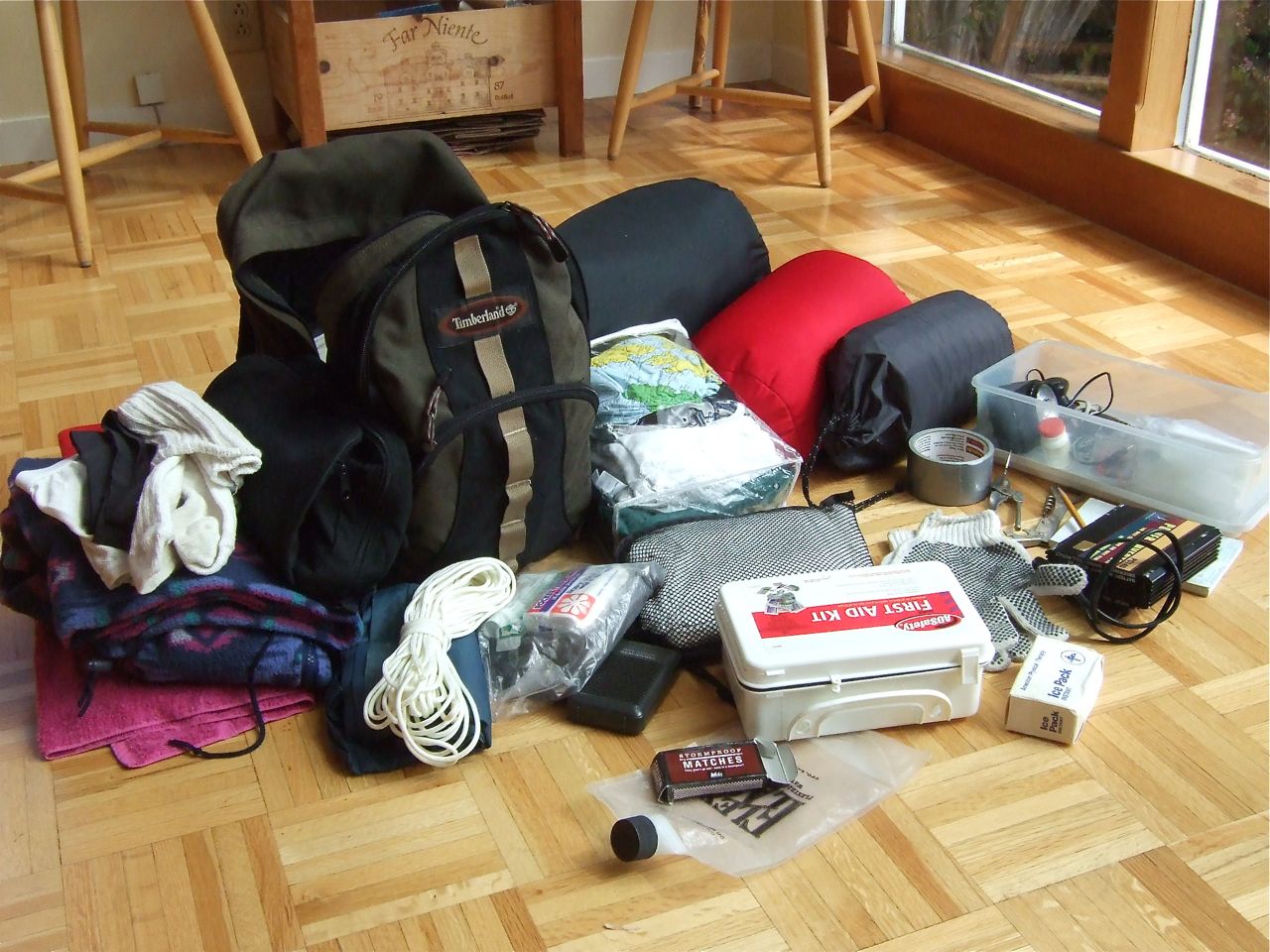
"caption": "Prepare your earthquake kit now, so you will have it ready when it's needed. (\u003ca href=\"https://www.flickr.com/photos/earthworm/5548393406/in/photolist-9shY4h-jihtFt-5kXzYL-5Wyh9b-bUqEtX-5kTiPD-9qTeg8-7vJFqB-7BBZa1-58Sd9V-9uoGMB-9pTWMd-9pTHj3-QwLi-nc7WCJ-nc8tCi-kWuK3f-neat5c-nebnaH-nc8dM7-neaToH-nc7Tzi-neaEHa-necDYw-necEWU-7vJcEc-7wywPB-n9fva4-7xKbSr-dqZiLS-7FcDNt-7Fgxg9-9q28ag-6yqdYU-6ym5q4-6ym7Dn-bqFHea-nvyqGe-brCi22-8gZPeG-7xbRwi-8gn3gi-e5Xk5P-7zVtS2-nc7T4t-nc842Q-9pPrsX-9pWSAh-4QGAB7-9pPvoM\">Earthworm/Flickr\u003c/a>)",
"description": "Prepare your earthquake kit now, so you will have it ready when it's needed. (\u003ca href=\"https://www.flickr.com/photos/earthworm/5548393406/in/photolist-9shY4h-jihtFt-5kXzYL-5Wyh9b-bUqEtX-5kTiPD-9qTeg8-7vJFqB-7BBZa1-58Sd9V-9uoGMB-9pTWMd-9pTHj3-QwLi-nc7WCJ-nc8tCi-kWuK3f-neat5c-nebnaH-nc8dM7-neaToH-nc7Tzi-neaEHa-necDYw-necEWU-7vJcEc-7wywPB-n9fva4-7xKbSr-dqZiLS-7FcDNt-7Fgxg9-9q28ag-6yqdYU-6ym5q4-6ym7Dn-bqFHea-nvyqGe-brCi22-8gZPeG-7xbRwi-8gn3gi-e5Xk5P-7zVtS2-nc7T4t-nc842Q-9pPrsX-9pWSAh-4QGAB7-9pPvoM\">Earthworm/Flickr\u003c/a>)",
"title": "Earthquake kit",
"credit": null,
"status": "inherit",
"isLoading": false,
"fetchFailed": false
},
"news_145635": {
"type": "attachments",
"id": "news_145635",
"meta": {
"index": "attachments_1716263798",
"site": "news",
"id": "145635",
"found": true
},
"parent": 145632,
"imgSizes": {
"kqedFullSize": {
"file": "https://ww2.kqed.org/app/uploads/sites/10/2014/08/quake-road.jpeg",
"width": 600,
"height": 400
}
},
"publishDate": 1408883325,
"modified": 1408883325,
"caption": null,
"description": "From Twitter. Used for feature image. ",
"title": "Earthquake-Road Buckled",
"credit": null,
"status": "inherit",
"isLoading": false,
"fetchFailed": false
},
"news_133041": {
"type": "attachments",
"id": "news_133041",
"meta": {
"index": "attachments_1716263798",
"site": "news",
"id": "133041",
"found": true
},
"parent": 133039,
"imgSizes": {
"kqedFullSize": {
"file": "https://ww2.kqed.org/app/uploads/sites/10/2014/04/6a00e553a80e108834012876b50dfc970c-800wi.jpg",
"width": 640,
"height": 614
}
},
"publishDate": 1397779620,
"modified": 1397779620,
"caption": "A view towards downtown San Francisco, October 1906. (Frederick Eugene Ives, via Smithsonian)",
"description": "A view towards downtown San Francisco, October 1906. (Frederick Eugene Ives, via Smithsonian)",
"title": "6a00e553a80e108834012876b50dfc970c-800wi",
"credit": null,
"status": "inherit",
"isLoading": false,
"fetchFailed": false
},
"science_15228": {
"type": "attachments",
"id": "science_15228",
"meta": {
"index": "attachments_1716263798",
"site": "science",
"id": "15228",
"found": true
},
"title": "Crescent2011_0524",
"publishDate": 1394511358,
"status": "inherit",
"parent": 15192,
"modified": 1758751681,
"caption": "Wreckage piled up by the 2011 tsunami that hit Crescent City's harbor. ",
"credit": "Craig Miller/KQED",
"altTag": null,
"description": null,
"imgSizes": {
"kqedFullSize": {
"file": "https://cdn.kqed.org/wp-content/uploads/sites/35/2014/03/Crescent2011_0524.jpg",
"width": 640,
"height": 360
}
},
"isLoading": false,
"fetchFailed": false
},
"news_128819": {
"type": "attachments",
"id": "news_128819",
"meta": {
"index": "attachments_1716263798",
"site": "news",
"id": "128819",
"found": true
},
"parent": 128818,
"imgSizes": {
"kqedFullSize": {
"file": "https://ww2.kqed.org/app/uploads/sites/10/2014/03/northcoastquake.jpg",
"width": 1022,
"height": 703
}
},
"publishDate": 1394435140,
"modified": 1394435140,
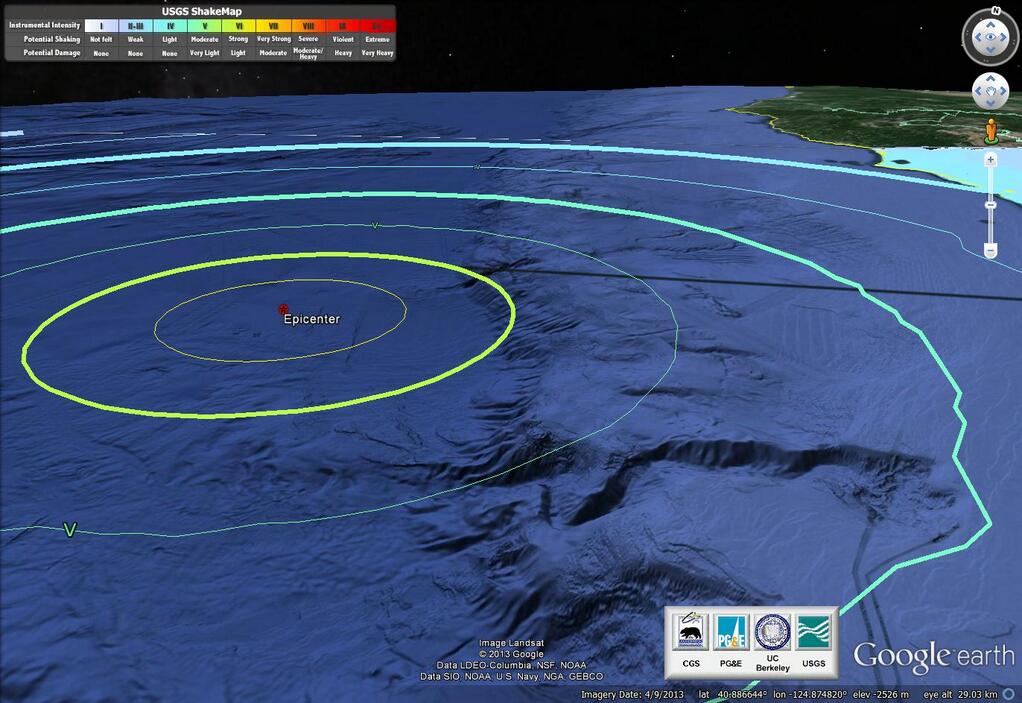
"caption": "NOAA depiction of the epicenter of Sunday night's earthquake off the Humboldt County coast. ",
"description": "NOAA depiction of the epicenter of Sunday night's earthquake off the Humboldt County coast. ",
"title": "Humboldt-Earthquake epicenter",
"credit": null,
"status": "inherit",
"isLoading": false,
"fetchFailed": false
},
"news_10341201": {
"type": "attachments",
"id": "news_10341201",
"meta": {
"index": "attachments_1716263798",
"site": "news",
"id": "10341201",
"found": true
},
"parent": 10141200,
"imgSizes": {
"thumbnail": {
"file": "https://ww2.kqed.org/app/uploads/sites/10/2014/09/earthquakephoto-400x225.jpg",
"width": 400,
"mimeType": "image/jpeg",
"height": 225
},
"kqedFullSize": {
"file": "https://ww2.kqed.org/app/uploads/sites/10/2014/09/earthquakephoto.jpg",
"width": 640,
"height": 360
},
"guest-author-96": {
"file": "https://ww2.kqed.org/app/uploads/sites/10/2014/09/earthquakephoto-96x96.jpg",
"width": 96,
"mimeType": "image/jpeg",
"height": 96
},
"guest-author-64": {
"file": "https://ww2.kqed.org/app/uploads/sites/10/2014/09/earthquakephoto-64x64.jpg",
"width": 64,
"mimeType": "image/jpeg",
"height": 64
},
"detail": {
"file": "https://ww2.kqed.org/app/uploads/sites/10/2014/09/earthquakephoto-75x75.jpg",
"width": 75,
"mimeType": "image/jpeg",
"height": 75
},
"guest-author-32": {
"file": "https://ww2.kqed.org/app/uploads/sites/10/2014/09/earthquakephoto-32x32.jpg",
"width": 32,
"mimeType": "image/jpeg",
"height": 32
},
"guest-author-128": {
"file": "https://ww2.kqed.org/app/uploads/sites/10/2014/09/earthquakephoto-128x128.jpg",
"width": 128,
"mimeType": "image/jpeg",
"height": 128
}
},
"publishDate": 1410561238,
"modified": 1410561238,
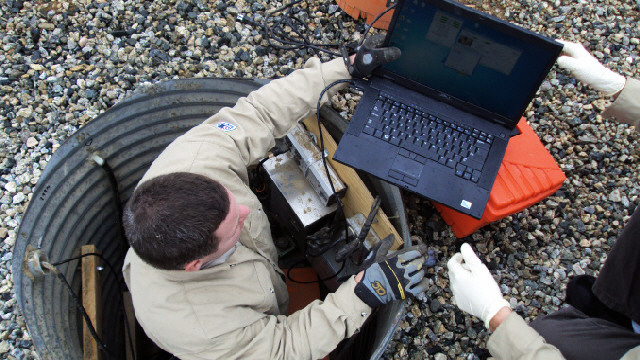
"caption": "Seismic engineer Josh Sessoms in a vault where a $17,000 motion sensor for an earthquake early warning system will sit. He uses a laptop to test the system as he installs the sensor. (Sanden Totten/KQED)",
"description": null,
"title": "earthquakephoto",
"credit": null,
"status": "inherit",
"isLoading": false,
"fetchFailed": false
},
"news_110077": {
"type": "attachments",
"id": "news_110077",
"meta": {
"index": "attachments_1716263798",
"site": "news",
"id": "110077",
"found": true
},
"parent": 110064,
"imgSizes": {
"kqedFullSize": {
"file": "https://ww2.kqed.org/app/uploads/sites/10/2013/09/RS6398_photo-scr-e1378410856500.jpg",
"width": 640,
"height": 480
}
},
"publishDate": 1378410840,
"modified": 1378410840,
"caption": "The Bay Bridge's new eastern span. (Isabel Angell / KQED)",
"description": "The Bay Bridge's new eastern span. (Isabel Angell / KQED)",
"title": "RS6398_photo-scr",
"credit": null,
"status": "inherit",
"isLoading": false,
"fetchFailed": false
}
},
"audioPlayerReducer": {
"postId": "stream_live",
"isPaused": true,
"isPlaying": false,
"pfsActive": false,
"pledgeModalIsOpen": true,
"playerDrawerIsOpen": false,
"liveAudioPlayStartedAt": 0,
"liveAudioPlayContext": ""
},
"authorsReducer": {
"byline_news_10341200": {
"type": "authors",
"id": "byline_news_10341200",
"meta": {
"override": true
},
"slug": "byline_news_10341200",
"name": "Sanden Totten",
"isLoading": false
},
"lisapickoffwhite-2": {
"type": "authors",
"id": "199",
"meta": {
"index": "authors_1716337520",
"id": "199",
"found": true
},
"name": "Lisa Pickoff-White",
"firstName": "Lisa",
"lastName": "Pickoff-White",
"slug": "lisapickoffwhite-2",
"email": "lpickoffwhite@kqed.org",
"display_author_email": false,
"staff_mastheads": [
"news"
],
"title": "Data Journalist, Senior Producer",
"bio": "Lisa Pickoff-White is KQED's data reporter. Lisa specializes in simplifying complex topics and bringing them to life through compelling visuals, including photography and data visualizations. She previously has worked at the Center for Investigative Reporting and other national outlets. Her work has been honored with awards from the Online News Association, Investigative Reporters and Editors, the Society of Professional Journalists and SXSW Interactive. \u003cstrong> \u003c/strong>",
"avatar": "https://secure.gravatar.com/avatar/5513c5f3967df792aa65bee2501e84d6?s=600&d=blank&r=g",
"twitter": "pickoffwhite",
"facebook": null,
"instagram": null,
"linkedin": null,
"sites": [
{
"site": "",
"roles": [
"editor"
]
},
{
"site": "arts",
"roles": []
},
{
"site": "news",
"roles": [
"administrator"
]
},
{
"site": "about",
"roles": [
"editor"
]
},
{
"site": "stateofhealth",
"roles": [
"administrator"
]
},
{
"site": "science",
"roles": [
"editor"
]
},
{
"site": "quest",
"roles": [
"editor"
]
},
{
"site": "forum",
"roles": [
"editor"
]
}
],
"headData": {
"title": "Lisa Pickoff-White | KQED",
"description": "Data Journalist, Senior Producer",
"ogImgSrc": "https://secure.gravatar.com/avatar/5513c5f3967df792aa65bee2501e84d6?s=600&d=blank&r=g",
"twImgSrc": "https://secure.gravatar.com/avatar/5513c5f3967df792aa65bee2501e84d6?s=600&d=blank&r=g"
},
"isLoading": false,
"link": "/author/lisapickoffwhite-2"
},
"cmiller": {
"type": "authors",
"id": "221",
"meta": {
"index": "authors_1716337520",
"id": "221",
"found": true
},
"name": "Craig Miller",
"firstName": "Craig",
"lastName": "Miller",
"slug": "cmiller",
"email": "craig@voxterra.net",
"display_author_email": false,
"staff_mastheads": [
"science"
],
"title": "Editor Emeritus, Science",
"bio": "Craig is a former KQED Science editor, specializing in weather, climate, water & energy issues, with a little seismology thrown in just to shake things up. Prior to that, he launched and led the station's award-winning multimedia project, Climate Watch. Craig is also an accomplished writer/producer of television documentaries, with a focus on natural resource issues.",
"avatar": "https://secure.gravatar.com/avatar/b91661df645e001a9cafe0861fa685f9?s=600&d=blank&r=g",
"twitter": "voxterra",
"facebook": null,
"instagram": null,
"linkedin": null,
"sites": [
{
"site": "news",
"roles": [
"author"
]
},
{
"site": "futureofyou",
"roles": [
"editor"
]
},
{
"site": "stateofhealth",
"roles": [
"author"
]
},
{
"site": "science",
"roles": [
"editor"
]
},
{
"site": "quest",
"roles": [
"editor"
]
}
],
"headData": {
"title": "Craig Miller | KQED",
"description": "Editor Emeritus, Science",
"ogImgSrc": "https://secure.gravatar.com/avatar/b91661df645e001a9cafe0861fa685f9?s=600&d=blank&r=g",
"twImgSrc": "https://secure.gravatar.com/avatar/b91661df645e001a9cafe0861fa685f9?s=600&d=blank&r=g"
},
"isLoading": false,
"link": "/author/cmiller"
},
"danbrekke": {
"type": "authors",
"id": "222",
"meta": {
"index": "authors_1716337520",
"id": "222",
"found": true
},
"name": "Dan Brekke",
"firstName": "Dan",
"lastName": "Brekke",
"slug": "danbrekke",
"email": "dbrekke@kqed.org",
"display_author_email": true,
"staff_mastheads": [
"news",
"science"
],
"title": "KQED Editor and Reporter",
"bio": "Dan Brekke is a reporter and editor for KQED News, responsible for coverage of topics ranging from California water issues to the Bay Area's transportation challenges. In a newsroom career that began in Chicago in 1972, Dan has worked for \u003cem>The San Francisco Examiner,\u003c/em> Wired and TechTV and has been published in The New York Times, The New York Times Magazine, Business 2.0, Salon and elsewhere.\r\n\r\nSince joining KQED in 2007, Dan has reported, edited and produced both radio and online features and breaking news pieces. He has shared as both editor and reporter in four Society of Professional Journalists Norcal Excellence in Journalism awards and one Edward R. Murrow regional award. He was chosen for a spring 2017 residency at the Mesa Refuge to advance his research on California salmon.\r\n\r\nEmail Dan at: \u003ca href=\"mailto:dbrekke@kqed.org\">dbrekke@kqed.org\u003c/a>\r\n\r\n\u003cstrong>Twitter:\u003c/strong> \u003ca href=\"https://twitter.com/danbrekke\" rel=\"noopener noreferrer\">twitter.com/danbrekke\u003c/a>\r\n\u003cstrong>Facebook:\u003c/strong> \u003ca href=\"https://www.facebook.com/danbrekke\" rel=\"noopener noreferrer\">www.facebook.com/danbrekke\u003c/a>\r\n\u003cstrong>LinkedIn:\u003c/strong> \u003ca href=\"https://www.linkedin.com/in/danbrekke\" rel=\"noopener noreferrer\">www.linkedin.com/in/danbrekke\u003c/a>",
"avatar": "https://secure.gravatar.com/avatar/c8126230345efca3f7aa89b1a402be45?s=600&d=mm&r=g",
"twitter": "danbrekke",
"facebook": null,
"instagram": "https://www.instagram.com/dan.brekke/",
"linkedin": "https://www.linkedin.com/in/danbrekke/",
"sites": [
{
"site": "news",
"roles": [
"administrator",
"create_posts"
]
},
{
"site": "stateofhealth",
"roles": [
"editor"
]
},
{
"site": "science",
"roles": [
"editor"
]
},
{
"site": "quest",
"roles": [
"contributor"
]
},
{
"site": "food",
"roles": [
"contributor"
]
},
{
"site": "forum",
"roles": [
"contributor"
]
},
{
"site": "liveblog",
"roles": [
"editor"
]
}
],
"headData": {
"title": "Dan Brekke | KQED",
"description": "KQED Editor and Reporter",
"ogImgSrc": "https://secure.gravatar.com/avatar/c8126230345efca3f7aa89b1a402be45?s=600&d=mm&r=g",
"twImgSrc": "https://secure.gravatar.com/avatar/c8126230345efca3f7aa89b1a402be45?s=600&d=mm&r=g"
},
"isLoading": false,
"link": "/author/danbrekke"
},
"joshuajohnson": {
"type": "authors",
"id": "233",
"meta": {
"index": "authors_1716337520",
"id": "233",
"found": true
},
"name": "Joshua Johnson",
"firstName": "Joshua",
"lastName": "Johnson",
"slug": "joshuajohnson",
"email": "jejohnson@kqed.org",
"display_author_email": false,
"staff_mastheads": [],
"title": null,
"bio": "Joshua Johnson is the creator and host of \u003cem>\u003ca href=\"http://www.truthbetoldshow.org\">Truth Be Told\u003c/a>,\u003c/em> a special series on race from KQED and PRI. Prior to creating the show, he served as the station's morning news anchor for five-and-half years.\r\n\r\nPrior to joining KQED, Joshua spent six years as an anchor/reporter for WLRN Miami Herald News. He's a native of South Florida, with degrees from the University of Miami. His reporting and newscasting have won awards from the Radio Television Digital News Association and from the National Association of Black Journalists. Joshua is also active in his union, SAG-AFTRA. He lives in San Francisco.",
"avatar": "https://secure.gravatar.com/avatar/2abea375594cdd54e4837846e3561fa4?s=600&d=blank&r=g",
"twitter": "@JEJohnson322",
"facebook": null,
"instagram": null,
"linkedin": null,
"sites": [
{
"site": "news",
"roles": [
"subscriber"
]
}
],
"headData": {
"title": "Joshua Johnson | KQED",
"description": null,
"ogImgSrc": "https://secure.gravatar.com/avatar/2abea375594cdd54e4837846e3561fa4?s=600&d=blank&r=g",
"twImgSrc": "https://secure.gravatar.com/avatar/2abea375594cdd54e4837846e3561fa4?s=600&d=blank&r=g"
},
"isLoading": false,
"link": "/author/joshuajohnson"
},
"kqed": {
"type": "authors",
"id": "236",
"meta": {
"index": "authors_1716337520",
"id": "236",
"found": true
},
"name": "KQED News Staff",
"firstName": "KQED News Staff",
"lastName": null,
"slug": "kqed",
"email": "faq@kqed.org",
"display_author_email": false,
"staff_mastheads": [],
"title": null,
"bio": null,
"avatar": "https://secure.gravatar.com/avatar/ef0e801a68c4c54afa9180db14084167?s=600&d=blank&r=g",
"twitter": null,
"facebook": null,
"instagram": null,
"linkedin": null,
"sites": [
{
"site": "arts",
"roles": [
"contributor"
]
},
{
"site": "news",
"roles": [
"editor"
]
},
{
"site": "futureofyou",
"roles": [
"author"
]
}
],
"headData": {
"title": "KQED News Staff | KQED",
"description": null,
"ogImgSrc": "https://secure.gravatar.com/avatar/ef0e801a68c4c54afa9180db14084167?s=600&d=blank&r=g",
"twImgSrc": "https://secure.gravatar.com/avatar/ef0e801a68c4c54afa9180db14084167?s=600&d=blank&r=g"
},
"isLoading": false,
"link": "/author/kqed"
},
"kqednewsstaffandwires": {
"type": "authors",
"id": "237",
"meta": {
"index": "authors_1716337520",
"id": "237",
"found": true
},
"name": "KQED News Staff and Wires",
"firstName": "KQED News Staff and Wires",
"lastName": null,
"slug": "kqednewsstaffandwires",
"email": "onlinenewsstaff@kqed.org",
"display_author_email": false,
"staff_mastheads": [],
"title": null,
"bio": null,
"avatar": "https://secure.gravatar.com/avatar/72295af8ebbfbd19a4948f5271285664?s=600&d=blank&r=g",
"twitter": null,
"facebook": null,
"instagram": null,
"linkedin": null,
"sites": [
{
"site": "arts",
"roles": [
"contributor"
]
},
{
"site": "news",
"roles": [
"contributor"
]
},
{
"site": "lowdown",
"roles": [
"author"
]
},
{
"site": "stateofhealth",
"roles": [
"contributor"
]
},
{
"site": "food",
"roles": [
"author"
]
}
],
"headData": {
"title": "KQED News Staff and Wires | KQED",
"description": null,
"ogImgSrc": "https://secure.gravatar.com/avatar/72295af8ebbfbd19a4948f5271285664?s=600&d=blank&r=g",
"twImgSrc": "https://secure.gravatar.com/avatar/72295af8ebbfbd19a4948f5271285664?s=600&d=blank&r=g"
},
"isLoading": false,
"link": "/author/kqednewsstaffandwires"
},
"kqedscience": {
"type": "authors",
"id": "6387",
"meta": {
"index": "authors_1716337520",
"id": "6387",
"found": true
},
"name": "KQED Science",
"firstName": "KQED",
"lastName": "Science",
"slug": "kqedscience",
"email": "kqedscience@gmail.com",
"display_author_email": false,
"staff_mastheads": [],
"title": null,
"bio": "KQED Science brings you award-winning science and environment coverage from the Bay Area and beyond by the flagship Northern California PBS and NPR affiliate.",
"avatar": "https://secure.gravatar.com/avatar/5a295ff49cf82a8c0f30937d3f788b2f?s=600&d=blank&r=g",
"twitter": null,
"facebook": null,
"instagram": null,
"linkedin": null,
"sites": [
{
"site": "science",
"roles": [
"contributor"
]
},
{
"site": "quest",
"roles": [
"editor"
]
},
{
"site": "food",
"roles": [
"contributor"
]
}
],
"headData": {
"title": "KQED Science | KQED",
"description": null,
"ogImgSrc": "https://secure.gravatar.com/avatar/5a295ff49cf82a8c0f30937d3f788b2f?s=600&d=blank&r=g",
"twImgSrc": "https://secure.gravatar.com/avatar/5a295ff49cf82a8c0f30937d3f788b2f?s=600&d=blank&r=g"
},
"isLoading": false,
"link": "/author/kqedscience"
}
},
"pagesReducer": {
"news_tag_earthquake": {
"type": "terms",
"id": "news_1012",
"meta": {
"index": "terms_1716263798",
"site": "news",
"id": "1012",
"score": 8.666416
},
"featImg": null,
"name": "earthquake",
"description": null,
"taxonomy": "tag",
"headData": {
"twImgId": null,
"twTitle": null,
"ogTitle": null,
"ogImgId": null,
"twDescription": null,
"description": null,
"title": "earthquake Archives | KQED News",
"ogDescription": null
},
"ttid": 1022,
"slug": "earthquake",
"isLoading": false,
"title": "earthquake",
"pageMeta": {
"site": "news",
"WpPageTemplate": "page-topic-editorial",
"currentPage": 6
},
"blocks": [
{
"blockName": "kqed/post-list",
"attrs": {
"layout": "cardArticle2",
"query": "posts/news?tag=earthquake",
"seeMore": false,
"paginated": true,
"page": 6
}
},
{
"blockName": "kqed/ad"
}
]
}
},
"pfsSessionReducer": {},
"postsReducer": {
"stream_live": {
"type": "live",
"id": "stream_live",
"audioUrl": "https://streams.kqed.org/kqedradio",
"title": "Live Stream",
"excerpt": "Live Stream information currently unavailable.",
"link": "/radio",
"featImg": "",
"label": {
"name": "KQED Live",
"link": "/"
}
},
"stream_kqedNewscast": {
"type": "posts",
"id": "stream_kqedNewscast",
"audioUrl": "https://www.kqed.org/.stream/anon/radio/RDnews/newscast.mp3?_=1",
"title": "KQED Newscast",
"featImg": "",
"label": {
"name": "88.5 FM",
"link": "/"
}
},
"science_20903": {
"type": "posts",
"id": "science_20903",
"meta": {
"index": "posts_1716263798",
"site": "science",
"id": "20903",
"score": null,
"sort": [
1408906489000
]
},
"parent": 0,
"labelTerm": {
"site": "science"
},
"blocks": [],
"publishDate": 1408906489,
"format": "aside",
"title": "What Causes Earthquakes?",
"headTitle": "What Causes Earthquakes? | KQED",
"content": "\u003cp>\u003cstrong>By Andrea Aust, Lindsey Hoshaw and Jenny Oh\u003c/strong>\u003c/p>\n\u003cp>You may have felt a jolt in the middle of the night when the \u003ca href=\"http://ww2.kqed.org/news/2014/08/24/quake-rolls-through-bay-area/\">South Napa Earthquake\u003c/a> struck at 3:20 a.m.\u003c/p>\n\u003cp>But what causes the earth to shake and how does it happen? Well, the earth is constantly shifting and the Earth’s crust is broken up into many rocky plates, like pieces of a puzzle.\u003c/p>\n\u003cp>These plates are constantly moving, albeit very slowly, over the softer red-hot rock of the mantle underneath. As the plates move past each other, along fault zones, they sometimes get caught and pressure builds up.[contextly_sidebar id=”1dl7hFQuHmcfskSJTBGs7WlXqlNP0jqY”]\u003c/p>\n\u003cp>When the plates finally give and slip due to the increased pressure, energy is released as seismic waves, causing the ground to shake. This is an earthquake.\u003c/p>\n\u003cp>[ad fullwidth]\u003c/p>\n\u003cp>\u003ca href=\"http://science.kqed.org/quest/files/2012/02/INFOGRAPHIC-WITH-TEXT-v5.jpg\">\u003cimg loading=\"lazy\" decoding=\"async\" class=\"alignnone wp-image-32380 size-full\" title=\"INFOGRAPHIC-WITH-TEXT-v2640\" src=\"http://science.kqed.org/quest/files/2012/02/INFOGRAPHIC-WITH-TEXT-v5_640.jpg\" alt=\"\" width=\"640\" height=\"360\">\u003c/a>\u003c/p>\n\u003cp>The epicenter of an earthquake is determined by triangulation. This means that seismic data is needed from at least three different locations, and where this data intersects tells us the epicenter. When an earthquake occurs, it is recorded on numerous seismographs located in different directions.\u003c/p>\n\u003cp>The seismograms at these locations show when the first seismic waves, the primary waves, arrive and then when the next waves, the secondary waves, arrive. Knowing how fast each of these waves travel, scientists can calculate how far away the epicenter was from each seismograph.[contextly_sidebar id=”sCbTjuKLIYIJi8CvAxTnpHwMHJGYRA9h”]\u003c/p>\n\u003cp>What they don’t know is the precise direction the waves came from –- the direction of the epicenter. Scientists then must use a map. Around each of three seismograph locations, a circle is drawn on the map with a radius that equals the known distance to the epicenter. These three circles intersect at a single point. This point is the location of the earthquake’s epicenter.\u003c/p>\n\u003cp>And while we can pinpoint where an earthquake originated, we haven’t gotten much better at predicting them. We can detect earthquakes \u003ca href=\"http://ww2.kqed.org/science/2014/08/24/uc-berkeley-early-warning-system-predicted-south-napa-earthquake/\">several seconds in advance\u003c/a> like researchers at the University of California Berkeley did for the South Napa earthquake. But we can’t predict them days or months into the future.\u003c/p>\n\u003cp>\u003c/p>\n\u003cp>As we better understand how they occur we can construct buildings to withstand a certain amount of shaking and even take fault lines into account as we build new cities. Aside from that, having an \u003ca href=\"http://ww2.kqed.org/news/2014/08/24/how-to-prepare-for-an-earthquake/\">emergency kit\u003c/a> can help and perhaps one day, the early warning system will give us not just seconds but minutes.\u003c/p>\n\n",
"stats": {
"hasVideo": false,
"hasChartOrMap": false,
"hasAudio": false,
"hasPolis": false,
"wordCount": 422,
"hasGoogleForm": false,
"hasGallery": false,
"hasHearkenModule": false,
"iframeSrcs": [],
"paragraphCount": 13
},
"modified": 1704933091,
"excerpt": "The earth is constantly shifting and the Earth’s crust is broken up into many rocky plates, like pieces of a puzzle. ",
"headData": {
"twImgId": "",
"twTitle": "",
"ogTitle": "",
"ogImgId": "",
"twDescription": "",
"description": "The earth is constantly shifting and the Earth’s crust is broken up into many rocky plates, like pieces of a puzzle. ",
"title": "What Causes Earthquakes? | KQED",
"ogDescription": "",
"schema": {
"@context": "https://schema.org",
"@type": "Article",
"headline": "What Causes Earthquakes?",
"datePublished": "2014-08-24T11:54:49-07:00",
"dateModified": "2024-01-10T16:31:31-08:00",
"image": "https://cdn.kqed.org/wp-content/uploads/2020/02/KQED-OG-Image@1x.png"
}
},
"guestAuthors": [],
"slug": "what-causes-earthquakes",
"status": "publish",
"sticky": false,
"path": "/science/20903/what-causes-earthquakes",
"audioTrackLength": null,
"parsedContent": [
{
"type": "contentString",
"content": "\u003cdiv class=\"post-body\">\u003cp>\u003cp>\u003cstrong>By Andrea Aust, Lindsey Hoshaw and Jenny Oh\u003c/strong>\u003c/p>\n\u003cp>You may have felt a jolt in the middle of the night when the \u003ca href=\"http://ww2.kqed.org/news/2014/08/24/quake-rolls-through-bay-area/\">South Napa Earthquake\u003c/a> struck at 3:20 a.m.\u003c/p>\n\u003cp>But what causes the earth to shake and how does it happen? Well, the earth is constantly shifting and the Earth’s crust is broken up into many rocky plates, like pieces of a puzzle.\u003c/p>\n\u003cp>These plates are constantly moving, albeit very slowly, over the softer red-hot rock of the mantle underneath. As the plates move past each other, along fault zones, they sometimes get caught and pressure builds up.\u003c/p>\u003cp>\u003c/p>\u003cp>\u003c/p>\n\u003cp>When the plates finally give and slip due to the increased pressure, energy is released as seismic waves, causing the ground to shake. This is an earthquake.\u003c/p>\n\u003cp>\u003c/p>\u003c/div>",
"attributes": {
"named": {},
"numeric": []
}
},
{
"type": "component",
"content": "",
"name": "ad",
"attributes": {
"named": {
"label": "fullwidth"
},
"numeric": [
"fullwidth"
]
}
},
{
"type": "contentString",
"content": "\u003cdiv class=\"post-body\">\u003cp>\u003c/p>\n\u003cp>\u003ca href=\"http://science.kqed.org/quest/files/2012/02/INFOGRAPHIC-WITH-TEXT-v5.jpg\">\u003cimg loading=\"lazy\" decoding=\"async\" class=\"alignnone wp-image-32380 size-full\" title=\"INFOGRAPHIC-WITH-TEXT-v2640\" src=\"http://science.kqed.org/quest/files/2012/02/INFOGRAPHIC-WITH-TEXT-v5_640.jpg\" alt=\"\" width=\"640\" height=\"360\">\u003c/a>\u003c/p>\n\u003cp>The epicenter of an earthquake is determined by triangulation. This means that seismic data is needed from at least three different locations, and where this data intersects tells us the epicenter. When an earthquake occurs, it is recorded on numerous seismographs located in different directions.\u003c/p>\n\u003cp>The seismograms at these locations show when the first seismic waves, the primary waves, arrive and then when the next waves, the secondary waves, arrive. Knowing how fast each of these waves travel, scientists can calculate how far away the epicenter was from each seismograph.\u003c/p>\u003cp>\u003c/p>\u003cp>\u003c/p>\n\u003cp>What they don’t know is the precise direction the waves came from –- the direction of the epicenter. Scientists then must use a map. Around each of three seismograph locations, a circle is drawn on the map with a radius that equals the known distance to the epicenter. These three circles intersect at a single point. This point is the location of the earthquake’s epicenter.\u003c/p>\n\u003cp>And while we can pinpoint where an earthquake originated, we haven’t gotten much better at predicting them. We can detect earthquakes \u003ca href=\"http://ww2.kqed.org/science/2014/08/24/uc-berkeley-early-warning-system-predicted-south-napa-earthquake/\">several seconds in advance\u003c/a> like researchers at the University of California Berkeley did for the South Napa earthquake. But we can’t predict them days or months into the future.\u003c/p>\n\u003cp>\u003c/p>\n\u003cp>As we better understand how they occur we can construct buildings to withstand a certain amount of shaking and even take fault lines into account as we build new cities. Aside from that, having an \u003ca href=\"http://ww2.kqed.org/news/2014/08/24/how-to-prepare-for-an-earthquake/\">emergency kit\u003c/a> can help and perhaps one day, the early warning system will give us not just seconds but minutes.\u003c/p>\n\n\u003c/div>\u003c/p>",
"attributes": {
"named": {},
"numeric": []
}
}
],
"link": "/science/20903/what-causes-earthquakes",
"authors": [
"6387"
],
"categories": [
"science_38",
"science_40"
],
"tags": [
"science_257",
"science_1841"
],
"featImg": "science_20889",
"label": "science"
},
"news_145659": {
"type": "posts",
"id": "news_145659",
"meta": {
"index": "posts_1716263798",
"site": "news",
"id": "145659",
"score": null,
"sort": [
1408906887000
]
},
"parent": 0,
"labelTerm": {
"site": "news",
"term": 6944
},
"blocks": [],
"publishDate": 1408906887,
"format": "aside",
"disqusTitle": "How to Prepare for the Bay Area's Next Earthquake",
"title": "How to Prepare for the Bay Area's Next Earthquake",
"headTitle": "News Fix | KQED News",
"content": "\u003cp>The South Napa Earthquake is a sobering reminder that the Bay Area could be hit by a devastating earthquake at any time. Are you prepared?\u003c/p>\n\u003cfigure id=\"attachment_145661\" class=\"wp-caption aligncenter\" style=\"max-width: 640px\">\u003ca href=\"huak\">\u003cimg class=\"size-medium wp-image-145661\" src=\"http://ww2.kqed.org/news/wp-content/uploads/sites/10/2014/08/5548393406_736a6af8d7_o-640x480.jpg\" alt=\"Prepare your earthquake kit now, so you will have it ready when it's needed. (<a href="https://www.flickr.com/photos/earthworm/5548393406/in/photolist-9shY4h-jihtFt-5kXzYL-5Wyh9b-bUqEtX-5kTiPD-9qTeg8-7vJFqB-7BBZa1-58Sd9V-9uoGMB-9pTWMd-9pTHj3-QwLi-nc7WCJ-nc8tCi-kWuK3f-neat5c-nebnaH-nc8dM7-neaToH-nc7Tzi-neaEHa-necDYw-necEWU-7vJcEc-7wywPB-n9fva4-7xKbSr-dqZiLS-7FcDNt-7Fgxg9-9q28ag-6yqdYU-6ym5q4-6ym7Dn-bqFHea-nvyqGe-brCi22-8gZPeG-7xbRwi-8gn3gi-e5Xk5P-7zVtS2-nc7T4t-nc842Q-9pPrsX-9pWSAh-4QGAB7-9pPvoM">Earthworm/Flickr</a>)\" width=\"640\" height=\"480\">\u003c/a>\u003cfigcaption class=\"wp-caption-text\">Prepare your earthquake kit now, so you will have it ready when it's needed. (\u003ca href=\"https://www.flickr.com/photos/earthworm/5548393406/in/photolist-9shY4h-jihtFt-5kXzYL-5Wyh9b-bUqEtX-5kTiPD-9qTeg8-7vJFqB-7BBZa1-58Sd9V-9uoGMB-9pTWMd-9pTHj3-QwLi-nc7WCJ-nc8tCi-kWuK3f-neat5c-nebnaH-nc8dM7-neaToH-nc7Tzi-neaEHa-necDYw-necEWU-7vJcEc-7wywPB-n9fva4-7xKbSr-dqZiLS-7FcDNt-7Fgxg9-9q28ag-6yqdYU-6ym5q4-6ym7Dn-bqFHea-nvyqGe-brCi22-8gZPeG-7xbRwi-8gn3gi-e5Xk5P-7zVtS2-nc7T4t-nc842Q-9pPrsX-9pWSAh-4QGAB7-9pPvoM\">Earthworm/Flickr\u003c/a>)\u003c/figcaption>\u003c/figure>\n\u003cp>\u003cstrong>1) Create an Earthquake Kit\u003c/strong>\u003c/p>\n\u003cp>Unlike hurricanes and other severe storms, earthquakes come without any notice, so it's imperative to have a supply kit that will keep you and your family safe and comfortable if disaster strikes. You should have supplies for\u003cstrong> three days\u003c/strong>.\u003c/p>\n\u003cp>Necessary items:\u003c/p>\n\u003cul>\n\u003cli>first-aid kit\u003c/li>\n\u003cli>one gallon of water per person per day\u003c/li>\n\u003cli>flashlight (and extra batteries)\u003c/li>\n\u003cli>enough non-perishable food to feed each person for three days\u003c/li>\n\u003cli>a manual can opener for all that food\u003c/li>\n\u003cli>fire extinguisher\u003c/li>\n\u003c/ul>\n\u003cp>Good to haves:\u003c/p>\n\u003cul>\n\u003cli>warm clothes and sturdy shoes\u003c/li>\n\u003cli>sleeping bags or blankets\u003c/li>\n\u003cli>cash\u003c/li>\n\u003cli>tools\u003c/li>\n\u003cli>heavy-duty plastic bags and tarps\u003c/li>\n\u003cli>cell phone chargers\u003c/li>\n\u003cli>list of emergency contact numbers\u003c/li>\n\u003cli>battery operated or hand crank radio\u003c/li>\n\u003c/ul>\n\u003cp>Personal items:\u003c/p>\n\u003cul>\n\u003cli>prescriptions\u003c/li>\n\u003cli>personal hygiene items\u003c/li>\n\u003cli>personal documents\u003c/li>\n\u003cli>items for children and pets\u003c/li>\n\u003c/ul>\n\u003cp>\u003ca href=\"http://www.sf72.org/pdf/SF72_supplies_english.pdf\" target=\"_blank\">Download the full list\u003c/a> from \u003ca href=\"SF72.org\" target=\"_blank\">SF72.org\u003c/a>. You can also read it in \u003ca href=\"http://www.sf72.org/pdf/SF72_supplies_spanish.pdf\" target=\"_blank\">Español\u003c/a>, \u003ca href=\"http://www.sf72.org/pdf/SF72_supplies_chinese.pdf\" target=\"_blank\">漢語\u003c/a>, \u003ca href=\"http://www.sf72.org/pdf/SF72_supplies_russian.pdf\" target=\"_blank\">русский\u003c/a> and \u003ca href=\"http://www.sf72.org/pdf/SF72_supplies_vietnamese.pdf\" target=\"_blank\">Việt\u003c/a>.\u003c/p>\n\u003cp>[ad fullwidth]\u003c/p>\n\u003cp>The \u003ca href=\"http://pubs.usgs.gov/gip/2005/15/#stepthree\" target=\"_blank\">USGS\u003c/a> recommends that you split those items up into personal kits that can be easily carried and are easy to reach. In a strong earthquake, debris could be strewn all over the floor. To keep your feet safe after nighttime disasters, the USGS recommends keeping a drawstring bag with a pair of sturdy shoes and a flashlight tied to the foot of your bed. The bigger items can go into a household kit that is easily movable and watertight.\u003c/p>\n\u003cp>Once you've assembled your kits it's important to make sure that you regularly check them. Has the food expired? Has the water evaporated? How old are those painkillers? If you are someone who needs to regularly take medications, experts recommend swapping out the drugs with fresh ones every month.\u003c/p>\n\u003cp>\u003cstrong>2) Make a Plan\u003c/strong>\u003c/p>\n\u003cp>Now that you have the basics in hand to survive for three days, it's time to make sure everyone in your household knows what to do in an emergency.\u003c/p>\n\u003col>\n\u003cli>Identify who are the people you'll need to get in touch with if something happens.\u003c/li>\n\u003cli>Identify an out-of-town contact who can serve as a hub for information if you can't reach others in your area.\u003c/li>\n\u003cli>Establish a meeting place. Do you know where to go if everyone is spread throughout the area at work and school? \u003ca href=\"http://www.sf72.org/\" target=\"_blank\">SF72\u003c/a> recommends picking a central park or landmark. Don't choose a house in case it's inaccessible.\u003c/li>\n\u003cli>Know the locations of utility shutoffs in your home and keep needed tools nearby. Know how to turn off the gas, water and electricity; turn off the gas only if you smell or hear leaking gas.\u003c/li>\n\u003c/ol>\n\u003cp>\u003cstrong>3) Prepare Your Home\u003c/strong>\u003c/p>\n\u003cp>Most damage in earthquakes is caused by shaking. You can do simple and inexpensive things now to help reduce injuries and protect your belongings.\u003c/p>\n\u003cp>Start by moving heavy furniture, such as bookcases, away from beds, couches and other places where people sit or sleep.\u003c/p>\n\u003cp>Next examine where art and heavy objects hung on the wall would fall, and possibly shatter. Keep heavy art away from beds or sofas. Make sure you're using \u003ca href=\"http://pubs.usgs.gov/gip/2005/15/#steptwo\" target=\"_blank\">closed hooks\u003c/a> to keep everything on the wall.\u003c/p>\n\u003cp>Store heavy items and breakables, like wine glasses, on lower shelves. You can also use \u003ca href=\"https://www.google.com/webhp?sourceid=chrome-instant&ion=1&espv=2&ie=UTF-8#q=earthquake%20putty\" target=\"_blank\">earthquake putty\u003c/a>, \u003ca href=\"https://www.google.com/webhp?sourceid=chrome-instant&ion=1&espv=2&ie=UTF-8#q=museum+wax\" target=\"_blank\">museum wax\u003c/a> or \u003ca href=\"https://www.google.com/webhp?sourceid=chrome-instant&ion=1&espv=2&ie=UTF-8#q=quake+gel\" target=\"_blank\">quake gel\u003c/a> on the bottoms of collectibles, pottery and lamps to keep them from falling.\u003c/p>\n\u003cp>Secure the top corners of tall furniture into a wall stud, not just drywall. You can use flexible-mount fasteners, such as nylon straps, to allow furniture to sway independently from the wall, reducing the strain on studs.\u003c/p>\n\u003cp>\u003cstrong>Learn More\u003c/strong>\u003c/p>\n\u003cp>If you're a home owner, you can \u003ca href=\"http://pubs.usgs.gov/gip/2005/15/#steptwo\" target=\"_blank\">take the USGS' quiz\u003c/a> to see what kind of retrofits your home may need. Houses and apartments that are older and taller are more prone to damage. Find out the kind of earth you're on as well. L\u003ca href=\"http://www.kqed.org/news/bayarea/onshakyground/whatif.jsp\" target=\"_blank\">iquefaction and land slide zones\u003c/a> can pose their own types of problems.\u003c/p>\n\u003cp>Also, find specific resources in your county:\u003c/p>\n\u003cp>\u003ca href=\"http://www.acgov.org/emergencysite/emergencypage.htm\">Alameda County\u003c/a>\u003c/p>\n\u003cp>\u003ca href=\"http://cchealth.org/topics/emergencies/\">Contra Costa County\u003c/a>\u003c/p>\n\u003cp>\u003ca href=\"http://www.getreadymarin.org/\">Marin County\u003c/a>\u003c/p>\n\u003cp>\u003ca href=\"http://www.countyofnapa.org/Emergencies/\">Napa County\u003c/a>\u003c/p>\n\u003cp>\u003ca href=\"http://quakequizsf.org/\">San Francisco County\u003c/a>\u003c/p>\n\u003cp>\u003ca href=\"http://www.smcready.org/\">San Mateo County\u003c/a>\u003c/p>\n\u003cp>\u003ca href=\"http://www.sccgov.org/portal/site/oes/\">Santa Clara County\u003c/a>\u003c/p>\n\u003cp>\u003ca href=\"http://www.co.solano.ca.us/depts/oes/\">Solano County\u003c/a>\u003c/p>\n\u003cp>\u003c/p>\n\u003cp>\u003ca href=\"http://www.sonoma-county.org/des/emergency_prepare.htm\">Sonoma County\u003c/a>\u003c/p>\n\n",
"disqusIdentifier": "145659 http://ww2.kqed.org/news/?p=145659",
"disqusUrl": "https://ww2.kqed.org/news/2014/08/24/how-to-prepare-for-an-earthquake/",
"stats": {
"hasVideo": false,
"hasChartOrMap": false,
"hasAudio": false,
"hasPolis": false,
"wordCount": 730,
"hasGoogleForm": false,
"hasGallery": false,
"hasHearkenModule": false,
"iframeSrcs": [],
"paragraphCount": 31
},
"modified": 1420841283,
"excerpt": "What you need for an earthquake kit and how to plan with your family for the next quake.",
"headData": {
"twImgId": "",
"twTitle": "",
"ogTitle": "",
"ogImgId": "",
"twDescription": "",
"description": "What you need for an earthquake kit and how to plan with your family for the next quake.",
"title": "How to Prepare for the Bay Area's Next Earthquake | KQED",
"ogDescription": "",
"schema": {
"@context": "https://schema.org",
"@type": "NewsArticle",
"headline": "How to Prepare for the Bay Area's Next Earthquake",
"datePublished": "2014-08-24T12:01:27-07:00",
"dateModified": "2015-01-09T14:08:03-08:00",
"image": "https://cdn.kqed.org/wp-content/uploads/2020/02/KQED-OG-Image@1x.png",
"isAccessibleForFree": "True",
"publisher": {
"@type": "NewsMediaOrganization",
"@id": "https://www.kqed.org/#organization",
"name": "KQED",
"logo": "https://cdn.kqed.org/wp-content/uploads/2020/02/KQED-OG-Image@1x.png",
"url": "https://www.kqed.org",
"sameAs": [
"https://www.facebook.com/KQED",
"https://twitter.com/KQED",
"https://www.instagram.com/kqed/",
"https://www.tiktok.com/@kqedofficial",
"https://www.linkedin.com/company/kqed",
"https://www.youtube.com/channel/UCeC0IOo7i1P_61zVUWbJ4nw"
]
}
}
},
"guestAuthors": [],
"slug": "how-to-prepare-for-an-earthquake",
"status": "publish",
"path": "/news/145659/how-to-prepare-for-an-earthquake",
"audioTrackLength": null,
"parsedContent": [
{
"type": "contentString",
"content": "\u003cdiv class=\"post-body\">\u003cp>\u003cp>The South Napa Earthquake is a sobering reminder that the Bay Area could be hit by a devastating earthquake at any time. Are you prepared?\u003c/p>\n\u003cfigure id=\"attachment_145661\" class=\"wp-caption aligncenter\" style=\"max-width: 640px\">\u003ca href=\"huak\">\u003cimg class=\"size-medium wp-image-145661\" src=\"http://ww2.kqed.org/news/wp-content/uploads/sites/10/2014/08/5548393406_736a6af8d7_o-640x480.jpg\" alt=\"Prepare your earthquake kit now, so you will have it ready when it's needed. (<a href="https://www.flickr.com/photos/earthworm/5548393406/in/photolist-9shY4h-jihtFt-5kXzYL-5Wyh9b-bUqEtX-5kTiPD-9qTeg8-7vJFqB-7BBZa1-58Sd9V-9uoGMB-9pTWMd-9pTHj3-QwLi-nc7WCJ-nc8tCi-kWuK3f-neat5c-nebnaH-nc8dM7-neaToH-nc7Tzi-neaEHa-necDYw-necEWU-7vJcEc-7wywPB-n9fva4-7xKbSr-dqZiLS-7FcDNt-7Fgxg9-9q28ag-6yqdYU-6ym5q4-6ym7Dn-bqFHea-nvyqGe-brCi22-8gZPeG-7xbRwi-8gn3gi-e5Xk5P-7zVtS2-nc7T4t-nc842Q-9pPrsX-9pWSAh-4QGAB7-9pPvoM">Earthworm/Flickr</a>)\" width=\"640\" height=\"480\">\u003c/a>\u003cfigcaption class=\"wp-caption-text\">Prepare your earthquake kit now, so you will have it ready when it's needed. (\u003ca href=\"https://www.flickr.com/photos/earthworm/5548393406/in/photolist-9shY4h-jihtFt-5kXzYL-5Wyh9b-bUqEtX-5kTiPD-9qTeg8-7vJFqB-7BBZa1-58Sd9V-9uoGMB-9pTWMd-9pTHj3-QwLi-nc7WCJ-nc8tCi-kWuK3f-neat5c-nebnaH-nc8dM7-neaToH-nc7Tzi-neaEHa-necDYw-necEWU-7vJcEc-7wywPB-n9fva4-7xKbSr-dqZiLS-7FcDNt-7Fgxg9-9q28ag-6yqdYU-6ym5q4-6ym7Dn-bqFHea-nvyqGe-brCi22-8gZPeG-7xbRwi-8gn3gi-e5Xk5P-7zVtS2-nc7T4t-nc842Q-9pPrsX-9pWSAh-4QGAB7-9pPvoM\">Earthworm/Flickr\u003c/a>)\u003c/figcaption>\u003c/figure>\n\u003cp>\u003cstrong>1) Create an Earthquake Kit\u003c/strong>\u003c/p>\n\u003cp>Unlike hurricanes and other severe storms, earthquakes come without any notice, so it's imperative to have a supply kit that will keep you and your family safe and comfortable if disaster strikes. You should have supplies for\u003cstrong> three days\u003c/strong>.\u003c/p>\n\u003cp>Necessary items:\u003c/p>\n\u003cul>\n\u003cli>first-aid kit\u003c/li>\n\u003cli>one gallon of water per person per day\u003c/li>\n\u003cli>flashlight (and extra batteries)\u003c/li>\n\u003cli>enough non-perishable food to feed each person for three days\u003c/li>\n\u003cli>a manual can opener for all that food\u003c/li>\n\u003cli>fire extinguisher\u003c/li>\n\u003c/ul>\n\u003cp>Good to haves:\u003c/p>\n\u003cul>\n\u003cli>warm clothes and sturdy shoes\u003c/li>\n\u003cli>sleeping bags or blankets\u003c/li>\n\u003cli>cash\u003c/li>\n\u003cli>tools\u003c/li>\n\u003cli>heavy-duty plastic bags and tarps\u003c/li>\n\u003cli>cell phone chargers\u003c/li>\n\u003cli>list of emergency contact numbers\u003c/li>\n\u003cli>battery operated or hand crank radio\u003c/li>\n\u003c/ul>\n\u003cp>Personal items:\u003c/p>\n\u003cul>\n\u003cli>prescriptions\u003c/li>\n\u003cli>personal hygiene items\u003c/li>\n\u003cli>personal documents\u003c/li>\n\u003cli>items for children and pets\u003c/li>\n\u003c/ul>\n\u003cp>\u003ca href=\"http://www.sf72.org/pdf/SF72_supplies_english.pdf\" target=\"_blank\">Download the full list\u003c/a> from \u003ca href=\"SF72.org\" target=\"_blank\">SF72.org\u003c/a>. You can also read it in \u003ca href=\"http://www.sf72.org/pdf/SF72_supplies_spanish.pdf\" target=\"_blank\">Español\u003c/a>, \u003ca href=\"http://www.sf72.org/pdf/SF72_supplies_chinese.pdf\" target=\"_blank\">漢語\u003c/a>, \u003ca href=\"http://www.sf72.org/pdf/SF72_supplies_russian.pdf\" target=\"_blank\">русский\u003c/a> and \u003ca href=\"http://www.sf72.org/pdf/SF72_supplies_vietnamese.pdf\" target=\"_blank\">Việt\u003c/a>.\u003c/p>\n\u003cp>\u003c/p>\u003c/div>",
"attributes": {
"named": {},
"numeric": []
}
},
{
"type": "component",
"content": "",
"name": "ad",
"attributes": {
"named": {
"label": "fullwidth"
},
"numeric": [
"fullwidth"
]
}
},
{
"type": "contentString",
"content": "\u003cdiv class=\"post-body\">\u003cp>\u003c/p>\n\u003cp>The \u003ca href=\"http://pubs.usgs.gov/gip/2005/15/#stepthree\" target=\"_blank\">USGS\u003c/a> recommends that you split those items up into personal kits that can be easily carried and are easy to reach. In a strong earthquake, debris could be strewn all over the floor. To keep your feet safe after nighttime disasters, the USGS recommends keeping a drawstring bag with a pair of sturdy shoes and a flashlight tied to the foot of your bed. The bigger items can go into a household kit that is easily movable and watertight.\u003c/p>\n\u003cp>Once you've assembled your kits it's important to make sure that you regularly check them. Has the food expired? Has the water evaporated? How old are those painkillers? If you are someone who needs to regularly take medications, experts recommend swapping out the drugs with fresh ones every month.\u003c/p>\n\u003cp>\u003cstrong>2) Make a Plan\u003c/strong>\u003c/p>\n\u003cp>Now that you have the basics in hand to survive for three days, it's time to make sure everyone in your household knows what to do in an emergency.\u003c/p>\n\u003col>\n\u003cli>Identify who are the people you'll need to get in touch with if something happens.\u003c/li>\n\u003cli>Identify an out-of-town contact who can serve as a hub for information if you can't reach others in your area.\u003c/li>\n\u003cli>Establish a meeting place. Do you know where to go if everyone is spread throughout the area at work and school? \u003ca href=\"http://www.sf72.org/\" target=\"_blank\">SF72\u003c/a> recommends picking a central park or landmark. Don't choose a house in case it's inaccessible.\u003c/li>\n\u003cli>Know the locations of utility shutoffs in your home and keep needed tools nearby. Know how to turn off the gas, water and electricity; turn off the gas only if you smell or hear leaking gas.\u003c/li>\n\u003c/ol>\n\u003cp>\u003cstrong>3) Prepare Your Home\u003c/strong>\u003c/p>\n\u003cp>Most damage in earthquakes is caused by shaking. You can do simple and inexpensive things now to help reduce injuries and protect your belongings.\u003c/p>\n\u003cp>Start by moving heavy furniture, such as bookcases, away from beds, couches and other places where people sit or sleep.\u003c/p>\n\u003cp>Next examine where art and heavy objects hung on the wall would fall, and possibly shatter. Keep heavy art away from beds or sofas. Make sure you're using \u003ca href=\"http://pubs.usgs.gov/gip/2005/15/#steptwo\" target=\"_blank\">closed hooks\u003c/a> to keep everything on the wall.\u003c/p>\n\u003cp>Store heavy items and breakables, like wine glasses, on lower shelves. You can also use \u003ca href=\"https://www.google.com/webhp?sourceid=chrome-instant&ion=1&espv=2&ie=UTF-8#q=earthquake%20putty\" target=\"_blank\">earthquake putty\u003c/a>, \u003ca href=\"https://www.google.com/webhp?sourceid=chrome-instant&ion=1&espv=2&ie=UTF-8#q=museum+wax\" target=\"_blank\">museum wax\u003c/a> or \u003ca href=\"https://www.google.com/webhp?sourceid=chrome-instant&ion=1&espv=2&ie=UTF-8#q=quake+gel\" target=\"_blank\">quake gel\u003c/a> on the bottoms of collectibles, pottery and lamps to keep them from falling.\u003c/p>\n\u003cp>Secure the top corners of tall furniture into a wall stud, not just drywall. You can use flexible-mount fasteners, such as nylon straps, to allow furniture to sway independently from the wall, reducing the strain on studs.\u003c/p>\n\u003cp>\u003cstrong>Learn More\u003c/strong>\u003c/p>\n\u003cp>If you're a home owner, you can \u003ca href=\"http://pubs.usgs.gov/gip/2005/15/#steptwo\" target=\"_blank\">take the USGS' quiz\u003c/a> to see what kind of retrofits your home may need. Houses and apartments that are older and taller are more prone to damage. Find out the kind of earth you're on as well. L\u003ca href=\"http://www.kqed.org/news/bayarea/onshakyground/whatif.jsp\" target=\"_blank\">iquefaction and land slide zones\u003c/a> can pose their own types of problems.\u003c/p>\n\u003cp>Also, find specific resources in your county:\u003c/p>\n\u003cp>\u003ca href=\"http://www.acgov.org/emergencysite/emergencypage.htm\">Alameda County\u003c/a>\u003c/p>\n\u003cp>\u003ca href=\"http://cchealth.org/topics/emergencies/\">Contra Costa County\u003c/a>\u003c/p>\n\u003cp>\u003ca href=\"http://www.getreadymarin.org/\">Marin County\u003c/a>\u003c/p>\n\u003cp>\u003ca href=\"http://www.countyofnapa.org/Emergencies/\">Napa County\u003c/a>\u003c/p>\n\u003cp>\u003ca href=\"http://quakequizsf.org/\">San Francisco County\u003c/a>\u003c/p>\n\u003cp>\u003ca href=\"http://www.smcready.org/\">San Mateo County\u003c/a>\u003c/p>\n\u003cp>\u003ca href=\"http://www.sccgov.org/portal/site/oes/\">Santa Clara County\u003c/a>\u003c/p>\n\u003cp>\u003ca href=\"http://www.co.solano.ca.us/depts/oes/\">Solano County\u003c/a>\u003c/p>\n\u003cp>\u003c/p>\n\u003cp>\u003ca href=\"http://www.sonoma-county.org/des/emergency_prepare.htm\">Sonoma County\u003c/a>\u003c/p>\n\n\u003c/div>\u003c/p>",
"attributes": {
"named": {},
"numeric": []
}
}
],
"link": "/news/145659/how-to-prepare-for-an-earthquake",
"authors": [
"199"
],
"programs": [
"news_6944"
],
"categories": [
"news_8",
"news_356"
],
"tags": [
"news_1012"
],
"featImg": "news_145661",
"label": "news_6944"
},
"news_145632": {
"type": "posts",
"id": "news_145632",
"meta": {
"index": "posts_1716263798",
"site": "news",
"id": "145632",
"score": null,
"sort": [
1408905000000
]
},
"parent": 0,
"labelTerm": {
"site": "news",
"term": 6944
},
"blocks": [],
"publishDate": 1408905000,
"format": "aside",
"disqusTitle": "Napa-North Bay Earthquake: Social Media Coverage",
"title": "Napa-North Bay Earthquake: Social Media Coverage",
"headTitle": "News Fix | KQED News",
"content": "\u003cdiv class=\"storify\">\u003ciframe src=\"//storify.com/danbrekke/napa-north-bay-earthquake/embed?border=false\" width=\"100%\" height=\"1200\" frameborder=\"no\">\u003c/iframe>[\u003ca href=\"//storify.com/danbrekke/napa-north-bay-earthquake\" target=\"_blank\">View the story \"Napa-North Bay Earthquake\" on Storify\u003c/a>]\u003c/div>\n\u003cp>[ad fullwidth]\u003c/p>\u003cp>\u003c/p>\n",
"disqusIdentifier": "145632 http://ww2.kqed.org/news/?p=145632",
"disqusUrl": "https://ww2.kqed.org/news/2014/08/24/napa-north-bay-earthquake-social-media-coverage/",
"stats": {
"hasVideo": false,
"hasChartOrMap": false,
"hasAudio": false,
"hasPolis": false,
"wordCount": 11,
"hasGoogleForm": false,
"hasGallery": false,
"hasHearkenModule": false,
"iframeSrcs": [],
"paragraphCount": 2
},
"modified": 1408908913,
"excerpt": "Online and social media coverage of 6.0 earthquake that struck the Bay Area at 3:20 a.m. Sunday.\r\n",
"headData": {
"twImgId": "",
"twTitle": "",
"ogTitle": "",
"ogImgId": "",
"twDescription": "",
"description": "Online and social media coverage of 6.0 earthquake that struck the Bay Area at 3:20 a.m. Sunday.\r\n",
"title": "Napa-North Bay Earthquake: Social Media Coverage | KQED",
"ogDescription": "",
"schema": {
"@context": "https://schema.org",
"@type": "NewsArticle",
"headline": "Napa-North Bay Earthquake: Social Media Coverage",
"datePublished": "2014-08-24T11:30:00-07:00",
"dateModified": "2014-08-24T12:35:13-07:00",
"image": "https://cdn.kqed.org/wp-content/uploads/2020/02/KQED-OG-Image@1x.png",
"isAccessibleForFree": "True",
"publisher": {
"@type": "NewsMediaOrganization",
"@id": "https://www.kqed.org/#organization",
"name": "KQED",
"logo": "https://cdn.kqed.org/wp-content/uploads/2020/02/KQED-OG-Image@1x.png",
"url": "https://www.kqed.org",
"sameAs": [
"https://www.facebook.com/KQED",
"https://twitter.com/KQED",
"https://www.instagram.com/kqed/",
"https://www.tiktok.com/@kqedofficial",
"https://www.linkedin.com/company/kqed",
"https://www.youtube.com/channel/UCeC0IOo7i1P_61zVUWbJ4nw"
]
}
}
},
"guestAuthors": [],
"slug": "napa-north-bay-earthquake-social-media-coverage",
"status": "publish",
"path": "/news/145632/napa-north-bay-earthquake-social-media-coverage",
"audioTrackLength": null,
"parsedContent": [
{
"type": "contentString",
"content": "\u003cdiv class=\"post-body\">\u003cp>\u003cdiv class=\"storify\">\u003ciframe src=\"//storify.com/danbrekke/napa-north-bay-earthquake/embed?border=false\" width=\"100%\" height=\"1200\" frameborder=\"no\">\u003c/iframe>[\u003ca href=\"//storify.com/danbrekke/napa-north-bay-earthquake\" target=\"_blank\">View the story \"Napa-North Bay Earthquake\" on Storify\u003c/a>]\u003c/div>\n\u003cp>\u003c/p>\u003c/div>",
"attributes": {
"named": {},
"numeric": []
}
},
{
"type": "component",
"content": "",
"name": "ad",
"attributes": {
"named": {
"label": "fullwidth"
},
"numeric": [
"fullwidth"
]
}
},
{
"type": "contentString",
"content": "\u003cdiv class=\"post-body\">\u003cp>\u003c/p>\u003cp>\u003c/p>\n\u003c/div>\u003c/p>",
"attributes": {
"named": {},
"numeric": []
}
}
],
"link": "/news/145632/napa-north-bay-earthquake-social-media-coverage",
"authors": [
"222"
],
"programs": [
"news_6944"
],
"categories": [
"news_8",
"news_356"
],
"tags": [
"news_1012",
"news_2520",
"news_6615",
"news_4126"
],
"featImg": "news_145635",
"label": "news_6944"
},
"news_133039": {
"type": "posts",
"id": "news_133039",
"meta": {
"index": "posts_1716263798",
"site": "news",
"id": "133039",
"score": null,
"sort": [
1397836004000
]
},
"parent": 0,
"labelTerm": {
"site": "news",
"term": 6944
},
"blocks": [],
"publishDate": 1397836004,
"format": "aside",
"disqusTitle": "Dramatic Photos of 1906 San Francisco Earthquake Aftermath",
"title": "Dramatic Photos of 1906 San Francisco Earthquake Aftermath",
"headTitle": "News Fix | KQED News",
"content": "\u003cp>The shaking started at 5:12 a.m. the morning of April 18, 1906 -- 108 years ago today. The 7.8-magnitude earthquake destroyed more than 80 percent of San Francisco and killed about 3,000 people.\u003c/p>\n\u003cfigure id=\"attachment_133059\" class=\"wp-caption aligncenter\" style=\"max-width: 600px\">\u003ca href=\"http://ww2.kqed.org/news/wp-content/uploads/sites/10/2014/04/View-from-Nob-Hill-of-ruins-after-earthquake-and-fire-of-April-18-1906-San-Francisco-California.-e1397781184217.jpg\">\u003cimg class=\"size-full wp-image-133059\" src=\"http://ww2.kqed.org/news/wp-content/uploads/sites/10/2014/04/View-from-Nob-Hill-of-ruins-after-earthquake-and-fire-of-April-18-1906-San-Francisco-California.-e1397781184217.jpg\" alt=\"The view from Nob Hill, April 18, 1906 (Library of Congress).\" width=\"600\" height=\"172\">\u003c/a>\u003cfigcaption class=\"wp-caption-text\">The view from Nob Hill on April 18, 1906 (Library of Congress).\u003c/figcaption>\u003c/figure>\n\u003cp>Photographer Frederick Eugene Ives captured the destruction in color photographs, using an apparatus called a Krőmgram. According to the Smithsonian, Ives' \u003ca href=\"http://blog.americanhistory.si.edu/osaycanyousee/2010/01/the-1906-san-francisco-quake-in-color.html\" target=\"_blank\">Photochromoscope system\u003c/a> required \"precise alignment and careful adjustment of the lighting to obtain a satisfactory color image.\"\u003c/p>\n\u003cfigure id=\"attachment_133048\" class=\"wp-caption aligncenter\" style=\"max-width: 600px\">\u003ca href=\"http://ww2.kqed.org/news/wp-content/uploads/sites/10/2014/04/6a00e553a80e1088340120a7b2c667970b-800wi.jpg\">\u003cimg class=\" wp-image-133048 \" src=\"http://ww2.kqed.org/news/wp-content/uploads/sites/10/2014/04/6a00e553a80e1088340120a7b2c667970b-800wi.jpg\" alt=\"A field of rubble near San Francisco’s City Hall, October 1906 (Frederick Eugene Ives, via Smithsonian).\" width=\"600\" height=\"602\">\u003c/a>\u003cfigcaption class=\"wp-caption-text\">A field of rubble near San Francisco’s City Hall in October 1906 (Frederick Eugene Ives, via Smithsonian).\u003c/figcaption>\u003c/figure>\n\u003cp>In the days following the quake, \u003ca href=\"http://ww2.kqed.org/news/2014/04/17/133002/two-key-sf-fire-hydrants-painted-silver\" target=\"_blank\">devastating fires\u003c/a> broke out throughout the city, dramatically adding to the damage, death and destruction caused. Estimates claim that 90 percent of the total destruction resulted from the fires.\u003c/p>\n\u003cfigure id=\"attachment_133050\" class=\"wp-caption aligncenter\" style=\"max-width: 600px\">\u003ca href=\"http://ww2.kqed.org/news/wp-content/uploads/sites/10/2014/04/fire-on-market-st.jpg\">\u003cimg class=\" wp-image-133050 \" src=\"http://ww2.kqed.org/news/wp-content/uploads/sites/10/2014/04/fire-on-market-st.jpg\" alt=\"The fire on Market Street (Library of Congress).\" width=\"600\" height=\"453\">\u003c/a>\u003cfigcaption class=\"wp-caption-text\">The fire on Market Street. (Library of Congress).\u003c/figcaption>\u003c/figure>\n\u003cp>San Francisco's City Hall, located two blocks from where the current City Hall stands today, was destroyed, along with the Hall of Records. The old City Hall was bounded by Larkin and McAllister streets, largely where the Main Library and U.N. Plaza are located today.\u003c/p>\n\u003cfigure id=\"attachment_133045\" class=\"wp-caption aligncenter\" style=\"max-width: 600px\">\u003ca href=\"http://ww2.kqed.org/news/wp-content/uploads/sites/10/2014/04/city-hall.jpg\">\u003cimg class=\"size-full wp-image-133045\" src=\"http://ww2.kqed.org/news/wp-content/uploads/sites/10/2014/04/city-hall.jpg\" alt=\"Ruins of City Hall after the quake and subsequent fire (Library of Congress).\" width=\"600\" height=\"431\">\u003c/a>\u003cfigcaption class=\"wp-caption-text\">Ruins of City Hall after the quake and subsequent fire (Library of Congress).\u003c/figcaption>\u003c/figure>\n\u003cfigure id=\"attachment_133041\" class=\"wp-caption aligncenter\" style=\"max-width: 600px\">\u003ca href=\"http://ww2.kqed.org/news/wp-content/uploads/sites/10/2014/04/6a00e553a80e108834012876b50dfc970c-800wi.jpg\">\u003cimg class=\" wp-image-133041 \" src=\"http://ww2.kqed.org/news/wp-content/uploads/sites/10/2014/04/6a00e553a80e108834012876b50dfc970c-800wi.jpg\" alt=\"A view towards downtown San Francisco, October 1906. (Frederick Eugene Ives, via Smithsonian)\" width=\"600\" height=\"614\">\u003c/a>\u003cfigcaption class=\"wp-caption-text\">A view toward downtown San Francisco in October 1906. (Frederick Eugene Ives, via Smithsonian)\u003c/figcaption>\u003c/figure>\n\u003cp>In 1906, San Francisco's population was around 410,000-- the ninth-largest city in the United States. The fires that followed the quake left a huge portion of that population homeless.\u003c/p>\n\u003cfigure id=\"attachment_133044\" class=\"wp-caption aligncenter\" style=\"max-width: 600px\">\u003ca href=\"http://ww2.kqed.org/news/wp-content/uploads/sites/10/2014/04/Block-of-burned-buildings-in-San-Francisco-after-the-1906-earthquake-with-fire-truck-spraying-water-on-them-June-8-1906.jpg\">\u003cimg class=\" wp-image-133044 \" src=\"http://ww2.kqed.org/news/wp-content/uploads/sites/10/2014/04/Block-of-burned-buildings-in-San-Francisco-after-the-1906-earthquake-with-fire-truck-spraying-water-on-them-June-8-1906.jpg\" alt=\"A fire truck sprays water on a block of burned buildings, June 8, 1906 (Library of Congress).\" width=\"600\" height=\"393\">\u003c/a>\u003cfigcaption class=\"wp-caption-text\">A fire truck sprays water on a block of burned buildings on June 8, 1906 (Library of Congress).\u003c/figcaption>\u003c/figure>\n\u003cp>At the time, only 375 deaths were reported. Estimates today top 3,000 lives lost. Hundreds of fatalities in Chinatown went unrecorded.\u003c/p>\n\u003cfigure id=\"attachment_133042\" class=\"wp-caption aligncenter\" style=\"max-width: 600px\">\u003ca href=\"http://ww2.kqed.org/news/wp-content/uploads/sites/10/2014/04/April-1906-Chinatown-San-Francisco.jpg\">\u003cimg class=\"size-full wp-image-133042\" src=\"http://ww2.kqed.org/news/wp-content/uploads/sites/10/2014/04/April-1906-Chinatown-San-Francisco.jpg\" alt=\"The ruins of Chinatown, April 1906 (Library of Congress).\" width=\"600\" height=\"376\">\u003c/a>\u003cfigcaption class=\"wp-caption-text\">The ruins of Chinatown in April 1906 (Library of Congress).\u003c/figcaption>\u003c/figure>\n\u003cp>The \u003ca href=\"http://www.loc.gov/search/?q=1906+earthquake&fa=original-format%3Aphoto%2C+print%2C+drawing&st=gallery\" target=\"_blank\">Library of Congress\u003c/a> has many more photographs of the destruction.\u003c/p>\n\u003cfigure id=\"attachment_133065\" class=\"wp-caption aligncenter\" style=\"max-width: 600px\">\u003ca href=\"http://ww2.kqed.org/news/wp-content/uploads/sites/10/2014/04/Birds-eye-view-of-ruins-of-San-Francisco-from-captive-airship-600-feet-above-Folsom-between-Fifth-and-Sixth-Sts.-e1397781397690.jpg\">\u003cimg class=\" wp-image-133065 \" src=\"http://ww2.kqed.org/news/wp-content/uploads/sites/10/2014/04/Birds-eye-view-of-ruins-of-San-Francisco-from-captive-airship-600-feet-above-Folsom-between-Fifth-and-Sixth-Sts.-e1397781397690.jpg\" alt=\"Bird's-eye view of ruins from captive airship 600-feet above Folsom, between 5th and 6th Streets (Library of Congress).\" width=\"600\" height=\"200\">\u003c/a>\u003cfigcaption class=\"wp-caption-text\">Bird's-eye view of ruins from captive airship 600 feet above Folsom, between 5th and 6th Streets (Library of Congress).\u003c/figcaption>\u003c/figure>\n\u003cp> \u003c/p>\n\u003cp>[ad fullwidth]\u003c/p>\n\u003cp>In other quake-related news, \u003ca href=\"http://sfist.com/2014/04/17/video_unearthed_news_reel_footage_s.php\" target=\"_blank\">SFist reported \u003c/a>that a lot of historic quake footage was added to YouTube today. Here's a good example:\u003c/p>\n\u003cp>\u003c/p>\n\u003cp>\u003ciframe src=\"//www.youtube.com/embed/Tm9kqImgsxQ\" frameborder=\"0\" width=\"640\" height=\"480\">\u003c/iframe>\u003c/p>\n\n",
"disqusIdentifier": "133039 http://ww2.kqed.org/news/?p=133039",
"disqusUrl": "https://ww2.kqed.org/news/2014/04/18/dramatic-photos-of-1906-san-francisco-earthquake-aftermath/",
"stats": {
"hasVideo": true,
"hasChartOrMap": false,
"hasAudio": false,
"hasPolis": false,
"wordCount": 366,
"hasGoogleForm": false,
"hasGallery": false,
"hasHearkenModule": false,
"iframeSrcs": [],
"paragraphCount": 11
},
"modified": 1397851685,
"excerpt": "View rare color images on the 108th anniversary, commemorated this morning at Lotta's Fountain. ",
"headData": {
"twImgId": "",
"twTitle": "",
"ogTitle": "",
"ogImgId": "",
"twDescription": "",
"description": "View rare color images on the 108th anniversary, commemorated this morning at Lotta's Fountain. ",
"title": "Dramatic Photos of 1906 San Francisco Earthquake Aftermath | KQED",
"ogDescription": "",
"schema": {
"@context": "https://schema.org",
"@type": "NewsArticle",
"headline": "Dramatic Photos of 1906 San Francisco Earthquake Aftermath",
"datePublished": "2014-04-18T08:46:44-07:00",
"dateModified": "2014-04-18T13:08:05-07:00",
"image": "https://cdn.kqed.org/wp-content/uploads/2020/02/KQED-OG-Image@1x.png",
"isAccessibleForFree": "True",
"publisher": {
"@type": "NewsMediaOrganization",
"@id": "https://www.kqed.org/#organization",
"name": "KQED",
"logo": "https://cdn.kqed.org/wp-content/uploads/2020/02/KQED-OG-Image@1x.png",
"url": "https://www.kqed.org",
"sameAs": [
"https://www.facebook.com/KQED",
"https://twitter.com/KQED",
"https://www.instagram.com/kqed/",
"https://www.tiktok.com/@kqedofficial",
"https://www.linkedin.com/company/kqed",
"https://www.youtube.com/channel/UCeC0IOo7i1P_61zVUWbJ4nw"
]
}
}
},
"guestAuthors": [],
"slug": "dramatic-photos-of-1906-san-francisco-earthquake-aftermath",
"status": "publish",
"customPermalink": "2014/04/17/dramatic-photos-of-1906-san-francisco-earthquake-aftermath/",
"path": "/news/133039/dramatic-photos-of-1906-san-francisco-earthquake-aftermath",
"audioTrackLength": null,
"parsedContent": [
{
"type": "contentString",
"content": "\u003cdiv class=\"post-body\">\u003cp>\u003cp>The shaking started at 5:12 a.m. the morning of April 18, 1906 -- 108 years ago today. The 7.8-magnitude earthquake destroyed more than 80 percent of San Francisco and killed about 3,000 people.\u003c/p>\n\u003cfigure id=\"attachment_133059\" class=\"wp-caption aligncenter\" style=\"max-width: 600px\">\u003ca href=\"http://ww2.kqed.org/news/wp-content/uploads/sites/10/2014/04/View-from-Nob-Hill-of-ruins-after-earthquake-and-fire-of-April-18-1906-San-Francisco-California.-e1397781184217.jpg\">\u003cimg class=\"size-full wp-image-133059\" src=\"http://ww2.kqed.org/news/wp-content/uploads/sites/10/2014/04/View-from-Nob-Hill-of-ruins-after-earthquake-and-fire-of-April-18-1906-San-Francisco-California.-e1397781184217.jpg\" alt=\"The view from Nob Hill, April 18, 1906 (Library of Congress).\" width=\"600\" height=\"172\">\u003c/a>\u003cfigcaption class=\"wp-caption-text\">The view from Nob Hill on April 18, 1906 (Library of Congress).\u003c/figcaption>\u003c/figure>\n\u003cp>Photographer Frederick Eugene Ives captured the destruction in color photographs, using an apparatus called a Krőmgram. According to the Smithsonian, Ives' \u003ca href=\"http://blog.americanhistory.si.edu/osaycanyousee/2010/01/the-1906-san-francisco-quake-in-color.html\" target=\"_blank\">Photochromoscope system\u003c/a> required \"precise alignment and careful adjustment of the lighting to obtain a satisfactory color image.\"\u003c/p>\n\u003cfigure id=\"attachment_133048\" class=\"wp-caption aligncenter\" style=\"max-width: 600px\">\u003ca href=\"http://ww2.kqed.org/news/wp-content/uploads/sites/10/2014/04/6a00e553a80e1088340120a7b2c667970b-800wi.jpg\">\u003cimg class=\" wp-image-133048 \" src=\"http://ww2.kqed.org/news/wp-content/uploads/sites/10/2014/04/6a00e553a80e1088340120a7b2c667970b-800wi.jpg\" alt=\"A field of rubble near San Francisco’s City Hall, October 1906 (Frederick Eugene Ives, via Smithsonian).\" width=\"600\" height=\"602\">\u003c/a>\u003cfigcaption class=\"wp-caption-text\">A field of rubble near San Francisco’s City Hall in October 1906 (Frederick Eugene Ives, via Smithsonian).\u003c/figcaption>\u003c/figure>\n\u003cp>In the days following the quake, \u003ca href=\"http://ww2.kqed.org/news/2014/04/17/133002/two-key-sf-fire-hydrants-painted-silver\" target=\"_blank\">devastating fires\u003c/a> broke out throughout the city, dramatically adding to the damage, death and destruction caused. Estimates claim that 90 percent of the total destruction resulted from the fires.\u003c/p>\n\u003cfigure id=\"attachment_133050\" class=\"wp-caption aligncenter\" style=\"max-width: 600px\">\u003ca href=\"http://ww2.kqed.org/news/wp-content/uploads/sites/10/2014/04/fire-on-market-st.jpg\">\u003cimg class=\" wp-image-133050 \" src=\"http://ww2.kqed.org/news/wp-content/uploads/sites/10/2014/04/fire-on-market-st.jpg\" alt=\"The fire on Market Street (Library of Congress).\" width=\"600\" height=\"453\">\u003c/a>\u003cfigcaption class=\"wp-caption-text\">The fire on Market Street. (Library of Congress).\u003c/figcaption>\u003c/figure>\n\u003cp>San Francisco's City Hall, located two blocks from where the current City Hall stands today, was destroyed, along with the Hall of Records. The old City Hall was bounded by Larkin and McAllister streets, largely where the Main Library and U.N. Plaza are located today.\u003c/p>\n\u003cfigure id=\"attachment_133045\" class=\"wp-caption aligncenter\" style=\"max-width: 600px\">\u003ca href=\"http://ww2.kqed.org/news/wp-content/uploads/sites/10/2014/04/city-hall.jpg\">\u003cimg class=\"size-full wp-image-133045\" src=\"http://ww2.kqed.org/news/wp-content/uploads/sites/10/2014/04/city-hall.jpg\" alt=\"Ruins of City Hall after the quake and subsequent fire (Library of Congress).\" width=\"600\" height=\"431\">\u003c/a>\u003cfigcaption class=\"wp-caption-text\">Ruins of City Hall after the quake and subsequent fire (Library of Congress).\u003c/figcaption>\u003c/figure>\n\u003cfigure id=\"attachment_133041\" class=\"wp-caption aligncenter\" style=\"max-width: 600px\">\u003ca href=\"http://ww2.kqed.org/news/wp-content/uploads/sites/10/2014/04/6a00e553a80e108834012876b50dfc970c-800wi.jpg\">\u003cimg class=\" wp-image-133041 \" src=\"http://ww2.kqed.org/news/wp-content/uploads/sites/10/2014/04/6a00e553a80e108834012876b50dfc970c-800wi.jpg\" alt=\"A view towards downtown San Francisco, October 1906. (Frederick Eugene Ives, via Smithsonian)\" width=\"600\" height=\"614\">\u003c/a>\u003cfigcaption class=\"wp-caption-text\">A view toward downtown San Francisco in October 1906. (Frederick Eugene Ives, via Smithsonian)\u003c/figcaption>\u003c/figure>\n\u003cp>In 1906, San Francisco's population was around 410,000-- the ninth-largest city in the United States. The fires that followed the quake left a huge portion of that population homeless.\u003c/p>\n\u003cfigure id=\"attachment_133044\" class=\"wp-caption aligncenter\" style=\"max-width: 600px\">\u003ca href=\"http://ww2.kqed.org/news/wp-content/uploads/sites/10/2014/04/Block-of-burned-buildings-in-San-Francisco-after-the-1906-earthquake-with-fire-truck-spraying-water-on-them-June-8-1906.jpg\">\u003cimg class=\" wp-image-133044 \" src=\"http://ww2.kqed.org/news/wp-content/uploads/sites/10/2014/04/Block-of-burned-buildings-in-San-Francisco-after-the-1906-earthquake-with-fire-truck-spraying-water-on-them-June-8-1906.jpg\" alt=\"A fire truck sprays water on a block of burned buildings, June 8, 1906 (Library of Congress).\" width=\"600\" height=\"393\">\u003c/a>\u003cfigcaption class=\"wp-caption-text\">A fire truck sprays water on a block of burned buildings on June 8, 1906 (Library of Congress).\u003c/figcaption>\u003c/figure>\n\u003cp>At the time, only 375 deaths were reported. Estimates today top 3,000 lives lost. Hundreds of fatalities in Chinatown went unrecorded.\u003c/p>\n\u003cfigure id=\"attachment_133042\" class=\"wp-caption aligncenter\" style=\"max-width: 600px\">\u003ca href=\"http://ww2.kqed.org/news/wp-content/uploads/sites/10/2014/04/April-1906-Chinatown-San-Francisco.jpg\">\u003cimg class=\"size-full wp-image-133042\" src=\"http://ww2.kqed.org/news/wp-content/uploads/sites/10/2014/04/April-1906-Chinatown-San-Francisco.jpg\" alt=\"The ruins of Chinatown, April 1906 (Library of Congress).\" width=\"600\" height=\"376\">\u003c/a>\u003cfigcaption class=\"wp-caption-text\">The ruins of Chinatown in April 1906 (Library of Congress).\u003c/figcaption>\u003c/figure>\n\u003cp>The \u003ca href=\"http://www.loc.gov/search/?q=1906+earthquake&fa=original-format%3Aphoto%2C+print%2C+drawing&st=gallery\" target=\"_blank\">Library of Congress\u003c/a> has many more photographs of the destruction.\u003c/p>\n\u003cfigure id=\"attachment_133065\" class=\"wp-caption aligncenter\" style=\"max-width: 600px\">\u003ca href=\"http://ww2.kqed.org/news/wp-content/uploads/sites/10/2014/04/Birds-eye-view-of-ruins-of-San-Francisco-from-captive-airship-600-feet-above-Folsom-between-Fifth-and-Sixth-Sts.-e1397781397690.jpg\">\u003cimg class=\" wp-image-133065 \" src=\"http://ww2.kqed.org/news/wp-content/uploads/sites/10/2014/04/Birds-eye-view-of-ruins-of-San-Francisco-from-captive-airship-600-feet-above-Folsom-between-Fifth-and-Sixth-Sts.-e1397781397690.jpg\" alt=\"Bird's-eye view of ruins from captive airship 600-feet above Folsom, between 5th and 6th Streets (Library of Congress).\" width=\"600\" height=\"200\">\u003c/a>\u003cfigcaption class=\"wp-caption-text\">Bird's-eye view of ruins from captive airship 600 feet above Folsom, between 5th and 6th Streets (Library of Congress).\u003c/figcaption>\u003c/figure>\n\u003cp> \u003c/p>\n\u003cp>\u003c/p>\u003c/div>",
"attributes": {
"named": {},
"numeric": []
}
},
{
"type": "component",
"content": "",
"name": "ad",
"attributes": {
"named": {
"label": "fullwidth"
},
"numeric": [
"fullwidth"
]
}
},
{
"type": "contentString",
"content": "\u003cdiv class=\"post-body\">\u003cp>\u003c/p>\n\u003cp>In other quake-related news, \u003ca href=\"http://sfist.com/2014/04/17/video_unearthed_news_reel_footage_s.php\" target=\"_blank\">SFist reported \u003c/a>that a lot of historic quake footage was added to YouTube today. Here's a good example:\u003c/p>\n\u003cp>\u003c/p>\n\u003cp>\u003ciframe src=\"//www.youtube.com/embed/Tm9kqImgsxQ\" frameborder=\"0\" width=\"640\" height=\"480\">\u003c/iframe>\u003c/p>\n\n\u003c/div>\u003c/p>",
"attributes": {
"named": {},
"numeric": []
}
}
],
"link": "/news/133039/dramatic-photos-of-1906-san-francisco-earthquake-aftermath",
"authors": [
"236"
],
"programs": [
"news_6944"
],
"tags": [
"news_993",
"news_1012",
"news_787",
"news_2672",
"news_38"
],
"featImg": "news_133041",
"label": "news_6944"
},
"science_15192": {
"type": "posts",
"id": "science_15192",
"meta": {
"index": "posts_1716263798",
"site": "science",
"id": "15192",
"score": null,
"sort": [
1394558581000
]
},
"guestAuthors": [],
"slug": "three-years-after-disaster-crescent-city-sports-a-new-tsunami-resistant-harbor",
"title": "Three Years After Disaster, Crescent City Sports a New 'Tsunami-Resistant' Harbor",
"publishDate": 1394558581,
"format": "aside",
"headTitle": "Three Years After Disaster, Crescent City Sports a New ‘Tsunami-Resistant’ Harbor | KQED",
"labelTerm": {
"site": "science"
},
"content": "\u003cfigure id=\"attachment_15207\" class=\"wp-caption aligncenter\" style=\"max-width: 640px\">\u003ca href=\"http://ww2.kqed.org/science/wp-content/uploads/sites/35/2014/03/CrescentCity_ErnestPerry_1403.jpg\" rel=\"attachment wp-att-15207\">\u003cimg loading=\"lazy\" decoding=\"async\" class=\"size-full wp-image-15207\" src=\"http://ww2.kqed.org/science/wp-content/uploads/sites/35/2014/03/CrescentCity_ErnestPerry_1403.jpg\" alt=\"Three years after a tsunami destroyed it, Crescent City's Harbor is completely rebuilt. (Ernest Perry)\" width=\"640\" height=\"360\">\u003c/a>\u003cfigcaption class=\"wp-caption-text\">Three years after a tsunami swept through it, Crescent City’s Harbor is completely rebuilt. (Ernest Perry)\u003c/figcaption>\u003c/figure>\n\u003cp>Richard Young admits that \u003ca title=\"Times-Standard - post\" href=\"http://www.times-standard.com/breakingnews/ci_25312898/location-sundays-6-9-quake-reduced-impact-north\">this week’s magnitude 6.9 earthquake\u003c/a> off the Northern California coast made him sit up in bed. This one did not produce a menacing tsunami. But if it had, the Crescent City harbormaster says he’d be ready.\u003c/p>\n\u003cp>Three years ago — almost to the day — a wave generated by Japan’s monstrous \u003ca title=\"NOAA - Tohoku\" href=\"http://www.ngdc.noaa.gov/hazard/honshu_11mar2011.shtml\">Tohoku earthquake\u003c/a> destroyed Crescent City’s fishing harbor.\u003c/p>\n\u003cp>“\u003ca title=\"CW - post\" href=\"http://blogs.kqed.org/climatewatch/2011/03/13/crescent-city-its-a-mess-all-right/\">It was devastating\u003c/a>,” recalls Young, “not only for the harbor but for the entire community up here because this harbor and the commercial fishing activity that takes place here is an enormous part of the local economy, the local identity, and we were at risk of losing all of it at that time.”\u003c/p>\n\u003cp>Three years and $50 million later, Young says, “It’s fair to say we’re all the way back at this point.” The harbor has been rebuilt with new slips and gangways, and a new feature that may be most important of all.\u003c/p>\n\u003cp>“It’s the first tsunami-resistant marina that we know of anywhere on the West Coast,” Young adds with pride.\u003c/p>\n\u003cp>[ad fullwidth]\u003c/p>\n\u003cp>“When we rebuilt it, we built it much stronger than it was previously. There are more pilings, larger pilings, and the system is designed to resist up to a 50-year tsunami.”\u003c/p>\n\u003cp>Designed by Oakland-based \u003ca title=\"Gerwick - about\" href=\"http://www.gerwick.com/topmenu/aboutgerwick/Pages/aboutcowi.aspx\">Ben C. Gerwick Inc\u003c/a>., the fishing port has added nearly 100 more pilings (the posts that hold the floating docks in place). The new pilings are double the size of the old ones, and driven 30 feet into bedrock under the harbor. But the key new feature is a 400-foot tsunami attenuator dock, designed to withstand a tsunami of the intensity typically seen only twice in a century. Young says that translates roughly to a 12 to 15-foot wave.\u003c/p>\n\u003cp>“Nothing is tsunami-proof because obviously we can’t resist all the forces that Mother Nature can throw at us,” admits Young, but, in a repeat of the type of events that caused havoc in 2006 and 2011, “This harbor is designed to resist those forces and suffer minimal, if any damage at all.”\u003c/p>\n\u003cfigure id=\"attachment_15228\" class=\"wp-caption aligncenter\" style=\"max-width: 640px\">\u003ca href=\"http://ww2.kqed.org/science/wp-content/uploads/sites/35/2014/03/Crescent2011_0524.jpg\" rel=\"attachment wp-att-15228\">\u003cimg loading=\"lazy\" decoding=\"async\" class=\"size-full wp-image-15228\" src=\"http://ww2.kqed.org/science/wp-content/uploads/sites/35/2014/03/Crescent2011_0524.jpg\" alt=\"Wreckage piled up by the 2011 tsunami that hit Crescent City's harbor. (Craig Miller/KQED)\" width=\"640\" height=\"360\">\u003c/a>\u003cfigcaption class=\"wp-caption-text\">Wreckage piled up by the 2011 tsunami that hit Crescent City’s harbor. (Craig Miller/KQED)\u003c/figcaption>\u003c/figure>\n\u003cp>Young says that it’s been a long road back. He and his staff had just lined up redevelopment plans from a 2006 event, when the larger 2011 wave struck.” Where the \u003ca title=\"SF Gate - post\" href=\"http://www.sfgate.com/news/article/TSUNAMI-STRIKES-CRESCENT-CITY-5-to-6-foot-2466620.php\">2006 tsunami damaged things\u003c/a>, the 2011 tsunami just destroyed the harbor,” he recalls. “We’re very happy to get back to the business of running a harbor, instead of building a harbor.”\u003c/p>\n\u003cp>Most of the money to rebuild the harbor came from state and federal disaster grants, with some help from Del Norte County. But the harbor still had to borrow $5 million to finish the job. “Now comes the hard part, which is paying the bills,” says Young.\u003c/p>\n\u003cp>The hard part is over for Young, however. He says he delayed his retirement in order to stick around and get the job done. Now he’s hanging up his slicker and moving to Chico in the Sierra foothills, where he is unlikely to hear tsunami warning sirens in the night.\u003c/p>\n\u003cp>\u003c/p>\n\u003cp> \u003c/p>\n\n",
"blocks": [],
"excerpt": "A wave generated by Japan's monstrous Tohoku earthquake destroyed Crescent City's fishing harbor. Engineers say the new design should withstand a 50-year event.",
"status": "publish",
"parent": 0,
"modified": 1721106661,
"stats": {
"hasAudio": false,
"hasVideo": false,
"hasChartOrMap": false,
"iframeSrcs": [],
"hasGoogleForm": false,
"hasGallery": false,
"hasHearkenModule": false,
"hasPolis": false,
"paragraphCount": 13,
"wordCount": 585
},
"headData": {
"title": "Three Years After Disaster, Crescent City Sports a New 'Tsunami-Resistant' Harbor | KQED",
"description": "A wave generated by Japan's monstrous Tohoku earthquake destroyed Crescent City's fishing harbor. Engineers say the new design should withstand a 50-year event.",
"ogTitle": "",
"ogDescription": "",
"ogImgId": "",
"twTitle": "",
"twDescription": "",
"twImgId": "",
"schema": {
"@context": "https://schema.org",
"@type": "Article",
"headline": "Three Years After Disaster, Crescent City Sports a New 'Tsunami-Resistant' Harbor",
"datePublished": "2014-03-11T10:23:01-07:00",
"dateModified": "2024-07-15T22:11:01-07:00",
"image": "https://cdn.kqed.org/wp-content/uploads/2020/02/KQED-OG-Image@1x.png"
}
},
"sticky": false,
"path": "/science/15192/three-years-after-disaster-crescent-city-sports-a-new-tsunami-resistant-harbor",
"audioTrackLength": null,
"parsedContent": [
{
"type": "contentString",
"content": "\u003cdiv class=\"post-body\">\u003cp>\u003cfigure id=\"attachment_15207\" class=\"wp-caption aligncenter\" style=\"max-width: 640px\">\u003ca href=\"http://ww2.kqed.org/science/wp-content/uploads/sites/35/2014/03/CrescentCity_ErnestPerry_1403.jpg\" rel=\"attachment wp-att-15207\">\u003cimg loading=\"lazy\" decoding=\"async\" class=\"size-full wp-image-15207\" src=\"http://ww2.kqed.org/science/wp-content/uploads/sites/35/2014/03/CrescentCity_ErnestPerry_1403.jpg\" alt=\"Three years after a tsunami destroyed it, Crescent City's Harbor is completely rebuilt. (Ernest Perry)\" width=\"640\" height=\"360\">\u003c/a>\u003cfigcaption class=\"wp-caption-text\">Three years after a tsunami swept through it, Crescent City’s Harbor is completely rebuilt. (Ernest Perry)\u003c/figcaption>\u003c/figure>\n\u003cp>Richard Young admits that \u003ca title=\"Times-Standard - post\" href=\"http://www.times-standard.com/breakingnews/ci_25312898/location-sundays-6-9-quake-reduced-impact-north\">this week’s magnitude 6.9 earthquake\u003c/a> off the Northern California coast made him sit up in bed. This one did not produce a menacing tsunami. But if it had, the Crescent City harbormaster says he’d be ready.\u003c/p>\n\u003cp>Three years ago — almost to the day — a wave generated by Japan’s monstrous \u003ca title=\"NOAA - Tohoku\" href=\"http://www.ngdc.noaa.gov/hazard/honshu_11mar2011.shtml\">Tohoku earthquake\u003c/a> destroyed Crescent City’s fishing harbor.\u003c/p>\n\u003cp>“\u003ca title=\"CW - post\" href=\"http://blogs.kqed.org/climatewatch/2011/03/13/crescent-city-its-a-mess-all-right/\">It was devastating\u003c/a>,” recalls Young, “not only for the harbor but for the entire community up here because this harbor and the commercial fishing activity that takes place here is an enormous part of the local economy, the local identity, and we were at risk of losing all of it at that time.”\u003c/p>\n\u003cp>Three years and $50 million later, Young says, “It’s fair to say we’re all the way back at this point.” The harbor has been rebuilt with new slips and gangways, and a new feature that may be most important of all.\u003c/p>\n\u003cp>“It’s the first tsunami-resistant marina that we know of anywhere on the West Coast,” Young adds with pride.\u003c/p>\n\u003cp>\u003c/p>\u003c/div>",
"attributes": {
"named": {},
"numeric": []
}
},
{
"type": "component",
"content": "",
"name": "ad",
"attributes": {
"named": {
"label": "fullwidth"
},
"numeric": [
"fullwidth"
]
}
},
{
"type": "contentString",
"content": "\u003cdiv class=\"post-body\">\u003cp>\u003c/p>\n\u003cp>“When we rebuilt it, we built it much stronger than it was previously. There are more pilings, larger pilings, and the system is designed to resist up to a 50-year tsunami.”\u003c/p>\n\u003cp>Designed by Oakland-based \u003ca title=\"Gerwick - about\" href=\"http://www.gerwick.com/topmenu/aboutgerwick/Pages/aboutcowi.aspx\">Ben C. Gerwick Inc\u003c/a>., the fishing port has added nearly 100 more pilings (the posts that hold the floating docks in place). The new pilings are double the size of the old ones, and driven 30 feet into bedrock under the harbor. But the key new feature is a 400-foot tsunami attenuator dock, designed to withstand a tsunami of the intensity typically seen only twice in a century. Young says that translates roughly to a 12 to 15-foot wave.\u003c/p>\n\u003cp>“Nothing is tsunami-proof because obviously we can’t resist all the forces that Mother Nature can throw at us,” admits Young, but, in a repeat of the type of events that caused havoc in 2006 and 2011, “This harbor is designed to resist those forces and suffer minimal, if any damage at all.”\u003c/p>\n\u003cfigure id=\"attachment_15228\" class=\"wp-caption aligncenter\" style=\"max-width: 640px\">\u003ca href=\"http://ww2.kqed.org/science/wp-content/uploads/sites/35/2014/03/Crescent2011_0524.jpg\" rel=\"attachment wp-att-15228\">\u003cimg loading=\"lazy\" decoding=\"async\" class=\"size-full wp-image-15228\" src=\"http://ww2.kqed.org/science/wp-content/uploads/sites/35/2014/03/Crescent2011_0524.jpg\" alt=\"Wreckage piled up by the 2011 tsunami that hit Crescent City's harbor. (Craig Miller/KQED)\" width=\"640\" height=\"360\">\u003c/a>\u003cfigcaption class=\"wp-caption-text\">Wreckage piled up by the 2011 tsunami that hit Crescent City’s harbor. (Craig Miller/KQED)\u003c/figcaption>\u003c/figure>\n\u003cp>Young says that it’s been a long road back. He and his staff had just lined up redevelopment plans from a 2006 event, when the larger 2011 wave struck.” Where the \u003ca title=\"SF Gate - post\" href=\"http://www.sfgate.com/news/article/TSUNAMI-STRIKES-CRESCENT-CITY-5-to-6-foot-2466620.php\">2006 tsunami damaged things\u003c/a>, the 2011 tsunami just destroyed the harbor,” he recalls. “We’re very happy to get back to the business of running a harbor, instead of building a harbor.”\u003c/p>\n\u003cp>Most of the money to rebuild the harbor came from state and federal disaster grants, with some help from Del Norte County. But the harbor still had to borrow $5 million to finish the job. “Now comes the hard part, which is paying the bills,” says Young.\u003c/p>\n\u003cp>The hard part is over for Young, however. He says he delayed his retirement in order to stick around and get the job done. Now he’s hanging up his slicker and moving to Chico in the Sierra foothills, where he is unlikely to hear tsunami warning sirens in the night.\u003c/p>\n\u003cp>\u003c/p>\n\u003cp> \u003c/p>\n\n\u003c/div>\u003c/p>",
"attributes": {
"named": {},
"numeric": []
}
}
],
"link": "/science/15192/three-years-after-disaster-crescent-city-sports-a-new-tsunami-resistant-harbor",
"authors": [
"221"
],
"categories": [
"science_89",
"science_38",
"science_40"
],
"tags": [
"science_258"
],
"featImg": "science_15228",
"label": "science"
},
"news_128818": {
"type": "posts",
"id": "news_128818",
"meta": {
"index": "posts_1716263798",
"site": "news",
"id": "128818",
"score": null,
"sort": [
1394477117000
]
},
"parent": 0,
"labelTerm": {
"site": "news",
"term": 6944
},
"blocks": [],
"publishDate": 1394477117,
"format": "aside",
"disqusTitle": "6.8 Quake Shakes Northern California Coast; No Tsunami Threat",
"title": "6.8 Quake Shakes Northern California Coast; No Tsunami Threat",
"headTitle": "News Fix | KQED News",
"content": "\u003cfigure id=\"attachment_128819\" class=\"wp-caption aligncenter\" style=\"max-width: 640px\">\u003ca href=\"http://ww2.kqed.org/news/wp-content/uploads/sites/10/2014/03/northcoastquake.jpg\">\u003cimg class=\"size-medium wp-image-128819\" src=\"http://ww2.kqed.org/news/wp-content/uploads/sites/10/2014/03/northcoastquake-640x440.jpg\" alt=\"NOAA depiction of the epicenter of Sunday night's earthquake off the Humboldt County coast. \" width=\"640\" height=\"440\">\u003c/a>\u003cfigcaption class=\"wp-caption-text\">NOAA depiction of the epicenter of Sunday night's earthquake off the Humboldt County coast.\u003c/figcaption>\u003c/figure>\n\u003cp>\u003cstrong>11:45 a.m. Monday Update:\u003c/strong> The U.S. Geological Survey has revised its assessment of last night's quake off the Humboldt County coast, now rating it as a magnitude-6.8 event. About 26 aftershocks have been recorded since the quake, which hit at 10:18 p.m. last night.\u003c/p>\n\u003cfigure id=\"attachment_128847\" class=\"wp-caption alignright\" style=\"max-width: 418px\">\u003ca href=\"http://ww2.kqed.org/news/wp-content/uploads/sites/10/2014/03/quakemap140310.png\">\u003cimg class=\"size-thumbnail wp-image-128847\" src=\"http://ww2.kqed.org/news/wp-content/uploads/sites/10/2014/03/quakemap140310-300x300.png\" alt=\"U.S. Geological Survey map showing location of Sunday night earthquake and aftershocks. \" width=\"418\" height=\"329\">\u003c/a>\u003cfigcaption class=\"wp-caption-text\">U.S. Geological Survey map showing location of Sunday night earthquake and aftershocks.\u003c/figcaption>\u003c/figure>\n\u003cp>\u003cstrong>Original post, 12:10 a.m. Monday:\u003c/strong> The U.S. Geological Survey says \u003ca href=\"http://earthquake.usgs.gov/earthquakes/eventpage/nc72182046#summary\" target=\"_blank\">a magnitude-6.9 earthquake\u003c/a> struck at 10:18 p.m. Sunday night off the Humboldt County coast, about 250 miles northwest of San Francisco.\u003c/p>\n\u003cp>The Associated Press and \u003ca href=\"http://www.latimes.com/local/lanow/la-me-ln-69-earthquake-felt-across-northern-california-southern-oregon-20140309,0,4800087.story\" target=\"_blank\">Los Angeles Times\u003c/a> both quote local officials as saying there were no early reports of damage or injuries. The California Office of Emergency Services reported, via Twitter, that as of 11:30 p.m. it had no reports of trouble from the coast.\u003c/p>\n\u003cp>The West Coast and Alaska Tsunami Warning Center said there is \u003ca href=\"http://wcatwc.arh.noaa.gov/events/PAAQ/2014/03/10/n27g2e/1/WEAK53/WEAK53.txt\" target=\"_blank\">no danger of a tsunami\u003c/a> from the quake.\u003c/p>\n\u003cp>The quake was centered about 40 miles west of Eureka, the largest town in Humboldt County, and was about 7.5 miles under the seafloor. \u003ca href=\"http://earthquake.usgs.gov/earthquakes/map/\" target=\"_blank\">The initial quake was followed by 10 aftershocks\u003c/a> by midnight Sunday, the largest a magnitude-4.6 shake recorded at 10:51 p.m. The \u003ca href=\"http://earthquake.usgs.gov/earthquakes/dyfi/events/nc/72182046/us/index.html\" target=\"_blank\">USGS \"Did You Feel It?\" public report page\u003c/a> included a smattering of reports from as far away as the Bay Area, the northern Sierra Nevada and the Willamette Valley in Oregon. More than 2,000 reports came from communities around Humboldt Bay.\u003c/p>\n\u003cp>[ad fullwidth]\u003c/p>\n\u003cp>The offshore region is the site of the \u003ca href=\"http://woodshole.er.usgs.gov/operations/obs/rmobs_pub/html/mendocino.html\" target=\"_blank\">Mendocino Triple Junction,\u003c/a> where the \u003ca href=\"http://humboldt.edu/shakyground/info/why_care/you_live_in_earthquake_country1/\" target=\"_blank\">Gorda, Pacific and North American tectonic plates\u003c/a> meet just north of the terminus of the San Andreas Fault.\u003c/p>\n\u003cp>In April 1992, \u003ca href=\"http://earthquake.usgs.gov/earthquakes/states/events/1992_04_25_26.php\" target=\"_blank\">a 7.2-magnitude quake\u003c/a>, followed by 6.5 and 6.7 shocks, violently shook the coast 30 miles southwest of Eureka, causing more than 100 injuries and severe damage in several towns, including Ferndale and Petrolia.\u003c/p>\n\u003cp>\u003c/p>\n\u003cp>In November 1980, \u003ca href=\"http://earthquake.usgs.gov/earthquakes/states/events/1980_11_08.php\" target=\"_blank\">a 7.2-magnitude quake centered just off the coast\u003c/a> caused widespread damage around Eureka, including the partial collapse of a freeway overpass south of Eureka.\u003c/p>\n\n",
"disqusIdentifier": "128818 http://ww2.kqed.org/news/?p=128818",
"disqusUrl": "https://ww2.kqed.org/news/2014/03/10/6-9-quake-shakes-northern-california-coast-no-tsunami-threat/",
"stats": {
"hasVideo": false,
"hasChartOrMap": false,
"hasAudio": false,
"hasPolis": false,
"wordCount": 379,
"hasGoogleForm": false,
"hasGallery": false,
"hasHearkenModule": false,
"iframeSrcs": [],
"paragraphCount": 10
},
"modified": 1394487585,
"excerpt": "No reports of damage or injuries, as long, rolling quake hits a region known for big tremors. ",
"headData": {
"twImgId": "",
"twTitle": "",
"ogTitle": "",
"ogImgId": "",
"twDescription": "",
"description": "No reports of damage or injuries, as long, rolling quake hits a region known for big tremors. ",
"title": "6.8 Quake Shakes Northern California Coast; No Tsunami Threat | KQED",
"ogDescription": "",
"schema": {
"@context": "https://schema.org",
"@type": "NewsArticle",
"headline": "6.8 Quake Shakes Northern California Coast; No Tsunami Threat",
"datePublished": "2014-03-10T11:45:17-07:00",
"dateModified": "2014-03-10T14:39:45-07:00",
"image": "https://cdn.kqed.org/wp-content/uploads/2020/02/KQED-OG-Image@1x.png",
"isAccessibleForFree": "True",
"publisher": {
"@type": "NewsMediaOrganization",
"@id": "https://www.kqed.org/#organization",
"name": "KQED",
"logo": "https://cdn.kqed.org/wp-content/uploads/2020/02/KQED-OG-Image@1x.png",
"url": "https://www.kqed.org",
"sameAs": [
"https://www.facebook.com/KQED",
"https://twitter.com/KQED",
"https://www.instagram.com/kqed/",
"https://www.tiktok.com/@kqedofficial",
"https://www.linkedin.com/company/kqed",
"https://www.youtube.com/channel/UCeC0IOo7i1P_61zVUWbJ4nw"
]
}
}
},
"guestAuthors": [],
"slug": "6-9-quake-shakes-northern-california-coast-no-tsunami-threat",
"status": "publish",
"customPermalink": "2014/03/09/6-9-quake-shakes-northern-california-coast/",
"path": "/news/128818/6-9-quake-shakes-northern-california-coast-no-tsunami-threat",
"audioTrackLength": null,
"parsedContent": [
{
"type": "contentString",
"content": "\u003cdiv class=\"post-body\">\u003cp>\u003cfigure id=\"attachment_128819\" class=\"wp-caption aligncenter\" style=\"max-width: 640px\">\u003ca href=\"http://ww2.kqed.org/news/wp-content/uploads/sites/10/2014/03/northcoastquake.jpg\">\u003cimg class=\"size-medium wp-image-128819\" src=\"http://ww2.kqed.org/news/wp-content/uploads/sites/10/2014/03/northcoastquake-640x440.jpg\" alt=\"NOAA depiction of the epicenter of Sunday night's earthquake off the Humboldt County coast. \" width=\"640\" height=\"440\">\u003c/a>\u003cfigcaption class=\"wp-caption-text\">NOAA depiction of the epicenter of Sunday night's earthquake off the Humboldt County coast.\u003c/figcaption>\u003c/figure>\n\u003cp>\u003cstrong>11:45 a.m. Monday Update:\u003c/strong> The U.S. Geological Survey has revised its assessment of last night's quake off the Humboldt County coast, now rating it as a magnitude-6.8 event. About 26 aftershocks have been recorded since the quake, which hit at 10:18 p.m. last night.\u003c/p>\n\u003cfigure id=\"attachment_128847\" class=\"wp-caption alignright\" style=\"max-width: 418px\">\u003ca href=\"http://ww2.kqed.org/news/wp-content/uploads/sites/10/2014/03/quakemap140310.png\">\u003cimg class=\"size-thumbnail wp-image-128847\" src=\"http://ww2.kqed.org/news/wp-content/uploads/sites/10/2014/03/quakemap140310-300x300.png\" alt=\"U.S. Geological Survey map showing location of Sunday night earthquake and aftershocks. \" width=\"418\" height=\"329\">\u003c/a>\u003cfigcaption class=\"wp-caption-text\">U.S. Geological Survey map showing location of Sunday night earthquake and aftershocks.\u003c/figcaption>\u003c/figure>\n\u003cp>\u003cstrong>Original post, 12:10 a.m. Monday:\u003c/strong> The U.S. Geological Survey says \u003ca href=\"http://earthquake.usgs.gov/earthquakes/eventpage/nc72182046#summary\" target=\"_blank\">a magnitude-6.9 earthquake\u003c/a> struck at 10:18 p.m. Sunday night off the Humboldt County coast, about 250 miles northwest of San Francisco.\u003c/p>\n\u003cp>The Associated Press and \u003ca href=\"http://www.latimes.com/local/lanow/la-me-ln-69-earthquake-felt-across-northern-california-southern-oregon-20140309,0,4800087.story\" target=\"_blank\">Los Angeles Times\u003c/a> both quote local officials as saying there were no early reports of damage or injuries. The California Office of Emergency Services reported, via Twitter, that as of 11:30 p.m. it had no reports of trouble from the coast.\u003c/p>\n\u003cp>The West Coast and Alaska Tsunami Warning Center said there is \u003ca href=\"http://wcatwc.arh.noaa.gov/events/PAAQ/2014/03/10/n27g2e/1/WEAK53/WEAK53.txt\" target=\"_blank\">no danger of a tsunami\u003c/a> from the quake.\u003c/p>\n\u003cp>The quake was centered about 40 miles west of Eureka, the largest town in Humboldt County, and was about 7.5 miles under the seafloor. \u003ca href=\"http://earthquake.usgs.gov/earthquakes/map/\" target=\"_blank\">The initial quake was followed by 10 aftershocks\u003c/a> by midnight Sunday, the largest a magnitude-4.6 shake recorded at 10:51 p.m. The \u003ca href=\"http://earthquake.usgs.gov/earthquakes/dyfi/events/nc/72182046/us/index.html\" target=\"_blank\">USGS \"Did You Feel It?\" public report page\u003c/a> included a smattering of reports from as far away as the Bay Area, the northern Sierra Nevada and the Willamette Valley in Oregon. More than 2,000 reports came from communities around Humboldt Bay.\u003c/p>\n\u003cp>\u003c/p>\u003c/div>",
"attributes": {
"named": {},
"numeric": []
}
},
{
"type": "component",
"content": "",
"name": "ad",
"attributes": {
"named": {
"label": "fullwidth"
},
"numeric": [
"fullwidth"
]
}
},
{
"type": "contentString",
"content": "\u003cdiv class=\"post-body\">\u003cp>\u003c/p>\n\u003cp>The offshore region is the site of the \u003ca href=\"http://woodshole.er.usgs.gov/operations/obs/rmobs_pub/html/mendocino.html\" target=\"_blank\">Mendocino Triple Junction,\u003c/a> where the \u003ca href=\"http://humboldt.edu/shakyground/info/why_care/you_live_in_earthquake_country1/\" target=\"_blank\">Gorda, Pacific and North American tectonic plates\u003c/a> meet just north of the terminus of the San Andreas Fault.\u003c/p>\n\u003cp>In April 1992, \u003ca href=\"http://earthquake.usgs.gov/earthquakes/states/events/1992_04_25_26.php\" target=\"_blank\">a 7.2-magnitude quake\u003c/a>, followed by 6.5 and 6.7 shocks, violently shook the coast 30 miles southwest of Eureka, causing more than 100 injuries and severe damage in several towns, including Ferndale and Petrolia.\u003c/p>\n\u003cp>\u003c/p>\n\u003cp>In November 1980, \u003ca href=\"http://earthquake.usgs.gov/earthquakes/states/events/1980_11_08.php\" target=\"_blank\">a 7.2-magnitude quake centered just off the coast\u003c/a> caused widespread damage around Eureka, including the partial collapse of a freeway overpass south of Eureka.\u003c/p>\n\n\u003c/div>\u003c/p>",
"attributes": {
"named": {},
"numeric": []
}
}
],
"link": "/news/128818/6-9-quake-shakes-northern-california-coast-no-tsunami-threat",
"authors": [
"222"
],
"programs": [
"news_6944"
],
"categories": [
"news_356"
],
"tags": [
"news_1012",
"news_5923",
"news_5926",
"news_881",
"news_5925",
"news_1013"
],
"featImg": "news_128819",
"label": "news_6944"
},
"news_10341200": {
"type": "posts",
"id": "news_10341200",
"meta": {
"index": "posts_1716263798",
"site": "news",
"id": "10341200",
"score": null,
"sort": [
1390896052000
]
},
"parent": 0,
"labelTerm": {
"site": "news",
"term": 72
},
"blocks": [],
"publishDate": 1390896052,
"format": "standard",
"disqusTitle": "Earthquake Early Warning System Relies on Sensors Around the State",
"title": "Earthquake Early Warning System Relies on Sensors Around the State",
"headTitle": "The California Report | KQED News",
"content": "\u003cp>http://www.kqed.org/.stream/anon/radio/tcr/2014/01/2014-01-28c-tcr.mp3\u003c/p>\n\u003cp>In the future, Californians may get a warning -- as much as a minute or more -- before certain kinds of earthquakes start to shake their homes and offices, but only if the state can find a way to expand the bare-bones early warning system currently being developed.\u003c/p>\n\u003cp>Caltech, UC Berkeley and the U.S. Geological Survey are testing an earthquake early warning system that relies on sensors placed around the state.\u003c/p>\n\u003cp>These sensors can detect the tiniest of vibrations, says Caltech instrument specialist Russell Oliver.\u003c/p>\n\u003cp>For instance, he explained, if you put the sensor on one end of a football field and raised the opposite end by just the width of a human hair, the sensor would detect that. They are also able to detect forces as large and as subtle as the gravitational pull of the moon.\u003c/p>\n\u003cp>[ad fullwidth]\u003c/p>\n\u003cp>That level of sensitivity is important to help scientists pinpoint exactly where a quake originates and how fast and far it is spreading.\u003c/p>\n\u003cp>These machines don't come cheap, though: They can cost up to $17,000 each.\u003c/p>\n\u003cp>Right now, the system has about 400 sensors, some on mountaintops, others in forests, and some in the desert or even in office buildings.\u003c/p>\n\u003cp>\u003cstrong>Faster Than an Earthquake\u003c/strong>\u003c/p>\n\u003cp>The goal of this system is to warn people seconds after an earthquake has started so they can get to safety before the shaking reaches them.\u003c/p>\n\u003cp>For that to work, these super sensors need to be able to send alerts faster than the seismic waves travel through the Earth.\u003c/p>\n\u003cp>Ken Hudnut, a geophysicist with USGS, says the system mostly does that using a cell modem network, similar to what smartphones use.\u003c/p>\n\u003cfigure id=\"attachment_10141203\" class=\"wp-caption alignright\" style=\"max-width: 311px\">\u003ca href=\"http://ww2.kqed.org/news/wp-content/uploads/sites/10/2014/09/EarthquakeSensor.jpg\">\u003cimg src=\"http://ww2.kqed.org/news/wp-content/uploads/sites/10/2014/09/EarthquakeSensor-311x225.jpg\" alt=\"An STS 2.0, a very sophisticated motion sensor. Russell Oliver replaces this one with an STS 2.5. There are about 400 similar sensors spread across California. Japan has thousands of sensors in its earthquake early warning system. (Sanden Totten/KQED)\" width=\"311\" height=\"225\" class=\"size-thumbnail wp-image-10141203\">\u003c/a>\u003cfigcaption class=\"wp-caption-text\">An STS 2.0, a very sophisticated motion sensor. Russell Oliver replaces this one with an STS 2.5. There are about 400 similar sensors spread across California. Japan has thousands of sensors in its earthquake early warning system. (Sanden Totten/KQED)\u003c/figcaption>\u003c/figure>\n\u003cp>\"We are relying on it way too much, actually,\" Hudnut remarked.\u003c/p>\n\u003cp>He worries that a major quake would knock out the cell network, making the warning system ineffective. Ideally, he says, the system would have multiple ways of sending data, from radio towers to fiber-optic cables.\u003c/p>\n\u003cp>\"We just can't afford it,\" Hudnut explained.\u003c/p>\n\u003cp>The final step in the warning system is the warning itself.\u003c/p>\n\u003cp>Caltech's Tom Heaton has a prototype of the quake alert system installed on his office computer. If a quake struck, an alarm would sound telling him how much time he had until the shaking reached him.\u003c/p>\n\u003cp>Depending on how far away the quake is, Heaton could get a minute's warning, but if the epicenter is close by he might get no warning or at most a few seconds to drop and cover.\u003c/p>\n\u003cp>Of course, the goal is to do more than just warn Caltech professors. Heaton hopes one day all Californians will get a quake alert before the ground beneath them starts to move.\u003c/p>\n\u003cp>\"Or, in the more common situation, it won't even tell them; it would tell their elevator: 'Go to the closest floor, open the door and tell them to get out of it.' Or it may tell their train to slow down.\"\u003c/p>\n\u003cp>\u003cstrong>Japan's Experience\u003c/strong>\u003c/p>\n\u003cp>That's what happened in Japan during the quake and tsunami combo of 2011.\u003c/p>\n\u003cp>Heaton spent a few months in Japan studying its early warning system, which dates back to the 1960s.\u003c/p>\n\u003cp>He says the country, which is smaller than California, is covered in thousands of sensors and has spent up to $1 billion on its network.\u003c/p>\n\u003cfigure id=\"attachment_10141204\" class=\"wp-caption alignleft\" style=\"max-width: 404px\">\u003ca href=\"http://ww2.kqed.org/news/wp-content/uploads/sites/10/2014/09/SensorVacuum.jpg\">\u003cimg src=\"http://ww2.kqed.org/news/wp-content/uploads/sites/10/2014/09/SensorVacuum-404x450.jpg\" alt=\"Russell Oliver (above) and Josh Sessoms vacuum sand from a vault that will soon hold a state-of-the-art earthquake sensor. Once the new sensor is installed they will put more sand into a pipe around the sensor to insulate it from extreme temperatures. (Sanden Totten/KQED)\" width=\"404\" height=\"450\" class=\"size-medium wp-image-10141204\">\u003c/a>\u003cfigcaption class=\"wp-caption-text\">Russell Oliver (above) and Josh Sessoms vacuum sand from a vault that will soon hold a state-of-the-art earthquake sensor. Once the new sensor is installed they will put more sand into a pipe around the sensor to insulate it from extreme temperatures. (Sanden Totten/KQED)\u003c/figcaption>\u003c/figure>\n\u003cp>In contrast, California's pilot warning system of only 400 sensors runs on about $15 million a year. A large part of that goes to maintaining the system and paying staff to work with it.\u003c/p>\n\u003cp>To upgrade this network to something more robust, Heaton estimates the budget would need to at least double.\u003c/p>\n\u003cp>\"It's not expensive,\" he says. \"It's just expensive compared to what we've been spending, which is a very small amount.\"\u003c/p>\n\u003cp>\u003cstrong>Finding Funding\u003c/strong>\u003c/p>\n\u003cp>State Sen. Alex Padilla helped pass a bill last year that asks the state to find funds to build out the warning system.\u003c/p>\n\u003cp>\"The project is a small investment for the potential benefit,\" said Padilla.\u003c/p>\n\u003cp>The bill requires the California Office of Emergency Services to look for a way to expand the system without using general funds. Padilla hopes this process can raise $80 million through a combination of state money, federal grants and contributions from private companies.\u003c/p>\n\u003cp>However, if no funding mechanism is created by Jan. 1, 2016, the requirements of the law expire.\u003c/p>\n\u003cp>A minute warning could save lives.\u003c/p>\n\u003cp>Josh Sessoms installs quake sensors for the USGS and he takes the early warning project personally.\u003c/p>\n\u003cp>\"It may give a minute or two before the earthquake in early warning,\" he said. \"Well, think about that: My kids could be able to get outside of the house and into the street and actually be able to save our lives.\"\u003c/p>\n\u003cp>\u003c/p>\n\u003cp>Sessoms just hopes those who control the state's purse strings will feel as passionately about this system as he does.\u003c/p>\n\n",
"disqusIdentifier": "10341200 http://ww2.kqed.org/news/?p=10141200",
"disqusUrl": "https://ww2.kqed.org/news/2014/01/28/earthquake-early-warning-system-relies-on-sensors-around-the-state/",
"stats": {
"hasVideo": false,
"hasChartOrMap": false,
"hasAudio": true,
"hasPolis": false,
"wordCount": 913,
"hasGoogleForm": false,
"hasGallery": false,
"hasHearkenModule": false,
"iframeSrcs": [],
"paragraphCount": 37
},
"modified": 1411062576,
"excerpt": "Earthquake experts always say it's not a matter of if, but when \"The Big One\" will strike.",
"headData": {
"twImgId": "",
"twTitle": "",
"ogTitle": "",
"ogImgId": "",
"twDescription": "",
"description": "Earthquake experts always say it's not a matter of if, but when "The Big One" will strike.",
"title": "Earthquake Early Warning System Relies on Sensors Around the State | KQED",
"ogDescription": "",
"schema": {
"@context": "https://schema.org",
"@type": "NewsArticle",
"headline": "Earthquake Early Warning System Relies on Sensors Around the State",
"datePublished": "2014-01-28T00:00:52-08:00",
"dateModified": "2014-09-18T10:49:36-07:00",
"image": "https://cdn.kqed.org/wp-content/uploads/2020/02/KQED-OG-Image@1x.png",
"isAccessibleForFree": "True",
"publisher": {
"@type": "NewsMediaOrganization",
"@id": "https://www.kqed.org/#organization",
"name": "KQED",
"logo": "https://cdn.kqed.org/wp-content/uploads/2020/02/KQED-OG-Image@1x.png",
"url": "https://www.kqed.org",
"sameAs": [
"https://www.facebook.com/KQED",
"https://twitter.com/KQED",
"https://www.instagram.com/kqed/",
"https://www.tiktok.com/@kqedofficial",
"https://www.linkedin.com/company/kqed",
"https://www.youtube.com/channel/UCeC0IOo7i1P_61zVUWbJ4nw"
]
}
}
},
"guestAuthors": [],
"slug": "earthquake-early-warning-system-relies-on-sensors-around-the-state",
"status": "publish",
"nprByline": "Sanden Totten",
"path": "/news/10341200/earthquake-early-warning-system-relies-on-sensors-around-the-state",
"audioUrl": "http://www.kqed.org/.stream/anon/radio/tcr/2014/01/2014-01-28c-tcr.mp3",
"audioDuration": null,
"audioTrackLength": null,
"parsedContent": [
{
"type": "contentString",
"content": "\u003cdiv class=\"post-body\">\u003cp>\u003cp>http://www.kqed.org/.stream/anon/radio/tcr/2014/01/2014-01-28c-tcr.mp3\u003c/p>\n\u003cp>In the future, Californians may get a warning -- as much as a minute or more -- before certain kinds of earthquakes start to shake their homes and offices, but only if the state can find a way to expand the bare-bones early warning system currently being developed.\u003c/p>\n\u003cp>Caltech, UC Berkeley and the U.S. Geological Survey are testing an earthquake early warning system that relies on sensors placed around the state.\u003c/p>\n\u003cp>These sensors can detect the tiniest of vibrations, says Caltech instrument specialist Russell Oliver.\u003c/p>\n\u003cp>For instance, he explained, if you put the sensor on one end of a football field and raised the opposite end by just the width of a human hair, the sensor would detect that. They are also able to detect forces as large and as subtle as the gravitational pull of the moon.\u003c/p>\n\u003cp>\u003c/p>\u003c/div>",
"attributes": {
"named": {},
"numeric": []
}
},
{
"type": "component",
"content": "",
"name": "ad",
"attributes": {
"named": {
"label": "fullwidth"
},
"numeric": [
"fullwidth"
]
}
},
{
"type": "contentString",
"content": "\u003cdiv class=\"post-body\">\u003cp>\u003c/p>\n\u003cp>That level of sensitivity is important to help scientists pinpoint exactly where a quake originates and how fast and far it is spreading.\u003c/p>\n\u003cp>These machines don't come cheap, though: They can cost up to $17,000 each.\u003c/p>\n\u003cp>Right now, the system has about 400 sensors, some on mountaintops, others in forests, and some in the desert or even in office buildings.\u003c/p>\n\u003cp>\u003cstrong>Faster Than an Earthquake\u003c/strong>\u003c/p>\n\u003cp>The goal of this system is to warn people seconds after an earthquake has started so they can get to safety before the shaking reaches them.\u003c/p>\n\u003cp>For that to work, these super sensors need to be able to send alerts faster than the seismic waves travel through the Earth.\u003c/p>\n\u003cp>Ken Hudnut, a geophysicist with USGS, says the system mostly does that using a cell modem network, similar to what smartphones use.\u003c/p>\n\u003cfigure id=\"attachment_10141203\" class=\"wp-caption alignright\" style=\"max-width: 311px\">\u003ca href=\"http://ww2.kqed.org/news/wp-content/uploads/sites/10/2014/09/EarthquakeSensor.jpg\">\u003cimg src=\"http://ww2.kqed.org/news/wp-content/uploads/sites/10/2014/09/EarthquakeSensor-311x225.jpg\" alt=\"An STS 2.0, a very sophisticated motion sensor. Russell Oliver replaces this one with an STS 2.5. There are about 400 similar sensors spread across California. Japan has thousands of sensors in its earthquake early warning system. (Sanden Totten/KQED)\" width=\"311\" height=\"225\" class=\"size-thumbnail wp-image-10141203\">\u003c/a>\u003cfigcaption class=\"wp-caption-text\">An STS 2.0, a very sophisticated motion sensor. Russell Oliver replaces this one with an STS 2.5. There are about 400 similar sensors spread across California. Japan has thousands of sensors in its earthquake early warning system. (Sanden Totten/KQED)\u003c/figcaption>\u003c/figure>\n\u003cp>\"We are relying on it way too much, actually,\" Hudnut remarked.\u003c/p>\n\u003cp>He worries that a major quake would knock out the cell network, making the warning system ineffective. Ideally, he says, the system would have multiple ways of sending data, from radio towers to fiber-optic cables.\u003c/p>\n\u003cp>\"We just can't afford it,\" Hudnut explained.\u003c/p>\n\u003cp>The final step in the warning system is the warning itself.\u003c/p>\n\u003cp>Caltech's Tom Heaton has a prototype of the quake alert system installed on his office computer. If a quake struck, an alarm would sound telling him how much time he had until the shaking reached him.\u003c/p>\n\u003cp>Depending on how far away the quake is, Heaton could get a minute's warning, but if the epicenter is close by he might get no warning or at most a few seconds to drop and cover.\u003c/p>\n\u003cp>Of course, the goal is to do more than just warn Caltech professors. Heaton hopes one day all Californians will get a quake alert before the ground beneath them starts to move.\u003c/p>\n\u003cp>\"Or, in the more common situation, it won't even tell them; it would tell their elevator: 'Go to the closest floor, open the door and tell them to get out of it.' Or it may tell their train to slow down.\"\u003c/p>\n\u003cp>\u003cstrong>Japan's Experience\u003c/strong>\u003c/p>\n\u003cp>That's what happened in Japan during the quake and tsunami combo of 2011.\u003c/p>\n\u003cp>Heaton spent a few months in Japan studying its early warning system, which dates back to the 1960s.\u003c/p>\n\u003cp>He says the country, which is smaller than California, is covered in thousands of sensors and has spent up to $1 billion on its network.\u003c/p>\n\u003cfigure id=\"attachment_10141204\" class=\"wp-caption alignleft\" style=\"max-width: 404px\">\u003ca href=\"http://ww2.kqed.org/news/wp-content/uploads/sites/10/2014/09/SensorVacuum.jpg\">\u003cimg src=\"http://ww2.kqed.org/news/wp-content/uploads/sites/10/2014/09/SensorVacuum-404x450.jpg\" alt=\"Russell Oliver (above) and Josh Sessoms vacuum sand from a vault that will soon hold a state-of-the-art earthquake sensor. Once the new sensor is installed they will put more sand into a pipe around the sensor to insulate it from extreme temperatures. (Sanden Totten/KQED)\" width=\"404\" height=\"450\" class=\"size-medium wp-image-10141204\">\u003c/a>\u003cfigcaption class=\"wp-caption-text\">Russell Oliver (above) and Josh Sessoms vacuum sand from a vault that will soon hold a state-of-the-art earthquake sensor. Once the new sensor is installed they will put more sand into a pipe around the sensor to insulate it from extreme temperatures. (Sanden Totten/KQED)\u003c/figcaption>\u003c/figure>\n\u003cp>In contrast, California's pilot warning system of only 400 sensors runs on about $15 million a year. A large part of that goes to maintaining the system and paying staff to work with it.\u003c/p>\n\u003cp>To upgrade this network to something more robust, Heaton estimates the budget would need to at least double.\u003c/p>\n\u003cp>\"It's not expensive,\" he says. \"It's just expensive compared to what we've been spending, which is a very small amount.\"\u003c/p>\n\u003cp>\u003cstrong>Finding Funding\u003c/strong>\u003c/p>\n\u003cp>State Sen. Alex Padilla helped pass a bill last year that asks the state to find funds to build out the warning system.\u003c/p>\n\u003cp>\"The project is a small investment for the potential benefit,\" said Padilla.\u003c/p>\n\u003cp>The bill requires the California Office of Emergency Services to look for a way to expand the system without using general funds. Padilla hopes this process can raise $80 million through a combination of state money, federal grants and contributions from private companies.\u003c/p>\n\u003cp>However, if no funding mechanism is created by Jan. 1, 2016, the requirements of the law expire.\u003c/p>\n\u003cp>A minute warning could save lives.\u003c/p>\n\u003cp>Josh Sessoms installs quake sensors for the USGS and he takes the early warning project personally.\u003c/p>\n\u003cp>\"It may give a minute or two before the earthquake in early warning,\" he said. \"Well, think about that: My kids could be able to get outside of the house and into the street and actually be able to save our lives.\"\u003c/p>\n\u003cp>\u003c/p>\n\u003cp>Sessoms just hopes those who control the state's purse strings will feel as passionately about this system as he does.\u003c/p>\n\n\u003c/div>\u003c/p>",
"attributes": {
"named": {},
"numeric": []
}
}
],
"link": "/news/10341200/earthquake-early-warning-system-relies-on-sensors-around-the-state",
"authors": [
"byline_news_10341200"
],
"programs": [
"news_72"
],
"categories": [
"news_356"
],
"tags": [
"news_1012"
],
"featImg": "news_10341201",
"label": "news_72"
},
"news_110064": {
"type": "posts",
"id": "news_110064",
"meta": {
"index": "posts_1716263798",
"site": "news",
"id": "110064",
"score": null,
"sort": [
1378413030000
]
},
"parent": 0,
"labelTerm": {
"site": "news",
"term": 6944
},
"blocks": [],
"publishDate": 1378413030,
"format": "aside",
"disqusTitle": "5 Tips If You're on the New Bay Bridge in an Earthquake",
"title": "5 Tips If You're on the New Bay Bridge in an Earthquake",
"headTitle": "News Fix | KQED News",
"content": "\u003cfigure id=\"attachment_110077\" class=\"wp-caption alignnone\" style=\"max-width: 640px\">\u003ca href=\"http://ww2.kqed.org/news/2013/09/05/5-tips-for-surviving-an-earthquake-on-the-new-bay-bridge/rs6398_photo-scr/\" rel=\"attachment wp-att-110077\">\u003cimg class=\"size-full wp-image-110077\" src=\"http://ww2.kqed.org/news/wp-content/uploads/sites/10/2013/09/RS6398_photo-scr-e1378410856500.jpg\" alt=\"The Bay Bridge's new eastern span. (Isabel Angell / KQED)\" width=\"640\" height=\"480\">\u003c/a>\u003cfigcaption class=\"wp-caption-text\">The Bay Bridge's new eastern span (Isabel Angell / KQED)\u003c/figcaption>\u003c/figure>\n\u003cp>\u003cstrong>By Joshua Johnson\u003c/strong>\u003c/p>\n\u003cp>It’s the \u003ca href=\"http://baybridgeinfo.org/sites/default/files/pdfs/seismic_innovations_factsheet.pdf\">reason\u003c/a> Caltrans upgraded the Bay Bridge in the first place: After the 7.1-magnitude Loma Prieta earthquake of 1989, we all knew the eastern span could not survive another major temblor. Now drivers have a much safer span with better views of the bay. But what if you’re on the bridge when the Big One hits? Every temblor is different, so it’s hard to generalize about what you should do. Here are five tips to prepare you for an earthquake on the new Bay Bridge from Officer Sam Morgan, Oakland Area spokesman for the California Highway Patrol:\u003c/p>\n\u003cp>\u003cstrong>First,\u003c/strong> you might not feel a small quake at all due to the eastern span’s seismic shock absorbers. If you do feel it, try to pull over, stop safely and wait for the shaking and/or rolling to stop.\u003c/p>\n\u003cp>\u003cstrong>Second,\u003c/strong> and most important, STAY CALM. Morgan says a level head is vital to staying safe and alive after a big quake. Once the shaking stops, take a moment to assess the situation around you before doing anything. What’s the condition of the roadway – does it seem buckled? Does the self-anchored suspension tower above you look stable? Is there anything else above you that might fall? Are there car fires? Are there live wires? What's around you that looks hazardous? And what about you – are you injured but perhaps don't feel it because your adrenaline is flowing?\u003c/p>\n\u003cp>\"When that top section collapsed (in Loma Prieta),\" Morgan said, \"there were one or two vehicles on the top section. … Two of those vehicles actually drove into the collapsed section more out of panic than anything else.”\u003c/p>\n\u003cp>[ad fullwidth]\u003c/p>\n\u003cp>\u003cstrong>\u003c!--more-->Third,\u003c/strong> keep your initial assessment in mind when deciding whether to help quake victims on the bridge. If you get yourself in danger while trying to render aid, you might unwittingly become part of the emergency response problem instead of the solution. Hard as it may be in that moment to stay put and not help other people in need, it might be the safest and wisest option. \u003ca href=\"http://ww2.kqed.org/news/2013/04/17/learning-how-to-respond-to-a-boston-style-emergency/\">Community Emergency Response Team (CERT) training\u003c/a> is a great way to learn how to handle all kinds of disasters -- you can take free classes from your local first responders.\u003c/p>\n\u003cp>Morgan says the key thing to ask yourself is: C\u003cem>an I help out without needlessly or overly jeopardizing my safety?\u003c/em>\u003c/p>\n\u003cp>\u003cstrong>Fourth,\u003c/strong> be careful when evacuating the Bay Bridge – it might be safer to walk off instead of drive, or you might need to sit tight and wait to be rescued. When the Big One hits, CHP and Caltrans engineers will probably block access to the bridge and other major bridges for a damage assessment. If the span is unsafe, they’ll evacuate victims either by letting people drive themselves out, bringing people out in emergency vehicles, airlifting people out or even walking them off the span.\u003c/p>\n\u003cp>“When the Cypress structure (near the Bay Bridge) collapsed (in Loma Prieta),” Morgan said, “we couldn’t do any driving off of the bridge because of the rippling and the buckling of the roadway. The same was true for the area in the… toll plaza.”\u003c/p>\n\u003cp>But the time to prepare for a major earthquake is well before it strikes.\u003c/p>\n\u003cp>\u003c/p>\n\u003cp>\u003cstrong>Fifth tip:\u003c/strong> Stock your vehicle with emergency supplies. These include tools that can help you escape your car if necessary, like a spring-loaded center punch to break through the window or a blade sharp enough to cut through seat belts (stored within reach of the driver’s seat). A first-aid kit is always good to have, as well as water, a solar or hand-cranked radio (tuned to KQED 88.5 FM, of course, for continuing coverage), a flashlight in case the quake hits at night and knocks out power, blankets and cash. Morgan even recommends keeping a USB thumb drive with your medical information so first responders know how to care for you. If you do that, make sure the files are in commonly used formats like plain text, Word or PDF.\u003c/p>\n\n",
"disqusIdentifier": "110064 http://ww2.kqed.org/news/?p=110064",
"disqusUrl": "https://ww2.kqed.org/news/2013/09/05/5-tips-for-surviving-an-earthquake-on-the-new-bay-bridge/",
"stats": {
"hasVideo": false,
"hasChartOrMap": false,
"hasAudio": false,
"hasPolis": false,
"wordCount": 711,
"hasGoogleForm": false,
"hasGallery": false,
"hasHearkenModule": false,
"iframeSrcs": [],
"paragraphCount": 13
},
"modified": 1378426225,
"excerpt": "If you're crossing the bridge when The Big One -- or any earthquake -- strikes, know what to do. ",
"headData": {
"twImgId": "",
"twTitle": "",
"ogTitle": "",
"ogImgId": "",
"twDescription": "",
"description": "If you're crossing the bridge when The Big One -- or any earthquake -- strikes, know what to do. ",
"title": "5 Tips If You're on the New Bay Bridge in an Earthquake | KQED",
"ogDescription": "",
"schema": {
"@context": "https://schema.org",
"@type": "NewsArticle",
"headline": "5 Tips If You're on the New Bay Bridge in an Earthquake",
"datePublished": "2013-09-05T13:30:30-07:00",
"dateModified": "2013-09-05T17:10:25-07:00",
"image": "https://cdn.kqed.org/wp-content/uploads/2020/02/KQED-OG-Image@1x.png",
"isAccessibleForFree": "True",
"publisher": {
"@type": "NewsMediaOrganization",
"@id": "https://www.kqed.org/#organization",
"name": "KQED",
"logo": "https://cdn.kqed.org/wp-content/uploads/2020/02/KQED-OG-Image@1x.png",
"url": "https://www.kqed.org",
"sameAs": [
"https://www.facebook.com/KQED",
"https://twitter.com/KQED",
"https://www.instagram.com/kqed/",
"https://www.tiktok.com/@kqedofficial",
"https://www.linkedin.com/company/kqed",
"https://www.youtube.com/channel/UCeC0IOo7i1P_61zVUWbJ4nw"
]
}
}
},
"guestAuthors": [],
"slug": "5-tips-for-surviving-an-earthquake-on-the-new-bay-bridge",
"status": "publish",
"path": "/news/110064/5-tips-for-surviving-an-earthquake-on-the-new-bay-bridge",
"audioTrackLength": null,
"parsedContent": [
{
"type": "contentString",
"content": "\u003cdiv class=\"post-body\">\u003cp>\u003cfigure id=\"attachment_110077\" class=\"wp-caption alignnone\" style=\"max-width: 640px\">\u003ca href=\"http://ww2.kqed.org/news/2013/09/05/5-tips-for-surviving-an-earthquake-on-the-new-bay-bridge/rs6398_photo-scr/\" rel=\"attachment wp-att-110077\">\u003cimg class=\"size-full wp-image-110077\" src=\"http://ww2.kqed.org/news/wp-content/uploads/sites/10/2013/09/RS6398_photo-scr-e1378410856500.jpg\" alt=\"The Bay Bridge's new eastern span. (Isabel Angell / KQED)\" width=\"640\" height=\"480\">\u003c/a>\u003cfigcaption class=\"wp-caption-text\">The Bay Bridge's new eastern span (Isabel Angell / KQED)\u003c/figcaption>\u003c/figure>\n\u003cp>\u003cstrong>By Joshua Johnson\u003c/strong>\u003c/p>\n\u003cp>It’s the \u003ca href=\"http://baybridgeinfo.org/sites/default/files/pdfs/seismic_innovations_factsheet.pdf\">reason\u003c/a> Caltrans upgraded the Bay Bridge in the first place: After the 7.1-magnitude Loma Prieta earthquake of 1989, we all knew the eastern span could not survive another major temblor. Now drivers have a much safer span with better views of the bay. But what if you’re on the bridge when the Big One hits? Every temblor is different, so it’s hard to generalize about what you should do. Here are five tips to prepare you for an earthquake on the new Bay Bridge from Officer Sam Morgan, Oakland Area spokesman for the California Highway Patrol:\u003c/p>\n\u003cp>\u003cstrong>First,\u003c/strong> you might not feel a small quake at all due to the eastern span’s seismic shock absorbers. If you do feel it, try to pull over, stop safely and wait for the shaking and/or rolling to stop.\u003c/p>\n\u003cp>\u003cstrong>Second,\u003c/strong> and most important, STAY CALM. Morgan says a level head is vital to staying safe and alive after a big quake. Once the shaking stops, take a moment to assess the situation around you before doing anything. What’s the condition of the roadway – does it seem buckled? Does the self-anchored suspension tower above you look stable? Is there anything else above you that might fall? Are there car fires? Are there live wires? What's around you that looks hazardous? And what about you – are you injured but perhaps don't feel it because your adrenaline is flowing?\u003c/p>\n\u003cp>\"When that top section collapsed (in Loma Prieta),\" Morgan said, \"there were one or two vehicles on the top section. … Two of those vehicles actually drove into the collapsed section more out of panic than anything else.”\u003c/p>\n\u003cp>\u003c/p>\u003c/div>",
"attributes": {
"named": {},
"numeric": []
}
},
{
"type": "component",
"content": "",
"name": "ad",
"attributes": {
"named": {
"label": "fullwidth"
},
"numeric": [
"fullwidth"
]
}
},
{
"type": "contentString",
"content": "\u003cdiv class=\"post-body\">\u003cp>\u003c/p>\n\u003cp>\u003cstrong>\u003c!--more-->Third,\u003c/strong> keep your initial assessment in mind when deciding whether to help quake victims on the bridge. If you get yourself in danger while trying to render aid, you might unwittingly become part of the emergency response problem instead of the solution. Hard as it may be in that moment to stay put and not help other people in need, it might be the safest and wisest option. \u003ca href=\"http://ww2.kqed.org/news/2013/04/17/learning-how-to-respond-to-a-boston-style-emergency/\">Community Emergency Response Team (CERT) training\u003c/a> is a great way to learn how to handle all kinds of disasters -- you can take free classes from your local first responders.\u003c/p>\n\u003cp>Morgan says the key thing to ask yourself is: C\u003cem>an I help out without needlessly or overly jeopardizing my safety?\u003c/em>\u003c/p>\n\u003cp>\u003cstrong>Fourth,\u003c/strong> be careful when evacuating the Bay Bridge – it might be safer to walk off instead of drive, or you might need to sit tight and wait to be rescued. When the Big One hits, CHP and Caltrans engineers will probably block access to the bridge and other major bridges for a damage assessment. If the span is unsafe, they’ll evacuate victims either by letting people drive themselves out, bringing people out in emergency vehicles, airlifting people out or even walking them off the span.\u003c/p>\n\u003cp>“When the Cypress structure (near the Bay Bridge) collapsed (in Loma Prieta),” Morgan said, “we couldn’t do any driving off of the bridge because of the rippling and the buckling of the roadway. The same was true for the area in the… toll plaza.”\u003c/p>\n\u003cp>But the time to prepare for a major earthquake is well before it strikes.\u003c/p>\n\u003cp>\u003c/p>\n\u003cp>\u003cstrong>Fifth tip:\u003c/strong> Stock your vehicle with emergency supplies. These include tools that can help you escape your car if necessary, like a spring-loaded center punch to break through the window or a blade sharp enough to cut through seat belts (stored within reach of the driver’s seat). A first-aid kit is always good to have, as well as water, a solar or hand-cranked radio (tuned to KQED 88.5 FM, of course, for continuing coverage), a flashlight in case the quake hits at night and knocks out power, blankets and cash. Morgan even recommends keeping a USB thumb drive with your medical information so first responders know how to care for you. If you do that, make sure the files are in commonly used formats like plain text, Word or PDF.\u003c/p>\n\n\u003c/div>\u003c/p>",
"attributes": {
"named": {},
"numeric": []
}
}
],
"link": "/news/110064/5-tips-for-surviving-an-earthquake-on-the-new-bay-bridge",
"authors": [
"233"
],
"programs": [
"news_6944"
],
"tags": [
"news_231",
"news_1012",
"news_881"
],
"featImg": "news_110077",
"label": "news_6944"
},
"news_98087": {
"type": "posts",
"id": "news_98087",
"meta": {
"index": "posts_1716263798",
"site": "news",
"id": "98087",
"score": null,
"sort": [
1369442832000
]
},
"guestAuthors": [],
"slug": "usgs-seeking-new-homes-for-earthquake-sensors-in-east-bay-hills",
"title": "USGS Seeking New Homes for Earthquake Sensors in East Bay Hills",
"publishDate": 1369442832,
"format": "aside",
"headTitle": "USGS Seeking New Homes for Earthquake Sensors in East Bay Hills | KQED",
"labelTerm": {
"term": 6944,
"site": "news"
},
"content": "\u003cfigure id=\"attachment_98110\" class=\"wp-caption alignright\" style=\"max-width: 300px\">\u003cimg loading=\"lazy\" decoding=\"async\" src=\"http://ww2.kqed.org/news/wp-content/uploads/sites/10/2013/05/K2-Garage_Corner-300x225.png\" alt=\"The K2 seismograph installed in a garage corner. (Courtesy USGS)\" width=\"300\" height=\"225\" class=\"size-medium wp-image-98110\">\u003cfigcaption class=\"wp-caption-text\">The K2 seismograph installed in a garage corner. (Courtesy USGS)\u003c/figcaption>\u003c/figure>\n\u003cp>The U.S. Geological Survey is seeking homes for around 30 new seismic sensors in the East Bay. The sensors help scientists better understand how earthquakes behave, and also contribute to the ongoing effort to establish stronger engineering standards for construction.\u003c/p>\n\u003cp>The new sensors will be deployed in August in homes and businesses in the Pleasanton/Dublin/San Ramon area for up to three years. The USGS has been operating a network of similar urban sensors in the East Bay since 1999. They are designed to detect and interpret signals from nearby seismic events and feed data to the USGS via the Internet. They utilize whatever local network is available via WiFi and a broadband connection to transmit data after a quake.\u003c/p>\n\u003cp>The placement of the clusters of sensors is meant to help answer specific research questions, including the spatial variability in ground motion throughout an area. Scientists hope to capture data from events as small as 2.0 on the Richter Scale. The hope is that this data will help predict ground motion in larger events.\u003c/p>\n\u003cp>These particular sensors are not designed to transmit to the \u003ca href=\"http://earthquake.usgs.gov/regional/neic/\">USGS National Earthquake Information Center\u003c/a> in real-time during an earthquake – other sensor networks do that work. Rather, data from these sensors is collected and stored on a local disk and retrieved by scientists during maintenance visits twice a year.\u003c/p>\n\u003cp>The distance between the sensor locations ‘tunes’ the array to detect particular seismic waves in a manner similar to the way radios detect different stations by changing the frequency of the signal receiver.\u003cbr>\n\u003c!--more-->\u003cbr>\nThe specific research area for the new group of sensors in along the East Bay Hills on the west between San Ramon and Pleasanton to the hills on the east and northeast of San Ramon, Dublin, and Pleasanton, encompassing the San Ramon, Amador, and Livermore Valleys.\u003c/p>\n\u003cp>[ad fullwidth]\u003c/p>\n\u003cp>Those hosting the sensors in their homes or businesses will be given an annual “guided tour” to the earthquakes that are recorded on their system when the engineers come by to retrieve the data.\u003c/p>\n\u003cp>\u003c/p>\n\u003cp>Interested parties may visit the \u003ca href=\"http://earthquake.usgs.gov/monitoring/volunteer/2013pleasanton/\">Volunteer Monitoring Website\u003c/a> for more information and contacts.\u003c/p>\n\u003cfigure id=\"attachment_98088\" class=\"wp-caption alignleft\" style=\"max-width: 450px\">\u003ca href=\"http://ww2.kqed.org/news/2013/05/24/98087/usgs-seeks-earthquake-scanners/studyarea_sm/\" rel=\"attachment wp-att-98088\">\u003cimg loading=\"lazy\" decoding=\"async\" class=\"size-full wp-image-98088 \" src=\"http://ww2.kqed.org/news/wp-content/uploads/sites/10/2013/05/studyarea_sm.gif\" alt=\"Map of area for new seismic monitors (USGS).\" width=\"450\" height=\"408\">\u003c/a>\u003cfigcaption class=\"wp-caption-text\">Map of area for new seismic monitors (USGS).\u003c/figcaption>\u003c/figure>\n\n",
"blocks": [],
"excerpt": null,
"status": "publish",
"parent": 0,
"modified": 1721105030,
"stats": {
"hasAudio": false,
"hasVideo": false,
"hasChartOrMap": false,
"iframeSrcs": [],
"hasGoogleForm": false,
"hasGallery": false,
"hasHearkenModule": false,
"hasPolis": false,
"paragraphCount": 9,
"wordCount": 378
},
"headData": {
"title": "USGS Seeking New Homes for Earthquake Sensors in East Bay Hills | KQED",
"description": "The U.S. Geological Survey is seeking homes for around 30 new seismic sensors in the East Bay. The sensors help scientists better understand how earthquakes behave, and also contribute to the ongoing effort to establish stronger engineering standards for construction. The new sensors will be deployed in August in homes and businesses in the Pleasanton/Dublin/San",
"ogTitle": "",
"ogDescription": "",
"ogImgId": "",
"twTitle": "",
"twDescription": "",
"twImgId": "",
"schema": {
"@context": "https://schema.org",
"@type": "NewsArticle",
"headline": "USGS Seeking New Homes for Earthquake Sensors in East Bay Hills",
"datePublished": "2013-05-24T17:47:12-07:00",
"dateModified": "2024-07-15T21:43:50-07:00",
"image": "https://cdn.kqed.org/wp-content/uploads/2020/02/KQED-OG-Image@1x.png",
"isAccessibleForFree": "True",
"publisher": {
"@type": "NewsMediaOrganization",
"@id": "https://www.kqed.org/#organization",
"name": "KQED",
"logo": "https://cdn.kqed.org/wp-content/uploads/2020/02/KQED-OG-Image@1x.png",
"url": "https://www.kqed.org",
"sameAs": [
"https://www.facebook.com/KQED",
"https://twitter.com/KQED",
"https://www.instagram.com/kqed/",
"https://www.tiktok.com/@kqedofficial",
"https://www.linkedin.com/company/kqed",
"https://www.youtube.com/channel/UCeC0IOo7i1P_61zVUWbJ4nw"
]
}
}
},
"sticky": false,
"customPermalink": "2013/05/24/98087/usgs-seeks-earthquake-scanners/",
"path": "/news/98087/usgs-seeking-new-homes-for-earthquake-sensors-in-east-bay-hills",
"audioTrackLength": null,
"parsedContent": [
{
"type": "contentString",
"content": "\u003cdiv class=\"post-body\">\u003cp>\u003cfigure id=\"attachment_98110\" class=\"wp-caption alignright\" style=\"max-width: 300px\">\u003cimg loading=\"lazy\" decoding=\"async\" src=\"http://ww2.kqed.org/news/wp-content/uploads/sites/10/2013/05/K2-Garage_Corner-300x225.png\" alt=\"The K2 seismograph installed in a garage corner. (Courtesy USGS)\" width=\"300\" height=\"225\" class=\"size-medium wp-image-98110\">\u003cfigcaption class=\"wp-caption-text\">The K2 seismograph installed in a garage corner. (Courtesy USGS)\u003c/figcaption>\u003c/figure>\n\u003cp>The U.S. Geological Survey is seeking homes for around 30 new seismic sensors in the East Bay. The sensors help scientists better understand how earthquakes behave, and also contribute to the ongoing effort to establish stronger engineering standards for construction.\u003c/p>\n\u003cp>The new sensors will be deployed in August in homes and businesses in the Pleasanton/Dublin/San Ramon area for up to three years. The USGS has been operating a network of similar urban sensors in the East Bay since 1999. They are designed to detect and interpret signals from nearby seismic events and feed data to the USGS via the Internet. They utilize whatever local network is available via WiFi and a broadband connection to transmit data after a quake.\u003c/p>\n\u003cp>The placement of the clusters of sensors is meant to help answer specific research questions, including the spatial variability in ground motion throughout an area. Scientists hope to capture data from events as small as 2.0 on the Richter Scale. The hope is that this data will help predict ground motion in larger events.\u003c/p>\n\u003cp>These particular sensors are not designed to transmit to the \u003ca href=\"http://earthquake.usgs.gov/regional/neic/\">USGS National Earthquake Information Center\u003c/a> in real-time during an earthquake – other sensor networks do that work. Rather, data from these sensors is collected and stored on a local disk and retrieved by scientists during maintenance visits twice a year.\u003c/p>\n\u003cp>The distance between the sensor locations ‘tunes’ the array to detect particular seismic waves in a manner similar to the way radios detect different stations by changing the frequency of the signal receiver.\u003cbr>\n\u003c!--more-->\u003cbr>\nThe specific research area for the new group of sensors in along the East Bay Hills on the west between San Ramon and Pleasanton to the hills on the east and northeast of San Ramon, Dublin, and Pleasanton, encompassing the San Ramon, Amador, and Livermore Valleys.\u003c/p>\n\u003cp>\u003c/p>\u003c/div>",
"attributes": {
"named": {},
"numeric": []
}
},
{
"type": "component",
"content": "",
"name": "ad",
"attributes": {
"named": {
"label": "fullwidth"
},
"numeric": [
"fullwidth"
]
}
},
{
"type": "contentString",
"content": "\u003cdiv class=\"post-body\">\u003cp>\u003c/p>\n\u003cp>Those hosting the sensors in their homes or businesses will be given an annual “guided tour” to the earthquakes that are recorded on their system when the engineers come by to retrieve the data.\u003c/p>\n\u003cp>\u003c/p>\n\u003cp>Interested parties may visit the \u003ca href=\"http://earthquake.usgs.gov/monitoring/volunteer/2013pleasanton/\">Volunteer Monitoring Website\u003c/a> for more information and contacts.\u003c/p>\n\u003cfigure id=\"attachment_98088\" class=\"wp-caption alignleft\" style=\"max-width: 450px\">\u003ca href=\"http://ww2.kqed.org/news/2013/05/24/98087/usgs-seeks-earthquake-scanners/studyarea_sm/\" rel=\"attachment wp-att-98088\">\u003cimg loading=\"lazy\" decoding=\"async\" class=\"size-full wp-image-98088 \" src=\"http://ww2.kqed.org/news/wp-content/uploads/sites/10/2013/05/studyarea_sm.gif\" alt=\"Map of area for new seismic monitors (USGS).\" width=\"450\" height=\"408\">\u003c/a>\u003cfigcaption class=\"wp-caption-text\">Map of area for new seismic monitors (USGS).\u003c/figcaption>\u003c/figure>\n\n\u003c/div>\u003c/p>",
"attributes": {
"named": {},
"numeric": []
}
}
],
"link": "/news/98087/usgs-seeking-new-homes-for-earthquake-sensors-in-east-bay-hills",
"authors": [
"236"
],
"programs": [
"news_6944"
],
"categories": [
"news_356"
],
"tags": [
"news_1012",
"news_881",
"news_664"
],
"label": "news_6944"
},
"news_56970": {
"type": "posts",
"id": "news_56970",
"meta": {
"index": "posts_1716263798",
"site": "news",
"id": "56970",
"score": null,
"sort": [
1329751517000
]
},
"guestAuthors": [],
"slug": "1906-earthquake-survivor-dies-at-109",
"title": "1906 Earthquake Survivor Dies at 109",
"publishDate": 1329751517,
"format": "aside",
"headTitle": "1906 Earthquake Survivor Dies at 109 | KQED",
"labelTerm": {
"term": 6944,
"site": "news"
},
"content": "\u003cp>(Bay City News) SANTA ROSA — A Novato woman thought to be the oldest of three known remaining survivors of the 1906 San Francisco Earthquake has died at the age of 109.\u003c/p>\n\u003cp>Rose Cliver passed away Saturday in Santa Rosa, according to Lee Houskeeper, publicist for San Francisco restaurant John’s Grill. The restaurant hosts an annual Great San Francisco Earthquake and Fire Commemoration event honoring earthquake survivors.\u003c/p>\n\u003cp>Cliver will be toasted at a lunch today at noon at John’s Grill, Houskeeper said. This year’s April 18 earthquake breakfast will also be dedicated to her memory.\u003c/p>\n\u003cp>Cliver was thought to be one of only three remaining survivors of the 1906 quake. Bill DelMonte, a Marin County resident, attended last year’s breakfast at the age of 105, while Ruth Newman, who was 109 in April, lives in Pebble Beach.\u003c/p>\n\u003cp>Cliver was not able to attend last year’s breakfast. \u003c/p>\n\u003cp>[ad fullwidth]\u003c/p>\n\u003cp>More from the \u003ca href=\"http://www.sfgate.com/cgi-bin/article.cgi?f=/c/a/2012/02/19/BAHC1N9UPP.DTL&tsp=1\">Chronicle\u003c/a>.\u003c/p>\n\u003cp>\u003c/p>\n\u003cp>\u003cem>Related\u003c/em>\u003c/p>\n\u003cul>\n\u003cli>\u003ca href=\"http://www.sfgate.com/cgi-bin/article.cgi?f=/c/a/2009/04/18/BANJ1751N5.DTL\">2 survivors reminisce at 1906 quake ceremony\u003c/a> (SF Chronicle, 2009)\u003c/li>\n\u003c/ul>\n\n",
"blocks": [],
"excerpt": null,
"status": "publish",
"parent": 0,
"modified": 1721103178,
"stats": {
"hasAudio": false,
"hasVideo": false,
"hasChartOrMap": false,
"iframeSrcs": [],
"hasGoogleForm": false,
"hasGallery": false,
"hasHearkenModule": false,
"hasPolis": false,
"paragraphCount": 9,
"wordCount": 173
},
"headData": {
"title": "1906 Earthquake Survivor Dies at 109 | KQED",
"description": "(Bay City News) SANTA ROSA — A Novato woman thought to be the oldest of three known remaining survivors of the 1906 San Francisco Earthquake has died at the age of 109. Rose Cliver passed away Saturday in Santa Rosa, according to Lee Houskeeper, publicist for San Francisco restaurant John’s Grill. The restaurant hosts an",
"ogTitle": "",
"ogDescription": "",
"ogImgId": "",
"twTitle": "",
"twDescription": "",
"twImgId": "",
"schema": {
"@context": "https://schema.org",
"@type": "NewsArticle",
"headline": "1906 Earthquake Survivor Dies at 109",
"datePublished": "2012-02-20T07:25:17-08:00",
"dateModified": "2024-07-15T21:12:58-07:00",
"image": "https://cdn.kqed.org/wp-content/uploads/2020/02/KQED-OG-Image@1x.png",
"isAccessibleForFree": "True",
"publisher": {
"@type": "NewsMediaOrganization",
"@id": "https://www.kqed.org/#organization",
"name": "KQED",
"logo": "https://cdn.kqed.org/wp-content/uploads/2020/02/KQED-OG-Image@1x.png",
"url": "https://www.kqed.org",
"sameAs": [
"https://www.facebook.com/KQED",
"https://twitter.com/KQED",
"https://www.instagram.com/kqed/",
"https://www.tiktok.com/@kqedofficial",
"https://www.linkedin.com/company/kqed",
"https://www.youtube.com/channel/UCeC0IOo7i1P_61zVUWbJ4nw"
]
}
}
},
"sticky": false,
"path": "/news/56970/1906-earthquake-survivor-dies-at-109",
"audioTrackLength": null,
"parsedContent": [
{
"type": "contentString",
"content": "\u003cdiv class=\"post-body\">\u003cp>\u003cp>(Bay City News) SANTA ROSA — A Novato woman thought to be the oldest of three known remaining survivors of the 1906 San Francisco Earthquake has died at the age of 109.\u003c/p>\n\u003cp>Rose Cliver passed away Saturday in Santa Rosa, according to Lee Houskeeper, publicist for San Francisco restaurant John’s Grill. The restaurant hosts an annual Great San Francisco Earthquake and Fire Commemoration event honoring earthquake survivors.\u003c/p>\n\u003cp>Cliver will be toasted at a lunch today at noon at John’s Grill, Houskeeper said. This year’s April 18 earthquake breakfast will also be dedicated to her memory.\u003c/p>\n\u003cp>Cliver was thought to be one of only three remaining survivors of the 1906 quake. Bill DelMonte, a Marin County resident, attended last year’s breakfast at the age of 105, while Ruth Newman, who was 109 in April, lives in Pebble Beach.\u003c/p>\n\u003cp>Cliver was not able to attend last year’s breakfast. \u003c/p>\n\u003cp>\u003c/p>\u003c/div>",
"attributes": {
"named": {},
"numeric": []
}
},
{
"type": "component",
"content": "",
"name": "ad",
"attributes": {
"named": {
"label": "fullwidth"
},
"numeric": [
"fullwidth"
]
}
},
{
"type": "contentString",
"content": "\u003cdiv class=\"post-body\">\u003cp>\u003c/p>\n\u003cp>More from the \u003ca href=\"http://www.sfgate.com/cgi-bin/article.cgi?f=/c/a/2012/02/19/BAHC1N9UPP.DTL&tsp=1\">Chronicle\u003c/a>.\u003c/p>\n\u003cp>\u003c/p>\n\u003cp>\u003cem>Related\u003c/em>\u003c/p>\n\u003cul>\n\u003cli>\u003ca href=\"http://www.sfgate.com/cgi-bin/article.cgi?f=/c/a/2009/04/18/BANJ1751N5.DTL\">2 survivors reminisce at 1906 quake ceremony\u003c/a> (SF Chronicle, 2009)\u003c/li>\n\u003c/ul>\n\n\u003c/div>\u003c/p>",
"attributes": {
"named": {},
"numeric": []
}
}
],
"link": "/news/56970/1906-earthquake-survivor-dies-at-109",
"authors": [
"237"
],
"programs": [
"news_6944"
],
"categories": [
"news_8"
],
"tags": [
"news_993",
"news_1012",
"news_3729",
"news_881"
],
"label": "news_6944"
},
"news_46096": {
"type": "posts",
"id": "news_46096",
"meta": {
"index": "posts_1716263798",
"site": "news",
"id": "46096",
"score": null,
"sort": [
1320539144000
]
},
"parent": 0,
"labelTerm": {
"site": "news",
"term": 6944
},
"blocks": [],
"publishDate": 1320539144,
"format": "aside",
"disqusTitle": "3.2 Quake Rattles East Bay",
"title": "3.2 Quake Rattles East Bay",
"headTitle": "News Fix | KQED News",
"content": "\u003cp>(Bay City News) A 3.2-magnitude earthquake shook the East Bay this afternoon, according to the U.S. Geological Survey.\u003c/p>\n\u003cp>The quake struck at 2:52 p.m. in roughly the same area that has experienced \u003ca href=\"http://ww2.kqed.org/news/2011/10/27/3-6-earthquake-hits-berkeley/\">several 3.0-magnitude or larger seismic events\u003c/a> in recent weeks, according to the USGS.\u003c/p>\n\u003cp>This afternoon's earthquake was centered 2 miles north of Piedmont and 4 miles southeast of Berkeley. It had a depth of 4 miles, according to the USGS.\u003c/p>\n\u003cp>BART trains were experiencing minor delays of less than 10 minutes across the system because of the quake, according to a dispatcher.\u003c/p>\n\u003cp>After an earthquake, the transit system holds its trains momentarily before allowing them to proceed to the next station in manual mode, the dispatch said.\u003c/p>\n\u003cp>[ad fullwidth]\u003c/p>\n\u003cp>Here is \u003ca href=\"http://earthquake.usgs.gov/earthquakes/recenteqsus/Quakes/nc71676251.html\">USGS information on the quake\u003c/a> and a \u003ca href=\"http://maps.google.com/maps?q=37.8492+-122.2363%28M3.2+-+SAN+FRANCISCO+BAY+AREA%2C+CALIFORNIA+-+2011+November+05++21%3A52%3A18+UTC%29&ll=37.8492,-122.2363&spn=2,2&f=d&t=h&hl=e\">map of the epicenter\u003c/a>. \u003c/p>\n\u003cp>KQED's Lauren Sommer last week interviewed Keith Knudsen of the USGS Earthquake Science Center about what we know and what we don’t know about a major earthquake hitting the Bay Area, in light of the recent series of temblors to hit so near the same spot.\u003c/p>\n\u003cp>\"This really isn’t all that unusual for the Hayward Fault,\" Knudsen said. \"At first, it seemed a little unusual but we’ve looked back into the recent records and there have been similar swarms of small earthquakes just in the last ten years. There was a swarm in 2006 and another in 2003 just a mile or two to the south.\"\u003c/p>\n\u003cp>\u003c/p>\n\u003cp>\u003ca href=\"http://ww2.kqed.org/news/2011/11/02/recent-berkeley-quakes-are-we-due-for-the-big-one/\">Read the interview here\u003c/a>.\u003c/p>\n\n",
"disqusIdentifier": "46096 http://ww2.kqed.org/news/?p=46096",
"disqusUrl": "https://ww2.kqed.org/news/2011/11/05/3-2-quake-strikes-east-bay/",
"stats": {
"hasVideo": false,
"hasChartOrMap": false,
"hasAudio": false,
"hasPolis": false,
"wordCount": 258,
"hasGoogleForm": false,
"hasGallery": false,
"hasHearkenModule": false,
"iframeSrcs": [],
"paragraphCount": 11
},
"modified": 1320539459,
"excerpt": null,
"headData": {
"twImgId": "",
"twTitle": "",
"ogTitle": "",
"ogImgId": "",
"twDescription": "",
"description": "(Bay City News) A 3.2-magnitude earthquake shook the East Bay this afternoon, according to the U.S. Geological Survey. The quake struck at 2:52 p.m. in roughly the same area that has experienced several 3.0-magnitude or larger seismic events in recent weeks, according to the USGS. This afternoon's earthquake was centered 2 miles north of Piedmont",
"title": "3.2 Quake Rattles East Bay | KQED",
"ogDescription": "",
"schema": {
"@context": "https://schema.org",
"@type": "NewsArticle",
"headline": "3.2 Quake Rattles East Bay",
"datePublished": "2011-11-05T17:25:44-07:00",
"dateModified": "2011-11-05T17:30:59-07:00",
"image": "https://cdn.kqed.org/wp-content/uploads/2020/02/KQED-OG-Image@1x.png",
"isAccessibleForFree": "True",
"publisher": {
"@type": "NewsMediaOrganization",
"@id": "https://www.kqed.org/#organization",
"name": "KQED",
"logo": "https://cdn.kqed.org/wp-content/uploads/2020/02/KQED-OG-Image@1x.png",
"url": "https://www.kqed.org",
"sameAs": [
"https://www.facebook.com/KQED",
"https://twitter.com/KQED",
"https://www.instagram.com/kqed/",
"https://www.tiktok.com/@kqedofficial",
"https://www.linkedin.com/company/kqed",
"https://www.youtube.com/channel/UCeC0IOo7i1P_61zVUWbJ4nw"
]
}
}
},
"guestAuthors": [],
"slug": "3-2-quake-strikes-east-bay",
"status": "publish",
"path": "/news/46096/3-2-quake-strikes-east-bay",
"audioTrackLength": null,
"parsedContent": [
{
"type": "contentString",
"content": "\u003cdiv class=\"post-body\">\u003cp>\u003cp>(Bay City News) A 3.2-magnitude earthquake shook the East Bay this afternoon, according to the U.S. Geological Survey.\u003c/p>\n\u003cp>The quake struck at 2:52 p.m. in roughly the same area that has experienced \u003ca href=\"http://ww2.kqed.org/news/2011/10/27/3-6-earthquake-hits-berkeley/\">several 3.0-magnitude or larger seismic events\u003c/a> in recent weeks, according to the USGS.\u003c/p>\n\u003cp>This afternoon's earthquake was centered 2 miles north of Piedmont and 4 miles southeast of Berkeley. It had a depth of 4 miles, according to the USGS.\u003c/p>\n\u003cp>BART trains were experiencing minor delays of less than 10 minutes across the system because of the quake, according to a dispatcher.\u003c/p>\n\u003cp>After an earthquake, the transit system holds its trains momentarily before allowing them to proceed to the next station in manual mode, the dispatch said.\u003c/p>\n\u003cp>\u003c/p>\u003c/div>",
"attributes": {
"named": {},
"numeric": []
}
},
{
"type": "component",
"content": "",
"name": "ad",
"attributes": {
"named": {
"label": "fullwidth"
},
"numeric": [
"fullwidth"
]
}
},
{
"type": "contentString",
"content": "\u003cdiv class=\"post-body\">\u003cp>\u003c/p>\n\u003cp>Here is \u003ca href=\"http://earthquake.usgs.gov/earthquakes/recenteqsus/Quakes/nc71676251.html\">USGS information on the quake\u003c/a> and a \u003ca href=\"http://maps.google.com/maps?q=37.8492+-122.2363%28M3.2+-+SAN+FRANCISCO+BAY+AREA%2C+CALIFORNIA+-+2011+November+05++21%3A52%3A18+UTC%29&ll=37.8492,-122.2363&spn=2,2&f=d&t=h&hl=e\">map of the epicenter\u003c/a>. \u003c/p>\n\u003cp>KQED's Lauren Sommer last week interviewed Keith Knudsen of the USGS Earthquake Science Center about what we know and what we don’t know about a major earthquake hitting the Bay Area, in light of the recent series of temblors to hit so near the same spot.\u003c/p>\n\u003cp>\"This really isn’t all that unusual for the Hayward Fault,\" Knudsen said. \"At first, it seemed a little unusual but we’ve looked back into the recent records and there have been similar swarms of small earthquakes just in the last ten years. There was a swarm in 2006 and another in 2003 just a mile or two to the south.\"\u003c/p>\n\u003cp>\u003c/p>\n\u003cp>\u003ca href=\"http://ww2.kqed.org/news/2011/11/02/recent-berkeley-quakes-are-we-due-for-the-big-one/\">Read the interview here\u003c/a>.\u003c/p>\n\n\u003c/div>\u003c/p>",
"attributes": {
"named": {},
"numeric": []
}
}
],
"link": "/news/46096/3-2-quake-strikes-east-bay",
"authors": [
"237"
],
"programs": [
"news_6944"
],
"tags": [
"news_1012",
"news_881"
],
"label": "news_6944"
},
"news_28211": {
"type": "posts",
"id": "news_28211",
"meta": {
"index": "posts_1716263798",
"site": "news",
"id": "28211",
"score": null,
"sort": [
1306030294000
]
},
"parent": 0,
"labelTerm": {
"site": "news",
"term": 6944
},
"blocks": [],
"publishDate": 1306030294,
"format": "aside",
"disqusTitle": "3.6 East Bay Quake Felt Throughout Region",
"title": "3.6 East Bay Quake Felt Throughout Region",
"headTitle": "News Fix | KQED News",
"content": "\u003cp>If you think you felt an earthquake at 7:05 p.m. in the Bay Area, you did. \u003ca href=\"http://earthquake.usgs.gov/earthquakes/recenteqsus/Quakes/nc71573330.html\" target=\"_blank\">The U.S. Geological Survey reports that it was magnitude 3.6 tremor\u003c/a> with an epicenter just outside the northwest Contra Costa County town of Hercules. \u003c/p>\n\u003cp>Note: The 3.6 shake was 65 minutes past the time, and much less Rapture-causing, than \u003ca href=\"http://ww2.kqed.org/news/2011/05/21/harold-campings-rapture-prediction/\" target=\"_blank\">the earthquake predicted\u003c/a> for this evening by radio evangelist Harold Camping. \u003c/p>\n\u003cp>\u003cem>\u003cstrong>Links\u003c/strong>\u003c/em>\u003cbr>\n\u003cstrong>U.S. Geological Survey:\u003c/strong> \u003ca href=\"http://earthquake.usgs.gov/earthquakes/recenteqsus/Quakes/nc71573330.html\" target=\"_blank\">Magnitude 3.6, San Francisco Bay Area, California\u003c/a>\u003cbr>\n\u003cstrong>U.S. Geological Survey\u003c/strong>: \u003ca href=\"http://earthquake.usgs.gov/earthquakes/dyfi/events/nc/71573330/us/index.html\" target=\"_blank\">'Did You Feel It?' event page\u003c/a>\u003cbr>\n\u003cstrong>KQED News Fix:\u003c/strong> \u003ca href=\"http://ww2.kqed.org/news/2011/05/21/harold-campings-rapture-prediction/\" target=\"_blank\">At Harold Camping's Family Radio, It's Business as Usual on Air\u003c/a>\u003c/p>\n\u003cfigure id=\"attachment_28218\" class=\"wp-caption alignright\" style=\"max-width: 568px\">\u003ca href=\"http://ww2.kqed.org/news/wp-content/uploads/sites/10/2011/05/herculesquake.gif\">\u003cimg src=\"http://ww2.kqed.org/news/wp-content/uploads/sites/10/2011/05/herculesquake.gif\" alt=\"\" title=\"Quake Epicenter May 21, 2011\" width=\"568\" height=\"637\" class=\"size-full wp-image-28218\">\u003c/a>\u003cfigcaption class=\"wp-caption-text\">U.S. Geological Survey locator map of May 21, 2011, earthquake epicenter.\u003c/figcaption>\u003c/figure>\n\u003cp>[ad fullwidth]\u003c/p>\u003cp>\u003c/p>\n",
"disqusIdentifier": "28211 http://ww2.kqed.org/news/?p=28211",
"disqusUrl": "https://ww2.kqed.org/news/2011/05/21/3-6-earthquake-in-east-bay/",
"stats": {
"hasVideo": false,
"hasChartOrMap": false,
"hasAudio": false,
"hasPolis": false,
"wordCount": 125,
"hasGoogleForm": false,
"hasGallery": false,
"hasHearkenModule": false,
"iframeSrcs": [],
"paragraphCount": 5
},
"modified": 1306032011,
"excerpt": null,
"headData": {
"twImgId": "",
"twTitle": "",
"ogTitle": "",
"ogImgId": "",
"twDescription": "",
"description": "If you think you felt an earthquake at 7:05 p.m. in the Bay Area, you did. The U.S. Geological Survey reports that it was magnitude 3.6 tremor with an epicenter just outside the northwest Contra Costa County town of Hercules. Note: The 3.6 shake was 65 minutes past the time, and much less Rapture-causing, than",
"title": "3.6 East Bay Quake Felt Throughout Region | KQED",
"ogDescription": "",
"schema": {
"@context": "https://schema.org",
"@type": "NewsArticle",
"headline": "3.6 East Bay Quake Felt Throughout Region",
"datePublished": "2011-05-21T19:11:34-07:00",
"dateModified": "2011-05-21T19:40:11-07:00",
"image": "https://cdn.kqed.org/wp-content/uploads/2020/02/KQED-OG-Image@1x.png",
"isAccessibleForFree": "True",
"publisher": {
"@type": "NewsMediaOrganization",
"@id": "https://www.kqed.org/#organization",
"name": "KQED",
"logo": "https://cdn.kqed.org/wp-content/uploads/2020/02/KQED-OG-Image@1x.png",
"url": "https://www.kqed.org",
"sameAs": [
"https://www.facebook.com/KQED",
"https://twitter.com/KQED",
"https://www.instagram.com/kqed/",
"https://www.tiktok.com/@kqedofficial",
"https://www.linkedin.com/company/kqed",
"https://www.youtube.com/channel/UCeC0IOo7i1P_61zVUWbJ4nw"
]
}
}
},
"guestAuthors": [],
"slug": "3-6-earthquake-in-east-bay",
"status": "publish",
"path": "/news/28211/3-6-earthquake-in-east-bay",
"audioTrackLength": null,
"parsedContent": [
{
"type": "contentString",
"content": "\u003cdiv class=\"post-body\">\u003cp>\u003cp>If you think you felt an earthquake at 7:05 p.m. in the Bay Area, you did. \u003ca href=\"http://earthquake.usgs.gov/earthquakes/recenteqsus/Quakes/nc71573330.html\" target=\"_blank\">The U.S. Geological Survey reports that it was magnitude 3.6 tremor\u003c/a> with an epicenter just outside the northwest Contra Costa County town of Hercules. \u003c/p>\n\u003cp>Note: The 3.6 shake was 65 minutes past the time, and much less Rapture-causing, than \u003ca href=\"http://ww2.kqed.org/news/2011/05/21/harold-campings-rapture-prediction/\" target=\"_blank\">the earthquake predicted\u003c/a> for this evening by radio evangelist Harold Camping. \u003c/p>\n\u003cp>\u003cem>\u003cstrong>Links\u003c/strong>\u003c/em>\u003cbr>\n\u003cstrong>U.S. Geological Survey:\u003c/strong> \u003ca href=\"http://earthquake.usgs.gov/earthquakes/recenteqsus/Quakes/nc71573330.html\" target=\"_blank\">Magnitude 3.6, San Francisco Bay Area, California\u003c/a>\u003cbr>\n\u003cstrong>U.S. Geological Survey\u003c/strong>: \u003ca href=\"http://earthquake.usgs.gov/earthquakes/dyfi/events/nc/71573330/us/index.html\" target=\"_blank\">'Did You Feel It?' event page\u003c/a>\u003cbr>\n\u003cstrong>KQED News Fix:\u003c/strong> \u003ca href=\"http://ww2.kqed.org/news/2011/05/21/harold-campings-rapture-prediction/\" target=\"_blank\">At Harold Camping's Family Radio, It's Business as Usual on Air\u003c/a>\u003c/p>\n\u003cfigure id=\"attachment_28218\" class=\"wp-caption alignright\" style=\"max-width: 568px\">\u003ca href=\"http://ww2.kqed.org/news/wp-content/uploads/sites/10/2011/05/herculesquake.gif\">\u003cimg src=\"http://ww2.kqed.org/news/wp-content/uploads/sites/10/2011/05/herculesquake.gif\" alt=\"\" title=\"Quake Epicenter May 21, 2011\" width=\"568\" height=\"637\" class=\"size-full wp-image-28218\">\u003c/a>\u003cfigcaption class=\"wp-caption-text\">U.S. Geological Survey locator map of May 21, 2011, earthquake epicenter.\u003c/figcaption>\u003c/figure>\n\u003cp>\u003c/p>\u003c/div>",
"attributes": {
"named": {},
"numeric": []
}
},
{
"type": "component",
"content": "",
"name": "ad",
"attributes": {
"named": {
"label": "fullwidth"
},
"numeric": [
"fullwidth"
]
}
},
{
"type": "contentString",
"content": "\u003cdiv class=\"post-body\">\u003cp>\u003c/p>\u003cp>\u003c/p>\n\u003c/div>\u003c/p>",
"attributes": {
"named": {},
"numeric": []
}
}
],
"link": "/news/28211/3-6-earthquake-in-east-bay",
"authors": [
"222"
],
"programs": [
"news_6944"
],
"categories": [
"news_8"
],
"tags": [
"news_1467",
"news_1012",
"news_1468"
],
"label": "news_6944"
}
},
"podcastsReducer": {
"isFetching": false,
"fetchFailed": false,
"hasFetched": false,
"podcasts": {}
},
"radioProgramsReducer": {
"isFetching": false,
"fetchFailed": false,
"hasFetched": false,
"radioPrograms": {}
},
"programsReducer": {
"all-things-considered": {
"id": "all-things-considered",
"title": "All Things Considered",
"info": "Every weekday, \u003cem>All Things Considered\u003c/em> hosts Robert Siegel, Audie Cornish, Ari Shapiro, and Kelly McEvers present the program's trademark mix of news, interviews, commentaries, reviews, and offbeat features. Michel Martin hosts on the weekends.",
"airtime": "MON-FRI 1pm-2pm, 4:30pm-6:30pm\u003cbr />SAT-SUN 5pm-6pm",
"imageSrc": "https://cdn.kqed.org/wp-content/uploads/2024/04/All-Things-Considered-Podcast-Tile-360x360-1.jpg",
"officialWebsiteLink": "https://www.npr.org/programs/all-things-considered/",
"meta": {
"site": "news",
"source": "npr"
},
"link": "/radio/program/all-things-considered"
},
"american-suburb-podcast": {
"id": "american-suburb-podcast",
"title": "American Suburb: The Podcast",
"tagline": "The flip side of gentrification, told through one town",
"info": "Gentrification is changing cities across America, forcing people from neighborhoods they have long called home. Call them the displaced. Now those priced out of the Bay Area are looking for a better life in an unlikely place. American Suburb follows this migration to one California town along the Delta, 45 miles from San Francisco. But is this once sleepy suburb ready for them?",
"imageSrc": "https://cdn.kqed.org/wp-content/uploads/2024/04/American-Suburb-Podcast-Tile-703x703-1.jpg",
"officialWebsiteLink": "/news/series/american-suburb-podcast",
"meta": {
"site": "news",
"source": "kqed",
"order": 19
},
"link": "/news/series/american-suburb-podcast/",
"subscribe": {
"npr": "https://rpb3r.app.goo.gl/RBrW",
"apple": "https://itunes.apple.com/WebObjects/MZStore.woa/wa/viewPodcast?mt=2&id=1287748328",
"tuneIn": "https://tunein.com/radio/American-Suburb-p1086805/",
"rss": "https://ww2.kqed.org/news/series/american-suburb-podcast/feed/podcast",
"google": "https://podcasts.google.com/feed/aHR0cHM6Ly9mZWVkcy5tZWdhcGhvbmUuZm0vS1FJTkMzMDExODgxNjA5"
}
},
"baycurious": {
"id": "baycurious",
"title": "Bay Curious",
"tagline": "Exploring the Bay Area, one question at a time",
"info": "KQED’s new podcast, Bay Curious, gets to the bottom of the mysteries — both profound and peculiar — that give the Bay Area its unique identity. And we’ll do it with your help! You ask the questions. You decide what Bay Curious investigates. And you join us on the journey to find the answers.",
"imageSrc": "https://cdn.kqed.org/wp-content/uploads/2024/04/Bay-Curious-Podcast-Tile-703x703-1.jpg",
"imageAlt": "KQED Bay Curious",
"officialWebsiteLink": "/news/series/baycurious",
"meta": {
"site": "news",
"source": "kqed",
"order": 3
},
"link": "/podcasts/baycurious",
"subscribe": {
"apple": "https://podcasts.apple.com/us/podcast/bay-curious/id1172473406",
"npr": "https://www.npr.org/podcasts/500557090/bay-curious",
"rss": "https://ww2.kqed.org/news/category/bay-curious-podcast/feed/podcast",
"amazon": "https://music.amazon.com/podcasts/9a90d476-aa04-455d-9a4c-0871ed6216d4/bay-curious",
"stitcher": "https://www.stitcher.com/podcast/kqed/bay-curious",
"spotify": "https://open.spotify.com/show/6O76IdmhixfijmhTZLIJ8k"
}
},
"bbc-world-service": {
"id": "bbc-world-service",
"title": "BBC World Service",
"info": "The day's top stories from BBC News compiled twice daily in the week, once at weekends.",
"airtime": "MON-FRI 9pm-10pm, TUE-FRI 1am-2am",
"imageSrc": "https://cdn.kqed.org/wp-content/uploads/2024/04/BBC-World-Service-Podcast-Tile-360x360-1.jpg",
"officialWebsiteLink": "https://www.bbc.co.uk/sounds/play/live:bbc_world_service",
"meta": {
"site": "news",
"source": "BBC World Service"
},
"link": "/radio/program/bbc-world-service",
"subscribe": {
"apple": "https://itunes.apple.com/us/podcast/global-news-podcast/id135067274?mt=2",
"tuneIn": "https://tunein.com/radio/BBC-World-Service-p455581/",
"rss": "https://podcasts.files.bbci.co.uk/p02nq0gn.rss"
}
},
"californiareport": {
"id": "californiareport",
"title": "The California Report",
"tagline": "California, day by day",
"info": "KQED’s statewide radio news program providing daily coverage of issues, trends and public policy decisions.",
"imageSrc": "https://cdn.kqed.org/wp-content/uploads/2024/04/The-California-Report-Podcast-Tile-703x703-1.jpg",
"imageAlt": "KQED The California Report",
"officialWebsiteLink": "/californiareport",
"meta": {
"site": "news",
"source": "kqed",
"order": 8
},
"link": "/californiareport",
"subscribe": {
"apple": "https://podcasts.apple.com/us/podcast/kqeds-the-california-report/id79681292",
"amazon": "https://music.amazon.com/podcasts/26099305-72af-4542-9dde-ac1807fe36d5/kqed-s-the-california-report",
"npr": "https://www.npr.org/podcasts/432285393/the-california-report",
"stitcher": "https://www.stitcher.com/podcast/kqedfm-kqeds-the-california-report-podcast-8838",
"rss": "https://ww2.kqed.org/news/tag/tcram/feed/podcast"
}
},
"californiareportmagazine": {
"id": "californiareportmagazine",
"title": "The California Report Magazine",
"tagline": "Your state, your stories",
"info": "Every week, The California Report Magazine takes you on a road trip for the ears: to visit the places and meet the people who make California unique. The in-depth storytelling podcast from the California Report.",
"airtime": "FRI 4:30pm-5pm, 6:30pm-7pm, 11pm-11:30pm",
"imageSrc": "https://cdn.kqed.org/wp-content/uploads/2024/04/The-California-Report-Magazine-Podcast-Tile-703x703-1.jpg",
"imageAlt": "KQED The California Report Magazine",
"officialWebsiteLink": "/californiareportmagazine",
"meta": {
"site": "news",
"source": "kqed",
"order": 10
},
"link": "/californiareportmagazine",
"subscribe": {
"apple": "https://podcasts.apple.com/us/podcast/the-california-report-magazine/id1314750545",
"google": "https://podcasts.google.com/feed/aHR0cHM6Ly9mZWVkcy5tZWdhcGhvbmUuZm0vS1FJTkM3NjkwNjk1OTAz",
"npr": "https://www.npr.org/podcasts/564733126/the-california-report-magazine",
"stitcher": "https://www.stitcher.com/podcast/kqed/the-california-report-magazine",
"rss": "https://ww2.kqed.org/news/tag/tcrmag/feed/podcast"
}
},
"city-arts": {
"id": "city-arts",
"title": "City Arts & Lectures",
"info": "A one-hour radio program to hear celebrated writers, artists and thinkers address contemporary ideas and values, often discussing the creative process. Please note: tapes or transcripts are not available",
"imageSrc": "https://ww2.kqed.org/radio/wp-content/uploads/sites/50/2018/05/cityartsandlecture-300x300.jpg",
"officialWebsiteLink": "https://www.cityarts.net/",
"airtime": "SUN 1pm-2pm, TUE 10pm, WED 1am",
"meta": {
"site": "news",
"source": "City Arts & Lectures"
},
"link": "https://www.cityarts.net",
"subscribe": {
"tuneIn": "https://tunein.com/radio/City-Arts-and-Lectures-p692/",
"rss": "https://www.cityarts.net/feed/"
}
},
"closealltabs": {
"id": "closealltabs",
"title": "Close All Tabs",
"tagline": "Your irreverent guide to the trends redefining our world",
"info": "Close All Tabs breaks down how digital culture shapes our world through thoughtful insights and irreverent humor.",
"imageSrc": "https://cdn.kqed.org/wp-content/uploads/2025/02/CAT_2_Tile-scaled.jpg",
"imageAlt": "KQED Close All Tabs",
"officialWebsiteLink": "/podcasts/closealltabs",
"meta": {
"site": "news",
"source": "kqed",
"order": 1
},
"link": "/podcasts/closealltabs",
"subscribe": {
"apple": "https://podcasts.apple.com/us/podcast/close-all-tabs/id214663465",
"rss": "https://feeds.megaphone.fm/KQINC6993880386",
"amazon": "https://music.amazon.com/podcasts/92d9d4ac-67a3-4eed-b10a-fb45d45b1ef2/close-all-tabs",
"spotify": "https://open.spotify.com/show/6LAJFHnGK1pYXYzv6SIol6?si=deb0cae19813417c"
}
},
"code-switch-life-kit": {
"id": "code-switch-life-kit",
"title": "Code Switch / Life Kit",
"info": "\u003cem>Code Switch\u003c/em>, which listeners will hear in the first part of the hour, has fearless and much-needed conversations about race. Hosted by journalists of color, the show tackles the subject of race head-on, exploring how it impacts every part of society — from politics and pop culture to history, sports and more.\u003cbr />\u003cbr />\u003cem>Life Kit\u003c/em>, which will be in the second part of the hour, guides you through spaces and feelings no one prepares you for — from finances to mental health, from workplace microaggressions to imposter syndrome, from relationships to parenting. The show features experts with real world experience and shares their knowledge. Because everyone needs a little help being human.\u003cbr />\u003cbr />\u003ca href=\"https://www.npr.org/podcasts/510312/codeswitch\">\u003cem>Code Switch\u003c/em> offical site and podcast\u003c/a>\u003cbr />\u003ca href=\"https://www.npr.org/lifekit\">\u003cem>Life Kit\u003c/em> offical site and podcast\u003c/a>\u003cbr />",
"airtime": "SUN 9pm-10pm",
"imageSrc": "https://cdn.kqed.org/wp-content/uploads/2024/04/Code-Switch-Life-Kit-Podcast-Tile-360x360-1.jpg",
"meta": {
"site": "radio",
"source": "npr"
},
"link": "/radio/program/code-switch-life-kit",
"subscribe": {
"apple": "https://podcasts.apple.com/podcast/1112190608?mt=2&at=11l79Y&ct=nprdirectory",
"google": "https://podcasts.google.com/feed/aHR0cHM6Ly93d3cubnByLm9yZy9yc3MvcG9kY2FzdC5waHA_aWQ9NTEwMzEy",
"spotify": "https://open.spotify.com/show/3bExJ9JQpkwNhoHvaIIuyV",
"rss": "https://feeds.npr.org/510312/podcast.xml"
}
},
"commonwealth-club": {
"id": "commonwealth-club",
"title": "Commonwealth Club of California Podcast",
"info": "The Commonwealth Club of California is the nation's oldest and largest public affairs forum. As a non-partisan forum, The Club brings to the public airwaves diverse viewpoints on important topics. The Club's weekly radio broadcast - the oldest in the U.S., dating back to 1924 - is carried across the nation on public radio stations and is now podcasting. Our website archive features audio of our recent programs, as well as selected speeches from our long and distinguished history. This podcast feed is usually updated twice a week and is always un-edited.",
"airtime": "THU 10pm, FRI 1am",
"imageSrc": "https://cdn.kqed.org/wp-content/uploads/2024/04/Commonwealth-Club-Podcast-Tile-360x360-1.jpg",
"officialWebsiteLink": "https://www.commonwealthclub.org/podcasts",
"meta": {
"site": "news",
"source": "Commonwealth Club of California"
},
"link": "/radio/program/commonwealth-club",
"subscribe": {
"apple": "https://itunes.apple.com/us/podcast/commonwealth-club-of-california-podcast/id976334034?mt=2",
"google": "https://podcasts.google.com/feed/aHR0cDovL3d3dy5jb21tb253ZWFsdGhjbHViLm9yZy9hdWRpby9wb2RjYXN0L3dlZWtseS54bWw",
"tuneIn": "https://tunein.com/radio/Commonwealth-Club-of-California-p1060/"
}
},
"forum": {
"id": "forum",
"title": "Forum",
"tagline": "The conversation starts here",
"info": "KQED’s live call-in program discussing local, state, national and international issues, as well as in-depth interviews.",
"airtime": "MON-FRI 9am-11am, 10pm-11pm",
"imageSrc": "https://cdn.kqed.org/wp-content/uploads/2024/04/Forum-Podcast-Tile-703x703-1.jpg",
"imageAlt": "KQED Forum with Mina Kim and Alexis Madrigal",
"officialWebsiteLink": "/forum",
"meta": {
"site": "news",
"source": "kqed",
"order": 9
},
"link": "/forum",
"subscribe": {
"apple": "https://podcasts.apple.com/us/podcast/kqeds-forum/id73329719",
"google": "https://podcasts.google.com/feed/aHR0cHM6Ly9mZWVkcy5tZWdhcGhvbmUuZm0vS1FJTkM5NTU3MzgxNjMz",
"npr": "https://www.npr.org/podcasts/432307980/forum",
"stitcher": "https://www.stitcher.com/podcast/kqedfm-kqeds-forum-podcast",
"rss": "https://feeds.megaphone.fm/KQINC9557381633"
}
},
"freakonomics-radio": {
"id": "freakonomics-radio",
"title": "Freakonomics Radio",
"info": "Freakonomics Radio is a one-hour award-winning podcast and public-radio project hosted by Stephen Dubner, with co-author Steve Levitt as a regular guest. It is produced in partnership with WNYC.",
"imageSrc": "https://ww2.kqed.org/news/wp-content/uploads/sites/10/2018/05/freakonomicsRadio.png",
"officialWebsiteLink": "http://freakonomics.com/",
"airtime": "SUN 1am-2am, SAT 3pm-4pm",
"meta": {
"site": "radio",
"source": "WNYC"
},
"link": "/radio/program/freakonomics-radio",
"subscribe": {
"npr": "https://rpb3r.app.goo.gl/4s8b",
"apple": "https://itunes.apple.com/us/podcast/freakonomics-radio/id354668519",
"tuneIn": "https://tunein.com/podcasts/WNYC-Podcasts/Freakonomics-Radio-p272293/",
"rss": "https://feeds.feedburner.com/freakonomicsradio"
}
},
"fresh-air": {
"id": "fresh-air",
"title": "Fresh Air",
"info": "Hosted by Terry Gross, \u003cem>Fresh Air from WHYY\u003c/em> is the Peabody Award-winning weekday magazine of contemporary arts and issues. One of public radio's most popular programs, Fresh Air features intimate conversations with today's biggest luminaries.",
"airtime": "MON-FRI 7pm-8pm",
"imageSrc": "https://cdn.kqed.org/wp-content/uploads/2024/04/Fresh-Air-Podcast-Tile-360x360-1.jpg",
"officialWebsiteLink": "https://www.npr.org/programs/fresh-air/",
"meta": {
"site": "radio",
"source": "npr"
},
"link": "/radio/program/fresh-air",
"subscribe": {
"npr": "https://rpb3r.app.goo.gl/4s8b",
"apple": "https://itunes.apple.com/WebObjects/MZStore.woa/wa/viewPodcast?s=143441&mt=2&id=214089682&at=11l79Y&ct=nprdirectory",
"tuneIn": "https://tunein.com/radio/Fresh-Air-p17/",
"rss": "https://feeds.npr.org/381444908/podcast.xml"
}
},
"here-and-now": {
"id": "here-and-now",
"title": "Here & Now",
"info": "A live production of NPR and WBUR Boston, in collaboration with stations across the country, Here & Now reflects the fluid world of news as it's happening in the middle of the day, with timely, in-depth news, interviews and conversation. Hosted by Robin Young, Jeremy Hobson and Tonya Mosley.",
"airtime": "MON-THU 11am-12pm",
"imageSrc": "https://cdn.kqed.org/wp-content/uploads/2024/04/Here-And-Now-Podcast-Tile-360x360-1.jpg",
"officialWebsiteLink": "http://www.wbur.org/hereandnow",
"meta": {
"site": "news",
"source": "npr"
},
"link": "/radio/program/here-and-now",
"subsdcribe": {
"apple": "https://itunes.apple.com/WebObjects/MZStore.woa/wa/viewPodcast?mt=2&id=426698661",
"tuneIn": "https://tunein.com/radio/Here--Now-p211/",
"rss": "https://feeds.npr.org/510051/podcast.xml"
}
},
"hidden-brain": {
"id": "hidden-brain",
"title": "Hidden Brain",
"info": "Shankar Vedantam uses science and storytelling to reveal the unconscious patterns that drive human behavior, shape our choices and direct our relationships.",
"imageSrc": "https://ww2.kqed.org/radio/wp-content/uploads/sites/50/2018/05/hiddenbrain.jpg",
"officialWebsiteLink": "https://www.npr.org/series/423302056/hidden-brain",
"airtime": "SUN 7pm-8pm",
"meta": {
"site": "news",
"source": "NPR"
},
"link": "/radio/program/hidden-brain",
"subscribe": {
"apple": "https://itunes.apple.com/us/podcast/hidden-brain/id1028908750?mt=2",
"tuneIn": "https://tunein.com/podcasts/Science-Podcasts/Hidden-Brain-p787503/",
"rss": "https://feeds.npr.org/510308/podcast.xml"
}
},
"how-i-built-this": {
"id": "how-i-built-this",
"title": "How I Built This with Guy Raz",
"info": "Guy Raz dives into the stories behind some of the world's best known companies. How I Built This weaves a narrative journey about innovators, entrepreneurs and idealists—and the movements they built.",
"imageSrc": "https://ww2.kqed.org/news/wp-content/uploads/sites/10/2018/05/howIBuiltThis.png",
"officialWebsiteLink": "https://www.npr.org/podcasts/510313/how-i-built-this",
"airtime": "SUN 7:30pm-8pm",
"meta": {
"site": "news",
"source": "npr"
},
"link": "/radio/program/how-i-built-this",
"subscribe": {
"npr": "https://rpb3r.app.goo.gl/3zxy",
"apple": "https://itunes.apple.com/us/podcast/how-i-built-this-with-guy-raz/id1150510297?mt=2",
"tuneIn": "https://tunein.com/podcasts/Arts--Culture-Podcasts/How-I-Built-This-p910896/",
"rss": "https://feeds.npr.org/510313/podcast.xml"
}
},
"hyphenacion": {
"id": "hyphenacion",
"title": "Hyphenación",
"tagline": "Where conversation and cultura meet",
"info": "What kind of no sabo word is Hyphenación? For us, it’s about living within a hyphenation. Like being a third-gen Mexican-American from the Texas border now living that Bay Area Chicano life. Like Xorje! Each week we bring together a couple of hyphenated Latinos to talk all about personal life choices: family, careers, relationships, belonging … everything is on the table. ",
"imageSrc": "https://cdn.kqed.org/wp-content/uploads/2025/03/Hyphenacion_FinalAssets_PodcastTile.png",
"imageAlt": "KQED Hyphenación",
"officialWebsiteLink": "/podcasts/hyphenacion",
"meta": {
"site": "news",
"source": "kqed",
"order": 15
},
"link": "/podcasts/hyphenacion",
"subscribe": {
"apple": "https://podcasts.apple.com/us/podcast/hyphenaci%C3%B3n/id1191591838",
"spotify": "https://open.spotify.com/show/2p3Fifq96nw9BPcmFdIq0o?si=39209f7b25774f38",
"youtube": "https://www.youtube.com/c/kqedarts",
"amazon": "https://music.amazon.com/podcasts/6c3dd23c-93fb-4aab-97ba-1725fa6315f1/hyphenaci%C3%B3n",
"rss": "https://feeds.megaphone.fm/KQINC2275451163"
}
},
"jerrybrown": {
"id": "jerrybrown",
"title": "The Political Mind of Jerry Brown",
"tagline": "Lessons from a lifetime in politics",
"info": "The Political Mind of Jerry Brown brings listeners the wisdom of the former Governor, Mayor, and presidential candidate. Scott Shafer interviewed Brown for more than 40 hours, covering the former governor's life and half-century in the political game – and Brown has some lessons he'd like to share. ",
"imageSrc": "https://cdn.kqed.org/wp-content/uploads/2024/04/The-Political-Mind-of-Jerry-Brown-Podcast-Tile-703x703-1.jpg",
"imageAlt": "KQED The Political Mind of Jerry Brown",
"officialWebsiteLink": "/podcasts/jerrybrown",
"meta": {
"site": "news",
"source": "kqed",
"order": 18
},
"link": "/podcasts/jerrybrown",
"subscribe": {
"npr": "https://www.npr.org/podcasts/790253322/the-political-mind-of-jerry-brown",
"apple": "https://itunes.apple.com/us/podcast/id1492194549",
"rss": "https://ww2.kqed.org/news/series/jerrybrown/feed/podcast/",
"tuneIn": "http://tun.in/pjGcK",
"stitcher": "https://www.stitcher.com/podcast/kqed/the-political-mind-of-jerry-brown",
"spotify": "https://open.spotify.com/show/54C1dmuyFyKMFttY6X2j6r?si=K8SgRCoISNK6ZbjpXrX5-w",
"amazon": "https://music.amazon.com/podcasts/44420f75-3b0e-4301-ab3b-16da6b09e543/the-political-mind-of-jerry-brown"
}
},
"latino-usa": {
"id": "latino-usa",
"title": "Latino USA",
"airtime": "MON 1am-2am, SUN 6pm-7pm",
"info": "Latino USA, the radio journal of news and culture, is the only national, English-language radio program produced from a Latino perspective.",
"imageSrc": "https://ww2.kqed.org/radio/wp-content/uploads/sites/50/2018/04/latinoUsa.jpg",
"officialWebsiteLink": "http://latinousa.org/",
"meta": {
"site": "news",
"source": "npr"
},
"link": "/radio/program/latino-usa",
"subscribe": {
"npr": "https://rpb3r.app.goo.gl/xtTd",
"apple": "https://itunes.apple.com/WebObjects/MZStore.woa/wa/viewPodcast?s=143441&mt=2&id=79681317&at=11l79Y&ct=nprdirectory",
"tuneIn": "https://tunein.com/radio/Latino-USA-p621/",
"rss": "https://feeds.npr.org/510016/podcast.xml"
}
},
"marketplace": {
"id": "marketplace",
"title": "Marketplace",
"info": "Our flagship program, helmed by Kai Ryssdal, examines what the day in money delivered, through stories, conversations, newsworthy numbers and more. Updated Monday through Friday at about 3:30 p.m. PT.",
"airtime": "MON-FRI 4pm-4:30pm, MON-WED 6:30pm-7pm",
"imageSrc": "https://cdn.kqed.org/wp-content/uploads/2024/04/Marketplace-Podcast-Tile-360x360-1.jpg",
"officialWebsiteLink": "https://www.marketplace.org/",
"meta": {
"site": "news",
"source": "American Public Media"
},
"link": "/radio/program/marketplace",
"subscribe": {
"apple": "https://itunes.apple.com/WebObjects/MZStore.woa/wa/viewPodcast?s=143441&mt=2&id=201853034&at=11l79Y&ct=nprdirectory",
"tuneIn": "https://tunein.com/radio/APM-Marketplace-p88/",
"rss": "https://feeds.publicradio.org/public_feeds/marketplace-pm/rss/rss"
}
},
"masters-of-scale": {
"id": "masters-of-scale",
"title": "Masters of Scale",
"info": "Masters of Scale is an original podcast in which LinkedIn co-founder and Greylock Partner Reid Hoffman sets out to describe and prove theories that explain how great entrepreneurs take their companies from zero to a gazillion in ingenious fashion.",
"airtime": "Every other Wednesday June 12 through October 16 at 8pm (repeats Thursdays at 2am)",
"imageSrc": "https://cdn.kqed.org/wp-content/uploads/2024/04/Masters-of-Scale-Podcast-Tile-360x360-1.jpg",
"officialWebsiteLink": "https://mastersofscale.com/",
"meta": {
"site": "radio",
"source": "WaitWhat"
},
"link": "/radio/program/masters-of-scale",
"subscribe": {
"apple": "http://mastersofscale.app.link/",
"rss": "https://rss.art19.com/masters-of-scale"
}
},
"mindshift": {
"id": "mindshift",
"title": "MindShift",
"tagline": "A podcast about the future of learning and how we raise our kids",
"info": "The MindShift podcast explores the innovations in education that are shaping how kids learn. Hosts Ki Sung and Katrina Schwartz introduce listeners to educators, researchers, parents and students who are developing effective ways to improve how kids learn. We cover topics like how fed-up administrators are developing surprising tactics to deal with classroom disruptions; how listening to podcasts are helping kids develop reading skills; the consequences of overparenting; and why interdisciplinary learning can engage students on all ends of the traditional achievement spectrum. This podcast is part of the MindShift education site, a division of KQED News. KQED is an NPR/PBS member station based in San Francisco. You can also visit the MindShift website for episodes and supplemental blog posts or tweet us \u003ca href=\"https://twitter.com/MindShiftKQED\">@MindShiftKQED\u003c/a> or visit us at \u003ca href=\"/mindshift\">MindShift.KQED.org\u003c/a>",
"imageSrc": "https://cdn.kqed.org/wp-content/uploads/2024/04/Mindshift-Podcast-Tile-703x703-1.jpg",
"imageAlt": "KQED MindShift: How We Will Learn",
"officialWebsiteLink": "/mindshift/",
"meta": {
"site": "news",
"source": "kqed",
"order": 12
},
"link": "/podcasts/mindshift",
"subscribe": {
"apple": "https://podcasts.apple.com/us/podcast/mindshift-podcast/id1078765985",
"google": "https://podcasts.google.com/feed/aHR0cHM6Ly9mZWVkcy5tZWdhcGhvbmUuZm0vS1FJTkM1NzY0NjAwNDI5",
"npr": "https://www.npr.org/podcasts/464615685/mind-shift-podcast",
"stitcher": "https://www.stitcher.com/podcast/kqed/stories-teachers-share",
"spotify": "https://open.spotify.com/show/0MxSpNYZKNprFLCl7eEtyx"
}
},
"morning-edition": {
"id": "morning-edition",
"title": "Morning Edition",
"info": "\u003cem>Morning Edition\u003c/em> takes listeners around the country and the world with multi-faceted stories and commentaries every weekday. Hosts Steve Inskeep, David Greene and Rachel Martin bring you the latest breaking news and features to prepare you for the day.",
"airtime": "MON-FRI 3am-9am",
"imageSrc": "https://cdn.kqed.org/wp-content/uploads/2024/04/Morning-Edition-Podcast-Tile-360x360-1.jpg",
"officialWebsiteLink": "https://www.npr.org/programs/morning-edition/",
"meta": {
"site": "news",
"source": "npr"
},
"link": "/radio/program/morning-edition"
},
"onourwatch": {
"id": "onourwatch",
"title": "On Our Watch",
"tagline": "Deeply-reported investigative journalism",
"info": "For decades, the process for how police police themselves has been inconsistent – if not opaque. In some states, like California, these proceedings were completely hidden. After a new police transparency law unsealed scores of internal affairs files, our reporters set out to examine these cases and the shadow world of police discipline. On Our Watch brings listeners into the rooms where officers are questioned and witnesses are interrogated to find out who this system is really protecting. Is it the officers, or the public they've sworn to serve?",
"imageSrc": "https://cdn.kqed.org/wp-content/uploads/2024/04/On-Our-Watch-Podcast-Tile-703x703-1.jpg",
"imageAlt": "On Our Watch from NPR and KQED",
"officialWebsiteLink": "/podcasts/onourwatch",
"meta": {
"site": "news",
"source": "kqed",
"order": 11
},
"link": "/podcasts/onourwatch",
"subscribe": {
"apple": "https://podcasts.apple.com/podcast/id1567098962",
"google": "https://podcasts.google.com/feed/aHR0cHM6Ly9mZWVkcy5ucHIub3JnLzUxMDM2MC9wb2RjYXN0LnhtbD9zYz1nb29nbGVwb2RjYXN0cw",
"npr": "https://rpb3r.app.goo.gl/onourwatch",
"spotify": "https://open.spotify.com/show/0OLWoyizopu6tY1XiuX70x",
"tuneIn": "https://tunein.com/radio/On-Our-Watch-p1436229/",
"stitcher": "https://www.stitcher.com/show/on-our-watch",
"rss": "https://feeds.npr.org/510360/podcast.xml"
}
},
"on-the-media": {
"id": "on-the-media",
"title": "On The Media",
"info": "Our weekly podcast explores how the media 'sausage' is made, casts an incisive eye on fluctuations in the marketplace of ideas, and examines threats to the freedom of information and expression in America and abroad. For one hour a week, the show tries to lift the veil from the process of \"making media,\" especially news media, because it's through that lens that we see the world and the world sees us",
"airtime": "SUN 2pm-3pm, MON 12am-1am",
"imageSrc": "https://ww2.kqed.org/radio/wp-content/uploads/sites/50/2018/04/onTheMedia.png",
"officialWebsiteLink": "https://www.wnycstudios.org/shows/otm",
"meta": {
"site": "news",
"source": "wnyc"
},
"link": "/radio/program/on-the-media",
"subscribe": {
"apple": "https://itunes.apple.com/us/podcast/on-the-media/id73330715?mt=2",
"tuneIn": "https://tunein.com/radio/On-the-Media-p69/",
"rss": "http://feeds.wnyc.org/onthemedia"
}
},
"pbs-newshour": {
"id": "pbs-newshour",
"title": "PBS NewsHour",
"info": "Analysis, background reports and updates from the PBS NewsHour putting today's news in context.",
"airtime": "MON-FRI 3pm-4pm",
"imageSrc": "https://cdn.kqed.org/wp-content/uploads/2024/04/PBS-News-Hour-Podcast-Tile-360x360-1.jpg",
"officialWebsiteLink": "https://www.pbs.org/newshour/",
"meta": {
"site": "news",
"source": "pbs"
},
"link": "/radio/program/pbs-newshour",
"subscribe": {
"apple": "https://itunes.apple.com/us/podcast/pbs-newshour-full-show/id394432287?mt=2",
"tuneIn": "https://tunein.com/radio/PBS-NewsHour---Full-Show-p425698/",
"rss": "https://www.pbs.org/newshour/feeds/rss/podcasts/show"
}
},
"perspectives": {
"id": "perspectives",
"title": "Perspectives",
"tagline": "KQED's series of daily listener commentaries since 1991",
"info": "KQED's series of daily listener commentaries since 1991.",
"imageSrc": "https://cdn.kqed.org/wp-content/uploads/2025/01/Perspectives_Tile_Final.jpg",
"imageAlt": "KQED Perspectives",
"officialWebsiteLink": "/perspectives/",
"meta": {
"site": "radio",
"source": "kqed",
"order": 14
},
"link": "/perspectives",
"subscribe": {
"apple": "https://podcasts.apple.com/us/podcast/id73801135",
"npr": "https://www.npr.org/podcasts/432309616/perspectives",
"rss": "https://ww2.kqed.org/perspectives/category/perspectives/feed/",
"google": "https://podcasts.google.com/feed/aHR0cHM6Ly93dzIua3FlZC5vcmcvcGVyc3BlY3RpdmVzL2NhdGVnb3J5L3BlcnNwZWN0aXZlcy9mZWVkLw"
}
},
"planet-money": {
"id": "planet-money",
"title": "Planet Money",
"info": "The economy explained. Imagine you could call up a friend and say, Meet me at the bar and tell me what's going on with the economy. Now imagine that's actually a fun evening.",
"airtime": "SUN 3pm-4pm",
"imageSrc": "https://ww2.kqed.org/radio/wp-content/uploads/sites/50/2018/04/planetmoney.jpg",
"officialWebsiteLink": "https://www.npr.org/sections/money/",
"meta": {
"site": "news",
"source": "npr"
},
"link": "/radio/program/planet-money",
"subscribe": {
"npr": "https://rpb3r.app.goo.gl/M4f5",
"apple": "https://itunes.apple.com/us/podcast/planet-money/id290783428?mt=2",
"tuneIn": "https://tunein.com/podcasts/Business--Economics-Podcasts/Planet-Money-p164680/",
"rss": "https://feeds.npr.org/510289/podcast.xml"
}
},
"politicalbreakdown": {
"id": "politicalbreakdown",
"title": "Political Breakdown",
"tagline": "Politics from a personal perspective",
"info": "Political Breakdown is a new series that explores the political intersection of California and the nation. Each week hosts Scott Shafer and Marisa Lagos are joined with a new special guest to unpack politics -- with personality — and offer an insider’s glimpse at how politics happens.",
"airtime": "THU 6:30pm-7pm",
"imageSrc": "https://cdn.kqed.org/wp-content/uploads/2024/04/Political-Breakdown-2024-Podcast-Tile-703x703-1.jpg",
"imageAlt": "KQED Political Breakdown",
"officialWebsiteLink": "/podcasts/politicalbreakdown",
"meta": {
"site": "radio",
"source": "kqed",
"order": 5
},
"link": "/podcasts/politicalbreakdown",
"subscribe": {
"apple": "https://podcasts.apple.com/us/podcast/political-breakdown/id1327641087",
"amazon": "https://music.amazon.com/podcasts/e0c2d153-ad36-4c8d-901d-f1da6a724824/political-breakdown",
"npr": "https://www.npr.org/podcasts/572155894/political-breakdown",
"stitcher": "https://www.stitcher.com/podcast/kqed/political-breakdown",
"spotify": "https://open.spotify.com/show/07RVyIjIdk2WDuVehvBMoN",
"rss": "https://ww2.kqed.org/news/tag/political-breakdown/feed/podcast"
}
},
"possible": {
"id": "possible",
"title": "Possible",
"info": "Possible is hosted by entrepreneur Reid Hoffman and writer Aria Finger. Together in Possible, Hoffman and Finger lead enlightening discussions about building a brighter collective future. The show features interviews with visionary guests like Trevor Noah, Sam Altman and Janette Sadik-Khan. Possible paints an optimistic portrait of the world we can create through science, policy, business, art and our shared humanity. It asks: What if everything goes right for once? How can we get there? Each episode also includes a short fiction story generated by advanced AI GPT-4, serving as a thought-provoking springboard to speculate how humanity could leverage technology for good.",
"airtime": "SUN 2pm",
"imageSrc": "https://cdn.kqed.org/wp-content/uploads/2024/04/Possible-Podcast-Tile-360x360-1.jpg",
"officialWebsiteLink": "https://www.possible.fm/",
"meta": {
"site": "news",
"source": "Possible"
},
"link": "/radio/program/possible",
"subscribe": {
"apple": "https://podcasts.apple.com/us/podcast/possible/id1677184070",
"spotify": "https://open.spotify.com/show/730YpdUSNlMyPQwNnyjp4k"
}
},
"pri-the-world": {
"id": "pri-the-world",
"title": "PRI's The World: Latest Edition",
"info": "Each weekday, host Marco Werman and his team of producers bring you the world's most interesting stories in an hour of radio that reminds us just how small our planet really is.",
"airtime": "MON-FRI 2pm-3pm",
"imageSrc": "https://cdn.kqed.org/wp-content/uploads/2024/04/The-World-Podcast-Tile-360x360-1.jpg",
"officialWebsiteLink": "https://www.pri.org/programs/the-world",
"meta": {
"site": "news",
"source": "PRI"
},
"link": "/radio/program/pri-the-world",
"subscribe": {
"apple": "https://itunes.apple.com/us/podcast/pris-the-world-latest-edition/id278196007?mt=2",
"tuneIn": "https://tunein.com/podcasts/News--Politics-Podcasts/PRIs-The-World-p24/",
"rss": "http://feeds.feedburner.com/pri/theworld"
}
},
"radiolab": {
"id": "radiolab",
"title": "Radiolab",
"info": "A two-time Peabody Award-winner, Radiolab is an investigation told through sounds and stories, and centered around one big idea. In the Radiolab world, information sounds like music and science and culture collide. Hosted by Jad Abumrad and Robert Krulwich, the show is designed for listeners who demand skepticism, but appreciate wonder. WNYC Studios is the producer of other leading podcasts including Freakonomics Radio, Death, Sex & Money, On the Media and many more.",
"airtime": "SUN 12am-1am, SAT 2pm-3pm",
"imageSrc": "https://ww2.kqed.org/radio/wp-content/uploads/sites/50/2018/04/radiolab1400.png",
"officialWebsiteLink": "https://www.wnycstudios.org/shows/radiolab/",
"meta": {
"site": "science",
"source": "WNYC"
},
"link": "/radio/program/radiolab",
"subscribe": {
"apple": "https://itunes.apple.com/us/podcast/radiolab/id152249110?mt=2",
"tuneIn": "https://tunein.com/radio/RadioLab-p68032/",
"rss": "https://feeds.wnyc.org/radiolab"
}
},
"reveal": {
"id": "reveal",
"title": "Reveal",
"info": "Created by The Center for Investigative Reporting and PRX, Reveal is public radios first one-hour weekly radio show and podcast dedicated to investigative reporting. Credible, fact based and without a partisan agenda, Reveal combines the power and artistry of driveway moment storytelling with data-rich reporting on critically important issues. The result is stories that inform and inspire, arming our listeners with information to right injustices, hold the powerful accountable and improve lives.Reveal is hosted by Al Letson and showcases the award-winning work of CIR and newsrooms large and small across the nation. In a radio and podcast market crowded with choices, Reveal focuses on important and often surprising stories that illuminate the world for our listeners.",
"airtime": "SAT 4pm-5pm",
"imageSrc": "https://ww2.kqed.org/radio/wp-content/uploads/sites/50/2018/04/reveal300px.png",
"officialWebsiteLink": "https://www.revealnews.org/episodes/",
"meta": {
"site": "news",
"source": "npr"
},
"link": "/radio/program/reveal",
"subscribe": {
"apple": "https://itunes.apple.com/us/podcast/reveal/id886009669",
"tuneIn": "https://tunein.com/radio/Reveal-p679597/",
"rss": "http://feeds.revealradio.org/revealpodcast"
}
},
"rightnowish": {
"id": "rightnowish",
"title": "Rightnowish",
"tagline": "Art is where you find it",
"info": "Rightnowish digs into life in the Bay Area right now… ish. Journalist Pendarvis Harshaw takes us to galleries painted on the sides of liquor stores in West Oakland. We'll dance in warehouses in the Bayview, make smoothies with kids in South Berkeley, and listen to classical music in a 1984 Cutlass Supreme in Richmond. Every week, Pen talks to movers and shakers about how the Bay Area shapes what they create, and how they shape the place we call home.",
"imageSrc": "https://cdn.kqed.org/wp-content/uploads/2024/04/Rightnowish-Podcast-Tile-500x500-1.jpg",
"imageAlt": "KQED Rightnowish with Pendarvis Harshaw",
"officialWebsiteLink": "/podcasts/rightnowish",
"meta": {
"site": "arts",
"source": "kqed",
"order": 16
},
"link": "/podcasts/rightnowish",
"subscribe": {
"npr": "https://www.npr.org/podcasts/721590300/rightnowish",
"rss": "https://ww2.kqed.org/arts/programs/rightnowish/feed/podcast",
"apple": "https://podcasts.apple.com/us/podcast/rightnowish/id1482187648",
"stitcher": "https://www.stitcher.com/podcast/kqed/rightnowish",
"google": "https://podcasts.google.com/feed/aHR0cHM6Ly9mZWVkcy5tZWdhcGhvbmUuZm0vS1FJTkMxMjU5MTY3NDc4",
"spotify": "https://open.spotify.com/show/7kEJuafTzTVan7B78ttz1I"
}
},
"science-friday": {
"id": "science-friday",
"title": "Science Friday",
"info": "Science Friday is a weekly science talk show, broadcast live over public radio stations nationwide. Each week, the show focuses on science topics that are in the news and tries to bring an educated, balanced discussion to bear on the scientific issues at hand. Panels of expert guests join host Ira Flatow, a veteran science journalist, to discuss science and to take questions from listeners during the call-in portion of the program.",
"airtime": "FRI 11am-1pm",
"imageSrc": "https://cdn.kqed.org/wp-content/uploads/2024/04/Science-Friday-Podcast-Tile-360x360-1.jpg",
"officialWebsiteLink": "https://www.wnycstudios.org/shows/science-friday",
"meta": {
"site": "news",
"source": "npr"
},
"link": "/radio/program/science-friday",
"subscribe": {
"apple": "https://itunes.apple.com/WebObjects/MZStore.woa/wa/viewPodcast?s=143441&mt=2&id=73329284&at=11l79Y&ct=nprdirectory",
"tuneIn": "https://tunein.com/radio/Science-Friday-p394/",
"rss": "http://feeds.wnyc.org/science-friday"
}
},
"snap-judgment": {
"id": "snap-judgment",
"title": "Snap Judgment",
"tagline": "Real stories with killer beats",
"info": "The Snap Judgment radio show and podcast mixes real stories with killer beats to produce cinematic, dramatic radio. Snap's musical brand of storytelling dares listeners to see the world through the eyes of another. This is storytelling... with a BEAT!! Snap first aired on public radio stations nationwide in July 2010. Today, Snap Judgment airs on over 450 public radio stations and is brought to the airwaves by KQED & PRX.",
"airtime": "SAT 1pm-2pm, 9pm-10pm",
"imageSrc": "https://cdn.kqed.org/wp-content/uploads/2024/05/Snap-Judgment-Podcast-Tile-703x703-1.jpg",
"imageAlt": "KQED Snap Judgment",
"officialWebsiteLink": "https://snapjudgment.org",
"meta": {
"site": "arts",
"source": "kqed",
"order": 4
},
"link": "https://snapjudgment.org",
"subscribe": {
"apple": "https://podcasts.apple.com/us/podcast/snap-judgment/id283657561",
"npr": "https://www.npr.org/podcasts/449018144/snap-judgment",
"stitcher": "https://www.pandora.com/podcast/snap-judgment/PC:241?source=stitcher-sunset",
"spotify": "https://open.spotify.com/show/3Cct7ZWmxHNAtLgBTqjC5v",
"rss": "https://snap.feed.snapjudgment.org/"
}
},
"soldout": {
"id": "soldout",
"title": "SOLD OUT: Rethinking Housing in America",
"tagline": "A new future for housing",
"info": "Sold Out: Rethinking Housing in America",
"imageSrc": "https://cdn.kqed.org/wp-content/uploads/2024/04/Sold-Out-Podcast-Tile-703x703-1.jpg",
"imageAlt": "KQED Sold Out: Rethinking Housing in America",
"officialWebsiteLink": "/podcasts/soldout",
"meta": {
"site": "news",
"source": "kqed",
"order": 13
},
"link": "/podcasts/soldout",
"subscribe": {
"npr": "https://www.npr.org/podcasts/911586047/s-o-l-d-o-u-t-a-new-future-for-housing",
"apple": "https://podcasts.apple.com/us/podcast/introducing-sold-out-rethinking-housing-in-america/id1531354937",
"rss": "https://feeds.megaphone.fm/soldout",
"spotify": "https://open.spotify.com/show/38dTBSk2ISFoPiyYNoKn1X",
"stitcher": "https://www.stitcher.com/podcast/kqed/sold-out-rethinking-housing-in-america",
"tunein": "https://tunein.com/radio/SOLD-OUT-Rethinking-Housing-in-America-p1365871/"
}
},
"spooked": {
"id": "spooked",
"title": "Spooked",
"tagline": "True-life supernatural stories",
"info": "",
"imageSrc": "https://cdn.kqed.org/wp-content/uploads/2024/10/Spooked-Podcast-Tile-703x703-1.jpg",
"imageAlt": "KQED Spooked",
"officialWebsiteLink": "https://spookedpodcast.org/",
"meta": {
"site": "news",
"source": "kqed",
"order": 7
},
"link": "https://spookedpodcast.org/",
"subscribe": {
"apple": "https://podcasts.apple.com/us/podcast/spooked/id1279361017",
"npr": "https://www.npr.org/podcasts/549547848/snap-judgment-presents-spooked",
"spotify": "https://open.spotify.com/show/76571Rfl3m7PLJQZKQIGCT",
"rss": "https://feeds.simplecast.com/TBotaapn"
}
},
"tech-nation": {
"id": "tech-nation",
"title": "Tech Nation Radio Podcast",
"info": "Tech Nation is a weekly public radio program, hosted by Dr. Moira Gunn. Founded in 1993, it has grown from a simple interview show to a multi-faceted production, featuring conversations with noted technology and science leaders, and a weekly science and technology-related commentary.",
"airtime": "FRI 10pm",
"imageSrc": "https://cdn.kqed.org/wp-content/uploads/2024/04/Tech-Nation-Radio-Podcast-Tile-360x360-1.jpg",
"officialWebsiteLink": "http://technation.podomatic.com/",
"meta": {
"site": "science",
"source": "Tech Nation Media"
},
"link": "/radio/program/tech-nation",
"subscribe": {
"rss": "https://technation.podomatic.com/rss2.xml"
}
},
"ted-radio-hour": {
"id": "ted-radio-hour",
"title": "TED Radio Hour",
"info": "The TED Radio Hour is a journey through fascinating ideas, astonishing inventions, fresh approaches to old problems, and new ways to think and create.",
"airtime": "SUN 3pm-4pm, SAT 10pm-11pm",
"imageSrc": "https://ww2.kqed.org/radio/wp-content/uploads/sites/50/2018/04/tedRadioHour.jpg",
"officialWebsiteLink": "https://www.npr.org/programs/ted-radio-hour/?showDate=2018-06-22",
"meta": {
"site": "news",
"source": "npr"
},
"link": "/radio/program/ted-radio-hour",
"subscribe": {
"npr": "https://rpb3r.app.goo.gl/8vsS",
"apple": "https://itunes.apple.com/WebObjects/MZStore.woa/wa/viewPodcast?s=143441&mt=2&id=523121474&at=11l79Y&ct=nprdirectory",
"tuneIn": "https://tunein.com/radio/TED-Radio-Hour-p418021/",
"rss": "https://feeds.npr.org/510298/podcast.xml"
}
},
"thebay": {
"id": "thebay",
"title": "The Bay",
"tagline": "Local news to keep you rooted",
"info": "Host Devin Katayama walks you through the biggest story of the day with reporters and newsmakers.",
"imageSrc": "https://cdn.kqed.org/wp-content/uploads/2024/04/The-Bay-Podcast-Tile-703x703-1.jpg",
"imageAlt": "KQED The Bay",
"officialWebsiteLink": "/podcasts/thebay",
"meta": {
"site": "radio",
"source": "kqed",
"order": 2
},
"link": "/podcasts/thebay",
"subscribe": {
"apple": "https://podcasts.apple.com/us/podcast/the-bay/id1350043452",
"amazon": "https://music.amazon.com/podcasts/d800ea4c-7a2c-42f2-b861-edaf78a5db0b/the-bay",
"npr": "https://www.npr.org/podcasts/586725995/the-bay",
"stitcher": "https://www.stitcher.com/podcast/kqed/the-bay",
"spotify": "https://open.spotify.com/show/4BIKBKIujizLHlIlBNaAqQ",
"rss": "https://feeds.megaphone.fm/KQINC8259786327"
}
},
"thelatest": {
"id": "thelatest",
"title": "The Latest",
"tagline": "Trusted local news in real time",
"info": "",
"imageSrc": "https://cdn.kqed.org/wp-content/uploads/2025/05/The-Latest-2025-Podcast-Tile-703x703-1.jpg",
"imageAlt": "KQED The Latest",
"officialWebsiteLink": "/thelatest",
"meta": {
"site": "news",
"source": "kqed",
"order": 6
},
"link": "/thelatest",
"subscribe": {
"apple": "https://podcasts.apple.com/us/podcast/the-latest-from-kqed/id1197721799",
"npr": "https://www.npr.org/podcasts/1257949365/the-latest-from-k-q-e-d",
"spotify": "https://open.spotify.com/show/5KIIXMgM9GTi5AepwOYvIZ?si=bd3053fec7244dba",
"rss": "https://feeds.megaphone.fm/KQINC9137121918"
}
},
"theleap": {
"id": "theleap",
"title": "The Leap",
"tagline": "What if you closed your eyes, and jumped?",
"info": "Stories about people making dramatic, risky changes, told by award-winning public radio reporter Judy Campbell.",
"imageSrc": "https://cdn.kqed.org/wp-content/uploads/2024/04/The-Leap-Podcast-Tile-703x703-1.jpg",
"imageAlt": "KQED The Leap",
"officialWebsiteLink": "/podcasts/theleap",
"meta": {
"site": "news",
"source": "kqed",
"order": 17
},
"link": "/podcasts/theleap",
"subscribe": {
"apple": "https://podcasts.apple.com/us/podcast/the-leap/id1046668171",
"npr": "https://www.npr.org/podcasts/447248267/the-leap",
"stitcher": "https://www.stitcher.com/podcast/kqed/the-leap",
"spotify": "https://open.spotify.com/show/3sSlVHHzU0ytLwuGs1SD1U",
"rss": "https://ww2.kqed.org/news/programs/the-leap/feed/podcast"
}
},
"the-moth-radio-hour": {
"id": "the-moth-radio-hour",
"title": "The Moth Radio Hour",
"info": "Since its launch in 1997, The Moth has presented thousands of true stories, told live and without notes, to standing-room-only crowds worldwide. Moth storytellers stand alone, under a spotlight, with only a microphone and a roomful of strangers. The storyteller and the audience embark on a high-wire act of shared experience which is both terrifying and exhilarating. Since 2008, The Moth podcast has featured many of our favorite stories told live on Moth stages around the country. For information on all of our programs and live events, visit themoth.org.",
"airtime": "SAT 8pm-9pm and SUN 11am-12pm",
"imageSrc": "https://ww2.kqed.org/radio/wp-content/uploads/sites/50/2018/04/theMoth.jpg",
"officialWebsiteLink": "https://themoth.org/",
"meta": {
"site": "arts",
"source": "prx"
},
"link": "/radio/program/the-moth-radio-hour",
"subscribe": {
"apple": "https://itunes.apple.com/us/podcast/the-moth-podcast/id275699983?mt=2",
"tuneIn": "https://tunein.com/radio/The-Moth-p273888/",
"rss": "http://feeds.themoth.org/themothpodcast"
}
},
"the-new-yorker-radio-hour": {
"id": "the-new-yorker-radio-hour",
"title": "The New Yorker Radio Hour",
"info": "The New Yorker Radio Hour is a weekly program presented by the magazine's editor, David Remnick, and produced by WNYC Studios and The New Yorker. Each episode features a diverse mix of interviews, profiles, storytelling, and an occasional burst of humor inspired by the magazine, and shaped by its writers, artists, and editors. This isn't a radio version of a magazine, but something all its own, reflecting the rich possibilities of audio storytelling and conversation. Theme music for the show was composed and performed by Merrill Garbus of tUnE-YArDs.",
"airtime": "SAT 10am-11am",
"imageSrc": "https://cdn.kqed.org/wp-content/uploads/2024/04/The-New-Yorker-Podcast-Tile-360x360-1.jpg",
"officialWebsiteLink": "https://www.wnycstudios.org/shows/tnyradiohour",
"meta": {
"site": "arts",
"source": "WNYC"
},
"link": "/radio/program/the-new-yorker-radio-hour",
"subscribe": {
"apple": "https://itunes.apple.com/us/podcast/id1050430296",
"tuneIn": "https://tunein.com/podcasts/WNYC-Podcasts/New-Yorker-Radio-Hour-p803804/",
"rss": "https://feeds.feedburner.com/newyorkerradiohour"
}
},
"the-sam-sanders-show": {
"id": "the-sam-sanders-show",
"title": "The Sam Sanders Show",
"info": "One of public radio's most dynamic voices, Sam Sanders helped launch The NPR Politics Podcast and hosted NPR's hit show It's Been A Minute. Now, the award-winning host returns with something brand new, The Sam Sanders Show. Every week, Sam Sanders and friends dig into the culture that shapes our lives: what's driving the biggest trends, how artists really think, and even the memes you can't stop scrolling past. Sam is beloved for his way of unpacking the world and bringing you up close to fresh currents and engaging conversations. The Sam Sanders Show is smart, funny and always a good time.",
"airtime": "FRI 12-1pm AND SAT 11am-12pm",
"imageSrc": "https://cdn.kqed.org/wp-content/uploads/2025/11/The-Sam-Sanders-Show-Podcast-Tile-400x400-1.jpg",
"officialWebsiteLink": "https://www.kcrw.com/shows/the-sam-sanders-show/latest",
"meta": {
"site": "arts",
"source": "KCRW"
},
"link": "https://www.kcrw.com/shows/the-sam-sanders-show/latest",
"subscribe": {
"rss": "https://feed.cdnstream1.com/zjb/feed/download/ac/28/59/ac28594c-e1d0-4231-8728-61865cdc80e8.xml"
}
},
"the-splendid-table": {
"id": "the-splendid-table",
"title": "The Splendid Table",
"info": "\u003cem>The Splendid Table\u003c/em> hosts our nation's conversations about cooking, sustainability and food culture.",
"imageSrc": "https://cdn.kqed.org/wp-content/uploads/2024/04/The-Splendid-Table-Podcast-Tile-360x360-1.jpg",
"officialWebsiteLink": "https://www.splendidtable.org/",
"airtime": "SUN 10-11 pm",
"meta": {
"site": "radio",
"source": "npr"
},
"link": "/radio/program/the-splendid-table"
},
"this-american-life": {
"id": "this-american-life",
"title": "This American Life",
"info": "This American Life is a weekly public radio show, heard by 2.2 million people on more than 500 stations. Another 2.5 million people download the weekly podcast. It is hosted by Ira Glass, produced in collaboration with Chicago Public Media, delivered to stations by PRX The Public Radio Exchange, and has won all of the major broadcasting awards.",
"airtime": "SAT 12pm-1pm, 7pm-8pm",
"imageSrc": "https://ww2.kqed.org/radio/wp-content/uploads/sites/50/2018/04/thisAmericanLife.png",
"officialWebsiteLink": "https://www.thisamericanlife.org/",
"meta": {
"site": "news",
"source": "wbez"
},
"link": "/radio/program/this-american-life",
"subscribe": {
"apple": "https://itunes.apple.com/WebObjects/MZStore.woa/wa/viewPodcast?s=143441&mt=2&id=201671138&at=11l79Y&ct=nprdirectory",
"rss": "https://www.thisamericanlife.org/podcast/rss.xml"
}
},
"tinydeskradio": {
"id": "tinydeskradio",
"title": "Tiny Desk Radio",
"info": "We're bringing the best of Tiny Desk to the airwaves, only on public radio.",
"airtime": "SUN 8pm and SAT 9pm",
"imageSrc": "https://cdn.kqed.org/wp-content/uploads/2025/04/300x300-For-Member-Station-Logo-Tiny-Desk-Radio-@2x.png",
"officialWebsiteLink": "https://www.npr.org/series/g-s1-52030/tiny-desk-radio",
"meta": {
"site": "news",
"source": "npr"
},
"link": "/radio/program/tinydeskradio",
"subscribe": {
"rss": "https://feeds.npr.org/g-s1-52030/rss.xml"
}
},
"wait-wait-dont-tell-me": {
"id": "wait-wait-dont-tell-me",
"title": "Wait Wait... Don't Tell Me!",
"info": "Peter Sagal and Bill Kurtis host the weekly NPR News quiz show alongside some of the best and brightest news and entertainment personalities.",
"airtime": "SUN 10am-11am, SAT 11am-12pm, SAT 6pm-7pm",
"imageSrc": "https://cdn.kqed.org/wp-content/uploads/2024/04/Wait-Wait-Podcast-Tile-300x300-1.jpg",
"officialWebsiteLink": "https://www.npr.org/programs/wait-wait-dont-tell-me/",
"meta": {
"site": "news",
"source": "npr"
},
"link": "/radio/program/wait-wait-dont-tell-me",
"subscribe": {
"npr": "https://rpb3r.app.goo.gl/Xogv",
"apple": "https://itunes.apple.com/WebObjects/MZStore.woa/wa/viewPodcast?s=143441&mt=2&id=121493804&at=11l79Y&ct=nprdirectory",
"tuneIn": "https://tunein.com/radio/Wait-Wait-Dont-Tell-Me-p46/",
"rss": "https://feeds.npr.org/344098539/podcast.xml"
}
},
"weekend-edition-saturday": {
"id": "weekend-edition-saturday",
"title": "Weekend Edition Saturday",
"info": "Weekend Edition Saturday wraps up the week's news and offers a mix of analysis and features on a wide range of topics, including arts, sports, entertainment, and human interest stories. The two-hour program is hosted by NPR's Peabody Award-winning Scott Simon.",
"airtime": "SAT 5am-10am",
"imageSrc": "https://cdn.kqed.org/wp-content/uploads/2024/04/Weekend-Edition-Podcast-Tile-360x360-1.jpg",
"officialWebsiteLink": "https://www.npr.org/programs/weekend-edition-saturday/",
"meta": {
"site": "news",
"source": "npr"
},
"link": "/radio/program/weekend-edition-saturday"
},
"weekend-edition-sunday": {
"id": "weekend-edition-sunday",
"title": "Weekend Edition Sunday",
"info": "Weekend Edition Sunday features interviews with newsmakers, artists, scientists, politicians, musicians, writers, theologians and historians. The program has covered news events from Nelson Mandela's 1990 release from a South African prison to the capture of Saddam Hussein.",
"airtime": "SUN 5am-10am",
"imageSrc": "https://cdn.kqed.org/wp-content/uploads/2024/04/Weekend-Edition-Podcast-Tile-360x360-1.jpg",
"officialWebsiteLink": "https://www.npr.org/programs/weekend-edition-sunday/",
"meta": {
"site": "news",
"source": "npr"
},
"link": "/radio/program/weekend-edition-sunday"
}
},
"racesReducer": {},
"racesGenElectionReducer": {},
"racesGenElection2026Reducer": {},
"radioSchedulesReducer": {},
"listsReducer": {
"posts/news?tag=earthquake": {
"isFetching": false,
"latestQuery": {
"from": 60,
"size": 12
},
"vitalsOnly": false,
"totalRequested": 12,
"isLoading": false,
"isLoadingMore": true,
"total": {
"value": 80,
"relation": "eq"
},
"items": [
"science_20903",
"news_145659",
"news_145632",
"news_133039",
"science_15192",
"news_128818",
"news_10341200",
"news_110064",
"news_98087",
"news_56970",
"news_46096",
"news_28211"
],
"complete": true
}
},
"recallGuideReducer": {
"intros": {},
"policy": {},
"candidates": {}
},
"savedArticleReducer": {
"articles": [],
"status": {}
},
"newslettersReducer": {
"isFetching": false,
"fetchFailed": false,
"hasFetched": false,
"newsletters": {},
"isSubscribing": false,
"isUnsubscribing": false,
"subscribedNewsletters": {}
},
"termsReducer": {
"about": {
"name": "About",
"type": "terms",
"id": "about",
"slug": "about",
"link": "/about",
"taxonomy": "site"
},
"arts": {
"name": "Arts & Culture",
"grouping": [
"arts",
"pop",
"trulyca"
],
"description": "KQED Arts provides daily in-depth coverage of the Bay Area's music, art, film, performing arts, literature and arts news, as well as cultural commentary and criticism.",
"type": "terms",
"id": "arts",
"slug": "arts",
"link": "/arts",
"taxonomy": "site"
},
"artschool": {
"name": "Art School",
"parent": "arts",
"type": "terms",
"id": "artschool",
"slug": "artschool",
"link": "/artschool",
"taxonomy": "site"
},
"bayareabites": {
"name": "KQED food",
"grouping": [
"food",
"bayareabites",
"checkplease"
],
"parent": "food",
"type": "terms",
"id": "bayareabites",
"slug": "bayareabites",
"link": "/food",
"taxonomy": "site"
},
"bayareahiphop": {
"name": "Bay Area Hiphop",
"type": "terms",
"id": "bayareahiphop",
"slug": "bayareahiphop",
"link": "/bayareahiphop",
"taxonomy": "site"
},
"campaign21": {
"name": "Campaign 21",
"type": "terms",
"id": "campaign21",
"slug": "campaign21",
"link": "/campaign21",
"taxonomy": "site"
},
"careers": {
"name": "Careers",
"type": "terms",
"id": "careers",
"slug": "careers",
"link": "/careers",
"taxonomy": "site"
},
"checkplease": {
"name": "KQED food",
"grouping": [
"food",
"bayareabites",
"checkplease"
],
"parent": "food",
"type": "terms",
"id": "checkplease",
"slug": "checkplease",
"link": "/food",
"taxonomy": "site"
},
"education": {
"name": "Education",
"grouping": [
"education"
],
"type": "terms",
"id": "education",
"slug": "education",
"link": "/education",
"taxonomy": "site"
},
"elections": {
"name": "Elections",
"type": "terms",
"id": "elections",
"slug": "elections",
"link": "/elections",
"taxonomy": "site"
},
"events": {
"name": "Events",
"type": "terms",
"id": "events",
"slug": "events",
"link": "/events",
"taxonomy": "site"
},
"event": {
"name": "Event",
"alias": "events",
"type": "terms",
"id": "event",
"slug": "event",
"link": "/event",
"taxonomy": "site"
},
"filmschoolshorts": {
"name": "Film School Shorts",
"type": "terms",
"id": "filmschoolshorts",
"slug": "filmschoolshorts",
"link": "/filmschoolshorts",
"taxonomy": "site"
},
"food": {
"name": "KQED food",
"grouping": [
"food",
"bayareabites",
"checkplease"
],
"type": "terms",
"id": "food",
"slug": "food",
"link": "/food",
"taxonomy": "site"
},
"forum": {
"name": "Forum",
"relatedContentQuery": "posts/forum?",
"parent": "news",
"type": "terms",
"id": "forum",
"slug": "forum",
"link": "/forum",
"taxonomy": "site"
},
"futureofyou": {
"name": "Future of You",
"grouping": [
"science",
"futureofyou"
],
"parent": "science",
"type": "terms",
"id": "futureofyou",
"slug": "futureofyou",
"link": "/futureofyou",
"taxonomy": "site"
},
"jpepinheart": {
"name": "KQED food",
"relatedContentQuery": "posts/food,bayareabites,checkplease",
"parent": "food",
"type": "terms",
"id": "jpepinheart",
"slug": "jpepinheart",
"link": "/food",
"taxonomy": "site"
},
"liveblog": {
"name": "Live Blog",
"type": "terms",
"id": "liveblog",
"slug": "liveblog",
"link": "/liveblog",
"taxonomy": "site"
},
"livetv": {
"name": "Live TV",
"parent": "tv",
"type": "terms",
"id": "livetv",
"slug": "livetv",
"link": "/livetv",
"taxonomy": "site"
},
"lowdown": {
"name": "The Lowdown",
"relatedContentQuery": "posts/lowdown?",
"parent": "news",
"type": "terms",
"id": "lowdown",
"slug": "lowdown",
"link": "/lowdown",
"taxonomy": "site"
},
"mindshift": {
"name": "Mindshift",
"parent": "news",
"description": "MindShift explores the future of education by highlighting the innovative – and sometimes counterintuitive – ways educators and parents are helping all children succeed.",
"type": "terms",
"id": "mindshift",
"slug": "mindshift",
"link": "/mindshift",
"taxonomy": "site"
},
"news": {
"name": "News",
"grouping": [
"news",
"forum"
],
"type": "terms",
"id": "news",
"slug": "news",
"link": "/news",
"taxonomy": "site"
},
"newsletters": {
"name": "newsletters",
"type": "terms",
"id": "newsletters",
"slug": "newsletters",
"link": "/newsletters",
"taxonomy": "site"
},
"perspectives": {
"name": "Perspectives",
"parent": "radio",
"type": "terms",
"id": "perspectives",
"slug": "perspectives",
"link": "/perspectives",
"taxonomy": "site"
},
"podcasts": {
"name": "Podcasts",
"type": "terms",
"id": "podcasts",
"slug": "podcasts",
"link": "/podcasts",
"taxonomy": "site"
},
"pop": {
"name": "Pop",
"parent": "arts",
"type": "terms",
"id": "pop",
"slug": "pop",
"link": "/pop",
"taxonomy": "site"
},
"pressroom": {
"name": "Pressroom",
"type": "terms",
"id": "pressroom",
"slug": "pressroom",
"link": "/pressroom",
"taxonomy": "site"
},
"quest": {
"name": "Quest",
"parent": "science",
"type": "terms",
"id": "quest",
"slug": "quest",
"link": "/quest",
"taxonomy": "site"
},
"radio": {
"name": "Radio",
"grouping": [
"forum",
"perspectives"
],
"description": "Listen to KQED Public Radio – home of Forum and The California Report – on 88.5 FM in San Francisco, 89.3 FM in Sacramento, 88.3 FM in Santa Rosa and 88.1 FM in Martinez.",
"type": "terms",
"id": "radio",
"slug": "radio",
"link": "/radio",
"taxonomy": "site"
},
"root": {
"name": "KQED",
"image": "https://ww2.kqed.org/app/uploads/2020/02/KQED-OG-Image@1x.png",
"imageWidth": 1200,
"imageHeight": 630,
"headData": {
"title": "KQED | News, Radio, Podcasts, TV | Public Media for Northern California",
"description": "KQED provides public radio, television, and independent reporting on issues that matter to the Bay Area. We’re the NPR and PBS member station for Northern California."
},
"type": "terms",
"id": "root",
"slug": "root",
"link": "/root",
"taxonomy": "site"
},
"science": {
"name": "Science",
"grouping": [
"science",
"futureofyou"
],
"description": "KQED Science brings you award-winning science and environment coverage from the Bay Area and beyond.",
"type": "terms",
"id": "science",
"slug": "science",
"link": "/science",
"taxonomy": "site"
},
"stateofhealth": {
"name": "State of Health",
"parent": "science",
"type": "terms",
"id": "stateofhealth",
"slug": "stateofhealth",
"link": "/stateofhealth",
"taxonomy": "site"
},
"support": {
"name": "Support",
"type": "terms",
"id": "support",
"slug": "support",
"link": "/support",
"taxonomy": "site"
},
"thedolist": {
"name": "The Do List",
"parent": "arts",
"type": "terms",
"id": "thedolist",
"slug": "thedolist",
"link": "/thedolist",
"taxonomy": "site"
},
"trulyca": {
"name": "Truly CA",
"grouping": [
"arts",
"pop",
"trulyca"
],
"parent": "arts",
"type": "terms",
"id": "trulyca",
"slug": "trulyca",
"link": "/trulyca",
"taxonomy": "site"
},
"tv": {
"name": "TV",
"type": "terms",
"id": "tv",
"slug": "tv",
"link": "/tv",
"taxonomy": "site"
},
"voterguide": {
"name": "Voter Guide",
"parent": "elections",
"alias": "elections",
"type": "terms",
"id": "voterguide",
"slug": "voterguide",
"link": "/voterguide",
"taxonomy": "site"
},
"guiaelectoral": {
"name": "Guia Electoral",
"parent": "elections",
"alias": "elections",
"type": "terms",
"id": "guiaelectoral",
"slug": "guiaelectoral",
"link": "/guiaelectoral",
"taxonomy": "site"
},
"news_tag_earthquake": {
"isLoading": true
},
"news_1012": {
"type": "terms",
"id": "news_1012",
"meta": {
"index": "terms_1716263798",
"site": "news",
"id": "1012",
"found": true
},
"relationships": {},
"featImg": null,
"name": "earthquake",
"description": null,
"taxonomy": "tag",
"headData": {
"twImgId": null,
"twTitle": null,
"ogTitle": null,
"ogImgId": null,
"twDescription": null,
"description": null,
"title": "earthquake Archives | KQED News",
"ogDescription": null
},
"ttid": 1022,
"slug": "earthquake",
"isLoading": false,
"link": "/news/tag/earthquake"
},
"science_38": {
"type": "terms",
"id": "science_38",
"meta": {
"index": "terms_1716263798",
"site": "science",
"id": "38",
"found": true
},
"relationships": {},
"featImg": null,
"name": "Geology",
"description": null,
"taxonomy": "category",
"headData": {
"twImgId": null,
"twTitle": null,
"ogTitle": null,
"ogImgId": null,
"twDescription": null,
"description": null,
"title": "Geology Archives | KQED Science",
"ogDescription": null
},
"ttid": 40,
"slug": "geology",
"isLoading": false,
"link": "/science/category/geology"
},
"science_40": {
"type": "terms",
"id": "science_40",
"meta": {
"index": "terms_1716263798",
"site": "science",
"id": "40",
"found": true
},
"relationships": {},
"featImg": null,
"name": "News",
"description": null,
"taxonomy": "category",
"headData": {
"twImgId": null,
"twTitle": null,
"ogTitle": null,
"ogImgId": null,
"twDescription": null,
"description": null,
"title": "News Archives | KQED Science",
"ogDescription": null
},
"ttid": 42,
"slug": "news",
"isLoading": false,
"link": "/science/category/news"
},
"science_257": {
"type": "terms",
"id": "science_257",
"meta": {
"index": "terms_1716263798",
"site": "science",
"id": "257",
"found": true
},
"relationships": {},
"featImg": null,
"name": "earthquake",
"description": null,
"taxonomy": "tag",
"headData": {
"twImgId": null,
"twTitle": null,
"ogTitle": null,
"ogImgId": null,
"twDescription": null,
"description": null,
"title": "earthquake Archives | KQED Science",
"ogDescription": null
},
"ttid": 261,
"slug": "earthquake",
"isLoading": false,
"link": "/science/tag/earthquake"
},
"science_1841": {
"type": "terms",
"id": "science_1841",
"meta": {
"index": "terms_1716263798",
"site": "science",
"id": "1841",
"found": true
},
"relationships": {},
"featImg": null,
"name": "south napa earthquake",
"description": null,
"taxonomy": "tag",
"headData": {
"twImgId": null,
"twTitle": null,
"ogTitle": null,
"ogImgId": null,
"twDescription": null,
"description": null,
"title": "south napa earthquake Archives | KQED Science",
"ogDescription": null
},
"ttid": 1852,
"slug": "south-napa-earthquake",
"isLoading": false,
"link": "/science/tag/south-napa-earthquake"
},
"news_6944": {
"type": "terms",
"id": "news_6944",
"meta": {
"index": "terms_1716263798",
"site": "news",
"id": "6944",
"found": true
},
"relationships": {},
"featImg": "https://ww2.kqed.org/app/uploads/sites/10/2014/10/News-Fix-Logo-Web-Banners-04.png",
"name": "News Fix",
"description": null,
"taxonomy": "program",
"headData": {
"twImgId": null,
"twTitle": null,
"ogTitle": null,
"ogImgId": null,
"twDescription": null,
"description": "The News Fix is a daily news podcast from KQED that breaks down the latest headlines and provides in-depth analysis of the stories that matter to the Bay Area.",
"title": "News Fix - Daily Dose of Bay Area News | KQED",
"ogDescription": null
},
"ttid": 6968,
"slug": "news-fix",
"isLoading": false,
"link": "/news/program/news-fix"
},
"news_8": {
"type": "terms",
"id": "news_8",
"meta": {
"index": "terms_1716263798",
"site": "news",
"id": "8",
"found": true
},
"relationships": {},
"featImg": null,
"name": "News",
"description": null,
"taxonomy": "category",
"headData": {
"twImgId": null,
"twTitle": null,
"ogTitle": null,
"ogImgId": null,
"twDescription": null,
"description": null,
"title": "News Archives | KQED News",
"ogDescription": null
},
"ttid": 8,
"slug": "news",
"isLoading": false,
"link": "/news/category/news"
},
"news_356": {
"type": "terms",
"id": "news_356",
"meta": {
"index": "terms_1716263798",
"site": "news",
"id": "356",
"found": true
},
"relationships": {},
"featImg": null,
"name": "Science",
"description": null,
"taxonomy": "category",
"headData": {
"twImgId": null,
"twTitle": null,
"ogTitle": null,
"ogImgId": null,
"twDescription": null,
"description": null,
"title": "Science Archives | KQED News",
"ogDescription": null
},
"ttid": 364,
"slug": "science",
"isLoading": false,
"link": "/news/category/science"
},
"news_2520": {
"type": "terms",
"id": "news_2520",
"meta": {
"index": "terms_1716263798",
"site": "news",
"id": "2520",
"found": true
},
"relationships": {},
"featImg": null,
"name": "Napa",
"description": null,
"taxonomy": "tag",
"headData": {
"twImgId": null,
"twTitle": null,
"ogTitle": null,
"ogImgId": null,
"twDescription": null,
"description": null,
"title": "Napa Archives | KQED News",
"ogDescription": null
},
"ttid": 2535,
"slug": "napa",
"isLoading": false,
"link": "/news/tag/napa"
},
"news_6615": {
"type": "terms",
"id": "news_6615",
"meta": {
"index": "terms_1716263798",
"site": "news",
"id": "6615",
"found": true
},
"relationships": {},
"featImg": null,
"name": "North Bay",
"description": null,
"taxonomy": "tag",
"headData": {
"twImgId": null,
"twTitle": null,
"ogTitle": null,
"ogImgId": null,
"twDescription": null,
"description": null,
"title": "North Bay Archives | KQED News",
"ogDescription": null
},
"ttid": 6639,
"slug": "north-bay",
"isLoading": false,
"link": "/news/tag/north-bay"
},
"news_4126": {
"type": "terms",
"id": "news_4126",
"meta": {
"index": "terms_1716263798",
"site": "news",
"id": "4126",
"found": true
},
"relationships": {},
"featImg": null,
"name": "Storify",
"description": null,
"taxonomy": "tag",
"headData": {
"twImgId": null,
"twTitle": null,
"ogTitle": null,
"ogImgId": null,
"twDescription": null,
"description": null,
"title": "Storify Archives | KQED News",
"ogDescription": null
},
"ttid": 4145,
"slug": "storify",
"isLoading": false,
"link": "/news/tag/storify"
},
"news_993": {
"type": "terms",
"id": "news_993",
"meta": {
"index": "terms_1716263798",
"site": "news",
"id": "993",
"found": true
},
"relationships": {},
"featImg": null,
"name": "1906 earthquake",
"description": null,
"taxonomy": "tag",
"headData": {
"twImgId": null,
"twTitle": null,
"ogTitle": null,
"ogImgId": null,
"twDescription": null,
"description": null,
"title": "1906 earthquake Archives | KQED News",
"ogDescription": null
},
"ttid": 1003,
"slug": "1906-earthquake",
"isLoading": false,
"link": "/news/tag/1906-earthquake"
},
"news_787": {
"type": "terms",
"id": "news_787",
"meta": {
"index": "terms_1716263798",
"site": "news",
"id": "787",
"found": true
},
"relationships": {},
"featImg": null,
"name": "fire",
"description": null,
"taxonomy": "tag",
"headData": {
"twImgId": null,
"twTitle": null,
"ogTitle": null,
"ogImgId": null,
"twDescription": null,
"description": null,
"title": "fire Archives | KQED News",
"ogDescription": null
},
"ttid": 797,
"slug": "fire-2",
"isLoading": false,
"link": "/news/tag/fire-2"
},
"news_2672": {
"type": "terms",
"id": "news_2672",
"meta": {
"index": "terms_1716263798",
"site": "news",
"id": "2672",
"found": true
},
"relationships": {},
"featImg": null,
"name": "Photography",
"description": "Witness the Bay Area through captivating images and compelling narratives. Explore the latest visually-driven storytelling by KQED and immerse yourself in the heart of our community.",
"taxonomy": "tag",
"headData": {
"twImgId": null,
"twTitle": null,
"ogTitle": null,
"ogImgId": null,
"twDescription": null,
"description": "Witness the Bay Area through captivating images and compelling narratives. Explore the latest visually-driven storytelling by KQED and immerse yourself in the heart of our community.",
"title": "Photography Archives | KQED News",
"ogDescription": null
},
"ttid": 2689,
"slug": "photography",
"isLoading": false,
"link": "/news/tag/photography"
},
"news_38": {
"type": "terms",
"id": "news_38",
"meta": {
"index": "terms_1716263798",
"site": "news",
"id": "38",
"found": true
},
"relationships": {},
"featImg": null,
"name": "San Francisco",
"description": null,
"taxonomy": "tag",
"headData": {
"twImgId": null,
"twTitle": null,
"ogTitle": null,
"ogImgId": null,
"twDescription": null,
"description": null,
"title": "San Francisco Archives | KQED News",
"ogDescription": null
},
"ttid": 58,
"slug": "san-francisco",
"isLoading": false,
"link": "/news/tag/san-francisco"
},
"science_89": {
"type": "terms",
"id": "science_89",
"meta": {
"index": "terms_1716263798",
"site": "science",
"id": "89",
"found": true
},
"relationships": {},
"featImg": null,
"name": "Engineering",
"description": null,
"taxonomy": "category",
"headData": {
"twImgId": null,
"twTitle": null,
"ogTitle": null,
"ogImgId": null,
"twDescription": null,
"description": null,
"title": "Engineering Archives | KQED Science",
"ogDescription": null
},
"ttid": 92,
"slug": "engineering",
"isLoading": false,
"link": "/science/category/engineering"
},
"science_258": {
"type": "terms",
"id": "science_258",
"meta": {
"index": "terms_1716263798",
"site": "science",
"id": "258",
"found": true
},
"relationships": {},
"featImg": null,
"name": "tsunami",
"description": null,
"taxonomy": "tag",
"headData": {
"twImgId": null,
"twTitle": null,
"ogTitle": null,
"ogImgId": null,
"twDescription": null,
"description": null,
"title": "tsunami Archives | KQED Science",
"ogDescription": null
},
"ttid": 262,
"slug": "tsunami",
"isLoading": false,
"link": "/science/tag/tsunami"
},
"news_5923": {
"type": "terms",
"id": "news_5923",
"meta": {
"index": "terms_1716263798",
"site": "news",
"id": "5923",
"found": true
},
"relationships": {},
"featImg": null,
"name": "Humboldt County",
"description": null,
"taxonomy": "tag",
"headData": {
"twImgId": null,
"twTitle": null,
"ogTitle": null,
"ogImgId": null,
"twDescription": null,
"description": null,
"title": "Humboldt County Archives | KQED News",
"ogDescription": null
},
"ttid": 5947,
"slug": "humboldt-county",
"isLoading": false,
"link": "/news/tag/humboldt-county"
},
"news_5926": {
"type": "terms",
"id": "news_5926",
"meta": {
"index": "terms_1716263798",
"site": "news",
"id": "5926",
"found": true
},
"relationships": {},
"featImg": null,
"name": "Mendocino Triple Junction",
"description": null,
"taxonomy": "tag",
"headData": {
"twImgId": null,
"twTitle": null,
"ogTitle": null,
"ogImgId": null,
"twDescription": null,
"description": null,
"title": "Mendocino Triple Junction Archives | KQED News",
"ogDescription": null
},
"ttid": 5950,
"slug": "mendocino-triple-junction",
"isLoading": false,
"link": "/news/tag/mendocino-triple-junction"
},
"news_881": {
"type": "terms",
"id": "news_881",
"meta": {
"index": "terms_1716263798",
"site": "news",
"id": "881",
"found": true
},
"relationships": {},
"featImg": null,
"name": "Natural Disasters",
"description": null,
"taxonomy": "tag",
"headData": {
"twImgId": null,
"twTitle": null,
"ogTitle": null,
"ogImgId": null,
"twDescription": null,
"description": null,
"title": "Natural Disasters Archives | KQED News",
"ogDescription": null
},
"ttid": 891,
"slug": "natural-disasters",
"isLoading": false,
"link": "/news/tag/natural-disasters"
},
"news_5925": {
"type": "terms",
"id": "news_5925",
"meta": {
"index": "terms_1716263798",
"site": "news",
"id": "5925",
"found": true
},
"relationships": {},
"featImg": null,
"name": "quake",
"description": null,
"taxonomy": "tag",
"headData": {
"twImgId": null,
"twTitle": null,
"ogTitle": null,
"ogImgId": null,
"twDescription": null,
"description": null,
"title": "quake Archives | KQED News",
"ogDescription": null
},
"ttid": 5949,
"slug": "quake",
"isLoading": false,
"link": "/news/tag/quake"
},
"news_1013": {
"type": "terms",
"id": "news_1013",
"meta": {
"index": "terms_1716263798",
"site": "news",
"id": "1013",
"found": true
},
"relationships": {},
"featImg": null,
"name": "tsunami",
"description": null,
"taxonomy": "tag",
"headData": {
"twImgId": null,
"twTitle": null,
"ogTitle": null,
"ogImgId": null,
"twDescription": null,
"description": null,
"title": "tsunami Archives | KQED News",
"ogDescription": null
},
"ttid": 1023,
"slug": "tsunami",
"isLoading": false,
"link": "/news/tag/tsunami"
},
"news_72": {
"type": "terms",
"id": "news_72",
"meta": {
"index": "terms_1716263798",
"site": "news",
"id": "72",
"found": true
},
"relationships": {},
"featImg": "https://ww2.kqed.org/app/uploads/sites/10/2014/10/TCR-2-Logo-Web-Banners-03.png",
"name": "The California Report",
"description": null,
"taxonomy": "program",
"headData": {
"twImgId": null,
"twTitle": null,
"ogTitle": null,
"ogImgId": null,
"twDescription": null,
"description": null,
"title": "The California Report Archives | KQED News",
"ogDescription": null
},
"ttid": 6969,
"slug": "the-california-report",
"isLoading": false,
"link": "/news/program/the-california-report"
},
"news_231": {
"type": "terms",
"id": "news_231",
"meta": {
"index": "terms_1716263798",
"site": "news",
"id": "231",
"found": true
},
"relationships": {},
"featImg": null,
"name": "Bay Bridge",
"description": null,
"taxonomy": "tag",
"headData": {
"twImgId": null,
"twTitle": null,
"ogTitle": null,
"ogImgId": null,
"twDescription": null,
"description": null,
"title": "Bay Bridge Archives | KQED News",
"ogDescription": null
},
"ttid": 239,
"slug": "bay-bridge",
"isLoading": false,
"link": "/news/tag/bay-bridge"
},
"news_664": {
"type": "terms",
"id": "news_664",
"meta": {
"index": "terms_1716263798",
"site": "news",
"id": "664",
"found": true
},
"relationships": {},
"featImg": null,
"name": "USGS",
"description": null,
"taxonomy": "tag",
"headData": {
"twImgId": null,
"twTitle": null,
"ogTitle": null,
"ogImgId": null,
"twDescription": null,
"description": null,
"title": "USGS Archives | KQED News",
"ogDescription": null
},
"ttid": 673,
"slug": "usgs",
"isLoading": false,
"link": "/news/tag/usgs"
},
"news_3729": {
"type": "terms",
"id": "news_3729",
"meta": {
"index": "terms_1716263798",
"site": "news",
"id": "3729",
"found": true
},
"relationships": {},
"featImg": null,
"name": "Marin County",
"description": null,
"taxonomy": "tag",
"headData": {
"twImgId": null,
"twTitle": null,
"ogTitle": null,
"ogImgId": null,
"twDescription": null,
"description": null,
"title": "Marin County Archives | KQED News",
"ogDescription": null
},
"ttid": 3747,
"slug": "marin-county",
"isLoading": false,
"link": "/news/tag/marin-county"
},
"news_1467": {
"type": "terms",
"id": "news_1467",
"meta": {
"index": "terms_1716263798",
"site": "news",
"id": "1467",
"found": true
},
"relationships": {},
"featImg": null,
"name": "Contra Costa County",
"description": null,
"taxonomy": "tag",
"headData": {
"twImgId": null,
"twTitle": null,
"ogTitle": null,
"ogImgId": null,
"twDescription": null,
"description": null,
"title": "Contra Costa County Archives | KQED News",
"ogDescription": null
},
"ttid": 1479,
"slug": "contra-costa-county",
"isLoading": false,
"link": "/news/tag/contra-costa-county"
},
"news_1468": {
"type": "terms",
"id": "news_1468",
"meta": {
"index": "terms_1716263798",
"site": "news",
"id": "1468",
"found": true
},
"relationships": {},
"name": "hercules",
"slug": "hercules",
"taxonomy": "tag",
"description": null,
"featImg": null,
"headData": {
"title": "hercules | KQED News",
"description": null,
"ogTitle": null,
"ogDescription": null,
"ogImgId": null,
"twTitle": null,
"twDescription": null,
"twImgId": null,
"metaRobotsNoIndex": "noindex"
},
"ttid": 1480,
"isLoading": false,
"link": "/news/tag/hercules"
}
},
"userPermissionsReducer": {
"wpLoggedIn": false
},
"eventsReducer": {},
"fssReducer": {},
"tvDailyScheduleReducer": {},
"tvWeeklyScheduleReducer": {},
"tvPrimetimeScheduleReducer": {},
"tvMonthlyScheduleReducer": {},
"userAccountReducer": {
"user": {
"email": null,
"emailStatus": "EMAIL_UNVALIDATED",
"loggedStatus": "LOGGED_OUT",
"loggingChecked": false,
"articles": [],
"firstName": null,
"lastName": null,
"phoneNumber": null,
"fetchingMembership": false,
"membershipError": false,
"memberships": [
{
"id": null,
"startDate": null,
"firstName": null,
"lastName": null,
"familyNumber": null,
"memberNumber": null,
"memberSince": null,
"expirationDate": null,
"pfsEligible": false,
"isSustaining": false,
"membershipLevel": "Prospect",
"membershipStatus": "Non Member",
"lastGiftDate": null,
"renewalDate": null,
"lastDonationAmount": null
}
]
},
"authModal": {
"isOpen": false,
"view": "LANDING_VIEW"
},
"error": null
},
"youthMediaReducer": {},
"checkPleaseReducer": {
"filterData": {
"region": {
"key": "Restaurant Region",
"filters": [
"Any Region"
]
},
"cuisine": {
"key": "Restaurant Cuisine",
"filters": [
"Any Cuisine"
]
}
},
"restaurantDataById": {},
"restaurantIdsSorted": [],
"error": null
},
"userAgentReducer": {
"userAgent": "Mozilla/5.0 AppleWebKit/537.36 (KHTML, like Gecko; compatible; ClaudeBot/1.0; +claudebot@anthropic.com)",
"isBot": true
}
}