window.__IS_SSR__=true
window.__INITIAL_STATE__={
"attachmentsReducer": {
"audio_0": {
"type": "attachments",
"id": "audio_0",
"imgSizes": {
"kqedFullSize": {
"file": "https://ww2.kqed.org/news/wp-content/themes/KQED-unified/img/audio_bgs/background0.jpg"
}
}
},
"audio_1": {
"type": "attachments",
"id": "audio_1",
"imgSizes": {
"kqedFullSize": {
"file": "https://ww2.kqed.org/news/wp-content/themes/KQED-unified/img/audio_bgs/background1.jpg"
}
}
},
"audio_2": {
"type": "attachments",
"id": "audio_2",
"imgSizes": {
"kqedFullSize": {
"file": "https://ww2.kqed.org/news/wp-content/themes/KQED-unified/img/audio_bgs/background2.jpg"
}
}
},
"audio_3": {
"type": "attachments",
"id": "audio_3",
"imgSizes": {
"kqedFullSize": {
"file": "https://ww2.kqed.org/news/wp-content/themes/KQED-unified/img/audio_bgs/background3.jpg"
}
}
},
"audio_4": {
"type": "attachments",
"id": "audio_4",
"imgSizes": {
"kqedFullSize": {
"file": "https://ww2.kqed.org/news/wp-content/themes/KQED-unified/img/audio_bgs/background4.jpg"
}
}
},
"placeholder": {
"type": "attachments",
"id": "placeholder",
"imgSizes": {
"thumbnail": {
"file": "https://cdn.kqed.org/wp-content/uploads/2024/12/KQED-Default-Image-816638274-2000x1333-1-160x107.jpg",
"width": 160,
"height": 107,
"mimeType": "image/jpeg"
},
"medium": {
"file": "https://cdn.kqed.org/wp-content/uploads/2024/12/KQED-Default-Image-816638274-2000x1333-1-800x533.jpg",
"width": 800,
"height": 533,
"mimeType": "image/jpeg"
},
"medium_large": {
"file": "https://cdn.kqed.org/wp-content/uploads/2024/12/KQED-Default-Image-816638274-2000x1333-1-768x512.jpg",
"width": 768,
"height": 512,
"mimeType": "image/jpeg"
},
"large": {
"file": "https://cdn.kqed.org/wp-content/uploads/2024/12/KQED-Default-Image-816638274-2000x1333-1-1020x680.jpg",
"width": 1020,
"height": 680,
"mimeType": "image/jpeg"
},
"1536x1536": {
"file": "https://cdn.kqed.org/wp-content/uploads/2024/12/KQED-Default-Image-816638274-2000x1333-1-1536x1024.jpg",
"width": 1536,
"height": 1024,
"mimeType": "image/jpeg"
},
"fd-lrg": {
"file": "https://cdn.kqed.org/wp-content/uploads/2024/12/KQED-Default-Image-816638274-2000x1333-1-1536x1024.jpg",
"width": 1536,
"height": 1024,
"mimeType": "image/jpeg"
},
"fd-med": {
"file": "https://cdn.kqed.org/wp-content/uploads/2024/12/KQED-Default-Image-816638274-2000x1333-1-1020x680.jpg",
"width": 1020,
"height": 680,
"mimeType": "image/jpeg"
},
"fd-sm": {
"file": "https://cdn.kqed.org/wp-content/uploads/2024/12/KQED-Default-Image-816638274-2000x1333-1-800x533.jpg",
"width": 800,
"height": 533,
"mimeType": "image/jpeg"
},
"post-thumbnail": {
"file": "https://cdn.kqed.org/wp-content/uploads/2024/12/KQED-Default-Image-816638274-2000x1333-1-672x372.jpg",
"width": 672,
"height": 372,
"mimeType": "image/jpeg"
},
"twentyfourteen-full-width": {
"file": "https://cdn.kqed.org/wp-content/uploads/2024/12/KQED-Default-Image-816638274-2000x1333-1-1038x576.jpg",
"width": 1038,
"height": 576,
"mimeType": "image/jpeg"
},
"xxsmall": {
"file": "https://cdn.kqed.org/wp-content/uploads/2024/12/KQED-Default-Image-816638274-2000x1333-1-160x107.jpg",
"width": 160,
"height": 107,
"mimeType": "image/jpeg"
},
"xsmall": {
"file": "https://cdn.kqed.org/wp-content/uploads/2024/12/KQED-Default-Image-816638274-2000x1333-1-672x372.jpg",
"width": 672,
"height": 372,
"mimeType": "image/jpeg"
},
"small": {
"file": "https://cdn.kqed.org/wp-content/uploads/2024/12/KQED-Default-Image-816638274-2000x1333-1-672x372.jpg",
"width": 672,
"height": 372,
"mimeType": "image/jpeg"
},
"xlarge": {
"file": "https://cdn.kqed.org/wp-content/uploads/2024/12/KQED-Default-Image-816638274-2000x1333-1-1020x680.jpg",
"width": 1020,
"height": 680,
"mimeType": "image/jpeg"
},
"full-width": {
"file": "https://cdn.kqed.org/wp-content/uploads/2024/12/KQED-Default-Image-816638274-2000x1333-1-1920x1280.jpg",
"width": 1920,
"height": 1280,
"mimeType": "image/jpeg"
},
"guest-author-32": {
"file": "https://cdn.kqed.org/wp-content/uploads/2025/01/KQED-Default-Image-816638274-1333x1333-1-160x160.jpg",
"width": 32,
"height": 32,
"mimeType": "image/jpeg"
},
"guest-author-50": {
"file": "https://cdn.kqed.org/wp-content/uploads/2025/01/KQED-Default-Image-816638274-1333x1333-1-160x160.jpg",
"width": 50,
"height": 50,
"mimeType": "image/jpeg"
},
"guest-author-64": {
"file": "https://cdn.kqed.org/wp-content/uploads/2025/01/KQED-Default-Image-816638274-1333x1333-1-160x160.jpg",
"width": 64,
"height": 64,
"mimeType": "image/jpeg"
},
"guest-author-96": {
"file": "https://cdn.kqed.org/wp-content/uploads/2025/01/KQED-Default-Image-816638274-1333x1333-1-160x160.jpg",
"width": 96,
"height": 96,
"mimeType": "image/jpeg"
},
"guest-author-128": {
"file": "https://cdn.kqed.org/wp-content/uploads/2025/01/KQED-Default-Image-816638274-1333x1333-1-160x160.jpg",
"width": 128,
"height": 128,
"mimeType": "image/jpeg"
},
"detail": {
"file": "https://cdn.kqed.org/wp-content/uploads/2025/01/KQED-Default-Image-816638274-1333x1333-1-160x160.jpg",
"width": 160,
"height": 160,
"mimeType": "image/jpeg"
},
"kqedFullSize": {
"file": "https://cdn.kqed.org/wp-content/uploads/2024/12/KQED-Default-Image-816638274-2000x1333-1.jpg",
"width": 2000,
"height": 1333
}
}
},
"news_11914780": {
"type": "attachments",
"id": "news_11914780",
"meta": {
"index": "attachments_1716263798",
"site": "news",
"id": "11914780",
"found": true
},
"parent": 11914777,
"imgSizes": {
"twentyfourteen-full-width": {
"file": "https://ww2.kqed.org/app/uploads/sites/10/2022/05/RS56019_Izzy-and-Max-Photo-1038x576.jpg",
"width": 1038,
"mimeType": "image/jpeg",
"height": 576
},
"thumbnail": {
"file": "https://ww2.kqed.org/app/uploads/sites/10/2022/05/RS56019_Izzy-and-Max-Photo-160x113.jpg",
"width": 160,
"mimeType": "image/jpeg",
"height": 113
},
"post-thumbnail": {
"file": "https://ww2.kqed.org/app/uploads/sites/10/2022/05/RS56019_Izzy-and-Max-Photo-672x372.jpg",
"width": 672,
"mimeType": "image/jpeg",
"height": 372
},
"kqedFullSize": {
"file": "https://ww2.kqed.org/app/uploads/sites/10/2022/05/RS56019_Izzy-and-Max-Photo.jpg",
"width": 1488,
"height": 1052
},
"large": {
"file": "https://ww2.kqed.org/app/uploads/sites/10/2022/05/RS56019_Izzy-and-Max-Photo-1020x721.jpg",
"width": 1020,
"mimeType": "image/jpeg",
"height": 721
},
"medium": {
"file": "https://ww2.kqed.org/app/uploads/sites/10/2022/05/RS56019_Izzy-and-Max-Photo-800x566.jpg",
"width": 800,
"mimeType": "image/jpeg",
"height": 566
}
},
"publishDate": 1653082077,
"modified": 1653095655,
"caption": "Max (left) and Izzy Bloom and their mom, Yasuko, in a restaurant in Japan, circa 2002.",
"description": null,
"title": "RS56019_Izzy and Max Photo",
"credit": "Courtesy of the Bloom family",
"status": "inherit",
"altTag": "A family - father, mother, young son and young daughter - pose for a photo.",
"isLoading": false,
"fetchFailed": false
},
"news_11922501": {
"type": "attachments",
"id": "news_11922501",
"meta": {
"index": "attachments_1716263798",
"site": "news",
"id": "11922501",
"found": true
},
"parent": 11922498,
"imgSizes": {
"twentyfourteen-full-width": {
"file": "https://ww2.kqed.org/app/uploads/sites/10/2022/08/RS57475_006_KQED_EDDOfficeSF_07282022-qut-1038x576.jpg",
"width": 1038,
"mimeType": "image/jpeg",
"height": 576
},
"thumbnail": {
"file": "https://ww2.kqed.org/app/uploads/sites/10/2022/08/RS57475_006_KQED_EDDOfficeSF_07282022-qut-160x107.jpg",
"width": 160,
"mimeType": "image/jpeg",
"height": 107
},
"post-thumbnail": {
"file": "https://ww2.kqed.org/app/uploads/sites/10/2022/08/RS57475_006_KQED_EDDOfficeSF_07282022-qut-672x372.jpg",
"width": 672,
"mimeType": "image/jpeg",
"height": 372
},
"kqedFullSize": {
"file": "https://ww2.kqed.org/app/uploads/sites/10/2022/08/RS57475_006_KQED_EDDOfficeSF_07282022-qut.jpg",
"width": 1920,
"height": 1280
},
"large": {
"file": "https://ww2.kqed.org/app/uploads/sites/10/2022/08/RS57475_006_KQED_EDDOfficeSF_07282022-qut-1020x680.jpg",
"width": 1020,
"mimeType": "image/jpeg",
"height": 680
},
"1536x1536": {
"file": "https://ww2.kqed.org/app/uploads/sites/10/2022/08/RS57475_006_KQED_EDDOfficeSF_07282022-qut-1536x1024.jpg",
"width": 1536,
"mimeType": "image/jpeg",
"height": 1024
},
"medium": {
"file": "https://ww2.kqed.org/app/uploads/sites/10/2022/08/RS57475_006_KQED_EDDOfficeSF_07282022-qut-800x533.jpg",
"width": 800,
"mimeType": "image/jpeg",
"height": 533
}
},
"publishDate": 1660585881,
"modified": 1660585931,
"caption": "People walk by the Employment Development Department (EDD) office in San Francisco on July 28, 2022.",
"description": null,
"title": "RS57475_006_KQED_EDDOfficeSF_07282022-qut",
"credit": "Beth LaBerge/KQED",
"status": "inherit",
"altTag": null,
"isLoading": false,
"fetchFailed": false
},
"news_11918458": {
"type": "attachments",
"id": "news_11918458",
"meta": {
"index": "attachments_1716263798",
"site": "news",
"id": "11918458",
"found": true
},
"parent": 11918450,
"imgSizes": {
"twentyfourteen-full-width": {
"file": "https://ww2.kqed.org/app/uploads/sites/10/2022/06/RS20460_GettyImages-583816238-qut-1038x576.jpg",
"width": 1038,
"mimeType": "image/jpeg",
"height": 576
},
"thumbnail": {
"file": "https://ww2.kqed.org/app/uploads/sites/10/2022/06/RS20460_GettyImages-583816238-qut-160x107.jpg",
"width": 160,
"mimeType": "image/jpeg",
"height": 107
},
"post-thumbnail": {
"file": "https://ww2.kqed.org/app/uploads/sites/10/2022/06/RS20460_GettyImages-583816238-qut-672x372.jpg",
"width": 672,
"mimeType": "image/jpeg",
"height": 372
},
"kqedFullSize": {
"file": "https://ww2.kqed.org/app/uploads/sites/10/2022/06/RS20460_GettyImages-583816238-qut.jpg",
"width": 1920,
"height": 1283
},
"large": {
"file": "https://ww2.kqed.org/app/uploads/sites/10/2022/06/RS20460_GettyImages-583816238-qut-1020x682.jpg",
"width": 1020,
"mimeType": "image/jpeg",
"height": 682
},
"1536x1536": {
"file": "https://ww2.kqed.org/app/uploads/sites/10/2022/06/RS20460_GettyImages-583816238-qut-1536x1026.jpg",
"width": 1536,
"mimeType": "image/jpeg",
"height": 1026
},
"medium": {
"file": "https://ww2.kqed.org/app/uploads/sites/10/2022/06/RS20460_GettyImages-583816238-qut-800x535.jpg",
"width": 800,
"mimeType": "image/jpeg",
"height": 535
}
},
"publishDate": 1656548139,
"modified": 1656619581,
"caption": "Gov. Gavin Newsom speaks during Day Three of the Democratic National Convention at the Wells Fargo Center in Philadelphia, Pennsylvania, July 27, 2016.",
"description": null,
"title": "RS20460_GettyImages-583816238-qut",
"credit": "Nicholas Kamm/AFP/Getty Images",
"status": "inherit",
"altTag": "A man in a business suit stands at a podium with his left hand raised.",
"isLoading": false,
"fetchFailed": false
},
"news_11889125": {
"type": "attachments",
"id": "news_11889125",
"meta": {
"index": "attachments_1716263798",
"site": "news",
"id": "11889125",
"found": true
},
"parent": 0,
"imgSizes": {
"twentyfourteen-full-width": {
"file": "https://ww2.kqed.org/app/uploads/sites/10/2021/09/091521_students_with_disabilities_Calmatters-1038x576.jpeg",
"width": 1038,
"mimeType": "image/jpeg",
"height": 576
},
"thumbnail": {
"file": "https://ww2.kqed.org/app/uploads/sites/10/2021/09/091521_students_with_disabilities_Calmatters-160x107.jpeg",
"width": 160,
"mimeType": "image/jpeg",
"height": 107
},
"post-thumbnail": {
"file": "https://ww2.kqed.org/app/uploads/sites/10/2021/09/091521_students_with_disabilities_Calmatters-672x372.jpeg",
"width": 672,
"mimeType": "image/jpeg",
"height": 372
},
"kqedFullSize": {
"file": "https://ww2.kqed.org/app/uploads/sites/10/2021/09/091521_students_with_disabilities_Calmatters-e1632162569149.jpeg",
"width": 1023,
"height": 682
},
"large": {
"file": "https://ww2.kqed.org/app/uploads/sites/10/2021/09/091521_students_with_disabilities_Calmatters-1020x680.jpeg",
"width": 1020,
"mimeType": "image/jpeg",
"height": 680
},
"1536x1536": {
"file": "https://ww2.kqed.org/app/uploads/sites/10/2021/09/091521_students_with_disabilities_Calmatters-1536x1024.jpeg",
"width": 1536,
"mimeType": "image/jpeg",
"height": 1024
},
"full-width": {
"file": "https://ww2.kqed.org/app/uploads/sites/10/2021/09/091521_students_with_disabilities_Calmatters-1920x1280.jpeg",
"width": 1920,
"mimeType": "image/jpeg",
"height": 1280
},
"medium": {
"file": "https://ww2.kqed.org/app/uploads/sites/10/2021/09/091521_students_with_disabilities_Calmatters-800x533.jpeg",
"width": 800,
"mimeType": "image/jpeg",
"height": 533
}
},
"publishDate": 1632162440,
"modified": 1632180977,
"caption": "Ellie sits in her room with a behavioral therapist during class time in Monrovia, on Sept. 15, 2021. \"There is no way to go back with 37 kids in a classroom,\" Julie Fitzgibbons, the mother of triplets, said. \"With masks and not being able to communicate very well, and autism, there is just no way we can go back like normal.\" ",
"description": "Ellie sits in her room with a behavioral therapist during class time in Monrovia, on Sept. 15, 2021. \"There is no way to go back with 37 kids in a classroom,\" Julie Fitzgibbons, the mother of triplets, said. \"With masks and not being able to communicate very well, and autism, there is just no way we can go back like normal.\" ",
"title": "091521_students_with_disabilities_Calmatters",
"credit": "Pablo Unzueta/CalMatters",
"status": "inherit",
"altTag": "A teenage girl wearing large pink headphones sits in a pink bedroom with a woman holding a laptop.",
"isLoading": false,
"fetchFailed": false
},
"news_11879472": {
"type": "attachments",
"id": "news_11879472",
"meta": {
"index": "attachments_1716263798",
"site": "news",
"id": "11879472",
"found": true
},
"parent": 11879461,
"imgSizes": {
"twentyfourteen-full-width": {
"file": "https://ww2.kqed.org/app/uploads/sites/10/2021/06/20210620_CalMatters_CharisHill_0129_A-scaled-1-1038x576.jpeg",
"width": 1038,
"mimeType": "image/jpeg",
"height": 576
},
"thumbnail": {
"file": "https://ww2.kqed.org/app/uploads/sites/10/2021/06/20210620_CalMatters_CharisHill_0129_A-scaled-1-160x107.jpeg",
"width": 160,
"mimeType": "image/jpeg",
"height": 107
},
"post-thumbnail": {
"file": "https://ww2.kqed.org/app/uploads/sites/10/2021/06/20210620_CalMatters_CharisHill_0129_A-scaled-1-672x372.jpeg",
"width": 672,
"mimeType": "image/jpeg",
"height": 372
},
"kqedFullSize": {
"file": "https://ww2.kqed.org/app/uploads/sites/10/2021/06/20210620_CalMatters_CharisHill_0129_A-scaled-1.jpeg",
"width": 1200,
"height": 801
},
"large": {
"file": "https://ww2.kqed.org/app/uploads/sites/10/2021/06/20210620_CalMatters_CharisHill_0129_A-scaled-1-1020x681.jpeg",
"width": 1020,
"mimeType": "image/jpeg",
"height": 681
},
"medium": {
"file": "https://ww2.kqed.org/app/uploads/sites/10/2021/06/20210620_CalMatters_CharisHill_0129_A-scaled-1-800x534.jpeg",
"width": 800,
"mimeType": "image/jpeg",
"height": 534
}
},
"publishDate": 1624667525,
"modified": 1624667544,
"caption": "Charis Hill, a disability activist, poses for a portrait at their home in Sacramento. Hill is advocating for the Golden State Stimulus to be extended to SSDI recipients automatically.",
"description": "Charis Hill, a disability activist, poses for a portrait at their home in Sacramento. Hill is advocating for the Golden State Stimulus to be extended to SSDI recipients automatically.",
"title": "20210620_CalMatters_CharisHill_0129_A-scaled",
"credit": "Salgu Wissmath/CalMatters",
"status": "inherit",
"altTag": null,
"isLoading": false,
"fetchFailed": false
},
"news_11877465": {
"type": "attachments",
"id": "news_11877465",
"meta": {
"index": "attachments_1716263798",
"site": "news",
"id": "11877465",
"found": true
},
"parent": 11876977,
"imgSizes": {
"twentyfourteen-full-width": {
"file": "https://ww2.kqed.org/app/uploads/sites/10/2021/06/Motorized-wheelchair-vehicle-lift-lyft-1038x576.jpg",
"width": 1038,
"mimeType": "image/jpeg",
"height": 576
},
"thumbnail": {
"file": "https://ww2.kqed.org/app/uploads/sites/10/2021/06/Motorized-wheelchair-vehicle-lift-lyft-160x107.jpg",
"width": 160,
"mimeType": "image/jpeg",
"height": 107
},
"post-thumbnail": {
"file": "https://ww2.kqed.org/app/uploads/sites/10/2021/06/Motorized-wheelchair-vehicle-lift-lyft-672x372.jpg",
"width": 672,
"mimeType": "image/jpeg",
"height": 372
},
"kqedFullSize": {
"file": "https://ww2.kqed.org/app/uploads/sites/10/2021/06/Motorized-wheelchair-vehicle-lift-lyft.jpg",
"width": 1920,
"height": 1280
},
"large": {
"file": "https://ww2.kqed.org/app/uploads/sites/10/2021/06/Motorized-wheelchair-vehicle-lift-lyft-1020x680.jpg",
"width": 1020,
"mimeType": "image/jpeg",
"height": 680
},
"1536x1536": {
"file": "https://ww2.kqed.org/app/uploads/sites/10/2021/06/Motorized-wheelchair-vehicle-lift-lyft-1536x1024.jpg",
"width": 1536,
"mimeType": "image/jpeg",
"height": 1024
},
"medium": {
"file": "https://ww2.kqed.org/app/uploads/sites/10/2021/06/Motorized-wheelchair-vehicle-lift-lyft-800x533.jpg",
"width": 800,
"mimeType": "image/jpeg",
"height": 533
}
},
"publishDate": 1623277044,
"modified": 1623277530,
"caption": "A class-action lawsuit filed in 2019 alleges Lyft violates the ADA by failing to provide service for those who require special wheelchair accessible vehicles. ",
"description": "A class-action lawsuit filed in 2019 alleges Lyft violates the ADA by failing to provide service for those who require special wheelchair accessible vehicles. ",
"title": "Motorized-wheelchair-vehicle-lift-lyft",
"credit": "Getty Images",
"status": "inherit",
"altTag": "Man on motorized wheelchair on a lift on a wheelchair accessible vehicle",
"isLoading": false,
"fetchFailed": false
},
"news_11868708": {
"type": "attachments",
"id": "news_11868708",
"meta": {
"index": "attachments_1716263798",
"site": "news",
"id": "11868708",
"found": true
},
"parent": 11868661,
"imgSizes": {
"twentyfourteen-full-width": {
"file": "https://ww2.kqed.org/app/uploads/sites/10/2021/04/RS48429_GettyImages-1307808036-qut-1038x576.jpg",
"width": 1038,
"mimeType": "image/jpeg",
"height": 576
},
"thumbnail": {
"file": "https://ww2.kqed.org/app/uploads/sites/10/2021/04/RS48429_GettyImages-1307808036-qut-160x112.jpg",
"width": 160,
"mimeType": "image/jpeg",
"height": 112
},
"post-thumbnail": {
"file": "https://ww2.kqed.org/app/uploads/sites/10/2021/04/RS48429_GettyImages-1307808036-qut-672x372.jpg",
"width": 672,
"mimeType": "image/jpeg",
"height": 372
},
"kqedFullSize": {
"file": "https://ww2.kqed.org/app/uploads/sites/10/2021/04/RS48429_GettyImages-1307808036-qut.jpg",
"width": 1920,
"height": 1346
},
"large": {
"file": "https://ww2.kqed.org/app/uploads/sites/10/2021/04/RS48429_GettyImages-1307808036-qut-1020x715.jpg",
"width": 1020,
"mimeType": "image/jpeg",
"height": 715
},
"1536x1536": {
"file": "https://ww2.kqed.org/app/uploads/sites/10/2021/04/RS48429_GettyImages-1307808036-qut-1536x1077.jpg",
"width": 1536,
"mimeType": "image/jpeg",
"height": 1077
},
"medium": {
"file": "https://ww2.kqed.org/app/uploads/sites/10/2021/04/RS48429_GettyImages-1307808036-qut-800x561.jpg",
"width": 800,
"mimeType": "image/jpeg",
"height": 561
}
},
"publishDate": 1617921294,
"modified": 1617925731,
"caption": "A woman receives a COVID-19 vaccination. LightHouse for the Blind and Visually Impaired is now providing weekly pop-up vaccination clinics at their San Francisco headquarters.",
"description": "A woman receives a COVID vaccination dose. LightHouse for the Blind and Visually Impaired is now providing weekly pop-up vaccination clinics at their San Francisco headquarters.",
"title": "Residents Of L.A.'s Koreatown Get COVID-19 Vaccination",
"credit": "Mario Tama/Getty Images",
"status": "inherit",
"altTag": "woman getting COVID vaccine dose shot in the arm",
"isLoading": false,
"fetchFailed": false
},
"news_11863931": {
"type": "attachments",
"id": "news_11863931",
"meta": {
"index": "attachments_1716263798",
"site": "news",
"id": "11863931",
"found": true
},
"parent": 11863930,
"imgSizes": {
"apple_news_ca_landscape_5_5": {
"file": "https://ww2.kqed.org/app/uploads/sites/10/2021/03/img_3954-992c81bb1fe5b27c0ed0e7881272117c39c98d06-1044x783.jpg",
"width": 1044,
"mimeType": "image/jpeg",
"height": 783
},
"apple_news_ca_square_4_0": {
"file": "https://ww2.kqed.org/app/uploads/sites/10/2021/03/img_3954-992c81bb1fe5b27c0ed0e7881272117c39c98d06-470x470.jpg",
"width": 470,
"mimeType": "image/jpeg",
"height": 470
},
"twentyfourteen-full-width": {
"file": "https://ww2.kqed.org/app/uploads/sites/10/2021/03/img_3954-992c81bb1fe5b27c0ed0e7881272117c39c98d06-1038x576.jpg",
"width": 1038,
"mimeType": "image/jpeg",
"height": 576
},
"thumbnail": {
"file": "https://ww2.kqed.org/app/uploads/sites/10/2021/03/img_3954-992c81bb1fe5b27c0ed0e7881272117c39c98d06-160x120.jpg",
"width": 160,
"mimeType": "image/jpeg",
"height": 120
},
"post-thumbnail": {
"file": "https://ww2.kqed.org/app/uploads/sites/10/2021/03/img_3954-992c81bb1fe5b27c0ed0e7881272117c39c98d06-672x372.jpg",
"width": 672,
"mimeType": "image/jpeg",
"height": 372
},
"kqedFullSize": {
"file": "https://ww2.kqed.org/app/uploads/sites/10/2021/03/img_3954-992c81bb1fe5b27c0ed0e7881272117c39c98d06-scaled.jpg",
"width": 2560,
"height": 1920
},
"2048x2048": {
"file": "https://ww2.kqed.org/app/uploads/sites/10/2021/03/img_3954-992c81bb1fe5b27c0ed0e7881272117c39c98d06-2048x1536.jpg",
"width": 2048,
"mimeType": "image/jpeg",
"height": 1536
},
"apple_news_ca_landscape_4_7": {
"file": "https://ww2.kqed.org/app/uploads/sites/10/2021/03/img_3954-992c81bb1fe5b27c0ed0e7881272117c39c98d06-632x474.jpg",
"width": 632,
"mimeType": "image/jpeg",
"height": 474
},
"large": {
"file": "https://ww2.kqed.org/app/uploads/sites/10/2021/03/img_3954-992c81bb1fe5b27c0ed0e7881272117c39c98d06-1020x765.jpg",
"width": 1020,
"mimeType": "image/jpeg",
"height": 765
},
"apple_news_ca_landscape_4_0": {
"file": "https://ww2.kqed.org/app/uploads/sites/10/2021/03/img_3954-992c81bb1fe5b27c0ed0e7881272117c39c98d06-536x402.jpg",
"width": 536,
"mimeType": "image/jpeg",
"height": 402
},
"apple_news_ca_portrait_12_9": {
"file": "https://ww2.kqed.org/app/uploads/sites/10/2021/03/img_3954-992c81bb1fe5b27c0ed0e7881272117c39c98d06-1122x1496.jpg",
"width": 1122,
"mimeType": "image/jpeg",
"height": 1496
},
"medium": {
"file": "https://ww2.kqed.org/app/uploads/sites/10/2021/03/img_3954-992c81bb1fe5b27c0ed0e7881272117c39c98d06-800x600.jpg",
"width": 800,
"mimeType": "image/jpeg",
"height": 600
},
"apple_news_ca_portrait_4_0": {
"file": "https://ww2.kqed.org/app/uploads/sites/10/2021/03/img_3954-992c81bb1fe5b27c0ed0e7881272117c39c98d06-354x472.jpg",
"width": 354,
"mimeType": "image/jpeg",
"height": 472
},
"apple_news_ca_portrait_9_7": {
"file": "https://ww2.kqed.org/app/uploads/sites/10/2021/03/img_3954-992c81bb1fe5b27c0ed0e7881272117c39c98d06-840x1120.jpg",
"width": 840,
"mimeType": "image/jpeg",
"height": 1120
},
"apple_news_ca_landscape_12_9": {
"file": "https://ww2.kqed.org/app/uploads/sites/10/2021/03/img_3954-992c81bb1fe5b27c0ed0e7881272117c39c98d06-1832x1374.jpg",
"width": 1832,
"mimeType": "image/jpeg",
"height": 1374
},
"apple_news_ca_square_9_7": {
"file": "https://ww2.kqed.org/app/uploads/sites/10/2021/03/img_3954-992c81bb1fe5b27c0ed0e7881272117c39c98d06-1104x1104.jpg",
"width": 1104,
"mimeType": "image/jpeg",
"height": 1104
},
"1536x1536": {
"file": "https://ww2.kqed.org/app/uploads/sites/10/2021/03/img_3954-992c81bb1fe5b27c0ed0e7881272117c39c98d06-1536x1152.jpg",
"width": 1536,
"mimeType": "image/jpeg",
"height": 1152
},
"apple_news_ca_portrait_4_7": {
"file": "https://ww2.kqed.org/app/uploads/sites/10/2021/03/img_3954-992c81bb1fe5b27c0ed0e7881272117c39c98d06-414x552.jpg",
"width": 414,
"mimeType": "image/jpeg",
"height": 552
},
"apple_news_ca_square_12_9": {
"file": "https://ww2.kqed.org/app/uploads/sites/10/2021/03/img_3954-992c81bb1fe5b27c0ed0e7881272117c39c98d06-1472x1472.jpg",
"width": 1472,
"mimeType": "image/jpeg",
"height": 1472
},
"apple_news_ca_portrait_5_5": {
"file": "https://ww2.kqed.org/app/uploads/sites/10/2021/03/img_3954-992c81bb1fe5b27c0ed0e7881272117c39c98d06-687x916.jpg",
"width": 687,
"mimeType": "image/jpeg",
"height": 916
},
"full-width": {
"file": "https://ww2.kqed.org/app/uploads/sites/10/2021/03/img_3954-992c81bb1fe5b27c0ed0e7881272117c39c98d06-1920x1440.jpg",
"width": 1920,
"mimeType": "image/jpeg",
"height": 1440
},
"apple_news_ca_square_4_7": {
"file": "https://ww2.kqed.org/app/uploads/sites/10/2021/03/img_3954-992c81bb1fe5b27c0ed0e7881272117c39c98d06-550x550.jpg",
"width": 550,
"mimeType": "image/jpeg",
"height": 550
},
"apple_news_ca_landscape_9_7": {
"file": "https://ww2.kqed.org/app/uploads/sites/10/2021/03/img_3954-992c81bb1fe5b27c0ed0e7881272117c39c98d06-1376x1032.jpg",
"width": 1376,
"mimeType": "image/jpeg",
"height": 1032
},
"apple_news_ca_square_5_5": {
"file": "https://ww2.kqed.org/app/uploads/sites/10/2021/03/img_3954-992c81bb1fe5b27c0ed0e7881272117c39c98d06-912x912.jpg",
"width": 912,
"mimeType": "image/jpeg",
"height": 912
}
},
"publishDate": 1615323819,
"modified": 1615324454,
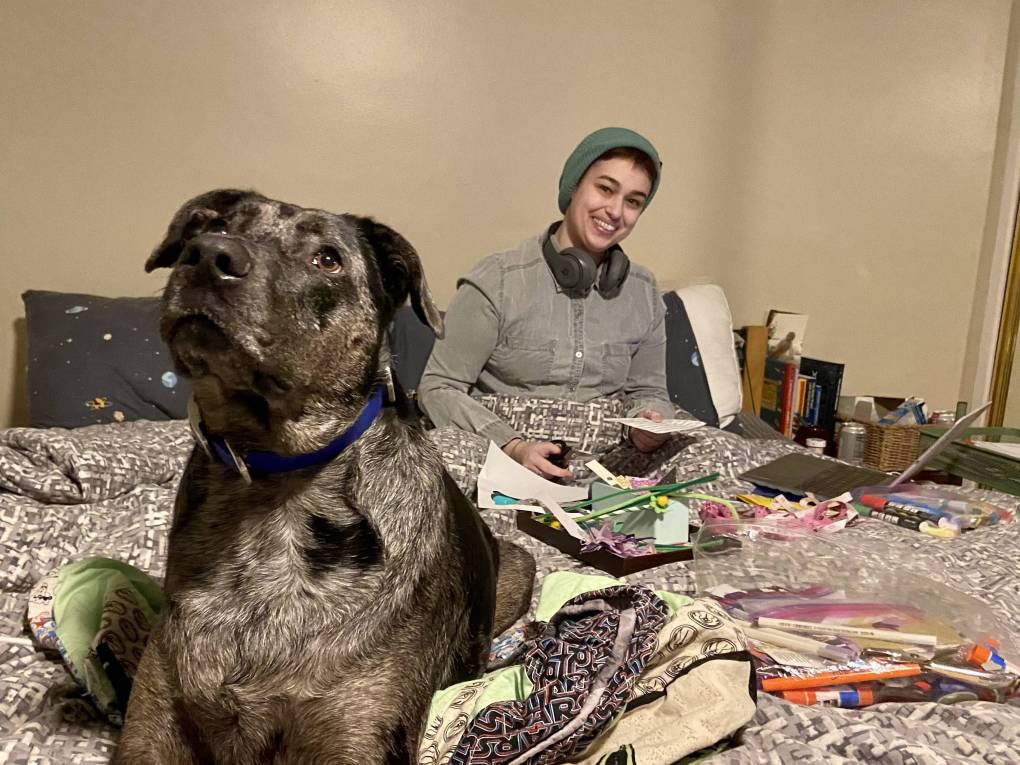
"caption": "Mimi Newman, pictured with her dog Miller, has lived in isolation for a year to avoid COVID-19. She says California's vaccine distribution strategy should have prioritized people with disabilities.",
"description": "Mimi Newman, pictured with her dog Miller, has lived in isolation for a year to avoid COVID-19. She says California's vaccine distribution strategy should have prioritized people with disabilities.",
"title": "Mimi Newman, pictured with her dog Miller, has lived in isolation for a year to avoid COVID-19. She says California's vaccine distribution strategy should have prioritized people with disabilities.",
"credit": "Courtesy of Megan Newman",
"status": "inherit",
"altTag": "young woman sits on her bed with her dog",
"isLoading": false,
"fetchFailed": false
},
"news_11858174": {
"type": "attachments",
"id": "news_11858174",
"meta": {
"index": "attachments_1716263798",
"site": "news",
"id": "11858174",
"found": true
},
"parent": 11857538,
"imgSizes": {
"apple_news_ca_square_4_0": {
"file": "https://ww2.kqed.org/app/uploads/sites/10/2021/02/RS43258_HEADSHOT-3-aw-qut-1020x1020-2-470x470.jpg",
"width": 470,
"mimeType": "image/jpeg",
"height": 470
},
"twentyfourteen-full-width": {
"file": "https://ww2.kqed.org/app/uploads/sites/10/2021/02/RS43258_HEADSHOT-3-aw-qut-1020x1020-2-1019x576.jpg",
"width": 1019,
"mimeType": "image/jpeg",
"height": 576
},
"thumbnail": {
"file": "https://ww2.kqed.org/app/uploads/sites/10/2021/02/RS43258_HEADSHOT-3-aw-qut-1020x1020-2-160x119.jpg",
"width": 160,
"mimeType": "image/jpeg",
"height": 119
},
"post-thumbnail": {
"file": "https://ww2.kqed.org/app/uploads/sites/10/2021/02/RS43258_HEADSHOT-3-aw-qut-1020x1020-2-672x372.jpg",
"width": 672,
"mimeType": "image/jpeg",
"height": 372
},
"kqedFullSize": {
"file": "https://ww2.kqed.org/app/uploads/sites/10/2021/02/RS43258_HEADSHOT-3-aw-qut-1020x1020-2.jpg",
"width": 1019,
"height": 756
},
"apple_news_ca_landscape_4_7": {
"file": "https://ww2.kqed.org/app/uploads/sites/10/2021/02/RS43258_HEADSHOT-3-aw-qut-1020x1020-2-632x474.jpg",
"width": 632,
"mimeType": "image/jpeg",
"height": 474
},
"apple_news_ca_landscape_4_0": {
"file": "https://ww2.kqed.org/app/uploads/sites/10/2021/02/RS43258_HEADSHOT-3-aw-qut-1020x1020-2-536x402.jpg",
"width": 536,
"mimeType": "image/jpeg",
"height": 402
},
"medium": {
"file": "https://ww2.kqed.org/app/uploads/sites/10/2021/02/RS43258_HEADSHOT-3-aw-qut-1020x1020-2-800x594.jpg",
"width": 800,
"mimeType": "image/jpeg",
"height": 594
},
"apple_news_ca_portrait_4_0": {
"file": "https://ww2.kqed.org/app/uploads/sites/10/2021/02/RS43258_HEADSHOT-3-aw-qut-1020x1020-2-354x472.jpg",
"width": 354,
"mimeType": "image/jpeg",
"height": 472
},
"apple_news_ca_portrait_9_7": {
"file": "https://ww2.kqed.org/app/uploads/sites/10/2021/02/RS43258_HEADSHOT-3-aw-qut-1020x1020-2-840x756.jpg",
"width": 840,
"mimeType": "image/jpeg",
"height": 756
},
"apple_news_ca_portrait_4_7": {
"file": "https://ww2.kqed.org/app/uploads/sites/10/2021/02/RS43258_HEADSHOT-3-aw-qut-1020x1020-2-414x552.jpg",
"width": 414,
"mimeType": "image/jpeg",
"height": 552
},
"apple_news_ca_portrait_5_5": {
"file": "https://ww2.kqed.org/app/uploads/sites/10/2021/02/RS43258_HEADSHOT-3-aw-qut-1020x1020-2-687x756.jpg",
"width": 687,
"mimeType": "image/jpeg",
"height": 756
},
"apple_news_ca_square_4_7": {
"file": "https://ww2.kqed.org/app/uploads/sites/10/2021/02/RS43258_HEADSHOT-3-aw-qut-1020x1020-2-550x550.jpg",
"width": 550,
"mimeType": "image/jpeg",
"height": 550
},
"apple_news_ca_square_5_5": {
"file": "https://ww2.kqed.org/app/uploads/sites/10/2021/02/RS43258_HEADSHOT-3-aw-qut-1020x1020-2-912x756.jpg",
"width": 912,
"mimeType": "image/jpeg",
"height": 756
}
},
"publishDate": 1612288669,
"modified": 1612288696,
"caption": "Alice Wong, a San Francisco-based disability rights activist and the host of the 'Disability Visibility' podcast, says she was dismayed to find out about the state's new vaccine prioritization plan.",
"description": null,
"title": "RS43258_HEADSHOT-3-aw-qut-1020x1020",
"credit": "Courtesy Eddie Hernandez Photography",
"status": "inherit",
"altTag": null,
"isLoading": false,
"fetchFailed": false
},
"news_11839265": {
"type": "attachments",
"id": "news_11839265",
"meta": {
"index": "attachments_1716263798",
"site": "news",
"id": "11839265",
"found": true
},
"parent": 11839059,
"imgSizes": {
"apple_news_ca_landscape_5_5": {
"file": "https://ww2.kqed.org/app/uploads/sites/10/2020/09/RS44997_groupshot-qut-1044x783.jpg",
"width": 1044,
"mimeType": "image/jpeg",
"height": 783
},
"apple_news_ca_square_4_0": {
"file": "https://ww2.kqed.org/app/uploads/sites/10/2020/09/RS44997_groupshot-qut-470x470.jpg",
"width": 470,
"mimeType": "image/jpeg",
"height": 470
},
"twentyfourteen-full-width": {
"file": "https://ww2.kqed.org/app/uploads/sites/10/2020/09/RS44997_groupshot-qut-1038x576.jpg",
"width": 1038,
"mimeType": "image/jpeg",
"height": 576
},
"thumbnail": {
"file": "https://ww2.kqed.org/app/uploads/sites/10/2020/09/RS44997_groupshot-qut-160x107.jpg",
"width": 160,
"mimeType": "image/jpeg",
"height": 107
},
"post-thumbnail": {
"file": "https://ww2.kqed.org/app/uploads/sites/10/2020/09/RS44997_groupshot-qut-672x372.jpg",
"width": 672,
"mimeType": "image/jpeg",
"height": 372
},
"kqedFullSize": {
"file": "https://ww2.kqed.org/app/uploads/sites/10/2020/09/RS44997_groupshot-qut.jpg",
"width": 1920,
"height": 1280
},
"apple_news_ca_landscape_4_7": {
"file": "https://ww2.kqed.org/app/uploads/sites/10/2020/09/RS44997_groupshot-qut-632x474.jpg",
"width": 632,
"mimeType": "image/jpeg",
"height": 474
},
"large": {
"file": "https://ww2.kqed.org/app/uploads/sites/10/2020/09/RS44997_groupshot-qut-1020x680.jpg",
"width": 1020,
"mimeType": "image/jpeg",
"height": 680
},
"apple_news_ca_landscape_4_0": {
"file": "https://ww2.kqed.org/app/uploads/sites/10/2020/09/RS44997_groupshot-qut-536x402.jpg",
"width": 536,
"mimeType": "image/jpeg",
"height": 402
},
"apple_news_ca_portrait_12_9": {
"file": "https://ww2.kqed.org/app/uploads/sites/10/2020/09/RS44997_groupshot-qut-1122x1280.jpg",
"width": 1122,
"mimeType": "image/jpeg",
"height": 1280
},
"medium": {
"file": "https://ww2.kqed.org/app/uploads/sites/10/2020/09/RS44997_groupshot-qut-800x533.jpg",
"width": 800,
"mimeType": "image/jpeg",
"height": 533
},
"apple_news_ca_portrait_4_0": {
"file": "https://ww2.kqed.org/app/uploads/sites/10/2020/09/RS44997_groupshot-qut-354x472.jpg",
"width": 354,
"mimeType": "image/jpeg",
"height": 472
},
"apple_news_ca_portrait_9_7": {
"file": "https://ww2.kqed.org/app/uploads/sites/10/2020/09/RS44997_groupshot-qut-840x1120.jpg",
"width": 840,
"mimeType": "image/jpeg",
"height": 1120
},
"apple_news_ca_landscape_12_9": {
"file": "https://ww2.kqed.org/app/uploads/sites/10/2020/09/RS44997_groupshot-qut-1832x1280.jpg",
"width": 1832,
"mimeType": "image/jpeg",
"height": 1280
},
"apple_news_ca_square_9_7": {
"file": "https://ww2.kqed.org/app/uploads/sites/10/2020/09/RS44997_groupshot-qut-1104x1104.jpg",
"width": 1104,
"mimeType": "image/jpeg",
"height": 1104
},
"1536x1536": {
"file": "https://ww2.kqed.org/app/uploads/sites/10/2020/09/RS44997_groupshot-qut-1536x1024.jpg",
"width": 1536,
"mimeType": "image/jpeg",
"height": 1024
},
"apple_news_ca_portrait_4_7": {
"file": "https://ww2.kqed.org/app/uploads/sites/10/2020/09/RS44997_groupshot-qut-414x552.jpg",
"width": 414,
"mimeType": "image/jpeg",
"height": 552
},
"apple_news_ca_square_12_9": {
"file": "https://ww2.kqed.org/app/uploads/sites/10/2020/09/RS44997_groupshot-qut-1472x1280.jpg",
"width": 1472,
"mimeType": "image/jpeg",
"height": 1280
},
"apple_news_ca_portrait_5_5": {
"file": "https://ww2.kqed.org/app/uploads/sites/10/2020/09/RS44997_groupshot-qut-687x916.jpg",
"width": 687,
"mimeType": "image/jpeg",
"height": 916
},
"apple_news_ca_square_4_7": {
"file": "https://ww2.kqed.org/app/uploads/sites/10/2020/09/RS44997_groupshot-qut-550x550.jpg",
"width": 550,
"mimeType": "image/jpeg",
"height": 550
},
"apple_news_ca_landscape_9_7": {
"file": "https://ww2.kqed.org/app/uploads/sites/10/2020/09/RS44997_groupshot-qut-1376x1032.jpg",
"width": 1376,
"mimeType": "image/jpeg",
"height": 1032
},
"apple_news_ca_square_5_5": {
"file": "https://ww2.kqed.org/app/uploads/sites/10/2020/09/RS44997_groupshot-qut-912x912.jpg",
"width": 912,
"mimeType": "image/jpeg",
"height": 912
}
},
"publishDate": 1600881377,
"modified": 1601066797,
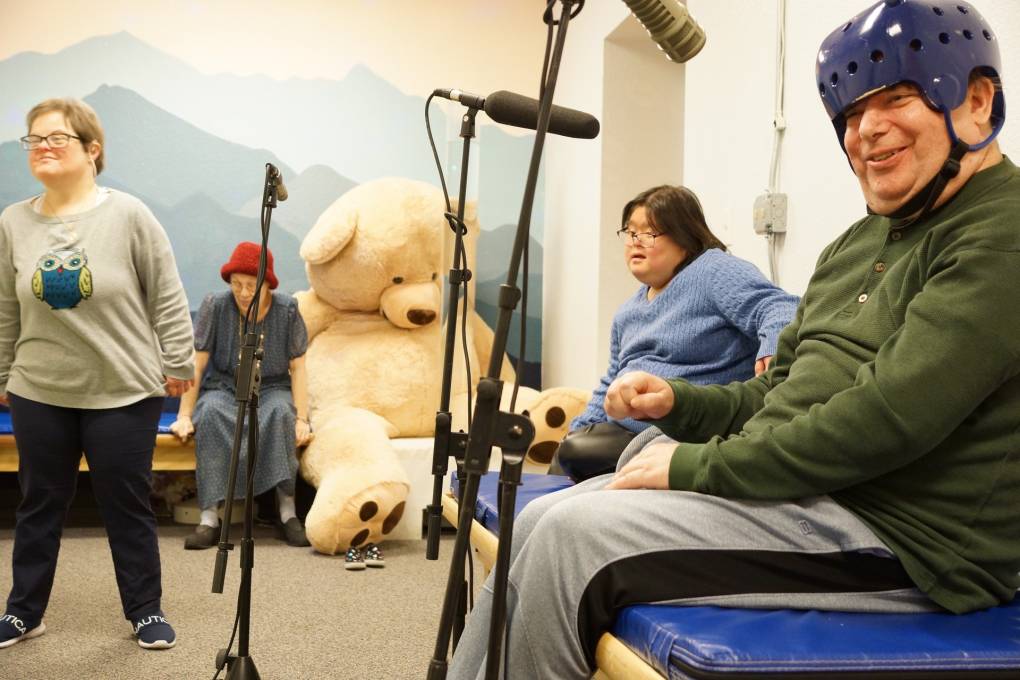
"caption": "The Sheltered Workshop Singers, including Ian Brennan's sister Jane Brennan (standing far left) get ready to be recorded. ",
"description": "The Sheltered Workshop Singers, including Ian Brennan's sister Jane Brennan (standing far left) get ready to be recorded. ",
"title": "RS44997_groupshot-qut",
"credit": "Marilena Umuhoza Delli",
"status": "inherit",
"isLoading": false,
"fetchFailed": false
},
"news_11837686": {
"type": "attachments",
"id": "news_11837686",
"meta": {
"index": "attachments_1716263798",
"site": "news",
"id": "11837686",
"found": true
},
"parent": 11837544,
"imgSizes": {
"apple_news_ca_landscape_5_5": {
"file": "https://ww2.kqed.org/app/uploads/sites/10/2020/09/tca1509_dansmith_unbranded-1044x783.jpg",
"width": 1044,
"mimeType": "image/jpeg",
"height": 783
},
"apple_news_ca_square_4_0": {
"file": "https://ww2.kqed.org/app/uploads/sites/10/2020/09/tca1509_dansmith_unbranded-470x470.jpg",
"width": 470,
"mimeType": "image/jpeg",
"height": 470
},
"twentyfourteen-full-width": {
"file": "https://ww2.kqed.org/app/uploads/sites/10/2020/09/tca1509_dansmith_unbranded-1038x576.jpg",
"width": 1038,
"mimeType": "image/jpeg",
"height": 576
},
"thumbnail": {
"file": "https://ww2.kqed.org/app/uploads/sites/10/2020/09/tca1509_dansmith_unbranded-160x90.jpg",
"width": 160,
"mimeType": "image/jpeg",
"height": 90
},
"post-thumbnail": {
"file": "https://ww2.kqed.org/app/uploads/sites/10/2020/09/tca1509_dansmith_unbranded-672x372.jpg",
"width": 672,
"mimeType": "image/jpeg",
"height": 372
},
"kqedFullSize": {
"file": "https://ww2.kqed.org/app/uploads/sites/10/2020/09/tca1509_dansmith_unbranded.jpg",
"width": 1920,
"height": 1080
},
"apple_news_ca_landscape_4_7": {
"file": "https://ww2.kqed.org/app/uploads/sites/10/2020/09/tca1509_dansmith_unbranded-632x474.jpg",
"width": 632,
"mimeType": "image/jpeg",
"height": 474
},
"large": {
"file": "https://ww2.kqed.org/app/uploads/sites/10/2020/09/tca1509_dansmith_unbranded-1020x574.jpg",
"width": 1020,
"mimeType": "image/jpeg",
"height": 574
},
"apple_news_ca_landscape_4_0": {
"file": "https://ww2.kqed.org/app/uploads/sites/10/2020/09/tca1509_dansmith_unbranded-536x402.jpg",
"width": 536,
"mimeType": "image/jpeg",
"height": 402
},
"apple_news_ca_portrait_12_9": {
"file": "https://ww2.kqed.org/app/uploads/sites/10/2020/09/tca1509_dansmith_unbranded-1122x1080.jpg",
"width": 1122,
"mimeType": "image/jpeg",
"height": 1080
},
"medium": {
"file": "https://ww2.kqed.org/app/uploads/sites/10/2020/09/tca1509_dansmith_unbranded-800x450.jpg",
"width": 800,
"mimeType": "image/jpeg",
"height": 450
},
"apple_news_ca_portrait_4_0": {
"file": "https://ww2.kqed.org/app/uploads/sites/10/2020/09/tca1509_dansmith_unbranded-354x472.jpg",
"width": 354,
"mimeType": "image/jpeg",
"height": 472
},
"apple_news_ca_portrait_9_7": {
"file": "https://ww2.kqed.org/app/uploads/sites/10/2020/09/tca1509_dansmith_unbranded-840x1080.jpg",
"width": 840,
"mimeType": "image/jpeg",
"height": 1080
},
"apple_news_ca_landscape_12_9": {
"file": "https://ww2.kqed.org/app/uploads/sites/10/2020/09/tca1509_dansmith_unbranded-1832x1080.jpg",
"width": 1832,
"mimeType": "image/jpeg",
"height": 1080
},
"apple_news_ca_square_9_7": {
"file": "https://ww2.kqed.org/app/uploads/sites/10/2020/09/tca1509_dansmith_unbranded-1104x1080.jpg",
"width": 1104,
"mimeType": "image/jpeg",
"height": 1080
},
"1536x1536": {
"file": "https://ww2.kqed.org/app/uploads/sites/10/2020/09/tca1509_dansmith_unbranded-1536x864.jpg",
"width": 1536,
"mimeType": "image/jpeg",
"height": 864
},
"apple_news_ca_portrait_4_7": {
"file": "https://ww2.kqed.org/app/uploads/sites/10/2020/09/tca1509_dansmith_unbranded-414x552.jpg",
"width": 414,
"mimeType": "image/jpeg",
"height": 552
},
"apple_news_ca_square_12_9": {
"file": "https://ww2.kqed.org/app/uploads/sites/10/2020/09/tca1509_dansmith_unbranded-1472x1080.jpg",
"width": 1472,
"mimeType": "image/jpeg",
"height": 1080
},
"apple_news_ca_portrait_5_5": {
"file": "https://ww2.kqed.org/app/uploads/sites/10/2020/09/tca1509_dansmith_unbranded-687x916.jpg",
"width": 687,
"mimeType": "image/jpeg",
"height": 916
},
"apple_news_ca_square_4_7": {
"file": "https://ww2.kqed.org/app/uploads/sites/10/2020/09/tca1509_dansmith_unbranded-550x550.jpg",
"width": 550,
"mimeType": "image/jpeg",
"height": 550
},
"apple_news_ca_landscape_9_7": {
"file": "https://ww2.kqed.org/app/uploads/sites/10/2020/09/tca1509_dansmith_unbranded-1376x1032.jpg",
"width": 1376,
"mimeType": "image/jpeg",
"height": 1032
},
"apple_news_ca_square_5_5": {
"file": "https://ww2.kqed.org/app/uploads/sites/10/2020/09/tca1509_dansmith_unbranded-912x912.jpg",
"width": 912,
"mimeType": "image/jpeg",
"height": 912
}
},
"publishDate": 1599865335,
"modified": 1601080188,
"caption": "Dan \"The Can't-Stand-Up Comedian\" Smith performs in Sacramento, prior to the coronavirus pandemic.",
"description": "Dan \"The Can't-Stand-Up Comedian\" Smith performs in Sacramento, prior to the coronavirus pandemic.",
"title": "tca1509_dansmith_unbranded",
"credit": "Aine Henderson/KQED ",
"status": "inherit",
"isLoading": false,
"fetchFailed": false
},
"news_11821599": {
"type": "attachments",
"id": "news_11821599",
"meta": {
"index": "attachments_1716263798",
"site": "news",
"id": "11821599",
"found": true
},
"parent": 11821598,
"imgSizes": {
"apple_news_ca_landscape_5_5": {
"file": "https://ww2.kqed.org/app/uploads/sites/10/2020/05/RS43410_-storage-emulated-0-VZMedia-97736-qut-1044x783.jpg",
"width": 1044,
"mimeType": "image/jpeg",
"height": 783
},
"apple_news_ca_square_4_0": {
"file": "https://ww2.kqed.org/app/uploads/sites/10/2020/05/RS43410_-storage-emulated-0-VZMedia-97736-qut-470x470.jpg",
"width": 470,
"mimeType": "image/jpeg",
"height": 470
},
"twentyfourteen-full-width": {
"file": "https://ww2.kqed.org/app/uploads/sites/10/2020/05/RS43410_-storage-emulated-0-VZMedia-97736-qut-1038x576.jpg",
"width": 1038,
"mimeType": "image/jpeg",
"height": 576
},
"thumbnail": {
"file": "https://ww2.kqed.org/app/uploads/sites/10/2020/05/RS43410_-storage-emulated-0-VZMedia-97736-qut-160x120.jpg",
"width": 160,
"mimeType": "image/jpeg",
"height": 120
},
"post-thumbnail": {
"file": "https://ww2.kqed.org/app/uploads/sites/10/2020/05/RS43410_-storage-emulated-0-VZMedia-97736-qut-672x372.jpg",
"width": 672,
"mimeType": "image/jpeg",
"height": 372
},
"kqedFullSize": {
"file": "https://ww2.kqed.org/app/uploads/sites/10/2020/05/RS43410_-storage-emulated-0-VZMedia-97736-qut.jpg",
"width": 1280,
"height": 960
},
"apple_news_ca_landscape_4_7": {
"file": "https://ww2.kqed.org/app/uploads/sites/10/2020/05/RS43410_-storage-emulated-0-VZMedia-97736-qut-632x474.jpg",
"width": 632,
"mimeType": "image/jpeg",
"height": 474
},
"large": {
"file": "https://ww2.kqed.org/app/uploads/sites/10/2020/05/RS43410_-storage-emulated-0-VZMedia-97736-qut-1020x765.jpg",
"width": 1020,
"mimeType": "image/jpeg",
"height": 765
},
"apple_news_ca_landscape_4_0": {
"file": "https://ww2.kqed.org/app/uploads/sites/10/2020/05/RS43410_-storage-emulated-0-VZMedia-97736-qut-536x402.jpg",
"width": 536,
"mimeType": "image/jpeg",
"height": 402
},
"apple_news_ca_portrait_12_9": {
"file": "https://ww2.kqed.org/app/uploads/sites/10/2020/05/RS43410_-storage-emulated-0-VZMedia-97736-qut-1122x960.jpg",
"width": 1122,
"mimeType": "image/jpeg",
"height": 960
},
"medium": {
"file": "https://ww2.kqed.org/app/uploads/sites/10/2020/05/RS43410_-storage-emulated-0-VZMedia-97736-qut-800x600.jpg",
"width": 800,
"mimeType": "image/jpeg",
"height": 600
},
"apple_news_ca_portrait_4_0": {
"file": "https://ww2.kqed.org/app/uploads/sites/10/2020/05/RS43410_-storage-emulated-0-VZMedia-97736-qut-354x472.jpg",
"width": 354,
"mimeType": "image/jpeg",
"height": 472
},
"apple_news_ca_portrait_9_7": {
"file": "https://ww2.kqed.org/app/uploads/sites/10/2020/05/RS43410_-storage-emulated-0-VZMedia-97736-qut-840x960.jpg",
"width": 840,
"mimeType": "image/jpeg",
"height": 960
},
"apple_news_ca_square_9_7": {
"file": "https://ww2.kqed.org/app/uploads/sites/10/2020/05/RS43410_-storage-emulated-0-VZMedia-97736-qut-1104x960.jpg",
"width": 1104,
"mimeType": "image/jpeg",
"height": 960
},
"apple_news_ca_portrait_4_7": {
"file": "https://ww2.kqed.org/app/uploads/sites/10/2020/05/RS43410_-storage-emulated-0-VZMedia-97736-qut-414x552.jpg",
"width": 414,
"mimeType": "image/jpeg",
"height": 552
},
"apple_news_ca_portrait_5_5": {
"file": "https://ww2.kqed.org/app/uploads/sites/10/2020/05/RS43410_-storage-emulated-0-VZMedia-97736-qut-687x916.jpg",
"width": 687,
"mimeType": "image/jpeg",
"height": 916
},
"apple_news_ca_square_4_7": {
"file": "https://ww2.kqed.org/app/uploads/sites/10/2020/05/RS43410_-storage-emulated-0-VZMedia-97736-qut-550x550.jpg",
"width": 550,
"mimeType": "image/jpeg",
"height": 550
},
"apple_news_ca_square_5_5": {
"file": "https://ww2.kqed.org/app/uploads/sites/10/2020/05/RS43410_-storage-emulated-0-VZMedia-97736-qut-912x912.jpg",
"width": 912,
"mimeType": "image/jpeg",
"height": 912
}
},
"publishDate": 1590713045,
"modified": 1590787875,
"caption": "Andraéa LaVant (left) and Stacey Park Milbern (right) were co-impact producers for the documentary \"Crip Camp.\"\n\n",
"description": "Andraéa LaVant and Stacey Park Milbern were co-impact producers for the documentary Crip Camp.\n\n",
"title": "RS43410_-storage-emulated-0-VZMedia-97736-qut",
"credit": "Courtesy of Andraéa LaVant",
"status": "inherit",
"isLoading": false,
"fetchFailed": false
}
},
"audioPlayerReducer": {
"postId": "stream_live",
"isPaused": true,
"isPlaying": false,
"pfsActive": false,
"pledgeModalIsOpen": true,
"playerDrawerIsOpen": false,
"liveAudioPlayStartedAt": 0,
"liveAudioPlayContext": ""
},
"authorsReducer": {
"byline_news_11914760": {
"type": "authors",
"id": "byline_news_11914760",
"meta": {
"override": true
},
"slug": "byline_news_11914760",
"name": "Izzy Bloom",
"isLoading": false
},
"byline_news_11889115": {
"type": "authors",
"id": "byline_news_11889115",
"meta": {
"override": true
},
"slug": "byline_news_11889115",
"name": "Joe Hong",
"isLoading": false
},
"byline_news_11879461": {
"type": "authors",
"id": "byline_news_11879461",
"meta": {
"override": true
},
"slug": "byline_news_11879461",
"name": "\u003ca href=\"https://calmatters.org/author/jackie-botts/\">Jackie Botts\u003c/a>",
"isLoading": false
},
"byline_news_11863930": {
"type": "authors",
"id": "byline_news_11863930",
"meta": {
"override": true
},
"slug": "byline_news_11863930",
"name": "Adwoa Gyimah-Brempong ",
"isLoading": false
},
"matthewgreen": {
"type": "authors",
"id": "1263",
"meta": {
"index": "authors_1716337520",
"id": "1263",
"found": true
},
"name": "Matthew Green",
"firstName": "Matthew",
"lastName": "Green",
"slug": "matthewgreen",
"email": "mgreen@kqed.org",
"display_author_email": false,
"staff_mastheads": [],
"title": "KQED Editor/Reporter",
"bio": "Matthew Green is a digital media producer for KQED News. He previously produced \u003ca href=\"http://www.kqed.org/lowdown\">The Lowdown\u003c/a>, KQED’s multimedia news education blog. Matthew's written for numerous Bay Area publications, including the Oakland Tribune and San Francisco Chronicle. He also taught journalism classes at Fremont High School in East Oakland.\r\n\r\nEmail: mgreen@kqed.org; Twitter: @MGreenKQED",
"avatar": "https://secure.gravatar.com/avatar/3bf498d1267ca02c8494f33d8cfc575e?s=600&d=blank&r=g",
"twitter": "MGreenKQED",
"facebook": null,
"instagram": null,
"linkedin": null,
"sites": [
{
"site": "news",
"roles": []
},
{
"site": "lowdown",
"roles": []
},
{
"site": "science",
"roles": []
},
{
"site": "education",
"roles": []
},
{
"site": "quest",
"roles": []
},
{
"site": "liveblog",
"roles": []
}
],
"headData": {
"title": "Matthew Green | KQED",
"description": "KQED Editor/Reporter",
"ogImgSrc": "https://secure.gravatar.com/avatar/3bf498d1267ca02c8494f33d8cfc575e?s=600&d=blank&r=g",
"twImgSrc": "https://secure.gravatar.com/avatar/3bf498d1267ca02c8494f33d8cfc575e?s=600&d=blank&r=g"
},
"isLoading": false,
"link": "/author/matthewgreen"
},
"adembosky": {
"type": "authors",
"id": "3205",
"meta": {
"index": "authors_1716337520",
"id": "3205",
"found": true
},
"name": "April Dembosky",
"firstName": "April",
"lastName": "Dembosky",
"slug": "adembosky",
"email": "adembosky@kqed.org",
"display_author_email": false,
"staff_mastheads": [
"news",
"science"
],
"title": "KQED Health Correspondent",
"bio": "April Dembosky is the health correspondent for KQED News and a regular contributor to NPR. She specializes in covering altered states of mind, from postpartum depression to methamphetamine-induced psychosis to the insanity defense. Her investigative series on insurance companies sidestepping mental health laws won multiple awards, including first place in beat reporting from the national Association of Health Care Journalists. She is the recipient of numerous other prizes and fellowships, including a national Edward R. Murrow award for investigative reporting, a Society of Professional Journalists award for long-form storytelling, and a Carter Center Fellowship for Mental Health Journalism.\r\n\r\nDembosky reported and produced \u003cem>Soundtrack of Silence\u003c/em>, an audio documentary about music and memory that is currently being made into a feature film by Paramount Pictures.\r\n\r\nBefore joining KQED in 2013, Dembosky covered technology and Silicon Valley for \u003cem>The Financial Times of London,\u003c/em> and contributed business and arts stories to \u003cem>Marketplace \u003c/em>and \u003cem>The New York Times.\u003c/em> She got her undergraduate degree in philosophy from Smith College and her master's in journalism from the University of California, Berkeley. She is a classically trained violinist and proud alum of the first symphony orchestra at Burning Man.",
"avatar": "https://secure.gravatar.com/avatar/ef92999be4ceb9ea60701e7dc276f813?s=600&d=blank&r=g",
"twitter": "adembosky",
"facebook": null,
"instagram": null,
"linkedin": null,
"sites": [
{
"site": "arts",
"roles": [
"author"
]
},
{
"site": "news",
"roles": [
"editor"
]
},
{
"site": "futureofyou",
"roles": [
"author"
]
},
{
"site": "stateofhealth",
"roles": [
"editor"
]
},
{
"site": "science",
"roles": [
"editor"
]
},
{
"site": "forum",
"roles": [
"editor"
]
}
],
"headData": {
"title": "April Dembosky | KQED",
"description": "KQED Health Correspondent",
"ogImgSrc": "https://secure.gravatar.com/avatar/ef92999be4ceb9ea60701e7dc276f813?s=600&d=blank&r=g",
"twImgSrc": "https://secure.gravatar.com/avatar/ef92999be4ceb9ea60701e7dc276f813?s=600&d=blank&r=g"
},
"isLoading": false,
"link": "/author/adembosky"
},
"carlysevern": {
"type": "authors",
"id": "3243",
"meta": {
"index": "authors_1716337520",
"id": "3243",
"found": true
},
"name": "Carly Severn",
"firstName": "Carly",
"lastName": "Severn",
"slug": "carlysevern",
"email": "csevern@kqed.org",
"display_author_email": false,
"staff_mastheads": [
"news"
],
"title": "Senior Editor, Audience News ",
"bio": "Carly is KQED's Senior Editor of Audience News on the Digital News team, and has reported for the California Report Magazine, Bay Curious and KQED Arts. She's formerly the host of \u003ca href=\"http://ww2.kqed.org/pop/category/the-cooler/\" rel=\"noopener noreferrer\">The Cooler\u003c/a> podcast.",
"avatar": "https://secure.gravatar.com/avatar/54037bf5c128fe678f0ef26cec97a93f2e7f220a22d7285703328f12c42c1b1d?s=600&d=blank&r=g",
"twitter": "teacupinthebay",
"bluesky": null,
"facebook": null,
"instagram": null,
"linkedin": null,
"sites": [
{
"site": "",
"roles": [
"editor"
]
},
{
"site": "arts",
"roles": [
"editor"
]
},
{
"site": "news",
"roles": [
"administrator"
]
},
{
"site": "pop",
"roles": [
"editor"
]
},
{
"site": "futureofyou",
"roles": [
"editor"
]
},
{
"site": "about",
"roles": [
"administrator"
]
},
{
"site": "mindshift",
"roles": [
"editor"
]
},
{
"site": "bayareabites",
"roles": [
"editor"
]
},
{
"site": "stateofhealth",
"roles": [
"editor"
]
},
{
"site": "science",
"roles": [
"editor"
]
},
{
"site": "food",
"roles": [
"contributor"
]
},
{
"site": "forum",
"roles": [
"editor"
]
},
{
"site": "perspectives",
"roles": [
"administrator"
]
},
{
"site": "liveblog",
"roles": [
"editor"
]
}
],
"headData": {
"title": "Carly Severn | KQED",
"description": "Senior Editor, Audience News ",
"ogImgSrc": "https://secure.gravatar.com/avatar/54037bf5c128fe678f0ef26cec97a93f2e7f220a22d7285703328f12c42c1b1d?s=600&d=blank&r=g",
"twImgSrc": "https://secure.gravatar.com/avatar/54037bf5c128fe678f0ef26cec97a93f2e7f220a22d7285703328f12c42c1b1d?s=600&d=blank&r=g"
},
"isLoading": false,
"link": "/author/carlysevern"
},
"dkatayama": {
"type": "authors",
"id": "7240",
"meta": {
"index": "authors_1716337520",
"id": "7240",
"found": true
},
"name": "Devin Katayama",
"firstName": "Devin",
"lastName": "Katayama",
"slug": "dkatayama",
"email": "dkatayama@kqed.org",
"display_author_email": true,
"staff_mastheads": [
"news"
],
"title": "Editor of Talent and Development",
"bio": "Devin Katayama is former Editor of Talent and Development for KQED. He supported our internship program and on-call staff by looking for equitable opportunities to improve the newsroom.\r\n\r\nHe previously hosted The Bay and American Suburb podcasts from KQED News. Prior to returning to the Bay Area in 2015, Devin was the education reporter for WFPL in Louisville and worked as a producer with radio stations in Chicago and Portland, OR. His work has appeared on NPR’s \u003cem>Morning Edition, All Things Considered, The Takeaway\u003c/em> and \u003cem>Here and Now.\u003c/em>\r\n\r\nDevin earned his MA in Journalism from Columbia College Chicago, where he was a Follett Fellow and the recipient of the 2011 Studs Terkel Community Media Workshop Scholarship for his story on Chicago's homeless youth. He won WBUR's 2014 Daniel Schorr award and a regional RTNDA Edward R. Murrow Award for his documentary \"At Risk\" that looked at issues facing some of Louisville's students. Devin has also received numerous local awards from the Associated Press and the Society of Professional Journalists.",
"avatar": "https://secure.gravatar.com/avatar/d0d2978a31002fb2de107921a8e18405?s=600&d=blank&r=g",
"twitter": "RadioDevin",
"facebook": null,
"instagram": null,
"linkedin": null,
"sites": [
{
"site": "arts",
"roles": []
},
{
"site": "news",
"roles": [
"author"
]
},
{
"site": "stateofhealth",
"roles": [
"author"
]
},
{
"site": "forum",
"roles": [
"editor"
]
},
{
"site": "perspectives",
"roles": [
"editor"
]
}
],
"headData": {
"title": "Devin Katayama | KQED",
"description": "Editor of Talent and Development",
"ogImgSrc": "https://secure.gravatar.com/avatar/d0d2978a31002fb2de107921a8e18405?s=600&d=blank&r=g",
"twImgSrc": "https://secure.gravatar.com/avatar/d0d2978a31002fb2de107921a8e18405?s=600&d=blank&r=g"
},
"isLoading": false,
"link": "/author/dkatayama"
},
"afont": {
"type": "authors",
"id": "8637",
"meta": {
"index": "authors_1716337520",
"id": "8637",
"found": true
},
"name": "Amanda Font",
"firstName": "Amanda",
"lastName": "Font",
"slug": "afont",
"email": "afont@kqed.org",
"display_author_email": false,
"staff_mastheads": [],
"title": "KQED Contributor",
"bio": "Amanda Font is a producer on \u003cem>The Latest\u003c/em> podcast, and the host and co-producer of the series \u003cem>Audible Cosmos\u003c/em>. She has previously worked as a producer and reporter on the \u003cem>Bay Curious\u003c/em> podcast, and director of \u003cem>The California Report Magazine\u003c/em>. She grew up in the deserts of Southern California and moved north for the trees. Amanda earned a B.A. from the BECA program at San Francisco State, where she worked in the university's radio station. Amanda Font is represented by SAG-AFTRA.",
"avatar": "https://secure.gravatar.com/avatar/d9e81cf0117d5849b9cfb7ab4b1422f1?s=600&d=blank&r=g",
"twitter": null,
"facebook": null,
"instagram": null,
"linkedin": null,
"sites": [
{
"site": "news",
"roles": [
"add_users",
"create_users"
]
},
{
"site": "science",
"roles": []
},
{
"site": "forum",
"roles": [
"administrator"
]
},
{
"site": "perspectives",
"roles": [
"administrator"
]
},
{
"site": "radio",
"roles": [
"administrator"
]
}
],
"headData": {
"title": "Amanda Font | KQED",
"description": "KQED Contributor",
"ogImgSrc": "https://secure.gravatar.com/avatar/d9e81cf0117d5849b9cfb7ab4b1422f1?s=600&d=blank&r=g",
"twImgSrc": "https://secure.gravatar.com/avatar/d9e81cf0117d5849b9cfb7ab4b1422f1?s=600&d=blank&r=g"
},
"isLoading": false,
"link": "/author/afont"
},
"ecruzguevarra": {
"type": "authors",
"id": "8654",
"meta": {
"index": "authors_1716337520",
"id": "8654",
"found": true
},
"name": "Ericka Cruz Guevarra",
"firstName": "Ericka",
"lastName": "Cruz Guevarra",
"slug": "ecruzguevarra",
"email": "ecruzguevarra@kqed.org",
"display_author_email": true,
"staff_mastheads": [
"news"
],
"title": "Producer, The Bay Podcast",
"bio": "Ericka Cruz Guevarra is host of \u003ca href=\"https://www.kqed.org/podcasts/thebay\">\u003cem>The Bay\u003c/em>\u003c/a> podcast at KQED. Before host, she was the show’s producer. Her work in that capacity includes a three-part reported series on policing in Vallejo, which won a 2020 excellence in journalism award from the Society of Professional Journalists. Ericka has worked as a breaking news reporter at Oregon Public Broadcasting, helped produce the Code Switch podcast, and was KQED’s inaugural Raul Ramirez Diversity Fund intern. She’s also an alumna of NPR’s Next Generation Radio program. Send her an email if you have strong feelings about whether Fairfield and Suisun City are the Bay. Ericka is represented by SAG-AFTRA.",
"avatar": "https://secure.gravatar.com/avatar/accefc1de4bafc7e234b69bcb9b6f6536c130fd84709bc3069ef11a78787e1bb?s=600&d=blank&r=g",
"twitter": "NotoriousECG",
"bluesky": null,
"facebook": null,
"instagram": null,
"linkedin": null,
"sites": [
{
"site": "arts",
"roles": [
"subscriber"
]
},
{
"site": "news",
"roles": [
"editor",
"manage_categories"
]
},
{
"site": "futureofyou",
"roles": [
"subscriber"
]
},
{
"site": "stateofhealth",
"roles": [
"subscriber"
]
},
{
"site": "science",
"roles": [
"editor"
]
},
{
"site": "forum",
"roles": [
"subscriber"
]
}
],
"headData": {
"title": "Ericka Cruz Guevarra | KQED",
"description": "Producer, The Bay Podcast",
"ogImgSrc": "https://secure.gravatar.com/avatar/accefc1de4bafc7e234b69bcb9b6f6536c130fd84709bc3069ef11a78787e1bb?s=600&d=blank&r=g",
"twImgSrc": "https://secure.gravatar.com/avatar/accefc1de4bafc7e234b69bcb9b6f6536c130fd84709bc3069ef11a78787e1bb?s=600&d=blank&r=g"
},
"isLoading": false,
"link": "/author/ecruzguevarra"
},
"fjhabvala": {
"type": "authors",
"id": "8659",
"meta": {
"index": "authors_1716337520",
"id": "8659",
"found": true
},
"name": "Farida Jhabvala Romero",
"firstName": "Farida",
"lastName": "Jhabvala Romero",
"slug": "fjhabvala",
"email": "fjhabvala@kqed.org",
"display_author_email": true,
"staff_mastheads": [
"news"
],
"title": "KQED Contributor",
"bio": "Farida Jhabvala Romero is a Labor Correspondent for KQED. She previously covered immigration. Farida was \u003ca href=\"https://www.ccnma.org/2022-most-influential-latina-journalists\">named\u003c/a> one of the 10 Most Influential Latina Journalists in California in 2022 by the California Chicano News Media Association. Her work has won awards from the Society of Professional Journalists (Northern California), as well as a national and regional Edward M. Murrow Award for the collaborative reporting projects “Dangerous Air” and “Graying California.” Before joining KQED, Farida worked as a producer at Radio Bilingüe, a national public radio network. Farida earned her master’s degree in journalism from Stanford University.",
"avatar": "https://secure.gravatar.com/avatar/f9f022d4e2609741874222a1e9d41f48fea74011aa7c615eef91d9a50c944ebe?s=600&d=blank&r=g",
"twitter": "FaridaJhabvala",
"bluesky": null,
"facebook": null,
"instagram": null,
"linkedin": "https://www.linkedin.com/in/faridajhabvala/",
"sites": [
{
"site": "news",
"roles": [
"editor"
]
},
{
"site": "stateofhealth",
"roles": [
"author"
]
},
{
"site": "liveblog",
"roles": [
"author"
]
}
],
"headData": {
"title": "Farida Jhabvala Romero | KQED",
"description": "KQED Contributor",
"ogImgSrc": "https://secure.gravatar.com/avatar/f9f022d4e2609741874222a1e9d41f48fea74011aa7c615eef91d9a50c944ebe?s=600&d=blank&r=g",
"twImgSrc": "https://secure.gravatar.com/avatar/f9f022d4e2609741874222a1e9d41f48fea74011aa7c615eef91d9a50c944ebe?s=600&d=blank&r=g"
},
"isLoading": false,
"link": "/author/fjhabvala"
},
"aehsanipour": {
"type": "authors",
"id": "11580",
"meta": {
"index": "authors_1716337520",
"id": "11580",
"found": true
},
"name": "Asal Ehsanipour",
"firstName": "Asal",
"lastName": "Ehsanipour",
"slug": "aehsanipour",
"email": "aehsanipour@kqed.org",
"display_author_email": false,
"staff_mastheads": [],
"title": "Reporter and Producer",
"bio": "Asal Ehsanipour is a producer and reporter for Rightnowish, Bay Curious and The California Report Magazine. She is also a producer for \u003ca href=\"https://www.thedoubleshift.com/\">The Double Shift\u003c/a>, a podcast about a new generation of working mothers. In 2018, Asal was named an Emerging Journalist Fellow by the Journalism and Women’s Symposium. Her work has appeared on KQED, KALW, PRI’s The World, and in several food and travel publications.",
"avatar": "https://secure.gravatar.com/avatar/c0e210438f5dca1b76921ff9f0eada52?s=600&d=blank&r=g",
"twitter": null,
"facebook": null,
"instagram": null,
"linkedin": null,
"sites": [
{
"site": "arts",
"roles": []
},
{
"site": "news",
"roles": [
"author",
"edit_others_posts"
]
}
],
"headData": {
"title": "Asal Ehsanipour | KQED",
"description": "Reporter and Producer",
"ogImgSrc": "https://secure.gravatar.com/avatar/c0e210438f5dca1b76921ff9f0eada52?s=600&d=blank&r=g",
"twImgSrc": "https://secure.gravatar.com/avatar/c0e210438f5dca1b76921ff9f0eada52?s=600&d=blank&r=g"
},
"isLoading": false,
"link": "/author/aehsanipour"
},
"amontecillo": {
"type": "authors",
"id": "11649",
"meta": {
"index": "authors_1716337520",
"id": "11649",
"found": true
},
"name": "Alan Montecillo",
"firstName": "Alan",
"lastName": "Montecillo",
"slug": "amontecillo",
"email": "amontecillo@kqed.org",
"display_author_email": false,
"staff_mastheads": [
"news"
],
"title": "KQED Contributor",
"bio": "Alan Montecillo is the senior editor of \u003cem>\u003ca href=\"http://kqed.org/thebay\">The Bay\u003c/a>, \u003c/em> KQED's local news podcast. Before moving to the Bay Area, he worked as a senior talk show producer for WILL in Champaign-Urbana, Illinois and at Oregon Public Broadcasting in Portland, Oregon. He has won journalism awards from the Society of Professional Journalists Northern California, the Public Media Journalists Association, The Signal Awards, and has also received a regional Edward R. Murrow award. Alan is a Filipino American from Hong Kong and a graduate of Reed College.",
"avatar": "https://secure.gravatar.com/avatar/268f53a2066899ea9efdd8a5900218b17c822d9862cbc9326cccec53ef41d349?s=600&d=blank&r=g",
"twitter": "alanmontecillo",
"bluesky": null,
"facebook": null,
"instagram": null,
"linkedin": null,
"sites": [
{
"site": "",
"roles": [
"editor"
]
},
{
"site": "news",
"roles": [
"editor",
"manage_categories"
]
}
],
"headData": {
"title": "Alan Montecillo | KQED",
"description": "KQED Contributor",
"ogImgSrc": "https://secure.gravatar.com/avatar/268f53a2066899ea9efdd8a5900218b17c822d9862cbc9326cccec53ef41d349?s=600&d=blank&r=g",
"twImgSrc": "https://secure.gravatar.com/avatar/268f53a2066899ea9efdd8a5900218b17c822d9862cbc9326cccec53ef41d349?s=600&d=blank&r=g"
},
"isLoading": false,
"link": "/author/amontecillo"
},
"amarkowitz": {
"type": "authors",
"id": "11660",
"meta": {
"index": "authors_1716337520",
"id": "11660",
"found": true
},
"name": "Ariella Markowitz",
"firstName": "Ariella",
"lastName": "Markowitz",
"slug": "amarkowitz",
"email": "amarkowitz@kqed.org",
"display_author_email": false,
"staff_mastheads": [],
"title": "KQED Contributor",
"bio": "Ariella is a former intern for the California Report Magazine. Before that, she helped mobilize freelance journalists with Association of Independents in Radio (AIR) and made radio features for KALW. Ariella loves investigative reporting, personal stories that interrogate power, and spicy vegan cooking.",
"avatar": "https://secure.gravatar.com/avatar/7076c77064fecef602a2c779f2b9e1d33cb6f9b5fa13542bd1a6e2846a7c85a9?s=600&d=blank&r=g",
"twitter": "ariellaudio",
"bluesky": null,
"facebook": null,
"instagram": null,
"linkedin": null,
"sites": [
{
"site": "news",
"roles": [
"author"
]
},
{
"site": "forum",
"roles": [
"editor"
]
},
{
"site": "perspectives",
"roles": [
"administrator"
]
}
],
"headData": {
"title": "Ariella Markowitz | KQED",
"description": "KQED Contributor",
"ogImgSrc": "https://secure.gravatar.com/avatar/7076c77064fecef602a2c779f2b9e1d33cb6f9b5fa13542bd1a6e2846a7c85a9?s=600&d=blank&r=g",
"twImgSrc": "https://secure.gravatar.com/avatar/7076c77064fecef602a2c779f2b9e1d33cb6f9b5fa13542bd1a6e2846a7c85a9?s=600&d=blank&r=g"
},
"isLoading": false,
"link": "/author/amarkowitz"
},
"jrodriguez": {
"type": "authors",
"id": "11690",
"meta": {
"index": "authors_1716337520",
"id": "11690",
"found": true
},
"name": "Joe Fitzgerald Rodriguez",
"firstName": "Joe",
"lastName": "Fitzgerald Rodriguez",
"slug": "jrodriguez",
"email": "jrodriguez@kqed.org",
"display_author_email": true,
"staff_mastheads": [
"news"
],
"title": "Reporter and Producer",
"bio": "Joe Fitzgerald Rodriguez is a reporter and digital producer for KQED covering politics. Joe most recently wrote for the \u003cem>San Francisco Examiner\u003c/em> as a political columnist covering The City. He was raised in San Francisco and has spent his reporting career in his beloved, foggy, city by the bay. Joe was 12-years-old when he conducted his first interview in journalism, grilling former San Francisco Mayor Willie Brown for the Marina Middle School newspaper, \u003cem>The Penguin Press, \u003c/em>and he continues to report on the San Francisco Bay Area to this day.",
"avatar": "https://secure.gravatar.com/avatar/2247beb0564c1e9c62228d5649d2edac?s=600&d=blank&r=g",
"twitter": "FitztheReporter",
"facebook": null,
"instagram": "https://www.instagram.com/fitzthereporter/",
"linkedin": null,
"sites": [
{
"site": "",
"roles": [
"editor"
]
},
{
"site": "arts",
"roles": [
"editor"
]
},
{
"site": "news",
"roles": [
"editor"
]
},
{
"site": "science",
"roles": [
"editor"
]
},
{
"site": "elections",
"roles": [
"editor"
]
},
{
"site": "liveblog",
"roles": [
"editor"
]
}
],
"headData": {
"title": "Joe Fitzgerald Rodriguez | KQED",
"description": "Reporter and Producer",
"ogImgSrc": "https://secure.gravatar.com/avatar/2247beb0564c1e9c62228d5649d2edac?s=600&d=blank&r=g",
"twImgSrc": "https://secure.gravatar.com/avatar/2247beb0564c1e9c62228d5649d2edac?s=600&d=blank&r=g"
},
"isLoading": false,
"link": "/author/jrodriguez"
}
},
"pagesReducer": {
"news_tag_disability-community": {
"type": "terms",
"id": "news_29228",
"meta": {
"index": "terms_1716263798",
"site": "news",
"id": "29228",
"score": 10.403352
},
"featImg": null,
"name": "disability community",
"description": null,
"taxonomy": "tag",
"headData": {
"twImgId": null,
"twTitle": null,
"ogTitle": null,
"ogImgId": null,
"twDescription": null,
"description": null,
"title": "disability community Archives | KQED News",
"ogDescription": null
},
"ttid": 29245,
"slug": "disability-community",
"isLoading": false,
"title": "disability community",
"pageMeta": {
"site": "news",
"WpPageTemplate": "page-topic-editorial",
"currentPage": 2
},
"blocks": [
{
"blockName": "kqed/post-list",
"attrs": {
"layout": "cardArticle2",
"query": "posts/news?tag=disability-community",
"seeMore": false,
"paginated": true,
"page": 2
}
},
{
"blockName": "kqed/ad"
}
]
}
},
"pfsSessionReducer": {},
"postsReducer": {
"stream_live": {
"type": "live",
"id": "stream_live",
"audioUrl": "https://streams.kqed.org/kqedradio",
"title": "Live Stream",
"excerpt": "Live Stream information currently unavailable.",
"link": "/radio",
"featImg": "",
"label": {
"name": "KQED Live",
"link": "/"
}
},
"stream_kqedNewscast": {
"type": "posts",
"id": "stream_kqedNewscast",
"audioUrl": "https://www.kqed.org/.stream/anon/radio/RDnews/newscast.mp3?_=1",
"title": "KQED Newscast",
"featImg": "",
"label": {
"name": "88.5 FM",
"link": "/"
}
},
"news_11914760": {
"type": "posts",
"id": "news_11914760",
"meta": {
"index": "posts_1716263798",
"site": "news",
"id": "11914760",
"score": null,
"sort": [
1669370439000
]
},
"guestAuthors": [],
"slug": "when-you-dont-learn-your-parents-language-what-is-lost",
"title": "When You Don't Learn Your Parent's Language, What Is Lost?",
"publishDate": 1669370439,
"format": "standard",
"headTitle": "When You Don’t Learn Your Parent’s Language, What Is Lost? | KQED",
"labelTerm": {
"term": 26731,
"site": "news"
},
"content": "\u003cp>Throughout my life, I’ve fielded the question of whether or not I speak Japanese. It’s my heritage language, because it’s the language my mom speaks.\u003c/p>\n\u003cp>But my mom never raised me to speak it. The reason goes back five years before I was born, when my mom was pregnant with my older brother, Max.\u003c/p>\n\u003ch2>Breastfeeding and bilingualism\u003c/h2>\n\u003cp>At the time, she made two firm parenting choices for her soon-to-be-born son: to raise him to be bilingual and to breastfeed him.\u003c/p>\n\u003cp>My mom considered breastfeeding the first positive thing she could do for the health of her newborn. But when he was born in 1994, Max wasn’t able to latch or suck. So instead, my mom used a pump to bottle-feed him.\u003c/p>\n\u003cp>“At that time, I thought it [was] because of me,” my mom, Yasuko Bloom, said. English isn’t her first language, so I’ve corrected it here for clarity. “I felt really bad. I felt like I failed at something I really wanted to do for him.”\u003c/p>\n\u003cfigure id=\"attachment_11914783\" class=\"wp-caption alignnone\" style=\"max-width: 800px\">\u003ca href=\"https://ww2.kqed.org/app/uploads/sites/10/2022/05/RS56022_Izzy-and-Max_12.22.2001.jpg\">\u003cimg loading=\"lazy\" decoding=\"async\" class=\"wp-image-11914783 size-medium\" src=\"https://ww2.kqed.org/app/uploads/sites/10/2022/05/RS56022_Izzy-and-Max_12.22.2001-800x539.jpg\" alt=\"A young girl and boy sit, giggling, in a basket.\" width=\"800\" height=\"539\" srcset=\"https://cdn.kqed.org/wp-content/uploads/sites/10/2022/05/RS56022_Izzy-and-Max_12.22.2001-800x539.jpg 800w, https://cdn.kqed.org/wp-content/uploads/sites/10/2022/05/RS56022_Izzy-and-Max_12.22.2001-1020x687.jpg 1020w, https://cdn.kqed.org/wp-content/uploads/sites/10/2022/05/RS56022_Izzy-and-Max_12.22.2001-160x108.jpg 160w, https://cdn.kqed.org/wp-content/uploads/sites/10/2022/05/RS56022_Izzy-and-Max_12.22.2001-1536x1034.jpg 1536w, https://cdn.kqed.org/wp-content/uploads/sites/10/2022/05/RS56022_Izzy-and-Max_12.22.2001.jpg 1772w\" sizes=\"auto, (max-width: 800px) 100vw, 800px\">\u003c/a>\u003cfigcaption class=\"wp-caption-text\">Izzy (left) and Max Bloom giggling in a basket together, surrounded by their toys, on Dec. 22, 2001. \u003ccite>(Courtesy of the Bloom family)\u003c/cite>\u003c/figcaption>\u003c/figure>\n\u003cp>She suspected there was a connection between Max’s inability to breastfeed and the difficult time she had giving birth to him. His heartbeat had been weak, so the doctor told my mom she’d have to perform an emergency cesarean. Then, when he was born, Max had undescended testicles, a weak cry and poor muscle tone.\u003c/p>\n\u003cp>[ad fullwidth]\u003c/p>\n\u003cp>“I thought everything, it should be normal,” my mom said. “But it was very different from the beginning.”\u003c/p>\n\u003cp>The weak muscle tone turned out to be the reason Max wasn’t able to breastfeed. But when my mom brought her concerns to Max’s pediatrician, he brushed her off and told her that all first-time mothers worry. She recalls him telling her that everything was fine, and Max was a happy baby.\u003c/p>\n\u003cp>And it’s true, he was a happy baby, as she recalls. He rarely cried and was a delightfully friendly child who’d go up to strangers and stretch his chubby arms out, asking to be picked up, and melt, at complete ease, in their arms.\u003c/p>\n\u003cp>And once my mom made the switch from formula to regular food, she says Max had no problems eating. In fact, it seemed he would eat anything as a baby.\u003c/p>\n\u003cp>“We could go to a restaurant and order a plate of steamed broccoli,” my dad, Ira Bloom, said. “And he would sit there happily eating the steamed broccoli. And people, you know, their eyes were agog. Who was this kid eating the vegetables?”\u003c/p>\n\u003ch2>From disbelief to acceptance\u003c/h2>\n\u003cp>Even though my mom’s first nonnegotiable parenting goal fell through, she was still committed to teaching him his heritage language, Japanese.\u003c/p>\n\u003cp>My mom was born in Japan and met my dad, who’s American and white, in Okayama Prefecture in 1986. At the time, she was working as a fashion designer and my dad was teaching English. Three months after they met, my parents got engaged, moved to the United States and got married, eventually settling in Washington, D.C.\u003c/p>\n\u003cfigure id=\"attachment_11914820\" class=\"wp-caption alignnone\" style=\"max-width: 1907px\">\u003ca href=\"https://ww2.kqed.org/app/uploads/sites/10/2022/05/RS56017_family-photo-2005-1.jpg\">\u003cimg loading=\"lazy\" decoding=\"async\" class=\"wp-image-11914820 size-full\" src=\"https://ww2.kqed.org/app/uploads/sites/10/2022/05/RS56017_family-photo-2005-1.jpg\" alt=\"A family - father, mother, young son and young daughter - pose for a photo.\" width=\"1907\" height=\"1693\" srcset=\"https://cdn.kqed.org/wp-content/uploads/sites/10/2022/05/RS56017_family-photo-2005-1.jpg 1907w, https://cdn.kqed.org/wp-content/uploads/sites/10/2022/05/RS56017_family-photo-2005-1-800x710.jpg 800w, https://cdn.kqed.org/wp-content/uploads/sites/10/2022/05/RS56017_family-photo-2005-1-1020x906.jpg 1020w, https://cdn.kqed.org/wp-content/uploads/sites/10/2022/05/RS56017_family-photo-2005-1-160x142.jpg 160w, https://cdn.kqed.org/wp-content/uploads/sites/10/2022/05/RS56017_family-photo-2005-1-1536x1364.jpg 1536w\" sizes=\"auto, (max-width: 1907px) 100vw, 1907px\">\u003c/a>\u003cfigcaption class=\"wp-caption-text\">Ira, Yasuko, Izzy and Max Bloom on a family trip to northern Okayama Prefecture in Japan, circa 2005. \u003ccite>(Courtesy of the Bloom family)\u003c/cite>\u003c/figcaption>\u003c/figure>\n\u003cp>Raising her children to be bilingual felt really important to my mom because she worried her kids wouldn’t understand her, not only linguistically, but she also feared we would never really know her.\u003c/p>\n\u003cp>“I did worry about if my kids didn’t understand Japanese, maybe [they’d] never really get to know me,” she said.\u003c/p>\n\u003cp>So for the first three years of Max’s life, my mom spoke to him exclusively in Japanese. She fondly remembers carrying Max while walking through the house singing Japanese lullabies. Meanwhile, my dad spoke to him only in English, so Max could learn both languages.\u003c/p>\n\u003cp>But Max wasn’t really picking up either language. In fact, he wasn’t hitting any of the development milestones my parents expected to see: sitting upright, crawling, babbling, walking and talking. And when my mom started taking Max to day care, the differences between him and the other kids his age became glaringly obvious.\u003c/p>\n\u003cp>She insisted that Max get genetically tested.\u003c/p>\n\u003cp>In 1997, at the age of 3, Max was diagnosed with a \u003ca href=\"https://rarediseases.org/rare-diseases/prader-willi-syndrome/#:~:text=Prader%2DWilli%20syndrome%20(PWS),growth%20and%20other%20hormone%20deficiency.\">rare genetic disorder called Prader-Willi Syndrome\u003c/a>, or PWS.\u003c/p>\n\u003cp>“Even though he was delayed, I never expected that something is really totally wrong to carry on into his life,” my mom said. “I was expecting something wrong but, you know, maybe a little delay. But he would catch up at some point.”\u003c/p>\n\u003cp>But everything my mom read about the disorder only heightened her concern.\u003c/p>\n\u003cp>“The scary thing was reading the articles, and I was scared of the future,” she said. “What kind of future [is] waiting for him? For us?”\u003c/p>\n\u003cp>The most distinct symptom for people with PWS is hyperphagia, an unabating hunger and unrelenting, compulsive urge to consume food. They can also have physical challenges like a lack of muscle tone, stunted growth and poor motor skills, as well as cognitive deficits and profound learning disabilities. Many develop diabetes and life-threatening obesity, struggle with obsessive-compulsive disorder and attention-deficit issues, and can become aggressive in their pursuit of food.\u003c/p>\n\u003cp>“We were devastated, went through the grieving process,” my dad said of getting Max’s diagnosis. “I remember everything. Being angry. Denying it. Bargaining. You know, anger. Boy, that was really something. And then, you know, ultimately, acceptance.”\u003c/p>\n\u003ch2>Bilingualism and disability\u003c/h2>\n\u003cp>Once Max was diagnosed, his pediatrician and speech-language pathologists advised my mom against raising him in a bilingual household. His language development was already delayed, and they argued that adding a second language to the mix would only confuse him and further impede his ability to learn English.\u003c/p>\n\u003cp>I’d always believed that this was the reason I wasn’t raised bilingual. When people ask me if I speak Japanese, I explain my brother’s diagnosis, and how, when I came along five years after him, it was too complicated for my mom to only speak to one child in Japanese.\u003c/p>\n\u003cp>But this past year, I became obsessed with understanding the clinical recommendations my parents received, and sought to find out whether there really are any detriments to raising a child with PWS in a bilingual household.\u003c/p>\n\u003cfigure id=\"attachment_11914782\" class=\"wp-caption alignnone\" style=\"max-width: 800px\">\u003ca href=\"https://ww2.kqed.org/app/uploads/sites/10/2022/05/RS56021_max-and-izzy-2007-scaled.jpg\">\u003cimg loading=\"lazy\" decoding=\"async\" class=\"wp-image-11914782 size-medium\" src=\"https://ww2.kqed.org/app/uploads/sites/10/2022/05/RS56021_max-and-izzy-2007-800x600.jpg\" alt=\"A young girl and boy stand in a living room, with a Japanese garment hanging on the wall behind them.\" width=\"800\" height=\"600\" srcset=\"https://cdn.kqed.org/wp-content/uploads/sites/10/2022/05/RS56021_max-and-izzy-2007-800x600.jpg 800w, https://cdn.kqed.org/wp-content/uploads/sites/10/2022/05/RS56021_max-and-izzy-2007-1020x765.jpg 1020w, https://cdn.kqed.org/wp-content/uploads/sites/10/2022/05/RS56021_max-and-izzy-2007-160x120.jpg 160w, https://cdn.kqed.org/wp-content/uploads/sites/10/2022/05/RS56021_max-and-izzy-2007-1536x1152.jpg 1536w, https://cdn.kqed.org/wp-content/uploads/sites/10/2022/05/RS56021_max-and-izzy-2007-2048x1536.jpg 2048w, https://cdn.kqed.org/wp-content/uploads/sites/10/2022/05/RS56021_max-and-izzy-2007-1920x1440.jpg 1920w\" sizes=\"auto, (max-width: 800px) 100vw, 800px\">\u003c/a>\u003cfigcaption class=\"wp-caption-text\">Izzy and Max Bloom chat in the living room of their family home in Sebastopol in 2007. \u003ccite>(Courtesy of the Bloom family)\u003c/cite>\u003c/figcaption>\u003c/figure>\n\u003cp>I pored over studies and research papers about the effects of multilingualism on children with autism and Down syndrome and eventually found Estela Garcia Alcaraz’s recent study, the only paper I could find focusing on my brother’s rare syndrome.\u003c/p>\n\u003cp>In her study, Garcia Alcaraz, a \u003ca href=\"https://www.uib.eu/personal/ABjM4NjgzNw/\">professor of Spanish, modern and classical languages\u003c/a> at the University of Balearic Islands in Spain, investigated how bilingualism affects the \u003ca href=\"https://ruor.uottawa.ca/bitstream/10393/41809/3/Garcia_Alcaraz_Estela_2021_thesis.pdf\">cognitive and linguistic abilities of people with PWS\u003c/a>.\u003c/p>\n\u003cp>[aside label=\"related coverage\" tag=\"bilingual\"]The participants in her study all had PWS, but some knew only Spanish while others spoke both Spanish and Catalan. Participants were directed to complete a variety of tasks, in an effort to determine how bilingualism affects the executive control, metalinguistic and narrative abilities of people with PWS.\u003c/p>\n\u003cp>“Our findings not only suggest that individuals with Prader-Willi Syndrome can become bilingual without evidence of negative effects,” Garcia Alcaraz wrote in her study, “but also that they can achieve a similar level of performance, or even outperform monolingual speakers in certain linguistic abilities in Spanish — the non-dominant language for the majority of the bilingual participants. Spanish-Catalan bilinguals showed comparable metalinguistic and narrative abilities in both their languages.”\u003c/p>\n\u003cp>Ultimately, I discovered that there’s no empirical data to support the idea that bilingualism is harmful to language development for children with PWS.\u003c/p>\n\u003cp>Which means the story I’ve been telling for most of my life about why I wasn’t raised to speak Japanese is not true.\u003c/p>\n\u003cp>Betty Yu, a speech and language professor at San Francisco State University, said research is “pretty conclusive” that bilingualism and multilingualism are assets for children with disabilities, regardless of their diagnoses.\u003c/p>\n\u003cp>“Once we started controlling for a lot of different other social factors, the bilingualism has not shown itself to be more taxing, to be interfering,” said Yu, whose \u003ca href=\"https://faculty.sfsu.edu/~bettyyu/\">research focuses on language development\u003c/a> in multilingual children of color with disabilities. “One language doesn’t slow another one down. It doesn’t overwhelm the child.”\u003c/p>\n\u003cp>“In the U.S., what is so interesting is that we are probably the most plurilingual country in the world. We have a lot of languages that are being spoken,” she said. “But it’s also one of the most aggressively ideologically monolingual countries in the world in that we really don’t casually accept that multilingualism is normal and should be preserved.”\u003c/p>\n\u003cfigure id=\"attachment_11914781\" class=\"wp-caption alignnone\" style=\"max-width: 800px\">\u003ca href=\"https://ww2.kqed.org/app/uploads/sites/10/2022/05/RS56020_izzy-and-max-halloween-scaled.jpg\">\u003cimg loading=\"lazy\" decoding=\"async\" class=\"wp-image-11914781 size-medium\" src=\"https://ww2.kqed.org/app/uploads/sites/10/2022/05/RS56020_izzy-and-max-halloween-800x600.jpg\" alt=\"A young girl and boy, dressed in Halloween costumes, make funny faces.\" width=\"800\" height=\"600\" srcset=\"https://cdn.kqed.org/wp-content/uploads/sites/10/2022/05/RS56020_izzy-and-max-halloween-800x600.jpg 800w, https://cdn.kqed.org/wp-content/uploads/sites/10/2022/05/RS56020_izzy-and-max-halloween-1020x765.jpg 1020w, https://cdn.kqed.org/wp-content/uploads/sites/10/2022/05/RS56020_izzy-and-max-halloween-160x120.jpg 160w, https://cdn.kqed.org/wp-content/uploads/sites/10/2022/05/RS56020_izzy-and-max-halloween-1536x1152.jpg 1536w, https://cdn.kqed.org/wp-content/uploads/sites/10/2022/05/RS56020_izzy-and-max-halloween-2048x1536.jpg 2048w, https://cdn.kqed.org/wp-content/uploads/sites/10/2022/05/RS56020_izzy-and-max-halloween-1920x1440.jpg 1920w\" sizes=\"auto, (max-width: 800px) 100vw, 800px\">\u003c/a>\u003cfigcaption class=\"wp-caption-text\">Izzy and Max Bloom make silly faces on Halloween in 2007. \u003ccite>(Courtesy of the Bloom family)\u003c/cite>\u003c/figcaption>\u003c/figure>\n\u003cp>Speech-language pathologists also are overwhelmingly white: The American Speech-Language-Hearing Association’s \u003ca href=\"https://www.asha.org/siteassets/surveys/2020-member-and-affiliate-profile.pdf\">member demographic was 92% white\u003c/a>, as of 2020.\u003c/p>\n\u003cp>Before the 1960s, psychologists \u003ca href=\"https://www.edweek.org/teaching-learning/bilingualism-a-cognitive-advantage-or-disadvantage-for-children/1987/04\">viewed bilingualism as a disability\u003c/a> in any child’s development. The “language handicap” theory, as it was known, can be traced back to anti-immigrant sentiment in the early 1900s.\u003c/p>\n\u003cp>“It’s tied up a lot with views on immigration, on race. Language can’t be divorced from those things,” Yu said. “Bilingualism is often seen as a barrier to the achievement of a norm. So when we’re talking about disability, as something seen as abnormal … those two things sort of mutually enforce each other.”\u003c/p>\n\u003cp>But since the 1960s, Yu said, “waves and waves of data” have confirmed the cognitive, social and cultural benefits of multilingualism for children.\u003c/p>\n\u003cp>And now, a growing body of research is confirming those same findings for children with disabilities.\u003c/p>\n\u003cp>Even so, Yu said, she continues to hear from parents of kids with disabilities who are advised by their children’s pediatricians and speech-language pathologists against raising their kids in multilingual households.\u003c/p>\n\u003ch2>Communication is more than what we say\u003c/h2>\n\u003cp>I carefully described these findings to my mom, thinking the information might make her feel somewhat regretful for not raising us to speak Japanese.\u003c/p>\n\u003cp>But instead, she told me that if she were to do it all again, she probably still wouldn’t raise us to be bilingual. At the time, Max’s diagnosis was a big enough challenge to tackle, she said.\u003c/p>\n\u003cp>“I don’t know if he’s bilingual [if it would make] him so different,” my mom said.\u003c/p>\n\u003cfigure id=\"attachment_11914779\" class=\"wp-caption alignright\" style=\"max-width: 800px\">\u003ca href=\"https://ww2.kqed.org/app/uploads/sites/10/2022/05/RS56018_family-in-Japan.jpg\">\u003cimg loading=\"lazy\" decoding=\"async\" class=\"wp-image-11914779 size-medium\" src=\"https://ww2.kqed.org/app/uploads/sites/10/2022/05/RS56018_family-in-Japan-800x1137.jpg\" alt=\"A family — young girl, mom, dad and young boy — pose in a field, with a large mountain in the background.\" width=\"800\" height=\"1137\" srcset=\"https://cdn.kqed.org/wp-content/uploads/sites/10/2022/05/RS56018_family-in-Japan-800x1137.jpg 800w, https://cdn.kqed.org/wp-content/uploads/sites/10/2022/05/RS56018_family-in-Japan-1020x1450.jpg 1020w, https://cdn.kqed.org/wp-content/uploads/sites/10/2022/05/RS56018_family-in-Japan-160x227.jpg 160w, https://cdn.kqed.org/wp-content/uploads/sites/10/2022/05/RS56018_family-in-Japan.jpg 1037w\" sizes=\"auto, (max-width: 800px) 100vw, 800px\">\u003c/a>\u003cfigcaption class=\"wp-caption-text\">Izzy, Yasuko, Ira and Max Bloom on a family trip to Hiruzen, Okayama Prefecture, Japan, circa 2004. \u003ccite>(Courtesy of the Bloom family)\u003c/cite>\u003c/figcaption>\u003c/figure>\n\u003cp>But Max told me he wishes she had taught him Japanese. That’s because, just like when he was a baby, Max is still incredibly social. He calls up our dad’s family on the East Coast almost daily, usually to just tell our grandma what he ate that day. But he can’t call our mom’s family in Japan because he can’t understand them.\u003c/p>\n\u003cp>“It would [have] made life a lot easier to understand my mom and my dad, so I can talk to my family in Japan,” Max said, adding that he’s confident he would’ve been able to learn Japanese if our mom had taught it to him when he was growing up.\u003c/p>\n\u003cp>When I asked my mom if the big fear she once had — that her kids wouldn’t really understand her if they weren’t raised with their heritage language — had ever materialized, she said it really hadn’t. What she eventually realized, she explained to me, is that communication is more nuanced than just what we say.\u003c/p>\n\u003cp>That is, there’s so much more than just speech that is happening when we communicate, like body language, tone and attentive listening.\u003c/p>\n\u003cp>At the end of the interview with my dad, as he started walking away, he told me that beyond my mom’s ability to speak English relatively well, she has a tenacity to make sure you understand what she’s saying. Even if she has to repeat herself five times and phrase it in different ways, she always makes sure that people hear her, whether it’s in the workplace, with strangers or with us, her family.\u003c/p>\n\u003cp>[ad floatright]\u003c/p>\n\u003cp>“I think that happens, living in a foreign country with a different language. [I] have to make sure, because I might be wrong,” my mom said in response to my dad. “And I don’t like to do mistake, I don’t like to be misunderstood.”\u003c/p>\n\n",
"blocks": [],
"excerpt": "The mother of KQED reporter Izzy Bloom never taught her daughter to speak her native language, Japanese, because she was told by doctors that doing so would be detrimental to her brother, who has a rare genetic syndrome. The truth turned out to be more complicated.",
"status": "publish",
"parent": 0,
"modified": 1735856097,
"stats": {
"hasAudio": false,
"hasVideo": false,
"hasChartOrMap": false,
"iframeSrcs": [],
"hasGoogleForm": false,
"hasGallery": false,
"hasHearkenModule": false,
"hasPolis": false,
"paragraphCount": 53,
"wordCount": 2247
},
"headData": {
"title": "When You Don't Learn Your Parent's Language, What Is Lost? | KQED",
"description": "The mother of KQED reporter Izzy Bloom never taught her daughter to speak her native language, Japanese, because she was told by doctors that doing so would be detrimental to her brother, who has a rare genetic syndrome. The truth turned out to be more complicated.",
"ogTitle": "",
"ogDescription": "",
"ogImgId": "",
"twTitle": "",
"twDescription": "",
"twImgId": "",
"schema": {
"@context": "https://schema.org",
"@type": "NewsArticle",
"headline": "When You Don't Learn Your Parent's Language, What Is Lost?",
"datePublished": "2022-11-25T02:00:39-08:00",
"dateModified": "2025-01-02T14:14:57-08:00",
"image": "https://cdn.kqed.org/wp-content/uploads/2020/02/KQED-OG-Image@1x.png",
"isAccessibleForFree": "True",
"publisher": {
"@type": "NewsMediaOrganization",
"@id": "https://www.kqed.org/#organization",
"name": "KQED",
"logo": "https://cdn.kqed.org/wp-content/uploads/2020/02/KQED-OG-Image@1x.png",
"url": "https://www.kqed.org",
"sameAs": [
"https://www.facebook.com/KQED",
"https://twitter.com/KQED",
"https://www.instagram.com/kqed/",
"https://www.tiktok.com/@kqedofficial",
"https://www.linkedin.com/company/kqed",
"https://www.youtube.com/channel/UCeC0IOo7i1P_61zVUWbJ4nw"
]
}
}
},
"audioUrl": "https://www.podtrac.com/pts/redirect.mp3/traffic.megaphone.fm/KQINC7303723492.mp3?updated=1653006322",
"sticky": false,
"nprByline": "Izzy Bloom",
"excludeFromSiteSearch": "Include",
"showOnAuthorArchivePages": "Yes",
"articleAge": "0",
"path": "/news/11914760/when-you-dont-learn-your-parents-language-what-is-lost",
"audioTrackLength": null,
"parsedContent": [
{
"type": "contentString",
"content": "\u003cdiv class=\"post-body\">\u003cp>\u003cp>Throughout my life, I’ve fielded the question of whether or not I speak Japanese. It’s my heritage language, because it’s the language my mom speaks.\u003c/p>\n\u003cp>But my mom never raised me to speak it. The reason goes back five years before I was born, when my mom was pregnant with my older brother, Max.\u003c/p>\n\u003ch2>Breastfeeding and bilingualism\u003c/h2>\n\u003cp>At the time, she made two firm parenting choices for her soon-to-be-born son: to raise him to be bilingual and to breastfeed him.\u003c/p>\n\u003cp>My mom considered breastfeeding the first positive thing she could do for the health of her newborn. But when he was born in 1994, Max wasn’t able to latch or suck. So instead, my mom used a pump to bottle-feed him.\u003c/p>\n\u003cp>“At that time, I thought it [was] because of me,” my mom, Yasuko Bloom, said. English isn’t her first language, so I’ve corrected it here for clarity. “I felt really bad. I felt like I failed at something I really wanted to do for him.”\u003c/p>\n\u003cfigure id=\"attachment_11914783\" class=\"wp-caption alignnone\" style=\"max-width: 800px\">\u003ca href=\"https://ww2.kqed.org/app/uploads/sites/10/2022/05/RS56022_Izzy-and-Max_12.22.2001.jpg\">\u003cimg loading=\"lazy\" decoding=\"async\" class=\"wp-image-11914783 size-medium\" src=\"https://ww2.kqed.org/app/uploads/sites/10/2022/05/RS56022_Izzy-and-Max_12.22.2001-800x539.jpg\" alt=\"A young girl and boy sit, giggling, in a basket.\" width=\"800\" height=\"539\" srcset=\"https://cdn.kqed.org/wp-content/uploads/sites/10/2022/05/RS56022_Izzy-and-Max_12.22.2001-800x539.jpg 800w, https://cdn.kqed.org/wp-content/uploads/sites/10/2022/05/RS56022_Izzy-and-Max_12.22.2001-1020x687.jpg 1020w, https://cdn.kqed.org/wp-content/uploads/sites/10/2022/05/RS56022_Izzy-and-Max_12.22.2001-160x108.jpg 160w, https://cdn.kqed.org/wp-content/uploads/sites/10/2022/05/RS56022_Izzy-and-Max_12.22.2001-1536x1034.jpg 1536w, https://cdn.kqed.org/wp-content/uploads/sites/10/2022/05/RS56022_Izzy-and-Max_12.22.2001.jpg 1772w\" sizes=\"auto, (max-width: 800px) 100vw, 800px\">\u003c/a>\u003cfigcaption class=\"wp-caption-text\">Izzy (left) and Max Bloom giggling in a basket together, surrounded by their toys, on Dec. 22, 2001. \u003ccite>(Courtesy of the Bloom family)\u003c/cite>\u003c/figcaption>\u003c/figure>\n\u003cp>She suspected there was a connection between Max’s inability to breastfeed and the difficult time she had giving birth to him. His heartbeat had been weak, so the doctor told my mom she’d have to perform an emergency cesarean. Then, when he was born, Max had undescended testicles, a weak cry and poor muscle tone.\u003c/p>\n\u003cp>\u003c/p>\u003c/div>",
"attributes": {
"named": {},
"numeric": []
}
},
{
"type": "component",
"content": "",
"name": "ad",
"attributes": {
"named": {
"label": "fullwidth"
},
"numeric": [
"fullwidth"
]
}
},
{
"type": "contentString",
"content": "\u003cdiv class=\"post-body\">\u003cp>\u003c/p>\n\u003cp>“I thought everything, it should be normal,” my mom said. “But it was very different from the beginning.”\u003c/p>\n\u003cp>The weak muscle tone turned out to be the reason Max wasn’t able to breastfeed. But when my mom brought her concerns to Max’s pediatrician, he brushed her off and told her that all first-time mothers worry. She recalls him telling her that everything was fine, and Max was a happy baby.\u003c/p>\n\u003cp>And it’s true, he was a happy baby, as she recalls. He rarely cried and was a delightfully friendly child who’d go up to strangers and stretch his chubby arms out, asking to be picked up, and melt, at complete ease, in their arms.\u003c/p>\n\u003cp>And once my mom made the switch from formula to regular food, she says Max had no problems eating. In fact, it seemed he would eat anything as a baby.\u003c/p>\n\u003cp>“We could go to a restaurant and order a plate of steamed broccoli,” my dad, Ira Bloom, said. “And he would sit there happily eating the steamed broccoli. And people, you know, their eyes were agog. Who was this kid eating the vegetables?”\u003c/p>\n\u003ch2>From disbelief to acceptance\u003c/h2>\n\u003cp>Even though my mom’s first nonnegotiable parenting goal fell through, she was still committed to teaching him his heritage language, Japanese.\u003c/p>\n\u003cp>My mom was born in Japan and met my dad, who’s American and white, in Okayama Prefecture in 1986. At the time, she was working as a fashion designer and my dad was teaching English. Three months after they met, my parents got engaged, moved to the United States and got married, eventually settling in Washington, D.C.\u003c/p>\n\u003cfigure id=\"attachment_11914820\" class=\"wp-caption alignnone\" style=\"max-width: 1907px\">\u003ca href=\"https://ww2.kqed.org/app/uploads/sites/10/2022/05/RS56017_family-photo-2005-1.jpg\">\u003cimg loading=\"lazy\" decoding=\"async\" class=\"wp-image-11914820 size-full\" src=\"https://ww2.kqed.org/app/uploads/sites/10/2022/05/RS56017_family-photo-2005-1.jpg\" alt=\"A family - father, mother, young son and young daughter - pose for a photo.\" width=\"1907\" height=\"1693\" srcset=\"https://cdn.kqed.org/wp-content/uploads/sites/10/2022/05/RS56017_family-photo-2005-1.jpg 1907w, https://cdn.kqed.org/wp-content/uploads/sites/10/2022/05/RS56017_family-photo-2005-1-800x710.jpg 800w, https://cdn.kqed.org/wp-content/uploads/sites/10/2022/05/RS56017_family-photo-2005-1-1020x906.jpg 1020w, https://cdn.kqed.org/wp-content/uploads/sites/10/2022/05/RS56017_family-photo-2005-1-160x142.jpg 160w, https://cdn.kqed.org/wp-content/uploads/sites/10/2022/05/RS56017_family-photo-2005-1-1536x1364.jpg 1536w\" sizes=\"auto, (max-width: 1907px) 100vw, 1907px\">\u003c/a>\u003cfigcaption class=\"wp-caption-text\">Ira, Yasuko, Izzy and Max Bloom on a family trip to northern Okayama Prefecture in Japan, circa 2005. \u003ccite>(Courtesy of the Bloom family)\u003c/cite>\u003c/figcaption>\u003c/figure>\n\u003cp>Raising her children to be bilingual felt really important to my mom because she worried her kids wouldn’t understand her, not only linguistically, but she also feared we would never really know her.\u003c/p>\n\u003cp>“I did worry about if my kids didn’t understand Japanese, maybe [they’d] never really get to know me,” she said.\u003c/p>\n\u003cp>So for the first three years of Max’s life, my mom spoke to him exclusively in Japanese. She fondly remembers carrying Max while walking through the house singing Japanese lullabies. Meanwhile, my dad spoke to him only in English, so Max could learn both languages.\u003c/p>\n\u003cp>But Max wasn’t really picking up either language. In fact, he wasn’t hitting any of the development milestones my parents expected to see: sitting upright, crawling, babbling, walking and talking. And when my mom started taking Max to day care, the differences between him and the other kids his age became glaringly obvious.\u003c/p>\n\u003cp>She insisted that Max get genetically tested.\u003c/p>\n\u003cp>In 1997, at the age of 3, Max was diagnosed with a \u003ca href=\"https://rarediseases.org/rare-diseases/prader-willi-syndrome/#:~:text=Prader%2DWilli%20syndrome%20(PWS),growth%20and%20other%20hormone%20deficiency.\">rare genetic disorder called Prader-Willi Syndrome\u003c/a>, or PWS.\u003c/p>\n\u003cp>“Even though he was delayed, I never expected that something is really totally wrong to carry on into his life,” my mom said. “I was expecting something wrong but, you know, maybe a little delay. But he would catch up at some point.”\u003c/p>\n\u003cp>But everything my mom read about the disorder only heightened her concern.\u003c/p>\n\u003cp>“The scary thing was reading the articles, and I was scared of the future,” she said. “What kind of future [is] waiting for him? For us?”\u003c/p>\n\u003cp>The most distinct symptom for people with PWS is hyperphagia, an unabating hunger and unrelenting, compulsive urge to consume food. They can also have physical challenges like a lack of muscle tone, stunted growth and poor motor skills, as well as cognitive deficits and profound learning disabilities. Many develop diabetes and life-threatening obesity, struggle with obsessive-compulsive disorder and attention-deficit issues, and can become aggressive in their pursuit of food.\u003c/p>\n\u003cp>“We were devastated, went through the grieving process,” my dad said of getting Max’s diagnosis. “I remember everything. Being angry. Denying it. Bargaining. You know, anger. Boy, that was really something. And then, you know, ultimately, acceptance.”\u003c/p>\n\u003ch2>Bilingualism and disability\u003c/h2>\n\u003cp>Once Max was diagnosed, his pediatrician and speech-language pathologists advised my mom against raising him in a bilingual household. His language development was already delayed, and they argued that adding a second language to the mix would only confuse him and further impede his ability to learn English.\u003c/p>\n\u003cp>I’d always believed that this was the reason I wasn’t raised bilingual. When people ask me if I speak Japanese, I explain my brother’s diagnosis, and how, when I came along five years after him, it was too complicated for my mom to only speak to one child in Japanese.\u003c/p>\n\u003cp>But this past year, I became obsessed with understanding the clinical recommendations my parents received, and sought to find out whether there really are any detriments to raising a child with PWS in a bilingual household.\u003c/p>\n\u003cfigure id=\"attachment_11914782\" class=\"wp-caption alignnone\" style=\"max-width: 800px\">\u003ca href=\"https://ww2.kqed.org/app/uploads/sites/10/2022/05/RS56021_max-and-izzy-2007-scaled.jpg\">\u003cimg loading=\"lazy\" decoding=\"async\" class=\"wp-image-11914782 size-medium\" src=\"https://ww2.kqed.org/app/uploads/sites/10/2022/05/RS56021_max-and-izzy-2007-800x600.jpg\" alt=\"A young girl and boy stand in a living room, with a Japanese garment hanging on the wall behind them.\" width=\"800\" height=\"600\" srcset=\"https://cdn.kqed.org/wp-content/uploads/sites/10/2022/05/RS56021_max-and-izzy-2007-800x600.jpg 800w, https://cdn.kqed.org/wp-content/uploads/sites/10/2022/05/RS56021_max-and-izzy-2007-1020x765.jpg 1020w, https://cdn.kqed.org/wp-content/uploads/sites/10/2022/05/RS56021_max-and-izzy-2007-160x120.jpg 160w, https://cdn.kqed.org/wp-content/uploads/sites/10/2022/05/RS56021_max-and-izzy-2007-1536x1152.jpg 1536w, https://cdn.kqed.org/wp-content/uploads/sites/10/2022/05/RS56021_max-and-izzy-2007-2048x1536.jpg 2048w, https://cdn.kqed.org/wp-content/uploads/sites/10/2022/05/RS56021_max-and-izzy-2007-1920x1440.jpg 1920w\" sizes=\"auto, (max-width: 800px) 100vw, 800px\">\u003c/a>\u003cfigcaption class=\"wp-caption-text\">Izzy and Max Bloom chat in the living room of their family home in Sebastopol in 2007. \u003ccite>(Courtesy of the Bloom family)\u003c/cite>\u003c/figcaption>\u003c/figure>\n\u003cp>I pored over studies and research papers about the effects of multilingualism on children with autism and Down syndrome and eventually found Estela Garcia Alcaraz’s recent study, the only paper I could find focusing on my brother’s rare syndrome.\u003c/p>\n\u003cp>In her study, Garcia Alcaraz, a \u003ca href=\"https://www.uib.eu/personal/ABjM4NjgzNw/\">professor of Spanish, modern and classical languages\u003c/a> at the University of Balearic Islands in Spain, investigated how bilingualism affects the \u003ca href=\"https://ruor.uottawa.ca/bitstream/10393/41809/3/Garcia_Alcaraz_Estela_2021_thesis.pdf\">cognitive and linguistic abilities of people with PWS\u003c/a>.\u003c/p>\n\u003cp>\u003c/p>\u003c/div>",
"attributes": {
"named": {},
"numeric": []
}
},
{
"type": "component",
"content": "",
"name": "aside",
"attributes": {
"named": {
"label": "related coverage ",
"tag": "bilingual"
},
"numeric": []
}
},
{
"type": "contentString",
"content": "\u003cdiv class=\"post-body\">\u003cp>The participants in her study all had PWS, but some knew only Spanish while others spoke both Spanish and Catalan. Participants were directed to complete a variety of tasks, in an effort to determine how bilingualism affects the executive control, metalinguistic and narrative abilities of people with PWS.\u003c/p>\n\u003cp>“Our findings not only suggest that individuals with Prader-Willi Syndrome can become bilingual without evidence of negative effects,” Garcia Alcaraz wrote in her study, “but also that they can achieve a similar level of performance, or even outperform monolingual speakers in certain linguistic abilities in Spanish — the non-dominant language for the majority of the bilingual participants. Spanish-Catalan bilinguals showed comparable metalinguistic and narrative abilities in both their languages.”\u003c/p>\n\u003cp>Ultimately, I discovered that there’s no empirical data to support the idea that bilingualism is harmful to language development for children with PWS.\u003c/p>\n\u003cp>Which means the story I’ve been telling for most of my life about why I wasn’t raised to speak Japanese is not true.\u003c/p>\n\u003cp>Betty Yu, a speech and language professor at San Francisco State University, said research is “pretty conclusive” that bilingualism and multilingualism are assets for children with disabilities, regardless of their diagnoses.\u003c/p>\n\u003cp>“Once we started controlling for a lot of different other social factors, the bilingualism has not shown itself to be more taxing, to be interfering,” said Yu, whose \u003ca href=\"https://faculty.sfsu.edu/~bettyyu/\">research focuses on language development\u003c/a> in multilingual children of color with disabilities. “One language doesn’t slow another one down. It doesn’t overwhelm the child.”\u003c/p>\n\u003cp>“In the U.S., what is so interesting is that we are probably the most plurilingual country in the world. We have a lot of languages that are being spoken,” she said. “But it’s also one of the most aggressively ideologically monolingual countries in the world in that we really don’t casually accept that multilingualism is normal and should be preserved.”\u003c/p>\n\u003cfigure id=\"attachment_11914781\" class=\"wp-caption alignnone\" style=\"max-width: 800px\">\u003ca href=\"https://ww2.kqed.org/app/uploads/sites/10/2022/05/RS56020_izzy-and-max-halloween-scaled.jpg\">\u003cimg loading=\"lazy\" decoding=\"async\" class=\"wp-image-11914781 size-medium\" src=\"https://ww2.kqed.org/app/uploads/sites/10/2022/05/RS56020_izzy-and-max-halloween-800x600.jpg\" alt=\"A young girl and boy, dressed in Halloween costumes, make funny faces.\" width=\"800\" height=\"600\" srcset=\"https://cdn.kqed.org/wp-content/uploads/sites/10/2022/05/RS56020_izzy-and-max-halloween-800x600.jpg 800w, https://cdn.kqed.org/wp-content/uploads/sites/10/2022/05/RS56020_izzy-and-max-halloween-1020x765.jpg 1020w, https://cdn.kqed.org/wp-content/uploads/sites/10/2022/05/RS56020_izzy-and-max-halloween-160x120.jpg 160w, https://cdn.kqed.org/wp-content/uploads/sites/10/2022/05/RS56020_izzy-and-max-halloween-1536x1152.jpg 1536w, https://cdn.kqed.org/wp-content/uploads/sites/10/2022/05/RS56020_izzy-and-max-halloween-2048x1536.jpg 2048w, https://cdn.kqed.org/wp-content/uploads/sites/10/2022/05/RS56020_izzy-and-max-halloween-1920x1440.jpg 1920w\" sizes=\"auto, (max-width: 800px) 100vw, 800px\">\u003c/a>\u003cfigcaption class=\"wp-caption-text\">Izzy and Max Bloom make silly faces on Halloween in 2007. \u003ccite>(Courtesy of the Bloom family)\u003c/cite>\u003c/figcaption>\u003c/figure>\n\u003cp>Speech-language pathologists also are overwhelmingly white: The American Speech-Language-Hearing Association’s \u003ca href=\"https://www.asha.org/siteassets/surveys/2020-member-and-affiliate-profile.pdf\">member demographic was 92% white\u003c/a>, as of 2020.\u003c/p>\n\u003cp>Before the 1960s, psychologists \u003ca href=\"https://www.edweek.org/teaching-learning/bilingualism-a-cognitive-advantage-or-disadvantage-for-children/1987/04\">viewed bilingualism as a disability\u003c/a> in any child’s development. The “language handicap” theory, as it was known, can be traced back to anti-immigrant sentiment in the early 1900s.\u003c/p>\n\u003cp>“It’s tied up a lot with views on immigration, on race. Language can’t be divorced from those things,” Yu said. “Bilingualism is often seen as a barrier to the achievement of a norm. So when we’re talking about disability, as something seen as abnormal … those two things sort of mutually enforce each other.”\u003c/p>\n\u003cp>But since the 1960s, Yu said, “waves and waves of data” have confirmed the cognitive, social and cultural benefits of multilingualism for children.\u003c/p>\n\u003cp>And now, a growing body of research is confirming those same findings for children with disabilities.\u003c/p>\n\u003cp>Even so, Yu said, she continues to hear from parents of kids with disabilities who are advised by their children’s pediatricians and speech-language pathologists against raising their kids in multilingual households.\u003c/p>\n\u003ch2>Communication is more than what we say\u003c/h2>\n\u003cp>I carefully described these findings to my mom, thinking the information might make her feel somewhat regretful for not raising us to speak Japanese.\u003c/p>\n\u003cp>But instead, she told me that if she were to do it all again, she probably still wouldn’t raise us to be bilingual. At the time, Max’s diagnosis was a big enough challenge to tackle, she said.\u003c/p>\n\u003cp>“I don’t know if he’s bilingual [if it would make] him so different,” my mom said.\u003c/p>\n\u003cfigure id=\"attachment_11914779\" class=\"wp-caption alignright\" style=\"max-width: 800px\">\u003ca href=\"https://ww2.kqed.org/app/uploads/sites/10/2022/05/RS56018_family-in-Japan.jpg\">\u003cimg loading=\"lazy\" decoding=\"async\" class=\"wp-image-11914779 size-medium\" src=\"https://ww2.kqed.org/app/uploads/sites/10/2022/05/RS56018_family-in-Japan-800x1137.jpg\" alt=\"A family — young girl, mom, dad and young boy — pose in a field, with a large mountain in the background.\" width=\"800\" height=\"1137\" srcset=\"https://cdn.kqed.org/wp-content/uploads/sites/10/2022/05/RS56018_family-in-Japan-800x1137.jpg 800w, https://cdn.kqed.org/wp-content/uploads/sites/10/2022/05/RS56018_family-in-Japan-1020x1450.jpg 1020w, https://cdn.kqed.org/wp-content/uploads/sites/10/2022/05/RS56018_family-in-Japan-160x227.jpg 160w, https://cdn.kqed.org/wp-content/uploads/sites/10/2022/05/RS56018_family-in-Japan.jpg 1037w\" sizes=\"auto, (max-width: 800px) 100vw, 800px\">\u003c/a>\u003cfigcaption class=\"wp-caption-text\">Izzy, Yasuko, Ira and Max Bloom on a family trip to Hiruzen, Okayama Prefecture, Japan, circa 2004. \u003ccite>(Courtesy of the Bloom family)\u003c/cite>\u003c/figcaption>\u003c/figure>\n\u003cp>But Max told me he wishes she had taught him Japanese. That’s because, just like when he was a baby, Max is still incredibly social. He calls up our dad’s family on the East Coast almost daily, usually to just tell our grandma what he ate that day. But he can’t call our mom’s family in Japan because he can’t understand them.\u003c/p>\n\u003cp>“It would [have] made life a lot easier to understand my mom and my dad, so I can talk to my family in Japan,” Max said, adding that he’s confident he would’ve been able to learn Japanese if our mom had taught it to him when he was growing up.\u003c/p>\n\u003cp>When I asked my mom if the big fear she once had — that her kids wouldn’t really understand her if they weren’t raised with their heritage language — had ever materialized, she said it really hadn’t. What she eventually realized, she explained to me, is that communication is more nuanced than just what we say.\u003c/p>\n\u003cp>That is, there’s so much more than just speech that is happening when we communicate, like body language, tone and attentive listening.\u003c/p>\n\u003cp>At the end of the interview with my dad, as he started walking away, he told me that beyond my mom’s ability to speak English relatively well, she has a tenacity to make sure you understand what she’s saying. Even if she has to repeat herself five times and phrase it in different ways, she always makes sure that people hear her, whether it’s in the workplace, with strangers or with us, her family.\u003c/p>\n\u003cp>\u003c/p>\u003c/div>",
"attributes": {
"named": {},
"numeric": []
}
},
{
"type": "component",
"content": "",
"name": "ad",
"attributes": {
"named": {
"label": "floatright"
},
"numeric": [
"floatright"
]
}
},
{
"type": "contentString",
"content": "\u003cdiv class=\"post-body\">\u003cp>\u003c/p>\n\u003cp>“I think that happens, living in a foreign country with a different language. [I] have to make sure, because I might be wrong,” my mom said in response to my dad. “And I don’t like to do mistake, I don’t like to be misunderstood.”\u003c/p>\n\n\u003c/div>\u003c/p>",
"attributes": {
"named": {},
"numeric": []
}
}
],
"link": "/news/11914760/when-you-dont-learn-your-parents-language-what-is-lost",
"authors": [
"byline_news_11914760"
],
"programs": [
"news_26731"
],
"categories": [
"news_18540",
"news_8"
],
"tags": [
"news_18177",
"news_29228",
"news_20013",
"news_27626"
],
"featImg": "news_11914780",
"label": "news_26731"
},
"news_11922498": {
"type": "posts",
"id": "news_11922498",
"meta": {
"index": "posts_1716263798",
"site": "news",
"id": "11922498",
"score": null,
"sort": [
1660597769000
]
},
"guestAuthors": [],
"slug": "thousands-of-californians-waited-weeks-for-disability-payments-while-edd-grappled-with-fraud",
"title": "Thousands of Californians Waited Weeks for Disability Payments While EDD Grappled With Fraud",
"publishDate": 1660597769,
"format": "standard",
"headTitle": "Thousands of Californians Waited Weeks for Disability Payments While EDD Grappled With Fraud | KQED",
"labelTerm": {
"site": "news"
},
"content": "\u003cp>One morning in March, an undocumented farmworker on the Central Coast got ready to make a phone call she’d made dozens of times before, to a state agency where a human rarely answered.\u003c/p>\n\u003cp>It had been three months since she’d applied for the partial wage replacement most California workers are eligible for — regardless of immigration status — when they are disabled due to pregnancy or other health reasons.\u003c/p>\n\u003cp>But Reina, who at the time was six months pregnant, had not yet received a reply from the Employment Development Department on her claim, let alone the money she had counted on to pay rent. The 33-year-old said she was so anxious that she sometimes got headaches and couldn’t stomach food. (KQED is not using Reina’s full name because of her immigration status.)\u003c/p>\n\u003cp>[aside label=\"Related Stories\" tag=\"edd\"]“It was so difficult for me and my family,” she said in Spanish, adding that the agency had paid her past State Disability Insurance benefits with little delay when she had her three older sons, now ages 2 to 10. “I never imagined it would take so long this time around.”\u003c/p>\n\u003cp>That same month, about 300 miles away in Santa Clarita, a frustrated Amanda Butler got in the car with her 2-week-old infant, 4-year-old son and husband. He drove the family nearly an hour to a crowded EDD office in downtown Los Angeles. Like Reina, Butler had tried calling the agency but couldn’t reach a person to explain why she hadn’t received her biweekly SDI payments yet.\u003c/p>\n\u003cp>[ad fullwidth]\u003c/p>\n\u003cp>“It’s the last thing you want to deal with when you have a newborn, you are recovering from a C-section and you are having to nurse, like, every hour,” said Butler, 37, who manages fundraising campaigns for the nonprofit BreastfeedLA. “It was stressful.”\u003c/p>\n\u003cp>Potentially tens of thousands of disabled Californians have been forced to wait several weeks or even months for their benefits after the EDD redirected significant resources to respond to a fraud scheme that hit the agency late last year.\u003c/p>\n\u003cp>The EDD, which has struggled with \u003ca href=\"https://www.kqed.org/news/11866438/after-a-string-of-bungled-tech-upgrades-california-tries-a-new-approach\">outdated computer systems\u003c/a> and costly \u003ca href=\"https://www.kqed.org/news/11893715/californias-unemployment-fraud-balloons-to-20-billion\">fraud attacks\u003c/a>, is still falling short of its own standards for processing benefits for eligible claimants in a timely fashion, while weeding out scammers.\u003c/p>\n\u003cp>Nearly \u003ca href=\"https://edd.ca.gov/siteassets/files/about_edd/pdf/edddiforecastoct21.pdf\">18 million California employees are covered by the SDI program\u003c/a> through a payroll tax. The program often offers to pay 60% of a person’s wages for up to 52 weeks. A \u003ca href=\"https://www.kqed.org/news/11918450/workers-wont-get-expanded-paid-family-leave-disability-under-california-budget-agreement\">bill to significantly increase the payment rate\u003c/a> is advancing in the Legislature.\u003c/p>\n\u003cp>Since January 2017, the EDD’s own statistics show \u003ca href=\"https://data.edd.ca.gov/browse?category=Disability+Insurance&utf8=%E2%9C%93\">it has received an average of 60,000 initial claims per month\u003c/a>. But that figure more than doubled in December 2021. By January, the agency announced \u003ca href=\"https://edd.ca.gov/siteassets/files/about_edd/pdf/news-22-02.pdf\">it suspended 345,000 claims it had flagged as suspicious\u003c/a>.\u003c/p>\n\u003cp>The EDD aims to pay 86% of SDI claims within 14 days, as it expects some complex cases to take longer to investigate and resolve. Yet by April, according to new figures obtained by KQED, almost half of disability applications took 15 days or longer to process.\u003c/p>\n\u003cp>“It’s absolutely unacceptable, and it’s something we need to look at,” said Assemblymember Buffy Wicks, D-Oakland. “We have a social safety net for a reason. It’s to help people who are in need. That is a fundamental social contract the government has with its constituency. So it’s infuriating that this is happening.”\u003c/p>\n\u003cp>Wicks, who sits on a \u003ca href=\"https://abgt.assembly.ca.gov/sub4stateadministration\">subcommittee that oversees the EDD’s budget\u003c/a>, said she plans to raise the issue with the agency in the next legislative year.\u003c/p>\n\u003cp>The EDD declined several interview requests by KQED. In an email, an EDD spokesperson said delays have subsided, with close to 30% of claims — about 11,000 — affected by longer processing times as of mid-July.\u003c/p>\n\u003cp>But in \u003ca href=\"https://edd.ca.gov/siteassets/files/about_edd/pdf/news-21-69.pdf\">press releases\u003c/a> and emails, the agency said suspected organized criminals filed false claims using the stolen identities of medical providers who must \u003ca href=\"https://edd.ca.gov/en/Disability/How_to_File_a_DI_Claim_in_SDI_Online\">certify a disability before the EDD issues payments\u003c/a>.\u003c/p>\n\u003cp>The agency redirected resources to review hundreds of thousands of claims associated with about 27,000 fake medical accounts, and was able to block billions of dollars in fraud attempts, according to a spokesperson.\u003c/p>\n\u003cp>“The work involved in resolving that fraud attack issue certainly impacted our ability to remain timely with all of our claims at that time,” the spokesperson wrote.\u003c/p>\n\u003cfigure id=\"attachment_11922622\" class=\"wp-caption aligncenter\" style=\"max-width: 1640px\">\u003ca href=\"https://ww2.kqed.org/app/uploads/sites/10/2022/08/delays2-e1660609931927.png\">\u003cimg loading=\"lazy\" decoding=\"async\" class=\"wp-image-11922622 size-full\" src=\"https://ww2.kqed.org/app/uploads/sites/10/2022/08/delays2-e1660609931927.png\" alt=\"A horizontal bar chart showing the percentage of EDD disability claims from Nov. 2021 - June 2022.\" width=\"1640\" height=\"676\" srcset=\"https://cdn.kqed.org/wp-content/uploads/sites/10/2022/08/delays2-e1660609931927.png 1640w, https://cdn.kqed.org/wp-content/uploads/sites/10/2022/08/delays2-e1660609931927-800x330.png 800w, https://cdn.kqed.org/wp-content/uploads/sites/10/2022/08/delays2-e1660609931927-1020x420.png 1020w, https://cdn.kqed.org/wp-content/uploads/sites/10/2022/08/delays2-e1660609931927-160x66.png 160w, https://cdn.kqed.org/wp-content/uploads/sites/10/2022/08/delays2-e1660609931927-1536x633.png 1536w\" sizes=\"(max-width: 1640px) 100vw, 1640px\">\u003c/a>\u003cfigcaption class=\"wp-caption-text\">Data provided by the California Employment Development Department. \u003ccite>(Chart by Farida Jhabvala Romero/KQED)\u003c/cite>\u003c/figcaption>\u003c/figure>\n\u003ch2>\u003cstrong>‘A terrible experience’\u003c/strong>\u003c/h2>\n\u003cp>It’s unclear whether the agency initially flagged Reina and Butler’s cases as potentially fraudulent, or whether the agency didn’t have enough staff to follow up promptly on their claims.\u003c/p>\n\u003cp>Butler believes her in-person visit to the EDD’s office in Los Angeles made all the difference. An agency representative told her they had mistakenly believed she’d returned to work when she hadn’t. Once the problem was fixed, Butler’s payments started a few days later. The delay she experienced was about a week, she said.\u003c/p>\n\u003cp>“I don’t think that they’re set up to really support a new parent, because of all the hoops that they have to go through in order to get paid,” said Butler, who has now returned to part-time work. “I can’t imagine having to wait longer.”\u003c/p>\n\u003cp>Claimants without valid Social Security numbers like Reina, who is not fluent in English, must file their requests on paper, according to the EDD.\u003c/p>\n\u003cp>Reina, who had to wait for seven months for her disability payments, struggled to feed her family, often having to stand in line at food banks. By April, she and her husband, also a farmworker whose seasonal work declined, couldn’t pay rent for their small house in Watsonville. The family was saved from falling into homelessness by a last-minute loan from Reina’s sister, she said.\u003c/p>\n\u003cp>“It was a terrible experience,” said Reina, who remembers longing to buy comfortable maternity clothes, but knowing that she didn’t have the money. “It felt very ugly.”\u003c/p>\n\u003cfigure id=\"attachment_11922536\" class=\"wp-caption aligncenter\" style=\"max-width: 1920px\">\u003ca href=\"https://ww2.kqed.org/app/uploads/sites/10/2022/08/RS57774_IMG_5588-Reina-walks-qut.jpg\">\u003cimg loading=\"lazy\" decoding=\"async\" class=\"size-full wp-image-11922536\" src=\"https://ww2.kqed.org/app/uploads/sites/10/2022/08/RS57774_IMG_5588-Reina-walks-qut.jpg\" alt=\"a mother and her two songs are seen from behind walking down the street\" width=\"1920\" height=\"1440\" srcset=\"https://cdn.kqed.org/wp-content/uploads/sites/10/2022/08/RS57774_IMG_5588-Reina-walks-qut.jpg 1920w, https://cdn.kqed.org/wp-content/uploads/sites/10/2022/08/RS57774_IMG_5588-Reina-walks-qut-800x600.jpg 800w, https://cdn.kqed.org/wp-content/uploads/sites/10/2022/08/RS57774_IMG_5588-Reina-walks-qut-1020x765.jpg 1020w, https://cdn.kqed.org/wp-content/uploads/sites/10/2022/08/RS57774_IMG_5588-Reina-walks-qut-160x120.jpg 160w, https://cdn.kqed.org/wp-content/uploads/sites/10/2022/08/RS57774_IMG_5588-Reina-walks-qut-1536x1152.jpg 1536w\" sizes=\"(max-width: 1920px) 100vw, 1920px\">\u003c/a>\u003cfigcaption class=\"wp-caption-text\">Reina, 33, holds her baby while walking with her two older sons in Watsonville. KQED is not using her full name because of her immigration status. \u003ccite>(Farida Jhabvala Romero/KQED)\u003c/cite>\u003c/figcaption>\u003c/figure>\n\u003ch2>Prioritizing fraud claims over benefits\u003c/h2>\n\u003cp>Earlier in the pandemic, the EDD delayed payments for roughly 5 million unemployed Californians and improperly denied likely 1 million more while it dealt with a sudden increase in claims and fraud, according to a report released last week by the Legislative Analyst’s Office.\u003c/p>\n\u003cp>[pullquote align=\"right\" size=\"medium\" citation=\"Amanda Butler, Santa Clarita parent\"]‘I don’t think that they’re set up to really support a new parent, because of all the hoops that they have to go through in order to get paid.’[/pullquote]As of last fall, the agency had paid an estimated $20 billion in fake pandemic unemployment relief claims, nearly all of it tied to a now expired federal emergency program that the EDD administered. This summer, state officials announced \u003ca href=\"https://www.gov.ca.gov/2022/06/21/edd-recovers-1-1-billion-in-unemployment-insurance-funds-with-more-investigations-and-recoveries-to-come/\">the agency had recovered $1.1 billion\u003c/a>.\u003c/p>\n\u003cp>But the EDD prioritized eliminating fraud over making sure eligible workers could easily get their unemployment insurance benefits, which caused hardships for Californians in need and held back the state’s economy, the LAO said.\u003c/p>\n\u003cp>“Our dozen or so recommendations are, in effect, a series of safeguards to ensure that getting workers benefits quickly is a top priority for the state because over the last several decades those safeguards haven’t been in place,” said Chas Alamo, the LAO analyst who authored the report. “And now we are in a position where we got a program that causes a great deal of frustration for workers during downturns.”\u003c/p>\n\u003cp>This year, legitimate disability claimants received no notice or communication from the EDD for months, according to Lizett Rodriguez Peña, an attorney at the Watsonville Law Center who helped Reina and a dozen more farmworkers navigate delays of on average six months on their claims.\u003c/p>\n\u003cp>When her clients tried calling the EDD to find out what they needed to do to get their benefits processed, they faced a wall of voicemail, she said. In January, \u003ca href=\"https://calmatters.org/economy/2022/06/edd-disability-calls/\">calls to the agency’s disability insurance program surged to more than 5 million\u003c/a>, as reported by CalMatters.\u003c/p>\n\u003cp>Even during her own maternity leave earlier in the year, Rodriguez Peña saw her SDI payments unexpectedly halted.\u003c/p>\n\u003cp>“I called multiple times and my call would just get disconnected,” she said. “This is why I find it so ironic, because I help individuals go through that, but I was struggling trying to get someone live to talk.”\u003c/p>\n\u003ch2>\u003cstrong>With new state budget, hope for improvement\u003c/strong>\u003c/h2>\n\u003cp>An EDD spokesperson said the agency agrees it must better balance the need to prevent fraud with the work of delivering timely payments to eligible workers.\u003c/p>\n\u003cp>The recently enacted state budget includes $136 million for the agency to boost its customer experience by improving call centers, simplifying forms, developing data tools to curb fraudulent claims and speeding up the pace of application processing, according to the agency spokesperson. The \u003ca href=\"https://esd.dof.ca.gov/Documents/bcp/2223/FY2223_ORG7100_BCP6006.pdf\">changes\u003c/a>, which promise to also add multiple language options for users, are expected to be completed by June 2023.\u003c/p>\n\u003cp>While almost eight months pregnant, Reina said she spent half a day at an EDD office in San José with documents to help verify her identity.\u003c/p>\n\u003cp>The agency denied her claim in a letter dated April 22, claiming the strawberry picker had not earned wages to qualify her for SDI benefits, according to Rodriguez Peña. She said she followed up with the EDD, alerting them Reina had submitted proof of wages with her initial application on Dec. 1, 2021.\u003c/p>\n\u003cp>Finally, on June 21, the EDD reversed its decision and granted Reina disability payments totaling around $10,000. Her doctor had recommended she stop working after her third trimester, partly because Reina’s growing belly hurt too much while bending close to the ground to collect strawberries.\u003c/p>\n\u003cp>Looking back at the ordeal, the Indigenous immigrant from Mexico said she almost gave up. But she reminded herself that she’d paid SDI taxes with every paycheck.\u003c/p>\n\u003cp>[ad floatright]\u003c/p>\n\u003cp>“I know they say some people commit fraud. But I was telling the truth,” Reina said. “So why did they take so long?”\u003c/p>\n\n",
"blocks": [],
"excerpt": "Potentially tens of thousands of disabled Californians have been forced to wait several weeks or months for their benefits after the EDD redirected significant resources to respond to a fraud scheme that hit the agency late last year.",
"status": "publish",
"parent": 0,
"modified": 1721133814,
"stats": {
"hasAudio": false,
"hasVideo": false,
"hasChartOrMap": false,
"iframeSrcs": [],
"hasGoogleForm": false,
"hasGallery": false,
"hasHearkenModule": false,
"hasPolis": false,
"paragraphCount": 40,
"wordCount": 1797
},
"headData": {
"title": "Thousands of Californians Waited Weeks for Disability Payments While EDD Grappled With Fraud | KQED",
"description": "Potentially tens of thousands of disabled Californians have been forced to wait several weeks or months for their benefits after the EDD redirected significant resources to respond to a fraud scheme that hit the agency late last year.",
"ogTitle": "",
"ogDescription": "",
"ogImgId": "",
"twTitle": "",
"twDescription": "",
"twImgId": "",
"schema": {
"@context": "https://schema.org",
"@type": "NewsArticle",
"headline": "Thousands of Californians Waited Weeks for Disability Payments While EDD Grappled With Fraud",
"datePublished": "2022-08-15T14:09:29-07:00",
"dateModified": "2024-07-16T05:43:34-07:00",
"image": "https://cdn.kqed.org/wp-content/uploads/2020/02/KQED-OG-Image@1x.png",
"isAccessibleForFree": "True",
"publisher": {
"@type": "NewsMediaOrganization",
"@id": "https://www.kqed.org/#organization",
"name": "KQED",
"logo": "https://cdn.kqed.org/wp-content/uploads/2020/02/KQED-OG-Image@1x.png",
"url": "https://www.kqed.org",
"sameAs": [
"https://www.facebook.com/KQED",
"https://twitter.com/KQED",
"https://www.instagram.com/kqed/",
"https://www.tiktok.com/@kqedofficial",
"https://www.linkedin.com/company/kqed",
"https://www.youtube.com/channel/UCeC0IOo7i1P_61zVUWbJ4nw"
]
}
}
},
"audioUrl": "https://traffic.omny.fm/d/clips/0af137ef-751e-4b19-a055-aaef00d2d578/ffca7e9f-6831-4[…]f-aaef00f5a073/fcbb1ace-05ce-4ea2-9492-aeee00ffd114/audio.mp3",
"sticky": false,
"excludeFromSiteSearch": "Include",
"path": "/news/11922498/thousands-of-californians-waited-weeks-for-disability-payments-while-edd-grappled-with-fraud",
"audioTrackLength": null,
"parsedContent": [
{
"type": "contentString",
"content": "\u003cdiv class=\"post-body\">\u003cp>\u003cp>One morning in March, an undocumented farmworker on the Central Coast got ready to make a phone call she’d made dozens of times before, to a state agency where a human rarely answered.\u003c/p>\n\u003cp>It had been three months since she’d applied for the partial wage replacement most California workers are eligible for — regardless of immigration status — when they are disabled due to pregnancy or other health reasons.\u003c/p>\n\u003cp>But Reina, who at the time was six months pregnant, had not yet received a reply from the Employment Development Department on her claim, let alone the money she had counted on to pay rent. The 33-year-old said she was so anxious that she sometimes got headaches and couldn’t stomach food. (KQED is not using Reina’s full name because of her immigration status.)\u003c/p>\n\u003cp>\u003c/p>\u003c/div>",
"attributes": {
"named": {},
"numeric": []
}
},
{
"type": "component",
"content": "",
"name": "aside",
"attributes": {
"named": {
"label": "Related Stories ",
"tag": "edd"
},
"numeric": []
}
},
{
"type": "contentString",
"content": "\u003cdiv class=\"post-body\">\u003cp>“It was so difficult for me and my family,” she said in Spanish, adding that the agency had paid her past State Disability Insurance benefits with little delay when she had her three older sons, now ages 2 to 10. “I never imagined it would take so long this time around.”\u003c/p>\n\u003cp>That same month, about 300 miles away in Santa Clarita, a frustrated Amanda Butler got in the car with her 2-week-old infant, 4-year-old son and husband. He drove the family nearly an hour to a crowded EDD office in downtown Los Angeles. Like Reina, Butler had tried calling the agency but couldn’t reach a person to explain why she hadn’t received her biweekly SDI payments yet.\u003c/p>\n\u003cp>\u003c/p>\u003c/div>",
"attributes": {
"named": {},
"numeric": []
}
},
{
"type": "component",
"content": "",
"name": "ad",
"attributes": {
"named": {
"label": "fullwidth"
},
"numeric": [
"fullwidth"
]
}
},
{
"type": "contentString",
"content": "\u003cdiv class=\"post-body\">\u003cp>\u003c/p>\n\u003cp>“It’s the last thing you want to deal with when you have a newborn, you are recovering from a C-section and you are having to nurse, like, every hour,” said Butler, 37, who manages fundraising campaigns for the nonprofit BreastfeedLA. “It was stressful.”\u003c/p>\n\u003cp>Potentially tens of thousands of disabled Californians have been forced to wait several weeks or even months for their benefits after the EDD redirected significant resources to respond to a fraud scheme that hit the agency late last year.\u003c/p>\n\u003cp>The EDD, which has struggled with \u003ca href=\"https://www.kqed.org/news/11866438/after-a-string-of-bungled-tech-upgrades-california-tries-a-new-approach\">outdated computer systems\u003c/a> and costly \u003ca href=\"https://www.kqed.org/news/11893715/californias-unemployment-fraud-balloons-to-20-billion\">fraud attacks\u003c/a>, is still falling short of its own standards for processing benefits for eligible claimants in a timely fashion, while weeding out scammers.\u003c/p>\n\u003cp>Nearly \u003ca href=\"https://edd.ca.gov/siteassets/files/about_edd/pdf/edddiforecastoct21.pdf\">18 million California employees are covered by the SDI program\u003c/a> through a payroll tax. The program often offers to pay 60% of a person’s wages for up to 52 weeks. A \u003ca href=\"https://www.kqed.org/news/11918450/workers-wont-get-expanded-paid-family-leave-disability-under-california-budget-agreement\">bill to significantly increase the payment rate\u003c/a> is advancing in the Legislature.\u003c/p>\n\u003cp>Since January 2017, the EDD’s own statistics show \u003ca href=\"https://data.edd.ca.gov/browse?category=Disability+Insurance&utf8=%E2%9C%93\">it has received an average of 60,000 initial claims per month\u003c/a>. But that figure more than doubled in December 2021. By January, the agency announced \u003ca href=\"https://edd.ca.gov/siteassets/files/about_edd/pdf/news-22-02.pdf\">it suspended 345,000 claims it had flagged as suspicious\u003c/a>.\u003c/p>\n\u003cp>The EDD aims to pay 86% of SDI claims within 14 days, as it expects some complex cases to take longer to investigate and resolve. Yet by April, according to new figures obtained by KQED, almost half of disability applications took 15 days or longer to process.\u003c/p>\n\u003cp>“It’s absolutely unacceptable, and it’s something we need to look at,” said Assemblymember Buffy Wicks, D-Oakland. “We have a social safety net for a reason. It’s to help people who are in need. That is a fundamental social contract the government has with its constituency. So it’s infuriating that this is happening.”\u003c/p>\n\u003cp>Wicks, who sits on a \u003ca href=\"https://abgt.assembly.ca.gov/sub4stateadministration\">subcommittee that oversees the EDD’s budget\u003c/a>, said she plans to raise the issue with the agency in the next legislative year.\u003c/p>\n\u003cp>The EDD declined several interview requests by KQED. In an email, an EDD spokesperson said delays have subsided, with close to 30% of claims — about 11,000 — affected by longer processing times as of mid-July.\u003c/p>\n\u003cp>But in \u003ca href=\"https://edd.ca.gov/siteassets/files/about_edd/pdf/news-21-69.pdf\">press releases\u003c/a> and emails, the agency said suspected organized criminals filed false claims using the stolen identities of medical providers who must \u003ca href=\"https://edd.ca.gov/en/Disability/How_to_File_a_DI_Claim_in_SDI_Online\">certify a disability before the EDD issues payments\u003c/a>.\u003c/p>\n\u003cp>The agency redirected resources to review hundreds of thousands of claims associated with about 27,000 fake medical accounts, and was able to block billions of dollars in fraud attempts, according to a spokesperson.\u003c/p>\n\u003cp>“The work involved in resolving that fraud attack issue certainly impacted our ability to remain timely with all of our claims at that time,” the spokesperson wrote.\u003c/p>\n\u003cfigure id=\"attachment_11922622\" class=\"wp-caption aligncenter\" style=\"max-width: 1640px\">\u003ca href=\"https://ww2.kqed.org/app/uploads/sites/10/2022/08/delays2-e1660609931927.png\">\u003cimg loading=\"lazy\" decoding=\"async\" class=\"wp-image-11922622 size-full\" src=\"https://ww2.kqed.org/app/uploads/sites/10/2022/08/delays2-e1660609931927.png\" alt=\"A horizontal bar chart showing the percentage of EDD disability claims from Nov. 2021 - June 2022.\" width=\"1640\" height=\"676\" srcset=\"https://cdn.kqed.org/wp-content/uploads/sites/10/2022/08/delays2-e1660609931927.png 1640w, https://cdn.kqed.org/wp-content/uploads/sites/10/2022/08/delays2-e1660609931927-800x330.png 800w, https://cdn.kqed.org/wp-content/uploads/sites/10/2022/08/delays2-e1660609931927-1020x420.png 1020w, https://cdn.kqed.org/wp-content/uploads/sites/10/2022/08/delays2-e1660609931927-160x66.png 160w, https://cdn.kqed.org/wp-content/uploads/sites/10/2022/08/delays2-e1660609931927-1536x633.png 1536w\" sizes=\"(max-width: 1640px) 100vw, 1640px\">\u003c/a>\u003cfigcaption class=\"wp-caption-text\">Data provided by the California Employment Development Department. \u003ccite>(Chart by Farida Jhabvala Romero/KQED)\u003c/cite>\u003c/figcaption>\u003c/figure>\n\u003ch2>\u003cstrong>‘A terrible experience’\u003c/strong>\u003c/h2>\n\u003cp>It’s unclear whether the agency initially flagged Reina and Butler’s cases as potentially fraudulent, or whether the agency didn’t have enough staff to follow up promptly on their claims.\u003c/p>\n\u003cp>Butler believes her in-person visit to the EDD’s office in Los Angeles made all the difference. An agency representative told her they had mistakenly believed she’d returned to work when she hadn’t. Once the problem was fixed, Butler’s payments started a few days later. The delay she experienced was about a week, she said.\u003c/p>\n\u003cp>“I don’t think that they’re set up to really support a new parent, because of all the hoops that they have to go through in order to get paid,” said Butler, who has now returned to part-time work. “I can’t imagine having to wait longer.”\u003c/p>\n\u003cp>Claimants without valid Social Security numbers like Reina, who is not fluent in English, must file their requests on paper, according to the EDD.\u003c/p>\n\u003cp>Reina, who had to wait for seven months for her disability payments, struggled to feed her family, often having to stand in line at food banks. By April, she and her husband, also a farmworker whose seasonal work declined, couldn’t pay rent for their small house in Watsonville. The family was saved from falling into homelessness by a last-minute loan from Reina’s sister, she said.\u003c/p>\n\u003cp>“It was a terrible experience,” said Reina, who remembers longing to buy comfortable maternity clothes, but knowing that she didn’t have the money. “It felt very ugly.”\u003c/p>\n\u003cfigure id=\"attachment_11922536\" class=\"wp-caption aligncenter\" style=\"max-width: 1920px\">\u003ca href=\"https://ww2.kqed.org/app/uploads/sites/10/2022/08/RS57774_IMG_5588-Reina-walks-qut.jpg\">\u003cimg loading=\"lazy\" decoding=\"async\" class=\"size-full wp-image-11922536\" src=\"https://ww2.kqed.org/app/uploads/sites/10/2022/08/RS57774_IMG_5588-Reina-walks-qut.jpg\" alt=\"a mother and her two songs are seen from behind walking down the street\" width=\"1920\" height=\"1440\" srcset=\"https://cdn.kqed.org/wp-content/uploads/sites/10/2022/08/RS57774_IMG_5588-Reina-walks-qut.jpg 1920w, https://cdn.kqed.org/wp-content/uploads/sites/10/2022/08/RS57774_IMG_5588-Reina-walks-qut-800x600.jpg 800w, https://cdn.kqed.org/wp-content/uploads/sites/10/2022/08/RS57774_IMG_5588-Reina-walks-qut-1020x765.jpg 1020w, https://cdn.kqed.org/wp-content/uploads/sites/10/2022/08/RS57774_IMG_5588-Reina-walks-qut-160x120.jpg 160w, https://cdn.kqed.org/wp-content/uploads/sites/10/2022/08/RS57774_IMG_5588-Reina-walks-qut-1536x1152.jpg 1536w\" sizes=\"(max-width: 1920px) 100vw, 1920px\">\u003c/a>\u003cfigcaption class=\"wp-caption-text\">Reina, 33, holds her baby while walking with her two older sons in Watsonville. KQED is not using her full name because of her immigration status. \u003ccite>(Farida Jhabvala Romero/KQED)\u003c/cite>\u003c/figcaption>\u003c/figure>\n\u003ch2>Prioritizing fraud claims over benefits\u003c/h2>\n\u003cp>Earlier in the pandemic, the EDD delayed payments for roughly 5 million unemployed Californians and improperly denied likely 1 million more while it dealt with a sudden increase in claims and fraud, according to a report released last week by the Legislative Analyst’s Office.\u003c/p>\n\u003cp>\u003c/p>\u003c/div>",
"attributes": {
"named": {},
"numeric": []
}
},
{
"type": "component",
"content": "‘I don’t think that they’re set up to really support a new parent, because of all the hoops that they have to go through in order to get paid.’",
"name": "pullquote",
"attributes": {
"named": {
"align": "right",
"size": "medium",
"citation": "Amanda Butler, Santa Clarita parent",
"label": ""
},
"numeric": []
}
},
{
"type": "contentString",
"content": "\u003cdiv class=\"post-body\">\u003cp>As of last fall, the agency had paid an estimated $20 billion in fake pandemic unemployment relief claims, nearly all of it tied to a now expired federal emergency program that the EDD administered. This summer, state officials announced \u003ca href=\"https://www.gov.ca.gov/2022/06/21/edd-recovers-1-1-billion-in-unemployment-insurance-funds-with-more-investigations-and-recoveries-to-come/\">the agency had recovered $1.1 billion\u003c/a>.\u003c/p>\n\u003cp>But the EDD prioritized eliminating fraud over making sure eligible workers could easily get their unemployment insurance benefits, which caused hardships for Californians in need and held back the state’s economy, the LAO said.\u003c/p>\n\u003cp>“Our dozen or so recommendations are, in effect, a series of safeguards to ensure that getting workers benefits quickly is a top priority for the state because over the last several decades those safeguards haven’t been in place,” said Chas Alamo, the LAO analyst who authored the report. “And now we are in a position where we got a program that causes a great deal of frustration for workers during downturns.”\u003c/p>\n\u003cp>This year, legitimate disability claimants received no notice or communication from the EDD for months, according to Lizett Rodriguez Peña, an attorney at the Watsonville Law Center who helped Reina and a dozen more farmworkers navigate delays of on average six months on their claims.\u003c/p>\n\u003cp>When her clients tried calling the EDD to find out what they needed to do to get their benefits processed, they faced a wall of voicemail, she said. In January, \u003ca href=\"https://calmatters.org/economy/2022/06/edd-disability-calls/\">calls to the agency’s disability insurance program surged to more than 5 million\u003c/a>, as reported by CalMatters.\u003c/p>\n\u003cp>Even during her own maternity leave earlier in the year, Rodriguez Peña saw her SDI payments unexpectedly halted.\u003c/p>\n\u003cp>“I called multiple times and my call would just get disconnected,” she said. “This is why I find it so ironic, because I help individuals go through that, but I was struggling trying to get someone live to talk.”\u003c/p>\n\u003ch2>\u003cstrong>With new state budget, hope for improvement\u003c/strong>\u003c/h2>\n\u003cp>An EDD spokesperson said the agency agrees it must better balance the need to prevent fraud with the work of delivering timely payments to eligible workers.\u003c/p>\n\u003cp>The recently enacted state budget includes $136 million for the agency to boost its customer experience by improving call centers, simplifying forms, developing data tools to curb fraudulent claims and speeding up the pace of application processing, according to the agency spokesperson. The \u003ca href=\"https://esd.dof.ca.gov/Documents/bcp/2223/FY2223_ORG7100_BCP6006.pdf\">changes\u003c/a>, which promise to also add multiple language options for users, are expected to be completed by June 2023.\u003c/p>\n\u003cp>While almost eight months pregnant, Reina said she spent half a day at an EDD office in San José with documents to help verify her identity.\u003c/p>\n\u003cp>The agency denied her claim in a letter dated April 22, claiming the strawberry picker had not earned wages to qualify her for SDI benefits, according to Rodriguez Peña. She said she followed up with the EDD, alerting them Reina had submitted proof of wages with her initial application on Dec. 1, 2021.\u003c/p>\n\u003cp>Finally, on June 21, the EDD reversed its decision and granted Reina disability payments totaling around $10,000. Her doctor had recommended she stop working after her third trimester, partly because Reina’s growing belly hurt too much while bending close to the ground to collect strawberries.\u003c/p>\n\u003cp>Looking back at the ordeal, the Indigenous immigrant from Mexico said she almost gave up. But she reminded herself that she’d paid SDI taxes with every paycheck.\u003c/p>\n\u003cp>\u003c/p>\u003c/div>",
"attributes": {
"named": {},
"numeric": []
}
},
{
"type": "component",
"content": "",
"name": "ad",
"attributes": {
"named": {
"label": "floatright"
},
"numeric": [
"floatright"
]
}
},
{
"type": "contentString",
"content": "\u003cdiv class=\"post-body\">\u003cp>\u003c/p>\n\u003cp>“I know they say some people commit fraud. But I was telling the truth,” Reina said. “So why did they take so long?”\u003c/p>\n\n\u003c/div>\u003c/p>",
"attributes": {
"named": {},
"numeric": []
}
}
],
"link": "/news/11922498/thousands-of-californians-waited-weeks-for-disability-payments-while-edd-grappled-with-fraud",
"authors": [
"8659"
],
"categories": [
"news_8"
],
"tags": [
"news_29228",
"news_28339",
"news_27626",
"news_20611"
],
"featImg": "news_11922501",
"label": "news"
},
"news_11918450": {
"type": "posts",
"id": "news_11918450",
"meta": {
"index": "posts_1716263798",
"site": "news",
"id": "11918450",
"score": null,
"sort": [
1656621621000
]
},
"guestAuthors": [],
"slug": "workers-wont-get-expanded-paid-family-leave-disability-under-california-budget-agreement",
"title": "No Expanded Paid Family Leave, Disability Under Latest California Budget Agreement",
"publishDate": 1656621621,
"format": "standard",
"headTitle": "No Expanded Paid Family Leave, Disability Under Latest California Budget Agreement | KQED",
"labelTerm": {
"site": "news"
},
"content": "\u003cp>\u003cspan style=\"font-weight: 400\">When Rosalba Contreras delivered her second baby, she had a C-section, a surgical procedure where an incision is made in the abdomen. \u003c/span>\u003c/p>\n\u003cp>\u003cspan style=\"font-weight: 400\">Contreras developed a serious infection from the procedure, which required a second surgery and kept her hospitalized for about six weeks. She was unable to see her baby for most of that time, she said. \u003c/span>[pullquote size=\"medium\" align=\"right\" citation=\"Rosalba Contreras\"]‘I wish I would have been able to afford to stay home longer and bond with my baby, because bonding with her for only two weeks was really nothing.’[/pullquote]\u003c/p>\n\u003cp>\u003cspan style=\"font-weight: 400\">Then, after being released from the hospital, Contreras made the heart-wrenching decision to spend just two weeks at home with her daughter before going back to work as an administrative assistant. \u003c/span>\u003c/p>\n\u003cp>\u003cspan style=\"font-weight: 400\">She remembers crying almost daily at the office.\u003c/span>\u003c/p>\n\u003cp>\u003cspan style=\"font-weight: 400\">“It was very, very traumatic. I was really heartbroken,” said Contreras, 37, who lives in San Bernardino County. “I wish I would have been able to afford to stay home longer and bond with my baby, because bonding with her for only two weeks was really nothing.”\u003c/span>\u003c/p>\n\u003cfigure id=\"attachment_11918459\" class=\"wp-caption aligncenter\" style=\"max-width: 800px\">\u003ca href=\"https://ww2.kqed.org/app/uploads/sites/10/2022/06/IMG_7940.jpg\">\u003cimg loading=\"lazy\" decoding=\"async\" class=\"wp-image-11918459 size-medium\" src=\"https://ww2.kqed.org/app/uploads/sites/10/2022/06/IMG_7940-e1656626199105-800x722.jpg\" alt=\"A woman holds a baby while sitting on a couch in front of a cake with a lit candle on top.\" width=\"800\" height=\"722\" srcset=\"https://cdn.kqed.org/wp-content/uploads/sites/10/2022/06/IMG_7940-e1656626199105-800x722.jpg 800w, https://cdn.kqed.org/wp-content/uploads/sites/10/2022/06/IMG_7940-e1656626199105-1020x921.jpg 1020w, https://cdn.kqed.org/wp-content/uploads/sites/10/2022/06/IMG_7940-e1656626199105-160x144.jpg 160w, https://cdn.kqed.org/wp-content/uploads/sites/10/2022/06/IMG_7940-e1656626199105.jpg 1284w\" sizes=\"(max-width: 800px) 100vw, 800px\">\u003c/a>\u003cfigcaption class=\"wp-caption-text\">Rosalba Contreras celebrates the first birthday of her daughter Jayleen at home in Fontana, on Dec. 27, 2018. Contreras, who worked as an administrative assistant when she had Jayleen, says wage replacement rates for disability insurance and paid family leave are too low. \u003ccite>(Courtesy of Rosalba Contreras)\u003c/cite>\u003c/figcaption>\u003c/figure>\n\u003cp>\u003cspan style=\"font-weight: 400\">Contreras was eligible for at least eight more weeks of paid leave under state programs that support employees who lose income because they take time off to bond with a new child, to care for an ill relative or for personal health reasons. But the benefits offer just a fraction of a person’s wages, often 60%, and Contreras couldn’t subsist on just over half her salary for two more months.\u003c/span>\u003c/p>\n\u003cp>\u003cspan style=\"font-weight: 400\">“I had to borrow money from family and friends until I could go back” to work, said Contreras, whose medical bills skyrocketed to about $1,000 per month due to the second surgery and subsequent treatment. Her leave benefits offered less than $1,500 per month. \u003c/span>\u003c/p>\n\u003cp>\u003cspan style=\"font-weight: 400\">“The people who make less money get less pay from the benefits because it’s based on a percentage of what you make,” she said.\u003c/span>\u003c/p>\n\u003cp>\u003cspan style=\"font-weight: 400\">A bid by lawmakers to significantly increase the California State Disability Insurance and Paid Family Leave wage replacement benefits, especially for lower-income Californians, was left out of the \u003ca href=\"https://abgt.assembly.ca.gov/sites/abgt.assembly.ca.gov/files/Floor%20Report%20of%20the%202022-23%20Budget%20%28Updated%20June%2027%2C%202022%29.pdf\">$300 billion state \u003c/a>\u003c/span>\u003cspan style=\"font-weight: 400\">spending plan\u003c/span>\u003cspan style=\"font-weight: 400\"> Gov. Gavin Newsom and legislative leaders unveiled Sunday.\u003c/span>[aside postID=\"news_11914051,news_11913643\" label=\"Related Posts\"]\u003cspan style=\"font-weight: 400\">The budget item would have boosted benefits to between 70% and 90% of a person’s wages, offering the higher rate to employees making under $57,000 per year. The plan could still be implemented as part of trailer bills, according to legislative staffers. \u003c/span>\u003c/p>\n\u003cp>\u003cspan style=\"font-weight: 400\">An alternative path for the proposal to reach the governor’s desk is a bill that would raise the programs’ wage replacement rates starting in 2025\u003c/span>\u003cspan style=\"font-weight: 400\">.\u003c/span> \u003ca href=\"https://leginfo.legislature.ca.gov/faces/billNavClient.xhtml?bill_id=202120220SB951\">\u003cspan style=\"font-weight: 400\">SB 951\u003c/span>\u003c/a>\u003cspan style=\"font-weight: 400\">, by State Sen. Maria Elena Durazo (D-Los Angeles), is advancing in the Legislature.\u003c/span>\u003c/p>\n\u003cp>\u003cspan style=\"font-weight: 400\">Without any budgetary or legislative action, hundreds of thousands of Californians each year are set to see their \u003c/span>\u003ca href=\"https://edd.ca.gov/en/Disability/Disability_Insurance\">\u003cspan style=\"font-weight: 400\">disability\u003c/span>\u003c/a>\u003cspan style=\"font-weight: 400\"> and \u003c/span>\u003ca href=\"https://edd.ca.gov/disability/paid-family-leave/\">\u003cspan style=\"font-weight: 400\">family leave\u003c/span>\u003c/a>\u003cspan style=\"font-weight: 400\"> payments shrink to just 55% of their wages in 2023, due to the sunset of a bill that raised the rates to current levels. That will make the critical benefits even less affordable for lower-income workers, according to Kristin Schumacher, a policy analyst with the California Budget and Policy Center, a nonpartisan research nonprofit.\u003c/span>\u003c/p>\n\u003cp>\u003cspan style=\"font-weight: 400\">“Gov. Newsom has pitched himself as a champion of paid family leave, but he has ignored the largest barrier California workers face in taking time off — the benefit levels,” said Schumacher. \u003c/span>\u003cspan style=\"font-weight: 400\">“\u003c/span>\u003cspan style=\"font-weight: 400\">Newsom could still opt to do the right thing and increase the payment rates for paid family leave and the disability insurance program.” \u003c/span>\u003c/p>\n\u003cp>\u003cspan style=\"font-weight: 400\">Most California workers pay for these programs through a mandatory SDI payroll tax of 1.1%. The state uses those funds to provide workers partial wage replacement, which aims to ensure the SDI fund stays solvent. Workers are eligible to receive \u003c/span>\u003cspan style=\"font-weight: 400\">a maximum of \u003c/span>\u003cspan style=\"font-weight: 400\">52 weeks for disability insurance and up to eight weeks for paid family leave. \u003c/span>\u003c/p>\n\u003cp>\u003cspan style=\"font-weight: 400\">The SDI fund, which also pays family leave benefits, is forecasted to pay a total of \u003ca href=\"https://edd.ca.gov/siteassets/files/about_edd/pdf/edddiforecastoct21.pdf\">$10.6 billion in claims by the end of the year while maintaining a healthy balance of $2.4 billion\u003c/a>, according to the most recent \u003c/span>\u003cspan style=\"font-weight: 400\">estimates\u003c/span>\u003cspan style=\"font-weight: 400\"> by the Employment Development Department, which manages the programs.\u003c/span>\u003c/p>\n\u003cp>\u003cspan style=\"font-weight: 400\">Lower-income employees, who are disproportionately women and people of color, are much less likely to take advantage of the critical benefits even though they are taxed for them, state data shows. Paid family leave is linked to lower infant care costs for parents and \u003c/span>\u003ca href=\"https://www.newamerica.org/better-life-lab/reports/paid-family-leave-how-much-time-enough/maternal-health-and-wellbeing/\">\u003cspan style=\"font-weight: 400\">better health for babies and mothers\u003c/span>\u003c/a>.\u003c/p>\n\u003cp>\u003cspan style=\"font-weight: 400\">“We know that it’s not humane or cost-efficient to force back to work new parents, folks who are sick or injured, or their family caregivers before they’re ready,” said Katie Wutchiett, a staff attorney with Legal Aid at Work. “But by having a state disability insurance and paid family leave system that doesn’t provide enough income for families to live on, that’s exactly what we’re doing.”\u003c/span>\u003c/p>\n\u003cp>\u003cspan style=\"font-weight: 400\">\u003ca href=\"https://calbudgetcenter.org/resources/paid-family-leave-program-is-out-of-reach-for-many-californians/\">Californians with less than $20,000 in annual wages represented 37% of the workers who paid into the fund in 2020, but only 14% of those who used paid family leave\u003c/a>, according to a California Budget and Policy Center \u003c/span>\u003cspan style=\"font-weight: 400\">analysis\u003c/span>\u003cspan style=\"font-weight: 400\">.\u003c/span>\u003c/p>\n\u003cp>\u003cspan style=\"font-weight: 400\">The governor’s office declined to comment on the budget proposal or any negotiations. Last year, \u003ca href=\"https://www.gov.ca.gov/wp-content/uploads/2021/09/AB-123-PDF.pdf\">Newsom vetoed a bill that would have raised benefit payment rates\u003c/a>, arguing it was too costly. \u003c/span>\u003c/p>\n\u003cp>\u003cspan style=\"font-weight: 400\">This year, however, Durazo and other lawmakers offered a potential fix to raise more funds: eliminating \u003c/span>\u003cspan style=\"font-weight: 400\">a ceiling for taxable contributions that allows higher-income earners to stop paying the SDI tax on wages beyond $146,000. Under the new proposal, all eligible workers would keep paying the tax throughout the year, no matter how much they make. \u003c/span>\u003c/p>\n\u003cp>\u003cspan style=\"font-weight: 400\">An analysis \u003c/span>\u003cspan style=\"font-weight: 400\">by the Legislative Analyst’s Office estimates \u003c/span>\u003cspan style=\"font-weight: 400\">the change would likely offset new costs from higher wage replacement levels, although it’s uncertain how many more people would seek the benefits.\u003c/span>\u003cspan style=\"font-weight: 400\"> \u003c/span>\u003c/p>\n\u003cp>\u003cspan style=\"font-weight: 400\">“Right now, \u003c/span>\u003cspan style=\"font-weight: 400\">low-wage workers are essentially financing the leaves of more highly paid workers,” Wutchiett said. \u003c/span>\u003cspan style=\"font-weight: 400\">“\u003c/span>\u003cspan style=\"font-weight: 400\">Requiring wealthy people to pay the same percentage as the lowest-income workers seems pretty reasonable.” \u003c/span>\u003c/p>\n\u003cp>\u003cspan style=\"font-weight: 400\">It’s unclear whether Newsom agrees. \u003c/span>\u003c/p>\n\u003cp>\u003cspan style=\"font-weight: 400\">In May, Newsom offered to extend for a year the current benefit rates of 70% for very-low-income, part-time workers making under $27,000 annually, and 60% for all other employees. But that extension, which advocates like Wutchiett argue is insufficient, also was not included in the recent budget agreement with lawmakers.\u003c/span>\u003c/p>\n\u003cp>\u003cspan style=\"font-weight: 400\">Meanwhile, the consequences of not taking needed time off can be deadly, said Dr. Sharad Jain, a primary care doctor at the Sacramento County Health Center, which serves mostly lower-income patients. \u003c/span>\u003c/p>\n\u003cp>\u003cspan style=\"font-weight: 400\">Jain remembers a Latino man, a construction worker in his 50s, who should have applied for disability insurance to make the time for a lung biopsy, a CAT scan and treatment, but the patient was deterred because he believed the wage replacement rate was too low. \u003c/span>\u003c/p>\n\u003cp>\u003cspan style=\"font-weight: 400\">“When he spoke with our social worker, he said, ‘I have to go to work. Because if I don’t make my full salary, I’m not going to be able to support my family,’” Jain, a professor at the UC Davis School of Medicine, recalled.\u003c/span>\u003c/p>\n\u003cp>\u003cspan style=\"font-weight: 400\">That patient ended up receiving a cancer diagnosis too late, and he died prematurely, according to Jain, leaving his children and family without his support. That’s why Jain supports an increase in disability benefit payments, particularly for lower-wage workers.\u003c/span>\u003c/p>\n\u003cp>\u003cspan style=\"font-weight: 400\"> \u003c/span>\u003cspan style=\"font-weight: 400\">“I think that would do a huge amount to provide them with the freedom to make decisions that would optimize their health,” he said. “And for me, as a provider, I would love to see that happen because I think that would lead to a healthier community and ultimately lower cost to the system by early diagnosis and treatment.”\u003c/span>\u003c/p>\n\u003cp>[ad fullwidth]\u003c/p>\n\u003cp>[ad floatright]\u003c/p>\n",
"blocks": [],
"excerpt": "Without action, hundreds of thousands of Californians each year could see their disability insurance and paid family leave payments shrink to just 55% of their regular wages.",
"status": "publish",
"parent": 0,
"modified": 1721133819,
"stats": {
"hasAudio": false,
"hasVideo": false,
"hasChartOrMap": false,
"iframeSrcs": [],
"hasGoogleForm": false,
"hasGallery": false,
"hasHearkenModule": false,
"hasPolis": false,
"paragraphCount": 29,
"wordCount": 1419
},
"headData": {
"title": "No Expanded Paid Family Leave, Disability Under Latest California Budget Agreement | KQED",
"description": "Without action, hundreds of thousands of Californians each year could see their disability insurance and paid family leave payments shrink to just 55% of their regular wages.",
"ogTitle": "",
"ogDescription": "",
"ogImgId": "",
"twTitle": "",
"twDescription": "",
"twImgId": "",
"schema": {
"@context": "https://schema.org",
"@type": "NewsArticle",
"headline": "No Expanded Paid Family Leave, Disability Under Latest California Budget Agreement",
"datePublished": "2022-06-30T13:40:21-07:00",
"dateModified": "2024-07-16T05:43:39-07:00",
"image": "https://cdn.kqed.org/wp-content/uploads/2020/02/KQED-OG-Image@1x.png",
"isAccessibleForFree": "True",
"publisher": {
"@type": "NewsMediaOrganization",
"@id": "https://www.kqed.org/#organization",
"name": "KQED",
"logo": "https://cdn.kqed.org/wp-content/uploads/2020/02/KQED-OG-Image@1x.png",
"url": "https://www.kqed.org",
"sameAs": [
"https://www.facebook.com/KQED",
"https://twitter.com/KQED",
"https://www.instagram.com/kqed/",
"https://www.tiktok.com/@kqedofficial",
"https://www.linkedin.com/company/kqed",
"https://www.youtube.com/channel/UCeC0IOo7i1P_61zVUWbJ4nw"
]
}
}
},
"audioUrl": "https://traffic.omny.fm/d/clips/0af137ef-751e-4b19-a055-aaef00d2d578/ffca7e9f-6831-4[…]f-aaef00f5a073/e6c63216-5433-489d-beca-aec2010d9016/audio.mp3",
"sticky": false,
"excludeFromSiteSearch": "Include",
"path": "/news/11918450/workers-wont-get-expanded-paid-family-leave-disability-under-california-budget-agreement",
"audioTrackLength": null,
"parsedContent": [
{
"type": "contentString",
"content": "\u003cdiv class=\"post-body\">\u003cp>\u003cp>\u003cspan style=\"font-weight: 400\">When Rosalba Contreras delivered her second baby, she had a C-section, a surgical procedure where an incision is made in the abdomen. \u003c/span>\u003c/p>\n\u003cp>\u003cspan style=\"font-weight: 400\">Contreras developed a serious infection from the procedure, which required a second surgery and kept her hospitalized for about six weeks. She was unable to see her baby for most of that time, she said. \u003c/span>\u003c/p>\u003c/div>",
"attributes": {
"named": {},
"numeric": []
}
},
{
"type": "component",
"content": "‘I wish I would have been able to afford to stay home longer and bond with my baby, because bonding with her for only two weeks was really nothing.’",
"name": "pullquote",
"attributes": {
"named": {
"size": "medium",
"align": "right",
"citation": "Rosalba Contreras",
"label": ""
},
"numeric": []
}
},
{
"type": "contentString",
"content": "\u003cdiv class=\"post-body\">\u003cp>\u003c/p>\n\u003cp>\u003cspan style=\"font-weight: 400\">Then, after being released from the hospital, Contreras made the heart-wrenching decision to spend just two weeks at home with her daughter before going back to work as an administrative assistant. \u003c/span>\u003c/p>\n\u003cp>\u003cspan style=\"font-weight: 400\">She remembers crying almost daily at the office.\u003c/span>\u003c/p>\n\u003cp>\u003cspan style=\"font-weight: 400\">“It was very, very traumatic. I was really heartbroken,” said Contreras, 37, who lives in San Bernardino County. “I wish I would have been able to afford to stay home longer and bond with my baby, because bonding with her for only two weeks was really nothing.”\u003c/span>\u003c/p>\n\u003cfigure id=\"attachment_11918459\" class=\"wp-caption aligncenter\" style=\"max-width: 800px\">\u003ca href=\"https://ww2.kqed.org/app/uploads/sites/10/2022/06/IMG_7940.jpg\">\u003cimg loading=\"lazy\" decoding=\"async\" class=\"wp-image-11918459 size-medium\" src=\"https://ww2.kqed.org/app/uploads/sites/10/2022/06/IMG_7940-e1656626199105-800x722.jpg\" alt=\"A woman holds a baby while sitting on a couch in front of a cake with a lit candle on top.\" width=\"800\" height=\"722\" srcset=\"https://cdn.kqed.org/wp-content/uploads/sites/10/2022/06/IMG_7940-e1656626199105-800x722.jpg 800w, https://cdn.kqed.org/wp-content/uploads/sites/10/2022/06/IMG_7940-e1656626199105-1020x921.jpg 1020w, https://cdn.kqed.org/wp-content/uploads/sites/10/2022/06/IMG_7940-e1656626199105-160x144.jpg 160w, https://cdn.kqed.org/wp-content/uploads/sites/10/2022/06/IMG_7940-e1656626199105.jpg 1284w\" sizes=\"(max-width: 800px) 100vw, 800px\">\u003c/a>\u003cfigcaption class=\"wp-caption-text\">Rosalba Contreras celebrates the first birthday of her daughter Jayleen at home in Fontana, on Dec. 27, 2018. Contreras, who worked as an administrative assistant when she had Jayleen, says wage replacement rates for disability insurance and paid family leave are too low. \u003ccite>(Courtesy of Rosalba Contreras)\u003c/cite>\u003c/figcaption>\u003c/figure>\n\u003cp>\u003cspan style=\"font-weight: 400\">Contreras was eligible for at least eight more weeks of paid leave under state programs that support employees who lose income because they take time off to bond with a new child, to care for an ill relative or for personal health reasons. But the benefits offer just a fraction of a person’s wages, often 60%, and Contreras couldn’t subsist on just over half her salary for two more months.\u003c/span>\u003c/p>\n\u003cp>\u003cspan style=\"font-weight: 400\">“I had to borrow money from family and friends until I could go back” to work, said Contreras, whose medical bills skyrocketed to about $1,000 per month due to the second surgery and subsequent treatment. Her leave benefits offered less than $1,500 per month. \u003c/span>\u003c/p>\n\u003cp>\u003cspan style=\"font-weight: 400\">“The people who make less money get less pay from the benefits because it’s based on a percentage of what you make,” she said.\u003c/span>\u003c/p>\n\u003cp>\u003cspan style=\"font-weight: 400\">A bid by lawmakers to significantly increase the California State Disability Insurance and Paid Family Leave wage replacement benefits, especially for lower-income Californians, was left out of the \u003ca href=\"https://abgt.assembly.ca.gov/sites/abgt.assembly.ca.gov/files/Floor%20Report%20of%20the%202022-23%20Budget%20%28Updated%20June%2027%2C%202022%29.pdf\">$300 billion state \u003c/a>\u003c/span>\u003cspan style=\"font-weight: 400\">spending plan\u003c/span>\u003cspan style=\"font-weight: 400\"> Gov. Gavin Newsom and legislative leaders unveiled Sunday.\u003c/span>\u003c/p>\u003c/div>",
"attributes": {
"named": {},
"numeric": []
}
},
{
"type": "component",
"content": "",
"name": "aside",
"attributes": {
"named": {
"postid": "news_11914051,news_11913643",
"label": "Related Posts "
},
"numeric": []
}
},
{
"type": "contentString",
"content": "\u003cdiv class=\"post-body\">\u003cp>\u003cspan style=\"font-weight: 400\">The budget item would have boosted benefits to between 70% and 90% of a person’s wages, offering the higher rate to employees making under $57,000 per year. The plan could still be implemented as part of trailer bills, according to legislative staffers. \u003c/span>\u003c/p>\n\u003cp>\u003cspan style=\"font-weight: 400\">An alternative path for the proposal to reach the governor’s desk is a bill that would raise the programs’ wage replacement rates starting in 2025\u003c/span>\u003cspan style=\"font-weight: 400\">.\u003c/span> \u003ca href=\"https://leginfo.legislature.ca.gov/faces/billNavClient.xhtml?bill_id=202120220SB951\">\u003cspan style=\"font-weight: 400\">SB 951\u003c/span>\u003c/a>\u003cspan style=\"font-weight: 400\">, by State Sen. Maria Elena Durazo (D-Los Angeles), is advancing in the Legislature.\u003c/span>\u003c/p>\n\u003cp>\u003cspan style=\"font-weight: 400\">Without any budgetary or legislative action, hundreds of thousands of Californians each year are set to see their \u003c/span>\u003ca href=\"https://edd.ca.gov/en/Disability/Disability_Insurance\">\u003cspan style=\"font-weight: 400\">disability\u003c/span>\u003c/a>\u003cspan style=\"font-weight: 400\"> and \u003c/span>\u003ca href=\"https://edd.ca.gov/disability/paid-family-leave/\">\u003cspan style=\"font-weight: 400\">family leave\u003c/span>\u003c/a>\u003cspan style=\"font-weight: 400\"> payments shrink to just 55% of their wages in 2023, due to the sunset of a bill that raised the rates to current levels. That will make the critical benefits even less affordable for lower-income workers, according to Kristin Schumacher, a policy analyst with the California Budget and Policy Center, a nonpartisan research nonprofit.\u003c/span>\u003c/p>\n\u003cp>\u003cspan style=\"font-weight: 400\">“Gov. Newsom has pitched himself as a champion of paid family leave, but he has ignored the largest barrier California workers face in taking time off — the benefit levels,” said Schumacher. \u003c/span>\u003cspan style=\"font-weight: 400\">“\u003c/span>\u003cspan style=\"font-weight: 400\">Newsom could still opt to do the right thing and increase the payment rates for paid family leave and the disability insurance program.” \u003c/span>\u003c/p>\n\u003cp>\u003cspan style=\"font-weight: 400\">Most California workers pay for these programs through a mandatory SDI payroll tax of 1.1%. The state uses those funds to provide workers partial wage replacement, which aims to ensure the SDI fund stays solvent. Workers are eligible to receive \u003c/span>\u003cspan style=\"font-weight: 400\">a maximum of \u003c/span>\u003cspan style=\"font-weight: 400\">52 weeks for disability insurance and up to eight weeks for paid family leave. \u003c/span>\u003c/p>\n\u003cp>\u003cspan style=\"font-weight: 400\">The SDI fund, which also pays family leave benefits, is forecasted to pay a total of \u003ca href=\"https://edd.ca.gov/siteassets/files/about_edd/pdf/edddiforecastoct21.pdf\">$10.6 billion in claims by the end of the year while maintaining a healthy balance of $2.4 billion\u003c/a>, according to the most recent \u003c/span>\u003cspan style=\"font-weight: 400\">estimates\u003c/span>\u003cspan style=\"font-weight: 400\"> by the Employment Development Department, which manages the programs.\u003c/span>\u003c/p>\n\u003cp>\u003cspan style=\"font-weight: 400\">Lower-income employees, who are disproportionately women and people of color, are much less likely to take advantage of the critical benefits even though they are taxed for them, state data shows. Paid family leave is linked to lower infant care costs for parents and \u003c/span>\u003ca href=\"https://www.newamerica.org/better-life-lab/reports/paid-family-leave-how-much-time-enough/maternal-health-and-wellbeing/\">\u003cspan style=\"font-weight: 400\">better health for babies and mothers\u003c/span>\u003c/a>.\u003c/p>\n\u003cp>\u003cspan style=\"font-weight: 400\">“We know that it’s not humane or cost-efficient to force back to work new parents, folks who are sick or injured, or their family caregivers before they’re ready,” said Katie Wutchiett, a staff attorney with Legal Aid at Work. “But by having a state disability insurance and paid family leave system that doesn’t provide enough income for families to live on, that’s exactly what we’re doing.”\u003c/span>\u003c/p>\n\u003cp>\u003cspan style=\"font-weight: 400\">\u003ca href=\"https://calbudgetcenter.org/resources/paid-family-leave-program-is-out-of-reach-for-many-californians/\">Californians with less than $20,000 in annual wages represented 37% of the workers who paid into the fund in 2020, but only 14% of those who used paid family leave\u003c/a>, according to a California Budget and Policy Center \u003c/span>\u003cspan style=\"font-weight: 400\">analysis\u003c/span>\u003cspan style=\"font-weight: 400\">.\u003c/span>\u003c/p>\n\u003cp>\u003cspan style=\"font-weight: 400\">The governor’s office declined to comment on the budget proposal or any negotiations. Last year, \u003ca href=\"https://www.gov.ca.gov/wp-content/uploads/2021/09/AB-123-PDF.pdf\">Newsom vetoed a bill that would have raised benefit payment rates\u003c/a>, arguing it was too costly. \u003c/span>\u003c/p>\n\u003cp>\u003cspan style=\"font-weight: 400\">This year, however, Durazo and other lawmakers offered a potential fix to raise more funds: eliminating \u003c/span>\u003cspan style=\"font-weight: 400\">a ceiling for taxable contributions that allows higher-income earners to stop paying the SDI tax on wages beyond $146,000. Under the new proposal, all eligible workers would keep paying the tax throughout the year, no matter how much they make. \u003c/span>\u003c/p>\n\u003cp>\u003cspan style=\"font-weight: 400\">An analysis \u003c/span>\u003cspan style=\"font-weight: 400\">by the Legislative Analyst’s Office estimates \u003c/span>\u003cspan style=\"font-weight: 400\">the change would likely offset new costs from higher wage replacement levels, although it’s uncertain how many more people would seek the benefits.\u003c/span>\u003cspan style=\"font-weight: 400\"> \u003c/span>\u003c/p>\n\u003cp>\u003cspan style=\"font-weight: 400\">“Right now, \u003c/span>\u003cspan style=\"font-weight: 400\">low-wage workers are essentially financing the leaves of more highly paid workers,” Wutchiett said. \u003c/span>\u003cspan style=\"font-weight: 400\">“\u003c/span>\u003cspan style=\"font-weight: 400\">Requiring wealthy people to pay the same percentage as the lowest-income workers seems pretty reasonable.” \u003c/span>\u003c/p>\n\u003cp>\u003cspan style=\"font-weight: 400\">It’s unclear whether Newsom agrees. \u003c/span>\u003c/p>\n\u003cp>\u003cspan style=\"font-weight: 400\">In May, Newsom offered to extend for a year the current benefit rates of 70% for very-low-income, part-time workers making under $27,000 annually, and 60% for all other employees. But that extension, which advocates like Wutchiett argue is insufficient, also was not included in the recent budget agreement with lawmakers.\u003c/span>\u003c/p>\n\u003cp>\u003cspan style=\"font-weight: 400\">Meanwhile, the consequences of not taking needed time off can be deadly, said Dr. Sharad Jain, a primary care doctor at the Sacramento County Health Center, which serves mostly lower-income patients. \u003c/span>\u003c/p>\n\u003cp>\u003cspan style=\"font-weight: 400\">Jain remembers a Latino man, a construction worker in his 50s, who should have applied for disability insurance to make the time for a lung biopsy, a CAT scan and treatment, but the patient was deterred because he believed the wage replacement rate was too low. \u003c/span>\u003c/p>\n\u003cp>\u003cspan style=\"font-weight: 400\">“When he spoke with our social worker, he said, ‘I have to go to work. Because if I don’t make my full salary, I’m not going to be able to support my family,’” Jain, a professor at the UC Davis School of Medicine, recalled.\u003c/span>\u003c/p>\n\u003cp>\u003cspan style=\"font-weight: 400\">That patient ended up receiving a cancer diagnosis too late, and he died prematurely, according to Jain, leaving his children and family without his support. That’s why Jain supports an increase in disability benefit payments, particularly for lower-wage workers.\u003c/span>\u003c/p>\n\u003cp>\u003cspan style=\"font-weight: 400\"> \u003c/span>\u003cspan style=\"font-weight: 400\">“I think that would do a huge amount to provide them with the freedom to make decisions that would optimize their health,” he said. “And for me, as a provider, I would love to see that happen because I think that would lead to a healthier community and ultimately lower cost to the system by early diagnosis and treatment.”\u003c/span>\u003c/p>\n\u003cp>\u003c/p>\u003c/div>",
"attributes": {
"named": {},
"numeric": []
}
},
{
"type": "component",
"content": "",
"name": "ad",
"attributes": {
"named": {
"label": "fullwidth"
},
"numeric": [
"fullwidth"
]
}
},
{
"type": "contentString",
"content": "\u003cdiv class=\"post-body\">\u003cp>\u003c/p>\n\u003cp>\u003c/p>\u003c/div>",
"attributes": {
"named": {},
"numeric": []
}
},
{
"type": "component",
"content": "",
"name": "ad",
"attributes": {
"named": {
"label": "floatright"
},
"numeric": [
"floatright"
]
}
},
{
"type": "contentString",
"content": "\u003cdiv class=\"post-body\">\u003cp>\u003c/p>\n\u003c/div>\u003c/p>",
"attributes": {
"named": {},
"numeric": []
}
}
],
"link": "/news/11918450/workers-wont-get-expanded-paid-family-leave-disability-under-california-budget-agreement",
"authors": [
"8659"
],
"categories": [
"news_1169",
"news_8"
],
"tags": [
"news_31080",
"news_29228",
"news_25405",
"news_3733"
],
"featImg": "news_11918458",
"label": "news"
},
"news_11889115": {
"type": "posts",
"id": "news_11889115",
"meta": {
"index": "posts_1716263798",
"site": "news",
"id": "11889115",
"score": null,
"sort": [
1632167695000
]
},
"guestAuthors": [],
"slug": "how-return-to-in-person-teaching-is-leaving-many-disabled-kids-in-limbo",
"title": "How Return to In-Person Teaching Is Leaving Many Disabled Kids in Limbo",
"publishDate": 1632167695,
"format": "standard",
"headTitle": "How Return to In-Person Teaching Is Leaving Many Disabled Kids in Limbo | KQED",
"labelTerm": {},
"content": "\u003cp>The school year at Duarte Unified School District, 20 miles east of Los Angeles, started a month ago, but Brady, Ellie and Jack Fitzgibbons have yet to receive any instruction from their teachers.\u003c/p>\n\u003cp>The 13-year-old triplets are on the autism spectrum, and their mother, Julie Fitzgibbons, didn’t feel safe sending them to school because she doubted her kids would keep their masks on all day.\u003c/p>\n\u003cp>“They struggle with masks. They won’t be able to be in a class with 36 kids wearing masks,” Fitzgibbons said. “Communication is important for autistic kids. They can’t talk with masks.”\u003c/p>\n\u003cp>But the district has delayed making accommodations for their disabilities through independent study, the only option for remote learning this year. So far, the triplets have lost four weeks of instruction.\u003c/p>\n\u003cp>Across the state, other parents are being placed in a similar position after more than a year of distance learning during which \u003ca href=\"https://www.washingtonpost.com/education/2021/05/20/students-disabilities-virtual-learning-failure/\">students with disabilities fell behind disproportionately\u003c/a>. Meanwhile, the legislators who designed the recently passed \u003ca href=\"https://calmatters.org/education/2021/08/california-school-reopenings-quarantine-independent-study/\">independent study laws\u003c/a> say this form of remote learning might not be able to accommodate all students’ needs.\u003c/p>\n\u003cp>[ad fullwidth]\u003c/p>\n\u003cp>Last year, \u003ca href=\"https://leginfo.legislature.ca.gov/faces/billTextClient.xhtml?bill_id=202120220AB10\">California’s public schools offered remote instruction through distance learning in response to the coronavirus pandemic\u003c/a>. Teachers were required to provide “daily live interaction.”\u003c/p>\n\u003cp>This school year, with vaccines available to adults and children age 12 and older, live, in-person instruction is the expectation. Parents who want to keep their children learning virtually need to apply to their district for independent study, an option predating the pandemic primarily intended for special situations like traveling athletes or child actors.\u003c/p>\n\u003cp>The situation is even more complicated for parents of students with disabilities. Those parents work with districts to create what’s called an individualized education program, or IEP, for their children. These programs aren’t set up for distance learning.\u003c/p>\n\u003cp>Hence Julie Fitzgibbons’s dilemma.\u003c/p>\n\u003cp>At the beginning of the school year, Fitzgibbons asked the district to place her triplets in independent study. The district, however, said virtual instruction was incompatible with the needs of the triplets and the services they require.\u003c/p>\n\u003cp>Some educators across the state say even if they can provide special education services through independent study, they’re wholly inadequate.\u003c/p>\n\u003cfigure id=\"attachment_11889124\" class=\"wp-caption aligncenter\" style=\"max-width: 1024px\">\u003cimg loading=\"lazy\" decoding=\"async\" class=\"size-full wp-image-11889124\" src=\"https://ww2.kqed.org/app/uploads/sites/10/2021/09/091521_brady_students_with_disabilities_calmatters-e1632162645560.jpeg\" alt=\"A student, Brady, takes a break from his schoolwork by watching educational videos on a tablet on top of a bed.\" width=\"1024\" height=\"682\">\u003cfigcaption class=\"wp-caption-text\">Brady takes a break from doing his schoolwork and watches educational videos on a tablet in Monrovia, on Sept. 15, 2021. “There is no way with three kids at home I could have been in all the rooms,” said Julie Fitzgibbons, who expressed relief with having behavioral therapists at home. \u003ccite>(Pablo Unzueta/CalMatters)\u003c/cite>\u003c/figcaption>\u003c/figure>\n\u003cp>But Fitzgibbons said she was forced to decide between her kids’ safety and academic progress. If she kept her kids at home, she would have to forfeit their special education services like speech therapy, occupational therapy and extra help in the classroom. If she sent them back to campus for in-person instruction, they would be at greater risk of contracting the coronavirus.\u003c/p>\n\u003cp>The district and Fitzgibbons eventually reached a compromise that would allow her kids to get at least some of the services they received last year, which included six hours a day of one-on-one help and an hour a week of speech and occupational therapy. Fitzgibbons declined to provide details about the new agreement because it still needs to be approved by the Duarte Unified school board.\u003c/p>\n\u003cp>“Special education is so individualized. There are cases where it is an easy fit with independent study,” said District Superintendent Gordon Amerson. “There will be other cases where other options need to be discussed.”\u003c/p>\n\u003cfigure id=\"attachment_11889123\" class=\"wp-caption aligncenter\" style=\"max-width: 1024px\">\u003cimg loading=\"lazy\" decoding=\"async\" class=\"size-full wp-image-11889123\" src=\"https://ww2.kqed.org/app/uploads/sites/10/2021/09/091521_fitzgibbons_students_with_disabilities_calmatters-e1632162661334.jpeg\" alt=\"A mother of triplets all on the autism spectrum is talking with her son, Brady, to try and get him to go back to his desk in their home in Monrovia, California\" width=\"1024\" height=\"682\">\u003cfigcaption class=\"wp-caption-text\">Julie Fitzgibbons, the mother of triplets all on the autism spectrum, tries to get her son, Brady, 13, to come back to his desk in Monrovia, on Sept. 15, 2021. “This has been hard on parents,” said Fitzgibbons, who had to enroll her kids’ in independent study. \u003ccite>(Pablo Unzueta/CalMatters)\u003c/cite>\u003c/figcaption>\u003c/figure>\n\u003ch3>Uneasy return to campus\u003c/h3>\n\u003cp>In Northern California, Connie Nakano has three children who attend school in the Elk Grove Unified School District, about 15 miles southeast of Sacramento. Her youngest and oldest children, age 7 and 10, both are on the autism spectrum.\u003c/p>\n\u003cp>Nakano opted for all of her children to be in independent study this year instead of returning them to campuses. She said she was most concerned about the spread of the delta variant, unmasked kids sitting together for lunch and quarantines disrupting her children’s learning.\u003c/p>\n\u003cp>But she said her middle child, who does not have a disability, has had a much easier time in independent study.\u003c/p>\n\u003cp>“There are some inequities here. Parents are allowed to choose between in-person and online,” Nakano said. “However, those two options don’t translate to students who have disabilities.”\u003c/p>\n\u003cp>[aside label=\"Related Stories\" tag=\"remote-learning\"]\u003c/p>\n\u003cp>She said Elk Grove Unified denied her request for remote special education services. Nakano said she’s still negotiating with the district. In the meantime, she placed them in independent study so they don’t fall further behind. But so far, her two children on the autism spectrum already are having trouble keeping up with school.\u003c/p>\n\u003cp>“We’re having to make a choice between services and safety,” Nakano said.\u003c/p>\n\u003cp>Anne Rigali, director of special education at Elk Grove Unified, said special education has been challenging to merge with independent study. But she said the district is hoping to find creative solutions for all of their students who aren’t ready to return to campus.\u003c/p>\n\u003cp>“We’re working with the families to see how we can best support their child,” she said. “We’re trying to address each family and hold these conversations.”\u003c/p>\n\u003ch3>Some parents want a return to distance learning\u003c/h3>\n\u003cp>While \u003ca href=\"https://fivethirtyeight.com/features/most-parents-want-their-kids-back-in-the-classroom-fewer-agree-on-the-covid-19-safety-measures/\">most parents across the state had a negative experience last school year\u003c/a>, both Nakano and Fitzgibbons said distance learning worked for their kids. Last year, Nakano’s children received extra help from teachers’ aides through Zoom. Her kids also got more real-time instruction compared to this year in independent study.\u003c/p>\n\u003cp>Fitzgibbons said her school provided therapists who worked remotely with her triplets.\u003c/p>\n\u003cp>“We’re worried we’re gonna lose our service providers and our time slots,” she said. “These people have worked with our kids for 20 months now. Our kids did really well with distance learning.”\u003c/p>\n\u003cfigure class=\"wp-block-image size-large\">\n\u003cfigure id=\"attachment_206985\" class=\"wp-caption alignnone\" style=\"max-width: 780px\">\u003cimg loading=\"lazy\" decoding=\"async\" class=\"wp-image-206985\" src=\"https://calmatters.network/wp-content/uploads/2021/09/091521_Triplets_PU_web_07.jpg\" alt=\"A teenage boy in a long-sleeved T-shirt in a bedroom looks above the camera, ostensibly at a screen.\" width=\"780\" height=\"519\" data-recalc-dims=\"1\">\u003cfigcaption class=\"wp-caption-text\">Jack watches a video related to his schoolwork in Monrovia on Sept. 15, 2021. “There is no way to go back with 37 kids in a classroom,” said his mother, Julie Fitzgibbons. “With masks and not being able to communicate very well, and autism, there is just no way we can go back like normal.”\u003c/figcaption>\u003c/figure>\n\u003c/figure>\n\u003cp>Fitzgibbons is currently going through her family’s insurance to pay for private instructors and therapists while her triplets wait for the district to finalize their agreement for special education services.\u003c/p>\n\u003cp>In response to questions from CalMatters, California State Assemblymembers Kevin McCarty and Phil Ting issued a joint statement that said special education services can be delivered through independent study.\u003c/p>\n\u003cp>“However, the student’s [individualized education program] is required to be updated first, to make sure the student is not receiving a lower standard of services,” they said. “There may be a determination in the IEP that the student cannot be served in independent study and get their needs met, and that would be a group discussion.”\u003c/p>\n\u003cp>They added that a new state guidance to be released as early as this week “will dispel many of the myths that are causing confusion about independent study for families, including the rights of special education students to independent study.”\u003c/p>\n\u003ch3>Special education incompatible with independent study\u003c/h3>\n\u003cp>Meanwhile, school district officials are struggling to reconcile the federal laws that govern special education and the state laws that govern independent study and remote learning. As a result, students with disabilities across California are either waiting to get their special education services or forfeiting them for independent study.\u003c/p>\n\u003cp>“The legislators put us between a rock and a hard place,” said \u003ca href=\"https://eastvalleyselpa.org/info/contact-us\">Patty Metheny, an administrator who oversees special education\u003c/a> in multiple school districts in San Bernardino County. “Because those are the only two options, the consequences are great.”\u003c/p>\n\u003cp>According to the federal Individuals with Disabilities Education Act, public schools must offer all students a free appropriate public education by providing any services required to accommodate a disability.\u003c/p>\n\u003cp>But as the name suggests, independent study requires a degree of independence, and some students aren’t able to work on their own. As a result, certain students with disabilities who aren’t ready to return to campuses might not be receiving a free appropriate public education in independent study.\u003c/p>\n\u003cp>“It’s very difficult to address all of the goals and needs students have through independent study,” said Amanda Brooke, a deputy superintendent at the Imperial County Office of Education. “We’ve even seen general education students fall behind.”\u003c/p>\n\u003cp>[pullquote size='medium' align='right' citation=\"Connie Nakano, Elk Grove Unified parent\"]‘There are some inequities here. Parents are allowed to choose between in-person and online. However, those two options don’t translate to students who have disabilities.’[/pullquote]\u003c/p>\n\u003cp>The language in the \u003ca href=\"https://leginfo.legislature.ca.gov/faces/billNavClient.xhtml?bill_id=202120220AB130\">independent study laws\u003c/a> don’t specify exactly how many hours a day students must receive real-time, or synchronous, instruction. They only state that students in transitional kindergarten through the third grade must receive daily synchronous instruction. For grades 4 through 12, students must receive weekly real-time instruction.\u003c/p>\n\u003cp>On the other hand, individualized education plans for students with disabilities contain much more detail. The plans often state the number of hours of specialized instruction or therapy that a student must receive each week.\u003c/p>\n\u003cp>At the Imperial County Office of Education, special education teacher Jazmin Carrillo said her students are getting between two and three hours of real-time instruction daily. But even then, she struggles to help them make progress in both their learning and their behaviors.\u003c/p>\n\u003cp>“I typically am there to help regulate their behaviors. I need to be there in person to show them,” Carrillo said. “Sometimes they just turn their cameras off and that cuts me off from them.”\u003c/p>\n\u003cp>Nakano said her children are meeting with their teachers for about 30 minutes every day through Zoom.\u003c/p>\n\u003cp>“It’s a brief check-in,” she said. “It’s not exactly instruction.”\u003c/p>\n\u003cp>During distance learning last year, her two children on the autism spectrum got more than two hours of real-time instruction every day, Nakano said. While that still doesn’t beat in-person instruction, she’s worried her children on the autism spectrum will fall behind even more if they don’t get the services they need.\u003c/p>\n\u003cp>[ad floatright]\u003c/p>\n\u003cp>“We want to make sure we get them up to speed so they don’t have to repeat a grade,” she said. “For our family, we think about it every day.”\u003c/p>\n\n",
"blocks": [],
"excerpt": "Some parents are being forced to decide between sending their kids with disabilities to school, risking coronavirus infection, and getting all their needs met, or keeping them safe at home and forfeiting their special education services.",
"status": "publish",
"parent": 0,
"modified": 1721128494,
"stats": {
"hasAudio": false,
"hasVideo": false,
"hasChartOrMap": false,
"iframeSrcs": [],
"hasGoogleForm": false,
"hasGallery": false,
"hasHearkenModule": false,
"hasPolis": false,
"paragraphCount": 46,
"wordCount": 1884
},
"headData": {
"title": "How Return to In-Person Teaching Is Leaving Many Disabled Kids in Limbo | KQED",
"description": "Some parents are being forced to decide between sending their kids with disabilities to school, risking coronavirus infection, and getting all their needs met, or keeping them safe at home and forfeiting their special education services.",
"ogTitle": "",
"ogDescription": "",
"ogImgId": "",
"twTitle": "",
"twDescription": "",
"twImgId": "",
"schema": {
"@context": "https://schema.org",
"@type": "NewsArticle",
"headline": "How Return to In-Person Teaching Is Leaving Many Disabled Kids in Limbo",
"datePublished": "2021-09-20T12:54:55-07:00",
"dateModified": "2024-07-16T04:14:54-07:00",
"image": "https://cdn.kqed.org/wp-content/uploads/2020/02/KQED-OG-Image@1x.png",
"isAccessibleForFree": "True",
"publisher": {
"@type": "NewsMediaOrganization",
"@id": "https://www.kqed.org/#organization",
"name": "KQED",
"logo": "https://cdn.kqed.org/wp-content/uploads/2020/02/KQED-OG-Image@1x.png",
"url": "https://www.kqed.org",
"sameAs": [
"https://www.facebook.com/KQED",
"https://twitter.com/KQED",
"https://www.instagram.com/kqed/",
"https://www.tiktok.com/@kqedofficial",
"https://www.linkedin.com/company/kqed",
"https://www.youtube.com/channel/UCeC0IOo7i1P_61zVUWbJ4nw"
]
}
}
},
"source": "CalMatters",
"sourceUrl": "https://calmatters.org/education/k-12-education/2021/09/special-education/",
"sticky": false,
"nprByline": "Joe Hong",
"path": "/news/11889115/how-return-to-in-person-teaching-is-leaving-many-disabled-kids-in-limbo",
"audioTrackLength": null,
"parsedContent": [
{
"type": "contentString",
"content": "\u003cdiv class=\"post-body\">\u003cp>\u003cp>The school year at Duarte Unified School District, 20 miles east of Los Angeles, started a month ago, but Brady, Ellie and Jack Fitzgibbons have yet to receive any instruction from their teachers.\u003c/p>\n\u003cp>The 13-year-old triplets are on the autism spectrum, and their mother, Julie Fitzgibbons, didn’t feel safe sending them to school because she doubted her kids would keep their masks on all day.\u003c/p>\n\u003cp>“They struggle with masks. They won’t be able to be in a class with 36 kids wearing masks,” Fitzgibbons said. “Communication is important for autistic kids. They can’t talk with masks.”\u003c/p>\n\u003cp>But the district has delayed making accommodations for their disabilities through independent study, the only option for remote learning this year. So far, the triplets have lost four weeks of instruction.\u003c/p>\n\u003cp>Across the state, other parents are being placed in a similar position after more than a year of distance learning during which \u003ca href=\"https://www.washingtonpost.com/education/2021/05/20/students-disabilities-virtual-learning-failure/\">students with disabilities fell behind disproportionately\u003c/a>. Meanwhile, the legislators who designed the recently passed \u003ca href=\"https://calmatters.org/education/2021/08/california-school-reopenings-quarantine-independent-study/\">independent study laws\u003c/a> say this form of remote learning might not be able to accommodate all students’ needs.\u003c/p>\n\u003cp>\u003c/p>\u003c/div>",
"attributes": {
"named": {},
"numeric": []
}
},
{
"type": "component",
"content": "",
"name": "ad",
"attributes": {
"named": {
"label": "fullwidth"
},
"numeric": [
"fullwidth"
]
}
},
{
"type": "contentString",
"content": "\u003cdiv class=\"post-body\">\u003cp>\u003c/p>\n\u003cp>Last year, \u003ca href=\"https://leginfo.legislature.ca.gov/faces/billTextClient.xhtml?bill_id=202120220AB10\">California’s public schools offered remote instruction through distance learning in response to the coronavirus pandemic\u003c/a>. Teachers were required to provide “daily live interaction.”\u003c/p>\n\u003cp>This school year, with vaccines available to adults and children age 12 and older, live, in-person instruction is the expectation. Parents who want to keep their children learning virtually need to apply to their district for independent study, an option predating the pandemic primarily intended for special situations like traveling athletes or child actors.\u003c/p>\n\u003cp>The situation is even more complicated for parents of students with disabilities. Those parents work with districts to create what’s called an individualized education program, or IEP, for their children. These programs aren’t set up for distance learning.\u003c/p>\n\u003cp>Hence Julie Fitzgibbons’s dilemma.\u003c/p>\n\u003cp>At the beginning of the school year, Fitzgibbons asked the district to place her triplets in independent study. The district, however, said virtual instruction was incompatible with the needs of the triplets and the services they require.\u003c/p>\n\u003cp>Some educators across the state say even if they can provide special education services through independent study, they’re wholly inadequate.\u003c/p>\n\u003cfigure id=\"attachment_11889124\" class=\"wp-caption aligncenter\" style=\"max-width: 1024px\">\u003cimg loading=\"lazy\" decoding=\"async\" class=\"size-full wp-image-11889124\" src=\"https://ww2.kqed.org/app/uploads/sites/10/2021/09/091521_brady_students_with_disabilities_calmatters-e1632162645560.jpeg\" alt=\"A student, Brady, takes a break from his schoolwork by watching educational videos on a tablet on top of a bed.\" width=\"1024\" height=\"682\">\u003cfigcaption class=\"wp-caption-text\">Brady takes a break from doing his schoolwork and watches educational videos on a tablet in Monrovia, on Sept. 15, 2021. “There is no way with three kids at home I could have been in all the rooms,” said Julie Fitzgibbons, who expressed relief with having behavioral therapists at home. \u003ccite>(Pablo Unzueta/CalMatters)\u003c/cite>\u003c/figcaption>\u003c/figure>\n\u003cp>But Fitzgibbons said she was forced to decide between her kids’ safety and academic progress. If she kept her kids at home, she would have to forfeit their special education services like speech therapy, occupational therapy and extra help in the classroom. If she sent them back to campus for in-person instruction, they would be at greater risk of contracting the coronavirus.\u003c/p>\n\u003cp>The district and Fitzgibbons eventually reached a compromise that would allow her kids to get at least some of the services they received last year, which included six hours a day of one-on-one help and an hour a week of speech and occupational therapy. Fitzgibbons declined to provide details about the new agreement because it still needs to be approved by the Duarte Unified school board.\u003c/p>\n\u003cp>“Special education is so individualized. There are cases where it is an easy fit with independent study,” said District Superintendent Gordon Amerson. “There will be other cases where other options need to be discussed.”\u003c/p>\n\u003cfigure id=\"attachment_11889123\" class=\"wp-caption aligncenter\" style=\"max-width: 1024px\">\u003cimg loading=\"lazy\" decoding=\"async\" class=\"size-full wp-image-11889123\" src=\"https://ww2.kqed.org/app/uploads/sites/10/2021/09/091521_fitzgibbons_students_with_disabilities_calmatters-e1632162661334.jpeg\" alt=\"A mother of triplets all on the autism spectrum is talking with her son, Brady, to try and get him to go back to his desk in their home in Monrovia, California\" width=\"1024\" height=\"682\">\u003cfigcaption class=\"wp-caption-text\">Julie Fitzgibbons, the mother of triplets all on the autism spectrum, tries to get her son, Brady, 13, to come back to his desk in Monrovia, on Sept. 15, 2021. “This has been hard on parents,” said Fitzgibbons, who had to enroll her kids’ in independent study. \u003ccite>(Pablo Unzueta/CalMatters)\u003c/cite>\u003c/figcaption>\u003c/figure>\n\u003ch3>Uneasy return to campus\u003c/h3>\n\u003cp>In Northern California, Connie Nakano has three children who attend school in the Elk Grove Unified School District, about 15 miles southeast of Sacramento. Her youngest and oldest children, age 7 and 10, both are on the autism spectrum.\u003c/p>\n\u003cp>Nakano opted for all of her children to be in independent study this year instead of returning them to campuses. She said she was most concerned about the spread of the delta variant, unmasked kids sitting together for lunch and quarantines disrupting her children’s learning.\u003c/p>\n\u003cp>But she said her middle child, who does not have a disability, has had a much easier time in independent study.\u003c/p>\n\u003cp>“There are some inequities here. Parents are allowed to choose between in-person and online,” Nakano said. “However, those two options don’t translate to students who have disabilities.”\u003c/p>\n\u003cp>\u003c/p>\u003c/div>",
"attributes": {
"named": {},
"numeric": []
}
},
{
"type": "component",
"content": "",
"name": "aside",
"attributes": {
"named": {
"label": "Related Stories ",
"tag": "remote-learning"
},
"numeric": []
}
},
{
"type": "contentString",
"content": "\u003cdiv class=\"post-body\">\u003cp>\u003c/p>\n\u003cp>She said Elk Grove Unified denied her request for remote special education services. Nakano said she’s still negotiating with the district. In the meantime, she placed them in independent study so they don’t fall further behind. But so far, her two children on the autism spectrum already are having trouble keeping up with school.\u003c/p>\n\u003cp>“We’re having to make a choice between services and safety,” Nakano said.\u003c/p>\n\u003cp>Anne Rigali, director of special education at Elk Grove Unified, said special education has been challenging to merge with independent study. But she said the district is hoping to find creative solutions for all of their students who aren’t ready to return to campus.\u003c/p>\n\u003cp>“We’re working with the families to see how we can best support their child,” she said. “We’re trying to address each family and hold these conversations.”\u003c/p>\n\u003ch3>Some parents want a return to distance learning\u003c/h3>\n\u003cp>While \u003ca href=\"https://fivethirtyeight.com/features/most-parents-want-their-kids-back-in-the-classroom-fewer-agree-on-the-covid-19-safety-measures/\">most parents across the state had a negative experience last school year\u003c/a>, both Nakano and Fitzgibbons said distance learning worked for their kids. Last year, Nakano’s children received extra help from teachers’ aides through Zoom. Her kids also got more real-time instruction compared to this year in independent study.\u003c/p>\n\u003cp>Fitzgibbons said her school provided therapists who worked remotely with her triplets.\u003c/p>\n\u003cp>“We’re worried we’re gonna lose our service providers and our time slots,” she said. “These people have worked with our kids for 20 months now. Our kids did really well with distance learning.”\u003c/p>\n\u003cfigure class=\"wp-block-image size-large\">\n\u003cfigure id=\"attachment_206985\" class=\"wp-caption alignnone\" style=\"max-width: 780px\">\u003cimg loading=\"lazy\" decoding=\"async\" class=\"wp-image-206985\" src=\"https://calmatters.network/wp-content/uploads/2021/09/091521_Triplets_PU_web_07.jpg\" alt=\"A teenage boy in a long-sleeved T-shirt in a bedroom looks above the camera, ostensibly at a screen.\" width=\"780\" height=\"519\" data-recalc-dims=\"1\">\u003cfigcaption class=\"wp-caption-text\">Jack watches a video related to his schoolwork in Monrovia on Sept. 15, 2021. “There is no way to go back with 37 kids in a classroom,” said his mother, Julie Fitzgibbons. “With masks and not being able to communicate very well, and autism, there is just no way we can go back like normal.”\u003c/figcaption>\u003c/figure>\n\u003c/figure>\n\u003cp>Fitzgibbons is currently going through her family’s insurance to pay for private instructors and therapists while her triplets wait for the district to finalize their agreement for special education services.\u003c/p>\n\u003cp>In response to questions from CalMatters, California State Assemblymembers Kevin McCarty and Phil Ting issued a joint statement that said special education services can be delivered through independent study.\u003c/p>\n\u003cp>“However, the student’s [individualized education program] is required to be updated first, to make sure the student is not receiving a lower standard of services,” they said. “There may be a determination in the IEP that the student cannot be served in independent study and get their needs met, and that would be a group discussion.”\u003c/p>\n\u003cp>They added that a new state guidance to be released as early as this week “will dispel many of the myths that are causing confusion about independent study for families, including the rights of special education students to independent study.”\u003c/p>\n\u003ch3>Special education incompatible with independent study\u003c/h3>\n\u003cp>Meanwhile, school district officials are struggling to reconcile the federal laws that govern special education and the state laws that govern independent study and remote learning. As a result, students with disabilities across California are either waiting to get their special education services or forfeiting them for independent study.\u003c/p>\n\u003cp>“The legislators put us between a rock and a hard place,” said \u003ca href=\"https://eastvalleyselpa.org/info/contact-us\">Patty Metheny, an administrator who oversees special education\u003c/a> in multiple school districts in San Bernardino County. “Because those are the only two options, the consequences are great.”\u003c/p>\n\u003cp>According to the federal Individuals with Disabilities Education Act, public schools must offer all students a free appropriate public education by providing any services required to accommodate a disability.\u003c/p>\n\u003cp>But as the name suggests, independent study requires a degree of independence, and some students aren’t able to work on their own. As a result, certain students with disabilities who aren’t ready to return to campuses might not be receiving a free appropriate public education in independent study.\u003c/p>\n\u003cp>“It’s very difficult to address all of the goals and needs students have through independent study,” said Amanda Brooke, a deputy superintendent at the Imperial County Office of Education. “We’ve even seen general education students fall behind.”\u003c/p>\n\u003cp>\u003c/p>\u003c/div>",
"attributes": {
"named": {},
"numeric": []
}
},
{
"type": "component",
"content": "‘There are some inequities here. Parents are allowed to choose between in-person and online. However, those two options don’t translate to students who have disabilities.’",
"name": "pullquote",
"attributes": {
"named": {
"size": "medium",
"align": "right",
"citation": "Connie Nakano, Elk Grove Unified parent",
"label": ""
},
"numeric": []
}
},
{
"type": "contentString",
"content": "\u003cdiv class=\"post-body\">\u003cp>\u003c/p>\n\u003cp>The language in the \u003ca href=\"https://leginfo.legislature.ca.gov/faces/billNavClient.xhtml?bill_id=202120220AB130\">independent study laws\u003c/a> don’t specify exactly how many hours a day students must receive real-time, or synchronous, instruction. They only state that students in transitional kindergarten through the third grade must receive daily synchronous instruction. For grades 4 through 12, students must receive weekly real-time instruction.\u003c/p>\n\u003cp>On the other hand, individualized education plans for students with disabilities contain much more detail. The plans often state the number of hours of specialized instruction or therapy that a student must receive each week.\u003c/p>\n\u003cp>At the Imperial County Office of Education, special education teacher Jazmin Carrillo said her students are getting between two and three hours of real-time instruction daily. But even then, she struggles to help them make progress in both their learning and their behaviors.\u003c/p>\n\u003cp>“I typically am there to help regulate their behaviors. I need to be there in person to show them,” Carrillo said. “Sometimes they just turn their cameras off and that cuts me off from them.”\u003c/p>\n\u003cp>Nakano said her children are meeting with their teachers for about 30 minutes every day through Zoom.\u003c/p>\n\u003cp>“It’s a brief check-in,” she said. “It’s not exactly instruction.”\u003c/p>\n\u003cp>During distance learning last year, her two children on the autism spectrum got more than two hours of real-time instruction every day, Nakano said. While that still doesn’t beat in-person instruction, she’s worried her children on the autism spectrum will fall behind even more if they don’t get the services they need.\u003c/p>\n\u003cp>\u003c/p>\u003c/div>",
"attributes": {
"named": {},
"numeric": []
}
},
{
"type": "component",
"content": "",
"name": "ad",
"attributes": {
"named": {
"label": "floatright"
},
"numeric": [
"floatright"
]
}
},
{
"type": "contentString",
"content": "\u003cdiv class=\"post-body\">\u003cp>\u003c/p>\n\u003cp>“We want to make sure we get them up to speed so they don’t have to repeat a grade,” she said. “For our family, we think about it every day.”\u003c/p>\n\n\u003c/div>\u003c/p>",
"attributes": {
"named": {},
"numeric": []
}
}
],
"link": "/news/11889115/how-return-to-in-person-teaching-is-leaving-many-disabled-kids-in-limbo",
"authors": [
"byline_news_11889115"
],
"categories": [
"news_18540",
"news_8"
],
"tags": [
"news_980",
"news_27350",
"news_29228",
"news_20013",
"news_28515"
],
"featImg": "news_11889125",
"label": "source_news_11889115"
},
"news_11879461": {
"type": "posts",
"id": "news_11879461",
"meta": {
"index": "posts_1716263798",
"site": "news",
"id": "11879461",
"score": null,
"sort": [
1624714207000
]
},
"guestAuthors": [],
"slug": "some-disabled-californians-feel-abandoned-by-newsoms-golden-state-stimulus",
"title": "Some Disabled Californians Feel Abandoned by Newsom’s Golden State Stimulus",
"publishDate": 1624714207,
"format": "standard",
"headTitle": "Some Disabled Californians Feel Abandoned by Newsom’s Golden State Stimulus | KQED",
"labelTerm": {},
"content": "\u003cp>\u003cem>Lea este artículo en \u003ca href=\"https://calmatters.org/calmatters-en-espanol/2021/06/algunos-californianos-discapacitados-se-sienten-abandonados-por-el-estimulo-golden-state-de-newsom/\" target=\"_blank\" rel=\"noopener noreferrer\">español\u003c/a>.\u003c/em>\u003c/p>\n\u003cp>A $600 check would go a long way for Janet Clendenin.\u003c/p>\n\u003cp>The costs of the sugar-free foods she buys to manage her diabetes have risen sharply in South Lake Tahoe during the pandemic, Clendenin said. She usually has to crisscross the picturesque region by bus to find discounts at Dollar Tree, Grocery Outlet and Walmart.\u003c/p>\n\u003cp>So when she learned about Gov. Gavin Newsom’s plan to send $600 payments to the lowest-income Californians in February, Clendenin felt relief.\u003c/p>\n\u003cp>[pullquote size=\"medium\" align=\"right\" citation=\"Charis Hill, disability activist\"]‘It’s really hard to see and read coverage of Newsom touting how great this is for middle-class people.’[/pullquote]Then came frustration.\u003c/p>\n\u003cp>Clendenin scoured the news for \u003ca href=\"https://calmatters.org/california-divide/2021/02/california-golden-state-stimulus-600-check/\" target=\"_blank\" rel=\"noopener noreferrer\">details on eligibility\u003c/a>. She learned that she could have qualified if she worked in 2020. But a constellation of diabetes, arthritis, migraines, back injuries and nerve pain made work impossible about six years ago. Given her disabilities, she could also have qualified if only she received Supplemental Security Income, a federal safety-net program for elderly, blind and disabled people with limited income.\u003c/p>\n\u003cp>But nowhere could Clendenin find mention of Social Security Disability Insurance, the other main federal program for people with disabilities, which sends her $1,056 a month.\u003c/p>\n\u003cp>“I couldn’t believe that we were left out,” said Clendenin. “How unfair is that?”\u003c/p>\n\u003cp>It’s a sentiment shared by many Californians on federal disability insurance, who have asked why Newsom’s stimulus payments skipped them over.\u003c/p>\n\u003cp>While California lawmakers automatically sent checks to 1.2 million people who receive SSI, the 1.2 million Californians on SSDI only qualify if they had income from work in 2020. But that’s rare — \u003ca href=\"https://www.cbpp.org/research/social-security/paul-n-van-de-water-promoting-opportunity-for-social-security-disability\" target=\"_blank\" rel=\"noopener noreferrer\">research shows\u003c/a> that \u003ca href=\"https://www.ssa.gov/disabilityresearch/documents/TTW5_Brief_2_DIcohort_REV2.pdf\" target=\"_blank\" rel=\"noopener noreferrer\">fewer than 1 in 5 SSDI recipients work during a typical year\u003c/a>, often because they are limited by their disabilities or risk losing their benefits if they work too much.\u003c/p>\n\u003cp>[aside postID=\"news_11860924\" hero=\"https://ww2.kqed.org/app/uploads/sites/10/2021/02/RS47239_001_SanFrancisco_HenryZhang_02162021-qut-1020x680.jpg\"]Disability advocates say it’s the latest example of the state abandoning some of its most vulnerable residents during the pandemic, after having directed medical health providers to \u003ca href=\"https://www.sacbee.com/article243474286.html\" target=\"_blank\" rel=\"noopener noreferrer\">ration COVID-19 care to elderly and less-healthy people\u003c/a> last spring and \u003ca href=\"https://calmatters.org/health/coronavirus/2021/02/covid-advisory-group-rejects-higher-vaccine-priority-for-disabled-californians-and-those-with-chronic-conditions/\" target=\"_blank\" rel=\"noopener noreferrer\">deprioritize people with disabilities for vaccines\u003c/a> earlier this year — both policies that were \u003ca href=\"https://calmatters.org/health/coronavirus/2021/02/california-shifts-priorities-vaccine-chronic-conditions/\" target=\"_blank\" rel=\"noopener noreferrer\">reversed after considerable outcry\u003c/a>.\u003c/p>\n\u003cp>“Overall the state has been uneven in how it’s helped people with disabilities navigate the pandemic,” said Andrew Imparato, executive director of Disability Rights California. “A lot of people with disabilities have had to fend for themselves.”\u003c/p>\n\u003cp>Department of Finance spokesperson H.D. Palmer cites logistical challenges. California maintains an up-to-date list of residents who get SSI \u003ca href=\"https://www.cdss.ca.gov/inforesources/ssi-ssp\" target=\"_blank\" rel=\"noopener noreferrer\">because the state supplements the federal benefit by a few hundred dollars\u003c/a>, but doesn’t have access to the same information for SSDI.\u003c/p>\n\u003cp>“Trying to include SSDI … would be a time-consuming and laborious process with the feds that doesn’t line up with the intent of (the Golden State Stimulus) — to get immediate relief to Californians with whom we have an existing relationship,” Palmer wrote in an email.\u003c/p>\n\u003ch3>‘Make Hard Decisions Quickly’\u003c/h3>\n\u003cp>The Newsom administration may have also based the decision on a consideration of need.\u003c/p>\n\u003cp>California’s \u003ca href=\"https://calbudgetcenter.org/wp-content/uploads/2020/02/CA-Budget-Center-SSI-SSP-IB_Chart-4.-SSP-Individual-Grant-Up-to-FPL-Bar-Chart.png\" target=\"_blank\" rel=\"noopener noreferrer\">SSI recipients live in poverty by definition\u003c/a>. Elderly, blind and disabled people can only qualify if they have extremely low income and wealth, and they typically receive just $954.72 per month.\u003c/p>\n\u003cp>On the other hand, people with sufficient work history can qualify for monthly SSDI payments based on their former wages, with the \u003ca href=\"https://www.ssa.gov/OACT/ProgData/icp.html\" target=\"_blank\" rel=\"noopener noreferrer\">average national benefit at $1,280\u003c/a> per month.\u003c/p>\n\u003cp>Still, California’s SSDI recipients often face steep financial challenges. They are more than twice as likely to live in poverty compared to the rest of the population, according to calculations by Andrew Houtenville, an economist at the Institute on Disability at the University of New Hampshire. And people with disabilities often have to cover expensive medical equipment, appointments with specialists and drugs out-of-pocket.\u003c/p>\n\u003cp>[ad fullwidth]\u003c/p>\n\u003cp>Imparato acknowledged that the state was “trying to make hard decisions quickly” but “including everyone on SSDI probably would have been a more equitable thing to do than excluding them because you don’t have access to their program or because it’s not a means-tested program.”\u003c/p>\n\u003cp>There are some signs that lawmakers could still include SSDI recipients. Newsom’s proposed expansion of the Golden State Stimulus still requires approval from state legislators. Though they passed a placeholder budget to meet a June 15 deadline, state lawmakers continue to disagree with Newsom over how much surplus money the state has at its disposal and how to spend it.\u003c/p>\n\u003cp>According to a legislative staffer familiar with ongoing budget negotiations, some members of the Legislature are pushing the Newsom administration to expand eligibility for the Golden State Stimulus payments to Californians on SSDI, among other groups.\u003c/p>\n\u003ch3>The Evolution of the Golden State Stimulus\u003c/h3>\n\u003cp>Eligibility for Newsom’s Golden State Stimulus has gone through several twists and turns. In January, \u003ca href=\"https://calmatters.org/california-divide/2021/01/newsom-wants-extra-600-stimulus-for-low-wage-californians/\" target=\"_blank\" rel=\"noopener noreferrer\">Newsom announced a $2.4 billion plan to send $600 Golden State Stimulus checks\u003c/a> to approximately 4 million low-income workers.\u003c/p>\n\u003cp>[aside postID=news_11874637 hero='https://ww2.kqed.org/app/uploads/sites/10/2021/05/RS49132_013_SanFrancisco_MEDADairoRomero_05192021-qut-1020x680.jpg']By February, with the \u003ca href=\"https://twitter.com/GavinNewsom/status/1357089574288117760?s=20\" target=\"_blank\" rel=\"noopener noreferrer\">state’s revenue estimates swelling\u003c/a>, the Legislature negotiated and approved an even more generous \u003ca href=\"https://calmatters.org/california-divide/2021/02/california-600-stimulus-checks-undocumented-workers/\" target=\"_blank\" rel=\"noopener noreferrer\">$3.8 billion stimulus payment plan that included extra aid for undocumented workers\u003c/a>.\u003c/p>\n\u003cp>Under this plan, the state also sent $600 payments to certain Californians living in poverty — regardless of whether they work. That included very low-income families with children enrolled in CalWORKs, as well as recipients of SSI or the state’s alternative for some immigrant groups, known as the \u003ca href=\"https://www.cdss.ca.gov/inforesources/cash-assistance-for-immigrants\" target=\"_blank\" rel=\"noopener noreferrer\">Cash Assistance Program for Immigrants\u003c/a>.\u003c/p>\n\u003cp>It took Charis Hill several days of searching online and contacting their state assemblymember to discover that they did not automatically qualify. A Sacramento-based disability activist who lives on $1,027 per month from SSDI, Hill eventually deduced that they could qualify not because they were disabled, but rather because they had done freelance writing and speaking last year.\u003c/p>\n\u003cp>Hill would have to file taxes, something they hadn’t done in years because their earned income is far below the filing requirement. They decided it was worth it. Their expenses have jumped during the pandemic, especially as they’ve opted for grocery deliveries instead of shopping in stores because they are immunocompromised.\u003c/p>\n\u003cp>Hill said that, unlike many disabled people, they were fortunate to have internet access and a friend who could help them file their taxes. They were lucky to be able to work last year despite experiencing constant pain and fatigue from an inflammatory condition called axial spondyloarthritis. But, they said, it’s wrong that the Golden State Stimulus program is “basing a disabled person’s value on their ability to work.”\u003c/p>\n\u003cfigure id=\"attachment_11879468\" class=\"wp-caption alignnone\" style=\"max-width: 800px\">\u003cimg loading=\"lazy\" decoding=\"async\" class=\"size-medium wp-image-11879468\" src=\"https://ww2.kqed.org/app/uploads/sites/10/2021/06/20210620_CalMatters_CharisHill_0075_A-scaled-1-800x533.jpeg\" alt=\"\" width=\"800\" height=\"533\" srcset=\"https://cdn.kqed.org/wp-content/uploads/sites/10/2021/06/20210620_CalMatters_CharisHill_0075_A-scaled-1-800x533.jpeg 800w, https://cdn.kqed.org/wp-content/uploads/sites/10/2021/06/20210620_CalMatters_CharisHill_0075_A-scaled-1-1020x680.jpeg 1020w, https://cdn.kqed.org/wp-content/uploads/sites/10/2021/06/20210620_CalMatters_CharisHill_0075_A-scaled-1-160x107.jpeg 160w, https://cdn.kqed.org/wp-content/uploads/sites/10/2021/06/20210620_CalMatters_CharisHill_0075_A-scaled-1-1536x1024.jpeg 1536w, https://cdn.kqed.org/wp-content/uploads/sites/10/2021/06/20210620_CalMatters_CharisHill_0075_A-scaled-1.jpeg 1568w\" sizes=\"(max-width: 800px) 100vw, 800px\">\u003cfigcaption class=\"wp-caption-text\">Charis Hill, a disability activist based in Sacramento, was able to get the Golden State Stimulus because they did some freelance work in 2020. But Hill says that it’s unfair that most Californians receiving federal disability insurance don’t currently qualify. \u003ccite>(Salgu Wissmath/CalMatters)\u003c/cite>\u003c/figcaption>\u003c/figure>\n\u003cp>When Newsom proposed a \u003ca href=\"https://calmatters.org/california-divide/2021/05/newsom-proposes-expanding-golden-state-stimulus-to-middle-class/\" target=\"_blank\" rel=\"noopener noreferrer\">second round of Golden State stimulus payments aimed at California’s middle class\u003c/a> in May, Hill was hopeful that other SSDI recipients would finally be able to benefit, too. However, as the details of Newsom’s plan emerged, there was still no mention of SSDI recipients.\u003c/p>\n\u003cp>“It’s really hard to see and read coverage of Newsom touting how great this is for middle-class people,” said Hill, when people with disabilities are “some of the most impoverished people in the whole country.”\u003c/p>\n\u003ch3>Financial Burden Can Fall to Caretakers\u003c/h3>\n\u003cp>Sydney Chandler manages the finances and health care of her cousin, Chris Batiste, who is paralyzed. Batiste breathes through an apparatus and communicates with Chandler through a laptop, blinks and head movements.\u003c/p>\n\u003cp>[aside label=\"related coverage\" tag=\"disability-rights\"]Chandler, who is a Los Angeles-based writer, said she was livid to learn that SSDI recipients were left out of the state stimulus. To her, it was just another obstacle in the arbitrary and bureaucratic maze that people with disabilities face in trying to attain a liveable income.\u003c/p>\n\u003cp>Caretakers often carry a significant financial burden. Batiste receives $975 per month in SSDI, and Chandler said she contributes over $1,000 more each month to help cover his rent and full-time nursing.\u003c/p>\n\u003cp>“If it wasn’t for me, he would be one of the homeless,” Chandler said, “and you’re telling me that you couldn’t set up a portal for SSDI (recipients) to input their information?”\u003c/p>\n\u003cp>\u003cem>This article is part of the California Divide, a collaboration among newsrooms examining income inequality and economic survival in California.\u003c/em>\u003c/p>\n\u003cp>[ad floatright]\u003c/p>\n",
"blocks": [],
"excerpt": "The Newsom administration sent $600 Golden State Stimulus checks to some Californians with disabilities, but passed over others. ",
"status": "publish",
"parent": 0,
"modified": 1726006318,
"stats": {
"hasAudio": false,
"hasVideo": false,
"hasChartOrMap": false,
"iframeSrcs": [],
"hasGoogleForm": false,
"hasGallery": false,
"hasHearkenModule": false,
"hasPolis": false,
"paragraphCount": 36,
"wordCount": 1535
},
"headData": {
"title": "Some Disabled Californians Feel Abandoned by Newsom’s Golden State Stimulus | KQED",
"description": "The Newsom administration sent $600 Golden State Stimulus checks to some Californians with disabilities, but passed over others. ",
"ogTitle": "",
"ogDescription": "",
"ogImgId": "",
"twTitle": "",
"twDescription": "",
"twImgId": "",
"schema": {
"@context": "https://schema.org",
"@type": "NewsArticle",
"headline": "Some Disabled Californians Feel Abandoned by Newsom’s Golden State Stimulus",
"datePublished": "2021-06-26T06:30:07-07:00",
"dateModified": "2024-09-10T15:11:58-07:00",
"image": "https://cdn.kqed.org/wp-content/uploads/2020/02/KQED-OG-Image@1x.png",
"isAccessibleForFree": "True",
"publisher": {
"@type": "NewsMediaOrganization",
"@id": "https://www.kqed.org/#organization",
"name": "KQED",
"logo": "https://cdn.kqed.org/wp-content/uploads/2020/02/KQED-OG-Image@1x.png",
"url": "https://www.kqed.org",
"sameAs": [
"https://www.facebook.com/KQED",
"https://twitter.com/KQED",
"https://www.instagram.com/kqed/",
"https://www.tiktok.com/@kqedofficial",
"https://www.linkedin.com/company/kqed",
"https://www.youtube.com/channel/UCeC0IOo7i1P_61zVUWbJ4nw"
]
}
}
},
"source": "CalMatters",
"sourceUrl": "https://calmatters.org/",
"sticky": false,
"nprByline": "\u003ca href=\"https://calmatters.org/author/jackie-botts/\">Jackie Botts\u003c/a>",
"path": "/news/11879461/some-disabled-californians-feel-abandoned-by-newsoms-golden-state-stimulus",
"audioTrackLength": null,
"parsedContent": [
{
"type": "contentString",
"content": "\u003cdiv class=\"post-body\">\u003cp>\u003cp>\u003cem>Lea este artículo en \u003ca href=\"https://calmatters.org/calmatters-en-espanol/2021/06/algunos-californianos-discapacitados-se-sienten-abandonados-por-el-estimulo-golden-state-de-newsom/\" target=\"_blank\" rel=\"noopener noreferrer\">español\u003c/a>.\u003c/em>\u003c/p>\n\u003cp>A $600 check would go a long way for Janet Clendenin.\u003c/p>\n\u003cp>The costs of the sugar-free foods she buys to manage her diabetes have risen sharply in South Lake Tahoe during the pandemic, Clendenin said. She usually has to crisscross the picturesque region by bus to find discounts at Dollar Tree, Grocery Outlet and Walmart.\u003c/p>\n\u003cp>So when she learned about Gov. Gavin Newsom’s plan to send $600 payments to the lowest-income Californians in February, Clendenin felt relief.\u003c/p>\n\u003cp>\u003c/p>\u003c/div>",
"attributes": {
"named": {},
"numeric": []
}
},
{
"type": "component",
"content": "‘It’s really hard to see and read coverage of Newsom touting how great this is for middle-class people.’",
"name": "pullquote",
"attributes": {
"named": {
"size": "medium",
"align": "right",
"citation": "Charis Hill, disability activist",
"label": ""
},
"numeric": []
}
},
{
"type": "contentString",
"content": "\u003cdiv class=\"post-body\">\u003cp>Then came frustration.\u003c/p>\n\u003cp>Clendenin scoured the news for \u003ca href=\"https://calmatters.org/california-divide/2021/02/california-golden-state-stimulus-600-check/\" target=\"_blank\" rel=\"noopener noreferrer\">details on eligibility\u003c/a>. She learned that she could have qualified if she worked in 2020. But a constellation of diabetes, arthritis, migraines, back injuries and nerve pain made work impossible about six years ago. Given her disabilities, she could also have qualified if only she received Supplemental Security Income, a federal safety-net program for elderly, blind and disabled people with limited income.\u003c/p>\n\u003cp>But nowhere could Clendenin find mention of Social Security Disability Insurance, the other main federal program for people with disabilities, which sends her $1,056 a month.\u003c/p>\n\u003cp>“I couldn’t believe that we were left out,” said Clendenin. “How unfair is that?”\u003c/p>\n\u003cp>It’s a sentiment shared by many Californians on federal disability insurance, who have asked why Newsom’s stimulus payments skipped them over.\u003c/p>\n\u003cp>While California lawmakers automatically sent checks to 1.2 million people who receive SSI, the 1.2 million Californians on SSDI only qualify if they had income from work in 2020. But that’s rare — \u003ca href=\"https://www.cbpp.org/research/social-security/paul-n-van-de-water-promoting-opportunity-for-social-security-disability\" target=\"_blank\" rel=\"noopener noreferrer\">research shows\u003c/a> that \u003ca href=\"https://www.ssa.gov/disabilityresearch/documents/TTW5_Brief_2_DIcohort_REV2.pdf\" target=\"_blank\" rel=\"noopener noreferrer\">fewer than 1 in 5 SSDI recipients work during a typical year\u003c/a>, often because they are limited by their disabilities or risk losing their benefits if they work too much.\u003c/p>\n\u003cp>\u003c/p>\u003c/div>",
"attributes": {
"named": {},
"numeric": []
}
},
{
"type": "component",
"content": "",
"name": "aside",
"attributes": {
"named": {
"postid": "news_11860924",
"hero": "https://ww2.kqed.org/app/uploads/sites/10/2021/02/RS47239_001_SanFrancisco_HenryZhang_02162021-qut-1020x680.jpg",
"label": ""
},
"numeric": []
}
},
{
"type": "contentString",
"content": "\u003cdiv class=\"post-body\">\u003cp>Disability advocates say it’s the latest example of the state abandoning some of its most vulnerable residents during the pandemic, after having directed medical health providers to \u003ca href=\"https://www.sacbee.com/article243474286.html\" target=\"_blank\" rel=\"noopener noreferrer\">ration COVID-19 care to elderly and less-healthy people\u003c/a> last spring and \u003ca href=\"https://calmatters.org/health/coronavirus/2021/02/covid-advisory-group-rejects-higher-vaccine-priority-for-disabled-californians-and-those-with-chronic-conditions/\" target=\"_blank\" rel=\"noopener noreferrer\">deprioritize people with disabilities for vaccines\u003c/a> earlier this year — both policies that were \u003ca href=\"https://calmatters.org/health/coronavirus/2021/02/california-shifts-priorities-vaccine-chronic-conditions/\" target=\"_blank\" rel=\"noopener noreferrer\">reversed after considerable outcry\u003c/a>.\u003c/p>\n\u003cp>“Overall the state has been uneven in how it’s helped people with disabilities navigate the pandemic,” said Andrew Imparato, executive director of Disability Rights California. “A lot of people with disabilities have had to fend for themselves.”\u003c/p>\n\u003cp>Department of Finance spokesperson H.D. Palmer cites logistical challenges. California maintains an up-to-date list of residents who get SSI \u003ca href=\"https://www.cdss.ca.gov/inforesources/ssi-ssp\" target=\"_blank\" rel=\"noopener noreferrer\">because the state supplements the federal benefit by a few hundred dollars\u003c/a>, but doesn’t have access to the same information for SSDI.\u003c/p>\n\u003cp>“Trying to include SSDI … would be a time-consuming and laborious process with the feds that doesn’t line up with the intent of (the Golden State Stimulus) — to get immediate relief to Californians with whom we have an existing relationship,” Palmer wrote in an email.\u003c/p>\n\u003ch3>‘Make Hard Decisions Quickly’\u003c/h3>\n\u003cp>The Newsom administration may have also based the decision on a consideration of need.\u003c/p>\n\u003cp>California’s \u003ca href=\"https://calbudgetcenter.org/wp-content/uploads/2020/02/CA-Budget-Center-SSI-SSP-IB_Chart-4.-SSP-Individual-Grant-Up-to-FPL-Bar-Chart.png\" target=\"_blank\" rel=\"noopener noreferrer\">SSI recipients live in poverty by definition\u003c/a>. Elderly, blind and disabled people can only qualify if they have extremely low income and wealth, and they typically receive just $954.72 per month.\u003c/p>\n\u003cp>On the other hand, people with sufficient work history can qualify for monthly SSDI payments based on their former wages, with the \u003ca href=\"https://www.ssa.gov/OACT/ProgData/icp.html\" target=\"_blank\" rel=\"noopener noreferrer\">average national benefit at $1,280\u003c/a> per month.\u003c/p>\n\u003cp>Still, California’s SSDI recipients often face steep financial challenges. They are more than twice as likely to live in poverty compared to the rest of the population, according to calculations by Andrew Houtenville, an economist at the Institute on Disability at the University of New Hampshire. And people with disabilities often have to cover expensive medical equipment, appointments with specialists and drugs out-of-pocket.\u003c/p>\n\u003cp>\u003c/p>\u003c/div>",
"attributes": {
"named": {},
"numeric": []
}
},
{
"type": "component",
"content": "",
"name": "ad",
"attributes": {
"named": {
"label": "fullwidth"
},
"numeric": [
"fullwidth"
]
}
},
{
"type": "contentString",
"content": "\u003cdiv class=\"post-body\">\u003cp>\u003c/p>\n\u003cp>Imparato acknowledged that the state was “trying to make hard decisions quickly” but “including everyone on SSDI probably would have been a more equitable thing to do than excluding them because you don’t have access to their program or because it’s not a means-tested program.”\u003c/p>\n\u003cp>There are some signs that lawmakers could still include SSDI recipients. Newsom’s proposed expansion of the Golden State Stimulus still requires approval from state legislators. Though they passed a placeholder budget to meet a June 15 deadline, state lawmakers continue to disagree with Newsom over how much surplus money the state has at its disposal and how to spend it.\u003c/p>\n\u003cp>According to a legislative staffer familiar with ongoing budget negotiations, some members of the Legislature are pushing the Newsom administration to expand eligibility for the Golden State Stimulus payments to Californians on SSDI, among other groups.\u003c/p>\n\u003ch3>The Evolution of the Golden State Stimulus\u003c/h3>\n\u003cp>Eligibility for Newsom’s Golden State Stimulus has gone through several twists and turns. In January, \u003ca href=\"https://calmatters.org/california-divide/2021/01/newsom-wants-extra-600-stimulus-for-low-wage-californians/\" target=\"_blank\" rel=\"noopener noreferrer\">Newsom announced a $2.4 billion plan to send $600 Golden State Stimulus checks\u003c/a> to approximately 4 million low-income workers.\u003c/p>\n\u003cp>\u003c/p>\u003c/div>",
"attributes": {
"named": {},
"numeric": []
}
},
{
"type": "component",
"content": "",
"name": "aside",
"attributes": {
"named": {
"postid": "news_11874637",
"hero": "https://ww2.kqed.org/app/uploads/sites/10/2021/05/RS49132_013_SanFrancisco_MEDADairoRomero_05192021-qut-1020x680.jpg",
"label": ""
},
"numeric": []
}
},
{
"type": "contentString",
"content": "\u003cdiv class=\"post-body\">\u003cp>By February, with the \u003ca href=\"https://twitter.com/GavinNewsom/status/1357089574288117760?s=20\" target=\"_blank\" rel=\"noopener noreferrer\">state’s revenue estimates swelling\u003c/a>, the Legislature negotiated and approved an even more generous \u003ca href=\"https://calmatters.org/california-divide/2021/02/california-600-stimulus-checks-undocumented-workers/\" target=\"_blank\" rel=\"noopener noreferrer\">$3.8 billion stimulus payment plan that included extra aid for undocumented workers\u003c/a>.\u003c/p>\n\u003cp>Under this plan, the state also sent $600 payments to certain Californians living in poverty — regardless of whether they work. That included very low-income families with children enrolled in CalWORKs, as well as recipients of SSI or the state’s alternative for some immigrant groups, known as the \u003ca href=\"https://www.cdss.ca.gov/inforesources/cash-assistance-for-immigrants\" target=\"_blank\" rel=\"noopener noreferrer\">Cash Assistance Program for Immigrants\u003c/a>.\u003c/p>\n\u003cp>It took Charis Hill several days of searching online and contacting their state assemblymember to discover that they did not automatically qualify. A Sacramento-based disability activist who lives on $1,027 per month from SSDI, Hill eventually deduced that they could qualify not because they were disabled, but rather because they had done freelance writing and speaking last year.\u003c/p>\n\u003cp>Hill would have to file taxes, something they hadn’t done in years because their earned income is far below the filing requirement. They decided it was worth it. Their expenses have jumped during the pandemic, especially as they’ve opted for grocery deliveries instead of shopping in stores because they are immunocompromised.\u003c/p>\n\u003cp>Hill said that, unlike many disabled people, they were fortunate to have internet access and a friend who could help them file their taxes. They were lucky to be able to work last year despite experiencing constant pain and fatigue from an inflammatory condition called axial spondyloarthritis. But, they said, it’s wrong that the Golden State Stimulus program is “basing a disabled person’s value on their ability to work.”\u003c/p>\n\u003cfigure id=\"attachment_11879468\" class=\"wp-caption alignnone\" style=\"max-width: 800px\">\u003cimg loading=\"lazy\" decoding=\"async\" class=\"size-medium wp-image-11879468\" src=\"https://ww2.kqed.org/app/uploads/sites/10/2021/06/20210620_CalMatters_CharisHill_0075_A-scaled-1-800x533.jpeg\" alt=\"\" width=\"800\" height=\"533\" srcset=\"https://cdn.kqed.org/wp-content/uploads/sites/10/2021/06/20210620_CalMatters_CharisHill_0075_A-scaled-1-800x533.jpeg 800w, https://cdn.kqed.org/wp-content/uploads/sites/10/2021/06/20210620_CalMatters_CharisHill_0075_A-scaled-1-1020x680.jpeg 1020w, https://cdn.kqed.org/wp-content/uploads/sites/10/2021/06/20210620_CalMatters_CharisHill_0075_A-scaled-1-160x107.jpeg 160w, https://cdn.kqed.org/wp-content/uploads/sites/10/2021/06/20210620_CalMatters_CharisHill_0075_A-scaled-1-1536x1024.jpeg 1536w, https://cdn.kqed.org/wp-content/uploads/sites/10/2021/06/20210620_CalMatters_CharisHill_0075_A-scaled-1.jpeg 1568w\" sizes=\"(max-width: 800px) 100vw, 800px\">\u003cfigcaption class=\"wp-caption-text\">Charis Hill, a disability activist based in Sacramento, was able to get the Golden State Stimulus because they did some freelance work in 2020. But Hill says that it’s unfair that most Californians receiving federal disability insurance don’t currently qualify. \u003ccite>(Salgu Wissmath/CalMatters)\u003c/cite>\u003c/figcaption>\u003c/figure>\n\u003cp>When Newsom proposed a \u003ca href=\"https://calmatters.org/california-divide/2021/05/newsom-proposes-expanding-golden-state-stimulus-to-middle-class/\" target=\"_blank\" rel=\"noopener noreferrer\">second round of Golden State stimulus payments aimed at California’s middle class\u003c/a> in May, Hill was hopeful that other SSDI recipients would finally be able to benefit, too. However, as the details of Newsom’s plan emerged, there was still no mention of SSDI recipients.\u003c/p>\n\u003cp>“It’s really hard to see and read coverage of Newsom touting how great this is for middle-class people,” said Hill, when people with disabilities are “some of the most impoverished people in the whole country.”\u003c/p>\n\u003ch3>Financial Burden Can Fall to Caretakers\u003c/h3>\n\u003cp>Sydney Chandler manages the finances and health care of her cousin, Chris Batiste, who is paralyzed. Batiste breathes through an apparatus and communicates with Chandler through a laptop, blinks and head movements.\u003c/p>\n\u003cp>\u003c/p>\u003c/div>",
"attributes": {
"named": {},
"numeric": []
}
},
{
"type": "component",
"content": "",
"name": "aside",
"attributes": {
"named": {
"label": "related coverage ",
"tag": "disability-rights"
},
"numeric": []
}
},
{
"type": "contentString",
"content": "\u003cdiv class=\"post-body\">\u003cp>Chandler, who is a Los Angeles-based writer, said she was livid to learn that SSDI recipients were left out of the state stimulus. To her, it was just another obstacle in the arbitrary and bureaucratic maze that people with disabilities face in trying to attain a liveable income.\u003c/p>\n\u003cp>Caretakers often carry a significant financial burden. Batiste receives $975 per month in SSDI, and Chandler said she contributes over $1,000 more each month to help cover his rent and full-time nursing.\u003c/p>\n\u003cp>“If it wasn’t for me, he would be one of the homeless,” Chandler said, “and you’re telling me that you couldn’t set up a portal for SSDI (recipients) to input their information?”\u003c/p>\n\u003cp>\u003cem>This article is part of the California Divide, a collaboration among newsrooms examining income inequality and economic survival in California.\u003c/em>\u003c/p>\n\u003cp>\u003c/p>\u003c/div>",
"attributes": {
"named": {},
"numeric": []
}
},
{
"type": "component",
"content": "",
"name": "ad",
"attributes": {
"named": {
"label": "floatright"
},
"numeric": [
"floatright"
]
}
},
{
"type": "contentString",
"content": "\u003cdiv class=\"post-body\">\u003cp>\u003c/p>\n\u003c/div>\u003c/p>",
"attributes": {
"named": {},
"numeric": []
}
}
],
"link": "/news/11879461/some-disabled-californians-feel-abandoned-by-newsoms-golden-state-stimulus",
"authors": [
"byline_news_11879461"
],
"categories": [
"news_457",
"news_8"
],
"tags": [
"news_27504",
"news_29228",
"news_25262",
"news_29525",
"news_18543"
],
"featImg": "news_11879472",
"label": "source_news_11879461"
},
"news_11876977": {
"type": "posts",
"id": "news_11876977",
"meta": {
"index": "posts_1716263798",
"site": "news",
"id": "11876977",
"score": null,
"sort": [
1623283363000
]
},
"parent": 0,
"labelTerm": {
"site": "news"
},
"blocks": [],
"publishDate": 1623283363,
"format": "standard",
"disqusTitle": "'Lyft's Got to Look Into Its Own Soul': Judge Weighs Requiring Lyft to Provide Wheelchair Users Equal Service",
"title": "'Lyft's Got to Look Into Its Own Soul': Judge Weighs Requiring Lyft to Provide Wheelchair Users Equal Service",
"headTitle": "KQED News",
"content": "\u003cp>A trial to determine if Lyft violates the Americans With Disabilities Act concluded in San Francisco on Tuesday. A pending decision by Judge William Alsup may soon determine if the ride-hail company will be compelled to provide service for those who use powered wheelchairs.\u003c/p>\n\u003cp>The Berkeley and New York-based Disability Rights Advocates group filed the class-action \u003ca href=\"https://assets.documentcloud.org/documents/5776959/Disability-Rights-Lawsuit-versus-Lyft.pdf\">complaint\u003c/a> in US Northern District Court \u003ca href=\"https://www.kqed.org/news/11734339/lawsuit-seeks-to-force-lyft-to-provide-full-equal-service-to-the-disabled\">against Lyft in 2019\u003c/a>, alleging it ran afoul of the ADA by failing to ensure service for those who require special wheelchair accessible vehicles (WAVs) to get around.\u003c/p>\n\u003cp>The suit didn't aim to pinch Lyft's purse — instead, disability community advocates wished to push the ride-hail giant to provide wheelchair-accessible service in the Bay Area that's \"full and equal\" to the service it provides the rest of the public.\u003c/p>\n\u003cp>In court, Alsup said his decision would likely not come later than August.\u003c/p>\n\u003cp>[ad fullwidth]\u003c/p>\n\u003ch3>Wheelchair Users Left in Limbo\u003c/h3>\n\u003cp>Powered wheelchairs are preferred in the disability community for the independence they allow, but vehicles able to fit them properly can cost tens of thousands of dollars to retrofit.\u003c/p>\n\u003cp>The Bay Area's traditional taxi industry used to have a robust number of drivers \u003ca href=\"https://www.sfexaminer.com/news/luxor-cabs-financial-strain-jeopardizes-crucial-wheelchair-taxi-trips/\">behind a fleet equipped with wheelchair-accessible vans\u003c/a>. But as Lyft and competitor Uber, which \u003ca href=\"https://www.cnet.com/news/uber-discriminates-against-people-in-wheelchairs-lawsuit-says/\">faced a similar lawsuit in 2018\u003c/a>, rose to prominence over the last decade, taxi drivers fled the industry by the hundreds. Those wheelchair rides vanished with them.\u003c/p>\n\u003cp>[pullquote size=\"medium\" align=\"right\" citation=\"Dorene Giacopini, lawsuit plaintiff and member of the Metropolitan Transportation Commission\"]'[There's an] exhaustion that I think our community feels ... And the frustration that after having worked so hard and won such great success with the ADA, that these companies have come along and caused us to lose some of the independence we had gained.'[/pullquote]And since ride-hail companies contend they are merely app services which connect drivers with riders, instead of owning fleets of vehicles themselves, Lyft's attorneys argued in court that providing a wheelchair service would be an entirely new business altogether — and that it's therefore outside the bounds of what the ADA mandates.\u003c/p>\n\u003cp>Without that service, however, wheelchair users are left in limbo, said Dorene Giacopini, one of the suit's plaintiffs. Giacopini also sits on the Bay Area Metropolitan Transportation Commission, and is president of the board of Community Resources for Independent Living in Hayward. She uses a powered wheelchair for her mobility.\u003c/p>\n\u003cp>When talking about Lyft's lack of wheelchair accessibility, and the ride-hailing industry's decimation of similar services from taxis, Giacopini likened the situation to what she called the \"bad old days\" when people with disabilities were confined to their bedrooms by their families. Often they were trapped there for life.\u003c/p>\n\u003cp>\"I remember being a kid and people talking about shut-ins, people who are just stuck in their houses\" due to a family's shame about their disability. Lyft's indifference to the effect their company's growth had on people with disabilities hearkened back to those times, she said.\u003c/p>\n\u003cp>Giacopini's own parents fought against her grandparents, who said \"don't talk about her disability, keep her home.\" Lyft's practices are contributing to making some people with disabilities become shut-ins again, Giacopini told KQED.\u003c/p>\n\u003cp>She said there's an \"exhaustion that I think our community feels with having to deal with the inaccessible environment ... And the frustration that after having worked so hard and won such great success with the Americans with Disabilities Act, that these companies have come along and caused us to lose some of the independence we had gained.\"\u003c/p>\n\u003ch3>'Lyft Simply Refuses to Try'\u003c/h3>\n\u003cp>Lyft defended its early wheelchair accessibility pilot in the Bay Area, which it has attempted in fits and starts since 2019. The program started with just five vehicles for the nine-county region, but a planned partnership with rental car company Hertz was to scale up its fleet to 65 vehicles, which would be owned by Hertz. That pilot project never got off the ground, as Hertz declared bankruptcy in May 2020. After that, Lyft reduced its number of WAVs to just two.\u003c/p>\n\u003cp>\"Lyft’s goal is to provide access to WAV service in a reliable and sustainable way, and this trial has highlighted how incredibly challenging it is to facilitate WAV service on-demand,\" a Lyft spokesperson wrote in a statement.\u003c/p>\n\u003cp>During the trial, attorneys for disability community advocates argued Lyft already had WAV programs running in 10 different markets, including New York and Oregon, and could replicate that service in the Bay Area.\u003c/p>\n\u003cp>They also pointed out Lyft got roughly $2 million from its state regulators – the California Public Utilities Commission – to help get its WAV pilot project. They argued that Lyft itself determined it could potentially cover 80% of the demand for wheelchair service with a fleet of 65 vehicles, though Lyft witnesses later countered that claim.\u003c/p>\n\u003cp>Advocates' attorney Stuart Seaborn argued Lyft scrapped its large-scale plan to provide wheelchair-accessible service at the start of the pandemic before it even had a chance to fail. \u003c/p>\n\u003cp>\"The evidence has shown Lyft, a company that revolutionized the way people travel in this country, is fully capable of implementing wheelchair-accessible service in the Bay Area,\" Seaborn said in the case's closing arguments. \"The evidence shows Lyft simply refuses to try.\"\u003c/p>\n\u003cp>[aside label='Disability Community Coverage' tag='disability-community']Attorneys want to give Lyft a year to get a program for the disability community off the ground.\u003c/p>\n\u003cp>Judge Alsup spelled some doubt for the disability community advocates, indicating they weren't asking for a specific enough change to Lyft's service, like a direct modification to the design of a vehicle, to meet ADA requirements. Instead, Alsup said, they were asking the court to order Lyft to begin a process to discover what business modifications are needed to run a wheelchair service in California.\u003c/p>\n\u003cp>\"Lyft implements these programs all over the country,\" Seaborn countered. \"The fact of the matter is, they do provide those services.\"\u003c/p>\n\u003cp>Alsup also took aim at advocates' arguments that Lyft could still feasibly implement the 65 wheelchair-accessible vehicle program in the Bay Area without Hertz.\u003c/p>\n\u003cp>\"You make it sound so easy. I think Lyft should just hire you, stick you in charge, and then you be responsible for making it cost-effective,\" Alsup told Seaborn, the advocates' attorney. \"It's a problem for me as a judge to wonder where that 65 [vehicles] will come from.\"\u003c/p>\n\u003cp>Attorneys for the advocates then pointed out that despite Hertz's bankruptcy, Lyft failed to reach out to other car companies to form partnerships to supply wheelchair-accessible vehicles, including Enterprise, or MobilityWorks.\u003c/p>\n\u003cp>Throughout the trial, Lyft argued that although they have wheelchair-accessible vehicles in other cities, they are only provided because cities or states have regulations that mandated them. Those wheelchair programs don't make money or break even, they argued.\u003c/p>\n\u003cp>\"We are trying to solve this problem long term for our business overall,\" Joyce Chan, vice president of product operations at Lyft testified.\u003c/p>\n\u003ch3>'You're Just Donating That Money to the State Treasury?'\u003c/h3>\n\u003cp>Some California lawmakers have tried to help Lyft help itself, by creating a program that charges Lyft a 10-cent-per-ride fee that is deposited in a fund expressly for wheelchair operations. That program, compelled by Senate Bill 1376, authored by Sen. Jerry Hill, D-San Mateo, was signed into law by former Gov. Jerry Brown in late 2018.\u003c/p>\n\u003cp>While the program made $1.8 million available to Lyft since 2019, Chan argued it needed at least $2 million annually to run a wheelchair-accessible program locally. The funding also fluctuates so often that they cannot effectively calculate the amount into their annual budget, Chan argued, another complicating factor for utilizing it.\u003c/p>\n\u003cp>So Lyft pays the fee and it goes to the CPUC, largely unused, Chan said.\u003c/p>\n\u003cp>Judge Alsup was skeptical of that practice.\u003c/p>\n\u003cp>\"You're just donating that money to the State Treasury without trying to put a program in place?\" he asked Chan, to which she replied, \"Yes, sir.\"\u003c/p>\n\u003cp>The CPUC is also in the process of ruling on wheelchair accessibility regulations for Lyft and Uber, but witnesses said the CPUC may not finish deliberating on those rules until 2025. Alsup said that CPUC proceeding may have impacted his ruling, but only if it were closer to fruition.\u003c/p>\n\u003cp>\"A lot of people who need these wheelchair vehicles are going to be dead by 2025,\" Alsup told attorneys.\u003c/p>\n\u003cp>[pullquote size=\"medium\" align=\"right\" citation=\"US District Court Judge William Alsup\"]'The people you're leaving out are these disabled people, who want to go out and have a drink every now and then too, but Lyft will not serve them ... And you ought to think about how that looks, while all those cool people are going out and having their drinks and you're cashing in on that business model.'[/pullquote]Data scientists and technical experts also testified for Lyft, arguing that the disability community was so small that the company could not generate enough data to effectively serve them. The only way to do so would be for Lyft to manually dispatch drivers, almost like a taxi service.\u003c/p>\n\u003cp>Alsup was skeptical of that claim, as well.\u003c/p>\n\u003cp>\"But you know, your entire company started with zero data points,\" he told one witness. \"You're making it sound like you're mentally paralyzed and can't make a decision unless you've got a million data points.\" So, Alsup said, \"You're exaggerating.\"\u003c/p>\n\u003cp>In her closing arguments Tuesday, Jiyun Lee, an attorney for Lyft, asked the judge, \"who should bear the financial burden\" of learning and experimentation to create an on-demand service for wheelchair users that has \"never been done before?\" Private entities shouldn't bear the burden of modifying vehicles to be wheelchair accessible, which can cost more than $20,000 per vehicle, Lee said.\u003c/p>\n\u003cp>Ultimately, Lee argued, the ADA says people with disabilities can ask for \"reasonable\" modification to make services accessible, but what disability community advocates are asking for is too much.\u003c/p>\n\u003cp>That burden surpasses what the ADA calls for, with \"reasonable\" accommodations, Lee said. In fact, she said, \"that's just outright establishing a new transportation service.\"\u003c/p>\n\u003cp>Seaborn shot back that Lyft already runs wheelchair-accessible programs throughout the country, and therefore \"cannot argue that something it is already doing would fundamentally alter its business, though doing so may be cost-prohibitive in our region.\"\u003c/p>\n\u003cp>While the outcome of the trial may not be known until August, Alsup had harsh words for the ride-hail company on the case writ large.\u003c/p>\n\u003cp>\"Your business model is based on the cool people in their 20s and 30s who like to go to bars and spend money and get a ride home, the people who are fully able to walk around, and people in this part of the world who have lots of money to spend,\" he said.\u003c/p>\n\u003cp>\"So you're cashing in on that model. And the people you're leaving out are these disabled people, who want to go out and have a drink every now and then too, but Lyft will not serve them. Lyft just will not serve them ... And you ought to think about how that looks, while all those cool people are going out and having their drinks and you're cashing in on that business model.\"\u003c/p>\n\u003cp>A Lyft attorney tried to interrupt him at this point, but Alsup continued, \"I think Lyft's got to look into its own soul to see what's best and what looks best. This is just me talking as a citizen. As a judge, I'm going to rule according to the law, and the plaintiffs may lose on account of this, because the law is not as favorable to the plaintiffs as they seem to think.\"\u003c/p>\n\u003cp>However, Alsup said, \"I'm telling you how it looks.\"\u003c/p>\n\u003cp>[ad floatright]\u003c/p>\n",
"disqusIdentifier": "11876977 https://ww2.kqed.org/news/?p=11876977",
"disqusUrl": "https://ww2.kqed.org/news/2021/06/09/lyfts-got-to-look-into-its-soul-judge-weighs-requiring-lyft-to-provide-wheelchair-users-equal-service/",
"stats": {
"hasVideo": false,
"hasChartOrMap": false,
"hasAudio": false,
"hasPolis": false,
"wordCount": 2010,
"hasGoogleForm": false,
"hasGallery": false,
"hasHearkenModule": false,
"iframeSrcs": [],
"paragraphCount": 47
},
"modified": 1623288741,
"excerpt": "A 2019 class-action lawsuit alleges Lyft violates the ADA by failing to provide service for those who require special wheelchair accessible vehicles. A trial in the case ended Tuesday in San Francisco.",
"headData": {
"twImgId": "",
"twTitle": "",
"ogTitle": "",
"ogImgId": "",
"twDescription": "",
"description": "A 2019 class-action lawsuit alleges Lyft violates the ADA by failing to provide service for those who require special wheelchair accessible vehicles. A trial in the case ended Tuesday in San Francisco.",
"title": "'Lyft's Got to Look Into Its Own Soul': Judge Weighs Requiring Lyft to Provide Wheelchair Users Equal Service | KQED",
"ogDescription": "",
"schema": {
"@context": "https://schema.org",
"@type": "NewsArticle",
"headline": "'Lyft's Got to Look Into Its Own Soul': Judge Weighs Requiring Lyft to Provide Wheelchair Users Equal Service",
"datePublished": "2021-06-09T17:02:43-07:00",
"dateModified": "2021-06-09T18:32:21-07:00",
"image": "https://cdn.kqed.org/wp-content/uploads/2020/02/KQED-OG-Image@1x.png",
"isAccessibleForFree": "True",
"publisher": {
"@type": "NewsMediaOrganization",
"@id": "https://www.kqed.org/#organization",
"name": "KQED",
"logo": "https://cdn.kqed.org/wp-content/uploads/2020/02/KQED-OG-Image@1x.png",
"url": "https://www.kqed.org",
"sameAs": [
"https://www.facebook.com/KQED",
"https://twitter.com/KQED",
"https://www.instagram.com/kqed/",
"https://www.tiktok.com/@kqedofficial",
"https://www.linkedin.com/company/kqed",
"https://www.youtube.com/channel/UCeC0IOo7i1P_61zVUWbJ4nw"
]
}
}
},
"guestAuthors": [],
"slug": "lyfts-got-to-look-into-its-soul-judge-weighs-requiring-lyft-to-provide-wheelchair-users-equal-service",
"status": "publish",
"path": "/news/11876977/lyfts-got-to-look-into-its-soul-judge-weighs-requiring-lyft-to-provide-wheelchair-users-equal-service",
"audioTrackLength": null,
"parsedContent": [
{
"type": "contentString",
"content": "\u003cdiv class=\"post-body\">\u003cp>\u003cp>A trial to determine if Lyft violates the Americans With Disabilities Act concluded in San Francisco on Tuesday. A pending decision by Judge William Alsup may soon determine if the ride-hail company will be compelled to provide service for those who use powered wheelchairs.\u003c/p>\n\u003cp>The Berkeley and New York-based Disability Rights Advocates group filed the class-action \u003ca href=\"https://assets.documentcloud.org/documents/5776959/Disability-Rights-Lawsuit-versus-Lyft.pdf\">complaint\u003c/a> in US Northern District Court \u003ca href=\"https://www.kqed.org/news/11734339/lawsuit-seeks-to-force-lyft-to-provide-full-equal-service-to-the-disabled\">against Lyft in 2019\u003c/a>, alleging it ran afoul of the ADA by failing to ensure service for those who require special wheelchair accessible vehicles (WAVs) to get around.\u003c/p>\n\u003cp>The suit didn't aim to pinch Lyft's purse — instead, disability community advocates wished to push the ride-hail giant to provide wheelchair-accessible service in the Bay Area that's \"full and equal\" to the service it provides the rest of the public.\u003c/p>\n\u003cp>In court, Alsup said his decision would likely not come later than August.\u003c/p>\n\u003cp>\u003c/p>\u003c/div>",
"attributes": {
"named": {},
"numeric": []
}
},
{
"type": "component",
"content": "",
"name": "ad",
"attributes": {
"named": {
"label": "fullwidth"
},
"numeric": [
"fullwidth"
]
}
},
{
"type": "contentString",
"content": "\u003cdiv class=\"post-body\">\u003cp>\u003c/p>\n\u003ch3>Wheelchair Users Left in Limbo\u003c/h3>\n\u003cp>Powered wheelchairs are preferred in the disability community for the independence they allow, but vehicles able to fit them properly can cost tens of thousands of dollars to retrofit.\u003c/p>\n\u003cp>The Bay Area's traditional taxi industry used to have a robust number of drivers \u003ca href=\"https://www.sfexaminer.com/news/luxor-cabs-financial-strain-jeopardizes-crucial-wheelchair-taxi-trips/\">behind a fleet equipped with wheelchair-accessible vans\u003c/a>. But as Lyft and competitor Uber, which \u003ca href=\"https://www.cnet.com/news/uber-discriminates-against-people-in-wheelchairs-lawsuit-says/\">faced a similar lawsuit in 2018\u003c/a>, rose to prominence over the last decade, taxi drivers fled the industry by the hundreds. Those wheelchair rides vanished with them.\u003c/p>\n\u003cp>\u003c/p>\u003c/div>",
"attributes": {
"named": {},
"numeric": []
}
},
{
"type": "component",
"content": "'[There's an] exhaustion that I think our community feels ... And the frustration that after having worked so hard and won such great success with the ADA, that these companies have come along and caused us to lose some of the independence we had gained.'",
"name": "pullquote",
"attributes": {
"named": {
"size": "medium",
"align": "right",
"citation": "Dorene Giacopini, lawsuit plaintiff and member of the Metropolitan Transportation Commission",
"label": ""
},
"numeric": []
}
},
{
"type": "contentString",
"content": "\u003cdiv class=\"post-body\">\u003cp>And since ride-hail companies contend they are merely app services which connect drivers with riders, instead of owning fleets of vehicles themselves, Lyft's attorneys argued in court that providing a wheelchair service would be an entirely new business altogether — and that it's therefore outside the bounds of what the ADA mandates.\u003c/p>\n\u003cp>Without that service, however, wheelchair users are left in limbo, said Dorene Giacopini, one of the suit's plaintiffs. Giacopini also sits on the Bay Area Metropolitan Transportation Commission, and is president of the board of Community Resources for Independent Living in Hayward. She uses a powered wheelchair for her mobility.\u003c/p>\n\u003cp>When talking about Lyft's lack of wheelchair accessibility, and the ride-hailing industry's decimation of similar services from taxis, Giacopini likened the situation to what she called the \"bad old days\" when people with disabilities were confined to their bedrooms by their families. Often they were trapped there for life.\u003c/p>\n\u003cp>\"I remember being a kid and people talking about shut-ins, people who are just stuck in their houses\" due to a family's shame about their disability. Lyft's indifference to the effect their company's growth had on people with disabilities hearkened back to those times, she said.\u003c/p>\n\u003cp>Giacopini's own parents fought against her grandparents, who said \"don't talk about her disability, keep her home.\" Lyft's practices are contributing to making some people with disabilities become shut-ins again, Giacopini told KQED.\u003c/p>\n\u003cp>She said there's an \"exhaustion that I think our community feels with having to deal with the inaccessible environment ... And the frustration that after having worked so hard and won such great success with the Americans with Disabilities Act, that these companies have come along and caused us to lose some of the independence we had gained.\"\u003c/p>\n\u003ch3>'Lyft Simply Refuses to Try'\u003c/h3>\n\u003cp>Lyft defended its early wheelchair accessibility pilot in the Bay Area, which it has attempted in fits and starts since 2019. The program started with just five vehicles for the nine-county region, but a planned partnership with rental car company Hertz was to scale up its fleet to 65 vehicles, which would be owned by Hertz. That pilot project never got off the ground, as Hertz declared bankruptcy in May 2020. After that, Lyft reduced its number of WAVs to just two.\u003c/p>\n\u003cp>\"Lyft’s goal is to provide access to WAV service in a reliable and sustainable way, and this trial has highlighted how incredibly challenging it is to facilitate WAV service on-demand,\" a Lyft spokesperson wrote in a statement.\u003c/p>\n\u003cp>During the trial, attorneys for disability community advocates argued Lyft already had WAV programs running in 10 different markets, including New York and Oregon, and could replicate that service in the Bay Area.\u003c/p>\n\u003cp>They also pointed out Lyft got roughly $2 million from its state regulators – the California Public Utilities Commission – to help get its WAV pilot project. They argued that Lyft itself determined it could potentially cover 80% of the demand for wheelchair service with a fleet of 65 vehicles, though Lyft witnesses later countered that claim.\u003c/p>\n\u003cp>Advocates' attorney Stuart Seaborn argued Lyft scrapped its large-scale plan to provide wheelchair-accessible service at the start of the pandemic before it even had a chance to fail. \u003c/p>\n\u003cp>\"The evidence has shown Lyft, a company that revolutionized the way people travel in this country, is fully capable of implementing wheelchair-accessible service in the Bay Area,\" Seaborn said in the case's closing arguments. \"The evidence shows Lyft simply refuses to try.\"\u003c/p>\n\u003cp>\u003c/p>\u003c/div>",
"attributes": {
"named": {},
"numeric": []
}
},
{
"type": "component",
"content": "",
"name": "aside",
"attributes": {
"named": {
"label": "Disability Community Coverage ",
"tag": "disability-community"
},
"numeric": []
}
},
{
"type": "contentString",
"content": "\u003cdiv class=\"post-body\">\u003cp>Attorneys want to give Lyft a year to get a program for the disability community off the ground.\u003c/p>\n\u003cp>Judge Alsup spelled some doubt for the disability community advocates, indicating they weren't asking for a specific enough change to Lyft's service, like a direct modification to the design of a vehicle, to meet ADA requirements. Instead, Alsup said, they were asking the court to order Lyft to begin a process to discover what business modifications are needed to run a wheelchair service in California.\u003c/p>\n\u003cp>\"Lyft implements these programs all over the country,\" Seaborn countered. \"The fact of the matter is, they do provide those services.\"\u003c/p>\n\u003cp>Alsup also took aim at advocates' arguments that Lyft could still feasibly implement the 65 wheelchair-accessible vehicle program in the Bay Area without Hertz.\u003c/p>\n\u003cp>\"You make it sound so easy. I think Lyft should just hire you, stick you in charge, and then you be responsible for making it cost-effective,\" Alsup told Seaborn, the advocates' attorney. \"It's a problem for me as a judge to wonder where that 65 [vehicles] will come from.\"\u003c/p>\n\u003cp>Attorneys for the advocates then pointed out that despite Hertz's bankruptcy, Lyft failed to reach out to other car companies to form partnerships to supply wheelchair-accessible vehicles, including Enterprise, or MobilityWorks.\u003c/p>\n\u003cp>Throughout the trial, Lyft argued that although they have wheelchair-accessible vehicles in other cities, they are only provided because cities or states have regulations that mandated them. Those wheelchair programs don't make money or break even, they argued.\u003c/p>\n\u003cp>\"We are trying to solve this problem long term for our business overall,\" Joyce Chan, vice president of product operations at Lyft testified.\u003c/p>\n\u003ch3>'You're Just Donating That Money to the State Treasury?'\u003c/h3>\n\u003cp>Some California lawmakers have tried to help Lyft help itself, by creating a program that charges Lyft a 10-cent-per-ride fee that is deposited in a fund expressly for wheelchair operations. That program, compelled by Senate Bill 1376, authored by Sen. Jerry Hill, D-San Mateo, was signed into law by former Gov. Jerry Brown in late 2018.\u003c/p>\n\u003cp>While the program made $1.8 million available to Lyft since 2019, Chan argued it needed at least $2 million annually to run a wheelchair-accessible program locally. The funding also fluctuates so often that they cannot effectively calculate the amount into their annual budget, Chan argued, another complicating factor for utilizing it.\u003c/p>\n\u003cp>So Lyft pays the fee and it goes to the CPUC, largely unused, Chan said.\u003c/p>\n\u003cp>Judge Alsup was skeptical of that practice.\u003c/p>\n\u003cp>\"You're just donating that money to the State Treasury without trying to put a program in place?\" he asked Chan, to which she replied, \"Yes, sir.\"\u003c/p>\n\u003cp>The CPUC is also in the process of ruling on wheelchair accessibility regulations for Lyft and Uber, but witnesses said the CPUC may not finish deliberating on those rules until 2025. Alsup said that CPUC proceeding may have impacted his ruling, but only if it were closer to fruition.\u003c/p>\n\u003cp>\"A lot of people who need these wheelchair vehicles are going to be dead by 2025,\" Alsup told attorneys.\u003c/p>\n\u003cp>\u003c/p>\u003c/div>",
"attributes": {
"named": {},
"numeric": []
}
},
{
"type": "component",
"content": "'The people you're leaving out are these disabled people, who want to go out and have a drink every now and then too, but Lyft will not serve them ... And you ought to think about how that looks, while all those cool people are going out and having their drinks and you're cashing in on that business model.'",
"name": "pullquote",
"attributes": {
"named": {
"size": "medium",
"align": "right",
"citation": "US District Court Judge William Alsup",
"label": ""
},
"numeric": []
}
},
{
"type": "contentString",
"content": "\u003cdiv class=\"post-body\">\u003cp>Data scientists and technical experts also testified for Lyft, arguing that the disability community was so small that the company could not generate enough data to effectively serve them. The only way to do so would be for Lyft to manually dispatch drivers, almost like a taxi service.\u003c/p>\n\u003cp>Alsup was skeptical of that claim, as well.\u003c/p>\n\u003cp>\"But you know, your entire company started with zero data points,\" he told one witness. \"You're making it sound like you're mentally paralyzed and can't make a decision unless you've got a million data points.\" So, Alsup said, \"You're exaggerating.\"\u003c/p>\n\u003cp>In her closing arguments Tuesday, Jiyun Lee, an attorney for Lyft, asked the judge, \"who should bear the financial burden\" of learning and experimentation to create an on-demand service for wheelchair users that has \"never been done before?\" Private entities shouldn't bear the burden of modifying vehicles to be wheelchair accessible, which can cost more than $20,000 per vehicle, Lee said.\u003c/p>\n\u003cp>Ultimately, Lee argued, the ADA says people with disabilities can ask for \"reasonable\" modification to make services accessible, but what disability community advocates are asking for is too much.\u003c/p>\n\u003cp>That burden surpasses what the ADA calls for, with \"reasonable\" accommodations, Lee said. In fact, she said, \"that's just outright establishing a new transportation service.\"\u003c/p>\n\u003cp>Seaborn shot back that Lyft already runs wheelchair-accessible programs throughout the country, and therefore \"cannot argue that something it is already doing would fundamentally alter its business, though doing so may be cost-prohibitive in our region.\"\u003c/p>\n\u003cp>While the outcome of the trial may not be known until August, Alsup had harsh words for the ride-hail company on the case writ large.\u003c/p>\n\u003cp>\"Your business model is based on the cool people in their 20s and 30s who like to go to bars and spend money and get a ride home, the people who are fully able to walk around, and people in this part of the world who have lots of money to spend,\" he said.\u003c/p>\n\u003cp>\"So you're cashing in on that model. And the people you're leaving out are these disabled people, who want to go out and have a drink every now and then too, but Lyft will not serve them. Lyft just will not serve them ... And you ought to think about how that looks, while all those cool people are going out and having their drinks and you're cashing in on that business model.\"\u003c/p>\n\u003cp>A Lyft attorney tried to interrupt him at this point, but Alsup continued, \"I think Lyft's got to look into its own soul to see what's best and what looks best. This is just me talking as a citizen. As a judge, I'm going to rule according to the law, and the plaintiffs may lose on account of this, because the law is not as favorable to the plaintiffs as they seem to think.\"\u003c/p>\n\u003cp>However, Alsup said, \"I'm telling you how it looks.\"\u003c/p>\n\u003cp>\u003c/p>\u003c/div>",
"attributes": {
"named": {},
"numeric": []
}
},
{
"type": "component",
"content": "",
"name": "ad",
"attributes": {
"named": {
"label": "floatright"
},
"numeric": [
"floatright"
]
}
},
{
"type": "contentString",
"content": "\u003cdiv class=\"post-body\">\u003cp>\u003c/p>\n\u003c/div>\u003c/p>",
"attributes": {
"named": {},
"numeric": []
}
}
],
"link": "/news/11876977/lyfts-got-to-look-into-its-soul-judge-weighs-requiring-lyft-to-provide-wheelchair-users-equal-service",
"authors": [
"11690"
],
"categories": [
"news_8",
"news_1397"
],
"tags": [
"news_28002",
"news_26991",
"news_1066",
"news_19179",
"news_29228",
"news_25262",
"news_4524",
"news_29564"
],
"featImg": "news_11877465",
"label": "news"
},
"news_11868661": {
"type": "posts",
"id": "news_11868661",
"meta": {
"index": "posts_1716263798",
"site": "news",
"id": "11868661",
"score": null,
"sort": [
1617921576000
]
},
"parent": 0,
"labelTerm": {
"site": "news"
},
"blocks": [],
"publishDate": 1617921576,
"format": "audio",
"disqusTitle": "Faced With Inaccessible Systems, SF's LightHouse Launches Vaccine Pop-Up for Disability Community",
"title": "Faced With Inaccessible Systems, SF's LightHouse Launches Vaccine Pop-Up for Disability Community",
"headTitle": "KQED News",
"content": "\u003cp>Finding a COVID-19 vaccine appointment near you in the Bay Area has been a challenging road for months now. And many disabled people are finding that both physical and online inaccessibility is putting up even more roadblocks between them and the vaccine.\u003c/p>\n\u003cp>As part of a community-led effort to connect disabled Californians with vaccine appointments, San Francisco nonprofit \u003ca href=\"https://lighthouse-sf.org/mc-events/lighthouse-hq-covid-19-vaccination-site-4/?mc_id=10396\">LightHouse for the Blind and Visually Impaired is now providing fully accessible pop-up vaccination clinics\u003c/a> at their San Francisco headquarters each Friday until May 7.\u003c/p>\n\u003cp>These weekly clinics offer the COVID-19 vaccine by appointment to all members of the blind, low vision, extended disability community and their caregivers.\u003c/p>\n\u003cp>\"We're super happy that the city of San Francisco worked with us so that our site is available to all people with disabilities in the Bay Area and their assistants,\" LightHouse CEO Bryan Bashin told KQED's Brian Watt this week. Bashin said LightHouse is offering around 200 vaccine doses at each of these Friday pop-up clinics.\u003c/p>\n\u003cp>[aside postID=\"news_11855623\" hero=\"https://ww2.kqed.org/app/uploads/sites/10/2021/02/Vaccination-Prep-1020x680.jpg\"]LightHouse's Friday vaccination clinic at 1155 Market St. in San Francisco is open by appointment only. To make an appointment, call 628-652-2700. You'll speak to a member of San Francisco's city vaccination call center who will ask for some basic personal information and your health care provider details, and give you more accessibility details about the appointment process and what to expect at the pop-up clinic.\u003c/p>\n\u003cp>LightHouse's appointment line is staffed from 8:30 a.m. to 5 p.m. Monday to Friday. If you need to call outside those hours, you can leave a voicemail message to request a callback. This line is available in both Spanish and English, and LightHouse says that interpreters for other languages can be made available when you leave a voicemail requesting a callback. \u003ca href=\"https://lighthouse-sf.org/mc-events/lighthouse-hq-covid-19-vaccination-site-4/?mc_id=10396\">More information about LightHouse's vaccination clinic\u003c/a>.\u003c/p>\n\u003cp>Remember: When it's your time to get vaccinated, your COVID-19 vaccine will be free. You do not need health insurance to be vaccinated. You also will not be asked for proof of citizenship.\u003c/p>\n\u003cp>[ad fullwidth]\u003c/p>\n\u003ch3>'A Moving Target'\u003c/h3>\n\u003cp>The state's vaccination rollout has not offered the full accessibility that many disabled Californians need. CEO Bashin said that LightHouse was spurred to offer these weekly pop-up vaccinations by the challenges many in the disability community were reporting around using the California Department of Public Health's vaccine appointment tool, \u003ca href=\"https://myturn.ca.gov/\">My Turn\u003c/a>.\u003c/p>\n\u003cp>[aside postID=\"science_1972824\"]My Turn, said Bashin, \"has been a moving target\" — due a combination of scarce appointment availability and the inaccessible elements of the state's site itself.\u003c/p>\n\u003cp>On his own experience using My Turn to find a vaccine, Bashin said that he \"personally faced situations where I was notified that there were vaccines, and then watched as I struggled with the app and the website to try to get an appointment — only to find that those appointments disappeared because of the inaccessibility of some of those first websites.\"\u003c/p>\n\u003cp>\"Things like, 'Take a picture of the front and back of your health insurance card,' \" noted Bashin. \"A beautiful exercise to do if you can't see.\"\u003c/p>\n\u003cp>Some of these kinds of elements have been improved, said Bashin, calling My Turn \"now very much better than what it had been.\"\u003c/p>\n\u003cp>Bashin said there's also the issue of physical vaccination sites themselves. \"Frankly, some of the major vaccination sites like the [Oakland] Coliseum or [San Francisco's] Moscone Center are giant million-square-feet behemoths. Great if you can drive in,\" said Bashin.\u003c/p>\n\u003cp>\"But if you're a person who doesn't drive, like the 40,000 blind and visually impaired people in the Bay Area, or people with other disabilities, perhaps we want to offer a more convenient way for people to get in, get out, and get their vaccine accessibly.\"\u003c/p>\n\u003cp>The city of San Francisco is offering a call center for people with disabilities who are unable to easily access the internet or schedule a vaccine appointment through their provider: call them at (628) 652-2700.\u003c/p>\n\u003cp>If you're experiencing issues using My Turn, you can call the California COVID-19 Hotline at 1-833-422-4255 (Monday-Friday, 8 a.m.-8 p.m., Saturday and Sunday 8 a.m.-5 p.m PT) and sign up over the phone. Both English-speaking and Spanish-speaking operators are available. Callers needing information in other languages will be connected to translation service that offers 254 other languages.\u003c/p>\n\u003ch3>A Stop-Start Vaccine Rollout for Disabled People\u003c/h3>\n\u003cp>As of March 15, the state opened COVID-19 vaccination up to people ages 16-64 who have certain disabilities or health conditions that put them at \"the very highest risk\" from the coronavirus. \u003ca href=\"https://www.cdph.ca.gov/Programs/CID/DCDC/Pages/COVID-19/vaccine-high-risk-factsheet.aspx\">See the list of eligible disabilities and conditions\u003c/a>.\u003c/p>\n\u003cp>Some counties and health providers have chosen to expand on the state's list. \u003ca href=\"https://sf.gov/information/other-conditions-eligible-covid-19-vaccine-sf\">San Francisco has a longer list of eligible conditions and disabilities\u003c/a>, and Kaiser Permanente has also included \u003ca href=\"https://mydoctor.kaiserpermanente.org/covid-19/vaccine-availability-eligibility\">more health conditions and disabilities in its own list\u003c/a>.\u003c/p>\n\u003cp>[aside postID=\"news_11866883\"]If you are eligible for vaccination because of your disability or your health condition, the state says that \u003ca href=\"https://www.cdph.ca.gov/Programs/CID/DCDC/Pages/COVID-19/vaccine-high-risk-factsheet.aspx\">you won't be asked to provide any verification documentation\u003c/a> of the diagnosis or type of disability you have, to protect patient confidentiality. Instead, you'll be asked to sign a self-attestation that you meet \u003ca href=\"https://www.cdph.ca.gov/Programs/CID/DCDC/Pages/COVID-19/Provider-Bulletin-2-12-21.aspx\">the criteria laid out by the state\u003c/a>.\u003c/p>\n\u003cp>The extension of vaccine eligibility to disabled people and those with health conditions was a hard-fought battle.\u003c/p>\n\u003cp>In late January, California announced that after vaccinating people in Phase 1A, \u003ca href=\"https://www.kqed.org/coronavirusliveupdates/news/11857077/california-to-shift-to-age-based-vaccine-eligibility-system-eliminating-job-categories\">the state would shift away from the phase-based system it had planned\u003c/a> in favor of a system that would be primarily age based.\u003c/p>\n\u003cp>[aside postID=\"news_11857538\"]Those now-obsolete subsequent phases included people ages 16 to 49 with underlying health conditions or disabilities, as well as many essential workers. The decision swiftly led to an \u003ca href=\"https://www.kqed.org/news/11857538/so-angry-so-sad-so-scared-disability-advocates-say-states-new-vaccine-rollout-plan-leaves-them-behind\">outcry from disability advocates\u003c/a> – among them writer and activist Alice Wong, who sparked the Twitter hashtag \u003ca href=\"https://twitter.com/search?q=%23HighRiskCA&src=typed_query\">#HighRiskCA\u003c/a> and encouraged other disabled people to share their fears about the state's move.\u003c/p>\n\u003cp>\"I don't understand the science and logic behind this decision, and I don't understand why people do not see us and value us,\" Wong said at the time.\u003c/p>\n\u003cp>Wong was one of those advocates who eventually \u003ca href=\"https://www.kqed.org/news/11866883/the-long-fight-against-ableism-and-ageism-throughout-the-covid-19-pandemic\">pushed the state to reverse its decision\u003c/a>, and people ages 16-64 with \u003ca href=\"https://www.kqed.org/news/11855623/where-can-i-get-a-covid-19-vaccine-in-the-bay-area-your-questions-answered#health\">certain disabilities or health conditions were deemed eligible once more for vaccination\u003c/a> as of March 15.\u003c/p>\n\u003cp>[ad floatright]\u003c/p>\n",
"disqusIdentifier": "11868661 https://ww2.kqed.org/news/?p=11868661",
"disqusUrl": "https://ww2.kqed.org/news/2021/04/08/faced-with-inaccessible-systems-sfs-lighthouse-launches-vaccine-pop-up-for-disability-community/",
"stats": {
"hasVideo": false,
"hasChartOrMap": false,
"hasAudio": false,
"hasPolis": false,
"wordCount": 1116,
"hasGoogleForm": false,
"hasGallery": false,
"hasHearkenModule": false,
"iframeSrcs": [],
"paragraphCount": 26
},
"modified": 1617925742,
"excerpt": "LightHouse for the Blind and Visually Impaired is now providing weekly pop-up vaccination clinics at their San Francisco headquarters.",
"headData": {
"twImgId": "",
"twTitle": "",
"ogTitle": "",
"ogImgId": "",
"twDescription": "",
"description": "LightHouse for the Blind and Visually Impaired is now providing weekly pop-up vaccination clinics at their San Francisco headquarters.",
"title": "Faced With Inaccessible Systems, SF's LightHouse Launches Vaccine Pop-Up for Disability Community | KQED",
"ogDescription": "",
"schema": {
"@context": "https://schema.org",
"@type": "NewsArticle",
"headline": "Faced With Inaccessible Systems, SF's LightHouse Launches Vaccine Pop-Up for Disability Community",
"datePublished": "2021-04-08T15:39:36-07:00",
"dateModified": "2021-04-08T16:49:02-07:00",
"image": "https://cdn.kqed.org/wp-content/uploads/2020/02/KQED-OG-Image@1x.png",
"isAccessibleForFree": "True",
"publisher": {
"@type": "NewsMediaOrganization",
"@id": "https://www.kqed.org/#organization",
"name": "KQED",
"logo": "https://cdn.kqed.org/wp-content/uploads/2020/02/KQED-OG-Image@1x.png",
"url": "https://www.kqed.org",
"sameAs": [
"https://www.facebook.com/KQED",
"https://twitter.com/KQED",
"https://www.instagram.com/kqed/",
"https://www.tiktok.com/@kqedofficial",
"https://www.linkedin.com/company/kqed",
"https://www.youtube.com/channel/UCeC0IOo7i1P_61zVUWbJ4nw"
]
}
}
},
"guestAuthors": [],
"slug": "faced-with-inaccessible-systems-sfs-lighthouse-launches-vaccine-pop-up-for-disability-community",
"status": "publish",
"audioUrl": "https://traffic.omny.fm/d/clips/0af137ef-751e-4b19-a055-aaef00d2d578/ffca7e9f-6831-41c5-bcaf-aaef00f5a073/9a0154c1-936b-45ea-804d-ad0401232295/audio.mp3",
"path": "/news/11868661/faced-with-inaccessible-systems-sfs-lighthouse-launches-vaccine-pop-up-for-disability-community",
"audioDuration": 176000,
"audioTrackLength": null,
"parsedContent": [
{
"type": "contentString",
"content": "\u003cdiv class=\"post-body\">\u003cp>\u003cp>Finding a COVID-19 vaccine appointment near you in the Bay Area has been a challenging road for months now. And many disabled people are finding that both physical and online inaccessibility is putting up even more roadblocks between them and the vaccine.\u003c/p>\n\u003cp>As part of a community-led effort to connect disabled Californians with vaccine appointments, San Francisco nonprofit \u003ca href=\"https://lighthouse-sf.org/mc-events/lighthouse-hq-covid-19-vaccination-site-4/?mc_id=10396\">LightHouse for the Blind and Visually Impaired is now providing fully accessible pop-up vaccination clinics\u003c/a> at their San Francisco headquarters each Friday until May 7.\u003c/p>\n\u003cp>These weekly clinics offer the COVID-19 vaccine by appointment to all members of the blind, low vision, extended disability community and their caregivers.\u003c/p>\n\u003cp>\"We're super happy that the city of San Francisco worked with us so that our site is available to all people with disabilities in the Bay Area and their assistants,\" LightHouse CEO Bryan Bashin told KQED's Brian Watt this week. Bashin said LightHouse is offering around 200 vaccine doses at each of these Friday pop-up clinics.\u003c/p>\n\u003cp>\u003c/p>\u003c/div>",
"attributes": {
"named": {},
"numeric": []
}
},
{
"type": "component",
"content": "",
"name": "aside",
"attributes": {
"named": {
"postid": "news_11855623",
"hero": "https://ww2.kqed.org/app/uploads/sites/10/2021/02/Vaccination-Prep-1020x680.jpg",
"label": ""
},
"numeric": []
}
},
{
"type": "contentString",
"content": "\u003cdiv class=\"post-body\">\u003cp>LightHouse's Friday vaccination clinic at 1155 Market St. in San Francisco is open by appointment only. To make an appointment, call 628-652-2700. You'll speak to a member of San Francisco's city vaccination call center who will ask for some basic personal information and your health care provider details, and give you more accessibility details about the appointment process and what to expect at the pop-up clinic.\u003c/p>\n\u003cp>LightHouse's appointment line is staffed from 8:30 a.m. to 5 p.m. Monday to Friday. If you need to call outside those hours, you can leave a voicemail message to request a callback. This line is available in both Spanish and English, and LightHouse says that interpreters for other languages can be made available when you leave a voicemail requesting a callback. \u003ca href=\"https://lighthouse-sf.org/mc-events/lighthouse-hq-covid-19-vaccination-site-4/?mc_id=10396\">More information about LightHouse's vaccination clinic\u003c/a>.\u003c/p>\n\u003cp>Remember: When it's your time to get vaccinated, your COVID-19 vaccine will be free. You do not need health insurance to be vaccinated. You also will not be asked for proof of citizenship.\u003c/p>\n\u003cp>\u003c/p>\u003c/div>",
"attributes": {
"named": {},
"numeric": []
}
},
{
"type": "component",
"content": "",
"name": "ad",
"attributes": {
"named": {
"label": "fullwidth"
},
"numeric": [
"fullwidth"
]
}
},
{
"type": "contentString",
"content": "\u003cdiv class=\"post-body\">\u003cp>\u003c/p>\n\u003ch3>'A Moving Target'\u003c/h3>\n\u003cp>The state's vaccination rollout has not offered the full accessibility that many disabled Californians need. CEO Bashin said that LightHouse was spurred to offer these weekly pop-up vaccinations by the challenges many in the disability community were reporting around using the California Department of Public Health's vaccine appointment tool, \u003ca href=\"https://myturn.ca.gov/\">My Turn\u003c/a>.\u003c/p>\n\u003cp>\u003c/p>\u003c/div>",
"attributes": {
"named": {},
"numeric": []
}
},
{
"type": "component",
"content": "",
"name": "aside",
"attributes": {
"named": {
"postid": "science_1972824",
"label": ""
},
"numeric": []
}
},
{
"type": "contentString",
"content": "\u003cdiv class=\"post-body\">\u003cp>My Turn, said Bashin, \"has been a moving target\" — due a combination of scarce appointment availability and the inaccessible elements of the state's site itself.\u003c/p>\n\u003cp>On his own experience using My Turn to find a vaccine, Bashin said that he \"personally faced situations where I was notified that there were vaccines, and then watched as I struggled with the app and the website to try to get an appointment — only to find that those appointments disappeared because of the inaccessibility of some of those first websites.\"\u003c/p>\n\u003cp>\"Things like, 'Take a picture of the front and back of your health insurance card,' \" noted Bashin. \"A beautiful exercise to do if you can't see.\"\u003c/p>\n\u003cp>Some of these kinds of elements have been improved, said Bashin, calling My Turn \"now very much better than what it had been.\"\u003c/p>\n\u003cp>Bashin said there's also the issue of physical vaccination sites themselves. \"Frankly, some of the major vaccination sites like the [Oakland] Coliseum or [San Francisco's] Moscone Center are giant million-square-feet behemoths. Great if you can drive in,\" said Bashin.\u003c/p>\n\u003cp>\"But if you're a person who doesn't drive, like the 40,000 blind and visually impaired people in the Bay Area, or people with other disabilities, perhaps we want to offer a more convenient way for people to get in, get out, and get their vaccine accessibly.\"\u003c/p>\n\u003cp>The city of San Francisco is offering a call center for people with disabilities who are unable to easily access the internet or schedule a vaccine appointment through their provider: call them at (628) 652-2700.\u003c/p>\n\u003cp>If you're experiencing issues using My Turn, you can call the California COVID-19 Hotline at 1-833-422-4255 (Monday-Friday, 8 a.m.-8 p.m., Saturday and Sunday 8 a.m.-5 p.m PT) and sign up over the phone. Both English-speaking and Spanish-speaking operators are available. Callers needing information in other languages will be connected to translation service that offers 254 other languages.\u003c/p>\n\u003ch3>A Stop-Start Vaccine Rollout for Disabled People\u003c/h3>\n\u003cp>As of March 15, the state opened COVID-19 vaccination up to people ages 16-64 who have certain disabilities or health conditions that put them at \"the very highest risk\" from the coronavirus. \u003ca href=\"https://www.cdph.ca.gov/Programs/CID/DCDC/Pages/COVID-19/vaccine-high-risk-factsheet.aspx\">See the list of eligible disabilities and conditions\u003c/a>.\u003c/p>\n\u003cp>Some counties and health providers have chosen to expand on the state's list. \u003ca href=\"https://sf.gov/information/other-conditions-eligible-covid-19-vaccine-sf\">San Francisco has a longer list of eligible conditions and disabilities\u003c/a>, and Kaiser Permanente has also included \u003ca href=\"https://mydoctor.kaiserpermanente.org/covid-19/vaccine-availability-eligibility\">more health conditions and disabilities in its own list\u003c/a>.\u003c/p>\n\u003cp>\u003c/p>\u003c/div>",
"attributes": {
"named": {},
"numeric": []
}
},
{
"type": "component",
"content": "",
"name": "aside",
"attributes": {
"named": {
"postid": "news_11866883",
"label": ""
},
"numeric": []
}
},
{
"type": "contentString",
"content": "\u003cdiv class=\"post-body\">\u003cp>If you are eligible for vaccination because of your disability or your health condition, the state says that \u003ca href=\"https://www.cdph.ca.gov/Programs/CID/DCDC/Pages/COVID-19/vaccine-high-risk-factsheet.aspx\">you won't be asked to provide any verification documentation\u003c/a> of the diagnosis or type of disability you have, to protect patient confidentiality. Instead, you'll be asked to sign a self-attestation that you meet \u003ca href=\"https://www.cdph.ca.gov/Programs/CID/DCDC/Pages/COVID-19/Provider-Bulletin-2-12-21.aspx\">the criteria laid out by the state\u003c/a>.\u003c/p>\n\u003cp>The extension of vaccine eligibility to disabled people and those with health conditions was a hard-fought battle.\u003c/p>\n\u003cp>In late January, California announced that after vaccinating people in Phase 1A, \u003ca href=\"https://www.kqed.org/coronavirusliveupdates/news/11857077/california-to-shift-to-age-based-vaccine-eligibility-system-eliminating-job-categories\">the state would shift away from the phase-based system it had planned\u003c/a> in favor of a system that would be primarily age based.\u003c/p>\n\u003cp>\u003c/p>\u003c/div>",
"attributes": {
"named": {},
"numeric": []
}
},
{
"type": "component",
"content": "",
"name": "aside",
"attributes": {
"named": {
"postid": "news_11857538",
"label": ""
},
"numeric": []
}
},
{
"type": "contentString",
"content": "\u003cdiv class=\"post-body\">\u003cp>Those now-obsolete subsequent phases included people ages 16 to 49 with underlying health conditions or disabilities, as well as many essential workers. The decision swiftly led to an \u003ca href=\"https://www.kqed.org/news/11857538/so-angry-so-sad-so-scared-disability-advocates-say-states-new-vaccine-rollout-plan-leaves-them-behind\">outcry from disability advocates\u003c/a> – among them writer and activist Alice Wong, who sparked the Twitter hashtag \u003ca href=\"https://twitter.com/search?q=%23HighRiskCA&src=typed_query\">#HighRiskCA\u003c/a> and encouraged other disabled people to share their fears about the state's move.\u003c/p>\n\u003cp>\"I don't understand the science and logic behind this decision, and I don't understand why people do not see us and value us,\" Wong said at the time.\u003c/p>\n\u003cp>Wong was one of those advocates who eventually \u003ca href=\"https://www.kqed.org/news/11866883/the-long-fight-against-ableism-and-ageism-throughout-the-covid-19-pandemic\">pushed the state to reverse its decision\u003c/a>, and people ages 16-64 with \u003ca href=\"https://www.kqed.org/news/11855623/where-can-i-get-a-covid-19-vaccine-in-the-bay-area-your-questions-answered#health\">certain disabilities or health conditions were deemed eligible once more for vaccination\u003c/a> as of March 15.\u003c/p>\n\u003cp>\u003c/p>\u003c/div>",
"attributes": {
"named": {},
"numeric": []
}
},
{
"type": "component",
"content": "",
"name": "ad",
"attributes": {
"named": {
"label": "floatright"
},
"numeric": [
"floatright"
]
}
},
{
"type": "contentString",
"content": "\u003cdiv class=\"post-body\">\u003cp>\u003c/p>\n\u003c/div>\u003c/p>",
"attributes": {
"named": {},
"numeric": []
}
}
],
"link": "/news/11868661/faced-with-inaccessible-systems-sfs-lighthouse-launches-vaccine-pop-up-for-disability-community",
"authors": [
"3243"
],
"categories": [
"news_457",
"news_8"
],
"tags": [
"news_27350",
"news_28801",
"news_27504",
"news_21845",
"news_29228",
"news_20691",
"news_38",
"news_981"
],
"featImg": "news_11868708",
"label": "news"
},
"news_11863930": {
"type": "posts",
"id": "news_11863930",
"meta": {
"index": "posts_1716263798",
"site": "news",
"id": "11863930",
"score": null,
"sort": [
1615325331000
]
},
"guestAuthors": [],
"slug": "people-with-high-risk-disabilities-feel-left-out-by-californias-vaccine-system",
"title": "People With High-Risk Disabilities Feel Left Out by California's Vaccine System",
"publishDate": 1615325331,
"format": "standard",
"headTitle": "People With High-Risk Disabilities Feel Left Out by California’s Vaccine System | KQED",
"labelTerm": {},
"content": "\u003cp>On a blustery day in Los Angeles, Mimi Newman unlocks her front door to take the dogs outside. For Newman, “outside” is a relative term — she’s been in strict quarantine since March 6, 2020. She’s only gone past her front gate three times.\u003c/p>\n\u003cp>Newman is severely immunocompromised. To a small degree, her medical history prepared her for the pandemic.\u003c/p>\n\u003cp>“I have had periods of my life — years and years and years — where I had to be either in bed the whole time, or just not able to leave the house ’cause I had been so sick,” she says. “But it’s so different when anyone that could walk through the door could essentially kill you with their breath.”\u003c/p>\n\u003cp>So for the past year she’s been nannying a 9-year-old over Zoom, supervising cake baking and attending Morning Sing from bed. “We have done sewing. We have done making paper flowers out of tissue paper. You name it, I’ve crafted it,” she says. “I even bedazzle.”\u003c/p>\n\u003cp>Californians with \u003ca href=\"https://www.cdph.ca.gov/Programs/CID/DCDC/Pages/COVID-19/Provider-Bulletin-2-12-21.aspx\">high-risk disabilities\u003c/a>, such as heart failure and chronic pulmonary disease, had been eligible for the COVID-19 vaccine in the state’s tier 1C. But in January, after opening tiers 1A and 1B, California joined states like Connecticut and Indiana in pivoting from a risk-based strategy to an age-based one.\u003c/p>\n\u003cp>After an\u003ca href=\"https://www.kqed.org/news/11857538/so-angry-so-sad-so-scared-disability-advocates-say-states-new-vaccine-rollout-plan-leaves-them-behind\"> outcry from disability advocates\u003c/a>, in February California then announced that people ages 16-64 who are disabled or have health conditions that put them at high risk from the coronavirus \u003ca href=\"https://www.kqed.org/coronavirusliveupdates/news/11860281/california-to-expand-vaccine-eligibility-to-people-with-disabilities-high-risk-health-conditions\">\u003cem>would\u003c/em> be eligible for slightly earlier vaccinations\u003c/a> after all — but not until March 15.\u003c/p>\n\u003cp>Which meant Newman, who’s 31, would still have to wait.\u003c/p>\n\u003cp>[aside postID=news_11857538 hero='https://ww2.kqed.org/app/uploads/sites/10/2021/02/RS43258_HEADSHOT-3-aw-qut-1020x1020-2.jpg']Many states are rolling out the vaccine in tiers that prioritize people using a variety of factors, including age, occupation and risk factors such as preexisting conditions.\u003c/p>\n\u003cp>The state’s plan has led to some odd loopholes. Landscapers and massage therapists became eligible for vaccines in early February, as did Newman’s wife Megan, her primary caretaker.\u003c/p>\n\u003cp>“It seems particularly fitting that they decided to categorize my wife as more eligible for vaccination than me,” says Newman. “It’s literally saying, ‘We are going to keep her safe instead of you.’ ”\u003c/p>\n\u003cp>Age-based vaccine systems are the norm: Think of the shots needed for school. But things change in a pandemic, when everyone needs a shot at the same time. There is widespread agreement that health care workers should take priority. But almost immediately after that, things get messy.\u003c/p>\n\u003cp>“As we go down the ladder, it gets more and more complicated,” says bioethicist Jen James. “How do we weigh teachers against people with disabilities or chronic illnesses? Those questions of individual value, of who quote unquote deserves a vaccine more or needs a vaccine more, are directly butting heads with: Who do we need to be vaccinated for the good of our society?”\u003c/p>\n\u003cp>[ad fullwidth]\u003c/p>\n\u003cp>There’s also the basic difficulty of getting shots into arms.\u003c/p>\n\u003cp>“The infrastructure limitations are huge in California,” says infectious disease specialist Dr. Peter Chin-Hong. “California is not only the most populous state, but a huge landmass with a lot of rural areas.”\u003c/p>\n\u003cp>With that in mind, an age-based system has two clear advantages. “Every decade above the age of 50 results in an increase in mortality from COVID-19,” says Chin-Hong. “The other aspect is one of logistics: It’s easily possible to adjudicate what somebody’s age is.”\u003c/p>\n\u003cp>[aside label='Coronavirus Coverage' tag='coronavirus']Dr. Louise Aronson is a member of the California Department of Public Health’s Priority Population Workgroup, which helped set the vaccine tiers. “We looked at socio-demographic groups, we looked at illness categories, we looked at combinations of illness,” she says. “If you look at people who have three or more chronic conditions, that is another thing where the risk for serious illness and death goes way, way up.”\u003c/p>\n\u003cp>But sometimes that risk is obscured by a lack of data.\u003c/p>\n\u003cp>“There are rare conditions that probably put people at really high risk, but they’re rare, so they don’t get quantitated,” says Aronson. And in a state as large as California, going by the numbers is both necessary for an effective rollout and bound to exclude people like Mimi Newman.\u003c/p>\n\u003cp>So much of the human toll of this pandemic is hidden away from view, from solitary deaths in ICUs to people with high-risk disabilities in tight lockdown.\u003c/p>\n\u003cp>“Seeing people sitting in Beverly Hills, eating outside with no masks on: It’s those kind of tiny pickaxes that eat away at me,” says Newman. “It hurts to know that there are the people who think, ‘Oh, just this once. Just this once isn’t bad.’ I don’t know any other world than the one that is people who are staying inside and dying.”\u003c/p>\n\u003cp>On March 15, Newman will join up to 6 million other Californians newly eligible for the COVID-19 vaccine. In the meantime, she’s entering the second year of the pandemic exactly where she started the first: inside, waiting.\u003c/p>\n\u003cdiv class=\"fullattribution\">Copyright 2021 NPR. To see more, visit \u003ca href=\"https://www.npr.org\">NPR.org\u003c/a>.\u003cimg decoding=\"async\" src=\"https://www.google-analytics.com/__utm.gif?utmac=UA-5828686-4&utmdt=People+With+High-Risk+Disabilities+Feel+Left+Out+By+California%27s+Vaccine+System&utme=8(APIKey)9(MDAxOTAwOTE4MDEyMTkxMDAzNjczZDljZA004)\">\u003c/div>\n\u003cp>\u003c/p>\n",
"blocks": [],
"excerpt": "California moved from a risk-based to an age-based system for the COVID-19 vaccine in January. People with disabilities say that pivot cast them aside and they should have been prioritized.",
"status": "publish",
"parent": 0,
"modified": 1721128503,
"stats": {
"hasAudio": false,
"hasVideo": false,
"hasChartOrMap": false,
"iframeSrcs": [],
"hasGoogleForm": false,
"hasGallery": false,
"hasHearkenModule": false,
"hasPolis": false,
"paragraphCount": 23,
"wordCount": 947
},
"headData": {
"title": "People With High-Risk Disabilities Feel Left Out by California's Vaccine System | KQED",
"description": "California moved from a risk-based to an age-based system for the COVID-19 vaccine in January. People with disabilities say that pivot cast them aside and they should have been prioritized.",
"ogTitle": "",
"ogDescription": "",
"ogImgId": "",
"twTitle": "",
"twDescription": "",
"twImgId": "",
"schema": {
"@context": "https://schema.org",
"@type": "NewsArticle",
"headline": "People With High-Risk Disabilities Feel Left Out by California's Vaccine System",
"datePublished": "2021-03-09T13:28:51-08:00",
"dateModified": "2024-07-16T04:15:03-07:00",
"image": "https://cdn.kqed.org/wp-content/uploads/2020/02/KQED-OG-Image@1x.png",
"isAccessibleForFree": "True",
"publisher": {
"@type": "NewsMediaOrganization",
"@id": "https://www.kqed.org/#organization",
"name": "KQED",
"logo": "https://cdn.kqed.org/wp-content/uploads/2020/02/KQED-OG-Image@1x.png",
"url": "https://www.kqed.org",
"sameAs": [
"https://www.facebook.com/KQED",
"https://twitter.com/KQED",
"https://www.instagram.com/kqed/",
"https://www.tiktok.com/@kqedofficial",
"https://www.linkedin.com/company/kqed",
"https://www.youtube.com/channel/UCeC0IOo7i1P_61zVUWbJ4nw"
]
}
}
},
"source": "NPR",
"sourceUrl": "https://www.npr.org/",
"sticky": false,
"nprByline": "Adwoa Gyimah-Brempong ",
"nprImageAgency": "Courtesy of Megan Newman",
"nprStoryId": "975216805",
"nprApiLink": "http://api.npr.org/query?id=975216805&apiKey=MDAxOTAwOTE4MDEyMTkxMDAzNjczZDljZA004",
"nprHtmlLink": "https://www.npr.org/2021/03/09/975216805/people-with-high-risk-disabilities-feel-left-out-by-californias-vaccine-system?ft=nprml&f=975216805",
"nprRetrievedStory": "1",
"nprPubDate": "Tue, 09 Mar 2021 14:59:00 -0500",
"nprStoryDate": "Tue, 09 Mar 2021 14:59:02 -0500",
"nprLastModifiedDate": "Tue, 09 Mar 2021 14:59:32 -0500",
"path": "/news/11863930/people-with-high-risk-disabilities-feel-left-out-by-californias-vaccine-system",
"audioTrackLength": null,
"parsedContent": [
{
"type": "contentString",
"content": "\u003cdiv class=\"post-body\">\u003cp>\u003cp>On a blustery day in Los Angeles, Mimi Newman unlocks her front door to take the dogs outside. For Newman, “outside” is a relative term — she’s been in strict quarantine since March 6, 2020. She’s only gone past her front gate three times.\u003c/p>\n\u003cp>Newman is severely immunocompromised. To a small degree, her medical history prepared her for the pandemic.\u003c/p>\n\u003cp>“I have had periods of my life — years and years and years — where I had to be either in bed the whole time, or just not able to leave the house ’cause I had been so sick,” she says. “But it’s so different when anyone that could walk through the door could essentially kill you with their breath.”\u003c/p>\n\u003cp>So for the past year she’s been nannying a 9-year-old over Zoom, supervising cake baking and attending Morning Sing from bed. “We have done sewing. We have done making paper flowers out of tissue paper. You name it, I’ve crafted it,” she says. “I even bedazzle.”\u003c/p>\n\u003cp>Californians with \u003ca href=\"https://www.cdph.ca.gov/Programs/CID/DCDC/Pages/COVID-19/Provider-Bulletin-2-12-21.aspx\">high-risk disabilities\u003c/a>, such as heart failure and chronic pulmonary disease, had been eligible for the COVID-19 vaccine in the state’s tier 1C. But in January, after opening tiers 1A and 1B, California joined states like Connecticut and Indiana in pivoting from a risk-based strategy to an age-based one.\u003c/p>\n\u003cp>After an\u003ca href=\"https://www.kqed.org/news/11857538/so-angry-so-sad-so-scared-disability-advocates-say-states-new-vaccine-rollout-plan-leaves-them-behind\"> outcry from disability advocates\u003c/a>, in February California then announced that people ages 16-64 who are disabled or have health conditions that put them at high risk from the coronavirus \u003ca href=\"https://www.kqed.org/coronavirusliveupdates/news/11860281/california-to-expand-vaccine-eligibility-to-people-with-disabilities-high-risk-health-conditions\">\u003cem>would\u003c/em> be eligible for slightly earlier vaccinations\u003c/a> after all — but not until March 15.\u003c/p>\n\u003cp>Which meant Newman, who’s 31, would still have to wait.\u003c/p>\n\u003cp>\u003c/p>\u003c/div>",
"attributes": {
"named": {},
"numeric": []
}
},
{
"type": "component",
"content": "",
"name": "aside",
"attributes": {
"named": {
"postid": "news_11857538",
"hero": "https://ww2.kqed.org/app/uploads/sites/10/2021/02/RS43258_HEADSHOT-3-aw-qut-1020x1020-2.jpg",
"label": ""
},
"numeric": []
}
},
{
"type": "contentString",
"content": "\u003cdiv class=\"post-body\">\u003cp>Many states are rolling out the vaccine in tiers that prioritize people using a variety of factors, including age, occupation and risk factors such as preexisting conditions.\u003c/p>\n\u003cp>The state’s plan has led to some odd loopholes. Landscapers and massage therapists became eligible for vaccines in early February, as did Newman’s wife Megan, her primary caretaker.\u003c/p>\n\u003cp>“It seems particularly fitting that they decided to categorize my wife as more eligible for vaccination than me,” says Newman. “It’s literally saying, ‘We are going to keep her safe instead of you.’ ”\u003c/p>\n\u003cp>Age-based vaccine systems are the norm: Think of the shots needed for school. But things change in a pandemic, when everyone needs a shot at the same time. There is widespread agreement that health care workers should take priority. But almost immediately after that, things get messy.\u003c/p>\n\u003cp>“As we go down the ladder, it gets more and more complicated,” says bioethicist Jen James. “How do we weigh teachers against people with disabilities or chronic illnesses? Those questions of individual value, of who quote unquote deserves a vaccine more or needs a vaccine more, are directly butting heads with: Who do we need to be vaccinated for the good of our society?”\u003c/p>\n\u003cp>\u003c/p>\u003c/div>",
"attributes": {
"named": {},
"numeric": []
}
},
{
"type": "component",
"content": "",
"name": "ad",
"attributes": {
"named": {
"label": "fullwidth"
},
"numeric": [
"fullwidth"
]
}
},
{
"type": "contentString",
"content": "\u003cdiv class=\"post-body\">\u003cp>\u003c/p>\n\u003cp>There’s also the basic difficulty of getting shots into arms.\u003c/p>\n\u003cp>“The infrastructure limitations are huge in California,” says infectious disease specialist Dr. Peter Chin-Hong. “California is not only the most populous state, but a huge landmass with a lot of rural areas.”\u003c/p>\n\u003cp>With that in mind, an age-based system has two clear advantages. “Every decade above the age of 50 results in an increase in mortality from COVID-19,” says Chin-Hong. “The other aspect is one of logistics: It’s easily possible to adjudicate what somebody’s age is.”\u003c/p>\n\u003cp>\u003c/p>\u003c/div>",
"attributes": {
"named": {},
"numeric": []
}
},
{
"type": "component",
"content": "",
"name": "aside",
"attributes": {
"named": {
"label": "Coronavirus Coverage ",
"tag": "coronavirus"
},
"numeric": []
}
},
{
"type": "contentString",
"content": "\u003cdiv class=\"post-body\">\u003cp>Dr. Louise Aronson is a member of the California Department of Public Health’s Priority Population Workgroup, which helped set the vaccine tiers. “We looked at socio-demographic groups, we looked at illness categories, we looked at combinations of illness,” she says. “If you look at people who have three or more chronic conditions, that is another thing where the risk for serious illness and death goes way, way up.”\u003c/p>\n\u003cp>But sometimes that risk is obscured by a lack of data.\u003c/p>\n\u003cp>“There are rare conditions that probably put people at really high risk, but they’re rare, so they don’t get quantitated,” says Aronson. And in a state as large as California, going by the numbers is both necessary for an effective rollout and bound to exclude people like Mimi Newman.\u003c/p>\n\u003cp>So much of the human toll of this pandemic is hidden away from view, from solitary deaths in ICUs to people with high-risk disabilities in tight lockdown.\u003c/p>\n\u003cp>“Seeing people sitting in Beverly Hills, eating outside with no masks on: It’s those kind of tiny pickaxes that eat away at me,” says Newman. “It hurts to know that there are the people who think, ‘Oh, just this once. Just this once isn’t bad.’ I don’t know any other world than the one that is people who are staying inside and dying.”\u003c/p>\n\u003cp>On March 15, Newman will join up to 6 million other Californians newly eligible for the COVID-19 vaccine. In the meantime, she’s entering the second year of the pandemic exactly where she started the first: inside, waiting.\u003c/p>\n\u003cdiv class=\"fullattribution\">Copyright 2021 NPR. To see more, visit \u003ca href=\"https://www.npr.org\">NPR.org\u003c/a>.\u003cimg decoding=\"async\" src=\"https://www.google-analytics.com/__utm.gif?utmac=UA-5828686-4&utmdt=People+With+High-Risk+Disabilities+Feel+Left+Out+By+California%27s+Vaccine+System&utme=8(APIKey)9(MDAxOTAwOTE4MDEyMTkxMDAzNjczZDljZA004)\">\u003c/div>\n\u003cp>\u003c/p>\n\u003c/div>\u003c/p>",
"attributes": {
"named": {},
"numeric": []
}
}
],
"link": "/news/11863930/people-with-high-risk-disabilities-feel-left-out-by-californias-vaccine-system",
"authors": [
"byline_news_11863930"
],
"categories": [
"news_457",
"news_8"
],
"tags": [
"news_18538",
"news_27350",
"news_27504",
"news_21845",
"news_29228",
"news_25262"
],
"featImg": "news_11863931",
"label": "source_news_11863930"
},
"news_11857538": {
"type": "posts",
"id": "news_11857538",
"meta": {
"index": "posts_1716263798",
"site": "news",
"id": "11857538",
"score": null,
"sort": [
1612222228000
]
},
"guestAuthors": [],
"slug": "so-angry-so-sad-so-scared-disability-advocates-say-states-new-vaccine-rollout-plan-leaves-them-behind",
"title": "'So Angry, So Scared': California COVID-19 Vaccine Rollout Change Leaves Disabled People Behind, Say Advocates",
"publishDate": 1612222228,
"format": "standard",
"headTitle": "‘So Angry, So Scared’: California COVID-19 Vaccine Rollout Change Leaves Disabled People Behind, Say Advocates | KQED",
"labelTerm": {
"site": "news"
},
"content": "\u003cp>When Alice Wong found out last week that younger people with disabilities in California may have to wait many more months to receive the COVID-19 vaccine, her heart sank.\u003c/p>\n\u003cp>“This really took my breath away,” said Wong, a San Francisco-based disability rights activist and host of the “\u003ca href=\"https://disabilityvisibilityproject.com/\">Disability Visibility\u003c/a>” podcast.\u003c/p>\n\u003cp>Wong has a rare neuromuscular disease that requires her to use an electric wheelchair and ventilator.\u003c/p>\n\u003cp>“I’m so angry, so sad and so scared. Not just for myself, but for the many people in my community that I care about,” Wong said. “I think a lot about very young, disabled, critically ill and immunocompromised people who could die before it’s their turn to be vaccinated.”[pullquote align=\"right\" size=\"medium\" citation=\"Alice Wong, disability rights activist\"]‘I think a lot about very young, disabled, critically ill and immunocompromised people who could die before it’s their turn to be vaccinated.’[/pullquote]Last week, the state shifted its vaccine allocation plan to prioritize recipients based on age, instead of occupation or underlying medical condition. That change, set to begin in mid-February, will prioritize residents 65 and older, potentially pushing back millions of younger people who thought they were getting close to the front of the line.\u003c/p>\n\u003cp>The new system, Gov. Gavin Newsom said last week in a somewhat discreet announcement of the shift, “will allow us to scale up much more quickly to get vaccines to impacted communities much more expeditiously.”\u003c/p>\n\u003cp>But that comes as cold comfort to Wong and many other people with disabilities, who say they are at particularly high risk of contracting and potentially dying from the virus because of chronic underlying medical conditions and frequent exposure to multiple outside caregivers.\u003c/p>\n\u003cp>Wong, who is in her late 40s, said she was already dismayed that the state had placed people with disabilities in a priority group that came after some 16.5 million seniors, health care workers and those in other essential front-line jobs.\u003c/p>\n\u003cp>“This already filled me with some anxiety and dread,” Wong said, “But I was holding tight. You know, just treading water. Trying to stay safe, trying to stay alive, until it’s my turn.”\u003c/p>\n\u003cp>Under the state’s revised plan, she may now have to wait until millions more seniors get their shots.\u003c/p>\n\u003cp>“I don’t understand the science and logic behind this decision, and I don’t understand why people do not see us and value us,” Wong said.\u003c/p>\n\u003cp>https://twitter.com/SFdirewolf/status/1353950768647159809\u003c/p>\n\u003cp>It’s still unclear if the new age-based vaccination guidelines will allow any exceptions.\u003c/p>\n\u003cp>Dr. Mark Ghaly, California’s Health and Human Services Agency secretary, suggested last week that could be the case when he said the new allocation formula would “reach other populations not just on age, but on exposure, to ensure that those populations are taken care of.” But he didn’t elaborate on what that would mean in practice, and state health officials have yet to offer further guidance.\u003c/p>\n\u003ch3>\u003cstrong>Lack of Data\u003c/strong>\u003c/h3>\n\u003cp>When it comes down to it, there’s just nowhere near enough vaccine to go around.\u003c/p>\n\u003cp>Health providers in California are now administering about 125,000 doses a day, and as of Monday, had gone through a total of more than\u003ca href=\"https://covid19.ca.gov/vaccines/#California-vaccines-dashboard\"> 3.4 million doses\u003c/a>.\u003c/p>\n\u003cp>And while that marks a three-fold increase over just a few weeks ago, at that rate it would likely take until June to vaccinate the state’s roughly 6.6. million residents who are 65 and older, according to an estimate by state epidemiologist Dr. Erica Pan. That pace, however, could speed up significantly under \u003ca href=\"https://www.kqed.org/coronavirusliveupdates/news/11857162/biden-administration-aims-to-buy-200-million-more-covid-19-vaccine-doses\">President Biden’s plan\u003c/a> to purchase and distribute 200 million additional doses.\u003c/p>\n\u003cp>For months, advocates have been pushing hard at meetings of the state’s Community Vaccine Advisory Committee for people with disabilities to be moved up in line to receive the vaccine.\u003c/p>\n\u003cp>“Our message is not to make people over 65 wait. Our message is don’t make everybody else wait while you’re doing people over 65,” said Andy Imparato, executive director of Disability Rights California and an advisory committee member, who spoke last week at an \u003ca href=\"https://myemail.constantcontact.com/URGENT--Town-Hall-to-Advocate-for-COVID-Vaccines-for-People-With-Disabilities.html?soid=1128084884794&aid=0ZDsd84fxug&fbclid=IwAR2MBFgrHhFfugf6HE5Rt15RJSY252dHPwtNoI0E6tRqguyfP7Q0YTDb2T4\">online town hall\u003c/a> on the issue.\u003c/p>\n\u003cp>People with disabilities who are most at risk should be prioritized alongside farmworkers, teachers and people over 65, he said. “We’re not trying to supplant those other groups, we want to have access at the same time as those other groups.”\u003c/p>\n\u003cp>But state health officials have consistently pushed back, arguing that there’s little reliable data showing people with disabilities are at significantly higher risk for hospitalization or death from COVID-19. Meanwhile, the data showing risk for people over 65 is unequivocal.\u003c/p>\n\u003cp>“People 85 years or older have a 630 times higher death rate,” said Pan, who co-chairs the committee, at the Jan. 20 meeting. “Those over 75 years of age have a 220 times rate higher, and then 90 times higher mortality rate for 65 and up.”\u003c/p>\n\u003cp>Officials have also been under intense pressure to speed up vaccinations across the state, prompting the opening of a number of mass vaccination sites, like the one at Dodgers Stadium in Los Angeles and the Cal Expo in Sacramento.\u003c/p>\n\u003cp>For this to work effectively, officials say, very simple eligibility criteria is needed. And someone’s age is a lot easier to verify than a person’s medical history.\u003c/p>\n\u003cp>“It may be more challenging in those settings for the vaccinators to be confirming a medical history if they don’t have access to the medical records,” said Nadine Burke Harris, the state’s surgeon general, who also co-chairs the committee.\u003c/p>\n\u003ch3>Balancing Equity and Efficiency\u003c/h3>\n\u003cp>[aside label=\"related coverage\" tag=\"disability-rights\"]But disability advocates say the state is \u003ca href=\"https://www.kqed.org/news/11856356/california-considers-prioritizing-speed-over-equity-in-vaccine-distribution-plan\">trading in equity\u003c/a> in its quest for efficiency.\u003c/p>\n\u003cp>“Just because something might pose unique challenges, does not mean that it is not a worthy goal that we must, must, must go after,” said Alyssa Burgart, a medical ethicist at the Stanford Center for Biomedical Ethics. “We cannot abandon this population.”\u003c/p>\n\u003cp>While there isn’t good data on the risk people with disabilities face, she said, that’s because of bias in the health care system that leads researchers to ignore that community.\u003c/p>\n\u003cp>“If you don’t have the data that you need, and then you punish that population because that data does not exist to the degree that you expected, that is just one more form of erasure of our disability community,” Burgart said.\u003c/p>\n\u003cp>The Centers for Disease Control and Prevention states on its \u003ca href=\"https://www.cdc.gov/coronavirus/2019-ncov/need-extra-precautions/people-with-disabilities.html\" target=\"_blank\" rel=\"noopener noreferrer\">COVID-19 site\u003c/a> that “most people with disabilities are not inherently at higher risk for becoming infected with or having severe illness from COVID-19.”\u003c/p>\n\u003cp>But it goes on to say they are three times more likely to have chronic underlying medical conditions like heart disease, stroke, diabetes or cancer, which would put them at a higher risk. The CDC also notes that some people with disabilities have conditions that prevent them from wearing masks or communicating symptoms, and that many are dependent on outside caregivers, whom they can’t avoid coming into close contact with.\u003c/p>\n\u003cp>That’s the case for Tim Jin, a disability advocate from Southern California, who also spoke at last week’s town hall.\u003c/p>\n\u003cp>Jin, who has cerebral palsy, said six caregivers come into his house throughout the week, greatly increasing his own risk of exposure.\u003c/p>\n\u003cp>[ad fullwidth]\u003c/p>\n\u003cp>Health officials, Jin said, have again “neglected to account for the needs of Californians with disabilities.”\u003c/p>\n\u003cp>“Why would a healthy 60-something get the vaccine before me, a 45-year-old man with significant disabilities?” he said. “It’s a little ironic that the state has approved vaccines for caregivers who support people with disabilities, but has left out the people who need it the most.”\u003c/p>\n\u003cp>[ad floatright]\u003c/p>\n",
"blocks": [],
"excerpt": "People with disabilities are speaking out against their demotion last week in California's prioritization tiers for receiving the vaccine, saying they're at high risk of contracting and potentially dying from the virus.",
"status": "publish",
"parent": 0,
"modified": 1726006775,
"stats": {
"hasAudio": false,
"hasVideo": false,
"hasChartOrMap": false,
"iframeSrcs": [],
"hasGoogleForm": false,
"hasGallery": false,
"hasHearkenModule": false,
"hasPolis": false,
"paragraphCount": 35,
"wordCount": 1375
},
"headData": {
"title": "'So Angry, So Scared': California COVID-19 Vaccine Rollout Change Leaves Disabled People Behind, Say Advocates | KQED",
"description": "People with disabilities are speaking out against their demotion last week in California's prioritization tiers for receiving the vaccine, saying they're at high risk of contracting and potentially dying from the virus.",
"ogTitle": "",
"ogDescription": "",
"ogImgId": "",
"twTitle": "",
"twDescription": "",
"twImgId": "",
"schema": {
"@context": "https://schema.org",
"@type": "NewsArticle",
"headline": "'So Angry, So Scared': California COVID-19 Vaccine Rollout Change Leaves Disabled People Behind, Say Advocates",
"datePublished": "2021-02-01T15:30:28-08:00",
"dateModified": "2024-09-10T15:19:35-07:00",
"image": "https://cdn.kqed.org/wp-content/uploads/2020/02/KQED-OG-Image@1x.png",
"isAccessibleForFree": "True",
"publisher": {
"@type": "NewsMediaOrganization",
"@id": "https://www.kqed.org/#organization",
"name": "KQED",
"logo": "https://cdn.kqed.org/wp-content/uploads/2020/02/KQED-OG-Image@1x.png",
"url": "https://www.kqed.org",
"sameAs": [
"https://www.facebook.com/KQED",
"https://twitter.com/KQED",
"https://www.instagram.com/kqed/",
"https://www.tiktok.com/@kqedofficial",
"https://www.linkedin.com/company/kqed",
"https://www.youtube.com/channel/UCeC0IOo7i1P_61zVUWbJ4nw"
]
}
}
},
"sticky": false,
"path": "/news/11857538/so-angry-so-sad-so-scared-disability-advocates-say-states-new-vaccine-rollout-plan-leaves-them-behind",
"audioTrackLength": null,
"parsedContent": [
{
"type": "contentString",
"content": "\u003cdiv class=\"post-body\">\u003cp>\u003cp>When Alice Wong found out last week that younger people with disabilities in California may have to wait many more months to receive the COVID-19 vaccine, her heart sank.\u003c/p>\n\u003cp>“This really took my breath away,” said Wong, a San Francisco-based disability rights activist and host of the “\u003ca href=\"https://disabilityvisibilityproject.com/\">Disability Visibility\u003c/a>” podcast.\u003c/p>\n\u003cp>Wong has a rare neuromuscular disease that requires her to use an electric wheelchair and ventilator.\u003c/p>\n\u003cp>“I’m so angry, so sad and so scared. Not just for myself, but for the many people in my community that I care about,” Wong said. “I think a lot about very young, disabled, critically ill and immunocompromised people who could die before it’s their turn to be vaccinated.”\u003c/p>\u003c/div>",
"attributes": {
"named": {},
"numeric": []
}
},
{
"type": "component",
"content": "‘I think a lot about very young, disabled, critically ill and immunocompromised people who could die before it’s their turn to be vaccinated.’",
"name": "pullquote",
"attributes": {
"named": {
"align": "right",
"size": "medium",
"citation": "Alice Wong, disability rights activist",
"label": ""
},
"numeric": []
}
},
{
"type": "contentString",
"content": "\u003cdiv class=\"post-body\">\u003cp>Last week, the state shifted its vaccine allocation plan to prioritize recipients based on age, instead of occupation or underlying medical condition. That change, set to begin in mid-February, will prioritize residents 65 and older, potentially pushing back millions of younger people who thought they were getting close to the front of the line.\u003c/p>\n\u003cp>The new system, Gov. Gavin Newsom said last week in a somewhat discreet announcement of the shift, “will allow us to scale up much more quickly to get vaccines to impacted communities much more expeditiously.”\u003c/p>\n\u003cp>But that comes as cold comfort to Wong and many other people with disabilities, who say they are at particularly high risk of contracting and potentially dying from the virus because of chronic underlying medical conditions and frequent exposure to multiple outside caregivers.\u003c/p>\n\u003cp>Wong, who is in her late 40s, said she was already dismayed that the state had placed people with disabilities in a priority group that came after some 16.5 million seniors, health care workers and those in other essential front-line jobs.\u003c/p>\n\u003cp>“This already filled me with some anxiety and dread,” Wong said, “But I was holding tight. You know, just treading water. Trying to stay safe, trying to stay alive, until it’s my turn.”\u003c/p>\n\u003cp>Under the state’s revised plan, she may now have to wait until millions more seniors get their shots.\u003c/p>\n\u003cp>“I don’t understand the science and logic behind this decision, and I don’t understand why people do not see us and value us,” Wong said.\u003c/p>\u003c/p>\u003c/div>",
"attributes": {
"named": {},
"numeric": []
}
},
{
"type": "component",
"content": "",
"name": "singleTwitterStatus",
"attributes": {
"named": {
"id": "1353950768647159809"
},
"numeric": []
}
},
{
"type": "contentString",
"content": "\u003cdiv class=\"post-body\">\u003cp>\n\u003cp>It’s still unclear if the new age-based vaccination guidelines will allow any exceptions.\u003c/p>\n\u003cp>Dr. Mark Ghaly, California’s Health and Human Services Agency secretary, suggested last week that could be the case when he said the new allocation formula would “reach other populations not just on age, but on exposure, to ensure that those populations are taken care of.” But he didn’t elaborate on what that would mean in practice, and state health officials have yet to offer further guidance.\u003c/p>\n\u003ch3>\u003cstrong>Lack of Data\u003c/strong>\u003c/h3>\n\u003cp>When it comes down to it, there’s just nowhere near enough vaccine to go around.\u003c/p>\n\u003cp>Health providers in California are now administering about 125,000 doses a day, and as of Monday, had gone through a total of more than\u003ca href=\"https://covid19.ca.gov/vaccines/#California-vaccines-dashboard\"> 3.4 million doses\u003c/a>.\u003c/p>\n\u003cp>And while that marks a three-fold increase over just a few weeks ago, at that rate it would likely take until June to vaccinate the state’s roughly 6.6. million residents who are 65 and older, according to an estimate by state epidemiologist Dr. Erica Pan. That pace, however, could speed up significantly under \u003ca href=\"https://www.kqed.org/coronavirusliveupdates/news/11857162/biden-administration-aims-to-buy-200-million-more-covid-19-vaccine-doses\">President Biden’s plan\u003c/a> to purchase and distribute 200 million additional doses.\u003c/p>\n\u003cp>For months, advocates have been pushing hard at meetings of the state’s Community Vaccine Advisory Committee for people with disabilities to be moved up in line to receive the vaccine.\u003c/p>\n\u003cp>“Our message is not to make people over 65 wait. Our message is don’t make everybody else wait while you’re doing people over 65,” said Andy Imparato, executive director of Disability Rights California and an advisory committee member, who spoke last week at an \u003ca href=\"https://myemail.constantcontact.com/URGENT--Town-Hall-to-Advocate-for-COVID-Vaccines-for-People-With-Disabilities.html?soid=1128084884794&aid=0ZDsd84fxug&fbclid=IwAR2MBFgrHhFfugf6HE5Rt15RJSY252dHPwtNoI0E6tRqguyfP7Q0YTDb2T4\">online town hall\u003c/a> on the issue.\u003c/p>\n\u003cp>People with disabilities who are most at risk should be prioritized alongside farmworkers, teachers and people over 65, he said. “We’re not trying to supplant those other groups, we want to have access at the same time as those other groups.”\u003c/p>\n\u003cp>But state health officials have consistently pushed back, arguing that there’s little reliable data showing people with disabilities are at significantly higher risk for hospitalization or death from COVID-19. Meanwhile, the data showing risk for people over 65 is unequivocal.\u003c/p>\n\u003cp>“People 85 years or older have a 630 times higher death rate,” said Pan, who co-chairs the committee, at the Jan. 20 meeting. “Those over 75 years of age have a 220 times rate higher, and then 90 times higher mortality rate for 65 and up.”\u003c/p>\n\u003cp>Officials have also been under intense pressure to speed up vaccinations across the state, prompting the opening of a number of mass vaccination sites, like the one at Dodgers Stadium in Los Angeles and the Cal Expo in Sacramento.\u003c/p>\n\u003cp>For this to work effectively, officials say, very simple eligibility criteria is needed. And someone’s age is a lot easier to verify than a person’s medical history.\u003c/p>\n\u003cp>“It may be more challenging in those settings for the vaccinators to be confirming a medical history if they don’t have access to the medical records,” said Nadine Burke Harris, the state’s surgeon general, who also co-chairs the committee.\u003c/p>\n\u003ch3>Balancing Equity and Efficiency\u003c/h3>\n\u003cp>\u003c/p>\u003c/div>",
"attributes": {
"named": {},
"numeric": []
}
},
{
"type": "component",
"content": "",
"name": "aside",
"attributes": {
"named": {
"label": "related coverage ",
"tag": "disability-rights"
},
"numeric": []
}
},
{
"type": "contentString",
"content": "\u003cdiv class=\"post-body\">\u003cp>But disability advocates say the state is \u003ca href=\"https://www.kqed.org/news/11856356/california-considers-prioritizing-speed-over-equity-in-vaccine-distribution-plan\">trading in equity\u003c/a> in its quest for efficiency.\u003c/p>\n\u003cp>“Just because something might pose unique challenges, does not mean that it is not a worthy goal that we must, must, must go after,” said Alyssa Burgart, a medical ethicist at the Stanford Center for Biomedical Ethics. “We cannot abandon this population.”\u003c/p>\n\u003cp>While there isn’t good data on the risk people with disabilities face, she said, that’s because of bias in the health care system that leads researchers to ignore that community.\u003c/p>\n\u003cp>“If you don’t have the data that you need, and then you punish that population because that data does not exist to the degree that you expected, that is just one more form of erasure of our disability community,” Burgart said.\u003c/p>\n\u003cp>The Centers for Disease Control and Prevention states on its \u003ca href=\"https://www.cdc.gov/coronavirus/2019-ncov/need-extra-precautions/people-with-disabilities.html\" target=\"_blank\" rel=\"noopener noreferrer\">COVID-19 site\u003c/a> that “most people with disabilities are not inherently at higher risk for becoming infected with or having severe illness from COVID-19.”\u003c/p>\n\u003cp>But it goes on to say they are three times more likely to have chronic underlying medical conditions like heart disease, stroke, diabetes or cancer, which would put them at a higher risk. The CDC also notes that some people with disabilities have conditions that prevent them from wearing masks or communicating symptoms, and that many are dependent on outside caregivers, whom they can’t avoid coming into close contact with.\u003c/p>\n\u003cp>That’s the case for Tim Jin, a disability advocate from Southern California, who also spoke at last week’s town hall.\u003c/p>\n\u003cp>Jin, who has cerebral palsy, said six caregivers come into his house throughout the week, greatly increasing his own risk of exposure.\u003c/p>\n\u003cp>\u003c/p>\u003c/div>",
"attributes": {
"named": {},
"numeric": []
}
},
{
"type": "component",
"content": "",
"name": "ad",
"attributes": {
"named": {
"label": "fullwidth"
},
"numeric": [
"fullwidth"
]
}
},
{
"type": "contentString",
"content": "\u003cdiv class=\"post-body\">\u003cp>\u003c/p>\n\u003cp>Health officials, Jin said, have again “neglected to account for the needs of Californians with disabilities.”\u003c/p>\n\u003cp>“Why would a healthy 60-something get the vaccine before me, a 45-year-old man with significant disabilities?” he said. “It’s a little ironic that the state has approved vaccines for caregivers who support people with disabilities, but has left out the people who need it the most.”\u003c/p>\n\u003cp>\u003c/p>\u003c/div>",
"attributes": {
"named": {},
"numeric": []
}
},
{
"type": "component",
"content": "",
"name": "ad",
"attributes": {
"named": {
"label": "floatright"
},
"numeric": [
"floatright"
]
}
},
{
"type": "contentString",
"content": "\u003cdiv class=\"post-body\">\u003cp>\u003c/p>\n\u003c/div>\u003c/p>",
"attributes": {
"named": {},
"numeric": []
}
}
],
"link": "/news/11857538/so-angry-so-sad-so-scared-disability-advocates-say-states-new-vaccine-rollout-plan-leaves-them-behind",
"authors": [
"1263",
"3205"
],
"categories": [
"news_457",
"news_8"
],
"tags": [
"news_27504",
"news_29228",
"news_25262",
"news_27626",
"news_18543"
],
"featImg": "news_11858174",
"label": "news"
},
"news_11839059": {
"type": "posts",
"id": "news_11839059",
"meta": {
"index": "posts_1716263798",
"site": "news",
"id": "11839059",
"score": null,
"sort": [
1601139650000
]
},
"guestAuthors": [],
"slug": "music-was-our-language-grammy-award-winning-producer-turns-the-mic-on-his-sister",
"title": "'Music Was Our Language': Grammy Award-Winning Producer Turns the Mic on His Sister",
"publishDate": 1601139650,
"format": "audio",
"headTitle": "‘Music Was Our Language’: Grammy Award-Winning Producer Turns the Mic on His Sister | KQED",
"labelTerm": {
"term": 26731,
"site": "news"
},
"content": "\u003cp>Musician Ian Brennan was born in Oakland and made a name for himself performing in live shows at the \u003ca href=\"http://www.mtv.com/news/350127/barbara-manning-joins-colorful-mix-on-laundromat-cd/\">Brainwash Laundromat in ‘90s San Francisco\u003c/a>. He went on to become a producer, working with artists like Lucinda Williams and Ramblin’ Jack Elliot.\u003c/p>\n\u003cp>But Brennan is best known for his field recordings. Along with his wife, photographer and filmmaker Marilena Delli, Brennan has recorded musicians around the world, like the \u003ca href=\"https://www.npr.org/sections/world-cafe/2016/11/09/501463338/zomba-prison-project-on-world-cafe\">inmates at Zomba Prison\u003c/a> in Malawi and \u003ca href=\"https://www.cbc.ca/player/play/2696103780\">genocide survivors in Cambodia\u003c/a>. He won a Grammy Award for the production of the album \u003ca href=\"https://www.nytimes.com/2011/09/01/arts/music/tinariwens-tassili-desert-blues-recorded-on-site.html\">Tassili\u003c/a> from the band \u003ca href=\"https://www.npr.org/2016/05/17/478372649/watch-tinariwen-perform-tin-ihlan-live-at-pickathon\">Tinariwen\u003c/a>, which has roots in Mali and Algeria.\u003c/p>\n\u003cfigure id=\"attachment_11839064\" class=\"wp-caption alignnone\" style=\"max-width: 800px\">\u003cimg loading=\"lazy\" decoding=\"async\" class=\"size-medium wp-image-11839064\" src=\"https://ww2.kqed.org/app/uploads/sites/10/2020/09/RS44995_goodonesrwanda-qut-800x600.jpg\" alt='Ian Brennan working with \"The Good Ones,\" a musical group in Rwanda.' width=\"800\" height=\"600\" srcset=\"https://cdn.kqed.org/wp-content/uploads/sites/10/2020/09/RS44995_goodonesrwanda-qut-800x600.jpg 800w, https://cdn.kqed.org/wp-content/uploads/sites/10/2020/09/RS44995_goodonesrwanda-qut-1020x765.jpg 1020w, https://cdn.kqed.org/wp-content/uploads/sites/10/2020/09/RS44995_goodonesrwanda-qut-160x120.jpg 160w, https://cdn.kqed.org/wp-content/uploads/sites/10/2020/09/RS44995_goodonesrwanda-qut-1536x1152.jpg 1536w, https://cdn.kqed.org/wp-content/uploads/sites/10/2020/09/RS44995_goodonesrwanda-qut-1832x1374.jpg 1832w, https://cdn.kqed.org/wp-content/uploads/sites/10/2020/09/RS44995_goodonesrwanda-qut-1376x1032.jpg 1376w, https://cdn.kqed.org/wp-content/uploads/sites/10/2020/09/RS44995_goodonesrwanda-qut-1044x783.jpg 1044w, https://cdn.kqed.org/wp-content/uploads/sites/10/2020/09/RS44995_goodonesrwanda-qut-632x474.jpg 632w, https://cdn.kqed.org/wp-content/uploads/sites/10/2020/09/RS44995_goodonesrwanda-qut-536x402.jpg 536w, https://cdn.kqed.org/wp-content/uploads/sites/10/2020/09/RS44995_goodonesrwanda-qut.jpg 1920w\" sizes=\"(max-width: 800px) 100vw, 800px\">\u003cfigcaption class=\"wp-caption-text\">Ian Brennan working with “The Good Ones,” a musical group in Rwanda. \u003ccite>(Marilena Umuhoza Delli)\u003c/cite>\u003c/figcaption>\u003c/figure>\n\u003cp>More recently, Brennan has worked closer to home, producing an album called \u003ca href=\"https://datebook.sfchronicle.com/music/producer-taps-voices-of-oaklands-homeless-community-for-new-album\">Homeless Oakland Heart\u003c/a> in 2019, which features recordings of unsheltered people on the streets of West Oakland — singing, rapping, reciting poetry and playing instruments, including a broken, nylon-string guitar one man had in his tent.\u003c/p>\n\u003cp>Now, Brennan has turned his mic on his older sister, Jane Brennan, who was born with Down syndrome. She and her companions at an adult care facility in Contra Costa County call themselves “The Sheltered Workshop Singers.” They released their first album, \u003ca href=\"https://shelteredworkshopsingers.bandcamp.com/album/who-you-calling-slow\">“Who You Calling Slow?”\u003c/a> this month.\u003c/p>\n\u003cfigure id=\"attachment_11839062\" class=\"wp-caption alignnone\" style=\"max-width: 800px\">\u003cimg loading=\"lazy\" decoding=\"async\" class=\"size-medium wp-image-11839062\" src=\"https://ww2.kqed.org/app/uploads/sites/10/2020/09/RS44993_B1pbRKRg-qut-800x800.jpg\" alt='The album \"Who You Calling Slow?\" produced by Grammy Award-winner Ian Brennan, captures the voices and improvised songs of his sister, who has Down syndrome, and her companions.' width=\"800\" height=\"800\" srcset=\"https://cdn.kqed.org/wp-content/uploads/sites/10/2020/09/RS44993_B1pbRKRg-qut-800x800.jpg 800w, https://cdn.kqed.org/wp-content/uploads/sites/10/2020/09/RS44993_B1pbRKRg-qut-1020x1020.jpg 1020w, https://cdn.kqed.org/wp-content/uploads/sites/10/2020/09/RS44993_B1pbRKRg-qut-160x160.jpg 160w, https://cdn.kqed.org/wp-content/uploads/sites/10/2020/09/RS44993_B1pbRKRg-qut-1472x1472.jpg 1472w, https://cdn.kqed.org/wp-content/uploads/sites/10/2020/09/RS44993_B1pbRKRg-qut-1104x1104.jpg 1104w, https://cdn.kqed.org/wp-content/uploads/sites/10/2020/09/RS44993_B1pbRKRg-qut-912x912.jpg 912w, https://cdn.kqed.org/wp-content/uploads/sites/10/2020/09/RS44993_B1pbRKRg-qut-550x550.jpg 550w, https://cdn.kqed.org/wp-content/uploads/sites/10/2020/09/RS44993_B1pbRKRg-qut-470x470.jpg 470w, https://cdn.kqed.org/wp-content/uploads/sites/10/2020/09/RS44993_B1pbRKRg-qut.jpg 1536w\" sizes=\"(max-width: 800px) 100vw, 800px\">\u003cfigcaption class=\"wp-caption-text\">The album “Who You Calling Slow?” produced by Grammy Award-winner Ian Brennan, captures the voices and improvised songs of his sister, who has Down syndrome, and her companions. \u003ccite>(Marilena Umuhoza Delli)\u003c/cite>\u003c/figcaption>\u003c/figure>\n\u003cp>Brennan sat down recently to talk with California Report Magazine host Sasha Khokha about recording the album. Here are some highlights.\u003c/p>\n\u003cp>\u003cem>Comments have been edited for brevity and clarity.\u003c/em>\u003c/p>\n\u003ch3>\u003cstrong>On Growing Up With Jane\u003c/strong>\u003c/h3>\n\u003cp>Jane was and is one of the biggest factors in my life. The most significant individual growing up really in my whole world was her. We’re only 14 months apart. And for better or for worse, she took care of me and she took care of the rest of us and the family. And it was because of her that we that we stayed together as a family. I don’t know that we would’ve made it without her.\u003c/p>\n\u003cfigure id=\"attachment_11839063\" class=\"wp-caption alignnone\" style=\"max-width: 800px\">\u003cimg loading=\"lazy\" decoding=\"async\" class=\"size-medium wp-image-11839063\" src=\"https://ww2.kqed.org/app/uploads/sites/10/2020/09/RS44994_OKxtShvw-qut-800x1384.jpg\" alt=\"Ian Brennan with his older sister, Jane Brennan, in the 1970s.\" width=\"800\" height=\"1384\" srcset=\"https://cdn.kqed.org/wp-content/uploads/sites/10/2020/09/RS44994_OKxtShvw-qut-800x1384.jpg 800w, https://cdn.kqed.org/wp-content/uploads/sites/10/2020/09/RS44994_OKxtShvw-qut-1020x1764.jpg 1020w, https://cdn.kqed.org/wp-content/uploads/sites/10/2020/09/RS44994_OKxtShvw-qut-160x277.jpg 160w, https://cdn.kqed.org/wp-content/uploads/sites/10/2020/09/RS44994_OKxtShvw-qut-888x1536.jpg 888w, https://cdn.kqed.org/wp-content/uploads/sites/10/2020/09/RS44994_OKxtShvw-qut.jpg 1184w\" sizes=\"(max-width: 800px) 100vw, 800px\">\u003cfigcaption class=\"wp-caption-text\">Ian Brennan with his older sister, Jane Brennan, in the 1970s. \u003ccite>(Courtesy of Ian Brennan)\u003c/cite>\u003c/figcaption>\u003c/figure>\n\u003cp>I started playing guitar when I was five. I don’t really remember not playing music. I only really remember music as a part of everyday life, as a way to connect, a way to communicate. For my sister and her peers, it was dance — the freedom that they express themselves with — was always so extraordinary.\u003c/p>\n\u003cp>[pullquote size=\"medium\" align=\"right\" citation=\"Ian Brennan, music producer\"]‘We used some of the singers’ own devices — the wheelchairs, the canes. There was a yoga ball. It’s 100% live.’[/pullquote]\u003c/p>\n\u003cp>Jane has old vinyl records of mine and some other folks. And she’s played those records until they’re unplayable or continues to play them when they’re barely playable. I’d say she’s, with great certainty, the only person left on the planet Earth, if ever there were many, that listens to any of my music. She still embraces it. I think for her, probably a lot of it is the memories that surround the music.\u003c/p>\n\u003cfigure id=\"attachment_11839065\" class=\"wp-caption alignnone\" style=\"max-width: 800px\">\u003cimg loading=\"lazy\" decoding=\"async\" class=\"size-medium wp-image-11839065\" src=\"https://ww2.kqed.org/app/uploads/sites/10/2020/09/RS44996_hotelutah-qut-800x513.jpg\" alt=\"Ian Brennan performing in the '90s at the Hotel Utah Saloon in San Francisco.\" width=\"800\" height=\"513\" srcset=\"https://cdn.kqed.org/wp-content/uploads/sites/10/2020/09/RS44996_hotelutah-qut-800x513.jpg 800w, https://cdn.kqed.org/wp-content/uploads/sites/10/2020/09/RS44996_hotelutah-qut-1020x653.jpg 1020w, https://cdn.kqed.org/wp-content/uploads/sites/10/2020/09/RS44996_hotelutah-qut-160x103.jpg 160w, https://cdn.kqed.org/wp-content/uploads/sites/10/2020/09/RS44996_hotelutah-qut-1536x984.jpg 1536w, https://cdn.kqed.org/wp-content/uploads/sites/10/2020/09/RS44996_hotelutah-qut.jpg 1920w\" sizes=\"(max-width: 800px) 100vw, 800px\">\u003cfigcaption class=\"wp-caption-text\">Ian Brennan performing in the ’90s at the Hotel Utah Saloon in San Francisco. \u003ccite>(Courtesy of Ian Brennan)\u003c/cite>\u003c/figcaption>\u003c/figure>\n\u003ch3>\u003cstrong>On Jane’s Musical Abilities\u003c/strong>\u003c/h3>\n\u003cp>Well, my mother played a little piano as part of her therapy, but Jane would play it and she would bang away on it — again, without any reservation. Music was our language of communicating with one another. I was verbal before my sister was verbal, though she was older. She taught me a way of listening: to listen not to the words, but the spirit.\u003c/p>\n\u003cp>The beautiful thing about her is that she is mostly nonverbal, but she knows the words to every song — she just makes them up as she goes along. And there’s not that self-consciousness. It’s not a performance. It’s instead just an expression of her state.\u003c/p>\n\u003cp>If we listen to each other more carefully, we learn and we have so much to learn from each other. What I learned from my sister is that she may be developmentally delayed, yet her emotional intelligence is higher than almost anybody I’ve ever met.\u003c/p>\n\u003cfigure id=\"attachment_11839264\" class=\"wp-caption alignnone\" style=\"max-width: 800px\">\u003cimg loading=\"lazy\" decoding=\"async\" class=\"size-medium wp-image-11839264\" src=\"https://ww2.kqed.org/app/uploads/sites/10/2020/09/RS44999_DadandJanerecording-qut-800x855.jpg\" alt=\"Jane Brennan with her late father, James Brennan.\" width=\"800\" height=\"855\" srcset=\"https://cdn.kqed.org/wp-content/uploads/sites/10/2020/09/RS44999_DadandJanerecording-qut-800x855.jpg 800w, https://cdn.kqed.org/wp-content/uploads/sites/10/2020/09/RS44999_DadandJanerecording-qut-1020x1090.jpg 1020w, https://cdn.kqed.org/wp-content/uploads/sites/10/2020/09/RS44999_DadandJanerecording-qut-160x171.jpg 160w, https://cdn.kqed.org/wp-content/uploads/sites/10/2020/09/RS44999_DadandJanerecording-qut-1437x1536.jpg 1437w, https://cdn.kqed.org/wp-content/uploads/sites/10/2020/09/RS44999_DadandJanerecording-qut-1916x2048.jpg 1916w, https://cdn.kqed.org/wp-content/uploads/sites/10/2020/09/RS44999_DadandJanerecording-qut.jpg 1920w\" sizes=\"(max-width: 800px) 100vw, 800px\">\u003cfigcaption class=\"wp-caption-text\">Jane Brennan with her late father, James Brennan. \u003ccite>(Marilena Umuhoza Delli)\u003c/cite>\u003c/figcaption>\u003c/figure>\n\u003ch3>\u003cstrong>On Producing ‘Farewell Father’\u003c/strong>\u003c/h3>\n\u003cp>We had an idea about doing a recording with Jane and her peers for years. My father was 85, and we realized that if we were going to do it, we needed to do it now. My father had been diagnosed with less than a year to live. Jane is now 55. The life expectancy, unfortunately, for her generation with Down syndrome is 60.\u003c/p>\n\u003cp>We did the recordings with three generations — my three-year-old daughter and my father were present. So were Jane and her peers, many of whom I’ve known their entire lives. On the song “Farewell Father,” you can hear Jane singing to my father and telling him goodbye. And, in fact, he passed away two months later.\u003c/p>\n\u003cp>[ad fullwidth]\u003c/p>\n\u003ch3>\u003cstrong>On Recording His Family After Recording Around the Globe\u003c/strong>\u003c/h3>\n\u003cp>It felt like literally coming home. It really came full circle musically because the music for me really started with her. It’s been deeply rewarding to hear those voices and to see that there are no amusical people. Music is everywhere. It’s necessary for survival.\u003c/p>\n\u003cp>I really evaluate a record based on: is it unique? Is it different? Does it have a reason to exist for that reason alone? I think that the voices here are unlike any others. The things that are expressed are real. This recording is comprised of instant compositions with people that had never written songs before, sung into a microphone before or played instruments before. Nonetheless, the results were stunning.\u003c/p>\n\u003ch3>\u003cstrong>On the Recording Techniques Used\u003c/strong>\u003c/h3>\n\u003cp>We used some of the singers’ own devices — the wheelchairs, the canes. There was a yoga ball. It’s 100% live. What you’re hearing is something that happened.\u003c/p>\n\u003cp>On most recordings nowadays, what we hear is something that never happened. It’s a simulation of an event that never actually occurred. I am invested in trying to represent a place and time and a moment in time that can connect people to reality in such a way that they can hear better.\u003c/p>\n\u003ch3>\u003cstrong>On the Album’s Message\u003c/strong>\u003c/h3>\n\u003cp>What I’ve always learned from Jane and her peers throughout my life is perseverance and tenacity and acceptance. It’s not a surrender, but an acceptance of limitations, working with them and beyond them.\u003c/p>\n\u003cp>People on this album make up these incredible melodies that are very intricate and unique and complex. Some people have heard them and they say, “What language is that in?” And it’s easy. It’s in the language of music. It’s the universal language. There are no words to those songs. The meaning is embedded in the music itself.\u003c/p>\n\u003cp>https://www.youtube.com/embed/q-hvvuGQTUM\u003c/p>\n\u003cp>[ad floatright]\u003c/p>\n",
"blocks": [],
"excerpt": "After years traveling the globe making field recordings of musicians, Ian Brennan turns the mic on his sister to record the album 'Who You Calling Slow?'",
"status": "publish",
"parent": 0,
"modified": 1721126692,
"stats": {
"hasAudio": false,
"hasVideo": true,
"hasChartOrMap": false,
"iframeSrcs": [],
"hasGoogleForm": false,
"hasGallery": false,
"hasHearkenModule": false,
"hasPolis": false,
"paragraphCount": 23,
"wordCount": 1247
},
"headData": {
"title": "'Music Was Our Language': Grammy Award-Winning Producer Turns the Mic on His Sister | KQED",
"description": "After years traveling the globe making field recordings of musicians, Ian Brennan turns the mic on his sister to record the album 'Who You Calling Slow?'",
"ogTitle": "",
"ogDescription": "",
"ogImgId": "",
"twTitle": "",
"twDescription": "",
"twImgId": "",
"schema": {
"@context": "https://schema.org",
"@type": "NewsArticle",
"headline": "'Music Was Our Language': Grammy Award-Winning Producer Turns the Mic on His Sister",
"datePublished": "2020-09-26T10:00:50-07:00",
"dateModified": "2024-07-16T03:44:52-07:00",
"image": "https://cdn.kqed.org/wp-content/uploads/2020/02/KQED-OG-Image@1x.png",
"isAccessibleForFree": "True",
"publisher": {
"@type": "NewsMediaOrganization",
"@id": "https://www.kqed.org/#organization",
"name": "KQED",
"logo": "https://cdn.kqed.org/wp-content/uploads/2020/02/KQED-OG-Image@1x.png",
"url": "https://www.kqed.org",
"sameAs": [
"https://www.facebook.com/KQED",
"https://twitter.com/KQED",
"https://www.instagram.com/kqed/",
"https://www.tiktok.com/@kqedofficial",
"https://www.linkedin.com/company/kqed",
"https://www.youtube.com/channel/UCeC0IOo7i1P_61zVUWbJ4nw"
]
}
}
},
"audioUrl": "https://traffic.omny.fm/d/clips/0af137ef-751e-4b19-a055-aaef00d2d578/ffca7e9f-6831-41c5-bcaf-aaef00f5a073/26264005-cc48-4c7e-b5e5-ac42000caff4/audio.mp3",
"sticky": false,
"path": "/news/11839059/music-was-our-language-grammy-award-winning-producer-turns-the-mic-on-his-sister",
"audioTrackLength": null,
"parsedContent": [
{
"type": "contentString",
"content": "\u003cdiv class=\"post-body\">\u003cp>\u003cp>Musician Ian Brennan was born in Oakland and made a name for himself performing in live shows at the \u003ca href=\"http://www.mtv.com/news/350127/barbara-manning-joins-colorful-mix-on-laundromat-cd/\">Brainwash Laundromat in ‘90s San Francisco\u003c/a>. He went on to become a producer, working with artists like Lucinda Williams and Ramblin’ Jack Elliot.\u003c/p>\n\u003cp>But Brennan is best known for his field recordings. Along with his wife, photographer and filmmaker Marilena Delli, Brennan has recorded musicians around the world, like the \u003ca href=\"https://www.npr.org/sections/world-cafe/2016/11/09/501463338/zomba-prison-project-on-world-cafe\">inmates at Zomba Prison\u003c/a> in Malawi and \u003ca href=\"https://www.cbc.ca/player/play/2696103780\">genocide survivors in Cambodia\u003c/a>. He won a Grammy Award for the production of the album \u003ca href=\"https://www.nytimes.com/2011/09/01/arts/music/tinariwens-tassili-desert-blues-recorded-on-site.html\">Tassili\u003c/a> from the band \u003ca href=\"https://www.npr.org/2016/05/17/478372649/watch-tinariwen-perform-tin-ihlan-live-at-pickathon\">Tinariwen\u003c/a>, which has roots in Mali and Algeria.\u003c/p>\n\u003cfigure id=\"attachment_11839064\" class=\"wp-caption alignnone\" style=\"max-width: 800px\">\u003cimg loading=\"lazy\" decoding=\"async\" class=\"size-medium wp-image-11839064\" src=\"https://ww2.kqed.org/app/uploads/sites/10/2020/09/RS44995_goodonesrwanda-qut-800x600.jpg\" alt='Ian Brennan working with \"The Good Ones,\" a musical group in Rwanda.' width=\"800\" height=\"600\" srcset=\"https://cdn.kqed.org/wp-content/uploads/sites/10/2020/09/RS44995_goodonesrwanda-qut-800x600.jpg 800w, https://cdn.kqed.org/wp-content/uploads/sites/10/2020/09/RS44995_goodonesrwanda-qut-1020x765.jpg 1020w, https://cdn.kqed.org/wp-content/uploads/sites/10/2020/09/RS44995_goodonesrwanda-qut-160x120.jpg 160w, https://cdn.kqed.org/wp-content/uploads/sites/10/2020/09/RS44995_goodonesrwanda-qut-1536x1152.jpg 1536w, https://cdn.kqed.org/wp-content/uploads/sites/10/2020/09/RS44995_goodonesrwanda-qut-1832x1374.jpg 1832w, https://cdn.kqed.org/wp-content/uploads/sites/10/2020/09/RS44995_goodonesrwanda-qut-1376x1032.jpg 1376w, https://cdn.kqed.org/wp-content/uploads/sites/10/2020/09/RS44995_goodonesrwanda-qut-1044x783.jpg 1044w, https://cdn.kqed.org/wp-content/uploads/sites/10/2020/09/RS44995_goodonesrwanda-qut-632x474.jpg 632w, https://cdn.kqed.org/wp-content/uploads/sites/10/2020/09/RS44995_goodonesrwanda-qut-536x402.jpg 536w, https://cdn.kqed.org/wp-content/uploads/sites/10/2020/09/RS44995_goodonesrwanda-qut.jpg 1920w\" sizes=\"(max-width: 800px) 100vw, 800px\">\u003cfigcaption class=\"wp-caption-text\">Ian Brennan working with “The Good Ones,” a musical group in Rwanda. \u003ccite>(Marilena Umuhoza Delli)\u003c/cite>\u003c/figcaption>\u003c/figure>\n\u003cp>More recently, Brennan has worked closer to home, producing an album called \u003ca href=\"https://datebook.sfchronicle.com/music/producer-taps-voices-of-oaklands-homeless-community-for-new-album\">Homeless Oakland Heart\u003c/a> in 2019, which features recordings of unsheltered people on the streets of West Oakland — singing, rapping, reciting poetry and playing instruments, including a broken, nylon-string guitar one man had in his tent.\u003c/p>\n\u003cp>Now, Brennan has turned his mic on his older sister, Jane Brennan, who was born with Down syndrome. She and her companions at an adult care facility in Contra Costa County call themselves “The Sheltered Workshop Singers.” They released their first album, \u003ca href=\"https://shelteredworkshopsingers.bandcamp.com/album/who-you-calling-slow\">“Who You Calling Slow?”\u003c/a> this month.\u003c/p>\n\u003cfigure id=\"attachment_11839062\" class=\"wp-caption alignnone\" style=\"max-width: 800px\">\u003cimg loading=\"lazy\" decoding=\"async\" class=\"size-medium wp-image-11839062\" src=\"https://ww2.kqed.org/app/uploads/sites/10/2020/09/RS44993_B1pbRKRg-qut-800x800.jpg\" alt='The album \"Who You Calling Slow?\" produced by Grammy Award-winner Ian Brennan, captures the voices and improvised songs of his sister, who has Down syndrome, and her companions.' width=\"800\" height=\"800\" srcset=\"https://cdn.kqed.org/wp-content/uploads/sites/10/2020/09/RS44993_B1pbRKRg-qut-800x800.jpg 800w, https://cdn.kqed.org/wp-content/uploads/sites/10/2020/09/RS44993_B1pbRKRg-qut-1020x1020.jpg 1020w, https://cdn.kqed.org/wp-content/uploads/sites/10/2020/09/RS44993_B1pbRKRg-qut-160x160.jpg 160w, https://cdn.kqed.org/wp-content/uploads/sites/10/2020/09/RS44993_B1pbRKRg-qut-1472x1472.jpg 1472w, https://cdn.kqed.org/wp-content/uploads/sites/10/2020/09/RS44993_B1pbRKRg-qut-1104x1104.jpg 1104w, https://cdn.kqed.org/wp-content/uploads/sites/10/2020/09/RS44993_B1pbRKRg-qut-912x912.jpg 912w, https://cdn.kqed.org/wp-content/uploads/sites/10/2020/09/RS44993_B1pbRKRg-qut-550x550.jpg 550w, https://cdn.kqed.org/wp-content/uploads/sites/10/2020/09/RS44993_B1pbRKRg-qut-470x470.jpg 470w, https://cdn.kqed.org/wp-content/uploads/sites/10/2020/09/RS44993_B1pbRKRg-qut.jpg 1536w\" sizes=\"(max-width: 800px) 100vw, 800px\">\u003cfigcaption class=\"wp-caption-text\">The album “Who You Calling Slow?” produced by Grammy Award-winner Ian Brennan, captures the voices and improvised songs of his sister, who has Down syndrome, and her companions. \u003ccite>(Marilena Umuhoza Delli)\u003c/cite>\u003c/figcaption>\u003c/figure>\n\u003cp>Brennan sat down recently to talk with California Report Magazine host Sasha Khokha about recording the album. Here are some highlights.\u003c/p>\n\u003cp>\u003cem>Comments have been edited for brevity and clarity.\u003c/em>\u003c/p>\n\u003ch3>\u003cstrong>On Growing Up With Jane\u003c/strong>\u003c/h3>\n\u003cp>Jane was and is one of the biggest factors in my life. The most significant individual growing up really in my whole world was her. We’re only 14 months apart. And for better or for worse, she took care of me and she took care of the rest of us and the family. And it was because of her that we that we stayed together as a family. I don’t know that we would’ve made it without her.\u003c/p>\n\u003cfigure id=\"attachment_11839063\" class=\"wp-caption alignnone\" style=\"max-width: 800px\">\u003cimg loading=\"lazy\" decoding=\"async\" class=\"size-medium wp-image-11839063\" src=\"https://ww2.kqed.org/app/uploads/sites/10/2020/09/RS44994_OKxtShvw-qut-800x1384.jpg\" alt=\"Ian Brennan with his older sister, Jane Brennan, in the 1970s.\" width=\"800\" height=\"1384\" srcset=\"https://cdn.kqed.org/wp-content/uploads/sites/10/2020/09/RS44994_OKxtShvw-qut-800x1384.jpg 800w, https://cdn.kqed.org/wp-content/uploads/sites/10/2020/09/RS44994_OKxtShvw-qut-1020x1764.jpg 1020w, https://cdn.kqed.org/wp-content/uploads/sites/10/2020/09/RS44994_OKxtShvw-qut-160x277.jpg 160w, https://cdn.kqed.org/wp-content/uploads/sites/10/2020/09/RS44994_OKxtShvw-qut-888x1536.jpg 888w, https://cdn.kqed.org/wp-content/uploads/sites/10/2020/09/RS44994_OKxtShvw-qut.jpg 1184w\" sizes=\"(max-width: 800px) 100vw, 800px\">\u003cfigcaption class=\"wp-caption-text\">Ian Brennan with his older sister, Jane Brennan, in the 1970s. \u003ccite>(Courtesy of Ian Brennan)\u003c/cite>\u003c/figcaption>\u003c/figure>\n\u003cp>I started playing guitar when I was five. I don’t really remember not playing music. I only really remember music as a part of everyday life, as a way to connect, a way to communicate. For my sister and her peers, it was dance — the freedom that they express themselves with — was always so extraordinary.\u003c/p>\n\u003cp>\u003c/p>\u003c/div>",
"attributes": {
"named": {},
"numeric": []
}
},
{
"type": "component",
"content": "‘We used some of the singers’ own devices — the wheelchairs, the canes. There was a yoga ball. It’s 100% live.’",
"name": "pullquote",
"attributes": {
"named": {
"size": "medium",
"align": "right",
"citation": "Ian Brennan, music producer",
"label": ""
},
"numeric": []
}
},
{
"type": "contentString",
"content": "\u003cdiv class=\"post-body\">\u003cp>\u003c/p>\n\u003cp>Jane has old vinyl records of mine and some other folks. And she’s played those records until they’re unplayable or continues to play them when they’re barely playable. I’d say she’s, with great certainty, the only person left on the planet Earth, if ever there were many, that listens to any of my music. She still embraces it. I think for her, probably a lot of it is the memories that surround the music.\u003c/p>\n\u003cfigure id=\"attachment_11839065\" class=\"wp-caption alignnone\" style=\"max-width: 800px\">\u003cimg loading=\"lazy\" decoding=\"async\" class=\"size-medium wp-image-11839065\" src=\"https://ww2.kqed.org/app/uploads/sites/10/2020/09/RS44996_hotelutah-qut-800x513.jpg\" alt=\"Ian Brennan performing in the '90s at the Hotel Utah Saloon in San Francisco.\" width=\"800\" height=\"513\" srcset=\"https://cdn.kqed.org/wp-content/uploads/sites/10/2020/09/RS44996_hotelutah-qut-800x513.jpg 800w, https://cdn.kqed.org/wp-content/uploads/sites/10/2020/09/RS44996_hotelutah-qut-1020x653.jpg 1020w, https://cdn.kqed.org/wp-content/uploads/sites/10/2020/09/RS44996_hotelutah-qut-160x103.jpg 160w, https://cdn.kqed.org/wp-content/uploads/sites/10/2020/09/RS44996_hotelutah-qut-1536x984.jpg 1536w, https://cdn.kqed.org/wp-content/uploads/sites/10/2020/09/RS44996_hotelutah-qut.jpg 1920w\" sizes=\"(max-width: 800px) 100vw, 800px\">\u003cfigcaption class=\"wp-caption-text\">Ian Brennan performing in the ’90s at the Hotel Utah Saloon in San Francisco. \u003ccite>(Courtesy of Ian Brennan)\u003c/cite>\u003c/figcaption>\u003c/figure>\n\u003ch3>\u003cstrong>On Jane’s Musical Abilities\u003c/strong>\u003c/h3>\n\u003cp>Well, my mother played a little piano as part of her therapy, but Jane would play it and she would bang away on it — again, without any reservation. Music was our language of communicating with one another. I was verbal before my sister was verbal, though she was older. She taught me a way of listening: to listen not to the words, but the spirit.\u003c/p>\n\u003cp>The beautiful thing about her is that she is mostly nonverbal, but she knows the words to every song — she just makes them up as she goes along. And there’s not that self-consciousness. It’s not a performance. It’s instead just an expression of her state.\u003c/p>\n\u003cp>If we listen to each other more carefully, we learn and we have so much to learn from each other. What I learned from my sister is that she may be developmentally delayed, yet her emotional intelligence is higher than almost anybody I’ve ever met.\u003c/p>\n\u003cfigure id=\"attachment_11839264\" class=\"wp-caption alignnone\" style=\"max-width: 800px\">\u003cimg loading=\"lazy\" decoding=\"async\" class=\"size-medium wp-image-11839264\" src=\"https://ww2.kqed.org/app/uploads/sites/10/2020/09/RS44999_DadandJanerecording-qut-800x855.jpg\" alt=\"Jane Brennan with her late father, James Brennan.\" width=\"800\" height=\"855\" srcset=\"https://cdn.kqed.org/wp-content/uploads/sites/10/2020/09/RS44999_DadandJanerecording-qut-800x855.jpg 800w, https://cdn.kqed.org/wp-content/uploads/sites/10/2020/09/RS44999_DadandJanerecording-qut-1020x1090.jpg 1020w, https://cdn.kqed.org/wp-content/uploads/sites/10/2020/09/RS44999_DadandJanerecording-qut-160x171.jpg 160w, https://cdn.kqed.org/wp-content/uploads/sites/10/2020/09/RS44999_DadandJanerecording-qut-1437x1536.jpg 1437w, https://cdn.kqed.org/wp-content/uploads/sites/10/2020/09/RS44999_DadandJanerecording-qut-1916x2048.jpg 1916w, https://cdn.kqed.org/wp-content/uploads/sites/10/2020/09/RS44999_DadandJanerecording-qut.jpg 1920w\" sizes=\"(max-width: 800px) 100vw, 800px\">\u003cfigcaption class=\"wp-caption-text\">Jane Brennan with her late father, James Brennan. \u003ccite>(Marilena Umuhoza Delli)\u003c/cite>\u003c/figcaption>\u003c/figure>\n\u003ch3>\u003cstrong>On Producing ‘Farewell Father’\u003c/strong>\u003c/h3>\n\u003cp>We had an idea about doing a recording with Jane and her peers for years. My father was 85, and we realized that if we were going to do it, we needed to do it now. My father had been diagnosed with less than a year to live. Jane is now 55. The life expectancy, unfortunately, for her generation with Down syndrome is 60.\u003c/p>\n\u003cp>We did the recordings with three generations — my three-year-old daughter and my father were present. So were Jane and her peers, many of whom I’ve known their entire lives. On the song “Farewell Father,” you can hear Jane singing to my father and telling him goodbye. And, in fact, he passed away two months later.\u003c/p>\n\u003cp>\u003c/p>\u003c/div>",
"attributes": {
"named": {},
"numeric": []
}
},
{
"type": "component",
"content": "",
"name": "ad",
"attributes": {
"named": {
"label": "fullwidth"
},
"numeric": [
"fullwidth"
]
}
},
{
"type": "contentString",
"content": "\u003cdiv class=\"post-body\">\u003cp>\u003c/p>\n\u003ch3>\u003cstrong>On Recording His Family After Recording Around the Globe\u003c/strong>\u003c/h3>\n\u003cp>It felt like literally coming home. It really came full circle musically because the music for me really started with her. It’s been deeply rewarding to hear those voices and to see that there are no amusical people. Music is everywhere. It’s necessary for survival.\u003c/p>\n\u003cp>I really evaluate a record based on: is it unique? Is it different? Does it have a reason to exist for that reason alone? I think that the voices here are unlike any others. The things that are expressed are real. This recording is comprised of instant compositions with people that had never written songs before, sung into a microphone before or played instruments before. Nonetheless, the results were stunning.\u003c/p>\n\u003ch3>\u003cstrong>On the Recording Techniques Used\u003c/strong>\u003c/h3>\n\u003cp>We used some of the singers’ own devices — the wheelchairs, the canes. There was a yoga ball. It’s 100% live. What you’re hearing is something that happened.\u003c/p>\n\u003cp>On most recordings nowadays, what we hear is something that never happened. It’s a simulation of an event that never actually occurred. I am invested in trying to represent a place and time and a moment in time that can connect people to reality in such a way that they can hear better.\u003c/p>\n\u003ch3>\u003cstrong>On the Album’s Message\u003c/strong>\u003c/h3>\n\u003cp>What I’ve always learned from Jane and her peers throughout my life is perseverance and tenacity and acceptance. It’s not a surrender, but an acceptance of limitations, working with them and beyond them.\u003c/p>\n\u003cp>People on this album make up these incredible melodies that are very intricate and unique and complex. Some people have heard them and they say, “What language is that in?” And it’s easy. It’s in the language of music. It’s the universal language. There are no words to those songs. The meaning is embedded in the music itself.\u003c/p>\u003c/p>\u003cp>\u003cspan class='utils-parseShortcode-shortcodes-__youtubeShortcode__embedYoutube'>\n \u003cspan class='utils-parseShortcode-shortcodes-__youtubeShortcode__embedYoutubeInside'>\n \u003ciframe\n loading='lazy'\n class='utils-parseShortcode-shortcodes-__youtubeShortcode__youtubePlayer'\n type='text/html'\n src='//www.youtube.com/embed/q-hvvuGQTUM'\n title='//www.youtube.com/embed/q-hvvuGQTUM'\n allowfullscreen='true'\n style='border:0;'>\u003c/iframe>\n \u003c/span>\n \u003c/span>\u003c/p>\u003cp>\u003cp>\u003c/p>\u003c/div>",
"attributes": {
"named": {},
"numeric": []
}
},
{
"type": "component",
"content": "",
"name": "ad",
"attributes": {
"named": {
"label": "floatright"
},
"numeric": [
"floatright"
]
}
},
{
"type": "contentString",
"content": "\u003cdiv class=\"post-body\">\u003cp>\u003c/p>\n\u003c/div>\u003c/p>",
"attributes": {
"named": {},
"numeric": []
}
}
],
"link": "/news/11839059/music-was-our-language-grammy-award-winning-producer-turns-the-mic-on-his-sister",
"authors": [
"11660",
"8637"
],
"programs": [
"news_26731"
],
"categories": [
"news_223",
"news_8"
],
"tags": [
"news_1467",
"news_21845",
"news_29228",
"news_1425"
],
"featImg": "news_11839265",
"label": "news_26731"
},
"news_11837544": {
"type": "posts",
"id": "news_11837544",
"meta": {
"index": "posts_1716263798",
"site": "news",
"id": "11837544",
"score": null,
"sort": [
1601080091000
]
},
"guestAuthors": [],
"slug": "the-cant-stand-up-comedian-dan-smith-on-finding-comedy-in-spina-bifida",
"title": "The 'Can't-Stand-Up Comedian': Dan Smith on Finding Comedy in Spina Bifida",
"publishDate": 1601080091,
"format": "audio",
"headTitle": "The ‘Can’t-Stand-Up Comedian’: Dan Smith on Finding Comedy in Spina Bifida | KQED",
"labelTerm": {
"term": 26731,
"site": "news"
},
"content": "\u003cp>For Dan Smith, mundane everyday chores can become fodder for his next comedy routine.\u003c/p>\n\u003cp>On a warm January day, Smith tackled the usual domestic challenges at his home in Sacramento. He began by taking out the trash, groaning while gripping the heavy bin as it rolled down his steep driveway, dragging him behind it.\u003c/p>\n\u003cp>“That’s taking out the trash can of terror,” he deadpanned.\u003c/p>\n\u003cp>Next, Smith grabbed a leash to walk his dog Kepi around the block. A “walk and roll,” he called it. “[Kepi’s] walking, I’m rolling.”\u003c/p>\n\u003cp>Smith, who has used a wheelchair since birth, has coined phrases like this for nearly each part of his day.\u003c/p>\n\u003cp>[ad fullwidth]\u003c/p>\n\u003cp>“You’ve got to keep things fun,” he explained. “Laughter is what’s kept me sane through a lot of things.”\u003c/p>\n\u003cp>Before the coronavirus pandemic shut down entertainment venues around the state, Smith had become a regular at comedy joints around the Sacramento area. Nearly once a week, a group of comics would hoist Smith on stage at a local club called \u003ca href=\"https://www.punchlinesac.com/\">Punch Line Sacramento\u003c/a>.\u003c/p>\n\u003cp>“Thanks for coming to the stand-up comedy show,” Smith began one such set. “I’ll be your can’t-stand-up-comedian for the night.”\u003c/p>\n\u003cp>https://www.youtube.com/watch?v=XS7-dR8znvY&t=82s&ab_channel=KQEDArts\u003c/p>\n\u003cp>Smith has spina bifida, a birth defect that occurs when the spine and spinal cord don’t develop properly in utero. Smith was born with an opening in his back, which required surgery when he was just eight days old to close. His form of spina bifida, myelomeningocele, is the most severe. After all, as Smith likes to joke, “if you’re going to commit to something, go all the way.”\u003c/p>\n\u003cp>[pullquote size=\"medium\" align=\"right\" citation=\"Dan Smith, stand-up comedian\"]‘There’s not much that makes me happier than to be able to make someone laugh.’[/pullquote]\u003c/p>\n\u003cp>Smith makes light of his disability now, but he remembers a shy childhood without many friends.\u003c/p>\n\u003cp>“I obviously knew what was different about me,” Smith said. “Even if other people didn’t make a big deal out of it, I still knew it was there and felt like I didn’t really fit in.”\u003c/p>\n\u003cp>But Smith knew he loved to laugh — and make people laugh. Comedy was always in the back of his mind, but being in the spotlight? At first, it wasn’t for him.\u003c/p>\n\u003cp>“Getting up on stage in front of a room full of people and being the center of attention? No. Absolutely not,” he said of his initial reaction to the idea.\u003c/p>\n\u003cfigure id=\"attachment_11837699\" class=\"wp-caption alignnone\" style=\"max-width: 800px\">\u003cimg loading=\"lazy\" decoding=\"async\" class=\"size-medium wp-image-11837699\" src=\"https://ww2.kqed.org/app/uploads/sites/10/2020/09/tca1509_dansmith_closeup_ColorCorrected-800x450.jpg\" alt=\"Dan Smith said it took years for him to gain the confidence to get on stage. "I wasn't ready in my mind," he said.\" width=\"800\" height=\"450\" srcset=\"https://cdn.kqed.org/wp-content/uploads/sites/10/2020/09/tca1509_dansmith_closeup_ColorCorrected-800x450.jpg 800w, https://cdn.kqed.org/wp-content/uploads/sites/10/2020/09/tca1509_dansmith_closeup_ColorCorrected-1020x574.jpg 1020w, https://cdn.kqed.org/wp-content/uploads/sites/10/2020/09/tca1509_dansmith_closeup_ColorCorrected-160x90.jpg 160w, https://cdn.kqed.org/wp-content/uploads/sites/10/2020/09/tca1509_dansmith_closeup_ColorCorrected-1536x864.jpg 1536w, https://cdn.kqed.org/wp-content/uploads/sites/10/2020/09/tca1509_dansmith_closeup_ColorCorrected.jpg 1920w\" sizes=\"(max-width: 800px) 100vw, 800px\">\u003cfigcaption class=\"wp-caption-text\">Dan Smith said it took years for him to gain the confidence to get on stage. “I wasn’t ready in my mind,” he said. \u003ccite>(Aine Henderson / KQED)\u003c/cite>\u003c/figcaption>\u003c/figure>\n\u003cp>Smith’s confidence posed one obstacle, but his health presented another challenge entirely.\u003c/p>\n\u003cp>“The early part of the 2010s was really bad for me,” he said. ” I had a lot of health problems and some personal problems. Being in and out of the hospital a couple of times a year, that’ll get to you.”\u003c/p>\n\u003cp>Smith’s string of hospital visits lasted roughly five years. During that time, one thing that boosted his spirits was the work of Michael O’Connell, another Sacramento-based comedian who used a wheelchair.\u003c/p>\n\u003cp>“I met him a few times. He actually visited me in the hospital, which I really appreciated,” said Smith.\u003c/p>\n\u003cp>Though Smith and O’Connell didn’t share the same disability, Smith saw a kindred spirit in O’Connell — someone who could relate to the hardships he’d experienced.\u003c/p>\n\u003cp>“I looked up to him,” said Smith. “Here was a person with a disability doing comedy, and doing well at it. I thought, ‘Hey, if he can do it, I’d like to try it sometime, too.'”\u003c/p>\n\u003cp>O’Connell’s death in 2016 left an indelible mark on Smith. “It really affected me,” he remembered. “I felt like I lost someone that I looked up to.”\u003c/p>\n\u003cp>Soon after, Smith decided it was time to pick up comedy as a way to honor him.\u003c/p>\n\u003cp>“It took a lot of years for me to realize that, hey, I’ve got some good stories,” he said. “And I want to share ‘em.”\u003c/p>\n\u003ch3>\u003cstrong>Entering the Spotlight\u003c/strong>\u003c/h3>\n\u003cp>Since starting stand-up in 2016, Smith has devoted each set to highlighting life with a disability. He talks about what he calls “the perks of paraplegia” as well as the microaggressions he faces on a daily basis.\u003c/p>\n\u003cp>“I’ll tell you that the biggest middle finger in all of society to people in wheelchairs specifically … it’s outside of every elevator,” Smith joked during a comedy set. “‘In case of fire, use stairs.’”\u003c/p>\n\u003cfigure id=\"attachment_11837701\" class=\"wp-caption alignnone\" style=\"max-width: 800px\">\u003cimg loading=\"lazy\" decoding=\"async\" class=\"size-medium wp-image-11837701\" src=\"https://ww2.kqed.org/app/uploads/sites/10/2020/09/tca1509_dansmith_tattoo_ColorCorrected-800x450.jpg\" alt=\"Dan Smith has his logo tattooed onto his arm: a person falling out of a wheelchair while holding a microphone.\" width=\"800\" height=\"450\" srcset=\"https://cdn.kqed.org/wp-content/uploads/sites/10/2020/09/tca1509_dansmith_tattoo_ColorCorrected-800x450.jpg 800w, https://cdn.kqed.org/wp-content/uploads/sites/10/2020/09/tca1509_dansmith_tattoo_ColorCorrected-1020x574.jpg 1020w, https://cdn.kqed.org/wp-content/uploads/sites/10/2020/09/tca1509_dansmith_tattoo_ColorCorrected-160x90.jpg 160w, https://cdn.kqed.org/wp-content/uploads/sites/10/2020/09/tca1509_dansmith_tattoo_ColorCorrected-1536x864.jpg 1536w, https://cdn.kqed.org/wp-content/uploads/sites/10/2020/09/tca1509_dansmith_tattoo_ColorCorrected.jpg 1920w\" sizes=\"(max-width: 800px) 100vw, 800px\">\u003cfigcaption class=\"wp-caption-text\">Dan Smith has his logo tattooed onto his arm: a person falling out of a wheelchair while holding a microphone. \u003ccite>(Aine Henderson / KQED)\u003c/cite>\u003c/figcaption>\u003c/figure>\n\u003cp>Smith does not intend to speak on behalf of all people with disabilities, nor does he want to be labelled as “inspirational” just because he uses a wheelchair.\u003c/p>\n\u003cp>“Inspirational is a four letter word for people with a disability,” he said. “We’re not trying to be inspirational, we’re just trying to live our lives. I’ll incorporate my disability into universal topics, like marriage and my sobriety.”\u003c/p>\n\u003cp>At the time of our interview, Smith had been sober for exactly nine months and four days. He marked his 90th day with a tattoo on his forearm, and he tracks his progress using an app on his phone. Smith recalled that when he was younger, drinking was a way to help fit in.\u003c/p>\n\u003cp>“I didn’t drink every day, but when I did drink I couldn’t stop until I passed out,” he said.\u003c/p>\n\u003cp>“I did a few sets when I was drunk. There was one set I don’t remember at all. I was told that I got onstage and told one joke. Then I spent the next five minutes going in circles.”\u003c/p>\n\u003cp>Smith bombed so hard that he vowed to never waste an opportunity on stage again. Now, he proudly broadcasts his sobriety, even incorporating it into his routine.\u003c/p>\n\u003cp>“I quit drinking this last year,” Smith announced to a cheering audience. “But I’ll tell you, it’s just impossible to find a wheelchair accessible 12-step program.”\u003c/p>\n\u003cp>Smith says his comedy work is a kind of therapy for him.\u003c/p>\n\u003cp>“You joke about the things that you’re struggling with,” he said. “That’s comedy. It’s turning tragedy into comedy.”\u003c/p>\n\u003ch3>\u003cstrong>Stand-Up in the Time of COVID-19\u003c/strong>\u003c/h3>\n\u003cp>One topic, however, that’s been difficult to turn into comedy is the COVID-19 crisis, said Smith.\u003c/p>\n\u003cp>Smith is immunocompromised and said that he’s had some difficult days emotionally. He’s attempted comedy sets over Zoom, but it’s tricky, without direct audience feedback.\u003c/p>\n\u003cp>But most of all, Smith said he misses his fellow comedians who made him laugh week after week.\u003c/p>\n\u003cp>“I miss the hell out of them,” he said. “I miss hugs.”\u003c/p>\n\u003cfigure id=\"attachment_11837704\" class=\"wp-caption alignnone\" style=\"max-width: 800px\">\u003cimg loading=\"lazy\" decoding=\"async\" class=\"wp-image-11837704 size-medium\" src=\"https://ww2.kqed.org/app/uploads/sites/10/2020/09/Screen-Shot-2020-09-11-at-4.20.08-PM-e1599866560130-800x452.png\" alt=\"\" width=\"800\" height=\"452\" srcset=\"https://cdn.kqed.org/wp-content/uploads/sites/10/2020/09/Screen-Shot-2020-09-11-at-4.20.08-PM-e1599866560130-800x452.png 800w, https://cdn.kqed.org/wp-content/uploads/sites/10/2020/09/Screen-Shot-2020-09-11-at-4.20.08-PM-e1599866560130-1020x576.png 1020w, https://cdn.kqed.org/wp-content/uploads/sites/10/2020/09/Screen-Shot-2020-09-11-at-4.20.08-PM-e1599866560130-160x90.png 160w, https://cdn.kqed.org/wp-content/uploads/sites/10/2020/09/Screen-Shot-2020-09-11-at-4.20.08-PM-e1599866560130.png 1222w\" sizes=\"(max-width: 800px) 100vw, 800px\">\u003cfigcaption class=\"wp-caption-text\">Smith hosted the first-ever “body posi” comedy night on Zoom in March 2020.\u003c/figcaption>\u003c/figure>\n\u003cp>In May, Smith emceed a body positive themed comedy night over Zoom. Many of his fellow comedians from the Sacramento comedy scene were in attendance.\u003c/p>\n\u003cp>“Welcome to the first ever ‘body posi’ show,” Smith announced through the screen. “Tonight we’re celebrating positivity in everybody and every body.”\u003c/p>\n\u003cp>Over the course of the night, comedians discussed everything from fatphobia to gender norms. As the emcee, Smith placed a homemade banner behind him and wore a t-shirt that said “I run better than the government.”\u003c/p>\n\u003cp>He also tested out some new material — about those everyday, mundane chores.\u003c/p>\n\u003cp>“We have one of those top-down washing machines, so I have to lift myself over the side to reach [clothes] at the bottom,” he said during his set. “Last week I was flipping my laundry. I fell in.”\u003c/p>\n\u003cp>Smith doesn’t get paid much to do comedy, but he considers the laughter of a room full of people his payment.\u003c/p>\n\u003cp>[ad floatright]\u003c/p>\n\u003cp>“It feels like I gave them something,” he said. “There’s not much that makes me happier than to be able to make someone laugh.”\u003c/p>\n\n",
"blocks": [],
"excerpt": "Sacramento-based comedian Dan Smith draws on the every day challenges of using a wheelchair to feed his comedy work.",
"status": "publish",
"parent": 0,
"modified": 1721155984,
"stats": {
"hasAudio": false,
"hasVideo": true,
"hasChartOrMap": false,
"iframeSrcs": [],
"hasGoogleForm": false,
"hasGallery": false,
"hasHearkenModule": false,
"hasPolis": false,
"paragraphCount": 47,
"wordCount": 1511
},
"headData": {
"title": "The 'Can't-Stand-Up Comedian': Dan Smith on Finding Comedy in Spina Bifida | KQED",
"description": "Sacramento-based comedian Dan Smith draws on the every day challenges of using a wheelchair to feed his comedy work.",
"ogTitle": "",
"ogDescription": "",
"ogImgId": "",
"twTitle": "",
"twDescription": "",
"twImgId": "",
"schema": {
"@context": "https://schema.org",
"@type": "NewsArticle",
"headline": "The 'Can't-Stand-Up Comedian': Dan Smith on Finding Comedy in Spina Bifida",
"datePublished": "2020-09-25T17:28:11-07:00",
"dateModified": "2024-07-16T11:53:04-07:00",
"image": "https://cdn.kqed.org/wp-content/uploads/2020/02/KQED-OG-Image@1x.png",
"isAccessibleForFree": "True",
"publisher": {
"@type": "NewsMediaOrganization",
"@id": "https://www.kqed.org/#organization",
"name": "KQED",
"logo": "https://cdn.kqed.org/wp-content/uploads/2020/02/KQED-OG-Image@1x.png",
"url": "https://www.kqed.org",
"sameAs": [
"https://www.facebook.com/KQED",
"https://twitter.com/KQED",
"https://www.instagram.com/kqed/",
"https://www.tiktok.com/@kqedofficial",
"https://www.linkedin.com/company/kqed",
"https://www.youtube.com/channel/UCeC0IOo7i1P_61zVUWbJ4nw"
]
}
}
},
"audioUrl": "https://traffic.omny.fm/d/clips/0af137ef-751e-4b19-a055-aaef00d2d578/ffca7e9f-6831-41c5-bcaf-aaef00f5a073/f065e1db-2373-418a-a76c-ac420005e813/audio.mp3",
"sticky": false,
"path": "/news/11837544/the-cant-stand-up-comedian-dan-smith-on-finding-comedy-in-spina-bifida",
"audioTrackLength": null,
"parsedContent": [
{
"type": "contentString",
"content": "\u003cdiv class=\"post-body\">\u003cp>\u003cp>For Dan Smith, mundane everyday chores can become fodder for his next comedy routine.\u003c/p>\n\u003cp>On a warm January day, Smith tackled the usual domestic challenges at his home in Sacramento. He began by taking out the trash, groaning while gripping the heavy bin as it rolled down his steep driveway, dragging him behind it.\u003c/p>\n\u003cp>“That’s taking out the trash can of terror,” he deadpanned.\u003c/p>\n\u003cp>Next, Smith grabbed a leash to walk his dog Kepi around the block. A “walk and roll,” he called it. “[Kepi’s] walking, I’m rolling.”\u003c/p>\n\u003cp>Smith, who has used a wheelchair since birth, has coined phrases like this for nearly each part of his day.\u003c/p>\n\u003cp>\u003c/p>\u003c/div>",
"attributes": {
"named": {},
"numeric": []
}
},
{
"type": "component",
"content": "",
"name": "ad",
"attributes": {
"named": {
"label": "fullwidth"
},
"numeric": [
"fullwidth"
]
}
},
{
"type": "contentString",
"content": "\u003cdiv class=\"post-body\">\u003cp>\u003c/p>\n\u003cp>“You’ve got to keep things fun,” he explained. “Laughter is what’s kept me sane through a lot of things.”\u003c/p>\n\u003cp>Before the coronavirus pandemic shut down entertainment venues around the state, Smith had become a regular at comedy joints around the Sacramento area. Nearly once a week, a group of comics would hoist Smith on stage at a local club called \u003ca href=\"https://www.punchlinesac.com/\">Punch Line Sacramento\u003c/a>.\u003c/p>\n\u003cp>“Thanks for coming to the stand-up comedy show,” Smith began one such set. “I’ll be your can’t-stand-up-comedian for the night.”\u003c/p>\u003c/p>\u003cp>\u003cspan class='utils-parseShortcode-shortcodes-__youtubeShortcode__embedYoutube'>\n \u003cspan class='utils-parseShortcode-shortcodes-__youtubeShortcode__embedYoutubeInside'>\n \u003ciframe\n loading='lazy'\n class='utils-parseShortcode-shortcodes-__youtubeShortcode__youtubePlayer'\n type='text/html'\n src='//www.youtube.com/embed/XS7-dR8znvY'\n title='//www.youtube.com/embed/XS7-dR8znvY'\n allowfullscreen='true'\n style='border:0;'>\u003c/iframe>\n \u003c/span>\n \u003c/span>\u003c/p>\u003cp>\u003cp>Smith has spina bifida, a birth defect that occurs when the spine and spinal cord don’t develop properly in utero. Smith was born with an opening in his back, which required surgery when he was just eight days old to close. His form of spina bifida, myelomeningocele, is the most severe. After all, as Smith likes to joke, “if you’re going to commit to something, go all the way.”\u003c/p>\n\u003cp>\u003c/p>\u003c/div>",
"attributes": {
"named": {},
"numeric": []
}
},
{
"type": "component",
"content": "‘There’s not much that makes me happier than to be able to make someone laugh.’",
"name": "pullquote",
"attributes": {
"named": {
"size": "medium",
"align": "right",
"citation": "Dan Smith, stand-up comedian",
"label": ""
},
"numeric": []
}
},
{
"type": "contentString",
"content": "\u003cdiv class=\"post-body\">\u003cp>\u003c/p>\n\u003cp>Smith makes light of his disability now, but he remembers a shy childhood without many friends.\u003c/p>\n\u003cp>“I obviously knew what was different about me,” Smith said. “Even if other people didn’t make a big deal out of it, I still knew it was there and felt like I didn’t really fit in.”\u003c/p>\n\u003cp>But Smith knew he loved to laugh — and make people laugh. Comedy was always in the back of his mind, but being in the spotlight? At first, it wasn’t for him.\u003c/p>\n\u003cp>“Getting up on stage in front of a room full of people and being the center of attention? No. Absolutely not,” he said of his initial reaction to the idea.\u003c/p>\n\u003cfigure id=\"attachment_11837699\" class=\"wp-caption alignnone\" style=\"max-width: 800px\">\u003cimg loading=\"lazy\" decoding=\"async\" class=\"size-medium wp-image-11837699\" src=\"https://ww2.kqed.org/app/uploads/sites/10/2020/09/tca1509_dansmith_closeup_ColorCorrected-800x450.jpg\" alt=\"Dan Smith said it took years for him to gain the confidence to get on stage. "I wasn't ready in my mind," he said.\" width=\"800\" height=\"450\" srcset=\"https://cdn.kqed.org/wp-content/uploads/sites/10/2020/09/tca1509_dansmith_closeup_ColorCorrected-800x450.jpg 800w, https://cdn.kqed.org/wp-content/uploads/sites/10/2020/09/tca1509_dansmith_closeup_ColorCorrected-1020x574.jpg 1020w, https://cdn.kqed.org/wp-content/uploads/sites/10/2020/09/tca1509_dansmith_closeup_ColorCorrected-160x90.jpg 160w, https://cdn.kqed.org/wp-content/uploads/sites/10/2020/09/tca1509_dansmith_closeup_ColorCorrected-1536x864.jpg 1536w, https://cdn.kqed.org/wp-content/uploads/sites/10/2020/09/tca1509_dansmith_closeup_ColorCorrected.jpg 1920w\" sizes=\"(max-width: 800px) 100vw, 800px\">\u003cfigcaption class=\"wp-caption-text\">Dan Smith said it took years for him to gain the confidence to get on stage. “I wasn’t ready in my mind,” he said. \u003ccite>(Aine Henderson / KQED)\u003c/cite>\u003c/figcaption>\u003c/figure>\n\u003cp>Smith’s confidence posed one obstacle, but his health presented another challenge entirely.\u003c/p>\n\u003cp>“The early part of the 2010s was really bad for me,” he said. ” I had a lot of health problems and some personal problems. Being in and out of the hospital a couple of times a year, that’ll get to you.”\u003c/p>\n\u003cp>Smith’s string of hospital visits lasted roughly five years. During that time, one thing that boosted his spirits was the work of Michael O’Connell, another Sacramento-based comedian who used a wheelchair.\u003c/p>\n\u003cp>“I met him a few times. He actually visited me in the hospital, which I really appreciated,” said Smith.\u003c/p>\n\u003cp>Though Smith and O’Connell didn’t share the same disability, Smith saw a kindred spirit in O’Connell — someone who could relate to the hardships he’d experienced.\u003c/p>\n\u003cp>“I looked up to him,” said Smith. “Here was a person with a disability doing comedy, and doing well at it. I thought, ‘Hey, if he can do it, I’d like to try it sometime, too.'”\u003c/p>\n\u003cp>O’Connell’s death in 2016 left an indelible mark on Smith. “It really affected me,” he remembered. “I felt like I lost someone that I looked up to.”\u003c/p>\n\u003cp>Soon after, Smith decided it was time to pick up comedy as a way to honor him.\u003c/p>\n\u003cp>“It took a lot of years for me to realize that, hey, I’ve got some good stories,” he said. “And I want to share ‘em.”\u003c/p>\n\u003ch3>\u003cstrong>Entering the Spotlight\u003c/strong>\u003c/h3>\n\u003cp>Since starting stand-up in 2016, Smith has devoted each set to highlighting life with a disability. He talks about what he calls “the perks of paraplegia” as well as the microaggressions he faces on a daily basis.\u003c/p>\n\u003cp>“I’ll tell you that the biggest middle finger in all of society to people in wheelchairs specifically … it’s outside of every elevator,” Smith joked during a comedy set. “‘In case of fire, use stairs.’”\u003c/p>\n\u003cfigure id=\"attachment_11837701\" class=\"wp-caption alignnone\" style=\"max-width: 800px\">\u003cimg loading=\"lazy\" decoding=\"async\" class=\"size-medium wp-image-11837701\" src=\"https://ww2.kqed.org/app/uploads/sites/10/2020/09/tca1509_dansmith_tattoo_ColorCorrected-800x450.jpg\" alt=\"Dan Smith has his logo tattooed onto his arm: a person falling out of a wheelchair while holding a microphone.\" width=\"800\" height=\"450\" srcset=\"https://cdn.kqed.org/wp-content/uploads/sites/10/2020/09/tca1509_dansmith_tattoo_ColorCorrected-800x450.jpg 800w, https://cdn.kqed.org/wp-content/uploads/sites/10/2020/09/tca1509_dansmith_tattoo_ColorCorrected-1020x574.jpg 1020w, https://cdn.kqed.org/wp-content/uploads/sites/10/2020/09/tca1509_dansmith_tattoo_ColorCorrected-160x90.jpg 160w, https://cdn.kqed.org/wp-content/uploads/sites/10/2020/09/tca1509_dansmith_tattoo_ColorCorrected-1536x864.jpg 1536w, https://cdn.kqed.org/wp-content/uploads/sites/10/2020/09/tca1509_dansmith_tattoo_ColorCorrected.jpg 1920w\" sizes=\"(max-width: 800px) 100vw, 800px\">\u003cfigcaption class=\"wp-caption-text\">Dan Smith has his logo tattooed onto his arm: a person falling out of a wheelchair while holding a microphone. \u003ccite>(Aine Henderson / KQED)\u003c/cite>\u003c/figcaption>\u003c/figure>\n\u003cp>Smith does not intend to speak on behalf of all people with disabilities, nor does he want to be labelled as “inspirational” just because he uses a wheelchair.\u003c/p>\n\u003cp>“Inspirational is a four letter word for people with a disability,” he said. “We’re not trying to be inspirational, we’re just trying to live our lives. I’ll incorporate my disability into universal topics, like marriage and my sobriety.”\u003c/p>\n\u003cp>At the time of our interview, Smith had been sober for exactly nine months and four days. He marked his 90th day with a tattoo on his forearm, and he tracks his progress using an app on his phone. Smith recalled that when he was younger, drinking was a way to help fit in.\u003c/p>\n\u003cp>“I didn’t drink every day, but when I did drink I couldn’t stop until I passed out,” he said.\u003c/p>\n\u003cp>“I did a few sets when I was drunk. There was one set I don’t remember at all. I was told that I got onstage and told one joke. Then I spent the next five minutes going in circles.”\u003c/p>\n\u003cp>Smith bombed so hard that he vowed to never waste an opportunity on stage again. Now, he proudly broadcasts his sobriety, even incorporating it into his routine.\u003c/p>\n\u003cp>“I quit drinking this last year,” Smith announced to a cheering audience. “But I’ll tell you, it’s just impossible to find a wheelchair accessible 12-step program.”\u003c/p>\n\u003cp>Smith says his comedy work is a kind of therapy for him.\u003c/p>\n\u003cp>“You joke about the things that you’re struggling with,” he said. “That’s comedy. It’s turning tragedy into comedy.”\u003c/p>\n\u003ch3>\u003cstrong>Stand-Up in the Time of COVID-19\u003c/strong>\u003c/h3>\n\u003cp>One topic, however, that’s been difficult to turn into comedy is the COVID-19 crisis, said Smith.\u003c/p>\n\u003cp>Smith is immunocompromised and said that he’s had some difficult days emotionally. He’s attempted comedy sets over Zoom, but it’s tricky, without direct audience feedback.\u003c/p>\n\u003cp>But most of all, Smith said he misses his fellow comedians who made him laugh week after week.\u003c/p>\n\u003cp>“I miss the hell out of them,” he said. “I miss hugs.”\u003c/p>\n\u003cfigure id=\"attachment_11837704\" class=\"wp-caption alignnone\" style=\"max-width: 800px\">\u003cimg loading=\"lazy\" decoding=\"async\" class=\"wp-image-11837704 size-medium\" src=\"https://ww2.kqed.org/app/uploads/sites/10/2020/09/Screen-Shot-2020-09-11-at-4.20.08-PM-e1599866560130-800x452.png\" alt=\"\" width=\"800\" height=\"452\" srcset=\"https://cdn.kqed.org/wp-content/uploads/sites/10/2020/09/Screen-Shot-2020-09-11-at-4.20.08-PM-e1599866560130-800x452.png 800w, https://cdn.kqed.org/wp-content/uploads/sites/10/2020/09/Screen-Shot-2020-09-11-at-4.20.08-PM-e1599866560130-1020x576.png 1020w, https://cdn.kqed.org/wp-content/uploads/sites/10/2020/09/Screen-Shot-2020-09-11-at-4.20.08-PM-e1599866560130-160x90.png 160w, https://cdn.kqed.org/wp-content/uploads/sites/10/2020/09/Screen-Shot-2020-09-11-at-4.20.08-PM-e1599866560130.png 1222w\" sizes=\"(max-width: 800px) 100vw, 800px\">\u003cfigcaption class=\"wp-caption-text\">Smith hosted the first-ever “body posi” comedy night on Zoom in March 2020.\u003c/figcaption>\u003c/figure>\n\u003cp>In May, Smith emceed a body positive themed comedy night over Zoom. Many of his fellow comedians from the Sacramento comedy scene were in attendance.\u003c/p>\n\u003cp>“Welcome to the first ever ‘body posi’ show,” Smith announced through the screen. “Tonight we’re celebrating positivity in everybody and every body.”\u003c/p>\n\u003cp>Over the course of the night, comedians discussed everything from fatphobia to gender norms. As the emcee, Smith placed a homemade banner behind him and wore a t-shirt that said “I run better than the government.”\u003c/p>\n\u003cp>He also tested out some new material — about those everyday, mundane chores.\u003c/p>\n\u003cp>“We have one of those top-down washing machines, so I have to lift myself over the side to reach [clothes] at the bottom,” he said during his set. “Last week I was flipping my laundry. I fell in.”\u003c/p>\n\u003cp>Smith doesn’t get paid much to do comedy, but he considers the laughter of a room full of people his payment.\u003c/p>\n\u003cp>\u003c/p>\u003c/div>",
"attributes": {
"named": {},
"numeric": []
}
},
{
"type": "component",
"content": "",
"name": "ad",
"attributes": {
"named": {
"label": "floatright"
},
"numeric": [
"floatright"
]
}
},
{
"type": "contentString",
"content": "\u003cdiv class=\"post-body\">\u003cp>\u003c/p>\n\u003cp>“It feels like I gave them something,” he said. “There’s not much that makes me happier than to be able to make someone laugh.”\u003c/p>\n\n\u003c/div>\u003c/p>",
"attributes": {
"named": {},
"numeric": []
}
}
],
"link": "/news/11837544/the-cant-stand-up-comedian-dan-smith-on-finding-comedy-in-spina-bifida",
"authors": [
"11580"
],
"programs": [
"news_26731"
],
"categories": [
"news_8"
],
"tags": [
"news_21022",
"news_29228",
"news_95"
],
"featImg": "news_11837686",
"label": "news_26731"
},
"news_11821598": {
"type": "posts",
"id": "news_11821598",
"meta": {
"index": "posts_1716263798",
"site": "news",
"id": "11821598",
"score": null,
"sort": [
1590746400000
]
},
"parent": 0,
"labelTerm": {},
"blocks": [],
"publishDate": 1590746400,
"format": "audio",
"title": "What Disability Justice Activist Stacey Park Milbern Taught Us",
"headTitle": "What Disability Justice Activist Stacey Park Milbern Taught Us | KQED",
"content": "\u003cp>Stacey Park Milbern was an expert at organizing people. A self-identifying queer disabled woman of color, she organized an effort to help her move from North Carolina to the Bay Area so that she could live independently as a disabled person.\u003c/p>\n\u003cp>Stacey was a \u003ca href=\"https://www.kqed.org/news/11784435/how-pges-power-shutoffs-sparked-an-east-bay-disability-rights-campaign\">well-known leader\u003c/a> within the disability justice movement. And her activism extended beyond people living with disabilities and to other communities that are often excluded — people of color, queer folks and people living on the streets. She passed away this month at the age of 33.\u003c/p>\n\u003cp>\u003cstrong>Guest: \u003c/strong>Andraéa LaVant, Stacey’s friend and co-impact producer on the new Netflix documentary “Crip Camp”\u003c/p>\n\u003cp>Tap the links to see conversations with Stacey from \u003ca href=\"https://www.sinsinvalid.org/search?q=stacey+milbern\">Sins Invalid\u003c/a>, \u003ca href=\"https://disabilityvisibilityproject.com/?s=Stacey+Milbern\">Disability Visibility Project\u003c/a>, and the \u003ca href=\"https://bcrw.barnard.edu/videos/my-body-doesnt-oppress-me-society-does/\">Barnard Center for Research on Women.\u003c/a>\u003c/p>\n\u003cp>\u003cem>Below is a transcript of the episode.\u003c/em>\u003c/p>\n\u003chr>\n\u003cp>\u003cstrong>Katayama:\u003c/strong> Stacey Park Milbern was organizing for people with disabilities up until she passed earlier this month and she’d been doing that ever since she was a teenager back in North Carolina where she grew up. But for the past few years, she was here in the Bay Area pushing the boundaries of disability activism itself and making sure that her work included those who are usually left out.\u003c/p>\n\u003cp>[ad fullwidth]\u003c/p>\n\u003cp>\u003cstrong>Milbern:\u003c/strong> There’s a lot of conversation to be had to, I think, about all the ways that ableism and racism and classism and heterosexism and all forms of oppression really work together to keep people out.\u003c/p>\n\u003cp>[pullquote align=\"right\" size=\"medium\" citation=\"Andraéa LaVant, disability rights activist\"]‘She was, a lot of people would say, a leader. She kind of encompassed all of it. You know, sometimes there’s like a lead from the front, lead from the middle, lead from the back. And she was just somehow able to do all of that.’[/pullquote]\u003c/p>\n\u003cp>\u003cstrong>Katayama:\u003c/strong> Stacey Park Milbern died from complications from surgery on her birthday. She was 33. Over the past week, activists in the Bay Area and all over the country have been mourning Stacey. So today we’re remembering her, too. I’m Devin Katayama, welcome to The Bay.\u003c/p>\n\u003cp>\u003cstrong>LaVant:\u003c/strong> She was, a lot of people would say, a leader. She kind of encompassed all of it. You know, sometimes there’s like a lead from the front, lead from the middle, lead from the back. And she was just somehow able to do all of that.\u003c/p>\n\u003cp>I’m Andraéa LaVant and I was a very, very close friend and also a business partner with Stacey. Stacey grew up in North Carolina, you know, super loved, and she has a brother and sister that love her dearly that I recently got to meet. She grew up in an evangelical Christian home and so dealt with and processed through just her own acceptance.\u003c/p>\n\u003ch3>Southern Roots\u003c/h3>\n\u003cp>\u003cstrong>Katayama:\u003c/strong> And so in North Carolina, how did Stacey get so interested in disability justice issues?\u003c/p>\n\u003cp>\u003cstrong>LaVant:\u003c/strong> I think that all of us that are really steeped in the disability justice movement or even the disability rights movement have this, some sort of moment, like epiphany, you know, revelation of like, wow, I didn’t even know that this existed.\u003c/p>\n\u003cp>\u003cstrong>Milbern:\u003c/strong> I walked until about middle school and then started using a manual chair and then scooter and then my high school used a power chair. As strange as it sounds, throughout that whole time, I never really identified as being a person with a disability.\u003c/p>\n\u003cp>\u003cstrong>LaVant:\u003c/strong> So she talks about how she attended an event and she heard Judy Heumann speak who is really considered, kind of, the mother of just the disability rights movement and just the power there.\u003c/p>\n\u003cp>\u003cstrong>Milbern:\u003c/strong> So when I went to that [first conference], I was like, holy crap, I’ve been working so hard my whole life to be like everyone else and I’m still different and I can’t figure out why. And now it all makes sense. Like, I have a disability.\u003c/p>\n\u003cp>\u003cstrong>Katayama:\u003c/strong> What were some of the earliest projects that Stacey worked on?\u003c/p>\n\u003cp>\u003cstrong>LaVant:\u003c/strong> So Stacey started, you know, in kind of the disability space specifically the independent living movement as a teenager. She was one of the co-founders of the North Carolina Youth Leadership Forum, which is a training and opportunity for young people with disabilities. And then, she also had a governor appointed position by 18, the statewide independent living council.\u003c/p>\n\u003cp>\u003cstrong>Katayama:\u003c/strong> How did Stacey come to realize she wanted to move out of North Carolina and come to the Bay Area?\u003c/p>\n\u003cp>\u003cstrong>LaVant:\u003c/strong> So, Stacey, you know, she lived in North Carolina until she was 24. She lived at home because, you know, for so many of us with disabilities that are dependent in terms of care that was provided by her family. And North Carolina also didn’t necessarily have the programs in place, the resources in place, the funding in place to support the life that she wanted to live. The independent living movement really started in the Bay Area and Berkeley and the underlying or overlying piece is that she wanted to build a life of independence.\u003c/p>\n\u003ch3>‘Epitome of Interdependence’\u003c/h3>\n\u003cp>\u003cstrong>Katayama:\u003c/strong> So can you tell me about that actual journey? Like, how did she make that happen?\u003c/p>\n\u003cp>\u003cstrong>LaVant:\u003c/strong> Actually, she and a friend did a fundraiser to move. She was the epitome of interdependence. We help each other in order to live. And so when she moved out there, she didn’t have, you know, services in place right away. And so she had friends that were helping with her personal care. She had a friend helping her find an apartment and things of that nature. Yeah, it was a grassroots effort for sure and obviously got to build her her dream.\u003c/p>\n\u003cp>[pullquote align=\"right\" size=\"medium\" citation=\"Stacey Park Milbern\"]‘I would want people with disabilities 20 years from now to not think that they’re broken. You know, not think that there’s anything spiritually or physically or emotionally wrong with them … And just to note, we’re still powerful.’[/pullquote]\u003c/p>\n\u003cp>\u003cstrong>Katayama:\u003c/strong> Stacey ended up in the East Bay. She worked as the director of programs at the original Center for Independent Living in Berkeley. The East Bay is also where she founded the Disability Justice Culture Club, and her home in Oakland became a meeting space, especially for queer people of color with disabilities. She thought of her work as intersectional. She even \u003ca href=\"https://www.kqed.org/news/11806414/coronavirus-how-these-disabled-activists-are-taking-matters-into-their-own-sanitized-hands\">organized mutual aid in response to COVID-19\u003c/a>, distributing masks and gloves to people living in homeless encampments.\u003c/p>\n\u003cp>\u003cstrong>LaVant:\u003c/strong> Stacey was far more than just disabilities. She identified as a queer, disabled woman of color. She really was centering intersectionality. And even beyond that it was the voices within the communities that are often not considered.\u003c/p>\n\u003ch3>Disability Justice\u003c/h3>\n\u003cp>She was one of the curators of the disability justice framework, which basically it picks up where disability rights left off. And that is the disability rights movement was a very white-centered, male-centered movement. And disability justice says there are still within the disability space, when people come as their whole selves, there are gaps and there’s still oppression bearing.\u003c/p>\n\u003cp>\u003cstrong>Milbern:\u003c/strong> Victims of police violence are 50 percent people with disabilities, if not more. Or if we look at the special education system, it’s not the individual special education student, but we can see how special education becomes continued segregation for so many black and brown students.\u003c/p>\n\u003cp>\u003cstrong>LaVant\u003c/strong>: She was very much about not just centering disabled people, but centering black indigenous people of color, queer black and indigenous people of color. And so that is where she found community. And that was what was so groundbreaking about what she did.\u003c/p>\n\u003cp>\u003cstrong>Katayama:\u003c/strong> So knowing that this was Stacey’s framework, I know you and Stacey worked closely these past few months as co-impact producers of the Netflix documentary “Crip Camp.” What was it like to work with her?\u003c/p>\n\u003cp>\u003cstrong>LaVant:\u003c/strong> It was … . We were living the dream.\u003c/p>\n\u003cp>\u003cstrong>TRAILER:\u003c/strong> When Woodstock was happening, I remember being at my grandmother’s listening on the transistor radio and saying, wish I could go, wish I could go, wish I could go. And then when I went to Jened, it was like there I was, I was in Woodstock.\u003c/p>\n\u003cp>[pullquote align=\"right\" size=\"medium\" citation=\"Stacey Park Milbern\"]‘There’s a lot of conversation to be had to, I think, about all the ways that ableism and racism and classism and heterosexism and all forms of oppression really work together to keep people out.’[/pullquote]\u003cbr>\n\u003cstrong>LaVant:\u003c/strong> And we had decision-making power. You know, a lot of times we talk about bringing people to the table, bringing disabled voices to the table. But you bring them there and then what do you do with them? And so in this, it was we had an opportunity to shape and taking the film and bringing it into a broader social justice space and having conversations with people that may center black people, that may center trans rights or may center whatever and go, OK, how can we come together and and think about what it looks like with disabilities as a part of that.\u003c/p>\n\u003cp>We would get off calls and she would call me after we had a Zoom call and she was like, what just happened! Oh, my gosh did we just do that? Did we just talk to that person? We always would have to have like a debrief at the excitement?\u003c/p>\n\u003cp>And I told you, at the end of every day with our team, and specifically with her, I always did an, OK, what was our win of the day. It would be when we would say: No, you could not do an all white panel. You know, you could not have an all white event. Those were our biggest wins, I think. Because it was, again, bringing the things that she stood for, that we stood for, and having them be acknowledged and beyond being acknowledged to actually, like, they had to happen. So that’s what was really cool.\u003c/p>\n\u003ch3>‘Always Dream Bigger’\u003c/h3>\n\u003cp>\u003cstrong>Katayama:\u003c/strong> Did you learn things about Stacey through working on this dream project with her that you didn’t know about before?\u003c/p>\n\u003cp>\u003cstrong>LaVant:\u003c/strong> Well, I think I learned the most, especially now, because I’m continuing on in this role, is just the boldness that she had.\u003c/p>\n\u003cp>It was always dream bigger, you know?\u003c/p>\n\u003cp>\u003cstrong>Katayama:\u003c/strong> Yes.\u003c/p>\n\u003cp>\u003cstrong>LaVant:\u003c/strong> Yeah. Can we ask for this? I’m like, oh gosh, that feels like a lot. I don’t know if we could do that. And, you know, she just always had, you know, it was always dream bigger.\u003c/p>\n\u003cp>\u003cstrong>Katayama:\u003c/strong> How did her relationship and her ideas around her own disability evolve over the years?\u003c/p>\n\u003cp>\u003cstrong>LaVant:\u003c/strong> She talks about that. You know, talked a lot about that, just, you know, acceptance of herself and loving herself and knowing that she … I mean, it’s knowing you’re worthy. And I think the other big thing that we talked about that I hadn’t thought about as much was just the opportunity to make mistakes. Because everybody else in life gets the opportunity to, you know, make mistakes. You go out on your own, but because disabled people are often sheltered and, you know, other people are making decisions for us, we don’t have those opportunities to live completely wholly in that way. And that’s what I also loved about her, is like, for many of us disability progresses and new things come into play and we’ve got to wrestle with what that looks like and resting and self care. And in all of those things that I learned a lot from her.\u003c/p>\n\u003cp>\u003cstrong>Katayama:\u003c/strong> What do you remember most about Stacey?\u003c/p>\n\u003cp>\u003cstrong>LaVant:\u003c/strong> Oh, my goodness: her voice. She had just the sweetest and the best voice. It was, hi my love, you know, good morning my love. There was always this love and genuineness always.\u003c/p>\n\u003cp>[pullquote align=\"right\" size=\"medium\" citation=\"Andraéa LaVant\"]‘The quote that a lot of people are putting when they’re talking about Stacey is the quote where she says, ‘You know, I want to leave a legacy of disabled people knowing that we are powerful and beautiful because of who we are, not despite it.’ “[/pullquote]\u003c/p>\n\u003cp>\u003cstrong>Milbern:\u003c/strong> I laugh at myself sometimes because I remember a few years ago there was a place without a ramp. The step was just big enough that I couldn’t do it myself, maybe four or five inches. So I took off my shoe and I used my two tennis shoes to fill the gap and then made a ramp out of it and was able to get up the steps. So just things like that, like nobody would ever think, what do I have that fits that exact size? So … just things like that, I really appreciate that. The creativity that people with disabilities have just from everyday experiences.\u003c/p>\n\u003cp>\u003cstrong>LaVant:\u003c/strong> Even if we had a rough day or a rough meeting or, you know, I was frustrated about something…she always…so personally as a friend that’s absolutely what I remember.\u003c/p>\n\u003ch3>Powerful and Beautiful for Who We Are\u003c/h3>\n\u003cp>The quote that a lot of people are putting when they’re talking about Stacey is the quote where she says, you know, I want to leave a legacy of disabled people knowing that we are powerful and beautiful because of who we are, not despite it. And so that’s the legacy that she wanted to leave and it’s absolutely the one that she did, for sure.\u003c/p>\n\u003cp>\u003cstrong>Milbern:\u003c/strong> I would want people with disabilities 20 years from now to not think that they’re broken. You know, not think that there’s anything spiritually or physically or emotionally wrong with them, you know, and not just people with disabilities, but queer people and gender nonconforming folks and people of color and all of the people I think that society really pushes down and out. And just to note, we’re still powerful.\u003c/p>\n\u003cp>\u003cstrong>Katayama:\u003c/strong> Thank you so much.\u003c/p>\n\u003cp>\u003cstrong>LaVant:\u003c/strong> Thank you. Thank you so much.\u003c/p>\n\u003cp>\u003cstrong>Katayama:\u003c/strong> This past weekend, the Disability Justice Culture Club held an event in Oakland to remember Stacey. There was a caravan around Lake Merritt.\u003c/p>\n\u003cp>\u003cstrong>TAPE:\u003c/strong> Thank y’all so much, everybody that came out to support Stacey. So much love for Stacey, the whole CFF fam. Everybody taking care of everybody. Disability justice now. Disability justice tomorrow. Disability justice always.\u003c/p>\n\u003cp>\u003cstrong>Katayama:\u003c/strong> Andraéa and other friends also held a life Zoom call where many people shared stories and listened to some of Stacey’s favorite songs, like this one.\u003c/p>\n\u003cp>Thanks to Alice Wong from the Disability Visibility podcast to Sin’s Invalid and to the Barnard Center for Research on Women for letting us use some of the tape of Stacey that you heard in this episode. We’ll leave you a link to those in our show.\u003c/p>\n\u003cp>[ad floatright]\u003c/p>\n\u003cp>The Bay is produced by Ericka Cruz Guevarra and our editor Alan Monticello. We also get help each week from Kyana Moghadam. The KQED leadership crew is Jessica Placzek, Erika Aguilar, Vinnee Tong, Ethan Toven-Lindsey and Holly Kernan. I’m Devin Katayama. That’s it for us. We’ll talk to you next week.\u003c/p>\n\n",
"stats": {
"hasVideo": false,
"hasChartOrMap": false,
"hasAudio": false,
"hasPolis": false,
"wordCount": 2638,
"hasGoogleForm": false,
"hasGallery": false,
"hasHearkenModule": false,
"iframeSrcs": [],
"paragraphCount": 57
},
"modified": 1700694168,
"excerpt": null,
"headData": {
"twImgId": "",
"twTitle": "",
"ogTitle": "",
"ogImgId": "",
"twDescription": "",
"description": "Stacey Park Milbern was an expert at organizing people. A self-identifying queer disabled woman of color, she organized an effort to help her move from North Carolina to the Bay Area so that she could live independently as a disabled person. Stacey was a well-known leader within the disability justice movement. And her activism extended",
"title": "What Disability Justice Activist Stacey Park Milbern Taught Us | KQED",
"ogDescription": "",
"schema": {
"@context": "https://schema.org",
"@type": "NewsArticle",
"headline": "What Disability Justice Activist Stacey Park Milbern Taught Us",
"datePublished": "2020-05-29T03:00:00-07:00",
"dateModified": "2023-11-22T15:02:48-08:00",
"image": "https://cdn.kqed.org/wp-content/uploads/2020/02/KQED-OG-Image@1x.png",
"isAccessibleForFree": "True",
"publisher": {
"@type": "NewsMediaOrganization",
"@id": "https://www.kqed.org/#organization",
"name": "KQED",
"logo": "https://cdn.kqed.org/wp-content/uploads/2020/02/KQED-OG-Image@1x.png",
"url": "https://www.kqed.org",
"sameAs": [
"https://www.facebook.com/KQED",
"https://twitter.com/KQED",
"https://www.instagram.com/kqed/",
"https://www.tiktok.com/@kqedofficial",
"https://www.linkedin.com/company/kqed",
"https://www.youtube.com/channel/UCeC0IOo7i1P_61zVUWbJ4nw"
]
}
}
},
"guestAuthors": [],
"slug": "what-stacey-park-milbern-taught-us",
"status": "publish",
"sourceUrl": "https://www.kqed.org/podcasts/thebay",
"templateType": "standard",
"audioUrl": "https://traffic.megaphone.fm/KQINC2333860933.mp3",
"excludeFromSiteSearch": "Include",
"featuredImageType": "standard",
"source": "The Bay",
"path": "/news/11821598/what-stacey-park-milbern-taught-us",
"audioTrackLength": null,
"parsedContent": [
{
"type": "contentString",
"content": "\u003cdiv class=\"post-body\">\u003cp>\u003cp>Stacey Park Milbern was an expert at organizing people. A self-identifying queer disabled woman of color, she organized an effort to help her move from North Carolina to the Bay Area so that she could live independently as a disabled person.\u003c/p>\n\u003cp>Stacey was a \u003ca href=\"https://www.kqed.org/news/11784435/how-pges-power-shutoffs-sparked-an-east-bay-disability-rights-campaign\">well-known leader\u003c/a> within the disability justice movement. And her activism extended beyond people living with disabilities and to other communities that are often excluded — people of color, queer folks and people living on the streets. She passed away this month at the age of 33.\u003c/p>\n\u003cp>\u003cstrong>Guest: \u003c/strong>Andraéa LaVant, Stacey’s friend and co-impact producer on the new Netflix documentary “Crip Camp”\u003c/p>\n\u003cp>Tap the links to see conversations with Stacey from \u003ca href=\"https://www.sinsinvalid.org/search?q=stacey+milbern\">Sins Invalid\u003c/a>, \u003ca href=\"https://disabilityvisibilityproject.com/?s=Stacey+Milbern\">Disability Visibility Project\u003c/a>, and the \u003ca href=\"https://bcrw.barnard.edu/videos/my-body-doesnt-oppress-me-society-does/\">Barnard Center for Research on Women.\u003c/a>\u003c/p>\n\u003cp>\u003cem>Below is a transcript of the episode.\u003c/em>\u003c/p>\n\u003chr>\n\u003cp>\u003cstrong>Katayama:\u003c/strong> Stacey Park Milbern was organizing for people with disabilities up until she passed earlier this month and she’d been doing that ever since she was a teenager back in North Carolina where she grew up. But for the past few years, she was here in the Bay Area pushing the boundaries of disability activism itself and making sure that her work included those who are usually left out.\u003c/p>\n\u003cp>\u003c/p>\u003c/div>",
"attributes": {
"named": {},
"numeric": []
}
},
{
"type": "component",
"content": "",
"name": "ad",
"attributes": {
"named": {
"label": "fullwidth"
},
"numeric": [
"fullwidth"
]
}
},
{
"type": "contentString",
"content": "\u003cdiv class=\"post-body\">\u003cp>\u003c/p>\n\u003cp>\u003cstrong>Milbern:\u003c/strong> There’s a lot of conversation to be had to, I think, about all the ways that ableism and racism and classism and heterosexism and all forms of oppression really work together to keep people out.\u003c/p>\n\u003cp>\u003c/p>\u003c/div>",
"attributes": {
"named": {},
"numeric": []
}
},
{
"type": "component",
"content": "‘She was, a lot of people would say, a leader. She kind of encompassed all of it. You know, sometimes there’s like a lead from the front, lead from the middle, lead from the back. And she was just somehow able to do all of that.’",
"name": "pullquote",
"attributes": {
"named": {
"align": "right",
"size": "medium",
"citation": "Andraéa LaVant, disability rights activist",
"label": ""
},
"numeric": []
}
},
{
"type": "contentString",
"content": "\u003cdiv class=\"post-body\">\u003cp>\u003c/p>\n\u003cp>\u003cstrong>Katayama:\u003c/strong> Stacey Park Milbern died from complications from surgery on her birthday. She was 33. Over the past week, activists in the Bay Area and all over the country have been mourning Stacey. So today we’re remembering her, too. I’m Devin Katayama, welcome to The Bay.\u003c/p>\n\u003cp>\u003cstrong>LaVant:\u003c/strong> She was, a lot of people would say, a leader. She kind of encompassed all of it. You know, sometimes there’s like a lead from the front, lead from the middle, lead from the back. And she was just somehow able to do all of that.\u003c/p>\n\u003cp>I’m Andraéa LaVant and I was a very, very close friend and also a business partner with Stacey. Stacey grew up in North Carolina, you know, super loved, and she has a brother and sister that love her dearly that I recently got to meet. She grew up in an evangelical Christian home and so dealt with and processed through just her own acceptance.\u003c/p>\n\u003ch3>Southern Roots\u003c/h3>\n\u003cp>\u003cstrong>Katayama:\u003c/strong> And so in North Carolina, how did Stacey get so interested in disability justice issues?\u003c/p>\n\u003cp>\u003cstrong>LaVant:\u003c/strong> I think that all of us that are really steeped in the disability justice movement or even the disability rights movement have this, some sort of moment, like epiphany, you know, revelation of like, wow, I didn’t even know that this existed.\u003c/p>\n\u003cp>\u003cstrong>Milbern:\u003c/strong> I walked until about middle school and then started using a manual chair and then scooter and then my high school used a power chair. As strange as it sounds, throughout that whole time, I never really identified as being a person with a disability.\u003c/p>\n\u003cp>\u003cstrong>LaVant:\u003c/strong> So she talks about how she attended an event and she heard Judy Heumann speak who is really considered, kind of, the mother of just the disability rights movement and just the power there.\u003c/p>\n\u003cp>\u003cstrong>Milbern:\u003c/strong> So when I went to that [first conference], I was like, holy crap, I’ve been working so hard my whole life to be like everyone else and I’m still different and I can’t figure out why. And now it all makes sense. Like, I have a disability.\u003c/p>\n\u003cp>\u003cstrong>Katayama:\u003c/strong> What were some of the earliest projects that Stacey worked on?\u003c/p>\n\u003cp>\u003cstrong>LaVant:\u003c/strong> So Stacey started, you know, in kind of the disability space specifically the independent living movement as a teenager. She was one of the co-founders of the North Carolina Youth Leadership Forum, which is a training and opportunity for young people with disabilities. And then, she also had a governor appointed position by 18, the statewide independent living council.\u003c/p>\n\u003cp>\u003cstrong>Katayama:\u003c/strong> How did Stacey come to realize she wanted to move out of North Carolina and come to the Bay Area?\u003c/p>\n\u003cp>\u003cstrong>LaVant:\u003c/strong> So, Stacey, you know, she lived in North Carolina until she was 24. She lived at home because, you know, for so many of us with disabilities that are dependent in terms of care that was provided by her family. And North Carolina also didn’t necessarily have the programs in place, the resources in place, the funding in place to support the life that she wanted to live. The independent living movement really started in the Bay Area and Berkeley and the underlying or overlying piece is that she wanted to build a life of independence.\u003c/p>\n\u003ch3>‘Epitome of Interdependence’\u003c/h3>\n\u003cp>\u003cstrong>Katayama:\u003c/strong> So can you tell me about that actual journey? Like, how did she make that happen?\u003c/p>\n\u003cp>\u003cstrong>LaVant:\u003c/strong> Actually, she and a friend did a fundraiser to move. She was the epitome of interdependence. We help each other in order to live. And so when she moved out there, she didn’t have, you know, services in place right away. And so she had friends that were helping with her personal care. She had a friend helping her find an apartment and things of that nature. Yeah, it was a grassroots effort for sure and obviously got to build her her dream.\u003c/p>\n\u003cp>\u003c/p>\u003c/div>",
"attributes": {
"named": {},
"numeric": []
}
},
{
"type": "component",
"content": "‘I would want people with disabilities 20 years from now to not think that they’re broken. You know, not think that there’s anything spiritually or physically or emotionally wrong with them … And just to note, we’re still powerful.’",
"name": "pullquote",
"attributes": {
"named": {
"align": "right",
"size": "medium",
"citation": "Stacey Park Milbern",
"label": ""
},
"numeric": []
}
},
{
"type": "contentString",
"content": "\u003cdiv class=\"post-body\">\u003cp>\u003c/p>\n\u003cp>\u003cstrong>Katayama:\u003c/strong> Stacey ended up in the East Bay. She worked as the director of programs at the original Center for Independent Living in Berkeley. The East Bay is also where she founded the Disability Justice Culture Club, and her home in Oakland became a meeting space, especially for queer people of color with disabilities. She thought of her work as intersectional. She even \u003ca href=\"https://www.kqed.org/news/11806414/coronavirus-how-these-disabled-activists-are-taking-matters-into-their-own-sanitized-hands\">organized mutual aid in response to COVID-19\u003c/a>, distributing masks and gloves to people living in homeless encampments.\u003c/p>\n\u003cp>\u003cstrong>LaVant:\u003c/strong> Stacey was far more than just disabilities. She identified as a queer, disabled woman of color. She really was centering intersectionality. And even beyond that it was the voices within the communities that are often not considered.\u003c/p>\n\u003ch3>Disability Justice\u003c/h3>\n\u003cp>She was one of the curators of the disability justice framework, which basically it picks up where disability rights left off. And that is the disability rights movement was a very white-centered, male-centered movement. And disability justice says there are still within the disability space, when people come as their whole selves, there are gaps and there’s still oppression bearing.\u003c/p>\n\u003cp>\u003cstrong>Milbern:\u003c/strong> Victims of police violence are 50 percent people with disabilities, if not more. Or if we look at the special education system, it’s not the individual special education student, but we can see how special education becomes continued segregation for so many black and brown students.\u003c/p>\n\u003cp>\u003cstrong>LaVant\u003c/strong>: She was very much about not just centering disabled people, but centering black indigenous people of color, queer black and indigenous people of color. And so that is where she found community. And that was what was so groundbreaking about what she did.\u003c/p>\n\u003cp>\u003cstrong>Katayama:\u003c/strong> So knowing that this was Stacey’s framework, I know you and Stacey worked closely these past few months as co-impact producers of the Netflix documentary “Crip Camp.” What was it like to work with her?\u003c/p>\n\u003cp>\u003cstrong>LaVant:\u003c/strong> It was … . We were living the dream.\u003c/p>\n\u003cp>\u003cstrong>TRAILER:\u003c/strong> When Woodstock was happening, I remember being at my grandmother’s listening on the transistor radio and saying, wish I could go, wish I could go, wish I could go. And then when I went to Jened, it was like there I was, I was in Woodstock.\u003c/p>\n\u003cp>\u003c/p>\u003c/div>",
"attributes": {
"named": {},
"numeric": []
}
},
{
"type": "component",
"content": "‘There’s a lot of conversation to be had to, I think, about all the ways that ableism and racism and classism and heterosexism and all forms of oppression really work together to keep people out.’",
"name": "pullquote",
"attributes": {
"named": {
"align": "right",
"size": "medium",
"citation": "Stacey Park Milbern",
"label": ""
},
"numeric": []
}
},
{
"type": "contentString",
"content": "\u003cdiv class=\"post-body\">\u003cp>\u003cbr>\n\u003cstrong>LaVant:\u003c/strong> And we had decision-making power. You know, a lot of times we talk about bringing people to the table, bringing disabled voices to the table. But you bring them there and then what do you do with them? And so in this, it was we had an opportunity to shape and taking the film and bringing it into a broader social justice space and having conversations with people that may center black people, that may center trans rights or may center whatever and go, OK, how can we come together and and think about what it looks like with disabilities as a part of that.\u003c/p>\n\u003cp>We would get off calls and she would call me after we had a Zoom call and she was like, what just happened! Oh, my gosh did we just do that? Did we just talk to that person? We always would have to have like a debrief at the excitement?\u003c/p>\n\u003cp>And I told you, at the end of every day with our team, and specifically with her, I always did an, OK, what was our win of the day. It would be when we would say: No, you could not do an all white panel. You know, you could not have an all white event. Those were our biggest wins, I think. Because it was, again, bringing the things that she stood for, that we stood for, and having them be acknowledged and beyond being acknowledged to actually, like, they had to happen. So that’s what was really cool.\u003c/p>\n\u003ch3>‘Always Dream Bigger’\u003c/h3>\n\u003cp>\u003cstrong>Katayama:\u003c/strong> Did you learn things about Stacey through working on this dream project with her that you didn’t know about before?\u003c/p>\n\u003cp>\u003cstrong>LaVant:\u003c/strong> Well, I think I learned the most, especially now, because I’m continuing on in this role, is just the boldness that she had.\u003c/p>\n\u003cp>It was always dream bigger, you know?\u003c/p>\n\u003cp>\u003cstrong>Katayama:\u003c/strong> Yes.\u003c/p>\n\u003cp>\u003cstrong>LaVant:\u003c/strong> Yeah. Can we ask for this? I’m like, oh gosh, that feels like a lot. I don’t know if we could do that. And, you know, she just always had, you know, it was always dream bigger.\u003c/p>\n\u003cp>\u003cstrong>Katayama:\u003c/strong> How did her relationship and her ideas around her own disability evolve over the years?\u003c/p>\n\u003cp>\u003cstrong>LaVant:\u003c/strong> She talks about that. You know, talked a lot about that, just, you know, acceptance of herself and loving herself and knowing that she … I mean, it’s knowing you’re worthy. And I think the other big thing that we talked about that I hadn’t thought about as much was just the opportunity to make mistakes. Because everybody else in life gets the opportunity to, you know, make mistakes. You go out on your own, but because disabled people are often sheltered and, you know, other people are making decisions for us, we don’t have those opportunities to live completely wholly in that way. And that’s what I also loved about her, is like, for many of us disability progresses and new things come into play and we’ve got to wrestle with what that looks like and resting and self care. And in all of those things that I learned a lot from her.\u003c/p>\n\u003cp>\u003cstrong>Katayama:\u003c/strong> What do you remember most about Stacey?\u003c/p>\n\u003cp>\u003cstrong>LaVant:\u003c/strong> Oh, my goodness: her voice. She had just the sweetest and the best voice. It was, hi my love, you know, good morning my love. There was always this love and genuineness always.\u003c/p>\n\u003cp>\u003c/p>\u003c/div>",
"attributes": {
"named": {},
"numeric": []
}
},
{
"type": "component",
"content": "‘The quote that a lot of people are putting when they’re talking about Stacey is the quote where she says, ‘You know, I want to leave a legacy of disabled people knowing that we are powerful and beautiful because of who we are, not despite it.’ “",
"name": "pullquote",
"attributes": {
"named": {
"align": "right",
"size": "medium",
"citation": "Andraéa LaVant",
"label": ""
},
"numeric": []
}
},
{
"type": "contentString",
"content": "\u003cdiv class=\"post-body\">\u003cp>\u003c/p>\n\u003cp>\u003cstrong>Milbern:\u003c/strong> I laugh at myself sometimes because I remember a few years ago there was a place without a ramp. The step was just big enough that I couldn’t do it myself, maybe four or five inches. So I took off my shoe and I used my two tennis shoes to fill the gap and then made a ramp out of it and was able to get up the steps. So just things like that, like nobody would ever think, what do I have that fits that exact size? So … just things like that, I really appreciate that. The creativity that people with disabilities have just from everyday experiences.\u003c/p>\n\u003cp>\u003cstrong>LaVant:\u003c/strong> Even if we had a rough day or a rough meeting or, you know, I was frustrated about something…she always…so personally as a friend that’s absolutely what I remember.\u003c/p>\n\u003ch3>Powerful and Beautiful for Who We Are\u003c/h3>\n\u003cp>The quote that a lot of people are putting when they’re talking about Stacey is the quote where she says, you know, I want to leave a legacy of disabled people knowing that we are powerful and beautiful because of who we are, not despite it. And so that’s the legacy that she wanted to leave and it’s absolutely the one that she did, for sure.\u003c/p>\n\u003cp>\u003cstrong>Milbern:\u003c/strong> I would want people with disabilities 20 years from now to not think that they’re broken. You know, not think that there’s anything spiritually or physically or emotionally wrong with them, you know, and not just people with disabilities, but queer people and gender nonconforming folks and people of color and all of the people I think that society really pushes down and out. And just to note, we’re still powerful.\u003c/p>\n\u003cp>\u003cstrong>Katayama:\u003c/strong> Thank you so much.\u003c/p>\n\u003cp>\u003cstrong>LaVant:\u003c/strong> Thank you. Thank you so much.\u003c/p>\n\u003cp>\u003cstrong>Katayama:\u003c/strong> This past weekend, the Disability Justice Culture Club held an event in Oakland to remember Stacey. There was a caravan around Lake Merritt.\u003c/p>\n\u003cp>\u003cstrong>TAPE:\u003c/strong> Thank y’all so much, everybody that came out to support Stacey. So much love for Stacey, the whole CFF fam. Everybody taking care of everybody. Disability justice now. Disability justice tomorrow. Disability justice always.\u003c/p>\n\u003cp>\u003cstrong>Katayama:\u003c/strong> Andraéa and other friends also held a life Zoom call where many people shared stories and listened to some of Stacey’s favorite songs, like this one.\u003c/p>\n\u003cp>Thanks to Alice Wong from the Disability Visibility podcast to Sin’s Invalid and to the Barnard Center for Research on Women for letting us use some of the tape of Stacey that you heard in this episode. We’ll leave you a link to those in our show.\u003c/p>\n\u003cp>\u003c/p>\u003c/div>",
"attributes": {
"named": {},
"numeric": []
}
},
{
"type": "component",
"content": "",
"name": "ad",
"attributes": {
"named": {
"label": "floatright"
},
"numeric": [
"floatright"
]
}
},
{
"type": "contentString",
"content": "\u003cdiv class=\"post-body\">\u003cp>\u003c/p>\n\u003cp>The Bay is produced by Ericka Cruz Guevarra and our editor Alan Monticello. We also get help each week from Kyana Moghadam. The KQED leadership crew is Jessica Placzek, Erika Aguilar, Vinnee Tong, Ethan Toven-Lindsey and Holly Kernan. I’m Devin Katayama. That’s it for us. We’ll talk to you next week.\u003c/p>\n\n\u003c/div>\u003c/p>",
"attributes": {
"named": {},
"numeric": []
}
}
],
"link": "/news/11821598/what-stacey-park-milbern-taught-us",
"authors": [
"7240",
"8654",
"11649"
],
"programs": [
"news_28779"
],
"categories": [
"news_8",
"news_33520"
],
"tags": [
"news_29228",
"news_25262",
"news_28038",
"news_22598"
],
"featImg": "news_11821599",
"label": "source_news_11821598"
}
},
"podcastsReducer": {
"isFetching": false,
"fetchFailed": false,
"hasFetched": false,
"podcasts": {}
},
"radioProgramsReducer": {
"isFetching": false,
"fetchFailed": false,
"hasFetched": false,
"radioPrograms": {}
},
"radioSearchSegmentsReducer": {},
"programsReducer": {
"all-things-considered": {
"id": "all-things-considered",
"title": "All Things Considered",
"info": "Every weekday, \u003cem>All Things Considered\u003c/em> hosts Robert Siegel, Audie Cornish, Ari Shapiro, and Kelly McEvers present the program's trademark mix of news, interviews, commentaries, reviews, and offbeat features. Michel Martin hosts on the weekends.",
"airtime": "MON-FRI 1pm-2pm, 4:30pm-6:30pm\u003cbr />SAT-SUN 5pm-6pm",
"imageSrc": "https://cdn.kqed.org/wp-content/uploads/2024/04/All-Things-Considered-Podcast-Tile-360x360-1.jpg",
"officialWebsiteLink": "https://www.npr.org/programs/all-things-considered/",
"meta": {
"site": "news",
"source": "npr"
},
"link": "/radio/program/all-things-considered"
},
"american-suburb-podcast": {
"id": "american-suburb-podcast",
"title": "American Suburb: The Podcast",
"tagline": "The flip side of gentrification, told through one town",
"info": "Gentrification is changing cities across America, forcing people from neighborhoods they have long called home. Call them the displaced. Now those priced out of the Bay Area are looking for a better life in an unlikely place. American Suburb follows this migration to one California town along the Delta, 45 miles from San Francisco. But is this once sleepy suburb ready for them?",
"imageSrc": "https://cdn.kqed.org/wp-content/uploads/2024/04/American-Suburb-Podcast-Tile-703x703-1.jpg",
"officialWebsiteLink": "/news/series/american-suburb-podcast",
"meta": {
"site": "news",
"source": "kqed",
"order": 19
},
"link": "/news/series/american-suburb-podcast/",
"subscribe": {
"npr": "https://rpb3r.app.goo.gl/RBrW",
"apple": "https://itunes.apple.com/WebObjects/MZStore.woa/wa/viewPodcast?mt=2&id=1287748328",
"tuneIn": "https://tunein.com/radio/American-Suburb-p1086805/",
"rss": "https://ww2.kqed.org/news/series/american-suburb-podcast/feed/podcast",
"google": "https://podcasts.google.com/feed/aHR0cHM6Ly9mZWVkcy5tZWdhcGhvbmUuZm0vS1FJTkMzMDExODgxNjA5"
}
},
"baycurious": {
"id": "baycurious",
"title": "Bay Curious",
"tagline": "Exploring the Bay Area, one question at a time",
"info": "KQED’s new podcast, Bay Curious, gets to the bottom of the mysteries — both profound and peculiar — that give the Bay Area its unique identity. And we’ll do it with your help! You ask the questions. You decide what Bay Curious investigates. And you join us on the journey to find the answers.",
"imageSrc": "https://cdn.kqed.org/wp-content/uploads/2024/04/Bay-Curious-Podcast-Tile-703x703-1.jpg",
"imageAlt": "KQED Bay Curious",
"officialWebsiteLink": "/news/series/baycurious",
"meta": {
"site": "news",
"source": "kqed",
"order": 3
},
"link": "/podcasts/baycurious",
"subscribe": {
"apple": "https://podcasts.apple.com/us/podcast/bay-curious/id1172473406",
"npr": "https://www.npr.org/podcasts/500557090/bay-curious",
"rss": "https://ww2.kqed.org/news/category/bay-curious-podcast/feed/podcast",
"amazon": "https://music.amazon.com/podcasts/9a90d476-aa04-455d-9a4c-0871ed6216d4/bay-curious",
"stitcher": "https://www.stitcher.com/podcast/kqed/bay-curious",
"spotify": "https://open.spotify.com/show/6O76IdmhixfijmhTZLIJ8k"
}
},
"bbc-world-service": {
"id": "bbc-world-service",
"title": "BBC World Service",
"info": "The day's top stories from BBC News compiled twice daily in the week, once at weekends.",
"airtime": "MON-FRI 9pm-10pm, TUE-FRI 1am-2am",
"imageSrc": "https://cdn.kqed.org/wp-content/uploads/2024/04/BBC-World-Service-Podcast-Tile-360x360-1.jpg",
"officialWebsiteLink": "https://www.bbc.co.uk/sounds/play/live:bbc_world_service",
"meta": {
"site": "news",
"source": "BBC World Service"
},
"link": "/radio/program/bbc-world-service",
"subscribe": {
"apple": "https://itunes.apple.com/us/podcast/global-news-podcast/id135067274?mt=2",
"tuneIn": "https://tunein.com/radio/BBC-World-Service-p455581/",
"rss": "https://podcasts.files.bbci.co.uk/p02nq0gn.rss"
}
},
"californiareport": {
"id": "californiareport",
"title": "The California Report",
"tagline": "California, day by day",
"info": "KQED’s statewide radio news program providing daily coverage of issues, trends and public policy decisions.",
"imageSrc": "https://cdn.kqed.org/wp-content/uploads/2024/04/The-California-Report-Podcast-Tile-703x703-1.jpg",
"imageAlt": "KQED The California Report",
"officialWebsiteLink": "/californiareport",
"meta": {
"site": "news",
"source": "kqed",
"order": 8
},
"link": "/californiareport",
"subscribe": {
"apple": "https://podcasts.apple.com/us/podcast/kqeds-the-california-report/id79681292",
"amazon": "https://music.amazon.com/podcasts/26099305-72af-4542-9dde-ac1807fe36d5/kqed-s-the-california-report",
"npr": "https://www.npr.org/podcasts/432285393/the-california-report",
"stitcher": "https://www.stitcher.com/podcast/kqedfm-kqeds-the-california-report-podcast-8838",
"rss": "https://ww2.kqed.org/news/tag/tcram/feed/podcast"
}
},
"californiareportmagazine": {
"id": "californiareportmagazine",
"title": "The California Report Magazine",
"tagline": "Your state, your stories",
"info": "Every week, The California Report Magazine takes you on a road trip for the ears: to visit the places and meet the people who make California unique. The in-depth storytelling podcast from the California Report.",
"airtime": "FRI 4:30pm-5pm, 6:30pm-7pm, 11pm-11:30pm",
"imageSrc": "https://cdn.kqed.org/wp-content/uploads/2024/04/The-California-Report-Magazine-Podcast-Tile-703x703-1.jpg",
"imageAlt": "KQED The California Report Magazine",
"officialWebsiteLink": "/californiareportmagazine",
"meta": {
"site": "news",
"source": "kqed",
"order": 10
},
"link": "/californiareportmagazine",
"subscribe": {
"apple": "https://podcasts.apple.com/us/podcast/the-california-report-magazine/id1314750545",
"google": "https://podcasts.google.com/feed/aHR0cHM6Ly9mZWVkcy5tZWdhcGhvbmUuZm0vS1FJTkM3NjkwNjk1OTAz",
"npr": "https://www.npr.org/podcasts/564733126/the-california-report-magazine",
"stitcher": "https://www.stitcher.com/podcast/kqed/the-california-report-magazine",
"rss": "https://ww2.kqed.org/news/tag/tcrmag/feed/podcast"
}
},
"city-arts": {
"id": "city-arts",
"title": "City Arts & Lectures",
"info": "A one-hour radio program to hear celebrated writers, artists and thinkers address contemporary ideas and values, often discussing the creative process. Please note: tapes or transcripts are not available",
"imageSrc": "https://ww2.kqed.org/radio/wp-content/uploads/sites/50/2018/05/cityartsandlecture-300x300.jpg",
"officialWebsiteLink": "https://www.cityarts.net/",
"airtime": "SUN 1pm-2pm, TUE 10pm, WED 1am",
"meta": {
"site": "news",
"source": "City Arts & Lectures"
},
"link": "https://www.cityarts.net",
"subscribe": {
"tuneIn": "https://tunein.com/radio/City-Arts-and-Lectures-p692/",
"rss": "https://www.cityarts.net/feed/"
}
},
"closealltabs": {
"id": "closealltabs",
"title": "Close All Tabs",
"tagline": "Your irreverent guide to the trends redefining our world",
"info": "Close All Tabs breaks down how digital culture shapes our world through thoughtful insights and irreverent humor.",
"imageSrc": "https://cdn.kqed.org/wp-content/uploads/2025/02/CAT_2_Tile-scaled.jpg",
"imageAlt": "KQED Close All Tabs",
"officialWebsiteLink": "/podcasts/closealltabs",
"meta": {
"site": "news",
"source": "kqed",
"order": 1
},
"link": "/podcasts/closealltabs",
"subscribe": {
"apple": "https://podcasts.apple.com/us/podcast/close-all-tabs/id214663465",
"rss": "https://feeds.megaphone.fm/KQINC6993880386",
"amazon": "https://music.amazon.com/podcasts/92d9d4ac-67a3-4eed-b10a-fb45d45b1ef2/close-all-tabs",
"spotify": "https://open.spotify.com/show/6LAJFHnGK1pYXYzv6SIol6?si=deb0cae19813417c"
}
},
"code-switch-life-kit": {
"id": "code-switch-life-kit",
"title": "Code Switch / Life Kit",
"info": "\u003cem>Code Switch\u003c/em>, which listeners will hear in the first part of the hour, has fearless and much-needed conversations about race. Hosted by journalists of color, the show tackles the subject of race head-on, exploring how it impacts every part of society — from politics and pop culture to history, sports and more.\u003cbr />\u003cbr />\u003cem>Life Kit\u003c/em>, which will be in the second part of the hour, guides you through spaces and feelings no one prepares you for — from finances to mental health, from workplace microaggressions to imposter syndrome, from relationships to parenting. The show features experts with real world experience and shares their knowledge. Because everyone needs a little help being human.\u003cbr />\u003cbr />\u003ca href=\"https://www.npr.org/podcasts/510312/codeswitch\">\u003cem>Code Switch\u003c/em> offical site and podcast\u003c/a>\u003cbr />\u003ca href=\"https://www.npr.org/lifekit\">\u003cem>Life Kit\u003c/em> offical site and podcast\u003c/a>\u003cbr />",
"airtime": "SUN 9pm-10pm",
"imageSrc": "https://cdn.kqed.org/wp-content/uploads/2024/04/Code-Switch-Life-Kit-Podcast-Tile-360x360-1.jpg",
"meta": {
"site": "radio",
"source": "npr"
},
"link": "/radio/program/code-switch-life-kit",
"subscribe": {
"apple": "https://podcasts.apple.com/podcast/1112190608?mt=2&at=11l79Y&ct=nprdirectory",
"google": "https://podcasts.google.com/feed/aHR0cHM6Ly93d3cubnByLm9yZy9yc3MvcG9kY2FzdC5waHA_aWQ9NTEwMzEy",
"spotify": "https://open.spotify.com/show/3bExJ9JQpkwNhoHvaIIuyV",
"rss": "https://feeds.npr.org/510312/podcast.xml"
}
},
"commonwealth-club": {
"id": "commonwealth-club",
"title": "Commonwealth Club of California Podcast",
"info": "The Commonwealth Club of California is the nation's oldest and largest public affairs forum. As a non-partisan forum, The Club brings to the public airwaves diverse viewpoints on important topics. The Club's weekly radio broadcast - the oldest in the U.S., dating back to 1924 - is carried across the nation on public radio stations and is now podcasting. Our website archive features audio of our recent programs, as well as selected speeches from our long and distinguished history. This podcast feed is usually updated twice a week and is always un-edited.",
"airtime": "THU 10pm, FRI 1am",
"imageSrc": "https://cdn.kqed.org/wp-content/uploads/2024/04/Commonwealth-Club-Podcast-Tile-360x360-1.jpg",
"officialWebsiteLink": "https://www.commonwealthclub.org/podcasts",
"meta": {
"site": "news",
"source": "Commonwealth Club of California"
},
"link": "/radio/program/commonwealth-club",
"subscribe": {
"apple": "https://itunes.apple.com/us/podcast/commonwealth-club-of-california-podcast/id976334034?mt=2",
"google": "https://podcasts.google.com/feed/aHR0cDovL3d3dy5jb21tb253ZWFsdGhjbHViLm9yZy9hdWRpby9wb2RjYXN0L3dlZWtseS54bWw",
"tuneIn": "https://tunein.com/radio/Commonwealth-Club-of-California-p1060/"
}
},
"forum": {
"id": "forum",
"title": "Forum",
"tagline": "The conversation starts here",
"info": "KQED’s live call-in program discussing local, state, national and international issues, as well as in-depth interviews.",
"airtime": "MON-FRI 9am-11am, 10pm-11pm",
"imageSrc": "https://cdn.kqed.org/wp-content/uploads/2024/04/Forum-Podcast-Tile-703x703-1.jpg",
"imageAlt": "KQED Forum with Mina Kim and Alexis Madrigal",
"officialWebsiteLink": "/forum",
"meta": {
"site": "news",
"source": "kqed",
"order": 9
},
"link": "/forum",
"subscribe": {
"apple": "https://podcasts.apple.com/us/podcast/kqeds-forum/id73329719",
"google": "https://podcasts.google.com/feed/aHR0cHM6Ly9mZWVkcy5tZWdhcGhvbmUuZm0vS1FJTkM5NTU3MzgxNjMz",
"npr": "https://www.npr.org/podcasts/432307980/forum",
"stitcher": "https://www.stitcher.com/podcast/kqedfm-kqeds-forum-podcast",
"rss": "https://feeds.megaphone.fm/KQINC9557381633"
}
},
"freakonomics-radio": {
"id": "freakonomics-radio",
"title": "Freakonomics Radio",
"info": "Freakonomics Radio is a one-hour award-winning podcast and public-radio project hosted by Stephen Dubner, with co-author Steve Levitt as a regular guest. It is produced in partnership with WNYC.",
"imageSrc": "https://ww2.kqed.org/news/wp-content/uploads/sites/10/2018/05/freakonomicsRadio.png",
"officialWebsiteLink": "http://freakonomics.com/",
"airtime": "SUN 1am-2am, SAT 3pm-4pm",
"meta": {
"site": "radio",
"source": "WNYC"
},
"link": "/radio/program/freakonomics-radio",
"subscribe": {
"npr": "https://rpb3r.app.goo.gl/4s8b",
"apple": "https://itunes.apple.com/us/podcast/freakonomics-radio/id354668519",
"tuneIn": "https://tunein.com/podcasts/WNYC-Podcasts/Freakonomics-Radio-p272293/",
"rss": "https://feeds.feedburner.com/freakonomicsradio"
}
},
"fresh-air": {
"id": "fresh-air",
"title": "Fresh Air",
"info": "Hosted by Terry Gross, \u003cem>Fresh Air from WHYY\u003c/em> is the Peabody Award-winning weekday magazine of contemporary arts and issues. One of public radio's most popular programs, Fresh Air features intimate conversations with today's biggest luminaries.",
"airtime": "MON-FRI 7pm-8pm",
"imageSrc": "https://cdn.kqed.org/wp-content/uploads/2024/04/Fresh-Air-Podcast-Tile-360x360-1.jpg",
"officialWebsiteLink": "https://www.npr.org/programs/fresh-air/",
"meta": {
"site": "radio",
"source": "npr"
},
"link": "/radio/program/fresh-air",
"subscribe": {
"npr": "https://rpb3r.app.goo.gl/4s8b",
"apple": "https://itunes.apple.com/WebObjects/MZStore.woa/wa/viewPodcast?s=143441&mt=2&id=214089682&at=11l79Y&ct=nprdirectory",
"tuneIn": "https://tunein.com/radio/Fresh-Air-p17/",
"rss": "https://feeds.npr.org/381444908/podcast.xml"
}
},
"here-and-now": {
"id": "here-and-now",
"title": "Here & Now",
"info": "A live production of NPR and WBUR Boston, in collaboration with stations across the country, Here & Now reflects the fluid world of news as it's happening in the middle of the day, with timely, in-depth news, interviews and conversation. Hosted by Robin Young, Jeremy Hobson and Tonya Mosley.",
"airtime": "MON-THU 11am-12pm",
"imageSrc": "https://cdn.kqed.org/wp-content/uploads/2024/04/Here-And-Now-Podcast-Tile-360x360-1.jpg",
"officialWebsiteLink": "http://www.wbur.org/hereandnow",
"meta": {
"site": "news",
"source": "npr"
},
"link": "/radio/program/here-and-now",
"subsdcribe": {
"apple": "https://itunes.apple.com/WebObjects/MZStore.woa/wa/viewPodcast?mt=2&id=426698661",
"tuneIn": "https://tunein.com/radio/Here--Now-p211/",
"rss": "https://feeds.npr.org/510051/podcast.xml"
}
},
"hidden-brain": {
"id": "hidden-brain",
"title": "Hidden Brain",
"info": "Shankar Vedantam uses science and storytelling to reveal the unconscious patterns that drive human behavior, shape our choices and direct our relationships.",
"imageSrc": "https://ww2.kqed.org/radio/wp-content/uploads/sites/50/2018/05/hiddenbrain.jpg",
"officialWebsiteLink": "https://www.npr.org/series/423302056/hidden-brain",
"airtime": "SUN 7pm-8pm",
"meta": {
"site": "news",
"source": "NPR"
},
"link": "/radio/program/hidden-brain",
"subscribe": {
"apple": "https://itunes.apple.com/us/podcast/hidden-brain/id1028908750?mt=2",
"tuneIn": "https://tunein.com/podcasts/Science-Podcasts/Hidden-Brain-p787503/",
"rss": "https://feeds.npr.org/510308/podcast.xml"
}
},
"how-i-built-this": {
"id": "how-i-built-this",
"title": "How I Built This with Guy Raz",
"info": "Guy Raz dives into the stories behind some of the world's best known companies. How I Built This weaves a narrative journey about innovators, entrepreneurs and idealists—and the movements they built.",
"imageSrc": "https://ww2.kqed.org/news/wp-content/uploads/sites/10/2018/05/howIBuiltThis.png",
"officialWebsiteLink": "https://www.npr.org/podcasts/510313/how-i-built-this",
"airtime": "SUN 7:30pm-8pm",
"meta": {
"site": "news",
"source": "npr"
},
"link": "/radio/program/how-i-built-this",
"subscribe": {
"npr": "https://rpb3r.app.goo.gl/3zxy",
"apple": "https://itunes.apple.com/us/podcast/how-i-built-this-with-guy-raz/id1150510297?mt=2",
"tuneIn": "https://tunein.com/podcasts/Arts--Culture-Podcasts/How-I-Built-This-p910896/",
"rss": "https://feeds.npr.org/510313/podcast.xml"
}
},
"hyphenacion": {
"id": "hyphenacion",
"title": "Hyphenación",
"tagline": "Where conversation and cultura meet",
"info": "What kind of no sabo word is Hyphenación? For us, it’s about living within a hyphenation. Like being a third-gen Mexican-American from the Texas border now living that Bay Area Chicano life. Like Xorje! Each week we bring together a couple of hyphenated Latinos to talk all about personal life choices: family, careers, relationships, belonging … everything is on the table. ",
"imageSrc": "https://cdn.kqed.org/wp-content/uploads/2025/03/Hyphenacion_FinalAssets_PodcastTile.png",
"imageAlt": "KQED Hyphenación",
"officialWebsiteLink": "/podcasts/hyphenacion",
"meta": {
"site": "news",
"source": "kqed",
"order": 15
},
"link": "/podcasts/hyphenacion",
"subscribe": {
"apple": "https://podcasts.apple.com/us/podcast/hyphenaci%C3%B3n/id1191591838",
"spotify": "https://open.spotify.com/show/2p3Fifq96nw9BPcmFdIq0o?si=39209f7b25774f38",
"youtube": "https://www.youtube.com/c/kqedarts",
"amazon": "https://music.amazon.com/podcasts/6c3dd23c-93fb-4aab-97ba-1725fa6315f1/hyphenaci%C3%B3n",
"rss": "https://feeds.megaphone.fm/KQINC2275451163"
}
},
"jerrybrown": {
"id": "jerrybrown",
"title": "The Political Mind of Jerry Brown",
"tagline": "Lessons from a lifetime in politics",
"info": "The Political Mind of Jerry Brown brings listeners the wisdom of the former Governor, Mayor, and presidential candidate. Scott Shafer interviewed Brown for more than 40 hours, covering the former governor's life and half-century in the political game – and Brown has some lessons he'd like to share. ",
"imageSrc": "https://cdn.kqed.org/wp-content/uploads/2024/04/The-Political-Mind-of-Jerry-Brown-Podcast-Tile-703x703-1.jpg",
"imageAlt": "KQED The Political Mind of Jerry Brown",
"officialWebsiteLink": "/podcasts/jerrybrown",
"meta": {
"site": "news",
"source": "kqed",
"order": 18
},
"link": "/podcasts/jerrybrown",
"subscribe": {
"npr": "https://www.npr.org/podcasts/790253322/the-political-mind-of-jerry-brown",
"apple": "https://itunes.apple.com/us/podcast/id1492194549",
"rss": "https://ww2.kqed.org/news/series/jerrybrown/feed/podcast/",
"tuneIn": "http://tun.in/pjGcK",
"stitcher": "https://www.stitcher.com/podcast/kqed/the-political-mind-of-jerry-brown",
"spotify": "https://open.spotify.com/show/54C1dmuyFyKMFttY6X2j6r?si=K8SgRCoISNK6ZbjpXrX5-w",
"amazon": "https://music.amazon.com/podcasts/44420f75-3b0e-4301-ab3b-16da6b09e543/the-political-mind-of-jerry-brown"
}
},
"latino-usa": {
"id": "latino-usa",
"title": "Latino USA",
"airtime": "MON 1am-2am, SUN 6pm-7pm",
"info": "Latino USA, the radio journal of news and culture, is the only national, English-language radio program produced from a Latino perspective.",
"imageSrc": "https://ww2.kqed.org/radio/wp-content/uploads/sites/50/2018/04/latinoUsa.jpg",
"officialWebsiteLink": "http://latinousa.org/",
"meta": {
"site": "news",
"source": "npr"
},
"link": "/radio/program/latino-usa",
"subscribe": {
"npr": "https://rpb3r.app.goo.gl/xtTd",
"apple": "https://itunes.apple.com/WebObjects/MZStore.woa/wa/viewPodcast?s=143441&mt=2&id=79681317&at=11l79Y&ct=nprdirectory",
"tuneIn": "https://tunein.com/radio/Latino-USA-p621/",
"rss": "https://feeds.npr.org/510016/podcast.xml"
}
},
"marketplace": {
"id": "marketplace",
"title": "Marketplace",
"info": "Our flagship program, helmed by Kai Ryssdal, examines what the day in money delivered, through stories, conversations, newsworthy numbers and more. Updated Monday through Friday at about 3:30 p.m. PT.",
"airtime": "MON-FRI 4pm-4:30pm, MON-WED 6:30pm-7pm",
"imageSrc": "https://cdn.kqed.org/wp-content/uploads/2024/04/Marketplace-Podcast-Tile-360x360-1.jpg",
"officialWebsiteLink": "https://www.marketplace.org/",
"meta": {
"site": "news",
"source": "American Public Media"
},
"link": "/radio/program/marketplace",
"subscribe": {
"apple": "https://itunes.apple.com/WebObjects/MZStore.woa/wa/viewPodcast?s=143441&mt=2&id=201853034&at=11l79Y&ct=nprdirectory",
"tuneIn": "https://tunein.com/radio/APM-Marketplace-p88/",
"rss": "https://feeds.publicradio.org/public_feeds/marketplace-pm/rss/rss"
}
},
"masters-of-scale": {
"id": "masters-of-scale",
"title": "Masters of Scale",
"info": "Masters of Scale is an original podcast in which LinkedIn co-founder and Greylock Partner Reid Hoffman sets out to describe and prove theories that explain how great entrepreneurs take their companies from zero to a gazillion in ingenious fashion.",
"airtime": "Every other Wednesday June 12 through October 16 at 8pm (repeats Thursdays at 2am)",
"imageSrc": "https://cdn.kqed.org/wp-content/uploads/2024/04/Masters-of-Scale-Podcast-Tile-360x360-1.jpg",
"officialWebsiteLink": "https://mastersofscale.com/",
"meta": {
"site": "radio",
"source": "WaitWhat"
},
"link": "/radio/program/masters-of-scale",
"subscribe": {
"apple": "http://mastersofscale.app.link/",
"rss": "https://rss.art19.com/masters-of-scale"
}
},
"mindshift": {
"id": "mindshift",
"title": "MindShift",
"tagline": "A podcast about the future of learning and how we raise our kids",
"info": "The MindShift podcast explores the innovations in education that are shaping how kids learn. Hosts Ki Sung and Katrina Schwartz introduce listeners to educators, researchers, parents and students who are developing effective ways to improve how kids learn. We cover topics like how fed-up administrators are developing surprising tactics to deal with classroom disruptions; how listening to podcasts are helping kids develop reading skills; the consequences of overparenting; and why interdisciplinary learning can engage students on all ends of the traditional achievement spectrum. This podcast is part of the MindShift education site, a division of KQED News. KQED is an NPR/PBS member station based in San Francisco. You can also visit the MindShift website for episodes and supplemental blog posts or tweet us \u003ca href=\"https://twitter.com/MindShiftKQED\">@MindShiftKQED\u003c/a> or visit us at \u003ca href=\"/mindshift\">MindShift.KQED.org\u003c/a>",
"imageSrc": "https://cdn.kqed.org/wp-content/uploads/2024/04/Mindshift-Podcast-Tile-703x703-1.jpg",
"imageAlt": "KQED MindShift: How We Will Learn",
"officialWebsiteLink": "/mindshift/",
"meta": {
"site": "news",
"source": "kqed",
"order": 12
},
"link": "/podcasts/mindshift",
"subscribe": {
"apple": "https://podcasts.apple.com/us/podcast/mindshift-podcast/id1078765985",
"google": "https://podcasts.google.com/feed/aHR0cHM6Ly9mZWVkcy5tZWdhcGhvbmUuZm0vS1FJTkM1NzY0NjAwNDI5",
"npr": "https://www.npr.org/podcasts/464615685/mind-shift-podcast",
"stitcher": "https://www.stitcher.com/podcast/kqed/stories-teachers-share",
"spotify": "https://open.spotify.com/show/0MxSpNYZKNprFLCl7eEtyx"
}
},
"morning-edition": {
"id": "morning-edition",
"title": "Morning Edition",
"info": "\u003cem>Morning Edition\u003c/em> takes listeners around the country and the world with multi-faceted stories and commentaries every weekday. Hosts Steve Inskeep, David Greene and Rachel Martin bring you the latest breaking news and features to prepare you for the day.",
"airtime": "MON-FRI 3am-9am",
"imageSrc": "https://cdn.kqed.org/wp-content/uploads/2024/04/Morning-Edition-Podcast-Tile-360x360-1.jpg",
"officialWebsiteLink": "https://www.npr.org/programs/morning-edition/",
"meta": {
"site": "news",
"source": "npr"
},
"link": "/radio/program/morning-edition"
},
"onourwatch": {
"id": "onourwatch",
"title": "On Our Watch",
"tagline": "Deeply-reported investigative journalism",
"info": "For decades, the process for how police police themselves has been inconsistent – if not opaque. In some states, like California, these proceedings were completely hidden. After a new police transparency law unsealed scores of internal affairs files, our reporters set out to examine these cases and the shadow world of police discipline. On Our Watch brings listeners into the rooms where officers are questioned and witnesses are interrogated to find out who this system is really protecting. Is it the officers, or the public they've sworn to serve?",
"imageSrc": "https://cdn.kqed.org/wp-content/uploads/2024/04/On-Our-Watch-Podcast-Tile-703x703-1.jpg",
"imageAlt": "On Our Watch from NPR and KQED",
"officialWebsiteLink": "/podcasts/onourwatch",
"meta": {
"site": "news",
"source": "kqed",
"order": 11
},
"link": "/podcasts/onourwatch",
"subscribe": {
"apple": "https://podcasts.apple.com/podcast/id1567098962",
"google": "https://podcasts.google.com/feed/aHR0cHM6Ly9mZWVkcy5ucHIub3JnLzUxMDM2MC9wb2RjYXN0LnhtbD9zYz1nb29nbGVwb2RjYXN0cw",
"npr": "https://rpb3r.app.goo.gl/onourwatch",
"spotify": "https://open.spotify.com/show/0OLWoyizopu6tY1XiuX70x",
"tuneIn": "https://tunein.com/radio/On-Our-Watch-p1436229/",
"stitcher": "https://www.stitcher.com/show/on-our-watch",
"rss": "https://feeds.npr.org/510360/podcast.xml"
}
},
"on-the-media": {
"id": "on-the-media",
"title": "On The Media",
"info": "Our weekly podcast explores how the media 'sausage' is made, casts an incisive eye on fluctuations in the marketplace of ideas, and examines threats to the freedom of information and expression in America and abroad. For one hour a week, the show tries to lift the veil from the process of \"making media,\" especially news media, because it's through that lens that we see the world and the world sees us",
"airtime": "SUN 2pm-3pm, MON 12am-1am",
"imageSrc": "https://ww2.kqed.org/radio/wp-content/uploads/sites/50/2018/04/onTheMedia.png",
"officialWebsiteLink": "https://www.wnycstudios.org/shows/otm",
"meta": {
"site": "news",
"source": "wnyc"
},
"link": "/radio/program/on-the-media",
"subscribe": {
"apple": "https://itunes.apple.com/us/podcast/on-the-media/id73330715?mt=2",
"tuneIn": "https://tunein.com/radio/On-the-Media-p69/",
"rss": "http://feeds.wnyc.org/onthemedia"
}
},
"pbs-newshour": {
"id": "pbs-newshour",
"title": "PBS NewsHour",
"info": "Analysis, background reports and updates from the PBS NewsHour putting today's news in context.",
"airtime": "MON-FRI 3pm-4pm",
"imageSrc": "https://cdn.kqed.org/wp-content/uploads/2024/04/PBS-News-Hour-Podcast-Tile-360x360-1.jpg",
"officialWebsiteLink": "https://www.pbs.org/newshour/",
"meta": {
"site": "news",
"source": "pbs"
},
"link": "/radio/program/pbs-newshour",
"subscribe": {
"apple": "https://itunes.apple.com/us/podcast/pbs-newshour-full-show/id394432287?mt=2",
"tuneIn": "https://tunein.com/radio/PBS-NewsHour---Full-Show-p425698/",
"rss": "https://www.pbs.org/newshour/feeds/rss/podcasts/show"
}
},
"perspectives": {
"id": "perspectives",
"title": "Perspectives",
"tagline": "KQED's series of daily listener commentaries since 1991",
"info": "KQED's series of daily listener commentaries since 1991.",
"imageSrc": "https://cdn.kqed.org/wp-content/uploads/2025/01/Perspectives_Tile_Final.jpg",
"imageAlt": "KQED Perspectives",
"officialWebsiteLink": "/perspectives/",
"meta": {
"site": "radio",
"source": "kqed",
"order": 14
},
"link": "/perspectives",
"subscribe": {
"apple": "https://podcasts.apple.com/us/podcast/id73801135",
"npr": "https://www.npr.org/podcasts/432309616/perspectives",
"rss": "https://ww2.kqed.org/perspectives/category/perspectives/feed/",
"google": "https://podcasts.google.com/feed/aHR0cHM6Ly93dzIua3FlZC5vcmcvcGVyc3BlY3RpdmVzL2NhdGVnb3J5L3BlcnNwZWN0aXZlcy9mZWVkLw"
}
},
"planet-money": {
"id": "planet-money",
"title": "Planet Money",
"info": "The economy explained. Imagine you could call up a friend and say, Meet me at the bar and tell me what's going on with the economy. Now imagine that's actually a fun evening.",
"airtime": "SUN 3pm-4pm",
"imageSrc": "https://ww2.kqed.org/radio/wp-content/uploads/sites/50/2018/04/planetmoney.jpg",
"officialWebsiteLink": "https://www.npr.org/sections/money/",
"meta": {
"site": "news",
"source": "npr"
},
"link": "/radio/program/planet-money",
"subscribe": {
"npr": "https://rpb3r.app.goo.gl/M4f5",
"apple": "https://itunes.apple.com/us/podcast/planet-money/id290783428?mt=2",
"tuneIn": "https://tunein.com/podcasts/Business--Economics-Podcasts/Planet-Money-p164680/",
"rss": "https://feeds.npr.org/510289/podcast.xml"
}
},
"politicalbreakdown": {
"id": "politicalbreakdown",
"title": "Political Breakdown",
"tagline": "Politics from a personal perspective",
"info": "Political Breakdown is a new series that explores the political intersection of California and the nation. Each week hosts Scott Shafer and Marisa Lagos are joined with a new special guest to unpack politics -- with personality — and offer an insider’s glimpse at how politics happens.",
"airtime": "THU 6:30pm-7pm",
"imageSrc": "https://cdn.kqed.org/wp-content/uploads/2024/04/Political-Breakdown-2024-Podcast-Tile-703x703-1.jpg",
"imageAlt": "KQED Political Breakdown",
"officialWebsiteLink": "/podcasts/politicalbreakdown",
"meta": {
"site": "radio",
"source": "kqed",
"order": 5
},
"link": "/podcasts/politicalbreakdown",
"subscribe": {
"apple": "https://podcasts.apple.com/us/podcast/political-breakdown/id1327641087",
"amazon": "https://music.amazon.com/podcasts/e0c2d153-ad36-4c8d-901d-f1da6a724824/political-breakdown",
"npr": "https://www.npr.org/podcasts/572155894/political-breakdown",
"stitcher": "https://www.stitcher.com/podcast/kqed/political-breakdown",
"spotify": "https://open.spotify.com/show/07RVyIjIdk2WDuVehvBMoN",
"rss": "https://ww2.kqed.org/news/tag/political-breakdown/feed/podcast"
}
},
"possible": {
"id": "possible",
"title": "Possible",
"info": "Possible is hosted by entrepreneur Reid Hoffman and writer Aria Finger. Together in Possible, Hoffman and Finger lead enlightening discussions about building a brighter collective future. The show features interviews with visionary guests like Trevor Noah, Sam Altman and Janette Sadik-Khan. Possible paints an optimistic portrait of the world we can create through science, policy, business, art and our shared humanity. It asks: What if everything goes right for once? How can we get there? Each episode also includes a short fiction story generated by advanced AI GPT-4, serving as a thought-provoking springboard to speculate how humanity could leverage technology for good.",
"airtime": "SUN 2pm",
"imageSrc": "https://cdn.kqed.org/wp-content/uploads/2024/04/Possible-Podcast-Tile-360x360-1.jpg",
"officialWebsiteLink": "https://www.possible.fm/",
"meta": {
"site": "news",
"source": "Possible"
},
"link": "/radio/program/possible",
"subscribe": {
"apple": "https://podcasts.apple.com/us/podcast/possible/id1677184070",
"spotify": "https://open.spotify.com/show/730YpdUSNlMyPQwNnyjp4k"
}
},
"pri-the-world": {
"id": "pri-the-world",
"title": "PRI's The World: Latest Edition",
"info": "Each weekday, host Marco Werman and his team of producers bring you the world's most interesting stories in an hour of radio that reminds us just how small our planet really is.",
"airtime": "MON-FRI 2pm-3pm",
"imageSrc": "https://cdn.kqed.org/wp-content/uploads/2024/04/The-World-Podcast-Tile-360x360-1.jpg",
"officialWebsiteLink": "https://www.pri.org/programs/the-world",
"meta": {
"site": "news",
"source": "PRI"
},
"link": "/radio/program/pri-the-world",
"subscribe": {
"apple": "https://itunes.apple.com/us/podcast/pris-the-world-latest-edition/id278196007?mt=2",
"tuneIn": "https://tunein.com/podcasts/News--Politics-Podcasts/PRIs-The-World-p24/",
"rss": "http://feeds.feedburner.com/pri/theworld"
}
},
"radiolab": {
"id": "radiolab",
"title": "Radiolab",
"info": "A two-time Peabody Award-winner, Radiolab is an investigation told through sounds and stories, and centered around one big idea. In the Radiolab world, information sounds like music and science and culture collide. Hosted by Jad Abumrad and Robert Krulwich, the show is designed for listeners who demand skepticism, but appreciate wonder. WNYC Studios is the producer of other leading podcasts including Freakonomics Radio, Death, Sex & Money, On the Media and many more.",
"airtime": "SUN 12am-1am, SAT 2pm-3pm",
"imageSrc": "https://ww2.kqed.org/radio/wp-content/uploads/sites/50/2018/04/radiolab1400.png",
"officialWebsiteLink": "https://www.wnycstudios.org/shows/radiolab/",
"meta": {
"site": "science",
"source": "WNYC"
},
"link": "/radio/program/radiolab",
"subscribe": {
"apple": "https://itunes.apple.com/us/podcast/radiolab/id152249110?mt=2",
"tuneIn": "https://tunein.com/radio/RadioLab-p68032/",
"rss": "https://feeds.wnyc.org/radiolab"
}
},
"reveal": {
"id": "reveal",
"title": "Reveal",
"info": "Created by The Center for Investigative Reporting and PRX, Reveal is public radios first one-hour weekly radio show and podcast dedicated to investigative reporting. Credible, fact based and without a partisan agenda, Reveal combines the power and artistry of driveway moment storytelling with data-rich reporting on critically important issues. The result is stories that inform and inspire, arming our listeners with information to right injustices, hold the powerful accountable and improve lives.Reveal is hosted by Al Letson and showcases the award-winning work of CIR and newsrooms large and small across the nation. In a radio and podcast market crowded with choices, Reveal focuses on important and often surprising stories that illuminate the world for our listeners.",
"airtime": "SAT 4pm-5pm",
"imageSrc": "https://ww2.kqed.org/radio/wp-content/uploads/sites/50/2018/04/reveal300px.png",
"officialWebsiteLink": "https://www.revealnews.org/episodes/",
"meta": {
"site": "news",
"source": "npr"
},
"link": "/radio/program/reveal",
"subscribe": {
"apple": "https://itunes.apple.com/us/podcast/reveal/id886009669",
"tuneIn": "https://tunein.com/radio/Reveal-p679597/",
"rss": "http://feeds.revealradio.org/revealpodcast"
}
},
"rightnowish": {
"id": "rightnowish",
"title": "Rightnowish",
"tagline": "Art is where you find it",
"info": "Rightnowish digs into life in the Bay Area right now… ish. Journalist Pendarvis Harshaw takes us to galleries painted on the sides of liquor stores in West Oakland. We'll dance in warehouses in the Bayview, make smoothies with kids in South Berkeley, and listen to classical music in a 1984 Cutlass Supreme in Richmond. Every week, Pen talks to movers and shakers about how the Bay Area shapes what they create, and how they shape the place we call home.",
"imageSrc": "https://cdn.kqed.org/wp-content/uploads/2024/04/Rightnowish-Podcast-Tile-500x500-1.jpg",
"imageAlt": "KQED Rightnowish with Pendarvis Harshaw",
"officialWebsiteLink": "/podcasts/rightnowish",
"meta": {
"site": "arts",
"source": "kqed",
"order": 16
},
"link": "/podcasts/rightnowish",
"subscribe": {
"npr": "https://www.npr.org/podcasts/721590300/rightnowish",
"rss": "https://ww2.kqed.org/arts/programs/rightnowish/feed/podcast",
"apple": "https://podcasts.apple.com/us/podcast/rightnowish/id1482187648",
"stitcher": "https://www.stitcher.com/podcast/kqed/rightnowish",
"google": "https://podcasts.google.com/feed/aHR0cHM6Ly9mZWVkcy5tZWdhcGhvbmUuZm0vS1FJTkMxMjU5MTY3NDc4",
"spotify": "https://open.spotify.com/show/7kEJuafTzTVan7B78ttz1I"
}
},
"science-friday": {
"id": "science-friday",
"title": "Science Friday",
"info": "Science Friday is a weekly science talk show, broadcast live over public radio stations nationwide. Each week, the show focuses on science topics that are in the news and tries to bring an educated, balanced discussion to bear on the scientific issues at hand. Panels of expert guests join host Ira Flatow, a veteran science journalist, to discuss science and to take questions from listeners during the call-in portion of the program.",
"airtime": "FRI 11am-1pm",
"imageSrc": "https://cdn.kqed.org/wp-content/uploads/2024/04/Science-Friday-Podcast-Tile-360x360-1.jpg",
"officialWebsiteLink": "https://www.wnycstudios.org/shows/science-friday",
"meta": {
"site": "news",
"source": "npr"
},
"link": "/radio/program/science-friday",
"subscribe": {
"apple": "https://itunes.apple.com/WebObjects/MZStore.woa/wa/viewPodcast?s=143441&mt=2&id=73329284&at=11l79Y&ct=nprdirectory",
"tuneIn": "https://tunein.com/radio/Science-Friday-p394/",
"rss": "http://feeds.wnyc.org/science-friday"
}
},
"snap-judgment": {
"id": "snap-judgment",
"title": "Snap Judgment",
"tagline": "Real stories with killer beats",
"info": "The Snap Judgment radio show and podcast mixes real stories with killer beats to produce cinematic, dramatic radio. Snap's musical brand of storytelling dares listeners to see the world through the eyes of another. This is storytelling... with a BEAT!! Snap first aired on public radio stations nationwide in July 2010. Today, Snap Judgment airs on over 450 public radio stations and is brought to the airwaves by KQED & PRX.",
"airtime": "SAT 1pm-2pm, 9pm-10pm",
"imageSrc": "https://cdn.kqed.org/wp-content/uploads/2024/05/Snap-Judgment-Podcast-Tile-703x703-1.jpg",
"imageAlt": "KQED Snap Judgment",
"officialWebsiteLink": "https://snapjudgment.org",
"meta": {
"site": "arts",
"source": "kqed",
"order": 4
},
"link": "https://snapjudgment.org",
"subscribe": {
"apple": "https://podcasts.apple.com/us/podcast/snap-judgment/id283657561",
"npr": "https://www.npr.org/podcasts/449018144/snap-judgment",
"stitcher": "https://www.pandora.com/podcast/snap-judgment/PC:241?source=stitcher-sunset",
"spotify": "https://open.spotify.com/show/3Cct7ZWmxHNAtLgBTqjC5v",
"rss": "https://snap.feed.snapjudgment.org/"
}
},
"soldout": {
"id": "soldout",
"title": "SOLD OUT: Rethinking Housing in America",
"tagline": "A new future for housing",
"info": "Sold Out: Rethinking Housing in America",
"imageSrc": "https://cdn.kqed.org/wp-content/uploads/2024/04/Sold-Out-Podcast-Tile-703x703-1.jpg",
"imageAlt": "KQED Sold Out: Rethinking Housing in America",
"officialWebsiteLink": "/podcasts/soldout",
"meta": {
"site": "news",
"source": "kqed",
"order": 13
},
"link": "/podcasts/soldout",
"subscribe": {
"npr": "https://www.npr.org/podcasts/911586047/s-o-l-d-o-u-t-a-new-future-for-housing",
"apple": "https://podcasts.apple.com/us/podcast/introducing-sold-out-rethinking-housing-in-america/id1531354937",
"rss": "https://feeds.megaphone.fm/soldout",
"spotify": "https://open.spotify.com/show/38dTBSk2ISFoPiyYNoKn1X",
"stitcher": "https://www.stitcher.com/podcast/kqed/sold-out-rethinking-housing-in-america",
"tunein": "https://tunein.com/radio/SOLD-OUT-Rethinking-Housing-in-America-p1365871/"
}
},
"spooked": {
"id": "spooked",
"title": "Spooked",
"tagline": "True-life supernatural stories",
"info": "",
"imageSrc": "https://cdn.kqed.org/wp-content/uploads/2024/10/Spooked-Podcast-Tile-703x703-1.jpg",
"imageAlt": "KQED Spooked",
"officialWebsiteLink": "https://spookedpodcast.org/",
"meta": {
"site": "news",
"source": "kqed",
"order": 7
},
"link": "https://spookedpodcast.org/",
"subscribe": {
"apple": "https://podcasts.apple.com/us/podcast/spooked/id1279361017",
"npr": "https://www.npr.org/podcasts/549547848/snap-judgment-presents-spooked",
"spotify": "https://open.spotify.com/show/76571Rfl3m7PLJQZKQIGCT",
"rss": "https://feeds.simplecast.com/TBotaapn"
}
},
"tech-nation": {
"id": "tech-nation",
"title": "Tech Nation Radio Podcast",
"info": "Tech Nation is a weekly public radio program, hosted by Dr. Moira Gunn. Founded in 1993, it has grown from a simple interview show to a multi-faceted production, featuring conversations with noted technology and science leaders, and a weekly science and technology-related commentary.",
"airtime": "FRI 10pm",
"imageSrc": "https://cdn.kqed.org/wp-content/uploads/2024/04/Tech-Nation-Radio-Podcast-Tile-360x360-1.jpg",
"officialWebsiteLink": "http://technation.podomatic.com/",
"meta": {
"site": "science",
"source": "Tech Nation Media"
},
"link": "/radio/program/tech-nation",
"subscribe": {
"rss": "https://technation.podomatic.com/rss2.xml"
}
},
"ted-radio-hour": {
"id": "ted-radio-hour",
"title": "TED Radio Hour",
"info": "The TED Radio Hour is a journey through fascinating ideas, astonishing inventions, fresh approaches to old problems, and new ways to think and create.",
"airtime": "SUN 3pm-4pm, SAT 10pm-11pm",
"imageSrc": "https://ww2.kqed.org/radio/wp-content/uploads/sites/50/2018/04/tedRadioHour.jpg",
"officialWebsiteLink": "https://www.npr.org/programs/ted-radio-hour/?showDate=2018-06-22",
"meta": {
"site": "news",
"source": "npr"
},
"link": "/radio/program/ted-radio-hour",
"subscribe": {
"npr": "https://rpb3r.app.goo.gl/8vsS",
"apple": "https://itunes.apple.com/WebObjects/MZStore.woa/wa/viewPodcast?s=143441&mt=2&id=523121474&at=11l79Y&ct=nprdirectory",
"tuneIn": "https://tunein.com/radio/TED-Radio-Hour-p418021/",
"rss": "https://feeds.npr.org/510298/podcast.xml"
}
},
"thebay": {
"id": "thebay",
"title": "The Bay",
"tagline": "Local news to keep you rooted",
"info": "Host Devin Katayama walks you through the biggest story of the day with reporters and newsmakers.",
"imageSrc": "https://cdn.kqed.org/wp-content/uploads/2024/04/The-Bay-Podcast-Tile-703x703-1.jpg",
"imageAlt": "KQED The Bay",
"officialWebsiteLink": "/podcasts/thebay",
"meta": {
"site": "radio",
"source": "kqed",
"order": 2
},
"link": "/podcasts/thebay",
"subscribe": {
"apple": "https://podcasts.apple.com/us/podcast/the-bay/id1350043452",
"amazon": "https://music.amazon.com/podcasts/d800ea4c-7a2c-42f2-b861-edaf78a5db0b/the-bay",
"npr": "https://www.npr.org/podcasts/586725995/the-bay",
"stitcher": "https://www.stitcher.com/podcast/kqed/the-bay",
"spotify": "https://open.spotify.com/show/4BIKBKIujizLHlIlBNaAqQ",
"rss": "https://feeds.megaphone.fm/KQINC8259786327"
}
},
"thelatest": {
"id": "thelatest",
"title": "The Latest",
"tagline": "Trusted local news in real time",
"info": "",
"imageSrc": "https://cdn.kqed.org/wp-content/uploads/2025/05/The-Latest-2025-Podcast-Tile-703x703-1.jpg",
"imageAlt": "KQED The Latest",
"officialWebsiteLink": "/thelatest",
"meta": {
"site": "news",
"source": "kqed",
"order": 6
},
"link": "/thelatest",
"subscribe": {
"apple": "https://podcasts.apple.com/us/podcast/the-latest-from-kqed/id1197721799",
"npr": "https://www.npr.org/podcasts/1257949365/the-latest-from-k-q-e-d",
"spotify": "https://open.spotify.com/show/5KIIXMgM9GTi5AepwOYvIZ?si=bd3053fec7244dba",
"rss": "https://feeds.megaphone.fm/KQINC9137121918"
}
},
"theleap": {
"id": "theleap",
"title": "The Leap",
"tagline": "What if you closed your eyes, and jumped?",
"info": "Stories about people making dramatic, risky changes, told by award-winning public radio reporter Judy Campbell.",
"imageSrc": "https://cdn.kqed.org/wp-content/uploads/2024/04/The-Leap-Podcast-Tile-703x703-1.jpg",
"imageAlt": "KQED The Leap",
"officialWebsiteLink": "/podcasts/theleap",
"meta": {
"site": "news",
"source": "kqed",
"order": 17
},
"link": "/podcasts/theleap",
"subscribe": {
"apple": "https://podcasts.apple.com/us/podcast/the-leap/id1046668171",
"npr": "https://www.npr.org/podcasts/447248267/the-leap",
"stitcher": "https://www.stitcher.com/podcast/kqed/the-leap",
"spotify": "https://open.spotify.com/show/3sSlVHHzU0ytLwuGs1SD1U",
"rss": "https://ww2.kqed.org/news/programs/the-leap/feed/podcast"
}
},
"the-moth-radio-hour": {
"id": "the-moth-radio-hour",
"title": "The Moth Radio Hour",
"info": "Since its launch in 1997, The Moth has presented thousands of true stories, told live and without notes, to standing-room-only crowds worldwide. Moth storytellers stand alone, under a spotlight, with only a microphone and a roomful of strangers. The storyteller and the audience embark on a high-wire act of shared experience which is both terrifying and exhilarating. Since 2008, The Moth podcast has featured many of our favorite stories told live on Moth stages around the country. For information on all of our programs and live events, visit themoth.org.",
"airtime": "SAT 8pm-9pm and SUN 11am-12pm",
"imageSrc": "https://ww2.kqed.org/radio/wp-content/uploads/sites/50/2018/04/theMoth.jpg",
"officialWebsiteLink": "https://themoth.org/",
"meta": {
"site": "arts",
"source": "prx"
},
"link": "/radio/program/the-moth-radio-hour",
"subscribe": {
"apple": "https://itunes.apple.com/us/podcast/the-moth-podcast/id275699983?mt=2",
"tuneIn": "https://tunein.com/radio/The-Moth-p273888/",
"rss": "http://feeds.themoth.org/themothpodcast"
}
},
"the-new-yorker-radio-hour": {
"id": "the-new-yorker-radio-hour",
"title": "The New Yorker Radio Hour",
"info": "The New Yorker Radio Hour is a weekly program presented by the magazine's editor, David Remnick, and produced by WNYC Studios and The New Yorker. Each episode features a diverse mix of interviews, profiles, storytelling, and an occasional burst of humor inspired by the magazine, and shaped by its writers, artists, and editors. This isn't a radio version of a magazine, but something all its own, reflecting the rich possibilities of audio storytelling and conversation. Theme music for the show was composed and performed by Merrill Garbus of tUnE-YArDs.",
"airtime": "SAT 10am-11am",
"imageSrc": "https://cdn.kqed.org/wp-content/uploads/2024/04/The-New-Yorker-Podcast-Tile-360x360-1.jpg",
"officialWebsiteLink": "https://www.wnycstudios.org/shows/tnyradiohour",
"meta": {
"site": "arts",
"source": "WNYC"
},
"link": "/radio/program/the-new-yorker-radio-hour",
"subscribe": {
"apple": "https://itunes.apple.com/us/podcast/id1050430296",
"tuneIn": "https://tunein.com/podcasts/WNYC-Podcasts/New-Yorker-Radio-Hour-p803804/",
"rss": "https://feeds.feedburner.com/newyorkerradiohour"
}
},
"the-sam-sanders-show": {
"id": "the-sam-sanders-show",
"title": "The Sam Sanders Show",
"info": "One of public radio's most dynamic voices, Sam Sanders helped launch The NPR Politics Podcast and hosted NPR's hit show It's Been A Minute. Now, the award-winning host returns with something brand new, The Sam Sanders Show. Every week, Sam Sanders and friends dig into the culture that shapes our lives: what's driving the biggest trends, how artists really think, and even the memes you can't stop scrolling past. Sam is beloved for his way of unpacking the world and bringing you up close to fresh currents and engaging conversations. The Sam Sanders Show is smart, funny and always a good time.",
"airtime": "FRI 12-1pm AND SAT 11am-12pm",
"imageSrc": "https://cdn.kqed.org/wp-content/uploads/2025/11/The-Sam-Sanders-Show-Podcast-Tile-400x400-1.jpg",
"officialWebsiteLink": "https://www.kcrw.com/shows/the-sam-sanders-show/latest",
"meta": {
"site": "arts",
"source": "KCRW"
},
"link": "https://www.kcrw.com/shows/the-sam-sanders-show/latest",
"subscribe": {
"rss": "https://feed.cdnstream1.com/zjb/feed/download/ac/28/59/ac28594c-e1d0-4231-8728-61865cdc80e8.xml"
}
},
"the-splendid-table": {
"id": "the-splendid-table",
"title": "The Splendid Table",
"info": "\u003cem>The Splendid Table\u003c/em> hosts our nation's conversations about cooking, sustainability and food culture.",
"imageSrc": "https://cdn.kqed.org/wp-content/uploads/2024/04/The-Splendid-Table-Podcast-Tile-360x360-1.jpg",
"officialWebsiteLink": "https://www.splendidtable.org/",
"airtime": "SUN 10-11 pm",
"meta": {
"site": "radio",
"source": "npr"
},
"link": "/radio/program/the-splendid-table"
},
"this-american-life": {
"id": "this-american-life",
"title": "This American Life",
"info": "This American Life is a weekly public radio show, heard by 2.2 million people on more than 500 stations. Another 2.5 million people download the weekly podcast. It is hosted by Ira Glass, produced in collaboration with Chicago Public Media, delivered to stations by PRX The Public Radio Exchange, and has won all of the major broadcasting awards.",
"airtime": "SAT 12pm-1pm, 7pm-8pm",
"imageSrc": "https://ww2.kqed.org/radio/wp-content/uploads/sites/50/2018/04/thisAmericanLife.png",
"officialWebsiteLink": "https://www.thisamericanlife.org/",
"meta": {
"site": "news",
"source": "wbez"
},
"link": "/radio/program/this-american-life",
"subscribe": {
"apple": "https://itunes.apple.com/WebObjects/MZStore.woa/wa/viewPodcast?s=143441&mt=2&id=201671138&at=11l79Y&ct=nprdirectory",
"rss": "https://www.thisamericanlife.org/podcast/rss.xml"
}
},
"tinydeskradio": {
"id": "tinydeskradio",
"title": "Tiny Desk Radio",
"info": "We're bringing the best of Tiny Desk to the airwaves, only on public radio.",
"airtime": "SUN 8pm and SAT 9pm",
"imageSrc": "https://cdn.kqed.org/wp-content/uploads/2025/04/300x300-For-Member-Station-Logo-Tiny-Desk-Radio-@2x.png",
"officialWebsiteLink": "https://www.npr.org/series/g-s1-52030/tiny-desk-radio",
"meta": {
"site": "news",
"source": "npr"
},
"link": "/radio/program/tinydeskradio",
"subscribe": {
"rss": "https://feeds.npr.org/g-s1-52030/rss.xml"
}
},
"wait-wait-dont-tell-me": {
"id": "wait-wait-dont-tell-me",
"title": "Wait Wait... Don't Tell Me!",
"info": "Peter Sagal and Bill Kurtis host the weekly NPR News quiz show alongside some of the best and brightest news and entertainment personalities.",
"airtime": "SUN 10am-11am, SAT 11am-12pm, SAT 6pm-7pm",
"imageSrc": "https://cdn.kqed.org/wp-content/uploads/2024/04/Wait-Wait-Podcast-Tile-300x300-1.jpg",
"officialWebsiteLink": "https://www.npr.org/programs/wait-wait-dont-tell-me/",
"meta": {
"site": "news",
"source": "npr"
},
"link": "/radio/program/wait-wait-dont-tell-me",
"subscribe": {
"npr": "https://rpb3r.app.goo.gl/Xogv",
"apple": "https://itunes.apple.com/WebObjects/MZStore.woa/wa/viewPodcast?s=143441&mt=2&id=121493804&at=11l79Y&ct=nprdirectory",
"tuneIn": "https://tunein.com/radio/Wait-Wait-Dont-Tell-Me-p46/",
"rss": "https://feeds.npr.org/344098539/podcast.xml"
}
},
"weekend-edition-saturday": {
"id": "weekend-edition-saturday",
"title": "Weekend Edition Saturday",
"info": "Weekend Edition Saturday wraps up the week's news and offers a mix of analysis and features on a wide range of topics, including arts, sports, entertainment, and human interest stories. The two-hour program is hosted by NPR's Peabody Award-winning Scott Simon.",
"airtime": "SAT 5am-10am",
"imageSrc": "https://cdn.kqed.org/wp-content/uploads/2024/04/Weekend-Edition-Podcast-Tile-360x360-1.jpg",
"officialWebsiteLink": "https://www.npr.org/programs/weekend-edition-saturday/",
"meta": {
"site": "news",
"source": "npr"
},
"link": "/radio/program/weekend-edition-saturday"
},
"weekend-edition-sunday": {
"id": "weekend-edition-sunday",
"title": "Weekend Edition Sunday",
"info": "Weekend Edition Sunday features interviews with newsmakers, artists, scientists, politicians, musicians, writers, theologians and historians. The program has covered news events from Nelson Mandela's 1990 release from a South African prison to the capture of Saddam Hussein.",
"airtime": "SUN 5am-10am",
"imageSrc": "https://cdn.kqed.org/wp-content/uploads/2024/04/Weekend-Edition-Podcast-Tile-360x360-1.jpg",
"officialWebsiteLink": "https://www.npr.org/programs/weekend-edition-sunday/",
"meta": {
"site": "news",
"source": "npr"
},
"link": "/radio/program/weekend-edition-sunday"
}
},
"racesReducer": {},
"racesGenElectionReducer": {},
"racesGenElection2026Reducer": {},
"radioSchedulesReducer": {},
"listsReducer": {
"posts/news?tag=disability-community": {
"isFetching": false,
"latestQuery": {
"from": 12,
"size": 12
},
"vitalsOnly": false,
"totalRequested": 12,
"isLoading": false,
"isLoadingMore": true,
"total": {
"value": 30,
"relation": "eq"
},
"items": [
"news_11914760",
"news_11922498",
"news_11918450",
"news_11889115",
"news_11879461",
"news_11876977",
"news_11868661",
"news_11863930",
"news_11857538",
"news_11839059",
"news_11837544",
"news_11821598"
],
"complete": true
}
},
"recallGuideReducer": {
"intros": {},
"policy": {},
"candidates": {}
},
"savedArticleReducer": {
"articles": [],
"status": {}
},
"newslettersReducer": {
"isFetching": false,
"fetchFailed": false,
"hasFetched": false,
"newsletters": {},
"isSubscribing": false,
"isUnsubscribing": false,
"subscribedNewsletters": {}
},
"termsReducer": {
"about": {
"name": "About",
"type": "terms",
"id": "about",
"slug": "about",
"link": "/about",
"taxonomy": "site"
},
"arts": {
"name": "Arts & Culture",
"grouping": [
"arts",
"pop",
"trulyca"
],
"description": "KQED Arts provides daily in-depth coverage of the Bay Area's music, art, film, performing arts, literature and arts news, as well as cultural commentary and criticism.",
"type": "terms",
"id": "arts",
"slug": "arts",
"link": "/arts",
"taxonomy": "site"
},
"artschool": {
"name": "Art School",
"parent": "arts",
"type": "terms",
"id": "artschool",
"slug": "artschool",
"link": "/artschool",
"taxonomy": "site"
},
"bayareabites": {
"name": "KQED food",
"grouping": [
"food",
"bayareabites",
"checkplease"
],
"parent": "food",
"type": "terms",
"id": "bayareabites",
"slug": "bayareabites",
"link": "/food",
"taxonomy": "site"
},
"bayareahiphop": {
"name": "Bay Area Hiphop",
"type": "terms",
"id": "bayareahiphop",
"slug": "bayareahiphop",
"link": "/bayareahiphop",
"taxonomy": "site"
},
"campaign21": {
"name": "Campaign 21",
"type": "terms",
"id": "campaign21",
"slug": "campaign21",
"link": "/campaign21",
"taxonomy": "site"
},
"careers": {
"name": "Careers",
"type": "terms",
"id": "careers",
"slug": "careers",
"link": "/careers",
"taxonomy": "site"
},
"checkplease": {
"name": "KQED food",
"grouping": [
"food",
"bayareabites",
"checkplease"
],
"parent": "food",
"type": "terms",
"id": "checkplease",
"slug": "checkplease",
"link": "/food",
"taxonomy": "site"
},
"education": {
"name": "Education",
"grouping": [
"education"
],
"type": "terms",
"id": "education",
"slug": "education",
"link": "/education",
"taxonomy": "site"
},
"elections": {
"name": "Elections",
"type": "terms",
"id": "elections",
"slug": "elections",
"link": "/elections",
"taxonomy": "site"
},
"events": {
"name": "Events",
"type": "terms",
"id": "events",
"slug": "events",
"link": "/events",
"taxonomy": "site"
},
"event": {
"name": "Event",
"alias": "events",
"type": "terms",
"id": "event",
"slug": "event",
"link": "/event",
"taxonomy": "site"
},
"filmschoolshorts": {
"name": "Film School Shorts",
"type": "terms",
"id": "filmschoolshorts",
"slug": "filmschoolshorts",
"link": "/filmschoolshorts",
"taxonomy": "site"
},
"food": {
"name": "KQED food",
"grouping": [
"food",
"bayareabites",
"checkplease"
],
"type": "terms",
"id": "food",
"slug": "food",
"link": "/food",
"taxonomy": "site"
},
"forum": {
"name": "Forum",
"relatedContentQuery": "posts/forum?",
"parent": "news",
"type": "terms",
"id": "forum",
"slug": "forum",
"link": "/forum",
"taxonomy": "site"
},
"futureofyou": {
"name": "Future of You",
"grouping": [
"science",
"futureofyou"
],
"parent": "science",
"type": "terms",
"id": "futureofyou",
"slug": "futureofyou",
"link": "/futureofyou",
"taxonomy": "site"
},
"jpepinheart": {
"name": "KQED food",
"relatedContentQuery": "posts/food,bayareabites,checkplease",
"parent": "food",
"type": "terms",
"id": "jpepinheart",
"slug": "jpepinheart",
"link": "/food",
"taxonomy": "site"
},
"liveblog": {
"name": "Live Blog",
"type": "terms",
"id": "liveblog",
"slug": "liveblog",
"link": "/liveblog",
"taxonomy": "site"
},
"livetv": {
"name": "Live TV",
"parent": "tv",
"type": "terms",
"id": "livetv",
"slug": "livetv",
"link": "/livetv",
"taxonomy": "site"
},
"lowdown": {
"name": "The Lowdown",
"relatedContentQuery": "posts/lowdown?",
"parent": "news",
"type": "terms",
"id": "lowdown",
"slug": "lowdown",
"link": "/lowdown",
"taxonomy": "site"
},
"mindshift": {
"name": "Mindshift",
"parent": "news",
"description": "MindShift explores the future of education by highlighting the innovative – and sometimes counterintuitive – ways educators and parents are helping all children succeed.",
"type": "terms",
"id": "mindshift",
"slug": "mindshift",
"link": "/mindshift",
"taxonomy": "site"
},
"news": {
"name": "News",
"grouping": [
"news",
"forum"
],
"type": "terms",
"id": "news",
"slug": "news",
"link": "/news",
"taxonomy": "site"
},
"newsletters": {
"name": "newsletters",
"type": "terms",
"id": "newsletters",
"slug": "newsletters",
"link": "/newsletters",
"taxonomy": "site"
},
"perspectives": {
"name": "Perspectives",
"parent": "radio",
"type": "terms",
"id": "perspectives",
"slug": "perspectives",
"link": "/perspectives",
"taxonomy": "site"
},
"podcasts": {
"name": "Podcasts",
"type": "terms",
"id": "podcasts",
"slug": "podcasts",
"link": "/podcasts",
"taxonomy": "site"
},
"pop": {
"name": "Pop",
"parent": "arts",
"type": "terms",
"id": "pop",
"slug": "pop",
"link": "/pop",
"taxonomy": "site"
},
"pressroom": {
"name": "Pressroom",
"type": "terms",
"id": "pressroom",
"slug": "pressroom",
"link": "/pressroom",
"taxonomy": "site"
},
"quest": {
"name": "Quest",
"parent": "science",
"type": "terms",
"id": "quest",
"slug": "quest",
"link": "/quest",
"taxonomy": "site"
},
"radio": {
"name": "Radio",
"grouping": [
"forum",
"perspectives"
],
"description": "Listen to KQED Public Radio – home of Forum and The California Report – on 88.5 FM in San Francisco, 89.3 FM in Sacramento, 88.3 FM in Santa Rosa and 88.1 FM in Martinez.",
"type": "terms",
"id": "radio",
"slug": "radio",
"link": "/radio",
"taxonomy": "site"
},
"root": {
"name": "KQED",
"image": "https://ww2.kqed.org/app/uploads/2020/02/KQED-OG-Image@1x.png",
"imageWidth": 1200,
"imageHeight": 630,
"headData": {
"title": "KQED | News, Radio, Podcasts, TV | Public Media for Northern California",
"description": "KQED provides public radio, television, and independent reporting on issues that matter to the Bay Area. We’re the NPR and PBS member station for Northern California."
},
"type": "terms",
"id": "root",
"slug": "root",
"link": "/root",
"taxonomy": "site"
},
"science": {
"name": "Science",
"grouping": [
"science",
"futureofyou"
],
"description": "KQED Science brings you award-winning science and environment coverage from the Bay Area and beyond.",
"type": "terms",
"id": "science",
"slug": "science",
"link": "/science",
"taxonomy": "site"
},
"stateofhealth": {
"name": "State of Health",
"parent": "science",
"type": "terms",
"id": "stateofhealth",
"slug": "stateofhealth",
"link": "/stateofhealth",
"taxonomy": "site"
},
"support": {
"name": "Support",
"type": "terms",
"id": "support",
"slug": "support",
"link": "/support",
"taxonomy": "site"
},
"thedolist": {
"name": "The Do List",
"parent": "arts",
"type": "terms",
"id": "thedolist",
"slug": "thedolist",
"link": "/thedolist",
"taxonomy": "site"
},
"trulyca": {
"name": "Truly CA",
"grouping": [
"arts",
"pop",
"trulyca"
],
"parent": "arts",
"type": "terms",
"id": "trulyca",
"slug": "trulyca",
"link": "/trulyca",
"taxonomy": "site"
},
"tv": {
"name": "TV",
"type": "terms",
"id": "tv",
"slug": "tv",
"link": "/tv",
"taxonomy": "site"
},
"voterguide": {
"name": "Voter Guide",
"parent": "elections",
"alias": "elections",
"type": "terms",
"id": "voterguide",
"slug": "voterguide",
"link": "/voterguide",
"taxonomy": "site"
},
"guiaelectoral": {
"name": "Guia Electoral",
"parent": "elections",
"alias": "elections",
"type": "terms",
"id": "guiaelectoral",
"slug": "guiaelectoral",
"link": "/guiaelectoral",
"taxonomy": "site"
},
"news_tag_disability-community": {
"isLoading": true
},
"news_29228": {
"type": "terms",
"id": "news_29228",
"meta": {
"index": "terms_1716263798",
"site": "news",
"id": "29228",
"found": true
},
"relationships": {},
"featImg": null,
"name": "disability community",
"description": null,
"taxonomy": "tag",
"headData": {
"twImgId": null,
"twTitle": null,
"ogTitle": null,
"ogImgId": null,
"twDescription": null,
"description": null,
"title": "disability community Archives | KQED News",
"ogDescription": null
},
"ttid": 29245,
"slug": "disability-community",
"isLoading": false,
"link": "/news/tag/disability-community"
},
"source_news_11889115": {
"type": "terms",
"id": "source_news_11889115",
"meta": {
"override": true
},
"name": "CalMatters",
"link": "https://calmatters.org/education/k-12-education/2021/09/special-education/",
"isLoading": false
},
"source_news_11879461": {
"type": "terms",
"id": "source_news_11879461",
"meta": {
"override": true
},
"name": "CalMatters",
"link": "https://calmatters.org/",
"isLoading": false
},
"source_news_11863930": {
"type": "terms",
"id": "source_news_11863930",
"meta": {
"override": true
},
"name": "NPR",
"link": "https://www.npr.org/",
"isLoading": false
},
"source_news_11821598": {
"type": "terms",
"id": "source_news_11821598",
"meta": {
"override": true
},
"name": "The Bay",
"link": "https://www.kqed.org/podcasts/thebay",
"isLoading": false
},
"news_26731": {
"type": "terms",
"id": "news_26731",
"meta": {
"index": "terms_1716263798",
"site": "news",
"id": "26731",
"found": true
},
"relationships": {},
"featImg": null,
"name": "The California Report Magazine",
"description": null,
"taxonomy": "program",
"headData": {
"twImgId": null,
"twTitle": null,
"ogTitle": null,
"ogImgId": null,
"twDescription": null,
"description": null,
"title": "The California Report Magazine Archives | KQED News",
"ogDescription": null
},
"ttid": 26748,
"slug": "the-california-report-magazine",
"isLoading": false,
"link": "/news/program/the-california-report-magazine"
},
"news_18540": {
"type": "terms",
"id": "news_18540",
"meta": {
"index": "terms_1716263798",
"site": "news",
"id": "18540",
"found": true
},
"relationships": {},
"featImg": null,
"name": "Education",
"description": null,
"taxonomy": "category",
"headData": {
"twImgId": null,
"twTitle": null,
"ogTitle": null,
"ogImgId": null,
"twDescription": null,
"description": null,
"title": "Education Archives | KQED News",
"ogDescription": null
},
"ttid": 2595,
"slug": "education",
"isLoading": false,
"link": "/news/category/education"
},
"news_8": {
"type": "terms",
"id": "news_8",
"meta": {
"index": "terms_1716263798",
"site": "news",
"id": "8",
"found": true
},
"relationships": {},
"featImg": null,
"name": "News",
"description": null,
"taxonomy": "category",
"headData": {
"twImgId": null,
"twTitle": null,
"ogTitle": null,
"ogImgId": null,
"twDescription": null,
"description": null,
"title": "News Archives | KQED News",
"ogDescription": null
},
"ttid": 8,
"slug": "news",
"isLoading": false,
"link": "/news/category/news"
},
"news_18177": {
"type": "terms",
"id": "news_18177",
"meta": {
"index": "terms_1716263798",
"site": "news",
"id": "18177",
"found": true
},
"relationships": {},
"featImg": null,
"name": "bilingual",
"description": null,
"taxonomy": "tag",
"headData": {
"twImgId": null,
"twTitle": null,
"ogTitle": null,
"ogImgId": null,
"twDescription": null,
"description": null,
"title": "bilingual Archives | KQED News",
"ogDescription": null
},
"ttid": 18211,
"slug": "bilingual",
"isLoading": false,
"link": "/news/tag/bilingual"
},
"news_20013": {
"type": "terms",
"id": "news_20013",
"meta": {
"index": "terms_1716263798",
"site": "news",
"id": "20013",
"found": true
},
"relationships": {},
"featImg": null,
"name": "education",
"description": null,
"taxonomy": "tag",
"headData": {
"twImgId": null,
"twTitle": null,
"ogTitle": null,
"ogImgId": null,
"twDescription": null,
"description": null,
"title": "education Archives | KQED News",
"ogDescription": null
},
"ttid": 20030,
"slug": "education",
"isLoading": false,
"link": "/news/tag/education"
},
"news_27626": {
"type": "terms",
"id": "news_27626",
"meta": {
"index": "terms_1716263798",
"site": "news",
"id": "27626",
"found": true
},
"relationships": {},
"featImg": null,
"name": "featured-news",
"description": null,
"taxonomy": "tag",
"headData": {
"twImgId": null,
"twTitle": null,
"ogTitle": null,
"ogImgId": null,
"twDescription": null,
"description": null,
"title": "featured-news Archives | KQED News",
"ogDescription": null
},
"ttid": 27643,
"slug": "featured-news",
"isLoading": false,
"link": "/news/tag/featured-news"
},
"news_28339": {
"type": "terms",
"id": "news_28339",
"meta": {
"index": "terms_1716263798",
"site": "news",
"id": "28339",
"found": true
},
"relationships": {},
"featImg": null,
"name": "EDD",
"description": null,
"taxonomy": "tag",
"headData": {
"twImgId": null,
"twTitle": null,
"ogTitle": null,
"ogImgId": null,
"twDescription": null,
"description": null,
"title": "EDD Archives | KQED News",
"ogDescription": null
},
"ttid": 28356,
"slug": "edd",
"isLoading": false,
"link": "/news/tag/edd"
},
"news_20611": {
"type": "terms",
"id": "news_20611",
"meta": {
"index": "terms_1716263798",
"site": "news",
"id": "20611",
"found": true
},
"relationships": {},
"featImg": null,
"name": "immigrant",
"description": null,
"taxonomy": "tag",
"headData": {
"twImgId": null,
"twTitle": null,
"ogTitle": null,
"ogImgId": null,
"twDescription": null,
"description": null,
"title": "immigrant Archives | KQED News",
"ogDescription": null
},
"ttid": 20628,
"slug": "immigrant",
"isLoading": false,
"link": "/news/tag/immigrant"
},
"news_1169": {
"type": "terms",
"id": "news_1169",
"meta": {
"index": "terms_1716263798",
"site": "news",
"id": "1169",
"found": true
},
"relationships": {},
"featImg": null,
"name": "Immigration",
"description": null,
"taxonomy": "category",
"headData": {
"twImgId": null,
"twTitle": null,
"ogTitle": null,
"ogImgId": null,
"twDescription": null,
"description": null,
"title": "Immigration Archives | KQED News",
"ogDescription": null
},
"ttid": 1180,
"slug": "immigration",
"isLoading": false,
"link": "/news/category/immigration"
},
"news_31080": {
"type": "terms",
"id": "news_31080",
"meta": {
"index": "terms_1716263798",
"site": "news",
"id": "31080",
"found": true
},
"relationships": {},
"featImg": null,
"name": "benefits",
"description": null,
"taxonomy": "tag",
"headData": {
"twImgId": null,
"twTitle": null,
"ogTitle": null,
"ogImgId": null,
"twDescription": null,
"description": null,
"title": "benefits Archives | KQED News",
"ogDescription": null
},
"ttid": 31097,
"slug": "benefits",
"isLoading": false,
"link": "/news/tag/benefits"
},
"news_25405": {
"type": "terms",
"id": "news_25405",
"meta": {
"index": "terms_1716263798",
"site": "news",
"id": "25405",
"found": true
},
"relationships": {},
"featImg": null,
"name": "Paid Family Leave",
"description": null,
"taxonomy": "tag",
"headData": {
"twImgId": null,
"twTitle": null,
"ogTitle": null,
"ogImgId": null,
"twDescription": null,
"description": null,
"title": "Paid Family Leave Archives | KQED News",
"ogDescription": null
},
"ttid": 25422,
"slug": "paid-family-leave",
"isLoading": false,
"link": "/news/tag/paid-family-leave"
},
"news_3733": {
"type": "terms",
"id": "news_3733",
"meta": {
"index": "terms_1716263798",
"site": "news",
"id": "3733",
"found": true
},
"relationships": {},
"featImg": null,
"name": "wages",
"description": null,
"taxonomy": "tag",
"headData": {
"twImgId": null,
"twTitle": null,
"ogTitle": null,
"ogImgId": null,
"twDescription": null,
"description": null,
"title": "wages Archives | KQED News",
"ogDescription": null
},
"ttid": 3751,
"slug": "wages",
"isLoading": false,
"link": "/news/tag/wages"
},
"news_980": {
"type": "terms",
"id": "news_980",
"meta": {
"index": "terms_1716263798",
"site": "news",
"id": "980",
"found": true
},
"relationships": {},
"featImg": null,
"name": "autism",
"description": null,
"taxonomy": "tag",
"headData": {
"twImgId": null,
"twTitle": null,
"ogTitle": null,
"ogImgId": null,
"twDescription": null,
"description": null,
"title": "autism Archives | KQED News",
"ogDescription": null
},
"ttid": 990,
"slug": "autism",
"isLoading": false,
"link": "/news/tag/autism"
},
"news_27350": {
"type": "terms",
"id": "news_27350",
"meta": {
"index": "terms_1716263798",
"site": "news",
"id": "27350",
"found": true
},
"relationships": {},
"featImg": null,
"name": "coronavirus",
"description": null,
"taxonomy": "tag",
"headData": {
"twImgId": null,
"twTitle": null,
"ogTitle": null,
"ogImgId": null,
"twDescription": null,
"description": null,
"title": "coronavirus Archives | KQED News",
"ogDescription": null
},
"ttid": 27367,
"slug": "coronavirus",
"isLoading": false,
"link": "/news/tag/coronavirus"
},
"news_28515": {
"type": "terms",
"id": "news_28515",
"meta": {
"index": "terms_1716263798",
"site": "news",
"id": "28515",
"found": true
},
"relationships": {},
"featImg": null,
"name": "remote learning",
"description": null,
"taxonomy": "tag",
"headData": {
"twImgId": null,
"twTitle": null,
"ogTitle": null,
"ogImgId": null,
"twDescription": null,
"description": null,
"title": "remote learning Archives | KQED News",
"ogDescription": null
},
"ttid": 28532,
"slug": "remote-learning",
"isLoading": false,
"link": "/news/tag/remote-learning"
},
"news_457": {
"type": "terms",
"id": "news_457",
"meta": {
"index": "terms_1716263798",
"site": "news",
"id": "457",
"found": true
},
"relationships": {},
"featImg": null,
"name": "Health",
"description": null,
"taxonomy": "category",
"headData": {
"twImgId": null,
"twTitle": null,
"ogTitle": null,
"ogImgId": null,
"twDescription": null,
"description": null,
"title": "Health Archives | KQED News",
"ogDescription": null
},
"ttid": 16998,
"slug": "health",
"isLoading": false,
"link": "/news/category/health"
},
"news_27504": {
"type": "terms",
"id": "news_27504",
"meta": {
"index": "terms_1716263798",
"site": "news",
"id": "27504",
"found": true
},
"relationships": {},
"featImg": null,
"name": "covid-19",
"description": null,
"taxonomy": "tag",
"headData": {
"twImgId": null,
"twTitle": null,
"ogTitle": null,
"ogImgId": null,
"twDescription": null,
"description": null,
"title": "covid-19 Archives | KQED News",
"ogDescription": null
},
"ttid": 27521,
"slug": "covid-19",
"isLoading": false,
"link": "/news/tag/covid-19"
},
"news_25262": {
"type": "terms",
"id": "news_25262",
"meta": {
"index": "terms_1716263798",
"site": "news",
"id": "25262",
"found": true
},
"relationships": {},
"featImg": null,
"name": "disability rights",
"description": null,
"taxonomy": "tag",
"headData": {
"twImgId": null,
"twTitle": null,
"ogTitle": null,
"ogImgId": null,
"twDescription": null,
"description": null,
"title": "disability rights Archives | KQED News",
"ogDescription": null
},
"ttid": 25279,
"slug": "disability-rights",
"isLoading": false,
"link": "/news/tag/disability-rights"
},
"news_29525": {
"type": "terms",
"id": "news_29525",
"meta": {
"index": "terms_1716263798",
"site": "news",
"id": "29525",
"found": true
},
"relationships": {},
"featImg": null,
"name": "golden state stimulus",
"description": null,
"taxonomy": "tag",
"headData": {
"twImgId": null,
"twTitle": null,
"ogTitle": null,
"ogImgId": null,
"twDescription": null,
"description": null,
"title": "golden state stimulus Archives | KQED News",
"ogDescription": null
},
"ttid": 29542,
"slug": "golden-state-stimulus",
"isLoading": false,
"link": "/news/tag/golden-state-stimulus"
},
"news_18543": {
"type": "terms",
"id": "news_18543",
"meta": {
"index": "terms_1716263798",
"site": "news",
"id": "18543",
"found": true
},
"relationships": {},
"featImg": null,
"name": "Health",
"description": null,
"taxonomy": "tag",
"headData": {
"twImgId": null,
"twTitle": null,
"ogTitle": null,
"ogImgId": null,
"twDescription": null,
"description": null,
"title": "Health Archives | KQED News",
"ogDescription": null
},
"ttid": 466,
"slug": "health",
"isLoading": false,
"link": "/news/tag/health"
},
"news_1397": {
"type": "terms",
"id": "news_1397",
"meta": {
"index": "terms_1716263798",
"site": "news",
"id": "1397",
"found": true
},
"relationships": {},
"featImg": null,
"name": "Transportation",
"description": null,
"taxonomy": "category",
"headData": {
"twImgId": null,
"twTitle": null,
"ogTitle": null,
"ogImgId": null,
"twDescription": null,
"description": null,
"title": "Transportation Archives | KQED News",
"ogDescription": null
},
"ttid": 1409,
"slug": "transportation",
"isLoading": false,
"link": "/news/category/transportation"
},
"news_28002": {
"type": "terms",
"id": "news_28002",
"meta": {
"index": "terms_1716263798",
"site": "news",
"id": "28002",
"found": true
},
"relationships": {},
"name": "ADA",
"slug": "ada",
"taxonomy": "tag",
"description": null,
"featImg": null,
"headData": {
"title": "ADA | KQED News",
"description": null,
"ogTitle": null,
"ogDescription": null,
"ogImgId": null,
"twTitle": null,
"twDescription": null,
"twImgId": null,
"metaRobotsNoIndex": "noindex"
},
"ttid": 28019,
"isLoading": false,
"link": "/news/tag/ada"
},
"news_26991": {
"type": "terms",
"id": "news_26991",
"meta": {
"index": "terms_1716263798",
"site": "news",
"id": "26991",
"found": true
},
"relationships": {},
"featImg": null,
"name": "Americans With Disabilities Act",
"description": null,
"taxonomy": "tag",
"headData": {
"twImgId": null,
"twTitle": null,
"ogTitle": null,
"ogImgId": null,
"twDescription": null,
"description": null,
"title": "Americans With Disabilities Act Archives | KQED News",
"ogDescription": null
},
"ttid": 27008,
"slug": "americans-with-disabilities-act",
"isLoading": false,
"link": "/news/tag/americans-with-disabilities-act"
},
"news_1066": {
"type": "terms",
"id": "news_1066",
"meta": {
"index": "terms_1716263798",
"site": "news",
"id": "1066",
"found": true
},
"relationships": {},
"featImg": null,
"name": "California Public Utilities Commission",
"description": null,
"taxonomy": "tag",
"headData": {
"twImgId": null,
"twTitle": null,
"ogTitle": null,
"ogImgId": null,
"twDescription": null,
"description": null,
"title": "California Public Utilities Commission Archives | KQED News",
"ogDescription": null
},
"ttid": 1077,
"slug": "california-public-utilities-commission",
"isLoading": false,
"link": "/news/tag/california-public-utilities-commission"
},
"news_19179": {
"type": "terms",
"id": "news_19179",
"meta": {
"index": "terms_1716263798",
"site": "news",
"id": "19179",
"found": true
},
"relationships": {},
"featImg": null,
"name": "CPUC",
"description": null,
"taxonomy": "tag",
"headData": {
"twImgId": null,
"twTitle": null,
"ogTitle": null,
"ogImgId": null,
"twDescription": null,
"description": null,
"title": "CPUC Archives | KQED News",
"ogDescription": null
},
"ttid": 19196,
"slug": "cpuc",
"isLoading": false,
"link": "/news/tag/cpuc"
},
"news_4524": {
"type": "terms",
"id": "news_4524",
"meta": {
"index": "terms_1716263798",
"site": "news",
"id": "4524",
"found": true
},
"relationships": {},
"featImg": null,
"name": "Lyft",
"description": null,
"taxonomy": "tag",
"headData": {
"twImgId": null,
"twTitle": null,
"ogTitle": null,
"ogImgId": null,
"twDescription": null,
"description": null,
"title": "Lyft Archives | KQED News",
"ogDescription": null
},
"ttid": 4543,
"slug": "lyft",
"isLoading": false,
"link": "/news/tag/lyft"
},
"news_28801": {
"type": "terms",
"id": "news_28801",
"meta": {
"index": "terms_1716263798",
"site": "news",
"id": "28801",
"found": true
},
"relationships": {},
"name": "COVID vaccines",
"slug": "covid-vaccines",
"taxonomy": "tag",
"description": null,
"featImg": null,
"headData": {
"title": "COVID vaccines | KQED News",
"description": null,
"ogTitle": null,
"ogDescription": null,
"ogImgId": null,
"twTitle": null,
"twDescription": null,
"twImgId": null
},
"ttid": 28818,
"isLoading": false,
"link": "/news/tag/covid-vaccines"
},
"news_21845": {
"type": "terms",
"id": "news_21845",
"meta": {
"index": "terms_1716263798",
"site": "news",
"id": "21845",
"found": true
},
"relationships": {},
"featImg": null,
"name": "disability",
"description": null,
"taxonomy": "tag",
"headData": {
"twImgId": null,
"twTitle": null,
"ogTitle": null,
"ogImgId": null,
"twDescription": null,
"description": null,
"title": "disability Archives | KQED News",
"ogDescription": null
},
"ttid": 21862,
"slug": "disability",
"isLoading": false,
"link": "/news/tag/disability"
},
"news_20691": {
"type": "terms",
"id": "news_20691",
"meta": {
"index": "terms_1716263798",
"site": "news",
"id": "20691",
"found": true
},
"relationships": {},
"featImg": null,
"name": "LightHouse for the Blind and Visually Impaired",
"description": null,
"taxonomy": "tag",
"headData": {
"twImgId": null,
"twTitle": null,
"ogTitle": null,
"ogImgId": null,
"twDescription": null,
"description": null,
"title": "LightHouse for the Blind and Visually Impaired Archives | KQED News",
"ogDescription": null
},
"ttid": 20708,
"slug": "lighthouse-for-the-blind-and-visually-impaired",
"isLoading": false,
"link": "/news/tag/lighthouse-for-the-blind-and-visually-impaired"
},
"news_38": {
"type": "terms",
"id": "news_38",
"meta": {
"index": "terms_1716263798",
"site": "news",
"id": "38",
"found": true
},
"relationships": {},
"featImg": null,
"name": "San Francisco",
"description": null,
"taxonomy": "tag",
"headData": {
"twImgId": null,
"twTitle": null,
"ogTitle": null,
"ogImgId": null,
"twDescription": null,
"description": null,
"title": "San Francisco Archives | KQED News",
"ogDescription": null
},
"ttid": 58,
"slug": "san-francisco",
"isLoading": false,
"link": "/news/tag/san-francisco"
},
"news_981": {
"type": "terms",
"id": "news_981",
"meta": {
"index": "terms_1716263798",
"site": "news",
"id": "981",
"found": true
},
"relationships": {},
"name": "Vaccines",
"slug": "vaccines",
"taxonomy": "tag",
"description": null,
"featImg": null,
"headData": {
"title": "Vaccines | KQED News",
"description": null,
"ogTitle": null,
"ogDescription": null,
"ogImgId": null,
"twTitle": null,
"twDescription": null,
"twImgId": null
},
"ttid": 991,
"isLoading": false,
"link": "/news/tag/vaccines"
},
"news_18538": {
"type": "terms",
"id": "news_18538",
"meta": {
"index": "terms_1716263798",
"site": "news",
"id": "18538",
"found": true
},
"relationships": {},
"featImg": null,
"name": "California",
"description": null,
"taxonomy": "tag",
"headData": {
"twImgId": null,
"twTitle": null,
"ogTitle": null,
"ogImgId": null,
"twDescription": null,
"description": null,
"title": "California Archives | KQED News",
"ogDescription": null
},
"ttid": 31,
"slug": "california",
"isLoading": false,
"link": "/news/tag/california"
},
"news_223": {
"type": "terms",
"id": "news_223",
"meta": {
"index": "terms_1716263798",
"site": "news",
"id": "223",
"found": true
},
"relationships": {},
"featImg": null,
"name": "Arts and Culture",
"description": null,
"taxonomy": "category",
"headData": {
"twImgId": null,
"twTitle": null,
"ogTitle": null,
"ogImgId": null,
"twDescription": null,
"description": null,
"title": "Arts and Culture Archives | KQED News",
"ogDescription": null
},
"ttid": 231,
"slug": "arts-and-culture",
"isLoading": false,
"link": "/news/category/arts-and-culture"
},
"news_1467": {
"type": "terms",
"id": "news_1467",
"meta": {
"index": "terms_1716263798",
"site": "news",
"id": "1467",
"found": true
},
"relationships": {},
"featImg": null,
"name": "Contra Costa County",
"description": null,
"taxonomy": "tag",
"headData": {
"twImgId": null,
"twTitle": null,
"ogTitle": null,
"ogImgId": null,
"twDescription": null,
"description": null,
"title": "Contra Costa County Archives | KQED News",
"ogDescription": null
},
"ttid": 1479,
"slug": "contra-costa-county",
"isLoading": false,
"link": "/news/tag/contra-costa-county"
},
"news_1425": {
"type": "terms",
"id": "news_1425",
"meta": {
"index": "terms_1716263798",
"site": "news",
"id": "1425",
"found": true
},
"relationships": {},
"featImg": null,
"name": "music",
"description": null,
"taxonomy": "tag",
"headData": {
"twImgId": null,
"twTitle": null,
"ogTitle": null,
"ogImgId": null,
"twDescription": null,
"description": null,
"title": "music Archives | KQED News",
"ogDescription": null
},
"ttid": 1437,
"slug": "music",
"isLoading": false,
"link": "/news/tag/music"
},
"news_21022": {
"type": "terms",
"id": "news_21022",
"meta": {
"index": "terms_1716263798",
"site": "news",
"id": "21022",
"found": true
},
"relationships": {},
"featImg": null,
"name": "comedy",
"description": null,
"taxonomy": "tag",
"headData": {
"twImgId": null,
"twTitle": null,
"ogTitle": null,
"ogImgId": null,
"twDescription": null,
"description": null,
"title": "comedy Archives | KQED News",
"ogDescription": null
},
"ttid": 21039,
"slug": "comedy",
"isLoading": false,
"link": "/news/tag/comedy"
},
"news_95": {
"type": "terms",
"id": "news_95",
"meta": {
"index": "terms_1716263798",
"site": "news",
"id": "95",
"found": true
},
"relationships": {},
"featImg": null,
"name": "Sacramento",
"description": null,
"taxonomy": "tag",
"headData": {
"twImgId": null,
"twTitle": null,
"ogTitle": null,
"ogImgId": null,
"twDescription": null,
"description": null,
"title": "Sacramento Archives | KQED News",
"ogDescription": null
},
"ttid": 411,
"slug": "sacramento",
"isLoading": false,
"link": "/news/tag/sacramento"
},
"news_28779": {
"type": "terms",
"id": "news_28779",
"meta": {
"index": "terms_1716263798",
"site": "news",
"id": "28779",
"found": true
},
"relationships": {},
"featImg": null,
"name": "The Bay",
"description": null,
"taxonomy": "program",
"headData": {
"twImgId": null,
"twTitle": null,
"ogTitle": null,
"ogImgId": null,
"twDescription": null,
"description": "The Bay is a daily news and culture program from KQED that covers the latest headlines, trends, and stories that matter to the Bay Area.",
"title": "The Bay Area Archives | KQED",
"ogDescription": null
},
"ttid": 28796,
"slug": "the-bay",
"isLoading": false,
"link": "/news/program/the-bay"
},
"news_33520": {
"type": "terms",
"id": "news_33520",
"meta": {
"index": "terms_1716263798",
"site": "news",
"id": "33520",
"found": true
},
"relationships": {},
"featImg": null,
"name": "Podcast",
"description": null,
"taxonomy": "category",
"headData": {
"twImgId": null,
"twTitle": null,
"ogTitle": null,
"ogImgId": null,
"twDescription": null,
"description": null,
"title": "Podcast Archives | KQED News",
"ogDescription": null
},
"ttid": 33537,
"slug": "podcast",
"isLoading": false,
"link": "/news/category/podcast"
},
"news_22598": {
"type": "terms",
"id": "news_22598",
"meta": {
"index": "terms_1716263798",
"site": "news",
"id": "22598",
"found": true
},
"relationships": {},
"featImg": null,
"name": "The Bay",
"description": "\u003cimg class=\"alignnone size-medium wp-image-11638190\" src=\"https://ww2.kqed.org/news/wp-content/uploads/sites/10/2018/02/TheBay_1200x6301.png\" alt=\"\" />\r\n\u003cbr/>\r\n\r\nEvery good story starts local. So that’s where we start. \u003ci>The Bay\u003c/i> is storytelling for daily news. KQED host Devin Katayama talks with reporters to help us make sense of what’s happening in the Bay Area. One story. One conversation. One idea.\r\n\r\n\u003cstrong>Subscribe to The Bay:\u003c/strong>\r\n\r\n\u003ca href=\"https://itunes.apple.com/us/podcast/the-bay/id1350043452?mt=2\">\u003cimg src=\"https://ww2.kqed.org/news/wp-content/uploads/sites/10/2018/01/Listen_on_Apple_Podcasts_sRGB_US-e1515635079510.png\" />\u003c/a>",
"taxonomy": "tag",
"headData": {
"twImgId": null,
"twTitle": null,
"ogTitle": null,
"ogImgId": null,
"twDescription": null,
"description": "Every good story starts local. So that’s where we start. The Bay is storytelling for daily news. KQED host Devin Katayama talks with reporters to help us make sense of what’s happening in the Bay Area. One story. One conversation. One idea. Subscribe to The Bay:",
"title": "The Bay Archives | KQED News",
"ogDescription": null
},
"ttid": 22615,
"slug": "the-bay",
"isLoading": false,
"link": "/news/tag/the-bay"
}
},
"userPermissionsReducer": {
"wpLoggedIn": false
},
"eventsReducer": {},
"fssReducer": {},
"tvDailyScheduleReducer": {},
"tvWeeklyScheduleReducer": {},
"tvPrimetimeScheduleReducer": {},
"tvMonthlyScheduleReducer": {},
"userAccountReducer": {
"user": {
"email": null,
"emailStatus": "EMAIL_UNVALIDATED",
"loggedStatus": "LOGGED_OUT",
"loggingChecked": false,
"articles": [],
"firstName": null,
"lastName": null,
"phoneNumber": null,
"fetchingMembership": false,
"membershipError": false,
"memberships": [
{
"id": null,
"startDate": null,
"firstName": null,
"lastName": null,
"familyNumber": null,
"memberNumber": null,
"memberSince": null,
"expirationDate": null,
"pfsEligible": false,
"isSustaining": false,
"membershipLevel": "Prospect",
"membershipStatus": "Non Member",
"lastGiftDate": null,
"renewalDate": null,
"lastDonationAmount": null
}
]
},
"authModal": {
"isOpen": false,
"view": "LANDING_VIEW"
},
"error": null
},
"youthMediaReducer": {},
"checkPleaseReducer": {
"filterData": {
"region": {
"key": "Restaurant Region",
"filters": [
"Any Region"
]
},
"cuisine": {
"key": "Restaurant Cuisine",
"filters": [
"Any Cuisine"
]
}
},
"restaurantDataById": {},
"restaurantIdsSorted": [],
"error": null
},
"userAgentReducer": {
"userAgent": "Mozilla/5.0 AppleWebKit/537.36 (KHTML, like Gecko; compatible; ClaudeBot/1.0; +claudebot@anthropic.com)",
"isBot": true
},
"requestOutcomesReducer": {
"notFound": []
}
}