window.__IS_SSR__=true
window.__INITIAL_STATE__={
"attachmentsReducer": {
"audio_0": {
"type": "attachments",
"id": "audio_0",
"imgSizes": {
"kqedFullSize": {
"file": "https://ww2.kqed.org/news/wp-content/themes/KQED-unified/img/audio_bgs/background0.jpg"
}
}
},
"audio_1": {
"type": "attachments",
"id": "audio_1",
"imgSizes": {
"kqedFullSize": {
"file": "https://ww2.kqed.org/news/wp-content/themes/KQED-unified/img/audio_bgs/background1.jpg"
}
}
},
"audio_2": {
"type": "attachments",
"id": "audio_2",
"imgSizes": {
"kqedFullSize": {
"file": "https://ww2.kqed.org/news/wp-content/themes/KQED-unified/img/audio_bgs/background2.jpg"
}
}
},
"audio_3": {
"type": "attachments",
"id": "audio_3",
"imgSizes": {
"kqedFullSize": {
"file": "https://ww2.kqed.org/news/wp-content/themes/KQED-unified/img/audio_bgs/background3.jpg"
}
}
},
"audio_4": {
"type": "attachments",
"id": "audio_4",
"imgSizes": {
"kqedFullSize": {
"file": "https://ww2.kqed.org/news/wp-content/themes/KQED-unified/img/audio_bgs/background4.jpg"
}
}
},
"placeholder": {
"type": "attachments",
"id": "placeholder",
"imgSizes": {
"thumbnail": {
"file": "https://cdn.kqed.org/wp-content/uploads/2024/12/KQED-Default-Image-816638274-2000x1333-1-160x107.jpg",
"width": 160,
"height": 107,
"mimeType": "image/jpeg"
},
"medium": {
"file": "https://cdn.kqed.org/wp-content/uploads/2024/12/KQED-Default-Image-816638274-2000x1333-1-800x533.jpg",
"width": 800,
"height": 533,
"mimeType": "image/jpeg"
},
"medium_large": {
"file": "https://cdn.kqed.org/wp-content/uploads/2024/12/KQED-Default-Image-816638274-2000x1333-1-768x512.jpg",
"width": 768,
"height": 512,
"mimeType": "image/jpeg"
},
"large": {
"file": "https://cdn.kqed.org/wp-content/uploads/2024/12/KQED-Default-Image-816638274-2000x1333-1-1020x680.jpg",
"width": 1020,
"height": 680,
"mimeType": "image/jpeg"
},
"1536x1536": {
"file": "https://cdn.kqed.org/wp-content/uploads/2024/12/KQED-Default-Image-816638274-2000x1333-1-1536x1024.jpg",
"width": 1536,
"height": 1024,
"mimeType": "image/jpeg"
},
"fd-lrg": {
"file": "https://cdn.kqed.org/wp-content/uploads/2024/12/KQED-Default-Image-816638274-2000x1333-1-1536x1024.jpg",
"width": 1536,
"height": 1024,
"mimeType": "image/jpeg"
},
"fd-med": {
"file": "https://cdn.kqed.org/wp-content/uploads/2024/12/KQED-Default-Image-816638274-2000x1333-1-1020x680.jpg",
"width": 1020,
"height": 680,
"mimeType": "image/jpeg"
},
"fd-sm": {
"file": "https://cdn.kqed.org/wp-content/uploads/2024/12/KQED-Default-Image-816638274-2000x1333-1-800x533.jpg",
"width": 800,
"height": 533,
"mimeType": "image/jpeg"
},
"post-thumbnail": {
"file": "https://cdn.kqed.org/wp-content/uploads/2024/12/KQED-Default-Image-816638274-2000x1333-1-672x372.jpg",
"width": 672,
"height": 372,
"mimeType": "image/jpeg"
},
"twentyfourteen-full-width": {
"file": "https://cdn.kqed.org/wp-content/uploads/2024/12/KQED-Default-Image-816638274-2000x1333-1-1038x576.jpg",
"width": 1038,
"height": 576,
"mimeType": "image/jpeg"
},
"xxsmall": {
"file": "https://cdn.kqed.org/wp-content/uploads/2024/12/KQED-Default-Image-816638274-2000x1333-1-160x107.jpg",
"width": 160,
"height": 107,
"mimeType": "image/jpeg"
},
"xsmall": {
"file": "https://cdn.kqed.org/wp-content/uploads/2024/12/KQED-Default-Image-816638274-2000x1333-1-672x372.jpg",
"width": 672,
"height": 372,
"mimeType": "image/jpeg"
},
"small": {
"file": "https://cdn.kqed.org/wp-content/uploads/2024/12/KQED-Default-Image-816638274-2000x1333-1-672x372.jpg",
"width": 672,
"height": 372,
"mimeType": "image/jpeg"
},
"xlarge": {
"file": "https://cdn.kqed.org/wp-content/uploads/2024/12/KQED-Default-Image-816638274-2000x1333-1-1020x680.jpg",
"width": 1020,
"height": 680,
"mimeType": "image/jpeg"
},
"full-width": {
"file": "https://cdn.kqed.org/wp-content/uploads/2024/12/KQED-Default-Image-816638274-2000x1333-1-1920x1280.jpg",
"width": 1920,
"height": 1280,
"mimeType": "image/jpeg"
},
"guest-author-32": {
"file": "https://cdn.kqed.org/wp-content/uploads/2025/01/KQED-Default-Image-816638274-1333x1333-1-160x160.jpg",
"width": 32,
"height": 32,
"mimeType": "image/jpeg"
},
"guest-author-50": {
"file": "https://cdn.kqed.org/wp-content/uploads/2025/01/KQED-Default-Image-816638274-1333x1333-1-160x160.jpg",
"width": 50,
"height": 50,
"mimeType": "image/jpeg"
},
"guest-author-64": {
"file": "https://cdn.kqed.org/wp-content/uploads/2025/01/KQED-Default-Image-816638274-1333x1333-1-160x160.jpg",
"width": 64,
"height": 64,
"mimeType": "image/jpeg"
},
"guest-author-96": {
"file": "https://cdn.kqed.org/wp-content/uploads/2025/01/KQED-Default-Image-816638274-1333x1333-1-160x160.jpg",
"width": 96,
"height": 96,
"mimeType": "image/jpeg"
},
"guest-author-128": {
"file": "https://cdn.kqed.org/wp-content/uploads/2025/01/KQED-Default-Image-816638274-1333x1333-1-160x160.jpg",
"width": 128,
"height": 128,
"mimeType": "image/jpeg"
},
"detail": {
"file": "https://cdn.kqed.org/wp-content/uploads/2025/01/KQED-Default-Image-816638274-1333x1333-1-160x160.jpg",
"width": 160,
"height": 160,
"mimeType": "image/jpeg"
},
"kqedFullSize": {
"file": "https://cdn.kqed.org/wp-content/uploads/2024/12/KQED-Default-Image-816638274-2000x1333-1.jpg",
"width": 2000,
"height": 1333
}
}
},
"news_11837686": {
"type": "attachments",
"id": "news_11837686",
"meta": {
"index": "attachments_1716263798",
"site": "news",
"id": "11837686",
"found": true
},
"parent": 11837544,
"imgSizes": {
"apple_news_ca_landscape_5_5": {
"file": "https://ww2.kqed.org/app/uploads/sites/10/2020/09/tca1509_dansmith_unbranded-1044x783.jpg",
"width": 1044,
"mimeType": "image/jpeg",
"height": 783
},
"apple_news_ca_square_4_0": {
"file": "https://ww2.kqed.org/app/uploads/sites/10/2020/09/tca1509_dansmith_unbranded-470x470.jpg",
"width": 470,
"mimeType": "image/jpeg",
"height": 470
},
"twentyfourteen-full-width": {
"file": "https://ww2.kqed.org/app/uploads/sites/10/2020/09/tca1509_dansmith_unbranded-1038x576.jpg",
"width": 1038,
"mimeType": "image/jpeg",
"height": 576
},
"thumbnail": {
"file": "https://ww2.kqed.org/app/uploads/sites/10/2020/09/tca1509_dansmith_unbranded-160x90.jpg",
"width": 160,
"mimeType": "image/jpeg",
"height": 90
},
"post-thumbnail": {
"file": "https://ww2.kqed.org/app/uploads/sites/10/2020/09/tca1509_dansmith_unbranded-672x372.jpg",
"width": 672,
"mimeType": "image/jpeg",
"height": 372
},
"kqedFullSize": {
"file": "https://ww2.kqed.org/app/uploads/sites/10/2020/09/tca1509_dansmith_unbranded.jpg",
"width": 1920,
"height": 1080
},
"apple_news_ca_landscape_4_7": {
"file": "https://ww2.kqed.org/app/uploads/sites/10/2020/09/tca1509_dansmith_unbranded-632x474.jpg",
"width": 632,
"mimeType": "image/jpeg",
"height": 474
},
"large": {
"file": "https://ww2.kqed.org/app/uploads/sites/10/2020/09/tca1509_dansmith_unbranded-1020x574.jpg",
"width": 1020,
"mimeType": "image/jpeg",
"height": 574
},
"apple_news_ca_landscape_4_0": {
"file": "https://ww2.kqed.org/app/uploads/sites/10/2020/09/tca1509_dansmith_unbranded-536x402.jpg",
"width": 536,
"mimeType": "image/jpeg",
"height": 402
},
"apple_news_ca_portrait_12_9": {
"file": "https://ww2.kqed.org/app/uploads/sites/10/2020/09/tca1509_dansmith_unbranded-1122x1080.jpg",
"width": 1122,
"mimeType": "image/jpeg",
"height": 1080
},
"medium": {
"file": "https://ww2.kqed.org/app/uploads/sites/10/2020/09/tca1509_dansmith_unbranded-800x450.jpg",
"width": 800,
"mimeType": "image/jpeg",
"height": 450
},
"apple_news_ca_portrait_4_0": {
"file": "https://ww2.kqed.org/app/uploads/sites/10/2020/09/tca1509_dansmith_unbranded-354x472.jpg",
"width": 354,
"mimeType": "image/jpeg",
"height": 472
},
"apple_news_ca_portrait_9_7": {
"file": "https://ww2.kqed.org/app/uploads/sites/10/2020/09/tca1509_dansmith_unbranded-840x1080.jpg",
"width": 840,
"mimeType": "image/jpeg",
"height": 1080
},
"apple_news_ca_landscape_12_9": {
"file": "https://ww2.kqed.org/app/uploads/sites/10/2020/09/tca1509_dansmith_unbranded-1832x1080.jpg",
"width": 1832,
"mimeType": "image/jpeg",
"height": 1080
},
"apple_news_ca_square_9_7": {
"file": "https://ww2.kqed.org/app/uploads/sites/10/2020/09/tca1509_dansmith_unbranded-1104x1080.jpg",
"width": 1104,
"mimeType": "image/jpeg",
"height": 1080
},
"1536x1536": {
"file": "https://ww2.kqed.org/app/uploads/sites/10/2020/09/tca1509_dansmith_unbranded-1536x864.jpg",
"width": 1536,
"mimeType": "image/jpeg",
"height": 864
},
"apple_news_ca_portrait_4_7": {
"file": "https://ww2.kqed.org/app/uploads/sites/10/2020/09/tca1509_dansmith_unbranded-414x552.jpg",
"width": 414,
"mimeType": "image/jpeg",
"height": 552
},
"apple_news_ca_square_12_9": {
"file": "https://ww2.kqed.org/app/uploads/sites/10/2020/09/tca1509_dansmith_unbranded-1472x1080.jpg",
"width": 1472,
"mimeType": "image/jpeg",
"height": 1080
},
"apple_news_ca_portrait_5_5": {
"file": "https://ww2.kqed.org/app/uploads/sites/10/2020/09/tca1509_dansmith_unbranded-687x916.jpg",
"width": 687,
"mimeType": "image/jpeg",
"height": 916
},
"apple_news_ca_square_4_7": {
"file": "https://ww2.kqed.org/app/uploads/sites/10/2020/09/tca1509_dansmith_unbranded-550x550.jpg",
"width": 550,
"mimeType": "image/jpeg",
"height": 550
},
"apple_news_ca_landscape_9_7": {
"file": "https://ww2.kqed.org/app/uploads/sites/10/2020/09/tca1509_dansmith_unbranded-1376x1032.jpg",
"width": 1376,
"mimeType": "image/jpeg",
"height": 1032
},
"apple_news_ca_square_5_5": {
"file": "https://ww2.kqed.org/app/uploads/sites/10/2020/09/tca1509_dansmith_unbranded-912x912.jpg",
"width": 912,
"mimeType": "image/jpeg",
"height": 912
}
},
"publishDate": 1599865335,
"modified": 1601080188,
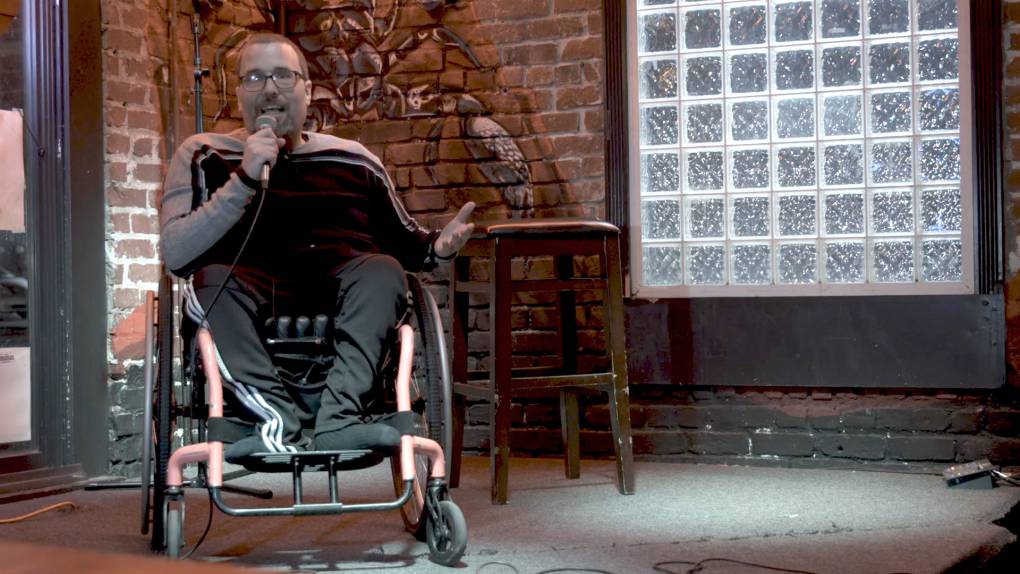
"caption": "Dan \"The Can't-Stand-Up Comedian\" Smith performs in Sacramento, prior to the coronavirus pandemic.",
"description": "Dan \"The Can't-Stand-Up Comedian\" Smith performs in Sacramento, prior to the coronavirus pandemic.",
"title": "tca1509_dansmith_unbranded",
"credit": "Aine Henderson/KQED ",
"status": "inherit",
"isLoading": false,
"fetchFailed": false
},
"news_11821599": {
"type": "attachments",
"id": "news_11821599",
"meta": {
"index": "attachments_1716263798",
"site": "news",
"id": "11821599",
"found": true
},
"parent": 11821598,
"imgSizes": {
"apple_news_ca_landscape_5_5": {
"file": "https://ww2.kqed.org/app/uploads/sites/10/2020/05/RS43410_-storage-emulated-0-VZMedia-97736-qut-1044x783.jpg",
"width": 1044,
"mimeType": "image/jpeg",
"height": 783
},
"apple_news_ca_square_4_0": {
"file": "https://ww2.kqed.org/app/uploads/sites/10/2020/05/RS43410_-storage-emulated-0-VZMedia-97736-qut-470x470.jpg",
"width": 470,
"mimeType": "image/jpeg",
"height": 470
},
"twentyfourteen-full-width": {
"file": "https://ww2.kqed.org/app/uploads/sites/10/2020/05/RS43410_-storage-emulated-0-VZMedia-97736-qut-1038x576.jpg",
"width": 1038,
"mimeType": "image/jpeg",
"height": 576
},
"thumbnail": {
"file": "https://ww2.kqed.org/app/uploads/sites/10/2020/05/RS43410_-storage-emulated-0-VZMedia-97736-qut-160x120.jpg",
"width": 160,
"mimeType": "image/jpeg",
"height": 120
},
"post-thumbnail": {
"file": "https://ww2.kqed.org/app/uploads/sites/10/2020/05/RS43410_-storage-emulated-0-VZMedia-97736-qut-672x372.jpg",
"width": 672,
"mimeType": "image/jpeg",
"height": 372
},
"kqedFullSize": {
"file": "https://ww2.kqed.org/app/uploads/sites/10/2020/05/RS43410_-storage-emulated-0-VZMedia-97736-qut.jpg",
"width": 1280,
"height": 960
},
"apple_news_ca_landscape_4_7": {
"file": "https://ww2.kqed.org/app/uploads/sites/10/2020/05/RS43410_-storage-emulated-0-VZMedia-97736-qut-632x474.jpg",
"width": 632,
"mimeType": "image/jpeg",
"height": 474
},
"large": {
"file": "https://ww2.kqed.org/app/uploads/sites/10/2020/05/RS43410_-storage-emulated-0-VZMedia-97736-qut-1020x765.jpg",
"width": 1020,
"mimeType": "image/jpeg",
"height": 765
},
"apple_news_ca_landscape_4_0": {
"file": "https://ww2.kqed.org/app/uploads/sites/10/2020/05/RS43410_-storage-emulated-0-VZMedia-97736-qut-536x402.jpg",
"width": 536,
"mimeType": "image/jpeg",
"height": 402
},
"apple_news_ca_portrait_12_9": {
"file": "https://ww2.kqed.org/app/uploads/sites/10/2020/05/RS43410_-storage-emulated-0-VZMedia-97736-qut-1122x960.jpg",
"width": 1122,
"mimeType": "image/jpeg",
"height": 960
},
"medium": {
"file": "https://ww2.kqed.org/app/uploads/sites/10/2020/05/RS43410_-storage-emulated-0-VZMedia-97736-qut-800x600.jpg",
"width": 800,
"mimeType": "image/jpeg",
"height": 600
},
"apple_news_ca_portrait_4_0": {
"file": "https://ww2.kqed.org/app/uploads/sites/10/2020/05/RS43410_-storage-emulated-0-VZMedia-97736-qut-354x472.jpg",
"width": 354,
"mimeType": "image/jpeg",
"height": 472
},
"apple_news_ca_portrait_9_7": {
"file": "https://ww2.kqed.org/app/uploads/sites/10/2020/05/RS43410_-storage-emulated-0-VZMedia-97736-qut-840x960.jpg",
"width": 840,
"mimeType": "image/jpeg",
"height": 960
},
"apple_news_ca_square_9_7": {
"file": "https://ww2.kqed.org/app/uploads/sites/10/2020/05/RS43410_-storage-emulated-0-VZMedia-97736-qut-1104x960.jpg",
"width": 1104,
"mimeType": "image/jpeg",
"height": 960
},
"apple_news_ca_portrait_4_7": {
"file": "https://ww2.kqed.org/app/uploads/sites/10/2020/05/RS43410_-storage-emulated-0-VZMedia-97736-qut-414x552.jpg",
"width": 414,
"mimeType": "image/jpeg",
"height": 552
},
"apple_news_ca_portrait_5_5": {
"file": "https://ww2.kqed.org/app/uploads/sites/10/2020/05/RS43410_-storage-emulated-0-VZMedia-97736-qut-687x916.jpg",
"width": 687,
"mimeType": "image/jpeg",
"height": 916
},
"apple_news_ca_square_4_7": {
"file": "https://ww2.kqed.org/app/uploads/sites/10/2020/05/RS43410_-storage-emulated-0-VZMedia-97736-qut-550x550.jpg",
"width": 550,
"mimeType": "image/jpeg",
"height": 550
},
"apple_news_ca_square_5_5": {
"file": "https://ww2.kqed.org/app/uploads/sites/10/2020/05/RS43410_-storage-emulated-0-VZMedia-97736-qut-912x912.jpg",
"width": 912,
"mimeType": "image/jpeg",
"height": 912
}
},
"publishDate": 1590713045,
"modified": 1590787875,
"caption": "Andraéa LaVant (left) and Stacey Park Milbern (right) were co-impact producers for the documentary \"Crip Camp.\"\n\n",
"description": "Andraéa LaVant and Stacey Park Milbern were co-impact producers for the documentary Crip Camp.\n\n",
"title": "RS43410_-storage-emulated-0-VZMedia-97736-qut",
"credit": "Courtesy of Andraéa LaVant",
"status": "inherit",
"isLoading": false,
"fetchFailed": false
},
"news_11819596": {
"type": "attachments",
"id": "news_11819596",
"meta": {
"index": "attachments_1716263798",
"site": "news",
"id": "11819596",
"found": true
},
"parent": 11819539,
"imgSizes": {
"apple_news_ca_landscape_5_5": {
"file": "https://ww2.kqed.org/app/uploads/sites/10/2020/05/RS43258_HEADSHOT-3-aw-qut-1044x783.jpg",
"width": 1044,
"mimeType": "image/jpeg",
"height": 783
},
"apple_news_ca_square_4_0": {
"file": "https://ww2.kqed.org/app/uploads/sites/10/2020/05/RS43258_HEADSHOT-3-aw-qut-470x470.jpg",
"width": 470,
"mimeType": "image/jpeg",
"height": 470
},
"twentyfourteen-full-width": {
"file": "https://ww2.kqed.org/app/uploads/sites/10/2020/05/RS43258_HEADSHOT-3-aw-qut-1038x576.jpg",
"width": 1038,
"mimeType": "image/jpeg",
"height": 576
},
"thumbnail": {
"file": "https://ww2.kqed.org/app/uploads/sites/10/2020/05/RS43258_HEADSHOT-3-aw-qut-160x160.jpg",
"width": 160,
"mimeType": "image/jpeg",
"height": 160
},
"post-thumbnail": {
"file": "https://ww2.kqed.org/app/uploads/sites/10/2020/05/RS43258_HEADSHOT-3-aw-qut-672x372.jpg",
"width": 672,
"mimeType": "image/jpeg",
"height": 372
},
"kqedFullSize": {
"file": "https://ww2.kqed.org/app/uploads/sites/10/2020/05/RS43258_HEADSHOT-3-aw-qut.jpg",
"width": 1080,
"height": 1080
},
"apple_news_ca_landscape_4_7": {
"file": "https://ww2.kqed.org/app/uploads/sites/10/2020/05/RS43258_HEADSHOT-3-aw-qut-632x474.jpg",
"width": 632,
"mimeType": "image/jpeg",
"height": 474
},
"large": {
"file": "https://ww2.kqed.org/app/uploads/sites/10/2020/05/RS43258_HEADSHOT-3-aw-qut-1020x1020.jpg",
"width": 1020,
"mimeType": "image/jpeg",
"height": 1020
},
"apple_news_ca_landscape_4_0": {
"file": "https://ww2.kqed.org/app/uploads/sites/10/2020/05/RS43258_HEADSHOT-3-aw-qut-536x402.jpg",
"width": 536,
"mimeType": "image/jpeg",
"height": 402
},
"medium": {
"file": "https://ww2.kqed.org/app/uploads/sites/10/2020/05/RS43258_HEADSHOT-3-aw-qut-800x800.jpg",
"width": 800,
"mimeType": "image/jpeg",
"height": 800
},
"apple_news_ca_portrait_4_0": {
"file": "https://ww2.kqed.org/app/uploads/sites/10/2020/05/RS43258_HEADSHOT-3-aw-qut-354x472.jpg",
"width": 354,
"mimeType": "image/jpeg",
"height": 472
},
"apple_news_ca_portrait_9_7": {
"file": "https://ww2.kqed.org/app/uploads/sites/10/2020/05/RS43258_HEADSHOT-3-aw-qut-840x1080.jpg",
"width": 840,
"mimeType": "image/jpeg",
"height": 1080
},
"apple_news_ca_portrait_4_7": {
"file": "https://ww2.kqed.org/app/uploads/sites/10/2020/05/RS43258_HEADSHOT-3-aw-qut-414x552.jpg",
"width": 414,
"mimeType": "image/jpeg",
"height": 552
},
"apple_news_ca_portrait_5_5": {
"file": "https://ww2.kqed.org/app/uploads/sites/10/2020/05/RS43258_HEADSHOT-3-aw-qut-687x916.jpg",
"width": 687,
"mimeType": "image/jpeg",
"height": 916
},
"apple_news_ca_square_4_7": {
"file": "https://ww2.kqed.org/app/uploads/sites/10/2020/05/RS43258_HEADSHOT-3-aw-qut-550x550.jpg",
"width": 550,
"mimeType": "image/jpeg",
"height": 550
},
"apple_news_ca_landscape_9_7": {
"file": "https://ww2.kqed.org/app/uploads/sites/10/2020/05/RS43258_HEADSHOT-3-aw-qut-1080x1032.jpg",
"width": 1080,
"mimeType": "image/jpeg",
"height": 1032
},
"apple_news_ca_square_5_5": {
"file": "https://ww2.kqed.org/app/uploads/sites/10/2020/05/RS43258_HEADSHOT-3-aw-qut-912x912.jpg",
"width": 912,
"mimeType": "image/jpeg",
"height": 912
}
},
"publishDate": 1590007225,
"modified": 1611968955,
"caption": "Alice Wong, a San Francisco-based disability rights activist and the host of the Disability Visibility podcast, said she was dismayed to find out about the state's new vaccine prioritization plan.",
"description": "Alice Wong is a San Francisco-based disability rights activist and the host of the podcast \"Disability/Visibility.\"",
"title": "RS43258_HEADSHOT 3 aw-qut",
"credit": "Eddie Hernandez Photography",
"status": "inherit",
"altTag": "Alice Wong is a San Francisco-based disability rights activist and the host of the podcast \"Disability/Visibility.\"",
"isLoading": false,
"fetchFailed": false
},
"news_11785609": {
"type": "attachments",
"id": "news_11785609",
"meta": {
"index": "attachments_1716263798",
"site": "news",
"id": "11785609",
"found": true
},
"parent": 11785596,
"imgSizes": {
"apple_news_ca_landscape_5_5": {
"file": "https://ww2.kqed.org/app/uploads/sites/10/2019/11/bartpriority_110719_final-1044x783.jpg",
"width": 1044,
"mimeType": "image/jpeg",
"height": 783
},
"apple_news_ca_square_4_0": {
"file": "https://ww2.kqed.org/app/uploads/sites/10/2019/11/bartpriority_110719_final-470x470.jpg",
"width": 470,
"mimeType": "image/jpeg",
"height": 470
},
"twentyfourteen-full-width": {
"file": "https://ww2.kqed.org/app/uploads/sites/10/2019/11/bartpriority_110719_final-1038x576.jpg",
"width": 1038,
"mimeType": "image/jpeg",
"height": 576
},
"thumbnail": {
"file": "https://ww2.kqed.org/app/uploads/sites/10/2019/11/bartpriority_110719_final-160x94.jpg",
"width": 160,
"mimeType": "image/jpeg",
"height": 94
},
"post-thumbnail": {
"file": "https://ww2.kqed.org/app/uploads/sites/10/2019/11/bartpriority_110719_final-672x372.jpg",
"width": 672,
"mimeType": "image/jpeg",
"height": 372
},
"kqedFullSize": {
"file": "https://ww2.kqed.org/app/uploads/sites/10/2019/11/bartpriority_110719_final.jpg",
"width": 1920,
"height": 1127
},
"apple_news_ca_landscape_4_7": {
"file": "https://ww2.kqed.org/app/uploads/sites/10/2019/11/bartpriority_110719_final-632x474.jpg",
"width": 632,
"mimeType": "image/jpeg",
"height": 474
},
"large": {
"file": "https://ww2.kqed.org/app/uploads/sites/10/2019/11/bartpriority_110719_final-1020x599.jpg",
"width": 1020,
"mimeType": "image/jpeg",
"height": 599
},
"complete_open_graph": {
"file": "https://ww2.kqed.org/app/uploads/sites/10/2019/11/bartpriority_110719_final-1200x704.jpg",
"width": 1200,
"mimeType": "image/jpeg",
"height": 704
},
"apple_news_ca_landscape_4_0": {
"file": "https://ww2.kqed.org/app/uploads/sites/10/2019/11/bartpriority_110719_final-536x402.jpg",
"width": 536,
"mimeType": "image/jpeg",
"height": 402
},
"apple_news_ca_portrait_12_9": {
"file": "https://ww2.kqed.org/app/uploads/sites/10/2019/11/bartpriority_110719_final-1122x1127.jpg",
"width": 1122,
"mimeType": "image/jpeg",
"height": 1127
},
"medium": {
"file": "https://ww2.kqed.org/app/uploads/sites/10/2019/11/bartpriority_110719_final-800x470.jpg",
"width": 800,
"mimeType": "image/jpeg",
"height": 470
},
"apple_news_ca_portrait_4_0": {
"file": "https://ww2.kqed.org/app/uploads/sites/10/2019/11/bartpriority_110719_final-354x472.jpg",
"width": 354,
"mimeType": "image/jpeg",
"height": 472
},
"apple_news_ca_portrait_9_7": {
"file": "https://ww2.kqed.org/app/uploads/sites/10/2019/11/bartpriority_110719_final-840x1120.jpg",
"width": 840,
"mimeType": "image/jpeg",
"height": 1120
},
"apple_news_ca_landscape_12_9": {
"file": "https://ww2.kqed.org/app/uploads/sites/10/2019/11/bartpriority_110719_final-1832x1127.jpg",
"width": 1832,
"mimeType": "image/jpeg",
"height": 1127
},
"apple_news_ca_square_9_7": {
"file": "https://ww2.kqed.org/app/uploads/sites/10/2019/11/bartpriority_110719_final-1104x1104.jpg",
"width": 1104,
"mimeType": "image/jpeg",
"height": 1104
},
"apple_news_ca_portrait_4_7": {
"file": "https://ww2.kqed.org/app/uploads/sites/10/2019/11/bartpriority_110719_final-414x552.jpg",
"width": 414,
"mimeType": "image/jpeg",
"height": 552
},
"apple_news_ca_square_12_9": {
"file": "https://ww2.kqed.org/app/uploads/sites/10/2019/11/bartpriority_110719_final-1472x1127.jpg",
"width": 1472,
"mimeType": "image/jpeg",
"height": 1127
},
"apple_news_ca_portrait_5_5": {
"file": "https://ww2.kqed.org/app/uploads/sites/10/2019/11/bartpriority_110719_final-687x916.jpg",
"width": 687,
"mimeType": "image/jpeg",
"height": 916
},
"full-width": {
"file": "https://ww2.kqed.org/app/uploads/sites/10/2019/11/bartpriority_110719_final-1920x1127.jpg",
"width": 1920,
"mimeType": "image/jpeg",
"height": 1127
},
"apple_news_ca_square_4_7": {
"file": "https://ww2.kqed.org/app/uploads/sites/10/2019/11/bartpriority_110719_final-550x550.jpg",
"width": 550,
"mimeType": "image/jpeg",
"height": 550
},
"apple_news_ca_landscape_9_7": {
"file": "https://ww2.kqed.org/app/uploads/sites/10/2019/11/bartpriority_110719_final-1376x1032.jpg",
"width": 1376,
"mimeType": "image/jpeg",
"height": 1032
},
"apple_news_ca_square_5_5": {
"file": "https://ww2.kqed.org/app/uploads/sites/10/2019/11/bartpriority_110719_final-912x912.jpg",
"width": 912,
"mimeType": "image/jpeg",
"height": 912
}
},
"publishDate": 1573164070,
"modified": 1573164092,
"caption": null,
"description": null,
"title": "bartpriority_110719_final",
"credit": null,
"status": "inherit",
"isLoading": false,
"fetchFailed": false
},
"news_11785501": {
"type": "attachments",
"id": "news_11785501",
"meta": {
"index": "attachments_1716263798",
"site": "news",
"id": "11785501",
"found": true
},
"parent": 0,
"imgSizes": {
"apple_news_ca_landscape_5_5": {
"file": "https://ww2.kqed.org/app/uploads/sites/10/2019/11/bartpony191106a-1044x783.jpg",
"width": 1044,
"mimeType": "image/jpeg",
"height": 783
},
"apple_news_ca_square_4_0": {
"file": "https://ww2.kqed.org/app/uploads/sites/10/2019/11/bartpony191106a-470x470.jpg",
"width": 470,
"mimeType": "image/jpeg",
"height": 470
},
"twentyfourteen-full-width": {
"file": "https://ww2.kqed.org/app/uploads/sites/10/2019/11/bartpony191106a-1038x576.jpg",
"width": 1038,
"mimeType": "image/jpeg",
"height": 576
},
"thumbnail": {
"file": "https://ww2.kqed.org/app/uploads/sites/10/2019/11/bartpony191106a-160x115.jpg",
"width": 160,
"mimeType": "image/jpeg",
"height": 115
},
"post-thumbnail": {
"file": "https://ww2.kqed.org/app/uploads/sites/10/2019/11/bartpony191106a-672x372.jpg",
"width": 672,
"mimeType": "image/jpeg",
"height": 372
},
"kqedFullSize": {
"file": "https://ww2.kqed.org/app/uploads/sites/10/2019/11/bartpony191106a.jpg",
"width": 1920,
"height": 1379
},
"apple_news_ca_landscape_4_7": {
"file": "https://ww2.kqed.org/app/uploads/sites/10/2019/11/bartpony191106a-632x474.jpg",
"width": 632,
"mimeType": "image/jpeg",
"height": 474
},
"large": {
"file": "https://ww2.kqed.org/app/uploads/sites/10/2019/11/bartpony191106a-1020x733.jpg",
"width": 1020,
"mimeType": "image/jpeg",
"height": 733
},
"complete_open_graph": {
"file": "https://ww2.kqed.org/app/uploads/sites/10/2019/11/bartpony191106a-1200x862.jpg",
"width": 1200,
"mimeType": "image/jpeg",
"height": 862
},
"apple_news_ca_landscape_4_0": {
"file": "https://ww2.kqed.org/app/uploads/sites/10/2019/11/bartpony191106a-536x402.jpg",
"width": 536,
"mimeType": "image/jpeg",
"height": 402
},
"apple_news_ca_portrait_12_9": {
"file": "https://ww2.kqed.org/app/uploads/sites/10/2019/11/bartpony191106a-1122x1379.jpg",
"width": 1122,
"mimeType": "image/jpeg",
"height": 1379
},
"medium": {
"file": "https://ww2.kqed.org/app/uploads/sites/10/2019/11/bartpony191106a-800x575.jpg",
"width": 800,
"mimeType": "image/jpeg",
"height": 575
},
"apple_news_ca_portrait_4_0": {
"file": "https://ww2.kqed.org/app/uploads/sites/10/2019/11/bartpony191106a-354x472.jpg",
"width": 354,
"mimeType": "image/jpeg",
"height": 472
},
"apple_news_ca_portrait_9_7": {
"file": "https://ww2.kqed.org/app/uploads/sites/10/2019/11/bartpony191106a-840x1120.jpg",
"width": 840,
"mimeType": "image/jpeg",
"height": 1120
},
"apple_news_ca_landscape_12_9": {
"file": "https://ww2.kqed.org/app/uploads/sites/10/2019/11/bartpony191106a-1832x1374.jpg",
"width": 1832,
"mimeType": "image/jpeg",
"height": 1374
},
"apple_news_ca_square_9_7": {
"file": "https://ww2.kqed.org/app/uploads/sites/10/2019/11/bartpony191106a-1104x1104.jpg",
"width": 1104,
"mimeType": "image/jpeg",
"height": 1104
},
"apple_news_ca_portrait_4_7": {
"file": "https://ww2.kqed.org/app/uploads/sites/10/2019/11/bartpony191106a-414x552.jpg",
"width": 414,
"mimeType": "image/jpeg",
"height": 552
},
"apple_news_ca_square_12_9": {
"file": "https://ww2.kqed.org/app/uploads/sites/10/2019/11/bartpony191106a-1472x1379.jpg",
"width": 1472,
"mimeType": "image/jpeg",
"height": 1379
},
"apple_news_ca_portrait_5_5": {
"file": "https://ww2.kqed.org/app/uploads/sites/10/2019/11/bartpony191106a-687x916.jpg",
"width": 687,
"mimeType": "image/jpeg",
"height": 916
},
"full-width": {
"file": "https://ww2.kqed.org/app/uploads/sites/10/2019/11/bartpony191106a-1920x1379.jpg",
"width": 1920,
"mimeType": "image/jpeg",
"height": 1379
},
"apple_news_ca_square_4_7": {
"file": "https://ww2.kqed.org/app/uploads/sites/10/2019/11/bartpony191106a-550x550.jpg",
"width": 550,
"mimeType": "image/jpeg",
"height": 550
},
"apple_news_ca_landscape_9_7": {
"file": "https://ww2.kqed.org/app/uploads/sites/10/2019/11/bartpony191106a-1376x1032.jpg",
"width": 1376,
"mimeType": "image/jpeg",
"height": 1032
},
"apple_news_ca_square_5_5": {
"file": "https://ww2.kqed.org/app/uploads/sites/10/2019/11/bartpony191106a-912x912.jpg",
"width": 912,
"mimeType": "image/jpeg",
"height": 912
}
},
"publishDate": 1573104608,
"modified": 1573105035,
"caption": "Sweets, the \"BART pony,\" at home in Solano County paddock. ",
"description": null,
"title": "BART Pony",
"credit": "Dan Brekke/KQED",
"status": "inherit",
"isLoading": false,
"fetchFailed": false
},
"news_11723842": {
"type": "attachments",
"id": "news_11723842",
"meta": {
"index": "attachments_1716263798",
"site": "news",
"id": "11723842",
"found": true
},
"parent": 11723830,
"imgSizes": {
"thumbnail": {
"file": "https://ww2.kqed.org/app/uploads/sites/10/2019/02/POLICE_t800-160x86.png",
"width": 160,
"mimeType": "image/png",
"height": 86
},
"post-thumbnail": {
"file": "https://ww2.kqed.org/app/uploads/sites/10/2019/02/POLICE_t800-672x372.png",
"width": 672,
"mimeType": "image/png",
"height": 372
},
"kqedFullSize": {
"file": "https://ww2.kqed.org/app/uploads/sites/10/2019/02/POLICE_t800.png",
"width": 800,
"height": 432
},
"guest-author-50": {
"file": "https://ww2.kqed.org/app/uploads/sites/10/2019/02/POLICE_t800-50x50.png",
"width": 50,
"mimeType": "image/png",
"height": 50
},
"guest-author-96": {
"file": "https://ww2.kqed.org/app/uploads/sites/10/2019/02/POLICE_t800-96x96.png",
"width": 96,
"mimeType": "image/png",
"height": 96
},
"medium": {
"file": "https://ww2.kqed.org/app/uploads/sites/10/2019/02/POLICE_t800-800x432.png",
"width": 800,
"mimeType": "image/png",
"height": 432
},
"guest-author-64": {
"file": "https://ww2.kqed.org/app/uploads/sites/10/2019/02/POLICE_t800-64x64.png",
"width": 64,
"mimeType": "image/png",
"height": 64
},
"detail": {
"file": "https://ww2.kqed.org/app/uploads/sites/10/2019/02/POLICE_t800-150x150.png",
"width": 150,
"mimeType": "image/png",
"height": 150
},
"guest-author-32": {
"file": "https://ww2.kqed.org/app/uploads/sites/10/2019/02/POLICE_t800-32x32.png",
"width": 32,
"mimeType": "image/png",
"height": 32
},
"guest-author-128": {
"file": "https://ww2.kqed.org/app/uploads/sites/10/2019/02/POLICE_t800-128x128.png",
"width": 128,
"mimeType": "image/png",
"height": 128
}
},
"publishDate": 1549482563,
"modified": 1549486376,
"caption": "San Diego police cars with flashing lights roll up on 17th Street to clear the homeless and their tents from the sidewalks in the East Village, June 27, 2016.",
"description": null,
"title": "POLICE_t800",
"credit": "Susan Murphy/KPBS",
"status": "inherit",
"isLoading": false,
"fetchFailed": false
},
"news_11639680": {
"type": "attachments",
"id": "news_11639680",
"meta": {
"index": "attachments_1716263798",
"site": "news",
"id": "11639680",
"found": true
},
"parent": 11639677,
"imgSizes": {
"small": {
"file": "https://ww2.kqed.org/app/uploads/sites/10/2017/12/GettyImages-119451280-520x352.jpg",
"width": 520,
"mimeType": "image/jpeg",
"height": 352
},
"twentyfourteen-full-width": {
"file": "https://ww2.kqed.org/app/uploads/sites/10/2017/12/GettyImages-119451280-1038x576.jpg",
"width": 1038,
"mimeType": "image/jpeg",
"height": 576
},
"thumbnail": {
"file": "https://ww2.kqed.org/app/uploads/sites/10/2017/12/GettyImages-119451280-160x108.jpg",
"width": 160,
"mimeType": "image/jpeg",
"height": 108
},
"fd-sm": {
"file": "https://ww2.kqed.org/app/uploads/sites/10/2017/12/GettyImages-119451280-960x650.jpg",
"width": 960,
"mimeType": "image/jpeg",
"height": 650
},
"post-thumbnail": {
"file": "https://ww2.kqed.org/app/uploads/sites/10/2017/12/GettyImages-119451280-672x372.jpg",
"width": 672,
"mimeType": "image/jpeg",
"height": 372
},
"xsmall": {
"file": "https://ww2.kqed.org/app/uploads/sites/10/2017/12/GettyImages-119451280-375x254.jpg",
"width": 375,
"mimeType": "image/jpeg",
"height": 254
},
"kqedFullSize": {
"file": "https://ww2.kqed.org/app/uploads/sites/10/2017/12/GettyImages-119451280-e1514741858528.jpg",
"width": 1920,
"height": 1300
},
"large": {
"file": "https://ww2.kqed.org/app/uploads/sites/10/2017/12/GettyImages-119451280-1020x691.jpg",
"width": 1020,
"mimeType": "image/jpeg",
"height": 691
},
"xlarge": {
"file": "https://ww2.kqed.org/app/uploads/sites/10/2017/12/GettyImages-119451280-1180x799.jpg",
"width": 1180,
"mimeType": "image/jpeg",
"height": 799
},
"guest-author-50": {
"file": "https://ww2.kqed.org/app/uploads/sites/10/2017/12/GettyImages-119451280-50x50.jpg",
"width": 50,
"mimeType": "image/jpeg",
"height": 50
},
"guest-author-96": {
"file": "https://ww2.kqed.org/app/uploads/sites/10/2017/12/GettyImages-119451280-96x96.jpg",
"width": 96,
"mimeType": "image/jpeg",
"height": 96
},
"medium": {
"file": "https://ww2.kqed.org/app/uploads/sites/10/2017/12/GettyImages-119451280-800x542.jpg",
"width": 800,
"mimeType": "image/jpeg",
"height": 542
},
"guest-author-64": {
"file": "https://ww2.kqed.org/app/uploads/sites/10/2017/12/GettyImages-119451280-64x64.jpg",
"width": 64,
"mimeType": "image/jpeg",
"height": 64
},
"guest-author-32": {
"file": "https://ww2.kqed.org/app/uploads/sites/10/2017/12/GettyImages-119451280-32x32.jpg",
"width": 32,
"mimeType": "image/jpeg",
"height": 32
},
"fd-lrg": {
"file": "https://ww2.kqed.org/app/uploads/sites/10/2017/12/GettyImages-119451280-1920x1300.jpg",
"width": 1920,
"mimeType": "image/jpeg",
"height": 1300
},
"fd-med": {
"file": "https://ww2.kqed.org/app/uploads/sites/10/2017/12/GettyImages-119451280-1180x799.jpg",
"width": 1180,
"mimeType": "image/jpeg",
"height": 799
},
"full-width": {
"file": "https://ww2.kqed.org/app/uploads/sites/10/2017/12/GettyImages-119451280-1920x1300.jpg",
"width": 1920,
"mimeType": "image/jpeg",
"height": 1300
},
"detail": {
"file": "https://ww2.kqed.org/app/uploads/sites/10/2017/12/GettyImages-119451280-150x150.jpg",
"width": 150,
"mimeType": "image/jpeg",
"height": 150
},
"guest-author-128": {
"file": "https://ww2.kqed.org/app/uploads/sites/10/2017/12/GettyImages-119451280-128x128.jpg",
"width": 128,
"mimeType": "image/jpeg",
"height": 128
},
"xxsmall": {
"file": "https://ww2.kqed.org/app/uploads/sites/10/2017/12/GettyImages-119451280-240x163.jpg",
"width": 240,
"mimeType": "image/jpeg",
"height": 163
}
},
"publishDate": 1514741802,
"modified": 1514741843,
"caption": " The disabled parking placards allow handicapped motorists to park for free and in designated parking spots.",
"description": " The disabled parking placards allow handicapped motorists to park for free and in designated parking spots.",
"title": "California DMV Mails Thousands Of Disabled Parking Placards To Dead People",
"credit": "Justin Sullivan/Getty Images",
"status": "inherit",
"isLoading": false,
"fetchFailed": false
}
},
"audioPlayerReducer": {
"postId": "stream_live",
"isPaused": true,
"isPlaying": false,
"pfsActive": false,
"pledgeModalIsOpen": true,
"playerDrawerIsOpen": false,
"liveAudioPlayStartedAt": 0,
"liveAudioPlayContext": ""
},
"authorsReducer": {
"byline_news_11723830": {
"type": "authors",
"id": "byline_news_11723830",
"meta": {
"override": true
},
"slug": "byline_news_11723830",
"name": "\u003cstrong>\u003ca href=\"https://www.kpbs.org/staff/andrew-bowen/\">Andrew Bowen\u003c/a>\u003c/strong>",
"isLoading": false
},
"byline_news_11639677": {
"type": "authors",
"id": "byline_news_11639677",
"meta": {
"override": true
},
"slug": "byline_news_11639677",
"name": "\u003cstrong>Associated Press\u003c/strong>",
"isLoading": false
},
"danbrekke": {
"type": "authors",
"id": "222",
"meta": {
"index": "authors_1716337520",
"id": "222",
"found": true
},
"name": "Dan Brekke",
"firstName": "Dan",
"lastName": "Brekke",
"slug": "danbrekke",
"email": "dbrekke@kqed.org",
"display_author_email": true,
"staff_mastheads": [
"news",
"science"
],
"title": "KQED Editor and Reporter",
"bio": "Dan Brekke is a reporter and editor for KQED News, responsible for coverage of topics ranging from California water issues to the Bay Area's transportation challenges. In a newsroom career that began in Chicago in 1972, Dan has worked for \u003cem>The San Francisco Examiner,\u003c/em> Wired and TechTV and has been published in The New York Times, The New York Times Magazine, Business 2.0, Salon and elsewhere.\r\n\r\nSince joining KQED in 2007, Dan has reported, edited and produced both radio and online features and breaking news pieces. He has shared as both editor and reporter in four Society of Professional Journalists Norcal Excellence in Journalism awards and one Edward R. Murrow regional award. He was chosen for a spring 2017 residency at the Mesa Refuge to advance his research on California salmon.\r\n\r\nEmail Dan at: \u003ca href=\"mailto:dbrekke@kqed.org\">dbrekke@kqed.org\u003c/a>\r\n\r\n\u003cstrong>Twitter:\u003c/strong> \u003ca href=\"https://twitter.com/danbrekke\" rel=\"noopener noreferrer\">twitter.com/danbrekke\u003c/a>\r\n\u003cstrong>Facebook:\u003c/strong> \u003ca href=\"https://www.facebook.com/danbrekke\" rel=\"noopener noreferrer\">www.facebook.com/danbrekke\u003c/a>\r\n\u003cstrong>LinkedIn:\u003c/strong> \u003ca href=\"https://www.linkedin.com/in/danbrekke\" rel=\"noopener noreferrer\">www.linkedin.com/in/danbrekke\u003c/a>",
"avatar": "https://secure.gravatar.com/avatar/8f1f0d2a978fb3b23426c922c7e2af558fa36905b49c4ce76a97dc3c72d27226?s=600&d=mm&r=g",
"twitter": "danbrekke",
"bluesky": null,
"facebook": null,
"instagram": "https://www.instagram.com/dan.brekke/",
"linkedin": "https://www.linkedin.com/in/danbrekke/",
"sites": [
{
"site": "news",
"roles": [
"administrator",
"create_posts"
]
},
{
"site": "stateofhealth",
"roles": [
"editor"
]
},
{
"site": "science",
"roles": [
"editor"
]
},
{
"site": "quest",
"roles": [
"contributor"
]
},
{
"site": "food",
"roles": [
"contributor"
]
},
{
"site": "forum",
"roles": [
"contributor"
]
},
{
"site": "elections",
"roles": [
"editor"
]
},
{
"site": "liveblog",
"roles": [
"editor"
]
}
],
"headData": {
"title": "Dan Brekke | KQED",
"description": "KQED Editor and Reporter",
"ogImgSrc": "https://secure.gravatar.com/avatar/8f1f0d2a978fb3b23426c922c7e2af558fa36905b49c4ce76a97dc3c72d27226?s=600&d=mm&r=g",
"twImgSrc": "https://secure.gravatar.com/avatar/8f1f0d2a978fb3b23426c922c7e2af558fa36905b49c4ce76a97dc3c72d27226?s=600&d=mm&r=g"
},
"isLoading": false,
"link": "/author/danbrekke"
},
"kqed": {
"type": "authors",
"id": "236",
"meta": {
"index": "authors_1716337520",
"id": "236",
"found": true
},
"name": "KQED News Staff",
"firstName": "KQED News Staff",
"lastName": null,
"slug": "kqed",
"email": "faq@kqed.org",
"display_author_email": false,
"staff_mastheads": [],
"title": null,
"bio": null,
"avatar": "https://secure.gravatar.com/avatar/ef0e801a68c4c54afa9180db14084167?s=600&d=blank&r=g",
"twitter": null,
"facebook": null,
"instagram": null,
"linkedin": null,
"sites": [
{
"site": "arts",
"roles": [
"contributor"
]
},
{
"site": "news",
"roles": [
"editor"
]
},
{
"site": "futureofyou",
"roles": [
"author"
]
}
],
"headData": {
"title": "KQED News Staff | KQED",
"description": null,
"ogImgSrc": "https://secure.gravatar.com/avatar/ef0e801a68c4c54afa9180db14084167?s=600&d=blank&r=g",
"twImgSrc": "https://secure.gravatar.com/avatar/ef0e801a68c4c54afa9180db14084167?s=600&d=blank&r=g"
},
"isLoading": false,
"link": "/author/kqed"
},
"sasha-khokha": {
"type": "authors",
"id": "254",
"meta": {
"index": "authors_1716337520",
"id": "254",
"found": true
},
"name": "Sasha Khokha",
"firstName": "Sasha",
"lastName": "Khokha",
"slug": "sasha-khokha",
"email": "skhokha@kqed.org",
"display_author_email": true,
"staff_mastheads": [
"news"
],
"title": "Host, The California Report Magazine",
"bio": "Sasha Khokha is the host of \u003cem>The California Report's \u003c/em> weekly magazine program, which takes listeners on sound-rich excursions to meet the people that make the Golden State unique -- through audio documentaries and long-form stories. As \u003cem>The California Report's\u003c/em> Central Valley Bureau Chief based in Fresno for nearly a dozen years, Sasha brought the lives and concerns of rural Californians to listeners around the state. Her reporting helped expose the hidden price immigrant women janitors and farmworkers may pay to keep their jobs: sexual assault at work. It inspired two new California laws to protect them from sexual harassment. She was a key member of the reporting team for the Frontline film \u003cem>Rape on the Night Shift, \u003c/em>which was nominated for two national Emmys. Sasha has also won a national Edward R. Murrow and a national PRNDI award for investigative reporting, as well as multiple prizes from the Society for Professional Journalists. Sasha is a proud alum of the UC Berkeley Graduate School of Journalism and Brown University and a member of the South Asian Journalists Association.",
"avatar": "https://secure.gravatar.com/avatar/e4b5e1541aaeea2aa356aa1fb2a68950?s=600&d=blank&r=g",
"twitter": "KQEDSashaKhokha",
"facebook": null,
"instagram": null,
"linkedin": null,
"sites": [
{
"site": "news",
"roles": [
"editor"
]
},
{
"site": "stateofhealth",
"roles": [
"author"
]
},
{
"site": "science",
"roles": [
"author"
]
},
{
"site": "quest",
"roles": [
"subscriber"
]
}
],
"headData": {
"title": "Sasha Khokha | KQED",
"description": "Host, The California Report Magazine",
"ogImgSrc": "https://secure.gravatar.com/avatar/e4b5e1541aaeea2aa356aa1fb2a68950?s=600&d=blank&r=g",
"twImgSrc": "https://secure.gravatar.com/avatar/e4b5e1541aaeea2aa356aa1fb2a68950?s=600&d=blank&r=g"
},
"isLoading": false,
"link": "/author/sasha-khokha"
},
"markfiore": {
"type": "authors",
"id": "3236",
"meta": {
"index": "authors_1716337520",
"id": "3236",
"found": true
},
"name": "Mark Fiore",
"firstName": "Mark",
"lastName": "Fiore",
"slug": "markfiore",
"email": "mark@markfiore.com",
"display_author_email": false,
"staff_mastheads": [
"news"
],
"title": "KQED News Cartoonist",
"bio": "\u003ca href=\"http://www.MarkFiore.com\">MarkFiore.com\u003c/a> | \u003ca href=\"https://twitter.com/markfiore\">Follow on Twitter\u003c/a> | \u003ca href=\"https://www.facebook.com/pages/Mark-Fiore-Animated-Political-Cartoons/94451707396?ref=bookmarks\">Facebook\u003c/a> | \u003ca href=\"mailto:mark@markfiore.com\">email\u003c/a>\r\n\r\nPulitzer Prize-winner, Mark Fiore, who the Wall Street Journal has called “the undisputed guru of the form,” creates animated political cartoons in San Francisco, where his work has been featured regularly on the San Francisco Chronicle’s web site, SFGate.com. His work has appeared on Newsweek.com, Slate.com, CBSNews.com, MotherJones.com, DailyKos.com and NPR’s web site. Fiore’s political animation has appeared on CNN, Frontline, Bill Moyers Journal, Salon.com and cable and broadcast outlets across the globe.\r\n\r\nBeginning his professional life by drawing traditional political cartoons for newspapers, Fiore’s work appeared in publications ranging from the Washington Post to the Los Angeles Times. In the late 1990s, he began to experiment with animating political cartoons and, after a short stint at the San Jose Mercury News as their staff cartoonist, Fiore devoted all his energies to animation.\r\nGrowing up in California, Fiore also spent a good portion of his life in the backwoods of Idaho. It was this combination that shaped him politically. Mark majored in political science at Colorado College, where, in a perfect send-off for a cartoonist, he received his diploma in 1991 as commencement speaker Dick Cheney smiled approvingly.\r\nMark Fiore was awarded the Pulitzer Prize for political cartooning in 2010, a Robert F. Kennedy Journalism Award in 2004 and has twice received an Online Journalism Award for commentary from the Online News Association (2002, 2008). Fiore has received two awards for his work in new media from the National Cartoonists Society (2001, 2002), and in 2006 received The James Madison Freedom of Information Award from The Society of Professional Journalists.",
"avatar": "https://secure.gravatar.com/avatar/fc4e2a612b15b67bad0c6f0e1db4ca9b?s=600&d=blank&r=g",
"twitter": "MarkFiore",
"facebook": null,
"instagram": "https://www.instagram.com/markfiore/?hl=en",
"linkedin": null,
"sites": [
{
"site": "arts",
"roles": [
"contributor"
]
},
{
"site": "news",
"roles": [
"editor"
]
},
{
"site": "futureofyou",
"roles": [
"editor"
]
},
{
"site": "science",
"roles": [
"editor"
]
}
],
"headData": {
"title": "Mark Fiore | KQED",
"description": "KQED News Cartoonist",
"ogImgSrc": "https://secure.gravatar.com/avatar/fc4e2a612b15b67bad0c6f0e1db4ca9b?s=600&d=blank&r=g",
"twImgSrc": "https://secure.gravatar.com/avatar/fc4e2a612b15b67bad0c6f0e1db4ca9b?s=600&d=blank&r=g"
},
"isLoading": false,
"link": "/author/markfiore"
},
"dkatayama": {
"type": "authors",
"id": "7240",
"meta": {
"index": "authors_1716337520",
"id": "7240",
"found": true
},
"name": "Devin Katayama",
"firstName": "Devin",
"lastName": "Katayama",
"slug": "dkatayama",
"email": "dkatayama@kqed.org",
"display_author_email": true,
"staff_mastheads": [
"news"
],
"title": "Editor of Talent and Development",
"bio": "Devin Katayama is former Editor of Talent and Development for KQED. He supported our internship program and on-call staff by looking for equitable opportunities to improve the newsroom.\r\n\r\nHe previously hosted The Bay and American Suburb podcasts from KQED News. Prior to returning to the Bay Area in 2015, Devin was the education reporter for WFPL in Louisville and worked as a producer with radio stations in Chicago and Portland, OR. His work has appeared on NPR’s \u003cem>Morning Edition, All Things Considered, The Takeaway\u003c/em> and \u003cem>Here and Now.\u003c/em>\r\n\r\nDevin earned his MA in Journalism from Columbia College Chicago, where he was a Follett Fellow and the recipient of the 2011 Studs Terkel Community Media Workshop Scholarship for his story on Chicago's homeless youth. He won WBUR's 2014 Daniel Schorr award and a regional RTNDA Edward R. Murrow Award for his documentary \"At Risk\" that looked at issues facing some of Louisville's students. Devin has also received numerous local awards from the Associated Press and the Society of Professional Journalists.",
"avatar": "https://secure.gravatar.com/avatar/d0d2978a31002fb2de107921a8e18405?s=600&d=blank&r=g",
"twitter": "RadioDevin",
"facebook": null,
"instagram": null,
"linkedin": null,
"sites": [
{
"site": "arts",
"roles": []
},
{
"site": "news",
"roles": [
"author"
]
},
{
"site": "stateofhealth",
"roles": [
"author"
]
},
{
"site": "forum",
"roles": [
"editor"
]
},
{
"site": "perspectives",
"roles": [
"editor"
]
}
],
"headData": {
"title": "Devin Katayama | KQED",
"description": "Editor of Talent and Development",
"ogImgSrc": "https://secure.gravatar.com/avatar/d0d2978a31002fb2de107921a8e18405?s=600&d=blank&r=g",
"twImgSrc": "https://secure.gravatar.com/avatar/d0d2978a31002fb2de107921a8e18405?s=600&d=blank&r=g"
},
"isLoading": false,
"link": "/author/dkatayama"
},
"ecruzguevarra": {
"type": "authors",
"id": "8654",
"meta": {
"index": "authors_1716337520",
"id": "8654",
"found": true
},
"name": "Ericka Cruz Guevarra",
"firstName": "Ericka",
"lastName": "Cruz Guevarra",
"slug": "ecruzguevarra",
"email": "ecruzguevarra@kqed.org",
"display_author_email": true,
"staff_mastheads": [
"news"
],
"title": "Producer, The Bay Podcast",
"bio": "Ericka Cruz Guevarra is host of \u003ca href=\"https://www.kqed.org/podcasts/thebay\">\u003cem>The Bay\u003c/em>\u003c/a> podcast at KQED. Before host, she was the show’s producer. Her work in that capacity includes a three-part reported series on policing in Vallejo, which won a 2020 excellence in journalism award from the Society of Professional Journalists. Ericka has worked as a breaking news reporter at Oregon Public Broadcasting, helped produce the Code Switch podcast, and was KQED’s inaugural Raul Ramirez Diversity Fund intern. She’s also an alumna of NPR’s Next Generation Radio program. Send her an email if you have strong feelings about whether Fairfield and Suisun City are the Bay. Ericka is represented by SAG-AFTRA.",
"avatar": "https://secure.gravatar.com/avatar/accefc1de4bafc7e234b69bcb9b6f6536c130fd84709bc3069ef11a78787e1bb?s=600&d=blank&r=g",
"twitter": "NotoriousECG",
"bluesky": null,
"facebook": null,
"instagram": null,
"linkedin": null,
"sites": [
{
"site": "arts",
"roles": [
"subscriber"
]
},
{
"site": "news",
"roles": [
"editor",
"manage_categories"
]
},
{
"site": "futureofyou",
"roles": [
"subscriber"
]
},
{
"site": "stateofhealth",
"roles": [
"subscriber"
]
},
{
"site": "science",
"roles": [
"editor"
]
},
{
"site": "forum",
"roles": [
"subscriber"
]
}
],
"headData": {
"title": "Ericka Cruz Guevarra | KQED",
"description": "Producer, The Bay Podcast",
"ogImgSrc": "https://secure.gravatar.com/avatar/accefc1de4bafc7e234b69bcb9b6f6536c130fd84709bc3069ef11a78787e1bb?s=600&d=blank&r=g",
"twImgSrc": "https://secure.gravatar.com/avatar/accefc1de4bafc7e234b69bcb9b6f6536c130fd84709bc3069ef11a78787e1bb?s=600&d=blank&r=g"
},
"isLoading": false,
"link": "/author/ecruzguevarra"
},
"aehsanipour": {
"type": "authors",
"id": "11580",
"meta": {
"index": "authors_1716337520",
"id": "11580",
"found": true
},
"name": "Asal Ehsanipour",
"firstName": "Asal",
"lastName": "Ehsanipour",
"slug": "aehsanipour",
"email": "aehsanipour@kqed.org",
"display_author_email": false,
"staff_mastheads": [],
"title": "Reporter and Producer",
"bio": "Asal Ehsanipour is a producer and reporter for Rightnowish, Bay Curious and The California Report Magazine. She is also a producer for \u003ca href=\"https://www.thedoubleshift.com/\">The Double Shift\u003c/a>, a podcast about a new generation of working mothers. In 2018, Asal was named an Emerging Journalist Fellow by the Journalism and Women’s Symposium. Her work has appeared on KQED, KALW, PRI’s The World, and in several food and travel publications.",
"avatar": "https://secure.gravatar.com/avatar/c0e210438f5dca1b76921ff9f0eada52?s=600&d=blank&r=g",
"twitter": null,
"facebook": null,
"instagram": null,
"linkedin": null,
"sites": [
{
"site": "arts",
"roles": []
},
{
"site": "news",
"roles": [
"author",
"edit_others_posts"
]
}
],
"headData": {
"title": "Asal Ehsanipour | KQED",
"description": "Reporter and Producer",
"ogImgSrc": "https://secure.gravatar.com/avatar/c0e210438f5dca1b76921ff9f0eada52?s=600&d=blank&r=g",
"twImgSrc": "https://secure.gravatar.com/avatar/c0e210438f5dca1b76921ff9f0eada52?s=600&d=blank&r=g"
},
"isLoading": false,
"link": "/author/aehsanipour"
},
"amontecillo": {
"type": "authors",
"id": "11649",
"meta": {
"index": "authors_1716337520",
"id": "11649",
"found": true
},
"name": "Alan Montecillo",
"firstName": "Alan",
"lastName": "Montecillo",
"slug": "amontecillo",
"email": "amontecillo@kqed.org",
"display_author_email": false,
"staff_mastheads": [
"news"
],
"title": "KQED Contributor",
"bio": "Alan Montecillo is the senior editor of \u003cem>\u003ca href=\"http://kqed.org/thebay\">The Bay\u003c/a>, \u003c/em> KQED's local news podcast. Before moving to the Bay Area, he worked as a senior talk show producer for WILL in Champaign-Urbana, Illinois and at Oregon Public Broadcasting in Portland, Oregon. He has won journalism awards from the Society of Professional Journalists Northern California, the Public Media Journalists Association, The Signal Awards, and has also received a regional Edward R. Murrow award. Alan is a Filipino American from Hong Kong and a graduate of Reed College.",
"avatar": "https://secure.gravatar.com/avatar/268f53a2066899ea9efdd8a5900218b17c822d9862cbc9326cccec53ef41d349?s=600&d=blank&r=g",
"twitter": "alanmontecillo",
"bluesky": null,
"facebook": null,
"instagram": null,
"linkedin": null,
"sites": [
{
"site": "",
"roles": [
"editor"
]
},
{
"site": "news",
"roles": [
"editor",
"manage_categories"
]
}
],
"headData": {
"title": "Alan Montecillo | KQED",
"description": "KQED Contributor",
"ogImgSrc": "https://secure.gravatar.com/avatar/268f53a2066899ea9efdd8a5900218b17c822d9862cbc9326cccec53ef41d349?s=600&d=blank&r=g",
"twImgSrc": "https://secure.gravatar.com/avatar/268f53a2066899ea9efdd8a5900218b17c822d9862cbc9326cccec53ef41d349?s=600&d=blank&r=g"
},
"isLoading": false,
"link": "/author/amontecillo"
},
"amarkowitz": {
"type": "authors",
"id": "11660",
"meta": {
"index": "authors_1716337520",
"id": "11660",
"found": true
},
"name": "Ariella Markowitz",
"firstName": "Ariella",
"lastName": "Markowitz",
"slug": "amarkowitz",
"email": "amarkowitz@kqed.org",
"display_author_email": false,
"staff_mastheads": [],
"title": "KQED Contributor",
"bio": "Ariella is a former intern for the California Report Magazine. Before that, she helped mobilize freelance journalists with Association of Independents in Radio (AIR) and made radio features for KALW. Ariella loves investigative reporting, personal stories that interrogate power, and spicy vegan cooking.",
"avatar": "https://secure.gravatar.com/avatar/7076c77064fecef602a2c779f2b9e1d33cb6f9b5fa13542bd1a6e2846a7c85a9?s=600&d=blank&r=g",
"twitter": "ariellaudio",
"bluesky": null,
"facebook": null,
"instagram": null,
"linkedin": null,
"sites": [
{
"site": "news",
"roles": [
"author"
]
},
{
"site": "forum",
"roles": [
"editor"
]
},
{
"site": "perspectives",
"roles": [
"administrator"
]
}
],
"headData": {
"title": "Ariella Markowitz | KQED",
"description": "KQED Contributor",
"ogImgSrc": "https://secure.gravatar.com/avatar/7076c77064fecef602a2c779f2b9e1d33cb6f9b5fa13542bd1a6e2846a7c85a9?s=600&d=blank&r=g",
"twImgSrc": "https://secure.gravatar.com/avatar/7076c77064fecef602a2c779f2b9e1d33cb6f9b5fa13542bd1a6e2846a7c85a9?s=600&d=blank&r=g"
},
"isLoading": false,
"link": "/author/amarkowitz"
}
},
"pagesReducer": {
"news_tag_disability-community": {
"type": "terms",
"id": "news_29228",
"meta": {
"index": "terms_1716263798",
"site": "news",
"id": "29228",
"score": 10.407741
},
"featImg": null,
"name": "disability community",
"description": null,
"taxonomy": "tag",
"headData": {
"twImgId": null,
"twTitle": null,
"ogTitle": null,
"ogImgId": null,
"twDescription": null,
"description": null,
"title": "disability community Archives | KQED News",
"ogDescription": null
},
"ttid": 29245,
"slug": "disability-community",
"isLoading": false,
"title": "disability community",
"pageMeta": {
"site": "news",
"WpPageTemplate": "page-topic-editorial",
"currentPage": 3
},
"blocks": [
{
"blockName": "kqed/post-list",
"attrs": {
"layout": "cardArticle2",
"query": "posts/news?tag=disability-community",
"seeMore": false,
"paginated": true,
"page": 3
}
},
{
"blockName": "kqed/ad"
}
]
}
},
"pfsSessionReducer": {},
"postsReducer": {
"stream_live": {
"type": "live",
"id": "stream_live",
"audioUrl": "https://hls.kqed.org/hls/kqed_app/playlist.m3u8",
"title": "Live Stream",
"excerpt": "Live Stream information currently unavailable.",
"link": "/radio",
"featImg": "",
"label": {
"name": "KQED Live",
"link": "/"
}
},
"stream_kqedNewscast": {
"type": "posts",
"id": "stream_kqedNewscast",
"audioUrl": "https://www.kqed.org/.stream/anon/radio/RDnews/newscast.mp3?_=1",
"title": "KQED Newscast",
"featImg": "",
"label": {
"name": "88.5 FM",
"link": "/"
}
},
"news_11837544": {
"type": "posts",
"id": "news_11837544",
"meta": {
"index": "posts_1716263798",
"site": "news",
"id": "11837544",
"score": null,
"sort": [
1601080091000
]
},
"guestAuthors": [],
"slug": "the-cant-stand-up-comedian-dan-smith-on-finding-comedy-in-spina-bifida",
"title": "The 'Can't-Stand-Up Comedian': Dan Smith on Finding Comedy in Spina Bifida",
"publishDate": 1601080091,
"format": "audio",
"headTitle": "The ‘Can’t-Stand-Up Comedian’: Dan Smith on Finding Comedy in Spina Bifida | KQED",
"labelTerm": {
"term": 26731,
"site": "news"
},
"content": "\u003cp>For Dan Smith, mundane everyday chores can become fodder for his next comedy routine.\u003c/p>\n\u003cp>On a warm January day, Smith tackled the usual domestic challenges at his home in Sacramento. He began by taking out the trash, groaning while gripping the heavy bin as it rolled down his steep driveway, dragging him behind it.\u003c/p>\n\u003cp>“That’s taking out the trash can of terror,” he deadpanned.\u003c/p>\n\u003cp>Next, Smith grabbed a leash to walk his dog Kepi around the block. A “walk and roll,” he called it. “[Kepi’s] walking, I’m rolling.”\u003c/p>\n\u003cp>Smith, who has used a wheelchair since birth, has coined phrases like this for nearly each part of his day.\u003c/p>\n\u003cp>[ad fullwidth]\u003c/p>\n\u003cp>“You’ve got to keep things fun,” he explained. “Laughter is what’s kept me sane through a lot of things.”\u003c/p>\n\u003cp>Before the coronavirus pandemic shut down entertainment venues around the state, Smith had become a regular at comedy joints around the Sacramento area. Nearly once a week, a group of comics would hoist Smith on stage at a local club called \u003ca href=\"https://www.punchlinesac.com/\">Punch Line Sacramento\u003c/a>.\u003c/p>\n\u003cp>“Thanks for coming to the stand-up comedy show,” Smith began one such set. “I’ll be your can’t-stand-up-comedian for the night.”\u003c/p>\n\u003cp>https://www.youtube.com/watch?v=XS7-dR8znvY&t=82s&ab_channel=KQEDArts\u003c/p>\n\u003cp>Smith has spina bifida, a birth defect that occurs when the spine and spinal cord don’t develop properly in utero. Smith was born with an opening in his back, which required surgery when he was just eight days old to close. His form of spina bifida, myelomeningocele, is the most severe. After all, as Smith likes to joke, “if you’re going to commit to something, go all the way.”\u003c/p>\n\u003cp>[pullquote size=\"medium\" align=\"right\" citation=\"Dan Smith, stand-up comedian\"]‘There’s not much that makes me happier than to be able to make someone laugh.’[/pullquote]\u003c/p>\n\u003cp>Smith makes light of his disability now, but he remembers a shy childhood without many friends.\u003c/p>\n\u003cp>“I obviously knew what was different about me,” Smith said. “Even if other people didn’t make a big deal out of it, I still knew it was there and felt like I didn’t really fit in.”\u003c/p>\n\u003cp>But Smith knew he loved to laugh — and make people laugh. Comedy was always in the back of his mind, but being in the spotlight? At first, it wasn’t for him.\u003c/p>\n\u003cp>“Getting up on stage in front of a room full of people and being the center of attention? No. Absolutely not,” he said of his initial reaction to the idea.\u003c/p>\n\u003cfigure id=\"attachment_11837699\" class=\"wp-caption alignnone\" style=\"max-width: 800px\">\u003cimg loading=\"lazy\" decoding=\"async\" class=\"size-medium wp-image-11837699\" src=\"https://ww2.kqed.org/app/uploads/sites/10/2020/09/tca1509_dansmith_closeup_ColorCorrected-800x450.jpg\" alt=\"Dan Smith said it took years for him to gain the confidence to get on stage. "I wasn't ready in my mind," he said.\" width=\"800\" height=\"450\" srcset=\"https://cdn.kqed.org/wp-content/uploads/sites/10/2020/09/tca1509_dansmith_closeup_ColorCorrected-800x450.jpg 800w, https://cdn.kqed.org/wp-content/uploads/sites/10/2020/09/tca1509_dansmith_closeup_ColorCorrected-1020x574.jpg 1020w, https://cdn.kqed.org/wp-content/uploads/sites/10/2020/09/tca1509_dansmith_closeup_ColorCorrected-160x90.jpg 160w, https://cdn.kqed.org/wp-content/uploads/sites/10/2020/09/tca1509_dansmith_closeup_ColorCorrected-1536x864.jpg 1536w, https://cdn.kqed.org/wp-content/uploads/sites/10/2020/09/tca1509_dansmith_closeup_ColorCorrected.jpg 1920w\" sizes=\"(max-width: 800px) 100vw, 800px\">\u003cfigcaption class=\"wp-caption-text\">Dan Smith said it took years for him to gain the confidence to get on stage. “I wasn’t ready in my mind,” he said. \u003ccite>(Aine Henderson / KQED)\u003c/cite>\u003c/figcaption>\u003c/figure>\n\u003cp>Smith’s confidence posed one obstacle, but his health presented another challenge entirely.\u003c/p>\n\u003cp>“The early part of the 2010s was really bad for me,” he said. ” I had a lot of health problems and some personal problems. Being in and out of the hospital a couple of times a year, that’ll get to you.”\u003c/p>\n\u003cp>Smith’s string of hospital visits lasted roughly five years. During that time, one thing that boosted his spirits was the work of Michael O’Connell, another Sacramento-based comedian who used a wheelchair.\u003c/p>\n\u003cp>“I met him a few times. He actually visited me in the hospital, which I really appreciated,” said Smith.\u003c/p>\n\u003cp>Though Smith and O’Connell didn’t share the same disability, Smith saw a kindred spirit in O’Connell — someone who could relate to the hardships he’d experienced.\u003c/p>\n\u003cp>“I looked up to him,” said Smith. “Here was a person with a disability doing comedy, and doing well at it. I thought, ‘Hey, if he can do it, I’d like to try it sometime, too.'”\u003c/p>\n\u003cp>O’Connell’s death in 2016 left an indelible mark on Smith. “It really affected me,” he remembered. “I felt like I lost someone that I looked up to.”\u003c/p>\n\u003cp>Soon after, Smith decided it was time to pick up comedy as a way to honor him.\u003c/p>\n\u003cp>“It took a lot of years for me to realize that, hey, I’ve got some good stories,” he said. “And I want to share ‘em.”\u003c/p>\n\u003ch3>\u003cstrong>Entering the Spotlight\u003c/strong>\u003c/h3>\n\u003cp>Since starting stand-up in 2016, Smith has devoted each set to highlighting life with a disability. He talks about what he calls “the perks of paraplegia” as well as the microaggressions he faces on a daily basis.\u003c/p>\n\u003cp>“I’ll tell you that the biggest middle finger in all of society to people in wheelchairs specifically … it’s outside of every elevator,” Smith joked during a comedy set. “‘In case of fire, use stairs.’”\u003c/p>\n\u003cfigure id=\"attachment_11837701\" class=\"wp-caption alignnone\" style=\"max-width: 800px\">\u003cimg loading=\"lazy\" decoding=\"async\" class=\"size-medium wp-image-11837701\" src=\"https://ww2.kqed.org/app/uploads/sites/10/2020/09/tca1509_dansmith_tattoo_ColorCorrected-800x450.jpg\" alt=\"Dan Smith has his logo tattooed onto his arm: a person falling out of a wheelchair while holding a microphone.\" width=\"800\" height=\"450\" srcset=\"https://cdn.kqed.org/wp-content/uploads/sites/10/2020/09/tca1509_dansmith_tattoo_ColorCorrected-800x450.jpg 800w, https://cdn.kqed.org/wp-content/uploads/sites/10/2020/09/tca1509_dansmith_tattoo_ColorCorrected-1020x574.jpg 1020w, https://cdn.kqed.org/wp-content/uploads/sites/10/2020/09/tca1509_dansmith_tattoo_ColorCorrected-160x90.jpg 160w, https://cdn.kqed.org/wp-content/uploads/sites/10/2020/09/tca1509_dansmith_tattoo_ColorCorrected-1536x864.jpg 1536w, https://cdn.kqed.org/wp-content/uploads/sites/10/2020/09/tca1509_dansmith_tattoo_ColorCorrected.jpg 1920w\" sizes=\"(max-width: 800px) 100vw, 800px\">\u003cfigcaption class=\"wp-caption-text\">Dan Smith has his logo tattooed onto his arm: a person falling out of a wheelchair while holding a microphone. \u003ccite>(Aine Henderson / KQED)\u003c/cite>\u003c/figcaption>\u003c/figure>\n\u003cp>Smith does not intend to speak on behalf of all people with disabilities, nor does he want to be labelled as “inspirational” just because he uses a wheelchair.\u003c/p>\n\u003cp>“Inspirational is a four letter word for people with a disability,” he said. “We’re not trying to be inspirational, we’re just trying to live our lives. I’ll incorporate my disability into universal topics, like marriage and my sobriety.”\u003c/p>\n\u003cp>At the time of our interview, Smith had been sober for exactly nine months and four days. He marked his 90th day with a tattoo on his forearm, and he tracks his progress using an app on his phone. Smith recalled that when he was younger, drinking was a way to help fit in.\u003c/p>\n\u003cp>“I didn’t drink every day, but when I did drink I couldn’t stop until I passed out,” he said.\u003c/p>\n\u003cp>“I did a few sets when I was drunk. There was one set I don’t remember at all. I was told that I got onstage and told one joke. Then I spent the next five minutes going in circles.”\u003c/p>\n\u003cp>Smith bombed so hard that he vowed to never waste an opportunity on stage again. Now, he proudly broadcasts his sobriety, even incorporating it into his routine.\u003c/p>\n\u003cp>“I quit drinking this last year,” Smith announced to a cheering audience. “But I’ll tell you, it’s just impossible to find a wheelchair accessible 12-step program.”\u003c/p>\n\u003cp>Smith says his comedy work is a kind of therapy for him.\u003c/p>\n\u003cp>“You joke about the things that you’re struggling with,” he said. “That’s comedy. It’s turning tragedy into comedy.”\u003c/p>\n\u003ch3>\u003cstrong>Stand-Up in the Time of COVID-19\u003c/strong>\u003c/h3>\n\u003cp>One topic, however, that’s been difficult to turn into comedy is the COVID-19 crisis, said Smith.\u003c/p>\n\u003cp>Smith is immunocompromised and said that he’s had some difficult days emotionally. He’s attempted comedy sets over Zoom, but it’s tricky, without direct audience feedback.\u003c/p>\n\u003cp>But most of all, Smith said he misses his fellow comedians who made him laugh week after week.\u003c/p>\n\u003cp>“I miss the hell out of them,” he said. “I miss hugs.”\u003c/p>\n\u003cfigure id=\"attachment_11837704\" class=\"wp-caption alignnone\" style=\"max-width: 800px\">\u003cimg loading=\"lazy\" decoding=\"async\" class=\"wp-image-11837704 size-medium\" src=\"https://ww2.kqed.org/app/uploads/sites/10/2020/09/Screen-Shot-2020-09-11-at-4.20.08-PM-e1599866560130-800x452.png\" alt=\"\" width=\"800\" height=\"452\" srcset=\"https://cdn.kqed.org/wp-content/uploads/sites/10/2020/09/Screen-Shot-2020-09-11-at-4.20.08-PM-e1599866560130-800x452.png 800w, https://cdn.kqed.org/wp-content/uploads/sites/10/2020/09/Screen-Shot-2020-09-11-at-4.20.08-PM-e1599866560130-1020x576.png 1020w, https://cdn.kqed.org/wp-content/uploads/sites/10/2020/09/Screen-Shot-2020-09-11-at-4.20.08-PM-e1599866560130-160x90.png 160w, https://cdn.kqed.org/wp-content/uploads/sites/10/2020/09/Screen-Shot-2020-09-11-at-4.20.08-PM-e1599866560130.png 1222w\" sizes=\"(max-width: 800px) 100vw, 800px\">\u003cfigcaption class=\"wp-caption-text\">Smith hosted the first-ever “body posi” comedy night on Zoom in March 2020.\u003c/figcaption>\u003c/figure>\n\u003cp>In May, Smith emceed a body positive themed comedy night over Zoom. Many of his fellow comedians from the Sacramento comedy scene were in attendance.\u003c/p>\n\u003cp>“Welcome to the first ever ‘body posi’ show,” Smith announced through the screen. “Tonight we’re celebrating positivity in everybody and every body.”\u003c/p>\n\u003cp>Over the course of the night, comedians discussed everything from fatphobia to gender norms. As the emcee, Smith placed a homemade banner behind him and wore a t-shirt that said “I run better than the government.”\u003c/p>\n\u003cp>He also tested out some new material — about those everyday, mundane chores.\u003c/p>\n\u003cp>“We have one of those top-down washing machines, so I have to lift myself over the side to reach [clothes] at the bottom,” he said during his set. “Last week I was flipping my laundry. I fell in.”\u003c/p>\n\u003cp>Smith doesn’t get paid much to do comedy, but he considers the laughter of a room full of people his payment.\u003c/p>\n\u003cp>[ad floatright]\u003c/p>\n\u003cp>“It feels like I gave them something,” he said. “There’s not much that makes me happier than to be able to make someone laugh.”\u003c/p>\n\n",
"blocks": [],
"excerpt": "Sacramento-based comedian Dan Smith draws on the every day challenges of using a wheelchair to feed his comedy work.",
"status": "publish",
"parent": 0,
"modified": 1721155984,
"stats": {
"hasAudio": false,
"hasVideo": true,
"hasChartOrMap": false,
"iframeSrcs": [],
"hasGoogleForm": false,
"hasGallery": false,
"hasHearkenModule": false,
"hasPolis": false,
"paragraphCount": 47,
"wordCount": 1511
},
"headData": {
"title": "The 'Can't-Stand-Up Comedian': Dan Smith on Finding Comedy in Spina Bifida | KQED",
"description": "Sacramento-based comedian Dan Smith draws on the every day challenges of using a wheelchair to feed his comedy work.",
"ogTitle": "",
"ogDescription": "",
"ogImgId": "",
"twTitle": "",
"twDescription": "",
"twImgId": "",
"schema": {
"@context": "https://schema.org",
"@type": "NewsArticle",
"headline": "The 'Can't-Stand-Up Comedian': Dan Smith on Finding Comedy in Spina Bifida",
"datePublished": "2020-09-25T17:28:11-07:00",
"dateModified": "2024-07-16T11:53:04-07:00",
"image": "https://cdn.kqed.org/wp-content/uploads/2020/02/KQED-OG-Image@1x.png",
"isAccessibleForFree": "True",
"publisher": {
"@type": "NewsMediaOrganization",
"@id": "https://www.kqed.org/#organization",
"name": "KQED",
"logo": "https://cdn.kqed.org/wp-content/uploads/2020/02/KQED-OG-Image@1x.png",
"url": "https://www.kqed.org",
"sameAs": [
"https://www.facebook.com/KQED",
"https://twitter.com/KQED",
"https://www.instagram.com/kqed/",
"https://www.tiktok.com/@kqedofficial",
"https://www.linkedin.com/company/kqed",
"https://www.youtube.com/channel/UCeC0IOo7i1P_61zVUWbJ4nw"
]
}
}
},
"audioUrl": "https://traffic.omny.fm/d/clips/0af137ef-751e-4b19-a055-aaef00d2d578/ffca7e9f-6831-41c5-bcaf-aaef00f5a073/f065e1db-2373-418a-a76c-ac420005e813/audio.mp3",
"sticky": false,
"path": "/news/11837544/the-cant-stand-up-comedian-dan-smith-on-finding-comedy-in-spina-bifida",
"audioTrackLength": null,
"parsedContent": [
{
"type": "contentString",
"content": "\u003cdiv class=\"post-body\">\u003cp>\u003cp>For Dan Smith, mundane everyday chores can become fodder for his next comedy routine.\u003c/p>\n\u003cp>On a warm January day, Smith tackled the usual domestic challenges at his home in Sacramento. He began by taking out the trash, groaning while gripping the heavy bin as it rolled down his steep driveway, dragging him behind it.\u003c/p>\n\u003cp>“That’s taking out the trash can of terror,” he deadpanned.\u003c/p>\n\u003cp>Next, Smith grabbed a leash to walk his dog Kepi around the block. A “walk and roll,” he called it. “[Kepi’s] walking, I’m rolling.”\u003c/p>\n\u003cp>Smith, who has used a wheelchair since birth, has coined phrases like this for nearly each part of his day.\u003c/p>\n\u003cp>\u003c/p>\u003c/div>",
"attributes": {
"named": {},
"numeric": []
}
},
{
"type": "component",
"content": "",
"name": "ad",
"attributes": {
"named": {
"label": "fullwidth"
},
"numeric": [
"fullwidth"
]
}
},
{
"type": "contentString",
"content": "\u003cdiv class=\"post-body\">\u003cp>\u003c/p>\n\u003cp>“You’ve got to keep things fun,” he explained. “Laughter is what’s kept me sane through a lot of things.”\u003c/p>\n\u003cp>Before the coronavirus pandemic shut down entertainment venues around the state, Smith had become a regular at comedy joints around the Sacramento area. Nearly once a week, a group of comics would hoist Smith on stage at a local club called \u003ca href=\"https://www.punchlinesac.com/\">Punch Line Sacramento\u003c/a>.\u003c/p>\n\u003cp>“Thanks for coming to the stand-up comedy show,” Smith began one such set. “I’ll be your can’t-stand-up-comedian for the night.”\u003c/p>\u003c/p>\u003cp>\u003cspan class='utils-parseShortcode-shortcodes-__youtubeShortcode__embedYoutube'>\n \u003cspan class='utils-parseShortcode-shortcodes-__youtubeShortcode__embedYoutubeInside'>\n \u003ciframe\n loading='lazy'\n class='utils-parseShortcode-shortcodes-__youtubeShortcode__youtubePlayer'\n type='text/html'\n src='//www.youtube.com/embed/XS7-dR8znvY'\n title='//www.youtube.com/embed/XS7-dR8znvY'\n allowfullscreen='true'\n style='border:0;'>\u003c/iframe>\n \u003c/span>\n \u003c/span>\u003c/p>\u003cp>\u003cp>Smith has spina bifida, a birth defect that occurs when the spine and spinal cord don’t develop properly in utero. Smith was born with an opening in his back, which required surgery when he was just eight days old to close. His form of spina bifida, myelomeningocele, is the most severe. After all, as Smith likes to joke, “if you’re going to commit to something, go all the way.”\u003c/p>\n\u003cp>\u003c/p>\u003c/div>",
"attributes": {
"named": {},
"numeric": []
}
},
{
"type": "component",
"content": "‘There’s not much that makes me happier than to be able to make someone laugh.’",
"name": "pullquote",
"attributes": {
"named": {
"size": "medium",
"align": "right",
"citation": "Dan Smith, stand-up comedian",
"label": ""
},
"numeric": []
}
},
{
"type": "contentString",
"content": "\u003cdiv class=\"post-body\">\u003cp>\u003c/p>\n\u003cp>Smith makes light of his disability now, but he remembers a shy childhood without many friends.\u003c/p>\n\u003cp>“I obviously knew what was different about me,” Smith said. “Even if other people didn’t make a big deal out of it, I still knew it was there and felt like I didn’t really fit in.”\u003c/p>\n\u003cp>But Smith knew he loved to laugh — and make people laugh. Comedy was always in the back of his mind, but being in the spotlight? At first, it wasn’t for him.\u003c/p>\n\u003cp>“Getting up on stage in front of a room full of people and being the center of attention? No. Absolutely not,” he said of his initial reaction to the idea.\u003c/p>\n\u003cfigure id=\"attachment_11837699\" class=\"wp-caption alignnone\" style=\"max-width: 800px\">\u003cimg loading=\"lazy\" decoding=\"async\" class=\"size-medium wp-image-11837699\" src=\"https://ww2.kqed.org/app/uploads/sites/10/2020/09/tca1509_dansmith_closeup_ColorCorrected-800x450.jpg\" alt=\"Dan Smith said it took years for him to gain the confidence to get on stage. "I wasn't ready in my mind," he said.\" width=\"800\" height=\"450\" srcset=\"https://cdn.kqed.org/wp-content/uploads/sites/10/2020/09/tca1509_dansmith_closeup_ColorCorrected-800x450.jpg 800w, https://cdn.kqed.org/wp-content/uploads/sites/10/2020/09/tca1509_dansmith_closeup_ColorCorrected-1020x574.jpg 1020w, https://cdn.kqed.org/wp-content/uploads/sites/10/2020/09/tca1509_dansmith_closeup_ColorCorrected-160x90.jpg 160w, https://cdn.kqed.org/wp-content/uploads/sites/10/2020/09/tca1509_dansmith_closeup_ColorCorrected-1536x864.jpg 1536w, https://cdn.kqed.org/wp-content/uploads/sites/10/2020/09/tca1509_dansmith_closeup_ColorCorrected.jpg 1920w\" sizes=\"(max-width: 800px) 100vw, 800px\">\u003cfigcaption class=\"wp-caption-text\">Dan Smith said it took years for him to gain the confidence to get on stage. “I wasn’t ready in my mind,” he said. \u003ccite>(Aine Henderson / KQED)\u003c/cite>\u003c/figcaption>\u003c/figure>\n\u003cp>Smith’s confidence posed one obstacle, but his health presented another challenge entirely.\u003c/p>\n\u003cp>“The early part of the 2010s was really bad for me,” he said. ” I had a lot of health problems and some personal problems. Being in and out of the hospital a couple of times a year, that’ll get to you.”\u003c/p>\n\u003cp>Smith’s string of hospital visits lasted roughly five years. During that time, one thing that boosted his spirits was the work of Michael O’Connell, another Sacramento-based comedian who used a wheelchair.\u003c/p>\n\u003cp>“I met him a few times. He actually visited me in the hospital, which I really appreciated,” said Smith.\u003c/p>\n\u003cp>Though Smith and O’Connell didn’t share the same disability, Smith saw a kindred spirit in O’Connell — someone who could relate to the hardships he’d experienced.\u003c/p>\n\u003cp>“I looked up to him,” said Smith. “Here was a person with a disability doing comedy, and doing well at it. I thought, ‘Hey, if he can do it, I’d like to try it sometime, too.'”\u003c/p>\n\u003cp>O’Connell’s death in 2016 left an indelible mark on Smith. “It really affected me,” he remembered. “I felt like I lost someone that I looked up to.”\u003c/p>\n\u003cp>Soon after, Smith decided it was time to pick up comedy as a way to honor him.\u003c/p>\n\u003cp>“It took a lot of years for me to realize that, hey, I’ve got some good stories,” he said. “And I want to share ‘em.”\u003c/p>\n\u003ch3>\u003cstrong>Entering the Spotlight\u003c/strong>\u003c/h3>\n\u003cp>Since starting stand-up in 2016, Smith has devoted each set to highlighting life with a disability. He talks about what he calls “the perks of paraplegia” as well as the microaggressions he faces on a daily basis.\u003c/p>\n\u003cp>“I’ll tell you that the biggest middle finger in all of society to people in wheelchairs specifically … it’s outside of every elevator,” Smith joked during a comedy set. “‘In case of fire, use stairs.’”\u003c/p>\n\u003cfigure id=\"attachment_11837701\" class=\"wp-caption alignnone\" style=\"max-width: 800px\">\u003cimg loading=\"lazy\" decoding=\"async\" class=\"size-medium wp-image-11837701\" src=\"https://ww2.kqed.org/app/uploads/sites/10/2020/09/tca1509_dansmith_tattoo_ColorCorrected-800x450.jpg\" alt=\"Dan Smith has his logo tattooed onto his arm: a person falling out of a wheelchair while holding a microphone.\" width=\"800\" height=\"450\" srcset=\"https://cdn.kqed.org/wp-content/uploads/sites/10/2020/09/tca1509_dansmith_tattoo_ColorCorrected-800x450.jpg 800w, https://cdn.kqed.org/wp-content/uploads/sites/10/2020/09/tca1509_dansmith_tattoo_ColorCorrected-1020x574.jpg 1020w, https://cdn.kqed.org/wp-content/uploads/sites/10/2020/09/tca1509_dansmith_tattoo_ColorCorrected-160x90.jpg 160w, https://cdn.kqed.org/wp-content/uploads/sites/10/2020/09/tca1509_dansmith_tattoo_ColorCorrected-1536x864.jpg 1536w, https://cdn.kqed.org/wp-content/uploads/sites/10/2020/09/tca1509_dansmith_tattoo_ColorCorrected.jpg 1920w\" sizes=\"(max-width: 800px) 100vw, 800px\">\u003cfigcaption class=\"wp-caption-text\">Dan Smith has his logo tattooed onto his arm: a person falling out of a wheelchair while holding a microphone. \u003ccite>(Aine Henderson / KQED)\u003c/cite>\u003c/figcaption>\u003c/figure>\n\u003cp>Smith does not intend to speak on behalf of all people with disabilities, nor does he want to be labelled as “inspirational” just because he uses a wheelchair.\u003c/p>\n\u003cp>“Inspirational is a four letter word for people with a disability,” he said. “We’re not trying to be inspirational, we’re just trying to live our lives. I’ll incorporate my disability into universal topics, like marriage and my sobriety.”\u003c/p>\n\u003cp>At the time of our interview, Smith had been sober for exactly nine months and four days. He marked his 90th day with a tattoo on his forearm, and he tracks his progress using an app on his phone. Smith recalled that when he was younger, drinking was a way to help fit in.\u003c/p>\n\u003cp>“I didn’t drink every day, but when I did drink I couldn’t stop until I passed out,” he said.\u003c/p>\n\u003cp>“I did a few sets when I was drunk. There was one set I don’t remember at all. I was told that I got onstage and told one joke. Then I spent the next five minutes going in circles.”\u003c/p>\n\u003cp>Smith bombed so hard that he vowed to never waste an opportunity on stage again. Now, he proudly broadcasts his sobriety, even incorporating it into his routine.\u003c/p>\n\u003cp>“I quit drinking this last year,” Smith announced to a cheering audience. “But I’ll tell you, it’s just impossible to find a wheelchair accessible 12-step program.”\u003c/p>\n\u003cp>Smith says his comedy work is a kind of therapy for him.\u003c/p>\n\u003cp>“You joke about the things that you’re struggling with,” he said. “That’s comedy. It’s turning tragedy into comedy.”\u003c/p>\n\u003ch3>\u003cstrong>Stand-Up in the Time of COVID-19\u003c/strong>\u003c/h3>\n\u003cp>One topic, however, that’s been difficult to turn into comedy is the COVID-19 crisis, said Smith.\u003c/p>\n\u003cp>Smith is immunocompromised and said that he’s had some difficult days emotionally. He’s attempted comedy sets over Zoom, but it’s tricky, without direct audience feedback.\u003c/p>\n\u003cp>But most of all, Smith said he misses his fellow comedians who made him laugh week after week.\u003c/p>\n\u003cp>“I miss the hell out of them,” he said. “I miss hugs.”\u003c/p>\n\u003cfigure id=\"attachment_11837704\" class=\"wp-caption alignnone\" style=\"max-width: 800px\">\u003cimg loading=\"lazy\" decoding=\"async\" class=\"wp-image-11837704 size-medium\" src=\"https://ww2.kqed.org/app/uploads/sites/10/2020/09/Screen-Shot-2020-09-11-at-4.20.08-PM-e1599866560130-800x452.png\" alt=\"\" width=\"800\" height=\"452\" srcset=\"https://cdn.kqed.org/wp-content/uploads/sites/10/2020/09/Screen-Shot-2020-09-11-at-4.20.08-PM-e1599866560130-800x452.png 800w, https://cdn.kqed.org/wp-content/uploads/sites/10/2020/09/Screen-Shot-2020-09-11-at-4.20.08-PM-e1599866560130-1020x576.png 1020w, https://cdn.kqed.org/wp-content/uploads/sites/10/2020/09/Screen-Shot-2020-09-11-at-4.20.08-PM-e1599866560130-160x90.png 160w, https://cdn.kqed.org/wp-content/uploads/sites/10/2020/09/Screen-Shot-2020-09-11-at-4.20.08-PM-e1599866560130.png 1222w\" sizes=\"(max-width: 800px) 100vw, 800px\">\u003cfigcaption class=\"wp-caption-text\">Smith hosted the first-ever “body posi” comedy night on Zoom in March 2020.\u003c/figcaption>\u003c/figure>\n\u003cp>In May, Smith emceed a body positive themed comedy night over Zoom. Many of his fellow comedians from the Sacramento comedy scene were in attendance.\u003c/p>\n\u003cp>“Welcome to the first ever ‘body posi’ show,” Smith announced through the screen. “Tonight we’re celebrating positivity in everybody and every body.”\u003c/p>\n\u003cp>Over the course of the night, comedians discussed everything from fatphobia to gender norms. As the emcee, Smith placed a homemade banner behind him and wore a t-shirt that said “I run better than the government.”\u003c/p>\n\u003cp>He also tested out some new material — about those everyday, mundane chores.\u003c/p>\n\u003cp>“We have one of those top-down washing machines, so I have to lift myself over the side to reach [clothes] at the bottom,” he said during his set. “Last week I was flipping my laundry. I fell in.”\u003c/p>\n\u003cp>Smith doesn’t get paid much to do comedy, but he considers the laughter of a room full of people his payment.\u003c/p>\n\u003cp>\u003c/p>\u003c/div>",
"attributes": {
"named": {},
"numeric": []
}
},
{
"type": "component",
"content": "",
"name": "ad",
"attributes": {
"named": {
"label": "floatright"
},
"numeric": [
"floatright"
]
}
},
{
"type": "contentString",
"content": "\u003cdiv class=\"post-body\">\u003cp>\u003c/p>\n\u003cp>“It feels like I gave them something,” he said. “There’s not much that makes me happier than to be able to make someone laugh.”\u003c/p>\n\n\u003c/div>\u003c/p>",
"attributes": {
"named": {},
"numeric": []
}
}
],
"link": "/news/11837544/the-cant-stand-up-comedian-dan-smith-on-finding-comedy-in-spina-bifida",
"authors": [
"11580"
],
"programs": [
"news_26731"
],
"categories": [
"news_8"
],
"tags": [
"news_21022",
"news_29228",
"news_95"
],
"featImg": "news_11837686",
"label": "news_26731"
},
"news_11821598": {
"type": "posts",
"id": "news_11821598",
"meta": {
"index": "posts_1716263798",
"site": "news",
"id": "11821598",
"score": null,
"sort": [
1590746400000
]
},
"parent": 0,
"labelTerm": {},
"blocks": [],
"publishDate": 1590746400,
"format": "audio",
"title": "What Disability Justice Activist Stacey Park Milbern Taught Us",
"headTitle": "What Disability Justice Activist Stacey Park Milbern Taught Us | KQED",
"content": "\u003cp>Stacey Park Milbern was an expert at organizing people. A self-identifying queer disabled woman of color, she organized an effort to help her move from North Carolina to the Bay Area so that she could live independently as a disabled person.\u003c/p>\n\u003cp>Stacey was a \u003ca href=\"https://www.kqed.org/news/11784435/how-pges-power-shutoffs-sparked-an-east-bay-disability-rights-campaign\">well-known leader\u003c/a> within the disability justice movement. And her activism extended beyond people living with disabilities and to other communities that are often excluded — people of color, queer folks and people living on the streets. She passed away this month at the age of 33.\u003c/p>\n\u003cp>\u003cstrong>Guest: \u003c/strong>Andraéa LaVant, Stacey’s friend and co-impact producer on the new Netflix documentary “Crip Camp”\u003c/p>\n\u003cp>Tap the links to see conversations with Stacey from \u003ca href=\"https://www.sinsinvalid.org/search?q=stacey+milbern\">Sins Invalid\u003c/a>, \u003ca href=\"https://disabilityvisibilityproject.com/?s=Stacey+Milbern\">Disability Visibility Project\u003c/a>, and the \u003ca href=\"https://bcrw.barnard.edu/videos/my-body-doesnt-oppress-me-society-does/\">Barnard Center for Research on Women.\u003c/a>\u003c/p>\n\u003cp>\u003cem>Below is a transcript of the episode.\u003c/em>\u003c/p>\n\u003chr>\n\u003cp>\u003cstrong>Katayama:\u003c/strong> Stacey Park Milbern was organizing for people with disabilities up until she passed earlier this month and she’d been doing that ever since she was a teenager back in North Carolina where she grew up. But for the past few years, she was here in the Bay Area pushing the boundaries of disability activism itself and making sure that her work included those who are usually left out.\u003c/p>\n\u003cp>[ad fullwidth]\u003c/p>\n\u003cp>\u003cstrong>Milbern:\u003c/strong> There’s a lot of conversation to be had to, I think, about all the ways that ableism and racism and classism and heterosexism and all forms of oppression really work together to keep people out.\u003c/p>\n\u003cp>[pullquote align=\"right\" size=\"medium\" citation=\"Andraéa LaVant, disability rights activist\"]‘She was, a lot of people would say, a leader. She kind of encompassed all of it. You know, sometimes there’s like a lead from the front, lead from the middle, lead from the back. And she was just somehow able to do all of that.’[/pullquote]\u003c/p>\n\u003cp>\u003cstrong>Katayama:\u003c/strong> Stacey Park Milbern died from complications from surgery on her birthday. She was 33. Over the past week, activists in the Bay Area and all over the country have been mourning Stacey. So today we’re remembering her, too. I’m Devin Katayama, welcome to The Bay.\u003c/p>\n\u003cp>\u003cstrong>LaVant:\u003c/strong> She was, a lot of people would say, a leader. She kind of encompassed all of it. You know, sometimes there’s like a lead from the front, lead from the middle, lead from the back. And she was just somehow able to do all of that.\u003c/p>\n\u003cp>I’m Andraéa LaVant and I was a very, very close friend and also a business partner with Stacey. Stacey grew up in North Carolina, you know, super loved, and she has a brother and sister that love her dearly that I recently got to meet. She grew up in an evangelical Christian home and so dealt with and processed through just her own acceptance.\u003c/p>\n\u003ch3>Southern Roots\u003c/h3>\n\u003cp>\u003cstrong>Katayama:\u003c/strong> And so in North Carolina, how did Stacey get so interested in disability justice issues?\u003c/p>\n\u003cp>\u003cstrong>LaVant:\u003c/strong> I think that all of us that are really steeped in the disability justice movement or even the disability rights movement have this, some sort of moment, like epiphany, you know, revelation of like, wow, I didn’t even know that this existed.\u003c/p>\n\u003cp>\u003cstrong>Milbern:\u003c/strong> I walked until about middle school and then started using a manual chair and then scooter and then my high school used a power chair. As strange as it sounds, throughout that whole time, I never really identified as being a person with a disability.\u003c/p>\n\u003cp>\u003cstrong>LaVant:\u003c/strong> So she talks about how she attended an event and she heard Judy Heumann speak who is really considered, kind of, the mother of just the disability rights movement and just the power there.\u003c/p>\n\u003cp>\u003cstrong>Milbern:\u003c/strong> So when I went to that [first conference], I was like, holy crap, I’ve been working so hard my whole life to be like everyone else and I’m still different and I can’t figure out why. And now it all makes sense. Like, I have a disability.\u003c/p>\n\u003cp>\u003cstrong>Katayama:\u003c/strong> What were some of the earliest projects that Stacey worked on?\u003c/p>\n\u003cp>\u003cstrong>LaVant:\u003c/strong> So Stacey started, you know, in kind of the disability space specifically the independent living movement as a teenager. She was one of the co-founders of the North Carolina Youth Leadership Forum, which is a training and opportunity for young people with disabilities. And then, she also had a governor appointed position by 18, the statewide independent living council.\u003c/p>\n\u003cp>\u003cstrong>Katayama:\u003c/strong> How did Stacey come to realize she wanted to move out of North Carolina and come to the Bay Area?\u003c/p>\n\u003cp>\u003cstrong>LaVant:\u003c/strong> So, Stacey, you know, she lived in North Carolina until she was 24. She lived at home because, you know, for so many of us with disabilities that are dependent in terms of care that was provided by her family. And North Carolina also didn’t necessarily have the programs in place, the resources in place, the funding in place to support the life that she wanted to live. The independent living movement really started in the Bay Area and Berkeley and the underlying or overlying piece is that she wanted to build a life of independence.\u003c/p>\n\u003ch3>‘Epitome of Interdependence’\u003c/h3>\n\u003cp>\u003cstrong>Katayama:\u003c/strong> So can you tell me about that actual journey? Like, how did she make that happen?\u003c/p>\n\u003cp>\u003cstrong>LaVant:\u003c/strong> Actually, she and a friend did a fundraiser to move. She was the epitome of interdependence. We help each other in order to live. And so when she moved out there, she didn’t have, you know, services in place right away. And so she had friends that were helping with her personal care. She had a friend helping her find an apartment and things of that nature. Yeah, it was a grassroots effort for sure and obviously got to build her her dream.\u003c/p>\n\u003cp>[pullquote align=\"right\" size=\"medium\" citation=\"Stacey Park Milbern\"]‘I would want people with disabilities 20 years from now to not think that they’re broken. You know, not think that there’s anything spiritually or physically or emotionally wrong with them … And just to note, we’re still powerful.’[/pullquote]\u003c/p>\n\u003cp>\u003cstrong>Katayama:\u003c/strong> Stacey ended up in the East Bay. She worked as the director of programs at the original Center for Independent Living in Berkeley. The East Bay is also where she founded the Disability Justice Culture Club, and her home in Oakland became a meeting space, especially for queer people of color with disabilities. She thought of her work as intersectional. She even \u003ca href=\"https://www.kqed.org/news/11806414/coronavirus-how-these-disabled-activists-are-taking-matters-into-their-own-sanitized-hands\">organized mutual aid in response to COVID-19\u003c/a>, distributing masks and gloves to people living in homeless encampments.\u003c/p>\n\u003cp>\u003cstrong>LaVant:\u003c/strong> Stacey was far more than just disabilities. She identified as a queer, disabled woman of color. She really was centering intersectionality. And even beyond that it was the voices within the communities that are often not considered.\u003c/p>\n\u003ch3>Disability Justice\u003c/h3>\n\u003cp>She was one of the curators of the disability justice framework, which basically it picks up where disability rights left off. And that is the disability rights movement was a very white-centered, male-centered movement. And disability justice says there are still within the disability space, when people come as their whole selves, there are gaps and there’s still oppression bearing.\u003c/p>\n\u003cp>\u003cstrong>Milbern:\u003c/strong> Victims of police violence are 50 percent people with disabilities, if not more. Or if we look at the special education system, it’s not the individual special education student, but we can see how special education becomes continued segregation for so many black and brown students.\u003c/p>\n\u003cp>\u003cstrong>LaVant\u003c/strong>: She was very much about not just centering disabled people, but centering black indigenous people of color, queer black and indigenous people of color. And so that is where she found community. And that was what was so groundbreaking about what she did.\u003c/p>\n\u003cp>\u003cstrong>Katayama:\u003c/strong> So knowing that this was Stacey’s framework, I know you and Stacey worked closely these past few months as co-impact producers of the Netflix documentary “Crip Camp.” What was it like to work with her?\u003c/p>\n\u003cp>\u003cstrong>LaVant:\u003c/strong> It was … . We were living the dream.\u003c/p>\n\u003cp>\u003cstrong>TRAILER:\u003c/strong> When Woodstock was happening, I remember being at my grandmother’s listening on the transistor radio and saying, wish I could go, wish I could go, wish I could go. And then when I went to Jened, it was like there I was, I was in Woodstock.\u003c/p>\n\u003cp>[pullquote align=\"right\" size=\"medium\" citation=\"Stacey Park Milbern\"]‘There’s a lot of conversation to be had to, I think, about all the ways that ableism and racism and classism and heterosexism and all forms of oppression really work together to keep people out.’[/pullquote]\u003cbr>\n\u003cstrong>LaVant:\u003c/strong> And we had decision-making power. You know, a lot of times we talk about bringing people to the table, bringing disabled voices to the table. But you bring them there and then what do you do with them? And so in this, it was we had an opportunity to shape and taking the film and bringing it into a broader social justice space and having conversations with people that may center black people, that may center trans rights or may center whatever and go, OK, how can we come together and and think about what it looks like with disabilities as a part of that.\u003c/p>\n\u003cp>We would get off calls and she would call me after we had a Zoom call and she was like, what just happened! Oh, my gosh did we just do that? Did we just talk to that person? We always would have to have like a debrief at the excitement?\u003c/p>\n\u003cp>And I told you, at the end of every day with our team, and specifically with her, I always did an, OK, what was our win of the day. It would be when we would say: No, you could not do an all white panel. You know, you could not have an all white event. Those were our biggest wins, I think. Because it was, again, bringing the things that she stood for, that we stood for, and having them be acknowledged and beyond being acknowledged to actually, like, they had to happen. So that’s what was really cool.\u003c/p>\n\u003ch3>‘Always Dream Bigger’\u003c/h3>\n\u003cp>\u003cstrong>Katayama:\u003c/strong> Did you learn things about Stacey through working on this dream project with her that you didn’t know about before?\u003c/p>\n\u003cp>\u003cstrong>LaVant:\u003c/strong> Well, I think I learned the most, especially now, because I’m continuing on in this role, is just the boldness that she had.\u003c/p>\n\u003cp>It was always dream bigger, you know?\u003c/p>\n\u003cp>\u003cstrong>Katayama:\u003c/strong> Yes.\u003c/p>\n\u003cp>\u003cstrong>LaVant:\u003c/strong> Yeah. Can we ask for this? I’m like, oh gosh, that feels like a lot. I don’t know if we could do that. And, you know, she just always had, you know, it was always dream bigger.\u003c/p>\n\u003cp>\u003cstrong>Katayama:\u003c/strong> How did her relationship and her ideas around her own disability evolve over the years?\u003c/p>\n\u003cp>\u003cstrong>LaVant:\u003c/strong> She talks about that. You know, talked a lot about that, just, you know, acceptance of herself and loving herself and knowing that she … I mean, it’s knowing you’re worthy. And I think the other big thing that we talked about that I hadn’t thought about as much was just the opportunity to make mistakes. Because everybody else in life gets the opportunity to, you know, make mistakes. You go out on your own, but because disabled people are often sheltered and, you know, other people are making decisions for us, we don’t have those opportunities to live completely wholly in that way. And that’s what I also loved about her, is like, for many of us disability progresses and new things come into play and we’ve got to wrestle with what that looks like and resting and self care. And in all of those things that I learned a lot from her.\u003c/p>\n\u003cp>\u003cstrong>Katayama:\u003c/strong> What do you remember most about Stacey?\u003c/p>\n\u003cp>\u003cstrong>LaVant:\u003c/strong> Oh, my goodness: her voice. She had just the sweetest and the best voice. It was, hi my love, you know, good morning my love. There was always this love and genuineness always.\u003c/p>\n\u003cp>[pullquote align=\"right\" size=\"medium\" citation=\"Andraéa LaVant\"]‘The quote that a lot of people are putting when they’re talking about Stacey is the quote where she says, ‘You know, I want to leave a legacy of disabled people knowing that we are powerful and beautiful because of who we are, not despite it.’ “[/pullquote]\u003c/p>\n\u003cp>\u003cstrong>Milbern:\u003c/strong> I laugh at myself sometimes because I remember a few years ago there was a place without a ramp. The step was just big enough that I couldn’t do it myself, maybe four or five inches. So I took off my shoe and I used my two tennis shoes to fill the gap and then made a ramp out of it and was able to get up the steps. So just things like that, like nobody would ever think, what do I have that fits that exact size? So … just things like that, I really appreciate that. The creativity that people with disabilities have just from everyday experiences.\u003c/p>\n\u003cp>\u003cstrong>LaVant:\u003c/strong> Even if we had a rough day or a rough meeting or, you know, I was frustrated about something…she always…so personally as a friend that’s absolutely what I remember.\u003c/p>\n\u003ch3>Powerful and Beautiful for Who We Are\u003c/h3>\n\u003cp>The quote that a lot of people are putting when they’re talking about Stacey is the quote where she says, you know, I want to leave a legacy of disabled people knowing that we are powerful and beautiful because of who we are, not despite it. And so that’s the legacy that she wanted to leave and it’s absolutely the one that she did, for sure.\u003c/p>\n\u003cp>\u003cstrong>Milbern:\u003c/strong> I would want people with disabilities 20 years from now to not think that they’re broken. You know, not think that there’s anything spiritually or physically or emotionally wrong with them, you know, and not just people with disabilities, but queer people and gender nonconforming folks and people of color and all of the people I think that society really pushes down and out. And just to note, we’re still powerful.\u003c/p>\n\u003cp>\u003cstrong>Katayama:\u003c/strong> Thank you so much.\u003c/p>\n\u003cp>\u003cstrong>LaVant:\u003c/strong> Thank you. Thank you so much.\u003c/p>\n\u003cp>\u003cstrong>Katayama:\u003c/strong> This past weekend, the Disability Justice Culture Club held an event in Oakland to remember Stacey. There was a caravan around Lake Merritt.\u003c/p>\n\u003cp>\u003cstrong>TAPE:\u003c/strong> Thank y’all so much, everybody that came out to support Stacey. So much love for Stacey, the whole CFF fam. Everybody taking care of everybody. Disability justice now. Disability justice tomorrow. Disability justice always.\u003c/p>\n\u003cp>\u003cstrong>Katayama:\u003c/strong> Andraéa and other friends also held a life Zoom call where many people shared stories and listened to some of Stacey’s favorite songs, like this one.\u003c/p>\n\u003cp>Thanks to Alice Wong from the Disability Visibility podcast to Sin’s Invalid and to the Barnard Center for Research on Women for letting us use some of the tape of Stacey that you heard in this episode. We’ll leave you a link to those in our show.\u003c/p>\n\u003cp>[ad floatright]\u003c/p>\n\u003cp>The Bay is produced by Ericka Cruz Guevarra and our editor Alan Monticello. We also get help each week from Kyana Moghadam. The KQED leadership crew is Jessica Placzek, Erika Aguilar, Vinnee Tong, Ethan Toven-Lindsey and Holly Kernan. I’m Devin Katayama. That’s it for us. We’ll talk to you next week.\u003c/p>\n\n",
"stats": {
"hasVideo": false,
"hasChartOrMap": false,
"hasAudio": false,
"hasPolis": false,
"wordCount": 2638,
"hasGoogleForm": false,
"hasGallery": false,
"hasHearkenModule": false,
"iframeSrcs": [],
"paragraphCount": 57
},
"modified": 1700694168,
"excerpt": null,
"headData": {
"twImgId": "",
"twTitle": "",
"ogTitle": "",
"ogImgId": "",
"twDescription": "",
"description": "Stacey Park Milbern was an expert at organizing people. A self-identifying queer disabled woman of color, she organized an effort to help her move from North Carolina to the Bay Area so that she could live independently as a disabled person. Stacey was a well-known leader within the disability justice movement. And her activism extended",
"title": "What Disability Justice Activist Stacey Park Milbern Taught Us | KQED",
"ogDescription": "",
"schema": {
"@context": "https://schema.org",
"@type": "NewsArticle",
"headline": "What Disability Justice Activist Stacey Park Milbern Taught Us",
"datePublished": "2020-05-29T03:00:00-07:00",
"dateModified": "2023-11-22T15:02:48-08:00",
"image": "https://cdn.kqed.org/wp-content/uploads/2020/02/KQED-OG-Image@1x.png",
"isAccessibleForFree": "True",
"publisher": {
"@type": "NewsMediaOrganization",
"@id": "https://www.kqed.org/#organization",
"name": "KQED",
"logo": "https://cdn.kqed.org/wp-content/uploads/2020/02/KQED-OG-Image@1x.png",
"url": "https://www.kqed.org",
"sameAs": [
"https://www.facebook.com/KQED",
"https://twitter.com/KQED",
"https://www.instagram.com/kqed/",
"https://www.tiktok.com/@kqedofficial",
"https://www.linkedin.com/company/kqed",
"https://www.youtube.com/channel/UCeC0IOo7i1P_61zVUWbJ4nw"
]
}
}
},
"guestAuthors": [],
"slug": "what-stacey-park-milbern-taught-us",
"status": "publish",
"sourceUrl": "https://www.kqed.org/podcasts/thebay",
"templateType": "standard",
"audioUrl": "https://traffic.megaphone.fm/KQINC2333860933.mp3",
"excludeFromSiteSearch": "Include",
"featuredImageType": "standard",
"source": "The Bay",
"path": "/news/11821598/what-stacey-park-milbern-taught-us",
"audioTrackLength": null,
"parsedContent": [
{
"type": "contentString",
"content": "\u003cdiv class=\"post-body\">\u003cp>\u003cp>Stacey Park Milbern was an expert at organizing people. A self-identifying queer disabled woman of color, she organized an effort to help her move from North Carolina to the Bay Area so that she could live independently as a disabled person.\u003c/p>\n\u003cp>Stacey was a \u003ca href=\"https://www.kqed.org/news/11784435/how-pges-power-shutoffs-sparked-an-east-bay-disability-rights-campaign\">well-known leader\u003c/a> within the disability justice movement. And her activism extended beyond people living with disabilities and to other communities that are often excluded — people of color, queer folks and people living on the streets. She passed away this month at the age of 33.\u003c/p>\n\u003cp>\u003cstrong>Guest: \u003c/strong>Andraéa LaVant, Stacey’s friend and co-impact producer on the new Netflix documentary “Crip Camp”\u003c/p>\n\u003cp>Tap the links to see conversations with Stacey from \u003ca href=\"https://www.sinsinvalid.org/search?q=stacey+milbern\">Sins Invalid\u003c/a>, \u003ca href=\"https://disabilityvisibilityproject.com/?s=Stacey+Milbern\">Disability Visibility Project\u003c/a>, and the \u003ca href=\"https://bcrw.barnard.edu/videos/my-body-doesnt-oppress-me-society-does/\">Barnard Center for Research on Women.\u003c/a>\u003c/p>\n\u003cp>\u003cem>Below is a transcript of the episode.\u003c/em>\u003c/p>\n\u003chr>\n\u003cp>\u003cstrong>Katayama:\u003c/strong> Stacey Park Milbern was organizing for people with disabilities up until she passed earlier this month and she’d been doing that ever since she was a teenager back in North Carolina where she grew up. But for the past few years, she was here in the Bay Area pushing the boundaries of disability activism itself and making sure that her work included those who are usually left out.\u003c/p>\n\u003cp>\u003c/p>\u003c/div>",
"attributes": {
"named": {},
"numeric": []
}
},
{
"type": "component",
"content": "",
"name": "ad",
"attributes": {
"named": {
"label": "fullwidth"
},
"numeric": [
"fullwidth"
]
}
},
{
"type": "contentString",
"content": "\u003cdiv class=\"post-body\">\u003cp>\u003c/p>\n\u003cp>\u003cstrong>Milbern:\u003c/strong> There’s a lot of conversation to be had to, I think, about all the ways that ableism and racism and classism and heterosexism and all forms of oppression really work together to keep people out.\u003c/p>\n\u003cp>\u003c/p>\u003c/div>",
"attributes": {
"named": {},
"numeric": []
}
},
{
"type": "component",
"content": "‘She was, a lot of people would say, a leader. She kind of encompassed all of it. You know, sometimes there’s like a lead from the front, lead from the middle, lead from the back. And she was just somehow able to do all of that.’",
"name": "pullquote",
"attributes": {
"named": {
"align": "right",
"size": "medium",
"citation": "Andraéa LaVant, disability rights activist",
"label": ""
},
"numeric": []
}
},
{
"type": "contentString",
"content": "\u003cdiv class=\"post-body\">\u003cp>\u003c/p>\n\u003cp>\u003cstrong>Katayama:\u003c/strong> Stacey Park Milbern died from complications from surgery on her birthday. She was 33. Over the past week, activists in the Bay Area and all over the country have been mourning Stacey. So today we’re remembering her, too. I’m Devin Katayama, welcome to The Bay.\u003c/p>\n\u003cp>\u003cstrong>LaVant:\u003c/strong> She was, a lot of people would say, a leader. She kind of encompassed all of it. You know, sometimes there’s like a lead from the front, lead from the middle, lead from the back. And she was just somehow able to do all of that.\u003c/p>\n\u003cp>I’m Andraéa LaVant and I was a very, very close friend and also a business partner with Stacey. Stacey grew up in North Carolina, you know, super loved, and she has a brother and sister that love her dearly that I recently got to meet. She grew up in an evangelical Christian home and so dealt with and processed through just her own acceptance.\u003c/p>\n\u003ch3>Southern Roots\u003c/h3>\n\u003cp>\u003cstrong>Katayama:\u003c/strong> And so in North Carolina, how did Stacey get so interested in disability justice issues?\u003c/p>\n\u003cp>\u003cstrong>LaVant:\u003c/strong> I think that all of us that are really steeped in the disability justice movement or even the disability rights movement have this, some sort of moment, like epiphany, you know, revelation of like, wow, I didn’t even know that this existed.\u003c/p>\n\u003cp>\u003cstrong>Milbern:\u003c/strong> I walked until about middle school and then started using a manual chair and then scooter and then my high school used a power chair. As strange as it sounds, throughout that whole time, I never really identified as being a person with a disability.\u003c/p>\n\u003cp>\u003cstrong>LaVant:\u003c/strong> So she talks about how she attended an event and she heard Judy Heumann speak who is really considered, kind of, the mother of just the disability rights movement and just the power there.\u003c/p>\n\u003cp>\u003cstrong>Milbern:\u003c/strong> So when I went to that [first conference], I was like, holy crap, I’ve been working so hard my whole life to be like everyone else and I’m still different and I can’t figure out why. And now it all makes sense. Like, I have a disability.\u003c/p>\n\u003cp>\u003cstrong>Katayama:\u003c/strong> What were some of the earliest projects that Stacey worked on?\u003c/p>\n\u003cp>\u003cstrong>LaVant:\u003c/strong> So Stacey started, you know, in kind of the disability space specifically the independent living movement as a teenager. She was one of the co-founders of the North Carolina Youth Leadership Forum, which is a training and opportunity for young people with disabilities. And then, she also had a governor appointed position by 18, the statewide independent living council.\u003c/p>\n\u003cp>\u003cstrong>Katayama:\u003c/strong> How did Stacey come to realize she wanted to move out of North Carolina and come to the Bay Area?\u003c/p>\n\u003cp>\u003cstrong>LaVant:\u003c/strong> So, Stacey, you know, she lived in North Carolina until she was 24. She lived at home because, you know, for so many of us with disabilities that are dependent in terms of care that was provided by her family. And North Carolina also didn’t necessarily have the programs in place, the resources in place, the funding in place to support the life that she wanted to live. The independent living movement really started in the Bay Area and Berkeley and the underlying or overlying piece is that she wanted to build a life of independence.\u003c/p>\n\u003ch3>‘Epitome of Interdependence’\u003c/h3>\n\u003cp>\u003cstrong>Katayama:\u003c/strong> So can you tell me about that actual journey? Like, how did she make that happen?\u003c/p>\n\u003cp>\u003cstrong>LaVant:\u003c/strong> Actually, she and a friend did a fundraiser to move. She was the epitome of interdependence. We help each other in order to live. And so when she moved out there, she didn’t have, you know, services in place right away. And so she had friends that were helping with her personal care. She had a friend helping her find an apartment and things of that nature. Yeah, it was a grassroots effort for sure and obviously got to build her her dream.\u003c/p>\n\u003cp>\u003c/p>\u003c/div>",
"attributes": {
"named": {},
"numeric": []
}
},
{
"type": "component",
"content": "‘I would want people with disabilities 20 years from now to not think that they’re broken. You know, not think that there’s anything spiritually or physically or emotionally wrong with them … And just to note, we’re still powerful.’",
"name": "pullquote",
"attributes": {
"named": {
"align": "right",
"size": "medium",
"citation": "Stacey Park Milbern",
"label": ""
},
"numeric": []
}
},
{
"type": "contentString",
"content": "\u003cdiv class=\"post-body\">\u003cp>\u003c/p>\n\u003cp>\u003cstrong>Katayama:\u003c/strong> Stacey ended up in the East Bay. She worked as the director of programs at the original Center for Independent Living in Berkeley. The East Bay is also where she founded the Disability Justice Culture Club, and her home in Oakland became a meeting space, especially for queer people of color with disabilities. She thought of her work as intersectional. She even \u003ca href=\"https://www.kqed.org/news/11806414/coronavirus-how-these-disabled-activists-are-taking-matters-into-their-own-sanitized-hands\">organized mutual aid in response to COVID-19\u003c/a>, distributing masks and gloves to people living in homeless encampments.\u003c/p>\n\u003cp>\u003cstrong>LaVant:\u003c/strong> Stacey was far more than just disabilities. She identified as a queer, disabled woman of color. She really was centering intersectionality. And even beyond that it was the voices within the communities that are often not considered.\u003c/p>\n\u003ch3>Disability Justice\u003c/h3>\n\u003cp>She was one of the curators of the disability justice framework, which basically it picks up where disability rights left off. And that is the disability rights movement was a very white-centered, male-centered movement. And disability justice says there are still within the disability space, when people come as their whole selves, there are gaps and there’s still oppression bearing.\u003c/p>\n\u003cp>\u003cstrong>Milbern:\u003c/strong> Victims of police violence are 50 percent people with disabilities, if not more. Or if we look at the special education system, it’s not the individual special education student, but we can see how special education becomes continued segregation for so many black and brown students.\u003c/p>\n\u003cp>\u003cstrong>LaVant\u003c/strong>: She was very much about not just centering disabled people, but centering black indigenous people of color, queer black and indigenous people of color. And so that is where she found community. And that was what was so groundbreaking about what she did.\u003c/p>\n\u003cp>\u003cstrong>Katayama:\u003c/strong> So knowing that this was Stacey’s framework, I know you and Stacey worked closely these past few months as co-impact producers of the Netflix documentary “Crip Camp.” What was it like to work with her?\u003c/p>\n\u003cp>\u003cstrong>LaVant:\u003c/strong> It was … . We were living the dream.\u003c/p>\n\u003cp>\u003cstrong>TRAILER:\u003c/strong> When Woodstock was happening, I remember being at my grandmother’s listening on the transistor radio and saying, wish I could go, wish I could go, wish I could go. And then when I went to Jened, it was like there I was, I was in Woodstock.\u003c/p>\n\u003cp>\u003c/p>\u003c/div>",
"attributes": {
"named": {},
"numeric": []
}
},
{
"type": "component",
"content": "‘There’s a lot of conversation to be had to, I think, about all the ways that ableism and racism and classism and heterosexism and all forms of oppression really work together to keep people out.’",
"name": "pullquote",
"attributes": {
"named": {
"align": "right",
"size": "medium",
"citation": "Stacey Park Milbern",
"label": ""
},
"numeric": []
}
},
{
"type": "contentString",
"content": "\u003cdiv class=\"post-body\">\u003cp>\u003cbr>\n\u003cstrong>LaVant:\u003c/strong> And we had decision-making power. You know, a lot of times we talk about bringing people to the table, bringing disabled voices to the table. But you bring them there and then what do you do with them? And so in this, it was we had an opportunity to shape and taking the film and bringing it into a broader social justice space and having conversations with people that may center black people, that may center trans rights or may center whatever and go, OK, how can we come together and and think about what it looks like with disabilities as a part of that.\u003c/p>\n\u003cp>We would get off calls and she would call me after we had a Zoom call and she was like, what just happened! Oh, my gosh did we just do that? Did we just talk to that person? We always would have to have like a debrief at the excitement?\u003c/p>\n\u003cp>And I told you, at the end of every day with our team, and specifically with her, I always did an, OK, what was our win of the day. It would be when we would say: No, you could not do an all white panel. You know, you could not have an all white event. Those were our biggest wins, I think. Because it was, again, bringing the things that she stood for, that we stood for, and having them be acknowledged and beyond being acknowledged to actually, like, they had to happen. So that’s what was really cool.\u003c/p>\n\u003ch3>‘Always Dream Bigger’\u003c/h3>\n\u003cp>\u003cstrong>Katayama:\u003c/strong> Did you learn things about Stacey through working on this dream project with her that you didn’t know about before?\u003c/p>\n\u003cp>\u003cstrong>LaVant:\u003c/strong> Well, I think I learned the most, especially now, because I’m continuing on in this role, is just the boldness that she had.\u003c/p>\n\u003cp>It was always dream bigger, you know?\u003c/p>\n\u003cp>\u003cstrong>Katayama:\u003c/strong> Yes.\u003c/p>\n\u003cp>\u003cstrong>LaVant:\u003c/strong> Yeah. Can we ask for this? I’m like, oh gosh, that feels like a lot. I don’t know if we could do that. And, you know, she just always had, you know, it was always dream bigger.\u003c/p>\n\u003cp>\u003cstrong>Katayama:\u003c/strong> How did her relationship and her ideas around her own disability evolve over the years?\u003c/p>\n\u003cp>\u003cstrong>LaVant:\u003c/strong> She talks about that. You know, talked a lot about that, just, you know, acceptance of herself and loving herself and knowing that she … I mean, it’s knowing you’re worthy. And I think the other big thing that we talked about that I hadn’t thought about as much was just the opportunity to make mistakes. Because everybody else in life gets the opportunity to, you know, make mistakes. You go out on your own, but because disabled people are often sheltered and, you know, other people are making decisions for us, we don’t have those opportunities to live completely wholly in that way. And that’s what I also loved about her, is like, for many of us disability progresses and new things come into play and we’ve got to wrestle with what that looks like and resting and self care. And in all of those things that I learned a lot from her.\u003c/p>\n\u003cp>\u003cstrong>Katayama:\u003c/strong> What do you remember most about Stacey?\u003c/p>\n\u003cp>\u003cstrong>LaVant:\u003c/strong> Oh, my goodness: her voice. She had just the sweetest and the best voice. It was, hi my love, you know, good morning my love. There was always this love and genuineness always.\u003c/p>\n\u003cp>\u003c/p>\u003c/div>",
"attributes": {
"named": {},
"numeric": []
}
},
{
"type": "component",
"content": "‘The quote that a lot of people are putting when they’re talking about Stacey is the quote where she says, ‘You know, I want to leave a legacy of disabled people knowing that we are powerful and beautiful because of who we are, not despite it.’ “",
"name": "pullquote",
"attributes": {
"named": {
"align": "right",
"size": "medium",
"citation": "Andraéa LaVant",
"label": ""
},
"numeric": []
}
},
{
"type": "contentString",
"content": "\u003cdiv class=\"post-body\">\u003cp>\u003c/p>\n\u003cp>\u003cstrong>Milbern:\u003c/strong> I laugh at myself sometimes because I remember a few years ago there was a place without a ramp. The step was just big enough that I couldn’t do it myself, maybe four or five inches. So I took off my shoe and I used my two tennis shoes to fill the gap and then made a ramp out of it and was able to get up the steps. So just things like that, like nobody would ever think, what do I have that fits that exact size? So … just things like that, I really appreciate that. The creativity that people with disabilities have just from everyday experiences.\u003c/p>\n\u003cp>\u003cstrong>LaVant:\u003c/strong> Even if we had a rough day or a rough meeting or, you know, I was frustrated about something…she always…so personally as a friend that’s absolutely what I remember.\u003c/p>\n\u003ch3>Powerful and Beautiful for Who We Are\u003c/h3>\n\u003cp>The quote that a lot of people are putting when they’re talking about Stacey is the quote where she says, you know, I want to leave a legacy of disabled people knowing that we are powerful and beautiful because of who we are, not despite it. And so that’s the legacy that she wanted to leave and it’s absolutely the one that she did, for sure.\u003c/p>\n\u003cp>\u003cstrong>Milbern:\u003c/strong> I would want people with disabilities 20 years from now to not think that they’re broken. You know, not think that there’s anything spiritually or physically or emotionally wrong with them, you know, and not just people with disabilities, but queer people and gender nonconforming folks and people of color and all of the people I think that society really pushes down and out. And just to note, we’re still powerful.\u003c/p>\n\u003cp>\u003cstrong>Katayama:\u003c/strong> Thank you so much.\u003c/p>\n\u003cp>\u003cstrong>LaVant:\u003c/strong> Thank you. Thank you so much.\u003c/p>\n\u003cp>\u003cstrong>Katayama:\u003c/strong> This past weekend, the Disability Justice Culture Club held an event in Oakland to remember Stacey. There was a caravan around Lake Merritt.\u003c/p>\n\u003cp>\u003cstrong>TAPE:\u003c/strong> Thank y’all so much, everybody that came out to support Stacey. So much love for Stacey, the whole CFF fam. Everybody taking care of everybody. Disability justice now. Disability justice tomorrow. Disability justice always.\u003c/p>\n\u003cp>\u003cstrong>Katayama:\u003c/strong> Andraéa and other friends also held a life Zoom call where many people shared stories and listened to some of Stacey’s favorite songs, like this one.\u003c/p>\n\u003cp>Thanks to Alice Wong from the Disability Visibility podcast to Sin’s Invalid and to the Barnard Center for Research on Women for letting us use some of the tape of Stacey that you heard in this episode. We’ll leave you a link to those in our show.\u003c/p>\n\u003cp>\u003c/p>\u003c/div>",
"attributes": {
"named": {},
"numeric": []
}
},
{
"type": "component",
"content": "",
"name": "ad",
"attributes": {
"named": {
"label": "floatright"
},
"numeric": [
"floatright"
]
}
},
{
"type": "contentString",
"content": "\u003cdiv class=\"post-body\">\u003cp>\u003c/p>\n\u003cp>The Bay is produced by Ericka Cruz Guevarra and our editor Alan Monticello. We also get help each week from Kyana Moghadam. The KQED leadership crew is Jessica Placzek, Erika Aguilar, Vinnee Tong, Ethan Toven-Lindsey and Holly Kernan. I’m Devin Katayama. That’s it for us. We’ll talk to you next week.\u003c/p>\n\n\u003c/div>\u003c/p>",
"attributes": {
"named": {},
"numeric": []
}
}
],
"link": "/news/11821598/what-stacey-park-milbern-taught-us",
"authors": [
"7240",
"8654",
"11649"
],
"programs": [
"news_28779"
],
"categories": [
"news_8",
"news_33520"
],
"tags": [
"news_29228",
"news_25262",
"news_28038",
"news_22598"
],
"featImg": "news_11821599",
"label": "source_news_11821598"
},
"news_11819539": {
"type": "posts",
"id": "news_11819539",
"meta": {
"index": "posts_1716263798",
"site": "news",
"id": "11819539",
"score": null,
"sort": [
1590238852000
]
},
"guestAuthors": [],
"slug": "it-just-burns-me-up-disability-activist-alice-wong-reminds-california-this-pandemic-is-far-from-over",
"title": "'It Just Burns Me Up': Disability Activist Alice Wong Reminds California This Pandemic Is Far From Over",
"publishDate": 1590238852,
"format": "audio",
"headTitle": "‘It Just Burns Me Up’: Disability Activist Alice Wong Reminds California This Pandemic Is Far From Over | KQED",
"labelTerm": {},
"content": "\u003cp>Alice Wong is an influential disability rights activist, media maker and podcaster who hosts the podcast \u003ca href=\"https://disabilityvisibilityproject.com/podcast/\">Disability/Visibility \u003c/a>from her home in San Francisco.\u003c/p>\n\u003cp>Here are some highlights from her recent conversation with California Report Magazine host Sasha Khokha.\u003c/p>\n\u003cp>\u003cem>Comments have been edited for brevity and clarity. \u003c/em>\u003c/p>\n\u003cp>\u003cstrong>What’s most troubling about the COVID-19 pandemic:\u003c/strong>\u003c/p>\n\u003cp>Seeing so many people go outside and really, absolutely not social distancing, not wearing masks. It just burns me up, the way people are so ready to be over the pandemic. I don’t think we’re anywhere close to it. They’re going to actually create more infections and subsequently more deaths.\u003c/p>\n\u003cp>[pullquote size=\"medium\" align=\"right\" citation=\"Alice Wong, disability rights activist\"]“We’ve learned how to make do with living in a world that’s rather hostile and never designed for us in the first place. There’s a lot of lessons and insight that disabled folks have to share.”[/pullquote]\u003c/p>\n\u003cp>They’re still advising high-risk people like myself to just stay at home. I feel like this sets up this very unfair dynamic where the burden of staying safe and healthy falls upon those who are the most marginalized and the most impacted. It’s going to create additional complications, consequences that all of us are going to suffer.\u003c/p>\n\u003cp>\u003cstrong>On her recent \u003ca href=\"https://www.vox.com/first-person/2020/4/4/21204261/coronavirus-covid-19-disabled-people-disabilities-triage\">Vox essay\u003c/a>, “I’m Disabled and I need a ventilator to live. Am I expendable during this pandemic?”\u003c/strong>\u003c/p>\n\u003cp>It doesn’t surprise me that state guidelines or health systems would say, “We have only this many ventilators or this many staff or resources. You know, we really need to think about who are the most likely to benefit.” Any sort of calculus about who’s the most worthy often takes into account issues about quality of life. I do know that people see me with my wheelchair, with my ventilator on, and they just can’t imagine living this way. Some people just straight up feel like this kind of life is a life not worth living. These kinds of attitudes end up really excluding and discriminating against folks like me.\u003c/p>\n\u003cp>[aside tag=\"disability\" label=\"related coverage\"]\u003c/p>\n\u003cp>\u003cstrong>How the pandemic has highlighted the importance of accessibility:\u003c/strong>\u003c/p>\n\u003cp>I think it’s bittersweet. It’s wonderful that people are suddenly realizing, “Oh, you know, we should make this concert live streaming!” That working from home should be more flexible, or learning from home. Realizing and seeing how access really does benefit everyone.\u003c/p>\n\u003cp>But I also feel some concern, and also some irritation, because disabled people have been advocating for this kind of thing for 30 years after the passage of the Americans With Disabilities Act. There’s still this idea that requesting accommodations and advocating for them is somehow asking for something extra, some unfair advantage. These kinds of adaptations should absolutely remain and become a part of the default in the ways we organize and the ways we connect as people.\u003c/p>\n\u003cp>\u003cstrong>The importance of caregivers:\u003c/strong>\u003c/p>\n\u003cp>For a lot of us, like myself, it’s basically impossible to social distance and isolate ourselves. I can’t get out of bed without help. If I’m infected or if my [caregiver] is infected, there’s really no way to protect myself from exposure.\u003c/p>\n\u003cp>[pullquote size=\"medium\" align=\"right\" citation=\"Alice Wong, disability rights activist\"]“It’s so troubling to see people so ready to get the economy jump-started and just relaxing everything, while so many people are dying behind closed doors. I don’t understand why there isn’t more outrage over these deaths.”[/pullquote]\u003c/p>\n\u003cp>I want the people who help me to have all the protections, equipment and everything they need. This is a workforce that’s under the category of “essential workers,” but they truly aren’t valued in our society in terms of caregiving. This is a very gendered profession where so many of the workers are women of color or immigrants. I’d like to see an increase in wages and benefits for this workforce. Access to protective gear for anyone that does this kind of work, [including] family caregivers.\u003c/p>\n\u003cp>One thing that’s really distressing to me is the number of workers and people living at nursing homes and other long-term care facilities all over California and nationally that are dying and infected with COVID-19.\u003c/p>\n\u003cp>It’s so troubling to see people so ready to get the economy jump-started and just relaxing everything, while so many people are dying behind closed doors. I don’t understand why there isn’t more outrage over these deaths, because these systems, these institutions are broken. This a really important time to think about, to rethink, about why these systems exist and to really question them.\u003c/p>\n\u003cfigure id=\"attachment_11819587\" class=\"wp-caption alignnone\" style=\"max-width: 800px\">\u003cimg loading=\"lazy\" decoding=\"async\" class=\"size-medium wp-image-11819587\" src=\"https://ww2.kqed.org/app/uploads/sites/10/2020/05/RS43260_podcast-katt-qut-800x600.jpg\" alt=\"Disability rights activist Alice Wong podcasting at her desk at home.\" width=\"800\" height=\"600\" srcset=\"https://cdn.kqed.org/wp-content/uploads/sites/10/2020/05/RS43260_podcast-katt-qut-800x600.jpg 800w, https://cdn.kqed.org/wp-content/uploads/sites/10/2020/05/RS43260_podcast-katt-qut-160x120.jpg 160w, https://cdn.kqed.org/wp-content/uploads/sites/10/2020/05/RS43260_podcast-katt-qut-1020x765.jpg 1020w, https://cdn.kqed.org/wp-content/uploads/sites/10/2020/05/RS43260_podcast-katt-qut.jpg 1920w, https://cdn.kqed.org/wp-content/uploads/sites/10/2020/05/RS43260_podcast-katt-qut-1832x1374.jpg 1832w, https://cdn.kqed.org/wp-content/uploads/sites/10/2020/05/RS43260_podcast-katt-qut-1376x1032.jpg 1376w, https://cdn.kqed.org/wp-content/uploads/sites/10/2020/05/RS43260_podcast-katt-qut-1044x783.jpg 1044w, https://cdn.kqed.org/wp-content/uploads/sites/10/2020/05/RS43260_podcast-katt-qut-632x474.jpg 632w, https://cdn.kqed.org/wp-content/uploads/sites/10/2020/05/RS43260_podcast-katt-qut-536x402.jpg 536w\" sizes=\"(max-width: 800px) 100vw, 800px\">\u003cfigcaption class=\"wp-caption-text\">Disability rights activist Alice Wong podcasting at her desk at home. \u003ccite>(Eddie Hernandez Photography)\u003c/cite>\u003c/figcaption>\u003c/figure>\n\u003cp>\u003cstrong>What she’s hearing from her podcast listeners:\u003c/strong>\u003c/p>\n\u003cp>We really need more stories and perspectives by the people who are most impacted by this pandemic. I’m talking about multiply-marginalized people, like black, disabled, chronically ill folks. Because we can’t separate the racism and the ableism and classism from this experience. This wasn’t the first crisis that disabled folks faced. This is just one of a long kind of arc. We’ve learned how to make do with living in a world that’s rather hostile and never designed for us in the first place. There’s a lot of lessons and insight that disabled folks have to share.\u003c/p>\n\u003cp>[ad fullwidth]\u003c/p>\n\u003cp>\u003cstrong>What it would take to build an inclusive future:\u003c/strong>\u003c/p>\n\u003cp>I think the future could look so different. I think so much of what’s happened during the pandemic and the flaws in the structures and systems we have are basically a failure of imagination. What if we designed ways that people could be integrated into society with the supports and services in place so they have as much autonomy as possible? This kind of work is already happening. By communities of color, queer communities, disabled communities, in the way that we provide \u003ca href=\"https://www.kqed.org/news/11806414/coronavirus-how-these-disabled-activists-are-taking-matters-into-their-own-sanitized-hand\">mutual aid\u003c/a> and care for one another.\u003c/p>\n\u003cp>There’s such an opportunity to kind of take these lessons and scale it up so that we really can have people living the lives that they want. I feel like that’s absolutely possible. But it’s just it’s a matter of a culture shift and political will.\u003c/p>\n\u003cfigure id=\"attachment_11819597\" class=\"wp-caption aligncenter\" style=\"max-width: 389px\">\u003cimg loading=\"lazy\" decoding=\"async\" class=\"wp-image-11819597\" src=\"https://ww2.kqed.org/app/uploads/sites/10/2020/05/RS43259_Disability_Visibility6-qut.jpg\" alt=\"Alice Wong's book, Disability/Visibility: First Person Stories for the 21st Century, comes out in June 2020.\" width=\"389\" height=\"600\" srcset=\"https://cdn.kqed.org/wp-content/uploads/sites/10/2020/05/RS43259_Disability_Visibility6-qut.jpg 778w, https://cdn.kqed.org/wp-content/uploads/sites/10/2020/05/RS43259_Disability_Visibility6-qut-160x247.jpg 160w\" sizes=\"(max-width: 389px) 100vw, 389px\">\u003cfigcaption class=\"wp-caption-text\">Alice Wong’s book, “Disability/Visibility: First Person Stories for the 21st Century,” comes out in June 2020. \u003ccite>(Courtesy of Alice Wong)\u003c/cite>\u003c/figcaption>\u003c/figure>\n\u003cp>Wong’s book “\u003ca href=\"https://disabilityvisibilityproject.com/book/\">Disability/Visibility: First Person Stories for the 21st Century\u003c/a>” comes out in June.\u003c/p>\n\u003cp>[ad floatright]\u003c/p>\n",
"blocks": [],
"excerpt": "Influential activist and podcaster Alice Wong talks about lessons learned from the coronavirus pandemic and her hopes for a more inclusive future.",
"status": "publish",
"parent": 0,
"modified": 1726006949,
"stats": {
"hasAudio": false,
"hasVideo": false,
"hasChartOrMap": false,
"iframeSrcs": [],
"hasGoogleForm": false,
"hasGallery": false,
"hasHearkenModule": false,
"hasPolis": false,
"paragraphCount": 27,
"wordCount": 1174
},
"headData": {
"title": "'It Just Burns Me Up': Disability Activist Alice Wong Reminds California This Pandemic Is Far From Over | KQED",
"description": "Influential activist and podcaster Alice Wong talks about lessons learned from the coronavirus pandemic and her hopes for a more inclusive future.",
"ogTitle": "",
"ogDescription": "",
"ogImgId": "",
"twTitle": "",
"twDescription": "",
"twImgId": "",
"schema": {
"@context": "https://schema.org",
"@type": "NewsArticle",
"headline": "'It Just Burns Me Up': Disability Activist Alice Wong Reminds California This Pandemic Is Far From Over",
"datePublished": "2020-05-23T06:00:52-07:00",
"dateModified": "2024-09-10T15:22:29-07:00",
"image": "https://cdn.kqed.org/wp-content/uploads/2020/02/KQED-OG-Image@1x.png",
"isAccessibleForFree": "True",
"publisher": {
"@type": "NewsMediaOrganization",
"@id": "https://www.kqed.org/#organization",
"name": "KQED",
"logo": "https://cdn.kqed.org/wp-content/uploads/2020/02/KQED-OG-Image@1x.png",
"url": "https://www.kqed.org",
"sameAs": [
"https://www.facebook.com/KQED",
"https://twitter.com/KQED",
"https://www.instagram.com/kqed/",
"https://www.tiktok.com/@kqedofficial",
"https://www.linkedin.com/company/kqed",
"https://www.youtube.com/channel/UCeC0IOo7i1P_61zVUWbJ4nw"
]
}
}
},
"source": "coronavirus",
"sourceUrl": "https://www.kqed.org/coronavirus",
"audioUrl": "https://traffic.omny.fm/d/clips/0af137ef-751e-4b19-a055-aaef00d2d578/ffca7e9f-6831-41c5-bcaf-aaef00f5a073/48ee046a-7628-403e-be71-abc4002c2b61/audio.mp3",
"sticky": false,
"path": "/news/11819539/it-just-burns-me-up-disability-activist-alice-wong-reminds-california-this-pandemic-is-far-from-over",
"audioTrackLength": null,
"parsedContent": [
{
"type": "contentString",
"content": "\u003cdiv class=\"post-body\">\u003cp>\u003cp>Alice Wong is an influential disability rights activist, media maker and podcaster who hosts the podcast \u003ca href=\"https://disabilityvisibilityproject.com/podcast/\">Disability/Visibility \u003c/a>from her home in San Francisco.\u003c/p>\n\u003cp>Here are some highlights from her recent conversation with California Report Magazine host Sasha Khokha.\u003c/p>\n\u003cp>\u003cem>Comments have been edited for brevity and clarity. \u003c/em>\u003c/p>\n\u003cp>\u003cstrong>What’s most troubling about the COVID-19 pandemic:\u003c/strong>\u003c/p>\n\u003cp>Seeing so many people go outside and really, absolutely not social distancing, not wearing masks. It just burns me up, the way people are so ready to be over the pandemic. I don’t think we’re anywhere close to it. They’re going to actually create more infections and subsequently more deaths.\u003c/p>\n\u003cp>\u003c/p>\u003c/div>",
"attributes": {
"named": {},
"numeric": []
}
},
{
"type": "component",
"content": "“We’ve learned how to make do with living in a world that’s rather hostile and never designed for us in the first place. There’s a lot of lessons and insight that disabled folks have to share.”",
"name": "pullquote",
"attributes": {
"named": {
"size": "medium",
"align": "right",
"citation": "Alice Wong, disability rights activist",
"label": ""
},
"numeric": []
}
},
{
"type": "contentString",
"content": "\u003cdiv class=\"post-body\">\u003cp>\u003c/p>\n\u003cp>They’re still advising high-risk people like myself to just stay at home. I feel like this sets up this very unfair dynamic where the burden of staying safe and healthy falls upon those who are the most marginalized and the most impacted. It’s going to create additional complications, consequences that all of us are going to suffer.\u003c/p>\n\u003cp>\u003cstrong>On her recent \u003ca href=\"https://www.vox.com/first-person/2020/4/4/21204261/coronavirus-covid-19-disabled-people-disabilities-triage\">Vox essay\u003c/a>, “I’m Disabled and I need a ventilator to live. Am I expendable during this pandemic?”\u003c/strong>\u003c/p>\n\u003cp>It doesn’t surprise me that state guidelines or health systems would say, “We have only this many ventilators or this many staff or resources. You know, we really need to think about who are the most likely to benefit.” Any sort of calculus about who’s the most worthy often takes into account issues about quality of life. I do know that people see me with my wheelchair, with my ventilator on, and they just can’t imagine living this way. Some people just straight up feel like this kind of life is a life not worth living. These kinds of attitudes end up really excluding and discriminating against folks like me.\u003c/p>\n\u003cp>\u003c/p>\u003c/div>",
"attributes": {
"named": {},
"numeric": []
}
},
{
"type": "component",
"content": "",
"name": "aside",
"attributes": {
"named": {
"tag": "disability",
"label": "related coverage "
},
"numeric": []
}
},
{
"type": "contentString",
"content": "\u003cdiv class=\"post-body\">\u003cp>\u003c/p>\n\u003cp>\u003cstrong>How the pandemic has highlighted the importance of accessibility:\u003c/strong>\u003c/p>\n\u003cp>I think it’s bittersweet. It’s wonderful that people are suddenly realizing, “Oh, you know, we should make this concert live streaming!” That working from home should be more flexible, or learning from home. Realizing and seeing how access really does benefit everyone.\u003c/p>\n\u003cp>But I also feel some concern, and also some irritation, because disabled people have been advocating for this kind of thing for 30 years after the passage of the Americans With Disabilities Act. There’s still this idea that requesting accommodations and advocating for them is somehow asking for something extra, some unfair advantage. These kinds of adaptations should absolutely remain and become a part of the default in the ways we organize and the ways we connect as people.\u003c/p>\n\u003cp>\u003cstrong>The importance of caregivers:\u003c/strong>\u003c/p>\n\u003cp>For a lot of us, like myself, it’s basically impossible to social distance and isolate ourselves. I can’t get out of bed without help. If I’m infected or if my [caregiver] is infected, there’s really no way to protect myself from exposure.\u003c/p>\n\u003cp>\u003c/p>\u003c/div>",
"attributes": {
"named": {},
"numeric": []
}
},
{
"type": "component",
"content": "“It’s so troubling to see people so ready to get the economy jump-started and just relaxing everything, while so many people are dying behind closed doors. I don’t understand why there isn’t more outrage over these deaths.”",
"name": "pullquote",
"attributes": {
"named": {
"size": "medium",
"align": "right",
"citation": "Alice Wong, disability rights activist",
"label": ""
},
"numeric": []
}
},
{
"type": "contentString",
"content": "\u003cdiv class=\"post-body\">\u003cp>\u003c/p>\n\u003cp>I want the people who help me to have all the protections, equipment and everything they need. This is a workforce that’s under the category of “essential workers,” but they truly aren’t valued in our society in terms of caregiving. This is a very gendered profession where so many of the workers are women of color or immigrants. I’d like to see an increase in wages and benefits for this workforce. Access to protective gear for anyone that does this kind of work, [including] family caregivers.\u003c/p>\n\u003cp>One thing that’s really distressing to me is the number of workers and people living at nursing homes and other long-term care facilities all over California and nationally that are dying and infected with COVID-19.\u003c/p>\n\u003cp>It’s so troubling to see people so ready to get the economy jump-started and just relaxing everything, while so many people are dying behind closed doors. I don’t understand why there isn’t more outrage over these deaths, because these systems, these institutions are broken. This a really important time to think about, to rethink, about why these systems exist and to really question them.\u003c/p>\n\u003cfigure id=\"attachment_11819587\" class=\"wp-caption alignnone\" style=\"max-width: 800px\">\u003cimg loading=\"lazy\" decoding=\"async\" class=\"size-medium wp-image-11819587\" src=\"https://ww2.kqed.org/app/uploads/sites/10/2020/05/RS43260_podcast-katt-qut-800x600.jpg\" alt=\"Disability rights activist Alice Wong podcasting at her desk at home.\" width=\"800\" height=\"600\" srcset=\"https://cdn.kqed.org/wp-content/uploads/sites/10/2020/05/RS43260_podcast-katt-qut-800x600.jpg 800w, https://cdn.kqed.org/wp-content/uploads/sites/10/2020/05/RS43260_podcast-katt-qut-160x120.jpg 160w, https://cdn.kqed.org/wp-content/uploads/sites/10/2020/05/RS43260_podcast-katt-qut-1020x765.jpg 1020w, https://cdn.kqed.org/wp-content/uploads/sites/10/2020/05/RS43260_podcast-katt-qut.jpg 1920w, https://cdn.kqed.org/wp-content/uploads/sites/10/2020/05/RS43260_podcast-katt-qut-1832x1374.jpg 1832w, https://cdn.kqed.org/wp-content/uploads/sites/10/2020/05/RS43260_podcast-katt-qut-1376x1032.jpg 1376w, https://cdn.kqed.org/wp-content/uploads/sites/10/2020/05/RS43260_podcast-katt-qut-1044x783.jpg 1044w, https://cdn.kqed.org/wp-content/uploads/sites/10/2020/05/RS43260_podcast-katt-qut-632x474.jpg 632w, https://cdn.kqed.org/wp-content/uploads/sites/10/2020/05/RS43260_podcast-katt-qut-536x402.jpg 536w\" sizes=\"(max-width: 800px) 100vw, 800px\">\u003cfigcaption class=\"wp-caption-text\">Disability rights activist Alice Wong podcasting at her desk at home. \u003ccite>(Eddie Hernandez Photography)\u003c/cite>\u003c/figcaption>\u003c/figure>\n\u003cp>\u003cstrong>What she’s hearing from her podcast listeners:\u003c/strong>\u003c/p>\n\u003cp>We really need more stories and perspectives by the people who are most impacted by this pandemic. I’m talking about multiply-marginalized people, like black, disabled, chronically ill folks. Because we can’t separate the racism and the ableism and classism from this experience. This wasn’t the first crisis that disabled folks faced. This is just one of a long kind of arc. We’ve learned how to make do with living in a world that’s rather hostile and never designed for us in the first place. There’s a lot of lessons and insight that disabled folks have to share.\u003c/p>\n\u003cp>\u003c/p>\u003c/div>",
"attributes": {
"named": {},
"numeric": []
}
},
{
"type": "component",
"content": "",
"name": "ad",
"attributes": {
"named": {
"label": "fullwidth"
},
"numeric": [
"fullwidth"
]
}
},
{
"type": "contentString",
"content": "\u003cdiv class=\"post-body\">\u003cp>\u003c/p>\n\u003cp>\u003cstrong>What it would take to build an inclusive future:\u003c/strong>\u003c/p>\n\u003cp>I think the future could look so different. I think so much of what’s happened during the pandemic and the flaws in the structures and systems we have are basically a failure of imagination. What if we designed ways that people could be integrated into society with the supports and services in place so they have as much autonomy as possible? This kind of work is already happening. By communities of color, queer communities, disabled communities, in the way that we provide \u003ca href=\"https://www.kqed.org/news/11806414/coronavirus-how-these-disabled-activists-are-taking-matters-into-their-own-sanitized-hand\">mutual aid\u003c/a> and care for one another.\u003c/p>\n\u003cp>There’s such an opportunity to kind of take these lessons and scale it up so that we really can have people living the lives that they want. I feel like that’s absolutely possible. But it’s just it’s a matter of a culture shift and political will.\u003c/p>\n\u003cfigure id=\"attachment_11819597\" class=\"wp-caption aligncenter\" style=\"max-width: 389px\">\u003cimg loading=\"lazy\" decoding=\"async\" class=\"wp-image-11819597\" src=\"https://ww2.kqed.org/app/uploads/sites/10/2020/05/RS43259_Disability_Visibility6-qut.jpg\" alt=\"Alice Wong's book, Disability/Visibility: First Person Stories for the 21st Century, comes out in June 2020.\" width=\"389\" height=\"600\" srcset=\"https://cdn.kqed.org/wp-content/uploads/sites/10/2020/05/RS43259_Disability_Visibility6-qut.jpg 778w, https://cdn.kqed.org/wp-content/uploads/sites/10/2020/05/RS43259_Disability_Visibility6-qut-160x247.jpg 160w\" sizes=\"(max-width: 389px) 100vw, 389px\">\u003cfigcaption class=\"wp-caption-text\">Alice Wong’s book, “Disability/Visibility: First Person Stories for the 21st Century,” comes out in June 2020. \u003ccite>(Courtesy of Alice Wong)\u003c/cite>\u003c/figcaption>\u003c/figure>\n\u003cp>Wong’s book “\u003ca href=\"https://disabilityvisibilityproject.com/book/\">Disability/Visibility: First Person Stories for the 21st Century\u003c/a>” comes out in June.\u003c/p>\n\u003cp>\u003c/p>\u003c/div>",
"attributes": {
"named": {},
"numeric": []
}
},
{
"type": "component",
"content": "",
"name": "ad",
"attributes": {
"named": {
"label": "floatright"
},
"numeric": [
"floatright"
]
}
},
{
"type": "contentString",
"content": "\u003cdiv class=\"post-body\">\u003cp>\u003c/p>\n\u003c/div>\u003c/p>",
"attributes": {
"named": {},
"numeric": []
}
}
],
"link": "/news/11819539/it-just-burns-me-up-disability-activist-alice-wong-reminds-california-this-pandemic-is-far-from-over",
"authors": [
"11660",
"254"
],
"programs": [
"news_26731"
],
"categories": [
"news_457",
"news_8"
],
"tags": [
"news_28002",
"news_28001",
"news_26991",
"news_27350",
"news_27504",
"news_21845",
"news_29228",
"news_25262",
"news_27626",
"news_18543"
],
"featImg": "news_11819596",
"label": "source_news_11819539"
},
"news_11785596": {
"type": "posts",
"id": "news_11785596",
"meta": {
"index": "posts_1716263798",
"site": "news",
"id": "11785596",
"score": null,
"sort": [
1573165384000
]
},
"guestAuthors": [],
"slug": "giddyup-bart-pony",
"title": "Giddyup, 'BART Pony!'",
"publishDate": 1573165384,
"format": "standard",
"headTitle": "Giddyup, ‘BART Pony!’ | KQED",
"labelTerm": {
"term": 18515,
"site": "news"
},
"content": "\u003cp>The social media star “BART Pony” wasn’t riding public transit just for kicks.\u003c/p>\n\u003cp>It turns out the miniature horse named “Sweets” is training to be a service animal — and calmly riding with human commuters is part of her training.\u003c/p>\n\u003cp>KQED News’ Dan Brekke \u003ca href=\"http://bit.ly/fiorebartpony\" target=\"_blank\" rel=\"noopener\">tracked down the now-famous Sweets\u003c/a> in the hills of Solano County.\u003c/p>\n\u003cp>[ad fullwidth]\u003c/p>\n\u003cp>\u003c/p>\n",
"blocks": [],
"excerpt": "The social media star \"BART Pony\" wasn't riding public transit just for kicks. It turns out the mini-horse named \"Sweets\" is training to be a service animal – and calmly riding with human commuters is part of her training.",
"status": "publish",
"parent": 0,
"modified": 1721123674,
"stats": {
"hasAudio": false,
"hasVideo": false,
"hasChartOrMap": false,
"iframeSrcs": [],
"hasGoogleForm": false,
"hasGallery": false,
"hasHearkenModule": false,
"hasPolis": false,
"paragraphCount": 5,
"wordCount": 65
},
"headData": {
"title": "Giddyup, 'BART Pony!' | KQED",
"description": "The social media star "BART Pony" wasn't riding public transit just for kicks. It turns out the mini-horse named "Sweets" is training to be a service animal – and calmly riding with human commuters is part of her training.",
"ogTitle": "",
"ogDescription": "",
"ogImgId": "",
"twTitle": "",
"twDescription": "",
"twImgId": "",
"schema": {
"@context": "https://schema.org",
"@type": "NewsArticle",
"headline": "Giddyup, 'BART Pony!'",
"datePublished": "2019-11-07T14:23:04-08:00",
"dateModified": "2024-07-16T02:54:34-07:00",
"image": "https://cdn.kqed.org/wp-content/uploads/2020/02/KQED-OG-Image@1x.png",
"isAccessibleForFree": "True",
"publisher": {
"@type": "NewsMediaOrganization",
"@id": "https://www.kqed.org/#organization",
"name": "KQED",
"logo": "https://cdn.kqed.org/wp-content/uploads/2020/02/KQED-OG-Image@1x.png",
"url": "https://www.kqed.org",
"sameAs": [
"https://www.facebook.com/KQED",
"https://twitter.com/KQED",
"https://www.instagram.com/kqed/",
"https://www.tiktok.com/@kqedofficial",
"https://www.linkedin.com/company/kqed",
"https://www.youtube.com/channel/UCeC0IOo7i1P_61zVUWbJ4nw"
]
}
}
},
"sticky": false,
"path": "/news/11785596/giddyup-bart-pony",
"audioTrackLength": null,
"parsedContent": [
{
"type": "contentString",
"content": "\u003cdiv class=\"post-body\">\u003cp>\u003cp>The social media star “BART Pony” wasn’t riding public transit just for kicks.\u003c/p>\n\u003cp>It turns out the miniature horse named “Sweets” is training to be a service animal — and calmly riding with human commuters is part of her training.\u003c/p>\n\u003cp>KQED News’ Dan Brekke \u003ca href=\"http://bit.ly/fiorebartpony\" target=\"_blank\" rel=\"noopener\">tracked down the now-famous Sweets\u003c/a> in the hills of Solano County.\u003c/p>\n\u003cp>\u003c/p>\u003c/div>",
"attributes": {
"named": {},
"numeric": []
}
},
{
"type": "component",
"content": "",
"name": "ad",
"attributes": {
"named": {
"label": "fullwidth"
},
"numeric": [
"fullwidth"
]
}
},
{
"type": "contentString",
"content": "\u003cdiv class=\"post-body\">\u003cp>\u003c/p>\n\u003cp>\u003c/p>\n\u003c/div>\u003c/p>",
"attributes": {
"named": {},
"numeric": []
}
}
],
"link": "/news/11785596/giddyup-bart-pony",
"authors": [
"3236"
],
"series": [
"news_18515"
],
"categories": [
"news_457",
"news_8",
"news_1397"
],
"tags": [
"news_26991",
"news_269",
"news_29228",
"news_25262",
"news_20949"
],
"featImg": "news_11785609",
"label": "news_18515"
},
"news_11785505": {
"type": "posts",
"id": "news_11785505",
"meta": {
"index": "posts_1716263798",
"site": "news",
"id": "11785505",
"score": null,
"sort": [
1573154482000
]
},
"guestAuthors": [],
"slug": "for-the-bart-pony-riding-on-train-was-work-not-play",
"title": "For the 'BART Pony,' Riding on Train Was Work, Not Play",
"publishDate": 1573154482,
"format": "standard",
"headTitle": "For the ‘BART Pony,’ Riding on Train Was Work, Not Play | KQED",
"labelTerm": {
"site": "news"
},
"content": "\u003cp>So, you want to know about Sweets, the miniature wonder horse, also known as “the BART pony,” and how she wound up riding the train back and forth Tuesday through the Transbay Tube?\u003c/p>\n\u003cp>Here are the basics:\u003c/p>\n\u003cul>\n\u003cli>Sweets is a 4-year-old mare.\u003c/li>\n\u003cli>She was rescued last year from a hoarding situation in Texas.\u003c/li>\n\u003cli>She’s in training to be a service animal. (It came as news to me and probably many others that miniature horses qualify to work in that capacity under the Americans With Disabilities Act.)\u003c/li>\n\u003cli>She’s not entirely housebroken.\u003c/li>\n\u003cli>She can ride an escalator.\u003c/li>\n\u003cli>She wears sneakers sometimes.\u003c/li>\n\u003cli>And to a non-horse person, me, she seems amiable, gentle and curious. But she doesn’t have much to say about her sudden celebrity.\u003c/li>\n\u003c/ul>\n\u003cp>For the details, let’s turn to Vanessa Gilliam, a muscle therapist, theatrical stagehand and bartender and Sweets’ trainer, who introduced the Horse of the Hour and a stablemate at their leafy corral in the Solano County hills.\u003c/p>\n\u003cp>https://twitter.com/rodrlou/status/1191817989747699712\u003c/p>\n\u003cp>Gilliam says the path that led to Tuesday’s Oakland-San Francisco round trip started as serendipity: After seeing a Netflix documentary on dogs earlier this year, she started thinking about working with service animals. \u003c/p>\n\u003cp>Several days later she saw \u003ca href=\"https://www.facebook.com/permalink.php?story_fbid=2246175798768454&id=191085114277543&__xts__%5B0%5D=68.ARCETl8MVmIsXvkLyL6KbAvdwpdsNWweupRLpHHk2mw18n_G-AGpa33XqHQwnaQsGiYc9qenWW5Vjfv7n0VKIXWaXdapmbpYReQRiHQ9KR-aAaBNfrHO6HM4_T0s3kmk6naxsvxYtklK_GiwwPaQXCmo_YBSRquggJbY5FcWHusoLRzRPdaOBkgMZ7XAJNSstRqi7pN82evqe4SIxT3oBx0kVN_9Zvj9Io7QExsTl5oTxJHoKL1YqeC7eTAFhj-MeO4sn4BT3UTvI8LOKwOAxhhFQVXJQaacwfJ-DutndSbSP8xuYjRihFa-N3sRL52Aqwpn0TJm0JznXNEOGNixsyBcPQ&__tn__=-R\" rel=\"noopener\" target=\"_blank\">an online post\u003c/a> from a friend who runs a horse rescue ranch in Monterey County. The friend was in the process of bringing more than 30 miniature horses seized in \u003ca href=\"https://abc13.com/pets-animals/nearly-300-dogs-and-mini-horses-rescued-in-grimes-county/3974589/\" rel=\"noopener\" target=\"_blank\">a Texas hoarding case\u003c/a> to California. \u003c/p>\n\u003cp>Gilliam, who had run her own equine and canine rescue program near San Luis Obispo before moving to the Bay Area, knew that miniature horses qualified as service animals under the Americans With Disabilities Act. That history and the sudden appearance of a herd of tiny horses at her friend’s ranch gave her an idea. \u003c/p>\n\u003cp>“I thought, ‘Hey, miniature horses are ADA compliant, so let’s go pick some out and give it a whirl,’ ” Gilliam said. She wound up adopting two minis, as the small horses are often called: a 9-year-old chocolate brown gelding she named Cuzzi and a 4-year-old pinto mare she called Sweets. \u003c/p>\n\u003cp>She started training the horses in March, a difficult process for animals coming from a situation in which they had been neglected. \u003c/p>\n\u003cp>Cuzzi — the name rhymes with Suzie — was sociable from the beginning, Gilliam says. Sweets “took a lot longer to warm up.” \u003c/p>\n\u003cp>“We would go in her stall, and she would run to the back of it, and we had to work on, ‘Hey, you can trust me, I’m OK, I’m not going to hurt you,’ ” she said.\u003c/p>\n\u003cfigure id=\"attachment_11785500\" class=\"wp-caption alignnone\" style=\"max-width: 800px\">\u003ca href=\"https://ww2.kqed.org/news/wp-content/uploads/sites/10/2019/11/bartpony191106d.jpg\">\u003cimg loading=\"lazy\" decoding=\"async\" src=\"https://ww2.kqed.org/news/wp-content/uploads/sites/10/2019/11/bartpony191106d-800x592.jpg\" alt=\"\" width=\"800\" height=\"592\" class=\"size-medium wp-image-11785500\" srcset=\"https://cdn.kqed.org/wp-content/uploads/sites/10/2019/11/bartpony191106d-800x592.jpg 800w, https://cdn.kqed.org/wp-content/uploads/sites/10/2019/11/bartpony191106d-160x118.jpg 160w, https://cdn.kqed.org/wp-content/uploads/sites/10/2019/11/bartpony191106d-1020x754.jpg 1020w, https://cdn.kqed.org/wp-content/uploads/sites/10/2019/11/bartpony191106d-1200x887.jpg 1200w, https://cdn.kqed.org/wp-content/uploads/sites/10/2019/11/bartpony191106d.jpg 1919w\" sizes=\"(max-width: 800px) 100vw, 800px\">\u003c/a>\u003cfigcaption class=\"wp-caption-text\">Sweets, the celebrated transit-riding miniature horse, and her trainer, Vanessa Gilliam. \u003ccite>(Dan Brekke/KQED)\u003c/cite>\u003c/figcaption>\u003c/figure>\n\u003cp>Gilliam says Cuzzi is probably unsuited to become a service animal. He’s friendly enough, but he tends to be skittish in unfamiliar situations. For instance, when Gilliam and a friend took the horses on an outing. \u003c/p>\n\u003cp>“We tried taking them to the movies — ‘The Lion King,’ which is, ironically, really kind of hilarious,” she said. “But his nerves were too much, so we stayed for two previews and then left. You don’t know how they’re going to act until you take them to that situation. You prepare them as best you can at home by throwing everything you can at them.”\u003c/p>\n\u003cp>How exactly did Cuzzi exhibit nerves? \u003c/p>\n\u003cp>“Lots of defecating,” Gilliam said. “Every boom and light flash, he got startled.”\u003c/p>\n\u003cp>By contrast, Sweets was so calm at the theater that she appeared ready to fall asleep. Gilliam says that’s one of the horse’s characteristics that made it plausible to her take on a more challenging adventure. \u003c/p>\n\u003cp>“Service ponies need to be able to go into heavily populated areas, ride on public transportation and aid people,” Gilliam said. She describes Sweets’ work role, when she’s ready to take it on, as being “a mobility support animal — trained to help people getting around.” \u003c/p>\n\u003cp>Miniature horses appear to have debuted as service animals in the United States about 20 years ago. That’s when a North Carolina horse trainer and a visually impaired Maine client \u003ca href=\"https://www.latimes.com/archives/la-xpm-2001-mar-21-cl-40402-story.html\" rel=\"noopener\" target=\"_blank\">made headlines\u003c/a> when they took a miniature horse named Cuddles on a trip that involved airline flights and riding Atlanta’s MARTA transit system. \u003c/p>\n\u003cp>The client in that case, Dan Shaw, said one of the reasons he thought he’d prefer a mini horse to a dog as a service animal was its lifespan. \u003c/p>\n\u003cp>“Horses live 35 to 40 years,” he told the Los Angeles Times. “I’m an animal lover. To lose a dog after eight to 10 years, and then have another to train, and have to do that three or four times in my lifetime … that’s painful.”\u003c/p>\n\u003cp>Gilliam says horses have a vision advantage over dogs, too. Their eyes, positioned on the sides of their heads, give them a 350-degree field of vision. \u003c/p>\n\u003cp>She believes equines are fundamentally different from canines in another important way, too. \u003c/p>\n\u003cp>“They are prey animals, where dogs are predators,” she said. “That means they are going to be more alert to potential dangers.”\u003c/p>\n\u003cp>Armed with those qualities, and eminently intelligent and trainable, miniature horses now appear more often as service animals — on \u003ca href=\"https://www.businessinsider.com/american-airlines-passenger-takes-horse-service-animal-flight-2019-9\" rel=\"noopener\" target=\"_blank\">planes\u003c/a>, on \u003ca href=\"https://www.youtube.com/watch?v=JnQ3YbdI2nc\" rel=\"noopener\" target=\"_blank\">trains\u003c/a> and in \u003ca href=\"https://www.orlandosentinel.com/opinion/os-ae-service-horse-florida-restaurant-20180619-story.html\" rel=\"noopener\" target=\"_blank\">restaurants\u003c/a>.\u003c/p>\n\u003cp>And now on BART. Gilliam says that Tuesday trip had a couple of goals. \u003c/p>\n\u003cp>“We had just bought a new set of tennis shoes for her, and we were just testing out her maneuverability in her new sneakers,” she said. \u003c/p>\n\u003cp>But there was a bigger aim, for both horse and trainer, than trying out new shoes. \u003c/p>\n\u003cp>“The whole experience was about trust,” Gilliam said. “How much does she trust us? How comfortable is she? How can we manage her stress? How can we expose her to things and make it not stressful next time?” \u003c/p>\n\u003cp>How did the journey unfold? \u003c/p>\n\u003cp>Gilliam says she and a friend drove the 200-pound Sweets in a minivan from her barn near Fairfield to MacArthur BART in Oakland. Unable to find parking there after the morning rush hour, they drove to the Rockridge Station and parked nearby. \u003c/p>\n\u003cp>From there, they brought Sweets up to the fare gate and then to the platform on the station elevators. They immediately drew the attention of both BART employees and patrons, whom Gilliam says were overwhelmingly curious and friendly.\u003c/p>\n\u003cp>Leg one of the trip was from Rockridge to Montgomery Station in downtown San Francisco. After doing an errand there, Gilliam, Sweets and friend strolled down Market Street to BART’s Embarcadero Station for the ride back to Oakland. Back at Rockridge, Sweets tried something new, leaving the station via the down escalator. \u003c/p>\n\u003cp>The trip wasn’t problem-free. Under federal \u003ca href=\"https://www.ada.gov/service_animals_2010.htm\" rel=\"noopener\" target=\"_blank\">ADA regulations\u003c/a>, the No. 1 requirement for miniature horses working as service animals is that they be housebroken. And Sweets didn’t pass that test Tuesday, defecating on both train trips and peeing while riding on a BART elevator.\u003c/p>\n\u003cfigure id=\"attachment_11785504\" class=\"wp-caption alignnone\" style=\"max-width: 800px\">\u003ca href=\"https://ww2.kqed.org/news/wp-content/uploads/sites/10/2019/11/bartpony191106f.jpg\">\u003cimg loading=\"lazy\" decoding=\"async\" src=\"https://ww2.kqed.org/news/wp-content/uploads/sites/10/2019/11/bartpony191106f-800x607.jpg\" alt=\"\" width=\"800\" height=\"607\" class=\"size-medium wp-image-11785504\" srcset=\"https://cdn.kqed.org/wp-content/uploads/sites/10/2019/11/bartpony191106f-800x607.jpg 800w, https://cdn.kqed.org/wp-content/uploads/sites/10/2019/11/bartpony191106f-160x121.jpg 160w, https://cdn.kqed.org/wp-content/uploads/sites/10/2019/11/bartpony191106f-1020x774.jpg 1020w, https://cdn.kqed.org/wp-content/uploads/sites/10/2019/11/bartpony191106f-1200x911.jpg 1200w, https://cdn.kqed.org/wp-content/uploads/sites/10/2019/11/bartpony191106f.jpg 1920w\" sizes=\"(max-width: 800px) 100vw, 800px\">\u003c/a>\u003cfigcaption class=\"wp-caption-text\">Vanessa Gilliam and Sweets, the rescued miniature horse she’s been training for work as a service animal. Sweets became a BART celebrity during a Nov. 5 ride from Oakland to San Francisco and back. \u003ccite>(Dan Brekke/KQED)\u003c/cite>\u003c/figcaption>\u003c/figure>\n\u003cp>“Putting her in those stressful situations, she did have a couple accidents,” Gilliam said of the onboard episodes. “But we had a poop catcher, and anything that missed the poop catcher we immediately cleaned up and sanitized.” She added that an attendant on the elevator waved off her offer to deal with that mess, too.\u003c/p>\n\u003cp>Correcting that shortcoming in Sweets’ travel manners “is definitely the next thing we will be focusing on,” Gilliam said, adding that the horse is an excellent student. \u003c/p>\n\u003cp>“She’s so smart and has such a good work ethic and is so willing to just do anything to please us, it’s amazing,” she said.\u003c/p>\n\u003cp>With more work to do, Gilliam says she has not placed Sweets with a client — yet. But she says mini horses have a future as service animals.\u003c/p>\n\u003cp>“I think these animals are incredibly smart and adaptable to being useful service animals, so I think people are going to be seeing more,” she said. “And I’m sure there are a lot of people out there who want to see Sweets out on BART as ‘the BART pony’ again.”\u003c/p>\n\u003cp>[ad fullwidth]\u003c/p>\n\u003cp>[ad floatright]\u003c/p>\n",
"blocks": [],
"excerpt": "A miniature horse called Sweets became a social media darling after appearing on BART earlier this week. The ride was part of the horse's training for its future role as service animal. ",
"status": "publish",
"parent": 0,
"modified": 1721123678,
"stats": {
"hasAudio": false,
"hasVideo": false,
"hasChartOrMap": false,
"iframeSrcs": [],
"hasGoogleForm": false,
"hasGallery": false,
"hasHearkenModule": false,
"hasPolis": false,
"paragraphCount": 39,
"wordCount": 1481
},
"headData": {
"title": "For the 'BART Pony,' Riding on Train Was Work, Not Play | KQED",
"description": "A miniature horse called Sweets became a social media darling after appearing on BART earlier this week. The ride was part of the horse's training for its future role as service animal. ",
"ogTitle": "",
"ogDescription": "",
"ogImgId": "",
"twTitle": "",
"twDescription": "",
"twImgId": "",
"schema": {
"@context": "https://schema.org",
"@type": "NewsArticle",
"headline": "For the 'BART Pony,' Riding on Train Was Work, Not Play",
"datePublished": "2019-11-07T11:21:22-08:00",
"dateModified": "2024-07-16T02:54:38-07:00",
"image": "https://cdn.kqed.org/wp-content/uploads/2020/02/KQED-OG-Image@1x.png",
"isAccessibleForFree": "True",
"publisher": {
"@type": "NewsMediaOrganization",
"@id": "https://www.kqed.org/#organization",
"name": "KQED",
"logo": "https://cdn.kqed.org/wp-content/uploads/2020/02/KQED-OG-Image@1x.png",
"url": "https://www.kqed.org",
"sameAs": [
"https://www.facebook.com/KQED",
"https://twitter.com/KQED",
"https://www.instagram.com/kqed/",
"https://www.tiktok.com/@kqedofficial",
"https://www.linkedin.com/company/kqed",
"https://www.youtube.com/channel/UCeC0IOo7i1P_61zVUWbJ4nw"
]
}
}
},
"audioUrl": "https://www.kqed.org/.stream/anon/radio/RDnews/2019/11/BrekkeBARTPony.mp3",
"sticky": false,
"audioTrackLength": 168,
"path": "/news/11785505/for-the-bart-pony-riding-on-train-was-work-not-play",
"audioDuration": 169000,
"parsedContent": [
{
"type": "contentString",
"content": "\u003cdiv class=\"post-body\">\u003cp>\u003cp>So, you want to know about Sweets, the miniature wonder horse, also known as “the BART pony,” and how she wound up riding the train back and forth Tuesday through the Transbay Tube?\u003c/p>\n\u003cp>Here are the basics:\u003c/p>\n\u003cul>\n\u003cli>Sweets is a 4-year-old mare.\u003c/li>\n\u003cli>She was rescued last year from a hoarding situation in Texas.\u003c/li>\n\u003cli>She’s in training to be a service animal. (It came as news to me and probably many others that miniature horses qualify to work in that capacity under the Americans With Disabilities Act.)\u003c/li>\n\u003cli>She’s not entirely housebroken.\u003c/li>\n\u003cli>She can ride an escalator.\u003c/li>\n\u003cli>She wears sneakers sometimes.\u003c/li>\n\u003cli>And to a non-horse person, me, she seems amiable, gentle and curious. But she doesn’t have much to say about her sudden celebrity.\u003c/li>\n\u003c/ul>\n\u003cp>For the details, let’s turn to Vanessa Gilliam, a muscle therapist, theatrical stagehand and bartender and Sweets’ trainer, who introduced the Horse of the Hour and a stablemate at their leafy corral in the Solano County hills.\u003c/p>\u003c/p>\u003c/div>",
"attributes": {
"named": {},
"numeric": []
}
},
{
"type": "component",
"content": "",
"name": "singleTwitterStatus",
"attributes": {
"named": {
"id": "1191817989747699712"
},
"numeric": []
}
},
{
"type": "contentString",
"content": "\u003cdiv class=\"post-body\">\u003cp>\n\u003cp>Gilliam says the path that led to Tuesday’s Oakland-San Francisco round trip started as serendipity: After seeing a Netflix documentary on dogs earlier this year, she started thinking about working with service animals. \u003c/p>\n\u003cp>Several days later she saw \u003ca href=\"https://www.facebook.com/permalink.php?story_fbid=2246175798768454&id=191085114277543&__xts__%5B0%5D=68.ARCETl8MVmIsXvkLyL6KbAvdwpdsNWweupRLpHHk2mw18n_G-AGpa33XqHQwnaQsGiYc9qenWW5Vjfv7n0VKIXWaXdapmbpYReQRiHQ9KR-aAaBNfrHO6HM4_T0s3kmk6naxsvxYtklK_GiwwPaQXCmo_YBSRquggJbY5FcWHusoLRzRPdaOBkgMZ7XAJNSstRqi7pN82evqe4SIxT3oBx0kVN_9Zvj9Io7QExsTl5oTxJHoKL1YqeC7eTAFhj-MeO4sn4BT3UTvI8LOKwOAxhhFQVXJQaacwfJ-DutndSbSP8xuYjRihFa-N3sRL52Aqwpn0TJm0JznXNEOGNixsyBcPQ&__tn__=-R\" rel=\"noopener\" target=\"_blank\">an online post\u003c/a> from a friend who runs a horse rescue ranch in Monterey County. The friend was in the process of bringing more than 30 miniature horses seized in \u003ca href=\"https://abc13.com/pets-animals/nearly-300-dogs-and-mini-horses-rescued-in-grimes-county/3974589/\" rel=\"noopener\" target=\"_blank\">a Texas hoarding case\u003c/a> to California. \u003c/p>\n\u003cp>Gilliam, who had run her own equine and canine rescue program near San Luis Obispo before moving to the Bay Area, knew that miniature horses qualified as service animals under the Americans With Disabilities Act. That history and the sudden appearance of a herd of tiny horses at her friend’s ranch gave her an idea. \u003c/p>\n\u003cp>“I thought, ‘Hey, miniature horses are ADA compliant, so let’s go pick some out and give it a whirl,’ ” Gilliam said. She wound up adopting two minis, as the small horses are often called: a 9-year-old chocolate brown gelding she named Cuzzi and a 4-year-old pinto mare she called Sweets. \u003c/p>\n\u003cp>She started training the horses in March, a difficult process for animals coming from a situation in which they had been neglected. \u003c/p>\n\u003cp>Cuzzi — the name rhymes with Suzie — was sociable from the beginning, Gilliam says. Sweets “took a lot longer to warm up.” \u003c/p>\n\u003cp>“We would go in her stall, and she would run to the back of it, and we had to work on, ‘Hey, you can trust me, I’m OK, I’m not going to hurt you,’ ” she said.\u003c/p>\n\u003cfigure id=\"attachment_11785500\" class=\"wp-caption alignnone\" style=\"max-width: 800px\">\u003ca href=\"https://ww2.kqed.org/news/wp-content/uploads/sites/10/2019/11/bartpony191106d.jpg\">\u003cimg loading=\"lazy\" decoding=\"async\" src=\"https://ww2.kqed.org/news/wp-content/uploads/sites/10/2019/11/bartpony191106d-800x592.jpg\" alt=\"\" width=\"800\" height=\"592\" class=\"size-medium wp-image-11785500\" srcset=\"https://cdn.kqed.org/wp-content/uploads/sites/10/2019/11/bartpony191106d-800x592.jpg 800w, https://cdn.kqed.org/wp-content/uploads/sites/10/2019/11/bartpony191106d-160x118.jpg 160w, https://cdn.kqed.org/wp-content/uploads/sites/10/2019/11/bartpony191106d-1020x754.jpg 1020w, https://cdn.kqed.org/wp-content/uploads/sites/10/2019/11/bartpony191106d-1200x887.jpg 1200w, https://cdn.kqed.org/wp-content/uploads/sites/10/2019/11/bartpony191106d.jpg 1919w\" sizes=\"(max-width: 800px) 100vw, 800px\">\u003c/a>\u003cfigcaption class=\"wp-caption-text\">Sweets, the celebrated transit-riding miniature horse, and her trainer, Vanessa Gilliam. \u003ccite>(Dan Brekke/KQED)\u003c/cite>\u003c/figcaption>\u003c/figure>\n\u003cp>Gilliam says Cuzzi is probably unsuited to become a service animal. He’s friendly enough, but he tends to be skittish in unfamiliar situations. For instance, when Gilliam and a friend took the horses on an outing. \u003c/p>\n\u003cp>“We tried taking them to the movies — ‘The Lion King,’ which is, ironically, really kind of hilarious,” she said. “But his nerves were too much, so we stayed for two previews and then left. You don’t know how they’re going to act until you take them to that situation. You prepare them as best you can at home by throwing everything you can at them.”\u003c/p>\n\u003cp>How exactly did Cuzzi exhibit nerves? \u003c/p>\n\u003cp>“Lots of defecating,” Gilliam said. “Every boom and light flash, he got startled.”\u003c/p>\n\u003cp>By contrast, Sweets was so calm at the theater that she appeared ready to fall asleep. Gilliam says that’s one of the horse’s characteristics that made it plausible to her take on a more challenging adventure. \u003c/p>\n\u003cp>“Service ponies need to be able to go into heavily populated areas, ride on public transportation and aid people,” Gilliam said. She describes Sweets’ work role, when she’s ready to take it on, as being “a mobility support animal — trained to help people getting around.” \u003c/p>\n\u003cp>Miniature horses appear to have debuted as service animals in the United States about 20 years ago. That’s when a North Carolina horse trainer and a visually impaired Maine client \u003ca href=\"https://www.latimes.com/archives/la-xpm-2001-mar-21-cl-40402-story.html\" rel=\"noopener\" target=\"_blank\">made headlines\u003c/a> when they took a miniature horse named Cuddles on a trip that involved airline flights and riding Atlanta’s MARTA transit system. \u003c/p>\n\u003cp>The client in that case, Dan Shaw, said one of the reasons he thought he’d prefer a mini horse to a dog as a service animal was its lifespan. \u003c/p>\n\u003cp>“Horses live 35 to 40 years,” he told the Los Angeles Times. “I’m an animal lover. To lose a dog after eight to 10 years, and then have another to train, and have to do that three or four times in my lifetime … that’s painful.”\u003c/p>\n\u003cp>Gilliam says horses have a vision advantage over dogs, too. Their eyes, positioned on the sides of their heads, give them a 350-degree field of vision. \u003c/p>\n\u003cp>She believes equines are fundamentally different from canines in another important way, too. \u003c/p>\n\u003cp>“They are prey animals, where dogs are predators,” she said. “That means they are going to be more alert to potential dangers.”\u003c/p>\n\u003cp>Armed with those qualities, and eminently intelligent and trainable, miniature horses now appear more often as service animals — on \u003ca href=\"https://www.businessinsider.com/american-airlines-passenger-takes-horse-service-animal-flight-2019-9\" rel=\"noopener\" target=\"_blank\">planes\u003c/a>, on \u003ca href=\"https://www.youtube.com/watch?v=JnQ3YbdI2nc\" rel=\"noopener\" target=\"_blank\">trains\u003c/a> and in \u003ca href=\"https://www.orlandosentinel.com/opinion/os-ae-service-horse-florida-restaurant-20180619-story.html\" rel=\"noopener\" target=\"_blank\">restaurants\u003c/a>.\u003c/p>\n\u003cp>And now on BART. Gilliam says that Tuesday trip had a couple of goals. \u003c/p>\n\u003cp>“We had just bought a new set of tennis shoes for her, and we were just testing out her maneuverability in her new sneakers,” she said. \u003c/p>\n\u003cp>But there was a bigger aim, for both horse and trainer, than trying out new shoes. \u003c/p>\n\u003cp>“The whole experience was about trust,” Gilliam said. “How much does she trust us? How comfortable is she? How can we manage her stress? How can we expose her to things and make it not stressful next time?” \u003c/p>\n\u003cp>How did the journey unfold? \u003c/p>\n\u003cp>Gilliam says she and a friend drove the 200-pound Sweets in a minivan from her barn near Fairfield to MacArthur BART in Oakland. Unable to find parking there after the morning rush hour, they drove to the Rockridge Station and parked nearby. \u003c/p>\n\u003cp>From there, they brought Sweets up to the fare gate and then to the platform on the station elevators. They immediately drew the attention of both BART employees and patrons, whom Gilliam says were overwhelmingly curious and friendly.\u003c/p>\n\u003cp>Leg one of the trip was from Rockridge to Montgomery Station in downtown San Francisco. After doing an errand there, Gilliam, Sweets and friend strolled down Market Street to BART’s Embarcadero Station for the ride back to Oakland. Back at Rockridge, Sweets tried something new, leaving the station via the down escalator. \u003c/p>\n\u003cp>The trip wasn’t problem-free. Under federal \u003ca href=\"https://www.ada.gov/service_animals_2010.htm\" rel=\"noopener\" target=\"_blank\">ADA regulations\u003c/a>, the No. 1 requirement for miniature horses working as service animals is that they be housebroken. And Sweets didn’t pass that test Tuesday, defecating on both train trips and peeing while riding on a BART elevator.\u003c/p>\n\u003cfigure id=\"attachment_11785504\" class=\"wp-caption alignnone\" style=\"max-width: 800px\">\u003ca href=\"https://ww2.kqed.org/news/wp-content/uploads/sites/10/2019/11/bartpony191106f.jpg\">\u003cimg loading=\"lazy\" decoding=\"async\" src=\"https://ww2.kqed.org/news/wp-content/uploads/sites/10/2019/11/bartpony191106f-800x607.jpg\" alt=\"\" width=\"800\" height=\"607\" class=\"size-medium wp-image-11785504\" srcset=\"https://cdn.kqed.org/wp-content/uploads/sites/10/2019/11/bartpony191106f-800x607.jpg 800w, https://cdn.kqed.org/wp-content/uploads/sites/10/2019/11/bartpony191106f-160x121.jpg 160w, https://cdn.kqed.org/wp-content/uploads/sites/10/2019/11/bartpony191106f-1020x774.jpg 1020w, https://cdn.kqed.org/wp-content/uploads/sites/10/2019/11/bartpony191106f-1200x911.jpg 1200w, https://cdn.kqed.org/wp-content/uploads/sites/10/2019/11/bartpony191106f.jpg 1920w\" sizes=\"(max-width: 800px) 100vw, 800px\">\u003c/a>\u003cfigcaption class=\"wp-caption-text\">Vanessa Gilliam and Sweets, the rescued miniature horse she’s been training for work as a service animal. Sweets became a BART celebrity during a Nov. 5 ride from Oakland to San Francisco and back. \u003ccite>(Dan Brekke/KQED)\u003c/cite>\u003c/figcaption>\u003c/figure>\n\u003cp>“Putting her in those stressful situations, she did have a couple accidents,” Gilliam said of the onboard episodes. “But we had a poop catcher, and anything that missed the poop catcher we immediately cleaned up and sanitized.” She added that an attendant on the elevator waved off her offer to deal with that mess, too.\u003c/p>\n\u003cp>Correcting that shortcoming in Sweets’ travel manners “is definitely the next thing we will be focusing on,” Gilliam said, adding that the horse is an excellent student. \u003c/p>\n\u003cp>“She’s so smart and has such a good work ethic and is so willing to just do anything to please us, it’s amazing,” she said.\u003c/p>\n\u003cp>With more work to do, Gilliam says she has not placed Sweets with a client — yet. But she says mini horses have a future as service animals.\u003c/p>\n\u003cp>“I think these animals are incredibly smart and adaptable to being useful service animals, so I think people are going to be seeing more,” she said. “And I’m sure there are a lot of people out there who want to see Sweets out on BART as ‘the BART pony’ again.”\u003c/p>\n\u003cp>\u003c/p>\u003c/div>",
"attributes": {
"named": {},
"numeric": []
}
},
{
"type": "component",
"content": "",
"name": "ad",
"attributes": {
"named": {
"label": "fullwidth"
},
"numeric": [
"fullwidth"
]
}
},
{
"type": "contentString",
"content": "\u003cdiv class=\"post-body\">\u003cp>\u003c/p>\n\u003cp>\u003c/p>\u003c/div>",
"attributes": {
"named": {},
"numeric": []
}
},
{
"type": "component",
"content": "",
"name": "ad",
"attributes": {
"named": {
"label": "floatright"
},
"numeric": [
"floatright"
]
}
},
{
"type": "contentString",
"content": "\u003cdiv class=\"post-body\">\u003cp>\u003c/p>\n\u003c/div>\u003c/p>",
"attributes": {
"named": {},
"numeric": []
}
}
],
"link": "/news/11785505/for-the-bart-pony-riding-on-train-was-work-not-play",
"authors": [
"222"
],
"categories": [
"news_8",
"news_1397"
],
"tags": [
"news_26991",
"news_269",
"news_29228",
"news_26777",
"news_2684"
],
"featImg": "news_11785501",
"label": "news"
},
"news_11723830": {
"type": "posts",
"id": "news_11723830",
"meta": {
"index": "posts_1716263798",
"site": "news",
"id": "11723830",
"score": null,
"sort": [
1549488403000
]
},
"guestAuthors": [],
"slug": "san-diego-repeals-ban-on-people-living-in-cars",
"title": "San Diego Repeals Ban on People Living in Cars",
"publishDate": 1549488403,
"format": "audio",
"headTitle": "San Diego Repeals Ban on People Living in Cars | KQED",
"labelTerm": {},
"content": "\u003cp>The San Diego City Council on Tuesday repealed a nearly 26-year-old ban on people living in cars, after a group of disabled people \u003ca href=\"https://www.courthousenews.com/wp-content/uploads/2017/11/SD-RV-Tickets-COMPLAINT.pdf\" target=\"_blank\" rel=\"noopener\">sued\u003c/a> the city, arguing the law was discriminatory.\u003c/p>\n\u003cp>The city has been barred from enforcing the “vehicle habitation ordinance” since a federal judge imposed an \u003ca href=\"https://www.courthousenews.com/wp-content/uploads/2018/08/San-Diego-RV-Parking-INJUNCTION.pdf\" target=\"_blank\" rel=\"noopener\">injunction\u003c/a> in the case last year. The judge said the law was vague and arbitrarily enforced.\u003c/p>\n\u003cp>Councilman Mark Kersey said while sleeping in cars is not an ideal situation for people experiencing homelessness, it is often better than the alternative.\u003c/p>\n\u003caside class=\"alignright\">\n\u003ch3>\u003ca href=\"https://www.kqed.org/news/11716780/for-many-students-in-salinas-homelessness-is-becoming-the-norm\">For Many Students in Salinas, Homelessness Has Become the Norm\u003c/a>\u003c/h3>\n\u003cfigure>\u003ca href=\"https://www.kqed.org/news/11716780/for-many-students-in-salinas-homelessness-is-becoming-the-norm\">\u003cimg decoding=\"async\" src=\"https://ww2.kqed.org/news/wp-content/uploads/sites/10/2019/01/IMG_0699.jpg\" alt=\"\">\u003c/a>\u003c/figure>\n\u003c/aside>\n\u003cp>“It’s certainly not a permanent solution to the crisis that we’re facing by any means,” Kersey said. “But 100 percent of the time I’d rather have someone sleeping in the car than on the sidewalk.”\u003c/p>\n\u003cp>The plaintiffs in the lawsuit argued they were disproportionately affected by the vehicle ordinance because homeless shelters are sometimes unequipped to accommodate their disabilities.\u003c/p>\n\u003cp>The ordinance’s repeal settles only part of the lawsuit, which is also challenging the city’s ban on parking oversized or recreational vehicles on city streets between 2 a.m. and 6 a.m. Ann Menasche, an attorney with \u003ca href=\"https://www.disabilityrightsca.org\" target=\"_blank\" rel=\"noopener\">Disability Rights California\u003c/a> representing the plaintiffs, told council members the city was criminalizing homelessness.\u003c/p>\n\u003cp>[ad fullwidth]\u003c/p>\n\u003cp>“We’re punishing human beings because they have disabilities because they are poor,” she said. “And more and more, we’re punishing people who are working full time in this city but can’t afford our skyrocketing rents.”\u003c/p>\n\u003cp>City officials may try to rewrite the ban on living in cars so it can withstand legal challenges, but council members gave no indication Tuesday of whether they would support such a move.\u003c/p>\n\u003cp>\u003c/p>\n",
"blocks": [],
"excerpt": "A group of disabled people sued the city, arguing they were disproportionately affected by the 26-year-old ban.",
"status": "publish",
"parent": 0,
"modified": 1740517570,
"stats": {
"hasAudio": false,
"hasVideo": false,
"hasChartOrMap": false,
"iframeSrcs": [],
"hasGoogleForm": false,
"hasGallery": false,
"hasHearkenModule": false,
"hasPolis": false,
"paragraphCount": 10,
"wordCount": 307
},
"headData": {
"title": "San Diego Repeals Ban on People Living in Cars | KQED",
"description": "A group of disabled people sued the city, arguing they were disproportionately affected by the 26-year-old ban.",
"ogTitle": "",
"ogDescription": "",
"ogImgId": "",
"twTitle": "",
"twDescription": "",
"twImgId": "",
"schema": {
"@context": "https://schema.org",
"@type": "NewsArticle",
"headline": "San Diego Repeals Ban on People Living in Cars",
"datePublished": "2019-02-06T13:26:43-08:00",
"dateModified": "2025-02-25T13:06:10-08:00",
"image": "https://cdn.kqed.org/wp-content/uploads/2020/02/KQED-OG-Image@1x.png",
"isAccessibleForFree": "True",
"publisher": {
"@type": "NewsMediaOrganization",
"@id": "https://www.kqed.org/#organization",
"name": "KQED",
"logo": "https://cdn.kqed.org/wp-content/uploads/2020/02/KQED-OG-Image@1x.png",
"url": "https://www.kqed.org",
"sameAs": [
"https://www.facebook.com/KQED",
"https://twitter.com/KQED",
"https://www.instagram.com/kqed/",
"https://www.tiktok.com/@kqedofficial",
"https://www.linkedin.com/company/kqed",
"https://www.youtube.com/channel/UCeC0IOo7i1P_61zVUWbJ4nw"
]
}
}
},
"source": "KPBS",
"sourceUrl": "https://www.kpbs.org",
"audioUrl": "https://www.kqed.org/.stream/anon/radio/tcr/2019/02/BowenCarLiving.mp3",
"sticky": false,
"nprByline": "\u003cstrong>\u003ca href=\"https://www.kpbs.org/staff/andrew-bowen/\">Andrew Bowen\u003c/a>\u003c/strong>",
"audioTrackLength": 82,
"path": "/news/11723830/san-diego-repeals-ban-on-people-living-in-cars",
"parsedContent": [
{
"type": "contentString",
"content": "\u003cdiv class=\"post-body\">\u003cp>\u003cp>The San Diego City Council on Tuesday repealed a nearly 26-year-old ban on people living in cars, after a group of disabled people \u003ca href=\"https://www.courthousenews.com/wp-content/uploads/2017/11/SD-RV-Tickets-COMPLAINT.pdf\" target=\"_blank\" rel=\"noopener\">sued\u003c/a> the city, arguing the law was discriminatory.\u003c/p>\n\u003cp>The city has been barred from enforcing the “vehicle habitation ordinance” since a federal judge imposed an \u003ca href=\"https://www.courthousenews.com/wp-content/uploads/2018/08/San-Diego-RV-Parking-INJUNCTION.pdf\" target=\"_blank\" rel=\"noopener\">injunction\u003c/a> in the case last year. The judge said the law was vague and arbitrarily enforced.\u003c/p>\n\u003cp>Councilman Mark Kersey said while sleeping in cars is not an ideal situation for people experiencing homelessness, it is often better than the alternative.\u003c/p>\n\u003caside class=\"alignright\">\n\u003ch3>\u003ca href=\"https://www.kqed.org/news/11716780/for-many-students-in-salinas-homelessness-is-becoming-the-norm\">For Many Students in Salinas, Homelessness Has Become the Norm\u003c/a>\u003c/h3>\n\u003cfigure>\u003ca href=\"https://www.kqed.org/news/11716780/for-many-students-in-salinas-homelessness-is-becoming-the-norm\">\u003cimg decoding=\"async\" src=\"https://ww2.kqed.org/news/wp-content/uploads/sites/10/2019/01/IMG_0699.jpg\" alt=\"\">\u003c/a>\u003c/figure>\n\u003c/aside>\n\u003cp>“It’s certainly not a permanent solution to the crisis that we’re facing by any means,” Kersey said. “But 100 percent of the time I’d rather have someone sleeping in the car than on the sidewalk.”\u003c/p>\n\u003cp>The plaintiffs in the lawsuit argued they were disproportionately affected by the vehicle ordinance because homeless shelters are sometimes unequipped to accommodate their disabilities.\u003c/p>\n\u003cp>The ordinance’s repeal settles only part of the lawsuit, which is also challenging the city’s ban on parking oversized or recreational vehicles on city streets between 2 a.m. and 6 a.m. Ann Menasche, an attorney with \u003ca href=\"https://www.disabilityrightsca.org\" target=\"_blank\" rel=\"noopener\">Disability Rights California\u003c/a> representing the plaintiffs, told council members the city was criminalizing homelessness.\u003c/p>\n\u003cp>\u003c/p>\u003c/div>",
"attributes": {
"named": {},
"numeric": []
}
},
{
"type": "component",
"content": "",
"name": "ad",
"attributes": {
"named": {
"label": "fullwidth"
},
"numeric": [
"fullwidth"
]
}
},
{
"type": "contentString",
"content": "\u003cdiv class=\"post-body\">\u003cp>\u003c/p>\n\u003cp>“We’re punishing human beings because they have disabilities because they are poor,” she said. “And more and more, we’re punishing people who are working full time in this city but can’t afford our skyrocketing rents.”\u003c/p>\n\u003cp>City officials may try to rewrite the ban on living in cars so it can withstand legal challenges, but council members gave no indication Tuesday of whether they would support such a move.\u003c/p>\n\u003cp>\u003c/p>\n\u003c/div>\u003c/p>",
"attributes": {
"named": {},
"numeric": []
}
}
],
"link": "/news/11723830/san-diego-repeals-ban-on-people-living-in-cars",
"authors": [
"byline_news_11723830"
],
"programs": [
"news_72"
],
"categories": [
"news_6266",
"news_6188",
"news_8",
"news_33520"
],
"tags": [
"news_21845",
"news_29228",
"news_4020",
"news_4486"
],
"affiliates": [
"news_7054"
],
"featImg": "news_11723842",
"label": "source_news_11723830"
},
"news_11639677": {
"type": "posts",
"id": "news_11639677",
"meta": {
"index": "posts_1716263798",
"site": "news",
"id": "11639677",
"score": null,
"sort": [
1514746856000
]
},
"guestAuthors": [],
"slug": "california-cracks-down-on-improper-use-of-disabled-placards",
"title": "California Cracks Down on Improper Use of Disabled Placards",
"publishDate": 1514746856,
"format": "standard",
"headTitle": "California Cracks Down on Improper Use of Disabled Placards | KQED",
"labelTerm": {},
"content": "\u003cp>State officials plan to crack down on thousands of “dead” drivers.\u003c/p>\n\u003cp>A new law taking effect Monday will require the Department of Motor Vehicles to increase its oversight of the disabled placard program, including searching the Social Security Administration’s “death file” and canceling placards issued to drivers who are now deceased, The Sacramento Bee reported.\u003c/p>\n\u003cp>The blue placards let drivers park for free at on-street parking meters or in spots designated with blue signs conveniently located near building entrances.\u003c/p>\n\u003cp>A state audit last year found more than 26,000 Californians over age 100 had disabled placards. But there are only about 8,000 centenarians in California and most no longer drive.\u003c/p>\n\u003cp>State officials say many of those cards are now used by family members or friends of the original holders. Other cards have been purchased illegally.\u003c/p>\n\u003cp>[ad fullwidth]\u003c/p>\n\u003cp>“This is depriving legitimate disabled people from using the spaces, and to some extent people build animosity toward the disabled community when they see that,” Democratic state Sen. Jerry Hill of San Mateo told the newspaper.\u003c/p>\n\u003cp>The new law requires placard holders to renew them every six years and provide proof of their name and date of birth by submitting documents approved by the DMV. That replaces automatic two-year renewal.\u003c/p>\n\u003cp>Auditors estimated that several hundred thousand of the state’s 3 million placards are likely being used improperly.\u003c/p>\n\u003cp>The DMV has tripled its placard abuse citations in the past three years, from 526 in 2013-14 to 1,625 citations in 2016-17.\u003c/p>\n\u003cp>Pat McConahey, spokeswoman for Disability Rights California, called the placards “a crucial right” for those with disabilities, including some that may not be obvious.\u003c/p>\n\u003cp>\u003c/p>\n\u003cp>“It allows people with disabilities to move around the community like everyone else,” she said of the placards.\u003c/p>\n\n",
"blocks": [],
"excerpt": "Auditors estimated that several hundred thousand of the state's 3 million placards are likely being used improperly.",
"status": "publish",
"parent": 0,
"modified": 1721113588,
"stats": {
"hasAudio": false,
"hasVideo": false,
"hasChartOrMap": false,
"iframeSrcs": [],
"hasGoogleForm": false,
"hasGallery": false,
"hasHearkenModule": false,
"hasPolis": false,
"paragraphCount": 13,
"wordCount": 308
},
"headData": {
"title": "California Cracks Down on Improper Use of Disabled Placards | KQED",
"description": "Auditors estimated that several hundred thousand of the state's 3 million placards are likely being used improperly.",
"ogTitle": "",
"ogDescription": "",
"ogImgId": "",
"twTitle": "",
"twDescription": "",
"twImgId": "",
"schema": {
"@context": "https://schema.org",
"@type": "NewsArticle",
"headline": "California Cracks Down on Improper Use of Disabled Placards",
"datePublished": "2017-12-31T11:00:56-08:00",
"dateModified": "2024-07-16T00:06:28-07:00",
"image": "https://cdn.kqed.org/wp-content/uploads/2020/02/KQED-OG-Image@1x.png",
"isAccessibleForFree": "True",
"publisher": {
"@type": "NewsMediaOrganization",
"@id": "https://www.kqed.org/#organization",
"name": "KQED",
"logo": "https://cdn.kqed.org/wp-content/uploads/2020/02/KQED-OG-Image@1x.png",
"url": "https://www.kqed.org",
"sameAs": [
"https://www.facebook.com/KQED",
"https://twitter.com/KQED",
"https://www.instagram.com/kqed/",
"https://www.tiktok.com/@kqedofficial",
"https://www.linkedin.com/company/kqed",
"https://www.youtube.com/channel/UCeC0IOo7i1P_61zVUWbJ4nw"
]
}
}
},
"source": "Associated Press",
"sticky": false,
"nprByline": "\u003cstrong>Associated Press\u003c/strong>",
"path": "/news/11639677/california-cracks-down-on-improper-use-of-disabled-placards",
"audioTrackLength": null,
"parsedContent": [
{
"type": "contentString",
"content": "\u003cdiv class=\"post-body\">\u003cp>\u003cp>State officials plan to crack down on thousands of “dead” drivers.\u003c/p>\n\u003cp>A new law taking effect Monday will require the Department of Motor Vehicles to increase its oversight of the disabled placard program, including searching the Social Security Administration’s “death file” and canceling placards issued to drivers who are now deceased, The Sacramento Bee reported.\u003c/p>\n\u003cp>The blue placards let drivers park for free at on-street parking meters or in spots designated with blue signs conveniently located near building entrances.\u003c/p>\n\u003cp>A state audit last year found more than 26,000 Californians over age 100 had disabled placards. But there are only about 8,000 centenarians in California and most no longer drive.\u003c/p>\n\u003cp>State officials say many of those cards are now used by family members or friends of the original holders. Other cards have been purchased illegally.\u003c/p>\n\u003cp>\u003c/p>\u003c/div>",
"attributes": {
"named": {},
"numeric": []
}
},
{
"type": "component",
"content": "",
"name": "ad",
"attributes": {
"named": {
"label": "fullwidth"
},
"numeric": [
"fullwidth"
]
}
},
{
"type": "contentString",
"content": "\u003cdiv class=\"post-body\">\u003cp>\u003c/p>\n\u003cp>“This is depriving legitimate disabled people from using the spaces, and to some extent people build animosity toward the disabled community when they see that,” Democratic state Sen. Jerry Hill of San Mateo told the newspaper.\u003c/p>\n\u003cp>The new law requires placard holders to renew them every six years and provide proof of their name and date of birth by submitting documents approved by the DMV. That replaces automatic two-year renewal.\u003c/p>\n\u003cp>Auditors estimated that several hundred thousand of the state’s 3 million placards are likely being used improperly.\u003c/p>\n\u003cp>The DMV has tripled its placard abuse citations in the past three years, from 526 in 2013-14 to 1,625 citations in 2016-17.\u003c/p>\n\u003cp>Pat McConahey, spokeswoman for Disability Rights California, called the placards “a crucial right” for those with disabilities, including some that may not be obvious.\u003c/p>\n\u003cp>\u003c/p>\n\u003cp>“It allows people with disabilities to move around the community like everyone else,” she said of the placards.\u003c/p>\n\n\u003c/div>\u003c/p>",
"attributes": {
"named": {},
"numeric": []
}
}
],
"link": "/news/11639677/california-cracks-down-on-improper-use-of-disabled-placards",
"authors": [
"byline_news_11639677"
],
"programs": [
"news_6944",
"news_72"
],
"categories": [
"news_8"
],
"tags": [
"news_29228",
"news_17636",
"news_17286"
],
"featImg": "news_11639680",
"label": "source_news_11639677"
},
"news_77731": {
"type": "posts",
"id": "news_77731",
"meta": {
"index": "posts_1716263798",
"site": "news",
"id": "77731",
"score": null,
"sort": [
1349800074000
]
},
"guestAuthors": [],
"slug": "disabled-inmates-suffer-in-shift-to-county-jails",
"title": "Disabled Inmates Suffer in Shift to County Jails",
"publishDate": 1349800074,
"format": "aside",
"headTitle": "Disabled Inmates Suffer in Shift to County Jails | KQED",
"labelTerm": {
"term": 6944,
"site": "news"
},
"content": "\u003cp>Shoshana Walter, \u003ca href=\"http://californiawatch.org/dailyreport/disabled-inmates-suffer-shift-county-jails-18298\">California Watch\u003c/a>\u003c/p>\n\u003cp>One day in March, a blind man was booked into the San Bernardino County jail.\u003c/p>\n\u003cfigure id=\"attachment_77734\" class=\"wp-caption alignleft\" style=\"max-width: 328px\">\u003ca href=\"http://ww2.kqed.org/news/wp-content/uploads/sites/10/2012/10/jail-monica-lam-cir.jpg\">\u003cimg loading=\"lazy\" decoding=\"async\" class=\"size-full wp-image-77734 \" title=\"jail monical lam cir\" src=\"http://ww2.kqed.org/news/wp-content/uploads/sites/10/2012/10/jail-monical-lam-cir.jpg\" alt=\"\" width=\"328\" height=\"185\">\u003c/a>\u003cfigcaption class=\"wp-caption-text\">Fresno's jail population has shot up by 30 percent, one of the highest increases in the state. (Monical Lam/CIR)\u003c/figcaption>\u003c/figure>\n\u003cp>A parole violator, he could see only four inches in front of his face. At the West Valley Detention Center, according to his account, deputies assigned him the upper bunk in a cell at the top of a tall staircase. “The deputy laughed at me and told me I could see just fine,” he recounted. Several days later, he missed a step and, flailing for a handrail, tumbled down the steel staircase. When he returned from the hospital in a wheelchair, deputies confiscated it.\u003c/p>\n\u003cp>The blind prisoner’s account, dictated to an attorney, is one of dozens of complaints cited in a federal lawsuit alleging that the state violated the rights of disabled prisoners by not ensuring they would receive adequate care in county jails. The San Bernardino Sheriff’s Department did not respond to requests for comment.\u003c!--more-->\u003c/p>\n\u003cp>The debate over the state’s responsibility for disabled prisoners has taken on increasing importance as the state shifts the burden of housing many thousands of inmates onto the counties in a policy euphemistically known as “realignment.”\u003c/p>\n\u003cp>[ad fullwidth]\u003c/p>\n\u003cp>The blind prisoner’s account, dictated to an attorney, is one of dozens of complaints cited in a federal lawsuit alleging that the state violated the rights of disabled prisoners by not ensuring they would receive adequate care in county jails. The San Bernardino Sheriff’s Department did not respond to requests for comment.\u003c/p>\n\u003cp>The debate over the state’s responsibility for disabled prisoners has taken on increasing importance as the state shifts the burden of housing many thousands of inmates onto the counties in a policy euphemistically known as “realignment.”\u003c/p>\n\u003cp>The state, facing a federal court mandate to shrink its prison population, enacted the Public Safety Realignment Act last year, flooding county jails with felons, nonviolent offenders and parolees who have been rearrested. Among them are thousands of disabled prisoners with special medical needs.\u003c/p>\n\u003cp>For county governments already reeling from budget cutbacks, the cost of upgrading jails and caring for disabled prisoners could be huge.\u003c/p>\n\u003cp>“I’m crossing my fingers that we can accommodate some of those needs here in our county,” said Undersheriff Dahl Cleek, of Tulare County, where advocates found disability rights violations earlier this year. “But it’s not like we have a built-in hospital inside these jails. Those could bankrupt a county pretty quick.”\u003c/p>\n\u003cp>For more than two decades, attorneys representing disabled prisoners have fought the state in federal court to improve their treatment.\u003c/p>\n\u003cp>In 1994, lawyers filed a class-action lawsuit against the California Department of Corrections and Rehabilitation alleging that the department housed disabled prisoners in poor conditions and discriminated against them by failing to provide equal access to programs and services.\u003c/p>\n\u003cp>The landmark suit, now known as the Armstrong case after lead plaintiff John Armstrong, ultimately compelled the prison system to improve its facilities and expand services for disabled prisoners. State prisons began keeping track of disabled inmates, giving them vests that identified their disability status and making sure they had access to showers, toilets, medical supplies and prison programs.\u003c/p>\n\u003cp>“We underwent tremendous changes,” said Jeanne Woodford, the former corrections department director who helped implement the policies.\u003c/p>\n\u003cp>With the surge of inmates in county jails, lawyers for the disabled gathered dozens of complaints from prisoners and presented them to U.S. District Judge Claudia Wilken, who deemed them evidence of widespread rights violations in county facilities. The cases included:\u003c/p>\n\u003cp>At Santa Rita Jail in Dublin, an inmate with 80 percent hearing loss was denied a hearing aid and then disciplined for failing to listen to deputies’ directions.\u003c/p>\n\u003cp>In Santa Barbara County, a bipolar and suicidal parole violator said he was denied the medication he had received while in prison.\u003c/p>\n\u003cp>In Sacramento County, a blind parole violator was denied a tapping cane, forcing him to rely on inmates and deputies to escort him to the toilet, the showers and meals. He had been permitted a cane in prison.\u003c/p>\n\u003cp>In Los Angeles County, a paralyzed parolee reported that deputies replaced her custom wheelchair with a broken one, tying her feet to the footrests to keep them from dragging, then gave her a cell with a door that was not wide enough for a wheelchair. Deputies later returned her personal wheelchair.\u003c/p>\n\u003cp>In Tulare County, an inmate with swollen legs from chronic liver disease reported that deputies had confiscated his cane. In prison, he had been allowed to use a cane.\u003c/p>\n\u003cp>Also in Tulare County, a parole violator scheduled for knee replacement surgery was given an upper bunk; he fell 11 times while trying to climb onto his bed, he said. In prison, he had been assigned a lower bunk.\u003c/p>\n\u003cp>In Butte County, a deaf inmate said he could not communicate with medical staff about an ear infection because the jail did not provide a sign language interpreter.\u003c/p>\n\u003cp>Woodford was asked by the prisoners’ attorneys to review jail polices and the prisoners’ complaints. She said many county jails are now in the same position the state prisons were before the Armstrong case was filed.\u003c/p>\n\u003cp>“County jails are providing accommodations only sporadically, resulting in significant harm to CDCR prisoners and parolees,” Woodford said in a declaration to the court.\u003c/p>\n\u003cp>In August, Wilken upheld her earlier order that the state is responsible for disabled parole violators and prisoners who are being held in county facilities. She ordered the state to begin emailing jails with information about disabled prisoners coming into their care and describing the past services they received. She also ordered the state to give prisoners grievance forms and investigate complaints.\u003c/p>\n\u003cp>Since Sept. 10, the state has notified county jails that more than 1,300 of their newly arrived inmates are disabled.\u003c/p>\n\u003cp>Gay Grunfeld, the lead attorney for prisoners in the Armstrong case, said the judge’s order would improve conditions in the jails.\u003c/p>\n\u003cp>“This idea that the state and the counties are totally separate is just inconsistent with reality,” she said. “I’m very confident that providing information about the particular parolees is going to help everybody improve.”\u003c/p>\n\u003cp>The state, however, has appealed Wilken’s decision. And in June, Gov. Jerry Brown signed legislation declaring that any parolee locked up in a county jail is under the county’s “sole legal custody and jurisdiction.”\u003c/p>\n\u003cp>County officials are concerned that if the state prevails, they may be on the hook for expensive jail renovations, long-term treatment programs and services such as sign language interpreters.\u003c/p>\n\u003cp>“It’s a question that we don’t yet know the answer to,” said Butte County Undersheriff Kory Honea. “Certainly, there is the possibility that litigation costs, or the costs associated with retrofitting the facility or providing accommodations could increase. It could be substantial.”\u003c/p>\n\u003cp>But Grunfeld said county jails have no excuse for not following the federal law that protects all Americans with disabilities.\u003c/p>\n\u003cp>[ad floatright]\u003c/p>\n\u003cp>“If they’re worried,” she said, “they should start complying.”\u003c/p>\n\n",
"blocks": [],
"excerpt": null,
"status": "publish",
"parent": 0,
"modified": 1721104069,
"stats": {
"hasAudio": false,
"hasVideo": false,
"hasChartOrMap": false,
"iframeSrcs": [],
"hasGoogleForm": false,
"hasGallery": false,
"hasHearkenModule": false,
"hasPolis": false,
"paragraphCount": 35,
"wordCount": 1228
},
"headData": {
"title": "Disabled Inmates Suffer in Shift to County Jails | KQED",
"description": "Shoshana Walter, California Watch One day in March, a blind man was booked into the San Bernardino County jail. A parole violator, he could see only four inches in front of his face. At the West Valley Detention Center, according to his account, deputies assigned him the upper bunk in a cell at the top",
"ogTitle": "",
"ogDescription": "",
"ogImgId": "",
"twTitle": "",
"twDescription": "",
"twImgId": "",
"schema": {
"@context": "https://schema.org",
"@type": "NewsArticle",
"headline": "Disabled Inmates Suffer in Shift to County Jails",
"datePublished": "2012-10-09T09:27:54-07:00",
"dateModified": "2024-07-15T21:27:49-07:00",
"image": "https://cdn.kqed.org/wp-content/uploads/2020/02/KQED-OG-Image@1x.png",
"isAccessibleForFree": "True",
"publisher": {
"@type": "NewsMediaOrganization",
"@id": "https://www.kqed.org/#organization",
"name": "KQED",
"logo": "https://cdn.kqed.org/wp-content/uploads/2020/02/KQED-OG-Image@1x.png",
"url": "https://www.kqed.org",
"sameAs": [
"https://www.facebook.com/KQED",
"https://twitter.com/KQED",
"https://www.instagram.com/kqed/",
"https://www.tiktok.com/@kqedofficial",
"https://www.linkedin.com/company/kqed",
"https://www.youtube.com/channel/UCeC0IOo7i1P_61zVUWbJ4nw"
]
}
}
},
"sticky": false,
"path": "/news/77731/disabled-inmates-suffer-in-shift-to-county-jails",
"audioTrackLength": null,
"parsedContent": [
{
"type": "contentString",
"content": "\u003cdiv class=\"post-body\">\u003cp>\u003cp>Shoshana Walter, \u003ca href=\"http://californiawatch.org/dailyreport/disabled-inmates-suffer-shift-county-jails-18298\">California Watch\u003c/a>\u003c/p>\n\u003cp>One day in March, a blind man was booked into the San Bernardino County jail.\u003c/p>\n\u003cfigure id=\"attachment_77734\" class=\"wp-caption alignleft\" style=\"max-width: 328px\">\u003ca href=\"http://ww2.kqed.org/news/wp-content/uploads/sites/10/2012/10/jail-monica-lam-cir.jpg\">\u003cimg loading=\"lazy\" decoding=\"async\" class=\"size-full wp-image-77734 \" title=\"jail monical lam cir\" src=\"http://ww2.kqed.org/news/wp-content/uploads/sites/10/2012/10/jail-monical-lam-cir.jpg\" alt=\"\" width=\"328\" height=\"185\">\u003c/a>\u003cfigcaption class=\"wp-caption-text\">Fresno's jail population has shot up by 30 percent, one of the highest increases in the state. (Monical Lam/CIR)\u003c/figcaption>\u003c/figure>\n\u003cp>A parole violator, he could see only four inches in front of his face. At the West Valley Detention Center, according to his account, deputies assigned him the upper bunk in a cell at the top of a tall staircase. “The deputy laughed at me and told me I could see just fine,” he recounted. Several days later, he missed a step and, flailing for a handrail, tumbled down the steel staircase. When he returned from the hospital in a wheelchair, deputies confiscated it.\u003c/p>\n\u003cp>The blind prisoner’s account, dictated to an attorney, is one of dozens of complaints cited in a federal lawsuit alleging that the state violated the rights of disabled prisoners by not ensuring they would receive adequate care in county jails. The San Bernardino Sheriff’s Department did not respond to requests for comment.\u003c!--more-->\u003c/p>\n\u003cp>The debate over the state’s responsibility for disabled prisoners has taken on increasing importance as the state shifts the burden of housing many thousands of inmates onto the counties in a policy euphemistically known as “realignment.”\u003c/p>\n\u003cp>\u003c/p>\u003c/div>",
"attributes": {
"named": {},
"numeric": []
}
},
{
"type": "component",
"content": "",
"name": "ad",
"attributes": {
"named": {
"label": "fullwidth"
},
"numeric": [
"fullwidth"
]
}
},
{
"type": "contentString",
"content": "\u003cdiv class=\"post-body\">\u003cp>\u003c/p>\n\u003cp>The blind prisoner’s account, dictated to an attorney, is one of dozens of complaints cited in a federal lawsuit alleging that the state violated the rights of disabled prisoners by not ensuring they would receive adequate care in county jails. The San Bernardino Sheriff’s Department did not respond to requests for comment.\u003c/p>\n\u003cp>The debate over the state’s responsibility for disabled prisoners has taken on increasing importance as the state shifts the burden of housing many thousands of inmates onto the counties in a policy euphemistically known as “realignment.”\u003c/p>\n\u003cp>The state, facing a federal court mandate to shrink its prison population, enacted the Public Safety Realignment Act last year, flooding county jails with felons, nonviolent offenders and parolees who have been rearrested. Among them are thousands of disabled prisoners with special medical needs.\u003c/p>\n\u003cp>For county governments already reeling from budget cutbacks, the cost of upgrading jails and caring for disabled prisoners could be huge.\u003c/p>\n\u003cp>“I’m crossing my fingers that we can accommodate some of those needs here in our county,” said Undersheriff Dahl Cleek, of Tulare County, where advocates found disability rights violations earlier this year. “But it’s not like we have a built-in hospital inside these jails. Those could bankrupt a county pretty quick.”\u003c/p>\n\u003cp>For more than two decades, attorneys representing disabled prisoners have fought the state in federal court to improve their treatment.\u003c/p>\n\u003cp>In 1994, lawyers filed a class-action lawsuit against the California Department of Corrections and Rehabilitation alleging that the department housed disabled prisoners in poor conditions and discriminated against them by failing to provide equal access to programs and services.\u003c/p>\n\u003cp>The landmark suit, now known as the Armstrong case after lead plaintiff John Armstrong, ultimately compelled the prison system to improve its facilities and expand services for disabled prisoners. State prisons began keeping track of disabled inmates, giving them vests that identified their disability status and making sure they had access to showers, toilets, medical supplies and prison programs.\u003c/p>\n\u003cp>“We underwent tremendous changes,” said Jeanne Woodford, the former corrections department director who helped implement the policies.\u003c/p>\n\u003cp>With the surge of inmates in county jails, lawyers for the disabled gathered dozens of complaints from prisoners and presented them to U.S. District Judge Claudia Wilken, who deemed them evidence of widespread rights violations in county facilities. The cases included:\u003c/p>\n\u003cp>At Santa Rita Jail in Dublin, an inmate with 80 percent hearing loss was denied a hearing aid and then disciplined for failing to listen to deputies’ directions.\u003c/p>\n\u003cp>In Santa Barbara County, a bipolar and suicidal parole violator said he was denied the medication he had received while in prison.\u003c/p>\n\u003cp>In Sacramento County, a blind parole violator was denied a tapping cane, forcing him to rely on inmates and deputies to escort him to the toilet, the showers and meals. He had been permitted a cane in prison.\u003c/p>\n\u003cp>In Los Angeles County, a paralyzed parolee reported that deputies replaced her custom wheelchair with a broken one, tying her feet to the footrests to keep them from dragging, then gave her a cell with a door that was not wide enough for a wheelchair. Deputies later returned her personal wheelchair.\u003c/p>\n\u003cp>In Tulare County, an inmate with swollen legs from chronic liver disease reported that deputies had confiscated his cane. In prison, he had been allowed to use a cane.\u003c/p>\n\u003cp>Also in Tulare County, a parole violator scheduled for knee replacement surgery was given an upper bunk; he fell 11 times while trying to climb onto his bed, he said. In prison, he had been assigned a lower bunk.\u003c/p>\n\u003cp>In Butte County, a deaf inmate said he could not communicate with medical staff about an ear infection because the jail did not provide a sign language interpreter.\u003c/p>\n\u003cp>Woodford was asked by the prisoners’ attorneys to review jail polices and the prisoners’ complaints. She said many county jails are now in the same position the state prisons were before the Armstrong case was filed.\u003c/p>\n\u003cp>“County jails are providing accommodations only sporadically, resulting in significant harm to CDCR prisoners and parolees,” Woodford said in a declaration to the court.\u003c/p>\n\u003cp>In August, Wilken upheld her earlier order that the state is responsible for disabled parole violators and prisoners who are being held in county facilities. She ordered the state to begin emailing jails with information about disabled prisoners coming into their care and describing the past services they received. She also ordered the state to give prisoners grievance forms and investigate complaints.\u003c/p>\n\u003cp>Since Sept. 10, the state has notified county jails that more than 1,300 of their newly arrived inmates are disabled.\u003c/p>\n\u003cp>Gay Grunfeld, the lead attorney for prisoners in the Armstrong case, said the judge’s order would improve conditions in the jails.\u003c/p>\n\u003cp>“This idea that the state and the counties are totally separate is just inconsistent with reality,” she said. “I’m very confident that providing information about the particular parolees is going to help everybody improve.”\u003c/p>\n\u003cp>The state, however, has appealed Wilken’s decision. And in June, Gov. Jerry Brown signed legislation declaring that any parolee locked up in a county jail is under the county’s “sole legal custody and jurisdiction.”\u003c/p>\n\u003cp>County officials are concerned that if the state prevails, they may be on the hook for expensive jail renovations, long-term treatment programs and services such as sign language interpreters.\u003c/p>\n\u003cp>“It’s a question that we don’t yet know the answer to,” said Butte County Undersheriff Kory Honea. “Certainly, there is the possibility that litigation costs, or the costs associated with retrofitting the facility or providing accommodations could increase. It could be substantial.”\u003c/p>\n\u003cp>But Grunfeld said county jails have no excuse for not following the federal law that protects all Americans with disabilities.\u003c/p>\n\u003cp>\u003c/p>\u003c/div>",
"attributes": {
"named": {},
"numeric": []
}
},
{
"type": "component",
"content": "",
"name": "ad",
"attributes": {
"named": {
"label": "floatright"
},
"numeric": [
"floatright"
]
}
},
{
"type": "contentString",
"content": "\u003cdiv class=\"post-body\">\u003cp>\u003c/p>\n\u003cp>“If they’re worried,” she said, “they should start complying.”\u003c/p>\n\n\u003c/div>\u003c/p>",
"attributes": {
"named": {},
"numeric": []
}
}
],
"link": "/news/77731/disabled-inmates-suffer-in-shift-to-county-jails",
"authors": [
"236"
],
"programs": [
"news_6944"
],
"categories": [
"news_6188",
"news_8"
],
"tags": [
"news_18538",
"news_29228",
"news_2727",
"news_2687",
"news_2069",
"news_765"
],
"label": "news_6944"
}
},
"podcastsReducer": {
"isFetching": false,
"fetchFailed": false,
"hasFetched": false,
"podcasts": {}
},
"radioProgramsReducer": {
"isFetching": false,
"fetchFailed": false,
"hasFetched": false,
"radioPrograms": {}
},
"radioSearchSegmentsReducer": {},
"programsReducer": {
"all-things-considered": {
"id": "all-things-considered",
"title": "All Things Considered",
"info": "Every weekday, \u003cem>All Things Considered\u003c/em> hosts Robert Siegel, Audie Cornish, Ari Shapiro, and Kelly McEvers present the program's trademark mix of news, interviews, commentaries, reviews, and offbeat features. Michel Martin hosts on the weekends.",
"airtime": "MON-FRI 1pm-2pm, 4:30pm-6:30pm\u003cbr />SAT-SUN 5pm-6pm",
"imageSrc": "https://cdn.kqed.org/wp-content/uploads/2024/04/All-Things-Considered-Podcast-Tile-360x360-1.jpg",
"officialWebsiteLink": "https://www.npr.org/programs/all-things-considered/",
"meta": {
"site": "news",
"source": "npr"
},
"link": "/radio/program/all-things-considered"
},
"american-suburb-podcast": {
"id": "american-suburb-podcast",
"title": "American Suburb: The Podcast",
"tagline": "The flip side of gentrification, told through one town",
"info": "Gentrification is changing cities across America, forcing people from neighborhoods they have long called home. Call them the displaced. Now those priced out of the Bay Area are looking for a better life in an unlikely place. American Suburb follows this migration to one California town along the Delta, 45 miles from San Francisco. But is this once sleepy suburb ready for them?",
"imageSrc": "https://cdn.kqed.org/wp-content/uploads/2024/04/American-Suburb-Podcast-Tile-703x703-1.jpg",
"officialWebsiteLink": "/news/series/american-suburb-podcast",
"meta": {
"site": "news",
"source": "kqed",
"order": 19
},
"link": "/news/series/american-suburb-podcast/",
"subscribe": {
"npr": "https://rpb3r.app.goo.gl/RBrW",
"apple": "https://itunes.apple.com/WebObjects/MZStore.woa/wa/viewPodcast?mt=2&id=1287748328",
"tuneIn": "https://tunein.com/radio/American-Suburb-p1086805/",
"rss": "https://ww2.kqed.org/news/series/american-suburb-podcast/feed/podcast",
"google": "https://podcasts.google.com/feed/aHR0cHM6Ly9mZWVkcy5tZWdhcGhvbmUuZm0vS1FJTkMzMDExODgxNjA5"
}
},
"baycurious": {
"id": "baycurious",
"title": "Bay Curious",
"tagline": "Exploring the Bay Area, one question at a time",
"info": "KQED’s new podcast, Bay Curious, gets to the bottom of the mysteries — both profound and peculiar — that give the Bay Area its unique identity. And we’ll do it with your help! You ask the questions. You decide what Bay Curious investigates. And you join us on the journey to find the answers.",
"imageSrc": "https://cdn.kqed.org/wp-content/uploads/2024/04/Bay-Curious-Podcast-Tile-703x703-1.jpg",
"imageAlt": "KQED Bay Curious",
"officialWebsiteLink": "/news/series/baycurious",
"meta": {
"site": "news",
"source": "kqed",
"order": 3
},
"link": "/podcasts/baycurious",
"subscribe": {
"apple": "https://podcasts.apple.com/us/podcast/bay-curious/id1172473406",
"npr": "https://www.npr.org/podcasts/500557090/bay-curious",
"rss": "https://ww2.kqed.org/news/category/bay-curious-podcast/feed/podcast",
"amazon": "https://music.amazon.com/podcasts/9a90d476-aa04-455d-9a4c-0871ed6216d4/bay-curious",
"stitcher": "https://www.stitcher.com/podcast/kqed/bay-curious",
"spotify": "https://open.spotify.com/show/6O76IdmhixfijmhTZLIJ8k"
}
},
"bbc-world-service": {
"id": "bbc-world-service",
"title": "BBC World Service",
"info": "The day's top stories from BBC News compiled twice daily in the week, once at weekends.",
"airtime": "MON-FRI 9pm-10pm, TUE-FRI 1am-2am",
"imageSrc": "https://cdn.kqed.org/wp-content/uploads/2024/04/BBC-World-Service-Podcast-Tile-360x360-1.jpg",
"officialWebsiteLink": "https://www.bbc.co.uk/sounds/play/live:bbc_world_service",
"meta": {
"site": "news",
"source": "BBC World Service"
},
"link": "/radio/program/bbc-world-service",
"subscribe": {
"apple": "https://itunes.apple.com/us/podcast/global-news-podcast/id135067274?mt=2",
"tuneIn": "https://tunein.com/radio/BBC-World-Service-p455581/",
"rss": "https://podcasts.files.bbci.co.uk/p02nq0gn.rss"
}
},
"californiareport": {
"id": "californiareport",
"title": "The California Report",
"tagline": "California, day by day",
"info": "KQED’s statewide radio news program providing daily coverage of issues, trends and public policy decisions.",
"imageSrc": "https://cdn.kqed.org/wp-content/uploads/2024/04/The-California-Report-Podcast-Tile-703x703-1.jpg",
"imageAlt": "KQED The California Report",
"officialWebsiteLink": "/californiareport",
"meta": {
"site": "news",
"source": "kqed",
"order": 8
},
"link": "/californiareport",
"subscribe": {
"apple": "https://podcasts.apple.com/us/podcast/kqeds-the-california-report/id79681292",
"amazon": "https://music.amazon.com/podcasts/26099305-72af-4542-9dde-ac1807fe36d5/kqed-s-the-california-report",
"npr": "https://www.npr.org/podcasts/432285393/the-california-report",
"stitcher": "https://www.stitcher.com/podcast/kqedfm-kqeds-the-california-report-podcast-8838",
"rss": "https://ww2.kqed.org/news/tag/tcram/feed/podcast"
}
},
"californiareportmagazine": {
"id": "californiareportmagazine",
"title": "The California Report Magazine",
"tagline": "Your state, your stories",
"info": "Every week, The California Report Magazine takes you on a road trip for the ears: to visit the places and meet the people who make California unique. The in-depth storytelling podcast from the California Report.",
"airtime": "FRI 4:30pm-5pm, 6:30pm-7pm, 11pm-11:30pm",
"imageSrc": "https://cdn.kqed.org/wp-content/uploads/2024/04/The-California-Report-Magazine-Podcast-Tile-703x703-1.jpg",
"imageAlt": "KQED The California Report Magazine",
"officialWebsiteLink": "/californiareportmagazine",
"meta": {
"site": "news",
"source": "kqed",
"order": 10
},
"link": "/californiareportmagazine",
"subscribe": {
"apple": "https://podcasts.apple.com/us/podcast/the-california-report-magazine/id1314750545",
"google": "https://podcasts.google.com/feed/aHR0cHM6Ly9mZWVkcy5tZWdhcGhvbmUuZm0vS1FJTkM3NjkwNjk1OTAz",
"npr": "https://www.npr.org/podcasts/564733126/the-california-report-magazine",
"stitcher": "https://www.stitcher.com/podcast/kqed/the-california-report-magazine",
"rss": "https://ww2.kqed.org/news/tag/tcrmag/feed/podcast"
}
},
"city-arts": {
"id": "city-arts",
"title": "City Arts & Lectures",
"info": "A one-hour radio program to hear celebrated writers, artists and thinkers address contemporary ideas and values, often discussing the creative process. Please note: tapes or transcripts are not available",
"imageSrc": "https://ww2.kqed.org/radio/wp-content/uploads/sites/50/2018/05/cityartsandlecture-300x300.jpg",
"officialWebsiteLink": "https://www.cityarts.net/",
"airtime": "SUN 1pm-2pm, TUE 10pm, WED 1am",
"meta": {
"site": "news",
"source": "City Arts & Lectures"
},
"link": "https://www.cityarts.net",
"subscribe": {
"tuneIn": "https://tunein.com/radio/City-Arts-and-Lectures-p692/",
"rss": "https://www.cityarts.net/feed/"
}
},
"closealltabs": {
"id": "closealltabs",
"title": "Close All Tabs",
"tagline": "Your irreverent guide to the trends redefining our world",
"info": "Close All Tabs breaks down how digital culture shapes our world through thoughtful insights and irreverent humor.",
"imageSrc": "https://cdn.kqed.org/wp-content/uploads/2025/02/CAT_2_Tile-scaled.jpg",
"imageAlt": "KQED Close All Tabs",
"officialWebsiteLink": "/podcasts/closealltabs",
"meta": {
"site": "news",
"source": "kqed",
"order": 1
},
"link": "/podcasts/closealltabs",
"subscribe": {
"apple": "https://podcasts.apple.com/us/podcast/close-all-tabs/id214663465",
"rss": "https://feeds.megaphone.fm/KQINC6993880386",
"amazon": "https://music.amazon.com/podcasts/92d9d4ac-67a3-4eed-b10a-fb45d45b1ef2/close-all-tabs",
"spotify": "https://open.spotify.com/show/6LAJFHnGK1pYXYzv6SIol6?si=deb0cae19813417c"
}
},
"code-switch-life-kit": {
"id": "code-switch-life-kit",
"title": "Code Switch / Life Kit",
"info": "\u003cem>Code Switch\u003c/em>, which listeners will hear in the first part of the hour, has fearless and much-needed conversations about race. Hosted by journalists of color, the show tackles the subject of race head-on, exploring how it impacts every part of society — from politics and pop culture to history, sports and more.\u003cbr />\u003cbr />\u003cem>Life Kit\u003c/em>, which will be in the second part of the hour, guides you through spaces and feelings no one prepares you for — from finances to mental health, from workplace microaggressions to imposter syndrome, from relationships to parenting. The show features experts with real world experience and shares their knowledge. Because everyone needs a little help being human.\u003cbr />\u003cbr />\u003ca href=\"https://www.npr.org/podcasts/510312/codeswitch\">\u003cem>Code Switch\u003c/em> offical site and podcast\u003c/a>\u003cbr />\u003ca href=\"https://www.npr.org/lifekit\">\u003cem>Life Kit\u003c/em> offical site and podcast\u003c/a>\u003cbr />",
"airtime": "SUN 9pm-10pm",
"imageSrc": "https://cdn.kqed.org/wp-content/uploads/2024/04/Code-Switch-Life-Kit-Podcast-Tile-360x360-1.jpg",
"meta": {
"site": "radio",
"source": "npr"
},
"link": "/radio/program/code-switch-life-kit",
"subscribe": {
"apple": "https://podcasts.apple.com/podcast/1112190608?mt=2&at=11l79Y&ct=nprdirectory",
"google": "https://podcasts.google.com/feed/aHR0cHM6Ly93d3cubnByLm9yZy9yc3MvcG9kY2FzdC5waHA_aWQ9NTEwMzEy",
"spotify": "https://open.spotify.com/show/3bExJ9JQpkwNhoHvaIIuyV",
"rss": "https://feeds.npr.org/510312/podcast.xml"
}
},
"commonwealth-club": {
"id": "commonwealth-club",
"title": "Commonwealth Club of California Podcast",
"info": "The Commonwealth Club of California is the nation's oldest and largest public affairs forum. As a non-partisan forum, The Club brings to the public airwaves diverse viewpoints on important topics. The Club's weekly radio broadcast - the oldest in the U.S., dating back to 1924 - is carried across the nation on public radio stations and is now podcasting. Our website archive features audio of our recent programs, as well as selected speeches from our long and distinguished history. This podcast feed is usually updated twice a week and is always un-edited.",
"airtime": "THU 10pm, FRI 1am",
"imageSrc": "https://cdn.kqed.org/wp-content/uploads/2024/04/Commonwealth-Club-Podcast-Tile-360x360-1.jpg",
"officialWebsiteLink": "https://www.commonwealthclub.org/podcasts",
"meta": {
"site": "news",
"source": "Commonwealth Club of California"
},
"link": "/radio/program/commonwealth-club",
"subscribe": {
"apple": "https://itunes.apple.com/us/podcast/commonwealth-club-of-california-podcast/id976334034?mt=2",
"google": "https://podcasts.google.com/feed/aHR0cDovL3d3dy5jb21tb253ZWFsdGhjbHViLm9yZy9hdWRpby9wb2RjYXN0L3dlZWtseS54bWw",
"tuneIn": "https://tunein.com/radio/Commonwealth-Club-of-California-p1060/"
}
},
"forum": {
"id": "forum",
"title": "Forum",
"tagline": "The conversation starts here",
"info": "KQED’s live call-in program discussing local, state, national and international issues, as well as in-depth interviews.",
"airtime": "MON-FRI 9am-11am, 10pm-11pm",
"imageSrc": "https://cdn.kqed.org/wp-content/uploads/2024/04/Forum-Podcast-Tile-703x703-1.jpg",
"imageAlt": "KQED Forum with Mina Kim and Alexis Madrigal",
"officialWebsiteLink": "/forum",
"meta": {
"site": "news",
"source": "kqed",
"order": 9
},
"link": "/forum",
"subscribe": {
"apple": "https://podcasts.apple.com/us/podcast/kqeds-forum/id73329719",
"google": "https://podcasts.google.com/feed/aHR0cHM6Ly9mZWVkcy5tZWdhcGhvbmUuZm0vS1FJTkM5NTU3MzgxNjMz",
"npr": "https://www.npr.org/podcasts/432307980/forum",
"stitcher": "https://www.stitcher.com/podcast/kqedfm-kqeds-forum-podcast",
"rss": "https://feeds.megaphone.fm/KQINC9557381633"
}
},
"freakonomics-radio": {
"id": "freakonomics-radio",
"title": "Freakonomics Radio",
"info": "Freakonomics Radio is a one-hour award-winning podcast and public-radio project hosted by Stephen Dubner, with co-author Steve Levitt as a regular guest. It is produced in partnership with WNYC.",
"imageSrc": "https://ww2.kqed.org/news/wp-content/uploads/sites/10/2018/05/freakonomicsRadio.png",
"officialWebsiteLink": "http://freakonomics.com/",
"airtime": "SUN 1am-2am, SAT 3pm-4pm",
"meta": {
"site": "radio",
"source": "WNYC"
},
"link": "/radio/program/freakonomics-radio",
"subscribe": {
"npr": "https://rpb3r.app.goo.gl/4s8b",
"apple": "https://itunes.apple.com/us/podcast/freakonomics-radio/id354668519",
"tuneIn": "https://tunein.com/podcasts/WNYC-Podcasts/Freakonomics-Radio-p272293/",
"rss": "https://feeds.feedburner.com/freakonomicsradio"
}
},
"fresh-air": {
"id": "fresh-air",
"title": "Fresh Air",
"info": "Hosted by Terry Gross, \u003cem>Fresh Air from WHYY\u003c/em> is the Peabody Award-winning weekday magazine of contemporary arts and issues. One of public radio's most popular programs, Fresh Air features intimate conversations with today's biggest luminaries.",
"airtime": "MON-FRI 7pm-8pm",
"imageSrc": "https://cdn.kqed.org/wp-content/uploads/2024/04/Fresh-Air-Podcast-Tile-360x360-1.jpg",
"officialWebsiteLink": "https://www.npr.org/programs/fresh-air/",
"meta": {
"site": "radio",
"source": "npr"
},
"link": "/radio/program/fresh-air",
"subscribe": {
"npr": "https://rpb3r.app.goo.gl/4s8b",
"apple": "https://itunes.apple.com/WebObjects/MZStore.woa/wa/viewPodcast?s=143441&mt=2&id=214089682&at=11l79Y&ct=nprdirectory",
"tuneIn": "https://tunein.com/radio/Fresh-Air-p17/",
"rss": "https://feeds.npr.org/381444908/podcast.xml"
}
},
"here-and-now": {
"id": "here-and-now",
"title": "Here & Now",
"info": "A live production of NPR and WBUR Boston, in collaboration with stations across the country, Here & Now reflects the fluid world of news as it's happening in the middle of the day, with timely, in-depth news, interviews and conversation. Hosted by Robin Young, Jeremy Hobson and Tonya Mosley.",
"airtime": "MON-THU 11am-12pm",
"imageSrc": "https://cdn.kqed.org/wp-content/uploads/2024/04/Here-And-Now-Podcast-Tile-360x360-1.jpg",
"officialWebsiteLink": "http://www.wbur.org/hereandnow",
"meta": {
"site": "news",
"source": "npr"
},
"link": "/radio/program/here-and-now",
"subsdcribe": {
"apple": "https://itunes.apple.com/WebObjects/MZStore.woa/wa/viewPodcast?mt=2&id=426698661",
"tuneIn": "https://tunein.com/radio/Here--Now-p211/",
"rss": "https://feeds.npr.org/510051/podcast.xml"
}
},
"hidden-brain": {
"id": "hidden-brain",
"title": "Hidden Brain",
"info": "Shankar Vedantam uses science and storytelling to reveal the unconscious patterns that drive human behavior, shape our choices and direct our relationships.",
"imageSrc": "https://ww2.kqed.org/radio/wp-content/uploads/sites/50/2018/05/hiddenbrain.jpg",
"officialWebsiteLink": "https://www.npr.org/series/423302056/hidden-brain",
"airtime": "SUN 7pm-8pm",
"meta": {
"site": "news",
"source": "NPR"
},
"link": "/radio/program/hidden-brain",
"subscribe": {
"apple": "https://itunes.apple.com/us/podcast/hidden-brain/id1028908750?mt=2",
"tuneIn": "https://tunein.com/podcasts/Science-Podcasts/Hidden-Brain-p787503/",
"rss": "https://feeds.npr.org/510308/podcast.xml"
}
},
"how-i-built-this": {
"id": "how-i-built-this",
"title": "How I Built This with Guy Raz",
"info": "Guy Raz dives into the stories behind some of the world's best known companies. How I Built This weaves a narrative journey about innovators, entrepreneurs and idealists—and the movements they built.",
"imageSrc": "https://ww2.kqed.org/news/wp-content/uploads/sites/10/2018/05/howIBuiltThis.png",
"officialWebsiteLink": "https://www.npr.org/podcasts/510313/how-i-built-this",
"airtime": "SUN 7:30pm-8pm",
"meta": {
"site": "news",
"source": "npr"
},
"link": "/radio/program/how-i-built-this",
"subscribe": {
"npr": "https://rpb3r.app.goo.gl/3zxy",
"apple": "https://itunes.apple.com/us/podcast/how-i-built-this-with-guy-raz/id1150510297?mt=2",
"tuneIn": "https://tunein.com/podcasts/Arts--Culture-Podcasts/How-I-Built-This-p910896/",
"rss": "https://feeds.npr.org/510313/podcast.xml"
}
},
"hyphenacion": {
"id": "hyphenacion",
"title": "Hyphenación",
"tagline": "Where conversation and cultura meet",
"info": "What kind of no sabo word is Hyphenación? For us, it’s about living within a hyphenation. Like being a third-gen Mexican-American from the Texas border now living that Bay Area Chicano life. Like Xorje! Each week we bring together a couple of hyphenated Latinos to talk all about personal life choices: family, careers, relationships, belonging … everything is on the table. ",
"imageSrc": "https://cdn.kqed.org/wp-content/uploads/2025/03/Hyphenacion_FinalAssets_PodcastTile.png",
"imageAlt": "KQED Hyphenación",
"officialWebsiteLink": "/podcasts/hyphenacion",
"meta": {
"site": "news",
"source": "kqed",
"order": 15
},
"link": "/podcasts/hyphenacion",
"subscribe": {
"apple": "https://podcasts.apple.com/us/podcast/hyphenaci%C3%B3n/id1191591838",
"spotify": "https://open.spotify.com/show/2p3Fifq96nw9BPcmFdIq0o?si=39209f7b25774f38",
"youtube": "https://www.youtube.com/c/kqedarts",
"amazon": "https://music.amazon.com/podcasts/6c3dd23c-93fb-4aab-97ba-1725fa6315f1/hyphenaci%C3%B3n",
"rss": "https://feeds.megaphone.fm/KQINC2275451163"
}
},
"jerrybrown": {
"id": "jerrybrown",
"title": "The Political Mind of Jerry Brown",
"tagline": "Lessons from a lifetime in politics",
"info": "The Political Mind of Jerry Brown brings listeners the wisdom of the former Governor, Mayor, and presidential candidate. Scott Shafer interviewed Brown for more than 40 hours, covering the former governor's life and half-century in the political game – and Brown has some lessons he'd like to share. ",
"imageSrc": "https://cdn.kqed.org/wp-content/uploads/2024/04/The-Political-Mind-of-Jerry-Brown-Podcast-Tile-703x703-1.jpg",
"imageAlt": "KQED The Political Mind of Jerry Brown",
"officialWebsiteLink": "/podcasts/jerrybrown",
"meta": {
"site": "news",
"source": "kqed",
"order": 18
},
"link": "/podcasts/jerrybrown",
"subscribe": {
"npr": "https://www.npr.org/podcasts/790253322/the-political-mind-of-jerry-brown",
"apple": "https://itunes.apple.com/us/podcast/id1492194549",
"rss": "https://ww2.kqed.org/news/series/jerrybrown/feed/podcast/",
"tuneIn": "http://tun.in/pjGcK",
"stitcher": "https://www.stitcher.com/podcast/kqed/the-political-mind-of-jerry-brown",
"spotify": "https://open.spotify.com/show/54C1dmuyFyKMFttY6X2j6r?si=K8SgRCoISNK6ZbjpXrX5-w",
"amazon": "https://music.amazon.com/podcasts/44420f75-3b0e-4301-ab3b-16da6b09e543/the-political-mind-of-jerry-brown"
}
},
"latino-usa": {
"id": "latino-usa",
"title": "Latino USA",
"airtime": "MON 1am-2am, SUN 6pm-7pm",
"info": "Latino USA, the radio journal of news and culture, is the only national, English-language radio program produced from a Latino perspective.",
"imageSrc": "https://ww2.kqed.org/radio/wp-content/uploads/sites/50/2018/04/latinoUsa.jpg",
"officialWebsiteLink": "http://latinousa.org/",
"meta": {
"site": "news",
"source": "npr"
},
"link": "/radio/program/latino-usa",
"subscribe": {
"npr": "https://rpb3r.app.goo.gl/xtTd",
"apple": "https://itunes.apple.com/WebObjects/MZStore.woa/wa/viewPodcast?s=143441&mt=2&id=79681317&at=11l79Y&ct=nprdirectory",
"tuneIn": "https://tunein.com/radio/Latino-USA-p621/",
"rss": "https://feeds.npr.org/510016/podcast.xml"
}
},
"marketplace": {
"id": "marketplace",
"title": "Marketplace",
"info": "Our flagship program, helmed by Kai Ryssdal, examines what the day in money delivered, through stories, conversations, newsworthy numbers and more. Updated Monday through Friday at about 3:30 p.m. PT.",
"airtime": "MON-FRI 4pm-4:30pm, MON-WED 6:30pm-7pm",
"imageSrc": "https://cdn.kqed.org/wp-content/uploads/2024/04/Marketplace-Podcast-Tile-360x360-1.jpg",
"officialWebsiteLink": "https://www.marketplace.org/",
"meta": {
"site": "news",
"source": "American Public Media"
},
"link": "/radio/program/marketplace",
"subscribe": {
"apple": "https://itunes.apple.com/WebObjects/MZStore.woa/wa/viewPodcast?s=143441&mt=2&id=201853034&at=11l79Y&ct=nprdirectory",
"tuneIn": "https://tunein.com/radio/APM-Marketplace-p88/",
"rss": "https://feeds.publicradio.org/public_feeds/marketplace-pm/rss/rss"
}
},
"masters-of-scale": {
"id": "masters-of-scale",
"title": "Masters of Scale",
"info": "Masters of Scale is an original podcast in which LinkedIn co-founder and Greylock Partner Reid Hoffman sets out to describe and prove theories that explain how great entrepreneurs take their companies from zero to a gazillion in ingenious fashion.",
"airtime": "Every other Wednesday June 12 through October 16 at 8pm (repeats Thursdays at 2am)",
"imageSrc": "https://cdn.kqed.org/wp-content/uploads/2024/04/Masters-of-Scale-Podcast-Tile-360x360-1.jpg",
"officialWebsiteLink": "https://mastersofscale.com/",
"meta": {
"site": "radio",
"source": "WaitWhat"
},
"link": "/radio/program/masters-of-scale",
"subscribe": {
"apple": "http://mastersofscale.app.link/",
"rss": "https://rss.art19.com/masters-of-scale"
}
},
"mindshift": {
"id": "mindshift",
"title": "MindShift",
"tagline": "A podcast about the future of learning and how we raise our kids",
"info": "The MindShift podcast explores the innovations in education that are shaping how kids learn. Hosts Ki Sung and Katrina Schwartz introduce listeners to educators, researchers, parents and students who are developing effective ways to improve how kids learn. We cover topics like how fed-up administrators are developing surprising tactics to deal with classroom disruptions; how listening to podcasts are helping kids develop reading skills; the consequences of overparenting; and why interdisciplinary learning can engage students on all ends of the traditional achievement spectrum. This podcast is part of the MindShift education site, a division of KQED News. KQED is an NPR/PBS member station based in San Francisco. You can also visit the MindShift website for episodes and supplemental blog posts or tweet us \u003ca href=\"https://twitter.com/MindShiftKQED\">@MindShiftKQED\u003c/a> or visit us at \u003ca href=\"/mindshift\">MindShift.KQED.org\u003c/a>",
"imageSrc": "https://cdn.kqed.org/wp-content/uploads/2024/04/Mindshift-Podcast-Tile-703x703-1.jpg",
"imageAlt": "KQED MindShift: How We Will Learn",
"officialWebsiteLink": "/mindshift/",
"meta": {
"site": "news",
"source": "kqed",
"order": 12
},
"link": "/podcasts/mindshift",
"subscribe": {
"apple": "https://podcasts.apple.com/us/podcast/mindshift-podcast/id1078765985",
"google": "https://podcasts.google.com/feed/aHR0cHM6Ly9mZWVkcy5tZWdhcGhvbmUuZm0vS1FJTkM1NzY0NjAwNDI5",
"npr": "https://www.npr.org/podcasts/464615685/mind-shift-podcast",
"stitcher": "https://www.stitcher.com/podcast/kqed/stories-teachers-share",
"spotify": "https://open.spotify.com/show/0MxSpNYZKNprFLCl7eEtyx"
}
},
"morning-edition": {
"id": "morning-edition",
"title": "Morning Edition",
"info": "\u003cem>Morning Edition\u003c/em> takes listeners around the country and the world with multi-faceted stories and commentaries every weekday. Hosts Steve Inskeep, David Greene and Rachel Martin bring you the latest breaking news and features to prepare you for the day.",
"airtime": "MON-FRI 3am-9am",
"imageSrc": "https://cdn.kqed.org/wp-content/uploads/2024/04/Morning-Edition-Podcast-Tile-360x360-1.jpg",
"officialWebsiteLink": "https://www.npr.org/programs/morning-edition/",
"meta": {
"site": "news",
"source": "npr"
},
"link": "/radio/program/morning-edition"
},
"onourwatch": {
"id": "onourwatch",
"title": "On Our Watch",
"tagline": "Deeply-reported investigative journalism",
"info": "For decades, the process for how police police themselves has been inconsistent – if not opaque. In some states, like California, these proceedings were completely hidden. After a new police transparency law unsealed scores of internal affairs files, our reporters set out to examine these cases and the shadow world of police discipline. On Our Watch brings listeners into the rooms where officers are questioned and witnesses are interrogated to find out who this system is really protecting. Is it the officers, or the public they've sworn to serve?",
"imageSrc": "https://cdn.kqed.org/wp-content/uploads/2024/04/On-Our-Watch-Podcast-Tile-703x703-1.jpg",
"imageAlt": "On Our Watch from NPR and KQED",
"officialWebsiteLink": "/podcasts/onourwatch",
"meta": {
"site": "news",
"source": "kqed",
"order": 11
},
"link": "/podcasts/onourwatch",
"subscribe": {
"apple": "https://podcasts.apple.com/podcast/id1567098962",
"google": "https://podcasts.google.com/feed/aHR0cHM6Ly9mZWVkcy5ucHIub3JnLzUxMDM2MC9wb2RjYXN0LnhtbD9zYz1nb29nbGVwb2RjYXN0cw",
"npr": "https://rpb3r.app.goo.gl/onourwatch",
"spotify": "https://open.spotify.com/show/0OLWoyizopu6tY1XiuX70x",
"tuneIn": "https://tunein.com/radio/On-Our-Watch-p1436229/",
"stitcher": "https://www.stitcher.com/show/on-our-watch",
"rss": "https://feeds.npr.org/510360/podcast.xml"
}
},
"on-the-media": {
"id": "on-the-media",
"title": "On The Media",
"info": "Our weekly podcast explores how the media 'sausage' is made, casts an incisive eye on fluctuations in the marketplace of ideas, and examines threats to the freedom of information and expression in America and abroad. For one hour a week, the show tries to lift the veil from the process of \"making media,\" especially news media, because it's through that lens that we see the world and the world sees us",
"airtime": "SUN 2pm-3pm, MON 12am-1am",
"imageSrc": "https://ww2.kqed.org/radio/wp-content/uploads/sites/50/2018/04/onTheMedia.png",
"officialWebsiteLink": "https://www.wnycstudios.org/shows/otm",
"meta": {
"site": "news",
"source": "wnyc"
},
"link": "/radio/program/on-the-media",
"subscribe": {
"apple": "https://itunes.apple.com/us/podcast/on-the-media/id73330715?mt=2",
"tuneIn": "https://tunein.com/radio/On-the-Media-p69/",
"rss": "http://feeds.wnyc.org/onthemedia"
}
},
"pbs-newshour": {
"id": "pbs-newshour",
"title": "PBS NewsHour",
"info": "Analysis, background reports and updates from the PBS NewsHour putting today's news in context.",
"airtime": "MON-FRI 3pm-4pm",
"imageSrc": "https://cdn.kqed.org/wp-content/uploads/2024/04/PBS-News-Hour-Podcast-Tile-360x360-1.jpg",
"officialWebsiteLink": "https://www.pbs.org/newshour/",
"meta": {
"site": "news",
"source": "pbs"
},
"link": "/radio/program/pbs-newshour",
"subscribe": {
"apple": "https://itunes.apple.com/us/podcast/pbs-newshour-full-show/id394432287?mt=2",
"tuneIn": "https://tunein.com/radio/PBS-NewsHour---Full-Show-p425698/",
"rss": "https://www.pbs.org/newshour/feeds/rss/podcasts/show"
}
},
"perspectives": {
"id": "perspectives",
"title": "Perspectives",
"tagline": "KQED's series of daily listener commentaries since 1991",
"info": "KQED's series of daily listener commentaries since 1991.",
"imageSrc": "https://cdn.kqed.org/wp-content/uploads/2025/01/Perspectives_Tile_Final.jpg",
"imageAlt": "KQED Perspectives",
"officialWebsiteLink": "/perspectives/",
"meta": {
"site": "radio",
"source": "kqed",
"order": 14
},
"link": "/perspectives",
"subscribe": {
"apple": "https://podcasts.apple.com/us/podcast/id73801135",
"npr": "https://www.npr.org/podcasts/432309616/perspectives",
"rss": "https://ww2.kqed.org/perspectives/category/perspectives/feed/",
"google": "https://podcasts.google.com/feed/aHR0cHM6Ly93dzIua3FlZC5vcmcvcGVyc3BlY3RpdmVzL2NhdGVnb3J5L3BlcnNwZWN0aXZlcy9mZWVkLw"
}
},
"planet-money": {
"id": "planet-money",
"title": "Planet Money",
"info": "The economy explained. Imagine you could call up a friend and say, Meet me at the bar and tell me what's going on with the economy. Now imagine that's actually a fun evening.",
"airtime": "SUN 3pm-4pm",
"imageSrc": "https://ww2.kqed.org/radio/wp-content/uploads/sites/50/2018/04/planetmoney.jpg",
"officialWebsiteLink": "https://www.npr.org/sections/money/",
"meta": {
"site": "news",
"source": "npr"
},
"link": "/radio/program/planet-money",
"subscribe": {
"npr": "https://rpb3r.app.goo.gl/M4f5",
"apple": "https://itunes.apple.com/us/podcast/planet-money/id290783428?mt=2",
"tuneIn": "https://tunein.com/podcasts/Business--Economics-Podcasts/Planet-Money-p164680/",
"rss": "https://feeds.npr.org/510289/podcast.xml"
}
},
"politicalbreakdown": {
"id": "politicalbreakdown",
"title": "Political Breakdown",
"tagline": "Politics from a personal perspective",
"info": "Political Breakdown is a new series that explores the political intersection of California and the nation. Each week hosts Scott Shafer and Marisa Lagos are joined with a new special guest to unpack politics -- with personality — and offer an insider’s glimpse at how politics happens.",
"airtime": "THU 6:30pm-7pm",
"imageSrc": "https://cdn.kqed.org/wp-content/uploads/2024/04/Political-Breakdown-2024-Podcast-Tile-703x703-1.jpg",
"imageAlt": "KQED Political Breakdown",
"officialWebsiteLink": "/podcasts/politicalbreakdown",
"meta": {
"site": "radio",
"source": "kqed",
"order": 5
},
"link": "/podcasts/politicalbreakdown",
"subscribe": {
"apple": "https://podcasts.apple.com/us/podcast/political-breakdown/id1327641087",
"amazon": "https://music.amazon.com/podcasts/e0c2d153-ad36-4c8d-901d-f1da6a724824/political-breakdown",
"npr": "https://www.npr.org/podcasts/572155894/political-breakdown",
"stitcher": "https://www.stitcher.com/podcast/kqed/political-breakdown",
"spotify": "https://open.spotify.com/show/07RVyIjIdk2WDuVehvBMoN",
"rss": "https://ww2.kqed.org/news/tag/political-breakdown/feed/podcast"
}
},
"possible": {
"id": "possible",
"title": "Possible",
"info": "Possible is hosted by entrepreneur Reid Hoffman and writer Aria Finger. Together in Possible, Hoffman and Finger lead enlightening discussions about building a brighter collective future. The show features interviews with visionary guests like Trevor Noah, Sam Altman and Janette Sadik-Khan. Possible paints an optimistic portrait of the world we can create through science, policy, business, art and our shared humanity. It asks: What if everything goes right for once? How can we get there? Each episode also includes a short fiction story generated by advanced AI GPT-4, serving as a thought-provoking springboard to speculate how humanity could leverage technology for good.",
"airtime": "SUN 2pm",
"imageSrc": "https://cdn.kqed.org/wp-content/uploads/2024/04/Possible-Podcast-Tile-360x360-1.jpg",
"officialWebsiteLink": "https://www.possible.fm/",
"meta": {
"site": "news",
"source": "Possible"
},
"link": "/radio/program/possible",
"subscribe": {
"apple": "https://podcasts.apple.com/us/podcast/possible/id1677184070",
"spotify": "https://open.spotify.com/show/730YpdUSNlMyPQwNnyjp4k"
}
},
"pri-the-world": {
"id": "pri-the-world",
"title": "PRI's The World: Latest Edition",
"info": "Each weekday, host Marco Werman and his team of producers bring you the world's most interesting stories in an hour of radio that reminds us just how small our planet really is.",
"airtime": "MON-FRI 2pm-3pm",
"imageSrc": "https://cdn.kqed.org/wp-content/uploads/2024/04/The-World-Podcast-Tile-360x360-1.jpg",
"officialWebsiteLink": "https://www.pri.org/programs/the-world",
"meta": {
"site": "news",
"source": "PRI"
},
"link": "/radio/program/pri-the-world",
"subscribe": {
"apple": "https://itunes.apple.com/us/podcast/pris-the-world-latest-edition/id278196007?mt=2",
"tuneIn": "https://tunein.com/podcasts/News--Politics-Podcasts/PRIs-The-World-p24/",
"rss": "http://feeds.feedburner.com/pri/theworld"
}
},
"radiolab": {
"id": "radiolab",
"title": "Radiolab",
"info": "A two-time Peabody Award-winner, Radiolab is an investigation told through sounds and stories, and centered around one big idea. In the Radiolab world, information sounds like music and science and culture collide. Hosted by Jad Abumrad and Robert Krulwich, the show is designed for listeners who demand skepticism, but appreciate wonder. WNYC Studios is the producer of other leading podcasts including Freakonomics Radio, Death, Sex & Money, On the Media and many more.",
"airtime": "SUN 12am-1am, SAT 2pm-3pm",
"imageSrc": "https://ww2.kqed.org/radio/wp-content/uploads/sites/50/2018/04/radiolab1400.png",
"officialWebsiteLink": "https://www.wnycstudios.org/shows/radiolab/",
"meta": {
"site": "science",
"source": "WNYC"
},
"link": "/radio/program/radiolab",
"subscribe": {
"apple": "https://itunes.apple.com/us/podcast/radiolab/id152249110?mt=2",
"tuneIn": "https://tunein.com/radio/RadioLab-p68032/",
"rss": "https://feeds.wnyc.org/radiolab"
}
},
"reveal": {
"id": "reveal",
"title": "Reveal",
"info": "Created by The Center for Investigative Reporting and PRX, Reveal is public radios first one-hour weekly radio show and podcast dedicated to investigative reporting. Credible, fact based and without a partisan agenda, Reveal combines the power and artistry of driveway moment storytelling with data-rich reporting on critically important issues. The result is stories that inform and inspire, arming our listeners with information to right injustices, hold the powerful accountable and improve lives.Reveal is hosted by Al Letson and showcases the award-winning work of CIR and newsrooms large and small across the nation. In a radio and podcast market crowded with choices, Reveal focuses on important and often surprising stories that illuminate the world for our listeners.",
"airtime": "SAT 4pm-5pm",
"imageSrc": "https://ww2.kqed.org/radio/wp-content/uploads/sites/50/2018/04/reveal300px.png",
"officialWebsiteLink": "https://www.revealnews.org/episodes/",
"meta": {
"site": "news",
"source": "npr"
},
"link": "/radio/program/reveal",
"subscribe": {
"apple": "https://itunes.apple.com/us/podcast/reveal/id886009669",
"tuneIn": "https://tunein.com/radio/Reveal-p679597/",
"rss": "http://feeds.revealradio.org/revealpodcast"
}
},
"rightnowish": {
"id": "rightnowish",
"title": "Rightnowish",
"tagline": "Art is where you find it",
"info": "Rightnowish digs into life in the Bay Area right now… ish. Journalist Pendarvis Harshaw takes us to galleries painted on the sides of liquor stores in West Oakland. We'll dance in warehouses in the Bayview, make smoothies with kids in South Berkeley, and listen to classical music in a 1984 Cutlass Supreme in Richmond. Every week, Pen talks to movers and shakers about how the Bay Area shapes what they create, and how they shape the place we call home.",
"imageSrc": "https://cdn.kqed.org/wp-content/uploads/2024/04/Rightnowish-Podcast-Tile-500x500-1.jpg",
"imageAlt": "KQED Rightnowish with Pendarvis Harshaw",
"officialWebsiteLink": "/podcasts/rightnowish",
"meta": {
"site": "arts",
"source": "kqed",
"order": 16
},
"link": "/podcasts/rightnowish",
"subscribe": {
"npr": "https://www.npr.org/podcasts/721590300/rightnowish",
"rss": "https://ww2.kqed.org/arts/programs/rightnowish/feed/podcast",
"apple": "https://podcasts.apple.com/us/podcast/rightnowish/id1482187648",
"stitcher": "https://www.stitcher.com/podcast/kqed/rightnowish",
"google": "https://podcasts.google.com/feed/aHR0cHM6Ly9mZWVkcy5tZWdhcGhvbmUuZm0vS1FJTkMxMjU5MTY3NDc4",
"spotify": "https://open.spotify.com/show/7kEJuafTzTVan7B78ttz1I"
}
},
"science-friday": {
"id": "science-friday",
"title": "Science Friday",
"info": "Science Friday is a weekly science talk show, broadcast live over public radio stations nationwide. Each week, the show focuses on science topics that are in the news and tries to bring an educated, balanced discussion to bear on the scientific issues at hand. Panels of expert guests join host Ira Flatow, a veteran science journalist, to discuss science and to take questions from listeners during the call-in portion of the program.",
"airtime": "FRI 11am-1pm",
"imageSrc": "https://cdn.kqed.org/wp-content/uploads/2024/04/Science-Friday-Podcast-Tile-360x360-1.jpg",
"officialWebsiteLink": "https://www.wnycstudios.org/shows/science-friday",
"meta": {
"site": "news",
"source": "npr"
},
"link": "/radio/program/science-friday",
"subscribe": {
"apple": "https://itunes.apple.com/WebObjects/MZStore.woa/wa/viewPodcast?s=143441&mt=2&id=73329284&at=11l79Y&ct=nprdirectory",
"tuneIn": "https://tunein.com/radio/Science-Friday-p394/",
"rss": "http://feeds.wnyc.org/science-friday"
}
},
"snap-judgment": {
"id": "snap-judgment",
"title": "Snap Judgment",
"tagline": "Real stories with killer beats",
"info": "The Snap Judgment radio show and podcast mixes real stories with killer beats to produce cinematic, dramatic radio. Snap's musical brand of storytelling dares listeners to see the world through the eyes of another. This is storytelling... with a BEAT!! Snap first aired on public radio stations nationwide in July 2010. Today, Snap Judgment airs on over 450 public radio stations and is brought to the airwaves by KQED & PRX.",
"airtime": "SAT 1pm-2pm, 9pm-10pm",
"imageSrc": "https://cdn.kqed.org/wp-content/uploads/2024/05/Snap-Judgment-Podcast-Tile-703x703-1.jpg",
"imageAlt": "KQED Snap Judgment",
"officialWebsiteLink": "https://snapjudgment.org",
"meta": {
"site": "arts",
"source": "kqed",
"order": 4
},
"link": "https://snapjudgment.org",
"subscribe": {
"apple": "https://podcasts.apple.com/us/podcast/snap-judgment/id283657561",
"npr": "https://www.npr.org/podcasts/449018144/snap-judgment",
"stitcher": "https://www.pandora.com/podcast/snap-judgment/PC:241?source=stitcher-sunset",
"spotify": "https://open.spotify.com/show/3Cct7ZWmxHNAtLgBTqjC5v",
"rss": "https://snap.feed.snapjudgment.org/"
}
},
"soldout": {
"id": "soldout",
"title": "SOLD OUT: Rethinking Housing in America",
"tagline": "A new future for housing",
"info": "Sold Out: Rethinking Housing in America",
"imageSrc": "https://cdn.kqed.org/wp-content/uploads/2024/04/Sold-Out-Podcast-Tile-703x703-1.jpg",
"imageAlt": "KQED Sold Out: Rethinking Housing in America",
"officialWebsiteLink": "/podcasts/soldout",
"meta": {
"site": "news",
"source": "kqed",
"order": 13
},
"link": "/podcasts/soldout",
"subscribe": {
"npr": "https://www.npr.org/podcasts/911586047/s-o-l-d-o-u-t-a-new-future-for-housing",
"apple": "https://podcasts.apple.com/us/podcast/introducing-sold-out-rethinking-housing-in-america/id1531354937",
"rss": "https://feeds.megaphone.fm/soldout",
"spotify": "https://open.spotify.com/show/38dTBSk2ISFoPiyYNoKn1X",
"stitcher": "https://www.stitcher.com/podcast/kqed/sold-out-rethinking-housing-in-america",
"tunein": "https://tunein.com/radio/SOLD-OUT-Rethinking-Housing-in-America-p1365871/"
}
},
"spooked": {
"id": "spooked",
"title": "Spooked",
"tagline": "True-life supernatural stories",
"info": "",
"imageSrc": "https://cdn.kqed.org/wp-content/uploads/2024/10/Spooked-Podcast-Tile-703x703-1.jpg",
"imageAlt": "KQED Spooked",
"officialWebsiteLink": "https://spookedpodcast.org/",
"meta": {
"site": "news",
"source": "kqed",
"order": 7
},
"link": "https://spookedpodcast.org/",
"subscribe": {
"apple": "https://podcasts.apple.com/us/podcast/spooked/id1279361017",
"npr": "https://www.npr.org/podcasts/549547848/snap-judgment-presents-spooked",
"spotify": "https://open.spotify.com/show/76571Rfl3m7PLJQZKQIGCT",
"rss": "https://feeds.simplecast.com/TBotaapn"
}
},
"tech-nation": {
"id": "tech-nation",
"title": "Tech Nation Radio Podcast",
"info": "Tech Nation is a weekly public radio program, hosted by Dr. Moira Gunn. Founded in 1993, it has grown from a simple interview show to a multi-faceted production, featuring conversations with noted technology and science leaders, and a weekly science and technology-related commentary.",
"airtime": "FRI 10pm",
"imageSrc": "https://cdn.kqed.org/wp-content/uploads/2024/04/Tech-Nation-Radio-Podcast-Tile-360x360-1.jpg",
"officialWebsiteLink": "http://technation.podomatic.com/",
"meta": {
"site": "science",
"source": "Tech Nation Media"
},
"link": "/radio/program/tech-nation",
"subscribe": {
"rss": "https://technation.podomatic.com/rss2.xml"
}
},
"ted-radio-hour": {
"id": "ted-radio-hour",
"title": "TED Radio Hour",
"info": "The TED Radio Hour is a journey through fascinating ideas, astonishing inventions, fresh approaches to old problems, and new ways to think and create.",
"airtime": "SUN 3pm-4pm, SAT 10pm-11pm",
"imageSrc": "https://ww2.kqed.org/radio/wp-content/uploads/sites/50/2018/04/tedRadioHour.jpg",
"officialWebsiteLink": "https://www.npr.org/programs/ted-radio-hour/?showDate=2018-06-22",
"meta": {
"site": "news",
"source": "npr"
},
"link": "/radio/program/ted-radio-hour",
"subscribe": {
"npr": "https://rpb3r.app.goo.gl/8vsS",
"apple": "https://itunes.apple.com/WebObjects/MZStore.woa/wa/viewPodcast?s=143441&mt=2&id=523121474&at=11l79Y&ct=nprdirectory",
"tuneIn": "https://tunein.com/radio/TED-Radio-Hour-p418021/",
"rss": "https://feeds.npr.org/510298/podcast.xml"
}
},
"thebay": {
"id": "thebay",
"title": "The Bay",
"tagline": "Local news to keep you rooted",
"info": "Host Devin Katayama walks you through the biggest story of the day with reporters and newsmakers.",
"imageSrc": "https://cdn.kqed.org/wp-content/uploads/2024/04/The-Bay-Podcast-Tile-703x703-1.jpg",
"imageAlt": "KQED The Bay",
"officialWebsiteLink": "/podcasts/thebay",
"meta": {
"site": "radio",
"source": "kqed",
"order": 2
},
"link": "/podcasts/thebay",
"subscribe": {
"apple": "https://podcasts.apple.com/us/podcast/the-bay/id1350043452",
"amazon": "https://music.amazon.com/podcasts/d800ea4c-7a2c-42f2-b861-edaf78a5db0b/the-bay",
"npr": "https://www.npr.org/podcasts/586725995/the-bay",
"stitcher": "https://www.stitcher.com/podcast/kqed/the-bay",
"spotify": "https://open.spotify.com/show/4BIKBKIujizLHlIlBNaAqQ",
"rss": "https://feeds.megaphone.fm/KQINC8259786327"
}
},
"thelatest": {
"id": "thelatest",
"title": "The Latest",
"tagline": "Trusted local news in real time",
"info": "",
"imageSrc": "https://cdn.kqed.org/wp-content/uploads/2025/05/The-Latest-2025-Podcast-Tile-703x703-1.jpg",
"imageAlt": "KQED The Latest",
"officialWebsiteLink": "/thelatest",
"meta": {
"site": "news",
"source": "kqed",
"order": 6
},
"link": "/thelatest",
"subscribe": {
"apple": "https://podcasts.apple.com/us/podcast/the-latest-from-kqed/id1197721799",
"npr": "https://www.npr.org/podcasts/1257949365/the-latest-from-k-q-e-d",
"spotify": "https://open.spotify.com/show/5KIIXMgM9GTi5AepwOYvIZ?si=bd3053fec7244dba",
"rss": "https://feeds.megaphone.fm/KQINC9137121918"
}
},
"theleap": {
"id": "theleap",
"title": "The Leap",
"tagline": "What if you closed your eyes, and jumped?",
"info": "Stories about people making dramatic, risky changes, told by award-winning public radio reporter Judy Campbell.",
"imageSrc": "https://cdn.kqed.org/wp-content/uploads/2024/04/The-Leap-Podcast-Tile-703x703-1.jpg",
"imageAlt": "KQED The Leap",
"officialWebsiteLink": "/podcasts/theleap",
"meta": {
"site": "news",
"source": "kqed",
"order": 17
},
"link": "/podcasts/theleap",
"subscribe": {
"apple": "https://podcasts.apple.com/us/podcast/the-leap/id1046668171",
"npr": "https://www.npr.org/podcasts/447248267/the-leap",
"stitcher": "https://www.stitcher.com/podcast/kqed/the-leap",
"spotify": "https://open.spotify.com/show/3sSlVHHzU0ytLwuGs1SD1U",
"rss": "https://ww2.kqed.org/news/programs/the-leap/feed/podcast"
}
},
"the-moth-radio-hour": {
"id": "the-moth-radio-hour",
"title": "The Moth Radio Hour",
"info": "Since its launch in 1997, The Moth has presented thousands of true stories, told live and without notes, to standing-room-only crowds worldwide. Moth storytellers stand alone, under a spotlight, with only a microphone and a roomful of strangers. The storyteller and the audience embark on a high-wire act of shared experience which is both terrifying and exhilarating. Since 2008, The Moth podcast has featured many of our favorite stories told live on Moth stages around the country. For information on all of our programs and live events, visit themoth.org.",
"airtime": "SAT 8pm-9pm and SUN 11am-12pm",
"imageSrc": "https://ww2.kqed.org/radio/wp-content/uploads/sites/50/2018/04/theMoth.jpg",
"officialWebsiteLink": "https://themoth.org/",
"meta": {
"site": "arts",
"source": "prx"
},
"link": "/radio/program/the-moth-radio-hour",
"subscribe": {
"apple": "https://itunes.apple.com/us/podcast/the-moth-podcast/id275699983?mt=2",
"tuneIn": "https://tunein.com/radio/The-Moth-p273888/",
"rss": "http://feeds.themoth.org/themothpodcast"
}
},
"the-new-yorker-radio-hour": {
"id": "the-new-yorker-radio-hour",
"title": "The New Yorker Radio Hour",
"info": "The New Yorker Radio Hour is a weekly program presented by the magazine's editor, David Remnick, and produced by WNYC Studios and The New Yorker. Each episode features a diverse mix of interviews, profiles, storytelling, and an occasional burst of humor inspired by the magazine, and shaped by its writers, artists, and editors. This isn't a radio version of a magazine, but something all its own, reflecting the rich possibilities of audio storytelling and conversation. Theme music for the show was composed and performed by Merrill Garbus of tUnE-YArDs.",
"airtime": "SAT 10am-11am",
"imageSrc": "https://cdn.kqed.org/wp-content/uploads/2024/04/The-New-Yorker-Podcast-Tile-360x360-1.jpg",
"officialWebsiteLink": "https://www.wnycstudios.org/shows/tnyradiohour",
"meta": {
"site": "arts",
"source": "WNYC"
},
"link": "/radio/program/the-new-yorker-radio-hour",
"subscribe": {
"apple": "https://itunes.apple.com/us/podcast/id1050430296",
"tuneIn": "https://tunein.com/podcasts/WNYC-Podcasts/New-Yorker-Radio-Hour-p803804/",
"rss": "https://feeds.feedburner.com/newyorkerradiohour"
}
},
"the-sam-sanders-show": {
"id": "the-sam-sanders-show",
"title": "The Sam Sanders Show",
"info": "One of public radio's most dynamic voices, Sam Sanders helped launch The NPR Politics Podcast and hosted NPR's hit show It's Been A Minute. Now, the award-winning host returns with something brand new, The Sam Sanders Show. Every week, Sam Sanders and friends dig into the culture that shapes our lives: what's driving the biggest trends, how artists really think, and even the memes you can't stop scrolling past. Sam is beloved for his way of unpacking the world and bringing you up close to fresh currents and engaging conversations. The Sam Sanders Show is smart, funny and always a good time.",
"airtime": "FRI 12-1pm AND SAT 11am-12pm",
"imageSrc": "https://cdn.kqed.org/wp-content/uploads/2025/11/The-Sam-Sanders-Show-Podcast-Tile-400x400-1.jpg",
"officialWebsiteLink": "https://www.kcrw.com/shows/the-sam-sanders-show/latest",
"meta": {
"site": "arts",
"source": "KCRW"
},
"link": "https://www.kcrw.com/shows/the-sam-sanders-show/latest",
"subscribe": {
"rss": "https://feed.cdnstream1.com/zjb/feed/download/ac/28/59/ac28594c-e1d0-4231-8728-61865cdc80e8.xml"
}
},
"the-splendid-table": {
"id": "the-splendid-table",
"title": "The Splendid Table",
"info": "\u003cem>The Splendid Table\u003c/em> hosts our nation's conversations about cooking, sustainability and food culture.",
"imageSrc": "https://cdn.kqed.org/wp-content/uploads/2024/04/The-Splendid-Table-Podcast-Tile-360x360-1.jpg",
"officialWebsiteLink": "https://www.splendidtable.org/",
"airtime": "SUN 10-11 pm",
"meta": {
"site": "radio",
"source": "npr"
},
"link": "/radio/program/the-splendid-table"
},
"this-american-life": {
"id": "this-american-life",
"title": "This American Life",
"info": "This American Life is a weekly public radio show, heard by 2.2 million people on more than 500 stations. Another 2.5 million people download the weekly podcast. It is hosted by Ira Glass, produced in collaboration with Chicago Public Media, delivered to stations by PRX The Public Radio Exchange, and has won all of the major broadcasting awards.",
"airtime": "SAT 12pm-1pm, 7pm-8pm",
"imageSrc": "https://ww2.kqed.org/radio/wp-content/uploads/sites/50/2018/04/thisAmericanLife.png",
"officialWebsiteLink": "https://www.thisamericanlife.org/",
"meta": {
"site": "news",
"source": "wbez"
},
"link": "/radio/program/this-american-life",
"subscribe": {
"apple": "https://itunes.apple.com/WebObjects/MZStore.woa/wa/viewPodcast?s=143441&mt=2&id=201671138&at=11l79Y&ct=nprdirectory",
"rss": "https://www.thisamericanlife.org/podcast/rss.xml"
}
},
"tinydeskradio": {
"id": "tinydeskradio",
"title": "Tiny Desk Radio",
"info": "We're bringing the best of Tiny Desk to the airwaves, only on public radio.",
"airtime": "SUN 8pm and SAT 9pm",
"imageSrc": "https://cdn.kqed.org/wp-content/uploads/2025/04/300x300-For-Member-Station-Logo-Tiny-Desk-Radio-@2x.png",
"officialWebsiteLink": "https://www.npr.org/series/g-s1-52030/tiny-desk-radio",
"meta": {
"site": "news",
"source": "npr"
},
"link": "/radio/program/tinydeskradio",
"subscribe": {
"rss": "https://feeds.npr.org/g-s1-52030/rss.xml"
}
},
"wait-wait-dont-tell-me": {
"id": "wait-wait-dont-tell-me",
"title": "Wait Wait... Don't Tell Me!",
"info": "Peter Sagal and Bill Kurtis host the weekly NPR News quiz show alongside some of the best and brightest news and entertainment personalities.",
"airtime": "SUN 10am-11am, SAT 11am-12pm, SAT 6pm-7pm",
"imageSrc": "https://cdn.kqed.org/wp-content/uploads/2024/04/Wait-Wait-Podcast-Tile-300x300-1.jpg",
"officialWebsiteLink": "https://www.npr.org/programs/wait-wait-dont-tell-me/",
"meta": {
"site": "news",
"source": "npr"
},
"link": "/radio/program/wait-wait-dont-tell-me",
"subscribe": {
"npr": "https://rpb3r.app.goo.gl/Xogv",
"apple": "https://itunes.apple.com/WebObjects/MZStore.woa/wa/viewPodcast?s=143441&mt=2&id=121493804&at=11l79Y&ct=nprdirectory",
"tuneIn": "https://tunein.com/radio/Wait-Wait-Dont-Tell-Me-p46/",
"rss": "https://feeds.npr.org/344098539/podcast.xml"
}
},
"weekend-edition-saturday": {
"id": "weekend-edition-saturday",
"title": "Weekend Edition Saturday",
"info": "Weekend Edition Saturday wraps up the week's news and offers a mix of analysis and features on a wide range of topics, including arts, sports, entertainment, and human interest stories. The two-hour program is hosted by NPR's Peabody Award-winning Scott Simon.",
"airtime": "SAT 5am-10am",
"imageSrc": "https://cdn.kqed.org/wp-content/uploads/2024/04/Weekend-Edition-Podcast-Tile-360x360-1.jpg",
"officialWebsiteLink": "https://www.npr.org/programs/weekend-edition-saturday/",
"meta": {
"site": "news",
"source": "npr"
},
"link": "/radio/program/weekend-edition-saturday"
},
"weekend-edition-sunday": {
"id": "weekend-edition-sunday",
"title": "Weekend Edition Sunday",
"info": "Weekend Edition Sunday features interviews with newsmakers, artists, scientists, politicians, musicians, writers, theologians and historians. The program has covered news events from Nelson Mandela's 1990 release from a South African prison to the capture of Saddam Hussein.",
"airtime": "SUN 5am-10am",
"imageSrc": "https://cdn.kqed.org/wp-content/uploads/2024/04/Weekend-Edition-Podcast-Tile-360x360-1.jpg",
"officialWebsiteLink": "https://www.npr.org/programs/weekend-edition-sunday/",
"meta": {
"site": "news",
"source": "npr"
},
"link": "/radio/program/weekend-edition-sunday"
}
},
"racesReducer": {},
"racesGenElectionReducer": {},
"racesGenElection2026Reducer": {},
"racesGeneralEl2026Reducer": {},
"radioSchedulesReducer": {},
"listsReducer": {
"posts/news?tag=disability-community": {
"isFetching": false,
"latestQuery": {
"from": 24,
"size": 12
},
"vitalsOnly": false,
"totalRequested": 8,
"isLoading": false,
"isLoadingMore": true,
"total": {
"value": 32,
"relation": "eq"
},
"items": [
"news_11837544",
"news_11821598",
"news_11819539",
"news_11785596",
"news_11785505",
"news_11723830",
"news_11639677",
"news_77731"
],
"complete": true
}
},
"recallGuideReducer": {
"intros": {},
"policy": {},
"candidates": {}
},
"savedArticleReducer": {
"articles": [],
"status": {}
},
"newslettersReducer": {
"isFetching": false,
"fetchFailed": false,
"hasFetched": false,
"newsletters": {},
"isSubscribing": false,
"isUnsubscribing": false,
"subscribedNewsletters": {}
},
"termsReducer": {
"about": {
"name": "About",
"type": "terms",
"id": "about",
"slug": "about",
"link": "/about",
"taxonomy": "site"
},
"arts": {
"name": "Arts & Culture",
"grouping": [
"arts",
"pop",
"trulyca"
],
"description": "KQED Arts provides daily in-depth coverage of the Bay Area's music, art, film, performing arts, literature and arts news, as well as cultural commentary and criticism.",
"type": "terms",
"id": "arts",
"slug": "arts",
"link": "/arts",
"taxonomy": "site"
},
"artschool": {
"name": "Art School",
"parent": "arts",
"type": "terms",
"id": "artschool",
"slug": "artschool",
"link": "/artschool",
"taxonomy": "site"
},
"bayareabites": {
"name": "KQED food",
"grouping": [
"food",
"bayareabites",
"checkplease"
],
"parent": "food",
"type": "terms",
"id": "bayareabites",
"slug": "bayareabites",
"link": "/food",
"taxonomy": "site"
},
"bayareahiphop": {
"name": "Bay Area Hiphop",
"type": "terms",
"id": "bayareahiphop",
"slug": "bayareahiphop",
"link": "/bayareahiphop",
"taxonomy": "site"
},
"campaign21": {
"name": "Campaign 21",
"type": "terms",
"id": "campaign21",
"slug": "campaign21",
"link": "/campaign21",
"taxonomy": "site"
},
"careers": {
"name": "Careers",
"type": "terms",
"id": "careers",
"slug": "careers",
"link": "/careers",
"taxonomy": "site"
},
"checkplease": {
"name": "KQED food",
"grouping": [
"food",
"bayareabites",
"checkplease"
],
"parent": "food",
"type": "terms",
"id": "checkplease",
"slug": "checkplease",
"link": "/food",
"taxonomy": "site"
},
"education": {
"name": "Education",
"grouping": [
"education"
],
"type": "terms",
"id": "education",
"slug": "education",
"link": "/education",
"taxonomy": "site"
},
"elections": {
"name": "Elections",
"type": "terms",
"id": "elections",
"slug": "elections",
"link": "/elections",
"taxonomy": "site"
},
"events": {
"name": "Events",
"type": "terms",
"id": "events",
"slug": "events",
"link": "/events",
"taxonomy": "site"
},
"event": {
"name": "Event",
"alias": "events",
"type": "terms",
"id": "event",
"slug": "event",
"link": "/event",
"taxonomy": "site"
},
"filmschoolshorts": {
"name": "Film School Shorts",
"type": "terms",
"id": "filmschoolshorts",
"slug": "filmschoolshorts",
"link": "/filmschoolshorts",
"taxonomy": "site"
},
"food": {
"name": "KQED food",
"grouping": [
"food",
"bayareabites",
"checkplease"
],
"type": "terms",
"id": "food",
"slug": "food",
"link": "/food",
"taxonomy": "site"
},
"forum": {
"name": "Forum",
"relatedContentQuery": "posts/forum?",
"parent": "news",
"type": "terms",
"id": "forum",
"slug": "forum",
"link": "/forum",
"taxonomy": "site"
},
"futureofyou": {
"name": "Future of You",
"grouping": [
"science",
"futureofyou"
],
"parent": "science",
"type": "terms",
"id": "futureofyou",
"slug": "futureofyou",
"link": "/futureofyou",
"taxonomy": "site"
},
"jpepinheart": {
"name": "KQED food",
"relatedContentQuery": "posts/food,bayareabites,checkplease",
"parent": "food",
"type": "terms",
"id": "jpepinheart",
"slug": "jpepinheart",
"link": "/food",
"taxonomy": "site"
},
"liveblog": {
"name": "Live Blog",
"type": "terms",
"id": "liveblog",
"slug": "liveblog",
"link": "/liveblog",
"taxonomy": "site"
},
"livetv": {
"name": "Live TV",
"parent": "tv",
"type": "terms",
"id": "livetv",
"slug": "livetv",
"link": "/livetv",
"taxonomy": "site"
},
"lowdown": {
"name": "The Lowdown",
"relatedContentQuery": "posts/lowdown?",
"parent": "news",
"type": "terms",
"id": "lowdown",
"slug": "lowdown",
"link": "/lowdown",
"taxonomy": "site"
},
"mindshift": {
"name": "Mindshift",
"parent": "news",
"description": "MindShift explores the future of education by highlighting the innovative – and sometimes counterintuitive – ways educators and parents are helping all children succeed.",
"type": "terms",
"id": "mindshift",
"slug": "mindshift",
"link": "/mindshift",
"taxonomy": "site"
},
"news": {
"name": "News",
"grouping": [
"news",
"forum"
],
"type": "terms",
"id": "news",
"slug": "news",
"link": "/news",
"taxonomy": "site"
},
"newsletters": {
"name": "newsletters",
"type": "terms",
"id": "newsletters",
"slug": "newsletters",
"link": "/newsletters",
"taxonomy": "site"
},
"perspectives": {
"name": "Perspectives",
"parent": "radio",
"type": "terms",
"id": "perspectives",
"slug": "perspectives",
"link": "/perspectives",
"taxonomy": "site"
},
"podcasts": {
"name": "Podcasts",
"type": "terms",
"id": "podcasts",
"slug": "podcasts",
"link": "/podcasts",
"taxonomy": "site"
},
"pop": {
"name": "Pop",
"parent": "arts",
"type": "terms",
"id": "pop",
"slug": "pop",
"link": "/pop",
"taxonomy": "site"
},
"pressroom": {
"name": "Pressroom",
"type": "terms",
"id": "pressroom",
"slug": "pressroom",
"link": "/pressroom",
"taxonomy": "site"
},
"quest": {
"name": "Quest",
"parent": "science",
"type": "terms",
"id": "quest",
"slug": "quest",
"link": "/quest",
"taxonomy": "site"
},
"radio": {
"name": "Radio",
"grouping": [
"forum",
"perspectives"
],
"description": "Listen to KQED Public Radio – home of Forum and The California Report – on 88.5 FM in San Francisco, 89.3 FM in Sacramento, 88.3 FM in Santa Rosa and 88.1 FM in Martinez.",
"type": "terms",
"id": "radio",
"slug": "radio",
"link": "/radio",
"taxonomy": "site"
},
"root": {
"name": "KQED",
"image": "https://ww2.kqed.org/app/uploads/2020/02/KQED-OG-Image@1x.png",
"imageWidth": 1200,
"imageHeight": 630,
"headData": {
"title": "KQED | News, Radio, Podcasts, TV | Public Media for Northern California",
"description": "KQED provides public radio, television, and independent reporting on issues that matter to the Bay Area. We’re the NPR and PBS member station for Northern California."
},
"type": "terms",
"id": "root",
"slug": "root",
"link": "/root",
"taxonomy": "site"
},
"science": {
"name": "Science",
"grouping": [
"science",
"futureofyou"
],
"description": "KQED Science brings you award-winning science and environment coverage from the Bay Area and beyond.",
"type": "terms",
"id": "science",
"slug": "science",
"link": "/science",
"taxonomy": "site"
},
"stateofhealth": {
"name": "State of Health",
"parent": "science",
"type": "terms",
"id": "stateofhealth",
"slug": "stateofhealth",
"link": "/stateofhealth",
"taxonomy": "site"
},
"support": {
"name": "Support",
"type": "terms",
"id": "support",
"slug": "support",
"link": "/support",
"taxonomy": "site"
},
"thedolist": {
"name": "The Do List",
"parent": "arts",
"type": "terms",
"id": "thedolist",
"slug": "thedolist",
"link": "/thedolist",
"taxonomy": "site"
},
"trulyca": {
"name": "Truly CA",
"grouping": [
"arts",
"pop",
"trulyca"
],
"parent": "arts",
"type": "terms",
"id": "trulyca",
"slug": "trulyca",
"link": "/trulyca",
"taxonomy": "site"
},
"tv": {
"name": "TV",
"type": "terms",
"id": "tv",
"slug": "tv",
"link": "/tv",
"taxonomy": "site"
},
"voterguide": {
"name": "Voter Guide",
"parent": "elections",
"alias": "elections",
"type": "terms",
"id": "voterguide",
"slug": "voterguide",
"link": "/voterguide",
"taxonomy": "site"
},
"guiaelectoral": {
"name": "Guia Electoral",
"parent": "elections",
"alias": "elections",
"type": "terms",
"id": "guiaelectoral",
"slug": "guiaelectoral",
"link": "/guiaelectoral",
"taxonomy": "site"
},
"news_tag_disability-community": {
"isLoading": true
},
"news_29228": {
"type": "terms",
"id": "news_29228",
"meta": {
"index": "terms_1716263798",
"site": "news",
"id": "29228",
"found": true
},
"relationships": {},
"featImg": null,
"name": "disability community",
"description": null,
"taxonomy": "tag",
"headData": {
"twImgId": null,
"twTitle": null,
"ogTitle": null,
"ogImgId": null,
"twDescription": null,
"description": null,
"title": "disability community Archives | KQED News",
"ogDescription": null
},
"ttid": 29245,
"slug": "disability-community",
"isLoading": false,
"link": "/news/tag/disability-community"
},
"source_news_11821598": {
"type": "terms",
"id": "source_news_11821598",
"meta": {
"override": true
},
"name": "The Bay",
"link": "https://www.kqed.org/podcasts/thebay",
"isLoading": false
},
"source_news_11819539": {
"type": "terms",
"id": "source_news_11819539",
"meta": {
"override": true
},
"name": "coronavirus",
"link": "https://www.kqed.org/coronavirus",
"isLoading": false
},
"source_news_11723830": {
"type": "terms",
"id": "source_news_11723830",
"meta": {
"override": true
},
"name": "KPBS",
"link": "https://www.kpbs.org",
"isLoading": false
},
"source_news_11639677": {
"type": "terms",
"id": "source_news_11639677",
"meta": {
"override": true
},
"name": "Associated Press",
"isLoading": false
},
"news_26731": {
"type": "terms",
"id": "news_26731",
"meta": {
"index": "terms_1716263798",
"site": "news",
"id": "26731",
"found": true
},
"relationships": {},
"featImg": null,
"name": "The California Report Magazine",
"description": null,
"taxonomy": "program",
"headData": {
"twImgId": null,
"twTitle": null,
"ogTitle": null,
"ogImgId": null,
"twDescription": null,
"description": null,
"title": "The California Report Magazine Archives | KQED News",
"ogDescription": null
},
"ttid": 26748,
"slug": "the-california-report-magazine",
"isLoading": false,
"link": "/news/program/the-california-report-magazine"
},
"news_8": {
"type": "terms",
"id": "news_8",
"meta": {
"index": "terms_1716263798",
"site": "news",
"id": "8",
"found": true
},
"relationships": {},
"featImg": null,
"name": "News",
"description": null,
"taxonomy": "category",
"headData": {
"twImgId": null,
"twTitle": null,
"ogTitle": null,
"ogImgId": null,
"twDescription": null,
"description": null,
"title": "News Archives | KQED News",
"ogDescription": null
},
"ttid": 8,
"slug": "news",
"isLoading": false,
"link": "/news/category/news"
},
"news_21022": {
"type": "terms",
"id": "news_21022",
"meta": {
"index": "terms_1716263798",
"site": "news",
"id": "21022",
"found": true
},
"relationships": {},
"featImg": null,
"name": "comedy",
"description": null,
"taxonomy": "tag",
"headData": {
"twImgId": null,
"twTitle": null,
"ogTitle": null,
"ogImgId": null,
"twDescription": null,
"description": null,
"title": "comedy Archives | KQED News",
"ogDescription": null
},
"ttid": 21039,
"slug": "comedy",
"isLoading": false,
"link": "/news/tag/comedy"
},
"news_95": {
"type": "terms",
"id": "news_95",
"meta": {
"index": "terms_1716263798",
"site": "news",
"id": "95",
"found": true
},
"relationships": {},
"featImg": null,
"name": "Sacramento",
"description": null,
"taxonomy": "tag",
"headData": {
"twImgId": null,
"twTitle": null,
"ogTitle": null,
"ogImgId": null,
"twDescription": null,
"description": null,
"title": "Sacramento Archives | KQED News",
"ogDescription": null
},
"ttid": 411,
"slug": "sacramento",
"isLoading": false,
"link": "/news/tag/sacramento"
},
"news_28779": {
"type": "terms",
"id": "news_28779",
"meta": {
"index": "terms_1716263798",
"site": "news",
"id": "28779",
"found": true
},
"relationships": {},
"featImg": null,
"name": "The Bay",
"description": null,
"taxonomy": "program",
"headData": {
"twImgId": null,
"twTitle": null,
"ogTitle": null,
"ogImgId": null,
"twDescription": null,
"description": "The Bay is a daily news and culture program from KQED that covers the latest headlines, trends, and stories that matter to the Bay Area.",
"title": "The Bay Area Archives | KQED",
"ogDescription": null
},
"ttid": 28796,
"slug": "the-bay",
"isLoading": false,
"link": "/news/program/the-bay"
},
"news_33520": {
"type": "terms",
"id": "news_33520",
"meta": {
"index": "terms_1716263798",
"site": "news",
"id": "33520",
"found": true
},
"relationships": {},
"featImg": null,
"name": "Podcast",
"description": null,
"taxonomy": "category",
"headData": {
"twImgId": null,
"twTitle": null,
"ogTitle": null,
"ogImgId": null,
"twDescription": null,
"description": null,
"title": "Podcast Archives | KQED News",
"ogDescription": null
},
"ttid": 33537,
"slug": "podcast",
"isLoading": false,
"link": "/news/category/podcast"
},
"news_25262": {
"type": "terms",
"id": "news_25262",
"meta": {
"index": "terms_1716263798",
"site": "news",
"id": "25262",
"found": true
},
"relationships": {},
"featImg": null,
"name": "disability rights",
"description": null,
"taxonomy": "tag",
"headData": {
"twImgId": null,
"twTitle": null,
"ogTitle": null,
"ogImgId": null,
"twDescription": null,
"description": null,
"title": "disability rights Archives | KQED News",
"ogDescription": null
},
"ttid": 25279,
"slug": "disability-rights",
"isLoading": false,
"link": "/news/tag/disability-rights"
},
"news_22598": {
"type": "terms",
"id": "news_22598",
"meta": {
"index": "terms_1716263798",
"site": "news",
"id": "22598",
"found": true
},
"relationships": {},
"featImg": null,
"name": "The Bay",
"description": "\u003cimg class=\"alignnone size-medium wp-image-11638190\" src=\"https://ww2.kqed.org/news/wp-content/uploads/sites/10/2018/02/TheBay_1200x6301.png\" alt=\"\" />\r\n\u003cbr/>\r\n\r\nEvery good story starts local. So that’s where we start. \u003ci>The Bay\u003c/i> is storytelling for daily news. KQED host Devin Katayama talks with reporters to help us make sense of what’s happening in the Bay Area. One story. One conversation. One idea.\r\n\r\n\u003cstrong>Subscribe to The Bay:\u003c/strong>\r\n\r\n\u003ca href=\"https://itunes.apple.com/us/podcast/the-bay/id1350043452?mt=2\">\u003cimg src=\"https://ww2.kqed.org/news/wp-content/uploads/sites/10/2018/01/Listen_on_Apple_Podcasts_sRGB_US-e1515635079510.png\" />\u003c/a>",
"taxonomy": "tag",
"headData": {
"twImgId": null,
"twTitle": null,
"ogTitle": null,
"ogImgId": null,
"twDescription": null,
"description": "Every good story starts local. So that’s where we start. The Bay is storytelling for daily news. KQED host Devin Katayama talks with reporters to help us make sense of what’s happening in the Bay Area. One story. One conversation. One idea. Subscribe to The Bay:",
"title": "The Bay Archives | KQED News",
"ogDescription": null
},
"ttid": 22615,
"slug": "the-bay",
"isLoading": false,
"link": "/news/tag/the-bay"
},
"news_457": {
"type": "terms",
"id": "news_457",
"meta": {
"index": "terms_1716263798",
"site": "news",
"id": "457",
"found": true
},
"relationships": {},
"featImg": null,
"name": "Health",
"description": null,
"taxonomy": "category",
"headData": {
"twImgId": null,
"twTitle": null,
"ogTitle": null,
"ogImgId": null,
"twDescription": null,
"description": null,
"title": "Health Archives | KQED News",
"ogDescription": null
},
"ttid": 16998,
"slug": "health",
"isLoading": false,
"link": "/news/category/health"
},
"news_28002": {
"type": "terms",
"id": "news_28002",
"meta": {
"index": "terms_1716263798",
"site": "news",
"id": "28002",
"found": true
},
"relationships": {},
"name": "ADA",
"slug": "ada",
"taxonomy": "tag",
"description": null,
"featImg": null,
"headData": {
"title": "ADA | KQED News",
"description": null,
"ogTitle": null,
"ogDescription": null,
"ogImgId": null,
"twTitle": null,
"twDescription": null,
"twImgId": null,
"metaRobotsNoIndex": "noindex"
},
"ttid": 28019,
"isLoading": false,
"link": "/news/tag/ada"
},
"news_28001": {
"type": "terms",
"id": "news_28001",
"meta": {
"index": "terms_1716263798",
"site": "news",
"id": "28001",
"found": true
},
"relationships": {},
"name": "Alice Wong",
"slug": "alice-wong",
"taxonomy": "tag",
"description": null,
"featImg": null,
"headData": {
"title": "Alice Wong | KQED News",
"description": null,
"ogTitle": null,
"ogDescription": null,
"ogImgId": null,
"twTitle": null,
"twDescription": null,
"twImgId": null,
"metaRobotsNoIndex": "noindex"
},
"ttid": 28018,
"isLoading": false,
"link": "/news/tag/alice-wong"
},
"news_26991": {
"type": "terms",
"id": "news_26991",
"meta": {
"index": "terms_1716263798",
"site": "news",
"id": "26991",
"found": true
},
"relationships": {},
"featImg": null,
"name": "Americans With Disabilities Act",
"description": null,
"taxonomy": "tag",
"headData": {
"twImgId": null,
"twTitle": null,
"ogTitle": null,
"ogImgId": null,
"twDescription": null,
"description": null,
"title": "Americans With Disabilities Act Archives | KQED News",
"ogDescription": null
},
"ttid": 27008,
"slug": "americans-with-disabilities-act",
"isLoading": false,
"link": "/news/tag/americans-with-disabilities-act"
},
"news_27350": {
"type": "terms",
"id": "news_27350",
"meta": {
"index": "terms_1716263798",
"site": "news",
"id": "27350",
"found": true
},
"relationships": {},
"featImg": null,
"name": "coronavirus",
"description": null,
"taxonomy": "tag",
"headData": {
"twImgId": null,
"twTitle": null,
"ogTitle": null,
"ogImgId": null,
"twDescription": null,
"description": null,
"title": "coronavirus Archives | KQED News",
"ogDescription": null
},
"ttid": 27367,
"slug": "coronavirus",
"isLoading": false,
"link": "/news/tag/coronavirus"
},
"news_27504": {
"type": "terms",
"id": "news_27504",
"meta": {
"index": "terms_1716263798",
"site": "news",
"id": "27504",
"found": true
},
"relationships": {},
"featImg": null,
"name": "covid-19",
"description": null,
"taxonomy": "tag",
"headData": {
"twImgId": null,
"twTitle": null,
"ogTitle": null,
"ogImgId": null,
"twDescription": null,
"description": null,
"title": "covid-19 Archives | KQED News",
"ogDescription": null
},
"ttid": 27521,
"slug": "covid-19",
"isLoading": false,
"link": "/news/tag/covid-19"
},
"news_21845": {
"type": "terms",
"id": "news_21845",
"meta": {
"index": "terms_1716263798",
"site": "news",
"id": "21845",
"found": true
},
"relationships": {},
"featImg": null,
"name": "disability",
"description": null,
"taxonomy": "tag",
"headData": {
"twImgId": null,
"twTitle": null,
"ogTitle": null,
"ogImgId": null,
"twDescription": null,
"description": null,
"title": "disability Archives | KQED News",
"ogDescription": null
},
"ttid": 21862,
"slug": "disability",
"isLoading": false,
"link": "/news/tag/disability"
},
"news_27626": {
"type": "terms",
"id": "news_27626",
"meta": {
"index": "terms_1716263798",
"site": "news",
"id": "27626",
"found": true
},
"relationships": {},
"featImg": null,
"name": "featured-news",
"description": null,
"taxonomy": "tag",
"headData": {
"twImgId": null,
"twTitle": null,
"ogTitle": null,
"ogImgId": null,
"twDescription": null,
"description": null,
"title": "featured-news Archives | KQED News",
"ogDescription": null
},
"ttid": 27643,
"slug": "featured-news",
"isLoading": false,
"link": "/news/tag/featured-news"
},
"news_18543": {
"type": "terms",
"id": "news_18543",
"meta": {
"index": "terms_1716263798",
"site": "news",
"id": "18543",
"found": true
},
"relationships": {},
"featImg": null,
"name": "Health",
"description": null,
"taxonomy": "tag",
"headData": {
"twImgId": null,
"twTitle": null,
"ogTitle": null,
"ogImgId": null,
"twDescription": null,
"description": null,
"title": "Health Archives | KQED News",
"ogDescription": null
},
"ttid": 466,
"slug": "health",
"isLoading": false,
"link": "/news/tag/health"
},
"news_18515": {
"type": "terms",
"id": "news_18515",
"meta": {
"index": "terms_1716263798",
"site": "news",
"id": "18515",
"found": true
},
"relationships": {},
"featImg": "https://ww2.kqed.org/app/uploads/sites/10/2015/09/DrawnBayHeader.jpg",
"name": "Mark Fiore: Drawn to the Bay",
"description": "\"Mark Fiore: Drawn to the Bay\" is a look at the Bay Area through the eyes of a longtime local cartoonist. Sometimes current, sometimes quirky, always interesting and engaging, you can find Drawn to the Bay here and on KQED’s Facebook, Twitter and Instagram feeds Monday through Friday. Mark Fiore is a Pulitzer Prize-winning political animator and cartoonist who hatched in California before the Intertubes were even invented.\r\n",
"taxonomy": "series",
"headData": {
"twImgId": null,
"twTitle": null,
"ogTitle": null,
"ogImgId": null,
"twDescription": null,
"description": "\"Mark Fiore: Drawn to the Bay\" is a look at the Bay Area through the eyes of a longtime local cartoonist. Sometimes current, sometimes quirky, always interesting and engaging, you can find Drawn to the Bay here and on KQED’s Facebook, Twitter and Instagram feeds Monday through Friday. Mark Fiore is a Pulitzer Prize-winning political animator and cartoonist who hatched in California before the Intertubes were even invented.",
"title": "Mark Fiore: Drawn to the Bay Archives | KQED News",
"ogDescription": null
},
"ttid": 18549,
"slug": "mark-fiore-drawn-to-the-bay",
"isLoading": false,
"link": "/news/series/mark-fiore-drawn-to-the-bay"
},
"news_1397": {
"type": "terms",
"id": "news_1397",
"meta": {
"index": "terms_1716263798",
"site": "news",
"id": "1397",
"found": true
},
"relationships": {},
"featImg": null,
"name": "Transportation",
"description": null,
"taxonomy": "category",
"headData": {
"twImgId": null,
"twTitle": null,
"ogTitle": null,
"ogImgId": null,
"twDescription": null,
"description": null,
"title": "Transportation Archives | KQED News",
"ogDescription": null
},
"ttid": 1409,
"slug": "transportation",
"isLoading": false,
"link": "/news/category/transportation"
},
"news_269": {
"type": "terms",
"id": "news_269",
"meta": {
"index": "terms_1716263798",
"site": "news",
"id": "269",
"found": true
},
"relationships": {},
"featImg": null,
"name": "BART",
"description": null,
"taxonomy": "tag",
"headData": {
"twImgId": null,
"twTitle": null,
"ogTitle": null,
"ogImgId": null,
"twDescription": null,
"description": null,
"title": "BART Archives | KQED News",
"ogDescription": null
},
"ttid": 277,
"slug": "bart",
"isLoading": false,
"link": "/news/tag/bart"
},
"news_20949": {
"type": "terms",
"id": "news_20949",
"meta": {
"index": "terms_1716263798",
"site": "news",
"id": "20949",
"found": true
},
"relationships": {},
"featImg": null,
"name": "mark-fiore-drawn-to-the-bay-featured",
"description": null,
"taxonomy": "tag",
"headData": {
"twImgId": null,
"twTitle": null,
"ogTitle": null,
"ogImgId": null,
"twDescription": null,
"description": null,
"title": "mark-fiore-drawn-to-the-bay-featured Archives | KQED News",
"ogDescription": null
},
"ttid": 20966,
"slug": "mark-fiore-drawn-to-the-bay-featured",
"isLoading": false,
"link": "/news/tag/mark-fiore-drawn-to-the-bay-featured"
},
"news_26777": {
"type": "terms",
"id": "news_26777",
"meta": {
"index": "terms_1716263798",
"site": "news",
"id": "26777",
"found": true
},
"relationships": {},
"featImg": null,
"name": "SEG_B",
"description": null,
"taxonomy": "tag",
"headData": {
"twImgId": null,
"twTitle": null,
"ogTitle": null,
"ogImgId": null,
"twDescription": null,
"description": null,
"title": "SEG_B Archives | KQED News",
"ogDescription": null
},
"ttid": 26794,
"slug": "seg_b",
"isLoading": false,
"link": "/news/tag/seg_b"
},
"news_2684": {
"type": "terms",
"id": "news_2684",
"meta": {
"index": "terms_1716263798",
"site": "news",
"id": "2684",
"found": true
},
"relationships": {},
"featImg": null,
"name": "transit",
"description": null,
"taxonomy": "tag",
"headData": {
"twImgId": null,
"twTitle": null,
"ogTitle": null,
"ogImgId": null,
"twDescription": null,
"description": null,
"title": "transit Archives | KQED News",
"ogDescription": null
},
"ttid": 2701,
"slug": "transit",
"isLoading": false,
"link": "/news/tag/transit"
},
"news_72": {
"type": "terms",
"id": "news_72",
"meta": {
"index": "terms_1716263798",
"site": "news",
"id": "72",
"found": true
},
"relationships": {},
"featImg": "https://ww2.kqed.org/app/uploads/sites/10/2014/10/TCR-2-Logo-Web-Banners-03.png",
"name": "The California Report",
"description": null,
"taxonomy": "program",
"headData": {
"twImgId": null,
"twTitle": null,
"ogTitle": null,
"ogImgId": null,
"twDescription": null,
"description": null,
"title": "The California Report Archives | KQED News",
"ogDescription": null
},
"ttid": 6969,
"slug": "the-california-report",
"isLoading": false,
"link": "/news/program/the-california-report"
},
"news_6266": {
"type": "terms",
"id": "news_6266",
"meta": {
"index": "terms_1716263798",
"site": "news",
"id": "6266",
"found": true
},
"relationships": {},
"featImg": null,
"name": "Housing",
"description": null,
"taxonomy": "category",
"headData": {
"twImgId": null,
"twTitle": null,
"ogTitle": null,
"ogImgId": null,
"twDescription": null,
"description": null,
"title": "Housing Archives | KQED News",
"ogDescription": null
},
"ttid": 6290,
"slug": "housing",
"isLoading": false,
"link": "/news/category/housing"
},
"news_6188": {
"type": "terms",
"id": "news_6188",
"meta": {
"index": "terms_1716263798",
"site": "news",
"id": "6188",
"found": true
},
"relationships": {},
"featImg": null,
"name": "Law and Justice",
"description": null,
"taxonomy": "category",
"headData": {
"twImgId": null,
"twTitle": null,
"ogTitle": null,
"ogImgId": null,
"twDescription": null,
"description": null,
"title": "Law and Justice Archives | KQED News",
"ogDescription": null
},
"ttid": 6212,
"slug": "law-and-justice",
"isLoading": false,
"link": "/news/category/law-and-justice"
},
"news_4020": {
"type": "terms",
"id": "news_4020",
"meta": {
"index": "terms_1716263798",
"site": "news",
"id": "4020",
"found": true
},
"relationships": {},
"name": "Homelessness",
"slug": "homelessness",
"taxonomy": "tag",
"description": null,
"featImg": null,
"headData": {
"title": "Homelessness | KQED News",
"description": null,
"ogTitle": null,
"ogDescription": null,
"ogImgId": null,
"twTitle": null,
"twDescription": null,
"twImgId": null,
"metaRobotsNoIndex": "index"
},
"ttid": 4039,
"isLoading": false,
"link": "/news/tag/homelessness"
},
"news_4486": {
"type": "terms",
"id": "news_4486",
"meta": {
"index": "terms_1716263798",
"site": "news",
"id": "4486",
"found": true
},
"relationships": {},
"featImg": null,
"name": "San Diego",
"description": null,
"taxonomy": "tag",
"headData": {
"twImgId": null,
"twTitle": null,
"ogTitle": null,
"ogImgId": null,
"twDescription": null,
"description": null,
"title": "San Diego Archives | KQED News",
"ogDescription": null
},
"ttid": 4505,
"slug": "san-diego",
"isLoading": false,
"link": "/news/tag/san-diego"
},
"news_7054": {
"type": "terms",
"id": "news_7054",
"meta": {
"index": "terms_1716263798",
"site": "news",
"id": "7054",
"found": true
},
"relationships": {},
"featImg": null,
"name": "KPBS",
"description": null,
"taxonomy": "affiliate",
"headData": {
"twImgId": null,
"twTitle": null,
"ogTitle": null,
"ogImgId": null,
"twDescription": null,
"description": null,
"title": "KPBS Archives | KQED Arts",
"ogDescription": null
},
"ttid": 7081,
"slug": "kpbs",
"isLoading": false,
"link": "/news/affiliate/kpbs"
},
"news_6944": {
"type": "terms",
"id": "news_6944",
"meta": {
"index": "terms_1716263798",
"site": "news",
"id": "6944",
"found": true
},
"relationships": {},
"featImg": "https://ww2.kqed.org/app/uploads/sites/10/2014/10/News-Fix-Logo-Web-Banners-04.png",
"name": "News Fix",
"description": null,
"taxonomy": "program",
"headData": {
"twImgId": null,
"twTitle": null,
"ogTitle": null,
"ogImgId": null,
"twDescription": null,
"description": "The News Fix is a daily news podcast from KQED that breaks down the latest headlines and provides in-depth analysis of the stories that matter to the Bay Area.",
"title": "News Fix - Daily Dose of Bay Area News | KQED",
"ogDescription": null
},
"ttid": 6968,
"slug": "news-fix",
"isLoading": false,
"link": "/news/program/news-fix"
},
"news_17636": {
"type": "terms",
"id": "news_17636",
"meta": {
"index": "terms_1716263798",
"site": "news",
"id": "17636",
"found": true
},
"relationships": {},
"featImg": null,
"name": "DMV",
"description": null,
"taxonomy": "tag",
"headData": {
"twImgId": null,
"twTitle": null,
"ogTitle": null,
"ogImgId": null,
"twDescription": null,
"description": null,
"title": "DMV Archives | KQED News",
"ogDescription": null
},
"ttid": 17670,
"slug": "dmv",
"isLoading": false,
"link": "/news/tag/dmv"
},
"news_17286": {
"type": "terms",
"id": "news_17286",
"meta": {
"index": "terms_1716263798",
"site": "news",
"id": "17286",
"found": true
},
"relationships": {},
"featImg": null,
"name": "tcr",
"description": null,
"taxonomy": "tag",
"headData": {
"twImgId": null,
"twTitle": null,
"ogTitle": null,
"ogImgId": null,
"twDescription": null,
"description": null,
"title": "tcr Archives | KQED News",
"ogDescription": null
},
"ttid": 17318,
"slug": "tcr",
"isLoading": false,
"link": "/news/tag/tcr"
},
"news_18538": {
"type": "terms",
"id": "news_18538",
"meta": {
"index": "terms_1716263798",
"site": "news",
"id": "18538",
"found": true
},
"relationships": {},
"featImg": null,
"name": "California",
"description": null,
"taxonomy": "tag",
"headData": {
"twImgId": null,
"twTitle": null,
"ogTitle": null,
"ogImgId": null,
"twDescription": null,
"description": null,
"title": "California Archives | KQED News",
"ogDescription": null
},
"ttid": 31,
"slug": "california",
"isLoading": false,
"link": "/news/tag/california"
},
"news_2727": {
"type": "terms",
"id": "news_2727",
"meta": {
"index": "terms_1716263798",
"site": "news",
"id": "2727",
"found": true
},
"relationships": {},
"featImg": null,
"name": "inmates",
"description": null,
"taxonomy": "tag",
"headData": {
"twImgId": null,
"twTitle": null,
"ogTitle": null,
"ogImgId": null,
"twDescription": null,
"description": null,
"title": "inmates Archives | KQED News",
"ogDescription": null
},
"ttid": 2745,
"slug": "inmates",
"isLoading": false,
"link": "/news/tag/inmates"
},
"news_2687": {
"type": "terms",
"id": "news_2687",
"meta": {
"index": "terms_1716263798",
"site": "news",
"id": "2687",
"found": true
},
"relationships": {},
"featImg": null,
"name": "jail",
"description": null,
"taxonomy": "tag",
"headData": {
"twImgId": null,
"twTitle": null,
"ogTitle": null,
"ogImgId": null,
"twDescription": null,
"description": null,
"title": "jail Archives | KQED News",
"ogDescription": null
},
"ttid": 2704,
"slug": "jail",
"isLoading": false,
"link": "/news/tag/jail"
},
"news_2069": {
"type": "terms",
"id": "news_2069",
"meta": {
"index": "terms_1716263798",
"site": "news",
"id": "2069",
"found": true
},
"relationships": {},
"featImg": null,
"name": "Jails",
"description": null,
"taxonomy": "tag",
"headData": {
"twImgId": null,
"twTitle": null,
"ogTitle": null,
"ogImgId": null,
"twDescription": null,
"description": null,
"title": "Jails Archives | KQED News",
"ogDescription": null
},
"ttid": 2084,
"slug": "jails",
"isLoading": false,
"link": "/news/tag/jails"
},
"news_765": {
"type": "terms",
"id": "news_765",
"meta": {
"index": "terms_1716263798",
"site": "news",
"id": "765",
"found": true
},
"relationships": {},
"featImg": null,
"name": "realignment",
"description": null,
"taxonomy": "tag",
"headData": {
"twImgId": null,
"twTitle": null,
"ogTitle": null,
"ogImgId": null,
"twDescription": null,
"description": null,
"title": "realignment Archives | KQED News",
"ogDescription": null
},
"ttid": 774,
"slug": "realignment",
"isLoading": false,
"link": "/news/tag/realignment"
}
},
"userPermissionsReducer": {
"wpLoggedIn": false
},
"eventsReducer": {},
"fssReducer": {},
"tvDailyScheduleReducer": {},
"tvWeeklyScheduleReducer": {},
"tvPrimetimeScheduleReducer": {},
"tvMonthlyScheduleReducer": {},
"userAccountReducer": {
"user": {
"email": null,
"emailStatus": "EMAIL_UNVALIDATED",
"loggedStatus": "LOGGED_OUT",
"loggingChecked": false,
"articles": [],
"firstName": null,
"lastName": null,
"phoneNumber": null,
"fetchingMembership": false,
"membershipError": false,
"memberships": [
{
"id": null,
"startDate": null,
"firstName": null,
"lastName": null,
"familyNumber": null,
"memberNumber": null,
"memberSince": null,
"expirationDate": null,
"pfsEligible": false,
"isSustaining": false,
"membershipLevel": "Prospect",
"membershipStatus": "Non Member",
"lastGiftDate": null,
"renewalDate": null,
"lastDonationAmount": null
}
]
},
"authModal": {
"isOpen": false,
"view": "LANDING_VIEW"
},
"error": null
},
"youthMediaReducer": {},
"checkPleaseReducer": {
"filterData": {
"region": {
"key": "Restaurant Region",
"filters": [
"Any Region"
]
},
"cuisine": {
"key": "Restaurant Cuisine",
"filters": [
"Any Cuisine"
]
}
},
"restaurantDataById": {},
"restaurantIdsSorted": [],
"error": null
},
"userAgentReducer": {
"userAgent": "Mozilla/5.0 AppleWebKit/537.36 (KHTML, like Gecko; compatible; ClaudeBot/1.0; +claudebot@anthropic.com)",
"isBot": true
},
"requestOutcomesReducer": {
"notFound": []
},
"navPromosReducer": {
"isFetching": false,
"fetchFailed": false,
"hasFetched": true,
"promos": {
"news": {},
"podcasts-radio": {},
"video-tv": {},
"events": {},
"support": {
"name": "Shop exclusive Bay Area offers",
"link": "https://shop.kqed.org/",
"imageURL": "https://cdn.kqed.org/wp-content/uploads/2026/11/Nav-Support-KQED-Marketplace@2x-e29b8111.png",
"description": "100% of net proceeds go to support KQED’s mission."
}
}
}
}