window.__IS_SSR__=true
window.__INITIAL_STATE__={
"attachmentsReducer": {
"audio_0": {
"type": "attachments",
"id": "audio_0",
"imgSizes": {
"kqedFullSize": {
"file": "https://ww2.kqed.org/news/wp-content/themes/KQED-unified/img/audio_bgs/background0.jpg"
}
}
},
"audio_1": {
"type": "attachments",
"id": "audio_1",
"imgSizes": {
"kqedFullSize": {
"file": "https://ww2.kqed.org/news/wp-content/themes/KQED-unified/img/audio_bgs/background1.jpg"
}
}
},
"audio_2": {
"type": "attachments",
"id": "audio_2",
"imgSizes": {
"kqedFullSize": {
"file": "https://ww2.kqed.org/news/wp-content/themes/KQED-unified/img/audio_bgs/background2.jpg"
}
}
},
"audio_3": {
"type": "attachments",
"id": "audio_3",
"imgSizes": {
"kqedFullSize": {
"file": "https://ww2.kqed.org/news/wp-content/themes/KQED-unified/img/audio_bgs/background3.jpg"
}
}
},
"audio_4": {
"type": "attachments",
"id": "audio_4",
"imgSizes": {
"kqedFullSize": {
"file": "https://ww2.kqed.org/news/wp-content/themes/KQED-unified/img/audio_bgs/background4.jpg"
}
}
},
"placeholder": {
"type": "attachments",
"id": "placeholder",
"imgSizes": {
"thumbnail": {
"file": "https://cdn.kqed.org/wp-content/uploads/2024/12/KQED-Default-Image-816638274-2000x1333-1-160x107.jpg",
"width": 160,
"height": 107,
"mimeType": "image/jpeg"
},
"medium": {
"file": "https://cdn.kqed.org/wp-content/uploads/2024/12/KQED-Default-Image-816638274-2000x1333-1-800x533.jpg",
"width": 800,
"height": 533,
"mimeType": "image/jpeg"
},
"medium_large": {
"file": "https://cdn.kqed.org/wp-content/uploads/2024/12/KQED-Default-Image-816638274-2000x1333-1-768x512.jpg",
"width": 768,
"height": 512,
"mimeType": "image/jpeg"
},
"large": {
"file": "https://cdn.kqed.org/wp-content/uploads/2024/12/KQED-Default-Image-816638274-2000x1333-1-1020x680.jpg",
"width": 1020,
"height": 680,
"mimeType": "image/jpeg"
},
"1536x1536": {
"file": "https://cdn.kqed.org/wp-content/uploads/2024/12/KQED-Default-Image-816638274-2000x1333-1-1536x1024.jpg",
"width": 1536,
"height": 1024,
"mimeType": "image/jpeg"
},
"fd-lrg": {
"file": "https://cdn.kqed.org/wp-content/uploads/2024/12/KQED-Default-Image-816638274-2000x1333-1-1536x1024.jpg",
"width": 1536,
"height": 1024,
"mimeType": "image/jpeg"
},
"fd-med": {
"file": "https://cdn.kqed.org/wp-content/uploads/2024/12/KQED-Default-Image-816638274-2000x1333-1-1020x680.jpg",
"width": 1020,
"height": 680,
"mimeType": "image/jpeg"
},
"fd-sm": {
"file": "https://cdn.kqed.org/wp-content/uploads/2024/12/KQED-Default-Image-816638274-2000x1333-1-800x533.jpg",
"width": 800,
"height": 533,
"mimeType": "image/jpeg"
},
"post-thumbnail": {
"file": "https://cdn.kqed.org/wp-content/uploads/2024/12/KQED-Default-Image-816638274-2000x1333-1-672x372.jpg",
"width": 672,
"height": 372,
"mimeType": "image/jpeg"
},
"twentyfourteen-full-width": {
"file": "https://cdn.kqed.org/wp-content/uploads/2024/12/KQED-Default-Image-816638274-2000x1333-1-1038x576.jpg",
"width": 1038,
"height": 576,
"mimeType": "image/jpeg"
},
"xxsmall": {
"file": "https://cdn.kqed.org/wp-content/uploads/2024/12/KQED-Default-Image-816638274-2000x1333-1-160x107.jpg",
"width": 160,
"height": 107,
"mimeType": "image/jpeg"
},
"xsmall": {
"file": "https://cdn.kqed.org/wp-content/uploads/2024/12/KQED-Default-Image-816638274-2000x1333-1-672x372.jpg",
"width": 672,
"height": 372,
"mimeType": "image/jpeg"
},
"small": {
"file": "https://cdn.kqed.org/wp-content/uploads/2024/12/KQED-Default-Image-816638274-2000x1333-1-672x372.jpg",
"width": 672,
"height": 372,
"mimeType": "image/jpeg"
},
"xlarge": {
"file": "https://cdn.kqed.org/wp-content/uploads/2024/12/KQED-Default-Image-816638274-2000x1333-1-1020x680.jpg",
"width": 1020,
"height": 680,
"mimeType": "image/jpeg"
},
"full-width": {
"file": "https://cdn.kqed.org/wp-content/uploads/2024/12/KQED-Default-Image-816638274-2000x1333-1-1920x1280.jpg",
"width": 1920,
"height": 1280,
"mimeType": "image/jpeg"
},
"guest-author-32": {
"file": "https://cdn.kqed.org/wp-content/uploads/2025/01/KQED-Default-Image-816638274-1333x1333-1-160x160.jpg",
"width": 32,
"height": 32,
"mimeType": "image/jpeg"
},
"guest-author-50": {
"file": "https://cdn.kqed.org/wp-content/uploads/2025/01/KQED-Default-Image-816638274-1333x1333-1-160x160.jpg",
"width": 50,
"height": 50,
"mimeType": "image/jpeg"
},
"guest-author-64": {
"file": "https://cdn.kqed.org/wp-content/uploads/2025/01/KQED-Default-Image-816638274-1333x1333-1-160x160.jpg",
"width": 64,
"height": 64,
"mimeType": "image/jpeg"
},
"guest-author-96": {
"file": "https://cdn.kqed.org/wp-content/uploads/2025/01/KQED-Default-Image-816638274-1333x1333-1-160x160.jpg",
"width": 96,
"height": 96,
"mimeType": "image/jpeg"
},
"guest-author-128": {
"file": "https://cdn.kqed.org/wp-content/uploads/2025/01/KQED-Default-Image-816638274-1333x1333-1-160x160.jpg",
"width": 128,
"height": 128,
"mimeType": "image/jpeg"
},
"detail": {
"file": "https://cdn.kqed.org/wp-content/uploads/2025/01/KQED-Default-Image-816638274-1333x1333-1-160x160.jpg",
"width": 160,
"height": 160,
"mimeType": "image/jpeg"
},
"kqedFullSize": {
"file": "https://cdn.kqed.org/wp-content/uploads/2024/12/KQED-Default-Image-816638274-2000x1333-1.jpg",
"width": 2000,
"height": 1333
}
}
},
"news_11849384": {
"type": "attachments",
"id": "news_11849384",
"meta": {
"index": "attachments_1716263798",
"site": "news",
"id": "11849384",
"found": true
},
"parent": 11849372,
"imgSizes": {
"apple_news_ca_landscape_5_5": {
"file": "https://ww2.kqed.org/app/uploads/sites/10/2020/12/RS42420_065_KQED_BethLaBerge_BloomEnergy_Newsom_03282020-qut-1044x783.jpg",
"width": 1044,
"mimeType": "image/jpeg",
"height": 783
},
"apple_news_ca_square_4_0": {
"file": "https://ww2.kqed.org/app/uploads/sites/10/2020/12/RS42420_065_KQED_BethLaBerge_BloomEnergy_Newsom_03282020-qut-470x470.jpg",
"width": 470,
"mimeType": "image/jpeg",
"height": 470
},
"twentyfourteen-full-width": {
"file": "https://ww2.kqed.org/app/uploads/sites/10/2020/12/RS42420_065_KQED_BethLaBerge_BloomEnergy_Newsom_03282020-qut-1038x576.jpg",
"width": 1038,
"mimeType": "image/jpeg",
"height": 576
},
"thumbnail": {
"file": "https://ww2.kqed.org/app/uploads/sites/10/2020/12/RS42420_065_KQED_BethLaBerge_BloomEnergy_Newsom_03282020-qut-160x107.jpg",
"width": 160,
"mimeType": "image/jpeg",
"height": 107
},
"post-thumbnail": {
"file": "https://ww2.kqed.org/app/uploads/sites/10/2020/12/RS42420_065_KQED_BethLaBerge_BloomEnergy_Newsom_03282020-qut-672x372.jpg",
"width": 672,
"mimeType": "image/jpeg",
"height": 372
},
"kqedFullSize": {
"file": "https://ww2.kqed.org/app/uploads/sites/10/2020/12/RS42420_065_KQED_BethLaBerge_BloomEnergy_Newsom_03282020-qut.jpg",
"width": 1920,
"height": 1280
},
"apple_news_ca_landscape_4_7": {
"file": "https://ww2.kqed.org/app/uploads/sites/10/2020/12/RS42420_065_KQED_BethLaBerge_BloomEnergy_Newsom_03282020-qut-632x474.jpg",
"width": 632,
"mimeType": "image/jpeg",
"height": 474
},
"large": {
"file": "https://ww2.kqed.org/app/uploads/sites/10/2020/12/RS42420_065_KQED_BethLaBerge_BloomEnergy_Newsom_03282020-qut-1020x680.jpg",
"width": 1020,
"mimeType": "image/jpeg",
"height": 680
},
"apple_news_ca_landscape_4_0": {
"file": "https://ww2.kqed.org/app/uploads/sites/10/2020/12/RS42420_065_KQED_BethLaBerge_BloomEnergy_Newsom_03282020-qut-536x402.jpg",
"width": 536,
"mimeType": "image/jpeg",
"height": 402
},
"apple_news_ca_portrait_12_9": {
"file": "https://ww2.kqed.org/app/uploads/sites/10/2020/12/RS42420_065_KQED_BethLaBerge_BloomEnergy_Newsom_03282020-qut-1122x1280.jpg",
"width": 1122,
"mimeType": "image/jpeg",
"height": 1280
},
"medium": {
"file": "https://ww2.kqed.org/app/uploads/sites/10/2020/12/RS42420_065_KQED_BethLaBerge_BloomEnergy_Newsom_03282020-qut-800x533.jpg",
"width": 800,
"mimeType": "image/jpeg",
"height": 533
},
"apple_news_ca_portrait_4_0": {
"file": "https://ww2.kqed.org/app/uploads/sites/10/2020/12/RS42420_065_KQED_BethLaBerge_BloomEnergy_Newsom_03282020-qut-354x472.jpg",
"width": 354,
"mimeType": "image/jpeg",
"height": 472
},
"apple_news_ca_portrait_9_7": {
"file": "https://ww2.kqed.org/app/uploads/sites/10/2020/12/RS42420_065_KQED_BethLaBerge_BloomEnergy_Newsom_03282020-qut-840x1120.jpg",
"width": 840,
"mimeType": "image/jpeg",
"height": 1120
},
"apple_news_ca_landscape_12_9": {
"file": "https://ww2.kqed.org/app/uploads/sites/10/2020/12/RS42420_065_KQED_BethLaBerge_BloomEnergy_Newsom_03282020-qut-1832x1280.jpg",
"width": 1832,
"mimeType": "image/jpeg",
"height": 1280
},
"apple_news_ca_square_9_7": {
"file": "https://ww2.kqed.org/app/uploads/sites/10/2020/12/RS42420_065_KQED_BethLaBerge_BloomEnergy_Newsom_03282020-qut-1104x1104.jpg",
"width": 1104,
"mimeType": "image/jpeg",
"height": 1104
},
"1536x1536": {
"file": "https://ww2.kqed.org/app/uploads/sites/10/2020/12/RS42420_065_KQED_BethLaBerge_BloomEnergy_Newsom_03282020-qut-1536x1024.jpg",
"width": 1536,
"mimeType": "image/jpeg",
"height": 1024
},
"apple_news_ca_portrait_4_7": {
"file": "https://ww2.kqed.org/app/uploads/sites/10/2020/12/RS42420_065_KQED_BethLaBerge_BloomEnergy_Newsom_03282020-qut-414x552.jpg",
"width": 414,
"mimeType": "image/jpeg",
"height": 552
},
"apple_news_ca_square_12_9": {
"file": "https://ww2.kqed.org/app/uploads/sites/10/2020/12/RS42420_065_KQED_BethLaBerge_BloomEnergy_Newsom_03282020-qut-1472x1280.jpg",
"width": 1472,
"mimeType": "image/jpeg",
"height": 1280
},
"apple_news_ca_portrait_5_5": {
"file": "https://ww2.kqed.org/app/uploads/sites/10/2020/12/RS42420_065_KQED_BethLaBerge_BloomEnergy_Newsom_03282020-qut-687x916.jpg",
"width": 687,
"mimeType": "image/jpeg",
"height": 916
},
"apple_news_ca_square_4_7": {
"file": "https://ww2.kqed.org/app/uploads/sites/10/2020/12/RS42420_065_KQED_BethLaBerge_BloomEnergy_Newsom_03282020-qut-550x550.jpg",
"width": 550,
"mimeType": "image/jpeg",
"height": 550
},
"apple_news_ca_landscape_9_7": {
"file": "https://ww2.kqed.org/app/uploads/sites/10/2020/12/RS42420_065_KQED_BethLaBerge_BloomEnergy_Newsom_03282020-qut-1376x1032.jpg",
"width": 1376,
"mimeType": "image/jpeg",
"height": 1032
},
"apple_news_ca_square_5_5": {
"file": "https://ww2.kqed.org/app/uploads/sites/10/2020/12/RS42420_065_KQED_BethLaBerge_BloomEnergy_Newsom_03282020-qut-912x912.jpg",
"width": 912,
"mimeType": "image/jpeg",
"height": 912
}
},
"publishDate": 1606945874,
"modified": 1606945965,
"caption": "San Jose Mayor Sam Liccardo speaks during a press conference in front of Gov. Gavin Newsom on March 28, 2020. Both men have come under fire for recent dinners out.",
"description": null,
"title": "RS42420_065_KQED_BethLaBerge_BloomEnergy_Newsom_03282020-qut",
"credit": "Beth LaBerge/KQED",
"status": "inherit",
"altTag": null,
"isLoading": false,
"fetchFailed": false
},
"news_11849364": {
"type": "attachments",
"id": "news_11849364",
"meta": {
"index": "attachments_1716263798",
"site": "news",
"id": "11849364",
"found": true
},
"parent": 11849340,
"imgSizes": {
"apple_news_ca_square_4_0": {
"file": "https://ww2.kqed.org/app/uploads/sites/10/2020/12/GettyImages-1249031192-470x470.jpg",
"width": 470,
"mimeType": "image/jpeg",
"height": 470
},
"twentyfourteen-full-width": {
"file": "https://ww2.kqed.org/app/uploads/sites/10/2020/12/GettyImages-1249031192-1024x576.jpg",
"width": 1024,
"mimeType": "image/jpeg",
"height": 576
},
"thumbnail": {
"file": "https://ww2.kqed.org/app/uploads/sites/10/2020/12/GettyImages-1249031192-160x107.jpg",
"width": 160,
"mimeType": "image/jpeg",
"height": 107
},
"post-thumbnail": {
"file": "https://ww2.kqed.org/app/uploads/sites/10/2020/12/GettyImages-1249031192-672x372.jpg",
"width": 672,
"mimeType": "image/jpeg",
"height": 372
},
"kqedFullSize": {
"file": "https://ww2.kqed.org/app/uploads/sites/10/2020/12/GettyImages-1249031192.jpg",
"width": 1024,
"height": 683
},
"apple_news_ca_landscape_4_7": {
"file": "https://ww2.kqed.org/app/uploads/sites/10/2020/12/GettyImages-1249031192-632x474.jpg",
"width": 632,
"mimeType": "image/jpeg",
"height": 474
},
"large": {
"file": "https://ww2.kqed.org/app/uploads/sites/10/2020/12/GettyImages-1249031192-1020x680.jpg",
"width": 1020,
"mimeType": "image/jpeg",
"height": 680
},
"apple_news_ca_landscape_4_0": {
"file": "https://ww2.kqed.org/app/uploads/sites/10/2020/12/GettyImages-1249031192-536x402.jpg",
"width": 536,
"mimeType": "image/jpeg",
"height": 402
},
"medium": {
"file": "https://ww2.kqed.org/app/uploads/sites/10/2020/12/GettyImages-1249031192-800x534.jpg",
"width": 800,
"mimeType": "image/jpeg",
"height": 534
},
"apple_news_ca_portrait_4_0": {
"file": "https://ww2.kqed.org/app/uploads/sites/10/2020/12/GettyImages-1249031192-354x472.jpg",
"width": 354,
"mimeType": "image/jpeg",
"height": 472
},
"apple_news_ca_portrait_9_7": {
"file": "https://ww2.kqed.org/app/uploads/sites/10/2020/12/GettyImages-1249031192-840x683.jpg",
"width": 840,
"mimeType": "image/jpeg",
"height": 683
},
"apple_news_ca_portrait_4_7": {
"file": "https://ww2.kqed.org/app/uploads/sites/10/2020/12/GettyImages-1249031192-414x552.jpg",
"width": 414,
"mimeType": "image/jpeg",
"height": 552
},
"apple_news_ca_portrait_5_5": {
"file": "https://ww2.kqed.org/app/uploads/sites/10/2020/12/GettyImages-1249031192-687x683.jpg",
"width": 687,
"mimeType": "image/jpeg",
"height": 683
},
"apple_news_ca_square_4_7": {
"file": "https://ww2.kqed.org/app/uploads/sites/10/2020/12/GettyImages-1249031192-550x550.jpg",
"width": 550,
"mimeType": "image/jpeg",
"height": 550
},
"apple_news_ca_square_5_5": {
"file": "https://ww2.kqed.org/app/uploads/sites/10/2020/12/GettyImages-1249031192-912x683.jpg",
"width": 912,
"mimeType": "image/jpeg",
"height": 683
}
},
"publishDate": 1606942900,
"modified": 1606952407,
"caption": "A boarded up Macy's store on June 11, 2020 near San Francisco's normally bustling Union Square.",
"description": null,
"title": "Economic Worries Continue As Additional 1.5 Million Seek Jobless Benefits And Dow Falls",
"credit": "Justin Sullivan/Getty Images",
"status": "inherit",
"altTag": "A boarded up Macy's store",
"isLoading": false,
"fetchFailed": false
},
"news_11849320": {
"type": "attachments",
"id": "news_11849320",
"meta": {
"index": "attachments_1716263798",
"site": "news",
"id": "11849320",
"found": true
},
"parent": 11849317,
"imgSizes": {
"apple_news_ca_landscape_5_5": {
"file": "https://ww2.kqed.org/app/uploads/sites/10/2020/12/RS46157_9284718001_ff7db0f983_k-qut-1044x783.jpg",
"width": 1044,
"mimeType": "image/jpeg",
"height": 783
},
"apple_news_ca_square_4_0": {
"file": "https://ww2.kqed.org/app/uploads/sites/10/2020/12/RS46157_9284718001_ff7db0f983_k-qut-470x470.jpg",
"width": 470,
"mimeType": "image/jpeg",
"height": 470
},
"twentyfourteen-full-width": {
"file": "https://ww2.kqed.org/app/uploads/sites/10/2020/12/RS46157_9284718001_ff7db0f983_k-qut-1038x576.jpg",
"width": 1038,
"mimeType": "image/jpeg",
"height": 576
},
"thumbnail": {
"file": "https://ww2.kqed.org/app/uploads/sites/10/2020/12/RS46157_9284718001_ff7db0f983_k-qut-160x106.jpg",
"width": 160,
"mimeType": "image/jpeg",
"height": 106
},
"post-thumbnail": {
"file": "https://ww2.kqed.org/app/uploads/sites/10/2020/12/RS46157_9284718001_ff7db0f983_k-qut-672x372.jpg",
"width": 672,
"mimeType": "image/jpeg",
"height": 372
},
"kqedFullSize": {
"file": "https://ww2.kqed.org/app/uploads/sites/10/2020/12/RS46157_9284718001_ff7db0f983_k-qut.jpg",
"width": 1920,
"height": 1272
},
"apple_news_ca_landscape_4_7": {
"file": "https://ww2.kqed.org/app/uploads/sites/10/2020/12/RS46157_9284718001_ff7db0f983_k-qut-632x474.jpg",
"width": 632,
"mimeType": "image/jpeg",
"height": 474
},
"large": {
"file": "https://ww2.kqed.org/app/uploads/sites/10/2020/12/RS46157_9284718001_ff7db0f983_k-qut-1020x676.jpg",
"width": 1020,
"mimeType": "image/jpeg",
"height": 676
},
"apple_news_ca_landscape_4_0": {
"file": "https://ww2.kqed.org/app/uploads/sites/10/2020/12/RS46157_9284718001_ff7db0f983_k-qut-536x402.jpg",
"width": 536,
"mimeType": "image/jpeg",
"height": 402
},
"apple_news_ca_portrait_12_9": {
"file": "https://ww2.kqed.org/app/uploads/sites/10/2020/12/RS46157_9284718001_ff7db0f983_k-qut-1122x1272.jpg",
"width": 1122,
"mimeType": "image/jpeg",
"height": 1272
},
"medium": {
"file": "https://ww2.kqed.org/app/uploads/sites/10/2020/12/RS46157_9284718001_ff7db0f983_k-qut-800x530.jpg",
"width": 800,
"mimeType": "image/jpeg",
"height": 530
},
"apple_news_ca_portrait_4_0": {
"file": "https://ww2.kqed.org/app/uploads/sites/10/2020/12/RS46157_9284718001_ff7db0f983_k-qut-354x472.jpg",
"width": 354,
"mimeType": "image/jpeg",
"height": 472
},
"apple_news_ca_portrait_9_7": {
"file": "https://ww2.kqed.org/app/uploads/sites/10/2020/12/RS46157_9284718001_ff7db0f983_k-qut-840x1120.jpg",
"width": 840,
"mimeType": "image/jpeg",
"height": 1120
},
"apple_news_ca_landscape_12_9": {
"file": "https://ww2.kqed.org/app/uploads/sites/10/2020/12/RS46157_9284718001_ff7db0f983_k-qut-1832x1272.jpg",
"width": 1832,
"mimeType": "image/jpeg",
"height": 1272
},
"apple_news_ca_square_9_7": {
"file": "https://ww2.kqed.org/app/uploads/sites/10/2020/12/RS46157_9284718001_ff7db0f983_k-qut-1104x1104.jpg",
"width": 1104,
"mimeType": "image/jpeg",
"height": 1104
},
"1536x1536": {
"file": "https://ww2.kqed.org/app/uploads/sites/10/2020/12/RS46157_9284718001_ff7db0f983_k-qut-1536x1018.jpg",
"width": 1536,
"mimeType": "image/jpeg",
"height": 1018
},
"apple_news_ca_portrait_4_7": {
"file": "https://ww2.kqed.org/app/uploads/sites/10/2020/12/RS46157_9284718001_ff7db0f983_k-qut-414x552.jpg",
"width": 414,
"mimeType": "image/jpeg",
"height": 552
},
"apple_news_ca_square_12_9": {
"file": "https://ww2.kqed.org/app/uploads/sites/10/2020/12/RS46157_9284718001_ff7db0f983_k-qut-1472x1272.jpg",
"width": 1472,
"mimeType": "image/jpeg",
"height": 1272
},
"apple_news_ca_portrait_5_5": {
"file": "https://ww2.kqed.org/app/uploads/sites/10/2020/12/RS46157_9284718001_ff7db0f983_k-qut-687x916.jpg",
"width": 687,
"mimeType": "image/jpeg",
"height": 916
},
"apple_news_ca_square_4_7": {
"file": "https://ww2.kqed.org/app/uploads/sites/10/2020/12/RS46157_9284718001_ff7db0f983_k-qut-550x550.jpg",
"width": 550,
"mimeType": "image/jpeg",
"height": 550
},
"apple_news_ca_landscape_9_7": {
"file": "https://ww2.kqed.org/app/uploads/sites/10/2020/12/RS46157_9284718001_ff7db0f983_k-qut-1376x1032.jpg",
"width": 1376,
"mimeType": "image/jpeg",
"height": 1032
},
"apple_news_ca_square_5_5": {
"file": "https://ww2.kqed.org/app/uploads/sites/10/2020/12/RS46157_9284718001_ff7db0f983_k-qut-912x912.jpg",
"width": 912,
"mimeType": "image/jpeg",
"height": 912
}
},
"publishDate": 1606930230,
"modified": 1606930649,
"caption": "In late November, about 16% of inmates at the California Substance Abuse Treatment Facility and State Prison in Corcoran had active cases of the novel coronavirus.",
"description": "A picture of a guard tower at the state prison in Corcoran, California.",
"title": "RS46157_9284718001_ff7db0f983_k-qut",
"credit": "Steve Rhodes/\u003ca href=\"https://www.flickr.com/photos/ari/9284718001/\">Flickr\u003c/a>",
"status": "inherit",
"isLoading": false,
"fetchFailed": false
},
"news_11849266": {
"type": "attachments",
"id": "news_11849266",
"meta": {
"index": "attachments_1716263798",
"site": "news",
"id": "11849266",
"found": true
},
"parent": 11849224,
"imgSizes": {
"apple_news_ca_square_4_0": {
"file": "https://ww2.kqed.org/app/uploads/sites/10/2020/12/GettyImages-1217248516-470x470.jpg",
"width": 470,
"mimeType": "image/jpeg",
"height": 470
},
"twentyfourteen-full-width": {
"file": "https://ww2.kqed.org/app/uploads/sites/10/2020/12/GettyImages-1217248516-1024x576.jpg",
"width": 1024,
"mimeType": "image/jpeg",
"height": 576
},
"thumbnail": {
"file": "https://ww2.kqed.org/app/uploads/sites/10/2020/12/GettyImages-1217248516-160x105.jpg",
"width": 160,
"mimeType": "image/jpeg",
"height": 105
},
"post-thumbnail": {
"file": "https://ww2.kqed.org/app/uploads/sites/10/2020/12/GettyImages-1217248516-672x372.jpg",
"width": 672,
"mimeType": "image/jpeg",
"height": 372
},
"kqedFullSize": {
"file": "https://ww2.kqed.org/app/uploads/sites/10/2020/12/GettyImages-1217248516.jpg",
"width": 1024,
"height": 674
},
"apple_news_ca_landscape_4_7": {
"file": "https://ww2.kqed.org/app/uploads/sites/10/2020/12/GettyImages-1217248516-632x474.jpg",
"width": 632,
"mimeType": "image/jpeg",
"height": 474
},
"large": {
"file": "https://ww2.kqed.org/app/uploads/sites/10/2020/12/GettyImages-1217248516-1020x671.jpg",
"width": 1020,
"mimeType": "image/jpeg",
"height": 671
},
"apple_news_ca_landscape_4_0": {
"file": "https://ww2.kqed.org/app/uploads/sites/10/2020/12/GettyImages-1217248516-536x402.jpg",
"width": 536,
"mimeType": "image/jpeg",
"height": 402
},
"medium": {
"file": "https://ww2.kqed.org/app/uploads/sites/10/2020/12/GettyImages-1217248516-800x527.jpg",
"width": 800,
"mimeType": "image/jpeg",
"height": 527
},
"apple_news_ca_portrait_4_0": {
"file": "https://ww2.kqed.org/app/uploads/sites/10/2020/12/GettyImages-1217248516-354x472.jpg",
"width": 354,
"mimeType": "image/jpeg",
"height": 472
},
"apple_news_ca_portrait_9_7": {
"file": "https://ww2.kqed.org/app/uploads/sites/10/2020/12/GettyImages-1217248516-840x674.jpg",
"width": 840,
"mimeType": "image/jpeg",
"height": 674
},
"apple_news_ca_portrait_4_7": {
"file": "https://ww2.kqed.org/app/uploads/sites/10/2020/12/GettyImages-1217248516-414x552.jpg",
"width": 414,
"mimeType": "image/jpeg",
"height": 552
},
"apple_news_ca_portrait_5_5": {
"file": "https://ww2.kqed.org/app/uploads/sites/10/2020/12/GettyImages-1217248516-687x674.jpg",
"width": 687,
"mimeType": "image/jpeg",
"height": 674
},
"apple_news_ca_square_4_7": {
"file": "https://ww2.kqed.org/app/uploads/sites/10/2020/12/GettyImages-1217248516-550x550.jpg",
"width": 550,
"mimeType": "image/jpeg",
"height": 550
},
"apple_news_ca_square_5_5": {
"file": "https://ww2.kqed.org/app/uploads/sites/10/2020/12/GettyImages-1217248516-912x674.jpg",
"width": 912,
"mimeType": "image/jpeg",
"height": 674
}
},
"publishDate": 1606865699,
"modified": 1606870424,
"caption": "A masked passenger waits for a San Francisco Muni bus on April 6, 2020 in the early days of the COVID-19 pandemic.",
"description": "A masked passenger waits for a San Francisco MUNI bus on April 6, 2020, in the early days of the COVID-19 pandemic.",
"title": "San Francisco's Muni To Cut Majority Of Service During Coronavirus Shutdown",
"credit": "Justin Sullivan/Getty Images",
"status": "inherit",
"isLoading": false,
"fetchFailed": false
},
"news_11849241": {
"type": "attachments",
"id": "news_11849241",
"meta": {
"index": "attachments_1716263798",
"site": "news",
"id": "11849241",
"found": true
},
"parent": 11849045,
"imgSizes": {
"apple_news_ca_landscape_5_5": {
"file": "https://ww2.kqed.org/app/uploads/sites/10/2020/12/RS46156_GettyImages-1229643137-qut-1044x783.jpg",
"width": 1044,
"mimeType": "image/jpeg",
"height": 783
},
"apple_news_ca_square_4_0": {
"file": "https://ww2.kqed.org/app/uploads/sites/10/2020/12/RS46156_GettyImages-1229643137-qut-470x470.jpg",
"width": 470,
"mimeType": "image/jpeg",
"height": 470
},
"twentyfourteen-full-width": {
"file": "https://ww2.kqed.org/app/uploads/sites/10/2020/12/RS46156_GettyImages-1229643137-qut-1038x576.jpg",
"width": 1038,
"mimeType": "image/jpeg",
"height": 576
},
"thumbnail": {
"file": "https://ww2.kqed.org/app/uploads/sites/10/2020/12/RS46156_GettyImages-1229643137-qut-160x106.jpg",
"width": 160,
"mimeType": "image/jpeg",
"height": 106
},
"post-thumbnail": {
"file": "https://ww2.kqed.org/app/uploads/sites/10/2020/12/RS46156_GettyImages-1229643137-qut-672x372.jpg",
"width": 672,
"mimeType": "image/jpeg",
"height": 372
},
"kqedFullSize": {
"file": "https://ww2.kqed.org/app/uploads/sites/10/2020/12/RS46156_GettyImages-1229643137-qut.jpg",
"width": 1920,
"height": 1277
},
"apple_news_ca_landscape_4_7": {
"file": "https://ww2.kqed.org/app/uploads/sites/10/2020/12/RS46156_GettyImages-1229643137-qut-632x474.jpg",
"width": 632,
"mimeType": "image/jpeg",
"height": 474
},
"large": {
"file": "https://ww2.kqed.org/app/uploads/sites/10/2020/12/RS46156_GettyImages-1229643137-qut-1020x678.jpg",
"width": 1020,
"mimeType": "image/jpeg",
"height": 678
},
"apple_news_ca_landscape_4_0": {
"file": "https://ww2.kqed.org/app/uploads/sites/10/2020/12/RS46156_GettyImages-1229643137-qut-536x402.jpg",
"width": 536,
"mimeType": "image/jpeg",
"height": 402
},
"apple_news_ca_portrait_12_9": {
"file": "https://ww2.kqed.org/app/uploads/sites/10/2020/12/RS46156_GettyImages-1229643137-qut-1122x1277.jpg",
"width": 1122,
"mimeType": "image/jpeg",
"height": 1277
},
"medium": {
"file": "https://ww2.kqed.org/app/uploads/sites/10/2020/12/RS46156_GettyImages-1229643137-qut-800x532.jpg",
"width": 800,
"mimeType": "image/jpeg",
"height": 532
},
"apple_news_ca_portrait_4_0": {
"file": "https://ww2.kqed.org/app/uploads/sites/10/2020/12/RS46156_GettyImages-1229643137-qut-354x472.jpg",
"width": 354,
"mimeType": "image/jpeg",
"height": 472
},
"apple_news_ca_portrait_9_7": {
"file": "https://ww2.kqed.org/app/uploads/sites/10/2020/12/RS46156_GettyImages-1229643137-qut-840x1120.jpg",
"width": 840,
"mimeType": "image/jpeg",
"height": 1120
},
"apple_news_ca_landscape_12_9": {
"file": "https://ww2.kqed.org/app/uploads/sites/10/2020/12/RS46156_GettyImages-1229643137-qut-1832x1277.jpg",
"width": 1832,
"mimeType": "image/jpeg",
"height": 1277
},
"apple_news_ca_square_9_7": {
"file": "https://ww2.kqed.org/app/uploads/sites/10/2020/12/RS46156_GettyImages-1229643137-qut-1104x1104.jpg",
"width": 1104,
"mimeType": "image/jpeg",
"height": 1104
},
"1536x1536": {
"file": "https://ww2.kqed.org/app/uploads/sites/10/2020/12/RS46156_GettyImages-1229643137-qut-1536x1022.jpg",
"width": 1536,
"mimeType": "image/jpeg",
"height": 1022
},
"apple_news_ca_portrait_4_7": {
"file": "https://ww2.kqed.org/app/uploads/sites/10/2020/12/RS46156_GettyImages-1229643137-qut-414x552.jpg",
"width": 414,
"mimeType": "image/jpeg",
"height": 552
},
"apple_news_ca_square_12_9": {
"file": "https://ww2.kqed.org/app/uploads/sites/10/2020/12/RS46156_GettyImages-1229643137-qut-1472x1277.jpg",
"width": 1472,
"mimeType": "image/jpeg",
"height": 1277
},
"apple_news_ca_portrait_5_5": {
"file": "https://ww2.kqed.org/app/uploads/sites/10/2020/12/RS46156_GettyImages-1229643137-qut-687x916.jpg",
"width": 687,
"mimeType": "image/jpeg",
"height": 916
},
"apple_news_ca_square_4_7": {
"file": "https://ww2.kqed.org/app/uploads/sites/10/2020/12/RS46156_GettyImages-1229643137-qut-550x550.jpg",
"width": 550,
"mimeType": "image/jpeg",
"height": 550
},
"apple_news_ca_landscape_9_7": {
"file": "https://ww2.kqed.org/app/uploads/sites/10/2020/12/RS46156_GettyImages-1229643137-qut-1376x1032.jpg",
"width": 1376,
"mimeType": "image/jpeg",
"height": 1032
},
"apple_news_ca_square_5_5": {
"file": "https://ww2.kqed.org/app/uploads/sites/10/2020/12/RS46156_GettyImages-1229643137-qut-912x912.jpg",
"width": 912,
"mimeType": "image/jpeg",
"height": 912
}
},
"publishDate": 1606860989,
"modified": 1606867708,
"caption": "Pedestrians wearing face masks walk past the headquarters of biotechnology company Moderna in Cambridge, Massachusetts on November 16, 2020. ",
"description": "Pedestrians wearing face masks walk past the headquarters of biotechnology company Moderna in Cambridge, Massachusetts on November 16, 2020. ",
"title": "pfizer-moderna-covid-vaccine",
"credit": "MATTHEW HEALEY/AFP via Getty Images",
"status": "inherit",
"isLoading": false,
"fetchFailed": false
},
"news_11849238": {
"type": "attachments",
"id": "news_11849238",
"meta": {
"index": "attachments_1716263798",
"site": "news",
"id": "11849238",
"found": true
},
"parent": 11849228,
"imgSizes": {
"apple_news_ca_landscape_5_5": {
"file": "https://ww2.kqed.org/app/uploads/sites/10/2020/12/munilayoffs_120120_final-1044x783.png",
"width": 1044,
"mimeType": "image/png",
"height": 783
},
"apple_news_ca_square_4_0": {
"file": "https://ww2.kqed.org/app/uploads/sites/10/2020/12/munilayoffs_120120_final-470x470.png",
"width": 470,
"mimeType": "image/png",
"height": 470
},
"twentyfourteen-full-width": {
"file": "https://ww2.kqed.org/app/uploads/sites/10/2020/12/munilayoffs_120120_final-1038x576.png",
"width": 1038,
"mimeType": "image/png",
"height": 576
},
"thumbnail": {
"file": "https://ww2.kqed.org/app/uploads/sites/10/2020/12/munilayoffs_120120_final-160x93.png",
"width": 160,
"mimeType": "image/png",
"height": 93
},
"post-thumbnail": {
"file": "https://ww2.kqed.org/app/uploads/sites/10/2020/12/munilayoffs_120120_final-672x372.png",
"width": 672,
"mimeType": "image/png",
"height": 372
},
"kqedFullSize": {
"file": "https://ww2.kqed.org/app/uploads/sites/10/2020/12/munilayoffs_120120_final.png",
"width": 1920,
"height": 1116
},
"apple_news_ca_landscape_4_7": {
"file": "https://ww2.kqed.org/app/uploads/sites/10/2020/12/munilayoffs_120120_final-632x474.png",
"width": 632,
"mimeType": "image/png",
"height": 474
},
"large": {
"file": "https://ww2.kqed.org/app/uploads/sites/10/2020/12/munilayoffs_120120_final-1020x593.png",
"width": 1020,
"mimeType": "image/png",
"height": 593
},
"apple_news_ca_landscape_4_0": {
"file": "https://ww2.kqed.org/app/uploads/sites/10/2020/12/munilayoffs_120120_final-536x402.png",
"width": 536,
"mimeType": "image/png",
"height": 402
},
"apple_news_ca_portrait_12_9": {
"file": "https://ww2.kqed.org/app/uploads/sites/10/2020/12/munilayoffs_120120_final-1122x1116.png",
"width": 1122,
"mimeType": "image/png",
"height": 1116
},
"medium": {
"file": "https://ww2.kqed.org/app/uploads/sites/10/2020/12/munilayoffs_120120_final-800x465.png",
"width": 800,
"mimeType": "image/png",
"height": 465
},
"apple_news_ca_portrait_4_0": {
"file": "https://ww2.kqed.org/app/uploads/sites/10/2020/12/munilayoffs_120120_final-354x472.png",
"width": 354,
"mimeType": "image/png",
"height": 472
},
"apple_news_ca_portrait_9_7": {
"file": "https://ww2.kqed.org/app/uploads/sites/10/2020/12/munilayoffs_120120_final-840x1116.png",
"width": 840,
"mimeType": "image/png",
"height": 1116
},
"apple_news_ca_landscape_12_9": {
"file": "https://ww2.kqed.org/app/uploads/sites/10/2020/12/munilayoffs_120120_final-1832x1116.png",
"width": 1832,
"mimeType": "image/png",
"height": 1116
},
"apple_news_ca_square_9_7": {
"file": "https://ww2.kqed.org/app/uploads/sites/10/2020/12/munilayoffs_120120_final-1104x1104.png",
"width": 1104,
"mimeType": "image/png",
"height": 1104
},
"1536x1536": {
"file": "https://ww2.kqed.org/app/uploads/sites/10/2020/12/munilayoffs_120120_final-1536x893.png",
"width": 1536,
"mimeType": "image/png",
"height": 893
},
"apple_news_ca_portrait_4_7": {
"file": "https://ww2.kqed.org/app/uploads/sites/10/2020/12/munilayoffs_120120_final-414x552.png",
"width": 414,
"mimeType": "image/png",
"height": 552
},
"apple_news_ca_square_12_9": {
"file": "https://ww2.kqed.org/app/uploads/sites/10/2020/12/munilayoffs_120120_final-1472x1116.png",
"width": 1472,
"mimeType": "image/png",
"height": 1116
},
"apple_news_ca_portrait_5_5": {
"file": "https://ww2.kqed.org/app/uploads/sites/10/2020/12/munilayoffs_120120_final-687x916.png",
"width": 687,
"mimeType": "image/png",
"height": 916
},
"apple_news_ca_square_4_7": {
"file": "https://ww2.kqed.org/app/uploads/sites/10/2020/12/munilayoffs_120120_final-550x550.png",
"width": 550,
"mimeType": "image/png",
"height": 550
},
"apple_news_ca_landscape_9_7": {
"file": "https://ww2.kqed.org/app/uploads/sites/10/2020/12/munilayoffs_120120_final-1376x1032.png",
"width": 1376,
"mimeType": "image/png",
"height": 1032
},
"apple_news_ca_square_5_5": {
"file": "https://ww2.kqed.org/app/uploads/sites/10/2020/12/munilayoffs_120120_final-912x912.png",
"width": 912,
"mimeType": "image/png",
"height": 912
}
},
"publishDate": 1606860420,
"modified": 1606861280,
"caption": null,
"description": null,
"title": "munilayoffs_120120_final",
"credit": null,
"status": "inherit",
"isLoading": false,
"fetchFailed": false
},
"news_11849101": {
"type": "attachments",
"id": "news_11849101",
"meta": {
"index": "attachments_1716263798",
"site": "news",
"id": "11849101",
"found": true
},
"parent": 11849065,
"imgSizes": {
"apple_news_ca_landscape_5_5": {
"file": "https://ww2.kqed.org/app/uploads/sites/10/2020/11/dining_113020_final-1044x783.png",
"width": 1044,
"mimeType": "image/png",
"height": 783
},
"apple_news_ca_square_4_0": {
"file": "https://ww2.kqed.org/app/uploads/sites/10/2020/11/dining_113020_final-470x470.png",
"width": 470,
"mimeType": "image/png",
"height": 470
},
"twentyfourteen-full-width": {
"file": "https://ww2.kqed.org/app/uploads/sites/10/2020/11/dining_113020_final-1038x576.png",
"width": 1038,
"mimeType": "image/png",
"height": 576
},
"thumbnail": {
"file": "https://ww2.kqed.org/app/uploads/sites/10/2020/11/dining_113020_final-160x102.png",
"width": 160,
"mimeType": "image/png",
"height": 102
},
"post-thumbnail": {
"file": "https://ww2.kqed.org/app/uploads/sites/10/2020/11/dining_113020_final-672x372.png",
"width": 672,
"mimeType": "image/png",
"height": 372
},
"kqedFullSize": {
"file": "https://ww2.kqed.org/app/uploads/sites/10/2020/11/dining_113020_final.png",
"width": 1920,
"height": 1220
},
"apple_news_ca_landscape_4_7": {
"file": "https://ww2.kqed.org/app/uploads/sites/10/2020/11/dining_113020_final-632x474.png",
"width": 632,
"mimeType": "image/png",
"height": 474
},
"large": {
"file": "https://ww2.kqed.org/app/uploads/sites/10/2020/11/dining_113020_final-1020x648.png",
"width": 1020,
"mimeType": "image/png",
"height": 648
},
"apple_news_ca_landscape_4_0": {
"file": "https://ww2.kqed.org/app/uploads/sites/10/2020/11/dining_113020_final-536x402.png",
"width": 536,
"mimeType": "image/png",
"height": 402
},
"apple_news_ca_portrait_12_9": {
"file": "https://ww2.kqed.org/app/uploads/sites/10/2020/11/dining_113020_final-1122x1220.png",
"width": 1122,
"mimeType": "image/png",
"height": 1220
},
"medium": {
"file": "https://ww2.kqed.org/app/uploads/sites/10/2020/11/dining_113020_final-800x508.png",
"width": 800,
"mimeType": "image/png",
"height": 508
},
"apple_news_ca_portrait_4_0": {
"file": "https://ww2.kqed.org/app/uploads/sites/10/2020/11/dining_113020_final-354x472.png",
"width": 354,
"mimeType": "image/png",
"height": 472
},
"apple_news_ca_portrait_9_7": {
"file": "https://ww2.kqed.org/app/uploads/sites/10/2020/11/dining_113020_final-840x1120.png",
"width": 840,
"mimeType": "image/png",
"height": 1120
},
"apple_news_ca_landscape_12_9": {
"file": "https://ww2.kqed.org/app/uploads/sites/10/2020/11/dining_113020_final-1832x1220.png",
"width": 1832,
"mimeType": "image/png",
"height": 1220
},
"apple_news_ca_square_9_7": {
"file": "https://ww2.kqed.org/app/uploads/sites/10/2020/11/dining_113020_final-1104x1104.png",
"width": 1104,
"mimeType": "image/png",
"height": 1104
},
"1536x1536": {
"file": "https://ww2.kqed.org/app/uploads/sites/10/2020/11/dining_113020_final-1536x976.png",
"width": 1536,
"mimeType": "image/png",
"height": 976
},
"apple_news_ca_portrait_4_7": {
"file": "https://ww2.kqed.org/app/uploads/sites/10/2020/11/dining_113020_final-414x552.png",
"width": 414,
"mimeType": "image/png",
"height": 552
},
"apple_news_ca_square_12_9": {
"file": "https://ww2.kqed.org/app/uploads/sites/10/2020/11/dining_113020_final-1472x1220.png",
"width": 1472,
"mimeType": "image/png",
"height": 1220
},
"apple_news_ca_portrait_5_5": {
"file": "https://ww2.kqed.org/app/uploads/sites/10/2020/11/dining_113020_final-687x916.png",
"width": 687,
"mimeType": "image/png",
"height": 916
},
"apple_news_ca_square_4_7": {
"file": "https://ww2.kqed.org/app/uploads/sites/10/2020/11/dining_113020_final-550x550.png",
"width": 550,
"mimeType": "image/png",
"height": 550
},
"apple_news_ca_landscape_9_7": {
"file": "https://ww2.kqed.org/app/uploads/sites/10/2020/11/dining_113020_final-1376x1032.png",
"width": 1376,
"mimeType": "image/png",
"height": 1032
},
"apple_news_ca_square_5_5": {
"file": "https://ww2.kqed.org/app/uploads/sites/10/2020/11/dining_113020_final-912x912.png",
"width": 912,
"mimeType": "image/png",
"height": 912
}
},
"publishDate": 1606778609,
"modified": 1606778663,
"caption": null,
"description": null,
"title": "dining_113020_final",
"credit": null,
"status": "inherit",
"isLoading": false,
"fetchFailed": false
},
"news_11849082": {
"type": "attachments",
"id": "news_11849082",
"meta": {
"index": "attachments_1716263798",
"site": "news",
"id": "11849082",
"found": true
},
"parent": 11849051,
"imgSizes": {
"apple_news_ca_square_4_0": {
"file": "https://ww2.kqed.org/app/uploads/sites/10/2020/11/GettyImages-1229660105-470x470.jpg",
"width": 470,
"mimeType": "image/jpeg",
"height": 470
},
"twentyfourteen-full-width": {
"file": "https://ww2.kqed.org/app/uploads/sites/10/2020/11/GettyImages-1229660105-1024x576.jpg",
"width": 1024,
"mimeType": "image/jpeg",
"height": 576
},
"thumbnail": {
"file": "https://ww2.kqed.org/app/uploads/sites/10/2020/11/GettyImages-1229660105-160x107.jpg",
"width": 160,
"mimeType": "image/jpeg",
"height": 107
},
"post-thumbnail": {
"file": "https://ww2.kqed.org/app/uploads/sites/10/2020/11/GettyImages-1229660105-672x372.jpg",
"width": 672,
"mimeType": "image/jpeg",
"height": 372
},
"kqedFullSize": {
"file": "https://ww2.kqed.org/app/uploads/sites/10/2020/11/GettyImages-1229660105.jpg",
"width": 1024,
"height": 683
},
"apple_news_ca_landscape_4_7": {
"file": "https://ww2.kqed.org/app/uploads/sites/10/2020/11/GettyImages-1229660105-632x474.jpg",
"width": 632,
"mimeType": "image/jpeg",
"height": 474
},
"large": {
"file": "https://ww2.kqed.org/app/uploads/sites/10/2020/11/GettyImages-1229660105-1020x680.jpg",
"width": 1020,
"mimeType": "image/jpeg",
"height": 680
},
"apple_news_ca_landscape_4_0": {
"file": "https://ww2.kqed.org/app/uploads/sites/10/2020/11/GettyImages-1229660105-536x402.jpg",
"width": 536,
"mimeType": "image/jpeg",
"height": 402
},
"medium": {
"file": "https://ww2.kqed.org/app/uploads/sites/10/2020/11/GettyImages-1229660105-800x534.jpg",
"width": 800,
"mimeType": "image/jpeg",
"height": 534
},
"apple_news_ca_portrait_4_0": {
"file": "https://ww2.kqed.org/app/uploads/sites/10/2020/11/GettyImages-1229660105-354x472.jpg",
"width": 354,
"mimeType": "image/jpeg",
"height": 472
},
"apple_news_ca_portrait_9_7": {
"file": "https://ww2.kqed.org/app/uploads/sites/10/2020/11/GettyImages-1229660105-840x683.jpg",
"width": 840,
"mimeType": "image/jpeg",
"height": 683
},
"apple_news_ca_portrait_4_7": {
"file": "https://ww2.kqed.org/app/uploads/sites/10/2020/11/GettyImages-1229660105-414x552.jpg",
"width": 414,
"mimeType": "image/jpeg",
"height": 552
},
"apple_news_ca_portrait_5_5": {
"file": "https://ww2.kqed.org/app/uploads/sites/10/2020/11/GettyImages-1229660105-687x683.jpg",
"width": 687,
"mimeType": "image/jpeg",
"height": 683
},
"apple_news_ca_square_4_7": {
"file": "https://ww2.kqed.org/app/uploads/sites/10/2020/11/GettyImages-1229660105-550x550.jpg",
"width": 550,
"mimeType": "image/jpeg",
"height": 550
},
"apple_news_ca_square_5_5": {
"file": "https://ww2.kqed.org/app/uploads/sites/10/2020/11/GettyImages-1229660105-912x683.jpg",
"width": 912,
"mimeType": "image/jpeg",
"height": 683
}
},
"publishDate": 1606777791,
"modified": 1606780314,
"caption": "Rachel Thorlund, manager at The Den Cafe, clears an outdoor table following reimposed restrictions on indoor dining in Orange County due to COVID-19 in Santa Ana on Nov. 17, 2020.",
"description": null,
"title": "US-HEALTH-VIRUS",
"credit": "Patrick T. Fallon/AFP via Getty Images",
"status": "inherit",
"isLoading": false,
"fetchFailed": false
},
"news_11849064": {
"type": "attachments",
"id": "news_11849064",
"meta": {
"index": "attachments_1716263798",
"site": "news",
"id": "11849064",
"found": true
},
"parent": 11849028,
"imgSizes": {
"apple_news_ca_landscape_5_5": {
"file": "https://ww2.kqed.org/app/uploads/sites/10/2020/11/SF-Muni-yard-buses-1044x783.jpg",
"width": 1044,
"mimeType": "image/jpeg",
"height": 783
},
"apple_news_ca_square_4_0": {
"file": "https://ww2.kqed.org/app/uploads/sites/10/2020/11/SF-Muni-yard-buses-470x470.jpg",
"width": 470,
"mimeType": "image/jpeg",
"height": 470
},
"twentyfourteen-full-width": {
"file": "https://ww2.kqed.org/app/uploads/sites/10/2020/11/SF-Muni-yard-buses-1038x576.jpg",
"width": 1038,
"mimeType": "image/jpeg",
"height": 576
},
"thumbnail": {
"file": "https://ww2.kqed.org/app/uploads/sites/10/2020/11/SF-Muni-yard-buses-160x107.jpg",
"width": 160,
"mimeType": "image/jpeg",
"height": 107
},
"post-thumbnail": {
"file": "https://ww2.kqed.org/app/uploads/sites/10/2020/11/SF-Muni-yard-buses-672x372.jpg",
"width": 672,
"mimeType": "image/jpeg",
"height": 372
},
"kqedFullSize": {
"file": "https://ww2.kqed.org/app/uploads/sites/10/2020/11/SF-Muni-yard-buses.jpg",
"width": 1920,
"height": 1280
},
"apple_news_ca_landscape_4_7": {
"file": "https://ww2.kqed.org/app/uploads/sites/10/2020/11/SF-Muni-yard-buses-632x474.jpg",
"width": 632,
"mimeType": "image/jpeg",
"height": 474
},
"large": {
"file": "https://ww2.kqed.org/app/uploads/sites/10/2020/11/SF-Muni-yard-buses-1020x680.jpg",
"width": 1020,
"mimeType": "image/jpeg",
"height": 680
},
"apple_news_ca_landscape_4_0": {
"file": "https://ww2.kqed.org/app/uploads/sites/10/2020/11/SF-Muni-yard-buses-536x402.jpg",
"width": 536,
"mimeType": "image/jpeg",
"height": 402
},
"apple_news_ca_portrait_12_9": {
"file": "https://ww2.kqed.org/app/uploads/sites/10/2020/11/SF-Muni-yard-buses-1122x1280.jpg",
"width": 1122,
"mimeType": "image/jpeg",
"height": 1280
},
"medium": {
"file": "https://ww2.kqed.org/app/uploads/sites/10/2020/11/SF-Muni-yard-buses-800x533.jpg",
"width": 800,
"mimeType": "image/jpeg",
"height": 533
},
"apple_news_ca_portrait_4_0": {
"file": "https://ww2.kqed.org/app/uploads/sites/10/2020/11/SF-Muni-yard-buses-354x472.jpg",
"width": 354,
"mimeType": "image/jpeg",
"height": 472
},
"apple_news_ca_portrait_9_7": {
"file": "https://ww2.kqed.org/app/uploads/sites/10/2020/11/SF-Muni-yard-buses-840x1120.jpg",
"width": 840,
"mimeType": "image/jpeg",
"height": 1120
},
"apple_news_ca_landscape_12_9": {
"file": "https://ww2.kqed.org/app/uploads/sites/10/2020/11/SF-Muni-yard-buses-1832x1280.jpg",
"width": 1832,
"mimeType": "image/jpeg",
"height": 1280
},
"apple_news_ca_square_9_7": {
"file": "https://ww2.kqed.org/app/uploads/sites/10/2020/11/SF-Muni-yard-buses-1104x1104.jpg",
"width": 1104,
"mimeType": "image/jpeg",
"height": 1104
},
"1536x1536": {
"file": "https://ww2.kqed.org/app/uploads/sites/10/2020/11/SF-Muni-yard-buses-1536x1024.jpg",
"width": 1536,
"mimeType": "image/jpeg",
"height": 1024
},
"apple_news_ca_portrait_4_7": {
"file": "https://ww2.kqed.org/app/uploads/sites/10/2020/11/SF-Muni-yard-buses-414x552.jpg",
"width": 414,
"mimeType": "image/jpeg",
"height": 552
},
"apple_news_ca_square_12_9": {
"file": "https://ww2.kqed.org/app/uploads/sites/10/2020/11/SF-Muni-yard-buses-1472x1280.jpg",
"width": 1472,
"mimeType": "image/jpeg",
"height": 1280
},
"apple_news_ca_portrait_5_5": {
"file": "https://ww2.kqed.org/app/uploads/sites/10/2020/11/SF-Muni-yard-buses-687x916.jpg",
"width": 687,
"mimeType": "image/jpeg",
"height": 916
},
"apple_news_ca_square_4_7": {
"file": "https://ww2.kqed.org/app/uploads/sites/10/2020/11/SF-Muni-yard-buses-550x550.jpg",
"width": 550,
"mimeType": "image/jpeg",
"height": 550
},
"apple_news_ca_landscape_9_7": {
"file": "https://ww2.kqed.org/app/uploads/sites/10/2020/11/SF-Muni-yard-buses-1376x1032.jpg",
"width": 1376,
"mimeType": "image/jpeg",
"height": 1032
},
"apple_news_ca_square_5_5": {
"file": "https://ww2.kqed.org/app/uploads/sites/10/2020/11/SF-Muni-yard-buses-912x912.jpg",
"width": 912,
"mimeType": "image/jpeg",
"height": 912
}
},
"publishDate": 1606776060,
"modified": 1606783058,
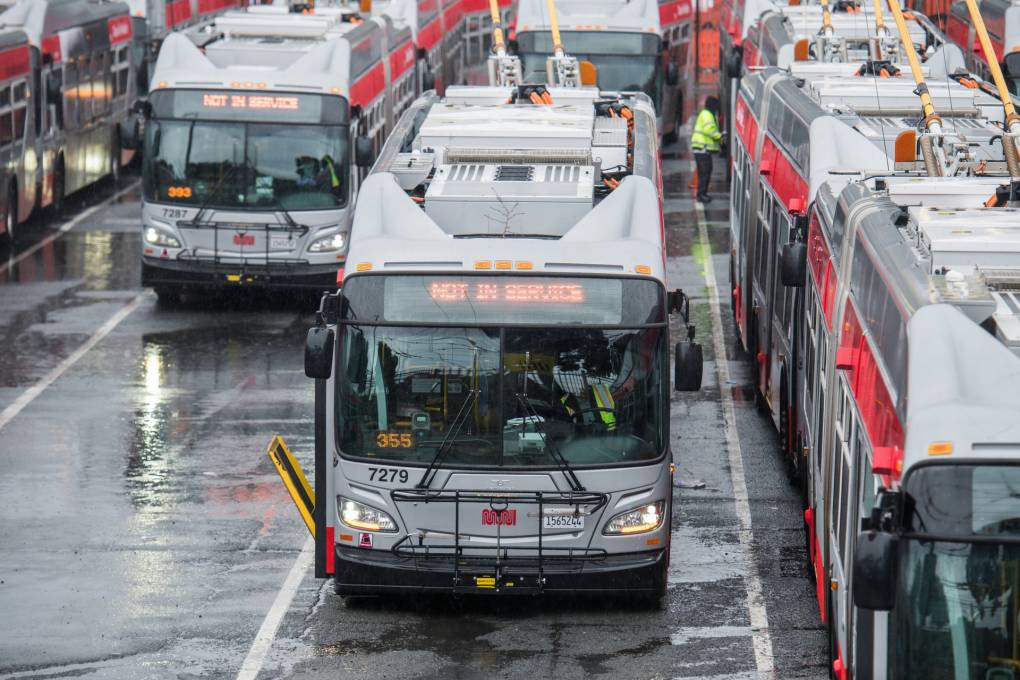
"caption": "San Francisco Muni buses sit at a bus yard on Bryant and Mariposa streets in April 2020.",
"description": "SF Muni buses sit at a bus yard on Bryant and Mariposa streets in April, 2020.",
"title": "SF-Muni-yard-buses",
"credit": "Beth LaBerge/KQED",
"status": "inherit",
"isLoading": false,
"fetchFailed": false
},
"news_11848978": {
"type": "attachments",
"id": "news_11848978",
"meta": {
"index": "attachments_1716263798",
"site": "news",
"id": "11848978",
"found": true
},
"parent": 11848963,
"imgSizes": {
"apple_news_ca_landscape_5_5": {
"file": "https://ww2.kqed.org/app/uploads/sites/10/2020/11/GettyImages-1229759730_1920x-1044x783.jpg",
"width": 1044,
"mimeType": "image/jpeg",
"height": 783
},
"apple_news_ca_square_4_0": {
"file": "https://ww2.kqed.org/app/uploads/sites/10/2020/11/GettyImages-1229759730_1920x-470x470.jpg",
"width": 470,
"mimeType": "image/jpeg",
"height": 470
},
"twentyfourteen-full-width": {
"file": "https://ww2.kqed.org/app/uploads/sites/10/2020/11/GettyImages-1229759730_1920x-1038x576.jpg",
"width": 1038,
"mimeType": "image/jpeg",
"height": 576
},
"thumbnail": {
"file": "https://ww2.kqed.org/app/uploads/sites/10/2020/11/GettyImages-1229759730_1920x-160x103.jpg",
"width": 160,
"mimeType": "image/jpeg",
"height": 103
},
"post-thumbnail": {
"file": "https://ww2.kqed.org/app/uploads/sites/10/2020/11/GettyImages-1229759730_1920x-672x372.jpg",
"width": 672,
"mimeType": "image/jpeg",
"height": 372
},
"kqedFullSize": {
"file": "https://ww2.kqed.org/app/uploads/sites/10/2020/11/GettyImages-1229759730_1920x.jpg",
"width": 1920,
"height": 1231
},
"apple_news_ca_landscape_4_7": {
"file": "https://ww2.kqed.org/app/uploads/sites/10/2020/11/GettyImages-1229759730_1920x-632x474.jpg",
"width": 632,
"mimeType": "image/jpeg",
"height": 474
},
"large": {
"file": "https://ww2.kqed.org/app/uploads/sites/10/2020/11/GettyImages-1229759730_1920x-1020x654.jpg",
"width": 1020,
"mimeType": "image/jpeg",
"height": 654
},
"apple_news_ca_landscape_4_0": {
"file": "https://ww2.kqed.org/app/uploads/sites/10/2020/11/GettyImages-1229759730_1920x-536x402.jpg",
"width": 536,
"mimeType": "image/jpeg",
"height": 402
},
"apple_news_ca_portrait_12_9": {
"file": "https://ww2.kqed.org/app/uploads/sites/10/2020/11/GettyImages-1229759730_1920x-1122x1231.jpg",
"width": 1122,
"mimeType": "image/jpeg",
"height": 1231
},
"medium": {
"file": "https://ww2.kqed.org/app/uploads/sites/10/2020/11/GettyImages-1229759730_1920x-800x513.jpg",
"width": 800,
"mimeType": "image/jpeg",
"height": 513
},
"apple_news_ca_portrait_4_0": {
"file": "https://ww2.kqed.org/app/uploads/sites/10/2020/11/GettyImages-1229759730_1920x-354x472.jpg",
"width": 354,
"mimeType": "image/jpeg",
"height": 472
},
"apple_news_ca_portrait_9_7": {
"file": "https://ww2.kqed.org/app/uploads/sites/10/2020/11/GettyImages-1229759730_1920x-840x1120.jpg",
"width": 840,
"mimeType": "image/jpeg",
"height": 1120
},
"apple_news_ca_landscape_12_9": {
"file": "https://ww2.kqed.org/app/uploads/sites/10/2020/11/GettyImages-1229759730_1920x-1832x1231.jpg",
"width": 1832,
"mimeType": "image/jpeg",
"height": 1231
},
"apple_news_ca_square_9_7": {
"file": "https://ww2.kqed.org/app/uploads/sites/10/2020/11/GettyImages-1229759730_1920x-1104x1104.jpg",
"width": 1104,
"mimeType": "image/jpeg",
"height": 1104
},
"1536x1536": {
"file": "https://ww2.kqed.org/app/uploads/sites/10/2020/11/GettyImages-1229759730_1920x-1536x985.jpg",
"width": 1536,
"mimeType": "image/jpeg",
"height": 985
},
"apple_news_ca_portrait_4_7": {
"file": "https://ww2.kqed.org/app/uploads/sites/10/2020/11/GettyImages-1229759730_1920x-414x552.jpg",
"width": 414,
"mimeType": "image/jpeg",
"height": 552
},
"apple_news_ca_square_12_9": {
"file": "https://ww2.kqed.org/app/uploads/sites/10/2020/11/GettyImages-1229759730_1920x-1472x1231.jpg",
"width": 1472,
"mimeType": "image/jpeg",
"height": 1231
},
"apple_news_ca_portrait_5_5": {
"file": "https://ww2.kqed.org/app/uploads/sites/10/2020/11/GettyImages-1229759730_1920x-687x916.jpg",
"width": 687,
"mimeType": "image/jpeg",
"height": 916
},
"apple_news_ca_square_4_7": {
"file": "https://ww2.kqed.org/app/uploads/sites/10/2020/11/GettyImages-1229759730_1920x-550x550.jpg",
"width": 550,
"mimeType": "image/jpeg",
"height": 550
},
"apple_news_ca_landscape_9_7": {
"file": "https://ww2.kqed.org/app/uploads/sites/10/2020/11/GettyImages-1229759730_1920x-1376x1032.jpg",
"width": 1376,
"mimeType": "image/jpeg",
"height": 1032
},
"apple_news_ca_square_5_5": {
"file": "https://ww2.kqed.org/app/uploads/sites/10/2020/11/GettyImages-1229759730_1920x-912x912.jpg",
"width": 912,
"mimeType": "image/jpeg",
"height": 912
}
},
"publishDate": 1606520342,
"modified": 1606775329,
"caption": "A sign on the entrance to a pharmacy reads 'COVID-19 Vaccine Not Yet Available' on Nov. 23, 2020 in Burbank, California.",
"description": "A sign on the entrance to a pharmacy reads 'COVID-19 Vaccine Not Yet Available', November 23, 2020 in Burbank, California.",
"title": "US-HEALTH-VIRUS",
"credit": "Robyn Beck/AFP via Getty Images",
"status": "inherit",
"isLoading": false,
"fetchFailed": false
},
"news_11848856": {
"type": "attachments",
"id": "news_11848856",
"meta": {
"index": "attachments_1716263798",
"site": "news",
"id": "11848856",
"found": true
},
"parent": 11848850,
"imgSizes": {
"apple_news_ca_square_4_0": {
"file": "https://ww2.kqed.org/app/uploads/sites/10/2020/11/GettyImages-1211894596-470x470.jpg",
"width": 470,
"mimeType": "image/jpeg",
"height": 470
},
"twentyfourteen-full-width": {
"file": "https://ww2.kqed.org/app/uploads/sites/10/2020/11/GettyImages-1211894596-1024x576.jpg",
"width": 1024,
"mimeType": "image/jpeg",
"height": 576
},
"thumbnail": {
"file": "https://ww2.kqed.org/app/uploads/sites/10/2020/11/GettyImages-1211894596-160x107.jpg",
"width": 160,
"mimeType": "image/jpeg",
"height": 107
},
"post-thumbnail": {
"file": "https://ww2.kqed.org/app/uploads/sites/10/2020/11/GettyImages-1211894596-672x372.jpg",
"width": 672,
"mimeType": "image/jpeg",
"height": 372
},
"kqedFullSize": {
"file": "https://ww2.kqed.org/app/uploads/sites/10/2020/11/GettyImages-1211894596.jpg",
"width": 1024,
"height": 683
},
"apple_news_ca_landscape_4_7": {
"file": "https://ww2.kqed.org/app/uploads/sites/10/2020/11/GettyImages-1211894596-632x474.jpg",
"width": 632,
"mimeType": "image/jpeg",
"height": 474
},
"large": {
"file": "https://ww2.kqed.org/app/uploads/sites/10/2020/11/GettyImages-1211894596-1020x680.jpg",
"width": 1020,
"mimeType": "image/jpeg",
"height": 680
},
"apple_news_ca_landscape_4_0": {
"file": "https://ww2.kqed.org/app/uploads/sites/10/2020/11/GettyImages-1211894596-536x402.jpg",
"width": 536,
"mimeType": "image/jpeg",
"height": 402
},
"medium": {
"file": "https://ww2.kqed.org/app/uploads/sites/10/2020/11/GettyImages-1211894596-800x534.jpg",
"width": 800,
"mimeType": "image/jpeg",
"height": 534
},
"apple_news_ca_portrait_4_0": {
"file": "https://ww2.kqed.org/app/uploads/sites/10/2020/11/GettyImages-1211894596-354x472.jpg",
"width": 354,
"mimeType": "image/jpeg",
"height": 472
},
"apple_news_ca_portrait_9_7": {
"file": "https://ww2.kqed.org/app/uploads/sites/10/2020/11/GettyImages-1211894596-840x683.jpg",
"width": 840,
"mimeType": "image/jpeg",
"height": 683
},
"apple_news_ca_portrait_4_7": {
"file": "https://ww2.kqed.org/app/uploads/sites/10/2020/11/GettyImages-1211894596-414x552.jpg",
"width": 414,
"mimeType": "image/jpeg",
"height": 552
},
"apple_news_ca_portrait_5_5": {
"file": "https://ww2.kqed.org/app/uploads/sites/10/2020/11/GettyImages-1211894596-687x683.jpg",
"width": 687,
"mimeType": "image/jpeg",
"height": 683
},
"apple_news_ca_square_4_7": {
"file": "https://ww2.kqed.org/app/uploads/sites/10/2020/11/GettyImages-1211894596-550x550.jpg",
"width": 550,
"mimeType": "image/jpeg",
"height": 550
},
"apple_news_ca_square_5_5": {
"file": "https://ww2.kqed.org/app/uploads/sites/10/2020/11/GettyImages-1211894596-912x683.jpg",
"width": 912,
"mimeType": "image/jpeg",
"height": 683
}
},
"publishDate": 1606345243,
"modified": 1610510767,
"caption": "The largely empty Golden 1 Center in Sacramento on March 11, 2020, after a game between the Sacramento Kings and the New Orleans Pelicans was postponed because of COVID-19 concerns. T",
"description": null,
"title": "New Orleans Pelicans v Sacramento Kings",
"credit": "Ezra Shaw/Getty Images",
"status": "inherit",
"altTag": null,
"isLoading": false,
"fetchFailed": false
},
"news_11848715": {
"type": "attachments",
"id": "news_11848715",
"meta": {
"index": "attachments_1716263798",
"site": "news",
"id": "11848715",
"found": true
},
"parent": 11848646,
"imgSizes": {
"apple_news_ca_landscape_5_5": {
"file": "https://ww2.kqed.org/app/uploads/sites/10/2020/11/SF-COVID-closed-sign-1044x783.jpg",
"width": 1044,
"mimeType": "image/jpeg",
"height": 783
},
"apple_news_ca_square_4_0": {
"file": "https://ww2.kqed.org/app/uploads/sites/10/2020/11/SF-COVID-closed-sign-470x470.jpg",
"width": 470,
"mimeType": "image/jpeg",
"height": 470
},
"twentyfourteen-full-width": {
"file": "https://ww2.kqed.org/app/uploads/sites/10/2020/11/SF-COVID-closed-sign-1038x576.jpg",
"width": 1038,
"mimeType": "image/jpeg",
"height": 576
},
"thumbnail": {
"file": "https://ww2.kqed.org/app/uploads/sites/10/2020/11/SF-COVID-closed-sign-160x107.jpg",
"width": 160,
"mimeType": "image/jpeg",
"height": 107
},
"post-thumbnail": {
"file": "https://ww2.kqed.org/app/uploads/sites/10/2020/11/SF-COVID-closed-sign-672x372.jpg",
"width": 672,
"mimeType": "image/jpeg",
"height": 372
},
"kqedFullSize": {
"file": "https://ww2.kqed.org/app/uploads/sites/10/2020/11/SF-COVID-closed-sign.jpg",
"width": 1920,
"height": 1280
},
"apple_news_ca_landscape_4_7": {
"file": "https://ww2.kqed.org/app/uploads/sites/10/2020/11/SF-COVID-closed-sign-632x474.jpg",
"width": 632,
"mimeType": "image/jpeg",
"height": 474
},
"large": {
"file": "https://ww2.kqed.org/app/uploads/sites/10/2020/11/SF-COVID-closed-sign-1020x680.jpg",
"width": 1020,
"mimeType": "image/jpeg",
"height": 680
},
"apple_news_ca_landscape_4_0": {
"file": "https://ww2.kqed.org/app/uploads/sites/10/2020/11/SF-COVID-closed-sign-536x402.jpg",
"width": 536,
"mimeType": "image/jpeg",
"height": 402
},
"apple_news_ca_portrait_12_9": {
"file": "https://ww2.kqed.org/app/uploads/sites/10/2020/11/SF-COVID-closed-sign-1122x1280.jpg",
"width": 1122,
"mimeType": "image/jpeg",
"height": 1280
},
"medium": {
"file": "https://ww2.kqed.org/app/uploads/sites/10/2020/11/SF-COVID-closed-sign-800x533.jpg",
"width": 800,
"mimeType": "image/jpeg",
"height": 533
},
"apple_news_ca_portrait_4_0": {
"file": "https://ww2.kqed.org/app/uploads/sites/10/2020/11/SF-COVID-closed-sign-354x472.jpg",
"width": 354,
"mimeType": "image/jpeg",
"height": 472
},
"apple_news_ca_portrait_9_7": {
"file": "https://ww2.kqed.org/app/uploads/sites/10/2020/11/SF-COVID-closed-sign-840x1120.jpg",
"width": 840,
"mimeType": "image/jpeg",
"height": 1120
},
"apple_news_ca_landscape_12_9": {
"file": "https://ww2.kqed.org/app/uploads/sites/10/2020/11/SF-COVID-closed-sign-1832x1280.jpg",
"width": 1832,
"mimeType": "image/jpeg",
"height": 1280
},
"apple_news_ca_square_9_7": {
"file": "https://ww2.kqed.org/app/uploads/sites/10/2020/11/SF-COVID-closed-sign-1104x1104.jpg",
"width": 1104,
"mimeType": "image/jpeg",
"height": 1104
},
"1536x1536": {
"file": "https://ww2.kqed.org/app/uploads/sites/10/2020/11/SF-COVID-closed-sign-1536x1024.jpg",
"width": 1536,
"mimeType": "image/jpeg",
"height": 1024
},
"apple_news_ca_portrait_4_7": {
"file": "https://ww2.kqed.org/app/uploads/sites/10/2020/11/SF-COVID-closed-sign-414x552.jpg",
"width": 414,
"mimeType": "image/jpeg",
"height": 552
},
"apple_news_ca_square_12_9": {
"file": "https://ww2.kqed.org/app/uploads/sites/10/2020/11/SF-COVID-closed-sign-1472x1280.jpg",
"width": 1472,
"mimeType": "image/jpeg",
"height": 1280
},
"apple_news_ca_portrait_5_5": {
"file": "https://ww2.kqed.org/app/uploads/sites/10/2020/11/SF-COVID-closed-sign-687x916.jpg",
"width": 687,
"mimeType": "image/jpeg",
"height": 916
},
"apple_news_ca_square_4_7": {
"file": "https://ww2.kqed.org/app/uploads/sites/10/2020/11/SF-COVID-closed-sign-550x550.jpg",
"width": 550,
"mimeType": "image/jpeg",
"height": 550
},
"apple_news_ca_landscape_9_7": {
"file": "https://ww2.kqed.org/app/uploads/sites/10/2020/11/SF-COVID-closed-sign-1376x1032.jpg",
"width": 1376,
"mimeType": "image/jpeg",
"height": 1032
},
"apple_news_ca_square_5_5": {
"file": "https://ww2.kqed.org/app/uploads/sites/10/2020/11/SF-COVID-closed-sign-912x912.jpg",
"width": 912,
"mimeType": "image/jpeg",
"height": 912
}
},
"publishDate": 1606262899,
"modified": 1606268133,
"caption": "A pedestrian passes a 'Closed due to COVID-19' sign in San Francisco in March.",
"description": "A pedestrian passes a 'Closed due to COVID-19' sign in San Francisco in March.",
"title": "SF-COVID-closed-sign",
"credit": "Justin Sullivan/Getty Images",
"status": "inherit",
"isLoading": false,
"fetchFailed": false
}
},
"audioPlayerReducer": {
"postId": "stream_live",
"isPaused": true,
"isPlaying": false,
"pfsActive": false,
"pledgeModalIsOpen": true,
"playerDrawerIsOpen": false,
"liveAudioPlayStartedAt": 0,
"liveAudioPlayContext": ""
},
"authorsReducer": {
"byline_news_11849372": {
"type": "authors",
"id": "byline_news_11849372",
"meta": {
"override": true
},
"slug": "byline_news_11849372",
"name": "\u003ca href=\"https://twitter.com/JWilliamsAP?ref_src=twsrc%5Egoogle%7Ctwcamp%5Eserp%7Ctwgr%5Eauthor\">Juliet Williams\u003c/a>, Associated Press",
"isLoading": false
},
"byline_news_11849317": {
"type": "authors",
"id": "byline_news_11849317",
"meta": {
"override": true
},
"slug": "byline_news_11849317",
"name": "Holly McDede",
"isLoading": false
},
"byline_news_11848850": {
"type": "authors",
"id": "byline_news_11848850",
"meta": {
"override": true
},
"slug": "byline_news_11848850",
"name": "The Associated Press",
"isLoading": false
},
"danbrekke": {
"type": "authors",
"id": "222",
"meta": {
"index": "authors_1716337520",
"id": "222",
"found": true
},
"name": "Dan Brekke",
"firstName": "Dan",
"lastName": "Brekke",
"slug": "danbrekke",
"email": "dbrekke@kqed.org",
"display_author_email": true,
"staff_mastheads": [
"news",
"science"
],
"title": "KQED Editor and Reporter",
"bio": "Dan Brekke is a reporter and editor for KQED News, responsible for coverage of topics ranging from California water issues to the Bay Area's transportation challenges. In a newsroom career that began in Chicago in 1972, Dan has worked for \u003cem>The San Francisco Examiner,\u003c/em> Wired and TechTV and has been published in The New York Times, The New York Times Magazine, Business 2.0, Salon and elsewhere.\r\n\r\nSince joining KQED in 2007, Dan has reported, edited and produced both radio and online features and breaking news pieces. He has shared as both editor and reporter in four Society of Professional Journalists Norcal Excellence in Journalism awards and one Edward R. Murrow regional award. He was chosen for a spring 2017 residency at the Mesa Refuge to advance his research on California salmon.\r\n\r\nEmail Dan at: \u003ca href=\"mailto:dbrekke@kqed.org\">dbrekke@kqed.org\u003c/a>\r\n\r\n\u003cstrong>Twitter:\u003c/strong> \u003ca href=\"https://twitter.com/danbrekke\" rel=\"noopener noreferrer\">twitter.com/danbrekke\u003c/a>\r\n\u003cstrong>Facebook:\u003c/strong> \u003ca href=\"https://www.facebook.com/danbrekke\" rel=\"noopener noreferrer\">www.facebook.com/danbrekke\u003c/a>\r\n\u003cstrong>LinkedIn:\u003c/strong> \u003ca href=\"https://www.linkedin.com/in/danbrekke\" rel=\"noopener noreferrer\">www.linkedin.com/in/danbrekke\u003c/a>",
"avatar": "https://secure.gravatar.com/avatar/8f1f0d2a978fb3b23426c922c7e2af558fa36905b49c4ce76a97dc3c72d27226?s=600&d=mm&r=g",
"twitter": "danbrekke",
"bluesky": null,
"facebook": null,
"instagram": "https://www.instagram.com/dan.brekke/",
"linkedin": "https://www.linkedin.com/in/danbrekke/",
"sites": [
{
"site": "news",
"roles": [
"administrator",
"create_posts"
]
},
{
"site": "stateofhealth",
"roles": [
"editor"
]
},
{
"site": "science",
"roles": [
"editor"
]
},
{
"site": "quest",
"roles": [
"contributor"
]
},
{
"site": "food",
"roles": [
"contributor"
]
},
{
"site": "forum",
"roles": [
"contributor"
]
},
{
"site": "elections",
"roles": [
"editor"
]
},
{
"site": "liveblog",
"roles": [
"editor"
]
}
],
"headData": {
"title": "Dan Brekke | KQED",
"description": "KQED Editor and Reporter",
"ogImgSrc": "https://secure.gravatar.com/avatar/8f1f0d2a978fb3b23426c922c7e2af558fa36905b49c4ce76a97dc3c72d27226?s=600&d=mm&r=g",
"twImgSrc": "https://secure.gravatar.com/avatar/8f1f0d2a978fb3b23426c922c7e2af558fa36905b49c4ce76a97dc3c72d27226?s=600&d=mm&r=g"
},
"isLoading": false,
"link": "/author/danbrekke"
},
"kqed": {
"type": "authors",
"id": "236",
"meta": {
"index": "authors_1716337520",
"id": "236",
"found": true
},
"name": "KQED News Staff",
"firstName": "KQED News Staff",
"lastName": null,
"slug": "kqed",
"email": "faq@kqed.org",
"display_author_email": false,
"staff_mastheads": [],
"title": null,
"bio": null,
"avatar": "https://secure.gravatar.com/avatar/ef0e801a68c4c54afa9180db14084167?s=600&d=blank&r=g",
"twitter": null,
"facebook": null,
"instagram": null,
"linkedin": null,
"sites": [
{
"site": "arts",
"roles": [
"contributor"
]
},
{
"site": "news",
"roles": [
"editor"
]
},
{
"site": "futureofyou",
"roles": [
"author"
]
}
],
"headData": {
"title": "KQED News Staff | KQED",
"description": null,
"ogImgSrc": "https://secure.gravatar.com/avatar/ef0e801a68c4c54afa9180db14084167?s=600&d=blank&r=g",
"twImgSrc": "https://secure.gravatar.com/avatar/ef0e801a68c4c54afa9180db14084167?s=600&d=blank&r=g"
},
"isLoading": false,
"link": "/author/kqed"
},
"matthewgreen": {
"type": "authors",
"id": "1263",
"meta": {
"index": "authors_1716337520",
"id": "1263",
"found": true
},
"name": "Matthew Green",
"firstName": "Matthew",
"lastName": "Green",
"slug": "matthewgreen",
"email": "mgreen@kqed.org",
"display_author_email": false,
"staff_mastheads": [],
"title": "KQED Editor/Reporter",
"bio": "Matthew Green is a digital media producer for KQED News. He previously produced \u003ca href=\"http://www.kqed.org/lowdown\">The Lowdown\u003c/a>, KQED’s multimedia news education blog. Matthew's written for numerous Bay Area publications, including the Oakland Tribune and San Francisco Chronicle. He also taught journalism classes at Fremont High School in East Oakland.\r\n\r\nEmail: mgreen@kqed.org; Twitter: @MGreenKQED",
"avatar": "https://secure.gravatar.com/avatar/3bf498d1267ca02c8494f33d8cfc575e?s=600&d=blank&r=g",
"twitter": "MGreenKQED",
"facebook": null,
"instagram": null,
"linkedin": null,
"sites": [
{
"site": "news",
"roles": []
},
{
"site": "lowdown",
"roles": []
},
{
"site": "science",
"roles": []
},
{
"site": "education",
"roles": []
},
{
"site": "quest",
"roles": []
},
{
"site": "liveblog",
"roles": []
}
],
"headData": {
"title": "Matthew Green | KQED",
"description": "KQED Editor/Reporter",
"ogImgSrc": "https://secure.gravatar.com/avatar/3bf498d1267ca02c8494f33d8cfc575e?s=600&d=blank&r=g",
"twImgSrc": "https://secure.gravatar.com/avatar/3bf498d1267ca02c8494f33d8cfc575e?s=600&d=blank&r=g"
},
"isLoading": false,
"link": "/author/matthewgreen"
},
"adembosky": {
"type": "authors",
"id": "3205",
"meta": {
"index": "authors_1716337520",
"id": "3205",
"found": true
},
"name": "April Dembosky",
"firstName": "April",
"lastName": "Dembosky",
"slug": "adembosky",
"email": "adembosky@kqed.org",
"display_author_email": false,
"staff_mastheads": [
"news",
"science"
],
"title": "KQED Health Correspondent",
"bio": "April Dembosky is the health correspondent for KQED News and a regular contributor to NPR. She specializes in covering altered states of mind, from postpartum depression to methamphetamine-induced psychosis to the insanity defense. Her investigative series on insurance companies sidestepping mental health laws won multiple awards, including first place in beat reporting from the national Association of Health Care Journalists. She is the recipient of numerous other prizes and fellowships, including a national Edward R. Murrow award for investigative reporting, a Society of Professional Journalists award for long-form storytelling, and a Carter Center Fellowship for Mental Health Journalism.\r\n\r\nDembosky reported and produced \u003cem>Soundtrack of Silence\u003c/em>, an audio documentary about music and memory that is currently being made into a feature film by Paramount Pictures.\r\n\r\nBefore joining KQED in 2013, Dembosky covered technology and Silicon Valley for \u003cem>The Financial Times of London,\u003c/em> and contributed business and arts stories to \u003cem>Marketplace \u003c/em>and \u003cem>The New York Times.\u003c/em> She got her undergraduate degree in philosophy from Smith College and her master's in journalism from the University of California, Berkeley. She is a classically trained violinist and proud alum of the first symphony orchestra at Burning Man.",
"avatar": "https://secure.gravatar.com/avatar/ef92999be4ceb9ea60701e7dc276f813?s=600&d=blank&r=g",
"twitter": "adembosky",
"facebook": null,
"instagram": null,
"linkedin": null,
"sites": [
{
"site": "arts",
"roles": [
"author"
]
},
{
"site": "news",
"roles": [
"editor"
]
},
{
"site": "futureofyou",
"roles": [
"author"
]
},
{
"site": "stateofhealth",
"roles": [
"editor"
]
},
{
"site": "science",
"roles": [
"editor"
]
},
{
"site": "forum",
"roles": [
"editor"
]
}
],
"headData": {
"title": "April Dembosky | KQED",
"description": "KQED Health Correspondent",
"ogImgSrc": "https://secure.gravatar.com/avatar/ef92999be4ceb9ea60701e7dc276f813?s=600&d=blank&r=g",
"twImgSrc": "https://secure.gravatar.com/avatar/ef92999be4ceb9ea60701e7dc276f813?s=600&d=blank&r=g"
},
"isLoading": false,
"link": "/author/adembosky"
},
"markfiore": {
"type": "authors",
"id": "3236",
"meta": {
"index": "authors_1716337520",
"id": "3236",
"found": true
},
"name": "Mark Fiore",
"firstName": "Mark",
"lastName": "Fiore",
"slug": "markfiore",
"email": "mark@markfiore.com",
"display_author_email": false,
"staff_mastheads": [
"news"
],
"title": "KQED News Cartoonist",
"bio": "\u003ca href=\"http://www.MarkFiore.com\">MarkFiore.com\u003c/a> | \u003ca href=\"https://twitter.com/markfiore\">Follow on Twitter\u003c/a> | \u003ca href=\"https://www.facebook.com/pages/Mark-Fiore-Animated-Political-Cartoons/94451707396?ref=bookmarks\">Facebook\u003c/a> | \u003ca href=\"mailto:mark@markfiore.com\">email\u003c/a>\r\n\r\nPulitzer Prize-winner, Mark Fiore, who the Wall Street Journal has called “the undisputed guru of the form,” creates animated political cartoons in San Francisco, where his work has been featured regularly on the San Francisco Chronicle’s web site, SFGate.com. His work has appeared on Newsweek.com, Slate.com, CBSNews.com, MotherJones.com, DailyKos.com and NPR’s web site. Fiore’s political animation has appeared on CNN, Frontline, Bill Moyers Journal, Salon.com and cable and broadcast outlets across the globe.\r\n\r\nBeginning his professional life by drawing traditional political cartoons for newspapers, Fiore’s work appeared in publications ranging from the Washington Post to the Los Angeles Times. In the late 1990s, he began to experiment with animating political cartoons and, after a short stint at the San Jose Mercury News as their staff cartoonist, Fiore devoted all his energies to animation.\r\nGrowing up in California, Fiore also spent a good portion of his life in the backwoods of Idaho. It was this combination that shaped him politically. Mark majored in political science at Colorado College, where, in a perfect send-off for a cartoonist, he received his diploma in 1991 as commencement speaker Dick Cheney smiled approvingly.\r\nMark Fiore was awarded the Pulitzer Prize for political cartooning in 2010, a Robert F. Kennedy Journalism Award in 2004 and has twice received an Online Journalism Award for commentary from the Online News Association (2002, 2008). Fiore has received two awards for his work in new media from the National Cartoonists Society (2001, 2002), and in 2006 received The James Madison Freedom of Information Award from The Society of Professional Journalists.",
"avatar": "https://secure.gravatar.com/avatar/fc4e2a612b15b67bad0c6f0e1db4ca9b?s=600&d=blank&r=g",
"twitter": "MarkFiore",
"facebook": null,
"instagram": "https://www.instagram.com/markfiore/?hl=en",
"linkedin": null,
"sites": [
{
"site": "arts",
"roles": [
"contributor"
]
},
{
"site": "news",
"roles": [
"editor"
]
},
{
"site": "futureofyou",
"roles": [
"editor"
]
},
{
"site": "science",
"roles": [
"editor"
]
}
],
"headData": {
"title": "Mark Fiore | KQED",
"description": "KQED News Cartoonist",
"ogImgSrc": "https://secure.gravatar.com/avatar/fc4e2a612b15b67bad0c6f0e1db4ca9b?s=600&d=blank&r=g",
"twImgSrc": "https://secure.gravatar.com/avatar/fc4e2a612b15b67bad0c6f0e1db4ca9b?s=600&d=blank&r=g"
},
"isLoading": false,
"link": "/author/markfiore"
},
"korr": {
"type": "authors",
"id": "11200",
"meta": {
"index": "authors_1716337520",
"id": "11200",
"found": true
},
"name": "Katie Orr",
"firstName": "Katie",
"lastName": "Orr",
"slug": "korr",
"email": "korr@kqed.org",
"display_author_email": false,
"staff_mastheads": [],
"title": "KQED Contributor",
"bio": "Katie Orr was a Sacramento-based reporter for KQED's Politics and Government Desk, covering the state Capitol and a variety of issues including women in politics, voting and elections and legislation. Prior to joining KQED in 2016, Katie was state government reporter for Capital Public Radio in Sacramento. She's also worked for KPBS in San Diego, where she covered City Hall.\r\n\r\nKatie received her masters degree in political science from San Diego State University and holds a Bachelors degree in broadcast journalism from Arizona State University.\r\n\r\nIn 2015 Katie won a national Clarion Award for a series of stories she did on women in California politics. She's been honored by the Society for Professional Journalists and, in 2013, was named by \u003cem>The Washington Post\u003c/em> as one of the country's top state Capitol reporters. She's also reported for the award-winning documentary series \u003cem>The View from Here \u003c/em>and was part of the team that won national PRNDI and Gabriel Awards in 2015. She lives in Sacramento with her husband. Twitter: @1KatieOrr",
"avatar": "https://secure.gravatar.com/avatar/41a40b25845adc78f50808670860449e?s=600&d=blank&r=g",
"twitter": "1katieorr",
"facebook": null,
"instagram": null,
"linkedin": null,
"sites": [
{
"site": "news",
"roles": [
"subscriber"
]
},
{
"site": "stateofhealth",
"roles": [
"author"
]
},
{
"site": "forum",
"roles": [
"author"
]
}
],
"headData": {
"title": "Katie Orr | KQED",
"description": "KQED Contributor",
"ogImgSrc": "https://secure.gravatar.com/avatar/41a40b25845adc78f50808670860449e?s=600&d=blank&r=g",
"twImgSrc": "https://secure.gravatar.com/avatar/41a40b25845adc78f50808670860449e?s=600&d=blank&r=g"
},
"isLoading": false,
"link": "/author/korr"
},
"mwiley": {
"type": "authors",
"id": "11526",
"meta": {
"index": "authors_1716337520",
"id": "11526",
"found": true
},
"name": "Michelle Wiley",
"firstName": "Michelle",
"lastName": "Wiley",
"slug": "mwiley",
"email": "mwiley@KQED.org",
"display_author_email": true,
"staff_mastheads": [],
"title": null,
"bio": "Michelle Wiley was the senior editor of weekends.",
"avatar": "https://secure.gravatar.com/avatar/3b897d82a09e8587e8e73fa69fbcc635?s=600&d=blank&r=g",
"twitter": "michelleewiley",
"facebook": null,
"instagram": null,
"linkedin": null,
"sites": [
{
"site": "",
"roles": [
"editor"
]
},
{
"site": "arts",
"roles": [
"editor"
]
},
{
"site": "news",
"roles": [
"subscriber"
]
},
{
"site": "lowdown",
"roles": [
"editor"
]
},
{
"site": "science",
"roles": [
"editor"
]
},
{
"site": "podcasts",
"roles": [
"editor"
]
}
],
"headData": {
"title": "Michelle Wiley | KQED",
"description": null,
"ogImgSrc": "https://secure.gravatar.com/avatar/3b897d82a09e8587e8e73fa69fbcc635?s=600&d=blank&r=g",
"twImgSrc": "https://secure.gravatar.com/avatar/3b897d82a09e8587e8e73fa69fbcc635?s=600&d=blank&r=g"
},
"isLoading": false,
"link": "/author/mwiley"
}
},
"pagesReducer": {
"news_tag_covid-19": {
"type": "terms",
"id": "news_27504",
"meta": {
"index": "terms_1716263798",
"site": "news",
"id": "27504",
"score": 8.558537
},
"featImg": null,
"name": "covid-19",
"description": null,
"taxonomy": "tag",
"headData": {
"twImgId": null,
"twTitle": null,
"ogTitle": null,
"ogImgId": null,
"twDescription": null,
"description": null,
"title": "covid-19 Archives | KQED News",
"ogDescription": null
},
"ttid": 27521,
"slug": "covid-19",
"isLoading": false,
"title": "covid-19",
"pageMeta": {
"site": "news",
"WpPageTemplate": "page-topic-editorial",
"currentPage": 40
},
"blocks": [
{
"blockName": "kqed/post-list",
"attrs": {
"layout": "cardArticle2",
"query": "posts/news?tag=covid-19",
"seeMore": false,
"paginated": true,
"page": 40
}
},
{
"blockName": "kqed/ad"
}
]
}
},
"pfsSessionReducer": {},
"postsReducer": {
"stream_live": {
"type": "live",
"id": "stream_live",
"audioUrl": "https://streams.kqed.org/kqedradio",
"title": "Live Stream",
"excerpt": "Live Stream information currently unavailable.",
"link": "/radio",
"featImg": "",
"label": {
"name": "KQED Live",
"link": "/"
}
},
"stream_kqedNewscast": {
"type": "posts",
"id": "stream_kqedNewscast",
"audioUrl": "https://www.kqed.org/.stream/anon/radio/RDnews/newscast.mp3?_=1",
"title": "KQED Newscast",
"featImg": "",
"label": {
"name": "88.5 FM",
"link": "/"
}
},
"news_11849372": {
"type": "posts",
"id": "news_11849372",
"meta": {
"index": "posts_1716263798",
"site": "news",
"id": "11849372",
"score": null,
"sort": [
1606946001000
]
},
"parent": 0,
"labelTerm": {
"site": "news"
},
"blocks": [],
"publishDate": 1606946001,
"format": "standard",
"disqusTitle": "Restaurant Jaunts Create Credibility Issue for Politicians",
"title": "Restaurant Jaunts Create Credibility Issue for Politicians",
"headTitle": "KQED News",
"content": "\u003cp>Their messaging has been clear: wear a mask, stay 6 feet apart from others, and most importantly: stay home!\u003c/p>\n\u003cp>But their actions aren’t living up to the rhetoric, creating a real political problem for some of the most vocal leaders in California’s fight to contain the coronavirus.\u003c/p>\n\u003cp>First came \u003ca href=\"https://www.kqed.org/forum/2010101880890/as-newsom-tightens-restrictions-new-questions-emerge-about-his-french-laundry-visit\">Gov. Gavin Newsom\u003c/a>, who won plaudits for issuing the first statewide stay-at-home order in the U.S. back in March. He broke the state rules when he and his wife were caught dining with 10 others at the posh French Laundry restaurant in Napa in early November with lobbyists and others from numerous different households, sitting close together, maskless.\u003c/p>\n\u003cp>[aside tag=\"covid-19\" label=\"More Coronavirus Coverage\"]\u003ca href=\"https://www.sfchronicle.com/bayarea/heatherknight/article/S-F-Mayor-London-Breed-had-her-own-French-15767506.php\">San Francisco’s mayor, London Breed\u003c/a>, was at the same $350-a-plate restaurant a day later, dining with a San Francisco socialite and six others. Breed has also won accolades for imposing some of the strictest rules in California, keeping coronavirus rates relatively low. Her spokespeople haven’t responded to queries about how many households were there — state rules cap those at three. Her spokesman rubbed salt in the wound by saying she has been trying to support local restaurants. The French Laundry is 60 miles outside of town.\u003c/p>\n\u003cp>\u003ca href=\"https://www.mercurynews.com/2020/12/01/san-jose-mayor-liccardo-admits-he-violated-public-health-guidance-for-thanksgiving-dinner/\">San Jose Mayor Sam Liccardo\u003c/a> on Tuesday fessed up to an outdoor Thanksgiving dinner at his parents’ home with people from five different households after tweeting that everyone should just stay home this Thanksgiving. And a Los Angeles County supervisor headed to dinner at an outdoor restaurant hours after she voted to ban outdoor dining, calling it “a most dangerous situation.”\u003c/p>\n\u003cp>[ad fullwidth]\u003c/p>\n\u003cp>“We’re all really feeling the strain of this, but there is really that element of hypocrisy. So many who are struggling right now, and then you see them going to these very fancy social affairs and mixing with folks outside their immediate bubble,” said Melinda Jackson, a political science professor at San Jose State University.\u003c/p>\n\u003ch2>Leaders Who Don't Follow the Rules Can Lose Credibility\u003c/h2>\n\u003cp>The revelations come at a critical time as the nation deals with a dramatic spike in case rates, hospitalizations and deaths. It’s more important than ever that we follow the rules, the public is told. But when the same leaders aren’t following the guidelines themselves, their credibility is shattered and it makes it harder to trust that their guidance is solid.\u003c/p>\n\u003cp>Kim Elsbach, a professor of management at the UC Davis and Newberry chair in leadership, said consistency is critical to believing someone has integrity.\u003c/p>\n\u003cp>“One of the primary reasons people choose the leaders they do is because they believe they have ideals they can count on,” she said. “People are really stressed out by what they call uncertainty — not knowing what’s going to happen today, tomorrow or yesterday. When we choose leaders, we really want them to be consistent over time, especially in their values, their morals or their ideals.”\u003c/p>\n\u003ch2>The Importance of an Apology\u003c/h2>\n\u003cp>The mea culpas have been across the board, or not at all.\u003c/p>\n\u003cp>Newsom quickly apologized, saying he “made a bad mistake,” but noting the gathering was outdoors. Within days, photos emerged showing the group in a room that was enclosed on three sides with a sliding glass door on the other, maybe meeting the technical definition of outdoors, but perhaps not the spirit.\u003c/p>\n\u003cp>Breed’s dinner was apparently in the same kind of room, the San Francisco Chronicle reported, which her spokesman noted was allowed in Napa County at that time, though she shuttered indoor dining in her own city three days later. She never rescinded the pandemic rule of six people per table. But there has not been an apology.\u003c/p>\n\u003cp>Liccardo, in San Jose, apologized quickly and pledged “to do better.”\u003c/p>\n\u003cp>While a spokesperson for L.A. County Supervisor Sheila Kuehl acknowledged her outdoor dinner, there was no “I’m sorry” either. And earlier in the pandemic, when surveillance cameras showed U.S. House Speaker Nancy Pelosi getting a blowout when San Francisco hair salons were closed, she declined to apologize, too, arguing she was set up by the conservative salon owner.\u003c/p>\n\u003cp>Experts said that acknowledging your mistake and apologizing quickly are key to moving on from a political crisis.\u003c/p>\n\u003cp>“It’s better to just say 'I screwed up, it was dumb, I’m sorry, and it’s important that we follow these guidelines,' ” Elsbach said. “It only takes one event to lose that trust, that inconsistency, and it takes a long time to regain it.”\u003c/p>\n\u003cp>How can they move on in the midst of a crisis?\u003c/p>\n\u003cp>\u003c/p>\n\u003cp>“I would say to absolutely be on their best behavior from now on,” Jackson said.\u003c/p>\n\n",
"disqusIdentifier": "11849372 https://ww2.kqed.org/news/?p=11849372",
"disqusUrl": "https://ww2.kqed.org/news/2020/12/02/restaurant-jaunts-create-credibility-issue-for-politicians/",
"stats": {
"hasVideo": false,
"hasChartOrMap": false,
"hasAudio": false,
"hasPolis": false,
"wordCount": 817,
"hasGoogleForm": false,
"hasGallery": false,
"hasHearkenModule": false,
"iframeSrcs": [],
"paragraphCount": 20
},
"modified": 1606950037,
"excerpt": "Gov. Gavin Newsom and mayors London Breed and Sam Liccardo have all recently dined out, against their own advice to stay home.",
"headData": {
"twImgId": "",
"twTitle": "",
"ogTitle": "",
"ogImgId": "",
"twDescription": "",
"description": "Gov. Gavin Newsom and mayors London Breed and Sam Liccardo have all recently dined out, against their own advice to stay home.",
"title": "Restaurant Jaunts Create Credibility Issue for Politicians | KQED",
"ogDescription": "",
"schema": {
"@context": "https://schema.org",
"@type": "NewsArticle",
"headline": "Restaurant Jaunts Create Credibility Issue for Politicians",
"datePublished": "2020-12-02T13:53:21-08:00",
"dateModified": "2020-12-02T15:00:37-08:00",
"image": "https://cdn.kqed.org/wp-content/uploads/2020/02/KQED-OG-Image@1x.png",
"isAccessibleForFree": "True",
"publisher": {
"@type": "NewsMediaOrganization",
"@id": "https://www.kqed.org/#organization",
"name": "KQED",
"logo": "https://cdn.kqed.org/wp-content/uploads/2020/02/KQED-OG-Image@1x.png",
"url": "https://www.kqed.org",
"sameAs": [
"https://www.facebook.com/KQED",
"https://twitter.com/KQED",
"https://www.instagram.com/kqed/",
"https://www.tiktok.com/@kqedofficial",
"https://www.linkedin.com/company/kqed",
"https://www.youtube.com/channel/UCeC0IOo7i1P_61zVUWbJ4nw"
]
}
}
},
"guestAuthors": [],
"slug": "restaurant-jaunts-create-credibility-issue-for-politicians",
"status": "publish",
"nprByline": "\u003ca href=\"https://twitter.com/JWilliamsAP?ref_src=twsrc%5Egoogle%7Ctwcamp%5Eserp%7Ctwgr%5Eauthor\">Juliet Williams\u003c/a>, Associated Press",
"path": "/news/11849372/restaurant-jaunts-create-credibility-issue-for-politicians",
"audioTrackLength": null,
"parsedContent": [
{
"type": "contentString",
"content": "\u003cdiv class=\"post-body\">\u003cp>\u003cp>Their messaging has been clear: wear a mask, stay 6 feet apart from others, and most importantly: stay home!\u003c/p>\n\u003cp>But their actions aren’t living up to the rhetoric, creating a real political problem for some of the most vocal leaders in California’s fight to contain the coronavirus.\u003c/p>\n\u003cp>First came \u003ca href=\"https://www.kqed.org/forum/2010101880890/as-newsom-tightens-restrictions-new-questions-emerge-about-his-french-laundry-visit\">Gov. Gavin Newsom\u003c/a>, who won plaudits for issuing the first statewide stay-at-home order in the U.S. back in March. He broke the state rules when he and his wife were caught dining with 10 others at the posh French Laundry restaurant in Napa in early November with lobbyists and others from numerous different households, sitting close together, maskless.\u003c/p>\n\u003cp>\u003c/p>\u003c/div>",
"attributes": {
"named": {},
"numeric": []
}
},
{
"type": "component",
"content": "",
"name": "aside",
"attributes": {
"named": {
"tag": "covid-19",
"label": "More Coronavirus Coverage "
},
"numeric": []
}
},
{
"type": "contentString",
"content": "\u003cdiv class=\"post-body\">\u003cp>\u003ca href=\"https://www.sfchronicle.com/bayarea/heatherknight/article/S-F-Mayor-London-Breed-had-her-own-French-15767506.php\">San Francisco’s mayor, London Breed\u003c/a>, was at the same $350-a-plate restaurant a day later, dining with a San Francisco socialite and six others. Breed has also won accolades for imposing some of the strictest rules in California, keeping coronavirus rates relatively low. Her spokespeople haven’t responded to queries about how many households were there — state rules cap those at three. Her spokesman rubbed salt in the wound by saying she has been trying to support local restaurants. The French Laundry is 60 miles outside of town.\u003c/p>\n\u003cp>\u003ca href=\"https://www.mercurynews.com/2020/12/01/san-jose-mayor-liccardo-admits-he-violated-public-health-guidance-for-thanksgiving-dinner/\">San Jose Mayor Sam Liccardo\u003c/a> on Tuesday fessed up to an outdoor Thanksgiving dinner at his parents’ home with people from five different households after tweeting that everyone should just stay home this Thanksgiving. And a Los Angeles County supervisor headed to dinner at an outdoor restaurant hours after she voted to ban outdoor dining, calling it “a most dangerous situation.”\u003c/p>\n\u003cp>\u003c/p>\u003c/div>",
"attributes": {
"named": {},
"numeric": []
}
},
{
"type": "component",
"content": "",
"name": "ad",
"attributes": {
"named": {
"label": "fullwidth"
},
"numeric": [
"fullwidth"
]
}
},
{
"type": "contentString",
"content": "\u003cdiv class=\"post-body\">\u003cp>\u003c/p>\n\u003cp>“We’re all really feeling the strain of this, but there is really that element of hypocrisy. So many who are struggling right now, and then you see them going to these very fancy social affairs and mixing with folks outside their immediate bubble,” said Melinda Jackson, a political science professor at San Jose State University.\u003c/p>\n\u003ch2>Leaders Who Don't Follow the Rules Can Lose Credibility\u003c/h2>\n\u003cp>The revelations come at a critical time as the nation deals with a dramatic spike in case rates, hospitalizations and deaths. It’s more important than ever that we follow the rules, the public is told. But when the same leaders aren’t following the guidelines themselves, their credibility is shattered and it makes it harder to trust that their guidance is solid.\u003c/p>\n\u003cp>Kim Elsbach, a professor of management at the UC Davis and Newberry chair in leadership, said consistency is critical to believing someone has integrity.\u003c/p>\n\u003cp>“One of the primary reasons people choose the leaders they do is because they believe they have ideals they can count on,” she said. “People are really stressed out by what they call uncertainty — not knowing what’s going to happen today, tomorrow or yesterday. When we choose leaders, we really want them to be consistent over time, especially in their values, their morals or their ideals.”\u003c/p>\n\u003ch2>The Importance of an Apology\u003c/h2>\n\u003cp>The mea culpas have been across the board, or not at all.\u003c/p>\n\u003cp>Newsom quickly apologized, saying he “made a bad mistake,” but noting the gathering was outdoors. Within days, photos emerged showing the group in a room that was enclosed on three sides with a sliding glass door on the other, maybe meeting the technical definition of outdoors, but perhaps not the spirit.\u003c/p>\n\u003cp>Breed’s dinner was apparently in the same kind of room, the San Francisco Chronicle reported, which her spokesman noted was allowed in Napa County at that time, though she shuttered indoor dining in her own city three days later. She never rescinded the pandemic rule of six people per table. But there has not been an apology.\u003c/p>\n\u003cp>Liccardo, in San Jose, apologized quickly and pledged “to do better.”\u003c/p>\n\u003cp>While a spokesperson for L.A. County Supervisor Sheila Kuehl acknowledged her outdoor dinner, there was no “I’m sorry” either. And earlier in the pandemic, when surveillance cameras showed U.S. House Speaker Nancy Pelosi getting a blowout when San Francisco hair salons were closed, she declined to apologize, too, arguing she was set up by the conservative salon owner.\u003c/p>\n\u003cp>Experts said that acknowledging your mistake and apologizing quickly are key to moving on from a political crisis.\u003c/p>\n\u003cp>“It’s better to just say 'I screwed up, it was dumb, I’m sorry, and it’s important that we follow these guidelines,' ” Elsbach said. “It only takes one event to lose that trust, that inconsistency, and it takes a long time to regain it.”\u003c/p>\n\u003cp>How can they move on in the midst of a crisis?\u003c/p>\n\u003cp>\u003c/p>\n\u003cp>“I would say to absolutely be on their best behavior from now on,” Jackson said.\u003c/p>\n\n\u003c/div>\u003c/p>",
"attributes": {
"named": {},
"numeric": []
}
}
],
"link": "/news/11849372/restaurant-jaunts-create-credibility-issue-for-politicians",
"authors": [
"byline_news_11849372"
],
"categories": [
"news_8",
"news_13"
],
"tags": [
"news_27504",
"news_16",
"news_6931",
"news_6413"
],
"featImg": "news_11849384",
"label": "news"
},
"news_11849340": {
"type": "posts",
"id": "news_11849340",
"meta": {
"index": "posts_1716263798",
"site": "news",
"id": "11849340",
"score": null,
"sort": [
1606943413000
]
},
"parent": 0,
"labelTerm": {
"site": "news"
},
"blocks": [],
"publishDate": 1606943413,
"format": "standard",
"disqusTitle": "Businesses on Edge as California Considers Stricter Stay-at-Home Order",
"title": "Businesses on Edge as California Considers Stricter Stay-at-Home Order",
"headTitle": "KQED News",
"content": "\u003cp>Word that Gov. Gavin Newsom is considering implementing a \u003ca href=\"https://www.kqed.org/news/11849051/california-could-soon-impose-new-stay-at-home-order-if-coronavirus-trends-continue\">stricter stay-at-home-order\u003c/a> amid skyrocketing COVID-19 cases and hospitalizations has business leaders very nervous at the height of the holiday shopping season.\u003c/p>\n\u003cp>Notes obtained by KQED of a Dec. 1 phone call between representatives of the Newsom administration and state business leaders reflect uncertainty about how specific industries will be affected and how hard the state is going to crack down.\u003c/p>\n\u003cp>\"We obviously had to learn that there will have to be an amplified stay at home order for California businesses. And that's grim news, especially as we head into the holiday season,\" said John Kabateck, the California director of the National Federation of Independent Business, who was on the call.\u003cbr>\n[ad fullwidth]\u003cbr>\nKabateck acknowledges that rising COVID-19 rates must be addressed. But he said that has to happen in a way that lets businesses stay open safely.\u003c/p>\n\u003cp>\"We can't let the brick and mortar shut down,\" he said. \"Our economy will crumble. People will be out of jobs and we will see more devastation before 2021 even arrives.\"\u003c/p>\n\u003cp>[aside label=\"Related Stories\" postID=news_11849051,forum_2010101881013,news_11849224]According to notes from the call, the Newsom administration said it had to act fast, explaining that the longer it waited to implement a shutdown, the longer the shutdown would last.\u003c/p>\n\u003cp>Jesse Melgar, Newsom's communications director, said multiple options are being explored to help curb the rapid spread of the virus.\u003c/p>\n\u003cp>\"While no final decision has been made, the administration is engaging with stakeholders and leaders to land on the best possible action moving forward that will save lives,\" Melgar said.\u003c/p>\n\u003cp>Data from the state's COVID-19 website shows nearly 21,000 positive cases recorded on Dec. 1 alone, and 113 additional deaths. Of California's 58 counties, 52 are now operating under the state's most restrictive coronavirus rules, comprising more than 99% of the population.\u003c/p>\n\u003cp>\u003c/p>\n",
"disqusIdentifier": "11849340 https://ww2.kqed.org/news/?p=11849340",
"disqusUrl": "https://ww2.kqed.org/news/2020/12/02/businesses-on-edge-as-california-contemplates-stricter-stay-at-home-order/",
"stats": {
"hasVideo": false,
"hasChartOrMap": false,
"hasAudio": false,
"hasPolis": false,
"wordCount": 321,
"hasGoogleForm": false,
"hasGallery": false,
"hasHearkenModule": false,
"iframeSrcs": [],
"paragraphCount": 9
},
"modified": 1606946399,
"excerpt": "Business leaders say the state needs to address the rising number of coronavirus cases while also keeping retailers safely open.",
"headData": {
"twImgId": "",
"twTitle": "",
"ogTitle": "",
"ogImgId": "",
"twDescription": "",
"description": "Business leaders say the state needs to address the rising number of coronavirus cases while also keeping retailers safely open.",
"title": "Businesses on Edge as California Considers Stricter Stay-at-Home Order | KQED",
"ogDescription": "",
"schema": {
"@context": "https://schema.org",
"@type": "NewsArticle",
"headline": "Businesses on Edge as California Considers Stricter Stay-at-Home Order",
"datePublished": "2020-12-02T13:10:13-08:00",
"dateModified": "2020-12-02T13:59:59-08:00",
"image": "https://cdn.kqed.org/wp-content/uploads/2020/02/KQED-OG-Image@1x.png",
"isAccessibleForFree": "True",
"publisher": {
"@type": "NewsMediaOrganization",
"@id": "https://www.kqed.org/#organization",
"name": "KQED",
"logo": "https://cdn.kqed.org/wp-content/uploads/2020/02/KQED-OG-Image@1x.png",
"url": "https://www.kqed.org",
"sameAs": [
"https://www.facebook.com/KQED",
"https://twitter.com/KQED",
"https://www.instagram.com/kqed/",
"https://www.tiktok.com/@kqedofficial",
"https://www.linkedin.com/company/kqed",
"https://www.youtube.com/channel/UCeC0IOo7i1P_61zVUWbJ4nw"
]
}
}
},
"guestAuthors": [],
"slug": "businesses-on-edge-as-california-contemplates-stricter-stay-at-home-order",
"status": "publish",
"path": "/news/11849340/businesses-on-edge-as-california-contemplates-stricter-stay-at-home-order",
"audioTrackLength": null,
"parsedContent": [
{
"type": "contentString",
"content": "\u003cdiv class=\"post-body\">\u003cp>\u003cp>Word that Gov. Gavin Newsom is considering implementing a \u003ca href=\"https://www.kqed.org/news/11849051/california-could-soon-impose-new-stay-at-home-order-if-coronavirus-trends-continue\">stricter stay-at-home-order\u003c/a> amid skyrocketing COVID-19 cases and hospitalizations has business leaders very nervous at the height of the holiday shopping season.\u003c/p>\n\u003cp>Notes obtained by KQED of a Dec. 1 phone call between representatives of the Newsom administration and state business leaders reflect uncertainty about how specific industries will be affected and how hard the state is going to crack down.\u003c/p>\n\u003cp>\"We obviously had to learn that there will have to be an amplified stay at home order for California businesses. And that's grim news, especially as we head into the holiday season,\" said John Kabateck, the California director of the National Federation of Independent Business, who was on the call.\u003cbr>\n\u003c/p>\u003c/div>",
"attributes": {
"named": {},
"numeric": []
}
},
{
"type": "component",
"content": "",
"name": "ad",
"attributes": {
"named": {
"label": "fullwidth"
},
"numeric": [
"fullwidth"
]
}
},
{
"type": "contentString",
"content": "\u003cdiv class=\"post-body\">\u003cp>\u003cbr>\nKabateck acknowledges that rising COVID-19 rates must be addressed. But he said that has to happen in a way that lets businesses stay open safely.\u003c/p>\n\u003cp>\"We can't let the brick and mortar shut down,\" he said. \"Our economy will crumble. People will be out of jobs and we will see more devastation before 2021 even arrives.\"\u003c/p>\n\u003cp>\u003c/p>\u003c/div>",
"attributes": {
"named": {},
"numeric": []
}
},
{
"type": "component",
"content": "",
"name": "aside",
"attributes": {
"named": {
"label": "Related Stories ",
"postid": "news_11849051,forum_2010101881013,news_11849224"
},
"numeric": []
}
},
{
"type": "contentString",
"content": "\u003cdiv class=\"post-body\">\u003cp>According to notes from the call, the Newsom administration said it had to act fast, explaining that the longer it waited to implement a shutdown, the longer the shutdown would last.\u003c/p>\n\u003cp>Jesse Melgar, Newsom's communications director, said multiple options are being explored to help curb the rapid spread of the virus.\u003c/p>\n\u003cp>\"While no final decision has been made, the administration is engaging with stakeholders and leaders to land on the best possible action moving forward that will save lives,\" Melgar said.\u003c/p>\n\u003cp>Data from the state's COVID-19 website shows nearly 21,000 positive cases recorded on Dec. 1 alone, and 113 additional deaths. Of California's 58 counties, 52 are now operating under the state's most restrictive coronavirus rules, comprising more than 99% of the population.\u003c/p>\n\u003cp>\u003c/p>\n\u003c/div>\u003c/p>",
"attributes": {
"named": {},
"numeric": []
}
}
],
"link": "/news/11849340/businesses-on-edge-as-california-contemplates-stricter-stay-at-home-order",
"authors": [
"11200"
],
"categories": [
"news_8",
"news_13"
],
"tags": [
"news_27350",
"news_27504",
"news_16",
"news_28862"
],
"featImg": "news_11849364",
"label": "news"
},
"news_11849317": {
"type": "posts",
"id": "news_11849317",
"meta": {
"index": "posts_1716263798",
"site": "news",
"id": "11849317",
"score": null,
"sort": [
1606940753000
]
},
"guestAuthors": [],
"slug": "overcrowding-is-fueling-californias-worst-active-covid-19-prison-outbreak-advocates-say",
"title": "Overcrowding Is Fueling California's Worst Active COVID-19 Prison Outbreak, Advocates Say",
"publishDate": 1606940753,
"format": "standard",
"headTitle": "Overcrowding Is Fueling California’s Worst Active COVID-19 Prison Outbreak, Advocates Say | KQED",
"labelTerm": {
"site": "news"
},
"content": "\u003cp>A surge in COVID-19 cases at a Central Valley prison for men is now the largest active outbreak in the California prison system, according to state data.\u003c/p>\n\u003cp>Nearly \u003ca href=\"https://www.cdcr.ca.gov/covid19/population-status-tracking/\">1,000 inmates\u003c/a> at the California Substance Abuse Treatment Facility and State Prison in Corcoran have active cases of the virus — nearly all reported within the last two weeks. Three inmates at the facility have also died from COVID-19 complications. Advocates for incarcerated people say the prison’s layout and overcrowding have made it easy for the virus to spread.\u003c/p>\n\u003cfigure id=\"attachment_11849327\" class=\"wp-caption alignright\" style=\"max-width: 800px\">\u003ca href=\"https://ww2.kqed.org/app/uploads/sites/10/2020/12/GhFW2mkc.jpg\">\u003cimg loading=\"lazy\" decoding=\"async\" src=\"https://ww2.kqed.org/app/uploads/sites/10/2020/12/GhFW2mkc-800x1422.jpg\" alt=\"A prisoner in Corcoran and his mother.\" width=\"800\" height=\"1422\" class=\"size-medium wp-image-11849327\" srcset=\"https://cdn.kqed.org/wp-content/uploads/sites/10/2020/12/GhFW2mkc-800x1422.jpg 800w, https://cdn.kqed.org/wp-content/uploads/sites/10/2020/12/GhFW2mkc-1020x1813.jpg 1020w, https://cdn.kqed.org/wp-content/uploads/sites/10/2020/12/GhFW2mkc-160x284.jpg 160w, https://cdn.kqed.org/wp-content/uploads/sites/10/2020/12/GhFW2mkc-864x1536.jpg 864w, https://cdn.kqed.org/wp-content/uploads/sites/10/2020/12/GhFW2mkc.jpg 1152w\" sizes=\"auto, (max-width: 800px) 100vw, 800px\">\u003c/a>\u003cfigcaption class=\"wp-caption-text\">Leslie Benjamin (right) with her son Dylan (left), who is incarcerated at the Substance Abuse Treatment Facility and State Prison in Corcoran. She says that when she speaks to him she can “hear the hurt and I can hear the fear.” \u003ccite>(Courtesy of Leslie Benjamin)\u003c/cite>\u003c/figcaption>\u003c/figure>\n\u003cp>“They’re living in big rooms with a bunch of other people,” said Sophie Hart, a staff attorney with Berkeley-based Prison Law Office. “You can’t stay 6 feet apart from everyone else, and even if you could, you’re breathing the same air, using the same toilets and showers. And as soon as there’s one positive person in a dorm like that, it spreads.”\u003c/p>\n\u003cp>The prison is also overcrowded. At roughly 130% capacity with 4,442 men housed there, according to California Department of Corrections and Rehabilitation data, the facility is well over the number of inmates it was designed to handle. About 22% of those inmates have active cases of COVID-19.\u003c/p>\n\u003cp>“They don’t have the space to take the action they need to take, which would be to separate everybody, and not leave them quarantining in dorms,” Hart said. “It’s too overcrowded for them to do that.”\u003c/p>\n\u003cp>In a statement, CDCR spokeswoman Dana Simas said that masks have been issued to all incarcerated people and staff. She said that space has been identified for inmates to isolate and additional staff have been sent to the prison to assist with screening. About 64% of the population has also been tested in the last 14 days.\u003c/p>\n\u003cp>But inmate advocates say prison officials haven’t released inmates fast enough to reduce the spread. Since June, California prison officials have released thousands of inmates early. But those population reduction efforts have slowed down in the past few months. From October to November, 437 people were released, compared to 4,421 released between July and August, according to attorneys with the Prison Law Office.\u003cbr>\n[aside postID=\"news_11843335,news_11835340,news_11848497\" label=\"COVID-19 Spreads Through California Prisons\"]\u003cbr>\nAdvocates for people who are incarcerated in California and their families have called for the release of 65% of the state prison population, and for the end of transfers between prisons, jails and immigration detention centers during the pandemic.\u003c/p>\n\u003cp>Leslie Benjamin says she has not been able to visit her 39-year-old son, Dylan, at the prison since March, but spoke with him by phone earlier this week.\u003c/p>\n\u003cp>“It’s just [been] constant shuffling. My son got a negative test back and started showing symptoms very shortly after that and was pretty ill for about a week,” she said. “The delay in testing is causing a lot of confusion.”\u003c/p>\n\u003cp>Benjamin says her son is feeling better now, but the conditions at the prison haven’t improved. She says according to her son, inmates have only been able to shower every three days, the cells are cold, and meals arrive late in the afternoon.\u003cbr>\n[ad fullwidth]\u003cbr>\n“His voice doesn’t sound as optimistic as he always has been,” she said. “I read between the lines, and I can hear the hurt and I can hear the fear, and I’ve never heard those things in my son before.”\u003c/p>\n\u003cp>Nearly 100 employees at the prison have tested positive for COVID-19 in the last 14 days, according to corrections officials. There have been no reported deaths among staff.\u003c/p>\n\u003cp>\u003c/p>\n",
"blocks": [],
"excerpt": "Nearly 1,000 inmates at the California Substance Abuse Treatment Facility and State Prison in Corcoran have active cases of the virus.",
"status": "publish",
"parent": 0,
"modified": 1738778264,
"stats": {
"hasAudio": false,
"hasVideo": false,
"hasChartOrMap": false,
"iframeSrcs": [],
"hasGoogleForm": false,
"hasGallery": false,
"hasHearkenModule": false,
"hasPolis": false,
"paragraphCount": 12,
"wordCount": 690
},
"headData": {
"title": "Overcrowding Is Fueling California's Worst Active COVID-19 Prison Outbreak, Advocates Say | KQED",
"description": "Nearly 1,000 inmates at the California Substance Abuse Treatment Facility and State Prison in Corcoran have active cases of the virus.",
"ogTitle": "",
"ogDescription": "",
"ogImgId": "",
"twTitle": "",
"twDescription": "",
"twImgId": "",
"schema": {
"@context": "https://schema.org",
"@type": "NewsArticle",
"headline": "Overcrowding Is Fueling California's Worst Active COVID-19 Prison Outbreak, Advocates Say",
"datePublished": "2020-12-02T12:25:53-08:00",
"dateModified": "2025-02-05T09:57:44-08:00",
"image": "https://cdn.kqed.org/wp-content/uploads/2020/02/KQED-OG-Image@1x.png",
"isAccessibleForFree": "True",
"publisher": {
"@type": "NewsMediaOrganization",
"@id": "https://www.kqed.org/#organization",
"name": "KQED",
"logo": "https://cdn.kqed.org/wp-content/uploads/2020/02/KQED-OG-Image@1x.png",
"url": "https://www.kqed.org",
"sameAs": [
"https://www.facebook.com/KQED",
"https://twitter.com/KQED",
"https://www.instagram.com/kqed/",
"https://www.tiktok.com/@kqedofficial",
"https://www.linkedin.com/company/kqed",
"https://www.youtube.com/channel/UCeC0IOo7i1P_61zVUWbJ4nw"
]
}
}
},
"sticky": false,
"nprByline": "Holly McDede",
"path": "/news/11849317/overcrowding-is-fueling-californias-worst-active-covid-19-prison-outbreak-advocates-say",
"audioTrackLength": null,
"parsedContent": [
{
"type": "contentString",
"content": "\u003cdiv class=\"post-body\">\u003cp>\u003cp>A surge in COVID-19 cases at a Central Valley prison for men is now the largest active outbreak in the California prison system, according to state data.\u003c/p>\n\u003cp>Nearly \u003ca href=\"https://www.cdcr.ca.gov/covid19/population-status-tracking/\">1,000 inmates\u003c/a> at the California Substance Abuse Treatment Facility and State Prison in Corcoran have active cases of the virus — nearly all reported within the last two weeks. Three inmates at the facility have also died from COVID-19 complications. Advocates for incarcerated people say the prison’s layout and overcrowding have made it easy for the virus to spread.\u003c/p>\n\u003cfigure id=\"attachment_11849327\" class=\"wp-caption alignright\" style=\"max-width: 800px\">\u003ca href=\"https://ww2.kqed.org/app/uploads/sites/10/2020/12/GhFW2mkc.jpg\">\u003cimg loading=\"lazy\" decoding=\"async\" src=\"https://ww2.kqed.org/app/uploads/sites/10/2020/12/GhFW2mkc-800x1422.jpg\" alt=\"A prisoner in Corcoran and his mother.\" width=\"800\" height=\"1422\" class=\"size-medium wp-image-11849327\" srcset=\"https://cdn.kqed.org/wp-content/uploads/sites/10/2020/12/GhFW2mkc-800x1422.jpg 800w, https://cdn.kqed.org/wp-content/uploads/sites/10/2020/12/GhFW2mkc-1020x1813.jpg 1020w, https://cdn.kqed.org/wp-content/uploads/sites/10/2020/12/GhFW2mkc-160x284.jpg 160w, https://cdn.kqed.org/wp-content/uploads/sites/10/2020/12/GhFW2mkc-864x1536.jpg 864w, https://cdn.kqed.org/wp-content/uploads/sites/10/2020/12/GhFW2mkc.jpg 1152w\" sizes=\"auto, (max-width: 800px) 100vw, 800px\">\u003c/a>\u003cfigcaption class=\"wp-caption-text\">Leslie Benjamin (right) with her son Dylan (left), who is incarcerated at the Substance Abuse Treatment Facility and State Prison in Corcoran. She says that when she speaks to him she can “hear the hurt and I can hear the fear.” \u003ccite>(Courtesy of Leslie Benjamin)\u003c/cite>\u003c/figcaption>\u003c/figure>\n\u003cp>“They’re living in big rooms with a bunch of other people,” said Sophie Hart, a staff attorney with Berkeley-based Prison Law Office. “You can’t stay 6 feet apart from everyone else, and even if you could, you’re breathing the same air, using the same toilets and showers. And as soon as there’s one positive person in a dorm like that, it spreads.”\u003c/p>\n\u003cp>The prison is also overcrowded. At roughly 130% capacity with 4,442 men housed there, according to California Department of Corrections and Rehabilitation data, the facility is well over the number of inmates it was designed to handle. About 22% of those inmates have active cases of COVID-19.\u003c/p>\n\u003cp>“They don’t have the space to take the action they need to take, which would be to separate everybody, and not leave them quarantining in dorms,” Hart said. “It’s too overcrowded for them to do that.”\u003c/p>\n\u003cp>In a statement, CDCR spokeswoman Dana Simas said that masks have been issued to all incarcerated people and staff. She said that space has been identified for inmates to isolate and additional staff have been sent to the prison to assist with screening. About 64% of the population has also been tested in the last 14 days.\u003c/p>\n\u003cp>But inmate advocates say prison officials haven’t released inmates fast enough to reduce the spread. Since June, California prison officials have released thousands of inmates early. But those population reduction efforts have slowed down in the past few months. From October to November, 437 people were released, compared to 4,421 released between July and August, according to attorneys with the Prison Law Office.\u003cbr>\n\u003c/p>\u003c/div>",
"attributes": {
"named": {},
"numeric": []
}
},
{
"type": "component",
"content": "",
"name": "aside",
"attributes": {
"named": {
"postid": "news_11843335,news_11835340,news_11848497",
"label": "COVID-19 Spreads Through California Prisons "
},
"numeric": []
}
},
{
"type": "contentString",
"content": "\u003cdiv class=\"post-body\">\u003cp>\u003cbr>\nAdvocates for people who are incarcerated in California and their families have called for the release of 65% of the state prison population, and for the end of transfers between prisons, jails and immigration detention centers during the pandemic.\u003c/p>\n\u003cp>Leslie Benjamin says she has not been able to visit her 39-year-old son, Dylan, at the prison since March, but spoke with him by phone earlier this week.\u003c/p>\n\u003cp>“It’s just [been] constant shuffling. My son got a negative test back and started showing symptoms very shortly after that and was pretty ill for about a week,” she said. “The delay in testing is causing a lot of confusion.”\u003c/p>\n\u003cp>Benjamin says her son is feeling better now, but the conditions at the prison haven’t improved. She says according to her son, inmates have only been able to shower every three days, the cells are cold, and meals arrive late in the afternoon.\u003cbr>\n\u003c/p>\u003c/div>",
"attributes": {
"named": {},
"numeric": []
}
},
{
"type": "component",
"content": "",
"name": "ad",
"attributes": {
"named": {
"label": "fullwidth"
},
"numeric": [
"fullwidth"
]
}
},
{
"type": "contentString",
"content": "\u003cdiv class=\"post-body\">\u003cp>\u003cbr>\n“His voice doesn’t sound as optimistic as he always has been,” she said. “I read between the lines, and I can hear the hurt and I can hear the fear, and I’ve never heard those things in my son before.”\u003c/p>\n\u003cp>Nearly 100 employees at the prison have tested positive for COVID-19 in the last 14 days, according to corrections officials. There have been no reported deaths among staff.\u003c/p>\n\u003cp>\u003c/p>\n\u003c/div>\u003c/p>",
"attributes": {
"named": {},
"numeric": []
}
}
],
"link": "/news/11849317/overcrowding-is-fueling-californias-worst-active-covid-19-prison-outbreak-advocates-say",
"authors": [
"byline_news_11849317"
],
"categories": [
"news_8"
],
"tags": [
"news_27504",
"news_1471"
],
"featImg": "news_11849320",
"label": "news"
},
"news_11849224": {
"type": "posts",
"id": "news_11849224",
"meta": {
"index": "posts_1716263798",
"site": "news",
"id": "11849224",
"score": null,
"sort": [
1606867080000
]
},
"parent": 0,
"labelTerm": {
"site": "news"
},
"blocks": [],
"publishDate": 1606867080,
"format": "standard",
"disqusTitle": "‘There Will Be Rollbacks’: More San Francisco COVID-19 Restrictions Coming This Week, Breed Says",
"title": "‘There Will Be Rollbacks’: More San Francisco COVID-19 Restrictions Coming This Week, Breed Says",
"headTitle": "KQED News",
"content": "\u003cp>\"Let me be clear, as clear as I can be: It’s not good.\"\u003c/p>\n\u003cp>And with that, San Francisco Mayor London Breed on Tuesday offered a grim assessment of coronavirus cases and hospitalizations in the city, amid a surge that she warned could soon overwhelm the health care system unless new restrictive actions are taken.\u003c/p>\n\u003cp>[pullquote align=\"right\" size=\"medium\" citation=\"San Francisco Mayor London Breed\"]'What we’re seeing now is a spike unlike anything we’ve seen since the beginning of this pandemic. We are in trouble.'[/pullquote] \"Our dangerous winter has arrived. The truth is we are going to have to take more restrictive action. And it pains me to say that,\" Breed said at a press briefing. \"There will be rollbacks.\"\u003c/p>\n\u003cp>Although she stopped short of detailing any specific actions, Breed said the city is considering new measures like those \u003ca href=\"https://www.sccgov.org/sites/covid19/Pages/mandatory-directives-capacity-limitations.aspx\">ordered in Santa Clara County\u003c/a>, which recently added mandatory 14-day travel quarantines, reduced capacity for many businesses and further limited indoor and outdoor gatherings.\u003c/p>\n\u003cp>The city will issue new guidance as soon as Wednesday, she said.\u003c/p>\n\u003cp>“What we’re seeing now is a spike unlike anything we’ve seen since the beginning of this pandemic,\" she said. \"We are in trouble. And we are sounding the alarm. That’s going to mean real challenging months ahead.\"\u003c/p>\n\u003cp>[ad fullwidth]\u003c/p>\n\u003cp>San Francisco, like much of the rest of California and the nation, is \u003ca href=\"https://www.sfdph.org/dph/alerts/coronavirus.asp\">currently experiencing\u003c/a> its highest COVID-19 rates since the pandemic began in March. With an average of 140 new cases per day, the rate of infection in the city is four times higher than it was a month ago, said Dr. Grant Colfax, director of the San Francisco Department of Public Health.\u003c/p>\n\u003cp>\"That is how fast the virus is multiplying throughout our community. And it shows no signs of slowing down,\" he said, noting that the impact of recent Thanksgiving travel is still unaccounted for.\u003c/p>\n\u003cp>COVID-19 hospitalizations in the city, although still fewer than 100, have doubled in just the last 10 days, Colfax said.\u003c/p>\n\u003cp>\"If this trend continues, we will see a hospital bed shortage around Christmas,\" he said. \"We must slow the spread of this virus or we will continue to see hospitalizations and, unfortunately, death rates climb possibly to numbers that we have never seen before.\"\u003c/p>\n\u003cp>Speaking on \u003ca href=\"https://www.worldaidsday.org/\">World AIDS Day\u003c/a>, Colfax compared the current pandemic with the health crisis that ravaged the city in the 1980s and '90s.\u003c/p>\n\u003cp>\"We could not save lives because we did not yet have the tools to treat AIDS. But we came together as a city and worked together to find solutions,\" he said. \"With this pandemic, we already have the knowledge. We know what it takes to fight the virus. This current surge should not cost us family, friends, neighbors and colleagues because we know what we need to do to protect lives.\"\u003c/p>\n\u003cp>[aside label=\"related coverage\" tag=\"coronavirus\"]The city's bleak outlook comes just days after San Francisco was moved into California's most restrictive reopening tier, joining the vast majority of the state in having to tighten restrictions on many businesses and activities and comply with a limited stay-at-home order. On Monday, Gov. Gavin Newsom \u003ca href=\"https://www.kqed.org/news/11849051/california-could-soon-impose-new-stay-at-home-order-if-coronavirus-trends-continue\">announced the possibility\u003c/a> of new statewide restrictions if cases continue to increase.\u003c/p>\n\u003cp>Breed said San Francisco could impose rollbacks that go even further than those ordered by the state, and did not rule out the possibility of shutting down outdoor dining options.\u003c/p>\n\u003cp>She also commented on \u003ca href=\"https://www.kqed.org/news/11849028/sf-transportation-agency-muni-faces-huge-layoff-as-covid-19-fiscal-crisis-deepens\">Monday's announcement\u003c/a> that more than 1,200 employees of the San Francisco Municipal Transportation Agency could face layoffs amid catastrophic revenue losses resulting from the pandemic.\u003c/p>\n\u003cp>\"The possibility of losing nearly a quarter of our workforce at MTA is hard to imagine. But this is the reality we have to confront,\" she said, echoing the plea Newsom made on Monday for federal emergency support. \"We are facing the gutting of a basic city service that our residents rely on.\"\u003c/p>\n",
"disqusIdentifier": "11849224 https://ww2.kqed.org/news/?p=11849224",
"disqusUrl": "https://ww2.kqed.org/news/2020/12/01/there-will-be-rollbacks-new-san-francisco-covid-19-restrictions-coming-this-week-breed-says/",
"stats": {
"hasVideo": false,
"hasChartOrMap": false,
"hasAudio": false,
"hasPolis": false,
"wordCount": 663,
"hasGoogleForm": false,
"hasGallery": false,
"hasHearkenModule": false,
"iframeSrcs": [],
"paragraphCount": 17
},
"modified": 1606870439,
"excerpt": "As coronavirus cases surge, the city will likely announce new gathering and travel restrictions this week that may be similar to those recently ordered in Santa Clara County. ",
"headData": {
"twImgId": "",
"twTitle": "",
"ogTitle": "",
"ogImgId": "",
"twDescription": "",
"description": "As coronavirus cases surge, the city will likely announce new gathering and travel restrictions this week that may be similar to those recently ordered in Santa Clara County. ",
"title": "‘There Will Be Rollbacks’: More San Francisco COVID-19 Restrictions Coming This Week, Breed Says | KQED",
"ogDescription": "",
"schema": {
"@context": "https://schema.org",
"@type": "NewsArticle",
"headline": "‘There Will Be Rollbacks’: More San Francisco COVID-19 Restrictions Coming This Week, Breed Says",
"datePublished": "2020-12-01T15:58:00-08:00",
"dateModified": "2020-12-01T16:53:59-08:00",
"image": "https://cdn.kqed.org/wp-content/uploads/2020/02/KQED-OG-Image@1x.png",
"isAccessibleForFree": "True",
"publisher": {
"@type": "NewsMediaOrganization",
"@id": "https://www.kqed.org/#organization",
"name": "KQED",
"logo": "https://cdn.kqed.org/wp-content/uploads/2020/02/KQED-OG-Image@1x.png",
"url": "https://www.kqed.org",
"sameAs": [
"https://www.facebook.com/KQED",
"https://twitter.com/KQED",
"https://www.instagram.com/kqed/",
"https://www.tiktok.com/@kqedofficial",
"https://www.linkedin.com/company/kqed",
"https://www.youtube.com/channel/UCeC0IOo7i1P_61zVUWbJ4nw"
]
}
}
},
"guestAuthors": [],
"slug": "there-will-be-rollbacks-new-san-francisco-covid-19-restrictions-coming-this-week-breed-says",
"status": "publish",
"justInHeadline": "SF reopens playgrounds after 7-month closure",
"path": "/news/11849224/there-will-be-rollbacks-new-san-francisco-covid-19-restrictions-coming-this-week-breed-says",
"audioTrackLength": null,
"parsedContent": [
{
"type": "contentString",
"content": "\u003cdiv class=\"post-body\">\u003cp>\u003cp>\"Let me be clear, as clear as I can be: It’s not good.\"\u003c/p>\n\u003cp>And with that, San Francisco Mayor London Breed on Tuesday offered a grim assessment of coronavirus cases and hospitalizations in the city, amid a surge that she warned could soon overwhelm the health care system unless new restrictive actions are taken.\u003c/p>\n\u003cp>\u003c/p>\u003c/div>",
"attributes": {
"named": {},
"numeric": []
}
},
{
"type": "component",
"content": "'What we’re seeing now is a spike unlike anything we’ve seen since the beginning of this pandemic. We are in trouble.'",
"name": "pullquote",
"attributes": {
"named": {
"align": "right",
"size": "medium",
"citation": "San Francisco Mayor London Breed",
"label": ""
},
"numeric": []
}
},
{
"type": "contentString",
"content": "\u003cdiv class=\"post-body\">\u003cp> \"Our dangerous winter has arrived. The truth is we are going to have to take more restrictive action. And it pains me to say that,\" Breed said at a press briefing. \"There will be rollbacks.\"\u003c/p>\n\u003cp>Although she stopped short of detailing any specific actions, Breed said the city is considering new measures like those \u003ca href=\"https://www.sccgov.org/sites/covid19/Pages/mandatory-directives-capacity-limitations.aspx\">ordered in Santa Clara County\u003c/a>, which recently added mandatory 14-day travel quarantines, reduced capacity for many businesses and further limited indoor and outdoor gatherings.\u003c/p>\n\u003cp>The city will issue new guidance as soon as Wednesday, she said.\u003c/p>\n\u003cp>“What we’re seeing now is a spike unlike anything we’ve seen since the beginning of this pandemic,\" she said. \"We are in trouble. And we are sounding the alarm. That’s going to mean real challenging months ahead.\"\u003c/p>\n\u003cp>\u003c/p>\u003c/div>",
"attributes": {
"named": {},
"numeric": []
}
},
{
"type": "component",
"content": "",
"name": "ad",
"attributes": {
"named": {
"label": "fullwidth"
},
"numeric": [
"fullwidth"
]
}
},
{
"type": "contentString",
"content": "\u003cdiv class=\"post-body\">\u003cp>\u003c/p>\n\u003cp>San Francisco, like much of the rest of California and the nation, is \u003ca href=\"https://www.sfdph.org/dph/alerts/coronavirus.asp\">currently experiencing\u003c/a> its highest COVID-19 rates since the pandemic began in March. With an average of 140 new cases per day, the rate of infection in the city is four times higher than it was a month ago, said Dr. Grant Colfax, director of the San Francisco Department of Public Health.\u003c/p>\n\u003cp>\"That is how fast the virus is multiplying throughout our community. And it shows no signs of slowing down,\" he said, noting that the impact of recent Thanksgiving travel is still unaccounted for.\u003c/p>\n\u003cp>COVID-19 hospitalizations in the city, although still fewer than 100, have doubled in just the last 10 days, Colfax said.\u003c/p>\n\u003cp>\"If this trend continues, we will see a hospital bed shortage around Christmas,\" he said. \"We must slow the spread of this virus or we will continue to see hospitalizations and, unfortunately, death rates climb possibly to numbers that we have never seen before.\"\u003c/p>\n\u003cp>Speaking on \u003ca href=\"https://www.worldaidsday.org/\">World AIDS Day\u003c/a>, Colfax compared the current pandemic with the health crisis that ravaged the city in the 1980s and '90s.\u003c/p>\n\u003cp>\"We could not save lives because we did not yet have the tools to treat AIDS. But we came together as a city and worked together to find solutions,\" he said. \"With this pandemic, we already have the knowledge. We know what it takes to fight the virus. This current surge should not cost us family, friends, neighbors and colleagues because we know what we need to do to protect lives.\"\u003c/p>\n\u003cp>\u003c/p>\u003c/div>",
"attributes": {
"named": {},
"numeric": []
}
},
{
"type": "component",
"content": "",
"name": "aside",
"attributes": {
"named": {
"label": "related coverage ",
"tag": "coronavirus"
},
"numeric": []
}
},
{
"type": "contentString",
"content": "\u003cdiv class=\"post-body\">\u003cp>The city's bleak outlook comes just days after San Francisco was moved into California's most restrictive reopening tier, joining the vast majority of the state in having to tighten restrictions on many businesses and activities and comply with a limited stay-at-home order. On Monday, Gov. Gavin Newsom \u003ca href=\"https://www.kqed.org/news/11849051/california-could-soon-impose-new-stay-at-home-order-if-coronavirus-trends-continue\">announced the possibility\u003c/a> of new statewide restrictions if cases continue to increase.\u003c/p>\n\u003cp>Breed said San Francisco could impose rollbacks that go even further than those ordered by the state, and did not rule out the possibility of shutting down outdoor dining options.\u003c/p>\n\u003cp>She also commented on \u003ca href=\"https://www.kqed.org/news/11849028/sf-transportation-agency-muni-faces-huge-layoff-as-covid-19-fiscal-crisis-deepens\">Monday's announcement\u003c/a> that more than 1,200 employees of the San Francisco Municipal Transportation Agency could face layoffs amid catastrophic revenue losses resulting from the pandemic.\u003c/p>\n\u003cp>\"The possibility of losing nearly a quarter of our workforce at MTA is hard to imagine. But this is the reality we have to confront,\" she said, echoing the plea Newsom made on Monday for federal emergency support. \"We are facing the gutting of a basic city service that our residents rely on.\"\u003c/p>\n\u003c/div>\u003c/p>",
"attributes": {
"named": {},
"numeric": []
}
}
],
"link": "/news/11849224/there-will-be-rollbacks-new-san-francisco-covid-19-restrictions-coming-this-week-breed-says",
"authors": [
"1263"
],
"categories": [
"news_457",
"news_8"
],
"tags": [
"news_27350",
"news_27504",
"news_6931",
"news_38",
"news_28862"
],
"featImg": "news_11849266",
"label": "news"
},
"news_11849045": {
"type": "posts",
"id": "news_11849045",
"meta": {
"index": "posts_1716263798",
"site": "news",
"id": "11849045",
"score": null,
"sort": [
1606866749000
]
},
"parent": 0,
"labelTerm": {
"site": "news"
},
"blocks": [],
"publishDate": 1606866749,
"format": "audio",
"disqusTitle": "Pfizer and Moderna COVID-19 Vaccines 'Breathtakingly Effective,' Says UCSF's Dr. Robert Wachter",
"title": "Pfizer and Moderna COVID-19 Vaccines 'Breathtakingly Effective,' Says UCSF's Dr. Robert Wachter",
"headTitle": "KQED News",
"content": "\u003cp>\u003cstrong>\u003cem>Skip straight to:\u003c/em>\u003c/strong>\u003c/p>\n\u003cul>\n\u003cli>\u003cstrong>\u003ca href=\"#effective\">How effective are Pfizer and Moderna's COVID-19 vaccines?\u003c/a>\u003c/strong>\u003c/li>\n\u003cli>\u003cstrong>\u003ca href=\"#distribute\">How might they be distributed?\u003c/a>\u003c/strong>\u003c/li>\n\u003c/ul>\n\u003cp>For the past several weeks, advances with COVID-19 vaccines have offered hope in what has felt like an endless slog through this pandemic.\u003c/p>\n\u003cp>On Nov. 20, Pfizer \u003ca href=\"https://www.cnn.com/2020/11/20/health/pfizer-vaccine-eua-submission/index.html\">applied for emergency use authorization\u003c/a> for its COVID-19 vaccine from the Food and Drug Administration. On Monday, Moderna announced \u003ca href=\"https://www.cnn.com/2020/11/30/health/moderna-vaccine-fda-eua-application/index.html\">it would also be applying for authorization\u003c/a> for its vaccine, which reportedly has a 94.1% efficacy rate. If approved, doses could start rolling out before the end of the year.\u003c/p>\n\u003cp>But with the possibility of a vaccine in the near future coming into clearer focus, questions are being raised how these vaccine doses might be distributed. In California, state officials have made it clear that health care workers will be the first to receive the vaccine. But since the initial rollout will likely be limited, officials will have to \u003ca href=\"https://www.kqed.org/news/11848963/if-there-arent-enough-vaccines-for-all-health-care-workers-in-california-which-doctors-nurses-or-aides-will-get-it-first\">decide which health care workers\u003c/a> will get the vaccine first.\u003c/p>\n\u003cp>What does that mean, then, for the rest of us?\u003c/p>\n\u003cp>KQED Forum host Michael Krasny spoke with Dr. Robert Wachter, chair of the UCSF Department of Medicine, about the vaccine rollout and when the general public should realistically expect a dose.\u003c/p>\n\u003cp>\u003cem>This interview has been edited for length and clarity. \u003ca href=\"https://www.kqed.org/forum/2010101880963/ucsfs-dr-wachter-on-bay-area-vaccine-distribution\">Hear the full interview\u003c/a>\u003c/em>\u003c/p>\n\u003cp>\u003cstrong>\u003ca id=\"effective\">\u003c/a>Michael Krasny:\u003c/strong> \u003cstrong>There's good news on the horizon with respect to vaccines. And I'm interested in finding out your thoughts about the timing, first of all, but also the distribution of vaccines at this point. \u003c/strong>\u003c/p>\n\u003cp>Robert Wachter: Let's start with the big picture: A month ago, we didn't know for sure that we would get a vaccine that worked. I mean, we've been working on an HIV vaccine for 30 years. We don't have one. So November, really, will go down in history as a remarkable month in the history of science, that now we have three vaccines that we know work — two of them remarkably effective, the AstraZeneca [vaccine] a little bit less so. But the news on the Pfizer and the Moderna vaccine are breathtaking, really beyond anything any of us had anticipated.\u003c/p>\n\u003cp>But even more impressively, the Moderna news that came out this morning in their trial: There were 30 severe cases, 30 patients that were quite sick that had to go to the hospital or to the ICU or had very low oxygen. All of them — all 30 — were people that got the placebo. Zero of them were in people that got the vaccine. So these are breathtakingly effective.\u003cspan style=\"font-weight: 400\">[pullquote size='medium' align='right' citation=\"Dr. Robert Wachter, UCSF\"]'Those of us in the health care business are giddy about this. '[/pullquote]\u003c/span>\u003c/p>\n\u003cp>And I think those of us in the health care business are giddy about this. But now we start the work of trying to get them manufactured, distributed and sorting out who gets it first, because there will not be enough vaccine to go around until probably the middle part of next year. So we have some complicated decisions and logistics to work out in the next month or two.\u003c/p>\n\u003cp>\u003cstrong>There's still a big uncertainty about how long the vaccine can last. And the vaccine is mainly targeting symptoms to a great degree. Does it really help us understand or avert infections, particularly in asymptomatic people?\u003c/strong>\u003c/p>\n\u003cp>Here are the things we know: We know that the vaccine prevents infection 95% of the time — so 19 out of 20 cases are prevented. We know, just as importantly, that it also prevents severe cases. We now know that it is incredibly effective in preventing people from getting very sick and almost certainly from dying.\u003c/p>\n\u003cp>What we don't know for sure is how long it will last. And we care about that, but if it turns out you need to get a booster in a year or two, that's not the worst thing in the universe. And we don't know for 100% sure that it prevents you from getting infected — meaning you're carrying the virus in your your mouth and nose and potentially giving it to someone else. That's going to be important because that may ultimately determine whether we have to still take some precautions, like wearing masks.\u003cspan style=\"font-weight: 400\">[pullquote size='medium' align='right' citation=\"Dr. Robert Wachter, UCSF\"]'We don't know for 100% sure that [the vaccine] prevents you from getting infected.'[/pullquote]\u003c/span>\u003c/p>\n\u003cp>But overall, the news that we now have a vaccine that is incredibly safe, has some moderate side effects that will last for a day and will bring the number of infections — and severe infections — down to close to zero is unbelievably good news.\u003c/p>\n\u003cp>And when we get the vaccine in maybe 70% of people in the United States is when we will reach herd immunity in the right way. You don't want to reach it by people getting sick and dying. You want to reach it through a vaccine. And if you do the math in terms of distribution and manufacturing, we should be able to get there probably by the end of the summer.\u003c/p>\n\u003cfigure id=\"attachment_11848978\" class=\"wp-caption alignnone\" style=\"max-width: 1920px\">\u003cimg class=\"size-full wp-image-11848978\" src=\"https://ww2.kqed.org/app/uploads/sites/10/2020/11/GettyImages-1229759730_1920x.jpg\" alt=\"\" width=\"1920\" height=\"1231\" srcset=\"https://ww2.kqed.org/app/uploads/sites/10/2020/11/GettyImages-1229759730_1920x.jpg 1920w, https://ww2.kqed.org/app/uploads/sites/10/2020/11/GettyImages-1229759730_1920x-800x513.jpg 800w, https://ww2.kqed.org/app/uploads/sites/10/2020/11/GettyImages-1229759730_1920x-1020x654.jpg 1020w, https://ww2.kqed.org/app/uploads/sites/10/2020/11/GettyImages-1229759730_1920x-160x103.jpg 160w, https://ww2.kqed.org/app/uploads/sites/10/2020/11/GettyImages-1229759730_1920x-1536x985.jpg 1536w\" sizes=\"(max-width: 1920px) 100vw, 1920px\">\u003cfigcaption class=\"wp-caption-text\">A sign on the entrance to a pharmacy reads 'COVID-19 Vaccine Not Yet Available' on Nov. 23, 2020 in Burbank, California. \u003ccite>(Robyn Beck/AFP via Getty Images)\u003c/cite>\u003c/figcaption>\u003c/figure>\n\u003cp>\u003cstrong>\u003ca id=\"distribute\">\u003c/a>We've got three phases likely with distribution.\u003c/strong> \u003cstrong>Can you outline it for us?\u003c/strong>\u003c/p>\n\u003cp>The first phase is complicated. It's often divided into phase 1A, 1B and 1C. And I don't think we know the order yet.\u003c/p>\n\u003cp>There have been recommendations made by a prestigious national group, the National Academy of Medicine, in October, that had the first group be health care workers — people with direct exposure to patients. The next group being people over 65 or with preexisting conditions.\u003c/p>\n\u003cp>But then, what really matters is what advisory group to the Centers for Disease Control and Prevention says. And it looks like the order is tilting toward the first group being health care workers, the second group likely being essential workers and then the third group of phase one being people over 65, and people with preexisting conditions.\u003c/p>\n\u003cp>The exception there is probably going to be people over 65 who live in nursing homes and other congregate settings, which have had a remarkably high mortality rate. But the devil's in the details. We don't know the order yet, and the numbers get a little daunting.\u003cspan style=\"font-weight: 400\">[pullquote size='medium' align='right' citation=\"Dr. Robert Wachter, UCSF\"]'The amount of vaccine that's available is going to force some tough prioritization decisions.'[/pullquote]\u003c/span>\u003c/p>\n\u003cp>We really want is all of those groups to go to get their vaccine as quickly as possible. But when you do the math, the number of health care workers in the United States is about 20 million. The number of essential workers is close to 90 million. The number of people over 65 is 50 million. And the number of people with preexisting conditions: 150 million.\u003c/p>\n\u003cp>When you add up those groups, you get to 200 million or so people. The amount of vaccine we will have by the end of December is probably about enough for 20 million people.\u003c/p>\n\u003cp>So the amount of vaccine that's available is going to force some tough prioritization decisions. We shouldn't go too crazy over this because eventually there will be enough vaccine for everybody, and when you look at the time that it takes to manufacture it and the speed with which they're ramping up, we're probably going to get through all of those groups by early spring.\u003c/p>\n\u003cp>But, you know, we're talking about when you look at the number of cases, hospitalizations and deaths, it does make a difference whether you got your shot and if your shots were in December and January or March and April. And that's what we're going to be debating for the next week or two.\u003c/p>\n\u003cp>\u003cstrong>There's also some debate about how much race should be considered — how much income and health care access and those kinds of things.\u003c/strong>\u003c/p>\n\u003cp>One of the things that's been exposed by COVID-19 — although it has been well-known in every part of health care — is that there are major disparities in the people and the risk of people for the disease and how they do.\u003cspan style=\"font-weight: 400\">[pullquote size='medium' align='right' citation=\"Dr. Robert Wachter, UCSF\"]'There certainly is a case to be made that people who are the most vulnerable and most at risk get their vaccines early.'[/pullquote]\u003c/span>\u003c/p>\n\u003cp>And it's become quite clear, including in San Francisco — which has had the best experience with COVID-19 of any major city in the country — you see rates of COVID-19 in the Mission District and in other more diverse areas being far higher than in less diverse and more affluent areas. And so there certainly is a case to be made that people who are the most vulnerable and most at risk get their vaccines early.\u003c/p>\n\u003cp>\u003cspan style=\"font-weight: 400\">[ad fullwidth]\u003c/span>\u003c/p>\n\u003cp>My guess is there will not be a race category of prioritization, which will create its own challenges, but rather the CDC committee will look very carefully at the at the essential worker category and who's in nursing homes and who has preexisting conditions and try to be sure that those groups are being prioritized. And by doing that, to be sure that diverse populations and poor people are getting their vaccines early.\u003c/p>\n\u003cp>[ad floatright]\u003c/p>\n",
"disqusIdentifier": "11849045 https://ww2.kqed.org/news/?p=11849045",
"disqusUrl": "https://ww2.kqed.org/news/2020/12/01/pfizer-and-moderna-covid-19-vaccines-breathtakingly-effective-says-ucsfs-dr-robert-wachter/",
"stats": {
"hasVideo": false,
"hasChartOrMap": false,
"hasAudio": false,
"hasPolis": false,
"wordCount": 1601,
"hasGoogleForm": false,
"hasGallery": false,
"hasHearkenModule": false,
"iframeSrcs": [],
"paragraphCount": 31
},
"modified": 1609374620,
"excerpt": "KQED Forum host Michael Krasny spoke with Dr. Robert Wachter, chair of the UCSF Department of Medicine, about the vaccine rollout and when the general public should realistically expect a dose.",
"headData": {
"twImgId": "",
"twTitle": "",
"ogTitle": "",
"ogImgId": "",
"twDescription": "",
"description": "KQED Forum host Michael Krasny spoke with Dr. Robert Wachter, chair of the UCSF Department of Medicine, about the vaccine rollout and when the general public should realistically expect a dose.",
"title": "Pfizer and Moderna COVID-19 Vaccines 'Breathtakingly Effective,' Says UCSF's Dr. Robert Wachter | KQED",
"ogDescription": "",
"schema": {
"@context": "https://schema.org",
"@type": "NewsArticle",
"headline": "Pfizer and Moderna COVID-19 Vaccines 'Breathtakingly Effective,' Says UCSF's Dr. Robert Wachter",
"datePublished": "2020-12-01T15:52:29-08:00",
"dateModified": "2020-12-30T16:30:20-08:00",
"image": "https://cdn.kqed.org/wp-content/uploads/2020/02/KQED-OG-Image@1x.png",
"isAccessibleForFree": "True",
"publisher": {
"@type": "NewsMediaOrganization",
"@id": "https://www.kqed.org/#organization",
"name": "KQED",
"logo": "https://cdn.kqed.org/wp-content/uploads/2020/02/KQED-OG-Image@1x.png",
"url": "https://www.kqed.org",
"sameAs": [
"https://www.facebook.com/KQED",
"https://twitter.com/KQED",
"https://www.instagram.com/kqed/",
"https://www.tiktok.com/@kqedofficial",
"https://www.linkedin.com/company/kqed",
"https://www.youtube.com/channel/UCeC0IOo7i1P_61zVUWbJ4nw"
]
}
}
},
"guestAuthors": [],
"slug": "pfizer-and-moderna-covid-19-vaccines-breathtakingly-effective-says-ucsfs-dr-robert-wachter",
"status": "publish",
"audioUrl": "https://www.kqed.org/.stream/anon/radio/forum/2020/11/Forum20201130ab.mp3",
"path": "/news/11849045/pfizer-and-moderna-covid-19-vaccines-breathtakingly-effective-says-ucsfs-dr-robert-wachter",
"audioTrackLength": null,
"parsedContent": [
{
"type": "contentString",
"content": "\u003cdiv class=\"post-body\">\u003cp>\u003cp>\u003cstrong>\u003cem>Skip straight to:\u003c/em>\u003c/strong>\u003c/p>\n\u003cul>\n\u003cli>\u003cstrong>\u003ca href=\"#effective\">How effective are Pfizer and Moderna's COVID-19 vaccines?\u003c/a>\u003c/strong>\u003c/li>\n\u003cli>\u003cstrong>\u003ca href=\"#distribute\">How might they be distributed?\u003c/a>\u003c/strong>\u003c/li>\n\u003c/ul>\n\u003cp>For the past several weeks, advances with COVID-19 vaccines have offered hope in what has felt like an endless slog through this pandemic.\u003c/p>\n\u003cp>On Nov. 20, Pfizer \u003ca href=\"https://www.cnn.com/2020/11/20/health/pfizer-vaccine-eua-submission/index.html\">applied for emergency use authorization\u003c/a> for its COVID-19 vaccine from the Food and Drug Administration. On Monday, Moderna announced \u003ca href=\"https://www.cnn.com/2020/11/30/health/moderna-vaccine-fda-eua-application/index.html\">it would also be applying for authorization\u003c/a> for its vaccine, which reportedly has a 94.1% efficacy rate. If approved, doses could start rolling out before the end of the year.\u003c/p>\n\u003cp>But with the possibility of a vaccine in the near future coming into clearer focus, questions are being raised how these vaccine doses might be distributed. In California, state officials have made it clear that health care workers will be the first to receive the vaccine. But since the initial rollout will likely be limited, officials will have to \u003ca href=\"https://www.kqed.org/news/11848963/if-there-arent-enough-vaccines-for-all-health-care-workers-in-california-which-doctors-nurses-or-aides-will-get-it-first\">decide which health care workers\u003c/a> will get the vaccine first.\u003c/p>\n\u003cp>What does that mean, then, for the rest of us?\u003c/p>\n\u003cp>KQED Forum host Michael Krasny spoke with Dr. Robert Wachter, chair of the UCSF Department of Medicine, about the vaccine rollout and when the general public should realistically expect a dose.\u003c/p>\n\u003cp>\u003cem>This interview has been edited for length and clarity. \u003ca href=\"https://www.kqed.org/forum/2010101880963/ucsfs-dr-wachter-on-bay-area-vaccine-distribution\">Hear the full interview\u003c/a>\u003c/em>\u003c/p>\n\u003cp>\u003cstrong>\u003ca id=\"effective\">\u003c/a>Michael Krasny:\u003c/strong> \u003cstrong>There's good news on the horizon with respect to vaccines. And I'm interested in finding out your thoughts about the timing, first of all, but also the distribution of vaccines at this point. \u003c/strong>\u003c/p>\n\u003cp>Robert Wachter: Let's start with the big picture: A month ago, we didn't know for sure that we would get a vaccine that worked. I mean, we've been working on an HIV vaccine for 30 years. We don't have one. So November, really, will go down in history as a remarkable month in the history of science, that now we have three vaccines that we know work — two of them remarkably effective, the AstraZeneca [vaccine] a little bit less so. But the news on the Pfizer and the Moderna vaccine are breathtaking, really beyond anything any of us had anticipated.\u003c/p>\n\u003cp>But even more impressively, the Moderna news that came out this morning in their trial: There were 30 severe cases, 30 patients that were quite sick that had to go to the hospital or to the ICU or had very low oxygen. All of them — all 30 — were people that got the placebo. Zero of them were in people that got the vaccine. So these are breathtakingly effective.\u003cspan style=\"font-weight: 400\">\u003c/p>\u003c/div>",
"attributes": {
"named": {},
"numeric": []
}
},
{
"type": "component",
"content": "'Those of us in the health care business are giddy about this. '",
"name": "pullquote",
"attributes": {
"named": {
"size": "medium",
"align": "right",
"citation": "Dr. Robert Wachter, UCSF",
"label": ""
},
"numeric": []
}
},
{
"type": "contentString",
"content": "\u003cdiv class=\"post-body\">\u003cp>\u003c/span>\u003c/p>\n\u003cp>And I think those of us in the health care business are giddy about this. But now we start the work of trying to get them manufactured, distributed and sorting out who gets it first, because there will not be enough vaccine to go around until probably the middle part of next year. So we have some complicated decisions and logistics to work out in the next month or two.\u003c/p>\n\u003cp>\u003cstrong>There's still a big uncertainty about how long the vaccine can last. And the vaccine is mainly targeting symptoms to a great degree. Does it really help us understand or avert infections, particularly in asymptomatic people?\u003c/strong>\u003c/p>\n\u003cp>Here are the things we know: We know that the vaccine prevents infection 95% of the time — so 19 out of 20 cases are prevented. We know, just as importantly, that it also prevents severe cases. We now know that it is incredibly effective in preventing people from getting very sick and almost certainly from dying.\u003c/p>\n\u003cp>What we don't know for sure is how long it will last. And we care about that, but if it turns out you need to get a booster in a year or two, that's not the worst thing in the universe. And we don't know for 100% sure that it prevents you from getting infected — meaning you're carrying the virus in your your mouth and nose and potentially giving it to someone else. That's going to be important because that may ultimately determine whether we have to still take some precautions, like wearing masks.\u003cspan style=\"font-weight: 400\">\u003c/p>\u003c/div>",
"attributes": {
"named": {},
"numeric": []
}
},
{
"type": "component",
"content": "'We don't know for 100% sure that [the vaccine] prevents you from getting infected.'",
"name": "pullquote",
"attributes": {
"named": {
"size": "medium",
"align": "right",
"citation": "Dr. Robert Wachter, UCSF",
"label": ""
},
"numeric": []
}
},
{
"type": "contentString",
"content": "\u003cdiv class=\"post-body\">\u003cp>\u003c/span>\u003c/p>\n\u003cp>But overall, the news that we now have a vaccine that is incredibly safe, has some moderate side effects that will last for a day and will bring the number of infections — and severe infections — down to close to zero is unbelievably good news.\u003c/p>\n\u003cp>And when we get the vaccine in maybe 70% of people in the United States is when we will reach herd immunity in the right way. You don't want to reach it by people getting sick and dying. You want to reach it through a vaccine. And if you do the math in terms of distribution and manufacturing, we should be able to get there probably by the end of the summer.\u003c/p>\n\u003cfigure id=\"attachment_11848978\" class=\"wp-caption alignnone\" style=\"max-width: 1920px\">\u003cimg class=\"size-full wp-image-11848978\" src=\"https://ww2.kqed.org/app/uploads/sites/10/2020/11/GettyImages-1229759730_1920x.jpg\" alt=\"\" width=\"1920\" height=\"1231\" srcset=\"https://ww2.kqed.org/app/uploads/sites/10/2020/11/GettyImages-1229759730_1920x.jpg 1920w, https://ww2.kqed.org/app/uploads/sites/10/2020/11/GettyImages-1229759730_1920x-800x513.jpg 800w, https://ww2.kqed.org/app/uploads/sites/10/2020/11/GettyImages-1229759730_1920x-1020x654.jpg 1020w, https://ww2.kqed.org/app/uploads/sites/10/2020/11/GettyImages-1229759730_1920x-160x103.jpg 160w, https://ww2.kqed.org/app/uploads/sites/10/2020/11/GettyImages-1229759730_1920x-1536x985.jpg 1536w\" sizes=\"(max-width: 1920px) 100vw, 1920px\">\u003cfigcaption class=\"wp-caption-text\">A sign on the entrance to a pharmacy reads 'COVID-19 Vaccine Not Yet Available' on Nov. 23, 2020 in Burbank, California. \u003ccite>(Robyn Beck/AFP via Getty Images)\u003c/cite>\u003c/figcaption>\u003c/figure>\n\u003cp>\u003cstrong>\u003ca id=\"distribute\">\u003c/a>We've got three phases likely with distribution.\u003c/strong> \u003cstrong>Can you outline it for us?\u003c/strong>\u003c/p>\n\u003cp>The first phase is complicated. It's often divided into phase 1A, 1B and 1C. And I don't think we know the order yet.\u003c/p>\n\u003cp>There have been recommendations made by a prestigious national group, the National Academy of Medicine, in October, that had the first group be health care workers — people with direct exposure to patients. The next group being people over 65 or with preexisting conditions.\u003c/p>\n\u003cp>But then, what really matters is what advisory group to the Centers for Disease Control and Prevention says. And it looks like the order is tilting toward the first group being health care workers, the second group likely being essential workers and then the third group of phase one being people over 65, and people with preexisting conditions.\u003c/p>\n\u003cp>The exception there is probably going to be people over 65 who live in nursing homes and other congregate settings, which have had a remarkably high mortality rate. But the devil's in the details. We don't know the order yet, and the numbers get a little daunting.\u003cspan style=\"font-weight: 400\">\u003c/p>\u003c/div>",
"attributes": {
"named": {},
"numeric": []
}
},
{
"type": "component",
"content": "'The amount of vaccine that's available is going to force some tough prioritization decisions.'",
"name": "pullquote",
"attributes": {
"named": {
"size": "medium",
"align": "right",
"citation": "Dr. Robert Wachter, UCSF",
"label": ""
},
"numeric": []
}
},
{
"type": "contentString",
"content": "\u003cdiv class=\"post-body\">\u003cp>\u003c/span>\u003c/p>\n\u003cp>We really want is all of those groups to go to get their vaccine as quickly as possible. But when you do the math, the number of health care workers in the United States is about 20 million. The number of essential workers is close to 90 million. The number of people over 65 is 50 million. And the number of people with preexisting conditions: 150 million.\u003c/p>\n\u003cp>When you add up those groups, you get to 200 million or so people. The amount of vaccine we will have by the end of December is probably about enough for 20 million people.\u003c/p>\n\u003cp>So the amount of vaccine that's available is going to force some tough prioritization decisions. We shouldn't go too crazy over this because eventually there will be enough vaccine for everybody, and when you look at the time that it takes to manufacture it and the speed with which they're ramping up, we're probably going to get through all of those groups by early spring.\u003c/p>\n\u003cp>But, you know, we're talking about when you look at the number of cases, hospitalizations and deaths, it does make a difference whether you got your shot and if your shots were in December and January or March and April. And that's what we're going to be debating for the next week or two.\u003c/p>\n\u003cp>\u003cstrong>There's also some debate about how much race should be considered — how much income and health care access and those kinds of things.\u003c/strong>\u003c/p>\n\u003cp>One of the things that's been exposed by COVID-19 — although it has been well-known in every part of health care — is that there are major disparities in the people and the risk of people for the disease and how they do.\u003cspan style=\"font-weight: 400\">\u003c/p>\u003c/div>",
"attributes": {
"named": {},
"numeric": []
}
},
{
"type": "component",
"content": "'There certainly is a case to be made that people who are the most vulnerable and most at risk get their vaccines early.'",
"name": "pullquote",
"attributes": {
"named": {
"size": "medium",
"align": "right",
"citation": "Dr. Robert Wachter, UCSF",
"label": ""
},
"numeric": []
}
},
{
"type": "contentString",
"content": "\u003cdiv class=\"post-body\">\u003cp>\u003c/span>\u003c/p>\n\u003cp>And it's become quite clear, including in San Francisco — which has had the best experience with COVID-19 of any major city in the country — you see rates of COVID-19 in the Mission District and in other more diverse areas being far higher than in less diverse and more affluent areas. And so there certainly is a case to be made that people who are the most vulnerable and most at risk get their vaccines early.\u003c/p>\n\u003cp>\u003cspan style=\"font-weight: 400\">\u003c/p>\u003c/div>",
"attributes": {
"named": {},
"numeric": []
}
},
{
"type": "component",
"content": "",
"name": "ad",
"attributes": {
"named": {
"label": "fullwidth"
},
"numeric": [
"fullwidth"
]
}
},
{
"type": "contentString",
"content": "\u003cdiv class=\"post-body\">\u003cp>\u003c/span>\u003c/p>\n\u003cp>My guess is there will not be a race category of prioritization, which will create its own challenges, but rather the CDC committee will look very carefully at the at the essential worker category and who's in nursing homes and who has preexisting conditions and try to be sure that those groups are being prioritized. And by doing that, to be sure that diverse populations and poor people are getting their vaccines early.\u003c/p>\n\u003cp>\u003c/p>\u003c/div>",
"attributes": {
"named": {},
"numeric": []
}
},
{
"type": "component",
"content": "",
"name": "ad",
"attributes": {
"named": {
"label": "floatright"
},
"numeric": [
"floatright"
]
}
},
{
"type": "contentString",
"content": "\u003cdiv class=\"post-body\">\u003cp>\u003c/p>\n\u003c/div>\u003c/p>",
"attributes": {
"named": {},
"numeric": []
}
}
],
"link": "/news/11849045/pfizer-and-moderna-covid-19-vaccines-breathtakingly-effective-says-ucsfs-dr-robert-wachter",
"authors": [
"236",
"11526"
],
"categories": [
"news_457",
"news_8"
],
"tags": [
"news_27350",
"news_28801",
"news_27504",
"news_922"
],
"featImg": "news_11849241",
"label": "news"
},
"news_11849228": {
"type": "posts",
"id": "news_11849228",
"meta": {
"index": "posts_1716263798",
"site": "news",
"id": "11849228",
"score": null,
"sort": [
1606861289000
]
},
"parent": 0,
"labelTerm": {
"site": "news",
"term": 18515
},
"blocks": [],
"publishDate": 1606861289,
"format": "standard",
"disqusTitle": "Pray for Parking Tickets and Federal Relief",
"title": "Pray for Parking Tickets and Federal Relief",
"headTitle": "Mark Fiore: Drawn to the Bay | KQED News",
"content": "\u003cp>The pandemic has created a fiscal crisis for the San Francisco Municipal Transportation Agency that may lead to \u003ca href=\"https://bit.ly/fioremunilayoffs\">layoffs for more than 1,200 employees\u003c/a>.\u003c/p>\n\u003cp>With a 70% decline in ridership, Muni has already dramatically reduced service, and had managed to avoid huge budget cuts thanks to federal relief that was approved in March.\u003c/p>\n\u003cp>Barring any change of heart from \u003ca href=\"https://www.cnbc.com/2020/12/01/coronavirus-stimulus-update-senators-to-unveil-relief-bill.html\">Senate Majority Leader Mitch McConnell\u003c/a>, it appears that more cuts and layoffs are now on the way.\u003c/p>\n\u003cp>To make matters worse, a sizeable portion of SFMTA's revenue usually comes from parking fees and fines, but when the agency eased up on enforcement amid shelter-in-place orders, that revenue stream slowed to a trickle.\u003c/p>\n\u003cp>When the head of a transit agency describes \"sobbing on Zoom calls,\" it doesn't look good.\u003c/p>\n\u003cp>[ad fullwidth]\u003c/p>\n\u003cp>\u003c/p>\n",
"disqusIdentifier": "11849228 https://ww2.kqed.org/news/?p=11849228",
"disqusUrl": "https://ww2.kqed.org/news/2020/12/01/pray-for-parking-tickets-and-federal-relief/",
"stats": {
"hasVideo": false,
"hasChartOrMap": false,
"hasAudio": false,
"hasPolis": false,
"wordCount": 134,
"hasGoogleForm": false,
"hasGallery": false,
"hasHearkenModule": false,
"iframeSrcs": [],
"paragraphCount": 7
},
"modified": 1606863231,
"excerpt": "The pandemic has created a fiscal crisis for the San Francisco Municipal Transportation Agency that may lead to layoffs for more than 1,200 employees.",
"headData": {
"twImgId": "",
"twTitle": "",
"ogTitle": "",
"ogImgId": "",
"twDescription": "",
"description": "The pandemic has created a fiscal crisis for the San Francisco Municipal Transportation Agency that may lead to layoffs for more than 1,200 employees.",
"title": "Pray for Parking Tickets and Federal Relief | KQED",
"ogDescription": "",
"schema": {
"@context": "https://schema.org",
"@type": "NewsArticle",
"headline": "Pray for Parking Tickets and Federal Relief",
"datePublished": "2020-12-01T14:21:29-08:00",
"dateModified": "2020-12-01T14:53:51-08:00",
"image": "https://cdn.kqed.org/wp-content/uploads/2020/02/KQED-OG-Image@1x.png",
"isAccessibleForFree": "True",
"publisher": {
"@type": "NewsMediaOrganization",
"@id": "https://www.kqed.org/#organization",
"name": "KQED",
"logo": "https://cdn.kqed.org/wp-content/uploads/2020/02/KQED-OG-Image@1x.png",
"url": "https://www.kqed.org",
"sameAs": [
"https://www.facebook.com/KQED",
"https://twitter.com/KQED",
"https://www.instagram.com/kqed/",
"https://www.tiktok.com/@kqedofficial",
"https://www.linkedin.com/company/kqed",
"https://www.youtube.com/channel/UCeC0IOo7i1P_61zVUWbJ4nw"
]
}
}
},
"guestAuthors": [],
"slug": "pray-for-parking-tickets-and-federal-relief",
"status": "publish",
"path": "/news/11849228/pray-for-parking-tickets-and-federal-relief",
"audioTrackLength": null,
"parsedContent": [
{
"type": "contentString",
"content": "\u003cdiv class=\"post-body\">\u003cp>\u003cp>The pandemic has created a fiscal crisis for the San Francisco Municipal Transportation Agency that may lead to \u003ca href=\"https://bit.ly/fioremunilayoffs\">layoffs for more than 1,200 employees\u003c/a>.\u003c/p>\n\u003cp>With a 70% decline in ridership, Muni has already dramatically reduced service, and had managed to avoid huge budget cuts thanks to federal relief that was approved in March.\u003c/p>\n\u003cp>Barring any change of heart from \u003ca href=\"https://www.cnbc.com/2020/12/01/coronavirus-stimulus-update-senators-to-unveil-relief-bill.html\">Senate Majority Leader Mitch McConnell\u003c/a>, it appears that more cuts and layoffs are now on the way.\u003c/p>\n\u003cp>To make matters worse, a sizeable portion of SFMTA's revenue usually comes from parking fees and fines, but when the agency eased up on enforcement amid shelter-in-place orders, that revenue stream slowed to a trickle.\u003c/p>\n\u003cp>When the head of a transit agency describes \"sobbing on Zoom calls,\" it doesn't look good.\u003c/p>\n\u003cp>\u003c/p>\u003c/div>",
"attributes": {
"named": {},
"numeric": []
}
},
{
"type": "component",
"content": "",
"name": "ad",
"attributes": {
"named": {
"label": "fullwidth"
},
"numeric": [
"fullwidth"
]
}
},
{
"type": "contentString",
"content": "\u003cdiv class=\"post-body\">\u003cp>\u003c/p>\n\u003cp>\u003c/p>\n\u003c/div>\u003c/p>",
"attributes": {
"named": {},
"numeric": []
}
}
],
"link": "/news/11849228/pray-for-parking-tickets-and-federal-relief",
"authors": [
"3236"
],
"series": [
"news_18515"
],
"categories": [
"news_1758",
"news_13",
"news_1397"
],
"tags": [
"news_27350",
"news_27504",
"news_20949",
"news_320",
"news_4096",
"news_1334"
],
"featImg": "news_11849238",
"label": "news_18515"
},
"news_11849065": {
"type": "posts",
"id": "news_11849065",
"meta": {
"index": "posts_1716263798",
"site": "news",
"id": "11849065",
"score": null,
"sort": [
1606782608000
]
},
"parent": 0,
"labelTerm": {
"site": "news",
"term": 18515
},
"blocks": [],
"publishDate": 1606782608,
"format": "standard",
"disqusTitle": "Purple Is on the Menu",
"title": "Purple Is on the Menu",
"headTitle": "Mark Fiore: Drawn to the Bay | KQED News",
"content": "\u003cp>Dining out was dealt another setback over the weekend as nine additional California counties were \u003ca href=\"https://bit.ly/fiorecaliforniacurfew\">moved to the purple reopening tier\u003c/a>, which prohibits restaurants from serving indoors. \u003c/p>\n\u003cp>Now that indoor dining is prohibited in every Bay Area county and the days are shorter as we head into winter, you may need to bundle up if you want to go out to eat.\u003c/p>\n\u003cp>If you want to revel in the amazing cuisine our region offers and support our local restaurants, take-out dining may be your best and safest option during the current COVID-19 surge.\u003c/p>\n\u003cp>[ad fullwidth]\u003c/p>\n\u003cp>\u003c/p>\n",
"disqusIdentifier": "11849065 https://ww2.kqed.org/news/?p=11849065",
"disqusUrl": "https://ww2.kqed.org/news/2020/11/30/purple-is-on-the-menu/",
"stats": {
"hasVideo": false,
"hasChartOrMap": false,
"hasAudio": false,
"hasPolis": false,
"wordCount": 97,
"hasGoogleForm": false,
"hasGallery": false,
"hasHearkenModule": false,
"iframeSrcs": [],
"paragraphCount": 5
},
"modified": 1606782693,
"excerpt": "Dining out was dealt another setback over the weekend as nine additional California counties were moved to the purple reopening tier, which prohibits restaurants from serving indoors.",
"headData": {
"twImgId": "",
"twTitle": "",
"ogTitle": "",
"ogImgId": "",
"twDescription": "",
"description": "Dining out was dealt another setback over the weekend as nine additional California counties were moved to the purple reopening tier, which prohibits restaurants from serving indoors.",
"title": "Purple Is on the Menu | KQED",
"ogDescription": "",
"schema": {
"@context": "https://schema.org",
"@type": "NewsArticle",
"headline": "Purple Is on the Menu",
"datePublished": "2020-11-30T16:30:08-08:00",
"dateModified": "2020-11-30T16:31:33-08:00",
"image": "https://cdn.kqed.org/wp-content/uploads/2020/02/KQED-OG-Image@1x.png",
"isAccessibleForFree": "True",
"publisher": {
"@type": "NewsMediaOrganization",
"@id": "https://www.kqed.org/#organization",
"name": "KQED",
"logo": "https://cdn.kqed.org/wp-content/uploads/2020/02/KQED-OG-Image@1x.png",
"url": "https://www.kqed.org",
"sameAs": [
"https://www.facebook.com/KQED",
"https://twitter.com/KQED",
"https://www.instagram.com/kqed/",
"https://www.tiktok.com/@kqedofficial",
"https://www.linkedin.com/company/kqed",
"https://www.youtube.com/channel/UCeC0IOo7i1P_61zVUWbJ4nw"
]
}
}
},
"guestAuthors": [],
"slug": "purple-is-on-the-menu",
"status": "publish",
"path": "/news/11849065/purple-is-on-the-menu",
"audioTrackLength": null,
"parsedContent": [
{
"type": "contentString",
"content": "\u003cdiv class=\"post-body\">\u003cp>\u003cp>Dining out was dealt another setback over the weekend as nine additional California counties were \u003ca href=\"https://bit.ly/fiorecaliforniacurfew\">moved to the purple reopening tier\u003c/a>, which prohibits restaurants from serving indoors. \u003c/p>\n\u003cp>Now that indoor dining is prohibited in every Bay Area county and the days are shorter as we head into winter, you may need to bundle up if you want to go out to eat.\u003c/p>\n\u003cp>If you want to revel in the amazing cuisine our region offers and support our local restaurants, take-out dining may be your best and safest option during the current COVID-19 surge.\u003c/p>\n\u003cp>\u003c/p>\u003c/div>",
"attributes": {
"named": {},
"numeric": []
}
},
{
"type": "component",
"content": "",
"name": "ad",
"attributes": {
"named": {
"label": "fullwidth"
},
"numeric": [
"fullwidth"
]
}
},
{
"type": "contentString",
"content": "\u003cdiv class=\"post-body\">\u003cp>\u003c/p>\n\u003cp>\u003c/p>\n\u003c/div>\u003c/p>",
"attributes": {
"named": {},
"numeric": []
}
}
],
"link": "/news/11849065/purple-is-on-the-menu",
"authors": [
"3236"
],
"series": [
"news_18515"
],
"categories": [
"news_1758",
"news_24114",
"news_457"
],
"tags": [
"news_27350",
"news_27504",
"news_20949",
"news_27881",
"news_22714"
],
"featImg": "news_11849101",
"label": "news_18515"
},
"news_11849051": {
"type": "posts",
"id": "news_11849051",
"meta": {
"index": "posts_1716263798",
"site": "news",
"id": "11849051",
"score": null,
"sort": [
1606781530000
]
},
"parent": 0,
"labelTerm": {
"site": "news"
},
"blocks": [],
"publishDate": 1606781530,
"format": "standard",
"disqusTitle": "California May Soon Issue New Stay-at-Home Order If Coronavirus Rates Keep Climbing",
"title": "California May Soon Issue New Stay-at-Home Order If Coronavirus Rates Keep Climbing",
"headTitle": "KQED News",
"content": "\u003cp>If current trends continue, California may impose another sweeping stay-at-home order across the vast majority of the state, Gov. Gavin Newsom said Monday, due to rapidly rising COVID-19 cases and hospitalization rates.\u003c/p>\n\u003cp>The potential order would apply to the \u003ca href=\"https://covid19.ca.gov/safer-economy/\">51 California counties\u003c/a> that are now in the most restrictive, reopening \"purple\" tier, where transmission is considered widespread, Newsom said. That would place roughly 99% of the state's population under shutdown restrictions similar to those imposed in mid-March, at the beginning of the pandemic, when the state barred nearly all nonessential workers and other residents from leaving their homes except for essential tasks and exercise.\u003c/p>\n\u003cp>[pullquote size='medium' align='right' citation='Gov. Gavin Newsom']'If these trends continue, we’re going to have to take much more dramatic, arguably drastic, action.'[/pullquote]\u003c/p>\n\u003cp>\"The red flags are flying in terms of the trajectory in our projections of growth,\" Newsom, who is currently quarantining at home, said at a virtual news conference. \"If these trends continue, we’re going to have to take much more dramatic, arguably drastic, action.\"\u003c/p>\n\u003cp>With an average of nearly 15,000 new, daily infections reported over the last week, caseloads are now far outpacing the previous surge during the summer, Newsom said. Roughly 12% of new cases will likely require hospitalization over a two-week period. That could cause a spike in new admissions across the state and quickly strain intensive care units, he said.\u003c/p>\n\u003cp>\"We're not now just looking at case rates; we are now looking in real time at hospitalization numbers and ICU capacity in those regions,\" Newsom said. Within the next day or two, he said, state health officials will determine whether to mandate a new set of restrictions in purple-tiered counties that is \"more in line with the stay-at-home order that folks were familiar with in the beginning of this year.\"\u003c/p>\n\u003cp>Referring to the potential order as a \"deep purple\" measure, Newsom said it could include modifications for some businesses to continue operating under certain conditions, but did not elaborate on what those would be.\u003c/p>\n\u003cp>\"We anticipate, based upon what occurred over the course of the last number of days, that within the next number of weeks, one to two weeks, based upon Thanksgiving activities and all the efforts to educate people against those activities and gatherings, that we will see an increase in cases,\" he said.\u003c/p>\n\u003cp>https://twitter.com/GavinNewsom/status/1333516194662342661\u003c/p>\n\u003cp>Hospitalizations across the state have increased 89% over the past 14 days and nearly 7,800 coronavirus patients were hospitalized as of Monday, Newsom said.\u003c/p>\n\u003cp>The biggest concern is intensive care cases, which have increased 67% in the past two weeks, he said. If that continues, it would push ICU beds to 112% of capacity by mid-December.\u003c/p>\n\u003cp>It's that statistic that is most likely to drive state-mandated stay-at-home orders in 51 of California’s 58 counties that already are seeing the most restrictions on business activities, said Dr. Mark Ghaly, the secretary of California Health and Human Services.\u003c/p>\n\u003cp>\"I'll remind you that the high case numbers that we've seen in the last week and 10 days have not even begun to impact hospitals yet. We know that it takes about two weeks,\" he said.\u003c/p>\n\u003cp>[aside label=\"related coverage\" tag=\"stay-at-home\"]ICU hospitalization rates vary by county and region, he said, and are of greater concern than overall hospital capacity.\u003c/p>\n\u003cp>\"Bottom line is we are looking at intensive care unit capacity as the primary trigger for deeper, more restrictive actions,\" Ghaly said.\u003c/p>\n\u003cp>By the second half of December, California \"could be pushing the limits in some areas,\" he said, adding that \"we want to act sooner than that so we can get transmission down and we can handle those potential high ICU surges.\"\u003c/p>\n\u003cp>As coronavirus cases surge, another six counties — including San Francisco and San Mateo — were moved into the purple tier over the weekend. The state's \u003ca href=\"https://covid19.ca.gov/state-dashboard/\">total number of cases\u003c/a> since March has topped 1.2 million, and the death toll from the virus is now more than 19,100.\u003c/p>\n\u003cp>California, Newsom noted, is currently faring better than most other states in terms of infection rates, ranking 39th lowest, with 34.5 cases per 100,000.\u003c/p>\n\u003cp>\"But that said, the alarming concern — not just for our state, but you're seeing this in other states — is the rate of growth,\" he said.\u003c/p>\n\u003cp>Newsom reinforced that these potential new measures were not inevitable, and could be avoided if people step up their vigilance.\u003c/p>\n\u003cp>\"This is in the absence of making better decisions,\" he said. \"If we just sit back and we are bystanders at this moment and we don't subsequently improve upon our existing efforts, this is what we project might occur.\"\u003c/p>\n\u003cp>Additionally, Newsom said California expects to receive by mid-December about 327,000 doses of the COVID-19 vaccine produced by drugmaker Pfizer, and said his office would release a detailed distribution plan later this week to determine who gets the first round. That vaccine, which \u003ca href=\"https://www.statnews.com/2020/11/18/pfizer-biontech-covid19-vaccine-fda-data/\">has shown to be\u003c/a> 95% effective in preventing new infections, requires two doses, and must be stored at \u003ca href=\"https://www.wired.com/story/physics-of-materials-minus-80-degrees-celsius/\">extremely low temperatures\u003c/a> — far below the capability of standard freezers.\u003c/p>\n\u003cp>https://twitter.com/lauraklivans/status/1333519547559657472\u003c/p>\n\u003cp>During the briefing, Newsom also announced a series of \u003ca href=\"https://covid19.ca.gov/business-and-employers/\">new tax relief measures\u003c/a> intended to help small businesses, which have been battered particularly hard by COVID-19 restrictions. Those actions include an automatic three-month extension for taxpayers filing less than $1 million in sales tax, as well as interest-free payment agreements to larger companies that have up to $5 million in taxable sales.\u003c/p>\n\u003cp>\"You can hold that money. You can use that money to float any obligations you have,\" he said.\u003c/p>\n\u003cp>Newsom said the state was also dipping into reserve accounts to make half a billion dollars of additional funds available to small businesses, cultural institutions and nonprofits, offering individual cash grants of up to $25,000. The program, he said, will serve as \"a bridge\" over the next month until the Legislature works out a more comprehensive package when it reconvenes in January.\u003c/p>\n\u003cp>But, he added, \"We can't do this alone, even though we are the fifth-largest economy in the world.\" He implored Congress to quickly approve a new federal relief bill, noting that 248 days have gone by since the first package was offered. Those funds are \"drying up,\" he said.\u003c/p>\n\u003cp>\"We need Congress to act with urgency. Urgency is not January, February, March and April of next year. Urgency is today,\" Newsom said.\u003c/p>\n",
"disqusIdentifier": "11849051 https://ww2.kqed.org/news/?p=11849051",
"disqusUrl": "https://ww2.kqed.org/news/2020/11/30/california-could-soon-impose-new-stay-at-home-order-if-coronavirus-trends-continue/",
"stats": {
"hasVideo": false,
"hasChartOrMap": false,
"hasAudio": false,
"hasPolis": false,
"wordCount": 1100,
"hasGoogleForm": false,
"hasGallery": false,
"hasHearkenModule": false,
"iframeSrcs": [],
"paragraphCount": 26
},
"modified": 1607019303,
"excerpt": "The potential order would apply to the 51 California counties that are now in the purple, most restrictive, reopening tier, where transmission is most widespread, Newsom said. That would place roughly 99% of the state's population under shutdown restrictions similar to those imposed in mid-March.",
"headData": {
"twImgId": "",
"twTitle": "",
"ogTitle": "",
"ogImgId": "",
"twDescription": "",
"description": "The potential order would apply to the 51 California counties that are now in the purple, most restrictive, reopening tier, where transmission is most widespread, Newsom said. That would place roughly 99% of the state's population under shutdown restrictions similar to those imposed in mid-March.",
"title": "California May Soon Issue New Stay-at-Home Order If Coronavirus Rates Keep Climbing | KQED",
"ogDescription": "",
"schema": {
"@context": "https://schema.org",
"@type": "NewsArticle",
"headline": "California May Soon Issue New Stay-at-Home Order If Coronavirus Rates Keep Climbing",
"datePublished": "2020-11-30T16:12:10-08:00",
"dateModified": "2020-12-03T10:15:03-08:00",
"image": "https://cdn.kqed.org/wp-content/uploads/2020/02/KQED-OG-Image@1x.png",
"isAccessibleForFree": "True",
"publisher": {
"@type": "NewsMediaOrganization",
"@id": "https://www.kqed.org/#organization",
"name": "KQED",
"logo": "https://cdn.kqed.org/wp-content/uploads/2020/02/KQED-OG-Image@1x.png",
"url": "https://www.kqed.org",
"sameAs": [
"https://www.facebook.com/KQED",
"https://twitter.com/KQED",
"https://www.instagram.com/kqed/",
"https://www.tiktok.com/@kqedofficial",
"https://www.linkedin.com/company/kqed",
"https://www.youtube.com/channel/UCeC0IOo7i1P_61zVUWbJ4nw"
]
}
}
},
"guestAuthors": [],
"slug": "california-could-soon-impose-new-stay-at-home-order-if-coronavirus-trends-continue",
"status": "publish",
"path": "/news/11849051/california-could-soon-impose-new-stay-at-home-order-if-coronavirus-trends-continue",
"audioTrackLength": null,
"parsedContent": [
{
"type": "contentString",
"content": "\u003cdiv class=\"post-body\">\u003cp>\u003cp>If current trends continue, California may impose another sweeping stay-at-home order across the vast majority of the state, Gov. Gavin Newsom said Monday, due to rapidly rising COVID-19 cases and hospitalization rates.\u003c/p>\n\u003cp>The potential order would apply to the \u003ca href=\"https://covid19.ca.gov/safer-economy/\">51 California counties\u003c/a> that are now in the most restrictive, reopening \"purple\" tier, where transmission is considered widespread, Newsom said. That would place roughly 99% of the state's population under shutdown restrictions similar to those imposed in mid-March, at the beginning of the pandemic, when the state barred nearly all nonessential workers and other residents from leaving their homes except for essential tasks and exercise.\u003c/p>\n\u003cp>\u003c/p>\u003c/div>",
"attributes": {
"named": {},
"numeric": []
}
},
{
"type": "component",
"content": "'If these trends continue, we’re going to have to take much more dramatic, arguably drastic, action.'",
"name": "pullquote",
"attributes": {
"named": {
"size": "medium",
"align": "right",
"citation": "Gov. Gavin Newsom",
"label": ""
},
"numeric": []
}
},
{
"type": "contentString",
"content": "\u003cdiv class=\"post-body\">\u003cp>\u003c/p>\n\u003cp>\"The red flags are flying in terms of the trajectory in our projections of growth,\" Newsom, who is currently quarantining at home, said at a virtual news conference. \"If these trends continue, we’re going to have to take much more dramatic, arguably drastic, action.\"\u003c/p>\n\u003cp>With an average of nearly 15,000 new, daily infections reported over the last week, caseloads are now far outpacing the previous surge during the summer, Newsom said. Roughly 12% of new cases will likely require hospitalization over a two-week period. That could cause a spike in new admissions across the state and quickly strain intensive care units, he said.\u003c/p>\n\u003cp>\"We're not now just looking at case rates; we are now looking in real time at hospitalization numbers and ICU capacity in those regions,\" Newsom said. Within the next day or two, he said, state health officials will determine whether to mandate a new set of restrictions in purple-tiered counties that is \"more in line with the stay-at-home order that folks were familiar with in the beginning of this year.\"\u003c/p>\n\u003cp>Referring to the potential order as a \"deep purple\" measure, Newsom said it could include modifications for some businesses to continue operating under certain conditions, but did not elaborate on what those would be.\u003c/p>\n\u003cp>\"We anticipate, based upon what occurred over the course of the last number of days, that within the next number of weeks, one to two weeks, based upon Thanksgiving activities and all the efforts to educate people against those activities and gatherings, that we will see an increase in cases,\" he said.\u003c/p>\u003c/p>\u003c/div>",
"attributes": {
"named": {},
"numeric": []
}
},
{
"type": "component",
"content": "",
"name": "singleTwitterStatus",
"attributes": {
"named": {
"id": "1333516194662342661"
},
"numeric": []
}
},
{
"type": "contentString",
"content": "\u003cdiv class=\"post-body\">\u003cp>\n\u003cp>Hospitalizations across the state have increased 89% over the past 14 days and nearly 7,800 coronavirus patients were hospitalized as of Monday, Newsom said.\u003c/p>\n\u003cp>The biggest concern is intensive care cases, which have increased 67% in the past two weeks, he said. If that continues, it would push ICU beds to 112% of capacity by mid-December.\u003c/p>\n\u003cp>It's that statistic that is most likely to drive state-mandated stay-at-home orders in 51 of California’s 58 counties that already are seeing the most restrictions on business activities, said Dr. Mark Ghaly, the secretary of California Health and Human Services.\u003c/p>\n\u003cp>\"I'll remind you that the high case numbers that we've seen in the last week and 10 days have not even begun to impact hospitals yet. We know that it takes about two weeks,\" he said.\u003c/p>\n\u003cp>\u003c/p>\u003c/div>",
"attributes": {
"named": {},
"numeric": []
}
},
{
"type": "component",
"content": "",
"name": "aside",
"attributes": {
"named": {
"label": "related coverage ",
"tag": "stay-at-home"
},
"numeric": []
}
},
{
"type": "contentString",
"content": "\u003cdiv class=\"post-body\">\u003cp>ICU hospitalization rates vary by county and region, he said, and are of greater concern than overall hospital capacity.\u003c/p>\n\u003cp>\"Bottom line is we are looking at intensive care unit capacity as the primary trigger for deeper, more restrictive actions,\" Ghaly said.\u003c/p>\n\u003cp>By the second half of December, California \"could be pushing the limits in some areas,\" he said, adding that \"we want to act sooner than that so we can get transmission down and we can handle those potential high ICU surges.\"\u003c/p>\n\u003cp>As coronavirus cases surge, another six counties — including San Francisco and San Mateo — were moved into the purple tier over the weekend. The state's \u003ca href=\"https://covid19.ca.gov/state-dashboard/\">total number of cases\u003c/a> since March has topped 1.2 million, and the death toll from the virus is now more than 19,100.\u003c/p>\n\u003cp>California, Newsom noted, is currently faring better than most other states in terms of infection rates, ranking 39th lowest, with 34.5 cases per 100,000.\u003c/p>\n\u003cp>\"But that said, the alarming concern — not just for our state, but you're seeing this in other states — is the rate of growth,\" he said.\u003c/p>\n\u003cp>Newsom reinforced that these potential new measures were not inevitable, and could be avoided if people step up their vigilance.\u003c/p>\n\u003cp>\"This is in the absence of making better decisions,\" he said. \"If we just sit back and we are bystanders at this moment and we don't subsequently improve upon our existing efforts, this is what we project might occur.\"\u003c/p>\n\u003cp>Additionally, Newsom said California expects to receive by mid-December about 327,000 doses of the COVID-19 vaccine produced by drugmaker Pfizer, and said his office would release a detailed distribution plan later this week to determine who gets the first round. That vaccine, which \u003ca href=\"https://www.statnews.com/2020/11/18/pfizer-biontech-covid19-vaccine-fda-data/\">has shown to be\u003c/a> 95% effective in preventing new infections, requires two doses, and must be stored at \u003ca href=\"https://www.wired.com/story/physics-of-materials-minus-80-degrees-celsius/\">extremely low temperatures\u003c/a> — far below the capability of standard freezers.\u003c/p>\u003c/p>\u003c/div>",
"attributes": {
"named": {},
"numeric": []
}
},
{
"type": "component",
"content": "",
"name": "singleTwitterStatus",
"attributes": {
"named": {
"id": "1333519547559657472"
},
"numeric": []
}
},
{
"type": "contentString",
"content": "\u003cdiv class=\"post-body\">\u003cp>\n\u003cp>During the briefing, Newsom also announced a series of \u003ca href=\"https://covid19.ca.gov/business-and-employers/\">new tax relief measures\u003c/a> intended to help small businesses, which have been battered particularly hard by COVID-19 restrictions. Those actions include an automatic three-month extension for taxpayers filing less than $1 million in sales tax, as well as interest-free payment agreements to larger companies that have up to $5 million in taxable sales.\u003c/p>\n\u003cp>\"You can hold that money. You can use that money to float any obligations you have,\" he said.\u003c/p>\n\u003cp>Newsom said the state was also dipping into reserve accounts to make half a billion dollars of additional funds available to small businesses, cultural institutions and nonprofits, offering individual cash grants of up to $25,000. The program, he said, will serve as \"a bridge\" over the next month until the Legislature works out a more comprehensive package when it reconvenes in January.\u003c/p>\n\u003cp>But, he added, \"We can't do this alone, even though we are the fifth-largest economy in the world.\" He implored Congress to quickly approve a new federal relief bill, noting that 248 days have gone by since the first package was offered. Those funds are \"drying up,\" he said.\u003c/p>\n\u003cp>\"We need Congress to act with urgency. Urgency is not January, February, March and April of next year. Urgency is today,\" Newsom said.\u003c/p>\n\u003c/div>\u003c/p>",
"attributes": {
"named": {},
"numeric": []
}
}
],
"link": "/news/11849051/california-could-soon-impose-new-stay-at-home-order-if-coronavirus-trends-continue",
"authors": [
"1263"
],
"categories": [
"news_457",
"news_8"
],
"tags": [
"news_27350",
"news_27504",
"news_27626",
"news_16",
"news_27879",
"news_28862"
],
"featImg": "news_11849082",
"label": "news"
},
"news_11849028": {
"type": "posts",
"id": "news_11849028",
"meta": {
"index": "posts_1716263798",
"site": "news",
"id": "11849028",
"score": null,
"sort": [
1606778315000
]
},
"parent": 0,
"labelTerm": {
"site": "news"
},
"blocks": [],
"publishDate": 1606778315,
"format": "image",
"disqusTitle": "SF Transportation Agency Faces Huge Layoff as COVID-19 Fiscal Crisis Deepens",
"title": "SF Transportation Agency Faces Huge Layoff as COVID-19 Fiscal Crisis Deepens",
"headTitle": "KQED News",
"content": "\u003cp>\u003cem>Updated 5:30 p.m. Monday, Nov. 30\u003c/em>\u003c/p>\n\u003cp>Facing continuing catastrophic revenue losses amid the COVID-19 pandemic, San Francisco Municipal Transportation Agency officials say that more than 1,200 of its nearly 6,000 employees may face layoffs. \u003c/p>\n\u003cp>Among the likely impacts of the projected layoffs: significant further cuts to Muni's already much-reduced service, a prospect SFMTA director Jeffrey Tumlin called \"devastating and heartbreaking.\" \u003c/p>\n\u003cp>\"I spent half the day last Wednesday, the day before Thanksgiving, sobbing on Zoom calls, talking to my labor unions about this reality,\" Tumlin said in an interview Monday. \u003c/p>\n\u003cp>News of the projected layoffs was included in an all-staff \u003ca href=\"https://assets.documentcloud.org/documents/20418110/sfmta-budget-update-nov-30-2020.pdf\" rel=\"noopener noreferrer\" target=\"_blank\">presentation\u003c/a> that senior SFMTA officials delivered in an online call Monday morning. A nearly identical \u003ca href=\"https://www.sfmta.com/sites/default/files/reports-and-documents/2020/11/12-1-20_item_11_budget_update.pdf\" rel=\"noopener noreferrer\" target=\"_blank\">presentation\u003c/a>, to be discussed at Tuesday's meeting of the agency board, was later made public on the SFMTA website. \u003c/p>\n\u003cp>[pullquote size=\"medium\" align=\"right\" citation=\"Jeffrey Tumlin, SFMTA director\"]'Our buses are full. We're having to turn away hundreds of essential workers every day, and having to do another 20% service cut... That is completely devastating to everything we're trying to do as an agency.'[/pullquote]\"Like our peer agencies, the city at large and families throughout our community, the pandemic has resulted in losses at the SFMTA,\" agency spokeswoman Kristen Holland said in an emailed statement. \"We do not expect our revenues to fully return for years to come. Our finances are eroding and require a rapid and immediate response.\"\u003c/p>\n\u003cp>The agency's budget scenario forecasts a budget deficit of $68 million in the current fiscal year, which ends next June 30. The situation is projected to be far worse in the 12 months starting next July 1, with a shortfall projected at $168 million. \u003c/p>\n\u003cp>The document outlines the SFMTA's struggle to continue to operate service and balance its budget as fare receipts and other key sources of revenue, such as parking fees and fines, plunge.\u003c/p>\n\u003cp>\"Revenue losses now make it impossible to not assume service reduction and layoffs,\" the presentation said. \"Too many risk scenarios point to deficits that cannot be closed without a workforce reduction.\"\u003c/p>\n\u003cp>The agency says hundreds of jobs could be on the line during the remaining seven months of this fiscal year, with much more drastic cuts possible in the 2021-22 fiscal period. \u003c/p>\n\u003cp>[ad fullwidth]\u003c/p>\n\u003cp>While emphasizing that the agency faces significant financial uncertainties, the SFMTA presentation said layoffs could range from 989 to 1,226 full-time workers in fiscal 2021-22, or about 18% to 22% of the agency workforce. \u003c/p>\n\u003cp>The agency added that the cuts are certain to affect operations, which besides the Muni transit service, include running the city's parking program, overseeing the city's taxi industry and rental bicycle and scooter programs, transportation planning and street safety initiatives. \u003c/p>\n\u003cp>Exactly what programs would be cut and how many employees would be affected in each part of the agency isn't yet known. \u003c/p>\n\u003cp>The SFMTA has already slashed Muni service by 30%. It has suspended runs on routes with relatively low ridership and refocused service on routes it has identified as particularly important to the city's transit-dependent essential workforce. Runs have been added to heavily used lines such as the 8-Bayshore, 9-San Bruno, 14-Mission and 38-Geary. \u003c/p>\n\u003cp>Tumlin said layoffs could damage service in both the short and long term. \u003c/p>\n\u003cp>\"Our buses are full,\" Tumlin said. \"We're having to turn away hundreds of essential workers every day, and having to do another 20% service cut on top of the 30% service cuts we've already done, that is completely devastating to everything we're trying to do as an agency.\"\u003c/p>\n\u003cp>The impact of layoffs and further service reductions could last well into the future, he added. \u003c/p>\n\u003cp>The cuts could mean \"there's no path for downtown San Francisco to return as a major employment center. There can't be recovery of urban economies without transit,\" he said. \u003c/p>\n\u003ch3>'Dire and Gloomy and Scary'\u003c/h3>\n\u003cp>Roger Marenco, president of Transport Workers Union Local 250-A, which represents about 2,000 Muni operators, said Monday he hoped to work with agency management to reduce the scope of the cuts.\u003c/p>\n\u003cp>\"The situation looks and sounds dire and gloomy and scary,\" Marenco said. He said Local 250-A is formulating a plan \"that involves 10 or 12 steps so as to avoid layoffs or deter layoffs to a later date.\"\u003c/p>\n\u003cp>Those steps would include hiring no new bus operators \"for the next six, eight, 10, 12 months,\" a measure designed to keep current drivers employed.\u003c/p>\n\u003cp>\"That's No. 1,\" Marenco said. \"No. 2 would be beefing up parking citations. ... We all hate parking citations, that's a fact. But on the flip side it is one of the larger sources of funding for the agency.\" \u003c/p>\n\u003cp>[aside label='Related Coverage' tag='muni']Parking fees and fines made up about 28% of the SFMTA's projected revenue for the 2019-20 fiscal year. But that cash stream dried up as the agency stopped enforcing parking meters and residential parking zones after shelter-at-home orders were imposed last March. The SFMTA now estimates that parking revenue will fall $220 million below budgeted levels for the period from July 1, 2019 through June 30, 2022.\u003c/p>\n\u003cp>Marenco said a renewed emphasis on collecting transit fares would also be crucial to increasing SFMTA revenue and heading off layoffs. The agency's latest projections estimate that it will collect about $250 million less in fares during the fiscal 2019-2022 than had been budgeted — a shortfall due to a 70% decline in ridership.\u003c/p>\n\u003cp>The SFMTA's Tumlin said earlier this month that Muni would resume fare enforcement beginning Dec. 1, an announcement that brought immediate pushback from transit activists who argued that such a move will impose an additional burden on riders who are themselves struggling financially because of the pandemic.\u003c/p>\n\u003cp>Muni and the SFMTA, like virtually all large transit operators across the county, has managed to stave off draconian budget cuts so far only because of federal emergency aid. The CARES Act approved in March provided $1.3 billion to Bay Area public transit systems. \u003c/p>\n\u003cp>Muni's share of that funding was $374 million, and Monday's presentation made it clear that without that aid, the system would have been forced to make deep cuts far earlier than those being discussed now. \u003c/p>\n\u003cp>Transit agencies nationwide have appealed for another round of operating aid, and as much as $32 billion would be provided in already-approved House legislation. But that aid, like other pandemic relief, has been stalled by major disagreements between House and Senate leadership on the size of a new relief package. \u003c/p>\n\u003ch3>Confronting a Transit 'Death Spiral'\u003c/h3>\n\u003cp>Tumlin said Monday that another round of federal aid is likely the agency's best hope to head off massive layoffs. \u003c/p>\n\u003cp>\"We have a fairly short-term problem,\" he said. \"The trouble is the unique economics of public transit, which are known as 'the death spiral.' Because we're dependent on fares, and because people have mobility choices, if we have a loss of fare revenue, we have a loss of service. And if we have a loss of service, that makes our service less attractive, which means additional loss of fare revenue, which means additional cuts in service.\" \u003c/p>\n\u003cp>Tumlin said the path to full recovery requires resolving the pandemic through public health measures and making vaccines widely available. But he added that the fix for the COVID-driven fiscal crisis is more straightforward and criticized the federal government for being slow to act.\u003c/p>\n\u003cp>\"It is unconscionable to me that in a nation like the United States of America, that the very people who have carried us through this pandemic, who have delivered essential workers to work, are now at risk of losing their paychecks and their health care,\" Tumlin said. \"... These folks are heroes.\"\u003c/p>\n\u003cp>Muni is only the latest in a growing list of Bay Area transit agencies forced to contemplate — or go ahead with — worker layoffs. \u003c/p>\n\u003cp>Earlier this month, the Golden Gate Bridge, Highway and Transportation District \u003ca href=\"https://www.kqed.org/news/11847305/golden-gate-bridge-district-considers-layoffs-major-toll-hike-as-covid-19-fiscal-crisis-deepens\" rel=\"noopener noreferrer\" target=\"_blank\">voted to lay off 146 employees\u003c/a>, virtually all of them in the agency's bus and ferry operations. \u003c/p>\n\u003cp>BART, which is staring at a budget deficit of $177 million in fiscal 2021-22, has launched an early retirement incentive program to see how far it can shrink its 3,600-member workforce without resorting to layoffs. Exactly how many employees take advantage of the initiative won't be known until later this month. \u003c/p>\n\u003cp>\u003cem>KQED's Joe Fitzgerald Rodriguez contributed to this report.\u003c/em>\u003c/p>\n\u003cp>[ad floatright]\u003c/p>\n",
"disqusIdentifier": "11849028 https://ww2.kqed.org/news/?p=11849028",
"disqusUrl": "https://ww2.kqed.org/news/2020/11/30/sf-transportation-agency-muni-faces-huge-layoff-as-covid-19-fiscal-crisis-deepens/",
"stats": {
"hasVideo": false,
"hasChartOrMap": false,
"hasAudio": false,
"hasPolis": false,
"wordCount": 1437,
"hasGoogleForm": false,
"hasGallery": false,
"hasHearkenModule": false,
"iframeSrcs": [],
"paragraphCount": 38
},
"modified": 1606786802,
"excerpt": "With revenues gutted due to the pandemic, the agency that runs the city's Muni transit service says it may need to dismiss more than 1,200 employees — 22% of its workforce.",
"headData": {
"twImgId": "",
"twTitle": "",
"ogTitle": "",
"ogImgId": "",
"twDescription": "",
"description": "With revenues gutted due to the pandemic, the agency that runs the city's Muni transit service says it may need to dismiss more than 1,200 employees — 22% of its workforce.",
"title": "SF Transportation Agency Faces Huge Layoff as COVID-19 Fiscal Crisis Deepens | KQED",
"ogDescription": "",
"schema": {
"@context": "https://schema.org",
"@type": "NewsArticle",
"headline": "SF Transportation Agency Faces Huge Layoff as COVID-19 Fiscal Crisis Deepens",
"datePublished": "2020-11-30T15:18:35-08:00",
"dateModified": "2020-11-30T17:40:02-08:00",
"image": "https://cdn.kqed.org/wp-content/uploads/2020/02/KQED-OG-Image@1x.png",
"isAccessibleForFree": "True",
"publisher": {
"@type": "NewsMediaOrganization",
"@id": "https://www.kqed.org/#organization",
"name": "KQED",
"logo": "https://cdn.kqed.org/wp-content/uploads/2020/02/KQED-OG-Image@1x.png",
"url": "https://www.kqed.org",
"sameAs": [
"https://www.facebook.com/KQED",
"https://twitter.com/KQED",
"https://www.instagram.com/kqed/",
"https://www.tiktok.com/@kqedofficial",
"https://www.linkedin.com/company/kqed",
"https://www.youtube.com/channel/UCeC0IOo7i1P_61zVUWbJ4nw"
]
}
}
},
"guestAuthors": [],
"slug": "sf-transportation-agency-muni-faces-huge-layoff-as-covid-19-fiscal-crisis-deepens",
"status": "publish",
"path": "/news/11849028/sf-transportation-agency-muni-faces-huge-layoff-as-covid-19-fiscal-crisis-deepens",
"audioTrackLength": null,
"parsedContent": [
{
"type": "contentString",
"content": "\u003cdiv class=\"post-body\">\u003cp>\u003cp>\u003cem>Updated 5:30 p.m. Monday, Nov. 30\u003c/em>\u003c/p>\n\u003cp>Facing continuing catastrophic revenue losses amid the COVID-19 pandemic, San Francisco Municipal Transportation Agency officials say that more than 1,200 of its nearly 6,000 employees may face layoffs. \u003c/p>\n\u003cp>Among the likely impacts of the projected layoffs: significant further cuts to Muni's already much-reduced service, a prospect SFMTA director Jeffrey Tumlin called \"devastating and heartbreaking.\" \u003c/p>\n\u003cp>\"I spent half the day last Wednesday, the day before Thanksgiving, sobbing on Zoom calls, talking to my labor unions about this reality,\" Tumlin said in an interview Monday. \u003c/p>\n\u003cp>News of the projected layoffs was included in an all-staff \u003ca href=\"https://assets.documentcloud.org/documents/20418110/sfmta-budget-update-nov-30-2020.pdf\" rel=\"noopener noreferrer\" target=\"_blank\">presentation\u003c/a> that senior SFMTA officials delivered in an online call Monday morning. A nearly identical \u003ca href=\"https://www.sfmta.com/sites/default/files/reports-and-documents/2020/11/12-1-20_item_11_budget_update.pdf\" rel=\"noopener noreferrer\" target=\"_blank\">presentation\u003c/a>, to be discussed at Tuesday's meeting of the agency board, was later made public on the SFMTA website. \u003c/p>\n\u003cp>\u003c/p>\u003c/div>",
"attributes": {
"named": {},
"numeric": []
}
},
{
"type": "component",
"content": "'Our buses are full. We're having to turn away hundreds of essential workers every day, and having to do another 20% service cut... That is completely devastating to everything we're trying to do as an agency.'",
"name": "pullquote",
"attributes": {
"named": {
"size": "medium",
"align": "right",
"citation": "Jeffrey Tumlin, SFMTA director",
"label": ""
},
"numeric": []
}
},
{
"type": "contentString",
"content": "\u003cdiv class=\"post-body\">\u003cp>\"Like our peer agencies, the city at large and families throughout our community, the pandemic has resulted in losses at the SFMTA,\" agency spokeswoman Kristen Holland said in an emailed statement. \"We do not expect our revenues to fully return for years to come. Our finances are eroding and require a rapid and immediate response.\"\u003c/p>\n\u003cp>The agency's budget scenario forecasts a budget deficit of $68 million in the current fiscal year, which ends next June 30. The situation is projected to be far worse in the 12 months starting next July 1, with a shortfall projected at $168 million. \u003c/p>\n\u003cp>The document outlines the SFMTA's struggle to continue to operate service and balance its budget as fare receipts and other key sources of revenue, such as parking fees and fines, plunge.\u003c/p>\n\u003cp>\"Revenue losses now make it impossible to not assume service reduction and layoffs,\" the presentation said. \"Too many risk scenarios point to deficits that cannot be closed without a workforce reduction.\"\u003c/p>\n\u003cp>The agency says hundreds of jobs could be on the line during the remaining seven months of this fiscal year, with much more drastic cuts possible in the 2021-22 fiscal period. \u003c/p>\n\u003cp>\u003c/p>\u003c/div>",
"attributes": {
"named": {},
"numeric": []
}
},
{
"type": "component",
"content": "",
"name": "ad",
"attributes": {
"named": {
"label": "fullwidth"
},
"numeric": [
"fullwidth"
]
}
},
{
"type": "contentString",
"content": "\u003cdiv class=\"post-body\">\u003cp>\u003c/p>\n\u003cp>While emphasizing that the agency faces significant financial uncertainties, the SFMTA presentation said layoffs could range from 989 to 1,226 full-time workers in fiscal 2021-22, or about 18% to 22% of the agency workforce. \u003c/p>\n\u003cp>The agency added that the cuts are certain to affect operations, which besides the Muni transit service, include running the city's parking program, overseeing the city's taxi industry and rental bicycle and scooter programs, transportation planning and street safety initiatives. \u003c/p>\n\u003cp>Exactly what programs would be cut and how many employees would be affected in each part of the agency isn't yet known. \u003c/p>\n\u003cp>The SFMTA has already slashed Muni service by 30%. It has suspended runs on routes with relatively low ridership and refocused service on routes it has identified as particularly important to the city's transit-dependent essential workforce. Runs have been added to heavily used lines such as the 8-Bayshore, 9-San Bruno, 14-Mission and 38-Geary. \u003c/p>\n\u003cp>Tumlin said layoffs could damage service in both the short and long term. \u003c/p>\n\u003cp>\"Our buses are full,\" Tumlin said. \"We're having to turn away hundreds of essential workers every day, and having to do another 20% service cut on top of the 30% service cuts we've already done, that is completely devastating to everything we're trying to do as an agency.\"\u003c/p>\n\u003cp>The impact of layoffs and further service reductions could last well into the future, he added. \u003c/p>\n\u003cp>The cuts could mean \"there's no path for downtown San Francisco to return as a major employment center. There can't be recovery of urban economies without transit,\" he said. \u003c/p>\n\u003ch3>'Dire and Gloomy and Scary'\u003c/h3>\n\u003cp>Roger Marenco, president of Transport Workers Union Local 250-A, which represents about 2,000 Muni operators, said Monday he hoped to work with agency management to reduce the scope of the cuts.\u003c/p>\n\u003cp>\"The situation looks and sounds dire and gloomy and scary,\" Marenco said. He said Local 250-A is formulating a plan \"that involves 10 or 12 steps so as to avoid layoffs or deter layoffs to a later date.\"\u003c/p>\n\u003cp>Those steps would include hiring no new bus operators \"for the next six, eight, 10, 12 months,\" a measure designed to keep current drivers employed.\u003c/p>\n\u003cp>\"That's No. 1,\" Marenco said. \"No. 2 would be beefing up parking citations. ... We all hate parking citations, that's a fact. But on the flip side it is one of the larger sources of funding for the agency.\" \u003c/p>\n\u003cp>\u003c/p>\u003c/div>",
"attributes": {
"named": {},
"numeric": []
}
},
{
"type": "component",
"content": "",
"name": "aside",
"attributes": {
"named": {
"label": "Related Coverage ",
"tag": "muni"
},
"numeric": []
}
},
{
"type": "contentString",
"content": "\u003cdiv class=\"post-body\">\u003cp>Parking fees and fines made up about 28% of the SFMTA's projected revenue for the 2019-20 fiscal year. But that cash stream dried up as the agency stopped enforcing parking meters and residential parking zones after shelter-at-home orders were imposed last March. The SFMTA now estimates that parking revenue will fall $220 million below budgeted levels for the period from July 1, 2019 through June 30, 2022.\u003c/p>\n\u003cp>Marenco said a renewed emphasis on collecting transit fares would also be crucial to increasing SFMTA revenue and heading off layoffs. The agency's latest projections estimate that it will collect about $250 million less in fares during the fiscal 2019-2022 than had been budgeted — a shortfall due to a 70% decline in ridership.\u003c/p>\n\u003cp>The SFMTA's Tumlin said earlier this month that Muni would resume fare enforcement beginning Dec. 1, an announcement that brought immediate pushback from transit activists who argued that such a move will impose an additional burden on riders who are themselves struggling financially because of the pandemic.\u003c/p>\n\u003cp>Muni and the SFMTA, like virtually all large transit operators across the county, has managed to stave off draconian budget cuts so far only because of federal emergency aid. The CARES Act approved in March provided $1.3 billion to Bay Area public transit systems. \u003c/p>\n\u003cp>Muni's share of that funding was $374 million, and Monday's presentation made it clear that without that aid, the system would have been forced to make deep cuts far earlier than those being discussed now. \u003c/p>\n\u003cp>Transit agencies nationwide have appealed for another round of operating aid, and as much as $32 billion would be provided in already-approved House legislation. But that aid, like other pandemic relief, has been stalled by major disagreements between House and Senate leadership on the size of a new relief package. \u003c/p>\n\u003ch3>Confronting a Transit 'Death Spiral'\u003c/h3>\n\u003cp>Tumlin said Monday that another round of federal aid is likely the agency's best hope to head off massive layoffs. \u003c/p>\n\u003cp>\"We have a fairly short-term problem,\" he said. \"The trouble is the unique economics of public transit, which are known as 'the death spiral.' Because we're dependent on fares, and because people have mobility choices, if we have a loss of fare revenue, we have a loss of service. And if we have a loss of service, that makes our service less attractive, which means additional loss of fare revenue, which means additional cuts in service.\" \u003c/p>\n\u003cp>Tumlin said the path to full recovery requires resolving the pandemic through public health measures and making vaccines widely available. But he added that the fix for the COVID-driven fiscal crisis is more straightforward and criticized the federal government for being slow to act.\u003c/p>\n\u003cp>\"It is unconscionable to me that in a nation like the United States of America, that the very people who have carried us through this pandemic, who have delivered essential workers to work, are now at risk of losing their paychecks and their health care,\" Tumlin said. \"... These folks are heroes.\"\u003c/p>\n\u003cp>Muni is only the latest in a growing list of Bay Area transit agencies forced to contemplate — or go ahead with — worker layoffs. \u003c/p>\n\u003cp>Earlier this month, the Golden Gate Bridge, Highway and Transportation District \u003ca href=\"https://www.kqed.org/news/11847305/golden-gate-bridge-district-considers-layoffs-major-toll-hike-as-covid-19-fiscal-crisis-deepens\" rel=\"noopener noreferrer\" target=\"_blank\">voted to lay off 146 employees\u003c/a>, virtually all of them in the agency's bus and ferry operations. \u003c/p>\n\u003cp>BART, which is staring at a budget deficit of $177 million in fiscal 2021-22, has launched an early retirement incentive program to see how far it can shrink its 3,600-member workforce without resorting to layoffs. Exactly how many employees take advantage of the initiative won't be known until later this month. \u003c/p>\n\u003cp>\u003cem>KQED's Joe Fitzgerald Rodriguez contributed to this report.\u003c/em>\u003c/p>\n\u003cp>\u003c/p>\u003c/div>",
"attributes": {
"named": {},
"numeric": []
}
},
{
"type": "component",
"content": "",
"name": "ad",
"attributes": {
"named": {
"label": "floatright"
},
"numeric": [
"floatright"
]
}
},
{
"type": "contentString",
"content": "\u003cdiv class=\"post-body\">\u003cp>\u003c/p>\n\u003c/div>\u003c/p>",
"attributes": {
"named": {},
"numeric": []
}
}
],
"link": "/news/11849028/sf-transportation-agency-muni-faces-huge-layoff-as-covid-19-fiscal-crisis-deepens",
"authors": [
"222"
],
"categories": [
"news_1758",
"news_457",
"news_8",
"news_13",
"news_1397"
],
"tags": [
"news_27504",
"news_27626",
"news_19904",
"news_352",
"news_320",
"news_1764",
"news_38",
"news_4096",
"news_1334"
],
"featImg": "news_11849064",
"label": "news"
},
"news_11848963": {
"type": "posts",
"id": "news_11848963",
"meta": {
"index": "posts_1716263798",
"site": "news",
"id": "11848963",
"score": null,
"sort": [
1606737724000
]
},
"guestAuthors": [],
"slug": "if-there-arent-enough-vaccines-for-all-health-care-workers-in-california-which-doctors-nurses-or-aides-will-get-it-first",
"title": "If There Aren’t Enough Vaccines for All Health Care Workers in California, Which Doctors, Nurses or Aides Will Get It First?",
"publishDate": 1606737724,
"format": "audio",
"headTitle": "If There Aren’t Enough Vaccines for All Health Care Workers in California, Which Doctors, Nurses or Aides Will Get It First? | KQED",
"labelTerm": {
"term": 72,
"site": "news"
},
"content": "\u003cp>When California receives its first shipment of COVID-19 vaccines in early December, experts agree \u003ca href=\"https://www.kqed.org/news/11848790/covid-19-vaccine-plans-in-california-what-we-know-so-far\">health care workers will be the first to get it\u003c/a>.\u003c/p>\n\u003cp>But while the state’s medical workforce includes 2.4 million people, officials say the first vaccine shipment is expected to contain just 1 or 2 million doses — forcing the state to “sub-prioritze.” So who moves to the front of the line: a 65-year-old emergency room nurse or a 30-year-old home health aide?\u003c/p>\n\u003cp>“These are the difficult decisions that we are wrestling with,” said Dr. Oliver Brooks, chief medical officer at Watts Healthcare Corporation in Los Angeles and co-chair of the group charged with writing the state’s vaccine allocation guidelines.\u003c/p>\n\u003cp>[pullquote size='medium' align='right' citation='Dr. Erica Pan']‘All of our preparations for the vaccine are guided by the need for safety, equity and transparency in the process.’[/pullquote]\u003c/p>\n\u003cp>Those guidelines are in draft form right now and will be refined over the next several months as scarce vaccine supplies trickle out. The Food and Drug Administration is expected to authorize the first vaccines in the coming weeks, and federal officials have said states will begin receiving doses 24 hours after they’re approved.\u003c/p>\n\u003cp>The state is drawing guidance for its overall distribution plan from the National Academy of Sciences, which recommends prioritizing people according to three main criteria: those who are at high risk of getting the virus; those most likely to suffer complications or to die if they become sick; those whose illness could have a negative impact on society.\u003c/p>\n\u003cp>This third principle — societal impact — is what puts health care workers in the top tier: If a doctor or paramedic is out sick for three or four weeks, their absence impacts the well-being of the community in a much more profound way than, say, a sick video game designer.\u003c/p>\n\u003cp>The details of these distribution plans are left to individual states to decide and implement, and California officials have emphasized that fairness and equity are top goals. They’ve established an advisory group comprised of 70 community organizations and medical associations to provide input.\u003c/p>\n\u003cp>“We must work together to ensure that vulnerable Californians, those most at risk, have equitable access to the vaccine,” said Dr. Erica Pan, acting state public health officer. “All of our preparations for the vaccine are guided by the need for safety, equity and transparency in the process.” [ad fullwidth]\u003c/p>\n\u003ch3>\u003cstrong>Which Health Care Workers Get Priority?\u003c/strong>\u003c/h3>\n\u003cp>The state is applying the same principles to deciding which health care workers should be prioritized over others — chance of getting it, chance of a bad outcome, societal impact of getting it — and adding three additional criteria to the consideration: the type of health care facility, the location of the facility and the characteristics of the people who work there.\u003c/p>\n\u003cp>For example, California’s draft plan puts acute care hospitals and congregate care facilities, like nursing homes and assisted living, at the top of its list since those workers are most at risk of contracting the disease. Primary care clinics and dental offices are lower down.\u003c/p>\n\u003cp>But the state has more than 1 million staff working at acute care hospitals alone, so the first shipment of vaccine may not cover everyone even in the state’s top tier of medical providers.\u003c/p>\n\u003cfigure id=\"attachment_11848982\" class=\"wp-caption aligncenter\" style=\"max-width: 1632px\">\u003cimg loading=\"lazy\" decoding=\"async\" class=\"wp-image-11848982 size-full\" src=\"https://ww2.kqed.org/app/uploads/sites/10/2020/11/Screen-Shot-2020-11-27-at-6.30.04-PM.png\" alt=\"\" width=\"1632\" height=\"1164\" srcset=\"https://cdn.kqed.org/wp-content/uploads/sites/10/2020/11/Screen-Shot-2020-11-27-at-6.30.04-PM.png 1632w, https://cdn.kqed.org/wp-content/uploads/sites/10/2020/11/Screen-Shot-2020-11-27-at-6.30.04-PM-800x571.png 800w, https://cdn.kqed.org/wp-content/uploads/sites/10/2020/11/Screen-Shot-2020-11-27-at-6.30.04-PM-1020x728.png 1020w, https://cdn.kqed.org/wp-content/uploads/sites/10/2020/11/Screen-Shot-2020-11-27-at-6.30.04-PM-160x114.png 160w, https://cdn.kqed.org/wp-content/uploads/sites/10/2020/11/Screen-Shot-2020-11-27-at-6.30.04-PM-1536x1096.png 1536w\" sizes=\"auto, (max-width: 1632px) 100vw, 1632px\">\u003cfigcaption class=\"wp-caption-text\">A chart of health care workers by facility type. \u003ccite>(California Department of Public Health)\u003c/cite>\u003c/figcaption>\u003c/figure>\n\u003cp>From there, the state might consider the location of the facility using principles of equity and the state’s “vulnerability index,” which measures social determinants of health in neighborhoods, like access to housing, education and transportation.\u003c/p>\n\u003cp>“Let’s say we say acute care hospitals get first pass,” Brooks said. “There are five in L.A. County. So should it go to the three that are in a low- to moderate-income area, versus somewhere that’s a higher income?”\u003c/p>\n\u003cp>If the state decides hospitals in low-income areas get priority, then officials further narrow the decision by looking at which employees in those hospitals should get it.\u003c/p>\n\u003cp>“What personal characteristics would we look at?” Brooks asked, at a recent meeting of the community advisory committee. “Occupation, age, gender, race and ethnicity, co-morbid conditions?”\u003c/p>\n\u003cp>Occupation and age are the most likely, he added, since the state has more reliable, actionable data on those categories. This suggests nurses and EMTs would get the vaccine before hospital janitors or drivers, and older nurses might get priority over younger nurses. [aside tag=\"vaccine, covid-19\" label=\"more coverage\"]\u003c/p>\n\u003cp>None of this has actually been decided yet. The state gathered feedback from community stakeholders at an advisory committee meeting on Nov. 25, and Gov. Gavin Newsom indicated a more formal plan for health care workers could be presented as early as Dec. 1.\u003c/p>\n\u003cp>But this is just the beginning. Once health care workers are vaccinated, the state will have to decide how to allocate the next shipments of vaccines among the elderly, essential workers, prison inmates, teachers, children and everyone else. The majority of Californians will not be vaccinated until spring or summer 2021.\u003c/p>\n\u003cp>“We’re having this discussion because there won’t be enough vaccine for everyone,” Brooks told the committee. “What I want the community vaccine advisory to focus on is ensuring that we have a process in place to allocate accordingly and ensure that that process is fair.”\u003c/p>\n\u003cp>\u003c/p>\n",
"blocks": [],
"excerpt": "California's medical workforce includes 2.4 million people, but officials say the first vaccine shipment is expected to contain just 1 or 2 million doses — forcing the state to “sub-prioritze” who moves to the front of the line.",
"status": "publish",
"parent": 0,
"modified": 1740613713,
"stats": {
"hasAudio": false,
"hasVideo": false,
"hasChartOrMap": false,
"iframeSrcs": [],
"hasGoogleForm": false,
"hasGallery": false,
"hasHearkenModule": false,
"hasPolis": false,
"paragraphCount": 21,
"wordCount": 937
},
"headData": {
"title": "If There Aren’t Enough Vaccines for All Health Care Workers in California, Which Doctors, Nurses or Aides Will Get It First? | KQED",
"description": "California's medical workforce includes 2.4 million people, but officials say the first vaccine shipment is expected to contain just 1 or 2 million doses — forcing the state to “sub-prioritze” who moves to the front of the line.",
"ogTitle": "",
"ogDescription": "",
"ogImgId": "",
"twTitle": "",
"twDescription": "",
"twImgId": "",
"schema": {
"@context": "https://schema.org",
"@type": "NewsArticle",
"headline": "If There Aren’t Enough Vaccines for All Health Care Workers in California, Which Doctors, Nurses or Aides Will Get It First?",
"datePublished": "2020-11-30T04:02:04-08:00",
"dateModified": "2025-02-26T15:48:33-08:00",
"image": "https://cdn.kqed.org/wp-content/uploads/2020/02/KQED-OG-Image@1x.png",
"isAccessibleForFree": "True",
"publisher": {
"@type": "NewsMediaOrganization",
"@id": "https://www.kqed.org/#organization",
"name": "KQED",
"logo": "https://cdn.kqed.org/wp-content/uploads/2020/02/KQED-OG-Image@1x.png",
"url": "https://www.kqed.org",
"sameAs": [
"https://www.facebook.com/KQED",
"https://twitter.com/KQED",
"https://www.instagram.com/kqed/",
"https://www.tiktok.com/@kqedofficial",
"https://www.linkedin.com/company/kqed",
"https://www.youtube.com/channel/UCeC0IOo7i1P_61zVUWbJ4nw"
]
}
}
},
"audioUrl": "https://traffic.omny.fm/d/clips/0af137ef-751e-4b19-a055-aaef00d2d578/ffca7e9f-6831-41c5-bcaf-aaef00f5a073/f21aa706-2aac-442d-9708-ac83011a94ae/audio.mp3",
"sticky": false,
"path": "/news/11848963/if-there-arent-enough-vaccines-for-all-health-care-workers-in-california-which-doctors-nurses-or-aides-will-get-it-first",
"audioTrackLength": null,
"parsedContent": [
{
"type": "contentString",
"content": "\u003cdiv class=\"post-body\">\u003cp>\u003cp>When California receives its first shipment of COVID-19 vaccines in early December, experts agree \u003ca href=\"https://www.kqed.org/news/11848790/covid-19-vaccine-plans-in-california-what-we-know-so-far\">health care workers will be the first to get it\u003c/a>.\u003c/p>\n\u003cp>But while the state’s medical workforce includes 2.4 million people, officials say the first vaccine shipment is expected to contain just 1 or 2 million doses — forcing the state to “sub-prioritze.” So who moves to the front of the line: a 65-year-old emergency room nurse or a 30-year-old home health aide?\u003c/p>\n\u003cp>“These are the difficult decisions that we are wrestling with,” said Dr. Oliver Brooks, chief medical officer at Watts Healthcare Corporation in Los Angeles and co-chair of the group charged with writing the state’s vaccine allocation guidelines.\u003c/p>\n\u003cp>\u003c/p>\u003c/div>",
"attributes": {
"named": {},
"numeric": []
}
},
{
"type": "component",
"content": "‘All of our preparations for the vaccine are guided by the need for safety, equity and transparency in the process.’",
"name": "pullquote",
"attributes": {
"named": {
"size": "medium",
"align": "right",
"citation": "Dr. Erica Pan",
"label": ""
},
"numeric": []
}
},
{
"type": "contentString",
"content": "\u003cdiv class=\"post-body\">\u003cp>\u003c/p>\n\u003cp>Those guidelines are in draft form right now and will be refined over the next several months as scarce vaccine supplies trickle out. The Food and Drug Administration is expected to authorize the first vaccines in the coming weeks, and federal officials have said states will begin receiving doses 24 hours after they’re approved.\u003c/p>\n\u003cp>The state is drawing guidance for its overall distribution plan from the National Academy of Sciences, which recommends prioritizing people according to three main criteria: those who are at high risk of getting the virus; those most likely to suffer complications or to die if they become sick; those whose illness could have a negative impact on society.\u003c/p>\n\u003cp>This third principle — societal impact — is what puts health care workers in the top tier: If a doctor or paramedic is out sick for three or four weeks, their absence impacts the well-being of the community in a much more profound way than, say, a sick video game designer.\u003c/p>\n\u003cp>The details of these distribution plans are left to individual states to decide and implement, and California officials have emphasized that fairness and equity are top goals. They’ve established an advisory group comprised of 70 community organizations and medical associations to provide input.\u003c/p>\n\u003cp>“We must work together to ensure that vulnerable Californians, those most at risk, have equitable access to the vaccine,” said Dr. Erica Pan, acting state public health officer. “All of our preparations for the vaccine are guided by the need for safety, equity and transparency in the process.” \u003c/p>\u003c/div>",
"attributes": {
"named": {},
"numeric": []
}
},
{
"type": "component",
"content": "",
"name": "ad",
"attributes": {
"named": {
"label": "fullwidth"
},
"numeric": [
"fullwidth"
]
}
},
{
"type": "contentString",
"content": "\u003cdiv class=\"post-body\">\u003cp>\u003c/p>\n\u003ch3>\u003cstrong>Which Health Care Workers Get Priority?\u003c/strong>\u003c/h3>\n\u003cp>The state is applying the same principles to deciding which health care workers should be prioritized over others — chance of getting it, chance of a bad outcome, societal impact of getting it — and adding three additional criteria to the consideration: the type of health care facility, the location of the facility and the characteristics of the people who work there.\u003c/p>\n\u003cp>For example, California’s draft plan puts acute care hospitals and congregate care facilities, like nursing homes and assisted living, at the top of its list since those workers are most at risk of contracting the disease. Primary care clinics and dental offices are lower down.\u003c/p>\n\u003cp>But the state has more than 1 million staff working at acute care hospitals alone, so the first shipment of vaccine may not cover everyone even in the state’s top tier of medical providers.\u003c/p>\n\u003cfigure id=\"attachment_11848982\" class=\"wp-caption aligncenter\" style=\"max-width: 1632px\">\u003cimg loading=\"lazy\" decoding=\"async\" class=\"wp-image-11848982 size-full\" src=\"https://ww2.kqed.org/app/uploads/sites/10/2020/11/Screen-Shot-2020-11-27-at-6.30.04-PM.png\" alt=\"\" width=\"1632\" height=\"1164\" srcset=\"https://cdn.kqed.org/wp-content/uploads/sites/10/2020/11/Screen-Shot-2020-11-27-at-6.30.04-PM.png 1632w, https://cdn.kqed.org/wp-content/uploads/sites/10/2020/11/Screen-Shot-2020-11-27-at-6.30.04-PM-800x571.png 800w, https://cdn.kqed.org/wp-content/uploads/sites/10/2020/11/Screen-Shot-2020-11-27-at-6.30.04-PM-1020x728.png 1020w, https://cdn.kqed.org/wp-content/uploads/sites/10/2020/11/Screen-Shot-2020-11-27-at-6.30.04-PM-160x114.png 160w, https://cdn.kqed.org/wp-content/uploads/sites/10/2020/11/Screen-Shot-2020-11-27-at-6.30.04-PM-1536x1096.png 1536w\" sizes=\"auto, (max-width: 1632px) 100vw, 1632px\">\u003cfigcaption class=\"wp-caption-text\">A chart of health care workers by facility type. \u003ccite>(California Department of Public Health)\u003c/cite>\u003c/figcaption>\u003c/figure>\n\u003cp>From there, the state might consider the location of the facility using principles of equity and the state’s “vulnerability index,” which measures social determinants of health in neighborhoods, like access to housing, education and transportation.\u003c/p>\n\u003cp>“Let’s say we say acute care hospitals get first pass,” Brooks said. “There are five in L.A. County. So should it go to the three that are in a low- to moderate-income area, versus somewhere that’s a higher income?”\u003c/p>\n\u003cp>If the state decides hospitals in low-income areas get priority, then officials further narrow the decision by looking at which employees in those hospitals should get it.\u003c/p>\n\u003cp>“What personal characteristics would we look at?” Brooks asked, at a recent meeting of the community advisory committee. “Occupation, age, gender, race and ethnicity, co-morbid conditions?”\u003c/p>\n\u003cp>Occupation and age are the most likely, he added, since the state has more reliable, actionable data on those categories. This suggests nurses and EMTs would get the vaccine before hospital janitors or drivers, and older nurses might get priority over younger nurses. \u003c/p>\u003c/div>",
"attributes": {
"named": {},
"numeric": []
}
},
{
"type": "component",
"content": "",
"name": "aside",
"attributes": {
"named": {
"tag": "vaccine, covid-19",
"label": "more coverage "
},
"numeric": []
}
},
{
"type": "contentString",
"content": "\u003cdiv class=\"post-body\">\u003cp>\u003c/p>\n\u003cp>None of this has actually been decided yet. The state gathered feedback from community stakeholders at an advisory committee meeting on Nov. 25, and Gov. Gavin Newsom indicated a more formal plan for health care workers could be presented as early as Dec. 1.\u003c/p>\n\u003cp>But this is just the beginning. Once health care workers are vaccinated, the state will have to decide how to allocate the next shipments of vaccines among the elderly, essential workers, prison inmates, teachers, children and everyone else. The majority of Californians will not be vaccinated until spring or summer 2021.\u003c/p>\n\u003cp>“We’re having this discussion because there won’t be enough vaccine for everyone,” Brooks told the committee. “What I want the community vaccine advisory to focus on is ensuring that we have a process in place to allocate accordingly and ensure that that process is fair.”\u003c/p>\n\u003cp>\u003c/p>\n\u003c/div>\u003c/p>",
"attributes": {
"named": {},
"numeric": []
}
}
],
"link": "/news/11848963/if-there-arent-enough-vaccines-for-all-health-care-workers-in-california-which-doctors-nurses-or-aides-will-get-it-first",
"authors": [
"3205"
],
"programs": [
"news_72"
],
"categories": [
"news_457",
"news_8",
"news_33520",
"news_13"
],
"tags": [
"news_18538",
"news_27350",
"news_27504",
"news_27626",
"news_18543",
"news_24939",
"news_981"
],
"featImg": "news_11848978",
"label": "news_72"
},
"news_11848850": {
"type": "posts",
"id": "news_11848850",
"meta": {
"index": "posts_1716263798",
"site": "news",
"id": "11848850",
"score": null,
"sort": [
1606345605000
]
},
"parent": 0,
"labelTerm": {
"site": "news"
},
"blocks": [],
"publishDate": 1606345605,
"format": "standard",
"disqusTitle": "California Assembly to Meet in Sacramento Kings Basketball Arena for New Session",
"title": "California Assembly to Meet in Sacramento Kings Basketball Arena for New Session",
"headTitle": "KQED News",
"content": "\u003cp>The California Assembly will be trading its Capitol chambers for a downtown NBA arena when it kicks off the new session Dec. 7 in an effort to limit coronavirus spread.\u003c/p>\n\u003cp>Assembly Speaker Anthony Rendon said Wednesday the extra space and better air filtration at the Golden 1 Center will help keep lawmakers, staff and the press safe. The Senate, meanwhile, will still convene in its regular chambers, President Pro Tempore Toni Atkins said in a statement. Neither chamber will allow guests, including lawmakers' families.\u003c/p>\n\u003cp>“Moving this event away from the Assembly chambers and not allowing guests to attend were difficult decisions to make,\" said Rendon, a Democrat. “Given the circumstances of rapidly growing COVID-19 rates across the state, we need to do everything we can to keep members, their families, staff and the public safe.\"\u003c/p>\n\u003cp>The arena, home to the Sacramento Kings NBA team, is several blocks from the Capitol.\u003c/p>\n\u003cp>The Assembly's 80 members will be sworn in at the December meeting for the new two-year session, and will return for work in January.\u003c/p>\n\u003cp>[ad fullwidth]\u003c/p>\n\u003cp>[aside label=\"related coverage\" tag=\"california-legislature\"]Atkins, who is also a Democrat, said health officials deemed the Senate’s distancing and screening procedures, as well as its air filtration systems and no-guest policy, as sufficient to meet in the chamber safely. The Senate has just 40 members.\u003c/p>\n\u003cp>“When Californians are changing holiday traditions and putting off graduations, weddings, and other important events, the Senate wants to make sure that we are conducting this essential public business in a way that reflects the seriousness of the times and respects the sacrifices Californians are making,” she said in a statement.\u003c/p>\n\u003cp>Coronavirus cases are on the rise across California. In the spring, both chambers suspended their sessions to avoid spreading the virus. After they returned, \u003ca href=\"https://apnews.com/article/19e1bd04334244f1c548697adf274c26\">several lawmakers and staff\u003c/a> contracted the virus.\u003c/p>\n\u003cp>\u003c/p>\n\u003cp>When Republican state Sen. Brian Jones tested positive for the virus after attending a caucus meeting in August, Atkins barred all members that Jones had been in contact with from the chamber, instead requiring them to \u003ca href=\"https://apnews.com/article/afce0370ecbdc25d62315b69a72430a0\">participate and vote virtually\u003c/a>.\u003c/p>\n\n",
"disqusIdentifier": "11848850 https://ww2.kqed.org/news/?p=11848850",
"disqusUrl": "https://ww2.kqed.org/news/2020/11/25/california-assembly-to-meet-in-sacramento-kings-basketball-arena-for-new-session/",
"stats": {
"hasVideo": false,
"hasChartOrMap": false,
"hasAudio": false,
"hasPolis": false,
"wordCount": 357,
"hasGoogleForm": false,
"hasGallery": false,
"hasHearkenModule": false,
"iframeSrcs": [],
"paragraphCount": 11
},
"modified": 1606352271,
"excerpt": "The extra space and better air filtration at the Golden 1 Center NBA arena in downtown Sacramento will help keep lawmakers, staff and the press safe, amid a surge in coronavirus cases, Assembly Speaker Anthony Rendon said Wednesday.",
"headData": {
"twImgId": "",
"twTitle": "",
"ogTitle": "",
"ogImgId": "",
"twDescription": "",
"description": "The extra space and better air filtration at the Golden 1 Center NBA arena in downtown Sacramento will help keep lawmakers, staff and the press safe, amid a surge in coronavirus cases, Assembly Speaker Anthony Rendon said Wednesday.",
"title": "California Assembly to Meet in Sacramento Kings Basketball Arena for New Session | KQED",
"ogDescription": "",
"schema": {
"@context": "https://schema.org",
"@type": "NewsArticle",
"headline": "California Assembly to Meet in Sacramento Kings Basketball Arena for New Session",
"datePublished": "2020-11-25T15:06:45-08:00",
"dateModified": "2020-11-25T16:57:51-08:00",
"image": "https://cdn.kqed.org/wp-content/uploads/2020/02/KQED-OG-Image@1x.png",
"isAccessibleForFree": "True",
"publisher": {
"@type": "NewsMediaOrganization",
"@id": "https://www.kqed.org/#organization",
"name": "KQED",
"logo": "https://cdn.kqed.org/wp-content/uploads/2020/02/KQED-OG-Image@1x.png",
"url": "https://www.kqed.org",
"sameAs": [
"https://www.facebook.com/KQED",
"https://twitter.com/KQED",
"https://www.instagram.com/kqed/",
"https://www.tiktok.com/@kqedofficial",
"https://www.linkedin.com/company/kqed",
"https://www.youtube.com/channel/UCeC0IOo7i1P_61zVUWbJ4nw"
]
}
}
},
"guestAuthors": [],
"slug": "california-assembly-to-meet-in-sacramento-kings-basketball-arena-for-new-session",
"status": "publish",
"nprByline": "The Associated Press",
"path": "/news/11848850/california-assembly-to-meet-in-sacramento-kings-basketball-arena-for-new-session",
"audioTrackLength": null,
"parsedContent": [
{
"type": "contentString",
"content": "\u003cdiv class=\"post-body\">\u003cp>\u003cp>The California Assembly will be trading its Capitol chambers for a downtown NBA arena when it kicks off the new session Dec. 7 in an effort to limit coronavirus spread.\u003c/p>\n\u003cp>Assembly Speaker Anthony Rendon said Wednesday the extra space and better air filtration at the Golden 1 Center will help keep lawmakers, staff and the press safe. The Senate, meanwhile, will still convene in its regular chambers, President Pro Tempore Toni Atkins said in a statement. Neither chamber will allow guests, including lawmakers' families.\u003c/p>\n\u003cp>“Moving this event away from the Assembly chambers and not allowing guests to attend were difficult decisions to make,\" said Rendon, a Democrat. “Given the circumstances of rapidly growing COVID-19 rates across the state, we need to do everything we can to keep members, their families, staff and the public safe.\"\u003c/p>\n\u003cp>The arena, home to the Sacramento Kings NBA team, is several blocks from the Capitol.\u003c/p>\n\u003cp>The Assembly's 80 members will be sworn in at the December meeting for the new two-year session, and will return for work in January.\u003c/p>\n\u003cp>\u003c/p>\u003c/div>",
"attributes": {
"named": {},
"numeric": []
}
},
{
"type": "component",
"content": "",
"name": "ad",
"attributes": {
"named": {
"label": "fullwidth"
},
"numeric": [
"fullwidth"
]
}
},
{
"type": "contentString",
"content": "\u003cdiv class=\"post-body\">\u003cp>\u003c/p>\n\u003cp>\u003c/p>\u003c/div>",
"attributes": {
"named": {},
"numeric": []
}
},
{
"type": "component",
"content": "",
"name": "aside",
"attributes": {
"named": {
"label": "related coverage ",
"tag": "california-legislature"
},
"numeric": []
}
},
{
"type": "contentString",
"content": "\u003cdiv class=\"post-body\">\u003cp>Atkins, who is also a Democrat, said health officials deemed the Senate’s distancing and screening procedures, as well as its air filtration systems and no-guest policy, as sufficient to meet in the chamber safely. The Senate has just 40 members.\u003c/p>\n\u003cp>“When Californians are changing holiday traditions and putting off graduations, weddings, and other important events, the Senate wants to make sure that we are conducting this essential public business in a way that reflects the seriousness of the times and respects the sacrifices Californians are making,” she said in a statement.\u003c/p>\n\u003cp>Coronavirus cases are on the rise across California. In the spring, both chambers suspended their sessions to avoid spreading the virus. After they returned, \u003ca href=\"https://apnews.com/article/19e1bd04334244f1c548697adf274c26\">several lawmakers and staff\u003c/a> contracted the virus.\u003c/p>\n\u003cp>\u003c/p>\n\u003cp>When Republican state Sen. Brian Jones tested positive for the virus after attending a caucus meeting in August, Atkins barred all members that Jones had been in contact with from the chamber, instead requiring them to \u003ca href=\"https://apnews.com/article/afce0370ecbdc25d62315b69a72430a0\">participate and vote virtually\u003c/a>.\u003c/p>\n\n\u003c/div>\u003c/p>",
"attributes": {
"named": {},
"numeric": []
}
}
],
"link": "/news/11848850/california-assembly-to-meet-in-sacramento-kings-basketball-arena-for-new-session",
"authors": [
"byline_news_11848850"
],
"categories": [
"news_8",
"news_13"
],
"tags": [
"news_19085",
"news_913",
"news_2704",
"news_914",
"news_27350",
"news_27504",
"news_5986"
],
"featImg": "news_11848856",
"label": "news"
},
"news_11848646": {
"type": "posts",
"id": "news_11848646",
"meta": {
"index": "posts_1716263798",
"site": "news",
"id": "11848646",
"score": null,
"sort": [
1606265701000
]
},
"parent": 0,
"labelTerm": {
"site": "news"
},
"blocks": [],
"publishDate": 1606265701,
"format": "standard",
"disqusTitle": "San Francisco Likely to Enter Most Restrictive COVID-19 Tier Within Days, Health Officials Warn",
"title": "San Francisco Likely to Enter Most Restrictive COVID-19 Tier Within Days, Health Officials Warn",
"headTitle": "KQED News",
"content": "\u003cp>Amid a third surge of COVID-19 cases and hospitalizations in San Francisco, the city is likely to move into California's most restrictive reopening tier as early as this week, forcing many business to again close their doors or reduce capacity, and requiring residents to comply with the state's limited stay-at-home order \u003ca href=\"https://www.kqed.org/news/11848109/new-california-curfew-applies-to-most-bay-area-counties\">issued last week\u003c/a>.\u003c/p>\n\u003cp>While San Francisco's new infection and hospitalization rates remain lower than in many other areas of California, and well below the state and national average, cases in the city are quickly rising, according to Dr. Grant Colfax, San Francisco's public health director.\u003c/p>\n\u003cp>\"We can see an aggressive increase in our cases week over week,\" Colfax said at a Tuesday press briefing. \"We are fast approaching the case count to be reassigned to the [most restrictive] purple tier ... perhaps later this week.\"\u003c/p>\n\u003cp>[aside postID=news_11848464 hero='https://ww2.kqed.org/app/uploads/sites/10/2020/11/GettyImages-1229723834-1020x680.jpg']The city averaged 118 new cases per day over the last week — or nearly 13 daily cases per 100,000 people. That's up from an average of 73 new daily cases at the beginning of the month — a more than 60% increase, Colfax said.\u003c/p>\n\u003cp>He noted that 54 people in the city were currently hospitalized with the virus, a relatively low number compared to many other jurisdictions in the state, but still twice what it was at the end of October. Since the onset of the pandemic, 14,600 people in San Francisco have been infected with the virus, resulting in 158 deaths, he said.\u003c/p>\n\u003cp>\"We cannot let the virus get so far ahead of us or we will never catch up,\" Colfax said. \"Right now, we still have enough room in our hospitals to care for patients with COVID-19. But, as we have seen across the nation, in the state, and as we saw in our earlier surges, this can change very quickly.\"\u003c/p>\n\u003cp>San Francisco, along with two other Bay Area counties, is currently in the second-most-restrictive red tier. If moved by the state into the purple tier, representing the most widespread risk, it would join 45 other counties — including four just added on Tuesday — comprising more than 94% of the state's population.\u003c/p>\n\u003cp>Similar to the rest of the country, California is experiencing a surge of cases that threaten to overwhelm hospitals, with daily statewide case numbers setting records on several days recently and hospitalizations up by more than 80% in the last two weeks.\u003c/p>\n\u003cp>\"Statewide, I don’t believe we’ve ever seen as many hospital admissions increase like we did just in the past 24 hours\" Dr. Mark Ghaly, the state’s health secretary, said on Tuesday. \"I hope, but don’t expect, that it will be the highest that we’ve ever had.\"\u003c/p>\n\u003cp>Public health officials are also bracing for a new wave of cases stemming from large Thanksgiving gatherings.\u003c/p>\n\u003cp>\"The fact that we’re in red should give nobody reasons for not taking precautions, particularly around the holiday,\" said Colfax, who late last week said he expected the city to have already been moved into the purple tier by now.\u003c/p>\n\u003cp>\"We’re hopeful we can crush this third curve, but we do expect nevertheless to be in purple relatively soon.\"\u003c/p>\n\u003cp>[ad fullwidth]\u003c/p>\n\u003cp>If that happens, San Francisco would be required within 24 hours to close or reduce the capacity of many nonessential businesses and activities, including shutting down indoor operations at houses of worship, movie theaters and gyms, and reducing capacity to 50% in grocery stores and 25% in clothing and other retails shops. It would also bar most private indoor gatherings with people from different households.\u003c/p>\n\u003cp>Additionally, San Francisco would also have to adhere to a \u003ca href=\"https://www.kqed.org/news/11848109/new-california-curfew-applies-to-most-bay-area-counties\">limited state-imposed stay-at-home order\u003c/a>, barring most nonessential work, movement and gatherings between 10 p.m. and 5 a.m., through at least Dec. 21.\u003c/p>\n\u003cp>Colfax implored San Franciscans to remain vigilant and act responsibly, particularly during the Thanksgiving holiday. He noted there was \"robust\" COVID-19 testing system across the city, but said testing at city-run sites should be reserved for people with symptoms or exposure, or for essential workers and those without insurance. He also warned that a negative test result represents just one point in time and is \"simply not a ticket to freely socialize without precautions.\"\u003c/p>\n\u003cp>[aside postID=news_11818312 hero='https://ww2.kqed.org/app/uploads/sites/10/2020/03/HaywardCoronavirusTesting-1020x664.jpg']\"This is not the time to throw caution to the wind,\" he said. \"This holiday season indeed will be like no other. And it is so tempting for us to see our loved ones and to gather with our friends. But we simply must stay at home and celebrate Thanksgiving with the people that we already live with.\"\u003c/p>\n\u003cp>He called this a \"critical moment.\"\u003c/p>\n\u003cp>\"The choices we make this week will determine what the remainder of the holiday season will look like,\" Colfax said. \"It will determine whether the winter ahead of us will be filled with more hospitalizations, cases and, unfortunately, death, or if we are able to beat back this third surge.\"\u003c/p>\n",
"disqusIdentifier": "11848646 https://ww2.kqed.org/news/?p=11848646",
"disqusUrl": "https://ww2.kqed.org/news/2020/11/24/san-francisco-likely-to-enter-most-restrictive-covid-19-tier-within-days-health-officials-warn/",
"stats": {
"hasVideo": false,
"hasChartOrMap": false,
"hasAudio": false,
"hasPolis": false,
"wordCount": 861,
"hasGoogleForm": false,
"hasGallery": false,
"hasHearkenModule": false,
"iframeSrcs": [],
"paragraphCount": 19
},
"modified": 1606268147,
"excerpt": "As the city's COVID-19 case counts quickly rise, health officials expect to move to the most restrictive reopening tier, forcing another shutdown of many nonessential businesses and activities.",
"headData": {
"twImgId": "",
"twTitle": "",
"ogTitle": "",
"ogImgId": "",
"twDescription": "",
"description": "As the city's COVID-19 case counts quickly rise, health officials expect to move to the most restrictive reopening tier, forcing another shutdown of many nonessential businesses and activities.",
"title": "San Francisco Likely to Enter Most Restrictive COVID-19 Tier Within Days, Health Officials Warn | KQED",
"ogDescription": "",
"schema": {
"@context": "https://schema.org",
"@type": "NewsArticle",
"headline": "San Francisco Likely to Enter Most Restrictive COVID-19 Tier Within Days, Health Officials Warn",
"datePublished": "2020-11-24T16:55:01-08:00",
"dateModified": "2020-11-24T17:35:47-08:00",
"image": "https://cdn.kqed.org/wp-content/uploads/2020/02/KQED-OG-Image@1x.png",
"isAccessibleForFree": "True",
"publisher": {
"@type": "NewsMediaOrganization",
"@id": "https://www.kqed.org/#organization",
"name": "KQED",
"logo": "https://cdn.kqed.org/wp-content/uploads/2020/02/KQED-OG-Image@1x.png",
"url": "https://www.kqed.org",
"sameAs": [
"https://www.facebook.com/KQED",
"https://twitter.com/KQED",
"https://www.instagram.com/kqed/",
"https://www.tiktok.com/@kqedofficial",
"https://www.linkedin.com/company/kqed",
"https://www.youtube.com/channel/UCeC0IOo7i1P_61zVUWbJ4nw"
]
}
}
},
"guestAuthors": [],
"slug": "san-francisco-likely-to-enter-most-restrictive-covid-19-tier-within-days-health-officials-warn",
"status": "publish",
"justInHeadline": "11 California counties fall back to more restrictive tiers, amid uptick in COVID cases",
"path": "/news/11848646/san-francisco-likely-to-enter-most-restrictive-covid-19-tier-within-days-health-officials-warn",
"audioTrackLength": null,
"parsedContent": [
{
"type": "contentString",
"content": "\u003cdiv class=\"post-body\">\u003cp>\u003cp>Amid a third surge of COVID-19 cases and hospitalizations in San Francisco, the city is likely to move into California's most restrictive reopening tier as early as this week, forcing many business to again close their doors or reduce capacity, and requiring residents to comply with the state's limited stay-at-home order \u003ca href=\"https://www.kqed.org/news/11848109/new-california-curfew-applies-to-most-bay-area-counties\">issued last week\u003c/a>.\u003c/p>\n\u003cp>While San Francisco's new infection and hospitalization rates remain lower than in many other areas of California, and well below the state and national average, cases in the city are quickly rising, according to Dr. Grant Colfax, San Francisco's public health director.\u003c/p>\n\u003cp>\"We can see an aggressive increase in our cases week over week,\" Colfax said at a Tuesday press briefing. \"We are fast approaching the case count to be reassigned to the [most restrictive] purple tier ... perhaps later this week.\"\u003c/p>\n\u003cp>\u003c/p>\u003c/div>",
"attributes": {
"named": {},
"numeric": []
}
},
{
"type": "component",
"content": "",
"name": "aside",
"attributes": {
"named": {
"postid": "news_11848464",
"hero": "https://ww2.kqed.org/app/uploads/sites/10/2020/11/GettyImages-1229723834-1020x680.jpg",
"label": ""
},
"numeric": []
}
},
{
"type": "contentString",
"content": "\u003cdiv class=\"post-body\">\u003cp>The city averaged 118 new cases per day over the last week — or nearly 13 daily cases per 100,000 people. That's up from an average of 73 new daily cases at the beginning of the month — a more than 60% increase, Colfax said.\u003c/p>\n\u003cp>He noted that 54 people in the city were currently hospitalized with the virus, a relatively low number compared to many other jurisdictions in the state, but still twice what it was at the end of October. Since the onset of the pandemic, 14,600 people in San Francisco have been infected with the virus, resulting in 158 deaths, he said.\u003c/p>\n\u003cp>\"We cannot let the virus get so far ahead of us or we will never catch up,\" Colfax said. \"Right now, we still have enough room in our hospitals to care for patients with COVID-19. But, as we have seen across the nation, in the state, and as we saw in our earlier surges, this can change very quickly.\"\u003c/p>\n\u003cp>San Francisco, along with two other Bay Area counties, is currently in the second-most-restrictive red tier. If moved by the state into the purple tier, representing the most widespread risk, it would join 45 other counties — including four just added on Tuesday — comprising more than 94% of the state's population.\u003c/p>\n\u003cp>Similar to the rest of the country, California is experiencing a surge of cases that threaten to overwhelm hospitals, with daily statewide case numbers setting records on several days recently and hospitalizations up by more than 80% in the last two weeks.\u003c/p>\n\u003cp>\"Statewide, I don’t believe we’ve ever seen as many hospital admissions increase like we did just in the past 24 hours\" Dr. Mark Ghaly, the state’s health secretary, said on Tuesday. \"I hope, but don’t expect, that it will be the highest that we’ve ever had.\"\u003c/p>\n\u003cp>Public health officials are also bracing for a new wave of cases stemming from large Thanksgiving gatherings.\u003c/p>\n\u003cp>\"The fact that we’re in red should give nobody reasons for not taking precautions, particularly around the holiday,\" said Colfax, who late last week said he expected the city to have already been moved into the purple tier by now.\u003c/p>\n\u003cp>\"We’re hopeful we can crush this third curve, but we do expect nevertheless to be in purple relatively soon.\"\u003c/p>\n\u003cp>\u003c/p>\u003c/div>",
"attributes": {
"named": {},
"numeric": []
}
},
{
"type": "component",
"content": "",
"name": "ad",
"attributes": {
"named": {
"label": "fullwidth"
},
"numeric": [
"fullwidth"
]
}
},
{
"type": "contentString",
"content": "\u003cdiv class=\"post-body\">\u003cp>\u003c/p>\n\u003cp>If that happens, San Francisco would be required within 24 hours to close or reduce the capacity of many nonessential businesses and activities, including shutting down indoor operations at houses of worship, movie theaters and gyms, and reducing capacity to 50% in grocery stores and 25% in clothing and other retails shops. It would also bar most private indoor gatherings with people from different households.\u003c/p>\n\u003cp>Additionally, San Francisco would also have to adhere to a \u003ca href=\"https://www.kqed.org/news/11848109/new-california-curfew-applies-to-most-bay-area-counties\">limited state-imposed stay-at-home order\u003c/a>, barring most nonessential work, movement and gatherings between 10 p.m. and 5 a.m., through at least Dec. 21.\u003c/p>\n\u003cp>Colfax implored San Franciscans to remain vigilant and act responsibly, particularly during the Thanksgiving holiday. He noted there was \"robust\" COVID-19 testing system across the city, but said testing at city-run sites should be reserved for people with symptoms or exposure, or for essential workers and those without insurance. He also warned that a negative test result represents just one point in time and is \"simply not a ticket to freely socialize without precautions.\"\u003c/p>\n\u003cp>\u003c/p>\u003c/div>",
"attributes": {
"named": {},
"numeric": []
}
},
{
"type": "component",
"content": "",
"name": "aside",
"attributes": {
"named": {
"postid": "news_11818312",
"hero": "https://ww2.kqed.org/app/uploads/sites/10/2020/03/HaywardCoronavirusTesting-1020x664.jpg",
"label": ""
},
"numeric": []
}
},
{
"type": "contentString",
"content": "\u003cdiv class=\"post-body\">\u003cp>\"This is not the time to throw caution to the wind,\" he said. \"This holiday season indeed will be like no other. And it is so tempting for us to see our loved ones and to gather with our friends. But we simply must stay at home and celebrate Thanksgiving with the people that we already live with.\"\u003c/p>\n\u003cp>He called this a \"critical moment.\"\u003c/p>\n\u003cp>\"The choices we make this week will determine what the remainder of the holiday season will look like,\" Colfax said. \"It will determine whether the winter ahead of us will be filled with more hospitalizations, cases and, unfortunately, death, or if we are able to beat back this third surge.\"\u003c/p>\n\u003c/div>\u003c/p>",
"attributes": {
"named": {},
"numeric": []
}
}
],
"link": "/news/11848646/san-francisco-likely-to-enter-most-restrictive-covid-19-tier-within-days-health-officials-warn",
"authors": [
"1263"
],
"categories": [
"news_457",
"news_8"
],
"tags": [
"news_27350",
"news_27504",
"news_27626",
"news_2388",
"news_38"
],
"featImg": "news_11848715",
"label": "news"
}
},
"podcastsReducer": {
"isFetching": false,
"fetchFailed": false,
"hasFetched": false,
"podcasts": {}
},
"radioProgramsReducer": {
"isFetching": false,
"fetchFailed": false,
"hasFetched": false,
"radioPrograms": {}
},
"radioSearchSegmentsReducer": {},
"programsReducer": {
"all-things-considered": {
"id": "all-things-considered",
"title": "All Things Considered",
"info": "Every weekday, \u003cem>All Things Considered\u003c/em> hosts Robert Siegel, Audie Cornish, Ari Shapiro, and Kelly McEvers present the program's trademark mix of news, interviews, commentaries, reviews, and offbeat features. Michel Martin hosts on the weekends.",
"airtime": "MON-FRI 1pm-2pm, 4:30pm-6:30pm\u003cbr />SAT-SUN 5pm-6pm",
"imageSrc": "https://cdn.kqed.org/wp-content/uploads/2024/04/All-Things-Considered-Podcast-Tile-360x360-1.jpg",
"officialWebsiteLink": "https://www.npr.org/programs/all-things-considered/",
"meta": {
"site": "news",
"source": "npr"
},
"link": "/radio/program/all-things-considered"
},
"american-suburb-podcast": {
"id": "american-suburb-podcast",
"title": "American Suburb: The Podcast",
"tagline": "The flip side of gentrification, told through one town",
"info": "Gentrification is changing cities across America, forcing people from neighborhoods they have long called home. Call them the displaced. Now those priced out of the Bay Area are looking for a better life in an unlikely place. American Suburb follows this migration to one California town along the Delta, 45 miles from San Francisco. But is this once sleepy suburb ready for them?",
"imageSrc": "https://cdn.kqed.org/wp-content/uploads/2024/04/American-Suburb-Podcast-Tile-703x703-1.jpg",
"officialWebsiteLink": "/news/series/american-suburb-podcast",
"meta": {
"site": "news",
"source": "kqed",
"order": 19
},
"link": "/news/series/american-suburb-podcast/",
"subscribe": {
"npr": "https://rpb3r.app.goo.gl/RBrW",
"apple": "https://itunes.apple.com/WebObjects/MZStore.woa/wa/viewPodcast?mt=2&id=1287748328",
"tuneIn": "https://tunein.com/radio/American-Suburb-p1086805/",
"rss": "https://ww2.kqed.org/news/series/american-suburb-podcast/feed/podcast",
"google": "https://podcasts.google.com/feed/aHR0cHM6Ly9mZWVkcy5tZWdhcGhvbmUuZm0vS1FJTkMzMDExODgxNjA5"
}
},
"baycurious": {
"id": "baycurious",
"title": "Bay Curious",
"tagline": "Exploring the Bay Area, one question at a time",
"info": "KQED’s new podcast, Bay Curious, gets to the bottom of the mysteries — both profound and peculiar — that give the Bay Area its unique identity. And we’ll do it with your help! You ask the questions. You decide what Bay Curious investigates. And you join us on the journey to find the answers.",
"imageSrc": "https://cdn.kqed.org/wp-content/uploads/2024/04/Bay-Curious-Podcast-Tile-703x703-1.jpg",
"imageAlt": "KQED Bay Curious",
"officialWebsiteLink": "/news/series/baycurious",
"meta": {
"site": "news",
"source": "kqed",
"order": 3
},
"link": "/podcasts/baycurious",
"subscribe": {
"apple": "https://podcasts.apple.com/us/podcast/bay-curious/id1172473406",
"npr": "https://www.npr.org/podcasts/500557090/bay-curious",
"rss": "https://ww2.kqed.org/news/category/bay-curious-podcast/feed/podcast",
"amazon": "https://music.amazon.com/podcasts/9a90d476-aa04-455d-9a4c-0871ed6216d4/bay-curious",
"stitcher": "https://www.stitcher.com/podcast/kqed/bay-curious",
"spotify": "https://open.spotify.com/show/6O76IdmhixfijmhTZLIJ8k"
}
},
"bbc-world-service": {
"id": "bbc-world-service",
"title": "BBC World Service",
"info": "The day's top stories from BBC News compiled twice daily in the week, once at weekends.",
"airtime": "MON-FRI 9pm-10pm, TUE-FRI 1am-2am",
"imageSrc": "https://cdn.kqed.org/wp-content/uploads/2024/04/BBC-World-Service-Podcast-Tile-360x360-1.jpg",
"officialWebsiteLink": "https://www.bbc.co.uk/sounds/play/live:bbc_world_service",
"meta": {
"site": "news",
"source": "BBC World Service"
},
"link": "/radio/program/bbc-world-service",
"subscribe": {
"apple": "https://itunes.apple.com/us/podcast/global-news-podcast/id135067274?mt=2",
"tuneIn": "https://tunein.com/radio/BBC-World-Service-p455581/",
"rss": "https://podcasts.files.bbci.co.uk/p02nq0gn.rss"
}
},
"californiareport": {
"id": "californiareport",
"title": "The California Report",
"tagline": "California, day by day",
"info": "KQED’s statewide radio news program providing daily coverage of issues, trends and public policy decisions.",
"imageSrc": "https://cdn.kqed.org/wp-content/uploads/2024/04/The-California-Report-Podcast-Tile-703x703-1.jpg",
"imageAlt": "KQED The California Report",
"officialWebsiteLink": "/californiareport",
"meta": {
"site": "news",
"source": "kqed",
"order": 8
},
"link": "/californiareport",
"subscribe": {
"apple": "https://podcasts.apple.com/us/podcast/kqeds-the-california-report/id79681292",
"amazon": "https://music.amazon.com/podcasts/26099305-72af-4542-9dde-ac1807fe36d5/kqed-s-the-california-report",
"npr": "https://www.npr.org/podcasts/432285393/the-california-report",
"stitcher": "https://www.stitcher.com/podcast/kqedfm-kqeds-the-california-report-podcast-8838",
"rss": "https://ww2.kqed.org/news/tag/tcram/feed/podcast"
}
},
"californiareportmagazine": {
"id": "californiareportmagazine",
"title": "The California Report Magazine",
"tagline": "Your state, your stories",
"info": "Every week, The California Report Magazine takes you on a road trip for the ears: to visit the places and meet the people who make California unique. The in-depth storytelling podcast from the California Report.",
"airtime": "FRI 4:30pm-5pm, 6:30pm-7pm, 11pm-11:30pm",
"imageSrc": "https://cdn.kqed.org/wp-content/uploads/2024/04/The-California-Report-Magazine-Podcast-Tile-703x703-1.jpg",
"imageAlt": "KQED The California Report Magazine",
"officialWebsiteLink": "/californiareportmagazine",
"meta": {
"site": "news",
"source": "kqed",
"order": 10
},
"link": "/californiareportmagazine",
"subscribe": {
"apple": "https://podcasts.apple.com/us/podcast/the-california-report-magazine/id1314750545",
"google": "https://podcasts.google.com/feed/aHR0cHM6Ly9mZWVkcy5tZWdhcGhvbmUuZm0vS1FJTkM3NjkwNjk1OTAz",
"npr": "https://www.npr.org/podcasts/564733126/the-california-report-magazine",
"stitcher": "https://www.stitcher.com/podcast/kqed/the-california-report-magazine",
"rss": "https://ww2.kqed.org/news/tag/tcrmag/feed/podcast"
}
},
"city-arts": {
"id": "city-arts",
"title": "City Arts & Lectures",
"info": "A one-hour radio program to hear celebrated writers, artists and thinkers address contemporary ideas and values, often discussing the creative process. Please note: tapes or transcripts are not available",
"imageSrc": "https://ww2.kqed.org/radio/wp-content/uploads/sites/50/2018/05/cityartsandlecture-300x300.jpg",
"officialWebsiteLink": "https://www.cityarts.net/",
"airtime": "SUN 1pm-2pm, TUE 10pm, WED 1am",
"meta": {
"site": "news",
"source": "City Arts & Lectures"
},
"link": "https://www.cityarts.net",
"subscribe": {
"tuneIn": "https://tunein.com/radio/City-Arts-and-Lectures-p692/",
"rss": "https://www.cityarts.net/feed/"
}
},
"closealltabs": {
"id": "closealltabs",
"title": "Close All Tabs",
"tagline": "Your irreverent guide to the trends redefining our world",
"info": "Close All Tabs breaks down how digital culture shapes our world through thoughtful insights and irreverent humor.",
"imageSrc": "https://cdn.kqed.org/wp-content/uploads/2025/02/CAT_2_Tile-scaled.jpg",
"imageAlt": "KQED Close All Tabs",
"officialWebsiteLink": "/podcasts/closealltabs",
"meta": {
"site": "news",
"source": "kqed",
"order": 1
},
"link": "/podcasts/closealltabs",
"subscribe": {
"apple": "https://podcasts.apple.com/us/podcast/close-all-tabs/id214663465",
"rss": "https://feeds.megaphone.fm/KQINC6993880386",
"amazon": "https://music.amazon.com/podcasts/92d9d4ac-67a3-4eed-b10a-fb45d45b1ef2/close-all-tabs",
"spotify": "https://open.spotify.com/show/6LAJFHnGK1pYXYzv6SIol6?si=deb0cae19813417c"
}
},
"code-switch-life-kit": {
"id": "code-switch-life-kit",
"title": "Code Switch / Life Kit",
"info": "\u003cem>Code Switch\u003c/em>, which listeners will hear in the first part of the hour, has fearless and much-needed conversations about race. Hosted by journalists of color, the show tackles the subject of race head-on, exploring how it impacts every part of society — from politics and pop culture to history, sports and more.\u003cbr />\u003cbr />\u003cem>Life Kit\u003c/em>, which will be in the second part of the hour, guides you through spaces and feelings no one prepares you for — from finances to mental health, from workplace microaggressions to imposter syndrome, from relationships to parenting. The show features experts with real world experience and shares their knowledge. Because everyone needs a little help being human.\u003cbr />\u003cbr />\u003ca href=\"https://www.npr.org/podcasts/510312/codeswitch\">\u003cem>Code Switch\u003c/em> offical site and podcast\u003c/a>\u003cbr />\u003ca href=\"https://www.npr.org/lifekit\">\u003cem>Life Kit\u003c/em> offical site and podcast\u003c/a>\u003cbr />",
"airtime": "SUN 9pm-10pm",
"imageSrc": "https://cdn.kqed.org/wp-content/uploads/2024/04/Code-Switch-Life-Kit-Podcast-Tile-360x360-1.jpg",
"meta": {
"site": "radio",
"source": "npr"
},
"link": "/radio/program/code-switch-life-kit",
"subscribe": {
"apple": "https://podcasts.apple.com/podcast/1112190608?mt=2&at=11l79Y&ct=nprdirectory",
"google": "https://podcasts.google.com/feed/aHR0cHM6Ly93d3cubnByLm9yZy9yc3MvcG9kY2FzdC5waHA_aWQ9NTEwMzEy",
"spotify": "https://open.spotify.com/show/3bExJ9JQpkwNhoHvaIIuyV",
"rss": "https://feeds.npr.org/510312/podcast.xml"
}
},
"commonwealth-club": {
"id": "commonwealth-club",
"title": "Commonwealth Club of California Podcast",
"info": "The Commonwealth Club of California is the nation's oldest and largest public affairs forum. As a non-partisan forum, The Club brings to the public airwaves diverse viewpoints on important topics. The Club's weekly radio broadcast - the oldest in the U.S., dating back to 1924 - is carried across the nation on public radio stations and is now podcasting. Our website archive features audio of our recent programs, as well as selected speeches from our long and distinguished history. This podcast feed is usually updated twice a week and is always un-edited.",
"airtime": "THU 10pm, FRI 1am",
"imageSrc": "https://cdn.kqed.org/wp-content/uploads/2024/04/Commonwealth-Club-Podcast-Tile-360x360-1.jpg",
"officialWebsiteLink": "https://www.commonwealthclub.org/podcasts",
"meta": {
"site": "news",
"source": "Commonwealth Club of California"
},
"link": "/radio/program/commonwealth-club",
"subscribe": {
"apple": "https://itunes.apple.com/us/podcast/commonwealth-club-of-california-podcast/id976334034?mt=2",
"google": "https://podcasts.google.com/feed/aHR0cDovL3d3dy5jb21tb253ZWFsdGhjbHViLm9yZy9hdWRpby9wb2RjYXN0L3dlZWtseS54bWw",
"tuneIn": "https://tunein.com/radio/Commonwealth-Club-of-California-p1060/"
}
},
"forum": {
"id": "forum",
"title": "Forum",
"tagline": "The conversation starts here",
"info": "KQED’s live call-in program discussing local, state, national and international issues, as well as in-depth interviews.",
"airtime": "MON-FRI 9am-11am, 10pm-11pm",
"imageSrc": "https://cdn.kqed.org/wp-content/uploads/2024/04/Forum-Podcast-Tile-703x703-1.jpg",
"imageAlt": "KQED Forum with Mina Kim and Alexis Madrigal",
"officialWebsiteLink": "/forum",
"meta": {
"site": "news",
"source": "kqed",
"order": 9
},
"link": "/forum",
"subscribe": {
"apple": "https://podcasts.apple.com/us/podcast/kqeds-forum/id73329719",
"google": "https://podcasts.google.com/feed/aHR0cHM6Ly9mZWVkcy5tZWdhcGhvbmUuZm0vS1FJTkM5NTU3MzgxNjMz",
"npr": "https://www.npr.org/podcasts/432307980/forum",
"stitcher": "https://www.stitcher.com/podcast/kqedfm-kqeds-forum-podcast",
"rss": "https://feeds.megaphone.fm/KQINC9557381633"
}
},
"freakonomics-radio": {
"id": "freakonomics-radio",
"title": "Freakonomics Radio",
"info": "Freakonomics Radio is a one-hour award-winning podcast and public-radio project hosted by Stephen Dubner, with co-author Steve Levitt as a regular guest. It is produced in partnership with WNYC.",
"imageSrc": "https://ww2.kqed.org/news/wp-content/uploads/sites/10/2018/05/freakonomicsRadio.png",
"officialWebsiteLink": "http://freakonomics.com/",
"airtime": "SUN 1am-2am, SAT 3pm-4pm",
"meta": {
"site": "radio",
"source": "WNYC"
},
"link": "/radio/program/freakonomics-radio",
"subscribe": {
"npr": "https://rpb3r.app.goo.gl/4s8b",
"apple": "https://itunes.apple.com/us/podcast/freakonomics-radio/id354668519",
"tuneIn": "https://tunein.com/podcasts/WNYC-Podcasts/Freakonomics-Radio-p272293/",
"rss": "https://feeds.feedburner.com/freakonomicsradio"
}
},
"fresh-air": {
"id": "fresh-air",
"title": "Fresh Air",
"info": "Hosted by Terry Gross, \u003cem>Fresh Air from WHYY\u003c/em> is the Peabody Award-winning weekday magazine of contemporary arts and issues. One of public radio's most popular programs, Fresh Air features intimate conversations with today's biggest luminaries.",
"airtime": "MON-FRI 7pm-8pm",
"imageSrc": "https://cdn.kqed.org/wp-content/uploads/2024/04/Fresh-Air-Podcast-Tile-360x360-1.jpg",
"officialWebsiteLink": "https://www.npr.org/programs/fresh-air/",
"meta": {
"site": "radio",
"source": "npr"
},
"link": "/radio/program/fresh-air",
"subscribe": {
"npr": "https://rpb3r.app.goo.gl/4s8b",
"apple": "https://itunes.apple.com/WebObjects/MZStore.woa/wa/viewPodcast?s=143441&mt=2&id=214089682&at=11l79Y&ct=nprdirectory",
"tuneIn": "https://tunein.com/radio/Fresh-Air-p17/",
"rss": "https://feeds.npr.org/381444908/podcast.xml"
}
},
"here-and-now": {
"id": "here-and-now",
"title": "Here & Now",
"info": "A live production of NPR and WBUR Boston, in collaboration with stations across the country, Here & Now reflects the fluid world of news as it's happening in the middle of the day, with timely, in-depth news, interviews and conversation. Hosted by Robin Young, Jeremy Hobson and Tonya Mosley.",
"airtime": "MON-THU 11am-12pm",
"imageSrc": "https://cdn.kqed.org/wp-content/uploads/2024/04/Here-And-Now-Podcast-Tile-360x360-1.jpg",
"officialWebsiteLink": "http://www.wbur.org/hereandnow",
"meta": {
"site": "news",
"source": "npr"
},
"link": "/radio/program/here-and-now",
"subsdcribe": {
"apple": "https://itunes.apple.com/WebObjects/MZStore.woa/wa/viewPodcast?mt=2&id=426698661",
"tuneIn": "https://tunein.com/radio/Here--Now-p211/",
"rss": "https://feeds.npr.org/510051/podcast.xml"
}
},
"hidden-brain": {
"id": "hidden-brain",
"title": "Hidden Brain",
"info": "Shankar Vedantam uses science and storytelling to reveal the unconscious patterns that drive human behavior, shape our choices and direct our relationships.",
"imageSrc": "https://ww2.kqed.org/radio/wp-content/uploads/sites/50/2018/05/hiddenbrain.jpg",
"officialWebsiteLink": "https://www.npr.org/series/423302056/hidden-brain",
"airtime": "SUN 7pm-8pm",
"meta": {
"site": "news",
"source": "NPR"
},
"link": "/radio/program/hidden-brain",
"subscribe": {
"apple": "https://itunes.apple.com/us/podcast/hidden-brain/id1028908750?mt=2",
"tuneIn": "https://tunein.com/podcasts/Science-Podcasts/Hidden-Brain-p787503/",
"rss": "https://feeds.npr.org/510308/podcast.xml"
}
},
"how-i-built-this": {
"id": "how-i-built-this",
"title": "How I Built This with Guy Raz",
"info": "Guy Raz dives into the stories behind some of the world's best known companies. How I Built This weaves a narrative journey about innovators, entrepreneurs and idealists—and the movements they built.",
"imageSrc": "https://ww2.kqed.org/news/wp-content/uploads/sites/10/2018/05/howIBuiltThis.png",
"officialWebsiteLink": "https://www.npr.org/podcasts/510313/how-i-built-this",
"airtime": "SUN 7:30pm-8pm",
"meta": {
"site": "news",
"source": "npr"
},
"link": "/radio/program/how-i-built-this",
"subscribe": {
"npr": "https://rpb3r.app.goo.gl/3zxy",
"apple": "https://itunes.apple.com/us/podcast/how-i-built-this-with-guy-raz/id1150510297?mt=2",
"tuneIn": "https://tunein.com/podcasts/Arts--Culture-Podcasts/How-I-Built-This-p910896/",
"rss": "https://feeds.npr.org/510313/podcast.xml"
}
},
"hyphenacion": {
"id": "hyphenacion",
"title": "Hyphenación",
"tagline": "Where conversation and cultura meet",
"info": "What kind of no sabo word is Hyphenación? For us, it’s about living within a hyphenation. Like being a third-gen Mexican-American from the Texas border now living that Bay Area Chicano life. Like Xorje! Each week we bring together a couple of hyphenated Latinos to talk all about personal life choices: family, careers, relationships, belonging … everything is on the table. ",
"imageSrc": "https://cdn.kqed.org/wp-content/uploads/2025/03/Hyphenacion_FinalAssets_PodcastTile.png",
"imageAlt": "KQED Hyphenación",
"officialWebsiteLink": "/podcasts/hyphenacion",
"meta": {
"site": "news",
"source": "kqed",
"order": 15
},
"link": "/podcasts/hyphenacion",
"subscribe": {
"apple": "https://podcasts.apple.com/us/podcast/hyphenaci%C3%B3n/id1191591838",
"spotify": "https://open.spotify.com/show/2p3Fifq96nw9BPcmFdIq0o?si=39209f7b25774f38",
"youtube": "https://www.youtube.com/c/kqedarts",
"amazon": "https://music.amazon.com/podcasts/6c3dd23c-93fb-4aab-97ba-1725fa6315f1/hyphenaci%C3%B3n",
"rss": "https://feeds.megaphone.fm/KQINC2275451163"
}
},
"jerrybrown": {
"id": "jerrybrown",
"title": "The Political Mind of Jerry Brown",
"tagline": "Lessons from a lifetime in politics",
"info": "The Political Mind of Jerry Brown brings listeners the wisdom of the former Governor, Mayor, and presidential candidate. Scott Shafer interviewed Brown for more than 40 hours, covering the former governor's life and half-century in the political game – and Brown has some lessons he'd like to share. ",
"imageSrc": "https://cdn.kqed.org/wp-content/uploads/2024/04/The-Political-Mind-of-Jerry-Brown-Podcast-Tile-703x703-1.jpg",
"imageAlt": "KQED The Political Mind of Jerry Brown",
"officialWebsiteLink": "/podcasts/jerrybrown",
"meta": {
"site": "news",
"source": "kqed",
"order": 18
},
"link": "/podcasts/jerrybrown",
"subscribe": {
"npr": "https://www.npr.org/podcasts/790253322/the-political-mind-of-jerry-brown",
"apple": "https://itunes.apple.com/us/podcast/id1492194549",
"rss": "https://ww2.kqed.org/news/series/jerrybrown/feed/podcast/",
"tuneIn": "http://tun.in/pjGcK",
"stitcher": "https://www.stitcher.com/podcast/kqed/the-political-mind-of-jerry-brown",
"spotify": "https://open.spotify.com/show/54C1dmuyFyKMFttY6X2j6r?si=K8SgRCoISNK6ZbjpXrX5-w",
"amazon": "https://music.amazon.com/podcasts/44420f75-3b0e-4301-ab3b-16da6b09e543/the-political-mind-of-jerry-brown"
}
},
"latino-usa": {
"id": "latino-usa",
"title": "Latino USA",
"airtime": "MON 1am-2am, SUN 6pm-7pm",
"info": "Latino USA, the radio journal of news and culture, is the only national, English-language radio program produced from a Latino perspective.",
"imageSrc": "https://ww2.kqed.org/radio/wp-content/uploads/sites/50/2018/04/latinoUsa.jpg",
"officialWebsiteLink": "http://latinousa.org/",
"meta": {
"site": "news",
"source": "npr"
},
"link": "/radio/program/latino-usa",
"subscribe": {
"npr": "https://rpb3r.app.goo.gl/xtTd",
"apple": "https://itunes.apple.com/WebObjects/MZStore.woa/wa/viewPodcast?s=143441&mt=2&id=79681317&at=11l79Y&ct=nprdirectory",
"tuneIn": "https://tunein.com/radio/Latino-USA-p621/",
"rss": "https://feeds.npr.org/510016/podcast.xml"
}
},
"marketplace": {
"id": "marketplace",
"title": "Marketplace",
"info": "Our flagship program, helmed by Kai Ryssdal, examines what the day in money delivered, through stories, conversations, newsworthy numbers and more. Updated Monday through Friday at about 3:30 p.m. PT.",
"airtime": "MON-FRI 4pm-4:30pm, MON-WED 6:30pm-7pm",
"imageSrc": "https://cdn.kqed.org/wp-content/uploads/2024/04/Marketplace-Podcast-Tile-360x360-1.jpg",
"officialWebsiteLink": "https://www.marketplace.org/",
"meta": {
"site": "news",
"source": "American Public Media"
},
"link": "/radio/program/marketplace",
"subscribe": {
"apple": "https://itunes.apple.com/WebObjects/MZStore.woa/wa/viewPodcast?s=143441&mt=2&id=201853034&at=11l79Y&ct=nprdirectory",
"tuneIn": "https://tunein.com/radio/APM-Marketplace-p88/",
"rss": "https://feeds.publicradio.org/public_feeds/marketplace-pm/rss/rss"
}
},
"masters-of-scale": {
"id": "masters-of-scale",
"title": "Masters of Scale",
"info": "Masters of Scale is an original podcast in which LinkedIn co-founder and Greylock Partner Reid Hoffman sets out to describe and prove theories that explain how great entrepreneurs take their companies from zero to a gazillion in ingenious fashion.",
"airtime": "Every other Wednesday June 12 through October 16 at 8pm (repeats Thursdays at 2am)",
"imageSrc": "https://cdn.kqed.org/wp-content/uploads/2024/04/Masters-of-Scale-Podcast-Tile-360x360-1.jpg",
"officialWebsiteLink": "https://mastersofscale.com/",
"meta": {
"site": "radio",
"source": "WaitWhat"
},
"link": "/radio/program/masters-of-scale",
"subscribe": {
"apple": "http://mastersofscale.app.link/",
"rss": "https://rss.art19.com/masters-of-scale"
}
},
"mindshift": {
"id": "mindshift",
"title": "MindShift",
"tagline": "A podcast about the future of learning and how we raise our kids",
"info": "The MindShift podcast explores the innovations in education that are shaping how kids learn. Hosts Ki Sung and Katrina Schwartz introduce listeners to educators, researchers, parents and students who are developing effective ways to improve how kids learn. We cover topics like how fed-up administrators are developing surprising tactics to deal with classroom disruptions; how listening to podcasts are helping kids develop reading skills; the consequences of overparenting; and why interdisciplinary learning can engage students on all ends of the traditional achievement spectrum. This podcast is part of the MindShift education site, a division of KQED News. KQED is an NPR/PBS member station based in San Francisco. You can also visit the MindShift website for episodes and supplemental blog posts or tweet us \u003ca href=\"https://twitter.com/MindShiftKQED\">@MindShiftKQED\u003c/a> or visit us at \u003ca href=\"/mindshift\">MindShift.KQED.org\u003c/a>",
"imageSrc": "https://cdn.kqed.org/wp-content/uploads/2024/04/Mindshift-Podcast-Tile-703x703-1.jpg",
"imageAlt": "KQED MindShift: How We Will Learn",
"officialWebsiteLink": "/mindshift/",
"meta": {
"site": "news",
"source": "kqed",
"order": 12
},
"link": "/podcasts/mindshift",
"subscribe": {
"apple": "https://podcasts.apple.com/us/podcast/mindshift-podcast/id1078765985",
"google": "https://podcasts.google.com/feed/aHR0cHM6Ly9mZWVkcy5tZWdhcGhvbmUuZm0vS1FJTkM1NzY0NjAwNDI5",
"npr": "https://www.npr.org/podcasts/464615685/mind-shift-podcast",
"stitcher": "https://www.stitcher.com/podcast/kqed/stories-teachers-share",
"spotify": "https://open.spotify.com/show/0MxSpNYZKNprFLCl7eEtyx"
}
},
"morning-edition": {
"id": "morning-edition",
"title": "Morning Edition",
"info": "\u003cem>Morning Edition\u003c/em> takes listeners around the country and the world with multi-faceted stories and commentaries every weekday. Hosts Steve Inskeep, David Greene and Rachel Martin bring you the latest breaking news and features to prepare you for the day.",
"airtime": "MON-FRI 3am-9am",
"imageSrc": "https://cdn.kqed.org/wp-content/uploads/2024/04/Morning-Edition-Podcast-Tile-360x360-1.jpg",
"officialWebsiteLink": "https://www.npr.org/programs/morning-edition/",
"meta": {
"site": "news",
"source": "npr"
},
"link": "/radio/program/morning-edition"
},
"onourwatch": {
"id": "onourwatch",
"title": "On Our Watch",
"tagline": "Deeply-reported investigative journalism",
"info": "For decades, the process for how police police themselves has been inconsistent – if not opaque. In some states, like California, these proceedings were completely hidden. After a new police transparency law unsealed scores of internal affairs files, our reporters set out to examine these cases and the shadow world of police discipline. On Our Watch brings listeners into the rooms where officers are questioned and witnesses are interrogated to find out who this system is really protecting. Is it the officers, or the public they've sworn to serve?",
"imageSrc": "https://cdn.kqed.org/wp-content/uploads/2024/04/On-Our-Watch-Podcast-Tile-703x703-1.jpg",
"imageAlt": "On Our Watch from NPR and KQED",
"officialWebsiteLink": "/podcasts/onourwatch",
"meta": {
"site": "news",
"source": "kqed",
"order": 11
},
"link": "/podcasts/onourwatch",
"subscribe": {
"apple": "https://podcasts.apple.com/podcast/id1567098962",
"google": "https://podcasts.google.com/feed/aHR0cHM6Ly9mZWVkcy5ucHIub3JnLzUxMDM2MC9wb2RjYXN0LnhtbD9zYz1nb29nbGVwb2RjYXN0cw",
"npr": "https://rpb3r.app.goo.gl/onourwatch",
"spotify": "https://open.spotify.com/show/0OLWoyizopu6tY1XiuX70x",
"tuneIn": "https://tunein.com/radio/On-Our-Watch-p1436229/",
"stitcher": "https://www.stitcher.com/show/on-our-watch",
"rss": "https://feeds.npr.org/510360/podcast.xml"
}
},
"on-the-media": {
"id": "on-the-media",
"title": "On The Media",
"info": "Our weekly podcast explores how the media 'sausage' is made, casts an incisive eye on fluctuations in the marketplace of ideas, and examines threats to the freedom of information and expression in America and abroad. For one hour a week, the show tries to lift the veil from the process of \"making media,\" especially news media, because it's through that lens that we see the world and the world sees us",
"airtime": "SUN 2pm-3pm, MON 12am-1am",
"imageSrc": "https://ww2.kqed.org/radio/wp-content/uploads/sites/50/2018/04/onTheMedia.png",
"officialWebsiteLink": "https://www.wnycstudios.org/shows/otm",
"meta": {
"site": "news",
"source": "wnyc"
},
"link": "/radio/program/on-the-media",
"subscribe": {
"apple": "https://itunes.apple.com/us/podcast/on-the-media/id73330715?mt=2",
"tuneIn": "https://tunein.com/radio/On-the-Media-p69/",
"rss": "http://feeds.wnyc.org/onthemedia"
}
},
"pbs-newshour": {
"id": "pbs-newshour",
"title": "PBS NewsHour",
"info": "Analysis, background reports and updates from the PBS NewsHour putting today's news in context.",
"airtime": "MON-FRI 3pm-4pm",
"imageSrc": "https://cdn.kqed.org/wp-content/uploads/2024/04/PBS-News-Hour-Podcast-Tile-360x360-1.jpg",
"officialWebsiteLink": "https://www.pbs.org/newshour/",
"meta": {
"site": "news",
"source": "pbs"
},
"link": "/radio/program/pbs-newshour",
"subscribe": {
"apple": "https://itunes.apple.com/us/podcast/pbs-newshour-full-show/id394432287?mt=2",
"tuneIn": "https://tunein.com/radio/PBS-NewsHour---Full-Show-p425698/",
"rss": "https://www.pbs.org/newshour/feeds/rss/podcasts/show"
}
},
"perspectives": {
"id": "perspectives",
"title": "Perspectives",
"tagline": "KQED's series of daily listener commentaries since 1991",
"info": "KQED's series of daily listener commentaries since 1991.",
"imageSrc": "https://cdn.kqed.org/wp-content/uploads/2025/01/Perspectives_Tile_Final.jpg",
"imageAlt": "KQED Perspectives",
"officialWebsiteLink": "/perspectives/",
"meta": {
"site": "radio",
"source": "kqed",
"order": 14
},
"link": "/perspectives",
"subscribe": {
"apple": "https://podcasts.apple.com/us/podcast/id73801135",
"npr": "https://www.npr.org/podcasts/432309616/perspectives",
"rss": "https://ww2.kqed.org/perspectives/category/perspectives/feed/",
"google": "https://podcasts.google.com/feed/aHR0cHM6Ly93dzIua3FlZC5vcmcvcGVyc3BlY3RpdmVzL2NhdGVnb3J5L3BlcnNwZWN0aXZlcy9mZWVkLw"
}
},
"planet-money": {
"id": "planet-money",
"title": "Planet Money",
"info": "The economy explained. Imagine you could call up a friend and say, Meet me at the bar and tell me what's going on with the economy. Now imagine that's actually a fun evening.",
"airtime": "SUN 3pm-4pm",
"imageSrc": "https://ww2.kqed.org/radio/wp-content/uploads/sites/50/2018/04/planetmoney.jpg",
"officialWebsiteLink": "https://www.npr.org/sections/money/",
"meta": {
"site": "news",
"source": "npr"
},
"link": "/radio/program/planet-money",
"subscribe": {
"npr": "https://rpb3r.app.goo.gl/M4f5",
"apple": "https://itunes.apple.com/us/podcast/planet-money/id290783428?mt=2",
"tuneIn": "https://tunein.com/podcasts/Business--Economics-Podcasts/Planet-Money-p164680/",
"rss": "https://feeds.npr.org/510289/podcast.xml"
}
},
"politicalbreakdown": {
"id": "politicalbreakdown",
"title": "Political Breakdown",
"tagline": "Politics from a personal perspective",
"info": "Political Breakdown is a new series that explores the political intersection of California and the nation. Each week hosts Scott Shafer and Marisa Lagos are joined with a new special guest to unpack politics -- with personality — and offer an insider’s glimpse at how politics happens.",
"airtime": "THU 6:30pm-7pm",
"imageSrc": "https://cdn.kqed.org/wp-content/uploads/2024/04/Political-Breakdown-2024-Podcast-Tile-703x703-1.jpg",
"imageAlt": "KQED Political Breakdown",
"officialWebsiteLink": "/podcasts/politicalbreakdown",
"meta": {
"site": "radio",
"source": "kqed",
"order": 5
},
"link": "/podcasts/politicalbreakdown",
"subscribe": {
"apple": "https://podcasts.apple.com/us/podcast/political-breakdown/id1327641087",
"amazon": "https://music.amazon.com/podcasts/e0c2d153-ad36-4c8d-901d-f1da6a724824/political-breakdown",
"npr": "https://www.npr.org/podcasts/572155894/political-breakdown",
"stitcher": "https://www.stitcher.com/podcast/kqed/political-breakdown",
"spotify": "https://open.spotify.com/show/07RVyIjIdk2WDuVehvBMoN",
"rss": "https://ww2.kqed.org/news/tag/political-breakdown/feed/podcast"
}
},
"possible": {
"id": "possible",
"title": "Possible",
"info": "Possible is hosted by entrepreneur Reid Hoffman and writer Aria Finger. Together in Possible, Hoffman and Finger lead enlightening discussions about building a brighter collective future. The show features interviews with visionary guests like Trevor Noah, Sam Altman and Janette Sadik-Khan. Possible paints an optimistic portrait of the world we can create through science, policy, business, art and our shared humanity. It asks: What if everything goes right for once? How can we get there? Each episode also includes a short fiction story generated by advanced AI GPT-4, serving as a thought-provoking springboard to speculate how humanity could leverage technology for good.",
"airtime": "SUN 2pm",
"imageSrc": "https://cdn.kqed.org/wp-content/uploads/2024/04/Possible-Podcast-Tile-360x360-1.jpg",
"officialWebsiteLink": "https://www.possible.fm/",
"meta": {
"site": "news",
"source": "Possible"
},
"link": "/radio/program/possible",
"subscribe": {
"apple": "https://podcasts.apple.com/us/podcast/possible/id1677184070",
"spotify": "https://open.spotify.com/show/730YpdUSNlMyPQwNnyjp4k"
}
},
"pri-the-world": {
"id": "pri-the-world",
"title": "PRI's The World: Latest Edition",
"info": "Each weekday, host Marco Werman and his team of producers bring you the world's most interesting stories in an hour of radio that reminds us just how small our planet really is.",
"airtime": "MON-FRI 2pm-3pm",
"imageSrc": "https://cdn.kqed.org/wp-content/uploads/2024/04/The-World-Podcast-Tile-360x360-1.jpg",
"officialWebsiteLink": "https://www.pri.org/programs/the-world",
"meta": {
"site": "news",
"source": "PRI"
},
"link": "/radio/program/pri-the-world",
"subscribe": {
"apple": "https://itunes.apple.com/us/podcast/pris-the-world-latest-edition/id278196007?mt=2",
"tuneIn": "https://tunein.com/podcasts/News--Politics-Podcasts/PRIs-The-World-p24/",
"rss": "http://feeds.feedburner.com/pri/theworld"
}
},
"radiolab": {
"id": "radiolab",
"title": "Radiolab",
"info": "A two-time Peabody Award-winner, Radiolab is an investigation told through sounds and stories, and centered around one big idea. In the Radiolab world, information sounds like music and science and culture collide. Hosted by Jad Abumrad and Robert Krulwich, the show is designed for listeners who demand skepticism, but appreciate wonder. WNYC Studios is the producer of other leading podcasts including Freakonomics Radio, Death, Sex & Money, On the Media and many more.",
"airtime": "SUN 12am-1am, SAT 2pm-3pm",
"imageSrc": "https://ww2.kqed.org/radio/wp-content/uploads/sites/50/2018/04/radiolab1400.png",
"officialWebsiteLink": "https://www.wnycstudios.org/shows/radiolab/",
"meta": {
"site": "science",
"source": "WNYC"
},
"link": "/radio/program/radiolab",
"subscribe": {
"apple": "https://itunes.apple.com/us/podcast/radiolab/id152249110?mt=2",
"tuneIn": "https://tunein.com/radio/RadioLab-p68032/",
"rss": "https://feeds.wnyc.org/radiolab"
}
},
"reveal": {
"id": "reveal",
"title": "Reveal",
"info": "Created by The Center for Investigative Reporting and PRX, Reveal is public radios first one-hour weekly radio show and podcast dedicated to investigative reporting. Credible, fact based and without a partisan agenda, Reveal combines the power and artistry of driveway moment storytelling with data-rich reporting on critically important issues. The result is stories that inform and inspire, arming our listeners with information to right injustices, hold the powerful accountable and improve lives.Reveal is hosted by Al Letson and showcases the award-winning work of CIR and newsrooms large and small across the nation. In a radio and podcast market crowded with choices, Reveal focuses on important and often surprising stories that illuminate the world for our listeners.",
"airtime": "SAT 4pm-5pm",
"imageSrc": "https://ww2.kqed.org/radio/wp-content/uploads/sites/50/2018/04/reveal300px.png",
"officialWebsiteLink": "https://www.revealnews.org/episodes/",
"meta": {
"site": "news",
"source": "npr"
},
"link": "/radio/program/reveal",
"subscribe": {
"apple": "https://itunes.apple.com/us/podcast/reveal/id886009669",
"tuneIn": "https://tunein.com/radio/Reveal-p679597/",
"rss": "http://feeds.revealradio.org/revealpodcast"
}
},
"rightnowish": {
"id": "rightnowish",
"title": "Rightnowish",
"tagline": "Art is where you find it",
"info": "Rightnowish digs into life in the Bay Area right now… ish. Journalist Pendarvis Harshaw takes us to galleries painted on the sides of liquor stores in West Oakland. We'll dance in warehouses in the Bayview, make smoothies with kids in South Berkeley, and listen to classical music in a 1984 Cutlass Supreme in Richmond. Every week, Pen talks to movers and shakers about how the Bay Area shapes what they create, and how they shape the place we call home.",
"imageSrc": "https://cdn.kqed.org/wp-content/uploads/2024/04/Rightnowish-Podcast-Tile-500x500-1.jpg",
"imageAlt": "KQED Rightnowish with Pendarvis Harshaw",
"officialWebsiteLink": "/podcasts/rightnowish",
"meta": {
"site": "arts",
"source": "kqed",
"order": 16
},
"link": "/podcasts/rightnowish",
"subscribe": {
"npr": "https://www.npr.org/podcasts/721590300/rightnowish",
"rss": "https://ww2.kqed.org/arts/programs/rightnowish/feed/podcast",
"apple": "https://podcasts.apple.com/us/podcast/rightnowish/id1482187648",
"stitcher": "https://www.stitcher.com/podcast/kqed/rightnowish",
"google": "https://podcasts.google.com/feed/aHR0cHM6Ly9mZWVkcy5tZWdhcGhvbmUuZm0vS1FJTkMxMjU5MTY3NDc4",
"spotify": "https://open.spotify.com/show/7kEJuafTzTVan7B78ttz1I"
}
},
"science-friday": {
"id": "science-friday",
"title": "Science Friday",
"info": "Science Friday is a weekly science talk show, broadcast live over public radio stations nationwide. Each week, the show focuses on science topics that are in the news and tries to bring an educated, balanced discussion to bear on the scientific issues at hand. Panels of expert guests join host Ira Flatow, a veteran science journalist, to discuss science and to take questions from listeners during the call-in portion of the program.",
"airtime": "FRI 11am-1pm",
"imageSrc": "https://cdn.kqed.org/wp-content/uploads/2024/04/Science-Friday-Podcast-Tile-360x360-1.jpg",
"officialWebsiteLink": "https://www.wnycstudios.org/shows/science-friday",
"meta": {
"site": "news",
"source": "npr"
},
"link": "/radio/program/science-friday",
"subscribe": {
"apple": "https://itunes.apple.com/WebObjects/MZStore.woa/wa/viewPodcast?s=143441&mt=2&id=73329284&at=11l79Y&ct=nprdirectory",
"tuneIn": "https://tunein.com/radio/Science-Friday-p394/",
"rss": "http://feeds.wnyc.org/science-friday"
}
},
"snap-judgment": {
"id": "snap-judgment",
"title": "Snap Judgment",
"tagline": "Real stories with killer beats",
"info": "The Snap Judgment radio show and podcast mixes real stories with killer beats to produce cinematic, dramatic radio. Snap's musical brand of storytelling dares listeners to see the world through the eyes of another. This is storytelling... with a BEAT!! Snap first aired on public radio stations nationwide in July 2010. Today, Snap Judgment airs on over 450 public radio stations and is brought to the airwaves by KQED & PRX.",
"airtime": "SAT 1pm-2pm, 9pm-10pm",
"imageSrc": "https://cdn.kqed.org/wp-content/uploads/2024/05/Snap-Judgment-Podcast-Tile-703x703-1.jpg",
"imageAlt": "KQED Snap Judgment",
"officialWebsiteLink": "https://snapjudgment.org",
"meta": {
"site": "arts",
"source": "kqed",
"order": 4
},
"link": "https://snapjudgment.org",
"subscribe": {
"apple": "https://podcasts.apple.com/us/podcast/snap-judgment/id283657561",
"npr": "https://www.npr.org/podcasts/449018144/snap-judgment",
"stitcher": "https://www.pandora.com/podcast/snap-judgment/PC:241?source=stitcher-sunset",
"spotify": "https://open.spotify.com/show/3Cct7ZWmxHNAtLgBTqjC5v",
"rss": "https://snap.feed.snapjudgment.org/"
}
},
"soldout": {
"id": "soldout",
"title": "SOLD OUT: Rethinking Housing in America",
"tagline": "A new future for housing",
"info": "Sold Out: Rethinking Housing in America",
"imageSrc": "https://cdn.kqed.org/wp-content/uploads/2024/04/Sold-Out-Podcast-Tile-703x703-1.jpg",
"imageAlt": "KQED Sold Out: Rethinking Housing in America",
"officialWebsiteLink": "/podcasts/soldout",
"meta": {
"site": "news",
"source": "kqed",
"order": 13
},
"link": "/podcasts/soldout",
"subscribe": {
"npr": "https://www.npr.org/podcasts/911586047/s-o-l-d-o-u-t-a-new-future-for-housing",
"apple": "https://podcasts.apple.com/us/podcast/introducing-sold-out-rethinking-housing-in-america/id1531354937",
"rss": "https://feeds.megaphone.fm/soldout",
"spotify": "https://open.spotify.com/show/38dTBSk2ISFoPiyYNoKn1X",
"stitcher": "https://www.stitcher.com/podcast/kqed/sold-out-rethinking-housing-in-america",
"tunein": "https://tunein.com/radio/SOLD-OUT-Rethinking-Housing-in-America-p1365871/"
}
},
"spooked": {
"id": "spooked",
"title": "Spooked",
"tagline": "True-life supernatural stories",
"info": "",
"imageSrc": "https://cdn.kqed.org/wp-content/uploads/2024/10/Spooked-Podcast-Tile-703x703-1.jpg",
"imageAlt": "KQED Spooked",
"officialWebsiteLink": "https://spookedpodcast.org/",
"meta": {
"site": "news",
"source": "kqed",
"order": 7
},
"link": "https://spookedpodcast.org/",
"subscribe": {
"apple": "https://podcasts.apple.com/us/podcast/spooked/id1279361017",
"npr": "https://www.npr.org/podcasts/549547848/snap-judgment-presents-spooked",
"spotify": "https://open.spotify.com/show/76571Rfl3m7PLJQZKQIGCT",
"rss": "https://feeds.simplecast.com/TBotaapn"
}
},
"tech-nation": {
"id": "tech-nation",
"title": "Tech Nation Radio Podcast",
"info": "Tech Nation is a weekly public radio program, hosted by Dr. Moira Gunn. Founded in 1993, it has grown from a simple interview show to a multi-faceted production, featuring conversations with noted technology and science leaders, and a weekly science and technology-related commentary.",
"airtime": "FRI 10pm",
"imageSrc": "https://cdn.kqed.org/wp-content/uploads/2024/04/Tech-Nation-Radio-Podcast-Tile-360x360-1.jpg",
"officialWebsiteLink": "http://technation.podomatic.com/",
"meta": {
"site": "science",
"source": "Tech Nation Media"
},
"link": "/radio/program/tech-nation",
"subscribe": {
"rss": "https://technation.podomatic.com/rss2.xml"
}
},
"ted-radio-hour": {
"id": "ted-radio-hour",
"title": "TED Radio Hour",
"info": "The TED Radio Hour is a journey through fascinating ideas, astonishing inventions, fresh approaches to old problems, and new ways to think and create.",
"airtime": "SUN 3pm-4pm, SAT 10pm-11pm",
"imageSrc": "https://ww2.kqed.org/radio/wp-content/uploads/sites/50/2018/04/tedRadioHour.jpg",
"officialWebsiteLink": "https://www.npr.org/programs/ted-radio-hour/?showDate=2018-06-22",
"meta": {
"site": "news",
"source": "npr"
},
"link": "/radio/program/ted-radio-hour",
"subscribe": {
"npr": "https://rpb3r.app.goo.gl/8vsS",
"apple": "https://itunes.apple.com/WebObjects/MZStore.woa/wa/viewPodcast?s=143441&mt=2&id=523121474&at=11l79Y&ct=nprdirectory",
"tuneIn": "https://tunein.com/radio/TED-Radio-Hour-p418021/",
"rss": "https://feeds.npr.org/510298/podcast.xml"
}
},
"thebay": {
"id": "thebay",
"title": "The Bay",
"tagline": "Local news to keep you rooted",
"info": "Host Devin Katayama walks you through the biggest story of the day with reporters and newsmakers.",
"imageSrc": "https://cdn.kqed.org/wp-content/uploads/2024/04/The-Bay-Podcast-Tile-703x703-1.jpg",
"imageAlt": "KQED The Bay",
"officialWebsiteLink": "/podcasts/thebay",
"meta": {
"site": "radio",
"source": "kqed",
"order": 2
},
"link": "/podcasts/thebay",
"subscribe": {
"apple": "https://podcasts.apple.com/us/podcast/the-bay/id1350043452",
"amazon": "https://music.amazon.com/podcasts/d800ea4c-7a2c-42f2-b861-edaf78a5db0b/the-bay",
"npr": "https://www.npr.org/podcasts/586725995/the-bay",
"stitcher": "https://www.stitcher.com/podcast/kqed/the-bay",
"spotify": "https://open.spotify.com/show/4BIKBKIujizLHlIlBNaAqQ",
"rss": "https://feeds.megaphone.fm/KQINC8259786327"
}
},
"thelatest": {
"id": "thelatest",
"title": "The Latest",
"tagline": "Trusted local news in real time",
"info": "",
"imageSrc": "https://cdn.kqed.org/wp-content/uploads/2025/05/The-Latest-2025-Podcast-Tile-703x703-1.jpg",
"imageAlt": "KQED The Latest",
"officialWebsiteLink": "/thelatest",
"meta": {
"site": "news",
"source": "kqed",
"order": 6
},
"link": "/thelatest",
"subscribe": {
"apple": "https://podcasts.apple.com/us/podcast/the-latest-from-kqed/id1197721799",
"npr": "https://www.npr.org/podcasts/1257949365/the-latest-from-k-q-e-d",
"spotify": "https://open.spotify.com/show/5KIIXMgM9GTi5AepwOYvIZ?si=bd3053fec7244dba",
"rss": "https://feeds.megaphone.fm/KQINC9137121918"
}
},
"theleap": {
"id": "theleap",
"title": "The Leap",
"tagline": "What if you closed your eyes, and jumped?",
"info": "Stories about people making dramatic, risky changes, told by award-winning public radio reporter Judy Campbell.",
"imageSrc": "https://cdn.kqed.org/wp-content/uploads/2024/04/The-Leap-Podcast-Tile-703x703-1.jpg",
"imageAlt": "KQED The Leap",
"officialWebsiteLink": "/podcasts/theleap",
"meta": {
"site": "news",
"source": "kqed",
"order": 17
},
"link": "/podcasts/theleap",
"subscribe": {
"apple": "https://podcasts.apple.com/us/podcast/the-leap/id1046668171",
"npr": "https://www.npr.org/podcasts/447248267/the-leap",
"stitcher": "https://www.stitcher.com/podcast/kqed/the-leap",
"spotify": "https://open.spotify.com/show/3sSlVHHzU0ytLwuGs1SD1U",
"rss": "https://ww2.kqed.org/news/programs/the-leap/feed/podcast"
}
},
"the-moth-radio-hour": {
"id": "the-moth-radio-hour",
"title": "The Moth Radio Hour",
"info": "Since its launch in 1997, The Moth has presented thousands of true stories, told live and without notes, to standing-room-only crowds worldwide. Moth storytellers stand alone, under a spotlight, with only a microphone and a roomful of strangers. The storyteller and the audience embark on a high-wire act of shared experience which is both terrifying and exhilarating. Since 2008, The Moth podcast has featured many of our favorite stories told live on Moth stages around the country. For information on all of our programs and live events, visit themoth.org.",
"airtime": "SAT 8pm-9pm and SUN 11am-12pm",
"imageSrc": "https://ww2.kqed.org/radio/wp-content/uploads/sites/50/2018/04/theMoth.jpg",
"officialWebsiteLink": "https://themoth.org/",
"meta": {
"site": "arts",
"source": "prx"
},
"link": "/radio/program/the-moth-radio-hour",
"subscribe": {
"apple": "https://itunes.apple.com/us/podcast/the-moth-podcast/id275699983?mt=2",
"tuneIn": "https://tunein.com/radio/The-Moth-p273888/",
"rss": "http://feeds.themoth.org/themothpodcast"
}
},
"the-new-yorker-radio-hour": {
"id": "the-new-yorker-radio-hour",
"title": "The New Yorker Radio Hour",
"info": "The New Yorker Radio Hour is a weekly program presented by the magazine's editor, David Remnick, and produced by WNYC Studios and The New Yorker. Each episode features a diverse mix of interviews, profiles, storytelling, and an occasional burst of humor inspired by the magazine, and shaped by its writers, artists, and editors. This isn't a radio version of a magazine, but something all its own, reflecting the rich possibilities of audio storytelling and conversation. Theme music for the show was composed and performed by Merrill Garbus of tUnE-YArDs.",
"airtime": "SAT 10am-11am",
"imageSrc": "https://cdn.kqed.org/wp-content/uploads/2024/04/The-New-Yorker-Podcast-Tile-360x360-1.jpg",
"officialWebsiteLink": "https://www.wnycstudios.org/shows/tnyradiohour",
"meta": {
"site": "arts",
"source": "WNYC"
},
"link": "/radio/program/the-new-yorker-radio-hour",
"subscribe": {
"apple": "https://itunes.apple.com/us/podcast/id1050430296",
"tuneIn": "https://tunein.com/podcasts/WNYC-Podcasts/New-Yorker-Radio-Hour-p803804/",
"rss": "https://feeds.feedburner.com/newyorkerradiohour"
}
},
"the-sam-sanders-show": {
"id": "the-sam-sanders-show",
"title": "The Sam Sanders Show",
"info": "One of public radio's most dynamic voices, Sam Sanders helped launch The NPR Politics Podcast and hosted NPR's hit show It's Been A Minute. Now, the award-winning host returns with something brand new, The Sam Sanders Show. Every week, Sam Sanders and friends dig into the culture that shapes our lives: what's driving the biggest trends, how artists really think, and even the memes you can't stop scrolling past. Sam is beloved for his way of unpacking the world and bringing you up close to fresh currents and engaging conversations. The Sam Sanders Show is smart, funny and always a good time.",
"airtime": "FRI 12-1pm AND SAT 11am-12pm",
"imageSrc": "https://cdn.kqed.org/wp-content/uploads/2025/11/The-Sam-Sanders-Show-Podcast-Tile-400x400-1.jpg",
"officialWebsiteLink": "https://www.kcrw.com/shows/the-sam-sanders-show/latest",
"meta": {
"site": "arts",
"source": "KCRW"
},
"link": "https://www.kcrw.com/shows/the-sam-sanders-show/latest",
"subscribe": {
"rss": "https://feed.cdnstream1.com/zjb/feed/download/ac/28/59/ac28594c-e1d0-4231-8728-61865cdc80e8.xml"
}
},
"the-splendid-table": {
"id": "the-splendid-table",
"title": "The Splendid Table",
"info": "\u003cem>The Splendid Table\u003c/em> hosts our nation's conversations about cooking, sustainability and food culture.",
"imageSrc": "https://cdn.kqed.org/wp-content/uploads/2024/04/The-Splendid-Table-Podcast-Tile-360x360-1.jpg",
"officialWebsiteLink": "https://www.splendidtable.org/",
"airtime": "SUN 10-11 pm",
"meta": {
"site": "radio",
"source": "npr"
},
"link": "/radio/program/the-splendid-table"
},
"this-american-life": {
"id": "this-american-life",
"title": "This American Life",
"info": "This American Life is a weekly public radio show, heard by 2.2 million people on more than 500 stations. Another 2.5 million people download the weekly podcast. It is hosted by Ira Glass, produced in collaboration with Chicago Public Media, delivered to stations by PRX The Public Radio Exchange, and has won all of the major broadcasting awards.",
"airtime": "SAT 12pm-1pm, 7pm-8pm",
"imageSrc": "https://ww2.kqed.org/radio/wp-content/uploads/sites/50/2018/04/thisAmericanLife.png",
"officialWebsiteLink": "https://www.thisamericanlife.org/",
"meta": {
"site": "news",
"source": "wbez"
},
"link": "/radio/program/this-american-life",
"subscribe": {
"apple": "https://itunes.apple.com/WebObjects/MZStore.woa/wa/viewPodcast?s=143441&mt=2&id=201671138&at=11l79Y&ct=nprdirectory",
"rss": "https://www.thisamericanlife.org/podcast/rss.xml"
}
},
"tinydeskradio": {
"id": "tinydeskradio",
"title": "Tiny Desk Radio",
"info": "We're bringing the best of Tiny Desk to the airwaves, only on public radio.",
"airtime": "SUN 8pm and SAT 9pm",
"imageSrc": "https://cdn.kqed.org/wp-content/uploads/2025/04/300x300-For-Member-Station-Logo-Tiny-Desk-Radio-@2x.png",
"officialWebsiteLink": "https://www.npr.org/series/g-s1-52030/tiny-desk-radio",
"meta": {
"site": "news",
"source": "npr"
},
"link": "/radio/program/tinydeskradio",
"subscribe": {
"rss": "https://feeds.npr.org/g-s1-52030/rss.xml"
}
},
"wait-wait-dont-tell-me": {
"id": "wait-wait-dont-tell-me",
"title": "Wait Wait... Don't Tell Me!",
"info": "Peter Sagal and Bill Kurtis host the weekly NPR News quiz show alongside some of the best and brightest news and entertainment personalities.",
"airtime": "SUN 10am-11am, SAT 11am-12pm, SAT 6pm-7pm",
"imageSrc": "https://cdn.kqed.org/wp-content/uploads/2024/04/Wait-Wait-Podcast-Tile-300x300-1.jpg",
"officialWebsiteLink": "https://www.npr.org/programs/wait-wait-dont-tell-me/",
"meta": {
"site": "news",
"source": "npr"
},
"link": "/radio/program/wait-wait-dont-tell-me",
"subscribe": {
"npr": "https://rpb3r.app.goo.gl/Xogv",
"apple": "https://itunes.apple.com/WebObjects/MZStore.woa/wa/viewPodcast?s=143441&mt=2&id=121493804&at=11l79Y&ct=nprdirectory",
"tuneIn": "https://tunein.com/radio/Wait-Wait-Dont-Tell-Me-p46/",
"rss": "https://feeds.npr.org/344098539/podcast.xml"
}
},
"weekend-edition-saturday": {
"id": "weekend-edition-saturday",
"title": "Weekend Edition Saturday",
"info": "Weekend Edition Saturday wraps up the week's news and offers a mix of analysis and features on a wide range of topics, including arts, sports, entertainment, and human interest stories. The two-hour program is hosted by NPR's Peabody Award-winning Scott Simon.",
"airtime": "SAT 5am-10am",
"imageSrc": "https://cdn.kqed.org/wp-content/uploads/2024/04/Weekend-Edition-Podcast-Tile-360x360-1.jpg",
"officialWebsiteLink": "https://www.npr.org/programs/weekend-edition-saturday/",
"meta": {
"site": "news",
"source": "npr"
},
"link": "/radio/program/weekend-edition-saturday"
},
"weekend-edition-sunday": {
"id": "weekend-edition-sunday",
"title": "Weekend Edition Sunday",
"info": "Weekend Edition Sunday features interviews with newsmakers, artists, scientists, politicians, musicians, writers, theologians and historians. The program has covered news events from Nelson Mandela's 1990 release from a South African prison to the capture of Saddam Hussein.",
"airtime": "SUN 5am-10am",
"imageSrc": "https://cdn.kqed.org/wp-content/uploads/2024/04/Weekend-Edition-Podcast-Tile-360x360-1.jpg",
"officialWebsiteLink": "https://www.npr.org/programs/weekend-edition-sunday/",
"meta": {
"site": "news",
"source": "npr"
},
"link": "/radio/program/weekend-edition-sunday"
}
},
"racesReducer": {},
"racesGenElectionReducer": {},
"racesGenElection2026Reducer": {},
"racesGenElection2026PresidentialReducer": {},
"radioSchedulesReducer": {},
"listsReducer": {
"posts/news?tag=covid-19": {
"isFetching": false,
"latestQuery": {
"from": 468,
"size": 12
},
"vitalsOnly": false,
"totalRequested": 12,
"isLoading": false,
"isLoadingMore": true,
"total": {
"value": 1100,
"relation": "eq"
},
"items": [
"news_11849372",
"news_11849340",
"news_11849317",
"news_11849224",
"news_11849045",
"news_11849228",
"news_11849065",
"news_11849051",
"news_11849028",
"news_11848963",
"news_11848850",
"news_11848646"
],
"complete": true
}
},
"recallGuideReducer": {
"intros": {},
"policy": {},
"candidates": {}
},
"savedArticleReducer": {
"articles": [],
"status": {}
},
"newslettersReducer": {
"isFetching": false,
"fetchFailed": false,
"hasFetched": false,
"newsletters": {},
"isSubscribing": false,
"isUnsubscribing": false,
"subscribedNewsletters": {}
},
"termsReducer": {
"about": {
"name": "About",
"type": "terms",
"id": "about",
"slug": "about",
"link": "/about",
"taxonomy": "site"
},
"arts": {
"name": "Arts & Culture",
"grouping": [
"arts",
"pop",
"trulyca"
],
"description": "KQED Arts provides daily in-depth coverage of the Bay Area's music, art, film, performing arts, literature and arts news, as well as cultural commentary and criticism.",
"type": "terms",
"id": "arts",
"slug": "arts",
"link": "/arts",
"taxonomy": "site"
},
"artschool": {
"name": "Art School",
"parent": "arts",
"type": "terms",
"id": "artschool",
"slug": "artschool",
"link": "/artschool",
"taxonomy": "site"
},
"bayareabites": {
"name": "KQED food",
"grouping": [
"food",
"bayareabites",
"checkplease"
],
"parent": "food",
"type": "terms",
"id": "bayareabites",
"slug": "bayareabites",
"link": "/food",
"taxonomy": "site"
},
"bayareahiphop": {
"name": "Bay Area Hiphop",
"type": "terms",
"id": "bayareahiphop",
"slug": "bayareahiphop",
"link": "/bayareahiphop",
"taxonomy": "site"
},
"campaign21": {
"name": "Campaign 21",
"type": "terms",
"id": "campaign21",
"slug": "campaign21",
"link": "/campaign21",
"taxonomy": "site"
},
"careers": {
"name": "Careers",
"type": "terms",
"id": "careers",
"slug": "careers",
"link": "/careers",
"taxonomy": "site"
},
"checkplease": {
"name": "KQED food",
"grouping": [
"food",
"bayareabites",
"checkplease"
],
"parent": "food",
"type": "terms",
"id": "checkplease",
"slug": "checkplease",
"link": "/food",
"taxonomy": "site"
},
"education": {
"name": "Education",
"grouping": [
"education"
],
"type": "terms",
"id": "education",
"slug": "education",
"link": "/education",
"taxonomy": "site"
},
"elections": {
"name": "Elections",
"type": "terms",
"id": "elections",
"slug": "elections",
"link": "/elections",
"taxonomy": "site"
},
"events": {
"name": "Events",
"type": "terms",
"id": "events",
"slug": "events",
"link": "/events",
"taxonomy": "site"
},
"event": {
"name": "Event",
"alias": "events",
"type": "terms",
"id": "event",
"slug": "event",
"link": "/event",
"taxonomy": "site"
},
"filmschoolshorts": {
"name": "Film School Shorts",
"type": "terms",
"id": "filmschoolshorts",
"slug": "filmschoolshorts",
"link": "/filmschoolshorts",
"taxonomy": "site"
},
"food": {
"name": "KQED food",
"grouping": [
"food",
"bayareabites",
"checkplease"
],
"type": "terms",
"id": "food",
"slug": "food",
"link": "/food",
"taxonomy": "site"
},
"forum": {
"name": "Forum",
"relatedContentQuery": "posts/forum?",
"parent": "news",
"type": "terms",
"id": "forum",
"slug": "forum",
"link": "/forum",
"taxonomy": "site"
},
"futureofyou": {
"name": "Future of You",
"grouping": [
"science",
"futureofyou"
],
"parent": "science",
"type": "terms",
"id": "futureofyou",
"slug": "futureofyou",
"link": "/futureofyou",
"taxonomy": "site"
},
"jpepinheart": {
"name": "KQED food",
"relatedContentQuery": "posts/food,bayareabites,checkplease",
"parent": "food",
"type": "terms",
"id": "jpepinheart",
"slug": "jpepinheart",
"link": "/food",
"taxonomy": "site"
},
"liveblog": {
"name": "Live Blog",
"type": "terms",
"id": "liveblog",
"slug": "liveblog",
"link": "/liveblog",
"taxonomy": "site"
},
"livetv": {
"name": "Live TV",
"parent": "tv",
"type": "terms",
"id": "livetv",
"slug": "livetv",
"link": "/livetv",
"taxonomy": "site"
},
"lowdown": {
"name": "The Lowdown",
"relatedContentQuery": "posts/lowdown?",
"parent": "news",
"type": "terms",
"id": "lowdown",
"slug": "lowdown",
"link": "/lowdown",
"taxonomy": "site"
},
"mindshift": {
"name": "Mindshift",
"parent": "news",
"description": "MindShift explores the future of education by highlighting the innovative – and sometimes counterintuitive – ways educators and parents are helping all children succeed.",
"type": "terms",
"id": "mindshift",
"slug": "mindshift",
"link": "/mindshift",
"taxonomy": "site"
},
"news": {
"name": "News",
"grouping": [
"news",
"forum"
],
"type": "terms",
"id": "news",
"slug": "news",
"link": "/news",
"taxonomy": "site"
},
"newsletters": {
"name": "newsletters",
"type": "terms",
"id": "newsletters",
"slug": "newsletters",
"link": "/newsletters",
"taxonomy": "site"
},
"perspectives": {
"name": "Perspectives",
"parent": "radio",
"type": "terms",
"id": "perspectives",
"slug": "perspectives",
"link": "/perspectives",
"taxonomy": "site"
},
"podcasts": {
"name": "Podcasts",
"type": "terms",
"id": "podcasts",
"slug": "podcasts",
"link": "/podcasts",
"taxonomy": "site"
},
"pop": {
"name": "Pop",
"parent": "arts",
"type": "terms",
"id": "pop",
"slug": "pop",
"link": "/pop",
"taxonomy": "site"
},
"pressroom": {
"name": "Pressroom",
"type": "terms",
"id": "pressroom",
"slug": "pressroom",
"link": "/pressroom",
"taxonomy": "site"
},
"quest": {
"name": "Quest",
"parent": "science",
"type": "terms",
"id": "quest",
"slug": "quest",
"link": "/quest",
"taxonomy": "site"
},
"radio": {
"name": "Radio",
"grouping": [
"forum",
"perspectives"
],
"description": "Listen to KQED Public Radio – home of Forum and The California Report – on 88.5 FM in San Francisco, 89.3 FM in Sacramento, 88.3 FM in Santa Rosa and 88.1 FM in Martinez.",
"type": "terms",
"id": "radio",
"slug": "radio",
"link": "/radio",
"taxonomy": "site"
},
"root": {
"name": "KQED",
"image": "https://ww2.kqed.org/app/uploads/2020/02/KQED-OG-Image@1x.png",
"imageWidth": 1200,
"imageHeight": 630,
"headData": {
"title": "KQED | News, Radio, Podcasts, TV | Public Media for Northern California",
"description": "KQED provides public radio, television, and independent reporting on issues that matter to the Bay Area. We’re the NPR and PBS member station for Northern California."
},
"type": "terms",
"id": "root",
"slug": "root",
"link": "/root",
"taxonomy": "site"
},
"science": {
"name": "Science",
"grouping": [
"science",
"futureofyou"
],
"description": "KQED Science brings you award-winning science and environment coverage from the Bay Area and beyond.",
"type": "terms",
"id": "science",
"slug": "science",
"link": "/science",
"taxonomy": "site"
},
"stateofhealth": {
"name": "State of Health",
"parent": "science",
"type": "terms",
"id": "stateofhealth",
"slug": "stateofhealth",
"link": "/stateofhealth",
"taxonomy": "site"
},
"support": {
"name": "Support",
"type": "terms",
"id": "support",
"slug": "support",
"link": "/support",
"taxonomy": "site"
},
"thedolist": {
"name": "The Do List",
"parent": "arts",
"type": "terms",
"id": "thedolist",
"slug": "thedolist",
"link": "/thedolist",
"taxonomy": "site"
},
"trulyca": {
"name": "Truly CA",
"grouping": [
"arts",
"pop",
"trulyca"
],
"parent": "arts",
"type": "terms",
"id": "trulyca",
"slug": "trulyca",
"link": "/trulyca",
"taxonomy": "site"
},
"tv": {
"name": "TV",
"type": "terms",
"id": "tv",
"slug": "tv",
"link": "/tv",
"taxonomy": "site"
},
"voterguide": {
"name": "Voter Guide",
"parent": "elections",
"alias": "elections",
"type": "terms",
"id": "voterguide",
"slug": "voterguide",
"link": "/voterguide",
"taxonomy": "site"
},
"guiaelectoral": {
"name": "Guia Electoral",
"parent": "elections",
"alias": "elections",
"type": "terms",
"id": "guiaelectoral",
"slug": "guiaelectoral",
"link": "/guiaelectoral",
"taxonomy": "site"
},
"news_tag_covid-19": {
"isLoading": true
},
"news_27504": {
"type": "terms",
"id": "news_27504",
"meta": {
"index": "terms_1716263798",
"site": "news",
"id": "27504",
"found": true
},
"relationships": {},
"featImg": null,
"name": "covid-19",
"description": null,
"taxonomy": "tag",
"headData": {
"twImgId": null,
"twTitle": null,
"ogTitle": null,
"ogImgId": null,
"twDescription": null,
"description": null,
"title": "covid-19 Archives | KQED News",
"ogDescription": null
},
"ttid": 27521,
"slug": "covid-19",
"isLoading": false,
"link": "/news/tag/covid-19"
},
"news_8": {
"type": "terms",
"id": "news_8",
"meta": {
"index": "terms_1716263798",
"site": "news",
"id": "8",
"found": true
},
"relationships": {},
"featImg": null,
"name": "News",
"description": null,
"taxonomy": "category",
"headData": {
"twImgId": null,
"twTitle": null,
"ogTitle": null,
"ogImgId": null,
"twDescription": null,
"description": null,
"title": "News Archives | KQED News",
"ogDescription": null
},
"ttid": 8,
"slug": "news",
"isLoading": false,
"link": "/news/category/news"
},
"news_13": {
"type": "terms",
"id": "news_13",
"meta": {
"index": "terms_1716263798",
"site": "news",
"id": "13",
"found": true
},
"relationships": {},
"name": "Politics",
"slug": "politics",
"taxonomy": "category",
"description": null,
"featImg": null,
"headData": {
"title": "Politics | KQED News",
"description": null,
"ogTitle": null,
"ogDescription": null,
"ogImgId": null,
"twTitle": null,
"twDescription": null,
"twImgId": null
},
"ttid": 13,
"isLoading": false,
"link": "/news/category/politics"
},
"news_16": {
"type": "terms",
"id": "news_16",
"meta": {
"index": "terms_1716263798",
"site": "news",
"id": "16",
"found": true
},
"relationships": {},
"featImg": null,
"name": "Gavin Newsom",
"description": null,
"taxonomy": "tag",
"headData": {
"twImgId": null,
"twTitle": null,
"ogTitle": null,
"ogImgId": null,
"twDescription": null,
"description": null,
"title": "Gavin Newsom Archives | KQED News",
"ogDescription": null
},
"ttid": 16,
"slug": "gavin-newsom",
"isLoading": false,
"link": "/news/tag/gavin-newsom"
},
"news_6931": {
"type": "terms",
"id": "news_6931",
"meta": {
"index": "terms_1716263798",
"site": "news",
"id": "6931",
"found": true
},
"relationships": {},
"featImg": null,
"name": "London Breed",
"description": null,
"taxonomy": "tag",
"headData": {
"twImgId": null,
"twTitle": null,
"ogTitle": null,
"ogImgId": null,
"twDescription": null,
"description": null,
"title": "London Breed Archives | KQED News",
"ogDescription": null
},
"ttid": 6955,
"slug": "london-breed",
"isLoading": false,
"link": "/news/tag/london-breed"
},
"news_6413": {
"type": "terms",
"id": "news_6413",
"meta": {
"index": "terms_1716263798",
"site": "news",
"id": "6413",
"found": true
},
"relationships": {},
"featImg": null,
"name": "Sam Liccardo",
"description": null,
"taxonomy": "tag",
"headData": {
"twImgId": null,
"twTitle": null,
"ogTitle": null,
"ogImgId": null,
"twDescription": null,
"description": null,
"title": "Sam Liccardo Archives | KQED News",
"ogDescription": null
},
"ttid": 6437,
"slug": "sam-liccardo",
"isLoading": false,
"link": "/news/tag/sam-liccardo"
},
"news_27350": {
"type": "terms",
"id": "news_27350",
"meta": {
"index": "terms_1716263798",
"site": "news",
"id": "27350",
"found": true
},
"relationships": {},
"featImg": null,
"name": "coronavirus",
"description": null,
"taxonomy": "tag",
"headData": {
"twImgId": null,
"twTitle": null,
"ogTitle": null,
"ogImgId": null,
"twDescription": null,
"description": null,
"title": "coronavirus Archives | KQED News",
"ogDescription": null
},
"ttid": 27367,
"slug": "coronavirus",
"isLoading": false,
"link": "/news/tag/coronavirus"
},
"news_28862": {
"type": "terms",
"id": "news_28862",
"meta": {
"index": "terms_1716263798",
"site": "news",
"id": "28862",
"found": true
},
"relationships": {},
"featImg": null,
"name": "stay-at-home order",
"description": null,
"taxonomy": "tag",
"headData": {
"twImgId": null,
"twTitle": null,
"ogTitle": null,
"ogImgId": null,
"twDescription": null,
"description": null,
"title": "stay-at-home order Archives | KQED News",
"ogDescription": null
},
"ttid": 28879,
"slug": "stay-at-home-order",
"isLoading": false,
"link": "/news/tag/stay-at-home-order"
},
"news_1471": {
"type": "terms",
"id": "news_1471",
"meta": {
"index": "terms_1716263798",
"site": "news",
"id": "1471",
"found": true
},
"relationships": {},
"featImg": null,
"name": "prisons",
"description": null,
"taxonomy": "tag",
"headData": {
"twImgId": null,
"twTitle": null,
"ogTitle": null,
"ogImgId": null,
"twDescription": null,
"description": null,
"title": "prisons Archives | KQED News",
"ogDescription": null
},
"ttid": 1483,
"slug": "prisons",
"isLoading": false,
"link": "/news/tag/prisons"
},
"news_457": {
"type": "terms",
"id": "news_457",
"meta": {
"index": "terms_1716263798",
"site": "news",
"id": "457",
"found": true
},
"relationships": {},
"featImg": null,
"name": "Health",
"description": null,
"taxonomy": "category",
"headData": {
"twImgId": null,
"twTitle": null,
"ogTitle": null,
"ogImgId": null,
"twDescription": null,
"description": null,
"title": "Health Archives | KQED News",
"ogDescription": null
},
"ttid": 16998,
"slug": "health",
"isLoading": false,
"link": "/news/category/health"
},
"news_38": {
"type": "terms",
"id": "news_38",
"meta": {
"index": "terms_1716263798",
"site": "news",
"id": "38",
"found": true
},
"relationships": {},
"featImg": null,
"name": "San Francisco",
"description": null,
"taxonomy": "tag",
"headData": {
"twImgId": null,
"twTitle": null,
"ogTitle": null,
"ogImgId": null,
"twDescription": null,
"description": null,
"title": "San Francisco Archives | KQED News",
"ogDescription": null
},
"ttid": 58,
"slug": "san-francisco",
"isLoading": false,
"link": "/news/tag/san-francisco"
},
"news_28801": {
"type": "terms",
"id": "news_28801",
"meta": {
"index": "terms_1716263798",
"site": "news",
"id": "28801",
"found": true
},
"relationships": {},
"name": "COVID vaccines",
"slug": "covid-vaccines",
"taxonomy": "tag",
"description": null,
"featImg": null,
"headData": {
"title": "COVID vaccines | KQED News",
"description": null,
"ogTitle": null,
"ogDescription": null,
"ogImgId": null,
"twTitle": null,
"twDescription": null,
"twImgId": null
},
"ttid": 28818,
"isLoading": false,
"link": "/news/tag/covid-vaccines"
},
"news_922": {
"type": "terms",
"id": "news_922",
"meta": {
"index": "terms_1716263798",
"site": "news",
"id": "922",
"found": true
},
"relationships": {},
"featImg": null,
"name": "ucsf",
"description": null,
"taxonomy": "tag",
"headData": {
"twImgId": null,
"twTitle": null,
"ogTitle": null,
"ogImgId": null,
"twDescription": null,
"description": null,
"title": "ucsf Archives | KQED News",
"ogDescription": null
},
"ttid": 932,
"slug": "ucsf",
"isLoading": false,
"link": "/news/tag/ucsf"
},
"news_18515": {
"type": "terms",
"id": "news_18515",
"meta": {
"index": "terms_1716263798",
"site": "news",
"id": "18515",
"found": true
},
"relationships": {},
"featImg": "https://ww2.kqed.org/app/uploads/sites/10/2015/09/DrawnBayHeader.jpg",
"name": "Mark Fiore: Drawn to the Bay",
"description": "\"Mark Fiore: Drawn to the Bay\" is a look at the Bay Area through the eyes of a longtime local cartoonist. Sometimes current, sometimes quirky, always interesting and engaging, you can find Drawn to the Bay here and on KQED’s Facebook, Twitter and Instagram feeds Monday through Friday. Mark Fiore is a Pulitzer Prize-winning political animator and cartoonist who hatched in California before the Intertubes were even invented.\r\n",
"taxonomy": "series",
"headData": {
"twImgId": null,
"twTitle": null,
"ogTitle": null,
"ogImgId": null,
"twDescription": null,
"description": "\"Mark Fiore: Drawn to the Bay\" is a look at the Bay Area through the eyes of a longtime local cartoonist. Sometimes current, sometimes quirky, always interesting and engaging, you can find Drawn to the Bay here and on KQED’s Facebook, Twitter and Instagram feeds Monday through Friday. Mark Fiore is a Pulitzer Prize-winning political animator and cartoonist who hatched in California before the Intertubes were even invented.",
"title": "Mark Fiore: Drawn to the Bay Archives | KQED News",
"ogDescription": null
},
"ttid": 18549,
"slug": "mark-fiore-drawn-to-the-bay",
"isLoading": false,
"link": "/news/series/mark-fiore-drawn-to-the-bay"
},
"news_1758": {
"type": "terms",
"id": "news_1758",
"meta": {
"index": "terms_1716263798",
"site": "news",
"id": "1758",
"found": true
},
"relationships": {},
"featImg": null,
"name": "Economy",
"description": null,
"taxonomy": "category",
"headData": {
"twImgId": null,
"twTitle": null,
"ogTitle": null,
"ogImgId": null,
"twDescription": null,
"description": "Full coverage of the economy",
"title": "Economy Archives | KQED News",
"ogDescription": null
},
"ttid": 2648,
"slug": "economy",
"isLoading": false,
"link": "/news/category/economy"
},
"news_1397": {
"type": "terms",
"id": "news_1397",
"meta": {
"index": "terms_1716263798",
"site": "news",
"id": "1397",
"found": true
},
"relationships": {},
"featImg": null,
"name": "Transportation",
"description": null,
"taxonomy": "category",
"headData": {
"twImgId": null,
"twTitle": null,
"ogTitle": null,
"ogImgId": null,
"twDescription": null,
"description": null,
"title": "Transportation Archives | KQED News",
"ogDescription": null
},
"ttid": 1409,
"slug": "transportation",
"isLoading": false,
"link": "/news/category/transportation"
},
"news_20949": {
"type": "terms",
"id": "news_20949",
"meta": {
"index": "terms_1716263798",
"site": "news",
"id": "20949",
"found": true
},
"relationships": {},
"featImg": null,
"name": "mark-fiore-drawn-to-the-bay-featured",
"description": null,
"taxonomy": "tag",
"headData": {
"twImgId": null,
"twTitle": null,
"ogTitle": null,
"ogImgId": null,
"twDescription": null,
"description": null,
"title": "mark-fiore-drawn-to-the-bay-featured Archives | KQED News",
"ogDescription": null
},
"ttid": 20966,
"slug": "mark-fiore-drawn-to-the-bay-featured",
"isLoading": false,
"link": "/news/tag/mark-fiore-drawn-to-the-bay-featured"
},
"news_320": {
"type": "terms",
"id": "news_320",
"meta": {
"index": "terms_1716263798",
"site": "news",
"id": "320",
"found": true
},
"relationships": {},
"featImg": null,
"name": "Muni",
"description": null,
"taxonomy": "tag",
"headData": {
"twImgId": null,
"twTitle": null,
"ogTitle": null,
"ogImgId": null,
"twDescription": null,
"description": null,
"title": "Muni Archives | KQED News",
"ogDescription": null
},
"ttid": 328,
"slug": "muni",
"isLoading": false,
"link": "/news/tag/muni"
},
"news_4096": {
"type": "terms",
"id": "news_4096",
"meta": {
"index": "terms_1716263798",
"site": "news",
"id": "4096",
"found": true
},
"relationships": {},
"featImg": null,
"name": "San Francisco Municipal Transportation Agency",
"description": null,
"taxonomy": "tag",
"headData": {
"twImgId": null,
"twTitle": null,
"ogTitle": null,
"ogImgId": null,
"twDescription": null,
"description": null,
"title": "San Francisco Municipal Transportation Agency Archives | KQED News",
"ogDescription": null
},
"ttid": 4115,
"slug": "san-francisco-municipal-transportation-agency",
"isLoading": false,
"link": "/news/tag/san-francisco-municipal-transportation-agency"
},
"news_1334": {
"type": "terms",
"id": "news_1334",
"meta": {
"index": "terms_1716263798",
"site": "news",
"id": "1334",
"found": true
},
"relationships": {},
"featImg": null,
"name": "SFMTA",
"description": null,
"taxonomy": "tag",
"headData": {
"twImgId": null,
"twTitle": null,
"ogTitle": null,
"ogImgId": null,
"twDescription": null,
"description": null,
"title": "SFMTA Archives | KQED News",
"ogDescription": null
},
"ttid": 1346,
"slug": "sfmta",
"isLoading": false,
"link": "/news/tag/sfmta"
},
"news_24114": {
"type": "terms",
"id": "news_24114",
"meta": {
"index": "terms_1716263798",
"site": "news",
"id": "24114",
"found": true
},
"relationships": {},
"featImg": null,
"name": "Food",
"description": null,
"taxonomy": "category",
"headData": {
"twImgId": null,
"twTitle": null,
"ogTitle": null,
"ogImgId": null,
"twDescription": null,
"description": null,
"title": "Food Archives | KQED News",
"ogDescription": null
},
"ttid": 24131,
"slug": "food",
"isLoading": false,
"link": "/news/category/food"
},
"news_27881": {
"type": "terms",
"id": "news_27881",
"meta": {
"index": "terms_1716263798",
"site": "news",
"id": "27881",
"found": true
},
"relationships": {},
"featImg": null,
"name": "reopening",
"description": null,
"taxonomy": "tag",
"headData": {
"twImgId": null,
"twTitle": null,
"ogTitle": null,
"ogImgId": null,
"twDescription": null,
"description": null,
"title": "reopening Archives | KQED News",
"ogDescription": null
},
"ttid": 27898,
"slug": "reopening",
"isLoading": false,
"link": "/news/tag/reopening"
},
"news_22714": {
"type": "terms",
"id": "news_22714",
"meta": {
"index": "terms_1716263798",
"site": "news",
"id": "22714",
"found": true
},
"relationships": {},
"featImg": null,
"name": "restaurants",
"description": null,
"taxonomy": "tag",
"headData": {
"twImgId": null,
"twTitle": null,
"ogTitle": null,
"ogImgId": null,
"twDescription": null,
"description": null,
"title": "restaurants Archives | KQED News",
"ogDescription": null
},
"ttid": 22731,
"slug": "restaurants",
"isLoading": false,
"link": "/news/tag/restaurants"
},
"news_27626": {
"type": "terms",
"id": "news_27626",
"meta": {
"index": "terms_1716263798",
"site": "news",
"id": "27626",
"found": true
},
"relationships": {},
"featImg": null,
"name": "featured-news",
"description": null,
"taxonomy": "tag",
"headData": {
"twImgId": null,
"twTitle": null,
"ogTitle": null,
"ogImgId": null,
"twDescription": null,
"description": null,
"title": "featured-news Archives | KQED News",
"ogDescription": null
},
"ttid": 27643,
"slug": "featured-news",
"isLoading": false,
"link": "/news/tag/featured-news"
},
"news_27879": {
"type": "terms",
"id": "news_27879",
"meta": {
"index": "terms_1716263798",
"site": "news",
"id": "27879",
"found": true
},
"relationships": {},
"featImg": null,
"name": "stay-at-home",
"description": null,
"taxonomy": "tag",
"headData": {
"twImgId": null,
"twTitle": null,
"ogTitle": null,
"ogImgId": null,
"twDescription": null,
"description": null,
"title": "stay-at-home Archives | KQED News",
"ogDescription": null
},
"ttid": 27896,
"slug": "stay-at-home",
"isLoading": false,
"link": "/news/tag/stay-at-home"
},
"news_19904": {
"type": "terms",
"id": "news_19904",
"meta": {
"index": "terms_1716263798",
"site": "news",
"id": "19904",
"found": true
},
"relationships": {},
"name": "Labor",
"slug": "labor",
"taxonomy": "tag",
"description": null,
"featImg": null,
"headData": {
"title": "Labor | KQED News",
"description": null,
"ogTitle": null,
"ogDescription": null,
"ogImgId": null,
"twTitle": null,
"twDescription": null,
"twImgId": null
},
"ttid": 19921,
"isLoading": false,
"link": "/news/tag/labor"
},
"news_352": {
"type": "terms",
"id": "news_352",
"meta": {
"index": "terms_1716263798",
"site": "news",
"id": "352",
"found": true
},
"relationships": {},
"featImg": null,
"name": "layoffs",
"description": null,
"taxonomy": "tag",
"headData": {
"twImgId": null,
"twTitle": null,
"ogTitle": null,
"ogImgId": null,
"twDescription": null,
"description": null,
"title": "layoffs Archives | KQED News",
"ogDescription": null
},
"ttid": 360,
"slug": "layoffs",
"isLoading": false,
"link": "/news/tag/layoffs"
},
"news_1764": {
"type": "terms",
"id": "news_1764",
"meta": {
"index": "terms_1716263798",
"site": "news",
"id": "1764",
"found": true
},
"relationships": {},
"featImg": null,
"name": "public transit",
"description": null,
"taxonomy": "tag",
"headData": {
"twImgId": null,
"twTitle": null,
"ogTitle": null,
"ogImgId": null,
"twDescription": null,
"description": null,
"title": "public transit Archives | KQED News",
"ogDescription": null
},
"ttid": 1777,
"slug": "public-transit",
"isLoading": false,
"link": "/news/tag/public-transit"
},
"news_72": {
"type": "terms",
"id": "news_72",
"meta": {
"index": "terms_1716263798",
"site": "news",
"id": "72",
"found": true
},
"relationships": {},
"featImg": "https://ww2.kqed.org/app/uploads/sites/10/2014/10/TCR-2-Logo-Web-Banners-03.png",
"name": "The California Report",
"description": null,
"taxonomy": "program",
"headData": {
"twImgId": null,
"twTitle": null,
"ogTitle": null,
"ogImgId": null,
"twDescription": null,
"description": null,
"title": "The California Report Archives | KQED News",
"ogDescription": null
},
"ttid": 6969,
"slug": "the-california-report",
"isLoading": false,
"link": "/news/program/the-california-report"
},
"news_33520": {
"type": "terms",
"id": "news_33520",
"meta": {
"index": "terms_1716263798",
"site": "news",
"id": "33520",
"found": true
},
"relationships": {},
"featImg": null,
"name": "Podcast",
"description": null,
"taxonomy": "category",
"headData": {
"twImgId": null,
"twTitle": null,
"ogTitle": null,
"ogImgId": null,
"twDescription": null,
"description": null,
"title": "Podcast Archives | KQED News",
"ogDescription": null
},
"ttid": 33537,
"slug": "podcast",
"isLoading": false,
"link": "/news/category/podcast"
},
"news_18538": {
"type": "terms",
"id": "news_18538",
"meta": {
"index": "terms_1716263798",
"site": "news",
"id": "18538",
"found": true
},
"relationships": {},
"featImg": null,
"name": "California",
"description": null,
"taxonomy": "tag",
"headData": {
"twImgId": null,
"twTitle": null,
"ogTitle": null,
"ogImgId": null,
"twDescription": null,
"description": null,
"title": "California Archives | KQED News",
"ogDescription": null
},
"ttid": 31,
"slug": "california",
"isLoading": false,
"link": "/news/tag/california"
},
"news_18543": {
"type": "terms",
"id": "news_18543",
"meta": {
"index": "terms_1716263798",
"site": "news",
"id": "18543",
"found": true
},
"relationships": {},
"featImg": null,
"name": "Health",
"description": null,
"taxonomy": "tag",
"headData": {
"twImgId": null,
"twTitle": null,
"ogTitle": null,
"ogImgId": null,
"twDescription": null,
"description": null,
"title": "Health Archives | KQED News",
"ogDescription": null
},
"ttid": 466,
"slug": "health",
"isLoading": false,
"link": "/news/tag/health"
},
"news_24939": {
"type": "terms",
"id": "news_24939",
"meta": {
"index": "terms_1716263798",
"site": "news",
"id": "24939",
"found": true
},
"relationships": {},
"featImg": null,
"name": "health care workers",
"description": null,
"taxonomy": "tag",
"headData": {
"twImgId": null,
"twTitle": null,
"ogTitle": null,
"ogImgId": null,
"twDescription": null,
"description": null,
"title": "health care workers Archives | KQED News",
"ogDescription": null
},
"ttid": 24956,
"slug": "health-care-workers",
"isLoading": false,
"link": "/news/tag/health-care-workers"
},
"news_981": {
"type": "terms",
"id": "news_981",
"meta": {
"index": "terms_1716263798",
"site": "news",
"id": "981",
"found": true
},
"relationships": {},
"name": "Vaccines",
"slug": "vaccines",
"taxonomy": "tag",
"description": null,
"featImg": null,
"headData": {
"title": "Vaccines | KQED News",
"description": null,
"ogTitle": null,
"ogDescription": null,
"ogImgId": null,
"twTitle": null,
"twDescription": null,
"twImgId": null
},
"ttid": 991,
"isLoading": false,
"link": "/news/tag/vaccines"
},
"news_19085": {
"type": "terms",
"id": "news_19085",
"meta": {
"index": "terms_1716263798",
"site": "news",
"id": "19085",
"found": true
},
"relationships": {},
"featImg": null,
"name": "Anthony Rendon",
"description": null,
"taxonomy": "tag",
"headData": {
"twImgId": null,
"twTitle": null,
"ogTitle": null,
"ogImgId": null,
"twDescription": null,
"description": null,
"title": "Anthony Rendon Archives | KQED News",
"ogDescription": null
},
"ttid": 19102,
"slug": "anthony-rendon",
"isLoading": false,
"link": "/news/tag/anthony-rendon"
},
"news_913": {
"type": "terms",
"id": "news_913",
"meta": {
"index": "terms_1716263798",
"site": "news",
"id": "913",
"found": true
},
"relationships": {},
"featImg": null,
"name": "California Assembly",
"description": null,
"taxonomy": "tag",
"headData": {
"twImgId": null,
"twTitle": null,
"ogTitle": null,
"ogImgId": null,
"twDescription": null,
"description": null,
"title": "California Assembly Archives | KQED News",
"ogDescription": null
},
"ttid": 923,
"slug": "california-assembly",
"isLoading": false,
"link": "/news/tag/california-assembly"
},
"news_2704": {
"type": "terms",
"id": "news_2704",
"meta": {
"index": "terms_1716263798",
"site": "news",
"id": "2704",
"found": true
},
"relationships": {},
"featImg": null,
"name": "California Legislature",
"description": null,
"taxonomy": "tag",
"headData": {
"twImgId": null,
"twTitle": null,
"ogTitle": null,
"ogImgId": null,
"twDescription": null,
"description": null,
"title": "California Legislature Archives | KQED News",
"ogDescription": null
},
"ttid": 2722,
"slug": "california-legislature",
"isLoading": false,
"link": "/news/tag/california-legislature"
},
"news_914": {
"type": "terms",
"id": "news_914",
"meta": {
"index": "terms_1716263798",
"site": "news",
"id": "914",
"found": true
},
"relationships": {},
"featImg": null,
"name": "California Senate",
"description": null,
"taxonomy": "tag",
"headData": {
"twImgId": null,
"twTitle": null,
"ogTitle": null,
"ogImgId": null,
"twDescription": null,
"description": null,
"title": "California Senate Archives | KQED News",
"ogDescription": null
},
"ttid": 924,
"slug": "california-senate",
"isLoading": false,
"link": "/news/tag/california-senate"
},
"news_5986": {
"type": "terms",
"id": "news_5986",
"meta": {
"index": "terms_1716263798",
"site": "news",
"id": "5986",
"found": true
},
"relationships": {},
"featImg": null,
"name": "Toni Atkins",
"description": null,
"taxonomy": "tag",
"headData": {
"twImgId": null,
"twTitle": null,
"ogTitle": null,
"ogImgId": null,
"twDescription": null,
"description": null,
"title": "Toni Atkins Archives | KQED News",
"ogDescription": null
},
"ttid": 6010,
"slug": "toni-atkins",
"isLoading": false,
"link": "/news/tag/toni-atkins"
},
"news_2388": {
"type": "terms",
"id": "news_2388",
"meta": {
"index": "terms_1716263798",
"site": "news",
"id": "2388",
"found": true
},
"relationships": {},
"featImg": null,
"name": "Grant Colfax",
"description": null,
"taxonomy": "tag",
"headData": {
"twImgId": null,
"twTitle": null,
"ogTitle": null,
"ogImgId": null,
"twDescription": null,
"description": null,
"title": "Grant Colfax Archives | KQED News",
"ogDescription": null
},
"ttid": 2403,
"slug": "grant-colfax",
"isLoading": false,
"link": "/news/tag/grant-colfax"
}
},
"userPermissionsReducer": {
"wpLoggedIn": false
},
"eventsReducer": {},
"fssReducer": {},
"tvDailyScheduleReducer": {},
"tvWeeklyScheduleReducer": {},
"tvPrimetimeScheduleReducer": {},
"tvMonthlyScheduleReducer": {},
"userAccountReducer": {
"user": {
"email": null,
"emailStatus": "EMAIL_UNVALIDATED",
"loggedStatus": "LOGGED_OUT",
"loggingChecked": false,
"articles": [],
"firstName": null,
"lastName": null,
"phoneNumber": null,
"fetchingMembership": false,
"membershipError": false,
"memberships": [
{
"id": null,
"startDate": null,
"firstName": null,
"lastName": null,
"familyNumber": null,
"memberNumber": null,
"memberSince": null,
"expirationDate": null,
"pfsEligible": false,
"isSustaining": false,
"membershipLevel": "Prospect",
"membershipStatus": "Non Member",
"lastGiftDate": null,
"renewalDate": null,
"lastDonationAmount": null
}
]
},
"authModal": {
"isOpen": false,
"view": "LANDING_VIEW"
},
"error": null
},
"youthMediaReducer": {},
"checkPleaseReducer": {
"filterData": {
"region": {
"key": "Restaurant Region",
"filters": [
"Any Region"
]
},
"cuisine": {
"key": "Restaurant Cuisine",
"filters": [
"Any Cuisine"
]
}
},
"restaurantDataById": {},
"restaurantIdsSorted": [],
"error": null
},
"userAgentReducer": {
"userAgent": "Mozilla/5.0 AppleWebKit/537.36 (KHTML, like Gecko; compatible; ClaudeBot/1.0; +claudebot@anthropic.com)",
"isBot": true
},
"requestOutcomesReducer": {
"notFound": []
}
}