window.__IS_SSR__=true
window.__INITIAL_STATE__={
"attachmentsReducer": {
"audio_0": {
"type": "attachments",
"id": "audio_0",
"imgSizes": {
"kqedFullSize": {
"file": "https://ww2.kqed.org/news/wp-content/themes/KQED-unified/img/audio_bgs/background0.jpg"
}
}
},
"audio_1": {
"type": "attachments",
"id": "audio_1",
"imgSizes": {
"kqedFullSize": {
"file": "https://ww2.kqed.org/news/wp-content/themes/KQED-unified/img/audio_bgs/background1.jpg"
}
}
},
"audio_2": {
"type": "attachments",
"id": "audio_2",
"imgSizes": {
"kqedFullSize": {
"file": "https://ww2.kqed.org/news/wp-content/themes/KQED-unified/img/audio_bgs/background2.jpg"
}
}
},
"audio_3": {
"type": "attachments",
"id": "audio_3",
"imgSizes": {
"kqedFullSize": {
"file": "https://ww2.kqed.org/news/wp-content/themes/KQED-unified/img/audio_bgs/background3.jpg"
}
}
},
"audio_4": {
"type": "attachments",
"id": "audio_4",
"imgSizes": {
"kqedFullSize": {
"file": "https://ww2.kqed.org/news/wp-content/themes/KQED-unified/img/audio_bgs/background4.jpg"
}
}
},
"placeholder": {
"type": "attachments",
"id": "placeholder",
"imgSizes": {
"thumbnail": {
"file": "https://cdn.kqed.org/wp-content/uploads/2024/12/KQED-Default-Image-816638274-2000x1333-1-160x107.jpg",
"width": 160,
"height": 107,
"mimeType": "image/jpeg"
},
"medium": {
"file": "https://cdn.kqed.org/wp-content/uploads/2024/12/KQED-Default-Image-816638274-2000x1333-1-800x533.jpg",
"width": 800,
"height": 533,
"mimeType": "image/jpeg"
},
"medium_large": {
"file": "https://cdn.kqed.org/wp-content/uploads/2024/12/KQED-Default-Image-816638274-2000x1333-1-768x512.jpg",
"width": 768,
"height": 512,
"mimeType": "image/jpeg"
},
"large": {
"file": "https://cdn.kqed.org/wp-content/uploads/2024/12/KQED-Default-Image-816638274-2000x1333-1-1020x680.jpg",
"width": 1020,
"height": 680,
"mimeType": "image/jpeg"
},
"1536x1536": {
"file": "https://cdn.kqed.org/wp-content/uploads/2024/12/KQED-Default-Image-816638274-2000x1333-1-1536x1024.jpg",
"width": 1536,
"height": 1024,
"mimeType": "image/jpeg"
},
"fd-lrg": {
"file": "https://cdn.kqed.org/wp-content/uploads/2024/12/KQED-Default-Image-816638274-2000x1333-1-1536x1024.jpg",
"width": 1536,
"height": 1024,
"mimeType": "image/jpeg"
},
"fd-med": {
"file": "https://cdn.kqed.org/wp-content/uploads/2024/12/KQED-Default-Image-816638274-2000x1333-1-1020x680.jpg",
"width": 1020,
"height": 680,
"mimeType": "image/jpeg"
},
"fd-sm": {
"file": "https://cdn.kqed.org/wp-content/uploads/2024/12/KQED-Default-Image-816638274-2000x1333-1-800x533.jpg",
"width": 800,
"height": 533,
"mimeType": "image/jpeg"
},
"post-thumbnail": {
"file": "https://cdn.kqed.org/wp-content/uploads/2024/12/KQED-Default-Image-816638274-2000x1333-1-672x372.jpg",
"width": 672,
"height": 372,
"mimeType": "image/jpeg"
},
"twentyfourteen-full-width": {
"file": "https://cdn.kqed.org/wp-content/uploads/2024/12/KQED-Default-Image-816638274-2000x1333-1-1038x576.jpg",
"width": 1038,
"height": 576,
"mimeType": "image/jpeg"
},
"xxsmall": {
"file": "https://cdn.kqed.org/wp-content/uploads/2024/12/KQED-Default-Image-816638274-2000x1333-1-160x107.jpg",
"width": 160,
"height": 107,
"mimeType": "image/jpeg"
},
"xsmall": {
"file": "https://cdn.kqed.org/wp-content/uploads/2024/12/KQED-Default-Image-816638274-2000x1333-1-672x372.jpg",
"width": 672,
"height": 372,
"mimeType": "image/jpeg"
},
"small": {
"file": "https://cdn.kqed.org/wp-content/uploads/2024/12/KQED-Default-Image-816638274-2000x1333-1-672x372.jpg",
"width": 672,
"height": 372,
"mimeType": "image/jpeg"
},
"xlarge": {
"file": "https://cdn.kqed.org/wp-content/uploads/2024/12/KQED-Default-Image-816638274-2000x1333-1-1020x680.jpg",
"width": 1020,
"height": 680,
"mimeType": "image/jpeg"
},
"full-width": {
"file": "https://cdn.kqed.org/wp-content/uploads/2024/12/KQED-Default-Image-816638274-2000x1333-1-1920x1280.jpg",
"width": 1920,
"height": 1280,
"mimeType": "image/jpeg"
},
"guest-author-32": {
"file": "https://cdn.kqed.org/wp-content/uploads/2025/01/KQED-Default-Image-816638274-1333x1333-1-160x160.jpg",
"width": 32,
"height": 32,
"mimeType": "image/jpeg"
},
"guest-author-50": {
"file": "https://cdn.kqed.org/wp-content/uploads/2025/01/KQED-Default-Image-816638274-1333x1333-1-160x160.jpg",
"width": 50,
"height": 50,
"mimeType": "image/jpeg"
},
"guest-author-64": {
"file": "https://cdn.kqed.org/wp-content/uploads/2025/01/KQED-Default-Image-816638274-1333x1333-1-160x160.jpg",
"width": 64,
"height": 64,
"mimeType": "image/jpeg"
},
"guest-author-96": {
"file": "https://cdn.kqed.org/wp-content/uploads/2025/01/KQED-Default-Image-816638274-1333x1333-1-160x160.jpg",
"width": 96,
"height": 96,
"mimeType": "image/jpeg"
},
"guest-author-128": {
"file": "https://cdn.kqed.org/wp-content/uploads/2025/01/KQED-Default-Image-816638274-1333x1333-1-160x160.jpg",
"width": 128,
"height": 128,
"mimeType": "image/jpeg"
},
"detail": {
"file": "https://cdn.kqed.org/wp-content/uploads/2025/01/KQED-Default-Image-816638274-1333x1333-1-160x160.jpg",
"width": 160,
"height": 160,
"mimeType": "image/jpeg"
},
"kqedFullSize": {
"file": "https://cdn.kqed.org/wp-content/uploads/2024/12/KQED-Default-Image-816638274-2000x1333-1.jpg",
"width": 2000,
"height": 1333
}
}
},
"news_12033842": {
"type": "attachments",
"id": "news_12033842",
"meta": {
"index": "attachments_1716263798",
"site": "news",
"id": "12033842",
"found": true
},
"title": "Dominic Pitigliano_qed",
"publishDate": 1743451442,
"status": "inherit",
"parent": 12033802,
"modified": 1794504237,
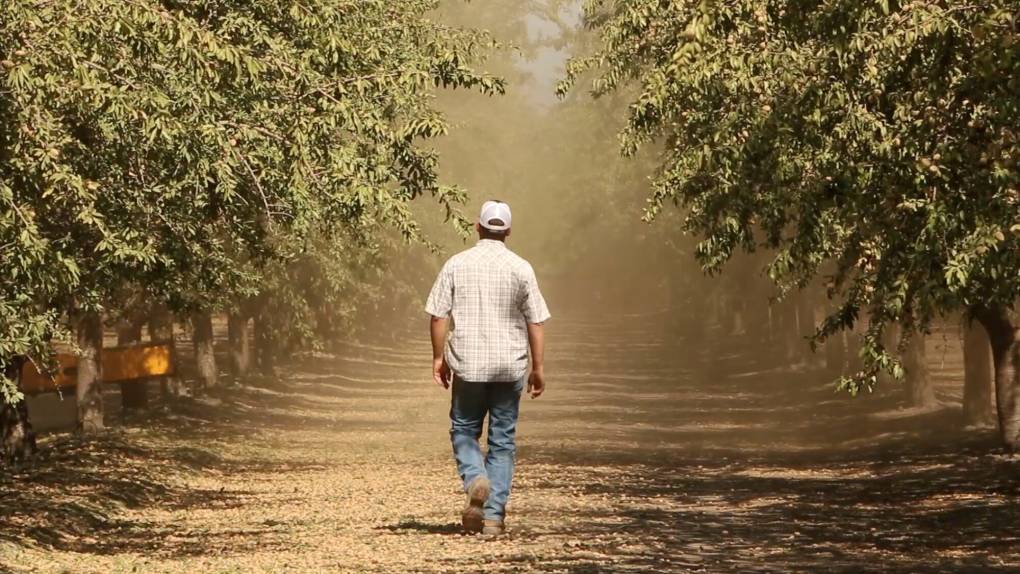
"caption": "A farmer walks through his almond orchard in Woodville, California, during harvest season.",
"credit": "Jeremy Raff/KQED",
"altTag": null,
"description": null,
"imgSizes": {
"medium": {
"file": "https://cdn.kqed.org/wp-content/uploads/sites/10/2025/03/Dominic-Pitigliano_qed-800x450.jpg",
"width": 800,
"height": 450,
"mimeType": "image/jpeg"
},
"large": {
"file": "https://cdn.kqed.org/wp-content/uploads/sites/10/2025/03/Dominic-Pitigliano_qed-1020x574.jpg",
"width": 1020,
"height": 574,
"mimeType": "image/jpeg"
},
"thumbnail": {
"file": "https://cdn.kqed.org/wp-content/uploads/sites/10/2025/03/Dominic-Pitigliano_qed-160x90.jpg",
"width": 160,
"height": 90,
"mimeType": "image/jpeg"
},
"1536x1536": {
"file": "https://cdn.kqed.org/wp-content/uploads/sites/10/2025/03/Dominic-Pitigliano_qed-1536x864.jpg",
"width": 1536,
"height": 864,
"mimeType": "image/jpeg"
},
"post-thumbnail": {
"file": "https://cdn.kqed.org/wp-content/uploads/sites/10/2025/03/Dominic-Pitigliano_qed-672x372.jpg",
"width": 672,
"height": 372,
"mimeType": "image/jpeg"
},
"twentyfourteen-full-width": {
"file": "https://cdn.kqed.org/wp-content/uploads/sites/10/2025/03/Dominic-Pitigliano_qed-1038x576.jpg",
"width": 1038,
"height": 576,
"mimeType": "image/jpeg"
},
"full-width": {
"file": "https://cdn.kqed.org/wp-content/uploads/sites/10/2025/03/Dominic-Pitigliano_qed-1920x1080.jpg",
"width": 1920,
"height": 1080,
"mimeType": "image/jpeg"
},
"kqedFullSize": {
"file": "https://cdn.kqed.org/wp-content/uploads/sites/10/2025/03/Dominic-Pitigliano_qed.jpg",
"width": 2000,
"height": 1125
}
},
"isLoading": false,
"fetchFailed": false
},
"news_12041156": {
"type": "attachments",
"id": "news_12041156",
"meta": {
"index": "attachments_1716263798",
"site": "news",
"id": "12041156",
"found": true
},
"title": "A surfer catches a wave at Ocean Beach in San Francisco on Feb. 10, 2025.",
"publishDate": 1747865828,
"status": "inherit",
"parent": 12041127,
"modified": 1747865838,
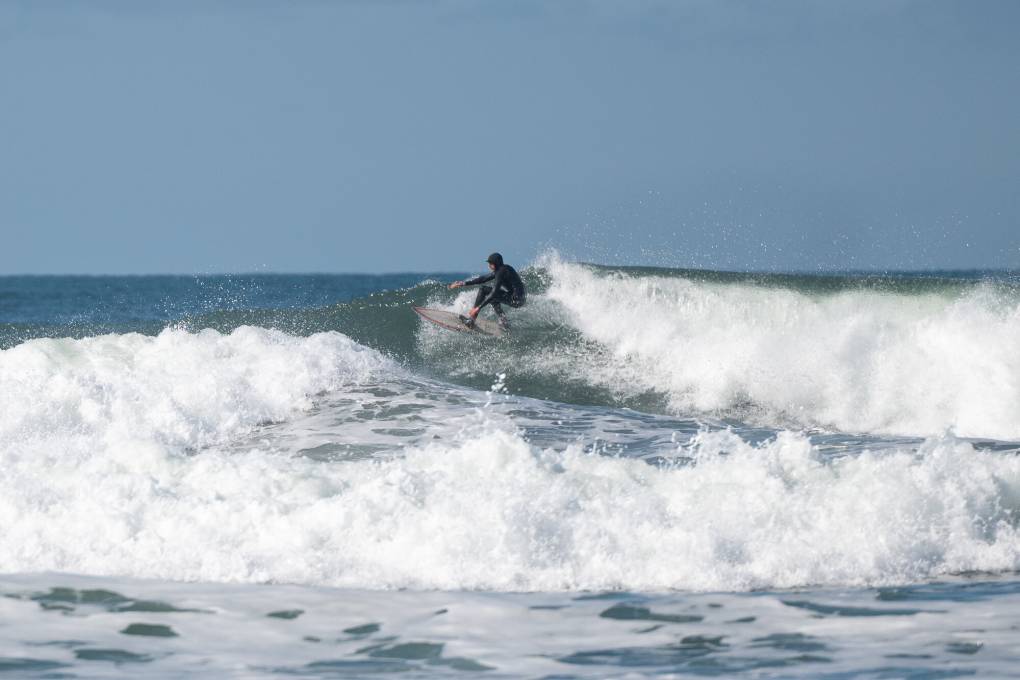
"caption": "A surfer catches a wave at Ocean Beach in San Francisco on Feb. 10, 2025.",
"credit": "Beth LaBerge/KQED",
"altTag": null,
"description": null,
"imgSizes": {
"medium": {
"file": "https://cdn.kqed.org/wp-content/uploads/sites/10/2025/05/250210-SurferSewage-16-BL_qed-800x533.jpg",
"width": 800,
"height": 533,
"mimeType": "image/jpeg"
},
"large": {
"file": "https://cdn.kqed.org/wp-content/uploads/sites/10/2025/05/250210-SurferSewage-16-BL_qed-1020x680.jpg",
"width": 1020,
"height": 680,
"mimeType": "image/jpeg"
},
"thumbnail": {
"file": "https://cdn.kqed.org/wp-content/uploads/sites/10/2025/05/250210-SurferSewage-16-BL_qed-160x107.jpg",
"width": 160,
"height": 107,
"mimeType": "image/jpeg"
},
"1536x1536": {
"file": "https://cdn.kqed.org/wp-content/uploads/sites/10/2025/05/250210-SurferSewage-16-BL_qed-1536x1024.jpg",
"width": 1536,
"height": 1024,
"mimeType": "image/jpeg"
},
"post-thumbnail": {
"file": "https://cdn.kqed.org/wp-content/uploads/sites/10/2025/05/250210-SurferSewage-16-BL_qed-672x372.jpg",
"width": 672,
"height": 372,
"mimeType": "image/jpeg"
},
"twentyfourteen-full-width": {
"file": "https://cdn.kqed.org/wp-content/uploads/sites/10/2025/05/250210-SurferSewage-16-BL_qed-1038x576.jpg",
"width": 1038,
"height": 576,
"mimeType": "image/jpeg"
},
"full-width": {
"file": "https://cdn.kqed.org/wp-content/uploads/sites/10/2025/05/250210-SurferSewage-16-BL_qed-1920x1280.jpg",
"width": 1920,
"height": 1280,
"mimeType": "image/jpeg"
},
"kqedFullSize": {
"file": "https://cdn.kqed.org/wp-content/uploads/sites/10/2025/05/250210-SurferSewage-16-BL_qed.jpg",
"width": 2000,
"height": 1333
}
},
"isLoading": false,
"fetchFailed": false
},
"news_12108941": {
"type": "attachments",
"id": "news_12108941",
"meta": {
"index": "attachments_1716263798",
"site": "news",
"id": "12108941",
"found": true
},
"title": "261109-LurieSFParks-JY-05-KQED",
"publishDate": 1794260339,
"status": "inherit",
"parent": 0,
"modified": 1794260424,
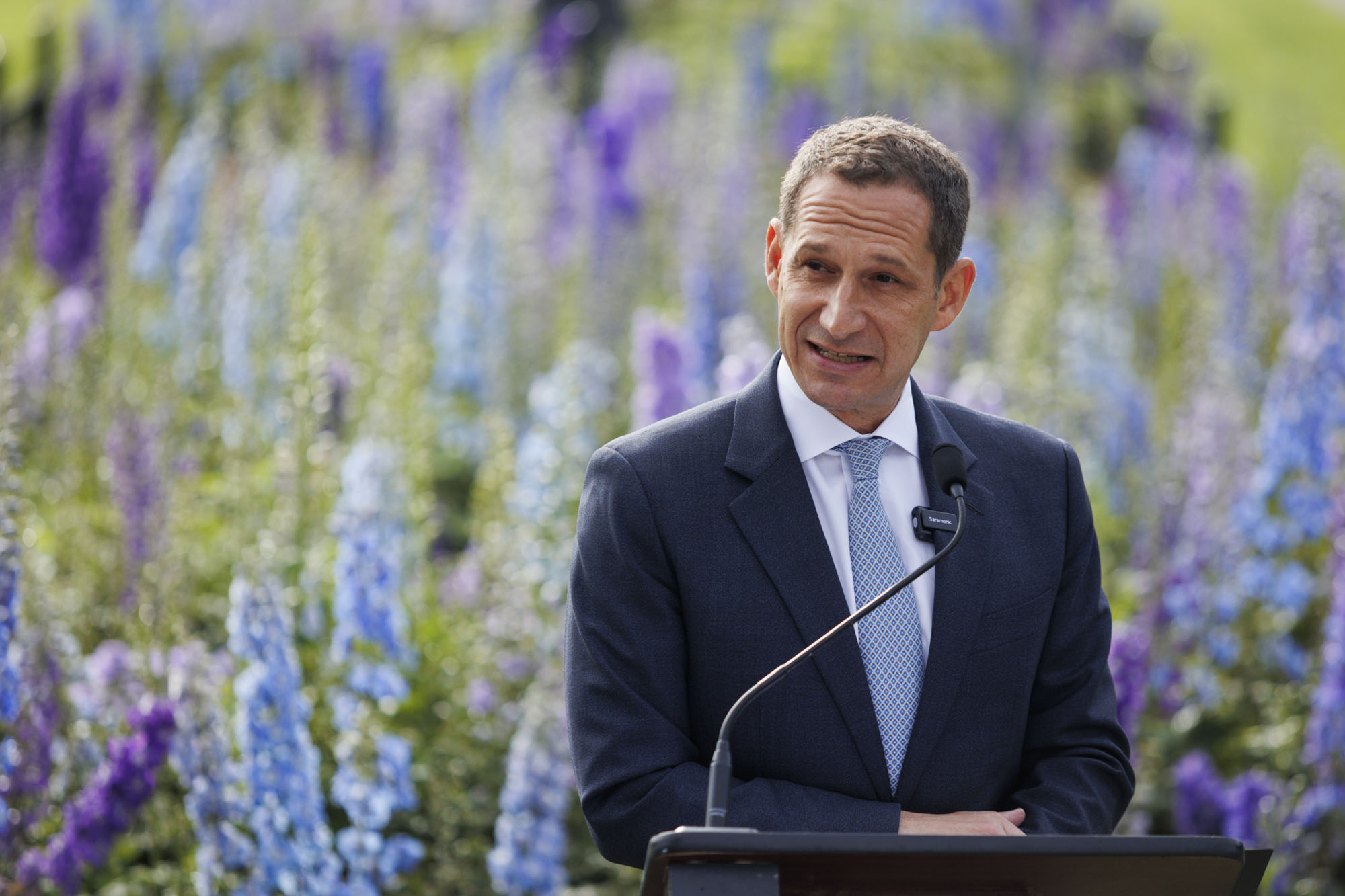
"caption": "Mayor Daniel Lurie speaks during a press conference announcing a $100 million donation from Airbnb CEO Brian Chesky to support San Francisco parks projects at the Conservatory of Flowers in San Francisco on Nov. 9, 2026.",
"credit": "Juliana Yamada/KQED",
"altTag": null,
"description": null,
"imgSizes": {
"thumbnail": {
"file": "https://cdn.kqed.org/wp-content/uploads/sites/10/2026/11/261109-LurieSFParks-JY-05-KQED-f95b7336-160x107.jpg",
"width": 160,
"height": 107,
"mimeType": "image/jpeg"
},
"1536x1536": {
"file": "https://cdn.kqed.org/wp-content/uploads/sites/10/2026/11/261109-LurieSFParks-JY-05-KQED-f95b7336-1536x1024.jpg",
"width": 1536,
"height": 1024,
"mimeType": "image/jpeg"
},
"post-thumbnail": {
"file": "https://cdn.kqed.org/wp-content/uploads/sites/10/2026/11/261109-LurieSFParks-JY-05-KQED-f95b7336-672x372.jpg",
"width": 672,
"height": 372,
"mimeType": "image/jpeg"
},
"twentyfourteen-full-width": {
"file": "https://cdn.kqed.org/wp-content/uploads/sites/10/2026/11/261109-LurieSFParks-JY-05-KQED-f95b7336-1038x576.jpg",
"width": 1038,
"height": 576,
"mimeType": "image/jpeg"
},
"npr-cds-wide": {
"file": "https://cdn.kqed.org/wp-content/uploads/sites/10/2026/11/261109-LurieSFParks-JY-05-KQED-f95b7336-1200x675.jpg",
"width": 1200,
"height": 675,
"mimeType": "image/jpeg"
},
"npr-cds-square": {
"file": "https://cdn.kqed.org/wp-content/uploads/sites/10/2026/11/261109-LurieSFParks-JY-05-KQED-f95b7336-600x600.jpg",
"width": 600,
"height": 600,
"mimeType": "image/jpeg"
},
"kqedFullSize": {
"file": "https://cdn.kqed.org/wp-content/uploads/sites/10/2026/11/261109-LurieSFParks-JY-05-KQED-f95b7336.jpg",
"width": 2000,
"height": 1333
}
},
"isLoading": false,
"fetchFailed": false
},
"news_11689254": {
"type": "attachments",
"id": "news_11689254",
"meta": {
"index": "attachments_1716263798",
"site": "news",
"id": "11689254",
"found": true
},
"title": "Mendocino-Complex Fire In Northern California Grows To Largest Fire In State's History",
"publishDate": 1535518643,
"status": "inherit",
"parent": 11689138,
"modified": 1793390411,
"caption": "Cal Fire firefighters monitor a back fire as they battle the Medocino Complex fire on Aug. 7, 2018 near Lodoga, California. The Mendocino Complex Fire is largest wildfire in California state history.",
"credit": "Justin Sullivan/Getty Images",
"altTag": null,
"description": null,
"imgSizes": {
"thumbnail": {
"file": "https://cdn.kqed.org/wp-content/uploads/sites/10/2018/08/RS32584_GettyImages-1013061500-qut-160x106.jpg",
"width": 160,
"height": 106,
"mimeType": "image/jpeg"
},
"medium": {
"file": "https://cdn.kqed.org/wp-content/uploads/sites/10/2018/08/RS32584_GettyImages-1013061500-qut-800x532.jpg",
"width": 800,
"height": 532,
"mimeType": "image/jpeg"
},
"large": {
"file": "https://cdn.kqed.org/wp-content/uploads/sites/10/2018/08/RS32584_GettyImages-1013061500-qut-1020x678.jpg",
"width": 1020,
"height": 678,
"mimeType": "image/jpeg"
},
"complete_open_graph": {
"file": "https://cdn.kqed.org/wp-content/uploads/sites/10/2018/08/RS32584_GettyImages-1013061500-qut-1200x798.jpg",
"width": 1200,
"height": 798,
"mimeType": "image/jpeg"
},
"fd-lrg": {
"file": "https://cdn.kqed.org/wp-content/uploads/sites/10/2018/08/RS32584_GettyImages-1013061500-qut-1920x1276.jpg",
"width": 1920,
"height": 1276,
"mimeType": "image/jpeg"
},
"fd-med": {
"file": "https://cdn.kqed.org/wp-content/uploads/sites/10/2018/08/RS32584_GettyImages-1013061500-qut-1180x784.jpg",
"width": 1180,
"height": 784,
"mimeType": "image/jpeg"
},
"fd-sm": {
"file": "https://cdn.kqed.org/wp-content/uploads/sites/10/2018/08/RS32584_GettyImages-1013061500-qut-960x638.jpg",
"width": 960,
"height": 638,
"mimeType": "image/jpeg"
},
"post-thumbnail": {
"file": "https://cdn.kqed.org/wp-content/uploads/sites/10/2018/08/RS32584_GettyImages-1013061500-qut-672x372.jpg",
"width": 672,
"height": 372,
"mimeType": "image/jpeg"
},
"twentyfourteen-full-width": {
"file": "https://cdn.kqed.org/wp-content/uploads/sites/10/2018/08/RS32584_GettyImages-1013061500-qut-1038x576.jpg",
"width": 1038,
"height": 576,
"mimeType": "image/jpeg"
},
"xxsmall": {
"file": "https://cdn.kqed.org/wp-content/uploads/sites/10/2018/08/RS32584_GettyImages-1013061500-qut-240x160.jpg",
"width": 240,
"height": 160,
"mimeType": "image/jpeg"
},
"xsmall": {
"file": "https://cdn.kqed.org/wp-content/uploads/sites/10/2018/08/RS32584_GettyImages-1013061500-qut-375x249.jpg",
"width": 375,
"height": 249,
"mimeType": "image/jpeg"
},
"small": {
"file": "https://cdn.kqed.org/wp-content/uploads/sites/10/2018/08/RS32584_GettyImages-1013061500-qut-520x346.jpg",
"width": 520,
"height": 346,
"mimeType": "image/jpeg"
},
"xlarge": {
"file": "https://cdn.kqed.org/wp-content/uploads/sites/10/2018/08/RS32584_GettyImages-1013061500-qut-1180x784.jpg",
"width": 1180,
"height": 784,
"mimeType": "image/jpeg"
},
"full-width": {
"file": "https://cdn.kqed.org/wp-content/uploads/sites/10/2018/08/RS32584_GettyImages-1013061500-qut-1920x1276.jpg",
"width": 1920,
"height": 1276,
"mimeType": "image/jpeg"
},
"guest-author-32": {
"file": "https://cdn.kqed.org/wp-content/uploads/sites/10/2018/08/RS32584_GettyImages-1013061500-qut-32x32.jpg",
"width": 32,
"height": 32,
"mimeType": "image/jpeg"
},
"guest-author-50": {
"file": "https://cdn.kqed.org/wp-content/uploads/sites/10/2018/08/RS32584_GettyImages-1013061500-qut-50x50.jpg",
"width": 50,
"height": 50,
"mimeType": "image/jpeg"
},
"guest-author-64": {
"file": "https://cdn.kqed.org/wp-content/uploads/sites/10/2018/08/RS32584_GettyImages-1013061500-qut-64x64.jpg",
"width": 64,
"height": 64,
"mimeType": "image/jpeg"
},
"guest-author-96": {
"file": "https://cdn.kqed.org/wp-content/uploads/sites/10/2018/08/RS32584_GettyImages-1013061500-qut-96x96.jpg",
"width": 96,
"height": 96,
"mimeType": "image/jpeg"
},
"guest-author-128": {
"file": "https://cdn.kqed.org/wp-content/uploads/sites/10/2018/08/RS32584_GettyImages-1013061500-qut-128x128.jpg",
"width": 128,
"height": 128,
"mimeType": "image/jpeg"
},
"detail": {
"file": "https://cdn.kqed.org/wp-content/uploads/sites/10/2018/08/RS32584_GettyImages-1013061500-qut-150x150.jpg",
"width": 150,
"height": 150,
"mimeType": "image/jpeg"
},
"kqedFullSize": {
"file": "https://cdn.kqed.org/wp-content/uploads/sites/10/2018/08/RS32584_GettyImages-1013061500-qut.jpg",
"width": 1920,
"height": 1276
}
},
"isLoading": false,
"fetchFailed": false
},
"news_12107302": {
"type": "attachments",
"id": "news_12107302",
"meta": {
"index": "attachments_1716263798",
"site": "news",
"id": "12107302",
"found": true
},
"title": "GettyImages-2301814033",
"publishDate": 1793299455,
"status": "inherit",
"parent": 12107286,
"modified": 1793299523,
"caption": "Floodwaters covered roads in Marin County during high tide between Sausalito and Mill Valley in California, United States on October 27, 2026.",
"credit": "Tayfun Coskun/Anadolu via Getty Images",
"altTag": null,
"description": null,
"imgSizes": {
"medium": {
"file": "https://cdn.kqed.org/wp-content/uploads/sites/10/2026/10/GettyImages-2301814033-9891e08e-2000x1500.jpg",
"width": 2000,
"height": 1500,
"mimeType": "image/jpeg"
},
"large": {
"file": "https://cdn.kqed.org/wp-content/uploads/sites/10/2026/10/GettyImages-2301814033-9891e08e-2000x1500.jpg",
"width": 2000,
"height": 1500,
"mimeType": "image/jpeg"
},
"thumbnail": {
"file": "https://cdn.kqed.org/wp-content/uploads/sites/10/2026/10/GettyImages-2301814033-9891e08e-160x120.jpg",
"width": 160,
"height": 120,
"mimeType": "image/jpeg"
},
"1536x1536": {
"file": "https://cdn.kqed.org/wp-content/uploads/sites/10/2026/10/GettyImages-2301814033-9891e08e-1536x1152.jpg",
"width": 1536,
"height": 1152,
"mimeType": "image/jpeg"
},
"2048x2048": {
"file": "https://cdn.kqed.org/wp-content/uploads/sites/10/2026/10/GettyImages-2301814033-9891e08e-2048x1536.jpg",
"width": 2048,
"height": 1536,
"mimeType": "image/jpeg"
},
"post-thumbnail": {
"file": "https://cdn.kqed.org/wp-content/uploads/sites/10/2026/10/GettyImages-2301814033-9891e08e-672x372.jpg",
"width": 672,
"height": 372,
"mimeType": "image/jpeg"
},
"twentyfourteen-full-width": {
"file": "https://cdn.kqed.org/wp-content/uploads/sites/10/2026/10/GettyImages-2301814033-9891e08e-1038x576.jpg",
"width": 1038,
"height": 576,
"mimeType": "image/jpeg"
},
"full-width": {
"file": "https://cdn.kqed.org/wp-content/uploads/sites/10/2026/10/GettyImages-2301814033-9891e08e-2000x1500.jpg",
"width": 2000,
"height": 1500,
"mimeType": "image/jpeg"
},
"npr-cds-wide": {
"file": "https://cdn.kqed.org/wp-content/uploads/sites/10/2026/10/GettyImages-2301814033-9891e08e-1200x675.jpg",
"width": 1200,
"height": 675,
"mimeType": "image/jpeg"
},
"npr-cds-square": {
"file": "https://cdn.kqed.org/wp-content/uploads/sites/10/2026/10/GettyImages-2301814033-9891e08e-600x600.jpg",
"width": 600,
"height": 600,
"mimeType": "image/jpeg"
},
"kqedFullSize": {
"file": "https://cdn.kqed.org/wp-content/uploads/sites/10/2026/10/GettyImages-2301814033-9891e08e-scaled.jpg",
"width": 2560,
"height": 1920
}
},
"isLoading": false,
"fetchFailed": false
},
"news_12106756": {
"type": "attachments",
"id": "news_12106756",
"meta": {
"index": "attachments_1716263798",
"site": "news",
"id": "12106756",
"found": true
},
"title": "261027-SAN FRANCISCO FLOODING-JV02-KQED",
"publishDate": 1793139140,
"status": "inherit",
"parent": 0,
"modified": 1793144627,
"caption": "Seawater cut off access to parts of San Francisco's Embarcadero on Oct. 27, 2026, after abnormally high tides. ",
"credit": "José Velasquez/KQED",
"altTag": null,
"description": null,
"imgSizes": {
"thumbnail": {
"file": "https://cdn.kqed.org/wp-content/uploads/sites/10/2026/10/261027-SAN-FRANCISCO-FLOODING-JV02-KQED-3e52a925-160x107.jpg",
"width": 160,
"height": 107,
"mimeType": "image/jpeg"
},
"1536x1536": {
"file": "https://cdn.kqed.org/wp-content/uploads/sites/10/2026/10/261027-SAN-FRANCISCO-FLOODING-JV02-KQED-3e52a925-1536x1024.jpg",
"width": 1536,
"height": 1024,
"mimeType": "image/jpeg"
},
"post-thumbnail": {
"file": "https://cdn.kqed.org/wp-content/uploads/sites/10/2026/10/261027-SAN-FRANCISCO-FLOODING-JV02-KQED-3e52a925-672x372.jpg",
"width": 672,
"height": 372,
"mimeType": "image/jpeg"
},
"twentyfourteen-full-width": {
"file": "https://cdn.kqed.org/wp-content/uploads/sites/10/2026/10/261027-SAN-FRANCISCO-FLOODING-JV02-KQED-3e52a925-1038x576.jpg",
"width": 1038,
"height": 576,
"mimeType": "image/jpeg"
},
"npr-cds-wide": {
"file": "https://cdn.kqed.org/wp-content/uploads/sites/10/2026/10/261027-SAN-FRANCISCO-FLOODING-JV02-KQED-3e52a925-1200x675.jpg",
"width": 1200,
"height": 675,
"mimeType": "image/jpeg"
},
"npr-cds-square": {
"file": "https://cdn.kqed.org/wp-content/uploads/sites/10/2026/10/261027-SAN-FRANCISCO-FLOODING-JV02-KQED-3e52a925-600x600.jpg",
"width": 600,
"height": 600,
"mimeType": "image/jpeg"
},
"kqedFullSize": {
"file": "https://cdn.kqed.org/wp-content/uploads/sites/10/2026/10/261027-SAN-FRANCISCO-FLOODING-JV02-KQED-3e52a925.jpg",
"width": 2000,
"height": 1333
}
},
"isLoading": false,
"fetchFailed": false
},
"news_12106390": {
"type": "attachments",
"id": "news_12106390",
"meta": {
"index": "attachments_1716263798",
"site": "news",
"id": "12106390",
"found": true
},
"title": "PhoenixLakeGetty",
"publishDate": 1793032520,
"status": "inherit",
"parent": 12106386,
"modified": 1793032615,
"caption": "Phoenix Lake is seen at 100% capacity after a series of atmospheric river events drenched Northern California on Jan. 12, 2023, in Ross, California. ",
"credit": "Justin Sullivan/Getty Images",
"altTag": null,
"description": null,
"imgSizes": {
"thumbnail": {
"file": "https://cdn.kqed.org/wp-content/uploads/sites/10/2026/10/PhoenixLakeGetty-fe030ad2-160x107.jpg",
"width": 160,
"height": 107,
"mimeType": "image/jpeg"
},
"1536x1536": {
"file": "https://cdn.kqed.org/wp-content/uploads/sites/10/2026/10/PhoenixLakeGetty-fe030ad2-1536x1024.jpg",
"width": 1536,
"height": 1024,
"mimeType": "image/jpeg"
},
"post-thumbnail": {
"file": "https://cdn.kqed.org/wp-content/uploads/sites/10/2026/10/PhoenixLakeGetty-fe030ad2-672x372.jpg",
"width": 672,
"height": 372,
"mimeType": "image/jpeg"
},
"twentyfourteen-full-width": {
"file": "https://cdn.kqed.org/wp-content/uploads/sites/10/2026/10/PhoenixLakeGetty-fe030ad2-1038x576.jpg",
"width": 1038,
"height": 576,
"mimeType": "image/jpeg"
},
"npr-cds-wide": {
"file": "https://cdn.kqed.org/wp-content/uploads/sites/10/2026/10/PhoenixLakeGetty-fe030ad2-1200x675.jpg",
"width": 1200,
"height": 675,
"mimeType": "image/jpeg"
},
"npr-cds-square": {
"file": "https://cdn.kqed.org/wp-content/uploads/sites/10/2026/10/PhoenixLakeGetty-fe030ad2-600x600.jpg",
"width": 600,
"height": 600,
"mimeType": "image/jpeg"
},
"kqedFullSize": {
"file": "https://cdn.kqed.org/wp-content/uploads/sites/10/2026/10/PhoenixLakeGetty-fe030ad2.jpg",
"width": 2000,
"height": 1333
}
},
"isLoading": false,
"fetchFailed": false
},
"news_12106097": {
"type": "attachments",
"id": "news_12106097",
"meta": {
"index": "attachments_1716263798",
"site": "news",
"id": "12106097",
"found": true
},
"title": "LEDE 10-22-26_Snowliadge_MammothLakes_KimEspinosaMLT_068",
"publishDate": 1792786580,
"status": "inherit",
"parent": 12106094,
"modified": 1792793225,
"caption": "The Mammoth Lakes region after this week’s snowfall.",
"credit": "Courtesy of Kim Espinosa/Mammoth Lakes Tourism",
"altTag": null,
"description": null,
"imgSizes": {
"thumbnail": {
"file": "https://cdn.kqed.org/wp-content/uploads/sites/10/2026/10/LEDE-10-22-26_Snowliadge_MammothLakes_KimEspinosaMLT_068-bb28e5d8-160x107.jpg",
"width": 160,
"height": 107,
"mimeType": "image/jpeg"
},
"1536x1536": {
"file": "https://cdn.kqed.org/wp-content/uploads/sites/10/2026/10/LEDE-10-22-26_Snowliadge_MammothLakes_KimEspinosaMLT_068-bb28e5d8-1536x1025.jpg",
"width": 1536,
"height": 1025,
"mimeType": "image/jpeg"
},
"post-thumbnail": {
"file": "https://cdn.kqed.org/wp-content/uploads/sites/10/2026/10/LEDE-10-22-26_Snowliadge_MammothLakes_KimEspinosaMLT_068-bb28e5d8-672x372.jpg",
"width": 672,
"height": 372,
"mimeType": "image/jpeg"
},
"twentyfourteen-full-width": {
"file": "https://cdn.kqed.org/wp-content/uploads/sites/10/2026/10/LEDE-10-22-26_Snowliadge_MammothLakes_KimEspinosaMLT_068-bb28e5d8-1038x576.jpg",
"width": 1038,
"height": 576,
"mimeType": "image/jpeg"
},
"npr-cds-wide": {
"file": "https://cdn.kqed.org/wp-content/uploads/sites/10/2026/10/LEDE-10-22-26_Snowliadge_MammothLakes_KimEspinosaMLT_068-bb28e5d8-1200x675.jpg",
"width": 1200,
"height": 675,
"mimeType": "image/jpeg"
},
"npr-cds-square": {
"file": "https://cdn.kqed.org/wp-content/uploads/sites/10/2026/10/LEDE-10-22-26_Snowliadge_MammothLakes_KimEspinosaMLT_068-bb28e5d8-600x600.jpg",
"width": 600,
"height": 600,
"mimeType": "image/jpeg"
},
"kqedFullSize": {
"file": "https://cdn.kqed.org/wp-content/uploads/sites/10/2026/10/LEDE-10-22-26_Snowliadge_MammothLakes_KimEspinosaMLT_068-bb28e5d8.jpg",
"width": 2000,
"height": 1334
}
},
"isLoading": false,
"fetchFailed": false
},
"news_12048168": {
"type": "attachments",
"id": "news_12048168",
"meta": {
"index": "attachments_1716263798",
"site": "news",
"id": "12048168",
"found": true
},
"title": "250714-tiktokpoliticians_00251_TV_qed",
"publishDate": 1752611194,
"status": "inherit",
"parent": 12048631,
"modified": 1752868948,
"caption": "Mayor Daniel Lurie looks to his social media team to prepare for a social video recording on 16th Street in the Mission District with his team in San Francisco on July 14, 2025. ",
"credit": "Tâm Vũ/KQED",
"altTag": null,
"description": null,
"imgSizes": {
"thumbnail": {
"file": "https://cdn.kqed.org/wp-content/uploads/sites/10/2025/07/250714-tiktokpoliticians_00251_TV_qed-160x107.jpg",
"width": 160,
"height": 107,
"mimeType": "image/jpeg"
},
"1536x1536": {
"file": "https://cdn.kqed.org/wp-content/uploads/sites/10/2025/07/250714-tiktokpoliticians_00251_TV_qed-1536x1024.jpg",
"width": 1536,
"height": 1024,
"mimeType": "image/jpeg"
},
"post-thumbnail": {
"file": "https://cdn.kqed.org/wp-content/uploads/sites/10/2025/07/250714-tiktokpoliticians_00251_TV_qed-672x372.jpg",
"width": 672,
"height": 372,
"mimeType": "image/jpeg"
},
"twentyfourteen-full-width": {
"file": "https://cdn.kqed.org/wp-content/uploads/sites/10/2025/07/250714-tiktokpoliticians_00251_TV_qed-1038x576.jpg",
"width": 1038,
"height": 576,
"mimeType": "image/jpeg"
},
"kqedFullSize": {
"file": "https://cdn.kqed.org/wp-content/uploads/sites/10/2025/07/250714-tiktokpoliticians_00251_TV_qed.jpg",
"width": 2000,
"height": 1333
}
},
"isLoading": false,
"fetchFailed": false
},
"news_12105331": {
"type": "attachments",
"id": "news_12105331",
"meta": {
"index": "attachments_1716263798",
"site": "news",
"id": "12105331",
"found": true
},
"title": "261020-El Nino Future-01-KQED",
"publishDate": 1792517296,
"status": "inherit",
"parent": 0,
"modified": 1792628737,
"caption": "Flooding at Mare Island from the winter 2016-17 floods.",
"credit": "Courtesy of Fraser Shilling/UC Davis",
"altTag": null,
"description": null,
"imgSizes": {
"thumbnail": {
"file": "https://cdn.kqed.org/wp-content/uploads/sites/10/2026/10/261020-El-Nino-Future-01-KQED-7039cd15-160x107.jpg",
"width": 160,
"height": 107,
"mimeType": "image/jpeg"
},
"1536x1536": {
"file": "https://cdn.kqed.org/wp-content/uploads/sites/10/2026/10/261020-El-Nino-Future-01-KQED-7039cd15-1536x1024.jpg",
"width": 1536,
"height": 1024,
"mimeType": "image/jpeg"
},
"post-thumbnail": {
"file": "https://cdn.kqed.org/wp-content/uploads/sites/10/2026/10/261020-El-Nino-Future-01-KQED-7039cd15-672x372.jpg",
"width": 672,
"height": 372,
"mimeType": "image/jpeg"
},
"twentyfourteen-full-width": {
"file": "https://cdn.kqed.org/wp-content/uploads/sites/10/2026/10/261020-El-Nino-Future-01-KQED-7039cd15-1038x576.jpg",
"width": 1038,
"height": 576,
"mimeType": "image/jpeg"
},
"npr-cds-wide": {
"file": "https://cdn.kqed.org/wp-content/uploads/sites/10/2026/10/261020-El-Nino-Future-01-KQED-7039cd15-1200x675.jpg",
"width": 1200,
"height": 675,
"mimeType": "image/jpeg"
},
"npr-cds-square": {
"file": "https://cdn.kqed.org/wp-content/uploads/sites/10/2026/10/261020-El-Nino-Future-01-KQED-7039cd15-600x600.jpg",
"width": 600,
"height": 600,
"mimeType": "image/jpeg"
},
"kqedFullSize": {
"file": "https://cdn.kqed.org/wp-content/uploads/sites/10/2026/10/261020-El-Nino-Future-01-KQED-7039cd15.jpg",
"width": 2000,
"height": 1333
}
},
"isLoading": false,
"fetchFailed": false
},
"news_12105310": {
"type": "attachments",
"id": "news_12105310",
"meta": {
"index": "attachments_1716263798",
"site": "news",
"id": "12105310",
"found": true
},
"title": "251223-Storm-08-BL_qed",
"publishDate": 1792514379,
"status": "inherit",
"parent": 12105298,
"modified": 1792514388,
"caption": "People walk along Valencia Street in San Francisco on Dec. 23, 2025, as a storm system moves through the Bay Area.",
"credit": "Beth LaBerge/KQED",
"altTag": null,
"description": null,
"imgSizes": {
"thumbnail": {
"file": "https://cdn.kqed.org/wp-content/uploads/sites/10/2026/10/251223-Storm-08-BL_qed-a4841014-160x107.jpg",
"width": 160,
"height": 107,
"mimeType": "image/jpeg"
},
"1536x1536": {
"file": "https://cdn.kqed.org/wp-content/uploads/sites/10/2026/10/251223-Storm-08-BL_qed-a4841014-1536x1024.jpg",
"width": 1536,
"height": 1024,
"mimeType": "image/jpeg"
},
"post-thumbnail": {
"file": "https://cdn.kqed.org/wp-content/uploads/sites/10/2026/10/251223-Storm-08-BL_qed-a4841014-672x372.jpg",
"width": 672,
"height": 372,
"mimeType": "image/jpeg"
},
"twentyfourteen-full-width": {
"file": "https://cdn.kqed.org/wp-content/uploads/sites/10/2026/10/251223-Storm-08-BL_qed-a4841014-1038x576.jpg",
"width": 1038,
"height": 576,
"mimeType": "image/jpeg"
},
"npr-cds-wide": {
"file": "https://cdn.kqed.org/wp-content/uploads/sites/10/2026/10/251223-Storm-08-BL_qed-a4841014-1200x675.jpg",
"width": 1200,
"height": 675,
"mimeType": "image/jpeg"
},
"npr-cds-square": {
"file": "https://cdn.kqed.org/wp-content/uploads/sites/10/2026/10/251223-Storm-08-BL_qed-a4841014-600x600.jpg",
"width": 600,
"height": 600,
"mimeType": "image/jpeg"
},
"kqedFullSize": {
"file": "https://cdn.kqed.org/wp-content/uploads/sites/10/2026/10/251223-Storm-08-BL_qed-a4841014.jpg",
"width": 2000,
"height": 1333
}
},
"isLoading": false,
"fetchFailed": false
},
"news_12105426": {
"type": "attachments",
"id": "news_12105426",
"meta": {
"index": "attachments_1716263798",
"site": "news",
"id": "12105426",
"found": true
},
"title": "261020-Berkeley Hills Fire-MD-01-KQED_1",
"publishDate": 1792529938,
"status": "inherit",
"parent": 0,
"modified": 1792529962,
"caption": "Crews fight the Panoramic Fire in the Berkeley Hills on Oct. 20, 2026.",
"credit": "Martin do Nascimento/KQED",
"altTag": null,
"description": null,
"imgSizes": {
"thumbnail": {
"file": "https://cdn.kqed.org/wp-content/uploads/sites/10/2026/10/261020-Berkeley-Hills-Fire-MD-01-KQED_1-bda6e042-160x107.jpg",
"width": 160,
"height": 107,
"mimeType": "image/jpeg"
},
"1536x1536": {
"file": "https://cdn.kqed.org/wp-content/uploads/sites/10/2026/10/261020-Berkeley-Hills-Fire-MD-01-KQED_1-bda6e042-1536x1025.jpg",
"width": 1536,
"height": 1025,
"mimeType": "image/jpeg"
},
"post-thumbnail": {
"file": "https://cdn.kqed.org/wp-content/uploads/sites/10/2026/10/261020-Berkeley-Hills-Fire-MD-01-KQED_1-bda6e042-672x372.jpg",
"width": 672,
"height": 372,
"mimeType": "image/jpeg"
},
"twentyfourteen-full-width": {
"file": "https://cdn.kqed.org/wp-content/uploads/sites/10/2026/10/261020-Berkeley-Hills-Fire-MD-01-KQED_1-bda6e042-1038x576.jpg",
"width": 1038,
"height": 576,
"mimeType": "image/jpeg"
},
"npr-cds-wide": {
"file": "https://cdn.kqed.org/wp-content/uploads/sites/10/2026/10/261020-Berkeley-Hills-Fire-MD-01-KQED_1-bda6e042-1200x675.jpg",
"width": 1200,
"height": 675,
"mimeType": "image/jpeg"
},
"npr-cds-square": {
"file": "https://cdn.kqed.org/wp-content/uploads/sites/10/2026/10/261020-Berkeley-Hills-Fire-MD-01-KQED_1-bda6e042-600x600.jpg",
"width": 600,
"height": 600,
"mimeType": "image/jpeg"
},
"kqedFullSize": {
"file": "https://cdn.kqed.org/wp-content/uploads/sites/10/2026/10/261020-Berkeley-Hills-Fire-MD-01-KQED_1-bda6e042.jpg",
"width": 2000,
"height": 1334
}
},
"isLoading": false,
"fetchFailed": false
}
},
"audioPlayerReducer": {
"postId": "stream_live",
"isPaused": true,
"isPlaying": false,
"pfsActive": false,
"pledgeModalIsOpen": true,
"playerDrawerIsOpen": false,
"liveAudioPlayStartedAt": 0,
"liveAudioPlayContext": ""
},
"authorsReducer": {
"byline_news_12108956": {
"type": "authors",
"id": "byline_news_12108956",
"meta": {
"override": true
},
"slug": "byline_news_12108956",
"name": "Sarah Wright, Emily Tenorio Molina",
"isLoading": false
},
"byline_news_12106584": {
"type": "authors",
"id": "byline_news_12106584",
"meta": {
"override": true
},
"slug": "byline_news_12106584",
"name": "Jose Velazquez",
"isLoading": false
},
"byline_news_12106386": {
"type": "authors",
"id": "byline_news_12106386",
"meta": {
"override": true
},
"slug": "byline_news_12106386",
"name": "Jose Velazquez",
"isLoading": false
},
"rachael-myrow": {
"type": "authors",
"id": "251",
"meta": {
"index": "authors_1716337520",
"id": "251",
"found": true
},
"name": "Rachael Myrow",
"firstName": "Rachael",
"lastName": "Myrow",
"slug": "rachael-myrow",
"email": "rmyrow@kqed.org",
"display_author_email": true,
"staff_mastheads": [
"news"
],
"title": "Senior Editor of KQED's Silicon Valley News Desk",
"bio": "• I write and edit stories about how Silicon Valley power and policies shape everyday life in California. I’m also passionate about making Bay Area history and culture more accessible to a broad public. • I’ve been a journalist for most of my life, starting in high school with The Franklin Press in Los Angeles, where I grew up. While earning my first degree in English at UC Berkeley, I got my start in public radio at KALX-FM. After completing a second degree in journalism at Cal, I landed my first professional job at Marketplace, then moved on to KPCC (now LAist), and then KQED, where I hosted The California Report for more than seven years. • My reporting has appeared on NPR, The World, WBUR’s \u003ci>Here & Now\u003c/i>, and the BBC. I also guest host for KQED’s \u003ci>Forum\u003c/i>, as well as the Commonwealth Club in San Francisco. • I speak periodically on media, democracy and technology issues, and do voiceover work for documentaries and educational video projects. • Outside of the studio, you'll find me hiking Bay Area trails and whipping up Insta-ready meals in my kitchen. • I do not accept gifts, money, or favors from anyone connected to my reporting, I don't pay people for information, and I do not support or donate to political causes. • I strive to treat the people I report on with fairness, honesty, and respect. I also recognize there are often multiple sides to a story and work to verify information through multiple sources and documentation. If I get something wrong, I correct it.",
"avatar": "https://secure.gravatar.com/avatar/3ed8a3c5f26025e4a805ba634cda8cd764906b97438a6d9ce216b044e340da4e?s=600&d=blank&r=g",
"twitter": "rachaelmyrow",
"bluesky": null,
"facebook": null,
"instagram": null,
"linkedin": "https://www.linkedin.com/in/rachaelmyrow/",
"sites": [
{
"site": "arts",
"roles": [
"administrator"
]
},
{
"site": "news",
"roles": [
"edit_others_posts",
"editor"
]
},
{
"site": "futureofyou",
"roles": [
"editor"
]
},
{
"site": "bayareabites",
"roles": [
"editor"
]
},
{
"site": "stateofhealth",
"roles": [
"editor"
]
},
{
"site": "science",
"roles": [
"editor"
]
},
{
"site": "food",
"roles": [
"editor"
]
},
{
"site": "forum",
"roles": [
"editor"
]
},
{
"site": "liveblog",
"roles": [
"author"
]
}
],
"headData": {
"title": "Rachael Myrow | KQED",
"description": "Senior Editor of KQED's Silicon Valley News Desk",
"ogImgSrc": "https://secure.gravatar.com/avatar/3ed8a3c5f26025e4a805ba634cda8cd764906b97438a6d9ce216b044e340da4e?s=600&d=blank&r=g",
"twImgSrc": "https://secure.gravatar.com/avatar/3ed8a3c5f26025e4a805ba634cda8cd764906b97438a6d9ce216b044e340da4e?s=600&d=blank&r=g"
},
"isLoading": false,
"link": "/author/rachael-myrow"
},
"dventon": {
"type": "authors",
"id": "11088",
"meta": {
"index": "authors_1716337520",
"id": "11088",
"found": true
},
"name": "Danielle Venton",
"firstName": "Danielle",
"lastName": "Venton",
"slug": "dventon",
"email": "dventon@kqed.org",
"display_author_email": true,
"staff_mastheads": [
"science"
],
"title": "Science reporter",
"bio": "Danielle Venton is a reporter for KQED Science. She covers wildfires, space and oceans (though she is prone to sea sickness).\r\n\r\nBefore joining KQED in 2015, Danielle was a staff reporter at KRCB in Sonoma County and a freelancer. She studied science communication at UC Santa Cruz and formerly worked at CERN in Geneva, Switzerland where she wrote about computing. She lives in Sonoma County and enjoys backpacking.",
"avatar": "https://secure.gravatar.com/avatar/37b292b5c40c8d93959c4f48d73b5286f41b7abd8588277e941905a3ed4c801c?s=600&d=blank&r=g",
"twitter": "DanielleVenton",
"bluesky": null,
"facebook": null,
"instagram": null,
"linkedin": null,
"sites": [
{
"site": "arts",
"roles": [
"contributor"
]
},
{
"site": "news",
"roles": [
"editor"
]
},
{
"site": "futureofyou",
"roles": [
"editor"
]
},
{
"site": "science",
"roles": [
"editor"
]
},
{
"site": "liveblog",
"roles": [
"contributor"
]
}
],
"headData": {
"title": "Danielle Venton | KQED",
"description": "Science reporter",
"ogImgSrc": "https://secure.gravatar.com/avatar/37b292b5c40c8d93959c4f48d73b5286f41b7abd8588277e941905a3ed4c801c?s=600&d=blank&r=g",
"twImgSrc": "https://secure.gravatar.com/avatar/37b292b5c40c8d93959c4f48d73b5286f41b7abd8588277e941905a3ed4c801c?s=600&d=blank&r=g"
},
"isLoading": false,
"link": "/author/dventon"
},
"eromero": {
"type": "authors",
"id": "11746",
"meta": {
"index": "authors_1716337520",
"id": "11746",
"found": true
},
"name": "Ezra David Romero",
"firstName": "Ezra David",
"lastName": "Romero",
"slug": "eromero",
"email": "eromero@kqed.org",
"display_author_email": true,
"staff_mastheads": [
"news",
"science"
],
"title": "Climate Reporter",
"bio": "Ezra David Romero is a climate reporter for KQED News. He covers the absence and excess of water in the Bay Area — think sea level rise, flooding and drought. For nearly a decade he’s covered how warming temperatures are altering the lives of Californians. He’s reported on farmers worried their pistachio trees aren’t getting enough sleep, families desperate for water, scientists studying dying giant sequoias, and alongside firefighters containing wildfires. His work has appeared on local stations across California and nationally on public radio shows like Morning Edition, Here and Now, All Things Considered and Science Friday. ",
"avatar": "https://secure.gravatar.com/avatar/c76404d287c10ed40224227551ac36e24352c7306f106632caf6fead76f8801f?s=600&d=blank&r=g",
"twitter": "ezraromero",
"bluesky": null,
"facebook": null,
"instagram": null,
"linkedin": null,
"sites": [
{
"site": "arts",
"roles": [
"editor"
]
},
{
"site": "news",
"roles": [
"editor"
]
},
{
"site": "science",
"roles": [
"editor"
]
},
{
"site": "liveblog",
"roles": [
"author"
]
}
],
"headData": {
"title": "Ezra David Romero | KQED",
"description": "Climate Reporter",
"ogImgSrc": "https://secure.gravatar.com/avatar/c76404d287c10ed40224227551ac36e24352c7306f106632caf6fead76f8801f?s=600&d=blank&r=g",
"twImgSrc": "https://secure.gravatar.com/avatar/c76404d287c10ed40224227551ac36e24352c7306f106632caf6fead76f8801f?s=600&d=blank&r=g"
},
"isLoading": false,
"link": "/author/eromero"
},
"kdebenedetti": {
"type": "authors",
"id": "11913",
"meta": {
"index": "authors_1716337520",
"id": "11913",
"found": true
},
"name": "Katie DeBenedetti",
"firstName": "Katie",
"lastName": "DeBenedetti",
"slug": "kdebenedetti",
"email": "kdebenedetti@kqed.org",
"display_author_email": false,
"staff_mastheads": [
"news",
"science"
],
"title": "KQED Contributor",
"bio": "Katie DeBenedetti is a digital reporter covering daily news for the Express Desk. Prior to joining KQED as a culture reporting intern in January 2024, she covered education and city government for the Napa Valley Register.",
"avatar": "https://secure.gravatar.com/avatar/6e31073cb8f7e4214ab03f42771d0f45?s=600&d=blank&r=g",
"twitter": null,
"facebook": null,
"instagram": null,
"linkedin": null,
"sites": [
{
"site": "news",
"roles": [
"author"
]
},
{
"site": "science",
"roles": [
"author"
]
},
{
"site": "liveblog",
"roles": [
"author"
]
}
],
"headData": {
"title": "Katie DeBenedetti | KQED",
"description": "KQED Contributor",
"ogImgSrc": "https://secure.gravatar.com/avatar/6e31073cb8f7e4214ab03f42771d0f45?s=600&d=blank&r=g",
"twImgSrc": "https://secure.gravatar.com/avatar/6e31073cb8f7e4214ab03f42771d0f45?s=600&d=blank&r=g"
},
"isLoading": false,
"link": "/author/kdebenedetti"
},
"skennedy": {
"type": "authors",
"id": "11935",
"meta": {
"index": "authors_1716337520",
"id": "11935",
"found": true
},
"name": "Samantha Kennedy",
"firstName": "Samantha",
"lastName": "Kennedy",
"slug": "skennedy",
"email": "SKennedy@kqed.org",
"display_author_email": false,
"staff_mastheads": [],
"title": "KQED Contributor",
"bio": null,
"avatar": "https://secure.gravatar.com/avatar/adc7b14bf1e801793202a156ecc864d4ad505b0fd63162a2f3da0e5ba57222d0?s=600&d=blank&r=g",
"twitter": null,
"bluesky": null,
"facebook": null,
"instagram": null,
"linkedin": null,
"sites": [
{
"site": "arts",
"roles": [
"author"
]
},
{
"site": "news",
"roles": [
"editor"
]
},
{
"site": "science",
"roles": [
"editor"
]
}
],
"headData": {
"title": "Samantha Kennedy | KQED",
"description": "KQED Contributor",
"ogImgSrc": "https://secure.gravatar.com/avatar/adc7b14bf1e801793202a156ecc864d4ad505b0fd63162a2f3da0e5ba57222d0?s=600&d=blank&r=g",
"twImgSrc": "https://secure.gravatar.com/avatar/adc7b14bf1e801793202a156ecc864d4ad505b0fd63162a2f3da0e5ba57222d0?s=600&d=blank&r=g"
},
"isLoading": false,
"link": "/author/skennedy"
},
"sarahwright": {
"type": "authors",
"id": "11956",
"meta": {
"index": "authors_1716337520",
"id": "11956",
"found": true
},
"name": "Sarah Wright",
"firstName": "Sarah",
"lastName": "Wright",
"slug": "sarahwright",
"email": "swright@kqed.org",
"display_author_email": true,
"staff_mastheads": [],
"title": "Outdoors Engagement Reporter",
"bio": "Sarah Wright is KQED's Outdoors Engagement Reporter. Originally from Lake Tahoe, she completed a thru-hike of the Pacific Crest Trail in 2019 and was a U.S. Fulbright Program grantee to Argentina in 2023. Her journalism has appeared in The Guardian, The San Francisco Standard, The Palo Alto Weekly and the Half Moon Bay Review.",
"avatar": "https://secure.gravatar.com/avatar/c161a3d6441865cba25e6db4fa561099ad665799e9432e34da2b84d7e371524c?s=600&d=blank&r=g",
"twitter": null,
"bluesky": null,
"facebook": null,
"instagram": null,
"linkedin": null,
"sites": [
{
"site": "arts",
"roles": [
"editor"
]
},
{
"site": "news",
"roles": [
"editor"
]
},
{
"site": "science",
"roles": [
"contributor",
"author"
]
},
{
"site": "forum",
"roles": [
"editor"
]
}
],
"headData": {
"title": "Sarah Wright | KQED",
"description": "Outdoors Engagement Reporter",
"ogImgSrc": "https://secure.gravatar.com/avatar/c161a3d6441865cba25e6db4fa561099ad665799e9432e34da2b84d7e371524c?s=600&d=blank&r=g",
"twImgSrc": "https://secure.gravatar.com/avatar/c161a3d6441865cba25e6db4fa561099ad665799e9432e34da2b84d7e371524c?s=600&d=blank&r=g"
},
"isLoading": false,
"link": "/author/sarahwright"
},
"ejackson": {
"type": "authors",
"id": "12003",
"meta": {
"index": "authors_1716337520",
"id": "12003",
"found": true
},
"name": "Ella Jackson",
"firstName": "Ella",
"lastName": "Jackson",
"slug": "ejackson",
"email": "ejackson@kqed.org",
"display_author_email": false,
"staff_mastheads": [],
"title": "KQED Contributor",
"bio": null,
"avatar": "https://secure.gravatar.com/avatar/3c688edc62aec1dcae096e1475956d245f72bde99cff316455871c9b22a7205b?s=600&d=blank&r=g",
"twitter": null,
"bluesky": null,
"facebook": null,
"instagram": null,
"linkedin": null,
"sites": [
{
"site": "news",
"roles": [
"author"
]
},
{
"site": "science",
"roles": [
"author"
]
}
],
"headData": {
"title": "Ella Jackson | KQED",
"description": "KQED Contributor",
"ogImgSrc": "https://secure.gravatar.com/avatar/3c688edc62aec1dcae096e1475956d245f72bde99cff316455871c9b22a7205b?s=600&d=blank&r=g",
"twImgSrc": "https://secure.gravatar.com/avatar/3c688edc62aec1dcae096e1475956d245f72bde99cff316455871c9b22a7205b?s=600&d=blank&r=g"
},
"isLoading": false,
"link": "/author/ejackson"
}
},
"pagesReducer": {
"news_tag_climate": {
"type": "terms",
"id": "news_19204",
"meta": {
"index": "terms_1716263798",
"site": "news",
"id": "19204",
"score": 7.063702
},
"featImg": null,
"name": "climate",
"description": null,
"taxonomy": "tag",
"headData": {
"twImgId": null,
"twTitle": null,
"ogTitle": null,
"ogImgId": null,
"twDescription": null,
"description": null,
"title": "climate Archives | KQED News",
"ogDescription": null
},
"ttid": 19221,
"slug": "climate",
"isLoading": false,
"title": "climate",
"pageMeta": {
"site": "news",
"WpPageTemplate": "page-topic-editorial",
"currentPage": 2
},
"blocks": [
{
"blockName": "kqed/post-list",
"attrs": {
"layout": "cardArticle2",
"query": "posts/news?tag=climate",
"seeMore": false,
"paginated": true,
"page": 2
}
},
{
"blockName": "kqed/ad"
}
]
}
},
"pfsSessionReducer": {},
"postsReducer": {
"stream_live": {
"type": "live",
"id": "stream_live",
"audioUrl": "https://hls.kqed.org/hls/kqed_app/playlist.m3u8",
"title": "Live Stream",
"excerpt": "Live Stream information currently unavailable.",
"link": "/radio",
"featImg": "",
"label": {
"name": "KQED Live",
"link": "/"
}
},
"stream_kqedNewscast": {
"type": "posts",
"id": "stream_kqedNewscast",
"audioUrl": "https://www.kqed.org/.stream/anon/radio/RDnews/newscast.mp3?_=1",
"title": "KQED Newscast",
"featImg": "",
"label": {
"name": "88.5 FM",
"link": "/"
}
},
"news_12109341": {
"type": "posts",
"id": "news_12109341",
"meta": {
"index": "posts_1716263798",
"site": "news",
"id": "12109341",
"score": null,
"sort": [
1794504600000
]
},
"guestAuthors": [],
"slug": "california-almonds-grapes-vegetables-grown-with-ancient-water-that-is-not-coming-back",
"title": "California Almonds, Grapes, Vegetables Grown With Ancient Water That Is Not Coming Back",
"publishDate": 1794504600,
"format": "standard",
"headTitle": "California Almonds, Grapes, Vegetables Grown With Ancient Water That Is Not Coming Back | KQED",
"labelTerm": {
"site": "news"
},
"content": "\n\u003cp class=\"wp-block-paragraph\">New research published Thursday provides an alarming portrait of how \u003ca href=\"https://www.kqed.org/news/tag/california\">California\u003c/a> is exhausting its underground water reserves. In what researchers said was the first crop-by-crop and county-by-county estimate of groundwater withdrawals, scientists found half of the groundwater depletion between 2008 and 2020 went to three crops: almonds, grapes and walnuts. \u003c/p>\n\n\n\n\u003cp class=\"wp-block-paragraph\">In fact, over a quarter of all nonrenewable groundwater pumping went to just almonds. The vast majority of groundwater used for specialty crops like fruits, nuts, seeds and veggies (70%) is water that won’t get refilled. \u003c/p>\n\n\n\n\u003cp class=\"wp-block-paragraph\">In a sustainable scenario, groundwater could be viewed as a bank account — there to draw upon in lean times and receive deposits in times of plenty — the study published in \u003ca href=\"https://agupubs.onlinelibrary.wiley.com/doi/10.1029/2025WR041962\">\u003cem>Water Resources Research\u003c/em>\u003c/a> portrays funds that are being overspent on almonds, walnuts, pistachios, lettuce, broccoli, peppers, pomegranates and other crops. \u003c/p>\n\n\n\n\u003cp class=\"wp-block-paragraph\">“We are just spending and spending,” said Jackie Hanley, a Ph.D. student at the University of Illinois at Urbana-Champaign and lead author of the paper. “While that’s good in the short term to bridge a gap [in water shortage], especially as we adapt to climate change, eventually our habits are going to have to change.”\u003c/p>\n\n\n\n\u003cp class=\"wp-block-paragraph\">Either we can make changes on our own timeline, she said, or the aquifer will run out of water and make the decision to change for us. \u003c/p>\n\n\n\n\u003cfigure class=\"wp-block-image size-full\">\u003cimg loading=\"lazy\" decoding=\"async\" width=\"2000\" height=\"1333\" src=\"https://cdn.kqed.org/wp-content/uploads/sites/10/2026/03/20250903_FarmLaborCrisis_GC-2_qed.jpg\" alt=\"\" class=\"wp-image-12076915\" srcset=\"https://cdn.kqed.org/wp-content/uploads/sites/10/2026/03/20250903_FarmLaborCrisis_GC-2_qed.jpg 2000w, https://cdn.kqed.org/wp-content/uploads/sites/10/2026/03/20250903_FarmLaborCrisis_GC-2_qed-160x107.jpg 160w, https://cdn.kqed.org/wp-content/uploads/sites/10/2026/03/20250903_FarmLaborCrisis_GC-2_qed-1536x1024.jpg 1536w\" sizes=\"auto, (max-width: 2000px) 100vw, 2000px\" />\u003cfigcaption class=\"wp-element-caption\">A farmworker picks grapes at a field in Fresno on Sept. 3, 2025. (Gina Castro for KQED)\u003c/figcaption>\u003c/figure>\n\n\n\n\u003cp class=\"wp-block-paragraph\">Hanley and her co-author, professor Megan Konar, hope the extremely specific nature of their findings can be used by policymakers to find solutions for precise locations. California produces approximately 50% of the nation’s fruits, vegetables, and tree nuts, and about 75% of all the fruits and nuts grown in the country. \u003c/p>\n\n\n\n\u003cp class=\"wp-block-paragraph\">California’s Central Valley, particularly Tulare, Fresno, Kings and Kern counties, is a national hotspot for unsustainable groundwater use. Nearly all of the groundwater pumping in the southern Central Valley is estimated to be unsustainable. \u003c/p>\n\n\n\n\u003cp class=\"wp-block-paragraph\">The authors did not, however, recommend consumers change their eating habits from healthy, fresh food to blander, less-water-intensive crops. Instead, Hanley said, solutions are best coming from policymakers instead of individual consumer choices. \u003c/p>\n\n\n\n\u003cp class=\"wp-block-paragraph\">“This can be a hot-button issue, and it can be easy to point fingers,” she said. “But what this study really points to is that nothing exists in a vacuum. […] I would encourage the public to take this information in with a big breath and in context.” \u003c/p>\n\n\n\n\n\n\u003cp class=\"wp-block-paragraph\">Where and how crops are grown is a result of economic, environmental, social and legal factors, Hanley said. Solutions should be thoughtful, rather than simple and blunt. To do the study, the researchers cross-referenced satellite-based maps, data from the U.S. Department of Agriculture and from the U.S. Geological Survey. \u003c/p>\n\n\n\n\u003cp class=\"wp-block-paragraph\">California’s \u003ca href=\"https://www.kqed.org/news/11940344/rain-brings-little-relief-to-californias-depleted-groundwater\">over-reliance\u003c/a> on groundwater is an \u003ca href=\"https://www.nytimes.com/interactive/2023/08/28/climate/groundwater-drying-climate-change.html\">understood problem\u003c/a>, one that got a lot of media \u003ca href=\"https://www.kqed.org/science/20012/californias-biggest-water-source-shrouded-in-secrecy\">attention\u003c/a> during the \u003ca href=\"https://www.wired.com/2015/05/groundwater-insar/\">last decade’s\u003c/a> drought. Central Valley growers have been pushed to drill deeper and \u003ca href=\"https://www.kqed.org/news/11925400/the-mad-rush-for-groundwater-in-the-central-valley\">deeper wells\u003c/a>. \u003ca href=\"https://www.kqed.org/science/2001540/california-scientists-find-early-warning-sign-of-irreversible-groundwater-damage\">Land has sunk\u003c/a> by as much as 11 feet in farming towns due to groundwater pumping, leading to the permanent loss of storage capacity. For the past 50 years, much more water has been sucked out of the system than filtered back in, according to data from the USGS. \u003c/p>\n\n\n\n\u003cp class=\"wp-block-paragraph\">In the short term, groundwater is incredibly useful, like having access to a credit card for unexpected costs. It allows growers to keep crops such as nut trees alive and allows agricultural jobs to remain in place. In the long term, though, just like an irresponsibly used credit card, the water will eventually run out or become unreachable. \u003c/p>\n\n\n\n\u003cp class=\"wp-block-paragraph\">“We are already seeing some producers changing what they plant where and when,” Hanley said. “We might see California cease to be this specialty [crops] hub eventually.” \u003c/p>\n\n\n\n\u003cp class=\"wp-block-paragraph\">The intense drought of 2012 to 2016 and the increasing reliance of growers on groundwater that coincided with that time caught the attention of policymakers. In 2014, Gov. Jerry Brown signed the Sustainable Groundwater Management Act into law. \u003c/p>\n\n\n\n\u003cp class=\"wp-block-paragraph\">It aims to ensure all groundwater withdrawals are sustainable in the future; however, the regulations are not intended to be fully enforced until 2040. \u003c/p>\n\n\n\n\u003cfigure class=\"wp-block-image size-full\">\u003cimg loading=\"lazy\" decoding=\"async\" width=\"2000\" height=\"1333\" src=\"https://cdn.kqed.org/wp-content/uploads/sites/10/2026/03/20250903_FarmLaborCrisis_GC-7_qed.jpg\" alt=\"\" class=\"wp-image-12076914\" srcset=\"https://cdn.kqed.org/wp-content/uploads/sites/10/2026/03/20250903_FarmLaborCrisis_GC-7_qed.jpg 2000w, https://cdn.kqed.org/wp-content/uploads/sites/10/2026/03/20250903_FarmLaborCrisis_GC-7_qed-160x107.jpg 160w, https://cdn.kqed.org/wp-content/uploads/sites/10/2026/03/20250903_FarmLaborCrisis_GC-7_qed-1536x1024.jpg 1536w\" sizes=\"auto, (max-width: 2000px) 100vw, 2000px\" />\u003cfigcaption class=\"wp-element-caption\">A farmworker picks grapes in a field in Fresno on Sept. 3, 2025. (Gina Castro for KQED)\u003c/figcaption>\u003c/figure>\n\n\n\n\u003cp class=\"wp-block-paragraph\">“But it’s at least forced different water management agencies to assess exactly how much water they have available and to really think hard about whether or not their current practices are sustainable,” said Paul Ullrich, professor of climate modeling at UC Davis, who was not involved in the research. \u003c/p>\n\n\n\n\u003cp class=\"wp-block-paragraph\">Ullrich said he thought the study was a great summary of groundwater use and appreciated its approach. \u003c/p>\n\n\n\n\u003cp class=\"wp-block-paragraph\">“It’s really helpful in order to have this crop-by-crop and region-by-region breakdown so we can understand where the biggest threats are to agriculture through the Central Valley and where there needs to be more proactive approaches to ensure that we still have water available there,” Ullrich said. \u003c/p>\n\n\n\n\u003cp class=\"wp-block-paragraph\">Something that stood out for him was the paper’s finding that, after groundwater reliance ramped up around 2014, the pumping stayed high even in post-drought years when more surface water was available.\u003c/p>\n\n\n\n\u003cp class=\"wp-block-paragraph\">“It’s too convenient, that’s the problem,” Ullrich said. \u003c/p>\n\n\n\n\u003cp class=\"wp-block-paragraph\">He noted that wet winters, like the one California may be facing now, can lead to some groundwater recharge, but it’s not guaranteed. How much rain percolates into the soil depends on where it falls and how it arrives. Short, intense bursts of precipitation run off quickly and do little to recharge groundwater. Slow, steady streams of rain and abundant, slow-melting snowpack do much more to let water trickle down into the ground.\u003c/p>\n",
"blocks": [
{
"blockName": "core/paragraph",
"attrs": {
"dropCap": false
},
"innerHTML": "\n\u003cp>New research published Thursday provides an alarming portrait of how \u003ca href=\"https://www.kqed.org/news/tag/california\">California\u003c/a> is exhausting its underground water reserves. In what researchers said was the first crop-by-crop and county-by-county estimate of groundwater withdrawals, scientists found half of the groundwater depletion between 2008 and 2020 went to three crops: almonds, grapes and walnuts. \u003c/p>\n",
"innerContent": [
"\n\u003cp>New research published Thursday provides an alarming portrait of how \u003ca href=\"https://www.kqed.org/news/tag/california\">California\u003c/a> is exhausting its underground water reserves. In what researchers said was the first crop-by-crop and county-by-county estimate of groundwater withdrawals, scientists found half of the groundwater depletion between 2008 and 2020 went to three crops: almonds, grapes and walnuts. \u003c/p>\n"
],
"innerBlocks": []
},
{
"blockName": "core/paragraph",
"attrs": {
"dropCap": false
},
"innerHTML": "\n\u003cp>In fact, over a quarter of all nonrenewable groundwater pumping went to just almonds. The vast majority of groundwater used for specialty crops like fruits, nuts, seeds and veggies (70%) is water that won’t get refilled. \u003c/p>\n",
"innerContent": [
"\n\u003cp>In fact, over a quarter of all nonrenewable groundwater pumping went to just almonds. The vast majority of groundwater used for specialty crops like fruits, nuts, seeds and veggies (70%) is water that won’t get refilled. \u003c/p>\n"
],
"innerBlocks": []
},
{
"blockName": "core/paragraph",
"attrs": {
"dropCap": false
},
"innerHTML": "\n\u003cp>In a sustainable scenario, groundwater could be viewed as a bank account — there to draw upon in lean times and receive deposits in times of plenty — the study published in \u003ca href=\"https://agupubs.onlinelibrary.wiley.com/doi/10.1029/2025WR041962\">\u003cem>Water Resources Research\u003c/em>\u003c/a> portrays funds that are being overspent on almonds, walnuts, pistachios, lettuce, broccoli, peppers, pomegranates and other crops. \u003c/p>\n",
"innerContent": [
"\n\u003cp>In a sustainable scenario, groundwater could be viewed as a bank account — there to draw upon in lean times and receive deposits in times of plenty — the study published in \u003ca href=\"https://agupubs.onlinelibrary.wiley.com/doi/10.1029/2025WR041962\">\u003cem>Water Resources Research\u003c/em>\u003c/a> portrays funds that are being overspent on almonds, walnuts, pistachios, lettuce, broccoli, peppers, pomegranates and other crops. \u003c/p>\n"
],
"innerBlocks": []
},
{
"blockName": "core/paragraph",
"attrs": {
"dropCap": false
},
"innerHTML": "\n\u003cp>“We are just spending and spending,” said Jackie Hanley, a Ph.D. student at the University of Illinois at Urbana-Champaign and lead author of the paper. “While that’s good in the short term to bridge a gap [in water shortage], especially as we adapt to climate change, eventually our habits are going to have to change.”\u003c/p>\n",
"innerContent": [
"\n\u003cp>“We are just spending and spending,” said Jackie Hanley, a Ph.D. student at the University of Illinois at Urbana-Champaign and lead author of the paper. “While that’s good in the short term to bridge a gap [in water shortage], especially as we adapt to climate change, eventually our habits are going to have to change.”\u003c/p>\n"
],
"innerBlocks": []
},
{
"blockName": "core/paragraph",
"attrs": {
"dropCap": false
},
"innerHTML": "\n\u003cp>Either we can make changes on our own timeline, she said, or the aquifer will run out of water and make the decision to change for us. \u003c/p>\n",
"innerContent": [
"\n\u003cp>Either we can make changes on our own timeline, she said, or the aquifer will run out of water and make the decision to change for us. \u003c/p>\n"
],
"innerBlocks": []
},
{
"blockName": "core/image",
"attrs": {
"id": 12076915,
"sizeSlug": "full",
"linkDestination": "none",
"alt": "",
"srcset": "https://cdn.kqed.org/wp-content/uploads/sites/10/2026/03/20250903_FarmLaborCrisis_GC-2_qed.jpg 2000w, https://cdn.kqed.org/wp-content/uploads/sites/10/2026/03/20250903_FarmLaborCrisis_GC-2_qed-160x107.jpg 160w, https://cdn.kqed.org/wp-content/uploads/sites/10/2026/03/20250903_FarmLaborCrisis_GC-2_qed-1536x1024.jpg 1536w",
"sizes": "(min-width: 992px) min(100vw, 1536px), (min-width: 768px) min(100vw, 1280px), min(100vw, 1020px)",
"isDecorative": false
},
"innerHTML": "\n\u003cfigure class=\"wp-block-image size-full\">\u003cimg src=\"https://cdn.kqed.org/wp-content/uploads/sites/10/2026/03/20250903_FarmLaborCrisis_GC-2_qed.jpg\" alt=\"\" class=\"wp-image-12076915\" srcset=\"https://cdn.kqed.org/wp-content/uploads/sites/10/2026/03/20250903_FarmLaborCrisis_GC-2_qed.jpg 2000w, https://cdn.kqed.org/wp-content/uploads/sites/10/2026/03/20250903_FarmLaborCrisis_GC-2_qed-160x107.jpg 160w, https://cdn.kqed.org/wp-content/uploads/sites/10/2026/03/20250903_FarmLaborCrisis_GC-2_qed-1536x1024.jpg 1536w\" sizes=\"(min-width: 992px) min(100vw, 1536px), (min-width: 768px) min(100vw, 1280px), min(100vw, 1020px)\"/>\u003cfigcaption class=\"wp-element-caption\">A farmworker picks grapes at a field in Fresno on Sept. 3, 2025.\u003ccite class=\"wp-inline-image-credit\"> (Gina Castro for KQED)\u003c/cite>\u003c/figcaption>\u003c/figure>\n",
"innerContent": [
"\n\u003cfigure class=\"wp-block-image size-full\">\u003cimg src=\"https://cdn.kqed.org/wp-content/uploads/sites/10/2026/03/20250903_FarmLaborCrisis_GC-2_qed.jpg\" alt=\"\" class=\"wp-image-12076915\"/>\u003cfigcaption class=\"wp-element-caption\">A farmworker picks grapes at a field in Fresno on Sept. 3, 2025.\u003ccite class=\"wp-inline-image-credit\"> (Gina Castro for KQED)\u003c/cite>\u003c/figcaption>\u003c/figure>\n"
],
"innerBlocks": []
},
{
"blockName": "core/paragraph",
"attrs": {
"dropCap": false
},
"innerHTML": "\n\u003cp>Hanley and her co-author, professor Megan Konar, hope the extremely specific nature of their findings can be used by policymakers to find solutions for precise locations. California produces approximately 50% of the nation’s fruits, vegetables, and tree nuts, and about 75% of all the fruits and nuts grown in the country. \u003c/p>\n",
"innerContent": [
"\n\u003cp>Hanley and her co-author, professor Megan Konar, hope the extremely specific nature of their findings can be used by policymakers to find solutions for precise locations. California produces approximately 50% of the nation’s fruits, vegetables, and tree nuts, and about 75% of all the fruits and nuts grown in the country. \u003c/p>\n"
],
"innerBlocks": []
},
{
"blockName": "core/paragraph",
"attrs": {
"dropCap": false
},
"innerHTML": "\n\u003cp>California’s Central Valley, particularly Tulare, Fresno, Kings and Kern counties, is a national hotspot for unsustainable groundwater use. Nearly all of the groundwater pumping in the southern Central Valley is estimated to be unsustainable. \u003c/p>\n",
"innerContent": [
"\n\u003cp>California’s Central Valley, particularly Tulare, Fresno, Kings and Kern counties, is a national hotspot for unsustainable groundwater use. Nearly all of the groundwater pumping in the southern Central Valley is estimated to be unsustainable. \u003c/p>\n"
],
"innerBlocks": []
},
{
"blockName": "core/paragraph",
"attrs": {
"dropCap": false
},
"innerHTML": "\n\u003cp>The authors did not, however, recommend consumers change their eating habits from healthy, fresh food to blander, less-water-intensive crops. Instead, Hanley said, solutions are best coming from policymakers instead of individual consumer choices. \u003c/p>\n",
"innerContent": [
"\n\u003cp>The authors did not, however, recommend consumers change their eating habits from healthy, fresh food to blander, less-water-intensive crops. Instead, Hanley said, solutions are best coming from policymakers instead of individual consumer choices. \u003c/p>\n"
],
"innerBlocks": []
},
{
"blockName": "core/paragraph",
"attrs": {
"dropCap": false
},
"innerHTML": "\n\u003cp>“This can be a hot-button issue, and it can be easy to point fingers,” she said. “But what this study really points to is that nothing exists in a vacuum. […] I would encourage the public to take this information in with a big breath and in context.” \u003c/p>\n",
"innerContent": [
"\n\u003cp>“This can be a hot-button issue, and it can be easy to point fingers,” she said. “But what this study really points to is that nothing exists in a vacuum. […] I would encourage the public to take this information in with a big breath and in context.” \u003c/p>\n"
],
"innerBlocks": []
},
{
"blockName": "kqed-v2/related-articles",
"attrs": {
"postIds": [
"news_12105518"
],
"label": "Related Articles",
"maxPosts": 1,
"showImages": false,
"heroImage": "https://cdn.kqed.org/wp-content/uploads/sites/10/2026/10/261020-El-Nino-Future-01-KQED-7039cd15.jpg",
"query": "",
"labelWasCleared": false,
"heroImageAlt": "",
"heroImageLink": "",
"labelLink": "",
"alignment": "right",
"target": "_self",
"manualLinks": [],
"posts": []
},
"innerHTML": "",
"innerContent": [],
"innerBlocks": []
},
{
"blockName": "core/paragraph",
"attrs": {
"dropCap": false
},
"innerHTML": "\n\u003cp>Where and how crops are grown is a result of economic, environmental, social and legal factors, Hanley said. Solutions should be thoughtful, rather than simple and blunt. To do the study, the researchers cross-referenced satellite-based maps, data from the U.S. Department of Agriculture and from the U.S. Geological Survey. \u003c/p>\n",
"innerContent": [
"\n\u003cp>Where and how crops are grown is a result of economic, environmental, social and legal factors, Hanley said. Solutions should be thoughtful, rather than simple and blunt. To do the study, the researchers cross-referenced satellite-based maps, data from the U.S. Department of Agriculture and from the U.S. Geological Survey. \u003c/p>\n"
],
"innerBlocks": []
},
{
"blockName": "core/paragraph",
"attrs": {
"dropCap": false
},
"innerHTML": "\n\u003cp>California’s \u003ca href=\"https://www.kqed.org/news/11940344/rain-brings-little-relief-to-californias-depleted-groundwater\">over-reliance\u003c/a> on groundwater is an \u003ca href=\"https://www.nytimes.com/interactive/2023/08/28/climate/groundwater-drying-climate-change.html\">understood problem\u003c/a>, one that got a lot of media \u003ca href=\"https://www.kqed.org/science/20012/californias-biggest-water-source-shrouded-in-secrecy\">attention\u003c/a> during the \u003ca href=\"https://www.wired.com/2015/05/groundwater-insar/\">last decade’s\u003c/a> drought. Central Valley growers have been pushed to drill deeper and \u003ca href=\"https://www.kqed.org/news/11925400/the-mad-rush-for-groundwater-in-the-central-valley\">deeper wells\u003c/a>. \u003ca href=\"https://www.kqed.org/science/2001540/california-scientists-find-early-warning-sign-of-irreversible-groundwater-damage\">Land has sunk\u003c/a> by as much as 11 feet in farming towns due to groundwater pumping, leading to the permanent loss of storage capacity. For the past 50 years, much more water has been sucked out of the system than filtered back in, according to data from the USGS. \u003c/p>\n",
"innerContent": [
"\n\u003cp>California’s \u003ca href=\"https://www.kqed.org/news/11940344/rain-brings-little-relief-to-californias-depleted-groundwater\">over-reliance\u003c/a> on groundwater is an \u003ca href=\"https://www.nytimes.com/interactive/2023/08/28/climate/groundwater-drying-climate-change.html\">understood problem\u003c/a>, one that got a lot of media \u003ca href=\"https://www.kqed.org/science/20012/californias-biggest-water-source-shrouded-in-secrecy\">attention\u003c/a> during the \u003ca href=\"https://www.wired.com/2015/05/groundwater-insar/\">last decade’s\u003c/a> drought. Central Valley growers have been pushed to drill deeper and \u003ca href=\"https://www.kqed.org/news/11925400/the-mad-rush-for-groundwater-in-the-central-valley\">deeper wells\u003c/a>. \u003ca href=\"https://www.kqed.org/science/2001540/california-scientists-find-early-warning-sign-of-irreversible-groundwater-damage\">Land has sunk\u003c/a> by as much as 11 feet in farming towns due to groundwater pumping, leading to the permanent loss of storage capacity. For the past 50 years, much more water has been sucked out of the system than filtered back in, according to data from the USGS. \u003c/p>\n"
],
"innerBlocks": []
},
{
"blockName": "core/paragraph",
"attrs": {
"dropCap": false
},
"innerHTML": "\n\u003cp>In the short term, groundwater is incredibly useful, like having access to a credit card for unexpected costs. It allows growers to keep crops such as nut trees alive and allows agricultural jobs to remain in place. In the long term, though, just like an irresponsibly used credit card, the water will eventually run out or become unreachable. \u003c/p>\n",
"innerContent": [
"\n\u003cp>In the short term, groundwater is incredibly useful, like having access to a credit card for unexpected costs. It allows growers to keep crops such as nut trees alive and allows agricultural jobs to remain in place. In the long term, though, just like an irresponsibly used credit card, the water will eventually run out or become unreachable. \u003c/p>\n"
],
"innerBlocks": []
},
{
"blockName": "core/paragraph",
"attrs": {
"dropCap": false
},
"innerHTML": "\n\u003cp>“We are already seeing some producers changing what they plant where and when,” Hanley said. “We might see California cease to be this specialty [crops] hub eventually.” \u003c/p>\n",
"innerContent": [
"\n\u003cp>“We are already seeing some producers changing what they plant where and when,” Hanley said. “We might see California cease to be this specialty [crops] hub eventually.” \u003c/p>\n"
],
"innerBlocks": []
},
{
"blockName": "core/paragraph",
"attrs": {
"dropCap": false
},
"innerHTML": "\n\u003cp>The intense drought of 2012 to 2016 and the increasing reliance of growers on groundwater that coincided with that time caught the attention of policymakers. In 2014, Gov. Jerry Brown signed the Sustainable Groundwater Management Act into law. \u003c/p>\n",
"innerContent": [
"\n\u003cp>The intense drought of 2012 to 2016 and the increasing reliance of growers on groundwater that coincided with that time caught the attention of policymakers. In 2014, Gov. Jerry Brown signed the Sustainable Groundwater Management Act into law. \u003c/p>\n"
],
"innerBlocks": []
},
{
"blockName": "core/paragraph",
"attrs": {
"dropCap": false
},
"innerHTML": "\n\u003cp>It aims to ensure all groundwater withdrawals are sustainable in the future; however, the regulations are not intended to be fully enforced until 2040. \u003c/p>\n",
"innerContent": [
"\n\u003cp>It aims to ensure all groundwater withdrawals are sustainable in the future; however, the regulations are not intended to be fully enforced until 2040. \u003c/p>\n"
],
"innerBlocks": []
},
{
"blockName": "core/image",
"attrs": {
"id": 12076914,
"sizeSlug": "full",
"linkDestination": "none",
"alt": "",
"srcset": "https://cdn.kqed.org/wp-content/uploads/sites/10/2026/03/20250903_FarmLaborCrisis_GC-7_qed.jpg 2000w, https://cdn.kqed.org/wp-content/uploads/sites/10/2026/03/20250903_FarmLaborCrisis_GC-7_qed-160x107.jpg 160w, https://cdn.kqed.org/wp-content/uploads/sites/10/2026/03/20250903_FarmLaborCrisis_GC-7_qed-1536x1024.jpg 1536w",
"sizes": "(min-width: 992px) min(100vw, 1536px), (min-width: 768px) min(100vw, 1280px), min(100vw, 1020px)",
"isDecorative": false
},
"innerHTML": "\n\u003cfigure class=\"wp-block-image size-full\">\u003cimg src=\"https://cdn.kqed.org/wp-content/uploads/sites/10/2026/03/20250903_FarmLaborCrisis_GC-7_qed.jpg\" alt=\"\" class=\"wp-image-12076914\" srcset=\"https://cdn.kqed.org/wp-content/uploads/sites/10/2026/03/20250903_FarmLaborCrisis_GC-7_qed.jpg 2000w, https://cdn.kqed.org/wp-content/uploads/sites/10/2026/03/20250903_FarmLaborCrisis_GC-7_qed-160x107.jpg 160w, https://cdn.kqed.org/wp-content/uploads/sites/10/2026/03/20250903_FarmLaborCrisis_GC-7_qed-1536x1024.jpg 1536w\" sizes=\"(min-width: 992px) min(100vw, 1536px), (min-width: 768px) min(100vw, 1280px), min(100vw, 1020px)\"/>\u003cfigcaption class=\"wp-element-caption\">A farmworker picks grapes in a field in Fresno on Sept. 3, 2025.\u003ccite class=\"wp-inline-image-credit\"> (Gina Castro for KQED)\u003c/cite>\u003c/figcaption>\u003c/figure>\n",
"innerContent": [
"\n\u003cfigure class=\"wp-block-image size-full\">\u003cimg src=\"https://cdn.kqed.org/wp-content/uploads/sites/10/2026/03/20250903_FarmLaborCrisis_GC-7_qed.jpg\" alt=\"\" class=\"wp-image-12076914\"/>\u003cfigcaption class=\"wp-element-caption\">A farmworker picks grapes in a field in Fresno on Sept. 3, 2025.\u003ccite class=\"wp-inline-image-credit\"> (Gina Castro for KQED)\u003c/cite>\u003c/figcaption>\u003c/figure>\n"
],
"innerBlocks": []
},
{
"blockName": "core/paragraph",
"attrs": {
"dropCap": false
},
"innerHTML": "\n\u003cp>“But it’s at least forced different water management agencies to assess exactly how much water they have available and to really think hard about whether or not their current practices are sustainable,” said Paul Ullrich, professor of climate modeling at UC Davis, who was not involved in the research. \u003c/p>\n",
"innerContent": [
"\n\u003cp>“But it’s at least forced different water management agencies to assess exactly how much water they have available and to really think hard about whether or not their current practices are sustainable,” said Paul Ullrich, professor of climate modeling at UC Davis, who was not involved in the research. \u003c/p>\n"
],
"innerBlocks": []
},
{
"blockName": "core/paragraph",
"attrs": {
"dropCap": false
},
"innerHTML": "\n\u003cp>Ullrich said he thought the study was a great summary of groundwater use and appreciated its approach. \u003c/p>\n",
"innerContent": [
"\n\u003cp>Ullrich said he thought the study was a great summary of groundwater use and appreciated its approach. \u003c/p>\n"
],
"innerBlocks": []
},
{
"blockName": "core/paragraph",
"attrs": {
"dropCap": false
},
"innerHTML": "\n\u003cp>“It’s really helpful in order to have this crop-by-crop and region-by-region breakdown so we can understand where the biggest threats are to agriculture through the Central Valley and where there needs to be more proactive approaches to ensure that we still have water available there,” Ullrich said. \u003c/p>\n",
"innerContent": [
"\n\u003cp>“It’s really helpful in order to have this crop-by-crop and region-by-region breakdown so we can understand where the biggest threats are to agriculture through the Central Valley and where there needs to be more proactive approaches to ensure that we still have water available there,” Ullrich said. \u003c/p>\n"
],
"innerBlocks": []
},
{
"blockName": "core/paragraph",
"attrs": {
"dropCap": false
},
"innerHTML": "\n\u003cp>Something that stood out for him was the paper’s finding that, after groundwater reliance ramped up around 2014, the pumping stayed high even in post-drought years when more surface water was available.\u003c/p>\n",
"innerContent": [
"\n\u003cp>Something that stood out for him was the paper’s finding that, after groundwater reliance ramped up around 2014, the pumping stayed high even in post-drought years when more surface water was available.\u003c/p>\n"
],
"innerBlocks": []
},
{
"blockName": "core/paragraph",
"attrs": {
"dropCap": false
},
"innerHTML": "\n\u003cp>“It’s too convenient, that’s the problem,” Ullrich said. \u003c/p>\n",
"innerContent": [
"\n\u003cp>“It’s too convenient, that’s the problem,” Ullrich said. \u003c/p>\n"
],
"innerBlocks": []
},
{
"blockName": "core/paragraph",
"attrs": {
"dropCap": false
},
"innerHTML": "\n\u003cp>He noted that wet winters, like the one California may be facing now, can lead to some groundwater recharge, but it’s not guaranteed. How much rain percolates into the soil depends on where it falls and how it arrives. Short, intense bursts of precipitation run off quickly and do little to recharge groundwater. Slow, steady streams of rain and abundant, slow-melting snowpack do much more to let water trickle down into the ground.\u003c/p>\n",
"innerContent": [
"\n\u003cp>He noted that wet winters, like the one California may be facing now, can lead to some groundwater recharge, but it’s not guaranteed. How much rain percolates into the soil depends on where it falls and how it arrives. Short, intense bursts of precipitation run off quickly and do little to recharge groundwater. Slow, steady streams of rain and abundant, slow-melting snowpack do much more to let water trickle down into the ground.\u003c/p>\n"
],
"innerBlocks": []
}
],
"excerpt": "Farmers are drawing up 20,000-year-old water from the underground storage bank without refilling it.",
"status": "publish",
"parent": 0,
"modified": 1794511890,
"stats": {
"hasAudio": false,
"hasVideo": false,
"hasChartOrMap": false,
"iframeSrcs": [],
"hasGoogleForm": false,
"hasGallery": false,
"hasHearkenModule": false,
"hasPolis": false,
"paragraphCount": 0,
"wordCount": 962
},
"headData": {
"title": "California Almonds, Grapes, Vegetables Grown With Ancient Water That Is Not Coming Back | KQED",
"description": "Farmers are drawing up 20,000-year-old water from the underground storage bank without refilling it.",
"ogTitle": "",
"ogDescription": "",
"ogImgId": "",
"twTitle": "",
"twDescription": "",
"twImgId": "",
"schema": {
"@context": "https://schema.org",
"@type": "NewsArticle",
"headline": "California Almonds, Grapes, Vegetables Grown With Ancient Water That Is Not Coming Back",
"datePublished": "2026-11-12T09:30:00-08:00",
"dateModified": "2026-11-12T11:31:30-08:00",
"image": "https://cdn.kqed.org/wp-content/uploads/2020/02/KQED-OG-Image@1x.png",
"isAccessibleForFree": "True",
"publisher": {
"@type": "NewsMediaOrganization",
"@id": "https://www.kqed.org/#organization",
"name": "KQED",
"logo": "https://cdn.kqed.org/wp-content/uploads/2020/02/KQED-OG-Image@1x.png",
"url": "https://www.kqed.org",
"sameAs": [
"https://www.facebook.com/KQED",
"https://twitter.com/KQED",
"https://www.instagram.com/kqed/",
"https://www.tiktok.com/@kqedofficial",
"https://www.linkedin.com/company/kqed",
"https://www.youtube.com/channel/UCeC0IOo7i1P_61zVUWbJ4nw"
]
}
}
},
"primaryCategory": {
"termId": 31795,
"slug": "california",
"name": "California"
},
"sticky": false,
"nprStoryId": "kqed-12109341",
"templateType": "standard",
"featuredImageType": "standard",
"excludeFromSiteSearch": "Include",
"articleAge": "0",
"path": "/news/12109341/california-almonds-grapes-vegetables-grown-with-ancient-water-that-is-not-coming-back",
"audioTrackLength": null,
"parsedContent": [
{
"type": "contentString",
"content": "\u003cdiv class=\"post-body\">\u003cp>\n\u003cp class=\"wp-block-paragraph\">New research published Thursday provides an alarming portrait of how \u003ca href=\"https://www.kqed.org/news/tag/california\">California\u003c/a> is exhausting its underground water reserves. In what researchers said was the first crop-by-crop and county-by-county estimate of groundwater withdrawals, scientists found half of the groundwater depletion between 2008 and 2020 went to three crops: almonds, grapes and walnuts. \u003c/p>\n\n\n\n\u003cp class=\"wp-block-paragraph\">In fact, over a quarter of all nonrenewable groundwater pumping went to just almonds. The vast majority of groundwater used for specialty crops like fruits, nuts, seeds and veggies (70%) is water that won’t get refilled. \u003c/p>\n\n\n\n\u003cp class=\"wp-block-paragraph\">In a sustainable scenario, groundwater could be viewed as a bank account — there to draw upon in lean times and receive deposits in times of plenty — the study published in \u003ca href=\"https://agupubs.onlinelibrary.wiley.com/doi/10.1029/2025WR041962\">\u003cem>Water Resources Research\u003c/em>\u003c/a> portrays funds that are being overspent on almonds, walnuts, pistachios, lettuce, broccoli, peppers, pomegranates and other crops. \u003c/p>\n\n\n\n\u003cp class=\"wp-block-paragraph\">“We are just spending and spending,” said Jackie Hanley, a Ph.D. student at the University of Illinois at Urbana-Champaign and lead author of the paper. “While that’s good in the short term to bridge a gap [in water shortage], especially as we adapt to climate change, eventually our habits are going to have to change.”\u003c/p>\n\n\n\n\u003cp class=\"wp-block-paragraph\">Either we can make changes on our own timeline, she said, or the aquifer will run out of water and make the decision to change for us. \u003c/p>\n\n\n\n\u003cfigure class=\"wp-block-image size-full\">\u003cimg loading=\"lazy\" decoding=\"async\" width=\"2000\" height=\"1333\" src=\"https://cdn.kqed.org/wp-content/uploads/sites/10/2026/03/20250903_FarmLaborCrisis_GC-2_qed.jpg\" alt=\"\" class=\"wp-image-12076915\" srcset=\"https://cdn.kqed.org/wp-content/uploads/sites/10/2026/03/20250903_FarmLaborCrisis_GC-2_qed.jpg 2000w, https://cdn.kqed.org/wp-content/uploads/sites/10/2026/03/20250903_FarmLaborCrisis_GC-2_qed-160x107.jpg 160w, https://cdn.kqed.org/wp-content/uploads/sites/10/2026/03/20250903_FarmLaborCrisis_GC-2_qed-1536x1024.jpg 1536w\" sizes=\"auto, (max-width: 2000px) 100vw, 2000px\" />\u003cfigcaption class=\"wp-element-caption\">A farmworker picks grapes at a field in Fresno on Sept. 3, 2025. (Gina Castro for KQED)\u003c/figcaption>\u003c/figure>\n\n\n\n\u003cp class=\"wp-block-paragraph\">Hanley and her co-author, professor Megan Konar, hope the extremely specific nature of their findings can be used by policymakers to find solutions for precise locations. California produces approximately 50% of the nation’s fruits, vegetables, and tree nuts, and about 75% of all the fruits and nuts grown in the country. \u003c/p>\n\n\n\n\u003cp class=\"wp-block-paragraph\">California’s Central Valley, particularly Tulare, Fresno, Kings and Kern counties, is a national hotspot for unsustainable groundwater use. Nearly all of the groundwater pumping in the southern Central Valley is estimated to be unsustainable. \u003c/p>\n\n\n\n\u003cp class=\"wp-block-paragraph\">The authors did not, however, recommend consumers change their eating habits from healthy, fresh food to blander, less-water-intensive crops. Instead, Hanley said, solutions are best coming from policymakers instead of individual consumer choices. \u003c/p>\n\n\n\n\u003cp class=\"wp-block-paragraph\">“This can be a hot-button issue, and it can be easy to point fingers,” she said. “But what this study really points to is that nothing exists in a vacuum. […] I would encourage the public to take this information in with a big breath and in context.” \u003c/p>\n\n\n\n\n\n\u003cp class=\"wp-block-paragraph\">Where and how crops are grown is a result of economic, environmental, social and legal factors, Hanley said. Solutions should be thoughtful, rather than simple and blunt. To do the study, the researchers cross-referenced satellite-based maps, data from the U.S. Department of Agriculture and from the U.S. Geological Survey. \u003c/p>\n\n\n\n\u003cp class=\"wp-block-paragraph\">California’s \u003ca href=\"https://www.kqed.org/news/11940344/rain-brings-little-relief-to-californias-depleted-groundwater\">over-reliance\u003c/a> on groundwater is an \u003ca href=\"https://www.nytimes.com/interactive/2023/08/28/climate/groundwater-drying-climate-change.html\">understood problem\u003c/a>, one that got a lot of media \u003ca href=\"https://www.kqed.org/science/20012/californias-biggest-water-source-shrouded-in-secrecy\">attention\u003c/a> during the \u003ca href=\"https://www.wired.com/2015/05/groundwater-insar/\">last decade’s\u003c/a> drought. Central Valley growers have been pushed to drill deeper and \u003ca href=\"https://www.kqed.org/news/11925400/the-mad-rush-for-groundwater-in-the-central-valley\">deeper wells\u003c/a>. \u003ca href=\"https://www.kqed.org/science/2001540/california-scientists-find-early-warning-sign-of-irreversible-groundwater-damage\">Land has sunk\u003c/a> by as much as 11 feet in farming towns due to groundwater pumping, leading to the permanent loss of storage capacity. For the past 50 years, much more water has been sucked out of the system than filtered back in, according to data from the USGS. \u003c/p>\n\n\n\n\u003cp class=\"wp-block-paragraph\">In the short term, groundwater is incredibly useful, like having access to a credit card for unexpected costs. It allows growers to keep crops such as nut trees alive and allows agricultural jobs to remain in place. In the long term, though, just like an irresponsibly used credit card, the water will eventually run out or become unreachable. \u003c/p>\n\n\n\n\u003cp class=\"wp-block-paragraph\">“We are already seeing some producers changing what they plant where and when,” Hanley said. “We might see California cease to be this specialty [crops] hub eventually.” \u003c/p>\n\n\n\n\u003cp class=\"wp-block-paragraph\">The intense drought of 2012 to 2016 and the increasing reliance of growers on groundwater that coincided with that time caught the attention of policymakers. In 2014, Gov. Jerry Brown signed the Sustainable Groundwater Management Act into law. \u003c/p>\n\n\n\n\u003cp class=\"wp-block-paragraph\">It aims to ensure all groundwater withdrawals are sustainable in the future; however, the regulations are not intended to be fully enforced until 2040. \u003c/p>\n\n\n\n\u003cfigure class=\"wp-block-image size-full\">\u003cimg loading=\"lazy\" decoding=\"async\" width=\"2000\" height=\"1333\" src=\"https://cdn.kqed.org/wp-content/uploads/sites/10/2026/03/20250903_FarmLaborCrisis_GC-7_qed.jpg\" alt=\"\" class=\"wp-image-12076914\" srcset=\"https://cdn.kqed.org/wp-content/uploads/sites/10/2026/03/20250903_FarmLaborCrisis_GC-7_qed.jpg 2000w, https://cdn.kqed.org/wp-content/uploads/sites/10/2026/03/20250903_FarmLaborCrisis_GC-7_qed-160x107.jpg 160w, https://cdn.kqed.org/wp-content/uploads/sites/10/2026/03/20250903_FarmLaborCrisis_GC-7_qed-1536x1024.jpg 1536w\" sizes=\"auto, (max-width: 2000px) 100vw, 2000px\" />\u003cfigcaption class=\"wp-element-caption\">A farmworker picks grapes in a field in Fresno on Sept. 3, 2025. (Gina Castro for KQED)\u003c/figcaption>\u003c/figure>\n\n\n\n\u003cp class=\"wp-block-paragraph\">“But it’s at least forced different water management agencies to assess exactly how much water they have available and to really think hard about whether or not their current practices are sustainable,” said Paul Ullrich, professor of climate modeling at UC Davis, who was not involved in the research. \u003c/p>\n\n\n\n\u003cp class=\"wp-block-paragraph\">Ullrich said he thought the study was a great summary of groundwater use and appreciated its approach. \u003c/p>\n\n\n\n\u003cp class=\"wp-block-paragraph\">“It’s really helpful in order to have this crop-by-crop and region-by-region breakdown so we can understand where the biggest threats are to agriculture through the Central Valley and where there needs to be more proactive approaches to ensure that we still have water available there,” Ullrich said. \u003c/p>\n\n\n\n\u003cp class=\"wp-block-paragraph\">Something that stood out for him was the paper’s finding that, after groundwater reliance ramped up around 2014, the pumping stayed high even in post-drought years when more surface water was available.\u003c/p>\n\n\n\n\u003cp class=\"wp-block-paragraph\">“It’s too convenient, that’s the problem,” Ullrich said. \u003c/p>\n\n\n\n\u003cp class=\"wp-block-paragraph\">He noted that wet winters, like the one California may be facing now, can lead to some groundwater recharge, but it’s not guaranteed. How much rain percolates into the soil depends on where it falls and how it arrives. Short, intense bursts of precipitation run off quickly and do little to recharge groundwater. Slow, steady streams of rain and abundant, slow-melting snowpack do much more to let water trickle down into the ground.\u003c/p>\n\u003c/div>\u003c/p>",
"attributes": {
"named": {},
"numeric": []
}
}
],
"link": "/news/12109341/california-almonds-grapes-vegetables-grown-with-ancient-water-that-is-not-coming-back",
"authors": [
"11088"
],
"categories": [
"news_31795",
"news_34165",
"news_19906",
"news_34551",
"news_8"
],
"tags": [
"news_4092",
"news_34262",
"news_18538",
"news_311",
"news_19204",
"news_255",
"news_37198",
"news_27626",
"news_28199",
"news_5892",
"news_3187",
"news_35552"
],
"featImg": "news_12033842",
"label": "news"
},
"news_12109012": {
"type": "posts",
"id": "news_12109012",
"meta": {
"index": "posts_1716263798",
"site": "news",
"id": "12109012",
"score": null,
"sort": [
1794398400000
]
},
"guestAuthors": [],
"slug": "california-will-get-hammered-by-giant-waves-this-weekend-surfers-are-prepping",
"title": "High Surf Warning Means Giant Waves. California Surfers Are Prepping",
"publishDate": 1794398400,
"format": "standard",
"headTitle": "High Surf Warning Means Giant Waves. California Surfers Are Prepping | KQED",
"labelTerm": {
"site": "news"
},
"content": "\n\u003cp class=\"wp-block-paragraph\">Peter Mel, a \u003ca href=\"https://www.kqed.org/news/tag/bay-area-weather\">professional surfer\u003c/a> and the owner of Freeline Surf Shop in Santa Cruz, spent Tuesday morning fielding calls from big wave surfers around the world. \u003c/p>\n\n\n\n\u003cp class=\"wp-block-paragraph\">“The El Niño hype is real,” Mel said. “The ocean is extra alive.”\u003c/p>\n\n\n\n\u003cp class=\"wp-block-paragraph\">Mel has been surfing at Mavericks Beach, the world-famous surfing destination on the San Mateo County Coast, for nearly 30 years. And it’s about to get pretty gnarly. \u003c/p>\n\n\n\n\u003cp class=\"wp-block-paragraph\">Forecasts show a series of storms within the north Pacific Ocean will send a high swell arriving late Friday into Saturday, according to the National Weather Service. Surf heights are expected to top out around 20 to 30 feet, with locally higher waves at Mavericks.\u003c/p>\n\n\n\n\u003cp class=\"wp-block-paragraph\">Meteorologists are warning of dangerous beach conditions, sneaker waves and rip currents that could pull unsuspecting beachgoers offshore. \u003c/p>\n\n\n\u003cdiv class=\"wp-block-image\">\n\u003cfigure class=\"aligncenter size-full\">\u003cimg loading=\"lazy\" decoding=\"async\" width=\"2000\" height=\"1333\" src=\"https://cdn.kqed.org/wp-content/uploads/sites/10/2026/11/PillarPointMavericksBeaches-9_qed-73c51dc9.jpg\" alt=\"\" class=\"wp-image-12109229\" srcset=\"https://cdn.kqed.org/wp-content/uploads/sites/10/2026/11/PillarPointMavericksBeaches-9_qed-73c51dc9.jpg 2000w, https://cdn.kqed.org/wp-content/uploads/sites/10/2026/11/PillarPointMavericksBeaches-9_qed-73c51dc9-160x107.jpg 160w, https://cdn.kqed.org/wp-content/uploads/sites/10/2026/11/PillarPointMavericksBeaches-9_qed-73c51dc9-1536x1024.jpg 1536w\" sizes=\"auto, (max-width: 2000px) 100vw, 2000px\" />\u003cfigcaption class=\"wp-element-caption\">Two surfers at the water’s edge at Mavericks Beach in Half Moon Bay on Dec. 5, 2021. A lifesaving station with a ring buoy was installed earlier this year on the shore there to help prevent sneaker wave drownings. (Joyce Tsai/KQED)\u003c/figcaption>\u003c/figure>\n\u003c/div>\n\n\n\u003cp class=\"wp-block-paragraph\">But some big wave surfers, like Bianca Valenti, are preparing — just in case. \u003c/p>\n\n\n\n\u003cp class=\"wp-block-paragraph\">“I’m really excited to see what happens on Saturday because we don’t really know until the day comes,” Valenti said. “It doesn’t get this big very often.”\u003c/p>\n\n\n\n\u003cp class=\"wp-block-paragraph\">Valenti could recall the last few times waves at Mavericks reached over 50 feet off the top of her head: in December 2023 and December 2024. \u003c/p>\n\n\n\n\u003cp class=\"wp-block-paragraph\">She said that she missed the last big day in 2024, but she surfed in 2023. \u003c/p>\n\n\n\n\u003cp class=\"wp-block-paragraph\">Surfers spend their lives learning the nuances of local spots and figuring out exactly where waves will break during different swells and tides. Mel has learned how to read wind charts and watch ocean buoys. But this year’s record-breaking El Niño has made forecasting a little more complicated. \u003c/p>\n\n\n\n\n\n\u003cp class=\"wp-block-paragraph\">“I’ve heard of \u003ca href=\"https://www.kqed.org/science/2002352/what-is-a-kelvin-wave-how-el-nino-can-raise-west-coast-sea-levels\">Kelvin waves\u003c/a>,” Mel said, referring to the invisible energy pulsing in the ocean, released by El Niño. “I never actually had to deal with one. I guess I would have when I was a grom [a young surfer], when the ‘82/83 El Niño hit. There must have been some sort of Kelvin wave, but I don’t remember anyone talking about them.” \u003c/p>\n\n\n\n\u003cp class=\"wp-block-paragraph\">Mel said that he noticed that the Kelvin wave has added some extra unpredictability and “sloshiness” to the ocean. \u003c/p>\n\n\n\n\u003cp class=\"wp-block-paragraph\">“You’re sitting in this spot and all of a sudden a wave will come out of somewhere different than expected,” Mel said. “And that’s where I feel like the Kelvin wave has added its extra elements.” \u003c/p>\n\n\n\n\u003cp class=\"wp-block-paragraph\">Mel said he will check out the waves on Saturday morning and decide whether or not the conditions look right to go out with his team, which now includes one of his sons. \u003c/p>\n\n\n\n\u003cp class=\"wp-block-paragraph\">For Bay Area residents who are not trained to surf big waves, Joe Merchant, a meteorologist with the National Weather Service, recommends steering clear of the beach this weekend. \u003c/p>\n\n\n\n\u003cp class=\"wp-block-paragraph\">“Any wrong move near the water could lead to your death,” Merchant said.\u003c/p>\n\n\n\n\u003cp class=\"wp-block-paragraph\">\u003cem>Editor’s Note: An earlier version of this story misstated the name of Peter Mel’s surf shop. It is Freeline, not Freelance.\u003c/em>\u003c/p>\n",
"blocks": [
{
"blockName": "core/paragraph",
"attrs": {
"dropCap": false
},
"innerHTML": "\n\u003cp>Peter Mel, a \u003ca href=\"https://www.kqed.org/news/tag/bay-area-weather\">professional surfer\u003c/a> and the owner of Freeline Surf Shop in Santa Cruz, spent Tuesday morning fielding calls from big wave surfers around the world. \u003c/p>\n",
"innerContent": [
"\n\u003cp>Peter Mel, a \u003ca href=\"https://www.kqed.org/news/tag/bay-area-weather\">professional surfer\u003c/a> and the owner of Freeline Surf Shop in Santa Cruz, spent Tuesday morning fielding calls from big wave surfers around the world. \u003c/p>\n"
],
"innerBlocks": []
},
{
"blockName": "core/paragraph",
"attrs": {
"dropCap": false
},
"innerHTML": "\n\u003cp>“The El Niño hype is real,” Mel said. “The ocean is extra alive.”\u003c/p>\n",
"innerContent": [
"\n\u003cp>“The El Niño hype is real,” Mel said. “The ocean is extra alive.”\u003c/p>\n"
],
"innerBlocks": []
},
{
"blockName": "core/paragraph",
"attrs": {
"dropCap": false
},
"innerHTML": "\n\u003cp>Mel has been surfing at Mavericks Beach, the world-famous surfing destination on the San Mateo County Coast, for nearly 30 years. And it’s about to get pretty gnarly. \u003c/p>\n",
"innerContent": [
"\n\u003cp>Mel has been surfing at Mavericks Beach, the world-famous surfing destination on the San Mateo County Coast, for nearly 30 years. And it’s about to get pretty gnarly. \u003c/p>\n"
],
"innerBlocks": []
},
{
"blockName": "core/paragraph",
"attrs": {
"dropCap": false
},
"innerHTML": "\n\u003cp>Forecasts show a series of storms within the north Pacific Ocean will send a high swell arriving late Friday into Saturday, according to the National Weather Service. Surf heights are expected to top out around 20 to 30 feet, with locally higher waves at Mavericks.\u003c/p>\n",
"innerContent": [
"\n\u003cp>Forecasts show a series of storms within the north Pacific Ocean will send a high swell arriving late Friday into Saturday, according to the National Weather Service. Surf heights are expected to top out around 20 to 30 feet, with locally higher waves at Mavericks.\u003c/p>\n"
],
"innerBlocks": []
},
{
"blockName": "core/paragraph",
"attrs": {
"dropCap": false
},
"innerHTML": "\n\u003cp>Meteorologists are warning of dangerous beach conditions, sneaker waves and rip currents that could pull unsuspecting beachgoers offshore. \u003c/p>\n",
"innerContent": [
"\n\u003cp>Meteorologists are warning of dangerous beach conditions, sneaker waves and rip currents that could pull unsuspecting beachgoers offshore. \u003c/p>\n"
],
"innerBlocks": []
},
{
"blockName": "core/image",
"attrs": {
"id": 12109229,
"sizeSlug": "full",
"linkDestination": "none",
"align": "center",
"alt": "",
"srcset": "https://cdn.kqed.org/wp-content/uploads/sites/10/2026/11/PillarPointMavericksBeaches-9_qed-73c51dc9.jpg 2000w, https://cdn.kqed.org/wp-content/uploads/sites/10/2026/11/PillarPointMavericksBeaches-9_qed-73c51dc9-160x107.jpg 160w, https://cdn.kqed.org/wp-content/uploads/sites/10/2026/11/PillarPointMavericksBeaches-9_qed-73c51dc9-1536x1024.jpg 1536w",
"sizes": "(min-width: 992px) min(100vw, 1536px), (min-width: 768px) min(100vw, 1280px), min(100vw, 1020px)",
"isDecorative": false
},
"innerHTML": "\n\u003cfigure class=\"wp-block-image aligncenter size-full\">\u003cimg src=\"https://cdn.kqed.org/wp-content/uploads/sites/10/2026/11/PillarPointMavericksBeaches-9_qed-73c51dc9.jpg\" alt=\"\" class=\"wp-image-12109229\" srcset=\"https://cdn.kqed.org/wp-content/uploads/sites/10/2026/11/PillarPointMavericksBeaches-9_qed-73c51dc9.jpg 2000w, https://cdn.kqed.org/wp-content/uploads/sites/10/2026/11/PillarPointMavericksBeaches-9_qed-73c51dc9-160x107.jpg 160w, https://cdn.kqed.org/wp-content/uploads/sites/10/2026/11/PillarPointMavericksBeaches-9_qed-73c51dc9-1536x1024.jpg 1536w\" sizes=\"(min-width: 992px) min(100vw, 1536px), (min-width: 768px) min(100vw, 1280px), min(100vw, 1020px)\"/>\u003cfigcaption class=\"wp-element-caption\">Two surfers at the water’s edge at Mavericks Beach in Half Moon Bay on Dec. 5, 2021. A lifesaving station with a ring buoy was installed earlier this year on the shore there to help prevent sneaker wave drownings. (Joyce Tsai/KQED)\u003c/figcaption>\u003c/figure>\n",
"innerContent": [
"\n\u003cfigure class=\"wp-block-image aligncenter size-full\">\u003cimg src=\"https://cdn.kqed.org/wp-content/uploads/sites/10/2026/11/PillarPointMavericksBeaches-9_qed-73c51dc9.jpg\" alt=\"\" class=\"wp-image-12109229\"/>\u003cfigcaption class=\"wp-element-caption\">Two surfers at the water’s edge at Mavericks Beach in Half Moon Bay on Dec. 5, 2021. A lifesaving station with a ring buoy was installed earlier this year on the shore there to help prevent sneaker wave drownings. (Joyce Tsai/KQED)\u003c/figcaption>\u003c/figure>\n"
],
"innerBlocks": []
},
{
"blockName": "core/paragraph",
"attrs": {
"dropCap": false
},
"innerHTML": "\n\u003cp>But some big wave surfers, like Bianca Valenti, are preparing — just in case. \u003c/p>\n",
"innerContent": [
"\n\u003cp>But some big wave surfers, like Bianca Valenti, are preparing — just in case. \u003c/p>\n"
],
"innerBlocks": []
},
{
"blockName": "core/paragraph",
"attrs": {
"dropCap": false
},
"innerHTML": "\n\u003cp>“I’m really excited to see what happens on Saturday because we don’t really know until the day comes,” Valenti said. “It doesn’t get this big very often.”\u003c/p>\n",
"innerContent": [
"\n\u003cp>“I’m really excited to see what happens on Saturday because we don’t really know until the day comes,” Valenti said. “It doesn’t get this big very often.”\u003c/p>\n"
],
"innerBlocks": []
},
{
"blockName": "core/paragraph",
"attrs": {
"dropCap": false
},
"innerHTML": "\n\u003cp>Valenti could recall the last few times waves at Mavericks reached over 50 feet off the top of her head: in December 2023 and December 2024. \u003c/p>\n",
"innerContent": [
"\n\u003cp>Valenti could recall the last few times waves at Mavericks reached over 50 feet off the top of her head: in December 2023 and December 2024. \u003c/p>\n"
],
"innerBlocks": []
},
{
"blockName": "core/paragraph",
"attrs": {
"dropCap": false
},
"innerHTML": "\n\u003cp>She said that she missed the last big day in 2024, but she surfed in 2023. \u003c/p>\n",
"innerContent": [
"\n\u003cp>She said that she missed the last big day in 2024, but she surfed in 2023. \u003c/p>\n"
],
"innerBlocks": []
},
{
"blockName": "core/paragraph",
"attrs": {
"dropCap": false
},
"innerHTML": "\n\u003cp>Surfers spend their lives learning the nuances of local spots and figuring out exactly where waves will break during different swells and tides. Mel has learned how to read wind charts and watch ocean buoys. But this year’s record-breaking El Niño has made forecasting a little more complicated. \u003c/p>\n",
"innerContent": [
"\n\u003cp>Surfers spend their lives learning the nuances of local spots and figuring out exactly where waves will break during different swells and tides. Mel has learned how to read wind charts and watch ocean buoys. But this year’s record-breaking El Niño has made forecasting a little more complicated. \u003c/p>\n"
],
"innerBlocks": []
},
{
"blockName": "kqed-v2/related-articles",
"attrs": {
"postIds": [
"news_12108956"
],
"label": "Related Articles",
"maxPosts": 1,
"showImages": false,
"heroImage": "https://cdn.kqed.org/wp-content/uploads/sites/10/2026/11/261109-LurieSFParks-JY-05-KQED-f95b7336.jpg",
"query": "",
"labelWasCleared": false,
"heroImageAlt": "",
"heroImageLink": "",
"labelLink": "",
"alignment": "right",
"target": "_self",
"manualLinks": [],
"posts": []
},
"innerHTML": "",
"innerContent": [],
"innerBlocks": []
},
{
"blockName": "core/paragraph",
"attrs": {
"dropCap": false
},
"innerHTML": "\n\u003cp>“I’ve heard of \u003ca href=\"https://www.kqed.org/science/2002352/what-is-a-kelvin-wave-how-el-nino-can-raise-west-coast-sea-levels\">Kelvin waves\u003c/a>,” Mel said, referring to the invisible energy pulsing in the ocean, released by El Niño. “I never actually had to deal with one. I guess I would have when I was a grom [a young surfer], when the ‘82/83 El Niño hit. There must have been some sort of Kelvin wave, but I don’t remember anyone talking about them.” \u003c/p>\n",
"innerContent": [
"\n\u003cp>“I’ve heard of \u003ca href=\"https://www.kqed.org/science/2002352/what-is-a-kelvin-wave-how-el-nino-can-raise-west-coast-sea-levels\">Kelvin waves\u003c/a>,” Mel said, referring to the invisible energy pulsing in the ocean, released by El Niño. “I never actually had to deal with one. I guess I would have when I was a grom [a young surfer], when the ‘82/83 El Niño hit. There must have been some sort of Kelvin wave, but I don’t remember anyone talking about them.” \u003c/p>\n"
],
"innerBlocks": []
},
{
"blockName": "core/paragraph",
"attrs": {
"dropCap": false
},
"innerHTML": "\n\u003cp>Mel said that he noticed that the Kelvin wave has added some extra unpredictability and “sloshiness” to the ocean. \u003c/p>\n",
"innerContent": [
"\n\u003cp>Mel said that he noticed that the Kelvin wave has added some extra unpredictability and “sloshiness” to the ocean. \u003c/p>\n"
],
"innerBlocks": []
},
{
"blockName": "core/paragraph",
"attrs": {
"dropCap": false
},
"innerHTML": "\n\u003cp>“You’re sitting in this spot and all of a sudden a wave will come out of somewhere different than expected,” Mel said. “And that’s where I feel like the Kelvin wave has added its extra elements.” \u003c/p>\n",
"innerContent": [
"\n\u003cp>“You’re sitting in this spot and all of a sudden a wave will come out of somewhere different than expected,” Mel said. “And that’s where I feel like the Kelvin wave has added its extra elements.” \u003c/p>\n"
],
"innerBlocks": []
},
{
"blockName": "core/paragraph",
"attrs": {
"dropCap": false
},
"innerHTML": "\n\u003cp>Mel said he will check out the waves on Saturday morning and decide whether or not the conditions look right to go out with his team, which now includes one of his sons. \u003c/p>\n",
"innerContent": [
"\n\u003cp>Mel said he will check out the waves on Saturday morning and decide whether or not the conditions look right to go out with his team, which now includes one of his sons. \u003c/p>\n"
],
"innerBlocks": []
},
{
"blockName": "core/paragraph",
"attrs": {
"dropCap": false
},
"innerHTML": "\n\u003cp>For Bay Area residents who are not trained to surf big waves, Joe Merchant, a meteorologist with the National Weather Service, recommends steering clear of the beach this weekend. \u003c/p>\n",
"innerContent": [
"\n\u003cp>For Bay Area residents who are not trained to surf big waves, Joe Merchant, a meteorologist with the National Weather Service, recommends steering clear of the beach this weekend. \u003c/p>\n"
],
"innerBlocks": []
},
{
"blockName": "core/paragraph",
"attrs": {
"dropCap": false
},
"innerHTML": "\n\u003cp>“Any wrong move near the water could lead to your death,” Merchant said.\u003c/p>\n",
"innerContent": [
"\n\u003cp>“Any wrong move near the water could lead to your death,” Merchant said.\u003c/p>\n"
],
"innerBlocks": []
},
{
"blockName": "core/paragraph",
"attrs": {
"dropCap": false
},
"innerHTML": "\n\u003cp>\u003cem>Editor’s Note: An earlier version of this story misstated the name of Peter Mel’s surf shop. It is Freeline, not Freelance.\u003c/em>\u003c/p>\n",
"innerContent": [
"\n\u003cp>\u003cem>Editor’s Note: An earlier version of this story misstated the name of Peter Mel’s surf shop. It is Freeline, not Freelance.\u003c/em>\u003c/p>\n"
],
"innerBlocks": []
}
],
"excerpt": "Forecasts show the first big waves of the winter could land as early as Friday night. Will El Niño bring Maverick’s Beach a historic swell?",
"status": "publish",
"parent": 0,
"modified": 1794612530,
"stats": {
"hasAudio": false,
"hasVideo": false,
"hasChartOrMap": false,
"iframeSrcs": [],
"hasGoogleForm": false,
"hasGallery": false,
"hasHearkenModule": false,
"hasPolis": false,
"paragraphCount": 0,
"wordCount": 557
},
"headData": {
"title": "High Surf Warning Means Giant Waves. California Surfers Are Prepping | KQED",
"description": "Forecasts show the first big waves of the winter could land as early as Friday night. Will El Niño bring Maverick’s Beach a historic swell?",
"ogTitle": "",
"ogDescription": "",
"ogImgId": "",
"twTitle": "",
"twDescription": "",
"twImgId": "",
"schema": {
"@context": "https://schema.org",
"@type": "NewsArticle",
"headline": "High Surf Warning Means Giant Waves. California Surfers Are Prepping",
"datePublished": "2026-11-11T04:00:00-08:00",
"dateModified": "2026-11-13T15:28:50-08:00",
"image": "https://cdn.kqed.org/wp-content/uploads/2020/02/KQED-OG-Image@1x.png",
"isAccessibleForFree": "True",
"publisher": {
"@type": "NewsMediaOrganization",
"@id": "https://www.kqed.org/#organization",
"name": "KQED",
"logo": "https://cdn.kqed.org/wp-content/uploads/2020/02/KQED-OG-Image@1x.png",
"url": "https://www.kqed.org",
"sameAs": [
"https://www.facebook.com/KQED",
"https://twitter.com/KQED",
"https://www.instagram.com/kqed/",
"https://www.tiktok.com/@kqedofficial",
"https://www.linkedin.com/company/kqed",
"https://www.youtube.com/channel/UCeC0IOo7i1P_61zVUWbJ4nw"
]
}
}
},
"primaryCategory": {
"termId": 34165,
"slug": "climate",
"name": "Climate"
},
"sticky": false,
"nprStoryId": "kqed-12109012",
"templateType": "standard",
"featuredImageType": "standard",
"excludeFromSiteSearch": "Include",
"articleAge": "0",
"path": "/news/12109012/california-will-get-hammered-by-giant-waves-this-weekend-surfers-are-prepping",
"audioTrackLength": null,
"parsedContent": [
{
"type": "contentString",
"content": "\u003cdiv class=\"post-body\">\u003cp>\n\u003cp class=\"wp-block-paragraph\">Peter Mel, a \u003ca href=\"https://www.kqed.org/news/tag/bay-area-weather\">professional surfer\u003c/a> and the owner of Freeline Surf Shop in Santa Cruz, spent Tuesday morning fielding calls from big wave surfers around the world. \u003c/p>\n\n\n\n\u003cp class=\"wp-block-paragraph\">“The El Niño hype is real,” Mel said. “The ocean is extra alive.”\u003c/p>\n\n\n\n\u003cp class=\"wp-block-paragraph\">Mel has been surfing at Mavericks Beach, the world-famous surfing destination on the San Mateo County Coast, for nearly 30 years. And it’s about to get pretty gnarly. \u003c/p>\n\n\n\n\u003cp class=\"wp-block-paragraph\">Forecasts show a series of storms within the north Pacific Ocean will send a high swell arriving late Friday into Saturday, according to the National Weather Service. Surf heights are expected to top out around 20 to 30 feet, with locally higher waves at Mavericks.\u003c/p>\n\n\n\n\u003cp class=\"wp-block-paragraph\">Meteorologists are warning of dangerous beach conditions, sneaker waves and rip currents that could pull unsuspecting beachgoers offshore. \u003c/p>\n\n\n\u003cdiv class=\"wp-block-image\">\n\u003cfigure class=\"aligncenter size-full\">\u003cimg loading=\"lazy\" decoding=\"async\" width=\"2000\" height=\"1333\" src=\"https://cdn.kqed.org/wp-content/uploads/sites/10/2026/11/PillarPointMavericksBeaches-9_qed-73c51dc9.jpg\" alt=\"\" class=\"wp-image-12109229\" srcset=\"https://cdn.kqed.org/wp-content/uploads/sites/10/2026/11/PillarPointMavericksBeaches-9_qed-73c51dc9.jpg 2000w, https://cdn.kqed.org/wp-content/uploads/sites/10/2026/11/PillarPointMavericksBeaches-9_qed-73c51dc9-160x107.jpg 160w, https://cdn.kqed.org/wp-content/uploads/sites/10/2026/11/PillarPointMavericksBeaches-9_qed-73c51dc9-1536x1024.jpg 1536w\" sizes=\"auto, (max-width: 2000px) 100vw, 2000px\" />\u003cfigcaption class=\"wp-element-caption\">Two surfers at the water’s edge at Mavericks Beach in Half Moon Bay on Dec. 5, 2021. A lifesaving station with a ring buoy was installed earlier this year on the shore there to help prevent sneaker wave drownings. (Joyce Tsai/KQED)\u003c/figcaption>\u003c/figure>\n\u003c/div>\n\n\n\u003cp class=\"wp-block-paragraph\">But some big wave surfers, like Bianca Valenti, are preparing — just in case. \u003c/p>\n\n\n\n\u003cp class=\"wp-block-paragraph\">“I’m really excited to see what happens on Saturday because we don’t really know until the day comes,” Valenti said. “It doesn’t get this big very often.”\u003c/p>\n\n\n\n\u003cp class=\"wp-block-paragraph\">Valenti could recall the last few times waves at Mavericks reached over 50 feet off the top of her head: in December 2023 and December 2024. \u003c/p>\n\n\n\n\u003cp class=\"wp-block-paragraph\">She said that she missed the last big day in 2024, but she surfed in 2023. \u003c/p>\n\n\n\n\u003cp class=\"wp-block-paragraph\">Surfers spend their lives learning the nuances of local spots and figuring out exactly where waves will break during different swells and tides. Mel has learned how to read wind charts and watch ocean buoys. But this year’s record-breaking El Niño has made forecasting a little more complicated. \u003c/p>\n\n\n\n\n\n\u003cp class=\"wp-block-paragraph\">“I’ve heard of \u003ca href=\"https://www.kqed.org/science/2002352/what-is-a-kelvin-wave-how-el-nino-can-raise-west-coast-sea-levels\">Kelvin waves\u003c/a>,” Mel said, referring to the invisible energy pulsing in the ocean, released by El Niño. “I never actually had to deal with one. I guess I would have when I was a grom [a young surfer], when the ‘82/83 El Niño hit. There must have been some sort of Kelvin wave, but I don’t remember anyone talking about them.” \u003c/p>\n\n\n\n\u003cp class=\"wp-block-paragraph\">Mel said that he noticed that the Kelvin wave has added some extra unpredictability and “sloshiness” to the ocean. \u003c/p>\n\n\n\n\u003cp class=\"wp-block-paragraph\">“You’re sitting in this spot and all of a sudden a wave will come out of somewhere different than expected,” Mel said. “And that’s where I feel like the Kelvin wave has added its extra elements.” \u003c/p>\n\n\n\n\u003cp class=\"wp-block-paragraph\">Mel said he will check out the waves on Saturday morning and decide whether or not the conditions look right to go out with his team, which now includes one of his sons. \u003c/p>\n\n\n\n\u003cp class=\"wp-block-paragraph\">For Bay Area residents who are not trained to surf big waves, Joe Merchant, a meteorologist with the National Weather Service, recommends steering clear of the beach this weekend. \u003c/p>\n\n\n\n\u003cp class=\"wp-block-paragraph\">“Any wrong move near the water could lead to your death,” Merchant said.\u003c/p>\n\n\n\n\u003cp class=\"wp-block-paragraph\">\u003cem>Editor’s Note: An earlier version of this story misstated the name of Peter Mel’s surf shop. It is Freeline, not Freelance.\u003c/em>\u003c/p>\n\u003c/div>\u003c/p>",
"attributes": {
"named": {},
"numeric": []
}
}
],
"link": "/news/12109012/california-will-get-hammered-by-giant-waves-this-weekend-surfers-are-prepping",
"authors": [
"12003"
],
"categories": [
"news_31795",
"news_34165",
"news_8"
],
"tags": [
"news_34945",
"news_18538",
"news_19204",
"news_6217",
"news_37345",
"news_27626",
"news_38",
"news_3187",
"news_3"
],
"featImg": "news_12041156",
"label": "news"
},
"news_12108956": {
"type": "posts",
"id": "news_12108956",
"meta": {
"index": "posts_1716263798",
"site": "news",
"id": "12108956",
"score": null,
"sort": [
1794270310000
]
},
"guestAuthors": [],
"slug": "airbnb-exec-donates-100-million-to-san-francisco-parks-in-record-gift-to-city",
"title": "Airbnb Exec Donates $100 Million to San Francisco Parks in Record Gift to City",
"publishDate": 1794270310,
"format": "standard",
"headTitle": "Airbnb Exec Donates $100 Million to San Francisco Parks in Record Gift to City | KQED",
"labelTerm": {
"site": "news"
},
"content": "\n\u003cp class=\"wp-block-paragraph\">San Francisco mayor Daniel Lurie announced on Monday that Airbnb CEO Brian Chesky is donating $100 million to the city’s parks. \u003c/p>\n\n\n\n\u003cp class=\"wp-block-paragraph\">The donation to the department represents the largest donation in the city by a single donor, Lurie said at a press conference at Golden Gate Park’s Conservatory of Flowers. \u003c/p>\n\n\n\n\u003cp class=\"wp-block-paragraph\">“We have seen an extraordinary creation of wealth and innovation in our city,” Lurie said. “And with that, comes enormous responsibility, opportunity, and obligation.” \u003c/p>\n\n\n\n\u003cp class=\"wp-block-paragraph\">Lurie said he hoped Airbnb’s donation would prompt more San Francisco-based entrepreneurs to support the city financially. \u003c/p>\n\n\n\n\u003cfigure class=\"wp-block-image size-full\">\u003cimg loading=\"lazy\" decoding=\"async\" width=\"2000\" height=\"1333\" src=\"https://cdn.kqed.org/wp-content/uploads/sites/10/2026/11/261109-LurieSFParks-JY-08-KQED-55e8a998.jpg\" alt=\"\" class=\"wp-image-12108943\" srcset=\"https://cdn.kqed.org/wp-content/uploads/sites/10/2026/11/261109-LurieSFParks-JY-08-KQED-55e8a998.jpg 2000w, https://cdn.kqed.org/wp-content/uploads/sites/10/2026/11/261109-LurieSFParks-JY-08-KQED-55e8a998-160x107.jpg 160w, https://cdn.kqed.org/wp-content/uploads/sites/10/2026/11/261109-LurieSFParks-JY-08-KQED-55e8a998-1536x1024.jpg 1536w\" sizes=\"auto, (max-width: 2000px) 100vw, 2000px\" />\u003cfigcaption class=\"wp-element-caption\">Airbnb CEO Brian Chesky speaks during a press conference announcing his $100 million donation to support San Francisco parks projects at the Conservatory of Flowers in San Francisco on Nov. 9, 2026. (Juliana Yamada/KQED)\u003c/figcaption>\u003c/figure>\n\n\n\n\u003cp class=\"wp-block-paragraph\">“Now is the time; our city is coming back,” Lurie said. “Please, don’t watch from the sidelines; be a part of it.”\u003c/p>\n\n\n\n\u003cp class=\"wp-block-paragraph\">Chesky co-founded short-term rental company Airbnb in 2008, and the company is currently worth $100 billion. According to Forbes, \u003ca href=\"https://www.forbes.com/profile/brian-chesky/\">Chesky’s personal net worth\u003c/a> is over $13 billion.\u003c/p>\n\n\n\n\u003cp class=\"wp-block-paragraph\">“There is something truly special here in San Francisco,” Chesky said. “Much of my success, I attribute to the magic and to the community that is San Francisco.”\u003c/p>\n\n\n\n\u003cp class=\"wp-block-paragraph\">According to the mayor’s office, Chesky worked with Lurie for months on supporting the city with funding for city-run services.\u003c/p>\n\n\n\n\n\n\u003cp class=\"wp-block-paragraph\">At Monday’s press conference, Chesky said he wanted his investment to help San Francisco residents interact with each other, calling parks “the most vibrant way you can come together in a city.” \u003c/p>\n\n\n\n\u003cp class=\"wp-block-paragraph\">“The best antidote to division is connection. That connection has to happen physically and in real spaces, and maybe the parks can be one of those places,” Chesky said. \u003c/p>\n\n\n\n\u003cp class=\"wp-block-paragraph\">Chesky’s donation strikes a somewhat friendlier tone today between Airbnb and the city than in the past. While Lurie’s predecessor, London Breed, was in office, the company launched a $120 million lawsuit against San Francisco, claiming the city had incorrectly calculated what the company owed in taxes. \u003c/p>\n\n\n\n\u003cp class=\"wp-block-paragraph\">The suit, which led the city’s labor unions, advocacy groups and some elected officials to \u003ca href=\"https://www.kqed.org/news/12059158/sf-unions-call-for-boycott-of-airbnb-as-it-tries-to-claw-back-120-million-in-taxes\">call for an Airbnb boycott,\u003c/a> was \u003ca href=\"https://missionlocal.org/2026/03/airbnb-sf-lawsuit-settlement/\">settled earlier this year for $0.\u003c/a>\u003c/p>\n\n\n\n\u003ch2 class=\"wp-block-heading\">\u003cstrong>Where will the money go?\u003c/strong>\u003c/h2>\n\n\n\n\u003cp class=\"wp-block-paragraph\">Sarah Madland, general manager of the parks department, told KQED the money is expected to be distributed to the department in two phases — with the first installment potentially arriving as early as this year or the beginning of 2027. \u003c/p>\n\n\n\n\u003cp class=\"wp-block-paragraph\">That first portion has been committed to five projects already underway, Madland said. That includes $39 million headed to \u003ca href=\"https://sfrecpark.org/1635/Rachele-Sullivan-Park-Project\">Rachele Sullivan Park\u003c/a> in SoMa, renovations at \u003ca href=\"https://sfrecpark.org/1505/Jackson-Playground-Improvement-Project\">Jackson Hill Playground\u003c/a> in Potrero Hill, keeping \u003ca href=\"https://sfrecpark.org/Facilities/Facility/Details/Garfield-Pool-214\">Garfield Pool\u003c/a> in the Mission open on Sundays, \u003ca href=\"https://sfrecpark.org/1819/Embarcadero-Park-Renovation-Project\">renovations at the Embarcadero\u003c/a> and completing \u003ca href=\"https://sfrecpark.org/1153/India-Basin-Waterfront-Park\">India Basin Waterfront Park\u003c/a> in Hunters Point.\u003c/p>\n\n\n\n\u003cfigure class=\"wp-block-image size-full\">\u003cimg loading=\"lazy\" decoding=\"async\" width=\"2000\" height=\"1333\" src=\"https://cdn.kqed.org/wp-content/uploads/sites/10/2026/11/261109-LurieSFParks-JY-09-KQED-278611b0.jpg\" alt=\"\" class=\"wp-image-12108944\" srcset=\"https://cdn.kqed.org/wp-content/uploads/sites/10/2026/11/261109-LurieSFParks-JY-09-KQED-278611b0.jpg 2000w, https://cdn.kqed.org/wp-content/uploads/sites/10/2026/11/261109-LurieSFParks-JY-09-KQED-278611b0-160x107.jpg 160w, https://cdn.kqed.org/wp-content/uploads/sites/10/2026/11/261109-LurieSFParks-JY-09-KQED-278611b0-1536x1024.jpg 1536w\" sizes=\"auto, (max-width: 2000px) 100vw, 2000px\" />\u003cfigcaption class=\"wp-element-caption\">Supervisors Danny Sauter and Alan Wong attend a press conference announcing a $100 million donation from Airbnb CEO Brian Chesky to support San Francisco parks projects at the Conservatory of Flowers in San Francisco on Nov. 9, 2026. (Juliana Yamada/KQED)\u003c/figcaption>\u003c/figure>\n\n\n\n\u003cp class=\"wp-block-paragraph\">“These are projects that are ready to go and have broad community support, have plans in place, but we haven’t been able to put together that last piece of funding,” Madland said. \u003c/p>\n\n\n\n\u003cp class=\"wp-block-paragraph\">The department plans to spend the next year deciding where the second half of the money will go, according to Madland. Any money coming to the department must first be reviewed and approved by the Board of Supervisors. \u003c/p>\n\n\n\n\n\n\u003cp class=\"wp-block-paragraph\">Donations to the parks department are common, Madland said, so much so that the agency has actually received around $300 million in the last 15 years. \u003c/p>\n\n\n\n\u003cp class=\"wp-block-paragraph\">In fact, prior to this gift, the largest private donation made to city parks was \u003ca href=\"https://www.sfgov.org/news/mayor-breed-announces-25-million-donation-help-realize-india-basin-project\">$25 million from the John Pritzker Family Fund\u003c/a> to kickstart the India Basin project in 2019. \u003c/p>\n\n\n\n\u003cp class=\"wp-block-paragraph\">Chesky’s is now the largest philanthropic gift the city — not just this department — has ever received. \u003c/p>\n\n\n\n\u003cp class=\"wp-block-paragraph\">Madland said she is “thrilled” about the gift, and that a donation of this size is “game-changing” for the city’s parks department. For reference, Madland said that this $100 million constitutes about half the size of a typical general obligation bond, a common type of voter-approved loan for projects that don’t generate revenue. \u003c/p>\n\n\n\n\u003cp class=\"wp-block-paragraph\">“This is half as much as the amount of capital that we get almost every decade,” she said. \u003c/p>\n",
"blocks": [
{
"blockName": "core/paragraph",
"attrs": {
"dropCap": false
},
"innerHTML": "\n\u003cp>San Francisco mayor Daniel Lurie announced on Monday that Airbnb CEO Brian Chesky is donating $100 million to the city’s parks. \u003c/p>\n",
"innerContent": [
"\n\u003cp>San Francisco mayor Daniel Lurie announced on Monday that Airbnb CEO Brian Chesky is donating $100 million to the city’s parks. \u003c/p>\n"
],
"innerBlocks": []
},
{
"blockName": "core/paragraph",
"attrs": {
"dropCap": false
},
"innerHTML": "\n\u003cp>The donation to the department represents the largest donation in the city by a single donor, Lurie said at a press conference at Golden Gate Park’s Conservatory of Flowers. \u003c/p>\n",
"innerContent": [
"\n\u003cp>The donation to the department represents the largest donation in the city by a single donor, Lurie said at a press conference at Golden Gate Park’s Conservatory of Flowers. \u003c/p>\n"
],
"innerBlocks": []
},
{
"blockName": "core/paragraph",
"attrs": {
"dropCap": false
},
"innerHTML": "\n\u003cp>“We have seen an extraordinary creation of wealth and innovation in our city,” Lurie said. “And with that, comes enormous responsibility, opportunity, and obligation.” \u003c/p>\n",
"innerContent": [
"\n\u003cp>“We have seen an extraordinary creation of wealth and innovation in our city,” Lurie said. “And with that, comes enormous responsibility, opportunity, and obligation.” \u003c/p>\n"
],
"innerBlocks": []
},
{
"blockName": "core/paragraph",
"attrs": {
"dropCap": false
},
"innerHTML": "\n\u003cp>Lurie said he hoped Airbnb’s donation would prompt more San Francisco-based entrepreneurs to support the city financially. \u003c/p>\n",
"innerContent": [
"\n\u003cp>Lurie said he hoped Airbnb’s donation would prompt more San Francisco-based entrepreneurs to support the city financially. \u003c/p>\n"
],
"innerBlocks": []
},
{
"blockName": "core/image",
"attrs": {
"id": 12108943,
"sizeSlug": "full",
"linkDestination": "none",
"alt": "",
"srcset": "https://cdn.kqed.org/wp-content/uploads/sites/10/2026/11/261109-LurieSFParks-JY-08-KQED-55e8a998.jpg 2000w, https://cdn.kqed.org/wp-content/uploads/sites/10/2026/11/261109-LurieSFParks-JY-08-KQED-55e8a998-160x107.jpg 160w, https://cdn.kqed.org/wp-content/uploads/sites/10/2026/11/261109-LurieSFParks-JY-08-KQED-55e8a998-1536x1024.jpg 1536w",
"sizes": "(min-width: 992px) min(100vw, 1536px), (min-width: 768px) min(100vw, 1280px), min(100vw, 1020px)",
"isDecorative": false
},
"innerHTML": "\n\u003cfigure class=\"wp-block-image size-full\">\u003cimg src=\"https://cdn.kqed.org/wp-content/uploads/sites/10/2026/11/261109-LurieSFParks-JY-08-KQED-55e8a998.jpg\" alt=\"\" class=\"wp-image-12108943\" srcset=\"https://cdn.kqed.org/wp-content/uploads/sites/10/2026/11/261109-LurieSFParks-JY-08-KQED-55e8a998.jpg 2000w, https://cdn.kqed.org/wp-content/uploads/sites/10/2026/11/261109-LurieSFParks-JY-08-KQED-55e8a998-160x107.jpg 160w, https://cdn.kqed.org/wp-content/uploads/sites/10/2026/11/261109-LurieSFParks-JY-08-KQED-55e8a998-1536x1024.jpg 1536w\" sizes=\"(min-width: 992px) min(100vw, 1536px), (min-width: 768px) min(100vw, 1280px), min(100vw, 1020px)\"/>\u003cfigcaption class=\"wp-element-caption\">Airbnb CEO Brian Chesky speaks during a press conference announcing his $100 million donation to support San Francisco parks projects at the Conservatory of Flowers in San Francisco on Nov. 9, 2026.\u003ccite class=\"wp-inline-image-credit\"> (Juliana Yamada/KQED)\u003c/cite>\u003c/figcaption>\u003c/figure>\n",
"innerContent": [
"\n\u003cfigure class=\"wp-block-image size-full\">\u003cimg src=\"https://cdn.kqed.org/wp-content/uploads/sites/10/2026/11/261109-LurieSFParks-JY-08-KQED-55e8a998.jpg\" alt=\"\" class=\"wp-image-12108943\"/>\u003cfigcaption class=\"wp-element-caption\">Airbnb CEO Brian Chesky speaks during a press conference announcing his $100 million donation to support San Francisco parks projects at the Conservatory of Flowers in San Francisco on Nov. 9, 2026.\u003ccite class=\"wp-inline-image-credit\"> (Juliana Yamada/KQED)\u003c/cite>\u003c/figcaption>\u003c/figure>\n"
],
"innerBlocks": []
},
{
"blockName": "core/paragraph",
"attrs": {
"dropCap": false
},
"innerHTML": "\n\u003cp>“Now is the time; our city is coming back,” Lurie said. “Please, don’t watch from the sidelines; be a part of it.”\u003c/p>\n",
"innerContent": [
"\n\u003cp>“Now is the time; our city is coming back,” Lurie said. “Please, don’t watch from the sidelines; be a part of it.”\u003c/p>\n"
],
"innerBlocks": []
},
{
"blockName": "core/paragraph",
"attrs": {
"dropCap": false
},
"innerHTML": "\n\u003cp>Chesky co-founded short-term rental company Airbnb in 2008, and the company is currently worth $100 billion. According to Forbes, \u003ca href=\"https://www.forbes.com/profile/brian-chesky/\">Chesky’s personal net worth\u003c/a> is over $13 billion.\u003c/p>\n",
"innerContent": [
"\n\u003cp>Chesky co-founded short-term rental company Airbnb in 2008, and the company is currently worth $100 billion. According to Forbes, \u003ca href=\"https://www.forbes.com/profile/brian-chesky/\">Chesky’s personal net worth\u003c/a> is over $13 billion.\u003c/p>\n"
],
"innerBlocks": []
},
{
"blockName": "core/paragraph",
"attrs": {
"dropCap": false
},
"innerHTML": "\n\u003cp>“There is something truly special here in San Francisco,” Chesky said. “Much of my success, I attribute to the magic and to the community that is San Francisco.”\u003c/p>\n",
"innerContent": [
"\n\u003cp>“There is something truly special here in San Francisco,” Chesky said. “Much of my success, I attribute to the magic and to the community that is San Francisco.”\u003c/p>\n"
],
"innerBlocks": []
},
{
"blockName": "core/paragraph",
"attrs": {
"dropCap": false
},
"innerHTML": "\n\u003cp>According to the mayor’s office, Chesky worked with Lurie for months on supporting the city with funding for city-run services.\u003c/p>\n",
"innerContent": [
"\n\u003cp>According to the mayor’s office, Chesky worked with Lurie for months on supporting the city with funding for city-run services.\u003c/p>\n"
],
"innerBlocks": []
},
{
"blockName": "kqed-v2/related-articles",
"attrs": {
"postIds": [
"news_12043932"
],
"label": "Related Articles",
"maxPosts": 1,
"showImages": false,
"heroImage": "https://cdn.kqed.org/wp-content/uploads/sites/10/2025/06/250624-PARKFILE-39-BL-KQED.jpg",
"query": "",
"labelWasCleared": false,
"heroImageAlt": "",
"heroImageLink": "",
"labelLink": "",
"alignment": "right",
"target": "_self",
"manualLinks": [],
"posts": []
},
"innerHTML": "",
"innerContent": [],
"innerBlocks": []
},
{
"blockName": "core/paragraph",
"attrs": {
"dropCap": false
},
"innerHTML": "\n\u003cp>At Monday’s press conference, Chesky said he wanted his investment to help San Francisco residents interact with each other, calling parks “the most vibrant way you can come together in a city.” \u003c/p>\n",
"innerContent": [
"\n\u003cp>At Monday’s press conference, Chesky said he wanted his investment to help San Francisco residents interact with each other, calling parks “the most vibrant way you can come together in a city.” \u003c/p>\n"
],
"innerBlocks": []
},
{
"blockName": "core/paragraph",
"attrs": {
"dropCap": false
},
"innerHTML": "\n\u003cp>“The best antidote to division is connection. That connection has to happen physically and in real spaces, and maybe the parks can be one of those places,” Chesky said. \u003c/p>\n",
"innerContent": [
"\n\u003cp>“The best antidote to division is connection. That connection has to happen physically and in real spaces, and maybe the parks can be one of those places,” Chesky said. \u003c/p>\n"
],
"innerBlocks": []
},
{
"blockName": "core/paragraph",
"attrs": {
"dropCap": false
},
"innerHTML": "\n\u003cp>Chesky’s donation strikes a somewhat friendlier tone today between Airbnb and the city than in the past. While Lurie’s predecessor, London Breed, was in office, the company launched a $120 million lawsuit against San Francisco, claiming the city had incorrectly calculated what the company owed in taxes. \u003c/p>\n",
"innerContent": [
"\n\u003cp>Chesky’s donation strikes a somewhat friendlier tone today between Airbnb and the city than in the past. While Lurie’s predecessor, London Breed, was in office, the company launched a $120 million lawsuit against San Francisco, claiming the city had incorrectly calculated what the company owed in taxes. \u003c/p>\n"
],
"innerBlocks": []
},
{
"blockName": "core/paragraph",
"attrs": {
"dropCap": false
},
"innerHTML": "\n\u003cp>The suit, which led the city’s labor unions, advocacy groups and some elected officials to \u003ca href=\"https://www.kqed.org/news/12059158/sf-unions-call-for-boycott-of-airbnb-as-it-tries-to-claw-back-120-million-in-taxes\">call for an Airbnb boycott,\u003c/a> was \u003ca href=\"https://missionlocal.org/2026/03/airbnb-sf-lawsuit-settlement/\">settled earlier this year for $0.\u003c/a>\u003c/p>\n",
"innerContent": [
"\n\u003cp>The suit, which led the city’s labor unions, advocacy groups and some elected officials to \u003ca href=\"https://www.kqed.org/news/12059158/sf-unions-call-for-boycott-of-airbnb-as-it-tries-to-claw-back-120-million-in-taxes\">call for an Airbnb boycott,\u003c/a> was \u003ca href=\"https://missionlocal.org/2026/03/airbnb-sf-lawsuit-settlement/\">settled earlier this year for $0.\u003c/a>\u003c/p>\n"
],
"innerBlocks": []
},
{
"blockName": "core/heading",
"attrs": {
"text": "Where will the money go?",
"level": 2
},
"innerHTML": "\n\u003ch2 class=\"wp-block-heading\">\u003cstrong>Where will the money go?\u003c/strong>\u003c/h2>\n",
"innerContent": [
"\n\u003ch2 class=\"wp-block-heading\">\u003cstrong>Where will the money go?\u003c/strong>\u003c/h2>\n"
],
"innerBlocks": []
},
{
"blockName": "core/paragraph",
"attrs": {
"dropCap": false
},
"innerHTML": "\n\u003cp>Sarah Madland, general manager of the parks department, told KQED the money is expected to be distributed to the department in two phases — with the first installment potentially arriving as early as this year or the beginning of 2027. \u003c/p>\n",
"innerContent": [
"\n\u003cp>Sarah Madland, general manager of the parks department, told KQED the money is expected to be distributed to the department in two phases — with the first installment potentially arriving as early as this year or the beginning of 2027. \u003c/p>\n"
],
"innerBlocks": []
},
{
"blockName": "core/paragraph",
"attrs": {
"dropCap": false
},
"innerHTML": "\n\u003cp>That first portion has been committed to five projects already underway, Madland said. That includes $39 million headed to \u003ca href=\"https://sfrecpark.org/1635/Rachele-Sullivan-Park-Project\">Rachele Sullivan Park\u003c/a> in SoMa, renovations at \u003ca href=\"https://sfrecpark.org/1505/Jackson-Playground-Improvement-Project\">Jackson Hill Playground\u003c/a> in Potrero Hill, keeping \u003ca href=\"https://sfrecpark.org/Facilities/Facility/Details/Garfield-Pool-214\">Garfield Pool\u003c/a> in the Mission open on Sundays, \u003ca href=\"https://sfrecpark.org/1819/Embarcadero-Park-Renovation-Project\">renovations at the Embarcadero\u003c/a> and completing \u003ca href=\"https://sfrecpark.org/1153/India-Basin-Waterfront-Park\">India Basin Waterfront Park\u003c/a> in Hunters Point.\u003c/p>\n",
"innerContent": [
"\n\u003cp>That first portion has been committed to five projects already underway, Madland said. That includes $39 million headed to \u003ca href=\"https://sfrecpark.org/1635/Rachele-Sullivan-Park-Project\">Rachele Sullivan Park\u003c/a> in SoMa, renovations at \u003ca href=\"https://sfrecpark.org/1505/Jackson-Playground-Improvement-Project\">Jackson Hill Playground\u003c/a> in Potrero Hill, keeping \u003ca href=\"https://sfrecpark.org/Facilities/Facility/Details/Garfield-Pool-214\">Garfield Pool\u003c/a> in the Mission open on Sundays, \u003ca href=\"https://sfrecpark.org/1819/Embarcadero-Park-Renovation-Project\">renovations at the Embarcadero\u003c/a> and completing \u003ca href=\"https://sfrecpark.org/1153/India-Basin-Waterfront-Park\">India Basin Waterfront Park\u003c/a> in Hunters Point.\u003c/p>\n"
],
"innerBlocks": []
},
{
"blockName": "core/image",
"attrs": {
"id": 12108944,
"sizeSlug": "full",
"linkDestination": "none",
"alt": "",
"srcset": "https://cdn.kqed.org/wp-content/uploads/sites/10/2026/11/261109-LurieSFParks-JY-09-KQED-278611b0.jpg 2000w, https://cdn.kqed.org/wp-content/uploads/sites/10/2026/11/261109-LurieSFParks-JY-09-KQED-278611b0-160x107.jpg 160w, https://cdn.kqed.org/wp-content/uploads/sites/10/2026/11/261109-LurieSFParks-JY-09-KQED-278611b0-1536x1024.jpg 1536w",
"sizes": "(min-width: 992px) min(100vw, 1536px), (min-width: 768px) min(100vw, 1280px), min(100vw, 1020px)",
"isDecorative": false
},
"innerHTML": "\n\u003cfigure class=\"wp-block-image size-full\">\u003cimg src=\"https://cdn.kqed.org/wp-content/uploads/sites/10/2026/11/261109-LurieSFParks-JY-09-KQED-278611b0.jpg\" alt=\"\" class=\"wp-image-12108944\" srcset=\"https://cdn.kqed.org/wp-content/uploads/sites/10/2026/11/261109-LurieSFParks-JY-09-KQED-278611b0.jpg 2000w, https://cdn.kqed.org/wp-content/uploads/sites/10/2026/11/261109-LurieSFParks-JY-09-KQED-278611b0-160x107.jpg 160w, https://cdn.kqed.org/wp-content/uploads/sites/10/2026/11/261109-LurieSFParks-JY-09-KQED-278611b0-1536x1024.jpg 1536w\" sizes=\"(min-width: 992px) min(100vw, 1536px), (min-width: 768px) min(100vw, 1280px), min(100vw, 1020px)\"/>\u003cfigcaption class=\"wp-element-caption\">Supervisors Danny Sauter and Alan Wong attend a press conference announcing a $100 million donation from Airbnb CEO Brian Chesky to support San Francisco parks projects at the Conservatory of Flowers in San Francisco on Nov. 9, 2026.\u003ccite class=\"wp-inline-image-credit\"> (Juliana Yamada/KQED)\u003c/cite>\u003c/figcaption>\u003c/figure>\n",
"innerContent": [
"\n\u003cfigure class=\"wp-block-image size-full\">\u003cimg src=\"https://cdn.kqed.org/wp-content/uploads/sites/10/2026/11/261109-LurieSFParks-JY-09-KQED-278611b0.jpg\" alt=\"\" class=\"wp-image-12108944\"/>\u003cfigcaption class=\"wp-element-caption\">Supervisors Danny Sauter and Alan Wong attend a press conference announcing a $100 million donation from Airbnb CEO Brian Chesky to support San Francisco parks projects at the Conservatory of Flowers in San Francisco on Nov. 9, 2026.\u003ccite class=\"wp-inline-image-credit\"> (Juliana Yamada/KQED)\u003c/cite>\u003c/figcaption>\u003c/figure>\n"
],
"innerBlocks": []
},
{
"blockName": "core/paragraph",
"attrs": {
"dropCap": false
},
"innerHTML": "\n\u003cp>“These are projects that are ready to go and have broad community support, have plans in place, but we haven’t been able to put together that last piece of funding,” Madland said. \u003c/p>\n",
"innerContent": [
"\n\u003cp>“These are projects that are ready to go and have broad community support, have plans in place, but we haven’t been able to put together that last piece of funding,” Madland said. \u003c/p>\n"
],
"innerBlocks": []
},
{
"blockName": "core/paragraph",
"attrs": {
"dropCap": false
},
"innerHTML": "\n\u003cp>The department plans to spend the next year deciding where the second half of the money will go, according to Madland. Any money coming to the department must first be reviewed and approved by the Board of Supervisors. \u003c/p>\n",
"innerContent": [
"\n\u003cp>The department plans to spend the next year deciding where the second half of the money will go, according to Madland. Any money coming to the department must first be reviewed and approved by the Board of Supervisors. \u003c/p>\n"
],
"innerBlocks": []
},
{
"blockName": "kqed-v2/related-articles",
"attrs": {
"postIds": [
"news_12107748"
],
"label": "Related Articles",
"maxPosts": 1,
"showImages": false,
"heroImage": "https://cdn.kqed.org/wp-content/uploads/sites/10/2026/11/261102-EMBARCADEROMONUMENT-09-BL-KQED-a63f3eaa.jpg",
"query": "",
"labelWasCleared": false,
"heroImageAlt": "",
"heroImageLink": "",
"labelLink": "",
"alignment": "right",
"target": "_self",
"manualLinks": [],
"posts": []
},
"innerHTML": "",
"innerContent": [],
"innerBlocks": []
},
{
"blockName": "core/paragraph",
"attrs": {
"dropCap": false
},
"innerHTML": "\n\u003cp>Donations to the parks department are common, Madland said, so much so that the agency has actually received around $300 million in the last 15 years. \u003c/p>\n",
"innerContent": [
"\n\u003cp>Donations to the parks department are common, Madland said, so much so that the agency has actually received around $300 million in the last 15 years. \u003c/p>\n"
],
"innerBlocks": []
},
{
"blockName": "core/paragraph",
"attrs": {
"dropCap": false
},
"innerHTML": "\n\u003cp>In fact, prior to this gift, the largest private donation made to city parks was \u003ca href=\"https://www.sfgov.org/news/mayor-breed-announces-25-million-donation-help-realize-india-basin-project\">$25 million from the John Pritzker Family Fund\u003c/a> to kickstart the India Basin project in 2019. \u003c/p>\n",
"innerContent": [
"\n\u003cp>In fact, prior to this gift, the largest private donation made to city parks was \u003ca href=\"https://www.sfgov.org/news/mayor-breed-announces-25-million-donation-help-realize-india-basin-project\">$25 million from the John Pritzker Family Fund\u003c/a> to kickstart the India Basin project in 2019. \u003c/p>\n"
],
"innerBlocks": []
},
{
"blockName": "core/paragraph",
"attrs": {
"dropCap": false
},
"innerHTML": "\n\u003cp>Chesky’s is now the largest philanthropic gift the city — not just this department — has ever received. \u003c/p>\n",
"innerContent": [
"\n\u003cp>Chesky’s is now the largest philanthropic gift the city — not just this department — has ever received. \u003c/p>\n"
],
"innerBlocks": []
},
{
"blockName": "core/paragraph",
"attrs": {
"dropCap": false
},
"innerHTML": "\n\u003cp>Madland said she is “thrilled” about the gift, and that a donation of this size is “game-changing” for the city’s parks department. For reference, Madland said that this $100 million constitutes about half the size of a typical general obligation bond, a common type of voter-approved loan for projects that don’t generate revenue. \u003c/p>\n",
"innerContent": [
"\n\u003cp>Madland said she is “thrilled” about the gift, and that a donation of this size is “game-changing” for the city’s parks department. For reference, Madland said that this $100 million constitutes about half the size of a typical general obligation bond, a common type of voter-approved loan for projects that don’t generate revenue. \u003c/p>\n"
],
"innerBlocks": []
},
{
"blockName": "core/paragraph",
"attrs": {
"dropCap": false
},
"innerHTML": "\n\u003cp>“This is half as much as the amount of capital that we get almost every decade,” she said. \u003c/p>\n",
"innerContent": [
"\n\u003cp>“This is half as much as the amount of capital that we get almost every decade,” she said. \u003c/p>\n"
],
"innerBlocks": []
}
],
"excerpt": "Five of the city’s parks are set to receive the first half of the money as early as this year.",
"status": "publish",
"parent": 0,
"modified": 1794272037,
"stats": {
"hasAudio": false,
"hasVideo": false,
"hasChartOrMap": false,
"iframeSrcs": [],
"hasGoogleForm": false,
"hasGallery": false,
"hasHearkenModule": false,
"hasPolis": false,
"paragraphCount": 0,
"wordCount": 742
},
"headData": {
"title": "Airbnb Exec Donates $100 Million to San Francisco Parks in Record Gift to City | KQED",
"description": "Five of the city’s parks are set to receive the first half of the money as early as this year.",
"ogTitle": "",
"ogDescription": "",
"ogImgId": "",
"twTitle": "",
"twDescription": "",
"twImgId": "",
"schema": {
"@context": "https://schema.org",
"@type": "NewsArticle",
"headline": "Airbnb Exec Donates $100 Million to San Francisco Parks in Record Gift to City",
"datePublished": "2026-11-09T16:25:10-08:00",
"dateModified": "2026-11-09T16:53:57-08:00",
"image": "https://cdn.kqed.org/wp-content/uploads/2020/02/KQED-OG-Image@1x.png",
"isAccessibleForFree": "True",
"publisher": {
"@type": "NewsMediaOrganization",
"@id": "https://www.kqed.org/#organization",
"name": "KQED",
"logo": "https://cdn.kqed.org/wp-content/uploads/2020/02/KQED-OG-Image@1x.png",
"url": "https://www.kqed.org",
"sameAs": [
"https://www.facebook.com/KQED",
"https://twitter.com/KQED",
"https://www.instagram.com/kqed/",
"https://www.tiktok.com/@kqedofficial",
"https://www.linkedin.com/company/kqed",
"https://www.youtube.com/channel/UCeC0IOo7i1P_61zVUWbJ4nw"
]
}
}
},
"primaryCategory": {
"termId": 19906,
"slug": "environment",
"name": "Environment"
},
"sticky": false,
"nprByline": "Sarah Wright, Emily Tenorio Molina",
"nprStoryId": "kqed-12108956",
"templateType": "standard",
"featuredImageType": "standard",
"excludeFromSiteSearch": "Include",
"showOnAuthorArchivePages": "Yes",
"articleAge": "0",
"path": "/news/12108956/airbnb-exec-donates-100-million-to-san-francisco-parks-in-record-gift-to-city",
"audioTrackLength": null,
"parsedContent": [
{
"type": "contentString",
"content": "\u003cdiv class=\"post-body\">\u003cp>\n\u003cp class=\"wp-block-paragraph\">San Francisco mayor Daniel Lurie announced on Monday that Airbnb CEO Brian Chesky is donating $100 million to the city’s parks. \u003c/p>\n\n\n\n\u003cp class=\"wp-block-paragraph\">The donation to the department represents the largest donation in the city by a single donor, Lurie said at a press conference at Golden Gate Park’s Conservatory of Flowers. \u003c/p>\n\n\n\n\u003cp class=\"wp-block-paragraph\">“We have seen an extraordinary creation of wealth and innovation in our city,” Lurie said. “And with that, comes enormous responsibility, opportunity, and obligation.” \u003c/p>\n\n\n\n\u003cp class=\"wp-block-paragraph\">Lurie said he hoped Airbnb’s donation would prompt more San Francisco-based entrepreneurs to support the city financially. \u003c/p>\n\n\n\n\u003cfigure class=\"wp-block-image size-full\">\u003cimg loading=\"lazy\" decoding=\"async\" width=\"2000\" height=\"1333\" src=\"https://cdn.kqed.org/wp-content/uploads/sites/10/2026/11/261109-LurieSFParks-JY-08-KQED-55e8a998.jpg\" alt=\"\" class=\"wp-image-12108943\" srcset=\"https://cdn.kqed.org/wp-content/uploads/sites/10/2026/11/261109-LurieSFParks-JY-08-KQED-55e8a998.jpg 2000w, https://cdn.kqed.org/wp-content/uploads/sites/10/2026/11/261109-LurieSFParks-JY-08-KQED-55e8a998-160x107.jpg 160w, https://cdn.kqed.org/wp-content/uploads/sites/10/2026/11/261109-LurieSFParks-JY-08-KQED-55e8a998-1536x1024.jpg 1536w\" sizes=\"auto, (max-width: 2000px) 100vw, 2000px\" />\u003cfigcaption class=\"wp-element-caption\">Airbnb CEO Brian Chesky speaks during a press conference announcing his $100 million donation to support San Francisco parks projects at the Conservatory of Flowers in San Francisco on Nov. 9, 2026. (Juliana Yamada/KQED)\u003c/figcaption>\u003c/figure>\n\n\n\n\u003cp class=\"wp-block-paragraph\">“Now is the time; our city is coming back,” Lurie said. “Please, don’t watch from the sidelines; be a part of it.”\u003c/p>\n\n\n\n\u003cp class=\"wp-block-paragraph\">Chesky co-founded short-term rental company Airbnb in 2008, and the company is currently worth $100 billion. According to Forbes, \u003ca href=\"https://www.forbes.com/profile/brian-chesky/\">Chesky’s personal net worth\u003c/a> is over $13 billion.\u003c/p>\n\n\n\n\u003cp class=\"wp-block-paragraph\">“There is something truly special here in San Francisco,” Chesky said. “Much of my success, I attribute to the magic and to the community that is San Francisco.”\u003c/p>\n\n\n\n\u003cp class=\"wp-block-paragraph\">According to the mayor’s office, Chesky worked with Lurie for months on supporting the city with funding for city-run services.\u003c/p>\n\n\n\n\n\n\u003cp class=\"wp-block-paragraph\">At Monday’s press conference, Chesky said he wanted his investment to help San Francisco residents interact with each other, calling parks “the most vibrant way you can come together in a city.” \u003c/p>\n\n\n\n\u003cp class=\"wp-block-paragraph\">“The best antidote to division is connection. That connection has to happen physically and in real spaces, and maybe the parks can be one of those places,” Chesky said. \u003c/p>\n\n\n\n\u003cp class=\"wp-block-paragraph\">Chesky’s donation strikes a somewhat friendlier tone today between Airbnb and the city than in the past. While Lurie’s predecessor, London Breed, was in office, the company launched a $120 million lawsuit against San Francisco, claiming the city had incorrectly calculated what the company owed in taxes. \u003c/p>\n\n\n\n\u003cp class=\"wp-block-paragraph\">The suit, which led the city’s labor unions, advocacy groups and some elected officials to \u003ca href=\"https://www.kqed.org/news/12059158/sf-unions-call-for-boycott-of-airbnb-as-it-tries-to-claw-back-120-million-in-taxes\">call for an Airbnb boycott,\u003c/a> was \u003ca href=\"https://missionlocal.org/2026/03/airbnb-sf-lawsuit-settlement/\">settled earlier this year for $0.\u003c/a>\u003c/p>\n\n\n\n\u003ch2 class=\"wp-block-heading\">\u003cstrong>Where will the money go?\u003c/strong>\u003c/h2>\n\n\n\n\u003cp class=\"wp-block-paragraph\">Sarah Madland, general manager of the parks department, told KQED the money is expected to be distributed to the department in two phases — with the first installment potentially arriving as early as this year or the beginning of 2027. \u003c/p>\n\n\n\n\u003cp class=\"wp-block-paragraph\">That first portion has been committed to five projects already underway, Madland said. That includes $39 million headed to \u003ca href=\"https://sfrecpark.org/1635/Rachele-Sullivan-Park-Project\">Rachele Sullivan Park\u003c/a> in SoMa, renovations at \u003ca href=\"https://sfrecpark.org/1505/Jackson-Playground-Improvement-Project\">Jackson Hill Playground\u003c/a> in Potrero Hill, keeping \u003ca href=\"https://sfrecpark.org/Facilities/Facility/Details/Garfield-Pool-214\">Garfield Pool\u003c/a> in the Mission open on Sundays, \u003ca href=\"https://sfrecpark.org/1819/Embarcadero-Park-Renovation-Project\">renovations at the Embarcadero\u003c/a> and completing \u003ca href=\"https://sfrecpark.org/1153/India-Basin-Waterfront-Park\">India Basin Waterfront Park\u003c/a> in Hunters Point.\u003c/p>\n\n\n\n\u003cfigure class=\"wp-block-image size-full\">\u003cimg loading=\"lazy\" decoding=\"async\" width=\"2000\" height=\"1333\" src=\"https://cdn.kqed.org/wp-content/uploads/sites/10/2026/11/261109-LurieSFParks-JY-09-KQED-278611b0.jpg\" alt=\"\" class=\"wp-image-12108944\" srcset=\"https://cdn.kqed.org/wp-content/uploads/sites/10/2026/11/261109-LurieSFParks-JY-09-KQED-278611b0.jpg 2000w, https://cdn.kqed.org/wp-content/uploads/sites/10/2026/11/261109-LurieSFParks-JY-09-KQED-278611b0-160x107.jpg 160w, https://cdn.kqed.org/wp-content/uploads/sites/10/2026/11/261109-LurieSFParks-JY-09-KQED-278611b0-1536x1024.jpg 1536w\" sizes=\"auto, (max-width: 2000px) 100vw, 2000px\" />\u003cfigcaption class=\"wp-element-caption\">Supervisors Danny Sauter and Alan Wong attend a press conference announcing a $100 million donation from Airbnb CEO Brian Chesky to support San Francisco parks projects at the Conservatory of Flowers in San Francisco on Nov. 9, 2026. (Juliana Yamada/KQED)\u003c/figcaption>\u003c/figure>\n\n\n\n\u003cp class=\"wp-block-paragraph\">“These are projects that are ready to go and have broad community support, have plans in place, but we haven’t been able to put together that last piece of funding,” Madland said. \u003c/p>\n\n\n\n\u003cp class=\"wp-block-paragraph\">The department plans to spend the next year deciding where the second half of the money will go, according to Madland. Any money coming to the department must first be reviewed and approved by the Board of Supervisors. \u003c/p>\n\n\n\n\n\n\u003cp class=\"wp-block-paragraph\">Donations to the parks department are common, Madland said, so much so that the agency has actually received around $300 million in the last 15 years. \u003c/p>\n\n\n\n\u003cp class=\"wp-block-paragraph\">In fact, prior to this gift, the largest private donation made to city parks was \u003ca href=\"https://www.sfgov.org/news/mayor-breed-announces-25-million-donation-help-realize-india-basin-project\">$25 million from the John Pritzker Family Fund\u003c/a> to kickstart the India Basin project in 2019. \u003c/p>\n\n\n\n\u003cp class=\"wp-block-paragraph\">Chesky’s is now the largest philanthropic gift the city — not just this department — has ever received. \u003c/p>\n\n\n\n\u003cp class=\"wp-block-paragraph\">Madland said she is “thrilled” about the gift, and that a donation of this size is “game-changing” for the city’s parks department. For reference, Madland said that this $100 million constitutes about half the size of a typical general obligation bond, a common type of voter-approved loan for projects that don’t generate revenue. \u003c/p>\n\n\n\n\u003cp class=\"wp-block-paragraph\">“This is half as much as the amount of capital that we get almost every decade,” she said. \u003c/p>\n\u003c/div>\u003c/p>",
"attributes": {
"named": {},
"numeric": []
}
}
],
"link": "/news/12108956/airbnb-exec-donates-100-million-to-san-francisco-parks-in-record-gift-to-city",
"authors": [
"byline_news_12108956"
],
"categories": [
"news_31795",
"news_34165",
"news_19906",
"news_8"
],
"tags": [
"news_19204",
"news_27626",
"news_21950",
"news_2905",
"news_2173",
"news_38",
"news_35940"
],
"featImg": "news_12108941",
"label": "news"
},
"news_12107561": {
"type": "posts",
"id": "news_12107561",
"meta": {
"index": "posts_1716263798",
"site": "news",
"id": "12107561",
"score": null,
"sort": [
1793748532000
]
},
"guestAuthors": [],
"slug": "will-california-take-a-federal-broadband-deal-consumer-advocates-say-would-gut-protections",
"title": "California Accepts $1.4 Billion Federal Broadband Grant That Could Threaten Its Own Consumer Protection Laws",
"publishDate": 1793748532,
"format": "standard",
"headTitle": "California Accepts $1.4 Billion Federal Broadband Grant That Could Threaten Its Own Consumer Protection Laws | KQED",
"labelTerm": {
"site": "news"
},
"content": "\n\u003cp class=\"wp-block-paragraph\">\u003cstrong>UPDATE, Nov. 3, 2026: \u003c/strong>The California Public Utilities Commission \u003ca href=\"https://www.cpuc.ca.gov/beadprogram\">signed the Notice of Award\u003c/a> for the state’s $1.42 billion federal broadband grant Monday, accepting the money despite the fact that it comes with a threat to California’s consumer protection laws. \u003c/p>\n\n\n\n\u003cp class=\"wp-block-paragraph\">In a letter to the National Telecommunications and Information Administration sent alongside the notice, CPUC President John Reynolds called “\u003ca href=\"https://www.cpuc.ca.gov/-/media/cpuc-website/divisions/communications-division/documents/broadband-implementation-for-california/bead/final-proposal-webpage/2026-11-02---cpuc-bead-program-noa-letter.pdf\">vague and ambiguous,”\u003c/a> Condition 50, a federal stipulation that states that accept the grant not “directly or indirectly” regulate rates, terms and conditions, plus net neutrality, open access and other “utility-style” rules. Reynolds wrote that the commission cannot stop other state agencies, including the attorney general’s office, from enforcing state law. He also noted that California’s net neutrality law declares any waiver of its protections void. The commission will sign agreements to pay AT&T, Comcast and other providers only “if and when” it resolves any disagreement with NTIA over the condition.\u003c/p>\n\n\n\n\u003cp class=\"wp-block-paragraph\">Stanford law professor Barbara van Shewick told KQED that the letter preserves California’s legal arguments but doesn’t change the award itself. “Condition 50 is still in it, and only a court of NTIA agreeing in writing can take it out,” she wrote in an email. The real test, she added, will come the first time a provider that took the money breaks one of the state’s rules and California must decide whether to enforce it.\u003c/p>\n\n\n\n\u003cp class=\"wp-block-paragraph\">In a statement, a spokesman for Gov. Gavin Newsom said the state is accepting the money to connect hundreds of thousands of homes and businesses, many in rural and underserved communities. “Connecting these communities is the goal, and so is protecting them,” Anthony Martinez wrote KQED.\u003c/p>\n\n\n\n\u003cp class=\"wp-block-paragraph\">Attorney General Rob Bonta’s office, which has sued the Trump administration at least 100 times since January 2025, referred all questions to the CPUC.\u003c/p>\n\n\n\n\u003cp class=\"wp-block-paragraph\">\u003cstrong>Original story, Oct. 30, 2026: \u003c/strong>In a world where \u003ca href=\"https://www.kqed.org/news/12021777/reporters-notebook\">all of California lives in wildfire country now\u003c/a>, Gov. Gavin Newsom faces a pivotal choice. \u003c/p>\n\n\n\n\u003cp class=\"wp-block-paragraph\">In 2021, Congress \u003ca href=\"https://www.congress.gov/crs-product/IF12429\">set aside more than $42 billion\u003c/a> through the \u003ca href=\"https://broadbandusa.ntia.gov/funding-programs/broadband-equity-access-and-deployment-bead-program\">Broadband Equity, Access, and Deployment (BEAD) Program\u003c/a> to connect homes and businesses without good internet service. The sum was to be divided among the states, D.C. and the territories. But last November, the Trump administration’s National Telecommunications and Information Administration (NTIA) added a new provision, Condition 50, which stipulates that accepting the money requires states to agree not to enforce any state law or rule that “directly or indirectly” regulates broadband service or imposes net neutrality, open access or “utility-style” rules.\u003c/p>\n\n\n\n\u003cp class=\"wp-block-paragraph\">Newsom faces a Monday deadline to decide whether California will accept its share of the funds. Critics say a signature from the governor could leave California unable to enforce a host of broadband consumer protections, including a ban on slowing firefighters’ data during emergencies.\u003c/p>\n\n\n\n\u003cfigure class=\"wp-block-image size-full\">\u003cimg loading=\"lazy\" decoding=\"async\" width=\"2000\" height=\"1333\" src=\"https://cdn.kqed.org/wp-content/uploads/sites/10/2026/10/261023-PROP50VICTORYLAP-33-BL-KQED-7273678d.jpg\" alt=\"\" class=\"wp-image-12106175\" srcset=\"https://cdn.kqed.org/wp-content/uploads/sites/10/2026/10/261023-PROP50VICTORYLAP-33-BL-KQED-7273678d.jpg 2000w, https://cdn.kqed.org/wp-content/uploads/sites/10/2026/10/261023-PROP50VICTORYLAP-33-BL-KQED-7273678d-160x107.jpg 160w, https://cdn.kqed.org/wp-content/uploads/sites/10/2026/10/261023-PROP50VICTORYLAP-33-BL-KQED-7273678d-1536x1024.jpg 1536w\" sizes=\"auto, (max-width: 2000px) 100vw, 2000px\" />\u003cfigcaption class=\"wp-element-caption\">Gov. Gavin Newsom speaks at a rally alongside California Democratic Party members, labor leaders and advocates in San Francisco on Oct. 23, 2026. (Beth LaBerge/KQED)\u003c/figcaption>\u003c/figure>\n\n\n\n\u003cp class=\"wp-block-paragraph\">“We don’t have any protections at the federal level anymore,” said Stanford Law professor Barbara van Schewick, who focuses \u003cstrong>\u003c/strong>on internet, communications and antitrust law. “Neither Congress nor the Federal Communications Commission are prepared to do anything to change that. And at the same time, the concentration among internet service providers has increased rapidly.”\u003c/p>\n\n\n\n\u003cp class=\"wp-block-paragraph\">van Schewick is one of eight law professors who signed an \u003ca href=\"https://storage.ghost.io/c/d5/17/d517bf5e-0944-433c-a10e-1dfe572602c5/content/files/2026/10/Law-Professor-Letter-to-Governor-Newsom-and-President-Reynolds-BEAD-funding-Condition-50.pdf\">open letter\u003c/a> urging Newsom not to sign the Notice of Award for California’s $1.42 billion BEAD grant while Condition 50 remains attached. According to \u003ca href=\"https://www.ntia.gov/funding-programs/internet-all/broadband-equity-access-and-deployment-bead-program/progress-dashboard\">NTIA’s dashboard\u003c/a>, California is the last holdout.\u003c/p>\n\n\n\n\u003cp class=\"wp-block-paragraph\">Turning down the award could delay new internet service for about 270,000 homes and businesses, many in rural areas. But critics of Condition 50 like van Schewick want the state to sue before the deadline instead, arguing the federal government lacked authority to impose such restrictions on the funding. \u003c/p>\n\n\n\n\u003cp class=\"wp-block-paragraph\">In the letter, the professors argued that accepting the funds would put the award at risk every time California tried to enforce its broadband protections. The state currently has rules in place that mandate phone and internet companies keep 72 hours of backup power at their equipment in high fire-threat areas, so people can still call 911, get emergency alerts, and look up evacuation information when the power goes out. \u003c/p>\n\n\n\n\u003cp class=\"wp-block-paragraph\">“Even if California won every fight, each could take years to resolve,” the professors wrote. “Violations would harm Californians in the meantime, and some harms, such as those from throttling firefighters during a wildfire, cannot be undone. More likely, enforcers would back off, and providers would stop complying. At worst, courts would hold these protections unenforceable against some or most of California’s major ISPs until about 2040.”\u003c/p>\n\n\n\n\n\n\u003cp class=\"wp-block-paragraph\">The most dramatic example they cite: a 2019 state law passed to address situations like the one in 2018, when Verizon \u003ca href=\"https://www.kqed.org/news/11688157/verizon-throttled-firefighters-internet-access-at-outset-of-mendocino-blaze\">restricted data speeds to\u003c/a> Santa Clara County firefighters during the Mendocino Complex Fire and restored full service only after the department paid for a more expensive plan. As KQED previously reported, the data “throttling,” \u003ca href=\"https://arstechnica.com/tech-policy/2018/08/verizon-throttled-fire-departments-unlimited-data-during-calif-wildfire/\">first reported\u003c/a> by the technology news site \u003ca href=\"https://www.kqed.org/news/11688570/firefighters-get-throttled-by-verizon-during-mendocino-fire\">Ars Technica\u003c/a>, forced Santa Clara County Fire Department firefighters to negotiate with Verizon for higher internet speeds while the unit’s command vehicle was serving as a communications hub for incident commanders. \u003c/p>\n\n\n\n\u003cp class=\"wp-block-paragraph\">Verizon later blamed the issue on a “mistake” in communicating with the fire department and said full-speed access should have been restored because the agency was responding to an emergency. The county later said it believed the slowdown was connected to the \u003ca href=\"https://www.kqed.org/forum/2010101866848/did-the-repeal-of-net-neutrality-impede-firefighting-efforts\">repeal of federal net neutrality laws\u003c/a>.\u003c/p>\n\n\n\n\u003cp class=\"wp-block-paragraph\">The California Public Utilities Commission, van Schewick said, has been a national leader in using its own authority over broadband to protect Californians. “And that has been particularly important because the federal government has left the field,” she said, adding, “There is no cop on the beat at the federal level that can intervene if Comcast, AT&T, or Verizon block access to websites or self-hustlings to others.” \u003c/p>\n\n\n\n\u003cp class=\"wp-block-paragraph\">Anthony Martinez, a deputy communications director for Newsom, said Friday the office would follow up when it had anything to add. \u003c/p>\n\n\n\n\u003cp class=\"wp-block-paragraph\">AT&T, Comcast and Verizon did not respond to requests for comment from KQED in time for publication.\u003c/p>\n\n\n\n\u003cp class=\"wp-block-paragraph\">“It’s a bad deal. And this is a deliberate effort on the part of the Trump administration to tie our hands. And out of all states in this country, California has the most to lose,” said Regina Costa, who directs telecom policy for TURN, The Utility Reform Network. \u003c/p>\n\n\n\n\u003cp class=\"wp-block-paragraph\">Perhaps counterintuitively, opposition to Condition 50 has come from rural California as well, despite the possibility that Newsom declining the award could delay the expansion of broadband access. The state Democratic Party’s Rural Caucus and leaders of 10 \u003ca href=\"https://www.readyforwildfire.org/prepare-for-wildfire/firewise-communities\">Firewise\u003c/a> communities along the lower Russian River, near where Costa lives, have urged Newsom not to sign, telling the governor in an Oct. 21 letter that their communications infrastructure is “already sketchy.”\u003c/p>\n\n\n\n\u003cp class=\"wp-block-paragraph\">“We are over a 10th of the population,” Costa said of California. “We have one of the largest economies of any nation-state in the world, let alone a U.S. State. We have charted our own course on many, many important things, and telecommunications is one of those areas, and we should not just sign that away,” she told KQED.\u003c/p>\n",
"blocks": [
{
"blockName": "core/paragraph",
"attrs": {
"dropCap": false
},
"innerHTML": "\n\u003cp>\u003cstrong>UPDATE, Nov. 3, 2026: \u003c/strong>The California Public Utilities Commission \u003ca href=\"https://www.cpuc.ca.gov/beadprogram\">signed the Notice of Award\u003c/a> for the state’s $1.42 billion federal broadband grant Monday, accepting the money despite the fact that it comes with a threat to California’s consumer protection laws. \u003c/p>\n",
"innerContent": [
"\n\u003cp>\u003cstrong>UPDATE, Nov. 3, 2026: \u003c/strong>The California Public Utilities Commission \u003ca href=\"https://www.cpuc.ca.gov/beadprogram\">signed the Notice of Award\u003c/a> for the state’s $1.42 billion federal broadband grant Monday, accepting the money despite the fact that it comes with a threat to California’s consumer protection laws. \u003c/p>\n"
],
"innerBlocks": []
},
{
"blockName": "core/paragraph",
"attrs": {
"dropCap": false
},
"innerHTML": "\n\u003cp>In a letter to the National Telecommunications and Information Administration sent alongside the notice, CPUC President John Reynolds called “\u003ca href=\"https://www.cpuc.ca.gov/-/media/cpuc-website/divisions/communications-division/documents/broadband-implementation-for-california/bead/final-proposal-webpage/2026-11-02---cpuc-bead-program-noa-letter.pdf\">vague and ambiguous,”\u003c/a> Condition 50, a federal stipulation that states that accept the grant not “directly or indirectly” regulate rates, terms and conditions, plus net neutrality, open access and other “utility-style” rules. Reynolds wrote that the commission cannot stop other state agencies, including the attorney general’s office, from enforcing state law. He also noted that California’s net neutrality law declares any waiver of its protections void. The commission will sign agreements to pay AT&T, Comcast and other providers only “if and when” it resolves any disagreement with NTIA over the condition.\u003c/p>\n",
"innerContent": [
"\n\u003cp>In a letter to the National Telecommunications and Information Administration sent alongside the notice, CPUC President John Reynolds called “\u003ca href=\"https://www.cpuc.ca.gov/-/media/cpuc-website/divisions/communications-division/documents/broadband-implementation-for-california/bead/final-proposal-webpage/2026-11-02---cpuc-bead-program-noa-letter.pdf\">vague and ambiguous,”\u003c/a> Condition 50, a federal stipulation that states that accept the grant not “directly or indirectly” regulate rates, terms and conditions, plus net neutrality, open access and other “utility-style” rules. Reynolds wrote that the commission cannot stop other state agencies, including the attorney general’s office, from enforcing state law. He also noted that California’s net neutrality law declares any waiver of its protections void. The commission will sign agreements to pay AT&T, Comcast and other providers only “if and when” it resolves any disagreement with NTIA over the condition.\u003c/p>\n"
],
"innerBlocks": []
},
{
"blockName": "core/paragraph",
"attrs": {
"dropCap": false
},
"innerHTML": "\n\u003cp>Stanford law professor Barbara van Shewick told KQED that the letter preserves California’s legal arguments but doesn’t change the award itself. “Condition 50 is still in it, and only a court of NTIA agreeing in writing can take it out,” she wrote in an email. The real test, she added, will come the first time a provider that took the money breaks one of the state’s rules and California must decide whether to enforce it.\u003c/p>\n",
"innerContent": [
"\n\u003cp>Stanford law professor Barbara van Shewick told KQED that the letter preserves California’s legal arguments but doesn’t change the award itself. “Condition 50 is still in it, and only a court of NTIA agreeing in writing can take it out,” she wrote in an email. The real test, she added, will come the first time a provider that took the money breaks one of the state’s rules and California must decide whether to enforce it.\u003c/p>\n"
],
"innerBlocks": []
},
{
"blockName": "core/paragraph",
"attrs": {
"dropCap": false
},
"innerHTML": "\n\u003cp>In a statement, a spokesman for Gov. Gavin Newsom said the state is accepting the money to connect hundreds of thousands of homes and businesses, many in rural and underserved communities. “Connecting these communities is the goal, and so is protecting them,” Anthony Martinez wrote KQED.\u003c/p>\n",
"innerContent": [
"\n\u003cp>In a statement, a spokesman for Gov. Gavin Newsom said the state is accepting the money to connect hundreds of thousands of homes and businesses, many in rural and underserved communities. “Connecting these communities is the goal, and so is protecting them,” Anthony Martinez wrote KQED.\u003c/p>\n"
],
"innerBlocks": []
},
{
"blockName": "core/paragraph",
"attrs": {
"dropCap": false
},
"innerHTML": "\n\u003cp>Attorney General Rob Bonta’s office, which has sued the Trump administration at least 100 times since January 2025, referred all questions to the CPUC.\u003c/p>\n",
"innerContent": [
"\n\u003cp>Attorney General Rob Bonta’s office, which has sued the Trump administration at least 100 times since January 2025, referred all questions to the CPUC.\u003c/p>\n"
],
"innerBlocks": []
},
{
"blockName": "core/paragraph",
"attrs": {
"dropCap": false
},
"innerHTML": "\n\u003cp>\u003cstrong>Original story, Oct. 30, 2026: \u003c/strong>In a world where \u003ca href=\"https://www.kqed.org/news/12021777/reporters-notebook\">all of California lives in wildfire country now\u003c/a>, Gov. Gavin Newsom faces a pivotal choice. \u003c/p>\n",
"innerContent": [
"\n\u003cp>\u003cstrong>Original story, Oct. 30, 2026: \u003c/strong>In a world where \u003ca href=\"https://www.kqed.org/news/12021777/reporters-notebook\">all of California lives in wildfire country now\u003c/a>, Gov. Gavin Newsom faces a pivotal choice. \u003c/p>\n"
],
"innerBlocks": []
},
{
"blockName": "core/paragraph",
"attrs": {
"dropCap": false
},
"innerHTML": "\n\u003cp>In 2021, Congress \u003ca href=\"https://www.congress.gov/crs-product/IF12429\">set aside more than $42 billion\u003c/a> through the \u003ca href=\"https://broadbandusa.ntia.gov/funding-programs/broadband-equity-access-and-deployment-bead-program\">Broadband Equity, Access, and Deployment (BEAD) Program\u003c/a> to connect homes and businesses without good internet service. The sum was to be divided among the states, D.C. and the territories. But last November, the Trump administration’s National Telecommunications and Information Administration (NTIA) added a new provision, Condition 50, which stipulates that accepting the money requires states to agree not to enforce any state law or rule that “directly or indirectly” regulates broadband service or imposes net neutrality, open access or “utility-style” rules.\u003c/p>\n",
"innerContent": [
"\n\u003cp>In 2021, Congress \u003ca href=\"https://www.congress.gov/crs-product/IF12429\">set aside more than $42 billion\u003c/a> through the \u003ca href=\"https://broadbandusa.ntia.gov/funding-programs/broadband-equity-access-and-deployment-bead-program\">Broadband Equity, Access, and Deployment (BEAD) Program\u003c/a> to connect homes and businesses without good internet service. The sum was to be divided among the states, D.C. and the territories. But last November, the Trump administration’s National Telecommunications and Information Administration (NTIA) added a new provision, Condition 50, which stipulates that accepting the money requires states to agree not to enforce any state law or rule that “directly or indirectly” regulates broadband service or imposes net neutrality, open access or “utility-style” rules.\u003c/p>\n"
],
"innerBlocks": []
},
{
"blockName": "core/paragraph",
"attrs": {
"dropCap": false
},
"innerHTML": "\n\u003cp>Newsom faces a Monday deadline to decide whether California will accept its share of the funds. Critics say a signature from the governor could leave California unable to enforce a host of broadband consumer protections, including a ban on slowing firefighters’ data during emergencies.\u003c/p>\n",
"innerContent": [
"\n\u003cp>Newsom faces a Monday deadline to decide whether California will accept its share of the funds. Critics say a signature from the governor could leave California unable to enforce a host of broadband consumer protections, including a ban on slowing firefighters’ data during emergencies.\u003c/p>\n"
],
"innerBlocks": []
},
{
"blockName": "core/image",
"attrs": {
"id": 12106175,
"sizeSlug": "full",
"linkDestination": "none",
"alt": "",
"srcset": "https://cdn.kqed.org/wp-content/uploads/sites/10/2026/10/261023-PROP50VICTORYLAP-33-BL-KQED-7273678d.jpg 2000w, https://cdn.kqed.org/wp-content/uploads/sites/10/2026/10/261023-PROP50VICTORYLAP-33-BL-KQED-7273678d-160x107.jpg 160w, https://cdn.kqed.org/wp-content/uploads/sites/10/2026/10/261023-PROP50VICTORYLAP-33-BL-KQED-7273678d-1536x1024.jpg 1536w",
"sizes": "(min-width: 992px) min(100vw, 1536px), (min-width: 768px) min(100vw, 1280px), min(100vw, 1020px)",
"isDecorative": false
},
"innerHTML": "\n\u003cfigure class=\"wp-block-image size-full\">\u003cimg src=\"https://cdn.kqed.org/wp-content/uploads/sites/10/2026/10/261023-PROP50VICTORYLAP-33-BL-KQED-7273678d.jpg\" alt=\"\" class=\"wp-image-12106175\" srcset=\"https://cdn.kqed.org/wp-content/uploads/sites/10/2026/10/261023-PROP50VICTORYLAP-33-BL-KQED-7273678d.jpg 2000w, https://cdn.kqed.org/wp-content/uploads/sites/10/2026/10/261023-PROP50VICTORYLAP-33-BL-KQED-7273678d-160x107.jpg 160w, https://cdn.kqed.org/wp-content/uploads/sites/10/2026/10/261023-PROP50VICTORYLAP-33-BL-KQED-7273678d-1536x1024.jpg 1536w\" sizes=\"(min-width: 992px) min(100vw, 1536px), (min-width: 768px) min(100vw, 1280px), min(100vw, 1020px)\"/>\u003cfigcaption class=\"wp-element-caption\">Gov. Gavin Newsom speaks at a rally alongside California Democratic Party members, labor leaders and advocates in San Francisco on Oct. 23, 2026. \u003ccite class=\"wp-inline-image-credit\"> (Beth LaBerge/KQED)\u003c/cite>\u003c/figcaption>\u003c/figure>\n",
"innerContent": [
"\n\u003cfigure class=\"wp-block-image size-full\">\u003cimg src=\"https://cdn.kqed.org/wp-content/uploads/sites/10/2026/10/261023-PROP50VICTORYLAP-33-BL-KQED-7273678d.jpg\" alt=\"\" class=\"wp-image-12106175\"/>\u003cfigcaption class=\"wp-element-caption\">Gov. Gavin Newsom speaks at a rally alongside California Democratic Party members, labor leaders and advocates in San Francisco on Oct. 23, 2026. \u003ccite class=\"wp-inline-image-credit\"> (Beth LaBerge/KQED)\u003c/cite>\u003c/figcaption>\u003c/figure>\n"
],
"innerBlocks": []
},
{
"blockName": "core/paragraph",
"attrs": {
"dropCap": false
},
"innerHTML": "\n\u003cp>“We don’t have any protections at the federal level anymore,” said Stanford Law professor Barbara van Schewick, who focuses \u003cstrong>\u003c/strong>on internet, communications and antitrust law. “Neither Congress nor the Federal Communications Commission are prepared to do anything to change that. And at the same time, the concentration among internet service providers has increased rapidly.”\u003c/p>\n",
"innerContent": [
"\n\u003cp>“We don’t have any protections at the federal level anymore,” said Stanford Law professor Barbara van Schewick, who focuses \u003cstrong>\u003c/strong>on internet, communications and antitrust law. “Neither Congress nor the Federal Communications Commission are prepared to do anything to change that. And at the same time, the concentration among internet service providers has increased rapidly.”\u003c/p>\n"
],
"innerBlocks": []
},
{
"blockName": "core/paragraph",
"attrs": {
"dropCap": false
},
"innerHTML": "\n\u003cp>van Schewick is one of eight law professors who signed an \u003ca href=\"https://storage.ghost.io/c/d5/17/d517bf5e-0944-433c-a10e-1dfe572602c5/content/files/2026/10/Law-Professor-Letter-to-Governor-Newsom-and-President-Reynolds-BEAD-funding-Condition-50.pdf\">open letter\u003c/a> urging Newsom not to sign the Notice of Award for California’s $1.42 billion BEAD grant while Condition 50 remains attached. According to \u003ca href=\"https://www.ntia.gov/funding-programs/internet-all/broadband-equity-access-and-deployment-bead-program/progress-dashboard\">NTIA’s dashboard\u003c/a>, California is the last holdout.\u003c/p>\n",
"innerContent": [
"\n\u003cp>van Schewick is one of eight law professors who signed an \u003ca href=\"https://storage.ghost.io/c/d5/17/d517bf5e-0944-433c-a10e-1dfe572602c5/content/files/2026/10/Law-Professor-Letter-to-Governor-Newsom-and-President-Reynolds-BEAD-funding-Condition-50.pdf\">open letter\u003c/a> urging Newsom not to sign the Notice of Award for California’s $1.42 billion BEAD grant while Condition 50 remains attached. According to \u003ca href=\"https://www.ntia.gov/funding-programs/internet-all/broadband-equity-access-and-deployment-bead-program/progress-dashboard\">NTIA’s dashboard\u003c/a>, California is the last holdout.\u003c/p>\n"
],
"innerBlocks": []
},
{
"blockName": "core/paragraph",
"attrs": {
"dropCap": false
},
"innerHTML": "\n\u003cp>Turning down the award could delay new internet service for about 270,000 homes and businesses, many in rural areas. But critics of Condition 50 like van Schewick want the state to sue before the deadline instead, arguing the federal government lacked authority to impose such restrictions on the funding. \u003c/p>\n",
"innerContent": [
"\n\u003cp>Turning down the award could delay new internet service for about 270,000 homes and businesses, many in rural areas. But critics of Condition 50 like van Schewick want the state to sue before the deadline instead, arguing the federal government lacked authority to impose such restrictions on the funding. \u003c/p>\n"
],
"innerBlocks": []
},
{
"blockName": "core/paragraph",
"attrs": {
"dropCap": false
},
"innerHTML": "\n\u003cp>In the letter, the professors argued that accepting the funds would put the award at risk every time California tried to enforce its broadband protections. The state currently has rules in place that mandate phone and internet companies keep 72 hours of backup power at their equipment in high fire-threat areas, so people can still call 911, get emergency alerts, and look up evacuation information when the power goes out. \u003c/p>\n",
"innerContent": [
"\n\u003cp>In the letter, the professors argued that accepting the funds would put the award at risk every time California tried to enforce its broadband protections. The state currently has rules in place that mandate phone and internet companies keep 72 hours of backup power at their equipment in high fire-threat areas, so people can still call 911, get emergency alerts, and look up evacuation information when the power goes out. \u003c/p>\n"
],
"innerBlocks": []
},
{
"blockName": "core/paragraph",
"attrs": {
"dropCap": false
},
"innerHTML": "\n\u003cp>“Even if California won every fight, each could take years to resolve,” the professors wrote. “Violations would harm Californians in the meantime, and some harms, such as those from throttling firefighters during a wildfire, cannot be undone. More likely, enforcers would back off, and providers would stop complying. At worst, courts would hold these protections unenforceable against some or most of California’s major ISPs until about 2040.”\u003c/p>\n",
"innerContent": [
"\n\u003cp>“Even if California won every fight, each could take years to resolve,” the professors wrote. “Violations would harm Californians in the meantime, and some harms, such as those from throttling firefighters during a wildfire, cannot be undone. More likely, enforcers would back off, and providers would stop complying. At worst, courts would hold these protections unenforceable against some or most of California’s major ISPs until about 2040.”\u003c/p>\n"
],
"innerBlocks": []
},
{
"blockName": "kqed-v2/related-articles",
"attrs": {
"postIds": [
"news_11965285"
],
"label": "Related Articles",
"maxPosts": 1,
"showImages": false,
"heroImage": "https://ww2.kqed.org/app/uploads/sites/10/2023/10/101213-California-Broadband-MG-CM-1920x1280.jpg",
"query": "",
"labelWasCleared": false,
"heroImageAlt": "",
"heroImageLink": "",
"labelLink": "",
"alignment": "right",
"target": "_self",
"manualLinks": [],
"posts": []
},
"innerHTML": "",
"innerContent": [],
"innerBlocks": []
},
{
"blockName": "core/paragraph",
"attrs": {
"dropCap": false
},
"innerHTML": "\n\u003cp>The most dramatic example they cite: a 2019 state law passed to address situations like the one in 2018, when Verizon \u003ca href=\"https://www.kqed.org/news/11688157/verizon-throttled-firefighters-internet-access-at-outset-of-mendocino-blaze\">restricted data speeds to\u003c/a> Santa Clara County firefighters during the Mendocino Complex Fire and restored full service only after the department paid for a more expensive plan. As KQED previously reported, the data “throttling,” \u003ca href=\"https://arstechnica.com/tech-policy/2018/08/verizon-throttled-fire-departments-unlimited-data-during-calif-wildfire/\">first reported\u003c/a> by the technology news site \u003ca href=\"https://www.kqed.org/news/11688570/firefighters-get-throttled-by-verizon-during-mendocino-fire\">Ars Technica\u003c/a>, forced Santa Clara County Fire Department firefighters to negotiate with Verizon for higher internet speeds while the unit’s command vehicle was serving as a communications hub for incident commanders. \u003c/p>\n",
"innerContent": [
"\n\u003cp>The most dramatic example they cite: a 2019 state law passed to address situations like the one in 2018, when Verizon \u003ca href=\"https://www.kqed.org/news/11688157/verizon-throttled-firefighters-internet-access-at-outset-of-mendocino-blaze\">restricted data speeds to\u003c/a> Santa Clara County firefighters during the Mendocino Complex Fire and restored full service only after the department paid for a more expensive plan. As KQED previously reported, the data “throttling,” \u003ca href=\"https://arstechnica.com/tech-policy/2018/08/verizon-throttled-fire-departments-unlimited-data-during-calif-wildfire/\">first reported\u003c/a> by the technology news site \u003ca href=\"https://www.kqed.org/news/11688570/firefighters-get-throttled-by-verizon-during-mendocino-fire\">Ars Technica\u003c/a>, forced Santa Clara County Fire Department firefighters to negotiate with Verizon for higher internet speeds while the unit’s command vehicle was serving as a communications hub for incident commanders. \u003c/p>\n"
],
"innerBlocks": []
},
{
"blockName": "core/paragraph",
"attrs": {
"dropCap": false
},
"innerHTML": "\n\u003cp>Verizon later blamed the issue on a “mistake” in communicating with the fire department and said full-speed access should have been restored because the agency was responding to an emergency. The county later said it believed the slowdown was connected to the \u003ca href=\"https://www.kqed.org/forum/2010101866848/did-the-repeal-of-net-neutrality-impede-firefighting-efforts\">repeal of federal net neutrality laws\u003c/a>.\u003c/p>\n",
"innerContent": [
"\n\u003cp>Verizon later blamed the issue on a “mistake” in communicating with the fire department and said full-speed access should have been restored because the agency was responding to an emergency. The county later said it believed the slowdown was connected to the \u003ca href=\"https://www.kqed.org/forum/2010101866848/did-the-repeal-of-net-neutrality-impede-firefighting-efforts\">repeal of federal net neutrality laws\u003c/a>.\u003c/p>\n"
],
"innerBlocks": []
},
{
"blockName": "core/paragraph",
"attrs": {
"dropCap": false
},
"innerHTML": "\n\u003cp>The California Public Utilities Commission, van Schewick said, has been a national leader in using its own authority over broadband to protect Californians. “And that has been particularly important because the federal government has left the field,” she said, adding, “There is no cop on the beat at the federal level that can intervene if Comcast, AT&T, or Verizon block access to websites or self-hustlings to others.” \u003c/p>\n",
"innerContent": [
"\n\u003cp>The California Public Utilities Commission, van Schewick said, has been a national leader in using its own authority over broadband to protect Californians. “And that has been particularly important because the federal government has left the field,” she said, adding, “There is no cop on the beat at the federal level that can intervene if Comcast, AT&T, or Verizon block access to websites or self-hustlings to others.” \u003c/p>\n"
],
"innerBlocks": []
},
{
"blockName": "core/paragraph",
"attrs": {
"dropCap": false
},
"innerHTML": "\n\u003cp>Anthony Martinez, a deputy communications director for Newsom, said Friday the office would follow up when it had anything to add. \u003c/p>\n",
"innerContent": [
"\n\u003cp>Anthony Martinez, a deputy communications director for Newsom, said Friday the office would follow up when it had anything to add. \u003c/p>\n"
],
"innerBlocks": []
},
{
"blockName": "core/paragraph",
"attrs": {
"dropCap": false
},
"innerHTML": "\n\u003cp>AT&T, Comcast and Verizon did not respond to requests for comment from KQED in time for publication.\u003c/p>\n",
"innerContent": [
"\n\u003cp>AT&T, Comcast and Verizon did not respond to requests for comment from KQED in time for publication.\u003c/p>\n"
],
"innerBlocks": []
},
{
"blockName": "core/paragraph",
"attrs": {
"dropCap": false
},
"innerHTML": "\n\u003cp>“It’s a bad deal. And this is a deliberate effort on the part of the Trump administration to tie our hands. And out of all states in this country, California has the most to lose,” said Regina Costa, who directs telecom policy for TURN, The Utility Reform Network. \u003c/p>\n",
"innerContent": [
"\n\u003cp>“It’s a bad deal. And this is a deliberate effort on the part of the Trump administration to tie our hands. And out of all states in this country, California has the most to lose,” said Regina Costa, who directs telecom policy for TURN, The Utility Reform Network. \u003c/p>\n"
],
"innerBlocks": []
},
{
"blockName": "core/paragraph",
"attrs": {
"dropCap": false
},
"innerHTML": "\n\u003cp>Perhaps counterintuitively, opposition to Condition 50 has come from rural California as well, despite the possibility that Newsom declining the award could delay the expansion of broadband access. The state Democratic Party’s Rural Caucus and leaders of 10 \u003ca href=\"https://www.readyforwildfire.org/prepare-for-wildfire/firewise-communities\">Firewise\u003c/a> communities along the lower Russian River, near where Costa lives, have urged Newsom not to sign, telling the governor in an Oct. 21 letter that their communications infrastructure is “already sketchy.”\u003c/p>\n",
"innerContent": [
"\n\u003cp>Perhaps counterintuitively, opposition to Condition 50 has come from rural California as well, despite the possibility that Newsom declining the award could delay the expansion of broadband access. The state Democratic Party’s Rural Caucus and leaders of 10 \u003ca href=\"https://www.readyforwildfire.org/prepare-for-wildfire/firewise-communities\">Firewise\u003c/a> communities along the lower Russian River, near where Costa lives, have urged Newsom not to sign, telling the governor in an Oct. 21 letter that their communications infrastructure is “already sketchy.”\u003c/p>\n"
],
"innerBlocks": []
},
{
"blockName": "core/paragraph",
"attrs": {
"dropCap": false
},
"innerHTML": "\n\u003cp>“We are over a 10th of the population,” Costa said of California. “We have one of the largest economies of any nation-state in the world, let alone a U.S. State. We have charted our own course on many, many important things, and telecommunications is one of those areas, and we should not just sign that away,” she told KQED.\u003c/p>\n",
"innerContent": [
"\n\u003cp>“We are over a 10th of the population,” Costa said of California. “We have one of the largest economies of any nation-state in the world, let alone a U.S. State. We have charted our own course on many, many important things, and telecommunications is one of those areas, and we should not just sign that away,” she told KQED.\u003c/p>\n"
],
"innerBlocks": []
}
],
"excerpt": "The California Public Utilities Commission accepted the federal award Monday. The governor’s office says the state’s laws, including net neutrality, ‘still stand.’ ",
"status": "publish",
"parent": 0,
"modified": 1793894055,
"stats": {
"hasAudio": false,
"hasVideo": false,
"hasChartOrMap": false,
"iframeSrcs": [],
"hasGoogleForm": false,
"hasGallery": false,
"hasHearkenModule": false,
"hasPolis": false,
"paragraphCount": 0,
"wordCount": 1228
},
"headData": {
"title": "California Accepts $1.4 Billion Federal Broadband Grant That Could Threaten Its Own Consumer Protection Laws | KQED",
"description": "The California Public Utilities Commission accepted the federal award Monday. The governor’s office says the state’s laws, including net neutrality, ‘still stand.’ ",
"ogTitle": "",
"ogDescription": "",
"ogImgId": "",
"twTitle": "",
"twDescription": "",
"twImgId": "",
"schema": {
"@context": "https://schema.org",
"@type": "NewsArticle",
"headline": "California Accepts $1.4 Billion Federal Broadband Grant That Could Threaten Its Own Consumer Protection Laws",
"datePublished": "2026-11-03T15:28:52-08:00",
"dateModified": "2026-11-05T07:54:15-08:00",
"image": "https://cdn.kqed.org/wp-content/uploads/2020/02/KQED-OG-Image@1x.png",
"isAccessibleForFree": "True",
"publisher": {
"@type": "NewsMediaOrganization",
"@id": "https://www.kqed.org/#organization",
"name": "KQED",
"logo": "https://cdn.kqed.org/wp-content/uploads/2020/02/KQED-OG-Image@1x.png",
"url": "https://www.kqed.org",
"sameAs": [
"https://www.facebook.com/KQED",
"https://twitter.com/KQED",
"https://www.instagram.com/kqed/",
"https://www.tiktok.com/@kqedofficial",
"https://www.linkedin.com/company/kqed",
"https://www.youtube.com/channel/UCeC0IOo7i1P_61zVUWbJ4nw"
]
}
}
},
"primaryCategory": {
"termId": 248,
"slug": "technology",
"name": "Technology"
},
"sticky": false,
"nprStoryId": "kqed-12107561",
"templateType": "standard",
"featuredImageType": "standard",
"excludeFromSiteSearch": "Include",
"articleAge": "0",
"path": "/news/12107561/will-california-take-a-federal-broadband-deal-consumer-advocates-say-would-gut-protections",
"audioTrackLength": null,
"parsedContent": [
{
"type": "contentString",
"content": "\u003cdiv class=\"post-body\">\u003cp>\n\u003cp class=\"wp-block-paragraph\">\u003cstrong>UPDATE, Nov. 3, 2026: \u003c/strong>The California Public Utilities Commission \u003ca href=\"https://www.cpuc.ca.gov/beadprogram\">signed the Notice of Award\u003c/a> for the state’s $1.42 billion federal broadband grant Monday, accepting the money despite the fact that it comes with a threat to California’s consumer protection laws. \u003c/p>\n\n\n\n\u003cp class=\"wp-block-paragraph\">In a letter to the National Telecommunications and Information Administration sent alongside the notice, CPUC President John Reynolds called “\u003ca href=\"https://www.cpuc.ca.gov/-/media/cpuc-website/divisions/communications-division/documents/broadband-implementation-for-california/bead/final-proposal-webpage/2026-11-02---cpuc-bead-program-noa-letter.pdf\">vague and ambiguous,”\u003c/a> Condition 50, a federal stipulation that states that accept the grant not “directly or indirectly” regulate rates, terms and conditions, plus net neutrality, open access and other “utility-style” rules. Reynolds wrote that the commission cannot stop other state agencies, including the attorney general’s office, from enforcing state law. He also noted that California’s net neutrality law declares any waiver of its protections void. The commission will sign agreements to pay AT&T, Comcast and other providers only “if and when” it resolves any disagreement with NTIA over the condition.\u003c/p>\n\n\n\n\u003cp class=\"wp-block-paragraph\">Stanford law professor Barbara van Shewick told KQED that the letter preserves California’s legal arguments but doesn’t change the award itself. “Condition 50 is still in it, and only a court of NTIA agreeing in writing can take it out,” she wrote in an email. The real test, she added, will come the first time a provider that took the money breaks one of the state’s rules and California must decide whether to enforce it.\u003c/p>\n\n\n\n\u003cp class=\"wp-block-paragraph\">In a statement, a spokesman for Gov. Gavin Newsom said the state is accepting the money to connect hundreds of thousands of homes and businesses, many in rural and underserved communities. “Connecting these communities is the goal, and so is protecting them,” Anthony Martinez wrote KQED.\u003c/p>\n\n\n\n\u003cp class=\"wp-block-paragraph\">Attorney General Rob Bonta’s office, which has sued the Trump administration at least 100 times since January 2025, referred all questions to the CPUC.\u003c/p>\n\n\n\n\u003cp class=\"wp-block-paragraph\">\u003cstrong>Original story, Oct. 30, 2026: \u003c/strong>In a world where \u003ca href=\"https://www.kqed.org/news/12021777/reporters-notebook\">all of California lives in wildfire country now\u003c/a>, Gov. Gavin Newsom faces a pivotal choice. \u003c/p>\n\n\n\n\u003cp class=\"wp-block-paragraph\">In 2021, Congress \u003ca href=\"https://www.congress.gov/crs-product/IF12429\">set aside more than $42 billion\u003c/a> through the \u003ca href=\"https://broadbandusa.ntia.gov/funding-programs/broadband-equity-access-and-deployment-bead-program\">Broadband Equity, Access, and Deployment (BEAD) Program\u003c/a> to connect homes and businesses without good internet service. The sum was to be divided among the states, D.C. and the territories. But last November, the Trump administration’s National Telecommunications and Information Administration (NTIA) added a new provision, Condition 50, which stipulates that accepting the money requires states to agree not to enforce any state law or rule that “directly or indirectly” regulates broadband service or imposes net neutrality, open access or “utility-style” rules.\u003c/p>\n\n\n\n\u003cp class=\"wp-block-paragraph\">Newsom faces a Monday deadline to decide whether California will accept its share of the funds. Critics say a signature from the governor could leave California unable to enforce a host of broadband consumer protections, including a ban on slowing firefighters’ data during emergencies.\u003c/p>\n\n\n\n\u003cfigure class=\"wp-block-image size-full\">\u003cimg loading=\"lazy\" decoding=\"async\" width=\"2000\" height=\"1333\" src=\"https://cdn.kqed.org/wp-content/uploads/sites/10/2026/10/261023-PROP50VICTORYLAP-33-BL-KQED-7273678d.jpg\" alt=\"\" class=\"wp-image-12106175\" srcset=\"https://cdn.kqed.org/wp-content/uploads/sites/10/2026/10/261023-PROP50VICTORYLAP-33-BL-KQED-7273678d.jpg 2000w, https://cdn.kqed.org/wp-content/uploads/sites/10/2026/10/261023-PROP50VICTORYLAP-33-BL-KQED-7273678d-160x107.jpg 160w, https://cdn.kqed.org/wp-content/uploads/sites/10/2026/10/261023-PROP50VICTORYLAP-33-BL-KQED-7273678d-1536x1024.jpg 1536w\" sizes=\"auto, (max-width: 2000px) 100vw, 2000px\" />\u003cfigcaption class=\"wp-element-caption\">Gov. Gavin Newsom speaks at a rally alongside California Democratic Party members, labor leaders and advocates in San Francisco on Oct. 23, 2026. (Beth LaBerge/KQED)\u003c/figcaption>\u003c/figure>\n\n\n\n\u003cp class=\"wp-block-paragraph\">“We don’t have any protections at the federal level anymore,” said Stanford Law professor Barbara van Schewick, who focuses \u003cstrong>\u003c/strong>on internet, communications and antitrust law. “Neither Congress nor the Federal Communications Commission are prepared to do anything to change that. And at the same time, the concentration among internet service providers has increased rapidly.”\u003c/p>\n\n\n\n\u003cp class=\"wp-block-paragraph\">van Schewick is one of eight law professors who signed an \u003ca href=\"https://storage.ghost.io/c/d5/17/d517bf5e-0944-433c-a10e-1dfe572602c5/content/files/2026/10/Law-Professor-Letter-to-Governor-Newsom-and-President-Reynolds-BEAD-funding-Condition-50.pdf\">open letter\u003c/a> urging Newsom not to sign the Notice of Award for California’s $1.42 billion BEAD grant while Condition 50 remains attached. According to \u003ca href=\"https://www.ntia.gov/funding-programs/internet-all/broadband-equity-access-and-deployment-bead-program/progress-dashboard\">NTIA’s dashboard\u003c/a>, California is the last holdout.\u003c/p>\n\n\n\n\u003cp class=\"wp-block-paragraph\">Turning down the award could delay new internet service for about 270,000 homes and businesses, many in rural areas. But critics of Condition 50 like van Schewick want the state to sue before the deadline instead, arguing the federal government lacked authority to impose such restrictions on the funding. \u003c/p>\n\n\n\n\u003cp class=\"wp-block-paragraph\">In the letter, the professors argued that accepting the funds would put the award at risk every time California tried to enforce its broadband protections. The state currently has rules in place that mandate phone and internet companies keep 72 hours of backup power at their equipment in high fire-threat areas, so people can still call 911, get emergency alerts, and look up evacuation information when the power goes out. \u003c/p>\n\n\n\n\u003cp class=\"wp-block-paragraph\">“Even if California won every fight, each could take years to resolve,” the professors wrote. “Violations would harm Californians in the meantime, and some harms, such as those from throttling firefighters during a wildfire, cannot be undone. More likely, enforcers would back off, and providers would stop complying. At worst, courts would hold these protections unenforceable against some or most of California’s major ISPs until about 2040.”\u003c/p>\n\n\n\n\n\n\u003cp class=\"wp-block-paragraph\">The most dramatic example they cite: a 2019 state law passed to address situations like the one in 2018, when Verizon \u003ca href=\"https://www.kqed.org/news/11688157/verizon-throttled-firefighters-internet-access-at-outset-of-mendocino-blaze\">restricted data speeds to\u003c/a> Santa Clara County firefighters during the Mendocino Complex Fire and restored full service only after the department paid for a more expensive plan. As KQED previously reported, the data “throttling,” \u003ca href=\"https://arstechnica.com/tech-policy/2018/08/verizon-throttled-fire-departments-unlimited-data-during-calif-wildfire/\">first reported\u003c/a> by the technology news site \u003ca href=\"https://www.kqed.org/news/11688570/firefighters-get-throttled-by-verizon-during-mendocino-fire\">Ars Technica\u003c/a>, forced Santa Clara County Fire Department firefighters to negotiate with Verizon for higher internet speeds while the unit’s command vehicle was serving as a communications hub for incident commanders. \u003c/p>\n\n\n\n\u003cp class=\"wp-block-paragraph\">Verizon later blamed the issue on a “mistake” in communicating with the fire department and said full-speed access should have been restored because the agency was responding to an emergency. The county later said it believed the slowdown was connected to the \u003ca href=\"https://www.kqed.org/forum/2010101866848/did-the-repeal-of-net-neutrality-impede-firefighting-efforts\">repeal of federal net neutrality laws\u003c/a>.\u003c/p>\n\n\n\n\u003cp class=\"wp-block-paragraph\">The California Public Utilities Commission, van Schewick said, has been a national leader in using its own authority over broadband to protect Californians. “And that has been particularly important because the federal government has left the field,” she said, adding, “There is no cop on the beat at the federal level that can intervene if Comcast, AT&T, or Verizon block access to websites or self-hustlings to others.” \u003c/p>\n\n\n\n\u003cp class=\"wp-block-paragraph\">Anthony Martinez, a deputy communications director for Newsom, said Friday the office would follow up when it had anything to add. \u003c/p>\n\n\n\n\u003cp class=\"wp-block-paragraph\">AT&T, Comcast and Verizon did not respond to requests for comment from KQED in time for publication.\u003c/p>\n\n\n\n\u003cp class=\"wp-block-paragraph\">“It’s a bad deal. And this is a deliberate effort on the part of the Trump administration to tie our hands. And out of all states in this country, California has the most to lose,” said Regina Costa, who directs telecom policy for TURN, The Utility Reform Network. \u003c/p>\n\n\n\n\u003cp class=\"wp-block-paragraph\">Perhaps counterintuitively, opposition to Condition 50 has come from rural California as well, despite the possibility that Newsom declining the award could delay the expansion of broadband access. The state Democratic Party’s Rural Caucus and leaders of 10 \u003ca href=\"https://www.readyforwildfire.org/prepare-for-wildfire/firewise-communities\">Firewise\u003c/a> communities along the lower Russian River, near where Costa lives, have urged Newsom not to sign, telling the governor in an Oct. 21 letter that their communications infrastructure is “already sketchy.”\u003c/p>\n\n\n\n\u003cp class=\"wp-block-paragraph\">“We are over a 10th of the population,” Costa said of California. “We have one of the largest economies of any nation-state in the world, let alone a U.S. State. We have charted our own course on many, many important things, and telecommunications is one of those areas, and we should not just sign that away,” she told KQED.\u003c/p>\n\u003c/div>\u003c/p>",
"attributes": {
"named": {},
"numeric": []
}
}
],
"link": "/news/12107561/will-california-take-a-federal-broadband-deal-consumer-advocates-say-would-gut-protections",
"authors": [
"251"
],
"categories": [
"news_31795",
"news_34165",
"news_19906",
"news_8",
"news_13",
"news_248"
],
"tags": [
"news_18538",
"news_19204",
"news_36172",
"news_19179",
"news_1323",
"news_20023",
"news_16",
"news_17996",
"news_17968",
"news_1631"
],
"featImg": "news_11689254",
"label": "news"
},
"news_12107286": {
"type": "posts",
"id": "news_12107286",
"meta": {
"index": "posts_1716263798",
"site": "news",
"id": "12107286",
"score": null,
"sort": [
1793311225000
]
},
"guestAuthors": [],
"slug": "marin-is-the-hotspot-bay-area-to-see-coastal-flooding-through-saturday",
"title": "‘Marin Is the Hotspot’: Bay Area to See Coastal Flooding Through Sunday",
"publishDate": 1793311225,
"format": "standard",
"headTitle": "‘Marin Is the Hotspot’: Bay Area to See Coastal Flooding Through Sunday | KQED",
"labelTerm": {
"site": "news"
},
"content": "\n\u003cp class=\"wp-block-paragraph\">The edges of the \u003ca href=\"https://www.kqed.org/news/tag/san-francisco-bay\">San Francisco Bay\u003c/a> are flooding this week. Kayakers cruised water-filled streets along \u003ca href=\"https://www.kqed.org/science/1999871/after-king-tides-swamp-marin-san-rafael-weighs-billion-dollar-defenses-against-the-bay\">Marin County\u003c/a>‘s bayside. Waves splashed over Pier 14 in \u003ca href=\"https://www.kqed.org/news/12106584/san-francisco-embarcadero-floods-as-tides-peak-2-feet-above-normal\">San Francisco’\u003c/a>s Embarcadero. A river of water surrounded a Mexican restaurant in San Rafael. And it’s just the beginning.\u003c/p>\n\n\n\n\u003cp class=\"wp-block-paragraph\">“We have not seen the worst coastal flooding this year that we’re likely to see later,” Daniel Swain, a climate scientist with UC Agriculture and Natural Resources, said. “This is probably, unfortunately for those who are dealing with it, just a preview of what is to come.”\u003c/p>\n\n\n\n\u003cp class=\"wp-block-paragraph\">The National Weather Service extended a moderate coastal flood advisory through Sunday for nearly 2 feet of flooding in low-lying spots throughout the Bay Area and Central Coast. \u003c/p>\n\n\n\n\u003cp class=\"wp-block-paragraph\">Several factors are driving the extra-high water, including the influence of the full moon earlier this week and warming water caused by \u003ca href=\"https://www.kqed.org/news/12105518/this-years-powerful-el-nino-may-preview-californias-climate-future\">El Niño\u003c/a> expanding and pushing sea levels up.\u003c/p>\n\n\n\n\u003cfigure class=\"wp-block-embed is-type-video is-provider-youtube wp-block-embed-youtube wp-embed-aspect-16-9 wp-has-aspect-ratio\">\u003cdiv class=\"wp-block-embed__wrapper\">\nhttps://www.youtube.com/watch?v=c8apd4lcP9w\n\u003c/div>\u003c/figure>\n\n\n\n\u003cp class=\"wp-block-paragraph\">“We have that thermal expansion of the water from the El Niño, and that anomaly has been helping keep the water a bit higher than initially forecast,” Rachel Kennedy, a meteorologist with the National Weather Service’s Bay Area office, said. \u003c/p>\n\n\n\n\u003cp class=\"wp-block-paragraph\">The flooding is happening on sunny days, without storms to exacerbate impacts, and when the region isn’t experiencing the year’s highest tides. \u003c/p>\n\n\n\n\u003cp class=\"wp-block-paragraph\">“In Northern California, we’re pretty much running as high as we ever have been, including record-breaking October tides,” Swain said.\u003c/p>\n\n\n\n\u003cp class=\"wp-block-paragraph\">This winter’s king tides fall around Thanksgiving and Christmas. Swain said there’s a “very high likelihood of widespread and potentially serious coastal flooding” during those windows.\u003c/p>\n\n\n\n\u003ch2 class=\"wp-block-heading\">Parts of Marin County underwater\u003c/h2>\n\n\n\n\u003cp class=\"wp-block-paragraph\">Kennedy called Marin County a flooding “hotspot.” \u003c/p>\n\n\n\n\u003cp class=\"wp-block-paragraph\">“It is starting to reach some people’s homes,” she said. “So, it’s more moderate than minor since people’s lives are being impacted.”\u003c/p>\n\n\n\n\u003cp class=\"wp-block-paragraph\">On Thursday afternoon, floodwaters blocked entrances to Highway 101 in north Sausalito. Cars and buses sloshed through the water and kayakers took to the new waterways.\u003c/p>\n\n\n\n\u003cp class=\"wp-block-paragraph\">At the tides’ peak on Thursday around 2 p.m., workers from El Tucan Tacos and Beer, a Mexican restaurant on the edge of a small harbor in San Rafael, raced to move their cars as a river of water separated the restaurant from the street.\u003c/p>\n\n\n\u003cdiv class=\"wp-block-image\">\n\u003cfigure class=\"aligncenter size-full\">\u003cimg loading=\"lazy\" decoding=\"async\" width=\"2560\" height=\"1829\" src=\"https://cdn.kqed.org/wp-content/uploads/sites/10/2026/10/GettyImages-2301814093-96c4f076-scaled.jpg\" alt=\"\" class=\"wp-image-12107300\" srcset=\"https://cdn.kqed.org/wp-content/uploads/sites/10/2026/10/GettyImages-2301814093-96c4f076-scaled.jpg 2560w, https://cdn.kqed.org/wp-content/uploads/sites/10/2026/10/GettyImages-2301814093-96c4f076-2000x1429.jpg 2000w, https://cdn.kqed.org/wp-content/uploads/sites/10/2026/10/GettyImages-2301814093-96c4f076-160x114.jpg 160w, https://cdn.kqed.org/wp-content/uploads/sites/10/2026/10/GettyImages-2301814093-96c4f076-1536x1097.jpg 1536w, https://cdn.kqed.org/wp-content/uploads/sites/10/2026/10/GettyImages-2301814093-96c4f076-2048x1463.jpg 2048w\" sizes=\"auto, (max-width: 2560px) 100vw, 2560px\" />\u003cfigcaption class=\"wp-element-caption\">Floodwaters covered roads in Marin County as residents kayaking on the bike trail during high tide between Sausalito and Mill Valley in California, United States on October 27, 2026. (Tayfun Coskun/Anadolu via Getty Images)\u003c/figcaption>\u003c/figure>\n\u003c/div>\n\n\n\u003cp class=\"wp-block-paragraph\">For three days, employee Marilyn Garcia watched water race down the street, stopping lunch service and racing to protect the waterside restaurant. \u003c/p>\n\n\n\n\u003cp class=\"wp-block-paragraph\">“Yesterday was bad, but today it got totally worse and a little higher,” Garcia said. “Right now, we have no entrance for anyone to get in or a way for people to pick up food.”\u003c/p>\n\n\n\n\u003cp class=\"wp-block-paragraph\">The restaurant recently poured a cement barrier to block water from entering the business, but Garcia said water seeps up underneath the patio near the water’s edge. \u003c/p>\n\n\n\n\u003cp class=\"wp-block-paragraph\">“We have sandbags, but it’s getting hectic,” Garcia said. “The water is still coming under and in the restaurant.”\u003c/p>\n\n\n\n\u003cp class=\"wp-block-paragraph\">Low-lying parts of San Rafael flooded most days this week. Agencies blocked roads until water receded, and water surged out of utility holes and rippled onto front yards, said Kate Hagemann, a climate adaptation and resilience planner with San Rafael.\u003c/p>\n\n\n\n\u003cp class=\"wp-block-paragraph\">“We are trying to focus on preparedness, since these are not the highest tides of the year,” Hagemann said. “We have a large part of San Rafael that is lower than the bay.”\u003c/p>\n\n\n\n\u003ch2 class=\"wp-block-heading\">A preview of what’s to come\u003c/h2>\n\n\n\n\u003cp class=\"wp-block-paragraph\">Hagemann said Thursday’s flooding could be the worst this week, and she expects several dozen days of flooding over the next few months. \u003c/p>\n\n\n\n\u003cp class=\"wp-block-paragraph\">“We may have high tide flooding like this maybe 20 or 30 times this winter, and so we don’t necessarily have staff capacity to be out directing traffic every time this happens,” Hagemann said. \u003c/p>\n\n\n\n\n\n\u003cp class=\"wp-block-paragraph\">She sees the flooding as a window into a future where sea levels keep rising because of human-caused climate change. \u003c/p>\n\n\n\n\u003cp class=\"wp-block-paragraph\">“Unfortunately, what we are seeing this week will be every day in the future,” Hagemann said. “Fortunately, this isn’t forever. It’s just for this season. But in the background, these are the water levels that we would expect every day in the next 20 to 40 years.”\u003c/p>\n\n\n\n\u003cp class=\"wp-block-paragraph\">The city is also slowly working on a long-term fix, but it could cost around $2 billion. The city is studying solutions and published a sea level rise feasibility study last December. \u003c/p>\n\n\n\n\u003cp class=\"wp-block-paragraph\">They found that the area could flood repeatedly over the next few decades, but each potential solution would require major community feedback, restructuring parts of the city and big bucks.\u003c/p>\n\n\n\n\u003cp class=\"wp-block-paragraph\">In the meantime, Hagemann said that residents should take caution and pay attention to areas that flood.\u003c/p>\n\n\n\n\u003cp class=\"wp-block-paragraph\">“Just because the road is open, it doesn’t necessarily mean that it’s totally safe to just barrel through at 40 miles an hour,” Hagemann said. “I want to stress that everyone needs to keep up awareness and not drive through water that they can’t see through.”\u003c/p>\n",
"blocks": [
{
"blockName": "core/paragraph",
"attrs": {
"dropCap": false
},
"innerHTML": "\n\u003cp>The edges of the \u003ca href=\"https://www.kqed.org/news/tag/san-francisco-bay\">San Francisco Bay\u003c/a> are flooding this week. Kayakers cruised water-filled streets along \u003ca href=\"https://www.kqed.org/science/1999871/after-king-tides-swamp-marin-san-rafael-weighs-billion-dollar-defenses-against-the-bay\">Marin County\u003c/a>‘s bayside. Waves splashed over Pier 14 in \u003ca href=\"https://www.kqed.org/news/12106584/san-francisco-embarcadero-floods-as-tides-peak-2-feet-above-normal\">San Francisco’\u003c/a>s Embarcadero. A river of water surrounded a Mexican restaurant in San Rafael. And it’s just the beginning.\u003c/p>\n",
"innerContent": [
"\n\u003cp>The edges of the \u003ca href=\"https://www.kqed.org/news/tag/san-francisco-bay\">San Francisco Bay\u003c/a> are flooding this week. Kayakers cruised water-filled streets along \u003ca href=\"https://www.kqed.org/science/1999871/after-king-tides-swamp-marin-san-rafael-weighs-billion-dollar-defenses-against-the-bay\">Marin County\u003c/a>‘s bayside. Waves splashed over Pier 14 in \u003ca href=\"https://www.kqed.org/news/12106584/san-francisco-embarcadero-floods-as-tides-peak-2-feet-above-normal\">San Francisco’\u003c/a>s Embarcadero. A river of water surrounded a Mexican restaurant in San Rafael. And it’s just the beginning.\u003c/p>\n"
],
"innerBlocks": []
},
{
"blockName": "core/paragraph",
"attrs": {
"dropCap": false
},
"innerHTML": "\n\u003cp>“We have not seen the worst coastal flooding this year that we’re likely to see later,” Daniel Swain, a climate scientist with UC Agriculture and Natural Resources, said. “This is probably, unfortunately for those who are dealing with it, just a preview of what is to come.”\u003c/p>\n",
"innerContent": [
"\n\u003cp>“We have not seen the worst coastal flooding this year that we’re likely to see later,” Daniel Swain, a climate scientist with UC Agriculture and Natural Resources, said. “This is probably, unfortunately for those who are dealing with it, just a preview of what is to come.”\u003c/p>\n"
],
"innerBlocks": []
},
{
"blockName": "core/paragraph",
"attrs": {
"dropCap": false
},
"innerHTML": "\n\u003cp>The National Weather Service extended a moderate coastal flood advisory through Sunday for nearly 2 feet of flooding in low-lying spots throughout the Bay Area and Central Coast. \u003c/p>\n",
"innerContent": [
"\n\u003cp>The National Weather Service extended a moderate coastal flood advisory through Sunday for nearly 2 feet of flooding in low-lying spots throughout the Bay Area and Central Coast. \u003c/p>\n"
],
"innerBlocks": []
},
{
"blockName": "core/paragraph",
"attrs": {
"dropCap": false
},
"innerHTML": "\n\u003cp>Several factors are driving the extra-high water, including the influence of the full moon earlier this week and warming water caused by \u003ca href=\"https://www.kqed.org/news/12105518/this-years-powerful-el-nino-may-preview-californias-climate-future\">El Niño\u003c/a> expanding and pushing sea levels up.\u003c/p>\n",
"innerContent": [
"\n\u003cp>Several factors are driving the extra-high water, including the influence of the full moon earlier this week and warming water caused by \u003ca href=\"https://www.kqed.org/news/12105518/this-years-powerful-el-nino-may-preview-californias-climate-future\">El Niño\u003c/a> expanding and pushing sea levels up.\u003c/p>\n"
],
"innerBlocks": []
},
{
"blockName": "core/embed",
"attrs": {
"url": "https://www.youtube.com/watch?v=c8apd4lcP9w",
"type": "video",
"providerNameSlug": "youtube",
"responsive": true,
"className": "wp-embed-aspect-16-9 wp-has-aspect-ratio",
"allowResponsive": true,
"previewable": true
},
"innerHTML": "\n\u003cfigure class=\"wp-block-embed is-type-video is-provider-youtube wp-block-embed-youtube wp-embed-aspect-16-9 wp-has-aspect-ratio\">\u003cdiv class=\"wp-block-embed__wrapper\">\nhttps://www.youtube.com/watch?v=c8apd4lcP9w\n\u003c/div>\u003c/figure>\n",
"innerContent": [
"\n\u003cfigure class=\"wp-block-embed is-type-video is-provider-youtube wp-block-embed-youtube wp-embed-aspect-16-9 wp-has-aspect-ratio\">\u003cdiv class=\"wp-block-embed__wrapper\">\nhttps://www.youtube.com/watch?v=c8apd4lcP9w\n\u003c/div>\u003c/figure>\n"
],
"innerBlocks": []
},
{
"blockName": "core/paragraph",
"attrs": {
"dropCap": false
},
"innerHTML": "\n\u003cp>“We have that thermal expansion of the water from the El Niño, and that anomaly has been helping keep the water a bit higher than initially forecast,” Rachel Kennedy, a meteorologist with the National Weather Service’s Bay Area office, said. \u003c/p>\n",
"innerContent": [
"\n\u003cp>“We have that thermal expansion of the water from the El Niño, and that anomaly has been helping keep the water a bit higher than initially forecast,” Rachel Kennedy, a meteorologist with the National Weather Service’s Bay Area office, said. \u003c/p>\n"
],
"innerBlocks": []
},
{
"blockName": "core/paragraph",
"attrs": {
"dropCap": false
},
"innerHTML": "\n\u003cp>The flooding is happening on sunny days, without storms to exacerbate impacts, and when the region isn’t experiencing the year’s highest tides. \u003c/p>\n",
"innerContent": [
"\n\u003cp>The flooding is happening on sunny days, without storms to exacerbate impacts, and when the region isn’t experiencing the year’s highest tides. \u003c/p>\n"
],
"innerBlocks": []
},
{
"blockName": "core/paragraph",
"attrs": {
"dropCap": false
},
"innerHTML": "\n\u003cp>“In Northern California, we’re pretty much running as high as we ever have been, including record-breaking October tides,” Swain said.\u003c/p>\n",
"innerContent": [
"\n\u003cp>“In Northern California, we’re pretty much running as high as we ever have been, including record-breaking October tides,” Swain said.\u003c/p>\n"
],
"innerBlocks": []
},
{
"blockName": "core/paragraph",
"attrs": {
"dropCap": false
},
"innerHTML": "\n\u003cp>This winter’s king tides fall around Thanksgiving and Christmas. Swain said there’s a “very high likelihood of widespread and potentially serious coastal flooding” during those windows.\u003c/p>\n",
"innerContent": [
"\n\u003cp>This winter’s king tides fall around Thanksgiving and Christmas. Swain said there’s a “very high likelihood of widespread and potentially serious coastal flooding” during those windows.\u003c/p>\n"
],
"innerBlocks": []
},
{
"blockName": "core/heading",
"attrs": {
"text": "Parts of Marin County underwater",
"level": 2
},
"innerHTML": "\n\u003ch2 class=\"wp-block-heading\">Parts of Marin County underwater\u003c/h2>\n",
"innerContent": [
"\n\u003ch2 class=\"wp-block-heading\">Parts of Marin County underwater\u003c/h2>\n"
],
"innerBlocks": []
},
{
"blockName": "core/paragraph",
"attrs": {
"dropCap": false
},
"innerHTML": "\n\u003cp>Kennedy called Marin County a flooding “hotspot.” \u003c/p>\n",
"innerContent": [
"\n\u003cp>Kennedy called Marin County a flooding “hotspot.” \u003c/p>\n"
],
"innerBlocks": []
},
{
"blockName": "core/paragraph",
"attrs": {
"dropCap": false
},
"innerHTML": "\n\u003cp>“It is starting to reach some people’s homes,” she said. “So, it’s more moderate than minor since people’s lives are being impacted.”\u003c/p>\n",
"innerContent": [
"\n\u003cp>“It is starting to reach some people’s homes,” she said. “So, it’s more moderate than minor since people’s lives are being impacted.”\u003c/p>\n"
],
"innerBlocks": []
},
{
"blockName": "core/paragraph",
"attrs": {
"dropCap": false
},
"innerHTML": "\n\u003cp>On Thursday afternoon, floodwaters blocked entrances to Highway 101 in north Sausalito. Cars and buses sloshed through the water and kayakers took to the new waterways.\u003c/p>\n",
"innerContent": [
"\n\u003cp>On Thursday afternoon, floodwaters blocked entrances to Highway 101 in north Sausalito. Cars and buses sloshed through the water and kayakers took to the new waterways.\u003c/p>\n"
],
"innerBlocks": []
},
{
"blockName": "core/paragraph",
"attrs": {
"dropCap": false
},
"innerHTML": "\n\u003cp>At the tides’ peak on Thursday around 2 p.m., workers from El Tucan Tacos and Beer, a Mexican restaurant on the edge of a small harbor in San Rafael, raced to move their cars as a river of water separated the restaurant from the street.\u003c/p>\n",
"innerContent": [
"\n\u003cp>At the tides’ peak on Thursday around 2 p.m., workers from El Tucan Tacos and Beer, a Mexican restaurant on the edge of a small harbor in San Rafael, raced to move their cars as a river of water separated the restaurant from the street.\u003c/p>\n"
],
"innerBlocks": []
},
{
"blockName": "core/image",
"attrs": {
"id": 12107300,
"sizeSlug": "full",
"linkDestination": "none",
"align": "center",
"alt": "",
"srcset": "https://cdn.kqed.org/wp-content/uploads/sites/10/2026/10/GettyImages-2301814093-96c4f076-scaled.jpg 2560w, https://cdn.kqed.org/wp-content/uploads/sites/10/2026/10/GettyImages-2301814093-96c4f076-2000x1429.jpg 2000w, https://cdn.kqed.org/wp-content/uploads/sites/10/2026/10/GettyImages-2301814093-96c4f076-160x114.jpg 160w, https://cdn.kqed.org/wp-content/uploads/sites/10/2026/10/GettyImages-2301814093-96c4f076-1536x1097.jpg 1536w, https://cdn.kqed.org/wp-content/uploads/sites/10/2026/10/GettyImages-2301814093-96c4f076-2048x1463.jpg 2048w",
"sizes": "(min-width: 992px) min(100vw, 1536px), (min-width: 768px) min(100vw, 1280px), min(100vw, 1020px)",
"isDecorative": false
},
"innerHTML": "\n\u003cfigure class=\"wp-block-image aligncenter size-full\">\u003cimg src=\"https://cdn.kqed.org/wp-content/uploads/sites/10/2026/10/GettyImages-2301814093-96c4f076-scaled.jpg\" alt=\"\" class=\"wp-image-12107300\" srcset=\"https://cdn.kqed.org/wp-content/uploads/sites/10/2026/10/GettyImages-2301814093-96c4f076-scaled.jpg 2560w, https://cdn.kqed.org/wp-content/uploads/sites/10/2026/10/GettyImages-2301814093-96c4f076-2000x1429.jpg 2000w, https://cdn.kqed.org/wp-content/uploads/sites/10/2026/10/GettyImages-2301814093-96c4f076-160x114.jpg 160w, https://cdn.kqed.org/wp-content/uploads/sites/10/2026/10/GettyImages-2301814093-96c4f076-1536x1097.jpg 1536w, https://cdn.kqed.org/wp-content/uploads/sites/10/2026/10/GettyImages-2301814093-96c4f076-2048x1463.jpg 2048w\" sizes=\"(min-width: 992px) min(100vw, 1536px), (min-width: 768px) min(100vw, 1280px), min(100vw, 1020px)\"/>\u003cfigcaption class=\"wp-element-caption\">Floodwaters covered roads in Marin County as residents kayaking on the bike trail during high tide between Sausalito and Mill Valley in California, United States on October 27, 2026.\u003ccite class=\"wp-inline-image-credit\"> (Tayfun Coskun/Anadolu via Getty Images)\u003c/cite>\u003c/figcaption>\u003c/figure>\n",
"innerContent": [
"\n\u003cfigure class=\"wp-block-image aligncenter size-full\">\u003cimg src=\"https://cdn.kqed.org/wp-content/uploads/sites/10/2026/10/GettyImages-2301814093-96c4f076-scaled.jpg\" alt=\"\" class=\"wp-image-12107300\"/>\u003cfigcaption class=\"wp-element-caption\">Floodwaters covered roads in Marin County as residents kayaking on the bike trail during high tide between Sausalito and Mill Valley in California, United States on October 27, 2026.\u003ccite class=\"wp-inline-image-credit\"> (Tayfun Coskun/Anadolu via Getty Images)\u003c/cite>\u003c/figcaption>\u003c/figure>\n"
],
"innerBlocks": []
},
{
"blockName": "core/paragraph",
"attrs": {
"dropCap": false
},
"innerHTML": "\n\u003cp>For three days, employee Marilyn Garcia watched water race down the street, stopping lunch service and racing to protect the waterside restaurant. \u003c/p>\n",
"innerContent": [
"\n\u003cp>For three days, employee Marilyn Garcia watched water race down the street, stopping lunch service and racing to protect the waterside restaurant. \u003c/p>\n"
],
"innerBlocks": []
},
{
"blockName": "core/paragraph",
"attrs": {
"dropCap": false
},
"innerHTML": "\n\u003cp>“Yesterday was bad, but today it got totally worse and a little higher,” Garcia said. “Right now, we have no entrance for anyone to get in or a way for people to pick up food.”\u003c/p>\n",
"innerContent": [
"\n\u003cp>“Yesterday was bad, but today it got totally worse and a little higher,” Garcia said. “Right now, we have no entrance for anyone to get in or a way for people to pick up food.”\u003c/p>\n"
],
"innerBlocks": []
},
{
"blockName": "core/paragraph",
"attrs": {
"dropCap": false
},
"innerHTML": "\n\u003cp>The restaurant recently poured a cement barrier to block water from entering the business, but Garcia said water seeps up underneath the patio near the water’s edge. \u003c/p>\n",
"innerContent": [
"\n\u003cp>The restaurant recently poured a cement barrier to block water from entering the business, but Garcia said water seeps up underneath the patio near the water’s edge. \u003c/p>\n"
],
"innerBlocks": []
},
{
"blockName": "core/paragraph",
"attrs": {
"dropCap": false
},
"innerHTML": "\n\u003cp>“We have sandbags, but it’s getting hectic,” Garcia said. “The water is still coming under and in the restaurant.”\u003c/p>\n",
"innerContent": [
"\n\u003cp>“We have sandbags, but it’s getting hectic,” Garcia said. “The water is still coming under and in the restaurant.”\u003c/p>\n"
],
"innerBlocks": []
},
{
"blockName": "core/paragraph",
"attrs": {
"dropCap": false
},
"innerHTML": "\n\u003cp>Low-lying parts of San Rafael flooded most days this week. Agencies blocked roads until water receded, and water surged out of utility holes and rippled onto front yards, said Kate Hagemann, a climate adaptation and resilience planner with San Rafael.\u003c/p>\n",
"innerContent": [
"\n\u003cp>Low-lying parts of San Rafael flooded most days this week. Agencies blocked roads until water receded, and water surged out of utility holes and rippled onto front yards, said Kate Hagemann, a climate adaptation and resilience planner with San Rafael.\u003c/p>\n"
],
"innerBlocks": []
},
{
"blockName": "core/paragraph",
"attrs": {
"dropCap": false
},
"innerHTML": "\n\u003cp>“We are trying to focus on preparedness, since these are not the highest tides of the year,” Hagemann said. “We have a large part of San Rafael that is lower than the bay.”\u003c/p>\n",
"innerContent": [
"\n\u003cp>“We are trying to focus on preparedness, since these are not the highest tides of the year,” Hagemann said. “We have a large part of San Rafael that is lower than the bay.”\u003c/p>\n"
],
"innerBlocks": []
},
{
"blockName": "core/heading",
"attrs": {
"text": "A preview of what’s to come",
"level": 2
},
"innerHTML": "\n\u003ch2 class=\"wp-block-heading\">A preview of what’s to come\u003c/h2>\n",
"innerContent": [
"\n\u003ch2 class=\"wp-block-heading\">A preview of what’s to come\u003c/h2>\n"
],
"innerBlocks": []
},
{
"blockName": "core/paragraph",
"attrs": {
"dropCap": false
},
"innerHTML": "\n\u003cp>Hagemann said Thursday’s flooding could be the worst this week, and she expects several dozen days of flooding over the next few months. \u003c/p>\n",
"innerContent": [
"\n\u003cp>Hagemann said Thursday’s flooding could be the worst this week, and she expects several dozen days of flooding over the next few months. \u003c/p>\n"
],
"innerBlocks": []
},
{
"blockName": "core/paragraph",
"attrs": {
"dropCap": false
},
"innerHTML": "\n\u003cp>“We may have high tide flooding like this maybe 20 or 30 times this winter, and so we don’t necessarily have staff capacity to be out directing traffic every time this happens,” Hagemann said. \u003c/p>\n",
"innerContent": [
"\n\u003cp>“We may have high tide flooding like this maybe 20 or 30 times this winter, and so we don’t necessarily have staff capacity to be out directing traffic every time this happens,” Hagemann said. \u003c/p>\n"
],
"innerBlocks": []
},
{
"blockName": "kqed-v2/related-articles",
"attrs": {
"postIds": [
"news_12106386"
],
"label": "Related Articles",
"maxPosts": 1,
"showImages": false,
"heroImage": "https://cdn.kqed.org/wp-content/uploads/sites/10/2026/10/PhoenixLakeGetty-fe030ad2.jpg",
"query": "",
"labelWasCleared": false,
"heroImageAlt": "",
"heroImageLink": "",
"labelLink": "",
"alignment": "right",
"target": "_self",
"manualLinks": [],
"posts": []
},
"innerHTML": "",
"innerContent": [],
"innerBlocks": []
},
{
"blockName": "core/paragraph",
"attrs": {
"dropCap": false
},
"innerHTML": "\n\u003cp>She sees the flooding as a window into a future where sea levels keep rising because of human-caused climate change. \u003c/p>\n",
"innerContent": [
"\n\u003cp>She sees the flooding as a window into a future where sea levels keep rising because of human-caused climate change. \u003c/p>\n"
],
"innerBlocks": []
},
{
"blockName": "core/paragraph",
"attrs": {
"dropCap": false
},
"innerHTML": "\n\u003cp>“Unfortunately, what we are seeing this week will be every day in the future,” Hagemann said. “Fortunately, this isn’t forever. It’s just for this season. But in the background, these are the water levels that we would expect every day in the next 20 to 40 years.”\u003c/p>\n",
"innerContent": [
"\n\u003cp>“Unfortunately, what we are seeing this week will be every day in the future,” Hagemann said. “Fortunately, this isn’t forever. It’s just for this season. But in the background, these are the water levels that we would expect every day in the next 20 to 40 years.”\u003c/p>\n"
],
"innerBlocks": []
},
{
"blockName": "core/paragraph",
"attrs": {
"dropCap": false
},
"innerHTML": "\n\u003cp>The city is also slowly working on a long-term fix, but it could cost around $2 billion. The city is studying solutions and published a sea level rise feasibility study last December. \u003c/p>\n",
"innerContent": [
"\n\u003cp>The city is also slowly working on a long-term fix, but it could cost around $2 billion. The city is studying solutions and published a sea level rise feasibility study last December. \u003c/p>\n"
],
"innerBlocks": []
},
{
"blockName": "core/paragraph",
"attrs": {
"dropCap": false
},
"innerHTML": "\n\u003cp>They found that the area could flood repeatedly over the next few decades, but each potential solution would require major community feedback, restructuring parts of the city and big bucks.\u003c/p>\n",
"innerContent": [
"\n\u003cp>They found that the area could flood repeatedly over the next few decades, but each potential solution would require major community feedback, restructuring parts of the city and big bucks.\u003c/p>\n"
],
"innerBlocks": []
},
{
"blockName": "core/paragraph",
"attrs": {
"dropCap": false
},
"innerHTML": "\n\u003cp>In the meantime, Hagemann said that residents should take caution and pay attention to areas that flood.\u003c/p>\n",
"innerContent": [
"\n\u003cp>In the meantime, Hagemann said that residents should take caution and pay attention to areas that flood.\u003c/p>\n"
],
"innerBlocks": []
},
{
"blockName": "core/paragraph",
"attrs": {
"dropCap": false
},
"innerHTML": "\n\u003cp>“Just because the road is open, it doesn’t necessarily mean that it’s totally safe to just barrel through at 40 miles an hour,” Hagemann said. “I want to stress that everyone needs to keep up awareness and not drive through water that they can’t see through.”\u003c/p>\n",
"innerContent": [
"\n\u003cp>“Just because the road is open, it doesn’t necessarily mean that it’s totally safe to just barrel through at 40 miles an hour,” Hagemann said. “I want to stress that everyone needs to keep up awareness and not drive through water that they can’t see through.”\u003c/p>\n"
],
"innerBlocks": []
}
],
"excerpt": "El Niño and a full moon this week raised Bay Area tides, causing moderate coastal flooding and swamping low-lying roads. Scientists say it’s a glimpse into the future. ",
"status": "publish",
"parent": 0,
"modified": 1793377684,
"stats": {
"hasAudio": false,
"hasVideo": false,
"hasChartOrMap": false,
"iframeSrcs": [],
"hasGoogleForm": false,
"hasGallery": false,
"hasHearkenModule": false,
"hasPolis": false,
"paragraphCount": 0,
"wordCount": 892
},
"headData": {
"title": "‘Marin Is the Hotspot’: Bay Area to See Coastal Flooding Through Sunday | KQED",
"description": "El Niño and a full moon this week raised Bay Area tides, causing moderate coastal flooding and swamping low-lying roads. Scientists say it’s a glimpse into the future. ",
"ogTitle": "",
"ogDescription": "",
"ogImgId": "",
"twTitle": "",
"twDescription": "",
"twImgId": "",
"schema": {
"@context": "https://schema.org",
"@type": "NewsArticle",
"headline": "‘Marin Is the Hotspot’: Bay Area to See Coastal Flooding Through Sunday",
"datePublished": "2026-10-29T15:00:25-07:00",
"dateModified": "2026-10-30T09:28:04-07:00",
"image": "https://cdn.kqed.org/wp-content/uploads/2020/02/KQED-OG-Image@1x.png",
"isAccessibleForFree": "True",
"publisher": {
"@type": "NewsMediaOrganization",
"@id": "https://www.kqed.org/#organization",
"name": "KQED",
"logo": "https://cdn.kqed.org/wp-content/uploads/2020/02/KQED-OG-Image@1x.png",
"url": "https://www.kqed.org",
"sameAs": [
"https://www.facebook.com/KQED",
"https://twitter.com/KQED",
"https://www.instagram.com/kqed/",
"https://www.tiktok.com/@kqedofficial",
"https://www.linkedin.com/company/kqed",
"https://www.youtube.com/channel/UCeC0IOo7i1P_61zVUWbJ4nw"
]
}
}
},
"primaryCategory": {
"termId": 34165,
"slug": "climate",
"name": "Climate"
},
"sticky": false,
"nprStoryId": "kqed-12107286",
"templateType": "standard",
"featuredImageType": "standard",
"excludeFromSiteSearch": "Include",
"articleAge": "0",
"path": "/news/12107286/marin-is-the-hotspot-bay-area-to-see-coastal-flooding-through-saturday",
"audioTrackLength": null,
"parsedContent": [
{
"type": "contentString",
"content": "\u003cdiv class=\"post-body\">\u003cp>\n\u003cp class=\"wp-block-paragraph\">The edges of the \u003ca href=\"https://www.kqed.org/news/tag/san-francisco-bay\">San Francisco Bay\u003c/a> are flooding this week. Kayakers cruised water-filled streets along \u003ca href=\"https://www.kqed.org/science/1999871/after-king-tides-swamp-marin-san-rafael-weighs-billion-dollar-defenses-against-the-bay\">Marin County\u003c/a>‘s bayside. Waves splashed over Pier 14 in \u003ca href=\"https://www.kqed.org/news/12106584/san-francisco-embarcadero-floods-as-tides-peak-2-feet-above-normal\">San Francisco’\u003c/a>s Embarcadero. A river of water surrounded a Mexican restaurant in San Rafael. And it’s just the beginning.\u003c/p>\n\n\n\n\u003cp class=\"wp-block-paragraph\">“We have not seen the worst coastal flooding this year that we’re likely to see later,” Daniel Swain, a climate scientist with UC Agriculture and Natural Resources, said. “This is probably, unfortunately for those who are dealing with it, just a preview of what is to come.”\u003c/p>\n\n\n\n\u003cp class=\"wp-block-paragraph\">The National Weather Service extended a moderate coastal flood advisory through Sunday for nearly 2 feet of flooding in low-lying spots throughout the Bay Area and Central Coast. \u003c/p>\n\n\n\n\u003cp class=\"wp-block-paragraph\">Several factors are driving the extra-high water, including the influence of the full moon earlier this week and warming water caused by \u003ca href=\"https://www.kqed.org/news/12105518/this-years-powerful-el-nino-may-preview-californias-climate-future\">El Niño\u003c/a> expanding and pushing sea levels up.\u003c/p>\n\n\n\n\u003cfigure class=\"wp-block-embed is-type-video is-provider-youtube wp-block-embed-youtube wp-embed-aspect-16-9 wp-has-aspect-ratio\">\u003cdiv class=\"wp-block-embed__wrapper\">\u003c/p>\u003cp>\u003cspan class='utils-parseShortcode-shortcodes-__youtubeShortcode__embedYoutube'>\n \u003cspan class='utils-parseShortcode-shortcodes-__youtubeShortcode__embedYoutubeInside'>\n \u003ciframe\n loading='lazy'\n class='utils-parseShortcode-shortcodes-__youtubeShortcode__youtubePlayer'\n type='text/html'\n src='//www.youtube.com/embed/c8apd4lcP9w'\n title='//www.youtube.com/embed/c8apd4lcP9w'\n allowfullscreen='true'\n style='border:0;'>\u003c/iframe>\n \u003c/span>\n \u003c/span>\u003c/p>\u003cp>\u003c/div>\u003c/figure>\n\n\n\n\u003cp class=\"wp-block-paragraph\">“We have that thermal expansion of the water from the El Niño, and that anomaly has been helping keep the water a bit higher than initially forecast,” Rachel Kennedy, a meteorologist with the National Weather Service’s Bay Area office, said. \u003c/p>\n\n\n\n\u003cp class=\"wp-block-paragraph\">The flooding is happening on sunny days, without storms to exacerbate impacts, and when the region isn’t experiencing the year’s highest tides. \u003c/p>\n\n\n\n\u003cp class=\"wp-block-paragraph\">“In Northern California, we’re pretty much running as high as we ever have been, including record-breaking October tides,” Swain said.\u003c/p>\n\n\n\n\u003cp class=\"wp-block-paragraph\">This winter’s king tides fall around Thanksgiving and Christmas. Swain said there’s a “very high likelihood of widespread and potentially serious coastal flooding” during those windows.\u003c/p>\n\n\n\n\u003ch2 class=\"wp-block-heading\">Parts of Marin County underwater\u003c/h2>\n\n\n\n\u003cp class=\"wp-block-paragraph\">Kennedy called Marin County a flooding “hotspot.” \u003c/p>\n\n\n\n\u003cp class=\"wp-block-paragraph\">“It is starting to reach some people’s homes,” she said. “So, it’s more moderate than minor since people’s lives are being impacted.”\u003c/p>\n\n\n\n\u003cp class=\"wp-block-paragraph\">On Thursday afternoon, floodwaters blocked entrances to Highway 101 in north Sausalito. Cars and buses sloshed through the water and kayakers took to the new waterways.\u003c/p>\n\n\n\n\u003cp class=\"wp-block-paragraph\">At the tides’ peak on Thursday around 2 p.m., workers from El Tucan Tacos and Beer, a Mexican restaurant on the edge of a small harbor in San Rafael, raced to move their cars as a river of water separated the restaurant from the street.\u003c/p>\n\n\n\u003cdiv class=\"wp-block-image\">\n\u003cfigure class=\"aligncenter size-full\">\u003cimg loading=\"lazy\" decoding=\"async\" width=\"2560\" height=\"1829\" src=\"https://cdn.kqed.org/wp-content/uploads/sites/10/2026/10/GettyImages-2301814093-96c4f076-scaled.jpg\" alt=\"\" class=\"wp-image-12107300\" srcset=\"https://cdn.kqed.org/wp-content/uploads/sites/10/2026/10/GettyImages-2301814093-96c4f076-scaled.jpg 2560w, https://cdn.kqed.org/wp-content/uploads/sites/10/2026/10/GettyImages-2301814093-96c4f076-2000x1429.jpg 2000w, https://cdn.kqed.org/wp-content/uploads/sites/10/2026/10/GettyImages-2301814093-96c4f076-160x114.jpg 160w, https://cdn.kqed.org/wp-content/uploads/sites/10/2026/10/GettyImages-2301814093-96c4f076-1536x1097.jpg 1536w, https://cdn.kqed.org/wp-content/uploads/sites/10/2026/10/GettyImages-2301814093-96c4f076-2048x1463.jpg 2048w\" sizes=\"auto, (max-width: 2560px) 100vw, 2560px\" />\u003cfigcaption class=\"wp-element-caption\">Floodwaters covered roads in Marin County as residents kayaking on the bike trail during high tide between Sausalito and Mill Valley in California, United States on October 27, 2026. (Tayfun Coskun/Anadolu via Getty Images)\u003c/figcaption>\u003c/figure>\n\u003c/div>\n\n\n\u003cp class=\"wp-block-paragraph\">For three days, employee Marilyn Garcia watched water race down the street, stopping lunch service and racing to protect the waterside restaurant. \u003c/p>\n\n\n\n\u003cp class=\"wp-block-paragraph\">“Yesterday was bad, but today it got totally worse and a little higher,” Garcia said. “Right now, we have no entrance for anyone to get in or a way for people to pick up food.”\u003c/p>\n\n\n\n\u003cp class=\"wp-block-paragraph\">The restaurant recently poured a cement barrier to block water from entering the business, but Garcia said water seeps up underneath the patio near the water’s edge. \u003c/p>\n\n\n\n\u003cp class=\"wp-block-paragraph\">“We have sandbags, but it’s getting hectic,” Garcia said. “The water is still coming under and in the restaurant.”\u003c/p>\n\n\n\n\u003cp class=\"wp-block-paragraph\">Low-lying parts of San Rafael flooded most days this week. Agencies blocked roads until water receded, and water surged out of utility holes and rippled onto front yards, said Kate Hagemann, a climate adaptation and resilience planner with San Rafael.\u003c/p>\n\n\n\n\u003cp class=\"wp-block-paragraph\">“We are trying to focus on preparedness, since these are not the highest tides of the year,” Hagemann said. “We have a large part of San Rafael that is lower than the bay.”\u003c/p>\n\n\n\n\u003ch2 class=\"wp-block-heading\">A preview of what’s to come\u003c/h2>\n\n\n\n\u003cp class=\"wp-block-paragraph\">Hagemann said Thursday’s flooding could be the worst this week, and she expects several dozen days of flooding over the next few months. \u003c/p>\n\n\n\n\u003cp class=\"wp-block-paragraph\">“We may have high tide flooding like this maybe 20 or 30 times this winter, and so we don’t necessarily have staff capacity to be out directing traffic every time this happens,” Hagemann said. \u003c/p>\n\n\n\n\n\n\u003cp class=\"wp-block-paragraph\">She sees the flooding as a window into a future where sea levels keep rising because of human-caused climate change. \u003c/p>\n\n\n\n\u003cp class=\"wp-block-paragraph\">“Unfortunately, what we are seeing this week will be every day in the future,” Hagemann said. “Fortunately, this isn’t forever. It’s just for this season. But in the background, these are the water levels that we would expect every day in the next 20 to 40 years.”\u003c/p>\n\n\n\n\u003cp class=\"wp-block-paragraph\">The city is also slowly working on a long-term fix, but it could cost around $2 billion. The city is studying solutions and published a sea level rise feasibility study last December. \u003c/p>\n\n\n\n\u003cp class=\"wp-block-paragraph\">They found that the area could flood repeatedly over the next few decades, but each potential solution would require major community feedback, restructuring parts of the city and big bucks.\u003c/p>\n\n\n\n\u003cp class=\"wp-block-paragraph\">In the meantime, Hagemann said that residents should take caution and pay attention to areas that flood.\u003c/p>\n\n\n\n\u003cp class=\"wp-block-paragraph\">“Just because the road is open, it doesn’t necessarily mean that it’s totally safe to just barrel through at 40 miles an hour,” Hagemann said. “I want to stress that everyone needs to keep up awareness and not drive through water that they can’t see through.”\u003c/p>\n\u003c/div>\u003c/p>",
"attributes": {
"named": {},
"numeric": []
}
}
],
"link": "/news/12107286/marin-is-the-hotspot-bay-area-to-see-coastal-flooding-through-saturday",
"authors": [
"11746"
],
"categories": [
"news_34165",
"news_28250",
"news_8",
"news_356"
],
"tags": [
"news_1386",
"news_37317",
"news_29278",
"news_19204",
"news_255",
"news_37577",
"news_6217",
"news_37345",
"news_27626",
"news_3431",
"news_3729",
"news_6615",
"news_1861",
"news_23515",
"news_655",
"news_3"
],
"featImg": "news_12107302",
"label": "news"
},
"news_12106584": {
"type": "posts",
"id": "news_12106584",
"meta": {
"index": "posts_1716263798",
"site": "news",
"id": "12106584",
"score": null,
"sort": [
1793145034000
]
},
"guestAuthors": [],
"slug": "san-francisco-embarcadero-floods-as-tides-peak-2-feet-above-normal",
"title": "San Francisco Embarcadero Floods as Tides Peak 2 Feet Above Normal",
"publishDate": 1793145034,
"format": "standard",
"headTitle": "San Francisco Embarcadero Floods as Tides Peak 2 Feet Above Normal | KQED",
"labelTerm": {
"site": "news"
},
"content": "\n\u003cp class=\"wp-block-paragraph\">The National Weather Service issued a coastal flood advisory for low-lying regions across the \u003ca href=\"https://www.kqed.org/news/tag/bay-area\">Bay Area\u003c/a> on Tuesday. \u003c/p>\n\n\n\n\u003cp class=\"wp-block-paragraph\">Tides peaked at 2.1 feet above normal and are expected to reach above 1.9 feet above normal on Wednesday, according to the NWS Bay Area’s daily forecast \u003ca href=\"https://forecast.weather.gov/product.php?format=ci&glossary=1&issuedby=mtr&product=afd&site=mtr&version=1\">discussion\u003c/a>.\u003c/p>\n\n\n\n\u003cp class=\"wp-block-paragraph\">The worst flooding from the high tides is expected along bayshore Marin County, with \u003ca href=\"https://forecast.weather.gov/glossary.php?word=numerous\">NWS\u003c/a> noting \u003ca href=\"https://forecast.weather.gov/glossary.php?word=numerous\">numerous\u003c/a> reports of flooding coming in over the last few days.\u003c/p>\n\n\n\n\u003cp class=\"wp-block-paragraph\">Along the Embarcadero in San Francisco, residents stopped by caution tape to photograph the flooding, which forced the city to close part of the sidewalk and the bike lane.\u003c/p>\n\n\n\n\u003cfigure class=\"wp-block-image size-full\">\u003cimg loading=\"lazy\" decoding=\"async\" width=\"2000\" height=\"1333\" src=\"https://cdn.kqed.org/wp-content/uploads/sites/10/2026/10/261027-SAN-FRANCISCO-FLOODING-JV01-KQED-5615f8d0.jpg\" alt=\"\" class=\"wp-image-12106755\" srcset=\"https://cdn.kqed.org/wp-content/uploads/sites/10/2026/10/261027-SAN-FRANCISCO-FLOODING-JV01-KQED-5615f8d0.jpg 2000w, https://cdn.kqed.org/wp-content/uploads/sites/10/2026/10/261027-SAN-FRANCISCO-FLOODING-JV01-KQED-5615f8d0-160x107.jpg 160w, https://cdn.kqed.org/wp-content/uploads/sites/10/2026/10/261027-SAN-FRANCISCO-FLOODING-JV01-KQED-5615f8d0-1536x1024.jpg 1536w\" sizes=\"auto, (max-width: 2000px) 100vw, 2000px\" />\u003cfigcaption class=\"wp-element-caption\">“Corpus,” a public art installation by Michael Christian at Pier 14 in San Francisco, was blocked off due to flooding on Oct. 27, 2026. (José Velasquez/KQED)\u003c/figcaption>\u003c/figure>\n\n\n\n\u003cp class=\"wp-block-paragraph\">Eric Young, a spokesperson for the Port of San Francisco, said the city is experiencing abnormally high tides due to the upcoming El Niño.\u003c/p>\n\n\n\n\u003cp class=\"wp-block-paragraph\">“What happens with El Niño is there’s a warming trend in the water,” Young said. “That leads to tides being a foot or more higher than they normally are on average at this time of year.”\u003c/p>\n\n\n\n\u003cp class=\"wp-block-paragraph\">Experts believe the upcoming \u003ca href=\"https://www.kqed.org/news/12104145/californias-el-nino-winter-could-be-profoundly-unsubtle-scientists-warn\">El Niño\u003c/a> will be historic, and likely to produce torrential downpours, flooding, temporarily elevated sea levels, severe thunderstorms and even isolated tornadoes this winter. \u003c/p>\n\n\n\n\n\n\u003cp class=\"wp-block-paragraph\">The port said it’s prepared to deploy barriers along low-lying areas, close traffic near the waterfront and pump out water when necessary. Last week, the city declared a local \u003ca href=\"https://www.kqed.org/news/12106001/san-francisco-declares-local-emergency-in-preparation-for-historic-el-nino\">emergency\u003c/a> in anticipation of heavy rain and flooding.\u003c/p>\n\n\n\n\u003cp class=\"wp-block-paragraph\">“We have a playbook for when stormwater or floods come into the sidewalk, come into the bike lane, or come into the traffic lanes,” Young said. “And we have ways to deal with that in our playbook that’s well established.”\u003c/p>\n\n\n\n\u003cp class=\"wp-block-paragraph\">The flooding comes as coastlines on both sides of the U.S. have been inundated by King tides. Officials in southern states like Florida and Georgia and in Southern California are warning of water over low-lying roads, possible sewage backups and severe beach erosion. \u003c/p>\n\n\n\n\u003cp class=\"wp-block-paragraph\">Young said the port has informed the various businesses along the waterfront that their operations could be affected due to severe weather.\u003c/p>\n\n\n\n\u003cp class=\"wp-block-paragraph\">The city has set up a \u003ca href=\"https://www.sf.gov/severe-storms\">website\u003c/a> where residents can stay informed about the upcoming winter storms.\u003c/p>\n",
"blocks": [
{
"blockName": "core/paragraph",
"attrs": {
"dropCap": false
},
"innerHTML": "\n\u003cp>The National Weather Service issued a coastal flood advisory for low-lying regions across the \u003ca href=\"https://www.kqed.org/news/tag/bay-area\">Bay Area\u003c/a> on Tuesday. \u003c/p>\n",
"innerContent": [
"\n\u003cp>The National Weather Service issued a coastal flood advisory for low-lying regions across the \u003ca href=\"https://www.kqed.org/news/tag/bay-area\">Bay Area\u003c/a> on Tuesday. \u003c/p>\n"
],
"innerBlocks": []
},
{
"blockName": "core/paragraph",
"attrs": {
"dropCap": false
},
"innerHTML": "\n\u003cp>Tides peaked at 2.1 feet above normal and are expected to reach above 1.9 feet above normal on Wednesday, according to the NWS Bay Area’s daily forecast \u003ca href=\"https://forecast.weather.gov/product.php?format=ci&glossary=1&issuedby=mtr&product=afd&site=mtr&version=1\">discussion\u003c/a>.\u003c/p>\n",
"innerContent": [
"\n\u003cp>Tides peaked at 2.1 feet above normal and are expected to reach above 1.9 feet above normal on Wednesday, according to the NWS Bay Area’s daily forecast \u003ca href=\"https://forecast.weather.gov/product.php?format=ci&glossary=1&issuedby=mtr&product=afd&site=mtr&version=1\">discussion\u003c/a>.\u003c/p>\n"
],
"innerBlocks": []
},
{
"blockName": "core/paragraph",
"attrs": {
"dropCap": false
},
"innerHTML": "\n\u003cp>The worst flooding from the high tides is expected along bayshore Marin County, with \u003ca href=\"https://forecast.weather.gov/glossary.php?word=numerous\">NWS\u003c/a> noting \u003ca href=\"https://forecast.weather.gov/glossary.php?word=numerous\">numerous\u003c/a> reports of flooding coming in over the last few days.\u003c/p>\n",
"innerContent": [
"\n\u003cp>The worst flooding from the high tides is expected along bayshore Marin County, with \u003ca href=\"https://forecast.weather.gov/glossary.php?word=numerous\">NWS\u003c/a> noting \u003ca href=\"https://forecast.weather.gov/glossary.php?word=numerous\">numerous\u003c/a> reports of flooding coming in over the last few days.\u003c/p>\n"
],
"innerBlocks": []
},
{
"blockName": "core/paragraph",
"attrs": {
"dropCap": false
},
"innerHTML": "\n\u003cp>Along the Embarcadero in San Francisco, residents stopped by caution tape to photograph the flooding, which forced the city to close part of the sidewalk and the bike lane.\u003c/p>\n",
"innerContent": [
"\n\u003cp>Along the Embarcadero in San Francisco, residents stopped by caution tape to photograph the flooding, which forced the city to close part of the sidewalk and the bike lane.\u003c/p>\n"
],
"innerBlocks": []
},
{
"blockName": "core/image",
"attrs": {
"id": 12106755,
"sizeSlug": "full",
"linkDestination": "none",
"alt": "",
"srcset": "https://cdn.kqed.org/wp-content/uploads/sites/10/2026/10/261027-SAN-FRANCISCO-FLOODING-JV01-KQED-5615f8d0.jpg 2000w, https://cdn.kqed.org/wp-content/uploads/sites/10/2026/10/261027-SAN-FRANCISCO-FLOODING-JV01-KQED-5615f8d0-160x107.jpg 160w, https://cdn.kqed.org/wp-content/uploads/sites/10/2026/10/261027-SAN-FRANCISCO-FLOODING-JV01-KQED-5615f8d0-1536x1024.jpg 1536w",
"sizes": "(min-width: 992px) min(100vw, 1536px), (min-width: 768px) min(100vw, 1280px), min(100vw, 1020px)",
"isDecorative": false
},
"innerHTML": "\n\u003cfigure class=\"wp-block-image size-full\">\u003cimg src=\"https://cdn.kqed.org/wp-content/uploads/sites/10/2026/10/261027-SAN-FRANCISCO-FLOODING-JV01-KQED-5615f8d0.jpg\" alt=\"\" class=\"wp-image-12106755\" srcset=\"https://cdn.kqed.org/wp-content/uploads/sites/10/2026/10/261027-SAN-FRANCISCO-FLOODING-JV01-KQED-5615f8d0.jpg 2000w, https://cdn.kqed.org/wp-content/uploads/sites/10/2026/10/261027-SAN-FRANCISCO-FLOODING-JV01-KQED-5615f8d0-160x107.jpg 160w, https://cdn.kqed.org/wp-content/uploads/sites/10/2026/10/261027-SAN-FRANCISCO-FLOODING-JV01-KQED-5615f8d0-1536x1024.jpg 1536w\" sizes=\"(min-width: 992px) min(100vw, 1536px), (min-width: 768px) min(100vw, 1280px), min(100vw, 1020px)\"/>\u003cfigcaption class=\"wp-element-caption\">“Corpus,” a public art installation by Michael Christian at Pier 14 in San Francisco, was blocked off due to flooding on Oct. 27, 2026. \u003ccite class=\"wp-inline-image-credit\"> (José Velasquez/KQED)\u003c/cite>\u003c/figcaption>\u003c/figure>\n",
"innerContent": [
"\n\u003cfigure class=\"wp-block-image size-full\">\u003cimg src=\"https://cdn.kqed.org/wp-content/uploads/sites/10/2026/10/261027-SAN-FRANCISCO-FLOODING-JV01-KQED-5615f8d0.jpg\" alt=\"\" class=\"wp-image-12106755\"/>\u003cfigcaption class=\"wp-element-caption\">“Corpus,” a public art installation by Michael Christian at Pier 14 in San Francisco, was blocked off due to flooding on Oct. 27, 2026. \u003ccite class=\"wp-inline-image-credit\"> (José Velasquez/KQED)\u003c/cite>\u003c/figcaption>\u003c/figure>\n"
],
"innerBlocks": []
},
{
"blockName": "core/paragraph",
"attrs": {
"dropCap": false
},
"innerHTML": "\n\u003cp>Eric Young, a spokesperson for the Port of San Francisco, said the city is experiencing abnormally high tides due to the upcoming El Niño.\u003c/p>\n",
"innerContent": [
"\n\u003cp>Eric Young, a spokesperson for the Port of San Francisco, said the city is experiencing abnormally high tides due to the upcoming El Niño.\u003c/p>\n"
],
"innerBlocks": []
},
{
"blockName": "core/paragraph",
"attrs": {
"dropCap": false
},
"innerHTML": "\n\u003cp>“What happens with El Niño is there’s a warming trend in the water,” Young said. “That leads to tides being a foot or more higher than they normally are on average at this time of year.”\u003c/p>\n",
"innerContent": [
"\n\u003cp>“What happens with El Niño is there’s a warming trend in the water,” Young said. “That leads to tides being a foot or more higher than they normally are on average at this time of year.”\u003c/p>\n"
],
"innerBlocks": []
},
{
"blockName": "core/paragraph",
"attrs": {
"dropCap": false
},
"innerHTML": "\n\u003cp>Experts believe the upcoming \u003ca href=\"https://www.kqed.org/news/12104145/californias-el-nino-winter-could-be-profoundly-unsubtle-scientists-warn\">El Niño\u003c/a> will be historic, and likely to produce torrential downpours, flooding, temporarily elevated sea levels, severe thunderstorms and even isolated tornadoes this winter. \u003c/p>\n",
"innerContent": [
"\n\u003cp>Experts believe the upcoming \u003ca href=\"https://www.kqed.org/news/12104145/californias-el-nino-winter-could-be-profoundly-unsubtle-scientists-warn\">El Niño\u003c/a> will be historic, and likely to produce torrential downpours, flooding, temporarily elevated sea levels, severe thunderstorms and even isolated tornadoes this winter. \u003c/p>\n"
],
"innerBlocks": []
},
{
"blockName": "kqed-v2/related-articles",
"attrs": {
"postIds": [
"news_12106001"
],
"label": "Related Articles",
"maxPosts": 1,
"showImages": false,
"heroImage": "https://cdn.kqed.org/wp-content/uploads/sites/10/2025/07/250714-tiktokpoliticians_00251_TV_qed.jpg",
"query": "",
"labelWasCleared": false,
"heroImageAlt": "",
"heroImageLink": "",
"labelLink": "",
"alignment": "right",
"target": "_self",
"manualLinks": [],
"posts": []
},
"innerHTML": "",
"innerContent": [],
"innerBlocks": []
},
{
"blockName": "core/paragraph",
"attrs": {
"dropCap": false
},
"innerHTML": "\n\u003cp>The port said it’s prepared to deploy barriers along low-lying areas, close traffic near the waterfront and pump out water when necessary. Last week, the city declared a local \u003ca href=\"https://www.kqed.org/news/12106001/san-francisco-declares-local-emergency-in-preparation-for-historic-el-nino\">emergency\u003c/a> in anticipation of heavy rain and flooding.\u003c/p>\n",
"innerContent": [
"\n\u003cp>The port said it’s prepared to deploy barriers along low-lying areas, close traffic near the waterfront and pump out water when necessary. Last week, the city declared a local \u003ca href=\"https://www.kqed.org/news/12106001/san-francisco-declares-local-emergency-in-preparation-for-historic-el-nino\">emergency\u003c/a> in anticipation of heavy rain and flooding.\u003c/p>\n"
],
"innerBlocks": []
},
{
"blockName": "core/paragraph",
"attrs": {
"dropCap": false
},
"innerHTML": "\n\u003cp>“We have a playbook for when stormwater or floods come into the sidewalk, come into the bike lane, or come into the traffic lanes,” Young said. “And we have ways to deal with that in our playbook that’s well established.”\u003c/p>\n",
"innerContent": [
"\n\u003cp>“We have a playbook for when stormwater or floods come into the sidewalk, come into the bike lane, or come into the traffic lanes,” Young said. “And we have ways to deal with that in our playbook that’s well established.”\u003c/p>\n"
],
"innerBlocks": []
},
{
"blockName": "core/paragraph",
"attrs": {
"dropCap": false
},
"innerHTML": "\n\u003cp>The flooding comes as coastlines on both sides of the U.S. have been inundated by King tides. Officials in southern states like Florida and Georgia and in Southern California are warning of water over low-lying roads, possible sewage backups and severe beach erosion. \u003c/p>\n",
"innerContent": [
"\n\u003cp>The flooding comes as coastlines on both sides of the U.S. have been inundated by King tides. Officials in southern states like Florida and Georgia and in Southern California are warning of water over low-lying roads, possible sewage backups and severe beach erosion. \u003c/p>\n"
],
"innerBlocks": []
},
{
"blockName": "core/paragraph",
"attrs": {
"dropCap": false
},
"innerHTML": "\n\u003cp>Young said the port has informed the various businesses along the waterfront that their operations could be affected due to severe weather.\u003c/p>\n",
"innerContent": [
"\n\u003cp>Young said the port has informed the various businesses along the waterfront that their operations could be affected due to severe weather.\u003c/p>\n"
],
"innerBlocks": []
},
{
"blockName": "core/paragraph",
"attrs": {
"dropCap": false
},
"innerHTML": "\n\u003cp>The city has set up a \u003ca href=\"https://www.sf.gov/severe-storms\">website\u003c/a> where residents can stay informed about the upcoming winter storms.\u003c/p>\n",
"innerContent": [
"\n\u003cp>The city has set up a \u003ca href=\"https://www.sf.gov/severe-storms\">website\u003c/a> where residents can stay informed about the upcoming winter storms.\u003c/p>\n"
],
"innerBlocks": []
}
],
"excerpt": "City officials said San Francisco is experiencing abnormally high tides due to the upcoming El Niño season.",
"status": "publish",
"parent": 0,
"modified": 1793146607,
"stats": {
"hasAudio": false,
"hasVideo": false,
"hasChartOrMap": false,
"iframeSrcs": [],
"hasGoogleForm": false,
"hasGallery": false,
"hasHearkenModule": false,
"hasPolis": false,
"paragraphCount": 0,
"wordCount": 395
},
"headData": {
"title": "San Francisco Embarcadero Floods as Tides Peak 2 Feet Above Normal | KQED",
"description": "City officials said San Francisco is experiencing abnormally high tides due to the upcoming El Niño season.",
"ogTitle": "",
"ogDescription": "",
"ogImgId": "",
"twTitle": "",
"twDescription": "",
"twImgId": "",
"schema": {
"@context": "https://schema.org",
"@type": "NewsArticle",
"headline": "San Francisco Embarcadero Floods as Tides Peak 2 Feet Above Normal",
"datePublished": "2026-10-27T16:50:34-07:00",
"dateModified": "2026-10-27T17:16:47-07:00",
"image": "https://cdn.kqed.org/wp-content/uploads/2020/02/KQED-OG-Image@1x.png",
"isAccessibleForFree": "True",
"publisher": {
"@type": "NewsMediaOrganization",
"@id": "https://www.kqed.org/#organization",
"name": "KQED",
"logo": "https://cdn.kqed.org/wp-content/uploads/2020/02/KQED-OG-Image@1x.png",
"url": "https://www.kqed.org",
"sameAs": [
"https://www.facebook.com/KQED",
"https://twitter.com/KQED",
"https://www.instagram.com/kqed/",
"https://www.tiktok.com/@kqedofficial",
"https://www.linkedin.com/company/kqed",
"https://www.youtube.com/channel/UCeC0IOo7i1P_61zVUWbJ4nw"
]
}
}
},
"primaryCategory": {
"termId": 34165,
"slug": "climate",
"name": "Climate"
},
"sticky": false,
"nprByline": "Jose Velazquez",
"nprStoryId": "kqed-12106584",
"templateType": "standard",
"featuredImageType": "standard",
"excludeFromSiteSearch": "Include",
"showOnAuthorArchivePages": "No",
"articleAge": "0",
"path": "/news/12106584/san-francisco-embarcadero-floods-as-tides-peak-2-feet-above-normal",
"audioTrackLength": null,
"parsedContent": [
{
"type": "contentString",
"content": "\u003cdiv class=\"post-body\">\u003cp>\n\u003cp class=\"wp-block-paragraph\">The National Weather Service issued a coastal flood advisory for low-lying regions across the \u003ca href=\"https://www.kqed.org/news/tag/bay-area\">Bay Area\u003c/a> on Tuesday. \u003c/p>\n\n\n\n\u003cp class=\"wp-block-paragraph\">Tides peaked at 2.1 feet above normal and are expected to reach above 1.9 feet above normal on Wednesday, according to the NWS Bay Area’s daily forecast \u003ca href=\"https://forecast.weather.gov/product.php?format=ci&glossary=1&issuedby=mtr&product=afd&site=mtr&version=1\">discussion\u003c/a>.\u003c/p>\n\n\n\n\u003cp class=\"wp-block-paragraph\">The worst flooding from the high tides is expected along bayshore Marin County, with \u003ca href=\"https://forecast.weather.gov/glossary.php?word=numerous\">NWS\u003c/a> noting \u003ca href=\"https://forecast.weather.gov/glossary.php?word=numerous\">numerous\u003c/a> reports of flooding coming in over the last few days.\u003c/p>\n\n\n\n\u003cp class=\"wp-block-paragraph\">Along the Embarcadero in San Francisco, residents stopped by caution tape to photograph the flooding, which forced the city to close part of the sidewalk and the bike lane.\u003c/p>\n\n\n\n\u003cfigure class=\"wp-block-image size-full\">\u003cimg loading=\"lazy\" decoding=\"async\" width=\"2000\" height=\"1333\" src=\"https://cdn.kqed.org/wp-content/uploads/sites/10/2026/10/261027-SAN-FRANCISCO-FLOODING-JV01-KQED-5615f8d0.jpg\" alt=\"\" class=\"wp-image-12106755\" srcset=\"https://cdn.kqed.org/wp-content/uploads/sites/10/2026/10/261027-SAN-FRANCISCO-FLOODING-JV01-KQED-5615f8d0.jpg 2000w, https://cdn.kqed.org/wp-content/uploads/sites/10/2026/10/261027-SAN-FRANCISCO-FLOODING-JV01-KQED-5615f8d0-160x107.jpg 160w, https://cdn.kqed.org/wp-content/uploads/sites/10/2026/10/261027-SAN-FRANCISCO-FLOODING-JV01-KQED-5615f8d0-1536x1024.jpg 1536w\" sizes=\"auto, (max-width: 2000px) 100vw, 2000px\" />\u003cfigcaption class=\"wp-element-caption\">“Corpus,” a public art installation by Michael Christian at Pier 14 in San Francisco, was blocked off due to flooding on Oct. 27, 2026. (José Velasquez/KQED)\u003c/figcaption>\u003c/figure>\n\n\n\n\u003cp class=\"wp-block-paragraph\">Eric Young, a spokesperson for the Port of San Francisco, said the city is experiencing abnormally high tides due to the upcoming El Niño.\u003c/p>\n\n\n\n\u003cp class=\"wp-block-paragraph\">“What happens with El Niño is there’s a warming trend in the water,” Young said. “That leads to tides being a foot or more higher than they normally are on average at this time of year.”\u003c/p>\n\n\n\n\u003cp class=\"wp-block-paragraph\">Experts believe the upcoming \u003ca href=\"https://www.kqed.org/news/12104145/californias-el-nino-winter-could-be-profoundly-unsubtle-scientists-warn\">El Niño\u003c/a> will be historic, and likely to produce torrential downpours, flooding, temporarily elevated sea levels, severe thunderstorms and even isolated tornadoes this winter. \u003c/p>\n\n\n\n\n\n\u003cp class=\"wp-block-paragraph\">The port said it’s prepared to deploy barriers along low-lying areas, close traffic near the waterfront and pump out water when necessary. Last week, the city declared a local \u003ca href=\"https://www.kqed.org/news/12106001/san-francisco-declares-local-emergency-in-preparation-for-historic-el-nino\">emergency\u003c/a> in anticipation of heavy rain and flooding.\u003c/p>\n\n\n\n\u003cp class=\"wp-block-paragraph\">“We have a playbook for when stormwater or floods come into the sidewalk, come into the bike lane, or come into the traffic lanes,” Young said. “And we have ways to deal with that in our playbook that’s well established.”\u003c/p>\n\n\n\n\u003cp class=\"wp-block-paragraph\">The flooding comes as coastlines on both sides of the U.S. have been inundated by King tides. Officials in southern states like Florida and Georgia and in Southern California are warning of water over low-lying roads, possible sewage backups and severe beach erosion. \u003c/p>\n\n\n\n\u003cp class=\"wp-block-paragraph\">Young said the port has informed the various businesses along the waterfront that their operations could be affected due to severe weather.\u003c/p>\n\n\n\n\u003cp class=\"wp-block-paragraph\">The city has set up a \u003ca href=\"https://www.sf.gov/severe-storms\">website\u003c/a> where residents can stay informed about the upcoming winter storms.\u003c/p>\n\u003c/div>\u003c/p>",
"attributes": {
"named": {},
"numeric": []
}
}
],
"link": "/news/12106584/san-francisco-embarcadero-floods-as-tides-peak-2-feet-above-normal",
"authors": [
"byline_news_12106584"
],
"categories": [
"news_34165",
"news_28250",
"news_8"
],
"tags": [
"news_37317",
"news_19204",
"news_37577",
"news_2674",
"news_27626",
"news_3431",
"news_38",
"news_3"
],
"featImg": "news_12106756",
"label": "news"
},
"news_12106386": {
"type": "posts",
"id": "news_12106386",
"meta": {
"index": "posts_1716263798",
"site": "news",
"id": "12106386",
"score": null,
"sort": [
1793056167000
]
},
"guestAuthors": [],
"slug": "marin-county-lowers-lake-phoenix-to-lessen-likelihood-of-winter-flooding",
"title": "Marin County Lowers Lake Phoenix to Lessen Likelihood of Winter Flooding",
"publishDate": 1793056167,
"format": "standard",
"headTitle": "Marin County Lowers Lake Phoenix to Lessen Likelihood of Winter Flooding | KQED",
"labelTerm": {
"site": "news"
},
"content": "\n\u003cp class=\"wp-block-paragraph\">\u003ca href=\"https://www.kqed.org/news/tag/marin-county\">Marin County\u003c/a> officials \u003ca href=\"https://www.marincounty.gov/news-releases/marin-county-and-marin-water-partner-phoenix-lake-effort-help-reduce-flood-risk\">announced\u003c/a> last week they’ll begin lowering the water at the Lake Phoenix reservoir to reduce flood risk in San Anselmo and Ross ahead of heavy \u003ca href=\"https://www.kqed.org/news/12105518/this-years-powerful-el-nino-may-preview-californias-climate-future\">winter storms\u003c/a>. \u003c/p>\n\n\n\n\u003cp class=\"wp-block-paragraph\">Starting Monday, officials plan on pumping out between 60 and 160 acre-feet of water — roughly 29 to 70 Olympic-size swimming pools — from the lake over the next four to six weeks, said Jessie Underhill, spokesperson for the \u003ca href=\"https://marinwater.org/\">Marin Municipal Water District\u003c/a>. \u003c/p>\n\n\n\n\u003cp class=\"wp-block-paragraph\">“This effort is being done in advance of the winter,” Underhill said, “to help lower the reservoir level and provide extra room which will help absorb runoff from the first storms of the season.”\u003c/p>\n\n\n\n\n\n\u003cp class=\"wp-block-paragraph\">Lake Phoenix, west of Kentfield and Ross, provides safe drinking water to more than 191,000 people in Marin County, according to a county press \u003ca href=\"https://www.marincounty.gov/news-releases/marin-county-and-marin-water-partner-phoenix-lake-effort-help-reduce-flood-risk\">release\u003c/a>.\u003c/p>\n\n\n\n\u003cp class=\"wp-block-paragraph\">Officials said they based the effort on an observation following the 2021 \u003ca href=\"https://www.kqed.org/news/tag/california-drought\">drought\u003c/a>, when the reservoir’s “lower water level provided room to capture runoff that otherwise would have flowed into Ross Creek and, ultimately, Corte Madera Creek.”\u003c/p>\n\n\n\n\u003cp class=\"wp-block-paragraph\">However, they cautioned that the benefits of their experiment would “depend on the timing, intensity and duration of storms and the lake’s water level when rain arrives.” \u003c/p>\n\n\n\n\u003cp class=\"wp-block-paragraph\">In January, \u003ca href=\"https://www.kqed.org/news/12068644/marin-county-looked-like-a-lagoon-after-king-tides-heavy-rain\">strong storms flooded\u003c/a> many parts of Marin County, leading to emergency service outages, road closures and property damage. Experts say the \u003ca href=\"https://www.kqed.org/news/12104145/californias-el-nino-winter-could-be-profoundly-unsubtle-scientists-warn\">coming El Niño\u003c/a> is likely to produce similar effects, including torrential downpours, rain instead of snow events, flooding, temporarily elevated sea levels, severe thunderstorms and even isolated tornadoes.\u003c/p>\n\n\n\n\u003cp class=\"wp-block-paragraph\">Daniel Swain, a climate scientist with UC Agriculture and Natural Resources, told KQED earlier this month, “This might be a year when the Hollywood version of bad weather in California actually ends up coming true.” \u003c/p>\n\n\n\n\u003cp class=\"wp-block-paragraph\">The drawdown comes as cities and counties across the Bay Area \u003ca href=\"https://www.kqed.org/news/12106001/san-francisco-declares-local-emergency-in-preparation-for-historic-el-nino\">steel bayshores and coastlines\u003c/a> against a possible wet winter. Last month, the Marin County Board of Supervisors approved an additional \u003ca href=\"https://www.marincounty.gov/news-releases/county-approves-3-million-investment-winter-storm-preparedness\">$3 million\u003c/a> in winter storm preparedness.\u003c/p>\n\n\n\n\u003cp class=\"wp-block-paragraph\">Officials said preparedness can reduce risk, but cannot eliminate the possibility of flooding. The county encourages residents to sign up for \u003ca href=\"https://emergency.marincounty.gov/sign-alertmarin\">AlertMarin\u003c/a> for emergency updates.\u003c/p>\n",
"blocks": [
{
"blockName": "core/paragraph",
"attrs": {
"dropCap": false
},
"innerHTML": "\n\u003cp>\u003ca href=\"https://www.kqed.org/news/tag/marin-county\">Marin County\u003c/a> officials \u003ca href=\"https://www.marincounty.gov/news-releases/marin-county-and-marin-water-partner-phoenix-lake-effort-help-reduce-flood-risk\">announced\u003c/a> last week they’ll begin lowering the water at the Lake Phoenix reservoir to reduce flood risk in San Anselmo and Ross ahead of heavy \u003ca href=\"https://www.kqed.org/news/12105518/this-years-powerful-el-nino-may-preview-californias-climate-future\">winter storms\u003c/a>. \u003c/p>\n",
"innerContent": [
"\n\u003cp>\u003ca href=\"https://www.kqed.org/news/tag/marin-county\">Marin County\u003c/a> officials \u003ca href=\"https://www.marincounty.gov/news-releases/marin-county-and-marin-water-partner-phoenix-lake-effort-help-reduce-flood-risk\">announced\u003c/a> last week they’ll begin lowering the water at the Lake Phoenix reservoir to reduce flood risk in San Anselmo and Ross ahead of heavy \u003ca href=\"https://www.kqed.org/news/12105518/this-years-powerful-el-nino-may-preview-californias-climate-future\">winter storms\u003c/a>. \u003c/p>\n"
],
"innerBlocks": []
},
{
"blockName": "core/paragraph",
"attrs": {
"dropCap": false
},
"innerHTML": "\n\u003cp>Starting Monday, officials plan on pumping out between 60 and 160 acre-feet of water — roughly 29 to 70 Olympic-size swimming pools — from the lake over the next four to six weeks, said Jessie Underhill, spokesperson for the \u003ca href=\"https://marinwater.org/\">Marin Municipal Water District\u003c/a>. \u003c/p>\n",
"innerContent": [
"\n\u003cp>Starting Monday, officials plan on pumping out between 60 and 160 acre-feet of water — roughly 29 to 70 Olympic-size swimming pools — from the lake over the next four to six weeks, said Jessie Underhill, spokesperson for the \u003ca href=\"https://marinwater.org/\">Marin Municipal Water District\u003c/a>. \u003c/p>\n"
],
"innerBlocks": []
},
{
"blockName": "core/paragraph",
"attrs": {
"dropCap": false
},
"innerHTML": "\n\u003cp>“This effort is being done in advance of the winter,” Underhill said, “to help lower the reservoir level and provide extra room which will help absorb runoff from the first storms of the season.”\u003c/p>\n",
"innerContent": [
"\n\u003cp>“This effort is being done in advance of the winter,” Underhill said, “to help lower the reservoir level and provide extra room which will help absorb runoff from the first storms of the season.”\u003c/p>\n"
],
"innerBlocks": []
},
{
"blockName": "kqed-v2/related-articles",
"attrs": {
"postIds": [
"news_12105518"
],
"label": "Related Articles",
"maxPosts": 1,
"showImages": false,
"heroImage": "https://cdn.kqed.org/wp-content/uploads/sites/10/2026/10/261020-El-Nino-Future-01-KQED-7039cd15.jpg",
"query": "",
"labelWasCleared": false,
"heroImageAlt": "",
"heroImageLink": "",
"labelLink": "",
"alignment": "right",
"target": "_self",
"manualLinks": [],
"posts": []
},
"innerHTML": "",
"innerContent": [],
"innerBlocks": []
},
{
"blockName": "core/paragraph",
"attrs": {
"dropCap": false
},
"innerHTML": "\n\u003cp>Lake Phoenix, west of Kentfield and Ross, provides safe drinking water to more than 191,000 people in Marin County, according to a county press \u003ca href=\"https://www.marincounty.gov/news-releases/marin-county-and-marin-water-partner-phoenix-lake-effort-help-reduce-flood-risk\">release\u003c/a>.\u003c/p>\n",
"innerContent": [
"\n\u003cp>Lake Phoenix, west of Kentfield and Ross, provides safe drinking water to more than 191,000 people in Marin County, according to a county press \u003ca href=\"https://www.marincounty.gov/news-releases/marin-county-and-marin-water-partner-phoenix-lake-effort-help-reduce-flood-risk\">release\u003c/a>.\u003c/p>\n"
],
"innerBlocks": []
},
{
"blockName": "core/paragraph",
"attrs": {
"dropCap": false
},
"innerHTML": "\n\u003cp>Officials said they based the effort on an observation following the 2021 \u003ca href=\"https://www.kqed.org/news/tag/california-drought\">drought\u003c/a>, when the reservoir’s “lower water level provided room to capture runoff that otherwise would have flowed into Ross Creek and, ultimately, Corte Madera Creek.”\u003c/p>\n",
"innerContent": [
"\n\u003cp>Officials said they based the effort on an observation following the 2021 \u003ca href=\"https://www.kqed.org/news/tag/california-drought\">drought\u003c/a>, when the reservoir’s “lower water level provided room to capture runoff that otherwise would have flowed into Ross Creek and, ultimately, Corte Madera Creek.”\u003c/p>\n"
],
"innerBlocks": []
},
{
"blockName": "core/paragraph",
"attrs": {
"dropCap": false
},
"innerHTML": "\n\u003cp>However, they cautioned that the benefits of their experiment would “depend on the timing, intensity and duration of storms and the lake’s water level when rain arrives.” \u003c/p>\n",
"innerContent": [
"\n\u003cp>However, they cautioned that the benefits of their experiment would “depend on the timing, intensity and duration of storms and the lake’s water level when rain arrives.” \u003c/p>\n"
],
"innerBlocks": []
},
{
"blockName": "core/paragraph",
"attrs": {
"dropCap": false
},
"innerHTML": "\n\u003cp>In January, \u003ca href=\"https://www.kqed.org/news/12068644/marin-county-looked-like-a-lagoon-after-king-tides-heavy-rain\">strong storms flooded\u003c/a> many parts of Marin County, leading to emergency service outages, road closures and property damage. Experts say the \u003ca href=\"https://www.kqed.org/news/12104145/californias-el-nino-winter-could-be-profoundly-unsubtle-scientists-warn\">coming El Niño\u003c/a> is likely to produce similar effects, including torrential downpours, rain instead of snow events, flooding, temporarily elevated sea levels, severe thunderstorms and even isolated tornadoes.\u003c/p>\n",
"innerContent": [
"\n\u003cp>In January, \u003ca href=\"https://www.kqed.org/news/12068644/marin-county-looked-like-a-lagoon-after-king-tides-heavy-rain\">strong storms flooded\u003c/a> many parts of Marin County, leading to emergency service outages, road closures and property damage. Experts say the \u003ca href=\"https://www.kqed.org/news/12104145/californias-el-nino-winter-could-be-profoundly-unsubtle-scientists-warn\">coming El Niño\u003c/a> is likely to produce similar effects, including torrential downpours, rain instead of snow events, flooding, temporarily elevated sea levels, severe thunderstorms and even isolated tornadoes.\u003c/p>\n"
],
"innerBlocks": []
},
{
"blockName": "core/paragraph",
"attrs": {
"dropCap": false
},
"innerHTML": "\n\u003cp>Daniel Swain, a climate scientist with UC Agriculture and Natural Resources, told KQED earlier this month, “This might be a year when the Hollywood version of bad weather in California actually ends up coming true.” \u003c/p>\n",
"innerContent": [
"\n\u003cp>Daniel Swain, a climate scientist with UC Agriculture and Natural Resources, told KQED earlier this month, “This might be a year when the Hollywood version of bad weather in California actually ends up coming true.” \u003c/p>\n"
],
"innerBlocks": []
},
{
"blockName": "core/paragraph",
"attrs": {
"dropCap": false
},
"innerHTML": "\n\u003cp>The drawdown comes as cities and counties across the Bay Area \u003ca href=\"https://www.kqed.org/news/12106001/san-francisco-declares-local-emergency-in-preparation-for-historic-el-nino\">steel bayshores and coastlines\u003c/a> against a possible wet winter. Last month, the Marin County Board of Supervisors approved an additional \u003ca href=\"https://www.marincounty.gov/news-releases/county-approves-3-million-investment-winter-storm-preparedness\">$3 million\u003c/a> in winter storm preparedness.\u003c/p>\n",
"innerContent": [
"\n\u003cp>The drawdown comes as cities and counties across the Bay Area \u003ca href=\"https://www.kqed.org/news/12106001/san-francisco-declares-local-emergency-in-preparation-for-historic-el-nino\">steel bayshores and coastlines\u003c/a> against a possible wet winter. Last month, the Marin County Board of Supervisors approved an additional \u003ca href=\"https://www.marincounty.gov/news-releases/county-approves-3-million-investment-winter-storm-preparedness\">$3 million\u003c/a> in winter storm preparedness.\u003c/p>\n"
],
"innerBlocks": []
},
{
"blockName": "core/paragraph",
"attrs": {
"dropCap": false
},
"innerHTML": "\n\u003cp>Officials said preparedness can reduce risk, but cannot eliminate the possibility of flooding. The county encourages residents to sign up for \u003ca href=\"https://emergency.marincounty.gov/sign-alertmarin\">AlertMarin\u003c/a> for emergency updates.\u003c/p>\n",
"innerContent": [
"\n\u003cp>Officials said preparedness can reduce risk, but cannot eliminate the possibility of flooding. The county encourages residents to sign up for \u003ca href=\"https://emergency.marincounty.gov/sign-alertmarin\">AlertMarin\u003c/a> for emergency updates.\u003c/p>\n"
],
"innerBlocks": []
}
],
"excerpt": "Marin Water will start pumping lake water on Monday to reduce creek levels ahead of seasonal storms.",
"status": "publish",
"parent": 0,
"modified": 1793057269,
"stats": {
"hasAudio": false,
"hasVideo": false,
"hasChartOrMap": false,
"iframeSrcs": [],
"hasGoogleForm": false,
"hasGallery": false,
"hasHearkenModule": false,
"hasPolis": false,
"paragraphCount": 0,
"wordCount": 353
},
"headData": {
"title": "Marin County Lowers Lake Phoenix to Lessen Likelihood of Winter Flooding | KQED",
"description": "Marin Water will start pumping lake water on Monday to reduce creek levels ahead of seasonal storms.",
"ogTitle": "",
"ogDescription": "",
"ogImgId": "",
"twTitle": "",
"twDescription": "",
"twImgId": "",
"schema": {
"@context": "https://schema.org",
"@type": "NewsArticle",
"headline": "Marin County Lowers Lake Phoenix to Lessen Likelihood of Winter Flooding",
"datePublished": "2026-10-26T16:09:27-07:00",
"dateModified": "2026-10-26T16:27:49-07:00",
"image": "https://cdn.kqed.org/wp-content/uploads/2020/02/KQED-OG-Image@1x.png",
"isAccessibleForFree": "True",
"publisher": {
"@type": "NewsMediaOrganization",
"@id": "https://www.kqed.org/#organization",
"name": "KQED",
"logo": "https://cdn.kqed.org/wp-content/uploads/2020/02/KQED-OG-Image@1x.png",
"url": "https://www.kqed.org",
"sameAs": [
"https://www.facebook.com/KQED",
"https://twitter.com/KQED",
"https://www.instagram.com/kqed/",
"https://www.tiktok.com/@kqedofficial",
"https://www.linkedin.com/company/kqed",
"https://www.youtube.com/channel/UCeC0IOo7i1P_61zVUWbJ4nw"
]
}
}
},
"primaryCategory": {
"termId": 34165,
"slug": "climate",
"name": "Climate"
},
"sticky": false,
"nprByline": "Jose Velazquez",
"nprStoryId": "kqed-12106386",
"templateType": "standard",
"featuredImageType": "standard",
"excludeFromSiteSearch": "Include",
"showOnAuthorArchivePages": "No",
"articleAge": "0",
"path": "/news/12106386/marin-county-lowers-lake-phoenix-to-lessen-likelihood-of-winter-flooding",
"audioTrackLength": null,
"parsedContent": [
{
"type": "contentString",
"content": "\u003cdiv class=\"post-body\">\u003cp>\n\u003cp class=\"wp-block-paragraph\">\u003ca href=\"https://www.kqed.org/news/tag/marin-county\">Marin County\u003c/a> officials \u003ca href=\"https://www.marincounty.gov/news-releases/marin-county-and-marin-water-partner-phoenix-lake-effort-help-reduce-flood-risk\">announced\u003c/a> last week they’ll begin lowering the water at the Lake Phoenix reservoir to reduce flood risk in San Anselmo and Ross ahead of heavy \u003ca href=\"https://www.kqed.org/news/12105518/this-years-powerful-el-nino-may-preview-californias-climate-future\">winter storms\u003c/a>. \u003c/p>\n\n\n\n\u003cp class=\"wp-block-paragraph\">Starting Monday, officials plan on pumping out between 60 and 160 acre-feet of water — roughly 29 to 70 Olympic-size swimming pools — from the lake over the next four to six weeks, said Jessie Underhill, spokesperson for the \u003ca href=\"https://marinwater.org/\">Marin Municipal Water District\u003c/a>. \u003c/p>\n\n\n\n\u003cp class=\"wp-block-paragraph\">“This effort is being done in advance of the winter,” Underhill said, “to help lower the reservoir level and provide extra room which will help absorb runoff from the first storms of the season.”\u003c/p>\n\n\n\n\n\n\u003cp class=\"wp-block-paragraph\">Lake Phoenix, west of Kentfield and Ross, provides safe drinking water to more than 191,000 people in Marin County, according to a county press \u003ca href=\"https://www.marincounty.gov/news-releases/marin-county-and-marin-water-partner-phoenix-lake-effort-help-reduce-flood-risk\">release\u003c/a>.\u003c/p>\n\n\n\n\u003cp class=\"wp-block-paragraph\">Officials said they based the effort on an observation following the 2021 \u003ca href=\"https://www.kqed.org/news/tag/california-drought\">drought\u003c/a>, when the reservoir’s “lower water level provided room to capture runoff that otherwise would have flowed into Ross Creek and, ultimately, Corte Madera Creek.”\u003c/p>\n\n\n\n\u003cp class=\"wp-block-paragraph\">However, they cautioned that the benefits of their experiment would “depend on the timing, intensity and duration of storms and the lake’s water level when rain arrives.” \u003c/p>\n\n\n\n\u003cp class=\"wp-block-paragraph\">In January, \u003ca href=\"https://www.kqed.org/news/12068644/marin-county-looked-like-a-lagoon-after-king-tides-heavy-rain\">strong storms flooded\u003c/a> many parts of Marin County, leading to emergency service outages, road closures and property damage. Experts say the \u003ca href=\"https://www.kqed.org/news/12104145/californias-el-nino-winter-could-be-profoundly-unsubtle-scientists-warn\">coming El Niño\u003c/a> is likely to produce similar effects, including torrential downpours, rain instead of snow events, flooding, temporarily elevated sea levels, severe thunderstorms and even isolated tornadoes.\u003c/p>\n\n\n\n\u003cp class=\"wp-block-paragraph\">Daniel Swain, a climate scientist with UC Agriculture and Natural Resources, told KQED earlier this month, “This might be a year when the Hollywood version of bad weather in California actually ends up coming true.” \u003c/p>\n\n\n\n\u003cp class=\"wp-block-paragraph\">The drawdown comes as cities and counties across the Bay Area \u003ca href=\"https://www.kqed.org/news/12106001/san-francisco-declares-local-emergency-in-preparation-for-historic-el-nino\">steel bayshores and coastlines\u003c/a> against a possible wet winter. Last month, the Marin County Board of Supervisors approved an additional \u003ca href=\"https://www.marincounty.gov/news-releases/county-approves-3-million-investment-winter-storm-preparedness\">$3 million\u003c/a> in winter storm preparedness.\u003c/p>\n\n\n\n\u003cp class=\"wp-block-paragraph\">Officials said preparedness can reduce risk, but cannot eliminate the possibility of flooding. The county encourages residents to sign up for \u003ca href=\"https://emergency.marincounty.gov/sign-alertmarin\">AlertMarin\u003c/a> for emergency updates.\u003c/p>\n\u003c/div>\u003c/p>",
"attributes": {
"named": {},
"numeric": []
}
}
],
"link": "/news/12106386/marin-county-lowers-lake-phoenix-to-lessen-likelihood-of-winter-flooding",
"authors": [
"byline_news_12106386"
],
"categories": [
"news_34165",
"news_28250",
"news_8"
],
"tags": [
"news_1386",
"news_18538",
"news_19204",
"news_25411",
"news_6217",
"news_27017",
"news_3431",
"news_3729",
"news_6615",
"news_30125",
"news_35370",
"news_3"
],
"featImg": "news_12106390",
"label": "news"
},
"news_12106094": {
"type": "posts",
"id": "news_12106094",
"meta": {
"index": "posts_1716263798",
"site": "news",
"id": "12106094",
"score": null,
"sort": [
1792789200000
]
},
"guestAuthors": [],
"slug": "the-first-snowfall-of-the-season-just-dusted-the-sierra-will-it-stick-around",
"title": "The First Snowfall of the Season Just Dusted the Sierra. Will It Stick Around?",
"publishDate": 1792789200,
"format": "standard",
"headTitle": "The First Snowfall of the Season Just Dusted the Sierra. Will It Stick Around? | KQED",
"labelTerm": {
"site": "news"
},
"content": "\n\u003cp class=\"wp-block-paragraph\">The Sierra Nevada got its first major snowfall this week, ushering in what \u003ca href=\"https://www.kqed.org/news/12103307/cautiously-optimistic-the-latest-on-el-nino-and-tahoes-ski-season\">could be a historic winter. \u003c/a>\u003c/p>\n\n\n\n\u003cp class=\"wp-block-paragraph\">Rain and snow blanketed the mountain range from Tuesday night through Thursday night, said Matt Chyba, lead meteorologist for the National Weather Service’s Reno office.\u003c/p>\n\n\n\n\u003cp class=\"wp-block-paragraph\">And while the Tahoe region “saw some good rain, up to an inch or more locally in some areas,” the area also received some snow at higher elevations — “above 8,000 feet mostly,” Chyba said.\u003c/p>\n\n\n\n\u003cfigure class=\"wp-block-embed is-type-rich is-provider-instagram wp-block-embed-instagram\">\u003cdiv class=\"wp-block-embed__wrapper\">\nhttps://www.instagram.com/reel/De2JKk8q9js/?utm_source=ig_web_button_share_sheet\n\u003c/div>\u003c/figure>\n\n\n\n\u003cp class=\"wp-block-paragraph\">This week’s precipitation was the first real storm of the season, kicking off the coming 2026-27 winter which, given the likelihood of a strong \u003ca href=\"https://www.kqed.org/news/tag/el-nino\">El Niño\u003c/a>, could be particularly wet and snowy. \u003c/p>\n\n\n\n\u003cp class=\"wp-block-paragraph\">Perhaps the biggest winner of this first dusting was the area around Mammoth Mountain, which saw up to 5 inches of snow. \u003c/p>\n\n\n\n\u003cp class=\"wp-block-paragraph\">Ally Watson, spokesperson for Mammoth Lakes Tourism, said the fall colors in town mixed with the snow-capped mountains make for “such a nice contrast, to see the colors popping with the snow and the dimension in the mountains.” \u003c/p>\n\n\n\n\u003cfigure class=\"wp-block-image size-full\">\u003cimg loading=\"lazy\" decoding=\"async\" width=\"2000\" height=\"1333\" src=\"https://cdn.kqed.org/wp-content/uploads/sites/10/2026/10/2026-10-22_MM_CM_PreSeasonNewSnow_0299-9cce9514.jpg\" alt=\"\" class=\"wp-image-12106100\" srcset=\"https://cdn.kqed.org/wp-content/uploads/sites/10/2026/10/2026-10-22_MM_CM_PreSeasonNewSnow_0299-9cce9514.jpg 2000w, https://cdn.kqed.org/wp-content/uploads/sites/10/2026/10/2026-10-22_MM_CM_PreSeasonNewSnow_0299-9cce9514-160x107.jpg 160w, https://cdn.kqed.org/wp-content/uploads/sites/10/2026/10/2026-10-22_MM_CM_PreSeasonNewSnow_0299-9cce9514-1536x1024.jpg 1536w\" sizes=\"auto, (max-width: 2000px) 100vw, 2000px\" />\u003cfigcaption class=\"wp-element-caption\">Mammoth Mountain Ski Area on Oct. 22, 2026.\u003cbr> (Courtesy of Cody Mathison)\u003c/figcaption>\u003c/figure>\n\n\n\n\u003cp class=\"wp-block-paragraph\">“It’s a really nice start for our winter,” she said. \u003c/p>\n\n\n\n\u003cp class=\"wp-block-paragraph\">Due to its high elevation, Mammoth Mountain is often the first of the Sierra ski resorts to open in the winter and among the last to close — even with last year’s disappointing snowfall, the mountain stayed open until June 7. The mountain’s opening date is currently scheduled for Nov. 13. \u003c/p>\n\n\n\n\u003cp class=\"wp-block-paragraph\">Chyba said the NWS issued a flood watch for parts of northwestern Nevada and northeastern California, but ultimately his office didn’t hear of many issues due to this week’s storm. \u003c/p>\n\n\n\n\u003ch2 class=\"wp-block-heading\">What’s next for the Sierra and snow?\u003c/h2>\n\n\n\n\n\n\u003cp class=\"wp-block-paragraph\">Heading into this weekend and next week, Chyba said, the cold weather should persist with overnight lows in the teens and low 20s and daytime highs in the 50s, Chyba said.\u003c/p>\n\n\n\n\u003cp class=\"wp-block-paragraph\">“Some of it could melt during the day, but some of it could stick around,” he said. \u003c/p>\n\n\n\n\u003cp class=\"wp-block-paragraph\">But eager skiers and snowboarders may have to wait until mid- to late-November for any more real snowfall, as there’s not a lot of precipitation in the near-term forecast. \u003c/p>\n\n\n\n\u003cp class=\"wp-block-paragraph\">“We’re looking at mostly a dry pattern going through at least the beginning of next week,” he said.\u003c/p>\n",
"blocks": [
{
"blockName": "core/paragraph",
"attrs": {
"dropCap": false
},
"innerHTML": "\n\u003cp>The Sierra Nevada got its first major snowfall this week, ushering in what \u003ca href=\"https://www.kqed.org/news/12103307/cautiously-optimistic-the-latest-on-el-nino-and-tahoes-ski-season\">could be a historic winter. \u003c/a>\u003c/p>\n",
"innerContent": [
"\n\u003cp>The Sierra Nevada got its first major snowfall this week, ushering in what \u003ca href=\"https://www.kqed.org/news/12103307/cautiously-optimistic-the-latest-on-el-nino-and-tahoes-ski-season\">could be a historic winter. \u003c/a>\u003c/p>\n"
],
"innerBlocks": []
},
{
"blockName": "core/paragraph",
"attrs": {
"dropCap": false
},
"innerHTML": "\n\u003cp>Rain and snow blanketed the mountain range from Tuesday night through Thursday night, said Matt Chyba, lead meteorologist for the National Weather Service’s Reno office.\u003c/p>\n",
"innerContent": [
"\n\u003cp>Rain and snow blanketed the mountain range from Tuesday night through Thursday night, said Matt Chyba, lead meteorologist for the National Weather Service’s Reno office.\u003c/p>\n"
],
"innerBlocks": []
},
{
"blockName": "core/paragraph",
"attrs": {
"dropCap": false
},
"innerHTML": "\n\u003cp>And while the Tahoe region “saw some good rain, up to an inch or more locally in some areas,” the area also received some snow at higher elevations — “above 8,000 feet mostly,” Chyba said.\u003c/p>\n",
"innerContent": [
"\n\u003cp>And while the Tahoe region “saw some good rain, up to an inch or more locally in some areas,” the area also received some snow at higher elevations — “above 8,000 feet mostly,” Chyba said.\u003c/p>\n"
],
"innerBlocks": []
},
{
"blockName": "core/embed",
"attrs": {
"url": "https://www.instagram.com/reel/De2JKk8q9js/?utm_source=ig_web_button_share_sheet",
"type": "rich",
"providerNameSlug": "instagram",
"responsive": true,
"allowResponsive": true,
"previewable": true
},
"innerHTML": "\n\u003cfigure class=\"wp-block-embed is-type-rich is-provider-instagram wp-block-embed-instagram\">\u003cdiv class=\"wp-block-embed__wrapper\">\nhttps://www.instagram.com/reel/De2JKk8q9js/?utm_source=ig_web_button_share_sheet\n\u003c/div>\u003c/figure>\n",
"innerContent": [
"\n\u003cfigure class=\"wp-block-embed is-type-rich is-provider-instagram wp-block-embed-instagram\">\u003cdiv class=\"wp-block-embed__wrapper\">\nhttps://www.instagram.com/reel/De2JKk8q9js/?utm_source=ig_web_button_share_sheet\n\u003c/div>\u003c/figure>\n"
],
"innerBlocks": [],
"resolvedEmbed": "\u003cblockquote class=\"instagram-media\" data-instgrm-captioned data-instgrm-permalink=\"https://www.instagram.com/reel/De2JKk8q9js/?utm_source=ig_embed&utm_campaign=loading\" data-instgrm-version=\"14\" style=\" background:#FFF; border:0; border-radius:3px; box-shadow:0 0 1px 0 rgba(0,0,0,0.5),0 1px 10px 0 rgba(0,0,0,0.15); margin: 1px; max-width:640px; min-width:326px; padding:0; width:99.375%; width:-webkit-calc(100% - 2px); width:calc(100% - 2px);\">\u003cdiv style=\"padding:16px;\"> \u003ca href=\"https://www.instagram.com/reel/De2JKk8q9js/?utm_source=ig_embed&utm_campaign=loading\" style=\" background:#FFFFFF; line-height:0; padding:0 0; text-align:center; text-decoration:none; width:100%;\" target=\"_blank\"> \u003cdiv style=\" display: flex; flex-direction: row; align-items: center;\"> \u003cdiv style=\"background-color: #F4F4F4; border-radius: 50%; flex-grow: 0; height: 40px; margin-right: 14px; width: 40px;\">\u003c/div> \u003cdiv style=\"display: flex; flex-direction: column; flex-grow: 1; justify-content: center;\"> \u003cdiv style=\" background-color: #F4F4F4; border-radius: 4px; flex-grow: 0; height: 14px; margin-bottom: 6px; width: 100px;\">\u003c/div> \u003cdiv style=\" background-color: #F4F4F4; border-radius: 4px; flex-grow: 0; height: 14px; width: 60px;\">\u003c/div>\u003c/div>\u003c/div>\u003cdiv style=\"padding: 19% 0;\">\u003c/div> \u003cdiv style=\"display:block; height:50px; margin:0 auto 12px; width:50px;\">\u003csvg width=\"50px\" height=\"50px\" viewBox=\"0 0 60 60\" version=\"1.1\" xmlns=\"https://www.w3.org/2000/svg\" xmlns:xlink=\"https://www.w3.org/1999/xlink\">\u003cg stroke=\"none\" stroke-width=\"1\" fill=\"none\" fill-rule=\"evenodd\">\u003cg transform=\"translate(-511.000000, -20.000000)\" fill=\"#000000\">\u003cg>\u003cpath d=\"M556.869,30.41 C554.814,30.41 553.148,32.076 553.148,34.131 C553.148,36.186 554.814,37.852 556.869,37.852 C558.924,37.852 560.59,36.186 560.59,34.131 C560.59,32.076 558.924,30.41 556.869,30.41 M541,60.657 C535.114,60.657 530.342,55.887 530.342,50 C530.342,44.114 535.114,39.342 541,39.342 C546.887,39.342 551.658,44.114 551.658,50 C551.658,55.887 546.887,60.657 541,60.657 M541,33.886 C532.1,33.886 524.886,41.1 524.886,50 C524.886,58.899 532.1,66.113 541,66.113 C549.9,66.113 557.115,58.899 557.115,50 C557.115,41.1 549.9,33.886 541,33.886 M565.378,62.101 C565.244,65.022 564.756,66.606 564.346,67.663 C563.803,69.06 563.154,70.057 562.106,71.106 C561.058,72.155 560.06,72.803 558.662,73.347 C557.607,73.757 556.021,74.244 553.102,74.378 C549.944,74.521 548.997,74.552 541,74.552 C533.003,74.552 532.056,74.521 528.898,74.378 C525.979,74.244 524.393,73.757 523.338,73.347 C521.94,72.803 520.942,72.155 519.894,71.106 C518.846,70.057 518.197,69.06 517.654,67.663 C517.244,66.606 516.755,65.022 516.623,62.101 C516.479,58.943 516.448,57.996 516.448,50 C516.448,42.003 516.479,41.056 516.623,37.899 C516.755,34.978 517.244,33.391 517.654,32.338 C518.197,30.938 518.846,29.942 519.894,28.894 C520.942,27.846 521.94,27.196 523.338,26.654 C524.393,26.244 525.979,25.756 528.898,25.623 C532.057,25.479 533.004,25.448 541,25.448 C548.997,25.448 549.943,25.479 553.102,25.623 C556.021,25.756 557.607,26.244 558.662,26.654 C560.06,27.196 561.058,27.846 562.106,28.894 C563.154,29.942 563.803,30.938 564.346,32.338 C564.756,33.391 565.244,34.978 565.378,37.899 C565.522,41.056 565.552,42.003 565.552,50 C565.552,57.996 565.522,58.943 565.378,62.101 M570.82,37.631 C570.674,34.438 570.167,32.258 569.425,30.349 C568.659,28.377 567.633,26.702 565.965,25.035 C564.297,23.368 562.623,22.342 560.652,21.575 C558.743,20.834 556.562,20.326 553.369,20.18 C550.169,20.033 549.148,20 541,20 C532.853,20 531.831,20.033 528.631,20.18 C525.438,20.326 523.257,20.834 521.349,21.575 C519.376,22.342 517.703,23.368 516.035,25.035 C514.368,26.702 513.342,28.377 512.574,30.349 C511.834,32.258 511.326,34.438 511.181,37.631 C511.035,40.831 511,41.851 511,50 C511,58.147 511.035,59.17 511.181,62.369 C511.326,65.562 511.834,67.743 512.574,69.651 C513.342,71.625 514.368,73.296 516.035,74.965 C517.703,76.634 519.376,77.658 521.349,78.425 C523.257,79.167 525.438,79.673 528.631,79.82 C531.831,79.965 532.853,80.001 541,80.001 C549.148,80.001 550.169,79.965 553.369,79.82 C556.562,79.673 558.743,79.167 560.652,78.425 C562.623,77.658 564.297,76.634 565.965,74.965 C567.633,73.296 568.659,71.625 569.425,69.651 C570.167,67.743 570.674,65.562 570.82,62.369 C570.966,59.17 571,58.147 571,50 C571,41.851 570.966,40.831 570.82,37.631\">\u003c/path>\u003c/g>\u003c/g>\u003c/g>\u003c/svg>\u003c/div>\u003cdiv style=\"padding-top: 8px;\"> \u003cdiv style=\" color:#3897f0; font-family:Arial,sans-serif; font-size:14px; font-style:normal; font-weight:550; line-height:18px;\">View this post on Instagram\u003c/div>\u003c/div>\u003cdiv style=\"padding: 12.5% 0;\">\u003c/div> \u003cdiv style=\"display: flex; flex-direction: row; margin-bottom: 14px; align-items: center;\">\u003cdiv> \u003cdiv style=\"background-color: #F4F4F4; border-radius: 50%; height: 12.5px; width: 12.5px; transform: translateX(0px) translateY(7px);\">\u003c/div> \u003cdiv style=\"background-color: #F4F4F4; height: 12.5px; transform: rotate(-45deg) translateX(3px) translateY(1px); width: 12.5px; flex-grow: 0; margin-right: 14px; margin-left: 2px;\">\u003c/div> \u003cdiv style=\"background-color: #F4F4F4; border-radius: 50%; height: 12.5px; width: 12.5px; transform: translateX(9px) translateY(-18px);\">\u003c/div>\u003c/div>\u003cdiv style=\"margin-left: 8px;\"> \u003cdiv style=\" background-color: #F4F4F4; border-radius: 50%; flex-grow: 0; height: 20px; width: 20px;\">\u003c/div> \u003cdiv style=\" width: 0; height: 0; border-top: 2px solid transparent; border-left: 6px solid #f4f4f4; border-bottom: 2px solid transparent; transform: translateX(16px) translateY(-4px) rotate(30deg)\">\u003c/div>\u003c/div>\u003cdiv style=\"margin-left: auto;\"> \u003cdiv style=\" width: 0px; border-top: 8px solid #F4F4F4; border-right: 8px solid transparent; transform: translateY(16px);\">\u003c/div> \u003cdiv style=\" background-color: #F4F4F4; flex-grow: 0; height: 12px; width: 16px; transform: translateY(-4px);\">\u003c/div> \u003cdiv style=\" width: 0; height: 0; border-top: 8px solid #F4F4F4; border-left: 8px solid transparent; transform: translateY(-4px) translateX(8px);\">\u003c/div>\u003c/div>\u003c/div> \u003cdiv style=\"display: flex; flex-direction: column; flex-grow: 1; justify-content: center; margin-bottom: 24px;\"> \u003cdiv style=\" background-color: #F4F4F4; border-radius: 4px; flex-grow: 0; height: 14px; margin-bottom: 6px; width: 224px;\">\u003c/div> \u003cdiv style=\" background-color: #F4F4F4; border-radius: 4px; flex-grow: 0; height: 14px; width: 144px;\">\u003c/div>\u003c/div>\u003c/a>\u003c/div>\u003c/blockquote>\u003cscript async src=\"//platform.instagram.com/en_US/embeds.js\">\u003c/script>"
},
{
"blockName": "core/paragraph",
"attrs": {
"dropCap": false
},
"innerHTML": "\n\u003cp>This week’s precipitation was the first real storm of the season, kicking off the coming 2026-27 winter which, given the likelihood of a strong \u003ca href=\"https://www.kqed.org/news/tag/el-nino\">El Niño\u003c/a>, could be particularly wet and snowy. \u003c/p>\n",
"innerContent": [
"\n\u003cp>This week’s precipitation was the first real storm of the season, kicking off the coming 2026-27 winter which, given the likelihood of a strong \u003ca href=\"https://www.kqed.org/news/tag/el-nino\">El Niño\u003c/a>, could be particularly wet and snowy. \u003c/p>\n"
],
"innerBlocks": []
},
{
"blockName": "core/paragraph",
"attrs": {
"dropCap": false
},
"innerHTML": "\n\u003cp>Perhaps the biggest winner of this first dusting was the area around Mammoth Mountain, which saw up to 5 inches of snow. \u003c/p>\n",
"innerContent": [
"\n\u003cp>Perhaps the biggest winner of this first dusting was the area around Mammoth Mountain, which saw up to 5 inches of snow. \u003c/p>\n"
],
"innerBlocks": []
},
{
"blockName": "core/paragraph",
"attrs": {
"dropCap": false
},
"innerHTML": "\n\u003cp>Ally Watson, spokesperson for Mammoth Lakes Tourism, said the fall colors in town mixed with the snow-capped mountains make for “such a nice contrast, to see the colors popping with the snow and the dimension in the mountains.” \u003c/p>\n",
"innerContent": [
"\n\u003cp>Ally Watson, spokesperson for Mammoth Lakes Tourism, said the fall colors in town mixed with the snow-capped mountains make for “such a nice contrast, to see the colors popping with the snow and the dimension in the mountains.” \u003c/p>\n"
],
"innerBlocks": []
},
{
"blockName": "core/image",
"attrs": {
"id": 12106100,
"sizeSlug": "full",
"linkDestination": "none",
"alt": "",
"srcset": "https://cdn.kqed.org/wp-content/uploads/sites/10/2026/10/2026-10-22_MM_CM_PreSeasonNewSnow_0299-9cce9514.jpg 2000w, https://cdn.kqed.org/wp-content/uploads/sites/10/2026/10/2026-10-22_MM_CM_PreSeasonNewSnow_0299-9cce9514-160x107.jpg 160w, https://cdn.kqed.org/wp-content/uploads/sites/10/2026/10/2026-10-22_MM_CM_PreSeasonNewSnow_0299-9cce9514-1536x1024.jpg 1536w",
"sizes": "(min-width: 992px) min(100vw, 1536px), (min-width: 768px) min(100vw, 1280px), min(100vw, 1020px)",
"isDecorative": false
},
"innerHTML": "\n\u003cfigure class=\"wp-block-image size-full\">\u003cimg src=\"https://cdn.kqed.org/wp-content/uploads/sites/10/2026/10/2026-10-22_MM_CM_PreSeasonNewSnow_0299-9cce9514.jpg\" alt=\"\" class=\"wp-image-12106100\" srcset=\"https://cdn.kqed.org/wp-content/uploads/sites/10/2026/10/2026-10-22_MM_CM_PreSeasonNewSnow_0299-9cce9514.jpg 2000w, https://cdn.kqed.org/wp-content/uploads/sites/10/2026/10/2026-10-22_MM_CM_PreSeasonNewSnow_0299-9cce9514-160x107.jpg 160w, https://cdn.kqed.org/wp-content/uploads/sites/10/2026/10/2026-10-22_MM_CM_PreSeasonNewSnow_0299-9cce9514-1536x1024.jpg 1536w\" sizes=\"(min-width: 992px) min(100vw, 1536px), (min-width: 768px) min(100vw, 1280px), min(100vw, 1020px)\"/>\u003cfigcaption class=\"wp-element-caption\">Mammoth Mountain Ski Area on Oct. 22, 2026.\u003cbr>\u003ccite class=\"wp-inline-image-credit\"> (Courtesy of Cody Mathison)\u003c/cite>\u003c/figcaption>\u003c/figure>\n",
"innerContent": [
"\n\u003cfigure class=\"wp-block-image size-full\">\u003cimg src=\"https://cdn.kqed.org/wp-content/uploads/sites/10/2026/10/2026-10-22_MM_CM_PreSeasonNewSnow_0299-9cce9514.jpg\" alt=\"\" class=\"wp-image-12106100\"/>\u003cfigcaption class=\"wp-element-caption\">Mammoth Mountain Ski Area on Oct. 22, 2026.\u003cbr>\u003ccite class=\"wp-inline-image-credit\"> (Courtesy of Cody Mathison)\u003c/cite>\u003c/figcaption>\u003c/figure>\n"
],
"innerBlocks": []
},
{
"blockName": "core/paragraph",
"attrs": {
"dropCap": false
},
"innerHTML": "\n\u003cp>“It’s a really nice start for our winter,” she said. \u003c/p>\n",
"innerContent": [
"\n\u003cp>“It’s a really nice start for our winter,” she said. \u003c/p>\n"
],
"innerBlocks": []
},
{
"blockName": "core/paragraph",
"attrs": {
"dropCap": false
},
"innerHTML": "\n\u003cp>Due to its high elevation, Mammoth Mountain is often the first of the Sierra ski resorts to open in the winter and among the last to close — even with last year’s disappointing snowfall, the mountain stayed open until June 7. The mountain’s opening date is currently scheduled for Nov. 13. \u003c/p>\n",
"innerContent": [
"\n\u003cp>Due to its high elevation, Mammoth Mountain is often the first of the Sierra ski resorts to open in the winter and among the last to close — even with last year’s disappointing snowfall, the mountain stayed open until June 7. The mountain’s opening date is currently scheduled for Nov. 13. \u003c/p>\n"
],
"innerBlocks": []
},
{
"blockName": "core/paragraph",
"attrs": {
"dropCap": false
},
"innerHTML": "\n\u003cp>Chyba said the NWS issued a flood watch for parts of northwestern Nevada and northeastern California, but ultimately his office didn’t hear of many issues due to this week’s storm. \u003c/p>\n",
"innerContent": [
"\n\u003cp>Chyba said the NWS issued a flood watch for parts of northwestern Nevada and northeastern California, but ultimately his office didn’t hear of many issues due to this week’s storm. \u003c/p>\n"
],
"innerBlocks": []
},
{
"blockName": "core/heading",
"attrs": {
"text": "What’s next for the Sierra and snow?",
"level": 2
},
"innerHTML": "\n\u003ch2 class=\"wp-block-heading\">What’s next for the Sierra and snow?\u003c/h2>\n",
"innerContent": [
"\n\u003ch2 class=\"wp-block-heading\">What’s next for the Sierra and snow?\u003c/h2>\n"
],
"innerBlocks": []
},
{
"blockName": "kqed-v2/related-articles",
"attrs": {
"postIds": [
"news_12105518"
],
"label": "Related Articles",
"maxPosts": 1,
"showImages": false,
"heroImage": "https://cdn.kqed.org/wp-content/uploads/sites/10/2026/10/261020-El-Nino-Future-01-KQED-7039cd15.jpg",
"query": "",
"labelWasCleared": false,
"heroImageAlt": "",
"heroImageLink": "",
"labelLink": "",
"alignment": "right",
"target": "_self",
"manualLinks": [],
"posts": []
},
"innerHTML": "",
"innerContent": [],
"innerBlocks": []
},
{
"blockName": "core/paragraph",
"attrs": {
"dropCap": false
},
"innerHTML": "\n\u003cp>Heading into this weekend and next week, Chyba said, the cold weather should persist with overnight lows in the teens and low 20s and daytime highs in the 50s, Chyba said.\u003c/p>\n",
"innerContent": [
"\n\u003cp>Heading into this weekend and next week, Chyba said, the cold weather should persist with overnight lows in the teens and low 20s and daytime highs in the 50s, Chyba said.\u003c/p>\n"
],
"innerBlocks": []
},
{
"blockName": "core/paragraph",
"attrs": {
"dropCap": false
},
"innerHTML": "\n\u003cp>“Some of it could melt during the day, but some of it could stick around,” he said. \u003c/p>\n",
"innerContent": [
"\n\u003cp>“Some of it could melt during the day, but some of it could stick around,” he said. \u003c/p>\n"
],
"innerBlocks": []
},
{
"blockName": "core/paragraph",
"attrs": {
"dropCap": false
},
"innerHTML": "\n\u003cp>But eager skiers and snowboarders may have to wait until mid- to late-November for any more real snowfall, as there’s not a lot of precipitation in the near-term forecast. \u003c/p>\n",
"innerContent": [
"\n\u003cp>But eager skiers and snowboarders may have to wait until mid- to late-November for any more real snowfall, as there’s not a lot of precipitation in the near-term forecast. \u003c/p>\n"
],
"innerBlocks": []
},
{
"blockName": "core/paragraph",
"attrs": {
"dropCap": false
},
"innerHTML": "\n\u003cp>“We’re looking at mostly a dry pattern going through at least the beginning of next week,” he said.\u003c/p>\n",
"innerContent": [
"\n\u003cp>“We’re looking at mostly a dry pattern going through at least the beginning of next week,” he said.\u003c/p>\n"
],
"innerBlocks": []
}
],
"excerpt": "Fall foliage mixes with snow-capped mountains to kick off the winter season.",
"status": "publish",
"parent": 0,
"modified": 1792794190,
"stats": {
"hasAudio": false,
"hasVideo": false,
"hasChartOrMap": false,
"iframeSrcs": [],
"hasGoogleForm": false,
"hasGallery": false,
"hasHearkenModule": false,
"hasPolis": false,
"paragraphCount": 0,
"wordCount": 403
},
"headData": {
"title": "The First Snowfall of the Season Just Dusted the Sierra. Will It Stick Around? | KQED",
"description": "Fall foliage mixes with snow-capped mountains to kick off the winter season.",
"ogTitle": "",
"ogDescription": "",
"ogImgId": "",
"twTitle": "",
"twDescription": "",
"twImgId": "",
"schema": {
"@context": "https://schema.org",
"@type": "NewsArticle",
"headline": "The First Snowfall of the Season Just Dusted the Sierra. Will It Stick Around?",
"datePublished": "2026-10-23T14:00:00-07:00",
"dateModified": "2026-10-23T15:23:10-07:00",
"image": "https://cdn.kqed.org/wp-content/uploads/2020/02/KQED-OG-Image@1x.png",
"isAccessibleForFree": "True",
"publisher": {
"@type": "NewsMediaOrganization",
"@id": "https://www.kqed.org/#organization",
"name": "KQED",
"logo": "https://cdn.kqed.org/wp-content/uploads/2020/02/KQED-OG-Image@1x.png",
"url": "https://www.kqed.org",
"sameAs": [
"https://www.facebook.com/KQED",
"https://twitter.com/KQED",
"https://www.instagram.com/kqed/",
"https://www.tiktok.com/@kqedofficial",
"https://www.linkedin.com/company/kqed",
"https://www.youtube.com/channel/UCeC0IOo7i1P_61zVUWbJ4nw"
]
}
}
},
"primaryCategory": {
"termId": 34168,
"slug": "guides-and-explainers",
"name": "Guides and Explainers"
},
"sticky": false,
"nprStoryId": "kqed-12106094",
"templateType": "standard",
"featuredImageType": "standard",
"excludeFromSiteSearch": "Include",
"articleAge": "0",
"path": "/news/12106094/the-first-snowfall-of-the-season-just-dusted-the-sierra-will-it-stick-around",
"audioTrackLength": null,
"parsedContent": [
{
"type": "contentString",
"content": "\u003cdiv class=\"post-body\">\u003cp>\n\u003cp class=\"wp-block-paragraph\">The Sierra Nevada got its first major snowfall this week, ushering in what \u003ca href=\"https://www.kqed.org/news/12103307/cautiously-optimistic-the-latest-on-el-nino-and-tahoes-ski-season\">could be a historic winter. \u003c/a>\u003c/p>\n\n\n\n\u003cp class=\"wp-block-paragraph\">Rain and snow blanketed the mountain range from Tuesday night through Thursday night, said Matt Chyba, lead meteorologist for the National Weather Service’s Reno office.\u003c/p>\n\n\n\n\u003cp class=\"wp-block-paragraph\">And while the Tahoe region “saw some good rain, up to an inch or more locally in some areas,” the area also received some snow at higher elevations — “above 8,000 feet mostly,” Chyba said.\u003c/p>\n\n\n\n\u003cfigure class=\"wp-block-embed is-type-rich is-provider-instagram wp-block-embed-instagram\">\u003cdiv class=\"wp-block-embed__wrapper\">\u003c/p>\u003c/div>",
"attributes": {
"named": {},
"numeric": []
}
},
{
"type": "component",
"content": "",
"name": "instagramLink",
"attributes": {
"named": {
"instagramUrl": "https://www.instagram.com/reel/De2JKk8q9js/?utm_source=ig_web_button_share_sheet"
},
"numeric": []
}
},
{
"type": "contentString",
"content": "\u003cdiv class=\"post-body\">\u003cp>\u003c/div>\u003c/figure>\n\n\n\n\u003cp class=\"wp-block-paragraph\">This week’s precipitation was the first real storm of the season, kicking off the coming 2026-27 winter which, given the likelihood of a strong \u003ca href=\"https://www.kqed.org/news/tag/el-nino\">El Niño\u003c/a>, could be particularly wet and snowy. \u003c/p>\n\n\n\n\u003cp class=\"wp-block-paragraph\">Perhaps the biggest winner of this first dusting was the area around Mammoth Mountain, which saw up to 5 inches of snow. \u003c/p>\n\n\n\n\u003cp class=\"wp-block-paragraph\">Ally Watson, spokesperson for Mammoth Lakes Tourism, said the fall colors in town mixed with the snow-capped mountains make for “such a nice contrast, to see the colors popping with the snow and the dimension in the mountains.” \u003c/p>\n\n\n\n\u003cfigure class=\"wp-block-image size-full\">\u003cimg loading=\"lazy\" decoding=\"async\" width=\"2000\" height=\"1333\" src=\"https://cdn.kqed.org/wp-content/uploads/sites/10/2026/10/2026-10-22_MM_CM_PreSeasonNewSnow_0299-9cce9514.jpg\" alt=\"\" class=\"wp-image-12106100\" srcset=\"https://cdn.kqed.org/wp-content/uploads/sites/10/2026/10/2026-10-22_MM_CM_PreSeasonNewSnow_0299-9cce9514.jpg 2000w, https://cdn.kqed.org/wp-content/uploads/sites/10/2026/10/2026-10-22_MM_CM_PreSeasonNewSnow_0299-9cce9514-160x107.jpg 160w, https://cdn.kqed.org/wp-content/uploads/sites/10/2026/10/2026-10-22_MM_CM_PreSeasonNewSnow_0299-9cce9514-1536x1024.jpg 1536w\" sizes=\"auto, (max-width: 2000px) 100vw, 2000px\" />\u003cfigcaption class=\"wp-element-caption\">Mammoth Mountain Ski Area on Oct. 22, 2026.\u003cbr> (Courtesy of Cody Mathison)\u003c/figcaption>\u003c/figure>\n\n\n\n\u003cp class=\"wp-block-paragraph\">“It’s a really nice start for our winter,” she said. \u003c/p>\n\n\n\n\u003cp class=\"wp-block-paragraph\">Due to its high elevation, Mammoth Mountain is often the first of the Sierra ski resorts to open in the winter and among the last to close — even with last year’s disappointing snowfall, the mountain stayed open until June 7. The mountain’s opening date is currently scheduled for Nov. 13. \u003c/p>\n\n\n\n\u003cp class=\"wp-block-paragraph\">Chyba said the NWS issued a flood watch for parts of northwestern Nevada and northeastern California, but ultimately his office didn’t hear of many issues due to this week’s storm. \u003c/p>\n\n\n\n\u003ch2 class=\"wp-block-heading\">What’s next for the Sierra and snow?\u003c/h2>\n\n\n\n\n\n\u003cp class=\"wp-block-paragraph\">Heading into this weekend and next week, Chyba said, the cold weather should persist with overnight lows in the teens and low 20s and daytime highs in the 50s, Chyba said.\u003c/p>\n\n\n\n\u003cp class=\"wp-block-paragraph\">“Some of it could melt during the day, but some of it could stick around,” he said. \u003c/p>\n\n\n\n\u003cp class=\"wp-block-paragraph\">But eager skiers and snowboarders may have to wait until mid- to late-November for any more real snowfall, as there’s not a lot of precipitation in the near-term forecast. \u003c/p>\n\n\n\n\u003cp class=\"wp-block-paragraph\">“We’re looking at mostly a dry pattern going through at least the beginning of next week,” he said.\u003c/p>\n\u003c/div>\u003c/p>",
"attributes": {
"named": {},
"numeric": []
}
}
],
"link": "/news/12106094/the-first-snowfall-of-the-season-just-dusted-the-sierra-will-it-stick-around",
"authors": [
"11956"
],
"categories": [
"news_31795",
"news_34165",
"news_34168",
"news_8"
],
"tags": [
"news_32707",
"news_18538",
"news_19204",
"news_35888",
"news_1430",
"news_36379",
"news_4747",
"news_466",
"news_36550",
"news_35737",
"news_1855",
"news_3"
],
"featImg": "news_12106097",
"label": "news"
},
"news_12106001": {
"type": "posts",
"id": "news_12106001",
"meta": {
"index": "posts_1716263798",
"site": "news",
"id": "12106001",
"score": null,
"sort": [
1792785528000
]
},
"guestAuthors": [],
"slug": "san-francisco-declares-local-emergency-in-preparation-for-historic-el-nino",
"title": "San Francisco Declares Local Emergency in Preparation for Historic El Niño",
"publishDate": 1792785528,
"format": "standard",
"headTitle": "San Francisco Declares Local Emergency in Preparation for Historic El Niño | KQED",
"labelTerm": {
"site": "news"
},
"content": "\n\u003cp class=\"wp-block-paragraph\">\u003ca href=\"https://www.kqed.org/news/tag/san-francisco\">San Francisco\u003c/a> Mayor Daniel Lurie declared a local emergency on Friday, as flooding and rains from what could be a historic El Niño make their way to the Bay Area. \u003c/p>\n\n\n\n\u003cp class=\"wp-block-paragraph\">The declaration, announced during a press conference and with the backing of local emergency personnel, allows the city to access \u003ca href=\"https://www.kqed.org/news/12104145/californias-el-nino-winter-could-be-profoundly-unsubtle-scientists-warn\">El Niño\u003c/a> preparation services faster and lets Lurie reallocate funds between and within departments for the emergency. \u003c/p>\n\n\n\n\u003cp class=\"wp-block-paragraph\">Federal and independent forecasters have long warned of stronger storms and more flooding due to the weather event. The National Weather Service’s Climate Prediction Center said there’s an 83% chance of a record-breaking El Niño through the end of the year. A \u003ca href=\"https://www.kqed.org/news/12105518/this-years-powerful-el-nino-may-preview-californias-climate-future\">report from UC Davis released\u003c/a> this week also said low-lying areas throughout the Bay Area, including the runways at San Francisco International Airport and the Oakland airport, Highway 37 and the eastern approach of the Bay Bridge, are extremely vulnerable to floods and failure this winter. \u003c/p>\n\n\n\n\u003cp class=\"wp-block-paragraph\">“Getting these resources ahead of severe weather will help our city protect facilities and respond quickly when impacts do occur,” Lurie said at a press conference. “We are preparing to keep essential services running during storms.”\u003c/p>\n\n\n\n\u003cfigure class=\"wp-block-image size-full\">\u003cimg loading=\"lazy\" decoding=\"async\" width=\"1999\" height=\"1333\" src=\"https://cdn.kqed.org/wp-content/uploads/sites/10/2025/12/251223-Storm-10-BL_qed.jpg\" alt=\"\" class=\"wp-image-12068379\" srcset=\"https://cdn.kqed.org/wp-content/uploads/sites/10/2025/12/251223-Storm-10-BL_qed.jpg 1999w, https://cdn.kqed.org/wp-content/uploads/sites/10/2025/12/251223-Storm-10-BL_qed-160x107.jpg 160w, https://cdn.kqed.org/wp-content/uploads/sites/10/2025/12/251223-Storm-10-BL_qed-1536x1024.jpg 1536w\" sizes=\"auto, (max-width: 1999px) 100vw, 1999px\" />\u003cfigcaption class=\"wp-element-caption\">People walk along Mission Street in San Francisco on Dec. 23, 2025, as a storm system moves through the Bay Area. (Beth LaBerge/KQED)\u003c/figcaption>\u003c/figure>\n\n\n\n\u003cp class=\"wp-block-paragraph\">The declaration simplifies contract awards for more than half a dozen departments, including Public Works, the Public Utilities Commission and the Port of San Francisco. \u003c/p>\n\n\n\n\u003cp class=\"wp-block-paragraph\">The city’s Department of Emergency Management has already been leading efforts to coordinate preparations. It’s asking other departments to prepare for possible staffing disruptions and to identify possible service gaps. \u003c/p>\n\n\n\n\u003cp class=\"wp-block-paragraph\">Emergency Management has also teamed up with the Department of Technology to create additional map features on the \u003ca href=\"https://www.sf.gov/severe-storms\">city’s website\u003c/a>, which show where evacuation and other supply sites are located. \u003c/p>\n\n\n\n\n\n\u003cp class=\"wp-block-paragraph\">This month, Public Works completed sewer and water upgrades across around 1.4 million miles of sewer pipes, which are expected to reduce flood risk, according to the city. \u003c/p>\n\n\n\n\u003cp class=\"wp-block-paragraph\">SFMTA is adding more maintenance and protective equipment to prepare. In the event of severe weather, the agency will adjust service and, when necessary, replace rail and trolley service with buses. \u003c/p>\n\n\n\n\u003cp class=\"wp-block-paragraph\">Mary Ellen Carroll, executive director of Emergency Management, said the declaration prevents “procedural roadblocks” from getting in the way of preparations.\u003c/p>\n\n\n\n\u003cp class=\"wp-block-paragraph\">“We also want to remind everyone that preparedness is a partnership, and we are asking residents to do their part to get ready for a wet winter,” Carroll said in a statement. \u003c/p>\n\n\n\n\u003cp class=\"wp-block-paragraph\">Other cities — and the state of California — are making their own preparations and have asked the same of residents in areas that could be impacted by El Niño. Gov. Gavin Newsom declared a state of emergency in September in response to the event, and the Santa Clara Valley Water District \u003ca href=\"https://www.valleywater.org/emergencydeclaration2026\">announced\u003c/a> its own days ago. \u003c/p>\n\n\n\n\u003cp class=\"wp-block-paragraph\">The city of San José, which faced its own mass flooding event in 2017, said this month it was also making preparations for large amounts of rain and potential flooding. \u003c/p>\n\n\n\n\u003cp class=\"wp-block-paragraph\">San Francisco said that residents can start their own preparations by staying up to date with National Weather Service forecasts, signing up for AlertSF, looking into flood insurance and protecting belongings using sandbags or elevating items in garages and basements.\u003c/p>\n",
"blocks": [
{
"blockName": "core/paragraph",
"attrs": {
"dropCap": false
},
"innerHTML": "\n\u003cp>\u003ca href=\"https://www.kqed.org/news/tag/san-francisco\">San Francisco\u003c/a> Mayor Daniel Lurie declared a local emergency on Friday, as flooding and rains from what could be a historic El Niño make their way to the Bay Area. \u003c/p>\n",
"innerContent": [
"\n\u003cp>\u003ca href=\"https://www.kqed.org/news/tag/san-francisco\">San Francisco\u003c/a> Mayor Daniel Lurie declared a local emergency on Friday, as flooding and rains from what could be a historic El Niño make their way to the Bay Area. \u003c/p>\n"
],
"innerBlocks": []
},
{
"blockName": "core/paragraph",
"attrs": {
"dropCap": false
},
"innerHTML": "\n\u003cp>The declaration, announced during a press conference and with the backing of local emergency personnel, allows the city to access \u003ca href=\"https://www.kqed.org/news/12104145/californias-el-nino-winter-could-be-profoundly-unsubtle-scientists-warn\">El Niño\u003c/a> preparation services faster and lets Lurie reallocate funds between and within departments for the emergency. \u003c/p>\n",
"innerContent": [
"\n\u003cp>The declaration, announced during a press conference and with the backing of local emergency personnel, allows the city to access \u003ca href=\"https://www.kqed.org/news/12104145/californias-el-nino-winter-could-be-profoundly-unsubtle-scientists-warn\">El Niño\u003c/a> preparation services faster and lets Lurie reallocate funds between and within departments for the emergency. \u003c/p>\n"
],
"innerBlocks": []
},
{
"blockName": "core/paragraph",
"attrs": {
"dropCap": false
},
"innerHTML": "\n\u003cp>Federal and independent forecasters have long warned of stronger storms and more flooding due to the weather event. The National Weather Service’s Climate Prediction Center said there’s an 83% chance of a record-breaking El Niño through the end of the year. A \u003ca href=\"https://www.kqed.org/news/12105518/this-years-powerful-el-nino-may-preview-californias-climate-future\">report from UC Davis released\u003c/a> this week also said low-lying areas throughout the Bay Area, including the runways at San Francisco International Airport and the Oakland airport, Highway 37 and the eastern approach of the Bay Bridge, are extremely vulnerable to floods and failure this winter. \u003c/p>\n",
"innerContent": [
"\n\u003cp>Federal and independent forecasters have long warned of stronger storms and more flooding due to the weather event. The National Weather Service’s Climate Prediction Center said there’s an 83% chance of a record-breaking El Niño through the end of the year. A \u003ca href=\"https://www.kqed.org/news/12105518/this-years-powerful-el-nino-may-preview-californias-climate-future\">report from UC Davis released\u003c/a> this week also said low-lying areas throughout the Bay Area, including the runways at San Francisco International Airport and the Oakland airport, Highway 37 and the eastern approach of the Bay Bridge, are extremely vulnerable to floods and failure this winter. \u003c/p>\n"
],
"innerBlocks": []
},
{
"blockName": "core/paragraph",
"attrs": {
"dropCap": false
},
"innerHTML": "\n\u003cp>“Getting these resources ahead of severe weather will help our city protect facilities and respond quickly when impacts do occur,” Lurie said at a press conference. “We are preparing to keep essential services running during storms.”\u003c/p>\n",
"innerContent": [
"\n\u003cp>“Getting these resources ahead of severe weather will help our city protect facilities and respond quickly when impacts do occur,” Lurie said at a press conference. “We are preparing to keep essential services running during storms.”\u003c/p>\n"
],
"innerBlocks": []
},
{
"blockName": "core/image",
"attrs": {
"id": 12068379,
"sizeSlug": "full",
"linkDestination": "none",
"alt": "",
"srcset": "https://cdn.kqed.org/wp-content/uploads/sites/10/2025/12/251223-Storm-10-BL_qed.jpg 1999w, https://cdn.kqed.org/wp-content/uploads/sites/10/2025/12/251223-Storm-10-BL_qed-160x107.jpg 160w, https://cdn.kqed.org/wp-content/uploads/sites/10/2025/12/251223-Storm-10-BL_qed-1536x1024.jpg 1536w",
"sizes": "(min-width: 992px) min(100vw, 1536px), (min-width: 768px) min(100vw, 1280px), min(100vw, 1020px)",
"isDecorative": false
},
"innerHTML": "\n\u003cfigure class=\"wp-block-image size-full\">\u003cimg src=\"https://cdn.kqed.org/wp-content/uploads/sites/10/2025/12/251223-Storm-10-BL_qed.jpg\" alt=\"\" class=\"wp-image-12068379\" srcset=\"https://cdn.kqed.org/wp-content/uploads/sites/10/2025/12/251223-Storm-10-BL_qed.jpg 1999w, https://cdn.kqed.org/wp-content/uploads/sites/10/2025/12/251223-Storm-10-BL_qed-160x107.jpg 160w, https://cdn.kqed.org/wp-content/uploads/sites/10/2025/12/251223-Storm-10-BL_qed-1536x1024.jpg 1536w\" sizes=\"(min-width: 992px) min(100vw, 1536px), (min-width: 768px) min(100vw, 1280px), min(100vw, 1020px)\"/>\u003cfigcaption class=\"wp-element-caption\">People walk along Mission Street in San Francisco on Dec. 23, 2025, as a storm system moves through the Bay Area.\u003ccite class=\"wp-inline-image-credit\"> (Beth LaBerge/KQED)\u003c/cite>\u003c/figcaption>\u003c/figure>\n",
"innerContent": [
"\n\u003cfigure class=\"wp-block-image size-full\">\u003cimg src=\"https://cdn.kqed.org/wp-content/uploads/sites/10/2025/12/251223-Storm-10-BL_qed.jpg\" alt=\"\" class=\"wp-image-12068379\"/>\u003cfigcaption class=\"wp-element-caption\">People walk along Mission Street in San Francisco on Dec. 23, 2025, as a storm system moves through the Bay Area.\u003ccite class=\"wp-inline-image-credit\"> (Beth LaBerge/KQED)\u003c/cite>\u003c/figcaption>\u003c/figure>\n"
],
"innerBlocks": []
},
{
"blockName": "core/paragraph",
"attrs": {
"dropCap": false
},
"innerHTML": "\n\u003cp>The declaration simplifies contract awards for more than half a dozen departments, including Public Works, the Public Utilities Commission and the Port of San Francisco. \u003c/p>\n",
"innerContent": [
"\n\u003cp>The declaration simplifies contract awards for more than half a dozen departments, including Public Works, the Public Utilities Commission and the Port of San Francisco. \u003c/p>\n"
],
"innerBlocks": []
},
{
"blockName": "core/paragraph",
"attrs": {
"dropCap": false
},
"innerHTML": "\n\u003cp>The city’s Department of Emergency Management has already been leading efforts to coordinate preparations. It’s asking other departments to prepare for possible staffing disruptions and to identify possible service gaps. \u003c/p>\n",
"innerContent": [
"\n\u003cp>The city’s Department of Emergency Management has already been leading efforts to coordinate preparations. It’s asking other departments to prepare for possible staffing disruptions and to identify possible service gaps. \u003c/p>\n"
],
"innerBlocks": []
},
{
"blockName": "core/paragraph",
"attrs": {
"dropCap": false
},
"innerHTML": "\n\u003cp>Emergency Management has also teamed up with the Department of Technology to create additional map features on the \u003ca href=\"https://www.sf.gov/severe-storms\">city’s website\u003c/a>, which show where evacuation and other supply sites are located. \u003c/p>\n",
"innerContent": [
"\n\u003cp>Emergency Management has also teamed up with the Department of Technology to create additional map features on the \u003ca href=\"https://www.sf.gov/severe-storms\">city’s website\u003c/a>, which show where evacuation and other supply sites are located. \u003c/p>\n"
],
"innerBlocks": []
},
{
"blockName": "kqed-v2/related-articles",
"attrs": {
"postIds": [
"news_12105518"
],
"label": "Related Articles",
"maxPosts": 1,
"showImages": false,
"heroImage": "https://cdn.kqed.org/wp-content/uploads/sites/10/2026/10/261020-El-Nino-Future-01-KQED-7039cd15.jpg",
"query": "",
"labelWasCleared": false,
"heroImageAlt": "",
"heroImageLink": "",
"labelLink": "",
"alignment": "right",
"target": "_self",
"manualLinks": [],
"posts": []
},
"innerHTML": "",
"innerContent": [],
"innerBlocks": []
},
{
"blockName": "core/paragraph",
"attrs": {
"dropCap": false
},
"innerHTML": "\n\u003cp>This month, Public Works completed sewer and water upgrades across around 1.4 million miles of sewer pipes, which are expected to reduce flood risk, according to the city. \u003c/p>\n",
"innerContent": [
"\n\u003cp>This month, Public Works completed sewer and water upgrades across around 1.4 million miles of sewer pipes, which are expected to reduce flood risk, according to the city. \u003c/p>\n"
],
"innerBlocks": []
},
{
"blockName": "core/paragraph",
"attrs": {
"dropCap": false
},
"innerHTML": "\n\u003cp>SFMTA is adding more maintenance and protective equipment to prepare. In the event of severe weather, the agency will adjust service and, when necessary, replace rail and trolley service with buses. \u003c/p>\n",
"innerContent": [
"\n\u003cp>SFMTA is adding more maintenance and protective equipment to prepare. In the event of severe weather, the agency will adjust service and, when necessary, replace rail and trolley service with buses. \u003c/p>\n"
],
"innerBlocks": []
},
{
"blockName": "core/paragraph",
"attrs": {
"dropCap": false
},
"innerHTML": "\n\u003cp>Mary Ellen Carroll, executive director of Emergency Management, said the declaration prevents “procedural roadblocks” from getting in the way of preparations.\u003c/p>\n",
"innerContent": [
"\n\u003cp>Mary Ellen Carroll, executive director of Emergency Management, said the declaration prevents “procedural roadblocks” from getting in the way of preparations.\u003c/p>\n"
],
"innerBlocks": []
},
{
"blockName": "core/paragraph",
"attrs": {
"dropCap": false
},
"innerHTML": "\n\u003cp>“We also want to remind everyone that preparedness is a partnership, and we are asking residents to do their part to get ready for a wet winter,” Carroll said in a statement. \u003c/p>\n",
"innerContent": [
"\n\u003cp>“We also want to remind everyone that preparedness is a partnership, and we are asking residents to do their part to get ready for a wet winter,” Carroll said in a statement. \u003c/p>\n"
],
"innerBlocks": []
},
{
"blockName": "core/paragraph",
"attrs": {
"dropCap": false
},
"innerHTML": "\n\u003cp>Other cities — and the state of California — are making their own preparations and have asked the same of residents in areas that could be impacted by El Niño. Gov. Gavin Newsom declared a state of emergency in September in response to the event, and the Santa Clara Valley Water District \u003ca href=\"https://www.valleywater.org/emergencydeclaration2026\">announced\u003c/a> its own days ago. \u003c/p>\n",
"innerContent": [
"\n\u003cp>Other cities — and the state of California — are making their own preparations and have asked the same of residents in areas that could be impacted by El Niño. Gov. Gavin Newsom declared a state of emergency in September in response to the event, and the Santa Clara Valley Water District \u003ca href=\"https://www.valleywater.org/emergencydeclaration2026\">announced\u003c/a> its own days ago. \u003c/p>\n"
],
"innerBlocks": []
},
{
"blockName": "core/paragraph",
"attrs": {
"dropCap": false
},
"innerHTML": "\n\u003cp>The city of San José, which faced its own mass flooding event in 2017, said this month it was also making preparations for large amounts of rain and potential flooding. \u003c/p>\n",
"innerContent": [
"\n\u003cp>The city of San José, which faced its own mass flooding event in 2017, said this month it was also making preparations for large amounts of rain and potential flooding. \u003c/p>\n"
],
"innerBlocks": []
},
{
"blockName": "core/paragraph",
"attrs": {
"dropCap": false
},
"innerHTML": "\n\u003cp>San Francisco said that residents can start their own preparations by staying up to date with National Weather Service forecasts, signing up for AlertSF, looking into flood insurance and protecting belongings using sandbags or elevating items in garages and basements.\u003c/p>\n",
"innerContent": [
"\n\u003cp>San Francisco said that residents can start their own preparations by staying up to date with National Weather Service forecasts, signing up for AlertSF, looking into flood insurance and protecting belongings using sandbags or elevating items in garages and basements.\u003c/p>\n"
],
"innerBlocks": []
}
],
"excerpt": "Other Bay Area cities — and the state of California — have already begun preparing for rising seas and flooding thanks to the strengthening weather pattern.",
"status": "publish",
"parent": 0,
"modified": 1792791741,
"stats": {
"hasAudio": false,
"hasVideo": false,
"hasChartOrMap": false,
"iframeSrcs": [],
"hasGoogleForm": false,
"hasGallery": false,
"hasHearkenModule": false,
"hasPolis": false,
"paragraphCount": 0,
"wordCount": 561
},
"headData": {
"title": "San Francisco Declares Local Emergency in Preparation for Historic El Niño | KQED",
"description": "Other Bay Area cities — and the state of California — have already begun preparing for rising seas and flooding thanks to the strengthening weather pattern.",
"ogTitle": "",
"ogDescription": "",
"ogImgId": "",
"twTitle": "",
"twDescription": "",
"twImgId": "",
"schema": {
"@context": "https://schema.org",
"@type": "NewsArticle",
"headline": "San Francisco Declares Local Emergency in Preparation for Historic El Niño",
"datePublished": "2026-10-23T12:58:48-07:00",
"dateModified": "2026-10-23T14:42:21-07:00",
"image": "https://cdn.kqed.org/wp-content/uploads/2020/02/KQED-OG-Image@1x.png",
"isAccessibleForFree": "True",
"publisher": {
"@type": "NewsMediaOrganization",
"@id": "https://www.kqed.org/#organization",
"name": "KQED",
"logo": "https://cdn.kqed.org/wp-content/uploads/2020/02/KQED-OG-Image@1x.png",
"url": "https://www.kqed.org",
"sameAs": [
"https://www.facebook.com/KQED",
"https://twitter.com/KQED",
"https://www.instagram.com/kqed/",
"https://www.tiktok.com/@kqedofficial",
"https://www.linkedin.com/company/kqed",
"https://www.youtube.com/channel/UCeC0IOo7i1P_61zVUWbJ4nw"
]
}
}
},
"primaryCategory": {
"termId": 34165,
"slug": "climate",
"name": "Climate"
},
"sticky": false,
"nprStoryId": "kqed-12106001",
"templateType": "standard",
"featuredImageType": "standard",
"excludeFromSiteSearch": "Include",
"articleAge": "0",
"path": "/news/12106001/san-francisco-declares-local-emergency-in-preparation-for-historic-el-nino",
"audioTrackLength": null,
"parsedContent": [
{
"type": "contentString",
"content": "\u003cdiv class=\"post-body\">\u003cp>\n\u003cp class=\"wp-block-paragraph\">\u003ca href=\"https://www.kqed.org/news/tag/san-francisco\">San Francisco\u003c/a> Mayor Daniel Lurie declared a local emergency on Friday, as flooding and rains from what could be a historic El Niño make their way to the Bay Area. \u003c/p>\n\n\n\n\u003cp class=\"wp-block-paragraph\">The declaration, announced during a press conference and with the backing of local emergency personnel, allows the city to access \u003ca href=\"https://www.kqed.org/news/12104145/californias-el-nino-winter-could-be-profoundly-unsubtle-scientists-warn\">El Niño\u003c/a> preparation services faster and lets Lurie reallocate funds between and within departments for the emergency. \u003c/p>\n\n\n\n\u003cp class=\"wp-block-paragraph\">Federal and independent forecasters have long warned of stronger storms and more flooding due to the weather event. The National Weather Service’s Climate Prediction Center said there’s an 83% chance of a record-breaking El Niño through the end of the year. A \u003ca href=\"https://www.kqed.org/news/12105518/this-years-powerful-el-nino-may-preview-californias-climate-future\">report from UC Davis released\u003c/a> this week also said low-lying areas throughout the Bay Area, including the runways at San Francisco International Airport and the Oakland airport, Highway 37 and the eastern approach of the Bay Bridge, are extremely vulnerable to floods and failure this winter. \u003c/p>\n\n\n\n\u003cp class=\"wp-block-paragraph\">“Getting these resources ahead of severe weather will help our city protect facilities and respond quickly when impacts do occur,” Lurie said at a press conference. “We are preparing to keep essential services running during storms.”\u003c/p>\n\n\n\n\u003cfigure class=\"wp-block-image size-full\">\u003cimg loading=\"lazy\" decoding=\"async\" width=\"1999\" height=\"1333\" src=\"https://cdn.kqed.org/wp-content/uploads/sites/10/2025/12/251223-Storm-10-BL_qed.jpg\" alt=\"\" class=\"wp-image-12068379\" srcset=\"https://cdn.kqed.org/wp-content/uploads/sites/10/2025/12/251223-Storm-10-BL_qed.jpg 1999w, https://cdn.kqed.org/wp-content/uploads/sites/10/2025/12/251223-Storm-10-BL_qed-160x107.jpg 160w, https://cdn.kqed.org/wp-content/uploads/sites/10/2025/12/251223-Storm-10-BL_qed-1536x1024.jpg 1536w\" sizes=\"auto, (max-width: 1999px) 100vw, 1999px\" />\u003cfigcaption class=\"wp-element-caption\">People walk along Mission Street in San Francisco on Dec. 23, 2025, as a storm system moves through the Bay Area. (Beth LaBerge/KQED)\u003c/figcaption>\u003c/figure>\n\n\n\n\u003cp class=\"wp-block-paragraph\">The declaration simplifies contract awards for more than half a dozen departments, including Public Works, the Public Utilities Commission and the Port of San Francisco. \u003c/p>\n\n\n\n\u003cp class=\"wp-block-paragraph\">The city’s Department of Emergency Management has already been leading efforts to coordinate preparations. It’s asking other departments to prepare for possible staffing disruptions and to identify possible service gaps. \u003c/p>\n\n\n\n\u003cp class=\"wp-block-paragraph\">Emergency Management has also teamed up with the Department of Technology to create additional map features on the \u003ca href=\"https://www.sf.gov/severe-storms\">city’s website\u003c/a>, which show where evacuation and other supply sites are located. \u003c/p>\n\n\n\n\n\n\u003cp class=\"wp-block-paragraph\">This month, Public Works completed sewer and water upgrades across around 1.4 million miles of sewer pipes, which are expected to reduce flood risk, according to the city. \u003c/p>\n\n\n\n\u003cp class=\"wp-block-paragraph\">SFMTA is adding more maintenance and protective equipment to prepare. In the event of severe weather, the agency will adjust service and, when necessary, replace rail and trolley service with buses. \u003c/p>\n\n\n\n\u003cp class=\"wp-block-paragraph\">Mary Ellen Carroll, executive director of Emergency Management, said the declaration prevents “procedural roadblocks” from getting in the way of preparations.\u003c/p>\n\n\n\n\u003cp class=\"wp-block-paragraph\">“We also want to remind everyone that preparedness is a partnership, and we are asking residents to do their part to get ready for a wet winter,” Carroll said in a statement. \u003c/p>\n\n\n\n\u003cp class=\"wp-block-paragraph\">Other cities — and the state of California — are making their own preparations and have asked the same of residents in areas that could be impacted by El Niño. Gov. Gavin Newsom declared a state of emergency in September in response to the event, and the Santa Clara Valley Water District \u003ca href=\"https://www.valleywater.org/emergencydeclaration2026\">announced\u003c/a> its own days ago. \u003c/p>\n\n\n\n\u003cp class=\"wp-block-paragraph\">The city of San José, which faced its own mass flooding event in 2017, said this month it was also making preparations for large amounts of rain and potential flooding. \u003c/p>\n\n\n\n\u003cp class=\"wp-block-paragraph\">San Francisco said that residents can start their own preparations by staying up to date with National Weather Service forecasts, signing up for AlertSF, looking into flood insurance and protecting belongings using sandbags or elevating items in garages and basements.\u003c/p>\n\u003c/div>\u003c/p>",
"attributes": {
"named": {},
"numeric": []
}
}
],
"link": "/news/12106001/san-francisco-declares-local-emergency-in-preparation-for-historic-el-nino",
"authors": [
"11935"
],
"categories": [
"news_31795",
"news_34165",
"news_28250",
"news_8"
],
"tags": [
"news_1386",
"news_19204",
"news_6217",
"news_27626",
"news_3431",
"news_38",
"news_35370",
"news_3"
],
"featImg": "news_12048168",
"label": "news"
},
"news_12105518": {
"type": "posts",
"id": "news_12105518",
"meta": {
"index": "posts_1716263798",
"site": "news",
"id": "12105518",
"score": null,
"sort": [
1792688400000
]
},
"guestAuthors": [],
"slug": "this-years-powerful-el-nino-may-preview-californias-climate-future",
"title": "This Year’s Powerful El Niño May Preview California’s Climate Future",
"publishDate": 1792688400,
"format": "standard",
"headTitle": "This Year’s Powerful El Niño May Preview California’s Climate Future | KQED",
"labelTerm": {
"site": "news"
},
"content": "\n\u003cp class=\"wp-block-paragraph\">Flooded highways. Inundated airport runways. Water-filled neighborhoods. Beaches washed away. All of these impacts, and more, could take place this winter as \u003ca href=\"https://www.kqed.org/news/12104145/californias-el-nino-winter-could-be-profoundly-unsubtle-scientists-warn\">El Niño\u003c/a> continues to unfold.\u003c/p>\n\n\n\n\u003cp class=\"wp-block-paragraph\">Several new reports this week suggest that \u003ca href=\"https://www.kqed.org/news/12097546/el-nino-could-bring-a-wet-wild-winter-how-can-you-and-your-home-be-ready\">El Niño’s effects\u003c/a> this winter — flooding from \u003ca href=\"https://www.kqed.org/science/2002352/what-is-a-kelvin-wave-how-el-nino-can-raise-west-coast-sea-levels\">temporarily high seas\u003c/a> and potential storms — foreshadow a future shaped by human-caused climate change. \u003c/p>\n\n\n\n\u003cp class=\"wp-block-paragraph\">“This is really a preview of the near future,” said Fraser Shilling, director of the Road Ecology Center at UC Davis. “We can think of it as training wheels. This is what’s coming down the road, and we really need to figure out how to deal with it.”\u003c/p>\n\n\n\n\u003cp class=\"wp-block-paragraph\">Shilling published a \u003ca href=\"https://www.ucdavis.edu/index%2Ephp/climate/news/where-el-nino-may-impact-california-coastal-areas-winter\">special report\u003c/a> highlighting the areas of the state he’s most worried about during El Niño conditions. His concerns span the California coast — Southern California cities already battered by waves, San Luis Obispo, parts of the Bay Area, Stinson Beach and Humboldt Bay. \u003c/p>\n\n\n\n\u003cfigure class=\"wp-block-image size-full\">\u003cimg loading=\"lazy\" decoding=\"async\" width=\"2000\" height=\"1325\" src=\"https://cdn.kqed.org/wp-content/uploads/sites/10/2025/04/NationalWeatherServiceGetty.jpg\" alt=\"\" class=\"wp-image-12037679\" srcset=\"https://cdn.kqed.org/wp-content/uploads/sites/10/2025/04/NationalWeatherServiceGetty.jpg 2000w, https://cdn.kqed.org/wp-content/uploads/sites/10/2025/04/NationalWeatherServiceGetty-800x530.jpg 800w, https://cdn.kqed.org/wp-content/uploads/sites/10/2025/04/NationalWeatherServiceGetty-1020x676.jpg 1020w, https://cdn.kqed.org/wp-content/uploads/sites/10/2025/04/NationalWeatherServiceGetty-160x106.jpg 160w, https://cdn.kqed.org/wp-content/uploads/sites/10/2025/04/NationalWeatherServiceGetty-1536x1018.jpg 1536w, https://cdn.kqed.org/wp-content/uploads/sites/10/2025/04/NationalWeatherServiceGetty-1920x1272.jpg 1920w\" sizes=\"auto, (max-width: 2000px) 100vw, 2000px\" />\u003cfigcaption class=\"wp-element-caption\">An automated National Weather Service weather station collects data on a bluff overlooking the Pacific Ocean in Montara, California, on April 5, 2016. (Paul Chinn/The San Francisco Chronicle via Getty Images)\u003c/figcaption>\u003c/figure>\n\n\n\n\u003cp class=\"wp-block-paragraph\">“They are places that have flooded during extreme events before,” Shilling said. “It is possible that we’ll see tipping points, and these systems will just change. If a town or neighborhood has been flooded before, maybe people will just leave and not come back.”\u003c/p>\n\n\n\n\u003cp class=\"wp-block-paragraph\">Shilling said the recent flooding in Southern California offers a glimpse into what the rest of coastal California could experience this winter, especially along vulnerable highways and other low-lying infrastructure. \u003c/p>\n\n\n\n\u003cp class=\"wp-block-paragraph\">Beyond areas likely to flood, his report shows places with a lower chance that could become high risk if they fill with ocean water, rain, or both. Examples include major highways near waterways, like Highway 37 near Novato Creek, and airports with runways built on fill near San Francisco Bay.\u003c/p>\n\n\n\n\u003cp class=\"wp-block-paragraph\">“Let’s be optimistic and say that there’s a low probability that [airports] are going to flood,” Shilling said. “But if they flood, that’s a high impact even if it’s temporary.”\u003c/p>\n\n\n\n\n\n\u003cp class=\"wp-block-paragraph\">Some of the highest-risk areas in California are places like \u003ca href=\"https://www.kqed.org/science/1999871/after-king-tides-swamp-marin-san-rafael-weighs-billion-dollar-defenses-against-the-bay\">San Rafael\u003c/a> in Marin County, where homes and businesses are built right up to the shore and sit below sea level.\u003c/p>\n\n\n\n\u003cp class=\"wp-block-paragraph\">“It costs millions or billions to fix these things before they break, but it costs even more if you wait till after,” Shilling said. “Once they do flood, and you have to do emergency repairs and emergency restoration and all those things, then your costs skyrocket.”\u003c/p>\n\n\n\n\u003cp class=\"wp-block-paragraph\">At the same time, California released its \u003ca href=\"https://www.ucdavis.edu/climate/blog/californias-fifth-climate-change-assessment-offers-warnings-states-future\">Fifth Climate Change Assessment\u003c/a> this week, warning that in the coming decades the state could experience longer summers, more wildfire smoke exposure, a shrinking snowpack and a shorter, more intense rainy season. \u003c/p>\n\n\n\n\u003cp class=\"wp-block-paragraph\">“Things climate-wise are intensifying in many instances and getting worse,” said Ruth Langridge, the report’s coordinating lead author and researcher at UC Santa Cruz. “We’re going to be seeing more unprecedented heat waves. The projections show that droughts will intensify and storms will intensify.”\u003c/p>\n\n\n\n\u003cp class=\"wp-block-paragraph\">The report comes at a time when “science is under attack” by the Trump administration, Langridge said. \u003c/p>\n\n\n\n\u003cp class=\"wp-block-paragraph\">Moves include revoking the state’s \u003ca href=\"https://www.kqed.org/science/1998169/californias-clean-air-under-siege-regulators-say-and-the-state-should-fight-back\">Clean Air Act vehicle waivers\u003c/a>, pressing for new \u003ca href=\"https://www.kqed.org/science/1999366/california-leaders-blast-trumps-idiotic-plan-to-kickstart-offshore-oil-drilling\">offshore oil leases\u003c/a> and trying to limit the \u003ca href=\"https://www.kqed.org/news/12089085/trump-administration-takes-aim-at-california-coastal-protections\">California Coastal Commission’s authority\u003c/a>, among other actions. The administration also \u003ca href=\"https://www.npr.org/2025/04/29/nx-s1-5380816/climate-assessment-authors-released\">cut funding\u003c/a> for the National Climate Assessment in 2025. \u003c/p>\n\n\n\n\u003cfigure class=\"wp-block-image size-full\">\u003cimg loading=\"lazy\" decoding=\"async\" width=\"2400\" height=\"1600\" src=\"https://cdn.kqed.org/wp-content/uploads/sites/10/2023/01/2023_01_12_KJ_0147_Storms_Road_Closed.jpg\" alt=\"A "road closed" sign is reflected in floodwater in California's Central Valley.\" class=\"wp-image-11938230\" srcset=\"https://cdn.kqed.org/wp-content/uploads/sites/10/2023/01/2023_01_12_KJ_0147_Storms_Road_Closed.jpg 2400w, https://cdn.kqed.org/wp-content/uploads/sites/10/2023/01/2023_01_12_KJ_0147_Storms_Road_Closed-800x533.jpg 800w, https://cdn.kqed.org/wp-content/uploads/sites/10/2023/01/2023_01_12_KJ_0147_Storms_Road_Closed-1020x680.jpg 1020w, https://cdn.kqed.org/wp-content/uploads/sites/10/2023/01/2023_01_12_KJ_0147_Storms_Road_Closed-160x107.jpg 160w, https://cdn.kqed.org/wp-content/uploads/sites/10/2023/01/2023_01_12_KJ_0147_Storms_Road_Closed-1536x1024.jpg 1536w, https://cdn.kqed.org/wp-content/uploads/sites/10/2023/01/2023_01_12_KJ_0147_Storms_Road_Closed-2048x1365.jpg 2048w, https://cdn.kqed.org/wp-content/uploads/sites/10/2023/01/2023_01_12_KJ_0147_Storms_Road_Closed-1920x1280.jpg 1920w\" sizes=\"auto, (max-width: 2400px) 100vw, 2400px\" />\u003cfigcaption class=\"wp-element-caption\">A road is closed by flooding near the Colusa County town of Williams in the Sacramento Valley. The area was one of many across California to experience high water during the series of storms that began rolling into the state Dec. 26, 2022. (Kenneth James/California Department of Water Resources)\u003c/figcaption>\u003c/figure>\n\n\n\n\u003cp class=\"wp-block-paragraph\">“Eyes will be turned on to what California is seeing in our assessment,” Langridge said. “We want to be sure that a factual story is getting out, and sometimes you’re not hearing that on the federal level.”\u003c/p>\n\n\n\n\u003cp class=\"wp-block-paragraph\">One of the report’s major findings is that California’s \u003ca href=\"https://climateassessment.ca.gov/2791/\">Central Coast\u003c/a>, roughly from the Bay Area to Santa Barbara, is likely headed toward a future where climate extremes are even more the norm: hotter days, more intense droughts and stronger storms. \u003c/p>\n\n\n\n\u003cp class=\"wp-block-paragraph\">The assessment finds that weather patterns are intensifying, especially around heat, with typical hot months getting even warmer and the rainy season getting shorter, with more intense bursts in January and February. By the end of the century, the region’s rainiest day could be up to 30% wetter.\u003c/p>\n\n\n\n\u003cp class=\"wp-block-paragraph\">“The amount of precipitation might not change, but it’s going to come in great big deluges,” Langridge said.\u003c/p>\n\n\n\n\u003cp class=\"wp-block-paragraph\">UC Santa Cruz researchers created a tool, \u003ca href=\"https://cosmos-adapts.coastalresilience.ucsc.edu/\">CoSMoS Adapts\u003c/a>, that helps coastal communities visualize future flooding and erosion risks. \u003c/p>\n\n\n\n\u003cp class=\"wp-block-paragraph\">It may also help cities understand how nature-based solutions, like offshore reefs or restoring dunes, could save money and protect property and infrastructure.\u003c/p>\n\n\n\n\u003cfigure class=\"wp-block-image size-full\">\u003cimg loading=\"lazy\" decoding=\"async\" width=\"2000\" height=\"1333\" src=\"https://cdn.kqed.org/wp-content/uploads/sites/10/2026/10/KelvinWavesGetty-8a3fc0db.jpg\" alt=\"\" class=\"wp-image-12103547\" srcset=\"https://cdn.kqed.org/wp-content/uploads/sites/10/2026/10/KelvinWavesGetty-8a3fc0db.jpg 2000w, https://cdn.kqed.org/wp-content/uploads/sites/10/2026/10/KelvinWavesGetty-8a3fc0db-160x107.jpg 160w, https://cdn.kqed.org/wp-content/uploads/sites/10/2026/10/KelvinWavesGetty-8a3fc0db-1536x1024.jpg 1536w\" sizes=\"auto, (max-width: 2000px) 100vw, 2000px\" />\u003cfigcaption class=\"wp-element-caption\">Reed Freidinger walks with his dog along a flooded Sausalito/Mill Valley bike path during the King Tide in Mill Valley, California, on Jan. 3, 2022. (Josh Edelson/AFP via Getty Images)\u003c/figcaption>\u003c/figure>\n\n\n\n\u003cp class=\"wp-block-paragraph\">“Strictly about coastal flooding and erosion, after the 2050s, things start to become much more difficult to manage with the kind of tools that we’ve been thinking about at a whole variety of levels,” said Michael Beck, professor and director of the Center for Coastal Climate Resilience at UC Santa Cruz.\u003c/p>\n\n\n\n\u003cp class=\"wp-block-paragraph\">The pilot analyzes risk in Santa Cruz, Half Moon Bay and Ventura. On LinkedIn, Beck posted a \u003ca href=\"https://lnkd.in/p/gaCVJK9M\">visualization\u003c/a> of what flooding in Santa Cruz could look like this winter from large waves, king tides, \u003ca href=\"https://www.kqed.org/science/2002352/what-is-a-kelvin-wave-how-el-nino-can-raise-west-coast-sea-levels\">Kelvin waves\u003c/a>, thermal expansion and storm surge. \u003c/p>\n\n\n\n\u003cp class=\"wp-block-paragraph\">The work could soon include Los Angeles and Orange counties. Beck said he would like to expand to other parts of the region, like the Bay Area. \u003c/p>\n\n\n\n\u003cp class=\"wp-block-paragraph\">He said the already-thrashing waves along the coast, nearly a foot of temporary sea level rise (and more to come) and potential back-to-back storms this winter connected to El Niño will likely become California’s more frequent future reality. \u003c/p>\n\n\n\n\u003cp class=\"wp-block-paragraph\">“The kinds of things that we both have seen with this El Niño down south and that we are anticipating those seasons might become more regular by the 2050s,” Beck said. “El Niño for us is that reminder that these risks are real, they’re here, they’re now, and they are growing.”\u003c/p>\n",
"blocks": [
{
"blockName": "core/paragraph",
"attrs": {
"dropCap": false
},
"innerHTML": "\n\u003cp>Flooded highways. Inundated airport runways. Water-filled neighborhoods. Beaches washed away. All of these impacts, and more, could take place this winter as \u003ca href=\"https://www.kqed.org/news/12104145/californias-el-nino-winter-could-be-profoundly-unsubtle-scientists-warn\">El Niño\u003c/a> continues to unfold.\u003c/p>\n",
"innerContent": [
"\n\u003cp>Flooded highways. Inundated airport runways. Water-filled neighborhoods. Beaches washed away. All of these impacts, and more, could take place this winter as \u003ca href=\"https://www.kqed.org/news/12104145/californias-el-nino-winter-could-be-profoundly-unsubtle-scientists-warn\">El Niño\u003c/a> continues to unfold.\u003c/p>\n"
],
"innerBlocks": []
},
{
"blockName": "core/paragraph",
"attrs": {
"dropCap": false
},
"innerHTML": "\n\u003cp>Several new reports this week suggest that \u003ca href=\"https://www.kqed.org/news/12097546/el-nino-could-bring-a-wet-wild-winter-how-can-you-and-your-home-be-ready\">El Niño’s effects\u003c/a> this winter — flooding from \u003ca href=\"https://www.kqed.org/science/2002352/what-is-a-kelvin-wave-how-el-nino-can-raise-west-coast-sea-levels\">temporarily high seas\u003c/a> and potential storms — foreshadow a future shaped by human-caused climate change. \u003c/p>\n",
"innerContent": [
"\n\u003cp>Several new reports this week suggest that \u003ca href=\"https://www.kqed.org/news/12097546/el-nino-could-bring-a-wet-wild-winter-how-can-you-and-your-home-be-ready\">El Niño’s effects\u003c/a> this winter — flooding from \u003ca href=\"https://www.kqed.org/science/2002352/what-is-a-kelvin-wave-how-el-nino-can-raise-west-coast-sea-levels\">temporarily high seas\u003c/a> and potential storms — foreshadow a future shaped by human-caused climate change. \u003c/p>\n"
],
"innerBlocks": []
},
{
"blockName": "core/paragraph",
"attrs": {
"dropCap": false
},
"innerHTML": "\n\u003cp>“This is really a preview of the near future,” said Fraser Shilling, director of the Road Ecology Center at UC Davis. “We can think of it as training wheels. This is what’s coming down the road, and we really need to figure out how to deal with it.”\u003c/p>\n",
"innerContent": [
"\n\u003cp>“This is really a preview of the near future,” said Fraser Shilling, director of the Road Ecology Center at UC Davis. “We can think of it as training wheels. This is what’s coming down the road, and we really need to figure out how to deal with it.”\u003c/p>\n"
],
"innerBlocks": []
},
{
"blockName": "core/paragraph",
"attrs": {
"dropCap": false
},
"innerHTML": "\n\u003cp>Shilling published a \u003ca href=\"https://www.ucdavis.edu/index%2Ephp/climate/news/where-el-nino-may-impact-california-coastal-areas-winter\">special report\u003c/a> highlighting the areas of the state he’s most worried about during El Niño conditions. His concerns span the California coast — Southern California cities already battered by waves, San Luis Obispo, parts of the Bay Area, Stinson Beach and Humboldt Bay. \u003c/p>\n",
"innerContent": [
"\n\u003cp>Shilling published a \u003ca href=\"https://www.ucdavis.edu/index%2Ephp/climate/news/where-el-nino-may-impact-california-coastal-areas-winter\">special report\u003c/a> highlighting the areas of the state he’s most worried about during El Niño conditions. His concerns span the California coast — Southern California cities already battered by waves, San Luis Obispo, parts of the Bay Area, Stinson Beach and Humboldt Bay. \u003c/p>\n"
],
"innerBlocks": []
},
{
"blockName": "core/image",
"attrs": {
"id": 12037679,
"sizeSlug": "full",
"linkDestination": "none",
"alt": "",
"srcset": "https://cdn.kqed.org/wp-content/uploads/sites/10/2025/04/NationalWeatherServiceGetty.jpg 2000w, https://cdn.kqed.org/wp-content/uploads/sites/10/2025/04/NationalWeatherServiceGetty-800x530.jpg 800w, https://cdn.kqed.org/wp-content/uploads/sites/10/2025/04/NationalWeatherServiceGetty-1020x676.jpg 1020w, https://cdn.kqed.org/wp-content/uploads/sites/10/2025/04/NationalWeatherServiceGetty-160x106.jpg 160w, https://cdn.kqed.org/wp-content/uploads/sites/10/2025/04/NationalWeatherServiceGetty-1536x1018.jpg 1536w, https://cdn.kqed.org/wp-content/uploads/sites/10/2025/04/NationalWeatherServiceGetty-1920x1272.jpg 1920w",
"sizes": "(min-width: 992px) min(100vw, 1536px), (min-width: 768px) min(100vw, 1280px), min(100vw, 1020px)",
"isDecorative": false
},
"innerHTML": "\n\u003cfigure class=\"wp-block-image size-full\">\u003cimg src=\"https://cdn.kqed.org/wp-content/uploads/sites/10/2025/04/NationalWeatherServiceGetty.jpg\" alt=\"\" class=\"wp-image-12037679\" srcset=\"https://cdn.kqed.org/wp-content/uploads/sites/10/2025/04/NationalWeatherServiceGetty.jpg 2000w, https://cdn.kqed.org/wp-content/uploads/sites/10/2025/04/NationalWeatherServiceGetty-800x530.jpg 800w, https://cdn.kqed.org/wp-content/uploads/sites/10/2025/04/NationalWeatherServiceGetty-1020x676.jpg 1020w, https://cdn.kqed.org/wp-content/uploads/sites/10/2025/04/NationalWeatherServiceGetty-160x106.jpg 160w, https://cdn.kqed.org/wp-content/uploads/sites/10/2025/04/NationalWeatherServiceGetty-1536x1018.jpg 1536w, https://cdn.kqed.org/wp-content/uploads/sites/10/2025/04/NationalWeatherServiceGetty-1920x1272.jpg 1920w\" sizes=\"(min-width: 992px) min(100vw, 1536px), (min-width: 768px) min(100vw, 1280px), min(100vw, 1020px)\"/>\u003cfigcaption class=\"wp-element-caption\">An automated National Weather Service weather station collects data on a bluff overlooking the Pacific Ocean in Montara, California, on April 5, 2016. \u003ccite class=\"wp-inline-image-credit\"> (Paul Chinn/The San Francisco Chronicle via Getty Images)\u003c/cite>\u003c/figcaption>\u003c/figure>\n",
"innerContent": [
"\n\u003cfigure class=\"wp-block-image size-full\">\u003cimg src=\"https://cdn.kqed.org/wp-content/uploads/sites/10/2025/04/NationalWeatherServiceGetty.jpg\" alt=\"\" class=\"wp-image-12037679\"/>\u003cfigcaption class=\"wp-element-caption\">An automated National Weather Service weather station collects data on a bluff overlooking the Pacific Ocean in Montara, California, on April 5, 2016. \u003ccite class=\"wp-inline-image-credit\"> (Paul Chinn/The San Francisco Chronicle via Getty Images)\u003c/cite>\u003c/figcaption>\u003c/figure>\n"
],
"innerBlocks": []
},
{
"blockName": "core/paragraph",
"attrs": {
"dropCap": false
},
"innerHTML": "\n\u003cp>“They are places that have flooded during extreme events before,” Shilling said. “It is possible that we’ll see tipping points, and these systems will just change. If a town or neighborhood has been flooded before, maybe people will just leave and not come back.”\u003c/p>\n",
"innerContent": [
"\n\u003cp>“They are places that have flooded during extreme events before,” Shilling said. “It is possible that we’ll see tipping points, and these systems will just change. If a town or neighborhood has been flooded before, maybe people will just leave and not come back.”\u003c/p>\n"
],
"innerBlocks": []
},
{
"blockName": "core/paragraph",
"attrs": {
"dropCap": false
},
"innerHTML": "\n\u003cp>Shilling said the recent flooding in Southern California offers a glimpse into what the rest of coastal California could experience this winter, especially along vulnerable highways and other low-lying infrastructure. \u003c/p>\n",
"innerContent": [
"\n\u003cp>Shilling said the recent flooding in Southern California offers a glimpse into what the rest of coastal California could experience this winter, especially along vulnerable highways and other low-lying infrastructure. \u003c/p>\n"
],
"innerBlocks": []
},
{
"blockName": "core/paragraph",
"attrs": {
"dropCap": false
},
"innerHTML": "\n\u003cp>Beyond areas likely to flood, his report shows places with a lower chance that could become high risk if they fill with ocean water, rain, or both. Examples include major highways near waterways, like Highway 37 near Novato Creek, and airports with runways built on fill near San Francisco Bay.\u003c/p>\n",
"innerContent": [
"\n\u003cp>Beyond areas likely to flood, his report shows places with a lower chance that could become high risk if they fill with ocean water, rain, or both. Examples include major highways near waterways, like Highway 37 near Novato Creek, and airports with runways built on fill near San Francisco Bay.\u003c/p>\n"
],
"innerBlocks": []
},
{
"blockName": "core/paragraph",
"attrs": {
"dropCap": false
},
"innerHTML": "\n\u003cp>“Let’s be optimistic and say that there’s a low probability that [airports] are going to flood,” Shilling said. “But if they flood, that’s a high impact even if it’s temporary.”\u003c/p>\n",
"innerContent": [
"\n\u003cp>“Let’s be optimistic and say that there’s a low probability that [airports] are going to flood,” Shilling said. “But if they flood, that’s a high impact even if it’s temporary.”\u003c/p>\n"
],
"innerBlocks": []
},
{
"blockName": "kqed-v2/related-articles",
"attrs": {
"postIds": [
"news_12105298"
],
"label": "Related Articles",
"maxPosts": 1,
"showImages": false,
"heroImage": "https://cdn.kqed.org/wp-content/uploads/sites/10/2026/10/251223-Storm-08-BL_qed-a4841014.jpg",
"query": "",
"labelWasCleared": false,
"heroImageAlt": "",
"heroImageLink": "",
"labelLink": "",
"alignment": "right",
"target": "_self",
"manualLinks": [],
"posts": []
},
"innerHTML": "",
"innerContent": [],
"innerBlocks": []
},
{
"blockName": "core/paragraph",
"attrs": {
"dropCap": false
},
"innerHTML": "\n\u003cp>Some of the highest-risk areas in California are places like \u003ca href=\"https://www.kqed.org/science/1999871/after-king-tides-swamp-marin-san-rafael-weighs-billion-dollar-defenses-against-the-bay\">San Rafael\u003c/a> in Marin County, where homes and businesses are built right up to the shore and sit below sea level.\u003c/p>\n",
"innerContent": [
"\n\u003cp>Some of the highest-risk areas in California are places like \u003ca href=\"https://www.kqed.org/science/1999871/after-king-tides-swamp-marin-san-rafael-weighs-billion-dollar-defenses-against-the-bay\">San Rafael\u003c/a> in Marin County, where homes and businesses are built right up to the shore and sit below sea level.\u003c/p>\n"
],
"innerBlocks": []
},
{
"blockName": "core/paragraph",
"attrs": {
"dropCap": false
},
"innerHTML": "\n\u003cp>“It costs millions or billions to fix these things before they break, but it costs even more if you wait till after,” Shilling said. “Once they do flood, and you have to do emergency repairs and emergency restoration and all those things, then your costs skyrocket.”\u003c/p>\n",
"innerContent": [
"\n\u003cp>“It costs millions or billions to fix these things before they break, but it costs even more if you wait till after,” Shilling said. “Once they do flood, and you have to do emergency repairs and emergency restoration and all those things, then your costs skyrocket.”\u003c/p>\n"
],
"innerBlocks": []
},
{
"blockName": "core/paragraph",
"attrs": {
"dropCap": false
},
"innerHTML": "\n\u003cp>At the same time, California released its \u003ca href=\"https://www.ucdavis.edu/climate/blog/californias-fifth-climate-change-assessment-offers-warnings-states-future\">Fifth Climate Change Assessment\u003c/a> this week, warning that in the coming decades the state could experience longer summers, more wildfire smoke exposure, a shrinking snowpack and a shorter, more intense rainy season. \u003c/p>\n",
"innerContent": [
"\n\u003cp>At the same time, California released its \u003ca href=\"https://www.ucdavis.edu/climate/blog/californias-fifth-climate-change-assessment-offers-warnings-states-future\">Fifth Climate Change Assessment\u003c/a> this week, warning that in the coming decades the state could experience longer summers, more wildfire smoke exposure, a shrinking snowpack and a shorter, more intense rainy season. \u003c/p>\n"
],
"innerBlocks": []
},
{
"blockName": "core/paragraph",
"attrs": {
"dropCap": false
},
"innerHTML": "\n\u003cp>“Things climate-wise are intensifying in many instances and getting worse,” said Ruth Langridge, the report’s coordinating lead author and researcher at UC Santa Cruz. “We’re going to be seeing more unprecedented heat waves. The projections show that droughts will intensify and storms will intensify.”\u003c/p>\n",
"innerContent": [
"\n\u003cp>“Things climate-wise are intensifying in many instances and getting worse,” said Ruth Langridge, the report’s coordinating lead author and researcher at UC Santa Cruz. “We’re going to be seeing more unprecedented heat waves. The projections show that droughts will intensify and storms will intensify.”\u003c/p>\n"
],
"innerBlocks": []
},
{
"blockName": "core/paragraph",
"attrs": {
"dropCap": false
},
"innerHTML": "\n\u003cp>The report comes at a time when “science is under attack” by the Trump administration, Langridge said. \u003c/p>\n",
"innerContent": [
"\n\u003cp>The report comes at a time when “science is under attack” by the Trump administration, Langridge said. \u003c/p>\n"
],
"innerBlocks": []
},
{
"blockName": "core/paragraph",
"attrs": {
"dropCap": false
},
"innerHTML": "\n\u003cp>Moves include revoking the state’s \u003ca href=\"https://www.kqed.org/science/1998169/californias-clean-air-under-siege-regulators-say-and-the-state-should-fight-back\">Clean Air Act vehicle waivers\u003c/a>, pressing for new \u003ca href=\"https://www.kqed.org/science/1999366/california-leaders-blast-trumps-idiotic-plan-to-kickstart-offshore-oil-drilling\">offshore oil leases\u003c/a> and trying to limit the \u003ca href=\"https://www.kqed.org/news/12089085/trump-administration-takes-aim-at-california-coastal-protections\">California Coastal Commission’s authority\u003c/a>, among other actions. The administration also \u003ca href=\"https://www.npr.org/2025/04/29/nx-s1-5380816/climate-assessment-authors-released\">cut funding\u003c/a> for the National Climate Assessment in 2025. \u003c/p>\n",
"innerContent": [
"\n\u003cp>Moves include revoking the state’s \u003ca href=\"https://www.kqed.org/science/1998169/californias-clean-air-under-siege-regulators-say-and-the-state-should-fight-back\">Clean Air Act vehicle waivers\u003c/a>, pressing for new \u003ca href=\"https://www.kqed.org/science/1999366/california-leaders-blast-trumps-idiotic-plan-to-kickstart-offshore-oil-drilling\">offshore oil leases\u003c/a> and trying to limit the \u003ca href=\"https://www.kqed.org/news/12089085/trump-administration-takes-aim-at-california-coastal-protections\">California Coastal Commission’s authority\u003c/a>, among other actions. The administration also \u003ca href=\"https://www.npr.org/2025/04/29/nx-s1-5380816/climate-assessment-authors-released\">cut funding\u003c/a> for the National Climate Assessment in 2025. \u003c/p>\n"
],
"innerBlocks": []
},
{
"blockName": "core/image",
"attrs": {
"id": 11938230,
"sizeSlug": "full",
"linkDestination": "none",
"alt": "A \"road closed\" sign is reflected in floodwater in California's Central Valley.",
"srcset": "https://cdn.kqed.org/wp-content/uploads/sites/10/2023/01/2023_01_12_KJ_0147_Storms_Road_Closed.jpg 2400w, https://cdn.kqed.org/wp-content/uploads/sites/10/2023/01/2023_01_12_KJ_0147_Storms_Road_Closed-800x533.jpg 800w, https://cdn.kqed.org/wp-content/uploads/sites/10/2023/01/2023_01_12_KJ_0147_Storms_Road_Closed-1020x680.jpg 1020w, https://cdn.kqed.org/wp-content/uploads/sites/10/2023/01/2023_01_12_KJ_0147_Storms_Road_Closed-160x107.jpg 160w, https://cdn.kqed.org/wp-content/uploads/sites/10/2023/01/2023_01_12_KJ_0147_Storms_Road_Closed-1536x1024.jpg 1536w, https://cdn.kqed.org/wp-content/uploads/sites/10/2023/01/2023_01_12_KJ_0147_Storms_Road_Closed-2048x1365.jpg 2048w, https://cdn.kqed.org/wp-content/uploads/sites/10/2023/01/2023_01_12_KJ_0147_Storms_Road_Closed-1920x1280.jpg 1920w",
"sizes": "(min-width: 992px) min(100vw, 1536px), (min-width: 768px) min(100vw, 1280px), min(100vw, 1020px)",
"isDecorative": false
},
"innerHTML": "\n\u003cfigure class=\"wp-block-image size-full\">\u003cimg src=\"https://cdn.kqed.org/wp-content/uploads/sites/10/2023/01/2023_01_12_KJ_0147_Storms_Road_Closed.jpg\" alt=\"A "road closed" sign is reflected in floodwater in California's Central Valley.\" class=\"wp-image-11938230\" srcset=\"https://cdn.kqed.org/wp-content/uploads/sites/10/2023/01/2023_01_12_KJ_0147_Storms_Road_Closed.jpg 2400w, https://cdn.kqed.org/wp-content/uploads/sites/10/2023/01/2023_01_12_KJ_0147_Storms_Road_Closed-800x533.jpg 800w, https://cdn.kqed.org/wp-content/uploads/sites/10/2023/01/2023_01_12_KJ_0147_Storms_Road_Closed-1020x680.jpg 1020w, https://cdn.kqed.org/wp-content/uploads/sites/10/2023/01/2023_01_12_KJ_0147_Storms_Road_Closed-160x107.jpg 160w, https://cdn.kqed.org/wp-content/uploads/sites/10/2023/01/2023_01_12_KJ_0147_Storms_Road_Closed-1536x1024.jpg 1536w, https://cdn.kqed.org/wp-content/uploads/sites/10/2023/01/2023_01_12_KJ_0147_Storms_Road_Closed-2048x1365.jpg 2048w, https://cdn.kqed.org/wp-content/uploads/sites/10/2023/01/2023_01_12_KJ_0147_Storms_Road_Closed-1920x1280.jpg 1920w\" sizes=\"(min-width: 992px) min(100vw, 1536px), (min-width: 768px) min(100vw, 1280px), min(100vw, 1020px)\"/>\u003cfigcaption class=\"wp-element-caption\">A road is closed by flooding near the Colusa County town of Williams in the Sacramento Valley. The area was one of many across California to experience high water during the series of storms that began rolling into the state Dec. 26, 2022. \u003ccite class=\"wp-inline-image-credit\"> (Kenneth James/California Department of Water Resources)\u003c/cite>\u003c/figcaption>\u003c/figure>\n",
"innerContent": [
"\n\u003cfigure class=\"wp-block-image size-full\">\u003cimg src=\"https://cdn.kqed.org/wp-content/uploads/sites/10/2023/01/2023_01_12_KJ_0147_Storms_Road_Closed.jpg\" alt=\"A "road closed" sign is reflected in floodwater in California's Central Valley.\" class=\"wp-image-11938230\"/>\u003cfigcaption class=\"wp-element-caption\">A road is closed by flooding near the Colusa County town of Williams in the Sacramento Valley. The area was one of many across California to experience high water during the series of storms that began rolling into the state Dec. 26, 2022. \u003ccite class=\"wp-inline-image-credit\"> (Kenneth James/California Department of Water Resources)\u003c/cite>\u003c/figcaption>\u003c/figure>\n"
],
"innerBlocks": []
},
{
"blockName": "core/paragraph",
"attrs": {
"dropCap": false
},
"innerHTML": "\n\u003cp>“Eyes will be turned on to what California is seeing in our assessment,” Langridge said. “We want to be sure that a factual story is getting out, and sometimes you’re not hearing that on the federal level.”\u003c/p>\n",
"innerContent": [
"\n\u003cp>“Eyes will be turned on to what California is seeing in our assessment,” Langridge said. “We want to be sure that a factual story is getting out, and sometimes you’re not hearing that on the federal level.”\u003c/p>\n"
],
"innerBlocks": []
},
{
"blockName": "core/paragraph",
"attrs": {
"dropCap": false
},
"innerHTML": "\n\u003cp>One of the report’s major findings is that California’s \u003ca href=\"https://climateassessment.ca.gov/2791/\">Central Coast\u003c/a>, roughly from the Bay Area to Santa Barbara, is likely headed toward a future where climate extremes are even more the norm: hotter days, more intense droughts and stronger storms. \u003c/p>\n",
"innerContent": [
"\n\u003cp>One of the report’s major findings is that California’s \u003ca href=\"https://climateassessment.ca.gov/2791/\">Central Coast\u003c/a>, roughly from the Bay Area to Santa Barbara, is likely headed toward a future where climate extremes are even more the norm: hotter days, more intense droughts and stronger storms. \u003c/p>\n"
],
"innerBlocks": []
},
{
"blockName": "core/paragraph",
"attrs": {
"dropCap": false
},
"innerHTML": "\n\u003cp>The assessment finds that weather patterns are intensifying, especially around heat, with typical hot months getting even warmer and the rainy season getting shorter, with more intense bursts in January and February. By the end of the century, the region’s rainiest day could be up to 30% wetter.\u003c/p>\n",
"innerContent": [
"\n\u003cp>The assessment finds that weather patterns are intensifying, especially around heat, with typical hot months getting even warmer and the rainy season getting shorter, with more intense bursts in January and February. By the end of the century, the region’s rainiest day could be up to 30% wetter.\u003c/p>\n"
],
"innerBlocks": []
},
{
"blockName": "core/paragraph",
"attrs": {
"dropCap": false
},
"innerHTML": "\n\u003cp>“The amount of precipitation might not change, but it’s going to come in great big deluges,” Langridge said.\u003c/p>\n",
"innerContent": [
"\n\u003cp>“The amount of precipitation might not change, but it’s going to come in great big deluges,” Langridge said.\u003c/p>\n"
],
"innerBlocks": []
},
{
"blockName": "core/paragraph",
"attrs": {
"dropCap": false
},
"innerHTML": "\n\u003cp>UC Santa Cruz researchers created a tool, \u003ca href=\"https://cosmos-adapts.coastalresilience.ucsc.edu/\">CoSMoS Adapts\u003c/a>, that helps coastal communities visualize future flooding and erosion risks. \u003c/p>\n",
"innerContent": [
"\n\u003cp>UC Santa Cruz researchers created a tool, \u003ca href=\"https://cosmos-adapts.coastalresilience.ucsc.edu/\">CoSMoS Adapts\u003c/a>, that helps coastal communities visualize future flooding and erosion risks. \u003c/p>\n"
],
"innerBlocks": []
},
{
"blockName": "core/paragraph",
"attrs": {
"dropCap": false
},
"innerHTML": "\n\u003cp>It may also help cities understand how nature-based solutions, like offshore reefs or restoring dunes, could save money and protect property and infrastructure.\u003c/p>\n",
"innerContent": [
"\n\u003cp>It may also help cities understand how nature-based solutions, like offshore reefs or restoring dunes, could save money and protect property and infrastructure.\u003c/p>\n"
],
"innerBlocks": []
},
{
"blockName": "core/image",
"attrs": {
"id": 12103547,
"sizeSlug": "full",
"linkDestination": "none",
"alt": "",
"srcset": "https://cdn.kqed.org/wp-content/uploads/sites/10/2026/10/KelvinWavesGetty-8a3fc0db.jpg 2000w, https://cdn.kqed.org/wp-content/uploads/sites/10/2026/10/KelvinWavesGetty-8a3fc0db-160x107.jpg 160w, https://cdn.kqed.org/wp-content/uploads/sites/10/2026/10/KelvinWavesGetty-8a3fc0db-1536x1024.jpg 1536w",
"sizes": "(min-width: 992px) min(100vw, 1536px), (min-width: 768px) min(100vw, 1280px), min(100vw, 1020px)",
"isDecorative": false
},
"innerHTML": "\n\u003cfigure class=\"wp-block-image size-full\">\u003cimg src=\"https://cdn.kqed.org/wp-content/uploads/sites/10/2026/10/KelvinWavesGetty-8a3fc0db.jpg\" alt=\"\" class=\"wp-image-12103547\" srcset=\"https://cdn.kqed.org/wp-content/uploads/sites/10/2026/10/KelvinWavesGetty-8a3fc0db.jpg 2000w, https://cdn.kqed.org/wp-content/uploads/sites/10/2026/10/KelvinWavesGetty-8a3fc0db-160x107.jpg 160w, https://cdn.kqed.org/wp-content/uploads/sites/10/2026/10/KelvinWavesGetty-8a3fc0db-1536x1024.jpg 1536w\" sizes=\"(min-width: 992px) min(100vw, 1536px), (min-width: 768px) min(100vw, 1280px), min(100vw, 1020px)\"/>\u003cfigcaption class=\"wp-element-caption\">Reed Freidinger walks with his dog along a flooded Sausalito/Mill Valley bike path during the King Tide in Mill Valley, California, on Jan. 3, 2022. \u003ccite class=\"wp-inline-image-credit\"> (Josh Edelson/AFP via Getty Images)\u003c/cite>\u003c/figcaption>\u003c/figure>\n",
"innerContent": [
"\n\u003cfigure class=\"wp-block-image size-full\">\u003cimg src=\"https://cdn.kqed.org/wp-content/uploads/sites/10/2026/10/KelvinWavesGetty-8a3fc0db.jpg\" alt=\"\" class=\"wp-image-12103547\"/>\u003cfigcaption class=\"wp-element-caption\">Reed Freidinger walks with his dog along a flooded Sausalito/Mill Valley bike path during the King Tide in Mill Valley, California, on Jan. 3, 2022. \u003ccite class=\"wp-inline-image-credit\"> (Josh Edelson/AFP via Getty Images)\u003c/cite>\u003c/figcaption>\u003c/figure>\n"
],
"innerBlocks": []
},
{
"blockName": "core/paragraph",
"attrs": {
"dropCap": false
},
"innerHTML": "\n\u003cp>“Strictly about coastal flooding and erosion, after the 2050s, things start to become much more difficult to manage with the kind of tools that we’ve been thinking about at a whole variety of levels,” said Michael Beck, professor and director of the Center for Coastal Climate Resilience at UC Santa Cruz.\u003c/p>\n",
"innerContent": [
"\n\u003cp>“Strictly about coastal flooding and erosion, after the 2050s, things start to become much more difficult to manage with the kind of tools that we’ve been thinking about at a whole variety of levels,” said Michael Beck, professor and director of the Center for Coastal Climate Resilience at UC Santa Cruz.\u003c/p>\n"
],
"innerBlocks": []
},
{
"blockName": "core/paragraph",
"attrs": {
"dropCap": false
},
"innerHTML": "\n\u003cp>The pilot analyzes risk in Santa Cruz, Half Moon Bay and Ventura. On LinkedIn, Beck posted a \u003ca href=\"https://lnkd.in/p/gaCVJK9M\">visualization\u003c/a> of what flooding in Santa Cruz could look like this winter from large waves, king tides, \u003ca href=\"https://www.kqed.org/science/2002352/what-is-a-kelvin-wave-how-el-nino-can-raise-west-coast-sea-levels\">Kelvin waves\u003c/a>, thermal expansion and storm surge. \u003c/p>\n",
"innerContent": [
"\n\u003cp>The pilot analyzes risk in Santa Cruz, Half Moon Bay and Ventura. On LinkedIn, Beck posted a \u003ca href=\"https://lnkd.in/p/gaCVJK9M\">visualization\u003c/a> of what flooding in Santa Cruz could look like this winter from large waves, king tides, \u003ca href=\"https://www.kqed.org/science/2002352/what-is-a-kelvin-wave-how-el-nino-can-raise-west-coast-sea-levels\">Kelvin waves\u003c/a>, thermal expansion and storm surge. \u003c/p>\n"
],
"innerBlocks": []
},
{
"blockName": "core/paragraph",
"attrs": {
"dropCap": false
},
"innerHTML": "\n\u003cp>The work could soon include Los Angeles and Orange counties. Beck said he would like to expand to other parts of the region, like the Bay Area. \u003c/p>\n",
"innerContent": [
"\n\u003cp>The work could soon include Los Angeles and Orange counties. Beck said he would like to expand to other parts of the region, like the Bay Area. \u003c/p>\n"
],
"innerBlocks": []
},
{
"blockName": "core/paragraph",
"attrs": {
"dropCap": false
},
"innerHTML": "\n\u003cp>He said the already-thrashing waves along the coast, nearly a foot of temporary sea level rise (and more to come) and potential back-to-back storms this winter connected to El Niño will likely become California’s more frequent future reality. \u003c/p>\n",
"innerContent": [
"\n\u003cp>He said the already-thrashing waves along the coast, nearly a foot of temporary sea level rise (and more to come) and potential back-to-back storms this winter connected to El Niño will likely become California’s more frequent future reality. \u003c/p>\n"
],
"innerBlocks": []
},
{
"blockName": "core/paragraph",
"attrs": {
"dropCap": false
},
"innerHTML": "\n\u003cp>“The kinds of things that we both have seen with this El Niño down south and that we are anticipating those seasons might become more regular by the 2050s,” Beck said. “El Niño for us is that reminder that these risks are real, they’re here, they’re now, and they are growing.”\u003c/p>\n",
"innerContent": [
"\n\u003cp>“The kinds of things that we both have seen with this El Niño down south and that we are anticipating those seasons might become more regular by the 2050s,” Beck said. “El Niño for us is that reminder that these risks are real, they’re here, they’re now, and they are growing.”\u003c/p>\n"
],
"innerBlocks": []
}
],
"excerpt": "Researchers warn that this winter’s El Niño impacts could be a window into the future, with higher seas and more intense storms. ",
"status": "publish",
"parent": 0,
"modified": 1792695308,
"stats": {
"hasAudio": false,
"hasVideo": false,
"hasChartOrMap": false,
"iframeSrcs": [],
"hasGoogleForm": false,
"hasGallery": false,
"hasHearkenModule": false,
"hasPolis": false,
"paragraphCount": 0,
"wordCount": 1084
},
"headData": {
"title": "This Year’s Powerful El Niño May Preview California’s Climate Future | KQED",
"description": "Researchers warn that this winter’s El Niño impacts could be a window into the future, with higher seas and more intense storms. ",
"ogTitle": "",
"ogDescription": "",
"ogImgId": "",
"twTitle": "",
"twDescription": "",
"twImgId": "",
"schema": {
"@context": "https://schema.org",
"@type": "NewsArticle",
"headline": "This Year’s Powerful El Niño May Preview California’s Climate Future",
"datePublished": "2026-10-22T10:00:00-07:00",
"dateModified": "2026-10-22T11:55:08-07:00",
"image": "https://cdn.kqed.org/wp-content/uploads/2020/02/KQED-OG-Image@1x.png",
"isAccessibleForFree": "True",
"publisher": {
"@type": "NewsMediaOrganization",
"@id": "https://www.kqed.org/#organization",
"name": "KQED",
"logo": "https://cdn.kqed.org/wp-content/uploads/2020/02/KQED-OG-Image@1x.png",
"url": "https://www.kqed.org",
"sameAs": [
"https://www.facebook.com/KQED",
"https://twitter.com/KQED",
"https://www.instagram.com/kqed/",
"https://www.tiktok.com/@kqedofficial",
"https://www.linkedin.com/company/kqed",
"https://www.youtube.com/channel/UCeC0IOo7i1P_61zVUWbJ4nw"
]
}
}
},
"primaryCategory": {
"termId": 34165,
"slug": "climate",
"name": "Climate"
},
"sticky": false,
"nprStoryId": "kqed-12105518",
"templateType": "standard",
"featuredImageType": "standard",
"excludeFromSiteSearch": "Include",
"articleAge": "0",
"path": "/news/12105518/this-years-powerful-el-nino-may-preview-californias-climate-future",
"audioTrackLength": null,
"parsedContent": [
{
"type": "contentString",
"content": "\u003cdiv class=\"post-body\">\u003cp>\n\u003cp class=\"wp-block-paragraph\">Flooded highways. Inundated airport runways. Water-filled neighborhoods. Beaches washed away. All of these impacts, and more, could take place this winter as \u003ca href=\"https://www.kqed.org/news/12104145/californias-el-nino-winter-could-be-profoundly-unsubtle-scientists-warn\">El Niño\u003c/a> continues to unfold.\u003c/p>\n\n\n\n\u003cp class=\"wp-block-paragraph\">Several new reports this week suggest that \u003ca href=\"https://www.kqed.org/news/12097546/el-nino-could-bring-a-wet-wild-winter-how-can-you-and-your-home-be-ready\">El Niño’s effects\u003c/a> this winter — flooding from \u003ca href=\"https://www.kqed.org/science/2002352/what-is-a-kelvin-wave-how-el-nino-can-raise-west-coast-sea-levels\">temporarily high seas\u003c/a> and potential storms — foreshadow a future shaped by human-caused climate change. \u003c/p>\n\n\n\n\u003cp class=\"wp-block-paragraph\">“This is really a preview of the near future,” said Fraser Shilling, director of the Road Ecology Center at UC Davis. “We can think of it as training wheels. This is what’s coming down the road, and we really need to figure out how to deal with it.”\u003c/p>\n\n\n\n\u003cp class=\"wp-block-paragraph\">Shilling published a \u003ca href=\"https://www.ucdavis.edu/index%2Ephp/climate/news/where-el-nino-may-impact-california-coastal-areas-winter\">special report\u003c/a> highlighting the areas of the state he’s most worried about during El Niño conditions. His concerns span the California coast — Southern California cities already battered by waves, San Luis Obispo, parts of the Bay Area, Stinson Beach and Humboldt Bay. \u003c/p>\n\n\n\n\u003cfigure class=\"wp-block-image size-full\">\u003cimg loading=\"lazy\" decoding=\"async\" width=\"2000\" height=\"1325\" src=\"https://cdn.kqed.org/wp-content/uploads/sites/10/2025/04/NationalWeatherServiceGetty.jpg\" alt=\"\" class=\"wp-image-12037679\" srcset=\"https://cdn.kqed.org/wp-content/uploads/sites/10/2025/04/NationalWeatherServiceGetty.jpg 2000w, https://cdn.kqed.org/wp-content/uploads/sites/10/2025/04/NationalWeatherServiceGetty-800x530.jpg 800w, https://cdn.kqed.org/wp-content/uploads/sites/10/2025/04/NationalWeatherServiceGetty-1020x676.jpg 1020w, https://cdn.kqed.org/wp-content/uploads/sites/10/2025/04/NationalWeatherServiceGetty-160x106.jpg 160w, https://cdn.kqed.org/wp-content/uploads/sites/10/2025/04/NationalWeatherServiceGetty-1536x1018.jpg 1536w, https://cdn.kqed.org/wp-content/uploads/sites/10/2025/04/NationalWeatherServiceGetty-1920x1272.jpg 1920w\" sizes=\"auto, (max-width: 2000px) 100vw, 2000px\" />\u003cfigcaption class=\"wp-element-caption\">An automated National Weather Service weather station collects data on a bluff overlooking the Pacific Ocean in Montara, California, on April 5, 2016. (Paul Chinn/The San Francisco Chronicle via Getty Images)\u003c/figcaption>\u003c/figure>\n\n\n\n\u003cp class=\"wp-block-paragraph\">“They are places that have flooded during extreme events before,” Shilling said. “It is possible that we’ll see tipping points, and these systems will just change. If a town or neighborhood has been flooded before, maybe people will just leave and not come back.”\u003c/p>\n\n\n\n\u003cp class=\"wp-block-paragraph\">Shilling said the recent flooding in Southern California offers a glimpse into what the rest of coastal California could experience this winter, especially along vulnerable highways and other low-lying infrastructure. \u003c/p>\n\n\n\n\u003cp class=\"wp-block-paragraph\">Beyond areas likely to flood, his report shows places with a lower chance that could become high risk if they fill with ocean water, rain, or both. Examples include major highways near waterways, like Highway 37 near Novato Creek, and airports with runways built on fill near San Francisco Bay.\u003c/p>\n\n\n\n\u003cp class=\"wp-block-paragraph\">“Let’s be optimistic and say that there’s a low probability that [airports] are going to flood,” Shilling said. “But if they flood, that’s a high impact even if it’s temporary.”\u003c/p>\n\n\n\n\n\n\u003cp class=\"wp-block-paragraph\">Some of the highest-risk areas in California are places like \u003ca href=\"https://www.kqed.org/science/1999871/after-king-tides-swamp-marin-san-rafael-weighs-billion-dollar-defenses-against-the-bay\">San Rafael\u003c/a> in Marin County, where homes and businesses are built right up to the shore and sit below sea level.\u003c/p>\n\n\n\n\u003cp class=\"wp-block-paragraph\">“It costs millions or billions to fix these things before they break, but it costs even more if you wait till after,” Shilling said. “Once they do flood, and you have to do emergency repairs and emergency restoration and all those things, then your costs skyrocket.”\u003c/p>\n\n\n\n\u003cp class=\"wp-block-paragraph\">At the same time, California released its \u003ca href=\"https://www.ucdavis.edu/climate/blog/californias-fifth-climate-change-assessment-offers-warnings-states-future\">Fifth Climate Change Assessment\u003c/a> this week, warning that in the coming decades the state could experience longer summers, more wildfire smoke exposure, a shrinking snowpack and a shorter, more intense rainy season. \u003c/p>\n\n\n\n\u003cp class=\"wp-block-paragraph\">“Things climate-wise are intensifying in many instances and getting worse,” said Ruth Langridge, the report’s coordinating lead author and researcher at UC Santa Cruz. “We’re going to be seeing more unprecedented heat waves. The projections show that droughts will intensify and storms will intensify.”\u003c/p>\n\n\n\n\u003cp class=\"wp-block-paragraph\">The report comes at a time when “science is under attack” by the Trump administration, Langridge said. \u003c/p>\n\n\n\n\u003cp class=\"wp-block-paragraph\">Moves include revoking the state’s \u003ca href=\"https://www.kqed.org/science/1998169/californias-clean-air-under-siege-regulators-say-and-the-state-should-fight-back\">Clean Air Act vehicle waivers\u003c/a>, pressing for new \u003ca href=\"https://www.kqed.org/science/1999366/california-leaders-blast-trumps-idiotic-plan-to-kickstart-offshore-oil-drilling\">offshore oil leases\u003c/a> and trying to limit the \u003ca href=\"https://www.kqed.org/news/12089085/trump-administration-takes-aim-at-california-coastal-protections\">California Coastal Commission’s authority\u003c/a>, among other actions. The administration also \u003ca href=\"https://www.npr.org/2025/04/29/nx-s1-5380816/climate-assessment-authors-released\">cut funding\u003c/a> for the National Climate Assessment in 2025. \u003c/p>\n\n\n\n\u003cfigure class=\"wp-block-image size-full\">\u003cimg loading=\"lazy\" decoding=\"async\" width=\"2400\" height=\"1600\" src=\"https://cdn.kqed.org/wp-content/uploads/sites/10/2023/01/2023_01_12_KJ_0147_Storms_Road_Closed.jpg\" alt=\"A "road closed" sign is reflected in floodwater in California's Central Valley.\" class=\"wp-image-11938230\" srcset=\"https://cdn.kqed.org/wp-content/uploads/sites/10/2023/01/2023_01_12_KJ_0147_Storms_Road_Closed.jpg 2400w, https://cdn.kqed.org/wp-content/uploads/sites/10/2023/01/2023_01_12_KJ_0147_Storms_Road_Closed-800x533.jpg 800w, https://cdn.kqed.org/wp-content/uploads/sites/10/2023/01/2023_01_12_KJ_0147_Storms_Road_Closed-1020x680.jpg 1020w, https://cdn.kqed.org/wp-content/uploads/sites/10/2023/01/2023_01_12_KJ_0147_Storms_Road_Closed-160x107.jpg 160w, https://cdn.kqed.org/wp-content/uploads/sites/10/2023/01/2023_01_12_KJ_0147_Storms_Road_Closed-1536x1024.jpg 1536w, https://cdn.kqed.org/wp-content/uploads/sites/10/2023/01/2023_01_12_KJ_0147_Storms_Road_Closed-2048x1365.jpg 2048w, https://cdn.kqed.org/wp-content/uploads/sites/10/2023/01/2023_01_12_KJ_0147_Storms_Road_Closed-1920x1280.jpg 1920w\" sizes=\"auto, (max-width: 2400px) 100vw, 2400px\" />\u003cfigcaption class=\"wp-element-caption\">A road is closed by flooding near the Colusa County town of Williams in the Sacramento Valley. The area was one of many across California to experience high water during the series of storms that began rolling into the state Dec. 26, 2022. (Kenneth James/California Department of Water Resources)\u003c/figcaption>\u003c/figure>\n\n\n\n\u003cp class=\"wp-block-paragraph\">“Eyes will be turned on to what California is seeing in our assessment,” Langridge said. “We want to be sure that a factual story is getting out, and sometimes you’re not hearing that on the federal level.”\u003c/p>\n\n\n\n\u003cp class=\"wp-block-paragraph\">One of the report’s major findings is that California’s \u003ca href=\"https://climateassessment.ca.gov/2791/\">Central Coast\u003c/a>, roughly from the Bay Area to Santa Barbara, is likely headed toward a future where climate extremes are even more the norm: hotter days, more intense droughts and stronger storms. \u003c/p>\n\n\n\n\u003cp class=\"wp-block-paragraph\">The assessment finds that weather patterns are intensifying, especially around heat, with typical hot months getting even warmer and the rainy season getting shorter, with more intense bursts in January and February. By the end of the century, the region’s rainiest day could be up to 30% wetter.\u003c/p>\n\n\n\n\u003cp class=\"wp-block-paragraph\">“The amount of precipitation might not change, but it’s going to come in great big deluges,” Langridge said.\u003c/p>\n\n\n\n\u003cp class=\"wp-block-paragraph\">UC Santa Cruz researchers created a tool, \u003ca href=\"https://cosmos-adapts.coastalresilience.ucsc.edu/\">CoSMoS Adapts\u003c/a>, that helps coastal communities visualize future flooding and erosion risks. \u003c/p>\n\n\n\n\u003cp class=\"wp-block-paragraph\">It may also help cities understand how nature-based solutions, like offshore reefs or restoring dunes, could save money and protect property and infrastructure.\u003c/p>\n\n\n\n\u003cfigure class=\"wp-block-image size-full\">\u003cimg loading=\"lazy\" decoding=\"async\" width=\"2000\" height=\"1333\" src=\"https://cdn.kqed.org/wp-content/uploads/sites/10/2026/10/KelvinWavesGetty-8a3fc0db.jpg\" alt=\"\" class=\"wp-image-12103547\" srcset=\"https://cdn.kqed.org/wp-content/uploads/sites/10/2026/10/KelvinWavesGetty-8a3fc0db.jpg 2000w, https://cdn.kqed.org/wp-content/uploads/sites/10/2026/10/KelvinWavesGetty-8a3fc0db-160x107.jpg 160w, https://cdn.kqed.org/wp-content/uploads/sites/10/2026/10/KelvinWavesGetty-8a3fc0db-1536x1024.jpg 1536w\" sizes=\"auto, (max-width: 2000px) 100vw, 2000px\" />\u003cfigcaption class=\"wp-element-caption\">Reed Freidinger walks with his dog along a flooded Sausalito/Mill Valley bike path during the King Tide in Mill Valley, California, on Jan. 3, 2022. (Josh Edelson/AFP via Getty Images)\u003c/figcaption>\u003c/figure>\n\n\n\n\u003cp class=\"wp-block-paragraph\">“Strictly about coastal flooding and erosion, after the 2050s, things start to become much more difficult to manage with the kind of tools that we’ve been thinking about at a whole variety of levels,” said Michael Beck, professor and director of the Center for Coastal Climate Resilience at UC Santa Cruz.\u003c/p>\n\n\n\n\u003cp class=\"wp-block-paragraph\">The pilot analyzes risk in Santa Cruz, Half Moon Bay and Ventura. On LinkedIn, Beck posted a \u003ca href=\"https://lnkd.in/p/gaCVJK9M\">visualization\u003c/a> of what flooding in Santa Cruz could look like this winter from large waves, king tides, \u003ca href=\"https://www.kqed.org/science/2002352/what-is-a-kelvin-wave-how-el-nino-can-raise-west-coast-sea-levels\">Kelvin waves\u003c/a>, thermal expansion and storm surge. \u003c/p>\n\n\n\n\u003cp class=\"wp-block-paragraph\">The work could soon include Los Angeles and Orange counties. Beck said he would like to expand to other parts of the region, like the Bay Area. \u003c/p>\n\n\n\n\u003cp class=\"wp-block-paragraph\">He said the already-thrashing waves along the coast, nearly a foot of temporary sea level rise (and more to come) and potential back-to-back storms this winter connected to El Niño will likely become California’s more frequent future reality. \u003c/p>\n\n\n\n\u003cp class=\"wp-block-paragraph\">“The kinds of things that we both have seen with this El Niño down south and that we are anticipating those seasons might become more regular by the 2050s,” Beck said. “El Niño for us is that reminder that these risks are real, they’re here, they’re now, and they are growing.”\u003c/p>\n\u003c/div>\u003c/p>",
"attributes": {
"named": {},
"numeric": []
}
}
],
"link": "/news/12105518/this-years-powerful-el-nino-may-preview-californias-climate-future",
"authors": [
"11746"
],
"categories": [
"news_31795",
"news_34165",
"news_28250",
"news_8",
"news_356"
],
"tags": [
"news_1386",
"news_18538",
"news_19204",
"news_255",
"news_6217",
"news_27626",
"news_28199",
"news_3431",
"news_37571",
"news_3187",
"news_3430",
"news_2181",
"news_3"
],
"featImg": "news_12105331",
"label": "news"
},
"news_12105298": {
"type": "posts",
"id": "news_12105298",
"meta": {
"index": "posts_1716263798",
"site": "news",
"id": "12105298",
"score": null,
"sort": [
1792530994000
]
},
"guestAuthors": [],
"slug": "bay-area-to-see-rainy-days-starting-wednesday-after-a-summer-stretch",
"title": "Bay Area to See Rainy Days Starting Wednesday After a Summer Stretch",
"publishDate": 1792530994,
"format": "standard",
"headTitle": "Bay Area to See Rainy Days Starting Wednesday After a Summer Stretch | KQED",
"labelTerm": {
"site": "news"
},
"content": "\n\u003cp>After a stretch of \u003ca href=\"https://www.kqed.org/news/tag/bay-area-weather\">fall sunshine\u003c/a>, rain will return to the Bay Area on Wednesday morning, officials said. \u003c/p>\n\n\n\n\u003cp>The wetter weather will hit the Central Coast overnight before moving through the Bay Area. Unlike a proper winter storm, this fall shower should be light, sprinkling about a tenth of an inch of water across Bay Area cities. \u003c/p>\n\n\n\n\u003cp>While the rain may be light in the Bay, precipitation could get heavier down south. The National Weather Service said there’s now “marginal severe thunderstorm risk” just south of the Monterey County border and that the rain and “erratic winds” are “too close to comfort” for the recently burned county. \u003c/p>\n\n\n\n\u003cfigure class=\"wp-block-image size-full\">\u003cimg loading=\"lazy\" decoding=\"async\" width=\"2000\" height=\"1333\" src=\"https://cdn.kqed.org/wp-content/uploads/sites/10/2026/08/022_KQED_StormSanFrancisco_01102023_qed.jpg\" alt=\"\" class=\"wp-image-12097608\" srcset=\"https://cdn.kqed.org/wp-content/uploads/sites/10/2026/08/022_KQED_StormSanFrancisco_01102023_qed.jpg 2000w, https://cdn.kqed.org/wp-content/uploads/sites/10/2026/08/022_KQED_StormSanFrancisco_01102023_qed-160x107.jpg 160w, https://cdn.kqed.org/wp-content/uploads/sites/10/2026/08/022_KQED_StormSanFrancisco_01102023_qed-1536x1024.jpg 1536w\" sizes=\"auto, (max-width: 2000px) 100vw, 2000px\" />\u003cfigcaption class=\"wp-element-caption\">Two Mission District residents work to open a clogged drain on Mission and 21st streets in San Francisco on Jan. 10, 2023. (Beth LaBerge/KQED)\u003c/figcaption>\u003c/figure>\n\n\n\n\u003cp>“Any time we have lightning potential that we can end up with another fire start,” said Cynthia Palmer, a meteorologist with the National Weather Service.\u003c/p>\n\n\n\n\u003cp>However, Palmer said that the primary focus and concern remains on the potential for landslides and debris flows caused by heavier rain, especially in the burn scars. \u003c/p>\n\n\n\n\u003cp>“When you have fires, it can make the soil hydrophobic, meaning the soil will resist the water,” Palmer said. Explaining that flows after a fire can carry “ash, dirt, anything that’s on the surface.” \u003c/p>\n\n\n\n\n\n\u003cp>This summer, the Timber and the Plaskett fires left their marks on Monterey County, burning over 55,000 acres, according to \u003ca href=\"https://www.fire.ca.gov/incidents/2026\">CalFire\u003c/a>. The Monterey County Sheriff’s Office lifted the last evacuation order for the Timber Fire on \u003ca href=\"https://www.readymontereycounty.org/emergency/alerts\">Oct. 7\u003c/a>. \u003c/p>\n\n\n\n\u003cp>“The County of Monterey actively monitors weather conditions and is in constant communication with our state and federal partners, and the county is prepared to respond to disasters and emergencies in collaboration with our agency partners and with local community groups,” wrote Nicholas Pasculli, a spokesperson for Monterey County. \u003c/p>\n\n\n\n\u003cp>While it will be the most rain that the Bay Area has seen since the spring, “We’re just at the start of our wet season,” Palmer said. \u003c/p>\n\n\n\n\u003cp>Scientists anticipate the next few months could bring record-breaking rain, thanks to the super \u003ca href=\"https://www.kqed.org/news/12104145/californias-el-nino-winter-could-be-profoundly-unsubtle-scientists-warn\">El Niño\u003c/a>. As the climate pattern continues to strengthen, scientists warn that California could face a winter of intense storms and coastal flooding.\u003c/p>\n\n\n\n\u003cp>Palmer encouraged residents to clean out their storm gutters, change their windshield wipers and watch out for slick roads.\u003c/p>\n",
"blocks": [
{
"blockName": "core/paragraph",
"attrs": {
"dropCap": false
},
"innerHTML": "\n\u003cp>After a stretch of \u003ca href=\"https://www.kqed.org/news/tag/bay-area-weather\">fall sunshine\u003c/a>, rain will return to the Bay Area on Wednesday morning, officials said. \u003c/p>\n",
"innerContent": [
"\n\u003cp>After a stretch of \u003ca href=\"https://www.kqed.org/news/tag/bay-area-weather\">fall sunshine\u003c/a>, rain will return to the Bay Area on Wednesday morning, officials said. \u003c/p>\n"
],
"innerBlocks": []
},
{
"blockName": "core/paragraph",
"attrs": {
"dropCap": false
},
"innerHTML": "\n\u003cp>The wetter weather will hit the Central Coast overnight before moving through the Bay Area. Unlike a proper winter storm, this fall shower should be light, sprinkling about a tenth of an inch of water across Bay Area cities. \u003c/p>\n",
"innerContent": [
"\n\u003cp>The wetter weather will hit the Central Coast overnight before moving through the Bay Area. Unlike a proper winter storm, this fall shower should be light, sprinkling about a tenth of an inch of water across Bay Area cities. \u003c/p>\n"
],
"innerBlocks": []
},
{
"blockName": "core/paragraph",
"attrs": {
"dropCap": false
},
"innerHTML": "\n\u003cp>While the rain may be light in the Bay, precipitation could get heavier down south. The National Weather Service said there’s now “marginal severe thunderstorm risk” just south of the Monterey County border and that the rain and “erratic winds” are “too close to comfort” for the recently burned county. \u003c/p>\n",
"innerContent": [
"\n\u003cp>While the rain may be light in the Bay, precipitation could get heavier down south. The National Weather Service said there’s now “marginal severe thunderstorm risk” just south of the Monterey County border and that the rain and “erratic winds” are “too close to comfort” for the recently burned county. \u003c/p>\n"
],
"innerBlocks": []
},
{
"blockName": "core/image",
"attrs": {
"id": 12097608,
"sizeSlug": "full",
"linkDestination": "none",
"alt": "",
"srcset": "https://cdn.kqed.org/wp-content/uploads/sites/10/2026/08/022_KQED_StormSanFrancisco_01102023_qed.jpg 2000w, https://cdn.kqed.org/wp-content/uploads/sites/10/2026/08/022_KQED_StormSanFrancisco_01102023_qed-160x107.jpg 160w, https://cdn.kqed.org/wp-content/uploads/sites/10/2026/08/022_KQED_StormSanFrancisco_01102023_qed-1536x1024.jpg 1536w",
"sizes": "(min-width: 992px) min(100vw, 1536px), (min-width: 768px) min(100vw, 1280px), min(100vw, 1020px)"
},
"innerHTML": "\n\u003cfigure class=\"wp-block-image size-full\">\u003cimg src=\"https://cdn.kqed.org/wp-content/uploads/sites/10/2026/08/022_KQED_StormSanFrancisco_01102023_qed.jpg\" alt=\"\" class=\"wp-image-12097608\" srcset=\"https://cdn.kqed.org/wp-content/uploads/sites/10/2026/08/022_KQED_StormSanFrancisco_01102023_qed.jpg 2000w, https://cdn.kqed.org/wp-content/uploads/sites/10/2026/08/022_KQED_StormSanFrancisco_01102023_qed-160x107.jpg 160w, https://cdn.kqed.org/wp-content/uploads/sites/10/2026/08/022_KQED_StormSanFrancisco_01102023_qed-1536x1024.jpg 1536w\" sizes=\"(min-width: 992px) min(100vw, 1536px), (min-width: 768px) min(100vw, 1280px), min(100vw, 1020px)\"/>\u003cfigcaption class=\"wp-element-caption\">Two Mission District residents work to open a clogged drain on Mission and 21st streets in San Francisco on Jan. 10, 2023.\u003ccite class=\"wp-inline-image-credit\"> (Beth LaBerge/KQED)\u003c/cite>\u003c/figcaption>\u003c/figure>\n",
"innerContent": [
"\n\u003cfigure class=\"wp-block-image size-full\">\u003cimg src=\"https://cdn.kqed.org/wp-content/uploads/sites/10/2026/08/022_KQED_StormSanFrancisco_01102023_qed.jpg\" alt=\"\" class=\"wp-image-12097608\"/>\u003cfigcaption class=\"wp-element-caption\">Two Mission District residents work to open a clogged drain on Mission and 21st streets in San Francisco on Jan. 10, 2023.\u003ccite class=\"wp-inline-image-credit\"> (Beth LaBerge/KQED)\u003c/cite>\u003c/figcaption>\u003c/figure>\n"
],
"innerBlocks": []
},
{
"blockName": "core/paragraph",
"attrs": {
"dropCap": false
},
"innerHTML": "\n\u003cp>“Any time we have lightning potential that we can end up with another fire start,” said Cynthia Palmer, a meteorologist with the National Weather Service.\u003c/p>\n",
"innerContent": [
"\n\u003cp>“Any time we have lightning potential that we can end up with another fire start,” said Cynthia Palmer, a meteorologist with the National Weather Service.\u003c/p>\n"
],
"innerBlocks": []
},
{
"blockName": "core/paragraph",
"attrs": {
"dropCap": false
},
"innerHTML": "\n\u003cp>However, Palmer said that the primary focus and concern remains on the potential for landslides and debris flows caused by heavier rain, especially in the burn scars. \u003c/p>\n",
"innerContent": [
"\n\u003cp>However, Palmer said that the primary focus and concern remains on the potential for landslides and debris flows caused by heavier rain, especially in the burn scars. \u003c/p>\n"
],
"innerBlocks": []
},
{
"blockName": "core/paragraph",
"attrs": {
"dropCap": false
},
"innerHTML": "\n\u003cp>“When you have fires, it can make the soil hydrophobic, meaning the soil will resist the water,” Palmer said. Explaining that flows after a fire can carry “ash, dirt, anything that’s on the surface.” \u003c/p>\n",
"innerContent": [
"\n\u003cp>“When you have fires, it can make the soil hydrophobic, meaning the soil will resist the water,” Palmer said. Explaining that flows after a fire can carry “ash, dirt, anything that’s on the surface.” \u003c/p>\n"
],
"innerBlocks": []
},
{
"blockName": "kqed-v2/related-articles",
"attrs": {
"postIds": [
"news_12104145"
],
"label": "Related Articles",
"maxPosts": 1,
"showImages": false,
"heroImage": "https://cdn.kqed.org/wp-content/uploads/sites/10/2026/10/ElNinoGetty-203e6b11.jpg",
"query": "",
"labelWasCleared": false,
"heroImageAlt": "",
"heroImageLink": "",
"labelLink": "",
"alignment": "right",
"target": "_self",
"manualLinks": [],
"posts": []
},
"innerHTML": "",
"innerContent": [],
"innerBlocks": []
},
{
"blockName": "core/paragraph",
"attrs": {
"dropCap": false
},
"innerHTML": "\n\u003cp>This summer, the Timber and the Plaskett fires left their marks on Monterey County, burning over 55,000 acres, according to \u003ca href=\"https://www.fire.ca.gov/incidents/2026\">CalFire\u003c/a>. The Monterey County Sheriff’s Office lifted the last evacuation order for the Timber Fire on \u003ca href=\"https://www.readymontereycounty.org/emergency/alerts\">Oct. 7\u003c/a>. \u003c/p>\n",
"innerContent": [
"\n\u003cp>This summer, the Timber and the Plaskett fires left their marks on Monterey County, burning over 55,000 acres, according to \u003ca href=\"https://www.fire.ca.gov/incidents/2026\">CalFire\u003c/a>. The Monterey County Sheriff’s Office lifted the last evacuation order for the Timber Fire on \u003ca href=\"https://www.readymontereycounty.org/emergency/alerts\">Oct. 7\u003c/a>. \u003c/p>\n"
],
"innerBlocks": []
},
{
"blockName": "core/paragraph",
"attrs": {
"dropCap": false
},
"innerHTML": "\n\u003cp>“The County of Monterey actively monitors weather conditions and is in constant communication with our state and federal partners, and the county is prepared to respond to disasters and emergencies in collaboration with our agency partners and with local community groups,” wrote Nicholas Pasculli, a spokesperson for Monterey County. \u003c/p>\n",
"innerContent": [
"\n\u003cp>“The County of Monterey actively monitors weather conditions and is in constant communication with our state and federal partners, and the county is prepared to respond to disasters and emergencies in collaboration with our agency partners and with local community groups,” wrote Nicholas Pasculli, a spokesperson for Monterey County. \u003c/p>\n"
],
"innerBlocks": []
},
{
"blockName": "core/paragraph",
"attrs": {
"dropCap": false
},
"innerHTML": "\n\u003cp>While it will be the most rain that the Bay Area has seen since the spring, “We’re just at the start of our wet season,” Palmer said. \u003c/p>\n",
"innerContent": [
"\n\u003cp>While it will be the most rain that the Bay Area has seen since the spring, “We’re just at the start of our wet season,” Palmer said. \u003c/p>\n"
],
"innerBlocks": []
},
{
"blockName": "core/paragraph",
"attrs": {
"dropCap": false
},
"innerHTML": "\n\u003cp>Scientists anticipate the next few months could bring record-breaking rain, thanks to the super \u003ca href=\"https://www.kqed.org/news/12104145/californias-el-nino-winter-could-be-profoundly-unsubtle-scientists-warn\">El Niño\u003c/a>. As the climate pattern continues to strengthen, scientists warn that California could face a winter of intense storms and coastal flooding.\u003c/p>\n",
"innerContent": [
"\n\u003cp>Scientists anticipate the next few months could bring record-breaking rain, thanks to the super \u003ca href=\"https://www.kqed.org/news/12104145/californias-el-nino-winter-could-be-profoundly-unsubtle-scientists-warn\">El Niño\u003c/a>. As the climate pattern continues to strengthen, scientists warn that California could face a winter of intense storms and coastal flooding.\u003c/p>\n"
],
"innerBlocks": []
},
{
"blockName": "core/paragraph",
"attrs": {
"dropCap": false
},
"innerHTML": "\n\u003cp>Palmer encouraged residents to clean out their storm gutters, change their windshield wipers and watch out for slick roads.\u003c/p>\n",
"innerContent": [
"\n\u003cp>Palmer encouraged residents to clean out their storm gutters, change their windshield wipers and watch out for slick roads.\u003c/p>\n"
],
"innerBlocks": []
}
],
"excerpt": "Light rain returns to the Bay on Wednesday morning bringing concerns of thunderstorms to wildfire-scarred Monterey County. ",
"status": "publish",
"parent": 0,
"modified": 1792534736,
"stats": {
"hasAudio": false,
"hasVideo": false,
"hasChartOrMap": false,
"iframeSrcs": [],
"hasGoogleForm": false,
"hasGallery": false,
"hasHearkenModule": false,
"hasPolis": false,
"paragraphCount": 11,
"wordCount": 404
},
"headData": {
"title": "Bay Area to See Rainy Days Starting Wednesday After a Summer Stretch | KQED",
"description": "Light rain returns to the Bay on Wednesday morning bringing concerns of thunderstorms to wildfire-scarred Monterey County. ",
"ogTitle": "",
"ogDescription": "",
"ogImgId": "",
"twTitle": "",
"twDescription": "",
"twImgId": "",
"schema": {
"@context": "https://schema.org",
"@type": "NewsArticle",
"headline": "Bay Area to See Rainy Days Starting Wednesday After a Summer Stretch",
"datePublished": "2026-10-20T14:16:34-07:00",
"dateModified": "2026-10-20T15:18:56-07:00",
"image": "https://cdn.kqed.org/wp-content/uploads/2020/02/KQED-OG-Image@1x.png",
"isAccessibleForFree": "True",
"publisher": {
"@type": "NewsMediaOrganization",
"@id": "https://www.kqed.org/#organization",
"name": "KQED",
"logo": "https://cdn.kqed.org/wp-content/uploads/2020/02/KQED-OG-Image@1x.png",
"url": "https://www.kqed.org",
"sameAs": [
"https://www.facebook.com/KQED",
"https://twitter.com/KQED",
"https://www.instagram.com/kqed/",
"https://www.tiktok.com/@kqedofficial",
"https://www.linkedin.com/company/kqed",
"https://www.youtube.com/channel/UCeC0IOo7i1P_61zVUWbJ4nw"
]
}
}
},
"primaryCategory": {
"termId": 34165,
"slug": "climate",
"name": "Climate"
},
"sticky": false,
"nprStoryId": "kqed-12105298",
"templateType": "standard",
"featuredImageType": "standard",
"excludeFromSiteSearch": "Include",
"articleAge": "0",
"path": "/news/12105298/bay-area-to-see-rainy-days-starting-wednesday-after-a-summer-stretch",
"audioTrackLength": null,
"parsedContent": [
{
"type": "contentString",
"content": "\u003cdiv class=\"post-body\">\u003cp>\n\u003cp>After a stretch of \u003ca href=\"https://www.kqed.org/news/tag/bay-area-weather\">fall sunshine\u003c/a>, rain will return to the Bay Area on Wednesday morning, officials said. \u003c/p>\n\n\n\n\u003cp>The wetter weather will hit the Central Coast overnight before moving through the Bay Area. Unlike a proper winter storm, this fall shower should be light, sprinkling about a tenth of an inch of water across Bay Area cities. \u003c/p>\n\n\n\n\u003cp>While the rain may be light in the Bay, precipitation could get heavier down south. The National Weather Service said there’s now “marginal severe thunderstorm risk” just south of the Monterey County border and that the rain and “erratic winds” are “too close to comfort” for the recently burned county. \u003c/p>\n\n\n\n\u003cfigure class=\"wp-block-image size-full\">\u003cimg loading=\"lazy\" decoding=\"async\" width=\"2000\" height=\"1333\" src=\"https://cdn.kqed.org/wp-content/uploads/sites/10/2026/08/022_KQED_StormSanFrancisco_01102023_qed.jpg\" alt=\"\" class=\"wp-image-12097608\" srcset=\"https://cdn.kqed.org/wp-content/uploads/sites/10/2026/08/022_KQED_StormSanFrancisco_01102023_qed.jpg 2000w, https://cdn.kqed.org/wp-content/uploads/sites/10/2026/08/022_KQED_StormSanFrancisco_01102023_qed-160x107.jpg 160w, https://cdn.kqed.org/wp-content/uploads/sites/10/2026/08/022_KQED_StormSanFrancisco_01102023_qed-1536x1024.jpg 1536w\" sizes=\"auto, (max-width: 2000px) 100vw, 2000px\" />\u003cfigcaption class=\"wp-element-caption\">Two Mission District residents work to open a clogged drain on Mission and 21st streets in San Francisco on Jan. 10, 2023. (Beth LaBerge/KQED)\u003c/figcaption>\u003c/figure>\n\n\n\n\u003cp>“Any time we have lightning potential that we can end up with another fire start,” said Cynthia Palmer, a meteorologist with the National Weather Service.\u003c/p>\n\n\n\n\u003cp>However, Palmer said that the primary focus and concern remains on the potential for landslides and debris flows caused by heavier rain, especially in the burn scars. \u003c/p>\n\n\n\n\u003cp>“When you have fires, it can make the soil hydrophobic, meaning the soil will resist the water,” Palmer said. Explaining that flows after a fire can carry “ash, dirt, anything that’s on the surface.” \u003c/p>\n\n\n\n\n\n\u003cp>This summer, the Timber and the Plaskett fires left their marks on Monterey County, burning over 55,000 acres, according to \u003ca href=\"https://www.fire.ca.gov/incidents/2026\">CalFire\u003c/a>. The Monterey County Sheriff’s Office lifted the last evacuation order for the Timber Fire on \u003ca href=\"https://www.readymontereycounty.org/emergency/alerts\">Oct. 7\u003c/a>. \u003c/p>\n\n\n\n\u003cp>“The County of Monterey actively monitors weather conditions and is in constant communication with our state and federal partners, and the county is prepared to respond to disasters and emergencies in collaboration with our agency partners and with local community groups,” wrote Nicholas Pasculli, a spokesperson for Monterey County. \u003c/p>\n\n\n\n\u003cp>While it will be the most rain that the Bay Area has seen since the spring, “We’re just at the start of our wet season,” Palmer said. \u003c/p>\n\n\n\n\u003cp>Scientists anticipate the next few months could bring record-breaking rain, thanks to the super \u003ca href=\"https://www.kqed.org/news/12104145/californias-el-nino-winter-could-be-profoundly-unsubtle-scientists-warn\">El Niño\u003c/a>. As the climate pattern continues to strengthen, scientists warn that California could face a winter of intense storms and coastal flooding.\u003c/p>\n\n\n\n\u003cp>Palmer encouraged residents to clean out their storm gutters, change their windshield wipers and watch out for slick roads.\u003c/p>\n\u003c/div>\u003c/p>",
"attributes": {
"named": {},
"numeric": []
}
}
],
"link": "/news/12105298/bay-area-to-see-rainy-days-starting-wednesday-after-a-summer-stretch",
"authors": [
"12003"
],
"categories": [
"news_34165",
"news_28250",
"news_8",
"news_356"
],
"tags": [
"news_1386",
"news_34945",
"news_19204",
"news_28199",
"news_465",
"news_38",
"news_3187",
"news_3"
],
"featImg": "news_12105310",
"label": "news"
},
"news_12093756": {
"type": "posts",
"id": "news_12093756",
"meta": {
"index": "posts_1716263798",
"site": "news",
"id": "12093756",
"score": null,
"sort": [
1792525745000
]
},
"guestAuthors": [],
"slug": "fire-crews-battle-blaze-in-blaze-in-oakland-berkeley-hills",
"title": "Fire Crews Battle Blaze in Oakland-Berkeley Hills",
"publishDate": 1792525745,
"format": "standard",
"headTitle": "Fire Crews Battle Blaze in Oakland-Berkeley Hills | KQED",
"labelTerm": {
"site": "news"
},
"content": "\n\u003cp>A vegetation fire broke out in the Oakland-\u003ca href=\"https://www.kqed.org/news/tag/berkeley\">Berkeley\u003c/a> Hills late Tuesday morning, according to \u003ca href=\"https://www.kqed.org/news/tag/oakland\">Oakland\u003c/a> fire officials. \u003c/p>\n\n\n\n\u003cp>The blaze started around 11:45 a.m. on the 1000 block of Panoramic Way, above UC Berkeley’s campus. \u003c/p>\n\n\n\n\u003cp>At least 60 firefighters from across the East Bay, including the Oakland and Berkeley Fire Departments, rushed to the scene, and were able to stall forward progress within a few hours, according to OFD spokesperson Michael Hunt.\u003c/p>\n\n\n\n\u003cp>The fire had burned about one and a half acres of vegetation by 1:50 p.m., and caused “limited damage” to the roof of one home.\u003c/p>\n\n\n\n\n\n\u003cp>Hunt said no injuries or fatalities have been reported, and no evacuations have been ordered. UC Berkeley told students that roads were closed at Stadium Rim Way and Centennial Drive and Prospect Street and Channing Way.\u003c/p>\n\n\n\n\u003cp>The blaze sparked not far from where almost exactly 35 years ago, the \u003ca href=\"https://www.kqed.org/news/11893199/the-oakland-hills-fire-transformed-firefighting-along-a-citys-edge-in-california\">1991 Tunnel Fire\u003c/a> broke out along the border of the Oakland-Berkeley Hills. That blaze killed 25 people and charred more than 3,000 homes. \u003c/p>\n\n\n\n\u003cp>What started as a small grass fire on Oct. 19, 1991, and firefighters presumed was under control by that night, exploded the following day, roaring through the drought-dry wooded hills in strong Diablo winds. \u003c/p>\n\n\n\n\u003cp>The firestorm, which burned 1,500 acres, spurred major changes to the East Bay’s fire preparedness efforts: fire departments added new stations in the hills, cities revised evacuation routes and residents implemented home hardening tactics to increase their own properties’ fire resilience. But wildfires are still a major threat to the area, where the roads are narrow and homes are nestled in often dry and overgrown brush and trees. \u003c/p>\n\n\n\n\u003cp>\u003cem>This is a developing story and will be updated.\u003c/em>\u003c/p>\n",
"blocks": [
{
"blockName": "core/paragraph",
"attrs": {
"dropCap": false
},
"innerHTML": "\n\u003cp>A vegetation fire broke out in the Oakland-\u003ca href=\"https://www.kqed.org/news/tag/berkeley\">Berkeley\u003c/a> Hills late Tuesday morning, according to \u003ca href=\"https://www.kqed.org/news/tag/oakland\">Oakland\u003c/a> fire officials. \u003c/p>\n",
"innerContent": [
"\n\u003cp>A vegetation fire broke out in the Oakland-\u003ca href=\"https://www.kqed.org/news/tag/berkeley\">Berkeley\u003c/a> Hills late Tuesday morning, according to \u003ca href=\"https://www.kqed.org/news/tag/oakland\">Oakland\u003c/a> fire officials. \u003c/p>\n"
],
"innerBlocks": []
},
{
"blockName": "core/paragraph",
"attrs": {
"dropCap": false
},
"innerHTML": "\n\u003cp>The blaze started around 11:45 a.m. on the 1000 block of Panoramic Way, above UC Berkeley’s campus. \u003c/p>\n",
"innerContent": [
"\n\u003cp>The blaze started around 11:45 a.m. on the 1000 block of Panoramic Way, above UC Berkeley’s campus. \u003c/p>\n"
],
"innerBlocks": []
},
{
"blockName": "core/paragraph",
"attrs": {
"dropCap": false
},
"innerHTML": "\n\u003cp>At least 60 firefighters from across the East Bay, including the Oakland and Berkeley Fire Departments, rushed to the scene, and were able to stall forward progress within a few hours, according to OFD spokesperson Michael Hunt.\u003c/p>\n",
"innerContent": [
"\n\u003cp>At least 60 firefighters from across the East Bay, including the Oakland and Berkeley Fire Departments, rushed to the scene, and were able to stall forward progress within a few hours, according to OFD spokesperson Michael Hunt.\u003c/p>\n"
],
"innerBlocks": []
},
{
"blockName": "core/paragraph",
"attrs": {
"dropCap": false
},
"innerHTML": "\n\u003cp>The fire had burned about one and a half acres of vegetation by 1:50 p.m., and caused “limited damage” to the roof of one home.\u003c/p>\n",
"innerContent": [
"\n\u003cp>The fire had burned about one and a half acres of vegetation by 1:50 p.m., and caused “limited damage” to the roof of one home.\u003c/p>\n"
],
"innerBlocks": []
},
{
"blockName": "kqed-v2/related-articles",
"attrs": {
"postIds": [
"news_12105298"
],
"label": "Related Articles",
"maxPosts": 1,
"showImages": false,
"heroImage": "https://cdn.kqed.org/wp-content/uploads/sites/10/2026/10/251223-Storm-08-BL_qed-a4841014.jpg",
"query": "",
"labelWasCleared": false,
"heroImageAlt": "",
"heroImageLink": "",
"labelLink": "",
"alignment": "right",
"target": "_self",
"manualLinks": [],
"posts": []
},
"innerHTML": "",
"innerContent": [],
"innerBlocks": []
},
{
"blockName": "core/paragraph",
"attrs": {
"dropCap": false
},
"innerHTML": "\n\u003cp>Hunt said no injuries or fatalities have been reported, and no evacuations have been ordered. UC Berkeley told students that roads were closed at Stadium Rim Way and Centennial Drive and Prospect Street and Channing Way.\u003c/p>\n",
"innerContent": [
"\n\u003cp>Hunt said no injuries or fatalities have been reported, and no evacuations have been ordered. UC Berkeley told students that roads were closed at Stadium Rim Way and Centennial Drive and Prospect Street and Channing Way.\u003c/p>\n"
],
"innerBlocks": []
},
{
"blockName": "core/paragraph",
"attrs": {
"dropCap": false
},
"innerHTML": "\n\u003cp>The blaze sparked not far from where almost exactly 35 years ago, the \u003ca href=\"https://www.kqed.org/news/11893199/the-oakland-hills-fire-transformed-firefighting-along-a-citys-edge-in-california\">1991 Tunnel Fire\u003c/a> broke out along the border of the Oakland-Berkeley Hills. That blaze killed 25 people and charred more than 3,000 homes. \u003c/p>\n",
"innerContent": [
"\n\u003cp>The blaze sparked not far from where almost exactly 35 years ago, the \u003ca href=\"https://www.kqed.org/news/11893199/the-oakland-hills-fire-transformed-firefighting-along-a-citys-edge-in-california\">1991 Tunnel Fire\u003c/a> broke out along the border of the Oakland-Berkeley Hills. That blaze killed 25 people and charred more than 3,000 homes. \u003c/p>\n"
],
"innerBlocks": []
},
{
"blockName": "core/paragraph",
"attrs": {
"dropCap": false
},
"innerHTML": "\n\u003cp>What started as a small grass fire on Oct. 19, 1991, and firefighters presumed was under control by that night, exploded the following day, roaring through the drought-dry wooded hills in strong Diablo winds. \u003c/p>\n",
"innerContent": [
"\n\u003cp>What started as a small grass fire on Oct. 19, 1991, and firefighters presumed was under control by that night, exploded the following day, roaring through the drought-dry wooded hills in strong Diablo winds. \u003c/p>\n"
],
"innerBlocks": []
},
{
"blockName": "core/paragraph",
"attrs": {
"dropCap": false
},
"innerHTML": "\n\u003cp>The firestorm, which burned 1,500 acres, spurred major changes to the East Bay’s fire preparedness efforts: fire departments added new stations in the hills, cities revised evacuation routes and residents implemented home hardening tactics to increase their own properties’ fire resilience. But wildfires are still a major threat to the area, where the roads are narrow and homes are nestled in often dry and overgrown brush and trees. \u003c/p>\n",
"innerContent": [
"\n\u003cp>The firestorm, which burned 1,500 acres, spurred major changes to the East Bay’s fire preparedness efforts: fire departments added new stations in the hills, cities revised evacuation routes and residents implemented home hardening tactics to increase their own properties’ fire resilience. But wildfires are still a major threat to the area, where the roads are narrow and homes are nestled in often dry and overgrown brush and trees. \u003c/p>\n"
],
"innerBlocks": []
},
{
"blockName": "core/paragraph",
"attrs": {
"dropCap": false
},
"innerHTML": "\n\u003cp>\u003cem>This is a developing story and will be updated.\u003c/em>\u003c/p>\n",
"innerContent": [
"\n\u003cp>\u003cem>This is a developing story and will be updated.\u003c/em>\u003c/p>\n"
],
"innerBlocks": []
}
],
"excerpt": "The vegetation fire that started just before noon Tuesday has spread a half acre and has impacted at least one structure.",
"status": "publish",
"parent": 0,
"modified": 1792531584,
"stats": {
"hasAudio": false,
"hasVideo": false,
"hasChartOrMap": false,
"iframeSrcs": [],
"hasGoogleForm": false,
"hasGallery": false,
"hasHearkenModule": false,
"hasPolis": false,
"paragraphCount": 9,
"wordCount": 297
},
"headData": {
"title": "Fire Crews Battle Blaze in Oakland-Berkeley Hills | KQED",
"description": "The vegetation fire that started just before noon Tuesday has spread a half acre and has impacted at least one structure.",
"ogTitle": "",
"ogDescription": "",
"ogImgId": "",
"twTitle": "",
"twDescription": "",
"twImgId": "",
"schema": {
"@context": "https://schema.org",
"@type": "NewsArticle",
"headline": "Fire Crews Battle Blaze in Oakland-Berkeley Hills",
"datePublished": "2026-10-20T12:49:05-07:00",
"dateModified": "2026-10-20T14:26:24-07:00",
"image": "https://cdn.kqed.org/wp-content/uploads/2020/02/KQED-OG-Image@1x.png",
"isAccessibleForFree": "True",
"publisher": {
"@type": "NewsMediaOrganization",
"@id": "https://www.kqed.org/#organization",
"name": "KQED",
"logo": "https://cdn.kqed.org/wp-content/uploads/2020/02/KQED-OG-Image@1x.png",
"url": "https://www.kqed.org",
"sameAs": [
"https://www.facebook.com/KQED",
"https://twitter.com/KQED",
"https://www.instagram.com/kqed/",
"https://www.tiktok.com/@kqedofficial",
"https://www.linkedin.com/company/kqed",
"https://www.youtube.com/channel/UCeC0IOo7i1P_61zVUWbJ4nw"
]
}
}
},
"primaryCategory": {
"termId": 28250,
"slug": "local",
"name": "Local"
},
"sticky": false,
"nprStoryId": "kqed-12093756",
"templateType": "standard",
"featuredImageType": "standard",
"excludeFromSiteSearch": "Include",
"articleAge": "0",
"path": "/news/12093756/fire-crews-battle-blaze-in-blaze-in-oakland-berkeley-hills",
"audioTrackLength": null,
"parsedContent": [
{
"type": "contentString",
"content": "\u003cdiv class=\"post-body\">\u003cp>\n\u003cp>A vegetation fire broke out in the Oakland-\u003ca href=\"https://www.kqed.org/news/tag/berkeley\">Berkeley\u003c/a> Hills late Tuesday morning, according to \u003ca href=\"https://www.kqed.org/news/tag/oakland\">Oakland\u003c/a> fire officials. \u003c/p>\n\n\n\n\u003cp>The blaze started around 11:45 a.m. on the 1000 block of Panoramic Way, above UC Berkeley’s campus. \u003c/p>\n\n\n\n\u003cp>At least 60 firefighters from across the East Bay, including the Oakland and Berkeley Fire Departments, rushed to the scene, and were able to stall forward progress within a few hours, according to OFD spokesperson Michael Hunt.\u003c/p>\n\n\n\n\u003cp>The fire had burned about one and a half acres of vegetation by 1:50 p.m., and caused “limited damage” to the roof of one home.\u003c/p>\n\n\n\n\n\n\u003cp>Hunt said no injuries or fatalities have been reported, and no evacuations have been ordered. UC Berkeley told students that roads were closed at Stadium Rim Way and Centennial Drive and Prospect Street and Channing Way.\u003c/p>\n\n\n\n\u003cp>The blaze sparked not far from where almost exactly 35 years ago, the \u003ca href=\"https://www.kqed.org/news/11893199/the-oakland-hills-fire-transformed-firefighting-along-a-citys-edge-in-california\">1991 Tunnel Fire\u003c/a> broke out along the border of the Oakland-Berkeley Hills. That blaze killed 25 people and charred more than 3,000 homes. \u003c/p>\n\n\n\n\u003cp>What started as a small grass fire on Oct. 19, 1991, and firefighters presumed was under control by that night, exploded the following day, roaring through the drought-dry wooded hills in strong Diablo winds. \u003c/p>\n\n\n\n\u003cp>The firestorm, which burned 1,500 acres, spurred major changes to the East Bay’s fire preparedness efforts: fire departments added new stations in the hills, cities revised evacuation routes and residents implemented home hardening tactics to increase their own properties’ fire resilience. But wildfires are still a major threat to the area, where the roads are narrow and homes are nestled in often dry and overgrown brush and trees. \u003c/p>\n\n\n\n\u003cp>\u003cem>This is a developing story and will be updated.\u003c/em>\u003c/p>\n\u003c/div>\u003c/p>",
"attributes": {
"named": {},
"numeric": []
}
}
],
"link": "/news/12093756/fire-crews-battle-blaze-in-blaze-in-oakland-berkeley-hills",
"authors": [
"11913"
],
"categories": [
"news_31795",
"news_34165",
"news_19906",
"news_28250",
"news_8",
"news_356"
],
"tags": [
"news_1386",
"news_18538",
"news_19204",
"news_255",
"news_25411",
"news_27017",
"news_20023",
"news_27626",
"news_28199",
"news_881",
"news_22456",
"news_3187",
"news_4463"
],
"featImg": "news_12105426",
"label": "news"
}
},
"podcastsReducer": {
"isFetching": false,
"fetchFailed": false,
"hasFetched": false,
"podcasts": {}
},
"radioProgramsReducer": {
"isFetching": false,
"fetchFailed": false,
"hasFetched": false,
"radioPrograms": {}
},
"radioSearchSegmentsReducer": {},
"programsReducer": {
"all-things-considered": {
"id": "all-things-considered",
"title": "All Things Considered",
"info": "Every weekday, \u003cem>All Things Considered\u003c/em> hosts Robert Siegel, Audie Cornish, Ari Shapiro, and Kelly McEvers present the program's trademark mix of news, interviews, commentaries, reviews, and offbeat features. Michel Martin hosts on the weekends.",
"airtime": "MON-FRI 1pm-2pm, 4:30pm-6:30pm\u003cbr />SAT-SUN 5pm-6pm",
"imageSrc": "https://cdn.kqed.org/wp-content/uploads/2024/04/All-Things-Considered-Podcast-Tile-360x360-1.jpg",
"officialWebsiteLink": "https://www.npr.org/programs/all-things-considered/",
"meta": {
"site": "news",
"source": "npr"
},
"link": "/radio/program/all-things-considered"
},
"american-suburb-podcast": {
"id": "american-suburb-podcast",
"title": "American Suburb: The Podcast",
"tagline": "The flip side of gentrification, told through one town",
"info": "Gentrification is changing cities across America, forcing people from neighborhoods they have long called home. Call them the displaced. Now those priced out of the Bay Area are looking for a better life in an unlikely place. American Suburb follows this migration to one California town along the Delta, 45 miles from San Francisco. But is this once sleepy suburb ready for them?",
"imageSrc": "https://cdn.kqed.org/wp-content/uploads/2024/04/American-Suburb-Podcast-Tile-703x703-1.jpg",
"officialWebsiteLink": "/news/series/american-suburb-podcast",
"meta": {
"site": "news",
"source": "kqed",
"order": 19
},
"link": "/news/series/american-suburb-podcast/",
"subscribe": {
"npr": "https://rpb3r.app.goo.gl/RBrW",
"apple": "https://itunes.apple.com/WebObjects/MZStore.woa/wa/viewPodcast?mt=2&id=1287748328",
"tuneIn": "https://tunein.com/radio/American-Suburb-p1086805/",
"rss": "https://ww2.kqed.org/news/series/american-suburb-podcast/feed/podcast",
"google": "https://podcasts.google.com/feed/aHR0cHM6Ly9mZWVkcy5tZWdhcGhvbmUuZm0vS1FJTkMzMDExODgxNjA5"
}
},
"baycurious": {
"id": "baycurious",
"title": "Bay Curious",
"tagline": "Exploring the Bay Area, one question at a time",
"info": "KQED’s new podcast, Bay Curious, gets to the bottom of the mysteries — both profound and peculiar — that give the Bay Area its unique identity. And we’ll do it with your help! You ask the questions. You decide what Bay Curious investigates. And you join us on the journey to find the answers.",
"imageSrc": "https://cdn.kqed.org/wp-content/uploads/2024/04/Bay-Curious-Podcast-Tile-703x703-1.jpg",
"imageAlt": "KQED Bay Curious",
"officialWebsiteLink": "/news/series/baycurious",
"meta": {
"site": "news",
"source": "kqed",
"order": 3
},
"link": "/podcasts/baycurious",
"subscribe": {
"apple": "https://podcasts.apple.com/us/podcast/bay-curious/id1172473406",
"npr": "https://www.npr.org/podcasts/500557090/bay-curious",
"rss": "https://ww2.kqed.org/news/category/bay-curious-podcast/feed/podcast",
"amazon": "https://music.amazon.com/podcasts/9a90d476-aa04-455d-9a4c-0871ed6216d4/bay-curious",
"stitcher": "https://www.stitcher.com/podcast/kqed/bay-curious",
"spotify": "https://open.spotify.com/show/6O76IdmhixfijmhTZLIJ8k"
}
},
"bbc-world-service": {
"id": "bbc-world-service",
"title": "BBC World Service",
"info": "The day's top stories from BBC News compiled twice daily in the week, once at weekends.",
"airtime": "MON-FRI 9pm-10pm, TUE-FRI 1am-2am",
"imageSrc": "https://cdn.kqed.org/wp-content/uploads/2024/04/BBC-World-Service-Podcast-Tile-360x360-1.jpg",
"officialWebsiteLink": "https://www.bbc.co.uk/sounds/play/live:bbc_world_service",
"meta": {
"site": "news",
"source": "BBC World Service"
},
"link": "/radio/program/bbc-world-service",
"subscribe": {
"apple": "https://itunes.apple.com/us/podcast/global-news-podcast/id135067274?mt=2",
"tuneIn": "https://tunein.com/radio/BBC-World-Service-p455581/",
"rss": "https://podcasts.files.bbci.co.uk/p02nq0gn.rss"
}
},
"californiareport": {
"id": "californiareport",
"title": "The California Report",
"tagline": "California, day by day",
"info": "KQED’s statewide radio news program providing daily coverage of issues, trends and public policy decisions.",
"imageSrc": "https://cdn.kqed.org/wp-content/uploads/2024/04/The-California-Report-Podcast-Tile-703x703-1.jpg",
"imageAlt": "KQED The California Report",
"officialWebsiteLink": "/californiareport",
"meta": {
"site": "news",
"source": "kqed",
"order": 8
},
"link": "/californiareport",
"subscribe": {
"apple": "https://podcasts.apple.com/us/podcast/kqeds-the-california-report/id79681292",
"amazon": "https://music.amazon.com/podcasts/26099305-72af-4542-9dde-ac1807fe36d5/kqed-s-the-california-report",
"npr": "https://www.npr.org/podcasts/432285393/the-california-report",
"stitcher": "https://www.stitcher.com/podcast/kqedfm-kqeds-the-california-report-podcast-8838",
"rss": "https://ww2.kqed.org/news/tag/tcram/feed/podcast"
}
},
"californiareportmagazine": {
"id": "californiareportmagazine",
"title": "The California Report Magazine",
"tagline": "Your state, your stories",
"info": "Every week, The California Report Magazine takes you on a road trip for the ears: to visit the places and meet the people who make California unique. The in-depth storytelling podcast from the California Report.",
"airtime": "FRI 4:30pm-5pm, 6:30pm-7pm, 11pm-11:30pm",
"imageSrc": "https://cdn.kqed.org/wp-content/uploads/2024/04/The-California-Report-Magazine-Podcast-Tile-703x703-1.jpg",
"imageAlt": "KQED The California Report Magazine",
"officialWebsiteLink": "/californiareportmagazine",
"meta": {
"site": "news",
"source": "kqed",
"order": 10
},
"link": "/californiareportmagazine",
"subscribe": {
"apple": "https://podcasts.apple.com/us/podcast/the-california-report-magazine/id1314750545",
"google": "https://podcasts.google.com/feed/aHR0cHM6Ly9mZWVkcy5tZWdhcGhvbmUuZm0vS1FJTkM3NjkwNjk1OTAz",
"npr": "https://www.npr.org/podcasts/564733126/the-california-report-magazine",
"stitcher": "https://www.stitcher.com/podcast/kqed/the-california-report-magazine",
"rss": "https://ww2.kqed.org/news/tag/tcrmag/feed/podcast"
}
},
"city-arts": {
"id": "city-arts",
"title": "City Arts & Lectures",
"info": "A one-hour radio program to hear celebrated writers, artists and thinkers address contemporary ideas and values, often discussing the creative process. Please note: tapes or transcripts are not available",
"imageSrc": "https://ww2.kqed.org/radio/wp-content/uploads/sites/50/2018/05/cityartsandlecture-300x300.jpg",
"officialWebsiteLink": "https://www.cityarts.net/",
"airtime": "SUN 1pm-2pm, TUE 10pm, WED 1am",
"meta": {
"site": "news",
"source": "City Arts & Lectures"
},
"link": "https://www.cityarts.net",
"subscribe": {
"tuneIn": "https://tunein.com/radio/City-Arts-and-Lectures-p692/",
"rss": "https://www.cityarts.net/feed/"
}
},
"closealltabs": {
"id": "closealltabs",
"title": "Close All Tabs",
"tagline": "Your irreverent guide to the trends redefining our world",
"info": "Close All Tabs breaks down how digital culture shapes our world through thoughtful insights and irreverent humor.",
"imageSrc": "https://cdn.kqed.org/wp-content/uploads/2025/02/CAT_2_Tile-scaled.jpg",
"imageAlt": "KQED Close All Tabs",
"officialWebsiteLink": "/podcasts/closealltabs",
"meta": {
"site": "news",
"source": "kqed",
"order": 1
},
"link": "/podcasts/closealltabs",
"subscribe": {
"apple": "https://podcasts.apple.com/us/podcast/close-all-tabs/id214663465",
"rss": "https://feeds.megaphone.fm/KQINC6993880386",
"amazon": "https://music.amazon.com/podcasts/92d9d4ac-67a3-4eed-b10a-fb45d45b1ef2/close-all-tabs",
"spotify": "https://open.spotify.com/show/6LAJFHnGK1pYXYzv6SIol6?si=deb0cae19813417c"
}
},
"code-switch-life-kit": {
"id": "code-switch-life-kit",
"title": "Code Switch / Life Kit",
"info": "\u003cem>Code Switch\u003c/em>, which listeners will hear in the first part of the hour, has fearless and much-needed conversations about race. Hosted by journalists of color, the show tackles the subject of race head-on, exploring how it impacts every part of society — from politics and pop culture to history, sports and more.\u003cbr />\u003cbr />\u003cem>Life Kit\u003c/em>, which will be in the second part of the hour, guides you through spaces and feelings no one prepares you for — from finances to mental health, from workplace microaggressions to imposter syndrome, from relationships to parenting. The show features experts with real world experience and shares their knowledge. Because everyone needs a little help being human.\u003cbr />\u003cbr />\u003ca href=\"https://www.npr.org/podcasts/510312/codeswitch\">\u003cem>Code Switch\u003c/em> offical site and podcast\u003c/a>\u003cbr />\u003ca href=\"https://www.npr.org/lifekit\">\u003cem>Life Kit\u003c/em> offical site and podcast\u003c/a>\u003cbr />",
"airtime": "SUN 9pm-10pm",
"imageSrc": "https://cdn.kqed.org/wp-content/uploads/2024/04/Code-Switch-Life-Kit-Podcast-Tile-360x360-1.jpg",
"meta": {
"site": "radio",
"source": "npr"
},
"link": "/radio/program/code-switch-life-kit",
"subscribe": {
"apple": "https://podcasts.apple.com/podcast/1112190608?mt=2&at=11l79Y&ct=nprdirectory",
"google": "https://podcasts.google.com/feed/aHR0cHM6Ly93d3cubnByLm9yZy9yc3MvcG9kY2FzdC5waHA_aWQ9NTEwMzEy",
"spotify": "https://open.spotify.com/show/3bExJ9JQpkwNhoHvaIIuyV",
"rss": "https://feeds.npr.org/510312/podcast.xml"
}
},
"commonwealth-club": {
"id": "commonwealth-club",
"title": "Commonwealth Club of California Podcast",
"info": "The Commonwealth Club of California is the nation's oldest and largest public affairs forum. As a non-partisan forum, The Club brings to the public airwaves diverse viewpoints on important topics. The Club's weekly radio broadcast - the oldest in the U.S., dating back to 1924 - is carried across the nation on public radio stations and is now podcasting. Our website archive features audio of our recent programs, as well as selected speeches from our long and distinguished history. This podcast feed is usually updated twice a week and is always un-edited.",
"airtime": "THU 10pm, FRI 1am",
"imageSrc": "https://cdn.kqed.org/wp-content/uploads/2024/04/Commonwealth-Club-Podcast-Tile-360x360-1.jpg",
"officialWebsiteLink": "https://www.commonwealthclub.org/podcasts",
"meta": {
"site": "news",
"source": "Commonwealth Club of California"
},
"link": "/radio/program/commonwealth-club",
"subscribe": {
"apple": "https://itunes.apple.com/us/podcast/commonwealth-club-of-california-podcast/id976334034?mt=2",
"google": "https://podcasts.google.com/feed/aHR0cDovL3d3dy5jb21tb253ZWFsdGhjbHViLm9yZy9hdWRpby9wb2RjYXN0L3dlZWtseS54bWw",
"tuneIn": "https://tunein.com/radio/Commonwealth-Club-of-California-p1060/"
}
},
"forum": {
"id": "forum",
"title": "Forum",
"tagline": "The conversation starts here",
"info": "KQED’s live call-in program discussing local, state, national and international issues, as well as in-depth interviews.",
"airtime": "MON-FRI 9am-11am, 10pm-11pm",
"imageSrc": "https://cdn.kqed.org/wp-content/uploads/2024/04/Forum-Podcast-Tile-703x703-1.jpg",
"imageAlt": "KQED Forum with Mina Kim and Alexis Madrigal",
"officialWebsiteLink": "/forum",
"meta": {
"site": "news",
"source": "kqed",
"order": 9
},
"link": "/forum",
"subscribe": {
"apple": "https://podcasts.apple.com/us/podcast/kqeds-forum/id73329719",
"google": "https://podcasts.google.com/feed/aHR0cHM6Ly9mZWVkcy5tZWdhcGhvbmUuZm0vS1FJTkM5NTU3MzgxNjMz",
"npr": "https://www.npr.org/podcasts/432307980/forum",
"stitcher": "https://www.stitcher.com/podcast/kqedfm-kqeds-forum-podcast",
"rss": "https://feeds.megaphone.fm/KQINC9557381633"
}
},
"freakonomics-radio": {
"id": "freakonomics-radio",
"title": "Freakonomics Radio",
"info": "Freakonomics Radio is a one-hour award-winning podcast and public-radio project hosted by Stephen Dubner, with co-author Steve Levitt as a regular guest. It is produced in partnership with WNYC.",
"imageSrc": "https://ww2.kqed.org/news/wp-content/uploads/sites/10/2018/05/freakonomicsRadio.png",
"officialWebsiteLink": "http://freakonomics.com/",
"airtime": "SUN 1am-2am, SAT 3pm-4pm",
"meta": {
"site": "radio",
"source": "WNYC"
},
"link": "/radio/program/freakonomics-radio",
"subscribe": {
"npr": "https://rpb3r.app.goo.gl/4s8b",
"apple": "https://itunes.apple.com/us/podcast/freakonomics-radio/id354668519",
"tuneIn": "https://tunein.com/podcasts/WNYC-Podcasts/Freakonomics-Radio-p272293/",
"rss": "https://feeds.feedburner.com/freakonomicsradio"
}
},
"fresh-air": {
"id": "fresh-air",
"title": "Fresh Air",
"info": "Hosted by Terry Gross, \u003cem>Fresh Air from WHYY\u003c/em> is the Peabody Award-winning weekday magazine of contemporary arts and issues. One of public radio's most popular programs, Fresh Air features intimate conversations with today's biggest luminaries.",
"airtime": "MON-FRI 7pm-8pm",
"imageSrc": "https://cdn.kqed.org/wp-content/uploads/2024/04/Fresh-Air-Podcast-Tile-360x360-1.jpg",
"officialWebsiteLink": "https://www.npr.org/programs/fresh-air/",
"meta": {
"site": "radio",
"source": "npr"
},
"link": "/radio/program/fresh-air",
"subscribe": {
"npr": "https://rpb3r.app.goo.gl/4s8b",
"apple": "https://itunes.apple.com/WebObjects/MZStore.woa/wa/viewPodcast?s=143441&mt=2&id=214089682&at=11l79Y&ct=nprdirectory",
"tuneIn": "https://tunein.com/radio/Fresh-Air-p17/",
"rss": "https://feeds.npr.org/381444908/podcast.xml"
}
},
"here-and-now": {
"id": "here-and-now",
"title": "Here & Now",
"info": "A live production of NPR and WBUR Boston, in collaboration with stations across the country, Here & Now reflects the fluid world of news as it's happening in the middle of the day, with timely, in-depth news, interviews and conversation. Hosted by Robin Young, Jeremy Hobson and Tonya Mosley.",
"airtime": "MON-THU 11am-12pm",
"imageSrc": "https://cdn.kqed.org/wp-content/uploads/2024/04/Here-And-Now-Podcast-Tile-360x360-1.jpg",
"officialWebsiteLink": "http://www.wbur.org/hereandnow",
"meta": {
"site": "news",
"source": "npr"
},
"link": "/radio/program/here-and-now",
"subsdcribe": {
"apple": "https://itunes.apple.com/WebObjects/MZStore.woa/wa/viewPodcast?mt=2&id=426698661",
"tuneIn": "https://tunein.com/radio/Here--Now-p211/",
"rss": "https://feeds.npr.org/510051/podcast.xml"
}
},
"hidden-brain": {
"id": "hidden-brain",
"title": "Hidden Brain",
"info": "Shankar Vedantam uses science and storytelling to reveal the unconscious patterns that drive human behavior, shape our choices and direct our relationships.",
"imageSrc": "https://ww2.kqed.org/radio/wp-content/uploads/sites/50/2018/05/hiddenbrain.jpg",
"officialWebsiteLink": "https://www.npr.org/series/423302056/hidden-brain",
"airtime": "SUN 7pm-8pm",
"meta": {
"site": "news",
"source": "NPR"
},
"link": "/radio/program/hidden-brain",
"subscribe": {
"apple": "https://itunes.apple.com/us/podcast/hidden-brain/id1028908750?mt=2",
"tuneIn": "https://tunein.com/podcasts/Science-Podcasts/Hidden-Brain-p787503/",
"rss": "https://feeds.npr.org/510308/podcast.xml"
}
},
"how-i-built-this": {
"id": "how-i-built-this",
"title": "How I Built This with Guy Raz",
"info": "Guy Raz dives into the stories behind some of the world's best known companies. How I Built This weaves a narrative journey about innovators, entrepreneurs and idealists—and the movements they built.",
"imageSrc": "https://ww2.kqed.org/news/wp-content/uploads/sites/10/2018/05/howIBuiltThis.png",
"officialWebsiteLink": "https://www.npr.org/podcasts/510313/how-i-built-this",
"airtime": "SUN 7:30pm-8pm",
"meta": {
"site": "news",
"source": "npr"
},
"link": "/radio/program/how-i-built-this",
"subscribe": {
"npr": "https://rpb3r.app.goo.gl/3zxy",
"apple": "https://itunes.apple.com/us/podcast/how-i-built-this-with-guy-raz/id1150510297?mt=2",
"tuneIn": "https://tunein.com/podcasts/Arts--Culture-Podcasts/How-I-Built-This-p910896/",
"rss": "https://feeds.npr.org/510313/podcast.xml"
}
},
"hyphenacion": {
"id": "hyphenacion",
"title": "Hyphenación",
"tagline": "Where conversation and cultura meet",
"info": "What kind of no sabo word is Hyphenación? For us, it’s about living within a hyphenation. Like being a third-gen Mexican-American from the Texas border now living that Bay Area Chicano life. Like Xorje! Each week we bring together a couple of hyphenated Latinos to talk all about personal life choices: family, careers, relationships, belonging … everything is on the table. ",
"imageSrc": "https://cdn.kqed.org/wp-content/uploads/2025/03/Hyphenacion_FinalAssets_PodcastTile.png",
"imageAlt": "KQED Hyphenación",
"officialWebsiteLink": "/podcasts/hyphenacion",
"meta": {
"site": "news",
"source": "kqed",
"order": 15
},
"link": "/podcasts/hyphenacion",
"subscribe": {
"apple": "https://podcasts.apple.com/us/podcast/hyphenaci%C3%B3n/id1191591838",
"spotify": "https://open.spotify.com/show/2p3Fifq96nw9BPcmFdIq0o?si=39209f7b25774f38",
"youtube": "https://www.youtube.com/c/kqedarts",
"amazon": "https://music.amazon.com/podcasts/6c3dd23c-93fb-4aab-97ba-1725fa6315f1/hyphenaci%C3%B3n",
"rss": "https://feeds.megaphone.fm/KQINC2275451163"
}
},
"jerrybrown": {
"id": "jerrybrown",
"title": "The Political Mind of Jerry Brown",
"tagline": "Lessons from a lifetime in politics",
"info": "The Political Mind of Jerry Brown brings listeners the wisdom of the former Governor, Mayor, and presidential candidate. Scott Shafer interviewed Brown for more than 40 hours, covering the former governor's life and half-century in the political game – and Brown has some lessons he'd like to share. ",
"imageSrc": "https://cdn.kqed.org/wp-content/uploads/2024/04/The-Political-Mind-of-Jerry-Brown-Podcast-Tile-703x703-1.jpg",
"imageAlt": "KQED The Political Mind of Jerry Brown",
"officialWebsiteLink": "/podcasts/jerrybrown",
"meta": {
"site": "news",
"source": "kqed",
"order": 18
},
"link": "/podcasts/jerrybrown",
"subscribe": {
"npr": "https://www.npr.org/podcasts/790253322/the-political-mind-of-jerry-brown",
"apple": "https://itunes.apple.com/us/podcast/id1492194549",
"rss": "https://ww2.kqed.org/news/series/jerrybrown/feed/podcast/",
"tuneIn": "http://tun.in/pjGcK",
"stitcher": "https://www.stitcher.com/podcast/kqed/the-political-mind-of-jerry-brown",
"spotify": "https://open.spotify.com/show/54C1dmuyFyKMFttY6X2j6r?si=K8SgRCoISNK6ZbjpXrX5-w",
"amazon": "https://music.amazon.com/podcasts/44420f75-3b0e-4301-ab3b-16da6b09e543/the-political-mind-of-jerry-brown"
}
},
"latino-usa": {
"id": "latino-usa",
"title": "Latino USA",
"airtime": "MON 1am-2am, SUN 6pm-7pm",
"info": "Latino USA, the radio journal of news and culture, is the only national, English-language radio program produced from a Latino perspective.",
"imageSrc": "https://ww2.kqed.org/radio/wp-content/uploads/sites/50/2018/04/latinoUsa.jpg",
"officialWebsiteLink": "http://latinousa.org/",
"meta": {
"site": "news",
"source": "npr"
},
"link": "/radio/program/latino-usa",
"subscribe": {
"npr": "https://rpb3r.app.goo.gl/xtTd",
"apple": "https://itunes.apple.com/WebObjects/MZStore.woa/wa/viewPodcast?s=143441&mt=2&id=79681317&at=11l79Y&ct=nprdirectory",
"tuneIn": "https://tunein.com/radio/Latino-USA-p621/",
"rss": "https://feeds.npr.org/510016/podcast.xml"
}
},
"marketplace": {
"id": "marketplace",
"title": "Marketplace",
"info": "Our flagship program, helmed by Kai Ryssdal, examines what the day in money delivered, through stories, conversations, newsworthy numbers and more. Updated Monday through Friday at about 3:30 p.m. PT.",
"airtime": "MON-FRI 4pm-4:30pm, MON-WED 6:30pm-7pm",
"imageSrc": "https://cdn.kqed.org/wp-content/uploads/2024/04/Marketplace-Podcast-Tile-360x360-1.jpg",
"officialWebsiteLink": "https://www.marketplace.org/",
"meta": {
"site": "news",
"source": "American Public Media"
},
"link": "/radio/program/marketplace",
"subscribe": {
"apple": "https://itunes.apple.com/WebObjects/MZStore.woa/wa/viewPodcast?s=143441&mt=2&id=201853034&at=11l79Y&ct=nprdirectory",
"tuneIn": "https://tunein.com/radio/APM-Marketplace-p88/",
"rss": "https://feeds.publicradio.org/public_feeds/marketplace-pm/rss/rss"
}
},
"masters-of-scale": {
"id": "masters-of-scale",
"title": "Masters of Scale",
"info": "Masters of Scale is an original podcast in which LinkedIn co-founder and Greylock Partner Reid Hoffman sets out to describe and prove theories that explain how great entrepreneurs take their companies from zero to a gazillion in ingenious fashion.",
"airtime": "Every other Wednesday June 12 through October 16 at 8pm (repeats Thursdays at 2am)",
"imageSrc": "https://cdn.kqed.org/wp-content/uploads/2024/04/Masters-of-Scale-Podcast-Tile-360x360-1.jpg",
"officialWebsiteLink": "https://mastersofscale.com/",
"meta": {
"site": "radio",
"source": "WaitWhat"
},
"link": "/radio/program/masters-of-scale",
"subscribe": {
"apple": "http://mastersofscale.app.link/",
"rss": "https://rss.art19.com/masters-of-scale"
}
},
"mindshift": {
"id": "mindshift",
"title": "MindShift",
"tagline": "A podcast about the future of learning and how we raise our kids",
"info": "The MindShift podcast explores the innovations in education that are shaping how kids learn. Hosts Ki Sung and Katrina Schwartz introduce listeners to educators, researchers, parents and students who are developing effective ways to improve how kids learn. We cover topics like how fed-up administrators are developing surprising tactics to deal with classroom disruptions; how listening to podcasts are helping kids develop reading skills; the consequences of overparenting; and why interdisciplinary learning can engage students on all ends of the traditional achievement spectrum. This podcast is part of the MindShift education site, a division of KQED News. KQED is an NPR/PBS member station based in San Francisco. You can also visit the MindShift website for episodes and supplemental blog posts or tweet us \u003ca href=\"https://twitter.com/MindShiftKQED\">@MindShiftKQED\u003c/a> or visit us at \u003ca href=\"/mindshift\">MindShift.KQED.org\u003c/a>",
"imageSrc": "https://cdn.kqed.org/wp-content/uploads/2024/04/Mindshift-Podcast-Tile-703x703-1.jpg",
"imageAlt": "KQED MindShift: How We Will Learn",
"officialWebsiteLink": "/mindshift/",
"meta": {
"site": "news",
"source": "kqed",
"order": 12
},
"link": "/podcasts/mindshift",
"subscribe": {
"apple": "https://podcasts.apple.com/us/podcast/mindshift-podcast/id1078765985",
"google": "https://podcasts.google.com/feed/aHR0cHM6Ly9mZWVkcy5tZWdhcGhvbmUuZm0vS1FJTkM1NzY0NjAwNDI5",
"npr": "https://www.npr.org/podcasts/464615685/mind-shift-podcast",
"stitcher": "https://www.stitcher.com/podcast/kqed/stories-teachers-share",
"spotify": "https://open.spotify.com/show/0MxSpNYZKNprFLCl7eEtyx"
}
},
"morning-edition": {
"id": "morning-edition",
"title": "Morning Edition",
"info": "\u003cem>Morning Edition\u003c/em> takes listeners around the country and the world with multi-faceted stories and commentaries every weekday. Hosts Steve Inskeep, David Greene and Rachel Martin bring you the latest breaking news and features to prepare you for the day.",
"airtime": "MON-FRI 3am-9am",
"imageSrc": "https://cdn.kqed.org/wp-content/uploads/2024/04/Morning-Edition-Podcast-Tile-360x360-1.jpg",
"officialWebsiteLink": "https://www.npr.org/programs/morning-edition/",
"meta": {
"site": "news",
"source": "npr"
},
"link": "/radio/program/morning-edition"
},
"onourwatch": {
"id": "onourwatch",
"title": "On Our Watch",
"tagline": "Deeply-reported investigative journalism",
"info": "For decades, the process for how police police themselves has been inconsistent – if not opaque. In some states, like California, these proceedings were completely hidden. After a new police transparency law unsealed scores of internal affairs files, our reporters set out to examine these cases and the shadow world of police discipline. On Our Watch brings listeners into the rooms where officers are questioned and witnesses are interrogated to find out who this system is really protecting. Is it the officers, or the public they've sworn to serve?",
"imageSrc": "https://cdn.kqed.org/wp-content/uploads/2024/04/On-Our-Watch-Podcast-Tile-703x703-1.jpg",
"imageAlt": "On Our Watch from NPR and KQED",
"officialWebsiteLink": "/podcasts/onourwatch",
"meta": {
"site": "news",
"source": "kqed",
"order": 11
},
"link": "/podcasts/onourwatch",
"subscribe": {
"apple": "https://podcasts.apple.com/podcast/id1567098962",
"google": "https://podcasts.google.com/feed/aHR0cHM6Ly9mZWVkcy5ucHIub3JnLzUxMDM2MC9wb2RjYXN0LnhtbD9zYz1nb29nbGVwb2RjYXN0cw",
"npr": "https://rpb3r.app.goo.gl/onourwatch",
"spotify": "https://open.spotify.com/show/0OLWoyizopu6tY1XiuX70x",
"tuneIn": "https://tunein.com/radio/On-Our-Watch-p1436229/",
"stitcher": "https://www.stitcher.com/show/on-our-watch",
"rss": "https://feeds.npr.org/510360/podcast.xml"
}
},
"on-the-media": {
"id": "on-the-media",
"title": "On The Media",
"info": "Our weekly podcast explores how the media 'sausage' is made, casts an incisive eye on fluctuations in the marketplace of ideas, and examines threats to the freedom of information and expression in America and abroad. For one hour a week, the show tries to lift the veil from the process of \"making media,\" especially news media, because it's through that lens that we see the world and the world sees us",
"airtime": "SUN 2pm-3pm, MON 12am-1am",
"imageSrc": "https://ww2.kqed.org/radio/wp-content/uploads/sites/50/2018/04/onTheMedia.png",
"officialWebsiteLink": "https://www.wnycstudios.org/shows/otm",
"meta": {
"site": "news",
"source": "wnyc"
},
"link": "/radio/program/on-the-media",
"subscribe": {
"apple": "https://itunes.apple.com/us/podcast/on-the-media/id73330715?mt=2",
"tuneIn": "https://tunein.com/radio/On-the-Media-p69/",
"rss": "http://feeds.wnyc.org/onthemedia"
}
},
"pbs-newshour": {
"id": "pbs-newshour",
"title": "PBS NewsHour",
"info": "Analysis, background reports and updates from the PBS NewsHour putting today's news in context.",
"airtime": "MON-FRI 3pm-4pm",
"imageSrc": "https://cdn.kqed.org/wp-content/uploads/2024/04/PBS-News-Hour-Podcast-Tile-360x360-1.jpg",
"officialWebsiteLink": "https://www.pbs.org/newshour/",
"meta": {
"site": "news",
"source": "pbs"
},
"link": "/radio/program/pbs-newshour",
"subscribe": {
"apple": "https://itunes.apple.com/us/podcast/pbs-newshour-full-show/id394432287?mt=2",
"tuneIn": "https://tunein.com/radio/PBS-NewsHour---Full-Show-p425698/",
"rss": "https://www.pbs.org/newshour/feeds/rss/podcasts/show"
}
},
"perspectives": {
"id": "perspectives",
"title": "Perspectives",
"tagline": "KQED's series of daily listener commentaries since 1991",
"info": "KQED's series of daily listener commentaries since 1991.",
"imageSrc": "https://cdn.kqed.org/wp-content/uploads/2025/01/Perspectives_Tile_Final.jpg",
"imageAlt": "KQED Perspectives",
"officialWebsiteLink": "/perspectives/",
"meta": {
"site": "radio",
"source": "kqed",
"order": 14
},
"link": "/perspectives",
"subscribe": {
"apple": "https://podcasts.apple.com/us/podcast/id73801135",
"npr": "https://www.npr.org/podcasts/432309616/perspectives",
"rss": "https://ww2.kqed.org/perspectives/category/perspectives/feed/",
"google": "https://podcasts.google.com/feed/aHR0cHM6Ly93dzIua3FlZC5vcmcvcGVyc3BlY3RpdmVzL2NhdGVnb3J5L3BlcnNwZWN0aXZlcy9mZWVkLw"
}
},
"planet-money": {
"id": "planet-money",
"title": "Planet Money",
"info": "The economy explained. Imagine you could call up a friend and say, Meet me at the bar and tell me what's going on with the economy. Now imagine that's actually a fun evening.",
"airtime": "SUN 3pm-4pm",
"imageSrc": "https://ww2.kqed.org/radio/wp-content/uploads/sites/50/2018/04/planetmoney.jpg",
"officialWebsiteLink": "https://www.npr.org/sections/money/",
"meta": {
"site": "news",
"source": "npr"
},
"link": "/radio/program/planet-money",
"subscribe": {
"npr": "https://rpb3r.app.goo.gl/M4f5",
"apple": "https://itunes.apple.com/us/podcast/planet-money/id290783428?mt=2",
"tuneIn": "https://tunein.com/podcasts/Business--Economics-Podcasts/Planet-Money-p164680/",
"rss": "https://feeds.npr.org/510289/podcast.xml"
}
},
"politicalbreakdown": {
"id": "politicalbreakdown",
"title": "Political Breakdown",
"tagline": "Politics from a personal perspective",
"info": "Political Breakdown is a new series that explores the political intersection of California and the nation. Each week hosts Scott Shafer and Marisa Lagos are joined with a new special guest to unpack politics -- with personality — and offer an insider’s glimpse at how politics happens.",
"airtime": "THU 6:30pm-7pm",
"imageSrc": "https://cdn.kqed.org/wp-content/uploads/2024/04/Political-Breakdown-2024-Podcast-Tile-703x703-1.jpg",
"imageAlt": "KQED Political Breakdown",
"officialWebsiteLink": "/podcasts/politicalbreakdown",
"meta": {
"site": "radio",
"source": "kqed",
"order": 5
},
"link": "/podcasts/politicalbreakdown",
"subscribe": {
"apple": "https://podcasts.apple.com/us/podcast/political-breakdown/id1327641087",
"amazon": "https://music.amazon.com/podcasts/e0c2d153-ad36-4c8d-901d-f1da6a724824/political-breakdown",
"npr": "https://www.npr.org/podcasts/572155894/political-breakdown",
"stitcher": "https://www.stitcher.com/podcast/kqed/political-breakdown",
"spotify": "https://open.spotify.com/show/07RVyIjIdk2WDuVehvBMoN",
"rss": "https://ww2.kqed.org/news/tag/political-breakdown/feed/podcast"
}
},
"possible": {
"id": "possible",
"title": "Possible",
"info": "Possible is hosted by entrepreneur Reid Hoffman and writer Aria Finger. Together in Possible, Hoffman and Finger lead enlightening discussions about building a brighter collective future. The show features interviews with visionary guests like Trevor Noah, Sam Altman and Janette Sadik-Khan. Possible paints an optimistic portrait of the world we can create through science, policy, business, art and our shared humanity. It asks: What if everything goes right for once? How can we get there? Each episode also includes a short fiction story generated by advanced AI GPT-4, serving as a thought-provoking springboard to speculate how humanity could leverage technology for good.",
"airtime": "SUN 2pm",
"imageSrc": "https://cdn.kqed.org/wp-content/uploads/2024/04/Possible-Podcast-Tile-360x360-1.jpg",
"officialWebsiteLink": "https://www.possible.fm/",
"meta": {
"site": "news",
"source": "Possible"
},
"link": "/radio/program/possible",
"subscribe": {
"apple": "https://podcasts.apple.com/us/podcast/possible/id1677184070",
"spotify": "https://open.spotify.com/show/730YpdUSNlMyPQwNnyjp4k"
}
},
"pri-the-world": {
"id": "pri-the-world",
"title": "PRI's The World: Latest Edition",
"info": "Each weekday, host Marco Werman and his team of producers bring you the world's most interesting stories in an hour of radio that reminds us just how small our planet really is.",
"airtime": "MON-FRI 2pm-3pm",
"imageSrc": "https://cdn.kqed.org/wp-content/uploads/2024/04/The-World-Podcast-Tile-360x360-1.jpg",
"officialWebsiteLink": "https://www.pri.org/programs/the-world",
"meta": {
"site": "news",
"source": "PRI"
},
"link": "/radio/program/pri-the-world",
"subscribe": {
"apple": "https://itunes.apple.com/us/podcast/pris-the-world-latest-edition/id278196007?mt=2",
"tuneIn": "https://tunein.com/podcasts/News--Politics-Podcasts/PRIs-The-World-p24/",
"rss": "http://feeds.feedburner.com/pri/theworld"
}
},
"radiolab": {
"id": "radiolab",
"title": "Radiolab",
"info": "A two-time Peabody Award-winner, Radiolab is an investigation told through sounds and stories, and centered around one big idea. In the Radiolab world, information sounds like music and science and culture collide. Hosted by Jad Abumrad and Robert Krulwich, the show is designed for listeners who demand skepticism, but appreciate wonder. WNYC Studios is the producer of other leading podcasts including Freakonomics Radio, Death, Sex & Money, On the Media and many more.",
"airtime": "SUN 12am-1am, SAT 2pm-3pm",
"imageSrc": "https://ww2.kqed.org/radio/wp-content/uploads/sites/50/2018/04/radiolab1400.png",
"officialWebsiteLink": "https://www.wnycstudios.org/shows/radiolab/",
"meta": {
"site": "science",
"source": "WNYC"
},
"link": "/radio/program/radiolab",
"subscribe": {
"apple": "https://itunes.apple.com/us/podcast/radiolab/id152249110?mt=2",
"tuneIn": "https://tunein.com/radio/RadioLab-p68032/",
"rss": "https://feeds.wnyc.org/radiolab"
}
},
"reveal": {
"id": "reveal",
"title": "Reveal",
"info": "Created by The Center for Investigative Reporting and PRX, Reveal is public radios first one-hour weekly radio show and podcast dedicated to investigative reporting. Credible, fact based and without a partisan agenda, Reveal combines the power and artistry of driveway moment storytelling with data-rich reporting on critically important issues. The result is stories that inform and inspire, arming our listeners with information to right injustices, hold the powerful accountable and improve lives.Reveal is hosted by Al Letson and showcases the award-winning work of CIR and newsrooms large and small across the nation. In a radio and podcast market crowded with choices, Reveal focuses on important and often surprising stories that illuminate the world for our listeners.",
"airtime": "SAT 4pm-5pm",
"imageSrc": "https://ww2.kqed.org/radio/wp-content/uploads/sites/50/2018/04/reveal300px.png",
"officialWebsiteLink": "https://www.revealnews.org/episodes/",
"meta": {
"site": "news",
"source": "npr"
},
"link": "/radio/program/reveal",
"subscribe": {
"apple": "https://itunes.apple.com/us/podcast/reveal/id886009669",
"tuneIn": "https://tunein.com/radio/Reveal-p679597/",
"rss": "http://feeds.revealradio.org/revealpodcast"
}
},
"rightnowish": {
"id": "rightnowish",
"title": "Rightnowish",
"tagline": "Art is where you find it",
"info": "Rightnowish digs into life in the Bay Area right now… ish. Journalist Pendarvis Harshaw takes us to galleries painted on the sides of liquor stores in West Oakland. We'll dance in warehouses in the Bayview, make smoothies with kids in South Berkeley, and listen to classical music in a 1984 Cutlass Supreme in Richmond. Every week, Pen talks to movers and shakers about how the Bay Area shapes what they create, and how they shape the place we call home.",
"imageSrc": "https://cdn.kqed.org/wp-content/uploads/2024/04/Rightnowish-Podcast-Tile-500x500-1.jpg",
"imageAlt": "KQED Rightnowish with Pendarvis Harshaw",
"officialWebsiteLink": "/podcasts/rightnowish",
"meta": {
"site": "arts",
"source": "kqed",
"order": 16
},
"link": "/podcasts/rightnowish",
"subscribe": {
"npr": "https://www.npr.org/podcasts/721590300/rightnowish",
"rss": "https://ww2.kqed.org/arts/programs/rightnowish/feed/podcast",
"apple": "https://podcasts.apple.com/us/podcast/rightnowish/id1482187648",
"stitcher": "https://www.stitcher.com/podcast/kqed/rightnowish",
"google": "https://podcasts.google.com/feed/aHR0cHM6Ly9mZWVkcy5tZWdhcGhvbmUuZm0vS1FJTkMxMjU5MTY3NDc4",
"spotify": "https://open.spotify.com/show/7kEJuafTzTVan7B78ttz1I"
}
},
"science-friday": {
"id": "science-friday",
"title": "Science Friday",
"info": "Science Friday is a weekly science talk show, broadcast live over public radio stations nationwide. Each week, the show focuses on science topics that are in the news and tries to bring an educated, balanced discussion to bear on the scientific issues at hand. Panels of expert guests join host Ira Flatow, a veteran science journalist, to discuss science and to take questions from listeners during the call-in portion of the program.",
"airtime": "FRI 11am-1pm",
"imageSrc": "https://cdn.kqed.org/wp-content/uploads/2024/04/Science-Friday-Podcast-Tile-360x360-1.jpg",
"officialWebsiteLink": "https://www.wnycstudios.org/shows/science-friday",
"meta": {
"site": "news",
"source": "npr"
},
"link": "/radio/program/science-friday",
"subscribe": {
"apple": "https://itunes.apple.com/WebObjects/MZStore.woa/wa/viewPodcast?s=143441&mt=2&id=73329284&at=11l79Y&ct=nprdirectory",
"tuneIn": "https://tunein.com/radio/Science-Friday-p394/",
"rss": "http://feeds.wnyc.org/science-friday"
}
},
"snap-judgment": {
"id": "snap-judgment",
"title": "Snap Judgment",
"tagline": "Real stories with killer beats",
"info": "The Snap Judgment radio show and podcast mixes real stories with killer beats to produce cinematic, dramatic radio. Snap's musical brand of storytelling dares listeners to see the world through the eyes of another. This is storytelling... with a BEAT!! Snap first aired on public radio stations nationwide in July 2010. Today, Snap Judgment airs on over 450 public radio stations and is brought to the airwaves by KQED & PRX.",
"airtime": "SAT 1pm-2pm, 9pm-10pm",
"imageSrc": "https://cdn.kqed.org/wp-content/uploads/2024/05/Snap-Judgment-Podcast-Tile-703x703-1.jpg",
"imageAlt": "KQED Snap Judgment",
"officialWebsiteLink": "https://snapjudgment.org",
"meta": {
"site": "arts",
"source": "kqed",
"order": 4
},
"link": "https://snapjudgment.org",
"subscribe": {
"apple": "https://podcasts.apple.com/us/podcast/snap-judgment/id283657561",
"npr": "https://www.npr.org/podcasts/449018144/snap-judgment",
"stitcher": "https://www.pandora.com/podcast/snap-judgment/PC:241?source=stitcher-sunset",
"spotify": "https://open.spotify.com/show/3Cct7ZWmxHNAtLgBTqjC5v",
"rss": "https://snap.feed.snapjudgment.org/"
}
},
"soldout": {
"id": "soldout",
"title": "SOLD OUT: Rethinking Housing in America",
"tagline": "A new future for housing",
"info": "Sold Out: Rethinking Housing in America",
"imageSrc": "https://cdn.kqed.org/wp-content/uploads/2024/04/Sold-Out-Podcast-Tile-703x703-1.jpg",
"imageAlt": "KQED Sold Out: Rethinking Housing in America",
"officialWebsiteLink": "/podcasts/soldout",
"meta": {
"site": "news",
"source": "kqed",
"order": 13
},
"link": "/podcasts/soldout",
"subscribe": {
"npr": "https://www.npr.org/podcasts/911586047/s-o-l-d-o-u-t-a-new-future-for-housing",
"apple": "https://podcasts.apple.com/us/podcast/introducing-sold-out-rethinking-housing-in-america/id1531354937",
"rss": "https://feeds.megaphone.fm/soldout",
"spotify": "https://open.spotify.com/show/38dTBSk2ISFoPiyYNoKn1X",
"stitcher": "https://www.stitcher.com/podcast/kqed/sold-out-rethinking-housing-in-america",
"tunein": "https://tunein.com/radio/SOLD-OUT-Rethinking-Housing-in-America-p1365871/"
}
},
"spooked": {
"id": "spooked",
"title": "Spooked",
"tagline": "True-life supernatural stories",
"info": "",
"imageSrc": "https://cdn.kqed.org/wp-content/uploads/2024/10/Spooked-Podcast-Tile-703x703-1.jpg",
"imageAlt": "KQED Spooked",
"officialWebsiteLink": "https://spookedpodcast.org/",
"meta": {
"site": "news",
"source": "kqed",
"order": 7
},
"link": "https://spookedpodcast.org/",
"subscribe": {
"apple": "https://podcasts.apple.com/us/podcast/spooked/id1279361017",
"npr": "https://www.npr.org/podcasts/549547848/snap-judgment-presents-spooked",
"spotify": "https://open.spotify.com/show/76571Rfl3m7PLJQZKQIGCT",
"rss": "https://feeds.simplecast.com/TBotaapn"
}
},
"tech-nation": {
"id": "tech-nation",
"title": "Tech Nation Radio Podcast",
"info": "Tech Nation is a weekly public radio program, hosted by Dr. Moira Gunn. Founded in 1993, it has grown from a simple interview show to a multi-faceted production, featuring conversations with noted technology and science leaders, and a weekly science and technology-related commentary.",
"airtime": "FRI 10pm",
"imageSrc": "https://cdn.kqed.org/wp-content/uploads/2024/04/Tech-Nation-Radio-Podcast-Tile-360x360-1.jpg",
"officialWebsiteLink": "http://technation.podomatic.com/",
"meta": {
"site": "science",
"source": "Tech Nation Media"
},
"link": "/radio/program/tech-nation",
"subscribe": {
"rss": "https://technation.podomatic.com/rss2.xml"
}
},
"ted-radio-hour": {
"id": "ted-radio-hour",
"title": "TED Radio Hour",
"info": "The TED Radio Hour is a journey through fascinating ideas, astonishing inventions, fresh approaches to old problems, and new ways to think and create.",
"airtime": "SUN 3pm-4pm, SAT 10pm-11pm",
"imageSrc": "https://ww2.kqed.org/radio/wp-content/uploads/sites/50/2018/04/tedRadioHour.jpg",
"officialWebsiteLink": "https://www.npr.org/programs/ted-radio-hour/?showDate=2018-06-22",
"meta": {
"site": "news",
"source": "npr"
},
"link": "/radio/program/ted-radio-hour",
"subscribe": {
"npr": "https://rpb3r.app.goo.gl/8vsS",
"apple": "https://itunes.apple.com/WebObjects/MZStore.woa/wa/viewPodcast?s=143441&mt=2&id=523121474&at=11l79Y&ct=nprdirectory",
"tuneIn": "https://tunein.com/radio/TED-Radio-Hour-p418021/",
"rss": "https://feeds.npr.org/510298/podcast.xml"
}
},
"thebay": {
"id": "thebay",
"title": "The Bay",
"tagline": "Local news to keep you rooted",
"info": "Host Devin Katayama walks you through the biggest story of the day with reporters and newsmakers.",
"imageSrc": "https://cdn.kqed.org/wp-content/uploads/2024/04/The-Bay-Podcast-Tile-703x703-1.jpg",
"imageAlt": "KQED The Bay",
"officialWebsiteLink": "/podcasts/thebay",
"meta": {
"site": "radio",
"source": "kqed",
"order": 2
},
"link": "/podcasts/thebay",
"subscribe": {
"apple": "https://podcasts.apple.com/us/podcast/the-bay/id1350043452",
"amazon": "https://music.amazon.com/podcasts/d800ea4c-7a2c-42f2-b861-edaf78a5db0b/the-bay",
"npr": "https://www.npr.org/podcasts/586725995/the-bay",
"stitcher": "https://www.stitcher.com/podcast/kqed/the-bay",
"spotify": "https://open.spotify.com/show/4BIKBKIujizLHlIlBNaAqQ",
"rss": "https://feeds.megaphone.fm/KQINC8259786327"
}
},
"thelatest": {
"id": "thelatest",
"title": "The Latest",
"tagline": "Trusted local news in real time",
"info": "",
"imageSrc": "https://cdn.kqed.org/wp-content/uploads/2025/05/The-Latest-2025-Podcast-Tile-703x703-1.jpg",
"imageAlt": "KQED The Latest",
"officialWebsiteLink": "/thelatest",
"meta": {
"site": "news",
"source": "kqed",
"order": 6
},
"link": "/thelatest",
"subscribe": {
"apple": "https://podcasts.apple.com/us/podcast/the-latest-from-kqed/id1197721799",
"npr": "https://www.npr.org/podcasts/1257949365/the-latest-from-k-q-e-d",
"spotify": "https://open.spotify.com/show/5KIIXMgM9GTi5AepwOYvIZ?si=bd3053fec7244dba",
"rss": "https://feeds.megaphone.fm/KQINC9137121918"
}
},
"theleap": {
"id": "theleap",
"title": "The Leap",
"tagline": "What if you closed your eyes, and jumped?",
"info": "Stories about people making dramatic, risky changes, told by award-winning public radio reporter Judy Campbell.",
"imageSrc": "https://cdn.kqed.org/wp-content/uploads/2024/04/The-Leap-Podcast-Tile-703x703-1.jpg",
"imageAlt": "KQED The Leap",
"officialWebsiteLink": "/podcasts/theleap",
"meta": {
"site": "news",
"source": "kqed",
"order": 17
},
"link": "/podcasts/theleap",
"subscribe": {
"apple": "https://podcasts.apple.com/us/podcast/the-leap/id1046668171",
"npr": "https://www.npr.org/podcasts/447248267/the-leap",
"stitcher": "https://www.stitcher.com/podcast/kqed/the-leap",
"spotify": "https://open.spotify.com/show/3sSlVHHzU0ytLwuGs1SD1U",
"rss": "https://ww2.kqed.org/news/programs/the-leap/feed/podcast"
}
},
"the-moth-radio-hour": {
"id": "the-moth-radio-hour",
"title": "The Moth Radio Hour",
"info": "Since its launch in 1997, The Moth has presented thousands of true stories, told live and without notes, to standing-room-only crowds worldwide. Moth storytellers stand alone, under a spotlight, with only a microphone and a roomful of strangers. The storyteller and the audience embark on a high-wire act of shared experience which is both terrifying and exhilarating. Since 2008, The Moth podcast has featured many of our favorite stories told live on Moth stages around the country. For information on all of our programs and live events, visit themoth.org.",
"airtime": "SAT 8pm-9pm and SUN 11am-12pm",
"imageSrc": "https://ww2.kqed.org/radio/wp-content/uploads/sites/50/2018/04/theMoth.jpg",
"officialWebsiteLink": "https://themoth.org/",
"meta": {
"site": "arts",
"source": "prx"
},
"link": "/radio/program/the-moth-radio-hour",
"subscribe": {
"apple": "https://itunes.apple.com/us/podcast/the-moth-podcast/id275699983?mt=2",
"tuneIn": "https://tunein.com/radio/The-Moth-p273888/",
"rss": "http://feeds.themoth.org/themothpodcast"
}
},
"the-new-yorker-radio-hour": {
"id": "the-new-yorker-radio-hour",
"title": "The New Yorker Radio Hour",
"info": "The New Yorker Radio Hour is a weekly program presented by the magazine's editor, David Remnick, and produced by WNYC Studios and The New Yorker. Each episode features a diverse mix of interviews, profiles, storytelling, and an occasional burst of humor inspired by the magazine, and shaped by its writers, artists, and editors. This isn't a radio version of a magazine, but something all its own, reflecting the rich possibilities of audio storytelling and conversation. Theme music for the show was composed and performed by Merrill Garbus of tUnE-YArDs.",
"airtime": "SAT 10am-11am",
"imageSrc": "https://cdn.kqed.org/wp-content/uploads/2024/04/The-New-Yorker-Podcast-Tile-360x360-1.jpg",
"officialWebsiteLink": "https://www.wnycstudios.org/shows/tnyradiohour",
"meta": {
"site": "arts",
"source": "WNYC"
},
"link": "/radio/program/the-new-yorker-radio-hour",
"subscribe": {
"apple": "https://itunes.apple.com/us/podcast/id1050430296",
"tuneIn": "https://tunein.com/podcasts/WNYC-Podcasts/New-Yorker-Radio-Hour-p803804/",
"rss": "https://feeds.feedburner.com/newyorkerradiohour"
}
},
"the-sam-sanders-show": {
"id": "the-sam-sanders-show",
"title": "The Sam Sanders Show",
"info": "One of public radio's most dynamic voices, Sam Sanders helped launch The NPR Politics Podcast and hosted NPR's hit show It's Been A Minute. Now, the award-winning host returns with something brand new, The Sam Sanders Show. Every week, Sam Sanders and friends dig into the culture that shapes our lives: what's driving the biggest trends, how artists really think, and even the memes you can't stop scrolling past. Sam is beloved for his way of unpacking the world and bringing you up close to fresh currents and engaging conversations. The Sam Sanders Show is smart, funny and always a good time.",
"airtime": "FRI 12-1pm AND SAT 11am-12pm",
"imageSrc": "https://cdn.kqed.org/wp-content/uploads/2025/11/The-Sam-Sanders-Show-Podcast-Tile-400x400-1.jpg",
"officialWebsiteLink": "https://www.kcrw.com/shows/the-sam-sanders-show/latest",
"meta": {
"site": "arts",
"source": "KCRW"
},
"link": "https://www.kcrw.com/shows/the-sam-sanders-show/latest",
"subscribe": {
"rss": "https://feed.cdnstream1.com/zjb/feed/download/ac/28/59/ac28594c-e1d0-4231-8728-61865cdc80e8.xml"
}
},
"the-splendid-table": {
"id": "the-splendid-table",
"title": "The Splendid Table",
"info": "\u003cem>The Splendid Table\u003c/em> hosts our nation's conversations about cooking, sustainability and food culture.",
"imageSrc": "https://cdn.kqed.org/wp-content/uploads/2024/04/The-Splendid-Table-Podcast-Tile-360x360-1.jpg",
"officialWebsiteLink": "https://www.splendidtable.org/",
"airtime": "SUN 10-11 pm",
"meta": {
"site": "radio",
"source": "npr"
},
"link": "/radio/program/the-splendid-table"
},
"this-american-life": {
"id": "this-american-life",
"title": "This American Life",
"info": "This American Life is a weekly public radio show, heard by 2.2 million people on more than 500 stations. Another 2.5 million people download the weekly podcast. It is hosted by Ira Glass, produced in collaboration with Chicago Public Media, delivered to stations by PRX The Public Radio Exchange, and has won all of the major broadcasting awards.",
"airtime": "SAT 12pm-1pm, 7pm-8pm",
"imageSrc": "https://ww2.kqed.org/radio/wp-content/uploads/sites/50/2018/04/thisAmericanLife.png",
"officialWebsiteLink": "https://www.thisamericanlife.org/",
"meta": {
"site": "news",
"source": "wbez"
},
"link": "/radio/program/this-american-life",
"subscribe": {
"apple": "https://itunes.apple.com/WebObjects/MZStore.woa/wa/viewPodcast?s=143441&mt=2&id=201671138&at=11l79Y&ct=nprdirectory",
"rss": "https://www.thisamericanlife.org/podcast/rss.xml"
}
},
"tinydeskradio": {
"id": "tinydeskradio",
"title": "Tiny Desk Radio",
"info": "We're bringing the best of Tiny Desk to the airwaves, only on public radio.",
"airtime": "SUN 8pm and SAT 9pm",
"imageSrc": "https://cdn.kqed.org/wp-content/uploads/2025/04/300x300-For-Member-Station-Logo-Tiny-Desk-Radio-@2x.png",
"officialWebsiteLink": "https://www.npr.org/series/g-s1-52030/tiny-desk-radio",
"meta": {
"site": "news",
"source": "npr"
},
"link": "/radio/program/tinydeskradio",
"subscribe": {
"rss": "https://feeds.npr.org/g-s1-52030/rss.xml"
}
},
"wait-wait-dont-tell-me": {
"id": "wait-wait-dont-tell-me",
"title": "Wait Wait... Don't Tell Me!",
"info": "Peter Sagal and Bill Kurtis host the weekly NPR News quiz show alongside some of the best and brightest news and entertainment personalities.",
"airtime": "SUN 10am-11am, SAT 11am-12pm, SAT 6pm-7pm",
"imageSrc": "https://cdn.kqed.org/wp-content/uploads/2024/04/Wait-Wait-Podcast-Tile-300x300-1.jpg",
"officialWebsiteLink": "https://www.npr.org/programs/wait-wait-dont-tell-me/",
"meta": {
"site": "news",
"source": "npr"
},
"link": "/radio/program/wait-wait-dont-tell-me",
"subscribe": {
"npr": "https://rpb3r.app.goo.gl/Xogv",
"apple": "https://itunes.apple.com/WebObjects/MZStore.woa/wa/viewPodcast?s=143441&mt=2&id=121493804&at=11l79Y&ct=nprdirectory",
"tuneIn": "https://tunein.com/radio/Wait-Wait-Dont-Tell-Me-p46/",
"rss": "https://feeds.npr.org/344098539/podcast.xml"
}
},
"weekend-edition-saturday": {
"id": "weekend-edition-saturday",
"title": "Weekend Edition Saturday",
"info": "Weekend Edition Saturday wraps up the week's news and offers a mix of analysis and features on a wide range of topics, including arts, sports, entertainment, and human interest stories. The two-hour program is hosted by NPR's Peabody Award-winning Scott Simon.",
"airtime": "SAT 5am-10am",
"imageSrc": "https://cdn.kqed.org/wp-content/uploads/2024/04/Weekend-Edition-Podcast-Tile-360x360-1.jpg",
"officialWebsiteLink": "https://www.npr.org/programs/weekend-edition-saturday/",
"meta": {
"site": "news",
"source": "npr"
},
"link": "/radio/program/weekend-edition-saturday"
},
"weekend-edition-sunday": {
"id": "weekend-edition-sunday",
"title": "Weekend Edition Sunday",
"info": "Weekend Edition Sunday features interviews with newsmakers, artists, scientists, politicians, musicians, writers, theologians and historians. The program has covered news events from Nelson Mandela's 1990 release from a South African prison to the capture of Saddam Hussein.",
"airtime": "SUN 5am-10am",
"imageSrc": "https://cdn.kqed.org/wp-content/uploads/2024/04/Weekend-Edition-Podcast-Tile-360x360-1.jpg",
"officialWebsiteLink": "https://www.npr.org/programs/weekend-edition-sunday/",
"meta": {
"site": "news",
"source": "npr"
},
"link": "/radio/program/weekend-edition-sunday"
}
},
"racesReducer": {},
"racesGenElectionReducer": {},
"racesGenElection2026Reducer": {},
"racesGeneralEl2026Reducer": {},
"radioSchedulesReducer": {},
"listsReducer": {
"posts/news?tag=climate": {
"isFetching": false,
"latestQuery": {
"from": 12,
"size": 12
},
"vitalsOnly": false,
"totalRequested": 12,
"isLoading": false,
"isLoadingMore": true,
"total": {
"value": 398,
"relation": "eq"
},
"items": [
"news_12109341",
"news_12109012",
"news_12108956",
"news_12107561",
"news_12107286",
"news_12106584",
"news_12106386",
"news_12106094",
"news_12106001",
"news_12105518",
"news_12105298",
"news_12093756"
],
"complete": true
}
},
"recallGuideReducer": {
"intros": {},
"policy": {},
"candidates": {}
},
"savedArticleReducer": {
"articles": [],
"status": {}
},
"newslettersReducer": {
"isFetching": false,
"fetchFailed": false,
"hasFetched": false,
"newsletters": {},
"isSubscribing": false,
"isUnsubscribing": false,
"subscribedNewsletters": {}
},
"termsReducer": {
"about": {
"name": "About",
"type": "terms",
"id": "about",
"slug": "about",
"link": "/about",
"taxonomy": "site"
},
"arts": {
"name": "Arts & Culture",
"grouping": [
"arts",
"pop",
"trulyca"
],
"description": "KQED Arts provides daily in-depth coverage of the Bay Area's music, art, film, performing arts, literature and arts news, as well as cultural commentary and criticism.",
"type": "terms",
"id": "arts",
"slug": "arts",
"link": "/arts",
"taxonomy": "site"
},
"artschool": {
"name": "Art School",
"parent": "arts",
"type": "terms",
"id": "artschool",
"slug": "artschool",
"link": "/artschool",
"taxonomy": "site"
},
"bayareabites": {
"name": "KQED food",
"grouping": [
"food",
"bayareabites",
"checkplease"
],
"parent": "food",
"type": "terms",
"id": "bayareabites",
"slug": "bayareabites",
"link": "/food",
"taxonomy": "site"
},
"bayareahiphop": {
"name": "Bay Area Hiphop",
"type": "terms",
"id": "bayareahiphop",
"slug": "bayareahiphop",
"link": "/bayareahiphop",
"taxonomy": "site"
},
"campaign21": {
"name": "Campaign 21",
"type": "terms",
"id": "campaign21",
"slug": "campaign21",
"link": "/campaign21",
"taxonomy": "site"
},
"careers": {
"name": "Careers",
"type": "terms",
"id": "careers",
"slug": "careers",
"link": "/careers",
"taxonomy": "site"
},
"checkplease": {
"name": "KQED food",
"grouping": [
"food",
"bayareabites",
"checkplease"
],
"parent": "food",
"type": "terms",
"id": "checkplease",
"slug": "checkplease",
"link": "/food",
"taxonomy": "site"
},
"education": {
"name": "Education",
"grouping": [
"education"
],
"type": "terms",
"id": "education",
"slug": "education",
"link": "/education",
"taxonomy": "site"
},
"elections": {
"name": "Elections",
"type": "terms",
"id": "elections",
"slug": "elections",
"link": "/elections",
"taxonomy": "site"
},
"events": {
"name": "Events",
"type": "terms",
"id": "events",
"slug": "events",
"link": "/events",
"taxonomy": "site"
},
"event": {
"name": "Event",
"alias": "events",
"type": "terms",
"id": "event",
"slug": "event",
"link": "/event",
"taxonomy": "site"
},
"filmschoolshorts": {
"name": "Film School Shorts",
"type": "terms",
"id": "filmschoolshorts",
"slug": "filmschoolshorts",
"link": "/filmschoolshorts",
"taxonomy": "site"
},
"food": {
"name": "KQED food",
"grouping": [
"food",
"bayareabites",
"checkplease"
],
"type": "terms",
"id": "food",
"slug": "food",
"link": "/food",
"taxonomy": "site"
},
"forum": {
"name": "Forum",
"relatedContentQuery": "posts/forum?",
"parent": "news",
"type": "terms",
"id": "forum",
"slug": "forum",
"link": "/forum",
"taxonomy": "site"
},
"futureofyou": {
"name": "Future of You",
"grouping": [
"science",
"futureofyou"
],
"parent": "science",
"type": "terms",
"id": "futureofyou",
"slug": "futureofyou",
"link": "/futureofyou",
"taxonomy": "site"
},
"jpepinheart": {
"name": "KQED food",
"relatedContentQuery": "posts/food,bayareabites,checkplease",
"parent": "food",
"type": "terms",
"id": "jpepinheart",
"slug": "jpepinheart",
"link": "/food",
"taxonomy": "site"
},
"liveblog": {
"name": "Live Blog",
"type": "terms",
"id": "liveblog",
"slug": "liveblog",
"link": "/liveblog",
"taxonomy": "site"
},
"livetv": {
"name": "Live TV",
"parent": "tv",
"type": "terms",
"id": "livetv",
"slug": "livetv",
"link": "/livetv",
"taxonomy": "site"
},
"lowdown": {
"name": "The Lowdown",
"relatedContentQuery": "posts/lowdown?",
"parent": "news",
"type": "terms",
"id": "lowdown",
"slug": "lowdown",
"link": "/lowdown",
"taxonomy": "site"
},
"mindshift": {
"name": "Mindshift",
"parent": "news",
"description": "MindShift explores the future of education by highlighting the innovative – and sometimes counterintuitive – ways educators and parents are helping all children succeed.",
"type": "terms",
"id": "mindshift",
"slug": "mindshift",
"link": "/mindshift",
"taxonomy": "site"
},
"news": {
"name": "News",
"grouping": [
"news",
"forum"
],
"type": "terms",
"id": "news",
"slug": "news",
"link": "/news",
"taxonomy": "site"
},
"newsletters": {
"name": "newsletters",
"type": "terms",
"id": "newsletters",
"slug": "newsletters",
"link": "/newsletters",
"taxonomy": "site"
},
"perspectives": {
"name": "Perspectives",
"parent": "radio",
"type": "terms",
"id": "perspectives",
"slug": "perspectives",
"link": "/perspectives",
"taxonomy": "site"
},
"podcasts": {
"name": "Podcasts",
"type": "terms",
"id": "podcasts",
"slug": "podcasts",
"link": "/podcasts",
"taxonomy": "site"
},
"pop": {
"name": "Pop",
"parent": "arts",
"type": "terms",
"id": "pop",
"slug": "pop",
"link": "/pop",
"taxonomy": "site"
},
"pressroom": {
"name": "Pressroom",
"type": "terms",
"id": "pressroom",
"slug": "pressroom",
"link": "/pressroom",
"taxonomy": "site"
},
"quest": {
"name": "Quest",
"parent": "science",
"type": "terms",
"id": "quest",
"slug": "quest",
"link": "/quest",
"taxonomy": "site"
},
"radio": {
"name": "Radio",
"grouping": [
"forum",
"perspectives"
],
"description": "Listen to KQED Public Radio – home of Forum and The California Report – on 88.5 FM in San Francisco, 89.3 FM in Sacramento, 88.3 FM in Santa Rosa and 88.1 FM in Martinez.",
"type": "terms",
"id": "radio",
"slug": "radio",
"link": "/radio",
"taxonomy": "site"
},
"root": {
"name": "KQED",
"image": "https://ww2.kqed.org/app/uploads/2020/02/KQED-OG-Image@1x.png",
"imageWidth": 1200,
"imageHeight": 630,
"headData": {
"title": "KQED | News, Radio, Podcasts, TV | Public Media for Northern California",
"description": "KQED provides public radio, television, and independent reporting on issues that matter to the Bay Area. We’re the NPR and PBS member station for Northern California."
},
"type": "terms",
"id": "root",
"slug": "root",
"link": "/root",
"taxonomy": "site"
},
"science": {
"name": "Science",
"grouping": [
"science",
"futureofyou"
],
"description": "KQED Science brings you award-winning science and environment coverage from the Bay Area and beyond.",
"type": "terms",
"id": "science",
"slug": "science",
"link": "/science",
"taxonomy": "site"
},
"stateofhealth": {
"name": "State of Health",
"parent": "science",
"type": "terms",
"id": "stateofhealth",
"slug": "stateofhealth",
"link": "/stateofhealth",
"taxonomy": "site"
},
"support": {
"name": "Support",
"type": "terms",
"id": "support",
"slug": "support",
"link": "/support",
"taxonomy": "site"
},
"thedolist": {
"name": "The Do List",
"parent": "arts",
"type": "terms",
"id": "thedolist",
"slug": "thedolist",
"link": "/thedolist",
"taxonomy": "site"
},
"trulyca": {
"name": "Truly CA",
"grouping": [
"arts",
"pop",
"trulyca"
],
"parent": "arts",
"type": "terms",
"id": "trulyca",
"slug": "trulyca",
"link": "/trulyca",
"taxonomy": "site"
},
"tv": {
"name": "TV",
"type": "terms",
"id": "tv",
"slug": "tv",
"link": "/tv",
"taxonomy": "site"
},
"voterguide": {
"name": "Voter Guide",
"parent": "elections",
"alias": "elections",
"type": "terms",
"id": "voterguide",
"slug": "voterguide",
"link": "/voterguide",
"taxonomy": "site"
},
"guiaelectoral": {
"name": "Guia Electoral",
"parent": "elections",
"alias": "elections",
"type": "terms",
"id": "guiaelectoral",
"slug": "guiaelectoral",
"link": "/guiaelectoral",
"taxonomy": "site"
},
"news_tag_climate": {
"isLoading": true
},
"news_19204": {
"type": "terms",
"id": "news_19204",
"meta": {
"index": "terms_1716263798",
"site": "news",
"id": "19204",
"found": true
},
"relationships": {},
"featImg": null,
"name": "climate",
"description": null,
"taxonomy": "tag",
"headData": {
"twImgId": null,
"twTitle": null,
"ogTitle": null,
"ogImgId": null,
"twDescription": null,
"description": null,
"title": "climate Archives | KQED News",
"ogDescription": null
},
"ttid": 19221,
"slug": "climate",
"isLoading": false,
"link": "/news/tag/climate"
},
"news_31795": {
"type": "terms",
"id": "news_31795",
"meta": {
"index": "terms_1716263798",
"site": "news",
"id": "31795",
"found": true
},
"relationships": {},
"featImg": null,
"name": "California",
"description": null,
"taxonomy": "category",
"headData": {
"twImgId": null,
"twTitle": null,
"ogTitle": null,
"ogImgId": null,
"twDescription": null,
"description": null,
"title": "California Archives | KQED News",
"ogDescription": null
},
"ttid": 31812,
"slug": "california",
"isLoading": false,
"link": "/news/category/california"
},
"news_34165": {
"type": "terms",
"id": "news_34165",
"meta": {
"index": "terms_1716263798",
"site": "news",
"id": "34165",
"found": true
},
"relationships": {},
"name": "Climate",
"slug": "climate",
"taxonomy": "category",
"description": null,
"featImg": null,
"headData": {
"title": "Climate Archives | KQED News",
"description": null,
"ogTitle": null,
"ogDescription": null,
"ogImgId": null,
"twTitle": null,
"twDescription": null,
"twImgId": null
},
"ttid": 34182,
"isLoading": false,
"link": "/news/category/climate"
},
"news_19906": {
"type": "terms",
"id": "news_19906",
"meta": {
"index": "terms_1716263798",
"site": "news",
"id": "19906",
"found": true
},
"relationships": {},
"featImg": null,
"name": "Environment",
"description": null,
"taxonomy": "category",
"headData": {
"twImgId": null,
"twTitle": null,
"ogTitle": null,
"ogImgId": null,
"twDescription": null,
"description": null,
"title": "Environment Archives | KQED News",
"ogDescription": null
},
"ttid": 19923,
"slug": "environment",
"isLoading": false,
"link": "/news/category/environment"
},
"news_34551": {
"type": "terms",
"id": "news_34551",
"meta": {
"index": "terms_1716263798",
"site": "news",
"id": "34551",
"found": true
},
"relationships": {},
"name": "Labor",
"slug": "labor",
"taxonomy": "category",
"description": "We examine worker safety, workplace regulation, employment trends and union organizing.",
"featImg": null,
"headData": {
"title": "Labor | KQED News",
"description": "We examine worker safety, workplace regulation, employment trends and union organizing.",
"ogTitle": null,
"ogDescription": null,
"ogImgId": null,
"twTitle": null,
"twDescription": null,
"twImgId": null
},
"ttid": 34568,
"isLoading": false,
"link": "/news/category/labor"
},
"news_8": {
"type": "terms",
"id": "news_8",
"meta": {
"index": "terms_1716263798",
"site": "news",
"id": "8",
"found": true
},
"relationships": {},
"featImg": null,
"name": "News",
"description": null,
"taxonomy": "category",
"headData": {
"twImgId": null,
"twTitle": null,
"ogTitle": null,
"ogImgId": null,
"twDescription": null,
"description": null,
"title": "News Archives | KQED News",
"ogDescription": null
},
"ttid": 8,
"slug": "news",
"isLoading": false,
"link": "/news/category/news"
},
"news_4092": {
"type": "terms",
"id": "news_4092",
"meta": {
"index": "terms_1716263798",
"site": "news",
"id": "4092",
"found": true
},
"relationships": {},
"featImg": null,
"name": "agriculture",
"description": null,
"taxonomy": "tag",
"headData": {
"twImgId": null,
"twTitle": null,
"ogTitle": null,
"ogImgId": null,
"twDescription": null,
"description": null,
"title": "agriculture Archives | KQED News",
"ogDescription": null
},
"ttid": 4111,
"slug": "agriculture-2",
"isLoading": false,
"link": "/news/tag/agriculture-2"
},
"news_34262": {
"type": "terms",
"id": "news_34262",
"meta": {
"index": "terms_1716263798",
"site": "news",
"id": "34262",
"found": true
},
"relationships": {},
"name": "Almonds",
"slug": "almonds",
"taxonomy": "tag",
"description": null,
"featImg": null,
"headData": {
"title": "Almonds | KQED News",
"description": null,
"ogTitle": null,
"ogDescription": null,
"ogImgId": null,
"twTitle": null,
"twDescription": null,
"twImgId": null,
"metaRobotsNoIndex": "noindex"
},
"ttid": 34279,
"isLoading": false,
"link": "/news/tag/almonds"
},
"news_18538": {
"type": "terms",
"id": "news_18538",
"meta": {
"index": "terms_1716263798",
"site": "news",
"id": "18538",
"found": true
},
"relationships": {},
"featImg": null,
"name": "California",
"description": null,
"taxonomy": "tag",
"headData": {
"twImgId": null,
"twTitle": null,
"ogTitle": null,
"ogImgId": null,
"twDescription": null,
"description": null,
"title": "California Archives | KQED News",
"ogDescription": null
},
"ttid": 31,
"slug": "california",
"isLoading": false,
"link": "/news/tag/california"
},
"news_311": {
"type": "terms",
"id": "news_311",
"meta": {
"index": "terms_1716263798",
"site": "news",
"id": "311",
"found": true
},
"relationships": {},
"featImg": null,
"name": "Central Valley",
"description": null,
"taxonomy": "tag",
"headData": {
"twImgId": null,
"twTitle": null,
"ogTitle": null,
"ogImgId": null,
"twDescription": null,
"description": null,
"title": "Central Valley Archives | KQED News",
"ogDescription": null
},
"ttid": 319,
"slug": "central-valley",
"isLoading": false,
"link": "/news/tag/central-valley"
},
"news_255": {
"type": "terms",
"id": "news_255",
"meta": {
"index": "terms_1716263798",
"site": "news",
"id": "255",
"found": true
},
"relationships": {},
"featImg": null,
"name": "climate change",
"description": null,
"taxonomy": "tag",
"headData": {
"twImgId": null,
"twTitle": null,
"ogTitle": null,
"ogImgId": null,
"twDescription": null,
"description": null,
"title": "climate change Archives | KQED News",
"ogDescription": null
},
"ttid": 263,
"slug": "climate-change",
"isLoading": false,
"link": "/news/tag/climate-change"
},
"news_37198": {
"type": "terms",
"id": "news_37198",
"meta": {
"index": "terms_1716263798",
"site": "news",
"id": "37198",
"found": true
},
"relationships": {},
"name": "crops",
"slug": "crops",
"taxonomy": "tag",
"description": null,
"featImg": null,
"headData": {
"title": "crops | KQED News",
"description": null,
"ogTitle": null,
"ogDescription": null,
"ogImgId": null,
"twTitle": null,
"twDescription": null,
"twImgId": null
},
"ttid": 37215,
"isLoading": false,
"link": "/news/tag/crops"
},
"news_27626": {
"type": "terms",
"id": "news_27626",
"meta": {
"index": "terms_1716263798",
"site": "news",
"id": "27626",
"found": true
},
"relationships": {},
"featImg": null,
"name": "featured-news",
"description": null,
"taxonomy": "tag",
"headData": {
"twImgId": null,
"twTitle": null,
"ogTitle": null,
"ogImgId": null,
"twDescription": null,
"description": null,
"title": "featured-news Archives | KQED News",
"ogDescription": null
},
"ttid": 27643,
"slug": "featured-news",
"isLoading": false,
"link": "/news/tag/featured-news"
},
"news_28199": {
"type": "terms",
"id": "news_28199",
"meta": {
"index": "terms_1716263798",
"site": "news",
"id": "28199",
"found": true
},
"relationships": {},
"featImg": null,
"name": "featured-science",
"description": null,
"taxonomy": "tag",
"headData": {
"twImgId": null,
"twTitle": null,
"ogTitle": null,
"ogImgId": null,
"twDescription": null,
"description": null,
"title": "featured-science Archives | KQED News",
"ogDescription": null
},
"ttid": 28216,
"slug": "featured-science",
"isLoading": false,
"link": "/news/tag/featured-science"
},
"news_5892": {
"type": "terms",
"id": "news_5892",
"meta": {
"index": "terms_1716263798",
"site": "news",
"id": "5892",
"found": true
},
"relationships": {},
"featImg": null,
"name": "groundwater",
"description": null,
"taxonomy": "tag",
"headData": {
"twImgId": null,
"twTitle": null,
"ogTitle": null,
"ogImgId": null,
"twDescription": null,
"description": null,
"title": "groundwater Archives | KQED News",
"ogDescription": null
},
"ttid": 5916,
"slug": "groundwater",
"isLoading": false,
"link": "/news/tag/groundwater"
},
"news_3187": {
"type": "terms",
"id": "news_3187",
"meta": {
"index": "terms_1716263798",
"site": "news",
"id": "3187",
"found": true
},
"relationships": {},
"featImg": null,
"name": "science",
"description": null,
"taxonomy": "tag",
"headData": {
"twImgId": null,
"twTitle": null,
"ogTitle": null,
"ogImgId": null,
"twDescription": null,
"description": null,
"title": "science Archives | KQED News",
"ogDescription": null
},
"ttid": 3205,
"slug": "science-2",
"isLoading": false,
"link": "/news/tag/science-2"
},
"news_35552": {
"type": "terms",
"id": "news_35552",
"meta": {
"index": "terms_1716263798",
"site": "news",
"id": "35552",
"found": true
},
"relationships": {},
"name": "sustainable farming",
"slug": "sustainable-farming",
"taxonomy": "tag",
"description": null,
"featImg": null,
"headData": {
"title": "sustainable farming | KQED News",
"description": null,
"ogTitle": null,
"ogDescription": null,
"ogImgId": null,
"twTitle": null,
"twDescription": null,
"twImgId": null
},
"ttid": 35569,
"isLoading": false,
"link": "/news/tag/sustainable-farming"
},
"news_33738": {
"type": "terms",
"id": "news_33738",
"meta": {
"index": "terms_1716263798",
"site": "news",
"id": "33738",
"found": true
},
"relationships": {},
"featImg": null,
"name": "California",
"description": null,
"taxonomy": "interest",
"headData": {
"twImgId": null,
"twTitle": null,
"ogTitle": null,
"ogImgId": null,
"twDescription": null,
"description": null,
"title": "California Archives | KQED News",
"ogDescription": null
},
"ttid": 33755,
"slug": "california",
"isLoading": false,
"link": "/news/interest/california"
},
"news_33750": {
"type": "terms",
"id": "news_33750",
"meta": {
"index": "terms_1716263798",
"site": "news",
"id": "33750",
"found": true
},
"relationships": {},
"featImg": null,
"name": "Climate",
"description": null,
"taxonomy": "interest",
"headData": {
"twImgId": null,
"twTitle": null,
"ogTitle": null,
"ogImgId": null,
"twDescription": null,
"description": null,
"title": "Climate Archives | KQED News",
"ogDescription": null
},
"ttid": 33767,
"slug": "climate",
"isLoading": false,
"link": "/news/interest/climate"
},
"news_33733": {
"type": "terms",
"id": "news_33733",
"meta": {
"index": "terms_1716263798",
"site": "news",
"id": "33733",
"found": true
},
"relationships": {},
"featImg": null,
"name": "News",
"description": null,
"taxonomy": "interest",
"headData": {
"twImgId": null,
"twTitle": null,
"ogTitle": null,
"ogImgId": null,
"twDescription": null,
"description": null,
"title": "News Archives | KQED News",
"ogDescription": null
},
"ttid": 33750,
"slug": "news",
"isLoading": false,
"link": "/news/interest/news"
},
"news_34945": {
"type": "terms",
"id": "news_34945",
"meta": {
"index": "terms_1716263798",
"site": "news",
"id": "34945",
"found": true
},
"relationships": {},
"name": "bay area weather",
"slug": "bay-area-weather",
"taxonomy": "tag",
"description": null,
"featImg": null,
"headData": {
"title": "bay area weather | KQED News",
"description": null,
"ogTitle": null,
"ogDescription": null,
"ogImgId": null,
"twTitle": null,
"twDescription": null,
"twImgId": null
},
"ttid": 34962,
"isLoading": false,
"link": "/news/tag/bay-area-weather"
},
"news_6217": {
"type": "terms",
"id": "news_6217",
"meta": {
"index": "terms_1716263798",
"site": "news",
"id": "6217",
"found": true
},
"relationships": {},
"featImg": null,
"name": "El Niño",
"description": null,
"taxonomy": "tag",
"headData": {
"twImgId": null,
"twTitle": null,
"ogTitle": null,
"ogImgId": null,
"twDescription": null,
"description": null,
"title": "El Niño Archives | KQED News",
"ogDescription": null
},
"ttid": 6241,
"slug": "el-nino",
"isLoading": false,
"link": "/news/tag/el-nino"
},
"news_37345": {
"type": "terms",
"id": "news_37345",
"meta": {
"index": "terms_1716263798",
"site": "news",
"id": "37345",
"found": true
},
"relationships": {},
"name": "el nino",
"slug": "el-nino-2",
"taxonomy": "tag",
"description": null,
"featImg": null,
"headData": {
"title": "el nino | KQED News",
"description": null,
"ogTitle": null,
"ogDescription": null,
"ogImgId": null,
"twTitle": null,
"twDescription": null,
"twImgId": null
},
"ttid": 37362,
"isLoading": false,
"link": "/news/tag/el-nino-2"
},
"news_38": {
"type": "terms",
"id": "news_38",
"meta": {
"index": "terms_1716263798",
"site": "news",
"id": "38",
"found": true
},
"relationships": {},
"featImg": null,
"name": "San Francisco",
"description": null,
"taxonomy": "tag",
"headData": {
"twImgId": null,
"twTitle": null,
"ogTitle": null,
"ogImgId": null,
"twDescription": null,
"description": null,
"title": "San Francisco Archives | KQED News",
"ogDescription": null
},
"ttid": 58,
"slug": "san-francisco",
"isLoading": false,
"link": "/news/tag/san-francisco"
},
"news_3": {
"type": "terms",
"id": "news_3",
"meta": {
"index": "terms_1716263798",
"site": "news",
"id": "3",
"found": true
},
"relationships": {},
"featImg": null,
"name": "weather",
"description": null,
"taxonomy": "tag",
"headData": {
"twImgId": null,
"twTitle": null,
"ogTitle": null,
"ogImgId": null,
"twDescription": null,
"description": null,
"title": "weather Archives | KQED News",
"ogDescription": null
},
"ttid": 3,
"slug": "weather",
"isLoading": false,
"link": "/news/tag/weather"
},
"news_33729": {
"type": "terms",
"id": "news_33729",
"meta": {
"index": "terms_1716263798",
"site": "news",
"id": "33729",
"found": true
},
"relationships": {},
"featImg": null,
"name": "San Francisco",
"description": null,
"taxonomy": "interest",
"headData": {
"twImgId": null,
"twTitle": null,
"ogTitle": null,
"ogImgId": null,
"twDescription": null,
"description": null,
"title": "San Francisco Archives | KQED News",
"ogDescription": null
},
"ttid": 33746,
"slug": "san-francisco",
"isLoading": false,
"link": "/news/interest/san-francisco"
},
"news_21950": {
"type": "terms",
"id": "news_21950",
"meta": {
"index": "terms_1716263798",
"site": "news",
"id": "21950",
"found": true
},
"relationships": {},
"featImg": null,
"name": "nature",
"description": null,
"taxonomy": "tag",
"headData": {
"twImgId": null,
"twTitle": null,
"ogTitle": null,
"ogImgId": null,
"twDescription": null,
"description": null,
"title": "nature Archives | KQED News",
"ogDescription": null
},
"ttid": 21967,
"slug": "nature",
"isLoading": false,
"link": "/news/tag/nature"
},
"news_2905": {
"type": "terms",
"id": "news_2905",
"meta": {
"index": "terms_1716263798",
"site": "news",
"id": "2905",
"found": true
},
"relationships": {},
"featImg": null,
"name": "parks",
"description": null,
"taxonomy": "tag",
"headData": {
"twImgId": null,
"twTitle": null,
"ogTitle": null,
"ogImgId": null,
"twDescription": null,
"description": null,
"title": "parks Archives | KQED News",
"ogDescription": null
},
"ttid": 2923,
"slug": "parks",
"isLoading": false,
"link": "/news/tag/parks"
},
"news_2173": {
"type": "terms",
"id": "news_2173",
"meta": {
"index": "terms_1716263798",
"site": "news",
"id": "2173",
"found": true
},
"relationships": {},
"featImg": null,
"name": "Philanthropy",
"description": null,
"taxonomy": "tag",
"headData": {
"twImgId": null,
"twTitle": null,
"ogTitle": null,
"ogImgId": null,
"twDescription": null,
"description": null,
"title": "Philanthropy Archives | KQED News",
"ogDescription": null
},
"ttid": 2188,
"slug": "philanthropy",
"isLoading": false,
"link": "/news/tag/philanthropy"
},
"news_35940": {
"type": "terms",
"id": "news_35940",
"meta": {
"index": "terms_1716263798",
"site": "news",
"id": "35940",
"found": true
},
"relationships": {},
"name": "tech industry",
"slug": "tech-industry",
"taxonomy": "tag",
"description": null,
"featImg": null,
"headData": {
"title": "tech industry | KQED News",
"description": null,
"ogTitle": null,
"ogDescription": null,
"ogImgId": null,
"twTitle": null,
"twDescription": null,
"twImgId": null
},
"ttid": 35957,
"isLoading": false,
"link": "/news/tag/tech-industry"
},
"news_13": {
"type": "terms",
"id": "news_13",
"meta": {
"index": "terms_1716263798",
"site": "news",
"id": "13",
"found": true
},
"relationships": {},
"name": "Politics",
"slug": "politics",
"taxonomy": "category",
"description": null,
"featImg": null,
"headData": {
"title": "Politics | KQED News",
"description": null,
"ogTitle": null,
"ogDescription": null,
"ogImgId": null,
"twTitle": null,
"twDescription": null,
"twImgId": null
},
"ttid": 13,
"isLoading": false,
"link": "/news/category/politics"
},
"news_248": {
"type": "terms",
"id": "news_248",
"meta": {
"index": "terms_1716263798",
"site": "news",
"id": "248",
"found": true
},
"relationships": {},
"featImg": null,
"name": "Technology",
"description": null,
"taxonomy": "category",
"headData": {
"twImgId": null,
"twTitle": null,
"ogTitle": null,
"ogImgId": null,
"twDescription": null,
"description": null,
"title": "Technology Archives | KQED News",
"ogDescription": null
},
"ttid": 256,
"slug": "technology",
"isLoading": false,
"link": "/news/category/technology"
},
"news_36172": {
"type": "terms",
"id": "news_36172",
"meta": {
"index": "terms_1716263798",
"site": "news",
"id": "36172",
"found": true
},
"relationships": {},
"name": "consumers",
"slug": "consumers",
"taxonomy": "tag",
"description": null,
"featImg": null,
"headData": {
"title": "consumers | KQED News",
"description": null,
"ogTitle": null,
"ogDescription": null,
"ogImgId": null,
"twTitle": null,
"twDescription": null,
"twImgId": null
},
"ttid": 36189,
"isLoading": false,
"link": "/news/tag/consumers"
},
"news_19179": {
"type": "terms",
"id": "news_19179",
"meta": {
"index": "terms_1716263798",
"site": "news",
"id": "19179",
"found": true
},
"relationships": {},
"featImg": null,
"name": "CPUC",
"description": null,
"taxonomy": "tag",
"headData": {
"twImgId": null,
"twTitle": null,
"ogTitle": null,
"ogImgId": null,
"twDescription": null,
"description": null,
"title": "CPUC Archives | KQED News",
"ogDescription": null
},
"ttid": 19196,
"slug": "cpuc",
"isLoading": false,
"link": "/news/tag/cpuc"
},
"news_1323": {
"type": "terms",
"id": "news_1323",
"meta": {
"index": "terms_1716263798",
"site": "news",
"id": "1323",
"found": true
},
"relationships": {},
"featImg": null,
"name": "Donald Trump",
"description": null,
"taxonomy": "tag",
"headData": {
"twImgId": null,
"twTitle": null,
"ogTitle": null,
"ogImgId": null,
"twDescription": null,
"description": null,
"title": "Donald Trump Archives | KQED News",
"ogDescription": null
},
"ttid": 1335,
"slug": "donald-trump",
"isLoading": false,
"link": "/news/tag/donald-trump"
},
"news_20023": {
"type": "terms",
"id": "news_20023",
"meta": {
"index": "terms_1716263798",
"site": "news",
"id": "20023",
"found": true
},
"relationships": {},
"featImg": null,
"name": "environment",
"description": null,
"taxonomy": "tag",
"headData": {
"twImgId": null,
"twTitle": null,
"ogTitle": null,
"ogImgId": null,
"twDescription": null,
"description": null,
"title": "environment Archives | KQED News",
"ogDescription": null
},
"ttid": 20040,
"slug": "environment",
"isLoading": false,
"link": "/news/tag/environment"
},
"news_16": {
"type": "terms",
"id": "news_16",
"meta": {
"index": "terms_1716263798",
"site": "news",
"id": "16",
"found": true
},
"relationships": {},
"featImg": null,
"name": "Gavin Newsom",
"description": null,
"taxonomy": "tag",
"headData": {
"twImgId": null,
"twTitle": null,
"ogTitle": null,
"ogImgId": null,
"twDescription": null,
"description": null,
"title": "Gavin Newsom Archives | KQED News",
"ogDescription": null
},
"ttid": 16,
"slug": "gavin-newsom",
"isLoading": false,
"link": "/news/tag/gavin-newsom"
},
"news_17996": {
"type": "terms",
"id": "news_17996",
"meta": {
"index": "terms_1716263798",
"site": "news",
"id": "17996",
"found": true
},
"relationships": {},
"featImg": null,
"name": "News",
"description": null,
"taxonomy": "tag",
"headData": {
"twImgId": null,
"twTitle": null,
"ogTitle": null,
"ogImgId": null,
"twDescription": null,
"description": null,
"title": "News Archives | KQED News",
"ogDescription": null
},
"ttid": 18030,
"slug": "news",
"isLoading": false,
"link": "/news/tag/news"
},
"news_17968": {
"type": "terms",
"id": "news_17968",
"meta": {
"index": "terms_1716263798",
"site": "news",
"id": "17968",
"found": true
},
"relationships": {},
"name": "Politics",
"slug": "politics",
"taxonomy": "tag",
"description": null,
"featImg": null,
"headData": {
"title": "Politics | KQED News",
"description": null,
"ogTitle": null,
"ogDescription": null,
"ogImgId": null,
"twTitle": null,
"twDescription": null,
"twImgId": null
},
"ttid": 18002,
"isLoading": false,
"link": "/news/tag/politics"
},
"news_1631": {
"type": "terms",
"id": "news_1631",
"meta": {
"index": "terms_1716263798",
"site": "news",
"id": "1631",
"found": true
},
"relationships": {},
"name": "Technology",
"slug": "technology",
"taxonomy": "tag",
"description": null,
"featImg": null,
"headData": {
"title": "Technology | KQED News",
"description": null,
"ogTitle": null,
"ogDescription": null,
"ogImgId": null,
"twTitle": null,
"twDescription": null,
"twImgId": null
},
"ttid": 1643,
"isLoading": false,
"link": "/news/tag/technology"
},
"news_33732": {
"type": "terms",
"id": "news_33732",
"meta": {
"index": "terms_1716263798",
"site": "news",
"id": "33732",
"found": true
},
"relationships": {},
"featImg": null,
"name": "Technology",
"description": null,
"taxonomy": "interest",
"headData": {
"twImgId": null,
"twTitle": null,
"ogTitle": null,
"ogImgId": null,
"twDescription": null,
"description": null,
"title": "Technology Archives | KQED News",
"ogDescription": null
},
"ttid": 33749,
"slug": "technology",
"isLoading": false,
"link": "/news/interest/technology"
},
"news_28250": {
"type": "terms",
"id": "news_28250",
"meta": {
"index": "terms_1716263798",
"site": "news",
"id": "28250",
"found": true
},
"relationships": {},
"featImg": null,
"name": "Local",
"description": null,
"taxonomy": "category",
"headData": {
"twImgId": null,
"twTitle": null,
"ogTitle": null,
"ogImgId": null,
"twDescription": null,
"description": null,
"title": "Local Archives | KQED News",
"ogDescription": null
},
"ttid": 28267,
"slug": "local",
"isLoading": false,
"link": "/news/category/local"
},
"news_356": {
"type": "terms",
"id": "news_356",
"meta": {
"index": "terms_1716263798",
"site": "news",
"id": "356",
"found": true
},
"relationships": {},
"featImg": null,
"name": "Science",
"description": null,
"taxonomy": "category",
"headData": {
"twImgId": null,
"twTitle": null,
"ogTitle": null,
"ogImgId": null,
"twDescription": null,
"description": null,
"title": "Science Archives | KQED News",
"ogDescription": null
},
"ttid": 364,
"slug": "science",
"isLoading": false,
"link": "/news/category/science"
},
"news_1386": {
"type": "terms",
"id": "news_1386",
"meta": {
"index": "terms_1716263798",
"site": "news",
"id": "1386",
"found": true
},
"relationships": {},
"featImg": null,
"name": "Bay Area",
"description": null,
"taxonomy": "tag",
"headData": {
"twImgId": null,
"twTitle": null,
"ogTitle": null,
"ogImgId": null,
"twDescription": null,
"description": null,
"title": "Bay Area Archives | KQED News",
"ogDescription": null
},
"ttid": 1398,
"slug": "bay-area",
"isLoading": false,
"link": "/news/tag/bay-area"
},
"news_37317": {
"type": "terms",
"id": "news_37317",
"meta": {
"index": "terms_1716263798",
"site": "news",
"id": "37317",
"found": true
},
"relationships": {},
"name": "California coastline",
"slug": "california-coastline",
"taxonomy": "tag",
"description": null,
"featImg": null,
"headData": {
"title": "California coastline | KQED News",
"description": null,
"ogTitle": null,
"ogDescription": null,
"ogImgId": null,
"twTitle": null,
"twDescription": null,
"twImgId": null
},
"ttid": 37334,
"isLoading": false,
"link": "/news/tag/california-coastline"
},
"news_29278": {
"type": "terms",
"id": "news_29278",
"meta": {
"index": "terms_1716263798",
"site": "news",
"id": "29278",
"found": true
},
"relationships": {},
"featImg": null,
"name": "Central Coast",
"description": null,
"taxonomy": "tag",
"headData": {
"twImgId": null,
"twTitle": null,
"ogTitle": null,
"ogImgId": null,
"twDescription": null,
"description": null,
"title": "Central Coast Archives | KQED News",
"ogDescription": null
},
"ttid": 29295,
"slug": "central-coast",
"isLoading": false,
"link": "/news/tag/central-coast"
},
"news_37577": {
"type": "terms",
"id": "news_37577",
"meta": {
"index": "terms_1716263798",
"site": "news",
"id": "37577",
"found": true
},
"relationships": {},
"name": "coastline",
"slug": "coastline",
"taxonomy": "tag",
"description": null,
"featImg": null,
"headData": {
"title": "coastline | KQED News",
"description": null,
"ogTitle": null,
"ogDescription": null,
"ogImgId": null,
"twTitle": null,
"twDescription": null,
"twImgId": null
},
"ttid": 37594,
"isLoading": false,
"link": "/news/tag/coastline"
},
"news_3431": {
"type": "terms",
"id": "news_3431",
"meta": {
"index": "terms_1716263798",
"site": "news",
"id": "3431",
"found": true
},
"relationships": {},
"name": "Flooding",
"slug": "flooding",
"taxonomy": "tag",
"description": null,
"featImg": null,
"headData": {
"title": "Flooding | KQED News",
"description": null,
"ogTitle": null,
"ogDescription": null,
"ogImgId": null,
"twTitle": null,
"twDescription": null,
"twImgId": null
},
"ttid": 3449,
"isLoading": false,
"link": "/news/tag/flooding"
},
"news_3729": {
"type": "terms",
"id": "news_3729",
"meta": {
"index": "terms_1716263798",
"site": "news",
"id": "3729",
"found": true
},
"relationships": {},
"featImg": null,
"name": "Marin County",
"description": null,
"taxonomy": "tag",
"headData": {
"twImgId": null,
"twTitle": null,
"ogTitle": null,
"ogImgId": null,
"twDescription": null,
"description": null,
"title": "Marin County Archives | KQED News",
"ogDescription": null
},
"ttid": 3747,
"slug": "marin-county",
"isLoading": false,
"link": "/news/tag/marin-county"
},
"news_6615": {
"type": "terms",
"id": "news_6615",
"meta": {
"index": "terms_1716263798",
"site": "news",
"id": "6615",
"found": true
},
"relationships": {},
"featImg": null,
"name": "North Bay",
"description": null,
"taxonomy": "tag",
"headData": {
"twImgId": null,
"twTitle": null,
"ogTitle": null,
"ogImgId": null,
"twDescription": null,
"description": null,
"title": "North Bay Archives | KQED News",
"ogDescription": null
},
"ttid": 6639,
"slug": "north-bay",
"isLoading": false,
"link": "/news/tag/north-bay"
},
"news_1861": {
"type": "terms",
"id": "news_1861",
"meta": {
"index": "terms_1716263798",
"site": "news",
"id": "1861",
"found": true
},
"relationships": {},
"featImg": null,
"name": "San Francisco Bay",
"description": null,
"taxonomy": "tag",
"headData": {
"twImgId": null,
"twTitle": null,
"ogTitle": null,
"ogImgId": null,
"twDescription": null,
"description": null,
"title": "San Francisco Bay Archives | KQED News",
"ogDescription": null
},
"ttid": 1876,
"slug": "san-francisco-bay",
"isLoading": false,
"link": "/news/tag/san-francisco-bay"
},
"news_23515": {
"type": "terms",
"id": "news_23515",
"meta": {
"index": "terms_1716263798",
"site": "news",
"id": "23515",
"found": true
},
"relationships": {},
"featImg": null,
"name": "San Rafael",
"description": null,
"taxonomy": "tag",
"headData": {
"twImgId": null,
"twTitle": null,
"ogTitle": null,
"ogImgId": null,
"twDescription": null,
"description": null,
"title": "San Rafael Archives | KQED News",
"ogDescription": null
},
"ttid": 23532,
"slug": "san-rafael",
"isLoading": false,
"link": "/news/tag/san-rafael"
},
"news_655": {
"type": "terms",
"id": "news_655",
"meta": {
"index": "terms_1716263798",
"site": "news",
"id": "655",
"found": true
},
"relationships": {},
"featImg": null,
"name": "Sausalito",
"description": null,
"taxonomy": "tag",
"headData": {
"twImgId": null,
"twTitle": null,
"ogTitle": null,
"ogImgId": null,
"twDescription": null,
"description": null,
"title": "Sausalito Archives | KQED News",
"ogDescription": null
},
"ttid": 664,
"slug": "sausalito",
"isLoading": false,
"link": "/news/tag/sausalito"
},
"news_33743": {
"type": "terms",
"id": "news_33743",
"meta": {
"index": "terms_1716263798",
"site": "news",
"id": "33743",
"found": true
},
"relationships": {},
"featImg": null,
"name": "North Bay",
"description": null,
"taxonomy": "interest",
"headData": {
"twImgId": null,
"twTitle": null,
"ogTitle": null,
"ogImgId": null,
"twDescription": null,
"description": null,
"title": "North Bay Archives | KQED News",
"ogDescription": null
},
"ttid": 33760,
"slug": "north-bay",
"isLoading": false,
"link": "/news/interest/north-bay"
},
"news_2674": {
"type": "terms",
"id": "news_2674",
"meta": {
"index": "terms_1716263798",
"site": "news",
"id": "2674",
"found": true
},
"relationships": {},
"featImg": null,
"name": "Embarcadero",
"description": null,
"taxonomy": "tag",
"headData": {
"twImgId": null,
"twTitle": null,
"ogTitle": null,
"ogImgId": null,
"twDescription": null,
"description": null,
"title": "Embarcadero Archives | KQED News",
"ogDescription": null
},
"ttid": 2691,
"slug": "embarcadero",
"isLoading": false,
"link": "/news/tag/embarcadero"
},
"news_25411": {
"type": "terms",
"id": "news_25411",
"meta": {
"index": "terms_1716263798",
"site": "news",
"id": "25411",
"found": true
},
"relationships": {},
"featImg": null,
"name": "disaster preparedness",
"description": null,
"taxonomy": "tag",
"headData": {
"twImgId": null,
"twTitle": null,
"ogTitle": null,
"ogImgId": null,
"twDescription": null,
"description": null,
"title": "disaster preparedness Archives | KQED News",
"ogDescription": null
},
"ttid": 25428,
"slug": "disaster-preparedness",
"isLoading": false,
"link": "/news/tag/disaster-preparedness"
},
"news_27017": {
"type": "terms",
"id": "news_27017",
"meta": {
"index": "terms_1716263798",
"site": "news",
"id": "27017",
"found": true
},
"relationships": {},
"featImg": null,
"name": "emergency preparedness",
"description": null,
"taxonomy": "tag",
"headData": {
"twImgId": null,
"twTitle": null,
"ogTitle": null,
"ogImgId": null,
"twDescription": null,
"description": null,
"title": "emergency preparedness Archives | KQED News",
"ogDescription": null
},
"ttid": 27034,
"slug": "emergency-preparedness",
"isLoading": false,
"link": "/news/tag/emergency-preparedness"
},
"news_30125": {
"type": "terms",
"id": "news_30125",
"meta": {
"index": "terms_1716263798",
"site": "news",
"id": "30125",
"found": true
},
"relationships": {},
"featImg": null,
"name": "rain storm",
"description": null,
"taxonomy": "tag",
"headData": {
"twImgId": null,
"twTitle": null,
"ogTitle": null,
"ogImgId": null,
"twDescription": null,
"description": null,
"title": "rain storm Archives | KQED News",
"ogDescription": null
},
"ttid": 30142,
"slug": "rain-storm",
"isLoading": false,
"link": "/news/tag/rain-storm"
},
"news_35370": {
"type": "terms",
"id": "news_35370",
"meta": {
"index": "terms_1716263798",
"site": "news",
"id": "35370",
"found": true
},
"relationships": {},
"name": "storms",
"slug": "storms",
"taxonomy": "tag",
"description": null,
"featImg": null,
"headData": {
"title": "storms | KQED News",
"description": null,
"ogTitle": null,
"ogDescription": null,
"ogImgId": null,
"twTitle": null,
"twDescription": null,
"twImgId": null
},
"ttid": 35387,
"isLoading": false,
"link": "/news/tag/storms"
},
"news_34168": {
"type": "terms",
"id": "news_34168",
"meta": {
"index": "terms_1716263798",
"site": "news",
"id": "34168",
"found": true
},
"relationships": {},
"name": "Guides",
"slug": "guides",
"taxonomy": "category",
"description": null,
"featImg": null,
"headData": {
"title": "Guides | KQED News",
"description": null,
"ogTitle": null,
"ogDescription": null,
"ogImgId": null,
"twTitle": null,
"twDescription": null,
"twImgId": null
},
"ttid": 34185,
"isLoading": false,
"link": "/news/category/guides"
},
"news_32707": {
"type": "terms",
"id": "news_32707",
"meta": {
"index": "terms_1716263798",
"site": "news",
"id": "32707",
"found": true
},
"relationships": {},
"featImg": null,
"name": "audience-news",
"description": null,
"taxonomy": "tag",
"headData": {
"twImgId": null,
"twTitle": null,
"ogTitle": null,
"ogImgId": null,
"twDescription": null,
"description": null,
"title": "audience-news Archives | KQED News",
"ogDescription": null
},
"ttid": 32724,
"slug": "audience-news",
"isLoading": false,
"link": "/news/tag/audience-news"
},
"news_35888": {
"type": "terms",
"id": "news_35888",
"meta": {
"index": "terms_1716263798",
"site": "news",
"id": "35888",
"found": true
},
"relationships": {},
"name": "featured-audience-news",
"slug": "featured-audience-news",
"taxonomy": "tag",
"description": null,
"featImg": null,
"headData": {
"title": "featured-audience-news | KQED News",
"description": null,
"ogTitle": null,
"ogDescription": null,
"ogImgId": null,
"twTitle": null,
"twDescription": null,
"twImgId": null
},
"ttid": 35905,
"isLoading": false,
"link": "/news/tag/featured-audience-news"
},
"news_1430": {
"type": "terms",
"id": "news_1430",
"meta": {
"index": "terms_1716263798",
"site": "news",
"id": "1430",
"found": true
},
"relationships": {},
"featImg": null,
"name": "Lake Tahoe",
"description": null,
"taxonomy": "tag",
"headData": {
"twImgId": null,
"twTitle": null,
"ogTitle": null,
"ogImgId": null,
"twDescription": null,
"description": null,
"title": "Lake Tahoe Archives | KQED News",
"ogDescription": null
},
"ttid": 1442,
"slug": "lake-tahoe",
"isLoading": false,
"link": "/news/tag/lake-tahoe"
},
"news_36379": {
"type": "terms",
"id": "news_36379",
"meta": {
"index": "terms_1716263798",
"site": "news",
"id": "36379",
"found": true
},
"relationships": {},
"name": "outdoors",
"slug": "outdoors",
"taxonomy": "tag",
"description": null,
"featImg": null,
"headData": {
"title": "outdoors | KQED News",
"description": null,
"ogTitle": null,
"ogDescription": null,
"ogImgId": null,
"twTitle": null,
"twDescription": null,
"twImgId": null
},
"ttid": 36396,
"isLoading": false,
"link": "/news/tag/outdoors"
},
"news_4747": {
"type": "terms",
"id": "news_4747",
"meta": {
"index": "terms_1716263798",
"site": "news",
"id": "4747",
"found": true
},
"relationships": {},
"featImg": null,
"name": "Sierra Nevada",
"description": null,
"taxonomy": "tag",
"headData": {
"twImgId": null,
"twTitle": null,
"ogTitle": null,
"ogImgId": null,
"twDescription": null,
"description": null,
"title": "Sierra Nevada Archives | KQED News",
"ogDescription": null
},
"ttid": 4766,
"slug": "sierra-nevada",
"isLoading": false,
"link": "/news/tag/sierra-nevada"
},
"news_466": {
"type": "terms",
"id": "news_466",
"meta": {
"index": "terms_1716263798",
"site": "news",
"id": "466",
"found": true
},
"relationships": {},
"featImg": null,
"name": "snow",
"description": null,
"taxonomy": "tag",
"headData": {
"twImgId": null,
"twTitle": null,
"ogTitle": null,
"ogImgId": null,
"twDescription": null,
"description": null,
"title": "snow Archives | KQED News",
"ogDescription": null
},
"ttid": 475,
"slug": "snow",
"isLoading": false,
"link": "/news/tag/snow"
},
"news_36550": {
"type": "terms",
"id": "news_36550",
"meta": {
"index": "terms_1716263798",
"site": "news",
"id": "36550",
"found": true
},
"relationships": {},
"name": "snow levels",
"slug": "snow-levels",
"taxonomy": "tag",
"description": null,
"featImg": null,
"headData": {
"title": "snow levels | KQED News",
"description": null,
"ogTitle": null,
"ogDescription": null,
"ogImgId": null,
"twTitle": null,
"twDescription": null,
"twImgId": null
},
"ttid": 36567,
"isLoading": false,
"link": "/news/tag/snow-levels"
},
"news_35737": {
"type": "terms",
"id": "news_35737",
"meta": {
"index": "terms_1716263798",
"site": "news",
"id": "35737",
"found": true
},
"relationships": {},
"name": "Tahoe Summit",
"slug": "tahoe-summit",
"taxonomy": "tag",
"description": null,
"featImg": null,
"headData": {
"title": "Tahoe Summit | KQED News",
"description": null,
"ogTitle": null,
"ogDescription": null,
"ogImgId": null,
"twTitle": null,
"twDescription": null,
"twImgId": null
},
"ttid": 35754,
"isLoading": false,
"link": "/news/tag/tahoe-summit"
},
"news_1855": {
"type": "terms",
"id": "news_1855",
"meta": {
"index": "terms_1716263798",
"site": "news",
"id": "1855",
"found": true
},
"relationships": {},
"featImg": null,
"name": "travel",
"description": null,
"taxonomy": "tag",
"headData": {
"twImgId": null,
"twTitle": null,
"ogTitle": null,
"ogImgId": null,
"twDescription": null,
"description": null,
"title": "travel Archives | KQED News",
"ogDescription": null
},
"ttid": 1870,
"slug": "travel",
"isLoading": false,
"link": "/news/tag/travel"
},
"news_37571": {
"type": "terms",
"id": "news_37571",
"meta": {
"index": "terms_1716263798",
"site": "news",
"id": "37571",
"found": true
},
"relationships": {},
"name": "Qed Up",
"slug": "qed-up-2",
"taxonomy": "tag",
"description": "Qed Up is KQED audio newsletter developed by Emiko Oda and Gilare Zada.",
"featImg": null,
"headData": {
"title": "Qed Up | KQED News",
"description": "Qed Up is KQED audio newsletter developed by Emiko Oda and Gilare Zada.",
"ogTitle": null,
"ogDescription": null,
"ogImgId": null,
"twTitle": null,
"twDescription": null,
"twImgId": null
},
"ttid": 37588,
"isLoading": false,
"link": "/news/tag/qed-up-2"
},
"news_3430": {
"type": "terms",
"id": "news_3430",
"meta": {
"index": "terms_1716263798",
"site": "news",
"id": "3430",
"found": true
},
"relationships": {},
"featImg": null,
"name": "sea levels",
"description": null,
"taxonomy": "tag",
"headData": {
"twImgId": null,
"twTitle": null,
"ogTitle": null,
"ogImgId": null,
"twDescription": null,
"description": null,
"title": "sea levels Archives | KQED News",
"ogDescription": null
},
"ttid": 3448,
"slug": "sea-levels",
"isLoading": false,
"link": "/news/tag/sea-levels"
},
"news_2181": {
"type": "terms",
"id": "news_2181",
"meta": {
"index": "terms_1716263798",
"site": "news",
"id": "2181",
"found": true
},
"relationships": {},
"featImg": null,
"name": "sea-level rise",
"description": null,
"taxonomy": "tag",
"headData": {
"twImgId": null,
"twTitle": null,
"ogTitle": null,
"ogImgId": null,
"twDescription": null,
"description": null,
"title": "sea-level rise Archives | KQED News",
"ogDescription": null
},
"ttid": 2196,
"slug": "sea-level-rise",
"isLoading": false,
"link": "/news/tag/sea-level-rise"
},
"news_465": {
"type": "terms",
"id": "news_465",
"meta": {
"index": "terms_1716263798",
"site": "news",
"id": "465",
"found": true
},
"relationships": {},
"featImg": null,
"name": "rain",
"description": null,
"taxonomy": "tag",
"headData": {
"twImgId": null,
"twTitle": null,
"ogTitle": null,
"ogImgId": null,
"twDescription": null,
"description": null,
"title": "rain Archives | KQED News",
"ogDescription": null
},
"ttid": 474,
"slug": "rain",
"isLoading": false,
"link": "/news/tag/rain"
},
"news_33737": {
"type": "terms",
"id": "news_33737",
"meta": {
"index": "terms_1716263798",
"site": "news",
"id": "33737",
"found": true
},
"relationships": {},
"featImg": null,
"name": "Science",
"description": null,
"taxonomy": "interest",
"headData": {
"twImgId": null,
"twTitle": null,
"ogTitle": null,
"ogImgId": null,
"twDescription": null,
"description": null,
"title": "Science Archives | KQED News",
"ogDescription": null
},
"ttid": 33754,
"slug": "science",
"isLoading": false,
"link": "/news/interest/science"
},
"news_881": {
"type": "terms",
"id": "news_881",
"meta": {
"index": "terms_1716263798",
"site": "news",
"id": "881",
"found": true
},
"relationships": {},
"featImg": null,
"name": "Natural Disasters",
"description": null,
"taxonomy": "tag",
"headData": {
"twImgId": null,
"twTitle": null,
"ogTitle": null,
"ogImgId": null,
"twDescription": null,
"description": null,
"title": "Natural Disasters Archives | KQED News",
"ogDescription": null
},
"ttid": 891,
"slug": "natural-disasters",
"isLoading": false,
"link": "/news/tag/natural-disasters"
},
"news_22456": {
"type": "terms",
"id": "news_22456",
"meta": {
"index": "terms_1716263798",
"site": "news",
"id": "22456",
"found": true
},
"relationships": {},
"featImg": null,
"name": "public safety",
"description": null,
"taxonomy": "tag",
"headData": {
"twImgId": null,
"twTitle": null,
"ogTitle": null,
"ogImgId": null,
"twDescription": null,
"description": null,
"title": "public safety Archives | KQED News",
"ogDescription": null
},
"ttid": 22473,
"slug": "public-safety",
"isLoading": false,
"link": "/news/tag/public-safety"
},
"news_4463": {
"type": "terms",
"id": "news_4463",
"meta": {
"index": "terms_1716263798",
"site": "news",
"id": "4463",
"found": true
},
"relationships": {},
"featImg": null,
"name": "wildfires",
"description": null,
"taxonomy": "tag",
"headData": {
"twImgId": null,
"twTitle": null,
"ogTitle": null,
"ogImgId": null,
"twDescription": null,
"description": null,
"title": "wildfires Archives | KQED News",
"ogDescription": null
},
"ttid": 4482,
"slug": "wildfires",
"isLoading": false,
"link": "/news/tag/wildfires"
}
},
"userPermissionsReducer": {
"wpLoggedIn": false
},
"eventsReducer": {},
"fssReducer": {},
"tvDailyScheduleReducer": {},
"tvWeeklyScheduleReducer": {},
"tvPrimetimeScheduleReducer": {},
"tvMonthlyScheduleReducer": {},
"userAccountReducer": {
"user": {
"email": null,
"emailStatus": "EMAIL_UNVALIDATED",
"loggedStatus": "LOGGED_OUT",
"loggingChecked": false,
"articles": [],
"firstName": null,
"lastName": null,
"phoneNumber": null,
"fetchingMembership": false,
"membershipError": false,
"memberships": [
{
"id": null,
"startDate": null,
"firstName": null,
"lastName": null,
"familyNumber": null,
"memberNumber": null,
"memberSince": null,
"expirationDate": null,
"pfsEligible": false,
"isSustaining": false,
"membershipLevel": "Prospect",
"membershipStatus": "Non Member",
"lastGiftDate": null,
"renewalDate": null,
"lastDonationAmount": null
}
]
},
"authModal": {
"isOpen": false,
"view": "LANDING_VIEW"
},
"error": null
},
"youthMediaReducer": {},
"checkPleaseReducer": {
"filterData": {
"region": {
"key": "Restaurant Region",
"filters": [
"Any Region"
]
},
"cuisine": {
"key": "Restaurant Cuisine",
"filters": [
"Any Cuisine"
]
}
},
"restaurantDataById": {},
"restaurantIdsSorted": [],
"error": null
},
"userAgentReducer": {
"userAgent": "Mozilla/5.0 AppleWebKit/537.36 (KHTML, like Gecko; compatible; ClaudeBot/1.0; +claudebot@anthropic.com)",
"isBot": true
},
"requestOutcomesReducer": {
"notFound": []
},
"navPromosReducer": {
"isFetching": false,
"fetchFailed": false,
"hasFetched": true,
"promos": {
"news": {},
"podcasts-radio": {},
"video-tv": {},
"events": {},
"support": {
"name": "Shop exclusive Bay Area offers",
"link": "https://shop.kqed.org/",
"imageURL": "https://cdn.kqed.org/wp-content/uploads/2026/11/Nav-Support-KQED-Marketplace@2x-e29b8111.png",
"description": "100% of net proceeds go to support KQED’s mission."
}
}
}
}