window.__IS_SSR__=true
window.__INITIAL_STATE__={
"attachmentsReducer": {
"audio_0": {
"type": "attachments",
"id": "audio_0",
"imgSizes": {
"kqedFullSize": {
"file": "https://ww2.kqed.org/news/wp-content/themes/KQED-unified/img/audio_bgs/background0.jpg"
}
}
},
"audio_1": {
"type": "attachments",
"id": "audio_1",
"imgSizes": {
"kqedFullSize": {
"file": "https://ww2.kqed.org/news/wp-content/themes/KQED-unified/img/audio_bgs/background1.jpg"
}
}
},
"audio_2": {
"type": "attachments",
"id": "audio_2",
"imgSizes": {
"kqedFullSize": {
"file": "https://ww2.kqed.org/news/wp-content/themes/KQED-unified/img/audio_bgs/background2.jpg"
}
}
},
"audio_3": {
"type": "attachments",
"id": "audio_3",
"imgSizes": {
"kqedFullSize": {
"file": "https://ww2.kqed.org/news/wp-content/themes/KQED-unified/img/audio_bgs/background3.jpg"
}
}
},
"audio_4": {
"type": "attachments",
"id": "audio_4",
"imgSizes": {
"kqedFullSize": {
"file": "https://ww2.kqed.org/news/wp-content/themes/KQED-unified/img/audio_bgs/background4.jpg"
}
}
},
"placeholder": {
"type": "attachments",
"id": "placeholder",
"imgSizes": {
"thumbnail": {
"file": "https://cdn.kqed.org/wp-content/uploads/2024/12/KQED-Default-Image-816638274-2000x1333-1-160x107.jpg",
"width": 160,
"height": 107,
"mimeType": "image/jpeg"
},
"medium": {
"file": "https://cdn.kqed.org/wp-content/uploads/2024/12/KQED-Default-Image-816638274-2000x1333-1-800x533.jpg",
"width": 800,
"height": 533,
"mimeType": "image/jpeg"
},
"medium_large": {
"file": "https://cdn.kqed.org/wp-content/uploads/2024/12/KQED-Default-Image-816638274-2000x1333-1-768x512.jpg",
"width": 768,
"height": 512,
"mimeType": "image/jpeg"
},
"large": {
"file": "https://cdn.kqed.org/wp-content/uploads/2024/12/KQED-Default-Image-816638274-2000x1333-1-1020x680.jpg",
"width": 1020,
"height": 680,
"mimeType": "image/jpeg"
},
"1536x1536": {
"file": "https://cdn.kqed.org/wp-content/uploads/2024/12/KQED-Default-Image-816638274-2000x1333-1-1536x1024.jpg",
"width": 1536,
"height": 1024,
"mimeType": "image/jpeg"
},
"fd-lrg": {
"file": "https://cdn.kqed.org/wp-content/uploads/2024/12/KQED-Default-Image-816638274-2000x1333-1-1536x1024.jpg",
"width": 1536,
"height": 1024,
"mimeType": "image/jpeg"
},
"fd-med": {
"file": "https://cdn.kqed.org/wp-content/uploads/2024/12/KQED-Default-Image-816638274-2000x1333-1-1020x680.jpg",
"width": 1020,
"height": 680,
"mimeType": "image/jpeg"
},
"fd-sm": {
"file": "https://cdn.kqed.org/wp-content/uploads/2024/12/KQED-Default-Image-816638274-2000x1333-1-800x533.jpg",
"width": 800,
"height": 533,
"mimeType": "image/jpeg"
},
"post-thumbnail": {
"file": "https://cdn.kqed.org/wp-content/uploads/2024/12/KQED-Default-Image-816638274-2000x1333-1-672x372.jpg",
"width": 672,
"height": 372,
"mimeType": "image/jpeg"
},
"twentyfourteen-full-width": {
"file": "https://cdn.kqed.org/wp-content/uploads/2024/12/KQED-Default-Image-816638274-2000x1333-1-1038x576.jpg",
"width": 1038,
"height": 576,
"mimeType": "image/jpeg"
},
"xxsmall": {
"file": "https://cdn.kqed.org/wp-content/uploads/2024/12/KQED-Default-Image-816638274-2000x1333-1-160x107.jpg",
"width": 160,
"height": 107,
"mimeType": "image/jpeg"
},
"xsmall": {
"file": "https://cdn.kqed.org/wp-content/uploads/2024/12/KQED-Default-Image-816638274-2000x1333-1-672x372.jpg",
"width": 672,
"height": 372,
"mimeType": "image/jpeg"
},
"small": {
"file": "https://cdn.kqed.org/wp-content/uploads/2024/12/KQED-Default-Image-816638274-2000x1333-1-672x372.jpg",
"width": 672,
"height": 372,
"mimeType": "image/jpeg"
},
"xlarge": {
"file": "https://cdn.kqed.org/wp-content/uploads/2024/12/KQED-Default-Image-816638274-2000x1333-1-1020x680.jpg",
"width": 1020,
"height": 680,
"mimeType": "image/jpeg"
},
"full-width": {
"file": "https://cdn.kqed.org/wp-content/uploads/2024/12/KQED-Default-Image-816638274-2000x1333-1-1920x1280.jpg",
"width": 1920,
"height": 1280,
"mimeType": "image/jpeg"
},
"guest-author-32": {
"file": "https://cdn.kqed.org/wp-content/uploads/2025/01/KQED-Default-Image-816638274-1333x1333-1-160x160.jpg",
"width": 32,
"height": 32,
"mimeType": "image/jpeg"
},
"guest-author-50": {
"file": "https://cdn.kqed.org/wp-content/uploads/2025/01/KQED-Default-Image-816638274-1333x1333-1-160x160.jpg",
"width": 50,
"height": 50,
"mimeType": "image/jpeg"
},
"guest-author-64": {
"file": "https://cdn.kqed.org/wp-content/uploads/2025/01/KQED-Default-Image-816638274-1333x1333-1-160x160.jpg",
"width": 64,
"height": 64,
"mimeType": "image/jpeg"
},
"guest-author-96": {
"file": "https://cdn.kqed.org/wp-content/uploads/2025/01/KQED-Default-Image-816638274-1333x1333-1-160x160.jpg",
"width": 96,
"height": 96,
"mimeType": "image/jpeg"
},
"guest-author-128": {
"file": "https://cdn.kqed.org/wp-content/uploads/2025/01/KQED-Default-Image-816638274-1333x1333-1-160x160.jpg",
"width": 128,
"height": 128,
"mimeType": "image/jpeg"
},
"detail": {
"file": "https://cdn.kqed.org/wp-content/uploads/2025/01/KQED-Default-Image-816638274-1333x1333-1-160x160.jpg",
"width": 160,
"height": 160,
"mimeType": "image/jpeg"
},
"kqedFullSize": {
"file": "https://cdn.kqed.org/wp-content/uploads/2024/12/KQED-Default-Image-816638274-2000x1333-1.jpg",
"width": 2000,
"height": 1333
}
}
},
"news_12034237": {
"type": "attachments",
"id": "news_12034237",
"meta": {
"index": "attachments_1716263798",
"site": "news",
"id": "12034237",
"found": true
},
"title": "20250328_Zorthian-Ranch_SK_17",
"publishDate": 1743617233,
"status": "inherit",
"parent": 0,
"modified": 1744306755,
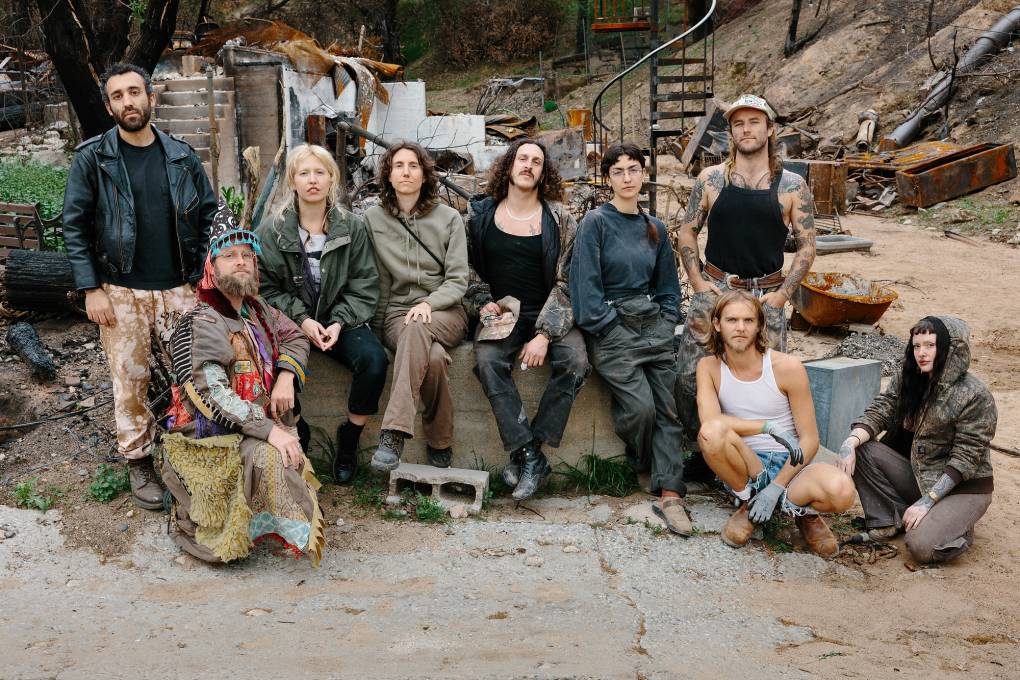
"caption": "Residents and volunteers at Zorthian Ranch on March 28 in Altadena, California. From left to right: Sam Anderson, Robert “Blobbie” Kirkhuff, Tara Zorthian, Caroline Zorthian, Ian Rosenzweig, Aslan Scardina, Billie Grey Heck (back), Moses Hamborg (front), and Solange Stefanelli. After the Eaton Fire blazed through Altadena, past and present residents of Zorthian Ranch, a bohemian art colony in the Los Angeles foothills, shared stories of the Ranch’s transformative “magic,” and witnessed the wildfire’s destruction. ",
"credit": "Stella Kalinina for KQED",
"altTag": null,
"description": null,
"imgSizes": {
"medium": {
"file": "https://cdn.kqed.org/wp-content/uploads/sites/10/2025/04/20250328_Zorthian-Ranch_SK_17-800x534.jpg",
"width": 800,
"height": 534,
"mimeType": "image/jpeg"
},
"large": {
"file": "https://cdn.kqed.org/wp-content/uploads/sites/10/2025/04/20250328_Zorthian-Ranch_SK_17-1020x680.jpg",
"width": 1020,
"height": 680,
"mimeType": "image/jpeg"
},
"thumbnail": {
"file": "https://cdn.kqed.org/wp-content/uploads/sites/10/2025/04/20250328_Zorthian-Ranch_SK_17-160x107.jpg",
"width": 160,
"height": 107,
"mimeType": "image/jpeg"
},
"1536x1536": {
"file": "https://cdn.kqed.org/wp-content/uploads/sites/10/2025/04/20250328_Zorthian-Ranch_SK_17-1536x1025.jpg",
"width": 1536,
"height": 1025,
"mimeType": "image/jpeg"
},
"post-thumbnail": {
"file": "https://cdn.kqed.org/wp-content/uploads/sites/10/2025/04/20250328_Zorthian-Ranch_SK_17-672x372.jpg",
"width": 672,
"height": 372,
"mimeType": "image/jpeg"
},
"twentyfourteen-full-width": {
"file": "https://cdn.kqed.org/wp-content/uploads/sites/10/2025/04/20250328_Zorthian-Ranch_SK_17-1038x576.jpg",
"width": 1038,
"height": 576,
"mimeType": "image/jpeg"
},
"full-width": {
"file": "https://cdn.kqed.org/wp-content/uploads/sites/10/2025/04/20250328_Zorthian-Ranch_SK_17-1920x1281.jpg",
"width": 1920,
"height": 1281,
"mimeType": "image/jpeg"
},
"kqedFullSize": {
"file": "https://cdn.kqed.org/wp-content/uploads/sites/10/2025/04/20250328_Zorthian-Ranch_SK_17.jpg",
"width": 2000,
"height": 1334
}
},
"isLoading": false,
"fetchFailed": false
},
"news_12033986": {
"type": "attachments",
"id": "news_12033986",
"meta": {
"index": "attachments_1716263798",
"site": "news",
"id": "12033986",
"found": true
},
"title": "20250116_Snow-School_DMB_03782_qed",
"publishDate": 1743527182,
"status": "inherit",
"parent": 12033983,
"modified": 1743548489,
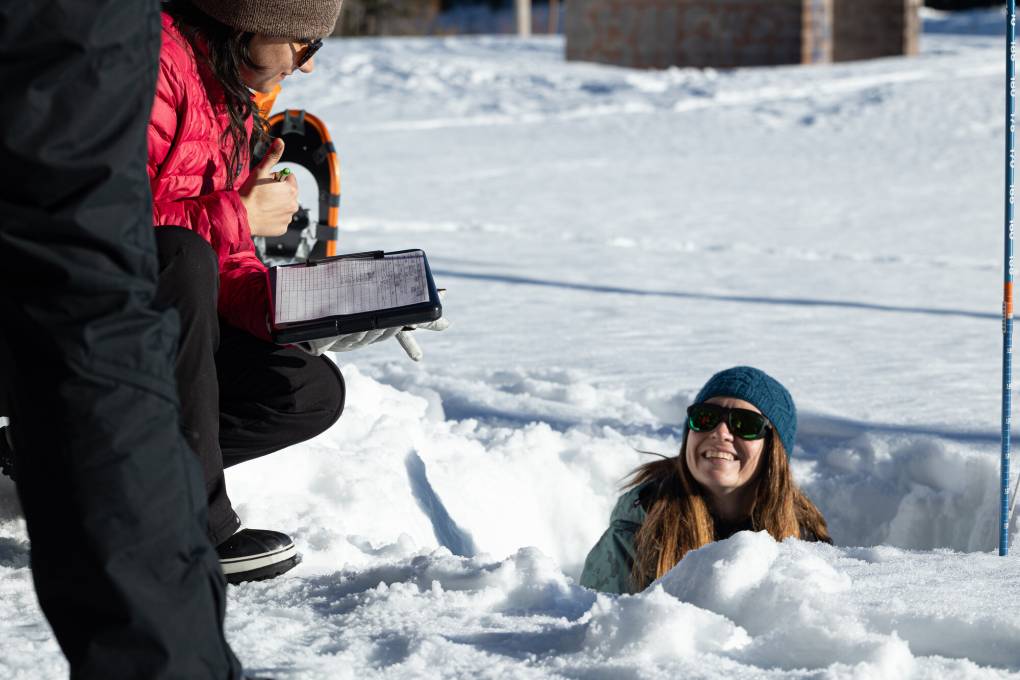
"caption": "UC Berkeley's Central Sierra Snow Lab, based in Soda Springs in the Sierras near Donner Summit, held a Snow Science School to teach scientists and professionals how to measure snowfall from Jan. 15 to 17, 2025.",
"credit": "David M. Barreda/KQED",
"altTag": null,
"description": null,
"imgSizes": {
"medium": {
"file": "https://cdn.kqed.org/wp-content/uploads/sites/10/2025/04/20250116_Snow-School_DMB_03782_qed-800x533.jpg",
"width": 800,
"height": 533,
"mimeType": "image/jpeg"
},
"large": {
"file": "https://cdn.kqed.org/wp-content/uploads/sites/10/2025/04/20250116_Snow-School_DMB_03782_qed-1020x680.jpg",
"width": 1020,
"height": 680,
"mimeType": "image/jpeg"
},
"thumbnail": {
"file": "https://cdn.kqed.org/wp-content/uploads/sites/10/2025/04/20250116_Snow-School_DMB_03782_qed-160x107.jpg",
"width": 160,
"height": 107,
"mimeType": "image/jpeg"
},
"1536x1536": {
"file": "https://cdn.kqed.org/wp-content/uploads/sites/10/2025/04/20250116_Snow-School_DMB_03782_qed-1536x1024.jpg",
"width": 1536,
"height": 1024,
"mimeType": "image/jpeg"
},
"post-thumbnail": {
"file": "https://cdn.kqed.org/wp-content/uploads/sites/10/2025/04/20250116_Snow-School_DMB_03782_qed-672x372.jpg",
"width": 672,
"height": 372,
"mimeType": "image/jpeg"
},
"twentyfourteen-full-width": {
"file": "https://cdn.kqed.org/wp-content/uploads/sites/10/2025/04/20250116_Snow-School_DMB_03782_qed-1038x576.jpg",
"width": 1038,
"height": 576,
"mimeType": "image/jpeg"
},
"full-width": {
"file": "https://cdn.kqed.org/wp-content/uploads/sites/10/2025/04/20250116_Snow-School_DMB_03782_qed-1920x1280.jpg",
"width": 1920,
"height": 1280,
"mimeType": "image/jpeg"
},
"kqedFullSize": {
"file": "https://cdn.kqed.org/wp-content/uploads/sites/10/2025/04/20250116_Snow-School_DMB_03782_qed.jpg",
"width": 2000,
"height": 1333
}
},
"isLoading": false,
"fetchFailed": false
},
"news_12033812": {
"type": "attachments",
"id": "news_12033812",
"meta": {
"index": "attachments_1716263798",
"site": "news",
"id": "12033812",
"found": true
},
"title": "231218-RainFile-01-BL_qed",
"publishDate": 1743440961,
"status": "inherit",
"parent": 12033807,
"modified": 1743440974,
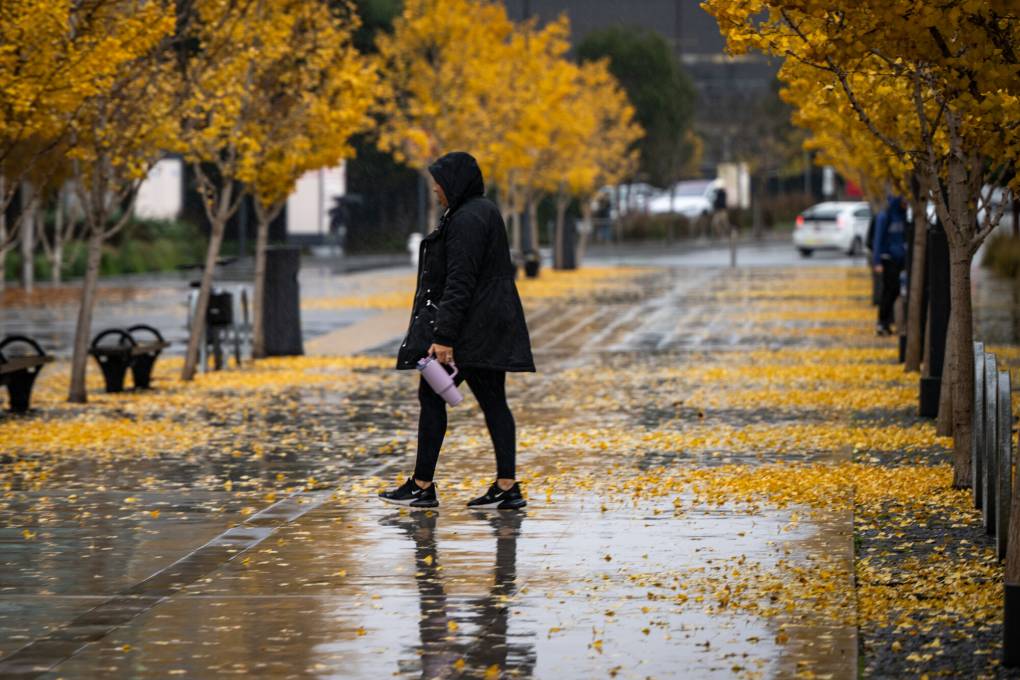
"caption": "A person walks in the rain near the UCSF Mission Bay campus in San Francisco on Dec. 18, 2023.",
"credit": "Beth LaBerge/KQED",
"altTag": null,
"description": null,
"imgSizes": {
"medium": {
"file": "https://cdn.kqed.org/wp-content/uploads/sites/10/2025/03/231218-RainFile-01-BL_qed-800x533.jpg",
"width": 800,
"height": 533,
"mimeType": "image/jpeg"
},
"large": {
"file": "https://cdn.kqed.org/wp-content/uploads/sites/10/2025/03/231218-RainFile-01-BL_qed-1020x680.jpg",
"width": 1020,
"height": 680,
"mimeType": "image/jpeg"
},
"thumbnail": {
"file": "https://cdn.kqed.org/wp-content/uploads/sites/10/2025/03/231218-RainFile-01-BL_qed-160x107.jpg",
"width": 160,
"height": 107,
"mimeType": "image/jpeg"
},
"1536x1536": {
"file": "https://cdn.kqed.org/wp-content/uploads/sites/10/2025/03/231218-RainFile-01-BL_qed-1536x1024.jpg",
"width": 1536,
"height": 1024,
"mimeType": "image/jpeg"
},
"post-thumbnail": {
"file": "https://cdn.kqed.org/wp-content/uploads/sites/10/2025/03/231218-RainFile-01-BL_qed-672x372.jpg",
"width": 672,
"height": 372,
"mimeType": "image/jpeg"
},
"twentyfourteen-full-width": {
"file": "https://cdn.kqed.org/wp-content/uploads/sites/10/2025/03/231218-RainFile-01-BL_qed-1038x576.jpg",
"width": 1038,
"height": 576,
"mimeType": "image/jpeg"
},
"full-width": {
"file": "https://cdn.kqed.org/wp-content/uploads/sites/10/2025/03/231218-RainFile-01-BL_qed-1920x1280.jpg",
"width": 1920,
"height": 1280,
"mimeType": "image/jpeg"
},
"kqedFullSize": {
"file": "https://cdn.kqed.org/wp-content/uploads/sites/10/2025/03/231218-RainFile-01-BL_qed.jpg",
"width": 1999,
"height": 1333
}
},
"isLoading": false,
"fetchFailed": false
},
"news_12033809": {
"type": "attachments",
"id": "news_12033809",
"meta": {
"index": "attachments_1716263798",
"site": "news",
"id": "12033809",
"found": true
},
"title": "250331-SILVER FIRE-CHP-1-KQED",
"publishDate": 1743440604,
"status": "inherit",
"parent": 0,
"modified": 1743440669,
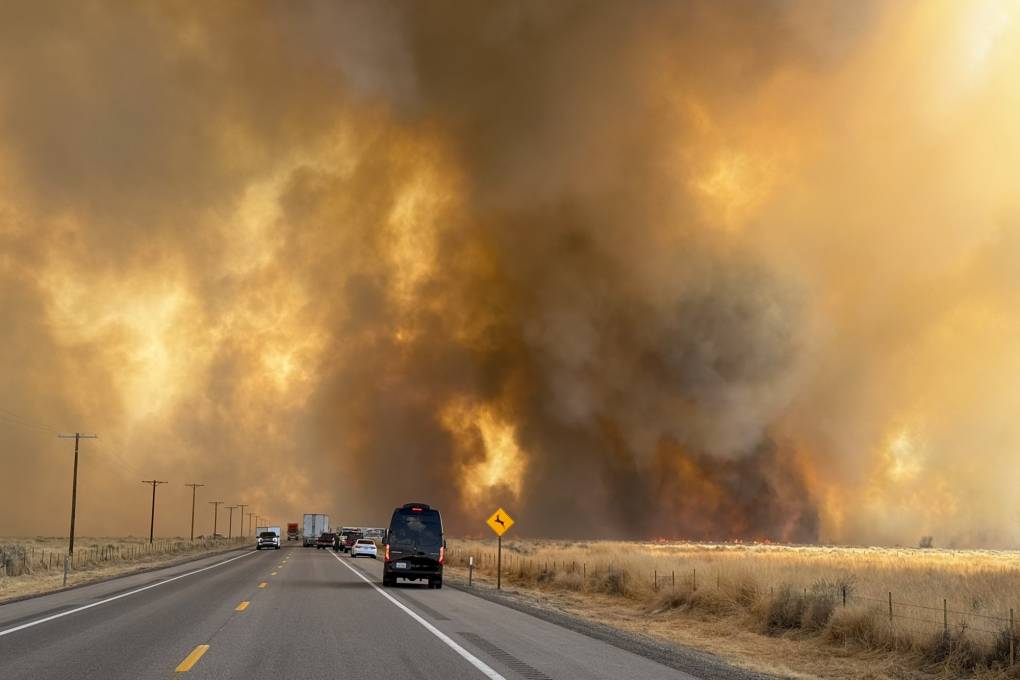
"caption": "The Silver Fire burns near Highway 6 on March 30, 2025.",
"credit": "Courtesy of California Highway Patrol",
"altTag": null,
"description": null,
"imgSizes": {
"medium": {
"file": "https://cdn.kqed.org/wp-content/uploads/sites/10/2025/03/250331-SILVER-FIRE-CHP-1-KQED-800x533.jpg",
"width": 800,
"height": 533,
"mimeType": "image/jpeg"
},
"large": {
"file": "https://cdn.kqed.org/wp-content/uploads/sites/10/2025/03/250331-SILVER-FIRE-CHP-1-KQED-1020x680.jpg",
"width": 1020,
"height": 680,
"mimeType": "image/jpeg"
},
"thumbnail": {
"file": "https://cdn.kqed.org/wp-content/uploads/sites/10/2025/03/250331-SILVER-FIRE-CHP-1-KQED-160x107.jpg",
"width": 160,
"height": 107,
"mimeType": "image/jpeg"
},
"1536x1536": {
"file": "https://cdn.kqed.org/wp-content/uploads/sites/10/2025/03/250331-SILVER-FIRE-CHP-1-KQED-1536x1024.jpg",
"width": 1536,
"height": 1024,
"mimeType": "image/jpeg"
},
"post-thumbnail": {
"file": "https://cdn.kqed.org/wp-content/uploads/sites/10/2025/03/250331-SILVER-FIRE-CHP-1-KQED-672x372.jpg",
"width": 672,
"height": 372,
"mimeType": "image/jpeg"
},
"twentyfourteen-full-width": {
"file": "https://cdn.kqed.org/wp-content/uploads/sites/10/2025/03/250331-SILVER-FIRE-CHP-1-KQED-1038x576.jpg",
"width": 1038,
"height": 576,
"mimeType": "image/jpeg"
},
"full-width": {
"file": "https://cdn.kqed.org/wp-content/uploads/sites/10/2025/03/250331-SILVER-FIRE-CHP-1-KQED-1920x1280.jpg",
"width": 1920,
"height": 1280,
"mimeType": "image/jpeg"
},
"kqedFullSize": {
"file": "https://cdn.kqed.org/wp-content/uploads/sites/10/2025/03/250331-SILVER-FIRE-CHP-1-KQED.jpg",
"width": 2000,
"height": 1333
}
},
"isLoading": false,
"fetchFailed": false
},
"news_12031963": {
"type": "attachments",
"id": "news_12031963",
"meta": {
"index": "attachments_1716263798",
"site": "news",
"id": "12031963",
"found": true
},
"title": "20250312_Stay-Behinds_JB_00010",
"publishDate": 1742341476,
"status": "inherit",
"parent": 0,
"modified": 1743102835,
"caption": "Jane Murphy and her son, Justin, photographed at their home in Altadena, CA, on March 12, 2025. ",
"credit": "James Bernal for KQED",
"altTag": null,
"description": null,
"imgSizes": {
"medium": {
"file": "https://cdn.kqed.org/wp-content/uploads/sites/10/2025/03/20250312_Stay-Behinds_JB_00010-800x533.jpg",
"width": 800,
"height": 533,
"mimeType": "image/jpeg"
},
"large": {
"file": "https://cdn.kqed.org/wp-content/uploads/sites/10/2025/03/20250312_Stay-Behinds_JB_00010-1020x680.jpg",
"width": 1020,
"height": 680,
"mimeType": "image/jpeg"
},
"thumbnail": {
"file": "https://cdn.kqed.org/wp-content/uploads/sites/10/2025/03/20250312_Stay-Behinds_JB_00010-160x107.jpg",
"width": 160,
"height": 107,
"mimeType": "image/jpeg"
},
"1536x1536": {
"file": "https://cdn.kqed.org/wp-content/uploads/sites/10/2025/03/20250312_Stay-Behinds_JB_00010-1536x1024.jpg",
"width": 1536,
"height": 1024,
"mimeType": "image/jpeg"
},
"post-thumbnail": {
"file": "https://cdn.kqed.org/wp-content/uploads/sites/10/2025/03/20250312_Stay-Behinds_JB_00010-672x372.jpg",
"width": 672,
"height": 372,
"mimeType": "image/jpeg"
},
"twentyfourteen-full-width": {
"file": "https://cdn.kqed.org/wp-content/uploads/sites/10/2025/03/20250312_Stay-Behinds_JB_00010-1038x576.jpg",
"width": 1038,
"height": 576,
"mimeType": "image/jpeg"
},
"full-width": {
"file": "https://cdn.kqed.org/wp-content/uploads/sites/10/2025/03/20250312_Stay-Behinds_JB_00010-1920x1280.jpg",
"width": 1920,
"height": 1280,
"mimeType": "image/jpeg"
},
"kqedFullSize": {
"file": "https://cdn.kqed.org/wp-content/uploads/sites/10/2025/03/20250312_Stay-Behinds_JB_00010.jpg",
"width": 2000,
"height": 1333
}
},
"isLoading": false,
"fetchFailed": false
},
"news_12032975": {
"type": "attachments",
"id": "news_12032975",
"meta": {
"index": "attachments_1716263798",
"site": "news",
"id": "12032975",
"found": true
},
"title": "20250325_EPAPROTESTS_GC-4-KQED",
"publishDate": 1742933440,
"status": "inherit",
"parent": 0,
"modified": 1742938561,
"caption": "A rally denouncing President Trump and Elon Musk’s attacks on environmental laws and environmental justice programs in front of the USEPA’s Regional Headquarters in San Francisco on Tuesday, March 25, 2025.",
"credit": "Gina Castro/KQED",
"altTag": null,
"description": null,
"imgSizes": {
"medium": {
"file": "https://cdn.kqed.org/wp-content/uploads/sites/10/2025/03/20250325_EPAPROTESTS_GC-4-KQED-800x533.jpg",
"width": 800,
"height": 533,
"mimeType": "image/jpeg"
},
"large": {
"file": "https://cdn.kqed.org/wp-content/uploads/sites/10/2025/03/20250325_EPAPROTESTS_GC-4-KQED-1020x680.jpg",
"width": 1020,
"height": 680,
"mimeType": "image/jpeg"
},
"thumbnail": {
"file": "https://cdn.kqed.org/wp-content/uploads/sites/10/2025/03/20250325_EPAPROTESTS_GC-4-KQED-160x107.jpg",
"width": 160,
"height": 107,
"mimeType": "image/jpeg"
},
"1536x1536": {
"file": "https://cdn.kqed.org/wp-content/uploads/sites/10/2025/03/20250325_EPAPROTESTS_GC-4-KQED-1536x1024.jpg",
"width": 1536,
"height": 1024,
"mimeType": "image/jpeg"
},
"post-thumbnail": {
"file": "https://cdn.kqed.org/wp-content/uploads/sites/10/2025/03/20250325_EPAPROTESTS_GC-4-KQED-672x372.jpg",
"width": 672,
"height": 372,
"mimeType": "image/jpeg"
},
"twentyfourteen-full-width": {
"file": "https://cdn.kqed.org/wp-content/uploads/sites/10/2025/03/20250325_EPAPROTESTS_GC-4-KQED-1038x576.jpg",
"width": 1038,
"height": 576,
"mimeType": "image/jpeg"
},
"full-width": {
"file": "https://cdn.kqed.org/wp-content/uploads/sites/10/2025/03/20250325_EPAPROTESTS_GC-4-KQED-1920x1280.jpg",
"width": 1920,
"height": 1280,
"mimeType": "image/jpeg"
},
"kqedFullSize": {
"file": "https://cdn.kqed.org/wp-content/uploads/sites/10/2025/03/20250325_EPAPROTESTS_GC-4-KQED.jpg",
"width": 2000,
"height": 1333
}
},
"isLoading": false,
"fetchFailed": false
},
"news_12031385": {
"type": "attachments",
"id": "news_12031385",
"meta": {
"index": "attachments_1716263798",
"site": "news",
"id": "12031385",
"found": true
},
"title": "Trump EPA",
"publishDate": 1741972994,
"status": "inherit",
"parent": 12031373,
"modified": 1741973160,
"caption": "Vice President JD Vance, right, and Ohio Gov. Mike DeWine, left, listen as Environmental Protection Agency administrator Lee Zeldin, center, speaks in East Palestine Fire Station on Feb 3, 2025, in East Palestine, Ohio, the site of a major environmental disaster in 2023.",
"credit": "AP Photo/Gene J. Puskar, File",
"altTag": null,
"description": null,
"imgSizes": {
"medium": {
"file": "https://cdn.kqed.org/wp-content/uploads/sites/10/2025/03/AP25071680469371-800x533.jpg",
"width": 800,
"height": 533,
"mimeType": "image/jpeg"
},
"large": {
"file": "https://cdn.kqed.org/wp-content/uploads/sites/10/2025/03/AP25071680469371-1020x680.jpg",
"width": 1020,
"height": 680,
"mimeType": "image/jpeg"
},
"thumbnail": {
"file": "https://cdn.kqed.org/wp-content/uploads/sites/10/2025/03/AP25071680469371-160x107.jpg",
"width": 160,
"height": 107,
"mimeType": "image/jpeg"
},
"1536x1536": {
"file": "https://cdn.kqed.org/wp-content/uploads/sites/10/2025/03/AP25071680469371-1536x1024.jpg",
"width": 1536,
"height": 1024,
"mimeType": "image/jpeg"
},
"2048x2048": {
"file": "https://cdn.kqed.org/wp-content/uploads/sites/10/2025/03/AP25071680469371-2048x1365.jpg",
"width": 2048,
"height": 1365,
"mimeType": "image/jpeg"
},
"post-thumbnail": {
"file": "https://cdn.kqed.org/wp-content/uploads/sites/10/2025/03/AP25071680469371-672x372.jpg",
"width": 672,
"height": 372,
"mimeType": "image/jpeg"
},
"twentyfourteen-full-width": {
"file": "https://cdn.kqed.org/wp-content/uploads/sites/10/2025/03/AP25071680469371-1038x576.jpg",
"width": 1038,
"height": 576,
"mimeType": "image/jpeg"
},
"full-width": {
"file": "https://cdn.kqed.org/wp-content/uploads/sites/10/2025/03/AP25071680469371-1920x1280.jpg",
"width": 1920,
"height": 1280,
"mimeType": "image/jpeg"
},
"kqedFullSize": {
"file": "https://cdn.kqed.org/wp-content/uploads/sites/10/2025/03/AP25071680469371-scaled-e1741973097514.jpg",
"width": 2000,
"height": 1334
}
},
"isLoading": false,
"fetchFailed": false
},
"news_12025101": {
"type": "attachments",
"id": "news_12025101",
"meta": {
"index": "attachments_1716263798",
"site": "news",
"id": "12025101",
"found": true
},
"title": "npr.brightspotcdn copy",
"publishDate": 1738352308,
"status": "inherit",
"parent": 12025097,
"modified": 1738352346,
"caption": "A home burns during the Eaton fire in the Altadena area of Los Angeles County on Jan. 8, 2025. ",
"credit": "Josh Edelson/AFP",
"altTag": null,
"description": null,
"imgSizes": {
"medium": {
"file": "https://cdn.kqed.org/wp-content/uploads/sites/10/2025/01/npr.brightspotcdn-copy-58-800x467.jpg",
"width": 800,
"height": 467,
"mimeType": "image/jpeg"
},
"large": {
"file": "https://cdn.kqed.org/wp-content/uploads/sites/10/2025/01/npr.brightspotcdn-copy-58-1020x595.jpg",
"width": 1020,
"height": 595,
"mimeType": "image/jpeg"
},
"thumbnail": {
"file": "https://cdn.kqed.org/wp-content/uploads/sites/10/2025/01/npr.brightspotcdn-copy-58-160x93.jpg",
"width": 160,
"height": 93,
"mimeType": "image/jpeg"
},
"post-thumbnail": {
"file": "https://cdn.kqed.org/wp-content/uploads/sites/10/2025/01/npr.brightspotcdn-copy-58-672x372.jpg",
"width": 672,
"height": 372,
"mimeType": "image/jpeg"
},
"twentyfourteen-full-width": {
"file": "https://cdn.kqed.org/wp-content/uploads/sites/10/2025/01/npr.brightspotcdn-copy-58-1038x576.jpg",
"width": 1038,
"height": 576,
"mimeType": "image/jpeg"
},
"kqedFullSize": {
"file": "https://cdn.kqed.org/wp-content/uploads/sites/10/2025/01/npr.brightspotcdn-copy-58.jpg",
"width": 1100,
"height": 642
}
},
"isLoading": false,
"fetchFailed": false
},
"news_12030577": {
"type": "attachments",
"id": "news_12030577",
"meta": {
"index": "attachments_1716263798",
"site": "news",
"id": "12030577",
"found": true
},
"title": "241120-StormHitsBayArea-09-BL_qed",
"publishDate": 1741627569,
"status": "inherit",
"parent": 12030575,
"modified": 1741627579,
"caption": "People with umbrellas walk across the Embarcadero in San Francisco on Nov. 20, 2024.",
"credit": "Beth LaBerge/KQED",
"altTag": null,
"description": null,
"imgSizes": {
"medium": {
"file": "https://cdn.kqed.org/wp-content/uploads/sites/10/2025/03/241120-StormHitsBayArea-09-BL_qed-800x533.jpg",
"width": 800,
"height": 533,
"mimeType": "image/jpeg"
},
"large": {
"file": "https://cdn.kqed.org/wp-content/uploads/sites/10/2025/03/241120-StormHitsBayArea-09-BL_qed-1020x680.jpg",
"width": 1020,
"height": 680,
"mimeType": "image/jpeg"
},
"thumbnail": {
"file": "https://cdn.kqed.org/wp-content/uploads/sites/10/2025/03/241120-StormHitsBayArea-09-BL_qed-160x107.jpg",
"width": 160,
"height": 107,
"mimeType": "image/jpeg"
},
"1536x1536": {
"file": "https://cdn.kqed.org/wp-content/uploads/sites/10/2025/03/241120-StormHitsBayArea-09-BL_qed-1536x1024.jpg",
"width": 1536,
"height": 1024,
"mimeType": "image/jpeg"
},
"post-thumbnail": {
"file": "https://cdn.kqed.org/wp-content/uploads/sites/10/2025/03/241120-StormHitsBayArea-09-BL_qed-672x372.jpg",
"width": 672,
"height": 372,
"mimeType": "image/jpeg"
},
"twentyfourteen-full-width": {
"file": "https://cdn.kqed.org/wp-content/uploads/sites/10/2025/03/241120-StormHitsBayArea-09-BL_qed-1038x576.jpg",
"width": 1038,
"height": 576,
"mimeType": "image/jpeg"
},
"full-width": {
"file": "https://cdn.kqed.org/wp-content/uploads/sites/10/2025/03/241120-StormHitsBayArea-09-BL_qed-1920x1280.jpg",
"width": 1920,
"height": 1280,
"mimeType": "image/jpeg"
},
"kqedFullSize": {
"file": "https://cdn.kqed.org/wp-content/uploads/sites/10/2025/03/241120-StormHitsBayArea-09-BL_qed.jpg",
"width": 2000,
"height": 1333
}
},
"isLoading": false,
"fetchFailed": false
},
"news_12030408": {
"type": "attachments",
"id": "news_12030408",
"meta": {
"index": "attachments_1716263798",
"site": "news",
"id": "12030408",
"found": true
},
"title": "250307-BERKELEY SCIENCE PROTEST-MD-08-KQED",
"publishDate": 1741387533,
"status": "inherit",
"parent": 12030313,
"modified": 1741395956,
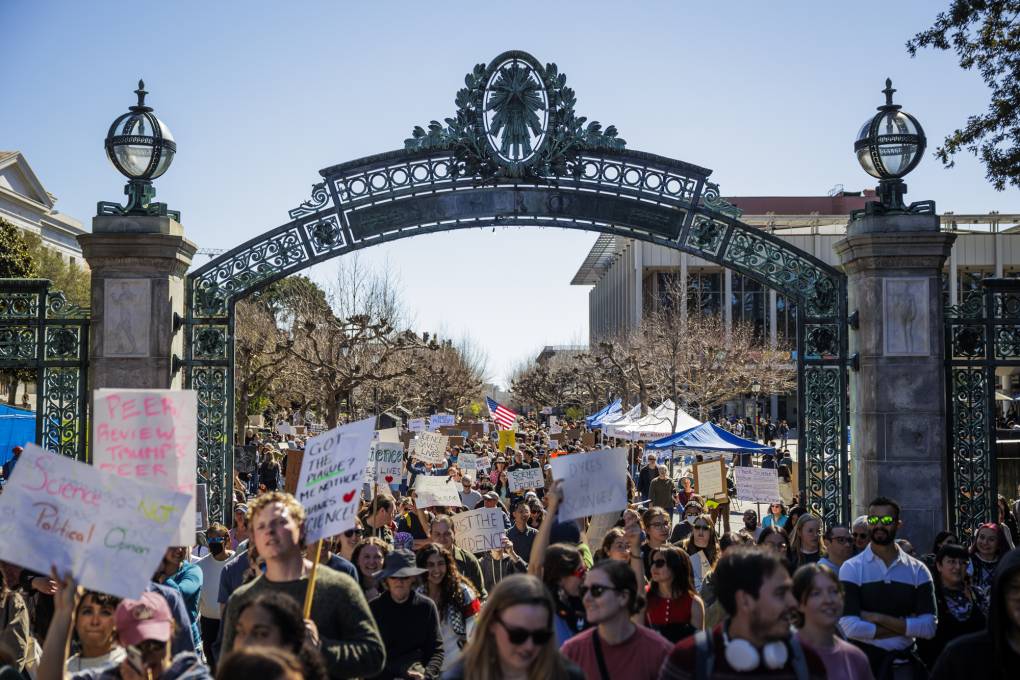
"caption": "A march through the UC Berkeley campus in association with the national Stand Up for Science day of action in Berkeley on March 7, 2025.",
"credit": "Martin do Nascimento/KQED",
"altTag": null,
"description": null,
"imgSizes": {
"medium": {
"file": "https://cdn.kqed.org/wp-content/uploads/sites/10/2025/03/250307-BERKELEY-SCIENCE-PROTEST-MD-08-KQED-800x533.jpg",
"width": 800,
"height": 533,
"mimeType": "image/jpeg"
},
"large": {
"file": "https://cdn.kqed.org/wp-content/uploads/sites/10/2025/03/250307-BERKELEY-SCIENCE-PROTEST-MD-08-KQED-1020x680.jpg",
"width": 1020,
"height": 680,
"mimeType": "image/jpeg"
},
"thumbnail": {
"file": "https://cdn.kqed.org/wp-content/uploads/sites/10/2025/03/250307-BERKELEY-SCIENCE-PROTEST-MD-08-KQED-160x107.jpg",
"width": 160,
"height": 107,
"mimeType": "image/jpeg"
},
"1536x1536": {
"file": "https://cdn.kqed.org/wp-content/uploads/sites/10/2025/03/250307-BERKELEY-SCIENCE-PROTEST-MD-08-KQED-1536x1024.jpg",
"width": 1536,
"height": 1024,
"mimeType": "image/jpeg"
},
"post-thumbnail": {
"file": "https://cdn.kqed.org/wp-content/uploads/sites/10/2025/03/250307-BERKELEY-SCIENCE-PROTEST-MD-08-KQED-672x372.jpg",
"width": 672,
"height": 372,
"mimeType": "image/jpeg"
},
"twentyfourteen-full-width": {
"file": "https://cdn.kqed.org/wp-content/uploads/sites/10/2025/03/250307-BERKELEY-SCIENCE-PROTEST-MD-08-KQED-1038x576.jpg",
"width": 1038,
"height": 576,
"mimeType": "image/jpeg"
},
"full-width": {
"file": "https://cdn.kqed.org/wp-content/uploads/sites/10/2025/03/250307-BERKELEY-SCIENCE-PROTEST-MD-08-KQED-1920x1280.jpg",
"width": 1920,
"height": 1280,
"mimeType": "image/jpeg"
},
"kqedFullSize": {
"file": "https://cdn.kqed.org/wp-content/uploads/sites/10/2025/03/250307-BERKELEY-SCIENCE-PROTEST-MD-08-KQED.jpg",
"width": 2000,
"height": 1333
}
},
"isLoading": false,
"fetchFailed": false
},
"news_12029443": {
"type": "attachments",
"id": "news_12029443",
"meta": {
"index": "attachments_1716263798",
"site": "news",
"id": "12029443",
"found": true
},
"title": "20241122_NorcalStorm_GC-7_qed",
"publishDate": 1741024106,
"status": "inherit",
"parent": 12029441,
"modified": 1741024140,
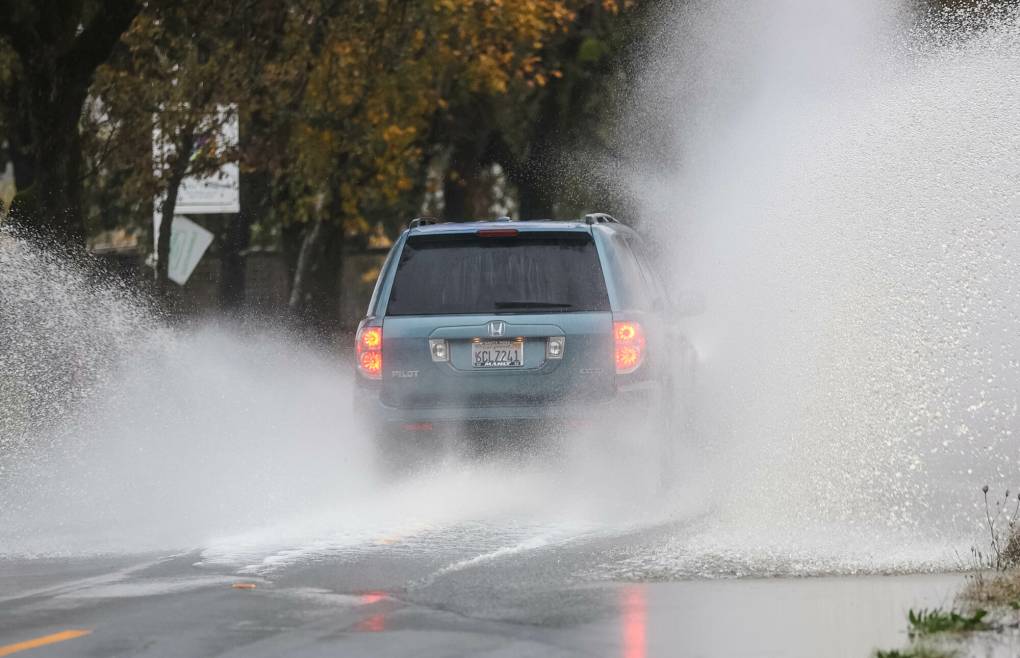
"caption": "A car drives through a puddle on Piner Road in Santa Rosa during an atmospheric river storm affecting the Bay Area on Nov. 22, 2024. ",
"credit": "Gina Castro/KQED",
"altTag": null,
"description": null,
"imgSizes": {
"medium": {
"file": "https://cdn.kqed.org/wp-content/uploads/sites/10/2025/03/20241122_NorcalStorm_GC-7_qed-800x516.jpg",
"width": 800,
"height": 516,
"mimeType": "image/jpeg"
},
"large": {
"file": "https://cdn.kqed.org/wp-content/uploads/sites/10/2025/03/20241122_NorcalStorm_GC-7_qed-1020x658.jpg",
"width": 1020,
"height": 658,
"mimeType": "image/jpeg"
},
"thumbnail": {
"file": "https://cdn.kqed.org/wp-content/uploads/sites/10/2025/03/20241122_NorcalStorm_GC-7_qed-160x103.jpg",
"width": 160,
"height": 103,
"mimeType": "image/jpeg"
},
"1536x1536": {
"file": "https://cdn.kqed.org/wp-content/uploads/sites/10/2025/03/20241122_NorcalStorm_GC-7_qed-1536x991.jpg",
"width": 1536,
"height": 991,
"mimeType": "image/jpeg"
},
"post-thumbnail": {
"file": "https://cdn.kqed.org/wp-content/uploads/sites/10/2025/03/20241122_NorcalStorm_GC-7_qed-672x372.jpg",
"width": 672,
"height": 372,
"mimeType": "image/jpeg"
},
"twentyfourteen-full-width": {
"file": "https://cdn.kqed.org/wp-content/uploads/sites/10/2025/03/20241122_NorcalStorm_GC-7_qed-1038x576.jpg",
"width": 1038,
"height": 576,
"mimeType": "image/jpeg"
},
"full-width": {
"file": "https://cdn.kqed.org/wp-content/uploads/sites/10/2025/03/20241122_NorcalStorm_GC-7_qed-1920x1239.jpg",
"width": 1920,
"height": 1239,
"mimeType": "image/jpeg"
},
"kqedFullSize": {
"file": "https://cdn.kqed.org/wp-content/uploads/sites/10/2025/03/20241122_NorcalStorm_GC-7_qed.jpg",
"width": 2000,
"height": 1291
}
},
"isLoading": false,
"fetchFailed": false
},
"news_12029189": {
"type": "attachments",
"id": "news_12029189",
"meta": {
"index": "attachments_1716263798",
"site": "news",
"id": "12029189",
"found": true
},
"title": "NOAA Earth System Research Laboratory",
"publishDate": 1740766106,
"status": "inherit",
"parent": 12029178,
"modified": 1740766133,
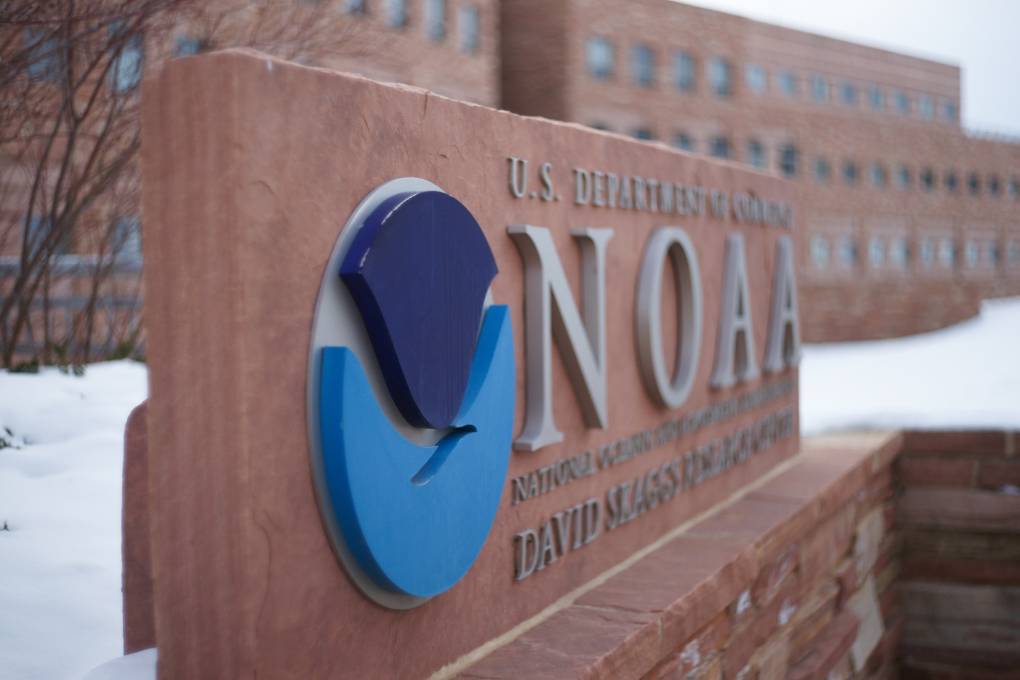
"caption": "National Oceanic & Atmospheric Administration Earth System Research Laboratory in Boulder, Colorado.",
"credit": "Byunghwan Lim/Getty Images",
"altTag": null,
"description": null,
"imgSizes": {
"medium": {
"file": "https://cdn.kqed.org/wp-content/uploads/sites/10/2025/02/NOAAGetty-800x533.jpg",
"width": 800,
"height": 533,
"mimeType": "image/jpeg"
},
"large": {
"file": "https://cdn.kqed.org/wp-content/uploads/sites/10/2025/02/NOAAGetty-1020x680.jpg",
"width": 1020,
"height": 680,
"mimeType": "image/jpeg"
},
"thumbnail": {
"file": "https://cdn.kqed.org/wp-content/uploads/sites/10/2025/02/NOAAGetty-160x107.jpg",
"width": 160,
"height": 107,
"mimeType": "image/jpeg"
},
"1536x1536": {
"file": "https://cdn.kqed.org/wp-content/uploads/sites/10/2025/02/NOAAGetty-1536x1024.jpg",
"width": 1536,
"height": 1024,
"mimeType": "image/jpeg"
},
"post-thumbnail": {
"file": "https://cdn.kqed.org/wp-content/uploads/sites/10/2025/02/NOAAGetty-672x372.jpg",
"width": 672,
"height": 372,
"mimeType": "image/jpeg"
},
"twentyfourteen-full-width": {
"file": "https://cdn.kqed.org/wp-content/uploads/sites/10/2025/02/NOAAGetty-1038x576.jpg",
"width": 1038,
"height": 576,
"mimeType": "image/jpeg"
},
"full-width": {
"file": "https://cdn.kqed.org/wp-content/uploads/sites/10/2025/02/NOAAGetty-1920x1280.jpg",
"width": 1920,
"height": 1280,
"mimeType": "image/jpeg"
},
"kqedFullSize": {
"file": "https://cdn.kqed.org/wp-content/uploads/sites/10/2025/02/NOAAGetty.jpg",
"width": 2000,
"height": 1333
}
},
"isLoading": false,
"fetchFailed": false
}
},
"audioPlayerReducer": {
"postId": "stream_live",
"isPaused": true,
"isPlaying": false,
"pfsActive": false,
"pledgeModalIsOpen": true,
"playerDrawerIsOpen": false,
"liveAudioPlayStartedAt": 0,
"liveAudioPlayContext": ""
},
"authorsReducer": {
"matthewgreen": {
"type": "authors",
"id": "1263",
"meta": {
"index": "authors_1716337520",
"id": "1263",
"found": true
},
"name": "Matthew Green",
"firstName": "Matthew",
"lastName": "Green",
"slug": "matthewgreen",
"email": "mgreen@kqed.org",
"display_author_email": false,
"staff_mastheads": [],
"title": "KQED Editor/Reporter",
"bio": "Matthew Green is a digital media producer for KQED News. He previously produced \u003ca href=\"http://www.kqed.org/lowdown\">The Lowdown\u003c/a>, KQED’s multimedia news education blog. Matthew's written for numerous Bay Area publications, including the Oakland Tribune and San Francisco Chronicle. He also taught journalism classes at Fremont High School in East Oakland.\r\n\r\nEmail: mgreen@kqed.org; Twitter: @MGreenKQED",
"avatar": "https://secure.gravatar.com/avatar/3bf498d1267ca02c8494f33d8cfc575e?s=600&d=blank&r=g",
"twitter": "MGreenKQED",
"facebook": null,
"instagram": null,
"linkedin": null,
"sites": [
{
"site": "news",
"roles": []
},
{
"site": "lowdown",
"roles": []
},
{
"site": "science",
"roles": []
},
{
"site": "education",
"roles": []
},
{
"site": "quest",
"roles": []
},
{
"site": "liveblog",
"roles": []
}
],
"headData": {
"title": "Matthew Green | KQED",
"description": "KQED Editor/Reporter",
"ogImgSrc": "https://secure.gravatar.com/avatar/3bf498d1267ca02c8494f33d8cfc575e?s=600&d=blank&r=g",
"twImgSrc": "https://secure.gravatar.com/avatar/3bf498d1267ca02c8494f33d8cfc575e?s=600&d=blank&r=g"
},
"isLoading": false,
"link": "/author/matthewgreen"
},
"scuevas": {
"type": "authors",
"id": "2600",
"meta": {
"index": "authors_1716337520",
"id": "2600",
"found": true
},
"name": "Steven Cuevas",
"firstName": "Steven",
"lastName": "Cuevas",
"slug": "scuevas",
"email": "scuevas@kqed.org",
"display_author_email": false,
"staff_mastheads": [],
"title": "KQED Contributor",
"bio": "Steven is a former Los Angeles bureau chief for The California Report.\r\n\r\nHe reports on an array of issues across the Southland, from immigration and regional politics to religion, the performing arts and pop culture.\r\n\r\nPrior to joining KQED in 2012, Steven covered Inland southern California for KPCC in Pasadena. He also helped establish the first newsroom at \u003ca href=\"http://kut.org/\">KUT\u003c/a> in Austin, Texas where he was a general assignment reporter.\r\n\r\nSteven has received numerous awards for his reporting including an RTNDA Edward R. Murrow Award for investigative reporting in addition to awards from the LA Press Club, the Associated Press and the Society for Professional Journalists.\r\n\r\nSteven grew up in and around San Francisco and now lives in Pasadena just a short jog from the foot of the San Gabriel Mountains.",
"avatar": "https://secure.gravatar.com/avatar/2d253580794f8e026100fae05cfabbbd4889b4fe15146146cacb82a01974c538?s=600&d=blank&r=g",
"twitter": null,
"bluesky": null,
"facebook": null,
"instagram": null,
"linkedin": null,
"sites": [
{
"site": "news",
"roles": [
"subscriber"
]
}
],
"headData": {
"title": "Steven Cuevas | KQED",
"description": "KQED Contributor",
"ogImgSrc": "https://secure.gravatar.com/avatar/2d253580794f8e026100fae05cfabbbd4889b4fe15146146cacb82a01974c538?s=600&d=blank&r=g",
"twImgSrc": "https://secure.gravatar.com/avatar/2d253580794f8e026100fae05cfabbbd4889b4fe15146146cacb82a01974c538?s=600&d=blank&r=g"
},
"isLoading": false,
"link": "/author/scuevas"
},
"dventon": {
"type": "authors",
"id": "11088",
"meta": {
"index": "authors_1716337520",
"id": "11088",
"found": true
},
"name": "Danielle Venton",
"firstName": "Danielle",
"lastName": "Venton",
"slug": "dventon",
"email": "dventon@kqed.org",
"display_author_email": true,
"staff_mastheads": [
"science"
],
"title": "Science reporter",
"bio": "Danielle Venton is a reporter for KQED Science. She covers wildfires, space and oceans (though she is prone to sea sickness).\r\n\r\nBefore joining KQED in 2015, Danielle was a staff reporter at KRCB in Sonoma County and a freelancer. She studied science communication at UC Santa Cruz and formerly worked at CERN in Geneva, Switzerland where she wrote about computing. She lives in Sonoma County and enjoys backpacking.",
"avatar": "https://secure.gravatar.com/avatar/37b292b5c40c8d93959c4f48d73b5286f41b7abd8588277e941905a3ed4c801c?s=600&d=blank&r=g",
"twitter": "DanielleVenton",
"bluesky": null,
"facebook": null,
"instagram": null,
"linkedin": null,
"sites": [
{
"site": "arts",
"roles": [
"contributor"
]
},
{
"site": "news",
"roles": [
"editor"
]
},
{
"site": "futureofyou",
"roles": [
"editor"
]
},
{
"site": "science",
"roles": [
"editor"
]
},
{
"site": "liveblog",
"roles": [
"contributor"
]
}
],
"headData": {
"title": "Danielle Venton | KQED",
"description": "Science reporter",
"ogImgSrc": "https://secure.gravatar.com/avatar/37b292b5c40c8d93959c4f48d73b5286f41b7abd8588277e941905a3ed4c801c?s=600&d=blank&r=g",
"twImgSrc": "https://secure.gravatar.com/avatar/37b292b5c40c8d93959c4f48d73b5286f41b7abd8588277e941905a3ed4c801c?s=600&d=blank&r=g"
},
"isLoading": false,
"link": "/author/dventon"
},
"eromero": {
"type": "authors",
"id": "11746",
"meta": {
"index": "authors_1716337520",
"id": "11746",
"found": true
},
"name": "Ezra David Romero",
"firstName": "Ezra David",
"lastName": "Romero",
"slug": "eromero",
"email": "eromero@kqed.org",
"display_author_email": true,
"staff_mastheads": [
"news",
"science"
],
"title": "Climate Reporter",
"bio": "Ezra David Romero is a climate reporter for KQED News. He covers the absence and excess of water in the Bay Area — think sea level rise, flooding and drought. For nearly a decade he’s covered how warming temperatures are altering the lives of Californians. He’s reported on farmers worried their pistachio trees aren’t getting enough sleep, families desperate for water, scientists studying dying giant sequoias, and alongside firefighters containing wildfires. His work has appeared on local stations across California and nationally on public radio shows like Morning Edition, Here and Now, All Things Considered and Science Friday. ",
"avatar": "https://secure.gravatar.com/avatar/c76404d287c10ed40224227551ac36e24352c7306f106632caf6fead76f8801f?s=600&d=blank&r=g",
"twitter": "ezraromero",
"bluesky": null,
"facebook": null,
"instagram": null,
"linkedin": null,
"sites": [
{
"site": "arts",
"roles": [
"editor"
]
},
{
"site": "news",
"roles": [
"editor"
]
},
{
"site": "science",
"roles": [
"editor"
]
},
{
"site": "liveblog",
"roles": [
"author"
]
}
],
"headData": {
"title": "Ezra David Romero | KQED",
"description": "Climate Reporter",
"ogImgSrc": "https://secure.gravatar.com/avatar/c76404d287c10ed40224227551ac36e24352c7306f106632caf6fead76f8801f?s=600&d=blank&r=g",
"twImgSrc": "https://secure.gravatar.com/avatar/c76404d287c10ed40224227551ac36e24352c7306f106632caf6fead76f8801f?s=600&d=blank&r=g"
},
"isLoading": false,
"link": "/author/eromero"
},
"kdebenedetti": {
"type": "authors",
"id": "11913",
"meta": {
"index": "authors_1716337520",
"id": "11913",
"found": true
},
"name": "Katie DeBenedetti",
"firstName": "Katie",
"lastName": "DeBenedetti",
"slug": "kdebenedetti",
"email": "kdebenedetti@kqed.org",
"display_author_email": false,
"staff_mastheads": [
"news",
"science"
],
"title": "KQED Contributor",
"bio": "Katie DeBenedetti is a digital reporter covering daily news for the Express Desk. Prior to joining KQED as a culture reporting intern in January 2024, she covered education and city government for the Napa Valley Register.",
"avatar": "https://secure.gravatar.com/avatar/6e31073cb8f7e4214ab03f42771d0f45?s=600&d=blank&r=g",
"twitter": null,
"facebook": null,
"instagram": null,
"linkedin": null,
"sites": [
{
"site": "news",
"roles": [
"author"
]
},
{
"site": "science",
"roles": [
"author"
]
},
{
"site": "liveblog",
"roles": [
"author"
]
}
],
"headData": {
"title": "Katie DeBenedetti | KQED",
"description": "KQED Contributor",
"ogImgSrc": "https://secure.gravatar.com/avatar/6e31073cb8f7e4214ab03f42771d0f45?s=600&d=blank&r=g",
"twImgSrc": "https://secure.gravatar.com/avatar/6e31073cb8f7e4214ab03f42771d0f45?s=600&d=blank&r=g"
},
"isLoading": false,
"link": "/author/kdebenedetti"
},
"bkrans": {
"type": "authors",
"id": "11923",
"meta": {
"index": "authors_1716337520",
"id": "11923",
"found": true
},
"name": "Brian Krans",
"firstName": "Brian",
"lastName": "Krans",
"slug": "bkrans",
"email": "bkrans@kqed.org",
"display_author_email": false,
"staff_mastheads": [
"news"
],
"title": "KQED Contributing Reporter",
"bio": "Brian Krans is an award-winning local news and investigative reporter who has been proudly working as a general assignment reporter for KQED since August 2023. He lives in Richmond, where he also reports on air pollution for Richmondside. He is also a founding member of the Vallejo Sun.",
"avatar": "https://secure.gravatar.com/avatar/d1014d604089314a94807d2c4f2d3e06?s=600&d=blank&r=g",
"twitter": "citizenkrans",
"facebook": null,
"instagram": null,
"linkedin": null,
"sites": [
{
"site": "news",
"roles": [
"editor"
]
}
],
"headData": {
"title": "Brian Krans | KQED",
"description": "KQED Contributing Reporter",
"ogImgSrc": "https://secure.gravatar.com/avatar/d1014d604089314a94807d2c4f2d3e06?s=600&d=blank&r=g",
"twImgSrc": "https://secure.gravatar.com/avatar/d1014d604089314a94807d2c4f2d3e06?s=600&d=blank&r=g"
},
"isLoading": false,
"link": "/author/bkrans"
},
"sanderson": {
"type": "authors",
"id": "11950",
"meta": {
"index": "authors_1716337520",
"id": "11950",
"found": true
},
"name": "Sam Anderson",
"firstName": "Sam",
"lastName": "Anderson",
"slug": "sanderson",
"email": "slamgranderson@gmail.com",
"display_author_email": false,
"staff_mastheads": [
"news"
],
"title": "KQED Contributor",
"bio": null,
"avatar": "https://secure.gravatar.com/avatar/58292cf434866ec105080154a9a64cd1?s=600&d=blank&r=g",
"twitter": null,
"facebook": null,
"instagram": null,
"linkedin": null,
"sites": [
{
"site": "news",
"roles": [
"author"
]
}
],
"headData": {
"title": "Sam Anderson | KQED",
"description": "KQED Contributor",
"ogImgSrc": "https://secure.gravatar.com/avatar/58292cf434866ec105080154a9a64cd1?s=600&d=blank&r=g",
"twImgSrc": "https://secure.gravatar.com/avatar/58292cf434866ec105080154a9a64cd1?s=600&d=blank&r=g"
},
"isLoading": false,
"link": "/author/sanderson"
}
},
"pagesReducer": {
"news_tag_climate-change": {
"type": "terms",
"id": "news_255",
"meta": {
"index": "terms_1716263798",
"site": "news",
"id": "255",
"score": 7.9464917
},
"featImg": null,
"name": "climate change",
"description": null,
"taxonomy": "tag",
"headData": {
"twImgId": null,
"twTitle": null,
"ogTitle": null,
"ogImgId": null,
"twDescription": null,
"description": null,
"title": "climate change Archives | KQED News",
"ogDescription": null
},
"ttid": 263,
"slug": "climate-change",
"isLoading": false,
"title": "climate change",
"pageMeta": {
"site": "news",
"WpPageTemplate": "page-topic-editorial",
"currentPage": 8
},
"blocks": [
{
"blockName": "kqed/post-list",
"attrs": {
"layout": "cardArticle2",
"query": "posts/news?tag=climate-change",
"seeMore": false,
"paginated": true,
"page": 8
}
},
{
"blockName": "kqed/ad"
}
]
}
},
"pfsSessionReducer": {},
"postsReducer": {
"stream_live": {
"type": "live",
"id": "stream_live",
"audioUrl": "https://streams.kqed.org/kqedradio",
"title": "Live Stream",
"excerpt": "Live Stream information currently unavailable.",
"link": "/radio",
"featImg": "",
"label": {
"name": "KQED Live",
"link": "/"
}
},
"stream_kqedNewscast": {
"type": "posts",
"id": "stream_kqedNewscast",
"audioUrl": "https://www.kqed.org/.stream/anon/radio/RDnews/newscast.mp3?_=1",
"title": "KQED Newscast",
"featImg": "",
"label": {
"name": "88.5 FM",
"link": "/"
}
},
"news_12034277": {
"type": "posts",
"id": "news_12034277",
"meta": {
"index": "posts_1716263798",
"site": "news",
"id": "12034277",
"score": null,
"sort": [
1743782442000
]
},
"guestAuthors": [],
"slug": "stories-of-las-zorthian-ranch-a-portal-to-a-different-way-of-life-damaged-in-eaton-fire",
"title": "Stories of LA’s Zorthian Ranch, ‘A Portal to a Different Way of Life,’ Damaged in the Eaton Fire",
"publishDate": 1743782442,
"format": "standard",
"headTitle": "Stories of LA’s Zorthian Ranch, ‘A Portal to a Different Way of Life,’ Damaged in the Eaton Fire | KQED",
"labelTerm": {
"term": 26731,
"site": "news"
},
"content": "\u003cp>“It woke you up in a way where you felt your humanity and you felt the humanity of the people around you. You understood what it felt like to really love people.”\u003c/p>\n\u003cp>I can’t stop thinking about this line from my friend Tara Zorthian. I was interviewing her about her former home, the Zorthian Ranch, which burned down in\u003ca href=\"https://www.kqed.org/news/12033286/in-fire-scarred-altadena-these-residents-refused-to-leave\"> the Eaton Canyon fire\u003c/a>.\u003c/p>\n\u003cp>I was searching to capture the meaning of a place that is impossible to define.\u003c/p>\n\u003cp>[ad fullwidth]\u003c/p>\n\u003cp>It’s a ranch. An artist community. A homestead. A portal to a different way of life. But there’s something else going on there. A sense of magic, hidden in the mountains, that reveals itself to those who leave behind the trappings of modern urban life and surrender to the silliest, most whimsical, most open version of themselves.\u003c/p>\n\u003cp>I have witnessed this place transform people. It even happened to me, a journalist from New Jersey with a rather serious disposition. I only lived at the Ranch for a matter of months, but have been a visitor for much longer. And during that time, I unlocked a new version of myself that I didn’t know existed.\u003c/p>\n\u003cfigure id=\"attachment_12034244\" class=\"wp-caption aligncenter\" style=\"max-width: 2560px\">\u003ca href=\"https://cdn.kqed.org/wp-content/uploads/sites/10/2025/04/20250328_Zorthian-Ranch_SK_06_duo-scaled.jpg\">\u003cimg loading=\"lazy\" decoding=\"async\" class=\"size-full wp-image-12034244\" src=\"https://cdn.kqed.org/wp-content/uploads/sites/10/2025/04/20250328_Zorthian-Ranch_SK_06_duo-scaled.jpg\" alt=\"\" width=\"2560\" height=\"1585\" srcset=\"https://cdn.kqed.org/wp-content/uploads/sites/10/2025/04/20250328_Zorthian-Ranch_SK_06_duo-scaled.jpg 2560w, https://cdn.kqed.org/wp-content/uploads/sites/10/2025/04/20250328_Zorthian-Ranch_SK_06_duo-800x495.jpg 800w, https://cdn.kqed.org/wp-content/uploads/sites/10/2025/04/20250328_Zorthian-Ranch_SK_06_duo-1020x632.jpg 1020w, https://cdn.kqed.org/wp-content/uploads/sites/10/2025/04/20250328_Zorthian-Ranch_SK_06_duo-160x99.jpg 160w, https://cdn.kqed.org/wp-content/uploads/sites/10/2025/04/20250328_Zorthian-Ranch_SK_06_duo-1536x951.jpg 1536w, https://cdn.kqed.org/wp-content/uploads/sites/10/2025/04/20250328_Zorthian-Ranch_SK_06_duo-2048x1268.jpg 2048w, https://cdn.kqed.org/wp-content/uploads/sites/10/2025/04/20250328_Zorthian-Ranch_SK_06_duo-1920x1189.jpg 1920w\" sizes=\"auto, (max-width: 2560px) 100vw, 2560px\">\u003c/a>\u003cfigcaption class=\"wp-caption-text\">(Left) Writer Sam Anderson outside a burned out bus at Zorthian Ranch on March 28 in Altadena, California. (Right) One of the burned vehicles on the ranch. \u003ccite>(Stella Kalinina for KQED)\u003c/cite>\u003c/figcaption>\u003c/figure>\n\u003cp>The first time I came to the Ranch was in 2019 for a volunteer workday. As my tiny Volkswagen rattled across the precarious bridge and up the windy dirt road, I felt nervous with anticipation. What is this place? How does it possibly exist among the dense urban sprawl of \u003ca href=\"https://www.kqed.org/news/tag/los-angeles-county\">Los Angeles\u003c/a>?\u003c/p>\n\u003cp>I arrived at the top of the road to find a rambling property filled with strange buildings and objects. Art was everywhere. It was like nothing I had ever seen before.\u003c/p>\n\u003cp>I joined a group of twenty or so people engaged in some form of toiling. I can’t remember what we did that day – probably pulled weeds or tossed some rocks into a pile or something similar. It was a sweltering summer day and by the afternoon everyone was covered in dirt and sweat.\u003c/p>\n\u003cp>What’s emblazoned in my memory forever is what happened after the work was done. Everyone stripped completely naked and jumped in the pool. Music turned on. Drinks appeared. A raucous party began.\u003c/p>\n\u003cp>The pool was perched on top of a mountain with a panoramic view of Los Angeles. As the sun began to set over the hills, brilliant shades of orange and pink blazed across the sky and I had an indescribable feeling that I tapped into something special. What was this community I had encountered, filled with such creative, brilliant people?\u003c/p>\n\u003cp>[aside postID=news_12033286 hero='https://cdn.kqed.org/wp-content/uploads/sites/10/2025/03/20250312_Stay-Behinds_JB_00010-1020x680.jpg']\u003c/p>\n\u003cp>I came back as frequently as I could, driven by some deep impulse that what I experienced there was magic. I couldn’t quite define the feeling, but I knew I wanted more of it.\u003c/p>\n\u003cp>Over the next five years, I got to know the place and its people in a more intimate way. Words are a poor substitute for what I experienced there, but it involved strange art performances, puppet shows,\u003ca href=\"https://slamgranderson.substack.com/p/zorthian-ranch-pizza-party\"> pizza parties\u003c/a> and surrealist dinners, costumes and music of all types, deep conversations, sleepovers with friends, staying up all night until the sunrise and a profound sense of love and belonging.\u003c/p>\n\u003cp>Like Tara said, it woke you up. You felt your humanity. You understood what it meant to really love people.\u003c/p>\n\u003cp>My experience is but a small fraction of what the Zorthian Ranch really was — and is.\u003c/p>\n\u003cp>The Ranch has been around for nearly a century. It was founded by Jirayr Zorthian, a refugee from the Armenian genocide, who over the years developed a unique space that was both homestead and social scene. It became a magnet for bohemian artists in the ’50s and ’60s. It hosted countless parties, shows and performances, and over the years what happened to me — the discovery of magic within myself — happened to hundreds, if not thousands of people.\u003c/p>\n\u003cfigure id=\"attachment_12034239\" class=\"wp-caption aligncenter\" style=\"max-width: 2000px\">\u003ca href=\"https://cdn.kqed.org/wp-content/uploads/sites/10/2025/04/20250328_Zorthian-Ranch_SK_23.jpg\">\u003cimg loading=\"lazy\" decoding=\"async\" class=\"size-full wp-image-12034239\" src=\"https://cdn.kqed.org/wp-content/uploads/sites/10/2025/04/20250328_Zorthian-Ranch_SK_23.jpg\" alt=\"\" width=\"2000\" height=\"1334\" srcset=\"https://cdn.kqed.org/wp-content/uploads/sites/10/2025/04/20250328_Zorthian-Ranch_SK_23.jpg 2000w, https://cdn.kqed.org/wp-content/uploads/sites/10/2025/04/20250328_Zorthian-Ranch_SK_23-800x534.jpg 800w, https://cdn.kqed.org/wp-content/uploads/sites/10/2025/04/20250328_Zorthian-Ranch_SK_23-1020x680.jpg 1020w, https://cdn.kqed.org/wp-content/uploads/sites/10/2025/04/20250328_Zorthian-Ranch_SK_23-160x107.jpg 160w, https://cdn.kqed.org/wp-content/uploads/sites/10/2025/04/20250328_Zorthian-Ranch_SK_23-1536x1025.jpg 1536w, https://cdn.kqed.org/wp-content/uploads/sites/10/2025/04/20250328_Zorthian-Ranch_SK_23-1920x1281.jpg 1920w\" sizes=\"auto, (max-width: 2000px) 100vw, 2000px\">\u003c/a>\u003cfigcaption class=\"wp-caption-text\">Tara Zorthian, a granddaughter of founder Jirayr Zorthian, at Zorthian Ranch on March 28 in Altadena, California. She lived on the ranch for eight years before moving away two years ago. The Eaton fire destroyed several structures as well as vegetation on the Ranch. \u003ccite>(Stella Kalinina for KQED)\u003c/cite>\u003c/figcaption>\u003c/figure>\n\u003cp>The cliche is that you don’t know what you got till it’s gone. But I think we did know. All of us who lived, visited and participated in the Ranch came away with a sense of how special it was.\u003c/p>\n\u003cp>In the course of producing this non-narrated radio piece, I set out to capture that sense of specialness. And I knew that would be a challenge from the outset.\u003c/p>\n\u003cp>For starters, the 20 people who used to live here are now displaced. The community has scattered. Where previously I could simply show up and find several people to talk to, now I had to go about tracking them down to the various friend’s houses (and couches) where they were staying.\u003c/p>\n\u003cp>Another challenge was trying to wrap my arms around such a sprawling subject. I understood that ultimately, any attempt to tell the entire story of the Zorthian Ranch in a single piece would be doomed to failure. I myself had actually tried — and failed — before. Along with a colleague of mine, I set out to uncover the fate of The Phantasmagoria of Military Intelligence Training, which is the most enduring mystery of the Zorthian Ranch.\u003c/p>\n\u003cp>The story goes that Jirayr Zorthian created his greatest artwork of all time — a true masterpiece — in the form of a 157-foot mural that was first installed at the Pentagon, then possibly shuffled around other military locations, before it was lost forever.[aside postID=news_12029129 hero='https://cdn.kqed.org/wp-content/uploads/sites/10/2025/02/0A4A3428-1020x680.jpg']The piece depicted the training and recruitment process of the military in not uncritical terms (could that be a motivation behind its disappearance?) and while the original has never been found, there is at least\u003ca href=\"https://www.youtube.com/watch?v=LOFV1Mp1Nc4\"> a video\u003c/a> documenting what it looked like.\u003c/p>\n\u003cp>Suffice it to say my documentary about this missing art piece didn’t pan out. But the particular rabbit hole it sent me down — playfully referred to as “the Zortex” by those who live here — only reinforced my enduring fascination with the place.\u003c/p>\n\u003cp>Several talented individuals have contributed to telling the story of the Zorthian Ranch, and while no one’s produced a truly definitive documentary about the place, there are several great attempts currently available to view (\u003ca href=\"https://www.youtube.com/watch?v=kQ-GOuEZBUk\">such as this one, directed by Elisabeth de LeDoulx)\u003c/a>.\u003c/p>\n\u003cp>In typical Zorthian fashion, it becomes not about the efforts of one individual, but rather a collective effort spanning decades to document our own community, and articulate why it matters.\u003c/p>\n\u003cp>In my own small way, I hope to contribute to those efforts. But where most efforts to tell this story have been celebratory, this one is a tragedy.\u003c/p>\n\u003cfigure id=\"attachment_12034252\" class=\"wp-caption aligncenter\" style=\"max-width: 2000px\">\u003ca href=\"https://cdn.kqed.org/wp-content/uploads/sites/10/2025/04/20250328_Zorthian-Ranch_SK_05.jpg\">\u003cimg loading=\"lazy\" decoding=\"async\" class=\"size-full wp-image-12034252\" src=\"https://cdn.kqed.org/wp-content/uploads/sites/10/2025/04/20250328_Zorthian-Ranch_SK_05.jpg\" alt=\"\" width=\"2000\" height=\"1334\" srcset=\"https://cdn.kqed.org/wp-content/uploads/sites/10/2025/04/20250328_Zorthian-Ranch_SK_05.jpg 2000w, https://cdn.kqed.org/wp-content/uploads/sites/10/2025/04/20250328_Zorthian-Ranch_SK_05-800x534.jpg 800w, https://cdn.kqed.org/wp-content/uploads/sites/10/2025/04/20250328_Zorthian-Ranch_SK_05-1020x680.jpg 1020w, https://cdn.kqed.org/wp-content/uploads/sites/10/2025/04/20250328_Zorthian-Ranch_SK_05-160x107.jpg 160w, https://cdn.kqed.org/wp-content/uploads/sites/10/2025/04/20250328_Zorthian-Ranch_SK_05-1536x1025.jpg 1536w, https://cdn.kqed.org/wp-content/uploads/sites/10/2025/04/20250328_Zorthian-Ranch_SK_05-1920x1281.jpg 1920w\" sizes=\"auto, (max-width: 2000px) 100vw, 2000px\">\u003c/a>\u003cfigcaption class=\"wp-caption-text\">Zorthian community members volunteer to clean up the rubble that remains after Eaton Fire destroyed The Barn, photographed on March 28, 2025 in Altadena, California. The Barn is where art shows and classes used to be held on the Ranch. \u003ccite>(Stella Kalinina for KQED)\u003c/cite>\u003c/figcaption>\u003c/figure>\n\u003cp>Interviewing members of the community in the aftermath of this fire was a difficult and emotional experience for everyone involved. But in spite of the grim circumstances, I am surprised at how much cohesion emerged from what appeared to be a rather difficult and chaotic subject.\u003c/p>\n\u003cp>Themes like community, friendship, and love rose to the surface.\u003c/p>\n\u003cp>Now, after spending the last few weeks trying to document that ethereal feeling I experienced in my first visit to the Ranch in 2019, I’ve arrived at a simpler explanation for why it all matters.\u003c/p>\n\u003cp>The Ranch was a space where community could gather. Where artists, musicians and performers could live for very low rent. Where humans could coexist and care for the land and the plants and animals that call it home, like our ancestors did.\u003c/p>\n\u003cp>In a way, life at the Ranch couldn’t be more simple. But in a city that often feels trapped in the vice of late stage capitalism, the Ranch became a radical idea.\u003c/p>\n\u003cfigure id=\"attachment_12034235\" class=\"wp-caption aligncenter\" style=\"max-width: 2000px\">\u003ca href=\"https://cdn.kqed.org/wp-content/uploads/sites/10/2025/04/20250328_Zorthian-Ranch_SK_11.jpg\">\u003cimg loading=\"lazy\" decoding=\"async\" class=\"size-full wp-image-12034235\" src=\"https://cdn.kqed.org/wp-content/uploads/sites/10/2025/04/20250328_Zorthian-Ranch_SK_11.jpg\" alt=\"\" width=\"2000\" height=\"1334\" srcset=\"https://cdn.kqed.org/wp-content/uploads/sites/10/2025/04/20250328_Zorthian-Ranch_SK_11.jpg 2000w, https://cdn.kqed.org/wp-content/uploads/sites/10/2025/04/20250328_Zorthian-Ranch_SK_11-800x534.jpg 800w, https://cdn.kqed.org/wp-content/uploads/sites/10/2025/04/20250328_Zorthian-Ranch_SK_11-1020x680.jpg 1020w, https://cdn.kqed.org/wp-content/uploads/sites/10/2025/04/20250328_Zorthian-Ranch_SK_11-160x107.jpg 160w, https://cdn.kqed.org/wp-content/uploads/sites/10/2025/04/20250328_Zorthian-Ranch_SK_11-1536x1025.jpg 1536w, https://cdn.kqed.org/wp-content/uploads/sites/10/2025/04/20250328_Zorthian-Ranch_SK_11-1920x1281.jpg 1920w\" sizes=\"auto, (max-width: 2000px) 100vw, 2000px\">\u003c/a>\u003cfigcaption class=\"wp-caption-text\">What remains of the kitchen in Julia Zorthian and Gunner Sixx’s home, photographed on March 28, 2025 in Altadena, California. \u003ccite>(Stella Kalinina for KQED)\u003c/cite>\u003c/figcaption>\u003c/figure>\n\u003cfigure id=\"attachment_12034245\" class=\"wp-caption aligncenter\" style=\"max-width: 2560px\">\u003ca href=\"https://ww2.kqed.org/app/uploads/sites/10/2025/04/20250328_Zorthian-Ranch_SK_30_duo-scaled.jpg\">\u003cimg loading=\"lazy\" decoding=\"async\" class=\"size-full wp-image-12034245\" src=\"https://ww2.kqed.org/app/uploads/sites/10/2025/04/20250328_Zorthian-Ranch_SK_30_duo-scaled.jpg\" alt=\"\" width=\"2560\" height=\"1585\">\u003c/a>\u003cfigcaption class=\"wp-caption-text\">(Left) The former site of The Barn at Zorthian Ranch on March 28 in Altadena, California. The Barn is where art shows and classes were held before the fire. (Right) Robert “Blobbie” Kirkhuff among the ruins of the Watchtower at Zorthian Ranch. The Watchtower was his home before the Eaton fire destroyed it. The skyline of downtown Los Angeles is visible in the background. \u003ccite>(Stella Kalinina for KQED)\u003c/cite>\u003c/figcaption>\u003c/figure>\n\u003cp>What happens when you create a space for community to live and gather together, to be in harmony with nature and to create and cultivate our own resources, both materially and spiritually?\u003c/p>\n\u003cp>The answer is magic. And unfortunately, that kind of magic is not available to very many people these days.\u003c/p>\n\u003cp>The devastating fire that destroyed Altadena — and most of the Zorthian Ranch — exposed the fragility of so many broken systems in the Western way of life: the lack of affordable housing or any real social safety net, the way we’ve ravaged our ecosystem and ignored Indigenous knowledge around fire, the lack of access to green open spaces for city dwellers and the difficulty of sourcing local and sustainable food products.\u003c/p>\n\u003cp>[aside postID=news_12020872 hero='https://cdn.kqed.org/wp-content/uploads/sites/10/2025/01/GettyImages-2193000280-1020x653.jpg']\u003c/p>\n\u003cp>But among the most important gaps in our current way of life is cultivating places to gather together, with the people you love, and experience what it is to be a human in communion with other humans.\u003c/p>\n\u003cp>In that way, the Zorthian Ranch is more than a place in \u003ca href=\"https://www.kqed.org/news/12026093/they-want-to-rebuild-after-the-eaton-fire-but-first-comes-the-struggle-to-survive\">Altadena\u003c/a>. It’s an idea. And ideas cannot be destroyed by fire.\u003c/p>\n\u003cp>My hope is that by sharing stories about places like the Ranch, we keep alive the idea that cultivating spaces for community to gather together in love and creativity is among the most important things we will ever do in our lifetimes.\u003c/p>\n\u003cp>I’m excited to watch how the Zorthians choose to rebuild. If you want to help contribute to those efforts, you can\u003ca href=\"https://www.gofundme.com/f/Support-zorthian-ranch\"> support their fundraiser\u003c/a>.\u003c/p>\n\u003cp>Now, this place that transformed the lives of so many people is undergoing a great transformation of its own. Jirayr’s son Alan is steadfast in his commitment to rebuilding. Cleanup efforts are ongoing, and some residents have already begun to move back to the Ranch.\u003c/p>\n\u003cp>And if the past is any indication, the future of the Zorthian Ranch will be something special to behold.\u003c/p>\n\u003cp>[ad floatright]\u003c/p>\n",
"blocks": [],
"excerpt": "After the Eaton Fire blazed through Altadena, past and present residents of Zorthian Ranch, a bohemian art colony in the Los Angeles foothills, shared stories of the Ranch’s transformative “magic,” and witnessed the wildfire’s destruction.",
"status": "publish",
"parent": 0,
"modified": 1761267217,
"stats": {
"hasAudio": false,
"hasVideo": false,
"hasChartOrMap": false,
"iframeSrcs": [],
"hasGoogleForm": false,
"hasGallery": false,
"hasHearkenModule": false,
"hasPolis": false,
"paragraphCount": 42,
"wordCount": 1868
},
"headData": {
"title": "Stories of LA’s Zorthian Ranch, ‘A Portal to a Different Way of Life,’ Damaged in the Eaton Fire | KQED",
"description": "After the Eaton Fire blazed through Altadena, past and present residents of Zorthian Ranch, a bohemian art colony in the Los Angeles foothills, shared stories of the Ranch’s transformative “magic,” and witnessed the wildfire’s destruction.",
"ogTitle": "",
"ogDescription": "",
"ogImgId": "",
"twTitle": "",
"twDescription": "",
"twImgId": "",
"schema": {
"@context": "https://schema.org",
"@type": "NewsArticle",
"headline": "Stories of LA’s Zorthian Ranch, ‘A Portal to a Different Way of Life,’ Damaged in the Eaton Fire",
"datePublished": "2025-04-04T09:00:42-07:00",
"dateModified": "2025-10-23T17:53:37-07:00",
"image": "https://cdn.kqed.org/wp-content/uploads/2020/02/KQED-OG-Image@1x.png",
"isAccessibleForFree": "True",
"publisher": {
"@type": "NewsMediaOrganization",
"@id": "https://www.kqed.org/#organization",
"name": "KQED",
"logo": "https://cdn.kqed.org/wp-content/uploads/2020/02/KQED-OG-Image@1x.png",
"url": "https://www.kqed.org",
"sameAs": [
"https://www.facebook.com/KQED",
"https://twitter.com/KQED",
"https://www.instagram.com/kqed/",
"https://www.tiktok.com/@kqedofficial",
"https://www.linkedin.com/company/kqed",
"https://www.youtube.com/channel/UCeC0IOo7i1P_61zVUWbJ4nw"
]
}
}
},
"primaryCategory": {
"termId": 8,
"slug": "news",
"name": "News"
},
"audioUrl": "https://traffic.omny.fm/d/clips/0af137ef-751e-4b19-a055-aaef00d2d578/ffca7e9f-6831-41c5-bcaf-aaef00f5a073/3c6ce6c2-d6f8-4a14-ba65-b2b30182f08d/audio.mp3",
"sticky": false,
"nprStoryId": "kqed-12034277",
"templateType": "standard",
"featuredImageType": "standard",
"excludeFromSiteSearch": "Include",
"showOnAuthorArchivePages": "No",
"articleAge": "0",
"path": "/news/12034277/stories-of-las-zorthian-ranch-a-portal-to-a-different-way-of-life-damaged-in-eaton-fire",
"audioTrackLength": null,
"parsedContent": [
{
"type": "contentString",
"content": "\u003cdiv class=\"post-body\">\u003cp>\u003cp>“It woke you up in a way where you felt your humanity and you felt the humanity of the people around you. You understood what it felt like to really love people.”\u003c/p>\n\u003cp>I can’t stop thinking about this line from my friend Tara Zorthian. I was interviewing her about her former home, the Zorthian Ranch, which burned down in\u003ca href=\"https://www.kqed.org/news/12033286/in-fire-scarred-altadena-these-residents-refused-to-leave\"> the Eaton Canyon fire\u003c/a>.\u003c/p>\n\u003cp>I was searching to capture the meaning of a place that is impossible to define.\u003c/p>\n\u003cp>\u003c/p>\u003c/div>",
"attributes": {
"named": {},
"numeric": []
}
},
{
"type": "component",
"content": "",
"name": "ad",
"attributes": {
"named": {
"label": "fullwidth"
},
"numeric": [
"fullwidth"
]
}
},
{
"type": "contentString",
"content": "\u003cdiv class=\"post-body\">\u003cp>\u003c/p>\n\u003cp>It’s a ranch. An artist community. A homestead. A portal to a different way of life. But there’s something else going on there. A sense of magic, hidden in the mountains, that reveals itself to those who leave behind the trappings of modern urban life and surrender to the silliest, most whimsical, most open version of themselves.\u003c/p>\n\u003cp>I have witnessed this place transform people. It even happened to me, a journalist from New Jersey with a rather serious disposition. I only lived at the Ranch for a matter of months, but have been a visitor for much longer. And during that time, I unlocked a new version of myself that I didn’t know existed.\u003c/p>\n\u003cfigure id=\"attachment_12034244\" class=\"wp-caption aligncenter\" style=\"max-width: 2560px\">\u003ca href=\"https://cdn.kqed.org/wp-content/uploads/sites/10/2025/04/20250328_Zorthian-Ranch_SK_06_duo-scaled.jpg\">\u003cimg loading=\"lazy\" decoding=\"async\" class=\"size-full wp-image-12034244\" src=\"https://cdn.kqed.org/wp-content/uploads/sites/10/2025/04/20250328_Zorthian-Ranch_SK_06_duo-scaled.jpg\" alt=\"\" width=\"2560\" height=\"1585\" srcset=\"https://cdn.kqed.org/wp-content/uploads/sites/10/2025/04/20250328_Zorthian-Ranch_SK_06_duo-scaled.jpg 2560w, https://cdn.kqed.org/wp-content/uploads/sites/10/2025/04/20250328_Zorthian-Ranch_SK_06_duo-800x495.jpg 800w, https://cdn.kqed.org/wp-content/uploads/sites/10/2025/04/20250328_Zorthian-Ranch_SK_06_duo-1020x632.jpg 1020w, https://cdn.kqed.org/wp-content/uploads/sites/10/2025/04/20250328_Zorthian-Ranch_SK_06_duo-160x99.jpg 160w, https://cdn.kqed.org/wp-content/uploads/sites/10/2025/04/20250328_Zorthian-Ranch_SK_06_duo-1536x951.jpg 1536w, https://cdn.kqed.org/wp-content/uploads/sites/10/2025/04/20250328_Zorthian-Ranch_SK_06_duo-2048x1268.jpg 2048w, https://cdn.kqed.org/wp-content/uploads/sites/10/2025/04/20250328_Zorthian-Ranch_SK_06_duo-1920x1189.jpg 1920w\" sizes=\"auto, (max-width: 2560px) 100vw, 2560px\">\u003c/a>\u003cfigcaption class=\"wp-caption-text\">(Left) Writer Sam Anderson outside a burned out bus at Zorthian Ranch on March 28 in Altadena, California. (Right) One of the burned vehicles on the ranch. \u003ccite>(Stella Kalinina for KQED)\u003c/cite>\u003c/figcaption>\u003c/figure>\n\u003cp>The first time I came to the Ranch was in 2019 for a volunteer workday. As my tiny Volkswagen rattled across the precarious bridge and up the windy dirt road, I felt nervous with anticipation. What is this place? How does it possibly exist among the dense urban sprawl of \u003ca href=\"https://www.kqed.org/news/tag/los-angeles-county\">Los Angeles\u003c/a>?\u003c/p>\n\u003cp>I arrived at the top of the road to find a rambling property filled with strange buildings and objects. Art was everywhere. It was like nothing I had ever seen before.\u003c/p>\n\u003cp>I joined a group of twenty or so people engaged in some form of toiling. I can’t remember what we did that day – probably pulled weeds or tossed some rocks into a pile or something similar. It was a sweltering summer day and by the afternoon everyone was covered in dirt and sweat.\u003c/p>\n\u003cp>What’s emblazoned in my memory forever is what happened after the work was done. Everyone stripped completely naked and jumped in the pool. Music turned on. Drinks appeared. A raucous party began.\u003c/p>\n\u003cp>The pool was perched on top of a mountain with a panoramic view of Los Angeles. As the sun began to set over the hills, brilliant shades of orange and pink blazed across the sky and I had an indescribable feeling that I tapped into something special. What was this community I had encountered, filled with such creative, brilliant people?\u003c/p>\n\u003cp>\u003c/p>\u003c/div>",
"attributes": {
"named": {},
"numeric": []
}
},
{
"type": "component",
"content": "",
"name": "aside",
"attributes": {
"named": {
"postid": "news_12033286",
"hero": "https://cdn.kqed.org/wp-content/uploads/sites/10/2025/03/20250312_Stay-Behinds_JB_00010-1020x680.jpg",
"label": ""
},
"numeric": []
}
},
{
"type": "contentString",
"content": "\u003cdiv class=\"post-body\">\u003cp>\u003c/p>\n\u003cp>I came back as frequently as I could, driven by some deep impulse that what I experienced there was magic. I couldn’t quite define the feeling, but I knew I wanted more of it.\u003c/p>\n\u003cp>Over the next five years, I got to know the place and its people in a more intimate way. Words are a poor substitute for what I experienced there, but it involved strange art performances, puppet shows,\u003ca href=\"https://slamgranderson.substack.com/p/zorthian-ranch-pizza-party\"> pizza parties\u003c/a> and surrealist dinners, costumes and music of all types, deep conversations, sleepovers with friends, staying up all night until the sunrise and a profound sense of love and belonging.\u003c/p>\n\u003cp>Like Tara said, it woke you up. You felt your humanity. You understood what it meant to really love people.\u003c/p>\n\u003cp>My experience is but a small fraction of what the Zorthian Ranch really was — and is.\u003c/p>\n\u003cp>The Ranch has been around for nearly a century. It was founded by Jirayr Zorthian, a refugee from the Armenian genocide, who over the years developed a unique space that was both homestead and social scene. It became a magnet for bohemian artists in the ’50s and ’60s. It hosted countless parties, shows and performances, and over the years what happened to me — the discovery of magic within myself — happened to hundreds, if not thousands of people.\u003c/p>\n\u003cfigure id=\"attachment_12034239\" class=\"wp-caption aligncenter\" style=\"max-width: 2000px\">\u003ca href=\"https://cdn.kqed.org/wp-content/uploads/sites/10/2025/04/20250328_Zorthian-Ranch_SK_23.jpg\">\u003cimg loading=\"lazy\" decoding=\"async\" class=\"size-full wp-image-12034239\" src=\"https://cdn.kqed.org/wp-content/uploads/sites/10/2025/04/20250328_Zorthian-Ranch_SK_23.jpg\" alt=\"\" width=\"2000\" height=\"1334\" srcset=\"https://cdn.kqed.org/wp-content/uploads/sites/10/2025/04/20250328_Zorthian-Ranch_SK_23.jpg 2000w, https://cdn.kqed.org/wp-content/uploads/sites/10/2025/04/20250328_Zorthian-Ranch_SK_23-800x534.jpg 800w, https://cdn.kqed.org/wp-content/uploads/sites/10/2025/04/20250328_Zorthian-Ranch_SK_23-1020x680.jpg 1020w, https://cdn.kqed.org/wp-content/uploads/sites/10/2025/04/20250328_Zorthian-Ranch_SK_23-160x107.jpg 160w, https://cdn.kqed.org/wp-content/uploads/sites/10/2025/04/20250328_Zorthian-Ranch_SK_23-1536x1025.jpg 1536w, https://cdn.kqed.org/wp-content/uploads/sites/10/2025/04/20250328_Zorthian-Ranch_SK_23-1920x1281.jpg 1920w\" sizes=\"auto, (max-width: 2000px) 100vw, 2000px\">\u003c/a>\u003cfigcaption class=\"wp-caption-text\">Tara Zorthian, a granddaughter of founder Jirayr Zorthian, at Zorthian Ranch on March 28 in Altadena, California. She lived on the ranch for eight years before moving away two years ago. The Eaton fire destroyed several structures as well as vegetation on the Ranch. \u003ccite>(Stella Kalinina for KQED)\u003c/cite>\u003c/figcaption>\u003c/figure>\n\u003cp>The cliche is that you don’t know what you got till it’s gone. But I think we did know. All of us who lived, visited and participated in the Ranch came away with a sense of how special it was.\u003c/p>\n\u003cp>In the course of producing this non-narrated radio piece, I set out to capture that sense of specialness. And I knew that would be a challenge from the outset.\u003c/p>\n\u003cp>For starters, the 20 people who used to live here are now displaced. The community has scattered. Where previously I could simply show up and find several people to talk to, now I had to go about tracking them down to the various friend’s houses (and couches) where they were staying.\u003c/p>\n\u003cp>Another challenge was trying to wrap my arms around such a sprawling subject. I understood that ultimately, any attempt to tell the entire story of the Zorthian Ranch in a single piece would be doomed to failure. I myself had actually tried — and failed — before. Along with a colleague of mine, I set out to uncover the fate of The Phantasmagoria of Military Intelligence Training, which is the most enduring mystery of the Zorthian Ranch.\u003c/p>\n\u003cp>The story goes that Jirayr Zorthian created his greatest artwork of all time — a true masterpiece — in the form of a 157-foot mural that was first installed at the Pentagon, then possibly shuffled around other military locations, before it was lost forever.\u003c/p>\u003c/div>",
"attributes": {
"named": {},
"numeric": []
}
},
{
"type": "component",
"content": "",
"name": "aside",
"attributes": {
"named": {
"postid": "news_12029129",
"hero": "https://cdn.kqed.org/wp-content/uploads/sites/10/2025/02/0A4A3428-1020x680.jpg",
"label": ""
},
"numeric": []
}
},
{
"type": "contentString",
"content": "\u003cdiv class=\"post-body\">\u003cp>The piece depicted the training and recruitment process of the military in not uncritical terms (could that be a motivation behind its disappearance?) and while the original has never been found, there is at least\u003ca href=\"https://www.youtube.com/watch?v=LOFV1Mp1Nc4\"> a video\u003c/a> documenting what it looked like.\u003c/p>\n\u003cp>Suffice it to say my documentary about this missing art piece didn’t pan out. But the particular rabbit hole it sent me down — playfully referred to as “the Zortex” by those who live here — only reinforced my enduring fascination with the place.\u003c/p>\n\u003cp>Several talented individuals have contributed to telling the story of the Zorthian Ranch, and while no one’s produced a truly definitive documentary about the place, there are several great attempts currently available to view (\u003ca href=\"https://www.youtube.com/watch?v=kQ-GOuEZBUk\">such as this one, directed by Elisabeth de LeDoulx)\u003c/a>.\u003c/p>\n\u003cp>In typical Zorthian fashion, it becomes not about the efforts of one individual, but rather a collective effort spanning decades to document our own community, and articulate why it matters.\u003c/p>\n\u003cp>In my own small way, I hope to contribute to those efforts. But where most efforts to tell this story have been celebratory, this one is a tragedy.\u003c/p>\n\u003cfigure id=\"attachment_12034252\" class=\"wp-caption aligncenter\" style=\"max-width: 2000px\">\u003ca href=\"https://cdn.kqed.org/wp-content/uploads/sites/10/2025/04/20250328_Zorthian-Ranch_SK_05.jpg\">\u003cimg loading=\"lazy\" decoding=\"async\" class=\"size-full wp-image-12034252\" src=\"https://cdn.kqed.org/wp-content/uploads/sites/10/2025/04/20250328_Zorthian-Ranch_SK_05.jpg\" alt=\"\" width=\"2000\" height=\"1334\" srcset=\"https://cdn.kqed.org/wp-content/uploads/sites/10/2025/04/20250328_Zorthian-Ranch_SK_05.jpg 2000w, https://cdn.kqed.org/wp-content/uploads/sites/10/2025/04/20250328_Zorthian-Ranch_SK_05-800x534.jpg 800w, https://cdn.kqed.org/wp-content/uploads/sites/10/2025/04/20250328_Zorthian-Ranch_SK_05-1020x680.jpg 1020w, https://cdn.kqed.org/wp-content/uploads/sites/10/2025/04/20250328_Zorthian-Ranch_SK_05-160x107.jpg 160w, https://cdn.kqed.org/wp-content/uploads/sites/10/2025/04/20250328_Zorthian-Ranch_SK_05-1536x1025.jpg 1536w, https://cdn.kqed.org/wp-content/uploads/sites/10/2025/04/20250328_Zorthian-Ranch_SK_05-1920x1281.jpg 1920w\" sizes=\"auto, (max-width: 2000px) 100vw, 2000px\">\u003c/a>\u003cfigcaption class=\"wp-caption-text\">Zorthian community members volunteer to clean up the rubble that remains after Eaton Fire destroyed The Barn, photographed on March 28, 2025 in Altadena, California. The Barn is where art shows and classes used to be held on the Ranch. \u003ccite>(Stella Kalinina for KQED)\u003c/cite>\u003c/figcaption>\u003c/figure>\n\u003cp>Interviewing members of the community in the aftermath of this fire was a difficult and emotional experience for everyone involved. But in spite of the grim circumstances, I am surprised at how much cohesion emerged from what appeared to be a rather difficult and chaotic subject.\u003c/p>\n\u003cp>Themes like community, friendship, and love rose to the surface.\u003c/p>\n\u003cp>Now, after spending the last few weeks trying to document that ethereal feeling I experienced in my first visit to the Ranch in 2019, I’ve arrived at a simpler explanation for why it all matters.\u003c/p>\n\u003cp>The Ranch was a space where community could gather. Where artists, musicians and performers could live for very low rent. Where humans could coexist and care for the land and the plants and animals that call it home, like our ancestors did.\u003c/p>\n\u003cp>In a way, life at the Ranch couldn’t be more simple. But in a city that often feels trapped in the vice of late stage capitalism, the Ranch became a radical idea.\u003c/p>\n\u003cfigure id=\"attachment_12034235\" class=\"wp-caption aligncenter\" style=\"max-width: 2000px\">\u003ca href=\"https://cdn.kqed.org/wp-content/uploads/sites/10/2025/04/20250328_Zorthian-Ranch_SK_11.jpg\">\u003cimg loading=\"lazy\" decoding=\"async\" class=\"size-full wp-image-12034235\" src=\"https://cdn.kqed.org/wp-content/uploads/sites/10/2025/04/20250328_Zorthian-Ranch_SK_11.jpg\" alt=\"\" width=\"2000\" height=\"1334\" srcset=\"https://cdn.kqed.org/wp-content/uploads/sites/10/2025/04/20250328_Zorthian-Ranch_SK_11.jpg 2000w, https://cdn.kqed.org/wp-content/uploads/sites/10/2025/04/20250328_Zorthian-Ranch_SK_11-800x534.jpg 800w, https://cdn.kqed.org/wp-content/uploads/sites/10/2025/04/20250328_Zorthian-Ranch_SK_11-1020x680.jpg 1020w, https://cdn.kqed.org/wp-content/uploads/sites/10/2025/04/20250328_Zorthian-Ranch_SK_11-160x107.jpg 160w, https://cdn.kqed.org/wp-content/uploads/sites/10/2025/04/20250328_Zorthian-Ranch_SK_11-1536x1025.jpg 1536w, https://cdn.kqed.org/wp-content/uploads/sites/10/2025/04/20250328_Zorthian-Ranch_SK_11-1920x1281.jpg 1920w\" sizes=\"auto, (max-width: 2000px) 100vw, 2000px\">\u003c/a>\u003cfigcaption class=\"wp-caption-text\">What remains of the kitchen in Julia Zorthian and Gunner Sixx’s home, photographed on March 28, 2025 in Altadena, California. \u003ccite>(Stella Kalinina for KQED)\u003c/cite>\u003c/figcaption>\u003c/figure>\n\u003cfigure id=\"attachment_12034245\" class=\"wp-caption aligncenter\" style=\"max-width: 2560px\">\u003ca href=\"https://ww2.kqed.org/app/uploads/sites/10/2025/04/20250328_Zorthian-Ranch_SK_30_duo-scaled.jpg\">\u003cimg loading=\"lazy\" decoding=\"async\" class=\"size-full wp-image-12034245\" src=\"https://ww2.kqed.org/app/uploads/sites/10/2025/04/20250328_Zorthian-Ranch_SK_30_duo-scaled.jpg\" alt=\"\" width=\"2560\" height=\"1585\">\u003c/a>\u003cfigcaption class=\"wp-caption-text\">(Left) The former site of The Barn at Zorthian Ranch on March 28 in Altadena, California. The Barn is where art shows and classes were held before the fire. (Right) Robert “Blobbie” Kirkhuff among the ruins of the Watchtower at Zorthian Ranch. The Watchtower was his home before the Eaton fire destroyed it. The skyline of downtown Los Angeles is visible in the background. \u003ccite>(Stella Kalinina for KQED)\u003c/cite>\u003c/figcaption>\u003c/figure>\n\u003cp>What happens when you create a space for community to live and gather together, to be in harmony with nature and to create and cultivate our own resources, both materially and spiritually?\u003c/p>\n\u003cp>The answer is magic. And unfortunately, that kind of magic is not available to very many people these days.\u003c/p>\n\u003cp>The devastating fire that destroyed Altadena — and most of the Zorthian Ranch — exposed the fragility of so many broken systems in the Western way of life: the lack of affordable housing or any real social safety net, the way we’ve ravaged our ecosystem and ignored Indigenous knowledge around fire, the lack of access to green open spaces for city dwellers and the difficulty of sourcing local and sustainable food products.\u003c/p>\n\u003cp>\u003c/p>\u003c/div>",
"attributes": {
"named": {},
"numeric": []
}
},
{
"type": "component",
"content": "",
"name": "aside",
"attributes": {
"named": {
"postid": "news_12020872",
"hero": "https://cdn.kqed.org/wp-content/uploads/sites/10/2025/01/GettyImages-2193000280-1020x653.jpg",
"label": ""
},
"numeric": []
}
},
{
"type": "contentString",
"content": "\u003cdiv class=\"post-body\">\u003cp>\u003c/p>\n\u003cp>But among the most important gaps in our current way of life is cultivating places to gather together, with the people you love, and experience what it is to be a human in communion with other humans.\u003c/p>\n\u003cp>In that way, the Zorthian Ranch is more than a place in \u003ca href=\"https://www.kqed.org/news/12026093/they-want-to-rebuild-after-the-eaton-fire-but-first-comes-the-struggle-to-survive\">Altadena\u003c/a>. It’s an idea. And ideas cannot be destroyed by fire.\u003c/p>\n\u003cp>My hope is that by sharing stories about places like the Ranch, we keep alive the idea that cultivating spaces for community to gather together in love and creativity is among the most important things we will ever do in our lifetimes.\u003c/p>\n\u003cp>I’m excited to watch how the Zorthians choose to rebuild. If you want to help contribute to those efforts, you can\u003ca href=\"https://www.gofundme.com/f/Support-zorthian-ranch\"> support their fundraiser\u003c/a>.\u003c/p>\n\u003cp>Now, this place that transformed the lives of so many people is undergoing a great transformation of its own. Jirayr’s son Alan is steadfast in his commitment to rebuilding. Cleanup efforts are ongoing, and some residents have already begun to move back to the Ranch.\u003c/p>\n\u003cp>And if the past is any indication, the future of the Zorthian Ranch will be something special to behold.\u003c/p>\n\u003cp>\u003c/p>\u003c/div>",
"attributes": {
"named": {},
"numeric": []
}
},
{
"type": "component",
"content": "",
"name": "ad",
"attributes": {
"named": {
"label": "floatright"
},
"numeric": [
"floatright"
]
}
},
{
"type": "contentString",
"content": "\u003cdiv class=\"post-body\">\u003cp>\u003c/p>\n\u003c/div>\u003c/p>",
"attributes": {
"named": {},
"numeric": []
}
}
],
"link": "/news/12034277/stories-of-las-zorthian-ranch-a-portal-to-a-different-way-of-life-damaged-in-eaton-fire",
"authors": [
"11950"
],
"programs": [
"news_72",
"news_26731"
],
"categories": [
"news_8"
],
"tags": [
"news_17909",
"news_20257",
"news_32662",
"news_18538",
"news_19204",
"news_255",
"news_34878",
"news_27626",
"news_4",
"news_17996",
"news_2672",
"news_4463"
],
"featImg": "news_12034237",
"label": "news_26731"
},
"news_12033983": {
"type": "posts",
"id": "news_12033983",
"meta": {
"index": "posts_1716263798",
"site": "news",
"id": "12033983",
"score": null,
"sort": [
1743545811000
]
},
"guestAuthors": [],
"slug": "late-storms-boost-californias-snowpack-hitting-a-3-year-streak-not-seen-in-decades",
"title": "Late Storms Boost California’s Snowpack, Hitting a 3-Year Streak Not Seen in Decades",
"publishDate": 1743545811,
"format": "standard",
"headTitle": "Late Storms Boost California’s Snowpack, Hitting a 3-Year Streak Not Seen in Decades | KQED",
"labelTerm": {
"site": "news"
},
"content": "\u003cp>After a boost from \u003ca href=\"https://www.kqed.org/news/12033538/trio-of-storms-line-up-to-hit-bay-area-but-will-they-bring-heavy-rain\">late-season storms\u003c/a>, the California snowpack is coming into April at nearly 100% of average for the third year in a row — a streak that hasn’t happened since the end of the 1990s, according to state climatologist Mike Anderson.\u003c/p>\n\u003cp>Farmers and cities across the state rely on this frozen reservoir for water supplies as the snowpack melts in spring and summer.\u003c/p>\n\u003cp>Across the northern Sierra Nevada and southern Cascade peaks, the snowpack is at 118% of the historical April 1 average; it’s 91% and 84% in the central and southern Sierra, respectively. Statewide, it sits at 96% of average.\u003c/p>\n\u003cp>[ad fullwidth]\u003c/p>\n\u003cp>“Snow-wise, we’re in pretty good shape,” said Andy Reising, manager of snow surveys and water supply forecasting for the California Department of Water Resources. “There were some indicators that we \u003ca href=\"https://www.kqed.org/news/12029075/california-snowpack-rebounds-amid-a-wobbly-winter-with-more-storms-on-the-way\">might have a dry year\u003c/a>, but fortunately, the storm windows have stayed open and given us a good boost in February and March.”\u003c/p>\n\u003cp>The last three years of wet winters might have something to do with human-caused climate change, Anderson said, because “in a warmer world, the atmosphere has more energy to work with. We see these weather patterns kind of having a little more kick.”\u003c/p>\n\u003cp>Reservoir levels statewide, meanwhile, are \u003ca href=\"https://cdec.water.ca.gov/resapp/RescondMain\">mostly above average\u003c/a>. Lake Shasta, the state’s largest reservoir and part of the federal Central Valley Project, is at 113% of its average capacity for April 1. Lake Oroville, the biggest reservoir within the State Water Project, is at 121% of average.\u003c/p>\n\u003cp>[aside postID=news_12029075 hero='https://cdn.kqed.org/wp-content/uploads/sites/10/2025/01/NS1_9754-1020x619.jpg']\u003c/p>\n\u003cp>“The reservoirs are functioning as intended to kind of have a little bit of a buffer and then work with what Mother Nature provides each year,” Anderson said.\u003c/p>\n\u003cp>Over the next two weeks, the federal Climate Prediction Center forecasts below-average precipitation across California. Anderson’s larger worry is that the snow could melt quickly during potentially warm to extremely warm periods forecasted for later this spring and early summer. In turn, that rapid snowmelt could cause grasses to grow quickly, leading to fuel for early season grass fires.\u003c/p>\n\u003cp>Cooler temperatures, on the other hand, would allow for a more moderate rate of snowmelt that would feed reservoirs without overwhelming them or leading to overgrowth of grasses.\u003c/p>\n\u003cp>“As we have longer days, that means more opportunity for more energy to move into the pack, getting it ready to melt,” Anderson said. “The longer we stay above freezing, the more opportunity for that water to start moving through the watershed.”\u003c/p>\n\u003cp>Andrew Schwartz, director of the UC Berkeley \u003ca href=\"https://www.kqed.org/science/1995954/at-hidden-tahoe-lab-scientists-learn-the-art-of-measuring-snow\">Central Sierra Snow Lab\u003c/a>, said all the snow over the last week has created the perfect conditions for winter sports enthusiasts in the Lake Tahoe area.\u003c/p>\n\u003cp>“If you’re a skier or snowboarder, I encourage you to get up here because conditions are fantastic,” Schwartz said.\u003c/p>\n\u003cp>He expects the snowpack to grow even more in the coming days as a storm continues to pelt the Sierra with as much as another foot of snow.\u003c/p>\n\u003cp>“We’re sitting pretty good without a huge amount of deficiency; warm temperatures are the big concern now,” Schwartz said.\u003c/p>\n\u003cp>\u003c/p>\n",
"blocks": [],
"excerpt": "California’s snowpack nears 100% of average for a third year in a row, boosting the state’s water supplies, but spring warming threatens rapid melting. ",
"status": "publish",
"parent": 0,
"modified": 1743549696,
"stats": {
"hasAudio": false,
"hasVideo": false,
"hasChartOrMap": false,
"iframeSrcs": [],
"hasGoogleForm": false,
"hasGallery": false,
"hasHearkenModule": false,
"hasPolis": false,
"paragraphCount": 17,
"wordCount": 556
},
"headData": {
"title": "Late Storms Boost California’s Snowpack, Hitting a 3-Year Streak Not Seen in Decades | KQED",
"description": "California’s snowpack nears 100% of average for a third year in a row, boosting the state’s water supplies, but spring warming threatens rapid melting. ",
"ogTitle": "",
"ogDescription": "",
"ogImgId": "",
"twTitle": "",
"twDescription": "",
"twImgId": "",
"schema": {
"@context": "https://schema.org",
"@type": "NewsArticle",
"headline": "Late Storms Boost California’s Snowpack, Hitting a 3-Year Streak Not Seen in Decades",
"datePublished": "2025-04-01T15:16:51-07:00",
"dateModified": "2025-04-01T16:21:36-07:00",
"image": "https://cdn.kqed.org/wp-content/uploads/2020/02/KQED-OG-Image@1x.png",
"isAccessibleForFree": "True",
"publisher": {
"@type": "NewsMediaOrganization",
"@id": "https://www.kqed.org/#organization",
"name": "KQED",
"logo": "https://cdn.kqed.org/wp-content/uploads/2020/02/KQED-OG-Image@1x.png",
"url": "https://www.kqed.org",
"sameAs": [
"https://www.facebook.com/KQED",
"https://twitter.com/KQED",
"https://www.instagram.com/kqed/",
"https://www.tiktok.com/@kqedofficial",
"https://www.linkedin.com/company/kqed",
"https://www.youtube.com/channel/UCeC0IOo7i1P_61zVUWbJ4nw"
]
}
}
},
"sticky": false,
"nprStoryId": "kqed-12033983",
"templateType": "standard",
"featuredImageType": "standard",
"excludeFromSiteSearch": "Include",
"articleAge": "0",
"path": "/news/12033983/late-storms-boost-californias-snowpack-hitting-a-3-year-streak-not-seen-in-decades",
"audioTrackLength": null,
"parsedContent": [
{
"type": "contentString",
"content": "\u003cdiv class=\"post-body\">\u003cp>\u003cp>After a boost from \u003ca href=\"https://www.kqed.org/news/12033538/trio-of-storms-line-up-to-hit-bay-area-but-will-they-bring-heavy-rain\">late-season storms\u003c/a>, the California snowpack is coming into April at nearly 100% of average for the third year in a row — a streak that hasn’t happened since the end of the 1990s, according to state climatologist Mike Anderson.\u003c/p>\n\u003cp>Farmers and cities across the state rely on this frozen reservoir for water supplies as the snowpack melts in spring and summer.\u003c/p>\n\u003cp>Across the northern Sierra Nevada and southern Cascade peaks, the snowpack is at 118% of the historical April 1 average; it’s 91% and 84% in the central and southern Sierra, respectively. Statewide, it sits at 96% of average.\u003c/p>\n\u003cp>\u003c/p>\u003c/div>",
"attributes": {
"named": {},
"numeric": []
}
},
{
"type": "component",
"content": "",
"name": "ad",
"attributes": {
"named": {
"label": "fullwidth"
},
"numeric": [
"fullwidth"
]
}
},
{
"type": "contentString",
"content": "\u003cdiv class=\"post-body\">\u003cp>\u003c/p>\n\u003cp>“Snow-wise, we’re in pretty good shape,” said Andy Reising, manager of snow surveys and water supply forecasting for the California Department of Water Resources. “There were some indicators that we \u003ca href=\"https://www.kqed.org/news/12029075/california-snowpack-rebounds-amid-a-wobbly-winter-with-more-storms-on-the-way\">might have a dry year\u003c/a>, but fortunately, the storm windows have stayed open and given us a good boost in February and March.”\u003c/p>\n\u003cp>The last three years of wet winters might have something to do with human-caused climate change, Anderson said, because “in a warmer world, the atmosphere has more energy to work with. We see these weather patterns kind of having a little more kick.”\u003c/p>\n\u003cp>Reservoir levels statewide, meanwhile, are \u003ca href=\"https://cdec.water.ca.gov/resapp/RescondMain\">mostly above average\u003c/a>. Lake Shasta, the state’s largest reservoir and part of the federal Central Valley Project, is at 113% of its average capacity for April 1. Lake Oroville, the biggest reservoir within the State Water Project, is at 121% of average.\u003c/p>\n\u003cp>\u003c/p>\u003c/div>",
"attributes": {
"named": {},
"numeric": []
}
},
{
"type": "component",
"content": "",
"name": "aside",
"attributes": {
"named": {
"postid": "news_12029075",
"hero": "https://cdn.kqed.org/wp-content/uploads/sites/10/2025/01/NS1_9754-1020x619.jpg",
"label": ""
},
"numeric": []
}
},
{
"type": "contentString",
"content": "\u003cdiv class=\"post-body\">\u003cp>\u003c/p>\n\u003cp>“The reservoirs are functioning as intended to kind of have a little bit of a buffer and then work with what Mother Nature provides each year,” Anderson said.\u003c/p>\n\u003cp>Over the next two weeks, the federal Climate Prediction Center forecasts below-average precipitation across California. Anderson’s larger worry is that the snow could melt quickly during potentially warm to extremely warm periods forecasted for later this spring and early summer. In turn, that rapid snowmelt could cause grasses to grow quickly, leading to fuel for early season grass fires.\u003c/p>\n\u003cp>Cooler temperatures, on the other hand, would allow for a more moderate rate of snowmelt that would feed reservoirs without overwhelming them or leading to overgrowth of grasses.\u003c/p>\n\u003cp>“As we have longer days, that means more opportunity for more energy to move into the pack, getting it ready to melt,” Anderson said. “The longer we stay above freezing, the more opportunity for that water to start moving through the watershed.”\u003c/p>\n\u003cp>Andrew Schwartz, director of the UC Berkeley \u003ca href=\"https://www.kqed.org/science/1995954/at-hidden-tahoe-lab-scientists-learn-the-art-of-measuring-snow\">Central Sierra Snow Lab\u003c/a>, said all the snow over the last week has created the perfect conditions for winter sports enthusiasts in the Lake Tahoe area.\u003c/p>\n\u003cp>“If you’re a skier or snowboarder, I encourage you to get up here because conditions are fantastic,” Schwartz said.\u003c/p>\n\u003cp>He expects the snowpack to grow even more in the coming days as a storm continues to pelt the Sierra with as much as another foot of snow.\u003c/p>\n\u003cp>“We’re sitting pretty good without a huge amount of deficiency; warm temperatures are the big concern now,” Schwartz said.\u003c/p>\n\u003cp>\u003c/p>\n\u003c/div>\u003c/p>",
"attributes": {
"named": {},
"numeric": []
}
}
],
"link": "/news/12033983/late-storms-boost-californias-snowpack-hitting-a-3-year-streak-not-seen-in-decades",
"authors": [
"11746"
],
"categories": [
"news_31795",
"news_34165",
"news_8"
],
"tags": [
"news_23064",
"news_19204",
"news_255",
"news_28199",
"news_2344",
"news_466",
"news_6216",
"news_467",
"news_3"
],
"featImg": "news_12033986",
"label": "news"
},
"news_12033807": {
"type": "posts",
"id": "news_12033807",
"meta": {
"index": "posts_1716263798",
"site": "news",
"id": "12033807",
"score": null,
"sort": [
1743455715000
]
},
"guestAuthors": [],
"slug": "bay-area-forecast-changes-2-days-rain-beautiful-weekend",
"title": "Bay Area Forecast Changes: After 2 Days of Rain, Prepare for ‘a Beautiful Weekend’",
"publishDate": 1743455715,
"format": "standard",
"headTitle": "Bay Area Forecast Changes: After 2 Days of Rain, Prepare for ‘a Beautiful Weekend’ | KQED",
"labelTerm": {
"site": "news"
},
"content": "\u003cp>Though earlier forecasts showed the potential for a \u003ca href=\"https://www.kqed.org/news/12033538/trio-of-storms-line-up-to-hit-bay-area-but-will-they-bring-heavy-rain\">strong atmospheric river\u003c/a> to hit the Bay Area and Sierra Nevada hard this week, meteorologists have changed their tune.\u003c/p>\n\u003cp>Now, they said to expect rain and snow through Tuesday before conditions start to improve, “leading into what looks like a beautiful weekend,” according to the daily forecast discussion from the National Weather Service’s Bay Area office.\u003c/p>\n\u003cp>[ad fullwidth]\u003c/p>\n\u003cp>By the end of Tuesday, forecasters expect around half an inch of rain for most of the region and more than an inch of rain in the North Bay mountains. There’s a 15% chance for afternoon thunderstorms for most of the area through Monday afternoon and Tuesday, mainly across Sonoma and Napa counties.\u003c/p>\n\u003cp>“The atmospheric river never materialized, but we are still getting a lot of moisture,” said Joe Merchant, a meteorologist with the weather service’s Bay Area office.[aside postID=news_12033805 hero='https://cdn.kqed.org/wp-content/uploads/sites/10/2025/03/250331-SILVER-FIRE-CHP-1-KQED-1020x680.jpg']As much as 14 inches of snow could fall within the Lake Tahoe basin and up to 2 feet at higher elevations through Tuesday, adding to \u003ca href=\"https://www.kqed.org/science/1995954/at-hidden-tahoe-lab-scientists-learn-the-art-of-measuring-snow\">the state’s snowpack\u003c/a>, which is sitting at around \u003ca href=\"https://snow.water.ca.gov/\">90% of average\u003c/a> for this time of year.\u003c/p>\n\u003cp>“We’ll see a little boost to the snowpack numbers,” said Mark Deutschendorf, a meteorologist with the weather service’s Reno office. “April is coming tomorrow, but winter is still hanging on, and it’s not unusual to see snow in the Sierra this time.\u003cem>”\u003c/em>\u003c/p>\n\u003cp>Forecasters expect a warming trend to occur this week into next week, and above-average temperatures could last through the second week of April.\u003c/p>\n\u003cp>“The warm up really kicks in for Friday and the weekend,” Merchant said. “It’s going to be a beautiful weekend across our whole area with really pleasant weather.”\u003c/p>\n\u003cp>San Francisco could reach into the low 70s this weekend, inland areas could be even warmer, and the South Bay on Saturday will teeter into the mid-70s with sunny skies.\u003c/p>\n\u003cp>“It’s going to be nice,” Merchant said.\u003c/p>\n\u003cp>\u003c/p>\n",
"blocks": [],
"excerpt": "The Bay Area and Sierra Nevada will see steady rain and mountain snow only through Tuesday. By the weekend, temperatures could climb into the 70s, bringing a taste of spring.",
"status": "publish",
"parent": 0,
"modified": 1743460187,
"stats": {
"hasAudio": false,
"hasVideo": false,
"hasChartOrMap": false,
"iframeSrcs": [],
"hasGoogleForm": false,
"hasGallery": false,
"hasHearkenModule": false,
"hasPolis": false,
"paragraphCount": 11,
"wordCount": 374
},
"headData": {
"title": "Bay Area Forecast Changes: After 2 Days of Rain, Prepare for ‘a Beautiful Weekend’ | KQED",
"description": "The Bay Area and Sierra Nevada will see steady rain and mountain snow only through Tuesday. By the weekend, temperatures could climb into the 70s, bringing a taste of spring.",
"ogTitle": "",
"ogDescription": "",
"ogImgId": "",
"twTitle": "",
"twDescription": "",
"twImgId": "",
"schema": {
"@context": "https://schema.org",
"@type": "NewsArticle",
"headline": "Bay Area Forecast Changes: After 2 Days of Rain, Prepare for ‘a Beautiful Weekend’",
"datePublished": "2025-03-31T14:15:15-07:00",
"dateModified": "2025-03-31T15:29:47-07:00",
"image": "https://cdn.kqed.org/wp-content/uploads/2020/02/KQED-OG-Image@1x.png",
"isAccessibleForFree": "True",
"publisher": {
"@type": "NewsMediaOrganization",
"@id": "https://www.kqed.org/#organization",
"name": "KQED",
"logo": "https://cdn.kqed.org/wp-content/uploads/2020/02/KQED-OG-Image@1x.png",
"url": "https://www.kqed.org",
"sameAs": [
"https://www.facebook.com/KQED",
"https://twitter.com/KQED",
"https://www.instagram.com/kqed/",
"https://www.tiktok.com/@kqedofficial",
"https://www.linkedin.com/company/kqed",
"https://www.youtube.com/channel/UCeC0IOo7i1P_61zVUWbJ4nw"
]
}
}
},
"sticky": false,
"nprStoryId": "kqed-12033807",
"templateType": "standard",
"featuredImageType": "standard",
"excludeFromSiteSearch": "Include",
"articleAge": "0",
"path": "/news/12033807/bay-area-forecast-changes-2-days-rain-beautiful-weekend",
"audioTrackLength": null,
"parsedContent": [
{
"type": "contentString",
"content": "\u003cdiv class=\"post-body\">\u003cp>\u003cp>Though earlier forecasts showed the potential for a \u003ca href=\"https://www.kqed.org/news/12033538/trio-of-storms-line-up-to-hit-bay-area-but-will-they-bring-heavy-rain\">strong atmospheric river\u003c/a> to hit the Bay Area and Sierra Nevada hard this week, meteorologists have changed their tune.\u003c/p>\n\u003cp>Now, they said to expect rain and snow through Tuesday before conditions start to improve, “leading into what looks like a beautiful weekend,” according to the daily forecast discussion from the National Weather Service’s Bay Area office.\u003c/p>\n\u003cp>\u003c/p>\u003c/div>",
"attributes": {
"named": {},
"numeric": []
}
},
{
"type": "component",
"content": "",
"name": "ad",
"attributes": {
"named": {
"label": "fullwidth"
},
"numeric": [
"fullwidth"
]
}
},
{
"type": "contentString",
"content": "\u003cdiv class=\"post-body\">\u003cp>\u003c/p>\n\u003cp>By the end of Tuesday, forecasters expect around half an inch of rain for most of the region and more than an inch of rain in the North Bay mountains. There’s a 15% chance for afternoon thunderstorms for most of the area through Monday afternoon and Tuesday, mainly across Sonoma and Napa counties.\u003c/p>\n\u003cp>“The atmospheric river never materialized, but we are still getting a lot of moisture,” said Joe Merchant, a meteorologist with the weather service’s Bay Area office.\u003c/p>\u003c/div>",
"attributes": {
"named": {},
"numeric": []
}
},
{
"type": "component",
"content": "",
"name": "aside",
"attributes": {
"named": {
"postid": "news_12033805",
"hero": "https://cdn.kqed.org/wp-content/uploads/sites/10/2025/03/250331-SILVER-FIRE-CHP-1-KQED-1020x680.jpg",
"label": ""
},
"numeric": []
}
},
{
"type": "contentString",
"content": "\u003cdiv class=\"post-body\">\u003cp>As much as 14 inches of snow could fall within the Lake Tahoe basin and up to 2 feet at higher elevations through Tuesday, adding to \u003ca href=\"https://www.kqed.org/science/1995954/at-hidden-tahoe-lab-scientists-learn-the-art-of-measuring-snow\">the state’s snowpack\u003c/a>, which is sitting at around \u003ca href=\"https://snow.water.ca.gov/\">90% of average\u003c/a> for this time of year.\u003c/p>\n\u003cp>“We’ll see a little boost to the snowpack numbers,” said Mark Deutschendorf, a meteorologist with the weather service’s Reno office. “April is coming tomorrow, but winter is still hanging on, and it’s not unusual to see snow in the Sierra this time.\u003cem>”\u003c/em>\u003c/p>\n\u003cp>Forecasters expect a warming trend to occur this week into next week, and above-average temperatures could last through the second week of April.\u003c/p>\n\u003cp>“The warm up really kicks in for Friday and the weekend,” Merchant said. “It’s going to be a beautiful weekend across our whole area with really pleasant weather.”\u003c/p>\n\u003cp>San Francisco could reach into the low 70s this weekend, inland areas could be even warmer, and the South Bay on Saturday will teeter into the mid-70s with sunny skies.\u003c/p>\n\u003cp>“It’s going to be nice,” Merchant said.\u003c/p>\n\u003cp>\u003c/p>\n\u003c/div>\u003c/p>",
"attributes": {
"named": {},
"numeric": []
}
}
],
"link": "/news/12033807/bay-area-forecast-changes-2-days-rain-beautiful-weekend",
"authors": [
"11746"
],
"categories": [
"news_31795",
"news_34165",
"news_8"
],
"tags": [
"news_1386",
"news_34945",
"news_18538",
"news_19204",
"news_255",
"news_18352",
"news_27626",
"news_28199",
"news_34054",
"news_465",
"news_38",
"news_3"
],
"featImg": "news_12033812",
"label": "news"
},
"news_12033805": {
"type": "posts",
"id": "news_12033805",
"meta": {
"index": "posts_1716263798",
"site": "news",
"id": "12033805",
"score": null,
"sort": [
1743448583000
]
},
"guestAuthors": [],
"slug": "californias-eastern-sierra-spring-wildfire-burns-rapidly",
"title": "In California’s Bone-Dry Eastern Sierra, a Spring Wildfire Burns Rapidly",
"publishDate": 1743448583,
"format": "standard",
"headTitle": "In California’s Bone-Dry Eastern Sierra, a Spring Wildfire Burns Rapidly | KQED",
"labelTerm": {
"site": "news"
},
"content": "\u003cp>Although Northern California has seen \u003ca href=\"https://www.kqed.org/news/12033538/trio-of-storms-line-up-to-hit-bay-area-but-will-they-bring-heavy-rain\">weeks of rainy weather\u003c/a>, it’s a different story in the mountains south of Mammoth Lakes, where conditions have already dried out enough to fuel a powerful wildfire, threatening homes and infrastructure.\u003c/p>\n\u003cp>The \u003ca href=\"https://www.fire.ca.gov/incidents/2025/3/30/silver-fire\">Silver Fire\u003c/a>, which sparked Sunday afternoon near the Eastern Sierra city of Bishop, had burned 1,250 acres as of Monday morning. Eight hundred homes — about one in every hundred across Inyo County — were under evacuation orders on Monday after fire intensity ramped up overnight, according to Cal Fire spokesperson Chloe Castillo.\u003c/p>\n\u003cp>“That is pretty significant,” she said. Additional evacuations have been ordered in Chalfant, a community to the north in Mono County.\u003c/p>\n\u003cp>[ad fullwidth]\u003c/p>\n\u003cp>The growing blaze is threatening critical infrastructure, watersheds and endangered species’ habitats in the rural area, including the White Mountain Research Center, Castillo said.\u003c/p>\n\u003cp>There is a long list of “natural resources that are out there that [firefighters] are attempting to save,” she told KQED.\u003c/p>\n\u003cp>As of Monday morning, the fire was 0% contained, and crews are expected to face challenges gaining containment throughout the day since the wind is gusting up to 65 mph in the area.\u003c/p>\n\u003cp>Castillo said that in the Eastern Sierra, winds are also prone to change directions quickly, making it difficult for firefighters to predict where resources will be needed. “When it’s mixed with fire, you end up with this probability of a fire that’s burning in multiple different directions,” she said.\u003c/p>\n\u003cp>“The outlook with the wind is pretty grim,” she told KQED. On Sunday, the fire was initially burning toward the east. But within two hours, it whipped around and started burning toward the north.[aside postID=news_12033286 hero='https://cdn.kqed.org/wp-content/uploads/sites/10/2025/03/20250312_Stay-Behinds_JB_00010-1020x680.jpg']Unlike \u003ca href=\"https://www.kqed.org/news/12029075/california-snowpack-rebounds-amid-a-wobbly-winter-with-more-storms-on-the-way\">farther north in the Sierra Nevada\u003c/a>, where 2 feet of snow is expected by Tuesday, the mountains that span between Yosemite and Death Valley national parks are nearly bone-dry.\u003c/p>\n\u003cp>Castillo said it’s not uncommon for the region to have wildfires in the early spring, especially this year, since the last 18 months have been incredibly dry.\u003c/p>\n\u003cp>Bishop has only gotten 3.36 inches of rain since October, while the western flank of the Sierra has hit closer to 11 inches. Much like Los Angeles, where \u003ca href=\"https://www.kqed.org/news/12022475/literally-off-the-charts-las-critically-dry-conditions-stun-scientists-as-fires-rage\">massive wildfires\u003c/a> destroyed entire neighborhoods in January, the area around Bishop didn’t benefit from the storms that gave \u003ca href=\"https://www.kqed.org/news/12020768/how-the-north-south-disparity-in-californias-rain-is-good-for-the-water-supply\">Northern California rainfall totals a boost\u003c/a> in November and December and again in February and March.\u003c/p>\n\u003cp>“In the winter into the spring in the Owens Valley, they have not had a whole lot of rain,” Castillo said. “The lack of moisture over the last year and a half has led to some really dry fuel building up in that area.”\u003c/p>\n\u003cp>Castillo said that Laws, the unincorporated area of Inyo County where the fire sparked, has several layers of underlying vegetation that have died and dried up, making it “ripe for burning.”\u003c/p>\n\u003cp>Other parts of the valley are at a similar risk, she said.\u003c/p>\n\u003cp>“Alabama Hills, the areas around Independence, those areas all have a lot of vegetation that need to be thinned out,” she told KQED, adding that due to repeated wind events, it’s been difficult to do vegetation management work.\u003c/p>\n\u003cp>“A lot of areas in the Owens Valley have a lot of heavy fuel loading, and the potential for burning is very high,” according to Castillo.\u003c/p>\n\u003cp>\u003c/p>\n",
"blocks": [],
"excerpt": "The Silver Fire, which sparked Sunday afternoon near Bishop, has forced the evacuation of hundreds of homes and threatens important natural habitats.",
"status": "publish",
"parent": 0,
"modified": 1743449810,
"stats": {
"hasAudio": false,
"hasVideo": false,
"hasChartOrMap": false,
"iframeSrcs": [],
"hasGoogleForm": false,
"hasGallery": false,
"hasHearkenModule": false,
"hasPolis": false,
"paragraphCount": 17,
"wordCount": 596
},
"headData": {
"title": "In California’s Bone-Dry Eastern Sierra, a Spring Wildfire Burns Rapidly | KQED",
"description": "The Silver Fire, which sparked Sunday afternoon near Bishop, has forced the evacuation of hundreds of homes and threatens important natural habitats.",
"ogTitle": "",
"ogDescription": "",
"ogImgId": "",
"twTitle": "",
"twDescription": "",
"twImgId": "",
"schema": {
"@context": "https://schema.org",
"@type": "NewsArticle",
"headline": "In California’s Bone-Dry Eastern Sierra, a Spring Wildfire Burns Rapidly",
"datePublished": "2025-03-31T12:16:23-07:00",
"dateModified": "2025-03-31T12:36:50-07:00",
"image": "https://cdn.kqed.org/wp-content/uploads/2020/02/KQED-OG-Image@1x.png",
"isAccessibleForFree": "True",
"publisher": {
"@type": "NewsMediaOrganization",
"@id": "https://www.kqed.org/#organization",
"name": "KQED",
"logo": "https://cdn.kqed.org/wp-content/uploads/2020/02/KQED-OG-Image@1x.png",
"url": "https://www.kqed.org",
"sameAs": [
"https://www.facebook.com/KQED",
"https://twitter.com/KQED",
"https://www.instagram.com/kqed/",
"https://www.tiktok.com/@kqedofficial",
"https://www.linkedin.com/company/kqed",
"https://www.youtube.com/channel/UCeC0IOo7i1P_61zVUWbJ4nw"
]
}
}
},
"sticky": false,
"nprStoryId": "kqed-12033805",
"templateType": "standard",
"featuredImageType": "standard",
"excludeFromSiteSearch": "Include",
"articleAge": "0",
"path": "/news/12033805/californias-eastern-sierra-spring-wildfire-burns-rapidly",
"audioTrackLength": null,
"parsedContent": [
{
"type": "contentString",
"content": "\u003cdiv class=\"post-body\">\u003cp>\u003cp>Although Northern California has seen \u003ca href=\"https://www.kqed.org/news/12033538/trio-of-storms-line-up-to-hit-bay-area-but-will-they-bring-heavy-rain\">weeks of rainy weather\u003c/a>, it’s a different story in the mountains south of Mammoth Lakes, where conditions have already dried out enough to fuel a powerful wildfire, threatening homes and infrastructure.\u003c/p>\n\u003cp>The \u003ca href=\"https://www.fire.ca.gov/incidents/2025/3/30/silver-fire\">Silver Fire\u003c/a>, which sparked Sunday afternoon near the Eastern Sierra city of Bishop, had burned 1,250 acres as of Monday morning. Eight hundred homes — about one in every hundred across Inyo County — were under evacuation orders on Monday after fire intensity ramped up overnight, according to Cal Fire spokesperson Chloe Castillo.\u003c/p>\n\u003cp>“That is pretty significant,” she said. Additional evacuations have been ordered in Chalfant, a community to the north in Mono County.\u003c/p>\n\u003cp>\u003c/p>\u003c/div>",
"attributes": {
"named": {},
"numeric": []
}
},
{
"type": "component",
"content": "",
"name": "ad",
"attributes": {
"named": {
"label": "fullwidth"
},
"numeric": [
"fullwidth"
]
}
},
{
"type": "contentString",
"content": "\u003cdiv class=\"post-body\">\u003cp>\u003c/p>\n\u003cp>The growing blaze is threatening critical infrastructure, watersheds and endangered species’ habitats in the rural area, including the White Mountain Research Center, Castillo said.\u003c/p>\n\u003cp>There is a long list of “natural resources that are out there that [firefighters] are attempting to save,” she told KQED.\u003c/p>\n\u003cp>As of Monday morning, the fire was 0% contained, and crews are expected to face challenges gaining containment throughout the day since the wind is gusting up to 65 mph in the area.\u003c/p>\n\u003cp>Castillo said that in the Eastern Sierra, winds are also prone to change directions quickly, making it difficult for firefighters to predict where resources will be needed. “When it’s mixed with fire, you end up with this probability of a fire that’s burning in multiple different directions,” she said.\u003c/p>\n\u003cp>“The outlook with the wind is pretty grim,” she told KQED. On Sunday, the fire was initially burning toward the east. But within two hours, it whipped around and started burning toward the north.\u003c/p>\u003c/div>",
"attributes": {
"named": {},
"numeric": []
}
},
{
"type": "component",
"content": "",
"name": "aside",
"attributes": {
"named": {
"postid": "news_12033286",
"hero": "https://cdn.kqed.org/wp-content/uploads/sites/10/2025/03/20250312_Stay-Behinds_JB_00010-1020x680.jpg",
"label": ""
},
"numeric": []
}
},
{
"type": "contentString",
"content": "\u003cdiv class=\"post-body\">\u003cp>Unlike \u003ca href=\"https://www.kqed.org/news/12029075/california-snowpack-rebounds-amid-a-wobbly-winter-with-more-storms-on-the-way\">farther north in the Sierra Nevada\u003c/a>, where 2 feet of snow is expected by Tuesday, the mountains that span between Yosemite and Death Valley national parks are nearly bone-dry.\u003c/p>\n\u003cp>Castillo said it’s not uncommon for the region to have wildfires in the early spring, especially this year, since the last 18 months have been incredibly dry.\u003c/p>\n\u003cp>Bishop has only gotten 3.36 inches of rain since October, while the western flank of the Sierra has hit closer to 11 inches. Much like Los Angeles, where \u003ca href=\"https://www.kqed.org/news/12022475/literally-off-the-charts-las-critically-dry-conditions-stun-scientists-as-fires-rage\">massive wildfires\u003c/a> destroyed entire neighborhoods in January, the area around Bishop didn’t benefit from the storms that gave \u003ca href=\"https://www.kqed.org/news/12020768/how-the-north-south-disparity-in-californias-rain-is-good-for-the-water-supply\">Northern California rainfall totals a boost\u003c/a> in November and December and again in February and March.\u003c/p>\n\u003cp>“In the winter into the spring in the Owens Valley, they have not had a whole lot of rain,” Castillo said. “The lack of moisture over the last year and a half has led to some really dry fuel building up in that area.”\u003c/p>\n\u003cp>Castillo said that Laws, the unincorporated area of Inyo County where the fire sparked, has several layers of underlying vegetation that have died and dried up, making it “ripe for burning.”\u003c/p>\n\u003cp>Other parts of the valley are at a similar risk, she said.\u003c/p>\n\u003cp>“Alabama Hills, the areas around Independence, those areas all have a lot of vegetation that need to be thinned out,” she told KQED, adding that due to repeated wind events, it’s been difficult to do vegetation management work.\u003c/p>\n\u003cp>“A lot of areas in the Owens Valley have a lot of heavy fuel loading, and the potential for burning is very high,” according to Castillo.\u003c/p>\n\u003cp>\u003c/p>\n\u003c/div>\u003c/p>",
"attributes": {
"named": {},
"numeric": []
}
}
],
"link": "/news/12033805/californias-eastern-sierra-spring-wildfire-burns-rapidly",
"authors": [
"11913"
],
"categories": [
"news_31795",
"news_34165",
"news_8"
],
"tags": [
"news_18538",
"news_19204",
"news_255",
"news_28199",
"news_4747",
"news_4463"
],
"featImg": "news_12033809",
"label": "news"
},
"news_12033286": {
"type": "posts",
"id": "news_12033286",
"meta": {
"index": "posts_1716263798",
"site": "news",
"id": "12033286",
"score": null,
"sort": [
1743202801000
]
},
"guestAuthors": [],
"slug": "in-fire-scarred-altadena-these-residents-refused-to-leave",
"title": "In Fire-Scarred Altadena, These Residents Refused to Leave",
"publishDate": 1743202801,
"format": "standard",
"headTitle": "In Fire-Scarred Altadena, These Residents Refused to Leave | KQED",
"labelTerm": {
"term": 26731,
"site": "news"
},
"content": "\u003cp>A few weeks after the fire, Justin Murphy counted off the \u003ca href=\"https://www.kqed.org/wildfires\">houses that burned\u003c/a> on this cul-de-sac in northeast \u003ca href=\"https://www.kqed.org/news/12026093/they-want-to-rebuild-after-the-eaton-fire-but-first-comes-the-struggle-to-survive\">Altadena\u003c/a>.\u003c/p>\n\u003cp>“That one down there was the first,” he said, pointing to the end of the street.\u003c/p>\n\u003cp>For over a century, eight homes stood on this quiet, secluded street with panoramic views of the San Gabriel Mountains. Now, there are just two: A neighbor’s place across the street and the one belonging to Murphy’s 93-year-old mother, Jane Murphy.\u003c/p>\n\u003cp>[ad fullwidth]\u003c/p>\n\u003cp>In the wee hours of Jan. 8, and as flames bore down on the neighborhood, Murphy whisked his mom to safety and then raced back up the house. He and his brother had stayed up all night battling\u003ca href=\"https://www.kqed.org/news/12025125/advice-to-those-recovering-from-wildfire-from-northern-californians-whove-been-there\"> the disastrous Eaton fire\u003c/a> with hoses, buckets and sprinklers — ultimately saving the home their parents bought 65 years ago but losing a detached garage and study.\u003c/p>\n\u003cp>Jane Murphy said her sons’ action that night not only saved her home, but others as well. Had her house and another across the street caught fire, they likely would have ignited others downwind of the cul-de-sac.\u003c/p>\n\u003cfigure id=\"attachment_12031965\" class=\"wp-caption aligncenter\" style=\"max-width: 2000px\">\u003ca href=\"https://cdn.kqed.org/wp-content/uploads/sites/10/2025/03/20250312_Stay-Behinds_JB_00018.jpg\">\u003cimg loading=\"lazy\" decoding=\"async\" class=\"size-full wp-image-12031965\" src=\"https://cdn.kqed.org/wp-content/uploads/sites/10/2025/03/20250312_Stay-Behinds_JB_00018.jpg\" alt=\"\" width=\"2000\" height=\"1333\" srcset=\"https://cdn.kqed.org/wp-content/uploads/sites/10/2025/03/20250312_Stay-Behinds_JB_00018.jpg 2000w, https://cdn.kqed.org/wp-content/uploads/sites/10/2025/03/20250312_Stay-Behinds_JB_00018-800x533.jpg 800w, https://cdn.kqed.org/wp-content/uploads/sites/10/2025/03/20250312_Stay-Behinds_JB_00018-1020x680.jpg 1020w, https://cdn.kqed.org/wp-content/uploads/sites/10/2025/03/20250312_Stay-Behinds_JB_00018-160x107.jpg 160w, https://cdn.kqed.org/wp-content/uploads/sites/10/2025/03/20250312_Stay-Behinds_JB_00018-1536x1024.jpg 1536w, https://cdn.kqed.org/wp-content/uploads/sites/10/2025/03/20250312_Stay-Behinds_JB_00018-1920x1280.jpg 1920w\" sizes=\"auto, (max-width: 2000px) 100vw, 2000px\">\u003c/a>\u003cfigcaption class=\"wp-caption-text\">Old street signs scorched by the fires, photographed at the Murphy home in Altadena, California, on March 12, 2025. \u003ccite>(James Bernal for KQED)\u003c/cite>\u003c/figcaption>\u003c/figure>\n\u003cp>“He saved their ass,” she said, explaining that Justin also created a text chain to deliver updates to over a dozen evacuated neighbors.\u003c/p>\n\u003cp>Reflecting upon that night while sitting in the family home’s spacious living room, Murphy said he was still processing the experience.\u003c/p>\n\u003cp>“I really do believe that by what we did, we didn’t give the fire a foothold in this house,” he said. “And maybe on some level, I wasn’t afraid of the fire. I was willing to take the risk, to protect what’s ours and protect this neighborhood.”\u003c/p>\n\u003cp>Some combination of courage, adrenaline and profound attachment to their community kept Murphy and a handful of other holdouts on the ground— even as the fire immolated scores of homes around them.\u003c/p>\n\u003cp>Nearly three miles away, in southwest \u003ca href=\"https://www.kqed.org/news/12022718/altadena-rallies-to-rebuild-burned-spiritual-centers\">Altadena\u003c/a>, retired U.S. Army Special Forces medic Tom Salinas made the same risk calculation the night of the fire as flames bore down on his neighborhood. His partner, Anna, insisted he evacuate. She said the house wasn’t worth the risk.\u003c/p>\n\u003cp>[aside postID=news_12029129 hero='https://cdn.kqed.org/wp-content/uploads/sites/10/2025/02/0A4A3428-1020x680.jpg']\u003c/p>\n\u003cp>“That’s not it,” he said, as he tinkered with his vintage Volkswagen bug. “I said, ‘In the military, if you have a combatant injured in front of you as a medic, I can’t watch you die. I don’t have a choice,’” he told her.\u003c/p>\n\u003cp>“‘There’s two types of people: the ones that run to the fire, and the ones that run from the fire,” Salinas said. “I’m forever going to be the idiot that runs to the fire.”\u003c/p>\n\u003cp>In Salinas’ neighborhood, the homes tend to be smaller, and income levels a bit lower. It’s where Black and Latino homeowners were able to build up generational wealth at a time when they were denied mortgages in other parts of greater Los Angeles. But none of that mattered to the fire.\u003c/p>\n\u003cp>The only protective measure Salinas took while battling the fire was to pull his T-shirt collar up over his mouth and nose. No mask, no goggles, no protective clothing. An avid motorcyclist and thrill seeker, he admits being an adrenaline junkie.\u003c/p>\n\u003cp>“I love being scared,” he said. “I can go to Magic Mountain [Six Flags] on any ride, any theme park. I enjoy being flipped upside down and turned around. It’s just the greatest feeling,” he said.\u003c/p>\n\u003cfigure id=\"attachment_12031962\" class=\"wp-caption aligncenter\" style=\"max-width: 2000px\">\u003ca href=\"https://cdn.kqed.org/wp-content/uploads/sites/10/2025/03/20250312_Stay-Behinds_JB_00005.jpg\">\u003cimg loading=\"lazy\" decoding=\"async\" class=\"size-full wp-image-12031962\" src=\"https://cdn.kqed.org/wp-content/uploads/sites/10/2025/03/20250312_Stay-Behinds_JB_00005.jpg\" alt=\"\" width=\"2000\" height=\"1333\" srcset=\"https://cdn.kqed.org/wp-content/uploads/sites/10/2025/03/20250312_Stay-Behinds_JB_00005.jpg 2000w, https://cdn.kqed.org/wp-content/uploads/sites/10/2025/03/20250312_Stay-Behinds_JB_00005-800x533.jpg 800w, https://cdn.kqed.org/wp-content/uploads/sites/10/2025/03/20250312_Stay-Behinds_JB_00005-1020x680.jpg 1020w, https://cdn.kqed.org/wp-content/uploads/sites/10/2025/03/20250312_Stay-Behinds_JB_00005-160x107.jpg 160w, https://cdn.kqed.org/wp-content/uploads/sites/10/2025/03/20250312_Stay-Behinds_JB_00005-1536x1024.jpg 1536w, https://cdn.kqed.org/wp-content/uploads/sites/10/2025/03/20250312_Stay-Behinds_JB_00005-1920x1280.jpg 1920w\" sizes=\"auto, (max-width: 2000px) 100vw, 2000px\">\u003c/a>\u003cfigcaption class=\"wp-caption-text\">Tom Salinas, photographed at his home in Altadena, California, on March 12, 2025. \u003ccite>(James Bernal for KQED)\u003c/cite>\u003c/figcaption>\u003c/figure>\n\u003cp>For two weeks, strict military-enforced security checkpoints blocked anybody trying to get into Altadena. Police also arrested suspected looters.\u003c/p>\n\u003cp>Murphy was detained a few times himself while out on the street. He could have left anytime he wanted, but crossing the checkpoint meant not being able to return. At some checkpoints, though, police would allow supplies to be handed off to non-evacuees. That’s how he was able to get hold of a few essential items.\u003c/p>\n\u003cp>“I lived through the fire, and I lived after the fire, and I lived kind of as an outcast, really,” he said.\u003c/p>\n\u003cp>“People were going to their jobs, going to the market, doing their thing, and it was difficult not to be able to do that,” Murphy said. “But in a weird way, it made me look at myself and do some self-review.”\u003c/p>\n\u003cp>Once the fire was out, Salinas stayed busy and kept a routine. He cleaned up ash and soot as best he could, collected all the busted tree limbs and shingles that blew into people’s yards.\u003c/p>\n\u003cp>[aside postID=news_12026093 hero='https://cdn.kqed.org/wp-content/uploads/sites/10/2025/02/IMG_6303-1020x765.jpg']\u003c/p>\n\u003cp>He made friends with a few other neighbors who also refused to leave. That included Carlos, a guy Tom had never spoken to but was sure was a neighborhood troublemaker.\u003c/p>\n\u003cp>“The (guy) that I thought was a cold-hearted, mean thug turned out to be this wonderful guy,” Salinas said.\u003c/p>\n\u003cp>To his surprise, the fire brought neighbors who barely knew each other together.\u003c/p>\n\u003cp>“Him and I were inseparable because we’d been through the same thing. We ended up putting hoses together and putting out fires on the roofs and in bushes, all these houses up and down the street. We did as much as we could.”\u003c/p>\n\u003cp>Salinas, Carlos and other neighbors also battled looters. With properties still on fire, thieves smashed into evacuated houses — including one right across the street.\u003c/p>\n\u003cp>“I got a chance to get to know all the neighbors,” Salinas said. “Carlos, Leandro, Martha— they’re like my family. Because I realized that I’m not in the fight alone, I didn’t have no fear,” he said.\u003c/p>\n\u003cfigure id=\"attachment_12031961\" class=\"wp-caption aligncenter\" style=\"max-width: 1600px\">\u003ca href=\"https://cdn.kqed.org/wp-content/uploads/sites/10/2025/03/20250312_Stay-Behinds_JB_00002.jpg\">\u003cimg loading=\"lazy\" decoding=\"async\" class=\"size-full wp-image-12031961\" src=\"https://cdn.kqed.org/wp-content/uploads/sites/10/2025/03/20250312_Stay-Behinds_JB_00002.jpg\" alt=\"\" width=\"1600\" height=\"2000\" srcset=\"https://cdn.kqed.org/wp-content/uploads/sites/10/2025/03/20250312_Stay-Behinds_JB_00002.jpg 1600w, https://cdn.kqed.org/wp-content/uploads/sites/10/2025/03/20250312_Stay-Behinds_JB_00002-800x1000.jpg 800w, https://cdn.kqed.org/wp-content/uploads/sites/10/2025/03/20250312_Stay-Behinds_JB_00002-1020x1275.jpg 1020w, https://cdn.kqed.org/wp-content/uploads/sites/10/2025/03/20250312_Stay-Behinds_JB_00002-160x200.jpg 160w, https://cdn.kqed.org/wp-content/uploads/sites/10/2025/03/20250312_Stay-Behinds_JB_00002-1229x1536.jpg 1229w\" sizes=\"auto, (max-width: 1600px) 100vw, 1600px\">\u003c/a>\u003cfigcaption class=\"wp-caption-text\">Tom Salinas, photographed at his home in Altadena, California along with his dog on March 12, 2025. \u003ccite>(James Bernal for KQED)\u003c/cite>\u003c/figcaption>\u003c/figure>\n\u003cp>Salinas wasn’t thrown by the fire, nor does he fret over the scores of properties all around him heaped with rubble laden with asbestos, lead and other toxins that can pose health risks. While the EPA has mostly completed\u003ca href=\"https://www.epa.gov/newsreleases/epa-completes-household-hazardous-materials-cleanup-response-los-angeles-wildfires\"> phase one\u003c/a> of debris removal in Altadena, the agency said dozens of properties are still considered too dangerous to enter and clear of toxic materials. Meanwhile, the removal of hard structural debris, phase two, is underway.\u003c/p>\n\u003cp>The exposure worries Murphy a bit, but he shares Salinas’ sentiment.\u003c/p>\n\u003cp>“There are some people that are throwing out their mattresses because some smoke damage came into their house, and I guess I don’t live in that camp. I cleaned everything out. I washed all the curtains. I washed all the floors. I’m not letting that fear rule my mind,” he said.\u003c/p>\n\u003cp>Even Murphy’s mother went right back home as soon as security checkpoints were lifted. She’s also resumed her daily two-mile walks.\u003c/p>\n\u003cp>“I am well known in the neighborhood,” she said.\u003c/p>\n\u003cp>A licensed therapist for about 50 years, Murphy continues to be someone her neighbors can lean on for some sense of normalcy.\u003c/p>\n\u003cp>[aside postID=news_12020872 hero='https://cdn.kqed.org/wp-content/uploads/sites/10/2025/01/GettyImages-2193000280-1020x653.jpg']\u003c/p>\n\u003cp>“I know a lot of these people by their first names, many of whom have either lost their houses or can’t live in their houses because of the smoke,” she said.\u003c/p>\n\u003cp>“I have a little prayer, and I will say that to myself as I go by people’s burned houses,” Murphy said. “I also greet people, they come up and hug me because they’re so happy to see me because I represent some stability.”\u003c/p>\n\u003cp>But just because these holdouts have confronted the danger head-on doesn’t mean they’re unaffected by the trauma of losing so much of their community.\u003c/p>\n\u003cp>The Murphys can’t look outside or walk down the street without seeing widespread destruction. The same goes for Salinas and his neighbors.\u003c/p>\n\u003cp>“Man, I know what it’s like, and I don’t want to see it,” he said.\u003c/p>\n\u003cp>Unflappable in front of the fire, Salinas stays away from the ruins.\u003c/p>\n\u003cp>“I can’t even go to a funeral. I don’t do well with grief in this world.”\u003c/p>\n\u003cp>[ad floatright]\u003c/p>\n",
"blocks": [],
"excerpt": "After the Eaton Fire scorched their Altadena neighborhoods, a handful of Los Angeles County residents chose to stay behind after the wildfires. ",
"status": "publish",
"parent": 0,
"modified": 1745965829,
"stats": {
"hasAudio": false,
"hasVideo": false,
"hasChartOrMap": false,
"iframeSrcs": [],
"hasGoogleForm": false,
"hasGallery": false,
"hasHearkenModule": false,
"hasPolis": false,
"paragraphCount": 44,
"wordCount": 1506
},
"headData": {
"title": "In Fire-Scarred Altadena, These Residents Refused to Leave | KQED",
"description": "After the Eaton Fire scorched their Altadena neighborhoods, a handful of Los Angeles County residents chose to stay behind after the wildfires. ",
"ogTitle": "",
"ogDescription": "",
"ogImgId": "",
"twTitle": "",
"twDescription": "",
"twImgId": "",
"schema": {
"@context": "https://schema.org",
"@type": "NewsArticle",
"headline": "In Fire-Scarred Altadena, These Residents Refused to Leave",
"datePublished": "2025-03-28T16:00:01-07:00",
"dateModified": "2025-04-29T15:30:29-07:00",
"image": "https://cdn.kqed.org/wp-content/uploads/2020/02/KQED-OG-Image@1x.png",
"isAccessibleForFree": "True",
"publisher": {
"@type": "NewsMediaOrganization",
"@id": "https://www.kqed.org/#organization",
"name": "KQED",
"logo": "https://cdn.kqed.org/wp-content/uploads/2020/02/KQED-OG-Image@1x.png",
"url": "https://www.kqed.org",
"sameAs": [
"https://www.facebook.com/KQED",
"https://twitter.com/KQED",
"https://www.instagram.com/kqed/",
"https://www.tiktok.com/@kqedofficial",
"https://www.linkedin.com/company/kqed",
"https://www.youtube.com/channel/UCeC0IOo7i1P_61zVUWbJ4nw"
]
}
}
},
"audioUrl": "https://traffic.omny.fm/d/clips/0af137ef-751e-4b19-a055-aaef00d2d578/ffca7e9f-6831-41c5-bcaf-aaef00f5a073/1578ce74-a761-458a-beda-b2ad01388d20/audio.mp3",
"sticky": false,
"nprStoryId": "kqed-12033286",
"templateType": "standard",
"featuredImageType": "standard",
"excludeFromSiteSearch": "Include",
"showOnAuthorArchivePages": "No",
"articleAge": "0",
"path": "/news/12033286/in-fire-scarred-altadena-these-residents-refused-to-leave",
"audioTrackLength": null,
"parsedContent": [
{
"type": "contentString",
"content": "\u003cdiv class=\"post-body\">\u003cp>\u003cp>A few weeks after the fire, Justin Murphy counted off the \u003ca href=\"https://www.kqed.org/wildfires\">houses that burned\u003c/a> on this cul-de-sac in northeast \u003ca href=\"https://www.kqed.org/news/12026093/they-want-to-rebuild-after-the-eaton-fire-but-first-comes-the-struggle-to-survive\">Altadena\u003c/a>.\u003c/p>\n\u003cp>“That one down there was the first,” he said, pointing to the end of the street.\u003c/p>\n\u003cp>For over a century, eight homes stood on this quiet, secluded street with panoramic views of the San Gabriel Mountains. Now, there are just two: A neighbor’s place across the street and the one belonging to Murphy’s 93-year-old mother, Jane Murphy.\u003c/p>\n\u003cp>\u003c/p>\u003c/div>",
"attributes": {
"named": {},
"numeric": []
}
},
{
"type": "component",
"content": "",
"name": "ad",
"attributes": {
"named": {
"label": "fullwidth"
},
"numeric": [
"fullwidth"
]
}
},
{
"type": "contentString",
"content": "\u003cdiv class=\"post-body\">\u003cp>\u003c/p>\n\u003cp>In the wee hours of Jan. 8, and as flames bore down on the neighborhood, Murphy whisked his mom to safety and then raced back up the house. He and his brother had stayed up all night battling\u003ca href=\"https://www.kqed.org/news/12025125/advice-to-those-recovering-from-wildfire-from-northern-californians-whove-been-there\"> the disastrous Eaton fire\u003c/a> with hoses, buckets and sprinklers — ultimately saving the home their parents bought 65 years ago but losing a detached garage and study.\u003c/p>\n\u003cp>Jane Murphy said her sons’ action that night not only saved her home, but others as well. Had her house and another across the street caught fire, they likely would have ignited others downwind of the cul-de-sac.\u003c/p>\n\u003cfigure id=\"attachment_12031965\" class=\"wp-caption aligncenter\" style=\"max-width: 2000px\">\u003ca href=\"https://cdn.kqed.org/wp-content/uploads/sites/10/2025/03/20250312_Stay-Behinds_JB_00018.jpg\">\u003cimg loading=\"lazy\" decoding=\"async\" class=\"size-full wp-image-12031965\" src=\"https://cdn.kqed.org/wp-content/uploads/sites/10/2025/03/20250312_Stay-Behinds_JB_00018.jpg\" alt=\"\" width=\"2000\" height=\"1333\" srcset=\"https://cdn.kqed.org/wp-content/uploads/sites/10/2025/03/20250312_Stay-Behinds_JB_00018.jpg 2000w, https://cdn.kqed.org/wp-content/uploads/sites/10/2025/03/20250312_Stay-Behinds_JB_00018-800x533.jpg 800w, https://cdn.kqed.org/wp-content/uploads/sites/10/2025/03/20250312_Stay-Behinds_JB_00018-1020x680.jpg 1020w, https://cdn.kqed.org/wp-content/uploads/sites/10/2025/03/20250312_Stay-Behinds_JB_00018-160x107.jpg 160w, https://cdn.kqed.org/wp-content/uploads/sites/10/2025/03/20250312_Stay-Behinds_JB_00018-1536x1024.jpg 1536w, https://cdn.kqed.org/wp-content/uploads/sites/10/2025/03/20250312_Stay-Behinds_JB_00018-1920x1280.jpg 1920w\" sizes=\"auto, (max-width: 2000px) 100vw, 2000px\">\u003c/a>\u003cfigcaption class=\"wp-caption-text\">Old street signs scorched by the fires, photographed at the Murphy home in Altadena, California, on March 12, 2025. \u003ccite>(James Bernal for KQED)\u003c/cite>\u003c/figcaption>\u003c/figure>\n\u003cp>“He saved their ass,” she said, explaining that Justin also created a text chain to deliver updates to over a dozen evacuated neighbors.\u003c/p>\n\u003cp>Reflecting upon that night while sitting in the family home’s spacious living room, Murphy said he was still processing the experience.\u003c/p>\n\u003cp>“I really do believe that by what we did, we didn’t give the fire a foothold in this house,” he said. “And maybe on some level, I wasn’t afraid of the fire. I was willing to take the risk, to protect what’s ours and protect this neighborhood.”\u003c/p>\n\u003cp>Some combination of courage, adrenaline and profound attachment to their community kept Murphy and a handful of other holdouts on the ground— even as the fire immolated scores of homes around them.\u003c/p>\n\u003cp>Nearly three miles away, in southwest \u003ca href=\"https://www.kqed.org/news/12022718/altadena-rallies-to-rebuild-burned-spiritual-centers\">Altadena\u003c/a>, retired U.S. Army Special Forces medic Tom Salinas made the same risk calculation the night of the fire as flames bore down on his neighborhood. His partner, Anna, insisted he evacuate. She said the house wasn’t worth the risk.\u003c/p>\n\u003cp>\u003c/p>\u003c/div>",
"attributes": {
"named": {},
"numeric": []
}
},
{
"type": "component",
"content": "",
"name": "aside",
"attributes": {
"named": {
"postid": "news_12029129",
"hero": "https://cdn.kqed.org/wp-content/uploads/sites/10/2025/02/0A4A3428-1020x680.jpg",
"label": ""
},
"numeric": []
}
},
{
"type": "contentString",
"content": "\u003cdiv class=\"post-body\">\u003cp>\u003c/p>\n\u003cp>“That’s not it,” he said, as he tinkered with his vintage Volkswagen bug. “I said, ‘In the military, if you have a combatant injured in front of you as a medic, I can’t watch you die. I don’t have a choice,’” he told her.\u003c/p>\n\u003cp>“‘There’s two types of people: the ones that run to the fire, and the ones that run from the fire,” Salinas said. “I’m forever going to be the idiot that runs to the fire.”\u003c/p>\n\u003cp>In Salinas’ neighborhood, the homes tend to be smaller, and income levels a bit lower. It’s where Black and Latino homeowners were able to build up generational wealth at a time when they were denied mortgages in other parts of greater Los Angeles. But none of that mattered to the fire.\u003c/p>\n\u003cp>The only protective measure Salinas took while battling the fire was to pull his T-shirt collar up over his mouth and nose. No mask, no goggles, no protective clothing. An avid motorcyclist and thrill seeker, he admits being an adrenaline junkie.\u003c/p>\n\u003cp>“I love being scared,” he said. “I can go to Magic Mountain [Six Flags] on any ride, any theme park. I enjoy being flipped upside down and turned around. It’s just the greatest feeling,” he said.\u003c/p>\n\u003cfigure id=\"attachment_12031962\" class=\"wp-caption aligncenter\" style=\"max-width: 2000px\">\u003ca href=\"https://cdn.kqed.org/wp-content/uploads/sites/10/2025/03/20250312_Stay-Behinds_JB_00005.jpg\">\u003cimg loading=\"lazy\" decoding=\"async\" class=\"size-full wp-image-12031962\" src=\"https://cdn.kqed.org/wp-content/uploads/sites/10/2025/03/20250312_Stay-Behinds_JB_00005.jpg\" alt=\"\" width=\"2000\" height=\"1333\" srcset=\"https://cdn.kqed.org/wp-content/uploads/sites/10/2025/03/20250312_Stay-Behinds_JB_00005.jpg 2000w, https://cdn.kqed.org/wp-content/uploads/sites/10/2025/03/20250312_Stay-Behinds_JB_00005-800x533.jpg 800w, https://cdn.kqed.org/wp-content/uploads/sites/10/2025/03/20250312_Stay-Behinds_JB_00005-1020x680.jpg 1020w, https://cdn.kqed.org/wp-content/uploads/sites/10/2025/03/20250312_Stay-Behinds_JB_00005-160x107.jpg 160w, https://cdn.kqed.org/wp-content/uploads/sites/10/2025/03/20250312_Stay-Behinds_JB_00005-1536x1024.jpg 1536w, https://cdn.kqed.org/wp-content/uploads/sites/10/2025/03/20250312_Stay-Behinds_JB_00005-1920x1280.jpg 1920w\" sizes=\"auto, (max-width: 2000px) 100vw, 2000px\">\u003c/a>\u003cfigcaption class=\"wp-caption-text\">Tom Salinas, photographed at his home in Altadena, California, on March 12, 2025. \u003ccite>(James Bernal for KQED)\u003c/cite>\u003c/figcaption>\u003c/figure>\n\u003cp>For two weeks, strict military-enforced security checkpoints blocked anybody trying to get into Altadena. Police also arrested suspected looters.\u003c/p>\n\u003cp>Murphy was detained a few times himself while out on the street. He could have left anytime he wanted, but crossing the checkpoint meant not being able to return. At some checkpoints, though, police would allow supplies to be handed off to non-evacuees. That’s how he was able to get hold of a few essential items.\u003c/p>\n\u003cp>“I lived through the fire, and I lived after the fire, and I lived kind of as an outcast, really,” he said.\u003c/p>\n\u003cp>“People were going to their jobs, going to the market, doing their thing, and it was difficult not to be able to do that,” Murphy said. “But in a weird way, it made me look at myself and do some self-review.”\u003c/p>\n\u003cp>Once the fire was out, Salinas stayed busy and kept a routine. He cleaned up ash and soot as best he could, collected all the busted tree limbs and shingles that blew into people’s yards.\u003c/p>\n\u003cp>\u003c/p>\u003c/div>",
"attributes": {
"named": {},
"numeric": []
}
},
{
"type": "component",
"content": "",
"name": "aside",
"attributes": {
"named": {
"postid": "news_12026093",
"hero": "https://cdn.kqed.org/wp-content/uploads/sites/10/2025/02/IMG_6303-1020x765.jpg",
"label": ""
},
"numeric": []
}
},
{
"type": "contentString",
"content": "\u003cdiv class=\"post-body\">\u003cp>\u003c/p>\n\u003cp>He made friends with a few other neighbors who also refused to leave. That included Carlos, a guy Tom had never spoken to but was sure was a neighborhood troublemaker.\u003c/p>\n\u003cp>“The (guy) that I thought was a cold-hearted, mean thug turned out to be this wonderful guy,” Salinas said.\u003c/p>\n\u003cp>To his surprise, the fire brought neighbors who barely knew each other together.\u003c/p>\n\u003cp>“Him and I were inseparable because we’d been through the same thing. We ended up putting hoses together and putting out fires on the roofs and in bushes, all these houses up and down the street. We did as much as we could.”\u003c/p>\n\u003cp>Salinas, Carlos and other neighbors also battled looters. With properties still on fire, thieves smashed into evacuated houses — including one right across the street.\u003c/p>\n\u003cp>“I got a chance to get to know all the neighbors,” Salinas said. “Carlos, Leandro, Martha— they’re like my family. Because I realized that I’m not in the fight alone, I didn’t have no fear,” he said.\u003c/p>\n\u003cfigure id=\"attachment_12031961\" class=\"wp-caption aligncenter\" style=\"max-width: 1600px\">\u003ca href=\"https://cdn.kqed.org/wp-content/uploads/sites/10/2025/03/20250312_Stay-Behinds_JB_00002.jpg\">\u003cimg loading=\"lazy\" decoding=\"async\" class=\"size-full wp-image-12031961\" src=\"https://cdn.kqed.org/wp-content/uploads/sites/10/2025/03/20250312_Stay-Behinds_JB_00002.jpg\" alt=\"\" width=\"1600\" height=\"2000\" srcset=\"https://cdn.kqed.org/wp-content/uploads/sites/10/2025/03/20250312_Stay-Behinds_JB_00002.jpg 1600w, https://cdn.kqed.org/wp-content/uploads/sites/10/2025/03/20250312_Stay-Behinds_JB_00002-800x1000.jpg 800w, https://cdn.kqed.org/wp-content/uploads/sites/10/2025/03/20250312_Stay-Behinds_JB_00002-1020x1275.jpg 1020w, https://cdn.kqed.org/wp-content/uploads/sites/10/2025/03/20250312_Stay-Behinds_JB_00002-160x200.jpg 160w, https://cdn.kqed.org/wp-content/uploads/sites/10/2025/03/20250312_Stay-Behinds_JB_00002-1229x1536.jpg 1229w\" sizes=\"auto, (max-width: 1600px) 100vw, 1600px\">\u003c/a>\u003cfigcaption class=\"wp-caption-text\">Tom Salinas, photographed at his home in Altadena, California along with his dog on March 12, 2025. \u003ccite>(James Bernal for KQED)\u003c/cite>\u003c/figcaption>\u003c/figure>\n\u003cp>Salinas wasn’t thrown by the fire, nor does he fret over the scores of properties all around him heaped with rubble laden with asbestos, lead and other toxins that can pose health risks. While the EPA has mostly completed\u003ca href=\"https://www.epa.gov/newsreleases/epa-completes-household-hazardous-materials-cleanup-response-los-angeles-wildfires\"> phase one\u003c/a> of debris removal in Altadena, the agency said dozens of properties are still considered too dangerous to enter and clear of toxic materials. Meanwhile, the removal of hard structural debris, phase two, is underway.\u003c/p>\n\u003cp>The exposure worries Murphy a bit, but he shares Salinas’ sentiment.\u003c/p>\n\u003cp>“There are some people that are throwing out their mattresses because some smoke damage came into their house, and I guess I don’t live in that camp. I cleaned everything out. I washed all the curtains. I washed all the floors. I’m not letting that fear rule my mind,” he said.\u003c/p>\n\u003cp>Even Murphy’s mother went right back home as soon as security checkpoints were lifted. She’s also resumed her daily two-mile walks.\u003c/p>\n\u003cp>“I am well known in the neighborhood,” she said.\u003c/p>\n\u003cp>A licensed therapist for about 50 years, Murphy continues to be someone her neighbors can lean on for some sense of normalcy.\u003c/p>\n\u003cp>\u003c/p>\u003c/div>",
"attributes": {
"named": {},
"numeric": []
}
},
{
"type": "component",
"content": "",
"name": "aside",
"attributes": {
"named": {
"postid": "news_12020872",
"hero": "https://cdn.kqed.org/wp-content/uploads/sites/10/2025/01/GettyImages-2193000280-1020x653.jpg",
"label": ""
},
"numeric": []
}
},
{
"type": "contentString",
"content": "\u003cdiv class=\"post-body\">\u003cp>\u003c/p>\n\u003cp>“I know a lot of these people by their first names, many of whom have either lost their houses or can’t live in their houses because of the smoke,” she said.\u003c/p>\n\u003cp>“I have a little prayer, and I will say that to myself as I go by people’s burned houses,” Murphy said. “I also greet people, they come up and hug me because they’re so happy to see me because I represent some stability.”\u003c/p>\n\u003cp>But just because these holdouts have confronted the danger head-on doesn’t mean they’re unaffected by the trauma of losing so much of their community.\u003c/p>\n\u003cp>The Murphys can’t look outside or walk down the street without seeing widespread destruction. The same goes for Salinas and his neighbors.\u003c/p>\n\u003cp>“Man, I know what it’s like, and I don’t want to see it,” he said.\u003c/p>\n\u003cp>Unflappable in front of the fire, Salinas stays away from the ruins.\u003c/p>\n\u003cp>“I can’t even go to a funeral. I don’t do well with grief in this world.”\u003c/p>\n\u003cp>\u003c/p>\u003c/div>",
"attributes": {
"named": {},
"numeric": []
}
},
{
"type": "component",
"content": "",
"name": "ad",
"attributes": {
"named": {
"label": "floatright"
},
"numeric": [
"floatright"
]
}
},
{
"type": "contentString",
"content": "\u003cdiv class=\"post-body\">\u003cp>\u003c/p>\n\u003c/div>\u003c/p>",
"attributes": {
"named": {},
"numeric": []
}
}
],
"link": "/news/12033286/in-fire-scarred-altadena-these-residents-refused-to-leave",
"authors": [
"2600"
],
"programs": [
"news_72",
"news_26731"
],
"categories": [
"news_8"
],
"tags": [
"news_18538",
"news_19204",
"news_255",
"news_34878",
"news_4",
"news_17996",
"news_4463"
],
"featImg": "news_12031963",
"label": "news_26731"
},
"news_12032873": {
"type": "posts",
"id": "news_12032873",
"meta": {
"index": "posts_1716263798",
"site": "news",
"id": "12032873",
"score": null,
"sort": [
1742938029000
]
},
"guestAuthors": [],
"slug": "hundreds-rally-sf-support-epa-trump-cuts-climate-funds",
"title": "Protesters Rally in SF in Support of EPA, as Trump Cuts Climate Funds",
"publishDate": 1742938029,
"format": "standard",
"headTitle": "Protesters Rally in SF in Support of EPA, as Trump Cuts Climate Funds | KQED",
"labelTerm": {
"site": "news"
},
"content": "\u003cp>\u003cem>Updated 3:16 p.m. Tuesday\u003c/em>\u003c/p>\n\u003cp>More than 100 people rallied outside the U.S. Environmental Protection Agency’s regional headquarters in San Francisco on Tuesday, denouncing attempts by \u003ca href=\"https://www.kqed.org/news/tag/donald-trump\">the Trump administration\u003c/a> \u003ca href=\"https://www.kqed.org/news/12031373/a-radically-reshaped-epa-takes-its-toll-on-bay-area-environmental-justice-efforts\">to gut environmental laws\u003c/a> and eliminate environmental justice programs.\u003c/p>\n\u003cp>Passing cars honked in support as the crowd chanted, “We want clean air.” Attendees held up signs like “Our planet, our health” and “Let’s stop these money-grabbing maniacs from wrecking our world” as some EPA employees watched the protest from their office windows.\u003c/p>\n\u003cp>The groups rallied in what they described as a defense of their communities from the “White House, billionaires and polluters.”\u003c/p>\n\u003cp>[ad fullwidth]\u003c/p>\n\u003cp>“We’re here today to defend the EPA as an institution, so it can carry out its true mission,” said Bradley Angel, executive director of Greenaction for Health and Environmental Justice. While, at times, Angel said, the agency’s mission has been weakened by lax enforcement, its vital public service needs to continue.\u003c/p>\n\u003cp>“They needed to improve, but they need to exist,” Angel said. “This is a life or death issue.”\u003c/p>\n\u003cfigure id=\"attachment_12032974\" class=\"wp-caption aligncenter\" style=\"max-width: 2000px\">\u003cimg loading=\"lazy\" decoding=\"async\" class=\"wp-image-12032974 size-full\" src=\"https://cdn.kqed.org/wp-content/uploads/sites/10/2025/03/20250325_EPAPROTESTS_GC-2-KQED.jpg\" alt=\"\" width=\"2000\" height=\"1333\" srcset=\"https://cdn.kqed.org/wp-content/uploads/sites/10/2025/03/20250325_EPAPROTESTS_GC-2-KQED.jpg 2000w, https://cdn.kqed.org/wp-content/uploads/sites/10/2025/03/20250325_EPAPROTESTS_GC-2-KQED-800x533.jpg 800w, https://cdn.kqed.org/wp-content/uploads/sites/10/2025/03/20250325_EPAPROTESTS_GC-2-KQED-1020x680.jpg 1020w, https://cdn.kqed.org/wp-content/uploads/sites/10/2025/03/20250325_EPAPROTESTS_GC-2-KQED-160x107.jpg 160w, https://cdn.kqed.org/wp-content/uploads/sites/10/2025/03/20250325_EPAPROTESTS_GC-2-KQED-1536x1024.jpg 1536w, https://cdn.kqed.org/wp-content/uploads/sites/10/2025/03/20250325_EPAPROTESTS_GC-2-KQED-1920x1280.jpg 1920w\" sizes=\"auto, (max-width: 2000px) 100vw, 2000px\">\u003cfigcaption class=\"wp-caption-text\">Jon Fox attends a rally denouncing President Trump and Elon Musk’s attacks on environmental laws and environmental justice programs in front of the USEPA’s Regional Headquarters in San Francisco on March 25, 2025. \u003ccite>(Gina Castro/KQED)\u003c/cite>\u003c/figcaption>\u003c/figure>\n\u003cp>Climate groups across the Bay Area have seen federal grants canceled or frozen over the last few months. Some told KQED they do not know the status of their funding because agency staffers have been ordered not to communicate with them. Others are blindly billing for their projects with no assurance that they will be reimbursed.\u003c/p>\n\u003cp>In February, EPA officials terminated \u003ca href=\"https://www.epa.gov/newsreleases/administrator-zeldin-announces-billions-dollars-worth-gold-bars-have-been-located\">$20 billion in climate grants\u003c/a> issued by the Biden administration. The money was meant to finance clean energy and environmental projects through a so-called green bank. Environmental groups filed a lawsuit in response.[aside postID=news_12031373 hero='https://cdn.kqed.org/wp-content/uploads/sites/10/2025/03/AP25071680469371-1020x680.jpg']At least \u003ca href=\"https://www.kqed.org/science/1996440/uncertainty-looms-over-bay-area-climate-projects-under-trump\">$60 million in federal funding for climate projects across the Bay Area is at risk\u003c/a>, potentially stalling wildfire prevention efforts, trail building and more. That’s according to a survey by Together Bay Area, which represents dozens of the region’s nonprofits, tribes and public agencies.\u003c/p>\n\u003cp>“We found out that nature-based solutions to the climate crisis are slowing down and stopping because of the federal administration’s orders,” said Annie Burke, the group’s executive director. “That’s not a good thing. Climate change doesn’t care about what’s happening in Washington, D.C.”\u003c/p>\n\u003cp>Administration officials have targeted diversity, equity and inclusion programs, calling them wasteful spending that needs to be cut to align with orders from President Donald Trump. The agency shuttered its environmental justice offices nationwide.\u003c/p>\n\u003cp>Lee Zeldin, EPA’s administrator, said in a \u003ca href=\"https://www.epa.gov/newsreleases/epa-terminates-bidens-environmental-justice-dei-arms-agency#:~:text=%E2%80%9CPresident%20Trump%20was%20elected%20with,with%20equal%20dignity%20and%20respect.%E2%80%9D\">statement\u003c/a> that environmental justice has been used “primarily as an excuse to fund left-wing activists instead of actually spending those dollars to directly remediate environmental issues for those communities.”\u003c/p>\n\u003cfigure id=\"attachment_12032973\" class=\"wp-caption aligncenter\" style=\"max-width: 2000px\">\u003cimg loading=\"lazy\" decoding=\"async\" class=\"size-full wp-image-12032973\" src=\"https://cdn.kqed.org/wp-content/uploads/sites/10/2025/03/20250325_EPAPROTESTS_GC-1-KQED.jpg\" alt=\"\" width=\"2000\" height=\"1333\" srcset=\"https://cdn.kqed.org/wp-content/uploads/sites/10/2025/03/20250325_EPAPROTESTS_GC-1-KQED.jpg 2000w, https://cdn.kqed.org/wp-content/uploads/sites/10/2025/03/20250325_EPAPROTESTS_GC-1-KQED-800x533.jpg 800w, https://cdn.kqed.org/wp-content/uploads/sites/10/2025/03/20250325_EPAPROTESTS_GC-1-KQED-1020x680.jpg 1020w, https://cdn.kqed.org/wp-content/uploads/sites/10/2025/03/20250325_EPAPROTESTS_GC-1-KQED-160x107.jpg 160w, https://cdn.kqed.org/wp-content/uploads/sites/10/2025/03/20250325_EPAPROTESTS_GC-1-KQED-1536x1024.jpg 1536w, https://cdn.kqed.org/wp-content/uploads/sites/10/2025/03/20250325_EPAPROTESTS_GC-1-KQED-1920x1280.jpg 1920w\" sizes=\"auto, (max-width: 2000px) 100vw, 2000px\">\u003cfigcaption class=\"wp-caption-text\">A rally denouncing President Trump and Elon Musk’s attacks on environmental laws and environmental justice programs in front of the USEPA’s Regional Headquarters in San Francisco on March 25, 2025. \u003ccite>(Gina Castro/KQED)\u003c/cite>\u003c/figcaption>\u003c/figure>\n\u003cp>Zeldin also \u003ca href=\"https://www.epa.gov/newsreleases/epa-launches-biggest-deregulatory-action-us-history\">announced 31 actions\u003c/a> meant to assign more authority to the states and relax federal regulations. The administration argued that this would lower the cost of living while supporting the energy and automobile industries.\u003c/p>\n\u003cp>“We are driving a dagger straight into the heart of the climate change religion to drive down cost of living for American families, unleash American energy, bring auto jobs back to the U.S. and more,” Zeldin said.\u003c/p>\n\u003cp>Kamillah Ealom, director of All Things Bayview, said these policies will be devastating to residents in her shoreline community, which already contends with the lasting environmental and health effects of historic toxic waste dumping.\u003c/p>\n\u003cp>“Elon and Trump are coming for our fight,” Ealom said. “We already had to motivate the EPA to do their jobs. Now, Trump has just silenced and intimated them even more.”\u003c/p>\n\u003cp>\u003c/p>\n",
"blocks": [],
"excerpt": "Environmentalists and activists demonstrated in support of the embattled Environmental Protection Agency after Trump slashed funding for clean energy and environmental justice programs. ",
"status": "publish",
"parent": 0,
"modified": 1742940977,
"stats": {
"hasAudio": false,
"hasVideo": false,
"hasChartOrMap": false,
"iframeSrcs": [],
"hasGoogleForm": false,
"hasGallery": false,
"hasHearkenModule": false,
"hasPolis": false,
"paragraphCount": 17,
"wordCount": 715
},
"headData": {
"title": "Protesters Rally in SF in Support of EPA, as Trump Cuts Climate Funds | KQED",
"description": "Environmentalists and activists demonstrated in support of the embattled Environmental Protection Agency after Trump slashed funding for clean energy and environmental justice programs. ",
"ogTitle": "",
"ogDescription": "",
"ogImgId": "",
"twTitle": "",
"twDescription": "",
"twImgId": "",
"schema": {
"@context": "https://schema.org",
"@type": "NewsArticle",
"headline": "Protesters Rally in SF in Support of EPA, as Trump Cuts Climate Funds",
"datePublished": "2025-03-25T14:27:09-07:00",
"dateModified": "2025-03-25T15:16:17-07:00",
"image": "https://cdn.kqed.org/wp-content/uploads/2020/02/KQED-OG-Image@1x.png",
"isAccessibleForFree": "True",
"publisher": {
"@type": "NewsMediaOrganization",
"@id": "https://www.kqed.org/#organization",
"name": "KQED",
"logo": "https://cdn.kqed.org/wp-content/uploads/2020/02/KQED-OG-Image@1x.png",
"url": "https://www.kqed.org",
"sameAs": [
"https://www.facebook.com/KQED",
"https://twitter.com/KQED",
"https://www.instagram.com/kqed/",
"https://www.tiktok.com/@kqedofficial",
"https://www.linkedin.com/company/kqed",
"https://www.youtube.com/channel/UCeC0IOo7i1P_61zVUWbJ4nw"
]
}
}
},
"sticky": false,
"nprStoryId": "kqed-12032873",
"templateType": "standard",
"featuredImageType": "standard",
"excludeFromSiteSearch": "Include",
"articleAge": "0",
"path": "/news/12032873/hundreds-rally-sf-support-epa-trump-cuts-climate-funds",
"audioTrackLength": null,
"parsedContent": [
{
"type": "contentString",
"content": "\u003cdiv class=\"post-body\">\u003cp>\u003cp>\u003cem>Updated 3:16 p.m. Tuesday\u003c/em>\u003c/p>\n\u003cp>More than 100 people rallied outside the U.S. Environmental Protection Agency’s regional headquarters in San Francisco on Tuesday, denouncing attempts by \u003ca href=\"https://www.kqed.org/news/tag/donald-trump\">the Trump administration\u003c/a> \u003ca href=\"https://www.kqed.org/news/12031373/a-radically-reshaped-epa-takes-its-toll-on-bay-area-environmental-justice-efforts\">to gut environmental laws\u003c/a> and eliminate environmental justice programs.\u003c/p>\n\u003cp>Passing cars honked in support as the crowd chanted, “We want clean air.” Attendees held up signs like “Our planet, our health” and “Let’s stop these money-grabbing maniacs from wrecking our world” as some EPA employees watched the protest from their office windows.\u003c/p>\n\u003cp>The groups rallied in what they described as a defense of their communities from the “White House, billionaires and polluters.”\u003c/p>\n\u003cp>\u003c/p>\u003c/div>",
"attributes": {
"named": {},
"numeric": []
}
},
{
"type": "component",
"content": "",
"name": "ad",
"attributes": {
"named": {
"label": "fullwidth"
},
"numeric": [
"fullwidth"
]
}
},
{
"type": "contentString",
"content": "\u003cdiv class=\"post-body\">\u003cp>\u003c/p>\n\u003cp>“We’re here today to defend the EPA as an institution, so it can carry out its true mission,” said Bradley Angel, executive director of Greenaction for Health and Environmental Justice. While, at times, Angel said, the agency’s mission has been weakened by lax enforcement, its vital public service needs to continue.\u003c/p>\n\u003cp>“They needed to improve, but they need to exist,” Angel said. “This is a life or death issue.”\u003c/p>\n\u003cfigure id=\"attachment_12032974\" class=\"wp-caption aligncenter\" style=\"max-width: 2000px\">\u003cimg loading=\"lazy\" decoding=\"async\" class=\"wp-image-12032974 size-full\" src=\"https://cdn.kqed.org/wp-content/uploads/sites/10/2025/03/20250325_EPAPROTESTS_GC-2-KQED.jpg\" alt=\"\" width=\"2000\" height=\"1333\" srcset=\"https://cdn.kqed.org/wp-content/uploads/sites/10/2025/03/20250325_EPAPROTESTS_GC-2-KQED.jpg 2000w, https://cdn.kqed.org/wp-content/uploads/sites/10/2025/03/20250325_EPAPROTESTS_GC-2-KQED-800x533.jpg 800w, https://cdn.kqed.org/wp-content/uploads/sites/10/2025/03/20250325_EPAPROTESTS_GC-2-KQED-1020x680.jpg 1020w, https://cdn.kqed.org/wp-content/uploads/sites/10/2025/03/20250325_EPAPROTESTS_GC-2-KQED-160x107.jpg 160w, https://cdn.kqed.org/wp-content/uploads/sites/10/2025/03/20250325_EPAPROTESTS_GC-2-KQED-1536x1024.jpg 1536w, https://cdn.kqed.org/wp-content/uploads/sites/10/2025/03/20250325_EPAPROTESTS_GC-2-KQED-1920x1280.jpg 1920w\" sizes=\"auto, (max-width: 2000px) 100vw, 2000px\">\u003cfigcaption class=\"wp-caption-text\">Jon Fox attends a rally denouncing President Trump and Elon Musk’s attacks on environmental laws and environmental justice programs in front of the USEPA’s Regional Headquarters in San Francisco on March 25, 2025. \u003ccite>(Gina Castro/KQED)\u003c/cite>\u003c/figcaption>\u003c/figure>\n\u003cp>Climate groups across the Bay Area have seen federal grants canceled or frozen over the last few months. Some told KQED they do not know the status of their funding because agency staffers have been ordered not to communicate with them. Others are blindly billing for their projects with no assurance that they will be reimbursed.\u003c/p>\n\u003cp>In February, EPA officials terminated \u003ca href=\"https://www.epa.gov/newsreleases/administrator-zeldin-announces-billions-dollars-worth-gold-bars-have-been-located\">$20 billion in climate grants\u003c/a> issued by the Biden administration. The money was meant to finance clean energy and environmental projects through a so-called green bank. Environmental groups filed a lawsuit in response.\u003c/p>\u003c/div>",
"attributes": {
"named": {},
"numeric": []
}
},
{
"type": "component",
"content": "",
"name": "aside",
"attributes": {
"named": {
"postid": "news_12031373",
"hero": "https://cdn.kqed.org/wp-content/uploads/sites/10/2025/03/AP25071680469371-1020x680.jpg",
"label": ""
},
"numeric": []
}
},
{
"type": "contentString",
"content": "\u003cdiv class=\"post-body\">\u003cp>At least \u003ca href=\"https://www.kqed.org/science/1996440/uncertainty-looms-over-bay-area-climate-projects-under-trump\">$60 million in federal funding for climate projects across the Bay Area is at risk\u003c/a>, potentially stalling wildfire prevention efforts, trail building and more. That’s according to a survey by Together Bay Area, which represents dozens of the region’s nonprofits, tribes and public agencies.\u003c/p>\n\u003cp>“We found out that nature-based solutions to the climate crisis are slowing down and stopping because of the federal administration’s orders,” said Annie Burke, the group’s executive director. “That’s not a good thing. Climate change doesn’t care about what’s happening in Washington, D.C.”\u003c/p>\n\u003cp>Administration officials have targeted diversity, equity and inclusion programs, calling them wasteful spending that needs to be cut to align with orders from President Donald Trump. The agency shuttered its environmental justice offices nationwide.\u003c/p>\n\u003cp>Lee Zeldin, EPA’s administrator, said in a \u003ca href=\"https://www.epa.gov/newsreleases/epa-terminates-bidens-environmental-justice-dei-arms-agency#:~:text=%E2%80%9CPresident%20Trump%20was%20elected%20with,with%20equal%20dignity%20and%20respect.%E2%80%9D\">statement\u003c/a> that environmental justice has been used “primarily as an excuse to fund left-wing activists instead of actually spending those dollars to directly remediate environmental issues for those communities.”\u003c/p>\n\u003cfigure id=\"attachment_12032973\" class=\"wp-caption aligncenter\" style=\"max-width: 2000px\">\u003cimg loading=\"lazy\" decoding=\"async\" class=\"size-full wp-image-12032973\" src=\"https://cdn.kqed.org/wp-content/uploads/sites/10/2025/03/20250325_EPAPROTESTS_GC-1-KQED.jpg\" alt=\"\" width=\"2000\" height=\"1333\" srcset=\"https://cdn.kqed.org/wp-content/uploads/sites/10/2025/03/20250325_EPAPROTESTS_GC-1-KQED.jpg 2000w, https://cdn.kqed.org/wp-content/uploads/sites/10/2025/03/20250325_EPAPROTESTS_GC-1-KQED-800x533.jpg 800w, https://cdn.kqed.org/wp-content/uploads/sites/10/2025/03/20250325_EPAPROTESTS_GC-1-KQED-1020x680.jpg 1020w, https://cdn.kqed.org/wp-content/uploads/sites/10/2025/03/20250325_EPAPROTESTS_GC-1-KQED-160x107.jpg 160w, https://cdn.kqed.org/wp-content/uploads/sites/10/2025/03/20250325_EPAPROTESTS_GC-1-KQED-1536x1024.jpg 1536w, https://cdn.kqed.org/wp-content/uploads/sites/10/2025/03/20250325_EPAPROTESTS_GC-1-KQED-1920x1280.jpg 1920w\" sizes=\"auto, (max-width: 2000px) 100vw, 2000px\">\u003cfigcaption class=\"wp-caption-text\">A rally denouncing President Trump and Elon Musk’s attacks on environmental laws and environmental justice programs in front of the USEPA’s Regional Headquarters in San Francisco on March 25, 2025. \u003ccite>(Gina Castro/KQED)\u003c/cite>\u003c/figcaption>\u003c/figure>\n\u003cp>Zeldin also \u003ca href=\"https://www.epa.gov/newsreleases/epa-launches-biggest-deregulatory-action-us-history\">announced 31 actions\u003c/a> meant to assign more authority to the states and relax federal regulations. The administration argued that this would lower the cost of living while supporting the energy and automobile industries.\u003c/p>\n\u003cp>“We are driving a dagger straight into the heart of the climate change religion to drive down cost of living for American families, unleash American energy, bring auto jobs back to the U.S. and more,” Zeldin said.\u003c/p>\n\u003cp>Kamillah Ealom, director of All Things Bayview, said these policies will be devastating to residents in her shoreline community, which already contends with the lasting environmental and health effects of historic toxic waste dumping.\u003c/p>\n\u003cp>“Elon and Trump are coming for our fight,” Ealom said. “We already had to motivate the EPA to do their jobs. Now, Trump has just silenced and intimated them even more.”\u003c/p>\n\u003cp>\u003c/p>\n\u003c/div>\u003c/p>",
"attributes": {
"named": {},
"numeric": []
}
}
],
"link": "/news/12032873/hundreds-rally-sf-support-epa-trump-cuts-climate-funds",
"authors": [
"11746"
],
"categories": [
"news_34165",
"news_8",
"news_13"
],
"tags": [
"news_19204",
"news_255",
"news_1323",
"news_3897",
"news_18299",
"news_31830",
"news_21506",
"news_34377",
"news_28199",
"news_17968",
"news_745"
],
"featImg": "news_12032975",
"label": "news"
},
"news_12031373": {
"type": "posts",
"id": "news_12031373",
"meta": {
"index": "posts_1716263798",
"site": "news",
"id": "12031373",
"score": null,
"sort": [
1742049012000
]
},
"guestAuthors": [],
"slug": "a-radically-reshaped-epa-takes-its-toll-on-bay-area-environmental-justice-efforts",
"title": "A Radically Reshaped EPA Takes Its Toll on Bay Area Environmental Justice Efforts",
"publishDate": 1742049012,
"format": "standard",
"headTitle": "A Radically Reshaped EPA Takes Its Toll on Bay Area Environmental Justice Efforts | KQED",
"labelTerm": {
"site": "news"
},
"content": "\u003cp>Weeks of actions at the U.S. Environmental Protection Agency meant to tear up regulations, eviscerate its climate research and eliminate any focus on \u003ca href=\"https://www.kqed.org/news/12023983/sf-state-1st-to-require-climate-justice-course-all-students\">environmental justice\u003c/a> have left Bay Area nonprofits reeling and confused.\u003c/p>\n\u003cp>Federal funding was cut, or at least frozen, for work including planting hundreds of trees, developing local air quality monitoring and bolstering a youth climate collective, but nonprofit leaders in East Palo Alto, West Oakland and South San Francisco have already hired staff to fulfill grants, paid graduate student stipends for research and spent years developing a sweeping range of projects.\u003c/p>\n\u003cp>“We might have to lay them off,” said Brian Beveridge, co-executive director of the West Oakland Environmental Indicators Project, which hired at least one staff member to help fulfill a grant analyzing local air quality. “There are real impacts for real humans. It’s not just about a bunch of money being thrown around.”\u003c/p>\n\u003cp>[ad fullwidth]\u003c/p>\n\u003cp>The local nonprofits are scrambling to operate without federal funding and to fulfill their missions — centered on climate science and the health of communities of color — as the Trump administration is pulling grants from organizations grounded in environmental justice.\u003c/p>\n\u003cp>“This is just a wholesale onslaught on anything that has to do with our environment,” U.S. Sen. Adam Schiff said in an interview with KQED. The administration wants “to weaken our clean water, clean air rules.”\u003c/p>\n\u003cfigure id=\"attachment_12012473\" class=\"wp-caption aligncenter\" style=\"max-width: 2000px\">\u003cimg loading=\"lazy\" decoding=\"async\" class=\"size-full wp-image-12012473\" src=\"https://cdn.kqed.org/wp-content/uploads/sites/10/2024/11/241104-AdamSchiffCampaign-18-BL_qed.jpg\" alt=\"\" width=\"2000\" height=\"1333\" srcset=\"https://cdn.kqed.org/wp-content/uploads/sites/10/2024/11/241104-AdamSchiffCampaign-18-BL_qed.jpg 2000w, https://cdn.kqed.org/wp-content/uploads/sites/10/2024/11/241104-AdamSchiffCampaign-18-BL_qed-800x533.jpg 800w, https://cdn.kqed.org/wp-content/uploads/sites/10/2024/11/241104-AdamSchiffCampaign-18-BL_qed-1020x680.jpg 1020w, https://cdn.kqed.org/wp-content/uploads/sites/10/2024/11/241104-AdamSchiffCampaign-18-BL_qed-160x107.jpg 160w, https://cdn.kqed.org/wp-content/uploads/sites/10/2024/11/241104-AdamSchiffCampaign-18-BL_qed-1536x1024.jpg 1536w, https://cdn.kqed.org/wp-content/uploads/sites/10/2024/11/241104-AdamSchiffCampaign-18-BL_qed-1920x1280.jpg 1920w\" sizes=\"auto, (max-width: 2000px) 100vw, 2000px\">\u003cfigcaption class=\"wp-caption-text\">Rep. Adam Schiff at the KQED offices in San Francisco on Nov. 4, 2024. \u003ccite>(Beth LaBerge/KQED)\u003c/cite>\u003c/figcaption>\u003c/figure>\n\u003cp>This week, EPA officials terminated \u003ca href=\"https://www.epa.gov/newsreleases/administrator-zeldin-announces-billions-dollars-worth-gold-bars-have-been-located\">$20 billion in grants\u003c/a> issued by the Biden administration, many of which were meant to finance clean energy and climate projects through a green bank. Environmental groups filed a lawsuit in response.\u003c/p>\n\u003cp>Administration officials have also targeted diversity, equity and inclusion programs, saying that what they call wasteful spending needs to be cut to align with President Trump’s orders. Over the past few months, the EPA cut or froze hundreds of grants, including some in the Bay Area.\u003c/p>\n\u003cp>The agency also announced it will disassemble all of its environmental justice offices across the country. EPA Administrator Lee Zeldin said the cuts will eliminate “forced discrimination programs” and “serve every American with equal dignity and respect.”\u003c/p>\n\u003cp>“‘Environmental justice’ has been used primarily as an excuse to fund left-wing activists instead of actually spending those dollars to directly remediate environmental issues for those communities,” Zeldin said in a \u003ca href=\"https://www.epa.gov/newsreleases/epa-terminates-bidens-environmental-justice-dei-arms-agency#:~:text=%E2%80%9CPresident%20Trump%20was%20elected%20with,with%20equal%20dignity%20and%20respect.%E2%80%9D\">statement\u003c/a> on Wednesday announcing the termination of the offices.\u003c/p>\n\u003cp>The EPA has not responded to KQED’s request for comment.\u003c/p>\n\u003ch2>Community-focused work\u003c/h2>\n\u003cp>For decades, EPA environmental justice workers have fought pollution in lower-income communities of color, who experience that burden most acutely.\u003c/p>\n\u003cp>These neighborhoods sprung up along smoggy highways, next to power plants, busy ports and other polluting industries that belch toxic gas.\u003c/p>\n\u003cfigure id=\"attachment_12031664\" class=\"wp-caption aligncenter\" style=\"max-width: 2000px\">\u003cimg loading=\"lazy\" decoding=\"async\" class=\"size-full wp-image-12031664\" src=\"https://cdn.kqed.org/wp-content/uploads/sites/10/2025/03/007_KQED_MargaretGordonOakland_03042022_qed.jpg\" alt=\"\" width=\"2000\" height=\"1333\" srcset=\"https://cdn.kqed.org/wp-content/uploads/sites/10/2025/03/007_KQED_MargaretGordonOakland_03042022_qed.jpg 2000w, https://cdn.kqed.org/wp-content/uploads/sites/10/2025/03/007_KQED_MargaretGordonOakland_03042022_qed-800x533.jpg 800w, https://cdn.kqed.org/wp-content/uploads/sites/10/2025/03/007_KQED_MargaretGordonOakland_03042022_qed-1020x680.jpg 1020w, https://cdn.kqed.org/wp-content/uploads/sites/10/2025/03/007_KQED_MargaretGordonOakland_03042022_qed-160x107.jpg 160w, https://cdn.kqed.org/wp-content/uploads/sites/10/2025/03/007_KQED_MargaretGordonOakland_03042022_qed-1536x1024.jpg 1536w, https://cdn.kqed.org/wp-content/uploads/sites/10/2025/03/007_KQED_MargaretGordonOakland_03042022_qed-1920x1280.jpg 1920w\" sizes=\"auto, (max-width: 2000px) 100vw, 2000px\">\u003cfigcaption class=\"wp-caption-text\">A semi-truck with a label that is labeled ‘Toxic’ stops on 7th Street in West Oakland on March 4, 2022. The route is a popular trucking route to the nearby Port of Oakland. \u003ccite>(Beth LaBerge/KQED)\u003c/cite>\u003c/figcaption>\u003c/figure>\n\u003cp>Their growth largely followed discriminatory redlining by financial institutions that denied people housing opportunities based on race, perpetuating wealth gaps and segregation.\u003c/p>\n\u003cp>David González, an assistant professor of public health at UC Berkeley, said he wishes Zeldin understood the “long-term persistent life expectancy gaps when we look at different racial and ethnic groups.”\u003c/p>\n\u003cp>[aside postID=news_12029553 hero='https://cdn.kqed.org/wp-content/uploads/sites/10/2017/08/cleaner-1180x787.jpg']\u003c/p>\n\u003cp>“If we don’t talk about racism, then we can’t address what we see when we look at the data,” he said. “Black people are more likely to have poor health and more likely to have shorter lives. Why does that happen? We need to be able to talk about it so that we can fix it.”\u003c/p>\n\u003cp>Maya Carrasquillo, a civil and environmental engineering professor at UC Berkeley, said the federal government is sending “a clear message — all puns intended — about whose lives matter and whose lives don’t.”\u003c/p>\n\u003cp>“It’s a huge blow,” she said, adding that this is a moment for California to double down on its support of environmental justice. “So many people are rallying around these organizations, and I hope we’ll continue to rally around them. In the past, we have found creative ways to get the work done. And unfortunately, we’re at the point of having to do that again.”\u003c/p>\n\u003cp>Carrasquillo is part of a team that was awarded an EPA grant that could eventually install tree planters in East Oakland. The federal government froze that money in late January but later restored it.\u003c/p>\n\u003cfigure id=\"attachment_12031667\" class=\"wp-caption aligncenter\" style=\"max-width: 2000px\">\u003cimg loading=\"lazy\" decoding=\"async\" class=\"size-full wp-image-12031667\" src=\"https://cdn.kqed.org/wp-content/uploads/sites/10/2025/03/230928-EAGLE-ROCK-SETTLE-MD-04_qed.jpg\" alt=\"\" width=\"2000\" height=\"1333\" srcset=\"https://cdn.kqed.org/wp-content/uploads/sites/10/2025/03/230928-EAGLE-ROCK-SETTLE-MD-04_qed.jpg 2000w, https://cdn.kqed.org/wp-content/uploads/sites/10/2025/03/230928-EAGLE-ROCK-SETTLE-MD-04_qed-800x533.jpg 800w, https://cdn.kqed.org/wp-content/uploads/sites/10/2025/03/230928-EAGLE-ROCK-SETTLE-MD-04_qed-1020x680.jpg 1020w, https://cdn.kqed.org/wp-content/uploads/sites/10/2025/03/230928-EAGLE-ROCK-SETTLE-MD-04_qed-160x107.jpg 160w, https://cdn.kqed.org/wp-content/uploads/sites/10/2025/03/230928-EAGLE-ROCK-SETTLE-MD-04_qed-1536x1024.jpg 1536w, https://cdn.kqed.org/wp-content/uploads/sites/10/2025/03/230928-EAGLE-ROCK-SETTLE-MD-04_qed-1920x1280.jpg 1920w\" sizes=\"auto, (max-width: 2000px) 100vw, 2000px\">\u003cfigcaption class=\"wp-caption-text\">The West Oakland Environmental Indicators Project (WOEIP) offices in Oakland on Sept. 28, 2023. \u003ccite>(Martin do Nascimento/KQED)\u003c/cite>\u003c/figcaption>\u003c/figure>\n\u003cp>After Beveridge’s West Oakland Environmental Indicators Project was awarded a $500,000 EPA grant last year to study air quality, he said the federal payment system for grants was frozen and then unfrozen around 36 hours later in January. However, EPA staff aren’t communicating with the group, so they don’t know the status of the invoices, he said.\u003c/p>\n\u003cp>The EPA also froze and then unfroze a separate $91,000 contract with his organization to improve local air quality monitoring. Still, Beveridge expects the federal government to issue a stop-work order for that project soon.\u003c/p>\n\u003cp>“Students have been working at it for about three months,” he said. “We have paid the students stipends to do research. We have paid our staff to work on the project. So we have commitments there that are outstanding expenses.”\u003c/p>\n\u003cfigure id=\"attachment_12031668\" class=\"wp-caption aligncenter\" style=\"max-width: 1999px\">\u003cimg loading=\"lazy\" decoding=\"async\" class=\"size-full wp-image-12031668\" src=\"https://cdn.kqed.org/wp-content/uploads/sites/10/2025/03/019_KQED_MargaretGordonWestOakland_04122022_qed.jpg\" alt=\"\" width=\"1999\" height=\"1333\" srcset=\"https://cdn.kqed.org/wp-content/uploads/sites/10/2025/03/019_KQED_MargaretGordonWestOakland_04122022_qed.jpg 1999w, https://cdn.kqed.org/wp-content/uploads/sites/10/2025/03/019_KQED_MargaretGordonWestOakland_04122022_qed-800x533.jpg 800w, https://cdn.kqed.org/wp-content/uploads/sites/10/2025/03/019_KQED_MargaretGordonWestOakland_04122022_qed-1020x680.jpg 1020w, https://cdn.kqed.org/wp-content/uploads/sites/10/2025/03/019_KQED_MargaretGordonWestOakland_04122022_qed-160x107.jpg 160w, https://cdn.kqed.org/wp-content/uploads/sites/10/2025/03/019_KQED_MargaretGordonWestOakland_04122022_qed-1536x1024.jpg 1536w, https://cdn.kqed.org/wp-content/uploads/sites/10/2025/03/019_KQED_MargaretGordonWestOakland_04122022_qed-1920x1280.jpg 1920w\" sizes=\"auto, (max-width: 1999px) 100vw, 1999px\">\u003cfigcaption class=\"wp-caption-text\">(From left) Co-director Brian Beveridge, Co-director Margaret Gordon, and Senior Project Manager Nicole Merino Tsui sit at a table outside the offices of the West Oakland Environmental Indicators Project in West Oakland on April 12, 2022. \u003ccite>(Beth LaBerge/KQED)\u003c/cite>\u003c/figcaption>\u003c/figure>\n\u003cp>Climate Resilient Communities, based in East Palo Alto, has three EPA grants totaling around $850,000 that are now up in the air — all from the closing environmental justice office. The largest grant of $500,000 would provide air purifiers for children with asthma, said Cade Cannedy, the group’s director of programs.\u003c/p>\n\u003cp>The group planned to strengthen a youth climate collective, develop a vulnerability assessment for the Belle Haven and North Fair Oaks communities and research the impact of climate change on air quality along the San Francisco Bay.\u003c/p>\n\u003cp>“We stopped billing for them because if it’s not paid for, that is something that would sink our organization,” Cannedy said.\u003c/p>\n\u003cp>The group holds a fourth EPA grant of $450,000 to study East San José’s watershed that has not formally been revoked, but Cannedy said it might be soon, and “It’s very risky to continue working on it because we aren’t sure if we will get paid.”\u003c/p>\n\u003cfigure id=\"attachment_12031672\" class=\"wp-caption aligncenter\" style=\"max-width: 2000px\">\u003cimg loading=\"lazy\" decoding=\"async\" class=\"size-full wp-image-12031672\" src=\"https://cdn.kqed.org/wp-content/uploads/sites/10/2025/03/019_EastPaloAlto_SeaLevelRise_03292021_qed.jpg\" alt=\"\" width=\"2000\" height=\"1333\" srcset=\"https://cdn.kqed.org/wp-content/uploads/sites/10/2025/03/019_EastPaloAlto_SeaLevelRise_03292021_qed.jpg 2000w, https://cdn.kqed.org/wp-content/uploads/sites/10/2025/03/019_EastPaloAlto_SeaLevelRise_03292021_qed-800x533.jpg 800w, https://cdn.kqed.org/wp-content/uploads/sites/10/2025/03/019_EastPaloAlto_SeaLevelRise_03292021_qed-1020x680.jpg 1020w, https://cdn.kqed.org/wp-content/uploads/sites/10/2025/03/019_EastPaloAlto_SeaLevelRise_03292021_qed-160x107.jpg 160w, https://cdn.kqed.org/wp-content/uploads/sites/10/2025/03/019_EastPaloAlto_SeaLevelRise_03292021_qed-1536x1024.jpg 1536w, https://cdn.kqed.org/wp-content/uploads/sites/10/2025/03/019_EastPaloAlto_SeaLevelRise_03292021_qed-1920x1280.jpg 1920w\" sizes=\"auto, (max-width: 2000px) 100vw, 2000px\">\u003cfigcaption class=\"wp-caption-text\">Climate Resilient Communities executive director Violet Wulf-Saena at Cooley Landing Park in East Palo Alto on March 29, 2021. \u003ccite>(Beth LaBerge/KQED)\u003c/cite>\u003c/figcaption>\u003c/figure>\n\u003cp>“I hired people six months ago and trained them to lead these projects. Then, when we were about to start, everything went dark,” said Violet Wulf-Saena, the group’s executive director.\u003c/p>\n\u003cp>Wulf-Saena said she has no plans to fire new staff and is allocating their time to other projects, but there has been zero communication about whether the federal government will restore the grants.\u003c/p>\n\u003cp>“It means we’re borrowing from the future,” she said. “If we use these projects to speed up the work and pay for these people’s time, then next year, we won’t have any funding for those projects. We’re going to run out of money.”\u003c/p>\n\u003cp>Julio Garcia, executive director of Rise South City, said a similar story unfolded in South San Francisco over the past few months. In January, the U.S. Forest Service froze a $600,000 grant for planting and maintaining 700 trees across the city to improve air quality.\u003c/p>\n\u003cfigure id=\"attachment_12031656\" class=\"wp-caption aligncenter\" style=\"max-width: 2000px\">\u003cimg loading=\"lazy\" decoding=\"async\" class=\"size-full wp-image-12031656\" src=\"https://cdn.kqed.org/wp-content/uploads/sites/10/2025/03/250314-EJ-CUTS-MD-01-KQED.jpg\" alt=\"\" width=\"2000\" height=\"1333\" srcset=\"https://cdn.kqed.org/wp-content/uploads/sites/10/2025/03/250314-EJ-CUTS-MD-01-KQED.jpg 2000w, https://cdn.kqed.org/wp-content/uploads/sites/10/2025/03/250314-EJ-CUTS-MD-01-KQED-800x533.jpg 800w, https://cdn.kqed.org/wp-content/uploads/sites/10/2025/03/250314-EJ-CUTS-MD-01-KQED-1020x680.jpg 1020w, https://cdn.kqed.org/wp-content/uploads/sites/10/2025/03/250314-EJ-CUTS-MD-01-KQED-160x107.jpg 160w, https://cdn.kqed.org/wp-content/uploads/sites/10/2025/03/250314-EJ-CUTS-MD-01-KQED-1536x1024.jpg 1536w, https://cdn.kqed.org/wp-content/uploads/sites/10/2025/03/250314-EJ-CUTS-MD-01-KQED-1920x1280.jpg 1920w\" sizes=\"auto, (max-width: 2000px) 100vw, 2000px\">\u003cfigcaption class=\"wp-caption-text\">Julio Garcia, executive director of Rise South City, stands in front of two recently planted trees in South San Francisco on March 14, 2025. \u003ccite>(Martin do Nascimento/KQED)\u003c/cite>\u003c/figcaption>\u003c/figure>\n\u003cp>A spokesperson for the U.S. Forest Service declined an interview request and said in an email that the agency doesn’t have specific information on individual contracts.\u003c/p>\n\u003cp>The spokesperson also said that on Feb. 24, the service “was able to begin making payments for work that had already been completed on existing contracts and agreements. With that said, we are still reviewing all programs to ensure alignment with the President’s priorities.”\u003c/p>\n\u003cp>The freeze surprised Garcia initially, but when the Trump administration flagged hundreds of words for his administration to limit or avoid, like climate science, environmental justice and Latinx, he knew the decision would thwart his work. The group’s mission statement includes at least two banned words: equity and intersectional.\u003c/p>\n\u003cfigure id=\"attachment_12031657\" class=\"wp-caption aligncenter\" style=\"max-width: 2000px\">\u003cimg loading=\"lazy\" decoding=\"async\" class=\"size-full wp-image-12031657\" src=\"https://cdn.kqed.org/wp-content/uploads/sites/10/2025/03/250314-EJ-CUTS-MD-02-KQED-1.jpg\" alt=\"\" width=\"2000\" height=\"1333\" srcset=\"https://cdn.kqed.org/wp-content/uploads/sites/10/2025/03/250314-EJ-CUTS-MD-02-KQED-1.jpg 2000w, https://cdn.kqed.org/wp-content/uploads/sites/10/2025/03/250314-EJ-CUTS-MD-02-KQED-1-800x533.jpg 800w, https://cdn.kqed.org/wp-content/uploads/sites/10/2025/03/250314-EJ-CUTS-MD-02-KQED-1-1020x680.jpg 1020w, https://cdn.kqed.org/wp-content/uploads/sites/10/2025/03/250314-EJ-CUTS-MD-02-KQED-1-160x107.jpg 160w, https://cdn.kqed.org/wp-content/uploads/sites/10/2025/03/250314-EJ-CUTS-MD-02-KQED-1-1536x1024.jpg 1536w, https://cdn.kqed.org/wp-content/uploads/sites/10/2025/03/250314-EJ-CUTS-MD-02-KQED-1-1920x1280.jpg 1920w\" sizes=\"auto, (max-width: 2000px) 100vw, 2000px\">\u003cfigcaption class=\"wp-caption-text\">Julio Garcia, executive director of Rise South City, examines a recently planted tree in South San Francisco on March 14, 2025. \u003ccite>(Martin do Nascimento/KQED)\u003c/cite>\u003c/figcaption>\u003c/figure>\n\u003cp>He said the changes on the federal level will likely impact how the organization pitches to private funders because “donors are scared about where they’re donating” and will think twice about funding climate change initiatives or organizations fighting for environmental justice.\u003c/p>\n\u003cp>Undocumented immigrants and people of color may “go back to not having an opinion” in decision-making, he said because they won’t attend public meetings out of fear of retaliation.\u003c/p>\n\u003cp>“We had a couple of presentations at the end of February, and fewer people showed up,” he said. “Those are the communities more affected by climate change.”\u003c/p>\n\u003cp>[ad floatright]\u003c/p>\n",
"blocks": [],
"excerpt": "EPA officials have cut or frozen funding for a broad range of Bay Area climate projects, including tree planting, air monitoring, the distribution of air purifiers, youth programming and more. ",
"status": "publish",
"parent": 0,
"modified": 1743101911,
"stats": {
"hasAudio": false,
"hasVideo": false,
"hasChartOrMap": false,
"iframeSrcs": [],
"hasGoogleForm": false,
"hasGallery": false,
"hasHearkenModule": false,
"hasPolis": false,
"paragraphCount": 38,
"wordCount": 1673
},
"headData": {
"title": "A Radically Reshaped EPA Takes Its Toll on Bay Area Environmental Justice Efforts | KQED",
"description": "EPA officials have cut or frozen funding for a broad range of Bay Area climate projects, including tree planting, air monitoring, the distribution of air purifiers, youth programming and more. ",
"ogTitle": "",
"ogDescription": "",
"ogImgId": "",
"twTitle": "",
"twDescription": "",
"twImgId": "",
"schema": {
"@context": "https://schema.org",
"@type": "NewsArticle",
"headline": "A Radically Reshaped EPA Takes Its Toll on Bay Area Environmental Justice Efforts",
"datePublished": "2025-03-15T07:30:12-07:00",
"dateModified": "2025-03-27T11:58:31-07:00",
"image": "https://cdn.kqed.org/wp-content/uploads/2020/02/KQED-OG-Image@1x.png",
"isAccessibleForFree": "True",
"publisher": {
"@type": "NewsMediaOrganization",
"@id": "https://www.kqed.org/#organization",
"name": "KQED",
"logo": "https://cdn.kqed.org/wp-content/uploads/2020/02/KQED-OG-Image@1x.png",
"url": "https://www.kqed.org",
"sameAs": [
"https://www.facebook.com/KQED",
"https://twitter.com/KQED",
"https://www.instagram.com/kqed/",
"https://www.tiktok.com/@kqedofficial",
"https://www.linkedin.com/company/kqed",
"https://www.youtube.com/channel/UCeC0IOo7i1P_61zVUWbJ4nw"
]
}
}
},
"sticky": false,
"nprStoryId": "kqed-12031373",
"templateType": "standard",
"featuredImageType": "standard",
"excludeFromSiteSearch": "Include",
"articleAge": "0",
"path": "/news/12031373/a-radically-reshaped-epa-takes-its-toll-on-bay-area-environmental-justice-efforts",
"audioTrackLength": null,
"parsedContent": [
{
"type": "contentString",
"content": "\u003cdiv class=\"post-body\">\u003cp>\u003cp>Weeks of actions at the U.S. Environmental Protection Agency meant to tear up regulations, eviscerate its climate research and eliminate any focus on \u003ca href=\"https://www.kqed.org/news/12023983/sf-state-1st-to-require-climate-justice-course-all-students\">environmental justice\u003c/a> have left Bay Area nonprofits reeling and confused.\u003c/p>\n\u003cp>Federal funding was cut, or at least frozen, for work including planting hundreds of trees, developing local air quality monitoring and bolstering a youth climate collective, but nonprofit leaders in East Palo Alto, West Oakland and South San Francisco have already hired staff to fulfill grants, paid graduate student stipends for research and spent years developing a sweeping range of projects.\u003c/p>\n\u003cp>“We might have to lay them off,” said Brian Beveridge, co-executive director of the West Oakland Environmental Indicators Project, which hired at least one staff member to help fulfill a grant analyzing local air quality. “There are real impacts for real humans. It’s not just about a bunch of money being thrown around.”\u003c/p>\n\u003cp>\u003c/p>\u003c/div>",
"attributes": {
"named": {},
"numeric": []
}
},
{
"type": "component",
"content": "",
"name": "ad",
"attributes": {
"named": {
"label": "fullwidth"
},
"numeric": [
"fullwidth"
]
}
},
{
"type": "contentString",
"content": "\u003cdiv class=\"post-body\">\u003cp>\u003c/p>\n\u003cp>The local nonprofits are scrambling to operate without federal funding and to fulfill their missions — centered on climate science and the health of communities of color — as the Trump administration is pulling grants from organizations grounded in environmental justice.\u003c/p>\n\u003cp>“This is just a wholesale onslaught on anything that has to do with our environment,” U.S. Sen. Adam Schiff said in an interview with KQED. The administration wants “to weaken our clean water, clean air rules.”\u003c/p>\n\u003cfigure id=\"attachment_12012473\" class=\"wp-caption aligncenter\" style=\"max-width: 2000px\">\u003cimg loading=\"lazy\" decoding=\"async\" class=\"size-full wp-image-12012473\" src=\"https://cdn.kqed.org/wp-content/uploads/sites/10/2024/11/241104-AdamSchiffCampaign-18-BL_qed.jpg\" alt=\"\" width=\"2000\" height=\"1333\" srcset=\"https://cdn.kqed.org/wp-content/uploads/sites/10/2024/11/241104-AdamSchiffCampaign-18-BL_qed.jpg 2000w, https://cdn.kqed.org/wp-content/uploads/sites/10/2024/11/241104-AdamSchiffCampaign-18-BL_qed-800x533.jpg 800w, https://cdn.kqed.org/wp-content/uploads/sites/10/2024/11/241104-AdamSchiffCampaign-18-BL_qed-1020x680.jpg 1020w, https://cdn.kqed.org/wp-content/uploads/sites/10/2024/11/241104-AdamSchiffCampaign-18-BL_qed-160x107.jpg 160w, https://cdn.kqed.org/wp-content/uploads/sites/10/2024/11/241104-AdamSchiffCampaign-18-BL_qed-1536x1024.jpg 1536w, https://cdn.kqed.org/wp-content/uploads/sites/10/2024/11/241104-AdamSchiffCampaign-18-BL_qed-1920x1280.jpg 1920w\" sizes=\"auto, (max-width: 2000px) 100vw, 2000px\">\u003cfigcaption class=\"wp-caption-text\">Rep. Adam Schiff at the KQED offices in San Francisco on Nov. 4, 2024. \u003ccite>(Beth LaBerge/KQED)\u003c/cite>\u003c/figcaption>\u003c/figure>\n\u003cp>This week, EPA officials terminated \u003ca href=\"https://www.epa.gov/newsreleases/administrator-zeldin-announces-billions-dollars-worth-gold-bars-have-been-located\">$20 billion in grants\u003c/a> issued by the Biden administration, many of which were meant to finance clean energy and climate projects through a green bank. Environmental groups filed a lawsuit in response.\u003c/p>\n\u003cp>Administration officials have also targeted diversity, equity and inclusion programs, saying that what they call wasteful spending needs to be cut to align with President Trump’s orders. Over the past few months, the EPA cut or froze hundreds of grants, including some in the Bay Area.\u003c/p>\n\u003cp>The agency also announced it will disassemble all of its environmental justice offices across the country. EPA Administrator Lee Zeldin said the cuts will eliminate “forced discrimination programs” and “serve every American with equal dignity and respect.”\u003c/p>\n\u003cp>“‘Environmental justice’ has been used primarily as an excuse to fund left-wing activists instead of actually spending those dollars to directly remediate environmental issues for those communities,” Zeldin said in a \u003ca href=\"https://www.epa.gov/newsreleases/epa-terminates-bidens-environmental-justice-dei-arms-agency#:~:text=%E2%80%9CPresident%20Trump%20was%20elected%20with,with%20equal%20dignity%20and%20respect.%E2%80%9D\">statement\u003c/a> on Wednesday announcing the termination of the offices.\u003c/p>\n\u003cp>The EPA has not responded to KQED’s request for comment.\u003c/p>\n\u003ch2>Community-focused work\u003c/h2>\n\u003cp>For decades, EPA environmental justice workers have fought pollution in lower-income communities of color, who experience that burden most acutely.\u003c/p>\n\u003cp>These neighborhoods sprung up along smoggy highways, next to power plants, busy ports and other polluting industries that belch toxic gas.\u003c/p>\n\u003cfigure id=\"attachment_12031664\" class=\"wp-caption aligncenter\" style=\"max-width: 2000px\">\u003cimg loading=\"lazy\" decoding=\"async\" class=\"size-full wp-image-12031664\" src=\"https://cdn.kqed.org/wp-content/uploads/sites/10/2025/03/007_KQED_MargaretGordonOakland_03042022_qed.jpg\" alt=\"\" width=\"2000\" height=\"1333\" srcset=\"https://cdn.kqed.org/wp-content/uploads/sites/10/2025/03/007_KQED_MargaretGordonOakland_03042022_qed.jpg 2000w, https://cdn.kqed.org/wp-content/uploads/sites/10/2025/03/007_KQED_MargaretGordonOakland_03042022_qed-800x533.jpg 800w, https://cdn.kqed.org/wp-content/uploads/sites/10/2025/03/007_KQED_MargaretGordonOakland_03042022_qed-1020x680.jpg 1020w, https://cdn.kqed.org/wp-content/uploads/sites/10/2025/03/007_KQED_MargaretGordonOakland_03042022_qed-160x107.jpg 160w, https://cdn.kqed.org/wp-content/uploads/sites/10/2025/03/007_KQED_MargaretGordonOakland_03042022_qed-1536x1024.jpg 1536w, https://cdn.kqed.org/wp-content/uploads/sites/10/2025/03/007_KQED_MargaretGordonOakland_03042022_qed-1920x1280.jpg 1920w\" sizes=\"auto, (max-width: 2000px) 100vw, 2000px\">\u003cfigcaption class=\"wp-caption-text\">A semi-truck with a label that is labeled ‘Toxic’ stops on 7th Street in West Oakland on March 4, 2022. The route is a popular trucking route to the nearby Port of Oakland. \u003ccite>(Beth LaBerge/KQED)\u003c/cite>\u003c/figcaption>\u003c/figure>\n\u003cp>Their growth largely followed discriminatory redlining by financial institutions that denied people housing opportunities based on race, perpetuating wealth gaps and segregation.\u003c/p>\n\u003cp>David González, an assistant professor of public health at UC Berkeley, said he wishes Zeldin understood the “long-term persistent life expectancy gaps when we look at different racial and ethnic groups.”\u003c/p>\n\u003cp>\u003c/p>\u003c/div>",
"attributes": {
"named": {},
"numeric": []
}
},
{
"type": "component",
"content": "",
"name": "aside",
"attributes": {
"named": {
"postid": "news_12029553",
"hero": "https://cdn.kqed.org/wp-content/uploads/sites/10/2017/08/cleaner-1180x787.jpg",
"label": ""
},
"numeric": []
}
},
{
"type": "contentString",
"content": "\u003cdiv class=\"post-body\">\u003cp>\u003c/p>\n\u003cp>“If we don’t talk about racism, then we can’t address what we see when we look at the data,” he said. “Black people are more likely to have poor health and more likely to have shorter lives. Why does that happen? We need to be able to talk about it so that we can fix it.”\u003c/p>\n\u003cp>Maya Carrasquillo, a civil and environmental engineering professor at UC Berkeley, said the federal government is sending “a clear message — all puns intended — about whose lives matter and whose lives don’t.”\u003c/p>\n\u003cp>“It’s a huge blow,” she said, adding that this is a moment for California to double down on its support of environmental justice. “So many people are rallying around these organizations, and I hope we’ll continue to rally around them. In the past, we have found creative ways to get the work done. And unfortunately, we’re at the point of having to do that again.”\u003c/p>\n\u003cp>Carrasquillo is part of a team that was awarded an EPA grant that could eventually install tree planters in East Oakland. The federal government froze that money in late January but later restored it.\u003c/p>\n\u003cfigure id=\"attachment_12031667\" class=\"wp-caption aligncenter\" style=\"max-width: 2000px\">\u003cimg loading=\"lazy\" decoding=\"async\" class=\"size-full wp-image-12031667\" src=\"https://cdn.kqed.org/wp-content/uploads/sites/10/2025/03/230928-EAGLE-ROCK-SETTLE-MD-04_qed.jpg\" alt=\"\" width=\"2000\" height=\"1333\" srcset=\"https://cdn.kqed.org/wp-content/uploads/sites/10/2025/03/230928-EAGLE-ROCK-SETTLE-MD-04_qed.jpg 2000w, https://cdn.kqed.org/wp-content/uploads/sites/10/2025/03/230928-EAGLE-ROCK-SETTLE-MD-04_qed-800x533.jpg 800w, https://cdn.kqed.org/wp-content/uploads/sites/10/2025/03/230928-EAGLE-ROCK-SETTLE-MD-04_qed-1020x680.jpg 1020w, https://cdn.kqed.org/wp-content/uploads/sites/10/2025/03/230928-EAGLE-ROCK-SETTLE-MD-04_qed-160x107.jpg 160w, https://cdn.kqed.org/wp-content/uploads/sites/10/2025/03/230928-EAGLE-ROCK-SETTLE-MD-04_qed-1536x1024.jpg 1536w, https://cdn.kqed.org/wp-content/uploads/sites/10/2025/03/230928-EAGLE-ROCK-SETTLE-MD-04_qed-1920x1280.jpg 1920w\" sizes=\"auto, (max-width: 2000px) 100vw, 2000px\">\u003cfigcaption class=\"wp-caption-text\">The West Oakland Environmental Indicators Project (WOEIP) offices in Oakland on Sept. 28, 2023. \u003ccite>(Martin do Nascimento/KQED)\u003c/cite>\u003c/figcaption>\u003c/figure>\n\u003cp>After Beveridge’s West Oakland Environmental Indicators Project was awarded a $500,000 EPA grant last year to study air quality, he said the federal payment system for grants was frozen and then unfrozen around 36 hours later in January. However, EPA staff aren’t communicating with the group, so they don’t know the status of the invoices, he said.\u003c/p>\n\u003cp>The EPA also froze and then unfroze a separate $91,000 contract with his organization to improve local air quality monitoring. Still, Beveridge expects the federal government to issue a stop-work order for that project soon.\u003c/p>\n\u003cp>“Students have been working at it for about three months,” he said. “We have paid the students stipends to do research. We have paid our staff to work on the project. So we have commitments there that are outstanding expenses.”\u003c/p>\n\u003cfigure id=\"attachment_12031668\" class=\"wp-caption aligncenter\" style=\"max-width: 1999px\">\u003cimg loading=\"lazy\" decoding=\"async\" class=\"size-full wp-image-12031668\" src=\"https://cdn.kqed.org/wp-content/uploads/sites/10/2025/03/019_KQED_MargaretGordonWestOakland_04122022_qed.jpg\" alt=\"\" width=\"1999\" height=\"1333\" srcset=\"https://cdn.kqed.org/wp-content/uploads/sites/10/2025/03/019_KQED_MargaretGordonWestOakland_04122022_qed.jpg 1999w, https://cdn.kqed.org/wp-content/uploads/sites/10/2025/03/019_KQED_MargaretGordonWestOakland_04122022_qed-800x533.jpg 800w, https://cdn.kqed.org/wp-content/uploads/sites/10/2025/03/019_KQED_MargaretGordonWestOakland_04122022_qed-1020x680.jpg 1020w, https://cdn.kqed.org/wp-content/uploads/sites/10/2025/03/019_KQED_MargaretGordonWestOakland_04122022_qed-160x107.jpg 160w, https://cdn.kqed.org/wp-content/uploads/sites/10/2025/03/019_KQED_MargaretGordonWestOakland_04122022_qed-1536x1024.jpg 1536w, https://cdn.kqed.org/wp-content/uploads/sites/10/2025/03/019_KQED_MargaretGordonWestOakland_04122022_qed-1920x1280.jpg 1920w\" sizes=\"auto, (max-width: 1999px) 100vw, 1999px\">\u003cfigcaption class=\"wp-caption-text\">(From left) Co-director Brian Beveridge, Co-director Margaret Gordon, and Senior Project Manager Nicole Merino Tsui sit at a table outside the offices of the West Oakland Environmental Indicators Project in West Oakland on April 12, 2022. \u003ccite>(Beth LaBerge/KQED)\u003c/cite>\u003c/figcaption>\u003c/figure>\n\u003cp>Climate Resilient Communities, based in East Palo Alto, has three EPA grants totaling around $850,000 that are now up in the air — all from the closing environmental justice office. The largest grant of $500,000 would provide air purifiers for children with asthma, said Cade Cannedy, the group’s director of programs.\u003c/p>\n\u003cp>The group planned to strengthen a youth climate collective, develop a vulnerability assessment for the Belle Haven and North Fair Oaks communities and research the impact of climate change on air quality along the San Francisco Bay.\u003c/p>\n\u003cp>“We stopped billing for them because if it’s not paid for, that is something that would sink our organization,” Cannedy said.\u003c/p>\n\u003cp>The group holds a fourth EPA grant of $450,000 to study East San José’s watershed that has not formally been revoked, but Cannedy said it might be soon, and “It’s very risky to continue working on it because we aren’t sure if we will get paid.”\u003c/p>\n\u003cfigure id=\"attachment_12031672\" class=\"wp-caption aligncenter\" style=\"max-width: 2000px\">\u003cimg loading=\"lazy\" decoding=\"async\" class=\"size-full wp-image-12031672\" src=\"https://cdn.kqed.org/wp-content/uploads/sites/10/2025/03/019_EastPaloAlto_SeaLevelRise_03292021_qed.jpg\" alt=\"\" width=\"2000\" height=\"1333\" srcset=\"https://cdn.kqed.org/wp-content/uploads/sites/10/2025/03/019_EastPaloAlto_SeaLevelRise_03292021_qed.jpg 2000w, https://cdn.kqed.org/wp-content/uploads/sites/10/2025/03/019_EastPaloAlto_SeaLevelRise_03292021_qed-800x533.jpg 800w, https://cdn.kqed.org/wp-content/uploads/sites/10/2025/03/019_EastPaloAlto_SeaLevelRise_03292021_qed-1020x680.jpg 1020w, https://cdn.kqed.org/wp-content/uploads/sites/10/2025/03/019_EastPaloAlto_SeaLevelRise_03292021_qed-160x107.jpg 160w, https://cdn.kqed.org/wp-content/uploads/sites/10/2025/03/019_EastPaloAlto_SeaLevelRise_03292021_qed-1536x1024.jpg 1536w, https://cdn.kqed.org/wp-content/uploads/sites/10/2025/03/019_EastPaloAlto_SeaLevelRise_03292021_qed-1920x1280.jpg 1920w\" sizes=\"auto, (max-width: 2000px) 100vw, 2000px\">\u003cfigcaption class=\"wp-caption-text\">Climate Resilient Communities executive director Violet Wulf-Saena at Cooley Landing Park in East Palo Alto on March 29, 2021. \u003ccite>(Beth LaBerge/KQED)\u003c/cite>\u003c/figcaption>\u003c/figure>\n\u003cp>“I hired people six months ago and trained them to lead these projects. Then, when we were about to start, everything went dark,” said Violet Wulf-Saena, the group’s executive director.\u003c/p>\n\u003cp>Wulf-Saena said she has no plans to fire new staff and is allocating their time to other projects, but there has been zero communication about whether the federal government will restore the grants.\u003c/p>\n\u003cp>“It means we’re borrowing from the future,” she said. “If we use these projects to speed up the work and pay for these people’s time, then next year, we won’t have any funding for those projects. We’re going to run out of money.”\u003c/p>\n\u003cp>Julio Garcia, executive director of Rise South City, said a similar story unfolded in South San Francisco over the past few months. In January, the U.S. Forest Service froze a $600,000 grant for planting and maintaining 700 trees across the city to improve air quality.\u003c/p>\n\u003cfigure id=\"attachment_12031656\" class=\"wp-caption aligncenter\" style=\"max-width: 2000px\">\u003cimg loading=\"lazy\" decoding=\"async\" class=\"size-full wp-image-12031656\" src=\"https://cdn.kqed.org/wp-content/uploads/sites/10/2025/03/250314-EJ-CUTS-MD-01-KQED.jpg\" alt=\"\" width=\"2000\" height=\"1333\" srcset=\"https://cdn.kqed.org/wp-content/uploads/sites/10/2025/03/250314-EJ-CUTS-MD-01-KQED.jpg 2000w, https://cdn.kqed.org/wp-content/uploads/sites/10/2025/03/250314-EJ-CUTS-MD-01-KQED-800x533.jpg 800w, https://cdn.kqed.org/wp-content/uploads/sites/10/2025/03/250314-EJ-CUTS-MD-01-KQED-1020x680.jpg 1020w, https://cdn.kqed.org/wp-content/uploads/sites/10/2025/03/250314-EJ-CUTS-MD-01-KQED-160x107.jpg 160w, https://cdn.kqed.org/wp-content/uploads/sites/10/2025/03/250314-EJ-CUTS-MD-01-KQED-1536x1024.jpg 1536w, https://cdn.kqed.org/wp-content/uploads/sites/10/2025/03/250314-EJ-CUTS-MD-01-KQED-1920x1280.jpg 1920w\" sizes=\"auto, (max-width: 2000px) 100vw, 2000px\">\u003cfigcaption class=\"wp-caption-text\">Julio Garcia, executive director of Rise South City, stands in front of two recently planted trees in South San Francisco on March 14, 2025. \u003ccite>(Martin do Nascimento/KQED)\u003c/cite>\u003c/figcaption>\u003c/figure>\n\u003cp>A spokesperson for the U.S. Forest Service declined an interview request and said in an email that the agency doesn’t have specific information on individual contracts.\u003c/p>\n\u003cp>The spokesperson also said that on Feb. 24, the service “was able to begin making payments for work that had already been completed on existing contracts and agreements. With that said, we are still reviewing all programs to ensure alignment with the President’s priorities.”\u003c/p>\n\u003cp>The freeze surprised Garcia initially, but when the Trump administration flagged hundreds of words for his administration to limit or avoid, like climate science, environmental justice and Latinx, he knew the decision would thwart his work. The group’s mission statement includes at least two banned words: equity and intersectional.\u003c/p>\n\u003cfigure id=\"attachment_12031657\" class=\"wp-caption aligncenter\" style=\"max-width: 2000px\">\u003cimg loading=\"lazy\" decoding=\"async\" class=\"size-full wp-image-12031657\" src=\"https://cdn.kqed.org/wp-content/uploads/sites/10/2025/03/250314-EJ-CUTS-MD-02-KQED-1.jpg\" alt=\"\" width=\"2000\" height=\"1333\" srcset=\"https://cdn.kqed.org/wp-content/uploads/sites/10/2025/03/250314-EJ-CUTS-MD-02-KQED-1.jpg 2000w, https://cdn.kqed.org/wp-content/uploads/sites/10/2025/03/250314-EJ-CUTS-MD-02-KQED-1-800x533.jpg 800w, https://cdn.kqed.org/wp-content/uploads/sites/10/2025/03/250314-EJ-CUTS-MD-02-KQED-1-1020x680.jpg 1020w, https://cdn.kqed.org/wp-content/uploads/sites/10/2025/03/250314-EJ-CUTS-MD-02-KQED-1-160x107.jpg 160w, https://cdn.kqed.org/wp-content/uploads/sites/10/2025/03/250314-EJ-CUTS-MD-02-KQED-1-1536x1024.jpg 1536w, https://cdn.kqed.org/wp-content/uploads/sites/10/2025/03/250314-EJ-CUTS-MD-02-KQED-1-1920x1280.jpg 1920w\" sizes=\"auto, (max-width: 2000px) 100vw, 2000px\">\u003cfigcaption class=\"wp-caption-text\">Julio Garcia, executive director of Rise South City, examines a recently planted tree in South San Francisco on March 14, 2025. \u003ccite>(Martin do Nascimento/KQED)\u003c/cite>\u003c/figcaption>\u003c/figure>\n\u003cp>He said the changes on the federal level will likely impact how the organization pitches to private funders because “donors are scared about where they’re donating” and will think twice about funding climate change initiatives or organizations fighting for environmental justice.\u003c/p>\n\u003cp>Undocumented immigrants and people of color may “go back to not having an opinion” in decision-making, he said because they won’t attend public meetings out of fear of retaliation.\u003c/p>\n\u003cp>“We had a couple of presentations at the end of February, and fewer people showed up,” he said. “Those are the communities more affected by climate change.”\u003c/p>\n\u003cp>\u003c/p>\u003c/div>",
"attributes": {
"named": {},
"numeric": []
}
},
{
"type": "component",
"content": "",
"name": "ad",
"attributes": {
"named": {
"label": "floatright"
},
"numeric": [
"floatright"
]
}
},
{
"type": "contentString",
"content": "\u003cdiv class=\"post-body\">\u003cp>\u003c/p>\n\u003c/div>\u003c/p>",
"attributes": {
"named": {},
"numeric": []
}
}
],
"link": "/news/12031373/a-radically-reshaped-epa-takes-its-toll-on-bay-area-environmental-justice-efforts",
"authors": [
"11746"
],
"categories": [
"news_31795",
"news_8"
],
"tags": [
"news_18538",
"news_255",
"news_1323",
"news_32839",
"news_18299",
"news_21506",
"news_27626",
"news_34054",
"news_38",
"news_4463"
],
"featImg": "news_12031385",
"label": "news"
},
"news_12031375": {
"type": "posts",
"id": "news_12031375",
"meta": {
"index": "posts_1716263798",
"site": "news",
"id": "12031375",
"score": null,
"sort": [
1741981407000
]
},
"guestAuthors": [],
"slug": "express-desk-state-farm-rate-hike",
"title": "California Grants State Farm’s Emergency Rate Hike After Billions in LA Fire Damages",
"publishDate": 1741981407,
"format": "standard",
"headTitle": "California Grants State Farm’s Emergency Rate Hike After Billions in LA Fire Damages | KQED",
"labelTerm": {
"site": "news"
},
"content": "\u003cp>\u003cem>Updated 1:30 p.m. Friday\u003c/em>\u003c/p>\n\u003cp>State Farm policyholders in California are likely to soon see sizable increases on their bills after Insurance Commissioner Ricardo Lara approved the company’s \u003ca href=\"https://www.kqed.org/news/12025436/state-farm-seeks-emergency-rate-hike-california-after-la-fires\">request for an emergency rate hike\u003c/a>, state regulators announced Friday morning.\u003c/p>\n\u003cp>The approval comes with provisions: The insurer will have to present financial records at a public hearing on April 8 to establish its “dire financial condition” before the rate increase can take effect, the California Department of Insurance said in a statement. Additionally, Lara is asking State Farm’s California arm to pause non-renewals and ask for a $500 million infusion of capital from its parent company. State Farm has said it would continue all existing policies for “at least one year” if the rate increase is approved.\u003c/p>\n\u003cp>“It’s time for certainty in the California insurance market for our customers,” State Farm General, the company’s California arm, said in a statement Friday. “The provisional nature of today’s decision does not improve that certainty but it’s a step in the right direction.”\u003c/p>\n\u003cp>[ad fullwidth]\u003c/p>\n\u003cp>State Farm requested its emergency rate hike in February, saying it was needed to avert financial disaster after January’s \u003ca href=\"https://www.kqed.org/news/12027578/how-we-rebuild-what-comes-after-the-la-fires\">Los Angeles County wildfires\u003c/a> forced it to process more than 2,000 claims and pay out an estimated $7 billion in losses and damages. The average increase would be 22% for homeowners insurance, 15% for condominium owners insurance, and 38% for renters insurance.\u003c/p>\n\u003cp>The company said that although it can pay out current claims, another bad fire season could cause it to risk insolvency.\u003c/p>\n\u003cp>One credit rating agency already \u003ca href=\"https://news.ambest.com/pr/PressContent.aspx?refnum=34559&altsrc=2\">downgraded State Farm\u003c/a> in May, and further downgrades could place people at risk.\u003c/p>\n\u003cfigure id=\"attachment_12030811\" class=\"wp-caption aligncenter\" style=\"max-width: 2000px\">\u003ca href=\"https://cdn.kqed.org/wp-content/uploads/sites/10/2025/03/012625_Eaton-Fire-Rain_JH_CM_56-copy.jpg\">\u003cimg loading=\"lazy\" decoding=\"async\" class=\"size-full wp-image-12030811\" src=\"https://cdn.kqed.org/wp-content/uploads/sites/10/2025/03/012625_Eaton-Fire-Rain_JH_CM_56-copy.jpg\" alt=\"\" width=\"2000\" height=\"1333\" srcset=\"https://cdn.kqed.org/wp-content/uploads/sites/10/2025/03/012625_Eaton-Fire-Rain_JH_CM_56-copy.jpg 2000w, https://cdn.kqed.org/wp-content/uploads/sites/10/2025/03/012625_Eaton-Fire-Rain_JH_CM_56-copy-800x533.jpg 800w, https://cdn.kqed.org/wp-content/uploads/sites/10/2025/03/012625_Eaton-Fire-Rain_JH_CM_56-copy-1020x680.jpg 1020w, https://cdn.kqed.org/wp-content/uploads/sites/10/2025/03/012625_Eaton-Fire-Rain_JH_CM_56-copy-160x107.jpg 160w, https://cdn.kqed.org/wp-content/uploads/sites/10/2025/03/012625_Eaton-Fire-Rain_JH_CM_56-copy-1536x1024.jpg 1536w, https://cdn.kqed.org/wp-content/uploads/sites/10/2025/03/012625_Eaton-Fire-Rain_JH_CM_56-copy-1920x1280.jpg 1920w\" sizes=\"auto, (max-width: 2000px) 100vw, 2000px\">\u003c/a>\u003cfigcaption class=\"wp-caption-text\">Insurance market problems highlighted by the Los Angeles-area fires have legislators rushing to offer up possible solutions. A house burned by the Eaton Fire in Altadena, Jan. 26, 2025. \u003ccite>(Jules Hotz for CalMatters)\u003c/cite>\u003c/figcaption>\u003c/figure>\n\u003cp>“If that were to happen, customers with a mortgage might not be able to use State Farm General insurance as collateral backing for their mortgage,” a letter from State Farm said, requesting the emergency increase.\u003c/p>\n\u003cp>In its Friday statement, State Farm said it “will continue to monitor capacity to support its risks and build sufficient capital for the future.”\u003c/p>\n\u003cp>State Farm, the largest insurer in California with more than 20% of the state’s homeowners insurance market, has more aggressively been seeking sizable rate hikes in the past year, even after being granted several increases in recent years.\u003ca href=\"https://www.kqed.org/news/11992399/state-farm-seeks-enormous-rate-increases-in-california-to-prevent-insolvency\"> \u003c/a>\u003c/p>\n\u003cp>In June, the company \u003ca href=\"https://www.kqed.org/news/11992399/state-farm-seeks-enormous-rate-increases-in-california-to-prevent-insolvency\">requested increases ranging from 30% to 52%\u003c/a> to prevent insolvency, but new rates did not go into effect before the L.A.-area fires.[aside postID=news_12029129 hero='https://cdn.kqed.org/wp-content/uploads/sites/10/2025/02/0A4A3428-1020x680.jpg']The news of the emergency rate hike approval brought a sigh of relief for insurance broker Karl Susman, of Susman Insurance Agency, who was worried about the prospect of State Farm pulling out of California if it couldn’t raise rates.\u003c/p>\n\u003cp>“We don’t have a market in California right now able to absorb millions of policies,” he said. “The fact that they have so many policyholders means they have so much more to lose. And if they did decide that they’re not going to be able to survive [in California] without these rates, they absolutely would have left.”\u003c/p>\n\u003cp>But while increased rates can help insurance companies stay afloat in the short and medium term, ultimately, there are larger problems to be solved, said Dave Jones, director of the Climate Risk Initiative at UC Berkeley’s Center for Law, Energy, and the Environment and a former California insurance commissioner.\u003c/p>\n\u003cp>“In the long run, increased rates are being outrun by the increased risk and losses from climate change,” Jones said. “So insurance is really the climate crisis canary in the coal mine, and the canary is dying. Unless we focus on what’s actually driving this problem, it’s only going to get worse.”\u003c/p>\n\u003cp>\u003c/p>\n",
"blocks": [],
"excerpt": "State Farm policyholders in California are likely to see higher bills soon after California’s insurance commissioner approved its request for an emergency rate hike — with provisions.",
"status": "publish",
"parent": 0,
"modified": 1741995521,
"stats": {
"hasAudio": false,
"hasVideo": false,
"hasChartOrMap": false,
"iframeSrcs": [],
"hasGoogleForm": false,
"hasGallery": false,
"hasHearkenModule": false,
"hasPolis": false,
"paragraphCount": 16,
"wordCount": 698
},
"headData": {
"title": "California Grants State Farm’s Emergency Rate Hike After Billions in LA Fire Damages | KQED",
"description": "State Farm policyholders in California are likely to see higher bills soon after California’s insurance commissioner approved its request for an emergency rate hike — with provisions.",
"ogTitle": "",
"ogDescription": "",
"ogImgId": "",
"twTitle": "",
"twDescription": "",
"twImgId": "",
"schema": {
"@context": "https://schema.org",
"@type": "NewsArticle",
"headline": "California Grants State Farm’s Emergency Rate Hike After Billions in LA Fire Damages",
"datePublished": "2025-03-14T12:43:27-07:00",
"dateModified": "2025-03-14T16:38:41-07:00",
"image": "https://cdn.kqed.org/wp-content/uploads/2020/02/KQED-OG-Image@1x.png",
"isAccessibleForFree": "True",
"publisher": {
"@type": "NewsMediaOrganization",
"@id": "https://www.kqed.org/#organization",
"name": "KQED",
"logo": "https://cdn.kqed.org/wp-content/uploads/2020/02/KQED-OG-Image@1x.png",
"url": "https://www.kqed.org",
"sameAs": [
"https://www.facebook.com/KQED",
"https://twitter.com/KQED",
"https://www.instagram.com/kqed/",
"https://www.tiktok.com/@kqedofficial",
"https://www.linkedin.com/company/kqed",
"https://www.youtube.com/channel/UCeC0IOo7i1P_61zVUWbJ4nw"
]
}
}
},
"sticky": false,
"nprStoryId": "kqed-12031375",
"templateType": "standard",
"featuredImageType": "standard",
"excludeFromSiteSearch": "Include",
"articleAge": "0",
"path": "/news/12031375/express-desk-state-farm-rate-hike",
"audioTrackLength": null,
"parsedContent": [
{
"type": "contentString",
"content": "\u003cdiv class=\"post-body\">\u003cp>\u003cp>\u003cem>Updated 1:30 p.m. Friday\u003c/em>\u003c/p>\n\u003cp>State Farm policyholders in California are likely to soon see sizable increases on their bills after Insurance Commissioner Ricardo Lara approved the company’s \u003ca href=\"https://www.kqed.org/news/12025436/state-farm-seeks-emergency-rate-hike-california-after-la-fires\">request for an emergency rate hike\u003c/a>, state regulators announced Friday morning.\u003c/p>\n\u003cp>The approval comes with provisions: The insurer will have to present financial records at a public hearing on April 8 to establish its “dire financial condition” before the rate increase can take effect, the California Department of Insurance said in a statement. Additionally, Lara is asking State Farm’s California arm to pause non-renewals and ask for a $500 million infusion of capital from its parent company. State Farm has said it would continue all existing policies for “at least one year” if the rate increase is approved.\u003c/p>\n\u003cp>“It’s time for certainty in the California insurance market for our customers,” State Farm General, the company’s California arm, said in a statement Friday. “The provisional nature of today’s decision does not improve that certainty but it’s a step in the right direction.”\u003c/p>\n\u003cp>\u003c/p>\u003c/div>",
"attributes": {
"named": {},
"numeric": []
}
},
{
"type": "component",
"content": "",
"name": "ad",
"attributes": {
"named": {
"label": "fullwidth"
},
"numeric": [
"fullwidth"
]
}
},
{
"type": "contentString",
"content": "\u003cdiv class=\"post-body\">\u003cp>\u003c/p>\n\u003cp>State Farm requested its emergency rate hike in February, saying it was needed to avert financial disaster after January’s \u003ca href=\"https://www.kqed.org/news/12027578/how-we-rebuild-what-comes-after-the-la-fires\">Los Angeles County wildfires\u003c/a> forced it to process more than 2,000 claims and pay out an estimated $7 billion in losses and damages. The average increase would be 22% for homeowners insurance, 15% for condominium owners insurance, and 38% for renters insurance.\u003c/p>\n\u003cp>The company said that although it can pay out current claims, another bad fire season could cause it to risk insolvency.\u003c/p>\n\u003cp>One credit rating agency already \u003ca href=\"https://news.ambest.com/pr/PressContent.aspx?refnum=34559&altsrc=2\">downgraded State Farm\u003c/a> in May, and further downgrades could place people at risk.\u003c/p>\n\u003cfigure id=\"attachment_12030811\" class=\"wp-caption aligncenter\" style=\"max-width: 2000px\">\u003ca href=\"https://cdn.kqed.org/wp-content/uploads/sites/10/2025/03/012625_Eaton-Fire-Rain_JH_CM_56-copy.jpg\">\u003cimg loading=\"lazy\" decoding=\"async\" class=\"size-full wp-image-12030811\" src=\"https://cdn.kqed.org/wp-content/uploads/sites/10/2025/03/012625_Eaton-Fire-Rain_JH_CM_56-copy.jpg\" alt=\"\" width=\"2000\" height=\"1333\" srcset=\"https://cdn.kqed.org/wp-content/uploads/sites/10/2025/03/012625_Eaton-Fire-Rain_JH_CM_56-copy.jpg 2000w, https://cdn.kqed.org/wp-content/uploads/sites/10/2025/03/012625_Eaton-Fire-Rain_JH_CM_56-copy-800x533.jpg 800w, https://cdn.kqed.org/wp-content/uploads/sites/10/2025/03/012625_Eaton-Fire-Rain_JH_CM_56-copy-1020x680.jpg 1020w, https://cdn.kqed.org/wp-content/uploads/sites/10/2025/03/012625_Eaton-Fire-Rain_JH_CM_56-copy-160x107.jpg 160w, https://cdn.kqed.org/wp-content/uploads/sites/10/2025/03/012625_Eaton-Fire-Rain_JH_CM_56-copy-1536x1024.jpg 1536w, https://cdn.kqed.org/wp-content/uploads/sites/10/2025/03/012625_Eaton-Fire-Rain_JH_CM_56-copy-1920x1280.jpg 1920w\" sizes=\"auto, (max-width: 2000px) 100vw, 2000px\">\u003c/a>\u003cfigcaption class=\"wp-caption-text\">Insurance market problems highlighted by the Los Angeles-area fires have legislators rushing to offer up possible solutions. A house burned by the Eaton Fire in Altadena, Jan. 26, 2025. \u003ccite>(Jules Hotz for CalMatters)\u003c/cite>\u003c/figcaption>\u003c/figure>\n\u003cp>“If that were to happen, customers with a mortgage might not be able to use State Farm General insurance as collateral backing for their mortgage,” a letter from State Farm said, requesting the emergency increase.\u003c/p>\n\u003cp>In its Friday statement, State Farm said it “will continue to monitor capacity to support its risks and build sufficient capital for the future.”\u003c/p>\n\u003cp>State Farm, the largest insurer in California with more than 20% of the state’s homeowners insurance market, has more aggressively been seeking sizable rate hikes in the past year, even after being granted several increases in recent years.\u003ca href=\"https://www.kqed.org/news/11992399/state-farm-seeks-enormous-rate-increases-in-california-to-prevent-insolvency\"> \u003c/a>\u003c/p>\n\u003cp>In June, the company \u003ca href=\"https://www.kqed.org/news/11992399/state-farm-seeks-enormous-rate-increases-in-california-to-prevent-insolvency\">requested increases ranging from 30% to 52%\u003c/a> to prevent insolvency, but new rates did not go into effect before the L.A.-area fires.\u003c/p>\u003c/div>",
"attributes": {
"named": {},
"numeric": []
}
},
{
"type": "component",
"content": "",
"name": "aside",
"attributes": {
"named": {
"postid": "news_12029129",
"hero": "https://cdn.kqed.org/wp-content/uploads/sites/10/2025/02/0A4A3428-1020x680.jpg",
"label": ""
},
"numeric": []
}
},
{
"type": "contentString",
"content": "\u003cdiv class=\"post-body\">\u003cp>The news of the emergency rate hike approval brought a sigh of relief for insurance broker Karl Susman, of Susman Insurance Agency, who was worried about the prospect of State Farm pulling out of California if it couldn’t raise rates.\u003c/p>\n\u003cp>“We don’t have a market in California right now able to absorb millions of policies,” he said. “The fact that they have so many policyholders means they have so much more to lose. And if they did decide that they’re not going to be able to survive [in California] without these rates, they absolutely would have left.”\u003c/p>\n\u003cp>But while increased rates can help insurance companies stay afloat in the short and medium term, ultimately, there are larger problems to be solved, said Dave Jones, director of the Climate Risk Initiative at UC Berkeley’s Center for Law, Energy, and the Environment and a former California insurance commissioner.\u003c/p>\n\u003cp>“In the long run, increased rates are being outrun by the increased risk and losses from climate change,” Jones said. “So insurance is really the climate crisis canary in the coal mine, and the canary is dying. Unless we focus on what’s actually driving this problem, it’s only going to get worse.”\u003c/p>\n\u003cp>\u003c/p>\n\u003c/div>\u003c/p>",
"attributes": {
"named": {},
"numeric": []
}
}
],
"link": "/news/12031375/express-desk-state-farm-rate-hike",
"authors": [
"11088"
],
"categories": [
"news_31795",
"news_34165",
"news_8"
],
"tags": [
"news_35019",
"news_18538",
"news_255",
"news_34178",
"news_4463"
],
"featImg": "news_12025101",
"label": "news"
},
"news_12030575": {
"type": "posts",
"id": "news_12030575",
"meta": {
"index": "posts_1716263798",
"site": "news",
"id": "12030575",
"score": null,
"sort": [
1741633264000
]
},
"guestAuthors": [],
"slug": "bay-area-braces-for-rain-snow-potential-flooding",
"title": "‘A Conveyor Belt of Storms’: Bay Area Braces for Rain, Snow and Potential Flooding",
"publishDate": 1741633264,
"format": "standard",
"headTitle": "‘A Conveyor Belt of Storms’: Bay Area Braces for Rain, Snow and Potential Flooding | KQED",
"labelTerm": {
"site": "news"
},
"content": "\u003cp>Back-to-back storms will bring widespread rainfall, potential snow at high elevations and a slight chance of flash floods across the Bay Area this week.\u003c/p>\n\u003cp>The storms will also drop a fresh blanket of pearlescent snow across the Sierra Nevada, according to the National Weather Service — giving a boost to \u003ca href=\"https://www.kqed.org/news/12029075/california-snowpack-rebounds-amid-a-wobbly-winter-with-more-storms-on-the-way\">the state’s snowpack\u003c/a>, which has been \u003ca href=\"https://cdec.water.ca.gov/snowapp/sweq.action\">hovering around average\u003c/a>.\u003c/p>\n\u003cp>“We’re setting up for a conveyor belt of storm systems,” said Brayden Murdock, a meteorologist with the weather service’s Bay Area office.\u003c/p>\n\u003cp>[ad fullwidth]\u003c/p>\n\u003cp>In the Bay Area, forecasters expect the heaviest rain on Wednesday into early Thursday — up to an inch in populated areas and 2 inches at higher elevations, like Mount Tamalpais. There will be a slight chance of thunderstorms, as well as gusty winds and high surf.\u003c/p>\n\u003cp>While the coastal range could get up to 4 inches, meteorologists said the East and South Bay could see moderate to heavy rainfall on Wednesday, with gusts of up to 80 mph.\u003c/p>\n\u003cfigure id=\"attachment_11622415\" class=\"wp-caption aligncenter\" style=\"max-width: 1920px\">\u003cimg loading=\"lazy\" decoding=\"async\" class=\"size-full wp-image-11622415\" src=\"https://cdn.kqed.org/wp-content/uploads/sites/10/2017/10/15359812401_c1ee1788cd_o-1-e1532569326843.jpg\" alt=\"\" width=\"1920\" height=\"1280\">\u003cfigcaption class=\"wp-caption-text\">The Big Sur coastline. \u003ccite>(Ashley Spratt, \u003ca href=\"https://flic.kr/p/ppi46K\">USFWS\u003c/a>, \u003ca href=\"http://creativecommons.org/licenses/by/4.0/\">CC BY\u003c/a>)\u003c/cite>\u003c/figcaption>\u003c/figure>\n\u003cp>The early-week system could also cause minor flooding in areas with poor drainage systems, and the Weather Prediction Center forecasts a 5% probability of rainfall exceeding its flash flood guidance.\u003c/p>\n\u003cp>Murdock said snow could also fall at elevations above 2,500 feet in places like Mount Hamilton in the South Bay and the Big Sur coast.\u003c/p>\n\u003cp>[aside postID=news_12029178 hero='https://cdn.kqed.org/wp-content/uploads/sites/10/2025/02/NOAAGetty-1020x680.jpg']\u003c/p>\n\u003cp>“There could be some snow on those mountain tops, especially the highest of the high elevations for the areas to the south,” he said.\u003c/p>\n\u003cp>A second round of rainfall arrives Friday morning as a weak surface cold front extends from southern Oregon through the region. The storm will likely drop just as much rain as the first system.\u003c/p>\n\u003cp>By Sunday morning, forecasters expect a third storm to park over the Bay Area. Meteorologists said it is too early to tell how the storm will play out, but they expect multiple rounds of impactful rainfall, especially across the North Bay.\u003c/p>\n\u003cp>“We’re looking at a pretty wet environment into next week; maybe our first real break will be next Wednesday,” Murdock said.\u003c/p>\n\u003cp>During the first round of rain, Murdock expects only nuisance flooding. But as back-to-back storms hit, the flood risk may grow into next week, he said, “especially in urban environments — if there’s not enough of a break in between, it’s harder to drain that water out of those areas.”\u003c/p>\n\u003ch2>Potential for the snowpack to rebound\u003c/h2>\n\u003cp>Forecasters expect the first storm to drop up to 4 feet of snow at the highest peaks of the Sierra starting Wednesday. By Thursday morning, the snow line could drop to 2,000 feet as the system progresses.\u003c/p>\n\u003cp>A winter storm watch is in effect for much of the mountain region from 10 p.m. Tuesday through 10 p.m. Thursday.\u003c/p>\n\u003cfigure id=\"attachment_11955232\" class=\"wp-caption aligncenter\" style=\"max-width: 2000px\">\u003cimg loading=\"lazy\" decoding=\"async\" class=\"size-full wp-image-11955232\" src=\"https://cdn.kqed.org/wp-content/uploads/sites/10/2023/07/230501-DWR-Snow-Survey-KJ-0107-KQED.jpg\" alt=\"A snow-covered foreground with green pine trees in the background and a small river running between.\" width=\"2000\" height=\"1333\" srcset=\"https://cdn.kqed.org/wp-content/uploads/sites/10/2023/07/230501-DWR-Snow-Survey-KJ-0107-KQED.jpg 2000w, https://cdn.kqed.org/wp-content/uploads/sites/10/2023/07/230501-DWR-Snow-Survey-KJ-0107-KQED-800x533.jpg 800w, https://cdn.kqed.org/wp-content/uploads/sites/10/2023/07/230501-DWR-Snow-Survey-KJ-0107-KQED-1020x680.jpg 1020w, https://cdn.kqed.org/wp-content/uploads/sites/10/2023/07/230501-DWR-Snow-Survey-KJ-0107-KQED-160x107.jpg 160w, https://cdn.kqed.org/wp-content/uploads/sites/10/2023/07/230501-DWR-Snow-Survey-KJ-0107-KQED-1536x1024.jpg 1536w, https://cdn.kqed.org/wp-content/uploads/sites/10/2023/07/230501-DWR-Snow-Survey-KJ-0107-KQED-1920x1280.jpg 1920w\" sizes=\"auto, (max-width: 2000px) 100vw, 2000px\">\u003cfigcaption class=\"wp-caption-text\">Snow runoff near the California Department of Water Resources snow survey site at Phillips Station in the Sierra Nevada Mountains on May 1, 2023. \u003ccite>(Ken James/California Department of Water Resources)\u003c/cite>\u003c/figcaption>\u003c/figure>\n\u003cp>“It’s an above-average snow event, but nothing historic for the Sierra,” said Dakari Anderson, a meteorologist with the weather service’s Sacramento office.\u003c/p>\n\u003cp>Snowfall in the Sierra on Wednesday will be thick, Anderson said, with up to 70% of rates exceeding 2 inches per hour. He also said the heavy snowfall and gusty winds of up to 60 miles per hour may likely create significant visibility issues and whiteout conditions.\u003c/p>\n\u003cp>Travel impacts are expected Wednesday into Thursday, and people \u003ca href=\"https://www.kqed.org/news/11937204/lake-tahoe-weather-forecast-road-conditions-snow-chains\">driving to Lake Tahoe\u003c/a> on Interstate 80 or Highway 50 could experience delays and chain controls.\u003c/p>\n\u003cp>“We expect snow-covered and slippery roads,” Anderson said. “The snow will be heaviest in the afternoon commute hours.”\u003c/p>\n\u003cp>https://twitter.com/nwsreno/status/1898838994198450639?s=46&t=8L9OHVE58oUXKjH2wCBDtA\u003c/p>\n\u003cp>Altogether, more than a foot of snow could fall in the Tahoe basin and several feet across the Sierra crests, said GiGi Giralte, a meteorologist with the weather service’s Reno office. She adds that the storms in the Tahoe area will drop more fluffy, dry snow than storms earlier in the winter.\u003c/p>\n\u003cp>At least two additional storms will \u003ca href=\"https://www.kqed.org/news/12029075/california-snowpack-rebounds-amid-a-wobbly-winter-with-more-storms-on-the-way\">add to the snowpack\u003c/a> this weekend into next week, with snow in the foothills on Friday. As a result, Giralte said the best time to travel across the Sierra is before Wednesday afternoon or next week.\u003c/p>\n\u003cp>“We’ve got a lot of weather going on in the Sierra this week,” she said. “We could be seeing snowpack levels get back up to normal for the Sierra with this system.”\u003c/p>\n\u003cp>Courtney Carpenter, warning coordination meteorologist with the weather service’s Sacramento office, said all the snow over the next week is good news for building the snowpack.\u003c/p>\n\u003cp>“It’s a little bit of a miracle March good news for our Sierra snowpack,” she said.\u003c/p>\n\u003cp>Carpenter said the region is forecast to dry out by mid to late March with near-normal rain and snow conditions.\u003c/p>\n\u003cp>\u003c/p>\n",
"blocks": [],
"excerpt": "Back-to-back storms across the Bay Area will bring widespread rainfall, potential snow and a slight chance of flash floods. The storms will also drop snow across the Sierra Nevada.",
"status": "publish",
"parent": 0,
"modified": 1741640717,
"stats": {
"hasAudio": false,
"hasVideo": false,
"hasChartOrMap": false,
"iframeSrcs": [],
"hasGoogleForm": false,
"hasGallery": false,
"hasHearkenModule": false,
"hasPolis": false,
"paragraphCount": 27,
"wordCount": 876
},
"headData": {
"title": "‘A Conveyor Belt of Storms’: Bay Area Braces for Rain, Snow and Potential Flooding | KQED",
"description": "Back-to-back storms across the Bay Area will bring widespread rainfall, potential snow and a slight chance of flash floods. The storms will also drop snow across the Sierra Nevada.",
"ogTitle": "",
"ogDescription": "",
"ogImgId": "",
"twTitle": "",
"twDescription": "",
"twImgId": "",
"schema": {
"@context": "https://schema.org",
"@type": "NewsArticle",
"headline": "‘A Conveyor Belt of Storms’: Bay Area Braces for Rain, Snow and Potential Flooding",
"datePublished": "2025-03-10T12:01:04-07:00",
"dateModified": "2025-03-10T14:05:17-07:00",
"image": "https://cdn.kqed.org/wp-content/uploads/2020/02/KQED-OG-Image@1x.png",
"isAccessibleForFree": "True",
"publisher": {
"@type": "NewsMediaOrganization",
"@id": "https://www.kqed.org/#organization",
"name": "KQED",
"logo": "https://cdn.kqed.org/wp-content/uploads/2020/02/KQED-OG-Image@1x.png",
"url": "https://www.kqed.org",
"sameAs": [
"https://www.facebook.com/KQED",
"https://twitter.com/KQED",
"https://www.instagram.com/kqed/",
"https://www.tiktok.com/@kqedofficial",
"https://www.linkedin.com/company/kqed",
"https://www.youtube.com/channel/UCeC0IOo7i1P_61zVUWbJ4nw"
]
}
}
},
"sticky": false,
"nprStoryId": "kqed-12030575",
"templateType": "standard",
"featuredImageType": "standard",
"excludeFromSiteSearch": "Include",
"articleAge": "0",
"path": "/news/12030575/bay-area-braces-for-rain-snow-potential-flooding",
"audioTrackLength": null,
"parsedContent": [
{
"type": "contentString",
"content": "\u003cdiv class=\"post-body\">\u003cp>\u003cp>Back-to-back storms will bring widespread rainfall, potential snow at high elevations and a slight chance of flash floods across the Bay Area this week.\u003c/p>\n\u003cp>The storms will also drop a fresh blanket of pearlescent snow across the Sierra Nevada, according to the National Weather Service — giving a boost to \u003ca href=\"https://www.kqed.org/news/12029075/california-snowpack-rebounds-amid-a-wobbly-winter-with-more-storms-on-the-way\">the state’s snowpack\u003c/a>, which has been \u003ca href=\"https://cdec.water.ca.gov/snowapp/sweq.action\">hovering around average\u003c/a>.\u003c/p>\n\u003cp>“We’re setting up for a conveyor belt of storm systems,” said Brayden Murdock, a meteorologist with the weather service’s Bay Area office.\u003c/p>\n\u003cp>\u003c/p>\u003c/div>",
"attributes": {
"named": {},
"numeric": []
}
},
{
"type": "component",
"content": "",
"name": "ad",
"attributes": {
"named": {
"label": "fullwidth"
},
"numeric": [
"fullwidth"
]
}
},
{
"type": "contentString",
"content": "\u003cdiv class=\"post-body\">\u003cp>\u003c/p>\n\u003cp>In the Bay Area, forecasters expect the heaviest rain on Wednesday into early Thursday — up to an inch in populated areas and 2 inches at higher elevations, like Mount Tamalpais. There will be a slight chance of thunderstorms, as well as gusty winds and high surf.\u003c/p>\n\u003cp>While the coastal range could get up to 4 inches, meteorologists said the East and South Bay could see moderate to heavy rainfall on Wednesday, with gusts of up to 80 mph.\u003c/p>\n\u003cfigure id=\"attachment_11622415\" class=\"wp-caption aligncenter\" style=\"max-width: 1920px\">\u003cimg loading=\"lazy\" decoding=\"async\" class=\"size-full wp-image-11622415\" src=\"https://cdn.kqed.org/wp-content/uploads/sites/10/2017/10/15359812401_c1ee1788cd_o-1-e1532569326843.jpg\" alt=\"\" width=\"1920\" height=\"1280\">\u003cfigcaption class=\"wp-caption-text\">The Big Sur coastline. \u003ccite>(Ashley Spratt, \u003ca href=\"https://flic.kr/p/ppi46K\">USFWS\u003c/a>, \u003ca href=\"http://creativecommons.org/licenses/by/4.0/\">CC BY\u003c/a>)\u003c/cite>\u003c/figcaption>\u003c/figure>\n\u003cp>The early-week system could also cause minor flooding in areas with poor drainage systems, and the Weather Prediction Center forecasts a 5% probability of rainfall exceeding its flash flood guidance.\u003c/p>\n\u003cp>Murdock said snow could also fall at elevations above 2,500 feet in places like Mount Hamilton in the South Bay and the Big Sur coast.\u003c/p>\n\u003cp>\u003c/p>\u003c/div>",
"attributes": {
"named": {},
"numeric": []
}
},
{
"type": "component",
"content": "",
"name": "aside",
"attributes": {
"named": {
"postid": "news_12029178",
"hero": "https://cdn.kqed.org/wp-content/uploads/sites/10/2025/02/NOAAGetty-1020x680.jpg",
"label": ""
},
"numeric": []
}
},
{
"type": "contentString",
"content": "\u003cdiv class=\"post-body\">\u003cp>\u003c/p>\n\u003cp>“There could be some snow on those mountain tops, especially the highest of the high elevations for the areas to the south,” he said.\u003c/p>\n\u003cp>A second round of rainfall arrives Friday morning as a weak surface cold front extends from southern Oregon through the region. The storm will likely drop just as much rain as the first system.\u003c/p>\n\u003cp>By Sunday morning, forecasters expect a third storm to park over the Bay Area. Meteorologists said it is too early to tell how the storm will play out, but they expect multiple rounds of impactful rainfall, especially across the North Bay.\u003c/p>\n\u003cp>“We’re looking at a pretty wet environment into next week; maybe our first real break will be next Wednesday,” Murdock said.\u003c/p>\n\u003cp>During the first round of rain, Murdock expects only nuisance flooding. But as back-to-back storms hit, the flood risk may grow into next week, he said, “especially in urban environments — if there’s not enough of a break in between, it’s harder to drain that water out of those areas.”\u003c/p>\n\u003ch2>Potential for the snowpack to rebound\u003c/h2>\n\u003cp>Forecasters expect the first storm to drop up to 4 feet of snow at the highest peaks of the Sierra starting Wednesday. By Thursday morning, the snow line could drop to 2,000 feet as the system progresses.\u003c/p>\n\u003cp>A winter storm watch is in effect for much of the mountain region from 10 p.m. Tuesday through 10 p.m. Thursday.\u003c/p>\n\u003cfigure id=\"attachment_11955232\" class=\"wp-caption aligncenter\" style=\"max-width: 2000px\">\u003cimg loading=\"lazy\" decoding=\"async\" class=\"size-full wp-image-11955232\" src=\"https://cdn.kqed.org/wp-content/uploads/sites/10/2023/07/230501-DWR-Snow-Survey-KJ-0107-KQED.jpg\" alt=\"A snow-covered foreground with green pine trees in the background and a small river running between.\" width=\"2000\" height=\"1333\" srcset=\"https://cdn.kqed.org/wp-content/uploads/sites/10/2023/07/230501-DWR-Snow-Survey-KJ-0107-KQED.jpg 2000w, https://cdn.kqed.org/wp-content/uploads/sites/10/2023/07/230501-DWR-Snow-Survey-KJ-0107-KQED-800x533.jpg 800w, https://cdn.kqed.org/wp-content/uploads/sites/10/2023/07/230501-DWR-Snow-Survey-KJ-0107-KQED-1020x680.jpg 1020w, https://cdn.kqed.org/wp-content/uploads/sites/10/2023/07/230501-DWR-Snow-Survey-KJ-0107-KQED-160x107.jpg 160w, https://cdn.kqed.org/wp-content/uploads/sites/10/2023/07/230501-DWR-Snow-Survey-KJ-0107-KQED-1536x1024.jpg 1536w, https://cdn.kqed.org/wp-content/uploads/sites/10/2023/07/230501-DWR-Snow-Survey-KJ-0107-KQED-1920x1280.jpg 1920w\" sizes=\"auto, (max-width: 2000px) 100vw, 2000px\">\u003cfigcaption class=\"wp-caption-text\">Snow runoff near the California Department of Water Resources snow survey site at Phillips Station in the Sierra Nevada Mountains on May 1, 2023. \u003ccite>(Ken James/California Department of Water Resources)\u003c/cite>\u003c/figcaption>\u003c/figure>\n\u003cp>“It’s an above-average snow event, but nothing historic for the Sierra,” said Dakari Anderson, a meteorologist with the weather service’s Sacramento office.\u003c/p>\n\u003cp>Snowfall in the Sierra on Wednesday will be thick, Anderson said, with up to 70% of rates exceeding 2 inches per hour. He also said the heavy snowfall and gusty winds of up to 60 miles per hour may likely create significant visibility issues and whiteout conditions.\u003c/p>\n\u003cp>Travel impacts are expected Wednesday into Thursday, and people \u003ca href=\"https://www.kqed.org/news/11937204/lake-tahoe-weather-forecast-road-conditions-snow-chains\">driving to Lake Tahoe\u003c/a> on Interstate 80 or Highway 50 could experience delays and chain controls.\u003c/p>\n\u003cp>“We expect snow-covered and slippery roads,” Anderson said. “The snow will be heaviest in the afternoon commute hours.”\u003c/p>\u003c/p>\u003c/div>",
"attributes": {
"named": {},
"numeric": []
}
},
{
"type": "component",
"content": "",
"name": "singleTwitterStatus",
"attributes": {
"named": {
"id": "1898838994198450639"
},
"numeric": []
}
},
{
"type": "contentString",
"content": "\u003cdiv class=\"post-body\">\u003cp>\n\u003cp>Altogether, more than a foot of snow could fall in the Tahoe basin and several feet across the Sierra crests, said GiGi Giralte, a meteorologist with the weather service’s Reno office. She adds that the storms in the Tahoe area will drop more fluffy, dry snow than storms earlier in the winter.\u003c/p>\n\u003cp>At least two additional storms will \u003ca href=\"https://www.kqed.org/news/12029075/california-snowpack-rebounds-amid-a-wobbly-winter-with-more-storms-on-the-way\">add to the snowpack\u003c/a> this weekend into next week, with snow in the foothills on Friday. As a result, Giralte said the best time to travel across the Sierra is before Wednesday afternoon or next week.\u003c/p>\n\u003cp>“We’ve got a lot of weather going on in the Sierra this week,” she said. “We could be seeing snowpack levels get back up to normal for the Sierra with this system.”\u003c/p>\n\u003cp>Courtney Carpenter, warning coordination meteorologist with the weather service’s Sacramento office, said all the snow over the next week is good news for building the snowpack.\u003c/p>\n\u003cp>“It’s a little bit of a miracle March good news for our Sierra snowpack,” she said.\u003c/p>\n\u003cp>Carpenter said the region is forecast to dry out by mid to late March with near-normal rain and snow conditions.\u003c/p>\n\u003cp>\u003c/p>\n\u003c/div>\u003c/p>",
"attributes": {
"named": {},
"numeric": []
}
}
],
"link": "/news/12030575/bay-area-braces-for-rain-snow-potential-flooding",
"authors": [
"11746"
],
"categories": [
"news_34165",
"news_8",
"news_356"
],
"tags": [
"news_1386",
"news_34945",
"news_19204",
"news_255",
"news_27626",
"news_28199",
"news_465",
"news_30125",
"news_3"
],
"featImg": "news_12030577",
"label": "news"
},
"news_12030313": {
"type": "posts",
"id": "news_12030313",
"meta": {
"index": "posts_1716263798",
"site": "news",
"id": "12030313",
"score": null,
"sort": [
1741442424000
]
},
"guestAuthors": [],
"slug": "uc-berkeley-scientists-protest-trump-administrations-cuts-to-research-funding",
"title": "UC Berkeley Scientists Protest Trump Administration’s Cuts to Research Funding",
"publishDate": 1741442424,
"format": "standard",
"headTitle": "UC Berkeley Scientists Protest Trump Administration’s Cuts to Research Funding | KQED",
"labelTerm": {
"site": "news"
},
"content": "\u003cp>Chanting “defend science, defend democracy,” hundreds of UC Berkeley scientists and their students emerged from their labs on Friday afternoon to protest \u003ca href=\"https://www.kqed.org/news/tag/donald-trump\">the Trump administration’s \u003c/a>sweeping cuts to scientific research institutions.\u003c/p>\n\u003cp>The rally on Sproul Plaza was part of a string of one-day demonstrations dubbed \u003ca href=\"https://standupforscience2025.org/\">Stand Up For Science\u003c/a> and held on university campuses across the country. The protest called for the restoration of federal research funding from the National Institutes of Health and condemned what many scientists are calling an all-out assault on scientific progress.\u003c/p>\n\u003cp>“I would not be here without support from the National Institutes of Health,” Jennifer Doudna, a UC Berkeley professor of biochemistry, told demonstrators on Friday.\u003c/p>\n\u003cfigure id=\"attachment_12030404\" class=\"wp-caption alignnone\" style=\"max-width: 2000px\">\u003ca href=\"https://cdn.kqed.org/wp-content/uploads/sites/10/2025/03/250307-BERKELEY-SCIENCE-PROTEST-MD-03-KQED.jpg\">\u003cimg loading=\"lazy\" decoding=\"async\" class=\"size-full wp-image-12030404\" src=\"https://cdn.kqed.org/wp-content/uploads/sites/10/2025/03/250307-BERKELEY-SCIENCE-PROTEST-MD-03-KQED.jpg\" alt=\"\" width=\"2000\" height=\"1333\" srcset=\"https://cdn.kqed.org/wp-content/uploads/sites/10/2025/03/250307-BERKELEY-SCIENCE-PROTEST-MD-03-KQED.jpg 2000w, https://cdn.kqed.org/wp-content/uploads/sites/10/2025/03/250307-BERKELEY-SCIENCE-PROTEST-MD-03-KQED-800x533.jpg 800w, https://cdn.kqed.org/wp-content/uploads/sites/10/2025/03/250307-BERKELEY-SCIENCE-PROTEST-MD-03-KQED-1020x680.jpg 1020w, https://cdn.kqed.org/wp-content/uploads/sites/10/2025/03/250307-BERKELEY-SCIENCE-PROTEST-MD-03-KQED-160x107.jpg 160w, https://cdn.kqed.org/wp-content/uploads/sites/10/2025/03/250307-BERKELEY-SCIENCE-PROTEST-MD-03-KQED-1536x1024.jpg 1536w, https://cdn.kqed.org/wp-content/uploads/sites/10/2025/03/250307-BERKELEY-SCIENCE-PROTEST-MD-03-KQED-1920x1280.jpg 1920w\" sizes=\"auto, (max-width: 2000px) 100vw, 2000px\">\u003c/a>\u003cfigcaption class=\"wp-caption-text\">Jennifer Doudna speaks at a rally at UC Berkeley in association with the national Stand Up for Science day of action in Berkeley on March 7, 2025. \u003ccite>(Martin do Nascimento/KQED)\u003c/cite>\u003c/figcaption>\u003c/figure>\n\u003cp>NIH, the largest biomedical funder in the world, spent $35 billion on grants for research last year. Doudna, who \u003ca href=\"https://www.nobelprize.org/prizes/chemistry/2020/doudna/facts/\">won a Nobel Prize in Chemistry\u003c/a> for her pioneering work on CRISPR gene editing, said an NIH training grant allowed her to attend graduate school and ongoing support from the NIH is a key source of funding for her lab.\u003c/p>\n\u003cp>“We can’t take that support for granted. We have to be standing up for it,” she said. “We have to be informing our congressional representatives how important it is and encouraging them to reach out and stand up for what’s right in science — that science can only be done with the appropriate federal funding.”\u003c/p>\n\u003cp>[ad fullwidth]\u003c/p>\n\u003cp>Friday’s rally comes just days after a federal judge \u003ca href=\"https://www.kqed.org/news/12026447/judge-blocks-trump-plan-cut-research-funding-after-california-other-states-sue\">extended an order\u003c/a> mandating the NIH to continue holding off on massive funding cuts for an array of scientific and medical research. The order, originally issued last month, stems from \u003ca href=\"https://fingfx.thomsonreuters.com/gfx/legaldocs/zgpojbqxnvd/03052025nih_ruling.pdf\">a lawsuit\u003c/a> filed by attorneys general from California and more than 20 other states to block the Trump administration from slashing the funds.\u003c/p>\n\u003cp>Despite the judge’s order, the Trump administration has used an arcane law to \u003ca href=\"https://www.nytimes.com/2025/02/21/science/nih-research-funding-delays.html\">freeze huge amounts of funding\u003c/a> for biomedical research, which researchers say has already put hundreds of critical studies at a standstill, including work on pancreatic cancer, brain injuries and child health.\u003c/p>\n\u003cp>[aside postID=news_12029795 hero='https://cdn.kqed.org/wp-content/uploads/sites/10/2025/03/NOAA1-1020x765.jpg']\u003c/p>\n\u003cp>In the last academic year alone, the University of California system said it received roughly $2.6 billion in NIH research funding, a significant portion of which would be slashed moving forward as part of the administration’s agenda.\u003c/p>\n\u003cp>“A cut this size is nothing short of catastrophic for countless Americans who depend on UC’s scientific advances to save lives and improve healthcare,” UC President Michael Drake said in a statement last month.\u003c/p>\n\u003cp>Juliet Christian Smith of El Cerrito said she showed up for the rally because federal funding for cutting-edge immunotherapy treatment saved her husband’s life after he was diagnosed with skin cancer eight years ago.\u003c/p>\n\u003cp>“It’s the dream of parents to leave the world a better place for your children,” said Christian Smith, as demonstrators behind her chanted, “Science saves lives.”\u003c/p>\n\u003cp>“And I know the scientists here around me, that’s what they work to do every single day — to cure diseases and to make people’s lives better,” she said. “It’s still so wild to know it’s a bipartisan issue, having a good life and having a long life.”\u003c/p>\n\u003cfigure id=\"attachment_12030406\" class=\"wp-caption alignnone\" style=\"max-width: 2000px\">\u003ca href=\"https://cdn.kqed.org/wp-content/uploads/sites/10/2025/03/250307-BERKELEY-SCIENCE-PROTEST-MD-06-KQED.jpg\">\u003cimg loading=\"lazy\" decoding=\"async\" class=\"size-full wp-image-12030406\" src=\"https://cdn.kqed.org/wp-content/uploads/sites/10/2025/03/250307-BERKELEY-SCIENCE-PROTEST-MD-06-KQED.jpg\" alt=\"\" width=\"2000\" height=\"1333\" srcset=\"https://cdn.kqed.org/wp-content/uploads/sites/10/2025/03/250307-BERKELEY-SCIENCE-PROTEST-MD-06-KQED.jpg 2000w, https://cdn.kqed.org/wp-content/uploads/sites/10/2025/03/250307-BERKELEY-SCIENCE-PROTEST-MD-06-KQED-800x533.jpg 800w, https://cdn.kqed.org/wp-content/uploads/sites/10/2025/03/250307-BERKELEY-SCIENCE-PROTEST-MD-06-KQED-1020x680.jpg 1020w, https://cdn.kqed.org/wp-content/uploads/sites/10/2025/03/250307-BERKELEY-SCIENCE-PROTEST-MD-06-KQED-160x107.jpg 160w, https://cdn.kqed.org/wp-content/uploads/sites/10/2025/03/250307-BERKELEY-SCIENCE-PROTEST-MD-06-KQED-1536x1024.jpg 1536w, https://cdn.kqed.org/wp-content/uploads/sites/10/2025/03/250307-BERKELEY-SCIENCE-PROTEST-MD-06-KQED-1920x1280.jpg 1920w\" sizes=\"auto, (max-width: 2000px) 100vw, 2000px\">\u003c/a>\u003cfigcaption class=\"wp-caption-text\">Fred Dillon cheers at a rally at UC Berkeley in association with the national Stand Up for Science day of action in Berkeley on March 7, 2025. \u003ccite>(Martin do Nascimento/KQED)\u003c/cite>\u003c/figcaption>\u003c/figure>\n\u003cp>In addition to the funding freezes, the Trump administration has dealt relentless blows to the nation’s scientific and medical establishments, often using executive orders to kill funding for global health programs, gut climate research, remove thousands of scientific datasets from government websites and fire more than a thousand workers across federal science agencies, \u003ca href=\"https://www.kqed.org/news/12029178/trumps-mass-layoffs-noaa-cut-into-bay-area-weather-service\">including the National Weather Service\u003c/a> and the Centers for Disease Control and Prevention.\u003c/p>\n\u003cp>Russell Wilcox, an engineer at the Lawrence Berkeley National Laboratory, attended the protest in a white lab coat and goggles. Scientific progress, he said, shouldn’t be stifled.\u003c/p>\n\u003cp>\u003c/p>\n\u003cp>“Everybody is contributing in various ways,” Wilcox said. “It’s a very interconnected process, and if you wreck one part of it, then the other parts suffer, and you don’t know what the impacts will be.”\u003c/p>\n\n",
"blocks": [],
"excerpt": "Hundreds of UC Berkeley scientists and students rallied in support of research funding as President Donald Trump delayed and slashed research budgets.",
"status": "publish",
"parent": 0,
"modified": 1741408392,
"stats": {
"hasAudio": false,
"hasVideo": false,
"hasChartOrMap": false,
"iframeSrcs": [],
"hasGoogleForm": false,
"hasGallery": false,
"hasHearkenModule": false,
"hasPolis": false,
"paragraphCount": 18,
"wordCount": 780
},
"headData": {
"title": "UC Berkeley Scientists Protest Trump Administration’s Cuts to Research Funding | KQED",
"description": "Hundreds of UC Berkeley scientists and students rallied in support of research funding as President Donald Trump delayed and slashed research budgets.",
"ogTitle": "",
"ogDescription": "",
"ogImgId": "",
"twTitle": "",
"twDescription": "",
"twImgId": "",
"schema": {
"@context": "https://schema.org",
"@type": "NewsArticle",
"headline": "UC Berkeley Scientists Protest Trump Administration’s Cuts to Research Funding",
"datePublished": "2025-03-08T06:00:24-08:00",
"dateModified": "2025-03-07T20:33:12-08:00",
"image": "https://cdn.kqed.org/wp-content/uploads/2020/02/KQED-OG-Image@1x.png",
"isAccessibleForFree": "True",
"publisher": {
"@type": "NewsMediaOrganization",
"@id": "https://www.kqed.org/#organization",
"name": "KQED",
"logo": "https://cdn.kqed.org/wp-content/uploads/2020/02/KQED-OG-Image@1x.png",
"url": "https://www.kqed.org",
"sameAs": [
"https://www.facebook.com/KQED",
"https://twitter.com/KQED",
"https://www.instagram.com/kqed/",
"https://www.tiktok.com/@kqedofficial",
"https://www.linkedin.com/company/kqed",
"https://www.youtube.com/channel/UCeC0IOo7i1P_61zVUWbJ4nw"
]
}
}
},
"sticky": false,
"templateType": "standard",
"featuredImageType": "standard",
"excludeFromSiteSearch": "Include",
"articleAge": "0",
"path": "/news/12030313/uc-berkeley-scientists-protest-trump-administrations-cuts-to-research-funding",
"audioTrackLength": null,
"parsedContent": [
{
"type": "contentString",
"content": "\u003cdiv class=\"post-body\">\u003cp>\u003cp>Chanting “defend science, defend democracy,” hundreds of UC Berkeley scientists and their students emerged from their labs on Friday afternoon to protest \u003ca href=\"https://www.kqed.org/news/tag/donald-trump\">the Trump administration’s \u003c/a>sweeping cuts to scientific research institutions.\u003c/p>\n\u003cp>The rally on Sproul Plaza was part of a string of one-day demonstrations dubbed \u003ca href=\"https://standupforscience2025.org/\">Stand Up For Science\u003c/a> and held on university campuses across the country. The protest called for the restoration of federal research funding from the National Institutes of Health and condemned what many scientists are calling an all-out assault on scientific progress.\u003c/p>\n\u003cp>“I would not be here without support from the National Institutes of Health,” Jennifer Doudna, a UC Berkeley professor of biochemistry, told demonstrators on Friday.\u003c/p>\n\u003cfigure id=\"attachment_12030404\" class=\"wp-caption alignnone\" style=\"max-width: 2000px\">\u003ca href=\"https://cdn.kqed.org/wp-content/uploads/sites/10/2025/03/250307-BERKELEY-SCIENCE-PROTEST-MD-03-KQED.jpg\">\u003cimg loading=\"lazy\" decoding=\"async\" class=\"size-full wp-image-12030404\" src=\"https://cdn.kqed.org/wp-content/uploads/sites/10/2025/03/250307-BERKELEY-SCIENCE-PROTEST-MD-03-KQED.jpg\" alt=\"\" width=\"2000\" height=\"1333\" srcset=\"https://cdn.kqed.org/wp-content/uploads/sites/10/2025/03/250307-BERKELEY-SCIENCE-PROTEST-MD-03-KQED.jpg 2000w, https://cdn.kqed.org/wp-content/uploads/sites/10/2025/03/250307-BERKELEY-SCIENCE-PROTEST-MD-03-KQED-800x533.jpg 800w, https://cdn.kqed.org/wp-content/uploads/sites/10/2025/03/250307-BERKELEY-SCIENCE-PROTEST-MD-03-KQED-1020x680.jpg 1020w, https://cdn.kqed.org/wp-content/uploads/sites/10/2025/03/250307-BERKELEY-SCIENCE-PROTEST-MD-03-KQED-160x107.jpg 160w, https://cdn.kqed.org/wp-content/uploads/sites/10/2025/03/250307-BERKELEY-SCIENCE-PROTEST-MD-03-KQED-1536x1024.jpg 1536w, https://cdn.kqed.org/wp-content/uploads/sites/10/2025/03/250307-BERKELEY-SCIENCE-PROTEST-MD-03-KQED-1920x1280.jpg 1920w\" sizes=\"auto, (max-width: 2000px) 100vw, 2000px\">\u003c/a>\u003cfigcaption class=\"wp-caption-text\">Jennifer Doudna speaks at a rally at UC Berkeley in association with the national Stand Up for Science day of action in Berkeley on March 7, 2025. \u003ccite>(Martin do Nascimento/KQED)\u003c/cite>\u003c/figcaption>\u003c/figure>\n\u003cp>NIH, the largest biomedical funder in the world, spent $35 billion on grants for research last year. Doudna, who \u003ca href=\"https://www.nobelprize.org/prizes/chemistry/2020/doudna/facts/\">won a Nobel Prize in Chemistry\u003c/a> for her pioneering work on CRISPR gene editing, said an NIH training grant allowed her to attend graduate school and ongoing support from the NIH is a key source of funding for her lab.\u003c/p>\n\u003cp>“We can’t take that support for granted. We have to be standing up for it,” she said. “We have to be informing our congressional representatives how important it is and encouraging them to reach out and stand up for what’s right in science — that science can only be done with the appropriate federal funding.”\u003c/p>\n\u003cp>\u003c/p>\u003c/div>",
"attributes": {
"named": {},
"numeric": []
}
},
{
"type": "component",
"content": "",
"name": "ad",
"attributes": {
"named": {
"label": "fullwidth"
},
"numeric": [
"fullwidth"
]
}
},
{
"type": "contentString",
"content": "\u003cdiv class=\"post-body\">\u003cp>\u003c/p>\n\u003cp>Friday’s rally comes just days after a federal judge \u003ca href=\"https://www.kqed.org/news/12026447/judge-blocks-trump-plan-cut-research-funding-after-california-other-states-sue\">extended an order\u003c/a> mandating the NIH to continue holding off on massive funding cuts for an array of scientific and medical research. The order, originally issued last month, stems from \u003ca href=\"https://fingfx.thomsonreuters.com/gfx/legaldocs/zgpojbqxnvd/03052025nih_ruling.pdf\">a lawsuit\u003c/a> filed by attorneys general from California and more than 20 other states to block the Trump administration from slashing the funds.\u003c/p>\n\u003cp>Despite the judge’s order, the Trump administration has used an arcane law to \u003ca href=\"https://www.nytimes.com/2025/02/21/science/nih-research-funding-delays.html\">freeze huge amounts of funding\u003c/a> for biomedical research, which researchers say has already put hundreds of critical studies at a standstill, including work on pancreatic cancer, brain injuries and child health.\u003c/p>\n\u003cp>\u003c/p>\u003c/div>",
"attributes": {
"named": {},
"numeric": []
}
},
{
"type": "component",
"content": "",
"name": "aside",
"attributes": {
"named": {
"postid": "news_12029795",
"hero": "https://cdn.kqed.org/wp-content/uploads/sites/10/2025/03/NOAA1-1020x765.jpg",
"label": ""
},
"numeric": []
}
},
{
"type": "contentString",
"content": "\u003cdiv class=\"post-body\">\u003cp>\u003c/p>\n\u003cp>In the last academic year alone, the University of California system said it received roughly $2.6 billion in NIH research funding, a significant portion of which would be slashed moving forward as part of the administration’s agenda.\u003c/p>\n\u003cp>“A cut this size is nothing short of catastrophic for countless Americans who depend on UC’s scientific advances to save lives and improve healthcare,” UC President Michael Drake said in a statement last month.\u003c/p>\n\u003cp>Juliet Christian Smith of El Cerrito said she showed up for the rally because federal funding for cutting-edge immunotherapy treatment saved her husband’s life after he was diagnosed with skin cancer eight years ago.\u003c/p>\n\u003cp>“It’s the dream of parents to leave the world a better place for your children,” said Christian Smith, as demonstrators behind her chanted, “Science saves lives.”\u003c/p>\n\u003cp>“And I know the scientists here around me, that’s what they work to do every single day — to cure diseases and to make people’s lives better,” she said. “It’s still so wild to know it’s a bipartisan issue, having a good life and having a long life.”\u003c/p>\n\u003cfigure id=\"attachment_12030406\" class=\"wp-caption alignnone\" style=\"max-width: 2000px\">\u003ca href=\"https://cdn.kqed.org/wp-content/uploads/sites/10/2025/03/250307-BERKELEY-SCIENCE-PROTEST-MD-06-KQED.jpg\">\u003cimg loading=\"lazy\" decoding=\"async\" class=\"size-full wp-image-12030406\" src=\"https://cdn.kqed.org/wp-content/uploads/sites/10/2025/03/250307-BERKELEY-SCIENCE-PROTEST-MD-06-KQED.jpg\" alt=\"\" width=\"2000\" height=\"1333\" srcset=\"https://cdn.kqed.org/wp-content/uploads/sites/10/2025/03/250307-BERKELEY-SCIENCE-PROTEST-MD-06-KQED.jpg 2000w, https://cdn.kqed.org/wp-content/uploads/sites/10/2025/03/250307-BERKELEY-SCIENCE-PROTEST-MD-06-KQED-800x533.jpg 800w, https://cdn.kqed.org/wp-content/uploads/sites/10/2025/03/250307-BERKELEY-SCIENCE-PROTEST-MD-06-KQED-1020x680.jpg 1020w, https://cdn.kqed.org/wp-content/uploads/sites/10/2025/03/250307-BERKELEY-SCIENCE-PROTEST-MD-06-KQED-160x107.jpg 160w, https://cdn.kqed.org/wp-content/uploads/sites/10/2025/03/250307-BERKELEY-SCIENCE-PROTEST-MD-06-KQED-1536x1024.jpg 1536w, https://cdn.kqed.org/wp-content/uploads/sites/10/2025/03/250307-BERKELEY-SCIENCE-PROTEST-MD-06-KQED-1920x1280.jpg 1920w\" sizes=\"auto, (max-width: 2000px) 100vw, 2000px\">\u003c/a>\u003cfigcaption class=\"wp-caption-text\">Fred Dillon cheers at a rally at UC Berkeley in association with the national Stand Up for Science day of action in Berkeley on March 7, 2025. \u003ccite>(Martin do Nascimento/KQED)\u003c/cite>\u003c/figcaption>\u003c/figure>\n\u003cp>In addition to the funding freezes, the Trump administration has dealt relentless blows to the nation’s scientific and medical establishments, often using executive orders to kill funding for global health programs, gut climate research, remove thousands of scientific datasets from government websites and fire more than a thousand workers across federal science agencies, \u003ca href=\"https://www.kqed.org/news/12029178/trumps-mass-layoffs-noaa-cut-into-bay-area-weather-service\">including the National Weather Service\u003c/a> and the Centers for Disease Control and Prevention.\u003c/p>\n\u003cp>Russell Wilcox, an engineer at the Lawrence Berkeley National Laboratory, attended the protest in a white lab coat and goggles. Scientific progress, he said, shouldn’t be stifled.\u003c/p>\n\u003cp>\u003c/p>\n\u003cp>“Everybody is contributing in various ways,” Wilcox said. “It’s a very interconnected process, and if you wreck one part of it, then the other parts suffer, and you don’t know what the impacts will be.”\u003c/p>\n\n\u003c/div>\u003c/p>",
"attributes": {
"named": {},
"numeric": []
}
}
],
"link": "/news/12030313/uc-berkeley-scientists-protest-trump-administrations-cuts-to-research-funding",
"authors": [
"1263",
"11923"
],
"categories": [
"news_31795",
"news_18540",
"news_8"
],
"tags": [
"news_35019",
"news_18538",
"news_255",
"news_1323",
"news_20013",
"news_27626",
"news_3187",
"news_17597"
],
"featImg": "news_12030408",
"label": "news"
},
"news_12029441": {
"type": "posts",
"id": "news_12029441",
"meta": {
"index": "posts_1716263798",
"site": "news",
"id": "12029441",
"score": null,
"sort": [
1741031722000
]
},
"guestAuthors": [],
"slug": "california-weather-colder-rainier-after-hint-spring",
"title": "California Weather to Get Colder and Rainier After a Hint of Spring",
"publishDate": 1741031722,
"format": "standard",
"headTitle": "California Weather to Get Colder and Rainier After a Hint of Spring | KQED",
"labelTerm": {
"site": "news"
},
"content": "\u003cp>The Bay Area’s sunny spring weather last week seems to have been a tease, with rain dotting the current forecast while meteorologists warn that the first half of the month at least looks dreary.\u003c/p>\n\u003cp>“It looks like we’re gonna be cold and wet,” said Dylan Flynn, a meteorologist at the \u003ca href=\"https://www.kqed.org/news/tag/national-weather-service\">National Weather Service\u003c/a>’s Bay Area office. “Colder than average and wetter than average, at least through the middle of the month.”\u003c/p>\n\u003cp>After some early morning rain on Monday, the rest of the day should be pretty dry across the Bay Area, with only slight chances of spotty showers in Monterey County. When the rain returns later in the week, it will be unusually focused on Southern California, dropping just about an inch across Northern California counties that bore the brunt of February’s winter weather.\u003c/p>\n\u003cp>[ad fullwidth]\u003c/p>\n\u003cp>The National Weather Service said there’s about a 50% chance the Bay Area will get light rain on Tuesday before the odds increase throughout Wednesday and into Thursday morning.\u003c/p>\n\u003cp>Most of the rainfall will occur south of San José, and the Santa Cruz Mountains and Monterey’s Santa Lucia Mountains could get about an inch of rainfall. Throughout the north and east Bay Area and San Francisco, just about a quarter to half an inch could fall.\u003c/p>\n\u003cfigure id=\"attachment_12015646\" class=\"wp-caption aligncenter\" style=\"max-width: 2000px\">\u003cimg loading=\"lazy\" decoding=\"async\" class=\"size-full wp-image-12015646\" src=\"https://cdn.kqed.org/wp-content/uploads/sites/10/2024/11/241122-StormHitsBayArea-37-BL.jpg\" alt=\"\" width=\"2000\" height=\"1333\" srcset=\"https://cdn.kqed.org/wp-content/uploads/sites/10/2024/11/241122-StormHitsBayArea-37-BL.jpg 2000w, https://cdn.kqed.org/wp-content/uploads/sites/10/2024/11/241122-StormHitsBayArea-37-BL-800x533.jpg 800w, https://cdn.kqed.org/wp-content/uploads/sites/10/2024/11/241122-StormHitsBayArea-37-BL-1020x680.jpg 1020w, https://cdn.kqed.org/wp-content/uploads/sites/10/2024/11/241122-StormHitsBayArea-37-BL-160x107.jpg 160w, https://cdn.kqed.org/wp-content/uploads/sites/10/2024/11/241122-StormHitsBayArea-37-BL-1536x1024.jpg 1536w, https://cdn.kqed.org/wp-content/uploads/sites/10/2024/11/241122-StormHitsBayArea-37-BL-1920x1280.jpg 1920w\" sizes=\"auto, (max-width: 2000px) 100vw, 2000px\">\u003cfigcaption class=\"wp-caption-text\">Water spills over the Highway 101 overpass in San Francisco on Nov. 22, 2024, during a storm bringing heavy rain and strong winds to the Bay Area. \u003ccite>(Beth LaBerge/KQED)\u003c/cite>\u003c/figcaption>\u003c/figure>\n\u003cp>Monitoring the rainfall in the Santa Cruz Mountains over the next few days could be more difficult than usual after the NWS’s radar on Mount Umunhum, just south of San José, \u003ca href=\"https://x.com/NWSBayArea/status/1895941600813203859\">went down\u003c/a> Saturday. It is one of 160 radars across the state that help meteorologists track rainfall by examining particles in raindrops and snow.\u003c/p>\n\u003cp>“Some of our components wore out, and we needed to order replacements, so as soon as the replacements come in, we’re sending our technicians up to get it repaired,” Flynn said. He said it’s not uncommon for the radars to need maintenance, especially since they are often on mountaintops and spin constantly.\u003c/p>\n\u003cp>“It’s unfortunate when we don’t have a replacement part on hand, and there’s rain also coming because that’s where we really rely on the radar to see through the clouds and what’s happening in the rain,” Flynn told KQED.\u003c/p>\n\u003cp>[aside postID=news_12029178 hero='https://cdn.kqed.org/wp-content/uploads/sites/10/2025/02/NOAAGetty-1020x680.jpg']\u003c/p>\n\u003cp>He said that the replacement part is expected to arrive in the next day or so and that NWS is working to have the radar repaired before the next round of rain begins Wednesday.\u003c/p>\n\u003cp>Flynn called the series of showers “beneficial rains” that won’t mirror \u003ca href=\"https://www.kqed.org/news/12026874/bay-area-heavy-rain-flooding-landslides-thousands-without-power\">February’s deluges\u003c/a> — less than half an inch of rainfall is predicted throughout most of the Bay Area, and the San Mateo and Santa Clara coasts are expected to top out at about one inch.\u003c/p>\n\u003cp>These are “amounts that are noticeable, measurable, might not be the most comfortable thing to go and walk your dog in, but it’s not a big flooding concern,” Flynn said. “It more helps fill up the reservoirs, it’s good as we get to the drier months ahead for the state.”\u003c/p>\n\u003cp>Unlike the atmospheric river-fueled storms that have dominated the Bay Area’s winter weather so far, this series will bring more evenly distributed rain throughout the state, with the low-pressure systems hanging in the Central Valley and reaching Southern California. The storms will also be considerably colder since there’s less moisture gathering in the air.\u003c/p>\n\u003cp>That means the Sierra Nevada can expect significant snowfall throughout the week after getting 6 to 12 inches around the mountains this past weekend.\u003c/p>\n\u003cp>“I would assume it’ll [be] pretty much on par with what we got over the weekend for each of these [systems],” Flynn said.\u003c/p>\n\u003cp>Friday and Saturday should be dry — though cold and windy — before rain returns Sunday, dropping up to an inch of rain across the Bay Area. Flynn said the National Weather Service is starting to see hints that a larger storm system could be gearing up to hit the region in the middle of next week.\u003c/p>\n\u003cp>“Enjoy the short periods of dry weather,” the NWS’s forecast discussion said Monday.\u003c/p>\n\u003cp>\u003c/p>\n",
"blocks": [],
"excerpt": "Rain is dotting the forecast for the Bay Area and other parts of the state, but monitoring it could be more difficult after a weather service radar went down.",
"status": "publish",
"parent": 0,
"modified": 1741033330,
"stats": {
"hasAudio": false,
"hasVideo": false,
"hasChartOrMap": false,
"iframeSrcs": [],
"hasGoogleForm": false,
"hasGallery": false,
"hasHearkenModule": false,
"hasPolis": false,
"paragraphCount": 19,
"wordCount": 773
},
"headData": {
"title": "California Weather to Get Colder and Rainier After a Hint of Spring | KQED",
"description": "Rain is dotting the forecast for the Bay Area and other parts of the state, but monitoring it could be more difficult after a weather service radar went down.",
"ogTitle": "",
"ogDescription": "",
"ogImgId": "",
"twTitle": "",
"twDescription": "",
"twImgId": "",
"schema": {
"@context": "https://schema.org",
"@type": "NewsArticle",
"headline": "California Weather to Get Colder and Rainier After a Hint of Spring",
"datePublished": "2025-03-03T11:55:22-08:00",
"dateModified": "2025-03-03T12:22:10-08:00",
"image": "https://cdn.kqed.org/wp-content/uploads/2020/02/KQED-OG-Image@1x.png",
"isAccessibleForFree": "True",
"publisher": {
"@type": "NewsMediaOrganization",
"@id": "https://www.kqed.org/#organization",
"name": "KQED",
"logo": "https://cdn.kqed.org/wp-content/uploads/2020/02/KQED-OG-Image@1x.png",
"url": "https://www.kqed.org",
"sameAs": [
"https://www.facebook.com/KQED",
"https://twitter.com/KQED",
"https://www.instagram.com/kqed/",
"https://www.tiktok.com/@kqedofficial",
"https://www.linkedin.com/company/kqed",
"https://www.youtube.com/channel/UCeC0IOo7i1P_61zVUWbJ4nw"
]
}
}
},
"sticky": false,
"nprStoryId": "kqed-12029441",
"templateType": "standard",
"featuredImageType": "standard",
"excludeFromSiteSearch": "Include",
"articleAge": "0",
"path": "/news/12029441/california-weather-colder-rainier-after-hint-spring",
"audioTrackLength": null,
"parsedContent": [
{
"type": "contentString",
"content": "\u003cdiv class=\"post-body\">\u003cp>\u003cp>The Bay Area’s sunny spring weather last week seems to have been a tease, with rain dotting the current forecast while meteorologists warn that the first half of the month at least looks dreary.\u003c/p>\n\u003cp>“It looks like we’re gonna be cold and wet,” said Dylan Flynn, a meteorologist at the \u003ca href=\"https://www.kqed.org/news/tag/national-weather-service\">National Weather Service\u003c/a>’s Bay Area office. “Colder than average and wetter than average, at least through the middle of the month.”\u003c/p>\n\u003cp>After some early morning rain on Monday, the rest of the day should be pretty dry across the Bay Area, with only slight chances of spotty showers in Monterey County. When the rain returns later in the week, it will be unusually focused on Southern California, dropping just about an inch across Northern California counties that bore the brunt of February’s winter weather.\u003c/p>\n\u003cp>\u003c/p>\u003c/div>",
"attributes": {
"named": {},
"numeric": []
}
},
{
"type": "component",
"content": "",
"name": "ad",
"attributes": {
"named": {
"label": "fullwidth"
},
"numeric": [
"fullwidth"
]
}
},
{
"type": "contentString",
"content": "\u003cdiv class=\"post-body\">\u003cp>\u003c/p>\n\u003cp>The National Weather Service said there’s about a 50% chance the Bay Area will get light rain on Tuesday before the odds increase throughout Wednesday and into Thursday morning.\u003c/p>\n\u003cp>Most of the rainfall will occur south of San José, and the Santa Cruz Mountains and Monterey’s Santa Lucia Mountains could get about an inch of rainfall. Throughout the north and east Bay Area and San Francisco, just about a quarter to half an inch could fall.\u003c/p>\n\u003cfigure id=\"attachment_12015646\" class=\"wp-caption aligncenter\" style=\"max-width: 2000px\">\u003cimg loading=\"lazy\" decoding=\"async\" class=\"size-full wp-image-12015646\" src=\"https://cdn.kqed.org/wp-content/uploads/sites/10/2024/11/241122-StormHitsBayArea-37-BL.jpg\" alt=\"\" width=\"2000\" height=\"1333\" srcset=\"https://cdn.kqed.org/wp-content/uploads/sites/10/2024/11/241122-StormHitsBayArea-37-BL.jpg 2000w, https://cdn.kqed.org/wp-content/uploads/sites/10/2024/11/241122-StormHitsBayArea-37-BL-800x533.jpg 800w, https://cdn.kqed.org/wp-content/uploads/sites/10/2024/11/241122-StormHitsBayArea-37-BL-1020x680.jpg 1020w, https://cdn.kqed.org/wp-content/uploads/sites/10/2024/11/241122-StormHitsBayArea-37-BL-160x107.jpg 160w, https://cdn.kqed.org/wp-content/uploads/sites/10/2024/11/241122-StormHitsBayArea-37-BL-1536x1024.jpg 1536w, https://cdn.kqed.org/wp-content/uploads/sites/10/2024/11/241122-StormHitsBayArea-37-BL-1920x1280.jpg 1920w\" sizes=\"auto, (max-width: 2000px) 100vw, 2000px\">\u003cfigcaption class=\"wp-caption-text\">Water spills over the Highway 101 overpass in San Francisco on Nov. 22, 2024, during a storm bringing heavy rain and strong winds to the Bay Area. \u003ccite>(Beth LaBerge/KQED)\u003c/cite>\u003c/figcaption>\u003c/figure>\n\u003cp>Monitoring the rainfall in the Santa Cruz Mountains over the next few days could be more difficult than usual after the NWS’s radar on Mount Umunhum, just south of San José, \u003ca href=\"https://x.com/NWSBayArea/status/1895941600813203859\">went down\u003c/a> Saturday. It is one of 160 radars across the state that help meteorologists track rainfall by examining particles in raindrops and snow.\u003c/p>\n\u003cp>“Some of our components wore out, and we needed to order replacements, so as soon as the replacements come in, we’re sending our technicians up to get it repaired,” Flynn said. He said it’s not uncommon for the radars to need maintenance, especially since they are often on mountaintops and spin constantly.\u003c/p>\n\u003cp>“It’s unfortunate when we don’t have a replacement part on hand, and there’s rain also coming because that’s where we really rely on the radar to see through the clouds and what’s happening in the rain,” Flynn told KQED.\u003c/p>\n\u003cp>\u003c/p>\u003c/div>",
"attributes": {
"named": {},
"numeric": []
}
},
{
"type": "component",
"content": "",
"name": "aside",
"attributes": {
"named": {
"postid": "news_12029178",
"hero": "https://cdn.kqed.org/wp-content/uploads/sites/10/2025/02/NOAAGetty-1020x680.jpg",
"label": ""
},
"numeric": []
}
},
{
"type": "contentString",
"content": "\u003cdiv class=\"post-body\">\u003cp>\u003c/p>\n\u003cp>He said that the replacement part is expected to arrive in the next day or so and that NWS is working to have the radar repaired before the next round of rain begins Wednesday.\u003c/p>\n\u003cp>Flynn called the series of showers “beneficial rains” that won’t mirror \u003ca href=\"https://www.kqed.org/news/12026874/bay-area-heavy-rain-flooding-landslides-thousands-without-power\">February’s deluges\u003c/a> — less than half an inch of rainfall is predicted throughout most of the Bay Area, and the San Mateo and Santa Clara coasts are expected to top out at about one inch.\u003c/p>\n\u003cp>These are “amounts that are noticeable, measurable, might not be the most comfortable thing to go and walk your dog in, but it’s not a big flooding concern,” Flynn said. “It more helps fill up the reservoirs, it’s good as we get to the drier months ahead for the state.”\u003c/p>\n\u003cp>Unlike the atmospheric river-fueled storms that have dominated the Bay Area’s winter weather so far, this series will bring more evenly distributed rain throughout the state, with the low-pressure systems hanging in the Central Valley and reaching Southern California. The storms will also be considerably colder since there’s less moisture gathering in the air.\u003c/p>\n\u003cp>That means the Sierra Nevada can expect significant snowfall throughout the week after getting 6 to 12 inches around the mountains this past weekend.\u003c/p>\n\u003cp>“I would assume it’ll [be] pretty much on par with what we got over the weekend for each of these [systems],” Flynn said.\u003c/p>\n\u003cp>Friday and Saturday should be dry — though cold and windy — before rain returns Sunday, dropping up to an inch of rain across the Bay Area. Flynn said the National Weather Service is starting to see hints that a larger storm system could be gearing up to hit the region in the middle of next week.\u003c/p>\n\u003cp>“Enjoy the short periods of dry weather,” the NWS’s forecast discussion said Monday.\u003c/p>\n\u003cp>\u003c/p>\n\u003c/div>\u003c/p>",
"attributes": {
"named": {},
"numeric": []
}
}
],
"link": "/news/12029441/california-weather-colder-rainier-after-hint-spring",
"authors": [
"11913"
],
"categories": [
"news_34165",
"news_28250",
"news_8"
],
"tags": [
"news_20061",
"news_1386",
"news_34945",
"news_19204",
"news_255",
"news_27626",
"news_28199",
"news_461",
"news_465",
"news_30125",
"news_18541",
"news_21285",
"news_3"
],
"featImg": "news_12029443",
"label": "news"
},
"news_12029178": {
"type": "posts",
"id": "news_12029178",
"meta": {
"index": "posts_1716263798",
"site": "news",
"id": "12029178",
"score": null,
"sort": [
1740766679000
]
},
"guestAuthors": [],
"slug": "trumps-mass-layoffs-noaa-cut-into-bay-area-weather-service",
"title": "Trump’s Mass Layoffs at NOAA Cut Into the Bay Area Weather Service",
"publishDate": 1740766679,
"format": "standard",
"headTitle": "Trump’s Mass Layoffs at NOAA Cut Into the Bay Area Weather Service | KQED",
"labelTerm": {
"site": "news"
},
"content": "\u003cp>\u003cem>Updated 12:20 p.m. Tuesday\u003c/em>\u003c/p>\n\u003cp>Hundreds of employees were believed to have been fired from the National Oceanic and Atmospheric Administration, one of the world’s preeminent climate research institutions, as part of the Trump administration’s latest \u003ca href=\"https://www.kqed.org/forum/2010101909033/trump-purge-hits-bay-area-federal-workers\">mass culling of the federal workforce\u003c/a>.\u003c/p>\n\u003cp>They include at least three people at the \u003ca href=\"https://www.kqed.org/news/tag/national-weather-service\">National Weather Service\u003c/a>’s Bay Area office — a meteorologist, an administrative support assistant and a facilities technician. The three employees were relatively new to their jobs and received emails notifying them of their termination before their supervisors were aware.\u003c/p>\n\u003cp>They were given until 5 p.m. Thursday before being locked out of their emails and accounts, according to Dalton Behringer, the Bay Area office’s union steward for the National Weather Service Employees Organization.\u003c/p>\n\u003cp>[ad fullwidth]\u003c/p>\n\u003cp>Across the country, around 800 probationary employees at NOAA were reportedly fired. The agency, which employs around 12,000 people, includes federal meteorologists who provide daily forecasts, issue \u003ca href=\"https://www.kqed.org/news/12022118/particularly-dangerous-situation-red-flag-warning-and-other-wildfire-terms-explained\">red flag warnings\u003c/a> for high fire danger, alert residents to \u003ca href=\"https://www.kqed.org/news/12026803/one-of-the-years-strongest-storms-is-about-to-hit-the-bay-area\">critical storm and weather threats\u003c/a>, and collect data on water, climate and river levels.\u003c/p>\n\u003cp>“This is very clearly not what you want to do if you want to remove the fat,” said Daniel Swain, a climate scientist with the University of California Agriculture and Natural Resources and UCLA. “This is what you would do if you want to purposefully kneecap a well-functioning public agency. It’s really impossible at this point to see it as anything other than that.”\u003c/p>\n\u003cp>Swain said the cuts would exacerbate staffing shortages and strain the weather service’s ability to provide critical information to the public.\u003c/p>\n\u003cp>[aside postID=news_12029016 hero='https://cdn.kqed.org/wp-content/uploads/sites/10/2024/11/005_KQED_StanfordGradUnion_05302023_qed-1020x680.jpg']\u003c/p>\n\u003cp>“It may mean that meteorologists are put in a really difficult position, where they’re trying their best, and they’re still not able to keep up,” he said. “They may still miss things. And that, first of all, will be a personally terrible feeling for those meteorologists who might miss a severe weather event, a tornado on the radar screen, or a flash flood warning.”\u003c/p>\n\u003cp>The Bay Area NWS office, which serves more than 8 million residents across 11 counties in the San Francisco and Monterey Bay regions, was already down one meteorologist, Behringer said. It will now operate with a staff of 22, with 20% of the remaining employees eligible for retirement.\u003c/p>\n\u003cp>Behringer, a meteorologist for the Bay Area office, spoke to KQED after hours in his union capacity.\u003c/p>\n\u003cp>The work of the fired employees “is going to get spread to those of us who are already overworked, and we’re understaffed,” he said.\u003c/p>\n\u003cp>Weather service offices from Eureka to Los Angeles may also have lost staff, Behringer said, but he could not confirm it.\u003c/p>\n\u003cfigure id=\"attachment_11647575\" class=\"wp-caption aligncenter\" style=\"max-width: 1920px\">\u003cimg loading=\"lazy\" decoding=\"async\" class=\"size-full wp-image-11647575\" src=\"https://cdn.kqed.org/wp-content/uploads/sites/10/2018/02/DK_Snow_Survey_8309_02_01_2018-e1517527035156.jpg\" alt=\"\" width=\"1920\" height=\"1280\">\u003cfigcaption class=\"wp-caption-text\">Warning Coordination Meteorologists with the National Weather Service and the General Forecaster National Weather Service help California’s chief of the Cooperative Snow Surveys Program with the second snow survey of the 2018 snow season at Phillips Station in the Sierra Nevada. \u003ccite>(Dale Kolke/California Department of Water Resources)\u003c/cite>\u003c/figcaption>\u003c/figure>\n\u003cp>The full impact of the layoffs will not be known for weeks. Behringer said weather service products such as those offered to schools and in multiple languages could disappear, and community engagement might be scaled back.\u003c/p>\n\u003cp>Some offices could be asked to expand their forecast areas to fill in gaps. The additional workload and loss of expertise could slow the dissemination of critical weather data.\u003c/p>\n\u003cp>“A big part of our work is aligned with emergency management so that we can work eye to eye with them,” Behringer said. “With reduced staffing levels, that hinders our ability to not only do outreach but also limits our ability to get in the field.\u003c/p>\n\u003cp>“If suddenly our office has to start covering areas we’re not as familiar with weather-wise, we could definitely see a degradation in our service,” he said.\u003c/p>\n\u003cp>The layoff emails stated that the employees were “not fit for continued employment because your ability, knowledge and/or skills do not fit the agency’s current needs,” Behringer said.[aside postID=news_12028300 hero='https://cdn.kqed.org/wp-content/uploads/sites/10/2025/02/PresidioSFGetty-1020x693.jpg']The cuts come after Howard Lutnick was sworn in as secretary of the Commerce Department, which oversees NOAA, last week.\u003c/p>\n\u003cp>Rep. Jared Huffman, a Democrat who represents communities from the Golden Gate Bridge to the Oregon border, called the firings a “betrayal of the American people, and it will not stand.”\u003c/p>\n\u003cp>“If we were looking for a point at which this crazy DOGE exercise really backfired into people’s lives, I think you’ve found it with NOAA and with many of these cuts,” said Huffman, the ranking member of the House Natural Resources Committee.\u003c/p>\n\u003cp>He took aim at the Department of Government Efficiency, the newly formed entity behind the Trump administration’s \u003ca href=\"https://www.kqed.org/news/12029015/us-judge-in-san-francisco-will-hear-union-request-to-halt-trump-mass-firings\">slashing of the federal workforce\u003c/a>, which is overseen by billionaire Tesla CEO Elon Musk.\u003c/p>\n\u003cp>“The tech bros at DOGE just have no concept of any of this,” said Huffman. “These layoffs will absolutely translate into direct impacts to people’s lives, to our economy, and to our way of life.”\u003c/p>\n\u003cp>He is particularly worried about how the loss of a meteorologist could affect local forecasting, especially during fire season.\u003c/p>\n\u003cp>“We’re going to head into fire season, for example, without the data and the science that we need to be safe,” he said.\u003c/p>\n\u003cp>Rep. Zoe Lofgren, a Democrat who represents communities in Monterey, San Benito, Santa Clara and Santa Cruz counties, told KQED she learned of the firings when her staff received a call from a NOAA employee who monitors tsunami threats.\u003c/p>\n\u003cp>“This is really heedless firing, and unfortunately, we don’t even know how many people have been fired,” said Lofgren, the ranking member of the House Science, Space and Technology Committee. “We need to know what’s coming at us so that we can prepare and have people safe to evacuate if they need to.”\u003c/p>\n\u003cp>Lofgren said she and other lawmakers plan to fight the firings and pursue litigation.\u003c/p>\n\u003cp>“This is not the way to run a government,” she said. “If they want to change the government, they should do it properly by going in, repealing the law if they don’t like it, and passing a new one.”\u003c/p>\n\u003cp>Behringer, the NWS Bay Area union steward, said he is reminded that he took the same oath as the president to defend the Constitution, which he takes seriously.\u003c/p>\n\u003cp>“We are sticking by that for now as long as we can, but as far as the union is concerned and what will happen with these appeals in the coming days or with pushing back against these illegal terminations, we will just have to wait and see,” he said.\u003c/p>\n\u003cp>\u003cem>March 4: This story was updated after the National Weather Service added that a third Bay Area employee was fired last week, after it had initially said two.\u003c/em>\u003c/p>\n\u003cp>[ad floatright]\u003c/p>\n",
"blocks": [],
"excerpt": "Hundreds of workers at the climate research agency are being fired, including at least three Bay Area weather service employees, raising concerns about NOAA’s ability to serve the public.",
"status": "publish",
"parent": 0,
"modified": 1741119860,
"stats": {
"hasAudio": false,
"hasVideo": false,
"hasChartOrMap": false,
"iframeSrcs": [],
"hasGoogleForm": false,
"hasGallery": false,
"hasHearkenModule": false,
"hasPolis": false,
"paragraphCount": 33,
"wordCount": 1219
},
"headData": {
"title": "Trump’s Mass Layoffs at NOAA Cut Into the Bay Area Weather Service | KQED",
"description": "Hundreds of workers at the climate research agency are being fired, including at least three Bay Area weather service employees, raising concerns about NOAA’s ability to serve the public.",
"ogTitle": "",
"ogDescription": "",
"ogImgId": "",
"twTitle": "",
"twDescription": "",
"twImgId": "",
"schema": {
"@context": "https://schema.org",
"@type": "NewsArticle",
"headline": "Trump’s Mass Layoffs at NOAA Cut Into the Bay Area Weather Service",
"datePublished": "2025-02-28T10:17:59-08:00",
"dateModified": "2025-03-04T12:24:20-08:00",
"image": "https://cdn.kqed.org/wp-content/uploads/2020/02/KQED-OG-Image@1x.png",
"isAccessibleForFree": "True",
"publisher": {
"@type": "NewsMediaOrganization",
"@id": "https://www.kqed.org/#organization",
"name": "KQED",
"logo": "https://cdn.kqed.org/wp-content/uploads/2020/02/KQED-OG-Image@1x.png",
"url": "https://www.kqed.org",
"sameAs": [
"https://www.facebook.com/KQED",
"https://twitter.com/KQED",
"https://www.instagram.com/kqed/",
"https://www.tiktok.com/@kqedofficial",
"https://www.linkedin.com/company/kqed",
"https://www.youtube.com/channel/UCeC0IOo7i1P_61zVUWbJ4nw"
]
}
}
},
"sticky": false,
"nprStoryId": "kqed-12029178",
"templateType": "standard",
"featuredImageType": "standard",
"excludeFromSiteSearch": "Include",
"articleAge": "0",
"path": "/news/12029178/trumps-mass-layoffs-noaa-cut-into-bay-area-weather-service",
"audioTrackLength": null,
"parsedContent": [
{
"type": "contentString",
"content": "\u003cdiv class=\"post-body\">\u003cp>\u003cp>\u003cem>Updated 12:20 p.m. Tuesday\u003c/em>\u003c/p>\n\u003cp>Hundreds of employees were believed to have been fired from the National Oceanic and Atmospheric Administration, one of the world’s preeminent climate research institutions, as part of the Trump administration’s latest \u003ca href=\"https://www.kqed.org/forum/2010101909033/trump-purge-hits-bay-area-federal-workers\">mass culling of the federal workforce\u003c/a>.\u003c/p>\n\u003cp>They include at least three people at the \u003ca href=\"https://www.kqed.org/news/tag/national-weather-service\">National Weather Service\u003c/a>’s Bay Area office — a meteorologist, an administrative support assistant and a facilities technician. The three employees were relatively new to their jobs and received emails notifying them of their termination before their supervisors were aware.\u003c/p>\n\u003cp>They were given until 5 p.m. Thursday before being locked out of their emails and accounts, according to Dalton Behringer, the Bay Area office’s union steward for the National Weather Service Employees Organization.\u003c/p>\n\u003cp>\u003c/p>\u003c/div>",
"attributes": {
"named": {},
"numeric": []
}
},
{
"type": "component",
"content": "",
"name": "ad",
"attributes": {
"named": {
"label": "fullwidth"
},
"numeric": [
"fullwidth"
]
}
},
{
"type": "contentString",
"content": "\u003cdiv class=\"post-body\">\u003cp>\u003c/p>\n\u003cp>Across the country, around 800 probationary employees at NOAA were reportedly fired. The agency, which employs around 12,000 people, includes federal meteorologists who provide daily forecasts, issue \u003ca href=\"https://www.kqed.org/news/12022118/particularly-dangerous-situation-red-flag-warning-and-other-wildfire-terms-explained\">red flag warnings\u003c/a> for high fire danger, alert residents to \u003ca href=\"https://www.kqed.org/news/12026803/one-of-the-years-strongest-storms-is-about-to-hit-the-bay-area\">critical storm and weather threats\u003c/a>, and collect data on water, climate and river levels.\u003c/p>\n\u003cp>“This is very clearly not what you want to do if you want to remove the fat,” said Daniel Swain, a climate scientist with the University of California Agriculture and Natural Resources and UCLA. “This is what you would do if you want to purposefully kneecap a well-functioning public agency. It’s really impossible at this point to see it as anything other than that.”\u003c/p>\n\u003cp>Swain said the cuts would exacerbate staffing shortages and strain the weather service’s ability to provide critical information to the public.\u003c/p>\n\u003cp>\u003c/p>\u003c/div>",
"attributes": {
"named": {},
"numeric": []
}
},
{
"type": "component",
"content": "",
"name": "aside",
"attributes": {
"named": {
"postid": "news_12029016",
"hero": "https://cdn.kqed.org/wp-content/uploads/sites/10/2024/11/005_KQED_StanfordGradUnion_05302023_qed-1020x680.jpg",
"label": ""
},
"numeric": []
}
},
{
"type": "contentString",
"content": "\u003cdiv class=\"post-body\">\u003cp>\u003c/p>\n\u003cp>“It may mean that meteorologists are put in a really difficult position, where they’re trying their best, and they’re still not able to keep up,” he said. “They may still miss things. And that, first of all, will be a personally terrible feeling for those meteorologists who might miss a severe weather event, a tornado on the radar screen, or a flash flood warning.”\u003c/p>\n\u003cp>The Bay Area NWS office, which serves more than 8 million residents across 11 counties in the San Francisco and Monterey Bay regions, was already down one meteorologist, Behringer said. It will now operate with a staff of 22, with 20% of the remaining employees eligible for retirement.\u003c/p>\n\u003cp>Behringer, a meteorologist for the Bay Area office, spoke to KQED after hours in his union capacity.\u003c/p>\n\u003cp>The work of the fired employees “is going to get spread to those of us who are already overworked, and we’re understaffed,” he said.\u003c/p>\n\u003cp>Weather service offices from Eureka to Los Angeles may also have lost staff, Behringer said, but he could not confirm it.\u003c/p>\n\u003cfigure id=\"attachment_11647575\" class=\"wp-caption aligncenter\" style=\"max-width: 1920px\">\u003cimg loading=\"lazy\" decoding=\"async\" class=\"size-full wp-image-11647575\" src=\"https://cdn.kqed.org/wp-content/uploads/sites/10/2018/02/DK_Snow_Survey_8309_02_01_2018-e1517527035156.jpg\" alt=\"\" width=\"1920\" height=\"1280\">\u003cfigcaption class=\"wp-caption-text\">Warning Coordination Meteorologists with the National Weather Service and the General Forecaster National Weather Service help California’s chief of the Cooperative Snow Surveys Program with the second snow survey of the 2018 snow season at Phillips Station in the Sierra Nevada. \u003ccite>(Dale Kolke/California Department of Water Resources)\u003c/cite>\u003c/figcaption>\u003c/figure>\n\u003cp>The full impact of the layoffs will not be known for weeks. Behringer said weather service products such as those offered to schools and in multiple languages could disappear, and community engagement might be scaled back.\u003c/p>\n\u003cp>Some offices could be asked to expand their forecast areas to fill in gaps. The additional workload and loss of expertise could slow the dissemination of critical weather data.\u003c/p>\n\u003cp>“A big part of our work is aligned with emergency management so that we can work eye to eye with them,” Behringer said. “With reduced staffing levels, that hinders our ability to not only do outreach but also limits our ability to get in the field.\u003c/p>\n\u003cp>“If suddenly our office has to start covering areas we’re not as familiar with weather-wise, we could definitely see a degradation in our service,” he said.\u003c/p>\n\u003cp>The layoff emails stated that the employees were “not fit for continued employment because your ability, knowledge and/or skills do not fit the agency’s current needs,” Behringer said.\u003c/p>\u003c/div>",
"attributes": {
"named": {},
"numeric": []
}
},
{
"type": "component",
"content": "",
"name": "aside",
"attributes": {
"named": {
"postid": "news_12028300",
"hero": "https://cdn.kqed.org/wp-content/uploads/sites/10/2025/02/PresidioSFGetty-1020x693.jpg",
"label": ""
},
"numeric": []
}
},
{
"type": "contentString",
"content": "\u003cdiv class=\"post-body\">\u003cp>The cuts come after Howard Lutnick was sworn in as secretary of the Commerce Department, which oversees NOAA, last week.\u003c/p>\n\u003cp>Rep. Jared Huffman, a Democrat who represents communities from the Golden Gate Bridge to the Oregon border, called the firings a “betrayal of the American people, and it will not stand.”\u003c/p>\n\u003cp>“If we were looking for a point at which this crazy DOGE exercise really backfired into people’s lives, I think you’ve found it with NOAA and with many of these cuts,” said Huffman, the ranking member of the House Natural Resources Committee.\u003c/p>\n\u003cp>He took aim at the Department of Government Efficiency, the newly formed entity behind the Trump administration’s \u003ca href=\"https://www.kqed.org/news/12029015/us-judge-in-san-francisco-will-hear-union-request-to-halt-trump-mass-firings\">slashing of the federal workforce\u003c/a>, which is overseen by billionaire Tesla CEO Elon Musk.\u003c/p>\n\u003cp>“The tech bros at DOGE just have no concept of any of this,” said Huffman. “These layoffs will absolutely translate into direct impacts to people’s lives, to our economy, and to our way of life.”\u003c/p>\n\u003cp>He is particularly worried about how the loss of a meteorologist could affect local forecasting, especially during fire season.\u003c/p>\n\u003cp>“We’re going to head into fire season, for example, without the data and the science that we need to be safe,” he said.\u003c/p>\n\u003cp>Rep. Zoe Lofgren, a Democrat who represents communities in Monterey, San Benito, Santa Clara and Santa Cruz counties, told KQED she learned of the firings when her staff received a call from a NOAA employee who monitors tsunami threats.\u003c/p>\n\u003cp>“This is really heedless firing, and unfortunately, we don’t even know how many people have been fired,” said Lofgren, the ranking member of the House Science, Space and Technology Committee. “We need to know what’s coming at us so that we can prepare and have people safe to evacuate if they need to.”\u003c/p>\n\u003cp>Lofgren said she and other lawmakers plan to fight the firings and pursue litigation.\u003c/p>\n\u003cp>“This is not the way to run a government,” she said. “If they want to change the government, they should do it properly by going in, repealing the law if they don’t like it, and passing a new one.”\u003c/p>\n\u003cp>Behringer, the NWS Bay Area union steward, said he is reminded that he took the same oath as the president to defend the Constitution, which he takes seriously.\u003c/p>\n\u003cp>“We are sticking by that for now as long as we can, but as far as the union is concerned and what will happen with these appeals in the coming days or with pushing back against these illegal terminations, we will just have to wait and see,” he said.\u003c/p>\n\u003cp>\u003cem>March 4: This story was updated after the National Weather Service added that a third Bay Area employee was fired last week, after it had initially said two.\u003c/em>\u003c/p>\n\u003cp>\u003c/p>\u003c/div>",
"attributes": {
"named": {},
"numeric": []
}
},
{
"type": "component",
"content": "",
"name": "ad",
"attributes": {
"named": {
"label": "floatright"
},
"numeric": [
"floatright"
]
}
},
{
"type": "contentString",
"content": "\u003cdiv class=\"post-body\">\u003cp>\u003c/p>\n\u003c/div>\u003c/p>",
"attributes": {
"named": {},
"numeric": []
}
}
],
"link": "/news/12029178/trumps-mass-layoffs-noaa-cut-into-bay-area-weather-service",
"authors": [
"11746"
],
"categories": [
"news_8",
"news_13",
"news_356"
],
"tags": [
"news_1386",
"news_19204",
"news_255",
"news_1323",
"news_27626",
"news_34377",
"news_461",
"news_19092",
"news_22531",
"news_17968"
],
"featImg": "news_12029189",
"label": "news"
}
},
"podcastsReducer": {
"isFetching": false,
"fetchFailed": false,
"hasFetched": false,
"podcasts": {}
},
"radioProgramsReducer": {
"isFetching": false,
"fetchFailed": false,
"hasFetched": false,
"radioPrograms": {}
},
"radioSearchSegmentsReducer": {},
"programsReducer": {
"all-things-considered": {
"id": "all-things-considered",
"title": "All Things Considered",
"info": "Every weekday, \u003cem>All Things Considered\u003c/em> hosts Robert Siegel, Audie Cornish, Ari Shapiro, and Kelly McEvers present the program's trademark mix of news, interviews, commentaries, reviews, and offbeat features. Michel Martin hosts on the weekends.",
"airtime": "MON-FRI 1pm-2pm, 4:30pm-6:30pm\u003cbr />SAT-SUN 5pm-6pm",
"imageSrc": "https://cdn.kqed.org/wp-content/uploads/2024/04/All-Things-Considered-Podcast-Tile-360x360-1.jpg",
"officialWebsiteLink": "https://www.npr.org/programs/all-things-considered/",
"meta": {
"site": "news",
"source": "npr"
},
"link": "/radio/program/all-things-considered"
},
"american-suburb-podcast": {
"id": "american-suburb-podcast",
"title": "American Suburb: The Podcast",
"tagline": "The flip side of gentrification, told through one town",
"info": "Gentrification is changing cities across America, forcing people from neighborhoods they have long called home. Call them the displaced. Now those priced out of the Bay Area are looking for a better life in an unlikely place. American Suburb follows this migration to one California town along the Delta, 45 miles from San Francisco. But is this once sleepy suburb ready for them?",
"imageSrc": "https://cdn.kqed.org/wp-content/uploads/2024/04/American-Suburb-Podcast-Tile-703x703-1.jpg",
"officialWebsiteLink": "/news/series/american-suburb-podcast",
"meta": {
"site": "news",
"source": "kqed",
"order": 19
},
"link": "/news/series/american-suburb-podcast/",
"subscribe": {
"npr": "https://rpb3r.app.goo.gl/RBrW",
"apple": "https://itunes.apple.com/WebObjects/MZStore.woa/wa/viewPodcast?mt=2&id=1287748328",
"tuneIn": "https://tunein.com/radio/American-Suburb-p1086805/",
"rss": "https://ww2.kqed.org/news/series/american-suburb-podcast/feed/podcast",
"google": "https://podcasts.google.com/feed/aHR0cHM6Ly9mZWVkcy5tZWdhcGhvbmUuZm0vS1FJTkMzMDExODgxNjA5"
}
},
"baycurious": {
"id": "baycurious",
"title": "Bay Curious",
"tagline": "Exploring the Bay Area, one question at a time",
"info": "KQED’s new podcast, Bay Curious, gets to the bottom of the mysteries — both profound and peculiar — that give the Bay Area its unique identity. And we’ll do it with your help! You ask the questions. You decide what Bay Curious investigates. And you join us on the journey to find the answers.",
"imageSrc": "https://cdn.kqed.org/wp-content/uploads/2024/04/Bay-Curious-Podcast-Tile-703x703-1.jpg",
"imageAlt": "KQED Bay Curious",
"officialWebsiteLink": "/news/series/baycurious",
"meta": {
"site": "news",
"source": "kqed",
"order": 3
},
"link": "/podcasts/baycurious",
"subscribe": {
"apple": "https://podcasts.apple.com/us/podcast/bay-curious/id1172473406",
"npr": "https://www.npr.org/podcasts/500557090/bay-curious",
"rss": "https://ww2.kqed.org/news/category/bay-curious-podcast/feed/podcast",
"amazon": "https://music.amazon.com/podcasts/9a90d476-aa04-455d-9a4c-0871ed6216d4/bay-curious",
"stitcher": "https://www.stitcher.com/podcast/kqed/bay-curious",
"spotify": "https://open.spotify.com/show/6O76IdmhixfijmhTZLIJ8k"
}
},
"bbc-world-service": {
"id": "bbc-world-service",
"title": "BBC World Service",
"info": "The day's top stories from BBC News compiled twice daily in the week, once at weekends.",
"airtime": "MON-FRI 9pm-10pm, TUE-FRI 1am-2am",
"imageSrc": "https://cdn.kqed.org/wp-content/uploads/2024/04/BBC-World-Service-Podcast-Tile-360x360-1.jpg",
"officialWebsiteLink": "https://www.bbc.co.uk/sounds/play/live:bbc_world_service",
"meta": {
"site": "news",
"source": "BBC World Service"
},
"link": "/radio/program/bbc-world-service",
"subscribe": {
"apple": "https://itunes.apple.com/us/podcast/global-news-podcast/id135067274?mt=2",
"tuneIn": "https://tunein.com/radio/BBC-World-Service-p455581/",
"rss": "https://podcasts.files.bbci.co.uk/p02nq0gn.rss"
}
},
"californiareport": {
"id": "californiareport",
"title": "The California Report",
"tagline": "California, day by day",
"info": "KQED’s statewide radio news program providing daily coverage of issues, trends and public policy decisions.",
"imageSrc": "https://cdn.kqed.org/wp-content/uploads/2024/04/The-California-Report-Podcast-Tile-703x703-1.jpg",
"imageAlt": "KQED The California Report",
"officialWebsiteLink": "/californiareport",
"meta": {
"site": "news",
"source": "kqed",
"order": 8
},
"link": "/californiareport",
"subscribe": {
"apple": "https://podcasts.apple.com/us/podcast/kqeds-the-california-report/id79681292",
"amazon": "https://music.amazon.com/podcasts/26099305-72af-4542-9dde-ac1807fe36d5/kqed-s-the-california-report",
"npr": "https://www.npr.org/podcasts/432285393/the-california-report",
"stitcher": "https://www.stitcher.com/podcast/kqedfm-kqeds-the-california-report-podcast-8838",
"rss": "https://ww2.kqed.org/news/tag/tcram/feed/podcast"
}
},
"californiareportmagazine": {
"id": "californiareportmagazine",
"title": "The California Report Magazine",
"tagline": "Your state, your stories",
"info": "Every week, The California Report Magazine takes you on a road trip for the ears: to visit the places and meet the people who make California unique. The in-depth storytelling podcast from the California Report.",
"airtime": "FRI 4:30pm-5pm, 6:30pm-7pm, 11pm-11:30pm",
"imageSrc": "https://cdn.kqed.org/wp-content/uploads/2024/04/The-California-Report-Magazine-Podcast-Tile-703x703-1.jpg",
"imageAlt": "KQED The California Report Magazine",
"officialWebsiteLink": "/californiareportmagazine",
"meta": {
"site": "news",
"source": "kqed",
"order": 10
},
"link": "/californiareportmagazine",
"subscribe": {
"apple": "https://podcasts.apple.com/us/podcast/the-california-report-magazine/id1314750545",
"google": "https://podcasts.google.com/feed/aHR0cHM6Ly9mZWVkcy5tZWdhcGhvbmUuZm0vS1FJTkM3NjkwNjk1OTAz",
"npr": "https://www.npr.org/podcasts/564733126/the-california-report-magazine",
"stitcher": "https://www.stitcher.com/podcast/kqed/the-california-report-magazine",
"rss": "https://ww2.kqed.org/news/tag/tcrmag/feed/podcast"
}
},
"city-arts": {
"id": "city-arts",
"title": "City Arts & Lectures",
"info": "A one-hour radio program to hear celebrated writers, artists and thinkers address contemporary ideas and values, often discussing the creative process. Please note: tapes or transcripts are not available",
"imageSrc": "https://ww2.kqed.org/radio/wp-content/uploads/sites/50/2018/05/cityartsandlecture-300x300.jpg",
"officialWebsiteLink": "https://www.cityarts.net/",
"airtime": "SUN 1pm-2pm, TUE 10pm, WED 1am",
"meta": {
"site": "news",
"source": "City Arts & Lectures"
},
"link": "https://www.cityarts.net",
"subscribe": {
"tuneIn": "https://tunein.com/radio/City-Arts-and-Lectures-p692/",
"rss": "https://www.cityarts.net/feed/"
}
},
"closealltabs": {
"id": "closealltabs",
"title": "Close All Tabs",
"tagline": "Your irreverent guide to the trends redefining our world",
"info": "Close All Tabs breaks down how digital culture shapes our world through thoughtful insights and irreverent humor.",
"imageSrc": "https://cdn.kqed.org/wp-content/uploads/2025/02/CAT_2_Tile-scaled.jpg",
"imageAlt": "KQED Close All Tabs",
"officialWebsiteLink": "/podcasts/closealltabs",
"meta": {
"site": "news",
"source": "kqed",
"order": 1
},
"link": "/podcasts/closealltabs",
"subscribe": {
"apple": "https://podcasts.apple.com/us/podcast/close-all-tabs/id214663465",
"rss": "https://feeds.megaphone.fm/KQINC6993880386",
"amazon": "https://music.amazon.com/podcasts/92d9d4ac-67a3-4eed-b10a-fb45d45b1ef2/close-all-tabs",
"spotify": "https://open.spotify.com/show/6LAJFHnGK1pYXYzv6SIol6?si=deb0cae19813417c"
}
},
"code-switch-life-kit": {
"id": "code-switch-life-kit",
"title": "Code Switch / Life Kit",
"info": "\u003cem>Code Switch\u003c/em>, which listeners will hear in the first part of the hour, has fearless and much-needed conversations about race. Hosted by journalists of color, the show tackles the subject of race head-on, exploring how it impacts every part of society — from politics and pop culture to history, sports and more.\u003cbr />\u003cbr />\u003cem>Life Kit\u003c/em>, which will be in the second part of the hour, guides you through spaces and feelings no one prepares you for — from finances to mental health, from workplace microaggressions to imposter syndrome, from relationships to parenting. The show features experts with real world experience and shares their knowledge. Because everyone needs a little help being human.\u003cbr />\u003cbr />\u003ca href=\"https://www.npr.org/podcasts/510312/codeswitch\">\u003cem>Code Switch\u003c/em> offical site and podcast\u003c/a>\u003cbr />\u003ca href=\"https://www.npr.org/lifekit\">\u003cem>Life Kit\u003c/em> offical site and podcast\u003c/a>\u003cbr />",
"airtime": "SUN 9pm-10pm",
"imageSrc": "https://cdn.kqed.org/wp-content/uploads/2024/04/Code-Switch-Life-Kit-Podcast-Tile-360x360-1.jpg",
"meta": {
"site": "radio",
"source": "npr"
},
"link": "/radio/program/code-switch-life-kit",
"subscribe": {
"apple": "https://podcasts.apple.com/podcast/1112190608?mt=2&at=11l79Y&ct=nprdirectory",
"google": "https://podcasts.google.com/feed/aHR0cHM6Ly93d3cubnByLm9yZy9yc3MvcG9kY2FzdC5waHA_aWQ9NTEwMzEy",
"spotify": "https://open.spotify.com/show/3bExJ9JQpkwNhoHvaIIuyV",
"rss": "https://feeds.npr.org/510312/podcast.xml"
}
},
"commonwealth-club": {
"id": "commonwealth-club",
"title": "Commonwealth Club of California Podcast",
"info": "The Commonwealth Club of California is the nation's oldest and largest public affairs forum. As a non-partisan forum, The Club brings to the public airwaves diverse viewpoints on important topics. The Club's weekly radio broadcast - the oldest in the U.S., dating back to 1924 - is carried across the nation on public radio stations and is now podcasting. Our website archive features audio of our recent programs, as well as selected speeches from our long and distinguished history. This podcast feed is usually updated twice a week and is always un-edited.",
"airtime": "THU 10pm, FRI 1am",
"imageSrc": "https://cdn.kqed.org/wp-content/uploads/2024/04/Commonwealth-Club-Podcast-Tile-360x360-1.jpg",
"officialWebsiteLink": "https://www.commonwealthclub.org/podcasts",
"meta": {
"site": "news",
"source": "Commonwealth Club of California"
},
"link": "/radio/program/commonwealth-club",
"subscribe": {
"apple": "https://itunes.apple.com/us/podcast/commonwealth-club-of-california-podcast/id976334034?mt=2",
"google": "https://podcasts.google.com/feed/aHR0cDovL3d3dy5jb21tb253ZWFsdGhjbHViLm9yZy9hdWRpby9wb2RjYXN0L3dlZWtseS54bWw",
"tuneIn": "https://tunein.com/radio/Commonwealth-Club-of-California-p1060/"
}
},
"forum": {
"id": "forum",
"title": "Forum",
"tagline": "The conversation starts here",
"info": "KQED’s live call-in program discussing local, state, national and international issues, as well as in-depth interviews.",
"airtime": "MON-FRI 9am-11am, 10pm-11pm",
"imageSrc": "https://cdn.kqed.org/wp-content/uploads/2024/04/Forum-Podcast-Tile-703x703-1.jpg",
"imageAlt": "KQED Forum with Mina Kim and Alexis Madrigal",
"officialWebsiteLink": "/forum",
"meta": {
"site": "news",
"source": "kqed",
"order": 9
},
"link": "/forum",
"subscribe": {
"apple": "https://podcasts.apple.com/us/podcast/kqeds-forum/id73329719",
"google": "https://podcasts.google.com/feed/aHR0cHM6Ly9mZWVkcy5tZWdhcGhvbmUuZm0vS1FJTkM5NTU3MzgxNjMz",
"npr": "https://www.npr.org/podcasts/432307980/forum",
"stitcher": "https://www.stitcher.com/podcast/kqedfm-kqeds-forum-podcast",
"rss": "https://feeds.megaphone.fm/KQINC9557381633"
}
},
"freakonomics-radio": {
"id": "freakonomics-radio",
"title": "Freakonomics Radio",
"info": "Freakonomics Radio is a one-hour award-winning podcast and public-radio project hosted by Stephen Dubner, with co-author Steve Levitt as a regular guest. It is produced in partnership with WNYC.",
"imageSrc": "https://ww2.kqed.org/news/wp-content/uploads/sites/10/2018/05/freakonomicsRadio.png",
"officialWebsiteLink": "http://freakonomics.com/",
"airtime": "SUN 1am-2am, SAT 3pm-4pm",
"meta": {
"site": "radio",
"source": "WNYC"
},
"link": "/radio/program/freakonomics-radio",
"subscribe": {
"npr": "https://rpb3r.app.goo.gl/4s8b",
"apple": "https://itunes.apple.com/us/podcast/freakonomics-radio/id354668519",
"tuneIn": "https://tunein.com/podcasts/WNYC-Podcasts/Freakonomics-Radio-p272293/",
"rss": "https://feeds.feedburner.com/freakonomicsradio"
}
},
"fresh-air": {
"id": "fresh-air",
"title": "Fresh Air",
"info": "Hosted by Terry Gross, \u003cem>Fresh Air from WHYY\u003c/em> is the Peabody Award-winning weekday magazine of contemporary arts and issues. One of public radio's most popular programs, Fresh Air features intimate conversations with today's biggest luminaries.",
"airtime": "MON-FRI 7pm-8pm",
"imageSrc": "https://cdn.kqed.org/wp-content/uploads/2024/04/Fresh-Air-Podcast-Tile-360x360-1.jpg",
"officialWebsiteLink": "https://www.npr.org/programs/fresh-air/",
"meta": {
"site": "radio",
"source": "npr"
},
"link": "/radio/program/fresh-air",
"subscribe": {
"npr": "https://rpb3r.app.goo.gl/4s8b",
"apple": "https://itunes.apple.com/WebObjects/MZStore.woa/wa/viewPodcast?s=143441&mt=2&id=214089682&at=11l79Y&ct=nprdirectory",
"tuneIn": "https://tunein.com/radio/Fresh-Air-p17/",
"rss": "https://feeds.npr.org/381444908/podcast.xml"
}
},
"here-and-now": {
"id": "here-and-now",
"title": "Here & Now",
"info": "A live production of NPR and WBUR Boston, in collaboration with stations across the country, Here & Now reflects the fluid world of news as it's happening in the middle of the day, with timely, in-depth news, interviews and conversation. Hosted by Robin Young, Jeremy Hobson and Tonya Mosley.",
"airtime": "MON-THU 11am-12pm",
"imageSrc": "https://cdn.kqed.org/wp-content/uploads/2024/04/Here-And-Now-Podcast-Tile-360x360-1.jpg",
"officialWebsiteLink": "http://www.wbur.org/hereandnow",
"meta": {
"site": "news",
"source": "npr"
},
"link": "/radio/program/here-and-now",
"subsdcribe": {
"apple": "https://itunes.apple.com/WebObjects/MZStore.woa/wa/viewPodcast?mt=2&id=426698661",
"tuneIn": "https://tunein.com/radio/Here--Now-p211/",
"rss": "https://feeds.npr.org/510051/podcast.xml"
}
},
"hidden-brain": {
"id": "hidden-brain",
"title": "Hidden Brain",
"info": "Shankar Vedantam uses science and storytelling to reveal the unconscious patterns that drive human behavior, shape our choices and direct our relationships.",
"imageSrc": "https://ww2.kqed.org/radio/wp-content/uploads/sites/50/2018/05/hiddenbrain.jpg",
"officialWebsiteLink": "https://www.npr.org/series/423302056/hidden-brain",
"airtime": "SUN 7pm-8pm",
"meta": {
"site": "news",
"source": "NPR"
},
"link": "/radio/program/hidden-brain",
"subscribe": {
"apple": "https://itunes.apple.com/us/podcast/hidden-brain/id1028908750?mt=2",
"tuneIn": "https://tunein.com/podcasts/Science-Podcasts/Hidden-Brain-p787503/",
"rss": "https://feeds.npr.org/510308/podcast.xml"
}
},
"how-i-built-this": {
"id": "how-i-built-this",
"title": "How I Built This with Guy Raz",
"info": "Guy Raz dives into the stories behind some of the world's best known companies. How I Built This weaves a narrative journey about innovators, entrepreneurs and idealists—and the movements they built.",
"imageSrc": "https://ww2.kqed.org/news/wp-content/uploads/sites/10/2018/05/howIBuiltThis.png",
"officialWebsiteLink": "https://www.npr.org/podcasts/510313/how-i-built-this",
"airtime": "SUN 7:30pm-8pm",
"meta": {
"site": "news",
"source": "npr"
},
"link": "/radio/program/how-i-built-this",
"subscribe": {
"npr": "https://rpb3r.app.goo.gl/3zxy",
"apple": "https://itunes.apple.com/us/podcast/how-i-built-this-with-guy-raz/id1150510297?mt=2",
"tuneIn": "https://tunein.com/podcasts/Arts--Culture-Podcasts/How-I-Built-This-p910896/",
"rss": "https://feeds.npr.org/510313/podcast.xml"
}
},
"hyphenacion": {
"id": "hyphenacion",
"title": "Hyphenación",
"tagline": "Where conversation and cultura meet",
"info": "What kind of no sabo word is Hyphenación? For us, it’s about living within a hyphenation. Like being a third-gen Mexican-American from the Texas border now living that Bay Area Chicano life. Like Xorje! Each week we bring together a couple of hyphenated Latinos to talk all about personal life choices: family, careers, relationships, belonging … everything is on the table. ",
"imageSrc": "https://cdn.kqed.org/wp-content/uploads/2025/03/Hyphenacion_FinalAssets_PodcastTile.png",
"imageAlt": "KQED Hyphenación",
"officialWebsiteLink": "/podcasts/hyphenacion",
"meta": {
"site": "news",
"source": "kqed",
"order": 15
},
"link": "/podcasts/hyphenacion",
"subscribe": {
"apple": "https://podcasts.apple.com/us/podcast/hyphenaci%C3%B3n/id1191591838",
"spotify": "https://open.spotify.com/show/2p3Fifq96nw9BPcmFdIq0o?si=39209f7b25774f38",
"youtube": "https://www.youtube.com/c/kqedarts",
"amazon": "https://music.amazon.com/podcasts/6c3dd23c-93fb-4aab-97ba-1725fa6315f1/hyphenaci%C3%B3n",
"rss": "https://feeds.megaphone.fm/KQINC2275451163"
}
},
"jerrybrown": {
"id": "jerrybrown",
"title": "The Political Mind of Jerry Brown",
"tagline": "Lessons from a lifetime in politics",
"info": "The Political Mind of Jerry Brown brings listeners the wisdom of the former Governor, Mayor, and presidential candidate. Scott Shafer interviewed Brown for more than 40 hours, covering the former governor's life and half-century in the political game – and Brown has some lessons he'd like to share. ",
"imageSrc": "https://cdn.kqed.org/wp-content/uploads/2024/04/The-Political-Mind-of-Jerry-Brown-Podcast-Tile-703x703-1.jpg",
"imageAlt": "KQED The Political Mind of Jerry Brown",
"officialWebsiteLink": "/podcasts/jerrybrown",
"meta": {
"site": "news",
"source": "kqed",
"order": 18
},
"link": "/podcasts/jerrybrown",
"subscribe": {
"npr": "https://www.npr.org/podcasts/790253322/the-political-mind-of-jerry-brown",
"apple": "https://itunes.apple.com/us/podcast/id1492194549",
"rss": "https://ww2.kqed.org/news/series/jerrybrown/feed/podcast/",
"tuneIn": "http://tun.in/pjGcK",
"stitcher": "https://www.stitcher.com/podcast/kqed/the-political-mind-of-jerry-brown",
"spotify": "https://open.spotify.com/show/54C1dmuyFyKMFttY6X2j6r?si=K8SgRCoISNK6ZbjpXrX5-w",
"amazon": "https://music.amazon.com/podcasts/44420f75-3b0e-4301-ab3b-16da6b09e543/the-political-mind-of-jerry-brown"
}
},
"latino-usa": {
"id": "latino-usa",
"title": "Latino USA",
"airtime": "MON 1am-2am, SUN 6pm-7pm",
"info": "Latino USA, the radio journal of news and culture, is the only national, English-language radio program produced from a Latino perspective.",
"imageSrc": "https://ww2.kqed.org/radio/wp-content/uploads/sites/50/2018/04/latinoUsa.jpg",
"officialWebsiteLink": "http://latinousa.org/",
"meta": {
"site": "news",
"source": "npr"
},
"link": "/radio/program/latino-usa",
"subscribe": {
"npr": "https://rpb3r.app.goo.gl/xtTd",
"apple": "https://itunes.apple.com/WebObjects/MZStore.woa/wa/viewPodcast?s=143441&mt=2&id=79681317&at=11l79Y&ct=nprdirectory",
"tuneIn": "https://tunein.com/radio/Latino-USA-p621/",
"rss": "https://feeds.npr.org/510016/podcast.xml"
}
},
"marketplace": {
"id": "marketplace",
"title": "Marketplace",
"info": "Our flagship program, helmed by Kai Ryssdal, examines what the day in money delivered, through stories, conversations, newsworthy numbers and more. Updated Monday through Friday at about 3:30 p.m. PT.",
"airtime": "MON-FRI 4pm-4:30pm, MON-WED 6:30pm-7pm",
"imageSrc": "https://cdn.kqed.org/wp-content/uploads/2024/04/Marketplace-Podcast-Tile-360x360-1.jpg",
"officialWebsiteLink": "https://www.marketplace.org/",
"meta": {
"site": "news",
"source": "American Public Media"
},
"link": "/radio/program/marketplace",
"subscribe": {
"apple": "https://itunes.apple.com/WebObjects/MZStore.woa/wa/viewPodcast?s=143441&mt=2&id=201853034&at=11l79Y&ct=nprdirectory",
"tuneIn": "https://tunein.com/radio/APM-Marketplace-p88/",
"rss": "https://feeds.publicradio.org/public_feeds/marketplace-pm/rss/rss"
}
},
"masters-of-scale": {
"id": "masters-of-scale",
"title": "Masters of Scale",
"info": "Masters of Scale is an original podcast in which LinkedIn co-founder and Greylock Partner Reid Hoffman sets out to describe and prove theories that explain how great entrepreneurs take their companies from zero to a gazillion in ingenious fashion.",
"airtime": "Every other Wednesday June 12 through October 16 at 8pm (repeats Thursdays at 2am)",
"imageSrc": "https://cdn.kqed.org/wp-content/uploads/2024/04/Masters-of-Scale-Podcast-Tile-360x360-1.jpg",
"officialWebsiteLink": "https://mastersofscale.com/",
"meta": {
"site": "radio",
"source": "WaitWhat"
},
"link": "/radio/program/masters-of-scale",
"subscribe": {
"apple": "http://mastersofscale.app.link/",
"rss": "https://rss.art19.com/masters-of-scale"
}
},
"mindshift": {
"id": "mindshift",
"title": "MindShift",
"tagline": "A podcast about the future of learning and how we raise our kids",
"info": "The MindShift podcast explores the innovations in education that are shaping how kids learn. Hosts Ki Sung and Katrina Schwartz introduce listeners to educators, researchers, parents and students who are developing effective ways to improve how kids learn. We cover topics like how fed-up administrators are developing surprising tactics to deal with classroom disruptions; how listening to podcasts are helping kids develop reading skills; the consequences of overparenting; and why interdisciplinary learning can engage students on all ends of the traditional achievement spectrum. This podcast is part of the MindShift education site, a division of KQED News. KQED is an NPR/PBS member station based in San Francisco. You can also visit the MindShift website for episodes and supplemental blog posts or tweet us \u003ca href=\"https://twitter.com/MindShiftKQED\">@MindShiftKQED\u003c/a> or visit us at \u003ca href=\"/mindshift\">MindShift.KQED.org\u003c/a>",
"imageSrc": "https://cdn.kqed.org/wp-content/uploads/2024/04/Mindshift-Podcast-Tile-703x703-1.jpg",
"imageAlt": "KQED MindShift: How We Will Learn",
"officialWebsiteLink": "/mindshift/",
"meta": {
"site": "news",
"source": "kqed",
"order": 12
},
"link": "/podcasts/mindshift",
"subscribe": {
"apple": "https://podcasts.apple.com/us/podcast/mindshift-podcast/id1078765985",
"google": "https://podcasts.google.com/feed/aHR0cHM6Ly9mZWVkcy5tZWdhcGhvbmUuZm0vS1FJTkM1NzY0NjAwNDI5",
"npr": "https://www.npr.org/podcasts/464615685/mind-shift-podcast",
"stitcher": "https://www.stitcher.com/podcast/kqed/stories-teachers-share",
"spotify": "https://open.spotify.com/show/0MxSpNYZKNprFLCl7eEtyx"
}
},
"morning-edition": {
"id": "morning-edition",
"title": "Morning Edition",
"info": "\u003cem>Morning Edition\u003c/em> takes listeners around the country and the world with multi-faceted stories and commentaries every weekday. Hosts Steve Inskeep, David Greene and Rachel Martin bring you the latest breaking news and features to prepare you for the day.",
"airtime": "MON-FRI 3am-9am",
"imageSrc": "https://cdn.kqed.org/wp-content/uploads/2024/04/Morning-Edition-Podcast-Tile-360x360-1.jpg",
"officialWebsiteLink": "https://www.npr.org/programs/morning-edition/",
"meta": {
"site": "news",
"source": "npr"
},
"link": "/radio/program/morning-edition"
},
"onourwatch": {
"id": "onourwatch",
"title": "On Our Watch",
"tagline": "Deeply-reported investigative journalism",
"info": "For decades, the process for how police police themselves has been inconsistent – if not opaque. In some states, like California, these proceedings were completely hidden. After a new police transparency law unsealed scores of internal affairs files, our reporters set out to examine these cases and the shadow world of police discipline. On Our Watch brings listeners into the rooms where officers are questioned and witnesses are interrogated to find out who this system is really protecting. Is it the officers, or the public they've sworn to serve?",
"imageSrc": "https://cdn.kqed.org/wp-content/uploads/2024/04/On-Our-Watch-Podcast-Tile-703x703-1.jpg",
"imageAlt": "On Our Watch from NPR and KQED",
"officialWebsiteLink": "/podcasts/onourwatch",
"meta": {
"site": "news",
"source": "kqed",
"order": 11
},
"link": "/podcasts/onourwatch",
"subscribe": {
"apple": "https://podcasts.apple.com/podcast/id1567098962",
"google": "https://podcasts.google.com/feed/aHR0cHM6Ly9mZWVkcy5ucHIub3JnLzUxMDM2MC9wb2RjYXN0LnhtbD9zYz1nb29nbGVwb2RjYXN0cw",
"npr": "https://rpb3r.app.goo.gl/onourwatch",
"spotify": "https://open.spotify.com/show/0OLWoyizopu6tY1XiuX70x",
"tuneIn": "https://tunein.com/radio/On-Our-Watch-p1436229/",
"stitcher": "https://www.stitcher.com/show/on-our-watch",
"rss": "https://feeds.npr.org/510360/podcast.xml"
}
},
"on-the-media": {
"id": "on-the-media",
"title": "On The Media",
"info": "Our weekly podcast explores how the media 'sausage' is made, casts an incisive eye on fluctuations in the marketplace of ideas, and examines threats to the freedom of information and expression in America and abroad. For one hour a week, the show tries to lift the veil from the process of \"making media,\" especially news media, because it's through that lens that we see the world and the world sees us",
"airtime": "SUN 2pm-3pm, MON 12am-1am",
"imageSrc": "https://ww2.kqed.org/radio/wp-content/uploads/sites/50/2018/04/onTheMedia.png",
"officialWebsiteLink": "https://www.wnycstudios.org/shows/otm",
"meta": {
"site": "news",
"source": "wnyc"
},
"link": "/radio/program/on-the-media",
"subscribe": {
"apple": "https://itunes.apple.com/us/podcast/on-the-media/id73330715?mt=2",
"tuneIn": "https://tunein.com/radio/On-the-Media-p69/",
"rss": "http://feeds.wnyc.org/onthemedia"
}
},
"pbs-newshour": {
"id": "pbs-newshour",
"title": "PBS NewsHour",
"info": "Analysis, background reports and updates from the PBS NewsHour putting today's news in context.",
"airtime": "MON-FRI 3pm-4pm",
"imageSrc": "https://cdn.kqed.org/wp-content/uploads/2024/04/PBS-News-Hour-Podcast-Tile-360x360-1.jpg",
"officialWebsiteLink": "https://www.pbs.org/newshour/",
"meta": {
"site": "news",
"source": "pbs"
},
"link": "/radio/program/pbs-newshour",
"subscribe": {
"apple": "https://itunes.apple.com/us/podcast/pbs-newshour-full-show/id394432287?mt=2",
"tuneIn": "https://tunein.com/radio/PBS-NewsHour---Full-Show-p425698/",
"rss": "https://www.pbs.org/newshour/feeds/rss/podcasts/show"
}
},
"perspectives": {
"id": "perspectives",
"title": "Perspectives",
"tagline": "KQED's series of daily listener commentaries since 1991",
"info": "KQED's series of daily listener commentaries since 1991.",
"imageSrc": "https://cdn.kqed.org/wp-content/uploads/2025/01/Perspectives_Tile_Final.jpg",
"imageAlt": "KQED Perspectives",
"officialWebsiteLink": "/perspectives/",
"meta": {
"site": "radio",
"source": "kqed",
"order": 14
},
"link": "/perspectives",
"subscribe": {
"apple": "https://podcasts.apple.com/us/podcast/id73801135",
"npr": "https://www.npr.org/podcasts/432309616/perspectives",
"rss": "https://ww2.kqed.org/perspectives/category/perspectives/feed/",
"google": "https://podcasts.google.com/feed/aHR0cHM6Ly93dzIua3FlZC5vcmcvcGVyc3BlY3RpdmVzL2NhdGVnb3J5L3BlcnNwZWN0aXZlcy9mZWVkLw"
}
},
"planet-money": {
"id": "planet-money",
"title": "Planet Money",
"info": "The economy explained. Imagine you could call up a friend and say, Meet me at the bar and tell me what's going on with the economy. Now imagine that's actually a fun evening.",
"airtime": "SUN 3pm-4pm",
"imageSrc": "https://ww2.kqed.org/radio/wp-content/uploads/sites/50/2018/04/planetmoney.jpg",
"officialWebsiteLink": "https://www.npr.org/sections/money/",
"meta": {
"site": "news",
"source": "npr"
},
"link": "/radio/program/planet-money",
"subscribe": {
"npr": "https://rpb3r.app.goo.gl/M4f5",
"apple": "https://itunes.apple.com/us/podcast/planet-money/id290783428?mt=2",
"tuneIn": "https://tunein.com/podcasts/Business--Economics-Podcasts/Planet-Money-p164680/",
"rss": "https://feeds.npr.org/510289/podcast.xml"
}
},
"politicalbreakdown": {
"id": "politicalbreakdown",
"title": "Political Breakdown",
"tagline": "Politics from a personal perspective",
"info": "Political Breakdown is a new series that explores the political intersection of California and the nation. Each week hosts Scott Shafer and Marisa Lagos are joined with a new special guest to unpack politics -- with personality — and offer an insider’s glimpse at how politics happens.",
"airtime": "THU 6:30pm-7pm",
"imageSrc": "https://cdn.kqed.org/wp-content/uploads/2024/04/Political-Breakdown-2024-Podcast-Tile-703x703-1.jpg",
"imageAlt": "KQED Political Breakdown",
"officialWebsiteLink": "/podcasts/politicalbreakdown",
"meta": {
"site": "radio",
"source": "kqed",
"order": 5
},
"link": "/podcasts/politicalbreakdown",
"subscribe": {
"apple": "https://podcasts.apple.com/us/podcast/political-breakdown/id1327641087",
"amazon": "https://music.amazon.com/podcasts/e0c2d153-ad36-4c8d-901d-f1da6a724824/political-breakdown",
"npr": "https://www.npr.org/podcasts/572155894/political-breakdown",
"stitcher": "https://www.stitcher.com/podcast/kqed/political-breakdown",
"spotify": "https://open.spotify.com/show/07RVyIjIdk2WDuVehvBMoN",
"rss": "https://ww2.kqed.org/news/tag/political-breakdown/feed/podcast"
}
},
"possible": {
"id": "possible",
"title": "Possible",
"info": "Possible is hosted by entrepreneur Reid Hoffman and writer Aria Finger. Together in Possible, Hoffman and Finger lead enlightening discussions about building a brighter collective future. The show features interviews with visionary guests like Trevor Noah, Sam Altman and Janette Sadik-Khan. Possible paints an optimistic portrait of the world we can create through science, policy, business, art and our shared humanity. It asks: What if everything goes right for once? How can we get there? Each episode also includes a short fiction story generated by advanced AI GPT-4, serving as a thought-provoking springboard to speculate how humanity could leverage technology for good.",
"airtime": "SUN 2pm",
"imageSrc": "https://cdn.kqed.org/wp-content/uploads/2024/04/Possible-Podcast-Tile-360x360-1.jpg",
"officialWebsiteLink": "https://www.possible.fm/",
"meta": {
"site": "news",
"source": "Possible"
},
"link": "/radio/program/possible",
"subscribe": {
"apple": "https://podcasts.apple.com/us/podcast/possible/id1677184070",
"spotify": "https://open.spotify.com/show/730YpdUSNlMyPQwNnyjp4k"
}
},
"pri-the-world": {
"id": "pri-the-world",
"title": "PRI's The World: Latest Edition",
"info": "Each weekday, host Marco Werman and his team of producers bring you the world's most interesting stories in an hour of radio that reminds us just how small our planet really is.",
"airtime": "MON-FRI 2pm-3pm",
"imageSrc": "https://cdn.kqed.org/wp-content/uploads/2024/04/The-World-Podcast-Tile-360x360-1.jpg",
"officialWebsiteLink": "https://www.pri.org/programs/the-world",
"meta": {
"site": "news",
"source": "PRI"
},
"link": "/radio/program/pri-the-world",
"subscribe": {
"apple": "https://itunes.apple.com/us/podcast/pris-the-world-latest-edition/id278196007?mt=2",
"tuneIn": "https://tunein.com/podcasts/News--Politics-Podcasts/PRIs-The-World-p24/",
"rss": "http://feeds.feedburner.com/pri/theworld"
}
},
"radiolab": {
"id": "radiolab",
"title": "Radiolab",
"info": "A two-time Peabody Award-winner, Radiolab is an investigation told through sounds and stories, and centered around one big idea. In the Radiolab world, information sounds like music and science and culture collide. Hosted by Jad Abumrad and Robert Krulwich, the show is designed for listeners who demand skepticism, but appreciate wonder. WNYC Studios is the producer of other leading podcasts including Freakonomics Radio, Death, Sex & Money, On the Media and many more.",
"airtime": "SUN 12am-1am, SAT 2pm-3pm",
"imageSrc": "https://ww2.kqed.org/radio/wp-content/uploads/sites/50/2018/04/radiolab1400.png",
"officialWebsiteLink": "https://www.wnycstudios.org/shows/radiolab/",
"meta": {
"site": "science",
"source": "WNYC"
},
"link": "/radio/program/radiolab",
"subscribe": {
"apple": "https://itunes.apple.com/us/podcast/radiolab/id152249110?mt=2",
"tuneIn": "https://tunein.com/radio/RadioLab-p68032/",
"rss": "https://feeds.wnyc.org/radiolab"
}
},
"reveal": {
"id": "reveal",
"title": "Reveal",
"info": "Created by The Center for Investigative Reporting and PRX, Reveal is public radios first one-hour weekly radio show and podcast dedicated to investigative reporting. Credible, fact based and without a partisan agenda, Reveal combines the power and artistry of driveway moment storytelling with data-rich reporting on critically important issues. The result is stories that inform and inspire, arming our listeners with information to right injustices, hold the powerful accountable and improve lives.Reveal is hosted by Al Letson and showcases the award-winning work of CIR and newsrooms large and small across the nation. In a radio and podcast market crowded with choices, Reveal focuses on important and often surprising stories that illuminate the world for our listeners.",
"airtime": "SAT 4pm-5pm",
"imageSrc": "https://ww2.kqed.org/radio/wp-content/uploads/sites/50/2018/04/reveal300px.png",
"officialWebsiteLink": "https://www.revealnews.org/episodes/",
"meta": {
"site": "news",
"source": "npr"
},
"link": "/radio/program/reveal",
"subscribe": {
"apple": "https://itunes.apple.com/us/podcast/reveal/id886009669",
"tuneIn": "https://tunein.com/radio/Reveal-p679597/",
"rss": "http://feeds.revealradio.org/revealpodcast"
}
},
"rightnowish": {
"id": "rightnowish",
"title": "Rightnowish",
"tagline": "Art is where you find it",
"info": "Rightnowish digs into life in the Bay Area right now… ish. Journalist Pendarvis Harshaw takes us to galleries painted on the sides of liquor stores in West Oakland. We'll dance in warehouses in the Bayview, make smoothies with kids in South Berkeley, and listen to classical music in a 1984 Cutlass Supreme in Richmond. Every week, Pen talks to movers and shakers about how the Bay Area shapes what they create, and how they shape the place we call home.",
"imageSrc": "https://cdn.kqed.org/wp-content/uploads/2024/04/Rightnowish-Podcast-Tile-500x500-1.jpg",
"imageAlt": "KQED Rightnowish with Pendarvis Harshaw",
"officialWebsiteLink": "/podcasts/rightnowish",
"meta": {
"site": "arts",
"source": "kqed",
"order": 16
},
"link": "/podcasts/rightnowish",
"subscribe": {
"npr": "https://www.npr.org/podcasts/721590300/rightnowish",
"rss": "https://ww2.kqed.org/arts/programs/rightnowish/feed/podcast",
"apple": "https://podcasts.apple.com/us/podcast/rightnowish/id1482187648",
"stitcher": "https://www.stitcher.com/podcast/kqed/rightnowish",
"google": "https://podcasts.google.com/feed/aHR0cHM6Ly9mZWVkcy5tZWdhcGhvbmUuZm0vS1FJTkMxMjU5MTY3NDc4",
"spotify": "https://open.spotify.com/show/7kEJuafTzTVan7B78ttz1I"
}
},
"science-friday": {
"id": "science-friday",
"title": "Science Friday",
"info": "Science Friday is a weekly science talk show, broadcast live over public radio stations nationwide. Each week, the show focuses on science topics that are in the news and tries to bring an educated, balanced discussion to bear on the scientific issues at hand. Panels of expert guests join host Ira Flatow, a veteran science journalist, to discuss science and to take questions from listeners during the call-in portion of the program.",
"airtime": "FRI 11am-1pm",
"imageSrc": "https://cdn.kqed.org/wp-content/uploads/2024/04/Science-Friday-Podcast-Tile-360x360-1.jpg",
"officialWebsiteLink": "https://www.wnycstudios.org/shows/science-friday",
"meta": {
"site": "news",
"source": "npr"
},
"link": "/radio/program/science-friday",
"subscribe": {
"apple": "https://itunes.apple.com/WebObjects/MZStore.woa/wa/viewPodcast?s=143441&mt=2&id=73329284&at=11l79Y&ct=nprdirectory",
"tuneIn": "https://tunein.com/radio/Science-Friday-p394/",
"rss": "http://feeds.wnyc.org/science-friday"
}
},
"snap-judgment": {
"id": "snap-judgment",
"title": "Snap Judgment",
"tagline": "Real stories with killer beats",
"info": "The Snap Judgment radio show and podcast mixes real stories with killer beats to produce cinematic, dramatic radio. Snap's musical brand of storytelling dares listeners to see the world through the eyes of another. This is storytelling... with a BEAT!! Snap first aired on public radio stations nationwide in July 2010. Today, Snap Judgment airs on over 450 public radio stations and is brought to the airwaves by KQED & PRX.",
"airtime": "SAT 1pm-2pm, 9pm-10pm",
"imageSrc": "https://cdn.kqed.org/wp-content/uploads/2024/05/Snap-Judgment-Podcast-Tile-703x703-1.jpg",
"imageAlt": "KQED Snap Judgment",
"officialWebsiteLink": "https://snapjudgment.org",
"meta": {
"site": "arts",
"source": "kqed",
"order": 4
},
"link": "https://snapjudgment.org",
"subscribe": {
"apple": "https://podcasts.apple.com/us/podcast/snap-judgment/id283657561",
"npr": "https://www.npr.org/podcasts/449018144/snap-judgment",
"stitcher": "https://www.pandora.com/podcast/snap-judgment/PC:241?source=stitcher-sunset",
"spotify": "https://open.spotify.com/show/3Cct7ZWmxHNAtLgBTqjC5v",
"rss": "https://snap.feed.snapjudgment.org/"
}
},
"soldout": {
"id": "soldout",
"title": "SOLD OUT: Rethinking Housing in America",
"tagline": "A new future for housing",
"info": "Sold Out: Rethinking Housing in America",
"imageSrc": "https://cdn.kqed.org/wp-content/uploads/2024/04/Sold-Out-Podcast-Tile-703x703-1.jpg",
"imageAlt": "KQED Sold Out: Rethinking Housing in America",
"officialWebsiteLink": "/podcasts/soldout",
"meta": {
"site": "news",
"source": "kqed",
"order": 13
},
"link": "/podcasts/soldout",
"subscribe": {
"npr": "https://www.npr.org/podcasts/911586047/s-o-l-d-o-u-t-a-new-future-for-housing",
"apple": "https://podcasts.apple.com/us/podcast/introducing-sold-out-rethinking-housing-in-america/id1531354937",
"rss": "https://feeds.megaphone.fm/soldout",
"spotify": "https://open.spotify.com/show/38dTBSk2ISFoPiyYNoKn1X",
"stitcher": "https://www.stitcher.com/podcast/kqed/sold-out-rethinking-housing-in-america",
"tunein": "https://tunein.com/radio/SOLD-OUT-Rethinking-Housing-in-America-p1365871/"
}
},
"spooked": {
"id": "spooked",
"title": "Spooked",
"tagline": "True-life supernatural stories",
"info": "",
"imageSrc": "https://cdn.kqed.org/wp-content/uploads/2024/10/Spooked-Podcast-Tile-703x703-1.jpg",
"imageAlt": "KQED Spooked",
"officialWebsiteLink": "https://spookedpodcast.org/",
"meta": {
"site": "news",
"source": "kqed",
"order": 7
},
"link": "https://spookedpodcast.org/",
"subscribe": {
"apple": "https://podcasts.apple.com/us/podcast/spooked/id1279361017",
"npr": "https://www.npr.org/podcasts/549547848/snap-judgment-presents-spooked",
"spotify": "https://open.spotify.com/show/76571Rfl3m7PLJQZKQIGCT",
"rss": "https://feeds.simplecast.com/TBotaapn"
}
},
"tech-nation": {
"id": "tech-nation",
"title": "Tech Nation Radio Podcast",
"info": "Tech Nation is a weekly public radio program, hosted by Dr. Moira Gunn. Founded in 1993, it has grown from a simple interview show to a multi-faceted production, featuring conversations with noted technology and science leaders, and a weekly science and technology-related commentary.",
"airtime": "FRI 10pm",
"imageSrc": "https://cdn.kqed.org/wp-content/uploads/2024/04/Tech-Nation-Radio-Podcast-Tile-360x360-1.jpg",
"officialWebsiteLink": "http://technation.podomatic.com/",
"meta": {
"site": "science",
"source": "Tech Nation Media"
},
"link": "/radio/program/tech-nation",
"subscribe": {
"rss": "https://technation.podomatic.com/rss2.xml"
}
},
"ted-radio-hour": {
"id": "ted-radio-hour",
"title": "TED Radio Hour",
"info": "The TED Radio Hour is a journey through fascinating ideas, astonishing inventions, fresh approaches to old problems, and new ways to think and create.",
"airtime": "SUN 3pm-4pm, SAT 10pm-11pm",
"imageSrc": "https://ww2.kqed.org/radio/wp-content/uploads/sites/50/2018/04/tedRadioHour.jpg",
"officialWebsiteLink": "https://www.npr.org/programs/ted-radio-hour/?showDate=2018-06-22",
"meta": {
"site": "news",
"source": "npr"
},
"link": "/radio/program/ted-radio-hour",
"subscribe": {
"npr": "https://rpb3r.app.goo.gl/8vsS",
"apple": "https://itunes.apple.com/WebObjects/MZStore.woa/wa/viewPodcast?s=143441&mt=2&id=523121474&at=11l79Y&ct=nprdirectory",
"tuneIn": "https://tunein.com/radio/TED-Radio-Hour-p418021/",
"rss": "https://feeds.npr.org/510298/podcast.xml"
}
},
"thebay": {
"id": "thebay",
"title": "The Bay",
"tagline": "Local news to keep you rooted",
"info": "Host Devin Katayama walks you through the biggest story of the day with reporters and newsmakers.",
"imageSrc": "https://cdn.kqed.org/wp-content/uploads/2024/04/The-Bay-Podcast-Tile-703x703-1.jpg",
"imageAlt": "KQED The Bay",
"officialWebsiteLink": "/podcasts/thebay",
"meta": {
"site": "radio",
"source": "kqed",
"order": 2
},
"link": "/podcasts/thebay",
"subscribe": {
"apple": "https://podcasts.apple.com/us/podcast/the-bay/id1350043452",
"amazon": "https://music.amazon.com/podcasts/d800ea4c-7a2c-42f2-b861-edaf78a5db0b/the-bay",
"npr": "https://www.npr.org/podcasts/586725995/the-bay",
"stitcher": "https://www.stitcher.com/podcast/kqed/the-bay",
"spotify": "https://open.spotify.com/show/4BIKBKIujizLHlIlBNaAqQ",
"rss": "https://feeds.megaphone.fm/KQINC8259786327"
}
},
"thelatest": {
"id": "thelatest",
"title": "The Latest",
"tagline": "Trusted local news in real time",
"info": "",
"imageSrc": "https://cdn.kqed.org/wp-content/uploads/2025/05/The-Latest-2025-Podcast-Tile-703x703-1.jpg",
"imageAlt": "KQED The Latest",
"officialWebsiteLink": "/thelatest",
"meta": {
"site": "news",
"source": "kqed",
"order": 6
},
"link": "/thelatest",
"subscribe": {
"apple": "https://podcasts.apple.com/us/podcast/the-latest-from-kqed/id1197721799",
"npr": "https://www.npr.org/podcasts/1257949365/the-latest-from-k-q-e-d",
"spotify": "https://open.spotify.com/show/5KIIXMgM9GTi5AepwOYvIZ?si=bd3053fec7244dba",
"rss": "https://feeds.megaphone.fm/KQINC9137121918"
}
},
"theleap": {
"id": "theleap",
"title": "The Leap",
"tagline": "What if you closed your eyes, and jumped?",
"info": "Stories about people making dramatic, risky changes, told by award-winning public radio reporter Judy Campbell.",
"imageSrc": "https://cdn.kqed.org/wp-content/uploads/2024/04/The-Leap-Podcast-Tile-703x703-1.jpg",
"imageAlt": "KQED The Leap",
"officialWebsiteLink": "/podcasts/theleap",
"meta": {
"site": "news",
"source": "kqed",
"order": 17
},
"link": "/podcasts/theleap",
"subscribe": {
"apple": "https://podcasts.apple.com/us/podcast/the-leap/id1046668171",
"npr": "https://www.npr.org/podcasts/447248267/the-leap",
"stitcher": "https://www.stitcher.com/podcast/kqed/the-leap",
"spotify": "https://open.spotify.com/show/3sSlVHHzU0ytLwuGs1SD1U",
"rss": "https://ww2.kqed.org/news/programs/the-leap/feed/podcast"
}
},
"the-moth-radio-hour": {
"id": "the-moth-radio-hour",
"title": "The Moth Radio Hour",
"info": "Since its launch in 1997, The Moth has presented thousands of true stories, told live and without notes, to standing-room-only crowds worldwide. Moth storytellers stand alone, under a spotlight, with only a microphone and a roomful of strangers. The storyteller and the audience embark on a high-wire act of shared experience which is both terrifying and exhilarating. Since 2008, The Moth podcast has featured many of our favorite stories told live on Moth stages around the country. For information on all of our programs and live events, visit themoth.org.",
"airtime": "SAT 8pm-9pm and SUN 11am-12pm",
"imageSrc": "https://ww2.kqed.org/radio/wp-content/uploads/sites/50/2018/04/theMoth.jpg",
"officialWebsiteLink": "https://themoth.org/",
"meta": {
"site": "arts",
"source": "prx"
},
"link": "/radio/program/the-moth-radio-hour",
"subscribe": {
"apple": "https://itunes.apple.com/us/podcast/the-moth-podcast/id275699983?mt=2",
"tuneIn": "https://tunein.com/radio/The-Moth-p273888/",
"rss": "http://feeds.themoth.org/themothpodcast"
}
},
"the-new-yorker-radio-hour": {
"id": "the-new-yorker-radio-hour",
"title": "The New Yorker Radio Hour",
"info": "The New Yorker Radio Hour is a weekly program presented by the magazine's editor, David Remnick, and produced by WNYC Studios and The New Yorker. Each episode features a diverse mix of interviews, profiles, storytelling, and an occasional burst of humor inspired by the magazine, and shaped by its writers, artists, and editors. This isn't a radio version of a magazine, but something all its own, reflecting the rich possibilities of audio storytelling and conversation. Theme music for the show was composed and performed by Merrill Garbus of tUnE-YArDs.",
"airtime": "SAT 10am-11am",
"imageSrc": "https://cdn.kqed.org/wp-content/uploads/2024/04/The-New-Yorker-Podcast-Tile-360x360-1.jpg",
"officialWebsiteLink": "https://www.wnycstudios.org/shows/tnyradiohour",
"meta": {
"site": "arts",
"source": "WNYC"
},
"link": "/radio/program/the-new-yorker-radio-hour",
"subscribe": {
"apple": "https://itunes.apple.com/us/podcast/id1050430296",
"tuneIn": "https://tunein.com/podcasts/WNYC-Podcasts/New-Yorker-Radio-Hour-p803804/",
"rss": "https://feeds.feedburner.com/newyorkerradiohour"
}
},
"the-sam-sanders-show": {
"id": "the-sam-sanders-show",
"title": "The Sam Sanders Show",
"info": "One of public radio's most dynamic voices, Sam Sanders helped launch The NPR Politics Podcast and hosted NPR's hit show It's Been A Minute. Now, the award-winning host returns with something brand new, The Sam Sanders Show. Every week, Sam Sanders and friends dig into the culture that shapes our lives: what's driving the biggest trends, how artists really think, and even the memes you can't stop scrolling past. Sam is beloved for his way of unpacking the world and bringing you up close to fresh currents and engaging conversations. The Sam Sanders Show is smart, funny and always a good time.",
"airtime": "FRI 12-1pm AND SAT 11am-12pm",
"imageSrc": "https://cdn.kqed.org/wp-content/uploads/2025/11/The-Sam-Sanders-Show-Podcast-Tile-400x400-1.jpg",
"officialWebsiteLink": "https://www.kcrw.com/shows/the-sam-sanders-show/latest",
"meta": {
"site": "arts",
"source": "KCRW"
},
"link": "https://www.kcrw.com/shows/the-sam-sanders-show/latest",
"subscribe": {
"rss": "https://feed.cdnstream1.com/zjb/feed/download/ac/28/59/ac28594c-e1d0-4231-8728-61865cdc80e8.xml"
}
},
"the-splendid-table": {
"id": "the-splendid-table",
"title": "The Splendid Table",
"info": "\u003cem>The Splendid Table\u003c/em> hosts our nation's conversations about cooking, sustainability and food culture.",
"imageSrc": "https://cdn.kqed.org/wp-content/uploads/2024/04/The-Splendid-Table-Podcast-Tile-360x360-1.jpg",
"officialWebsiteLink": "https://www.splendidtable.org/",
"airtime": "SUN 10-11 pm",
"meta": {
"site": "radio",
"source": "npr"
},
"link": "/radio/program/the-splendid-table"
},
"this-american-life": {
"id": "this-american-life",
"title": "This American Life",
"info": "This American Life is a weekly public radio show, heard by 2.2 million people on more than 500 stations. Another 2.5 million people download the weekly podcast. It is hosted by Ira Glass, produced in collaboration with Chicago Public Media, delivered to stations by PRX The Public Radio Exchange, and has won all of the major broadcasting awards.",
"airtime": "SAT 12pm-1pm, 7pm-8pm",
"imageSrc": "https://ww2.kqed.org/radio/wp-content/uploads/sites/50/2018/04/thisAmericanLife.png",
"officialWebsiteLink": "https://www.thisamericanlife.org/",
"meta": {
"site": "news",
"source": "wbez"
},
"link": "/radio/program/this-american-life",
"subscribe": {
"apple": "https://itunes.apple.com/WebObjects/MZStore.woa/wa/viewPodcast?s=143441&mt=2&id=201671138&at=11l79Y&ct=nprdirectory",
"rss": "https://www.thisamericanlife.org/podcast/rss.xml"
}
},
"tinydeskradio": {
"id": "tinydeskradio",
"title": "Tiny Desk Radio",
"info": "We're bringing the best of Tiny Desk to the airwaves, only on public radio.",
"airtime": "SUN 8pm and SAT 9pm",
"imageSrc": "https://cdn.kqed.org/wp-content/uploads/2025/04/300x300-For-Member-Station-Logo-Tiny-Desk-Radio-@2x.png",
"officialWebsiteLink": "https://www.npr.org/series/g-s1-52030/tiny-desk-radio",
"meta": {
"site": "news",
"source": "npr"
},
"link": "/radio/program/tinydeskradio",
"subscribe": {
"rss": "https://feeds.npr.org/g-s1-52030/rss.xml"
}
},
"wait-wait-dont-tell-me": {
"id": "wait-wait-dont-tell-me",
"title": "Wait Wait... Don't Tell Me!",
"info": "Peter Sagal and Bill Kurtis host the weekly NPR News quiz show alongside some of the best and brightest news and entertainment personalities.",
"airtime": "SUN 10am-11am, SAT 11am-12pm, SAT 6pm-7pm",
"imageSrc": "https://cdn.kqed.org/wp-content/uploads/2024/04/Wait-Wait-Podcast-Tile-300x300-1.jpg",
"officialWebsiteLink": "https://www.npr.org/programs/wait-wait-dont-tell-me/",
"meta": {
"site": "news",
"source": "npr"
},
"link": "/radio/program/wait-wait-dont-tell-me",
"subscribe": {
"npr": "https://rpb3r.app.goo.gl/Xogv",
"apple": "https://itunes.apple.com/WebObjects/MZStore.woa/wa/viewPodcast?s=143441&mt=2&id=121493804&at=11l79Y&ct=nprdirectory",
"tuneIn": "https://tunein.com/radio/Wait-Wait-Dont-Tell-Me-p46/",
"rss": "https://feeds.npr.org/344098539/podcast.xml"
}
},
"weekend-edition-saturday": {
"id": "weekend-edition-saturday",
"title": "Weekend Edition Saturday",
"info": "Weekend Edition Saturday wraps up the week's news and offers a mix of analysis and features on a wide range of topics, including arts, sports, entertainment, and human interest stories. The two-hour program is hosted by NPR's Peabody Award-winning Scott Simon.",
"airtime": "SAT 5am-10am",
"imageSrc": "https://cdn.kqed.org/wp-content/uploads/2024/04/Weekend-Edition-Podcast-Tile-360x360-1.jpg",
"officialWebsiteLink": "https://www.npr.org/programs/weekend-edition-saturday/",
"meta": {
"site": "news",
"source": "npr"
},
"link": "/radio/program/weekend-edition-saturday"
},
"weekend-edition-sunday": {
"id": "weekend-edition-sunday",
"title": "Weekend Edition Sunday",
"info": "Weekend Edition Sunday features interviews with newsmakers, artists, scientists, politicians, musicians, writers, theologians and historians. The program has covered news events from Nelson Mandela's 1990 release from a South African prison to the capture of Saddam Hussein.",
"airtime": "SUN 5am-10am",
"imageSrc": "https://cdn.kqed.org/wp-content/uploads/2024/04/Weekend-Edition-Podcast-Tile-360x360-1.jpg",
"officialWebsiteLink": "https://www.npr.org/programs/weekend-edition-sunday/",
"meta": {
"site": "news",
"source": "npr"
},
"link": "/radio/program/weekend-edition-sunday"
}
},
"racesReducer": {},
"racesGenElectionReducer": {},
"racesGenElection2026Reducer": {},
"radioSchedulesReducer": {},
"listsReducer": {
"posts/news?tag=climate-change": {
"isFetching": false,
"latestQuery": {
"from": 84,
"size": 12
},
"vitalsOnly": false,
"totalRequested": 12,
"isLoading": false,
"isLoadingMore": true,
"total": {
"value": 578,
"relation": "eq"
},
"items": [
"news_12034277",
"news_12033983",
"news_12033807",
"news_12033805",
"news_12033286",
"news_12032873",
"news_12031373",
"news_12031375",
"news_12030575",
"news_12030313",
"news_12029441",
"news_12029178"
],
"complete": true
}
},
"recallGuideReducer": {
"intros": {},
"policy": {},
"candidates": {}
},
"savedArticleReducer": {
"articles": [],
"status": {}
},
"newslettersReducer": {
"isFetching": false,
"fetchFailed": false,
"hasFetched": false,
"newsletters": {},
"isSubscribing": false,
"isUnsubscribing": false,
"subscribedNewsletters": {}
},
"termsReducer": {
"about": {
"name": "About",
"type": "terms",
"id": "about",
"slug": "about",
"link": "/about",
"taxonomy": "site"
},
"arts": {
"name": "Arts & Culture",
"grouping": [
"arts",
"pop",
"trulyca"
],
"description": "KQED Arts provides daily in-depth coverage of the Bay Area's music, art, film, performing arts, literature and arts news, as well as cultural commentary and criticism.",
"type": "terms",
"id": "arts",
"slug": "arts",
"link": "/arts",
"taxonomy": "site"
},
"artschool": {
"name": "Art School",
"parent": "arts",
"type": "terms",
"id": "artschool",
"slug": "artschool",
"link": "/artschool",
"taxonomy": "site"
},
"bayareabites": {
"name": "KQED food",
"grouping": [
"food",
"bayareabites",
"checkplease"
],
"parent": "food",
"type": "terms",
"id": "bayareabites",
"slug": "bayareabites",
"link": "/food",
"taxonomy": "site"
},
"bayareahiphop": {
"name": "Bay Area Hiphop",
"type": "terms",
"id": "bayareahiphop",
"slug": "bayareahiphop",
"link": "/bayareahiphop",
"taxonomy": "site"
},
"campaign21": {
"name": "Campaign 21",
"type": "terms",
"id": "campaign21",
"slug": "campaign21",
"link": "/campaign21",
"taxonomy": "site"
},
"careers": {
"name": "Careers",
"type": "terms",
"id": "careers",
"slug": "careers",
"link": "/careers",
"taxonomy": "site"
},
"checkplease": {
"name": "KQED food",
"grouping": [
"food",
"bayareabites",
"checkplease"
],
"parent": "food",
"type": "terms",
"id": "checkplease",
"slug": "checkplease",
"link": "/food",
"taxonomy": "site"
},
"education": {
"name": "Education",
"grouping": [
"education"
],
"type": "terms",
"id": "education",
"slug": "education",
"link": "/education",
"taxonomy": "site"
},
"elections": {
"name": "Elections",
"type": "terms",
"id": "elections",
"slug": "elections",
"link": "/elections",
"taxonomy": "site"
},
"events": {
"name": "Events",
"type": "terms",
"id": "events",
"slug": "events",
"link": "/events",
"taxonomy": "site"
},
"event": {
"name": "Event",
"alias": "events",
"type": "terms",
"id": "event",
"slug": "event",
"link": "/event",
"taxonomy": "site"
},
"filmschoolshorts": {
"name": "Film School Shorts",
"type": "terms",
"id": "filmschoolshorts",
"slug": "filmschoolshorts",
"link": "/filmschoolshorts",
"taxonomy": "site"
},
"food": {
"name": "KQED food",
"grouping": [
"food",
"bayareabites",
"checkplease"
],
"type": "terms",
"id": "food",
"slug": "food",
"link": "/food",
"taxonomy": "site"
},
"forum": {
"name": "Forum",
"relatedContentQuery": "posts/forum?",
"parent": "news",
"type": "terms",
"id": "forum",
"slug": "forum",
"link": "/forum",
"taxonomy": "site"
},
"futureofyou": {
"name": "Future of You",
"grouping": [
"science",
"futureofyou"
],
"parent": "science",
"type": "terms",
"id": "futureofyou",
"slug": "futureofyou",
"link": "/futureofyou",
"taxonomy": "site"
},
"jpepinheart": {
"name": "KQED food",
"relatedContentQuery": "posts/food,bayareabites,checkplease",
"parent": "food",
"type": "terms",
"id": "jpepinheart",
"slug": "jpepinheart",
"link": "/food",
"taxonomy": "site"
},
"liveblog": {
"name": "Live Blog",
"type": "terms",
"id": "liveblog",
"slug": "liveblog",
"link": "/liveblog",
"taxonomy": "site"
},
"livetv": {
"name": "Live TV",
"parent": "tv",
"type": "terms",
"id": "livetv",
"slug": "livetv",
"link": "/livetv",
"taxonomy": "site"
},
"lowdown": {
"name": "The Lowdown",
"relatedContentQuery": "posts/lowdown?",
"parent": "news",
"type": "terms",
"id": "lowdown",
"slug": "lowdown",
"link": "/lowdown",
"taxonomy": "site"
},
"mindshift": {
"name": "Mindshift",
"parent": "news",
"description": "MindShift explores the future of education by highlighting the innovative – and sometimes counterintuitive – ways educators and parents are helping all children succeed.",
"type": "terms",
"id": "mindshift",
"slug": "mindshift",
"link": "/mindshift",
"taxonomy": "site"
},
"news": {
"name": "News",
"grouping": [
"news",
"forum"
],
"type": "terms",
"id": "news",
"slug": "news",
"link": "/news",
"taxonomy": "site"
},
"newsletters": {
"name": "newsletters",
"type": "terms",
"id": "newsletters",
"slug": "newsletters",
"link": "/newsletters",
"taxonomy": "site"
},
"perspectives": {
"name": "Perspectives",
"parent": "radio",
"type": "terms",
"id": "perspectives",
"slug": "perspectives",
"link": "/perspectives",
"taxonomy": "site"
},
"podcasts": {
"name": "Podcasts",
"type": "terms",
"id": "podcasts",
"slug": "podcasts",
"link": "/podcasts",
"taxonomy": "site"
},
"pop": {
"name": "Pop",
"parent": "arts",
"type": "terms",
"id": "pop",
"slug": "pop",
"link": "/pop",
"taxonomy": "site"
},
"pressroom": {
"name": "Pressroom",
"type": "terms",
"id": "pressroom",
"slug": "pressroom",
"link": "/pressroom",
"taxonomy": "site"
},
"quest": {
"name": "Quest",
"parent": "science",
"type": "terms",
"id": "quest",
"slug": "quest",
"link": "/quest",
"taxonomy": "site"
},
"radio": {
"name": "Radio",
"grouping": [
"forum",
"perspectives"
],
"description": "Listen to KQED Public Radio – home of Forum and The California Report – on 88.5 FM in San Francisco, 89.3 FM in Sacramento, 88.3 FM in Santa Rosa and 88.1 FM in Martinez.",
"type": "terms",
"id": "radio",
"slug": "radio",
"link": "/radio",
"taxonomy": "site"
},
"root": {
"name": "KQED",
"image": "https://ww2.kqed.org/app/uploads/2020/02/KQED-OG-Image@1x.png",
"imageWidth": 1200,
"imageHeight": 630,
"headData": {
"title": "KQED | News, Radio, Podcasts, TV | Public Media for Northern California",
"description": "KQED provides public radio, television, and independent reporting on issues that matter to the Bay Area. We’re the NPR and PBS member station for Northern California."
},
"type": "terms",
"id": "root",
"slug": "root",
"link": "/root",
"taxonomy": "site"
},
"science": {
"name": "Science",
"grouping": [
"science",
"futureofyou"
],
"description": "KQED Science brings you award-winning science and environment coverage from the Bay Area and beyond.",
"type": "terms",
"id": "science",
"slug": "science",
"link": "/science",
"taxonomy": "site"
},
"stateofhealth": {
"name": "State of Health",
"parent": "science",
"type": "terms",
"id": "stateofhealth",
"slug": "stateofhealth",
"link": "/stateofhealth",
"taxonomy": "site"
},
"support": {
"name": "Support",
"type": "terms",
"id": "support",
"slug": "support",
"link": "/support",
"taxonomy": "site"
},
"thedolist": {
"name": "The Do List",
"parent": "arts",
"type": "terms",
"id": "thedolist",
"slug": "thedolist",
"link": "/thedolist",
"taxonomy": "site"
},
"trulyca": {
"name": "Truly CA",
"grouping": [
"arts",
"pop",
"trulyca"
],
"parent": "arts",
"type": "terms",
"id": "trulyca",
"slug": "trulyca",
"link": "/trulyca",
"taxonomy": "site"
},
"tv": {
"name": "TV",
"type": "terms",
"id": "tv",
"slug": "tv",
"link": "/tv",
"taxonomy": "site"
},
"voterguide": {
"name": "Voter Guide",
"parent": "elections",
"alias": "elections",
"type": "terms",
"id": "voterguide",
"slug": "voterguide",
"link": "/voterguide",
"taxonomy": "site"
},
"guiaelectoral": {
"name": "Guia Electoral",
"parent": "elections",
"alias": "elections",
"type": "terms",
"id": "guiaelectoral",
"slug": "guiaelectoral",
"link": "/guiaelectoral",
"taxonomy": "site"
},
"news_tag_climate-change": {
"isLoading": true
},
"news_255": {
"type": "terms",
"id": "news_255",
"meta": {
"index": "terms_1716263798",
"site": "news",
"id": "255",
"found": true
},
"relationships": {},
"featImg": null,
"name": "climate change",
"description": null,
"taxonomy": "tag",
"headData": {
"twImgId": null,
"twTitle": null,
"ogTitle": null,
"ogImgId": null,
"twDescription": null,
"description": null,
"title": "climate change Archives | KQED News",
"ogDescription": null
},
"ttid": 263,
"slug": "climate-change",
"isLoading": false,
"link": "/news/tag/climate-change"
},
"news_72": {
"type": "terms",
"id": "news_72",
"meta": {
"index": "terms_1716263798",
"site": "news",
"id": "72",
"found": true
},
"relationships": {},
"featImg": "https://ww2.kqed.org/app/uploads/sites/10/2014/10/TCR-2-Logo-Web-Banners-03.png",
"name": "The California Report",
"description": null,
"taxonomy": "program",
"headData": {
"twImgId": null,
"twTitle": null,
"ogTitle": null,
"ogImgId": null,
"twDescription": null,
"description": null,
"title": "The California Report Archives | KQED News",
"ogDescription": null
},
"ttid": 6969,
"slug": "the-california-report",
"isLoading": false,
"link": "/news/program/the-california-report"
},
"news_26731": {
"type": "terms",
"id": "news_26731",
"meta": {
"index": "terms_1716263798",
"site": "news",
"id": "26731",
"found": true
},
"relationships": {},
"featImg": null,
"name": "The California Report Magazine",
"description": null,
"taxonomy": "program",
"headData": {
"twImgId": null,
"twTitle": null,
"ogTitle": null,
"ogImgId": null,
"twDescription": null,
"description": null,
"title": "The California Report Magazine Archives | KQED News",
"ogDescription": null
},
"ttid": 26748,
"slug": "the-california-report-magazine",
"isLoading": false,
"link": "/news/program/the-california-report-magazine"
},
"news_8": {
"type": "terms",
"id": "news_8",
"meta": {
"index": "terms_1716263798",
"site": "news",
"id": "8",
"found": true
},
"relationships": {},
"featImg": null,
"name": "News",
"description": null,
"taxonomy": "category",
"headData": {
"twImgId": null,
"twTitle": null,
"ogTitle": null,
"ogImgId": null,
"twDescription": null,
"description": null,
"title": "News Archives | KQED News",
"ogDescription": null
},
"ttid": 8,
"slug": "news",
"isLoading": false,
"link": "/news/category/news"
},
"news_17909": {
"type": "terms",
"id": "news_17909",
"meta": {
"index": "terms_1716263798",
"site": "news",
"id": "17909",
"found": true
},
"relationships": {},
"featImg": null,
"name": "Armenian genocide",
"description": null,
"taxonomy": "tag",
"headData": {
"twImgId": null,
"twTitle": null,
"ogTitle": null,
"ogImgId": null,
"twDescription": null,
"description": null,
"title": "Armenian genocide Archives | KQED News",
"ogDescription": null
},
"ttid": 17943,
"slug": "armenian-genocide",
"isLoading": false,
"link": "/news/tag/armenian-genocide"
},
"news_20257": {
"type": "terms",
"id": "news_20257",
"meta": {
"index": "terms_1716263798",
"site": "news",
"id": "20257",
"found": true
},
"relationships": {},
"featImg": null,
"name": "art",
"description": null,
"taxonomy": "tag",
"headData": {
"twImgId": null,
"twTitle": null,
"ogTitle": null,
"ogImgId": null,
"twDescription": null,
"description": null,
"title": "art Archives | KQED News",
"ogDescription": null
},
"ttid": 20274,
"slug": "art",
"isLoading": false,
"link": "/news/tag/art"
},
"news_32662": {
"type": "terms",
"id": "news_32662",
"meta": {
"index": "terms_1716263798",
"site": "news",
"id": "32662",
"found": true
},
"relationships": {},
"featImg": null,
"name": "arts and culture",
"description": null,
"taxonomy": "tag",
"headData": {
"twImgId": null,
"twTitle": null,
"ogTitle": null,
"ogImgId": null,
"twDescription": null,
"description": null,
"title": "arts and culture Archives | KQED News",
"ogDescription": null
},
"ttid": 32679,
"slug": "arts-and-culture",
"isLoading": false,
"link": "/news/tag/arts-and-culture"
},
"news_18538": {
"type": "terms",
"id": "news_18538",
"meta": {
"index": "terms_1716263798",
"site": "news",
"id": "18538",
"found": true
},
"relationships": {},
"featImg": null,
"name": "California",
"description": null,
"taxonomy": "tag",
"headData": {
"twImgId": null,
"twTitle": null,
"ogTitle": null,
"ogImgId": null,
"twDescription": null,
"description": null,
"title": "California Archives | KQED News",
"ogDescription": null
},
"ttid": 31,
"slug": "california",
"isLoading": false,
"link": "/news/tag/california"
},
"news_19204": {
"type": "terms",
"id": "news_19204",
"meta": {
"index": "terms_1716263798",
"site": "news",
"id": "19204",
"found": true
},
"relationships": {},
"featImg": null,
"name": "climate",
"description": null,
"taxonomy": "tag",
"headData": {
"twImgId": null,
"twTitle": null,
"ogTitle": null,
"ogImgId": null,
"twDescription": null,
"description": null,
"title": "climate Archives | KQED News",
"ogDescription": null
},
"ttid": 19221,
"slug": "climate",
"isLoading": false,
"link": "/news/tag/climate"
},
"news_34878": {
"type": "terms",
"id": "news_34878",
"meta": {
"index": "terms_1716263798",
"site": "news",
"id": "34878",
"found": true
},
"relationships": {},
"name": "Eaton Fire",
"slug": "eaton-fire",
"taxonomy": "tag",
"description": null,
"featImg": null,
"headData": {
"title": "Eaton Fire | KQED News",
"description": null,
"ogTitle": null,
"ogDescription": null,
"ogImgId": null,
"twTitle": null,
"twDescription": null,
"twImgId": null
},
"ttid": 34895,
"isLoading": false,
"link": "/news/tag/eaton-fire"
},
"news_27626": {
"type": "terms",
"id": "news_27626",
"meta": {
"index": "terms_1716263798",
"site": "news",
"id": "27626",
"found": true
},
"relationships": {},
"featImg": null,
"name": "featured-news",
"description": null,
"taxonomy": "tag",
"headData": {
"twImgId": null,
"twTitle": null,
"ogTitle": null,
"ogImgId": null,
"twDescription": null,
"description": null,
"title": "featured-news Archives | KQED News",
"ogDescription": null
},
"ttid": 27643,
"slug": "featured-news",
"isLoading": false,
"link": "/news/tag/featured-news"
},
"news_4": {
"type": "terms",
"id": "news_4",
"meta": {
"index": "terms_1716263798",
"site": "news",
"id": "4",
"found": true
},
"relationships": {},
"featImg": null,
"name": "los angeles",
"description": null,
"taxonomy": "tag",
"headData": {
"twImgId": null,
"twTitle": null,
"ogTitle": null,
"ogImgId": null,
"twDescription": null,
"description": null,
"title": "los angeles Archives | KQED News",
"ogDescription": null
},
"ttid": 4,
"slug": "los-angeles",
"isLoading": false,
"link": "/news/tag/los-angeles"
},
"news_17996": {
"type": "terms",
"id": "news_17996",
"meta": {
"index": "terms_1716263798",
"site": "news",
"id": "17996",
"found": true
},
"relationships": {},
"featImg": null,
"name": "News",
"description": null,
"taxonomy": "tag",
"headData": {
"twImgId": null,
"twTitle": null,
"ogTitle": null,
"ogImgId": null,
"twDescription": null,
"description": null,
"title": "News Archives | KQED News",
"ogDescription": null
},
"ttid": 18030,
"slug": "news",
"isLoading": false,
"link": "/news/tag/news"
},
"news_2672": {
"type": "terms",
"id": "news_2672",
"meta": {
"index": "terms_1716263798",
"site": "news",
"id": "2672",
"found": true
},
"relationships": {},
"featImg": null,
"name": "Photography",
"description": "Witness the Bay Area through captivating images and compelling narratives. Explore the latest visually-driven storytelling by KQED and immerse yourself in the heart of our community.",
"taxonomy": "tag",
"headData": {
"twImgId": null,
"twTitle": null,
"ogTitle": null,
"ogImgId": null,
"twDescription": null,
"description": "Witness the Bay Area through captivating images and compelling narratives. Explore the latest visually-driven storytelling by KQED and immerse yourself in the heart of our community.",
"title": "Photography Archives | KQED News",
"ogDescription": null
},
"ttid": 2689,
"slug": "photography",
"isLoading": false,
"link": "/news/tag/photography"
},
"news_4463": {
"type": "terms",
"id": "news_4463",
"meta": {
"index": "terms_1716263798",
"site": "news",
"id": "4463",
"found": true
},
"relationships": {},
"featImg": null,
"name": "wildfires",
"description": null,
"taxonomy": "tag",
"headData": {
"twImgId": null,
"twTitle": null,
"ogTitle": null,
"ogImgId": null,
"twDescription": null,
"description": null,
"title": "wildfires Archives | KQED News",
"ogDescription": null
},
"ttid": 4482,
"slug": "wildfires",
"isLoading": false,
"link": "/news/tag/wildfires"
},
"news_33738": {
"type": "terms",
"id": "news_33738",
"meta": {
"index": "terms_1716263798",
"site": "news",
"id": "33738",
"found": true
},
"relationships": {},
"featImg": null,
"name": "California",
"description": null,
"taxonomy": "interest",
"headData": {
"twImgId": null,
"twTitle": null,
"ogTitle": null,
"ogImgId": null,
"twDescription": null,
"description": null,
"title": "California Archives | KQED News",
"ogDescription": null
},
"ttid": 33755,
"slug": "california",
"isLoading": false,
"link": "/news/interest/california"
},
"news_33733": {
"type": "terms",
"id": "news_33733",
"meta": {
"index": "terms_1716263798",
"site": "news",
"id": "33733",
"found": true
},
"relationships": {},
"featImg": null,
"name": "News",
"description": null,
"taxonomy": "interest",
"headData": {
"twImgId": null,
"twTitle": null,
"ogTitle": null,
"ogImgId": null,
"twDescription": null,
"description": null,
"title": "News Archives | KQED News",
"ogDescription": null
},
"ttid": 33750,
"slug": "news",
"isLoading": false,
"link": "/news/interest/news"
},
"news_31795": {
"type": "terms",
"id": "news_31795",
"meta": {
"index": "terms_1716263798",
"site": "news",
"id": "31795",
"found": true
},
"relationships": {},
"featImg": null,
"name": "California",
"description": null,
"taxonomy": "category",
"headData": {
"twImgId": null,
"twTitle": null,
"ogTitle": null,
"ogImgId": null,
"twDescription": null,
"description": null,
"title": "California Archives | KQED News",
"ogDescription": null
},
"ttid": 31812,
"slug": "california",
"isLoading": false,
"link": "/news/category/california"
},
"news_34165": {
"type": "terms",
"id": "news_34165",
"meta": {
"index": "terms_1716263798",
"site": "news",
"id": "34165",
"found": true
},
"relationships": {},
"name": "Climate",
"slug": "climate",
"taxonomy": "category",
"description": null,
"featImg": null,
"headData": {
"title": "Climate Archives | KQED News",
"description": null,
"ogTitle": null,
"ogDescription": null,
"ogImgId": null,
"twTitle": null,
"twDescription": null,
"twImgId": null
},
"ttid": 34182,
"isLoading": false,
"link": "/news/category/climate"
},
"news_23064": {
"type": "terms",
"id": "news_23064",
"meta": {
"index": "terms_1716263798",
"site": "news",
"id": "23064",
"found": true
},
"relationships": {},
"featImg": null,
"name": "California weather",
"description": null,
"taxonomy": "tag",
"headData": {
"twImgId": null,
"twTitle": null,
"ogTitle": null,
"ogImgId": null,
"twDescription": null,
"description": null,
"title": "California weather Archives | KQED News",
"ogDescription": null
},
"ttid": 23081,
"slug": "california-weather",
"isLoading": false,
"link": "/news/tag/california-weather"
},
"news_28199": {
"type": "terms",
"id": "news_28199",
"meta": {
"index": "terms_1716263798",
"site": "news",
"id": "28199",
"found": true
},
"relationships": {},
"featImg": null,
"name": "featured-science",
"description": null,
"taxonomy": "tag",
"headData": {
"twImgId": null,
"twTitle": null,
"ogTitle": null,
"ogImgId": null,
"twDescription": null,
"description": null,
"title": "featured-science Archives | KQED News",
"ogDescription": null
},
"ttid": 28216,
"slug": "featured-science",
"isLoading": false,
"link": "/news/tag/featured-science"
},
"news_2344": {
"type": "terms",
"id": "news_2344",
"meta": {
"index": "terms_1716263798",
"site": "news",
"id": "2344",
"found": true
},
"relationships": {},
"featImg": null,
"name": "Sierra Snow Survey",
"description": null,
"taxonomy": "tag",
"headData": {
"twImgId": null,
"twTitle": null,
"ogTitle": null,
"ogImgId": null,
"twDescription": null,
"description": null,
"title": "Sierra Snow Survey Archives | KQED News",
"ogDescription": null
},
"ttid": 2359,
"slug": "sierra-snow-survey",
"isLoading": false,
"link": "/news/tag/sierra-snow-survey"
},
"news_466": {
"type": "terms",
"id": "news_466",
"meta": {
"index": "terms_1716263798",
"site": "news",
"id": "466",
"found": true
},
"relationships": {},
"featImg": null,
"name": "snow",
"description": null,
"taxonomy": "tag",
"headData": {
"twImgId": null,
"twTitle": null,
"ogTitle": null,
"ogImgId": null,
"twDescription": null,
"description": null,
"title": "snow Archives | KQED News",
"ogDescription": null
},
"ttid": 475,
"slug": "snow",
"isLoading": false,
"link": "/news/tag/snow"
},
"news_6216": {
"type": "terms",
"id": "news_6216",
"meta": {
"index": "terms_1716263798",
"site": "news",
"id": "6216",
"found": true
},
"relationships": {},
"featImg": null,
"name": "snow survey",
"description": null,
"taxonomy": "tag",
"headData": {
"twImgId": null,
"twTitle": null,
"ogTitle": null,
"ogImgId": null,
"twDescription": null,
"description": null,
"title": "snow survey Archives | KQED News",
"ogDescription": null
},
"ttid": 6240,
"slug": "snow-survey",
"isLoading": false,
"link": "/news/tag/snow-survey"
},
"news_467": {
"type": "terms",
"id": "news_467",
"meta": {
"index": "terms_1716263798",
"site": "news",
"id": "467",
"found": true
},
"relationships": {},
"featImg": null,
"name": "snowpack",
"description": null,
"taxonomy": "tag",
"headData": {
"twImgId": null,
"twTitle": null,
"ogTitle": null,
"ogImgId": null,
"twDescription": null,
"description": null,
"title": "snowpack Archives | KQED News",
"ogDescription": null
},
"ttid": 476,
"slug": "snowpack",
"isLoading": false,
"link": "/news/tag/snowpack"
},
"news_3": {
"type": "terms",
"id": "news_3",
"meta": {
"index": "terms_1716263798",
"site": "news",
"id": "3",
"found": true
},
"relationships": {},
"featImg": null,
"name": "weather",
"description": null,
"taxonomy": "tag",
"headData": {
"twImgId": null,
"twTitle": null,
"ogTitle": null,
"ogImgId": null,
"twDescription": null,
"description": null,
"title": "weather Archives | KQED News",
"ogDescription": null
},
"ttid": 3,
"slug": "weather",
"isLoading": false,
"link": "/news/tag/weather"
},
"news_33750": {
"type": "terms",
"id": "news_33750",
"meta": {
"index": "terms_1716263798",
"site": "news",
"id": "33750",
"found": true
},
"relationships": {},
"featImg": null,
"name": "Climate",
"description": null,
"taxonomy": "interest",
"headData": {
"twImgId": null,
"twTitle": null,
"ogTitle": null,
"ogImgId": null,
"twDescription": null,
"description": null,
"title": "Climate Archives | KQED News",
"ogDescription": null
},
"ttid": 33767,
"slug": "climate",
"isLoading": false,
"link": "/news/interest/climate"
},
"news_1386": {
"type": "terms",
"id": "news_1386",
"meta": {
"index": "terms_1716263798",
"site": "news",
"id": "1386",
"found": true
},
"relationships": {},
"featImg": null,
"name": "Bay Area",
"description": null,
"taxonomy": "tag",
"headData": {
"twImgId": null,
"twTitle": null,
"ogTitle": null,
"ogImgId": null,
"twDescription": null,
"description": null,
"title": "Bay Area Archives | KQED News",
"ogDescription": null
},
"ttid": 1398,
"slug": "bay-area",
"isLoading": false,
"link": "/news/tag/bay-area"
},
"news_34945": {
"type": "terms",
"id": "news_34945",
"meta": {
"index": "terms_1716263798",
"site": "news",
"id": "34945",
"found": true
},
"relationships": {},
"name": "bay area weather",
"slug": "bay-area-weather",
"taxonomy": "tag",
"description": null,
"featImg": null,
"headData": {
"title": "bay area weather | KQED News",
"description": null,
"ogTitle": null,
"ogDescription": null,
"ogImgId": null,
"twTitle": null,
"twDescription": null,
"twImgId": null
},
"ttid": 34962,
"isLoading": false,
"link": "/news/tag/bay-area-weather"
},
"news_18352": {
"type": "terms",
"id": "news_18352",
"meta": {
"index": "terms_1716263798",
"site": "news",
"id": "18352",
"found": true
},
"relationships": {},
"featImg": null,
"name": "East Bay",
"description": null,
"taxonomy": "tag",
"headData": {
"twImgId": null,
"twTitle": null,
"ogTitle": null,
"ogImgId": null,
"twDescription": null,
"description": null,
"title": "East Bay Archives | KQED News",
"ogDescription": null
},
"ttid": 18386,
"slug": "east-bay",
"isLoading": false,
"link": "/news/tag/east-bay"
},
"news_34054": {
"type": "terms",
"id": "news_34054",
"meta": {
"index": "terms_1716263798",
"site": "news",
"id": "34054",
"found": true
},
"relationships": {},
"featImg": null,
"name": "oakland",
"description": null,
"taxonomy": "tag",
"headData": {
"twImgId": null,
"twTitle": null,
"ogTitle": null,
"ogImgId": null,
"twDescription": null,
"description": null,
"title": "oakland Archives | KQED News",
"ogDescription": null
},
"ttid": 34071,
"slug": "oakland",
"isLoading": false,
"link": "/news/tag/oakland"
},
"news_465": {
"type": "terms",
"id": "news_465",
"meta": {
"index": "terms_1716263798",
"site": "news",
"id": "465",
"found": true
},
"relationships": {},
"featImg": null,
"name": "rain",
"description": null,
"taxonomy": "tag",
"headData": {
"twImgId": null,
"twTitle": null,
"ogTitle": null,
"ogImgId": null,
"twDescription": null,
"description": null,
"title": "rain Archives | KQED News",
"ogDescription": null
},
"ttid": 474,
"slug": "rain",
"isLoading": false,
"link": "/news/tag/rain"
},
"news_38": {
"type": "terms",
"id": "news_38",
"meta": {
"index": "terms_1716263798",
"site": "news",
"id": "38",
"found": true
},
"relationships": {},
"featImg": null,
"name": "San Francisco",
"description": null,
"taxonomy": "tag",
"headData": {
"twImgId": null,
"twTitle": null,
"ogTitle": null,
"ogImgId": null,
"twDescription": null,
"description": null,
"title": "San Francisco Archives | KQED News",
"ogDescription": null
},
"ttid": 58,
"slug": "san-francisco",
"isLoading": false,
"link": "/news/tag/san-francisco"
},
"news_4747": {
"type": "terms",
"id": "news_4747",
"meta": {
"index": "terms_1716263798",
"site": "news",
"id": "4747",
"found": true
},
"relationships": {},
"featImg": null,
"name": "Sierra Nevada",
"description": null,
"taxonomy": "tag",
"headData": {
"twImgId": null,
"twTitle": null,
"ogTitle": null,
"ogImgId": null,
"twDescription": null,
"description": null,
"title": "Sierra Nevada Archives | KQED News",
"ogDescription": null
},
"ttid": 4766,
"slug": "sierra-nevada",
"isLoading": false,
"link": "/news/tag/sierra-nevada"
},
"news_13": {
"type": "terms",
"id": "news_13",
"meta": {
"index": "terms_1716263798",
"site": "news",
"id": "13",
"found": true
},
"relationships": {},
"name": "Politics",
"slug": "politics",
"taxonomy": "category",
"description": null,
"featImg": null,
"headData": {
"title": "Politics | KQED News",
"description": null,
"ogTitle": null,
"ogDescription": null,
"ogImgId": null,
"twTitle": null,
"twDescription": null,
"twImgId": null
},
"ttid": 13,
"isLoading": false,
"link": "/news/category/politics"
},
"news_1323": {
"type": "terms",
"id": "news_1323",
"meta": {
"index": "terms_1716263798",
"site": "news",
"id": "1323",
"found": true
},
"relationships": {},
"featImg": null,
"name": "Donald Trump",
"description": null,
"taxonomy": "tag",
"headData": {
"twImgId": null,
"twTitle": null,
"ogTitle": null,
"ogImgId": null,
"twDescription": null,
"description": null,
"title": "Donald Trump Archives | KQED News",
"ogDescription": null
},
"ttid": 1335,
"slug": "donald-trump",
"isLoading": false,
"link": "/news/tag/donald-trump"
},
"news_3897": {
"type": "terms",
"id": "news_3897",
"meta": {
"index": "terms_1716263798",
"site": "news",
"id": "3897",
"found": true
},
"relationships": {},
"featImg": null,
"name": "Elon Musk",
"description": null,
"taxonomy": "tag",
"headData": {
"twImgId": null,
"twTitle": null,
"ogTitle": null,
"ogImgId": null,
"twDescription": null,
"description": null,
"title": "Elon Musk Archives | KQED News",
"ogDescription": null
},
"ttid": 3916,
"slug": "elon-musk",
"isLoading": false,
"link": "/news/tag/elon-musk"
},
"news_18299": {
"type": "terms",
"id": "news_18299",
"meta": {
"index": "terms_1716263798",
"site": "news",
"id": "18299",
"found": true
},
"relationships": {},
"featImg": null,
"name": "environmental justice",
"description": null,
"taxonomy": "tag",
"headData": {
"twImgId": null,
"twTitle": null,
"ogTitle": null,
"ogImgId": null,
"twDescription": null,
"description": null,
"title": "environmental justice Archives | KQED News",
"ogDescription": null
},
"ttid": 18333,
"slug": "environmental-justice",
"isLoading": false,
"link": "/news/tag/environmental-justice"
},
"news_31830": {
"type": "terms",
"id": "news_31830",
"meta": {
"index": "terms_1716263798",
"site": "news",
"id": "31830",
"found": true
},
"relationships": {},
"featImg": null,
"name": "environmental pollution",
"description": null,
"taxonomy": "tag",
"headData": {
"twImgId": null,
"twTitle": null,
"ogTitle": null,
"ogImgId": null,
"twDescription": null,
"description": null,
"title": "environmental pollution Archives | KQED News",
"ogDescription": null
},
"ttid": 31847,
"slug": "environmental-pollution",
"isLoading": false,
"link": "/news/tag/environmental-pollution"
},
"news_21506": {
"type": "terms",
"id": "news_21506",
"meta": {
"index": "terms_1716263798",
"site": "news",
"id": "21506",
"found": true
},
"relationships": {},
"featImg": null,
"name": "Environmental Protection Agency",
"description": null,
"taxonomy": "tag",
"headData": {
"twImgId": null,
"twTitle": null,
"ogTitle": null,
"ogImgId": null,
"twDescription": null,
"description": null,
"title": "Environmental Protection Agency Archives | KQED News",
"ogDescription": null
},
"ttid": 21523,
"slug": "environmental-protection-agency",
"isLoading": false,
"link": "/news/tag/environmental-protection-agency"
},
"news_34377": {
"type": "terms",
"id": "news_34377",
"meta": {
"index": "terms_1716263798",
"site": "news",
"id": "34377",
"found": true
},
"relationships": {},
"name": "featured-politics",
"slug": "featured-politics",
"taxonomy": "tag",
"description": null,
"featImg": null,
"headData": {
"title": "featured-politics Archives | KQED News",
"description": null,
"ogTitle": null,
"ogDescription": null,
"ogImgId": null,
"twTitle": null,
"twDescription": null,
"twImgId": null
},
"ttid": 34394,
"isLoading": false,
"link": "/news/tag/featured-politics"
},
"news_17968": {
"type": "terms",
"id": "news_17968",
"meta": {
"index": "terms_1716263798",
"site": "news",
"id": "17968",
"found": true
},
"relationships": {},
"name": "Politics",
"slug": "politics",
"taxonomy": "tag",
"description": null,
"featImg": null,
"headData": {
"title": "Politics | KQED News",
"description": null,
"ogTitle": null,
"ogDescription": null,
"ogImgId": null,
"twTitle": null,
"twDescription": null,
"twImgId": null
},
"ttid": 18002,
"isLoading": false,
"link": "/news/tag/politics"
},
"news_745": {
"type": "terms",
"id": "news_745",
"meta": {
"index": "terms_1716263798",
"site": "news",
"id": "745",
"found": true
},
"relationships": {},
"featImg": null,
"name": "protests",
"description": null,
"taxonomy": "tag",
"headData": {
"twImgId": null,
"twTitle": null,
"ogTitle": null,
"ogImgId": null,
"twDescription": null,
"description": null,
"title": "protests Archives | KQED News",
"ogDescription": null
},
"ttid": 754,
"slug": "protests",
"isLoading": false,
"link": "/news/tag/protests"
},
"news_33734": {
"type": "terms",
"id": "news_33734",
"meta": {
"index": "terms_1716263798",
"site": "news",
"id": "33734",
"found": true
},
"relationships": {},
"featImg": null,
"name": "Local Politics",
"description": null,
"taxonomy": "interest",
"headData": {
"twImgId": null,
"twTitle": null,
"ogTitle": null,
"ogImgId": null,
"twDescription": null,
"description": null,
"title": "Local Politics Archives | KQED News",
"ogDescription": null
},
"ttid": 33751,
"slug": "local-politics",
"isLoading": false,
"link": "/news/interest/local-politics"
},
"news_33729": {
"type": "terms",
"id": "news_33729",
"meta": {
"index": "terms_1716263798",
"site": "news",
"id": "33729",
"found": true
},
"relationships": {},
"featImg": null,
"name": "San Francisco",
"description": null,
"taxonomy": "interest",
"headData": {
"twImgId": null,
"twTitle": null,
"ogTitle": null,
"ogImgId": null,
"twDescription": null,
"description": null,
"title": "San Francisco Archives | KQED News",
"ogDescription": null
},
"ttid": 33746,
"slug": "san-francisco",
"isLoading": false,
"link": "/news/interest/san-francisco"
},
"news_32839": {
"type": "terms",
"id": "news_32839",
"meta": {
"index": "terms_1716263798",
"site": "news",
"id": "32839",
"found": true
},
"relationships": {},
"featImg": null,
"name": "Election 2024",
"description": null,
"taxonomy": "tag",
"headData": {
"twImgId": null,
"twTitle": null,
"ogTitle": null,
"ogImgId": null,
"twDescription": null,
"description": null,
"title": "Election 2024 Archives | KQED News",
"ogDescription": null
},
"ttid": 32856,
"slug": "election-2024",
"isLoading": false,
"link": "/news/tag/election-2024"
},
"news_35019": {
"type": "terms",
"id": "news_35019",
"meta": {
"index": "terms_1716263798",
"site": "news",
"id": "35019",
"found": true
},
"relationships": {},
"name": "Bay Area news",
"slug": "bay-area-news",
"taxonomy": "tag",
"description": null,
"featImg": null,
"headData": {
"title": "Bay Area news | KQED News",
"description": null,
"ogTitle": null,
"ogDescription": null,
"ogImgId": null,
"twTitle": null,
"twDescription": null,
"twImgId": null
},
"ttid": 35036,
"isLoading": false,
"link": "/news/tag/bay-area-news"
},
"news_34178": {
"type": "terms",
"id": "news_34178",
"meta": {
"index": "terms_1716263798",
"site": "news",
"id": "34178",
"found": true
},
"relationships": {},
"name": "home insurance",
"slug": "home-insurance",
"taxonomy": "tag",
"description": null,
"featImg": null,
"headData": {
"title": "home insurance Archives | KQED News",
"description": null,
"ogTitle": null,
"ogDescription": null,
"ogImgId": null,
"twTitle": null,
"twDescription": null,
"twImgId": null
},
"ttid": 34195,
"isLoading": false,
"link": "/news/tag/home-insurance"
},
"news_356": {
"type": "terms",
"id": "news_356",
"meta": {
"index": "terms_1716263798",
"site": "news",
"id": "356",
"found": true
},
"relationships": {},
"featImg": null,
"name": "Science",
"description": null,
"taxonomy": "category",
"headData": {
"twImgId": null,
"twTitle": null,
"ogTitle": null,
"ogImgId": null,
"twDescription": null,
"description": null,
"title": "Science Archives | KQED News",
"ogDescription": null
},
"ttid": 364,
"slug": "science",
"isLoading": false,
"link": "/news/category/science"
},
"news_30125": {
"type": "terms",
"id": "news_30125",
"meta": {
"index": "terms_1716263798",
"site": "news",
"id": "30125",
"found": true
},
"relationships": {},
"featImg": null,
"name": "rain storm",
"description": null,
"taxonomy": "tag",
"headData": {
"twImgId": null,
"twTitle": null,
"ogTitle": null,
"ogImgId": null,
"twDescription": null,
"description": null,
"title": "rain storm Archives | KQED News",
"ogDescription": null
},
"ttid": 30142,
"slug": "rain-storm",
"isLoading": false,
"link": "/news/tag/rain-storm"
},
"news_18540": {
"type": "terms",
"id": "news_18540",
"meta": {
"index": "terms_1716263798",
"site": "news",
"id": "18540",
"found": true
},
"relationships": {},
"featImg": null,
"name": "Education",
"description": null,
"taxonomy": "category",
"headData": {
"twImgId": null,
"twTitle": null,
"ogTitle": null,
"ogImgId": null,
"twDescription": null,
"description": null,
"title": "Education Archives | KQED News",
"ogDescription": null
},
"ttid": 2595,
"slug": "education",
"isLoading": false,
"link": "/news/category/education"
},
"news_20013": {
"type": "terms",
"id": "news_20013",
"meta": {
"index": "terms_1716263798",
"site": "news",
"id": "20013",
"found": true
},
"relationships": {},
"featImg": null,
"name": "education",
"description": null,
"taxonomy": "tag",
"headData": {
"twImgId": null,
"twTitle": null,
"ogTitle": null,
"ogImgId": null,
"twDescription": null,
"description": null,
"title": "education Archives | KQED News",
"ogDescription": null
},
"ttid": 20030,
"slug": "education",
"isLoading": false,
"link": "/news/tag/education"
},
"news_3187": {
"type": "terms",
"id": "news_3187",
"meta": {
"index": "terms_1716263798",
"site": "news",
"id": "3187",
"found": true
},
"relationships": {},
"featImg": null,
"name": "science",
"description": null,
"taxonomy": "tag",
"headData": {
"twImgId": null,
"twTitle": null,
"ogTitle": null,
"ogImgId": null,
"twDescription": null,
"description": null,
"title": "science Archives | KQED News",
"ogDescription": null
},
"ttid": 3205,
"slug": "science-2",
"isLoading": false,
"link": "/news/tag/science-2"
},
"news_17597": {
"type": "terms",
"id": "news_17597",
"meta": {
"index": "terms_1716263798",
"site": "news",
"id": "17597",
"found": true
},
"relationships": {},
"featImg": null,
"name": "UC Berkeley",
"description": null,
"taxonomy": "tag",
"headData": {
"twImgId": null,
"twTitle": null,
"ogTitle": null,
"ogImgId": null,
"twDescription": null,
"description": null,
"title": "UC Berkeley Archives | KQED News",
"ogDescription": null
},
"ttid": 17631,
"slug": "uc-berkeley",
"isLoading": false,
"link": "/news/tag/uc-berkeley"
},
"news_33741": {
"type": "terms",
"id": "news_33741",
"meta": {
"index": "terms_1716263798",
"site": "news",
"id": "33741",
"found": true
},
"relationships": {},
"featImg": null,
"name": "East Bay",
"description": null,
"taxonomy": "interest",
"headData": {
"twImgId": null,
"twTitle": null,
"ogTitle": null,
"ogImgId": null,
"twDescription": null,
"description": null,
"title": "East Bay Archives | KQED News",
"ogDescription": null
},
"ttid": 33758,
"slug": "east-bay",
"isLoading": false,
"link": "/news/interest/east-bay"
},
"news_33746": {
"type": "terms",
"id": "news_33746",
"meta": {
"index": "terms_1716263798",
"site": "news",
"id": "33746",
"found": true
},
"relationships": {},
"featImg": null,
"name": "Education",
"description": null,
"taxonomy": "interest",
"headData": {
"twImgId": null,
"twTitle": null,
"ogTitle": null,
"ogImgId": null,
"twDescription": null,
"description": null,
"title": "Education Archives | KQED News",
"ogDescription": null
},
"ttid": 33763,
"slug": "education",
"isLoading": false,
"link": "/news/interest/education"
},
"news_28250": {
"type": "terms",
"id": "news_28250",
"meta": {
"index": "terms_1716263798",
"site": "news",
"id": "28250",
"found": true
},
"relationships": {},
"featImg": null,
"name": "Local",
"description": null,
"taxonomy": "category",
"headData": {
"twImgId": null,
"twTitle": null,
"ogTitle": null,
"ogImgId": null,
"twDescription": null,
"description": null,
"title": "Local Archives | KQED News",
"ogDescription": null
},
"ttid": 28267,
"slug": "local",
"isLoading": false,
"link": "/news/category/local"
},
"news_20061": {
"type": "terms",
"id": "news_20061",
"meta": {
"index": "terms_1716263798",
"site": "news",
"id": "20061",
"found": true
},
"relationships": {},
"featImg": null,
"name": "Atmospheric River",
"description": null,
"taxonomy": "tag",
"headData": {
"twImgId": null,
"twTitle": null,
"ogTitle": null,
"ogImgId": null,
"twDescription": null,
"description": null,
"title": "Atmospheric River Archives | KQED News",
"ogDescription": null
},
"ttid": 20078,
"slug": "atmospheric-river",
"isLoading": false,
"link": "/news/tag/atmospheric-river"
},
"news_461": {
"type": "terms",
"id": "news_461",
"meta": {
"index": "terms_1716263798",
"site": "news",
"id": "461",
"found": true
},
"relationships": {},
"featImg": null,
"name": "National Weather Service",
"description": null,
"taxonomy": "tag",
"headData": {
"twImgId": null,
"twTitle": null,
"ogTitle": null,
"ogImgId": null,
"twDescription": null,
"description": null,
"title": "National Weather Service Archives | KQED News",
"ogDescription": null
},
"ttid": 470,
"slug": "national-weather-service",
"isLoading": false,
"link": "/news/tag/national-weather-service"
},
"news_18541": {
"type": "terms",
"id": "news_18541",
"meta": {
"index": "terms_1716263798",
"site": "news",
"id": "18541",
"found": true
},
"relationships": {},
"featImg": null,
"name": "San Jose",
"description": null,
"taxonomy": "tag",
"headData": {
"twImgId": null,
"twTitle": null,
"ogTitle": null,
"ogImgId": null,
"twDescription": null,
"description": null,
"title": "San Jose Archives | KQED News",
"ogDescription": null
},
"ttid": 91,
"slug": "san-jose",
"isLoading": false,
"link": "/news/tag/san-jose"
},
"news_21285": {
"type": "terms",
"id": "news_21285",
"meta": {
"index": "terms_1716263798",
"site": "news",
"id": "21285",
"found": true
},
"relationships": {},
"featImg": null,
"name": "South Bay",
"description": null,
"taxonomy": "tag",
"headData": {
"twImgId": null,
"twTitle": null,
"ogTitle": null,
"ogImgId": null,
"twDescription": null,
"description": null,
"title": "South Bay Archives | KQED News",
"ogDescription": null
},
"ttid": 21302,
"slug": "south-bay",
"isLoading": false,
"link": "/news/tag/south-bay"
},
"news_19092": {
"type": "terms",
"id": "news_19092",
"meta": {
"index": "terms_1716263798",
"site": "news",
"id": "19092",
"found": true
},
"relationships": {},
"featImg": null,
"name": "NOAA",
"description": null,
"taxonomy": "tag",
"headData": {
"twImgId": null,
"twTitle": null,
"ogTitle": null,
"ogImgId": null,
"twDescription": null,
"description": null,
"title": "NOAA Archives | KQED News",
"ogDescription": null
},
"ttid": 19109,
"slug": "noaa",
"isLoading": false,
"link": "/news/tag/noaa"
},
"news_22531": {
"type": "terms",
"id": "news_22531",
"meta": {
"index": "terms_1716263798",
"site": "news",
"id": "22531",
"found": true
},
"relationships": {},
"featImg": null,
"name": "oceans",
"description": null,
"taxonomy": "tag",
"headData": {
"twImgId": null,
"twTitle": null,
"ogTitle": null,
"ogImgId": null,
"twDescription": null,
"description": null,
"title": "oceans Archives | KQED News",
"ogDescription": null
},
"ttid": 22548,
"slug": "oceans",
"isLoading": false,
"link": "/news/tag/oceans"
},
"news_33737": {
"type": "terms",
"id": "news_33737",
"meta": {
"index": "terms_1716263798",
"site": "news",
"id": "33737",
"found": true
},
"relationships": {},
"featImg": null,
"name": "Science",
"description": null,
"taxonomy": "interest",
"headData": {
"twImgId": null,
"twTitle": null,
"ogTitle": null,
"ogImgId": null,
"twDescription": null,
"description": null,
"title": "Science Archives | KQED News",
"ogDescription": null
},
"ttid": 33754,
"slug": "science",
"isLoading": false,
"link": "/news/interest/science"
}
},
"userPermissionsReducer": {
"wpLoggedIn": false
},
"eventsReducer": {},
"fssReducer": {},
"tvDailyScheduleReducer": {},
"tvWeeklyScheduleReducer": {},
"tvPrimetimeScheduleReducer": {},
"tvMonthlyScheduleReducer": {},
"userAccountReducer": {
"user": {
"email": null,
"emailStatus": "EMAIL_UNVALIDATED",
"loggedStatus": "LOGGED_OUT",
"loggingChecked": false,
"articles": [],
"firstName": null,
"lastName": null,
"phoneNumber": null,
"fetchingMembership": false,
"membershipError": false,
"memberships": [
{
"id": null,
"startDate": null,
"firstName": null,
"lastName": null,
"familyNumber": null,
"memberNumber": null,
"memberSince": null,
"expirationDate": null,
"pfsEligible": false,
"isSustaining": false,
"membershipLevel": "Prospect",
"membershipStatus": "Non Member",
"lastGiftDate": null,
"renewalDate": null,
"lastDonationAmount": null
}
]
},
"authModal": {
"isOpen": false,
"view": "LANDING_VIEW"
},
"error": null
},
"youthMediaReducer": {},
"checkPleaseReducer": {
"filterData": {
"region": {
"key": "Restaurant Region",
"filters": [
"Any Region"
]
},
"cuisine": {
"key": "Restaurant Cuisine",
"filters": [
"Any Cuisine"
]
}
},
"restaurantDataById": {},
"restaurantIdsSorted": [],
"error": null
},
"userAgentReducer": {
"userAgent": "Mozilla/5.0 AppleWebKit/537.36 (KHTML, like Gecko; compatible; ClaudeBot/1.0; +claudebot@anthropic.com)",
"isBot": true
},
"requestOutcomesReducer": {
"notFound": []
}
}