window.__IS_SSR__=true
window.__INITIAL_STATE__={
"attachmentsReducer": {
"audio_0": {
"type": "attachments",
"id": "audio_0",
"imgSizes": {
"kqedFullSize": {
"file": "https://ww2.kqed.org/news/wp-content/themes/KQED-unified/img/audio_bgs/background0.jpg"
}
}
},
"audio_1": {
"type": "attachments",
"id": "audio_1",
"imgSizes": {
"kqedFullSize": {
"file": "https://ww2.kqed.org/news/wp-content/themes/KQED-unified/img/audio_bgs/background1.jpg"
}
}
},
"audio_2": {
"type": "attachments",
"id": "audio_2",
"imgSizes": {
"kqedFullSize": {
"file": "https://ww2.kqed.org/news/wp-content/themes/KQED-unified/img/audio_bgs/background2.jpg"
}
}
},
"audio_3": {
"type": "attachments",
"id": "audio_3",
"imgSizes": {
"kqedFullSize": {
"file": "https://ww2.kqed.org/news/wp-content/themes/KQED-unified/img/audio_bgs/background3.jpg"
}
}
},
"audio_4": {
"type": "attachments",
"id": "audio_4",
"imgSizes": {
"kqedFullSize": {
"file": "https://ww2.kqed.org/news/wp-content/themes/KQED-unified/img/audio_bgs/background4.jpg"
}
}
},
"placeholder": {
"type": "attachments",
"id": "placeholder",
"imgSizes": {
"thumbnail": {
"file": "https://cdn.kqed.org/wp-content/uploads/2024/12/KQED-Default-Image-816638274-2000x1333-1-160x107.jpg",
"width": 160,
"height": 107,
"mimeType": "image/jpeg"
},
"medium": {
"file": "https://cdn.kqed.org/wp-content/uploads/2024/12/KQED-Default-Image-816638274-2000x1333-1-800x533.jpg",
"width": 800,
"height": 533,
"mimeType": "image/jpeg"
},
"medium_large": {
"file": "https://cdn.kqed.org/wp-content/uploads/2024/12/KQED-Default-Image-816638274-2000x1333-1-768x512.jpg",
"width": 768,
"height": 512,
"mimeType": "image/jpeg"
},
"large": {
"file": "https://cdn.kqed.org/wp-content/uploads/2024/12/KQED-Default-Image-816638274-2000x1333-1-1020x680.jpg",
"width": 1020,
"height": 680,
"mimeType": "image/jpeg"
},
"1536x1536": {
"file": "https://cdn.kqed.org/wp-content/uploads/2024/12/KQED-Default-Image-816638274-2000x1333-1-1536x1024.jpg",
"width": 1536,
"height": 1024,
"mimeType": "image/jpeg"
},
"fd-lrg": {
"file": "https://cdn.kqed.org/wp-content/uploads/2024/12/KQED-Default-Image-816638274-2000x1333-1-1536x1024.jpg",
"width": 1536,
"height": 1024,
"mimeType": "image/jpeg"
},
"fd-med": {
"file": "https://cdn.kqed.org/wp-content/uploads/2024/12/KQED-Default-Image-816638274-2000x1333-1-1020x680.jpg",
"width": 1020,
"height": 680,
"mimeType": "image/jpeg"
},
"fd-sm": {
"file": "https://cdn.kqed.org/wp-content/uploads/2024/12/KQED-Default-Image-816638274-2000x1333-1-800x533.jpg",
"width": 800,
"height": 533,
"mimeType": "image/jpeg"
},
"post-thumbnail": {
"file": "https://cdn.kqed.org/wp-content/uploads/2024/12/KQED-Default-Image-816638274-2000x1333-1-672x372.jpg",
"width": 672,
"height": 372,
"mimeType": "image/jpeg"
},
"twentyfourteen-full-width": {
"file": "https://cdn.kqed.org/wp-content/uploads/2024/12/KQED-Default-Image-816638274-2000x1333-1-1038x576.jpg",
"width": 1038,
"height": 576,
"mimeType": "image/jpeg"
},
"xxsmall": {
"file": "https://cdn.kqed.org/wp-content/uploads/2024/12/KQED-Default-Image-816638274-2000x1333-1-160x107.jpg",
"width": 160,
"height": 107,
"mimeType": "image/jpeg"
},
"xsmall": {
"file": "https://cdn.kqed.org/wp-content/uploads/2024/12/KQED-Default-Image-816638274-2000x1333-1-672x372.jpg",
"width": 672,
"height": 372,
"mimeType": "image/jpeg"
},
"small": {
"file": "https://cdn.kqed.org/wp-content/uploads/2024/12/KQED-Default-Image-816638274-2000x1333-1-672x372.jpg",
"width": 672,
"height": 372,
"mimeType": "image/jpeg"
},
"xlarge": {
"file": "https://cdn.kqed.org/wp-content/uploads/2024/12/KQED-Default-Image-816638274-2000x1333-1-1020x680.jpg",
"width": 1020,
"height": 680,
"mimeType": "image/jpeg"
},
"full-width": {
"file": "https://cdn.kqed.org/wp-content/uploads/2024/12/KQED-Default-Image-816638274-2000x1333-1-1920x1280.jpg",
"width": 1920,
"height": 1280,
"mimeType": "image/jpeg"
},
"guest-author-32": {
"file": "https://cdn.kqed.org/wp-content/uploads/2025/01/KQED-Default-Image-816638274-1333x1333-1-160x160.jpg",
"width": 32,
"height": 32,
"mimeType": "image/jpeg"
},
"guest-author-50": {
"file": "https://cdn.kqed.org/wp-content/uploads/2025/01/KQED-Default-Image-816638274-1333x1333-1-160x160.jpg",
"width": 50,
"height": 50,
"mimeType": "image/jpeg"
},
"guest-author-64": {
"file": "https://cdn.kqed.org/wp-content/uploads/2025/01/KQED-Default-Image-816638274-1333x1333-1-160x160.jpg",
"width": 64,
"height": 64,
"mimeType": "image/jpeg"
},
"guest-author-96": {
"file": "https://cdn.kqed.org/wp-content/uploads/2025/01/KQED-Default-Image-816638274-1333x1333-1-160x160.jpg",
"width": 96,
"height": 96,
"mimeType": "image/jpeg"
},
"guest-author-128": {
"file": "https://cdn.kqed.org/wp-content/uploads/2025/01/KQED-Default-Image-816638274-1333x1333-1-160x160.jpg",
"width": 128,
"height": 128,
"mimeType": "image/jpeg"
},
"detail": {
"file": "https://cdn.kqed.org/wp-content/uploads/2025/01/KQED-Default-Image-816638274-1333x1333-1-160x160.jpg",
"width": 160,
"height": 160,
"mimeType": "image/jpeg"
},
"kqedFullSize": {
"file": "https://cdn.kqed.org/wp-content/uploads/2024/12/KQED-Default-Image-816638274-2000x1333-1.jpg",
"width": 2000,
"height": 1333
}
}
},
"news_11837554": {
"type": "attachments",
"id": "news_11837554",
"meta": {
"index": "attachments_1716263798",
"site": "news",
"id": "11837554",
"found": true
},
"parent": 11837511,
"imgSizes": {
"apple_news_ca_landscape_5_5": {
"file": "https://ww2.kqed.org/app/uploads/sites/10/2020/09/RS44728_006_KQED_Chinatown_Businesses_09022020-qut-1044x783.jpg",
"width": 1044,
"mimeType": "image/jpeg",
"height": 783
},
"apple_news_ca_square_4_0": {
"file": "https://ww2.kqed.org/app/uploads/sites/10/2020/09/RS44728_006_KQED_Chinatown_Businesses_09022020-qut-470x470.jpg",
"width": 470,
"mimeType": "image/jpeg",
"height": 470
},
"twentyfourteen-full-width": {
"file": "https://ww2.kqed.org/app/uploads/sites/10/2020/09/RS44728_006_KQED_Chinatown_Businesses_09022020-qut-1038x576.jpg",
"width": 1038,
"mimeType": "image/jpeg",
"height": 576
},
"thumbnail": {
"file": "https://ww2.kqed.org/app/uploads/sites/10/2020/09/RS44728_006_KQED_Chinatown_Businesses_09022020-qut-160x107.jpg",
"width": 160,
"mimeType": "image/jpeg",
"height": 107
},
"post-thumbnail": {
"file": "https://ww2.kqed.org/app/uploads/sites/10/2020/09/RS44728_006_KQED_Chinatown_Businesses_09022020-qut-672x372.jpg",
"width": 672,
"mimeType": "image/jpeg",
"height": 372
},
"kqedFullSize": {
"file": "https://ww2.kqed.org/app/uploads/sites/10/2020/09/RS44728_006_KQED_Chinatown_Businesses_09022020-qut.jpg",
"width": 1920,
"height": 1280
},
"apple_news_ca_landscape_4_7": {
"file": "https://ww2.kqed.org/app/uploads/sites/10/2020/09/RS44728_006_KQED_Chinatown_Businesses_09022020-qut-632x474.jpg",
"width": 632,
"mimeType": "image/jpeg",
"height": 474
},
"large": {
"file": "https://ww2.kqed.org/app/uploads/sites/10/2020/09/RS44728_006_KQED_Chinatown_Businesses_09022020-qut-1020x680.jpg",
"width": 1020,
"mimeType": "image/jpeg",
"height": 680
},
"apple_news_ca_landscape_4_0": {
"file": "https://ww2.kqed.org/app/uploads/sites/10/2020/09/RS44728_006_KQED_Chinatown_Businesses_09022020-qut-536x402.jpg",
"width": 536,
"mimeType": "image/jpeg",
"height": 402
},
"apple_news_ca_portrait_12_9": {
"file": "https://ww2.kqed.org/app/uploads/sites/10/2020/09/RS44728_006_KQED_Chinatown_Businesses_09022020-qut-1122x1280.jpg",
"width": 1122,
"mimeType": "image/jpeg",
"height": 1280
},
"medium": {
"file": "https://ww2.kqed.org/app/uploads/sites/10/2020/09/RS44728_006_KQED_Chinatown_Businesses_09022020-qut-800x533.jpg",
"width": 800,
"mimeType": "image/jpeg",
"height": 533
},
"apple_news_ca_portrait_4_0": {
"file": "https://ww2.kqed.org/app/uploads/sites/10/2020/09/RS44728_006_KQED_Chinatown_Businesses_09022020-qut-354x472.jpg",
"width": 354,
"mimeType": "image/jpeg",
"height": 472
},
"apple_news_ca_portrait_9_7": {
"file": "https://ww2.kqed.org/app/uploads/sites/10/2020/09/RS44728_006_KQED_Chinatown_Businesses_09022020-qut-840x1120.jpg",
"width": 840,
"mimeType": "image/jpeg",
"height": 1120
},
"apple_news_ca_landscape_12_9": {
"file": "https://ww2.kqed.org/app/uploads/sites/10/2020/09/RS44728_006_KQED_Chinatown_Businesses_09022020-qut-1832x1280.jpg",
"width": 1832,
"mimeType": "image/jpeg",
"height": 1280
},
"apple_news_ca_square_9_7": {
"file": "https://ww2.kqed.org/app/uploads/sites/10/2020/09/RS44728_006_KQED_Chinatown_Businesses_09022020-qut-1104x1104.jpg",
"width": 1104,
"mimeType": "image/jpeg",
"height": 1104
},
"1536x1536": {
"file": "https://ww2.kqed.org/app/uploads/sites/10/2020/09/RS44728_006_KQED_Chinatown_Businesses_09022020-qut-1536x1024.jpg",
"width": 1536,
"mimeType": "image/jpeg",
"height": 1024
},
"apple_news_ca_portrait_4_7": {
"file": "https://ww2.kqed.org/app/uploads/sites/10/2020/09/RS44728_006_KQED_Chinatown_Businesses_09022020-qut-414x552.jpg",
"width": 414,
"mimeType": "image/jpeg",
"height": 552
},
"apple_news_ca_square_12_9": {
"file": "https://ww2.kqed.org/app/uploads/sites/10/2020/09/RS44728_006_KQED_Chinatown_Businesses_09022020-qut-1472x1280.jpg",
"width": 1472,
"mimeType": "image/jpeg",
"height": 1280
},
"apple_news_ca_portrait_5_5": {
"file": "https://ww2.kqed.org/app/uploads/sites/10/2020/09/RS44728_006_KQED_Chinatown_Businesses_09022020-qut-687x916.jpg",
"width": 687,
"mimeType": "image/jpeg",
"height": 916
},
"apple_news_ca_square_4_7": {
"file": "https://ww2.kqed.org/app/uploads/sites/10/2020/09/RS44728_006_KQED_Chinatown_Businesses_09022020-qut-550x550.jpg",
"width": 550,
"mimeType": "image/jpeg",
"height": 550
},
"apple_news_ca_landscape_9_7": {
"file": "https://ww2.kqed.org/app/uploads/sites/10/2020/09/RS44728_006_KQED_Chinatown_Businesses_09022020-qut-1376x1032.jpg",
"width": 1376,
"mimeType": "image/jpeg",
"height": 1032
},
"apple_news_ca_square_5_5": {
"file": "https://ww2.kqed.org/app/uploads/sites/10/2020/09/RS44728_006_KQED_Chinatown_Businesses_09022020-qut-912x912.jpg",
"width": 912,
"mimeType": "image/jpeg",
"height": 912
}
},
"publishDate": 1599850698,
"modified": 1599864231,
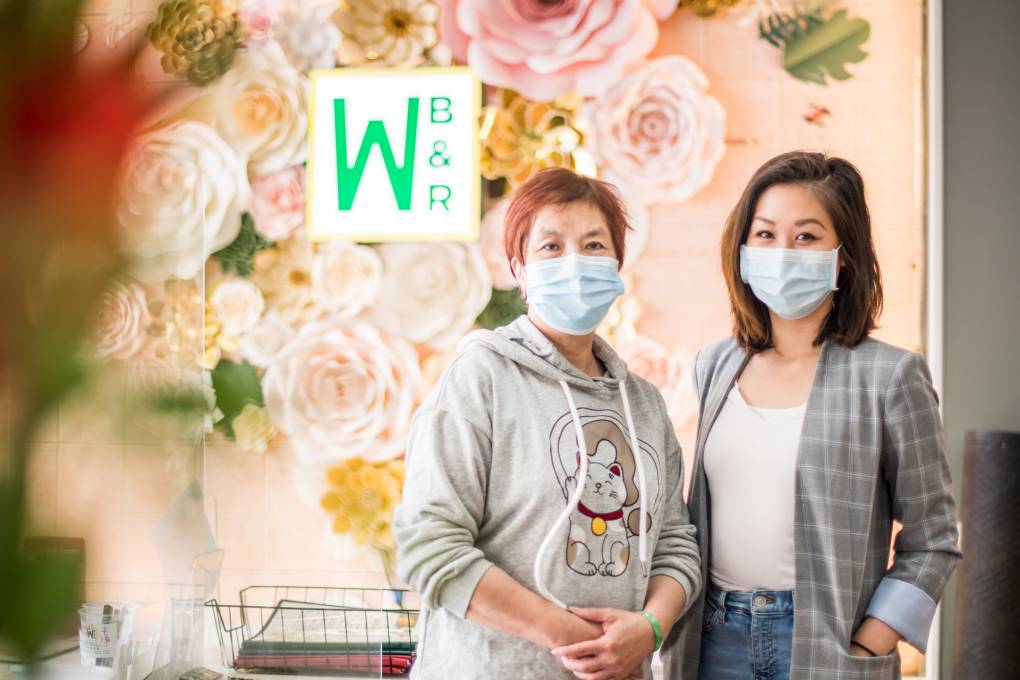
"caption": "Tilly Tsang (L) and her daughter Chelsea Hung (R), owners of Washington Bakery and Restaurant in San Francisco's Chinatown on Sept. 2, 2020.",
"description": null,
"title": "RS44728_006_KQED_Chinatown_Businesses_09022020-qut",
"credit": "Beth LaBerge/KQED",
"status": "inherit",
"isLoading": false,
"fetchFailed": false
},
"news_11834567": {
"type": "attachments",
"id": "news_11834567",
"meta": {
"index": "attachments_1716263798",
"site": "news",
"id": "11834567",
"found": true
},
"parent": 11834564,
"imgSizes": {
"apple_news_ca_square_4_0": {
"file": "https://ww2.kqed.org/app/uploads/sites/10/2020/08/Vertias-organizing-470x470.png",
"width": 470,
"mimeType": "image/png",
"height": 470
},
"twentyfourteen-full-width": {
"file": "https://ww2.kqed.org/app/uploads/sites/10/2020/08/Vertias-organizing-1038x574.png",
"width": 1038,
"mimeType": "image/png",
"height": 574
},
"thumbnail": {
"file": "https://ww2.kqed.org/app/uploads/sites/10/2020/08/Vertias-organizing-160x88.png",
"width": 160,
"mimeType": "image/png",
"height": 88
},
"post-thumbnail": {
"file": "https://ww2.kqed.org/app/uploads/sites/10/2020/08/Vertias-organizing-672x372.png",
"width": 672,
"mimeType": "image/png",
"height": 372
},
"kqedFullSize": {
"file": "https://ww2.kqed.org/app/uploads/sites/10/2020/08/Vertias-organizing.png",
"width": 1045,
"height": 574
},
"apple_news_ca_landscape_4_7": {
"file": "https://ww2.kqed.org/app/uploads/sites/10/2020/08/Vertias-organizing-632x474.png",
"width": 632,
"mimeType": "image/png",
"height": 474
},
"large": {
"file": "https://ww2.kqed.org/app/uploads/sites/10/2020/08/Vertias-organizing-1020x560.png",
"width": 1020,
"mimeType": "image/png",
"height": 560
},
"apple_news_ca_landscape_4_0": {
"file": "https://ww2.kqed.org/app/uploads/sites/10/2020/08/Vertias-organizing-536x402.png",
"width": 536,
"mimeType": "image/png",
"height": 402
},
"medium": {
"file": "https://ww2.kqed.org/app/uploads/sites/10/2020/08/Vertias-organizing-800x439.png",
"width": 800,
"mimeType": "image/png",
"height": 439
},
"apple_news_ca_portrait_4_0": {
"file": "https://ww2.kqed.org/app/uploads/sites/10/2020/08/Vertias-organizing-354x472.png",
"width": 354,
"mimeType": "image/png",
"height": 472
},
"apple_news_ca_portrait_9_7": {
"file": "https://ww2.kqed.org/app/uploads/sites/10/2020/08/Vertias-organizing-840x574.png",
"width": 840,
"mimeType": "image/png",
"height": 574
},
"apple_news_ca_portrait_4_7": {
"file": "https://ww2.kqed.org/app/uploads/sites/10/2020/08/Vertias-organizing-414x552.png",
"width": 414,
"mimeType": "image/png",
"height": 552
},
"apple_news_ca_portrait_5_5": {
"file": "https://ww2.kqed.org/app/uploads/sites/10/2020/08/Vertias-organizing-687x574.png",
"width": 687,
"mimeType": "image/png",
"height": 574
},
"apple_news_ca_square_4_7": {
"file": "https://ww2.kqed.org/app/uploads/sites/10/2020/08/Vertias-organizing-550x550.png",
"width": 550,
"mimeType": "image/png",
"height": 550
},
"apple_news_ca_square_5_5": {
"file": "https://ww2.kqed.org/app/uploads/sites/10/2020/08/Vertias-organizing-912x574.png",
"width": 912,
"mimeType": "image/png",
"height": 574
}
},
"publishDate": 1598046947,
"modified": 1598208246,
"caption": "Ah Ying holding a \"renters fight rent hikes\" at a march for Veritas tenants organized on WeChat in 2019.",
"description": null,
"title": "Vertias organizing",
"credit": "Photo courtesy Chinese Progressive Association",
"status": "inherit",
"isLoading": false,
"fetchFailed": false
},
"news_11823110": {
"type": "attachments",
"id": "news_11823110",
"meta": {
"index": "attachments_1716263798",
"site": "news",
"id": "11823110",
"found": true
},
"parent": 11821537,
"imgSizes": {
"apple_news_ca_square_4_0": {
"file": "https://ww2.kqed.org/app/uploads/sites/10/2020/06/image1-470x470.jpeg",
"width": 470,
"mimeType": "image/jpeg",
"height": 470
},
"thumbnail": {
"file": "https://ww2.kqed.org/app/uploads/sites/10/2020/06/image1-160x120.jpeg",
"width": 160,
"mimeType": "image/jpeg",
"height": 120
},
"post-thumbnail": {
"file": "https://ww2.kqed.org/app/uploads/sites/10/2020/06/image1-640x372.jpeg",
"width": 640,
"mimeType": "image/jpeg",
"height": 372
},
"kqedFullSize": {
"file": "https://ww2.kqed.org/app/uploads/sites/10/2020/06/image1.jpeg",
"width": 640,
"height": 480
},
"apple_news_ca_landscape_4_7": {
"file": "https://ww2.kqed.org/app/uploads/sites/10/2020/06/image1-632x474.jpeg",
"width": 632,
"mimeType": "image/jpeg",
"height": 474
},
"apple_news_ca_portrait_4_7": {
"file": "https://ww2.kqed.org/app/uploads/sites/10/2020/06/image1-414x480.jpeg",
"width": 414,
"mimeType": "image/jpeg",
"height": 480
},
"apple_news_ca_square_4_7": {
"file": "https://ww2.kqed.org/app/uploads/sites/10/2020/06/image1-550x480.jpeg",
"width": 550,
"mimeType": "image/jpeg",
"height": 480
},
"apple_news_ca_landscape_4_0": {
"file": "https://ww2.kqed.org/app/uploads/sites/10/2020/06/image1-536x402.jpeg",
"width": 536,
"mimeType": "image/jpeg",
"height": 402
},
"apple_news_ca_portrait_4_0": {
"file": "https://ww2.kqed.org/app/uploads/sites/10/2020/06/image1-354x472.jpeg",
"width": 354,
"mimeType": "image/jpeg",
"height": 472
}
},
"publishDate": 1591384183,
"modified": 1591818699,
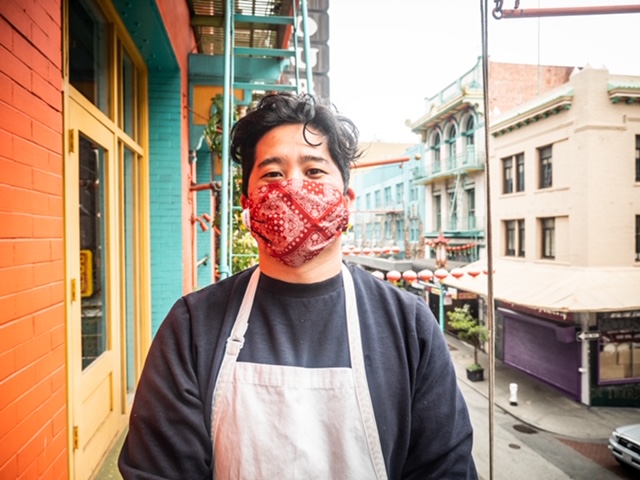
"caption": "Brandon Jew, the owner of San Francisco restaurant Mister Jiu's, has been struggling to keep his business afloat under shelter-in-place restrictions, even as Bay Area cities slowly start to reopen.",
"description": "Brandon Jew, the owner of San Francisco restaurant Mister Jiu's, has been struggling to keep his business afloat under shelter-in-place restrictions, even as Bay Area cities slowly start to reopen.",
"title": "Brandon Jew, the owner of San Francisco restaurant Mister Jiu's, has been struggling to keep his business afloat under Shelter In Place restrictions, even as Bay Area cities slowly start to reopen.",
"credit": "Courtesy of Brandon Jew",
"status": "inherit",
"isLoading": false,
"fetchFailed": false
},
"news_11818679": {
"type": "attachments",
"id": "news_11818679",
"meta": {
"index": "attachments_1716263798",
"site": "news",
"id": "11818679",
"found": true
},
"parent": 11818661,
"imgSizes": {
"apple_news_ca_landscape_5_5": {
"file": "https://ww2.kqed.org/app/uploads/sites/10/2020/05/011_KQED_SanFrancisco_PortsmouthSquareChinatown_05142020_1920x-1044x783.jpg",
"width": 1044,
"mimeType": "image/jpeg",
"height": 783
},
"apple_news_ca_square_4_0": {
"file": "https://ww2.kqed.org/app/uploads/sites/10/2020/05/011_KQED_SanFrancisco_PortsmouthSquareChinatown_05142020_1920x-470x470.jpg",
"width": 470,
"mimeType": "image/jpeg",
"height": 470
},
"twentyfourteen-full-width": {
"file": "https://ww2.kqed.org/app/uploads/sites/10/2020/05/011_KQED_SanFrancisco_PortsmouthSquareChinatown_05142020_1920x-1038x576.jpg",
"width": 1038,
"mimeType": "image/jpeg",
"height": 576
},
"thumbnail": {
"file": "https://ww2.kqed.org/app/uploads/sites/10/2020/05/011_KQED_SanFrancisco_PortsmouthSquareChinatown_05142020_1920x-160x107.jpg",
"width": 160,
"mimeType": "image/jpeg",
"height": 107
},
"post-thumbnail": {
"file": "https://ww2.kqed.org/app/uploads/sites/10/2020/05/011_KQED_SanFrancisco_PortsmouthSquareChinatown_05142020_1920x-672x372.jpg",
"width": 672,
"mimeType": "image/jpeg",
"height": 372
},
"kqedFullSize": {
"file": "https://ww2.kqed.org/app/uploads/sites/10/2020/05/011_KQED_SanFrancisco_PortsmouthSquareChinatown_05142020_1920x.jpg",
"width": 1920,
"height": 1280
},
"apple_news_ca_landscape_4_7": {
"file": "https://ww2.kqed.org/app/uploads/sites/10/2020/05/011_KQED_SanFrancisco_PortsmouthSquareChinatown_05142020_1920x-632x474.jpg",
"width": 632,
"mimeType": "image/jpeg",
"height": 474
},
"large": {
"file": "https://ww2.kqed.org/app/uploads/sites/10/2020/05/011_KQED_SanFrancisco_PortsmouthSquareChinatown_05142020_1920x-1020x680.jpg",
"width": 1020,
"mimeType": "image/jpeg",
"height": 680
},
"apple_news_ca_landscape_4_0": {
"file": "https://ww2.kqed.org/app/uploads/sites/10/2020/05/011_KQED_SanFrancisco_PortsmouthSquareChinatown_05142020_1920x-536x402.jpg",
"width": 536,
"mimeType": "image/jpeg",
"height": 402
},
"apple_news_ca_portrait_12_9": {
"file": "https://ww2.kqed.org/app/uploads/sites/10/2020/05/011_KQED_SanFrancisco_PortsmouthSquareChinatown_05142020_1920x-1122x1280.jpg",
"width": 1122,
"mimeType": "image/jpeg",
"height": 1280
},
"medium": {
"file": "https://ww2.kqed.org/app/uploads/sites/10/2020/05/011_KQED_SanFrancisco_PortsmouthSquareChinatown_05142020_1920x-800x533.jpg",
"width": 800,
"mimeType": "image/jpeg",
"height": 533
},
"apple_news_ca_portrait_4_0": {
"file": "https://ww2.kqed.org/app/uploads/sites/10/2020/05/011_KQED_SanFrancisco_PortsmouthSquareChinatown_05142020_1920x-354x472.jpg",
"width": 354,
"mimeType": "image/jpeg",
"height": 472
},
"apple_news_ca_portrait_9_7": {
"file": "https://ww2.kqed.org/app/uploads/sites/10/2020/05/011_KQED_SanFrancisco_PortsmouthSquareChinatown_05142020_1920x-840x1120.jpg",
"width": 840,
"mimeType": "image/jpeg",
"height": 1120
},
"apple_news_ca_landscape_12_9": {
"file": "https://ww2.kqed.org/app/uploads/sites/10/2020/05/011_KQED_SanFrancisco_PortsmouthSquareChinatown_05142020_1920x-1832x1280.jpg",
"width": 1832,
"mimeType": "image/jpeg",
"height": 1280
},
"apple_news_ca_square_9_7": {
"file": "https://ww2.kqed.org/app/uploads/sites/10/2020/05/011_KQED_SanFrancisco_PortsmouthSquareChinatown_05142020_1920x-1104x1104.jpg",
"width": 1104,
"mimeType": "image/jpeg",
"height": 1104
},
"apple_news_ca_portrait_4_7": {
"file": "https://ww2.kqed.org/app/uploads/sites/10/2020/05/011_KQED_SanFrancisco_PortsmouthSquareChinatown_05142020_1920x-414x552.jpg",
"width": 414,
"mimeType": "image/jpeg",
"height": 552
},
"apple_news_ca_square_12_9": {
"file": "https://ww2.kqed.org/app/uploads/sites/10/2020/05/011_KQED_SanFrancisco_PortsmouthSquareChinatown_05142020_1920x-1472x1280.jpg",
"width": 1472,
"mimeType": "image/jpeg",
"height": 1280
},
"apple_news_ca_portrait_5_5": {
"file": "https://ww2.kqed.org/app/uploads/sites/10/2020/05/011_KQED_SanFrancisco_PortsmouthSquareChinatown_05142020_1920x-687x916.jpg",
"width": 687,
"mimeType": "image/jpeg",
"height": 916
},
"full-width": {
"file": "https://ww2.kqed.org/app/uploads/sites/10/2020/05/011_KQED_SanFrancisco_PortsmouthSquareChinatown_05142020_1920x-1920x1280.jpg",
"width": 1920,
"mimeType": "image/jpeg",
"height": 1280
},
"apple_news_ca_square_4_7": {
"file": "https://ww2.kqed.org/app/uploads/sites/10/2020/05/011_KQED_SanFrancisco_PortsmouthSquareChinatown_05142020_1920x-550x550.jpg",
"width": 550,
"mimeType": "image/jpeg",
"height": 550
},
"apple_news_ca_landscape_9_7": {
"file": "https://ww2.kqed.org/app/uploads/sites/10/2020/05/011_KQED_SanFrancisco_PortsmouthSquareChinatown_05142020_1920x-1376x1032.jpg",
"width": 1376,
"mimeType": "image/jpeg",
"height": 1032
},
"apple_news_ca_square_5_5": {
"file": "https://ww2.kqed.org/app/uploads/sites/10/2020/05/011_KQED_SanFrancisco_PortsmouthSquareChinatown_05142020_1920x-912x912.jpg",
"width": 912,
"mimeType": "image/jpeg",
"height": 912
}
},
"publishDate": 1589576836,
"modified": 1589580627,
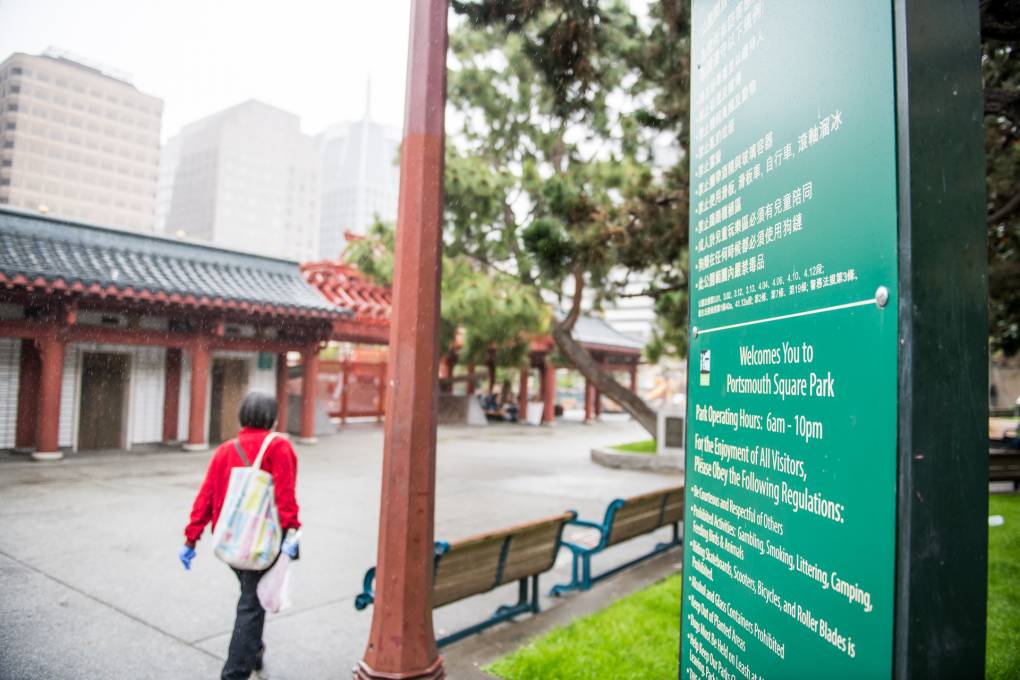
"caption": "Renovations to Portsmouth Square park have been planned for the past few years. But, as of now, the project has not yet been funded.",
"description": "Renovations to Portsmouth Square park have been planned for the past few years. But, as of now, the project has not yet been funded.",
"title": "011_KQED_SanFrancisco_PortsmouthSquareChinatown_05142020_1920x",
"credit": "Beth LaBerge/KQED",
"status": "inherit",
"isLoading": false,
"fetchFailed": false
},
"news_11816433": {
"type": "attachments",
"id": "news_11816433",
"meta": {
"index": "attachments_1716263798",
"site": "news",
"id": "11816433",
"found": true
},
"parent": 11816116,
"imgSizes": {
"apple_news_ca_landscape_5_5": {
"file": "https://ww2.kqed.org/app/uploads/sites/10/2020/05/San-Francisco-Chinatown-Meal-Delivery-1044x783.jpg",
"width": 1044,
"mimeType": "image/jpeg",
"height": 783
},
"apple_news_ca_square_4_0": {
"file": "https://ww2.kqed.org/app/uploads/sites/10/2020/05/San-Francisco-Chinatown-Meal-Delivery-470x470.jpg",
"width": 470,
"mimeType": "image/jpeg",
"height": 470
},
"twentyfourteen-full-width": {
"file": "https://ww2.kqed.org/app/uploads/sites/10/2020/05/San-Francisco-Chinatown-Meal-Delivery-1038x576.jpg",
"width": 1038,
"mimeType": "image/jpeg",
"height": 576
},
"thumbnail": {
"file": "https://ww2.kqed.org/app/uploads/sites/10/2020/05/San-Francisco-Chinatown-Meal-Delivery-160x107.jpg",
"width": 160,
"mimeType": "image/jpeg",
"height": 107
},
"post-thumbnail": {
"file": "https://ww2.kqed.org/app/uploads/sites/10/2020/05/San-Francisco-Chinatown-Meal-Delivery-672x372.jpg",
"width": 672,
"mimeType": "image/jpeg",
"height": 372
},
"kqedFullSize": {
"file": "https://ww2.kqed.org/app/uploads/sites/10/2020/05/San-Francisco-Chinatown-Meal-Delivery.jpg",
"width": 1920,
"height": 1278
},
"apple_news_ca_landscape_4_7": {
"file": "https://ww2.kqed.org/app/uploads/sites/10/2020/05/San-Francisco-Chinatown-Meal-Delivery-632x474.jpg",
"width": 632,
"mimeType": "image/jpeg",
"height": 474
},
"large": {
"file": "https://ww2.kqed.org/app/uploads/sites/10/2020/05/San-Francisco-Chinatown-Meal-Delivery-1020x679.jpg",
"width": 1020,
"mimeType": "image/jpeg",
"height": 679
},
"apple_news_ca_landscape_4_0": {
"file": "https://ww2.kqed.org/app/uploads/sites/10/2020/05/San-Francisco-Chinatown-Meal-Delivery-536x402.jpg",
"width": 536,
"mimeType": "image/jpeg",
"height": 402
},
"apple_news_ca_portrait_12_9": {
"file": "https://ww2.kqed.org/app/uploads/sites/10/2020/05/San-Francisco-Chinatown-Meal-Delivery-1122x1278.jpg",
"width": 1122,
"mimeType": "image/jpeg",
"height": 1278
},
"medium": {
"file": "https://ww2.kqed.org/app/uploads/sites/10/2020/05/San-Francisco-Chinatown-Meal-Delivery-800x533.jpg",
"width": 800,
"mimeType": "image/jpeg",
"height": 533
},
"apple_news_ca_portrait_4_0": {
"file": "https://ww2.kqed.org/app/uploads/sites/10/2020/05/San-Francisco-Chinatown-Meal-Delivery-354x472.jpg",
"width": 354,
"mimeType": "image/jpeg",
"height": 472
},
"apple_news_ca_portrait_9_7": {
"file": "https://ww2.kqed.org/app/uploads/sites/10/2020/05/San-Francisco-Chinatown-Meal-Delivery-840x1120.jpg",
"width": 840,
"mimeType": "image/jpeg",
"height": 1120
},
"apple_news_ca_landscape_12_9": {
"file": "https://ww2.kqed.org/app/uploads/sites/10/2020/05/San-Francisco-Chinatown-Meal-Delivery-1832x1278.jpg",
"width": 1832,
"mimeType": "image/jpeg",
"height": 1278
},
"apple_news_ca_square_9_7": {
"file": "https://ww2.kqed.org/app/uploads/sites/10/2020/05/San-Francisco-Chinatown-Meal-Delivery-1104x1104.jpg",
"width": 1104,
"mimeType": "image/jpeg",
"height": 1104
},
"apple_news_ca_portrait_4_7": {
"file": "https://ww2.kqed.org/app/uploads/sites/10/2020/05/San-Francisco-Chinatown-Meal-Delivery-414x552.jpg",
"width": 414,
"mimeType": "image/jpeg",
"height": 552
},
"apple_news_ca_square_12_9": {
"file": "https://ww2.kqed.org/app/uploads/sites/10/2020/05/San-Francisco-Chinatown-Meal-Delivery-1472x1278.jpg",
"width": 1472,
"mimeType": "image/jpeg",
"height": 1278
},
"apple_news_ca_portrait_5_5": {
"file": "https://ww2.kqed.org/app/uploads/sites/10/2020/05/San-Francisco-Chinatown-Meal-Delivery-687x916.jpg",
"width": 687,
"mimeType": "image/jpeg",
"height": 916
},
"full-width": {
"file": "https://ww2.kqed.org/app/uploads/sites/10/2020/05/San-Francisco-Chinatown-Meal-Delivery-1920x1278.jpg",
"width": 1920,
"mimeType": "image/jpeg",
"height": 1278
},
"apple_news_ca_square_4_7": {
"file": "https://ww2.kqed.org/app/uploads/sites/10/2020/05/San-Francisco-Chinatown-Meal-Delivery-550x550.jpg",
"width": 550,
"mimeType": "image/jpeg",
"height": 550
},
"apple_news_ca_landscape_9_7": {
"file": "https://ww2.kqed.org/app/uploads/sites/10/2020/05/San-Francisco-Chinatown-Meal-Delivery-1376x1032.jpg",
"width": 1376,
"mimeType": "image/jpeg",
"height": 1032
},
"apple_news_ca_square_5_5": {
"file": "https://ww2.kqed.org/app/uploads/sites/10/2020/05/San-Francisco-Chinatown-Meal-Delivery-912x912.jpg",
"width": 912,
"mimeType": "image/jpeg",
"height": 912
}
},
"publishDate": 1588725641,
"modified": 1590620407,
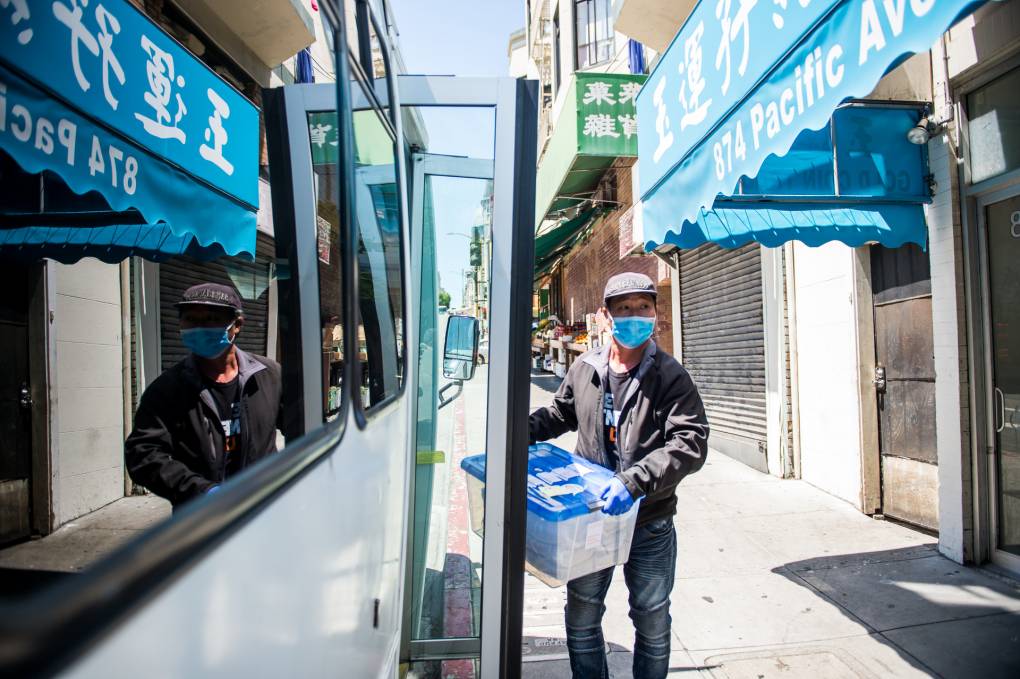
"caption": "Meals that were prepared at Far East Cafe are brought to Ping Yuen, a public housing building in San Francisco's Chinatown, where employees of a Chinatown nonprofit and volunteers help distribute meals to residents on May 5, 2020.",
"description": "Meals that were prepared at Far East Cafe are brought to Ping Yuen, a public housing building in San Francisco's Chinatown, where employees of a Chinatown nonprofit and volunteers help distribute meals to residents on May 5, 2020.",
"title": "San-Francisco-Chinatown-Meal-Delivery",
"credit": "Beth LaBerge/KQED",
"status": "inherit",
"isLoading": false,
"fetchFailed": false
},
"news_11814040": {
"type": "attachments",
"id": "news_11814040",
"meta": {
"index": "attachments_1716263798",
"site": "news",
"id": "11814040",
"found": true
},
"parent": 11814026,
"imgSizes": {
"apple_news_ca_square_4_0": {
"file": "https://ww2.kqed.org/app/uploads/sites/10/2020/04/image-470x470.png",
"width": 470,
"mimeType": "image/png",
"height": 470
},
"twentyfourteen-full-width": {
"file": "https://ww2.kqed.org/app/uploads/sites/10/2020/04/image-1020x576.png",
"width": 1020,
"mimeType": "image/png",
"height": 576
},
"thumbnail": {
"file": "https://ww2.kqed.org/app/uploads/sites/10/2020/04/image-160x120.png",
"width": 160,
"mimeType": "image/png",
"height": 120
},
"post-thumbnail": {
"file": "https://ww2.kqed.org/app/uploads/sites/10/2020/04/image-672x372.png",
"width": 672,
"mimeType": "image/png",
"height": 372
},
"kqedFullSize": {
"file": "https://ww2.kqed.org/app/uploads/sites/10/2020/04/image.png",
"width": 1020,
"height": 765
},
"apple_news_ca_landscape_4_7": {
"file": "https://ww2.kqed.org/app/uploads/sites/10/2020/04/image-632x474.png",
"width": 632,
"mimeType": "image/png",
"height": 474
},
"large": {
"file": "https://ww2.kqed.org/app/uploads/sites/10/2020/04/image-1020x765.png",
"width": 1020,
"mimeType": "image/png",
"height": 765
},
"apple_news_ca_landscape_4_0": {
"file": "https://ww2.kqed.org/app/uploads/sites/10/2020/04/image-536x402.png",
"width": 536,
"mimeType": "image/png",
"height": 402
},
"medium": {
"file": "https://ww2.kqed.org/app/uploads/sites/10/2020/04/image-800x600.png",
"width": 800,
"mimeType": "image/png",
"height": 600
},
"apple_news_ca_portrait_4_0": {
"file": "https://ww2.kqed.org/app/uploads/sites/10/2020/04/image-354x472.png",
"width": 354,
"mimeType": "image/png",
"height": 472
},
"apple_news_ca_portrait_9_7": {
"file": "https://ww2.kqed.org/app/uploads/sites/10/2020/04/image-840x765.png",
"width": 840,
"mimeType": "image/png",
"height": 765
},
"apple_news_ca_portrait_4_7": {
"file": "https://ww2.kqed.org/app/uploads/sites/10/2020/04/image-414x552.png",
"width": 414,
"mimeType": "image/png",
"height": 552
},
"apple_news_ca_portrait_5_5": {
"file": "https://ww2.kqed.org/app/uploads/sites/10/2020/04/image-687x765.png",
"width": 687,
"mimeType": "image/png",
"height": 765
},
"apple_news_ca_square_4_7": {
"file": "https://ww2.kqed.org/app/uploads/sites/10/2020/04/image-550x550.png",
"width": 550,
"mimeType": "image/png",
"height": 550
},
"apple_news_ca_square_5_5": {
"file": "https://ww2.kqed.org/app/uploads/sites/10/2020/04/image-912x765.png",
"width": 912,
"mimeType": "image/png",
"height": 765
}
},
"publishDate": 1587684527,
"modified": 1587684682,
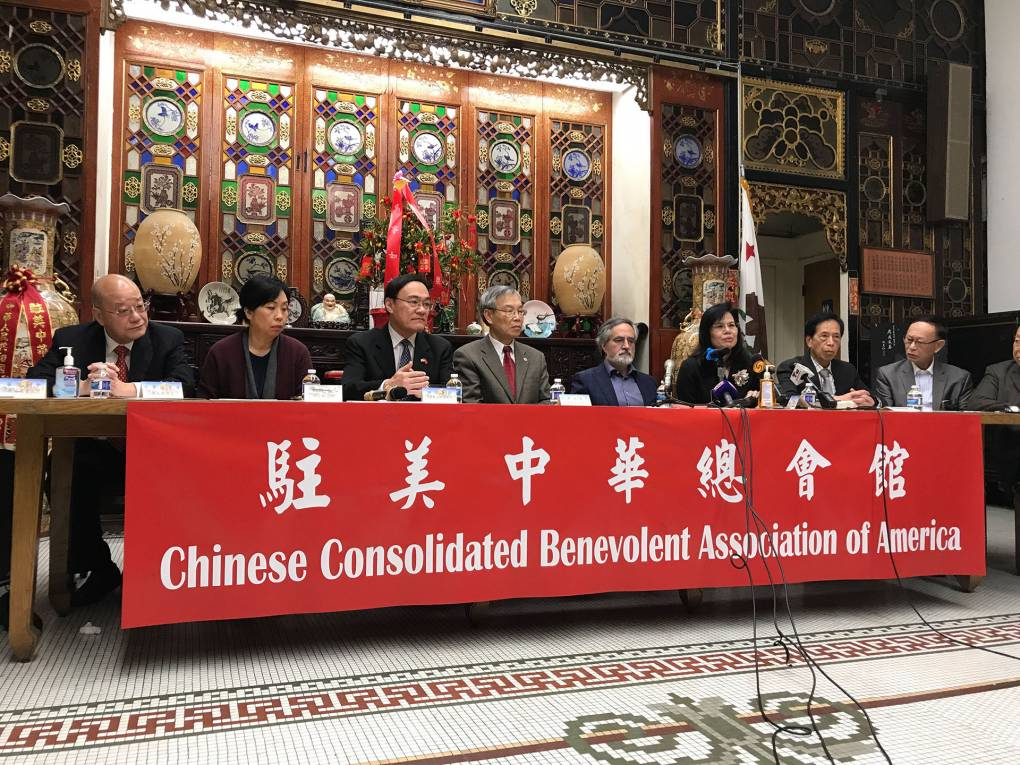
"caption": "Chinese Consul General in San Francisco Wang Donghua (third from the left) held a press conference on Saturday, February 1, 2020, to mitigate public concerns of the first Bay Area novel coronavirus case amid the global outbreak.",
"description": null,
"title": "image",
"credit": "Julie Chang/KQED",
"status": "inherit",
"isLoading": false,
"fetchFailed": false
},
"science_1956607": {
"type": "attachments",
"id": "science_1956607",
"meta": {
"index": "attachments_1716263798",
"site": "science",
"id": "1956607",
"found": true
},
"parent": 1956560,
"imgSizes": {
"twentyfourteen-full-width": {
"file": "https://ww2.kqed.org/app/uploads/sites/35/2020/02/iStock-509850436-1038x576.jpg",
"width": 1038,
"mimeType": "image/jpeg",
"height": 576
},
"thumbnail": {
"file": "https://ww2.kqed.org/app/uploads/sites/35/2020/02/iStock-509850436-160x106.jpg",
"width": 160,
"mimeType": "image/jpeg",
"height": 106
},
"post-thumbnail": {
"file": "https://ww2.kqed.org/app/uploads/sites/35/2020/02/iStock-509850436-672x372.jpg",
"width": 672,
"mimeType": "image/jpeg",
"height": 372
},
"kqedFullSize": {
"file": "https://ww2.kqed.org/app/uploads/sites/35/2020/02/iStock-509850436.jpg",
"width": 1258,
"height": 833
},
"large": {
"file": "https://ww2.kqed.org/app/uploads/sites/35/2020/02/iStock-509850436-1020x675.jpg",
"width": 1020,
"mimeType": "image/jpeg",
"height": 675
},
"medium": {
"file": "https://ww2.kqed.org/app/uploads/sites/35/2020/02/iStock-509850436-800x530.jpg",
"width": 800,
"mimeType": "image/jpeg",
"height": 530
},
"medium_large": {
"file": "https://ww2.kqed.org/app/uploads/sites/35/2020/02/iStock-509850436-768x509.jpg",
"width": 768,
"mimeType": "image/jpeg",
"height": 509
}
},
"publishDate": 1581015595,
"modified": 1581015762,
"caption": "San Francisco's Chinatown district is one of the oldest Chinatowns in the United States.",
"description": null,
"title": "Oakland bay bridge from Chinatown, San Francisco",
"credit": "iStock",
"status": "inherit",
"isLoading": false,
"fetchFailed": false
},
"news_11796240": {
"type": "attachments",
"id": "news_11796240",
"meta": {
"index": "attachments_1716263798",
"site": "news",
"id": "11796240",
"found": true
},
"parent": 11796231,
"imgSizes": {
"apple_news_ca_landscape_5_5": {
"file": "https://ww2.kqed.org/app/uploads/sites/10/2020/01/RS40736_IMG_8237-qut-1044x783.jpg",
"width": 1044,
"mimeType": "image/jpeg",
"height": 783
},
"apple_news_ca_square_4_0": {
"file": "https://ww2.kqed.org/app/uploads/sites/10/2020/01/RS40736_IMG_8237-qut-470x470.jpg",
"width": 470,
"mimeType": "image/jpeg",
"height": 470
},
"twentyfourteen-full-width": {
"file": "https://ww2.kqed.org/app/uploads/sites/10/2020/01/RS40736_IMG_8237-qut-1038x576.jpg",
"width": 1038,
"mimeType": "image/jpeg",
"height": 576
},
"thumbnail": {
"file": "https://ww2.kqed.org/app/uploads/sites/10/2020/01/RS40736_IMG_8237-qut-160x136.jpg",
"width": 160,
"mimeType": "image/jpeg",
"height": 136
},
"post-thumbnail": {
"file": "https://ww2.kqed.org/app/uploads/sites/10/2020/01/RS40736_IMG_8237-qut-672x372.jpg",
"width": 672,
"mimeType": "image/jpeg",
"height": 372
},
"kqedFullSize": {
"file": "https://ww2.kqed.org/app/uploads/sites/10/2020/01/RS40736_IMG_8237-qut.jpg",
"width": 1920,
"height": 1630
},
"apple_news_ca_landscape_4_7": {
"file": "https://ww2.kqed.org/app/uploads/sites/10/2020/01/RS40736_IMG_8237-qut-632x474.jpg",
"width": 632,
"mimeType": "image/jpeg",
"height": 474
},
"large": {
"file": "https://ww2.kqed.org/app/uploads/sites/10/2020/01/RS40736_IMG_8237-qut-1020x866.jpg",
"width": 1020,
"mimeType": "image/jpeg",
"height": 866
},
"complete_open_graph": {
"file": "https://ww2.kqed.org/app/uploads/sites/10/2020/01/RS40736_IMG_8237-qut-1200x1019.jpg",
"width": 1200,
"mimeType": "image/jpeg",
"height": 1019
},
"apple_news_ca_landscape_4_0": {
"file": "https://ww2.kqed.org/app/uploads/sites/10/2020/01/RS40736_IMG_8237-qut-536x402.jpg",
"width": 536,
"mimeType": "image/jpeg",
"height": 402
},
"apple_news_ca_portrait_12_9": {
"file": "https://ww2.kqed.org/app/uploads/sites/10/2020/01/RS40736_IMG_8237-qut-1122x1496.jpg",
"width": 1122,
"mimeType": "image/jpeg",
"height": 1496
},
"medium": {
"file": "https://ww2.kqed.org/app/uploads/sites/10/2020/01/RS40736_IMG_8237-qut-800x679.jpg",
"width": 800,
"mimeType": "image/jpeg",
"height": 679
},
"apple_news_ca_portrait_4_0": {
"file": "https://ww2.kqed.org/app/uploads/sites/10/2020/01/RS40736_IMG_8237-qut-354x472.jpg",
"width": 354,
"mimeType": "image/jpeg",
"height": 472
},
"apple_news_ca_portrait_9_7": {
"file": "https://ww2.kqed.org/app/uploads/sites/10/2020/01/RS40736_IMG_8237-qut-840x1120.jpg",
"width": 840,
"mimeType": "image/jpeg",
"height": 1120
},
"apple_news_ca_landscape_12_9": {
"file": "https://ww2.kqed.org/app/uploads/sites/10/2020/01/RS40736_IMG_8237-qut-1832x1374.jpg",
"width": 1832,
"mimeType": "image/jpeg",
"height": 1374
},
"apple_news_ca_square_9_7": {
"file": "https://ww2.kqed.org/app/uploads/sites/10/2020/01/RS40736_IMG_8237-qut-1104x1104.jpg",
"width": 1104,
"mimeType": "image/jpeg",
"height": 1104
},
"apple_news_ca_portrait_4_7": {
"file": "https://ww2.kqed.org/app/uploads/sites/10/2020/01/RS40736_IMG_8237-qut-414x552.jpg",
"width": 414,
"mimeType": "image/jpeg",
"height": 552
},
"apple_news_ca_square_12_9": {
"file": "https://ww2.kqed.org/app/uploads/sites/10/2020/01/RS40736_IMG_8237-qut-1472x1472.jpg",
"width": 1472,
"mimeType": "image/jpeg",
"height": 1472
},
"apple_news_ca_portrait_5_5": {
"file": "https://ww2.kqed.org/app/uploads/sites/10/2020/01/RS40736_IMG_8237-qut-687x916.jpg",
"width": 687,
"mimeType": "image/jpeg",
"height": 916
},
"full-width": {
"file": "https://ww2.kqed.org/app/uploads/sites/10/2020/01/RS40736_IMG_8237-qut-1920x1630.jpg",
"width": 1920,
"mimeType": "image/jpeg",
"height": 1630
},
"apple_news_ca_square_4_7": {
"file": "https://ww2.kqed.org/app/uploads/sites/10/2020/01/RS40736_IMG_8237-qut-550x550.jpg",
"width": 550,
"mimeType": "image/jpeg",
"height": 550
},
"apple_news_ca_landscape_9_7": {
"file": "https://ww2.kqed.org/app/uploads/sites/10/2020/01/RS40736_IMG_8237-qut-1376x1032.jpg",
"width": 1376,
"mimeType": "image/jpeg",
"height": 1032
},
"apple_news_ca_square_5_5": {
"file": "https://ww2.kqed.org/app/uploads/sites/10/2020/01/RS40736_IMG_8237-qut-912x912.jpg",
"width": 912,
"mimeType": "image/jpeg",
"height": 912
}
},
"publishDate": 1579129236,
"modified": 1579296879,
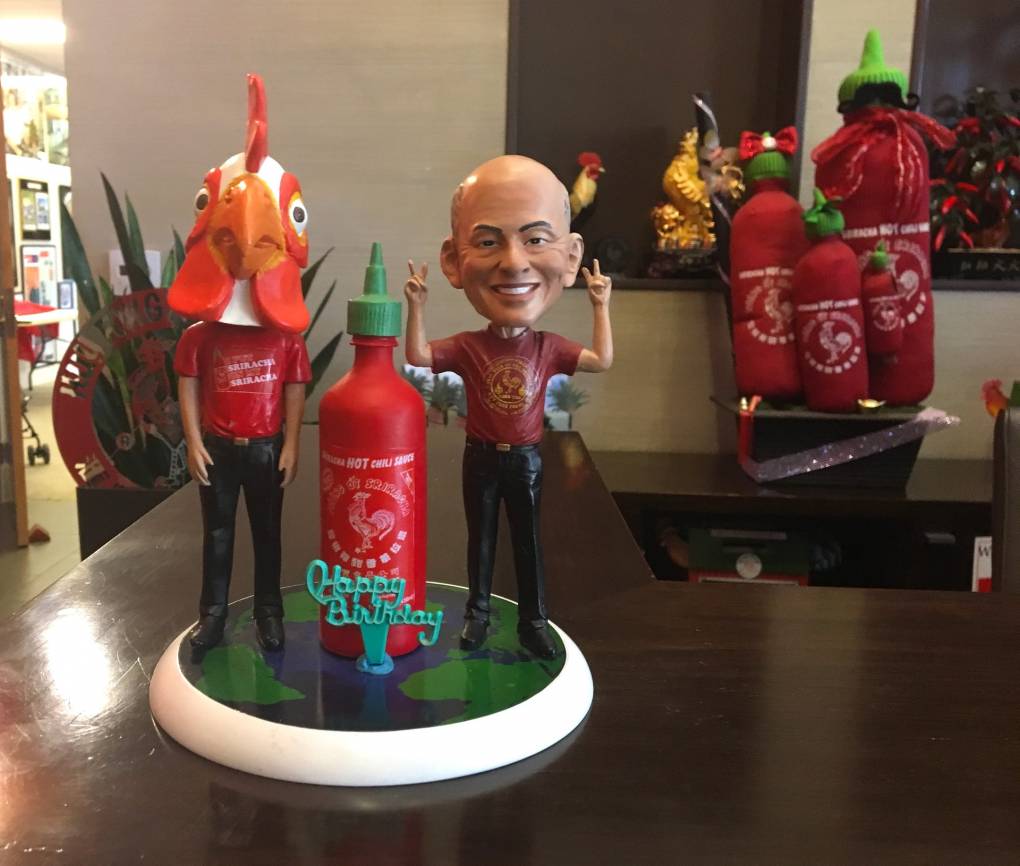
"caption": "The Huy Fong factory waiting room includes unique items, like a David Tran bobblehead. ",
"description": null,
"title": "RS40736_IMG_8237-qut",
"credit": "Avishay Artsy/KQED News",
"status": "inherit",
"isLoading": false,
"fetchFailed": false
},
"news_11743018": {
"type": "attachments",
"id": "news_11743018",
"meta": {
"index": "attachments_1716263798",
"site": "news",
"id": "11743018",
"found": true
},
"parent": 11742748,
"imgSizes": {
"twentyfourteen-full-width": {
"file": "https://ww2.kqed.org/app/uploads/sites/10/2019/04/RS36761_AAA-7879_600dpiJPG-qut-1038x576.jpg",
"width": 1038,
"mimeType": "image/jpeg",
"height": 576
},
"thumbnail": {
"file": "https://ww2.kqed.org/app/uploads/sites/10/2019/04/RS36761_AAA-7879_600dpiJPG-qut-160x129.jpg",
"width": 160,
"mimeType": "image/jpeg",
"height": 129
},
"post-thumbnail": {
"file": "https://ww2.kqed.org/app/uploads/sites/10/2019/04/RS36761_AAA-7879_600dpiJPG-qut-672x372.jpg",
"width": 672,
"mimeType": "image/jpeg",
"height": 372
},
"kqedFullSize": {
"file": "https://ww2.kqed.org/app/uploads/sites/10/2019/04/RS36761_AAA-7879_600dpiJPG-qut.jpg",
"width": 1920,
"height": 1546
},
"large": {
"file": "https://ww2.kqed.org/app/uploads/sites/10/2019/04/RS36761_AAA-7879_600dpiJPG-qut-1020x821.jpg",
"width": 1020,
"mimeType": "image/jpeg",
"height": 821
},
"complete_open_graph": {
"file": "https://ww2.kqed.org/app/uploads/sites/10/2019/04/RS36761_AAA-7879_600dpiJPG-qut-1200x966.jpg",
"width": 1200,
"mimeType": "image/jpeg",
"height": 966
},
"full-width": {
"file": "https://ww2.kqed.org/app/uploads/sites/10/2019/04/RS36761_AAA-7879_600dpiJPG-qut-1920x1546.jpg",
"width": 1920,
"mimeType": "image/jpeg",
"height": 1546
},
"medium": {
"file": "https://ww2.kqed.org/app/uploads/sites/10/2019/04/RS36761_AAA-7879_600dpiJPG-qut-800x644.jpg",
"width": 800,
"mimeType": "image/jpeg",
"height": 644
}
},
"publishDate": 1556238903,
"modified": 1556317015,
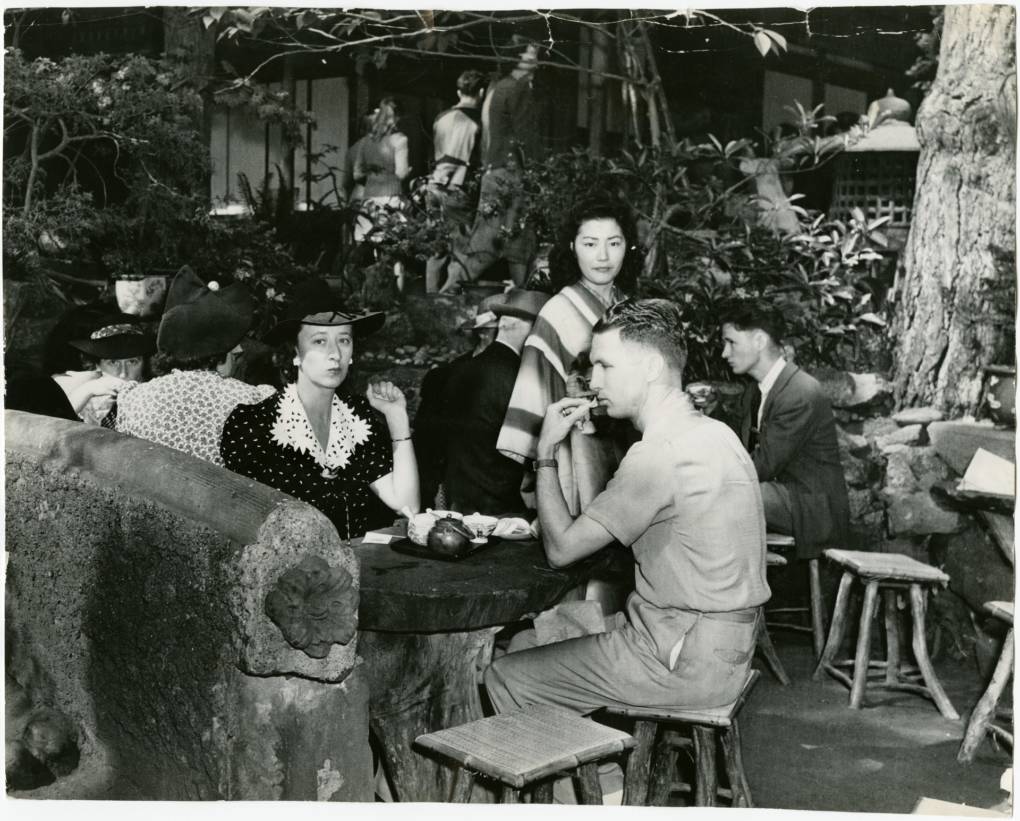
"caption": "A couple enjoying fortune cookies and tea at the Japanese Tea Garden in 1941, just one year before the internment of citizens of Japanese descent in the United States.",
"description": "A couple enjoying fortune cookies and tea at the Japanese Tea Garden in 1941, just one year before the internment of citizens of Japanese descent in the United States.",
"title": "RS36761_AAA-7879_600dpiJPG-qut",
"credit": "San Francisco History Center, San Francisco Public Library",
"status": "inherit",
"isLoading": false,
"fetchFailed": false
},
"news_11652105": {
"type": "attachments",
"id": "news_11652105",
"meta": {
"index": "attachments_1716263798",
"site": "news",
"id": "11652105",
"found": true
},
"parent": 11652104,
"imgSizes": {
"small": {
"file": "https://ww2.kqed.org/app/uploads/sites/10/2018/02/RS29575_parade-4-qut-520x347.jpg",
"width": 520,
"mimeType": "image/jpeg",
"height": 347
},
"twentyfourteen-full-width": {
"file": "https://ww2.kqed.org/app/uploads/sites/10/2018/02/RS29575_parade-4-qut-1038x576.jpg",
"width": 1038,
"mimeType": "image/jpeg",
"height": 576
},
"thumbnail": {
"file": "https://ww2.kqed.org/app/uploads/sites/10/2018/02/RS29575_parade-4-qut-160x107.jpg",
"width": 160,
"mimeType": "image/jpeg",
"height": 107
},
"fd-sm": {
"file": "https://ww2.kqed.org/app/uploads/sites/10/2018/02/RS29575_parade-4-qut-960x640.jpg",
"width": 960,
"mimeType": "image/jpeg",
"height": 640
},
"post-thumbnail": {
"file": "https://ww2.kqed.org/app/uploads/sites/10/2018/02/RS29575_parade-4-qut-672x372.jpg",
"width": 672,
"mimeType": "image/jpeg",
"height": 372
},
"xsmall": {
"file": "https://ww2.kqed.org/app/uploads/sites/10/2018/02/RS29575_parade-4-qut-375x250.jpg",
"width": 375,
"mimeType": "image/jpeg",
"height": 250
},
"kqedFullSize": {
"file": "https://ww2.kqed.org/app/uploads/sites/10/2018/02/RS29575_parade-4-qut.jpg",
"width": 1920,
"height": 1280
},
"large": {
"file": "https://ww2.kqed.org/app/uploads/sites/10/2018/02/RS29575_parade-4-qut-1020x680.jpg",
"width": 1020,
"mimeType": "image/jpeg",
"height": 680
},
"xlarge": {
"file": "https://ww2.kqed.org/app/uploads/sites/10/2018/02/RS29575_parade-4-qut-1180x787.jpg",
"width": 1180,
"mimeType": "image/jpeg",
"height": 787
},
"guest-author-50": {
"file": "https://ww2.kqed.org/app/uploads/sites/10/2018/02/RS29575_parade-4-qut-50x50.jpg",
"width": 50,
"mimeType": "image/jpeg",
"height": 50
},
"guest-author-96": {
"file": "https://ww2.kqed.org/app/uploads/sites/10/2018/02/RS29575_parade-4-qut-96x96.jpg",
"width": 96,
"mimeType": "image/jpeg",
"height": 96
},
"medium": {
"file": "https://ww2.kqed.org/app/uploads/sites/10/2018/02/RS29575_parade-4-qut-800x533.jpg",
"width": 800,
"mimeType": "image/jpeg",
"height": 533
},
"guest-author-64": {
"file": "https://ww2.kqed.org/app/uploads/sites/10/2018/02/RS29575_parade-4-qut-64x64.jpg",
"width": 64,
"mimeType": "image/jpeg",
"height": 64
},
"guest-author-32": {
"file": "https://ww2.kqed.org/app/uploads/sites/10/2018/02/RS29575_parade-4-qut-32x32.jpg",
"width": 32,
"mimeType": "image/jpeg",
"height": 32
},
"fd-lrg": {
"file": "https://ww2.kqed.org/app/uploads/sites/10/2018/02/RS29575_parade-4-qut-1920x1280.jpg",
"width": 1920,
"mimeType": "image/jpeg",
"height": 1280
},
"fd-med": {
"file": "https://ww2.kqed.org/app/uploads/sites/10/2018/02/RS29575_parade-4-qut-1180x787.jpg",
"width": 1180,
"mimeType": "image/jpeg",
"height": 787
},
"full-width": {
"file": "https://ww2.kqed.org/app/uploads/sites/10/2018/02/RS29575_parade-4-qut-1920x1280.jpg",
"width": 1920,
"mimeType": "image/jpeg",
"height": 1280
},
"detail": {
"file": "https://ww2.kqed.org/app/uploads/sites/10/2018/02/RS29575_parade-4-qut-150x150.jpg",
"width": 150,
"mimeType": "image/jpeg",
"height": 150
},
"guest-author-128": {
"file": "https://ww2.kqed.org/app/uploads/sites/10/2018/02/RS29575_parade-4-qut-128x128.jpg",
"width": 128,
"mimeType": "image/jpeg",
"height": 128
},
"xxsmall": {
"file": "https://ww2.kqed.org/app/uploads/sites/10/2018/02/RS29575_parade-4-qut-240x160.jpg",
"width": 240,
"mimeType": "image/jpeg",
"height": 160
}
},
"publishDate": 1519575252,
"modified": 1519579569,
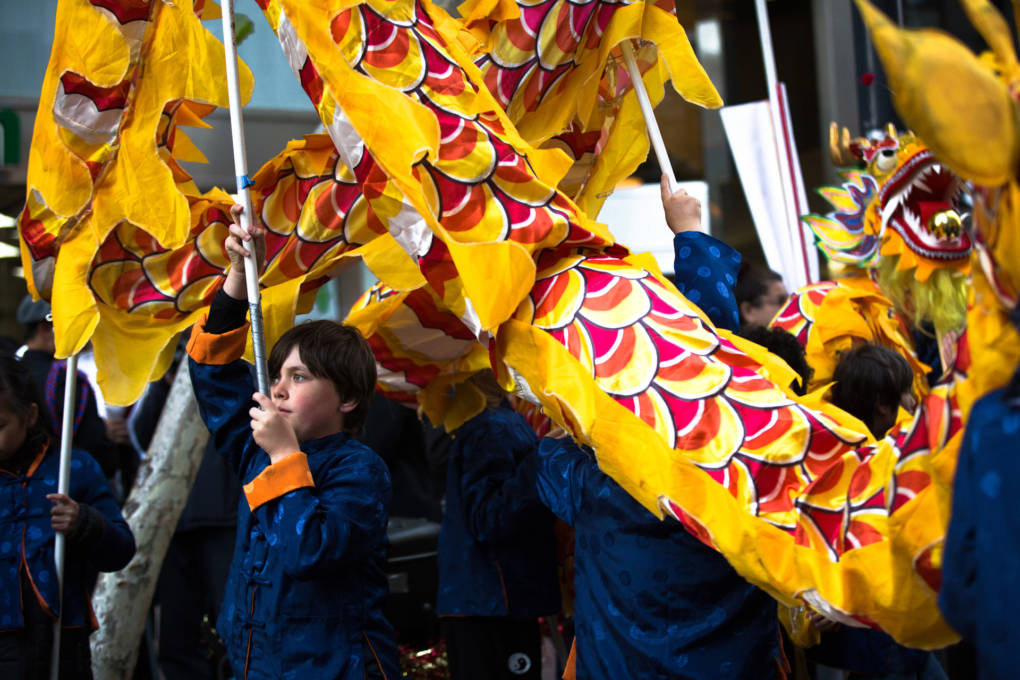
"caption": "The Lunar New Year Parade kicked off on February 24, 2018 in celebration of the start of a new lunar calendar. The parade has taken place in San Francisco since the 18th century and is the largest celebration of Asian culture outside of Asia.",
"description": "The Lunar New Year Parade kicked off on February 24, 2018 in celebration of the start of a new lunar calendar. The parade has taken place in San Francisco since the 18th century and is the largest celebration of Asian culture outside of Asia.",
"title": "RS29575_parade-4-qut",
"credit": "Samantha Shanahan/KQED",
"status": "inherit",
"isLoading": false,
"fetchFailed": false
},
"news_11649343": {
"type": "attachments",
"id": "news_11649343",
"meta": {
"index": "attachments_1716263798",
"site": "news",
"id": "11649343",
"found": true
},
"parent": 11649338,
"imgSizes": {
"small": {
"file": "https://ww2.kqed.org/app/uploads/sites/10/2018/02/Image-uploaded-from-iOS-520x390.jpg",
"width": 520,
"mimeType": "image/jpeg",
"height": 390
},
"twentyfourteen-full-width": {
"file": "https://ww2.kqed.org/app/uploads/sites/10/2018/02/Image-uploaded-from-iOS-1038x576.jpg",
"width": 1038,
"mimeType": "image/jpeg",
"height": 576
},
"thumbnail": {
"file": "https://ww2.kqed.org/app/uploads/sites/10/2018/02/Image-uploaded-from-iOS-160x120.jpg",
"width": 160,
"mimeType": "image/jpeg",
"height": 120
},
"fd-sm": {
"file": "https://ww2.kqed.org/app/uploads/sites/10/2018/02/Image-uploaded-from-iOS-960x720.jpg",
"width": 960,
"mimeType": "image/jpeg",
"height": 720
},
"post-thumbnail": {
"file": "https://ww2.kqed.org/app/uploads/sites/10/2018/02/Image-uploaded-from-iOS-672x372.jpg",
"width": 672,
"mimeType": "image/jpeg",
"height": 372
},
"xsmall": {
"file": "https://ww2.kqed.org/app/uploads/sites/10/2018/02/Image-uploaded-from-iOS-375x281.jpg",
"width": 375,
"mimeType": "image/jpeg",
"height": 281
},
"kqedFullSize": {
"file": "https://ww2.kqed.org/app/uploads/sites/10/2018/02/Image-uploaded-from-iOS-e1518377990459.jpg",
"width": 1920,
"height": 1440
},
"large": {
"file": "https://ww2.kqed.org/app/uploads/sites/10/2018/02/Image-uploaded-from-iOS-1020x765.jpg",
"width": 1020,
"mimeType": "image/jpeg",
"height": 765
},
"xlarge": {
"file": "https://ww2.kqed.org/app/uploads/sites/10/2018/02/Image-uploaded-from-iOS-1180x885.jpg",
"width": 1180,
"mimeType": "image/jpeg",
"height": 885
},
"guest-author-50": {
"file": "https://ww2.kqed.org/app/uploads/sites/10/2018/02/Image-uploaded-from-iOS-50x50.jpg",
"width": 50,
"mimeType": "image/jpeg",
"height": 50
},
"guest-author-96": {
"file": "https://ww2.kqed.org/app/uploads/sites/10/2018/02/Image-uploaded-from-iOS-96x96.jpg",
"width": 96,
"mimeType": "image/jpeg",
"height": 96
},
"medium": {
"file": "https://ww2.kqed.org/app/uploads/sites/10/2018/02/Image-uploaded-from-iOS-800x600.jpg",
"width": 800,
"mimeType": "image/jpeg",
"height": 600
},
"guest-author-64": {
"file": "https://ww2.kqed.org/app/uploads/sites/10/2018/02/Image-uploaded-from-iOS-64x64.jpg",
"width": 64,
"mimeType": "image/jpeg",
"height": 64
},
"guest-author-32": {
"file": "https://ww2.kqed.org/app/uploads/sites/10/2018/02/Image-uploaded-from-iOS-32x32.jpg",
"width": 32,
"mimeType": "image/jpeg",
"height": 32
},
"fd-lrg": {
"file": "https://ww2.kqed.org/app/uploads/sites/10/2018/02/Image-uploaded-from-iOS-1920x1440.jpg",
"width": 1920,
"mimeType": "image/jpeg",
"height": 1440
},
"fd-med": {
"file": "https://ww2.kqed.org/app/uploads/sites/10/2018/02/Image-uploaded-from-iOS-1180x885.jpg",
"width": 1180,
"mimeType": "image/jpeg",
"height": 885
},
"full-width": {
"file": "https://ww2.kqed.org/app/uploads/sites/10/2018/02/Image-uploaded-from-iOS-1920x1440.jpg",
"width": 1920,
"mimeType": "image/jpeg",
"height": 1440
},
"detail": {
"file": "https://ww2.kqed.org/app/uploads/sites/10/2018/02/Image-uploaded-from-iOS-150x150.jpg",
"width": 150,
"mimeType": "image/jpeg",
"height": 150
},
"guest-author-128": {
"file": "https://ww2.kqed.org/app/uploads/sites/10/2018/02/Image-uploaded-from-iOS-128x128.jpg",
"width": 128,
"mimeType": "image/jpeg",
"height": 128
},
"xxsmall": {
"file": "https://ww2.kqed.org/app/uploads/sites/10/2018/02/Image-uploaded-from-iOS-240x180.jpg",
"width": 240,
"mimeType": "image/jpeg",
"height": 180
}
},
"publishDate": 1518377935,
"modified": 1518378962,
"caption": "Elderly ladies pick over red envelopes at the Chinese New Year Flower Market Fair. The market is held before Chinese New Year proper in order for people to buy flowers, fruit, candy and plants before the new lunar year.",
"description": "Elderly ladies pick over red envelopes at the Chinese New Year Flower Market Fair. The market is held before Chinese New Year proper in order for people to buy flowers, fruit, candy and plants before the new lunar year.",
"title": "Image uploaded from iOS",
"credit": "Alyssa Jeong Perry/KQED",
"status": "inherit",
"isLoading": false,
"fetchFailed": false
},
"news_11446716": {
"type": "attachments",
"id": "news_11446716",
"meta": {
"index": "attachments_1716263798",
"site": "news",
"id": "11446716",
"found": true
},
"parent": 11416593,
"imgSizes": {
"small": {
"file": "https://ww2.kqed.org/app/uploads/sites/10/2017/05/SalinasFenceClimb-520x320.jpg",
"width": 520,
"mimeType": "image/jpeg",
"height": 320
},
"twentyfourteen-full-width": {
"file": "https://ww2.kqed.org/app/uploads/sites/10/2017/05/SalinasFenceClimb-1038x576.jpg",
"width": 1038,
"mimeType": "image/jpeg",
"height": 576
},
"thumbnail": {
"file": "https://ww2.kqed.org/app/uploads/sites/10/2017/05/SalinasFenceClimb-160x99.jpg",
"width": 160,
"mimeType": "image/jpeg",
"height": 99
},
"fd-sm": {
"file": "https://ww2.kqed.org/app/uploads/sites/10/2017/05/SalinasFenceClimb-960x592.jpg",
"width": 960,
"mimeType": "image/jpeg",
"height": 592
},
"post-thumbnail": {
"file": "https://ww2.kqed.org/app/uploads/sites/10/2017/05/SalinasFenceClimb-672x372.jpg",
"width": 672,
"mimeType": "image/jpeg",
"height": 372
},
"xsmall": {
"file": "https://ww2.kqed.org/app/uploads/sites/10/2017/05/SalinasFenceClimb-375x231.jpg",
"width": 375,
"mimeType": "image/jpeg",
"height": 231
},
"kqedFullSize": {
"file": "https://ww2.kqed.org/app/uploads/sites/10/2017/05/SalinasFenceClimb.jpg",
"width": 1920,
"height": 1183
},
"large": {
"file": "https://ww2.kqed.org/app/uploads/sites/10/2017/05/SalinasFenceClimb-1020x628.jpg",
"width": 1020,
"mimeType": "image/jpeg",
"height": 628
},
"xlarge": {
"file": "https://ww2.kqed.org/app/uploads/sites/10/2017/05/SalinasFenceClimb-1180x727.jpg",
"width": 1180,
"mimeType": "image/jpeg",
"height": 727
},
"guest-author-50": {
"file": "https://ww2.kqed.org/app/uploads/sites/10/2017/05/SalinasFenceClimb-50x50.jpg",
"width": 50,
"mimeType": "image/jpeg",
"height": 50
},
"guest-author-96": {
"file": "https://ww2.kqed.org/app/uploads/sites/10/2017/05/SalinasFenceClimb-96x96.jpg",
"width": 96,
"mimeType": "image/jpeg",
"height": 96
},
"medium": {
"file": "https://ww2.kqed.org/app/uploads/sites/10/2017/05/SalinasFenceClimb-800x493.jpg",
"width": 800,
"mimeType": "image/jpeg",
"height": 493
},
"guest-author-64": {
"file": "https://ww2.kqed.org/app/uploads/sites/10/2017/05/SalinasFenceClimb-64x64.jpg",
"width": 64,
"mimeType": "image/jpeg",
"height": 64
},
"guest-author-32": {
"file": "https://ww2.kqed.org/app/uploads/sites/10/2017/05/SalinasFenceClimb-32x32.jpg",
"width": 32,
"mimeType": "image/jpeg",
"height": 32
},
"fd-lrg": {
"file": "https://ww2.kqed.org/app/uploads/sites/10/2017/05/SalinasFenceClimb-1920x1183.jpg",
"width": 1920,
"mimeType": "image/jpeg",
"height": 1183
},
"fd-med": {
"file": "https://ww2.kqed.org/app/uploads/sites/10/2017/05/SalinasFenceClimb-1180x727.jpg",
"width": 1180,
"mimeType": "image/jpeg",
"height": 727
},
"full-width": {
"file": "https://ww2.kqed.org/app/uploads/sites/10/2017/05/SalinasFenceClimb-1920x1183.jpg",
"width": 1920,
"mimeType": "image/jpeg",
"height": 1183
},
"detail": {
"file": "https://ww2.kqed.org/app/uploads/sites/10/2017/05/SalinasFenceClimb-150x150.jpg",
"width": 150,
"mimeType": "image/jpeg",
"height": 150
},
"guest-author-128": {
"file": "https://ww2.kqed.org/app/uploads/sites/10/2017/05/SalinasFenceClimb-128x128.jpg",
"width": 128,
"mimeType": "image/jpeg",
"height": 128
},
"xxsmall": {
"file": "https://ww2.kqed.org/app/uploads/sites/10/2017/05/SalinasFenceClimb-240x148.jpg",
"width": 240,
"mimeType": "image/jpeg",
"height": 148
}
},
"publishDate": 1494267045,
"modified": 1494286469,
"caption": "A man climbs over a fence bordering the railroad tracks that separate Chinatown from the rest of downtown Salinas. It's a common route for many Chinatown residents since accessible walking routes in and out of the neighborhood are scarce.",
"description": "A man climbs over a fence bordering the railroad tracks which separate Chinatown from the rest of downtown Salinas. It's a common route for many Chinatown residents since accessible walking routes in and out of the neighborhood are scarce.",
"title": "SalinasFenceClimb",
"credit": "Sarah Craig/KQED",
"status": "inherit",
"isLoading": false,
"fetchFailed": false
}
},
"audioPlayerReducer": {
"postId": "stream_live",
"isPaused": true,
"isPlaying": false,
"pfsActive": false,
"pledgeModalIsOpen": true,
"playerDrawerIsOpen": false,
"liveAudioPlayStartedAt": 0,
"liveAudioPlayContext": ""
},
"authorsReducer": {
"byline_news_11796231": {
"type": "authors",
"id": "byline_news_11796231",
"meta": {
"override": true
},
"slug": "byline_news_11796231",
"name": "Avishay Artsy",
"isLoading": false
},
"byline_news_11652104": {
"type": "authors",
"id": "byline_news_11652104",
"meta": {
"override": true
},
"slug": "byline_news_11652104",
"name": "\u003cstrong>Samantha Shanahan\u003c/strong>",
"isLoading": false
},
"sracho": {
"type": "authors",
"id": "107",
"meta": {
"index": "authors_1716337520",
"id": "107",
"found": true
},
"name": "Suzie Racho",
"firstName": "Suzie",
"lastName": "Racho",
"slug": "sracho",
"email": "SRacho@KQED.org",
"display_author_email": false,
"staff_mastheads": [
"news"
],
"title": "KQED Contributor",
"bio": "Suzie Racho is a correspondent-producer with \u003cem>The California Report Magazine\u003c/em>\u003cem>. S\u003c/em>he has also worked with several other KQED productions, including Bay Curious, Truth Be Told, The Do List and KQED News.\r\n\r\nSuzie came to KQED in 1996 after receiving a BA in journalism from San Francisco State University and spending several years working in the music industry. As part of \u003cem>The California Report\u003c/em> team, her work has been recognized by the Society for Professional Journalists, National Federation of Community Broadcasters and Public Radio News Directors Incorporated, among others. She was recognized with a national Gracie Award in 2019. She spends her free time baking, listening to K-pop and rooting for the Giants and Valkyries.",
"avatar": "https://secure.gravatar.com/avatar/842e457a9830b0f3c1ce3ab70ed3518d616d1e25e315c6292eab8cd611d98601?s=600&d=blank&r=g",
"twitter": null,
"bluesky": null,
"facebook": null,
"instagram": null,
"linkedin": null,
"sites": [
{
"site": "arts",
"roles": [
"editor"
]
},
{
"site": "news",
"roles": [
"editor"
]
}
],
"headData": {
"title": "Suzie Racho | KQED",
"description": "KQED Contributor",
"ogImgSrc": "https://secure.gravatar.com/avatar/842e457a9830b0f3c1ce3ab70ed3518d616d1e25e315c6292eab8cd611d98601?s=600&d=blank&r=g",
"twImgSrc": "https://secure.gravatar.com/avatar/842e457a9830b0f3c1ce3ab70ed3518d616d1e25e315c6292eab8cd611d98601?s=600&d=blank&r=g"
},
"isLoading": false,
"link": "/author/sracho"
},
"dkatayama": {
"type": "authors",
"id": "7240",
"meta": {
"index": "authors_1716337520",
"id": "7240",
"found": true
},
"name": "Devin Katayama",
"firstName": "Devin",
"lastName": "Katayama",
"slug": "dkatayama",
"email": "dkatayama@kqed.org",
"display_author_email": true,
"staff_mastheads": [
"news"
],
"title": "Editor of Talent and Development",
"bio": "Devin Katayama is former Editor of Talent and Development for KQED. He supported our internship program and on-call staff by looking for equitable opportunities to improve the newsroom.\r\n\r\nHe previously hosted The Bay and American Suburb podcasts from KQED News. Prior to returning to the Bay Area in 2015, Devin was the education reporter for WFPL in Louisville and worked as a producer with radio stations in Chicago and Portland, OR. His work has appeared on NPR’s \u003cem>Morning Edition, All Things Considered, The Takeaway\u003c/em> and \u003cem>Here and Now.\u003c/em>\r\n\r\nDevin earned his MA in Journalism from Columbia College Chicago, where he was a Follett Fellow and the recipient of the 2011 Studs Terkel Community Media Workshop Scholarship for his story on Chicago's homeless youth. He won WBUR's 2014 Daniel Schorr award and a regional RTNDA Edward R. Murrow Award for his documentary \"At Risk\" that looked at issues facing some of Louisville's students. Devin has also received numerous local awards from the Associated Press and the Society of Professional Journalists.",
"avatar": "https://secure.gravatar.com/avatar/d0d2978a31002fb2de107921a8e18405?s=600&d=blank&r=g",
"twitter": "RadioDevin",
"facebook": null,
"instagram": null,
"linkedin": null,
"sites": [
{
"site": "arts",
"roles": []
},
{
"site": "news",
"roles": [
"author"
]
},
{
"site": "stateofhealth",
"roles": [
"author"
]
},
{
"site": "forum",
"roles": [
"editor"
]
},
{
"site": "perspectives",
"roles": [
"editor"
]
}
],
"headData": {
"title": "Devin Katayama | KQED",
"description": "Editor of Talent and Development",
"ogImgSrc": "https://secure.gravatar.com/avatar/d0d2978a31002fb2de107921a8e18405?s=600&d=blank&r=g",
"twImgSrc": "https://secure.gravatar.com/avatar/d0d2978a31002fb2de107921a8e18405?s=600&d=blank&r=g"
},
"isLoading": false,
"link": "/author/dkatayama"
},
"clei": {
"type": "authors",
"id": "8617",
"meta": {
"index": "authors_1716337520",
"id": "8617",
"found": true
},
"name": "Cecilia Lei",
"firstName": "Cecilia",
"lastName": "Lei",
"slug": "clei",
"email": "clei@KQED.org",
"display_author_email": false,
"staff_mastheads": [],
"title": "KQED Contributor",
"bio": "Cecilia Lei is an on-call host and producer for KQED News and Podcasts. Previously, she was the executive producer and host of the San Francisco Chronicle's daily news podcast, 'Fifth and Mission'. Cecilia is a graduate of UC Berkeley’s Graduate School of Journalism and the former president of the Asian American Journalists Association San Francisco Bay Area chapter.",
"avatar": "https://secure.gravatar.com/avatar/40975f1f88fccf628ee537bf6ffc2af8?s=600&d=blank&r=g",
"twitter": null,
"facebook": null,
"instagram": null,
"linkedin": null,
"sites": [
{
"site": "arts",
"roles": [
"contributor"
]
},
{
"site": "news",
"roles": [
"author",
"read_private_posts"
]
},
{
"site": "about",
"roles": [
"editor"
]
}
],
"headData": {
"title": "Cecilia Lei | KQED",
"description": "KQED Contributor",
"ogImgSrc": "https://secure.gravatar.com/avatar/40975f1f88fccf628ee537bf6ffc2af8?s=600&d=blank&r=g",
"twImgSrc": "https://secure.gravatar.com/avatar/40975f1f88fccf628ee537bf6ffc2af8?s=600&d=blank&r=g"
},
"isLoading": false,
"link": "/author/clei"
},
"ecruzguevarra": {
"type": "authors",
"id": "8654",
"meta": {
"index": "authors_1716337520",
"id": "8654",
"found": true
},
"name": "Ericka Cruz Guevarra",
"firstName": "Ericka",
"lastName": "Cruz Guevarra",
"slug": "ecruzguevarra",
"email": "ecruzguevarra@kqed.org",
"display_author_email": true,
"staff_mastheads": [
"news"
],
"title": "Producer, The Bay Podcast",
"bio": "Ericka Cruz Guevarra is host of \u003ca href=\"https://www.kqed.org/podcasts/thebay\">\u003cem>The Bay\u003c/em>\u003c/a> podcast at KQED. Before host, she was the show’s producer. Her work in that capacity includes a three-part reported series on policing in Vallejo, which won a 2020 excellence in journalism award from the Society of Professional Journalists. Ericka has worked as a breaking news reporter at Oregon Public Broadcasting, helped produce the Code Switch podcast, and was KQED’s inaugural Raul Ramirez Diversity Fund intern. She’s also an alumna of NPR’s Next Generation Radio program. Send her an email if you have strong feelings about whether Fairfield and Suisun City are the Bay. Ericka is represented by SAG-AFTRA.",
"avatar": "https://secure.gravatar.com/avatar/accefc1de4bafc7e234b69bcb9b6f6536c130fd84709bc3069ef11a78787e1bb?s=600&d=blank&r=g",
"twitter": "NotoriousECG",
"bluesky": null,
"facebook": null,
"instagram": null,
"linkedin": null,
"sites": [
{
"site": "arts",
"roles": [
"subscriber"
]
},
{
"site": "news",
"roles": [
"editor",
"manage_categories"
]
},
{
"site": "futureofyou",
"roles": [
"subscriber"
]
},
{
"site": "stateofhealth",
"roles": [
"subscriber"
]
},
{
"site": "science",
"roles": [
"editor"
]
},
{
"site": "forum",
"roles": [
"subscriber"
]
}
],
"headData": {
"title": "Ericka Cruz Guevarra | KQED",
"description": "Producer, The Bay Podcast",
"ogImgSrc": "https://secure.gravatar.com/avatar/accefc1de4bafc7e234b69bcb9b6f6536c130fd84709bc3069ef11a78787e1bb?s=600&d=blank&r=g",
"twImgSrc": "https://secure.gravatar.com/avatar/accefc1de4bafc7e234b69bcb9b6f6536c130fd84709bc3069ef11a78787e1bb?s=600&d=blank&r=g"
},
"isLoading": false,
"link": "/author/ecruzguevarra"
},
"scraig": {
"type": "authors",
"id": "11327",
"meta": {
"index": "authors_1716337520",
"id": "11327",
"found": true
},
"name": "Sarah Craig",
"firstName": "Sarah",
"lastName": "Craig",
"slug": "scraig",
"email": "scraig@KQED.org",
"display_author_email": false,
"staff_mastheads": [],
"title": "KQED Contributor",
"bio": "Sarah Craig is a freelance radio reporter and documentary photographer. She is currently working on \u003cem>Dreams of Dust\u003c/em>, @dreamsofdust, a multimedia project that documents stories of climate migration in California’s Central Valley, previously funded by the California Humanities. Her completed projects include \u003cem>\u003ca href=\"http://www.facesoffracking.org/\" target=\"_blank\" rel=\"nofollow noopener noreferrer\">Faces of Fracking\u003c/a>,\u003c/em> an investigation into the impact of fracking on the people and places of California, and \u003cem>\u003ca href=\"http://sarahcraig.visura.co/gulf-disaster-2\" target=\"_blank\" rel=\"nofollow noopener noreferrer\">The Gulf Disaster\u003c/a>,\u003c/em> stories on the lives of fishermen in the aftermath of the BP spill. Her work has been published by Marketplace, KQED's Bay Curious and Q'ed Up podcasts, KQED's California Report Magazine, KALW's Crosscurrents, Grist.org, High Country News, Earth Island Journal, and others. Sarah received a B.A. in Geography at Vassar College and attended the \u003ca href=\"http://www.salt.edu/\" target=\"_blank\" rel=\"nofollow noopener noreferrer\">Salt Institute of Documentary Studies\u003c/a> in Portland, ME. She recently received an Excellence in Journalism Award from the NorCal Society of Professional Journalists for her documentary radio piece, \u003ca href=\"http://kalw.org/post/215-will-water-come#stream/0\">\"Will the Water Come.\"\u003c/a> Email: scraig@kqed.org Twitter: @sarahcraigmedia Website: sarahcraigmedia.com",
"avatar": "https://secure.gravatar.com/avatar/97f17950c828429d3df9f2907412a50b?s=600&d=blank&r=g",
"twitter": null,
"facebook": null,
"instagram": null,
"linkedin": null,
"sites": [
{
"site": "news",
"roles": [
"subscriber"
]
},
{
"site": "science",
"roles": [
"editor"
]
}
],
"headData": {
"title": "Sarah Craig | KQED",
"description": "KQED Contributor",
"ogImgSrc": "https://secure.gravatar.com/avatar/97f17950c828429d3df9f2907412a50b?s=600&d=blank&r=g",
"twImgSrc": "https://secure.gravatar.com/avatar/97f17950c828429d3df9f2907412a50b?s=600&d=blank&r=g"
},
"isLoading": false,
"link": "/author/scraig"
},
"bhernandez": {
"type": "authors",
"id": "11359",
"meta": {
"index": "authors_1716337520",
"id": "11359",
"found": true
},
"name": "Bianca Hernandez",
"firstName": "Bianca",
"lastName": "Hernandez",
"slug": "bhernandez",
"email": "bhernandez@kqed.org",
"display_author_email": false,
"staff_mastheads": [],
"title": "KQED Contributor",
"bio": "Bianca Hernandez is a former Interactive Producer for KQED. She has produced at KGPE, KSEE24 and Sierra Magazine. In 2011 she received an undergraduate degree in Journalism and Anthropology from CSU, Chico . She earned a Master's from the University of Southern California in 2013, where she completed a documentary on teenage farmworkers. She is an avid Jane Austen fan and takes lightsaber combat class for fun.",
"avatar": "https://secure.gravatar.com/avatar/75b3424851e2f9fa131f2cb6a051aeac?s=600&d=blank&r=g",
"twitter": "bookhoarding",
"facebook": null,
"instagram": null,
"linkedin": null,
"sites": [
{
"site": "arts",
"roles": []
},
{
"site": "news",
"roles": []
},
{
"site": "science",
"roles": []
},
{
"site": "forum",
"roles": []
}
],
"headData": {
"title": "Bianca Hernandez | KQED",
"description": "KQED Contributor",
"ogImgSrc": "https://secure.gravatar.com/avatar/75b3424851e2f9fa131f2cb6a051aeac?s=600&d=blank&r=g",
"twImgSrc": "https://secure.gravatar.com/avatar/75b3424851e2f9fa131f2cb6a051aeac?s=600&d=blank&r=g"
},
"isLoading": false,
"link": "/author/bhernandez"
},
"parcuni": {
"type": "authors",
"id": "11368",
"meta": {
"index": "authors_1716337520",
"id": "11368",
"found": true
},
"name": "Peter Arcuni",
"firstName": "Peter",
"lastName": "Arcuni",
"slug": "parcuni",
"email": "parcuni@KQED.org",
"display_author_email": false,
"staff_mastheads": [
"science"
],
"title": "Reporter",
"bio": "Peter reports radio and online stories for \u003cem>KQED Science\u003c/em>. His work has also appeared on the \u003cem>The California Report\u003c/em> morning show and \u003cem>KQED News\u003c/em>. His production credits include \u003cem>The California Report, The California Report Magazine\u003c/em> and KQED's local news podcast \u003cem>The Bay\u003c/em>. Other credits include NPR's \u003cem>All Things Considered\u003c/em>, WNYC's \u003cem>Science Friday\u003c/em>, WBUR's \u003cem>Here & Now\u003c/em>, WIRED and SFGate. Peter graduated from Brown University and earned a master's degree in journalism from Stanford. He's covered everything from homelessness to wildfires, health, the environment, arts and Thanksgiving in San Quentin prison. In other lives, he played rock n roll music and studied neuroscience. You can email him at: parcuni@kqed.org",
"avatar": "https://secure.gravatar.com/avatar/d5032f6f27199d478af34ad2e1d98732?s=600&d=blank&r=g",
"twitter": "peterarcuni",
"facebook": null,
"instagram": null,
"linkedin": null,
"sites": [
{
"site": "news",
"roles": [
"editor"
]
},
{
"site": "science",
"roles": [
"editor"
]
}
],
"headData": {
"title": "Peter Arcuni | KQED",
"description": "Reporter",
"ogImgSrc": "https://secure.gravatar.com/avatar/d5032f6f27199d478af34ad2e1d98732?s=600&d=blank&r=g",
"twImgSrc": "https://secure.gravatar.com/avatar/d5032f6f27199d478af34ad2e1d98732?s=600&d=blank&r=g"
},
"isLoading": false,
"link": "/author/parcuni"
},
"mwiley": {
"type": "authors",
"id": "11526",
"meta": {
"index": "authors_1716337520",
"id": "11526",
"found": true
},
"name": "Michelle Wiley",
"firstName": "Michelle",
"lastName": "Wiley",
"slug": "mwiley",
"email": "mwiley@KQED.org",
"display_author_email": true,
"staff_mastheads": [],
"title": null,
"bio": "Michelle Wiley was the senior editor of weekends.",
"avatar": "https://secure.gravatar.com/avatar/3b897d82a09e8587e8e73fa69fbcc635?s=600&d=blank&r=g",
"twitter": "michelleewiley",
"facebook": null,
"instagram": null,
"linkedin": null,
"sites": [
{
"site": "",
"roles": [
"editor"
]
},
{
"site": "arts",
"roles": [
"editor"
]
},
{
"site": "news",
"roles": [
"subscriber"
]
},
{
"site": "lowdown",
"roles": [
"editor"
]
},
{
"site": "science",
"roles": [
"editor"
]
},
{
"site": "podcasts",
"roles": [
"editor"
]
}
],
"headData": {
"title": "Michelle Wiley | KQED",
"description": null,
"ogImgSrc": "https://secure.gravatar.com/avatar/3b897d82a09e8587e8e73fa69fbcc635?s=600&d=blank&r=g",
"twImgSrc": "https://secure.gravatar.com/avatar/3b897d82a09e8587e8e73fa69fbcc635?s=600&d=blank&r=g"
},
"isLoading": false,
"link": "/author/mwiley"
},
"amontecillo": {
"type": "authors",
"id": "11649",
"meta": {
"index": "authors_1716337520",
"id": "11649",
"found": true
},
"name": "Alan Montecillo",
"firstName": "Alan",
"lastName": "Montecillo",
"slug": "amontecillo",
"email": "amontecillo@kqed.org",
"display_author_email": false,
"staff_mastheads": [
"news"
],
"title": "KQED Contributor",
"bio": "Alan Montecillo is the senior editor of \u003cem>\u003ca href=\"http://kqed.org/thebay\">The Bay\u003c/a>, \u003c/em> KQED's local news podcast. Before moving to the Bay Area, he worked as a senior talk show producer for WILL in Champaign-Urbana, Illinois and at Oregon Public Broadcasting in Portland, Oregon. He has won journalism awards from the Society of Professional Journalists Northern California, the Public Media Journalists Association, The Signal Awards, and has also received a regional Edward R. Murrow award. Alan is a Filipino American from Hong Kong and a graduate of Reed College.",
"avatar": "https://secure.gravatar.com/avatar/268f53a2066899ea9efdd8a5900218b17c822d9862cbc9326cccec53ef41d349?s=600&d=blank&r=g",
"twitter": "alanmontecillo",
"bluesky": null,
"facebook": null,
"instagram": null,
"linkedin": null,
"sites": [
{
"site": "",
"roles": [
"editor"
]
},
{
"site": "news",
"roles": [
"editor",
"manage_categories"
]
}
],
"headData": {
"title": "Alan Montecillo | KQED",
"description": "KQED Contributor",
"ogImgSrc": "https://secure.gravatar.com/avatar/268f53a2066899ea9efdd8a5900218b17c822d9862cbc9326cccec53ef41d349?s=600&d=blank&r=g",
"twImgSrc": "https://secure.gravatar.com/avatar/268f53a2066899ea9efdd8a5900218b17c822d9862cbc9326cccec53ef41d349?s=600&d=blank&r=g"
},
"isLoading": false,
"link": "/author/amontecillo"
},
"abandlamudi": {
"type": "authors",
"id": "11672",
"meta": {
"index": "authors_1716337520",
"id": "11672",
"found": true
},
"name": "Adhiti Bandlamudi",
"firstName": "Adhiti",
"lastName": "Bandlamudi",
"slug": "abandlamudi",
"email": "abandlamudi@kqed.org",
"display_author_email": false,
"staff_mastheads": [
"news"
],
"title": "KQED Housing Reporter",
"bio": "Adhiti Bandlamudi reports for KQED's Housing desk. She focuses on how housing gets built across the Bay Area. Before joining KQED in 2020, she reported for WUNC in Durham, North Carolina, WABE in Atlanta, Georgia and Capital Public Radio in Sacramento. In 2017, she was awarded a Kroc Fellowship at NPR where she reported on everything from sprinkles to the Golden State Killer's arrest. When she's not reporting, she's baking new recipes in her kitchen or watching movies with friends and family. She's originally from Georgia and has strong opinions about Great British Bake Off.",
"avatar": "https://secure.gravatar.com/avatar/868129c8b257bb99a3500e2c86a65400?s=600&d=mm&r=g",
"twitter": "oddity_adhiti",
"facebook": null,
"instagram": null,
"linkedin": null,
"sites": [
{
"site": "arts",
"roles": [
"author"
]
},
{
"site": "news",
"roles": [
"editor"
]
},
{
"site": "liveblog",
"roles": [
"author"
]
}
],
"headData": {
"title": "Adhiti Bandlamudi | KQED",
"description": "KQED Housing Reporter",
"ogImgSrc": "https://secure.gravatar.com/avatar/868129c8b257bb99a3500e2c86a65400?s=600&d=mm&r=g",
"twImgSrc": "https://secure.gravatar.com/avatar/868129c8b257bb99a3500e2c86a65400?s=600&d=mm&r=g"
},
"isLoading": false,
"link": "/author/abandlamudi"
},
"jrodriguez": {
"type": "authors",
"id": "11690",
"meta": {
"index": "authors_1716337520",
"id": "11690",
"found": true
},
"name": "Joe Fitzgerald Rodriguez",
"firstName": "Joe",
"lastName": "Fitzgerald Rodriguez",
"slug": "jrodriguez",
"email": "jrodriguez@kqed.org",
"display_author_email": true,
"staff_mastheads": [
"news"
],
"title": "Reporter and Producer",
"bio": "Joe Fitzgerald Rodriguez is a reporter and digital producer for KQED covering politics. Joe most recently wrote for the \u003cem>San Francisco Examiner\u003c/em> as a political columnist covering The City. He was raised in San Francisco and has spent his reporting career in his beloved, foggy, city by the bay. Joe was 12-years-old when he conducted his first interview in journalism, grilling former San Francisco Mayor Willie Brown for the Marina Middle School newspaper, \u003cem>The Penguin Press, \u003c/em>and he continues to report on the San Francisco Bay Area to this day.",
"avatar": "https://secure.gravatar.com/avatar/2247beb0564c1e9c62228d5649d2edac?s=600&d=blank&r=g",
"twitter": "FitztheReporter",
"facebook": null,
"instagram": "https://www.instagram.com/fitzthereporter/",
"linkedin": null,
"sites": [
{
"site": "",
"roles": [
"editor"
]
},
{
"site": "arts",
"roles": [
"editor"
]
},
{
"site": "news",
"roles": [
"editor"
]
},
{
"site": "science",
"roles": [
"editor"
]
},
{
"site": "elections",
"roles": [
"editor"
]
},
{
"site": "liveblog",
"roles": [
"editor"
]
}
],
"headData": {
"title": "Joe Fitzgerald Rodriguez | KQED",
"description": "Reporter and Producer",
"ogImgSrc": "https://secure.gravatar.com/avatar/2247beb0564c1e9c62228d5649d2edac?s=600&d=blank&r=g",
"twImgSrc": "https://secure.gravatar.com/avatar/2247beb0564c1e9c62228d5649d2edac?s=600&d=blank&r=g"
},
"isLoading": false,
"link": "/author/jrodriguez"
}
},
"pagesReducer": {
"news_tag_chinatown": {
"type": "terms",
"id": "news_393",
"meta": {
"index": "terms_1716263798",
"site": "news",
"id": "393",
"score": 8.938291
},
"featImg": null,
"name": "Chinatown",
"description": null,
"taxonomy": "tag",
"headData": {
"twImgId": null,
"twTitle": null,
"ogTitle": null,
"ogImgId": null,
"twDescription": null,
"description": null,
"title": "Chinatown Archives | KQED News",
"ogDescription": null
},
"ttid": 401,
"slug": "chinatown",
"isLoading": false,
"title": "Chinatown",
"pageMeta": {
"site": "news",
"WpPageTemplate": "page-topic-editorial",
"currentPage": 4
},
"blocks": [
{
"blockName": "kqed/post-list",
"attrs": {
"layout": "cardArticle2",
"query": "posts/news?tag=chinatown",
"seeMore": false,
"paginated": true,
"page": 4
}
},
{
"blockName": "kqed/ad"
}
]
}
},
"pfsSessionReducer": {},
"postsReducer": {
"stream_live": {
"type": "live",
"id": "stream_live",
"audioUrl": "https://streams.kqed.org/kqedradio",
"title": "Live Stream",
"excerpt": "Live Stream information currently unavailable.",
"link": "/radio",
"featImg": "",
"label": {
"name": "KQED Live",
"link": "/"
}
},
"stream_kqedNewscast": {
"type": "posts",
"id": "stream_kqedNewscast",
"audioUrl": "https://www.kqed.org/.stream/anon/radio/RDnews/newscast.mp3?_=1",
"title": "KQED Newscast",
"featImg": "",
"label": {
"name": "88.5 FM",
"link": "/"
}
},
"news_11837511": {
"type": "posts",
"id": "news_11837511",
"meta": {
"index": "posts_1716263798",
"site": "news",
"id": "11837511",
"score": null,
"sort": [
1599863617000
]
},
"parent": 0,
"labelTerm": {
"site": "news"
},
"blocks": [],
"publishDate": 1599863617,
"format": "standard",
"disqusTitle": "What’s Lost in Bay Area Asian Culture When SF Eviction Moratorium Ends?",
"title": "What’s Lost in Bay Area Asian Culture When SF Eviction Moratorium Ends?",
"headTitle": "KQED News",
"content": "\u003cp>\u003cem>This report contains a clarification.\u003c/em>\u003c/p>\n\u003cp>\u003cstrong>Update, 4:10 p.m., Sept. 29:\u003c/strong> After extending San Francisco's commercial eviction moratorium earlier this month until Sept. 30, Mayor London Breed has now extended the moratorium for another 60 days, until Nov. 30, 2020.\u003c/p>\n\u003cp>\u003cstrong>Original post:\u003c/strong>\u003cbr>\nBefore the pandemic, Tilly Tsang, owner of Washington Bakery and Restaurant in San Francisco’s Chinatown, says breakfast was always the busiest. Each morning, a rotation of regular customers would enter the restaurant, order their usual – sometimes a bun or a pastry from the bakery counter – and sit down to survey who else from the neighborhood was around.\u003c/p>\n\u003cp>“A lot of people, mostly older people, come every day to sit down and just have a cup of coffee, or a cup of \u003ci>lai chai,\u003c/i>” Tsang said. “They just want to see if they know anybody so they can chat, chat, chat.”\u003c/p>\n\u003cp>\u003ci>Lai chai,\u003c/i> or milk tea, is one of the many Hong Kong staples that Tsang has offered at her restaurant, a local favorite, for over two decades, along with their beloved baked pork chop rice plates and salt and pepper chicken wings. Her loyal customers include Chinatown residents who live in single-room occupancy hotels (SROs). They treat Tsang’s restaurant, and other immigrant and family-owned businesses, as an essential place to catch up and socialize with one another because many of their cramped buildings lack common areas.\u003c/p>\n\u003cp>[ad fullwidth]\u003c/p>\n\u003cp>But since the COVID-19 pandemic, small business owners like Tsang are facing the devastating reality that many will not survive. Tens of thousands have already permanently closed in the United States, and it is uncertain when another round of federal government assistance will arrive. Aid from the federal Paycheck Protection Program has largely run out for those who could get it.\u003c/p>\n\u003cp>Eviction moratoriums have prevented more San Francisco businesses from folding, but the city’s \u003ca href=\"https://oewd.org/sites/default/files/Documents/Guidance%20Temporary%20Moratorium%20on%20Commercial%20Evictions_v8.12.2020%20expires%209.14.20.pdf\">commercial eviction moratorium\u003c/a> ends on Sept. 14. That means commercial tenants will have until Monday to pay back missed rent payments – which for many add up to six months rent – or else landlords can start evicting them as early as October. Locals fear that once commercial evictions begin, those who depend on the businesses for jobs, culture and community will be displaced, and the cultural landscape of San Francisco will be irreparably harmed.\u003c/p>\n\u003cp>Real estate attorney \u003ca href=\"https://www.perkinscoie.com/en/professionals/allan-e-low.html\">Allan Low\u003c/a> is working pro bono to assist small business owners in the city’s Asian cultural districts. He says without immediate steps on both the federal and local level to address the threat of permanent closures, “We’re going to be faced with a tidal wave of evictions, bankruptcies and retail landscapes that are just going to be completely obliterated.”\u003c/p>\n\u003cp>He says that could mean devastation to neighborhoods that have largely defined San Francisco’s unique culture, including Chinatown, Japantown and the city’s newest cultural district, SOMA Pilipinas.\u003c/p>\n\u003cp>The ripple effects will hit the larger Bay Area Asian Pacific Islander American population that depend on these hubs for a sense of belonging, essential services and cultural empowerment – especially in a region that has already faced rapid gentrification and demographic shifts.\u003c/p>\n\u003ch3>In Chinatown: Holding Space for One Another\u003c/h3>\n\u003cp>Unlike its more affluent neighbors in Russian Hill and North Beach, Chinatown has been able to stave off years of housing and development pressures thanks to its strong community, tenant organizing and zoning restrictions.\u003c/p>\n\u003cp>District 3 Supervisor Aaron Peskin says the neighborhood has benefited from its “incredibly rich fabric of community-based organizations” such as the \u003ca href=\"https://www.chinatowncdc.org/\">Chinatown Community Development Center (CCDC)\u003c/a>. The nonprofit housing organization quickly leapt into action at the start of the pandemic with its short-term \u003ca href=\"https://www.kqed.org/news/11816116/chinatown-housing-group-feeds-vulnerable-sro-tenants-by-reviving-legacy-restaurants\">Feed + Fuel Chinatown program\u003c/a>. The program immediately mobilized Chinatown restaurants to feed vulnerable SRO restaurants and the elderly. It allowed restaurant owners to hire back laid off employees and pay rents, but it ended in mid-July.\u003c/p>\n\u003cfigure id=\"attachment_11837566\" class=\"wp-caption alignnone\" style=\"max-width: 1920px\">\u003cimg class=\"size-full wp-image-11837566\" src=\"https://ww2.kqed.org/app/uploads/sites/10/2020/09/RS44732_010_KQED_Chinatown_Businesses_09022020-qut.jpg\" alt=\"\" width=\"1920\" height=\"1280\" srcset=\"https://ww2.kqed.org/app/uploads/sites/10/2020/09/RS44732_010_KQED_Chinatown_Businesses_09022020-qut.jpg 1920w, https://ww2.kqed.org/app/uploads/sites/10/2020/09/RS44732_010_KQED_Chinatown_Businesses_09022020-qut-800x533.jpg 800w, https://ww2.kqed.org/app/uploads/sites/10/2020/09/RS44732_010_KQED_Chinatown_Businesses_09022020-qut-1020x680.jpg 1020w, https://ww2.kqed.org/app/uploads/sites/10/2020/09/RS44732_010_KQED_Chinatown_Businesses_09022020-qut-160x107.jpg 160w, https://ww2.kqed.org/app/uploads/sites/10/2020/09/RS44732_010_KQED_Chinatown_Businesses_09022020-qut-1536x1024.jpg 1536w\" sizes=\"(max-width: 1920px) 100vw, 1920px\">\u003cfigcaption class=\"wp-caption-text\">Chelsea Hung works to package meals for a Chinatown Community Development Center program that provides meal delivery for for seniors and residents in local SROs or public housing during COVID-19, at the Washington Bakery and Restaurant in San Francisco's Chinatown on Sept. 2, 2020. \u003ccite>(Beth LaBerge/KQED)\u003c/cite>\u003c/figcaption>\u003c/figure>\n\u003cp>Some restaurants, like Tsang’s, are still participating in a similar effort through the city’s \u003ca href=\"https://www.sfhsa.org/services/health-food/groceries-and-meals/great-plates-delivered-meal-program\">Great Plates program\u003c/a>, but most say they are only generating about 25% of their regular revenue, a CCDC restaurant survey revealed. Nearly 60% of restaurant jobs have been eliminated and less than a quarter of the Chinatown restaurants surveyed say they can maintain their businesses; the rest are either unsure, barely surviving or have only months left to stay open.\u003c/p>\n\u003cp>Even though shelter-in-place orders were announced in mid-March, the painful drop in business started in January for Frank Chui, co-owner of the Hang Ah Tea Room.\u003c/p>\n\u003cp>“It was a fall-off-the-cliff kind of decline,” he said. “It wasn’t slow. It was immediately – boom, within a week, 70% to 90% drop, like no business.”\u003c/p>\n\u003cp>Bay Area APIA businesses, not just in Chinatown, were hit first – as early as December 2019 – because of rising xenophobia and anti-Asian discrimination, which motivated \u003ca href=\"https://www.kqed.org/news/11803203/pelosi-lunches-in-sf-chinatown-lending-support-to-businesses-amid-coronavirus-fears\">politicians to encourage patronage of Chinatown businesses\u003c/a> before San Francisco issued its shelter-in-place orders.[pullquote size=\"medium\" align=\"right\" citation=\"Chelsea Hung, Washington Bakery & Restaurant\"]'It becomes this domino effect ... It’s not just the loss of a business, it’s the loss of a whole community.'[/pullquote]\u003c/p>\n\u003cp>Chui says the closure of Hang Ah Tea Room, which was established in 1920, would mean the permanent loss of an important piece of San Francisco Chinatown and American history: “It’s the first dim sum house in America.” Chui acquired the restaurant in 2014 and had hopes of celebrating its 100th anniversary this year.\u003c/p>\n\u003cp>Owning the restaurant was an opportunity for Chui to help protect part of Chinatown’s legacy; the restaurant has generations of customers that make visiting Hang Ah Tea Room an annual tradition. But the challenges of COVID-19 has forced him to cut more than half of his staff – all recent immigrants who live in Chinatown. Chui says they have all been able to collect unemployment benefits after the layoffs.\u003c/p>\n\u003cp>At Tsang’s \u003ca href=\"https://www.wbrsf.com/\">Washington Bakery and Restaurant\u003c/a>, some employees have stayed on for decades. Keeping the restaurant in the family is a priority for Tsang and her daughter Chelsea Hung. Hung moved back from New York in 2018 after working in tech to help out with the restaurant because she couldn’t bear the thought of letting the business go when her mother contemplated retiring a couple years ago.\u003c/p>\n\u003cp>“I think it's up to our generation to pay it forward and continue the community we grew up in,” Hung said. “It's more than the restaurant, but also for the community.”\u003c/p>\n\u003cp>She explains that the businesses are intricately linked to a unique commercial ecosystem that helps make Chinatown a complete neighborhood: “We use a lot of local vendors, and if we had to shut down those vendors would be affected, too,” Hung said. “It becomes this domino effect. ... It’s not just the loss of a business, it’s the loss of a whole community.”\u003c/p>\n\u003cfigure id=\"attachment_11837560\" class=\"wp-caption alignnone\" style=\"max-width: 1920px\">\u003cimg class=\"size-full wp-image-11837560\" src=\"https://ww2.kqed.org/app/uploads/sites/10/2020/09/RS44703_029_KQED_Chinatown_Businesses_08302020-qut.jpg\" alt=\"\" width=\"1920\" height=\"1278\" srcset=\"https://ww2.kqed.org/app/uploads/sites/10/2020/09/RS44703_029_KQED_Chinatown_Businesses_08302020-qut.jpg 1920w, https://ww2.kqed.org/app/uploads/sites/10/2020/09/RS44703_029_KQED_Chinatown_Businesses_08302020-qut-800x533.jpg 800w, https://ww2.kqed.org/app/uploads/sites/10/2020/09/RS44703_029_KQED_Chinatown_Businesses_08302020-qut-1020x679.jpg 1020w, https://ww2.kqed.org/app/uploads/sites/10/2020/09/RS44703_029_KQED_Chinatown_Businesses_08302020-qut-160x107.jpg 160w, https://ww2.kqed.org/app/uploads/sites/10/2020/09/RS44703_029_KQED_Chinatown_Businesses_08302020-qut-1536x1022.jpg 1536w\" sizes=\"(max-width: 1920px) 100vw, 1920px\">\u003cfigcaption class=\"wp-caption-text\">As apart of the 'Shared Spaces' program, sections of Grant Avenue in San Francisco's Chinatown are temporarily closed to traffic on Aug. 30, 2020. The street closure, every Saturday and Sunday from 8 a.m. to 9 p.m, allows pedestrians more space and restaurants to open for outdoor dining.\u003c/figcaption>\u003c/figure>\n\u003cp>The city is trying to help struggling Chinatown businesses by encouraging restaurants to participate in outdoor dining. While the city’s \u003ca href=\"https://sf.gov/shared-spaces\">Shared Spaces program \u003c/a>had already shut down a stretch of Grant Street – the corridor of Chinatown most known for its tourist souvenir shops – for outdoor dining, it has primarily been utilized by outside visitors and tourists who have slowly begun to return to Chinatown. Hoping to loop in more restaurants, especially ones that serve locals, CCDC and the Chinese Chamber of Commerce started providing grants and technical assistance to merchants, such as securing barricades to partition an outdoor dining area.\u003c/p>\n\u003cp>Hung says the program has helped Washington Cafe and Restaurant, and the effort has slowly welcomed back their usual regulars who have happily found an outdoor alternative for the morning \u003ci>lai chai\u003c/i>. “They’re happy about that but they’re also facing their own challenges of how to social distance, but also be active and still live their life,” she explained.\u003c/p>\n\u003cp>Though Hung says their landlord, who also owns a business in Chinatown, has accommodated delayed rent payments for now, she still has to pay several months’ in full, and it’s an anxiety-inducing reality that is sinking in for businesses across the city as the eviction moratorium is scheduled to end on Sept. 14.\u003c/p>\n\u003cfigure id=\"attachment_11837567\" class=\"wp-caption alignnone\" style=\"max-width: 1920px\">\u003cimg class=\"size-full wp-image-11837567\" src=\"https://ww2.kqed.org/app/uploads/sites/10/2020/09/RS44739_017_KQED_Chinatown_Businesses_09022020-qut.jpg\" alt=\"\" width=\"1920\" height=\"1280\" srcset=\"https://ww2.kqed.org/app/uploads/sites/10/2020/09/RS44739_017_KQED_Chinatown_Businesses_09022020-qut.jpg 1920w, https://ww2.kqed.org/app/uploads/sites/10/2020/09/RS44739_017_KQED_Chinatown_Businesses_09022020-qut-800x533.jpg 800w, https://ww2.kqed.org/app/uploads/sites/10/2020/09/RS44739_017_KQED_Chinatown_Businesses_09022020-qut-1020x680.jpg 1020w, https://ww2.kqed.org/app/uploads/sites/10/2020/09/RS44739_017_KQED_Chinatown_Businesses_09022020-qut-160x107.jpg 160w, https://ww2.kqed.org/app/uploads/sites/10/2020/09/RS44739_017_KQED_Chinatown_Businesses_09022020-qut-1536x1024.jpg 1536w\" sizes=\"(max-width: 1920px) 100vw, 1920px\">\u003cfigcaption class=\"wp-caption-text\">Jade Zhu takes orders at outdoor tables at the Washington Bakery and Restaurant in San Francisco's Chinatown on Sept. 2, 2020.\u003c/figcaption>\u003c/figure>\n\u003ch3>In Japantown: Two Landlords Determine the Fate of Dozens\u003c/h3>\n\u003cp>While the threat of commercial evictions in Chinatown is imminent, it may be blunted by the fact that building ownership in the neighborhood is more diversified compared to others. Supervisor Peskin says that because many of its buildings are owned by family associations, for example, that are not “entirely motivated by money and rent,” he believes businesses in other neighborhoods face a graver risk of permanently closing.\u003c/p>\n\u003cp>One such neighborhood is Japantown where the fate of dozens of small businesses in the East and West sides of the Japan Center mall – the cultural district’s main commercial center – is in the hands of just two landlords.\u003c/p>\n\u003cfigure id=\"attachment_11837573\" class=\"wp-caption alignnone\" style=\"max-width: 1920px\">\u003cimg class=\"size-full wp-image-11837573\" src=\"https://ww2.kqed.org/app/uploads/sites/10/2020/09/RS44780_063_KQED_Japantown_Businesses_09022020-qut.jpg\" alt=\"\" width=\"1920\" height=\"1280\" srcset=\"https://ww2.kqed.org/app/uploads/sites/10/2020/09/RS44780_063_KQED_Japantown_Businesses_09022020-qut.jpg 1920w, https://ww2.kqed.org/app/uploads/sites/10/2020/09/RS44780_063_KQED_Japantown_Businesses_09022020-qut-800x533.jpg 800w, https://ww2.kqed.org/app/uploads/sites/10/2020/09/RS44780_063_KQED_Japantown_Businesses_09022020-qut-1020x680.jpg 1020w, https://ww2.kqed.org/app/uploads/sites/10/2020/09/RS44780_063_KQED_Japantown_Businesses_09022020-qut-160x107.jpg 160w, https://ww2.kqed.org/app/uploads/sites/10/2020/09/RS44780_063_KQED_Japantown_Businesses_09022020-qut-1536x1024.jpg 1536w\" sizes=\"(max-width: 1920px) 100vw, 1920px\">\u003cfigcaption class=\"wp-caption-text\">The Japntown Peace Plaza on Sept. 2, 2020. \u003ccite>(Beth LaBerge/KQED)\u003c/cite>\u003c/figcaption>\u003c/figure>\n\u003cp>Since the start of the pandemic, the closure of the two-building indoor mall has severely impacted the more than 50 businesses inside, which are a mix of mom-and-pop shops and restaurants.\u003c/p>\n\u003cp>In addition to the rent, businesses must pay the common area maintenance fees that have more than doubled for some tenants since a turnover in property management in 2018. Adding to tenants’ woes has been the total lack of response to requests for future rent relief structure on the part of one particular landlord, Kinokuniya Bookstores of America, which makes negotiating a deal impossible, says Diane Matsuda, a staff attorney with \u003ca href=\"https://www.apilegaloutreach.org/\">Asian Pacific Islander Legal Outreach (APILO)\u003c/a>, a nonprofit organization.\u003c/p>\n\u003cp>“The biggest challenge here is that you have two really big mega landlords and those mega landlords control a lot of the cultural and economic hub of Japantown,” Matsuda says. “Should they not want to negotiate or have any kind of rent abatement ... you’re really talking about us losing literally a whole ethnic community that has been here since the start of the 19th century.\u003c/p>\n\u003cp>Matsuda and Low, who is also fighting for Chinatown business owners, have been representing nearly 40 Japan Center tenants in total, many of whom are native Japanese speakers with limited English proficiency.\u003c/p>\n\u003cp>“They don't have to just be the quiet Americans that I think the property manager wants them to be,” Matsuda said.\u003c/p>\n\u003cfigure id=\"attachment_11837577\" class=\"wp-caption alignnone\" style=\"max-width: 1920px\">\u003cimg class=\"size-full wp-image-11837577\" src=\"https://ww2.kqed.org/app/uploads/sites/10/2020/09/RS44765_046_KQED_Japantown_Businesses_09022020-qut.jpg\" alt=\"\" width=\"1920\" height=\"1280\" srcset=\"https://ww2.kqed.org/app/uploads/sites/10/2020/09/RS44765_046_KQED_Japantown_Businesses_09022020-qut.jpg 1920w, https://ww2.kqed.org/app/uploads/sites/10/2020/09/RS44765_046_KQED_Japantown_Businesses_09022020-qut-800x533.jpg 800w, https://ww2.kqed.org/app/uploads/sites/10/2020/09/RS44765_046_KQED_Japantown_Businesses_09022020-qut-1020x680.jpg 1020w, https://ww2.kqed.org/app/uploads/sites/10/2020/09/RS44765_046_KQED_Japantown_Businesses_09022020-qut-160x107.jpg 160w, https://ww2.kqed.org/app/uploads/sites/10/2020/09/RS44765_046_KQED_Japantown_Businesses_09022020-qut-1536x1024.jpg 1536w\" sizes=\"(max-width: 1920px) 100vw, 1920px\">\u003cfigcaption class=\"wp-caption-text\">The Japan Center East Mall on Sept. 2, 2020. \u003ccite>(Beth LaBerge/KQED)\u003c/cite>\u003c/figcaption>\u003c/figure>\n\u003cp>One such tenant is Ryan Kimura, who owns Pika Pika on the Kinokuniya side of the mall. Since 2006, \u003ca href=\"https://www.pikapikasf.com/\">Pika Pika\u003c/a> has been a specialty store that features \u003ci>purikura\u003c/i>, or Japanese sticker photo booths, which is often frequented by young teens and families. The photos are a popular Japanese phenomenon that Kimura wanted to bring to the U.S. after living in Japan for several years. It’s an in-person and unique social experience that has made it impossible for the business to reopen during the pandemic. Despite no revenue, Pika Pika continues to receive monthly invoices for rent and services, according to Kimura, who says he and his family are now leaning towards closing up the 14-year-old shop for good.\u003c/p>\n\u003cp>Many of the businesses, like Pika Pika, highlight unique aspects of Japanese culture, from gardening knowledge to selling products that would otherwise only be found in Japan. For the tenants, the business of sharing Japanese culture and traditions is a deeply personal passion – one that now stands to be lost if rent negotiations do not take place.\u003c/p>\n\u003cp>Before the pandemic, a coalition of Japantown mall tenants expressed their concerns over high common-area maintenance charges that dramatically increased since Davis Property Management took over management of the Kinokuniya Building in 2018. Kimura and Matsuda say some of the tenants have seen over a 100% increase in the fees and that some are paying more in these charges than in rent itself.[pullquote size=\"medium\" align=\"right\" citation=\"Diane Matsuda, Asian Pacific Islander Legal Outreach\"]'You’re really talking about us losing literally a whole ethnic community that has been here since the start of the 19th century.'[/pullquote]\u003c/p>\n\u003cp>“This has caused a lot of friction within our mall and a lot of tenants are upset about it and the lack of transparency,” says Kimura. “We send multiple emails, letters to our property managers and landlords and have heard nothing back.”\u003c/p>\n\u003cp>Attempts to reach Kinokuniya’s attorneys for this story were unsuccessful, but Kirsten Fletcher, the building’s property manager wrote that “it is difficult all around,” and cites that the building owner also owns over 50 stores in the Americas alone. “Rent is contracted and due by the tenants, no one is making money,” Fletcher replied in an email.\u003c/p>\n\u003cp>Fletcher also notes that one month of deferred rent was offered to Kinokuniya tenants earlier in the pandemic.\u003c/p>\n\u003cp>Establishing and securing the commercial and retail district of Japantown is an effort that dates back more than a century, starting from when Japanese immigrants settled into the area after the 1906 earthquake. It grew into a thriving community that spanned about 40 blocks during its heyday until Executive Order 9066 during World War II swept Japanese citizens and Japanese Americans into internment camps.\u003c/p>\n\u003cp>Since then, through years of economic development, buildings have been razed and the neighborhood has been reduced into only a commercial district. It’s why protecting the mom-and-pop shops in Japantown is an effort to preserve the cultural heart of the wider Bay Area Japanese American community, many of whom come into San Francisco to convene and continue important traditions. Japantown is less residential than Chinatown but it serves as a focal point for key community events and festivals, including local basketball league games, the annual Cherry Blossom and Obon Festivals and gatherings at the Japanese Buddhist church in the neighborhood.\u003c/p>\n\u003cfigure id=\"attachment_11837572\" class=\"wp-caption alignnone\" style=\"max-width: 1920px\">\u003cimg class=\"size-full wp-image-11837572\" src=\"https://ww2.kqed.org/app/uploads/sites/10/2020/09/RS44778_061_KQED_Japantown_Businesses_09022020-qut-1.jpg\" alt=\"\" width=\"1920\" height=\"1280\" srcset=\"https://ww2.kqed.org/app/uploads/sites/10/2020/09/RS44778_061_KQED_Japantown_Businesses_09022020-qut-1.jpg 1920w, https://ww2.kqed.org/app/uploads/sites/10/2020/09/RS44778_061_KQED_Japantown_Businesses_09022020-qut-1-800x533.jpg 800w, https://ww2.kqed.org/app/uploads/sites/10/2020/09/RS44778_061_KQED_Japantown_Businesses_09022020-qut-1-1020x680.jpg 1020w, https://ww2.kqed.org/app/uploads/sites/10/2020/09/RS44778_061_KQED_Japantown_Businesses_09022020-qut-1-160x107.jpg 160w, https://ww2.kqed.org/app/uploads/sites/10/2020/09/RS44778_061_KQED_Japantown_Businesses_09022020-qut-1-1536x1024.jpg 1536w\" sizes=\"(max-width: 1920px) 100vw, 1920px\">\u003cfigcaption class=\"wp-caption-text\">Xiao Feng brings out an order at the Matcha Cafe Maiko at the Japan Center West Mall on Sept. 2, 2020. \u003ccite>(Beth LaBerge/KQED)\u003c/cite>\u003c/figcaption>\u003c/figure>\n\u003cp>Kristy Wang, a community planning policy director with the\u003ca href=\"https://www.spur.org/\"> San Francisco Bay Area Planning and Urban Research Association (SPUR)\u003c/a> adds that keeping businesses alive in these neighborhoods is essential in preserving a cultural home base for communities, even if they move away.\u003c/p>\n\u003cp>She cites the exodus of San Francisco’s Black population as an example: “So many people have had to move out or decided to move out. And if you lose those businesses, then you lose a place to go back to even.”\u003c/p>\n\u003cp>Low says attempts to reach out to Kinokuniya’s property manager and attorneys have gone unanswered, and he’s afraid that once the commercial eviction moratorium is lifted on Monday, many of these businesses won’t make it.\u003c/p>\n\u003cp>“Our existing commercial eviction moratorium was based on the assumption that this pandemic would only last six months ... it was a very short-term reaction,” Low said. “I think we relied too much on the good faith that landlords and tenants can work out their own problems and what we’re rapidly realizing is this is not the case.”\u003c/p>\n\u003cp>As it stands now, the \u003ca href=\"https://sf.gov/check-if-your-business-qualifies-eviction-moratorium\">commercial eviction moratorium\u003c/a> states that if commercial tenants have not paid all outstanding rent after six months, landlords are able to evict them for non-payment.\u003c/p>\n\u003cp>Low has drafted an ordinance – and is in talks with Supervisor Peskin, as well as District 5 Supervisor Dean Preston, whose jurisdiction includes Japantown – that would extend the existing moratorium as well as add more weight to its enforcement.\u003c/p>\n\u003cp>Though the timeline of when this may happen is still unclear, Peskin says he hopes to arrive at a solution that will be “legally sound.”\u003c/p>\n\u003cp>Low adds, however, that an extension of the moratorium still won’t be enough. “The moratorium is fine just for stalling the evictions,\" he says. \"You have to get to the underlying problem, which is not only stopping the evictions or addressing evictions, but somehow addressing the money.\"\u003c/p>\n\u003ch3>In SOMA Pilipinas: Incubating Survival Strategies\u003c/h3>\n\u003cp>Another population in San Francisco that is acutely familiar with being forced to relocate is the Filipino American population.\u003c/p>\n\u003cp>\u003ca href=\"https://www.somapilipinas.org/\">SOMA Pilipinas\u003c/a> was formed in 2016 in part to encourage entrepreneurship among Filipino Americans in a Filipino-dedicated business corridor and reclaim space in a city that has repeatedly displaced them.\u003c/p>\n\u003cfigure id=\"attachment_11837569\" class=\"wp-caption alignnone\" style=\"max-width: 1920px\">\u003cimg class=\"size-full wp-image-11837569\" src=\"https://ww2.kqed.org/app/uploads/sites/10/2020/09/RS44754_033_KQED_SOMAPilipinas_Businesses_09022020-qut.jpg\" alt=\"\" width=\"1920\" height=\"1280\" srcset=\"https://ww2.kqed.org/app/uploads/sites/10/2020/09/RS44754_033_KQED_SOMAPilipinas_Businesses_09022020-qut.jpg 1920w, https://ww2.kqed.org/app/uploads/sites/10/2020/09/RS44754_033_KQED_SOMAPilipinas_Businesses_09022020-qut-800x533.jpg 800w, https://ww2.kqed.org/app/uploads/sites/10/2020/09/RS44754_033_KQED_SOMAPilipinas_Businesses_09022020-qut-1020x680.jpg 1020w, https://ww2.kqed.org/app/uploads/sites/10/2020/09/RS44754_033_KQED_SOMAPilipinas_Businesses_09022020-qut-160x107.jpg 160w, https://ww2.kqed.org/app/uploads/sites/10/2020/09/RS44754_033_KQED_SOMAPilipinas_Businesses_09022020-qut-1536x1024.jpg 1536w\" sizes=\"(max-width: 1920px) 100vw, 1920px\">\u003cfigcaption class=\"wp-caption-text\">A mural on the Bayanihan Community Center in the SOMA Pilipinas neighborhood in San Francisco on Sept. 2, 2020. \u003ccite>(Beth LaBerge/KQED)\u003c/cite>\u003c/figcaption>\u003c/figure>\n\u003cp>There had been a 10-block radius neighborhood dubbed “Manilatown” on Kearny Street in the 1920s established by Filipino migrant farmworkers. But as urban renewal and development sought to grow the city’s Financial District, Filipinos were slowly pushed out of the area. \u003ca href=\"https://twitter.com/NotoriousECG/status/1290829342059016193\">The tension came to a head in 1977\u003c/a>, when the International Hotel, or I-Hotel, a residential building for Filipino immigrants, faced eviction threats, which led to large protests and coalition building with other groups, including Chinese and Japanese American activists.\u003c/p>\n\u003cp>Eventually, I-Hotel evictions took place and shifted Filipino immigrants to the SOMA district, where they opened up businesses and established storefronts. But they then faced additional mass displacement during the development of Yerba Buena and Moscone centers.\u003c/p>\n\u003cp>“SOMA Pilipinas is kind of a great hope of ‘we can finally write the narratives that we always wanted,’ ” said Desi Danganan, executive director of \u003ca href=\"https://kultivatelabs.com/\">Kultivate Labs\u003c/a>, a nonprofit arts and economic development organization, who helped spearhead the district.\u003c/p>\n\u003cp>“All of these past struggles led up to this momentous opportunity to develop our community in one of the most wealthiest progressive cities in the world,” said Danganan. Since its establishment and before the pandemic, SOMA Pilipinas had 18 businesses in the neighborhood – its main corridor is on Mission Street between Fifth and Seventh streets – and many of its owners are younger Filipino entrepreneurs and artists. The district has since lost four businesses due to the economic challenges of the coronavirus.\u003c/p>\n\u003cfigure id=\"attachment_11837568\" class=\"wp-caption alignnone\" style=\"max-width: 1920px\">\u003cimg class=\"size-full wp-image-11837568\" src=\"https://ww2.kqed.org/app/uploads/sites/10/2020/09/RS44753_031_KQED_SOMAPilipinas_Businesses_09022020-qut.jpg\" alt=\"\" width=\"1920\" height=\"1280\" srcset=\"https://ww2.kqed.org/app/uploads/sites/10/2020/09/RS44753_031_KQED_SOMAPilipinas_Businesses_09022020-qut.jpg 1920w, https://ww2.kqed.org/app/uploads/sites/10/2020/09/RS44753_031_KQED_SOMAPilipinas_Businesses_09022020-qut-800x533.jpg 800w, https://ww2.kqed.org/app/uploads/sites/10/2020/09/RS44753_031_KQED_SOMAPilipinas_Businesses_09022020-qut-1020x680.jpg 1020w, https://ww2.kqed.org/app/uploads/sites/10/2020/09/RS44753_031_KQED_SOMAPilipinas_Businesses_09022020-qut-160x107.jpg 160w, https://ww2.kqed.org/app/uploads/sites/10/2020/09/RS44753_031_KQED_SOMAPilipinas_Businesses_09022020-qut-1536x1024.jpg 1536w\" sizes=\"(max-width: 1920px) 100vw, 1920px\">\u003cfigcaption class=\"wp-caption-text\">A person rides a bike by a mural on Bindlestiff, a Filipinx black box theater on 6th Street in the SOMA Pilipinas neighborhood in San Francisco on Sept. 2, 2020. \u003ccite>(Beth LaBerge/KQED)\u003c/cite>\u003c/figcaption>\u003c/figure>\n\u003cp>In a survey conducted a few months ago, more than half of the food and retail businesses in SOMA Pilipinas have lost more than 90% of their revenue, largely attributed to the lack of foot traffic from employees in nearby office buildings, including the Twitter headquarters. Nearly 70% of the businesses say they only had a handful of months left to stay afloat.\u003c/p>\n\u003cp>The impact on SOMA Pilipinas may mean a serious hurdle for new Filipino entrepreneurs who saw the new business district as a source of cultural empowerment. With a background in entrepreneurship and business marketing, Danganan says he realized early on that establishing an economic footprint would be critical in creating a cultural space for the Filipino community.\u003c/p>\n\u003cp>“Access to capital and mentorship was the biggest barrier to entry into doing business in the south of market, or SOMA Pilipinas,” he said. Through Kultivate Labs, Danganan and his team function as an incubator to help kickstart Filipino businesses.\u003c/p>\n\u003cp>One such business owner is Hü Gamit, a 27-year-old San Francisco native who followed in the footsteps of his late grandfather, Papay, who once owned The Gamit Barbershop on 6th Street. He grew up in his grandfather’s shop, which he says was a safe space for Filipino immigrants, and watched him bond with the local community. He established his own barber shop, \u003ca href=\"https://www.youbyhu.com/\">Yoü by Hü\u003c/a>, on Sixth Street in August 2019 and says it provided an opportunity to continue a family and cultural legacy – he frequently runs into SOMA community members who remember his grandfather fondly – and empower himself to contribute something new for the larger SOMA community.\u003c/p>\n\u003cp>“The one thing I'm most proud of is I've turned myself into a business. Like, I am the business,” Gamit said. “My space on Sixth Street, that's my place, that's like my home court.” He says it’s especially meaningful as someone who was born and raised in the city who has witnessed the power shifts and dynamics of gentrification.\u003c/p>\n\u003cp>But dreams of entrepreneurs like Gamit have been thwarted by the coronavirus, which has kept him from opening his shop since March.\u003c/p>\n\u003cp>Some food businesses in the neighborhood have been able to survive by \u003ca href=\"https://www.kqed.org/news/11815455/struggling-fil-am-restaurants-are-helping-feed-frontline-filipino-health-workers\">feeding front-line Filipino health workers\u003c/a>, an initiative designed by Kultivate Labs. But Reina Montenegro, owner of \u003ca href=\"https://www.nicksonmission.com/\">Nick’s on Mission\u003c/a>, a Filipino vegan restaurant, feels the urgency to pivot in order to survive.\u003c/p>\n\u003cp>A former caterer, Montenegro has turned to building her online presence, hosting cooking classes and preparing meal prep packages, to adapt during the uncertainty. While her landlord has accommodated late payments, she says the stack of unpaid bills, rent and other costs is growing to a point where she may have to rethink her entire business structure, and not return to the brick-and-mortar model at all.\u003c/p>\n\u003cfigure id=\"attachment_11837570\" class=\"wp-caption alignnone\" style=\"max-width: 1920px\">\u003cimg class=\"size-full wp-image-11837570\" src=\"https://ww2.kqed.org/app/uploads/sites/10/2020/09/RS44756_035_KQED_SOMAPilipinas_Businesses_09022020-qut.jpg\" alt=\"\" width=\"1920\" height=\"1280\" srcset=\"https://ww2.kqed.org/app/uploads/sites/10/2020/09/RS44756_035_KQED_SOMAPilipinas_Businesses_09022020-qut.jpg 1920w, https://ww2.kqed.org/app/uploads/sites/10/2020/09/RS44756_035_KQED_SOMAPilipinas_Businesses_09022020-qut-800x533.jpg 800w, https://ww2.kqed.org/app/uploads/sites/10/2020/09/RS44756_035_KQED_SOMAPilipinas_Businesses_09022020-qut-1020x680.jpg 1020w, https://ww2.kqed.org/app/uploads/sites/10/2020/09/RS44756_035_KQED_SOMAPilipinas_Businesses_09022020-qut-160x107.jpg 160w, https://ww2.kqed.org/app/uploads/sites/10/2020/09/RS44756_035_KQED_SOMAPilipinas_Businesses_09022020-qut-1536x1024.jpg 1536w\" sizes=\"(max-width: 1920px) 100vw, 1920px\">\u003cfigcaption class=\"wp-caption-text\">Rita's Catering & Eatery serving Filipino cuisine from a food truck in the SOMA Pilipinas neighborhood in San Francisco on Sept. 2, 2020.\u003c/figcaption>\u003c/figure>\n\u003cp>Through grants and support from city politicians, Danganan said San Francisco has been largely supportive of SOMA Pilipinas and hopes that the city continues to incorporate equity in every decision.\u003c/p>\n\u003cp>While he continues to triage support for the SOMA Pilipinas businesses that continue to face devastating uncertainty, Danganan says he’s always willing to place a bet on culture, especially in San Francisco: “It's like hardware and software. Hardware is just like any kind of city infrastructure and software is the culture. And that's what we have here.”\u003c/p>\n\u003cp>He recognizes, though, that the survival of cultural neighborhoods will boil down to each community’s ability to take care of itself. Danganan holds the incredible political savvy of Chinatown, cultivated by decades of activism and organizing by community leaders and activists, as an example.\u003c/p>\n\u003cp>“We’re heavily supported by our city government, as they should, but at some point, our community’s going to have to come together and support ourselves. It’s the only way to push us forward.”\u003c/p>\n\u003cp>[ad floatright]\u003c/p>\n\u003cp>\u003cem>Sept. 15: Davis Property Management, the property management company for the Kinokuniya tenants of Japan Center, offered one month of deferred rent earlier in the pandemic. The story has been edited to include this response.\u003c/em>\u003c/p>\n\n",
"disqusIdentifier": "11837511 https://ww2.kqed.org/news/?p=11837511",
"disqusUrl": "https://ww2.kqed.org/news/2020/09/11/whats-lost-in-bay-area-asian-culture-when-sf-eviction-moratorium-ends/",
"stats": {
"hasVideo": false,
"hasChartOrMap": false,
"hasAudio": false,
"hasPolis": false,
"wordCount": 3969,
"hasGoogleForm": false,
"hasGallery": false,
"hasHearkenModule": false,
"iframeSrcs": [],
"paragraphCount": 68
},
"modified": 1601421893,
"excerpt": "If a commercial eviction moratorium isn’t extended, the damage to business owners could ripple out across the Bay Area and permanently alter hubs for Asian American culture in Chinatown, Japantown and SOMA Pilipinas. ",
"headData": {
"twImgId": "",
"twTitle": "",
"ogTitle": "",
"ogImgId": "",
"twDescription": "",
"description": "If a commercial eviction moratorium isn’t extended, the damage to business owners could ripple out across the Bay Area and permanently alter hubs for Asian American culture in Chinatown, Japantown and SOMA Pilipinas. ",
"title": "What’s Lost in Bay Area Asian Culture When SF Eviction Moratorium Ends? | KQED",
"ogDescription": "",
"schema": {
"@context": "https://schema.org",
"@type": "NewsArticle",
"headline": "What’s Lost in Bay Area Asian Culture When SF Eviction Moratorium Ends?",
"datePublished": "2020-09-11T15:33:37-07:00",
"dateModified": "2020-09-29T16:24:53-07:00",
"image": "https://cdn.kqed.org/wp-content/uploads/2020/02/KQED-OG-Image@1x.png",
"isAccessibleForFree": "True",
"publisher": {
"@type": "NewsMediaOrganization",
"@id": "https://www.kqed.org/#organization",
"name": "KQED",
"logo": "https://cdn.kqed.org/wp-content/uploads/2020/02/KQED-OG-Image@1x.png",
"url": "https://www.kqed.org",
"sameAs": [
"https://www.facebook.com/KQED",
"https://twitter.com/KQED",
"https://www.instagram.com/kqed/",
"https://www.tiktok.com/@kqedofficial",
"https://www.linkedin.com/company/kqed",
"https://www.youtube.com/channel/UCeC0IOo7i1P_61zVUWbJ4nw"
]
}
}
},
"guestAuthors": [],
"slug": "whats-lost-in-bay-area-asian-culture-when-sf-eviction-moratorium-ends",
"status": "publish",
"subhead": "If a commercial eviction moratorium isn’t extended by Monday, the damage to business owners will ripple out across the Bay Area",
"path": "/news/11837511/whats-lost-in-bay-area-asian-culture-when-sf-eviction-moratorium-ends",
"audioTrackLength": null,
"parsedContent": [
{
"type": "contentString",
"content": "\u003cdiv class=\"post-body\">\u003cp>\u003cp>\u003cem>This report contains a clarification.\u003c/em>\u003c/p>\n\u003cp>\u003cstrong>Update, 4:10 p.m., Sept. 29:\u003c/strong> After extending San Francisco's commercial eviction moratorium earlier this month until Sept. 30, Mayor London Breed has now extended the moratorium for another 60 days, until Nov. 30, 2020.\u003c/p>\n\u003cp>\u003cstrong>Original post:\u003c/strong>\u003cbr>\nBefore the pandemic, Tilly Tsang, owner of Washington Bakery and Restaurant in San Francisco’s Chinatown, says breakfast was always the busiest. Each morning, a rotation of regular customers would enter the restaurant, order their usual – sometimes a bun or a pastry from the bakery counter – and sit down to survey who else from the neighborhood was around.\u003c/p>\n\u003cp>“A lot of people, mostly older people, come every day to sit down and just have a cup of coffee, or a cup of \u003ci>lai chai,\u003c/i>” Tsang said. “They just want to see if they know anybody so they can chat, chat, chat.”\u003c/p>\n\u003cp>\u003ci>Lai chai,\u003c/i> or milk tea, is one of the many Hong Kong staples that Tsang has offered at her restaurant, a local favorite, for over two decades, along with their beloved baked pork chop rice plates and salt and pepper chicken wings. Her loyal customers include Chinatown residents who live in single-room occupancy hotels (SROs). They treat Tsang’s restaurant, and other immigrant and family-owned businesses, as an essential place to catch up and socialize with one another because many of their cramped buildings lack common areas.\u003c/p>\n\u003cp>\u003c/p>\u003c/div>",
"attributes": {
"named": {},
"numeric": []
}
},
{
"type": "component",
"content": "",
"name": "ad",
"attributes": {
"named": {
"label": "fullwidth"
},
"numeric": [
"fullwidth"
]
}
},
{
"type": "contentString",
"content": "\u003cdiv class=\"post-body\">\u003cp>\u003c/p>\n\u003cp>But since the COVID-19 pandemic, small business owners like Tsang are facing the devastating reality that many will not survive. Tens of thousands have already permanently closed in the United States, and it is uncertain when another round of federal government assistance will arrive. Aid from the federal Paycheck Protection Program has largely run out for those who could get it.\u003c/p>\n\u003cp>Eviction moratoriums have prevented more San Francisco businesses from folding, but the city’s \u003ca href=\"https://oewd.org/sites/default/files/Documents/Guidance%20Temporary%20Moratorium%20on%20Commercial%20Evictions_v8.12.2020%20expires%209.14.20.pdf\">commercial eviction moratorium\u003c/a> ends on Sept. 14. That means commercial tenants will have until Monday to pay back missed rent payments – which for many add up to six months rent – or else landlords can start evicting them as early as October. Locals fear that once commercial evictions begin, those who depend on the businesses for jobs, culture and community will be displaced, and the cultural landscape of San Francisco will be irreparably harmed.\u003c/p>\n\u003cp>Real estate attorney \u003ca href=\"https://www.perkinscoie.com/en/professionals/allan-e-low.html\">Allan Low\u003c/a> is working pro bono to assist small business owners in the city’s Asian cultural districts. He says without immediate steps on both the federal and local level to address the threat of permanent closures, “We’re going to be faced with a tidal wave of evictions, bankruptcies and retail landscapes that are just going to be completely obliterated.”\u003c/p>\n\u003cp>He says that could mean devastation to neighborhoods that have largely defined San Francisco’s unique culture, including Chinatown, Japantown and the city’s newest cultural district, SOMA Pilipinas.\u003c/p>\n\u003cp>The ripple effects will hit the larger Bay Area Asian Pacific Islander American population that depend on these hubs for a sense of belonging, essential services and cultural empowerment – especially in a region that has already faced rapid gentrification and demographic shifts.\u003c/p>\n\u003ch3>In Chinatown: Holding Space for One Another\u003c/h3>\n\u003cp>Unlike its more affluent neighbors in Russian Hill and North Beach, Chinatown has been able to stave off years of housing and development pressures thanks to its strong community, tenant organizing and zoning restrictions.\u003c/p>\n\u003cp>District 3 Supervisor Aaron Peskin says the neighborhood has benefited from its “incredibly rich fabric of community-based organizations” such as the \u003ca href=\"https://www.chinatowncdc.org/\">Chinatown Community Development Center (CCDC)\u003c/a>. The nonprofit housing organization quickly leapt into action at the start of the pandemic with its short-term \u003ca href=\"https://www.kqed.org/news/11816116/chinatown-housing-group-feeds-vulnerable-sro-tenants-by-reviving-legacy-restaurants\">Feed + Fuel Chinatown program\u003c/a>. The program immediately mobilized Chinatown restaurants to feed vulnerable SRO restaurants and the elderly. It allowed restaurant owners to hire back laid off employees and pay rents, but it ended in mid-July.\u003c/p>\n\u003cfigure id=\"attachment_11837566\" class=\"wp-caption alignnone\" style=\"max-width: 1920px\">\u003cimg class=\"size-full wp-image-11837566\" src=\"https://ww2.kqed.org/app/uploads/sites/10/2020/09/RS44732_010_KQED_Chinatown_Businesses_09022020-qut.jpg\" alt=\"\" width=\"1920\" height=\"1280\" srcset=\"https://ww2.kqed.org/app/uploads/sites/10/2020/09/RS44732_010_KQED_Chinatown_Businesses_09022020-qut.jpg 1920w, https://ww2.kqed.org/app/uploads/sites/10/2020/09/RS44732_010_KQED_Chinatown_Businesses_09022020-qut-800x533.jpg 800w, https://ww2.kqed.org/app/uploads/sites/10/2020/09/RS44732_010_KQED_Chinatown_Businesses_09022020-qut-1020x680.jpg 1020w, https://ww2.kqed.org/app/uploads/sites/10/2020/09/RS44732_010_KQED_Chinatown_Businesses_09022020-qut-160x107.jpg 160w, https://ww2.kqed.org/app/uploads/sites/10/2020/09/RS44732_010_KQED_Chinatown_Businesses_09022020-qut-1536x1024.jpg 1536w\" sizes=\"(max-width: 1920px) 100vw, 1920px\">\u003cfigcaption class=\"wp-caption-text\">Chelsea Hung works to package meals for a Chinatown Community Development Center program that provides meal delivery for for seniors and residents in local SROs or public housing during COVID-19, at the Washington Bakery and Restaurant in San Francisco's Chinatown on Sept. 2, 2020. \u003ccite>(Beth LaBerge/KQED)\u003c/cite>\u003c/figcaption>\u003c/figure>\n\u003cp>Some restaurants, like Tsang’s, are still participating in a similar effort through the city’s \u003ca href=\"https://www.sfhsa.org/services/health-food/groceries-and-meals/great-plates-delivered-meal-program\">Great Plates program\u003c/a>, but most say they are only generating about 25% of their regular revenue, a CCDC restaurant survey revealed. Nearly 60% of restaurant jobs have been eliminated and less than a quarter of the Chinatown restaurants surveyed say they can maintain their businesses; the rest are either unsure, barely surviving or have only months left to stay open.\u003c/p>\n\u003cp>Even though shelter-in-place orders were announced in mid-March, the painful drop in business started in January for Frank Chui, co-owner of the Hang Ah Tea Room.\u003c/p>\n\u003cp>“It was a fall-off-the-cliff kind of decline,” he said. “It wasn’t slow. It was immediately – boom, within a week, 70% to 90% drop, like no business.”\u003c/p>\n\u003cp>Bay Area APIA businesses, not just in Chinatown, were hit first – as early as December 2019 – because of rising xenophobia and anti-Asian discrimination, which motivated \u003ca href=\"https://www.kqed.org/news/11803203/pelosi-lunches-in-sf-chinatown-lending-support-to-businesses-amid-coronavirus-fears\">politicians to encourage patronage of Chinatown businesses\u003c/a> before San Francisco issued its shelter-in-place orders.\u003c/p>\u003c/div>",
"attributes": {
"named": {},
"numeric": []
}
},
{
"type": "component",
"content": "'It becomes this domino effect ... It’s not just the loss of a business, it’s the loss of a whole community.'",
"name": "pullquote",
"attributes": {
"named": {
"size": "medium",
"align": "right",
"citation": "Chelsea Hung, Washington Bakery & Restaurant",
"label": ""
},
"numeric": []
}
},
{
"type": "contentString",
"content": "\u003cdiv class=\"post-body\">\u003cp>\u003c/p>\n\u003cp>Chui says the closure of Hang Ah Tea Room, which was established in 1920, would mean the permanent loss of an important piece of San Francisco Chinatown and American history: “It’s the first dim sum house in America.” Chui acquired the restaurant in 2014 and had hopes of celebrating its 100th anniversary this year.\u003c/p>\n\u003cp>Owning the restaurant was an opportunity for Chui to help protect part of Chinatown’s legacy; the restaurant has generations of customers that make visiting Hang Ah Tea Room an annual tradition. But the challenges of COVID-19 has forced him to cut more than half of his staff – all recent immigrants who live in Chinatown. Chui says they have all been able to collect unemployment benefits after the layoffs.\u003c/p>\n\u003cp>At Tsang’s \u003ca href=\"https://www.wbrsf.com/\">Washington Bakery and Restaurant\u003c/a>, some employees have stayed on for decades. Keeping the restaurant in the family is a priority for Tsang and her daughter Chelsea Hung. Hung moved back from New York in 2018 after working in tech to help out with the restaurant because she couldn’t bear the thought of letting the business go when her mother contemplated retiring a couple years ago.\u003c/p>\n\u003cp>“I think it's up to our generation to pay it forward and continue the community we grew up in,” Hung said. “It's more than the restaurant, but also for the community.”\u003c/p>\n\u003cp>She explains that the businesses are intricately linked to a unique commercial ecosystem that helps make Chinatown a complete neighborhood: “We use a lot of local vendors, and if we had to shut down those vendors would be affected, too,” Hung said. “It becomes this domino effect. ... It’s not just the loss of a business, it’s the loss of a whole community.”\u003c/p>\n\u003cfigure id=\"attachment_11837560\" class=\"wp-caption alignnone\" style=\"max-width: 1920px\">\u003cimg class=\"size-full wp-image-11837560\" src=\"https://ww2.kqed.org/app/uploads/sites/10/2020/09/RS44703_029_KQED_Chinatown_Businesses_08302020-qut.jpg\" alt=\"\" width=\"1920\" height=\"1278\" srcset=\"https://ww2.kqed.org/app/uploads/sites/10/2020/09/RS44703_029_KQED_Chinatown_Businesses_08302020-qut.jpg 1920w, https://ww2.kqed.org/app/uploads/sites/10/2020/09/RS44703_029_KQED_Chinatown_Businesses_08302020-qut-800x533.jpg 800w, https://ww2.kqed.org/app/uploads/sites/10/2020/09/RS44703_029_KQED_Chinatown_Businesses_08302020-qut-1020x679.jpg 1020w, https://ww2.kqed.org/app/uploads/sites/10/2020/09/RS44703_029_KQED_Chinatown_Businesses_08302020-qut-160x107.jpg 160w, https://ww2.kqed.org/app/uploads/sites/10/2020/09/RS44703_029_KQED_Chinatown_Businesses_08302020-qut-1536x1022.jpg 1536w\" sizes=\"(max-width: 1920px) 100vw, 1920px\">\u003cfigcaption class=\"wp-caption-text\">As apart of the 'Shared Spaces' program, sections of Grant Avenue in San Francisco's Chinatown are temporarily closed to traffic on Aug. 30, 2020. The street closure, every Saturday and Sunday from 8 a.m. to 9 p.m, allows pedestrians more space and restaurants to open for outdoor dining.\u003c/figcaption>\u003c/figure>\n\u003cp>The city is trying to help struggling Chinatown businesses by encouraging restaurants to participate in outdoor dining. While the city’s \u003ca href=\"https://sf.gov/shared-spaces\">Shared Spaces program \u003c/a>had already shut down a stretch of Grant Street – the corridor of Chinatown most known for its tourist souvenir shops – for outdoor dining, it has primarily been utilized by outside visitors and tourists who have slowly begun to return to Chinatown. Hoping to loop in more restaurants, especially ones that serve locals, CCDC and the Chinese Chamber of Commerce started providing grants and technical assistance to merchants, such as securing barricades to partition an outdoor dining area.\u003c/p>\n\u003cp>Hung says the program has helped Washington Cafe and Restaurant, and the effort has slowly welcomed back their usual regulars who have happily found an outdoor alternative for the morning \u003ci>lai chai\u003c/i>. “They’re happy about that but they’re also facing their own challenges of how to social distance, but also be active and still live their life,” she explained.\u003c/p>\n\u003cp>Though Hung says their landlord, who also owns a business in Chinatown, has accommodated delayed rent payments for now, she still has to pay several months’ in full, and it’s an anxiety-inducing reality that is sinking in for businesses across the city as the eviction moratorium is scheduled to end on Sept. 14.\u003c/p>\n\u003cfigure id=\"attachment_11837567\" class=\"wp-caption alignnone\" style=\"max-width: 1920px\">\u003cimg class=\"size-full wp-image-11837567\" src=\"https://ww2.kqed.org/app/uploads/sites/10/2020/09/RS44739_017_KQED_Chinatown_Businesses_09022020-qut.jpg\" alt=\"\" width=\"1920\" height=\"1280\" srcset=\"https://ww2.kqed.org/app/uploads/sites/10/2020/09/RS44739_017_KQED_Chinatown_Businesses_09022020-qut.jpg 1920w, https://ww2.kqed.org/app/uploads/sites/10/2020/09/RS44739_017_KQED_Chinatown_Businesses_09022020-qut-800x533.jpg 800w, https://ww2.kqed.org/app/uploads/sites/10/2020/09/RS44739_017_KQED_Chinatown_Businesses_09022020-qut-1020x680.jpg 1020w, https://ww2.kqed.org/app/uploads/sites/10/2020/09/RS44739_017_KQED_Chinatown_Businesses_09022020-qut-160x107.jpg 160w, https://ww2.kqed.org/app/uploads/sites/10/2020/09/RS44739_017_KQED_Chinatown_Businesses_09022020-qut-1536x1024.jpg 1536w\" sizes=\"(max-width: 1920px) 100vw, 1920px\">\u003cfigcaption class=\"wp-caption-text\">Jade Zhu takes orders at outdoor tables at the Washington Bakery and Restaurant in San Francisco's Chinatown on Sept. 2, 2020.\u003c/figcaption>\u003c/figure>\n\u003ch3>In Japantown: Two Landlords Determine the Fate of Dozens\u003c/h3>\n\u003cp>While the threat of commercial evictions in Chinatown is imminent, it may be blunted by the fact that building ownership in the neighborhood is more diversified compared to others. Supervisor Peskin says that because many of its buildings are owned by family associations, for example, that are not “entirely motivated by money and rent,” he believes businesses in other neighborhoods face a graver risk of permanently closing.\u003c/p>\n\u003cp>One such neighborhood is Japantown where the fate of dozens of small businesses in the East and West sides of the Japan Center mall – the cultural district’s main commercial center – is in the hands of just two landlords.\u003c/p>\n\u003cfigure id=\"attachment_11837573\" class=\"wp-caption alignnone\" style=\"max-width: 1920px\">\u003cimg class=\"size-full wp-image-11837573\" src=\"https://ww2.kqed.org/app/uploads/sites/10/2020/09/RS44780_063_KQED_Japantown_Businesses_09022020-qut.jpg\" alt=\"\" width=\"1920\" height=\"1280\" srcset=\"https://ww2.kqed.org/app/uploads/sites/10/2020/09/RS44780_063_KQED_Japantown_Businesses_09022020-qut.jpg 1920w, https://ww2.kqed.org/app/uploads/sites/10/2020/09/RS44780_063_KQED_Japantown_Businesses_09022020-qut-800x533.jpg 800w, https://ww2.kqed.org/app/uploads/sites/10/2020/09/RS44780_063_KQED_Japantown_Businesses_09022020-qut-1020x680.jpg 1020w, https://ww2.kqed.org/app/uploads/sites/10/2020/09/RS44780_063_KQED_Japantown_Businesses_09022020-qut-160x107.jpg 160w, https://ww2.kqed.org/app/uploads/sites/10/2020/09/RS44780_063_KQED_Japantown_Businesses_09022020-qut-1536x1024.jpg 1536w\" sizes=\"(max-width: 1920px) 100vw, 1920px\">\u003cfigcaption class=\"wp-caption-text\">The Japntown Peace Plaza on Sept. 2, 2020. \u003ccite>(Beth LaBerge/KQED)\u003c/cite>\u003c/figcaption>\u003c/figure>\n\u003cp>Since the start of the pandemic, the closure of the two-building indoor mall has severely impacted the more than 50 businesses inside, which are a mix of mom-and-pop shops and restaurants.\u003c/p>\n\u003cp>In addition to the rent, businesses must pay the common area maintenance fees that have more than doubled for some tenants since a turnover in property management in 2018. Adding to tenants’ woes has been the total lack of response to requests for future rent relief structure on the part of one particular landlord, Kinokuniya Bookstores of America, which makes negotiating a deal impossible, says Diane Matsuda, a staff attorney with \u003ca href=\"https://www.apilegaloutreach.org/\">Asian Pacific Islander Legal Outreach (APILO)\u003c/a>, a nonprofit organization.\u003c/p>\n\u003cp>“The biggest challenge here is that you have two really big mega landlords and those mega landlords control a lot of the cultural and economic hub of Japantown,” Matsuda says. “Should they not want to negotiate or have any kind of rent abatement ... you’re really talking about us losing literally a whole ethnic community that has been here since the start of the 19th century.\u003c/p>\n\u003cp>Matsuda and Low, who is also fighting for Chinatown business owners, have been representing nearly 40 Japan Center tenants in total, many of whom are native Japanese speakers with limited English proficiency.\u003c/p>\n\u003cp>“They don't have to just be the quiet Americans that I think the property manager wants them to be,” Matsuda said.\u003c/p>\n\u003cfigure id=\"attachment_11837577\" class=\"wp-caption alignnone\" style=\"max-width: 1920px\">\u003cimg class=\"size-full wp-image-11837577\" src=\"https://ww2.kqed.org/app/uploads/sites/10/2020/09/RS44765_046_KQED_Japantown_Businesses_09022020-qut.jpg\" alt=\"\" width=\"1920\" height=\"1280\" srcset=\"https://ww2.kqed.org/app/uploads/sites/10/2020/09/RS44765_046_KQED_Japantown_Businesses_09022020-qut.jpg 1920w, https://ww2.kqed.org/app/uploads/sites/10/2020/09/RS44765_046_KQED_Japantown_Businesses_09022020-qut-800x533.jpg 800w, https://ww2.kqed.org/app/uploads/sites/10/2020/09/RS44765_046_KQED_Japantown_Businesses_09022020-qut-1020x680.jpg 1020w, https://ww2.kqed.org/app/uploads/sites/10/2020/09/RS44765_046_KQED_Japantown_Businesses_09022020-qut-160x107.jpg 160w, https://ww2.kqed.org/app/uploads/sites/10/2020/09/RS44765_046_KQED_Japantown_Businesses_09022020-qut-1536x1024.jpg 1536w\" sizes=\"(max-width: 1920px) 100vw, 1920px\">\u003cfigcaption class=\"wp-caption-text\">The Japan Center East Mall on Sept. 2, 2020. \u003ccite>(Beth LaBerge/KQED)\u003c/cite>\u003c/figcaption>\u003c/figure>\n\u003cp>One such tenant is Ryan Kimura, who owns Pika Pika on the Kinokuniya side of the mall. Since 2006, \u003ca href=\"https://www.pikapikasf.com/\">Pika Pika\u003c/a> has been a specialty store that features \u003ci>purikura\u003c/i>, or Japanese sticker photo booths, which is often frequented by young teens and families. The photos are a popular Japanese phenomenon that Kimura wanted to bring to the U.S. after living in Japan for several years. It’s an in-person and unique social experience that has made it impossible for the business to reopen during the pandemic. Despite no revenue, Pika Pika continues to receive monthly invoices for rent and services, according to Kimura, who says he and his family are now leaning towards closing up the 14-year-old shop for good.\u003c/p>\n\u003cp>Many of the businesses, like Pika Pika, highlight unique aspects of Japanese culture, from gardening knowledge to selling products that would otherwise only be found in Japan. For the tenants, the business of sharing Japanese culture and traditions is a deeply personal passion – one that now stands to be lost if rent negotiations do not take place.\u003c/p>\n\u003cp>Before the pandemic, a coalition of Japantown mall tenants expressed their concerns over high common-area maintenance charges that dramatically increased since Davis Property Management took over management of the Kinokuniya Building in 2018. Kimura and Matsuda say some of the tenants have seen over a 100% increase in the fees and that some are paying more in these charges than in rent itself.\u003c/p>\u003c/div>",
"attributes": {
"named": {},
"numeric": []
}
},
{
"type": "component",
"content": "'You’re really talking about us losing literally a whole ethnic community that has been here since the start of the 19th century.'",
"name": "pullquote",
"attributes": {
"named": {
"size": "medium",
"align": "right",
"citation": "Diane Matsuda, Asian Pacific Islander Legal Outreach",
"label": ""
},
"numeric": []
}
},
{
"type": "contentString",
"content": "\u003cdiv class=\"post-body\">\u003cp>\u003c/p>\n\u003cp>“This has caused a lot of friction within our mall and a lot of tenants are upset about it and the lack of transparency,” says Kimura. “We send multiple emails, letters to our property managers and landlords and have heard nothing back.”\u003c/p>\n\u003cp>Attempts to reach Kinokuniya’s attorneys for this story were unsuccessful, but Kirsten Fletcher, the building’s property manager wrote that “it is difficult all around,” and cites that the building owner also owns over 50 stores in the Americas alone. “Rent is contracted and due by the tenants, no one is making money,” Fletcher replied in an email.\u003c/p>\n\u003cp>Fletcher also notes that one month of deferred rent was offered to Kinokuniya tenants earlier in the pandemic.\u003c/p>\n\u003cp>Establishing and securing the commercial and retail district of Japantown is an effort that dates back more than a century, starting from when Japanese immigrants settled into the area after the 1906 earthquake. It grew into a thriving community that spanned about 40 blocks during its heyday until Executive Order 9066 during World War II swept Japanese citizens and Japanese Americans into internment camps.\u003c/p>\n\u003cp>Since then, through years of economic development, buildings have been razed and the neighborhood has been reduced into only a commercial district. It’s why protecting the mom-and-pop shops in Japantown is an effort to preserve the cultural heart of the wider Bay Area Japanese American community, many of whom come into San Francisco to convene and continue important traditions. Japantown is less residential than Chinatown but it serves as a focal point for key community events and festivals, including local basketball league games, the annual Cherry Blossom and Obon Festivals and gatherings at the Japanese Buddhist church in the neighborhood.\u003c/p>\n\u003cfigure id=\"attachment_11837572\" class=\"wp-caption alignnone\" style=\"max-width: 1920px\">\u003cimg class=\"size-full wp-image-11837572\" src=\"https://ww2.kqed.org/app/uploads/sites/10/2020/09/RS44778_061_KQED_Japantown_Businesses_09022020-qut-1.jpg\" alt=\"\" width=\"1920\" height=\"1280\" srcset=\"https://ww2.kqed.org/app/uploads/sites/10/2020/09/RS44778_061_KQED_Japantown_Businesses_09022020-qut-1.jpg 1920w, https://ww2.kqed.org/app/uploads/sites/10/2020/09/RS44778_061_KQED_Japantown_Businesses_09022020-qut-1-800x533.jpg 800w, https://ww2.kqed.org/app/uploads/sites/10/2020/09/RS44778_061_KQED_Japantown_Businesses_09022020-qut-1-1020x680.jpg 1020w, https://ww2.kqed.org/app/uploads/sites/10/2020/09/RS44778_061_KQED_Japantown_Businesses_09022020-qut-1-160x107.jpg 160w, https://ww2.kqed.org/app/uploads/sites/10/2020/09/RS44778_061_KQED_Japantown_Businesses_09022020-qut-1-1536x1024.jpg 1536w\" sizes=\"(max-width: 1920px) 100vw, 1920px\">\u003cfigcaption class=\"wp-caption-text\">Xiao Feng brings out an order at the Matcha Cafe Maiko at the Japan Center West Mall on Sept. 2, 2020. \u003ccite>(Beth LaBerge/KQED)\u003c/cite>\u003c/figcaption>\u003c/figure>\n\u003cp>Kristy Wang, a community planning policy director with the\u003ca href=\"https://www.spur.org/\"> San Francisco Bay Area Planning and Urban Research Association (SPUR)\u003c/a> adds that keeping businesses alive in these neighborhoods is essential in preserving a cultural home base for communities, even if they move away.\u003c/p>\n\u003cp>She cites the exodus of San Francisco’s Black population as an example: “So many people have had to move out or decided to move out. And if you lose those businesses, then you lose a place to go back to even.”\u003c/p>\n\u003cp>Low says attempts to reach out to Kinokuniya’s property manager and attorneys have gone unanswered, and he’s afraid that once the commercial eviction moratorium is lifted on Monday, many of these businesses won’t make it.\u003c/p>\n\u003cp>“Our existing commercial eviction moratorium was based on the assumption that this pandemic would only last six months ... it was a very short-term reaction,” Low said. “I think we relied too much on the good faith that landlords and tenants can work out their own problems and what we’re rapidly realizing is this is not the case.”\u003c/p>\n\u003cp>As it stands now, the \u003ca href=\"https://sf.gov/check-if-your-business-qualifies-eviction-moratorium\">commercial eviction moratorium\u003c/a> states that if commercial tenants have not paid all outstanding rent after six months, landlords are able to evict them for non-payment.\u003c/p>\n\u003cp>Low has drafted an ordinance – and is in talks with Supervisor Peskin, as well as District 5 Supervisor Dean Preston, whose jurisdiction includes Japantown – that would extend the existing moratorium as well as add more weight to its enforcement.\u003c/p>\n\u003cp>Though the timeline of when this may happen is still unclear, Peskin says he hopes to arrive at a solution that will be “legally sound.”\u003c/p>\n\u003cp>Low adds, however, that an extension of the moratorium still won’t be enough. “The moratorium is fine just for stalling the evictions,\" he says. \"You have to get to the underlying problem, which is not only stopping the evictions or addressing evictions, but somehow addressing the money.\"\u003c/p>\n\u003ch3>In SOMA Pilipinas: Incubating Survival Strategies\u003c/h3>\n\u003cp>Another population in San Francisco that is acutely familiar with being forced to relocate is the Filipino American population.\u003c/p>\n\u003cp>\u003ca href=\"https://www.somapilipinas.org/\">SOMA Pilipinas\u003c/a> was formed in 2016 in part to encourage entrepreneurship among Filipino Americans in a Filipino-dedicated business corridor and reclaim space in a city that has repeatedly displaced them.\u003c/p>\n\u003cfigure id=\"attachment_11837569\" class=\"wp-caption alignnone\" style=\"max-width: 1920px\">\u003cimg class=\"size-full wp-image-11837569\" src=\"https://ww2.kqed.org/app/uploads/sites/10/2020/09/RS44754_033_KQED_SOMAPilipinas_Businesses_09022020-qut.jpg\" alt=\"\" width=\"1920\" height=\"1280\" srcset=\"https://ww2.kqed.org/app/uploads/sites/10/2020/09/RS44754_033_KQED_SOMAPilipinas_Businesses_09022020-qut.jpg 1920w, https://ww2.kqed.org/app/uploads/sites/10/2020/09/RS44754_033_KQED_SOMAPilipinas_Businesses_09022020-qut-800x533.jpg 800w, https://ww2.kqed.org/app/uploads/sites/10/2020/09/RS44754_033_KQED_SOMAPilipinas_Businesses_09022020-qut-1020x680.jpg 1020w, https://ww2.kqed.org/app/uploads/sites/10/2020/09/RS44754_033_KQED_SOMAPilipinas_Businesses_09022020-qut-160x107.jpg 160w, https://ww2.kqed.org/app/uploads/sites/10/2020/09/RS44754_033_KQED_SOMAPilipinas_Businesses_09022020-qut-1536x1024.jpg 1536w\" sizes=\"(max-width: 1920px) 100vw, 1920px\">\u003cfigcaption class=\"wp-caption-text\">A mural on the Bayanihan Community Center in the SOMA Pilipinas neighborhood in San Francisco on Sept. 2, 2020. \u003ccite>(Beth LaBerge/KQED)\u003c/cite>\u003c/figcaption>\u003c/figure>\n\u003cp>There had been a 10-block radius neighborhood dubbed “Manilatown” on Kearny Street in the 1920s established by Filipino migrant farmworkers. But as urban renewal and development sought to grow the city’s Financial District, Filipinos were slowly pushed out of the area. \u003ca href=\"https://twitter.com/NotoriousECG/status/1290829342059016193\">The tension came to a head in 1977\u003c/a>, when the International Hotel, or I-Hotel, a residential building for Filipino immigrants, faced eviction threats, which led to large protests and coalition building with other groups, including Chinese and Japanese American activists.\u003c/p>\n\u003cp>Eventually, I-Hotel evictions took place and shifted Filipino immigrants to the SOMA district, where they opened up businesses and established storefronts. But they then faced additional mass displacement during the development of Yerba Buena and Moscone centers.\u003c/p>\n\u003cp>“SOMA Pilipinas is kind of a great hope of ‘we can finally write the narratives that we always wanted,’ ” said Desi Danganan, executive director of \u003ca href=\"https://kultivatelabs.com/\">Kultivate Labs\u003c/a>, a nonprofit arts and economic development organization, who helped spearhead the district.\u003c/p>\n\u003cp>“All of these past struggles led up to this momentous opportunity to develop our community in one of the most wealthiest progressive cities in the world,” said Danganan. Since its establishment and before the pandemic, SOMA Pilipinas had 18 businesses in the neighborhood – its main corridor is on Mission Street between Fifth and Seventh streets – and many of its owners are younger Filipino entrepreneurs and artists. The district has since lost four businesses due to the economic challenges of the coronavirus.\u003c/p>\n\u003cfigure id=\"attachment_11837568\" class=\"wp-caption alignnone\" style=\"max-width: 1920px\">\u003cimg class=\"size-full wp-image-11837568\" src=\"https://ww2.kqed.org/app/uploads/sites/10/2020/09/RS44753_031_KQED_SOMAPilipinas_Businesses_09022020-qut.jpg\" alt=\"\" width=\"1920\" height=\"1280\" srcset=\"https://ww2.kqed.org/app/uploads/sites/10/2020/09/RS44753_031_KQED_SOMAPilipinas_Businesses_09022020-qut.jpg 1920w, https://ww2.kqed.org/app/uploads/sites/10/2020/09/RS44753_031_KQED_SOMAPilipinas_Businesses_09022020-qut-800x533.jpg 800w, https://ww2.kqed.org/app/uploads/sites/10/2020/09/RS44753_031_KQED_SOMAPilipinas_Businesses_09022020-qut-1020x680.jpg 1020w, https://ww2.kqed.org/app/uploads/sites/10/2020/09/RS44753_031_KQED_SOMAPilipinas_Businesses_09022020-qut-160x107.jpg 160w, https://ww2.kqed.org/app/uploads/sites/10/2020/09/RS44753_031_KQED_SOMAPilipinas_Businesses_09022020-qut-1536x1024.jpg 1536w\" sizes=\"(max-width: 1920px) 100vw, 1920px\">\u003cfigcaption class=\"wp-caption-text\">A person rides a bike by a mural on Bindlestiff, a Filipinx black box theater on 6th Street in the SOMA Pilipinas neighborhood in San Francisco on Sept. 2, 2020. \u003ccite>(Beth LaBerge/KQED)\u003c/cite>\u003c/figcaption>\u003c/figure>\n\u003cp>In a survey conducted a few months ago, more than half of the food and retail businesses in SOMA Pilipinas have lost more than 90% of their revenue, largely attributed to the lack of foot traffic from employees in nearby office buildings, including the Twitter headquarters. Nearly 70% of the businesses say they only had a handful of months left to stay afloat.\u003c/p>\n\u003cp>The impact on SOMA Pilipinas may mean a serious hurdle for new Filipino entrepreneurs who saw the new business district as a source of cultural empowerment. With a background in entrepreneurship and business marketing, Danganan says he realized early on that establishing an economic footprint would be critical in creating a cultural space for the Filipino community.\u003c/p>\n\u003cp>“Access to capital and mentorship was the biggest barrier to entry into doing business in the south of market, or SOMA Pilipinas,” he said. Through Kultivate Labs, Danganan and his team function as an incubator to help kickstart Filipino businesses.\u003c/p>\n\u003cp>One such business owner is Hü Gamit, a 27-year-old San Francisco native who followed in the footsteps of his late grandfather, Papay, who once owned The Gamit Barbershop on 6th Street. He grew up in his grandfather’s shop, which he says was a safe space for Filipino immigrants, and watched him bond with the local community. He established his own barber shop, \u003ca href=\"https://www.youbyhu.com/\">Yoü by Hü\u003c/a>, on Sixth Street in August 2019 and says it provided an opportunity to continue a family and cultural legacy – he frequently runs into SOMA community members who remember his grandfather fondly – and empower himself to contribute something new for the larger SOMA community.\u003c/p>\n\u003cp>“The one thing I'm most proud of is I've turned myself into a business. Like, I am the business,” Gamit said. “My space on Sixth Street, that's my place, that's like my home court.” He says it’s especially meaningful as someone who was born and raised in the city who has witnessed the power shifts and dynamics of gentrification.\u003c/p>\n\u003cp>But dreams of entrepreneurs like Gamit have been thwarted by the coronavirus, which has kept him from opening his shop since March.\u003c/p>\n\u003cp>Some food businesses in the neighborhood have been able to survive by \u003ca href=\"https://www.kqed.org/news/11815455/struggling-fil-am-restaurants-are-helping-feed-frontline-filipino-health-workers\">feeding front-line Filipino health workers\u003c/a>, an initiative designed by Kultivate Labs. But Reina Montenegro, owner of \u003ca href=\"https://www.nicksonmission.com/\">Nick’s on Mission\u003c/a>, a Filipino vegan restaurant, feels the urgency to pivot in order to survive.\u003c/p>\n\u003cp>A former caterer, Montenegro has turned to building her online presence, hosting cooking classes and preparing meal prep packages, to adapt during the uncertainty. While her landlord has accommodated late payments, she says the stack of unpaid bills, rent and other costs is growing to a point where she may have to rethink her entire business structure, and not return to the brick-and-mortar model at all.\u003c/p>\n\u003cfigure id=\"attachment_11837570\" class=\"wp-caption alignnone\" style=\"max-width: 1920px\">\u003cimg class=\"size-full wp-image-11837570\" src=\"https://ww2.kqed.org/app/uploads/sites/10/2020/09/RS44756_035_KQED_SOMAPilipinas_Businesses_09022020-qut.jpg\" alt=\"\" width=\"1920\" height=\"1280\" srcset=\"https://ww2.kqed.org/app/uploads/sites/10/2020/09/RS44756_035_KQED_SOMAPilipinas_Businesses_09022020-qut.jpg 1920w, https://ww2.kqed.org/app/uploads/sites/10/2020/09/RS44756_035_KQED_SOMAPilipinas_Businesses_09022020-qut-800x533.jpg 800w, https://ww2.kqed.org/app/uploads/sites/10/2020/09/RS44756_035_KQED_SOMAPilipinas_Businesses_09022020-qut-1020x680.jpg 1020w, https://ww2.kqed.org/app/uploads/sites/10/2020/09/RS44756_035_KQED_SOMAPilipinas_Businesses_09022020-qut-160x107.jpg 160w, https://ww2.kqed.org/app/uploads/sites/10/2020/09/RS44756_035_KQED_SOMAPilipinas_Businesses_09022020-qut-1536x1024.jpg 1536w\" sizes=\"(max-width: 1920px) 100vw, 1920px\">\u003cfigcaption class=\"wp-caption-text\">Rita's Catering & Eatery serving Filipino cuisine from a food truck in the SOMA Pilipinas neighborhood in San Francisco on Sept. 2, 2020.\u003c/figcaption>\u003c/figure>\n\u003cp>Through grants and support from city politicians, Danganan said San Francisco has been largely supportive of SOMA Pilipinas and hopes that the city continues to incorporate equity in every decision.\u003c/p>\n\u003cp>While he continues to triage support for the SOMA Pilipinas businesses that continue to face devastating uncertainty, Danganan says he’s always willing to place a bet on culture, especially in San Francisco: “It's like hardware and software. Hardware is just like any kind of city infrastructure and software is the culture. And that's what we have here.”\u003c/p>\n\u003cp>He recognizes, though, that the survival of cultural neighborhoods will boil down to each community’s ability to take care of itself. Danganan holds the incredible political savvy of Chinatown, cultivated by decades of activism and organizing by community leaders and activists, as an example.\u003c/p>\n\u003cp>“We’re heavily supported by our city government, as they should, but at some point, our community’s going to have to come together and support ourselves. It’s the only way to push us forward.”\u003c/p>\n\u003cp>\u003c/p>\u003c/div>",
"attributes": {
"named": {},
"numeric": []
}
},
{
"type": "component",
"content": "",
"name": "ad",
"attributes": {
"named": {
"label": "floatright"
},
"numeric": [
"floatright"
]
}
},
{
"type": "contentString",
"content": "\u003cdiv class=\"post-body\">\u003cp>\u003c/p>\n\u003cp>\u003cem>Sept. 15: Davis Property Management, the property management company for the Kinokuniya tenants of Japan Center, offered one month of deferred rent earlier in the pandemic. The story has been edited to include this response.\u003c/em>\u003c/p>\n\n\u003c/div>\u003c/p>",
"attributes": {
"named": {},
"numeric": []
}
}
],
"link": "/news/11837511/whats-lost-in-bay-area-asian-culture-when-sf-eviction-moratorium-ends",
"authors": [
"8617"
],
"categories": [
"news_223",
"news_8"
],
"tags": [
"news_24788",
"news_393",
"news_27701",
"news_17708",
"news_23056",
"news_38",
"news_6142",
"news_20920",
"news_6544"
],
"featImg": "news_11837554",
"label": "news"
},
"news_11834564": {
"type": "posts",
"id": "news_11834564",
"meta": {
"index": "posts_1716263798",
"site": "news",
"id": "11834564",
"score": null,
"sort": [
1598263258000
]
},
"guestAuthors": [],
"slug": "what-a-wechat-ban-means-for-politics-in-chinatown",
"title": "What A WeChat Ban Would Mean for Organizing in San Francisco's Chinatown",
"publishDate": 1598263258,
"format": "audio",
"headTitle": "What A WeChat Ban Would Mean for Organizing in San Francisco’s Chinatown | KQED",
"labelTerm": {},
"content": "\u003cp>\u003cspan style=\"font-weight: 400\">Earlier this month, President Donald Trump issued an executive order that could ban WeChat, the popular Chinese messaging app, from operating in the United States. \u003c/span>\u003c/p>\n\u003cp>\u003cspan style=\"font-weight: 400\">But this potential ban would also have ripple effects on local politics in San Francisco, where about one in five residents are Chinese. Many use the app to talk with family and do business, but also to reach voters and organize around issues like tenants’ rights. \u003c/span>\u003cspan style=\"font-weight: 400\">So \u003c/span>\u003cspan style=\"font-weight: 400\">without it, Chinese-speaking residents would lose a pillar of their organizing infrastructure. \u003c/span>\u003c/p>\n\u003cp>\u003cspan style=\"font-weight: 400\">\u003cstrong>Guest\u003c/strong>: \u003ca href=\"https://twitter.com/FitzTheReporter\">Joe Fitzgerald Rodriguez\u003c/a>, Reporter for KQED\u003c/span>\u003c/p>\n\u003cp>[ad fullwidth]\u003c/p>\u003cp>\u003c/p>\n",
"blocks": [],
"excerpt": null,
"status": "publish",
"parent": 0,
"modified": 1727475636,
"stats": {
"hasAudio": false,
"hasVideo": false,
"hasChartOrMap": false,
"iframeSrcs": [],
"hasGoogleForm": false,
"hasGallery": false,
"hasHearkenModule": false,
"hasPolis": false,
"paragraphCount": 5,
"wordCount": 98
},
"headData": {
"title": "What A WeChat Ban Would Mean for Organizing in San Francisco's Chinatown | KQED",
"description": "Earlier this month, President Donald Trump issued an executive order that could ban WeChat, the popular Chinese messaging app, from operating in the United States. But this potential ban would also have ripple effects on local politics in San Francisco, where about one in five residents are Chinese. Many use the app to talk with family and do business, but also to reach voters and organize around issues like tenants’ rights. So without it, Chinese-speaking residents would lose a pillar of their organizing infrastructure. Guest: Joe Fitzgerald Rodriguez, Reporter for KQED",
"ogTitle": "",
"ogDescription": "",
"ogImgId": "",
"twTitle": "",
"twDescription": "",
"twImgId": "",
"schema": {
"@context": "https://schema.org",
"@type": "NewsArticle",
"headline": "What A WeChat Ban Would Mean for Organizing in San Francisco's Chinatown",
"datePublished": "2020-08-24T03:00:58-07:00",
"dateModified": "2024-09-27T15:20:36-07:00",
"image": "https://cdn.kqed.org/wp-content/uploads/2020/02/KQED-OG-Image@1x.png",
"isAccessibleForFree": "True",
"publisher": {
"@type": "NewsMediaOrganization",
"@id": "https://www.kqed.org/#organization",
"name": "KQED",
"logo": "https://cdn.kqed.org/wp-content/uploads/2020/02/KQED-OG-Image@1x.png",
"url": "https://www.kqed.org",
"sameAs": [
"https://www.facebook.com/KQED",
"https://twitter.com/KQED",
"https://www.instagram.com/kqed/",
"https://www.tiktok.com/@kqedofficial",
"https://www.linkedin.com/company/kqed",
"https://www.youtube.com/channel/UCeC0IOo7i1P_61zVUWbJ4nw"
]
}
}
},
"source": "The Bay",
"sourceUrl": "https://www.kqed.org/podcasts/thebay",
"audioUrl": "https://www.podtrac.com/pts/redirect.mp3/traffic.megaphone.fm/KQINC1354713966.mp3",
"sticky": false,
"path": "/news/11834564/what-a-wechat-ban-means-for-politics-in-chinatown",
"audioTrackLength": null,
"parsedContent": [
{
"type": "contentString",
"content": "\u003cdiv class=\"post-body\">\u003cp>\u003cp>\u003cspan style=\"font-weight: 400\">Earlier this month, President Donald Trump issued an executive order that could ban WeChat, the popular Chinese messaging app, from operating in the United States. \u003c/span>\u003c/p>\n\u003cp>\u003cspan style=\"font-weight: 400\">But this potential ban would also have ripple effects on local politics in San Francisco, where about one in five residents are Chinese. Many use the app to talk with family and do business, but also to reach voters and organize around issues like tenants’ rights. \u003c/span>\u003cspan style=\"font-weight: 400\">So \u003c/span>\u003cspan style=\"font-weight: 400\">without it, Chinese-speaking residents would lose a pillar of their organizing infrastructure. \u003c/span>\u003c/p>\n\u003cp>\u003cspan style=\"font-weight: 400\">\u003cstrong>Guest\u003c/strong>: \u003ca href=\"https://twitter.com/FitzTheReporter\">Joe Fitzgerald Rodriguez\u003c/a>, Reporter for KQED\u003c/span>\u003c/p>\n\u003cp>\u003c/p>\u003c/div>",
"attributes": {
"named": {},
"numeric": []
}
},
{
"type": "component",
"content": "",
"name": "ad",
"attributes": {
"named": {
"label": "fullwidth"
},
"numeric": [
"fullwidth"
]
}
},
{
"type": "contentString",
"content": "\u003cdiv class=\"post-body\">\u003cp>\u003c/p>\u003cp>\u003c/p>\n\u003c/div>\u003c/p>",
"attributes": {
"named": {},
"numeric": []
}
}
],
"link": "/news/11834564/what-a-wechat-ban-means-for-politics-in-chinatown",
"authors": [
"8654",
"11690",
"11672",
"11649"
],
"programs": [
"news_28779"
],
"categories": [
"news_8",
"news_33520"
],
"tags": [
"news_393",
"news_1323",
"news_22598"
],
"featImg": "news_11834567",
"label": "source_news_11834564"
},
"news_11821537": {
"type": "posts",
"id": "news_11821537",
"meta": {
"index": "posts_1716263798",
"site": "news",
"id": "11821537",
"score": null,
"sort": [
1591824069000
]
},
"guestAuthors": [],
"slug": "outdoor-dinings-back-but-local-restaurants-are-hanging-by-a-thread",
"title": "Outdoor Dining's Back — But Local Restaurants Are Hanging by a Thread",
"publishDate": 1591824069,
"format": "standard",
"headTitle": "Outdoor Dining’s Back — But Local Restaurants Are Hanging by a Thread | KQED",
"labelTerm": {},
"content": "\u003cp>Konan Pi runs \u003ca href=\"https://homkoreankitchen.com/\">Hom Korean Kitchen\u003c/a>, a casual Korean restaurant with three locations in Santa Cruz, San Jose and San Francisco. He received a Paycheck Protection Program (PPP) loan in late April, but he is burning through that money to keep his restaurants afloat.\u003c/p>\n\u003cp>“$10,000 really doesn’t go far,” Pi said. “I think we’ll probably use the rest here in [June]. I don’t see it lasting much longer.”\u003c/p>\n\u003cp>The restaurant industry has suffered heavily under the pandemic’s shelter-in-place restrictions, and even as the state slowly reopens, restaurants like Hom Korean Kitchen may not be able to survive long enough to bounce back.\u003c/p>\n\u003cp>Already, Pi is preparing to permanently close his weakest location in Santa Cruz by the end of June because the restaurant can’t make enough money.\u003c/p>\n\u003cp>“We had to go into debt to get through the winter,” Pi said. “We were really hoping for a summer that would help us push forward.” The summer season is typically a strong one for the chain, but it’s not clear how many people will return to eating at restaurants even after local guidelines allow them to do so.\u003c/p>\n\u003cp>[ad fullwidth]\u003c/p>\n\u003cp>[pullquote size=\"medium\" align=\"right\" citation=\"Konan Pi, owner of Hom Korean Kitchen\"]‘It’s all kind of at risk of just being washed down. And the thing is, I feel like I didn’t do anything wrong.’[/pullquote]\u003c/p>\n\u003cp>On June 5, \u003ca href=\"https://www.kqed.org/coronavirusliveupdates/news/11822226/santa-clara-county-allowing-outdoor-dining-and-in-store-shopping\">Santa Clara County\u003c/a> started allowing restaurants to offer outdoor dining so customers can socially distance while sitting down for a meal, and San Francisco will begin allowing outdoor dining \u003ca href=\"https://www.kqed.org/coronavirusliveupdates/news/11823655/san-francisco-allows-outdoor-restaurant-dining-starting-friday\">this weekend\u003c/a>. Pi opened the patio of his San Jose location, but only a few customers are coming by each day.\u003c/p>\n\u003cp>He believes Hom Korean Kitchen also wouldn’t last if there were a second shutdown. He’s put everything he has into his restaurant over the last five years.\u003c/p>\n\u003cp>“It’s all kind of at risk of just being washed down,” Pi said. “And the thing is, I feel like I didn’t do anything wrong!”\u003c/p>\n\u003cp>Pi doesn’t see how foot traffic will ever be the same again in downtown San Jose or mid-market San Francisco. And even if people eventually return, it won’t be soon enough for him and his restaurants.\u003c/p>\n\u003cp>As he struggles to keep his other restaurants afloat, Pi watches in exasperation as some national chains thrive, like \u003ca href=\"https://www.businessinsider.com/chipotle-grows-app-digital-business-amid-coronavirus-2020-4\">Chipotle\u003c/a>, which reported an increase in March sales of about 100% compared to the same time last year.\u003c/p>\n\u003cp>“How can we lose 70% of our business but they actually not only retain it but they grow during this time?” Pi said.\u003c/p>\n\u003ch3 style=\"line-height: 1.09091\">Delivery Apps Not Much Help\u003c/h3>\n\u003cp>Pi also feels he is competing for customers’ attention on online food delivery services like Grubhub and DoorDash. So, he looked into working with companies like Olo or Chowhound that could create a standalone mobile ordering app for his restaurant chain. But that would cost Pi $2,000 per month, which is unfeasible right now.\u003c/p>\n\u003cp>“I’m a bit paralyzed by the fear if I don’t move and adapt and change, then we’re going to slowly waste away.” Pi said. “If we take a risk and put money into developing an app, that could either hasten our demise or save us.”\u003c/p>\n\u003cp>[aside tag=\"coronavirus\" label=\"related coverage\"]\u003c/p>\n\u003cp>Pi is also contemplating turning his restaurant into a ghost kitchen, where he would loan his space to other restaurants to prepare meals for delivery.\u003c/p>\n\u003cp>Andrew Freeman, a publicist for the \u003ca href=\"http://ggra.org/\">Golden Gate Restaurant Association\u003c/a>, said that concept is just two years old, but it has been attracting new converts during the pandemic.\u003c/p>\n\u003cp>“You can have multiple brands going at the same time and it’s all delivery. The end user doesn’t know where it’s coming from,” Freeman said.\u003c/p>\n\u003cp>But Freeman cautions restaurateurs like Pi from making rash decisions they could wind up regretting two months from now. “You have to really be careful because everything is changing so fast,” he said.\u003c/p>\n\u003cp>Pi is hardly alone in his struggle to keep his restaurant alive during the pandemic. Brandon Jew, the chef behind Michelin-star restaurant \u003ca href=\"http://misterjius.com/\">Mister Jiu’s\u003c/a> in San Francisco, said he’s also hanging on by a thread.\u003c/p>\n\u003cp>Jew said he believes few independently owned restaurants have a big enough safety net to protect them from the financial repercussions of shelter-in-place orders.\u003c/p>\n\u003cfigure id=\"attachment_11823112\" class=\"wp-caption alignnone\" style=\"max-width: 640px\">\u003cimg loading=\"lazy\" decoding=\"async\" class=\"size-full wp-image-11823112\" src=\"https://ww2.kqed.org/app/uploads/sites/10/2020/06/image2.jpeg\" alt=\"Remaining kitchen staff at Mister Jiu's create meal kits for customers to order online. Jew said he has had to learn how to market his food online, a skill he didn't have before the pandemic started. \" width=\"640\" height=\"480\" srcset=\"https://cdn.kqed.org/wp-content/uploads/sites/10/2020/06/image2.jpeg 640w, https://cdn.kqed.org/wp-content/uploads/sites/10/2020/06/image2-160x120.jpeg 160w, https://cdn.kqed.org/wp-content/uploads/sites/10/2020/06/image2-632x474.jpeg 632w, https://cdn.kqed.org/wp-content/uploads/sites/10/2020/06/image2-536x402.jpeg 536w\" sizes=\"(max-width: 640px) 100vw, 640px\">\u003cfigcaption class=\"wp-caption-text\">Remaining kitchen staff at Mister Jiu’s create meal kits for customers to order online. Jew said he has had to learn how to market his food online, a skill he didn’t have before the pandemic started. \u003ccite>(Courtesy of Brandon Jew)\u003c/cite>\u003c/figcaption>\u003c/figure>\n\u003cp>He is convinced another wave of the coronavirus could kill Mister Jiu’s, so he’s reopening his restaurant slowly and cautiously.\u003c/p>\n\u003cp>“If I have this operation that I’m trying to ramp up and then I have to just shut it down again, we wouldn’t last,” Jew said.\u003c/p>\n\u003cp>“The fight to get the restaurant back is to get our employees back and to give them a job again and to get the restaurant back to where it was,” Jew said. “And I don’t think that’s realistic.”\u003c/p>\n\u003cp>Beyond his desire to keep his business going, Jew said he also wants that visceral confirmation he gets watching a room full of people happily eating the food that he made, with a team of people he works with.\u003c/p>\n\u003cp>\u003c/p>\n\u003cp>\u003cem>Editor’s note: KQED is among the local businesses and media organizations that have received a PPP loan. This helps us continue to provide essential information and service to our audiences during the COVID-19 pandemic.\u003c/em>\u003c/p>\n\n",
"blocks": [],
"excerpt": "Bay Area cities are slowly starting to reopen, but restaurants are barely hanging on — if they haven't shut down altogether.",
"status": "publish",
"parent": 0,
"modified": 1729028154,
"stats": {
"hasAudio": false,
"hasVideo": false,
"hasChartOrMap": false,
"iframeSrcs": [],
"hasGoogleForm": false,
"hasGallery": false,
"hasHearkenModule": false,
"hasPolis": false,
"paragraphCount": 28,
"wordCount": 1007
},
"headData": {
"title": "Outdoor Dining's Back — But Local Restaurants Are Hanging by a Thread | KQED",
"description": "Bay Area cities are slowly starting to reopen, but restaurants are barely hanging on — if they haven't shut down altogether.",
"ogTitle": "",
"ogDescription": "",
"ogImgId": "",
"twTitle": "",
"twDescription": "",
"twImgId": "",
"schema": {
"@context": "https://schema.org",
"@type": "NewsArticle",
"headline": "Outdoor Dining's Back — But Local Restaurants Are Hanging by a Thread",
"datePublished": "2020-06-10T14:21:09-07:00",
"dateModified": "2024-10-15T14:35:54-07:00",
"image": "https://cdn.kqed.org/wp-content/uploads/2020/02/KQED-OG-Image@1x.png",
"isAccessibleForFree": "True",
"publisher": {
"@type": "NewsMediaOrganization",
"@id": "https://www.kqed.org/#organization",
"name": "KQED",
"logo": "https://cdn.kqed.org/wp-content/uploads/2020/02/KQED-OG-Image@1x.png",
"url": "https://www.kqed.org",
"sameAs": [
"https://www.facebook.com/KQED",
"https://twitter.com/KQED",
"https://www.instagram.com/kqed/",
"https://www.tiktok.com/@kqedofficial",
"https://www.linkedin.com/company/kqed",
"https://www.youtube.com/channel/UCeC0IOo7i1P_61zVUWbJ4nw"
]
}
}
},
"source": "Coronavirus",
"sourceUrl": "https://www.kqed.org/coronavirus",
"audioUrl": "https://www.kqed.org/.stream/anon/radio/RDnews/2020/06/BandlamudiKoreanRestaurant.mp3",
"sticky": false,
"path": "/news/11821537/outdoor-dinings-back-but-local-restaurants-are-hanging-by-a-thread",
"audioTrackLength": null,
"parsedContent": [
{
"type": "contentString",
"content": "\u003cdiv class=\"post-body\">\u003cp>\u003cp>Konan Pi runs \u003ca href=\"https://homkoreankitchen.com/\">Hom Korean Kitchen\u003c/a>, a casual Korean restaurant with three locations in Santa Cruz, San Jose and San Francisco. He received a Paycheck Protection Program (PPP) loan in late April, but he is burning through that money to keep his restaurants afloat.\u003c/p>\n\u003cp>“$10,000 really doesn’t go far,” Pi said. “I think we’ll probably use the rest here in [June]. I don’t see it lasting much longer.”\u003c/p>\n\u003cp>The restaurant industry has suffered heavily under the pandemic’s shelter-in-place restrictions, and even as the state slowly reopens, restaurants like Hom Korean Kitchen may not be able to survive long enough to bounce back.\u003c/p>\n\u003cp>Already, Pi is preparing to permanently close his weakest location in Santa Cruz by the end of June because the restaurant can’t make enough money.\u003c/p>\n\u003cp>“We had to go into debt to get through the winter,” Pi said. “We were really hoping for a summer that would help us push forward.” The summer season is typically a strong one for the chain, but it’s not clear how many people will return to eating at restaurants even after local guidelines allow them to do so.\u003c/p>\n\u003cp>\u003c/p>\u003c/div>",
"attributes": {
"named": {},
"numeric": []
}
},
{
"type": "component",
"content": "",
"name": "ad",
"attributes": {
"named": {
"label": "fullwidth"
},
"numeric": [
"fullwidth"
]
}
},
{
"type": "contentString",
"content": "\u003cdiv class=\"post-body\">\u003cp>\u003c/p>\n\u003cp>\u003c/p>\u003c/div>",
"attributes": {
"named": {},
"numeric": []
}
},
{
"type": "component",
"content": "‘It’s all kind of at risk of just being washed down. And the thing is, I feel like I didn’t do anything wrong.’",
"name": "pullquote",
"attributes": {
"named": {
"size": "medium",
"align": "right",
"citation": "Konan Pi, owner of Hom Korean Kitchen",
"label": ""
},
"numeric": []
}
},
{
"type": "contentString",
"content": "\u003cdiv class=\"post-body\">\u003cp>\u003c/p>\n\u003cp>On June 5, \u003ca href=\"https://www.kqed.org/coronavirusliveupdates/news/11822226/santa-clara-county-allowing-outdoor-dining-and-in-store-shopping\">Santa Clara County\u003c/a> started allowing restaurants to offer outdoor dining so customers can socially distance while sitting down for a meal, and San Francisco will begin allowing outdoor dining \u003ca href=\"https://www.kqed.org/coronavirusliveupdates/news/11823655/san-francisco-allows-outdoor-restaurant-dining-starting-friday\">this weekend\u003c/a>. Pi opened the patio of his San Jose location, but only a few customers are coming by each day.\u003c/p>\n\u003cp>He believes Hom Korean Kitchen also wouldn’t last if there were a second shutdown. He’s put everything he has into his restaurant over the last five years.\u003c/p>\n\u003cp>“It’s all kind of at risk of just being washed down,” Pi said. “And the thing is, I feel like I didn’t do anything wrong!”\u003c/p>\n\u003cp>Pi doesn’t see how foot traffic will ever be the same again in downtown San Jose or mid-market San Francisco. And even if people eventually return, it won’t be soon enough for him and his restaurants.\u003c/p>\n\u003cp>As he struggles to keep his other restaurants afloat, Pi watches in exasperation as some national chains thrive, like \u003ca href=\"https://www.businessinsider.com/chipotle-grows-app-digital-business-amid-coronavirus-2020-4\">Chipotle\u003c/a>, which reported an increase in March sales of about 100% compared to the same time last year.\u003c/p>\n\u003cp>“How can we lose 70% of our business but they actually not only retain it but they grow during this time?” Pi said.\u003c/p>\n\u003ch3 style=\"line-height: 1.09091\">Delivery Apps Not Much Help\u003c/h3>\n\u003cp>Pi also feels he is competing for customers’ attention on online food delivery services like Grubhub and DoorDash. So, he looked into working with companies like Olo or Chowhound that could create a standalone mobile ordering app for his restaurant chain. But that would cost Pi $2,000 per month, which is unfeasible right now.\u003c/p>\n\u003cp>“I’m a bit paralyzed by the fear if I don’t move and adapt and change, then we’re going to slowly waste away.” Pi said. “If we take a risk and put money into developing an app, that could either hasten our demise or save us.”\u003c/p>\n\u003cp>\u003c/p>\u003c/div>",
"attributes": {
"named": {},
"numeric": []
}
},
{
"type": "component",
"content": "",
"name": "aside",
"attributes": {
"named": {
"tag": "coronavirus",
"label": "related coverage "
},
"numeric": []
}
},
{
"type": "contentString",
"content": "\u003cdiv class=\"post-body\">\u003cp>\u003c/p>\n\u003cp>Pi is also contemplating turning his restaurant into a ghost kitchen, where he would loan his space to other restaurants to prepare meals for delivery.\u003c/p>\n\u003cp>Andrew Freeman, a publicist for the \u003ca href=\"http://ggra.org/\">Golden Gate Restaurant Association\u003c/a>, said that concept is just two years old, but it has been attracting new converts during the pandemic.\u003c/p>\n\u003cp>“You can have multiple brands going at the same time and it’s all delivery. The end user doesn’t know where it’s coming from,” Freeman said.\u003c/p>\n\u003cp>But Freeman cautions restaurateurs like Pi from making rash decisions they could wind up regretting two months from now. “You have to really be careful because everything is changing so fast,” he said.\u003c/p>\n\u003cp>Pi is hardly alone in his struggle to keep his restaurant alive during the pandemic. Brandon Jew, the chef behind Michelin-star restaurant \u003ca href=\"http://misterjius.com/\">Mister Jiu’s\u003c/a> in San Francisco, said he’s also hanging on by a thread.\u003c/p>\n\u003cp>Jew said he believes few independently owned restaurants have a big enough safety net to protect them from the financial repercussions of shelter-in-place orders.\u003c/p>\n\u003cfigure id=\"attachment_11823112\" class=\"wp-caption alignnone\" style=\"max-width: 640px\">\u003cimg loading=\"lazy\" decoding=\"async\" class=\"size-full wp-image-11823112\" src=\"https://ww2.kqed.org/app/uploads/sites/10/2020/06/image2.jpeg\" alt=\"Remaining kitchen staff at Mister Jiu's create meal kits for customers to order online. Jew said he has had to learn how to market his food online, a skill he didn't have before the pandemic started. \" width=\"640\" height=\"480\" srcset=\"https://cdn.kqed.org/wp-content/uploads/sites/10/2020/06/image2.jpeg 640w, https://cdn.kqed.org/wp-content/uploads/sites/10/2020/06/image2-160x120.jpeg 160w, https://cdn.kqed.org/wp-content/uploads/sites/10/2020/06/image2-632x474.jpeg 632w, https://cdn.kqed.org/wp-content/uploads/sites/10/2020/06/image2-536x402.jpeg 536w\" sizes=\"(max-width: 640px) 100vw, 640px\">\u003cfigcaption class=\"wp-caption-text\">Remaining kitchen staff at Mister Jiu’s create meal kits for customers to order online. Jew said he has had to learn how to market his food online, a skill he didn’t have before the pandemic started. \u003ccite>(Courtesy of Brandon Jew)\u003c/cite>\u003c/figcaption>\u003c/figure>\n\u003cp>He is convinced another wave of the coronavirus could kill Mister Jiu’s, so he’s reopening his restaurant slowly and cautiously.\u003c/p>\n\u003cp>“If I have this operation that I’m trying to ramp up and then I have to just shut it down again, we wouldn’t last,” Jew said.\u003c/p>\n\u003cp>“The fight to get the restaurant back is to get our employees back and to give them a job again and to get the restaurant back to where it was,” Jew said. “And I don’t think that’s realistic.”\u003c/p>\n\u003cp>Beyond his desire to keep his business going, Jew said he also wants that visceral confirmation he gets watching a room full of people happily eating the food that he made, with a team of people he works with.\u003c/p>\n\u003cp>\u003c/p>\n\u003cp>\u003cem>Editor’s note: KQED is among the local businesses and media organizations that have received a PPP loan. This helps us continue to provide essential information and service to our audiences during the COVID-19 pandemic.\u003c/em>\u003c/p>\n\n\u003c/div>\u003c/p>",
"attributes": {
"named": {},
"numeric": []
}
}
],
"link": "/news/11821537/outdoor-dinings-back-but-local-restaurants-are-hanging-by-a-thread",
"authors": [
"11672"
],
"categories": [
"news_1758",
"news_24114",
"news_8",
"news_248"
],
"tags": [
"news_27510",
"news_393",
"news_27350",
"news_27504",
"news_26532",
"news_27814",
"news_26943",
"news_38",
"news_18541",
"news_27638",
"news_1631"
],
"featImg": "news_11823110",
"label": "source_news_11821537"
},
"news_11818661": {
"type": "posts",
"id": "news_11818661",
"meta": {
"index": "posts_1716263798",
"site": "news",
"id": "11818661",
"score": null,
"sort": [
1589634060000
]
},
"parent": 0,
"labelTerm": {
"site": "news"
},
"blocks": [],
"publishDate": 1589634060,
"format": "image",
"disqusTitle": "‘I Smell a Rat’: Peskin Wants Investigation Into Why Chinatown Park Project Stalled",
"title": "‘I Smell a Rat’: Peskin Wants Investigation Into Why Chinatown Park Project Stalled",
"headTitle": "KQED News",
"content": "\u003cp>Plans years in the making to renovate a park and community square in San Francisco’s Chinatown appear to have again stalled, concerning neighborhood advocates for the redesign who say that it may now never be funded after the project was dropped from a multimillion-dollar city bond package.\u003c/p>\n\u003cp>The recent saga over redesigning the historic Portsmouth Square involves an apparent holdup between city departments and private ownership of a pedestrian bridge over the park.\u003c/p>\n\u003cp>But the supervisor who represents the district has raised more startling concerns, calling for the city attorney to investigate in light of public corruption charges leveled against former San Francisco Public Works Director Mohammed Nuru.\u003c/p>\n\u003cp>“I smell a rat,” District 3 Supervisor Aaron Peskin said. “For almost two years, Mohammed refused to move on it, and then of course in January of this year, he was arrested by the FBI ... And now mysteriously the park is not being included in the current bond.”\u003c/p>\n\u003cp>This comes as federal officials announced this week that restaurateur Nick Bovis, an alleged co-conspirator with Nuru, \u003ca href=\"https://www.kqed.org/news/11818263/owner-of-lefty-odouls-restaurant-to-plead-guilty-to-fraud-counts\" target=\"_blank\" rel=\"noopener noreferrer\">pleaded guilty\u003c/a> to felony charges and agreed to cooperate with an ongoing federal investigation.\u003c/p>\n\u003ch3>The Struggle to Renovate Portsmouth Square\u003c/h3>\n\u003cp>During a Tuesday meeting before the San Francisco Board of Supervisors, Mayor London Breed presented a plan that had been months in the making: the multimillion-dollar \u003ca href=\"https://onesanfrancisco.org/sites/default/files/2020-05/Agenda%20Item%205%20-%20November%202020%20Health%20and%20Recovery%20Bond%20Report.pdf\" target=\"_blank\" rel=\"noopener noreferrer\">2020 Health and Recovery bond\u003c/a> project.\u003c/p>\n\u003cp>This money was originally slated to be a parks bond, totaling $255 million. But in November 2019, Breed asked the city's Capital Planning Committee to explore replacing it with a “mental health bond.” If the new proposal is passed by the voters later this year, this bond would provide funding for housing and homelessness, infrastructure improvements and projects to improve open-air spaces and parks.\u003c/p>\n\u003cp>But one item that was absent from the bond for stakeholders and residents of Chinatown: Portsmouth Square.\u003c/p>\n\u003cp>“Given the current city budget situation, we don’t know when the city will put another bond package together,” said Erika Gee with the Chinatown Community Development Center.\u003c/p>\n\u003cp>“Given the city’s finances, it’s really important that this park is included in the bond,” she said.\u003c/p>\n\u003cfigure id=\"attachment_11818695\" class=\"wp-caption alignright\" style=\"max-width: 1920px\">\u003cimg class=\"size-full wp-image-11818695\" src=\"https://ww2.kqed.org/app/uploads/sites/10/2020/05/portsmouth-2_1920x.jpg\" alt=\"\" width=\"1920\" height=\"1398\" srcset=\"https://ww2.kqed.org/app/uploads/sites/10/2020/05/portsmouth-2_1920x.jpg 1920w, https://ww2.kqed.org/app/uploads/sites/10/2020/05/portsmouth-2_1920x-160x117.jpg 160w, https://ww2.kqed.org/app/uploads/sites/10/2020/05/portsmouth-2_1920x-800x583.jpg 800w, https://ww2.kqed.org/app/uploads/sites/10/2020/05/portsmouth-2_1920x-1020x743.jpg 1020w\" sizes=\"(max-width: 1920px) 100vw, 1920px\">\u003cfigcaption class=\"wp-caption-text\">Chinatown residents look over plans for the square renovations. \u003ccite>(Courtesy of the Chinatown Community Development Center)\u003c/cite>\u003c/figcaption>\u003c/figure>\n\u003ch3>Chinatown’s 'Living Room'\u003c/h3>\n\u003cp>Portsmouth Square sits at the corner of Clay and Kearny streets, on the eastern edge of Chinatown. It's home to several \u003ca href=\"http://sfrecpark.org/893/Portsmouth-Square\" target=\"_blank\" rel=\"noopener noreferrer\">notable moments in San Francisco history\u003c/a> — including the first raising of the American flag in the city in 1846. For decades, the park has served as an essential meeting place for the community and has been referred to as Chinatown’s “living room.”\u003c/p>\n\u003cp>So when plans began to coalesce around redesigning the park in 2017, the community had a lot to say.\u003c/p>\n\u003cp>“There were over five community design workshops, which is extraordinarily high in the park world,” said attorney Allan Low, who serves as vice president of the Recreation and Park Commission. “Over 100 people attended, which shows high community engagement.”\u003c/p>\n\u003cp>After numerous neighborhood meetings, a design plan was selected in July 2018 and brought to the San Francisco Department of Recreation and Parks, which then made it one of the department’s “core projects,” according to Low.\u003c/p>\n\u003cp>So far, so good, Low said: The community had decided on a design, the Parks Department approved it and things were moving forward.\u003c/p>\n\u003cp>Then, the project hit a snag.\u003c/p>\n\u003cfigure id=\"attachment_11818803\" class=\"wp-caption aligncenter\" style=\"max-width: 1919px\">\u003cimg class=\"size-full wp-image-11818803\" src=\"https://ww2.kqed.org/app/uploads/sites/10/2020/05/RS43209_012_KQED_SanFrancisco_PortsmouthSquare_05142020-qut-e1589588548641.jpg\" alt=\"Public Works officials said 'discretionary actions' — in this case keeping or revoking the adjacent Hilton Hotel's permit for its pedestrian footbridge — require an environmental analysis before they can move forward.\" width=\"1919\" height=\"1279\">\u003cfigcaption class=\"wp-caption-text\">Public Works officials said 'discretionary actions' — in this case keeping or revoking the adjacent Hilton Hotel's permit for its pedestrian footbridge — require an environmental analysis before they can move forward. \u003ccite>(Beth LaBerge/KQED)\u003c/cite>\u003c/figcaption>\u003c/figure>\n\u003ch3>A Bridge Too Far\u003c/h3>\n\u003cp>The preferred design from the community required the removal of a pedestrian walkway over part of Portsmouth Square. The bridge extends across Kearny Street, connecting the park with the Chinese Cultural Center and the towering Financial District Hilton hotel.\u003c/p>\n\u003cp>Back in the 1970s, the city Department of Public Works issued an encroachment permit to a company called Justice Investors, one of the companies that owns and manages the Hilton. This permit granted it “air rights” to the bridge, allowing the company to build and manage the walkway.\u003c/p>\n\u003cp>In the summer of 2018, dozens of District 3 residents signed a petition to revoke the permit and submitted it to Public Works — and then-Director Nuru.\u003c/p>\n\u003cp>[pullquote size=\"medium\" align=\"right\" citation=\"Allan Low, vice president of the Recreation and Park Commission\"]'The dates don’t line up to the justification given by the Department of Public Works.'[/pullquote]“The matter was fully heard, briefed, argued. Public testimony opened, public testimony closed, in October 2018,” Low said. “To date, there has been no decision.”\u003c/p>\n\u003cp>Public Works officials said “discretionary actions” — in this case keeping or revoking the permit — require an environmental analysis before they can move forward.\u003c/p>\n\u003cp>But Low said that explanation doesn’t make sense and questions why an environment review wasn’t started until a full year after the October 2018 hearing.\u003c/p>\n\u003cp>“The dates don’t line up to the justification given by the Department of Public Works,” Low said. “If it is true that the decision wasn’t issued because of environmental review, they should have said so.”\u003c/p>\n\u003cp>[ad fullwidth]\u003c/p>\n\u003cp>There currently is an analysis underway as part of a larger environmental impact review of the site. City officials expect the review to be completed in 2021.\u003c/p>\n\u003cp>But Sarah Madland, director of policy and public affairs for the Recreation and Parks Department, said it’s impossible to know if revoking the bridge permit would have made the project move forward sooner.\u003c/p>\n\u003cp>Madland said that the timeline for Portsmouth Square, including a complex environmental review involving property not maintained by the city, is not atypical.\u003c/p>\n\u003cp>Regardless of what happened with the permit in the past, the project is on track and all stakeholders are on board, Madland said. That includes Hilton, which Madland said has committed to the project through multiple conversations, and the hotel’s support is documented in the environmental review submission from late last year.\u003c/p>\n\u003cp>Hilton did not immediately respond to a request for comment.\u003c/p>\n\u003cp>Peskin said he raised concerns with the city attorney’s office about Nuru’s involvement in the Portsmouth Square project shortly after the former Public Works director’s arrest. The city attorney’s office did not confirm if an investigation involving the park project is taking place.\u003c/p>\n\u003cp>Nuru was arrested by the FBI in late January under suspicion of fraud, including allegations that he and restaurant owner Nick Bovis attempted to bribe a San Francisco International Airport official. Since then, numerous reports have detailed the allegations against Nuru, including that he and Bovis used a series of charities to funnel funds to \u003ca href=\"https://www.sfexaminer.com/news-columnists/lefty-odouls-charity-used-city-contractor-donations-to-pay-for-public-works-party/\" target=\"_blank\" rel=\"noopener noreferrer\">allegedly finance\u003c/a> Public Works parties.\u003c/p>\n\u003cp>The city attorney’s office currently has an investigation open into public corruption at City Hall and has issued \u003ca href=\"https://www.sfcityattorney.org/2020/02/27/city-attorney-issues-14-more-subpoenas-in-widening-public-corruption-investigation/\" target=\"_blank\" rel=\"noopener noreferrer\">multiple subpoenas\u003c/a>.\u003c/p>\n\u003cp>Nuru's defense attorney did not respond to a request for comment.\u003c/p>\n\u003cfigure id=\"attachment_11818823\" class=\"wp-caption aligncenter\" style=\"max-width: 1920px\">\u003cimg class=\"size-full wp-image-11818823\" src=\"https://ww2.kqed.org/app/uploads/sites/10/2020/05/RS43202_005_KQED_SanFrancisco_PortsmouthSquare_05142020-qut.jpg\" alt=\"A design plan for the renovation of Portsmouth Square was selected in July, 2018 and brought to the San Francisco Department of Recreation and Parks - but little tangible progress has been made since then.\" width=\"1920\" height=\"1280\" srcset=\"https://ww2.kqed.org/app/uploads/sites/10/2020/05/RS43202_005_KQED_SanFrancisco_PortsmouthSquare_05142020-qut.jpg 1920w, https://ww2.kqed.org/app/uploads/sites/10/2020/05/RS43202_005_KQED_SanFrancisco_PortsmouthSquare_05142020-qut-160x107.jpg 160w, https://ww2.kqed.org/app/uploads/sites/10/2020/05/RS43202_005_KQED_SanFrancisco_PortsmouthSquare_05142020-qut-800x533.jpg 800w, https://ww2.kqed.org/app/uploads/sites/10/2020/05/RS43202_005_KQED_SanFrancisco_PortsmouthSquare_05142020-qut-1020x680.jpg 1020w\" sizes=\"(max-width: 1920px) 100vw, 1920px\">\u003cfigcaption class=\"wp-caption-text\">A design plan for the renovation of Portsmouth Square was selected in July 2018 and brought to the San Francisco Department of Recreation and Parks - but little tangible progress has been made since then. \u003ccite>(Beth LaBerge/KQED)\u003c/cite>\u003c/figcaption>\u003c/figure>\n\u003ch3>What's Next for Portsmouth Square?\u003c/h3>\n\u003cp>After years of planning, an ongoing environmental review slated to end in 2021 and nearly $2 million racked up in consulting fees so far, according to both Peskin and Low, the future of Portsmouth Square feels murky — especially since the project has been left out of the 2020 bond.\u003c/p>\n\u003cp>A spokesperson for the mayor's office said that the Board of Supervisors could theoretically add the Portsmouth Square project to the bond by either adding more money to the total bond package or changing the existing fund allocations to make space for it.\u003c/p>\n\u003cp>“Portsmouth Square is essential to the quality of life for residents and visitors alike,” Peskin said. “And I am deeply committed to ensuring that the necessary funds for its redesign to bring it into the 21st century will be included.”\u003c/p>\n\u003cp>Peskin said on Friday that negotiations have begun to add the project to the bond.\u003c/p>\n\u003cp>As of May 14, the Hilton's owners still hold the permit to the bridge and there has been no ruling made by the Department of Public Works to change that.\u003c/p>\n\u003cp>[ad floatright]\u003c/p>\n",
"disqusIdentifier": "11818661 https://ww2.kqed.org/news/?p=11818661",
"disqusUrl": "https://ww2.kqed.org/news/2020/05/16/i-smell-a-rat-peskin-wants-investigation-into-why-chinatown-park-project-stalled/",
"stats": {
"hasVideo": false,
"hasChartOrMap": false,
"hasAudio": false,
"hasPolis": false,
"wordCount": 1438,
"hasGoogleForm": false,
"hasGallery": false,
"hasHearkenModule": false,
"iframeSrcs": [],
"paragraphCount": 39
},
"modified": 1589669490,
"excerpt": "Years of delay, and a loss of potential funding, has San Francisco Supervisor Aaron Peskin and advocates concerned renovation won't move forward.",
"headData": {
"twImgId": "",
"twTitle": "",
"ogTitle": "",
"ogImgId": "",
"twDescription": "",
"description": "Years of delay, and a loss of potential funding, has San Francisco Supervisor Aaron Peskin and advocates concerned renovation won't move forward.",
"title": "‘I Smell a Rat’: Peskin Wants Investigation Into Why Chinatown Park Project Stalled | KQED",
"ogDescription": "",
"schema": {
"@context": "https://schema.org",
"@type": "NewsArticle",
"headline": "‘I Smell a Rat’: Peskin Wants Investigation Into Why Chinatown Park Project Stalled",
"datePublished": "2020-05-16T06:01:00-07:00",
"dateModified": "2020-05-16T15:51:30-07:00",
"image": "https://cdn.kqed.org/wp-content/uploads/2020/02/KQED-OG-Image@1x.png",
"isAccessibleForFree": "True",
"publisher": {
"@type": "NewsMediaOrganization",
"@id": "https://www.kqed.org/#organization",
"name": "KQED",
"logo": "https://cdn.kqed.org/wp-content/uploads/2020/02/KQED-OG-Image@1x.png",
"url": "https://www.kqed.org",
"sameAs": [
"https://www.facebook.com/KQED",
"https://twitter.com/KQED",
"https://www.instagram.com/kqed/",
"https://www.tiktok.com/@kqedofficial",
"https://www.linkedin.com/company/kqed",
"https://www.youtube.com/channel/UCeC0IOo7i1P_61zVUWbJ4nw"
]
}
}
},
"guestAuthors": [],
"slug": "i-smell-a-rat-peskin-wants-investigation-into-why-chinatown-park-project-stalled",
"status": "publish",
"path": "/news/11818661/i-smell-a-rat-peskin-wants-investigation-into-why-chinatown-park-project-stalled",
"audioTrackLength": null,
"parsedContent": [
{
"type": "contentString",
"content": "\u003cdiv class=\"post-body\">\u003cp>\u003cp>Plans years in the making to renovate a park and community square in San Francisco’s Chinatown appear to have again stalled, concerning neighborhood advocates for the redesign who say that it may now never be funded after the project was dropped from a multimillion-dollar city bond package.\u003c/p>\n\u003cp>The recent saga over redesigning the historic Portsmouth Square involves an apparent holdup between city departments and private ownership of a pedestrian bridge over the park.\u003c/p>\n\u003cp>But the supervisor who represents the district has raised more startling concerns, calling for the city attorney to investigate in light of public corruption charges leveled against former San Francisco Public Works Director Mohammed Nuru.\u003c/p>\n\u003cp>“I smell a rat,” District 3 Supervisor Aaron Peskin said. “For almost two years, Mohammed refused to move on it, and then of course in January of this year, he was arrested by the FBI ... And now mysteriously the park is not being included in the current bond.”\u003c/p>\n\u003cp>This comes as federal officials announced this week that restaurateur Nick Bovis, an alleged co-conspirator with Nuru, \u003ca href=\"https://www.kqed.org/news/11818263/owner-of-lefty-odouls-restaurant-to-plead-guilty-to-fraud-counts\" target=\"_blank\" rel=\"noopener noreferrer\">pleaded guilty\u003c/a> to felony charges and agreed to cooperate with an ongoing federal investigation.\u003c/p>\n\u003ch3>The Struggle to Renovate Portsmouth Square\u003c/h3>\n\u003cp>During a Tuesday meeting before the San Francisco Board of Supervisors, Mayor London Breed presented a plan that had been months in the making: the multimillion-dollar \u003ca href=\"https://onesanfrancisco.org/sites/default/files/2020-05/Agenda%20Item%205%20-%20November%202020%20Health%20and%20Recovery%20Bond%20Report.pdf\" target=\"_blank\" rel=\"noopener noreferrer\">2020 Health and Recovery bond\u003c/a> project.\u003c/p>\n\u003cp>This money was originally slated to be a parks bond, totaling $255 million. But in November 2019, Breed asked the city's Capital Planning Committee to explore replacing it with a “mental health bond.” If the new proposal is passed by the voters later this year, this bond would provide funding for housing and homelessness, infrastructure improvements and projects to improve open-air spaces and parks.\u003c/p>\n\u003cp>But one item that was absent from the bond for stakeholders and residents of Chinatown: Portsmouth Square.\u003c/p>\n\u003cp>“Given the current city budget situation, we don’t know when the city will put another bond package together,” said Erika Gee with the Chinatown Community Development Center.\u003c/p>\n\u003cp>“Given the city’s finances, it’s really important that this park is included in the bond,” she said.\u003c/p>\n\u003cfigure id=\"attachment_11818695\" class=\"wp-caption alignright\" style=\"max-width: 1920px\">\u003cimg class=\"size-full wp-image-11818695\" src=\"https://ww2.kqed.org/app/uploads/sites/10/2020/05/portsmouth-2_1920x.jpg\" alt=\"\" width=\"1920\" height=\"1398\" srcset=\"https://ww2.kqed.org/app/uploads/sites/10/2020/05/portsmouth-2_1920x.jpg 1920w, https://ww2.kqed.org/app/uploads/sites/10/2020/05/portsmouth-2_1920x-160x117.jpg 160w, https://ww2.kqed.org/app/uploads/sites/10/2020/05/portsmouth-2_1920x-800x583.jpg 800w, https://ww2.kqed.org/app/uploads/sites/10/2020/05/portsmouth-2_1920x-1020x743.jpg 1020w\" sizes=\"(max-width: 1920px) 100vw, 1920px\">\u003cfigcaption class=\"wp-caption-text\">Chinatown residents look over plans for the square renovations. \u003ccite>(Courtesy of the Chinatown Community Development Center)\u003c/cite>\u003c/figcaption>\u003c/figure>\n\u003ch3>Chinatown’s 'Living Room'\u003c/h3>\n\u003cp>Portsmouth Square sits at the corner of Clay and Kearny streets, on the eastern edge of Chinatown. It's home to several \u003ca href=\"http://sfrecpark.org/893/Portsmouth-Square\" target=\"_blank\" rel=\"noopener noreferrer\">notable moments in San Francisco history\u003c/a> — including the first raising of the American flag in the city in 1846. For decades, the park has served as an essential meeting place for the community and has been referred to as Chinatown’s “living room.”\u003c/p>\n\u003cp>So when plans began to coalesce around redesigning the park in 2017, the community had a lot to say.\u003c/p>\n\u003cp>“There were over five community design workshops, which is extraordinarily high in the park world,” said attorney Allan Low, who serves as vice president of the Recreation and Park Commission. “Over 100 people attended, which shows high community engagement.”\u003c/p>\n\u003cp>After numerous neighborhood meetings, a design plan was selected in July 2018 and brought to the San Francisco Department of Recreation and Parks, which then made it one of the department’s “core projects,” according to Low.\u003c/p>\n\u003cp>So far, so good, Low said: The community had decided on a design, the Parks Department approved it and things were moving forward.\u003c/p>\n\u003cp>Then, the project hit a snag.\u003c/p>\n\u003cfigure id=\"attachment_11818803\" class=\"wp-caption aligncenter\" style=\"max-width: 1919px\">\u003cimg class=\"size-full wp-image-11818803\" src=\"https://ww2.kqed.org/app/uploads/sites/10/2020/05/RS43209_012_KQED_SanFrancisco_PortsmouthSquare_05142020-qut-e1589588548641.jpg\" alt=\"Public Works officials said 'discretionary actions' — in this case keeping or revoking the adjacent Hilton Hotel's permit for its pedestrian footbridge — require an environmental analysis before they can move forward.\" width=\"1919\" height=\"1279\">\u003cfigcaption class=\"wp-caption-text\">Public Works officials said 'discretionary actions' — in this case keeping or revoking the adjacent Hilton Hotel's permit for its pedestrian footbridge — require an environmental analysis before they can move forward. \u003ccite>(Beth LaBerge/KQED)\u003c/cite>\u003c/figcaption>\u003c/figure>\n\u003ch3>A Bridge Too Far\u003c/h3>\n\u003cp>The preferred design from the community required the removal of a pedestrian walkway over part of Portsmouth Square. The bridge extends across Kearny Street, connecting the park with the Chinese Cultural Center and the towering Financial District Hilton hotel.\u003c/p>\n\u003cp>Back in the 1970s, the city Department of Public Works issued an encroachment permit to a company called Justice Investors, one of the companies that owns and manages the Hilton. This permit granted it “air rights” to the bridge, allowing the company to build and manage the walkway.\u003c/p>\n\u003cp>In the summer of 2018, dozens of District 3 residents signed a petition to revoke the permit and submitted it to Public Works — and then-Director Nuru.\u003c/p>\n\u003cp>\u003c/p>\u003c/div>",
"attributes": {
"named": {},
"numeric": []
}
},
{
"type": "component",
"content": "'The dates don’t line up to the justification given by the Department of Public Works.'",
"name": "pullquote",
"attributes": {
"named": {
"size": "medium",
"align": "right",
"citation": "Allan Low, vice president of the Recreation and Park Commission",
"label": ""
},
"numeric": []
}
},
{
"type": "contentString",
"content": "\u003cdiv class=\"post-body\">\u003cp>“The matter was fully heard, briefed, argued. Public testimony opened, public testimony closed, in October 2018,” Low said. “To date, there has been no decision.”\u003c/p>\n\u003cp>Public Works officials said “discretionary actions” — in this case keeping or revoking the permit — require an environmental analysis before they can move forward.\u003c/p>\n\u003cp>But Low said that explanation doesn’t make sense and questions why an environment review wasn’t started until a full year after the October 2018 hearing.\u003c/p>\n\u003cp>“The dates don’t line up to the justification given by the Department of Public Works,” Low said. “If it is true that the decision wasn’t issued because of environmental review, they should have said so.”\u003c/p>\n\u003cp>\u003c/p>\u003c/div>",
"attributes": {
"named": {},
"numeric": []
}
},
{
"type": "component",
"content": "",
"name": "ad",
"attributes": {
"named": {
"label": "fullwidth"
},
"numeric": [
"fullwidth"
]
}
},
{
"type": "contentString",
"content": "\u003cdiv class=\"post-body\">\u003cp>\u003c/p>\n\u003cp>There currently is an analysis underway as part of a larger environmental impact review of the site. City officials expect the review to be completed in 2021.\u003c/p>\n\u003cp>But Sarah Madland, director of policy and public affairs for the Recreation and Parks Department, said it’s impossible to know if revoking the bridge permit would have made the project move forward sooner.\u003c/p>\n\u003cp>Madland said that the timeline for Portsmouth Square, including a complex environmental review involving property not maintained by the city, is not atypical.\u003c/p>\n\u003cp>Regardless of what happened with the permit in the past, the project is on track and all stakeholders are on board, Madland said. That includes Hilton, which Madland said has committed to the project through multiple conversations, and the hotel’s support is documented in the environmental review submission from late last year.\u003c/p>\n\u003cp>Hilton did not immediately respond to a request for comment.\u003c/p>\n\u003cp>Peskin said he raised concerns with the city attorney’s office about Nuru’s involvement in the Portsmouth Square project shortly after the former Public Works director’s arrest. The city attorney’s office did not confirm if an investigation involving the park project is taking place.\u003c/p>\n\u003cp>Nuru was arrested by the FBI in late January under suspicion of fraud, including allegations that he and restaurant owner Nick Bovis attempted to bribe a San Francisco International Airport official. Since then, numerous reports have detailed the allegations against Nuru, including that he and Bovis used a series of charities to funnel funds to \u003ca href=\"https://www.sfexaminer.com/news-columnists/lefty-odouls-charity-used-city-contractor-donations-to-pay-for-public-works-party/\" target=\"_blank\" rel=\"noopener noreferrer\">allegedly finance\u003c/a> Public Works parties.\u003c/p>\n\u003cp>The city attorney’s office currently has an investigation open into public corruption at City Hall and has issued \u003ca href=\"https://www.sfcityattorney.org/2020/02/27/city-attorney-issues-14-more-subpoenas-in-widening-public-corruption-investigation/\" target=\"_blank\" rel=\"noopener noreferrer\">multiple subpoenas\u003c/a>.\u003c/p>\n\u003cp>Nuru's defense attorney did not respond to a request for comment.\u003c/p>\n\u003cfigure id=\"attachment_11818823\" class=\"wp-caption aligncenter\" style=\"max-width: 1920px\">\u003cimg class=\"size-full wp-image-11818823\" src=\"https://ww2.kqed.org/app/uploads/sites/10/2020/05/RS43202_005_KQED_SanFrancisco_PortsmouthSquare_05142020-qut.jpg\" alt=\"A design plan for the renovation of Portsmouth Square was selected in July, 2018 and brought to the San Francisco Department of Recreation and Parks - but little tangible progress has been made since then.\" width=\"1920\" height=\"1280\" srcset=\"https://ww2.kqed.org/app/uploads/sites/10/2020/05/RS43202_005_KQED_SanFrancisco_PortsmouthSquare_05142020-qut.jpg 1920w, https://ww2.kqed.org/app/uploads/sites/10/2020/05/RS43202_005_KQED_SanFrancisco_PortsmouthSquare_05142020-qut-160x107.jpg 160w, https://ww2.kqed.org/app/uploads/sites/10/2020/05/RS43202_005_KQED_SanFrancisco_PortsmouthSquare_05142020-qut-800x533.jpg 800w, https://ww2.kqed.org/app/uploads/sites/10/2020/05/RS43202_005_KQED_SanFrancisco_PortsmouthSquare_05142020-qut-1020x680.jpg 1020w\" sizes=\"(max-width: 1920px) 100vw, 1920px\">\u003cfigcaption class=\"wp-caption-text\">A design plan for the renovation of Portsmouth Square was selected in July 2018 and brought to the San Francisco Department of Recreation and Parks - but little tangible progress has been made since then. \u003ccite>(Beth LaBerge/KQED)\u003c/cite>\u003c/figcaption>\u003c/figure>\n\u003ch3>What's Next for Portsmouth Square?\u003c/h3>\n\u003cp>After years of planning, an ongoing environmental review slated to end in 2021 and nearly $2 million racked up in consulting fees so far, according to both Peskin and Low, the future of Portsmouth Square feels murky — especially since the project has been left out of the 2020 bond.\u003c/p>\n\u003cp>A spokesperson for the mayor's office said that the Board of Supervisors could theoretically add the Portsmouth Square project to the bond by either adding more money to the total bond package or changing the existing fund allocations to make space for it.\u003c/p>\n\u003cp>“Portsmouth Square is essential to the quality of life for residents and visitors alike,” Peskin said. “And I am deeply committed to ensuring that the necessary funds for its redesign to bring it into the 21st century will be included.”\u003c/p>\n\u003cp>Peskin said on Friday that negotiations have begun to add the project to the bond.\u003c/p>\n\u003cp>As of May 14, the Hilton's owners still hold the permit to the bridge and there has been no ruling made by the Department of Public Works to change that.\u003c/p>\n\u003cp>\u003c/p>\u003c/div>",
"attributes": {
"named": {},
"numeric": []
}
},
{
"type": "component",
"content": "",
"name": "ad",
"attributes": {
"named": {
"label": "floatright"
},
"numeric": [
"floatright"
]
}
},
{
"type": "contentString",
"content": "\u003cdiv class=\"post-body\">\u003cp>\u003c/p>\n\u003c/div>\u003c/p>",
"attributes": {
"named": {},
"numeric": []
}
}
],
"link": "/news/11818661/i-smell-a-rat-peskin-wants-investigation-into-why-chinatown-park-project-stalled",
"authors": [
"11526"
],
"categories": [
"news_19906",
"news_6188",
"news_8",
"news_13"
],
"tags": [
"news_195",
"news_393",
"news_27626",
"news_27404",
"news_27959",
"news_27411",
"news_26379",
"news_358"
],
"featImg": "news_11818679",
"label": "news"
},
"news_11816116": {
"type": "posts",
"id": "news_11816116",
"meta": {
"index": "posts_1716263798",
"site": "news",
"id": "11816116",
"score": null,
"sort": [
1588770387000
]
},
"guestAuthors": [],
"slug": "chinatown-housing-group-feeds-vulnerable-sro-tenants-by-reviving-legacy-restaurants",
"title": "Chinatown Housing Group Feeds Vulnerable SRO Tenants – by Reviving Legacy Restaurants",
"publishDate": 1588770387,
"format": "image",
"headTitle": "Chinatown Housing Group Feeds Vulnerable SRO Tenants – by Reviving Legacy Restaurants | KQED",
"labelTerm": {},
"content": "\u003cp>To prepare meals for her family these days, San Francisco Chinatown resident Tina Yu keeps a careful watch outside of her single room occupancy unit, or SRO, on Stockton Street. Yu monitors how many of her neighbors are in the building’s communal kitchen at one time: If there are more than two people inside, she will hold off cooking and wait.\u003c/p>\n\u003cp>Before the coronavirus pandemic, Yu would usually wait in a long line in order to use the communal kitchen, but with the city’s social distancing orders in place – and \u003ca href=\"https://www.kqed.org/news/11814970/bay-area-shelter-in-place-orders-extended-through-may-31\">shelter-in-place orders extended through the end of May\u003c/a> – queuing in tight hallways and cooking shoulder-to-shoulder with neighbors is no longer a safe or viable option.\u003c/p>\n\u003cp>Yu, who shares the SRO with her husband and two young daughters, is one of roughly 13,000 residents in Chinatown who live in SROs. The one-room housing units are typically 80 square feet and make up about half of the neighborhood’s entire housing stock. As one of the last remaining affordable housing options in San Francisco, they are largely occupied by many senior residents and new Chinese immigrant families. There are no private kitchens or bathrooms. Despite being one of the densest residential neighborhoods in the nation, San Francisco Chinatown has been \u003ca href=\"https://www.kqed.org/news/11814026/how-san-franciscos-chinatown-avoided-covid-19-panic\">largely successful\u003c/a> in managing the coronavirus outbreak – but residents say cooking and eating at home often still feels like a daily gamble.\u003c/p>\n\u003cp>One form of relief has come in the form of \u003ca href=\"https://www.chinatowncdc.org/feed-fuel-chinatown\">Feed + Fuel Chinatown\u003c/a>, a free cooked-meal program organized by the \u003ca href=\"https://www.chinatowncdc.org/\">Chinatown Community Development Center (CCDC)\u003c/a>, a nonprofit affordable housing organization. CCDC owns about 465 SRO units in the neighborhood, and its leaders realized early on that food security was a key vulnerability that needed to be addressed immediately.\u003c/p>\n\u003cp>[ad fullwidth]\u003c/p>\n\u003cp>“About a week in [of the shelter-in-place order], we started hearing reports from SRO families that we’ve been working with, that they were starting to see a significant uptick in kitchen usage,” said Malcolm Yeung, CCDC’s executive director. He added that many SRO residents work in Chinatown’s restaurants – a common starter job for new Chinese immigrants – and because they recently lost their employment, they weren’t able to bring extra meals home from work. So cooking at home in risky communal kitchens became even more of a necessity.\u003c/p>\n\u003cp>[pullquote size=\"medium\" align=\"right\" citation=\"Malcolm Yeung, Chinatown Community Development Center executive director\"]‘We’re feeding the most vulnerable, we’re activating restaurants, but I think the most important thing we’re trying to do is just reduce the chances of transmission. That’s why we embarked on this effort.’[/pullquote]\u003c/p>\n\u003cp>Yeung said that although food programs that serve Chinatown are helpful, they utilize a food pantry model, which provides groceries that still need to be cooked. And so, by early March, CCDC sprung into action in an attempt to decrease kitchen usage. They pivoted their employees from their usual affordable housing work and came up with a strategy to feed their most vulnerable clients: about 300 elderly residents that live in nine of CCDC’s SRO buildings.\u003c/p>\n\u003cp>It was a huge logistical effort, according to Yeung, and it required partnering with San Francisco’s \u003ca href=\"https://www.selfhelpelderly.org/san-francisco\">Self-Help for the Elderly\u003c/a>, redeploying about 60 CCDC staff members and relying on about 100 volunteers to package meals and deliver them straight to the doorsteps of each senior resident’s SRO unit.\u003c/p>\n\u003cfigure id=\"attachment_11816448\" class=\"wp-caption aligncenter\" style=\"max-width: 1920px\">\u003cimg loading=\"lazy\" decoding=\"async\" class=\"size-full wp-image-11816448\" src=\"https://ww2.kqed.org/app/uploads/sites/10/2020/05/RS43015_030_KQED_SanFrancisco_ChinatownMeals_05052020-qut.jpg\" alt=\"CCDC community organzier Kitty Fong at New Asia restaurant in Chinatown on April 5, 2020. CCDC partnered with New Asia to form its community kitchen meal takeout program.\" width=\"1920\" height=\"1280\" srcset=\"https://cdn.kqed.org/wp-content/uploads/sites/10/2020/05/RS43015_030_KQED_SanFrancisco_ChinatownMeals_05052020-qut.jpg 1920w, https://cdn.kqed.org/wp-content/uploads/sites/10/2020/05/RS43015_030_KQED_SanFrancisco_ChinatownMeals_05052020-qut-160x107.jpg 160w, https://cdn.kqed.org/wp-content/uploads/sites/10/2020/05/RS43015_030_KQED_SanFrancisco_ChinatownMeals_05052020-qut-800x533.jpg 800w, https://cdn.kqed.org/wp-content/uploads/sites/10/2020/05/RS43015_030_KQED_SanFrancisco_ChinatownMeals_05052020-qut-1020x680.jpg 1020w\" sizes=\"(max-width: 1920px) 100vw, 1920px\">\u003cfigcaption class=\"wp-caption-text\">CCDC community organzier Kitty Fong at New Asia restaurant in Chinatown on April 5, 2020. CCDC partnered with New Asia to form its community kitchen meal takeout program. \u003ccite>(Beth LaBerge/KQED)\u003c/cite>\u003c/figcaption>\u003c/figure>\n\u003cp>Kitty Fong, a CCDC community organizer, said the transition to prioritizing a food program – a whole new line of work for the organization – was tricky at first, but now the daily weekday process has become a smooth assembly line. Fong said elderly residents eagerly express enthusiasm and gratitude for their daily meals.\u003c/p>\n\u003cp>“Whenever I get into the building, they rush out and welcome us, like, ‘Oh, you’re here, we’ve been waiting!’ They are just really welcoming, but at the same time, you’ll have to remind them: ‘OK, but please keep social distancing!’ ” Fong said.\u003c/p>\n\u003ch3>Helping Chinatown’s Anchor Businesses Stay Afloat\u003c/h3>\n\u003cp>After implementing the senior resident meal program successfully, CCDC looked at other ways of expanding the program to feed even more Chinatown SRO residents. As part of San Francisco’s \u003ca href=\"https://sfdbi.org/SRO\">SRO Families United Collaborative\u003c/a>, CCDC has a direct relationship with more than 350 Chinatown families who have children under the age of 18. Through fundraising and the support of philanthropic dollars, CCDC raised enough money to set up a takeout meal program, where SRO families can pick up two cooked meals – lunch and dinner – for each member of their families.\u003c/p>\n\u003cp>The program also has an additional benefit: CCDC reopened the doors of New Asia, one of Chinatown’s last two remaining large community banquet restaurants, and paid the restaurant’s owner to rehire some of his staff members to cook about 700 takeout meals for SRO families each day.\u003c/p>\n\u003cp>These days, New Asia looks like a shell of what it used to be: yellow tablecloths drape its table and furniture, and the lights remain mostly off until SRO families begin arriving by around 11:30 a.m. to pick up their boxed meals. Instead of its usual hectic environment, where waiters hustle in and out through its doors and cooks stir fry dishes on flaming hot woks, the kitchen is now a quiet assembly line. Last Friday afternoon, seven staff members scooped white rice, broccoli and chicken into takeout boxes, which were then placed into white “thank you” takeout bags that lined the tables at the restaurant’s entrance.\u003c/p>\n\u003cfigure id=\"attachment_11816431\" class=\"wp-caption aligncenter\" style=\"max-width: 1920px\">\u003cimg loading=\"lazy\" decoding=\"async\" class=\"size-full wp-image-11816431\" src=\"https://ww2.kqed.org/app/uploads/sites/10/2020/05/Chinatown-Meal-Pickup-new-asia.jpg\" alt=\"Meals are distrubted at New Asia restaurant in San Francisco's Chinatown on April 5, 2020. A Chinatown housing nonprofit partnered with New Asia to form the Community Kitchen Meal Takeout Program, which provides 700 takeout meals per day to families living in SROs, 5 days a week.\" width=\"1920\" height=\"1280\" srcset=\"https://cdn.kqed.org/wp-content/uploads/sites/10/2020/05/Chinatown-Meal-Pickup-new-asia.jpg 1920w, https://cdn.kqed.org/wp-content/uploads/sites/10/2020/05/Chinatown-Meal-Pickup-new-asia-160x107.jpg 160w, https://cdn.kqed.org/wp-content/uploads/sites/10/2020/05/Chinatown-Meal-Pickup-new-asia-800x533.jpg 800w, https://cdn.kqed.org/wp-content/uploads/sites/10/2020/05/Chinatown-Meal-Pickup-new-asia-1020x680.jpg 1020w\" sizes=\"(max-width: 1920px) 100vw, 1920px\">\u003cfigcaption class=\"wp-caption-text\">Meals are distrubted at New Asia restaurant in San Francisco’s Chinatown on April 5, 2020. A Chinatown housing nonprofit partnered with New Asia to form the Community Kitchen Meal Takeout Program, which provides 700 takeout meals per day to families living in SROs, 5 days a week. \u003ccite>(Beth LaBerge/KQED)\u003c/cite>\u003c/figcaption>\u003c/figure>\n\u003cp>While restaurants in other communities have relied on a similar model to keep business going during the pandemic – by feeding \u003ca href=\"https://www.kqed.org/news/11815327/jewish-deli-transforms-into-community-kitchen-to-feed-sacramentos-vulnerable\">vulnerable populations\u003c/a> and \u003ca href=\"https://www.kqed.org/news/11810730/east-bay-restaurants-and-health-care-workers-are-hurting-this-grassroots-campaign-helps-them-both\">health care workers\u003c/a>, for example – Yeung said saving Chinatown restaurants was a deeply personal mission of the CCDC’s.\u003c/p>\n\u003cp>He explained that many of the restaurants were hit especially hard, even before shelter-in-place orders took place, because of misplaced blame and xenophobic attitudes towards the neighborhood. The potential permanent closures of key Chinatown businesses like New Asia would also mean a threat to traditions that are central to the Bay Area Chinese American community.\u003c/p>\n\u003cp>“One of the unique cultural characteristics about Chinatown are the frequent number of banquets that we host, especially during the Chinese New Year’s period,” Yeung said.\u003c/p>\n\u003cp>Because New Asia is one of the only large restaurants in the city that can host so many parties at once – and at reasonable prices – Yeung said New Asia plays a critical role in keeping cultural practices alive in Chinatown.\u003c/p>\n\u003cp>“It was particularly important to make sure that unique facilities like New Asia were able to survive this pandemic,” Yeung said.\u003c/p>\n\u003cfigure id=\"attachment_11816451\" class=\"wp-caption aligncenter\" style=\"max-width: 1920px\">\u003cimg loading=\"lazy\" decoding=\"async\" class=\"size-full wp-image-11816451\" src=\"https://ww2.kqed.org/app/uploads/sites/10/2020/05/RS43010_025_KQED_SanFrancisco_ChinatownMeals_05052020-qut-1.jpg\" alt=\"Meals are distributed at New Asia restaurant in Chinatown on April 5, 2020.\" width=\"1920\" height=\"1278\" srcset=\"https://cdn.kqed.org/wp-content/uploads/sites/10/2020/05/RS43010_025_KQED_SanFrancisco_ChinatownMeals_05052020-qut-1.jpg 1920w, https://cdn.kqed.org/wp-content/uploads/sites/10/2020/05/RS43010_025_KQED_SanFrancisco_ChinatownMeals_05052020-qut-1-160x107.jpg 160w, https://cdn.kqed.org/wp-content/uploads/sites/10/2020/05/RS43010_025_KQED_SanFrancisco_ChinatownMeals_05052020-qut-1-800x533.jpg 800w, https://cdn.kqed.org/wp-content/uploads/sites/10/2020/05/RS43010_025_KQED_SanFrancisco_ChinatownMeals_05052020-qut-1-1020x679.jpg 1020w\" sizes=\"(max-width: 1920px) 100vw, 1920px\">\u003cfigcaption class=\"wp-caption-text\">Meals are distributed at New Asia restaurant in Chinatown on April 5, 2020. \u003ccite>(Beth LaBerge/KQED)\u003c/cite>\u003c/figcaption>\u003c/figure>\n\u003cp>During an average Chinese New Year celebration season – the restaurant’s busiest time of year – New Asia is normally packed and serves up to 10 full banquet tables each night of the week, said owner Hong So.\u003c/p>\n\u003cp>But this past Chinese New Year, which took place just as anxieties about the coronavirus were starting to ramp up in the Bay Area, New Asia suffered an 80% to 90% decline in revenue compared to a typical New Year season. According to So, New Asia has regained about 30% to 40% of that total revenue thanks to the meal program. Even though that’s not anywhere near where the restaurant is used to being financially this time of year, So said there is an added value in being able to serve Chinatown in a new way.\u003c/p>\n\u003cp>“Chinese people have this unique characteristic that when people have shared difficulties, we want to help the community,” So said. “Especially the SRO tenants.”\u003c/p>\n\u003cp>In addition to the New Asia takeout program for families, Feed + Fuel Chinatown also manages the meal deliveries to Chinese elderly who live in public housing buildings through the \u003ca href=\"https://sfnewdeal.org/\">SF New Deal program\u003c/a>. In a similar revival, another banquet restaurant, the Far East Cafe, and Capital Restaurant, are cooking meals for an additional 300 Chinatown seniors.\u003c/p>\n\u003cfigure id=\"attachment_11816445\" class=\"wp-caption aligncenter\" style=\"max-width: 1920px\">\u003cimg loading=\"lazy\" decoding=\"async\" class=\"size-full wp-image-11816445\" src=\"https://ww2.kqed.org/app/uploads/sites/10/2020/05/RS43024_042_KQED_SanFrancisco_ChinatownMeals_05052020-qut.jpg\" alt=\"Ruqiong Fang delivers meals to residents at Ping Yuen, a public housing building in Chinatown, on April 5, 2020. Fang volunteers five days a week to help deliver meals.\" width=\"1920\" height=\"1278\" srcset=\"https://cdn.kqed.org/wp-content/uploads/sites/10/2020/05/RS43024_042_KQED_SanFrancisco_ChinatownMeals_05052020-qut.jpg 1920w, https://cdn.kqed.org/wp-content/uploads/sites/10/2020/05/RS43024_042_KQED_SanFrancisco_ChinatownMeals_05052020-qut-160x107.jpg 160w, https://cdn.kqed.org/wp-content/uploads/sites/10/2020/05/RS43024_042_KQED_SanFrancisco_ChinatownMeals_05052020-qut-800x533.jpg 800w, https://cdn.kqed.org/wp-content/uploads/sites/10/2020/05/RS43024_042_KQED_SanFrancisco_ChinatownMeals_05052020-qut-1020x679.jpg 1020w\" sizes=\"(max-width: 1920px) 100vw, 1920px\">\u003cfigcaption class=\"wp-caption-text\">Ruqiong Fang delivers meals to residents at Ping Yuen, a public housing building in Chinatown, on April 5, 2020. Fang volunteers five days a week to help deliver meals. \u003ccite>(Beth LaBerge/KQED)\u003c/cite>\u003c/figcaption>\u003c/figure>\n\u003cp>CCDC also wanted to reach Chinatown seniors who live in privately owned SROs and recently launched a new meal voucher program that leverages the staff and kitchens of 15 additional Chinatown legacy restaurants, businesses that have been around for at least 30 years.\u003c/p>\n\u003cp>In all, Yeung estimated that the number of meals that CCDC helps manage and coordinate through the program’s different components adds up to more than 2,000 meals each day.\u003c/p>\n\u003cp>It’s been a huge and sudden shift for the housing organization.\u003c/p>\n\u003cp>“Basically, we went from zero meals as an organization to [this],” Yeung said. “We’re feeding the most vulnerable, we’re activating restaurants, but I think the most important thing we’re trying to do is just reduce the chances of transmission. That’s why we embarked on this effort.”\u003c/p>\n\u003cp>Others agree that it’s a worthy cause. CCDC has \u003ca href=\"https://www.facebook.com/donate/576781886525952/10107483608081244/\">raised more than $50,000\u003c/a>, which Facebook is matching with another $30,000. Yeung said it’s heartening to see the community’s response to CCDC’s efforts.\u003c/p>\n\u003cp>“We’ve raised more money in the two-week period from individual donations than I think we ever have in the history of the organization.”\u003c/p>\n\u003ch3>For SRO Parents, a Free Meal Is Also a Respite\u003c/h3>\n\u003cp>As SRO residents stood on blue masking tape markers measured 6 feet apart outside New Asia, volunteers and staff ensured safety precautions: They each wore masks and gloves and some even procured face shields. Their work includes checking in residents, counting out the meals for each resident and diverting away other Chinatown residents and passersby who don’t qualify to receive a share of the meals.\u003c/p>\n\u003cp>Many of the volunteers running the program are also SRO residents – in particular, mothers of young children who have been trained by CCDC to help organize and manage the needs of different SRO families.\u003c/p>\n\u003cp>One such person is Yanyu Lin, who said CCDC’s takeout meals have the additional benefit of relieving the stress of stay-at-home parenting inside an SRO. Lin, who lives with her husband and 5-year-old daughter, recently lost her job at a laundromat. She said among her chief concerns about the pandemic is the mental toll it’s taking on her daughter.\u003c/p>\n\u003cp>“Though I’m out of work right now, there is a lot for me to do and prepare at home with my child who has to still attend classes,” Lin said. “The meals from this program take one less worry off my plate so that I can tend to my daughter and her academics.”\u003c/p>\n\u003cfigure id=\"attachment_11816453\" class=\"wp-caption aligncenter\" style=\"max-width: 1920px\">\u003cimg loading=\"lazy\" decoding=\"async\" class=\"size-full wp-image-11816453\" src=\"https://ww2.kqed.org/app/uploads/sites/10/2020/05/RS42992_005_KQED_SanFrancisco_ChinatownMeals_05052020-qut-1.jpg\" alt=\"Volunteers and city employees prepare meals at Lady Shaw Senior Center to be delivered to seniors living in Chinatown Community Development Center-owned SROs on April 5, 2020.\" width=\"1920\" height=\"1280\" srcset=\"https://cdn.kqed.org/wp-content/uploads/sites/10/2020/05/RS42992_005_KQED_SanFrancisco_ChinatownMeals_05052020-qut-1.jpg 1920w, https://cdn.kqed.org/wp-content/uploads/sites/10/2020/05/RS42992_005_KQED_SanFrancisco_ChinatownMeals_05052020-qut-1-160x107.jpg 160w, https://cdn.kqed.org/wp-content/uploads/sites/10/2020/05/RS42992_005_KQED_SanFrancisco_ChinatownMeals_05052020-qut-1-800x533.jpg 800w, https://cdn.kqed.org/wp-content/uploads/sites/10/2020/05/RS42992_005_KQED_SanFrancisco_ChinatownMeals_05052020-qut-1-1020x680.jpg 1020w\" sizes=\"(max-width: 1920px) 100vw, 1920px\">\u003cfigcaption class=\"wp-caption-text\">Volunteers and city employees prepare meals at Lady Shaw Senior Center to be delivered to seniors living in Chinatown Community Development Center-owned SROs on April 5, 2020. \u003ccite>(Beth LaBerge/KQED)\u003c/cite>\u003c/figcaption>\u003c/figure>\n\u003cp>Bonnie Zhao, a stay-at-home mom who lives in an SRO unit with her husband and 8-year-old son, agreed. Like many SRO buildings, Zhao’s has the added challenge of not even having a communal kitchen – simple meals only can be quickly assembled inside her family’s room. But Zhao said that with her son staying at home from school, there isn’t much time for her to do even that while taking care of him. Zhao said the anxiety of living in a cramped building with her neighbors has started affecting her son.\u003c/p>\n\u003cp>“My biggest fear is if someone in the building became infected and spread it to the rest of us,” Zhao said. “Even now, my son hasn’t left the room.”\u003c/p>\n\u003cp>Tina Yu, who also volunteers each day for the takeout program, added that because it’s been so difficult to manage both her daughters’ school and play times in such a small room, CCDC’s meals provide a much needed peace of mind.\u003c/p>\n\u003cp>[aside postID=news_11814026 hero='https://ww2.kqed.org/app/uploads/sites/10/2020/04/image-1020x765.png']“It lessens the frequency of using the communal kitchen facilities, and I don’t have to worry about lunch,” Yu said. “In fact, I can eat a little bit of this meal and save some of it for breakfast the next day.”\u003c/p>\n\u003cp>For now, Yu said it’s fulfilling to lend a hand to a program she directly benefits from. “Because I feel like I can relate to these families’ concerns, being able to help others is a joyful thing,” she said.\u003c/p>\n\u003cp>Yu’s husband works at night as a janitor, and she’s worried that her husband many contract the coronavirus and bring it back to their SRO home. “If he becomes infected, I’d have no idea where we’d go,” she said. “My biggest hope is that one day we can move out.”\u003c/p>\n\u003cp>Yeung admits that despite all the extensive and thorough efforts that CCDC and other Chinatown community members have made to prevent a coronavirus outbreak in the neighborhood, the fear never dissipates.\u003c/p>\n\u003cp>“We’re holding our breaths,” Yeung said. “I’m just waiting for, preparing for the moment that there is an outbreak … I hope it’s not inevitable, but I think we need to keep preparing as if it was.”\u003c/p>\n\u003cp>[ad floatright]\u003c/p>\n",
"blocks": [],
"excerpt": "Many San Francisco Chinatown residents share communal kitchens, making cooking risky due to coronavirus. A nonprofit hopes a program that reopens the doors of shuttered restaurants can help.",
"status": "publish",
"parent": 0,
"modified": 1718403262,
"stats": {
"hasAudio": false,
"hasVideo": false,
"hasChartOrMap": false,
"iframeSrcs": [],
"hasGoogleForm": false,
"hasGallery": false,
"hasHearkenModule": false,
"hasPolis": false,
"paragraphCount": 42,
"wordCount": 2435
},
"headData": {
"title": "Chinatown Housing Group Feeds Vulnerable SRO Tenants – by Reviving Legacy Restaurants | KQED",
"description": "Many SF Chinatown residents share kitchens, making cooking risky due to coronavirus. A program that's also reopening shuttered restaurants aims to help.",
"ogTitle": "",
"ogDescription": "",
"ogImgId": "",
"twTitle": "",
"twDescription": "",
"twImgId": "",
"socialDescription": "Many SF Chinatown residents share kitchens, making cooking risky due to coronavirus. A program that's also reopening shuttered restaurants aims to help.",
"schema": {
"@context": "https://schema.org",
"@type": "NewsArticle",
"headline": "Chinatown Housing Group Feeds Vulnerable SRO Tenants – by Reviving Legacy Restaurants",
"datePublished": "2020-05-06T06:06:27-07:00",
"dateModified": "2024-06-14T15:14:22-07:00",
"image": "https://cdn.kqed.org/wp-content/uploads/2020/02/KQED-OG-Image@1x.png",
"isAccessibleForFree": "True",
"publisher": {
"@type": "NewsMediaOrganization",
"@id": "https://www.kqed.org/#organization",
"name": "KQED",
"logo": "https://cdn.kqed.org/wp-content/uploads/2020/02/KQED-OG-Image@1x.png",
"url": "https://www.kqed.org",
"sameAs": [
"https://www.facebook.com/KQED",
"https://twitter.com/KQED",
"https://www.instagram.com/kqed/",
"https://www.tiktok.com/@kqedofficial",
"https://www.linkedin.com/company/kqed",
"https://www.youtube.com/channel/UCeC0IOo7i1P_61zVUWbJ4nw"
]
}
}
},
"source": "Coronavirus",
"sourceUrl": "https://www.kqed.org/coronavirus",
"audioUrl": "https://www.kqed.org/.stream/anon/radio/RDnews/2020/05/LeiRestaurantsChinatown.mp3",
"sticky": false,
"excludeFromSiteSearch": "Include",
"articleAge": "0",
"path": "/news/11816116/chinatown-housing-group-feeds-vulnerable-sro-tenants-by-reviving-legacy-restaurants",
"audioDuration": 121000,
"audioTrackLength": null,
"parsedContent": [
{
"type": "contentString",
"content": "\u003cdiv class=\"post-body\">\u003cp>\u003cp>To prepare meals for her family these days, San Francisco Chinatown resident Tina Yu keeps a careful watch outside of her single room occupancy unit, or SRO, on Stockton Street. Yu monitors how many of her neighbors are in the building’s communal kitchen at one time: If there are more than two people inside, she will hold off cooking and wait.\u003c/p>\n\u003cp>Before the coronavirus pandemic, Yu would usually wait in a long line in order to use the communal kitchen, but with the city’s social distancing orders in place – and \u003ca href=\"https://www.kqed.org/news/11814970/bay-area-shelter-in-place-orders-extended-through-may-31\">shelter-in-place orders extended through the end of May\u003c/a> – queuing in tight hallways and cooking shoulder-to-shoulder with neighbors is no longer a safe or viable option.\u003c/p>\n\u003cp>Yu, who shares the SRO with her husband and two young daughters, is one of roughly 13,000 residents in Chinatown who live in SROs. The one-room housing units are typically 80 square feet and make up about half of the neighborhood’s entire housing stock. As one of the last remaining affordable housing options in San Francisco, they are largely occupied by many senior residents and new Chinese immigrant families. There are no private kitchens or bathrooms. Despite being one of the densest residential neighborhoods in the nation, San Francisco Chinatown has been \u003ca href=\"https://www.kqed.org/news/11814026/how-san-franciscos-chinatown-avoided-covid-19-panic\">largely successful\u003c/a> in managing the coronavirus outbreak – but residents say cooking and eating at home often still feels like a daily gamble.\u003c/p>\n\u003cp>One form of relief has come in the form of \u003ca href=\"https://www.chinatowncdc.org/feed-fuel-chinatown\">Feed + Fuel Chinatown\u003c/a>, a free cooked-meal program organized by the \u003ca href=\"https://www.chinatowncdc.org/\">Chinatown Community Development Center (CCDC)\u003c/a>, a nonprofit affordable housing organization. CCDC owns about 465 SRO units in the neighborhood, and its leaders realized early on that food security was a key vulnerability that needed to be addressed immediately.\u003c/p>\n\u003cp>\u003c/p>\u003c/div>",
"attributes": {
"named": {},
"numeric": []
}
},
{
"type": "component",
"content": "",
"name": "ad",
"attributes": {
"named": {
"label": "fullwidth"
},
"numeric": [
"fullwidth"
]
}
},
{
"type": "contentString",
"content": "\u003cdiv class=\"post-body\">\u003cp>\u003c/p>\n\u003cp>“About a week in [of the shelter-in-place order], we started hearing reports from SRO families that we’ve been working with, that they were starting to see a significant uptick in kitchen usage,” said Malcolm Yeung, CCDC’s executive director. He added that many SRO residents work in Chinatown’s restaurants – a common starter job for new Chinese immigrants – and because they recently lost their employment, they weren’t able to bring extra meals home from work. So cooking at home in risky communal kitchens became even more of a necessity.\u003c/p>\n\u003cp>\u003c/p>\u003c/div>",
"attributes": {
"named": {},
"numeric": []
}
},
{
"type": "component",
"content": "‘We’re feeding the most vulnerable, we’re activating restaurants, but I think the most important thing we’re trying to do is just reduce the chances of transmission. That’s why we embarked on this effort.’",
"name": "pullquote",
"attributes": {
"named": {
"size": "medium",
"align": "right",
"citation": "Malcolm Yeung, Chinatown Community Development Center executive director",
"label": ""
},
"numeric": []
}
},
{
"type": "contentString",
"content": "\u003cdiv class=\"post-body\">\u003cp>\u003c/p>\n\u003cp>Yeung said that although food programs that serve Chinatown are helpful, they utilize a food pantry model, which provides groceries that still need to be cooked. And so, by early March, CCDC sprung into action in an attempt to decrease kitchen usage. They pivoted their employees from their usual affordable housing work and came up with a strategy to feed their most vulnerable clients: about 300 elderly residents that live in nine of CCDC’s SRO buildings.\u003c/p>\n\u003cp>It was a huge logistical effort, according to Yeung, and it required partnering with San Francisco’s \u003ca href=\"https://www.selfhelpelderly.org/san-francisco\">Self-Help for the Elderly\u003c/a>, redeploying about 60 CCDC staff members and relying on about 100 volunteers to package meals and deliver them straight to the doorsteps of each senior resident’s SRO unit.\u003c/p>\n\u003cfigure id=\"attachment_11816448\" class=\"wp-caption aligncenter\" style=\"max-width: 1920px\">\u003cimg loading=\"lazy\" decoding=\"async\" class=\"size-full wp-image-11816448\" src=\"https://ww2.kqed.org/app/uploads/sites/10/2020/05/RS43015_030_KQED_SanFrancisco_ChinatownMeals_05052020-qut.jpg\" alt=\"CCDC community organzier Kitty Fong at New Asia restaurant in Chinatown on April 5, 2020. CCDC partnered with New Asia to form its community kitchen meal takeout program.\" width=\"1920\" height=\"1280\" srcset=\"https://cdn.kqed.org/wp-content/uploads/sites/10/2020/05/RS43015_030_KQED_SanFrancisco_ChinatownMeals_05052020-qut.jpg 1920w, https://cdn.kqed.org/wp-content/uploads/sites/10/2020/05/RS43015_030_KQED_SanFrancisco_ChinatownMeals_05052020-qut-160x107.jpg 160w, https://cdn.kqed.org/wp-content/uploads/sites/10/2020/05/RS43015_030_KQED_SanFrancisco_ChinatownMeals_05052020-qut-800x533.jpg 800w, https://cdn.kqed.org/wp-content/uploads/sites/10/2020/05/RS43015_030_KQED_SanFrancisco_ChinatownMeals_05052020-qut-1020x680.jpg 1020w\" sizes=\"(max-width: 1920px) 100vw, 1920px\">\u003cfigcaption class=\"wp-caption-text\">CCDC community organzier Kitty Fong at New Asia restaurant in Chinatown on April 5, 2020. CCDC partnered with New Asia to form its community kitchen meal takeout program. \u003ccite>(Beth LaBerge/KQED)\u003c/cite>\u003c/figcaption>\u003c/figure>\n\u003cp>Kitty Fong, a CCDC community organizer, said the transition to prioritizing a food program – a whole new line of work for the organization – was tricky at first, but now the daily weekday process has become a smooth assembly line. Fong said elderly residents eagerly express enthusiasm and gratitude for their daily meals.\u003c/p>\n\u003cp>“Whenever I get into the building, they rush out and welcome us, like, ‘Oh, you’re here, we’ve been waiting!’ They are just really welcoming, but at the same time, you’ll have to remind them: ‘OK, but please keep social distancing!’ ” Fong said.\u003c/p>\n\u003ch3>Helping Chinatown’s Anchor Businesses Stay Afloat\u003c/h3>\n\u003cp>After implementing the senior resident meal program successfully, CCDC looked at other ways of expanding the program to feed even more Chinatown SRO residents. As part of San Francisco’s \u003ca href=\"https://sfdbi.org/SRO\">SRO Families United Collaborative\u003c/a>, CCDC has a direct relationship with more than 350 Chinatown families who have children under the age of 18. Through fundraising and the support of philanthropic dollars, CCDC raised enough money to set up a takeout meal program, where SRO families can pick up two cooked meals – lunch and dinner – for each member of their families.\u003c/p>\n\u003cp>The program also has an additional benefit: CCDC reopened the doors of New Asia, one of Chinatown’s last two remaining large community banquet restaurants, and paid the restaurant’s owner to rehire some of his staff members to cook about 700 takeout meals for SRO families each day.\u003c/p>\n\u003cp>These days, New Asia looks like a shell of what it used to be: yellow tablecloths drape its table and furniture, and the lights remain mostly off until SRO families begin arriving by around 11:30 a.m. to pick up their boxed meals. Instead of its usual hectic environment, where waiters hustle in and out through its doors and cooks stir fry dishes on flaming hot woks, the kitchen is now a quiet assembly line. Last Friday afternoon, seven staff members scooped white rice, broccoli and chicken into takeout boxes, which were then placed into white “thank you” takeout bags that lined the tables at the restaurant’s entrance.\u003c/p>\n\u003cfigure id=\"attachment_11816431\" class=\"wp-caption aligncenter\" style=\"max-width: 1920px\">\u003cimg loading=\"lazy\" decoding=\"async\" class=\"size-full wp-image-11816431\" src=\"https://ww2.kqed.org/app/uploads/sites/10/2020/05/Chinatown-Meal-Pickup-new-asia.jpg\" alt=\"Meals are distrubted at New Asia restaurant in San Francisco's Chinatown on April 5, 2020. A Chinatown housing nonprofit partnered with New Asia to form the Community Kitchen Meal Takeout Program, which provides 700 takeout meals per day to families living in SROs, 5 days a week.\" width=\"1920\" height=\"1280\" srcset=\"https://cdn.kqed.org/wp-content/uploads/sites/10/2020/05/Chinatown-Meal-Pickup-new-asia.jpg 1920w, https://cdn.kqed.org/wp-content/uploads/sites/10/2020/05/Chinatown-Meal-Pickup-new-asia-160x107.jpg 160w, https://cdn.kqed.org/wp-content/uploads/sites/10/2020/05/Chinatown-Meal-Pickup-new-asia-800x533.jpg 800w, https://cdn.kqed.org/wp-content/uploads/sites/10/2020/05/Chinatown-Meal-Pickup-new-asia-1020x680.jpg 1020w\" sizes=\"(max-width: 1920px) 100vw, 1920px\">\u003cfigcaption class=\"wp-caption-text\">Meals are distrubted at New Asia restaurant in San Francisco’s Chinatown on April 5, 2020. A Chinatown housing nonprofit partnered with New Asia to form the Community Kitchen Meal Takeout Program, which provides 700 takeout meals per day to families living in SROs, 5 days a week. \u003ccite>(Beth LaBerge/KQED)\u003c/cite>\u003c/figcaption>\u003c/figure>\n\u003cp>While restaurants in other communities have relied on a similar model to keep business going during the pandemic – by feeding \u003ca href=\"https://www.kqed.org/news/11815327/jewish-deli-transforms-into-community-kitchen-to-feed-sacramentos-vulnerable\">vulnerable populations\u003c/a> and \u003ca href=\"https://www.kqed.org/news/11810730/east-bay-restaurants-and-health-care-workers-are-hurting-this-grassroots-campaign-helps-them-both\">health care workers\u003c/a>, for example – Yeung said saving Chinatown restaurants was a deeply personal mission of the CCDC’s.\u003c/p>\n\u003cp>He explained that many of the restaurants were hit especially hard, even before shelter-in-place orders took place, because of misplaced blame and xenophobic attitudes towards the neighborhood. The potential permanent closures of key Chinatown businesses like New Asia would also mean a threat to traditions that are central to the Bay Area Chinese American community.\u003c/p>\n\u003cp>“One of the unique cultural characteristics about Chinatown are the frequent number of banquets that we host, especially during the Chinese New Year’s period,” Yeung said.\u003c/p>\n\u003cp>Because New Asia is one of the only large restaurants in the city that can host so many parties at once – and at reasonable prices – Yeung said New Asia plays a critical role in keeping cultural practices alive in Chinatown.\u003c/p>\n\u003cp>“It was particularly important to make sure that unique facilities like New Asia were able to survive this pandemic,” Yeung said.\u003c/p>\n\u003cfigure id=\"attachment_11816451\" class=\"wp-caption aligncenter\" style=\"max-width: 1920px\">\u003cimg loading=\"lazy\" decoding=\"async\" class=\"size-full wp-image-11816451\" src=\"https://ww2.kqed.org/app/uploads/sites/10/2020/05/RS43010_025_KQED_SanFrancisco_ChinatownMeals_05052020-qut-1.jpg\" alt=\"Meals are distributed at New Asia restaurant in Chinatown on April 5, 2020.\" width=\"1920\" height=\"1278\" srcset=\"https://cdn.kqed.org/wp-content/uploads/sites/10/2020/05/RS43010_025_KQED_SanFrancisco_ChinatownMeals_05052020-qut-1.jpg 1920w, https://cdn.kqed.org/wp-content/uploads/sites/10/2020/05/RS43010_025_KQED_SanFrancisco_ChinatownMeals_05052020-qut-1-160x107.jpg 160w, https://cdn.kqed.org/wp-content/uploads/sites/10/2020/05/RS43010_025_KQED_SanFrancisco_ChinatownMeals_05052020-qut-1-800x533.jpg 800w, https://cdn.kqed.org/wp-content/uploads/sites/10/2020/05/RS43010_025_KQED_SanFrancisco_ChinatownMeals_05052020-qut-1-1020x679.jpg 1020w\" sizes=\"(max-width: 1920px) 100vw, 1920px\">\u003cfigcaption class=\"wp-caption-text\">Meals are distributed at New Asia restaurant in Chinatown on April 5, 2020. \u003ccite>(Beth LaBerge/KQED)\u003c/cite>\u003c/figcaption>\u003c/figure>\n\u003cp>During an average Chinese New Year celebration season – the restaurant’s busiest time of year – New Asia is normally packed and serves up to 10 full banquet tables each night of the week, said owner Hong So.\u003c/p>\n\u003cp>But this past Chinese New Year, which took place just as anxieties about the coronavirus were starting to ramp up in the Bay Area, New Asia suffered an 80% to 90% decline in revenue compared to a typical New Year season. According to So, New Asia has regained about 30% to 40% of that total revenue thanks to the meal program. Even though that’s not anywhere near where the restaurant is used to being financially this time of year, So said there is an added value in being able to serve Chinatown in a new way.\u003c/p>\n\u003cp>“Chinese people have this unique characteristic that when people have shared difficulties, we want to help the community,” So said. “Especially the SRO tenants.”\u003c/p>\n\u003cp>In addition to the New Asia takeout program for families, Feed + Fuel Chinatown also manages the meal deliveries to Chinese elderly who live in public housing buildings through the \u003ca href=\"https://sfnewdeal.org/\">SF New Deal program\u003c/a>. In a similar revival, another banquet restaurant, the Far East Cafe, and Capital Restaurant, are cooking meals for an additional 300 Chinatown seniors.\u003c/p>\n\u003cfigure id=\"attachment_11816445\" class=\"wp-caption aligncenter\" style=\"max-width: 1920px\">\u003cimg loading=\"lazy\" decoding=\"async\" class=\"size-full wp-image-11816445\" src=\"https://ww2.kqed.org/app/uploads/sites/10/2020/05/RS43024_042_KQED_SanFrancisco_ChinatownMeals_05052020-qut.jpg\" alt=\"Ruqiong Fang delivers meals to residents at Ping Yuen, a public housing building in Chinatown, on April 5, 2020. Fang volunteers five days a week to help deliver meals.\" width=\"1920\" height=\"1278\" srcset=\"https://cdn.kqed.org/wp-content/uploads/sites/10/2020/05/RS43024_042_KQED_SanFrancisco_ChinatownMeals_05052020-qut.jpg 1920w, https://cdn.kqed.org/wp-content/uploads/sites/10/2020/05/RS43024_042_KQED_SanFrancisco_ChinatownMeals_05052020-qut-160x107.jpg 160w, https://cdn.kqed.org/wp-content/uploads/sites/10/2020/05/RS43024_042_KQED_SanFrancisco_ChinatownMeals_05052020-qut-800x533.jpg 800w, https://cdn.kqed.org/wp-content/uploads/sites/10/2020/05/RS43024_042_KQED_SanFrancisco_ChinatownMeals_05052020-qut-1020x679.jpg 1020w\" sizes=\"(max-width: 1920px) 100vw, 1920px\">\u003cfigcaption class=\"wp-caption-text\">Ruqiong Fang delivers meals to residents at Ping Yuen, a public housing building in Chinatown, on April 5, 2020. Fang volunteers five days a week to help deliver meals. \u003ccite>(Beth LaBerge/KQED)\u003c/cite>\u003c/figcaption>\u003c/figure>\n\u003cp>CCDC also wanted to reach Chinatown seniors who live in privately owned SROs and recently launched a new meal voucher program that leverages the staff and kitchens of 15 additional Chinatown legacy restaurants, businesses that have been around for at least 30 years.\u003c/p>\n\u003cp>In all, Yeung estimated that the number of meals that CCDC helps manage and coordinate through the program’s different components adds up to more than 2,000 meals each day.\u003c/p>\n\u003cp>It’s been a huge and sudden shift for the housing organization.\u003c/p>\n\u003cp>“Basically, we went from zero meals as an organization to [this],” Yeung said. “We’re feeding the most vulnerable, we’re activating restaurants, but I think the most important thing we’re trying to do is just reduce the chances of transmission. That’s why we embarked on this effort.”\u003c/p>\n\u003cp>Others agree that it’s a worthy cause. CCDC has \u003ca href=\"https://www.facebook.com/donate/576781886525952/10107483608081244/\">raised more than $50,000\u003c/a>, which Facebook is matching with another $30,000. Yeung said it’s heartening to see the community’s response to CCDC’s efforts.\u003c/p>\n\u003cp>“We’ve raised more money in the two-week period from individual donations than I think we ever have in the history of the organization.”\u003c/p>\n\u003ch3>For SRO Parents, a Free Meal Is Also a Respite\u003c/h3>\n\u003cp>As SRO residents stood on blue masking tape markers measured 6 feet apart outside New Asia, volunteers and staff ensured safety precautions: They each wore masks and gloves and some even procured face shields. Their work includes checking in residents, counting out the meals for each resident and diverting away other Chinatown residents and passersby who don’t qualify to receive a share of the meals.\u003c/p>\n\u003cp>Many of the volunteers running the program are also SRO residents – in particular, mothers of young children who have been trained by CCDC to help organize and manage the needs of different SRO families.\u003c/p>\n\u003cp>One such person is Yanyu Lin, who said CCDC’s takeout meals have the additional benefit of relieving the stress of stay-at-home parenting inside an SRO. Lin, who lives with her husband and 5-year-old daughter, recently lost her job at a laundromat. She said among her chief concerns about the pandemic is the mental toll it’s taking on her daughter.\u003c/p>\n\u003cp>“Though I’m out of work right now, there is a lot for me to do and prepare at home with my child who has to still attend classes,” Lin said. “The meals from this program take one less worry off my plate so that I can tend to my daughter and her academics.”\u003c/p>\n\u003cfigure id=\"attachment_11816453\" class=\"wp-caption aligncenter\" style=\"max-width: 1920px\">\u003cimg loading=\"lazy\" decoding=\"async\" class=\"size-full wp-image-11816453\" src=\"https://ww2.kqed.org/app/uploads/sites/10/2020/05/RS42992_005_KQED_SanFrancisco_ChinatownMeals_05052020-qut-1.jpg\" alt=\"Volunteers and city employees prepare meals at Lady Shaw Senior Center to be delivered to seniors living in Chinatown Community Development Center-owned SROs on April 5, 2020.\" width=\"1920\" height=\"1280\" srcset=\"https://cdn.kqed.org/wp-content/uploads/sites/10/2020/05/RS42992_005_KQED_SanFrancisco_ChinatownMeals_05052020-qut-1.jpg 1920w, https://cdn.kqed.org/wp-content/uploads/sites/10/2020/05/RS42992_005_KQED_SanFrancisco_ChinatownMeals_05052020-qut-1-160x107.jpg 160w, https://cdn.kqed.org/wp-content/uploads/sites/10/2020/05/RS42992_005_KQED_SanFrancisco_ChinatownMeals_05052020-qut-1-800x533.jpg 800w, https://cdn.kqed.org/wp-content/uploads/sites/10/2020/05/RS42992_005_KQED_SanFrancisco_ChinatownMeals_05052020-qut-1-1020x680.jpg 1020w\" sizes=\"(max-width: 1920px) 100vw, 1920px\">\u003cfigcaption class=\"wp-caption-text\">Volunteers and city employees prepare meals at Lady Shaw Senior Center to be delivered to seniors living in Chinatown Community Development Center-owned SROs on April 5, 2020. \u003ccite>(Beth LaBerge/KQED)\u003c/cite>\u003c/figcaption>\u003c/figure>\n\u003cp>Bonnie Zhao, a stay-at-home mom who lives in an SRO unit with her husband and 8-year-old son, agreed. Like many SRO buildings, Zhao’s has the added challenge of not even having a communal kitchen – simple meals only can be quickly assembled inside her family’s room. But Zhao said that with her son staying at home from school, there isn’t much time for her to do even that while taking care of him. Zhao said the anxiety of living in a cramped building with her neighbors has started affecting her son.\u003c/p>\n\u003cp>“My biggest fear is if someone in the building became infected and spread it to the rest of us,” Zhao said. “Even now, my son hasn’t left the room.”\u003c/p>\n\u003cp>Tina Yu, who also volunteers each day for the takeout program, added that because it’s been so difficult to manage both her daughters’ school and play times in such a small room, CCDC’s meals provide a much needed peace of mind.\u003c/p>\n\u003cp>\u003c/p>\u003c/div>",
"attributes": {
"named": {},
"numeric": []
}
},
{
"type": "component",
"content": "",
"name": "aside",
"attributes": {
"named": {
"postid": "news_11814026",
"hero": "https://ww2.kqed.org/app/uploads/sites/10/2020/04/image-1020x765.png",
"label": ""
},
"numeric": []
}
},
{
"type": "contentString",
"content": "\u003cdiv class=\"post-body\">\u003cp>“It lessens the frequency of using the communal kitchen facilities, and I don’t have to worry about lunch,” Yu said. “In fact, I can eat a little bit of this meal and save some of it for breakfast the next day.”\u003c/p>\n\u003cp>For now, Yu said it’s fulfilling to lend a hand to a program she directly benefits from. “Because I feel like I can relate to these families’ concerns, being able to help others is a joyful thing,” she said.\u003c/p>\n\u003cp>Yu’s husband works at night as a janitor, and she’s worried that her husband many contract the coronavirus and bring it back to their SRO home. “If he becomes infected, I’d have no idea where we’d go,” she said. “My biggest hope is that one day we can move out.”\u003c/p>\n\u003cp>Yeung admits that despite all the extensive and thorough efforts that CCDC and other Chinatown community members have made to prevent a coronavirus outbreak in the neighborhood, the fear never dissipates.\u003c/p>\n\u003cp>“We’re holding our breaths,” Yeung said. “I’m just waiting for, preparing for the moment that there is an outbreak … I hope it’s not inevitable, but I think we need to keep preparing as if it was.”\u003c/p>\n\u003cp>\u003c/p>\u003c/div>",
"attributes": {
"named": {},
"numeric": []
}
},
{
"type": "component",
"content": "",
"name": "ad",
"attributes": {
"named": {
"label": "floatright"
},
"numeric": [
"floatright"
]
}
},
{
"type": "contentString",
"content": "\u003cdiv class=\"post-body\">\u003cp>\u003c/p>\n\u003c/div>\u003c/p>",
"attributes": {
"named": {},
"numeric": []
}
}
],
"link": "/news/11816116/chinatown-housing-group-feeds-vulnerable-sro-tenants-by-reviving-legacy-restaurants",
"authors": [
"8617"
],
"categories": [
"news_1758",
"news_24114",
"news_6266",
"news_1169",
"news_8"
],
"tags": [
"news_17611",
"news_393",
"news_23152",
"news_27350",
"news_27504",
"news_27626",
"news_2672",
"news_26943",
"news_38"
],
"featImg": "news_11816433",
"label": "source_news_11816116"
},
"news_11814026": {
"type": "posts",
"id": "news_11814026",
"meta": {
"index": "posts_1716263798",
"site": "news",
"id": "11814026",
"score": null,
"sort": [
1587722457000
]
},
"parent": 0,
"labelTerm": {},
"blocks": [],
"publishDate": 1587722457,
"format": "audio",
"title": "How San Francisco's Chinatown Avoided Covid-19 Panic",
"headTitle": "How San Francisco’s Chinatown Avoided Covid-19 Panic | KQED",
"content": "\u003cp>Before the rest of the Bay Area adopted many of the health and safety measures that are now common, Chinatown leaders saw the writing on the wall. They quickly began educating residents about the virus, promoting hand washing, and stepping up cleaning. At the center of the neighborhood’s public health response is Chinese Hospital, which has strong ties to the community it serves.\u003c/p>\n\u003cp>\u003cstrong>Guests:\u003c/strong> \u003ca href=\"https://twitter.com/meiying_5\">Meiying Wu\u003c/a> and \u003ca href=\"https://twitter.com/alysonstamos\">Alyson Stamos\u003c/a>, student journalists at UC Berkeley’s Graduate School of Journalism\u003c/p>\n\u003cp>\u003cem>You can read Meiying and Alyson’s reporting on Chinatown in the New York Times \u003ca href=\"https://www.nytimes.com/2020/04/17/us/san-francisco-coronavirus-chinese-hospital.html\">here.\u003c/a>\u003c/em>\u003c/p>\n\u003cp>[ad fullwidth]\u003c/p>\u003cp>\u003c/p>\n",
"stats": {
"hasVideo": false,
"hasChartOrMap": false,
"hasAudio": false,
"hasPolis": false,
"wordCount": 101,
"hasGoogleForm": false,
"hasGallery": false,
"hasHearkenModule": false,
"iframeSrcs": [],
"paragraphCount": 5
},
"modified": 1700694256,
"excerpt": "Chinatown community leaders were taking steps to prepare for the coronavirus in early February.",
"headData": {
"twImgId": "",
"twTitle": "",
"ogTitle": "",
"ogImgId": "",
"twDescription": "",
"description": "Chinatown community leaders were taking steps to prepare for the coronavirus in early February.",
"title": "How San Francisco's Chinatown Avoided Covid-19 Panic | KQED",
"ogDescription": "",
"schema": {
"@context": "https://schema.org",
"@type": "NewsArticle",
"headline": "How San Francisco's Chinatown Avoided Covid-19 Panic",
"datePublished": "2020-04-24T03:00:57-07:00",
"dateModified": "2023-11-22T15:04:16-08:00",
"image": "https://cdn.kqed.org/wp-content/uploads/2020/02/KQED-OG-Image@1x.png",
"isAccessibleForFree": "True",
"publisher": {
"@type": "NewsMediaOrganization",
"@id": "https://www.kqed.org/#organization",
"name": "KQED",
"logo": "https://cdn.kqed.org/wp-content/uploads/2020/02/KQED-OG-Image@1x.png",
"url": "https://www.kqed.org",
"sameAs": [
"https://www.facebook.com/KQED",
"https://twitter.com/KQED",
"https://www.instagram.com/kqed/",
"https://www.tiktok.com/@kqedofficial",
"https://www.linkedin.com/company/kqed",
"https://www.youtube.com/channel/UCeC0IOo7i1P_61zVUWbJ4nw"
]
}
}
},
"guestAuthors": [],
"slug": "how-san-franciscos-chinatown-avoided-covid-19-panic",
"status": "publish",
"sourceUrl": "https://www.kqed.org/podcasts/thebay",
"audioUrl": "https://www.kqed.org/.stream/anon/radio/thebay/2020/04/ChinatownCovid6mixdown.mp3",
"source": "The Bay",
"path": "/news/11814026/how-san-franciscos-chinatown-avoided-covid-19-panic",
"audioDuration": 805000,
"audioTrackLength": null,
"parsedContent": [
{
"type": "contentString",
"content": "\u003cdiv class=\"post-body\">\u003cp>\u003cp>Before the rest of the Bay Area adopted many of the health and safety measures that are now common, Chinatown leaders saw the writing on the wall. They quickly began educating residents about the virus, promoting hand washing, and stepping up cleaning. At the center of the neighborhood’s public health response is Chinese Hospital, which has strong ties to the community it serves.\u003c/p>\n\u003cp>\u003cstrong>Guests:\u003c/strong> \u003ca href=\"https://twitter.com/meiying_5\">Meiying Wu\u003c/a> and \u003ca href=\"https://twitter.com/alysonstamos\">Alyson Stamos\u003c/a>, student journalists at UC Berkeley’s Graduate School of Journalism\u003c/p>\n\u003cp>\u003cem>You can read Meiying and Alyson’s reporting on Chinatown in the New York Times \u003ca href=\"https://www.nytimes.com/2020/04/17/us/san-francisco-coronavirus-chinese-hospital.html\">here.\u003c/a>\u003c/em>\u003c/p>\n\u003cp>\u003c/p>\u003c/div>",
"attributes": {
"named": {},
"numeric": []
}
},
{
"type": "component",
"content": "",
"name": "ad",
"attributes": {
"named": {
"label": "fullwidth"
},
"numeric": [
"fullwidth"
]
}
},
{
"type": "contentString",
"content": "\u003cdiv class=\"post-body\">\u003cp>\u003c/p>\u003cp>\u003c/p>\n\u003c/div>\u003c/p>",
"attributes": {
"named": {},
"numeric": []
}
}
],
"link": "/news/11814026/how-san-franciscos-chinatown-avoided-covid-19-panic",
"authors": [
"7240",
"8654",
"11649"
],
"programs": [
"news_28779"
],
"categories": [
"news_8",
"news_33520"
],
"tags": [
"news_393",
"news_27350",
"news_22598"
],
"featImg": "news_11814040",
"label": "source_news_11814026"
},
"science_1956560": {
"type": "posts",
"id": "science_1956560",
"meta": {
"index": "posts_1716263798",
"site": "science",
"id": "1956560",
"score": null,
"sort": [
1581016773000
]
},
"parent": 0,
"labelTerm": {},
"blocks": [],
"publishDate": 1581016773,
"format": "standard",
"title": "SF Public Health Officials, Chinese-Language Media Try to Ease Coronavirus Fears",
"headTitle": "SF Public Health Officials, Chinese-Language Media Try to Ease Coronavirus Fears | KQED",
"content": "\u003cp>Public health officials say people in the Bay Area run a low risk of falling ill from the novel coronavirus. Fewer than five people in the nine-county region are being treated for the flu-like disease.\u003c/p>\n\u003cp>The \u003ca href=\"https://www.sfdph.org/dph/default.asp\" target=\"_blank\" rel=\"noopener noreferrer\">San Francisco Department of Public Health\u003c/a> is working to spread that message to Cantonese and Mandarin speakers.\u003c/p>\n\u003cp>Dr. Sunny Pak, acting medical director of the \u003ca href=\"https://www.sfdph.org/dph/comupg/oservices/medSvs/hlthCtrs/ChinatownHlthCtr.asp\" target=\"_blank\" rel=\"noopener noreferrer\">Chinatown Public Health Center\u003c/a>, said many of his patients rely on social media apps for news about the outbreaks.\u003c/p>\n\u003cp>“Unlike what happened with SARS 17 years ago, right now the spreading of information, whether true or false, is even faster,” Pak said.\u003c/p>\n\u003cp>That, Pak said, can lead to panic, especially among people with family and friends in China and other countries more directly affected by the virus.\u003c/p>\n\u003cp>[ad fullwidth]\u003c/p>\n\u003cp>“Because they’re getting a lot of information via WeChat and/or WhatsApp, they’re literally instantaneously getting information that hasn’t been vetted and it’s unfortunate,” he said.\u003c/p>\n\u003cp>The federal \u003ca href=\"https://www.cdc.gov/coronavirus/2019-ncov/summary.html#situation-in-us\" target=\"_blank\" rel=\"noopener noreferrer\">Centers for Disease Control and Prevention\u003c/a> reports that China has confirmed tens of thousands of cases, compared with a dozen in the United States.\u003c/p>\n\u003cp>Last week, Pak and other San Francisco public health officials met with reporters from local ethnic-language media outlets — including \u003ca href=\"https://www.ktsf.com/\" target=\"_blank\" rel=\"noopener noreferrer\">KTSF\u003c/a> Channel 26 television, the Sing Tao \u003ca href=\"https://www.singtaousa.com/\" target=\"_blank\" rel=\"noopener noreferrer\">newspaper \u003c/a>and \u003ca href=\"http://www.chineseradio.com/main/\" target=\"_blank\" rel=\"noopener noreferrer\">radio station\u003c/a> and the \u003ca href=\"https://www.worldjournal.com/\" target=\"_blank\" rel=\"noopener noreferrer\">World Journal\u003c/a> — to help convey the most accurate information from the CDC. That effort includes informational packets translated into Chinese.\u003c/p>\n\u003cp>Chinese-language radio and television stations in the Bay Area are broadcasting reports in Cantonese and Mandarin, depending on the program.\u003c/p>\n\u003cp>Flora Xu, a senior reporter with Sing Tao Daily, said the Chinatown-based paper is committed to sharing trustworthy news about the outbreak.\u003c/p>\n\u003cp>She said the paper urges readers “to believe the city’s information, the accurate information, and don’t believe the rumors.”\u003c/p>\n\u003cp>“I also just encourage the Chinese community, believe the government [about] how to protect yourself,” Xu said.\u003c/p>\n\u003cp>She added that many Chinese Americans are less panicked about getting the disease than they are concerned about loved ones in China dealing with the virus and its economic fallout there.\u003c/p>\n\u003cp>https://twitter.com/SF_emergency/status/1225123524857094145\u003c/p>\n\u003cp>Pak said he hopes accurate, up-to-date information can help Chinese Americans stay calm.\u003c/p>\n\u003cp>“At this point in the United States and definitely in San Francisco since there are no confirmed cases of any novel coronavirus, the risk of transmission or contracting the virus is still low,” Pak said. “But at the same time we still should be vigilant.”\u003c/p>\n\u003cp>The level of concern, he noted, should be similar to the flu — a much more present virus in this area.\u003c/p>\n\u003cp>San Francisco’s public health agency offers this message on its website:\u003c/p>\n\u003cp>\u003ci>“There are zero confirmed cases of novel coronavirus in San Francisco, and the risk to the general public is low. If a case is confirmed in San Francisco we will announce it right here. … Proper handwashing is the most effective way to prevent illness. This means washing your hands often with soap and water for at least 20 seconds.”\u003c/i>\u003c/p>\n\u003cp>In addition to handwashing, Pak said that covering your mouth when coughing and staying isolated if you’re feeling sick (you can call your health provider from home), are two important ways to protect against the potential spread of coronavirus or other illness.\u003c/p>\n\u003cp>San Francisco public health and emergency management officials met with neighborhood leaders at City College’s Chinatown/North Beach Center campus to address concerns and provide information on how to protect against the potential spread of novel coronavirus.\u003c/p>\n\u003cp>\u003c/p>\n\u003cp>Pak said that outreach to other San Francisco neighborhoods with large Chinese American populations, like the Richmond, Sunset and the Excelsior District, is also a priority for public health officials.\u003c/p>\n\n",
"stats": {
"hasVideo": false,
"hasChartOrMap": false,
"hasAudio": false,
"hasPolis": false,
"wordCount": 651,
"hasGoogleForm": false,
"hasGallery": false,
"hasHearkenModule": false,
"iframeSrcs": [],
"paragraphCount": 23
},
"modified": 1704847815,
"excerpt": "Public health officials say the risk of contracting coronavirus in the Bay Area is still low. They are working to spread that message to local Chinese American communities.",
"headData": {
"twImgId": "",
"twTitle": "",
"ogTitle": "",
"ogImgId": "",
"twDescription": "",
"description": "Public health officials say the risk of contracting coronavirus in the Bay Area is still low. They are working to spread that message to local Chinese American communities.",
"title": "SF Public Health Officials, Chinese-Language Media Try to Ease Coronavirus Fears | KQED",
"ogDescription": "",
"schema": {
"@context": "https://schema.org",
"@type": "Article",
"headline": "SF Public Health Officials, Chinese-Language Media Try to Ease Coronavirus Fears",
"datePublished": "2020-02-06T11:19:33-08:00",
"dateModified": "2024-01-09T16:50:15-08:00",
"image": "https://cdn.kqed.org/wp-content/uploads/2020/02/KQED-OG-Image@1x.png"
}
},
"guestAuthors": [],
"slug": "sf-public-health-officials-chinese-language-media-try-to-ease-coronavirus-fears",
"status": "publish",
"audioUrl": "https://www.kqed.org/.stream/anon/radio/forum/2020/02/ArcuniVirusRumorControl.mp3",
"sticky": false,
"source": "Public Health",
"path": "/science/1956560/sf-public-health-officials-chinese-language-media-try-to-ease-coronavirus-fears",
"audioTrackLength": null,
"parsedContent": [
{
"type": "contentString",
"content": "\u003cdiv class=\"post-body\">\u003cp>\u003cp>Public health officials say people in the Bay Area run a low risk of falling ill from the novel coronavirus. Fewer than five people in the nine-county region are being treated for the flu-like disease.\u003c/p>\n\u003cp>The \u003ca href=\"https://www.sfdph.org/dph/default.asp\" target=\"_blank\" rel=\"noopener noreferrer\">San Francisco Department of Public Health\u003c/a> is working to spread that message to Cantonese and Mandarin speakers.\u003c/p>\n\u003cp>Dr. Sunny Pak, acting medical director of the \u003ca href=\"https://www.sfdph.org/dph/comupg/oservices/medSvs/hlthCtrs/ChinatownHlthCtr.asp\" target=\"_blank\" rel=\"noopener noreferrer\">Chinatown Public Health Center\u003c/a>, said many of his patients rely on social media apps for news about the outbreaks.\u003c/p>\n\u003cp>“Unlike what happened with SARS 17 years ago, right now the spreading of information, whether true or false, is even faster,” Pak said.\u003c/p>\n\u003cp>That, Pak said, can lead to panic, especially among people with family and friends in China and other countries more directly affected by the virus.\u003c/p>\n\u003cp>\u003c/p>\u003c/div>",
"attributes": {
"named": {},
"numeric": []
}
},
{
"type": "component",
"content": "",
"name": "ad",
"attributes": {
"named": {
"label": "fullwidth"
},
"numeric": [
"fullwidth"
]
}
},
{
"type": "contentString",
"content": "\u003cdiv class=\"post-body\">\u003cp>\u003c/p>\n\u003cp>“Because they’re getting a lot of information via WeChat and/or WhatsApp, they’re literally instantaneously getting information that hasn’t been vetted and it’s unfortunate,” he said.\u003c/p>\n\u003cp>The federal \u003ca href=\"https://www.cdc.gov/coronavirus/2019-ncov/summary.html#situation-in-us\" target=\"_blank\" rel=\"noopener noreferrer\">Centers for Disease Control and Prevention\u003c/a> reports that China has confirmed tens of thousands of cases, compared with a dozen in the United States.\u003c/p>\n\u003cp>Last week, Pak and other San Francisco public health officials met with reporters from local ethnic-language media outlets — including \u003ca href=\"https://www.ktsf.com/\" target=\"_blank\" rel=\"noopener noreferrer\">KTSF\u003c/a> Channel 26 television, the Sing Tao \u003ca href=\"https://www.singtaousa.com/\" target=\"_blank\" rel=\"noopener noreferrer\">newspaper \u003c/a>and \u003ca href=\"http://www.chineseradio.com/main/\" target=\"_blank\" rel=\"noopener noreferrer\">radio station\u003c/a> and the \u003ca href=\"https://www.worldjournal.com/\" target=\"_blank\" rel=\"noopener noreferrer\">World Journal\u003c/a> — to help convey the most accurate information from the CDC. That effort includes informational packets translated into Chinese.\u003c/p>\n\u003cp>Chinese-language radio and television stations in the Bay Area are broadcasting reports in Cantonese and Mandarin, depending on the program.\u003c/p>\n\u003cp>Flora Xu, a senior reporter with Sing Tao Daily, said the Chinatown-based paper is committed to sharing trustworthy news about the outbreak.\u003c/p>\n\u003cp>She said the paper urges readers “to believe the city’s information, the accurate information, and don’t believe the rumors.”\u003c/p>\n\u003cp>“I also just encourage the Chinese community, believe the government [about] how to protect yourself,” Xu said.\u003c/p>\n\u003cp>She added that many Chinese Americans are less panicked about getting the disease than they are concerned about loved ones in China dealing with the virus and its economic fallout there.\u003c/p>\u003c/p>\u003c/div>",
"attributes": {
"named": {},
"numeric": []
}
},
{
"type": "component",
"content": "",
"name": "singleTwitterStatus",
"attributes": {
"named": {
"id": "1225123524857094145"
},
"numeric": []
}
},
{
"type": "contentString",
"content": "\u003cdiv class=\"post-body\">\u003cp>\n\u003cp>Pak said he hopes accurate, up-to-date information can help Chinese Americans stay calm.\u003c/p>\n\u003cp>“At this point in the United States and definitely in San Francisco since there are no confirmed cases of any novel coronavirus, the risk of transmission or contracting the virus is still low,” Pak said. “But at the same time we still should be vigilant.”\u003c/p>\n\u003cp>The level of concern, he noted, should be similar to the flu — a much more present virus in this area.\u003c/p>\n\u003cp>San Francisco’s public health agency offers this message on its website:\u003c/p>\n\u003cp>\u003ci>“There are zero confirmed cases of novel coronavirus in San Francisco, and the risk to the general public is low. If a case is confirmed in San Francisco we will announce it right here. … Proper handwashing is the most effective way to prevent illness. This means washing your hands often with soap and water for at least 20 seconds.”\u003c/i>\u003c/p>\n\u003cp>In addition to handwashing, Pak said that covering your mouth when coughing and staying isolated if you’re feeling sick (you can call your health provider from home), are two important ways to protect against the potential spread of coronavirus or other illness.\u003c/p>\n\u003cp>San Francisco public health and emergency management officials met with neighborhood leaders at City College’s Chinatown/North Beach Center campus to address concerns and provide information on how to protect against the potential spread of novel coronavirus.\u003c/p>\n\u003cp>\u003c/p>\n\u003cp>Pak said that outreach to other San Francisco neighborhoods with large Chinese American populations, like the Richmond, Sunset and the Excelsior District, is also a priority for public health officials.\u003c/p>\n\n\u003c/div>\u003c/p>",
"attributes": {
"named": {},
"numeric": []
}
}
],
"link": "/science/1956560/sf-public-health-officials-chinese-language-media-try-to-ease-coronavirus-fears",
"authors": [
"11368"
],
"categories": [
"science_39",
"science_3890",
"science_40",
"science_43"
],
"tags": [
"science_3643",
"science_4329",
"science_4277"
],
"featImg": "science_1956607",
"label": "source_science_1956560"
},
"news_11796231": {
"type": "posts",
"id": "news_11796231",
"meta": {
"index": "posts_1716263798",
"site": "news",
"id": "11796231",
"score": null,
"sort": [
1579370745000
]
},
"parent": 0,
"labelTerm": {},
"blocks": [],
"publishDate": 1579370745,
"format": "audio",
"title": "Golden State Plate: Sriracha’s Journey From Southeast Asia to Southern California",
"headTitle": "Golden State Plate: Sriracha’s Journey From Southeast Asia to Southern California | KQED",
"content": "\u003cp>\u003cem>\u003ca href=\"http://itunes.apple.com/us/podcast/the-california-report-magazine/id1314750545?mt=2\" rel=\"noopener noreferrer\" target=\"_blank\">Listen to this and more in-depth storytelling by subscribing to The California Report Magazine podcast.\u003c/a>\u003c/em>\u003c/p>\n\u003cp>Sriracha is everywhere. It’s used to spice up anything from chips and chocolate bars to burgers. Just about every fast food chain has a Sriracha-infused menu option.\u003c/p>\n\u003cp>So how did this sauce go from niche condiment to a beloved mainstream staple?\u003c/p>\n\u003cp>The story begins with a Vietnamese refugee who found a home — and just the right peppers — in Southern California.\u003c/p>\n\u003cp>David Tran is the founder and CEO of Huy Fong Foods, the multi-million dollar company that makes Sriracha. The clear bottle filled with fiery red paste has itself become iconic, with a bright green top and a white rooster on the label. The rooster is there because Tran was born in 1945, and his Zodiac sign is the rooster. It’s also why Sriracha is sometimes referred to as “cock sauce” — and yes, they sell t-shirts with that name on it.\u003c/p>\n\u003cp>Tran got his start in Vietnam, when his brother gave him a chili field. He started making and selling a hot sauce called Pepper Sa-te in 1975. It’s based on a Thai chili sauce named for the coastal town of Si Racha. Tran sold the sauce in glass baby food jars.\u003c/p>\n\u003cfigure id=\"attachment_11796236\" class=\"wp-caption aligncenter\" style=\"max-width: 800px\">\u003cimg loading=\"lazy\" decoding=\"async\" class=\"size-medium wp-image-11796236\" src=\"https://ww2.kqed.org/app/uploads/sites/10/2020/01/RS40735_IMG_8233-qut-800x600.jpg\" alt=\"\" width=\"800\" height=\"600\" srcset=\"https://cdn.kqed.org/wp-content/uploads/sites/10/2020/01/RS40735_IMG_8233-qut-800x600.jpg 800w, https://cdn.kqed.org/wp-content/uploads/sites/10/2020/01/RS40735_IMG_8233-qut-160x120.jpg 160w, https://cdn.kqed.org/wp-content/uploads/sites/10/2020/01/RS40735_IMG_8233-qut-1020x765.jpg 1020w, https://cdn.kqed.org/wp-content/uploads/sites/10/2020/01/RS40735_IMG_8233-qut-1200x900.jpg 1200w, https://cdn.kqed.org/wp-content/uploads/sites/10/2020/01/RS40735_IMG_8233-qut.jpg 1920w, https://cdn.kqed.org/wp-content/uploads/sites/10/2020/01/RS40735_IMG_8233-qut-1832x1374.jpg 1832w, https://cdn.kqed.org/wp-content/uploads/sites/10/2020/01/RS40735_IMG_8233-qut-1376x1032.jpg 1376w, https://cdn.kqed.org/wp-content/uploads/sites/10/2020/01/RS40735_IMG_8233-qut-1044x783.jpg 1044w, https://cdn.kqed.org/wp-content/uploads/sites/10/2020/01/RS40735_IMG_8233-qut-632x474.jpg 632w, https://cdn.kqed.org/wp-content/uploads/sites/10/2020/01/RS40735_IMG_8233-qut-536x402.jpg 536w\" sizes=\"(max-width: 800px) 100vw, 800px\">\u003cfigcaption class=\"wp-caption-text\">The entrance to Huy Fong Foods in Irwindale, about 20 miles northeast of downtown Los Angeles. The factory has allowed guided tours since the company was accused of sickening nearby residents with its spicy odors. \u003ccite>(Avishay Artsy/KQED News)\u003c/cite>\u003c/figcaption>\u003c/figure>\n\u003cp>“They used to sell them actually on bikes. And actually my husband was one of the guys, the boys that helped him sell it to the markets over there. Because in Vietnam everybody makes their own hot sauce,” explained Donna Lam. She’s David Tran’s sister-in-law and the company’s executive operations officer. Many of the company’s officials are related to Tran.\u003c/p>\n\u003cp>[pullquote size=\"medium\" align=\"right\" citation=\"Tien Nguyen, food writer\"]‘He sourced these really fresh peppers. He processed them and they were on your table. That has become the definition of California cuisine. And I really think that he has helped develop this idea of what it means to cook and eat locally and seasonally.’[/pullquote]\u003c/p>\n\u003cp>Tran is ethnically Chinese and was a major in the South Vietnamese army, which made him a target of the Communist regime in Vietnam following the Vietnam War. He fled the country on a Taiwanese freighter called the Huey Fong, which means “gathering prosperity” and inspired the name of his company.\u003c/p>\n\u003cp>Tran sailed to the U.S., arriving first in Boston, but the cold winters and lack of fresh peppers drove him west. He moved to Los Angeles in 1979 and established his business in Chinatown, delivering the product himself in a blue Chevy van.\u003c/p>\n\u003cp>“California is the farmer state. They have a lot of produce. So I start a business in California. Seems like the right choice,” Tran explained matter-of-factly.\u003c/p>\n\u003cp>To make Sriracha, Tran uses red jalapeños. They’re no different from green jalapeños, except they’re left on the vine to mature, so they become spicier and sweeter. That’s how Tran made chili sauce back in Vietnam.\u003c/p>\n\u003cp>“In Asia, in China, chili must be red, not green. From beginning we using red, we’re not using green pepper,” Tran explained.\u003c/p>\n\u003cfigure id=\"attachment_11796307\" class=\"wp-caption alignnone\" style=\"max-width: 800px\">\u003cimg loading=\"lazy\" decoding=\"async\" class=\"wp-image-11796307 size-medium\" src=\"https://ww2.kqed.org/app/uploads/sites/10/2020/01/RS40738_IMG_8241-qut-800x600.jpg\" alt=\"\" width=\"800\" height=\"600\" srcset=\"https://cdn.kqed.org/wp-content/uploads/sites/10/2020/01/RS40738_IMG_8241-qut-800x600.jpg 800w, https://cdn.kqed.org/wp-content/uploads/sites/10/2020/01/RS40738_IMG_8241-qut-160x120.jpg 160w, https://cdn.kqed.org/wp-content/uploads/sites/10/2020/01/RS40738_IMG_8241-qut-1020x765.jpg 1020w, https://cdn.kqed.org/wp-content/uploads/sites/10/2020/01/RS40738_IMG_8241-qut-1200x900.jpg 1200w, https://cdn.kqed.org/wp-content/uploads/sites/10/2020/01/RS40738_IMG_8241-qut.jpg 1920w, https://cdn.kqed.org/wp-content/uploads/sites/10/2020/01/RS40738_IMG_8241-qut-1832x1374.jpg 1832w, https://cdn.kqed.org/wp-content/uploads/sites/10/2020/01/RS40738_IMG_8241-qut-1376x1032.jpg 1376w, https://cdn.kqed.org/wp-content/uploads/sites/10/2020/01/RS40738_IMG_8241-qut-1044x783.jpg 1044w, https://cdn.kqed.org/wp-content/uploads/sites/10/2020/01/RS40738_IMG_8241-qut-632x474.jpg 632w, https://cdn.kqed.org/wp-content/uploads/sites/10/2020/01/RS40738_IMG_8241-qut-536x402.jpg 536w\" sizes=\"(max-width: 800px) 100vw, 800px\">\u003cfigcaption class=\"wp-caption-text\">The waiting room at Huy Fong Foods includes giant inflatable Sriracha bottles and cardboard cutouts of company founder David Tran. \u003ccite>(Avishay Artsy/KQED News)\u003c/cite>\u003c/figcaption>\u003c/figure>\n\u003cp>Because he insisted on using freshly-picked peppers, food writer Tien Nguyen says Tran is quintessentially Californian.\u003c/p>\n\u003cp>“All of this California Food Revolution stuff that was happening in the 1970s, where chefs were sourcing locally and seasonally, or trying to source locally and seasonally, he was doing it,” Nguyen said.\u003c/p>\n\u003cp>“He sourced these really fresh peppers. He processed them and they were on your table. That has become the definition of California cuisine. And I really think that he has helped develop this idea of what it means to cook and eat locally and seasonally,” she added.\u003c/p>\n\u003cfigure id=\"attachment_11796315\" class=\"wp-caption alignright\" style=\"max-width: 800px\">\u003cimg loading=\"lazy\" decoding=\"async\" class=\"wp-image-11796315 size-medium\" src=\"https://ww2.kqed.org/app/uploads/sites/10/2020/01/RS40739_IMG_8346-qut-800x600.jpg\" alt=\"\" width=\"800\" height=\"600\" srcset=\"https://cdn.kqed.org/wp-content/uploads/sites/10/2020/01/RS40739_IMG_8346-qut-800x600.jpg 800w, https://cdn.kqed.org/wp-content/uploads/sites/10/2020/01/RS40739_IMG_8346-qut-160x120.jpg 160w, https://cdn.kqed.org/wp-content/uploads/sites/10/2020/01/RS40739_IMG_8346-qut-1020x765.jpg 1020w, https://cdn.kqed.org/wp-content/uploads/sites/10/2020/01/RS40739_IMG_8346-qut-1200x900.jpg 1200w, https://cdn.kqed.org/wp-content/uploads/sites/10/2020/01/RS40739_IMG_8346-qut.jpg 1920w, https://cdn.kqed.org/wp-content/uploads/sites/10/2020/01/RS40739_IMG_8346-qut-1832x1374.jpg 1832w, https://cdn.kqed.org/wp-content/uploads/sites/10/2020/01/RS40739_IMG_8346-qut-1376x1032.jpg 1376w, https://cdn.kqed.org/wp-content/uploads/sites/10/2020/01/RS40739_IMG_8346-qut-1044x783.jpg 1044w, https://cdn.kqed.org/wp-content/uploads/sites/10/2020/01/RS40739_IMG_8346-qut-632x474.jpg 632w, https://cdn.kqed.org/wp-content/uploads/sites/10/2020/01/RS40739_IMG_8346-qut-536x402.jpg 536w\" sizes=\"(max-width: 800px) 100vw, 800px\">\u003cfigcaption class=\"wp-caption-text\">A variety of t-shirts are for sale at the Huy Fong gift shop. \u003ccite>(Avishay Artsy/KQED News)\u003c/cite>\u003c/figcaption>\u003c/figure>\n\u003cp>So why has the sauce become such a hit? Maybe the sweetness and spiciness played well with the American palate. Maybe it was the exotic look of the rooster logo. Or maybe, according to Huy Fong COO Donna Lam, because it’s cheap.\u003c/p>\n\u003cp>“David’s philosophy is to make a rich man’s sauce at a poor man’s price and everybody can get it,” she said.\u003c/p>\n\u003cp>Lam has another theory though. It’s the feel-good origin story of Sriracha. Tran came to America with nothing and launched a business that makes an estimated $80 million a year — and he happily poses for photos with tour groups.\u003c/p>\n\u003cp>“It’s not just like a guy in a glass office somewhere that’s unapproachable, he’s a very approachable guy,” she said.\u003c/p>\n\u003cp>Nguyen has a different theory: as Vietnamese and Thai food became more popular, chefs and foodies sought out Sriracha as well, and eventually, supermarkets started stocking it.\u003c/p>\n\u003cp>For 28 years, Huy Fong got peppers exclusively from Underwood Ranches in Ventura County. But the partnership fell apart in 2016 over allegations of an overpayment and breach of contract. Dueling lawsuits ended this summer when a jury in Ventura County awarded the grower $23.3 million. Huy Fong plans to fight the decision.\u003c/p>\n\u003cp>After the lawsuit with Underwood Ranches, Huy Fong has had to look elsewhere for fresh jalapeños. It now gets its peppers from farms in California, New Mexico and Mexico. The phrase “made in California” was taken off the label.\u003c/p>\n\u003cp>[aside tag=\"golden-state-plate\" label=\"related coverage\"]\u003c/p>\n\u003cp>But that wasn’t Huy Fong’s first legal battle. Its factory is in Irwindale, about 20 miles northeast of downtown Los Angeles. In 2013, the city filed suit because some neighbors complained about headaches and itchy eyes caused by odors from the plant.\u003c/p>\n\u003cp>“The local resident, they complain that we make the hot sauce and the spicy, toxic gas make them sick,” Tran said.\u003c/p>\n\u003cp>The company countersued, and Tran considered moving the company to Texas. Eventually the suit was dropped, the company installed new filters to reduce the smell and the feared “srirachapocalypse” was averted.\u003c/p>\n\u003cp>Around that time, Tran’s sauce became a full-blown pop culture phenomenon, with Sriracha flavored everything popping up. Suddenly, there were Sriracha cookbooks, a documentary, \u003ca href=\"https://www.youtube.com/watch?v=abf7TueHs1k\" target=\"_blank\" rel=\"noopener noreferrer\">hip hop shoutouts\u003c/a> and a Sriracha-themed food festival in Los Angeles. Merriam-Webster even added “Sriracha” to its dictionary in 2017.\u003c/p>\n\u003cp>After the lawsuits over the odors were dropped, Tran — like a modern-day Willy Wonka — opened his factory for public tours.\u003c/p>\n\u003cp>“And now we keep open because a lot of people interesting to see how we make it. After they take a tour, they trust my product,” Tran said.\u003c/p>\n\u003cfigure id=\"attachment_11796323\" class=\"wp-caption alignnone\" style=\"max-width: 800px\">\u003cimg loading=\"lazy\" decoding=\"async\" class=\"size-medium wp-image-11796323\" src=\"https://ww2.kqed.org/app/uploads/sites/10/2020/01/RS40741_IMG_8284-qut-800x600.jpg\" alt=\"\" width=\"800\" height=\"600\" srcset=\"https://cdn.kqed.org/wp-content/uploads/sites/10/2020/01/RS40741_IMG_8284-qut-800x600.jpg 800w, https://cdn.kqed.org/wp-content/uploads/sites/10/2020/01/RS40741_IMG_8284-qut-160x120.jpg 160w, https://cdn.kqed.org/wp-content/uploads/sites/10/2020/01/RS40741_IMG_8284-qut-1020x765.jpg 1020w, https://cdn.kqed.org/wp-content/uploads/sites/10/2020/01/RS40741_IMG_8284-qut-1200x900.jpg 1200w, https://cdn.kqed.org/wp-content/uploads/sites/10/2020/01/RS40741_IMG_8284-qut.jpg 1920w, https://cdn.kqed.org/wp-content/uploads/sites/10/2020/01/RS40741_IMG_8284-qut-1832x1374.jpg 1832w, https://cdn.kqed.org/wp-content/uploads/sites/10/2020/01/RS40741_IMG_8284-qut-1376x1032.jpg 1376w, https://cdn.kqed.org/wp-content/uploads/sites/10/2020/01/RS40741_IMG_8284-qut-1044x783.jpg 1044w, https://cdn.kqed.org/wp-content/uploads/sites/10/2020/01/RS40741_IMG_8284-qut-632x474.jpg 632w, https://cdn.kqed.org/wp-content/uploads/sites/10/2020/01/RS40741_IMG_8284-qut-536x402.jpg 536w\" sizes=\"(max-width: 800px) 100vw, 800px\">\u003cfigcaption class=\"wp-caption-text\">A Huy Fong employee inspects bottles on the assembly line. \u003ccite>(Avishay Artsy/KQED News)\u003c/cite>\u003c/figcaption>\u003c/figure>\n\u003cp>A recent tour began in a waiting room with walls covered in pictures of Sriracha fans from around the world. There are cardboard cutouts of Tran and the Sriracha bottle. There’s even a picture of astronauts in a space shuttle posing with a bottle.\u003c/p>\n\u003cp>Huy Fong employee Andrea Castillo led the tour group by trolley to the manufacturing facility. The group climbed up a flight of stairs to look down on a conveyor belt. Bright blue fifty-five gallon barrels slid past while workers in white uniforms looked on. The barrels were filled with a mixture of ground chilis, garlic, salt and vinegar.\u003c/p>\n\u003cp>On the tour of the factory I noticed a few of the employees wearing Huy Fong t-shirts. On the back of the shirts it read “No Tear Gas Made Here,” a tongue-in-cheek reference to the 2013 lawsuit.\u003c/p>\n\u003cp>Castillo showed the group how the clear plastic bottles were molded, then filled with the bright red paste, labeled, boxed and placed on pallets to be shipped around the world.\u003c/p>\n\u003cfigure id=\"attachment_11796325\" class=\"wp-caption alignnone\" style=\"max-width: 800px\">\u003cimg loading=\"lazy\" decoding=\"async\" class=\"size-medium wp-image-11796325\" src=\"https://ww2.kqed.org/app/uploads/sites/10/2020/01/RS40742_IMG_8320-qut-800x600.jpg\" alt=\"\" width=\"800\" height=\"600\" srcset=\"https://cdn.kqed.org/wp-content/uploads/sites/10/2020/01/RS40742_IMG_8320-qut-800x600.jpg 800w, https://cdn.kqed.org/wp-content/uploads/sites/10/2020/01/RS40742_IMG_8320-qut-160x120.jpg 160w, https://cdn.kqed.org/wp-content/uploads/sites/10/2020/01/RS40742_IMG_8320-qut-1020x765.jpg 1020w, https://cdn.kqed.org/wp-content/uploads/sites/10/2020/01/RS40742_IMG_8320-qut-1200x900.jpg 1200w, https://cdn.kqed.org/wp-content/uploads/sites/10/2020/01/RS40742_IMG_8320-qut.jpg 1920w, https://cdn.kqed.org/wp-content/uploads/sites/10/2020/01/RS40742_IMG_8320-qut-1832x1374.jpg 1832w, https://cdn.kqed.org/wp-content/uploads/sites/10/2020/01/RS40742_IMG_8320-qut-1376x1032.jpg 1376w, https://cdn.kqed.org/wp-content/uploads/sites/10/2020/01/RS40742_IMG_8320-qut-1044x783.jpg 1044w, https://cdn.kqed.org/wp-content/uploads/sites/10/2020/01/RS40742_IMG_8320-qut-632x474.jpg 632w, https://cdn.kqed.org/wp-content/uploads/sites/10/2020/01/RS40742_IMG_8320-qut-536x402.jpg 536w\" sizes=\"(max-width: 800px) 100vw, 800px\">\u003cfigcaption class=\"wp-caption-text\">Huy Fong workers inspect the barrels of Sriracha before the paste is bottled, packaged and shipped to distributors. \u003ccite>(Avishay Artsy/KQED News)\u003c/cite>\u003c/figcaption>\u003c/figure>\n\u003cp>So does Tran have a vision for the future? He says he has no plans to sell the company or take on investors, and the company doesn’t spend a dime on advertising. Because Tran named his sauce for the Thai city, he can’t trademark the name, which means there are plenty of copycats. There are no new products in the works, aside from Sriracha and two less-popular sauces, Chili Garlic and Sambal Oelek.\u003c/p>\n\u003cp>All he wants to do, he says, is make what his customers want, and that’s Sriracha.\u003c/p>\n\u003cp>[ad fullwidth]\u003c/p>\n\u003cp>[ad floatright]\u003c/p>\n",
"stats": {
"hasVideo": false,
"hasChartOrMap": false,
"hasAudio": false,
"hasPolis": false,
"wordCount": 1529,
"hasGoogleForm": false,
"hasGallery": false,
"hasHearkenModule": false,
"iframeSrcs": [],
"paragraphCount": 38
},
"modified": 1711753823,
"excerpt": "Sriracha is used to spice up everything from chips and chocolate bars to burgers. But the story of Sriracha’s rise to mainstream condiment began with a Vietnamese refugee who found a home and just the right peppers, in Southern California. ",
"headData": {
"twImgId": "",
"twTitle": "",
"ogTitle": "",
"ogImgId": "",
"twDescription": "",
"description": "Sriracha is used to spice up everything from chips and chocolate bars to burgers. But the story of Sriracha’s rise to mainstream condiment began with a Vietnamese refugee who found a home and just the right peppers, in Southern California. ",
"title": "Golden State Plate: Sriracha’s Journey From Southeast Asia to Southern California | KQED",
"ogDescription": "",
"schema": {
"@context": "https://schema.org",
"@type": "NewsArticle",
"headline": "Golden State Plate: Sriracha’s Journey From Southeast Asia to Southern California",
"datePublished": "2020-01-18T10:05:45-08:00",
"dateModified": "2024-03-29T16:10:23-07:00",
"image": "https://cdn.kqed.org/wp-content/uploads/2020/02/KQED-OG-Image@1x.png",
"isAccessibleForFree": "True",
"publisher": {
"@type": "NewsMediaOrganization",
"@id": "https://www.kqed.org/#organization",
"name": "KQED",
"logo": "https://cdn.kqed.org/wp-content/uploads/2020/02/KQED-OG-Image@1x.png",
"url": "https://www.kqed.org",
"sameAs": [
"https://www.facebook.com/KQED",
"https://twitter.com/KQED",
"https://www.instagram.com/kqed/",
"https://www.tiktok.com/@kqedofficial",
"https://www.linkedin.com/company/kqed",
"https://www.youtube.com/channel/UCeC0IOo7i1P_61zVUWbJ4nw"
]
}
}
},
"guestAuthors": [],
"slug": "golden-state-plate-srirachas-journey-from-southeast-asia-to-southern-california",
"status": "publish",
"sourceUrl": "https://www.kqed.org/food",
"templateType": "standard",
"audioUrl": "https://www.kqed.org/.stream/anon/radio/tcrmag/2020/01/ArtsySriracha.mp3",
"nprByline": "Avishay Artsy",
"excludeFromSiteSearch": "Include",
"featuredImageType": "standard",
"sticky": false,
"audioTrackLength": 346,
"source": "Food",
"showOnAuthorArchivePages": "No",
"articleAge": "0",
"path": "/news/11796231/golden-state-plate-srirachas-journey-from-southeast-asia-to-southern-california",
"audioDuration": 345000,
"parsedContent": [
{
"type": "contentString",
"content": "\u003cdiv class=\"post-body\">\u003cp>\u003cp>\u003cem>\u003ca href=\"http://itunes.apple.com/us/podcast/the-california-report-magazine/id1314750545?mt=2\" rel=\"noopener noreferrer\" target=\"_blank\">Listen to this and more in-depth storytelling by subscribing to The California Report Magazine podcast.\u003c/a>\u003c/em>\u003c/p>\n\u003cp>Sriracha is everywhere. It’s used to spice up anything from chips and chocolate bars to burgers. Just about every fast food chain has a Sriracha-infused menu option.\u003c/p>\n\u003cp>So how did this sauce go from niche condiment to a beloved mainstream staple?\u003c/p>\n\u003cp>The story begins with a Vietnamese refugee who found a home — and just the right peppers — in Southern California.\u003c/p>\n\u003cp>David Tran is the founder and CEO of Huy Fong Foods, the multi-million dollar company that makes Sriracha. The clear bottle filled with fiery red paste has itself become iconic, with a bright green top and a white rooster on the label. The rooster is there because Tran was born in 1945, and his Zodiac sign is the rooster. It’s also why Sriracha is sometimes referred to as “cock sauce” — and yes, they sell t-shirts with that name on it.\u003c/p>\n\u003cp>Tran got his start in Vietnam, when his brother gave him a chili field. He started making and selling a hot sauce called Pepper Sa-te in 1975. It’s based on a Thai chili sauce named for the coastal town of Si Racha. Tran sold the sauce in glass baby food jars.\u003c/p>\n\u003cfigure id=\"attachment_11796236\" class=\"wp-caption aligncenter\" style=\"max-width: 800px\">\u003cimg loading=\"lazy\" decoding=\"async\" class=\"size-medium wp-image-11796236\" src=\"https://ww2.kqed.org/app/uploads/sites/10/2020/01/RS40735_IMG_8233-qut-800x600.jpg\" alt=\"\" width=\"800\" height=\"600\" srcset=\"https://cdn.kqed.org/wp-content/uploads/sites/10/2020/01/RS40735_IMG_8233-qut-800x600.jpg 800w, https://cdn.kqed.org/wp-content/uploads/sites/10/2020/01/RS40735_IMG_8233-qut-160x120.jpg 160w, https://cdn.kqed.org/wp-content/uploads/sites/10/2020/01/RS40735_IMG_8233-qut-1020x765.jpg 1020w, https://cdn.kqed.org/wp-content/uploads/sites/10/2020/01/RS40735_IMG_8233-qut-1200x900.jpg 1200w, https://cdn.kqed.org/wp-content/uploads/sites/10/2020/01/RS40735_IMG_8233-qut.jpg 1920w, https://cdn.kqed.org/wp-content/uploads/sites/10/2020/01/RS40735_IMG_8233-qut-1832x1374.jpg 1832w, https://cdn.kqed.org/wp-content/uploads/sites/10/2020/01/RS40735_IMG_8233-qut-1376x1032.jpg 1376w, https://cdn.kqed.org/wp-content/uploads/sites/10/2020/01/RS40735_IMG_8233-qut-1044x783.jpg 1044w, https://cdn.kqed.org/wp-content/uploads/sites/10/2020/01/RS40735_IMG_8233-qut-632x474.jpg 632w, https://cdn.kqed.org/wp-content/uploads/sites/10/2020/01/RS40735_IMG_8233-qut-536x402.jpg 536w\" sizes=\"(max-width: 800px) 100vw, 800px\">\u003cfigcaption class=\"wp-caption-text\">The entrance to Huy Fong Foods in Irwindale, about 20 miles northeast of downtown Los Angeles. The factory has allowed guided tours since the company was accused of sickening nearby residents with its spicy odors. \u003ccite>(Avishay Artsy/KQED News)\u003c/cite>\u003c/figcaption>\u003c/figure>\n\u003cp>“They used to sell them actually on bikes. And actually my husband was one of the guys, the boys that helped him sell it to the markets over there. Because in Vietnam everybody makes their own hot sauce,” explained Donna Lam. She’s David Tran’s sister-in-law and the company’s executive operations officer. Many of the company’s officials are related to Tran.\u003c/p>\n\u003cp>\u003c/p>\u003c/div>",
"attributes": {
"named": {},
"numeric": []
}
},
{
"type": "component",
"content": "‘He sourced these really fresh peppers. He processed them and they were on your table. That has become the definition of California cuisine. And I really think that he has helped develop this idea of what it means to cook and eat locally and seasonally.’",
"name": "pullquote",
"attributes": {
"named": {
"size": "medium",
"align": "right",
"citation": "Tien Nguyen, food writer",
"label": ""
},
"numeric": []
}
},
{
"type": "contentString",
"content": "\u003cdiv class=\"post-body\">\u003cp>\u003c/p>\n\u003cp>Tran is ethnically Chinese and was a major in the South Vietnamese army, which made him a target of the Communist regime in Vietnam following the Vietnam War. He fled the country on a Taiwanese freighter called the Huey Fong, which means “gathering prosperity” and inspired the name of his company.\u003c/p>\n\u003cp>Tran sailed to the U.S., arriving first in Boston, but the cold winters and lack of fresh peppers drove him west. He moved to Los Angeles in 1979 and established his business in Chinatown, delivering the product himself in a blue Chevy van.\u003c/p>\n\u003cp>“California is the farmer state. They have a lot of produce. So I start a business in California. Seems like the right choice,” Tran explained matter-of-factly.\u003c/p>\n\u003cp>To make Sriracha, Tran uses red jalapeños. They’re no different from green jalapeños, except they’re left on the vine to mature, so they become spicier and sweeter. That’s how Tran made chili sauce back in Vietnam.\u003c/p>\n\u003cp>“In Asia, in China, chili must be red, not green. From beginning we using red, we’re not using green pepper,” Tran explained.\u003c/p>\n\u003cfigure id=\"attachment_11796307\" class=\"wp-caption alignnone\" style=\"max-width: 800px\">\u003cimg loading=\"lazy\" decoding=\"async\" class=\"wp-image-11796307 size-medium\" src=\"https://ww2.kqed.org/app/uploads/sites/10/2020/01/RS40738_IMG_8241-qut-800x600.jpg\" alt=\"\" width=\"800\" height=\"600\" srcset=\"https://cdn.kqed.org/wp-content/uploads/sites/10/2020/01/RS40738_IMG_8241-qut-800x600.jpg 800w, https://cdn.kqed.org/wp-content/uploads/sites/10/2020/01/RS40738_IMG_8241-qut-160x120.jpg 160w, https://cdn.kqed.org/wp-content/uploads/sites/10/2020/01/RS40738_IMG_8241-qut-1020x765.jpg 1020w, https://cdn.kqed.org/wp-content/uploads/sites/10/2020/01/RS40738_IMG_8241-qut-1200x900.jpg 1200w, https://cdn.kqed.org/wp-content/uploads/sites/10/2020/01/RS40738_IMG_8241-qut.jpg 1920w, https://cdn.kqed.org/wp-content/uploads/sites/10/2020/01/RS40738_IMG_8241-qut-1832x1374.jpg 1832w, https://cdn.kqed.org/wp-content/uploads/sites/10/2020/01/RS40738_IMG_8241-qut-1376x1032.jpg 1376w, https://cdn.kqed.org/wp-content/uploads/sites/10/2020/01/RS40738_IMG_8241-qut-1044x783.jpg 1044w, https://cdn.kqed.org/wp-content/uploads/sites/10/2020/01/RS40738_IMG_8241-qut-632x474.jpg 632w, https://cdn.kqed.org/wp-content/uploads/sites/10/2020/01/RS40738_IMG_8241-qut-536x402.jpg 536w\" sizes=\"(max-width: 800px) 100vw, 800px\">\u003cfigcaption class=\"wp-caption-text\">The waiting room at Huy Fong Foods includes giant inflatable Sriracha bottles and cardboard cutouts of company founder David Tran. \u003ccite>(Avishay Artsy/KQED News)\u003c/cite>\u003c/figcaption>\u003c/figure>\n\u003cp>Because he insisted on using freshly-picked peppers, food writer Tien Nguyen says Tran is quintessentially Californian.\u003c/p>\n\u003cp>“All of this California Food Revolution stuff that was happening in the 1970s, where chefs were sourcing locally and seasonally, or trying to source locally and seasonally, he was doing it,” Nguyen said.\u003c/p>\n\u003cp>“He sourced these really fresh peppers. He processed them and they were on your table. That has become the definition of California cuisine. And I really think that he has helped develop this idea of what it means to cook and eat locally and seasonally,” she added.\u003c/p>\n\u003cfigure id=\"attachment_11796315\" class=\"wp-caption alignright\" style=\"max-width: 800px\">\u003cimg loading=\"lazy\" decoding=\"async\" class=\"wp-image-11796315 size-medium\" src=\"https://ww2.kqed.org/app/uploads/sites/10/2020/01/RS40739_IMG_8346-qut-800x600.jpg\" alt=\"\" width=\"800\" height=\"600\" srcset=\"https://cdn.kqed.org/wp-content/uploads/sites/10/2020/01/RS40739_IMG_8346-qut-800x600.jpg 800w, https://cdn.kqed.org/wp-content/uploads/sites/10/2020/01/RS40739_IMG_8346-qut-160x120.jpg 160w, https://cdn.kqed.org/wp-content/uploads/sites/10/2020/01/RS40739_IMG_8346-qut-1020x765.jpg 1020w, https://cdn.kqed.org/wp-content/uploads/sites/10/2020/01/RS40739_IMG_8346-qut-1200x900.jpg 1200w, https://cdn.kqed.org/wp-content/uploads/sites/10/2020/01/RS40739_IMG_8346-qut.jpg 1920w, https://cdn.kqed.org/wp-content/uploads/sites/10/2020/01/RS40739_IMG_8346-qut-1832x1374.jpg 1832w, https://cdn.kqed.org/wp-content/uploads/sites/10/2020/01/RS40739_IMG_8346-qut-1376x1032.jpg 1376w, https://cdn.kqed.org/wp-content/uploads/sites/10/2020/01/RS40739_IMG_8346-qut-1044x783.jpg 1044w, https://cdn.kqed.org/wp-content/uploads/sites/10/2020/01/RS40739_IMG_8346-qut-632x474.jpg 632w, https://cdn.kqed.org/wp-content/uploads/sites/10/2020/01/RS40739_IMG_8346-qut-536x402.jpg 536w\" sizes=\"(max-width: 800px) 100vw, 800px\">\u003cfigcaption class=\"wp-caption-text\">A variety of t-shirts are for sale at the Huy Fong gift shop. \u003ccite>(Avishay Artsy/KQED News)\u003c/cite>\u003c/figcaption>\u003c/figure>\n\u003cp>So why has the sauce become such a hit? Maybe the sweetness and spiciness played well with the American palate. Maybe it was the exotic look of the rooster logo. Or maybe, according to Huy Fong COO Donna Lam, because it’s cheap.\u003c/p>\n\u003cp>“David’s philosophy is to make a rich man’s sauce at a poor man’s price and everybody can get it,” she said.\u003c/p>\n\u003cp>Lam has another theory though. It’s the feel-good origin story of Sriracha. Tran came to America with nothing and launched a business that makes an estimated $80 million a year — and he happily poses for photos with tour groups.\u003c/p>\n\u003cp>“It’s not just like a guy in a glass office somewhere that’s unapproachable, he’s a very approachable guy,” she said.\u003c/p>\n\u003cp>Nguyen has a different theory: as Vietnamese and Thai food became more popular, chefs and foodies sought out Sriracha as well, and eventually, supermarkets started stocking it.\u003c/p>\n\u003cp>For 28 years, Huy Fong got peppers exclusively from Underwood Ranches in Ventura County. But the partnership fell apart in 2016 over allegations of an overpayment and breach of contract. Dueling lawsuits ended this summer when a jury in Ventura County awarded the grower $23.3 million. Huy Fong plans to fight the decision.\u003c/p>\n\u003cp>After the lawsuit with Underwood Ranches, Huy Fong has had to look elsewhere for fresh jalapeños. It now gets its peppers from farms in California, New Mexico and Mexico. The phrase “made in California” was taken off the label.\u003c/p>\n\u003cp>\u003c/p>\u003c/div>",
"attributes": {
"named": {},
"numeric": []
}
},
{
"type": "component",
"content": "",
"name": "aside",
"attributes": {
"named": {
"tag": "golden-state-plate",
"label": "related coverage "
},
"numeric": []
}
},
{
"type": "contentString",
"content": "\u003cdiv class=\"post-body\">\u003cp>\u003c/p>\n\u003cp>But that wasn’t Huy Fong’s first legal battle. Its factory is in Irwindale, about 20 miles northeast of downtown Los Angeles. In 2013, the city filed suit because some neighbors complained about headaches and itchy eyes caused by odors from the plant.\u003c/p>\n\u003cp>“The local resident, they complain that we make the hot sauce and the spicy, toxic gas make them sick,” Tran said.\u003c/p>\n\u003cp>The company countersued, and Tran considered moving the company to Texas. Eventually the suit was dropped, the company installed new filters to reduce the smell and the feared “srirachapocalypse” was averted.\u003c/p>\n\u003cp>Around that time, Tran’s sauce became a full-blown pop culture phenomenon, with Sriracha flavored everything popping up. Suddenly, there were Sriracha cookbooks, a documentary, \u003ca href=\"https://www.youtube.com/watch?v=abf7TueHs1k\" target=\"_blank\" rel=\"noopener noreferrer\">hip hop shoutouts\u003c/a> and a Sriracha-themed food festival in Los Angeles. Merriam-Webster even added “Sriracha” to its dictionary in 2017.\u003c/p>\n\u003cp>After the lawsuits over the odors were dropped, Tran — like a modern-day Willy Wonka — opened his factory for public tours.\u003c/p>\n\u003cp>“And now we keep open because a lot of people interesting to see how we make it. After they take a tour, they trust my product,” Tran said.\u003c/p>\n\u003cfigure id=\"attachment_11796323\" class=\"wp-caption alignnone\" style=\"max-width: 800px\">\u003cimg loading=\"lazy\" decoding=\"async\" class=\"size-medium wp-image-11796323\" src=\"https://ww2.kqed.org/app/uploads/sites/10/2020/01/RS40741_IMG_8284-qut-800x600.jpg\" alt=\"\" width=\"800\" height=\"600\" srcset=\"https://cdn.kqed.org/wp-content/uploads/sites/10/2020/01/RS40741_IMG_8284-qut-800x600.jpg 800w, https://cdn.kqed.org/wp-content/uploads/sites/10/2020/01/RS40741_IMG_8284-qut-160x120.jpg 160w, https://cdn.kqed.org/wp-content/uploads/sites/10/2020/01/RS40741_IMG_8284-qut-1020x765.jpg 1020w, https://cdn.kqed.org/wp-content/uploads/sites/10/2020/01/RS40741_IMG_8284-qut-1200x900.jpg 1200w, https://cdn.kqed.org/wp-content/uploads/sites/10/2020/01/RS40741_IMG_8284-qut.jpg 1920w, https://cdn.kqed.org/wp-content/uploads/sites/10/2020/01/RS40741_IMG_8284-qut-1832x1374.jpg 1832w, https://cdn.kqed.org/wp-content/uploads/sites/10/2020/01/RS40741_IMG_8284-qut-1376x1032.jpg 1376w, https://cdn.kqed.org/wp-content/uploads/sites/10/2020/01/RS40741_IMG_8284-qut-1044x783.jpg 1044w, https://cdn.kqed.org/wp-content/uploads/sites/10/2020/01/RS40741_IMG_8284-qut-632x474.jpg 632w, https://cdn.kqed.org/wp-content/uploads/sites/10/2020/01/RS40741_IMG_8284-qut-536x402.jpg 536w\" sizes=\"(max-width: 800px) 100vw, 800px\">\u003cfigcaption class=\"wp-caption-text\">A Huy Fong employee inspects bottles on the assembly line. \u003ccite>(Avishay Artsy/KQED News)\u003c/cite>\u003c/figcaption>\u003c/figure>\n\u003cp>A recent tour began in a waiting room with walls covered in pictures of Sriracha fans from around the world. There are cardboard cutouts of Tran and the Sriracha bottle. There’s even a picture of astronauts in a space shuttle posing with a bottle.\u003c/p>\n\u003cp>Huy Fong employee Andrea Castillo led the tour group by trolley to the manufacturing facility. The group climbed up a flight of stairs to look down on a conveyor belt. Bright blue fifty-five gallon barrels slid past while workers in white uniforms looked on. The barrels were filled with a mixture of ground chilis, garlic, salt and vinegar.\u003c/p>\n\u003cp>On the tour of the factory I noticed a few of the employees wearing Huy Fong t-shirts. On the back of the shirts it read “No Tear Gas Made Here,” a tongue-in-cheek reference to the 2013 lawsuit.\u003c/p>\n\u003cp>Castillo showed the group how the clear plastic bottles were molded, then filled with the bright red paste, labeled, boxed and placed on pallets to be shipped around the world.\u003c/p>\n\u003cfigure id=\"attachment_11796325\" class=\"wp-caption alignnone\" style=\"max-width: 800px\">\u003cimg loading=\"lazy\" decoding=\"async\" class=\"size-medium wp-image-11796325\" src=\"https://ww2.kqed.org/app/uploads/sites/10/2020/01/RS40742_IMG_8320-qut-800x600.jpg\" alt=\"\" width=\"800\" height=\"600\" srcset=\"https://cdn.kqed.org/wp-content/uploads/sites/10/2020/01/RS40742_IMG_8320-qut-800x600.jpg 800w, https://cdn.kqed.org/wp-content/uploads/sites/10/2020/01/RS40742_IMG_8320-qut-160x120.jpg 160w, https://cdn.kqed.org/wp-content/uploads/sites/10/2020/01/RS40742_IMG_8320-qut-1020x765.jpg 1020w, https://cdn.kqed.org/wp-content/uploads/sites/10/2020/01/RS40742_IMG_8320-qut-1200x900.jpg 1200w, https://cdn.kqed.org/wp-content/uploads/sites/10/2020/01/RS40742_IMG_8320-qut.jpg 1920w, https://cdn.kqed.org/wp-content/uploads/sites/10/2020/01/RS40742_IMG_8320-qut-1832x1374.jpg 1832w, https://cdn.kqed.org/wp-content/uploads/sites/10/2020/01/RS40742_IMG_8320-qut-1376x1032.jpg 1376w, https://cdn.kqed.org/wp-content/uploads/sites/10/2020/01/RS40742_IMG_8320-qut-1044x783.jpg 1044w, https://cdn.kqed.org/wp-content/uploads/sites/10/2020/01/RS40742_IMG_8320-qut-632x474.jpg 632w, https://cdn.kqed.org/wp-content/uploads/sites/10/2020/01/RS40742_IMG_8320-qut-536x402.jpg 536w\" sizes=\"(max-width: 800px) 100vw, 800px\">\u003cfigcaption class=\"wp-caption-text\">Huy Fong workers inspect the barrels of Sriracha before the paste is bottled, packaged and shipped to distributors. \u003ccite>(Avishay Artsy/KQED News)\u003c/cite>\u003c/figcaption>\u003c/figure>\n\u003cp>So does Tran have a vision for the future? He says he has no plans to sell the company or take on investors, and the company doesn’t spend a dime on advertising. Because Tran named his sauce for the Thai city, he can’t trademark the name, which means there are plenty of copycats. There are no new products in the works, aside from Sriracha and two less-popular sauces, Chili Garlic and Sambal Oelek.\u003c/p>\n\u003cp>All he wants to do, he says, is make what his customers want, and that’s Sriracha.\u003c/p>\n\u003cp>\u003c/p>\u003c/div>",
"attributes": {
"named": {},
"numeric": []
}
},
{
"type": "component",
"content": "",
"name": "ad",
"attributes": {
"named": {
"label": "fullwidth"
},
"numeric": [
"fullwidth"
]
}
},
{
"type": "contentString",
"content": "\u003cdiv class=\"post-body\">\u003cp>\u003c/p>\n\u003cp>\u003c/p>\u003c/div>",
"attributes": {
"named": {},
"numeric": []
}
},
{
"type": "component",
"content": "",
"name": "ad",
"attributes": {
"named": {
"label": "floatright"
},
"numeric": [
"floatright"
]
}
},
{
"type": "contentString",
"content": "\u003cdiv class=\"post-body\">\u003cp>\u003c/p>\n\u003c/div>\u003c/p>",
"attributes": {
"named": {},
"numeric": []
}
}
],
"link": "/news/11796231/golden-state-plate-srirachas-journey-from-southeast-asia-to-southern-california",
"authors": [
"byline_news_11796231"
],
"programs": [
"news_72",
"news_26731"
],
"series": [
"news_24115"
],
"categories": [
"news_24114",
"news_8"
],
"tags": [
"news_393",
"news_24116",
"news_4",
"news_235"
],
"featImg": "news_11796240",
"label": "source_news_11796231"
},
"news_11742748": {
"type": "posts",
"id": "news_11742748",
"meta": {
"index": "posts_1716263798",
"site": "news",
"id": "11742748",
"score": null,
"sort": [
1556320465000
]
},
"guestAuthors": [],
"slug": "unwrapping-the-california-origins-of-the-fortune-cookie",
"title": "Unwrapping the California Origins of the Fortune Cookie",
"publishDate": 1556320465,
"format": "audio",
"headTitle": "Unwrapping the California Origins of the Fortune Cookie | KQED",
"labelTerm": {},
"content": "\u003cp>What comes with the check at almost every Chinese restaurant? Fortune cookies. Like orange slices after a blood draw or \u003ca href=\"https://www.kqed.org/news/11731290/how-bill-grahams-nazi-escape-might-explain-his-fillmore-apples\">apples at San Francisco’s Fillmore\u003c/a>, they’re a given. But how did they come to be? Are they really Chinese? And if so, why do they serve them at the \u003ca href=\"https://www.japaneseteagardensf.com/\">Japanese Tea Garden\u003c/a> in San Francisco’s Golden Gate Park?\u003c/p>\n\u003cfigure id=\"attachment_11742906\" class=\"wp-caption aligncenter\" style=\"max-width: 800px\">\u003cimg loading=\"lazy\" decoding=\"async\" class=\"size-medium wp-image-11742906\" src=\"https://ww2.kqed.org/news/wp-content/uploads/sites/10/2019/04/RS36697_IMG_0183-qut-1-800x600.jpg\" alt=\"\" width=\"800\" height=\"600\" srcset=\"https://cdn.kqed.org/wp-content/uploads/sites/10/2019/04/RS36697_IMG_0183-qut-1-800x600.jpg 800w, https://cdn.kqed.org/wp-content/uploads/sites/10/2019/04/RS36697_IMG_0183-qut-1-160x120.jpg 160w, https://cdn.kqed.org/wp-content/uploads/sites/10/2019/04/RS36697_IMG_0183-qut-1-1020x765.jpg 1020w, https://cdn.kqed.org/wp-content/uploads/sites/10/2019/04/RS36697_IMG_0183-qut-1-1200x900.jpg 1200w, https://cdn.kqed.org/wp-content/uploads/sites/10/2019/04/RS36697_IMG_0183-qut-1.jpg 1920w\" sizes=\"(max-width: 800px) 100vw, 800px\">\u003cfigcaption class=\"wp-caption-text\">Tea cookies and green tea served at the Japanese Tea Garden in Golden Gate Park. \u003ccite>(Suzie Racho/KQED)\u003c/cite>\u003c/figcaption>\u003c/figure>\n\u003cp>On a chilly morning, I meet Steven Pitsenbarger at the front gate of the Tea Garden. He’s a gardener here and a bit of a historian.\u003c/p>\n\u003cp>“I think a lot of people put the Japanese Tea Garden in the same box as Alcatraz or Fisherman’s Wharf,” Pitsenbarger says. “But we are really a gem that’s for San Francisco — just as much as it’s for the tourists.”\u003cbr>\n[baycuriousbug]\u003cbr>\nHe tells me the garden was originally an exhibit in the\u003ca href=\"http://www.outsidelands.org/1894_midwinter_fair.php\"> California Midwinter International Exposition of 1894, \u003c/a>then tended by a landscape architect named Makoto Hagiwara.\u003c/p>\n\u003cp>“He was an early immigrant from Japan,” says Pitsenbarger. “He came a decade before most Japanese immigrants came. A lot of folks came in the late 1880s and 1890s. But he came in 1878.”\u003c/p>\n\u003cp>Hagiwara started serving visitors fortune cookies along with green tea in the garden’s tea house.\u003c/p>\n\u003cfigure id=\"attachment_11743019\" class=\"wp-caption aligncenter\" style=\"max-width: 324px\">\u003cimg loading=\"lazy\" decoding=\"async\" class=\" wp-image-11743019\" src=\"https://ww2.kqed.org/news/wp-content/uploads/sites/10/2019/04/RS36763_aad-2922JPG-qut-800x1049.jpg\" alt=\"Makoto Hagiwara and his daughter in 1924.\" width=\"324\" height=\"425\" srcset=\"https://cdn.kqed.org/wp-content/uploads/sites/10/2019/04/RS36763_aad-2922JPG-qut-800x1049.jpg 800w, https://cdn.kqed.org/wp-content/uploads/sites/10/2019/04/RS36763_aad-2922JPG-qut-160x210.jpg 160w, https://cdn.kqed.org/wp-content/uploads/sites/10/2019/04/RS36763_aad-2922JPG-qut-1020x1337.jpg 1020w, https://cdn.kqed.org/wp-content/uploads/sites/10/2019/04/RS36763_aad-2922JPG-qut-915x1200.jpg 915w, https://cdn.kqed.org/wp-content/uploads/sites/10/2019/04/RS36763_aad-2922JPG-qut-1920x2517.jpg 1920w, https://cdn.kqed.org/wp-content/uploads/sites/10/2019/04/RS36763_aad-2922JPG-qut.jpg 1562w\" sizes=\"(max-width: 324px) 100vw, 324px\">\u003cfigcaption class=\"wp-caption-text\">Makoto Hagiwara and his daughter in 1924. \u003ccite>(San Francisco History Center, San Francisco Public Library)\u003c/cite>\u003c/figcaption>\u003c/figure>\n\u003cp>“The story that I understand is he took a Japanese cookie, senbei, and he got the idea to put a little note in it, and originally started making the cookies by hand here with just a little flat press,” says Pitsenbarger. “They would fold the cookies while they were still fresh.”\u003c/p>\n\u003cp>[ad fullwidth]\u003c/p>\n\u003cp>Wow. So this could be the birthplace of the fortune cookie?\u003c/p>\n\u003cp>[pullquote size='medium' align='right' citation='Author Jennifer 8. Lee says of the fortune cookie']‘I like to say that the Japanese invented them, the Chinese popularized them, but the Americans ultimately consume them.’[/pullquote]\u003c/p>\n\u003cp>I didn’t see anything that marked this historical culinary invention until we went to the gift shop. Mounted to the top of a display case are two small black iron presses with long, thin handles.\u003c/p>\n\u003cp>They’re called kata, and are used to make senbei or Japanese crackers. Inside they’re engraved with an H and an M — inverted they would appear on the cookies as MH for \u003ca href=\"https://hanascape.com/japanese-tea-garden\">Makoto Hagiwara.\u003c/a>\u003c/p>\n\u003cp>“If you came to the garden while he was managing it, everything had his name on it. Napkins would say M. Hagiwara. There would be pots in the garden with M. Hagiwara … tea pots, tea cups. His name was everywhere, and the fortune cookie is one of those things that helped to spread his popularity,” Pitsenbarger says.\u003c/p>\n\u003cp>And make the cookies popular, too. But since each fortune cookie was being made by hand, demand became too much for the Hagiwara family. Makoto asked a local confectionary shop, Benkyodo, to take over making the cookies.\u003c/p>\n\u003cfigure id=\"attachment_11742883\" class=\"wp-caption alignnone\" style=\"max-width: 352px\">\u003cimg loading=\"lazy\" decoding=\"async\" class=\" wp-image-11742883\" src=\"https://ww2.kqed.org/news/wp-content/uploads/sites/10/2019/04/RS36751_Benkyodo-outsiide-retouch-300-copy-qut-1-800x1115.jpg\" alt=\"\" width=\"352\" height=\"491\" srcset=\"https://cdn.kqed.org/wp-content/uploads/sites/10/2019/04/RS36751_Benkyodo-outsiide-retouch-300-copy-qut-1-800x1115.jpg 800w, https://cdn.kqed.org/wp-content/uploads/sites/10/2019/04/RS36751_Benkyodo-outsiide-retouch-300-copy-qut-1-160x223.jpg 160w, https://cdn.kqed.org/wp-content/uploads/sites/10/2019/04/RS36751_Benkyodo-outsiide-retouch-300-copy-qut-1-1020x1421.jpg 1020w, https://cdn.kqed.org/wp-content/uploads/sites/10/2019/04/RS36751_Benkyodo-outsiide-retouch-300-copy-qut-1-861x1200.jpg 861w, https://cdn.kqed.org/wp-content/uploads/sites/10/2019/04/RS36751_Benkyodo-outsiide-retouch-300-copy-qut-1.jpg 1470w\" sizes=\"(max-width: 352px) 100vw, 352px\">\u003cfigcaption class=\"wp-caption-text\">Benkyodo on San Francisco’s Geary Boulevard in 1906. \u003ccite>(Photo Courtesy: Gary T. Ono)\u003c/cite>\u003c/figcaption>\u003c/figure>\n\u003cp>Suyeichi Okamura opened \u003ca href=\"http://www.benkyodocompany.com/\">Benkyodo\u003c/a> in 1906 and after a few moves, it’s located today at Sutter and Buchanan in San Francisco’s Japantown. His grandson, Gary T. Ono, is the family’s historian and has \u003ca href=\"http://www.discovernikkei.org/en/journal/2007/10/31/fortune-cookie/\">written articles\u003c/a> about his family’s connection to the fortune cookie.\u003c/p>\n\u003cfigure id=\"attachment_11742884\" class=\"wp-caption aligncenter\" style=\"max-width: 210px\">\u003cimg loading=\"lazy\" decoding=\"async\" class=\" wp-image-11742884\" src=\"https://ww2.kqed.org/news/wp-content/uploads/sites/10/2019/04/RS36752_Suyeichi-Portrait-qut-1-800x1227.jpg\" alt=\"\" width=\"210\" height=\"323\" srcset=\"https://cdn.kqed.org/wp-content/uploads/sites/10/2019/04/RS36752_Suyeichi-Portrait-qut-1-800x1227.jpg 800w, https://cdn.kqed.org/wp-content/uploads/sites/10/2019/04/RS36752_Suyeichi-Portrait-qut-1-160x245.jpg 160w, https://cdn.kqed.org/wp-content/uploads/sites/10/2019/04/RS36752_Suyeichi-Portrait-qut-1-1020x1564.jpg 1020w, https://cdn.kqed.org/wp-content/uploads/sites/10/2019/04/RS36752_Suyeichi-Portrait-qut-1-783x1200.jpg 783w, https://cdn.kqed.org/wp-content/uploads/sites/10/2019/04/RS36752_Suyeichi-Portrait-qut-1-1920x2944.jpg 1920w, https://cdn.kqed.org/wp-content/uploads/sites/10/2019/04/RS36752_Suyeichi-Portrait-qut-1.jpg 1336w\" sizes=\"(max-width: 210px) 100vw, 210px\">\u003cfigcaption class=\"wp-caption-text\">Gary T. Ono’s grandfather, Suyeichi Okamura, opened Benkyodo in 1906. \u003ccite>(Photo Courtesy: Gary T. Ono)\u003c/cite>\u003c/figcaption>\u003c/figure>\n\u003cp>I went to visit Ono in Los Angeles, in his apartment in Little Tokyo. A giant foam fortune cookie hangs in the living room, and the fortune poking out of it reads: “Made In Japan.”\u003c/p>\n\u003cp>Ono drags out a heavy suitcase from a closet and pulls out several kata wrapped in newspaper. They sport the familiar initials: MH.\u003c/p>\n\u003cp>“My grandfather was a service person to Makoto Hagiwara,” Ono says. “And advised Hagiwara in converting the taste (of the fortune cookie) to something more palatable to American tastes. So they came up with a vanilla extract flavor that we know today.”\u003c/p>\n\u003cfigure id=\"attachment_11742908\" class=\"wp-caption aligncenter\" style=\"max-width: 203px\">\u003cimg loading=\"lazy\" decoding=\"async\" class=\" wp-image-11742908\" src=\"https://ww2.kqed.org/news/wp-content/uploads/sites/10/2019/04/RS36718_IMG_0808-qut-1-800x1067.jpg\" alt=\"\" width=\"203\" height=\"271\" srcset=\"https://cdn.kqed.org/wp-content/uploads/sites/10/2019/04/RS36718_IMG_0808-qut-1-800x1067.jpg 800w, https://cdn.kqed.org/wp-content/uploads/sites/10/2019/04/RS36718_IMG_0808-qut-1-160x213.jpg 160w, https://cdn.kqed.org/wp-content/uploads/sites/10/2019/04/RS36718_IMG_0808-qut-1-1020x1360.jpg 1020w, https://cdn.kqed.org/wp-content/uploads/sites/10/2019/04/RS36718_IMG_0808-qut-1-900x1200.jpg 900w, https://cdn.kqed.org/wp-content/uploads/sites/10/2019/04/RS36718_IMG_0808-qut-1-1920x2560.jpg 1920w, https://cdn.kqed.org/wp-content/uploads/sites/10/2019/04/RS36718_IMG_0808-qut-1.jpg 1536w\" sizes=\"(max-width: 203px) 100vw, 203px\">\u003cfigcaption class=\"wp-caption-text\">This flat-iron press, called a kata, was originally used to make fortune cookies for the Japanese Tea Garden in Golden Gate Park. The initials MH stand for creator Makoto Hagiwara. \u003ccite>(Suzie Racho/KQED)\u003c/cite>\u003c/figcaption>\u003c/figure>\n\u003cp>He says Benkyodo helped develop a machine to mass produce the cookies for the garden, sometime around 1911.\u003c/p>\n\u003cfigure id=\"attachment_11742881\" class=\"wp-caption aligncenter\" style=\"max-width: 305px\">\u003cimg loading=\"lazy\" decoding=\"async\" class=\" wp-image-11742881\" src=\"https://ww2.kqed.org/news/wp-content/uploads/sites/10/2019/04/RS36723_IMG_0813-qut-1-800x1067.jpg\" alt=\"\" width=\"305\" height=\"407\" srcset=\"https://cdn.kqed.org/wp-content/uploads/sites/10/2019/04/RS36723_IMG_0813-qut-1-800x1067.jpg 800w, https://cdn.kqed.org/wp-content/uploads/sites/10/2019/04/RS36723_IMG_0813-qut-1-160x213.jpg 160w, https://cdn.kqed.org/wp-content/uploads/sites/10/2019/04/RS36723_IMG_0813-qut-1-1020x1360.jpg 1020w, https://cdn.kqed.org/wp-content/uploads/sites/10/2019/04/RS36723_IMG_0813-qut-1-900x1200.jpg 900w, https://cdn.kqed.org/wp-content/uploads/sites/10/2019/04/RS36723_IMG_0813-qut-1-1920x2560.jpg 1920w, https://cdn.kqed.org/wp-content/uploads/sites/10/2019/04/RS36723_IMG_0813-qut-1.jpg 1536w\" sizes=\"(max-width: 305px) 100vw, 305px\">\u003cfigcaption class=\"wp-caption-text\">Gary T. Ono holds two kata from his grandfather’s bakery, Benkyodo. \u003ccite>(Suzie Racho/KQED)\u003c/cite>\u003c/figcaption>\u003c/figure>\n\u003cp>But Ono isn’t the only one to make family claims to the origins of the fortune cookie: A few Chinese companies have also claimed the invention, as has another Japanese sweet-maker in Los Angeles called \u003ca href=\"http://www.fugetsu-do.com/history.htm\">Fugetsu-Do\u003c/a>.\u003c/p>\n\u003cp>Brian Kito owns Fugetsu-Do, just down the street from Gary Ono in Los Angeles. Brian’s grandfather opened Fugetsu-Do in 1903, three years before Benkyodo opened in San Francisco. And Gary says Brian heard similar stories about his grandfather creating the fortune cookie.\u003c/p>\n\u003cp>“We were never confrontational about it or argumentative. We didn’t know precisely that our grandparents did this or did that,” Ono says. “[Brian] even said, ‘Well, if it wasn’t my grandfather, I hope it’s your grandfather.'”\u003c/p>\n\u003cp>https://youtu.be/Jhmz2Al_pjA\u003c/p>\n\u003cp>Author Jennifer 8. Lee says you can probably trace the history of fortune cookies in America back to L.A. and San Francisco. But as a concept, they go back to Japan.\u003c/p>\n\u003cp>“And in Japan they’re called tsujiura senbei or bell crackers,” says Lee, who traced the history of the American fortune cookie in her book, “The Fortune Cookie Chronicles: Adventures In the World of Chinese Food.”\u003c/p>\n\u003cp>Lee writes about Yasuko Nakamachi, a Japanese researcher whom she met through Gary Ono. Nakamachi was investigating the connection between the fortune cookies she saw in New York with a cracker made in Kyoto. She unearthed a copy of a woodblock print from 1878 of a Japanese man grilling fortune cookies.\u003c/p>\n\u003cfigure id=\"attachment_11743033\" class=\"wp-caption aligncenter\" style=\"max-width: 515px\">\u003cimg loading=\"lazy\" decoding=\"async\" class=\"size-full wp-image-11743033\" src=\"https://ww2.kqed.org/news/wp-content/uploads/sites/10/2019/04/RS36753_woodblock-senbei-cooking-copy_jpg_515x515_detail_q85-qut.jpg\" alt=\"\" width=\"515\" height=\"377\" srcset=\"https://cdn.kqed.org/wp-content/uploads/sites/10/2019/04/RS36753_woodblock-senbei-cooking-copy_jpg_515x515_detail_q85-qut.jpg 515w, https://cdn.kqed.org/wp-content/uploads/sites/10/2019/04/RS36753_woodblock-senbei-cooking-copy_jpg_515x515_detail_q85-qut-160x117.jpg 160w\" sizes=\"(max-width: 515px) 100vw, 515px\">\u003cfigcaption class=\"wp-caption-text\">This Japanese woodblock print showing fortune cookies being grilled dates back to 1878. \u003ccite>(Photo Courtesy; Gary Ono)\u003c/cite>\u003c/figcaption>\u003c/figure>\n\u003cp>“Around the shrine in downtown Kyoto, there are actually a bunch of families that still make ‘fortune cookies’ in the Japanese tradition,” says Lee.\u003c/p>\n\u003cp>“But they’re actually bigger and browner. They’re made with miso paste and sesame, so much nuttier than the American versions, which tend to be yellow and buttery, reflecting the American palate,” she adds.\u003c/p>\n\u003cp>Those cookies also have fortunes, but not inside. Instead they’re pinched in the fold. They look almost exactly the same.\u003c/p>\n\u003cp>But how did this American adaptation of a Japanese cracker become so associated with Chinese restaurants?\u003c/p>\n\u003cp>“When the Japanese first came to the U.S., a lot of them actually ran Chinese restaurants, because back in the 1910s and 1920s Americans were not eating sushi,” says Lee. “You had Japanese opening Chinese restaurants because that was familiar, with chop suey and chow mein and egg fu yung.”\u003c/p>\n\u003cp>[aside tag='golden-state-plate' label='More stories from the Golden State Plate series']\u003c/p>\n\u003cp>In this mix of Japanese families opening Chinese restaurants, they began serving fortune cookies as a form of dessert.\u003c/p>\n\u003cp>“Back then, they were not called fortune cookies, they were called fortune tea cakes, which is actually a better reflection of their name in Japanese,” she says.\u003c/p>\n\u003cp>Bakeries like Benkyodo and Fugetso-Do manufactured fortune cookies for decades until 1942, when President Franklin D. Roosevelt signed Executive Order 9066, ordering people of Japanese descent into internment camps.\u003c/p>\n\u003cp>Fortune cookie makers were among those interned. During World War II, Chinese restaurants surged in popularity and began manufacturing cookies “en masse,” Lee says.\u003c/p>\n\u003cp>“I like to say that the Japanese invented them, the Chinese popularized them, but the Americans ultimately consume them,” she says.\u003c/p>\n\u003cp>Gary Ono’s family was lucky. After being released from the camps, they resumed their business in San Francisco and reclaimed their property. But others weren’t: Many Japanese confectionaries stopped making the cookies after the war.\u003c/p>\n\u003cp>Gary Ono’s family connection to the fortune cookie lives on at the \u003ca href=\"https://americanhistory.si.edu/blog/2010/07/origins-of-a-fortune-cookie.html\">Smithsonian\u003c/a>‘s National Museum of American History, where three of Benkyodo’s katas now reside.\u003cimg loading=\"lazy\" decoding=\"async\" class=\"wp-image-11742907 aligncenter\" src=\"https://ww2.kqed.org/news/wp-content/uploads/sites/10/2019/04/RS36705_IMG_0191-qut-800x800.jpg\" alt=\"\" width=\"285\" height=\"285\" srcset=\"https://cdn.kqed.org/wp-content/uploads/sites/10/2019/04/RS36705_IMG_0191-qut-800x800.jpg 800w, https://cdn.kqed.org/wp-content/uploads/sites/10/2019/04/RS36705_IMG_0191-qut-160x160.jpg 160w, https://cdn.kqed.org/wp-content/uploads/sites/10/2019/04/RS36705_IMG_0191-qut-1020x1020.jpg 1020w, https://cdn.kqed.org/wp-content/uploads/sites/10/2019/04/RS36705_IMG_0191-qut-1200x1200.jpg 1200w, https://cdn.kqed.org/wp-content/uploads/sites/10/2019/04/RS36705_IMG_0191-qut.jpg 1920w\" sizes=\"(max-width: 285px) 100vw, 285px\">\u003c/p>\n\u003cp>[ad floatright]\u003c/p>\n\u003cp>As for the fortune cookies served at the Japanese Tea Garden? They now come from \u003ca href=\"http://www.meemeebakery.com/\">Mee Mee Bakery\u003c/a> in San Francisco’s Chinatown.\u003c/p>\n\n",
"blocks": [],
"excerpt": "There are California and Japanese connections to the fortune cookie, going back more than a century. ",
"status": "publish",
"parent": 0,
"modified": 1721114295,
"stats": {
"hasAudio": false,
"hasVideo": false,
"hasChartOrMap": false,
"iframeSrcs": [],
"hasGoogleForm": false,
"hasGallery": false,
"hasHearkenModule": false,
"hasPolis": false,
"paragraphCount": 39,
"wordCount": 1486
},
"headData": {
"title": "Unwrapping the California Origins of the Fortune Cookie | KQED",
"description": "There are California and Japanese connections to the fortune cookie, going back more than a century. ",
"ogTitle": "",
"ogDescription": "",
"ogImgId": "",
"twTitle": "",
"twDescription": "",
"twImgId": "",
"schema": {
"@context": "https://schema.org",
"@type": "NewsArticle",
"headline": "Unwrapping the California Origins of the Fortune Cookie",
"datePublished": "2019-04-26T16:14:25-07:00",
"dateModified": "2024-07-16T00:18:15-07:00",
"image": "https://cdn.kqed.org/wp-content/uploads/2020/02/KQED-OG-Image@1x.png",
"isAccessibleForFree": "True",
"publisher": {
"@type": "NewsMediaOrganization",
"@id": "https://www.kqed.org/#organization",
"name": "KQED",
"logo": "https://cdn.kqed.org/wp-content/uploads/2020/02/KQED-OG-Image@1x.png",
"url": "https://www.kqed.org",
"sameAs": [
"https://www.facebook.com/KQED",
"https://twitter.com/KQED",
"https://www.instagram.com/kqed/",
"https://www.tiktok.com/@kqedofficial",
"https://www.linkedin.com/company/kqed",
"https://www.youtube.com/channel/UCeC0IOo7i1P_61zVUWbJ4nw"
]
}
}
},
"source": "Food",
"sourceUrl": "https://www.kqed.org/food",
"audioUrl": "https://www.kqed.org/.stream/anon/radio/tcrmag/2019/04/FortuneCookiesRacho.mp3",
"sticky": false,
"audioTrackLength": 392,
"templateType": "standard",
"featuredImageType": "standard",
"excludeFromSiteSearch": "Include",
"articleAge": "0",
"path": "/news/11742748/unwrapping-the-california-origins-of-the-fortune-cookie",
"parsedContent": [
{
"type": "contentString",
"content": "\u003cdiv class=\"post-body\">\u003cp>\u003cp>What comes with the check at almost every Chinese restaurant? Fortune cookies. Like orange slices after a blood draw or \u003ca href=\"https://www.kqed.org/news/11731290/how-bill-grahams-nazi-escape-might-explain-his-fillmore-apples\">apples at San Francisco’s Fillmore\u003c/a>, they’re a given. But how did they come to be? Are they really Chinese? And if so, why do they serve them at the \u003ca href=\"https://www.japaneseteagardensf.com/\">Japanese Tea Garden\u003c/a> in San Francisco’s Golden Gate Park?\u003c/p>\n\u003cfigure id=\"attachment_11742906\" class=\"wp-caption aligncenter\" style=\"max-width: 800px\">\u003cimg loading=\"lazy\" decoding=\"async\" class=\"size-medium wp-image-11742906\" src=\"https://ww2.kqed.org/news/wp-content/uploads/sites/10/2019/04/RS36697_IMG_0183-qut-1-800x600.jpg\" alt=\"\" width=\"800\" height=\"600\" srcset=\"https://cdn.kqed.org/wp-content/uploads/sites/10/2019/04/RS36697_IMG_0183-qut-1-800x600.jpg 800w, https://cdn.kqed.org/wp-content/uploads/sites/10/2019/04/RS36697_IMG_0183-qut-1-160x120.jpg 160w, https://cdn.kqed.org/wp-content/uploads/sites/10/2019/04/RS36697_IMG_0183-qut-1-1020x765.jpg 1020w, https://cdn.kqed.org/wp-content/uploads/sites/10/2019/04/RS36697_IMG_0183-qut-1-1200x900.jpg 1200w, https://cdn.kqed.org/wp-content/uploads/sites/10/2019/04/RS36697_IMG_0183-qut-1.jpg 1920w\" sizes=\"(max-width: 800px) 100vw, 800px\">\u003cfigcaption class=\"wp-caption-text\">Tea cookies and green tea served at the Japanese Tea Garden in Golden Gate Park. \u003ccite>(Suzie Racho/KQED)\u003c/cite>\u003c/figcaption>\u003c/figure>\n\u003cp>On a chilly morning, I meet Steven Pitsenbarger at the front gate of the Tea Garden. He’s a gardener here and a bit of a historian.\u003c/p>\n\u003cp>“I think a lot of people put the Japanese Tea Garden in the same box as Alcatraz or Fisherman’s Wharf,” Pitsenbarger says. “But we are really a gem that’s for San Francisco — just as much as it’s for the tourists.”\u003cbr>\n\u003c/p>\u003cp>\u003caside class=\"alignleft utils-parseShortcode-shortcodes-__bayCuriousPodcastShortcode__bayCurious\">\u003cimg src=https://cdn.kqed.org/wp-content/uploads/2023/02/bayCuriousLogo.png alt=\"Bay Curious Podcast\" loading=\"lazy\" />\n What do you wonder about the Bay Area, its culture or people that you want KQED to investigate?\n \u003ca href=\"/news/series/baycurious\">Ask Bay Curious.\u003c/a>\u003c/aside>\u003c/p>\u003cp>\u003cbr>\nHe tells me the garden was originally an exhibit in the\u003ca href=\"http://www.outsidelands.org/1894_midwinter_fair.php\"> California Midwinter International Exposition of 1894, \u003c/a>then tended by a landscape architect named Makoto Hagiwara.\u003c/p>\n\u003cp>“He was an early immigrant from Japan,” says Pitsenbarger. “He came a decade before most Japanese immigrants came. A lot of folks came in the late 1880s and 1890s. But he came in 1878.”\u003c/p>\n\u003cp>Hagiwara started serving visitors fortune cookies along with green tea in the garden’s tea house.\u003c/p>\n\u003cfigure id=\"attachment_11743019\" class=\"wp-caption aligncenter\" style=\"max-width: 324px\">\u003cimg loading=\"lazy\" decoding=\"async\" class=\" wp-image-11743019\" src=\"https://ww2.kqed.org/news/wp-content/uploads/sites/10/2019/04/RS36763_aad-2922JPG-qut-800x1049.jpg\" alt=\"Makoto Hagiwara and his daughter in 1924.\" width=\"324\" height=\"425\" srcset=\"https://cdn.kqed.org/wp-content/uploads/sites/10/2019/04/RS36763_aad-2922JPG-qut-800x1049.jpg 800w, https://cdn.kqed.org/wp-content/uploads/sites/10/2019/04/RS36763_aad-2922JPG-qut-160x210.jpg 160w, https://cdn.kqed.org/wp-content/uploads/sites/10/2019/04/RS36763_aad-2922JPG-qut-1020x1337.jpg 1020w, https://cdn.kqed.org/wp-content/uploads/sites/10/2019/04/RS36763_aad-2922JPG-qut-915x1200.jpg 915w, https://cdn.kqed.org/wp-content/uploads/sites/10/2019/04/RS36763_aad-2922JPG-qut-1920x2517.jpg 1920w, https://cdn.kqed.org/wp-content/uploads/sites/10/2019/04/RS36763_aad-2922JPG-qut.jpg 1562w\" sizes=\"(max-width: 324px) 100vw, 324px\">\u003cfigcaption class=\"wp-caption-text\">Makoto Hagiwara and his daughter in 1924. \u003ccite>(San Francisco History Center, San Francisco Public Library)\u003c/cite>\u003c/figcaption>\u003c/figure>\n\u003cp>“The story that I understand is he took a Japanese cookie, senbei, and he got the idea to put a little note in it, and originally started making the cookies by hand here with just a little flat press,” says Pitsenbarger. “They would fold the cookies while they were still fresh.”\u003c/p>\n\u003cp>\u003c/p>\u003c/div>",
"attributes": {
"named": {},
"numeric": []
}
},
{
"type": "component",
"content": "",
"name": "ad",
"attributes": {
"named": {
"label": "fullwidth"
},
"numeric": [
"fullwidth"
]
}
},
{
"type": "contentString",
"content": "\u003cdiv class=\"post-body\">\u003cp>\u003c/p>\n\u003cp>Wow. So this could be the birthplace of the fortune cookie?\u003c/p>\n\u003cp>\u003c/p>\u003c/div>",
"attributes": {
"named": {},
"numeric": []
}
},
{
"type": "component",
"content": "‘I like to say that the Japanese invented them, the Chinese popularized them, but the Americans ultimately consume them.’",
"name": "pullquote",
"attributes": {
"named": {
"size": "medium",
"align": "right",
"citation": "Author Jennifer 8. Lee says of the fortune cookie",
"label": ""
},
"numeric": []
}
},
{
"type": "contentString",
"content": "\u003cdiv class=\"post-body\">\u003cp>\u003c/p>\n\u003cp>I didn’t see anything that marked this historical culinary invention until we went to the gift shop. Mounted to the top of a display case are two small black iron presses with long, thin handles.\u003c/p>\n\u003cp>They’re called kata, and are used to make senbei or Japanese crackers. Inside they’re engraved with an H and an M — inverted they would appear on the cookies as MH for \u003ca href=\"https://hanascape.com/japanese-tea-garden\">Makoto Hagiwara.\u003c/a>\u003c/p>\n\u003cp>“If you came to the garden while he was managing it, everything had his name on it. Napkins would say M. Hagiwara. There would be pots in the garden with M. Hagiwara … tea pots, tea cups. His name was everywhere, and the fortune cookie is one of those things that helped to spread his popularity,” Pitsenbarger says.\u003c/p>\n\u003cp>And make the cookies popular, too. But since each fortune cookie was being made by hand, demand became too much for the Hagiwara family. Makoto asked a local confectionary shop, Benkyodo, to take over making the cookies.\u003c/p>\n\u003cfigure id=\"attachment_11742883\" class=\"wp-caption alignnone\" style=\"max-width: 352px\">\u003cimg loading=\"lazy\" decoding=\"async\" class=\" wp-image-11742883\" src=\"https://ww2.kqed.org/news/wp-content/uploads/sites/10/2019/04/RS36751_Benkyodo-outsiide-retouch-300-copy-qut-1-800x1115.jpg\" alt=\"\" width=\"352\" height=\"491\" srcset=\"https://cdn.kqed.org/wp-content/uploads/sites/10/2019/04/RS36751_Benkyodo-outsiide-retouch-300-copy-qut-1-800x1115.jpg 800w, https://cdn.kqed.org/wp-content/uploads/sites/10/2019/04/RS36751_Benkyodo-outsiide-retouch-300-copy-qut-1-160x223.jpg 160w, https://cdn.kqed.org/wp-content/uploads/sites/10/2019/04/RS36751_Benkyodo-outsiide-retouch-300-copy-qut-1-1020x1421.jpg 1020w, https://cdn.kqed.org/wp-content/uploads/sites/10/2019/04/RS36751_Benkyodo-outsiide-retouch-300-copy-qut-1-861x1200.jpg 861w, https://cdn.kqed.org/wp-content/uploads/sites/10/2019/04/RS36751_Benkyodo-outsiide-retouch-300-copy-qut-1.jpg 1470w\" sizes=\"(max-width: 352px) 100vw, 352px\">\u003cfigcaption class=\"wp-caption-text\">Benkyodo on San Francisco’s Geary Boulevard in 1906. \u003ccite>(Photo Courtesy: Gary T. Ono)\u003c/cite>\u003c/figcaption>\u003c/figure>\n\u003cp>Suyeichi Okamura opened \u003ca href=\"http://www.benkyodocompany.com/\">Benkyodo\u003c/a> in 1906 and after a few moves, it’s located today at Sutter and Buchanan in San Francisco’s Japantown. His grandson, Gary T. Ono, is the family’s historian and has \u003ca href=\"http://www.discovernikkei.org/en/journal/2007/10/31/fortune-cookie/\">written articles\u003c/a> about his family’s connection to the fortune cookie.\u003c/p>\n\u003cfigure id=\"attachment_11742884\" class=\"wp-caption aligncenter\" style=\"max-width: 210px\">\u003cimg loading=\"lazy\" decoding=\"async\" class=\" wp-image-11742884\" src=\"https://ww2.kqed.org/news/wp-content/uploads/sites/10/2019/04/RS36752_Suyeichi-Portrait-qut-1-800x1227.jpg\" alt=\"\" width=\"210\" height=\"323\" srcset=\"https://cdn.kqed.org/wp-content/uploads/sites/10/2019/04/RS36752_Suyeichi-Portrait-qut-1-800x1227.jpg 800w, https://cdn.kqed.org/wp-content/uploads/sites/10/2019/04/RS36752_Suyeichi-Portrait-qut-1-160x245.jpg 160w, https://cdn.kqed.org/wp-content/uploads/sites/10/2019/04/RS36752_Suyeichi-Portrait-qut-1-1020x1564.jpg 1020w, https://cdn.kqed.org/wp-content/uploads/sites/10/2019/04/RS36752_Suyeichi-Portrait-qut-1-783x1200.jpg 783w, https://cdn.kqed.org/wp-content/uploads/sites/10/2019/04/RS36752_Suyeichi-Portrait-qut-1-1920x2944.jpg 1920w, https://cdn.kqed.org/wp-content/uploads/sites/10/2019/04/RS36752_Suyeichi-Portrait-qut-1.jpg 1336w\" sizes=\"(max-width: 210px) 100vw, 210px\">\u003cfigcaption class=\"wp-caption-text\">Gary T. Ono’s grandfather, Suyeichi Okamura, opened Benkyodo in 1906. \u003ccite>(Photo Courtesy: Gary T. Ono)\u003c/cite>\u003c/figcaption>\u003c/figure>\n\u003cp>I went to visit Ono in Los Angeles, in his apartment in Little Tokyo. A giant foam fortune cookie hangs in the living room, and the fortune poking out of it reads: “Made In Japan.”\u003c/p>\n\u003cp>Ono drags out a heavy suitcase from a closet and pulls out several kata wrapped in newspaper. They sport the familiar initials: MH.\u003c/p>\n\u003cp>“My grandfather was a service person to Makoto Hagiwara,” Ono says. “And advised Hagiwara in converting the taste (of the fortune cookie) to something more palatable to American tastes. So they came up with a vanilla extract flavor that we know today.”\u003c/p>\n\u003cfigure id=\"attachment_11742908\" class=\"wp-caption aligncenter\" style=\"max-width: 203px\">\u003cimg loading=\"lazy\" decoding=\"async\" class=\" wp-image-11742908\" src=\"https://ww2.kqed.org/news/wp-content/uploads/sites/10/2019/04/RS36718_IMG_0808-qut-1-800x1067.jpg\" alt=\"\" width=\"203\" height=\"271\" srcset=\"https://cdn.kqed.org/wp-content/uploads/sites/10/2019/04/RS36718_IMG_0808-qut-1-800x1067.jpg 800w, https://cdn.kqed.org/wp-content/uploads/sites/10/2019/04/RS36718_IMG_0808-qut-1-160x213.jpg 160w, https://cdn.kqed.org/wp-content/uploads/sites/10/2019/04/RS36718_IMG_0808-qut-1-1020x1360.jpg 1020w, https://cdn.kqed.org/wp-content/uploads/sites/10/2019/04/RS36718_IMG_0808-qut-1-900x1200.jpg 900w, https://cdn.kqed.org/wp-content/uploads/sites/10/2019/04/RS36718_IMG_0808-qut-1-1920x2560.jpg 1920w, https://cdn.kqed.org/wp-content/uploads/sites/10/2019/04/RS36718_IMG_0808-qut-1.jpg 1536w\" sizes=\"(max-width: 203px) 100vw, 203px\">\u003cfigcaption class=\"wp-caption-text\">This flat-iron press, called a kata, was originally used to make fortune cookies for the Japanese Tea Garden in Golden Gate Park. The initials MH stand for creator Makoto Hagiwara. \u003ccite>(Suzie Racho/KQED)\u003c/cite>\u003c/figcaption>\u003c/figure>\n\u003cp>He says Benkyodo helped develop a machine to mass produce the cookies for the garden, sometime around 1911.\u003c/p>\n\u003cfigure id=\"attachment_11742881\" class=\"wp-caption aligncenter\" style=\"max-width: 305px\">\u003cimg loading=\"lazy\" decoding=\"async\" class=\" wp-image-11742881\" src=\"https://ww2.kqed.org/news/wp-content/uploads/sites/10/2019/04/RS36723_IMG_0813-qut-1-800x1067.jpg\" alt=\"\" width=\"305\" height=\"407\" srcset=\"https://cdn.kqed.org/wp-content/uploads/sites/10/2019/04/RS36723_IMG_0813-qut-1-800x1067.jpg 800w, https://cdn.kqed.org/wp-content/uploads/sites/10/2019/04/RS36723_IMG_0813-qut-1-160x213.jpg 160w, https://cdn.kqed.org/wp-content/uploads/sites/10/2019/04/RS36723_IMG_0813-qut-1-1020x1360.jpg 1020w, https://cdn.kqed.org/wp-content/uploads/sites/10/2019/04/RS36723_IMG_0813-qut-1-900x1200.jpg 900w, https://cdn.kqed.org/wp-content/uploads/sites/10/2019/04/RS36723_IMG_0813-qut-1-1920x2560.jpg 1920w, https://cdn.kqed.org/wp-content/uploads/sites/10/2019/04/RS36723_IMG_0813-qut-1.jpg 1536w\" sizes=\"(max-width: 305px) 100vw, 305px\">\u003cfigcaption class=\"wp-caption-text\">Gary T. Ono holds two kata from his grandfather’s bakery, Benkyodo. \u003ccite>(Suzie Racho/KQED)\u003c/cite>\u003c/figcaption>\u003c/figure>\n\u003cp>But Ono isn’t the only one to make family claims to the origins of the fortune cookie: A few Chinese companies have also claimed the invention, as has another Japanese sweet-maker in Los Angeles called \u003ca href=\"http://www.fugetsu-do.com/history.htm\">Fugetsu-Do\u003c/a>.\u003c/p>\n\u003cp>Brian Kito owns Fugetsu-Do, just down the street from Gary Ono in Los Angeles. Brian’s grandfather opened Fugetsu-Do in 1903, three years before Benkyodo opened in San Francisco. And Gary says Brian heard similar stories about his grandfather creating the fortune cookie.\u003c/p>\n\u003cp>“We were never confrontational about it or argumentative. We didn’t know precisely that our grandparents did this or did that,” Ono says. “[Brian] even said, ‘Well, if it wasn’t my grandfather, I hope it’s your grandfather.'”\u003c/p>\u003c/p>\u003cp>\u003cspan class='utils-parseShortcode-shortcodes-__youtubeShortcode__embedYoutube'>\n \u003cspan class='utils-parseShortcode-shortcodes-__youtubeShortcode__embedYoutubeInside'>\n \u003ciframe\n loading='lazy'\n class='utils-parseShortcode-shortcodes-__youtubeShortcode__youtubePlayer'\n type='text/html'\n src='//www.youtube.com/embed/Jhmz2Al_pjA'\n title='//www.youtube.com/embed/Jhmz2Al_pjA'\n allowfullscreen='true'\n style='border:0;'>\u003c/iframe>\n \u003c/span>\n \u003c/span>\u003c/p>\u003cp>\u003cp>Author Jennifer 8. Lee says you can probably trace the history of fortune cookies in America back to L.A. and San Francisco. But as a concept, they go back to Japan.\u003c/p>\n\u003cp>“And in Japan they’re called tsujiura senbei or bell crackers,” says Lee, who traced the history of the American fortune cookie in her book, “The Fortune Cookie Chronicles: Adventures In the World of Chinese Food.”\u003c/p>\n\u003cp>Lee writes about Yasuko Nakamachi, a Japanese researcher whom she met through Gary Ono. Nakamachi was investigating the connection between the fortune cookies she saw in New York with a cracker made in Kyoto. She unearthed a copy of a woodblock print from 1878 of a Japanese man grilling fortune cookies.\u003c/p>\n\u003cfigure id=\"attachment_11743033\" class=\"wp-caption aligncenter\" style=\"max-width: 515px\">\u003cimg loading=\"lazy\" decoding=\"async\" class=\"size-full wp-image-11743033\" src=\"https://ww2.kqed.org/news/wp-content/uploads/sites/10/2019/04/RS36753_woodblock-senbei-cooking-copy_jpg_515x515_detail_q85-qut.jpg\" alt=\"\" width=\"515\" height=\"377\" srcset=\"https://cdn.kqed.org/wp-content/uploads/sites/10/2019/04/RS36753_woodblock-senbei-cooking-copy_jpg_515x515_detail_q85-qut.jpg 515w, https://cdn.kqed.org/wp-content/uploads/sites/10/2019/04/RS36753_woodblock-senbei-cooking-copy_jpg_515x515_detail_q85-qut-160x117.jpg 160w\" sizes=\"(max-width: 515px) 100vw, 515px\">\u003cfigcaption class=\"wp-caption-text\">This Japanese woodblock print showing fortune cookies being grilled dates back to 1878. \u003ccite>(Photo Courtesy; Gary Ono)\u003c/cite>\u003c/figcaption>\u003c/figure>\n\u003cp>“Around the shrine in downtown Kyoto, there are actually a bunch of families that still make ‘fortune cookies’ in the Japanese tradition,” says Lee.\u003c/p>\n\u003cp>“But they’re actually bigger and browner. They’re made with miso paste and sesame, so much nuttier than the American versions, which tend to be yellow and buttery, reflecting the American palate,” she adds.\u003c/p>\n\u003cp>Those cookies also have fortunes, but not inside. Instead they’re pinched in the fold. They look almost exactly the same.\u003c/p>\n\u003cp>But how did this American adaptation of a Japanese cracker become so associated with Chinese restaurants?\u003c/p>\n\u003cp>“When the Japanese first came to the U.S., a lot of them actually ran Chinese restaurants, because back in the 1910s and 1920s Americans were not eating sushi,” says Lee. “You had Japanese opening Chinese restaurants because that was familiar, with chop suey and chow mein and egg fu yung.”\u003c/p>\n\u003cp>\u003c/p>\u003c/div>",
"attributes": {
"named": {},
"numeric": []
}
},
{
"type": "component",
"content": "",
"name": "aside",
"attributes": {
"named": {
"tag": "golden-state-plate",
"label": "More stories from the Golden State Plate series "
},
"numeric": []
}
},
{
"type": "contentString",
"content": "\u003cdiv class=\"post-body\">\u003cp>\u003c/p>\n\u003cp>In this mix of Japanese families opening Chinese restaurants, they began serving fortune cookies as a form of dessert.\u003c/p>\n\u003cp>“Back then, they were not called fortune cookies, they were called fortune tea cakes, which is actually a better reflection of their name in Japanese,” she says.\u003c/p>\n\u003cp>Bakeries like Benkyodo and Fugetso-Do manufactured fortune cookies for decades until 1942, when President Franklin D. Roosevelt signed Executive Order 9066, ordering people of Japanese descent into internment camps.\u003c/p>\n\u003cp>Fortune cookie makers were among those interned. During World War II, Chinese restaurants surged in popularity and began manufacturing cookies “en masse,” Lee says.\u003c/p>\n\u003cp>“I like to say that the Japanese invented them, the Chinese popularized them, but the Americans ultimately consume them,” she says.\u003c/p>\n\u003cp>Gary Ono’s family was lucky. After being released from the camps, they resumed their business in San Francisco and reclaimed their property. But others weren’t: Many Japanese confectionaries stopped making the cookies after the war.\u003c/p>\n\u003cp>Gary Ono’s family connection to the fortune cookie lives on at the \u003ca href=\"https://americanhistory.si.edu/blog/2010/07/origins-of-a-fortune-cookie.html\">Smithsonian\u003c/a>‘s National Museum of American History, where three of Benkyodo’s katas now reside.\u003cimg loading=\"lazy\" decoding=\"async\" class=\"wp-image-11742907 aligncenter\" src=\"https://ww2.kqed.org/news/wp-content/uploads/sites/10/2019/04/RS36705_IMG_0191-qut-800x800.jpg\" alt=\"\" width=\"285\" height=\"285\" srcset=\"https://cdn.kqed.org/wp-content/uploads/sites/10/2019/04/RS36705_IMG_0191-qut-800x800.jpg 800w, https://cdn.kqed.org/wp-content/uploads/sites/10/2019/04/RS36705_IMG_0191-qut-160x160.jpg 160w, https://cdn.kqed.org/wp-content/uploads/sites/10/2019/04/RS36705_IMG_0191-qut-1020x1020.jpg 1020w, https://cdn.kqed.org/wp-content/uploads/sites/10/2019/04/RS36705_IMG_0191-qut-1200x1200.jpg 1200w, https://cdn.kqed.org/wp-content/uploads/sites/10/2019/04/RS36705_IMG_0191-qut.jpg 1920w\" sizes=\"(max-width: 285px) 100vw, 285px\">\u003c/p>\n\u003cp>\u003c/p>\u003c/div>",
"attributes": {
"named": {},
"numeric": []
}
},
{
"type": "component",
"content": "",
"name": "ad",
"attributes": {
"named": {
"label": "floatright"
},
"numeric": [
"floatright"
]
}
},
{
"type": "contentString",
"content": "\u003cdiv class=\"post-body\">\u003cp>\u003c/p>\n\u003cp>As for the fortune cookies served at the Japanese Tea Garden? They now come from \u003ca href=\"http://www.meemeebakery.com/\">Mee Mee Bakery\u003c/a> in San Francisco’s Chinatown.\u003c/p>\n\n\u003c/div>\u003c/p>",
"attributes": {
"named": {},
"numeric": []
}
}
],
"link": "/news/11742748/unwrapping-the-california-origins-of-the-fortune-cookie",
"authors": [
"107"
],
"programs": [
"news_72"
],
"series": [
"news_24115"
],
"categories": [
"news_223",
"news_24114",
"news_8"
],
"tags": [
"news_20397",
"news_393",
"news_823",
"news_24116",
"news_23056",
"news_38",
"news_150"
],
"featImg": "news_11743018",
"label": "source_news_11742748"
},
"news_11652104": {
"type": "posts",
"id": "news_11652104",
"meta": {
"index": "posts_1716263798",
"site": "news",
"id": "11652104",
"score": null,
"sort": [
1519581247000
]
},
"guestAuthors": [],
"slug": "photos-chinese-new-year-parade-illuminates-san-francisco",
"title": "PHOTOS: Chinese New Year Parade Illuminates San Francisco",
"publishDate": 1519581247,
"format": "image",
"headTitle": "PHOTOS: Chinese New Year Parade Illuminates San Francisco | KQED",
"labelTerm": {
"term": 6944,
"site": "news"
},
"content": "\u003cp>Last night’s \u003ca href=\"http://www.chineseparade.com/\" target=\"_blank\" rel=\"noopener\">Chinese New Year Parade\u003c/a> held in San Francisco is considered one of the largest Chinese New Year celebrations outside of China. The parade has taken place since the 1860s and attracts millions of spectators in person and on TV.\u003c/p>\n\u003cp>Based on the lunar calendar, the 2018 Chinese New Year started on Feb. 16. Celebrations have already been underway across the Bay Area, with \u003ca href=\"https://ww2.kqed.org/news/2018/02/11/photos-chinese-new-year-preparations-underway-at-flower-market-fair/\" target=\"_blank\" rel=\"noopener\">markets\u003c/a>, lunar festivals and \u003ca href=\"https://ww2.kqed.org/bayareabites/2018/02/07/eight-eateries-to-celebrate-the-lunar-new-year-in-san-francisco/\" target=\"_blank\" rel=\"noopener\">culinary delights\u003c/a>.\u003c/p>\n\u003cp>Last night’s event is one of the few remaining illuminated parades in the country. It featured floats, costumes, lion dances, firecrackers and the newly crowned Miss Chinatown USA.\u003c/p>\n\u003cfigure id=\"attachment_11652107\" class=\"wp-caption aligncenter\" style=\"max-width: 800px\">\u003cimg loading=\"lazy\" decoding=\"async\" class=\"size-medium wp-image-11652107\" src=\"https://ww2.kqed.org/news/wp-content/uploads/sites/10/2018/02/RS29573_environmport-qut-800x533.jpg\" alt=\"Chinatown's shop owners welcomed crowds of tourists and locals alike during the two week festival. In Lunar New Year tradition, giving fruit, like apples or oranges, as a gift for a host or hostess brings health and prosperity.\" width=\"800\" height=\"533\" srcset=\"https://cdn.kqed.org/wp-content/uploads/sites/10/2018/02/RS29573_environmport-qut-800x533.jpg 800w, https://cdn.kqed.org/wp-content/uploads/sites/10/2018/02/RS29573_environmport-qut-160x107.jpg 160w, https://cdn.kqed.org/wp-content/uploads/sites/10/2018/02/RS29573_environmport-qut-1020x680.jpg 1020w, https://cdn.kqed.org/wp-content/uploads/sites/10/2018/02/RS29573_environmport-qut.jpg 1920w, https://cdn.kqed.org/wp-content/uploads/sites/10/2018/02/RS29573_environmport-qut-1180x787.jpg 1180w, https://cdn.kqed.org/wp-content/uploads/sites/10/2018/02/RS29573_environmport-qut-960x640.jpg 960w, https://cdn.kqed.org/wp-content/uploads/sites/10/2018/02/RS29573_environmport-qut-240x160.jpg 240w, https://cdn.kqed.org/wp-content/uploads/sites/10/2018/02/RS29573_environmport-qut-375x250.jpg 375w, https://cdn.kqed.org/wp-content/uploads/sites/10/2018/02/RS29573_environmport-qut-520x347.jpg 520w\" sizes=\"(max-width: 800px) 100vw, 800px\">\u003cfigcaption class=\"wp-caption-text\">Chinatown’s shop owners welcomed crowds of tourists and locals alike during the two week festival. In Lunar New Year tradition, giving fruit, like apples or oranges, as a gift for a host or hostess brings health and prosperity. \u003ccite>(Samantha Shanahan/KQED)\u003c/cite>\u003c/figcaption>\u003c/figure>\n\u003cfigure id=\"attachment_11652108\" class=\"wp-caption aligncenter\" style=\"max-width: 800px\">\u003cimg loading=\"lazy\" decoding=\"async\" class=\"size-medium wp-image-11652108\" src=\"https://ww2.kqed.org/news/wp-content/uploads/sites/10/2018/02/RS29576_parade-6-qut-800x533.jpg\" alt=\"Parade participants carry flags with symbols of the Chinese Zodiac in the Lunar New Year parade in San Francisco. The new year ended the Year of the Rooster in favor of the Year of the Dog. The Chinese Zodiac consists of 12 animals that rotate in 12-year cycles, and the animal that pertains to your birth year is said to reveal your future fortune, personality and career.\" width=\"800\" height=\"533\" srcset=\"https://cdn.kqed.org/wp-content/uploads/sites/10/2018/02/RS29576_parade-6-qut-800x533.jpg 800w, https://cdn.kqed.org/wp-content/uploads/sites/10/2018/02/RS29576_parade-6-qut-160x107.jpg 160w, https://cdn.kqed.org/wp-content/uploads/sites/10/2018/02/RS29576_parade-6-qut-1020x680.jpg 1020w, https://cdn.kqed.org/wp-content/uploads/sites/10/2018/02/RS29576_parade-6-qut.jpg 1920w, https://cdn.kqed.org/wp-content/uploads/sites/10/2018/02/RS29576_parade-6-qut-1180x787.jpg 1180w, https://cdn.kqed.org/wp-content/uploads/sites/10/2018/02/RS29576_parade-6-qut-960x640.jpg 960w, https://cdn.kqed.org/wp-content/uploads/sites/10/2018/02/RS29576_parade-6-qut-240x160.jpg 240w, https://cdn.kqed.org/wp-content/uploads/sites/10/2018/02/RS29576_parade-6-qut-375x250.jpg 375w, https://cdn.kqed.org/wp-content/uploads/sites/10/2018/02/RS29576_parade-6-qut-520x347.jpg 520w\" sizes=\"(max-width: 800px) 100vw, 800px\">\u003cfigcaption class=\"wp-caption-text\">Parade participants carry flags with symbols of the Chinese Zodiac in the Lunar New Year parade in San Francisco. The new year ended the Year of the Rooster in favor of the Year of the Dog. The Chinese Zodiac consists of 12 animals that rotate in 12-year cycles, and the animal that pertains to your birth year is said to reveal your future fortune, personality and career. \u003ccite>(Samantha Shanahan/KQED)\u003c/cite>\u003c/figcaption>\u003c/figure>\n\u003cfigure id=\"attachment_11652109\" class=\"wp-caption aligncenter\" style=\"max-width: 800px\">\u003cimg loading=\"lazy\" decoding=\"async\" class=\"size-medium wp-image-11652109\" src=\"https://ww2.kqed.org/news/wp-content/uploads/sites/10/2018/02/RS29577_parade-7-qut-800x533.jpg\" alt=\"Parade participants march down Market Street alongside thousands of spectators to kick off the annual Lunar New Year Parade on February 24, 2018 in San Francisco.\" width=\"800\" height=\"533\" srcset=\"https://cdn.kqed.org/wp-content/uploads/sites/10/2018/02/RS29577_parade-7-qut-800x533.jpg 800w, https://cdn.kqed.org/wp-content/uploads/sites/10/2018/02/RS29577_parade-7-qut-160x107.jpg 160w, https://cdn.kqed.org/wp-content/uploads/sites/10/2018/02/RS29577_parade-7-qut-1020x680.jpg 1020w, https://cdn.kqed.org/wp-content/uploads/sites/10/2018/02/RS29577_parade-7-qut.jpg 1920w, https://cdn.kqed.org/wp-content/uploads/sites/10/2018/02/RS29577_parade-7-qut-1180x787.jpg 1180w, https://cdn.kqed.org/wp-content/uploads/sites/10/2018/02/RS29577_parade-7-qut-960x640.jpg 960w, https://cdn.kqed.org/wp-content/uploads/sites/10/2018/02/RS29577_parade-7-qut-240x160.jpg 240w, https://cdn.kqed.org/wp-content/uploads/sites/10/2018/02/RS29577_parade-7-qut-375x250.jpg 375w, https://cdn.kqed.org/wp-content/uploads/sites/10/2018/02/RS29577_parade-7-qut-520x347.jpg 520w\" sizes=\"(max-width: 800px) 100vw, 800px\">\u003cfigcaption class=\"wp-caption-text\">Parade participants march down Market Street alongside thousands of spectators to kick off the annual Lunar New Year Parade on February 24, 2018 in San Francisco. \u003ccite>(Samantha Shanahan/KQED)\u003c/cite>\u003c/figcaption>\u003c/figure>\n\u003cfigure id=\"attachment_11652110\" class=\"wp-caption aligncenter\" style=\"max-width: 800px\">\u003cimg loading=\"lazy\" decoding=\"async\" class=\"size-medium wp-image-11652110\" src=\"https://ww2.kqed.org/news/wp-content/uploads/sites/10/2018/02/RS29578_parade-10-qut-800x533.jpg\" alt=\"A float resembling a BART train car rolls down Market leaving a trail of bubbles to celebrate the Year of the Dog.\" width=\"800\" height=\"533\" srcset=\"https://cdn.kqed.org/wp-content/uploads/sites/10/2018/02/RS29578_parade-10-qut-800x533.jpg 800w, https://cdn.kqed.org/wp-content/uploads/sites/10/2018/02/RS29578_parade-10-qut-160x107.jpg 160w, https://cdn.kqed.org/wp-content/uploads/sites/10/2018/02/RS29578_parade-10-qut-1020x680.jpg 1020w, https://cdn.kqed.org/wp-content/uploads/sites/10/2018/02/RS29578_parade-10-qut.jpg 1920w, https://cdn.kqed.org/wp-content/uploads/sites/10/2018/02/RS29578_parade-10-qut-1180x787.jpg 1180w, https://cdn.kqed.org/wp-content/uploads/sites/10/2018/02/RS29578_parade-10-qut-960x640.jpg 960w, https://cdn.kqed.org/wp-content/uploads/sites/10/2018/02/RS29578_parade-10-qut-240x160.jpg 240w, https://cdn.kqed.org/wp-content/uploads/sites/10/2018/02/RS29578_parade-10-qut-375x250.jpg 375w, https://cdn.kqed.org/wp-content/uploads/sites/10/2018/02/RS29578_parade-10-qut-520x347.jpg 520w\" sizes=\"(max-width: 800px) 100vw, 800px\">\u003cfigcaption class=\"wp-caption-text\">A float resembling a BART train car rolls down Market leaving a trail of bubbles to celebrate the Year of the Dog. \u003ccite>(Samantha Shanahan/KQED)\u003c/cite>\u003c/figcaption>\u003c/figure>\n\u003cfigure id=\"attachment_11652112\" class=\"wp-caption aligncenter\" style=\"max-width: 800px\">\u003cimg loading=\"lazy\" decoding=\"async\" class=\"size-medium wp-image-11652112\" src=\"https://ww2.kqed.org/news/wp-content/uploads/sites/10/2018/02/RS29579_parade-11-qut-800x533.jpg\" alt=\"The bass drums of marching bands boomed down Market at the height of the Lunar New Year Parade in San Francisco, revving up the the crowd despite cold temperatures.\" width=\"800\" height=\"533\" srcset=\"https://cdn.kqed.org/wp-content/uploads/sites/10/2018/02/RS29579_parade-11-qut-800x533.jpg 800w, https://cdn.kqed.org/wp-content/uploads/sites/10/2018/02/RS29579_parade-11-qut-160x107.jpg 160w, https://cdn.kqed.org/wp-content/uploads/sites/10/2018/02/RS29579_parade-11-qut-1020x680.jpg 1020w, https://cdn.kqed.org/wp-content/uploads/sites/10/2018/02/RS29579_parade-11-qut.jpg 1920w, https://cdn.kqed.org/wp-content/uploads/sites/10/2018/02/RS29579_parade-11-qut-1180x787.jpg 1180w, https://cdn.kqed.org/wp-content/uploads/sites/10/2018/02/RS29579_parade-11-qut-960x640.jpg 960w, https://cdn.kqed.org/wp-content/uploads/sites/10/2018/02/RS29579_parade-11-qut-240x160.jpg 240w, https://cdn.kqed.org/wp-content/uploads/sites/10/2018/02/RS29579_parade-11-qut-375x250.jpg 375w, https://cdn.kqed.org/wp-content/uploads/sites/10/2018/02/RS29579_parade-11-qut-520x347.jpg 520w\" sizes=\"(max-width: 800px) 100vw, 800px\">\u003cfigcaption class=\"wp-caption-text\">The bass drums of marching bands boomed down Market at the height of the Lunar New Year Parade in San Francisco, revving up the the crowd despite cold temperatures. \u003ccite>(Samantha Shanahan/KQED)\u003c/cite>\u003c/figcaption>\u003c/figure>\n\u003cfigure id=\"attachment_11652113\" class=\"wp-caption aligncenter\" style=\"max-width: 800px\">\u003cimg loading=\"lazy\" decoding=\"async\" class=\"size-medium wp-image-11652113\" src=\"https://ww2.kqed.org/news/wp-content/uploads/sites/10/2018/02/RS29574_parade-3-qut-800x533.jpg\" alt=\"Boys dressed as the Eight Immortals, popular mythological figures in Chinese custom, towered above the crowds as they waited their turn to join the Lunar New Year Parade in San Francisco.\" width=\"800\" height=\"533\" srcset=\"https://cdn.kqed.org/wp-content/uploads/sites/10/2018/02/RS29574_parade-3-qut-800x533.jpg 800w, https://cdn.kqed.org/wp-content/uploads/sites/10/2018/02/RS29574_parade-3-qut-160x107.jpg 160w, https://cdn.kqed.org/wp-content/uploads/sites/10/2018/02/RS29574_parade-3-qut-1020x680.jpg 1020w, https://cdn.kqed.org/wp-content/uploads/sites/10/2018/02/RS29574_parade-3-qut.jpg 1920w, https://cdn.kqed.org/wp-content/uploads/sites/10/2018/02/RS29574_parade-3-qut-1180x787.jpg 1180w, https://cdn.kqed.org/wp-content/uploads/sites/10/2018/02/RS29574_parade-3-qut-960x640.jpg 960w, https://cdn.kqed.org/wp-content/uploads/sites/10/2018/02/RS29574_parade-3-qut-240x160.jpg 240w, https://cdn.kqed.org/wp-content/uploads/sites/10/2018/02/RS29574_parade-3-qut-375x250.jpg 375w, https://cdn.kqed.org/wp-content/uploads/sites/10/2018/02/RS29574_parade-3-qut-520x347.jpg 520w\" sizes=\"(max-width: 800px) 100vw, 800px\">\u003cfigcaption class=\"wp-caption-text\">Boys dressed as the Eight Immortals, popular mythological figures in Chinese custom, towered above the crowds as they waited their turn to join the Lunar New Year Parade in San Francisco. \u003ccite>(Samantha Shanahan/KQED)\u003c/cite>\u003c/figcaption>\u003c/figure>\n\u003cfigure id=\"attachment_11652114\" class=\"wp-caption aligncenter\" style=\"max-width: 800px\">\u003cimg loading=\"lazy\" decoding=\"async\" class=\"size-medium wp-image-11652114\" src=\"https://ww2.kqed.org/news/wp-content/uploads/sites/10/2018/02/RS29580_parade-13-qut-800x533.jpg\" alt=\"Students from the Tat Wong Kung Fu Academy show off their best moves to the crowd while marching in the Lunar New Year Parade in San Francisco.\" width=\"800\" height=\"533\" srcset=\"https://cdn.kqed.org/wp-content/uploads/sites/10/2018/02/RS29580_parade-13-qut-800x533.jpg 800w, https://cdn.kqed.org/wp-content/uploads/sites/10/2018/02/RS29580_parade-13-qut-160x107.jpg 160w, https://cdn.kqed.org/wp-content/uploads/sites/10/2018/02/RS29580_parade-13-qut-1020x680.jpg 1020w, https://cdn.kqed.org/wp-content/uploads/sites/10/2018/02/RS29580_parade-13-qut.jpg 1920w, https://cdn.kqed.org/wp-content/uploads/sites/10/2018/02/RS29580_parade-13-qut-1180x787.jpg 1180w, https://cdn.kqed.org/wp-content/uploads/sites/10/2018/02/RS29580_parade-13-qut-960x640.jpg 960w, https://cdn.kqed.org/wp-content/uploads/sites/10/2018/02/RS29580_parade-13-qut-240x160.jpg 240w, https://cdn.kqed.org/wp-content/uploads/sites/10/2018/02/RS29580_parade-13-qut-375x250.jpg 375w, https://cdn.kqed.org/wp-content/uploads/sites/10/2018/02/RS29580_parade-13-qut-520x347.jpg 520w\" sizes=\"(max-width: 800px) 100vw, 800px\">\u003cfigcaption class=\"wp-caption-text\">Students from the Tat Wong Kung Fu Academy show off their best moves to the crowd while marching in the Lunar New Year Parade in San Francisco. \u003ccite>(Samantha Shanahan/KQED)\u003c/cite>\u003c/figcaption>\u003c/figure>\n\u003cfigure id=\"attachment_11652115\" class=\"wp-caption aligncenter\" style=\"max-width: 800px\">\u003cimg loading=\"lazy\" decoding=\"async\" class=\"size-medium wp-image-11652115\" src=\"https://ww2.kqed.org/news/wp-content/uploads/sites/10/2018/02/RS29571_environmport-5-qut-800x533.jpg\" alt=\"Ribbon dancers prance down Market Street in synchronization, entertaining a crowd of thousands of spectators.\" width=\"800\" height=\"533\" srcset=\"https://cdn.kqed.org/wp-content/uploads/sites/10/2018/02/RS29571_environmport-5-qut-800x533.jpg 800w, https://cdn.kqed.org/wp-content/uploads/sites/10/2018/02/RS29571_environmport-5-qut-160x107.jpg 160w, https://cdn.kqed.org/wp-content/uploads/sites/10/2018/02/RS29571_environmport-5-qut-1020x680.jpg 1020w, https://cdn.kqed.org/wp-content/uploads/sites/10/2018/02/RS29571_environmport-5-qut.jpg 1920w, https://cdn.kqed.org/wp-content/uploads/sites/10/2018/02/RS29571_environmport-5-qut-1180x787.jpg 1180w, https://cdn.kqed.org/wp-content/uploads/sites/10/2018/02/RS29571_environmport-5-qut-960x640.jpg 960w, https://cdn.kqed.org/wp-content/uploads/sites/10/2018/02/RS29571_environmport-5-qut-240x160.jpg 240w, https://cdn.kqed.org/wp-content/uploads/sites/10/2018/02/RS29571_environmport-5-qut-375x250.jpg 375w, https://cdn.kqed.org/wp-content/uploads/sites/10/2018/02/RS29571_environmport-5-qut-520x347.jpg 520w\" sizes=\"(max-width: 800px) 100vw, 800px\">\u003cfigcaption class=\"wp-caption-text\">Ribbon dancers prance down Market Street in synchronization, entertaining a crowd of thousands of spectators. \u003ccite>(Samantha Shanahan/KQED)\u003c/cite>\u003c/figcaption>\u003c/figure>\n\u003cfigure id=\"attachment_11652116\" class=\"wp-caption aligncenter\" style=\"max-width: 800px\">\u003cimg loading=\"lazy\" decoding=\"async\" class=\"size-medium wp-image-11652116\" src=\"https://ww2.kqed.org/news/wp-content/uploads/sites/10/2018/02/RS29572_environmport-8-qut-800x533.jpg\" alt=\"A young girl observes the crowd below on a float decorated with illuminated red and gold lanterns. In traditional Chinese culture, red and gold signify luck and prosperity for the upcoming year.\" width=\"800\" height=\"533\" srcset=\"https://cdn.kqed.org/wp-content/uploads/sites/10/2018/02/RS29572_environmport-8-qut-800x533.jpg 800w, https://cdn.kqed.org/wp-content/uploads/sites/10/2018/02/RS29572_environmport-8-qut-160x107.jpg 160w, https://cdn.kqed.org/wp-content/uploads/sites/10/2018/02/RS29572_environmport-8-qut-1020x680.jpg 1020w, https://cdn.kqed.org/wp-content/uploads/sites/10/2018/02/RS29572_environmport-8-qut.jpg 1920w, https://cdn.kqed.org/wp-content/uploads/sites/10/2018/02/RS29572_environmport-8-qut-1180x787.jpg 1180w, https://cdn.kqed.org/wp-content/uploads/sites/10/2018/02/RS29572_environmport-8-qut-960x640.jpg 960w, https://cdn.kqed.org/wp-content/uploads/sites/10/2018/02/RS29572_environmport-8-qut-240x160.jpg 240w, https://cdn.kqed.org/wp-content/uploads/sites/10/2018/02/RS29572_environmport-8-qut-375x250.jpg 375w, https://cdn.kqed.org/wp-content/uploads/sites/10/2018/02/RS29572_environmport-8-qut-520x347.jpg 520w\" sizes=\"(max-width: 800px) 100vw, 800px\">\u003cfigcaption class=\"wp-caption-text\">A young girl observes the crowd below on a float decorated with illuminated red and gold lanterns. In traditional Chinese culture, red and gold signify luck and prosperity for the upcoming year. \u003ccite>(Samantha Shanahan/KQED)\u003c/cite>\u003c/figcaption>\u003c/figure>\n\u003cfigure id=\"attachment_11652117\" class=\"wp-caption aligncenter\" style=\"max-width: 800px\">\u003cimg loading=\"lazy\" decoding=\"async\" class=\"wp-image-11652117 size-medium\" src=\"https://ww2.kqed.org/news/wp-content/uploads/sites/10/2018/02/RS29584_parade-29-qut-800x533.jpg\" alt=\"Parade spectators visit Chinatown's many shops and street vendors to shop for souvenirs after the parade.\" width=\"800\" height=\"533\" srcset=\"https://cdn.kqed.org/wp-content/uploads/sites/10/2018/02/RS29584_parade-29-qut-800x533.jpg 800w, https://cdn.kqed.org/wp-content/uploads/sites/10/2018/02/RS29584_parade-29-qut-160x107.jpg 160w, https://cdn.kqed.org/wp-content/uploads/sites/10/2018/02/RS29584_parade-29-qut-1020x680.jpg 1020w, https://cdn.kqed.org/wp-content/uploads/sites/10/2018/02/RS29584_parade-29-qut.jpg 1920w, https://cdn.kqed.org/wp-content/uploads/sites/10/2018/02/RS29584_parade-29-qut-1180x787.jpg 1180w, https://cdn.kqed.org/wp-content/uploads/sites/10/2018/02/RS29584_parade-29-qut-960x640.jpg 960w, https://cdn.kqed.org/wp-content/uploads/sites/10/2018/02/RS29584_parade-29-qut-240x160.jpg 240w, https://cdn.kqed.org/wp-content/uploads/sites/10/2018/02/RS29584_parade-29-qut-375x250.jpg 375w, https://cdn.kqed.org/wp-content/uploads/sites/10/2018/02/RS29584_parade-29-qut-520x347.jpg 520w\" sizes=\"(max-width: 800px) 100vw, 800px\">\u003cfigcaption class=\"wp-caption-text\">Parade spectators visit Chinatown’s many shops and street vendors to shop for souvenirs after the parade. \u003ccite>(Samantha Shanahan/KQED)\u003c/cite>\u003c/figcaption>\u003c/figure>\n\u003cfigure id=\"attachment_11652118\" class=\"wp-caption aligncenter\" style=\"max-width: 800px\">\u003cimg loading=\"lazy\" decoding=\"async\" class=\"wp-image-11652118 size-medium\" src=\"https://ww2.kqed.org/news/wp-content/uploads/sites/10/2018/02/RS29581_parade-19-qut-800x533.jpg\" alt=\"Parade spectators battled crowds and cold temperatures to ring in the Lunar New Year.\" width=\"800\" height=\"533\" srcset=\"https://cdn.kqed.org/wp-content/uploads/sites/10/2018/02/RS29581_parade-19-qut-800x533.jpg 800w, https://cdn.kqed.org/wp-content/uploads/sites/10/2018/02/RS29581_parade-19-qut-160x107.jpg 160w, https://cdn.kqed.org/wp-content/uploads/sites/10/2018/02/RS29581_parade-19-qut-1020x680.jpg 1020w, https://cdn.kqed.org/wp-content/uploads/sites/10/2018/02/RS29581_parade-19-qut.jpg 1920w, https://cdn.kqed.org/wp-content/uploads/sites/10/2018/02/RS29581_parade-19-qut-1180x787.jpg 1180w, https://cdn.kqed.org/wp-content/uploads/sites/10/2018/02/RS29581_parade-19-qut-960x640.jpg 960w, https://cdn.kqed.org/wp-content/uploads/sites/10/2018/02/RS29581_parade-19-qut-240x160.jpg 240w, https://cdn.kqed.org/wp-content/uploads/sites/10/2018/02/RS29581_parade-19-qut-375x250.jpg 375w, https://cdn.kqed.org/wp-content/uploads/sites/10/2018/02/RS29581_parade-19-qut-520x347.jpg 520w\" sizes=\"(max-width: 800px) 100vw, 800px\">\u003cfigcaption class=\"wp-caption-text\">Parade spectators battled crowds and cold temperatures to ring in the Lunar New Year. \u003ccite>(Samantha Shanahan/KQED)\u003c/cite>\u003c/figcaption>\u003c/figure>\n\u003cfigure id=\"attachment_11652119\" class=\"wp-caption aligncenter\" style=\"max-width: 800px\">\u003cimg loading=\"lazy\" decoding=\"async\" class=\"size-medium wp-image-11652119\" src=\"https://ww2.kqed.org/news/wp-content/uploads/sites/10/2018/02/RS29583_parade-27-qut-800x533.jpg\" alt=\"After the parade, participants of all ages lit up the streets of Chinatown by lighting sparklers and firecrackers.\" width=\"800\" height=\"533\" srcset=\"https://cdn.kqed.org/wp-content/uploads/sites/10/2018/02/RS29583_parade-27-qut-800x533.jpg 800w, https://cdn.kqed.org/wp-content/uploads/sites/10/2018/02/RS29583_parade-27-qut-160x107.jpg 160w, https://cdn.kqed.org/wp-content/uploads/sites/10/2018/02/RS29583_parade-27-qut-1020x680.jpg 1020w, https://cdn.kqed.org/wp-content/uploads/sites/10/2018/02/RS29583_parade-27-qut.jpg 1920w, https://cdn.kqed.org/wp-content/uploads/sites/10/2018/02/RS29583_parade-27-qut-1180x787.jpg 1180w, https://cdn.kqed.org/wp-content/uploads/sites/10/2018/02/RS29583_parade-27-qut-960x640.jpg 960w, https://cdn.kqed.org/wp-content/uploads/sites/10/2018/02/RS29583_parade-27-qut-240x160.jpg 240w, https://cdn.kqed.org/wp-content/uploads/sites/10/2018/02/RS29583_parade-27-qut-375x250.jpg 375w, https://cdn.kqed.org/wp-content/uploads/sites/10/2018/02/RS29583_parade-27-qut-520x347.jpg 520w\" sizes=\"(max-width: 800px) 100vw, 800px\">\u003cfigcaption class=\"wp-caption-text\">After the parade, participants of all ages lit up the streets of Chinatown by lighting sparklers and firecrackers. \u003ccite>(Samantha Shanahan/KQED)\u003c/cite>\u003c/figcaption>\u003c/figure>\n\u003cfigure id=\"attachment_11652120\" class=\"wp-caption aligncenter\" style=\"max-width: 800px\">\u003cimg loading=\"lazy\" decoding=\"async\" class=\"size-medium wp-image-11652120\" src=\"https://ww2.kqed.org/news/wp-content/uploads/sites/10/2018/02/RS29582_parade-24-qut-800x533.jpg\" alt=\"The chilly weather had parade onlookers lining up for hot noodle soup like malatang and other Chinese staples.\" width=\"800\" height=\"533\" srcset=\"https://cdn.kqed.org/wp-content/uploads/sites/10/2018/02/RS29582_parade-24-qut-800x533.jpg 800w, https://cdn.kqed.org/wp-content/uploads/sites/10/2018/02/RS29582_parade-24-qut-160x107.jpg 160w, https://cdn.kqed.org/wp-content/uploads/sites/10/2018/02/RS29582_parade-24-qut-1020x680.jpg 1020w, https://cdn.kqed.org/wp-content/uploads/sites/10/2018/02/RS29582_parade-24-qut.jpg 1920w, https://cdn.kqed.org/wp-content/uploads/sites/10/2018/02/RS29582_parade-24-qut-1180x787.jpg 1180w, https://cdn.kqed.org/wp-content/uploads/sites/10/2018/02/RS29582_parade-24-qut-960x640.jpg 960w, https://cdn.kqed.org/wp-content/uploads/sites/10/2018/02/RS29582_parade-24-qut-240x160.jpg 240w, https://cdn.kqed.org/wp-content/uploads/sites/10/2018/02/RS29582_parade-24-qut-375x250.jpg 375w, https://cdn.kqed.org/wp-content/uploads/sites/10/2018/02/RS29582_parade-24-qut-520x347.jpg 520w\" sizes=\"(max-width: 800px) 100vw, 800px\">\u003cfigcaption class=\"wp-caption-text\">The chilly weather had parade onlookers lining up for hot noodle soup like malatang and other Chinese staples. \u003ccite>(Samantha Shanahan/KQED)\u003c/cite>\u003c/figcaption>\u003c/figure>\n\u003cfigure id=\"attachment_11652121\" class=\"wp-caption aligncenter\" style=\"max-width: 800px\">\u003cimg loading=\"lazy\" decoding=\"async\" class=\"size-medium wp-image-11652121\" src=\"https://ww2.kqed.org/news/wp-content/uploads/sites/10/2018/02/RS29570_environmport-2-qut-800x533.jpg\" alt=\"Firecracker debris litters the ground of Chinatown after a successful Lunar New Year celebration in San Francisco.\" width=\"800\" height=\"533\" srcset=\"https://cdn.kqed.org/wp-content/uploads/sites/10/2018/02/RS29570_environmport-2-qut-800x533.jpg 800w, https://cdn.kqed.org/wp-content/uploads/sites/10/2018/02/RS29570_environmport-2-qut-160x107.jpg 160w, https://cdn.kqed.org/wp-content/uploads/sites/10/2018/02/RS29570_environmport-2-qut-1020x680.jpg 1020w, https://cdn.kqed.org/wp-content/uploads/sites/10/2018/02/RS29570_environmport-2-qut.jpg 1920w, https://cdn.kqed.org/wp-content/uploads/sites/10/2018/02/RS29570_environmport-2-qut-1180x787.jpg 1180w, https://cdn.kqed.org/wp-content/uploads/sites/10/2018/02/RS29570_environmport-2-qut-960x640.jpg 960w, https://cdn.kqed.org/wp-content/uploads/sites/10/2018/02/RS29570_environmport-2-qut-240x160.jpg 240w, https://cdn.kqed.org/wp-content/uploads/sites/10/2018/02/RS29570_environmport-2-qut-375x250.jpg 375w, https://cdn.kqed.org/wp-content/uploads/sites/10/2018/02/RS29570_environmport-2-qut-520x347.jpg 520w\" sizes=\"(max-width: 800px) 100vw, 800px\">\u003cfigcaption class=\"wp-caption-text\">Firecracker debris litters the ground of Chinatown after a successful Lunar New Year celebration in San Francisco. \u003ccite>(Samantha Shanahan/KQED)\u003c/cite>\u003c/figcaption>\u003c/figure>\n\u003cp>[ad fullwidth]\u003c/p>\u003cp>\u003c/p>\n",
"blocks": [],
"excerpt": "The Chinese New Year Parade held in San Francisco is considered one of the largest Chinese New Year celebrations outside of China.",
"status": "publish",
"parent": 0,
"modified": 1721101593,
"stats": {
"hasAudio": false,
"hasVideo": false,
"hasChartOrMap": false,
"iframeSrcs": [],
"hasGoogleForm": false,
"hasGallery": false,
"hasHearkenModule": false,
"hasPolis": false,
"paragraphCount": 5,
"wordCount": 522
},
"headData": {
"title": "PHOTOS: Chinese New Year Parade Illuminates San Francisco | KQED",
"description": "The Chinese New Year Parade held in San Francisco is considered one of the largest Chinese New Year celebrations outside of China.",
"ogTitle": "",
"ogDescription": "",
"ogImgId": "",
"twTitle": "",
"twDescription": "",
"twImgId": "",
"schema": {
"@context": "https://schema.org",
"@type": "NewsArticle",
"headline": "PHOTOS: Chinese New Year Parade Illuminates San Francisco",
"datePublished": "2018-02-25T09:54:07-08:00",
"dateModified": "2024-07-15T20:46:33-07:00",
"image": "https://cdn.kqed.org/wp-content/uploads/2020/02/KQED-OG-Image@1x.png",
"isAccessibleForFree": "True",
"publisher": {
"@type": "NewsMediaOrganization",
"@id": "https://www.kqed.org/#organization",
"name": "KQED",
"logo": "https://cdn.kqed.org/wp-content/uploads/2020/02/KQED-OG-Image@1x.png",
"url": "https://www.kqed.org",
"sameAs": [
"https://www.facebook.com/KQED",
"https://twitter.com/KQED",
"https://www.instagram.com/kqed/",
"https://www.tiktok.com/@kqedofficial",
"https://www.linkedin.com/company/kqed",
"https://www.youtube.com/channel/UCeC0IOo7i1P_61zVUWbJ4nw"
]
}
}
},
"sticky": false,
"nprByline": "\u003cstrong>Samantha Shanahan\u003c/strong>",
"path": "/news/11652104/photos-chinese-new-year-parade-illuminates-san-francisco",
"audioTrackLength": null,
"parsedContent": [
{
"type": "contentString",
"content": "\u003cdiv class=\"post-body\">\u003cp>\u003cp>Last night’s \u003ca href=\"http://www.chineseparade.com/\" target=\"_blank\" rel=\"noopener\">Chinese New Year Parade\u003c/a> held in San Francisco is considered one of the largest Chinese New Year celebrations outside of China. The parade has taken place since the 1860s and attracts millions of spectators in person and on TV.\u003c/p>\n\u003cp>Based on the lunar calendar, the 2018 Chinese New Year started on Feb. 16. Celebrations have already been underway across the Bay Area, with \u003ca href=\"https://ww2.kqed.org/news/2018/02/11/photos-chinese-new-year-preparations-underway-at-flower-market-fair/\" target=\"_blank\" rel=\"noopener\">markets\u003c/a>, lunar festivals and \u003ca href=\"https://ww2.kqed.org/bayareabites/2018/02/07/eight-eateries-to-celebrate-the-lunar-new-year-in-san-francisco/\" target=\"_blank\" rel=\"noopener\">culinary delights\u003c/a>.\u003c/p>\n\u003cp>Last night’s event is one of the few remaining illuminated parades in the country. It featured floats, costumes, lion dances, firecrackers and the newly crowned Miss Chinatown USA.\u003c/p>\n\u003cfigure id=\"attachment_11652107\" class=\"wp-caption aligncenter\" style=\"max-width: 800px\">\u003cimg loading=\"lazy\" decoding=\"async\" class=\"size-medium wp-image-11652107\" src=\"https://ww2.kqed.org/news/wp-content/uploads/sites/10/2018/02/RS29573_environmport-qut-800x533.jpg\" alt=\"Chinatown's shop owners welcomed crowds of tourists and locals alike during the two week festival. In Lunar New Year tradition, giving fruit, like apples or oranges, as a gift for a host or hostess brings health and prosperity.\" width=\"800\" height=\"533\" srcset=\"https://cdn.kqed.org/wp-content/uploads/sites/10/2018/02/RS29573_environmport-qut-800x533.jpg 800w, https://cdn.kqed.org/wp-content/uploads/sites/10/2018/02/RS29573_environmport-qut-160x107.jpg 160w, https://cdn.kqed.org/wp-content/uploads/sites/10/2018/02/RS29573_environmport-qut-1020x680.jpg 1020w, https://cdn.kqed.org/wp-content/uploads/sites/10/2018/02/RS29573_environmport-qut.jpg 1920w, https://cdn.kqed.org/wp-content/uploads/sites/10/2018/02/RS29573_environmport-qut-1180x787.jpg 1180w, https://cdn.kqed.org/wp-content/uploads/sites/10/2018/02/RS29573_environmport-qut-960x640.jpg 960w, https://cdn.kqed.org/wp-content/uploads/sites/10/2018/02/RS29573_environmport-qut-240x160.jpg 240w, https://cdn.kqed.org/wp-content/uploads/sites/10/2018/02/RS29573_environmport-qut-375x250.jpg 375w, https://cdn.kqed.org/wp-content/uploads/sites/10/2018/02/RS29573_environmport-qut-520x347.jpg 520w\" sizes=\"(max-width: 800px) 100vw, 800px\">\u003cfigcaption class=\"wp-caption-text\">Chinatown’s shop owners welcomed crowds of tourists and locals alike during the two week festival. In Lunar New Year tradition, giving fruit, like apples or oranges, as a gift for a host or hostess brings health and prosperity. \u003ccite>(Samantha Shanahan/KQED)\u003c/cite>\u003c/figcaption>\u003c/figure>\n\u003cfigure id=\"attachment_11652108\" class=\"wp-caption aligncenter\" style=\"max-width: 800px\">\u003cimg loading=\"lazy\" decoding=\"async\" class=\"size-medium wp-image-11652108\" src=\"https://ww2.kqed.org/news/wp-content/uploads/sites/10/2018/02/RS29576_parade-6-qut-800x533.jpg\" alt=\"Parade participants carry flags with symbols of the Chinese Zodiac in the Lunar New Year parade in San Francisco. The new year ended the Year of the Rooster in favor of the Year of the Dog. The Chinese Zodiac consists of 12 animals that rotate in 12-year cycles, and the animal that pertains to your birth year is said to reveal your future fortune, personality and career.\" width=\"800\" height=\"533\" srcset=\"https://cdn.kqed.org/wp-content/uploads/sites/10/2018/02/RS29576_parade-6-qut-800x533.jpg 800w, https://cdn.kqed.org/wp-content/uploads/sites/10/2018/02/RS29576_parade-6-qut-160x107.jpg 160w, https://cdn.kqed.org/wp-content/uploads/sites/10/2018/02/RS29576_parade-6-qut-1020x680.jpg 1020w, https://cdn.kqed.org/wp-content/uploads/sites/10/2018/02/RS29576_parade-6-qut.jpg 1920w, https://cdn.kqed.org/wp-content/uploads/sites/10/2018/02/RS29576_parade-6-qut-1180x787.jpg 1180w, https://cdn.kqed.org/wp-content/uploads/sites/10/2018/02/RS29576_parade-6-qut-960x640.jpg 960w, https://cdn.kqed.org/wp-content/uploads/sites/10/2018/02/RS29576_parade-6-qut-240x160.jpg 240w, https://cdn.kqed.org/wp-content/uploads/sites/10/2018/02/RS29576_parade-6-qut-375x250.jpg 375w, https://cdn.kqed.org/wp-content/uploads/sites/10/2018/02/RS29576_parade-6-qut-520x347.jpg 520w\" sizes=\"(max-width: 800px) 100vw, 800px\">\u003cfigcaption class=\"wp-caption-text\">Parade participants carry flags with symbols of the Chinese Zodiac in the Lunar New Year parade in San Francisco. The new year ended the Year of the Rooster in favor of the Year of the Dog. The Chinese Zodiac consists of 12 animals that rotate in 12-year cycles, and the animal that pertains to your birth year is said to reveal your future fortune, personality and career. \u003ccite>(Samantha Shanahan/KQED)\u003c/cite>\u003c/figcaption>\u003c/figure>\n\u003cfigure id=\"attachment_11652109\" class=\"wp-caption aligncenter\" style=\"max-width: 800px\">\u003cimg loading=\"lazy\" decoding=\"async\" class=\"size-medium wp-image-11652109\" src=\"https://ww2.kqed.org/news/wp-content/uploads/sites/10/2018/02/RS29577_parade-7-qut-800x533.jpg\" alt=\"Parade participants march down Market Street alongside thousands of spectators to kick off the annual Lunar New Year Parade on February 24, 2018 in San Francisco.\" width=\"800\" height=\"533\" srcset=\"https://cdn.kqed.org/wp-content/uploads/sites/10/2018/02/RS29577_parade-7-qut-800x533.jpg 800w, https://cdn.kqed.org/wp-content/uploads/sites/10/2018/02/RS29577_parade-7-qut-160x107.jpg 160w, https://cdn.kqed.org/wp-content/uploads/sites/10/2018/02/RS29577_parade-7-qut-1020x680.jpg 1020w, https://cdn.kqed.org/wp-content/uploads/sites/10/2018/02/RS29577_parade-7-qut.jpg 1920w, https://cdn.kqed.org/wp-content/uploads/sites/10/2018/02/RS29577_parade-7-qut-1180x787.jpg 1180w, https://cdn.kqed.org/wp-content/uploads/sites/10/2018/02/RS29577_parade-7-qut-960x640.jpg 960w, https://cdn.kqed.org/wp-content/uploads/sites/10/2018/02/RS29577_parade-7-qut-240x160.jpg 240w, https://cdn.kqed.org/wp-content/uploads/sites/10/2018/02/RS29577_parade-7-qut-375x250.jpg 375w, https://cdn.kqed.org/wp-content/uploads/sites/10/2018/02/RS29577_parade-7-qut-520x347.jpg 520w\" sizes=\"(max-width: 800px) 100vw, 800px\">\u003cfigcaption class=\"wp-caption-text\">Parade participants march down Market Street alongside thousands of spectators to kick off the annual Lunar New Year Parade on February 24, 2018 in San Francisco. \u003ccite>(Samantha Shanahan/KQED)\u003c/cite>\u003c/figcaption>\u003c/figure>\n\u003cfigure id=\"attachment_11652110\" class=\"wp-caption aligncenter\" style=\"max-width: 800px\">\u003cimg loading=\"lazy\" decoding=\"async\" class=\"size-medium wp-image-11652110\" src=\"https://ww2.kqed.org/news/wp-content/uploads/sites/10/2018/02/RS29578_parade-10-qut-800x533.jpg\" alt=\"A float resembling a BART train car rolls down Market leaving a trail of bubbles to celebrate the Year of the Dog.\" width=\"800\" height=\"533\" srcset=\"https://cdn.kqed.org/wp-content/uploads/sites/10/2018/02/RS29578_parade-10-qut-800x533.jpg 800w, https://cdn.kqed.org/wp-content/uploads/sites/10/2018/02/RS29578_parade-10-qut-160x107.jpg 160w, https://cdn.kqed.org/wp-content/uploads/sites/10/2018/02/RS29578_parade-10-qut-1020x680.jpg 1020w, https://cdn.kqed.org/wp-content/uploads/sites/10/2018/02/RS29578_parade-10-qut.jpg 1920w, https://cdn.kqed.org/wp-content/uploads/sites/10/2018/02/RS29578_parade-10-qut-1180x787.jpg 1180w, https://cdn.kqed.org/wp-content/uploads/sites/10/2018/02/RS29578_parade-10-qut-960x640.jpg 960w, https://cdn.kqed.org/wp-content/uploads/sites/10/2018/02/RS29578_parade-10-qut-240x160.jpg 240w, https://cdn.kqed.org/wp-content/uploads/sites/10/2018/02/RS29578_parade-10-qut-375x250.jpg 375w, https://cdn.kqed.org/wp-content/uploads/sites/10/2018/02/RS29578_parade-10-qut-520x347.jpg 520w\" sizes=\"(max-width: 800px) 100vw, 800px\">\u003cfigcaption class=\"wp-caption-text\">A float resembling a BART train car rolls down Market leaving a trail of bubbles to celebrate the Year of the Dog. \u003ccite>(Samantha Shanahan/KQED)\u003c/cite>\u003c/figcaption>\u003c/figure>\n\u003cfigure id=\"attachment_11652112\" class=\"wp-caption aligncenter\" style=\"max-width: 800px\">\u003cimg loading=\"lazy\" decoding=\"async\" class=\"size-medium wp-image-11652112\" src=\"https://ww2.kqed.org/news/wp-content/uploads/sites/10/2018/02/RS29579_parade-11-qut-800x533.jpg\" alt=\"The bass drums of marching bands boomed down Market at the height of the Lunar New Year Parade in San Francisco, revving up the the crowd despite cold temperatures.\" width=\"800\" height=\"533\" srcset=\"https://cdn.kqed.org/wp-content/uploads/sites/10/2018/02/RS29579_parade-11-qut-800x533.jpg 800w, https://cdn.kqed.org/wp-content/uploads/sites/10/2018/02/RS29579_parade-11-qut-160x107.jpg 160w, https://cdn.kqed.org/wp-content/uploads/sites/10/2018/02/RS29579_parade-11-qut-1020x680.jpg 1020w, https://cdn.kqed.org/wp-content/uploads/sites/10/2018/02/RS29579_parade-11-qut.jpg 1920w, https://cdn.kqed.org/wp-content/uploads/sites/10/2018/02/RS29579_parade-11-qut-1180x787.jpg 1180w, https://cdn.kqed.org/wp-content/uploads/sites/10/2018/02/RS29579_parade-11-qut-960x640.jpg 960w, https://cdn.kqed.org/wp-content/uploads/sites/10/2018/02/RS29579_parade-11-qut-240x160.jpg 240w, https://cdn.kqed.org/wp-content/uploads/sites/10/2018/02/RS29579_parade-11-qut-375x250.jpg 375w, https://cdn.kqed.org/wp-content/uploads/sites/10/2018/02/RS29579_parade-11-qut-520x347.jpg 520w\" sizes=\"(max-width: 800px) 100vw, 800px\">\u003cfigcaption class=\"wp-caption-text\">The bass drums of marching bands boomed down Market at the height of the Lunar New Year Parade in San Francisco, revving up the the crowd despite cold temperatures. \u003ccite>(Samantha Shanahan/KQED)\u003c/cite>\u003c/figcaption>\u003c/figure>\n\u003cfigure id=\"attachment_11652113\" class=\"wp-caption aligncenter\" style=\"max-width: 800px\">\u003cimg loading=\"lazy\" decoding=\"async\" class=\"size-medium wp-image-11652113\" src=\"https://ww2.kqed.org/news/wp-content/uploads/sites/10/2018/02/RS29574_parade-3-qut-800x533.jpg\" alt=\"Boys dressed as the Eight Immortals, popular mythological figures in Chinese custom, towered above the crowds as they waited their turn to join the Lunar New Year Parade in San Francisco.\" width=\"800\" height=\"533\" srcset=\"https://cdn.kqed.org/wp-content/uploads/sites/10/2018/02/RS29574_parade-3-qut-800x533.jpg 800w, https://cdn.kqed.org/wp-content/uploads/sites/10/2018/02/RS29574_parade-3-qut-160x107.jpg 160w, https://cdn.kqed.org/wp-content/uploads/sites/10/2018/02/RS29574_parade-3-qut-1020x680.jpg 1020w, https://cdn.kqed.org/wp-content/uploads/sites/10/2018/02/RS29574_parade-3-qut.jpg 1920w, https://cdn.kqed.org/wp-content/uploads/sites/10/2018/02/RS29574_parade-3-qut-1180x787.jpg 1180w, https://cdn.kqed.org/wp-content/uploads/sites/10/2018/02/RS29574_parade-3-qut-960x640.jpg 960w, https://cdn.kqed.org/wp-content/uploads/sites/10/2018/02/RS29574_parade-3-qut-240x160.jpg 240w, https://cdn.kqed.org/wp-content/uploads/sites/10/2018/02/RS29574_parade-3-qut-375x250.jpg 375w, https://cdn.kqed.org/wp-content/uploads/sites/10/2018/02/RS29574_parade-3-qut-520x347.jpg 520w\" sizes=\"(max-width: 800px) 100vw, 800px\">\u003cfigcaption class=\"wp-caption-text\">Boys dressed as the Eight Immortals, popular mythological figures in Chinese custom, towered above the crowds as they waited their turn to join the Lunar New Year Parade in San Francisco. \u003ccite>(Samantha Shanahan/KQED)\u003c/cite>\u003c/figcaption>\u003c/figure>\n\u003cfigure id=\"attachment_11652114\" class=\"wp-caption aligncenter\" style=\"max-width: 800px\">\u003cimg loading=\"lazy\" decoding=\"async\" class=\"size-medium wp-image-11652114\" src=\"https://ww2.kqed.org/news/wp-content/uploads/sites/10/2018/02/RS29580_parade-13-qut-800x533.jpg\" alt=\"Students from the Tat Wong Kung Fu Academy show off their best moves to the crowd while marching in the Lunar New Year Parade in San Francisco.\" width=\"800\" height=\"533\" srcset=\"https://cdn.kqed.org/wp-content/uploads/sites/10/2018/02/RS29580_parade-13-qut-800x533.jpg 800w, https://cdn.kqed.org/wp-content/uploads/sites/10/2018/02/RS29580_parade-13-qut-160x107.jpg 160w, https://cdn.kqed.org/wp-content/uploads/sites/10/2018/02/RS29580_parade-13-qut-1020x680.jpg 1020w, https://cdn.kqed.org/wp-content/uploads/sites/10/2018/02/RS29580_parade-13-qut.jpg 1920w, https://cdn.kqed.org/wp-content/uploads/sites/10/2018/02/RS29580_parade-13-qut-1180x787.jpg 1180w, https://cdn.kqed.org/wp-content/uploads/sites/10/2018/02/RS29580_parade-13-qut-960x640.jpg 960w, https://cdn.kqed.org/wp-content/uploads/sites/10/2018/02/RS29580_parade-13-qut-240x160.jpg 240w, https://cdn.kqed.org/wp-content/uploads/sites/10/2018/02/RS29580_parade-13-qut-375x250.jpg 375w, https://cdn.kqed.org/wp-content/uploads/sites/10/2018/02/RS29580_parade-13-qut-520x347.jpg 520w\" sizes=\"(max-width: 800px) 100vw, 800px\">\u003cfigcaption class=\"wp-caption-text\">Students from the Tat Wong Kung Fu Academy show off their best moves to the crowd while marching in the Lunar New Year Parade in San Francisco. \u003ccite>(Samantha Shanahan/KQED)\u003c/cite>\u003c/figcaption>\u003c/figure>\n\u003cfigure id=\"attachment_11652115\" class=\"wp-caption aligncenter\" style=\"max-width: 800px\">\u003cimg loading=\"lazy\" decoding=\"async\" class=\"size-medium wp-image-11652115\" src=\"https://ww2.kqed.org/news/wp-content/uploads/sites/10/2018/02/RS29571_environmport-5-qut-800x533.jpg\" alt=\"Ribbon dancers prance down Market Street in synchronization, entertaining a crowd of thousands of spectators.\" width=\"800\" height=\"533\" srcset=\"https://cdn.kqed.org/wp-content/uploads/sites/10/2018/02/RS29571_environmport-5-qut-800x533.jpg 800w, https://cdn.kqed.org/wp-content/uploads/sites/10/2018/02/RS29571_environmport-5-qut-160x107.jpg 160w, https://cdn.kqed.org/wp-content/uploads/sites/10/2018/02/RS29571_environmport-5-qut-1020x680.jpg 1020w, https://cdn.kqed.org/wp-content/uploads/sites/10/2018/02/RS29571_environmport-5-qut.jpg 1920w, https://cdn.kqed.org/wp-content/uploads/sites/10/2018/02/RS29571_environmport-5-qut-1180x787.jpg 1180w, https://cdn.kqed.org/wp-content/uploads/sites/10/2018/02/RS29571_environmport-5-qut-960x640.jpg 960w, https://cdn.kqed.org/wp-content/uploads/sites/10/2018/02/RS29571_environmport-5-qut-240x160.jpg 240w, https://cdn.kqed.org/wp-content/uploads/sites/10/2018/02/RS29571_environmport-5-qut-375x250.jpg 375w, https://cdn.kqed.org/wp-content/uploads/sites/10/2018/02/RS29571_environmport-5-qut-520x347.jpg 520w\" sizes=\"(max-width: 800px) 100vw, 800px\">\u003cfigcaption class=\"wp-caption-text\">Ribbon dancers prance down Market Street in synchronization, entertaining a crowd of thousands of spectators. \u003ccite>(Samantha Shanahan/KQED)\u003c/cite>\u003c/figcaption>\u003c/figure>\n\u003cfigure id=\"attachment_11652116\" class=\"wp-caption aligncenter\" style=\"max-width: 800px\">\u003cimg loading=\"lazy\" decoding=\"async\" class=\"size-medium wp-image-11652116\" src=\"https://ww2.kqed.org/news/wp-content/uploads/sites/10/2018/02/RS29572_environmport-8-qut-800x533.jpg\" alt=\"A young girl observes the crowd below on a float decorated with illuminated red and gold lanterns. In traditional Chinese culture, red and gold signify luck and prosperity for the upcoming year.\" width=\"800\" height=\"533\" srcset=\"https://cdn.kqed.org/wp-content/uploads/sites/10/2018/02/RS29572_environmport-8-qut-800x533.jpg 800w, https://cdn.kqed.org/wp-content/uploads/sites/10/2018/02/RS29572_environmport-8-qut-160x107.jpg 160w, https://cdn.kqed.org/wp-content/uploads/sites/10/2018/02/RS29572_environmport-8-qut-1020x680.jpg 1020w, https://cdn.kqed.org/wp-content/uploads/sites/10/2018/02/RS29572_environmport-8-qut.jpg 1920w, https://cdn.kqed.org/wp-content/uploads/sites/10/2018/02/RS29572_environmport-8-qut-1180x787.jpg 1180w, https://cdn.kqed.org/wp-content/uploads/sites/10/2018/02/RS29572_environmport-8-qut-960x640.jpg 960w, https://cdn.kqed.org/wp-content/uploads/sites/10/2018/02/RS29572_environmport-8-qut-240x160.jpg 240w, https://cdn.kqed.org/wp-content/uploads/sites/10/2018/02/RS29572_environmport-8-qut-375x250.jpg 375w, https://cdn.kqed.org/wp-content/uploads/sites/10/2018/02/RS29572_environmport-8-qut-520x347.jpg 520w\" sizes=\"(max-width: 800px) 100vw, 800px\">\u003cfigcaption class=\"wp-caption-text\">A young girl observes the crowd below on a float decorated with illuminated red and gold lanterns. In traditional Chinese culture, red and gold signify luck and prosperity for the upcoming year. \u003ccite>(Samantha Shanahan/KQED)\u003c/cite>\u003c/figcaption>\u003c/figure>\n\u003cfigure id=\"attachment_11652117\" class=\"wp-caption aligncenter\" style=\"max-width: 800px\">\u003cimg loading=\"lazy\" decoding=\"async\" class=\"wp-image-11652117 size-medium\" src=\"https://ww2.kqed.org/news/wp-content/uploads/sites/10/2018/02/RS29584_parade-29-qut-800x533.jpg\" alt=\"Parade spectators visit Chinatown's many shops and street vendors to shop for souvenirs after the parade.\" width=\"800\" height=\"533\" srcset=\"https://cdn.kqed.org/wp-content/uploads/sites/10/2018/02/RS29584_parade-29-qut-800x533.jpg 800w, https://cdn.kqed.org/wp-content/uploads/sites/10/2018/02/RS29584_parade-29-qut-160x107.jpg 160w, https://cdn.kqed.org/wp-content/uploads/sites/10/2018/02/RS29584_parade-29-qut-1020x680.jpg 1020w, https://cdn.kqed.org/wp-content/uploads/sites/10/2018/02/RS29584_parade-29-qut.jpg 1920w, https://cdn.kqed.org/wp-content/uploads/sites/10/2018/02/RS29584_parade-29-qut-1180x787.jpg 1180w, https://cdn.kqed.org/wp-content/uploads/sites/10/2018/02/RS29584_parade-29-qut-960x640.jpg 960w, https://cdn.kqed.org/wp-content/uploads/sites/10/2018/02/RS29584_parade-29-qut-240x160.jpg 240w, https://cdn.kqed.org/wp-content/uploads/sites/10/2018/02/RS29584_parade-29-qut-375x250.jpg 375w, https://cdn.kqed.org/wp-content/uploads/sites/10/2018/02/RS29584_parade-29-qut-520x347.jpg 520w\" sizes=\"(max-width: 800px) 100vw, 800px\">\u003cfigcaption class=\"wp-caption-text\">Parade spectators visit Chinatown’s many shops and street vendors to shop for souvenirs after the parade. \u003ccite>(Samantha Shanahan/KQED)\u003c/cite>\u003c/figcaption>\u003c/figure>\n\u003cfigure id=\"attachment_11652118\" class=\"wp-caption aligncenter\" style=\"max-width: 800px\">\u003cimg loading=\"lazy\" decoding=\"async\" class=\"wp-image-11652118 size-medium\" src=\"https://ww2.kqed.org/news/wp-content/uploads/sites/10/2018/02/RS29581_parade-19-qut-800x533.jpg\" alt=\"Parade spectators battled crowds and cold temperatures to ring in the Lunar New Year.\" width=\"800\" height=\"533\" srcset=\"https://cdn.kqed.org/wp-content/uploads/sites/10/2018/02/RS29581_parade-19-qut-800x533.jpg 800w, https://cdn.kqed.org/wp-content/uploads/sites/10/2018/02/RS29581_parade-19-qut-160x107.jpg 160w, https://cdn.kqed.org/wp-content/uploads/sites/10/2018/02/RS29581_parade-19-qut-1020x680.jpg 1020w, https://cdn.kqed.org/wp-content/uploads/sites/10/2018/02/RS29581_parade-19-qut.jpg 1920w, https://cdn.kqed.org/wp-content/uploads/sites/10/2018/02/RS29581_parade-19-qut-1180x787.jpg 1180w, https://cdn.kqed.org/wp-content/uploads/sites/10/2018/02/RS29581_parade-19-qut-960x640.jpg 960w, https://cdn.kqed.org/wp-content/uploads/sites/10/2018/02/RS29581_parade-19-qut-240x160.jpg 240w, https://cdn.kqed.org/wp-content/uploads/sites/10/2018/02/RS29581_parade-19-qut-375x250.jpg 375w, https://cdn.kqed.org/wp-content/uploads/sites/10/2018/02/RS29581_parade-19-qut-520x347.jpg 520w\" sizes=\"(max-width: 800px) 100vw, 800px\">\u003cfigcaption class=\"wp-caption-text\">Parade spectators battled crowds and cold temperatures to ring in the Lunar New Year. \u003ccite>(Samantha Shanahan/KQED)\u003c/cite>\u003c/figcaption>\u003c/figure>\n\u003cfigure id=\"attachment_11652119\" class=\"wp-caption aligncenter\" style=\"max-width: 800px\">\u003cimg loading=\"lazy\" decoding=\"async\" class=\"size-medium wp-image-11652119\" src=\"https://ww2.kqed.org/news/wp-content/uploads/sites/10/2018/02/RS29583_parade-27-qut-800x533.jpg\" alt=\"After the parade, participants of all ages lit up the streets of Chinatown by lighting sparklers and firecrackers.\" width=\"800\" height=\"533\" srcset=\"https://cdn.kqed.org/wp-content/uploads/sites/10/2018/02/RS29583_parade-27-qut-800x533.jpg 800w, https://cdn.kqed.org/wp-content/uploads/sites/10/2018/02/RS29583_parade-27-qut-160x107.jpg 160w, https://cdn.kqed.org/wp-content/uploads/sites/10/2018/02/RS29583_parade-27-qut-1020x680.jpg 1020w, https://cdn.kqed.org/wp-content/uploads/sites/10/2018/02/RS29583_parade-27-qut.jpg 1920w, https://cdn.kqed.org/wp-content/uploads/sites/10/2018/02/RS29583_parade-27-qut-1180x787.jpg 1180w, https://cdn.kqed.org/wp-content/uploads/sites/10/2018/02/RS29583_parade-27-qut-960x640.jpg 960w, https://cdn.kqed.org/wp-content/uploads/sites/10/2018/02/RS29583_parade-27-qut-240x160.jpg 240w, https://cdn.kqed.org/wp-content/uploads/sites/10/2018/02/RS29583_parade-27-qut-375x250.jpg 375w, https://cdn.kqed.org/wp-content/uploads/sites/10/2018/02/RS29583_parade-27-qut-520x347.jpg 520w\" sizes=\"(max-width: 800px) 100vw, 800px\">\u003cfigcaption class=\"wp-caption-text\">After the parade, participants of all ages lit up the streets of Chinatown by lighting sparklers and firecrackers. \u003ccite>(Samantha Shanahan/KQED)\u003c/cite>\u003c/figcaption>\u003c/figure>\n\u003cfigure id=\"attachment_11652120\" class=\"wp-caption aligncenter\" style=\"max-width: 800px\">\u003cimg loading=\"lazy\" decoding=\"async\" class=\"size-medium wp-image-11652120\" src=\"https://ww2.kqed.org/news/wp-content/uploads/sites/10/2018/02/RS29582_parade-24-qut-800x533.jpg\" alt=\"The chilly weather had parade onlookers lining up for hot noodle soup like malatang and other Chinese staples.\" width=\"800\" height=\"533\" srcset=\"https://cdn.kqed.org/wp-content/uploads/sites/10/2018/02/RS29582_parade-24-qut-800x533.jpg 800w, https://cdn.kqed.org/wp-content/uploads/sites/10/2018/02/RS29582_parade-24-qut-160x107.jpg 160w, https://cdn.kqed.org/wp-content/uploads/sites/10/2018/02/RS29582_parade-24-qut-1020x680.jpg 1020w, https://cdn.kqed.org/wp-content/uploads/sites/10/2018/02/RS29582_parade-24-qut.jpg 1920w, https://cdn.kqed.org/wp-content/uploads/sites/10/2018/02/RS29582_parade-24-qut-1180x787.jpg 1180w, https://cdn.kqed.org/wp-content/uploads/sites/10/2018/02/RS29582_parade-24-qut-960x640.jpg 960w, https://cdn.kqed.org/wp-content/uploads/sites/10/2018/02/RS29582_parade-24-qut-240x160.jpg 240w, https://cdn.kqed.org/wp-content/uploads/sites/10/2018/02/RS29582_parade-24-qut-375x250.jpg 375w, https://cdn.kqed.org/wp-content/uploads/sites/10/2018/02/RS29582_parade-24-qut-520x347.jpg 520w\" sizes=\"(max-width: 800px) 100vw, 800px\">\u003cfigcaption class=\"wp-caption-text\">The chilly weather had parade onlookers lining up for hot noodle soup like malatang and other Chinese staples. \u003ccite>(Samantha Shanahan/KQED)\u003c/cite>\u003c/figcaption>\u003c/figure>\n\u003cfigure id=\"attachment_11652121\" class=\"wp-caption aligncenter\" style=\"max-width: 800px\">\u003cimg loading=\"lazy\" decoding=\"async\" class=\"size-medium wp-image-11652121\" src=\"https://ww2.kqed.org/news/wp-content/uploads/sites/10/2018/02/RS29570_environmport-2-qut-800x533.jpg\" alt=\"Firecracker debris litters the ground of Chinatown after a successful Lunar New Year celebration in San Francisco.\" width=\"800\" height=\"533\" srcset=\"https://cdn.kqed.org/wp-content/uploads/sites/10/2018/02/RS29570_environmport-2-qut-800x533.jpg 800w, https://cdn.kqed.org/wp-content/uploads/sites/10/2018/02/RS29570_environmport-2-qut-160x107.jpg 160w, https://cdn.kqed.org/wp-content/uploads/sites/10/2018/02/RS29570_environmport-2-qut-1020x680.jpg 1020w, https://cdn.kqed.org/wp-content/uploads/sites/10/2018/02/RS29570_environmport-2-qut.jpg 1920w, https://cdn.kqed.org/wp-content/uploads/sites/10/2018/02/RS29570_environmport-2-qut-1180x787.jpg 1180w, https://cdn.kqed.org/wp-content/uploads/sites/10/2018/02/RS29570_environmport-2-qut-960x640.jpg 960w, https://cdn.kqed.org/wp-content/uploads/sites/10/2018/02/RS29570_environmport-2-qut-240x160.jpg 240w, https://cdn.kqed.org/wp-content/uploads/sites/10/2018/02/RS29570_environmport-2-qut-375x250.jpg 375w, https://cdn.kqed.org/wp-content/uploads/sites/10/2018/02/RS29570_environmport-2-qut-520x347.jpg 520w\" sizes=\"(max-width: 800px) 100vw, 800px\">\u003cfigcaption class=\"wp-caption-text\">Firecracker debris litters the ground of Chinatown after a successful Lunar New Year celebration in San Francisco. \u003ccite>(Samantha Shanahan/KQED)\u003c/cite>\u003c/figcaption>\u003c/figure>\n\u003cp>\u003c/p>\u003c/div>",
"attributes": {
"named": {},
"numeric": []
}
},
{
"type": "component",
"content": "",
"name": "ad",
"attributes": {
"named": {
"label": "fullwidth"
},
"numeric": [
"fullwidth"
]
}
},
{
"type": "contentString",
"content": "\u003cdiv class=\"post-body\">\u003cp>\u003c/p>\u003cp>\u003c/p>\n\u003c/div>\u003c/p>",
"attributes": {
"named": {},
"numeric": []
}
}
],
"link": "/news/11652104/photos-chinese-new-year-parade-illuminates-san-francisco",
"authors": [
"byline_news_11652104"
],
"programs": [
"news_6944"
],
"categories": [
"news_223",
"news_8"
],
"tags": [
"news_393",
"news_2293",
"news_24932",
"news_38"
],
"featImg": "news_11652105",
"label": "news_6944"
},
"news_11649338": {
"type": "posts",
"id": "news_11649338",
"meta": {
"index": "posts_1716263798",
"site": "news",
"id": "11649338",
"score": null,
"sort": [
1518388607000
]
},
"parent": 0,
"labelTerm": {
"site": "news",
"term": 6944
},
"blocks": [],
"publishDate": 1518388607,
"format": "image",
"disqusTitle": "PHOTOS: S.F. Chinatown Prepares for the Year of the Dog",
"title": "PHOTOS: S.F. Chinatown Prepares for the Year of the Dog",
"headTitle": "News Fix | KQED News",
"content": "\u003cp>Red and gold decorations covered stall-lined streets as preparations for the Year of the Dog began this weekend. \u003c/p>\n\u003cp>Chinese New Year isn't until \u003ca href=\"http://www.chineseparade.com\" rel=\"noopener\" target=\"_blank\">Feb. 16\u003c/a>, but the festivities in San Francisco's Chinatown have already started. Saturday kicked off the start of the Flower Market Fair with a procession and performances. \u003c/p>\n\u003cp>The market gives people a chance to buy flowers, fruit and more to decorate their homes ahead of Chinese New Year. Performances by acrobats, folk dancers and musicians will take place throughout the month, with a parade taking place Feb. 24. \u003c/p>\n\u003cp>Local restaurants are also \u003ca href=\"https://ww2.kqed.org/bayareabites/2018/02/07/eight-eateries-to-celebrate-the-lunar-new-year-in-san-francisco/\" rel=\"noopener\" target=\"_blank\">serving up special menus\u003c/a> this month. There are a number of other Chinese New Year events \u003ca href=\"https://www.mercurynews.com/2018/02/04/bay-area-2018-lunar-new-year-festivals-and-events/\" rel=\"noopener\" target=\"_blank\">planned around the Bay Area\u003c/a>. \u003c/p>\n\u003cfigure id=\"attachment_11649351\" class=\"wp-caption aligncenter\" style=\"max-width: 800px\">\u003cimg src=\"https://ww2.kqed.org/news/wp-content/uploads/sites/10/2018/02/Image-uploaded-from-iOS-3-800x600.jpg\" alt=\"Hundreds of people flocked to the Flower Market Fair's last day to pick up supplies for Chinese New Year celebrations. Festivities began in San Francisco's Chinatown this weekend and will run until March 4, 2018. \" width=\"800\" height=\"600\" class=\"size-medium wp-image-11649351\" srcset=\"https://ww2.kqed.org/app/uploads/sites/10/2018/02/Image-uploaded-from-iOS-3-800x600.jpg 800w, https://ww2.kqed.org/app/uploads/sites/10/2018/02/Image-uploaded-from-iOS-3-160x120.jpg 160w, https://ww2.kqed.org/app/uploads/sites/10/2018/02/Image-uploaded-from-iOS-3-1020x765.jpg 1020w, https://ww2.kqed.org/app/uploads/sites/10/2018/02/Image-uploaded-from-iOS-3-1920x1440.jpg 1920w, https://ww2.kqed.org/app/uploads/sites/10/2018/02/Image-uploaded-from-iOS-3-1180x885.jpg 1180w, https://ww2.kqed.org/app/uploads/sites/10/2018/02/Image-uploaded-from-iOS-3-960x720.jpg 960w, https://ww2.kqed.org/app/uploads/sites/10/2018/02/Image-uploaded-from-iOS-3-240x180.jpg 240w, https://ww2.kqed.org/app/uploads/sites/10/2018/02/Image-uploaded-from-iOS-3-375x281.jpg 375w, https://ww2.kqed.org/app/uploads/sites/10/2018/02/Image-uploaded-from-iOS-3-520x390.jpg 520w\" sizes=\"(max-width: 800px) 100vw, 800px\">\u003cfigcaption class=\"wp-caption-text\">Hundreds of people flocked to the Flower Market Fair's last day to pick up supplies for Chinese New Year celebrations. Festivities began in San Francisco's Chinatown this weekend and will run until March 4, 2018. \u003ccite>(Alyssa Jeong Perry/KQED)\u003c/cite>\u003c/figcaption>\u003c/figure>\n\u003cfigure id=\"attachment_11649339\" class=\"wp-caption aligncenter\" style=\"max-width: 800px\">\u003cimg src=\"https://ww2.kqed.org/news/wp-content/uploads/sites/10/2018/02/Image-uploaded-from-iOS-2-800x600.jpg\" alt=\"Merchandise featured motifs for the Lunar New Year of the Dog. Stalls selling decorations, plants and more lined a red and gold bedecked street in Chinatown.\" width=\"800\" height=\"600\" class=\"size-medium wp-image-11649339\" srcset=\"https://ww2.kqed.org/app/uploads/sites/10/2018/02/Image-uploaded-from-iOS-2-800x600.jpg 800w, https://ww2.kqed.org/app/uploads/sites/10/2018/02/Image-uploaded-from-iOS-2-160x120.jpg 160w, https://ww2.kqed.org/app/uploads/sites/10/2018/02/Image-uploaded-from-iOS-2-1020x765.jpg 1020w, https://ww2.kqed.org/app/uploads/sites/10/2018/02/Image-uploaded-from-iOS-2-1920x1440.jpg 1920w, https://ww2.kqed.org/app/uploads/sites/10/2018/02/Image-uploaded-from-iOS-2-1180x885.jpg 1180w, https://ww2.kqed.org/app/uploads/sites/10/2018/02/Image-uploaded-from-iOS-2-960x720.jpg 960w, https://ww2.kqed.org/app/uploads/sites/10/2018/02/Image-uploaded-from-iOS-2-240x180.jpg 240w, https://ww2.kqed.org/app/uploads/sites/10/2018/02/Image-uploaded-from-iOS-2-375x281.jpg 375w, https://ww2.kqed.org/app/uploads/sites/10/2018/02/Image-uploaded-from-iOS-2-520x390.jpg 520w\" sizes=\"(max-width: 800px) 100vw, 800px\">\u003cfigcaption class=\"wp-caption-text\">Merchandise featured motifs for the Lunar New Year of the Dog. Stalls selling decorations, plants and more lined a red and gold bedecked street in Chinatown. \u003ccite>(Alyssa Jeong Perry/KQED)\u003c/cite>\u003c/figcaption>\u003c/figure>\n\u003cfigure id=\"attachment_11649350\" class=\"wp-caption aligncenter\" style=\"max-width: 800px\">\u003cimg src=\"https://ww2.kqed.org/news/wp-content/uploads/sites/10/2018/02/Image-uploaded-from-iOS-4-800x600.jpg\" alt=\"Mascots for the festival walked today's fair. The costumes can be seen in action again at the Chinese New Year's Parade on February 24th. \" width=\"800\" height=\"600\" class=\"size-medium wp-image-11649350\" srcset=\"https://ww2.kqed.org/app/uploads/sites/10/2018/02/Image-uploaded-from-iOS-4-800x600.jpg 800w, https://ww2.kqed.org/app/uploads/sites/10/2018/02/Image-uploaded-from-iOS-4-160x120.jpg 160w, https://ww2.kqed.org/app/uploads/sites/10/2018/02/Image-uploaded-from-iOS-4-1020x765.jpg 1020w, https://ww2.kqed.org/app/uploads/sites/10/2018/02/Image-uploaded-from-iOS-4-1920x1440.jpg 1920w, https://ww2.kqed.org/app/uploads/sites/10/2018/02/Image-uploaded-from-iOS-4-1180x885.jpg 1180w, https://ww2.kqed.org/app/uploads/sites/10/2018/02/Image-uploaded-from-iOS-4-960x720.jpg 960w, https://ww2.kqed.org/app/uploads/sites/10/2018/02/Image-uploaded-from-iOS-4-240x180.jpg 240w, https://ww2.kqed.org/app/uploads/sites/10/2018/02/Image-uploaded-from-iOS-4-375x281.jpg 375w, https://ww2.kqed.org/app/uploads/sites/10/2018/02/Image-uploaded-from-iOS-4-520x390.jpg 520w\" sizes=\"(max-width: 800px) 100vw, 800px\">\u003cfigcaption class=\"wp-caption-text\">Mascots for the festival walked around the fair. The costumes can be seen in action again at the Chinese New Year's Parade on Feb. 24. \u003ccite>(Alyssa Jeong Perry/KQED)\u003c/cite>\u003c/figcaption>\u003c/figure>\n\u003cfigure id=\"attachment_11649353\" class=\"wp-caption aligncenter\" style=\"max-width: 800px\">\u003cimg src=\"https://ww2.kqed.org/news/wp-content/uploads/sites/10/2018/02/Image-uploaded-from-iOS-1-800x600.jpg\" alt=\"The main attraction at today's fair were the flowers. Plants symbolize growth and are an important part of decorating homes during Chinese New Year. \" width=\"800\" height=\"600\" class=\"size-medium wp-image-11649353\" srcset=\"https://ww2.kqed.org/app/uploads/sites/10/2018/02/Image-uploaded-from-iOS-1-800x600.jpg 800w, https://ww2.kqed.org/app/uploads/sites/10/2018/02/Image-uploaded-from-iOS-1-160x120.jpg 160w, https://ww2.kqed.org/app/uploads/sites/10/2018/02/Image-uploaded-from-iOS-1-1020x765.jpg 1020w, https://ww2.kqed.org/app/uploads/sites/10/2018/02/Image-uploaded-from-iOS-1-1920x1440.jpg 1920w, https://ww2.kqed.org/app/uploads/sites/10/2018/02/Image-uploaded-from-iOS-1-1180x885.jpg 1180w, https://ww2.kqed.org/app/uploads/sites/10/2018/02/Image-uploaded-from-iOS-1-960x720.jpg 960w, https://ww2.kqed.org/app/uploads/sites/10/2018/02/Image-uploaded-from-iOS-1-240x180.jpg 240w, https://ww2.kqed.org/app/uploads/sites/10/2018/02/Image-uploaded-from-iOS-1-375x281.jpg 375w, https://ww2.kqed.org/app/uploads/sites/10/2018/02/Image-uploaded-from-iOS-1-520x390.jpg 520w\" sizes=\"(max-width: 800px) 100vw, 800px\">\u003cfigcaption class=\"wp-caption-text\">The main attraction at today's fair were the flowers. Plants symbolize growth and are an important part of decorating homes during Chinese New Year. \u003ccite>(Alyssa Jeong Perry/KQED)\u003c/cite>\u003c/figcaption>\u003c/figure>\n\u003cp>[ad fullwidth]\u003c/p>\u003cp>\u003c/p>\n",
"disqusIdentifier": "11649338 https://ww2.kqed.org/news/?p=11649338",
"disqusUrl": "https://ww2.kqed.org/news/2018/02/11/photos-chinese-new-year-preparations-underway-at-flower-market-fair/",
"stats": {
"hasVideo": false,
"hasChartOrMap": false,
"hasAudio": false,
"hasPolis": false,
"wordCount": 251,
"hasGoogleForm": false,
"hasGallery": false,
"hasHearkenModule": false,
"iframeSrcs": [],
"paragraphCount": 6
},
"modified": 1518388700,
"excerpt": "Chinese New Year isn't until Feb. 16, but the festivities in San Francisco's Chinatown have already started.",
"headData": {
"twImgId": "",
"twTitle": "",
"ogTitle": "",
"ogImgId": "",
"twDescription": "",
"description": "Chinese New Year isn't until Feb. 16, but the festivities in San Francisco's Chinatown have already started.",
"title": "PHOTOS: S.F. Chinatown Prepares for the Year of the Dog | KQED",
"ogDescription": "",
"schema": {
"@context": "https://schema.org",
"@type": "NewsArticle",
"headline": "PHOTOS: S.F. Chinatown Prepares for the Year of the Dog",
"datePublished": "2018-02-11T14:36:47-08:00",
"dateModified": "2018-02-11T14:38:20-08:00",
"image": "https://cdn.kqed.org/wp-content/uploads/2020/02/KQED-OG-Image@1x.png",
"isAccessibleForFree": "True",
"publisher": {
"@type": "NewsMediaOrganization",
"@id": "https://www.kqed.org/#organization",
"name": "KQED",
"logo": "https://cdn.kqed.org/wp-content/uploads/2020/02/KQED-OG-Image@1x.png",
"url": "https://www.kqed.org",
"sameAs": [
"https://www.facebook.com/KQED",
"https://twitter.com/KQED",
"https://www.instagram.com/kqed/",
"https://www.tiktok.com/@kqedofficial",
"https://www.linkedin.com/company/kqed",
"https://www.youtube.com/channel/UCeC0IOo7i1P_61zVUWbJ4nw"
]
}
}
},
"guestAuthors": [],
"slug": "photos-chinese-new-year-preparations-underway-at-flower-market-fair",
"status": "publish",
"path": "/news/11649338/photos-chinese-new-year-preparations-underway-at-flower-market-fair",
"audioTrackLength": null,
"parsedContent": [
{
"type": "contentString",
"content": "\u003cdiv class=\"post-body\">\u003cp>\u003cp>Red and gold decorations covered stall-lined streets as preparations for the Year of the Dog began this weekend. \u003c/p>\n\u003cp>Chinese New Year isn't until \u003ca href=\"http://www.chineseparade.com\" rel=\"noopener\" target=\"_blank\">Feb. 16\u003c/a>, but the festivities in San Francisco's Chinatown have already started. Saturday kicked off the start of the Flower Market Fair with a procession and performances. \u003c/p>\n\u003cp>The market gives people a chance to buy flowers, fruit and more to decorate their homes ahead of Chinese New Year. Performances by acrobats, folk dancers and musicians will take place throughout the month, with a parade taking place Feb. 24. \u003c/p>\n\u003cp>Local restaurants are also \u003ca href=\"https://ww2.kqed.org/bayareabites/2018/02/07/eight-eateries-to-celebrate-the-lunar-new-year-in-san-francisco/\" rel=\"noopener\" target=\"_blank\">serving up special menus\u003c/a> this month. There are a number of other Chinese New Year events \u003ca href=\"https://www.mercurynews.com/2018/02/04/bay-area-2018-lunar-new-year-festivals-and-events/\" rel=\"noopener\" target=\"_blank\">planned around the Bay Area\u003c/a>. \u003c/p>\n\u003cfigure id=\"attachment_11649351\" class=\"wp-caption aligncenter\" style=\"max-width: 800px\">\u003cimg src=\"https://ww2.kqed.org/news/wp-content/uploads/sites/10/2018/02/Image-uploaded-from-iOS-3-800x600.jpg\" alt=\"Hundreds of people flocked to the Flower Market Fair's last day to pick up supplies for Chinese New Year celebrations. Festivities began in San Francisco's Chinatown this weekend and will run until March 4, 2018. \" width=\"800\" height=\"600\" class=\"size-medium wp-image-11649351\" srcset=\"https://ww2.kqed.org/app/uploads/sites/10/2018/02/Image-uploaded-from-iOS-3-800x600.jpg 800w, https://ww2.kqed.org/app/uploads/sites/10/2018/02/Image-uploaded-from-iOS-3-160x120.jpg 160w, https://ww2.kqed.org/app/uploads/sites/10/2018/02/Image-uploaded-from-iOS-3-1020x765.jpg 1020w, https://ww2.kqed.org/app/uploads/sites/10/2018/02/Image-uploaded-from-iOS-3-1920x1440.jpg 1920w, https://ww2.kqed.org/app/uploads/sites/10/2018/02/Image-uploaded-from-iOS-3-1180x885.jpg 1180w, https://ww2.kqed.org/app/uploads/sites/10/2018/02/Image-uploaded-from-iOS-3-960x720.jpg 960w, https://ww2.kqed.org/app/uploads/sites/10/2018/02/Image-uploaded-from-iOS-3-240x180.jpg 240w, https://ww2.kqed.org/app/uploads/sites/10/2018/02/Image-uploaded-from-iOS-3-375x281.jpg 375w, https://ww2.kqed.org/app/uploads/sites/10/2018/02/Image-uploaded-from-iOS-3-520x390.jpg 520w\" sizes=\"(max-width: 800px) 100vw, 800px\">\u003cfigcaption class=\"wp-caption-text\">Hundreds of people flocked to the Flower Market Fair's last day to pick up supplies for Chinese New Year celebrations. Festivities began in San Francisco's Chinatown this weekend and will run until March 4, 2018. \u003ccite>(Alyssa Jeong Perry/KQED)\u003c/cite>\u003c/figcaption>\u003c/figure>\n\u003cfigure id=\"attachment_11649339\" class=\"wp-caption aligncenter\" style=\"max-width: 800px\">\u003cimg src=\"https://ww2.kqed.org/news/wp-content/uploads/sites/10/2018/02/Image-uploaded-from-iOS-2-800x600.jpg\" alt=\"Merchandise featured motifs for the Lunar New Year of the Dog. Stalls selling decorations, plants and more lined a red and gold bedecked street in Chinatown.\" width=\"800\" height=\"600\" class=\"size-medium wp-image-11649339\" srcset=\"https://ww2.kqed.org/app/uploads/sites/10/2018/02/Image-uploaded-from-iOS-2-800x600.jpg 800w, https://ww2.kqed.org/app/uploads/sites/10/2018/02/Image-uploaded-from-iOS-2-160x120.jpg 160w, https://ww2.kqed.org/app/uploads/sites/10/2018/02/Image-uploaded-from-iOS-2-1020x765.jpg 1020w, https://ww2.kqed.org/app/uploads/sites/10/2018/02/Image-uploaded-from-iOS-2-1920x1440.jpg 1920w, https://ww2.kqed.org/app/uploads/sites/10/2018/02/Image-uploaded-from-iOS-2-1180x885.jpg 1180w, https://ww2.kqed.org/app/uploads/sites/10/2018/02/Image-uploaded-from-iOS-2-960x720.jpg 960w, https://ww2.kqed.org/app/uploads/sites/10/2018/02/Image-uploaded-from-iOS-2-240x180.jpg 240w, https://ww2.kqed.org/app/uploads/sites/10/2018/02/Image-uploaded-from-iOS-2-375x281.jpg 375w, https://ww2.kqed.org/app/uploads/sites/10/2018/02/Image-uploaded-from-iOS-2-520x390.jpg 520w\" sizes=\"(max-width: 800px) 100vw, 800px\">\u003cfigcaption class=\"wp-caption-text\">Merchandise featured motifs for the Lunar New Year of the Dog. Stalls selling decorations, plants and more lined a red and gold bedecked street in Chinatown. \u003ccite>(Alyssa Jeong Perry/KQED)\u003c/cite>\u003c/figcaption>\u003c/figure>\n\u003cfigure id=\"attachment_11649350\" class=\"wp-caption aligncenter\" style=\"max-width: 800px\">\u003cimg src=\"https://ww2.kqed.org/news/wp-content/uploads/sites/10/2018/02/Image-uploaded-from-iOS-4-800x600.jpg\" alt=\"Mascots for the festival walked today's fair. The costumes can be seen in action again at the Chinese New Year's Parade on February 24th. \" width=\"800\" height=\"600\" class=\"size-medium wp-image-11649350\" srcset=\"https://ww2.kqed.org/app/uploads/sites/10/2018/02/Image-uploaded-from-iOS-4-800x600.jpg 800w, https://ww2.kqed.org/app/uploads/sites/10/2018/02/Image-uploaded-from-iOS-4-160x120.jpg 160w, https://ww2.kqed.org/app/uploads/sites/10/2018/02/Image-uploaded-from-iOS-4-1020x765.jpg 1020w, https://ww2.kqed.org/app/uploads/sites/10/2018/02/Image-uploaded-from-iOS-4-1920x1440.jpg 1920w, https://ww2.kqed.org/app/uploads/sites/10/2018/02/Image-uploaded-from-iOS-4-1180x885.jpg 1180w, https://ww2.kqed.org/app/uploads/sites/10/2018/02/Image-uploaded-from-iOS-4-960x720.jpg 960w, https://ww2.kqed.org/app/uploads/sites/10/2018/02/Image-uploaded-from-iOS-4-240x180.jpg 240w, https://ww2.kqed.org/app/uploads/sites/10/2018/02/Image-uploaded-from-iOS-4-375x281.jpg 375w, https://ww2.kqed.org/app/uploads/sites/10/2018/02/Image-uploaded-from-iOS-4-520x390.jpg 520w\" sizes=\"(max-width: 800px) 100vw, 800px\">\u003cfigcaption class=\"wp-caption-text\">Mascots for the festival walked around the fair. The costumes can be seen in action again at the Chinese New Year's Parade on Feb. 24. \u003ccite>(Alyssa Jeong Perry/KQED)\u003c/cite>\u003c/figcaption>\u003c/figure>\n\u003cfigure id=\"attachment_11649353\" class=\"wp-caption aligncenter\" style=\"max-width: 800px\">\u003cimg src=\"https://ww2.kqed.org/news/wp-content/uploads/sites/10/2018/02/Image-uploaded-from-iOS-1-800x600.jpg\" alt=\"The main attraction at today's fair were the flowers. Plants symbolize growth and are an important part of decorating homes during Chinese New Year. \" width=\"800\" height=\"600\" class=\"size-medium wp-image-11649353\" srcset=\"https://ww2.kqed.org/app/uploads/sites/10/2018/02/Image-uploaded-from-iOS-1-800x600.jpg 800w, https://ww2.kqed.org/app/uploads/sites/10/2018/02/Image-uploaded-from-iOS-1-160x120.jpg 160w, https://ww2.kqed.org/app/uploads/sites/10/2018/02/Image-uploaded-from-iOS-1-1020x765.jpg 1020w, https://ww2.kqed.org/app/uploads/sites/10/2018/02/Image-uploaded-from-iOS-1-1920x1440.jpg 1920w, https://ww2.kqed.org/app/uploads/sites/10/2018/02/Image-uploaded-from-iOS-1-1180x885.jpg 1180w, https://ww2.kqed.org/app/uploads/sites/10/2018/02/Image-uploaded-from-iOS-1-960x720.jpg 960w, https://ww2.kqed.org/app/uploads/sites/10/2018/02/Image-uploaded-from-iOS-1-240x180.jpg 240w, https://ww2.kqed.org/app/uploads/sites/10/2018/02/Image-uploaded-from-iOS-1-375x281.jpg 375w, https://ww2.kqed.org/app/uploads/sites/10/2018/02/Image-uploaded-from-iOS-1-520x390.jpg 520w\" sizes=\"(max-width: 800px) 100vw, 800px\">\u003cfigcaption class=\"wp-caption-text\">The main attraction at today's fair were the flowers. Plants symbolize growth and are an important part of decorating homes during Chinese New Year. \u003ccite>(Alyssa Jeong Perry/KQED)\u003c/cite>\u003c/figcaption>\u003c/figure>\n\u003cp>\u003c/p>\u003c/div>",
"attributes": {
"named": {},
"numeric": []
}
},
{
"type": "component",
"content": "",
"name": "ad",
"attributes": {
"named": {
"label": "fullwidth"
},
"numeric": [
"fullwidth"
]
}
},
{
"type": "contentString",
"content": "\u003cdiv class=\"post-body\">\u003cp>\u003c/p>\u003cp>\u003c/p>\n\u003c/div>\u003c/p>",
"attributes": {
"named": {},
"numeric": []
}
}
],
"link": "/news/11649338/photos-chinese-new-year-preparations-underway-at-flower-market-fair",
"authors": [
"11359"
],
"programs": [
"news_6944"
],
"categories": [
"news_223",
"news_8"
],
"tags": [
"news_393",
"news_2293"
],
"featImg": "news_11649343",
"label": "news_6944"
},
"news_11416593": {
"type": "posts",
"id": "news_11416593",
"meta": {
"index": "posts_1716263798",
"site": "news",
"id": "11416593",
"score": null,
"sort": [
1494313834000
]
},
"parent": 0,
"labelTerm": {
"site": "news",
"term": 72
},
"blocks": [],
"publishDate": 1494313834,
"format": "image",
"disqusTitle": "Can Salinas' Chinatown Design Its Way Out of Violence?",
"title": "Can Salinas' Chinatown Design Its Way Out of Violence?",
"headTitle": "The California Report | KQED News",
"content": "\u003cp>With surprise and intrigue in his voice, local tour guide Wellington Lee describes the murder plot that targeted his grandfather in Salinas' Chinatown in April 1912.\u003c/p>\n\u003cp>\"They shot up the whole place. It ended up where four men were killed and four were arrested and they sent the guilty to San Quentin,\" he says.\u003c/p>\n\u003cp>Lee is standing in front of the spot where the failed assassination took place -- his former home. The violence, he says, stemmed from a \u003ca href=\"http://juliareynolds.com/?page_id=998\" target=\"_blank\">rivalry between Chinese tongs\u003c/a>, a type of association comparable to the Italian Mafia.\u003c/p>\n\u003cp>Fast forward from the early 1900s to the 1940s and '50s, when Lee grew up in Chinatown. At that point, the tongs were still running the place. They were in charge of the gambling halls and brothels that were the center of adult entertainment for the surrounding soldiers and fieldworkers.\u003c/p>\n\u003cp>[audio src=\"http://www.kqed.org/.stream/anon/radio/tcr/2017/05/2017-05-09d-tcr.mp3\" Image=\"https://ww2.kqed.org/news/wp-content/uploads/sites/10/2017/04/SecondEdits-28-800x533.jpg\" Title=\"Can Salinas' Chinatown Design Its Way Out of Violence?\" program=\"The California Report\"]\u003c/p>\n\u003cp>\"The weekends were jumping,” Lee says as he walks down Soledad Street, the main thoroughfare. \"This is where everyone came for all the vices, prostitution, whatever. I was just a kid growing up, smelling all this perfume. And then the music blaring from all the bars. It’s nothing like that anymore.\"\u003c/p>\n\u003cp>[ad fullwidth]\u003c/p>\n\u003cp>The Chinatown of today is unrecognizable, compared with the Chinatown that Lee and his grandfather knew. The tongs have been replaced by gangs, and the violence and chaos that comes with them. \u003c/p>\n\u003cp>In February, Chinatown saw \u003ca href=\"http://www.thecalifornian.com/story/news/my-safety/2017/02/16/quadruple-shooting-erupts-salinas-chinatown/97982072/\" target=\"_blank\">four shootings\u003c/a> and \u003ca href=\"http://www.kion546.com/news/salinas-police-investigating-homicide-in-chinatown/356053420\" target=\"_blank\">one homicide\u003c/a> in the span of nine days. A month after that, a historic \u003ca href=\"http://www.montereycountyweekly.com/blogs/news_blog/salinas-fire-officials-announce-chinatown-fire-was-an-accident/article_b1e62446-1982-11e7-9f21-3fdc3155fb91.html\" target=\"_blank\">Chinatown building caught fire\u003c/a> and is set to be torn down.\u003c/p>\n\u003cp>[gallery type=\"square\" ids=\"11418255,11418530,11418537,11418529,11418533,11418528,11418531,11418534,11418535\"]\u003c/p>\n\u003cp>All the bars that Lee once frequented to watch TV as a kid have either been torn down or shuttered up. And Lee’s home, where the shootings took place in 1912, was demolished. In its stead is an empty lot, covered in weeds.\u003c/p>\n\u003cp>\"It was part of the urban renewal plan,\" Lee says. \"They asked people to move. We had to have someone tear our home down because we couldn’t keep up with the repairs.\"\u003c/p>\n\u003cp>That happened in 1961. In the '70s, Lee saw Chinatown go downhill. That's when the streets around the community were widened to make it faster for cars to get to the highway. And that meant that all the streets going from Chinatown into downtown Salinas -- across the railroad tracks -- were cut off.\u003c/p>\n\u003cfigure id=\"attachment_11418502\" class=\"wp-caption aligncenter\" style=\"max-width: 800px\">\u003cimg class=\"size-medium wp-image-11418502\" src=\"https://ww2.kqed.org/news/wp-content/uploads/sites/10/2017/04/SecondEdits-27-800x533.jpg\" alt=\"A Chinatown resident walks down Soledad Street -- pointed one-way -- to take a shower at the recently opened Chinatown Health Services Center.\" width=\"800\" height=\"533\" srcset=\"https://ww2.kqed.org/app/uploads/sites/10/2017/04/SecondEdits-27-800x533.jpg 800w, https://ww2.kqed.org/app/uploads/sites/10/2017/04/SecondEdits-27-160x107.jpg 160w, https://ww2.kqed.org/app/uploads/sites/10/2017/04/SecondEdits-27-1020x680.jpg 1020w, https://ww2.kqed.org/app/uploads/sites/10/2017/04/SecondEdits-27-1920x1280.jpg 1920w, https://ww2.kqed.org/app/uploads/sites/10/2017/04/SecondEdits-27-1180x786.jpg 1180w, https://ww2.kqed.org/app/uploads/sites/10/2017/04/SecondEdits-27-960x640.jpg 960w, https://ww2.kqed.org/app/uploads/sites/10/2017/04/SecondEdits-27-240x160.jpg 240w, https://ww2.kqed.org/app/uploads/sites/10/2017/04/SecondEdits-27-375x250.jpg 375w, https://ww2.kqed.org/app/uploads/sites/10/2017/04/SecondEdits-27-520x347.jpg 520w, https://ww2.kqed.org/app/uploads/sites/10/2017/04/SecondEdits-27.jpg 2000w\" sizes=\"(max-width: 800px) 100vw, 800px\">\u003cfigcaption class=\"wp-caption-text\">A Chinatown resident walks down Soledad Street -- pointed one way -- to take a shower at the recently opened Chinatown Health Services Center. \u003ccite>(Sarah Craig/KQED)\u003c/cite>\u003c/figcaption>\u003c/figure>\n\u003cp>Lee thinks the design was planned to keep all the vices contained in the \u003ca href=\"https://www.google.com/maps/search/chinatown,+salinas/@36.6781423,-121.6522571,17z\" target=\"_blank\">small five-block neighborhood\u003c/a>. The result -- whether intentional or not -- isolated the area. And this isolation made the vices of Chinatown worse.\u003c/p>\n\u003cp>Longtime homeless residents Jimmy Rice and Diana West noticed the change.\u003c/p>\n\u003cp>\"This used to be a really nice place to come,” Rice says. “But all the drugs moved in and the businesses were shut down because of drugs.” \u003c/p>\n\u003cp>Along with drugs, the area also saw an increase in prostitution. It got so bad that the city changed all the streets to be one way and to point in the same direction. The reasoning was that it would discourage traffic, but Rice and West see it differently.\u003c/p>\n\u003cp>[gallery type=\"square\" columns=\"2\" size=\"medium\" ids=\"11418323,11418322,11418400,11418404\"]\u003c/p>\n\u003cp>\"All these one-way streets didn't deter nothing,” says Rice.\u003c/p>\n\u003cp>West agrees. \"It didn’t deter nothing. If you were coming in, you knew what you were coming in for -- either for drugs, prostitution or to get high.\"\u003c/p>\n\u003cp>But for the first time in over 30 years the homeless couple has lived there, the design of those streets could change. That’s because the \u003ca href=\"http://www.thecalifornian.com/story/news/local/2016/11/30/salinas-awards-212k-chinatown-deal/94649416/\" target=\"_blank\">city of Salinas is trying to plan\u003c/a> its way out of the dilemma.\u003c/p>\n\u003cp>Pretty much everyone is on board to get rid of the one-way streets, put in a pedestrian railroad crossing and make Chinatown more walkable.\u003c/p>\n\u003cfigure id=\"attachment_11418504\" class=\"wp-caption aligncenter\" style=\"max-width: 800px\">\u003cimg class=\"size-medium wp-image-11418504\" src=\"https://ww2.kqed.org/news/wp-content/uploads/sites/10/2017/04/SecondEdits-21-800x533.jpg\" alt=\"The view out of Commander Crabill's police vehicle shows homeless residents standing outside Victory Mission, a homeless services center in Salinas' Chinatown.\" width=\"800\" height=\"533\" srcset=\"https://ww2.kqed.org/app/uploads/sites/10/2017/04/SecondEdits-21-800x533.jpg 800w, https://ww2.kqed.org/app/uploads/sites/10/2017/04/SecondEdits-21-160x107.jpg 160w, https://ww2.kqed.org/app/uploads/sites/10/2017/04/SecondEdits-21-1020x680.jpg 1020w, https://ww2.kqed.org/app/uploads/sites/10/2017/04/SecondEdits-21-1920x1280.jpg 1920w, https://ww2.kqed.org/app/uploads/sites/10/2017/04/SecondEdits-21-1180x786.jpg 1180w, https://ww2.kqed.org/app/uploads/sites/10/2017/04/SecondEdits-21-960x640.jpg 960w, https://ww2.kqed.org/app/uploads/sites/10/2017/04/SecondEdits-21-240x160.jpg 240w, https://ww2.kqed.org/app/uploads/sites/10/2017/04/SecondEdits-21-375x250.jpg 375w, https://ww2.kqed.org/app/uploads/sites/10/2017/04/SecondEdits-21-520x347.jpg 520w, https://ww2.kqed.org/app/uploads/sites/10/2017/04/SecondEdits-21.jpg 2000w\" sizes=\"(max-width: 800px) 100vw, 800px\">\u003cfigcaption class=\"wp-caption-text\">The view out of Cmdr. David Crabill's police vehicle shows homeless residents standing outside Victory Mission, a homeless services center in Salinas' Chinatown. \u003ccite>(Sarah Craig/KQED)\u003c/cite>\u003c/figcaption>\u003c/figure>\n\u003cp>\u003ca href=\"https://csumb.edu/directory/people/seth-pollack\" target=\"_blank\">Seth Pollack\u003c/a>, a professor of service learning at CSU Monterey Bay, believes in this power of design.\u003c/p>\n\u003cp>With simple design changes, Pollack says, “You’re going to have energy, you’re going to have people exchanging, you’re going to have new business, you’re going to have people come to Chinatown for something other than prostitution, drugs and alcohol. Wouldn’t it be nice to come to Chinatown for some Chinese food? Or for good food in general? Or to see some art?\"\u003c/p>\n\u003cp>Just as when we cut off air flow or circulation -- whether it’s a part of your body or a city -- decay happens. But Pollack says it’s not just the built environment that will change Chinatown. He sees it as a first step for changing our mental environment and demystifying the \"other\" -- the \"other\" being the huge homeless population that currently resides there.\u003c/p>\n\u003cfigure id=\"attachment_11418517\" class=\"wp-caption aligncenter\" style=\"max-width: 800px\">\u003cimg class=\"size-medium wp-image-11418517\" src=\"https://ww2.kqed.org/news/wp-content/uploads/sites/10/2017/04/SecondEdits-11-800x533.jpg\" alt=\"Diana Blaylock cuddles with one of her two dogs on Soledad Street in Salinas' Chinatown. She's been homeless for 3 years and was shaken by the recent shooting that happened three tents down from hers. "At first the shooting scared me, but I'm fixing to get out of here."\" width=\"800\" height=\"533\" srcset=\"https://ww2.kqed.org/app/uploads/sites/10/2017/04/SecondEdits-11-800x533.jpg 800w, https://ww2.kqed.org/app/uploads/sites/10/2017/04/SecondEdits-11-160x107.jpg 160w, https://ww2.kqed.org/app/uploads/sites/10/2017/04/SecondEdits-11-1020x680.jpg 1020w, https://ww2.kqed.org/app/uploads/sites/10/2017/04/SecondEdits-11-1920x1280.jpg 1920w, https://ww2.kqed.org/app/uploads/sites/10/2017/04/SecondEdits-11-1180x786.jpg 1180w, https://ww2.kqed.org/app/uploads/sites/10/2017/04/SecondEdits-11-960x640.jpg 960w, https://ww2.kqed.org/app/uploads/sites/10/2017/04/SecondEdits-11-240x160.jpg 240w, https://ww2.kqed.org/app/uploads/sites/10/2017/04/SecondEdits-11-375x250.jpg 375w, https://ww2.kqed.org/app/uploads/sites/10/2017/04/SecondEdits-11-520x347.jpg 520w, https://ww2.kqed.org/app/uploads/sites/10/2017/04/SecondEdits-11.jpg 2000w\" sizes=\"(max-width: 800px) 100vw, 800px\">\u003cfigcaption class=\"wp-caption-text\">Diana Blaylock cuddles with one of her two dogs on Soledad Street in Salinas' Chinatown. She's been homeless for three years and was shaken by the recent shooting that happened three tents down from hers. \"At first the shooting scared me, but I'm fixing to get out of here.\" \u003ccite>(Sarah Craig/KQED)\u003c/cite>\u003c/figcaption>\u003c/figure>\n\u003cp>For \u003ca href=\"https://www.cityofsalinas.org/our-city-services/city-manager/community-safety-division/profiles/jose-arreola\" target=\"_blank\">Jose Arreola\u003c/a>, director of the city’s Community Safety Division, it’s less about demystifying the other than it is about moving the other to a different location. Or moving the activities that go on -- mainly using and dealing drugs -- elsewhere.\u003c/p>\n\u003cp>\"Those drugs are gonna get sold, that’s a huge business. The demand for it is not going to go away, so they will get sold someplace else,\" he says. \"What we will get rid of, it looks like, is the concentration of those problems in one area.\"\u003c/p>\n\u003cp>Whether this concentration is good or bad depends on who you talk to. And the next step in the planning process is to talk to all of the stakeholders in the area -- homeless organizations, the Asian community, surrounding businesses, etc. This input has already been collected twice before -- in 2007 and 2010 -- during \u003ca href=\"http://www.thecalifornian.com/story/news/local/2016/09/01/salinas-starts-chinatown-revitalization/89747042/\" target=\"_blank\">previous Chinatown revitalization plans\u003c/a>. But they failed because the funding fell through.\u003c/p>\n\u003cp>[ad floatright]\u003c/p>\n\u003cp>To discourage those who come to Chinatown to deal the daily fix, the city will have to wait over a year for the plan to be completed. Then it is looking at an estimated price tag -- taken from the 2010 plan -- of $30 million to $50 million to implement it. But maybe, this time around, the third plan’s a charm.\u003c/p>\n\u003cfigure id=\"attachment_11418522\" class=\"wp-caption aligncenter\" style=\"max-width: 800px\">\u003cimg class=\"size-medium wp-image-11418522\" src=\"https://ww2.kqed.org/news/wp-content/uploads/sites/10/2017/04/SecondEdits-26-800x533.jpg\" alt=\"A man rests from pushing his cart as the sun sets behind the railroad tracks in Salinas' Chinatown.\" width=\"800\" height=\"533\" srcset=\"https://ww2.kqed.org/app/uploads/sites/10/2017/04/SecondEdits-26-800x533.jpg 800w, https://ww2.kqed.org/app/uploads/sites/10/2017/04/SecondEdits-26-160x107.jpg 160w, https://ww2.kqed.org/app/uploads/sites/10/2017/04/SecondEdits-26-1020x680.jpg 1020w, https://ww2.kqed.org/app/uploads/sites/10/2017/04/SecondEdits-26-1920x1280.jpg 1920w, https://ww2.kqed.org/app/uploads/sites/10/2017/04/SecondEdits-26-1180x786.jpg 1180w, https://ww2.kqed.org/app/uploads/sites/10/2017/04/SecondEdits-26-960x640.jpg 960w, https://ww2.kqed.org/app/uploads/sites/10/2017/04/SecondEdits-26-240x160.jpg 240w, https://ww2.kqed.org/app/uploads/sites/10/2017/04/SecondEdits-26-375x250.jpg 375w, https://ww2.kqed.org/app/uploads/sites/10/2017/04/SecondEdits-26-520x347.jpg 520w, https://ww2.kqed.org/app/uploads/sites/10/2017/04/SecondEdits-26.jpg 2000w\" sizes=\"(max-width: 800px) 100vw, 800px\">\u003cfigcaption class=\"wp-caption-text\">A man rests from pushing his cart as the sun sets behind the railroad tracks in Salinas' Chinatown. \u003ccite>(Sarah Craig/KQED)\u003c/cite>\u003c/figcaption>\u003c/figure>\n\n",
"disqusIdentifier": "11416593 https://ww2.kqed.org/news/?p=11416593",
"disqusUrl": "https://ww2.kqed.org/news/2017/05/09/can-salinas-chinatown-design-its-way-out-of-violence/",
"stats": {
"hasVideo": false,
"hasChartOrMap": false,
"hasAudio": true,
"hasPolis": false,
"wordCount": 1203,
"hasGoogleForm": false,
"hasGallery": true,
"hasHearkenModule": false,
"iframeSrcs": [],
"paragraphCount": 29
},
"modified": 1494352967,
"excerpt": "Simple city design tweaks -- like revamping a multitude of one-way streets -- could result in less isolation and more revitalization.",
"headData": {
"twImgId": "",
"twTitle": "",
"ogTitle": "",
"ogImgId": "",
"twDescription": "",
"description": "Simple city design tweaks -- like revamping a multitude of one-way streets -- could result in less isolation and more revitalization.",
"title": "Can Salinas' Chinatown Design Its Way Out of Violence? | KQED",
"ogDescription": "",
"schema": {
"@context": "https://schema.org",
"@type": "NewsArticle",
"headline": "Can Salinas' Chinatown Design Its Way Out of Violence?",
"datePublished": "2017-05-09T00:10:34-07:00",
"dateModified": "2017-05-09T11:02:47-07:00",
"image": "https://cdn.kqed.org/wp-content/uploads/2020/02/KQED-OG-Image@1x.png",
"isAccessibleForFree": "True",
"publisher": {
"@type": "NewsMediaOrganization",
"@id": "https://www.kqed.org/#organization",
"name": "KQED",
"logo": "https://cdn.kqed.org/wp-content/uploads/2020/02/KQED-OG-Image@1x.png",
"url": "https://www.kqed.org",
"sameAs": [
"https://www.facebook.com/KQED",
"https://twitter.com/KQED",
"https://www.instagram.com/kqed/",
"https://www.tiktok.com/@kqedofficial",
"https://www.linkedin.com/company/kqed",
"https://www.youtube.com/channel/UCeC0IOo7i1P_61zVUWbJ4nw"
]
}
}
},
"guestAuthors": [],
"slug": "can-salinas-chinatown-design-its-way-out-of-violence",
"status": "publish",
"path": "/news/11416593/can-salinas-chinatown-design-its-way-out-of-violence",
"audioTrackLength": null,
"parsedContent": [
{
"type": "contentString",
"content": "\u003cdiv class=\"post-body\">\u003cp>\u003cp>With surprise and intrigue in his voice, local tour guide Wellington Lee describes the murder plot that targeted his grandfather in Salinas' Chinatown in April 1912.\u003c/p>\n\u003cp>\"They shot up the whole place. It ended up where four men were killed and four were arrested and they sent the guilty to San Quentin,\" he says.\u003c/p>\n\u003cp>Lee is standing in front of the spot where the failed assassination took place -- his former home. The violence, he says, stemmed from a \u003ca href=\"http://juliareynolds.com/?page_id=998\" target=\"_blank\">rivalry between Chinese tongs\u003c/a>, a type of association comparable to the Italian Mafia.\u003c/p>\n\u003cp>Fast forward from the early 1900s to the 1940s and '50s, when Lee grew up in Chinatown. At that point, the tongs were still running the place. They were in charge of the gambling halls and brothels that were the center of adult entertainment for the surrounding soldiers and fieldworkers.\u003c/p>\n\u003cp>\u003c/p>\u003c/div>",
"attributes": {
"named": {},
"numeric": []
}
},
{
"type": "component",
"content": "",
"name": "audio",
"attributes": {
"named": {
"src": "http://www.kqed.org/.stream/anon/radio/tcr/2017/05/2017-05-09d-tcr.mp3",
"image": "https://ww2.kqed.org/news/wp-content/uploads/sites/10/2017/04/SecondEdits-28-800x533.jpg",
"title": "Can Salinas' Chinatown Design Its Way Out of Violence?",
"program": "The California Report",
"label": ""
},
"numeric": []
}
},
{
"type": "contentString",
"content": "\u003cdiv class=\"post-body\">\u003cp>\u003c/p>\n\u003cp>\"The weekends were jumping,” Lee says as he walks down Soledad Street, the main thoroughfare. \"This is where everyone came for all the vices, prostitution, whatever. I was just a kid growing up, smelling all this perfume. And then the music blaring from all the bars. It’s nothing like that anymore.\"\u003c/p>\n\u003cp>\u003c/p>\u003c/div>",
"attributes": {
"named": {},
"numeric": []
}
},
{
"type": "component",
"content": "",
"name": "ad",
"attributes": {
"named": {
"label": "fullwidth"
},
"numeric": [
"fullwidth"
]
}
},
{
"type": "contentString",
"content": "\u003cdiv class=\"post-body\">\u003cp>\u003c/p>\n\u003cp>The Chinatown of today is unrecognizable, compared with the Chinatown that Lee and his grandfather knew. The tongs have been replaced by gangs, and the violence and chaos that comes with them. \u003c/p>\n\u003cp>In February, Chinatown saw \u003ca href=\"http://www.thecalifornian.com/story/news/my-safety/2017/02/16/quadruple-shooting-erupts-salinas-chinatown/97982072/\" target=\"_blank\">four shootings\u003c/a> and \u003ca href=\"http://www.kion546.com/news/salinas-police-investigating-homicide-in-chinatown/356053420\" target=\"_blank\">one homicide\u003c/a> in the span of nine days. A month after that, a historic \u003ca href=\"http://www.montereycountyweekly.com/blogs/news_blog/salinas-fire-officials-announce-chinatown-fire-was-an-accident/article_b1e62446-1982-11e7-9f21-3fdc3155fb91.html\" target=\"_blank\">Chinatown building caught fire\u003c/a> and is set to be torn down.\u003c/p>\n\u003cp>\u003c/p>\u003c/div>",
"attributes": {
"named": {},
"numeric": []
}
},
{
"type": "component",
"content": "",
"name": "gallery",
"attributes": {
"named": {
"type": "square",
"ids": "11418255,11418530,11418537,11418529,11418533,11418528,11418531,11418534,11418535",
"label": ""
},
"numeric": []
}
},
{
"type": "contentString",
"content": "\u003cdiv class=\"post-body\">\u003cp>\u003c/p>\n\u003cp>All the bars that Lee once frequented to watch TV as a kid have either been torn down or shuttered up. And Lee’s home, where the shootings took place in 1912, was demolished. In its stead is an empty lot, covered in weeds.\u003c/p>\n\u003cp>\"It was part of the urban renewal plan,\" Lee says. \"They asked people to move. We had to have someone tear our home down because we couldn’t keep up with the repairs.\"\u003c/p>\n\u003cp>That happened in 1961. In the '70s, Lee saw Chinatown go downhill. That's when the streets around the community were widened to make it faster for cars to get to the highway. And that meant that all the streets going from Chinatown into downtown Salinas -- across the railroad tracks -- were cut off.\u003c/p>\n\u003cfigure id=\"attachment_11418502\" class=\"wp-caption aligncenter\" style=\"max-width: 800px\">\u003cimg class=\"size-medium wp-image-11418502\" src=\"https://ww2.kqed.org/news/wp-content/uploads/sites/10/2017/04/SecondEdits-27-800x533.jpg\" alt=\"A Chinatown resident walks down Soledad Street -- pointed one-way -- to take a shower at the recently opened Chinatown Health Services Center.\" width=\"800\" height=\"533\" srcset=\"https://ww2.kqed.org/app/uploads/sites/10/2017/04/SecondEdits-27-800x533.jpg 800w, https://ww2.kqed.org/app/uploads/sites/10/2017/04/SecondEdits-27-160x107.jpg 160w, https://ww2.kqed.org/app/uploads/sites/10/2017/04/SecondEdits-27-1020x680.jpg 1020w, https://ww2.kqed.org/app/uploads/sites/10/2017/04/SecondEdits-27-1920x1280.jpg 1920w, https://ww2.kqed.org/app/uploads/sites/10/2017/04/SecondEdits-27-1180x786.jpg 1180w, https://ww2.kqed.org/app/uploads/sites/10/2017/04/SecondEdits-27-960x640.jpg 960w, https://ww2.kqed.org/app/uploads/sites/10/2017/04/SecondEdits-27-240x160.jpg 240w, https://ww2.kqed.org/app/uploads/sites/10/2017/04/SecondEdits-27-375x250.jpg 375w, https://ww2.kqed.org/app/uploads/sites/10/2017/04/SecondEdits-27-520x347.jpg 520w, https://ww2.kqed.org/app/uploads/sites/10/2017/04/SecondEdits-27.jpg 2000w\" sizes=\"(max-width: 800px) 100vw, 800px\">\u003cfigcaption class=\"wp-caption-text\">A Chinatown resident walks down Soledad Street -- pointed one way -- to take a shower at the recently opened Chinatown Health Services Center. \u003ccite>(Sarah Craig/KQED)\u003c/cite>\u003c/figcaption>\u003c/figure>\n\u003cp>Lee thinks the design was planned to keep all the vices contained in the \u003ca href=\"https://www.google.com/maps/search/chinatown,+salinas/@36.6781423,-121.6522571,17z\" target=\"_blank\">small five-block neighborhood\u003c/a>. The result -- whether intentional or not -- isolated the area. And this isolation made the vices of Chinatown worse.\u003c/p>\n\u003cp>Longtime homeless residents Jimmy Rice and Diana West noticed the change.\u003c/p>\n\u003cp>\"This used to be a really nice place to come,” Rice says. “But all the drugs moved in and the businesses were shut down because of drugs.” \u003c/p>\n\u003cp>Along with drugs, the area also saw an increase in prostitution. It got so bad that the city changed all the streets to be one way and to point in the same direction. The reasoning was that it would discourage traffic, but Rice and West see it differently.\u003c/p>\n\u003cp>\u003c/p>\u003c/div>",
"attributes": {
"named": {},
"numeric": []
}
},
{
"type": "component",
"content": "",
"name": "gallery",
"attributes": {
"named": {
"type": "square",
"columns": "2",
"size": "medium",
"ids": "11418323,11418322,11418400,11418404",
"label": ""
},
"numeric": []
}
},
{
"type": "contentString",
"content": "\u003cdiv class=\"post-body\">\u003cp>\u003c/p>\n\u003cp>\"All these one-way streets didn't deter nothing,” says Rice.\u003c/p>\n\u003cp>West agrees. \"It didn’t deter nothing. If you were coming in, you knew what you were coming in for -- either for drugs, prostitution or to get high.\"\u003c/p>\n\u003cp>But for the first time in over 30 years the homeless couple has lived there, the design of those streets could change. That’s because the \u003ca href=\"http://www.thecalifornian.com/story/news/local/2016/11/30/salinas-awards-212k-chinatown-deal/94649416/\" target=\"_blank\">city of Salinas is trying to plan\u003c/a> its way out of the dilemma.\u003c/p>\n\u003cp>Pretty much everyone is on board to get rid of the one-way streets, put in a pedestrian railroad crossing and make Chinatown more walkable.\u003c/p>\n\u003cfigure id=\"attachment_11418504\" class=\"wp-caption aligncenter\" style=\"max-width: 800px\">\u003cimg class=\"size-medium wp-image-11418504\" src=\"https://ww2.kqed.org/news/wp-content/uploads/sites/10/2017/04/SecondEdits-21-800x533.jpg\" alt=\"The view out of Commander Crabill's police vehicle shows homeless residents standing outside Victory Mission, a homeless services center in Salinas' Chinatown.\" width=\"800\" height=\"533\" srcset=\"https://ww2.kqed.org/app/uploads/sites/10/2017/04/SecondEdits-21-800x533.jpg 800w, https://ww2.kqed.org/app/uploads/sites/10/2017/04/SecondEdits-21-160x107.jpg 160w, https://ww2.kqed.org/app/uploads/sites/10/2017/04/SecondEdits-21-1020x680.jpg 1020w, https://ww2.kqed.org/app/uploads/sites/10/2017/04/SecondEdits-21-1920x1280.jpg 1920w, https://ww2.kqed.org/app/uploads/sites/10/2017/04/SecondEdits-21-1180x786.jpg 1180w, https://ww2.kqed.org/app/uploads/sites/10/2017/04/SecondEdits-21-960x640.jpg 960w, https://ww2.kqed.org/app/uploads/sites/10/2017/04/SecondEdits-21-240x160.jpg 240w, https://ww2.kqed.org/app/uploads/sites/10/2017/04/SecondEdits-21-375x250.jpg 375w, https://ww2.kqed.org/app/uploads/sites/10/2017/04/SecondEdits-21-520x347.jpg 520w, https://ww2.kqed.org/app/uploads/sites/10/2017/04/SecondEdits-21.jpg 2000w\" sizes=\"(max-width: 800px) 100vw, 800px\">\u003cfigcaption class=\"wp-caption-text\">The view out of Cmdr. David Crabill's police vehicle shows homeless residents standing outside Victory Mission, a homeless services center in Salinas' Chinatown. \u003ccite>(Sarah Craig/KQED)\u003c/cite>\u003c/figcaption>\u003c/figure>\n\u003cp>\u003ca href=\"https://csumb.edu/directory/people/seth-pollack\" target=\"_blank\">Seth Pollack\u003c/a>, a professor of service learning at CSU Monterey Bay, believes in this power of design.\u003c/p>\n\u003cp>With simple design changes, Pollack says, “You’re going to have energy, you’re going to have people exchanging, you’re going to have new business, you’re going to have people come to Chinatown for something other than prostitution, drugs and alcohol. Wouldn’t it be nice to come to Chinatown for some Chinese food? Or for good food in general? Or to see some art?\"\u003c/p>\n\u003cp>Just as when we cut off air flow or circulation -- whether it’s a part of your body or a city -- decay happens. But Pollack says it’s not just the built environment that will change Chinatown. He sees it as a first step for changing our mental environment and demystifying the \"other\" -- the \"other\" being the huge homeless population that currently resides there.\u003c/p>\n\u003cfigure id=\"attachment_11418517\" class=\"wp-caption aligncenter\" style=\"max-width: 800px\">\u003cimg class=\"size-medium wp-image-11418517\" src=\"https://ww2.kqed.org/news/wp-content/uploads/sites/10/2017/04/SecondEdits-11-800x533.jpg\" alt=\"Diana Blaylock cuddles with one of her two dogs on Soledad Street in Salinas' Chinatown. She's been homeless for 3 years and was shaken by the recent shooting that happened three tents down from hers. "At first the shooting scared me, but I'm fixing to get out of here."\" width=\"800\" height=\"533\" srcset=\"https://ww2.kqed.org/app/uploads/sites/10/2017/04/SecondEdits-11-800x533.jpg 800w, https://ww2.kqed.org/app/uploads/sites/10/2017/04/SecondEdits-11-160x107.jpg 160w, https://ww2.kqed.org/app/uploads/sites/10/2017/04/SecondEdits-11-1020x680.jpg 1020w, https://ww2.kqed.org/app/uploads/sites/10/2017/04/SecondEdits-11-1920x1280.jpg 1920w, https://ww2.kqed.org/app/uploads/sites/10/2017/04/SecondEdits-11-1180x786.jpg 1180w, https://ww2.kqed.org/app/uploads/sites/10/2017/04/SecondEdits-11-960x640.jpg 960w, https://ww2.kqed.org/app/uploads/sites/10/2017/04/SecondEdits-11-240x160.jpg 240w, https://ww2.kqed.org/app/uploads/sites/10/2017/04/SecondEdits-11-375x250.jpg 375w, https://ww2.kqed.org/app/uploads/sites/10/2017/04/SecondEdits-11-520x347.jpg 520w, https://ww2.kqed.org/app/uploads/sites/10/2017/04/SecondEdits-11.jpg 2000w\" sizes=\"(max-width: 800px) 100vw, 800px\">\u003cfigcaption class=\"wp-caption-text\">Diana Blaylock cuddles with one of her two dogs on Soledad Street in Salinas' Chinatown. She's been homeless for three years and was shaken by the recent shooting that happened three tents down from hers. \"At first the shooting scared me, but I'm fixing to get out of here.\" \u003ccite>(Sarah Craig/KQED)\u003c/cite>\u003c/figcaption>\u003c/figure>\n\u003cp>For \u003ca href=\"https://www.cityofsalinas.org/our-city-services/city-manager/community-safety-division/profiles/jose-arreola\" target=\"_blank\">Jose Arreola\u003c/a>, director of the city’s Community Safety Division, it’s less about demystifying the other than it is about moving the other to a different location. Or moving the activities that go on -- mainly using and dealing drugs -- elsewhere.\u003c/p>\n\u003cp>\"Those drugs are gonna get sold, that’s a huge business. The demand for it is not going to go away, so they will get sold someplace else,\" he says. \"What we will get rid of, it looks like, is the concentration of those problems in one area.\"\u003c/p>\n\u003cp>Whether this concentration is good or bad depends on who you talk to. And the next step in the planning process is to talk to all of the stakeholders in the area -- homeless organizations, the Asian community, surrounding businesses, etc. This input has already been collected twice before -- in 2007 and 2010 -- during \u003ca href=\"http://www.thecalifornian.com/story/news/local/2016/09/01/salinas-starts-chinatown-revitalization/89747042/\" target=\"_blank\">previous Chinatown revitalization plans\u003c/a>. But they failed because the funding fell through.\u003c/p>\n\u003cp>\u003c/p>\u003c/div>",
"attributes": {
"named": {},
"numeric": []
}
},
{
"type": "component",
"content": "",
"name": "ad",
"attributes": {
"named": {
"label": "floatright"
},
"numeric": [
"floatright"
]
}
},
{
"type": "contentString",
"content": "\u003cdiv class=\"post-body\">\u003cp>\u003c/p>\n\u003cp>To discourage those who come to Chinatown to deal the daily fix, the city will have to wait over a year for the plan to be completed. Then it is looking at an estimated price tag -- taken from the 2010 plan -- of $30 million to $50 million to implement it. But maybe, this time around, the third plan’s a charm.\u003c/p>\n\u003cfigure id=\"attachment_11418522\" class=\"wp-caption aligncenter\" style=\"max-width: 800px\">\u003cimg class=\"size-medium wp-image-11418522\" src=\"https://ww2.kqed.org/news/wp-content/uploads/sites/10/2017/04/SecondEdits-26-800x533.jpg\" alt=\"A man rests from pushing his cart as the sun sets behind the railroad tracks in Salinas' Chinatown.\" width=\"800\" height=\"533\" srcset=\"https://ww2.kqed.org/app/uploads/sites/10/2017/04/SecondEdits-26-800x533.jpg 800w, https://ww2.kqed.org/app/uploads/sites/10/2017/04/SecondEdits-26-160x107.jpg 160w, https://ww2.kqed.org/app/uploads/sites/10/2017/04/SecondEdits-26-1020x680.jpg 1020w, https://ww2.kqed.org/app/uploads/sites/10/2017/04/SecondEdits-26-1920x1280.jpg 1920w, https://ww2.kqed.org/app/uploads/sites/10/2017/04/SecondEdits-26-1180x786.jpg 1180w, https://ww2.kqed.org/app/uploads/sites/10/2017/04/SecondEdits-26-960x640.jpg 960w, https://ww2.kqed.org/app/uploads/sites/10/2017/04/SecondEdits-26-240x160.jpg 240w, https://ww2.kqed.org/app/uploads/sites/10/2017/04/SecondEdits-26-375x250.jpg 375w, https://ww2.kqed.org/app/uploads/sites/10/2017/04/SecondEdits-26-520x347.jpg 520w, https://ww2.kqed.org/app/uploads/sites/10/2017/04/SecondEdits-26.jpg 2000w\" sizes=\"(max-width: 800px) 100vw, 800px\">\u003cfigcaption class=\"wp-caption-text\">A man rests from pushing his cart as the sun sets behind the railroad tracks in Salinas' Chinatown. \u003ccite>(Sarah Craig/KQED)\u003c/cite>\u003c/figcaption>\u003c/figure>\n\n\u003c/div>\u003c/p>",
"attributes": {
"named": {},
"numeric": []
}
}
],
"link": "/news/11416593/can-salinas-chinatown-design-its-way-out-of-violence",
"authors": [
"11327"
],
"programs": [
"news_72"
],
"categories": [
"news_1758",
"news_6266",
"news_6188",
"news_8",
"news_1397"
],
"tags": [
"news_393",
"news_160",
"news_4020",
"news_4889",
"news_17286",
"news_17041"
],
"featImg": "news_11446716",
"label": "news_72"
}
},
"podcastsReducer": {
"isFetching": false,
"fetchFailed": false,
"hasFetched": false,
"podcasts": {}
},
"radioProgramsReducer": {
"isFetching": false,
"fetchFailed": false,
"hasFetched": false,
"radioPrograms": {}
},
"radioSearchSegmentsReducer": {},
"programsReducer": {
"all-things-considered": {
"id": "all-things-considered",
"title": "All Things Considered",
"info": "Every weekday, \u003cem>All Things Considered\u003c/em> hosts Robert Siegel, Audie Cornish, Ari Shapiro, and Kelly McEvers present the program's trademark mix of news, interviews, commentaries, reviews, and offbeat features. Michel Martin hosts on the weekends.",
"airtime": "MON-FRI 1pm-2pm, 4:30pm-6:30pm\u003cbr />SAT-SUN 5pm-6pm",
"imageSrc": "https://cdn.kqed.org/wp-content/uploads/2024/04/All-Things-Considered-Podcast-Tile-360x360-1.jpg",
"officialWebsiteLink": "https://www.npr.org/programs/all-things-considered/",
"meta": {
"site": "news",
"source": "npr"
},
"link": "/radio/program/all-things-considered"
},
"american-suburb-podcast": {
"id": "american-suburb-podcast",
"title": "American Suburb: The Podcast",
"tagline": "The flip side of gentrification, told through one town",
"info": "Gentrification is changing cities across America, forcing people from neighborhoods they have long called home. Call them the displaced. Now those priced out of the Bay Area are looking for a better life in an unlikely place. American Suburb follows this migration to one California town along the Delta, 45 miles from San Francisco. But is this once sleepy suburb ready for them?",
"imageSrc": "https://cdn.kqed.org/wp-content/uploads/2024/04/American-Suburb-Podcast-Tile-703x703-1.jpg",
"officialWebsiteLink": "/news/series/american-suburb-podcast",
"meta": {
"site": "news",
"source": "kqed",
"order": 19
},
"link": "/news/series/american-suburb-podcast/",
"subscribe": {
"npr": "https://rpb3r.app.goo.gl/RBrW",
"apple": "https://itunes.apple.com/WebObjects/MZStore.woa/wa/viewPodcast?mt=2&id=1287748328",
"tuneIn": "https://tunein.com/radio/American-Suburb-p1086805/",
"rss": "https://ww2.kqed.org/news/series/american-suburb-podcast/feed/podcast",
"google": "https://podcasts.google.com/feed/aHR0cHM6Ly9mZWVkcy5tZWdhcGhvbmUuZm0vS1FJTkMzMDExODgxNjA5"
}
},
"baycurious": {
"id": "baycurious",
"title": "Bay Curious",
"tagline": "Exploring the Bay Area, one question at a time",
"info": "KQED’s new podcast, Bay Curious, gets to the bottom of the mysteries — both profound and peculiar — that give the Bay Area its unique identity. And we’ll do it with your help! You ask the questions. You decide what Bay Curious investigates. And you join us on the journey to find the answers.",
"imageSrc": "https://cdn.kqed.org/wp-content/uploads/2024/04/Bay-Curious-Podcast-Tile-703x703-1.jpg",
"imageAlt": "KQED Bay Curious",
"officialWebsiteLink": "/news/series/baycurious",
"meta": {
"site": "news",
"source": "kqed",
"order": 3
},
"link": "/podcasts/baycurious",
"subscribe": {
"apple": "https://podcasts.apple.com/us/podcast/bay-curious/id1172473406",
"npr": "https://www.npr.org/podcasts/500557090/bay-curious",
"rss": "https://ww2.kqed.org/news/category/bay-curious-podcast/feed/podcast",
"amazon": "https://music.amazon.com/podcasts/9a90d476-aa04-455d-9a4c-0871ed6216d4/bay-curious",
"stitcher": "https://www.stitcher.com/podcast/kqed/bay-curious",
"spotify": "https://open.spotify.com/show/6O76IdmhixfijmhTZLIJ8k"
}
},
"bbc-world-service": {
"id": "bbc-world-service",
"title": "BBC World Service",
"info": "The day's top stories from BBC News compiled twice daily in the week, once at weekends.",
"airtime": "MON-FRI 9pm-10pm, TUE-FRI 1am-2am",
"imageSrc": "https://cdn.kqed.org/wp-content/uploads/2024/04/BBC-World-Service-Podcast-Tile-360x360-1.jpg",
"officialWebsiteLink": "https://www.bbc.co.uk/sounds/play/live:bbc_world_service",
"meta": {
"site": "news",
"source": "BBC World Service"
},
"link": "/radio/program/bbc-world-service",
"subscribe": {
"apple": "https://itunes.apple.com/us/podcast/global-news-podcast/id135067274?mt=2",
"tuneIn": "https://tunein.com/radio/BBC-World-Service-p455581/",
"rss": "https://podcasts.files.bbci.co.uk/p02nq0gn.rss"
}
},
"californiareport": {
"id": "californiareport",
"title": "The California Report",
"tagline": "California, day by day",
"info": "KQED’s statewide radio news program providing daily coverage of issues, trends and public policy decisions.",
"imageSrc": "https://cdn.kqed.org/wp-content/uploads/2024/04/The-California-Report-Podcast-Tile-703x703-1.jpg",
"imageAlt": "KQED The California Report",
"officialWebsiteLink": "/californiareport",
"meta": {
"site": "news",
"source": "kqed",
"order": 8
},
"link": "/californiareport",
"subscribe": {
"apple": "https://podcasts.apple.com/us/podcast/kqeds-the-california-report/id79681292",
"amazon": "https://music.amazon.com/podcasts/26099305-72af-4542-9dde-ac1807fe36d5/kqed-s-the-california-report",
"npr": "https://www.npr.org/podcasts/432285393/the-california-report",
"stitcher": "https://www.stitcher.com/podcast/kqedfm-kqeds-the-california-report-podcast-8838",
"rss": "https://ww2.kqed.org/news/tag/tcram/feed/podcast"
}
},
"californiareportmagazine": {
"id": "californiareportmagazine",
"title": "The California Report Magazine",
"tagline": "Your state, your stories",
"info": "Every week, The California Report Magazine takes you on a road trip for the ears: to visit the places and meet the people who make California unique. The in-depth storytelling podcast from the California Report.",
"airtime": "FRI 4:30pm-5pm, 6:30pm-7pm, 11pm-11:30pm",
"imageSrc": "https://cdn.kqed.org/wp-content/uploads/2024/04/The-California-Report-Magazine-Podcast-Tile-703x703-1.jpg",
"imageAlt": "KQED The California Report Magazine",
"officialWebsiteLink": "/californiareportmagazine",
"meta": {
"site": "news",
"source": "kqed",
"order": 10
},
"link": "/californiareportmagazine",
"subscribe": {
"apple": "https://podcasts.apple.com/us/podcast/the-california-report-magazine/id1314750545",
"google": "https://podcasts.google.com/feed/aHR0cHM6Ly9mZWVkcy5tZWdhcGhvbmUuZm0vS1FJTkM3NjkwNjk1OTAz",
"npr": "https://www.npr.org/podcasts/564733126/the-california-report-magazine",
"stitcher": "https://www.stitcher.com/podcast/kqed/the-california-report-magazine",
"rss": "https://ww2.kqed.org/news/tag/tcrmag/feed/podcast"
}
},
"city-arts": {
"id": "city-arts",
"title": "City Arts & Lectures",
"info": "A one-hour radio program to hear celebrated writers, artists and thinkers address contemporary ideas and values, often discussing the creative process. Please note: tapes or transcripts are not available",
"imageSrc": "https://ww2.kqed.org/radio/wp-content/uploads/sites/50/2018/05/cityartsandlecture-300x300.jpg",
"officialWebsiteLink": "https://www.cityarts.net/",
"airtime": "SUN 1pm-2pm, TUE 10pm, WED 1am",
"meta": {
"site": "news",
"source": "City Arts & Lectures"
},
"link": "https://www.cityarts.net",
"subscribe": {
"tuneIn": "https://tunein.com/radio/City-Arts-and-Lectures-p692/",
"rss": "https://www.cityarts.net/feed/"
}
},
"closealltabs": {
"id": "closealltabs",
"title": "Close All Tabs",
"tagline": "Your irreverent guide to the trends redefining our world",
"info": "Close All Tabs breaks down how digital culture shapes our world through thoughtful insights and irreverent humor.",
"imageSrc": "https://cdn.kqed.org/wp-content/uploads/2025/02/CAT_2_Tile-scaled.jpg",
"imageAlt": "KQED Close All Tabs",
"officialWebsiteLink": "/podcasts/closealltabs",
"meta": {
"site": "news",
"source": "kqed",
"order": 1
},
"link": "/podcasts/closealltabs",
"subscribe": {
"apple": "https://podcasts.apple.com/us/podcast/close-all-tabs/id214663465",
"rss": "https://feeds.megaphone.fm/KQINC6993880386",
"amazon": "https://music.amazon.com/podcasts/92d9d4ac-67a3-4eed-b10a-fb45d45b1ef2/close-all-tabs",
"spotify": "https://open.spotify.com/show/6LAJFHnGK1pYXYzv6SIol6?si=deb0cae19813417c"
}
},
"code-switch-life-kit": {
"id": "code-switch-life-kit",
"title": "Code Switch / Life Kit",
"info": "\u003cem>Code Switch\u003c/em>, which listeners will hear in the first part of the hour, has fearless and much-needed conversations about race. Hosted by journalists of color, the show tackles the subject of race head-on, exploring how it impacts every part of society — from politics and pop culture to history, sports and more.\u003cbr />\u003cbr />\u003cem>Life Kit\u003c/em>, which will be in the second part of the hour, guides you through spaces and feelings no one prepares you for — from finances to mental health, from workplace microaggressions to imposter syndrome, from relationships to parenting. The show features experts with real world experience and shares their knowledge. Because everyone needs a little help being human.\u003cbr />\u003cbr />\u003ca href=\"https://www.npr.org/podcasts/510312/codeswitch\">\u003cem>Code Switch\u003c/em> offical site and podcast\u003c/a>\u003cbr />\u003ca href=\"https://www.npr.org/lifekit\">\u003cem>Life Kit\u003c/em> offical site and podcast\u003c/a>\u003cbr />",
"airtime": "SUN 9pm-10pm",
"imageSrc": "https://cdn.kqed.org/wp-content/uploads/2024/04/Code-Switch-Life-Kit-Podcast-Tile-360x360-1.jpg",
"meta": {
"site": "radio",
"source": "npr"
},
"link": "/radio/program/code-switch-life-kit",
"subscribe": {
"apple": "https://podcasts.apple.com/podcast/1112190608?mt=2&at=11l79Y&ct=nprdirectory",
"google": "https://podcasts.google.com/feed/aHR0cHM6Ly93d3cubnByLm9yZy9yc3MvcG9kY2FzdC5waHA_aWQ9NTEwMzEy",
"spotify": "https://open.spotify.com/show/3bExJ9JQpkwNhoHvaIIuyV",
"rss": "https://feeds.npr.org/510312/podcast.xml"
}
},
"commonwealth-club": {
"id": "commonwealth-club",
"title": "Commonwealth Club of California Podcast",
"info": "The Commonwealth Club of California is the nation's oldest and largest public affairs forum. As a non-partisan forum, The Club brings to the public airwaves diverse viewpoints on important topics. The Club's weekly radio broadcast - the oldest in the U.S., dating back to 1924 - is carried across the nation on public radio stations and is now podcasting. Our website archive features audio of our recent programs, as well as selected speeches from our long and distinguished history. This podcast feed is usually updated twice a week and is always un-edited.",
"airtime": "THU 10pm, FRI 1am",
"imageSrc": "https://cdn.kqed.org/wp-content/uploads/2024/04/Commonwealth-Club-Podcast-Tile-360x360-1.jpg",
"officialWebsiteLink": "https://www.commonwealthclub.org/podcasts",
"meta": {
"site": "news",
"source": "Commonwealth Club of California"
},
"link": "/radio/program/commonwealth-club",
"subscribe": {
"apple": "https://itunes.apple.com/us/podcast/commonwealth-club-of-california-podcast/id976334034?mt=2",
"google": "https://podcasts.google.com/feed/aHR0cDovL3d3dy5jb21tb253ZWFsdGhjbHViLm9yZy9hdWRpby9wb2RjYXN0L3dlZWtseS54bWw",
"tuneIn": "https://tunein.com/radio/Commonwealth-Club-of-California-p1060/"
}
},
"forum": {
"id": "forum",
"title": "Forum",
"tagline": "The conversation starts here",
"info": "KQED’s live call-in program discussing local, state, national and international issues, as well as in-depth interviews.",
"airtime": "MON-FRI 9am-11am, 10pm-11pm",
"imageSrc": "https://cdn.kqed.org/wp-content/uploads/2024/04/Forum-Podcast-Tile-703x703-1.jpg",
"imageAlt": "KQED Forum with Mina Kim and Alexis Madrigal",
"officialWebsiteLink": "/forum",
"meta": {
"site": "news",
"source": "kqed",
"order": 9
},
"link": "/forum",
"subscribe": {
"apple": "https://podcasts.apple.com/us/podcast/kqeds-forum/id73329719",
"google": "https://podcasts.google.com/feed/aHR0cHM6Ly9mZWVkcy5tZWdhcGhvbmUuZm0vS1FJTkM5NTU3MzgxNjMz",
"npr": "https://www.npr.org/podcasts/432307980/forum",
"stitcher": "https://www.stitcher.com/podcast/kqedfm-kqeds-forum-podcast",
"rss": "https://feeds.megaphone.fm/KQINC9557381633"
}
},
"freakonomics-radio": {
"id": "freakonomics-radio",
"title": "Freakonomics Radio",
"info": "Freakonomics Radio is a one-hour award-winning podcast and public-radio project hosted by Stephen Dubner, with co-author Steve Levitt as a regular guest. It is produced in partnership with WNYC.",
"imageSrc": "https://ww2.kqed.org/news/wp-content/uploads/sites/10/2018/05/freakonomicsRadio.png",
"officialWebsiteLink": "http://freakonomics.com/",
"airtime": "SUN 1am-2am, SAT 3pm-4pm",
"meta": {
"site": "radio",
"source": "WNYC"
},
"link": "/radio/program/freakonomics-radio",
"subscribe": {
"npr": "https://rpb3r.app.goo.gl/4s8b",
"apple": "https://itunes.apple.com/us/podcast/freakonomics-radio/id354668519",
"tuneIn": "https://tunein.com/podcasts/WNYC-Podcasts/Freakonomics-Radio-p272293/",
"rss": "https://feeds.feedburner.com/freakonomicsradio"
}
},
"fresh-air": {
"id": "fresh-air",
"title": "Fresh Air",
"info": "Hosted by Terry Gross, \u003cem>Fresh Air from WHYY\u003c/em> is the Peabody Award-winning weekday magazine of contemporary arts and issues. One of public radio's most popular programs, Fresh Air features intimate conversations with today's biggest luminaries.",
"airtime": "MON-FRI 7pm-8pm",
"imageSrc": "https://cdn.kqed.org/wp-content/uploads/2024/04/Fresh-Air-Podcast-Tile-360x360-1.jpg",
"officialWebsiteLink": "https://www.npr.org/programs/fresh-air/",
"meta": {
"site": "radio",
"source": "npr"
},
"link": "/radio/program/fresh-air",
"subscribe": {
"npr": "https://rpb3r.app.goo.gl/4s8b",
"apple": "https://itunes.apple.com/WebObjects/MZStore.woa/wa/viewPodcast?s=143441&mt=2&id=214089682&at=11l79Y&ct=nprdirectory",
"tuneIn": "https://tunein.com/radio/Fresh-Air-p17/",
"rss": "https://feeds.npr.org/381444908/podcast.xml"
}
},
"here-and-now": {
"id": "here-and-now",
"title": "Here & Now",
"info": "A live production of NPR and WBUR Boston, in collaboration with stations across the country, Here & Now reflects the fluid world of news as it's happening in the middle of the day, with timely, in-depth news, interviews and conversation. Hosted by Robin Young, Jeremy Hobson and Tonya Mosley.",
"airtime": "MON-THU 11am-12pm",
"imageSrc": "https://cdn.kqed.org/wp-content/uploads/2024/04/Here-And-Now-Podcast-Tile-360x360-1.jpg",
"officialWebsiteLink": "http://www.wbur.org/hereandnow",
"meta": {
"site": "news",
"source": "npr"
},
"link": "/radio/program/here-and-now",
"subsdcribe": {
"apple": "https://itunes.apple.com/WebObjects/MZStore.woa/wa/viewPodcast?mt=2&id=426698661",
"tuneIn": "https://tunein.com/radio/Here--Now-p211/",
"rss": "https://feeds.npr.org/510051/podcast.xml"
}
},
"hidden-brain": {
"id": "hidden-brain",
"title": "Hidden Brain",
"info": "Shankar Vedantam uses science and storytelling to reveal the unconscious patterns that drive human behavior, shape our choices and direct our relationships.",
"imageSrc": "https://ww2.kqed.org/radio/wp-content/uploads/sites/50/2018/05/hiddenbrain.jpg",
"officialWebsiteLink": "https://www.npr.org/series/423302056/hidden-brain",
"airtime": "SUN 7pm-8pm",
"meta": {
"site": "news",
"source": "NPR"
},
"link": "/radio/program/hidden-brain",
"subscribe": {
"apple": "https://itunes.apple.com/us/podcast/hidden-brain/id1028908750?mt=2",
"tuneIn": "https://tunein.com/podcasts/Science-Podcasts/Hidden-Brain-p787503/",
"rss": "https://feeds.npr.org/510308/podcast.xml"
}
},
"how-i-built-this": {
"id": "how-i-built-this",
"title": "How I Built This with Guy Raz",
"info": "Guy Raz dives into the stories behind some of the world's best known companies. How I Built This weaves a narrative journey about innovators, entrepreneurs and idealists—and the movements they built.",
"imageSrc": "https://ww2.kqed.org/news/wp-content/uploads/sites/10/2018/05/howIBuiltThis.png",
"officialWebsiteLink": "https://www.npr.org/podcasts/510313/how-i-built-this",
"airtime": "SUN 7:30pm-8pm",
"meta": {
"site": "news",
"source": "npr"
},
"link": "/radio/program/how-i-built-this",
"subscribe": {
"npr": "https://rpb3r.app.goo.gl/3zxy",
"apple": "https://itunes.apple.com/us/podcast/how-i-built-this-with-guy-raz/id1150510297?mt=2",
"tuneIn": "https://tunein.com/podcasts/Arts--Culture-Podcasts/How-I-Built-This-p910896/",
"rss": "https://feeds.npr.org/510313/podcast.xml"
}
},
"hyphenacion": {
"id": "hyphenacion",
"title": "Hyphenación",
"tagline": "Where conversation and cultura meet",
"info": "What kind of no sabo word is Hyphenación? For us, it’s about living within a hyphenation. Like being a third-gen Mexican-American from the Texas border now living that Bay Area Chicano life. Like Xorje! Each week we bring together a couple of hyphenated Latinos to talk all about personal life choices: family, careers, relationships, belonging … everything is on the table. ",
"imageSrc": "https://cdn.kqed.org/wp-content/uploads/2025/03/Hyphenacion_FinalAssets_PodcastTile.png",
"imageAlt": "KQED Hyphenación",
"officialWebsiteLink": "/podcasts/hyphenacion",
"meta": {
"site": "news",
"source": "kqed",
"order": 15
},
"link": "/podcasts/hyphenacion",
"subscribe": {
"apple": "https://podcasts.apple.com/us/podcast/hyphenaci%C3%B3n/id1191591838",
"spotify": "https://open.spotify.com/show/2p3Fifq96nw9BPcmFdIq0o?si=39209f7b25774f38",
"youtube": "https://www.youtube.com/c/kqedarts",
"amazon": "https://music.amazon.com/podcasts/6c3dd23c-93fb-4aab-97ba-1725fa6315f1/hyphenaci%C3%B3n",
"rss": "https://feeds.megaphone.fm/KQINC2275451163"
}
},
"jerrybrown": {
"id": "jerrybrown",
"title": "The Political Mind of Jerry Brown",
"tagline": "Lessons from a lifetime in politics",
"info": "The Political Mind of Jerry Brown brings listeners the wisdom of the former Governor, Mayor, and presidential candidate. Scott Shafer interviewed Brown for more than 40 hours, covering the former governor's life and half-century in the political game – and Brown has some lessons he'd like to share. ",
"imageSrc": "https://cdn.kqed.org/wp-content/uploads/2024/04/The-Political-Mind-of-Jerry-Brown-Podcast-Tile-703x703-1.jpg",
"imageAlt": "KQED The Political Mind of Jerry Brown",
"officialWebsiteLink": "/podcasts/jerrybrown",
"meta": {
"site": "news",
"source": "kqed",
"order": 18
},
"link": "/podcasts/jerrybrown",
"subscribe": {
"npr": "https://www.npr.org/podcasts/790253322/the-political-mind-of-jerry-brown",
"apple": "https://itunes.apple.com/us/podcast/id1492194549",
"rss": "https://ww2.kqed.org/news/series/jerrybrown/feed/podcast/",
"tuneIn": "http://tun.in/pjGcK",
"stitcher": "https://www.stitcher.com/podcast/kqed/the-political-mind-of-jerry-brown",
"spotify": "https://open.spotify.com/show/54C1dmuyFyKMFttY6X2j6r?si=K8SgRCoISNK6ZbjpXrX5-w",
"amazon": "https://music.amazon.com/podcasts/44420f75-3b0e-4301-ab3b-16da6b09e543/the-political-mind-of-jerry-brown"
}
},
"latino-usa": {
"id": "latino-usa",
"title": "Latino USA",
"airtime": "MON 1am-2am, SUN 6pm-7pm",
"info": "Latino USA, the radio journal of news and culture, is the only national, English-language radio program produced from a Latino perspective.",
"imageSrc": "https://ww2.kqed.org/radio/wp-content/uploads/sites/50/2018/04/latinoUsa.jpg",
"officialWebsiteLink": "http://latinousa.org/",
"meta": {
"site": "news",
"source": "npr"
},
"link": "/radio/program/latino-usa",
"subscribe": {
"npr": "https://rpb3r.app.goo.gl/xtTd",
"apple": "https://itunes.apple.com/WebObjects/MZStore.woa/wa/viewPodcast?s=143441&mt=2&id=79681317&at=11l79Y&ct=nprdirectory",
"tuneIn": "https://tunein.com/radio/Latino-USA-p621/",
"rss": "https://feeds.npr.org/510016/podcast.xml"
}
},
"marketplace": {
"id": "marketplace",
"title": "Marketplace",
"info": "Our flagship program, helmed by Kai Ryssdal, examines what the day in money delivered, through stories, conversations, newsworthy numbers and more. Updated Monday through Friday at about 3:30 p.m. PT.",
"airtime": "MON-FRI 4pm-4:30pm, MON-WED 6:30pm-7pm",
"imageSrc": "https://cdn.kqed.org/wp-content/uploads/2024/04/Marketplace-Podcast-Tile-360x360-1.jpg",
"officialWebsiteLink": "https://www.marketplace.org/",
"meta": {
"site": "news",
"source": "American Public Media"
},
"link": "/radio/program/marketplace",
"subscribe": {
"apple": "https://itunes.apple.com/WebObjects/MZStore.woa/wa/viewPodcast?s=143441&mt=2&id=201853034&at=11l79Y&ct=nprdirectory",
"tuneIn": "https://tunein.com/radio/APM-Marketplace-p88/",
"rss": "https://feeds.publicradio.org/public_feeds/marketplace-pm/rss/rss"
}
},
"masters-of-scale": {
"id": "masters-of-scale",
"title": "Masters of Scale",
"info": "Masters of Scale is an original podcast in which LinkedIn co-founder and Greylock Partner Reid Hoffman sets out to describe and prove theories that explain how great entrepreneurs take their companies from zero to a gazillion in ingenious fashion.",
"airtime": "Every other Wednesday June 12 through October 16 at 8pm (repeats Thursdays at 2am)",
"imageSrc": "https://cdn.kqed.org/wp-content/uploads/2024/04/Masters-of-Scale-Podcast-Tile-360x360-1.jpg",
"officialWebsiteLink": "https://mastersofscale.com/",
"meta": {
"site": "radio",
"source": "WaitWhat"
},
"link": "/radio/program/masters-of-scale",
"subscribe": {
"apple": "http://mastersofscale.app.link/",
"rss": "https://rss.art19.com/masters-of-scale"
}
},
"mindshift": {
"id": "mindshift",
"title": "MindShift",
"tagline": "A podcast about the future of learning and how we raise our kids",
"info": "The MindShift podcast explores the innovations in education that are shaping how kids learn. Hosts Ki Sung and Katrina Schwartz introduce listeners to educators, researchers, parents and students who are developing effective ways to improve how kids learn. We cover topics like how fed-up administrators are developing surprising tactics to deal with classroom disruptions; how listening to podcasts are helping kids develop reading skills; the consequences of overparenting; and why interdisciplinary learning can engage students on all ends of the traditional achievement spectrum. This podcast is part of the MindShift education site, a division of KQED News. KQED is an NPR/PBS member station based in San Francisco. You can also visit the MindShift website for episodes and supplemental blog posts or tweet us \u003ca href=\"https://twitter.com/MindShiftKQED\">@MindShiftKQED\u003c/a> or visit us at \u003ca href=\"/mindshift\">MindShift.KQED.org\u003c/a>",
"imageSrc": "https://cdn.kqed.org/wp-content/uploads/2024/04/Mindshift-Podcast-Tile-703x703-1.jpg",
"imageAlt": "KQED MindShift: How We Will Learn",
"officialWebsiteLink": "/mindshift/",
"meta": {
"site": "news",
"source": "kqed",
"order": 12
},
"link": "/podcasts/mindshift",
"subscribe": {
"apple": "https://podcasts.apple.com/us/podcast/mindshift-podcast/id1078765985",
"google": "https://podcasts.google.com/feed/aHR0cHM6Ly9mZWVkcy5tZWdhcGhvbmUuZm0vS1FJTkM1NzY0NjAwNDI5",
"npr": "https://www.npr.org/podcasts/464615685/mind-shift-podcast",
"stitcher": "https://www.stitcher.com/podcast/kqed/stories-teachers-share",
"spotify": "https://open.spotify.com/show/0MxSpNYZKNprFLCl7eEtyx"
}
},
"morning-edition": {
"id": "morning-edition",
"title": "Morning Edition",
"info": "\u003cem>Morning Edition\u003c/em> takes listeners around the country and the world with multi-faceted stories and commentaries every weekday. Hosts Steve Inskeep, David Greene and Rachel Martin bring you the latest breaking news and features to prepare you for the day.",
"airtime": "MON-FRI 3am-9am",
"imageSrc": "https://cdn.kqed.org/wp-content/uploads/2024/04/Morning-Edition-Podcast-Tile-360x360-1.jpg",
"officialWebsiteLink": "https://www.npr.org/programs/morning-edition/",
"meta": {
"site": "news",
"source": "npr"
},
"link": "/radio/program/morning-edition"
},
"onourwatch": {
"id": "onourwatch",
"title": "On Our Watch",
"tagline": "Deeply-reported investigative journalism",
"info": "For decades, the process for how police police themselves has been inconsistent – if not opaque. In some states, like California, these proceedings were completely hidden. After a new police transparency law unsealed scores of internal affairs files, our reporters set out to examine these cases and the shadow world of police discipline. On Our Watch brings listeners into the rooms where officers are questioned and witnesses are interrogated to find out who this system is really protecting. Is it the officers, or the public they've sworn to serve?",
"imageSrc": "https://cdn.kqed.org/wp-content/uploads/2024/04/On-Our-Watch-Podcast-Tile-703x703-1.jpg",
"imageAlt": "On Our Watch from NPR and KQED",
"officialWebsiteLink": "/podcasts/onourwatch",
"meta": {
"site": "news",
"source": "kqed",
"order": 11
},
"link": "/podcasts/onourwatch",
"subscribe": {
"apple": "https://podcasts.apple.com/podcast/id1567098962",
"google": "https://podcasts.google.com/feed/aHR0cHM6Ly9mZWVkcy5ucHIub3JnLzUxMDM2MC9wb2RjYXN0LnhtbD9zYz1nb29nbGVwb2RjYXN0cw",
"npr": "https://rpb3r.app.goo.gl/onourwatch",
"spotify": "https://open.spotify.com/show/0OLWoyizopu6tY1XiuX70x",
"tuneIn": "https://tunein.com/radio/On-Our-Watch-p1436229/",
"stitcher": "https://www.stitcher.com/show/on-our-watch",
"rss": "https://feeds.npr.org/510360/podcast.xml"
}
},
"on-the-media": {
"id": "on-the-media",
"title": "On The Media",
"info": "Our weekly podcast explores how the media 'sausage' is made, casts an incisive eye on fluctuations in the marketplace of ideas, and examines threats to the freedom of information and expression in America and abroad. For one hour a week, the show tries to lift the veil from the process of \"making media,\" especially news media, because it's through that lens that we see the world and the world sees us",
"airtime": "SUN 2pm-3pm, MON 12am-1am",
"imageSrc": "https://ww2.kqed.org/radio/wp-content/uploads/sites/50/2018/04/onTheMedia.png",
"officialWebsiteLink": "https://www.wnycstudios.org/shows/otm",
"meta": {
"site": "news",
"source": "wnyc"
},
"link": "/radio/program/on-the-media",
"subscribe": {
"apple": "https://itunes.apple.com/us/podcast/on-the-media/id73330715?mt=2",
"tuneIn": "https://tunein.com/radio/On-the-Media-p69/",
"rss": "http://feeds.wnyc.org/onthemedia"
}
},
"pbs-newshour": {
"id": "pbs-newshour",
"title": "PBS NewsHour",
"info": "Analysis, background reports and updates from the PBS NewsHour putting today's news in context.",
"airtime": "MON-FRI 3pm-4pm",
"imageSrc": "https://cdn.kqed.org/wp-content/uploads/2024/04/PBS-News-Hour-Podcast-Tile-360x360-1.jpg",
"officialWebsiteLink": "https://www.pbs.org/newshour/",
"meta": {
"site": "news",
"source": "pbs"
},
"link": "/radio/program/pbs-newshour",
"subscribe": {
"apple": "https://itunes.apple.com/us/podcast/pbs-newshour-full-show/id394432287?mt=2",
"tuneIn": "https://tunein.com/radio/PBS-NewsHour---Full-Show-p425698/",
"rss": "https://www.pbs.org/newshour/feeds/rss/podcasts/show"
}
},
"perspectives": {
"id": "perspectives",
"title": "Perspectives",
"tagline": "KQED's series of daily listener commentaries since 1991",
"info": "KQED's series of daily listener commentaries since 1991.",
"imageSrc": "https://cdn.kqed.org/wp-content/uploads/2025/01/Perspectives_Tile_Final.jpg",
"imageAlt": "KQED Perspectives",
"officialWebsiteLink": "/perspectives/",
"meta": {
"site": "radio",
"source": "kqed",
"order": 14
},
"link": "/perspectives",
"subscribe": {
"apple": "https://podcasts.apple.com/us/podcast/id73801135",
"npr": "https://www.npr.org/podcasts/432309616/perspectives",
"rss": "https://ww2.kqed.org/perspectives/category/perspectives/feed/",
"google": "https://podcasts.google.com/feed/aHR0cHM6Ly93dzIua3FlZC5vcmcvcGVyc3BlY3RpdmVzL2NhdGVnb3J5L3BlcnNwZWN0aXZlcy9mZWVkLw"
}
},
"planet-money": {
"id": "planet-money",
"title": "Planet Money",
"info": "The economy explained. Imagine you could call up a friend and say, Meet me at the bar and tell me what's going on with the economy. Now imagine that's actually a fun evening.",
"airtime": "SUN 3pm-4pm",
"imageSrc": "https://ww2.kqed.org/radio/wp-content/uploads/sites/50/2018/04/planetmoney.jpg",
"officialWebsiteLink": "https://www.npr.org/sections/money/",
"meta": {
"site": "news",
"source": "npr"
},
"link": "/radio/program/planet-money",
"subscribe": {
"npr": "https://rpb3r.app.goo.gl/M4f5",
"apple": "https://itunes.apple.com/us/podcast/planet-money/id290783428?mt=2",
"tuneIn": "https://tunein.com/podcasts/Business--Economics-Podcasts/Planet-Money-p164680/",
"rss": "https://feeds.npr.org/510289/podcast.xml"
}
},
"politicalbreakdown": {
"id": "politicalbreakdown",
"title": "Political Breakdown",
"tagline": "Politics from a personal perspective",
"info": "Political Breakdown is a new series that explores the political intersection of California and the nation. Each week hosts Scott Shafer and Marisa Lagos are joined with a new special guest to unpack politics -- with personality — and offer an insider’s glimpse at how politics happens.",
"airtime": "THU 6:30pm-7pm",
"imageSrc": "https://cdn.kqed.org/wp-content/uploads/2024/04/Political-Breakdown-2024-Podcast-Tile-703x703-1.jpg",
"imageAlt": "KQED Political Breakdown",
"officialWebsiteLink": "/podcasts/politicalbreakdown",
"meta": {
"site": "radio",
"source": "kqed",
"order": 5
},
"link": "/podcasts/politicalbreakdown",
"subscribe": {
"apple": "https://podcasts.apple.com/us/podcast/political-breakdown/id1327641087",
"amazon": "https://music.amazon.com/podcasts/e0c2d153-ad36-4c8d-901d-f1da6a724824/political-breakdown",
"npr": "https://www.npr.org/podcasts/572155894/political-breakdown",
"stitcher": "https://www.stitcher.com/podcast/kqed/political-breakdown",
"spotify": "https://open.spotify.com/show/07RVyIjIdk2WDuVehvBMoN",
"rss": "https://ww2.kqed.org/news/tag/political-breakdown/feed/podcast"
}
},
"possible": {
"id": "possible",
"title": "Possible",
"info": "Possible is hosted by entrepreneur Reid Hoffman and writer Aria Finger. Together in Possible, Hoffman and Finger lead enlightening discussions about building a brighter collective future. The show features interviews with visionary guests like Trevor Noah, Sam Altman and Janette Sadik-Khan. Possible paints an optimistic portrait of the world we can create through science, policy, business, art and our shared humanity. It asks: What if everything goes right for once? How can we get there? Each episode also includes a short fiction story generated by advanced AI GPT-4, serving as a thought-provoking springboard to speculate how humanity could leverage technology for good.",
"airtime": "SUN 2pm",
"imageSrc": "https://cdn.kqed.org/wp-content/uploads/2024/04/Possible-Podcast-Tile-360x360-1.jpg",
"officialWebsiteLink": "https://www.possible.fm/",
"meta": {
"site": "news",
"source": "Possible"
},
"link": "/radio/program/possible",
"subscribe": {
"apple": "https://podcasts.apple.com/us/podcast/possible/id1677184070",
"spotify": "https://open.spotify.com/show/730YpdUSNlMyPQwNnyjp4k"
}
},
"pri-the-world": {
"id": "pri-the-world",
"title": "PRI's The World: Latest Edition",
"info": "Each weekday, host Marco Werman and his team of producers bring you the world's most interesting stories in an hour of radio that reminds us just how small our planet really is.",
"airtime": "MON-FRI 2pm-3pm",
"imageSrc": "https://cdn.kqed.org/wp-content/uploads/2024/04/The-World-Podcast-Tile-360x360-1.jpg",
"officialWebsiteLink": "https://www.pri.org/programs/the-world",
"meta": {
"site": "news",
"source": "PRI"
},
"link": "/radio/program/pri-the-world",
"subscribe": {
"apple": "https://itunes.apple.com/us/podcast/pris-the-world-latest-edition/id278196007?mt=2",
"tuneIn": "https://tunein.com/podcasts/News--Politics-Podcasts/PRIs-The-World-p24/",
"rss": "http://feeds.feedburner.com/pri/theworld"
}
},
"radiolab": {
"id": "radiolab",
"title": "Radiolab",
"info": "A two-time Peabody Award-winner, Radiolab is an investigation told through sounds and stories, and centered around one big idea. In the Radiolab world, information sounds like music and science and culture collide. Hosted by Jad Abumrad and Robert Krulwich, the show is designed for listeners who demand skepticism, but appreciate wonder. WNYC Studios is the producer of other leading podcasts including Freakonomics Radio, Death, Sex & Money, On the Media and many more.",
"airtime": "SUN 12am-1am, SAT 2pm-3pm",
"imageSrc": "https://ww2.kqed.org/radio/wp-content/uploads/sites/50/2018/04/radiolab1400.png",
"officialWebsiteLink": "https://www.wnycstudios.org/shows/radiolab/",
"meta": {
"site": "science",
"source": "WNYC"
},
"link": "/radio/program/radiolab",
"subscribe": {
"apple": "https://itunes.apple.com/us/podcast/radiolab/id152249110?mt=2",
"tuneIn": "https://tunein.com/radio/RadioLab-p68032/",
"rss": "https://feeds.wnyc.org/radiolab"
}
},
"reveal": {
"id": "reveal",
"title": "Reveal",
"info": "Created by The Center for Investigative Reporting and PRX, Reveal is public radios first one-hour weekly radio show and podcast dedicated to investigative reporting. Credible, fact based and without a partisan agenda, Reveal combines the power and artistry of driveway moment storytelling with data-rich reporting on critically important issues. The result is stories that inform and inspire, arming our listeners with information to right injustices, hold the powerful accountable and improve lives.Reveal is hosted by Al Letson and showcases the award-winning work of CIR and newsrooms large and small across the nation. In a radio and podcast market crowded with choices, Reveal focuses on important and often surprising stories that illuminate the world for our listeners.",
"airtime": "SAT 4pm-5pm",
"imageSrc": "https://ww2.kqed.org/radio/wp-content/uploads/sites/50/2018/04/reveal300px.png",
"officialWebsiteLink": "https://www.revealnews.org/episodes/",
"meta": {
"site": "news",
"source": "npr"
},
"link": "/radio/program/reveal",
"subscribe": {
"apple": "https://itunes.apple.com/us/podcast/reveal/id886009669",
"tuneIn": "https://tunein.com/radio/Reveal-p679597/",
"rss": "http://feeds.revealradio.org/revealpodcast"
}
},
"rightnowish": {
"id": "rightnowish",
"title": "Rightnowish",
"tagline": "Art is where you find it",
"info": "Rightnowish digs into life in the Bay Area right now… ish. Journalist Pendarvis Harshaw takes us to galleries painted on the sides of liquor stores in West Oakland. We'll dance in warehouses in the Bayview, make smoothies with kids in South Berkeley, and listen to classical music in a 1984 Cutlass Supreme in Richmond. Every week, Pen talks to movers and shakers about how the Bay Area shapes what they create, and how they shape the place we call home.",
"imageSrc": "https://cdn.kqed.org/wp-content/uploads/2024/04/Rightnowish-Podcast-Tile-500x500-1.jpg",
"imageAlt": "KQED Rightnowish with Pendarvis Harshaw",
"officialWebsiteLink": "/podcasts/rightnowish",
"meta": {
"site": "arts",
"source": "kqed",
"order": 16
},
"link": "/podcasts/rightnowish",
"subscribe": {
"npr": "https://www.npr.org/podcasts/721590300/rightnowish",
"rss": "https://ww2.kqed.org/arts/programs/rightnowish/feed/podcast",
"apple": "https://podcasts.apple.com/us/podcast/rightnowish/id1482187648",
"stitcher": "https://www.stitcher.com/podcast/kqed/rightnowish",
"google": "https://podcasts.google.com/feed/aHR0cHM6Ly9mZWVkcy5tZWdhcGhvbmUuZm0vS1FJTkMxMjU5MTY3NDc4",
"spotify": "https://open.spotify.com/show/7kEJuafTzTVan7B78ttz1I"
}
},
"science-friday": {
"id": "science-friday",
"title": "Science Friday",
"info": "Science Friday is a weekly science talk show, broadcast live over public radio stations nationwide. Each week, the show focuses on science topics that are in the news and tries to bring an educated, balanced discussion to bear on the scientific issues at hand. Panels of expert guests join host Ira Flatow, a veteran science journalist, to discuss science and to take questions from listeners during the call-in portion of the program.",
"airtime": "FRI 11am-1pm",
"imageSrc": "https://cdn.kqed.org/wp-content/uploads/2024/04/Science-Friday-Podcast-Tile-360x360-1.jpg",
"officialWebsiteLink": "https://www.wnycstudios.org/shows/science-friday",
"meta": {
"site": "news",
"source": "npr"
},
"link": "/radio/program/science-friday",
"subscribe": {
"apple": "https://itunes.apple.com/WebObjects/MZStore.woa/wa/viewPodcast?s=143441&mt=2&id=73329284&at=11l79Y&ct=nprdirectory",
"tuneIn": "https://tunein.com/radio/Science-Friday-p394/",
"rss": "http://feeds.wnyc.org/science-friday"
}
},
"snap-judgment": {
"id": "snap-judgment",
"title": "Snap Judgment",
"tagline": "Real stories with killer beats",
"info": "The Snap Judgment radio show and podcast mixes real stories with killer beats to produce cinematic, dramatic radio. Snap's musical brand of storytelling dares listeners to see the world through the eyes of another. This is storytelling... with a BEAT!! Snap first aired on public radio stations nationwide in July 2010. Today, Snap Judgment airs on over 450 public radio stations and is brought to the airwaves by KQED & PRX.",
"airtime": "SAT 1pm-2pm, 9pm-10pm",
"imageSrc": "https://cdn.kqed.org/wp-content/uploads/2024/05/Snap-Judgment-Podcast-Tile-703x703-1.jpg",
"imageAlt": "KQED Snap Judgment",
"officialWebsiteLink": "https://snapjudgment.org",
"meta": {
"site": "arts",
"source": "kqed",
"order": 4
},
"link": "https://snapjudgment.org",
"subscribe": {
"apple": "https://podcasts.apple.com/us/podcast/snap-judgment/id283657561",
"npr": "https://www.npr.org/podcasts/449018144/snap-judgment",
"stitcher": "https://www.pandora.com/podcast/snap-judgment/PC:241?source=stitcher-sunset",
"spotify": "https://open.spotify.com/show/3Cct7ZWmxHNAtLgBTqjC5v",
"rss": "https://snap.feed.snapjudgment.org/"
}
},
"soldout": {
"id": "soldout",
"title": "SOLD OUT: Rethinking Housing in America",
"tagline": "A new future for housing",
"info": "Sold Out: Rethinking Housing in America",
"imageSrc": "https://cdn.kqed.org/wp-content/uploads/2024/04/Sold-Out-Podcast-Tile-703x703-1.jpg",
"imageAlt": "KQED Sold Out: Rethinking Housing in America",
"officialWebsiteLink": "/podcasts/soldout",
"meta": {
"site": "news",
"source": "kqed",
"order": 13
},
"link": "/podcasts/soldout",
"subscribe": {
"npr": "https://www.npr.org/podcasts/911586047/s-o-l-d-o-u-t-a-new-future-for-housing",
"apple": "https://podcasts.apple.com/us/podcast/introducing-sold-out-rethinking-housing-in-america/id1531354937",
"rss": "https://feeds.megaphone.fm/soldout",
"spotify": "https://open.spotify.com/show/38dTBSk2ISFoPiyYNoKn1X",
"stitcher": "https://www.stitcher.com/podcast/kqed/sold-out-rethinking-housing-in-america",
"tunein": "https://tunein.com/radio/SOLD-OUT-Rethinking-Housing-in-America-p1365871/"
}
},
"spooked": {
"id": "spooked",
"title": "Spooked",
"tagline": "True-life supernatural stories",
"info": "",
"imageSrc": "https://cdn.kqed.org/wp-content/uploads/2024/10/Spooked-Podcast-Tile-703x703-1.jpg",
"imageAlt": "KQED Spooked",
"officialWebsiteLink": "https://spookedpodcast.org/",
"meta": {
"site": "news",
"source": "kqed",
"order": 7
},
"link": "https://spookedpodcast.org/",
"subscribe": {
"apple": "https://podcasts.apple.com/us/podcast/spooked/id1279361017",
"npr": "https://www.npr.org/podcasts/549547848/snap-judgment-presents-spooked",
"spotify": "https://open.spotify.com/show/76571Rfl3m7PLJQZKQIGCT",
"rss": "https://feeds.simplecast.com/TBotaapn"
}
},
"tech-nation": {
"id": "tech-nation",
"title": "Tech Nation Radio Podcast",
"info": "Tech Nation is a weekly public radio program, hosted by Dr. Moira Gunn. Founded in 1993, it has grown from a simple interview show to a multi-faceted production, featuring conversations with noted technology and science leaders, and a weekly science and technology-related commentary.",
"airtime": "FRI 10pm",
"imageSrc": "https://cdn.kqed.org/wp-content/uploads/2024/04/Tech-Nation-Radio-Podcast-Tile-360x360-1.jpg",
"officialWebsiteLink": "http://technation.podomatic.com/",
"meta": {
"site": "science",
"source": "Tech Nation Media"
},
"link": "/radio/program/tech-nation",
"subscribe": {
"rss": "https://technation.podomatic.com/rss2.xml"
}
},
"ted-radio-hour": {
"id": "ted-radio-hour",
"title": "TED Radio Hour",
"info": "The TED Radio Hour is a journey through fascinating ideas, astonishing inventions, fresh approaches to old problems, and new ways to think and create.",
"airtime": "SUN 3pm-4pm, SAT 10pm-11pm",
"imageSrc": "https://ww2.kqed.org/radio/wp-content/uploads/sites/50/2018/04/tedRadioHour.jpg",
"officialWebsiteLink": "https://www.npr.org/programs/ted-radio-hour/?showDate=2018-06-22",
"meta": {
"site": "news",
"source": "npr"
},
"link": "/radio/program/ted-radio-hour",
"subscribe": {
"npr": "https://rpb3r.app.goo.gl/8vsS",
"apple": "https://itunes.apple.com/WebObjects/MZStore.woa/wa/viewPodcast?s=143441&mt=2&id=523121474&at=11l79Y&ct=nprdirectory",
"tuneIn": "https://tunein.com/radio/TED-Radio-Hour-p418021/",
"rss": "https://feeds.npr.org/510298/podcast.xml"
}
},
"thebay": {
"id": "thebay",
"title": "The Bay",
"tagline": "Local news to keep you rooted",
"info": "Host Devin Katayama walks you through the biggest story of the day with reporters and newsmakers.",
"imageSrc": "https://cdn.kqed.org/wp-content/uploads/2024/04/The-Bay-Podcast-Tile-703x703-1.jpg",
"imageAlt": "KQED The Bay",
"officialWebsiteLink": "/podcasts/thebay",
"meta": {
"site": "radio",
"source": "kqed",
"order": 2
},
"link": "/podcasts/thebay",
"subscribe": {
"apple": "https://podcasts.apple.com/us/podcast/the-bay/id1350043452",
"amazon": "https://music.amazon.com/podcasts/d800ea4c-7a2c-42f2-b861-edaf78a5db0b/the-bay",
"npr": "https://www.npr.org/podcasts/586725995/the-bay",
"stitcher": "https://www.stitcher.com/podcast/kqed/the-bay",
"spotify": "https://open.spotify.com/show/4BIKBKIujizLHlIlBNaAqQ",
"rss": "https://feeds.megaphone.fm/KQINC8259786327"
}
},
"thelatest": {
"id": "thelatest",
"title": "The Latest",
"tagline": "Trusted local news in real time",
"info": "",
"imageSrc": "https://cdn.kqed.org/wp-content/uploads/2025/05/The-Latest-2025-Podcast-Tile-703x703-1.jpg",
"imageAlt": "KQED The Latest",
"officialWebsiteLink": "/thelatest",
"meta": {
"site": "news",
"source": "kqed",
"order": 6
},
"link": "/thelatest",
"subscribe": {
"apple": "https://podcasts.apple.com/us/podcast/the-latest-from-kqed/id1197721799",
"npr": "https://www.npr.org/podcasts/1257949365/the-latest-from-k-q-e-d",
"spotify": "https://open.spotify.com/show/5KIIXMgM9GTi5AepwOYvIZ?si=bd3053fec7244dba",
"rss": "https://feeds.megaphone.fm/KQINC9137121918"
}
},
"theleap": {
"id": "theleap",
"title": "The Leap",
"tagline": "What if you closed your eyes, and jumped?",
"info": "Stories about people making dramatic, risky changes, told by award-winning public radio reporter Judy Campbell.",
"imageSrc": "https://cdn.kqed.org/wp-content/uploads/2024/04/The-Leap-Podcast-Tile-703x703-1.jpg",
"imageAlt": "KQED The Leap",
"officialWebsiteLink": "/podcasts/theleap",
"meta": {
"site": "news",
"source": "kqed",
"order": 17
},
"link": "/podcasts/theleap",
"subscribe": {
"apple": "https://podcasts.apple.com/us/podcast/the-leap/id1046668171",
"npr": "https://www.npr.org/podcasts/447248267/the-leap",
"stitcher": "https://www.stitcher.com/podcast/kqed/the-leap",
"spotify": "https://open.spotify.com/show/3sSlVHHzU0ytLwuGs1SD1U",
"rss": "https://ww2.kqed.org/news/programs/the-leap/feed/podcast"
}
},
"the-moth-radio-hour": {
"id": "the-moth-radio-hour",
"title": "The Moth Radio Hour",
"info": "Since its launch in 1997, The Moth has presented thousands of true stories, told live and without notes, to standing-room-only crowds worldwide. Moth storytellers stand alone, under a spotlight, with only a microphone and a roomful of strangers. The storyteller and the audience embark on a high-wire act of shared experience which is both terrifying and exhilarating. Since 2008, The Moth podcast has featured many of our favorite stories told live on Moth stages around the country. For information on all of our programs and live events, visit themoth.org.",
"airtime": "SAT 8pm-9pm and SUN 11am-12pm",
"imageSrc": "https://ww2.kqed.org/radio/wp-content/uploads/sites/50/2018/04/theMoth.jpg",
"officialWebsiteLink": "https://themoth.org/",
"meta": {
"site": "arts",
"source": "prx"
},
"link": "/radio/program/the-moth-radio-hour",
"subscribe": {
"apple": "https://itunes.apple.com/us/podcast/the-moth-podcast/id275699983?mt=2",
"tuneIn": "https://tunein.com/radio/The-Moth-p273888/",
"rss": "http://feeds.themoth.org/themothpodcast"
}
},
"the-new-yorker-radio-hour": {
"id": "the-new-yorker-radio-hour",
"title": "The New Yorker Radio Hour",
"info": "The New Yorker Radio Hour is a weekly program presented by the magazine's editor, David Remnick, and produced by WNYC Studios and The New Yorker. Each episode features a diverse mix of interviews, profiles, storytelling, and an occasional burst of humor inspired by the magazine, and shaped by its writers, artists, and editors. This isn't a radio version of a magazine, but something all its own, reflecting the rich possibilities of audio storytelling and conversation. Theme music for the show was composed and performed by Merrill Garbus of tUnE-YArDs.",
"airtime": "SAT 10am-11am",
"imageSrc": "https://cdn.kqed.org/wp-content/uploads/2024/04/The-New-Yorker-Podcast-Tile-360x360-1.jpg",
"officialWebsiteLink": "https://www.wnycstudios.org/shows/tnyradiohour",
"meta": {
"site": "arts",
"source": "WNYC"
},
"link": "/radio/program/the-new-yorker-radio-hour",
"subscribe": {
"apple": "https://itunes.apple.com/us/podcast/id1050430296",
"tuneIn": "https://tunein.com/podcasts/WNYC-Podcasts/New-Yorker-Radio-Hour-p803804/",
"rss": "https://feeds.feedburner.com/newyorkerradiohour"
}
},
"the-sam-sanders-show": {
"id": "the-sam-sanders-show",
"title": "The Sam Sanders Show",
"info": "One of public radio's most dynamic voices, Sam Sanders helped launch The NPR Politics Podcast and hosted NPR's hit show It's Been A Minute. Now, the award-winning host returns with something brand new, The Sam Sanders Show. Every week, Sam Sanders and friends dig into the culture that shapes our lives: what's driving the biggest trends, how artists really think, and even the memes you can't stop scrolling past. Sam is beloved for his way of unpacking the world and bringing you up close to fresh currents and engaging conversations. The Sam Sanders Show is smart, funny and always a good time.",
"airtime": "FRI 12-1pm AND SAT 11am-12pm",
"imageSrc": "https://cdn.kqed.org/wp-content/uploads/2025/11/The-Sam-Sanders-Show-Podcast-Tile-400x400-1.jpg",
"officialWebsiteLink": "https://www.kcrw.com/shows/the-sam-sanders-show/latest",
"meta": {
"site": "arts",
"source": "KCRW"
},
"link": "https://www.kcrw.com/shows/the-sam-sanders-show/latest",
"subscribe": {
"rss": "https://feed.cdnstream1.com/zjb/feed/download/ac/28/59/ac28594c-e1d0-4231-8728-61865cdc80e8.xml"
}
},
"the-splendid-table": {
"id": "the-splendid-table",
"title": "The Splendid Table",
"info": "\u003cem>The Splendid Table\u003c/em> hosts our nation's conversations about cooking, sustainability and food culture.",
"imageSrc": "https://cdn.kqed.org/wp-content/uploads/2024/04/The-Splendid-Table-Podcast-Tile-360x360-1.jpg",
"officialWebsiteLink": "https://www.splendidtable.org/",
"airtime": "SUN 10-11 pm",
"meta": {
"site": "radio",
"source": "npr"
},
"link": "/radio/program/the-splendid-table"
},
"this-american-life": {
"id": "this-american-life",
"title": "This American Life",
"info": "This American Life is a weekly public radio show, heard by 2.2 million people on more than 500 stations. Another 2.5 million people download the weekly podcast. It is hosted by Ira Glass, produced in collaboration with Chicago Public Media, delivered to stations by PRX The Public Radio Exchange, and has won all of the major broadcasting awards.",
"airtime": "SAT 12pm-1pm, 7pm-8pm",
"imageSrc": "https://ww2.kqed.org/radio/wp-content/uploads/sites/50/2018/04/thisAmericanLife.png",
"officialWebsiteLink": "https://www.thisamericanlife.org/",
"meta": {
"site": "news",
"source": "wbez"
},
"link": "/radio/program/this-american-life",
"subscribe": {
"apple": "https://itunes.apple.com/WebObjects/MZStore.woa/wa/viewPodcast?s=143441&mt=2&id=201671138&at=11l79Y&ct=nprdirectory",
"rss": "https://www.thisamericanlife.org/podcast/rss.xml"
}
},
"tinydeskradio": {
"id": "tinydeskradio",
"title": "Tiny Desk Radio",
"info": "We're bringing the best of Tiny Desk to the airwaves, only on public radio.",
"airtime": "SUN 8pm and SAT 9pm",
"imageSrc": "https://cdn.kqed.org/wp-content/uploads/2025/04/300x300-For-Member-Station-Logo-Tiny-Desk-Radio-@2x.png",
"officialWebsiteLink": "https://www.npr.org/series/g-s1-52030/tiny-desk-radio",
"meta": {
"site": "news",
"source": "npr"
},
"link": "/radio/program/tinydeskradio",
"subscribe": {
"rss": "https://feeds.npr.org/g-s1-52030/rss.xml"
}
},
"wait-wait-dont-tell-me": {
"id": "wait-wait-dont-tell-me",
"title": "Wait Wait... Don't Tell Me!",
"info": "Peter Sagal and Bill Kurtis host the weekly NPR News quiz show alongside some of the best and brightest news and entertainment personalities.",
"airtime": "SUN 10am-11am, SAT 11am-12pm, SAT 6pm-7pm",
"imageSrc": "https://cdn.kqed.org/wp-content/uploads/2024/04/Wait-Wait-Podcast-Tile-300x300-1.jpg",
"officialWebsiteLink": "https://www.npr.org/programs/wait-wait-dont-tell-me/",
"meta": {
"site": "news",
"source": "npr"
},
"link": "/radio/program/wait-wait-dont-tell-me",
"subscribe": {
"npr": "https://rpb3r.app.goo.gl/Xogv",
"apple": "https://itunes.apple.com/WebObjects/MZStore.woa/wa/viewPodcast?s=143441&mt=2&id=121493804&at=11l79Y&ct=nprdirectory",
"tuneIn": "https://tunein.com/radio/Wait-Wait-Dont-Tell-Me-p46/",
"rss": "https://feeds.npr.org/344098539/podcast.xml"
}
},
"weekend-edition-saturday": {
"id": "weekend-edition-saturday",
"title": "Weekend Edition Saturday",
"info": "Weekend Edition Saturday wraps up the week's news and offers a mix of analysis and features on a wide range of topics, including arts, sports, entertainment, and human interest stories. The two-hour program is hosted by NPR's Peabody Award-winning Scott Simon.",
"airtime": "SAT 5am-10am",
"imageSrc": "https://cdn.kqed.org/wp-content/uploads/2024/04/Weekend-Edition-Podcast-Tile-360x360-1.jpg",
"officialWebsiteLink": "https://www.npr.org/programs/weekend-edition-saturday/",
"meta": {
"site": "news",
"source": "npr"
},
"link": "/radio/program/weekend-edition-saturday"
},
"weekend-edition-sunday": {
"id": "weekend-edition-sunday",
"title": "Weekend Edition Sunday",
"info": "Weekend Edition Sunday features interviews with newsmakers, artists, scientists, politicians, musicians, writers, theologians and historians. The program has covered news events from Nelson Mandela's 1990 release from a South African prison to the capture of Saddam Hussein.",
"airtime": "SUN 5am-10am",
"imageSrc": "https://cdn.kqed.org/wp-content/uploads/2024/04/Weekend-Edition-Podcast-Tile-360x360-1.jpg",
"officialWebsiteLink": "https://www.npr.org/programs/weekend-edition-sunday/",
"meta": {
"site": "news",
"source": "npr"
},
"link": "/radio/program/weekend-edition-sunday"
}
},
"racesReducer": {},
"racesGenElectionReducer": {},
"racesGenElection2026Reducer": {},
"racesGenElection2026PresidentialReducer": {},
"radioSchedulesReducer": {},
"listsReducer": {
"posts/news?tag=chinatown": {
"isFetching": false,
"latestQuery": {
"from": 36,
"size": 12
},
"vitalsOnly": false,
"totalRequested": 12,
"isLoading": false,
"isLoadingMore": true,
"total": {
"value": 59,
"relation": "eq"
},
"items": [
"news_11837511",
"news_11834564",
"news_11821537",
"news_11818661",
"news_11816116",
"news_11814026",
"science_1956560",
"news_11796231",
"news_11742748",
"news_11652104",
"news_11649338",
"news_11416593"
],
"complete": true
}
},
"recallGuideReducer": {
"intros": {},
"policy": {},
"candidates": {}
},
"savedArticleReducer": {
"articles": [],
"status": {}
},
"newslettersReducer": {
"isFetching": false,
"fetchFailed": false,
"hasFetched": false,
"newsletters": {},
"isSubscribing": false,
"isUnsubscribing": false,
"subscribedNewsletters": {}
},
"termsReducer": {
"about": {
"name": "About",
"type": "terms",
"id": "about",
"slug": "about",
"link": "/about",
"taxonomy": "site"
},
"arts": {
"name": "Arts & Culture",
"grouping": [
"arts",
"pop",
"trulyca"
],
"description": "KQED Arts provides daily in-depth coverage of the Bay Area's music, art, film, performing arts, literature and arts news, as well as cultural commentary and criticism.",
"type": "terms",
"id": "arts",
"slug": "arts",
"link": "/arts",
"taxonomy": "site"
},
"artschool": {
"name": "Art School",
"parent": "arts",
"type": "terms",
"id": "artschool",
"slug": "artschool",
"link": "/artschool",
"taxonomy": "site"
},
"bayareabites": {
"name": "KQED food",
"grouping": [
"food",
"bayareabites",
"checkplease"
],
"parent": "food",
"type": "terms",
"id": "bayareabites",
"slug": "bayareabites",
"link": "/food",
"taxonomy": "site"
},
"bayareahiphop": {
"name": "Bay Area Hiphop",
"type": "terms",
"id": "bayareahiphop",
"slug": "bayareahiphop",
"link": "/bayareahiphop",
"taxonomy": "site"
},
"campaign21": {
"name": "Campaign 21",
"type": "terms",
"id": "campaign21",
"slug": "campaign21",
"link": "/campaign21",
"taxonomy": "site"
},
"careers": {
"name": "Careers",
"type": "terms",
"id": "careers",
"slug": "careers",
"link": "/careers",
"taxonomy": "site"
},
"checkplease": {
"name": "KQED food",
"grouping": [
"food",
"bayareabites",
"checkplease"
],
"parent": "food",
"type": "terms",
"id": "checkplease",
"slug": "checkplease",
"link": "/food",
"taxonomy": "site"
},
"education": {
"name": "Education",
"grouping": [
"education"
],
"type": "terms",
"id": "education",
"slug": "education",
"link": "/education",
"taxonomy": "site"
},
"elections": {
"name": "Elections",
"type": "terms",
"id": "elections",
"slug": "elections",
"link": "/elections",
"taxonomy": "site"
},
"events": {
"name": "Events",
"type": "terms",
"id": "events",
"slug": "events",
"link": "/events",
"taxonomy": "site"
},
"event": {
"name": "Event",
"alias": "events",
"type": "terms",
"id": "event",
"slug": "event",
"link": "/event",
"taxonomy": "site"
},
"filmschoolshorts": {
"name": "Film School Shorts",
"type": "terms",
"id": "filmschoolshorts",
"slug": "filmschoolshorts",
"link": "/filmschoolshorts",
"taxonomy": "site"
},
"food": {
"name": "KQED food",
"grouping": [
"food",
"bayareabites",
"checkplease"
],
"type": "terms",
"id": "food",
"slug": "food",
"link": "/food",
"taxonomy": "site"
},
"forum": {
"name": "Forum",
"relatedContentQuery": "posts/forum?",
"parent": "news",
"type": "terms",
"id": "forum",
"slug": "forum",
"link": "/forum",
"taxonomy": "site"
},
"futureofyou": {
"name": "Future of You",
"grouping": [
"science",
"futureofyou"
],
"parent": "science",
"type": "terms",
"id": "futureofyou",
"slug": "futureofyou",
"link": "/futureofyou",
"taxonomy": "site"
},
"jpepinheart": {
"name": "KQED food",
"relatedContentQuery": "posts/food,bayareabites,checkplease",
"parent": "food",
"type": "terms",
"id": "jpepinheart",
"slug": "jpepinheart",
"link": "/food",
"taxonomy": "site"
},
"liveblog": {
"name": "Live Blog",
"type": "terms",
"id": "liveblog",
"slug": "liveblog",
"link": "/liveblog",
"taxonomy": "site"
},
"livetv": {
"name": "Live TV",
"parent": "tv",
"type": "terms",
"id": "livetv",
"slug": "livetv",
"link": "/livetv",
"taxonomy": "site"
},
"lowdown": {
"name": "The Lowdown",
"relatedContentQuery": "posts/lowdown?",
"parent": "news",
"type": "terms",
"id": "lowdown",
"slug": "lowdown",
"link": "/lowdown",
"taxonomy": "site"
},
"mindshift": {
"name": "Mindshift",
"parent": "news",
"description": "MindShift explores the future of education by highlighting the innovative – and sometimes counterintuitive – ways educators and parents are helping all children succeed.",
"type": "terms",
"id": "mindshift",
"slug": "mindshift",
"link": "/mindshift",
"taxonomy": "site"
},
"news": {
"name": "News",
"grouping": [
"news",
"forum"
],
"type": "terms",
"id": "news",
"slug": "news",
"link": "/news",
"taxonomy": "site"
},
"newsletters": {
"name": "newsletters",
"type": "terms",
"id": "newsletters",
"slug": "newsletters",
"link": "/newsletters",
"taxonomy": "site"
},
"perspectives": {
"name": "Perspectives",
"parent": "radio",
"type": "terms",
"id": "perspectives",
"slug": "perspectives",
"link": "/perspectives",
"taxonomy": "site"
},
"podcasts": {
"name": "Podcasts",
"type": "terms",
"id": "podcasts",
"slug": "podcasts",
"link": "/podcasts",
"taxonomy": "site"
},
"pop": {
"name": "Pop",
"parent": "arts",
"type": "terms",
"id": "pop",
"slug": "pop",
"link": "/pop",
"taxonomy": "site"
},
"pressroom": {
"name": "Pressroom",
"type": "terms",
"id": "pressroom",
"slug": "pressroom",
"link": "/pressroom",
"taxonomy": "site"
},
"quest": {
"name": "Quest",
"parent": "science",
"type": "terms",
"id": "quest",
"slug": "quest",
"link": "/quest",
"taxonomy": "site"
},
"radio": {
"name": "Radio",
"grouping": [
"forum",
"perspectives"
],
"description": "Listen to KQED Public Radio – home of Forum and The California Report – on 88.5 FM in San Francisco, 89.3 FM in Sacramento, 88.3 FM in Santa Rosa and 88.1 FM in Martinez.",
"type": "terms",
"id": "radio",
"slug": "radio",
"link": "/radio",
"taxonomy": "site"
},
"root": {
"name": "KQED",
"image": "https://ww2.kqed.org/app/uploads/2020/02/KQED-OG-Image@1x.png",
"imageWidth": 1200,
"imageHeight": 630,
"headData": {
"title": "KQED | News, Radio, Podcasts, TV | Public Media for Northern California",
"description": "KQED provides public radio, television, and independent reporting on issues that matter to the Bay Area. We’re the NPR and PBS member station for Northern California."
},
"type": "terms",
"id": "root",
"slug": "root",
"link": "/root",
"taxonomy": "site"
},
"science": {
"name": "Science",
"grouping": [
"science",
"futureofyou"
],
"description": "KQED Science brings you award-winning science and environment coverage from the Bay Area and beyond.",
"type": "terms",
"id": "science",
"slug": "science",
"link": "/science",
"taxonomy": "site"
},
"stateofhealth": {
"name": "State of Health",
"parent": "science",
"type": "terms",
"id": "stateofhealth",
"slug": "stateofhealth",
"link": "/stateofhealth",
"taxonomy": "site"
},
"support": {
"name": "Support",
"type": "terms",
"id": "support",
"slug": "support",
"link": "/support",
"taxonomy": "site"
},
"thedolist": {
"name": "The Do List",
"parent": "arts",
"type": "terms",
"id": "thedolist",
"slug": "thedolist",
"link": "/thedolist",
"taxonomy": "site"
},
"trulyca": {
"name": "Truly CA",
"grouping": [
"arts",
"pop",
"trulyca"
],
"parent": "arts",
"type": "terms",
"id": "trulyca",
"slug": "trulyca",
"link": "/trulyca",
"taxonomy": "site"
},
"tv": {
"name": "TV",
"type": "terms",
"id": "tv",
"slug": "tv",
"link": "/tv",
"taxonomy": "site"
},
"voterguide": {
"name": "Voter Guide",
"parent": "elections",
"alias": "elections",
"type": "terms",
"id": "voterguide",
"slug": "voterguide",
"link": "/voterguide",
"taxonomy": "site"
},
"guiaelectoral": {
"name": "Guia Electoral",
"parent": "elections",
"alias": "elections",
"type": "terms",
"id": "guiaelectoral",
"slug": "guiaelectoral",
"link": "/guiaelectoral",
"taxonomy": "site"
},
"news_tag_chinatown": {
"isLoading": true
},
"news_393": {
"type": "terms",
"id": "news_393",
"meta": {
"index": "terms_1716263798",
"site": "news",
"id": "393",
"found": true
},
"relationships": {},
"featImg": null,
"name": "Chinatown",
"description": null,
"taxonomy": "tag",
"headData": {
"twImgId": null,
"twTitle": null,
"ogTitle": null,
"ogImgId": null,
"twDescription": null,
"description": null,
"title": "Chinatown Archives | KQED News",
"ogDescription": null
},
"ttid": 401,
"slug": "chinatown",
"isLoading": false,
"link": "/news/tag/chinatown"
},
"source_news_11834564": {
"type": "terms",
"id": "source_news_11834564",
"meta": {
"override": true
},
"name": "The Bay",
"link": "https://www.kqed.org/podcasts/thebay",
"isLoading": false
},
"source_news_11821537": {
"type": "terms",
"id": "source_news_11821537",
"meta": {
"override": true
},
"name": "Coronavirus",
"link": "https://www.kqed.org/coronavirus",
"isLoading": false
},
"source_news_11816116": {
"type": "terms",
"id": "source_news_11816116",
"meta": {
"override": true
},
"name": "Coronavirus",
"link": "https://www.kqed.org/coronavirus",
"isLoading": false
},
"source_news_11814026": {
"type": "terms",
"id": "source_news_11814026",
"meta": {
"override": true
},
"name": "The Bay",
"link": "https://www.kqed.org/podcasts/thebay",
"isLoading": false
},
"source_science_1956560": {
"type": "terms",
"id": "source_science_1956560",
"meta": {
"override": true
},
"name": "Public Health",
"isLoading": false
},
"source_news_11796231": {
"type": "terms",
"id": "source_news_11796231",
"meta": {
"override": true
},
"name": "Food",
"link": "https://www.kqed.org/food",
"isLoading": false
},
"source_news_11742748": {
"type": "terms",
"id": "source_news_11742748",
"meta": {
"override": true
},
"name": "Food",
"link": "https://www.kqed.org/food",
"isLoading": false
},
"news_223": {
"type": "terms",
"id": "news_223",
"meta": {
"index": "terms_1716263798",
"site": "news",
"id": "223",
"found": true
},
"relationships": {},
"featImg": null,
"name": "Arts and Culture",
"description": null,
"taxonomy": "category",
"headData": {
"twImgId": null,
"twTitle": null,
"ogTitle": null,
"ogImgId": null,
"twDescription": null,
"description": null,
"title": "Arts and Culture Archives | KQED News",
"ogDescription": null
},
"ttid": 231,
"slug": "arts-and-culture",
"isLoading": false,
"link": "/news/category/arts-and-culture"
},
"news_8": {
"type": "terms",
"id": "news_8",
"meta": {
"index": "terms_1716263798",
"site": "news",
"id": "8",
"found": true
},
"relationships": {},
"featImg": null,
"name": "News",
"description": null,
"taxonomy": "category",
"headData": {
"twImgId": null,
"twTitle": null,
"ogTitle": null,
"ogImgId": null,
"twDescription": null,
"description": null,
"title": "News Archives | KQED News",
"ogDescription": null
},
"ttid": 8,
"slug": "news",
"isLoading": false,
"link": "/news/category/news"
},
"news_24788": {
"type": "terms",
"id": "news_24788",
"meta": {
"index": "terms_1716263798",
"site": "news",
"id": "24788",
"found": true
},
"relationships": {},
"featImg": null,
"name": "Asian American",
"description": null,
"taxonomy": "tag",
"headData": {
"twImgId": null,
"twTitle": null,
"ogTitle": null,
"ogImgId": null,
"twDescription": null,
"description": null,
"title": "Asian American Archives | KQED News",
"ogDescription": null
},
"ttid": 24805,
"slug": "asian-american",
"isLoading": false,
"link": "/news/tag/asian-american"
},
"news_27701": {
"type": "terms",
"id": "news_27701",
"meta": {
"index": "terms_1716263798",
"site": "news",
"id": "27701",
"found": true
},
"relationships": {},
"featImg": null,
"name": "eviction moratorium",
"description": null,
"taxonomy": "tag",
"headData": {
"twImgId": null,
"twTitle": null,
"ogTitle": null,
"ogImgId": null,
"twDescription": null,
"description": null,
"title": "eviction moratorium Archives | KQED News",
"ogDescription": null
},
"ttid": 27718,
"slug": "eviction-moratorium",
"isLoading": false,
"link": "/news/tag/eviction-moratorium"
},
"news_17708": {
"type": "terms",
"id": "news_17708",
"meta": {
"index": "terms_1716263798",
"site": "news",
"id": "17708",
"found": true
},
"relationships": {},
"featImg": null,
"name": "immigrants",
"description": null,
"taxonomy": "tag",
"headData": {
"twImgId": null,
"twTitle": null,
"ogTitle": null,
"ogImgId": null,
"twDescription": null,
"description": null,
"title": "immigrants Archives | KQED News",
"ogDescription": null
},
"ttid": 17742,
"slug": "immigrants",
"isLoading": false,
"link": "/news/tag/immigrants"
},
"news_23056": {
"type": "terms",
"id": "news_23056",
"meta": {
"index": "terms_1716263798",
"site": "news",
"id": "23056",
"found": true
},
"relationships": {},
"featImg": null,
"name": "japantown",
"description": null,
"taxonomy": "tag",
"headData": {
"twImgId": null,
"twTitle": null,
"ogTitle": null,
"ogImgId": null,
"twDescription": null,
"description": null,
"title": "japantown Archives | KQED News",
"ogDescription": null
},
"ttid": 23073,
"slug": "japantown",
"isLoading": false,
"link": "/news/tag/japantown"
},
"news_38": {
"type": "terms",
"id": "news_38",
"meta": {
"index": "terms_1716263798",
"site": "news",
"id": "38",
"found": true
},
"relationships": {},
"featImg": null,
"name": "San Francisco",
"description": null,
"taxonomy": "tag",
"headData": {
"twImgId": null,
"twTitle": null,
"ogTitle": null,
"ogImgId": null,
"twDescription": null,
"description": null,
"title": "San Francisco Archives | KQED News",
"ogDescription": null
},
"ttid": 58,
"slug": "san-francisco",
"isLoading": false,
"link": "/news/tag/san-francisco"
},
"news_6142": {
"type": "terms",
"id": "news_6142",
"meta": {
"index": "terms_1716263798",
"site": "news",
"id": "6142",
"found": true
},
"relationships": {},
"featImg": null,
"name": "San Francisco evictions",
"description": null,
"taxonomy": "tag",
"headData": {
"twImgId": null,
"twTitle": null,
"ogTitle": null,
"ogImgId": null,
"twDescription": null,
"description": null,
"title": "San Francisco evictions Archives | KQED News",
"ogDescription": null
},
"ttid": 6166,
"slug": "san-francisco-evictions",
"isLoading": false,
"link": "/news/tag/san-francisco-evictions"
},
"news_20920": {
"type": "terms",
"id": "news_20920",
"meta": {
"index": "terms_1716263798",
"site": "news",
"id": "20920",
"found": true
},
"relationships": {},
"featImg": null,
"name": "small business",
"description": null,
"taxonomy": "tag",
"headData": {
"twImgId": null,
"twTitle": null,
"ogTitle": null,
"ogImgId": null,
"twDescription": null,
"description": null,
"title": "small business Archives | KQED News",
"ogDescription": null
},
"ttid": 20937,
"slug": "small-business",
"isLoading": false,
"link": "/news/tag/small-business"
},
"news_6544": {
"type": "terms",
"id": "news_6544",
"meta": {
"index": "terms_1716263798",
"site": "news",
"id": "6544",
"found": true
},
"relationships": {},
"featImg": null,
"name": "SOMA",
"description": null,
"taxonomy": "tag",
"headData": {
"twImgId": null,
"twTitle": null,
"ogTitle": null,
"ogImgId": null,
"twDescription": null,
"description": null,
"title": "SOMA Archives | KQED News",
"ogDescription": null
},
"ttid": 6568,
"slug": "soma",
"isLoading": false,
"link": "/news/tag/soma"
},
"news_28779": {
"type": "terms",
"id": "news_28779",
"meta": {
"index": "terms_1716263798",
"site": "news",
"id": "28779",
"found": true
},
"relationships": {},
"featImg": null,
"name": "The Bay",
"description": null,
"taxonomy": "program",
"headData": {
"twImgId": null,
"twTitle": null,
"ogTitle": null,
"ogImgId": null,
"twDescription": null,
"description": "The Bay is a daily news and culture program from KQED that covers the latest headlines, trends, and stories that matter to the Bay Area.",
"title": "The Bay Area Archives | KQED",
"ogDescription": null
},
"ttid": 28796,
"slug": "the-bay",
"isLoading": false,
"link": "/news/program/the-bay"
},
"news_33520": {
"type": "terms",
"id": "news_33520",
"meta": {
"index": "terms_1716263798",
"site": "news",
"id": "33520",
"found": true
},
"relationships": {},
"featImg": null,
"name": "Podcast",
"description": null,
"taxonomy": "category",
"headData": {
"twImgId": null,
"twTitle": null,
"ogTitle": null,
"ogImgId": null,
"twDescription": null,
"description": null,
"title": "Podcast Archives | KQED News",
"ogDescription": null
},
"ttid": 33537,
"slug": "podcast",
"isLoading": false,
"link": "/news/category/podcast"
},
"news_1323": {
"type": "terms",
"id": "news_1323",
"meta": {
"index": "terms_1716263798",
"site": "news",
"id": "1323",
"found": true
},
"relationships": {},
"featImg": null,
"name": "Donald Trump",
"description": null,
"taxonomy": "tag",
"headData": {
"twImgId": null,
"twTitle": null,
"ogTitle": null,
"ogImgId": null,
"twDescription": null,
"description": null,
"title": "Donald Trump Archives | KQED News",
"ogDescription": null
},
"ttid": 1335,
"slug": "donald-trump",
"isLoading": false,
"link": "/news/tag/donald-trump"
},
"news_22598": {
"type": "terms",
"id": "news_22598",
"meta": {
"index": "terms_1716263798",
"site": "news",
"id": "22598",
"found": true
},
"relationships": {},
"featImg": null,
"name": "The Bay",
"description": "\u003cimg class=\"alignnone size-medium wp-image-11638190\" src=\"https://ww2.kqed.org/news/wp-content/uploads/sites/10/2018/02/TheBay_1200x6301.png\" alt=\"\" />\r\n\u003cbr/>\r\n\r\nEvery good story starts local. So that’s where we start. \u003ci>The Bay\u003c/i> is storytelling for daily news. KQED host Devin Katayama talks with reporters to help us make sense of what’s happening in the Bay Area. One story. One conversation. One idea.\r\n\r\n\u003cstrong>Subscribe to The Bay:\u003c/strong>\r\n\r\n\u003ca href=\"https://itunes.apple.com/us/podcast/the-bay/id1350043452?mt=2\">\u003cimg src=\"https://ww2.kqed.org/news/wp-content/uploads/sites/10/2018/01/Listen_on_Apple_Podcasts_sRGB_US-e1515635079510.png\" />\u003c/a>",
"taxonomy": "tag",
"headData": {
"twImgId": null,
"twTitle": null,
"ogTitle": null,
"ogImgId": null,
"twDescription": null,
"description": "Every good story starts local. So that’s where we start. The Bay is storytelling for daily news. KQED host Devin Katayama talks with reporters to help us make sense of what’s happening in the Bay Area. One story. One conversation. One idea. Subscribe to The Bay:",
"title": "The Bay Archives | KQED News",
"ogDescription": null
},
"ttid": 22615,
"slug": "the-bay",
"isLoading": false,
"link": "/news/tag/the-bay"
},
"news_1758": {
"type": "terms",
"id": "news_1758",
"meta": {
"index": "terms_1716263798",
"site": "news",
"id": "1758",
"found": true
},
"relationships": {},
"featImg": null,
"name": "Economy",
"description": null,
"taxonomy": "category",
"headData": {
"twImgId": null,
"twTitle": null,
"ogTitle": null,
"ogImgId": null,
"twDescription": null,
"description": "Full coverage of the economy",
"title": "Economy Archives | KQED News",
"ogDescription": null
},
"ttid": 2648,
"slug": "economy",
"isLoading": false,
"link": "/news/category/economy"
},
"news_24114": {
"type": "terms",
"id": "news_24114",
"meta": {
"index": "terms_1716263798",
"site": "news",
"id": "24114",
"found": true
},
"relationships": {},
"featImg": null,
"name": "Food",
"description": null,
"taxonomy": "category",
"headData": {
"twImgId": null,
"twTitle": null,
"ogTitle": null,
"ogImgId": null,
"twDescription": null,
"description": null,
"title": "Food Archives | KQED News",
"ogDescription": null
},
"ttid": 24131,
"slug": "food",
"isLoading": false,
"link": "/news/category/food"
},
"news_248": {
"type": "terms",
"id": "news_248",
"meta": {
"index": "terms_1716263798",
"site": "news",
"id": "248",
"found": true
},
"relationships": {},
"featImg": null,
"name": "Technology",
"description": null,
"taxonomy": "category",
"headData": {
"twImgId": null,
"twTitle": null,
"ogTitle": null,
"ogImgId": null,
"twDescription": null,
"description": null,
"title": "Technology Archives | KQED News",
"ogDescription": null
},
"ttid": 256,
"slug": "technology",
"isLoading": false,
"link": "/news/category/technology"
},
"news_27510": {
"type": "terms",
"id": "news_27510",
"meta": {
"index": "terms_1716263798",
"site": "news",
"id": "27510",
"found": true
},
"relationships": {},
"featImg": null,
"name": "Adhiti Bandlamudi",
"description": null,
"taxonomy": "tag",
"headData": {
"twImgId": null,
"twTitle": null,
"ogTitle": null,
"ogImgId": null,
"twDescription": null,
"description": null,
"title": "Adhiti Bandlamudi Archives | KQED News",
"ogDescription": null
},
"ttid": 27527,
"slug": "adhiti-bandlamudi",
"isLoading": false,
"link": "/news/tag/adhiti-bandlamudi"
},
"news_27350": {
"type": "terms",
"id": "news_27350",
"meta": {
"index": "terms_1716263798",
"site": "news",
"id": "27350",
"found": true
},
"relationships": {},
"featImg": null,
"name": "coronavirus",
"description": null,
"taxonomy": "tag",
"headData": {
"twImgId": null,
"twTitle": null,
"ogTitle": null,
"ogImgId": null,
"twDescription": null,
"description": null,
"title": "coronavirus Archives | KQED News",
"ogDescription": null
},
"ttid": 27367,
"slug": "coronavirus",
"isLoading": false,
"link": "/news/tag/coronavirus"
},
"news_27504": {
"type": "terms",
"id": "news_27504",
"meta": {
"index": "terms_1716263798",
"site": "news",
"id": "27504",
"found": true
},
"relationships": {},
"featImg": null,
"name": "covid-19",
"description": null,
"taxonomy": "tag",
"headData": {
"twImgId": null,
"twTitle": null,
"ogTitle": null,
"ogImgId": null,
"twDescription": null,
"description": null,
"title": "covid-19 Archives | KQED News",
"ogDescription": null
},
"ttid": 27521,
"slug": "covid-19",
"isLoading": false,
"link": "/news/tag/covid-19"
},
"news_26532": {
"type": "terms",
"id": "news_26532",
"meta": {
"index": "terms_1716263798",
"site": "news",
"id": "26532",
"found": true
},
"relationships": {},
"featImg": null,
"name": "doordash",
"description": null,
"taxonomy": "tag",
"headData": {
"twImgId": null,
"twTitle": null,
"ogTitle": null,
"ogImgId": null,
"twDescription": null,
"description": null,
"title": "doordash Archives | KQED News",
"ogDescription": null
},
"ttid": 26549,
"slug": "doordash",
"isLoading": false,
"link": "/news/tag/doordash"
},
"news_27814": {
"type": "terms",
"id": "news_27814",
"meta": {
"index": "terms_1716263798",
"site": "news",
"id": "27814",
"found": true
},
"relationships": {},
"featImg": null,
"name": "Paycheck Protection Program",
"description": null,
"taxonomy": "tag",
"headData": {
"twImgId": null,
"twTitle": null,
"ogTitle": null,
"ogImgId": null,
"twDescription": null,
"description": null,
"title": "Paycheck Protection Program Archives | KQED News",
"ogDescription": null
},
"ttid": 27831,
"slug": "paycheck-protection-program",
"isLoading": false,
"link": "/news/tag/paycheck-protection-program"
},
"news_26943": {
"type": "terms",
"id": "news_26943",
"meta": {
"index": "terms_1716263798",
"site": "news",
"id": "26943",
"found": true
},
"relationships": {},
"featImg": null,
"name": "restaurant",
"description": null,
"taxonomy": "tag",
"headData": {
"twImgId": null,
"twTitle": null,
"ogTitle": null,
"ogImgId": null,
"twDescription": null,
"description": null,
"title": "restaurant Archives | KQED News",
"ogDescription": null
},
"ttid": 26960,
"slug": "restaurant",
"isLoading": false,
"link": "/news/tag/restaurant"
},
"news_18541": {
"type": "terms",
"id": "news_18541",
"meta": {
"index": "terms_1716263798",
"site": "news",
"id": "18541",
"found": true
},
"relationships": {},
"featImg": null,
"name": "San Jose",
"description": null,
"taxonomy": "tag",
"headData": {
"twImgId": null,
"twTitle": null,
"ogTitle": null,
"ogImgId": null,
"twDescription": null,
"description": null,
"title": "San Jose Archives | KQED News",
"ogDescription": null
},
"ttid": 91,
"slug": "san-jose",
"isLoading": false,
"link": "/news/tag/san-jose"
},
"news_27638": {
"type": "terms",
"id": "news_27638",
"meta": {
"index": "terms_1716263798",
"site": "news",
"id": "27638",
"found": true
},
"relationships": {},
"featImg": null,
"name": "shelter-in-place",
"description": null,
"taxonomy": "tag",
"headData": {
"twImgId": null,
"twTitle": null,
"ogTitle": null,
"ogImgId": null,
"twDescription": null,
"description": null,
"title": "shelter-in-place Archives | KQED News",
"ogDescription": null
},
"ttid": 27655,
"slug": "shelter-in-place",
"isLoading": false,
"link": "/news/tag/shelter-in-place"
},
"news_1631": {
"type": "terms",
"id": "news_1631",
"meta": {
"index": "terms_1716263798",
"site": "news",
"id": "1631",
"found": true
},
"relationships": {},
"name": "Technology",
"slug": "technology",
"taxonomy": "tag",
"description": null,
"featImg": null,
"headData": {
"title": "Technology | KQED News",
"description": null,
"ogTitle": null,
"ogDescription": null,
"ogImgId": null,
"twTitle": null,
"twDescription": null,
"twImgId": null
},
"ttid": 1643,
"isLoading": false,
"link": "/news/tag/technology"
},
"news_19906": {
"type": "terms",
"id": "news_19906",
"meta": {
"index": "terms_1716263798",
"site": "news",
"id": "19906",
"found": true
},
"relationships": {},
"featImg": null,
"name": "Environment",
"description": null,
"taxonomy": "category",
"headData": {
"twImgId": null,
"twTitle": null,
"ogTitle": null,
"ogImgId": null,
"twDescription": null,
"description": null,
"title": "Environment Archives | KQED News",
"ogDescription": null
},
"ttid": 19923,
"slug": "environment",
"isLoading": false,
"link": "/news/category/environment"
},
"news_6188": {
"type": "terms",
"id": "news_6188",
"meta": {
"index": "terms_1716263798",
"site": "news",
"id": "6188",
"found": true
},
"relationships": {},
"featImg": null,
"name": "Law and Justice",
"description": null,
"taxonomy": "category",
"headData": {
"twImgId": null,
"twTitle": null,
"ogTitle": null,
"ogImgId": null,
"twDescription": null,
"description": null,
"title": "Law and Justice Archives | KQED News",
"ogDescription": null
},
"ttid": 6212,
"slug": "law-and-justice",
"isLoading": false,
"link": "/news/category/law-and-justice"
},
"news_13": {
"type": "terms",
"id": "news_13",
"meta": {
"index": "terms_1716263798",
"site": "news",
"id": "13",
"found": true
},
"relationships": {},
"name": "Politics",
"slug": "politics",
"taxonomy": "category",
"description": null,
"featImg": null,
"headData": {
"title": "Politics | KQED News",
"description": null,
"ogTitle": null,
"ogDescription": null,
"ogImgId": null,
"twTitle": null,
"twDescription": null,
"twImgId": null
},
"ttid": 13,
"isLoading": false,
"link": "/news/category/politics"
},
"news_195": {
"type": "terms",
"id": "news_195",
"meta": {
"index": "terms_1716263798",
"site": "news",
"id": "195",
"found": true
},
"relationships": {},
"featImg": null,
"name": "Aaron Peskin",
"description": null,
"taxonomy": "tag",
"headData": {
"twImgId": null,
"twTitle": null,
"ogTitle": null,
"ogImgId": null,
"twDescription": null,
"description": null,
"title": "Aaron Peskin Archives | KQED News",
"ogDescription": null
},
"ttid": 203,
"slug": "aaron-peskin",
"isLoading": false,
"link": "/news/tag/aaron-peskin"
},
"news_27626": {
"type": "terms",
"id": "news_27626",
"meta": {
"index": "terms_1716263798",
"site": "news",
"id": "27626",
"found": true
},
"relationships": {},
"featImg": null,
"name": "featured-news",
"description": null,
"taxonomy": "tag",
"headData": {
"twImgId": null,
"twTitle": null,
"ogTitle": null,
"ogImgId": null,
"twDescription": null,
"description": null,
"title": "featured-news Archives | KQED News",
"ogDescription": null
},
"ttid": 27643,
"slug": "featured-news",
"isLoading": false,
"link": "/news/tag/featured-news"
},
"news_27404": {
"type": "terms",
"id": "news_27404",
"meta": {
"index": "terms_1716263798",
"site": "news",
"id": "27404",
"found": true
},
"relationships": {},
"featImg": null,
"name": "mohammed nuru",
"description": null,
"taxonomy": "tag",
"headData": {
"twImgId": null,
"twTitle": null,
"ogTitle": null,
"ogImgId": null,
"twDescription": null,
"description": null,
"title": "mohammed nuru Archives | KQED News",
"ogDescription": null
},
"ttid": 27421,
"slug": "mohammed-nuru",
"isLoading": false,
"link": "/news/tag/mohammed-nuru"
},
"news_27959": {
"type": "terms",
"id": "news_27959",
"meta": {
"index": "terms_1716263798",
"site": "news",
"id": "27959",
"found": true
},
"relationships": {},
"featImg": null,
"name": "portsmouth square",
"description": null,
"taxonomy": "tag",
"headData": {
"twImgId": null,
"twTitle": null,
"ogTitle": null,
"ogImgId": null,
"twDescription": null,
"description": null,
"title": "portsmouth square Archives | KQED News",
"ogDescription": null
},
"ttid": 27976,
"slug": "portsmouth-square",
"isLoading": false,
"link": "/news/tag/portsmouth-square"
},
"news_27411": {
"type": "terms",
"id": "news_27411",
"meta": {
"index": "terms_1716263798",
"site": "news",
"id": "27411",
"found": true
},
"relationships": {},
"name": "san francisco department of public works",
"slug": "san-francisco-department-of-public-works",
"taxonomy": "tag",
"description": null,
"featImg": null,
"headData": {
"title": "san francisco department of public works | KQED News",
"description": null,
"ogTitle": null,
"ogDescription": null,
"ogImgId": null,
"twTitle": null,
"twDescription": null,
"twImgId": null,
"metaRobotsNoIndex": "noindex"
},
"ttid": 27428,
"isLoading": false,
"link": "/news/tag/san-francisco-department-of-public-works"
},
"news_26379": {
"type": "terms",
"id": "news_26379",
"meta": {
"index": "terms_1716263798",
"site": "news",
"id": "26379",
"found": true
},
"relationships": {},
"featImg": null,
"name": "San Francisco Public Works",
"description": null,
"taxonomy": "tag",
"headData": {
"twImgId": null,
"twTitle": null,
"ogTitle": null,
"ogImgId": null,
"twDescription": null,
"description": null,
"title": "San Francisco Public Works Archives | KQED News",
"ogDescription": null
},
"ttid": 26396,
"slug": "san-francisco-public-works",
"isLoading": false,
"link": "/news/tag/san-francisco-public-works"
},
"news_358": {
"type": "terms",
"id": "news_358",
"meta": {
"index": "terms_1716263798",
"site": "news",
"id": "358",
"found": true
},
"relationships": {},
"featImg": null,
"name": "San Francisco Recreation and Park Commission",
"description": null,
"taxonomy": "tag",
"headData": {
"twImgId": null,
"twTitle": null,
"ogTitle": null,
"ogImgId": null,
"twDescription": null,
"description": null,
"title": "San Francisco Recreation and Park Commission Archives | KQED News",
"ogDescription": null
},
"ttid": 366,
"slug": "san-francisco-recreation-and-park-commission",
"isLoading": false,
"link": "/news/tag/san-francisco-recreation-and-park-commission"
},
"news_6266": {
"type": "terms",
"id": "news_6266",
"meta": {
"index": "terms_1716263798",
"site": "news",
"id": "6266",
"found": true
},
"relationships": {},
"featImg": null,
"name": "Housing",
"description": null,
"taxonomy": "category",
"headData": {
"twImgId": null,
"twTitle": null,
"ogTitle": null,
"ogImgId": null,
"twDescription": null,
"description": null,
"title": "Housing Archives | KQED News",
"ogDescription": null
},
"ttid": 6290,
"slug": "housing",
"isLoading": false,
"link": "/news/category/housing"
},
"news_1169": {
"type": "terms",
"id": "news_1169",
"meta": {
"index": "terms_1716263798",
"site": "news",
"id": "1169",
"found": true
},
"relationships": {},
"featImg": null,
"name": "Immigration",
"description": null,
"taxonomy": "category",
"headData": {
"twImgId": null,
"twTitle": null,
"ogTitle": null,
"ogImgId": null,
"twDescription": null,
"description": null,
"title": "Immigration Archives | KQED News",
"ogDescription": null
},
"ttid": 1180,
"slug": "immigration",
"isLoading": false,
"link": "/news/category/immigration"
},
"news_17611": {
"type": "terms",
"id": "news_17611",
"meta": {
"index": "terms_1716263798",
"site": "news",
"id": "17611",
"found": true
},
"relationships": {},
"featImg": null,
"name": "business",
"description": null,
"taxonomy": "tag",
"headData": {
"twImgId": null,
"twTitle": null,
"ogTitle": null,
"ogImgId": null,
"twDescription": null,
"description": null,
"title": "business Archives | KQED News",
"ogDescription": null
},
"ttid": 17645,
"slug": "business",
"isLoading": false,
"link": "/news/tag/business"
},
"news_23152": {
"type": "terms",
"id": "news_23152",
"meta": {
"index": "terms_1716263798",
"site": "news",
"id": "23152",
"found": true
},
"relationships": {},
"featImg": null,
"name": "Chinese immigrants",
"description": null,
"taxonomy": "tag",
"headData": {
"twImgId": null,
"twTitle": null,
"ogTitle": null,
"ogImgId": null,
"twDescription": null,
"description": null,
"title": "Chinese immigrants Archives | KQED News",
"ogDescription": null
},
"ttid": 23169,
"slug": "chinese-immigrants",
"isLoading": false,
"link": "/news/tag/chinese-immigrants"
},
"news_2672": {
"type": "terms",
"id": "news_2672",
"meta": {
"index": "terms_1716263798",
"site": "news",
"id": "2672",
"found": true
},
"relationships": {},
"featImg": null,
"name": "Photography",
"description": "Witness the Bay Area through captivating images and compelling narratives. Explore the latest visually-driven storytelling by KQED and immerse yourself in the heart of our community.",
"taxonomy": "tag",
"headData": {
"twImgId": null,
"twTitle": null,
"ogTitle": null,
"ogImgId": null,
"twDescription": null,
"description": "Witness the Bay Area through captivating images and compelling narratives. Explore the latest visually-driven storytelling by KQED and immerse yourself in the heart of our community.",
"title": "Photography Archives | KQED News",
"ogDescription": null
},
"ttid": 2689,
"slug": "photography",
"isLoading": false,
"link": "/news/tag/photography"
},
"science_39": {
"type": "terms",
"id": "science_39",
"meta": {
"index": "terms_1716263798",
"site": "science",
"id": "39",
"found": true
},
"relationships": {},
"featImg": null,
"name": "Health",
"description": null,
"taxonomy": "category",
"headData": {
"twImgId": null,
"twTitle": null,
"ogTitle": null,
"ogImgId": null,
"twDescription": null,
"description": null,
"title": "Health Archives | KQED Science",
"ogDescription": null
},
"ttid": 41,
"slug": "health",
"isLoading": false,
"link": "/science/category/health"
},
"science_3890": {
"type": "terms",
"id": "science_3890",
"meta": {
"index": "terms_1716263798",
"site": "science",
"id": "3890",
"found": true
},
"relationships": {},
"featImg": null,
"name": "Medical Science",
"description": null,
"taxonomy": "category",
"headData": {
"twImgId": null,
"twTitle": null,
"ogTitle": null,
"ogImgId": null,
"twDescription": null,
"description": null,
"title": "Medical Science Archives | KQED Science",
"ogDescription": null
},
"ttid": 3890,
"slug": "medical-science",
"isLoading": false,
"link": "/science/category/medical-science"
},
"science_40": {
"type": "terms",
"id": "science_40",
"meta": {
"index": "terms_1716263798",
"site": "science",
"id": "40",
"found": true
},
"relationships": {},
"featImg": null,
"name": "News",
"description": null,
"taxonomy": "category",
"headData": {
"twImgId": null,
"twTitle": null,
"ogTitle": null,
"ogImgId": null,
"twDescription": null,
"description": null,
"title": "News Archives | KQED Science",
"ogDescription": null
},
"ttid": 42,
"slug": "news",
"isLoading": false,
"link": "/science/category/news"
},
"science_43": {
"type": "terms",
"id": "science_43",
"meta": {
"index": "terms_1716263798",
"site": "science",
"id": "43",
"found": true
},
"relationships": {},
"featImg": null,
"name": "Radio",
"description": null,
"taxonomy": "category",
"headData": {
"twImgId": null,
"twTitle": null,
"ogTitle": null,
"ogImgId": null,
"twDescription": null,
"description": null,
"title": "Radio Archives | KQED Science",
"ogDescription": null
},
"ttid": 45,
"slug": "radio",
"isLoading": false,
"link": "/science/category/radio"
},
"science_3643": {
"type": "terms",
"id": "science_3643",
"meta": {
"index": "terms_1716263798",
"site": "science",
"id": "3643",
"found": true
},
"relationships": {},
"featImg": null,
"name": "CDC",
"description": null,
"taxonomy": "tag",
"headData": {
"twImgId": null,
"twTitle": null,
"ogTitle": null,
"ogImgId": null,
"twDescription": null,
"description": null,
"title": "CDC Archives | KQED Science",
"ogDescription": null
},
"ttid": 3643,
"slug": "cdc",
"isLoading": false,
"link": "/science/tag/cdc"
},
"science_4329": {
"type": "terms",
"id": "science_4329",
"meta": {
"index": "terms_1716263798",
"site": "science",
"id": "4329",
"found": true
},
"relationships": {},
"featImg": null,
"name": "Coronavirus",
"description": null,
"taxonomy": "tag",
"headData": {
"twImgId": null,
"twTitle": null,
"ogTitle": null,
"ogImgId": null,
"twDescription": null,
"description": null,
"title": "Coronavirus Archives | KQED Science",
"ogDescription": null
},
"ttid": 4329,
"slug": "coronavirus",
"isLoading": false,
"link": "/science/tag/coronavirus"
},
"science_4277": {
"type": "terms",
"id": "science_4277",
"meta": {
"index": "terms_1716263798",
"site": "science",
"id": "4277",
"found": true
},
"relationships": {},
"featImg": null,
"name": "Public health",
"description": null,
"taxonomy": "tag",
"headData": {
"twImgId": null,
"twTitle": null,
"ogTitle": null,
"ogImgId": null,
"twDescription": null,
"description": null,
"title": "Public health Archives | KQED Science",
"ogDescription": null
},
"ttid": 4277,
"slug": "public-health",
"isLoading": false,
"link": "/science/tag/public-health"
},
"news_72": {
"type": "terms",
"id": "news_72",
"meta": {
"index": "terms_1716263798",
"site": "news",
"id": "72",
"found": true
},
"relationships": {},
"featImg": "https://ww2.kqed.org/app/uploads/sites/10/2014/10/TCR-2-Logo-Web-Banners-03.png",
"name": "The California Report",
"description": null,
"taxonomy": "program",
"headData": {
"twImgId": null,
"twTitle": null,
"ogTitle": null,
"ogImgId": null,
"twDescription": null,
"description": null,
"title": "The California Report Archives | KQED News",
"ogDescription": null
},
"ttid": 6969,
"slug": "the-california-report",
"isLoading": false,
"link": "/news/program/the-california-report"
},
"news_26731": {
"type": "terms",
"id": "news_26731",
"meta": {
"index": "terms_1716263798",
"site": "news",
"id": "26731",
"found": true
},
"relationships": {},
"featImg": null,
"name": "The California Report Magazine",
"description": null,
"taxonomy": "program",
"headData": {
"twImgId": null,
"twTitle": null,
"ogTitle": null,
"ogImgId": null,
"twDescription": null,
"description": null,
"title": "The California Report Magazine Archives | KQED News",
"ogDescription": null
},
"ttid": 26748,
"slug": "the-california-report-magazine",
"isLoading": false,
"link": "/news/program/the-california-report-magazine"
},
"news_24115": {
"type": "terms",
"id": "news_24115",
"meta": {
"index": "terms_1716263798",
"site": "news",
"id": "24115",
"found": true
},
"relationships": {},
"featImg": null,
"name": "Golden State Plate",
"description": null,
"taxonomy": "series",
"headData": {
"twImgId": null,
"twTitle": null,
"ogTitle": null,
"ogImgId": null,
"twDescription": null,
"description": null,
"title": "Golden State Plate Archives | KQED News",
"ogDescription": null
},
"ttid": 24132,
"slug": "golden-state-plate",
"isLoading": false,
"link": "/news/series/golden-state-plate"
},
"news_24116": {
"type": "terms",
"id": "news_24116",
"meta": {
"index": "terms_1716263798",
"site": "news",
"id": "24116",
"found": true
},
"relationships": {},
"featImg": null,
"name": "Golden State Plate",
"description": null,
"taxonomy": "tag",
"headData": {
"twImgId": null,
"twTitle": null,
"ogTitle": null,
"ogImgId": null,
"twDescription": null,
"description": null,
"title": "Golden State Plate Archives | KQED News",
"ogDescription": null
},
"ttid": 24133,
"slug": "golden-state-plate",
"isLoading": false,
"link": "/news/tag/golden-state-plate"
},
"news_4": {
"type": "terms",
"id": "news_4",
"meta": {
"index": "terms_1716263798",
"site": "news",
"id": "4",
"found": true
},
"relationships": {},
"featImg": null,
"name": "los angeles",
"description": null,
"taxonomy": "tag",
"headData": {
"twImgId": null,
"twTitle": null,
"ogTitle": null,
"ogImgId": null,
"twDescription": null,
"description": null,
"title": "los angeles Archives | KQED News",
"ogDescription": null
},
"ttid": 4,
"slug": "los-angeles",
"isLoading": false,
"link": "/news/tag/los-angeles"
},
"news_235": {
"type": "terms",
"id": "news_235",
"meta": {
"index": "terms_1716263798",
"site": "news",
"id": "235",
"found": true
},
"relationships": {},
"featImg": null,
"name": "Vietnam",
"description": null,
"taxonomy": "tag",
"headData": {
"twImgId": null,
"twTitle": null,
"ogTitle": null,
"ogImgId": null,
"twDescription": null,
"description": null,
"title": "Vietnam Archives | KQED News",
"ogDescription": null
},
"ttid": 243,
"slug": "vietnam",
"isLoading": false,
"link": "/news/tag/vietnam"
},
"news_20397": {
"type": "terms",
"id": "news_20397",
"meta": {
"index": "terms_1716263798",
"site": "news",
"id": "20397",
"found": true
},
"relationships": {},
"featImg": null,
"name": "California history",
"description": null,
"taxonomy": "tag",
"headData": {
"twImgId": null,
"twTitle": null,
"ogTitle": null,
"ogImgId": null,
"twDescription": null,
"description": null,
"title": "California history Archives | KQED News",
"ogDescription": null
},
"ttid": 20414,
"slug": "california-history",
"isLoading": false,
"link": "/news/tag/california-history"
},
"news_823": {
"type": "terms",
"id": "news_823",
"meta": {
"index": "terms_1716263798",
"site": "news",
"id": "823",
"found": true
},
"relationships": {},
"featImg": null,
"name": "Golden Gate Park",
"description": null,
"taxonomy": "tag",
"headData": {
"twImgId": null,
"twTitle": null,
"ogTitle": null,
"ogImgId": null,
"twDescription": null,
"description": null,
"title": "Golden Gate Park Archives | KQED News",
"ogDescription": null
},
"ttid": 833,
"slug": "golden-gate-park",
"isLoading": false,
"link": "/news/tag/golden-gate-park"
},
"news_150": {
"type": "terms",
"id": "news_150",
"meta": {
"index": "terms_1716263798",
"site": "news",
"id": "150",
"found": true
},
"relationships": {},
"featImg": null,
"name": "video",
"description": null,
"taxonomy": "tag",
"headData": {
"twImgId": null,
"twTitle": null,
"ogTitle": null,
"ogImgId": null,
"twDescription": null,
"description": null,
"title": "video Archives | KQED News",
"ogDescription": null
},
"ttid": 157,
"slug": "video",
"isLoading": false,
"link": "/news/tag/video"
},
"news_6944": {
"type": "terms",
"id": "news_6944",
"meta": {
"index": "terms_1716263798",
"site": "news",
"id": "6944",
"found": true
},
"relationships": {},
"featImg": "https://ww2.kqed.org/app/uploads/sites/10/2014/10/News-Fix-Logo-Web-Banners-04.png",
"name": "News Fix",
"description": null,
"taxonomy": "program",
"headData": {
"twImgId": null,
"twTitle": null,
"ogTitle": null,
"ogImgId": null,
"twDescription": null,
"description": "The News Fix is a daily news podcast from KQED that breaks down the latest headlines and provides in-depth analysis of the stories that matter to the Bay Area.",
"title": "News Fix - Daily Dose of Bay Area News | KQED",
"ogDescription": null
},
"ttid": 6968,
"slug": "news-fix",
"isLoading": false,
"link": "/news/program/news-fix"
},
"news_2293": {
"type": "terms",
"id": "news_2293",
"meta": {
"index": "terms_1716263798",
"site": "news",
"id": "2293",
"found": true
},
"relationships": {},
"featImg": null,
"name": "Chinese New Year",
"description": null,
"taxonomy": "tag",
"headData": {
"twImgId": null,
"twTitle": null,
"ogTitle": null,
"ogImgId": null,
"twDescription": null,
"description": null,
"title": "Chinese New Year Archives | KQED News",
"ogDescription": null
},
"ttid": 2308,
"slug": "chinese-new-year",
"isLoading": false,
"link": "/news/tag/chinese-new-year"
},
"news_24932": {
"type": "terms",
"id": "news_24932",
"meta": {
"index": "terms_1716263798",
"site": "news",
"id": "24932",
"found": true
},
"relationships": {},
"featImg": null,
"name": "Lunar new year",
"description": null,
"taxonomy": "tag",
"headData": {
"twImgId": null,
"twTitle": null,
"ogTitle": null,
"ogImgId": null,
"twDescription": null,
"description": null,
"title": "Lunar new year Archives | KQED News",
"ogDescription": null
},
"ttid": 24949,
"slug": "lunar-new-year",
"isLoading": false,
"link": "/news/tag/lunar-new-year"
},
"news_1397": {
"type": "terms",
"id": "news_1397",
"meta": {
"index": "terms_1716263798",
"site": "news",
"id": "1397",
"found": true
},
"relationships": {},
"featImg": null,
"name": "Transportation",
"description": null,
"taxonomy": "category",
"headData": {
"twImgId": null,
"twTitle": null,
"ogTitle": null,
"ogImgId": null,
"twDescription": null,
"description": null,
"title": "Transportation Archives | KQED News",
"ogDescription": null
},
"ttid": 1409,
"slug": "transportation",
"isLoading": false,
"link": "/news/category/transportation"
},
"news_160": {
"type": "terms",
"id": "news_160",
"meta": {
"index": "terms_1716263798",
"site": "news",
"id": "160",
"found": true
},
"relationships": {},
"featImg": null,
"name": "history",
"description": null,
"taxonomy": "tag",
"headData": {
"twImgId": null,
"twTitle": null,
"ogTitle": null,
"ogImgId": null,
"twDescription": null,
"description": null,
"title": "history Archives | KQED News",
"ogDescription": null
},
"ttid": 167,
"slug": "history",
"isLoading": false,
"link": "/news/tag/history"
},
"news_4020": {
"type": "terms",
"id": "news_4020",
"meta": {
"index": "terms_1716263798",
"site": "news",
"id": "4020",
"found": true
},
"relationships": {},
"name": "Homelessness",
"slug": "homelessness",
"taxonomy": "tag",
"description": null,
"featImg": null,
"headData": {
"title": "Homelessness | KQED News",
"description": null,
"ogTitle": null,
"ogDescription": null,
"ogImgId": null,
"twTitle": null,
"twDescription": null,
"twImgId": null,
"metaRobotsNoIndex": "index"
},
"ttid": 4039,
"isLoading": false,
"link": "/news/tag/homelessness"
},
"news_4889": {
"type": "terms",
"id": "news_4889",
"meta": {
"index": "terms_1716263798",
"site": "news",
"id": "4889",
"found": true
},
"relationships": {},
"featImg": null,
"name": "Salinas",
"description": null,
"taxonomy": "tag",
"headData": {
"twImgId": null,
"twTitle": null,
"ogTitle": null,
"ogImgId": null,
"twDescription": null,
"description": null,
"title": "Salinas Archives | KQED News",
"ogDescription": null
},
"ttid": 4908,
"slug": "salinas",
"isLoading": false,
"link": "/news/tag/salinas"
},
"news_17286": {
"type": "terms",
"id": "news_17286",
"meta": {
"index": "terms_1716263798",
"site": "news",
"id": "17286",
"found": true
},
"relationships": {},
"featImg": null,
"name": "tcr",
"description": null,
"taxonomy": "tag",
"headData": {
"twImgId": null,
"twTitle": null,
"ogTitle": null,
"ogImgId": null,
"twDescription": null,
"description": null,
"title": "tcr Archives | KQED News",
"ogDescription": null
},
"ttid": 17318,
"slug": "tcr",
"isLoading": false,
"link": "/news/tag/tcr"
},
"news_17041": {
"type": "terms",
"id": "news_17041",
"meta": {
"index": "terms_1716263798",
"site": "news",
"id": "17041",
"found": true
},
"relationships": {},
"featImg": null,
"name": "the-california-report-featured",
"description": null,
"taxonomy": "tag",
"headData": {
"twImgId": null,
"twTitle": null,
"ogTitle": null,
"ogImgId": null,
"twDescription": null,
"description": null,
"title": "the-california-report-featured Archives | KQED News",
"ogDescription": null
},
"ttid": 17067,
"slug": "the-california-report-featured",
"isLoading": false,
"link": "/news/tag/the-california-report-featured"
}
},
"userPermissionsReducer": {
"wpLoggedIn": false
},
"eventsReducer": {},
"fssReducer": {},
"tvDailyScheduleReducer": {},
"tvWeeklyScheduleReducer": {},
"tvPrimetimeScheduleReducer": {},
"tvMonthlyScheduleReducer": {},
"userAccountReducer": {
"user": {
"email": null,
"emailStatus": "EMAIL_UNVALIDATED",
"loggedStatus": "LOGGED_OUT",
"loggingChecked": false,
"articles": [],
"firstName": null,
"lastName": null,
"phoneNumber": null,
"fetchingMembership": false,
"membershipError": false,
"memberships": [
{
"id": null,
"startDate": null,
"firstName": null,
"lastName": null,
"familyNumber": null,
"memberNumber": null,
"memberSince": null,
"expirationDate": null,
"pfsEligible": false,
"isSustaining": false,
"membershipLevel": "Prospect",
"membershipStatus": "Non Member",
"lastGiftDate": null,
"renewalDate": null,
"lastDonationAmount": null
}
]
},
"authModal": {
"isOpen": false,
"view": "LANDING_VIEW"
},
"error": null
},
"youthMediaReducer": {},
"checkPleaseReducer": {
"filterData": {
"region": {
"key": "Restaurant Region",
"filters": [
"Any Region"
]
},
"cuisine": {
"key": "Restaurant Cuisine",
"filters": [
"Any Cuisine"
]
}
},
"restaurantDataById": {},
"restaurantIdsSorted": [],
"error": null
},
"userAgentReducer": {
"userAgent": "Mozilla/5.0 AppleWebKit/537.36 (KHTML, like Gecko; compatible; ClaudeBot/1.0; +claudebot@anthropic.com)",
"isBot": true
},
"requestOutcomesReducer": {
"notFound": []
}
}