window.__IS_SSR__=true
window.__INITIAL_STATE__={
"attachmentsReducer": {
"audio_0": {
"type": "attachments",
"id": "audio_0",
"imgSizes": {
"kqedFullSize": {
"file": "https://ww2.kqed.org/news/wp-content/themes/KQED-unified/img/audio_bgs/background0.jpg"
}
}
},
"audio_1": {
"type": "attachments",
"id": "audio_1",
"imgSizes": {
"kqedFullSize": {
"file": "https://ww2.kqed.org/news/wp-content/themes/KQED-unified/img/audio_bgs/background1.jpg"
}
}
},
"audio_2": {
"type": "attachments",
"id": "audio_2",
"imgSizes": {
"kqedFullSize": {
"file": "https://ww2.kqed.org/news/wp-content/themes/KQED-unified/img/audio_bgs/background2.jpg"
}
}
},
"audio_3": {
"type": "attachments",
"id": "audio_3",
"imgSizes": {
"kqedFullSize": {
"file": "https://ww2.kqed.org/news/wp-content/themes/KQED-unified/img/audio_bgs/background3.jpg"
}
}
},
"audio_4": {
"type": "attachments",
"id": "audio_4",
"imgSizes": {
"kqedFullSize": {
"file": "https://ww2.kqed.org/news/wp-content/themes/KQED-unified/img/audio_bgs/background4.jpg"
}
}
},
"placeholder": {
"type": "attachments",
"id": "placeholder",
"imgSizes": {
"thumbnail": {
"file": "https://cdn.kqed.org/wp-content/uploads/2024/12/KQED-Default-Image-816638274-2000x1333-1-160x107.jpg",
"width": 160,
"height": 107,
"mimeType": "image/jpeg"
},
"medium": {
"file": "https://cdn.kqed.org/wp-content/uploads/2024/12/KQED-Default-Image-816638274-2000x1333-1-800x533.jpg",
"width": 800,
"height": 533,
"mimeType": "image/jpeg"
},
"medium_large": {
"file": "https://cdn.kqed.org/wp-content/uploads/2024/12/KQED-Default-Image-816638274-2000x1333-1-768x512.jpg",
"width": 768,
"height": 512,
"mimeType": "image/jpeg"
},
"large": {
"file": "https://cdn.kqed.org/wp-content/uploads/2024/12/KQED-Default-Image-816638274-2000x1333-1-1020x680.jpg",
"width": 1020,
"height": 680,
"mimeType": "image/jpeg"
},
"1536x1536": {
"file": "https://cdn.kqed.org/wp-content/uploads/2024/12/KQED-Default-Image-816638274-2000x1333-1-1536x1024.jpg",
"width": 1536,
"height": 1024,
"mimeType": "image/jpeg"
},
"fd-lrg": {
"file": "https://cdn.kqed.org/wp-content/uploads/2024/12/KQED-Default-Image-816638274-2000x1333-1-1536x1024.jpg",
"width": 1536,
"height": 1024,
"mimeType": "image/jpeg"
},
"fd-med": {
"file": "https://cdn.kqed.org/wp-content/uploads/2024/12/KQED-Default-Image-816638274-2000x1333-1-1020x680.jpg",
"width": 1020,
"height": 680,
"mimeType": "image/jpeg"
},
"fd-sm": {
"file": "https://cdn.kqed.org/wp-content/uploads/2024/12/KQED-Default-Image-816638274-2000x1333-1-800x533.jpg",
"width": 800,
"height": 533,
"mimeType": "image/jpeg"
},
"post-thumbnail": {
"file": "https://cdn.kqed.org/wp-content/uploads/2024/12/KQED-Default-Image-816638274-2000x1333-1-672x372.jpg",
"width": 672,
"height": 372,
"mimeType": "image/jpeg"
},
"twentyfourteen-full-width": {
"file": "https://cdn.kqed.org/wp-content/uploads/2024/12/KQED-Default-Image-816638274-2000x1333-1-1038x576.jpg",
"width": 1038,
"height": 576,
"mimeType": "image/jpeg"
},
"xxsmall": {
"file": "https://cdn.kqed.org/wp-content/uploads/2024/12/KQED-Default-Image-816638274-2000x1333-1-160x107.jpg",
"width": 160,
"height": 107,
"mimeType": "image/jpeg"
},
"xsmall": {
"file": "https://cdn.kqed.org/wp-content/uploads/2024/12/KQED-Default-Image-816638274-2000x1333-1-672x372.jpg",
"width": 672,
"height": 372,
"mimeType": "image/jpeg"
},
"small": {
"file": "https://cdn.kqed.org/wp-content/uploads/2024/12/KQED-Default-Image-816638274-2000x1333-1-672x372.jpg",
"width": 672,
"height": 372,
"mimeType": "image/jpeg"
},
"xlarge": {
"file": "https://cdn.kqed.org/wp-content/uploads/2024/12/KQED-Default-Image-816638274-2000x1333-1-1020x680.jpg",
"width": 1020,
"height": 680,
"mimeType": "image/jpeg"
},
"full-width": {
"file": "https://cdn.kqed.org/wp-content/uploads/2024/12/KQED-Default-Image-816638274-2000x1333-1-1920x1280.jpg",
"width": 1920,
"height": 1280,
"mimeType": "image/jpeg"
},
"guest-author-32": {
"file": "https://cdn.kqed.org/wp-content/uploads/2025/01/KQED-Default-Image-816638274-1333x1333-1-160x160.jpg",
"width": 32,
"height": 32,
"mimeType": "image/jpeg"
},
"guest-author-50": {
"file": "https://cdn.kqed.org/wp-content/uploads/2025/01/KQED-Default-Image-816638274-1333x1333-1-160x160.jpg",
"width": 50,
"height": 50,
"mimeType": "image/jpeg"
},
"guest-author-64": {
"file": "https://cdn.kqed.org/wp-content/uploads/2025/01/KQED-Default-Image-816638274-1333x1333-1-160x160.jpg",
"width": 64,
"height": 64,
"mimeType": "image/jpeg"
},
"guest-author-96": {
"file": "https://cdn.kqed.org/wp-content/uploads/2025/01/KQED-Default-Image-816638274-1333x1333-1-160x160.jpg",
"width": 96,
"height": 96,
"mimeType": "image/jpeg"
},
"guest-author-128": {
"file": "https://cdn.kqed.org/wp-content/uploads/2025/01/KQED-Default-Image-816638274-1333x1333-1-160x160.jpg",
"width": 128,
"height": 128,
"mimeType": "image/jpeg"
},
"detail": {
"file": "https://cdn.kqed.org/wp-content/uploads/2025/01/KQED-Default-Image-816638274-1333x1333-1-160x160.jpg",
"width": 160,
"height": 160,
"mimeType": "image/jpeg"
},
"kqedFullSize": {
"file": "https://cdn.kqed.org/wp-content/uploads/2024/12/KQED-Default-Image-816638274-2000x1333-1.jpg",
"width": 2000,
"height": 1333
}
}
},
"news_11890357": {
"type": "attachments",
"id": "news_11890357",
"meta": {
"index": "attachments_1716263798",
"site": "news",
"id": "11890357",
"found": true
},
"parent": 11890341,
"imgSizes": {
"twentyfourteen-full-width": {
"file": "https://ww2.kqed.org/app/uploads/sites/10/2021/09/1997-300-1683-1020x754-1-1020x576.jpg",
"width": 1020,
"mimeType": "image/jpeg",
"height": 576
},
"thumbnail": {
"file": "https://ww2.kqed.org/app/uploads/sites/10/2021/09/1997-300-1683-1020x754-1-160x118.jpg",
"width": 160,
"mimeType": "image/jpeg",
"height": 118
},
"post-thumbnail": {
"file": "https://ww2.kqed.org/app/uploads/sites/10/2021/09/1997-300-1683-1020x754-1-672x372.jpg",
"width": 672,
"mimeType": "image/jpeg",
"height": 372
},
"kqedFullSize": {
"file": "https://ww2.kqed.org/app/uploads/sites/10/2021/09/1997-300-1683-1020x754-1.jpg",
"width": 1020,
"height": 754
},
"medium": {
"file": "https://ww2.kqed.org/app/uploads/sites/10/2021/09/1997-300-1683-1020x754-1-800x591.jpg",
"width": 800,
"mimeType": "image/jpeg",
"height": 591
}
},
"publishDate": 1632874194,
"modified": 1632941803,
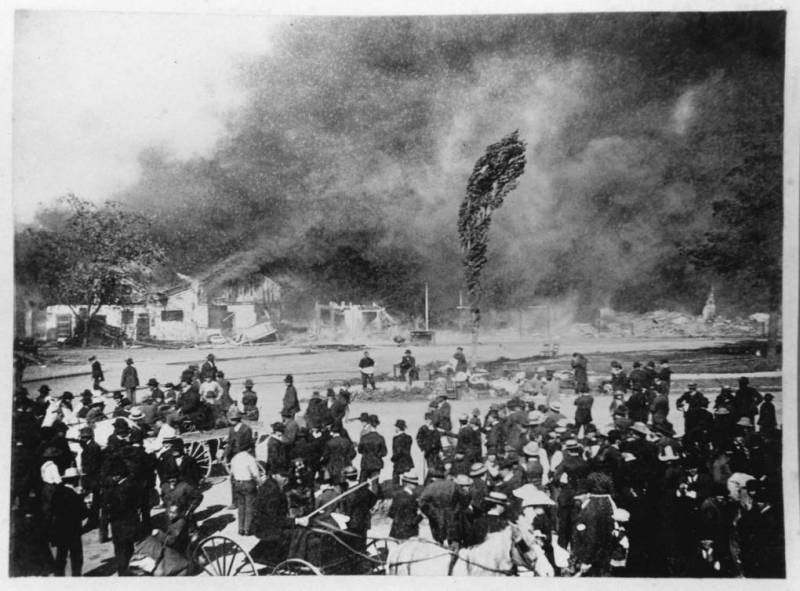
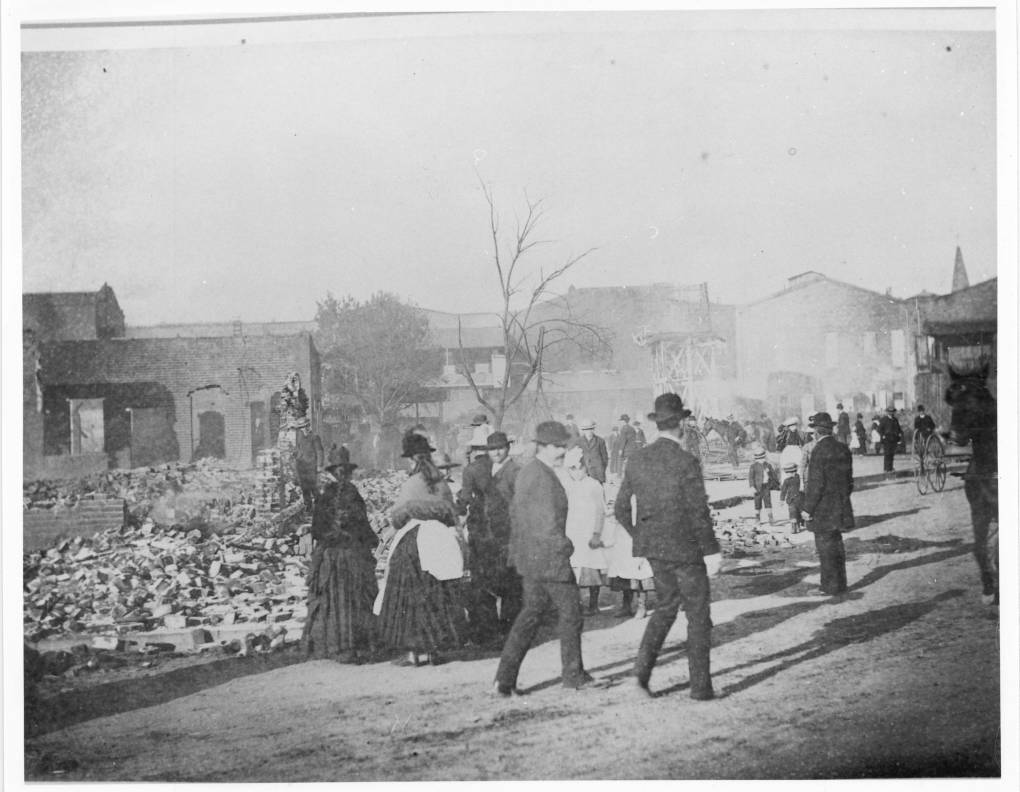
"caption": "The Second Market Street Chinatown burned down in an arson fire in 1887. There were no recorded casualties, but the entire Chinese community in San José was displaced.",
"description": "The Second Market Street Chinatown burned down in an arson fire in 1887. There were no recorded casualties, but the entire Chinese community in San Jose was displaced.",
"title": "1997-300-1683-1020x754",
"credit": "Courtesy of History San Jose",
"status": "inherit",
"altTag": "A black-and-white photo of a crowd watching as multiple structures burn down and a large cloud of smoke rises.",
"isLoading": false,
"fetchFailed": false
},
"news_11885950": {
"type": "attachments",
"id": "news_11885950",
"meta": {
"index": "attachments_1716263798",
"site": "news",
"id": "11885950",
"found": true
},
"parent": 11885947,
"imgSizes": {
"twentyfourteen-full-width": {
"file": "https://ww2.kqed.org/app/uploads/sites/10/2021/08/RS48732_011_SanFrancisco_GordonLauElementary_04212021-qut-1038x576.jpg",
"width": 1038,
"mimeType": "image/jpeg",
"height": 576
},
"thumbnail": {
"file": "https://ww2.kqed.org/app/uploads/sites/10/2021/08/RS48732_011_SanFrancisco_GordonLauElementary_04212021-qut-160x107.jpg",
"width": 160,
"mimeType": "image/jpeg",
"height": 107
},
"post-thumbnail": {
"file": "https://ww2.kqed.org/app/uploads/sites/10/2021/08/RS48732_011_SanFrancisco_GordonLauElementary_04212021-qut-672x372.jpg",
"width": 672,
"mimeType": "image/jpeg",
"height": 372
},
"kqedFullSize": {
"file": "https://ww2.kqed.org/app/uploads/sites/10/2021/08/RS48732_011_SanFrancisco_GordonLauElementary_04212021-qut.jpg",
"width": 1920,
"height": 1280
},
"large": {
"file": "https://ww2.kqed.org/app/uploads/sites/10/2021/08/RS48732_011_SanFrancisco_GordonLauElementary_04212021-qut-1020x680.jpg",
"width": 1020,
"mimeType": "image/jpeg",
"height": 680
},
"1536x1536": {
"file": "https://ww2.kqed.org/app/uploads/sites/10/2021/08/RS48732_011_SanFrancisco_GordonLauElementary_04212021-qut-1536x1024.jpg",
"width": 1536,
"mimeType": "image/jpeg",
"height": 1024
},
"medium": {
"file": "https://ww2.kqed.org/app/uploads/sites/10/2021/08/RS48732_011_SanFrancisco_GordonLauElementary_04212021-qut-800x533.jpg",
"width": 800,
"mimeType": "image/jpeg",
"height": 533
}
},
"publishDate": 1629676400,
"modified": 1629676535,
"caption": "Joyce Lee and her daughter Amy check-in with Gordon Lau Elementary School staff in San Francisco on April 21, 2021.",
"description": "Joyce Lee and her daughter Amy check-in with Gordon Lau Elementary School staff in San Francisco on April 21, 2021.",
"title": "RS48732_011_SanFrancisco_GordonLauElementary_04212021-qut",
"credit": "Beth LaBerge/KQED",
"status": "inherit",
"altTag": null,
"isLoading": false,
"fetchFailed": false
},
"news_11884846": {
"type": "attachments",
"id": "news_11884846",
"meta": {
"index": "attachments_1716263798",
"site": "news",
"id": "11884846",
"found": true
},
"parent": 11884835,
"imgSizes": {
"twentyfourteen-full-width": {
"file": "https://ww2.kqed.org/app/uploads/sites/10/2021/08/RS48738_017_SanFrancisco_GordonLauElementary_04212021-qut-1038x576.jpg",
"width": 1038,
"mimeType": "image/jpeg",
"height": 576
},
"thumbnail": {
"file": "https://ww2.kqed.org/app/uploads/sites/10/2021/08/RS48738_017_SanFrancisco_GordonLauElementary_04212021-qut-160x107.jpg",
"width": 160,
"mimeType": "image/jpeg",
"height": 107
},
"post-thumbnail": {
"file": "https://ww2.kqed.org/app/uploads/sites/10/2021/08/RS48738_017_SanFrancisco_GordonLauElementary_04212021-qut-672x372.jpg",
"width": 672,
"mimeType": "image/jpeg",
"height": 372
},
"kqedFullSize": {
"file": "https://ww2.kqed.org/app/uploads/sites/10/2021/08/RS48738_017_SanFrancisco_GordonLauElementary_04212021-qut.jpg",
"width": 1920,
"height": 1280
},
"large": {
"file": "https://ww2.kqed.org/app/uploads/sites/10/2021/08/RS48738_017_SanFrancisco_GordonLauElementary_04212021-qut-1020x680.jpg",
"width": 1020,
"mimeType": "image/jpeg",
"height": 680
},
"1536x1536": {
"file": "https://ww2.kqed.org/app/uploads/sites/10/2021/08/RS48738_017_SanFrancisco_GordonLauElementary_04212021-qut-1536x1024.jpg",
"width": 1536,
"mimeType": "image/jpeg",
"height": 1024
},
"medium": {
"file": "https://ww2.kqed.org/app/uploads/sites/10/2021/08/RS48738_017_SanFrancisco_GordonLauElementary_04212021-qut-800x533.jpg",
"width": 800,
"mimeType": "image/jpeg",
"height": 533
}
},
"publishDate": 1628803880,
"modified": 1630425017,
"caption": "Joyce Lee gets ready to drop off her daughter at Gordon Lau Elementary School in San Francisco on April 21, 2021.",
"description": "Joyce Lee gets ready to drop off her daughter at Gordon Lau Elementary School in San Francisco on April 21, 2021.",
"title": "delta-variant-schools-children",
"credit": "Beth LaBerge/KQED News",
"status": "inherit",
"altTag": "Mom crouches down with hand in young kid's enormous pink backpack, both wearing baseball caps and masks",
"isLoading": false,
"fetchFailed": false
},
"news_11878189": {
"type": "attachments",
"id": "news_11878189",
"meta": {
"index": "attachments_1716263798",
"site": "news",
"id": "11878189",
"found": true
},
"parent": 11877801,
"imgSizes": {
"twentyfourteen-full-width": {
"file": "https://ww2.kqed.org/app/uploads/sites/10/2021/06/1997-300-1119-1038x576.jpg",
"width": 1038,
"mimeType": "image/jpeg",
"height": 576
},
"thumbnail": {
"file": "https://ww2.kqed.org/app/uploads/sites/10/2021/06/1997-300-1119-160x124.jpg",
"width": 160,
"mimeType": "image/jpeg",
"height": 124
},
"post-thumbnail": {
"file": "https://ww2.kqed.org/app/uploads/sites/10/2021/06/1997-300-1119-672x372.jpg",
"width": 672,
"mimeType": "image/jpeg",
"height": 372
},
"kqedFullSize": {
"file": "https://ww2.kqed.org/app/uploads/sites/10/2021/06/1997-300-1119-scaled.jpg",
"width": 2560,
"height": 1987
},
"2048x2048": {
"file": "https://ww2.kqed.org/app/uploads/sites/10/2021/06/1997-300-1119-2048x1589.jpg",
"width": 2048,
"mimeType": "image/jpeg",
"height": 1589
},
"large": {
"file": "https://ww2.kqed.org/app/uploads/sites/10/2021/06/1997-300-1119-1020x792.jpg",
"width": 1020,
"mimeType": "image/jpeg",
"height": 792
},
"1536x1536": {
"file": "https://ww2.kqed.org/app/uploads/sites/10/2021/06/1997-300-1119-1536x1192.jpg",
"width": 1536,
"mimeType": "image/jpeg",
"height": 1192
},
"full-width": {
"file": "https://ww2.kqed.org/app/uploads/sites/10/2021/06/1997-300-1119-1920x1490.jpg",
"width": 1920,
"mimeType": "image/jpeg",
"height": 1490
},
"medium": {
"file": "https://ww2.kqed.org/app/uploads/sites/10/2021/06/1997-300-1119-800x621.jpg",
"width": 800,
"mimeType": "image/jpeg",
"height": 621
}
},
"publishDate": 1623807648,
"modified": 1623807713,
"caption": "Onlookers watch as a fire tears through the Second Market Street Chinatown. Most of the Chinatowns in San Jose were victims to arson.",
"description": null,
"title": "1997-300-1119",
"credit": "Courtesy of History San Jose",
"status": "inherit",
"altTag": null,
"isLoading": false,
"fetchFailed": false
},
"news_11869186": {
"type": "attachments",
"id": "news_11869186",
"meta": {
"index": "attachments_1716263798",
"site": "news",
"id": "11869186",
"found": true
},
"parent": 11869108,
"imgSizes": {
"twentyfourteen-full-width": {
"file": "https://ww2.kqed.org/app/uploads/sites/10/2021/04/FoodBags-1038x576.jpg",
"width": 1038,
"mimeType": "image/jpeg",
"height": 576
},
"thumbnail": {
"file": "https://ww2.kqed.org/app/uploads/sites/10/2021/04/FoodBags-160x138.jpg",
"width": 160,
"mimeType": "image/jpeg",
"height": 138
},
"post-thumbnail": {
"file": "https://ww2.kqed.org/app/uploads/sites/10/2021/04/FoodBags-672x372.jpg",
"width": 672,
"mimeType": "image/jpeg",
"height": 372
},
"kqedFullSize": {
"file": "https://ww2.kqed.org/app/uploads/sites/10/2021/04/FoodBags.jpg",
"width": 1536,
"height": 1328
},
"large": {
"file": "https://ww2.kqed.org/app/uploads/sites/10/2021/04/FoodBags-1020x882.jpg",
"width": 1020,
"mimeType": "image/jpeg",
"height": 882
},
"medium": {
"file": "https://ww2.kqed.org/app/uploads/sites/10/2021/04/FoodBags-800x692.jpg",
"width": 800,
"mimeType": "image/jpeg",
"height": 692
}
},
"publishDate": 1618273727,
"modified": 1618346318,
"caption": "Pre-prepared grab-and-go meals wait in bags for families at Gordon J. Lau Elementary School in San Francisco's Chinatown. SFUSD is shifting this grab-and-go pick-up location from Chinatown to the Tenderloin neighborhood.",
"description": "Pre-prepared grab and go meals wait in bags for families at Gordon J. Lau Elementary School in San Francisco's Chinatown. SFUSD is shifting this grab and go pickup location from Chinatown to the Tenderloin.",
"title": "FoodBags",
"credit": "Courtesy Donny Aoieong",
"status": "inherit",
"altTag": null,
"isLoading": false,
"fetchFailed": false
},
"news_11866643": {
"type": "attachments",
"id": "news_11866643",
"meta": {
"index": "attachments_1716263798",
"site": "news",
"id": "11866643",
"found": true
},
"parent": 11866642,
"imgSizes": {
"twentyfourteen-full-width": {
"file": "https://ww2.kqed.org/app/uploads/sites/10/2021/03/DSC_9679-1038x576.jpg",
"width": 1038,
"mimeType": "image/jpeg",
"height": 576
},
"thumbnail": {
"file": "https://ww2.kqed.org/app/uploads/sites/10/2021/03/DSC_9679-160x106.jpg",
"width": 160,
"mimeType": "image/jpeg",
"height": 106
},
"post-thumbnail": {
"file": "https://ww2.kqed.org/app/uploads/sites/10/2021/03/DSC_9679-672x372.jpg",
"width": 672,
"mimeType": "image/jpeg",
"height": 372
},
"kqedFullSize": {
"file": "https://ww2.kqed.org/app/uploads/sites/10/2021/03/DSC_9679-scaled-e1616788457664.jpg",
"width": 1920,
"height": 1275
},
"2048x2048": {
"file": "https://ww2.kqed.org/app/uploads/sites/10/2021/03/DSC_9679-2048x1360.jpg",
"width": 2048,
"mimeType": "image/jpeg",
"height": 1360
},
"large": {
"file": "https://ww2.kqed.org/app/uploads/sites/10/2021/03/DSC_9679-1020x677.jpg",
"width": 1020,
"mimeType": "image/jpeg",
"height": 677
},
"1536x1536": {
"file": "https://ww2.kqed.org/app/uploads/sites/10/2021/03/DSC_9679-1536x1020.jpg",
"width": 1536,
"mimeType": "image/jpeg",
"height": 1020
},
"full-width": {
"file": "https://ww2.kqed.org/app/uploads/sites/10/2021/03/DSC_9679-1920x1275.jpg",
"width": 1920,
"mimeType": "image/jpeg",
"height": 1275
},
"medium": {
"file": "https://ww2.kqed.org/app/uploads/sites/10/2021/03/DSC_9679-800x531.jpg",
"width": 800,
"mimeType": "image/jpeg",
"height": 531
}
},
"publishDate": 1616731710,
"modified": 1616794650,
"caption": "Rich Saito (left), Jean Yoshida (center) and Ray Chin get ready to patrol the streets of Japantown near downtown San Jose. Their group, Japantown Prepared, recently started patrolling the neighborhood after an increase in attacks against Asian Americans.",
"description": "Rich Saito (left), Jean Yoshida and Ray Chin are getting ready to patrol the streets of Japantown near downtown San Jose with their group Japantown Prepared. The group started patrolling streets after an increase in attacks against Asian Americans.",
"title": "Rich Saito, Jean Yoshida and Ray Chin are getting ready to patrol the streets of Japantown near downtown San Jose with their group Japantown Prepared. The group started patrolling streets after an increase in attacks against Asian Americans.",
"credit": "Adhiti Bandlamudi/KQED",
"status": "inherit",
"altTag": "Rich Saito, Jean Yoshida and Ray Chin are getting ready to patrol the streets of Japantown near downtown San Jose with their group Japantown Prepared. The group started patrolling streets after an increase in attacks against Asian Americans.",
"isLoading": false,
"fetchFailed": false
},
"news_11865799": {
"type": "attachments",
"id": "news_11865799",
"meta": {
"index": "attachments_1716263798",
"site": "news",
"id": "11865799",
"found": true
},
"parent": 11865791,
"imgSizes": {
"twentyfourteen-full-width": {
"file": "https://ww2.kqed.org/app/uploads/sites/10/2021/03/1920_Lun-Fong-1038x576.jpg",
"width": 1038,
"mimeType": "image/jpeg",
"height": 576
},
"thumbnail": {
"file": "https://ww2.kqed.org/app/uploads/sites/10/2021/03/1920_Lun-Fong-160x90.jpg",
"width": 160,
"mimeType": "image/jpeg",
"height": 90
},
"post-thumbnail": {
"file": "https://ww2.kqed.org/app/uploads/sites/10/2021/03/1920_Lun-Fong-672x372.jpg",
"width": 672,
"mimeType": "image/jpeg",
"height": 372
},
"kqedFullSize": {
"file": "https://ww2.kqed.org/app/uploads/sites/10/2021/03/1920_Lun-Fong.jpg",
"width": 1546,
"height": 870
},
"large": {
"file": "https://ww2.kqed.org/app/uploads/sites/10/2021/03/1920_Lun-Fong-1020x574.jpg",
"width": 1020,
"mimeType": "image/jpeg",
"height": 574
},
"1536x1536": {
"file": "https://ww2.kqed.org/app/uploads/sites/10/2021/03/1920_Lun-Fong-1536x864.jpg",
"width": 1536,
"mimeType": "image/jpeg",
"height": 864
},
"medium": {
"file": "https://ww2.kqed.org/app/uploads/sites/10/2021/03/1920_Lun-Fong-800x450.jpg",
"width": 800,
"mimeType": "image/jpeg",
"height": 450
}
},
"publishDate": 1616274094,
"modified": 1616694785,
"caption": "Lun Fong, 87, holds a yellow rose at a gathering in Portsmouth Square in San Francisco’s Chinatown on March 20, 2021.",
"description": "Lun Fong, 87, holds a yellow rose at a gathering in Portsmouth Square, SF’s Chinatown on March 20, 2021.",
"title": "1920_Lun Fong",
"credit": "Beth LaBerge/KQED",
"status": "inherit",
"altTag": null,
"isLoading": false,
"fetchFailed": false
},
"news_11866067": {
"type": "attachments",
"id": "news_11866067",
"meta": {
"index": "attachments_1716263798",
"site": "news",
"id": "11866067",
"found": true
},
"parent": 11866033,
"imgSizes": {
"twentyfourteen-full-width": {
"file": "https://ww2.kqed.org/app/uploads/sites/10/2021/03/7c93f304-1-1038x576.jpg",
"width": 1038,
"mimeType": "image/jpeg",
"height": 576
},
"thumbnail": {
"file": "https://ww2.kqed.org/app/uploads/sites/10/2021/03/7c93f304-1-160x131.jpg",
"width": 160,
"mimeType": "image/jpeg",
"height": 131
},
"post-thumbnail": {
"file": "https://ww2.kqed.org/app/uploads/sites/10/2021/03/7c93f304-1-672x372.jpg",
"width": 672,
"mimeType": "image/jpeg",
"height": 372
},
"kqedFullSize": {
"file": "https://ww2.kqed.org/app/uploads/sites/10/2021/03/7c93f304-1.jpg",
"width": 1920,
"height": 1570
},
"large": {
"file": "https://ww2.kqed.org/app/uploads/sites/10/2021/03/7c93f304-1-1020x834.jpg",
"width": 1020,
"mimeType": "image/jpeg",
"height": 834
},
"1536x1536": {
"file": "https://ww2.kqed.org/app/uploads/sites/10/2021/03/7c93f304-1-1536x1256.jpg",
"width": 1536,
"mimeType": "image/jpeg",
"height": 1256
},
"medium": {
"file": "https://ww2.kqed.org/app/uploads/sites/10/2021/03/7c93f304-1-800x654.jpg",
"width": 800,
"mimeType": "image/jpeg",
"height": 654
}
},
"publishDate": 1616538273,
"modified": 1630427189,
"caption": "Residents of single-room occupancy hotels fear they have little ability to quarantine due to living in close quarters, with shared bathrooms and kitchens. Seen here, residents of an SRO building on Clayton Street in San Francisco pose for a photo in May 2020. ",
"description": "Residents of single room occupancy hotels fear they have little ability to quarantine due to living in close quarters, with shared bathrooms and kitchens. Seen here, residents of an SRO building on Clayton Street in San Francisco pose for a photo in May, 2020. ",
"title": "7c93f304- (1)",
"credit": "Photo courtesy Chinatown Community Development Center",
"status": "inherit",
"altTag": "Long, spare, clean hallway with older Chinese residents standing in their doorways",
"isLoading": false,
"fetchFailed": false
},
"news_11865808": {
"type": "attachments",
"id": "news_11865808",
"meta": {
"index": "attachments_1716263798",
"site": "news",
"id": "11865808",
"found": true
},
"parent": 11865791,
"imgSizes": {
"twentyfourteen-full-width": {
"file": "https://ww2.kqed.org/app/uploads/sites/10/2021/03/Image-from-iOS-37-1038x576.jpg",
"width": 1038,
"mimeType": "image/jpeg",
"height": 576
},
"thumbnail": {
"file": "https://ww2.kqed.org/app/uploads/sites/10/2021/03/Image-from-iOS-37-160x106.jpg",
"width": 160,
"mimeType": "image/jpeg",
"height": 106
},
"post-thumbnail": {
"file": "https://ww2.kqed.org/app/uploads/sites/10/2021/03/Image-from-iOS-37-672x372.jpg",
"width": 672,
"mimeType": "image/jpeg",
"height": 372
},
"kqedFullSize": {
"file": "https://ww2.kqed.org/app/uploads/sites/10/2021/03/Image-from-iOS-37-scaled-e1616348826100.jpg",
"width": 1920,
"height": 1278
},
"2048x2048": {
"file": "https://ww2.kqed.org/app/uploads/sites/10/2021/03/Image-from-iOS-37-2048x1363.jpg",
"width": 2048,
"mimeType": "image/jpeg",
"height": 1363
},
"large": {
"file": "https://ww2.kqed.org/app/uploads/sites/10/2021/03/Image-from-iOS-37-1020x679.jpg",
"width": 1020,
"mimeType": "image/jpeg",
"height": 679
},
"1536x1536": {
"file": "https://ww2.kqed.org/app/uploads/sites/10/2021/03/Image-from-iOS-37-1536x1022.jpg",
"width": 1536,
"mimeType": "image/jpeg",
"height": 1022
},
"full-width": {
"file": "https://ww2.kqed.org/app/uploads/sites/10/2021/03/Image-from-iOS-37-1920x1278.jpg",
"width": 1920,
"mimeType": "image/jpeg",
"height": 1278
},
"medium": {
"file": "https://ww2.kqed.org/app/uploads/sites/10/2021/03/Image-from-iOS-37-800x532.jpg",
"width": 800,
"mimeType": "image/jpeg",
"height": 532
}
},
"publishDate": 1616293945,
"modified": 1616438951,
"caption": "A group of demonstrators hold signs that say 'Stop Asian Hate' during a vigil and rally in San Francisco’s Chinatown on March 20, 2021.",
"description": "A group of demonstrators hold signs that say, “Stop Asian Hate” during a vigil and rally in San Francisco’s Chinatown on March 20, 2021.",
"title": "Stop Asian Hate",
"credit": "Beth LaBerge/KQED",
"status": "inherit",
"altTag": "A group of demonstrators hold signs that say, 'Stop Asian Hate' during a vigil and rally in San Francisco’s Chinatown on March 20, 2021.",
"isLoading": false,
"fetchFailed": false
},
"news_11860792": {
"type": "attachments",
"id": "news_11860792",
"meta": {
"index": "attachments_1716263798",
"site": "news",
"id": "11860792",
"found": true
},
"parent": 11860785,
"imgSizes": {
"apple_news_ca_landscape_5_5": {
"file": "https://ww2.kqed.org/app/uploads/sites/10/2021/02/legacy_021721_final-1044x783.png",
"width": 1044,
"mimeType": "image/png",
"height": 783
},
"apple_news_ca_square_4_0": {
"file": "https://ww2.kqed.org/app/uploads/sites/10/2021/02/legacy_021721_final-470x470.png",
"width": 470,
"mimeType": "image/png",
"height": 470
},
"twentyfourteen-full-width": {
"file": "https://ww2.kqed.org/app/uploads/sites/10/2021/02/legacy_021721_final-1038x576.png",
"width": 1038,
"mimeType": "image/png",
"height": 576
},
"thumbnail": {
"file": "https://ww2.kqed.org/app/uploads/sites/10/2021/02/legacy_021721_final-160x109.png",
"width": 160,
"mimeType": "image/png",
"height": 109
},
"post-thumbnail": {
"file": "https://ww2.kqed.org/app/uploads/sites/10/2021/02/legacy_021721_final-672x372.png",
"width": 672,
"mimeType": "image/png",
"height": 372
},
"kqedFullSize": {
"file": "https://ww2.kqed.org/app/uploads/sites/10/2021/02/legacy_021721_final.png",
"width": 1920,
"height": 1311
},
"apple_news_ca_landscape_4_7": {
"file": "https://ww2.kqed.org/app/uploads/sites/10/2021/02/legacy_021721_final-632x474.png",
"width": 632,
"mimeType": "image/png",
"height": 474
},
"large": {
"file": "https://ww2.kqed.org/app/uploads/sites/10/2021/02/legacy_021721_final-1020x696.png",
"width": 1020,
"mimeType": "image/png",
"height": 696
},
"apple_news_ca_landscape_4_0": {
"file": "https://ww2.kqed.org/app/uploads/sites/10/2021/02/legacy_021721_final-536x402.png",
"width": 536,
"mimeType": "image/png",
"height": 402
},
"apple_news_ca_portrait_12_9": {
"file": "https://ww2.kqed.org/app/uploads/sites/10/2021/02/legacy_021721_final-1122x1311.png",
"width": 1122,
"mimeType": "image/png",
"height": 1311
},
"medium": {
"file": "https://ww2.kqed.org/app/uploads/sites/10/2021/02/legacy_021721_final-800x546.png",
"width": 800,
"mimeType": "image/png",
"height": 546
},
"apple_news_ca_portrait_4_0": {
"file": "https://ww2.kqed.org/app/uploads/sites/10/2021/02/legacy_021721_final-354x472.png",
"width": 354,
"mimeType": "image/png",
"height": 472
},
"apple_news_ca_portrait_9_7": {
"file": "https://ww2.kqed.org/app/uploads/sites/10/2021/02/legacy_021721_final-840x1120.png",
"width": 840,
"mimeType": "image/png",
"height": 1120
},
"apple_news_ca_landscape_12_9": {
"file": "https://ww2.kqed.org/app/uploads/sites/10/2021/02/legacy_021721_final-1832x1311.png",
"width": 1832,
"mimeType": "image/png",
"height": 1311
},
"apple_news_ca_square_9_7": {
"file": "https://ww2.kqed.org/app/uploads/sites/10/2021/02/legacy_021721_final-1104x1104.png",
"width": 1104,
"mimeType": "image/png",
"height": 1104
},
"1536x1536": {
"file": "https://ww2.kqed.org/app/uploads/sites/10/2021/02/legacy_021721_final-1536x1049.png",
"width": 1536,
"mimeType": "image/png",
"height": 1049
},
"apple_news_ca_portrait_4_7": {
"file": "https://ww2.kqed.org/app/uploads/sites/10/2021/02/legacy_021721_final-414x552.png",
"width": 414,
"mimeType": "image/png",
"height": 552
},
"apple_news_ca_square_12_9": {
"file": "https://ww2.kqed.org/app/uploads/sites/10/2021/02/legacy_021721_final-1472x1311.png",
"width": 1472,
"mimeType": "image/png",
"height": 1311
},
"apple_news_ca_portrait_5_5": {
"file": "https://ww2.kqed.org/app/uploads/sites/10/2021/02/legacy_021721_final-687x916.png",
"width": 687,
"mimeType": "image/png",
"height": 916
},
"apple_news_ca_square_4_7": {
"file": "https://ww2.kqed.org/app/uploads/sites/10/2021/02/legacy_021721_final-550x550.png",
"width": 550,
"mimeType": "image/png",
"height": 550
},
"apple_news_ca_landscape_9_7": {
"file": "https://ww2.kqed.org/app/uploads/sites/10/2021/02/legacy_021721_final-1376x1032.png",
"width": 1376,
"mimeType": "image/png",
"height": 1032
},
"apple_news_ca_square_5_5": {
"file": "https://ww2.kqed.org/app/uploads/sites/10/2021/02/legacy_021721_final-912x912.png",
"width": 912,
"mimeType": "image/png",
"height": 912
}
},
"publishDate": 1613604634,
"modified": 1613604707,
"caption": null,
"description": null,
"title": "legacy_021721_final",
"credit": null,
"status": "inherit",
"altTag": "A Mark Fiore cartoon captioned \"legacy of incitement\" showing the hate-filled sludge of violence and racism left behind by Donald Trump.",
"isLoading": false,
"fetchFailed": false
},
"news_11852252": {
"type": "attachments",
"id": "news_11852252",
"meta": {
"index": "attachments_1716263798",
"site": "news",
"id": "11852252",
"found": true
},
"parent": 11851735,
"imgSizes": {
"apple_news_ca_landscape_5_5": {
"file": "https://ww2.kqed.org/app/uploads/sites/10/2020/12/RS46439_001_KQED_Oakland_Chinatown_12182020-qut-1044x783.jpg",
"width": 1044,
"mimeType": "image/jpeg",
"height": 783
},
"apple_news_ca_square_4_0": {
"file": "https://ww2.kqed.org/app/uploads/sites/10/2020/12/RS46439_001_KQED_Oakland_Chinatown_12182020-qut-470x470.jpg",
"width": 470,
"mimeType": "image/jpeg",
"height": 470
},
"twentyfourteen-full-width": {
"file": "https://ww2.kqed.org/app/uploads/sites/10/2020/12/RS46439_001_KQED_Oakland_Chinatown_12182020-qut-1038x576.jpg",
"width": 1038,
"mimeType": "image/jpeg",
"height": 576
},
"thumbnail": {
"file": "https://ww2.kqed.org/app/uploads/sites/10/2020/12/RS46439_001_KQED_Oakland_Chinatown_12182020-qut-160x107.jpg",
"width": 160,
"mimeType": "image/jpeg",
"height": 107
},
"post-thumbnail": {
"file": "https://ww2.kqed.org/app/uploads/sites/10/2020/12/RS46439_001_KQED_Oakland_Chinatown_12182020-qut-672x372.jpg",
"width": 672,
"mimeType": "image/jpeg",
"height": 372
},
"kqedFullSize": {
"file": "https://ww2.kqed.org/app/uploads/sites/10/2020/12/RS46439_001_KQED_Oakland_Chinatown_12182020-qut.jpg",
"width": 1920,
"height": 1280
},
"apple_news_ca_landscape_4_7": {
"file": "https://ww2.kqed.org/app/uploads/sites/10/2020/12/RS46439_001_KQED_Oakland_Chinatown_12182020-qut-632x474.jpg",
"width": 632,
"mimeType": "image/jpeg",
"height": 474
},
"large": {
"file": "https://ww2.kqed.org/app/uploads/sites/10/2020/12/RS46439_001_KQED_Oakland_Chinatown_12182020-qut-1020x680.jpg",
"width": 1020,
"mimeType": "image/jpeg",
"height": 680
},
"apple_news_ca_landscape_4_0": {
"file": "https://ww2.kqed.org/app/uploads/sites/10/2020/12/RS46439_001_KQED_Oakland_Chinatown_12182020-qut-536x402.jpg",
"width": 536,
"mimeType": "image/jpeg",
"height": 402
},
"apple_news_ca_portrait_12_9": {
"file": "https://ww2.kqed.org/app/uploads/sites/10/2020/12/RS46439_001_KQED_Oakland_Chinatown_12182020-qut-1122x1280.jpg",
"width": 1122,
"mimeType": "image/jpeg",
"height": 1280
},
"medium": {
"file": "https://ww2.kqed.org/app/uploads/sites/10/2020/12/RS46439_001_KQED_Oakland_Chinatown_12182020-qut-800x533.jpg",
"width": 800,
"mimeType": "image/jpeg",
"height": 533
},
"apple_news_ca_portrait_4_0": {
"file": "https://ww2.kqed.org/app/uploads/sites/10/2020/12/RS46439_001_KQED_Oakland_Chinatown_12182020-qut-354x472.jpg",
"width": 354,
"mimeType": "image/jpeg",
"height": 472
},
"apple_news_ca_portrait_9_7": {
"file": "https://ww2.kqed.org/app/uploads/sites/10/2020/12/RS46439_001_KQED_Oakland_Chinatown_12182020-qut-840x1120.jpg",
"width": 840,
"mimeType": "image/jpeg",
"height": 1120
},
"apple_news_ca_landscape_12_9": {
"file": "https://ww2.kqed.org/app/uploads/sites/10/2020/12/RS46439_001_KQED_Oakland_Chinatown_12182020-qut-1832x1280.jpg",
"width": 1832,
"mimeType": "image/jpeg",
"height": 1280
},
"apple_news_ca_square_9_7": {
"file": "https://ww2.kqed.org/app/uploads/sites/10/2020/12/RS46439_001_KQED_Oakland_Chinatown_12182020-qut-1104x1104.jpg",
"width": 1104,
"mimeType": "image/jpeg",
"height": 1104
},
"1536x1536": {
"file": "https://ww2.kqed.org/app/uploads/sites/10/2020/12/RS46439_001_KQED_Oakland_Chinatown_12182020-qut-1536x1024.jpg",
"width": 1536,
"mimeType": "image/jpeg",
"height": 1024
},
"apple_news_ca_portrait_4_7": {
"file": "https://ww2.kqed.org/app/uploads/sites/10/2020/12/RS46439_001_KQED_Oakland_Chinatown_12182020-qut-414x552.jpg",
"width": 414,
"mimeType": "image/jpeg",
"height": 552
},
"apple_news_ca_square_12_9": {
"file": "https://ww2.kqed.org/app/uploads/sites/10/2020/12/RS46439_001_KQED_Oakland_Chinatown_12182020-qut-1472x1280.jpg",
"width": 1472,
"mimeType": "image/jpeg",
"height": 1280
},
"apple_news_ca_portrait_5_5": {
"file": "https://ww2.kqed.org/app/uploads/sites/10/2020/12/RS46439_001_KQED_Oakland_Chinatown_12182020-qut-687x916.jpg",
"width": 687,
"mimeType": "image/jpeg",
"height": 916
},
"apple_news_ca_square_4_7": {
"file": "https://ww2.kqed.org/app/uploads/sites/10/2020/12/RS46439_001_KQED_Oakland_Chinatown_12182020-qut-550x550.jpg",
"width": 550,
"mimeType": "image/jpeg",
"height": 550
},
"apple_news_ca_landscape_9_7": {
"file": "https://ww2.kqed.org/app/uploads/sites/10/2020/12/RS46439_001_KQED_Oakland_Chinatown_12182020-qut-1376x1032.jpg",
"width": 1376,
"mimeType": "image/jpeg",
"height": 1032
},
"apple_news_ca_square_5_5": {
"file": "https://ww2.kqed.org/app/uploads/sites/10/2020/12/RS46439_001_KQED_Oakland_Chinatown_12182020-qut-912x912.jpg",
"width": 912,
"mimeType": "image/jpeg",
"height": 912
}
},
"publishDate": 1608575861,
"modified": 1608576056,
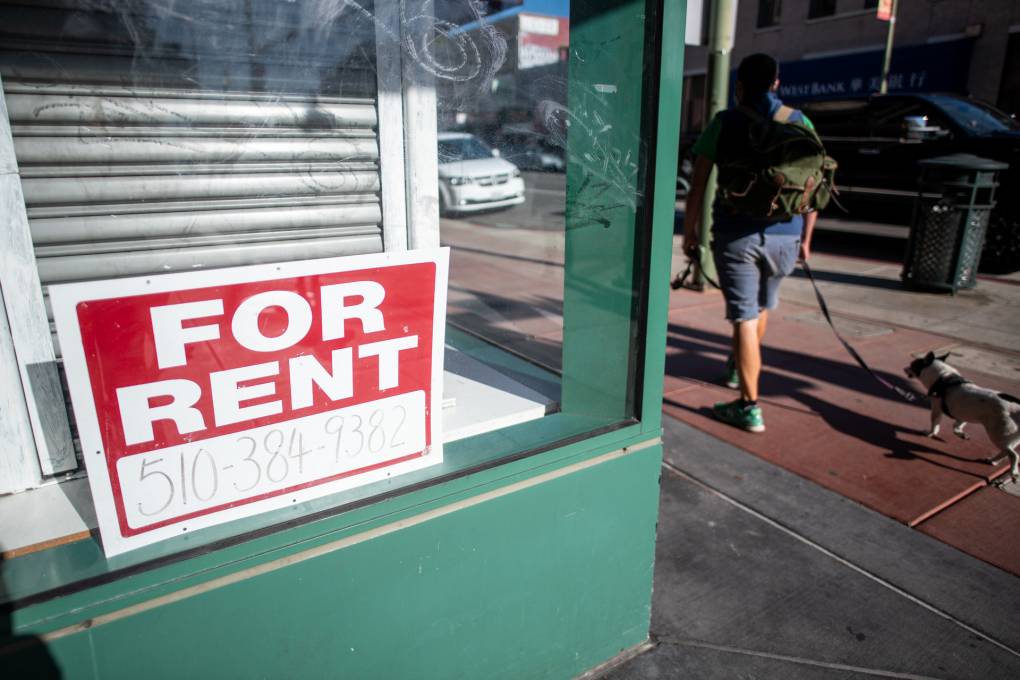
"caption": "A 'For Rent' sign on a shop in Oakland's Chinatown on Dec. 18, 2020.",
"description": "A 'For Rent' sign on a shop in Oakland's Chinatown on Dec. 18, 2020.",
"title": "A 'For Rent' sign on a shop in Oakland's Chinatown on Dec. 18, 2020.",
"credit": "Beth LaBerge/KQED",
"status": "inherit",
"altTag": "\"\"",
"isLoading": false,
"fetchFailed": false
},
"news_11834929": {
"type": "attachments",
"id": "news_11834929",
"meta": {
"index": "attachments_1716263798",
"site": "news",
"id": "11834929",
"found": true
},
"parent": 11834806,
"imgSizes": {
"apple_news_ca_landscape_5_5": {
"file": "https://ww2.kqed.org/app/uploads/sites/10/2020/08/TenantsTogether-1-1044x783.jpg",
"width": 1044,
"mimeType": "image/jpeg",
"height": 783
},
"apple_news_ca_square_4_0": {
"file": "https://ww2.kqed.org/app/uploads/sites/10/2020/08/TenantsTogether-1-470x470.jpg",
"width": 470,
"mimeType": "image/jpeg",
"height": 470
},
"twentyfourteen-full-width": {
"file": "https://ww2.kqed.org/app/uploads/sites/10/2020/08/TenantsTogether-1-1038x576.jpg",
"width": 1038,
"mimeType": "image/jpeg",
"height": 576
},
"thumbnail": {
"file": "https://ww2.kqed.org/app/uploads/sites/10/2020/08/TenantsTogether-1-160x111.jpg",
"width": 160,
"mimeType": "image/jpeg",
"height": 111
},
"post-thumbnail": {
"file": "https://ww2.kqed.org/app/uploads/sites/10/2020/08/TenantsTogether-1-672x372.jpg",
"width": 672,
"mimeType": "image/jpeg",
"height": 372
},
"kqedFullSize": {
"file": "https://ww2.kqed.org/app/uploads/sites/10/2020/08/TenantsTogether-1.jpg",
"width": 1536,
"height": 1070
},
"apple_news_ca_landscape_4_7": {
"file": "https://ww2.kqed.org/app/uploads/sites/10/2020/08/TenantsTogether-1-632x474.jpg",
"width": 632,
"mimeType": "image/jpeg",
"height": 474
},
"large": {
"file": "https://ww2.kqed.org/app/uploads/sites/10/2020/08/TenantsTogether-1-1020x711.jpg",
"width": 1020,
"mimeType": "image/jpeg",
"height": 711
},
"apple_news_ca_landscape_4_0": {
"file": "https://ww2.kqed.org/app/uploads/sites/10/2020/08/TenantsTogether-1-536x402.jpg",
"width": 536,
"mimeType": "image/jpeg",
"height": 402
},
"apple_news_ca_portrait_12_9": {
"file": "https://ww2.kqed.org/app/uploads/sites/10/2020/08/TenantsTogether-1-1122x1070.jpg",
"width": 1122,
"mimeType": "image/jpeg",
"height": 1070
},
"medium": {
"file": "https://ww2.kqed.org/app/uploads/sites/10/2020/08/TenantsTogether-1-800x557.jpg",
"width": 800,
"mimeType": "image/jpeg",
"height": 557
},
"apple_news_ca_portrait_4_0": {
"file": "https://ww2.kqed.org/app/uploads/sites/10/2020/08/TenantsTogether-1-354x472.jpg",
"width": 354,
"mimeType": "image/jpeg",
"height": 472
},
"apple_news_ca_portrait_9_7": {
"file": "https://ww2.kqed.org/app/uploads/sites/10/2020/08/TenantsTogether-1-840x1070.jpg",
"width": 840,
"mimeType": "image/jpeg",
"height": 1070
},
"apple_news_ca_square_9_7": {
"file": "https://ww2.kqed.org/app/uploads/sites/10/2020/08/TenantsTogether-1-1104x1070.jpg",
"width": 1104,
"mimeType": "image/jpeg",
"height": 1070
},
"apple_news_ca_portrait_4_7": {
"file": "https://ww2.kqed.org/app/uploads/sites/10/2020/08/TenantsTogether-1-414x552.jpg",
"width": 414,
"mimeType": "image/jpeg",
"height": 552
},
"apple_news_ca_square_12_9": {
"file": "https://ww2.kqed.org/app/uploads/sites/10/2020/08/TenantsTogether-1-1472x1070.jpg",
"width": 1472,
"mimeType": "image/jpeg",
"height": 1070
},
"apple_news_ca_portrait_5_5": {
"file": "https://ww2.kqed.org/app/uploads/sites/10/2020/08/TenantsTogether-1-687x916.jpg",
"width": 687,
"mimeType": "image/jpeg",
"height": 916
},
"apple_news_ca_square_4_7": {
"file": "https://ww2.kqed.org/app/uploads/sites/10/2020/08/TenantsTogether-1-550x550.jpg",
"width": 550,
"mimeType": "image/jpeg",
"height": 550
},
"apple_news_ca_landscape_9_7": {
"file": "https://ww2.kqed.org/app/uploads/sites/10/2020/08/TenantsTogether-1-1376x1032.jpg",
"width": 1376,
"mimeType": "image/jpeg",
"height": 1032
},
"apple_news_ca_square_5_5": {
"file": "https://ww2.kqed.org/app/uploads/sites/10/2020/08/TenantsTogether-1-912x912.jpg",
"width": 912,
"mimeType": "image/jpeg",
"height": 912
}
},
"publishDate": 1598305539,
"modified": 1618430909,
"caption": "Protesters in San Francisco rallied against Veritas, a property management company, as part of a 2019 demonstration organized on WeChat.",
"description": "Protesters in San Francisco rallied against Veritas, a property management company, as part of a 2019 demonstration organized on WeChat.",
"title": "TenantsTogether (1)",
"credit": "Courtesy of Tenants Together",
"status": "inherit",
"altTag": null,
"isLoading": false,
"fetchFailed": false
}
},
"audioPlayerReducer": {
"postId": "stream_live",
"isPaused": true,
"isPlaying": false,
"pfsActive": false,
"pledgeModalIsOpen": true,
"playerDrawerIsOpen": false,
"liveAudioPlayStartedAt": 0,
"liveAudioPlayContext": ""
},
"authorsReducer": {
"byline_news_11890341": {
"type": "authors",
"id": "byline_news_11890341",
"meta": {
"override": true
},
"slug": "byline_news_11890341",
"name": "Olga R. Rodriguez\u003cbr>The Associated Press",
"isLoading": false
},
"byline_news_11838909": {
"type": "authors",
"id": "byline_news_11838909",
"meta": {
"override": true
},
"slug": "byline_news_11838909",
"name": "Joe Dworetzky, KQED",
"isLoading": false
},
"kqednewsstaffandwires": {
"type": "authors",
"id": "237",
"meta": {
"index": "authors_1716337520",
"id": "237",
"found": true
},
"name": "KQED News Staff and Wires",
"firstName": "KQED News Staff and Wires",
"lastName": null,
"slug": "kqednewsstaffandwires",
"email": "onlinenewsstaff@kqed.org",
"display_author_email": false,
"staff_mastheads": [],
"title": null,
"bio": null,
"avatar": "https://secure.gravatar.com/avatar/72295af8ebbfbd19a4948f5271285664?s=600&d=blank&r=g",
"twitter": null,
"facebook": null,
"instagram": null,
"linkedin": null,
"sites": [
{
"site": "arts",
"roles": [
"contributor"
]
},
{
"site": "news",
"roles": [
"contributor"
]
},
{
"site": "lowdown",
"roles": [
"author"
]
},
{
"site": "stateofhealth",
"roles": [
"contributor"
]
},
{
"site": "food",
"roles": [
"author"
]
}
],
"headData": {
"title": "KQED News Staff and Wires | KQED",
"description": null,
"ogImgSrc": "https://secure.gravatar.com/avatar/72295af8ebbfbd19a4948f5271285664?s=600&d=blank&r=g",
"twImgSrc": "https://secure.gravatar.com/avatar/72295af8ebbfbd19a4948f5271285664?s=600&d=blank&r=g"
},
"isLoading": false,
"link": "/author/kqednewsstaffandwires"
},
"markfiore": {
"type": "authors",
"id": "3236",
"meta": {
"index": "authors_1716337520",
"id": "3236",
"found": true
},
"name": "Mark Fiore",
"firstName": "Mark",
"lastName": "Fiore",
"slug": "markfiore",
"email": "mark@markfiore.com",
"display_author_email": false,
"staff_mastheads": [
"news"
],
"title": "KQED News Cartoonist",
"bio": "\u003ca href=\"http://www.MarkFiore.com\">MarkFiore.com\u003c/a> | \u003ca href=\"https://twitter.com/markfiore\">Follow on Twitter\u003c/a> | \u003ca href=\"https://www.facebook.com/pages/Mark-Fiore-Animated-Political-Cartoons/94451707396?ref=bookmarks\">Facebook\u003c/a> | \u003ca href=\"mailto:mark@markfiore.com\">email\u003c/a>\r\n\r\nPulitzer Prize-winner, Mark Fiore, who the Wall Street Journal has called “the undisputed guru of the form,” creates animated political cartoons in San Francisco, where his work has been featured regularly on the San Francisco Chronicle’s web site, SFGate.com. His work has appeared on Newsweek.com, Slate.com, CBSNews.com, MotherJones.com, DailyKos.com and NPR’s web site. Fiore’s political animation has appeared on CNN, Frontline, Bill Moyers Journal, Salon.com and cable and broadcast outlets across the globe.\r\n\r\nBeginning his professional life by drawing traditional political cartoons for newspapers, Fiore’s work appeared in publications ranging from the Washington Post to the Los Angeles Times. In the late 1990s, he began to experiment with animating political cartoons and, after a short stint at the San Jose Mercury News as their staff cartoonist, Fiore devoted all his energies to animation.\r\nGrowing up in California, Fiore also spent a good portion of his life in the backwoods of Idaho. It was this combination that shaped him politically. Mark majored in political science at Colorado College, where, in a perfect send-off for a cartoonist, he received his diploma in 1991 as commencement speaker Dick Cheney smiled approvingly.\r\nMark Fiore was awarded the Pulitzer Prize for political cartooning in 2010, a Robert F. Kennedy Journalism Award in 2004 and has twice received an Online Journalism Award for commentary from the Online News Association (2002, 2008). Fiore has received two awards for his work in new media from the National Cartoonists Society (2001, 2002), and in 2006 received The James Madison Freedom of Information Award from The Society of Professional Journalists.",
"avatar": "https://secure.gravatar.com/avatar/fc4e2a612b15b67bad0c6f0e1db4ca9b?s=600&d=blank&r=g",
"twitter": "MarkFiore",
"facebook": null,
"instagram": "https://www.instagram.com/markfiore/?hl=en",
"linkedin": null,
"sites": [
{
"site": "arts",
"roles": [
"contributor"
]
},
{
"site": "news",
"roles": [
"editor"
]
},
{
"site": "futureofyou",
"roles": [
"editor"
]
},
{
"site": "science",
"roles": [
"editor"
]
}
],
"headData": {
"title": "Mark Fiore | KQED",
"description": "KQED News Cartoonist",
"ogImgSrc": "https://secure.gravatar.com/avatar/fc4e2a612b15b67bad0c6f0e1db4ca9b?s=600&d=blank&r=g",
"twImgSrc": "https://secure.gravatar.com/avatar/fc4e2a612b15b67bad0c6f0e1db4ca9b?s=600&d=blank&r=g"
},
"isLoading": false,
"link": "/author/markfiore"
},
"ecruzguevarra": {
"type": "authors",
"id": "8654",
"meta": {
"index": "authors_1716337520",
"id": "8654",
"found": true
},
"name": "Ericka Cruz Guevarra",
"firstName": "Ericka",
"lastName": "Cruz Guevarra",
"slug": "ecruzguevarra",
"email": "ecruzguevarra@kqed.org",
"display_author_email": true,
"staff_mastheads": [
"news"
],
"title": "Producer, The Bay Podcast",
"bio": "Ericka Cruz Guevarra is host of \u003ca href=\"https://www.kqed.org/podcasts/thebay\">\u003cem>The Bay\u003c/em>\u003c/a> podcast at KQED. Before host, she was the show’s producer. Her work in that capacity includes a three-part reported series on policing in Vallejo, which won a 2020 excellence in journalism award from the Society of Professional Journalists. Ericka has worked as a breaking news reporter at Oregon Public Broadcasting, helped produce the Code Switch podcast, and was KQED’s inaugural Raul Ramirez Diversity Fund intern. She’s also an alumna of NPR’s Next Generation Radio program. Send her an email if you have strong feelings about whether Fairfield and Suisun City are the Bay. Ericka is represented by SAG-AFTRA.",
"avatar": "https://secure.gravatar.com/avatar/accefc1de4bafc7e234b69bcb9b6f6536c130fd84709bc3069ef11a78787e1bb?s=600&d=blank&r=g",
"twitter": "NotoriousECG",
"bluesky": null,
"facebook": null,
"instagram": null,
"linkedin": null,
"sites": [
{
"site": "arts",
"roles": [
"subscriber"
]
},
{
"site": "news",
"roles": [
"editor",
"manage_categories"
]
},
{
"site": "futureofyou",
"roles": [
"subscriber"
]
},
{
"site": "stateofhealth",
"roles": [
"subscriber"
]
},
{
"site": "science",
"roles": [
"editor"
]
},
{
"site": "forum",
"roles": [
"subscriber"
]
}
],
"headData": {
"title": "Ericka Cruz Guevarra | KQED",
"description": "Producer, The Bay Podcast",
"ogImgSrc": "https://secure.gravatar.com/avatar/accefc1de4bafc7e234b69bcb9b6f6536c130fd84709bc3069ef11a78787e1bb?s=600&d=blank&r=g",
"twImgSrc": "https://secure.gravatar.com/avatar/accefc1de4bafc7e234b69bcb9b6f6536c130fd84709bc3069ef11a78787e1bb?s=600&d=blank&r=g"
},
"isLoading": false,
"link": "/author/ecruzguevarra"
},
"fjhabvala": {
"type": "authors",
"id": "8659",
"meta": {
"index": "authors_1716337520",
"id": "8659",
"found": true
},
"name": "Farida Jhabvala Romero",
"firstName": "Farida",
"lastName": "Jhabvala Romero",
"slug": "fjhabvala",
"email": "fjhabvala@kqed.org",
"display_author_email": true,
"staff_mastheads": [
"news"
],
"title": "KQED Contributor",
"bio": "Farida Jhabvala Romero is a Labor Correspondent for KQED. She previously covered immigration. Farida was \u003ca href=\"https://www.ccnma.org/2022-most-influential-latina-journalists\">named\u003c/a> one of the 10 Most Influential Latina Journalists in California in 2022 by the California Chicano News Media Association. Her work has won awards from the Society of Professional Journalists (Northern California), as well as a national and regional Edward M. Murrow Award for the collaborative reporting projects “Dangerous Air” and “Graying California.” Before joining KQED, Farida worked as a producer at Radio Bilingüe, a national public radio network. Farida earned her master’s degree in journalism from Stanford University.",
"avatar": "https://secure.gravatar.com/avatar/f9f022d4e2609741874222a1e9d41f48fea74011aa7c615eef91d9a50c944ebe?s=600&d=blank&r=g",
"twitter": "FaridaJhabvala",
"bluesky": null,
"facebook": null,
"instagram": null,
"linkedin": "https://www.linkedin.com/in/faridajhabvala/",
"sites": [
{
"site": "news",
"roles": [
"editor"
]
},
{
"site": "stateofhealth",
"roles": [
"author"
]
},
{
"site": "liveblog",
"roles": [
"author"
]
}
],
"headData": {
"title": "Farida Jhabvala Romero | KQED",
"description": "KQED Contributor",
"ogImgSrc": "https://secure.gravatar.com/avatar/f9f022d4e2609741874222a1e9d41f48fea74011aa7c615eef91d9a50c944ebe?s=600&d=blank&r=g",
"twImgSrc": "https://secure.gravatar.com/avatar/f9f022d4e2609741874222a1e9d41f48fea74011aa7c615eef91d9a50c944ebe?s=600&d=blank&r=g"
},
"isLoading": false,
"link": "/author/fjhabvala"
},
"amontecillo": {
"type": "authors",
"id": "11649",
"meta": {
"index": "authors_1716337520",
"id": "11649",
"found": true
},
"name": "Alan Montecillo",
"firstName": "Alan",
"lastName": "Montecillo",
"slug": "amontecillo",
"email": "amontecillo@kqed.org",
"display_author_email": false,
"staff_mastheads": [
"news"
],
"title": "KQED Contributor",
"bio": "Alan Montecillo is the senior editor of \u003cem>\u003ca href=\"http://kqed.org/thebay\">The Bay\u003c/a>, \u003c/em> KQED's local news podcast. Before moving to the Bay Area, he worked as a senior talk show producer for WILL in Champaign-Urbana, Illinois and at Oregon Public Broadcasting in Portland, Oregon. He has won journalism awards from the Society of Professional Journalists Northern California, the Public Media Journalists Association, The Signal Awards, and has also received a regional Edward R. Murrow award. Alan is a Filipino American from Hong Kong and a graduate of Reed College.",
"avatar": "https://secure.gravatar.com/avatar/268f53a2066899ea9efdd8a5900218b17c822d9862cbc9326cccec53ef41d349?s=600&d=blank&r=g",
"twitter": "alanmontecillo",
"bluesky": null,
"facebook": null,
"instagram": null,
"linkedin": null,
"sites": [
{
"site": "",
"roles": [
"editor"
]
},
{
"site": "news",
"roles": [
"editor",
"manage_categories"
]
}
],
"headData": {
"title": "Alan Montecillo | KQED",
"description": "KQED Contributor",
"ogImgSrc": "https://secure.gravatar.com/avatar/268f53a2066899ea9efdd8a5900218b17c822d9862cbc9326cccec53ef41d349?s=600&d=blank&r=g",
"twImgSrc": "https://secure.gravatar.com/avatar/268f53a2066899ea9efdd8a5900218b17c822d9862cbc9326cccec53ef41d349?s=600&d=blank&r=g"
},
"isLoading": false,
"link": "/author/amontecillo"
},
"abandlamudi": {
"type": "authors",
"id": "11672",
"meta": {
"index": "authors_1716337520",
"id": "11672",
"found": true
},
"name": "Adhiti Bandlamudi",
"firstName": "Adhiti",
"lastName": "Bandlamudi",
"slug": "abandlamudi",
"email": "abandlamudi@kqed.org",
"display_author_email": false,
"staff_mastheads": [
"news"
],
"title": "KQED Housing Reporter",
"bio": "Adhiti Bandlamudi reports for KQED's Housing desk. She focuses on how housing gets built across the Bay Area. Before joining KQED in 2020, she reported for WUNC in Durham, North Carolina, WABE in Atlanta, Georgia and Capital Public Radio in Sacramento. In 2017, she was awarded a Kroc Fellowship at NPR where she reported on everything from sprinkles to the Golden State Killer's arrest. When she's not reporting, she's baking new recipes in her kitchen or watching movies with friends and family. She's originally from Georgia and has strong opinions about Great British Bake Off.",
"avatar": "https://secure.gravatar.com/avatar/868129c8b257bb99a3500e2c86a65400?s=600&d=mm&r=g",
"twitter": "oddity_adhiti",
"facebook": null,
"instagram": null,
"linkedin": null,
"sites": [
{
"site": "arts",
"roles": [
"author"
]
},
{
"site": "news",
"roles": [
"editor"
]
},
{
"site": "liveblog",
"roles": [
"author"
]
}
],
"headData": {
"title": "Adhiti Bandlamudi | KQED",
"description": "KQED Housing Reporter",
"ogImgSrc": "https://secure.gravatar.com/avatar/868129c8b257bb99a3500e2c86a65400?s=600&d=mm&r=g",
"twImgSrc": "https://secure.gravatar.com/avatar/868129c8b257bb99a3500e2c86a65400?s=600&d=mm&r=g"
},
"isLoading": false,
"link": "/author/abandlamudi"
},
"jrodriguez": {
"type": "authors",
"id": "11690",
"meta": {
"index": "authors_1716337520",
"id": "11690",
"found": true
},
"name": "Joe Fitzgerald Rodriguez",
"firstName": "Joe",
"lastName": "Fitzgerald Rodriguez",
"slug": "jrodriguez",
"email": "jrodriguez@kqed.org",
"display_author_email": true,
"staff_mastheads": [
"news"
],
"title": "Reporter and Producer",
"bio": "Joe Fitzgerald Rodriguez is a reporter and digital producer for KQED covering politics. Joe most recently wrote for the \u003cem>San Francisco Examiner\u003c/em> as a political columnist covering The City. He was raised in San Francisco and has spent his reporting career in his beloved, foggy, city by the bay. Joe was 12-years-old when he conducted his first interview in journalism, grilling former San Francisco Mayor Willie Brown for the Marina Middle School newspaper, \u003cem>The Penguin Press, \u003c/em>and he continues to report on the San Francisco Bay Area to this day.",
"avatar": "https://secure.gravatar.com/avatar/2247beb0564c1e9c62228d5649d2edac?s=600&d=blank&r=g",
"twitter": "FitztheReporter",
"facebook": null,
"instagram": "https://www.instagram.com/fitzthereporter/",
"linkedin": null,
"sites": [
{
"site": "",
"roles": [
"editor"
]
},
{
"site": "arts",
"roles": [
"editor"
]
},
{
"site": "news",
"roles": [
"editor"
]
},
{
"site": "science",
"roles": [
"editor"
]
},
{
"site": "elections",
"roles": [
"editor"
]
},
{
"site": "liveblog",
"roles": [
"editor"
]
}
],
"headData": {
"title": "Joe Fitzgerald Rodriguez | KQED",
"description": "Reporter and Producer",
"ogImgSrc": "https://secure.gravatar.com/avatar/2247beb0564c1e9c62228d5649d2edac?s=600&d=blank&r=g",
"twImgSrc": "https://secure.gravatar.com/avatar/2247beb0564c1e9c62228d5649d2edac?s=600&d=blank&r=g"
},
"isLoading": false,
"link": "/author/jrodriguez"
},
"mjohnson": {
"type": "authors",
"id": "11729",
"meta": {
"index": "authors_1716337520",
"id": "11729",
"found": true
},
"name": "MJ Johnson",
"firstName": "MJ",
"lastName": "Johnson",
"slug": "mjohnson",
"email": "mjohnson@kqed.org",
"display_author_email": false,
"staff_mastheads": [],
"title": "KQED Contributor",
"bio": " \u003ci>MJ Johnson is a visual journalist and writer who was born and raised in Japan. She received her B.A. in Journalism from San Francisco State University and has worked as a local reporter for the San Francisco Examiner and the Golden Gate Xpress. Her interest in journalism comes from a desire to absorb and understand media through a multicultural lens, leading her to cover stories on race, identity and history. \u003c/i>",
"avatar": "https://secure.gravatar.com/avatar/62308b3d5f2db77681f1d24bbe76b6de?s=600&d=blank&r=g",
"twitter": null,
"facebook": null,
"instagram": null,
"linkedin": null,
"sites": [
{
"site": "news",
"roles": []
}
],
"headData": {
"title": "MJ Johnson | KQED",
"description": "KQED Contributor",
"ogImgSrc": "https://secure.gravatar.com/avatar/62308b3d5f2db77681f1d24bbe76b6de?s=600&d=blank&r=g",
"twImgSrc": "https://secure.gravatar.com/avatar/62308b3d5f2db77681f1d24bbe76b6de?s=600&d=blank&r=g"
},
"isLoading": false,
"link": "/author/mjohnson"
},
"cbeale": {
"type": "authors",
"id": "11749",
"meta": {
"index": "authors_1716337520",
"id": "11749",
"found": true
},
"name": "Christopher Beale",
"firstName": "Christopher",
"lastName": "Beale",
"slug": "cbeale",
"email": "cbeale@kqed.org",
"display_author_email": true,
"staff_mastheads": [
"news"
],
"title": "Engineer/Producer/Reporter",
"bio": "\u003ca href=\"https://linktr.ee/realchrisjbeale\" rel=\"noopener noreferrer\">Christopher J. Beale\u003c/a> is an award winning journalist, audio engineer, and media host living in San Francisco. \r\n\r\nChristopher works primarily as an audio engineer at KQED and serves as the sound designer for both the Bay Curious and Rightnowish podcasts. He is the host and producer of the LGBTQIA podcast and radio segment \u003ca href=\"https://stereotypespodcast.org\">Stereotypes\u003c/a>.",
"avatar": "https://secure.gravatar.com/avatar/dc485bf84788eb7e7414eb638e72407e?s=600&d=blank&r=g",
"twitter": "realchrisjbeale",
"facebook": null,
"instagram": "http://instagram.com/realchrisjbeale",
"linkedin": null,
"sites": [
{
"site": "arts",
"roles": [
"contributor"
]
},
{
"site": "news",
"roles": [
"editor"
]
},
{
"site": "forum",
"roles": [
"editor"
]
}
],
"headData": {
"title": "Christopher Beale | KQED",
"description": "Engineer/Producer/Reporter",
"ogImgSrc": "https://secure.gravatar.com/avatar/dc485bf84788eb7e7414eb638e72407e?s=600&d=blank&r=g",
"twImgSrc": "https://secure.gravatar.com/avatar/dc485bf84788eb7e7414eb638e72407e?s=600&d=blank&r=g"
},
"isLoading": false,
"link": "/author/cbeale"
}
},
"pagesReducer": {
"news_tag_chinatown": {
"type": "terms",
"id": "news_393",
"meta": {
"index": "terms_1716263798",
"site": "news",
"id": "393",
"score": 8.938291
},
"featImg": null,
"name": "Chinatown",
"description": null,
"taxonomy": "tag",
"headData": {
"twImgId": null,
"twTitle": null,
"ogTitle": null,
"ogImgId": null,
"twDescription": null,
"description": null,
"title": "Chinatown Archives | KQED News",
"ogDescription": null
},
"ttid": 401,
"slug": "chinatown",
"isLoading": false,
"title": "Chinatown",
"pageMeta": {
"site": "news",
"WpPageTemplate": "page-topic-editorial",
"currentPage": 3
},
"blocks": [
{
"blockName": "kqed/post-list",
"attrs": {
"layout": "cardArticle2",
"query": "posts/news?tag=chinatown",
"seeMore": false,
"paginated": true,
"page": 3
}
},
{
"blockName": "kqed/ad"
}
]
}
},
"pfsSessionReducer": {},
"postsReducer": {
"stream_live": {
"type": "live",
"id": "stream_live",
"audioUrl": "https://streams.kqed.org/kqedradio",
"title": "Live Stream",
"excerpt": "Live Stream information currently unavailable.",
"link": "/radio",
"featImg": "",
"label": {
"name": "KQED Live",
"link": "/"
}
},
"stream_kqedNewscast": {
"type": "posts",
"id": "stream_kqedNewscast",
"audioUrl": "https://www.kqed.org/.stream/anon/radio/RDnews/newscast.mp3?_=1",
"title": "KQED Newscast",
"featImg": "",
"label": {
"name": "88.5 FM",
"link": "/"
}
},
"news_11890341": {
"type": "posts",
"id": "news_11890341",
"meta": {
"index": "posts_1716263798",
"site": "news",
"id": "11890341",
"score": null,
"sort": [
1632875792000
]
},
"guestAuthors": [],
"slug": "san-jose-to-apologize-for-the-1887-burning-of-the-citys-chinatown",
"title": "San José Formally Apologizes for the 1887 Burning of the City's Chinatown",
"publishDate": 1632875792,
"format": "standard",
"headTitle": "San José Formally Apologizes for the 1887 Burning of the City’s Chinatown | KQED",
"labelTerm": {
"site": "news"
},
"content": "\u003cp>The city of \u003ca href=\"https://www.kqed.org/news/11877801/san-jose-had-5-chinatowns-why-did-they-vanish\">San José once was home to one of the largest Chinatowns in California\u003c/a>. In the heart of downtown, it was the center of life for Chinese immigrants who worked on nearby farms and in orchards.\u003c/p>\n\u003cp>[aside postID=\"news_11877801\" hero=\"https://ww2.kqed.org/app/uploads/sites/10/2021/06/1997-300-1119-1020x792.jpg\"]More than a century after arsonists burned it to the ground in 1887, the \u003ca href=\"https://www.youtube.com/watch?v=sBzze0ZMYv4\">San José City Council approved in a unanimous vote a resolution on Tuesday afternoon to apologize to Chinese immigrants\u003c/a> and their descendants for the role the city played in “systemic and institutional racism, xenophobia, and discrimination.”\u003c/p>\n\u003cp>San José, with a population of over 1 million, is the largest city in the country to formally apologize to Chinese communities for its treatment of their ancestors. In May, the city of Antioch apologized for its mistreatment of Chinese immigrants, who built tunnels to get home from work because they were banned from walking the streets after sundown.\u003c/p>\n\u003cp>“It’s important that every generation express their own contrition,” San José Mayor Sam Liccardo said at Tuesday’s meeting. “We’ve seen [this history] repeat itself in our own community of San José.”\u003c/p>\n\u003cp>The apologies come amid a wave of attacks against Asian and Asian American communities since the start of the pandemic last year. A resolution ceremony, which will include a space for members of the Chinese American community to respond to the apology, is set to take place at noon on Wednesday.\u003c/p>\n\u003cp>[pullquote align=\"right\" size=\"medium\" citation=\"Sam Liccardo, mayor of San José\"]‘It’s important that every generation express their own contrition.’[/pullquote]Other cities, specifically in the Pacific Northwest, have issued apologies in decades past. California, too, apologized in 2009 to Chinese workers and Congress has apologized for the Chinese Exclusion Act, which was approved in 1882 and made Chinese residents the targets of the nation’s first law limiting immigration based on race or nationality\u003c/p>\n\u003cp>The city \u003ca href=\"https://www.kqed.org/news/11877801/san-jose-had-5-chinatowns-why-did-they-vanish\">had five Chinatowns, but the largest one was built in 1872\u003c/a>. But in 1877, The San José Mercury News featured front page testimony from city leaders including the fire and police chiefs, the street commissioner and the mayor with one message: Chinatown must go.\u003c/p>\n\u003cp>“It was of their opinion that the general condition of the locality in a sanitary point of view could not be worse and in an aesthetic or moral sense, it was revolting,” the testimony read.\u003cbr>\n[ad fullwidth]\u003cbr>\nThen-Mayor Charles Breyfogle and the city council voted unanimously to get rid of the Second Market Street Chinatown. But before any official action was taken, the Chinatown was burned down. That made it the third Chinatown in San José that residents burned down.\u003c/p>\n\u003cp>According to Tuesday’s resolution, hundreds of homes and businesses were destroyed and around 1,400 people were displaced.\u003c/p>\n\u003cp>“An apology for grievous injustices cannot erase the past, but admission of the historic wrongdoings committed can aid us in solving the critical problems of racial discrimination facing America today,” the resolution reads.\u003c/p>\n\u003cp>Chinese immigrants started coming to California in large numbers during the Gold Rush in the mid-1800s. They worked in mines, built the transcontinental railroad, toiled in farms and helped develop the abalone and shrimp industries. By 1870, there were about 63,000 Chinese people in the United States, 77% of them residing in California, according to the resolution.\u003c/p>\n\u003cp>Chinese immigrants faced racism and were forced out of towns. They were denied the right to own property, marry white people and attend public schools. They also were subjected to violence and intimidation and denied equal protection by the courts.\u003c/p>\n\u003cp>In San José, an Episcopal church where Chinese immigrants attended Sunday school was burned to the ground, Chinese laundries were condemned based on being housed in wooden buildings and the first state convention of the Anti-Chinese League was held in 1886, according to the resolution.\u003c/p>\n\u003cp>[pullquote align=\"right\" size=\"medium\" citation=\"Connie Young Yu, historian and author\"]‘This is beyond an apology. It is taking responsibility, which is a beautiful thing to me.’[/pullquote]Connie Young Yu, a historian and author of “Chinatown, San Jose, USA,” said her grandfather was a teenage refugee from the 1887 fire. Her father was born in the last existing Chinatown built in San José. The community was established in a new location with the help of German immigrant John Heinlen, despite threats to his life. But that Chinatown, known as Heninlenville, disappeared after the Chinese population dwindled.\u003c/p>\n\u003cp>Yu said the official apology gives her an “enormous sense of reconciliation and a sense of peace.”\u003c/p>\n\u003cp>“This is beyond an apology. It is taking responsibility, which is a beautiful thing to me,” Yu added.\u003c/p>\n\u003cp>[aside label ='More Stories from the South Bay' tag='san-jose']Gerrye Wong, who helped found the Chinese Historical and Cultural Project in San José, said she, Yu and other community members will formally accept the apology at a ceremony Wednesday near the Fairmont Hotel in downtown San José, which was built where the destroyed Chinatown once existed. In 1987, city officials dedicated a plaque at the site to mark the fire’s 100th anniversary.\u003c/p>\n\u003cp>Wong, a retired teacher, said the apology from the 10th largest city in the country is a teaching moment because this history was not in textbooks or taught in schools.\u003c/p>\n\u003cp>“As a fourth-generation Chinese American myself, I didn’t know any of this and Chinese people never talked about it,” she said.\u003c/p>\n\u003cp>“In this anti-Asian hate environment that we see today, it’s a great step forward because it will bring attention to not only our hardships but also what Chinese communities have contributed to this country,” she added.\u003c/p>\n\u003cp>\u003cem>This post includes reporting from KQED’s Adhiti Bandlamudi and Carlos Cabrera-Lomelí.\u003c/em>\u003cbr>\n[ad fullwidth]\u003c/p>\n\u003cp>\u003c/p>\n",
"blocks": [],
"excerpt": "San José is the largest city in the country to formally apologize to Chinese and Chinese American communities for its treatment of their ancestors.",
"status": "publish",
"parent": 0,
"modified": 1721157595,
"stats": {
"hasAudio": false,
"hasVideo": false,
"hasChartOrMap": false,
"iframeSrcs": [],
"hasGoogleForm": false,
"hasGallery": false,
"hasHearkenModule": false,
"hasPolis": false,
"paragraphCount": 22,
"wordCount": 1014
},
"headData": {
"title": "San José Formally Apologizes for the 1887 Burning of the City's Chinatown | KQED",
"description": "San José is the largest city in the country to formally apologize to Chinese and Chinese American communities for its treatment of their ancestors.",
"ogTitle": "San Jose Formally Apologizes for the 1887 Burning of the City's Chinatown",
"ogDescription": "",
"ogImgId": "",
"twTitle": "San Jose Formally Apologizes for the 1887 Burning of the City's Chinatown",
"twDescription": "",
"twImgId": "",
"schema": {
"@context": "https://schema.org",
"@type": "NewsArticle",
"headline": "San José Formally Apologizes for the 1887 Burning of the City's Chinatown",
"datePublished": "2021-09-28T17:36:32-07:00",
"dateModified": "2024-07-16T12:19:55-07:00",
"image": "https://cdn.kqed.org/wp-content/uploads/2020/02/KQED-OG-Image@1x.png",
"isAccessibleForFree": "True",
"publisher": {
"@type": "NewsMediaOrganization",
"@id": "https://www.kqed.org/#organization",
"name": "KQED",
"logo": "https://cdn.kqed.org/wp-content/uploads/2020/02/KQED-OG-Image@1x.png",
"url": "https://www.kqed.org",
"sameAs": [
"https://www.facebook.com/KQED",
"https://twitter.com/KQED",
"https://www.instagram.com/kqed/",
"https://www.tiktok.com/@kqedofficial",
"https://www.linkedin.com/company/kqed",
"https://www.youtube.com/channel/UCeC0IOo7i1P_61zVUWbJ4nw"
]
}
}
},
"sticky": false,
"nprByline": "Olga R. Rodriguez\u003cbr>The Associated Press",
"excludeFromSiteSearch": "Include",
"showOnAuthorArchivePages": "No",
"path": "/news/11890341/san-jose-to-apologize-for-the-1887-burning-of-the-citys-chinatown",
"audioTrackLength": null,
"parsedContent": [
{
"type": "contentString",
"content": "\u003cdiv class=\"post-body\">\u003cp>\u003cp>The city of \u003ca href=\"https://www.kqed.org/news/11877801/san-jose-had-5-chinatowns-why-did-they-vanish\">San José once was home to one of the largest Chinatowns in California\u003c/a>. In the heart of downtown, it was the center of life for Chinese immigrants who worked on nearby farms and in orchards.\u003c/p>\n\u003cp>\u003c/p>\u003c/div>",
"attributes": {
"named": {},
"numeric": []
}
},
{
"type": "component",
"content": "",
"name": "aside",
"attributes": {
"named": {
"postid": "news_11877801",
"hero": "https://ww2.kqed.org/app/uploads/sites/10/2021/06/1997-300-1119-1020x792.jpg",
"label": ""
},
"numeric": []
}
},
{
"type": "contentString",
"content": "\u003cdiv class=\"post-body\">\u003cp>More than a century after arsonists burned it to the ground in 1887, the \u003ca href=\"https://www.youtube.com/watch?v=sBzze0ZMYv4\">San José City Council approved in a unanimous vote a resolution on Tuesday afternoon to apologize to Chinese immigrants\u003c/a> and their descendants for the role the city played in “systemic and institutional racism, xenophobia, and discrimination.”\u003c/p>\n\u003cp>San José, with a population of over 1 million, is the largest city in the country to formally apologize to Chinese communities for its treatment of their ancestors. In May, the city of Antioch apologized for its mistreatment of Chinese immigrants, who built tunnels to get home from work because they were banned from walking the streets after sundown.\u003c/p>\n\u003cp>“It’s important that every generation express their own contrition,” San José Mayor Sam Liccardo said at Tuesday’s meeting. “We’ve seen [this history] repeat itself in our own community of San José.”\u003c/p>\n\u003cp>The apologies come amid a wave of attacks against Asian and Asian American communities since the start of the pandemic last year. A resolution ceremony, which will include a space for members of the Chinese American community to respond to the apology, is set to take place at noon on Wednesday.\u003c/p>\n\u003cp>\u003c/p>\u003c/div>",
"attributes": {
"named": {},
"numeric": []
}
},
{
"type": "component",
"content": "‘It’s important that every generation express their own contrition.’",
"name": "pullquote",
"attributes": {
"named": {
"align": "right",
"size": "medium",
"citation": "Sam Liccardo, mayor of San José",
"label": ""
},
"numeric": []
}
},
{
"type": "contentString",
"content": "\u003cdiv class=\"post-body\">\u003cp>Other cities, specifically in the Pacific Northwest, have issued apologies in decades past. California, too, apologized in 2009 to Chinese workers and Congress has apologized for the Chinese Exclusion Act, which was approved in 1882 and made Chinese residents the targets of the nation’s first law limiting immigration based on race or nationality\u003c/p>\n\u003cp>The city \u003ca href=\"https://www.kqed.org/news/11877801/san-jose-had-5-chinatowns-why-did-they-vanish\">had five Chinatowns, but the largest one was built in 1872\u003c/a>. But in 1877, The San José Mercury News featured front page testimony from city leaders including the fire and police chiefs, the street commissioner and the mayor with one message: Chinatown must go.\u003c/p>\n\u003cp>“It was of their opinion that the general condition of the locality in a sanitary point of view could not be worse and in an aesthetic or moral sense, it was revolting,” the testimony read.\u003cbr>\n\u003c/p>\u003c/div>",
"attributes": {
"named": {},
"numeric": []
}
},
{
"type": "component",
"content": "",
"name": "ad",
"attributes": {
"named": {
"label": "fullwidth"
},
"numeric": [
"fullwidth"
]
}
},
{
"type": "contentString",
"content": "\u003cdiv class=\"post-body\">\u003cp>\u003cbr>\nThen-Mayor Charles Breyfogle and the city council voted unanimously to get rid of the Second Market Street Chinatown. But before any official action was taken, the Chinatown was burned down. That made it the third Chinatown in San José that residents burned down.\u003c/p>\n\u003cp>According to Tuesday’s resolution, hundreds of homes and businesses were destroyed and around 1,400 people were displaced.\u003c/p>\n\u003cp>“An apology for grievous injustices cannot erase the past, but admission of the historic wrongdoings committed can aid us in solving the critical problems of racial discrimination facing America today,” the resolution reads.\u003c/p>\n\u003cp>Chinese immigrants started coming to California in large numbers during the Gold Rush in the mid-1800s. They worked in mines, built the transcontinental railroad, toiled in farms and helped develop the abalone and shrimp industries. By 1870, there were about 63,000 Chinese people in the United States, 77% of them residing in California, according to the resolution.\u003c/p>\n\u003cp>Chinese immigrants faced racism and were forced out of towns. They were denied the right to own property, marry white people and attend public schools. They also were subjected to violence and intimidation and denied equal protection by the courts.\u003c/p>\n\u003cp>In San José, an Episcopal church where Chinese immigrants attended Sunday school was burned to the ground, Chinese laundries were condemned based on being housed in wooden buildings and the first state convention of the Anti-Chinese League was held in 1886, according to the resolution.\u003c/p>\n\u003cp>\u003c/p>\u003c/div>",
"attributes": {
"named": {},
"numeric": []
}
},
{
"type": "component",
"content": "‘This is beyond an apology. It is taking responsibility, which is a beautiful thing to me.’",
"name": "pullquote",
"attributes": {
"named": {
"align": "right",
"size": "medium",
"citation": "Connie Young Yu, historian and author",
"label": ""
},
"numeric": []
}
},
{
"type": "contentString",
"content": "\u003cdiv class=\"post-body\">\u003cp>Connie Young Yu, a historian and author of “Chinatown, San Jose, USA,” said her grandfather was a teenage refugee from the 1887 fire. Her father was born in the last existing Chinatown built in San José. The community was established in a new location with the help of German immigrant John Heinlen, despite threats to his life. But that Chinatown, known as Heninlenville, disappeared after the Chinese population dwindled.\u003c/p>\n\u003cp>Yu said the official apology gives her an “enormous sense of reconciliation and a sense of peace.”\u003c/p>\n\u003cp>“This is beyond an apology. It is taking responsibility, which is a beautiful thing to me,” Yu added.\u003c/p>\n\u003cp>\u003c/p>\u003c/div>",
"attributes": {
"named": {},
"numeric": []
}
},
{
"type": "component",
"content": "",
"name": "aside",
"attributes": {
"named": {
"label": "More Stories from the South Bay ",
"tag": "san-jose"
},
"numeric": []
}
},
{
"type": "contentString",
"content": "\u003cdiv class=\"post-body\">\u003cp>Gerrye Wong, who helped found the Chinese Historical and Cultural Project in San José, said she, Yu and other community members will formally accept the apology at a ceremony Wednesday near the Fairmont Hotel in downtown San José, which was built where the destroyed Chinatown once existed. In 1987, city officials dedicated a plaque at the site to mark the fire’s 100th anniversary.\u003c/p>\n\u003cp>Wong, a retired teacher, said the apology from the 10th largest city in the country is a teaching moment because this history was not in textbooks or taught in schools.\u003c/p>\n\u003cp>“As a fourth-generation Chinese American myself, I didn’t know any of this and Chinese people never talked about it,” she said.\u003c/p>\n\u003cp>“In this anti-Asian hate environment that we see today, it’s a great step forward because it will bring attention to not only our hardships but also what Chinese communities have contributed to this country,” she added.\u003c/p>\n\u003cp>\u003cem>This post includes reporting from KQED’s Adhiti Bandlamudi and Carlos Cabrera-Lomelí.\u003c/em>\u003cbr>\n\u003c/p>\u003c/div>",
"attributes": {
"named": {},
"numeric": []
}
},
{
"type": "component",
"content": "",
"name": "ad",
"attributes": {
"named": {
"label": "fullwidth"
},
"numeric": [
"fullwidth"
]
}
},
{
"type": "contentString",
"content": "\u003cdiv class=\"post-body\">\u003cp>\u003c/p>\n\u003cp>\u003c/p>\n\u003c/div>\u003c/p>",
"attributes": {
"named": {},
"numeric": []
}
}
],
"link": "/news/11890341/san-jose-to-apologize-for-the-1887-burning-of-the-citys-chinatown",
"authors": [
"byline_news_11890341"
],
"categories": [
"news_28250",
"news_8"
],
"tags": [
"news_29711",
"news_393",
"news_23078",
"news_17725",
"news_4273",
"news_6413",
"news_18541",
"news_29159"
],
"featImg": "news_11890357",
"label": "news"
},
"news_11887707": {
"type": "posts",
"id": "news_11887707",
"meta": {
"index": "posts_1716263798",
"site": "news",
"id": "11887707",
"score": null,
"sort": [
1631095218000
]
},
"parent": 0,
"labelTerm": {},
"blocks": [],
"publishDate": 1631095218,
"format": "audio",
"title": "Many Communal Housing Residents in SF's Chinatown Want More Distance Learning",
"headTitle": "Many Communal Housing Residents in SF’s Chinatown Want More Distance Learning | KQED",
"content": "\u003cp>\u003cspan style=\"font-weight: 400\">Residents of communal housing in San Francisco’s Chinatown are organizing to keep their students home. According to a survey of residents living in Single Room Occupancy hotels in Chinatown (or SROs) by the Chinatown Community Development Center, 70% of families in communal housing oppose in-person learning for their kids. A combination of factors — like a reliance on public transportation and the inability to quarantine in communal housing — are contributing to these feelings. \u003c/span>\u003c/p>\n\u003cp>\u003cspan style=\"font-weight: 400\">\u003cstrong>Guest:\u003c/strong> \u003ca href=\"http://twitter.com/fitzthereporter\" target=\"_blank\" rel=\"noopener noreferrer\">Joe Fitzgerald Rodriguez\u003c/a>, producer and reporter for KQED\u003cbr>\n\u003c/span>\u003c/p>\n\u003cp>Episode transcript \u003ca href=\"https://bit.ly/3BRgdxR\">here\u003c/a>.\u003c/p>\n\u003cp id=\"embed-code\" class=\"inconsolata\">\n\u003c!-- iframe plugin v.4.3 wordpress.org/plugins/iframe/ -->\u003cbr>\n\u003ciframe loading=\"lazy\" frameborder=\"0\" height=\"200\" scrolling=\"no\" src=\"https://playlist.megaphone.fm?e=KQINC7684753618&light=true\" width=\"100%\" class=\"iframe-class\">\u003c/iframe>\n\u003c/p>\n\u003cp>\u003ci>Follow \u003c/i>\u003ca href=\"https://www.kqed.org/news/tag/the-bay\">\u003ci>The Bay\u003c/i>\u003c/a>\u003ci> to hear more local Bay Area stories like this one. New episodes are released Monday, Wednesday and Friday at 3 a.m. Find The Bay on \u003c/i>\u003ca href=\"https://podcasts.apple.com/us/podcast/the-bay/id1350043452?mt=2\">\u003ci>Apple Podcasts\u003c/i>\u003c/a>\u003ci>, \u003c/i>\u003ca href=\"https://open.spotify.com/show/4BIKBKIujizLHlIlBNaAqQ\">\u003ci>Spotify\u003c/i>\u003c/a>\u003ci>, \u003c/i>\u003ca href=\"https://www.stitcher.com/podcast/kqed/the-bay\">\u003ci>Stitcher\u003c/i>\u003c/a>\u003ci>, NPR One or via \u003c/i>\u003ca href=\"https://www.amazon.com/KQED-The-Bay-Flash-Briefing/dp/B07H6YYV23\">\u003ci>Alexa\u003c/i>\u003c/a>.\u003c/p>\n\u003cp>[ad fullwidth]\u003c/p>\u003cp>\u003c/p>\n",
"stats": {
"hasVideo": false,
"hasChartOrMap": false,
"hasAudio": true,
"hasPolis": false,
"wordCount": 130,
"hasGoogleForm": false,
"hasGallery": false,
"hasHearkenModule": false,
"iframeSrcs": [],
"paragraphCount": 6
},
"modified": 1700692657,
"excerpt": null,
"headData": {
"twImgId": "",
"twTitle": "",
"ogTitle": "",
"ogImgId": "",
"twDescription": "",
"description": "Residents of communal housing in San Francisco’s Chinatown are organizing to keep their students home. According to a survey of residents living in Single Room Occupancy hotels in Chinatown (or SROs) by the Chinatown Community Development Center, 70% of families in communal housing oppose in-person learning for their kids. A combination of factors — like",
"title": "Many Communal Housing Residents in SF's Chinatown Want More Distance Learning | KQED",
"ogDescription": "",
"schema": {
"@context": "https://schema.org",
"@type": "NewsArticle",
"headline": "Many Communal Housing Residents in SF's Chinatown Want More Distance Learning",
"datePublished": "2021-09-08T03:00:18-07:00",
"dateModified": "2023-11-22T14:37:37-08:00",
"image": "https://cdn.kqed.org/wp-content/uploads/2020/02/KQED-OG-Image@1x.png",
"isAccessibleForFree": "True",
"publisher": {
"@type": "NewsMediaOrganization",
"@id": "https://www.kqed.org/#organization",
"name": "KQED",
"logo": "https://cdn.kqed.org/wp-content/uploads/2020/02/KQED-OG-Image@1x.png",
"url": "https://www.kqed.org",
"sameAs": [
"https://www.facebook.com/KQED",
"https://twitter.com/KQED",
"https://www.instagram.com/kqed/",
"https://www.tiktok.com/@kqedofficial",
"https://www.linkedin.com/company/kqed",
"https://www.youtube.com/channel/UCeC0IOo7i1P_61zVUWbJ4nw"
]
}
}
},
"guestAuthors": [],
"slug": "chinatowns-communal-housing-residents-organize-to-keep-their-students-at-home",
"status": "publish",
"sourceUrl": "https://www.kqed.org/podcasts/thebay",
"audioUrl": "https://www.podtrac.com/pts/redirect.mp3/traffic.megaphone.fm/KQINC7684753618.mp3?updated=1631063242",
"source": "The Bay",
"path": "/news/11887707/chinatowns-communal-housing-residents-organize-to-keep-their-students-at-home",
"audioTrackLength": null,
"parsedContent": [
{
"type": "contentString",
"content": "\u003cdiv class=\"post-body\">\u003cp>\u003cp>\u003cspan style=\"font-weight: 400\">Residents of communal housing in San Francisco’s Chinatown are organizing to keep their students home. According to a survey of residents living in Single Room Occupancy hotels in Chinatown (or SROs) by the Chinatown Community Development Center, 70% of families in communal housing oppose in-person learning for their kids. A combination of factors — like a reliance on public transportation and the inability to quarantine in communal housing — are contributing to these feelings. \u003c/span>\u003c/p>\n\u003cp>\u003cspan style=\"font-weight: 400\">\u003cstrong>Guest:\u003c/strong> \u003ca href=\"http://twitter.com/fitzthereporter\" target=\"_blank\" rel=\"noopener noreferrer\">Joe Fitzgerald Rodriguez\u003c/a>, producer and reporter for KQED\u003cbr>\n\u003c/span>\u003c/p>\n\u003cp>Episode transcript \u003ca href=\"https://bit.ly/3BRgdxR\">here\u003c/a>.\u003c/p>\n\u003cp id=\"embed-code\" class=\"inconsolata\">\n\u003c!-- iframe plugin v.4.3 wordpress.org/plugins/iframe/ -->\u003cbr>\n\u003ciframe loading=\"lazy\" frameborder=\"0\" height=\"200\" scrolling=\"no\" src=\"https://playlist.megaphone.fm?e=KQINC7684753618&light=true\" width=\"100%\" class=\"iframe-class\">\u003c/iframe>\n\u003c/p>\n\u003cp>\u003ci>Follow \u003c/i>\u003ca href=\"https://www.kqed.org/news/tag/the-bay\">\u003ci>The Bay\u003c/i>\u003c/a>\u003ci> to hear more local Bay Area stories like this one. New episodes are released Monday, Wednesday and Friday at 3 a.m. Find The Bay on \u003c/i>\u003ca href=\"https://podcasts.apple.com/us/podcast/the-bay/id1350043452?mt=2\">\u003ci>Apple Podcasts\u003c/i>\u003c/a>\u003ci>, \u003c/i>\u003ca href=\"https://open.spotify.com/show/4BIKBKIujizLHlIlBNaAqQ\">\u003ci>Spotify\u003c/i>\u003c/a>\u003ci>, \u003c/i>\u003ca href=\"https://www.stitcher.com/podcast/kqed/the-bay\">\u003ci>Stitcher\u003c/i>\u003c/a>\u003ci>, NPR One or via \u003c/i>\u003ca href=\"https://www.amazon.com/KQED-The-Bay-Flash-Briefing/dp/B07H6YYV23\">\u003ci>Alexa\u003c/i>\u003c/a>.\u003c/p>\n\u003cp>\u003c/p>\u003c/div>",
"attributes": {
"named": {},
"numeric": []
}
},
{
"type": "component",
"content": "",
"name": "ad",
"attributes": {
"named": {
"label": "fullwidth"
},
"numeric": [
"fullwidth"
]
}
},
{
"type": "contentString",
"content": "\u003cdiv class=\"post-body\">\u003cp>\u003c/p>\u003cp>\u003c/p>\n\u003c/div>\u003c/p>",
"attributes": {
"named": {},
"numeric": []
}
}
],
"link": "/news/11887707/chinatowns-communal-housing-residents-organize-to-keep-their-students-at-home",
"authors": [
"8654",
"11690",
"11749",
"11649"
],
"programs": [
"news_28779"
],
"categories": [
"news_8",
"news_33520"
],
"tags": [
"news_393",
"news_2998",
"news_22598"
],
"featImg": "news_11885950",
"label": "source_news_11887707"
},
"news_11885947": {
"type": "posts",
"id": "news_11885947",
"meta": {
"index": "posts_1716263798",
"site": "news",
"id": "11885947",
"score": null,
"sort": [
1630429157000
]
},
"parent": 0,
"labelTerm": {
"site": "news"
},
"blocks": [],
"publishDate": 1630429157,
"format": "standard",
"disqusTitle": "Survey: Most SF Families Living in Chinatown Communal Housing Don't Want Their Kids Back in School",
"title": "Survey: Most SF Families Living in Chinatown Communal Housing Don't Want Their Kids Back in School",
"headTitle": "KQED News",
"content": "\u003cp>Hundreds of parents who live in communal housing in San Francisco are organizing with a singular message: Keep our kids out of school.\u003c/p>\n\u003cp>\u003ca href=\"https://www.chinatowncdc.org/\">The Chinatown Community Development Center\u003c/a>, which owns and operates communal housing in the city, measured that fear directly: Of 294 families living in such housing who answered a recent survey, representing roughly 400 SFUSD students, 70% oppose in-person learning for their kids, and only 30% are in support.\u003c/p>\n\u003cp>Most of those families surveyed lived in Chinatown, and many identify as Chinese or Chinese American, said the Chinatown CDC. The organization surveyed its tenants who have at least one child under 18 living in their household, by phone the week before SFUSD's fall semester started.\u003c/p>\n\u003cp>Those who support in-person learning largely said they were worried about unemployment benefits expiring in September, and need to send their children back to school so the adults can work.\u003c/p>\n\u003cp>On the other hand, those who oppose bringing their kids back to school are especially concerned that children under 12 are not yet vaccinated, and are worried that schools aren’t providing enough ventilation. They also voiced concern over COVID transmission on public transit and asked whether school buses could help mitigate that concern.\u003c/p>\n\u003cp>But despite the opposition to in-person learning, many of these families don't have much of a choice.\u003c/p>\n\u003cp>The new data comes after more than a year of public drumbeating to reopen schools during the pandemic voiced by the city’s most vocal parents — with “decrease the distance!” becoming their signature rallying cry — leading into the San Francisco Unified School District opening its doors to kids in August.\u003c/p>\n\u003cp>But just one week before that fateful day, on Aug. 10, a swarm of equally furious parents stormed SFUSD’s monthly (virtual) meeting. Their request? The exact opposite the public had heard for months. These parents wanted their kids to stay home.\u003c/p>\n\u003cp>More than 2,000 of them — mostly Chinese and Chinese American — signed a petition asking SFUSD to offer more options for their kids to safely evade the increasingly spreading delta variant.\u003c/p>\n\u003cp>“We are concerned that the start of in-person learning in Fall will lead to greater infection rates, not only in the children themselves, but also for vulnerable family members,” their letter read. “We do not wish to force distance learning upon everyone, but believe it is imperative to provide it to those families who need it.”\u003c/p>\n\u003cfigure id=\"attachment_11883330\" class=\"wp-caption alignnone\" style=\"max-width: 1920px\">\u003cimg class=\"wp-image-11883330 size-full\" src=\"https://ww2.kqed.org/app/uploads/sites/10/2021/07/RS47777_078_SanFrancisco_ReopenSchoolsMarch_03132021-qut.jpeg\" alt='Protest sign saying \"I want school! Full time. I miss my friends\" in foreground of crowd before City Hall. Protestors in yellow T-shirts, Mayor Breed at podium in background.' width=\"1920\" height=\"1278\" srcset=\"https://ww2.kqed.org/app/uploads/sites/10/2021/07/RS47777_078_SanFrancisco_ReopenSchoolsMarch_03132021-qut.jpeg 1920w, https://ww2.kqed.org/app/uploads/sites/10/2021/07/RS47777_078_SanFrancisco_ReopenSchoolsMarch_03132021-qut-800x533.jpeg 800w, https://ww2.kqed.org/app/uploads/sites/10/2021/07/RS47777_078_SanFrancisco_ReopenSchoolsMarch_03132021-qut-1020x679.jpeg 1020w, https://ww2.kqed.org/app/uploads/sites/10/2021/07/RS47777_078_SanFrancisco_ReopenSchoolsMarch_03132021-qut-160x107.jpeg 160w, https://ww2.kqed.org/app/uploads/sites/10/2021/07/RS47777_078_SanFrancisco_ReopenSchoolsMarch_03132021-qut-1536x1022.jpeg 1536w\" sizes=\"(max-width: 1920px) 100vw, 1920px\">\u003cfigcaption class=\"wp-caption-text\">Mayor London Breed speaks during a rally to reopen San Francisco public schools on March 13, 2021, the one-year anniversary of school buildings being closed. (Beth LaBerge/KQED) \u003ccite>(Beth LaBerge/KQED)\u003c/cite>\u003c/figcaption>\u003c/figure>\n\u003cp>That effort comes as no surprise to Jen Chan, resident services manager at the Chinatown CDC, who works with families who live in the organization's single-room occupancy housing, many of whom are Chinese and Chinese American. She says living conditions may be one reason those families would prefer to keep their kids at home, especially in single-room occupancy housing.\u003c/p>\n\u003cp>SROs are \u003ca href=\"https://www.kqed.org/news/11866033/i-dont-care-if-the-state-says-we-cant-sf-officials-say-city-should-vaccinate-at-risk-sro-residents\">communal spaces where families often live in a single room, sharing kitchens and bathrooms with tenants on the same floor\u003c/a> — families who may be especially concerned about being unable to quarantine should the worst happen.\u003c/p>\n\u003cp>“There's a lot of fear,” Chan said. And that fear may be particular to the Chinese community due to hard-lived experience, she said.\u003c/p>\n\u003cp>“A lot of our families were immigrants, right? They have heard of the outbreaks of SARS, the outbreak of COVID in their home countries in Hong Kong and in China. And they understand and have been impacted by people getting sick in their family. Deaths in their family,” she said.\u003c/p>\n\u003cp>The notion that scores of parents want their kids to stay at home may be a surprise to those reading news headlines for the last year.\u003c/p>\n\u003cp>Local news has for months \u003ca href=\"https://www.sfchronicle.com/bayarea/article/S-F-teachers-share-demands-for-returning-to-15927867.php\">amplified the voices of more organized groups like Decreasing the Distance.\u003c/a> Some of those more amplified voices are calling for schools to reopen sooner rather than later, and are even recalling San Francisco school board members based on the idea that they single-handedly kept kids home.\u003c/p>\n\u003cp>And their message has largely dominated the conversation about schools.\u003c/p>\n\u003cp>But when it came time to finally let kids back in classrooms, the 450 online spots for distance learning provided by the district were quickly gobbled up. The school district has admitted 700 students who applied by July 30 to be in their online learning program, said SFUSD spokesperson Laura Dudnick.\u003c/p>\n\u003cp>But that isn’t the sum total of the students wanting to stay home.\u003c/p>\n\u003cp>To accommodate that growing number, SFUSD opened its applications for one of two independent learning programs with a deadline of Aug. 27.\u003c/p>\n\u003cp>But, Dudnick added, “we strongly encourage students who are able to participate in in-person learning to do so, as it is the best option for the vast majority of students.”\u003c/p>\n\u003cp>And the number of families who want distance learning may be far higher than the official ones known to SFUSD. Chan told KQED some who desire distance learning haven’t applied for fear of losing priority in their desired schools, and many think distance learning isn’t even an option.\u003c/p>\n\u003cp>But it’s one they’d take if they had the chance.\u003c/p>\n\u003cp>Pushing for more open spots, local parents and parents of kids in SRO hotels are organizing for their own interests, demanding more distance learning options. KQED has seen screenshots of their group discussions on WeChat — the social media platform of choice for many in the Chinese community — with more than 800 people clamoring for distance learning options. [aside tag=\"education,remote-learning\" label=\"More Coverage\"]\u003c/p>\n\u003cp>In a second letter, sent Aug. 24, the families laid out their requests: rapid testing available for students of SRO families, SFUSD staff who can be point people to work with SRO families to ensure safety precautions are catered to their specific situations, more choices in remote learning, more language access for school emails to parents and, most of all, more input.\u003c/p>\n\u003cp>\"All decisions must be made with SRO families, by them, and resolutions of their concerns,\" the letter reads. \"Families demand to be engaged so that they can provide meaningful input and direct policies.\"\u003c/p>\n\u003cp>Board of Education President Gabriela López says she's working on a resolution with fellow board members to call on the district to address the SRO families' specific asks.\u003c/p>\n\u003cp>\"We have been hearing from and connecting with many families in order to address these serious concerns,\" López said.\u003c/p>\n\u003cp>SFUSD Board of Education commissioner Jenny Lam also has been meeting with these SRO families.\u003c/p>\n\u003cp>\"We've been hearing from families for many months as we've been planning the full return,\" Lam said. \"The timing is, while we were returning to in-person [learning], the delta variant was also surging through the city and throughout the state. We are seeing that stabilization now of the delta variant and the positive cases, but certainly empathize and understand the concerns from families.\"\u003c/p>\n\u003cp>While Lam characterized these concerns as a recent development, the desire to maintain distance learning has been bubbling up for months, Chan from Chinatown CDC said.\u003c/p>\n\u003cp>Even as far back as April, Lang Xie, another Chinatown SRO resident, shared similar concerns with KQED — even before the delta variant reared its head.\u003c/p>\n\u003cp>Xie lives in an SRO with her husband and 10-year-old daughter, Vicky, who attends Gordon J. Lau Elementary School. Both Xie and her husband are fully vaccinated but said they feel uncomfortable sending Vicky back to school.\u003c/p>\n\u003cp>“In my opinion, it is still kind of concerning. Even though we are vaccinated, the risk of being infected is still there. If there is nothing important, we would avoid going outside as much as possible,” she said.\u003c/p>\n\u003cp>Like others who live in SRO hotels, sharing a single room means they have no space to quarantine from one another, a concern Xie shares, despite some city resources open to them.\u003c/p>\n\u003cp>Because of those fears, Vicky learned from home during the spring semester, only returning to Gordon J. Lau Elementary School in the fall — but only because the family felt they had no other options.\u003c/p>\n\u003cp>Vicky was far from alone.\u003c/p>\n\u003cp>Of roughly 750 students at Gordon J. Lau Elementary School, only 13 returned during the first week of school last April when in-person learning started again.\u003c/p>\n\u003cp>The school is more than 80% Asian, and many students are Chinese, with the school sitting squarely in Chinatown, right along Stockton Street.\u003c/p>\n\u003cp>SFUSD, then, had long seen signs that many Chinese families weren’t ready to return to school, even before the delta variant rose. And San Francisco isn’t unique in that regard. [ad fullwidth]\u003c/p>\n\u003ch3>Surveys have shown this for months\u003c/h3>\n\u003cp>Multiple surveys conducted during the pandemic have shown a stark divide in who wants to return to in-person learning amid the COVID-19 pandemic.\u003c/p>\n\u003cp>Throughout the pandemic, no matter what level of response was given, the ratios were often the same: White families overwhelmingly want to return to school, and Black and Latino families often want to return, but by a far slimmer majority than White families. But Asian families, and Chinese families in particular, are often far less likely to wish to return to in-person learning.\u003c/p>\n\u003cp>In May\u003cstrong>,\u003c/strong> the latest month available, just 27% of Asian families of fourth graders nationally were enrolled in in-person instruction, versus 66% of white families, \u003ca href=\"https://ies.ed.gov/schoolsurvey/\">according to a survey by the Institute of Education Sciences\u003c/a>. The institute is the statistics, research, and evaluation arm of the U.S. Department of Education.\u003c/p>\n\u003cp>And according to that same survey, a whopping 51% of Asian families preferred to learn remotely, compared to just 14% of white families.\u003c/p>\n\u003cp>Closer to home, in an Oakland Unified School District survey circulated in March, 44% of Asian families were ready to return to in-person learning, the smallest number of any ethnic group. And in one December survey conducted by SFUSD, only 36% of Asian families said they’re returning to in-person learning, versus 80% of white families.\u003c/p>\n\u003cp>People living in SRO buildings — like the tenants highlighted by the Chinatown Community Development Center’s survey — feel particularly vulnerable to COVID.\u003c/p>\n\u003cp>“Everything’s communal [in an SRO],\" Chan said. “It’s a big worry that other units are going to spread [COVID] to them and vice versa.”\u003c/p>\n\u003cfigure id=\"attachment_11866067\" class=\"wp-caption alignnone\" style=\"max-width: 1920px\">\u003cimg class=\"wp-image-11866067 size-full\" src=\"https://ww2.kqed.org/app/uploads/sites/10/2021/03/7c93f304-1.jpg\" alt=\"Long, spare, clean hallway with older Chinese residents standing in their doorways\" width=\"1920\" height=\"1570\" srcset=\"https://ww2.kqed.org/app/uploads/sites/10/2021/03/7c93f304-1.jpg 1920w, https://ww2.kqed.org/app/uploads/sites/10/2021/03/7c93f304-1-800x654.jpg 800w, https://ww2.kqed.org/app/uploads/sites/10/2021/03/7c93f304-1-1020x834.jpg 1020w, https://ww2.kqed.org/app/uploads/sites/10/2021/03/7c93f304-1-160x131.jpg 160w, https://ww2.kqed.org/app/uploads/sites/10/2021/03/7c93f304-1-1536x1256.jpg 1536w\" sizes=\"(max-width: 1920px) 100vw, 1920px\">\u003cfigcaption class=\"wp-caption-text\">Residents of single-room occupancy hotels fear they have little ability to quarantine due to living in close quarters, with shared bathrooms and kitchens. Seen here, residents of an SRO building on Clayton Street in San Francisco pose for a photo in May 2020. (Photo courtesy Chinatown Community Development Center) \u003ccite>(Photo courtesy Chinatown Community Development Center)\u003c/cite>\u003c/figcaption>\u003c/figure>\n\u003cp>To date, 1,397 people living in SROs have tested positive for COVID-19, spread across 269 SRO buildings, with 26 deaths as a result of the virus, \u003ca href=\"https://sf.gov/data/covid-19-single-room-occupancies-sros\">according to the city's COVID-19 dashboard\u003c/a>. By April, roughly 412 people from SROs had stayed in city-provided quarantine sites. The statistics are no longer publicly posted.\u003c/p>\n\u003cp>In theory, San Francisco does provide hotel rooms for people living in SROs without their own space to separate when sick. But health professionals don’t always recommend those rooms as an option for SRO residents, and residents don’t always know of their existence.\u003c/p>\n\u003cp>In one such tightly packed SRO building, Jun Chang Tan lives in a single room with his wife, 15-year-old son and 8-year-old daughter. He lived on unemployment for most of the summer, after his wife lost her job at a salon that closed during the pandemic and he lost hours at his job as a custodian, a job he only regained a few months ago. During the pandemic, his kids have largely learned from home.\u003c/p>\n\u003cp>Tan said in April that he didn’t want his children returning to school yet. He says he can’t be sure they’re safe from COVID-19.\u003c/p>\n\u003cp>The city prioritized SRO residents for the vaccine, and Tan and his wife eagerly got their shots. But with no space to quarantine, Tan didn’t want his kids to risk becoming infected at school, and he especially fears the vaccine will not protect against new variants of the virus.\u003c/p>\n\u003cp>“Even though you are vaccinated, there is still a risk,” Tan says. “If they come in contact with COVID at school and bring it back home, then I do not have enough room because we live in a small apartment.” [aside tag=\"covid-19,coronavirus\" label=\"more COVID-19 coverage\"]\u003c/p>\n\u003cp>KQED asked Commissioner Lam if, were she speaking directly to Tan, she would say that sending his children back to school is safe?\u003c/p>\n\u003cp>\"I would say yes, it is,\" Lam said. \"I would encourage Mr. Tan that absolutely we have the proper protocols and guidelines in place.\"\u003c/p>\n\u003cp>Lam is a parent herself, with two SFUSD high schoolers already returning to school. Lam said for learning's sake — and emotional well-being — learning in person is the best option for children.\u003c/p>\n\u003cp>By the fall semester, Tan did let his daughter return to school because, he said, he has no feasible choice, and because SFUSD had too few slots for distance learning. He also thinks SFUSD has too high of a requirement to prove your kid can be kept out of school — namely, one of two programs available asks kids who are “medically fragile” to apply.\u003c/p>\n\u003cp>When Tan finally let his daughter return to Yick Wo Elementary for the fall semester, however, they got a phone call on the third day: Class would be canceled.\u003c/p>\n\u003cp>A kid in his daughter’s class tested positive for COVID.\u003c/p>\n\u003cp>There have been 71 reported positive cases in pre-K through fifth grade elementary schools in SFUSD, and 16 reported positive cases in pre-K through eighth grade schools, \u003ca href=\"https://www.sfusd.edu/covid-19-response-updates-and-resources/health-and-safety-guidelines/when-someone-gets-sick/covid-19-testing-dashboard\">according to SFUSD's COVID dashboard\u003c/a>.\u003c/p>\n\u003ch3>Community-minded solutions\u003c/h3>\n\u003cp>Back at Gordon J. Lau Elementary School in April, Principal Gloria Choy sat near a sobbing child dressed in a Spider-Man costume.\u003c/p>\n\u003cp>She said the families who were fearful to return during that spring semester, and to more broadly return, weren’t just afraid of COVID, but of the violence against the Asian community, too.\u003c/p>\n\u003cfigure id=\"attachment_11885993\" class=\"wp-caption alignnone\" style=\"max-width: 1920px\">\u003cimg class=\"wp-image-11885993 size-full\" src=\"https://ww2.kqed.org/app/uploads/sites/10/2021/08/RS48747_026_SanFrancisco_GordonLauElementary_04212021-qut.jpg\" alt=\"\" width=\"1920\" height=\"1280\" srcset=\"https://ww2.kqed.org/app/uploads/sites/10/2021/08/RS48747_026_SanFrancisco_GordonLauElementary_04212021-qut.jpg 1920w, https://ww2.kqed.org/app/uploads/sites/10/2021/08/RS48747_026_SanFrancisco_GordonLauElementary_04212021-qut-800x533.jpg 800w, https://ww2.kqed.org/app/uploads/sites/10/2021/08/RS48747_026_SanFrancisco_GordonLauElementary_04212021-qut-1020x680.jpg 1020w, https://ww2.kqed.org/app/uploads/sites/10/2021/08/RS48747_026_SanFrancisco_GordonLauElementary_04212021-qut-160x107.jpg 160w, https://ww2.kqed.org/app/uploads/sites/10/2021/08/RS48747_026_SanFrancisco_GordonLauElementary_04212021-qut-1536x1024.jpg 1536w\" sizes=\"(max-width: 1920px) 100vw, 1920px\">\u003cfigcaption class=\"wp-caption-text\">Principal Gloria Choy at Gordon Lau Elementary School in San Francisco's Chinatown on April 21, 2021. (Beth LaBerge/KQED) \u003ccite>(Beth LaBerge/KQED)\u003c/cite>\u003c/figcaption>\u003c/figure>\n\u003cp>One of Choy’s school families was attacked riding a Muni bus from Market Street to pick up a free Wi-Fi hot spot from Gordon J. Lau in March. “This person was eyeing them the whole time. And when she got on the bus, the person yanked her backpack and her purse,” Choy said. The would-be thief got frustrated when bystanders tried to help. He “got upset, and just punched her in the face. So my [school] parents, they’re afraid,” Choy said.\u003c/p>\n\u003cp>And families fear that violence may continue even as the pandemic subsides and children return to school in droves.\u003c/p>\n\u003cp>About 50% of SFUSD elementary school families traditionally commute by car, 25% walk, 10% take public transit and 10% take yellow school buses, according to district data. But Choy’s school has a much higher proportion of kids busing from outside the neighborhood. About half of Gordon J. Lau families live on the other side of the city, Choy says. They all take Muni in.\u003c/p>\n\u003cp>Stop AAPI Hate’s most recent national count saw 9,081 hate incidents reported to the organization from March 19, 2020, through June 2021. Of those hate incidents, 10% were reported by kids age 17 and younger. This number likely undercounts the rate of hate incidents against kids, the organization says.\u003c/p>\n\u003cp>The Stop AAPI Hate Youth Campaign conducted in the summer of 2020 found that 77% of AAPI youth surveyed were angry over anti-Asian hate in the U.S., with 60% expressing disappointment over racism, and 30% of AAPI youth expressing fear.\u003c/p>\n\u003cp>\u003ca href=\"https://stopaapihate.org/reports/\">Stop AAPI Hate\u003c/a> also released a report on racism’s effects on Asian youth, alongside a long list of recommendations for policymakers and school districts.\u003c/p>\n\u003cp>Among them: asking school officials to denounce hate, integrating ethnic studies and anti-racism curricula into coursework, establishing anonymous reporting systems for bullying, holding trainings with teachers and faculty on anti-Asian hate and discrimination, and boosting multilingual outreach to parents and families with culturally responsive mental health resources.\u003c/p>\n\u003cp>In San Francisco, a few of these recommendations are already underway: In March the San Francisco Board of Education made ethnic studies a graduation requirement, and they have disseminated an extensive and ever-growing document to educators with resources on emotionally processing and combating hate against the AAPI community.\u003c/p>\n\u003cp>Vincent Matthews, SFUSD’s superintendent, addressed that fear back in a March school board meeting, and has done so repeatedly since.\u003c/p>\n\u003cp>“The pandemic has brought a lot of pain and suffering for many, and with it conspiracy theories scapegoating the Asian community for the COVID-19 pandemic,” Matthews said in March. “We have to stand together against violence perpetrated against any member of our community, and right now there is an increase in violence against our Asian brothers and sisters. It is unacceptable and we must recommit ourselves to creating safe communities for each and every person. Your child’s physical and emotional safety is our priority whether we are in distance learning or in person.\"\u003c/p>\n\u003cp>https://twitter.com/SFUnified/status/1379494112919838722\u003c/p>\n\u003cp>Commissioner Lam also said she attended a town hall for monolingual Chinese families just in August, where she and her colleagues did their best to hear the concerns of families.\u003c/p>\n\u003cp>While the district has held Cantonese-language town halls, Lai Wa Wu, a policy director from the Chinese Progressive Association, said it felt like the community was being talked to, not with.\u003c/p>\n\u003cp>“It's not so much giving them more information, it's about shifting, creating spaces for there to be real long-term dialogue,” she said. “And that includes resourcing these spaces and taking these spaces seriously, where you give information to the community to help them make more informed decisions.”\u003c/p>\n\u003cp>Hearing that concern, Lam said she's making an effort to get more staff to bridge the gap with the SRO community, and the monolingual Chinese community. She's hoping to arrange a meeting between their representatives and Superintendent Matthews soon.\u003c/p>\n\u003cp>\"We're living through a pandemic that we have not lived through before in over a century. So certainly there are a lot of unknowns and certainty how we live through this together, and we are calling upon our institutions to be able to serve its people,\" Lam said. \"And so I take that responsibility wholeheartedly. Are there things that the district needs to do better? Of course, we always need to be doing better.\"\u003c/p>\n\u003cp>But for Principal Choy, the solutions need not be grandiose. Even the simple act of providing yellow school buses for kids to avoid attacks on public transit would be a huge help.\u003c/p>\n\u003cp>Other solutions may require even more legwork. [ad fullwidth]\u003c/p>\n\u003ch3>Bringing kids back\u003c/h3>\n\u003cp>KQED spoke to one of the only 13 students to return to Gordon J. Lau Elementary School in April: Amy Lee.\u003c/p>\n\u003cp>On her first day back in the spring, Amy was more than ready for school: She dressed in her warm kitty-cat sweater and carried her pink backpack on her shoulders.\u003c/p>\n\u003cp>Joyce — Amy’s mother — and Amy's story shows something unique, Principal Choy says: trust.\u003c/p>\n\u003cp>Joyce was relieved when Amy returned to school in the spring. She volunteers at a local YMCA doing relief work with families hit hard by the pandemic and can take work meetings with more ease.\u003c/p>\n\u003cp>“I am always happy to find the time to do volunteer work and help out the community. Because we are from a low-income family, my abilities are limited and I am only able to help to a certain extent,” she says.\u003c/p>\n\u003cp>So while Amy returned to school before hundreds of her peers, the Lee family also has an advantage many of her classmates don’t: She lives in the same neighborhood as her school.\u003c/p>\n\u003cp>A staple of San Francisco’s historic Chinatown since 1952, the Ping Yuen affordable housing project on Pacific Avenue is home to more than 400 people. That includes Amy and Joyce. And on that particular Wednesday \u003cstrong>i\u003c/strong>n April, the second day of school, she practically dragged her mom out the door with excitement.\u003c/p>\n\u003cp>Amy knows where her classmates are this year: “They’re at Zoom,” she told KQED, as if Zoom were a place.\u003c/p>\n\u003cfigure id=\"attachment_11885950\" class=\"wp-caption alignnone\" style=\"max-width: 1920px\">\u003cimg class=\"wp-image-11885950 size-full\" src=\"https://ww2.kqed.org/app/uploads/sites/10/2021/08/RS48732_011_SanFrancisco_GordonLauElementary_04212021-qut.jpg\" alt=\"\" width=\"1920\" height=\"1280\" srcset=\"https://ww2.kqed.org/app/uploads/sites/10/2021/08/RS48732_011_SanFrancisco_GordonLauElementary_04212021-qut.jpg 1920w, https://ww2.kqed.org/app/uploads/sites/10/2021/08/RS48732_011_SanFrancisco_GordonLauElementary_04212021-qut-800x533.jpg 800w, https://ww2.kqed.org/app/uploads/sites/10/2021/08/RS48732_011_SanFrancisco_GordonLauElementary_04212021-qut-1020x680.jpg 1020w, https://ww2.kqed.org/app/uploads/sites/10/2021/08/RS48732_011_SanFrancisco_GordonLauElementary_04212021-qut-160x107.jpg 160w, https://ww2.kqed.org/app/uploads/sites/10/2021/08/RS48732_011_SanFrancisco_GordonLauElementary_04212021-qut-1536x1024.jpg 1536w\" sizes=\"(max-width: 1920px) 100vw, 1920px\">\u003cfigcaption class=\"wp-caption-text\">Joyce Lee and her daughter Amy check in with Gordon Lau Elementary School staff in San Francisco on April 21, 2021. (Beth LaBerge/KQED) \u003ccite>(Beth LaBerge/KQED)\u003c/cite>\u003c/figcaption>\u003c/figure>\n\u003cp>As we all walked together to Gordon J. Lau Elementary School, Joyce talked about the advantages of having Amy back in school, especially helpful as COVID ravages the finances of many families.\u003c/p>\n\u003cp>With fewer child-watching duties, Joyce may be able to find additional work to supplement their income. Her husband lost his restaurant job during the pandemic, and they have two other children: a toddler, and a teenager attending Galileo Academy of Science and Technology.\u003c/p>\n\u003cp>“I feel safe allowing my children to return to school because the COVID-19 pandemic in the city has already reduced to a lower risk, the vaccine is available now, and the school district and school have held a meeting with parents about returning to campus,” Lee said during the spring semester.\u003c/p>\n\u003cp>But that trust hasn’t come easily to the rest of the community.\u003c/p>\n\u003cp>“I think some of our Chinese community are still afraid of getting even their shots of vaccines,” Choy says. “I think they have to trust that the vaccine is going to work. I think they have to also trust that our school is going to keep them safe. They're going to have to trust that, you know, when they get on the bus to come to school” they’ll be safe.\u003c/p>\n\u003cp>That trust is tenuous. That trust takes time to earn. It takes more than just a translated flyer or a town hall from a school district — it takes resources, effort and genuine back-and-forth conversation.\u003c/p>\n\u003cp>And to assure the safety of the community during the fall semester, that trust needs to come soon.\u003c/p>\n\u003cp>\u003cem>Some interviews for this story were conducted in Cantonese with the help of a community translator, recorded and later translated for publication. Translations were conducted for KQED by Sophie Liang.\u003c/em>\u003c/p>\n\u003cp>[ad floatright]\u003c/p>\n",
"disqusIdentifier": "11885947 https://ww2.kqed.org/news/?p=11885947",
"disqusUrl": "https://ww2.kqed.org/news/2021/08/31/survey-most-sf-families-living-in-chinatown-communal-housing-dont-want-their-kids-back-in-school/",
"stats": {
"hasVideo": false,
"hasChartOrMap": false,
"hasAudio": false,
"hasPolis": false,
"wordCount": 3848,
"hasGoogleForm": false,
"hasGallery": false,
"hasHearkenModule": false,
"iframeSrcs": [],
"paragraphCount": 96
},
"modified": 1630963079,
"excerpt": "Families living in communal housing, most of whom are Chinese, oppose bringing their kids back to school, especially concerned that kids under 12 aren't yet vaccinated. More than 2,000 community members asked SFUSD to offer more options for kids to evade the delta variant.",
"headData": {
"twImgId": "",
"twTitle": "",
"ogTitle": "",
"ogImgId": "",
"twDescription": "",
"description": "Families living in communal housing, most of whom are Chinese, oppose bringing their kids back to school, especially concerned that kids under 12 aren't yet vaccinated. More than 2,000 community members asked SFUSD to offer more options for kids to evade the delta variant.",
"title": "Survey: Most SF Families Living in Chinatown Communal Housing Don't Want Their Kids Back in School | KQED",
"ogDescription": "",
"schema": {
"@context": "https://schema.org",
"@type": "NewsArticle",
"headline": "Survey: Most SF Families Living in Chinatown Communal Housing Don't Want Their Kids Back in School",
"datePublished": "2021-08-31T09:59:17-07:00",
"dateModified": "2021-09-06T14:17:59-07:00",
"image": "https://cdn.kqed.org/wp-content/uploads/2020/02/KQED-OG-Image@1x.png",
"isAccessibleForFree": "True",
"publisher": {
"@type": "NewsMediaOrganization",
"@id": "https://www.kqed.org/#organization",
"name": "KQED",
"logo": "https://cdn.kqed.org/wp-content/uploads/2020/02/KQED-OG-Image@1x.png",
"url": "https://www.kqed.org",
"sameAs": [
"https://www.facebook.com/KQED",
"https://twitter.com/KQED",
"https://www.instagram.com/kqed/",
"https://www.tiktok.com/@kqedofficial",
"https://www.linkedin.com/company/kqed",
"https://www.youtube.com/channel/UCeC0IOo7i1P_61zVUWbJ4nw"
]
}
}
},
"guestAuthors": [],
"slug": "survey-most-sf-families-living-in-chinatown-communal-housing-dont-want-their-kids-back-in-school",
"status": "publish",
"path": "/news/11885947/survey-most-sf-families-living-in-chinatown-communal-housing-dont-want-their-kids-back-in-school",
"audioTrackLength": null,
"parsedContent": [
{
"type": "contentString",
"content": "\u003cdiv class=\"post-body\">\u003cp>\u003cp>Hundreds of parents who live in communal housing in San Francisco are organizing with a singular message: Keep our kids out of school.\u003c/p>\n\u003cp>\u003ca href=\"https://www.chinatowncdc.org/\">The Chinatown Community Development Center\u003c/a>, which owns and operates communal housing in the city, measured that fear directly: Of 294 families living in such housing who answered a recent survey, representing roughly 400 SFUSD students, 70% oppose in-person learning for their kids, and only 30% are in support.\u003c/p>\n\u003cp>Most of those families surveyed lived in Chinatown, and many identify as Chinese or Chinese American, said the Chinatown CDC. The organization surveyed its tenants who have at least one child under 18 living in their household, by phone the week before SFUSD's fall semester started.\u003c/p>\n\u003cp>Those who support in-person learning largely said they were worried about unemployment benefits expiring in September, and need to send their children back to school so the adults can work.\u003c/p>\n\u003cp>On the other hand, those who oppose bringing their kids back to school are especially concerned that children under 12 are not yet vaccinated, and are worried that schools aren’t providing enough ventilation. They also voiced concern over COVID transmission on public transit and asked whether school buses could help mitigate that concern.\u003c/p>\n\u003cp>But despite the opposition to in-person learning, many of these families don't have much of a choice.\u003c/p>\n\u003cp>The new data comes after more than a year of public drumbeating to reopen schools during the pandemic voiced by the city’s most vocal parents — with “decrease the distance!” becoming their signature rallying cry — leading into the San Francisco Unified School District opening its doors to kids in August.\u003c/p>\n\u003cp>But just one week before that fateful day, on Aug. 10, a swarm of equally furious parents stormed SFUSD’s monthly (virtual) meeting. Their request? The exact opposite the public had heard for months. These parents wanted their kids to stay home.\u003c/p>\n\u003cp>More than 2,000 of them — mostly Chinese and Chinese American — signed a petition asking SFUSD to offer more options for their kids to safely evade the increasingly spreading delta variant.\u003c/p>\n\u003cp>“We are concerned that the start of in-person learning in Fall will lead to greater infection rates, not only in the children themselves, but also for vulnerable family members,” their letter read. “We do not wish to force distance learning upon everyone, but believe it is imperative to provide it to those families who need it.”\u003c/p>\n\u003cfigure id=\"attachment_11883330\" class=\"wp-caption alignnone\" style=\"max-width: 1920px\">\u003cimg class=\"wp-image-11883330 size-full\" src=\"https://ww2.kqed.org/app/uploads/sites/10/2021/07/RS47777_078_SanFrancisco_ReopenSchoolsMarch_03132021-qut.jpeg\" alt='Protest sign saying \"I want school! Full time. I miss my friends\" in foreground of crowd before City Hall. Protestors in yellow T-shirts, Mayor Breed at podium in background.' width=\"1920\" height=\"1278\" srcset=\"https://ww2.kqed.org/app/uploads/sites/10/2021/07/RS47777_078_SanFrancisco_ReopenSchoolsMarch_03132021-qut.jpeg 1920w, https://ww2.kqed.org/app/uploads/sites/10/2021/07/RS47777_078_SanFrancisco_ReopenSchoolsMarch_03132021-qut-800x533.jpeg 800w, https://ww2.kqed.org/app/uploads/sites/10/2021/07/RS47777_078_SanFrancisco_ReopenSchoolsMarch_03132021-qut-1020x679.jpeg 1020w, https://ww2.kqed.org/app/uploads/sites/10/2021/07/RS47777_078_SanFrancisco_ReopenSchoolsMarch_03132021-qut-160x107.jpeg 160w, https://ww2.kqed.org/app/uploads/sites/10/2021/07/RS47777_078_SanFrancisco_ReopenSchoolsMarch_03132021-qut-1536x1022.jpeg 1536w\" sizes=\"(max-width: 1920px) 100vw, 1920px\">\u003cfigcaption class=\"wp-caption-text\">Mayor London Breed speaks during a rally to reopen San Francisco public schools on March 13, 2021, the one-year anniversary of school buildings being closed. (Beth LaBerge/KQED) \u003ccite>(Beth LaBerge/KQED)\u003c/cite>\u003c/figcaption>\u003c/figure>\n\u003cp>That effort comes as no surprise to Jen Chan, resident services manager at the Chinatown CDC, who works with families who live in the organization's single-room occupancy housing, many of whom are Chinese and Chinese American. She says living conditions may be one reason those families would prefer to keep their kids at home, especially in single-room occupancy housing.\u003c/p>\n\u003cp>SROs are \u003ca href=\"https://www.kqed.org/news/11866033/i-dont-care-if-the-state-says-we-cant-sf-officials-say-city-should-vaccinate-at-risk-sro-residents\">communal spaces where families often live in a single room, sharing kitchens and bathrooms with tenants on the same floor\u003c/a> — families who may be especially concerned about being unable to quarantine should the worst happen.\u003c/p>\n\u003cp>“There's a lot of fear,” Chan said. And that fear may be particular to the Chinese community due to hard-lived experience, she said.\u003c/p>\n\u003cp>“A lot of our families were immigrants, right? They have heard of the outbreaks of SARS, the outbreak of COVID in their home countries in Hong Kong and in China. And they understand and have been impacted by people getting sick in their family. Deaths in their family,” she said.\u003c/p>\n\u003cp>The notion that scores of parents want their kids to stay at home may be a surprise to those reading news headlines for the last year.\u003c/p>\n\u003cp>Local news has for months \u003ca href=\"https://www.sfchronicle.com/bayarea/article/S-F-teachers-share-demands-for-returning-to-15927867.php\">amplified the voices of more organized groups like Decreasing the Distance.\u003c/a> Some of those more amplified voices are calling for schools to reopen sooner rather than later, and are even recalling San Francisco school board members based on the idea that they single-handedly kept kids home.\u003c/p>\n\u003cp>And their message has largely dominated the conversation about schools.\u003c/p>\n\u003cp>But when it came time to finally let kids back in classrooms, the 450 online spots for distance learning provided by the district were quickly gobbled up. The school district has admitted 700 students who applied by July 30 to be in their online learning program, said SFUSD spokesperson Laura Dudnick.\u003c/p>\n\u003cp>But that isn’t the sum total of the students wanting to stay home.\u003c/p>\n\u003cp>To accommodate that growing number, SFUSD opened its applications for one of two independent learning programs with a deadline of Aug. 27.\u003c/p>\n\u003cp>But, Dudnick added, “we strongly encourage students who are able to participate in in-person learning to do so, as it is the best option for the vast majority of students.”\u003c/p>\n\u003cp>And the number of families who want distance learning may be far higher than the official ones known to SFUSD. Chan told KQED some who desire distance learning haven’t applied for fear of losing priority in their desired schools, and many think distance learning isn’t even an option.\u003c/p>\n\u003cp>But it’s one they’d take if they had the chance.\u003c/p>\n\u003cp>Pushing for more open spots, local parents and parents of kids in SRO hotels are organizing for their own interests, demanding more distance learning options. KQED has seen screenshots of their group discussions on WeChat — the social media platform of choice for many in the Chinese community — with more than 800 people clamoring for distance learning options. \u003c/p>\u003c/div>",
"attributes": {
"named": {},
"numeric": []
}
},
{
"type": "component",
"content": "",
"name": "aside",
"attributes": {
"named": {
"tag": "education,remote-learning",
"label": "More Coverage "
},
"numeric": []
}
},
{
"type": "contentString",
"content": "\u003cdiv class=\"post-body\">\u003cp>\u003c/p>\n\u003cp>In a second letter, sent Aug. 24, the families laid out their requests: rapid testing available for students of SRO families, SFUSD staff who can be point people to work with SRO families to ensure safety precautions are catered to their specific situations, more choices in remote learning, more language access for school emails to parents and, most of all, more input.\u003c/p>\n\u003cp>\"All decisions must be made with SRO families, by them, and resolutions of their concerns,\" the letter reads. \"Families demand to be engaged so that they can provide meaningful input and direct policies.\"\u003c/p>\n\u003cp>Board of Education President Gabriela López says she's working on a resolution with fellow board members to call on the district to address the SRO families' specific asks.\u003c/p>\n\u003cp>\"We have been hearing from and connecting with many families in order to address these serious concerns,\" López said.\u003c/p>\n\u003cp>SFUSD Board of Education commissioner Jenny Lam also has been meeting with these SRO families.\u003c/p>\n\u003cp>\"We've been hearing from families for many months as we've been planning the full return,\" Lam said. \"The timing is, while we were returning to in-person [learning], the delta variant was also surging through the city and throughout the state. We are seeing that stabilization now of the delta variant and the positive cases, but certainly empathize and understand the concerns from families.\"\u003c/p>\n\u003cp>While Lam characterized these concerns as a recent development, the desire to maintain distance learning has been bubbling up for months, Chan from Chinatown CDC said.\u003c/p>\n\u003cp>Even as far back as April, Lang Xie, another Chinatown SRO resident, shared similar concerns with KQED — even before the delta variant reared its head.\u003c/p>\n\u003cp>Xie lives in an SRO with her husband and 10-year-old daughter, Vicky, who attends Gordon J. Lau Elementary School. Both Xie and her husband are fully vaccinated but said they feel uncomfortable sending Vicky back to school.\u003c/p>\n\u003cp>“In my opinion, it is still kind of concerning. Even though we are vaccinated, the risk of being infected is still there. If there is nothing important, we would avoid going outside as much as possible,” she said.\u003c/p>\n\u003cp>Like others who live in SRO hotels, sharing a single room means they have no space to quarantine from one another, a concern Xie shares, despite some city resources open to them.\u003c/p>\n\u003cp>Because of those fears, Vicky learned from home during the spring semester, only returning to Gordon J. Lau Elementary School in the fall — but only because the family felt they had no other options.\u003c/p>\n\u003cp>Vicky was far from alone.\u003c/p>\n\u003cp>Of roughly 750 students at Gordon J. Lau Elementary School, only 13 returned during the first week of school last April when in-person learning started again.\u003c/p>\n\u003cp>The school is more than 80% Asian, and many students are Chinese, with the school sitting squarely in Chinatown, right along Stockton Street.\u003c/p>\n\u003cp>SFUSD, then, had long seen signs that many Chinese families weren’t ready to return to school, even before the delta variant rose. And San Francisco isn’t unique in that regard. \u003c/p>\u003c/div>",
"attributes": {
"named": {},
"numeric": []
}
},
{
"type": "component",
"content": "",
"name": "ad",
"attributes": {
"named": {
"label": "fullwidth"
},
"numeric": [
"fullwidth"
]
}
},
{
"type": "contentString",
"content": "\u003cdiv class=\"post-body\">\u003cp>\u003c/p>\n\u003ch3>Surveys have shown this for months\u003c/h3>\n\u003cp>Multiple surveys conducted during the pandemic have shown a stark divide in who wants to return to in-person learning amid the COVID-19 pandemic.\u003c/p>\n\u003cp>Throughout the pandemic, no matter what level of response was given, the ratios were often the same: White families overwhelmingly want to return to school, and Black and Latino families often want to return, but by a far slimmer majority than White families. But Asian families, and Chinese families in particular, are often far less likely to wish to return to in-person learning.\u003c/p>\n\u003cp>In May\u003cstrong>,\u003c/strong> the latest month available, just 27% of Asian families of fourth graders nationally were enrolled in in-person instruction, versus 66% of white families, \u003ca href=\"https://ies.ed.gov/schoolsurvey/\">according to a survey by the Institute of Education Sciences\u003c/a>. The institute is the statistics, research, and evaluation arm of the U.S. Department of Education.\u003c/p>\n\u003cp>And according to that same survey, a whopping 51% of Asian families preferred to learn remotely, compared to just 14% of white families.\u003c/p>\n\u003cp>Closer to home, in an Oakland Unified School District survey circulated in March, 44% of Asian families were ready to return to in-person learning, the smallest number of any ethnic group. And in one December survey conducted by SFUSD, only 36% of Asian families said they’re returning to in-person learning, versus 80% of white families.\u003c/p>\n\u003cp>People living in SRO buildings — like the tenants highlighted by the Chinatown Community Development Center’s survey — feel particularly vulnerable to COVID.\u003c/p>\n\u003cp>“Everything’s communal [in an SRO],\" Chan said. “It’s a big worry that other units are going to spread [COVID] to them and vice versa.”\u003c/p>\n\u003cfigure id=\"attachment_11866067\" class=\"wp-caption alignnone\" style=\"max-width: 1920px\">\u003cimg class=\"wp-image-11866067 size-full\" src=\"https://ww2.kqed.org/app/uploads/sites/10/2021/03/7c93f304-1.jpg\" alt=\"Long, spare, clean hallway with older Chinese residents standing in their doorways\" width=\"1920\" height=\"1570\" srcset=\"https://ww2.kqed.org/app/uploads/sites/10/2021/03/7c93f304-1.jpg 1920w, https://ww2.kqed.org/app/uploads/sites/10/2021/03/7c93f304-1-800x654.jpg 800w, https://ww2.kqed.org/app/uploads/sites/10/2021/03/7c93f304-1-1020x834.jpg 1020w, https://ww2.kqed.org/app/uploads/sites/10/2021/03/7c93f304-1-160x131.jpg 160w, https://ww2.kqed.org/app/uploads/sites/10/2021/03/7c93f304-1-1536x1256.jpg 1536w\" sizes=\"(max-width: 1920px) 100vw, 1920px\">\u003cfigcaption class=\"wp-caption-text\">Residents of single-room occupancy hotels fear they have little ability to quarantine due to living in close quarters, with shared bathrooms and kitchens. Seen here, residents of an SRO building on Clayton Street in San Francisco pose for a photo in May 2020. (Photo courtesy Chinatown Community Development Center) \u003ccite>(Photo courtesy Chinatown Community Development Center)\u003c/cite>\u003c/figcaption>\u003c/figure>\n\u003cp>To date, 1,397 people living in SROs have tested positive for COVID-19, spread across 269 SRO buildings, with 26 deaths as a result of the virus, \u003ca href=\"https://sf.gov/data/covid-19-single-room-occupancies-sros\">according to the city's COVID-19 dashboard\u003c/a>. By April, roughly 412 people from SROs had stayed in city-provided quarantine sites. The statistics are no longer publicly posted.\u003c/p>\n\u003cp>In theory, San Francisco does provide hotel rooms for people living in SROs without their own space to separate when sick. But health professionals don’t always recommend those rooms as an option for SRO residents, and residents don’t always know of their existence.\u003c/p>\n\u003cp>In one such tightly packed SRO building, Jun Chang Tan lives in a single room with his wife, 15-year-old son and 8-year-old daughter. He lived on unemployment for most of the summer, after his wife lost her job at a salon that closed during the pandemic and he lost hours at his job as a custodian, a job he only regained a few months ago. During the pandemic, his kids have largely learned from home.\u003c/p>\n\u003cp>Tan said in April that he didn’t want his children returning to school yet. He says he can’t be sure they’re safe from COVID-19.\u003c/p>\n\u003cp>The city prioritized SRO residents for the vaccine, and Tan and his wife eagerly got their shots. But with no space to quarantine, Tan didn’t want his kids to risk becoming infected at school, and he especially fears the vaccine will not protect against new variants of the virus.\u003c/p>\n\u003cp>“Even though you are vaccinated, there is still a risk,” Tan says. “If they come in contact with COVID at school and bring it back home, then I do not have enough room because we live in a small apartment.” \u003c/p>\u003c/div>",
"attributes": {
"named": {},
"numeric": []
}
},
{
"type": "component",
"content": "",
"name": "aside",
"attributes": {
"named": {
"tag": "covid-19,coronavirus",
"label": "more COVID-19 coverage "
},
"numeric": []
}
},
{
"type": "contentString",
"content": "\u003cdiv class=\"post-body\">\u003cp>\u003c/p>\n\u003cp>KQED asked Commissioner Lam if, were she speaking directly to Tan, she would say that sending his children back to school is safe?\u003c/p>\n\u003cp>\"I would say yes, it is,\" Lam said. \"I would encourage Mr. Tan that absolutely we have the proper protocols and guidelines in place.\"\u003c/p>\n\u003cp>Lam is a parent herself, with two SFUSD high schoolers already returning to school. Lam said for learning's sake — and emotional well-being — learning in person is the best option for children.\u003c/p>\n\u003cp>By the fall semester, Tan did let his daughter return to school because, he said, he has no feasible choice, and because SFUSD had too few slots for distance learning. He also thinks SFUSD has too high of a requirement to prove your kid can be kept out of school — namely, one of two programs available asks kids who are “medically fragile” to apply.\u003c/p>\n\u003cp>When Tan finally let his daughter return to Yick Wo Elementary for the fall semester, however, they got a phone call on the third day: Class would be canceled.\u003c/p>\n\u003cp>A kid in his daughter’s class tested positive for COVID.\u003c/p>\n\u003cp>There have been 71 reported positive cases in pre-K through fifth grade elementary schools in SFUSD, and 16 reported positive cases in pre-K through eighth grade schools, \u003ca href=\"https://www.sfusd.edu/covid-19-response-updates-and-resources/health-and-safety-guidelines/when-someone-gets-sick/covid-19-testing-dashboard\">according to SFUSD's COVID dashboard\u003c/a>.\u003c/p>\n\u003ch3>Community-minded solutions\u003c/h3>\n\u003cp>Back at Gordon J. Lau Elementary School in April, Principal Gloria Choy sat near a sobbing child dressed in a Spider-Man costume.\u003c/p>\n\u003cp>She said the families who were fearful to return during that spring semester, and to more broadly return, weren’t just afraid of COVID, but of the violence against the Asian community, too.\u003c/p>\n\u003cfigure id=\"attachment_11885993\" class=\"wp-caption alignnone\" style=\"max-width: 1920px\">\u003cimg class=\"wp-image-11885993 size-full\" src=\"https://ww2.kqed.org/app/uploads/sites/10/2021/08/RS48747_026_SanFrancisco_GordonLauElementary_04212021-qut.jpg\" alt=\"\" width=\"1920\" height=\"1280\" srcset=\"https://ww2.kqed.org/app/uploads/sites/10/2021/08/RS48747_026_SanFrancisco_GordonLauElementary_04212021-qut.jpg 1920w, https://ww2.kqed.org/app/uploads/sites/10/2021/08/RS48747_026_SanFrancisco_GordonLauElementary_04212021-qut-800x533.jpg 800w, https://ww2.kqed.org/app/uploads/sites/10/2021/08/RS48747_026_SanFrancisco_GordonLauElementary_04212021-qut-1020x680.jpg 1020w, https://ww2.kqed.org/app/uploads/sites/10/2021/08/RS48747_026_SanFrancisco_GordonLauElementary_04212021-qut-160x107.jpg 160w, https://ww2.kqed.org/app/uploads/sites/10/2021/08/RS48747_026_SanFrancisco_GordonLauElementary_04212021-qut-1536x1024.jpg 1536w\" sizes=\"(max-width: 1920px) 100vw, 1920px\">\u003cfigcaption class=\"wp-caption-text\">Principal Gloria Choy at Gordon Lau Elementary School in San Francisco's Chinatown on April 21, 2021. (Beth LaBerge/KQED) \u003ccite>(Beth LaBerge/KQED)\u003c/cite>\u003c/figcaption>\u003c/figure>\n\u003cp>One of Choy’s school families was attacked riding a Muni bus from Market Street to pick up a free Wi-Fi hot spot from Gordon J. Lau in March. “This person was eyeing them the whole time. And when she got on the bus, the person yanked her backpack and her purse,” Choy said. The would-be thief got frustrated when bystanders tried to help. He “got upset, and just punched her in the face. So my [school] parents, they’re afraid,” Choy said.\u003c/p>\n\u003cp>And families fear that violence may continue even as the pandemic subsides and children return to school in droves.\u003c/p>\n\u003cp>About 50% of SFUSD elementary school families traditionally commute by car, 25% walk, 10% take public transit and 10% take yellow school buses, according to district data. But Choy’s school has a much higher proportion of kids busing from outside the neighborhood. About half of Gordon J. Lau families live on the other side of the city, Choy says. They all take Muni in.\u003c/p>\n\u003cp>Stop AAPI Hate’s most recent national count saw 9,081 hate incidents reported to the organization from March 19, 2020, through June 2021. Of those hate incidents, 10% were reported by kids age 17 and younger. This number likely undercounts the rate of hate incidents against kids, the organization says.\u003c/p>\n\u003cp>The Stop AAPI Hate Youth Campaign conducted in the summer of 2020 found that 77% of AAPI youth surveyed were angry over anti-Asian hate in the U.S., with 60% expressing disappointment over racism, and 30% of AAPI youth expressing fear.\u003c/p>\n\u003cp>\u003ca href=\"https://stopaapihate.org/reports/\">Stop AAPI Hate\u003c/a> also released a report on racism’s effects on Asian youth, alongside a long list of recommendations for policymakers and school districts.\u003c/p>\n\u003cp>Among them: asking school officials to denounce hate, integrating ethnic studies and anti-racism curricula into coursework, establishing anonymous reporting systems for bullying, holding trainings with teachers and faculty on anti-Asian hate and discrimination, and boosting multilingual outreach to parents and families with culturally responsive mental health resources.\u003c/p>\n\u003cp>In San Francisco, a few of these recommendations are already underway: In March the San Francisco Board of Education made ethnic studies a graduation requirement, and they have disseminated an extensive and ever-growing document to educators with resources on emotionally processing and combating hate against the AAPI community.\u003c/p>\n\u003cp>Vincent Matthews, SFUSD’s superintendent, addressed that fear back in a March school board meeting, and has done so repeatedly since.\u003c/p>\n\u003cp>“The pandemic has brought a lot of pain and suffering for many, and with it conspiracy theories scapegoating the Asian community for the COVID-19 pandemic,” Matthews said in March. “We have to stand together against violence perpetrated against any member of our community, and right now there is an increase in violence against our Asian brothers and sisters. It is unacceptable and we must recommit ourselves to creating safe communities for each and every person. Your child’s physical and emotional safety is our priority whether we are in distance learning or in person.\"\u003c/p>\u003c/p>\u003c/div>",
"attributes": {
"named": {},
"numeric": []
}
},
{
"type": "component",
"content": "",
"name": "singleTwitterStatus",
"attributes": {
"named": {
"id": "1379494112919838722"
},
"numeric": []
}
},
{
"type": "contentString",
"content": "\u003cdiv class=\"post-body\">\u003cp>\n\u003cp>Commissioner Lam also said she attended a town hall for monolingual Chinese families just in August, where she and her colleagues did their best to hear the concerns of families.\u003c/p>\n\u003cp>While the district has held Cantonese-language town halls, Lai Wa Wu, a policy director from the Chinese Progressive Association, said it felt like the community was being talked to, not with.\u003c/p>\n\u003cp>“It's not so much giving them more information, it's about shifting, creating spaces for there to be real long-term dialogue,” she said. “And that includes resourcing these spaces and taking these spaces seriously, where you give information to the community to help them make more informed decisions.”\u003c/p>\n\u003cp>Hearing that concern, Lam said she's making an effort to get more staff to bridge the gap with the SRO community, and the monolingual Chinese community. She's hoping to arrange a meeting between their representatives and Superintendent Matthews soon.\u003c/p>\n\u003cp>\"We're living through a pandemic that we have not lived through before in over a century. So certainly there are a lot of unknowns and certainty how we live through this together, and we are calling upon our institutions to be able to serve its people,\" Lam said. \"And so I take that responsibility wholeheartedly. Are there things that the district needs to do better? Of course, we always need to be doing better.\"\u003c/p>\n\u003cp>But for Principal Choy, the solutions need not be grandiose. Even the simple act of providing yellow school buses for kids to avoid attacks on public transit would be a huge help.\u003c/p>\n\u003cp>Other solutions may require even more legwork. \u003c/p>\u003c/div>",
"attributes": {
"named": {},
"numeric": []
}
},
{
"type": "component",
"content": "",
"name": "ad",
"attributes": {
"named": {
"label": "fullwidth"
},
"numeric": [
"fullwidth"
]
}
},
{
"type": "contentString",
"content": "\u003cdiv class=\"post-body\">\u003cp>\u003c/p>\n\u003ch3>Bringing kids back\u003c/h3>\n\u003cp>KQED spoke to one of the only 13 students to return to Gordon J. Lau Elementary School in April: Amy Lee.\u003c/p>\n\u003cp>On her first day back in the spring, Amy was more than ready for school: She dressed in her warm kitty-cat sweater and carried her pink backpack on her shoulders.\u003c/p>\n\u003cp>Joyce — Amy’s mother — and Amy's story shows something unique, Principal Choy says: trust.\u003c/p>\n\u003cp>Joyce was relieved when Amy returned to school in the spring. She volunteers at a local YMCA doing relief work with families hit hard by the pandemic and can take work meetings with more ease.\u003c/p>\n\u003cp>“I am always happy to find the time to do volunteer work and help out the community. Because we are from a low-income family, my abilities are limited and I am only able to help to a certain extent,” she says.\u003c/p>\n\u003cp>So while Amy returned to school before hundreds of her peers, the Lee family also has an advantage many of her classmates don’t: She lives in the same neighborhood as her school.\u003c/p>\n\u003cp>A staple of San Francisco’s historic Chinatown since 1952, the Ping Yuen affordable housing project on Pacific Avenue is home to more than 400 people. That includes Amy and Joyce. And on that particular Wednesday \u003cstrong>i\u003c/strong>n April, the second day of school, she practically dragged her mom out the door with excitement.\u003c/p>\n\u003cp>Amy knows where her classmates are this year: “They’re at Zoom,” she told KQED, as if Zoom were a place.\u003c/p>\n\u003cfigure id=\"attachment_11885950\" class=\"wp-caption alignnone\" style=\"max-width: 1920px\">\u003cimg class=\"wp-image-11885950 size-full\" src=\"https://ww2.kqed.org/app/uploads/sites/10/2021/08/RS48732_011_SanFrancisco_GordonLauElementary_04212021-qut.jpg\" alt=\"\" width=\"1920\" height=\"1280\" srcset=\"https://ww2.kqed.org/app/uploads/sites/10/2021/08/RS48732_011_SanFrancisco_GordonLauElementary_04212021-qut.jpg 1920w, https://ww2.kqed.org/app/uploads/sites/10/2021/08/RS48732_011_SanFrancisco_GordonLauElementary_04212021-qut-800x533.jpg 800w, https://ww2.kqed.org/app/uploads/sites/10/2021/08/RS48732_011_SanFrancisco_GordonLauElementary_04212021-qut-1020x680.jpg 1020w, https://ww2.kqed.org/app/uploads/sites/10/2021/08/RS48732_011_SanFrancisco_GordonLauElementary_04212021-qut-160x107.jpg 160w, https://ww2.kqed.org/app/uploads/sites/10/2021/08/RS48732_011_SanFrancisco_GordonLauElementary_04212021-qut-1536x1024.jpg 1536w\" sizes=\"(max-width: 1920px) 100vw, 1920px\">\u003cfigcaption class=\"wp-caption-text\">Joyce Lee and her daughter Amy check in with Gordon Lau Elementary School staff in San Francisco on April 21, 2021. (Beth LaBerge/KQED) \u003ccite>(Beth LaBerge/KQED)\u003c/cite>\u003c/figcaption>\u003c/figure>\n\u003cp>As we all walked together to Gordon J. Lau Elementary School, Joyce talked about the advantages of having Amy back in school, especially helpful as COVID ravages the finances of many families.\u003c/p>\n\u003cp>With fewer child-watching duties, Joyce may be able to find additional work to supplement their income. Her husband lost his restaurant job during the pandemic, and they have two other children: a toddler, and a teenager attending Galileo Academy of Science and Technology.\u003c/p>\n\u003cp>“I feel safe allowing my children to return to school because the COVID-19 pandemic in the city has already reduced to a lower risk, the vaccine is available now, and the school district and school have held a meeting with parents about returning to campus,” Lee said during the spring semester.\u003c/p>\n\u003cp>But that trust hasn’t come easily to the rest of the community.\u003c/p>\n\u003cp>“I think some of our Chinese community are still afraid of getting even their shots of vaccines,” Choy says. “I think they have to trust that the vaccine is going to work. I think they have to also trust that our school is going to keep them safe. They're going to have to trust that, you know, when they get on the bus to come to school” they’ll be safe.\u003c/p>\n\u003cp>That trust is tenuous. That trust takes time to earn. It takes more than just a translated flyer or a town hall from a school district — it takes resources, effort and genuine back-and-forth conversation.\u003c/p>\n\u003cp>And to assure the safety of the community during the fall semester, that trust needs to come soon.\u003c/p>\n\u003cp>\u003cem>Some interviews for this story were conducted in Cantonese with the help of a community translator, recorded and later translated for publication. Translations were conducted for KQED by Sophie Liang.\u003c/em>\u003c/p>\n\u003cp>\u003c/p>\u003c/div>",
"attributes": {
"named": {},
"numeric": []
}
},
{
"type": "component",
"content": "",
"name": "ad",
"attributes": {
"named": {
"label": "floatright"
},
"numeric": [
"floatright"
]
}
},
{
"type": "contentString",
"content": "\u003cdiv class=\"post-body\">\u003cp>\u003c/p>\n\u003c/div>\u003c/p>",
"attributes": {
"named": {},
"numeric": []
}
}
],
"link": "/news/11885947/survey-most-sf-families-living-in-chinatown-communal-housing-dont-want-their-kids-back-in-school",
"authors": [
"11690"
],
"categories": [
"news_18540",
"news_8"
],
"tags": [
"news_29182",
"news_20075",
"news_393",
"news_29814",
"news_27350",
"news_27504",
"news_28515",
"news_3946",
"news_1290",
"news_29815"
],
"featImg": "news_11884846",
"label": "news"
},
"news_11877801": {
"type": "posts",
"id": "news_11877801",
"meta": {
"index": "posts_1716263798",
"site": "news",
"id": "11877801",
"score": null,
"sort": [
1623924022000
]
},
"parent": 0,
"labelTerm": {},
"blocks": [],
"publishDate": 1623924022,
"format": "standard",
"title": "San Jose Had 5 Chinatowns. What Happened To Them?",
"headTitle": "San Jose Had 5 Chinatowns. What Happened To Them? | KQED",
"content": "\u003cp>On the West Coast, you can find Chinatowns from Seattle to San Diego. The Bay Area is home to two of the oldest Chinatowns, in San Francisco and Oakland.\u003c/p>\n\u003cp>San Jose also has a rich history of Chinatowns — there have been \u003cem>five\u003c/em> Chinatowns in its history. So, why doesn’t San Jose have a Chinatown today?\u003c/p>\n\u003cp>[baycuriouspodcastinfo]\u003c/p>\n\u003cp>The story starts in the 1850s, when the Gold Rush drew thousands of people to California, including Chinese immigrants.\u003c/p>\n\u003cp>“So many of those Chinese immigrants who came were working class,” said \u003ca href=\"https://www.scu.edu/cas/ethnic-studies/faculty--staff/james-s-lai/\">James Lai\u003c/a>, a professor of ethnic studies at Santa Clara University. “They came for the same reason why they still come this very day: for economic opportunity.”\u003c/p>\n\u003cp>[ad fullwidth]\u003c/p>\n\u003cp>When they arrived in California, the immigrants realized it was far from the dream of “Gold Mountain.” Some attempted mining for gold, but many others found work building the transcontinental railroad. Companies would pay for room, board and transportation, but the contracts for these jobs were short-term. When they ended, many of those men were left to fend for themselves.\u003c/p>\n\u003cp>“They had to continue on,” Lai said. “They had to find work in different ways.”\u003c/p>\n\u003cp>Some went to San Francisco and \u003ca href=\"https://www.google.com/url?q=https://immigrationtounitedstates.org/426-chinese-laundries.html&sa=D&source=editors&ust=1623801500851000&usg=AOvVaw1TmGNgd_eDe4NC3K-7Ep0B\">opened laundromats\u003c/a> and other businesses, while others built levees throughout the\u003ca href=\"https://www.google.com/url?q=https://www.jstor.org/stable/25154414?seq%3D1&sa=D&source=editors&ust=1623801500851000&usg=AOvVaw2ewXH_hfMFQjboyWdEBfmJ\"> Sacramento-San Joaquin Delta\u003c/a> and\u003ca href=\"https://www.google.com/url?q=https://books.google.com/books?id%3DQ3LT1Exiv2YC%26pg%3DPP43%26lpg%3DPP43%26dq%3DChinese%2Bimmigrants%2Bpicking%2Borchards%2Bsanta%2Bclara%2Bvalley%26source%3Dbl%26ots%3DmE1gJBaRRG%26sig%3DACfU3U3QhADwH3bvD5wIkKIatKHM6ueACw%26hl%3Den%26sa%3DX%26ved%3D2ahUKEwjmxpHNm6LwAhXMJDQIHWHzD50Q6AEwCXoECA0QAw%23v%3Donepage%26q%3DChinese%2520immigrants%2520picking%2520orchards%2520santa%2520clara%2520valley%26f%3Dfalse&sa=D&source=editors&ust=1623801500853000&usg=AOvVaw3GAPGVWoz63O4kmfFhF4lF\"> picked orchards in the Santa Clara Valley\u003c/a>.\u003c/p>\n\u003cp>When Chinese immigrants first arrived, they expected to do hard labor, make their earnings and return home to their families. A lot of Chinese men came over, leaving women and children behind.\u003c/p>\n\u003cp>“The ratio was roughly 26-to-1 Chinese American men to women, at this point,” Lai said. “They never achieved the wealth that they hoped they would achieve to be able to return back to their village and retire or help their families. So they stayed and they endured.”\u003c/p>\n\u003ch3>The First Chinatowns in San Jose\u003c/h3>\n\u003cp>\u003ca href=\"https://encyclopedia.densho.org/Alien_land_laws/\">Racist policies\u003c/a> kept Chinese immigrants from owning property and white people didn’t want them in their neighborhoods. So, they built their own communities. In San Jose, it began with the \u003ca href=\"https://www.google.com/url?q=https://www.google.com/books/edition/Chinese_in_San_Jose_and_the_Santa_Clara/Q1iXsBTZTPYC?hl%3Den%26gbpv%3D1%26dq%3Dfirst%2Bmarket%2Bstreet%2Bchinatown%2Bsan%2Bjose%26pg%3DPA10%26printsec%3Dfrontcover&sa=D&source=editors&ust=1623801500849000&usg=AOvVaw2cs3gxlaMLOeoNemjY7cB9\">First Market Street Chinatown\u003c/a>, which was built in 1866, but burned down a few years later in 1870. The community rebuilt a few blocks away and became known as \u003ca href=\"https://www.google.com/url?q=https://www.google.com/books/edition/Chinese_in_San_Jose_and_the_Santa_Clara/Q1iXsBTZTPYC?hl%3Den%26gbpv%3D1%26dq%3Dfirst%2Bmarket%2Bstreet%2Bchinatown%2Bsan%2Bjose%26pg%3DPA10%26printsec%3Dfrontcover&sa=D&source=editors&ust=1623801500850000&usg=AOvVaw08mjb_Uf57Oo197CxGFX73\">Vine Street Chinatown. \u003c/a>It too burned down in 1872.\u003c/p>\n\u003cfigure id=\"attachment_11878185\" class=\"wp-caption aligncenter\" style=\"max-width: 800px\">\u003cimg decoding=\"async\" loading=\"lazy\" class=\"size-medium wp-image-11878185\" src=\"https://ww2.kqed.org/app/uploads/sites/10/2021/06/1997-300-82-800x524.jpg\" alt=\"The First Market Street Chinatown in San Jose was built in 1866. In this photo, the towers of McKenzie Iron Foundry, the San Jose Brewery and San Jose waterworks is visible in the background.\" width=\"800\" height=\"524\" srcset=\"https://ww2.kqed.org/app/uploads/sites/10/2021/06/1997-300-82-800x524.jpg 800w, https://ww2.kqed.org/app/uploads/sites/10/2021/06/1997-300-82-1020x668.jpg 1020w, https://ww2.kqed.org/app/uploads/sites/10/2021/06/1997-300-82-160x105.jpg 160w, https://ww2.kqed.org/app/uploads/sites/10/2021/06/1997-300-82.jpg 1500w\" sizes=\"(max-width: 800px) 100vw, 800px\">\u003cfigcaption class=\"wp-caption-text\">The First Market Street Chinatown in San Jose was built in 1866. In this photo, the towers of McKenzie Iron Foundry, the San Jose Brewery and San Jose waterworks are visible in the background. \u003ccite>(Courtesy of History San Jose)\u003c/cite>\u003c/figcaption>\u003c/figure>\n\u003cp>From the moment Chinese immigrants started coming to America, they faced racism and violence. White residents wanted to send a message that they weren’t welcome and used arson to terrorize and destroy Chinese communities.\u003c/p>\n\u003cp>But Chinese immigrants kept rebuilding. Lai explains there wasn’t another option. “It was just simply to continue to try to plant your roots and the only way you could do it was through these kinds of Chinatowns,” he said.\u003c/p>\n\u003cp>And the community was growing fast. In 1872, the Second Market Street Chinatown was built in downtown San Jose, where the \u003ca href=\"https://www.sfgate.com/travel/article/Bay-Area-San-Jose-Chinatown-history-arson-16194117.php\">Fairmont Hotel is located today\u003c/a>. More than 1,400 people lived there, a far bigger population than the previous Chinatowns. There were shops, three restaurants, a theater and a temple. The people who lived in this Chinatown worked in factories, which manufactured cigars, shoes, clothing and furniture.\u003c/p>\n\u003ch3>The Second Market Street Chinatown\u003c/h3>\n\u003cp>\u003ca href=\"https://hiddenhistoriesjtown.org/personnel/connie-young-yu/\">Connie Young Yu\u003c/a> is a local South Bay historian whose ancestry traces back to this Chinatown. Her grandfather’s uncle was already living in San Jose and would travel back to China and tell family about the wonders of America.\u003c/p>\n\u003cfigure id=\"attachment_11878186\" class=\"wp-caption aligncenter\" style=\"max-width: 800px\">\u003cimg decoding=\"async\" loading=\"lazy\" class=\"size-medium wp-image-11878186\" src=\"https://ww2.kqed.org/app/uploads/sites/10/2021/06/1997-300-670-800x604.jpg\" alt=\"A rooftop view of San Jose's Second Market Street Chinatown. This Chinatown was much larger than any other Chinatown which came before it.\" width=\"800\" height=\"604\" srcset=\"https://ww2.kqed.org/app/uploads/sites/10/2021/06/1997-300-670-800x604.jpg 800w, https://ww2.kqed.org/app/uploads/sites/10/2021/06/1997-300-670-1020x770.jpg 1020w, https://ww2.kqed.org/app/uploads/sites/10/2021/06/1997-300-670-160x121.jpg 160w, https://ww2.kqed.org/app/uploads/sites/10/2021/06/1997-300-670.jpg 1500w\" sizes=\"(max-width: 800px) 100vw, 800px\">\u003cfigcaption class=\"wp-caption-text\">A rooftop view of San Jose’s Second Market Street Chinatown. This Chinatown was much larger than any other Chinatown which came before it. \u003ccite>(Courtesy of History San Jose)\u003c/cite>\u003c/figcaption>\u003c/figure>\n\u003cp>“[My grandfather’s] uncle was telling him about this beautiful area where you can work hard and there were good wages in Gum San,” Yu said. “America was called Gum San: Gold Mountain.”\u003c/p>\n\u003cp>Yu’s grandfather, Young Soong Quong, arrived in 1881 to the Second Market Street Chinatown when he was 11 years old. He stocked shelves and cleaned floors in his uncle’s shop, where many laborers came to eat, play cards and send money back home.\u003c/p>\n\u003cp>Eventually, a white family hired him as a houseboy, a job which required him to leave Chinatown. It was there where he experienced racial violence for the first time.\u003c/p>\n\u003cp>“When he would go back to the Market Street Chinatown, he’d have to run really fast because white kids would be throwing rocks at him,” Yu said. “This was a vivid memory he passed down to us kids.”\u003c/p>\n\u003ch3>The Anti-Chinese Movement in San Jose\u003c/h3>\n\u003cp>\u003ca href=\"https://anthropology.stanford.edu/people/barbara-voss\">Barbara Voss\u003c/a>, a historical archeologist at Stanford, is not surprised Young faced racial violence in San Jose.\u003c/p>\n\u003cp>“The anti-Chinese movement had been building throughout the western United States for about 20 years at this point,” Voss said.\u003c/p>\n\u003cp>In the late 1880s, an angry mob burned San Jose’s \u003ca href=\"https://www.mercurynews.com/2013/10/15/san-jose-pastor-helps-first-united-methodist-rise-from-the-ashes/\">First Methodist Episcopal Church\u003c/a> down when they learned the church did missionary work for Chinese immigrants and held a Sunday school service for Chinese children.\u003c/p>\n\u003cp>California had already enacted legislation that targeted Chinese immigrants, including the \u003ca href=\"https://shec.ashp.cuny.edu/items/show/1714#:~:text=In%201850%2C%20the%20California%20legislature,not%20forced%20to%20pay%20it.\">Foreign Miner’s License of 1848\u003c/a> which required miners who were not citizens to pay $20 a month for the right to mine in California. Congress passed the \u003ca href=\"https://immigrationhistory.org/item/page-act/\">Page Act of 1875\u003c/a>, which prohibited women, particularly Chinese women from immigrating to the country for “immoral purposes.”\u003c/p>\n\u003cp>In 1882, Congress passed the nation’s most restrictive immigration bill: \u003ca href=\"https://www.history.com/topics/immigration/chinese-exclusion-act-1882\">The Chinese Exclusion Act\u003c/a>. It prohibited all Chinese laborers from immigrating to the United States and prevented those that were here from becoming citizens.\u003c/p>\n\u003cp>These anti-Chinese laws passed at the federal and state level set the stage for San Jose to host the first statewide \u003ca href=\"https://www.google.com/url?q=https://cdnc.ucr.edu/?a%3Dd%26d%3DDAC18860205.2.86%26e%3D-------en--20--1--txt-txIN--------1&sa=D&source=editors&ust=1623801500843000&usg=AOvVaw0ji7eOUGpKp43IKpKoAD8d\">Anti-Chinese Convention in 1886\u003c/a>.\u003c/p>\n\u003cp>“There were motivational speakers who were arguing racist slogans; arguing that the Chinese must go; making arguments about why white people are superior to Chinese people; making arguments about what they perceived to be the negative impact of Chinese immigrants and Chinese Americans on the economy of San Jose,” Voss said.\u003c/p>\n\u003cp>Voss finds it eerie how similar some of the arguments made back then are to the anti-immigration arguments of today. The rally was well attended and was held just a few blocks away from the Second Market Street Chinatown.\u003c/p>\n\u003cp>“The Anti-Chinese movement in San Jose was as much about local boosterism as it was about racism,” Voss explained. “The leaders of this movement found that they could not promote San Jose as a place for business development and settlement if the Chinatown remained in downtown.”\u003c/p>\n\u003ch3>“Chinatown Must Go”\u003c/h3>\n\u003cp>A year after the convention, the San Jose Mercury News featured \u003ca href=\"https://www.google.com/url?q=https://cdnc.ucr.edu/?a%3Dd%26d%3DSJMN18861207.2.22%26srpos%3D53%26e%3D-------en--20-SJMN-41--txt-txIN-chinatown%252c%2BCharles%2BBreyfogle-------1&sa=D&source=editors&ust=1623801500844000&usg=AOvVaw3pVhMLKpkDQd7Gm6lhZCS3\">front page testimony\u003c/a> from city leaders including the fire and police chiefs, the street commissioner and the mayor with one message: Chinatown must go.\u003c/p>\n\u003cp>“It was of their opinion that the general condition of the locality in a sanitary point of view could not be worse and in an aesthetic or moral sense, it was revolting,” the testimony read.\u003c/p>\n\u003cp>Mayor Charles Breyfogle and the City Council voted unanimously to get rid of the Second Market Street Chinatown. But before any official action was taken, the Chinatown was burned down. That made it the third Chinatown in San Jose to succumb to arson.\u003c/p>\n\u003cfigure id=\"attachment_11878183\" class=\"wp-caption aligncenter\" style=\"max-width: 800px\">\u003cimg decoding=\"async\" loading=\"lazy\" class=\"size-medium wp-image-11878183\" src=\"https://ww2.kqed.org/app/uploads/sites/10/2021/06/1997-300-1683-800x591.jpg\" alt=\"The Second Market Street Chinatown burned down in an arson fire in 1887. There were no recorded casualties, but the entire Chinese community in San Jose was displaced.\" width=\"800\" height=\"591\" srcset=\"https://ww2.kqed.org/app/uploads/sites/10/2021/06/1997-300-1683-800x591.jpg 800w, https://ww2.kqed.org/app/uploads/sites/10/2021/06/1997-300-1683-1020x754.jpg 1020w, https://ww2.kqed.org/app/uploads/sites/10/2021/06/1997-300-1683-160x118.jpg 160w, https://ww2.kqed.org/app/uploads/sites/10/2021/06/1997-300-1683.jpg 1500w\" sizes=\"(max-width: 800px) 100vw, 800px\">\u003cfigcaption class=\"wp-caption-text\">The Second Market Street Chinatown burned down in an arson fire in 1887. There were no recorded casualties, but the entire Chinese community in San Jose was displaced. \u003ccite>(Courtesy of History San Jose)\u003c/cite>\u003c/figcaption>\u003c/figure>\n\u003cp>There were no recorded casualties, but homes and businesses were destroyed and the community was displaced again. There was another small Chinatown in San Jose called the Woolen Mills Chinatown around the same time. The property was owned by the San Jose Woolen Manufacturing Company and provided to workers as a living accommodation. But that Chinatown was too small to accommodate the much larger population of the Second Market Street Chinatown.\u003c/p>\n\u003cp>Before the fire, Chinese residents had already started moving out of San Jose. After the fire, even more left. “There are anecdotal accounts from descendants that people started considering whether or not to move back to China,” Voss said. “Some folks moved to more rural areas where they were out of the public eye.”\u003c/p>\n\u003cp>Connie Young Yu’s grandfather was among the immigrants who left for San Francisco. He didn’t return for a decade.\u003c/p>\n\u003ch3>The Rise of Heinlenville\u003c/h3>\n\u003cp>The community would rebuild with the help of another immigrant named John Heinlen. He moved with his wife and children from Ohio to farm in California. Yu said \u003ca href=\"https://web.stanford.edu/group/marketstreet/cgi-bin/wordpress/wp-content/uploads/2011/06/SJ_Chinatown_Heritagefair.pdf\">Heinlen’s family faced anti-German discrimination in the Midwest\u003c/a> and when he came to California, he saw Chinese immigrants facing discrimination and sympathized with them.\u003c/p>\n\u003cp>“He was a friend to the Chinese,” she said. “He had hired Chinese before [and] leased land to the Chinese in his other holdings in Fresno.”\u003c/p>\n\u003cp>A few months after the fire, news broke that Heinlen had leased some of his land to Chinese residents who lost their homes and land. He was going to build a new Chinatown.\u003c/p>\n\u003cp>“There was such an uproar among the citizens,” Yu said. “They said ‘Down with John Heinlen, he’s a traitor to his people\u003cstrong>.'”\u003c/strong>\u003c/p>\n\u003cp>Despite death threats, Heinlen finished construction of the new Chinatown in 1887, just months after the fire that destroyed the last Chinatown. Angry locals called the new Chinatown “Heinlenville,” and the name stuck.\u003c/p>\n\u003cp>“They couldn’t drive out Chinatown,” Yu said. “Chinatown was there to stay and John Heinlen, to protect the Chinese, he built an eight-foot-high fence.”\u003c/p>\n\u003cfigure id=\"attachment_11878188\" class=\"wp-caption aligncenter\" style=\"max-width: 800px\">\u003cimg decoding=\"async\" loading=\"lazy\" class=\"size-medium wp-image-11878188\" src=\"https://ww2.kqed.org/app/uploads/sites/10/2021/06/2005-32-4-800x507.jpg\" alt='A flag bearing the Chinese words \"Ng Shing Gung\" Temple of Five Gods, leads a procession outside the gates of Heinlenville. Residents of the Chinatown celebrated festivals with firecrackers and sparklers.' width=\"800\" height=\"507\" srcset=\"https://ww2.kqed.org/app/uploads/sites/10/2021/06/2005-32-4-800x507.jpg 800w, https://ww2.kqed.org/app/uploads/sites/10/2021/06/2005-32-4-1020x647.jpg 1020w, https://ww2.kqed.org/app/uploads/sites/10/2021/06/2005-32-4-160x101.jpg 160w, https://ww2.kqed.org/app/uploads/sites/10/2021/06/2005-32-4.jpg 1500w\" sizes=\"(max-width: 800px) 100vw, 800px\">\u003cfigcaption class=\"wp-caption-text\">A flag bearing the Chinese words “Ng Shing Gung” Temple of Five Gods, leads a procession outside the gates of Heinlenville. Residents of the Chinatown celebrated festivals with firecrackers and sparklers. \u003ccite>(Courtesy of History of San Jose)\u003c/cite>\u003c/figcaption>\u003c/figure>\n\u003cp>The fence had a gate which was locked every night, while foot patrols provided security. Eventually, Young Soong Quong, Connie Young Yu’s grandfather, became a partner at one of the shops in Heinlenville and was able to settle in San Jose.\u003c/p>\n\u003cp>“Heinlen gave him a chance for a new life in San Jose. He was a merchant and he was able to send for his wife in China,” she said.\u003c/p>\n\u003cp>They had been separated for 14 years. Yu’s grandmother arrived in California in 1910 and they had their first son, Ming Young. Two years later, Yu’s father, John, was born.\u003c/p>\n\u003cp>Heinlenville became a thriving community with 2,000 residents. Newspaper accounts said the\u003ca href=\"https://content.scu.edu/digital/collection/svhocdm/id/293/\"> Ng Shing Gung Temple\u003c/a>, a two story structure, was the center of the community. The upper floor housed an intricately carved and gilded altar with five deities. The lower floor was used as a town hall and as a Chinese school for the children who grew up in Heinlenville.\u003c/p>\n\u003ch3>San Jose’s Last Chinatown\u003c/h3>\n\u003cp>Heinlenville was San Jose’s longest established Chinatown,\u003ca href=\"https://www.google.com/url?q=https://books.google.com/books?id%3DQ1iXsBTZTPYC%26pg%3DPA10%26lpg%3DPA10%26dq%3Dheinlenville%2Bsan%2Bjose%2Blongest%2Bestablished%2Bchinatown%26source%3Dbl%26ots%3DIsm4WsmPWC%26sig%3DACfU3U15sWrVzpU4f4fX92YJ76wXULY88A%26hl%3Den%26sa%3DX%26ved%3D2ahUKEwi5ipuBt6LwAhW2CTQIHUuiAjwQ6AEwDHoECBIQAw%23v%3Donepage%26q%3Dheinlenville%2520san%2520jose%2520longest%2520established%2520chinatown%26f%3Dfalse&sa=D&source=editors&ust=1623801500848000&usg=AOvVaw3K2QL4it8fVfFJBq6zxuf1\"> lasting for 44 years\u003c/a>, until 1931.\u003c/p>\n\u003cp>Because the Chinese Exclusion Act was in place for many years, \u003ca href=\"https://www.google.com/url?q=http://chcp.org/heinlenville-chinatown/&sa=D&source=editors&ust=1623801500855000&usg=AOvVaw2g2_VaK7gzwnF7-g8QP3N3\">immigration from China slowly dwindled\u003c/a>. And many men weren’t as fortunate as Young Soong Quong, who could bring his wife to join him in America. Their families were still in China.\u003c/p>\n\u003cp>“The workers were getting kind of old and there were no new laborers coming in to work in the fields,” Yu said. Soon, there weren’t enough people left in Chinatown \u003ca href=\"https://chcp.org/Heinlenville-Chinatown/\">to keep it alive\u003c/a>.\u003c/p>\n\u003cp>The Great Depression took a toll on the Heinlen estate, which owned the land the Chinatown stood on. In 1931, the estate went bankrupt and Heinlenville became city property. All the buildings were eventually demolished.\u003c/p>\n\u003cp>Connie Young Yu has been working with the city to build a park where the last Chinatown once stood, not far from San Jose’s Japantown. The park will commemorate John Heinlen’s contributions to the city and highlight the history of San Jose’s Chinese community. It will be called Heinlenville Park.\u003c/p>\n\u003cp>[ad floatright]\u003c/p>\n\u003cp>[baycuriousquestion]\u003c/p>\n\n",
"stats": {
"hasVideo": false,
"hasChartOrMap": false,
"hasAudio": false,
"hasPolis": false,
"wordCount": 2096,
"hasGoogleForm": false,
"hasGallery": false,
"hasHearkenModule": true,
"iframeSrcs": [],
"paragraphCount": 52
},
"modified": 1700588262,
"excerpt": "San Jose has been home to five Chinatowns throughout its history, so why doesn't it have a Chinatown today? The answer lies in the city's dark and racist past. ",
"headData": {
"twImgId": "",
"twTitle": "",
"ogTitle": "",
"ogImgId": "",
"twDescription": "",
"description": "San Jose has been home to five Chinatowns throughout its history, so why doesn't it have a Chinatown today? The answer lies in the city's dark and racist past. ",
"title": "San Jose Had 5 Chinatowns. What Happened To Them? | KQED",
"ogDescription": "",
"schema": {
"@context": "https://schema.org",
"@type": "NewsArticle",
"headline": "San Jose Had 5 Chinatowns. What Happened To Them?",
"datePublished": "2021-06-17T03:00:22-07:00",
"dateModified": "2023-11-21T09:37:42-08:00",
"image": "https://cdn.kqed.org/wp-content/uploads/2020/02/KQED-OG-Image@1x.png",
"isAccessibleForFree": "True",
"publisher": {
"@type": "NewsMediaOrganization",
"@id": "https://www.kqed.org/#organization",
"name": "KQED",
"logo": "https://cdn.kqed.org/wp-content/uploads/2020/02/KQED-OG-Image@1x.png",
"url": "https://www.kqed.org",
"sameAs": [
"https://www.facebook.com/KQED",
"https://twitter.com/KQED",
"https://www.instagram.com/kqed/",
"https://www.tiktok.com/@kqedofficial",
"https://www.linkedin.com/company/kqed",
"https://www.youtube.com/channel/UCeC0IOo7i1P_61zVUWbJ4nw"
]
}
}
},
"guestAuthors": [],
"slug": "san-jose-had-5-chinatowns-why-did-they-vanish",
"status": "publish",
"sourceUrl": "https://www.kqed.org/podcasts/baycurious",
"audioUrl": "https://www.podtrac.com/pts/redirect.mp3/traffic.megaphone.fm/KQINC1046768796.mp3?updated=1623889996",
"source": "Bay Curious",
"path": "/news/11877801/san-jose-had-5-chinatowns-why-did-they-vanish",
"audioTrackLength": null,
"parsedContent": [
{
"type": "contentString",
"content": "\u003cdiv class=\"post-body\">\u003cp>\u003cp>On the West Coast, you can find Chinatowns from Seattle to San Diego. The Bay Area is home to two of the oldest Chinatowns, in San Francisco and Oakland.\u003c/p>\n\u003cp>San Jose also has a rich history of Chinatowns — there have been \u003cem>five\u003c/em> Chinatowns in its history. So, why doesn’t San Jose have a Chinatown today?\u003c/p>\n\u003cp>\u003c/p>\u003cp>\u003caside class=\"alignleft utils-parseShortcode-shortcodes-__bayCuriousPodcastShortcode__bayCurious\">\u003cimg src=https://cdn.kqed.org/wp-content/uploads/2023/02/bayCuriousLogo.png alt=\"Bay Curious Podcast\" loading=\"lazy\" />\n \u003ca href=\"/news/series/baycurious\">Bay Curious\u003c/a> is a podcast that answers your questions about the Bay Area.\n Subscribe on \u003ca href=\"https://itunes.apple.com/us/podcast/bay-curious/id1172473406\" target=\"_blank\" rel=\"noopener noreferrer\">Apple Podcasts\u003c/a>,\n \u003ca href=\"http://www.npr.org/podcasts/500557090/bay-curious\" target=\"_blank\" rel=\"noopener noreferrer\">NPR One\u003c/a> or your favorite podcast platform.\u003c/aside>\u003c/p>\u003cp>\u003c/p>\n\u003cp>The story starts in the 1850s, when the Gold Rush drew thousands of people to California, including Chinese immigrants.\u003c/p>\n\u003cp>“So many of those Chinese immigrants who came were working class,” said \u003ca href=\"https://www.scu.edu/cas/ethnic-studies/faculty--staff/james-s-lai/\">James Lai\u003c/a>, a professor of ethnic studies at Santa Clara University. “They came for the same reason why they still come this very day: for economic opportunity.”\u003c/p>\n\u003cp>\u003c/p>\u003c/div>",
"attributes": {
"named": {},
"numeric": []
}
},
{
"type": "component",
"content": "",
"name": "ad",
"attributes": {
"named": {
"label": "fullwidth"
},
"numeric": [
"fullwidth"
]
}
},
{
"type": "contentString",
"content": "\u003cdiv class=\"post-body\">\u003cp>\u003c/p>\n\u003cp>When they arrived in California, the immigrants realized it was far from the dream of “Gold Mountain.” Some attempted mining for gold, but many others found work building the transcontinental railroad. Companies would pay for room, board and transportation, but the contracts for these jobs were short-term. When they ended, many of those men were left to fend for themselves.\u003c/p>\n\u003cp>“They had to continue on,” Lai said. “They had to find work in different ways.”\u003c/p>\n\u003cp>Some went to San Francisco and \u003ca href=\"https://www.google.com/url?q=https://immigrationtounitedstates.org/426-chinese-laundries.html&sa=D&source=editors&ust=1623801500851000&usg=AOvVaw1TmGNgd_eDe4NC3K-7Ep0B\">opened laundromats\u003c/a> and other businesses, while others built levees throughout the\u003ca href=\"https://www.google.com/url?q=https://www.jstor.org/stable/25154414?seq%3D1&sa=D&source=editors&ust=1623801500851000&usg=AOvVaw2ewXH_hfMFQjboyWdEBfmJ\"> Sacramento-San Joaquin Delta\u003c/a> and\u003ca href=\"https://www.google.com/url?q=https://books.google.com/books?id%3DQ3LT1Exiv2YC%26pg%3DPP43%26lpg%3DPP43%26dq%3DChinese%2Bimmigrants%2Bpicking%2Borchards%2Bsanta%2Bclara%2Bvalley%26source%3Dbl%26ots%3DmE1gJBaRRG%26sig%3DACfU3U3QhADwH3bvD5wIkKIatKHM6ueACw%26hl%3Den%26sa%3DX%26ved%3D2ahUKEwjmxpHNm6LwAhXMJDQIHWHzD50Q6AEwCXoECA0QAw%23v%3Donepage%26q%3DChinese%2520immigrants%2520picking%2520orchards%2520santa%2520clara%2520valley%26f%3Dfalse&sa=D&source=editors&ust=1623801500853000&usg=AOvVaw3GAPGVWoz63O4kmfFhF4lF\"> picked orchards in the Santa Clara Valley\u003c/a>.\u003c/p>\n\u003cp>When Chinese immigrants first arrived, they expected to do hard labor, make their earnings and return home to their families. A lot of Chinese men came over, leaving women and children behind.\u003c/p>\n\u003cp>“The ratio was roughly 26-to-1 Chinese American men to women, at this point,” Lai said. “They never achieved the wealth that they hoped they would achieve to be able to return back to their village and retire or help their families. So they stayed and they endured.”\u003c/p>\n\u003ch3>The First Chinatowns in San Jose\u003c/h3>\n\u003cp>\u003ca href=\"https://encyclopedia.densho.org/Alien_land_laws/\">Racist policies\u003c/a> kept Chinese immigrants from owning property and white people didn’t want them in their neighborhoods. So, they built their own communities. In San Jose, it began with the \u003ca href=\"https://www.google.com/url?q=https://www.google.com/books/edition/Chinese_in_San_Jose_and_the_Santa_Clara/Q1iXsBTZTPYC?hl%3Den%26gbpv%3D1%26dq%3Dfirst%2Bmarket%2Bstreet%2Bchinatown%2Bsan%2Bjose%26pg%3DPA10%26printsec%3Dfrontcover&sa=D&source=editors&ust=1623801500849000&usg=AOvVaw2cs3gxlaMLOeoNemjY7cB9\">First Market Street Chinatown\u003c/a>, which was built in 1866, but burned down a few years later in 1870. The community rebuilt a few blocks away and became known as \u003ca href=\"https://www.google.com/url?q=https://www.google.com/books/edition/Chinese_in_San_Jose_and_the_Santa_Clara/Q1iXsBTZTPYC?hl%3Den%26gbpv%3D1%26dq%3Dfirst%2Bmarket%2Bstreet%2Bchinatown%2Bsan%2Bjose%26pg%3DPA10%26printsec%3Dfrontcover&sa=D&source=editors&ust=1623801500850000&usg=AOvVaw08mjb_Uf57Oo197CxGFX73\">Vine Street Chinatown. \u003c/a>It too burned down in 1872.\u003c/p>\n\u003cfigure id=\"attachment_11878185\" class=\"wp-caption aligncenter\" style=\"max-width: 800px\">\u003cimg decoding=\"async\" loading=\"lazy\" class=\"size-medium wp-image-11878185\" src=\"https://ww2.kqed.org/app/uploads/sites/10/2021/06/1997-300-82-800x524.jpg\" alt=\"The First Market Street Chinatown in San Jose was built in 1866. In this photo, the towers of McKenzie Iron Foundry, the San Jose Brewery and San Jose waterworks is visible in the background.\" width=\"800\" height=\"524\" srcset=\"https://ww2.kqed.org/app/uploads/sites/10/2021/06/1997-300-82-800x524.jpg 800w, https://ww2.kqed.org/app/uploads/sites/10/2021/06/1997-300-82-1020x668.jpg 1020w, https://ww2.kqed.org/app/uploads/sites/10/2021/06/1997-300-82-160x105.jpg 160w, https://ww2.kqed.org/app/uploads/sites/10/2021/06/1997-300-82.jpg 1500w\" sizes=\"(max-width: 800px) 100vw, 800px\">\u003cfigcaption class=\"wp-caption-text\">The First Market Street Chinatown in San Jose was built in 1866. In this photo, the towers of McKenzie Iron Foundry, the San Jose Brewery and San Jose waterworks are visible in the background. \u003ccite>(Courtesy of History San Jose)\u003c/cite>\u003c/figcaption>\u003c/figure>\n\u003cp>From the moment Chinese immigrants started coming to America, they faced racism and violence. White residents wanted to send a message that they weren’t welcome and used arson to terrorize and destroy Chinese communities.\u003c/p>\n\u003cp>But Chinese immigrants kept rebuilding. Lai explains there wasn’t another option. “It was just simply to continue to try to plant your roots and the only way you could do it was through these kinds of Chinatowns,” he said.\u003c/p>\n\u003cp>And the community was growing fast. In 1872, the Second Market Street Chinatown was built in downtown San Jose, where the \u003ca href=\"https://www.sfgate.com/travel/article/Bay-Area-San-Jose-Chinatown-history-arson-16194117.php\">Fairmont Hotel is located today\u003c/a>. More than 1,400 people lived there, a far bigger population than the previous Chinatowns. There were shops, three restaurants, a theater and a temple. The people who lived in this Chinatown worked in factories, which manufactured cigars, shoes, clothing and furniture.\u003c/p>\n\u003ch3>The Second Market Street Chinatown\u003c/h3>\n\u003cp>\u003ca href=\"https://hiddenhistoriesjtown.org/personnel/connie-young-yu/\">Connie Young Yu\u003c/a> is a local South Bay historian whose ancestry traces back to this Chinatown. Her grandfather’s uncle was already living in San Jose and would travel back to China and tell family about the wonders of America.\u003c/p>\n\u003cfigure id=\"attachment_11878186\" class=\"wp-caption aligncenter\" style=\"max-width: 800px\">\u003cimg decoding=\"async\" loading=\"lazy\" class=\"size-medium wp-image-11878186\" src=\"https://ww2.kqed.org/app/uploads/sites/10/2021/06/1997-300-670-800x604.jpg\" alt=\"A rooftop view of San Jose's Second Market Street Chinatown. This Chinatown was much larger than any other Chinatown which came before it.\" width=\"800\" height=\"604\" srcset=\"https://ww2.kqed.org/app/uploads/sites/10/2021/06/1997-300-670-800x604.jpg 800w, https://ww2.kqed.org/app/uploads/sites/10/2021/06/1997-300-670-1020x770.jpg 1020w, https://ww2.kqed.org/app/uploads/sites/10/2021/06/1997-300-670-160x121.jpg 160w, https://ww2.kqed.org/app/uploads/sites/10/2021/06/1997-300-670.jpg 1500w\" sizes=\"(max-width: 800px) 100vw, 800px\">\u003cfigcaption class=\"wp-caption-text\">A rooftop view of San Jose’s Second Market Street Chinatown. This Chinatown was much larger than any other Chinatown which came before it. \u003ccite>(Courtesy of History San Jose)\u003c/cite>\u003c/figcaption>\u003c/figure>\n\u003cp>“[My grandfather’s] uncle was telling him about this beautiful area where you can work hard and there were good wages in Gum San,” Yu said. “America was called Gum San: Gold Mountain.”\u003c/p>\n\u003cp>Yu’s grandfather, Young Soong Quong, arrived in 1881 to the Second Market Street Chinatown when he was 11 years old. He stocked shelves and cleaned floors in his uncle’s shop, where many laborers came to eat, play cards and send money back home.\u003c/p>\n\u003cp>Eventually, a white family hired him as a houseboy, a job which required him to leave Chinatown. It was there where he experienced racial violence for the first time.\u003c/p>\n\u003cp>“When he would go back to the Market Street Chinatown, he’d have to run really fast because white kids would be throwing rocks at him,” Yu said. “This was a vivid memory he passed down to us kids.”\u003c/p>\n\u003ch3>The Anti-Chinese Movement in San Jose\u003c/h3>\n\u003cp>\u003ca href=\"https://anthropology.stanford.edu/people/barbara-voss\">Barbara Voss\u003c/a>, a historical archeologist at Stanford, is not surprised Young faced racial violence in San Jose.\u003c/p>\n\u003cp>“The anti-Chinese movement had been building throughout the western United States for about 20 years at this point,” Voss said.\u003c/p>\n\u003cp>In the late 1880s, an angry mob burned San Jose’s \u003ca href=\"https://www.mercurynews.com/2013/10/15/san-jose-pastor-helps-first-united-methodist-rise-from-the-ashes/\">First Methodist Episcopal Church\u003c/a> down when they learned the church did missionary work for Chinese immigrants and held a Sunday school service for Chinese children.\u003c/p>\n\u003cp>California had already enacted legislation that targeted Chinese immigrants, including the \u003ca href=\"https://shec.ashp.cuny.edu/items/show/1714#:~:text=In%201850%2C%20the%20California%20legislature,not%20forced%20to%20pay%20it.\">Foreign Miner’s License of 1848\u003c/a> which required miners who were not citizens to pay $20 a month for the right to mine in California. Congress passed the \u003ca href=\"https://immigrationhistory.org/item/page-act/\">Page Act of 1875\u003c/a>, which prohibited women, particularly Chinese women from immigrating to the country for “immoral purposes.”\u003c/p>\n\u003cp>In 1882, Congress passed the nation’s most restrictive immigration bill: \u003ca href=\"https://www.history.com/topics/immigration/chinese-exclusion-act-1882\">The Chinese Exclusion Act\u003c/a>. It prohibited all Chinese laborers from immigrating to the United States and prevented those that were here from becoming citizens.\u003c/p>\n\u003cp>These anti-Chinese laws passed at the federal and state level set the stage for San Jose to host the first statewide \u003ca href=\"https://www.google.com/url?q=https://cdnc.ucr.edu/?a%3Dd%26d%3DDAC18860205.2.86%26e%3D-------en--20--1--txt-txIN--------1&sa=D&source=editors&ust=1623801500843000&usg=AOvVaw0ji7eOUGpKp43IKpKoAD8d\">Anti-Chinese Convention in 1886\u003c/a>.\u003c/p>\n\u003cp>“There were motivational speakers who were arguing racist slogans; arguing that the Chinese must go; making arguments about why white people are superior to Chinese people; making arguments about what they perceived to be the negative impact of Chinese immigrants and Chinese Americans on the economy of San Jose,” Voss said.\u003c/p>\n\u003cp>Voss finds it eerie how similar some of the arguments made back then are to the anti-immigration arguments of today. The rally was well attended and was held just a few blocks away from the Second Market Street Chinatown.\u003c/p>\n\u003cp>“The Anti-Chinese movement in San Jose was as much about local boosterism as it was about racism,” Voss explained. “The leaders of this movement found that they could not promote San Jose as a place for business development and settlement if the Chinatown remained in downtown.”\u003c/p>\n\u003ch3>“Chinatown Must Go”\u003c/h3>\n\u003cp>A year after the convention, the San Jose Mercury News featured \u003ca href=\"https://www.google.com/url?q=https://cdnc.ucr.edu/?a%3Dd%26d%3DSJMN18861207.2.22%26srpos%3D53%26e%3D-------en--20-SJMN-41--txt-txIN-chinatown%252c%2BCharles%2BBreyfogle-------1&sa=D&source=editors&ust=1623801500844000&usg=AOvVaw3pVhMLKpkDQd7Gm6lhZCS3\">front page testimony\u003c/a> from city leaders including the fire and police chiefs, the street commissioner and the mayor with one message: Chinatown must go.\u003c/p>\n\u003cp>“It was of their opinion that the general condition of the locality in a sanitary point of view could not be worse and in an aesthetic or moral sense, it was revolting,” the testimony read.\u003c/p>\n\u003cp>Mayor Charles Breyfogle and the City Council voted unanimously to get rid of the Second Market Street Chinatown. But before any official action was taken, the Chinatown was burned down. That made it the third Chinatown in San Jose to succumb to arson.\u003c/p>\n\u003cfigure id=\"attachment_11878183\" class=\"wp-caption aligncenter\" style=\"max-width: 800px\">\u003cimg decoding=\"async\" loading=\"lazy\" class=\"size-medium wp-image-11878183\" src=\"https://ww2.kqed.org/app/uploads/sites/10/2021/06/1997-300-1683-800x591.jpg\" alt=\"The Second Market Street Chinatown burned down in an arson fire in 1887. There were no recorded casualties, but the entire Chinese community in San Jose was displaced.\" width=\"800\" height=\"591\" srcset=\"https://ww2.kqed.org/app/uploads/sites/10/2021/06/1997-300-1683-800x591.jpg 800w, https://ww2.kqed.org/app/uploads/sites/10/2021/06/1997-300-1683-1020x754.jpg 1020w, https://ww2.kqed.org/app/uploads/sites/10/2021/06/1997-300-1683-160x118.jpg 160w, https://ww2.kqed.org/app/uploads/sites/10/2021/06/1997-300-1683.jpg 1500w\" sizes=\"(max-width: 800px) 100vw, 800px\">\u003cfigcaption class=\"wp-caption-text\">The Second Market Street Chinatown burned down in an arson fire in 1887. There were no recorded casualties, but the entire Chinese community in San Jose was displaced. \u003ccite>(Courtesy of History San Jose)\u003c/cite>\u003c/figcaption>\u003c/figure>\n\u003cp>There were no recorded casualties, but homes and businesses were destroyed and the community was displaced again. There was another small Chinatown in San Jose called the Woolen Mills Chinatown around the same time. The property was owned by the San Jose Woolen Manufacturing Company and provided to workers as a living accommodation. But that Chinatown was too small to accommodate the much larger population of the Second Market Street Chinatown.\u003c/p>\n\u003cp>Before the fire, Chinese residents had already started moving out of San Jose. After the fire, even more left. “There are anecdotal accounts from descendants that people started considering whether or not to move back to China,” Voss said. “Some folks moved to more rural areas where they were out of the public eye.”\u003c/p>\n\u003cp>Connie Young Yu’s grandfather was among the immigrants who left for San Francisco. He didn’t return for a decade.\u003c/p>\n\u003ch3>The Rise of Heinlenville\u003c/h3>\n\u003cp>The community would rebuild with the help of another immigrant named John Heinlen. He moved with his wife and children from Ohio to farm in California. Yu said \u003ca href=\"https://web.stanford.edu/group/marketstreet/cgi-bin/wordpress/wp-content/uploads/2011/06/SJ_Chinatown_Heritagefair.pdf\">Heinlen’s family faced anti-German discrimination in the Midwest\u003c/a> and when he came to California, he saw Chinese immigrants facing discrimination and sympathized with them.\u003c/p>\n\u003cp>“He was a friend to the Chinese,” she said. “He had hired Chinese before [and] leased land to the Chinese in his other holdings in Fresno.”\u003c/p>\n\u003cp>A few months after the fire, news broke that Heinlen had leased some of his land to Chinese residents who lost their homes and land. He was going to build a new Chinatown.\u003c/p>\n\u003cp>“There was such an uproar among the citizens,” Yu said. “They said ‘Down with John Heinlen, he’s a traitor to his people\u003cstrong>.'”\u003c/strong>\u003c/p>\n\u003cp>Despite death threats, Heinlen finished construction of the new Chinatown in 1887, just months after the fire that destroyed the last Chinatown. Angry locals called the new Chinatown “Heinlenville,” and the name stuck.\u003c/p>\n\u003cp>“They couldn’t drive out Chinatown,” Yu said. “Chinatown was there to stay and John Heinlen, to protect the Chinese, he built an eight-foot-high fence.”\u003c/p>\n\u003cfigure id=\"attachment_11878188\" class=\"wp-caption aligncenter\" style=\"max-width: 800px\">\u003cimg decoding=\"async\" loading=\"lazy\" class=\"size-medium wp-image-11878188\" src=\"https://ww2.kqed.org/app/uploads/sites/10/2021/06/2005-32-4-800x507.jpg\" alt='A flag bearing the Chinese words \"Ng Shing Gung\" Temple of Five Gods, leads a procession outside the gates of Heinlenville. Residents of the Chinatown celebrated festivals with firecrackers and sparklers.' width=\"800\" height=\"507\" srcset=\"https://ww2.kqed.org/app/uploads/sites/10/2021/06/2005-32-4-800x507.jpg 800w, https://ww2.kqed.org/app/uploads/sites/10/2021/06/2005-32-4-1020x647.jpg 1020w, https://ww2.kqed.org/app/uploads/sites/10/2021/06/2005-32-4-160x101.jpg 160w, https://ww2.kqed.org/app/uploads/sites/10/2021/06/2005-32-4.jpg 1500w\" sizes=\"(max-width: 800px) 100vw, 800px\">\u003cfigcaption class=\"wp-caption-text\">A flag bearing the Chinese words “Ng Shing Gung” Temple of Five Gods, leads a procession outside the gates of Heinlenville. Residents of the Chinatown celebrated festivals with firecrackers and sparklers. \u003ccite>(Courtesy of History of San Jose)\u003c/cite>\u003c/figcaption>\u003c/figure>\n\u003cp>The fence had a gate which was locked every night, while foot patrols provided security. Eventually, Young Soong Quong, Connie Young Yu’s grandfather, became a partner at one of the shops in Heinlenville and was able to settle in San Jose.\u003c/p>\n\u003cp>“Heinlen gave him a chance for a new life in San Jose. He was a merchant and he was able to send for his wife in China,” she said.\u003c/p>\n\u003cp>They had been separated for 14 years. Yu’s grandmother arrived in California in 1910 and they had their first son, Ming Young. Two years later, Yu’s father, John, was born.\u003c/p>\n\u003cp>Heinlenville became a thriving community with 2,000 residents. Newspaper accounts said the\u003ca href=\"https://content.scu.edu/digital/collection/svhocdm/id/293/\"> Ng Shing Gung Temple\u003c/a>, a two story structure, was the center of the community. The upper floor housed an intricately carved and gilded altar with five deities. The lower floor was used as a town hall and as a Chinese school for the children who grew up in Heinlenville.\u003c/p>\n\u003ch3>San Jose’s Last Chinatown\u003c/h3>\n\u003cp>Heinlenville was San Jose’s longest established Chinatown,\u003ca href=\"https://www.google.com/url?q=https://books.google.com/books?id%3DQ1iXsBTZTPYC%26pg%3DPA10%26lpg%3DPA10%26dq%3Dheinlenville%2Bsan%2Bjose%2Blongest%2Bestablished%2Bchinatown%26source%3Dbl%26ots%3DIsm4WsmPWC%26sig%3DACfU3U15sWrVzpU4f4fX92YJ76wXULY88A%26hl%3Den%26sa%3DX%26ved%3D2ahUKEwi5ipuBt6LwAhW2CTQIHUuiAjwQ6AEwDHoECBIQAw%23v%3Donepage%26q%3Dheinlenville%2520san%2520jose%2520longest%2520established%2520chinatown%26f%3Dfalse&sa=D&source=editors&ust=1623801500848000&usg=AOvVaw3K2QL4it8fVfFJBq6zxuf1\"> lasting for 44 years\u003c/a>, until 1931.\u003c/p>\n\u003cp>Because the Chinese Exclusion Act was in place for many years, \u003ca href=\"https://www.google.com/url?q=http://chcp.org/heinlenville-chinatown/&sa=D&source=editors&ust=1623801500855000&usg=AOvVaw2g2_VaK7gzwnF7-g8QP3N3\">immigration from China slowly dwindled\u003c/a>. And many men weren’t as fortunate as Young Soong Quong, who could bring his wife to join him in America. Their families were still in China.\u003c/p>\n\u003cp>“The workers were getting kind of old and there were no new laborers coming in to work in the fields,” Yu said. Soon, there weren’t enough people left in Chinatown \u003ca href=\"https://chcp.org/Heinlenville-Chinatown/\">to keep it alive\u003c/a>.\u003c/p>\n\u003cp>The Great Depression took a toll on the Heinlen estate, which owned the land the Chinatown stood on. In 1931, the estate went bankrupt and Heinlenville became city property. All the buildings were eventually demolished.\u003c/p>\n\u003cp>Connie Young Yu has been working with the city to build a park where the last Chinatown once stood, not far from San Jose’s Japantown. The park will commemorate John Heinlen’s contributions to the city and highlight the history of San Jose’s Chinese community. It will be called Heinlenville Park.\u003c/p>\n\u003cp>\u003c/p>\u003c/div>",
"attributes": {
"named": {},
"numeric": []
}
},
{
"type": "component",
"content": "",
"name": "ad",
"attributes": {
"named": {
"label": "floatright"
},
"numeric": [
"floatright"
]
}
},
{
"type": "contentString",
"content": "\u003cdiv class=\"post-body\">\u003cp>\u003c/p>\n\u003cp>\u003c/p>\u003c/div>",
"attributes": {
"named": {},
"numeric": []
}
},
{
"type": "component",
"content": "",
"name": "baycuriousquestion",
"attributes": {
"named": {
"label": ""
},
"numeric": []
}
},
{
"type": "contentString",
"content": "\u003cdiv class=\"post-body\">\u003cp>\u003c/p>\n\n\u003c/div>\u003c/p>",
"attributes": {
"named": {},
"numeric": []
}
}
],
"link": "/news/11877801/san-jose-had-5-chinatowns-why-did-they-vanish",
"authors": [
"11672"
],
"programs": [
"news_33523"
],
"series": [
"news_17986"
],
"categories": [
"news_28250",
"news_8",
"news_33520"
],
"tags": [
"news_29182",
"news_3631",
"news_393",
"news_23078",
"news_27626",
"news_19216",
"news_18541"
],
"featImg": "news_11878189",
"label": "source_news_11877801"
},
"news_11869108": {
"type": "posts",
"id": "news_11869108",
"meta": {
"index": "posts_1716263798",
"site": "news",
"id": "11869108",
"score": null,
"sort": [
1618344535000
]
},
"parent": 0,
"labelTerm": {
"site": "news"
},
"blocks": [],
"publishDate": 1618344535,
"format": "standard",
"disqusTitle": "SFUSD Moves Free Meal Service Out of Chinatown, Raising Community Fears",
"title": "SFUSD Moves Free Meal Service Out of Chinatown, Raising Community Fears",
"headTitle": "KQED News",
"content": "\u003cp>At Gordon J. Lau Elementary School, on a hill just above Stockton Street in San Francisco's Chinatown, 1,000 meals are given out freely each week to impoverished families.\u003c/p>\n\u003cp>More than 6 million of these so-called grab-and-go meals have been served up hot by the San Francisco Unified School District during the pandemic \u003ca href=\"https://www.sfusd.edu/services/health-wellness/nutrition-school-meals\">at various sites citywide\u003c/a>. And for many who have lost their jobs, the meals can mean the difference between feeding their kids, or not.\u003c/p>\n\u003cp>But starting Tuesday, April 20, the meals won't be served in Chinatown anymore. As schools reopen across the city this week and next, grab-and-go meals served at school sites across San Francisco will be shifted to new locations.\u003c/p>\n\u003cp>For Chinatown residents, the nearest available SFUSD-provided grab and go meals will shift to the Tenderloin neighborhood at 225 Eddy St. — a Muni bus ride away. Some families and groups that provide services to them say even this seemingly short extension of a journey is dangerous at a time when racist attacks against Asian communities are on the rise.\u003c/p>\n\u003cp>[pullquote size=\"medium\" align=\"right\" citation=\"Jun Chang Tan, Chinatown resident whose family relies on SFUSD meals\"]'I’m worried about getting attacked. This risk is greater. So I feel that it’s not desirable.'[/pullquote]\u003c/p>\n\u003cp>Jun Chang Tan is a custodian who lives with his family in a single room occupancy hotel in Chinatown. His wife lost her job at a salon during the pandemic, and he lost hours at his custodian job. They rely on the grab-and-go meals from Gordon J. Lau Elementary to feed their two children, a 15-year-old son and 8-year-old daughter.\u003c/p>\n\u003cp>Tan said he fears having to go to the Tenderloin to pick up food because of recent attacks.\u003c/p>\n\u003cp>\"When I was looking at the map — one of the locations is in the Tenderloin. That street is basically — I’ve seen it — it’s all homeless people,\" Tan told KQED in Cantonese. \"So my worries include the impact on my health and sanitation. I’m also worried about getting attacked. This risk is greater. So I feel that it’s not desirable.\"\u003c/p>\n\u003cp>Tan described lines for meals at Gordon J. Lau Elementary stretching farther than a block every Tuesday and Thursday. The need in Chinatown, he said, is high. Others in Chinatown echoed Tan's concerns.\u003c/p>\n\u003cp>\"I wouldn't feel safe lining up in the Tenderloin,\" said Donny Aoieong, vice president of Service Employees International Union Local 1021's school district chapter. Aoieong was raised in Chinatown, where he still lives with his wife, Maria Yap, a school nutrition worker. He said he raised the issue with the school board last week.\u003c/p>\n\u003cfigure id=\"attachment_11869176\" class=\"wp-caption aligncenter\" style=\"max-width: 926px\">\u003cimg src=\"https://ww2.kqed.org/app/uploads/sites/10/2021/04/LiningUpForFoodElementary.jpg\" alt=\"\" width=\"926\" height=\"739\" class=\"size-full wp-image-11869176\" srcset=\"https://ww2.kqed.org/app/uploads/sites/10/2021/04/LiningUpForFoodElementary.jpg 926w, https://ww2.kqed.org/app/uploads/sites/10/2021/04/LiningUpForFoodElementary-800x638.jpg 800w, https://ww2.kqed.org/app/uploads/sites/10/2021/04/LiningUpForFoodElementary-160x128.jpg 160w\" sizes=\"(max-width: 926px) 100vw, 926px\">\u003cfigcaption class=\"wp-caption-text\">People line up, often for a block or more, to pick up food for their children at Gordon J. Lau Elementary School in San Francisco's Chinatown. \u003ccite>(Courtesy of the Chinatown Community Development Center)\u003c/cite>\u003c/figcaption>\u003c/figure>\n\u003cp>Free meals will continue to be served to students going to school in person at Gordon J. Lau Elementary, but many families are hesitant to return to in-person learning, SFUSD data shows. Out of the families 741 students, only 18% of respondents said they felt comfortable returning for in-person instruction in a December SFUSD survey. Aoieong said that number hasn't changed much, and that only about 60 families have said they'd return for in-person instruction at the school, a number SFUSD did not confirm in time for publication.\u003c/p>\n\u003cp>Families not returning for in-person instruction still need access to food. But they won't be getting it in Chinatown, at least not from SFUSD.\u003c/p>\n\u003cp>\"Why transfer all these people to a different community when we could have them in our own community?\" Aoieong asked.\u003c/p>\n\u003cp>[ad fullwidth]\u003c/p>\n\u003cp>In an email chain obtained by KQED, SFUSD Commissioner Alison Collins – who \u003ca href=\"https://www.kqed.org/news/11867599/censured-sf-school-board-member-alison-collins-sues-district-colleagues-for-constitutional-rights-violations\">recently drew public condemnation\u003c/a> for tweets about the Asian community she wrote in 2016 – wrote to district staff calling the grab-and-go meals location shift concerning due to hate crimes against Asian families, who are \"fearful of walking long distances to get food.\"\u003c/p>\n\u003cp>Orla O'Keefe, chief of policy and operations at SFUSD, wrote in response to Collins' email that district Student Nutrition Services staff have done an \"incredible job\" serving 6.1 million meals during the pandemic, and that their \"number one priority right now\" is a successful return to in-person learning.\u003c/p>\n\u003cp>While she recognizes the needs of the community, O'Keefe said her team is \"at maximum bandwidth\" and \"near breaking point\" working to launch meals in 80 schools across the city, while keeping 10 grab-and-go sites open, and coordinating some home food deliveries.\u003c/p>\n\u003cp>It's a difficult logistical feat, O'Keefe said, and the reopening has put a strain on the entire district.\u003c/p>\n\u003cp>[aside label='Related Coverage' tag='chinatown']In a statement to KQED, SFUSD spokesperson Laura Dudnick wrote, \"To ensure we have enough staff to support all schools offering in-person learning, Grab and Go sites at elementary schools are closing. Grab and Go will continue at ~ 10 locations across the City,\" adding that district nutrition staff \"are deeply committed to providing as much access to meals as possible with the constraints of all available resources.\"\u003c/p>\n\u003cp>Dudnick said schools may be reevaluated to reopen on-site grab-and-go locations in the future.\u003c/p>\n\u003cp>Supervisor Aaron Peskin's office was also copied on the email thread and was working to coordinate restoring grab-and-go food access to the Chinatown community.\u003c/p>\n\u003cp>A food pantry run by the San Francisco-Marin Food Bank will also soon shift from Gordon J. Lau Elementary to Woh Hei Yuen Park in Chinatown. While access to the pantry will remain in Chinatown, easy access to the pre-prepared grab-and-go meals from SFUSD is especially important for SRO residents who fear using communal kitchens due to COVID risk.\u003c/p>\n\u003cp>Restoring that food access would mean much to Tan and his family, who live in an SRO hotel. Even keeping food in their home is difficult, because their refrigerator has to be small enough to fit in their single room, and it's so broken that the door frequently falls off of its hinges.\u003c/p>\n\u003cp>\"My feeling is they’re saying, 'You don’t need it, and if you need it, you have to go elsewhere,' \" Tan said. \"But every single week, twice a week, the line is about one block long or longer — that’s how many people there are. So if there are so many people who want it, why they don’t support this location is something I really don’t understand.\"\u003c/p>\n\u003cp>\u003cem>KQED's Monica Lam contributed to this story.\u003c/em>\u003c/p>\n\u003cp>[ad floatright]\u003c/p>\n",
"disqusIdentifier": "11869108 https://ww2.kqed.org/news/?p=11869108",
"disqusUrl": "https://ww2.kqed.org/news/2021/04/13/sfusd-moves-free-meal-service-out-of-chinatown-raising-community-fear/",
"stats": {
"hasVideo": false,
"hasChartOrMap": false,
"hasAudio": false,
"hasPolis": false,
"wordCount": 1137,
"hasGoogleForm": false,
"hasGallery": false,
"hasHearkenModule": false,
"iframeSrcs": [],
"paragraphCount": 26
},
"modified": 1618347226,
"excerpt": "Fears over having to travel farther to obtain food come in the wake of violent attacks against Asian communities.",
"headData": {
"twImgId": "",
"twTitle": "",
"ogTitle": "",
"ogImgId": "",
"twDescription": "",
"description": "Fears over having to travel farther to obtain food come in the wake of violent attacks against Asian communities.",
"title": "SFUSD Moves Free Meal Service Out of Chinatown, Raising Community Fears | KQED",
"ogDescription": "",
"schema": {
"@context": "https://schema.org",
"@type": "NewsArticle",
"headline": "SFUSD Moves Free Meal Service Out of Chinatown, Raising Community Fears",
"datePublished": "2021-04-13T13:08:55-07:00",
"dateModified": "2021-04-13T13:53:46-07:00",
"image": "https://cdn.kqed.org/wp-content/uploads/2020/02/KQED-OG-Image@1x.png",
"isAccessibleForFree": "True",
"publisher": {
"@type": "NewsMediaOrganization",
"@id": "https://www.kqed.org/#organization",
"name": "KQED",
"logo": "https://cdn.kqed.org/wp-content/uploads/2020/02/KQED-OG-Image@1x.png",
"url": "https://www.kqed.org",
"sameAs": [
"https://www.facebook.com/KQED",
"https://twitter.com/KQED",
"https://www.instagram.com/kqed/",
"https://www.tiktok.com/@kqedofficial",
"https://www.linkedin.com/company/kqed",
"https://www.youtube.com/channel/UCeC0IOo7i1P_61zVUWbJ4nw"
]
}
}
},
"guestAuthors": [],
"slug": "sfusd-moves-free-meal-service-out-of-chinatown-raising-community-fear",
"status": "publish",
"path": "/news/11869108/sfusd-moves-free-meal-service-out-of-chinatown-raising-community-fear",
"audioTrackLength": null,
"parsedContent": [
{
"type": "contentString",
"content": "\u003cdiv class=\"post-body\">\u003cp>\u003cp>At Gordon J. Lau Elementary School, on a hill just above Stockton Street in San Francisco's Chinatown, 1,000 meals are given out freely each week to impoverished families.\u003c/p>\n\u003cp>More than 6 million of these so-called grab-and-go meals have been served up hot by the San Francisco Unified School District during the pandemic \u003ca href=\"https://www.sfusd.edu/services/health-wellness/nutrition-school-meals\">at various sites citywide\u003c/a>. And for many who have lost their jobs, the meals can mean the difference between feeding their kids, or not.\u003c/p>\n\u003cp>But starting Tuesday, April 20, the meals won't be served in Chinatown anymore. As schools reopen across the city this week and next, grab-and-go meals served at school sites across San Francisco will be shifted to new locations.\u003c/p>\n\u003cp>For Chinatown residents, the nearest available SFUSD-provided grab and go meals will shift to the Tenderloin neighborhood at 225 Eddy St. — a Muni bus ride away. Some families and groups that provide services to them say even this seemingly short extension of a journey is dangerous at a time when racist attacks against Asian communities are on the rise.\u003c/p>\n\u003cp>\u003c/p>\u003c/div>",
"attributes": {
"named": {},
"numeric": []
}
},
{
"type": "component",
"content": "'I’m worried about getting attacked. This risk is greater. So I feel that it’s not desirable.'",
"name": "pullquote",
"attributes": {
"named": {
"size": "medium",
"align": "right",
"citation": "Jun Chang Tan, Chinatown resident whose family relies on SFUSD meals",
"label": ""
},
"numeric": []
}
},
{
"type": "contentString",
"content": "\u003cdiv class=\"post-body\">\u003cp>\u003c/p>\n\u003cp>Jun Chang Tan is a custodian who lives with his family in a single room occupancy hotel in Chinatown. His wife lost her job at a salon during the pandemic, and he lost hours at his custodian job. They rely on the grab-and-go meals from Gordon J. Lau Elementary to feed their two children, a 15-year-old son and 8-year-old daughter.\u003c/p>\n\u003cp>Tan said he fears having to go to the Tenderloin to pick up food because of recent attacks.\u003c/p>\n\u003cp>\"When I was looking at the map — one of the locations is in the Tenderloin. That street is basically — I’ve seen it — it’s all homeless people,\" Tan told KQED in Cantonese. \"So my worries include the impact on my health and sanitation. I’m also worried about getting attacked. This risk is greater. So I feel that it’s not desirable.\"\u003c/p>\n\u003cp>Tan described lines for meals at Gordon J. Lau Elementary stretching farther than a block every Tuesday and Thursday. The need in Chinatown, he said, is high. Others in Chinatown echoed Tan's concerns.\u003c/p>\n\u003cp>\"I wouldn't feel safe lining up in the Tenderloin,\" said Donny Aoieong, vice president of Service Employees International Union Local 1021's school district chapter. Aoieong was raised in Chinatown, where he still lives with his wife, Maria Yap, a school nutrition worker. He said he raised the issue with the school board last week.\u003c/p>\n\u003cfigure id=\"attachment_11869176\" class=\"wp-caption aligncenter\" style=\"max-width: 926px\">\u003cimg src=\"https://ww2.kqed.org/app/uploads/sites/10/2021/04/LiningUpForFoodElementary.jpg\" alt=\"\" width=\"926\" height=\"739\" class=\"size-full wp-image-11869176\" srcset=\"https://ww2.kqed.org/app/uploads/sites/10/2021/04/LiningUpForFoodElementary.jpg 926w, https://ww2.kqed.org/app/uploads/sites/10/2021/04/LiningUpForFoodElementary-800x638.jpg 800w, https://ww2.kqed.org/app/uploads/sites/10/2021/04/LiningUpForFoodElementary-160x128.jpg 160w\" sizes=\"(max-width: 926px) 100vw, 926px\">\u003cfigcaption class=\"wp-caption-text\">People line up, often for a block or more, to pick up food for their children at Gordon J. Lau Elementary School in San Francisco's Chinatown. \u003ccite>(Courtesy of the Chinatown Community Development Center)\u003c/cite>\u003c/figcaption>\u003c/figure>\n\u003cp>Free meals will continue to be served to students going to school in person at Gordon J. Lau Elementary, but many families are hesitant to return to in-person learning, SFUSD data shows. Out of the families 741 students, only 18% of respondents said they felt comfortable returning for in-person instruction in a December SFUSD survey. Aoieong said that number hasn't changed much, and that only about 60 families have said they'd return for in-person instruction at the school, a number SFUSD did not confirm in time for publication.\u003c/p>\n\u003cp>Families not returning for in-person instruction still need access to food. But they won't be getting it in Chinatown, at least not from SFUSD.\u003c/p>\n\u003cp>\"Why transfer all these people to a different community when we could have them in our own community?\" Aoieong asked.\u003c/p>\n\u003cp>\u003c/p>\u003c/div>",
"attributes": {
"named": {},
"numeric": []
}
},
{
"type": "component",
"content": "",
"name": "ad",
"attributes": {
"named": {
"label": "fullwidth"
},
"numeric": [
"fullwidth"
]
}
},
{
"type": "contentString",
"content": "\u003cdiv class=\"post-body\">\u003cp>\u003c/p>\n\u003cp>In an email chain obtained by KQED, SFUSD Commissioner Alison Collins – who \u003ca href=\"https://www.kqed.org/news/11867599/censured-sf-school-board-member-alison-collins-sues-district-colleagues-for-constitutional-rights-violations\">recently drew public condemnation\u003c/a> for tweets about the Asian community she wrote in 2016 – wrote to district staff calling the grab-and-go meals location shift concerning due to hate crimes against Asian families, who are \"fearful of walking long distances to get food.\"\u003c/p>\n\u003cp>Orla O'Keefe, chief of policy and operations at SFUSD, wrote in response to Collins' email that district Student Nutrition Services staff have done an \"incredible job\" serving 6.1 million meals during the pandemic, and that their \"number one priority right now\" is a successful return to in-person learning.\u003c/p>\n\u003cp>While she recognizes the needs of the community, O'Keefe said her team is \"at maximum bandwidth\" and \"near breaking point\" working to launch meals in 80 schools across the city, while keeping 10 grab-and-go sites open, and coordinating some home food deliveries.\u003c/p>\n\u003cp>It's a difficult logistical feat, O'Keefe said, and the reopening has put a strain on the entire district.\u003c/p>\n\u003cp>\u003c/p>\u003c/div>",
"attributes": {
"named": {},
"numeric": []
}
},
{
"type": "component",
"content": "",
"name": "aside",
"attributes": {
"named": {
"label": "Related Coverage ",
"tag": "chinatown"
},
"numeric": []
}
},
{
"type": "contentString",
"content": "\u003cdiv class=\"post-body\">\u003cp>In a statement to KQED, SFUSD spokesperson Laura Dudnick wrote, \"To ensure we have enough staff to support all schools offering in-person learning, Grab and Go sites at elementary schools are closing. Grab and Go will continue at ~ 10 locations across the City,\" adding that district nutrition staff \"are deeply committed to providing as much access to meals as possible with the constraints of all available resources.\"\u003c/p>\n\u003cp>Dudnick said schools may be reevaluated to reopen on-site grab-and-go locations in the future.\u003c/p>\n\u003cp>Supervisor Aaron Peskin's office was also copied on the email thread and was working to coordinate restoring grab-and-go food access to the Chinatown community.\u003c/p>\n\u003cp>A food pantry run by the San Francisco-Marin Food Bank will also soon shift from Gordon J. Lau Elementary to Woh Hei Yuen Park in Chinatown. While access to the pantry will remain in Chinatown, easy access to the pre-prepared grab-and-go meals from SFUSD is especially important for SRO residents who fear using communal kitchens due to COVID risk.\u003c/p>\n\u003cp>Restoring that food access would mean much to Tan and his family, who live in an SRO hotel. Even keeping food in their home is difficult, because their refrigerator has to be small enough to fit in their single room, and it's so broken that the door frequently falls off of its hinges.\u003c/p>\n\u003cp>\"My feeling is they’re saying, 'You don’t need it, and if you need it, you have to go elsewhere,' \" Tan said. \"But every single week, twice a week, the line is about one block long or longer — that’s how many people there are. So if there are so many people who want it, why they don’t support this location is something I really don’t understand.\"\u003c/p>\n\u003cp>\u003cem>KQED's Monica Lam contributed to this story.\u003c/em>\u003c/p>\n\u003cp>\u003c/p>\u003c/div>",
"attributes": {
"named": {},
"numeric": []
}
},
{
"type": "component",
"content": "",
"name": "ad",
"attributes": {
"named": {
"label": "floatright"
},
"numeric": [
"floatright"
]
}
},
{
"type": "contentString",
"content": "\u003cdiv class=\"post-body\">\u003cp>\u003c/p>\n\u003c/div>\u003c/p>",
"attributes": {
"named": {},
"numeric": []
}
}
],
"link": "/news/11869108/sfusd-moves-free-meal-service-out-of-chinatown-raising-community-fear",
"authors": [
"11690"
],
"categories": [
"news_24114",
"news_8"
],
"tags": [
"news_393",
"news_333",
"news_38",
"news_3946",
"news_29229",
"news_1290"
],
"featImg": "news_11869186",
"label": "news"
},
"news_11866642": {
"type": "posts",
"id": "news_11866642",
"meta": {
"index": "posts_1716263798",
"site": "news",
"id": "11866642",
"score": null,
"sort": [
1616793057000
]
},
"guestAuthors": [],
"slug": "japantown-prepared-wants-to-keep-san-jose-asian-seniors-safe",
"title": "Fueled by Volunteers, ‘Japantown Prepared’ Strives to Keep San Jose's Asian Seniors Safe",
"publishDate": 1616793057,
"format": "standard",
"headTitle": "Fueled by Volunteers, ‘Japantown Prepared’ Strives to Keep San Jose’s Asian Seniors Safe | KQED",
"labelTerm": {
"site": "news"
},
"content": "\u003cp>Jean Yoshida lives a few blocks from Japantown near downtown San Jose. She jogs around the neighborhood often, and these days, does so on high alert.\u003c/p>\n\u003cp>“It really made me think that if I’m feeling this way, I couldn’t imagine how the senior population [is] feeling,” said Yoshida, a young Asian-American woman. “Just to get out of their house, go to the market, just run their daily errands.”\u003c/p>\n\u003cp>Recent attacks in Atlanta and in various parts of the Bay Area have alarmed members of the local Asian American community and prompted some of them to take measures into their own hands.\u003c/p>\n\u003cp>Yoshida says she’s been worried about her elderly relatives in Milpitas and her parents in San Diego.\u003c/p>\n\u003cp>[pullquote align=\"right\" size=\"medium\" citation=\"Rich Saito, head of Japantown Prepared\"]‘I don’t want people to be paranoid, but I want them to be aware of what’s around them.’[/pullquote]\u003c/p>\n\u003cp>“That was really one of the things that got me thinking I need to be out there, I need to be an extra set of eyes,” she said. “If I can help make them feel a little bit safer.”\u003c/p>\n\u003cp>So Yoshida joined \u003ca href=\"https://japantownprepared.wordpress.com/\">Japantown Prepared\u003c/a>, a group originally started by a retired San Jose police officer in 2011 to prepare residents for natural disasters. But last year, when \u003ca href=\"https://secureservercdn.net/104.238.69.231/a1w.90d.myftpupload.com/wp-content/uploads/2021/02/Press-Statement-re_-Bay-Area-Elderly-Incidents-2.9.2021-1.pdf\">attacks against elderly Asian residents\u003c/a> began to rise, Rich Saito, who founded the group, grew increasingly concerned.\u003c/p>\n\u003cp>“I get angry that people take out their aggressions on unsuspecting, undeserving, defenseless people,” Saito said. “So, it makes me want to do things. Something!”\u003c/p>\n\u003cp>The frequency of \u003ca href=\"https://www.csusb.edu/sites/default/files/FACT%20SHEET-%20Anti-Asian%20Hate%202020%203.2.21.pdf\">attacks against Asian Americans\u003c/a> more than doubled last year in San Jose alone, according to the Center for the Study of Hate and Extremism at Cal State San Bernardino.\u003c/p>\n\u003cp>[ad fullwidth]A few days after the mass shooting in Atlanta on March 16, in which six of the eight people killed were Asian women, Saito expanded his group’s emergency response routine to include a patrol unit. Now, volunteers wear bright red vests and walk the neighborhood during the day and night, introducing themselves to everyone on the streets, especially seniors.\u003c/p>\n\u003cp>“I don’t want people to be paranoid, but I want them to be aware of what’s around them,” Saito said.\u003c/p>\n\u003cp>Saito is modeling his program after the \u003ca href=\"https://unitedpeacecollaborative.org/about-us\">United Peace Collaborative\u003c/a>, a volunteer patrol group based in San Francisco’s Chinatown. Leanna Louie started the group early last year after the first spike in attacks against elderly Asian residents there.\u003c/p>\n\u003cp>“We love to believe that love solves all of the world’s problems, but we know that it hasn’t. Sometimes, you love them but they don’t love you back,” Louie said. “And when they come on the offense, you have to have a defense.”\u003c/p>\n\u003cp>For Louie, the mission is personal. Her mother was attacked and robbed three times in the past decade. She now wants to empower Asian elders to speak up and fight back.\u003c/p>\n\u003cp>“Always be alert. I see people, they’re looking at the floor, looking at their phone. They’re not paying attention to their surroundings, they’re not looking people in the eye,” Louie said. “You have to always be alert.”\u003c/p>\n\u003cp>[aside label=\"Related Stories\" postID=\"news_11866439,news_11865333,news_11865171\"]That’s the same advice Saito is giving elderly Asian residents in San Jose’s Japantown. Both Louie and Saito’s programs focus on de-escalation — an effort to reduce tensions and avoid conflict. But volunteers are also trained to call the police when it becomes clear that a situation is escalating.\u003c/p>\n\u003cp>“During training, we explicitly tell our volunteers we are looking for unusual or suspicious behavior,” Saito said. “To make people feel welcome, I encourage [volunteers] to introduce themselves, explain what we are doing, and ask them if they have any questions or if there is anything we can do for them.”\u003c/p>\n\u003cp>Similar patrol programs have started in \u003ca href=\"https://www.nbcbayarea.com/news/local/new-oakland-chinatown-foot-patrol-forms-to-protect-asian-american-community/2481091/\">Oakland\u003c/a> and some other cities across the Bay Area. The San Jose Police Department has also increased patrols in Japantown and in \u003ca href=\"https://twitter.com/SJPD_PIO/status/1373420464672960514?s=20\">Little Saigon\u003c/a>, one of California’s largest Vietnamese American communities.\u003c/p>\n\u003cp>In an effort to spread the word about Japantown Prepared among San Jose’s senior community, Saito is working with the \u003ca href=\"https://yuaikai.org/\">Yu-Ai Kai Senior Center\u003c/a> in Japantown, which serves about 700 seniors a week.\u003c/p>\n\u003cp>“The seniors and majority of the AAPI community are feeling on edge with their personal safety as AAPI hate crimes are in the news daily,” said Jennifer Masuda, the center’s executive director.\u003c/p>\n\u003cp>“I hope the patrol will give our elders the confidence and freedom to leave their home; to know it is safe to pick up their lunch, grocery shop, go to church — basically to do what they want,” Masuda said.\u003c/p>\n\u003cp>Since Saito recently started his patrol program, he says his email inbox has been overflowing with requests to volunteer.\u003c/p>\n\u003cp>“I have over 330 emails of people interested in finding out about [the program],” he said. “There’s a lot of really good people out there who care about what’s going on, and they want to do something about it.”\u003c/p>\n\u003cp>\u003c/p>\n",
"blocks": [],
"excerpt": "In response to the sharp rise in attacks against Asian Americans since the start of the COVID-19 pandemic, a group of concerned citizens in San Jose has decided to take measures into their own hands. ",
"status": "publish",
"parent": 0,
"modified": 1729027932,
"stats": {
"hasAudio": false,
"hasVideo": false,
"hasChartOrMap": false,
"iframeSrcs": [],
"hasGoogleForm": false,
"hasGallery": false,
"hasHearkenModule": false,
"hasPolis": false,
"paragraphCount": 24,
"wordCount": 913
},
"headData": {
"title": "Fueled by Volunteers, ‘Japantown Prepared’ Strives to Keep San Jose's Asian Seniors Safe | KQED",
"description": "In response to the sharp rise in attacks against Asian Americans since the start of the COVID-19 pandemic, a group of concerned citizens in San Jose has decided to take measures into their own hands. ",
"ogTitle": "",
"ogDescription": "",
"ogImgId": "",
"twTitle": "",
"twDescription": "",
"twImgId": "",
"schema": {
"@context": "https://schema.org",
"@type": "NewsArticle",
"headline": "Fueled by Volunteers, ‘Japantown Prepared’ Strives to Keep San Jose's Asian Seniors Safe",
"datePublished": "2021-03-26T14:10:57-07:00",
"dateModified": "2024-10-15T14:32:12-07:00",
"image": "https://cdn.kqed.org/wp-content/uploads/2020/02/KQED-OG-Image@1x.png",
"isAccessibleForFree": "True",
"publisher": {
"@type": "NewsMediaOrganization",
"@id": "https://www.kqed.org/#organization",
"name": "KQED",
"logo": "https://cdn.kqed.org/wp-content/uploads/2020/02/KQED-OG-Image@1x.png",
"url": "https://www.kqed.org",
"sameAs": [
"https://www.facebook.com/KQED",
"https://twitter.com/KQED",
"https://www.instagram.com/kqed/",
"https://www.tiktok.com/@kqedofficial",
"https://www.linkedin.com/company/kqed",
"https://www.youtube.com/channel/UCeC0IOo7i1P_61zVUWbJ4nw"
]
}
}
},
"audioUrl": "https://traffic.omny.fm/d/clips/0af137ef-751e-4b19-a055-aaef00d2d578/ffca7e9f-6831-4[…]f-aaef00f5a073/fef4f1f7-9f92-40b9-bce8-acf701232bf9/audio.mp3",
"sticky": false,
"path": "/news/11866642/japantown-prepared-wants-to-keep-san-jose-asian-seniors-safe",
"audioTrackLength": null,
"parsedContent": [
{
"type": "contentString",
"content": "\u003cdiv class=\"post-body\">\u003cp>\u003cp>Jean Yoshida lives a few blocks from Japantown near downtown San Jose. She jogs around the neighborhood often, and these days, does so on high alert.\u003c/p>\n\u003cp>“It really made me think that if I’m feeling this way, I couldn’t imagine how the senior population [is] feeling,” said Yoshida, a young Asian-American woman. “Just to get out of their house, go to the market, just run their daily errands.”\u003c/p>\n\u003cp>Recent attacks in Atlanta and in various parts of the Bay Area have alarmed members of the local Asian American community and prompted some of them to take measures into their own hands.\u003c/p>\n\u003cp>Yoshida says she’s been worried about her elderly relatives in Milpitas and her parents in San Diego.\u003c/p>\n\u003cp>\u003c/p>\u003c/div>",
"attributes": {
"named": {},
"numeric": []
}
},
{
"type": "component",
"content": "‘I don’t want people to be paranoid, but I want them to be aware of what’s around them.’",
"name": "pullquote",
"attributes": {
"named": {
"align": "right",
"size": "medium",
"citation": "Rich Saito, head of Japantown Prepared",
"label": ""
},
"numeric": []
}
},
{
"type": "contentString",
"content": "\u003cdiv class=\"post-body\">\u003cp>\u003c/p>\n\u003cp>“That was really one of the things that got me thinking I need to be out there, I need to be an extra set of eyes,” she said. “If I can help make them feel a little bit safer.”\u003c/p>\n\u003cp>So Yoshida joined \u003ca href=\"https://japantownprepared.wordpress.com/\">Japantown Prepared\u003c/a>, a group originally started by a retired San Jose police officer in 2011 to prepare residents for natural disasters. But last year, when \u003ca href=\"https://secureservercdn.net/104.238.69.231/a1w.90d.myftpupload.com/wp-content/uploads/2021/02/Press-Statement-re_-Bay-Area-Elderly-Incidents-2.9.2021-1.pdf\">attacks against elderly Asian residents\u003c/a> began to rise, Rich Saito, who founded the group, grew increasingly concerned.\u003c/p>\n\u003cp>“I get angry that people take out their aggressions on unsuspecting, undeserving, defenseless people,” Saito said. “So, it makes me want to do things. Something!”\u003c/p>\n\u003cp>The frequency of \u003ca href=\"https://www.csusb.edu/sites/default/files/FACT%20SHEET-%20Anti-Asian%20Hate%202020%203.2.21.pdf\">attacks against Asian Americans\u003c/a> more than doubled last year in San Jose alone, according to the Center for the Study of Hate and Extremism at Cal State San Bernardino.\u003c/p>\n\u003cp>\u003c/p>\u003c/div>",
"attributes": {
"named": {},
"numeric": []
}
},
{
"type": "component",
"content": "",
"name": "ad",
"attributes": {
"named": {
"label": "fullwidth"
},
"numeric": [
"fullwidth"
]
}
},
{
"type": "contentString",
"content": "\u003cdiv class=\"post-body\">\u003cp>A few days after the mass shooting in Atlanta on March 16, in which six of the eight people killed were Asian women, Saito expanded his group’s emergency response routine to include a patrol unit. Now, volunteers wear bright red vests and walk the neighborhood during the day and night, introducing themselves to everyone on the streets, especially seniors.\u003c/p>\n\u003cp>“I don’t want people to be paranoid, but I want them to be aware of what’s around them,” Saito said.\u003c/p>\n\u003cp>Saito is modeling his program after the \u003ca href=\"https://unitedpeacecollaborative.org/about-us\">United Peace Collaborative\u003c/a>, a volunteer patrol group based in San Francisco’s Chinatown. Leanna Louie started the group early last year after the first spike in attacks against elderly Asian residents there.\u003c/p>\n\u003cp>“We love to believe that love solves all of the world’s problems, but we know that it hasn’t. Sometimes, you love them but they don’t love you back,” Louie said. “And when they come on the offense, you have to have a defense.”\u003c/p>\n\u003cp>For Louie, the mission is personal. Her mother was attacked and robbed three times in the past decade. She now wants to empower Asian elders to speak up and fight back.\u003c/p>\n\u003cp>“Always be alert. I see people, they’re looking at the floor, looking at their phone. They’re not paying attention to their surroundings, they’re not looking people in the eye,” Louie said. “You have to always be alert.”\u003c/p>\n\u003cp>\u003c/p>\u003c/div>",
"attributes": {
"named": {},
"numeric": []
}
},
{
"type": "component",
"content": "",
"name": "aside",
"attributes": {
"named": {
"label": "Related Stories ",
"postid": "news_11866439,news_11865333,news_11865171"
},
"numeric": []
}
},
{
"type": "contentString",
"content": "\u003cdiv class=\"post-body\">\u003cp>That’s the same advice Saito is giving elderly Asian residents in San Jose’s Japantown. Both Louie and Saito’s programs focus on de-escalation — an effort to reduce tensions and avoid conflict. But volunteers are also trained to call the police when it becomes clear that a situation is escalating.\u003c/p>\n\u003cp>“During training, we explicitly tell our volunteers we are looking for unusual or suspicious behavior,” Saito said. “To make people feel welcome, I encourage [volunteers] to introduce themselves, explain what we are doing, and ask them if they have any questions or if there is anything we can do for them.”\u003c/p>\n\u003cp>Similar patrol programs have started in \u003ca href=\"https://www.nbcbayarea.com/news/local/new-oakland-chinatown-foot-patrol-forms-to-protect-asian-american-community/2481091/\">Oakland\u003c/a> and some other cities across the Bay Area. The San Jose Police Department has also increased patrols in Japantown and in \u003ca href=\"https://twitter.com/SJPD_PIO/status/1373420464672960514?s=20\">Little Saigon\u003c/a>, one of California’s largest Vietnamese American communities.\u003c/p>\n\u003cp>In an effort to spread the word about Japantown Prepared among San Jose’s senior community, Saito is working with the \u003ca href=\"https://yuaikai.org/\">Yu-Ai Kai Senior Center\u003c/a> in Japantown, which serves about 700 seniors a week.\u003c/p>\n\u003cp>“The seniors and majority of the AAPI community are feeling on edge with their personal safety as AAPI hate crimes are in the news daily,” said Jennifer Masuda, the center’s executive director.\u003c/p>\n\u003cp>“I hope the patrol will give our elders the confidence and freedom to leave their home; to know it is safe to pick up their lunch, grocery shop, go to church — basically to do what they want,” Masuda said.\u003c/p>\n\u003cp>Since Saito recently started his patrol program, he says his email inbox has been overflowing with requests to volunteer.\u003c/p>\n\u003cp>“I have over 330 emails of people interested in finding out about [the program],” he said. “There’s a lot of really good people out there who care about what’s going on, and they want to do something about it.”\u003c/p>\n\u003cp>\u003c/p>\n\u003c/div>\u003c/p>",
"attributes": {
"named": {},
"numeric": []
}
}
],
"link": "/news/11866642/japantown-prepared-wants-to-keep-san-jose-asian-seniors-safe",
"authors": [
"11672"
],
"categories": [
"news_8",
"news_248"
],
"tags": [
"news_29182",
"news_29173",
"news_29272",
"news_393",
"news_4273",
"news_23056",
"news_38",
"news_18541",
"news_1631"
],
"featImg": "news_11866643",
"label": "news"
},
"news_11866311": {
"type": "posts",
"id": "news_11866311",
"meta": {
"index": "posts_1716263798",
"site": "news",
"id": "11866311",
"score": null,
"sort": [
1616635673000
]
},
"guestAuthors": [],
"slug": "in-the-wake-of-anti-aapi-violence-sf-launches-community-safety-teams-expands-escorts-for-seniors",
"title": "In the Wake of Anti-AAPI Violence, SF Launches 'Community Safety Teams,' Expands Escorts for Seniors",
"publishDate": 1616635673,
"format": "standard",
"headTitle": "In the Wake of Anti-AAPI Violence, SF Launches ‘Community Safety Teams,’ Expands Escorts for Seniors | KQED",
"labelTerm": {
"site": "news"
},
"content": "\u003cp>San Francisco is launching a new community safety team effort and is expanding its senior escort program to protect members of Asian American and Pacific Islander communities in the face of rising attacks.\u003c/p>\n\u003cp>Mayor London Breed announced the new safety measures at a press event at Portsmouth Square in Chinatown on Wednesday.\u003c/p>\n\u003cp>“In an effort to create a meaningful and sustainable response to protect our residents we’re providing a proactive, culturally competent, community-based response,” Breed said in a statement. She said the efforts are meant to build trust among the diverse communities in the city.\u003c/p>\n\u003cp>[ad fullwidth]\u003c/p>\n\u003cp>The safety teams will provide outreach and support along key corridors throughout the city in Chinatown, Inner Richmond, Portola, Visitacion Valley and the Tenderloin. These teams will consist of culturally competent outreach workers who can increase public safety and neighborhood engagement. The city hopes to implement them on the streets come early summer, as an expansion of the existing Street Violence Intervention Program.\u003c/p>\n\u003cp>The senior escort program, which provides individuals to accompany seniors to medical and personal appointments, will expand to include outreach efforts for AAPI elders who feel unsafe. Breed said the city is working with organizations that represent San Francisco’s AAPI community in these efforts.\u003c/p>\n\u003cp>[aside postID=\"news_11866101\" label=\"More coverage of anti-AAPI violence\"]\u003c/p>\n\u003cp>This is the latest safety measure from San Francisco aiming to protect the AAPI community. Last week, in a response to the shooting deaths of eight in Atlanta, including six Asian women, \u003ca href=\"https://www.kqed.org/news/11865171/enough-is-enough-asian-american-community-leaders-and-bay-area-officials-react-to-atlanta-shootings\">Breed announced the San Francisco Police Department would ramp up police patrols\u003c/a> in neighborhoods with higher numbers of Asian residents, visitors and businesses.\u003c/p>\n\u003cp>“Any type of violent crime is horrific, but when people appear to be being targeted because of their race or ethnicity that is unacceptable,” San Francisco Police Department Chief Bill Scott said at a press conference last week.\u003c/p>\n\u003cp>Still, anti-AAPI attacks have continued in the Bay Area more broadly and in San Francisco. \u003ca href=\"https://abc7news.com/woman-attacked-nob-hill-san-francisco-robbery-caught-on-video-stop-asian-hate/10442340/\">On Monday, a woman was attacked, robbed and dragged by a car\u003c/a> at the intersection of Polk and Bush streets in San Francisco’s Nob Hill. A video of the incident has been shared widely on social media. According to a report released by Stop AAPI Hate, a project based out of San Francisco State University that asks members of AAPI communities to self-report acts of hate and discrimination, there have been \u003ca href=\"https://www.kqed.org/news/11859965/700-anti-asian-hate-incidents-reported-in-bay-area-during-pandemic-true-figures-might-be-even-worse\">more than 700 anti-Asian hate incidents reported in the Bay Area\u003c/a> between March 2020 and February 2021. Stop AAPI Hate reported at least 3,795 incidents of anti-Asian hate across the nation in the same time frame.\u003c/p>\n\u003cp>One group decided to take matters into their own hands. Forrest Liu created the \u003ca href=\"https://www.chinatownsafetypatrol.org/\">Chinatown Safety Patrol\u003c/a> after he watched a video of an attack on \u003ca href=\"https://www.cnn.com/2021/02/16/us/san-francisco-vicha-ratanapakdee-asian-american-attacks/index.html\">Vicha Ratanapakdee\u003c/a>, an 84-year-old Thai man who died in January after the attack.\u003c/p>\n\u003cp>Liu said he’s seen the increased police presence while on patrol with volunteers in Chinatown. He appreciates the officers he’s interacted with because some of them are from the community and speak Chinese. [aside postID=\"news_11865791\" label=\"The Bay Area Responds\"]\u003c/p>\n\u003cp>“We want people to be out there, and we want people to be aware that they can’t come to Chinatown and get away with this,” he said.\u003c/p>\n\u003cp>His group has seen a rise in volunteers since last week. Volunteers walk the streets of Chinatown and try to deter any violence that may occur. Liu hopes the mayor’s efforts are a start to finding a long-term solution so the patrol group won’t have to be out on the streets forever.\u003c/p>\n\u003cp>“The solution to the problem is not very simple, it’s not just let’s have more police, it’s about taking the time to listen and understand the situation, and we’re out there doing that basically every day,” Liu said.\u003c/p>\n\u003cp>\u003c/p>\n",
"blocks": [],
"excerpt": "Mayor London Breed announced the community safety effort and the expansion of a senior escort program on Wednesday to protect members of Asian American and Pacific Islander communities in the face of rising attacks.",
"status": "publish",
"parent": 0,
"modified": 1722986883,
"stats": {
"hasAudio": false,
"hasVideo": false,
"hasChartOrMap": false,
"iframeSrcs": [],
"hasGoogleForm": false,
"hasGallery": false,
"hasHearkenModule": false,
"hasPolis": false,
"paragraphCount": 16,
"wordCount": 668
},
"headData": {
"title": "In the Wake of Anti-AAPI Violence, SF Launches 'Community Safety Teams,' Expands Escorts for Seniors | KQED",
"description": "San Francisco launches community safety teams and senior escort program after violent anti-Asian attacks continue",
"ogTitle": "",
"ogDescription": "",
"ogImgId": "",
"twTitle": "",
"twDescription": "",
"twImgId": "",
"socialDescription": "San Francisco launches community safety teams and senior escort program after violent anti-Asian attacks continue",
"schema": {
"@context": "https://schema.org",
"@type": "NewsArticle",
"headline": "In the Wake of Anti-AAPI Violence, SF Launches 'Community Safety Teams,' Expands Escorts for Seniors",
"datePublished": "2021-03-24T18:27:53-07:00",
"dateModified": "2024-08-06T16:28:03-07:00",
"image": "https://cdn.kqed.org/wp-content/uploads/2020/02/KQED-OG-Image@1x.png",
"isAccessibleForFree": "True",
"publisher": {
"@type": "NewsMediaOrganization",
"@id": "https://www.kqed.org/#organization",
"name": "KQED",
"logo": "https://cdn.kqed.org/wp-content/uploads/2020/02/KQED-OG-Image@1x.png",
"url": "https://www.kqed.org",
"sameAs": [
"https://www.facebook.com/KQED",
"https://twitter.com/KQED",
"https://www.instagram.com/kqed/",
"https://www.tiktok.com/@kqedofficial",
"https://www.linkedin.com/company/kqed",
"https://www.youtube.com/channel/UCeC0IOo7i1P_61zVUWbJ4nw"
]
}
}
},
"sticky": false,
"path": "/news/11866311/in-the-wake-of-anti-aapi-violence-sf-launches-community-safety-teams-expands-escorts-for-seniors",
"audioTrackLength": null,
"parsedContent": [
{
"type": "contentString",
"content": "\u003cdiv class=\"post-body\">\u003cp>\u003cp>San Francisco is launching a new community safety team effort and is expanding its senior escort program to protect members of Asian American and Pacific Islander communities in the face of rising attacks.\u003c/p>\n\u003cp>Mayor London Breed announced the new safety measures at a press event at Portsmouth Square in Chinatown on Wednesday.\u003c/p>\n\u003cp>“In an effort to create a meaningful and sustainable response to protect our residents we’re providing a proactive, culturally competent, community-based response,” Breed said in a statement. She said the efforts are meant to build trust among the diverse communities in the city.\u003c/p>\n\u003cp>\u003c/p>\u003c/div>",
"attributes": {
"named": {},
"numeric": []
}
},
{
"type": "component",
"content": "",
"name": "ad",
"attributes": {
"named": {
"label": "fullwidth"
},
"numeric": [
"fullwidth"
]
}
},
{
"type": "contentString",
"content": "\u003cdiv class=\"post-body\">\u003cp>\u003c/p>\n\u003cp>The safety teams will provide outreach and support along key corridors throughout the city in Chinatown, Inner Richmond, Portola, Visitacion Valley and the Tenderloin. These teams will consist of culturally competent outreach workers who can increase public safety and neighborhood engagement. The city hopes to implement them on the streets come early summer, as an expansion of the existing Street Violence Intervention Program.\u003c/p>\n\u003cp>The senior escort program, which provides individuals to accompany seniors to medical and personal appointments, will expand to include outreach efforts for AAPI elders who feel unsafe. Breed said the city is working with organizations that represent San Francisco’s AAPI community in these efforts.\u003c/p>\n\u003cp>\u003c/p>\u003c/div>",
"attributes": {
"named": {},
"numeric": []
}
},
{
"type": "component",
"content": "",
"name": "aside",
"attributes": {
"named": {
"postid": "news_11866101",
"label": "More coverage of anti-AAPI violence "
},
"numeric": []
}
},
{
"type": "contentString",
"content": "\u003cdiv class=\"post-body\">\u003cp>\u003c/p>\n\u003cp>This is the latest safety measure from San Francisco aiming to protect the AAPI community. Last week, in a response to the shooting deaths of eight in Atlanta, including six Asian women, \u003ca href=\"https://www.kqed.org/news/11865171/enough-is-enough-asian-american-community-leaders-and-bay-area-officials-react-to-atlanta-shootings\">Breed announced the San Francisco Police Department would ramp up police patrols\u003c/a> in neighborhoods with higher numbers of Asian residents, visitors and businesses.\u003c/p>\n\u003cp>“Any type of violent crime is horrific, but when people appear to be being targeted because of their race or ethnicity that is unacceptable,” San Francisco Police Department Chief Bill Scott said at a press conference last week.\u003c/p>\n\u003cp>Still, anti-AAPI attacks have continued in the Bay Area more broadly and in San Francisco. \u003ca href=\"https://abc7news.com/woman-attacked-nob-hill-san-francisco-robbery-caught-on-video-stop-asian-hate/10442340/\">On Monday, a woman was attacked, robbed and dragged by a car\u003c/a> at the intersection of Polk and Bush streets in San Francisco’s Nob Hill. A video of the incident has been shared widely on social media. According to a report released by Stop AAPI Hate, a project based out of San Francisco State University that asks members of AAPI communities to self-report acts of hate and discrimination, there have been \u003ca href=\"https://www.kqed.org/news/11859965/700-anti-asian-hate-incidents-reported-in-bay-area-during-pandemic-true-figures-might-be-even-worse\">more than 700 anti-Asian hate incidents reported in the Bay Area\u003c/a> between March 2020 and February 2021. Stop AAPI Hate reported at least 3,795 incidents of anti-Asian hate across the nation in the same time frame.\u003c/p>\n\u003cp>One group decided to take matters into their own hands. Forrest Liu created the \u003ca href=\"https://www.chinatownsafetypatrol.org/\">Chinatown Safety Patrol\u003c/a> after he watched a video of an attack on \u003ca href=\"https://www.cnn.com/2021/02/16/us/san-francisco-vicha-ratanapakdee-asian-american-attacks/index.html\">Vicha Ratanapakdee\u003c/a>, an 84-year-old Thai man who died in January after the attack.\u003c/p>\n\u003cp>Liu said he’s seen the increased police presence while on patrol with volunteers in Chinatown. He appreciates the officers he’s interacted with because some of them are from the community and speak Chinese. \u003c/p>\u003c/div>",
"attributes": {
"named": {},
"numeric": []
}
},
{
"type": "component",
"content": "",
"name": "aside",
"attributes": {
"named": {
"postid": "news_11865791",
"label": "The Bay Area Responds "
},
"numeric": []
}
},
{
"type": "contentString",
"content": "\u003cdiv class=\"post-body\">\u003cp>\u003c/p>\n\u003cp>“We want people to be out there, and we want people to be aware that they can’t come to Chinatown and get away with this,” he said.\u003c/p>\n\u003cp>His group has seen a rise in volunteers since last week. Volunteers walk the streets of Chinatown and try to deter any violence that may occur. Liu hopes the mayor’s efforts are a start to finding a long-term solution so the patrol group won’t have to be out on the streets forever.\u003c/p>\n\u003cp>“The solution to the problem is not very simple, it’s not just let’s have more police, it’s about taking the time to listen and understand the situation, and we’re out there doing that basically every day,” Liu said.\u003c/p>\n\u003cp>\u003c/p>\n\u003c/div>\u003c/p>",
"attributes": {
"named": {},
"numeric": []
}
}
],
"link": "/news/11866311/in-the-wake-of-anti-aapi-violence-sf-launches-community-safety-teams-expands-escorts-for-seniors",
"authors": [
"11729"
],
"categories": [
"news_28250",
"news_8"
],
"tags": [
"news_29182",
"news_393",
"news_27626",
"news_6931",
"news_20331"
],
"featImg": "news_11865799",
"label": "news"
},
"news_11866033": {
"type": "posts",
"id": "news_11866033",
"meta": {
"index": "posts_1716263798",
"site": "news",
"id": "11866033",
"score": null,
"sort": [
1616629221000
]
},
"parent": 0,
"labelTerm": {
"site": "news"
},
"blocks": [],
"publishDate": 1616629221,
"format": "standard",
"disqusTitle": "SF Health Officials Change Course, Say SRO Residents Now Eligible for Vaccine",
"title": "SF Health Officials Change Course, Say SRO Residents Now Eligible for Vaccine",
"headTitle": "KQED News",
"content": "\u003cp>\u003cstrong>Update, 3:05 p.m. Thursday:\u003c/strong> San Francisco residents living in the city's single room occupancy hotels are now eligible to receive COVID-19 vaccinations, the city's Department of Public Health announced in a \u003ca href=\"https://twitter.com/SF_DPH/status/1375188999086637060\">tweet\u003c/a> Thursday afternoon. SRO residents were previously not included under vaccine eligibility guidelines from the state, which nonetheless included residents of congregate settings. \u003c/p>\n\u003cp>https://twitter.com/SF_DPH/status/1375188999086637060\u003c/p>\n\u003cp>The move comes in the wake of criticism from city leaders and SRO managers, who encouraged the city's health department to modify local vaccine priorities to include SRO dwellers.\u003c/p>\n\u003cp>\u003cstrong>Original post, 4 p.m. Wednesday:\u003c/strong>\u003cbr>\nSan Francisco's new COVID-19 vaccination priorities aren't helping some of the city's most vulnerable communities, some local leaders say.\u003c/p>\n\u003cp>State vaccination rules that took effect \u003ca href=\"https://www.kqed.org/news/11855623/where-can-i-get-a-covid-19-vaccine-in-the-bay-area-your-questions-answered#eligible\">on March 15 \u003c/a> prioritize people living in congregate settings like homeless shelters. But in a move that's leaving some confused and others outraged, those state rules leave out often-impoverished single room occupancy hotel dwellers.\u003c/p>\n\u003cp>While it's true people living in SROs do have a single room to a household, offering some COVID-19 protection, they often share kitchens and bathrooms with neighbors outside their household.\u003c/p>\n\u003cp>City leaders and SRO managers are questioning the San Francisco Department of Public Health's interpretation of state health orders regarding congregate settings.\u003c/p>\n\u003cp>\"It's inexcusable to me [to leave SROs out of the vaccine priority],\" said Malcolm Yeung, executive director of the Chinatown Community Development Center.\u003c/p>\n\u003cp>Chinatown CDC operates 11 SRO buildings across the Tenderloin neighborhood and Chinatown, home to some of the city's most vulnerable tenants.\u003c/p>\n\u003cp>\"It’s been putting people’s lives in danger since day one,\" Yeung said. \"We need to get folks vaccinated in high congregate settings.\"\u003c/p>\n\u003cp>[ad fullwidth]\u003c/p>\n\u003cp>The state's guidelines on how localities should distribute COVID-19 vaccines have been reworked a few times since they first debuted – and the current iteration does offer localities some leeway. The California Department of Public Health says local health care providers \"\u003ca href=\"https://www.cdph.ca.gov/Programs/CID/DCDC/Pages/COVID-19/Provider-Bulletin-2-12-21.aspx\">may use their clinical judgement\u003c/a>\" to vaccinate people with high health risks.\u003c/p>\n\u003cp>But in its \u003ca href=\"https://sf.gov/sites/default/files/2020-12/COVID-19%20Vaccination%20Plan%20-%20City%20and%20County%20of%20SF.pdf\">vaccination planning document\u003c/a>, San Francisco argues it has control over \"just a portion of the vaccine\" coming to the city, compared to other localities, due to its unique structure as both a city and a county, and because there are so many health care providers in San Francisco not directly under city control.\u003c/p>\n\u003cp>San Francisco's health leadership at the COVID-19 Command Center say their hands are tied by state mandates.\u003c/p>\n\u003cp>\"According to the State, a Single Room Occupancy (SRO) building and its apartments are considered 'lower risk' and are not included as part of the vaccine eligibility criteria for March 15,\" a spokesperson for the city's COVID-19 Command Center wrote in a statement. \u003c/p>\n\u003cp>\"That said, we know that many residents of SROs in San Francisco live with chronic illness and/or disability and may be over the age of 65; therefore, they would meet the State’s expanding criteria and are eligible for the vaccine right now.\"\u003c/p>\n\u003cfigure id=\"attachment_11866302\" class=\"wp-caption aligncenter\" style=\"max-width: 1920px\">\u003cimg class=\"size-full wp-image-11866302\" src=\"https://ww2.kqed.org/app/uploads/sites/10/2021/03/IMG_2633-scaled-e1616624730302.jpg\" alt=\"\" width=\"1920\" height=\"1440\">\u003cfigcaption class=\"wp-caption-text\">A free COVID-19 testing program pioneered by Chinese Hospital aimed to prevent the virus' spread in crowded housing in Chinatown. Seen here, an SRO hotel resident is tested for COVID-19 at Waverly Place. \u003ccite>(Courtesy Chinese Hospital)\u003c/cite>\u003c/figcaption>\u003c/figure>\n\u003cp>State guidelines, however, have proved somewhat fungible in San Francisco during the pandemic — the city has at times decided to modify state orders to prioritize other groups in need. San Francisco has looser body mass index requirements for vaccinations, for instance, and \u003ca href=\"https://www.latimes.com/california/story/2021-03-24/californias-vaccine-eligibility-is-expanding-if-you-live-in-the-right-places\">has made people living with HIV locally eligible\u003c/a> for vaccination even though that group is not on the state's list of highest-risk conditions.\u003c/p>\n\u003cp>There are roughly 500 SRO buildings in San Francisco, housing nearly 30,000 San Franciscans, from the Tenderloin to Chinatown and the Mission District among other neighborhoods, \u003ca href=\"https://www.ccsroc.net/s-r-o-hotels-in-san-francisco/#:~:text=demolitions%20and%20conversions%2C%20S.R.O.'s,some%20estimates%20run%20much%20higher\">according to the Central City SRO Collaborative\u003c/a>.\u003c/p>\n\u003cp>[pullquote size=\"medium\" align=\"right\" citation=\"Dr. Jian Zhang, CEO of Chinese Hospital\"]'I actually walked through the SROs, tears literally came out ... you have an entire floor of 16 or more living on one floor. You have one bathroom, one kitchen. How is it possible to social distance? There's no way.'[/pullquote]\u003c/p>\n\u003cp>During the pandemic, the city has carved out specific protections to acknowledge the difficulty of quarantining from COVID-19 in SRO buildings, and offered janitorial services, cleaning supplies, face masks, hand sanitizer and toilet paper to SROs. The city also offers alternative housing like hotels to suspected and confirmed COVID-19-positive patients who can't quarantine well enough in SROs.\u003c/p>\n\u003cp>To date, 1,209 people living in SROs have tested positive for COVID-19, spread across 264 SRO buildings, with 15 deaths as a result of the virus, \u003ca href=\"https://data.sfgov.org/stories/s/COVID-19-Cases-Deaths-in-SROs/j28y-d6d4/\">according to the city's COVID-19 dashboard\u003c/a>. About 400 people living in SROs have stayed at a city-provided isolation and quarantine site.\u003c/p>\n\u003cp>Dr. Jian Zhang is the CEO of Chinese Hospital, which has served Chinatown since 1925. While she acknowledged there has been a lot done to help SRO residents, she said those were also hard-fought wins by the community to obtain more help from the government.\u003c/p>\n\u003cp>When San Francisco's shelter-in-place order first began last year, she toured Chinatown SRO buildings to assess their pandemic vulnerability. Zhang began to imagine the possibility for viral spread in tight living quarters with little opportunity for quarantine.\u003c/p>\n\u003cp>\"I actually walked through the SROs, tears literally came out,\" Zhang said. \"You have an entire floor of 16 or more living on one floor. You have one bathroom, one kitchen. How is it possible to social distance? There's no way.\"\u003c/p>\n\u003cp>\u003ca href=\"https://www.youtube.com/watch?v=pHwh748tA7A\">PBS NewsHour highlighted that effort\u003c/a> in July. SRO resident Yongfaz Zhu told reporters in Cantonese, through a translator, \"We have little space in here besides the bed. We don't have our own kitchen, we don't have our own restroom.\"\u003c/p>\n\u003cp>Zhang quickly wrote a grant proposal for free, robust testing in her community, including at SROs. While those efforts aided in preventing large community outbreaks, Zhang said prioritizing a vaccine is still necessary.\u003c/p>\n\u003cp>\"Nobody can predict which SRO will have it, or whether we can control it on a timely basis,\" Zhang said. \"Vaccines are the best way to prevent it from happening.\"\u003c/p>\n\u003cp>\u003cem>Watch PBS NewsHour coverage of the effort by Zhang and others to protect Chinatown from COVID-19 spread:\u003c/em>\u003c/p>\n\u003cp>https://www.youtube.com/watch?v=pHwh748tA7A\u003c/p>\n\u003cp>Chinatown CDC \u003ca href=\"https://www.kqed.org/news/11816116/chinatown-housing-group-feeds-vulnerable-sro-tenants-by-reviving-legacy-restaurants\">also organized a free cooked-meal program for SRO tenants\u003c/a> so they wouldn't have to gather in their kitchens and risk spreading COVID-19.\u003c/p>\n\u003cp>Local officials have noticed San Francisco health leadership's hesitance to modify local vaccine priorities for SRO dwellers.\u003c/p>\n\u003cp>\"It should be up to us to define what a congregate setting is in our city,\" said Supervisor Matt Haney. The need is urgent, he said.\u003c/p>\n\u003cp>Haney added, \"If you look at a map, the Tenderloin has the highest case rate over the last 30 days. That's largely because people in this neighborhood live in tighter living environments like SROs that put them at greater risk of exposure.\"\u003c/p>\n\u003cp>Supervisor Aaron Peskin agreed that the city should prioritize vaccinations for SRO residents.\u003c/p>\n\u003cp>\"I think SROs are an incredibly obvious example of congregate living,\" Peskin said.\u003c/p>\n\u003cp>\"I don't care if the state says we can't give them vaccines, DPH needs to do it,\" he said. \"Because of the state's guidance, California has become the equity laughing stock of the nation [in vaccination], it's time for DPH to take this into their own hands.\"\u003c/p>\n\u003cp>Besides, Peskin said, \"What's Gavin Newsom gonna do, call the police?\"\u003c/p>\n\u003cp>\u003cem>KQED's David Marks contributed to this story.\u003c/em>\u003c/p>\n\u003cp>[ad floatright]\u003c/p>\n",
"disqusIdentifier": "11866033 https://ww2.kqed.org/news/?p=11866033",
"disqusUrl": "https://ww2.kqed.org/news/2021/03/24/i-dont-care-if-the-state-says-we-cant-sf-officials-say-city-should-vaccinate-at-risk-sro-residents/",
"stats": {
"hasVideo": true,
"hasChartOrMap": false,
"hasAudio": false,
"hasPolis": false,
"wordCount": 1293,
"hasGoogleForm": false,
"hasGallery": false,
"hasHearkenModule": false,
"iframeSrcs": [],
"paragraphCount": 37
},
"modified": 1616713145,
"excerpt": "City leaders and single room occupancy hotel managers had questioned the San Francisco health department's hesitance to modify local vaccine priorities to include SRO dwellers.",
"headData": {
"twImgId": "",
"twTitle": "",
"ogTitle": "",
"ogImgId": "",
"twDescription": "",
"description": "City leaders and single room occupancy hotel managers had questioned the San Francisco health department's hesitance to modify local vaccine priorities to include SRO dwellers.",
"title": "SF Health Officials Change Course, Say SRO Residents Now Eligible for Vaccine | KQED",
"ogDescription": "",
"schema": {
"@context": "https://schema.org",
"@type": "NewsArticle",
"headline": "SF Health Officials Change Course, Say SRO Residents Now Eligible for Vaccine",
"datePublished": "2021-03-24T16:40:21-07:00",
"dateModified": "2021-03-25T15:59:05-07:00",
"image": "https://cdn.kqed.org/wp-content/uploads/2020/02/KQED-OG-Image@1x.png",
"isAccessibleForFree": "True",
"publisher": {
"@type": "NewsMediaOrganization",
"@id": "https://www.kqed.org/#organization",
"name": "KQED",
"logo": "https://cdn.kqed.org/wp-content/uploads/2020/02/KQED-OG-Image@1x.png",
"url": "https://www.kqed.org",
"sameAs": [
"https://www.facebook.com/KQED",
"https://twitter.com/KQED",
"https://www.instagram.com/kqed/",
"https://www.tiktok.com/@kqedofficial",
"https://www.linkedin.com/company/kqed",
"https://www.youtube.com/channel/UCeC0IOo7i1P_61zVUWbJ4nw"
]
}
}
},
"guestAuthors": [],
"slug": "i-dont-care-if-the-state-says-we-cant-sf-officials-say-city-should-vaccinate-at-risk-sro-residents",
"status": "publish",
"path": "/news/11866033/i-dont-care-if-the-state-says-we-cant-sf-officials-say-city-should-vaccinate-at-risk-sro-residents",
"audioTrackLength": null,
"parsedContent": [
{
"type": "contentString",
"content": "\u003cdiv class=\"post-body\">\u003cp>\u003cp>\u003cstrong>Update, 3:05 p.m. Thursday:\u003c/strong> San Francisco residents living in the city's single room occupancy hotels are now eligible to receive COVID-19 vaccinations, the city's Department of Public Health announced in a \u003ca href=\"https://twitter.com/SF_DPH/status/1375188999086637060\">tweet\u003c/a> Thursday afternoon. SRO residents were previously not included under vaccine eligibility guidelines from the state, which nonetheless included residents of congregate settings. \u003c/p>\u003c/p>\u003c/div>",
"attributes": {
"named": {},
"numeric": []
}
},
{
"type": "component",
"content": "",
"name": "singleTwitterStatus",
"attributes": {
"named": {
"id": "1375188999086637060"
},
"numeric": []
}
},
{
"type": "contentString",
"content": "\u003cdiv class=\"post-body\">\u003cp>\n\u003cp>The move comes in the wake of criticism from city leaders and SRO managers, who encouraged the city's health department to modify local vaccine priorities to include SRO dwellers.\u003c/p>\n\u003cp>\u003cstrong>Original post, 4 p.m. Wednesday:\u003c/strong>\u003cbr>\nSan Francisco's new COVID-19 vaccination priorities aren't helping some of the city's most vulnerable communities, some local leaders say.\u003c/p>\n\u003cp>State vaccination rules that took effect \u003ca href=\"https://www.kqed.org/news/11855623/where-can-i-get-a-covid-19-vaccine-in-the-bay-area-your-questions-answered#eligible\">on March 15 \u003c/a> prioritize people living in congregate settings like homeless shelters. But in a move that's leaving some confused and others outraged, those state rules leave out often-impoverished single room occupancy hotel dwellers.\u003c/p>\n\u003cp>While it's true people living in SROs do have a single room to a household, offering some COVID-19 protection, they often share kitchens and bathrooms with neighbors outside their household.\u003c/p>\n\u003cp>City leaders and SRO managers are questioning the San Francisco Department of Public Health's interpretation of state health orders regarding congregate settings.\u003c/p>\n\u003cp>\"It's inexcusable to me [to leave SROs out of the vaccine priority],\" said Malcolm Yeung, executive director of the Chinatown Community Development Center.\u003c/p>\n\u003cp>Chinatown CDC operates 11 SRO buildings across the Tenderloin neighborhood and Chinatown, home to some of the city's most vulnerable tenants.\u003c/p>\n\u003cp>\"It’s been putting people’s lives in danger since day one,\" Yeung said. \"We need to get folks vaccinated in high congregate settings.\"\u003c/p>\n\u003cp>\u003c/p>\u003c/div>",
"attributes": {
"named": {},
"numeric": []
}
},
{
"type": "component",
"content": "",
"name": "ad",
"attributes": {
"named": {
"label": "fullwidth"
},
"numeric": [
"fullwidth"
]
}
},
{
"type": "contentString",
"content": "\u003cdiv class=\"post-body\">\u003cp>\u003c/p>\n\u003cp>The state's guidelines on how localities should distribute COVID-19 vaccines have been reworked a few times since they first debuted – and the current iteration does offer localities some leeway. The California Department of Public Health says local health care providers \"\u003ca href=\"https://www.cdph.ca.gov/Programs/CID/DCDC/Pages/COVID-19/Provider-Bulletin-2-12-21.aspx\">may use their clinical judgement\u003c/a>\" to vaccinate people with high health risks.\u003c/p>\n\u003cp>But in its \u003ca href=\"https://sf.gov/sites/default/files/2020-12/COVID-19%20Vaccination%20Plan%20-%20City%20and%20County%20of%20SF.pdf\">vaccination planning document\u003c/a>, San Francisco argues it has control over \"just a portion of the vaccine\" coming to the city, compared to other localities, due to its unique structure as both a city and a county, and because there are so many health care providers in San Francisco not directly under city control.\u003c/p>\n\u003cp>San Francisco's health leadership at the COVID-19 Command Center say their hands are tied by state mandates.\u003c/p>\n\u003cp>\"According to the State, a Single Room Occupancy (SRO) building and its apartments are considered 'lower risk' and are not included as part of the vaccine eligibility criteria for March 15,\" a spokesperson for the city's COVID-19 Command Center wrote in a statement. \u003c/p>\n\u003cp>\"That said, we know that many residents of SROs in San Francisco live with chronic illness and/or disability and may be over the age of 65; therefore, they would meet the State’s expanding criteria and are eligible for the vaccine right now.\"\u003c/p>\n\u003cfigure id=\"attachment_11866302\" class=\"wp-caption aligncenter\" style=\"max-width: 1920px\">\u003cimg class=\"size-full wp-image-11866302\" src=\"https://ww2.kqed.org/app/uploads/sites/10/2021/03/IMG_2633-scaled-e1616624730302.jpg\" alt=\"\" width=\"1920\" height=\"1440\">\u003cfigcaption class=\"wp-caption-text\">A free COVID-19 testing program pioneered by Chinese Hospital aimed to prevent the virus' spread in crowded housing in Chinatown. Seen here, an SRO hotel resident is tested for COVID-19 at Waverly Place. \u003ccite>(Courtesy Chinese Hospital)\u003c/cite>\u003c/figcaption>\u003c/figure>\n\u003cp>State guidelines, however, have proved somewhat fungible in San Francisco during the pandemic — the city has at times decided to modify state orders to prioritize other groups in need. San Francisco has looser body mass index requirements for vaccinations, for instance, and \u003ca href=\"https://www.latimes.com/california/story/2021-03-24/californias-vaccine-eligibility-is-expanding-if-you-live-in-the-right-places\">has made people living with HIV locally eligible\u003c/a> for vaccination even though that group is not on the state's list of highest-risk conditions.\u003c/p>\n\u003cp>There are roughly 500 SRO buildings in San Francisco, housing nearly 30,000 San Franciscans, from the Tenderloin to Chinatown and the Mission District among other neighborhoods, \u003ca href=\"https://www.ccsroc.net/s-r-o-hotels-in-san-francisco/#:~:text=demolitions%20and%20conversions%2C%20S.R.O.'s,some%20estimates%20run%20much%20higher\">according to the Central City SRO Collaborative\u003c/a>.\u003c/p>\n\u003cp>\u003c/p>\u003c/div>",
"attributes": {
"named": {},
"numeric": []
}
},
{
"type": "component",
"content": "'I actually walked through the SROs, tears literally came out ... you have an entire floor of 16 or more living on one floor. You have one bathroom, one kitchen. How is it possible to social distance? There's no way.'",
"name": "pullquote",
"attributes": {
"named": {
"size": "medium",
"align": "right",
"citation": "Dr. Jian Zhang, CEO of Chinese Hospital",
"label": ""
},
"numeric": []
}
},
{
"type": "contentString",
"content": "\u003cdiv class=\"post-body\">\u003cp>\u003c/p>\n\u003cp>During the pandemic, the city has carved out specific protections to acknowledge the difficulty of quarantining from COVID-19 in SRO buildings, and offered janitorial services, cleaning supplies, face masks, hand sanitizer and toilet paper to SROs. The city also offers alternative housing like hotels to suspected and confirmed COVID-19-positive patients who can't quarantine well enough in SROs.\u003c/p>\n\u003cp>To date, 1,209 people living in SROs have tested positive for COVID-19, spread across 264 SRO buildings, with 15 deaths as a result of the virus, \u003ca href=\"https://data.sfgov.org/stories/s/COVID-19-Cases-Deaths-in-SROs/j28y-d6d4/\">according to the city's COVID-19 dashboard\u003c/a>. About 400 people living in SROs have stayed at a city-provided isolation and quarantine site.\u003c/p>\n\u003cp>Dr. Jian Zhang is the CEO of Chinese Hospital, which has served Chinatown since 1925. While she acknowledged there has been a lot done to help SRO residents, she said those were also hard-fought wins by the community to obtain more help from the government.\u003c/p>\n\u003cp>When San Francisco's shelter-in-place order first began last year, she toured Chinatown SRO buildings to assess their pandemic vulnerability. Zhang began to imagine the possibility for viral spread in tight living quarters with little opportunity for quarantine.\u003c/p>\n\u003cp>\"I actually walked through the SROs, tears literally came out,\" Zhang said. \"You have an entire floor of 16 or more living on one floor. You have one bathroom, one kitchen. How is it possible to social distance? There's no way.\"\u003c/p>\n\u003cp>\u003ca href=\"https://www.youtube.com/watch?v=pHwh748tA7A\">PBS NewsHour highlighted that effort\u003c/a> in July. SRO resident Yongfaz Zhu told reporters in Cantonese, through a translator, \"We have little space in here besides the bed. We don't have our own kitchen, we don't have our own restroom.\"\u003c/p>\n\u003cp>Zhang quickly wrote a grant proposal for free, robust testing in her community, including at SROs. While those efforts aided in preventing large community outbreaks, Zhang said prioritizing a vaccine is still necessary.\u003c/p>\n\u003cp>\"Nobody can predict which SRO will have it, or whether we can control it on a timely basis,\" Zhang said. \"Vaccines are the best way to prevent it from happening.\"\u003c/p>\n\u003cp>\u003cem>Watch PBS NewsHour coverage of the effort by Zhang and others to protect Chinatown from COVID-19 spread:\u003c/em>\u003c/p>\u003c/p>\u003cp>\u003cspan class='utils-parseShortcode-shortcodes-__youtubeShortcode__embedYoutube'>\n \u003cspan class='utils-parseShortcode-shortcodes-__youtubeShortcode__embedYoutubeInside'>\n \u003ciframe\n loading='lazy'\n class='utils-parseShortcode-shortcodes-__youtubeShortcode__youtubePlayer'\n type='text/html'\n src='//www.youtube.com/embed/pHwh748tA7A'\n title='//www.youtube.com/embed/pHwh748tA7A'\n allowfullscreen='true'\n style='border:0;'>\u003c/iframe>\n \u003c/span>\n \u003c/span>\u003c/p>\u003cp>\u003cp>Chinatown CDC \u003ca href=\"https://www.kqed.org/news/11816116/chinatown-housing-group-feeds-vulnerable-sro-tenants-by-reviving-legacy-restaurants\">also organized a free cooked-meal program for SRO tenants\u003c/a> so they wouldn't have to gather in their kitchens and risk spreading COVID-19.\u003c/p>\n\u003cp>Local officials have noticed San Francisco health leadership's hesitance to modify local vaccine priorities for SRO dwellers.\u003c/p>\n\u003cp>\"It should be up to us to define what a congregate setting is in our city,\" said Supervisor Matt Haney. The need is urgent, he said.\u003c/p>\n\u003cp>Haney added, \"If you look at a map, the Tenderloin has the highest case rate over the last 30 days. That's largely because people in this neighborhood live in tighter living environments like SROs that put them at greater risk of exposure.\"\u003c/p>\n\u003cp>Supervisor Aaron Peskin agreed that the city should prioritize vaccinations for SRO residents.\u003c/p>\n\u003cp>\"I think SROs are an incredibly obvious example of congregate living,\" Peskin said.\u003c/p>\n\u003cp>\"I don't care if the state says we can't give them vaccines, DPH needs to do it,\" he said. \"Because of the state's guidance, California has become the equity laughing stock of the nation [in vaccination], it's time for DPH to take this into their own hands.\"\u003c/p>\n\u003cp>Besides, Peskin said, \"What's Gavin Newsom gonna do, call the police?\"\u003c/p>\n\u003cp>\u003cem>KQED's David Marks contributed to this story.\u003c/em>\u003c/p>\n\u003cp>\u003c/p>\u003c/div>",
"attributes": {
"named": {},
"numeric": []
}
},
{
"type": "component",
"content": "",
"name": "ad",
"attributes": {
"named": {
"label": "floatright"
},
"numeric": [
"floatright"
]
}
},
{
"type": "contentString",
"content": "\u003cdiv class=\"post-body\">\u003cp>\u003c/p>\n\u003c/div>\u003c/p>",
"attributes": {
"named": {},
"numeric": []
}
}
],
"link": "/news/11866033/i-dont-care-if-the-state-says-we-cant-sf-officials-say-city-should-vaccinate-at-risk-sro-residents",
"authors": [
"11690"
],
"categories": [
"news_457",
"news_6266",
"news_8"
],
"tags": [
"news_195",
"news_393",
"news_27350",
"news_27504",
"news_1775",
"news_25468",
"news_27660",
"news_38",
"news_29284"
],
"featImg": "news_11866067",
"label": "news"
},
"news_11865791": {
"type": "posts",
"id": "news_11865791",
"meta": {
"index": "posts_1716263798",
"site": "news",
"id": "11865791",
"score": null,
"sort": [
1616295181000
]
},
"parent": 0,
"labelTerm": {
"site": "news"
},
"blocks": [],
"publishDate": 1616295181,
"format": "standard",
"disqusTitle": "Bay Area Vigils Remember Atlanta Shooting Victims, Challenge White Supremacy",
"title": "Bay Area Vigils Remember Atlanta Shooting Victims, Challenge White Supremacy",
"headTitle": "KQED News",
"content": "\u003cp>Dressed in a traditional Korean hanbok, Stella Kim stood among hundreds in San Francisco's Chinatown to support the Asian American and Pacific Islander community. Kim sees the shooting of eight people in Atlanta, including six Asian women, as a backlash against progress and an assertion of white supremacy.\u003c/p>\n\u003cp>That can't stand, she said, and people who want progress need to keep showing up.\u003c/p>\n\u003cp>\"I wore a hanbok as a sign of resistance,\" she said.\u003c/p>\n\u003cp>The Bay Area at large joined in that resistance. Hundreds gathered, marched and even skated on Saturday, to mourn the lives of those killed or hurt by the recent rise of anti-AAPI violence.\u003c/p>\n\u003cfigure id=\"attachment_11865809\" class=\"wp-caption alignnone\" style=\"max-width: 1152px\">\u003cimg class=\"size-full wp-image-11865809\" src=\"https://ww2.kqed.org/app/uploads/sites/10/2021/03/Image-from-iOS-39.jpg\" alt=\"\" width=\"1152\" height=\"767\" srcset=\"https://ww2.kqed.org/app/uploads/sites/10/2021/03/Image-from-iOS-39.jpg 1152w, https://ww2.kqed.org/app/uploads/sites/10/2021/03/Image-from-iOS-39-800x533.jpg 800w, https://ww2.kqed.org/app/uploads/sites/10/2021/03/Image-from-iOS-39-1020x679.jpg 1020w, https://ww2.kqed.org/app/uploads/sites/10/2021/03/Image-from-iOS-39-160x107.jpg 160w\" sizes=\"(max-width: 1152px) 100vw, 1152px\">\u003cfigcaption class=\"wp-caption-text\">Names of victims in the Atlanta spa shootings on March 16 are written on the Portsmouth Square Bridge on March 20, 2021, during a vigil and rally in support of the AAPI community. \u003ccite>(Beth LaBerge/KQED)\u003c/cite>\u003c/figcaption>\u003c/figure>\n\u003cp>From a vigil in San Francisco's Chinatown to a solidarity glide on roller skates in Oakland, with actions also planned soon in San Jose and elsewhere, people across the region are showing their support for the AAPI community.\u003c/p>\n\u003cp>[ad fullwidth]\u003c/p>\n\u003cp>https://twitter.com/BayAreaJulie/status/1373359012914196483\u003c/p>\n\u003cp>That community has grappled with rising racism and violence, including in the Bay Area.\u003c/p>\n\u003cp>Between March 19, 2020 and Feb. 28, 2021, there were at least 3,795 incidents of anti-Asian hate across the nation, ranging from physical assault and verbal harassment to various civil rights violations, according to a report released Tuesday by \u003ca href=\"https://stopaapihate.org/reports/\" target=\"_blank\" rel=\"noopener noreferrer\">Stop AAPI Hate\u003c/a>. The project, based out of San Francisco State University, asks members of AAPI communities to self-report acts of hate and discrimination.\u003c/p>\n\u003cp>More than 700 of those incidents occurred in the Bay Area, according to a report from the same organization released last month.\u003c/p>\n\u003ch3>'These Are Our Community Members'\u003c/h3>\n\u003cp>In San Francisco, people hung love letters to friends, family or the AAPI community at large on a clothesline, which was strung across a bridge connecting Portsmouth Square to the Chinese Culture Center.\u003c/p>\n\u003cp>One sign simply read \"grandma,\" written in Korean.\u003c/p>\n\u003cp>Many AAPI people attacked in the Bay Area have been seniors, including a Thai man killed in North Beach, a neighborhood adjacent to the peaceful vigil.\u003c/p>\n\u003cp>“Whether it’s San Francisco or Oakland, I think a lot of people are facing similar things,\" said Hyejin Shim, who works at Asian Pacific Institute on Gender-Based Violence, Oakland.\u003c/p>\n\u003cfigure id=\"attachment_11865827\" class=\"wp-caption alignnone\" style=\"max-width: 800px\">\u003cimg class=\"size-medium wp-image-11865827\" src=\"https://ww2.kqed.org/app/uploads/sites/10/2021/03/1920Lun_Fong-800x450.jpg\" alt=\"un Fong, 87, holds a yellow rose while listening to speakers at Portsmouth Square during a vigil and rally in support of the AAPI community on March 20, 2021.\" width=\"800\" height=\"450\" srcset=\"https://ww2.kqed.org/app/uploads/sites/10/2021/03/1920Lun_Fong-800x450.jpg 800w, https://ww2.kqed.org/app/uploads/sites/10/2021/03/1920Lun_Fong-1020x574.jpg 1020w, https://ww2.kqed.org/app/uploads/sites/10/2021/03/1920Lun_Fong-160x90.jpg 160w, https://ww2.kqed.org/app/uploads/sites/10/2021/03/1920Lun_Fong.jpg 1503w\" sizes=\"(max-width: 800px) 100vw, 800px\">\u003cfigcaption class=\"wp-caption-text\">Lun Fong, 87, holds a yellow rose while listening to speakers at Portsmouth Square during a vigil and rally in support of the AAPI community on March 20, 2021. \u003ccite>(Beth LaBerge/KQED)\u003c/cite>\u003c/figcaption>\u003c/figure>\n\u003cp>She says the public discussions of whether or not the Atlanta women were engaging in sex work is a distraction — and dehumanizes people who lost their lives.\u003c/p>\n\u003cp>“The reality is that sex workers have always been a part of the community,\" Shim said. \"And so I think the question of whether these massage parlor workers were or were not is irrelevant. But the fact is that massage parlor workers who are Asian are often hypersexualized without their consent or their workplaces become a site of sexual harassment from clients. And that is both about race and gender.”\u003c/p>\n\u003cp>Also at the San Francisco vigil was Esther Leong, who works at the nonprofit Asian Pacific Islander Legal Outreach. A San Franciscan with roots in Chinatown, Leong brought enlarged photos from books and family photos to the event to show the historic racism AAPI San Franciscans have faced, and to highlight AAPI's contributions to the city.\u003c/p>\n\u003cp>She says she’s upset law enforcement in Atlanta hasn't called the shootings a hate crime. Leong said she wants government to figure out a way to determine that an incident is a hate crime without having the assailant utter words of hate.[aside postID=news_11860549 hero='https://ww2.kqed.org/app/uploads/sites/10/2021/02/AAPI-1038x576.jpg']\u003c/p>\n\u003cp>Leong says the way the law is written is too high a burden because people have to show that the attacker said hateful words as evidence. “I mean, how often does someone say, 'I’m going to hit you because you’re Chinese?' ”\u003c/p>\n\u003cp>The San Francisco vigil was organized by a wide breadth of AAPI groups, including the Chinese Progressive Association, the API Council, Filipina Women's Network, Manilatown Heritage Foundation, Center for Asian American Media, Rose Pak Democratic Club and at least a dozen other organizations.\u003c/p>\n\u003cp>“All of us, including women and low-wage workers, deserve to be safe,\" said Shaw San Liu, executive director of the Chinese Progressive Association, in a statement.\u003c/p>\n\u003cp>\"Our members — many of whom are women, mothers living in the [single room occupancy hotels], and young women — are already risking their safety to go to work, providing childcare and caring for family members, navigating distance learning, and trying their best to preserve their mental health during these trying times.\"\u003c/p>\n\u003cfigure id=\"attachment_11865810\" class=\"wp-caption alignnone\" style=\"max-width: 1377px\">\u003cimg class=\"size-full wp-image-11865810\" src=\"https://ww2.kqed.org/app/uploads/sites/10/2021/03/Image-from-iOS-34.jpg\" alt=\"\" width=\"1377\" height=\"941\" srcset=\"https://ww2.kqed.org/app/uploads/sites/10/2021/03/Image-from-iOS-34.jpg 1377w, https://ww2.kqed.org/app/uploads/sites/10/2021/03/Image-from-iOS-34-800x547.jpg 800w, https://ww2.kqed.org/app/uploads/sites/10/2021/03/Image-from-iOS-34-1020x697.jpg 1020w, https://ww2.kqed.org/app/uploads/sites/10/2021/03/Image-from-iOS-34-160x109.jpg 160w\" sizes=\"(max-width: 1377px) 100vw, 1377px\">\u003cfigcaption class=\"wp-caption-text\">Roller skaters, skate boarders and bicyclists roll through Oakland on March 20, 2021, in solidarity with the AAPI community. \u003ccite>(Beth LaBerge/KQED)\u003c/cite>\u003c/figcaption>\u003c/figure>\n\u003cp>In Oakland, dozens came out in rollerskates to garner more attention for their support for the AAPI community.\u003c/p>\n\u003cp>One of those skaters, Ashley Silva, said she fears for her community.\u003c/p>\n\u003cp>“I’m also a Filipino and Hawaiian. I’m hapa,\" Silva said. \"I have my grandmother who goes out and my grandpa used to walk every single day. These could be our family members. These are our community members. And we have to keep each other safe. It’s really dangerous out there. And there are so many attacks. We really need to address the racism and take care of it.”\u003c/p>\n\u003cp>Also in Oakland, Lani Lee Marsden said the Atlanta shooting was a culmination of varying forms of hate.[aside postID=news_11865171 hero='https://ww2.kqed.org/app/uploads/sites/10/2021/03/RS47867_GettyImages-1231773402-qut-1020x680.jpg']\u003c/p>\n\u003cp>“I’m here because I’m half Chinese and I am really devastated and upset and I feel helpless, hurt and really mad about what happened in Atlanta as well as sexism, racism and classism combined,\" she said.\u003c/p>\n\u003ch3>City of Brisbane 'With you in Solidarity'\u003c/h3>\n\u003cp>The city of Brisbane in northern San Mateo County, where Asian Americans make up nearly 30% of the total population, held an afternoon rally in a park and made similar pleas.\u003c/p>\n\u003cp>The crowd heard speeches from local government and law enforcement officials calling for an end to hate crimes against Asian Americans and Pacific islanders. \u003c/p>\n\u003cp>“On behalf of the Brisbane police officers and myself, we stand here with you in solidarity to denounce violence and racism and promote peace, respect and safety for everyone,” Police Chief Elizabeth Macias said.\u003c/p>\n\u003cp>“In San Mateo County, we stand united against hate. Unprovoked attacks against our neighbors for simply being Asian cannot and will not be tolerated,” said San Mateo County Board of Supervisors President David J. Canepa in a statement in February. “We need to celebrate who we are and not let racist behavior divide us.”\u003c/p>\n\u003cp>Asian American parents and business owners are fearful of their children or places of work being targeted, and many community members are afraid to go out in public, activists have said.\u003c/p>\n\u003ch3>Taking Action Against Hate\u003c/h3>\n\u003cp>Even before the deadly shootings at spas in the Atlanta area killed six women of Asian descent, President Biden had taken steps to address the recent surge of violence against Asians and Asian Americans by making forceful statements against hate and harassment, banning the federal government from employing the sort of \"inflammatory and xenophobic\" language used by his predecessor and tasking senior administration leaders to hold \"listening sessions\" with community leaders and advocates.\u003c/p>\n\u003cfigure id=\"attachment_11865813\" class=\"wp-caption alignnone\" style=\"max-width: 1920px\">\u003cimg class=\"size-full wp-image-11865813\" src=\"https://ww2.kqed.org/app/uploads/sites/10/2021/03/GettyImages-1231817018-1.jpg\" alt=\"\" width=\"1920\" height=\"1252\" srcset=\"https://ww2.kqed.org/app/uploads/sites/10/2021/03/GettyImages-1231817018-1.jpg 1920w, https://ww2.kqed.org/app/uploads/sites/10/2021/03/GettyImages-1231817018-1-800x522.jpg 800w, https://ww2.kqed.org/app/uploads/sites/10/2021/03/GettyImages-1231817018-1-1020x665.jpg 1020w, https://ww2.kqed.org/app/uploads/sites/10/2021/03/GettyImages-1231817018-1-160x104.jpg 160w, https://ww2.kqed.org/app/uploads/sites/10/2021/03/GettyImages-1231817018-1-1536x1002.jpg 1536w\" sizes=\"(max-width: 1920px) 100vw, 1920px\">\u003cfigcaption class=\"wp-caption-text\">President Biden salutes Marines as he steps off Marine One after a series of meetings in Atlanta, Georgia, on March 19, 2021. President Biden leaves Atlanta, Georgia, after touring the Centers for Disease Control and Prevention, and meeting with Georgia Asian American leaders, following the Atlanta spa shootings. \u003ccite>(Eric Baradat/AFP via Getty Images)\u003c/cite>\u003c/figcaption>\u003c/figure>\n\u003cp>Now, with a sharp focus on the disturbing trend, Asian American and Pacific Islander community leaders are calling for concrete, measurable responses from Biden and his Justice Department.\u003c/p>\n\u003cp>\"Right now, people are afraid to leave their homes,\" said Cynthia Choi, a co-founder of Stop AAPI Hate. \"I think that basic denial of your sense of safety, it is a violation of our human rights. And I think that this does need to be taken seriously and urgently.\"\u003c/p>\n\u003cp>[pullquote size=\"medium\" align=\"right\" citation=\"Lani Lee Marsden, Oakland\"]'I’m here because I’m half-Chinese and I am really devastated and upset and I feel helpless, hurt and really mad about what happened in Atlanta as well as sexism, racism and classism combined.'[/pullquote]\u003c/p>\n\u003cp>This week, Biden and Vice President Harris, the first Asian American elected to that position, refocused a trip planned to tout the benefits of the coronavirus relief package to instead meet with Asian American lawmakers and other community leaders in Georgia.\u003c/p>\n\u003cp>\"Too many Asian Americans have been walking up and down the streets and worrying, waking up each morning the past year feeling their safety and the safety of their loved ones are stake,\" Biden said after the meeting. \"They've been attacked, blamed, scapegoated and harassed.\"\u003c/p>\n\u003cp>There are a wide variety of proposed solutions aimed at curbing violence, many of which are focused on the role that the Justice Department could play. Attorney General Merrick Garland and other Justice Department officials have been meeting with leaders of Asian and Pacific Islander groups, including several meetings this week, according to multiple sources familiar with the meetings.\u003c/p>\n\u003cp>Gregg Orton, the national director of the National Council of Asian Pacific Americans, said that when Biden releases his budget, it should significantly increase funding for programs at the Department of Justice that are designed to engage communities.\u003c/p>\n\u003cp>\"We can have as many listening sessions as we'd like, and I think it's great that a department makes themselves available to that kind of engagement,\" Orton said. \"But truly, until we reach the people on the ground and support not just the community organizers, but the communities themselves, it's difficult to see a lot of progress being made.\"\u003c/p>\n\u003cp>\u003cem>KQED's Julie Chang, Lakshmi Sarah, Beth LaBerge and Joe Fitzgerald Rodriguez contributed to this report.\u003c/em>\u003c/p>\n\u003cp>[ad floatright]\u003c/p>\n\u003cp>\u003cem>NPR reporter Juana Summers contributed to this report.\u003c/em>\u003c/p>\n\n",
"disqusIdentifier": "11865791 https://ww2.kqed.org/news/?p=11865791",
"disqusUrl": "https://ww2.kqed.org/news/2021/03/20/bay-area-vigils-remember-atlanta-shooting-victims-challenge-white-supremacy/",
"stats": {
"hasVideo": false,
"hasChartOrMap": false,
"hasAudio": false,
"hasPolis": false,
"wordCount": 1745,
"hasGoogleForm": false,
"hasGallery": false,
"hasHearkenModule": false,
"iframeSrcs": [],
"paragraphCount": 43
},
"modified": 1616438953,
"excerpt": "#StopAsianHate and #HateIsAVirus solidarity rallies in Portsmouth Square, Madison Square Park and Brisbane Community Park commemorate Atlanta shooting victims.",
"headData": {
"twImgId": "",
"twTitle": "",
"ogTitle": "",
"ogImgId": "",
"twDescription": "",
"description": "#StopAsianHate and #HateIsAVirus solidarity rallies in Portsmouth Square, Madison Square Park and Brisbane Community Park commemorate Atlanta shooting victims.",
"title": "Bay Area Vigils Remember Atlanta Shooting Victims, Challenge White Supremacy | KQED",
"ogDescription": "",
"schema": {
"@context": "https://schema.org",
"@type": "NewsArticle",
"headline": "Bay Area Vigils Remember Atlanta Shooting Victims, Challenge White Supremacy",
"datePublished": "2021-03-20T19:53:01-07:00",
"dateModified": "2021-03-22T11:49:13-07:00",
"image": "https://cdn.kqed.org/wp-content/uploads/2020/02/KQED-OG-Image@1x.png",
"isAccessibleForFree": "True",
"publisher": {
"@type": "NewsMediaOrganization",
"@id": "https://www.kqed.org/#organization",
"name": "KQED",
"logo": "https://cdn.kqed.org/wp-content/uploads/2020/02/KQED-OG-Image@1x.png",
"url": "https://www.kqed.org",
"sameAs": [
"https://www.facebook.com/KQED",
"https://twitter.com/KQED",
"https://www.instagram.com/kqed/",
"https://www.tiktok.com/@kqedofficial",
"https://www.linkedin.com/company/kqed",
"https://www.youtube.com/channel/UCeC0IOo7i1P_61zVUWbJ4nw"
]
}
}
},
"guestAuthors": [],
"slug": "bay-area-vigils-remember-atlanta-shooting-victims-challenge-white-supremacy",
"status": "publish",
"path": "/news/11865791/bay-area-vigils-remember-atlanta-shooting-victims-challenge-white-supremacy",
"audioTrackLength": null,
"parsedContent": [
{
"type": "contentString",
"content": "\u003cdiv class=\"post-body\">\u003cp>\u003cp>Dressed in a traditional Korean hanbok, Stella Kim stood among hundreds in San Francisco's Chinatown to support the Asian American and Pacific Islander community. Kim sees the shooting of eight people in Atlanta, including six Asian women, as a backlash against progress and an assertion of white supremacy.\u003c/p>\n\u003cp>That can't stand, she said, and people who want progress need to keep showing up.\u003c/p>\n\u003cp>\"I wore a hanbok as a sign of resistance,\" she said.\u003c/p>\n\u003cp>The Bay Area at large joined in that resistance. Hundreds gathered, marched and even skated on Saturday, to mourn the lives of those killed or hurt by the recent rise of anti-AAPI violence.\u003c/p>\n\u003cfigure id=\"attachment_11865809\" class=\"wp-caption alignnone\" style=\"max-width: 1152px\">\u003cimg class=\"size-full wp-image-11865809\" src=\"https://ww2.kqed.org/app/uploads/sites/10/2021/03/Image-from-iOS-39.jpg\" alt=\"\" width=\"1152\" height=\"767\" srcset=\"https://ww2.kqed.org/app/uploads/sites/10/2021/03/Image-from-iOS-39.jpg 1152w, https://ww2.kqed.org/app/uploads/sites/10/2021/03/Image-from-iOS-39-800x533.jpg 800w, https://ww2.kqed.org/app/uploads/sites/10/2021/03/Image-from-iOS-39-1020x679.jpg 1020w, https://ww2.kqed.org/app/uploads/sites/10/2021/03/Image-from-iOS-39-160x107.jpg 160w\" sizes=\"(max-width: 1152px) 100vw, 1152px\">\u003cfigcaption class=\"wp-caption-text\">Names of victims in the Atlanta spa shootings on March 16 are written on the Portsmouth Square Bridge on March 20, 2021, during a vigil and rally in support of the AAPI community. \u003ccite>(Beth LaBerge/KQED)\u003c/cite>\u003c/figcaption>\u003c/figure>\n\u003cp>From a vigil in San Francisco's Chinatown to a solidarity glide on roller skates in Oakland, with actions also planned soon in San Jose and elsewhere, people across the region are showing their support for the AAPI community.\u003c/p>\n\u003cp>\u003c/p>\u003c/div>",
"attributes": {
"named": {},
"numeric": []
}
},
{
"type": "component",
"content": "",
"name": "ad",
"attributes": {
"named": {
"label": "fullwidth"
},
"numeric": [
"fullwidth"
]
}
},
{
"type": "contentString",
"content": "\u003cdiv class=\"post-body\">\u003cp>\u003c/p>\u003c/p>\u003c/div>",
"attributes": {
"named": {},
"numeric": []
}
},
{
"type": "component",
"content": "",
"name": "singleTwitterStatus",
"attributes": {
"named": {
"id": "1373359012914196483"
},
"numeric": []
}
},
{
"type": "contentString",
"content": "\u003cdiv class=\"post-body\">\u003cp>\n\u003cp>That community has grappled with rising racism and violence, including in the Bay Area.\u003c/p>\n\u003cp>Between March 19, 2020 and Feb. 28, 2021, there were at least 3,795 incidents of anti-Asian hate across the nation, ranging from physical assault and verbal harassment to various civil rights violations, according to a report released Tuesday by \u003ca href=\"https://stopaapihate.org/reports/\" target=\"_blank\" rel=\"noopener noreferrer\">Stop AAPI Hate\u003c/a>. The project, based out of San Francisco State University, asks members of AAPI communities to self-report acts of hate and discrimination.\u003c/p>\n\u003cp>More than 700 of those incidents occurred in the Bay Area, according to a report from the same organization released last month.\u003c/p>\n\u003ch3>'These Are Our Community Members'\u003c/h3>\n\u003cp>In San Francisco, people hung love letters to friends, family or the AAPI community at large on a clothesline, which was strung across a bridge connecting Portsmouth Square to the Chinese Culture Center.\u003c/p>\n\u003cp>One sign simply read \"grandma,\" written in Korean.\u003c/p>\n\u003cp>Many AAPI people attacked in the Bay Area have been seniors, including a Thai man killed in North Beach, a neighborhood adjacent to the peaceful vigil.\u003c/p>\n\u003cp>“Whether it’s San Francisco or Oakland, I think a lot of people are facing similar things,\" said Hyejin Shim, who works at Asian Pacific Institute on Gender-Based Violence, Oakland.\u003c/p>\n\u003cfigure id=\"attachment_11865827\" class=\"wp-caption alignnone\" style=\"max-width: 800px\">\u003cimg class=\"size-medium wp-image-11865827\" src=\"https://ww2.kqed.org/app/uploads/sites/10/2021/03/1920Lun_Fong-800x450.jpg\" alt=\"un Fong, 87, holds a yellow rose while listening to speakers at Portsmouth Square during a vigil and rally in support of the AAPI community on March 20, 2021.\" width=\"800\" height=\"450\" srcset=\"https://ww2.kqed.org/app/uploads/sites/10/2021/03/1920Lun_Fong-800x450.jpg 800w, https://ww2.kqed.org/app/uploads/sites/10/2021/03/1920Lun_Fong-1020x574.jpg 1020w, https://ww2.kqed.org/app/uploads/sites/10/2021/03/1920Lun_Fong-160x90.jpg 160w, https://ww2.kqed.org/app/uploads/sites/10/2021/03/1920Lun_Fong.jpg 1503w\" sizes=\"(max-width: 800px) 100vw, 800px\">\u003cfigcaption class=\"wp-caption-text\">Lun Fong, 87, holds a yellow rose while listening to speakers at Portsmouth Square during a vigil and rally in support of the AAPI community on March 20, 2021. \u003ccite>(Beth LaBerge/KQED)\u003c/cite>\u003c/figcaption>\u003c/figure>\n\u003cp>She says the public discussions of whether or not the Atlanta women were engaging in sex work is a distraction — and dehumanizes people who lost their lives.\u003c/p>\n\u003cp>“The reality is that sex workers have always been a part of the community,\" Shim said. \"And so I think the question of whether these massage parlor workers were or were not is irrelevant. But the fact is that massage parlor workers who are Asian are often hypersexualized without their consent or their workplaces become a site of sexual harassment from clients. And that is both about race and gender.”\u003c/p>\n\u003cp>Also at the San Francisco vigil was Esther Leong, who works at the nonprofit Asian Pacific Islander Legal Outreach. A San Franciscan with roots in Chinatown, Leong brought enlarged photos from books and family photos to the event to show the historic racism AAPI San Franciscans have faced, and to highlight AAPI's contributions to the city.\u003c/p>\n\u003cp>She says she’s upset law enforcement in Atlanta hasn't called the shootings a hate crime. Leong said she wants government to figure out a way to determine that an incident is a hate crime without having the assailant utter words of hate.\u003c/p>\u003c/div>",
"attributes": {
"named": {},
"numeric": []
}
},
{
"type": "component",
"content": "",
"name": "aside",
"attributes": {
"named": {
"postid": "news_11860549",
"hero": "https://ww2.kqed.org/app/uploads/sites/10/2021/02/AAPI-1038x576.jpg",
"label": ""
},
"numeric": []
}
},
{
"type": "contentString",
"content": "\u003cdiv class=\"post-body\">\u003cp>\u003c/p>\n\u003cp>Leong says the way the law is written is too high a burden because people have to show that the attacker said hateful words as evidence. “I mean, how often does someone say, 'I’m going to hit you because you’re Chinese?' ”\u003c/p>\n\u003cp>The San Francisco vigil was organized by a wide breadth of AAPI groups, including the Chinese Progressive Association, the API Council, Filipina Women's Network, Manilatown Heritage Foundation, Center for Asian American Media, Rose Pak Democratic Club and at least a dozen other organizations.\u003c/p>\n\u003cp>“All of us, including women and low-wage workers, deserve to be safe,\" said Shaw San Liu, executive director of the Chinese Progressive Association, in a statement.\u003c/p>\n\u003cp>\"Our members — many of whom are women, mothers living in the [single room occupancy hotels], and young women — are already risking their safety to go to work, providing childcare and caring for family members, navigating distance learning, and trying their best to preserve their mental health during these trying times.\"\u003c/p>\n\u003cfigure id=\"attachment_11865810\" class=\"wp-caption alignnone\" style=\"max-width: 1377px\">\u003cimg class=\"size-full wp-image-11865810\" src=\"https://ww2.kqed.org/app/uploads/sites/10/2021/03/Image-from-iOS-34.jpg\" alt=\"\" width=\"1377\" height=\"941\" srcset=\"https://ww2.kqed.org/app/uploads/sites/10/2021/03/Image-from-iOS-34.jpg 1377w, https://ww2.kqed.org/app/uploads/sites/10/2021/03/Image-from-iOS-34-800x547.jpg 800w, https://ww2.kqed.org/app/uploads/sites/10/2021/03/Image-from-iOS-34-1020x697.jpg 1020w, https://ww2.kqed.org/app/uploads/sites/10/2021/03/Image-from-iOS-34-160x109.jpg 160w\" sizes=\"(max-width: 1377px) 100vw, 1377px\">\u003cfigcaption class=\"wp-caption-text\">Roller skaters, skate boarders and bicyclists roll through Oakland on March 20, 2021, in solidarity with the AAPI community. \u003ccite>(Beth LaBerge/KQED)\u003c/cite>\u003c/figcaption>\u003c/figure>\n\u003cp>In Oakland, dozens came out in rollerskates to garner more attention for their support for the AAPI community.\u003c/p>\n\u003cp>One of those skaters, Ashley Silva, said she fears for her community.\u003c/p>\n\u003cp>“I’m also a Filipino and Hawaiian. I’m hapa,\" Silva said. \"I have my grandmother who goes out and my grandpa used to walk every single day. These could be our family members. These are our community members. And we have to keep each other safe. It’s really dangerous out there. And there are so many attacks. We really need to address the racism and take care of it.”\u003c/p>\n\u003cp>Also in Oakland, Lani Lee Marsden said the Atlanta shooting was a culmination of varying forms of hate.\u003c/p>\u003c/div>",
"attributes": {
"named": {},
"numeric": []
}
},
{
"type": "component",
"content": "",
"name": "aside",
"attributes": {
"named": {
"postid": "news_11865171",
"hero": "https://ww2.kqed.org/app/uploads/sites/10/2021/03/RS47867_GettyImages-1231773402-qut-1020x680.jpg",
"label": ""
},
"numeric": []
}
},
{
"type": "contentString",
"content": "\u003cdiv class=\"post-body\">\u003cp>\u003c/p>\n\u003cp>“I’m here because I’m half Chinese and I am really devastated and upset and I feel helpless, hurt and really mad about what happened in Atlanta as well as sexism, racism and classism combined,\" she said.\u003c/p>\n\u003ch3>City of Brisbane 'With you in Solidarity'\u003c/h3>\n\u003cp>The city of Brisbane in northern San Mateo County, where Asian Americans make up nearly 30% of the total population, held an afternoon rally in a park and made similar pleas.\u003c/p>\n\u003cp>The crowd heard speeches from local government and law enforcement officials calling for an end to hate crimes against Asian Americans and Pacific islanders. \u003c/p>\n\u003cp>“On behalf of the Brisbane police officers and myself, we stand here with you in solidarity to denounce violence and racism and promote peace, respect and safety for everyone,” Police Chief Elizabeth Macias said.\u003c/p>\n\u003cp>“In San Mateo County, we stand united against hate. Unprovoked attacks against our neighbors for simply being Asian cannot and will not be tolerated,” said San Mateo County Board of Supervisors President David J. Canepa in a statement in February. “We need to celebrate who we are and not let racist behavior divide us.”\u003c/p>\n\u003cp>Asian American parents and business owners are fearful of their children or places of work being targeted, and many community members are afraid to go out in public, activists have said.\u003c/p>\n\u003ch3>Taking Action Against Hate\u003c/h3>\n\u003cp>Even before the deadly shootings at spas in the Atlanta area killed six women of Asian descent, President Biden had taken steps to address the recent surge of violence against Asians and Asian Americans by making forceful statements against hate and harassment, banning the federal government from employing the sort of \"inflammatory and xenophobic\" language used by his predecessor and tasking senior administration leaders to hold \"listening sessions\" with community leaders and advocates.\u003c/p>\n\u003cfigure id=\"attachment_11865813\" class=\"wp-caption alignnone\" style=\"max-width: 1920px\">\u003cimg class=\"size-full wp-image-11865813\" src=\"https://ww2.kqed.org/app/uploads/sites/10/2021/03/GettyImages-1231817018-1.jpg\" alt=\"\" width=\"1920\" height=\"1252\" srcset=\"https://ww2.kqed.org/app/uploads/sites/10/2021/03/GettyImages-1231817018-1.jpg 1920w, https://ww2.kqed.org/app/uploads/sites/10/2021/03/GettyImages-1231817018-1-800x522.jpg 800w, https://ww2.kqed.org/app/uploads/sites/10/2021/03/GettyImages-1231817018-1-1020x665.jpg 1020w, https://ww2.kqed.org/app/uploads/sites/10/2021/03/GettyImages-1231817018-1-160x104.jpg 160w, https://ww2.kqed.org/app/uploads/sites/10/2021/03/GettyImages-1231817018-1-1536x1002.jpg 1536w\" sizes=\"(max-width: 1920px) 100vw, 1920px\">\u003cfigcaption class=\"wp-caption-text\">President Biden salutes Marines as he steps off Marine One after a series of meetings in Atlanta, Georgia, on March 19, 2021. President Biden leaves Atlanta, Georgia, after touring the Centers for Disease Control and Prevention, and meeting with Georgia Asian American leaders, following the Atlanta spa shootings. \u003ccite>(Eric Baradat/AFP via Getty Images)\u003c/cite>\u003c/figcaption>\u003c/figure>\n\u003cp>Now, with a sharp focus on the disturbing trend, Asian American and Pacific Islander community leaders are calling for concrete, measurable responses from Biden and his Justice Department.\u003c/p>\n\u003cp>\"Right now, people are afraid to leave their homes,\" said Cynthia Choi, a co-founder of Stop AAPI Hate. \"I think that basic denial of your sense of safety, it is a violation of our human rights. And I think that this does need to be taken seriously and urgently.\"\u003c/p>\n\u003cp>\u003c/p>\u003c/div>",
"attributes": {
"named": {},
"numeric": []
}
},
{
"type": "component",
"content": "'I’m here because I’m half-Chinese and I am really devastated and upset and I feel helpless, hurt and really mad about what happened in Atlanta as well as sexism, racism and classism combined.'",
"name": "pullquote",
"attributes": {
"named": {
"size": "medium",
"align": "right",
"citation": "Lani Lee Marsden, Oakland",
"label": ""
},
"numeric": []
}
},
{
"type": "contentString",
"content": "\u003cdiv class=\"post-body\">\u003cp>\u003c/p>\n\u003cp>This week, Biden and Vice President Harris, the first Asian American elected to that position, refocused a trip planned to tout the benefits of the coronavirus relief package to instead meet with Asian American lawmakers and other community leaders in Georgia.\u003c/p>\n\u003cp>\"Too many Asian Americans have been walking up and down the streets and worrying, waking up each morning the past year feeling their safety and the safety of their loved ones are stake,\" Biden said after the meeting. \"They've been attacked, blamed, scapegoated and harassed.\"\u003c/p>\n\u003cp>There are a wide variety of proposed solutions aimed at curbing violence, many of which are focused on the role that the Justice Department could play. Attorney General Merrick Garland and other Justice Department officials have been meeting with leaders of Asian and Pacific Islander groups, including several meetings this week, according to multiple sources familiar with the meetings.\u003c/p>\n\u003cp>Gregg Orton, the national director of the National Council of Asian Pacific Americans, said that when Biden releases his budget, it should significantly increase funding for programs at the Department of Justice that are designed to engage communities.\u003c/p>\n\u003cp>\"We can have as many listening sessions as we'd like, and I think it's great that a department makes themselves available to that kind of engagement,\" Orton said. \"But truly, until we reach the people on the ground and support not just the community organizers, but the communities themselves, it's difficult to see a lot of progress being made.\"\u003c/p>\n\u003cp>\u003cem>KQED's Julie Chang, Lakshmi Sarah, Beth LaBerge and Joe Fitzgerald Rodriguez contributed to this report.\u003c/em>\u003c/p>\n\u003cp>\u003c/p>\u003c/div>",
"attributes": {
"named": {},
"numeric": []
}
},
{
"type": "component",
"content": "",
"name": "ad",
"attributes": {
"named": {
"label": "floatright"
},
"numeric": [
"floatright"
]
}
},
{
"type": "contentString",
"content": "\u003cdiv class=\"post-body\">\u003cp>\u003c/p>\n\u003cp>\u003cem>NPR reporter Juana Summers contributed to this report.\u003c/em>\u003c/p>\n\n\u003c/div>\u003c/p>",
"attributes": {
"named": {},
"numeric": []
}
}
],
"link": "/news/11865791/bay-area-vigils-remember-atlanta-shooting-victims-challenge-white-supremacy",
"authors": [
"237"
],
"categories": [
"news_6188",
"news_28250",
"news_8"
],
"tags": [
"news_29182",
"news_29267",
"news_29173",
"news_1386",
"news_393",
"news_27626",
"news_28289",
"news_19216",
"news_38"
],
"featImg": "news_11865808",
"label": "news"
},
"news_11860785": {
"type": "posts",
"id": "news_11860785",
"meta": {
"index": "posts_1716263798",
"site": "news",
"id": "11860785",
"score": null,
"sort": [
1613606543000
]
},
"guestAuthors": [],
"slug": "inciting-racists-coast-to-coast",
"title": "Inciting Racists Coast to Coast",
"publishDate": 1613606543,
"format": "standard",
"headTitle": "Inciting Racists Coast to Coast | KQED",
"labelTerm": {
"term": 18515,
"site": "news"
},
"content": "\u003cp>Researchers cited a \u003ca href=\"http://bit.ly/fiorehateincidents\">disturbing rise in anti-Asian hate incidents\u003c/a> during the pandemic, with one San Francisco State University professor saying, “When President Trump began to insist on using the term ‘China virus’ — we saw a clear surge of racism.”\u003c/p>\n\u003cp>Of course racism and cruelty exist even without Donald Trump’s cheerleading, but we are witnessing the repercussions of racist and inciteful speech from Washington, D.C., to Oakland.\u003c/p>\n\u003cp>Meanwhile, some people are \u003ca href=\"https://www.kqed.org/news/11860558/one-community-members-perception-on-what-oaklands-chinatown-needs-to-move-forward\">doing good work\u003c/a> on the ground in communities that have been targeted by bigots.\u003c/p>\n\u003cp>[ad fullwidth]\u003c/p>\n\u003cp>\u003c/p>\n",
"blocks": [],
"excerpt": "Researchers cited a rise in anti-Asian hate incidents during the pandemic, with one SFSU professor saying, \"When President Trump began to insist on using the term 'China virus' — we saw a clear surge of racism.\"",
"status": "publish",
"parent": 0,
"modified": 1721128630,
"stats": {
"hasAudio": false,
"hasVideo": false,
"hasChartOrMap": false,
"iframeSrcs": [],
"hasGoogleForm": false,
"hasGallery": false,
"hasHearkenModule": false,
"hasPolis": false,
"paragraphCount": 5,
"wordCount": 95
},
"headData": {
"title": "Inciting Racists Coast to Coast | KQED",
"description": "Researchers cited a rise in anti-Asian hate incidents during the pandemic, with one SFSU professor saying, "When President Trump began to insist on using the term 'China virus' — we saw a clear surge of racism."",
"ogTitle": "",
"ogDescription": "",
"ogImgId": "",
"twTitle": "",
"twDescription": "",
"twImgId": "",
"schema": {
"@context": "https://schema.org",
"@type": "NewsArticle",
"headline": "Inciting Racists Coast to Coast",
"datePublished": "2021-02-17T16:02:23-08:00",
"dateModified": "2024-07-16T04:17:10-07:00",
"image": "https://cdn.kqed.org/wp-content/uploads/2020/02/KQED-OG-Image@1x.png",
"isAccessibleForFree": "True",
"publisher": {
"@type": "NewsMediaOrganization",
"@id": "https://www.kqed.org/#organization",
"name": "KQED",
"logo": "https://cdn.kqed.org/wp-content/uploads/2020/02/KQED-OG-Image@1x.png",
"url": "https://www.kqed.org",
"sameAs": [
"https://www.facebook.com/KQED",
"https://twitter.com/KQED",
"https://www.instagram.com/kqed/",
"https://www.tiktok.com/@kqedofficial",
"https://www.linkedin.com/company/kqed",
"https://www.youtube.com/channel/UCeC0IOo7i1P_61zVUWbJ4nw"
]
}
}
},
"sticky": false,
"path": "/news/11860785/inciting-racists-coast-to-coast",
"audioTrackLength": null,
"parsedContent": [
{
"type": "contentString",
"content": "\u003cdiv class=\"post-body\">\u003cp>\u003cp>Researchers cited a \u003ca href=\"http://bit.ly/fiorehateincidents\">disturbing rise in anti-Asian hate incidents\u003c/a> during the pandemic, with one San Francisco State University professor saying, “When President Trump began to insist on using the term ‘China virus’ — we saw a clear surge of racism.”\u003c/p>\n\u003cp>Of course racism and cruelty exist even without Donald Trump’s cheerleading, but we are witnessing the repercussions of racist and inciteful speech from Washington, D.C., to Oakland.\u003c/p>\n\u003cp>Meanwhile, some people are \u003ca href=\"https://www.kqed.org/news/11860558/one-community-members-perception-on-what-oaklands-chinatown-needs-to-move-forward\">doing good work\u003c/a> on the ground in communities that have been targeted by bigots.\u003c/p>\n\u003cp>\u003c/p>\u003c/div>",
"attributes": {
"named": {},
"numeric": []
}
},
{
"type": "component",
"content": "",
"name": "ad",
"attributes": {
"named": {
"label": "fullwidth"
},
"numeric": [
"fullwidth"
]
}
},
{
"type": "contentString",
"content": "\u003cdiv class=\"post-body\">\u003cp>\u003c/p>\n\u003cp>\u003c/p>\n\u003c/div>\u003c/p>",
"attributes": {
"named": {},
"numeric": []
}
}
],
"link": "/news/11860785/inciting-racists-coast-to-coast",
"authors": [
"3236"
],
"series": [
"news_18515"
],
"categories": [
"news_13"
],
"tags": [
"news_29173",
"news_393",
"news_1323",
"news_20013",
"news_21319",
"news_20949",
"news_29160",
"news_17968",
"news_19216"
],
"featImg": "news_11860792",
"label": "news_18515"
},
"news_11851735": {
"type": "posts",
"id": "news_11851735",
"meta": {
"index": "posts_1716263798",
"site": "news",
"id": "11851735",
"score": null,
"sort": [
1608590026000
]
},
"parent": 0,
"labelTerm": {
"site": "news"
},
"blocks": [],
"publishDate": 1608590026,
"format": "image",
"disqusTitle": "Small Business Owners Struggle to Stay Open in an Empty Oakland Chinatown",
"title": "Small Business Owners Struggle to Stay Open in an Empty Oakland Chinatown",
"headTitle": "KQED News",
"content": "\u003cp>Before the pandemic, dozens of shoppers streamed through 9th and Webster, a busy intersection in Oakland. But on a recent afternoon, Carl Chan marveled at the sight of nearly empty streets. Only two pedestrians lingered on a corner, waiting for the green light to cross.\u003c/p>\n\u003cp>“Oh my God, this is Chinatown?” said Chan, president of the \u003ca href=\"https://www.oaklandchinatownchamber.org\" target=\"_blank\" rel=\"noopener noreferrer\">Oakland Chinatown Chamber of Commerce\u003c/a>.\u003c/p>\n\u003cp>Restaurants in the neighborhood were some of the first hit by the pandemic, Chan said. As early as January, Bay Area residents with Asian roots were getting word of the deadly toll of COVID-19 in China and canceled large banquets booked months in advance. Instead of shopping and gathering to celebrate the Chinese New Year, many opted to stay home.\u003c/p>\n\u003cp>“So even before the shelter in place, we had quite a few businesses already closed,” Chan said, standing near shuttered shops and ‘For Rent’ signs. “The impact has been huge.”\u003c/p>\n\u003cfigure id=\"attachment_11852247\" class=\"wp-caption aligncenter\" style=\"max-width: 1920px\">\u003cimg class=\"size-full wp-image-11852247\" src=\"https://ww2.kqed.org/app/uploads/sites/10/2020/12/RS46444_007_KQED_Oakland_Chinatown_12182020-qut.jpg\" alt='\"\"' width=\"1920\" height=\"1280\" srcset=\"https://ww2.kqed.org/app/uploads/sites/10/2020/12/RS46444_007_KQED_Oakland_Chinatown_12182020-qut.jpg 1920w, https://ww2.kqed.org/app/uploads/sites/10/2020/12/RS46444_007_KQED_Oakland_Chinatown_12182020-qut-800x533.jpg 800w, https://ww2.kqed.org/app/uploads/sites/10/2020/12/RS46444_007_KQED_Oakland_Chinatown_12182020-qut-1020x680.jpg 1020w, https://ww2.kqed.org/app/uploads/sites/10/2020/12/RS46444_007_KQED_Oakland_Chinatown_12182020-qut-160x107.jpg 160w, https://ww2.kqed.org/app/uploads/sites/10/2020/12/RS46444_007_KQED_Oakland_Chinatown_12182020-qut-1536x1024.jpg 1536w\" sizes=\"(max-width: 1920px) 100vw, 1920px\">\u003cfigcaption class=\"wp-caption-text\">Carl Chan, president of Chinatown Chamber of Commerce, poses for a portrait in Oakland's Chinatown on Dec. 18, 2020. \u003ccite>(Beth LaBerge/KQED)\u003c/cite>\u003c/figcaption>\u003c/figure>\n\u003cp>While exact figures are hard to come by, Chan says he believes more than 30% of businesses in the neighborhood have closed their doors temporarily, or for good. According to the \u003ca href=\"https://eastbayeda.org/covid-business-impacts/\">East Bay Economic Development Alliance\u003c/a>, close to 900 businesses in Oakland discontinued operations in the first six months of shelter-in-place restrictions.\u003c/p>\n\u003cp>Businesses in Chinatown have also had to contend with a drop in customers due to \u003ca href=\"https://www.hrw.org/news/2020/05/12/covid-19-fueling-anti-asian-racism-and-xenophobia-worldwide\">anti-Asian sentiment\u003c/a> mistakenly connecting COVID-19 with all Asian people.\u003c/p>\n\u003cp>“It’s so hurtful,” said Chan, who has frequented the neighborhood since moving to the U.S. from Hong Kong as a teenager, and often waves to acquaintances passing by on the street. “I'm seeing so many people not only losing the business they worked so hard to build, but also, I'm seeing so many people are losing their jobs.”\u003c/p>\n\u003cp>For most of the pandemic, county public health orders have required Anna Bui to close Diva Nails, the nail salon she’s owned in Chinatown for 18 years. Still, she has been on the hook for $2,250 per month in commercial rent.\u003c/p>\n\u003cfigure id=\"attachment_11852253\" class=\"wp-caption aligncenter\" style=\"max-width: 1920px\">\u003cimg class=\"size-full wp-image-11852253\" src=\"https://ww2.kqed.org/app/uploads/sites/10/2020/12/RS46449_012_KQED_Oakland_Chinatown_12182020-qut.jpg\" alt=\"\" width=\"1920\" height=\"1280\" srcset=\"https://ww2.kqed.org/app/uploads/sites/10/2020/12/RS46449_012_KQED_Oakland_Chinatown_12182020-qut.jpg 1920w, https://ww2.kqed.org/app/uploads/sites/10/2020/12/RS46449_012_KQED_Oakland_Chinatown_12182020-qut-800x533.jpg 800w, https://ww2.kqed.org/app/uploads/sites/10/2020/12/RS46449_012_KQED_Oakland_Chinatown_12182020-qut-1020x680.jpg 1020w, https://ww2.kqed.org/app/uploads/sites/10/2020/12/RS46449_012_KQED_Oakland_Chinatown_12182020-qut-160x107.jpg 160w, https://ww2.kqed.org/app/uploads/sites/10/2020/12/RS46449_012_KQED_Oakland_Chinatown_12182020-qut-1536x1024.jpg 1536w\" sizes=\"(max-width: 1920px) 100vw, 1920px\">\u003cfigcaption class=\"wp-caption-text\">Diva Nails in Oakland on Dec. 18, 2020. \u003ccite>(Beth LaBerge/KQED)\u003c/cite>\u003c/figcaption>\u003c/figure>\n\u003cp>After April, Bui tried negotiating with the landlord to reduce her payments, but he he faced a mortgage bill of his own for the property, and threatened to sue her. “I’m very stressed, and often up all night worrying about what I’m going to do with my salon and my family,” said Bui, 46.\u003c/p>\n\u003cp>Finally, in November, Bui’s landlord agreed to offer a discount on her burgeoning debt with him, but she still owes $11,000 in back rent.\u003c/p>\n\u003cp>Other landlords in the neighborhood said they are working with tenants who are missing rent payments. At Pacific Renaissance Plaza, which includes 90,000 square feet of commercial space in the heart of Chinatown, several tenants have paid partial or no rent since April and May, according to Rick da Silva, principal with Loh Realty and Wellington Property, which owns and manages the property.\u003c/p>\n\u003cp>“When this started, we actually told our tenants here and in other locations, ‘Pay what you can. We will work all of this out,' ” da Silva said. “We view our tenants as our partners. I mean, we would not want to push anybody out.”\u003c/p>\n\u003cfigure id=\"attachment_11852269\" class=\"wp-caption aligncenter\" style=\"max-width: 1920px\">\u003cimg class=\"size-full wp-image-11852269\" src=\"https://ww2.kqed.org/app/uploads/sites/10/2020/12/RS46447_010_KQED_Oakland_Chinatown_12182020-qut.jpg\" alt=\"A person wearing a mask takes a to-go order while standing outside a restaurant in Oakland's Chinatown\" width=\"1920\" height=\"1280\" srcset=\"https://ww2.kqed.org/app/uploads/sites/10/2020/12/RS46447_010_KQED_Oakland_Chinatown_12182020-qut.jpg 1920w, https://ww2.kqed.org/app/uploads/sites/10/2020/12/RS46447_010_KQED_Oakland_Chinatown_12182020-qut-800x533.jpg 800w, https://ww2.kqed.org/app/uploads/sites/10/2020/12/RS46447_010_KQED_Oakland_Chinatown_12182020-qut-1020x680.jpg 1020w, https://ww2.kqed.org/app/uploads/sites/10/2020/12/RS46447_010_KQED_Oakland_Chinatown_12182020-qut-160x107.jpg 160w, https://ww2.kqed.org/app/uploads/sites/10/2020/12/RS46447_010_KQED_Oakland_Chinatown_12182020-qut-1536x1024.jpg 1536w\" sizes=\"(max-width: 1920px) 100vw, 1920px\">\u003cfigcaption class=\"wp-caption-text\">May Zhong, owner of Ying Kee Restaurant, takes a to-go order for local resident Caxton Fung in Oakland on Dec. 18, 2020. \u003ccite>(Beth LaBerge/KQED)\u003c/cite>\u003c/figcaption>\u003c/figure>\n\u003cp>But not all landlords are as understanding, and demand for help to renegotiate commercial lease terms has shot up, said Tobias Damm-Luhr with the San Francisco-based \u003ca href=\"https://lawyerscommittee.org\" target=\"_blank\" rel=\"noopener noreferrer\">Lawyers' Committee for Civil Rights\u003c/a>. The organization provides free legal counseling to people of color and \u003ca href=\"https://lccrsf.org/legal-services-for-oakland-small-businesses/\">webinars on lease negotiation\u003c/a> in Vietnamese, Cantonese and other languages.\u003c/p>\n\u003cp>“The number one tip that we give people as part of these webinars is to remember that you have the upper hand as a small business tenant in these negotiations, because the market for commercial space right now is a renter's market,” Damm-Luhr said. [ad fullwidth]\u003c/p>\n\u003cp>Immigrant business owners in particular may struggle with language issues to communicate effectively with their landlords and understand the contents of their lease agreements in English, he said.\u003c/p>\n\u003cp>The city of Oakland recently allocated \u003ca href=\"https://www.oaklandca.gov/news/2020/city-lawyers-committee-for-civil-rights-of-the-sf-bay-area-to-provide-webinars-consultations-to-assist-oakland-small-businesses-with-lease-negotiations\">$150,000\u003c/a> to the civil rights nonprofit to help local businesses impacted by COVID-19 negotiate their leases, and try to avoid eviction or closure. But local business tenants must sign up for the assistance before Dec. 21, Damm-Luhr said.\u003c/p>\n\u003cfigure id=\"attachment_11851757\" class=\"wp-caption aligncenter\" style=\"max-width: 1920px\">\u003cimg class=\"size-full wp-image-11851757\" src=\"https://ww2.kqed.org/app/uploads/sites/10/2020/12/RS46431_IMG_3075-qut.jpg\" alt=\"\" width=\"1920\" height=\"1440\" srcset=\"https://ww2.kqed.org/app/uploads/sites/10/2020/12/RS46431_IMG_3075-qut.jpg 1920w, https://ww2.kqed.org/app/uploads/sites/10/2020/12/RS46431_IMG_3075-qut-800x600.jpg 800w, https://ww2.kqed.org/app/uploads/sites/10/2020/12/RS46431_IMG_3075-qut-1020x765.jpg 1020w, https://ww2.kqed.org/app/uploads/sites/10/2020/12/RS46431_IMG_3075-qut-160x120.jpg 160w, https://ww2.kqed.org/app/uploads/sites/10/2020/12/RS46431_IMG_3075-qut-1536x1152.jpg 1536w, https://ww2.kqed.org/app/uploads/sites/10/2020/12/RS46431_IMG_3075-qut-1832x1374.jpg 1832w, https://ww2.kqed.org/app/uploads/sites/10/2020/12/RS46431_IMG_3075-qut-1376x1032.jpg 1376w, https://ww2.kqed.org/app/uploads/sites/10/2020/12/RS46431_IMG_3075-qut-1044x783.jpg 1044w, https://ww2.kqed.org/app/uploads/sites/10/2020/12/RS46431_IMG_3075-qut-632x474.jpg 632w, https://ww2.kqed.org/app/uploads/sites/10/2020/12/RS46431_IMG_3075-qut-536x402.jpg 536w\" sizes=\"(max-width: 1920px) 100vw, 1920px\">\u003cfigcaption class=\"wp-caption-text\">A jewelry store is shuttered in Oakland's Chinatown on Dec. 15, 2020. The local chamber of commerce said the business may be closed permanently. \u003ccite>(Farida Jhabvala Romero/KQED)\u003c/cite>\u003c/figcaption>\u003c/figure>\n\u003cp>Oakland’s current \u003ca href=\"https://www.oaklandca.gov/resources/oaklands-moratorium-on-residential-and-commercial-evictions\" target=\"_blank\" rel=\"noopener noreferrer\">moratorium\u003c/a> on commercial and residential evictions ends on March 31. But after, the city’s business tenants will be responsible for all the back rent they owe. Damm-Luhr worries that without substantial federal aid for small businesses, as well as more resources for legal assistance, there could be a huge wave of evictions in 2021.\u003c/p>\n\u003cp>“Displacement of small business tenants has been an issue way before the pandemic even started,” he said, pointing to high rents. “But it was just exacerbated by the COVID-19 pandemic, especially in low-income communities and communities of color in the Bay Area.”\u003c/p>\n\u003cp>\u003c/p>\n",
"disqusIdentifier": "11851735 https://ww2.kqed.org/news/?p=11851735",
"disqusUrl": "https://ww2.kqed.org/news/2020/12/21/small-business-owners-struggle-to-stay-open-in-an-empty-oakland-chinatown/",
"stats": {
"hasVideo": false,
"hasChartOrMap": false,
"hasAudio": false,
"hasPolis": false,
"wordCount": 929,
"hasGoogleForm": false,
"hasGallery": false,
"hasHearkenModule": false,
"iframeSrcs": [],
"paragraphCount": 19
},
"modified": 1613171581,
"excerpt": "Oakland’s current moratorium on commercial and residential evictions ends on March 31. ",
"headData": {
"twImgId": "",
"twTitle": "",
"ogTitle": "",
"ogImgId": "",
"twDescription": "",
"description": "Oakland’s current moratorium on commercial and residential evictions ends on March 31. ",
"title": "Small Business Owners Struggle to Stay Open in an Empty Oakland Chinatown | KQED",
"ogDescription": "",
"schema": {
"@context": "https://schema.org",
"@type": "NewsArticle",
"headline": "Small Business Owners Struggle to Stay Open in an Empty Oakland Chinatown",
"datePublished": "2020-12-21T14:33:46-08:00",
"dateModified": "2021-02-12T15:13:01-08:00",
"image": "https://cdn.kqed.org/wp-content/uploads/2020/02/KQED-OG-Image@1x.png",
"isAccessibleForFree": "True",
"publisher": {
"@type": "NewsMediaOrganization",
"@id": "https://www.kqed.org/#organization",
"name": "KQED",
"logo": "https://cdn.kqed.org/wp-content/uploads/2020/02/KQED-OG-Image@1x.png",
"url": "https://www.kqed.org",
"sameAs": [
"https://www.facebook.com/KQED",
"https://twitter.com/KQED",
"https://www.instagram.com/kqed/",
"https://www.tiktok.com/@kqedofficial",
"https://www.linkedin.com/company/kqed",
"https://www.youtube.com/channel/UCeC0IOo7i1P_61zVUWbJ4nw"
]
}
}
},
"guestAuthors": [],
"slug": "small-business-owners-struggle-to-stay-open-in-an-empty-oakland-chinatown",
"status": "publish",
"audioUrl": "https://traffic.omny.fm/d/clips/0af137ef-751e-4b19-a055-aaef00d2d578/ffca7e9f-6831-4[…]f-aaef00f5a073/b4c3b5cb-827f-4711-8084-ac95012aaf2d/audio.mp3",
"path": "/news/11851735/small-business-owners-struggle-to-stay-open-in-an-empty-oakland-chinatown",
"audioTrackLength": null,
"parsedContent": [
{
"type": "contentString",
"content": "\u003cdiv class=\"post-body\">\u003cp>\u003cp>Before the pandemic, dozens of shoppers streamed through 9th and Webster, a busy intersection in Oakland. But on a recent afternoon, Carl Chan marveled at the sight of nearly empty streets. Only two pedestrians lingered on a corner, waiting for the green light to cross.\u003c/p>\n\u003cp>“Oh my God, this is Chinatown?” said Chan, president of the \u003ca href=\"https://www.oaklandchinatownchamber.org\" target=\"_blank\" rel=\"noopener noreferrer\">Oakland Chinatown Chamber of Commerce\u003c/a>.\u003c/p>\n\u003cp>Restaurants in the neighborhood were some of the first hit by the pandemic, Chan said. As early as January, Bay Area residents with Asian roots were getting word of the deadly toll of COVID-19 in China and canceled large banquets booked months in advance. Instead of shopping and gathering to celebrate the Chinese New Year, many opted to stay home.\u003c/p>\n\u003cp>“So even before the shelter in place, we had quite a few businesses already closed,” Chan said, standing near shuttered shops and ‘For Rent’ signs. “The impact has been huge.”\u003c/p>\n\u003cfigure id=\"attachment_11852247\" class=\"wp-caption aligncenter\" style=\"max-width: 1920px\">\u003cimg class=\"size-full wp-image-11852247\" src=\"https://ww2.kqed.org/app/uploads/sites/10/2020/12/RS46444_007_KQED_Oakland_Chinatown_12182020-qut.jpg\" alt='\"\"' width=\"1920\" height=\"1280\" srcset=\"https://ww2.kqed.org/app/uploads/sites/10/2020/12/RS46444_007_KQED_Oakland_Chinatown_12182020-qut.jpg 1920w, https://ww2.kqed.org/app/uploads/sites/10/2020/12/RS46444_007_KQED_Oakland_Chinatown_12182020-qut-800x533.jpg 800w, https://ww2.kqed.org/app/uploads/sites/10/2020/12/RS46444_007_KQED_Oakland_Chinatown_12182020-qut-1020x680.jpg 1020w, https://ww2.kqed.org/app/uploads/sites/10/2020/12/RS46444_007_KQED_Oakland_Chinatown_12182020-qut-160x107.jpg 160w, https://ww2.kqed.org/app/uploads/sites/10/2020/12/RS46444_007_KQED_Oakland_Chinatown_12182020-qut-1536x1024.jpg 1536w\" sizes=\"(max-width: 1920px) 100vw, 1920px\">\u003cfigcaption class=\"wp-caption-text\">Carl Chan, president of Chinatown Chamber of Commerce, poses for a portrait in Oakland's Chinatown on Dec. 18, 2020. \u003ccite>(Beth LaBerge/KQED)\u003c/cite>\u003c/figcaption>\u003c/figure>\n\u003cp>While exact figures are hard to come by, Chan says he believes more than 30% of businesses in the neighborhood have closed their doors temporarily, or for good. According to the \u003ca href=\"https://eastbayeda.org/covid-business-impacts/\">East Bay Economic Development Alliance\u003c/a>, close to 900 businesses in Oakland discontinued operations in the first six months of shelter-in-place restrictions.\u003c/p>\n\u003cp>Businesses in Chinatown have also had to contend with a drop in customers due to \u003ca href=\"https://www.hrw.org/news/2020/05/12/covid-19-fueling-anti-asian-racism-and-xenophobia-worldwide\">anti-Asian sentiment\u003c/a> mistakenly connecting COVID-19 with all Asian people.\u003c/p>\n\u003cp>“It’s so hurtful,” said Chan, who has frequented the neighborhood since moving to the U.S. from Hong Kong as a teenager, and often waves to acquaintances passing by on the street. “I'm seeing so many people not only losing the business they worked so hard to build, but also, I'm seeing so many people are losing their jobs.”\u003c/p>\n\u003cp>For most of the pandemic, county public health orders have required Anna Bui to close Diva Nails, the nail salon she’s owned in Chinatown for 18 years. Still, she has been on the hook for $2,250 per month in commercial rent.\u003c/p>\n\u003cfigure id=\"attachment_11852253\" class=\"wp-caption aligncenter\" style=\"max-width: 1920px\">\u003cimg class=\"size-full wp-image-11852253\" src=\"https://ww2.kqed.org/app/uploads/sites/10/2020/12/RS46449_012_KQED_Oakland_Chinatown_12182020-qut.jpg\" alt=\"\" width=\"1920\" height=\"1280\" srcset=\"https://ww2.kqed.org/app/uploads/sites/10/2020/12/RS46449_012_KQED_Oakland_Chinatown_12182020-qut.jpg 1920w, https://ww2.kqed.org/app/uploads/sites/10/2020/12/RS46449_012_KQED_Oakland_Chinatown_12182020-qut-800x533.jpg 800w, https://ww2.kqed.org/app/uploads/sites/10/2020/12/RS46449_012_KQED_Oakland_Chinatown_12182020-qut-1020x680.jpg 1020w, https://ww2.kqed.org/app/uploads/sites/10/2020/12/RS46449_012_KQED_Oakland_Chinatown_12182020-qut-160x107.jpg 160w, https://ww2.kqed.org/app/uploads/sites/10/2020/12/RS46449_012_KQED_Oakland_Chinatown_12182020-qut-1536x1024.jpg 1536w\" sizes=\"(max-width: 1920px) 100vw, 1920px\">\u003cfigcaption class=\"wp-caption-text\">Diva Nails in Oakland on Dec. 18, 2020. \u003ccite>(Beth LaBerge/KQED)\u003c/cite>\u003c/figcaption>\u003c/figure>\n\u003cp>After April, Bui tried negotiating with the landlord to reduce her payments, but he he faced a mortgage bill of his own for the property, and threatened to sue her. “I’m very stressed, and often up all night worrying about what I’m going to do with my salon and my family,” said Bui, 46.\u003c/p>\n\u003cp>Finally, in November, Bui’s landlord agreed to offer a discount on her burgeoning debt with him, but she still owes $11,000 in back rent.\u003c/p>\n\u003cp>Other landlords in the neighborhood said they are working with tenants who are missing rent payments. At Pacific Renaissance Plaza, which includes 90,000 square feet of commercial space in the heart of Chinatown, several tenants have paid partial or no rent since April and May, according to Rick da Silva, principal with Loh Realty and Wellington Property, which owns and manages the property.\u003c/p>\n\u003cp>“When this started, we actually told our tenants here and in other locations, ‘Pay what you can. We will work all of this out,' ” da Silva said. “We view our tenants as our partners. I mean, we would not want to push anybody out.”\u003c/p>\n\u003cfigure id=\"attachment_11852269\" class=\"wp-caption aligncenter\" style=\"max-width: 1920px\">\u003cimg class=\"size-full wp-image-11852269\" src=\"https://ww2.kqed.org/app/uploads/sites/10/2020/12/RS46447_010_KQED_Oakland_Chinatown_12182020-qut.jpg\" alt=\"A person wearing a mask takes a to-go order while standing outside a restaurant in Oakland's Chinatown\" width=\"1920\" height=\"1280\" srcset=\"https://ww2.kqed.org/app/uploads/sites/10/2020/12/RS46447_010_KQED_Oakland_Chinatown_12182020-qut.jpg 1920w, https://ww2.kqed.org/app/uploads/sites/10/2020/12/RS46447_010_KQED_Oakland_Chinatown_12182020-qut-800x533.jpg 800w, https://ww2.kqed.org/app/uploads/sites/10/2020/12/RS46447_010_KQED_Oakland_Chinatown_12182020-qut-1020x680.jpg 1020w, https://ww2.kqed.org/app/uploads/sites/10/2020/12/RS46447_010_KQED_Oakland_Chinatown_12182020-qut-160x107.jpg 160w, https://ww2.kqed.org/app/uploads/sites/10/2020/12/RS46447_010_KQED_Oakland_Chinatown_12182020-qut-1536x1024.jpg 1536w\" sizes=\"(max-width: 1920px) 100vw, 1920px\">\u003cfigcaption class=\"wp-caption-text\">May Zhong, owner of Ying Kee Restaurant, takes a to-go order for local resident Caxton Fung in Oakland on Dec. 18, 2020. \u003ccite>(Beth LaBerge/KQED)\u003c/cite>\u003c/figcaption>\u003c/figure>\n\u003cp>But not all landlords are as understanding, and demand for help to renegotiate commercial lease terms has shot up, said Tobias Damm-Luhr with the San Francisco-based \u003ca href=\"https://lawyerscommittee.org\" target=\"_blank\" rel=\"noopener noreferrer\">Lawyers' Committee for Civil Rights\u003c/a>. The organization provides free legal counseling to people of color and \u003ca href=\"https://lccrsf.org/legal-services-for-oakland-small-businesses/\">webinars on lease negotiation\u003c/a> in Vietnamese, Cantonese and other languages.\u003c/p>\n\u003cp>“The number one tip that we give people as part of these webinars is to remember that you have the upper hand as a small business tenant in these negotiations, because the market for commercial space right now is a renter's market,” Damm-Luhr said. \u003c/p>\u003c/div>",
"attributes": {
"named": {},
"numeric": []
}
},
{
"type": "component",
"content": "",
"name": "ad",
"attributes": {
"named": {
"label": "fullwidth"
},
"numeric": [
"fullwidth"
]
}
},
{
"type": "contentString",
"content": "\u003cdiv class=\"post-body\">\u003cp>\u003c/p>\n\u003cp>Immigrant business owners in particular may struggle with language issues to communicate effectively with their landlords and understand the contents of their lease agreements in English, he said.\u003c/p>\n\u003cp>The city of Oakland recently allocated \u003ca href=\"https://www.oaklandca.gov/news/2020/city-lawyers-committee-for-civil-rights-of-the-sf-bay-area-to-provide-webinars-consultations-to-assist-oakland-small-businesses-with-lease-negotiations\">$150,000\u003c/a> to the civil rights nonprofit to help local businesses impacted by COVID-19 negotiate their leases, and try to avoid eviction or closure. But local business tenants must sign up for the assistance before Dec. 21, Damm-Luhr said.\u003c/p>\n\u003cfigure id=\"attachment_11851757\" class=\"wp-caption aligncenter\" style=\"max-width: 1920px\">\u003cimg class=\"size-full wp-image-11851757\" src=\"https://ww2.kqed.org/app/uploads/sites/10/2020/12/RS46431_IMG_3075-qut.jpg\" alt=\"\" width=\"1920\" height=\"1440\" srcset=\"https://ww2.kqed.org/app/uploads/sites/10/2020/12/RS46431_IMG_3075-qut.jpg 1920w, https://ww2.kqed.org/app/uploads/sites/10/2020/12/RS46431_IMG_3075-qut-800x600.jpg 800w, https://ww2.kqed.org/app/uploads/sites/10/2020/12/RS46431_IMG_3075-qut-1020x765.jpg 1020w, https://ww2.kqed.org/app/uploads/sites/10/2020/12/RS46431_IMG_3075-qut-160x120.jpg 160w, https://ww2.kqed.org/app/uploads/sites/10/2020/12/RS46431_IMG_3075-qut-1536x1152.jpg 1536w, https://ww2.kqed.org/app/uploads/sites/10/2020/12/RS46431_IMG_3075-qut-1832x1374.jpg 1832w, https://ww2.kqed.org/app/uploads/sites/10/2020/12/RS46431_IMG_3075-qut-1376x1032.jpg 1376w, https://ww2.kqed.org/app/uploads/sites/10/2020/12/RS46431_IMG_3075-qut-1044x783.jpg 1044w, https://ww2.kqed.org/app/uploads/sites/10/2020/12/RS46431_IMG_3075-qut-632x474.jpg 632w, https://ww2.kqed.org/app/uploads/sites/10/2020/12/RS46431_IMG_3075-qut-536x402.jpg 536w\" sizes=\"(max-width: 1920px) 100vw, 1920px\">\u003cfigcaption class=\"wp-caption-text\">A jewelry store is shuttered in Oakland's Chinatown on Dec. 15, 2020. The local chamber of commerce said the business may be closed permanently. \u003ccite>(Farida Jhabvala Romero/KQED)\u003c/cite>\u003c/figcaption>\u003c/figure>\n\u003cp>Oakland’s current \u003ca href=\"https://www.oaklandca.gov/resources/oaklands-moratorium-on-residential-and-commercial-evictions\" target=\"_blank\" rel=\"noopener noreferrer\">moratorium\u003c/a> on commercial and residential evictions ends on March 31. But after, the city’s business tenants will be responsible for all the back rent they owe. Damm-Luhr worries that without substantial federal aid for small businesses, as well as more resources for legal assistance, there could be a huge wave of evictions in 2021.\u003c/p>\n\u003cp>“Displacement of small business tenants has been an issue way before the pandemic even started,” he said, pointing to high rents. “But it was just exacerbated by the COVID-19 pandemic, especially in low-income communities and communities of color in the Bay Area.”\u003c/p>\n\u003cp>\u003c/p>\n\u003c/div>\u003c/p>",
"attributes": {
"named": {},
"numeric": []
}
}
],
"link": "/news/11851735/small-business-owners-struggle-to-stay-open-in-an-empty-oakland-chinatown",
"authors": [
"8659"
],
"categories": [
"news_1758",
"news_1169",
"news_8"
],
"tags": [
"news_17611",
"news_393",
"news_23078",
"news_27504",
"news_21883",
"news_24256",
"news_20202",
"news_18",
"news_29160",
"news_20043"
],
"featImg": "news_11852252",
"label": "news"
},
"news_11838909": {
"type": "posts",
"id": "news_11838909",
"meta": {
"index": "posts_1716263798",
"site": "news",
"id": "11838909",
"score": null,
"sort": [
1600624676000
]
},
"guestAuthors": [],
"slug": "judge-blocks-trumps-wechat-ban",
"title": "Judge Blocks Trump's WeChat Ban",
"publishDate": 1600624676,
"format": "standard",
"headTitle": "Judge Blocks Trump’s WeChat Ban | KQED",
"labelTerm": {
"site": "news"
},
"content": "\u003cp>Late Saturday, a federal judge in San Francisco issued a preliminary injunction blocking President Trump’s executive order limiting access to the WeChat messaging app in the United States.\u003c/p>\n\u003cp>The order had been scheduled to take effect at 11:59 p.m. Sunday.\u003c/p>\n\u003cp>Magistrate Judge Laurel Beeler ruled, based on the evidence presented in part at a Saturday hearing, that the order was a burden on protected speech of U.S. WeChat users.\u003c/p>\n\u003cp>She found that although the government had identified significant national security interests for its action, the order was not “narrowly tailored” to protecting those interests.\u003c/p>\n\u003cp>The preliminary injunction will preserve the status quo, pending trial on the merits of the plaintiffs’ claims.\u003c/p>\n\u003cp>[ad fullwidth]\u003c/p>\n\u003cp>WeChat began in China as a messaging app and over the years added additional functionality, including voice calling, video conferencing, and in-app payments. Because of the many functions integrated within the app, plaintiffs described it as a “super-app”.\u003c/p>\n\u003cp>WeChat is estimated to have more than a billion users worldwide, including 19 million in the United States, according to the plaintiffs’ complaint.\u003c/p>\n\u003cp>In San Francisco, the Chinese Progressive Association, grassroots organizers and politicians agree that a ban on WeChat would reduce access to a major communication tool within the city’s monolingual Chinese community, particularly in Chinatown.\u003c/p>\n\u003cp>KQED \u003ca href=\"https://www.kqed.org/news/11834806/wechat-ban-and-sfs-chinatown-how-trumps-plan-could-hurt-housing-rights-campaigns\">previously reported that Chinese tenants \u003c/a>often depend on WeChat as a Chinese-language organizing tool to rally against big landlords like Veritas.\u003c/p>\n\u003cp>The plaintiffs, a nonprofit called the WeChat Users Alliance, cited KQED’s reporting, among other news stories, in their arguments against Trump’s WeChat ban.\u003c/p>\n\u003cp>The reprieve for WeChat comes a day after TikTok, an app owned by ByteDance, a company based in China, was rescued in a \u003ca href=\"https://www.npr.org/2020/09/20/914032065/tiktok-ban-averted-trump-gives-oracle-walmart-deal-his-blessing\">last-minute deal\u003c/a> approved by Trump in which software company Oracle will serve as a custodian of U.S. user data, with a major investment from Walmart.\u003c/p>\n\u003cp>In its arguments against the WeChat Users Alliance, the U.S. Attorney’s Office contended that the app is used by the Chinese government for surveillance and data collection within the U.S. and that the order was a justified exercise of the president’s national security powers against a “foreign adversary whose hostile acts are undisputed, and whose aspirations for global dominance are undisputed.”\u003c/p>\n\u003cp>https://twitter.com/KQED/status/1298052480702521344\u003c/p>\n\u003cp>The order, as subsequently interpreted by the U.S. Commerce Department, imposed a number of limitations and prohibitions on WeChat and third parties, including prohibiting new downloads of the WeChat app, stopping the transfer of funds out of the U.S. and forbidding the provision of technical services to WeChat by third parties.\u003c/p>\n\u003cp>The department’s interpretation limited the order to\u003cbr>\nbusiness-to-business transactions, not to “WeChat users who use the app for personal communications.”\u003c/p>\n\u003cp>The plaintiffs contended that by prohibiting third-party services such as web hosting and internet transit services, WeChat would be effectively shut down, depriving millions of Chinese-speaking Americans of the primary platform they use to communicate and interact with friends and family in China.\u003c/p>\n\u003cp>They also pointed to the Trump’s numerous anti-China statements made before he issued the order against WeChat, including his reference to the coronavirus as the “China virus” and the “kung-flu.”\u003c/p>\n\u003cp>The government disputed that the order amounted to a shutdown, but conceded that the order would likely, over time, lead to a “deterioration of functionality.”\u003c/p>\n\u003cp>The judge found that as a result of the order “the app, while perhaps technically available to existing U.S. users, likely will be useless to them.” Beeler determined that a preliminary injunction was needed to protect plaintiffs from “irreparable harm.”\u003c/p>\n\u003cp>The Trump administration has not said whether it intends to appeal the order.\u003c/p>\n\u003cp>\u003c/p>\n\u003cp>\u003cem>This article contains additional reporting from NPR.\u003c/em>\u003c/p>\n\n",
"blocks": [],
"excerpt": "The last-minute injunction blocks President Trump's executive order limiting access to the messaging app in the United States.",
"status": "publish",
"parent": 0,
"modified": 1729028094,
"stats": {
"hasAudio": false,
"hasVideo": false,
"hasChartOrMap": false,
"iframeSrcs": [],
"hasGoogleForm": false,
"hasGallery": false,
"hasHearkenModule": false,
"hasPolis": false,
"paragraphCount": 22,
"wordCount": 654
},
"headData": {
"title": "Judge Blocks Trump's WeChat Ban | KQED",
"description": "The last-minute injunction blocks President Trump's executive order limiting access to the messaging app in the United States.",
"ogTitle": "",
"ogDescription": "",
"ogImgId": "",
"twTitle": "",
"twDescription": "",
"twImgId": "",
"schema": {
"@context": "https://schema.org",
"@type": "NewsArticle",
"headline": "Judge Blocks Trump's WeChat Ban",
"datePublished": "2020-09-20T10:57:56-07:00",
"dateModified": "2024-10-15T14:34:54-07:00",
"image": "https://cdn.kqed.org/wp-content/uploads/2020/02/KQED-OG-Image@1x.png",
"isAccessibleForFree": "True",
"publisher": {
"@type": "NewsMediaOrganization",
"@id": "https://www.kqed.org/#organization",
"name": "KQED",
"logo": "https://cdn.kqed.org/wp-content/uploads/2020/02/KQED-OG-Image@1x.png",
"url": "https://www.kqed.org",
"sameAs": [
"https://www.facebook.com/KQED",
"https://twitter.com/KQED",
"https://www.instagram.com/kqed/",
"https://www.tiktok.com/@kqedofficial",
"https://www.linkedin.com/company/kqed",
"https://www.youtube.com/channel/UCeC0IOo7i1P_61zVUWbJ4nw"
]
}
}
},
"sticky": false,
"nprByline": "Joe Dworetzky, KQED",
"subhead": "San Francisco Chinese community depends on WeChat for organizing, communicating with family",
"path": "/news/11838909/judge-blocks-trumps-wechat-ban",
"audioTrackLength": null,
"parsedContent": [
{
"type": "contentString",
"content": "\u003cdiv class=\"post-body\">\u003cp>\u003cp>Late Saturday, a federal judge in San Francisco issued a preliminary injunction blocking President Trump’s executive order limiting access to the WeChat messaging app in the United States.\u003c/p>\n\u003cp>The order had been scheduled to take effect at 11:59 p.m. Sunday.\u003c/p>\n\u003cp>Magistrate Judge Laurel Beeler ruled, based on the evidence presented in part at a Saturday hearing, that the order was a burden on protected speech of U.S. WeChat users.\u003c/p>\n\u003cp>She found that although the government had identified significant national security interests for its action, the order was not “narrowly tailored” to protecting those interests.\u003c/p>\n\u003cp>The preliminary injunction will preserve the status quo, pending trial on the merits of the plaintiffs’ claims.\u003c/p>\n\u003cp>\u003c/p>\u003c/div>",
"attributes": {
"named": {},
"numeric": []
}
},
{
"type": "component",
"content": "",
"name": "ad",
"attributes": {
"named": {
"label": "fullwidth"
},
"numeric": [
"fullwidth"
]
}
},
{
"type": "contentString",
"content": "\u003cdiv class=\"post-body\">\u003cp>\u003c/p>\n\u003cp>WeChat began in China as a messaging app and over the years added additional functionality, including voice calling, video conferencing, and in-app payments. Because of the many functions integrated within the app, plaintiffs described it as a “super-app”.\u003c/p>\n\u003cp>WeChat is estimated to have more than a billion users worldwide, including 19 million in the United States, according to the plaintiffs’ complaint.\u003c/p>\n\u003cp>In San Francisco, the Chinese Progressive Association, grassroots organizers and politicians agree that a ban on WeChat would reduce access to a major communication tool within the city’s monolingual Chinese community, particularly in Chinatown.\u003c/p>\n\u003cp>KQED \u003ca href=\"https://www.kqed.org/news/11834806/wechat-ban-and-sfs-chinatown-how-trumps-plan-could-hurt-housing-rights-campaigns\">previously reported that Chinese tenants \u003c/a>often depend on WeChat as a Chinese-language organizing tool to rally against big landlords like Veritas.\u003c/p>\n\u003cp>The plaintiffs, a nonprofit called the WeChat Users Alliance, cited KQED’s reporting, among other news stories, in their arguments against Trump’s WeChat ban.\u003c/p>\n\u003cp>The reprieve for WeChat comes a day after TikTok, an app owned by ByteDance, a company based in China, was rescued in a \u003ca href=\"https://www.npr.org/2020/09/20/914032065/tiktok-ban-averted-trump-gives-oracle-walmart-deal-his-blessing\">last-minute deal\u003c/a> approved by Trump in which software company Oracle will serve as a custodian of U.S. user data, with a major investment from Walmart.\u003c/p>\n\u003cp>In its arguments against the WeChat Users Alliance, the U.S. Attorney’s Office contended that the app is used by the Chinese government for surveillance and data collection within the U.S. and that the order was a justified exercise of the president’s national security powers against a “foreign adversary whose hostile acts are undisputed, and whose aspirations for global dominance are undisputed.”\u003c/p>\u003c/p>\u003c/div>",
"attributes": {
"named": {},
"numeric": []
}
},
{
"type": "component",
"content": "",
"name": "singleTwitterStatus",
"attributes": {
"named": {
"id": "1298052480702521344"
},
"numeric": []
}
},
{
"type": "contentString",
"content": "\u003cdiv class=\"post-body\">\u003cp>\n\u003cp>The order, as subsequently interpreted by the U.S. Commerce Department, imposed a number of limitations and prohibitions on WeChat and third parties, including prohibiting new downloads of the WeChat app, stopping the transfer of funds out of the U.S. and forbidding the provision of technical services to WeChat by third parties.\u003c/p>\n\u003cp>The department’s interpretation limited the order to\u003cbr>\nbusiness-to-business transactions, not to “WeChat users who use the app for personal communications.”\u003c/p>\n\u003cp>The plaintiffs contended that by prohibiting third-party services such as web hosting and internet transit services, WeChat would be effectively shut down, depriving millions of Chinese-speaking Americans of the primary platform they use to communicate and interact with friends and family in China.\u003c/p>\n\u003cp>They also pointed to the Trump’s numerous anti-China statements made before he issued the order against WeChat, including his reference to the coronavirus as the “China virus” and the “kung-flu.”\u003c/p>\n\u003cp>The government disputed that the order amounted to a shutdown, but conceded that the order would likely, over time, lead to a “deterioration of functionality.”\u003c/p>\n\u003cp>The judge found that as a result of the order “the app, while perhaps technically available to existing U.S. users, likely will be useless to them.” Beeler determined that a preliminary injunction was needed to protect plaintiffs from “irreparable harm.”\u003c/p>\n\u003cp>The Trump administration has not said whether it intends to appeal the order.\u003c/p>\n\u003cp>\u003c/p>\n\u003cp>\u003cem>This article contains additional reporting from NPR.\u003c/em>\u003c/p>\n\n\u003c/div>\u003c/p>",
"attributes": {
"named": {},
"numeric": []
}
}
],
"link": "/news/11838909/judge-blocks-trumps-wechat-ban",
"authors": [
"byline_news_11838909"
],
"categories": [
"news_8",
"news_248"
],
"tags": [
"news_393",
"news_1323",
"news_38",
"news_1631"
],
"featImg": "news_11834929",
"label": "news"
}
},
"podcastsReducer": {
"isFetching": false,
"fetchFailed": false,
"hasFetched": false,
"podcasts": {}
},
"radioProgramsReducer": {
"isFetching": false,
"fetchFailed": false,
"hasFetched": false,
"radioPrograms": {}
},
"radioSearchSegmentsReducer": {},
"programsReducer": {
"all-things-considered": {
"id": "all-things-considered",
"title": "All Things Considered",
"info": "Every weekday, \u003cem>All Things Considered\u003c/em> hosts Robert Siegel, Audie Cornish, Ari Shapiro, and Kelly McEvers present the program's trademark mix of news, interviews, commentaries, reviews, and offbeat features. Michel Martin hosts on the weekends.",
"airtime": "MON-FRI 1pm-2pm, 4:30pm-6:30pm\u003cbr />SAT-SUN 5pm-6pm",
"imageSrc": "https://cdn.kqed.org/wp-content/uploads/2024/04/All-Things-Considered-Podcast-Tile-360x360-1.jpg",
"officialWebsiteLink": "https://www.npr.org/programs/all-things-considered/",
"meta": {
"site": "news",
"source": "npr"
},
"link": "/radio/program/all-things-considered"
},
"american-suburb-podcast": {
"id": "american-suburb-podcast",
"title": "American Suburb: The Podcast",
"tagline": "The flip side of gentrification, told through one town",
"info": "Gentrification is changing cities across America, forcing people from neighborhoods they have long called home. Call them the displaced. Now those priced out of the Bay Area are looking for a better life in an unlikely place. American Suburb follows this migration to one California town along the Delta, 45 miles from San Francisco. But is this once sleepy suburb ready for them?",
"imageSrc": "https://cdn.kqed.org/wp-content/uploads/2024/04/American-Suburb-Podcast-Tile-703x703-1.jpg",
"officialWebsiteLink": "/news/series/american-suburb-podcast",
"meta": {
"site": "news",
"source": "kqed",
"order": 19
},
"link": "/news/series/american-suburb-podcast/",
"subscribe": {
"npr": "https://rpb3r.app.goo.gl/RBrW",
"apple": "https://itunes.apple.com/WebObjects/MZStore.woa/wa/viewPodcast?mt=2&id=1287748328",
"tuneIn": "https://tunein.com/radio/American-Suburb-p1086805/",
"rss": "https://ww2.kqed.org/news/series/american-suburb-podcast/feed/podcast",
"google": "https://podcasts.google.com/feed/aHR0cHM6Ly9mZWVkcy5tZWdhcGhvbmUuZm0vS1FJTkMzMDExODgxNjA5"
}
},
"baycurious": {
"id": "baycurious",
"title": "Bay Curious",
"tagline": "Exploring the Bay Area, one question at a time",
"info": "KQED’s new podcast, Bay Curious, gets to the bottom of the mysteries — both profound and peculiar — that give the Bay Area its unique identity. And we’ll do it with your help! You ask the questions. You decide what Bay Curious investigates. And you join us on the journey to find the answers.",
"imageSrc": "https://cdn.kqed.org/wp-content/uploads/2024/04/Bay-Curious-Podcast-Tile-703x703-1.jpg",
"imageAlt": "KQED Bay Curious",
"officialWebsiteLink": "/news/series/baycurious",
"meta": {
"site": "news",
"source": "kqed",
"order": 3
},
"link": "/podcasts/baycurious",
"subscribe": {
"apple": "https://podcasts.apple.com/us/podcast/bay-curious/id1172473406",
"npr": "https://www.npr.org/podcasts/500557090/bay-curious",
"rss": "https://ww2.kqed.org/news/category/bay-curious-podcast/feed/podcast",
"amazon": "https://music.amazon.com/podcasts/9a90d476-aa04-455d-9a4c-0871ed6216d4/bay-curious",
"stitcher": "https://www.stitcher.com/podcast/kqed/bay-curious",
"spotify": "https://open.spotify.com/show/6O76IdmhixfijmhTZLIJ8k"
}
},
"bbc-world-service": {
"id": "bbc-world-service",
"title": "BBC World Service",
"info": "The day's top stories from BBC News compiled twice daily in the week, once at weekends.",
"airtime": "MON-FRI 9pm-10pm, TUE-FRI 1am-2am",
"imageSrc": "https://cdn.kqed.org/wp-content/uploads/2024/04/BBC-World-Service-Podcast-Tile-360x360-1.jpg",
"officialWebsiteLink": "https://www.bbc.co.uk/sounds/play/live:bbc_world_service",
"meta": {
"site": "news",
"source": "BBC World Service"
},
"link": "/radio/program/bbc-world-service",
"subscribe": {
"apple": "https://itunes.apple.com/us/podcast/global-news-podcast/id135067274?mt=2",
"tuneIn": "https://tunein.com/radio/BBC-World-Service-p455581/",
"rss": "https://podcasts.files.bbci.co.uk/p02nq0gn.rss"
}
},
"californiareport": {
"id": "californiareport",
"title": "The California Report",
"tagline": "California, day by day",
"info": "KQED’s statewide radio news program providing daily coverage of issues, trends and public policy decisions.",
"imageSrc": "https://cdn.kqed.org/wp-content/uploads/2024/04/The-California-Report-Podcast-Tile-703x703-1.jpg",
"imageAlt": "KQED The California Report",
"officialWebsiteLink": "/californiareport",
"meta": {
"site": "news",
"source": "kqed",
"order": 8
},
"link": "/californiareport",
"subscribe": {
"apple": "https://podcasts.apple.com/us/podcast/kqeds-the-california-report/id79681292",
"amazon": "https://music.amazon.com/podcasts/26099305-72af-4542-9dde-ac1807fe36d5/kqed-s-the-california-report",
"npr": "https://www.npr.org/podcasts/432285393/the-california-report",
"stitcher": "https://www.stitcher.com/podcast/kqedfm-kqeds-the-california-report-podcast-8838",
"rss": "https://ww2.kqed.org/news/tag/tcram/feed/podcast"
}
},
"californiareportmagazine": {
"id": "californiareportmagazine",
"title": "The California Report Magazine",
"tagline": "Your state, your stories",
"info": "Every week, The California Report Magazine takes you on a road trip for the ears: to visit the places and meet the people who make California unique. The in-depth storytelling podcast from the California Report.",
"airtime": "FRI 4:30pm-5pm, 6:30pm-7pm, 11pm-11:30pm",
"imageSrc": "https://cdn.kqed.org/wp-content/uploads/2024/04/The-California-Report-Magazine-Podcast-Tile-703x703-1.jpg",
"imageAlt": "KQED The California Report Magazine",
"officialWebsiteLink": "/californiareportmagazine",
"meta": {
"site": "news",
"source": "kqed",
"order": 10
},
"link": "/californiareportmagazine",
"subscribe": {
"apple": "https://podcasts.apple.com/us/podcast/the-california-report-magazine/id1314750545",
"google": "https://podcasts.google.com/feed/aHR0cHM6Ly9mZWVkcy5tZWdhcGhvbmUuZm0vS1FJTkM3NjkwNjk1OTAz",
"npr": "https://www.npr.org/podcasts/564733126/the-california-report-magazine",
"stitcher": "https://www.stitcher.com/podcast/kqed/the-california-report-magazine",
"rss": "https://ww2.kqed.org/news/tag/tcrmag/feed/podcast"
}
},
"city-arts": {
"id": "city-arts",
"title": "City Arts & Lectures",
"info": "A one-hour radio program to hear celebrated writers, artists and thinkers address contemporary ideas and values, often discussing the creative process. Please note: tapes or transcripts are not available",
"imageSrc": "https://ww2.kqed.org/radio/wp-content/uploads/sites/50/2018/05/cityartsandlecture-300x300.jpg",
"officialWebsiteLink": "https://www.cityarts.net/",
"airtime": "SUN 1pm-2pm, TUE 10pm, WED 1am",
"meta": {
"site": "news",
"source": "City Arts & Lectures"
},
"link": "https://www.cityarts.net",
"subscribe": {
"tuneIn": "https://tunein.com/radio/City-Arts-and-Lectures-p692/",
"rss": "https://www.cityarts.net/feed/"
}
},
"closealltabs": {
"id": "closealltabs",
"title": "Close All Tabs",
"tagline": "Your irreverent guide to the trends redefining our world",
"info": "Close All Tabs breaks down how digital culture shapes our world through thoughtful insights and irreverent humor.",
"imageSrc": "https://cdn.kqed.org/wp-content/uploads/2025/02/CAT_2_Tile-scaled.jpg",
"imageAlt": "KQED Close All Tabs",
"officialWebsiteLink": "/podcasts/closealltabs",
"meta": {
"site": "news",
"source": "kqed",
"order": 1
},
"link": "/podcasts/closealltabs",
"subscribe": {
"apple": "https://podcasts.apple.com/us/podcast/close-all-tabs/id214663465",
"rss": "https://feeds.megaphone.fm/KQINC6993880386",
"amazon": "https://music.amazon.com/podcasts/92d9d4ac-67a3-4eed-b10a-fb45d45b1ef2/close-all-tabs",
"spotify": "https://open.spotify.com/show/6LAJFHnGK1pYXYzv6SIol6?si=deb0cae19813417c"
}
},
"code-switch-life-kit": {
"id": "code-switch-life-kit",
"title": "Code Switch / Life Kit",
"info": "\u003cem>Code Switch\u003c/em>, which listeners will hear in the first part of the hour, has fearless and much-needed conversations about race. Hosted by journalists of color, the show tackles the subject of race head-on, exploring how it impacts every part of society — from politics and pop culture to history, sports and more.\u003cbr />\u003cbr />\u003cem>Life Kit\u003c/em>, which will be in the second part of the hour, guides you through spaces and feelings no one prepares you for — from finances to mental health, from workplace microaggressions to imposter syndrome, from relationships to parenting. The show features experts with real world experience and shares their knowledge. Because everyone needs a little help being human.\u003cbr />\u003cbr />\u003ca href=\"https://www.npr.org/podcasts/510312/codeswitch\">\u003cem>Code Switch\u003c/em> offical site and podcast\u003c/a>\u003cbr />\u003ca href=\"https://www.npr.org/lifekit\">\u003cem>Life Kit\u003c/em> offical site and podcast\u003c/a>\u003cbr />",
"airtime": "SUN 9pm-10pm",
"imageSrc": "https://cdn.kqed.org/wp-content/uploads/2024/04/Code-Switch-Life-Kit-Podcast-Tile-360x360-1.jpg",
"meta": {
"site": "radio",
"source": "npr"
},
"link": "/radio/program/code-switch-life-kit",
"subscribe": {
"apple": "https://podcasts.apple.com/podcast/1112190608?mt=2&at=11l79Y&ct=nprdirectory",
"google": "https://podcasts.google.com/feed/aHR0cHM6Ly93d3cubnByLm9yZy9yc3MvcG9kY2FzdC5waHA_aWQ9NTEwMzEy",
"spotify": "https://open.spotify.com/show/3bExJ9JQpkwNhoHvaIIuyV",
"rss": "https://feeds.npr.org/510312/podcast.xml"
}
},
"commonwealth-club": {
"id": "commonwealth-club",
"title": "Commonwealth Club of California Podcast",
"info": "The Commonwealth Club of California is the nation's oldest and largest public affairs forum. As a non-partisan forum, The Club brings to the public airwaves diverse viewpoints on important topics. The Club's weekly radio broadcast - the oldest in the U.S., dating back to 1924 - is carried across the nation on public radio stations and is now podcasting. Our website archive features audio of our recent programs, as well as selected speeches from our long and distinguished history. This podcast feed is usually updated twice a week and is always un-edited.",
"airtime": "THU 10pm, FRI 1am",
"imageSrc": "https://cdn.kqed.org/wp-content/uploads/2024/04/Commonwealth-Club-Podcast-Tile-360x360-1.jpg",
"officialWebsiteLink": "https://www.commonwealthclub.org/podcasts",
"meta": {
"site": "news",
"source": "Commonwealth Club of California"
},
"link": "/radio/program/commonwealth-club",
"subscribe": {
"apple": "https://itunes.apple.com/us/podcast/commonwealth-club-of-california-podcast/id976334034?mt=2",
"google": "https://podcasts.google.com/feed/aHR0cDovL3d3dy5jb21tb253ZWFsdGhjbHViLm9yZy9hdWRpby9wb2RjYXN0L3dlZWtseS54bWw",
"tuneIn": "https://tunein.com/radio/Commonwealth-Club-of-California-p1060/"
}
},
"forum": {
"id": "forum",
"title": "Forum",
"tagline": "The conversation starts here",
"info": "KQED’s live call-in program discussing local, state, national and international issues, as well as in-depth interviews.",
"airtime": "MON-FRI 9am-11am, 10pm-11pm",
"imageSrc": "https://cdn.kqed.org/wp-content/uploads/2024/04/Forum-Podcast-Tile-703x703-1.jpg",
"imageAlt": "KQED Forum with Mina Kim and Alexis Madrigal",
"officialWebsiteLink": "/forum",
"meta": {
"site": "news",
"source": "kqed",
"order": 9
},
"link": "/forum",
"subscribe": {
"apple": "https://podcasts.apple.com/us/podcast/kqeds-forum/id73329719",
"google": "https://podcasts.google.com/feed/aHR0cHM6Ly9mZWVkcy5tZWdhcGhvbmUuZm0vS1FJTkM5NTU3MzgxNjMz",
"npr": "https://www.npr.org/podcasts/432307980/forum",
"stitcher": "https://www.stitcher.com/podcast/kqedfm-kqeds-forum-podcast",
"rss": "https://feeds.megaphone.fm/KQINC9557381633"
}
},
"freakonomics-radio": {
"id": "freakonomics-radio",
"title": "Freakonomics Radio",
"info": "Freakonomics Radio is a one-hour award-winning podcast and public-radio project hosted by Stephen Dubner, with co-author Steve Levitt as a regular guest. It is produced in partnership with WNYC.",
"imageSrc": "https://ww2.kqed.org/news/wp-content/uploads/sites/10/2018/05/freakonomicsRadio.png",
"officialWebsiteLink": "http://freakonomics.com/",
"airtime": "SUN 1am-2am, SAT 3pm-4pm",
"meta": {
"site": "radio",
"source": "WNYC"
},
"link": "/radio/program/freakonomics-radio",
"subscribe": {
"npr": "https://rpb3r.app.goo.gl/4s8b",
"apple": "https://itunes.apple.com/us/podcast/freakonomics-radio/id354668519",
"tuneIn": "https://tunein.com/podcasts/WNYC-Podcasts/Freakonomics-Radio-p272293/",
"rss": "https://feeds.feedburner.com/freakonomicsradio"
}
},
"fresh-air": {
"id": "fresh-air",
"title": "Fresh Air",
"info": "Hosted by Terry Gross, \u003cem>Fresh Air from WHYY\u003c/em> is the Peabody Award-winning weekday magazine of contemporary arts and issues. One of public radio's most popular programs, Fresh Air features intimate conversations with today's biggest luminaries.",
"airtime": "MON-FRI 7pm-8pm",
"imageSrc": "https://cdn.kqed.org/wp-content/uploads/2024/04/Fresh-Air-Podcast-Tile-360x360-1.jpg",
"officialWebsiteLink": "https://www.npr.org/programs/fresh-air/",
"meta": {
"site": "radio",
"source": "npr"
},
"link": "/radio/program/fresh-air",
"subscribe": {
"npr": "https://rpb3r.app.goo.gl/4s8b",
"apple": "https://itunes.apple.com/WebObjects/MZStore.woa/wa/viewPodcast?s=143441&mt=2&id=214089682&at=11l79Y&ct=nprdirectory",
"tuneIn": "https://tunein.com/radio/Fresh-Air-p17/",
"rss": "https://feeds.npr.org/381444908/podcast.xml"
}
},
"here-and-now": {
"id": "here-and-now",
"title": "Here & Now",
"info": "A live production of NPR and WBUR Boston, in collaboration with stations across the country, Here & Now reflects the fluid world of news as it's happening in the middle of the day, with timely, in-depth news, interviews and conversation. Hosted by Robin Young, Jeremy Hobson and Tonya Mosley.",
"airtime": "MON-THU 11am-12pm",
"imageSrc": "https://cdn.kqed.org/wp-content/uploads/2024/04/Here-And-Now-Podcast-Tile-360x360-1.jpg",
"officialWebsiteLink": "http://www.wbur.org/hereandnow",
"meta": {
"site": "news",
"source": "npr"
},
"link": "/radio/program/here-and-now",
"subsdcribe": {
"apple": "https://itunes.apple.com/WebObjects/MZStore.woa/wa/viewPodcast?mt=2&id=426698661",
"tuneIn": "https://tunein.com/radio/Here--Now-p211/",
"rss": "https://feeds.npr.org/510051/podcast.xml"
}
},
"hidden-brain": {
"id": "hidden-brain",
"title": "Hidden Brain",
"info": "Shankar Vedantam uses science and storytelling to reveal the unconscious patterns that drive human behavior, shape our choices and direct our relationships.",
"imageSrc": "https://ww2.kqed.org/radio/wp-content/uploads/sites/50/2018/05/hiddenbrain.jpg",
"officialWebsiteLink": "https://www.npr.org/series/423302056/hidden-brain",
"airtime": "SUN 7pm-8pm",
"meta": {
"site": "news",
"source": "NPR"
},
"link": "/radio/program/hidden-brain",
"subscribe": {
"apple": "https://itunes.apple.com/us/podcast/hidden-brain/id1028908750?mt=2",
"tuneIn": "https://tunein.com/podcasts/Science-Podcasts/Hidden-Brain-p787503/",
"rss": "https://feeds.npr.org/510308/podcast.xml"
}
},
"how-i-built-this": {
"id": "how-i-built-this",
"title": "How I Built This with Guy Raz",
"info": "Guy Raz dives into the stories behind some of the world's best known companies. How I Built This weaves a narrative journey about innovators, entrepreneurs and idealists—and the movements they built.",
"imageSrc": "https://ww2.kqed.org/news/wp-content/uploads/sites/10/2018/05/howIBuiltThis.png",
"officialWebsiteLink": "https://www.npr.org/podcasts/510313/how-i-built-this",
"airtime": "SUN 7:30pm-8pm",
"meta": {
"site": "news",
"source": "npr"
},
"link": "/radio/program/how-i-built-this",
"subscribe": {
"npr": "https://rpb3r.app.goo.gl/3zxy",
"apple": "https://itunes.apple.com/us/podcast/how-i-built-this-with-guy-raz/id1150510297?mt=2",
"tuneIn": "https://tunein.com/podcasts/Arts--Culture-Podcasts/How-I-Built-This-p910896/",
"rss": "https://feeds.npr.org/510313/podcast.xml"
}
},
"hyphenacion": {
"id": "hyphenacion",
"title": "Hyphenación",
"tagline": "Where conversation and cultura meet",
"info": "What kind of no sabo word is Hyphenación? For us, it’s about living within a hyphenation. Like being a third-gen Mexican-American from the Texas border now living that Bay Area Chicano life. Like Xorje! Each week we bring together a couple of hyphenated Latinos to talk all about personal life choices: family, careers, relationships, belonging … everything is on the table. ",
"imageSrc": "https://cdn.kqed.org/wp-content/uploads/2025/03/Hyphenacion_FinalAssets_PodcastTile.png",
"imageAlt": "KQED Hyphenación",
"officialWebsiteLink": "/podcasts/hyphenacion",
"meta": {
"site": "news",
"source": "kqed",
"order": 15
},
"link": "/podcasts/hyphenacion",
"subscribe": {
"apple": "https://podcasts.apple.com/us/podcast/hyphenaci%C3%B3n/id1191591838",
"spotify": "https://open.spotify.com/show/2p3Fifq96nw9BPcmFdIq0o?si=39209f7b25774f38",
"youtube": "https://www.youtube.com/c/kqedarts",
"amazon": "https://music.amazon.com/podcasts/6c3dd23c-93fb-4aab-97ba-1725fa6315f1/hyphenaci%C3%B3n",
"rss": "https://feeds.megaphone.fm/KQINC2275451163"
}
},
"jerrybrown": {
"id": "jerrybrown",
"title": "The Political Mind of Jerry Brown",
"tagline": "Lessons from a lifetime in politics",
"info": "The Political Mind of Jerry Brown brings listeners the wisdom of the former Governor, Mayor, and presidential candidate. Scott Shafer interviewed Brown for more than 40 hours, covering the former governor's life and half-century in the political game – and Brown has some lessons he'd like to share. ",
"imageSrc": "https://cdn.kqed.org/wp-content/uploads/2024/04/The-Political-Mind-of-Jerry-Brown-Podcast-Tile-703x703-1.jpg",
"imageAlt": "KQED The Political Mind of Jerry Brown",
"officialWebsiteLink": "/podcasts/jerrybrown",
"meta": {
"site": "news",
"source": "kqed",
"order": 18
},
"link": "/podcasts/jerrybrown",
"subscribe": {
"npr": "https://www.npr.org/podcasts/790253322/the-political-mind-of-jerry-brown",
"apple": "https://itunes.apple.com/us/podcast/id1492194549",
"rss": "https://ww2.kqed.org/news/series/jerrybrown/feed/podcast/",
"tuneIn": "http://tun.in/pjGcK",
"stitcher": "https://www.stitcher.com/podcast/kqed/the-political-mind-of-jerry-brown",
"spotify": "https://open.spotify.com/show/54C1dmuyFyKMFttY6X2j6r?si=K8SgRCoISNK6ZbjpXrX5-w",
"amazon": "https://music.amazon.com/podcasts/44420f75-3b0e-4301-ab3b-16da6b09e543/the-political-mind-of-jerry-brown"
}
},
"latino-usa": {
"id": "latino-usa",
"title": "Latino USA",
"airtime": "MON 1am-2am, SUN 6pm-7pm",
"info": "Latino USA, the radio journal of news and culture, is the only national, English-language radio program produced from a Latino perspective.",
"imageSrc": "https://ww2.kqed.org/radio/wp-content/uploads/sites/50/2018/04/latinoUsa.jpg",
"officialWebsiteLink": "http://latinousa.org/",
"meta": {
"site": "news",
"source": "npr"
},
"link": "/radio/program/latino-usa",
"subscribe": {
"npr": "https://rpb3r.app.goo.gl/xtTd",
"apple": "https://itunes.apple.com/WebObjects/MZStore.woa/wa/viewPodcast?s=143441&mt=2&id=79681317&at=11l79Y&ct=nprdirectory",
"tuneIn": "https://tunein.com/radio/Latino-USA-p621/",
"rss": "https://feeds.npr.org/510016/podcast.xml"
}
},
"marketplace": {
"id": "marketplace",
"title": "Marketplace",
"info": "Our flagship program, helmed by Kai Ryssdal, examines what the day in money delivered, through stories, conversations, newsworthy numbers and more. Updated Monday through Friday at about 3:30 p.m. PT.",
"airtime": "MON-FRI 4pm-4:30pm, MON-WED 6:30pm-7pm",
"imageSrc": "https://cdn.kqed.org/wp-content/uploads/2024/04/Marketplace-Podcast-Tile-360x360-1.jpg",
"officialWebsiteLink": "https://www.marketplace.org/",
"meta": {
"site": "news",
"source": "American Public Media"
},
"link": "/radio/program/marketplace",
"subscribe": {
"apple": "https://itunes.apple.com/WebObjects/MZStore.woa/wa/viewPodcast?s=143441&mt=2&id=201853034&at=11l79Y&ct=nprdirectory",
"tuneIn": "https://tunein.com/radio/APM-Marketplace-p88/",
"rss": "https://feeds.publicradio.org/public_feeds/marketplace-pm/rss/rss"
}
},
"masters-of-scale": {
"id": "masters-of-scale",
"title": "Masters of Scale",
"info": "Masters of Scale is an original podcast in which LinkedIn co-founder and Greylock Partner Reid Hoffman sets out to describe and prove theories that explain how great entrepreneurs take their companies from zero to a gazillion in ingenious fashion.",
"airtime": "Every other Wednesday June 12 through October 16 at 8pm (repeats Thursdays at 2am)",
"imageSrc": "https://cdn.kqed.org/wp-content/uploads/2024/04/Masters-of-Scale-Podcast-Tile-360x360-1.jpg",
"officialWebsiteLink": "https://mastersofscale.com/",
"meta": {
"site": "radio",
"source": "WaitWhat"
},
"link": "/radio/program/masters-of-scale",
"subscribe": {
"apple": "http://mastersofscale.app.link/",
"rss": "https://rss.art19.com/masters-of-scale"
}
},
"mindshift": {
"id": "mindshift",
"title": "MindShift",
"tagline": "A podcast about the future of learning and how we raise our kids",
"info": "The MindShift podcast explores the innovations in education that are shaping how kids learn. Hosts Ki Sung and Katrina Schwartz introduce listeners to educators, researchers, parents and students who are developing effective ways to improve how kids learn. We cover topics like how fed-up administrators are developing surprising tactics to deal with classroom disruptions; how listening to podcasts are helping kids develop reading skills; the consequences of overparenting; and why interdisciplinary learning can engage students on all ends of the traditional achievement spectrum. This podcast is part of the MindShift education site, a division of KQED News. KQED is an NPR/PBS member station based in San Francisco. You can also visit the MindShift website for episodes and supplemental blog posts or tweet us \u003ca href=\"https://twitter.com/MindShiftKQED\">@MindShiftKQED\u003c/a> or visit us at \u003ca href=\"/mindshift\">MindShift.KQED.org\u003c/a>",
"imageSrc": "https://cdn.kqed.org/wp-content/uploads/2024/04/Mindshift-Podcast-Tile-703x703-1.jpg",
"imageAlt": "KQED MindShift: How We Will Learn",
"officialWebsiteLink": "/mindshift/",
"meta": {
"site": "news",
"source": "kqed",
"order": 12
},
"link": "/podcasts/mindshift",
"subscribe": {
"apple": "https://podcasts.apple.com/us/podcast/mindshift-podcast/id1078765985",
"google": "https://podcasts.google.com/feed/aHR0cHM6Ly9mZWVkcy5tZWdhcGhvbmUuZm0vS1FJTkM1NzY0NjAwNDI5",
"npr": "https://www.npr.org/podcasts/464615685/mind-shift-podcast",
"stitcher": "https://www.stitcher.com/podcast/kqed/stories-teachers-share",
"spotify": "https://open.spotify.com/show/0MxSpNYZKNprFLCl7eEtyx"
}
},
"morning-edition": {
"id": "morning-edition",
"title": "Morning Edition",
"info": "\u003cem>Morning Edition\u003c/em> takes listeners around the country and the world with multi-faceted stories and commentaries every weekday. Hosts Steve Inskeep, David Greene and Rachel Martin bring you the latest breaking news and features to prepare you for the day.",
"airtime": "MON-FRI 3am-9am",
"imageSrc": "https://cdn.kqed.org/wp-content/uploads/2024/04/Morning-Edition-Podcast-Tile-360x360-1.jpg",
"officialWebsiteLink": "https://www.npr.org/programs/morning-edition/",
"meta": {
"site": "news",
"source": "npr"
},
"link": "/radio/program/morning-edition"
},
"onourwatch": {
"id": "onourwatch",
"title": "On Our Watch",
"tagline": "Deeply-reported investigative journalism",
"info": "For decades, the process for how police police themselves has been inconsistent – if not opaque. In some states, like California, these proceedings were completely hidden. After a new police transparency law unsealed scores of internal affairs files, our reporters set out to examine these cases and the shadow world of police discipline. On Our Watch brings listeners into the rooms where officers are questioned and witnesses are interrogated to find out who this system is really protecting. Is it the officers, or the public they've sworn to serve?",
"imageSrc": "https://cdn.kqed.org/wp-content/uploads/2024/04/On-Our-Watch-Podcast-Tile-703x703-1.jpg",
"imageAlt": "On Our Watch from NPR and KQED",
"officialWebsiteLink": "/podcasts/onourwatch",
"meta": {
"site": "news",
"source": "kqed",
"order": 11
},
"link": "/podcasts/onourwatch",
"subscribe": {
"apple": "https://podcasts.apple.com/podcast/id1567098962",
"google": "https://podcasts.google.com/feed/aHR0cHM6Ly9mZWVkcy5ucHIub3JnLzUxMDM2MC9wb2RjYXN0LnhtbD9zYz1nb29nbGVwb2RjYXN0cw",
"npr": "https://rpb3r.app.goo.gl/onourwatch",
"spotify": "https://open.spotify.com/show/0OLWoyizopu6tY1XiuX70x",
"tuneIn": "https://tunein.com/radio/On-Our-Watch-p1436229/",
"stitcher": "https://www.stitcher.com/show/on-our-watch",
"rss": "https://feeds.npr.org/510360/podcast.xml"
}
},
"on-the-media": {
"id": "on-the-media",
"title": "On The Media",
"info": "Our weekly podcast explores how the media 'sausage' is made, casts an incisive eye on fluctuations in the marketplace of ideas, and examines threats to the freedom of information and expression in America and abroad. For one hour a week, the show tries to lift the veil from the process of \"making media,\" especially news media, because it's through that lens that we see the world and the world sees us",
"airtime": "SUN 2pm-3pm, MON 12am-1am",
"imageSrc": "https://ww2.kqed.org/radio/wp-content/uploads/sites/50/2018/04/onTheMedia.png",
"officialWebsiteLink": "https://www.wnycstudios.org/shows/otm",
"meta": {
"site": "news",
"source": "wnyc"
},
"link": "/radio/program/on-the-media",
"subscribe": {
"apple": "https://itunes.apple.com/us/podcast/on-the-media/id73330715?mt=2",
"tuneIn": "https://tunein.com/radio/On-the-Media-p69/",
"rss": "http://feeds.wnyc.org/onthemedia"
}
},
"pbs-newshour": {
"id": "pbs-newshour",
"title": "PBS NewsHour",
"info": "Analysis, background reports and updates from the PBS NewsHour putting today's news in context.",
"airtime": "MON-FRI 3pm-4pm",
"imageSrc": "https://cdn.kqed.org/wp-content/uploads/2024/04/PBS-News-Hour-Podcast-Tile-360x360-1.jpg",
"officialWebsiteLink": "https://www.pbs.org/newshour/",
"meta": {
"site": "news",
"source": "pbs"
},
"link": "/radio/program/pbs-newshour",
"subscribe": {
"apple": "https://itunes.apple.com/us/podcast/pbs-newshour-full-show/id394432287?mt=2",
"tuneIn": "https://tunein.com/radio/PBS-NewsHour---Full-Show-p425698/",
"rss": "https://www.pbs.org/newshour/feeds/rss/podcasts/show"
}
},
"perspectives": {
"id": "perspectives",
"title": "Perspectives",
"tagline": "KQED's series of daily listener commentaries since 1991",
"info": "KQED's series of daily listener commentaries since 1991.",
"imageSrc": "https://cdn.kqed.org/wp-content/uploads/2025/01/Perspectives_Tile_Final.jpg",
"imageAlt": "KQED Perspectives",
"officialWebsiteLink": "/perspectives/",
"meta": {
"site": "radio",
"source": "kqed",
"order": 14
},
"link": "/perspectives",
"subscribe": {
"apple": "https://podcasts.apple.com/us/podcast/id73801135",
"npr": "https://www.npr.org/podcasts/432309616/perspectives",
"rss": "https://ww2.kqed.org/perspectives/category/perspectives/feed/",
"google": "https://podcasts.google.com/feed/aHR0cHM6Ly93dzIua3FlZC5vcmcvcGVyc3BlY3RpdmVzL2NhdGVnb3J5L3BlcnNwZWN0aXZlcy9mZWVkLw"
}
},
"planet-money": {
"id": "planet-money",
"title": "Planet Money",
"info": "The economy explained. Imagine you could call up a friend and say, Meet me at the bar and tell me what's going on with the economy. Now imagine that's actually a fun evening.",
"airtime": "SUN 3pm-4pm",
"imageSrc": "https://ww2.kqed.org/radio/wp-content/uploads/sites/50/2018/04/planetmoney.jpg",
"officialWebsiteLink": "https://www.npr.org/sections/money/",
"meta": {
"site": "news",
"source": "npr"
},
"link": "/radio/program/planet-money",
"subscribe": {
"npr": "https://rpb3r.app.goo.gl/M4f5",
"apple": "https://itunes.apple.com/us/podcast/planet-money/id290783428?mt=2",
"tuneIn": "https://tunein.com/podcasts/Business--Economics-Podcasts/Planet-Money-p164680/",
"rss": "https://feeds.npr.org/510289/podcast.xml"
}
},
"politicalbreakdown": {
"id": "politicalbreakdown",
"title": "Political Breakdown",
"tagline": "Politics from a personal perspective",
"info": "Political Breakdown is a new series that explores the political intersection of California and the nation. Each week hosts Scott Shafer and Marisa Lagos are joined with a new special guest to unpack politics -- with personality — and offer an insider’s glimpse at how politics happens.",
"airtime": "THU 6:30pm-7pm",
"imageSrc": "https://cdn.kqed.org/wp-content/uploads/2024/04/Political-Breakdown-2024-Podcast-Tile-703x703-1.jpg",
"imageAlt": "KQED Political Breakdown",
"officialWebsiteLink": "/podcasts/politicalbreakdown",
"meta": {
"site": "radio",
"source": "kqed",
"order": 5
},
"link": "/podcasts/politicalbreakdown",
"subscribe": {
"apple": "https://podcasts.apple.com/us/podcast/political-breakdown/id1327641087",
"amazon": "https://music.amazon.com/podcasts/e0c2d153-ad36-4c8d-901d-f1da6a724824/political-breakdown",
"npr": "https://www.npr.org/podcasts/572155894/political-breakdown",
"stitcher": "https://www.stitcher.com/podcast/kqed/political-breakdown",
"spotify": "https://open.spotify.com/show/07RVyIjIdk2WDuVehvBMoN",
"rss": "https://ww2.kqed.org/news/tag/political-breakdown/feed/podcast"
}
},
"possible": {
"id": "possible",
"title": "Possible",
"info": "Possible is hosted by entrepreneur Reid Hoffman and writer Aria Finger. Together in Possible, Hoffman and Finger lead enlightening discussions about building a brighter collective future. The show features interviews with visionary guests like Trevor Noah, Sam Altman and Janette Sadik-Khan. Possible paints an optimistic portrait of the world we can create through science, policy, business, art and our shared humanity. It asks: What if everything goes right for once? How can we get there? Each episode also includes a short fiction story generated by advanced AI GPT-4, serving as a thought-provoking springboard to speculate how humanity could leverage technology for good.",
"airtime": "SUN 2pm",
"imageSrc": "https://cdn.kqed.org/wp-content/uploads/2024/04/Possible-Podcast-Tile-360x360-1.jpg",
"officialWebsiteLink": "https://www.possible.fm/",
"meta": {
"site": "news",
"source": "Possible"
},
"link": "/radio/program/possible",
"subscribe": {
"apple": "https://podcasts.apple.com/us/podcast/possible/id1677184070",
"spotify": "https://open.spotify.com/show/730YpdUSNlMyPQwNnyjp4k"
}
},
"pri-the-world": {
"id": "pri-the-world",
"title": "PRI's The World: Latest Edition",
"info": "Each weekday, host Marco Werman and his team of producers bring you the world's most interesting stories in an hour of radio that reminds us just how small our planet really is.",
"airtime": "MON-FRI 2pm-3pm",
"imageSrc": "https://cdn.kqed.org/wp-content/uploads/2024/04/The-World-Podcast-Tile-360x360-1.jpg",
"officialWebsiteLink": "https://www.pri.org/programs/the-world",
"meta": {
"site": "news",
"source": "PRI"
},
"link": "/radio/program/pri-the-world",
"subscribe": {
"apple": "https://itunes.apple.com/us/podcast/pris-the-world-latest-edition/id278196007?mt=2",
"tuneIn": "https://tunein.com/podcasts/News--Politics-Podcasts/PRIs-The-World-p24/",
"rss": "http://feeds.feedburner.com/pri/theworld"
}
},
"radiolab": {
"id": "radiolab",
"title": "Radiolab",
"info": "A two-time Peabody Award-winner, Radiolab is an investigation told through sounds and stories, and centered around one big idea. In the Radiolab world, information sounds like music and science and culture collide. Hosted by Jad Abumrad and Robert Krulwich, the show is designed for listeners who demand skepticism, but appreciate wonder. WNYC Studios is the producer of other leading podcasts including Freakonomics Radio, Death, Sex & Money, On the Media and many more.",
"airtime": "SUN 12am-1am, SAT 2pm-3pm",
"imageSrc": "https://ww2.kqed.org/radio/wp-content/uploads/sites/50/2018/04/radiolab1400.png",
"officialWebsiteLink": "https://www.wnycstudios.org/shows/radiolab/",
"meta": {
"site": "science",
"source": "WNYC"
},
"link": "/radio/program/radiolab",
"subscribe": {
"apple": "https://itunes.apple.com/us/podcast/radiolab/id152249110?mt=2",
"tuneIn": "https://tunein.com/radio/RadioLab-p68032/",
"rss": "https://feeds.wnyc.org/radiolab"
}
},
"reveal": {
"id": "reveal",
"title": "Reveal",
"info": "Created by The Center for Investigative Reporting and PRX, Reveal is public radios first one-hour weekly radio show and podcast dedicated to investigative reporting. Credible, fact based and without a partisan agenda, Reveal combines the power and artistry of driveway moment storytelling with data-rich reporting on critically important issues. The result is stories that inform and inspire, arming our listeners with information to right injustices, hold the powerful accountable and improve lives.Reveal is hosted by Al Letson and showcases the award-winning work of CIR and newsrooms large and small across the nation. In a radio and podcast market crowded with choices, Reveal focuses on important and often surprising stories that illuminate the world for our listeners.",
"airtime": "SAT 4pm-5pm",
"imageSrc": "https://ww2.kqed.org/radio/wp-content/uploads/sites/50/2018/04/reveal300px.png",
"officialWebsiteLink": "https://www.revealnews.org/episodes/",
"meta": {
"site": "news",
"source": "npr"
},
"link": "/radio/program/reveal",
"subscribe": {
"apple": "https://itunes.apple.com/us/podcast/reveal/id886009669",
"tuneIn": "https://tunein.com/radio/Reveal-p679597/",
"rss": "http://feeds.revealradio.org/revealpodcast"
}
},
"rightnowish": {
"id": "rightnowish",
"title": "Rightnowish",
"tagline": "Art is where you find it",
"info": "Rightnowish digs into life in the Bay Area right now… ish. Journalist Pendarvis Harshaw takes us to galleries painted on the sides of liquor stores in West Oakland. We'll dance in warehouses in the Bayview, make smoothies with kids in South Berkeley, and listen to classical music in a 1984 Cutlass Supreme in Richmond. Every week, Pen talks to movers and shakers about how the Bay Area shapes what they create, and how they shape the place we call home.",
"imageSrc": "https://cdn.kqed.org/wp-content/uploads/2024/04/Rightnowish-Podcast-Tile-500x500-1.jpg",
"imageAlt": "KQED Rightnowish with Pendarvis Harshaw",
"officialWebsiteLink": "/podcasts/rightnowish",
"meta": {
"site": "arts",
"source": "kqed",
"order": 16
},
"link": "/podcasts/rightnowish",
"subscribe": {
"npr": "https://www.npr.org/podcasts/721590300/rightnowish",
"rss": "https://ww2.kqed.org/arts/programs/rightnowish/feed/podcast",
"apple": "https://podcasts.apple.com/us/podcast/rightnowish/id1482187648",
"stitcher": "https://www.stitcher.com/podcast/kqed/rightnowish",
"google": "https://podcasts.google.com/feed/aHR0cHM6Ly9mZWVkcy5tZWdhcGhvbmUuZm0vS1FJTkMxMjU5MTY3NDc4",
"spotify": "https://open.spotify.com/show/7kEJuafTzTVan7B78ttz1I"
}
},
"science-friday": {
"id": "science-friday",
"title": "Science Friday",
"info": "Science Friday is a weekly science talk show, broadcast live over public radio stations nationwide. Each week, the show focuses on science topics that are in the news and tries to bring an educated, balanced discussion to bear on the scientific issues at hand. Panels of expert guests join host Ira Flatow, a veteran science journalist, to discuss science and to take questions from listeners during the call-in portion of the program.",
"airtime": "FRI 11am-1pm",
"imageSrc": "https://cdn.kqed.org/wp-content/uploads/2024/04/Science-Friday-Podcast-Tile-360x360-1.jpg",
"officialWebsiteLink": "https://www.wnycstudios.org/shows/science-friday",
"meta": {
"site": "news",
"source": "npr"
},
"link": "/radio/program/science-friday",
"subscribe": {
"apple": "https://itunes.apple.com/WebObjects/MZStore.woa/wa/viewPodcast?s=143441&mt=2&id=73329284&at=11l79Y&ct=nprdirectory",
"tuneIn": "https://tunein.com/radio/Science-Friday-p394/",
"rss": "http://feeds.wnyc.org/science-friday"
}
},
"snap-judgment": {
"id": "snap-judgment",
"title": "Snap Judgment",
"tagline": "Real stories with killer beats",
"info": "The Snap Judgment radio show and podcast mixes real stories with killer beats to produce cinematic, dramatic radio. Snap's musical brand of storytelling dares listeners to see the world through the eyes of another. This is storytelling... with a BEAT!! Snap first aired on public radio stations nationwide in July 2010. Today, Snap Judgment airs on over 450 public radio stations and is brought to the airwaves by KQED & PRX.",
"airtime": "SAT 1pm-2pm, 9pm-10pm",
"imageSrc": "https://cdn.kqed.org/wp-content/uploads/2024/05/Snap-Judgment-Podcast-Tile-703x703-1.jpg",
"imageAlt": "KQED Snap Judgment",
"officialWebsiteLink": "https://snapjudgment.org",
"meta": {
"site": "arts",
"source": "kqed",
"order": 4
},
"link": "https://snapjudgment.org",
"subscribe": {
"apple": "https://podcasts.apple.com/us/podcast/snap-judgment/id283657561",
"npr": "https://www.npr.org/podcasts/449018144/snap-judgment",
"stitcher": "https://www.pandora.com/podcast/snap-judgment/PC:241?source=stitcher-sunset",
"spotify": "https://open.spotify.com/show/3Cct7ZWmxHNAtLgBTqjC5v",
"rss": "https://snap.feed.snapjudgment.org/"
}
},
"soldout": {
"id": "soldout",
"title": "SOLD OUT: Rethinking Housing in America",
"tagline": "A new future for housing",
"info": "Sold Out: Rethinking Housing in America",
"imageSrc": "https://cdn.kqed.org/wp-content/uploads/2024/04/Sold-Out-Podcast-Tile-703x703-1.jpg",
"imageAlt": "KQED Sold Out: Rethinking Housing in America",
"officialWebsiteLink": "/podcasts/soldout",
"meta": {
"site": "news",
"source": "kqed",
"order": 13
},
"link": "/podcasts/soldout",
"subscribe": {
"npr": "https://www.npr.org/podcasts/911586047/s-o-l-d-o-u-t-a-new-future-for-housing",
"apple": "https://podcasts.apple.com/us/podcast/introducing-sold-out-rethinking-housing-in-america/id1531354937",
"rss": "https://feeds.megaphone.fm/soldout",
"spotify": "https://open.spotify.com/show/38dTBSk2ISFoPiyYNoKn1X",
"stitcher": "https://www.stitcher.com/podcast/kqed/sold-out-rethinking-housing-in-america",
"tunein": "https://tunein.com/radio/SOLD-OUT-Rethinking-Housing-in-America-p1365871/"
}
},
"spooked": {
"id": "spooked",
"title": "Spooked",
"tagline": "True-life supernatural stories",
"info": "",
"imageSrc": "https://cdn.kqed.org/wp-content/uploads/2024/10/Spooked-Podcast-Tile-703x703-1.jpg",
"imageAlt": "KQED Spooked",
"officialWebsiteLink": "https://spookedpodcast.org/",
"meta": {
"site": "news",
"source": "kqed",
"order": 7
},
"link": "https://spookedpodcast.org/",
"subscribe": {
"apple": "https://podcasts.apple.com/us/podcast/spooked/id1279361017",
"npr": "https://www.npr.org/podcasts/549547848/snap-judgment-presents-spooked",
"spotify": "https://open.spotify.com/show/76571Rfl3m7PLJQZKQIGCT",
"rss": "https://feeds.simplecast.com/TBotaapn"
}
},
"tech-nation": {
"id": "tech-nation",
"title": "Tech Nation Radio Podcast",
"info": "Tech Nation is a weekly public radio program, hosted by Dr. Moira Gunn. Founded in 1993, it has grown from a simple interview show to a multi-faceted production, featuring conversations with noted technology and science leaders, and a weekly science and technology-related commentary.",
"airtime": "FRI 10pm",
"imageSrc": "https://cdn.kqed.org/wp-content/uploads/2024/04/Tech-Nation-Radio-Podcast-Tile-360x360-1.jpg",
"officialWebsiteLink": "http://technation.podomatic.com/",
"meta": {
"site": "science",
"source": "Tech Nation Media"
},
"link": "/radio/program/tech-nation",
"subscribe": {
"rss": "https://technation.podomatic.com/rss2.xml"
}
},
"ted-radio-hour": {
"id": "ted-radio-hour",
"title": "TED Radio Hour",
"info": "The TED Radio Hour is a journey through fascinating ideas, astonishing inventions, fresh approaches to old problems, and new ways to think and create.",
"airtime": "SUN 3pm-4pm, SAT 10pm-11pm",
"imageSrc": "https://ww2.kqed.org/radio/wp-content/uploads/sites/50/2018/04/tedRadioHour.jpg",
"officialWebsiteLink": "https://www.npr.org/programs/ted-radio-hour/?showDate=2018-06-22",
"meta": {
"site": "news",
"source": "npr"
},
"link": "/radio/program/ted-radio-hour",
"subscribe": {
"npr": "https://rpb3r.app.goo.gl/8vsS",
"apple": "https://itunes.apple.com/WebObjects/MZStore.woa/wa/viewPodcast?s=143441&mt=2&id=523121474&at=11l79Y&ct=nprdirectory",
"tuneIn": "https://tunein.com/radio/TED-Radio-Hour-p418021/",
"rss": "https://feeds.npr.org/510298/podcast.xml"
}
},
"thebay": {
"id": "thebay",
"title": "The Bay",
"tagline": "Local news to keep you rooted",
"info": "Host Devin Katayama walks you through the biggest story of the day with reporters and newsmakers.",
"imageSrc": "https://cdn.kqed.org/wp-content/uploads/2024/04/The-Bay-Podcast-Tile-703x703-1.jpg",
"imageAlt": "KQED The Bay",
"officialWebsiteLink": "/podcasts/thebay",
"meta": {
"site": "radio",
"source": "kqed",
"order": 2
},
"link": "/podcasts/thebay",
"subscribe": {
"apple": "https://podcasts.apple.com/us/podcast/the-bay/id1350043452",
"amazon": "https://music.amazon.com/podcasts/d800ea4c-7a2c-42f2-b861-edaf78a5db0b/the-bay",
"npr": "https://www.npr.org/podcasts/586725995/the-bay",
"stitcher": "https://www.stitcher.com/podcast/kqed/the-bay",
"spotify": "https://open.spotify.com/show/4BIKBKIujizLHlIlBNaAqQ",
"rss": "https://feeds.megaphone.fm/KQINC8259786327"
}
},
"thelatest": {
"id": "thelatest",
"title": "The Latest",
"tagline": "Trusted local news in real time",
"info": "",
"imageSrc": "https://cdn.kqed.org/wp-content/uploads/2025/05/The-Latest-2025-Podcast-Tile-703x703-1.jpg",
"imageAlt": "KQED The Latest",
"officialWebsiteLink": "/thelatest",
"meta": {
"site": "news",
"source": "kqed",
"order": 6
},
"link": "/thelatest",
"subscribe": {
"apple": "https://podcasts.apple.com/us/podcast/the-latest-from-kqed/id1197721799",
"npr": "https://www.npr.org/podcasts/1257949365/the-latest-from-k-q-e-d",
"spotify": "https://open.spotify.com/show/5KIIXMgM9GTi5AepwOYvIZ?si=bd3053fec7244dba",
"rss": "https://feeds.megaphone.fm/KQINC9137121918"
}
},
"theleap": {
"id": "theleap",
"title": "The Leap",
"tagline": "What if you closed your eyes, and jumped?",
"info": "Stories about people making dramatic, risky changes, told by award-winning public radio reporter Judy Campbell.",
"imageSrc": "https://cdn.kqed.org/wp-content/uploads/2024/04/The-Leap-Podcast-Tile-703x703-1.jpg",
"imageAlt": "KQED The Leap",
"officialWebsiteLink": "/podcasts/theleap",
"meta": {
"site": "news",
"source": "kqed",
"order": 17
},
"link": "/podcasts/theleap",
"subscribe": {
"apple": "https://podcasts.apple.com/us/podcast/the-leap/id1046668171",
"npr": "https://www.npr.org/podcasts/447248267/the-leap",
"stitcher": "https://www.stitcher.com/podcast/kqed/the-leap",
"spotify": "https://open.spotify.com/show/3sSlVHHzU0ytLwuGs1SD1U",
"rss": "https://ww2.kqed.org/news/programs/the-leap/feed/podcast"
}
},
"the-moth-radio-hour": {
"id": "the-moth-radio-hour",
"title": "The Moth Radio Hour",
"info": "Since its launch in 1997, The Moth has presented thousands of true stories, told live and without notes, to standing-room-only crowds worldwide. Moth storytellers stand alone, under a spotlight, with only a microphone and a roomful of strangers. The storyteller and the audience embark on a high-wire act of shared experience which is both terrifying and exhilarating. Since 2008, The Moth podcast has featured many of our favorite stories told live on Moth stages around the country. For information on all of our programs and live events, visit themoth.org.",
"airtime": "SAT 8pm-9pm and SUN 11am-12pm",
"imageSrc": "https://ww2.kqed.org/radio/wp-content/uploads/sites/50/2018/04/theMoth.jpg",
"officialWebsiteLink": "https://themoth.org/",
"meta": {
"site": "arts",
"source": "prx"
},
"link": "/radio/program/the-moth-radio-hour",
"subscribe": {
"apple": "https://itunes.apple.com/us/podcast/the-moth-podcast/id275699983?mt=2",
"tuneIn": "https://tunein.com/radio/The-Moth-p273888/",
"rss": "http://feeds.themoth.org/themothpodcast"
}
},
"the-new-yorker-radio-hour": {
"id": "the-new-yorker-radio-hour",
"title": "The New Yorker Radio Hour",
"info": "The New Yorker Radio Hour is a weekly program presented by the magazine's editor, David Remnick, and produced by WNYC Studios and The New Yorker. Each episode features a diverse mix of interviews, profiles, storytelling, and an occasional burst of humor inspired by the magazine, and shaped by its writers, artists, and editors. This isn't a radio version of a magazine, but something all its own, reflecting the rich possibilities of audio storytelling and conversation. Theme music for the show was composed and performed by Merrill Garbus of tUnE-YArDs.",
"airtime": "SAT 10am-11am",
"imageSrc": "https://cdn.kqed.org/wp-content/uploads/2024/04/The-New-Yorker-Podcast-Tile-360x360-1.jpg",
"officialWebsiteLink": "https://www.wnycstudios.org/shows/tnyradiohour",
"meta": {
"site": "arts",
"source": "WNYC"
},
"link": "/radio/program/the-new-yorker-radio-hour",
"subscribe": {
"apple": "https://itunes.apple.com/us/podcast/id1050430296",
"tuneIn": "https://tunein.com/podcasts/WNYC-Podcasts/New-Yorker-Radio-Hour-p803804/",
"rss": "https://feeds.feedburner.com/newyorkerradiohour"
}
},
"the-sam-sanders-show": {
"id": "the-sam-sanders-show",
"title": "The Sam Sanders Show",
"info": "One of public radio's most dynamic voices, Sam Sanders helped launch The NPR Politics Podcast and hosted NPR's hit show It's Been A Minute. Now, the award-winning host returns with something brand new, The Sam Sanders Show. Every week, Sam Sanders and friends dig into the culture that shapes our lives: what's driving the biggest trends, how artists really think, and even the memes you can't stop scrolling past. Sam is beloved for his way of unpacking the world and bringing you up close to fresh currents and engaging conversations. The Sam Sanders Show is smart, funny and always a good time.",
"airtime": "FRI 12-1pm AND SAT 11am-12pm",
"imageSrc": "https://cdn.kqed.org/wp-content/uploads/2025/11/The-Sam-Sanders-Show-Podcast-Tile-400x400-1.jpg",
"officialWebsiteLink": "https://www.kcrw.com/shows/the-sam-sanders-show/latest",
"meta": {
"site": "arts",
"source": "KCRW"
},
"link": "https://www.kcrw.com/shows/the-sam-sanders-show/latest",
"subscribe": {
"rss": "https://feed.cdnstream1.com/zjb/feed/download/ac/28/59/ac28594c-e1d0-4231-8728-61865cdc80e8.xml"
}
},
"the-splendid-table": {
"id": "the-splendid-table",
"title": "The Splendid Table",
"info": "\u003cem>The Splendid Table\u003c/em> hosts our nation's conversations about cooking, sustainability and food culture.",
"imageSrc": "https://cdn.kqed.org/wp-content/uploads/2024/04/The-Splendid-Table-Podcast-Tile-360x360-1.jpg",
"officialWebsiteLink": "https://www.splendidtable.org/",
"airtime": "SUN 10-11 pm",
"meta": {
"site": "radio",
"source": "npr"
},
"link": "/radio/program/the-splendid-table"
},
"this-american-life": {
"id": "this-american-life",
"title": "This American Life",
"info": "This American Life is a weekly public radio show, heard by 2.2 million people on more than 500 stations. Another 2.5 million people download the weekly podcast. It is hosted by Ira Glass, produced in collaboration with Chicago Public Media, delivered to stations by PRX The Public Radio Exchange, and has won all of the major broadcasting awards.",
"airtime": "SAT 12pm-1pm, 7pm-8pm",
"imageSrc": "https://ww2.kqed.org/radio/wp-content/uploads/sites/50/2018/04/thisAmericanLife.png",
"officialWebsiteLink": "https://www.thisamericanlife.org/",
"meta": {
"site": "news",
"source": "wbez"
},
"link": "/radio/program/this-american-life",
"subscribe": {
"apple": "https://itunes.apple.com/WebObjects/MZStore.woa/wa/viewPodcast?s=143441&mt=2&id=201671138&at=11l79Y&ct=nprdirectory",
"rss": "https://www.thisamericanlife.org/podcast/rss.xml"
}
},
"tinydeskradio": {
"id": "tinydeskradio",
"title": "Tiny Desk Radio",
"info": "We're bringing the best of Tiny Desk to the airwaves, only on public radio.",
"airtime": "SUN 8pm and SAT 9pm",
"imageSrc": "https://cdn.kqed.org/wp-content/uploads/2025/04/300x300-For-Member-Station-Logo-Tiny-Desk-Radio-@2x.png",
"officialWebsiteLink": "https://www.npr.org/series/g-s1-52030/tiny-desk-radio",
"meta": {
"site": "news",
"source": "npr"
},
"link": "/radio/program/tinydeskradio",
"subscribe": {
"rss": "https://feeds.npr.org/g-s1-52030/rss.xml"
}
},
"wait-wait-dont-tell-me": {
"id": "wait-wait-dont-tell-me",
"title": "Wait Wait... Don't Tell Me!",
"info": "Peter Sagal and Bill Kurtis host the weekly NPR News quiz show alongside some of the best and brightest news and entertainment personalities.",
"airtime": "SUN 10am-11am, SAT 11am-12pm, SAT 6pm-7pm",
"imageSrc": "https://cdn.kqed.org/wp-content/uploads/2024/04/Wait-Wait-Podcast-Tile-300x300-1.jpg",
"officialWebsiteLink": "https://www.npr.org/programs/wait-wait-dont-tell-me/",
"meta": {
"site": "news",
"source": "npr"
},
"link": "/radio/program/wait-wait-dont-tell-me",
"subscribe": {
"npr": "https://rpb3r.app.goo.gl/Xogv",
"apple": "https://itunes.apple.com/WebObjects/MZStore.woa/wa/viewPodcast?s=143441&mt=2&id=121493804&at=11l79Y&ct=nprdirectory",
"tuneIn": "https://tunein.com/radio/Wait-Wait-Dont-Tell-Me-p46/",
"rss": "https://feeds.npr.org/344098539/podcast.xml"
}
},
"weekend-edition-saturday": {
"id": "weekend-edition-saturday",
"title": "Weekend Edition Saturday",
"info": "Weekend Edition Saturday wraps up the week's news and offers a mix of analysis and features on a wide range of topics, including arts, sports, entertainment, and human interest stories. The two-hour program is hosted by NPR's Peabody Award-winning Scott Simon.",
"airtime": "SAT 5am-10am",
"imageSrc": "https://cdn.kqed.org/wp-content/uploads/2024/04/Weekend-Edition-Podcast-Tile-360x360-1.jpg",
"officialWebsiteLink": "https://www.npr.org/programs/weekend-edition-saturday/",
"meta": {
"site": "news",
"source": "npr"
},
"link": "/radio/program/weekend-edition-saturday"
},
"weekend-edition-sunday": {
"id": "weekend-edition-sunday",
"title": "Weekend Edition Sunday",
"info": "Weekend Edition Sunday features interviews with newsmakers, artists, scientists, politicians, musicians, writers, theologians and historians. The program has covered news events from Nelson Mandela's 1990 release from a South African prison to the capture of Saddam Hussein.",
"airtime": "SUN 5am-10am",
"imageSrc": "https://cdn.kqed.org/wp-content/uploads/2024/04/Weekend-Edition-Podcast-Tile-360x360-1.jpg",
"officialWebsiteLink": "https://www.npr.org/programs/weekend-edition-sunday/",
"meta": {
"site": "news",
"source": "npr"
},
"link": "/radio/program/weekend-edition-sunday"
}
},
"racesReducer": {},
"racesGenElectionReducer": {},
"racesGenElection2026Reducer": {},
"racesGenElection2026PresidentialReducer": {},
"radioSchedulesReducer": {},
"listsReducer": {
"posts/news?tag=chinatown": {
"isFetching": false,
"latestQuery": {
"from": 24,
"size": 12
},
"vitalsOnly": false,
"totalRequested": 12,
"isLoading": false,
"isLoadingMore": true,
"total": {
"value": 59,
"relation": "eq"
},
"items": [
"news_11890341",
"news_11887707",
"news_11885947",
"news_11877801",
"news_11869108",
"news_11866642",
"news_11866311",
"news_11866033",
"news_11865791",
"news_11860785",
"news_11851735",
"news_11838909"
],
"complete": true
}
},
"recallGuideReducer": {
"intros": {},
"policy": {},
"candidates": {}
},
"savedArticleReducer": {
"articles": [],
"status": {}
},
"newslettersReducer": {
"isFetching": false,
"fetchFailed": false,
"hasFetched": false,
"newsletters": {},
"isSubscribing": false,
"isUnsubscribing": false,
"subscribedNewsletters": {}
},
"termsReducer": {
"about": {
"name": "About",
"type": "terms",
"id": "about",
"slug": "about",
"link": "/about",
"taxonomy": "site"
},
"arts": {
"name": "Arts & Culture",
"grouping": [
"arts",
"pop",
"trulyca"
],
"description": "KQED Arts provides daily in-depth coverage of the Bay Area's music, art, film, performing arts, literature and arts news, as well as cultural commentary and criticism.",
"type": "terms",
"id": "arts",
"slug": "arts",
"link": "/arts",
"taxonomy": "site"
},
"artschool": {
"name": "Art School",
"parent": "arts",
"type": "terms",
"id": "artschool",
"slug": "artschool",
"link": "/artschool",
"taxonomy": "site"
},
"bayareabites": {
"name": "KQED food",
"grouping": [
"food",
"bayareabites",
"checkplease"
],
"parent": "food",
"type": "terms",
"id": "bayareabites",
"slug": "bayareabites",
"link": "/food",
"taxonomy": "site"
},
"bayareahiphop": {
"name": "Bay Area Hiphop",
"type": "terms",
"id": "bayareahiphop",
"slug": "bayareahiphop",
"link": "/bayareahiphop",
"taxonomy": "site"
},
"campaign21": {
"name": "Campaign 21",
"type": "terms",
"id": "campaign21",
"slug": "campaign21",
"link": "/campaign21",
"taxonomy": "site"
},
"careers": {
"name": "Careers",
"type": "terms",
"id": "careers",
"slug": "careers",
"link": "/careers",
"taxonomy": "site"
},
"checkplease": {
"name": "KQED food",
"grouping": [
"food",
"bayareabites",
"checkplease"
],
"parent": "food",
"type": "terms",
"id": "checkplease",
"slug": "checkplease",
"link": "/food",
"taxonomy": "site"
},
"education": {
"name": "Education",
"grouping": [
"education"
],
"type": "terms",
"id": "education",
"slug": "education",
"link": "/education",
"taxonomy": "site"
},
"elections": {
"name": "Elections",
"type": "terms",
"id": "elections",
"slug": "elections",
"link": "/elections",
"taxonomy": "site"
},
"events": {
"name": "Events",
"type": "terms",
"id": "events",
"slug": "events",
"link": "/events",
"taxonomy": "site"
},
"event": {
"name": "Event",
"alias": "events",
"type": "terms",
"id": "event",
"slug": "event",
"link": "/event",
"taxonomy": "site"
},
"filmschoolshorts": {
"name": "Film School Shorts",
"type": "terms",
"id": "filmschoolshorts",
"slug": "filmschoolshorts",
"link": "/filmschoolshorts",
"taxonomy": "site"
},
"food": {
"name": "KQED food",
"grouping": [
"food",
"bayareabites",
"checkplease"
],
"type": "terms",
"id": "food",
"slug": "food",
"link": "/food",
"taxonomy": "site"
},
"forum": {
"name": "Forum",
"relatedContentQuery": "posts/forum?",
"parent": "news",
"type": "terms",
"id": "forum",
"slug": "forum",
"link": "/forum",
"taxonomy": "site"
},
"futureofyou": {
"name": "Future of You",
"grouping": [
"science",
"futureofyou"
],
"parent": "science",
"type": "terms",
"id": "futureofyou",
"slug": "futureofyou",
"link": "/futureofyou",
"taxonomy": "site"
},
"jpepinheart": {
"name": "KQED food",
"relatedContentQuery": "posts/food,bayareabites,checkplease",
"parent": "food",
"type": "terms",
"id": "jpepinheart",
"slug": "jpepinheart",
"link": "/food",
"taxonomy": "site"
},
"liveblog": {
"name": "Live Blog",
"type": "terms",
"id": "liveblog",
"slug": "liveblog",
"link": "/liveblog",
"taxonomy": "site"
},
"livetv": {
"name": "Live TV",
"parent": "tv",
"type": "terms",
"id": "livetv",
"slug": "livetv",
"link": "/livetv",
"taxonomy": "site"
},
"lowdown": {
"name": "The Lowdown",
"relatedContentQuery": "posts/lowdown?",
"parent": "news",
"type": "terms",
"id": "lowdown",
"slug": "lowdown",
"link": "/lowdown",
"taxonomy": "site"
},
"mindshift": {
"name": "Mindshift",
"parent": "news",
"description": "MindShift explores the future of education by highlighting the innovative – and sometimes counterintuitive – ways educators and parents are helping all children succeed.",
"type": "terms",
"id": "mindshift",
"slug": "mindshift",
"link": "/mindshift",
"taxonomy": "site"
},
"news": {
"name": "News",
"grouping": [
"news",
"forum"
],
"type": "terms",
"id": "news",
"slug": "news",
"link": "/news",
"taxonomy": "site"
},
"newsletters": {
"name": "newsletters",
"type": "terms",
"id": "newsletters",
"slug": "newsletters",
"link": "/newsletters",
"taxonomy": "site"
},
"perspectives": {
"name": "Perspectives",
"parent": "radio",
"type": "terms",
"id": "perspectives",
"slug": "perspectives",
"link": "/perspectives",
"taxonomy": "site"
},
"podcasts": {
"name": "Podcasts",
"type": "terms",
"id": "podcasts",
"slug": "podcasts",
"link": "/podcasts",
"taxonomy": "site"
},
"pop": {
"name": "Pop",
"parent": "arts",
"type": "terms",
"id": "pop",
"slug": "pop",
"link": "/pop",
"taxonomy": "site"
},
"pressroom": {
"name": "Pressroom",
"type": "terms",
"id": "pressroom",
"slug": "pressroom",
"link": "/pressroom",
"taxonomy": "site"
},
"quest": {
"name": "Quest",
"parent": "science",
"type": "terms",
"id": "quest",
"slug": "quest",
"link": "/quest",
"taxonomy": "site"
},
"radio": {
"name": "Radio",
"grouping": [
"forum",
"perspectives"
],
"description": "Listen to KQED Public Radio – home of Forum and The California Report – on 88.5 FM in San Francisco, 89.3 FM in Sacramento, 88.3 FM in Santa Rosa and 88.1 FM in Martinez.",
"type": "terms",
"id": "radio",
"slug": "radio",
"link": "/radio",
"taxonomy": "site"
},
"root": {
"name": "KQED",
"image": "https://ww2.kqed.org/app/uploads/2020/02/KQED-OG-Image@1x.png",
"imageWidth": 1200,
"imageHeight": 630,
"headData": {
"title": "KQED | News, Radio, Podcasts, TV | Public Media for Northern California",
"description": "KQED provides public radio, television, and independent reporting on issues that matter to the Bay Area. We’re the NPR and PBS member station for Northern California."
},
"type": "terms",
"id": "root",
"slug": "root",
"link": "/root",
"taxonomy": "site"
},
"science": {
"name": "Science",
"grouping": [
"science",
"futureofyou"
],
"description": "KQED Science brings you award-winning science and environment coverage from the Bay Area and beyond.",
"type": "terms",
"id": "science",
"slug": "science",
"link": "/science",
"taxonomy": "site"
},
"stateofhealth": {
"name": "State of Health",
"parent": "science",
"type": "terms",
"id": "stateofhealth",
"slug": "stateofhealth",
"link": "/stateofhealth",
"taxonomy": "site"
},
"support": {
"name": "Support",
"type": "terms",
"id": "support",
"slug": "support",
"link": "/support",
"taxonomy": "site"
},
"thedolist": {
"name": "The Do List",
"parent": "arts",
"type": "terms",
"id": "thedolist",
"slug": "thedolist",
"link": "/thedolist",
"taxonomy": "site"
},
"trulyca": {
"name": "Truly CA",
"grouping": [
"arts",
"pop",
"trulyca"
],
"parent": "arts",
"type": "terms",
"id": "trulyca",
"slug": "trulyca",
"link": "/trulyca",
"taxonomy": "site"
},
"tv": {
"name": "TV",
"type": "terms",
"id": "tv",
"slug": "tv",
"link": "/tv",
"taxonomy": "site"
},
"voterguide": {
"name": "Voter Guide",
"parent": "elections",
"alias": "elections",
"type": "terms",
"id": "voterguide",
"slug": "voterguide",
"link": "/voterguide",
"taxonomy": "site"
},
"guiaelectoral": {
"name": "Guia Electoral",
"parent": "elections",
"alias": "elections",
"type": "terms",
"id": "guiaelectoral",
"slug": "guiaelectoral",
"link": "/guiaelectoral",
"taxonomy": "site"
},
"news_tag_chinatown": {
"isLoading": true
},
"news_393": {
"type": "terms",
"id": "news_393",
"meta": {
"index": "terms_1716263798",
"site": "news",
"id": "393",
"found": true
},
"relationships": {},
"featImg": null,
"name": "Chinatown",
"description": null,
"taxonomy": "tag",
"headData": {
"twImgId": null,
"twTitle": null,
"ogTitle": null,
"ogImgId": null,
"twDescription": null,
"description": null,
"title": "Chinatown Archives | KQED News",
"ogDescription": null
},
"ttid": 401,
"slug": "chinatown",
"isLoading": false,
"link": "/news/tag/chinatown"
},
"source_news_11887707": {
"type": "terms",
"id": "source_news_11887707",
"meta": {
"override": true
},
"name": "The Bay",
"link": "https://www.kqed.org/podcasts/thebay",
"isLoading": false
},
"source_news_11877801": {
"type": "terms",
"id": "source_news_11877801",
"meta": {
"override": true
},
"name": "Bay Curious",
"link": "https://www.kqed.org/podcasts/baycurious",
"isLoading": false
},
"news_28250": {
"type": "terms",
"id": "news_28250",
"meta": {
"index": "terms_1716263798",
"site": "news",
"id": "28250",
"found": true
},
"relationships": {},
"featImg": null,
"name": "Local",
"description": null,
"taxonomy": "category",
"headData": {
"twImgId": null,
"twTitle": null,
"ogTitle": null,
"ogImgId": null,
"twDescription": null,
"description": null,
"title": "Local Archives | KQED News",
"ogDescription": null
},
"ttid": 28267,
"slug": "local",
"isLoading": false,
"link": "/news/category/local"
},
"news_8": {
"type": "terms",
"id": "news_8",
"meta": {
"index": "terms_1716263798",
"site": "news",
"id": "8",
"found": true
},
"relationships": {},
"featImg": null,
"name": "News",
"description": null,
"taxonomy": "category",
"headData": {
"twImgId": null,
"twTitle": null,
"ogTitle": null,
"ogImgId": null,
"twDescription": null,
"description": null,
"title": "News Archives | KQED News",
"ogDescription": null
},
"ttid": 8,
"slug": "news",
"isLoading": false,
"link": "/news/category/news"
},
"news_29711": {
"type": "terms",
"id": "news_29711",
"meta": {
"index": "terms_1716263798",
"site": "news",
"id": "29711",
"found": true
},
"relationships": {},
"name": "aapi violence",
"slug": "aapi-violence",
"taxonomy": "tag",
"description": null,
"featImg": null,
"headData": {
"title": "aapi violence | KQED News",
"description": null,
"ogTitle": null,
"ogDescription": null,
"ogImgId": null,
"twTitle": null,
"twDescription": null,
"twImgId": null,
"metaRobotsNoIndex": "noindex"
},
"ttid": 29728,
"isLoading": false,
"link": "/news/tag/aapi-violence"
},
"news_23078": {
"type": "terms",
"id": "news_23078",
"meta": {
"index": "terms_1716263798",
"site": "news",
"id": "23078",
"found": true
},
"relationships": {},
"featImg": null,
"name": "Chinese Americans",
"description": null,
"taxonomy": "tag",
"headData": {
"twImgId": null,
"twTitle": null,
"ogTitle": null,
"ogImgId": null,
"twDescription": null,
"description": null,
"title": "Chinese Americans Archives | KQED News",
"ogDescription": null
},
"ttid": 23095,
"slug": "chinese-americans",
"isLoading": false,
"link": "/news/tag/chinese-americans"
},
"news_17725": {
"type": "terms",
"id": "news_17725",
"meta": {
"index": "terms_1716263798",
"site": "news",
"id": "17725",
"found": true
},
"relationships": {},
"featImg": null,
"name": "criminal justice",
"description": null,
"taxonomy": "tag",
"headData": {
"twImgId": null,
"twTitle": null,
"ogTitle": null,
"ogImgId": null,
"twDescription": null,
"description": null,
"title": "criminal justice Archives | KQED News",
"ogDescription": null
},
"ttid": 17759,
"slug": "criminal-justice",
"isLoading": false,
"link": "/news/tag/criminal-justice"
},
"news_4273": {
"type": "terms",
"id": "news_4273",
"meta": {
"index": "terms_1716263798",
"site": "news",
"id": "4273",
"found": true
},
"relationships": {},
"featImg": null,
"name": "hate crimes",
"description": null,
"taxonomy": "tag",
"headData": {
"twImgId": null,
"twTitle": null,
"ogTitle": null,
"ogImgId": null,
"twDescription": null,
"description": null,
"title": "hate crimes Archives | KQED News",
"ogDescription": null
},
"ttid": 4292,
"slug": "hate-crimes",
"isLoading": false,
"link": "/news/tag/hate-crimes"
},
"news_6413": {
"type": "terms",
"id": "news_6413",
"meta": {
"index": "terms_1716263798",
"site": "news",
"id": "6413",
"found": true
},
"relationships": {},
"featImg": null,
"name": "Sam Liccardo",
"description": null,
"taxonomy": "tag",
"headData": {
"twImgId": null,
"twTitle": null,
"ogTitle": null,
"ogImgId": null,
"twDescription": null,
"description": null,
"title": "Sam Liccardo Archives | KQED News",
"ogDescription": null
},
"ttid": 6437,
"slug": "sam-liccardo",
"isLoading": false,
"link": "/news/tag/sam-liccardo"
},
"news_18541": {
"type": "terms",
"id": "news_18541",
"meta": {
"index": "terms_1716263798",
"site": "news",
"id": "18541",
"found": true
},
"relationships": {},
"featImg": null,
"name": "San Jose",
"description": null,
"taxonomy": "tag",
"headData": {
"twImgId": null,
"twTitle": null,
"ogTitle": null,
"ogImgId": null,
"twDescription": null,
"description": null,
"title": "San Jose Archives | KQED News",
"ogDescription": null
},
"ttid": 91,
"slug": "san-jose",
"isLoading": false,
"link": "/news/tag/san-jose"
},
"news_29159": {
"type": "terms",
"id": "news_29159",
"meta": {
"index": "terms_1716263798",
"site": "news",
"id": "29159",
"found": true
},
"relationships": {},
"featImg": null,
"name": "stop aapi hate",
"description": null,
"taxonomy": "tag",
"headData": {
"twImgId": null,
"twTitle": null,
"ogTitle": null,
"ogImgId": null,
"twDescription": null,
"description": null,
"title": "stop aapi hate Archives | KQED News",
"ogDescription": null
},
"ttid": 29176,
"slug": "stop-aapi-hate",
"isLoading": false,
"link": "/news/tag/stop-aapi-hate"
},
"news_28779": {
"type": "terms",
"id": "news_28779",
"meta": {
"index": "terms_1716263798",
"site": "news",
"id": "28779",
"found": true
},
"relationships": {},
"featImg": null,
"name": "The Bay",
"description": null,
"taxonomy": "program",
"headData": {
"twImgId": null,
"twTitle": null,
"ogTitle": null,
"ogImgId": null,
"twDescription": null,
"description": "The Bay is a daily news and culture program from KQED that covers the latest headlines, trends, and stories that matter to the Bay Area.",
"title": "The Bay Area Archives | KQED",
"ogDescription": null
},
"ttid": 28796,
"slug": "the-bay",
"isLoading": false,
"link": "/news/program/the-bay"
},
"news_33520": {
"type": "terms",
"id": "news_33520",
"meta": {
"index": "terms_1716263798",
"site": "news",
"id": "33520",
"found": true
},
"relationships": {},
"featImg": null,
"name": "Podcast",
"description": null,
"taxonomy": "category",
"headData": {
"twImgId": null,
"twTitle": null,
"ogTitle": null,
"ogImgId": null,
"twDescription": null,
"description": null,
"title": "Podcast Archives | KQED News",
"ogDescription": null
},
"ttid": 33537,
"slug": "podcast",
"isLoading": false,
"link": "/news/category/podcast"
},
"news_2998": {
"type": "terms",
"id": "news_2998",
"meta": {
"index": "terms_1716263798",
"site": "news",
"id": "2998",
"found": true
},
"relationships": {},
"featImg": null,
"name": "schools",
"description": null,
"taxonomy": "tag",
"headData": {
"twImgId": null,
"twTitle": null,
"ogTitle": null,
"ogImgId": null,
"twDescription": null,
"description": null,
"title": "schools Archives | KQED News",
"ogDescription": null
},
"ttid": 3016,
"slug": "schools",
"isLoading": false,
"link": "/news/tag/schools"
},
"news_22598": {
"type": "terms",
"id": "news_22598",
"meta": {
"index": "terms_1716263798",
"site": "news",
"id": "22598",
"found": true
},
"relationships": {},
"featImg": null,
"name": "The Bay",
"description": "\u003cimg class=\"alignnone size-medium wp-image-11638190\" src=\"https://ww2.kqed.org/news/wp-content/uploads/sites/10/2018/02/TheBay_1200x6301.png\" alt=\"\" />\r\n\u003cbr/>\r\n\r\nEvery good story starts local. So that’s where we start. \u003ci>The Bay\u003c/i> is storytelling for daily news. KQED host Devin Katayama talks with reporters to help us make sense of what’s happening in the Bay Area. One story. One conversation. One idea.\r\n\r\n\u003cstrong>Subscribe to The Bay:\u003c/strong>\r\n\r\n\u003ca href=\"https://itunes.apple.com/us/podcast/the-bay/id1350043452?mt=2\">\u003cimg src=\"https://ww2.kqed.org/news/wp-content/uploads/sites/10/2018/01/Listen_on_Apple_Podcasts_sRGB_US-e1515635079510.png\" />\u003c/a>",
"taxonomy": "tag",
"headData": {
"twImgId": null,
"twTitle": null,
"ogTitle": null,
"ogImgId": null,
"twDescription": null,
"description": "Every good story starts local. So that’s where we start. The Bay is storytelling for daily news. KQED host Devin Katayama talks with reporters to help us make sense of what’s happening in the Bay Area. One story. One conversation. One idea. Subscribe to The Bay:",
"title": "The Bay Archives | KQED News",
"ogDescription": null
},
"ttid": 22615,
"slug": "the-bay",
"isLoading": false,
"link": "/news/tag/the-bay"
},
"news_18540": {
"type": "terms",
"id": "news_18540",
"meta": {
"index": "terms_1716263798",
"site": "news",
"id": "18540",
"found": true
},
"relationships": {},
"featImg": null,
"name": "Education",
"description": null,
"taxonomy": "category",
"headData": {
"twImgId": null,
"twTitle": null,
"ogTitle": null,
"ogImgId": null,
"twDescription": null,
"description": null,
"title": "Education Archives | KQED News",
"ogDescription": null
},
"ttid": 2595,
"slug": "education",
"isLoading": false,
"link": "/news/category/education"
},
"news_29182": {
"type": "terms",
"id": "news_29182",
"meta": {
"index": "terms_1716263798",
"site": "news",
"id": "29182",
"found": true
},
"relationships": {},
"featImg": null,
"name": "AAPI",
"description": null,
"taxonomy": "tag",
"headData": {
"twImgId": null,
"twTitle": null,
"ogTitle": null,
"ogImgId": null,
"twDescription": null,
"description": null,
"title": "AAPI Archives | KQED News",
"ogDescription": null
},
"ttid": 29199,
"slug": "aapi",
"isLoading": false,
"link": "/news/tag/aapi"
},
"news_20075": {
"type": "terms",
"id": "news_20075",
"meta": {
"index": "terms_1716263798",
"site": "news",
"id": "20075",
"found": true
},
"relationships": {},
"featImg": null,
"name": "asian americans",
"description": null,
"taxonomy": "tag",
"headData": {
"twImgId": null,
"twTitle": null,
"ogTitle": null,
"ogImgId": null,
"twDescription": null,
"description": null,
"title": "asian americans Archives | KQED News",
"ogDescription": null
},
"ttid": 20092,
"slug": "asian-americans",
"isLoading": false,
"link": "/news/tag/asian-americans"
},
"news_29814": {
"type": "terms",
"id": "news_29814",
"meta": {
"index": "terms_1716263798",
"site": "news",
"id": "29814",
"found": true
},
"relationships": {},
"featImg": null,
"name": "Chinese families",
"description": null,
"taxonomy": "tag",
"headData": {
"twImgId": null,
"twTitle": null,
"ogTitle": null,
"ogImgId": null,
"twDescription": null,
"description": null,
"title": "Chinese families Archives | KQED News",
"ogDescription": null
},
"ttid": 29831,
"slug": "chinese-families",
"isLoading": false,
"link": "/news/tag/chinese-families"
},
"news_27350": {
"type": "terms",
"id": "news_27350",
"meta": {
"index": "terms_1716263798",
"site": "news",
"id": "27350",
"found": true
},
"relationships": {},
"featImg": null,
"name": "coronavirus",
"description": null,
"taxonomy": "tag",
"headData": {
"twImgId": null,
"twTitle": null,
"ogTitle": null,
"ogImgId": null,
"twDescription": null,
"description": null,
"title": "coronavirus Archives | KQED News",
"ogDescription": null
},
"ttid": 27367,
"slug": "coronavirus",
"isLoading": false,
"link": "/news/tag/coronavirus"
},
"news_27504": {
"type": "terms",
"id": "news_27504",
"meta": {
"index": "terms_1716263798",
"site": "news",
"id": "27504",
"found": true
},
"relationships": {},
"featImg": null,
"name": "covid-19",
"description": null,
"taxonomy": "tag",
"headData": {
"twImgId": null,
"twTitle": null,
"ogTitle": null,
"ogImgId": null,
"twDescription": null,
"description": null,
"title": "covid-19 Archives | KQED News",
"ogDescription": null
},
"ttid": 27521,
"slug": "covid-19",
"isLoading": false,
"link": "/news/tag/covid-19"
},
"news_28515": {
"type": "terms",
"id": "news_28515",
"meta": {
"index": "terms_1716263798",
"site": "news",
"id": "28515",
"found": true
},
"relationships": {},
"featImg": null,
"name": "remote learning",
"description": null,
"taxonomy": "tag",
"headData": {
"twImgId": null,
"twTitle": null,
"ogTitle": null,
"ogImgId": null,
"twDescription": null,
"description": null,
"title": "remote learning Archives | KQED News",
"ogDescription": null
},
"ttid": 28532,
"slug": "remote-learning",
"isLoading": false,
"link": "/news/tag/remote-learning"
},
"news_3946": {
"type": "terms",
"id": "news_3946",
"meta": {
"index": "terms_1716263798",
"site": "news",
"id": "3946",
"found": true
},
"relationships": {},
"featImg": null,
"name": "San Francisco Unified School District",
"description": null,
"taxonomy": "tag",
"headData": {
"twImgId": null,
"twTitle": null,
"ogTitle": null,
"ogImgId": null,
"twDescription": null,
"description": null,
"title": "San Francisco Unified School District Archives | KQED News",
"ogDescription": null
},
"ttid": 3965,
"slug": "san-francisco-unified-school-district",
"isLoading": false,
"link": "/news/tag/san-francisco-unified-school-district"
},
"news_1290": {
"type": "terms",
"id": "news_1290",
"meta": {
"index": "terms_1716263798",
"site": "news",
"id": "1290",
"found": true
},
"relationships": {},
"featImg": null,
"name": "SFUSD",
"description": null,
"taxonomy": "tag",
"headData": {
"twImgId": null,
"twTitle": null,
"ogTitle": null,
"ogImgId": null,
"twDescription": null,
"description": null,
"title": "SFUSD Archives | KQED News",
"ogDescription": null
},
"ttid": 1302,
"slug": "sfusd",
"isLoading": false,
"link": "/news/tag/sfusd"
},
"news_33523": {
"type": "terms",
"id": "news_33523",
"meta": {
"index": "terms_1716263798",
"site": "news",
"id": "33523",
"found": true
},
"relationships": {},
"featImg": null,
"name": "Bay Curious",
"description": null,
"taxonomy": "program",
"headData": {
"twImgId": null,
"twTitle": null,
"ogTitle": null,
"ogImgId": null,
"twDescription": null,
"description": null,
"title": "Bay Curious Archives | KQED News",
"ogDescription": null
},
"ttid": 33540,
"slug": "bay-curious",
"isLoading": false,
"link": "/news/program/bay-curious"
},
"news_17986": {
"type": "terms",
"id": "news_17986",
"meta": {
"index": "terms_1716263798",
"site": "news",
"id": "17986",
"found": true
},
"relationships": {},
"featImg": "https://ww2.kqed.org/app/uploads/sites/10/2016/11/BayCuriousLogoFinal01-e1493662037229.png",
"name": "Bay Curious",
"description": "\u003ch2>A podcast exploring the Bay Area one question at a time\u003c/h2>\r\n\r\n\u003caside>\r\n\u003cdiv style=\"width: 100%; padding-right: 20px;\">\r\n\r\nKQED’s \u003cstrong>Bay Curious\u003c/strong> gets to the bottom of the mysteries — both profound and peculiar — that give the Bay Area its unique identity. And we’ll do it with your help! You ask the questions. You decide what Bay Curious investigates. And you join us on the journey to find the answers.\r\n\u003cbr />\r\n\u003cspan class=\"alignleft\">\u003ca href=\"https://itunes.apple.com/us/podcast/id1172473406\">\u003cimg width=\"75px\" src=\"https://ww2.kqed.org/news/wp-content/uploads/sites/10/2016/11/DownloadOniTunes_100x100.png\">\u003c/a> \u003ca href=\"https://goo.gl/app/playmusic?ibi=com.google.PlayMusic&isi=691797987&ius=googleplaymusic&link=https://play.google.com/music/m/Ipi2mc5aqfen4nr2daayiziiyuy?t%3DBay_Curious\">\u003cimg width=\"75px\" src=\"https://ww2.kqed.org/news/wp-content/uploads/sites/10/2016/11/Google_Play_100x100.png\">\u003c/a>\u003c/span>\u003c/div>\r\n\u003c/aside> \r\n\u003ch2>What's your question?\u003c/h2>\r\n\u003cdiv id=\"huxq6\" class=\"curiosity-module\" data-pym-src=\"//modules.wearehearken.com/kqed/curiosity_modules/133\">\u003c/div>\r\n\u003cscript src=\"//assets.wearehearken.com/production/thirdparty/p.m.js\">\u003c/script>\r\n\u003ch2>Bay Curious monthly newsletter\u003c/h2>\r\nWe're launching it soon! \u003ca href=\"https://docs.google.com/forms/d/e/1FAIpQLSdEtzbyNbSQkRHCCAkKhoGiAl3Bd0zWxhk0ZseJ1KH_o_ZDjQ/viewform\" target=\"_blank\">Sign up\u003c/a> so you don't miss it when it drops.\r\n",
"taxonomy": "series",
"headData": {
"twImgId": null,
"twTitle": null,
"ogTitle": null,
"ogImgId": null,
"twDescription": null,
"description": "A podcast exploring the Bay Area one question at a time KQED’s Bay Curious gets to the bottom of the mysteries — both profound and peculiar — that give the Bay Area its unique identity. And we’ll do it with your help! You ask the questions. You decide what Bay Curious investigates. And you join us on the journey to find the answers. What's your question? Bay Curious monthly newsletter We're launching it soon! Sign up so you don't miss it when it drops.",
"title": "Bay Curious Archives | KQED News",
"ogDescription": null
},
"ttid": 18020,
"slug": "baycurious",
"isLoading": false,
"link": "/news/series/baycurious"
},
"news_3631": {
"type": "terms",
"id": "news_3631",
"meta": {
"index": "terms_1716263798",
"site": "news",
"id": "3631",
"found": true
},
"relationships": {},
"featImg": null,
"name": "Bay Area History",
"description": null,
"taxonomy": "tag",
"headData": {
"twImgId": null,
"twTitle": null,
"ogTitle": null,
"ogImgId": null,
"twDescription": null,
"description": null,
"title": "Bay Area History Archives | KQED News",
"ogDescription": null
},
"ttid": 3649,
"slug": "bay-area-history",
"isLoading": false,
"link": "/news/tag/bay-area-history"
},
"news_27626": {
"type": "terms",
"id": "news_27626",
"meta": {
"index": "terms_1716263798",
"site": "news",
"id": "27626",
"found": true
},
"relationships": {},
"featImg": null,
"name": "featured-news",
"description": null,
"taxonomy": "tag",
"headData": {
"twImgId": null,
"twTitle": null,
"ogTitle": null,
"ogImgId": null,
"twDescription": null,
"description": null,
"title": "featured-news Archives | KQED News",
"ogDescription": null
},
"ttid": 27643,
"slug": "featured-news",
"isLoading": false,
"link": "/news/tag/featured-news"
},
"news_19216": {
"type": "terms",
"id": "news_19216",
"meta": {
"index": "terms_1716263798",
"site": "news",
"id": "19216",
"found": true
},
"relationships": {},
"featImg": null,
"name": "racism",
"description": null,
"taxonomy": "tag",
"headData": {
"twImgId": null,
"twTitle": null,
"ogTitle": null,
"ogImgId": null,
"twDescription": null,
"description": null,
"title": "racism Archives | KQED News",
"ogDescription": null
},
"ttid": 19233,
"slug": "racism",
"isLoading": false,
"link": "/news/tag/racism"
},
"news_24114": {
"type": "terms",
"id": "news_24114",
"meta": {
"index": "terms_1716263798",
"site": "news",
"id": "24114",
"found": true
},
"relationships": {},
"featImg": null,
"name": "Food",
"description": null,
"taxonomy": "category",
"headData": {
"twImgId": null,
"twTitle": null,
"ogTitle": null,
"ogImgId": null,
"twDescription": null,
"description": null,
"title": "Food Archives | KQED News",
"ogDescription": null
},
"ttid": 24131,
"slug": "food",
"isLoading": false,
"link": "/news/category/food"
},
"news_333": {
"type": "terms",
"id": "news_333",
"meta": {
"index": "terms_1716263798",
"site": "news",
"id": "333",
"found": true
},
"relationships": {},
"featImg": null,
"name": "Food",
"description": null,
"taxonomy": "tag",
"headData": {
"twImgId": null,
"twTitle": null,
"ogTitle": null,
"ogImgId": null,
"twDescription": null,
"description": null,
"title": "Food Archives | KQED News",
"ogDescription": null
},
"ttid": 341,
"slug": "food",
"isLoading": false,
"link": "/news/tag/food"
},
"news_38": {
"type": "terms",
"id": "news_38",
"meta": {
"index": "terms_1716263798",
"site": "news",
"id": "38",
"found": true
},
"relationships": {},
"featImg": null,
"name": "San Francisco",
"description": null,
"taxonomy": "tag",
"headData": {
"twImgId": null,
"twTitle": null,
"ogTitle": null,
"ogImgId": null,
"twDescription": null,
"description": null,
"title": "San Francisco Archives | KQED News",
"ogDescription": null
},
"ttid": 58,
"slug": "san-francisco",
"isLoading": false,
"link": "/news/tag/san-francisco"
},
"news_29229": {
"type": "terms",
"id": "news_29229",
"meta": {
"index": "terms_1716263798",
"site": "news",
"id": "29229",
"found": true
},
"relationships": {},
"featImg": null,
"name": "school reopenings",
"description": null,
"taxonomy": "tag",
"headData": {
"twImgId": null,
"twTitle": null,
"ogTitle": null,
"ogImgId": null,
"twDescription": null,
"description": null,
"title": "school reopenings Archives | KQED News",
"ogDescription": null
},
"ttid": 29246,
"slug": "school-reopenings",
"isLoading": false,
"link": "/news/tag/school-reopenings"
},
"news_248": {
"type": "terms",
"id": "news_248",
"meta": {
"index": "terms_1716263798",
"site": "news",
"id": "248",
"found": true
},
"relationships": {},
"featImg": null,
"name": "Technology",
"description": null,
"taxonomy": "category",
"headData": {
"twImgId": null,
"twTitle": null,
"ogTitle": null,
"ogImgId": null,
"twDescription": null,
"description": null,
"title": "Technology Archives | KQED News",
"ogDescription": null
},
"ttid": 256,
"slug": "technology",
"isLoading": false,
"link": "/news/category/technology"
},
"news_29173": {
"type": "terms",
"id": "news_29173",
"meta": {
"index": "terms_1716263798",
"site": "news",
"id": "29173",
"found": true
},
"relationships": {},
"featImg": null,
"name": "anti-Asian attacks",
"description": null,
"taxonomy": "tag",
"headData": {
"twImgId": null,
"twTitle": null,
"ogTitle": null,
"ogImgId": null,
"twDescription": null,
"description": null,
"title": "anti-Asian attacks Archives | KQED News",
"ogDescription": null
},
"ttid": 29190,
"slug": "anti-asian-attacks",
"isLoading": false,
"link": "/news/tag/anti-asian-attacks"
},
"news_29272": {
"type": "terms",
"id": "news_29272",
"meta": {
"index": "terms_1716263798",
"site": "news",
"id": "29272",
"found": true
},
"relationships": {},
"featImg": null,
"name": "anti-asian violence",
"description": null,
"taxonomy": "tag",
"headData": {
"twImgId": null,
"twTitle": null,
"ogTitle": null,
"ogImgId": null,
"twDescription": null,
"description": null,
"title": "anti-asian violence Archives | KQED News",
"ogDescription": null
},
"ttid": 29289,
"slug": "anti-asian-violence",
"isLoading": false,
"link": "/news/tag/anti-asian-violence"
},
"news_23056": {
"type": "terms",
"id": "news_23056",
"meta": {
"index": "terms_1716263798",
"site": "news",
"id": "23056",
"found": true
},
"relationships": {},
"featImg": null,
"name": "japantown",
"description": null,
"taxonomy": "tag",
"headData": {
"twImgId": null,
"twTitle": null,
"ogTitle": null,
"ogImgId": null,
"twDescription": null,
"description": null,
"title": "japantown Archives | KQED News",
"ogDescription": null
},
"ttid": 23073,
"slug": "japantown",
"isLoading": false,
"link": "/news/tag/japantown"
},
"news_1631": {
"type": "terms",
"id": "news_1631",
"meta": {
"index": "terms_1716263798",
"site": "news",
"id": "1631",
"found": true
},
"relationships": {},
"name": "Technology",
"slug": "technology",
"taxonomy": "tag",
"description": null,
"featImg": null,
"headData": {
"title": "Technology | KQED News",
"description": null,
"ogTitle": null,
"ogDescription": null,
"ogImgId": null,
"twTitle": null,
"twDescription": null,
"twImgId": null
},
"ttid": 1643,
"isLoading": false,
"link": "/news/tag/technology"
},
"news_6931": {
"type": "terms",
"id": "news_6931",
"meta": {
"index": "terms_1716263798",
"site": "news",
"id": "6931",
"found": true
},
"relationships": {},
"featImg": null,
"name": "London Breed",
"description": null,
"taxonomy": "tag",
"headData": {
"twImgId": null,
"twTitle": null,
"ogTitle": null,
"ogImgId": null,
"twDescription": null,
"description": null,
"title": "London Breed Archives | KQED News",
"ogDescription": null
},
"ttid": 6955,
"slug": "london-breed",
"isLoading": false,
"link": "/news/tag/london-breed"
},
"news_20331": {
"type": "terms",
"id": "news_20331",
"meta": {
"index": "terms_1716263798",
"site": "news",
"id": "20331",
"found": true
},
"relationships": {},
"featImg": null,
"name": "SFPD",
"description": null,
"taxonomy": "tag",
"headData": {
"twImgId": null,
"twTitle": null,
"ogTitle": null,
"ogImgId": null,
"twDescription": null,
"description": null,
"title": "SFPD Archives | KQED News",
"ogDescription": null
},
"ttid": 20348,
"slug": "sfpd",
"isLoading": false,
"link": "/news/tag/sfpd"
},
"news_457": {
"type": "terms",
"id": "news_457",
"meta": {
"index": "terms_1716263798",
"site": "news",
"id": "457",
"found": true
},
"relationships": {},
"featImg": null,
"name": "Health",
"description": null,
"taxonomy": "category",
"headData": {
"twImgId": null,
"twTitle": null,
"ogTitle": null,
"ogImgId": null,
"twDescription": null,
"description": null,
"title": "Health Archives | KQED News",
"ogDescription": null
},
"ttid": 16998,
"slug": "health",
"isLoading": false,
"link": "/news/category/health"
},
"news_6266": {
"type": "terms",
"id": "news_6266",
"meta": {
"index": "terms_1716263798",
"site": "news",
"id": "6266",
"found": true
},
"relationships": {},
"featImg": null,
"name": "Housing",
"description": null,
"taxonomy": "category",
"headData": {
"twImgId": null,
"twTitle": null,
"ogTitle": null,
"ogImgId": null,
"twDescription": null,
"description": null,
"title": "Housing Archives | KQED News",
"ogDescription": null
},
"ttid": 6290,
"slug": "housing",
"isLoading": false,
"link": "/news/category/housing"
},
"news_195": {
"type": "terms",
"id": "news_195",
"meta": {
"index": "terms_1716263798",
"site": "news",
"id": "195",
"found": true
},
"relationships": {},
"featImg": null,
"name": "Aaron Peskin",
"description": null,
"taxonomy": "tag",
"headData": {
"twImgId": null,
"twTitle": null,
"ogTitle": null,
"ogImgId": null,
"twDescription": null,
"description": null,
"title": "Aaron Peskin Archives | KQED News",
"ogDescription": null
},
"ttid": 203,
"slug": "aaron-peskin",
"isLoading": false,
"link": "/news/tag/aaron-peskin"
},
"news_1775": {
"type": "terms",
"id": "news_1775",
"meta": {
"index": "terms_1716263798",
"site": "news",
"id": "1775",
"found": true
},
"relationships": {},
"featImg": null,
"name": "housing",
"description": null,
"taxonomy": "tag",
"headData": {
"twImgId": null,
"twTitle": null,
"ogTitle": null,
"ogImgId": null,
"twDescription": null,
"description": null,
"title": "housing Archives | KQED News",
"ogDescription": null
},
"ttid": 1790,
"slug": "housing",
"isLoading": false,
"link": "/news/tag/housing"
},
"news_25468": {
"type": "terms",
"id": "news_25468",
"meta": {
"index": "terms_1716263798",
"site": "news",
"id": "25468",
"found": true
},
"relationships": {},
"featImg": null,
"name": "Matt Haney",
"description": null,
"taxonomy": "tag",
"headData": {
"twImgId": null,
"twTitle": null,
"ogTitle": null,
"ogImgId": null,
"twDescription": null,
"description": null,
"title": "Matt Haney Archives | KQED News",
"ogDescription": null
},
"ttid": 25485,
"slug": "matt-haney",
"isLoading": false,
"link": "/news/tag/matt-haney"
},
"news_27660": {
"type": "terms",
"id": "news_27660",
"meta": {
"index": "terms_1716263798",
"site": "news",
"id": "27660",
"found": true
},
"relationships": {},
"featImg": null,
"name": "pandemic",
"description": null,
"taxonomy": "tag",
"headData": {
"twImgId": null,
"twTitle": null,
"ogTitle": null,
"ogImgId": null,
"twDescription": null,
"description": null,
"title": "pandemic Archives | KQED News",
"ogDescription": null
},
"ttid": 27677,
"slug": "pandemic",
"isLoading": false,
"link": "/news/tag/pandemic"
},
"news_6188": {
"type": "terms",
"id": "news_6188",
"meta": {
"index": "terms_1716263798",
"site": "news",
"id": "6188",
"found": true
},
"relationships": {},
"featImg": null,
"name": "Law and Justice",
"description": null,
"taxonomy": "category",
"headData": {
"twImgId": null,
"twTitle": null,
"ogTitle": null,
"ogImgId": null,
"twDescription": null,
"description": null,
"title": "Law and Justice Archives | KQED News",
"ogDescription": null
},
"ttid": 6212,
"slug": "law-and-justice",
"isLoading": false,
"link": "/news/category/law-and-justice"
},
"news_29267": {
"type": "terms",
"id": "news_29267",
"meta": {
"index": "terms_1716263798",
"site": "news",
"id": "29267",
"found": true
},
"relationships": {},
"featImg": null,
"name": "anti-asian",
"description": null,
"taxonomy": "tag",
"headData": {
"twImgId": null,
"twTitle": null,
"ogTitle": null,
"ogImgId": null,
"twDescription": null,
"description": null,
"title": "anti-asian Archives | KQED News",
"ogDescription": null
},
"ttid": 29284,
"slug": "anti-asian",
"isLoading": false,
"link": "/news/tag/anti-asian"
},
"news_1386": {
"type": "terms",
"id": "news_1386",
"meta": {
"index": "terms_1716263798",
"site": "news",
"id": "1386",
"found": true
},
"relationships": {},
"featImg": null,
"name": "Bay Area",
"description": null,
"taxonomy": "tag",
"headData": {
"twImgId": null,
"twTitle": null,
"ogTitle": null,
"ogImgId": null,
"twDescription": null,
"description": null,
"title": "Bay Area Archives | KQED News",
"ogDescription": null
},
"ttid": 1398,
"slug": "bay-area",
"isLoading": false,
"link": "/news/tag/bay-area"
},
"news_28289": {
"type": "terms",
"id": "news_28289",
"meta": {
"index": "terms_1716263798",
"site": "news",
"id": "28289",
"found": true
},
"relationships": {},
"featImg": null,
"name": "racial reckoning",
"description": null,
"taxonomy": "tag",
"headData": {
"twImgId": null,
"twTitle": null,
"ogTitle": null,
"ogImgId": null,
"twDescription": null,
"description": null,
"title": "racial reckoning Archives | KQED News",
"ogDescription": null
},
"ttid": 28306,
"slug": "racial-reckoning",
"isLoading": false,
"link": "/news/tag/racial-reckoning"
},
"news_18515": {
"type": "terms",
"id": "news_18515",
"meta": {
"index": "terms_1716263798",
"site": "news",
"id": "18515",
"found": true
},
"relationships": {},
"featImg": "https://ww2.kqed.org/app/uploads/sites/10/2015/09/DrawnBayHeader.jpg",
"name": "Mark Fiore: Drawn to the Bay",
"description": "\"Mark Fiore: Drawn to the Bay\" is a look at the Bay Area through the eyes of a longtime local cartoonist. Sometimes current, sometimes quirky, always interesting and engaging, you can find Drawn to the Bay here and on KQED’s Facebook, Twitter and Instagram feeds Monday through Friday. Mark Fiore is a Pulitzer Prize-winning political animator and cartoonist who hatched in California before the Intertubes were even invented.\r\n",
"taxonomy": "series",
"headData": {
"twImgId": null,
"twTitle": null,
"ogTitle": null,
"ogImgId": null,
"twDescription": null,
"description": "\"Mark Fiore: Drawn to the Bay\" is a look at the Bay Area through the eyes of a longtime local cartoonist. Sometimes current, sometimes quirky, always interesting and engaging, you can find Drawn to the Bay here and on KQED’s Facebook, Twitter and Instagram feeds Monday through Friday. Mark Fiore is a Pulitzer Prize-winning political animator and cartoonist who hatched in California before the Intertubes were even invented.",
"title": "Mark Fiore: Drawn to the Bay Archives | KQED News",
"ogDescription": null
},
"ttid": 18549,
"slug": "mark-fiore-drawn-to-the-bay",
"isLoading": false,
"link": "/news/series/mark-fiore-drawn-to-the-bay"
},
"news_13": {
"type": "terms",
"id": "news_13",
"meta": {
"index": "terms_1716263798",
"site": "news",
"id": "13",
"found": true
},
"relationships": {},
"name": "Politics",
"slug": "politics",
"taxonomy": "category",
"description": null,
"featImg": null,
"headData": {
"title": "Politics | KQED News",
"description": null,
"ogTitle": null,
"ogDescription": null,
"ogImgId": null,
"twTitle": null,
"twDescription": null,
"twImgId": null
},
"ttid": 13,
"isLoading": false,
"link": "/news/category/politics"
},
"news_1323": {
"type": "terms",
"id": "news_1323",
"meta": {
"index": "terms_1716263798",
"site": "news",
"id": "1323",
"found": true
},
"relationships": {},
"featImg": null,
"name": "Donald Trump",
"description": null,
"taxonomy": "tag",
"headData": {
"twImgId": null,
"twTitle": null,
"ogTitle": null,
"ogImgId": null,
"twDescription": null,
"description": null,
"title": "Donald Trump Archives | KQED News",
"ogDescription": null
},
"ttid": 1335,
"slug": "donald-trump",
"isLoading": false,
"link": "/news/tag/donald-trump"
},
"news_20013": {
"type": "terms",
"id": "news_20013",
"meta": {
"index": "terms_1716263798",
"site": "news",
"id": "20013",
"found": true
},
"relationships": {},
"featImg": null,
"name": "education",
"description": null,
"taxonomy": "tag",
"headData": {
"twImgId": null,
"twTitle": null,
"ogTitle": null,
"ogImgId": null,
"twDescription": null,
"description": null,
"title": "education Archives | KQED News",
"ogDescription": null
},
"ttid": 20030,
"slug": "education",
"isLoading": false,
"link": "/news/tag/education"
},
"news_21319": {
"type": "terms",
"id": "news_21319",
"meta": {
"index": "terms_1716263798",
"site": "news",
"id": "21319",
"found": true
},
"relationships": {},
"featImg": null,
"name": "hate speech",
"description": null,
"taxonomy": "tag",
"headData": {
"twImgId": null,
"twTitle": null,
"ogTitle": null,
"ogImgId": null,
"twDescription": null,
"description": null,
"title": "hate speech Archives | KQED News",
"ogDescription": null
},
"ttid": 21336,
"slug": "hate-speech",
"isLoading": false,
"link": "/news/tag/hate-speech"
},
"news_20949": {
"type": "terms",
"id": "news_20949",
"meta": {
"index": "terms_1716263798",
"site": "news",
"id": "20949",
"found": true
},
"relationships": {},
"featImg": null,
"name": "mark-fiore-drawn-to-the-bay-featured",
"description": null,
"taxonomy": "tag",
"headData": {
"twImgId": null,
"twTitle": null,
"ogTitle": null,
"ogImgId": null,
"twDescription": null,
"description": null,
"title": "mark-fiore-drawn-to-the-bay-featured Archives | KQED News",
"ogDescription": null
},
"ttid": 20966,
"slug": "mark-fiore-drawn-to-the-bay-featured",
"isLoading": false,
"link": "/news/tag/mark-fiore-drawn-to-the-bay-featured"
},
"news_29160": {
"type": "terms",
"id": "news_29160",
"meta": {
"index": "terms_1716263798",
"site": "news",
"id": "29160",
"found": true
},
"relationships": {},
"featImg": null,
"name": "Oakland Chinatown",
"description": null,
"taxonomy": "tag",
"headData": {
"twImgId": null,
"twTitle": null,
"ogTitle": null,
"ogImgId": null,
"twDescription": null,
"description": null,
"title": "Oakland Chinatown Archives | KQED News",
"ogDescription": null
},
"ttid": 29177,
"slug": "oakland-chinatown",
"isLoading": false,
"link": "/news/tag/oakland-chinatown"
},
"news_17968": {
"type": "terms",
"id": "news_17968",
"meta": {
"index": "terms_1716263798",
"site": "news",
"id": "17968",
"found": true
},
"relationships": {},
"name": "Politics",
"slug": "politics",
"taxonomy": "tag",
"description": null,
"featImg": null,
"headData": {
"title": "Politics | KQED News",
"description": null,
"ogTitle": null,
"ogDescription": null,
"ogImgId": null,
"twTitle": null,
"twDescription": null,
"twImgId": null
},
"ttid": 18002,
"isLoading": false,
"link": "/news/tag/politics"
},
"news_1758": {
"type": "terms",
"id": "news_1758",
"meta": {
"index": "terms_1716263798",
"site": "news",
"id": "1758",
"found": true
},
"relationships": {},
"featImg": null,
"name": "Economy",
"description": null,
"taxonomy": "category",
"headData": {
"twImgId": null,
"twTitle": null,
"ogTitle": null,
"ogImgId": null,
"twDescription": null,
"description": "Full coverage of the economy",
"title": "Economy Archives | KQED News",
"ogDescription": null
},
"ttid": 2648,
"slug": "economy",
"isLoading": false,
"link": "/news/category/economy"
},
"news_1169": {
"type": "terms",
"id": "news_1169",
"meta": {
"index": "terms_1716263798",
"site": "news",
"id": "1169",
"found": true
},
"relationships": {},
"featImg": null,
"name": "Immigration",
"description": null,
"taxonomy": "category",
"headData": {
"twImgId": null,
"twTitle": null,
"ogTitle": null,
"ogImgId": null,
"twDescription": null,
"description": null,
"title": "Immigration Archives | KQED News",
"ogDescription": null
},
"ttid": 1180,
"slug": "immigration",
"isLoading": false,
"link": "/news/category/immigration"
},
"news_17611": {
"type": "terms",
"id": "news_17611",
"meta": {
"index": "terms_1716263798",
"site": "news",
"id": "17611",
"found": true
},
"relationships": {},
"featImg": null,
"name": "business",
"description": null,
"taxonomy": "tag",
"headData": {
"twImgId": null,
"twTitle": null,
"ogTitle": null,
"ogImgId": null,
"twDescription": null,
"description": null,
"title": "business Archives | KQED News",
"ogDescription": null
},
"ttid": 17645,
"slug": "business",
"isLoading": false,
"link": "/news/tag/business"
},
"news_21883": {
"type": "terms",
"id": "news_21883",
"meta": {
"index": "terms_1716263798",
"site": "news",
"id": "21883",
"found": true
},
"relationships": {},
"featImg": null,
"name": "eviction",
"description": null,
"taxonomy": "tag",
"headData": {
"twImgId": null,
"twTitle": null,
"ogTitle": null,
"ogImgId": null,
"twDescription": null,
"description": null,
"title": "eviction Archives | KQED News",
"ogDescription": null
},
"ttid": 21900,
"slug": "eviction",
"isLoading": false,
"link": "/news/tag/eviction"
},
"news_24256": {
"type": "terms",
"id": "news_24256",
"meta": {
"index": "terms_1716263798",
"site": "news",
"id": "24256",
"found": true
},
"relationships": {},
"name": "farida jhabvala romero",
"slug": "farida-jhabvala-romero",
"taxonomy": "tag",
"description": null,
"featImg": null,
"headData": {
"title": "farida jhabvala romero | KQED News",
"description": null,
"ogTitle": null,
"ogDescription": null,
"ogImgId": null,
"twTitle": null,
"twDescription": null,
"twImgId": null,
"metaRobotsNoIndex": "noindex"
},
"ttid": 24273,
"isLoading": false,
"link": "/news/tag/farida-jhabvala-romero"
},
"news_20202": {
"type": "terms",
"id": "news_20202",
"meta": {
"index": "terms_1716263798",
"site": "news",
"id": "20202",
"found": true
},
"relationships": {},
"featImg": null,
"name": "immigration",
"description": null,
"taxonomy": "tag",
"headData": {
"twImgId": null,
"twTitle": null,
"ogTitle": null,
"ogImgId": null,
"twDescription": null,
"description": null,
"title": "immigration Archives | KQED News",
"ogDescription": null
},
"ttid": 20219,
"slug": "immigration",
"isLoading": false,
"link": "/news/tag/immigration"
},
"news_20043": {
"type": "terms",
"id": "news_20043",
"meta": {
"index": "terms_1716263798",
"site": "news",
"id": "20043",
"found": true
},
"relationships": {},
"featImg": null,
"name": "Vietnamese-Americans",
"description": null,
"taxonomy": "tag",
"headData": {
"twImgId": null,
"twTitle": null,
"ogTitle": null,
"ogImgId": null,
"twDescription": null,
"description": null,
"title": "Vietnamese-Americans Archives | KQED News",
"ogDescription": null
},
"ttid": 20060,
"slug": "vietnamese-americans",
"isLoading": false,
"link": "/news/tag/vietnamese-americans"
}
},
"userPermissionsReducer": {
"wpLoggedIn": false
},
"eventsReducer": {},
"fssReducer": {},
"tvDailyScheduleReducer": {},
"tvWeeklyScheduleReducer": {},
"tvPrimetimeScheduleReducer": {},
"tvMonthlyScheduleReducer": {},
"userAccountReducer": {
"user": {
"email": null,
"emailStatus": "EMAIL_UNVALIDATED",
"loggedStatus": "LOGGED_OUT",
"loggingChecked": false,
"articles": [],
"firstName": null,
"lastName": null,
"phoneNumber": null,
"fetchingMembership": false,
"membershipError": false,
"memberships": [
{
"id": null,
"startDate": null,
"firstName": null,
"lastName": null,
"familyNumber": null,
"memberNumber": null,
"memberSince": null,
"expirationDate": null,
"pfsEligible": false,
"isSustaining": false,
"membershipLevel": "Prospect",
"membershipStatus": "Non Member",
"lastGiftDate": null,
"renewalDate": null,
"lastDonationAmount": null
}
]
},
"authModal": {
"isOpen": false,
"view": "LANDING_VIEW"
},
"error": null
},
"youthMediaReducer": {},
"checkPleaseReducer": {
"filterData": {
"region": {
"key": "Restaurant Region",
"filters": [
"Any Region"
]
},
"cuisine": {
"key": "Restaurant Cuisine",
"filters": [
"Any Cuisine"
]
}
},
"restaurantDataById": {},
"restaurantIdsSorted": [],
"error": null
},
"userAgentReducer": {
"userAgent": "Mozilla/5.0 AppleWebKit/537.36 (KHTML, like Gecko; compatible; ClaudeBot/1.0; +claudebot@anthropic.com)",
"isBot": true
},
"requestOutcomesReducer": {
"notFound": []
}
}